An advanced exploration of keyboard accessibility features for 7th-grade students. This sequence covers Sticky Keys, Filter Keys, interface exploration via Key Tips, and custom shortcut creation, ending with a personalized accessibility profile.
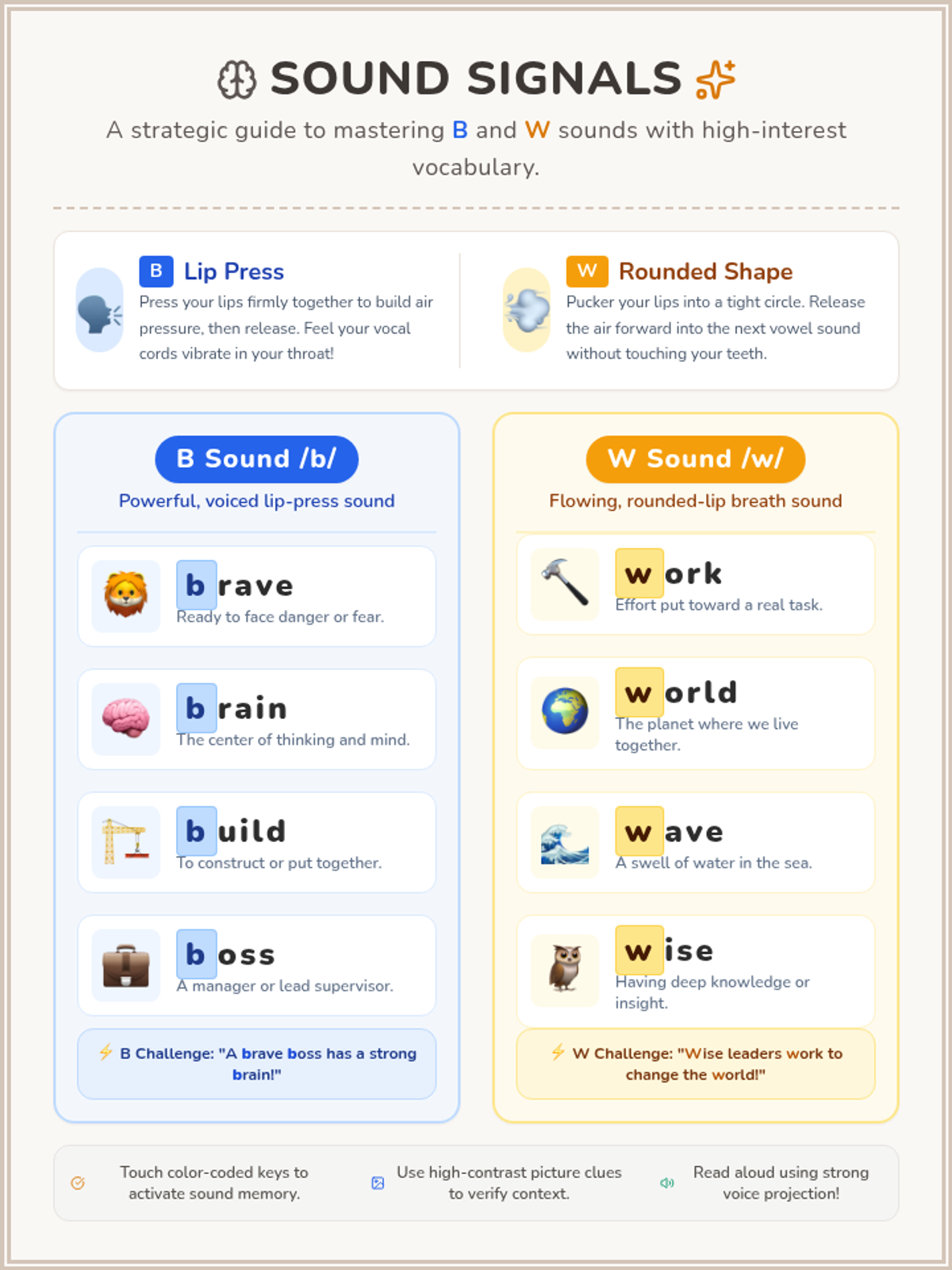
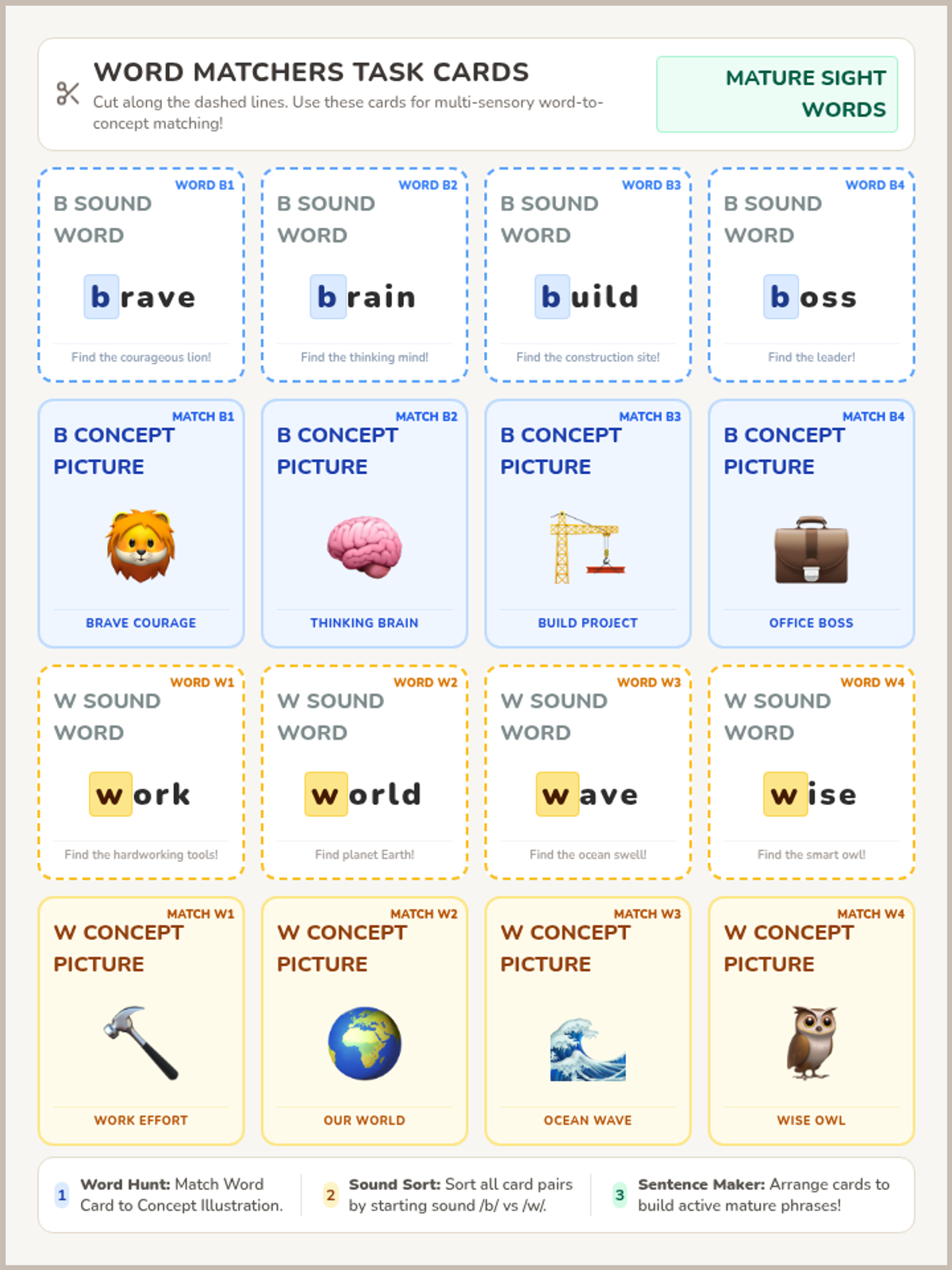
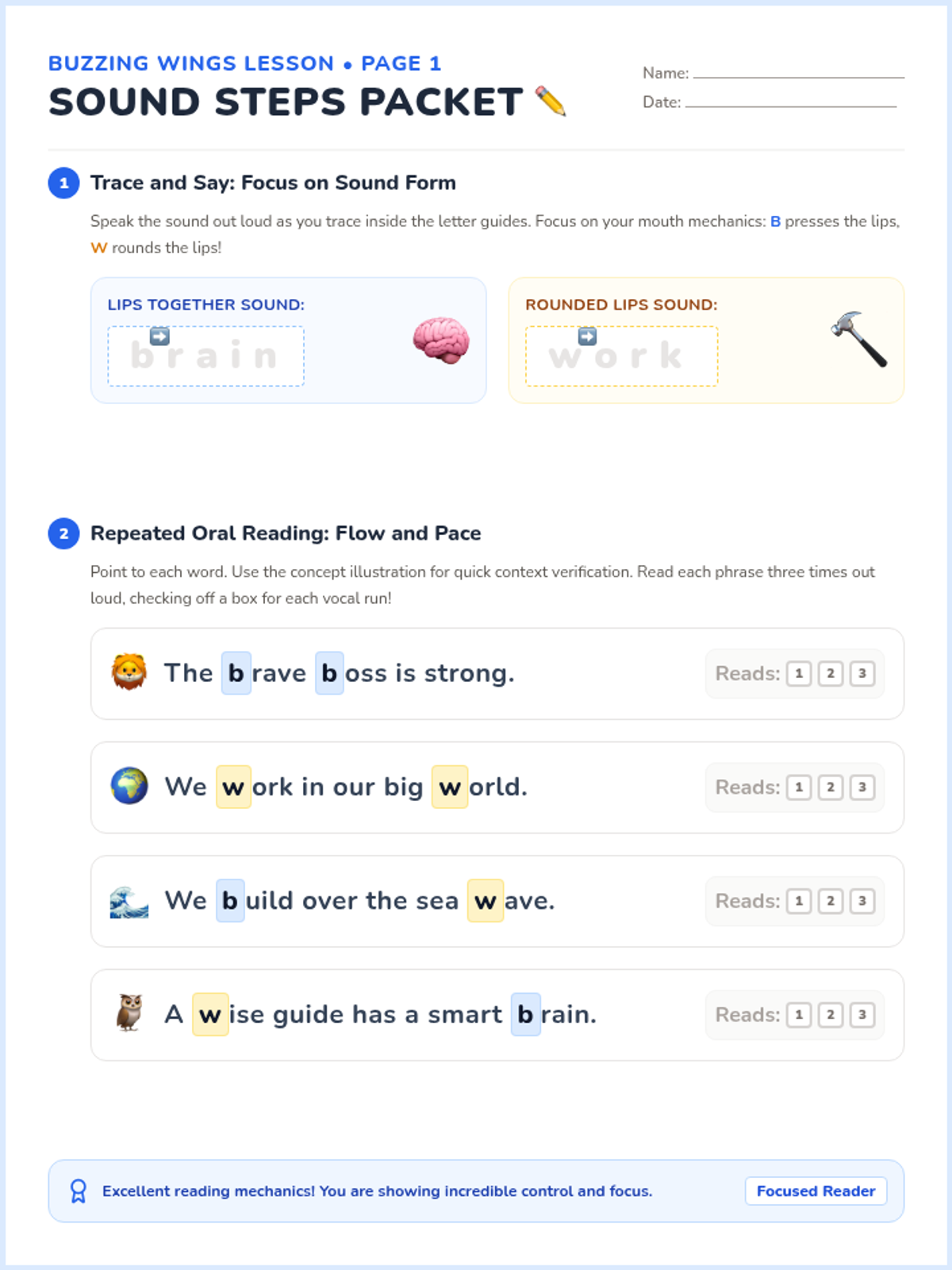
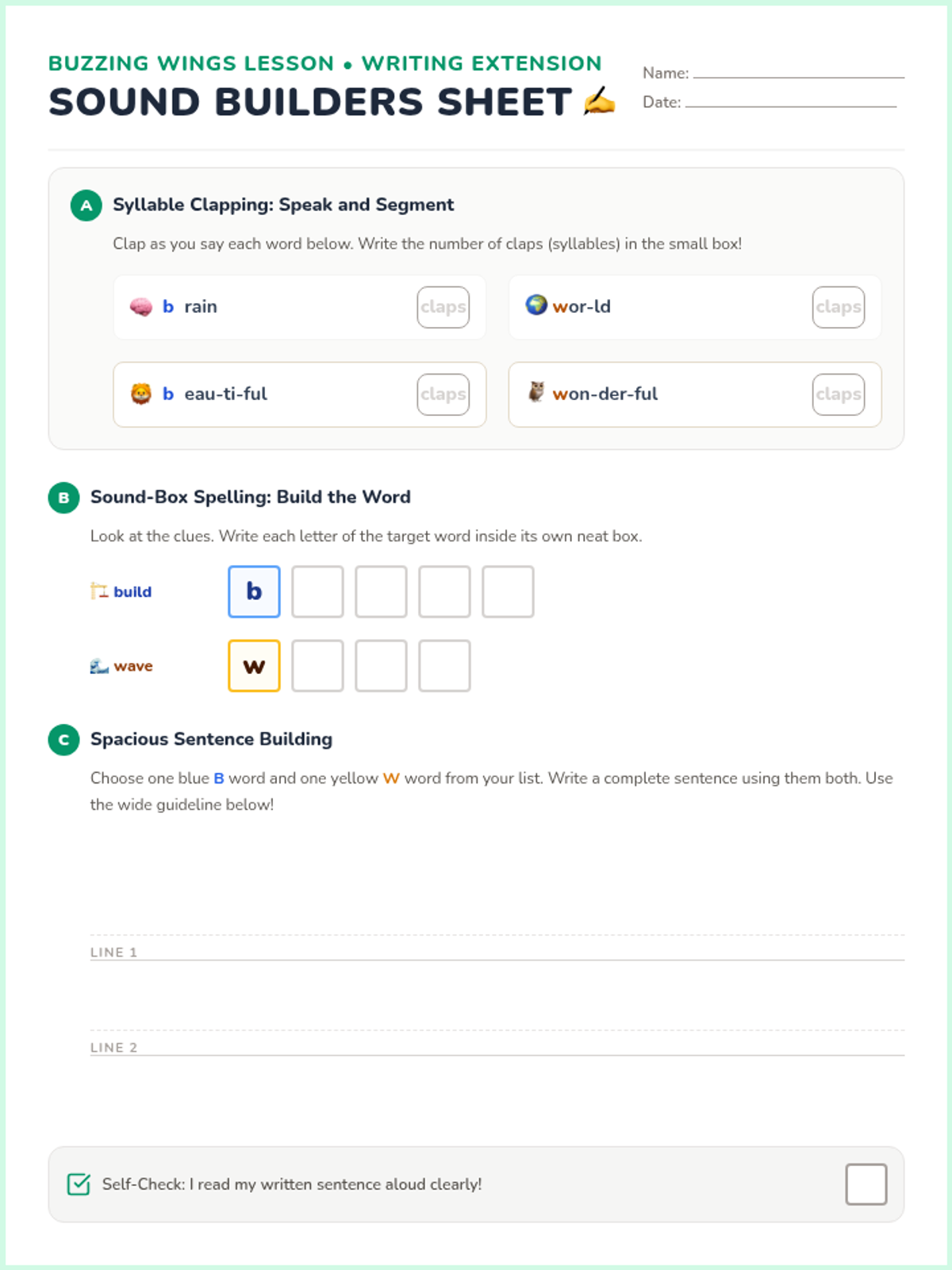
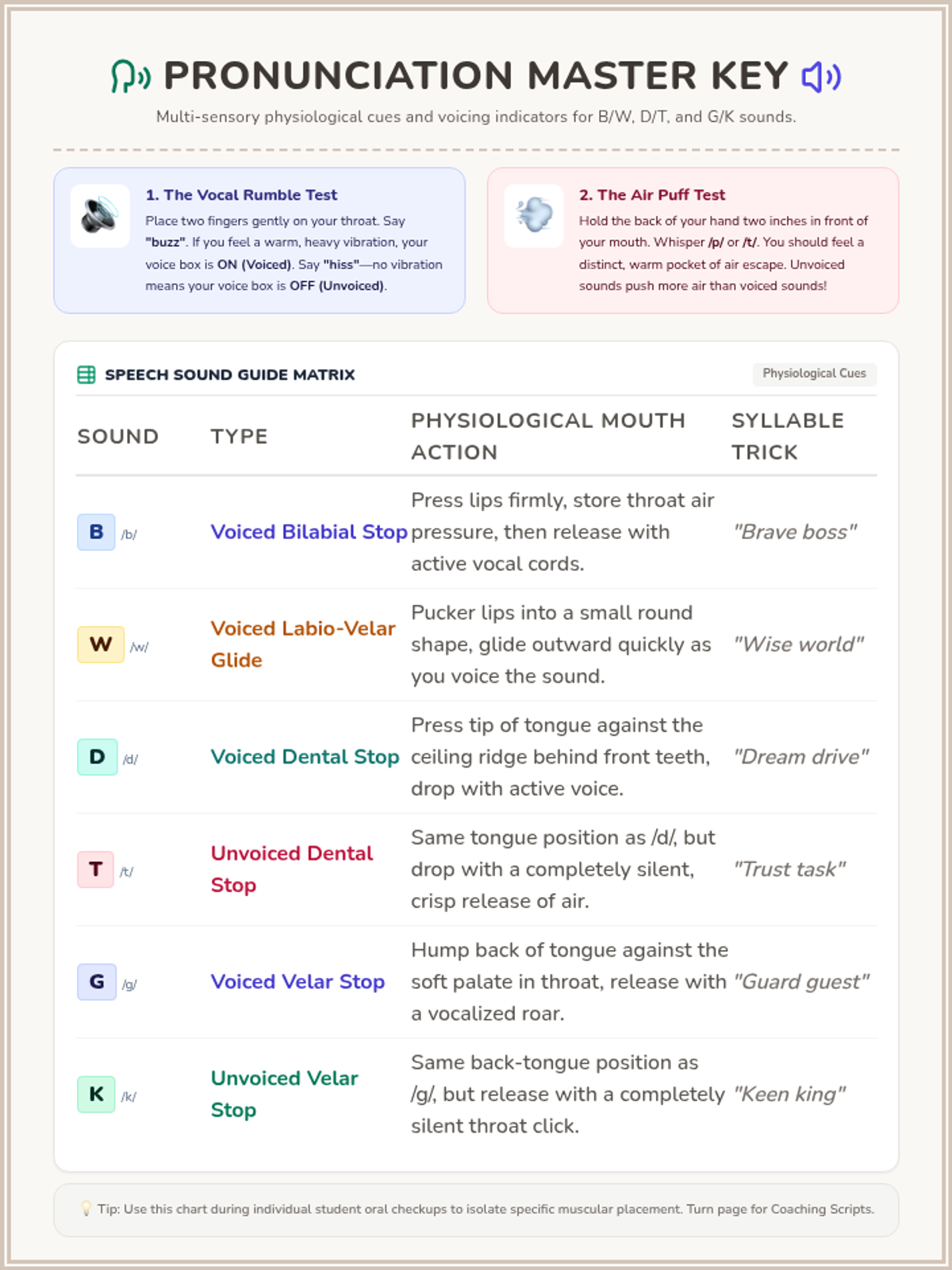
A multi-sensory, dyslexia-supportive reading and decoding unit focusing on core letter-sound associations, sight-word automaticity, and confident oral articulation. Tailored for struggling readers through visual anchoring, physical games, and multi-step assessment routines.
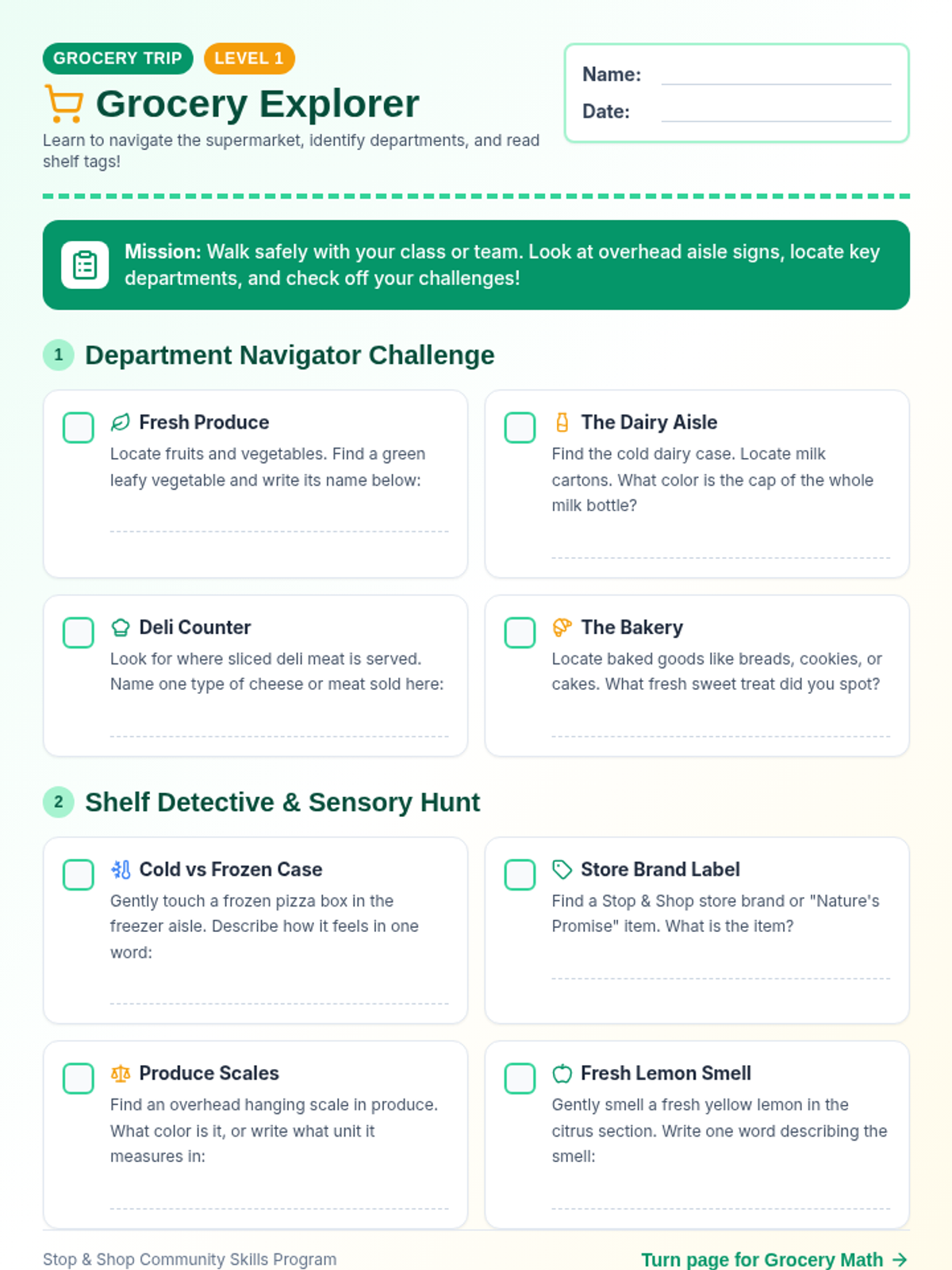
A functional life skills and practical mathematics sequence designed to help students navigate community retail and grocery stores, manage a budget, and build independent living skills.
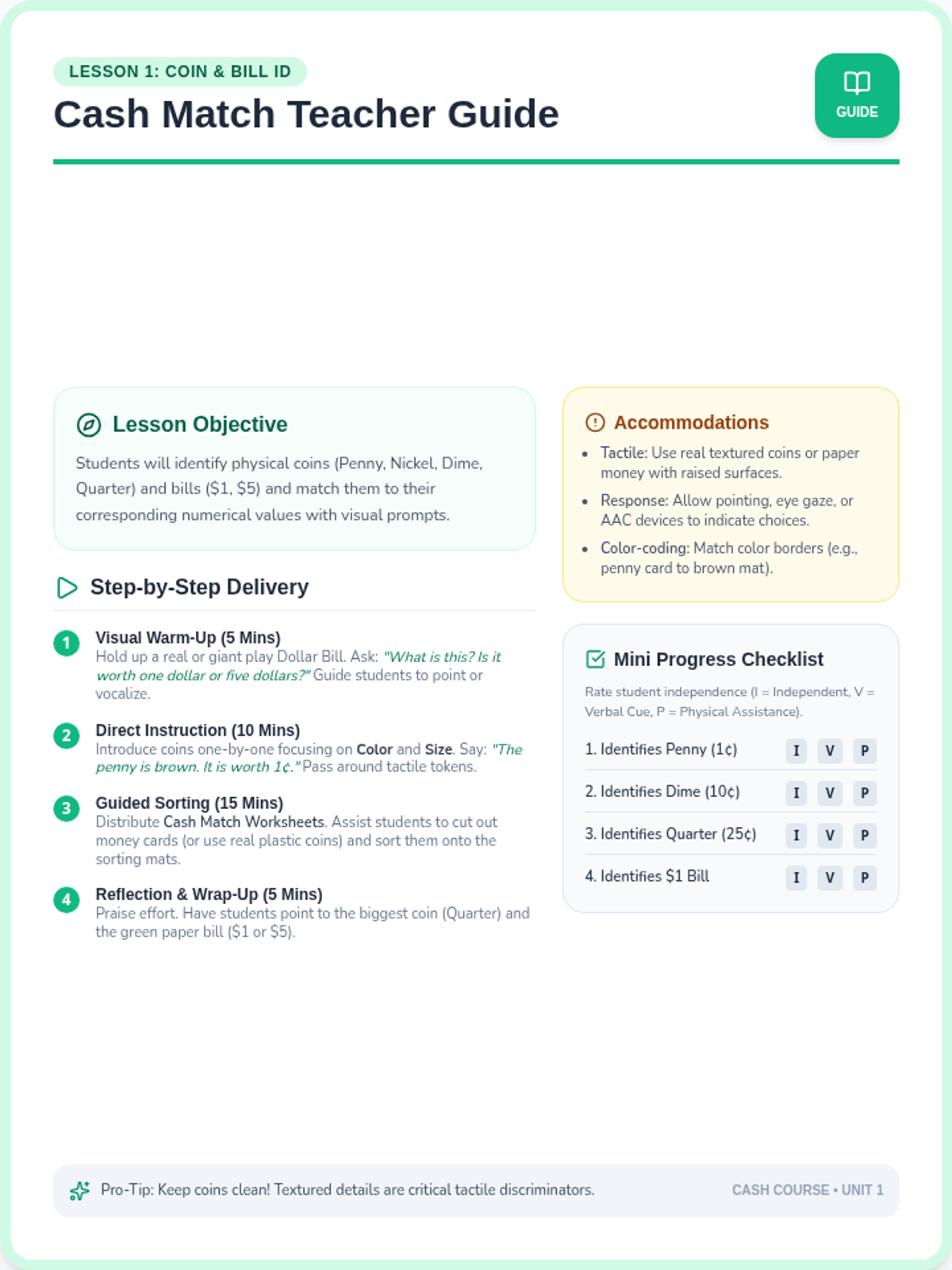
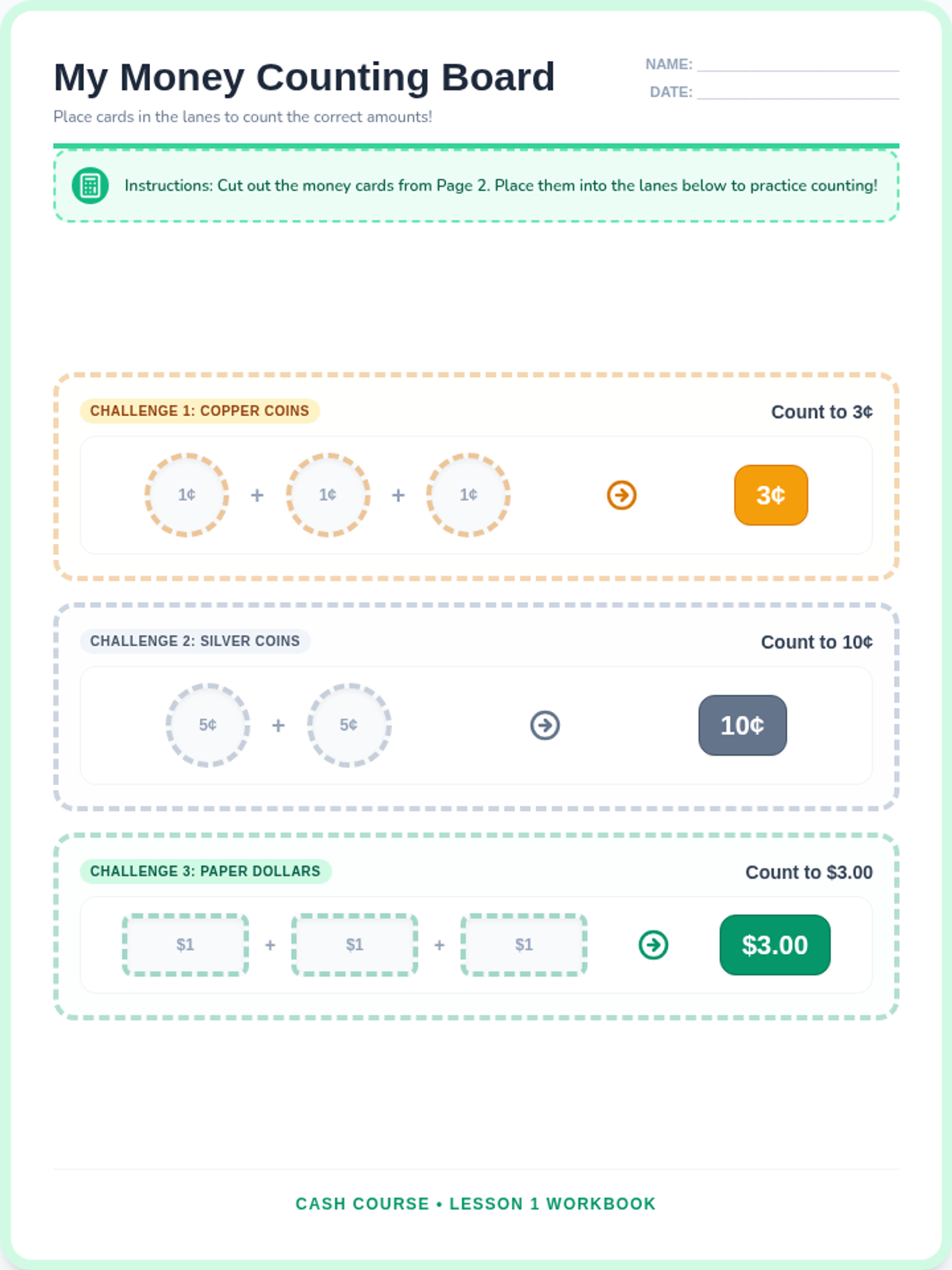
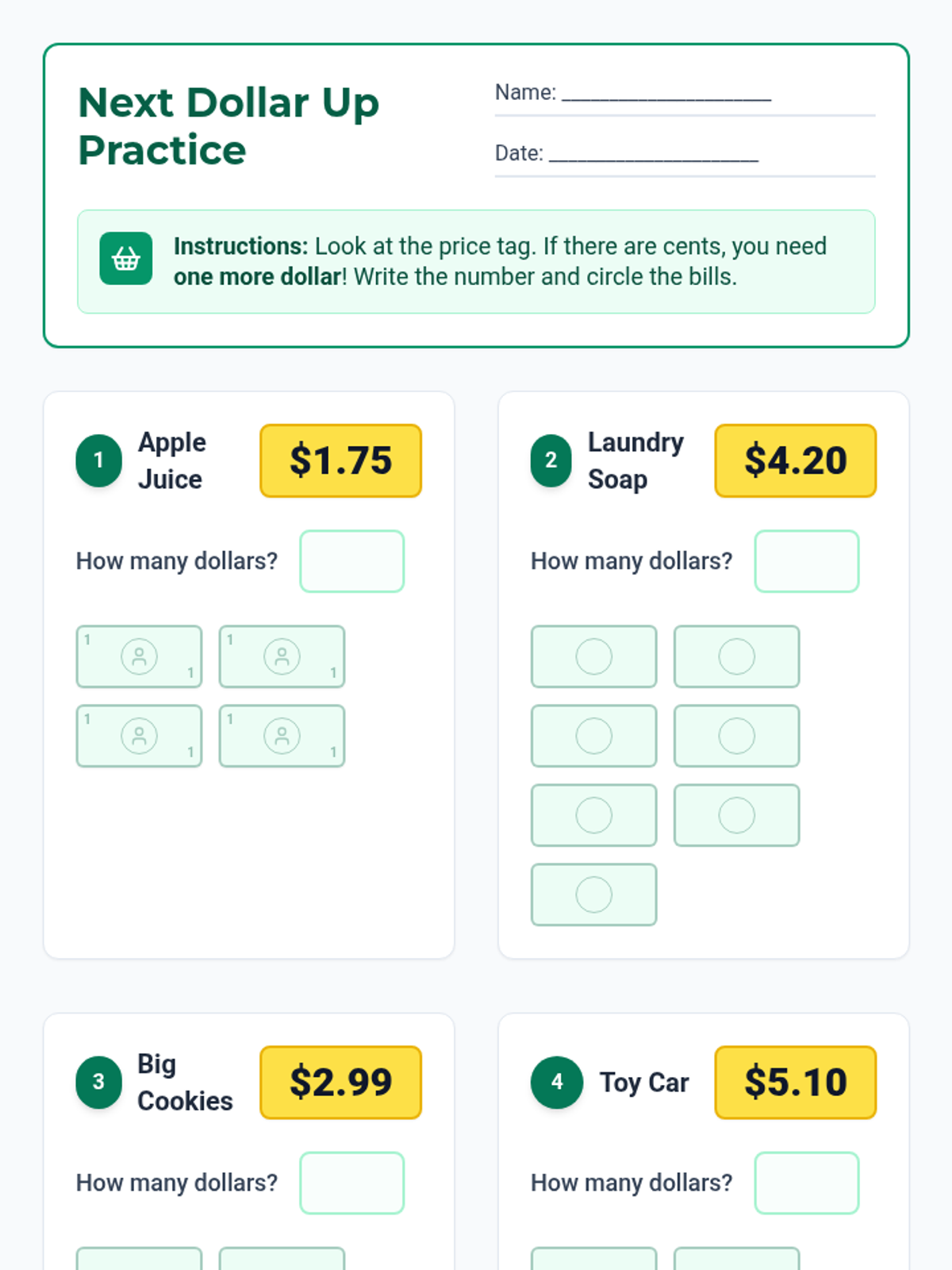
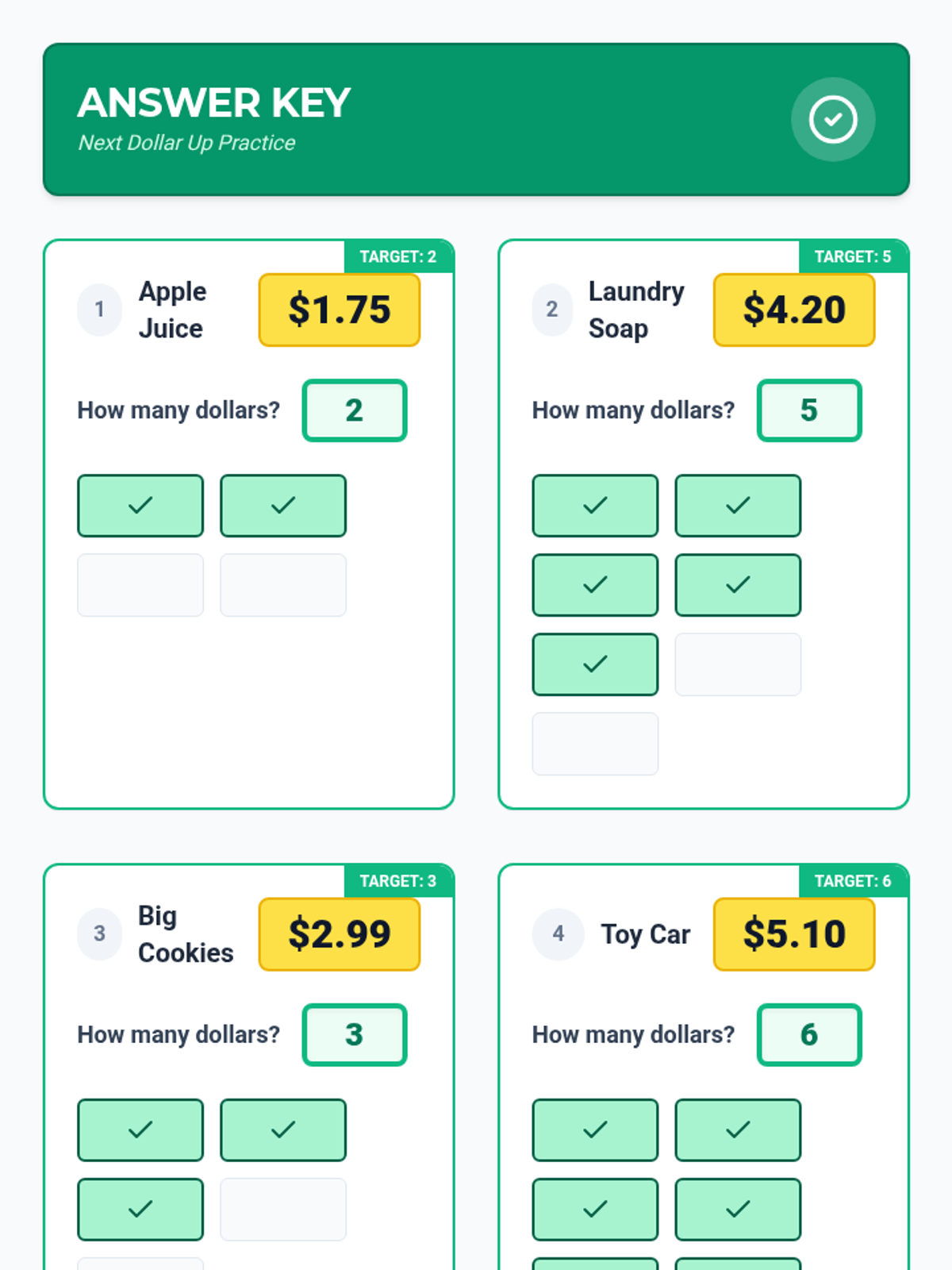
A highly visual, step-by-step sequence designed for students with significant intellectual and learning disabilities. The unit focuses on real-life money skills: coin/bill identification, the next-dollar-up strategy, simple store purchases up to five dollars, and basic wants vs. needs budgeting.
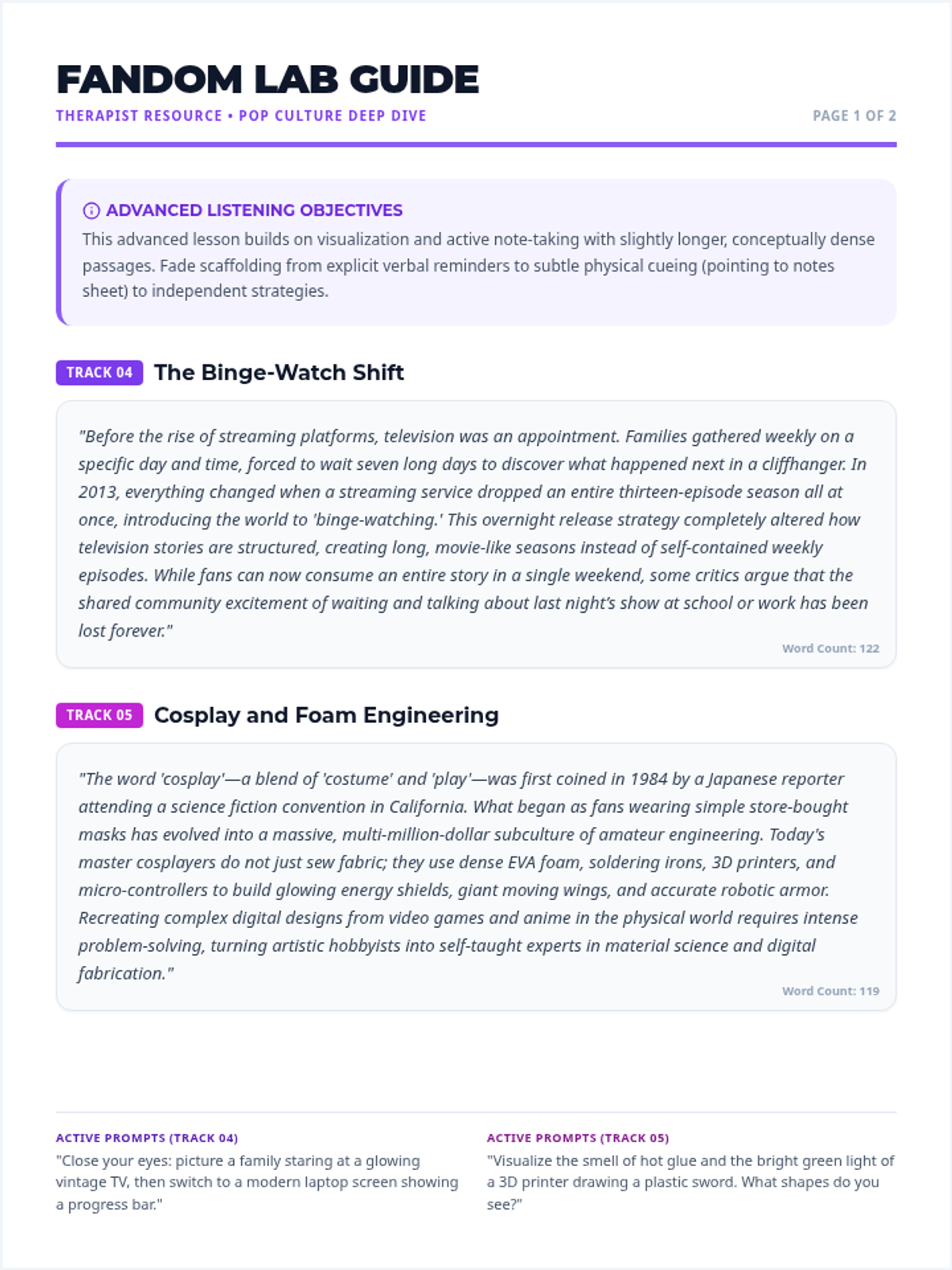
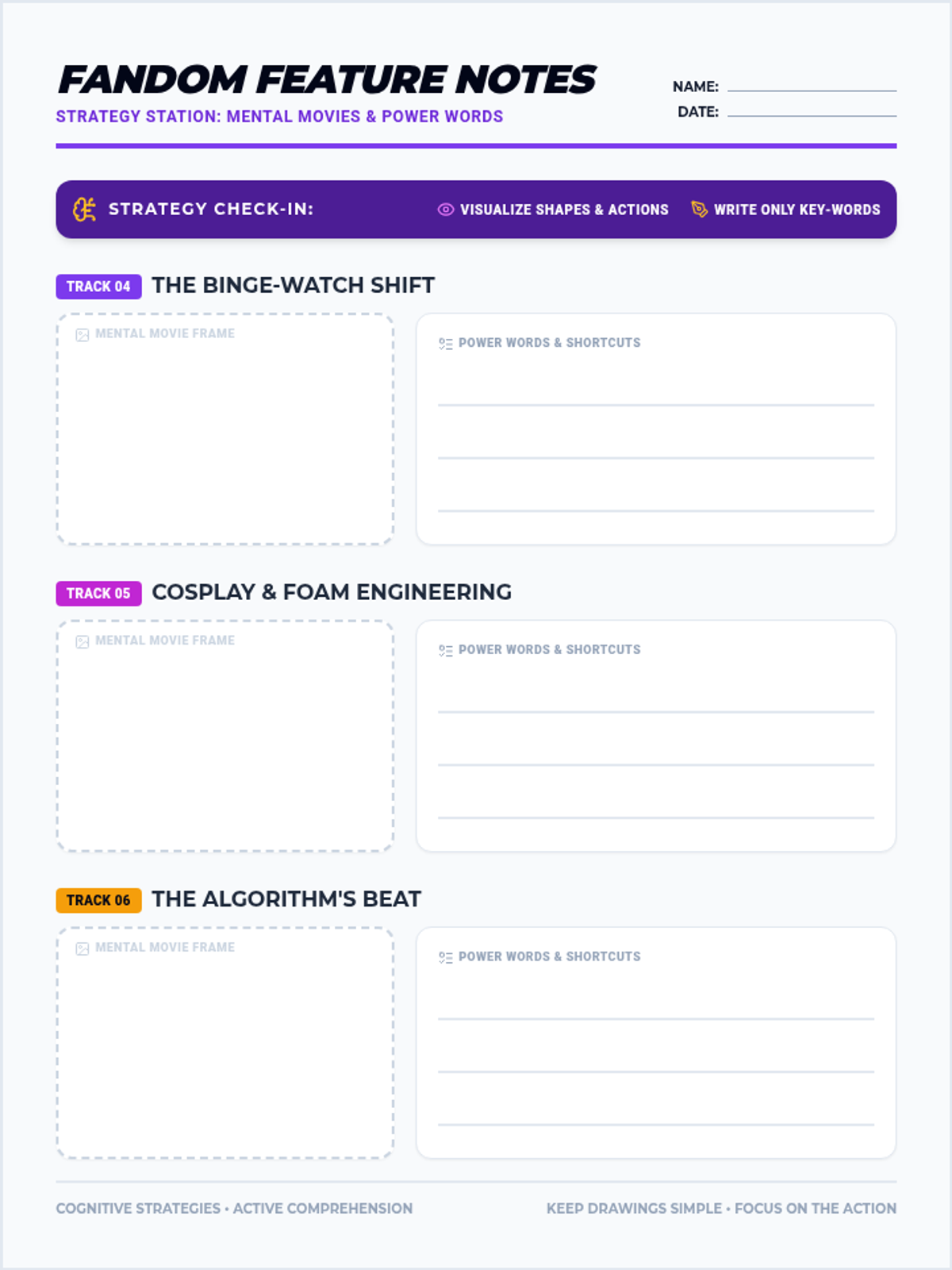
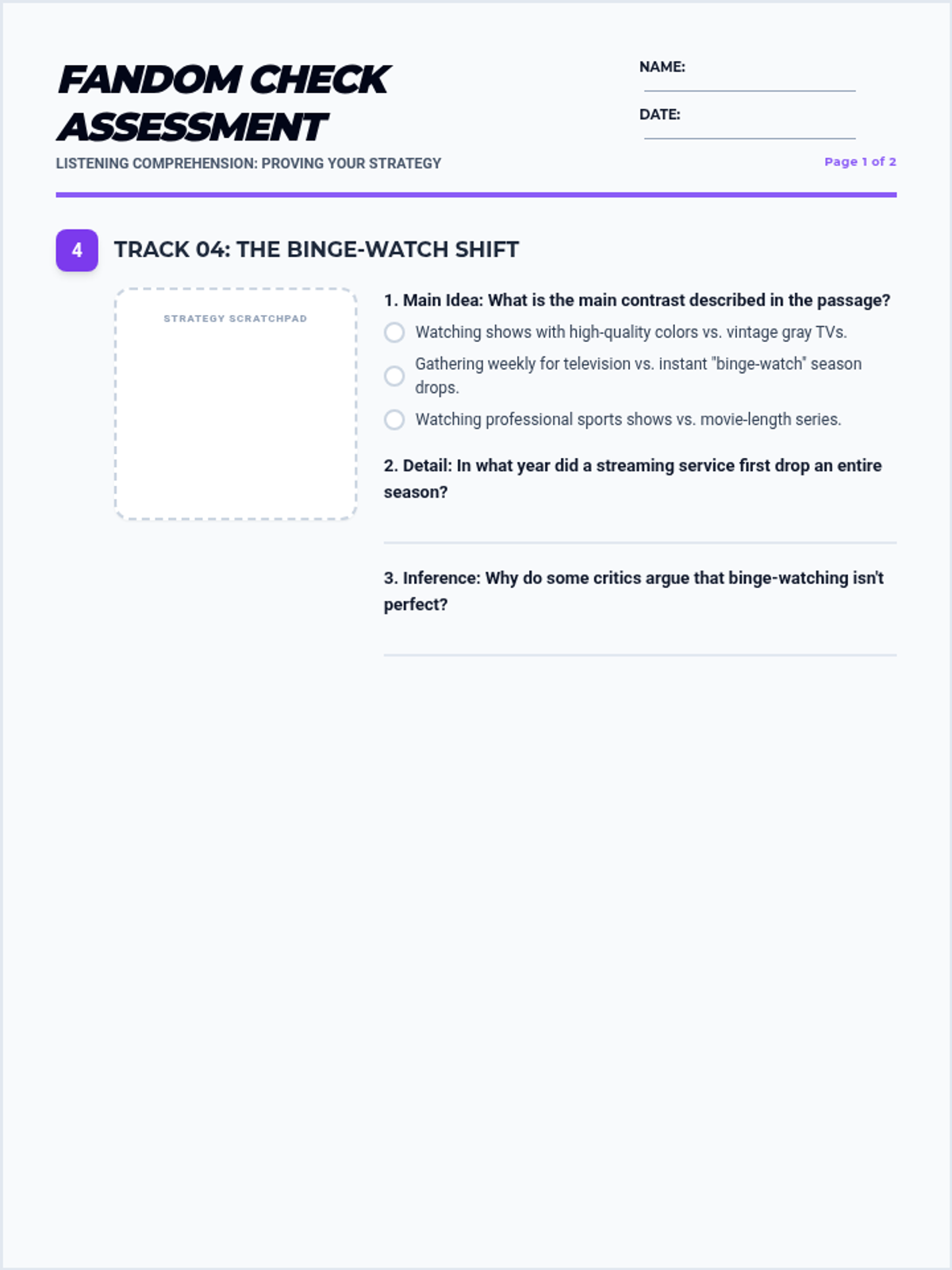
A speech-language therapy sequence focusing on developing listening comprehension, active visualization, and note-taking skills through the lens of modern pop culture and media.
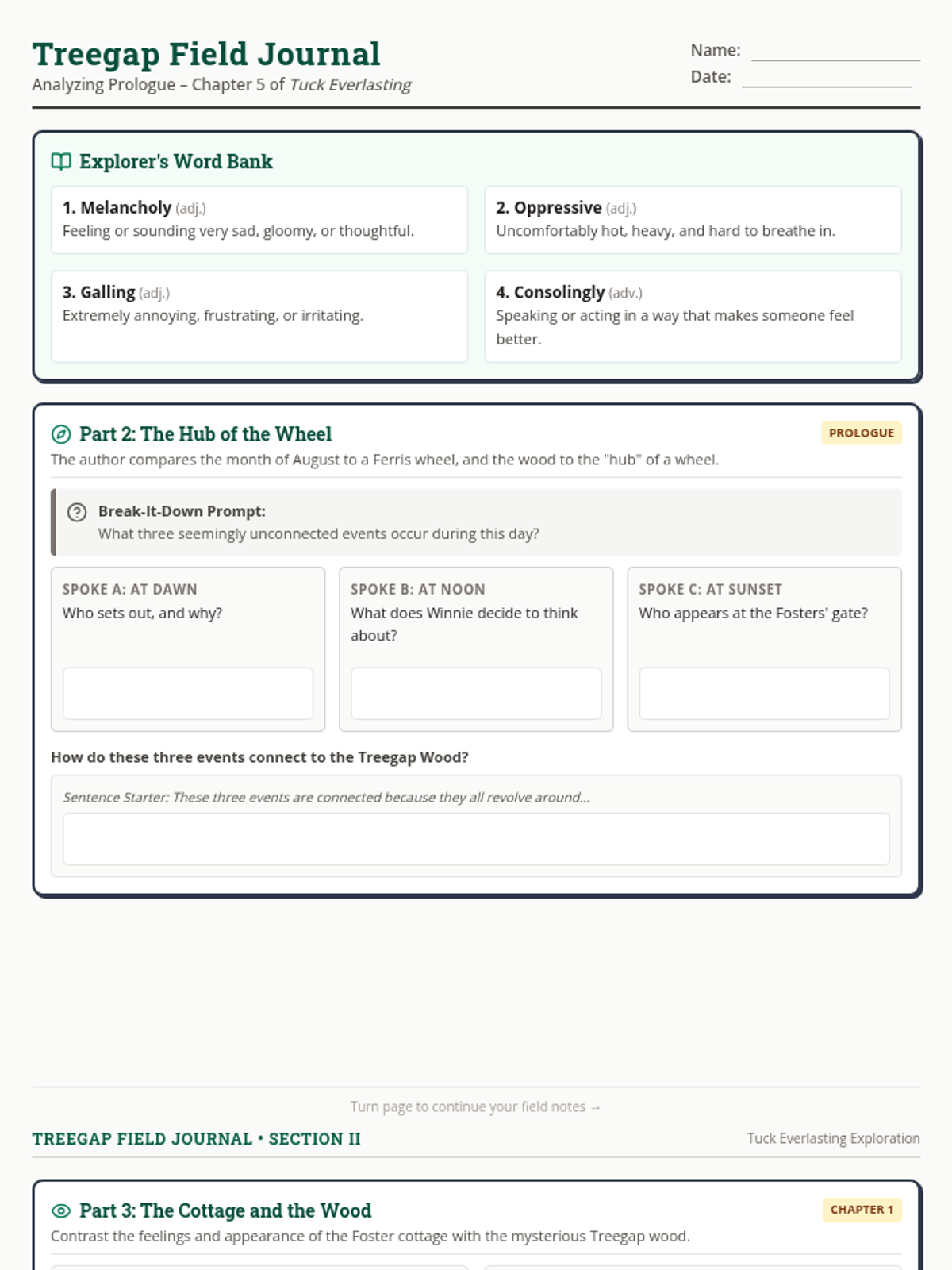
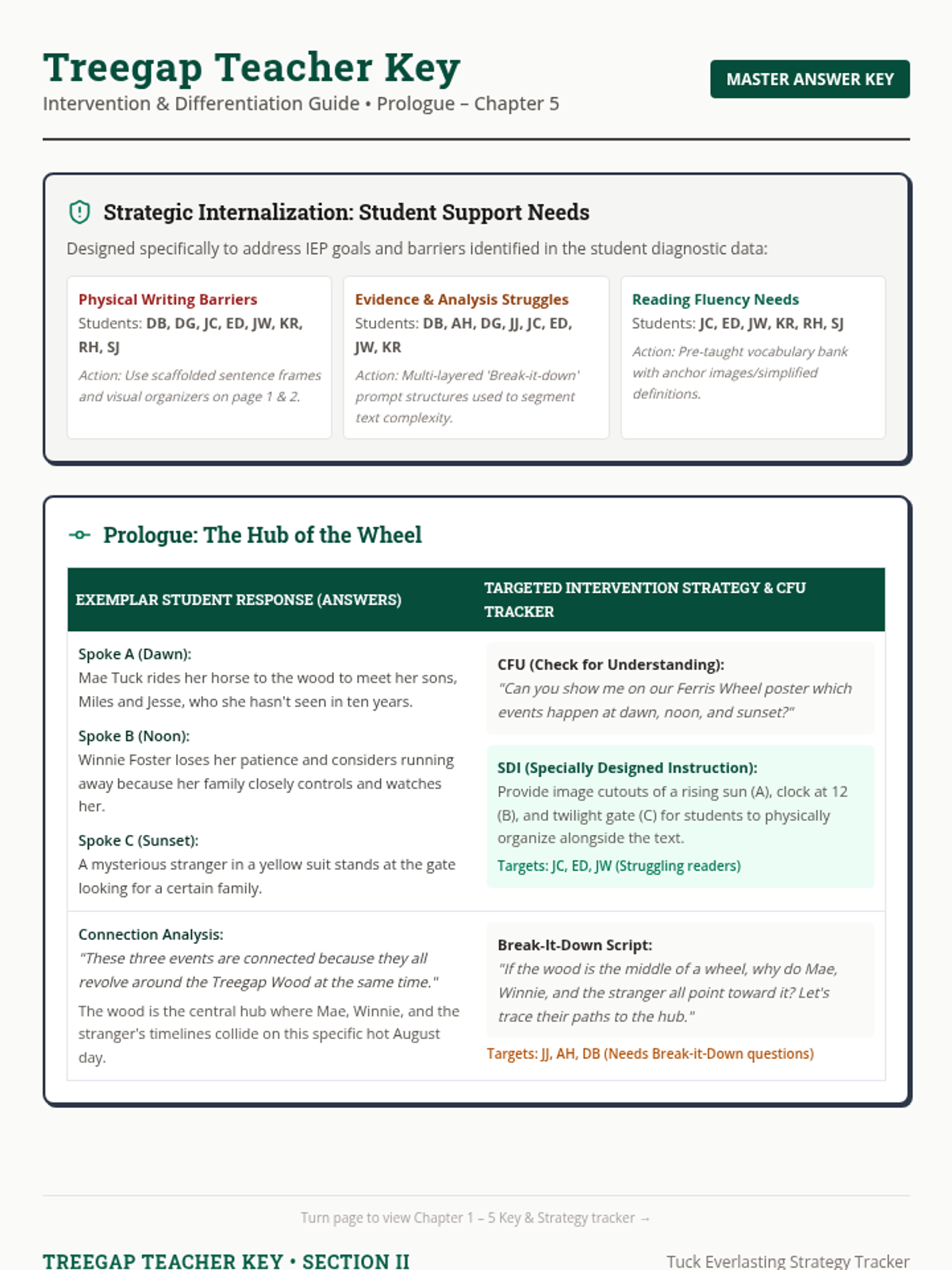
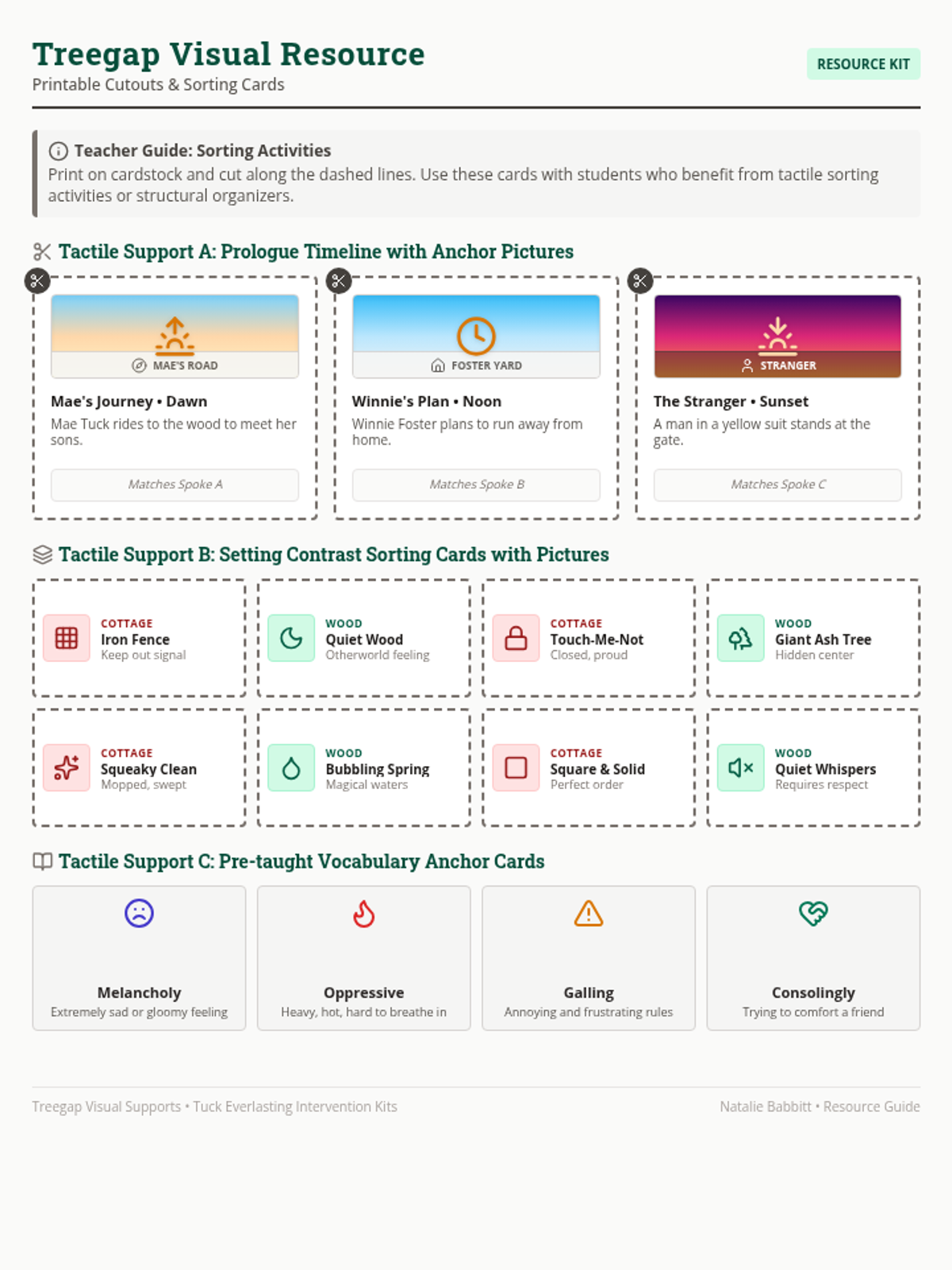
A comprehensive, highly scaffolded literary sequence spanning 32 distinct literary investigations of Natalie Babbitt's Tuck Everlasting. Each unit splits the original text into meticulous thematic, symbolic, and structural breakdowns, paired with student field journals, tactile aids, and specialized teacher keys.
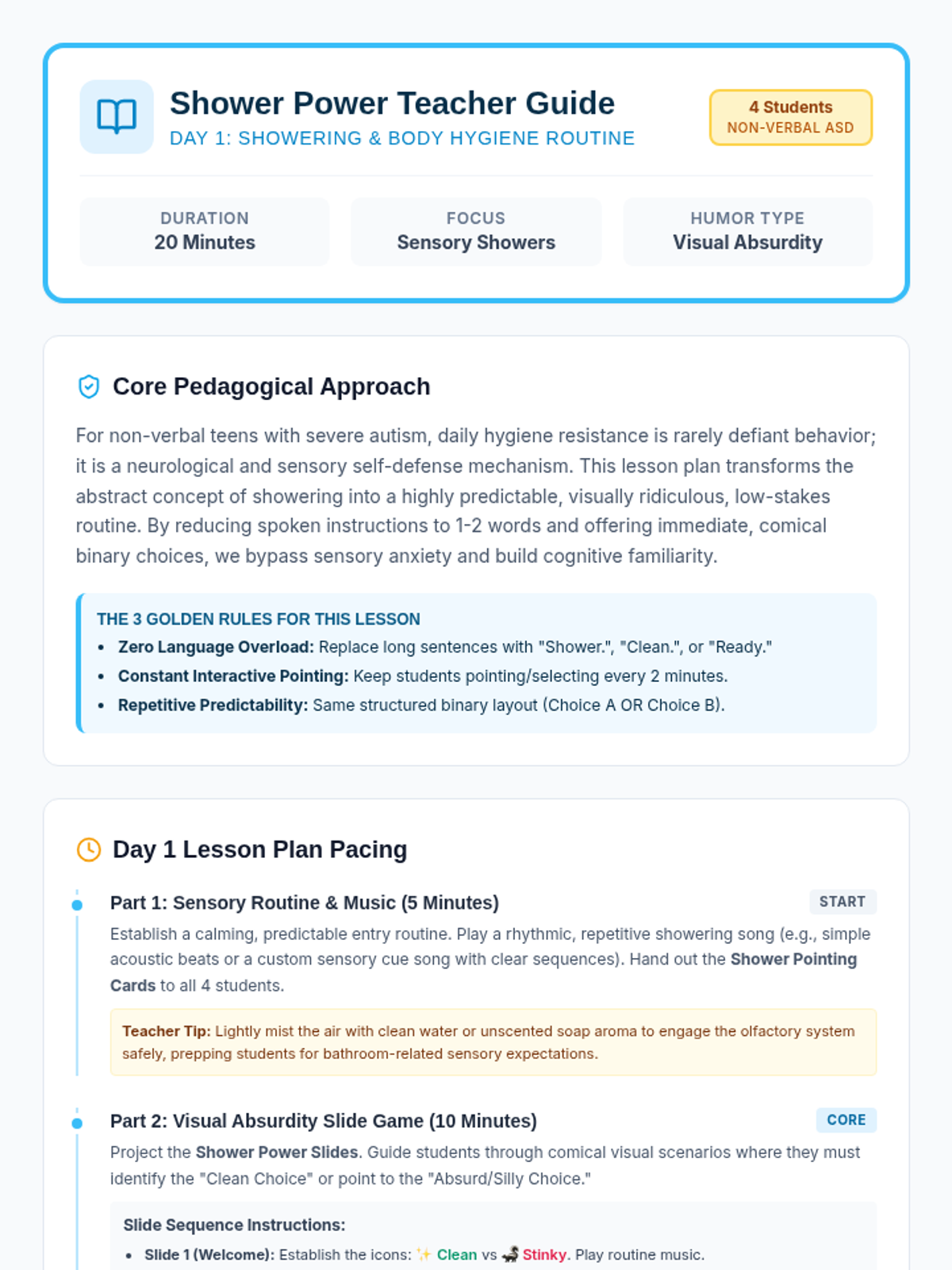
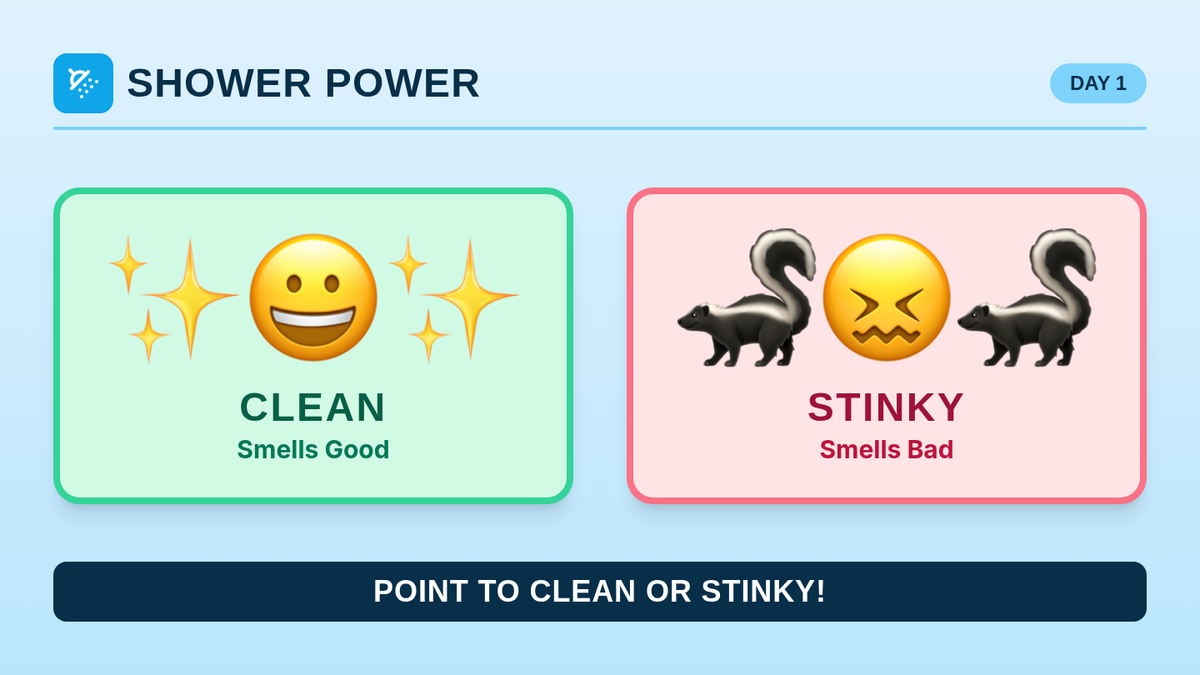
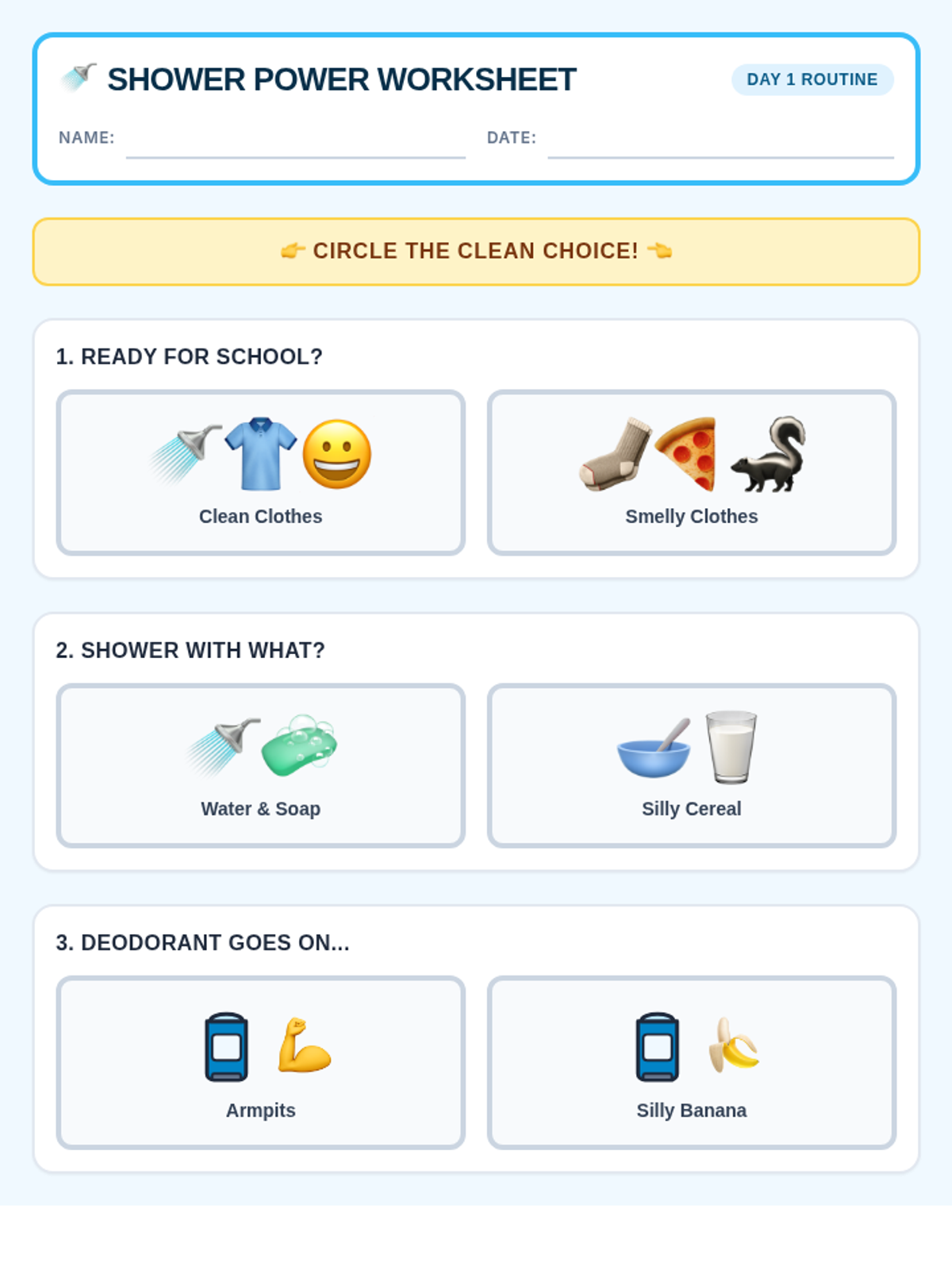
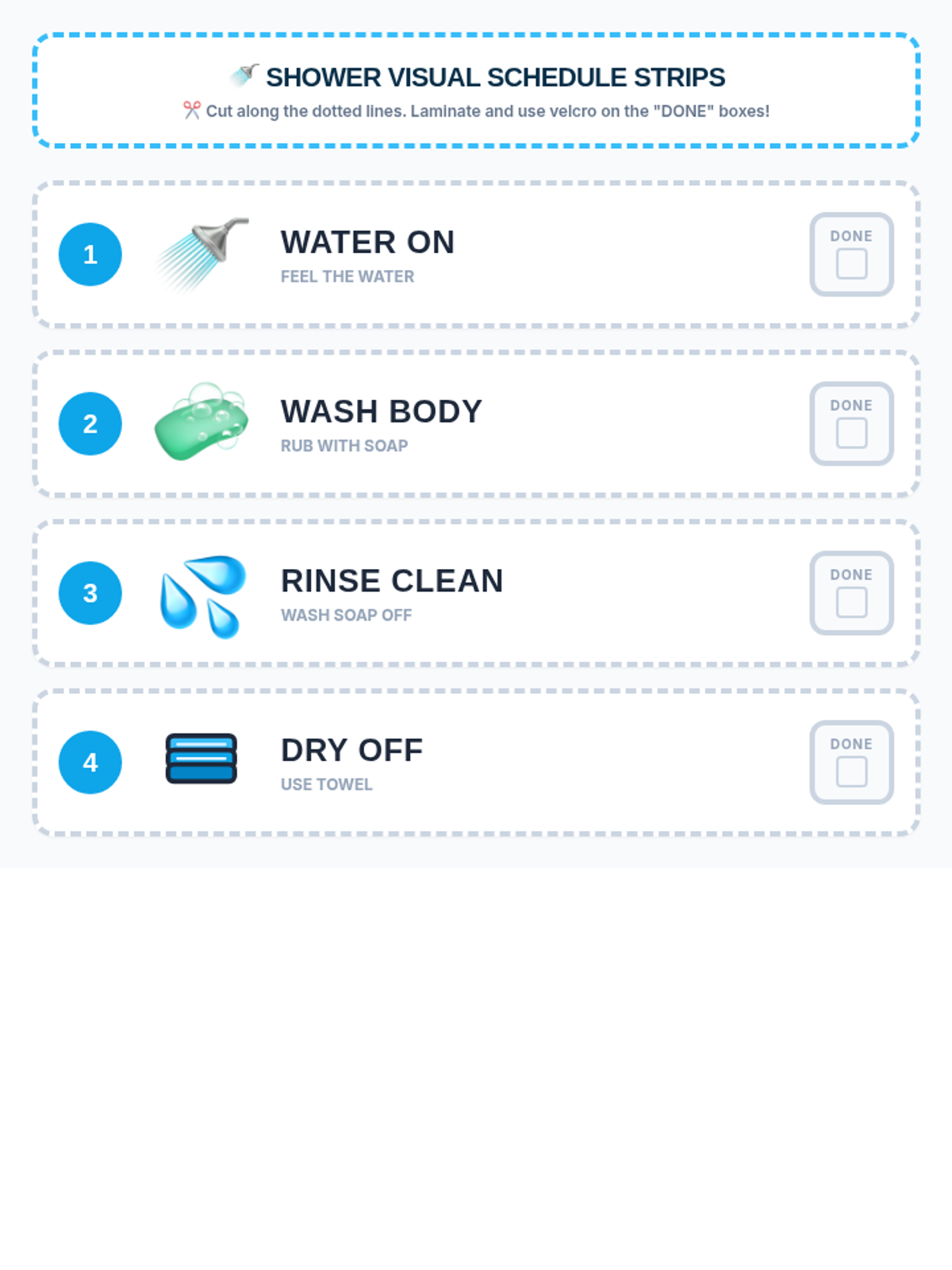
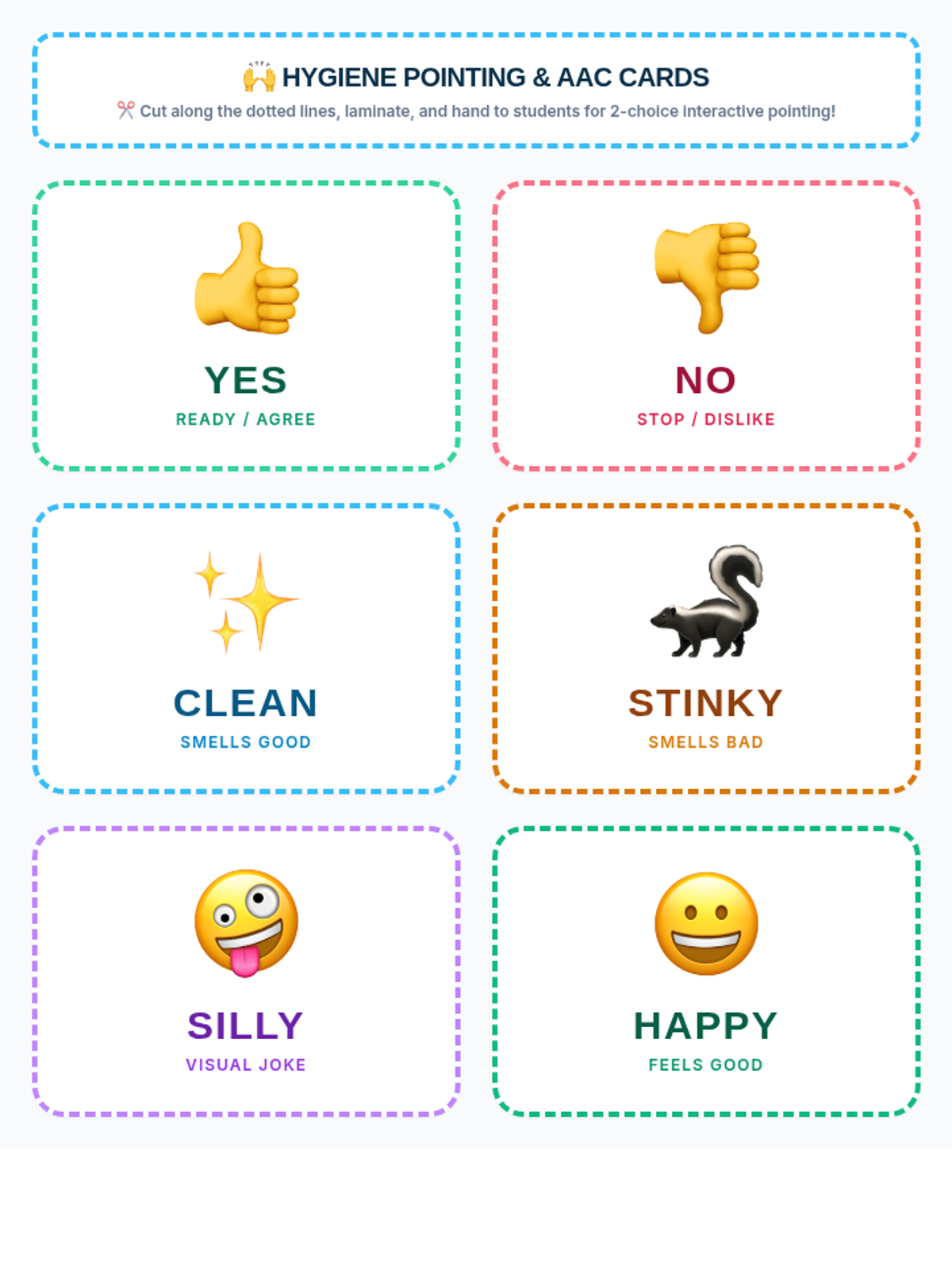
A highly visual, sensory-friendly 2-day curriculum designed for non-verbal teenage students with severe autism. This unit uses repetitive, concrete processing, visual humor, and 2-choice interactive structures to teach the life-critical routines of daily showering and changing clothes while avoiding sensory overload.
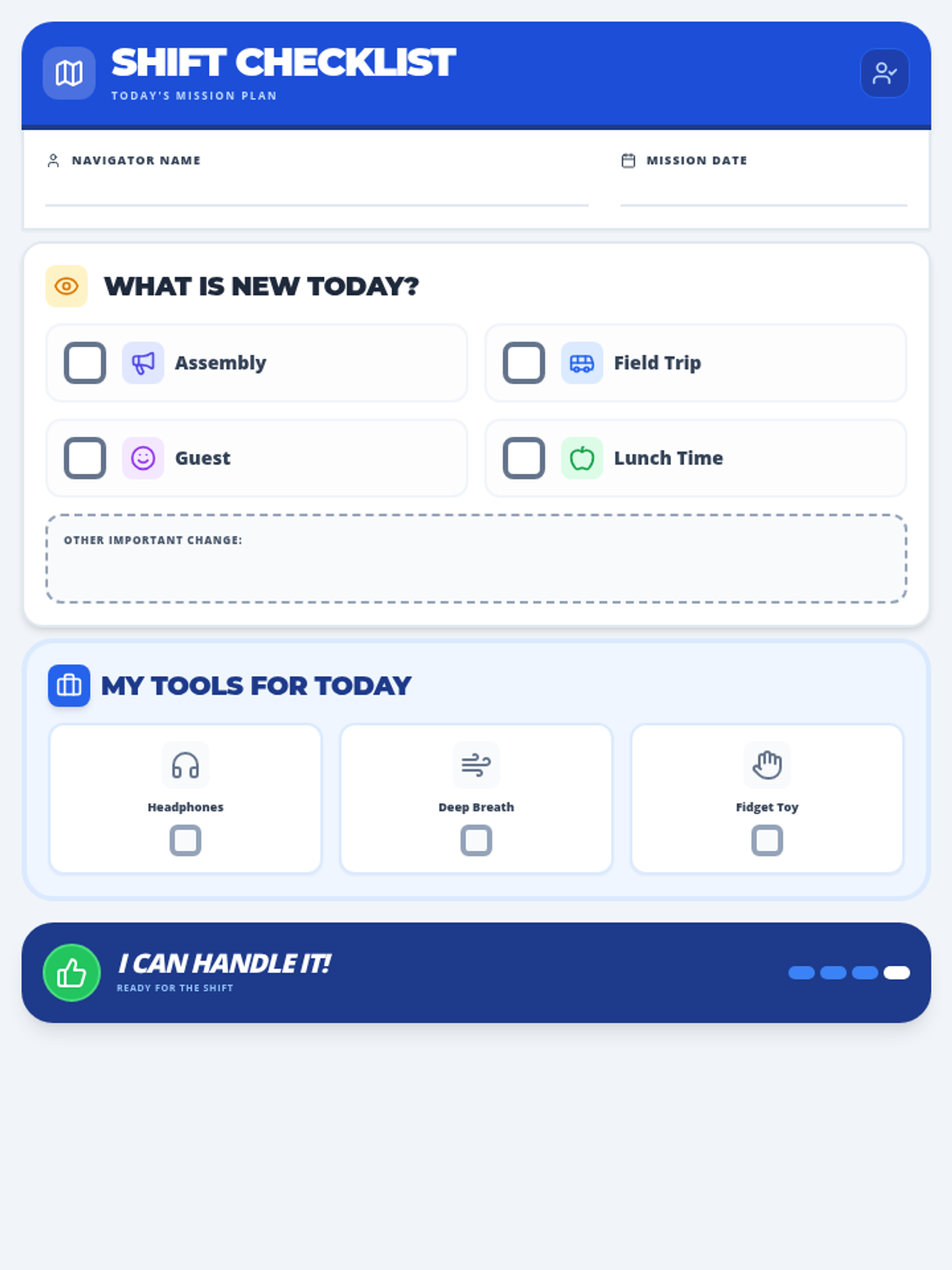
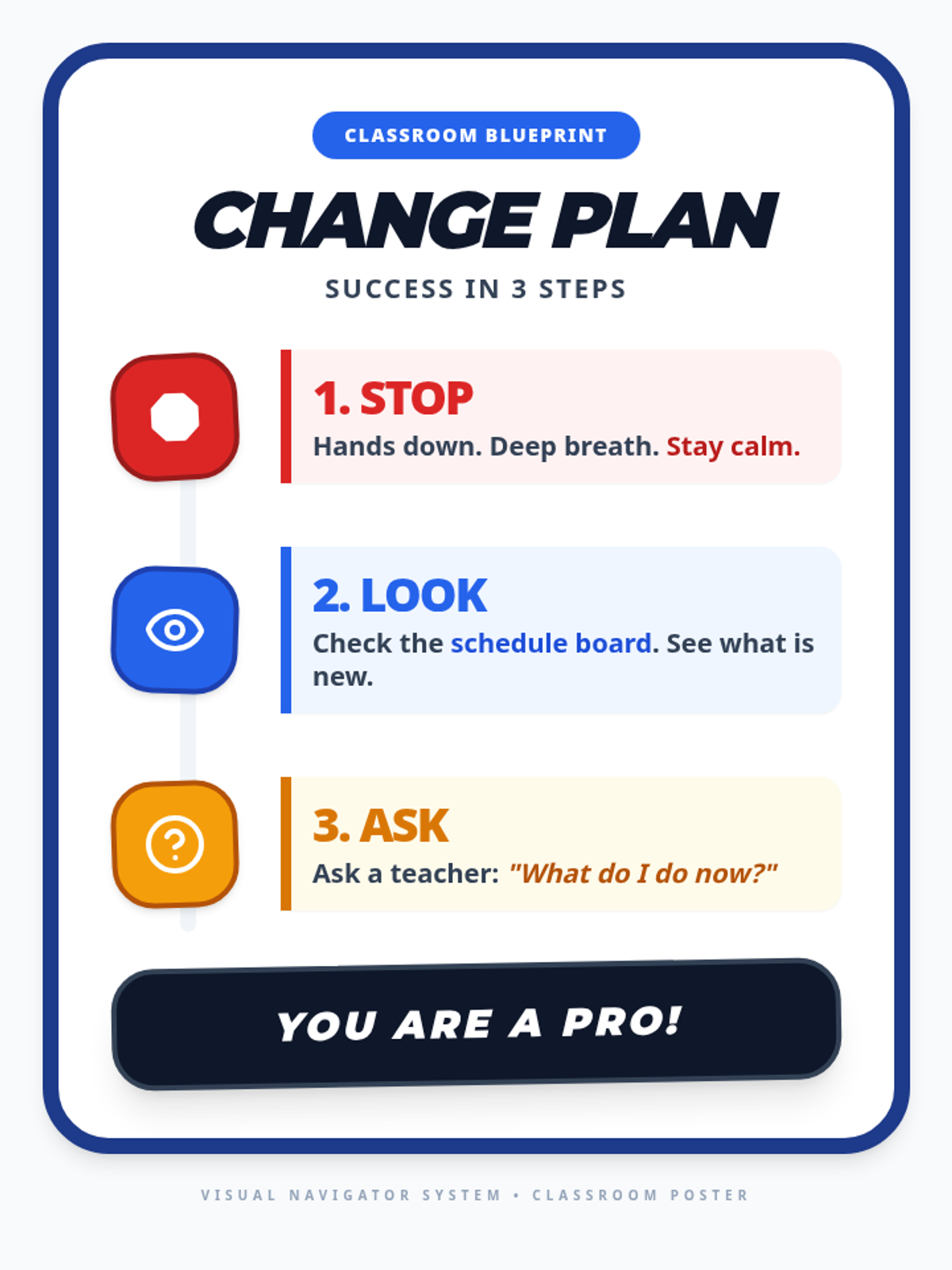
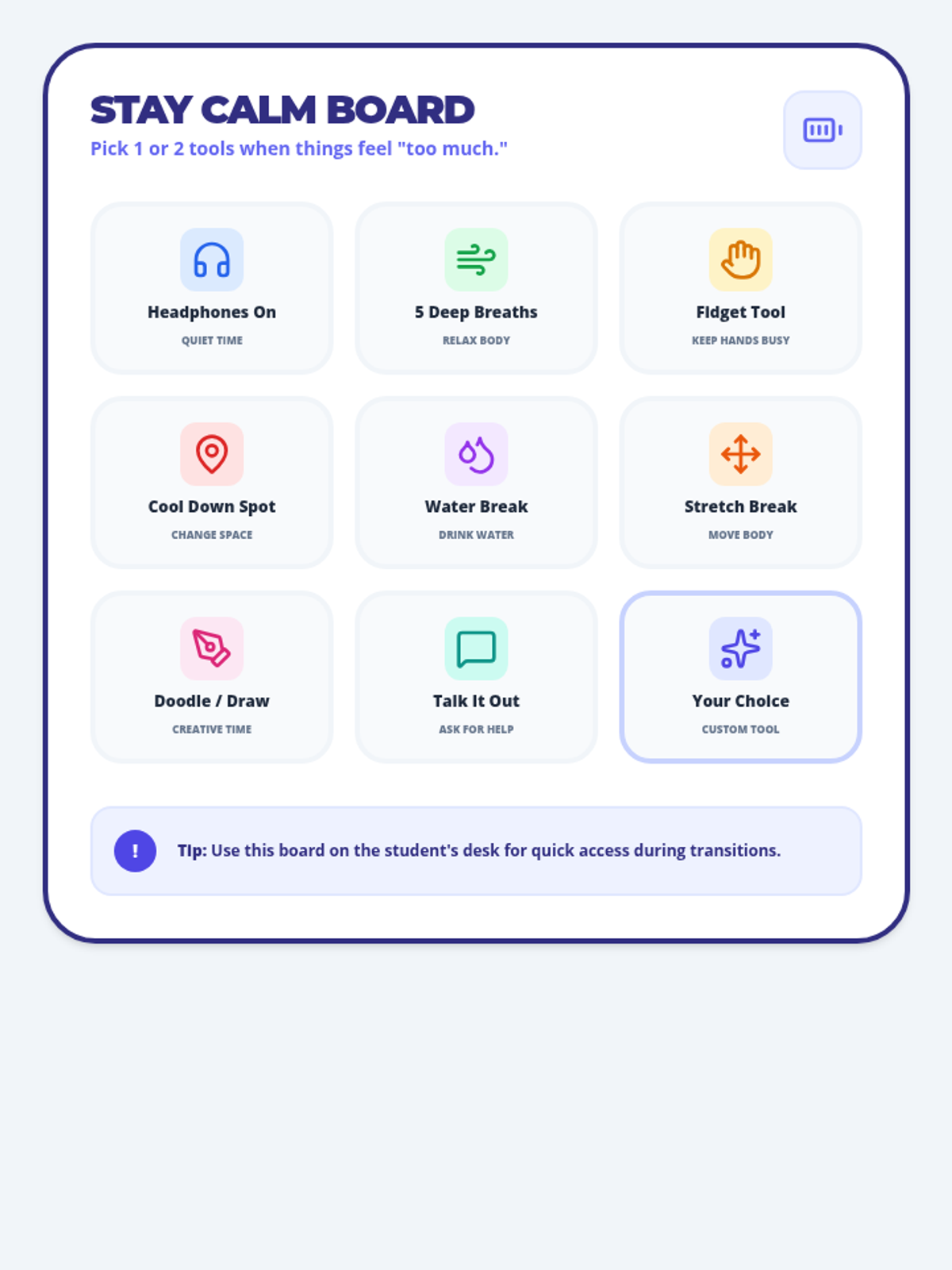
A sequence designed to help Junior High students with special needs navigate the unpredictable nature of end-of-school-year schedule changes using visual supports and self-regulation strategies.
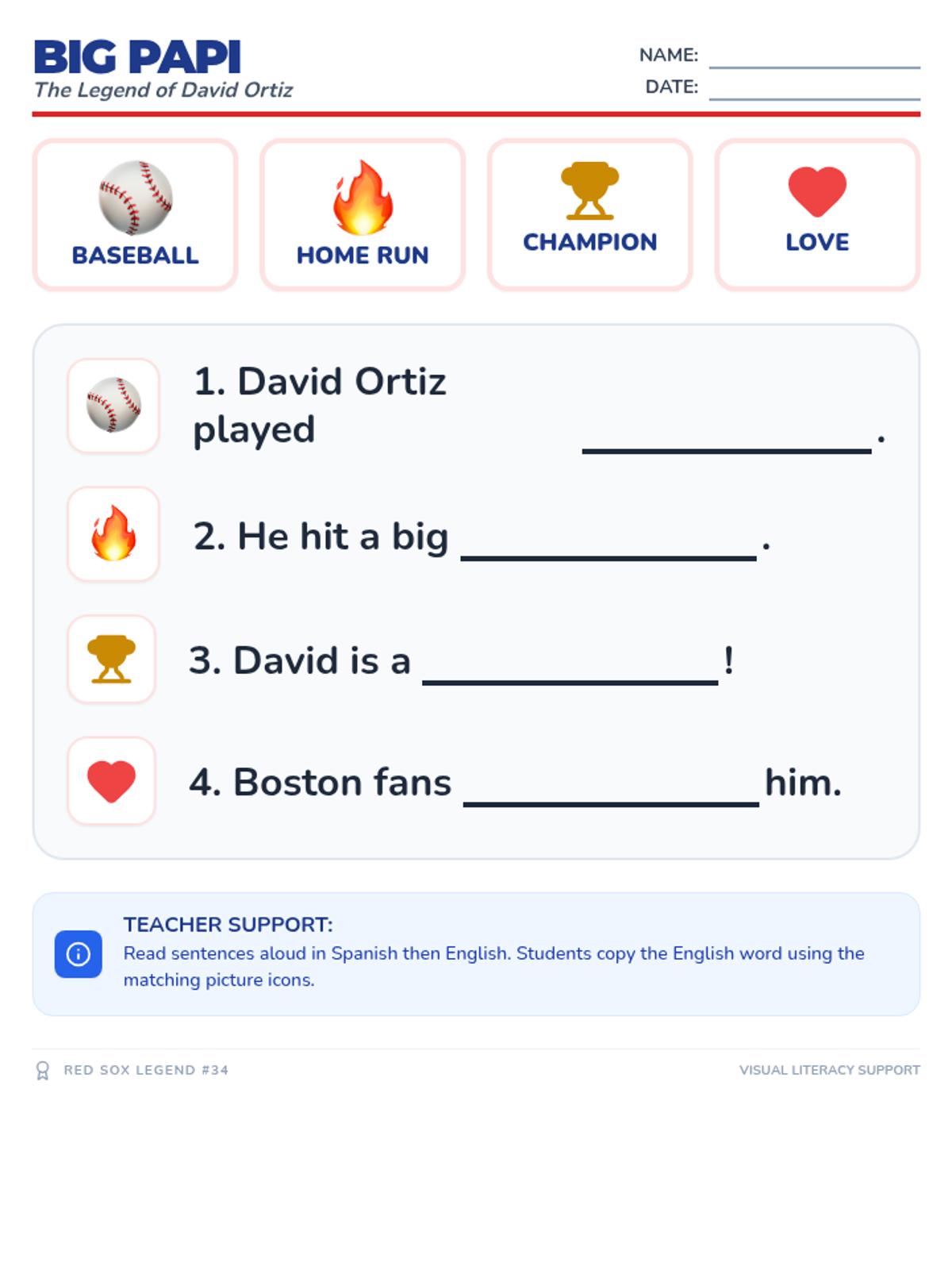
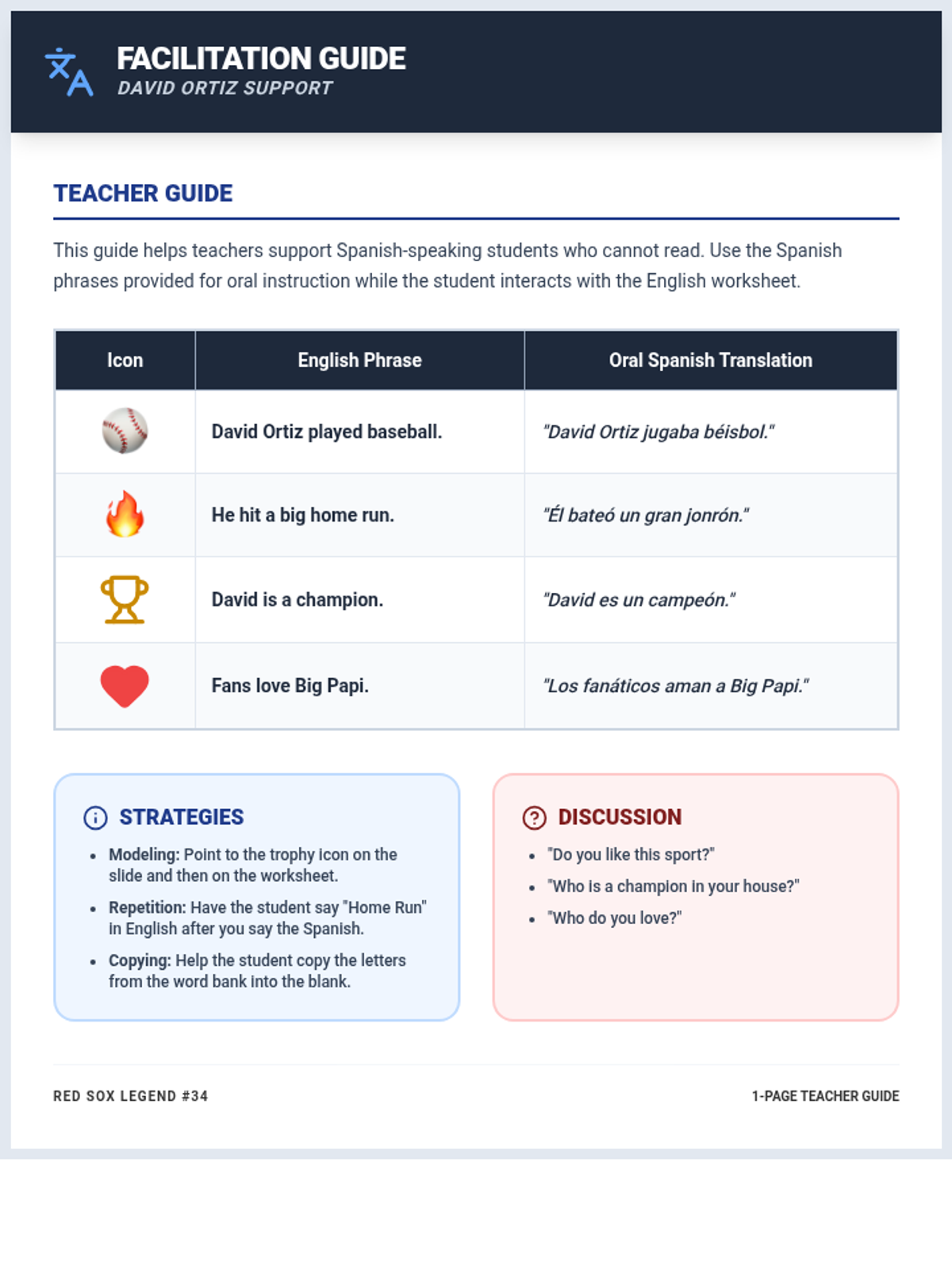
A series of lessons focused on baseball legends, designed for students with limited literacy and English language learners.
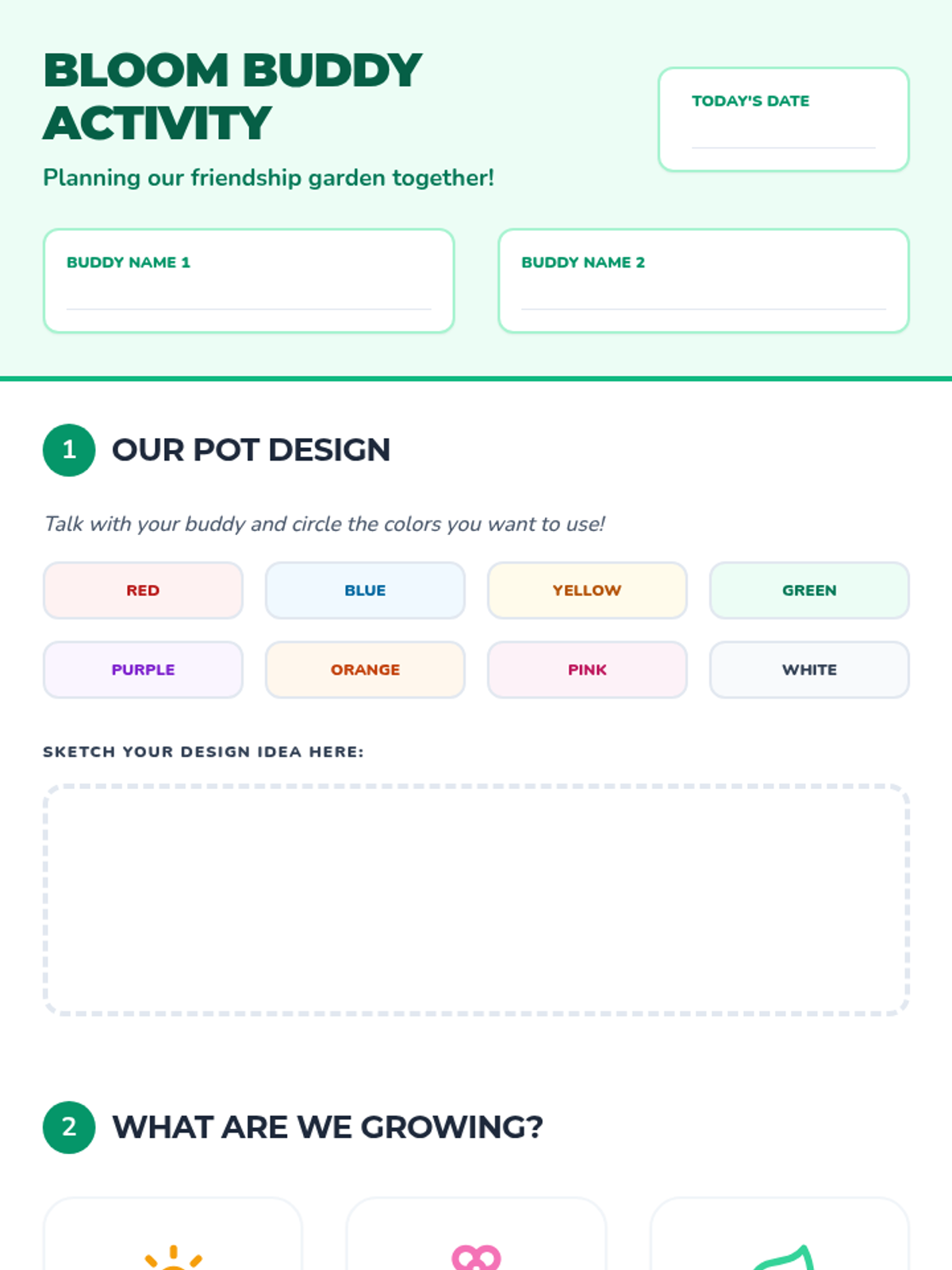
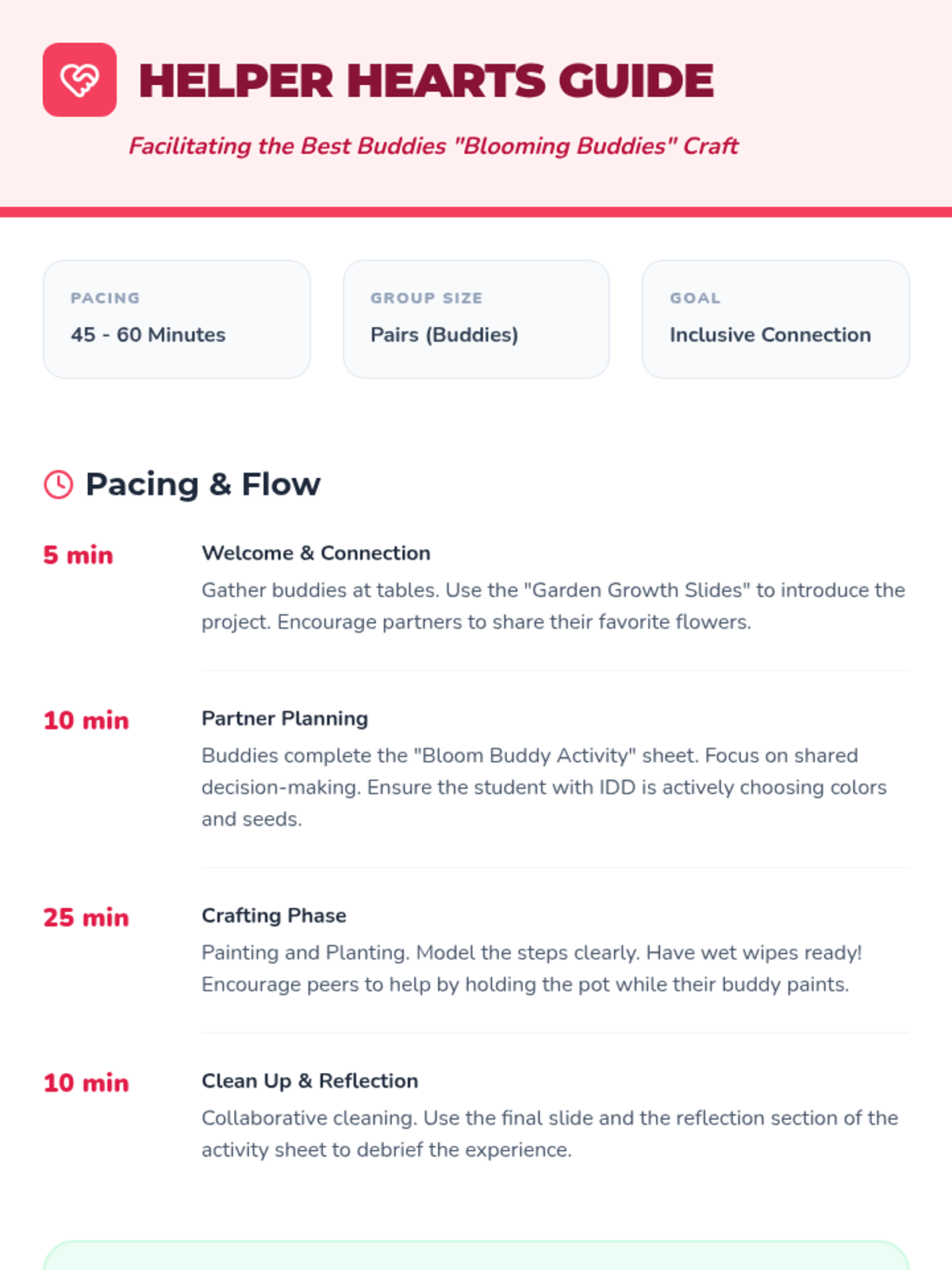
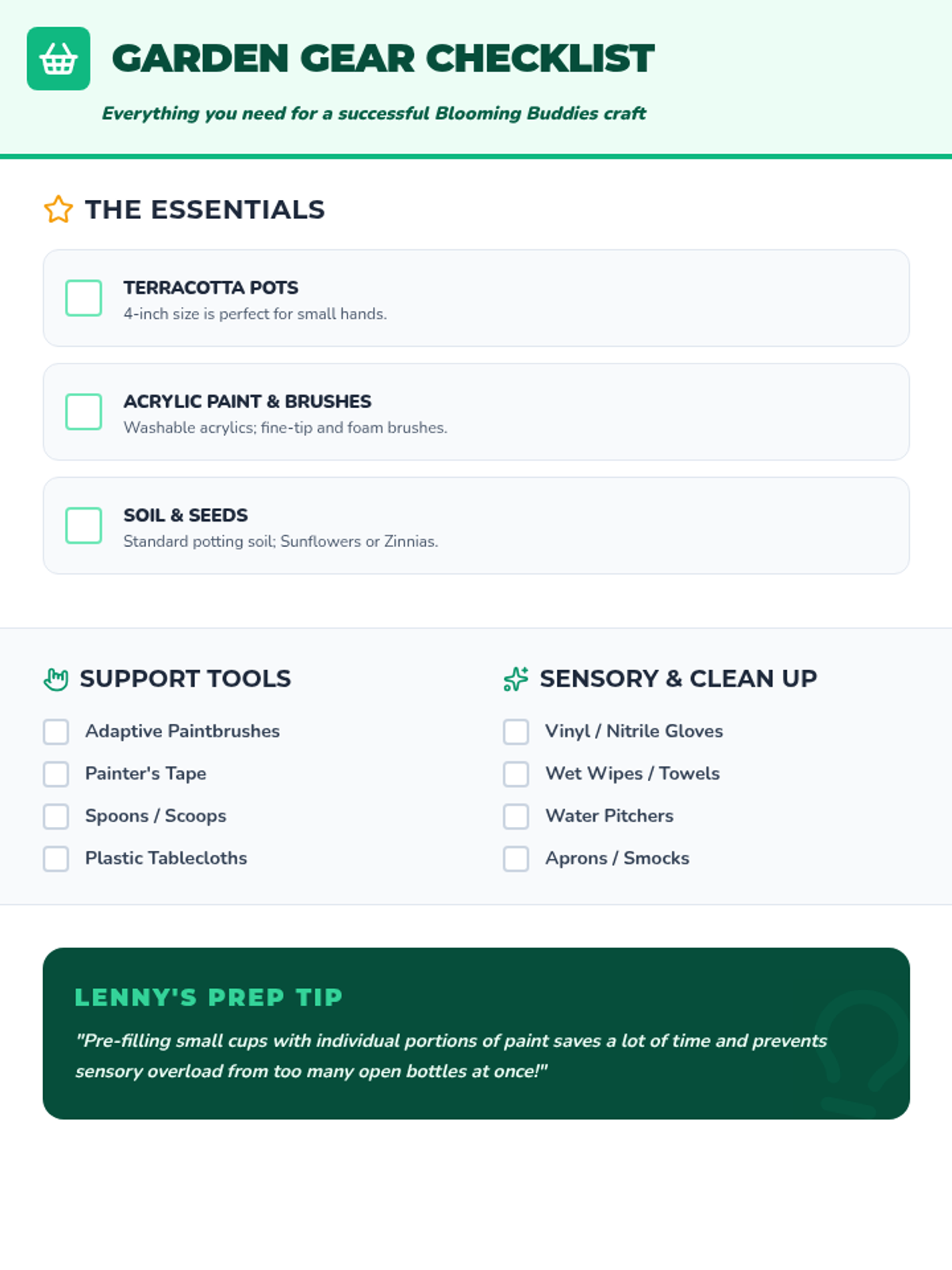
A series of collaborative lessons designed for Best Buddies pairs to foster social connection through shared creative projects, from gardening to storytelling.
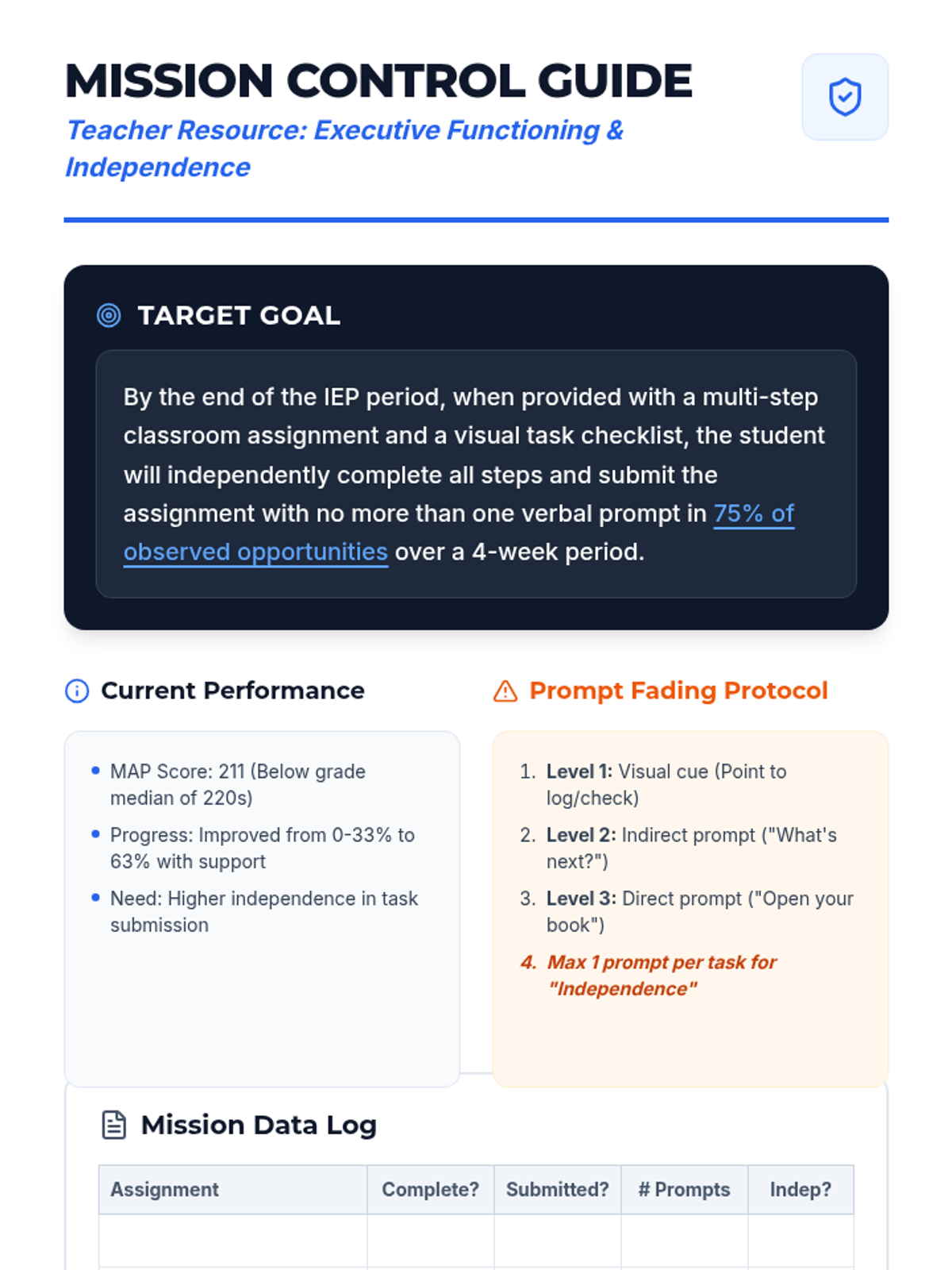
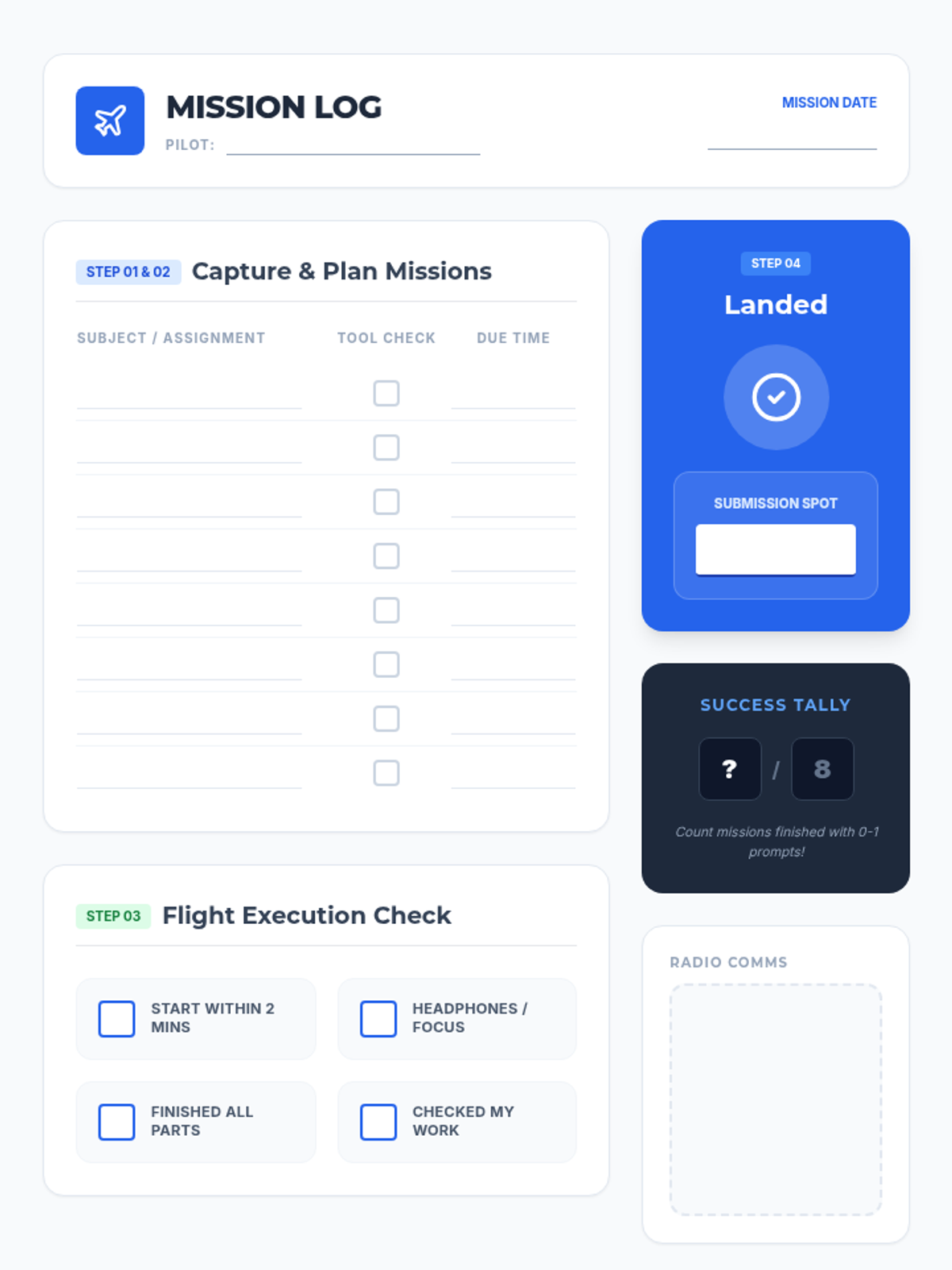
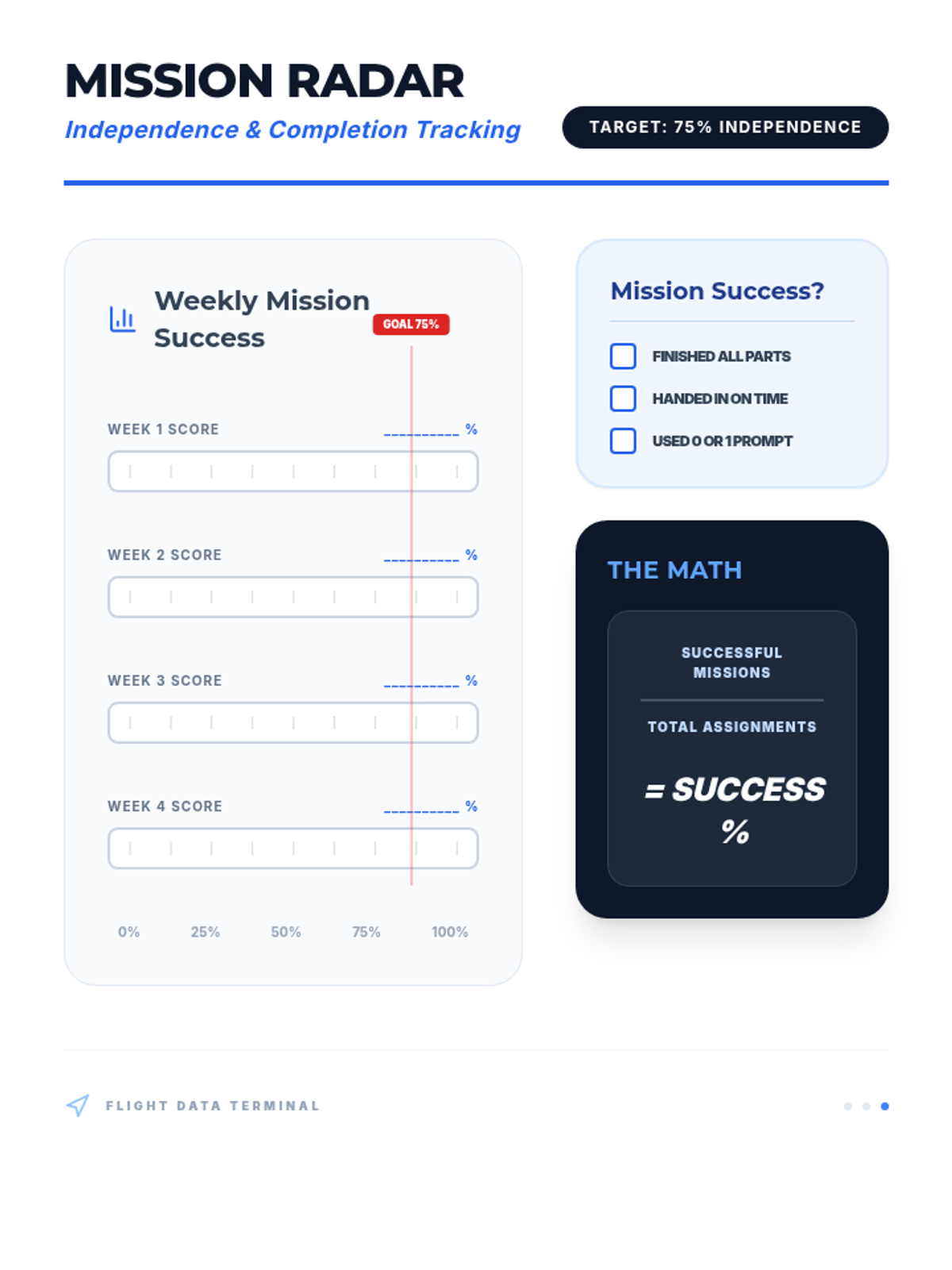
A series of lessons designed to improve student independence in academic task completion and executive functioning through structured tracking and self-monitoring.
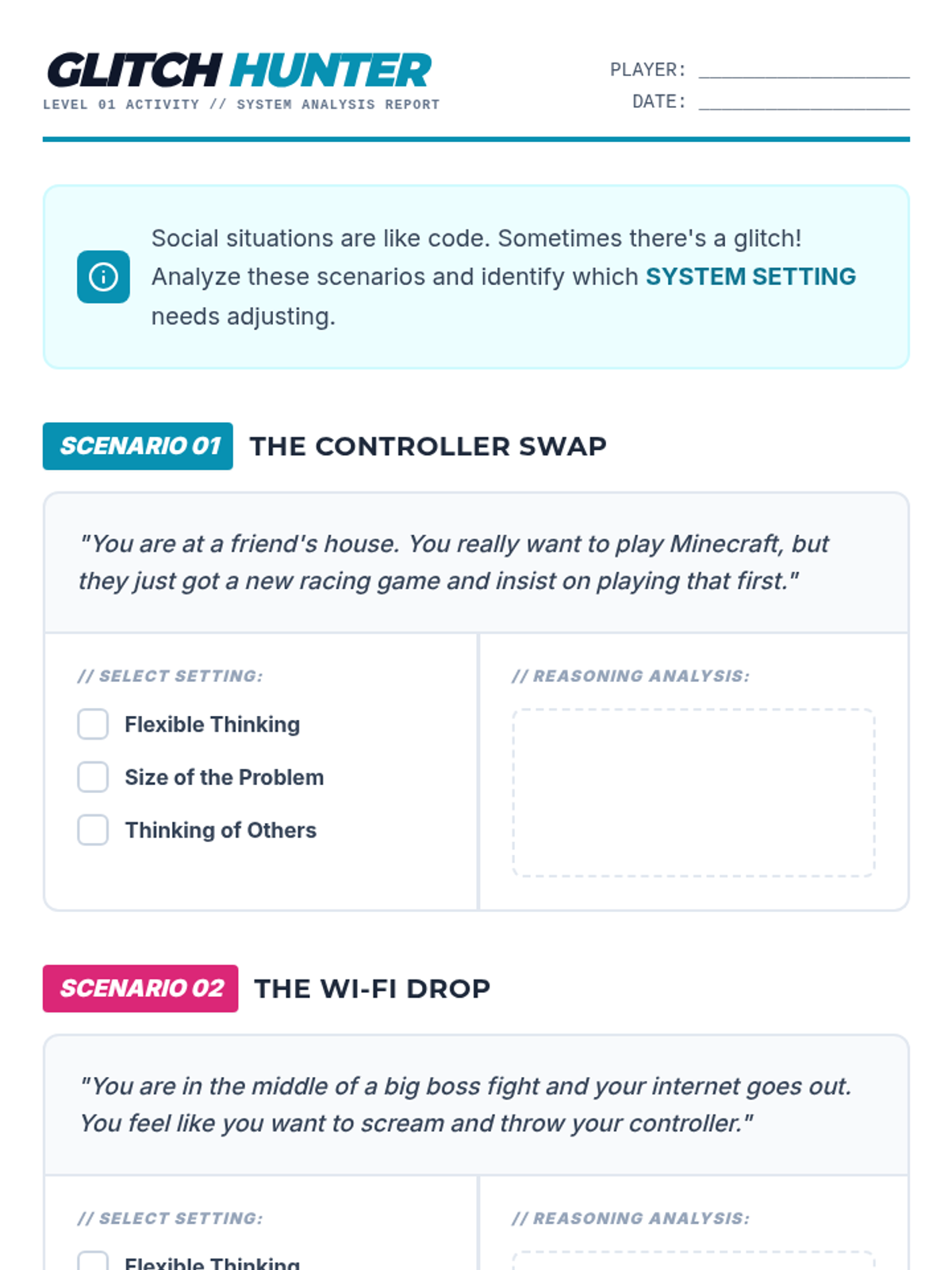
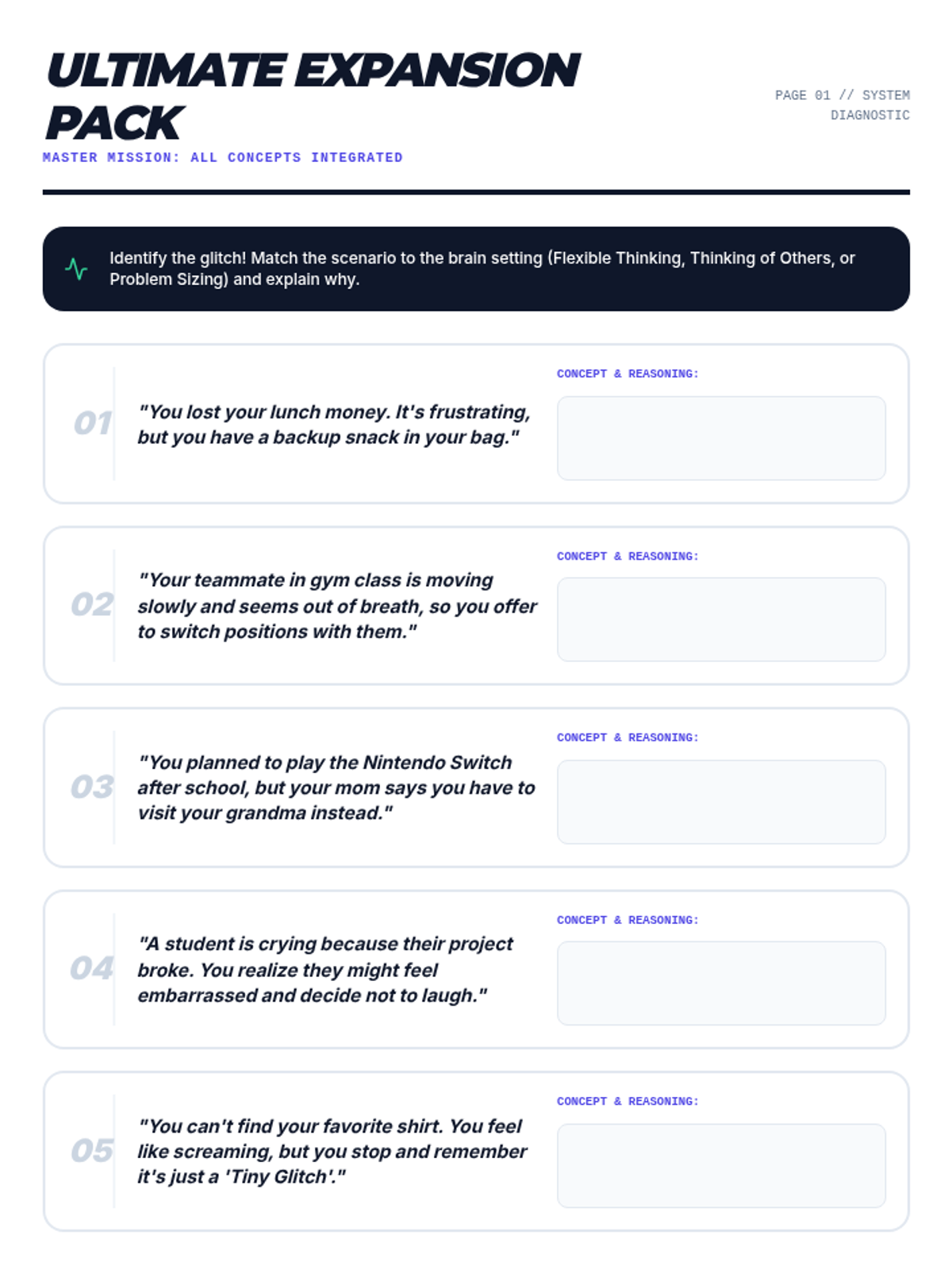
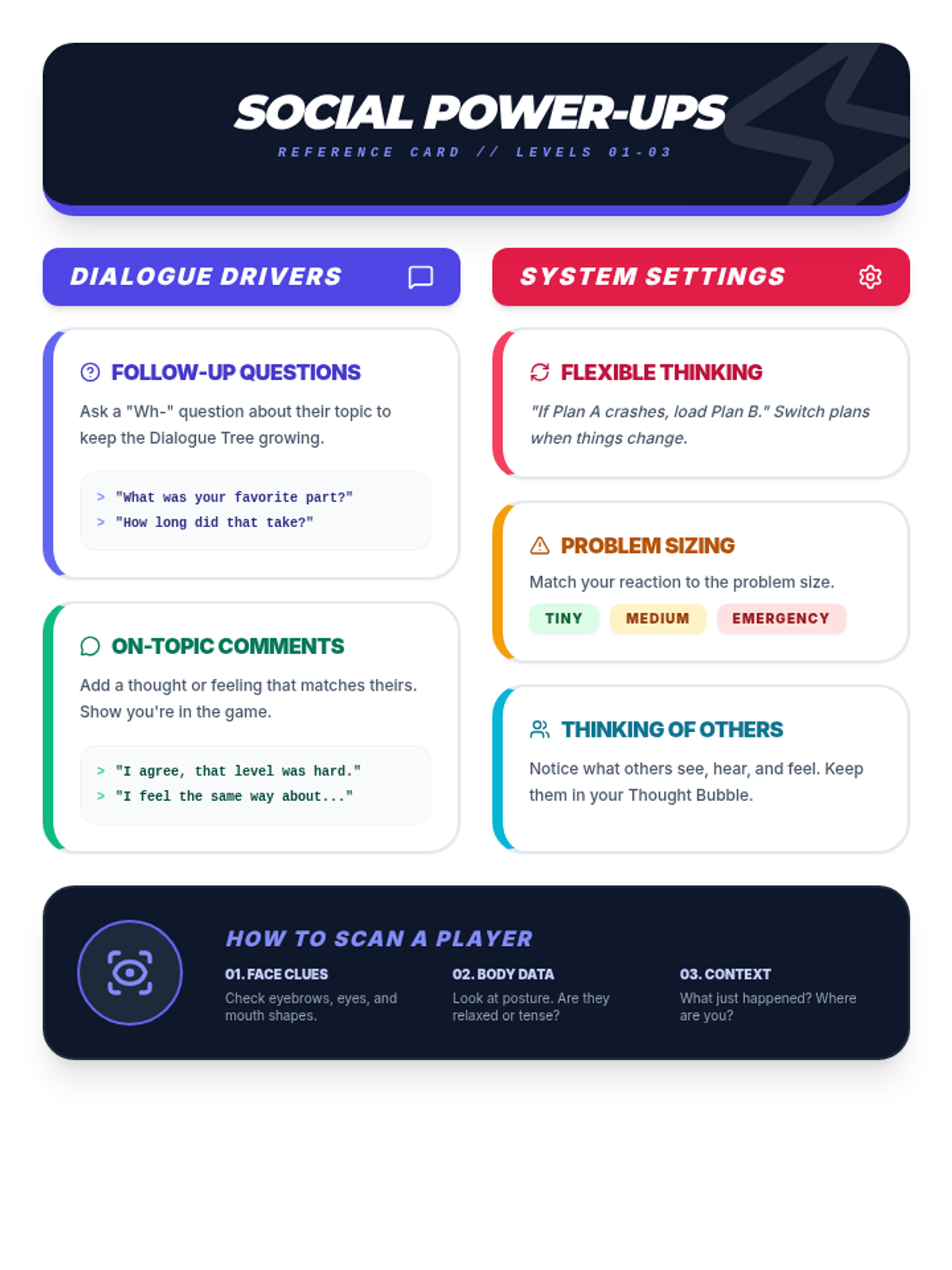
A video game-themed social skills sequence designed for high-ability students with autism. It uses gaming metaphors like 'glitches,' 'dialogue trees,' and 'system scans' to teach Social Thinking concepts, conversation drivers, and perspective-taking.
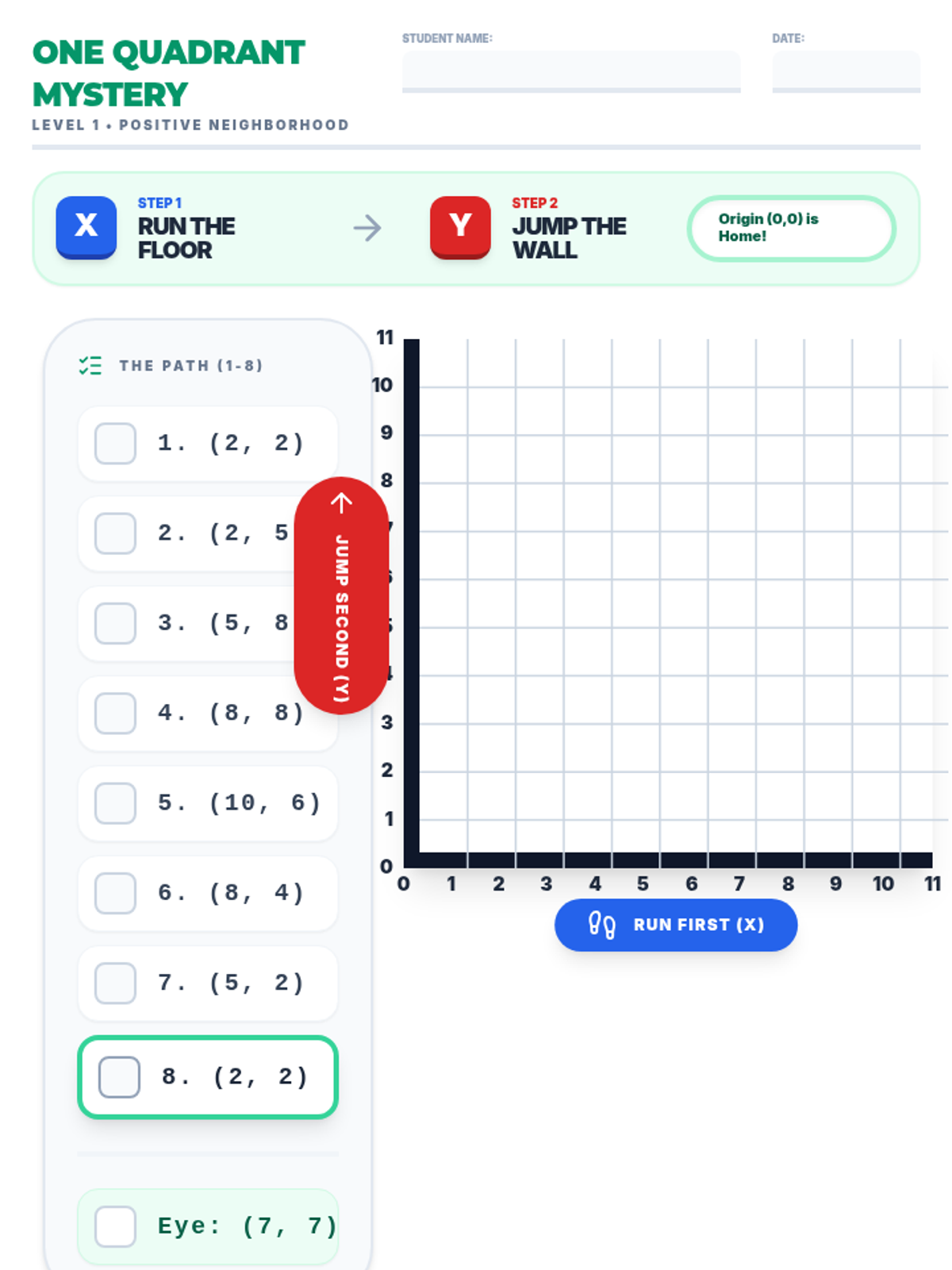
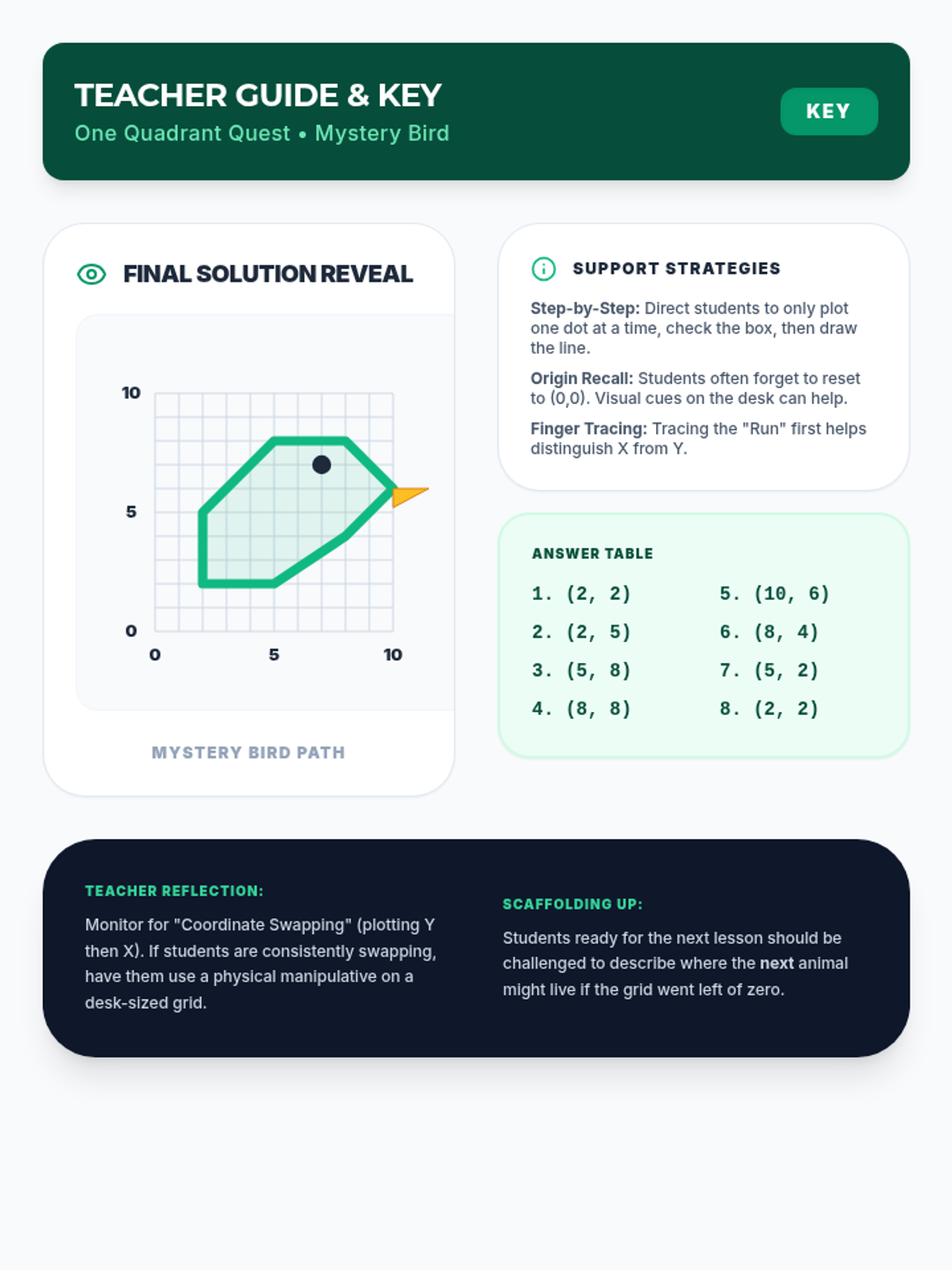
A scaffolded series of lessons for IEP students to master coordinate plane plotting, moving from a single quadrant to all four quadrants using visual supports and mystery animal activities.
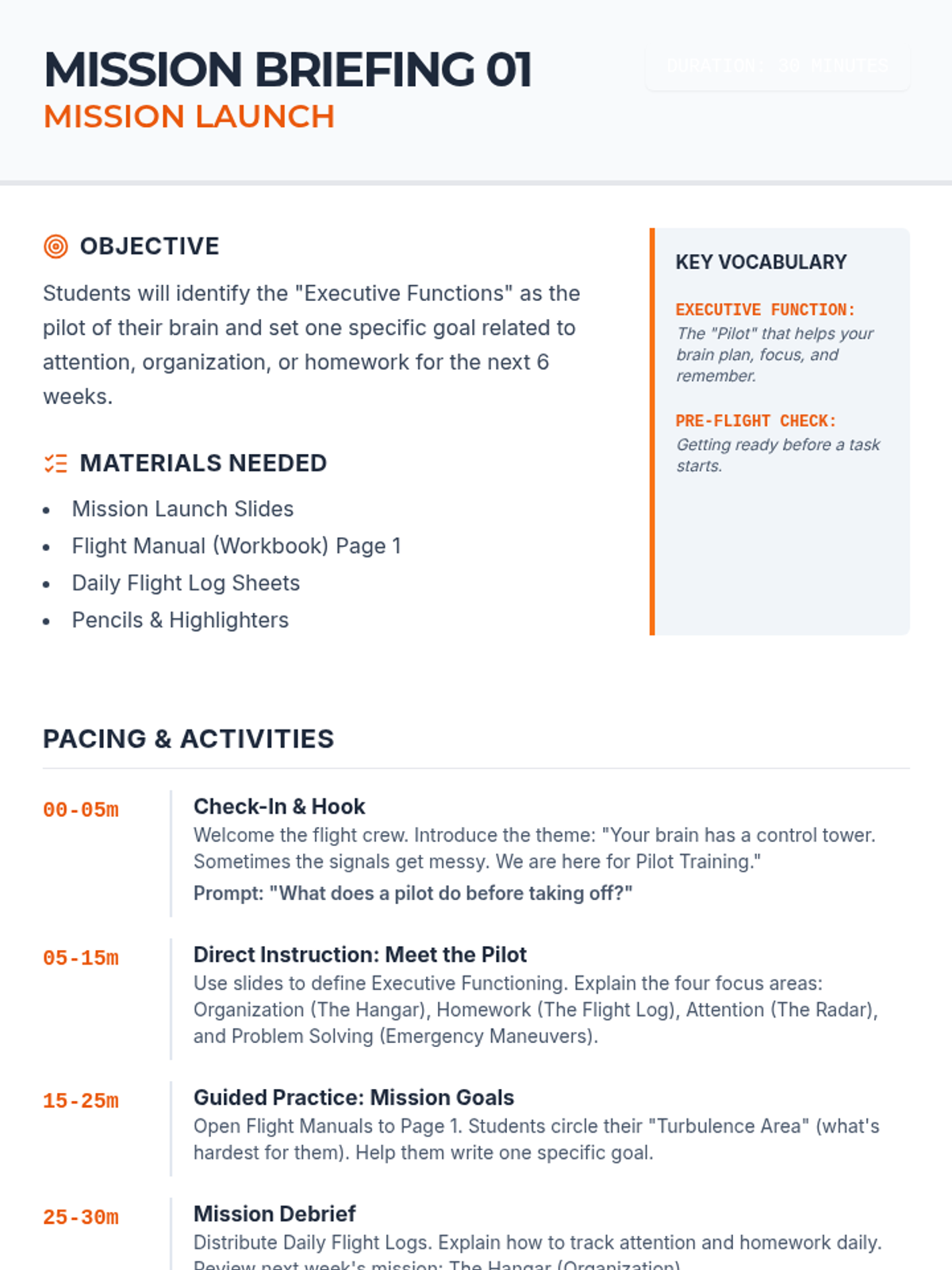
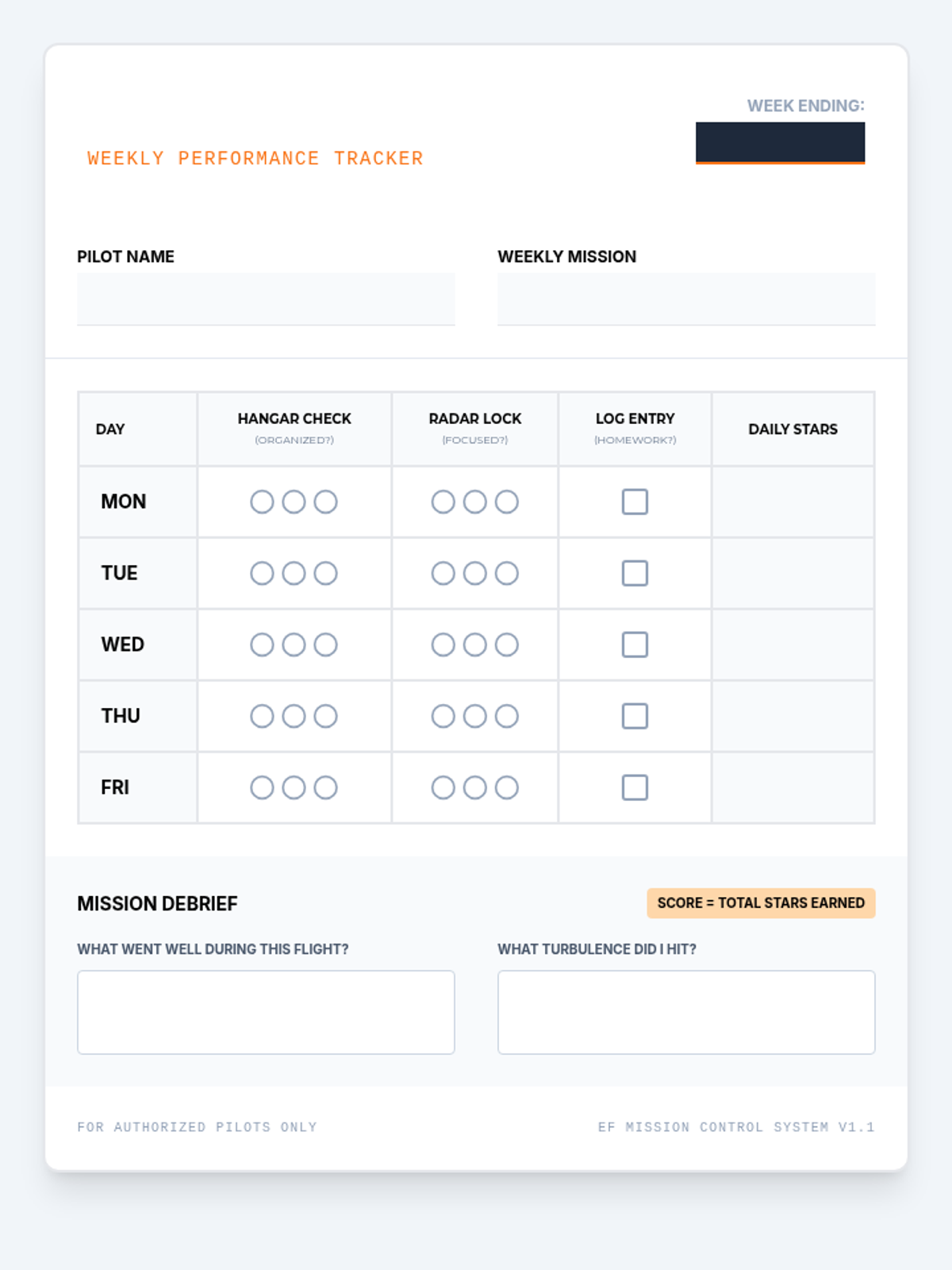
A 6-week executive functioning intervention designed for small groups, using an aviation 'Control Tower' theme to teach organization, attention, homework completion, and problem-solving.
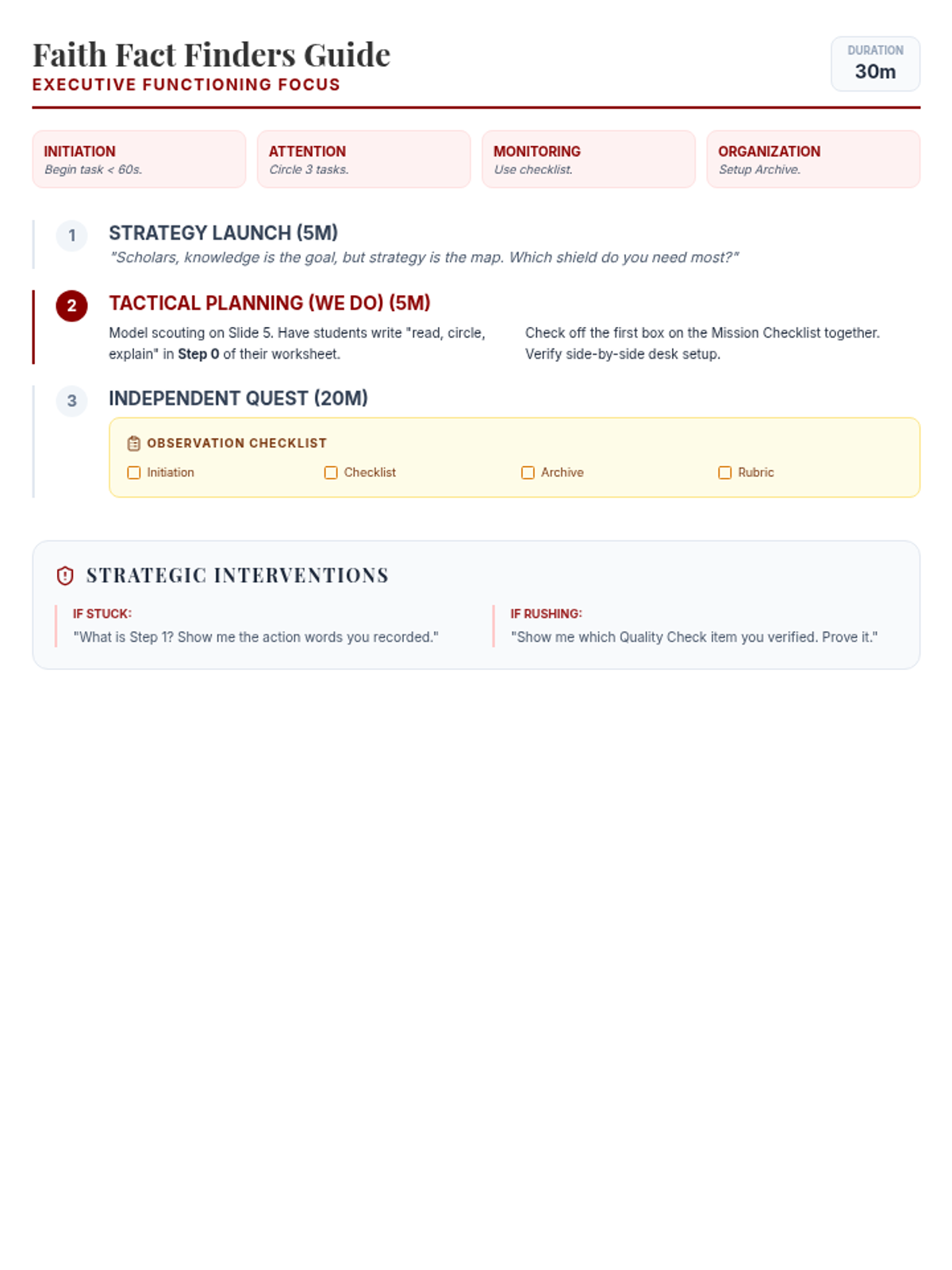
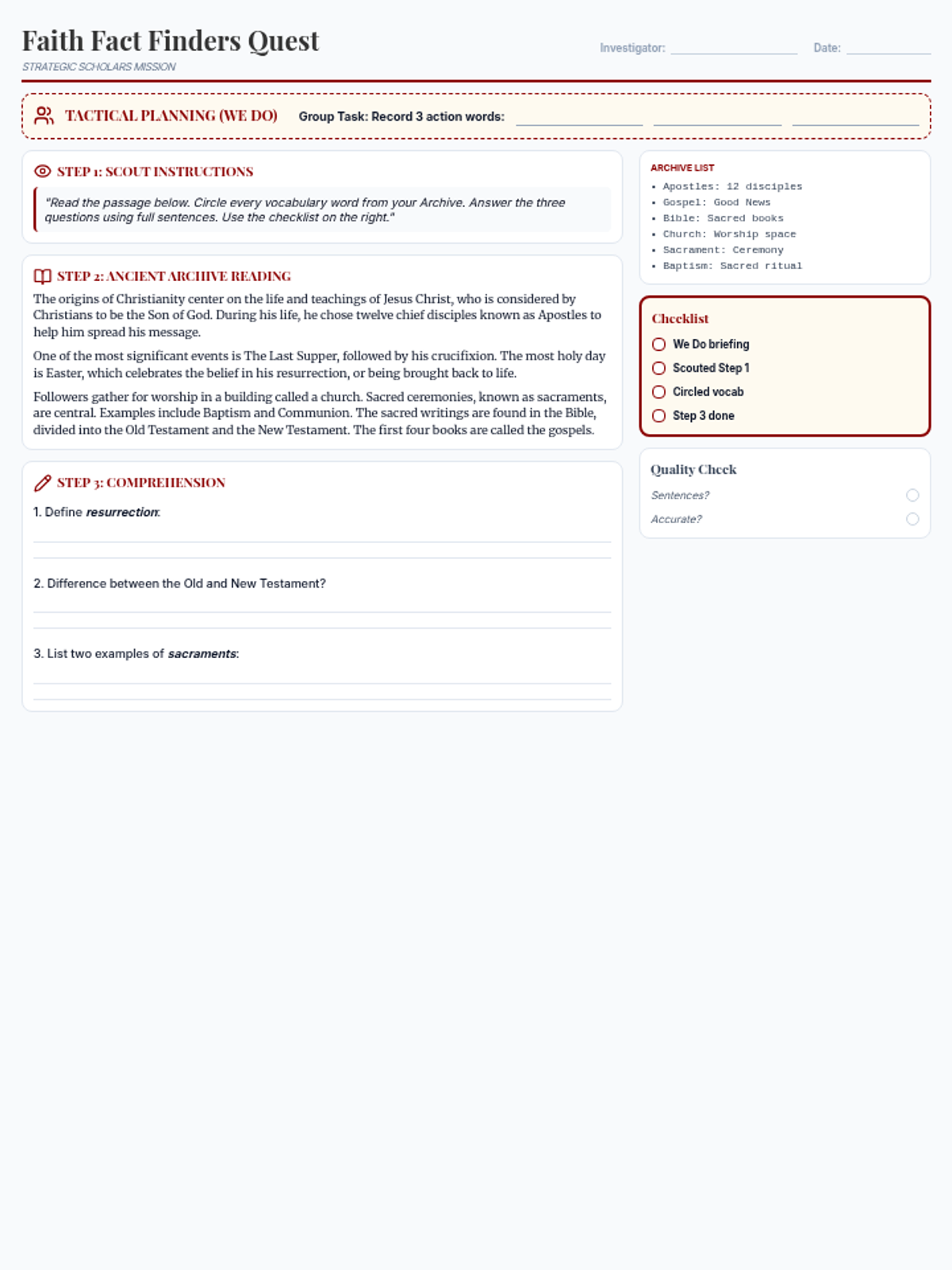
A series of lessons designed to integrate executive functioning strategies with academic content, focusing on goal-oriented task completion and self-monitoring.
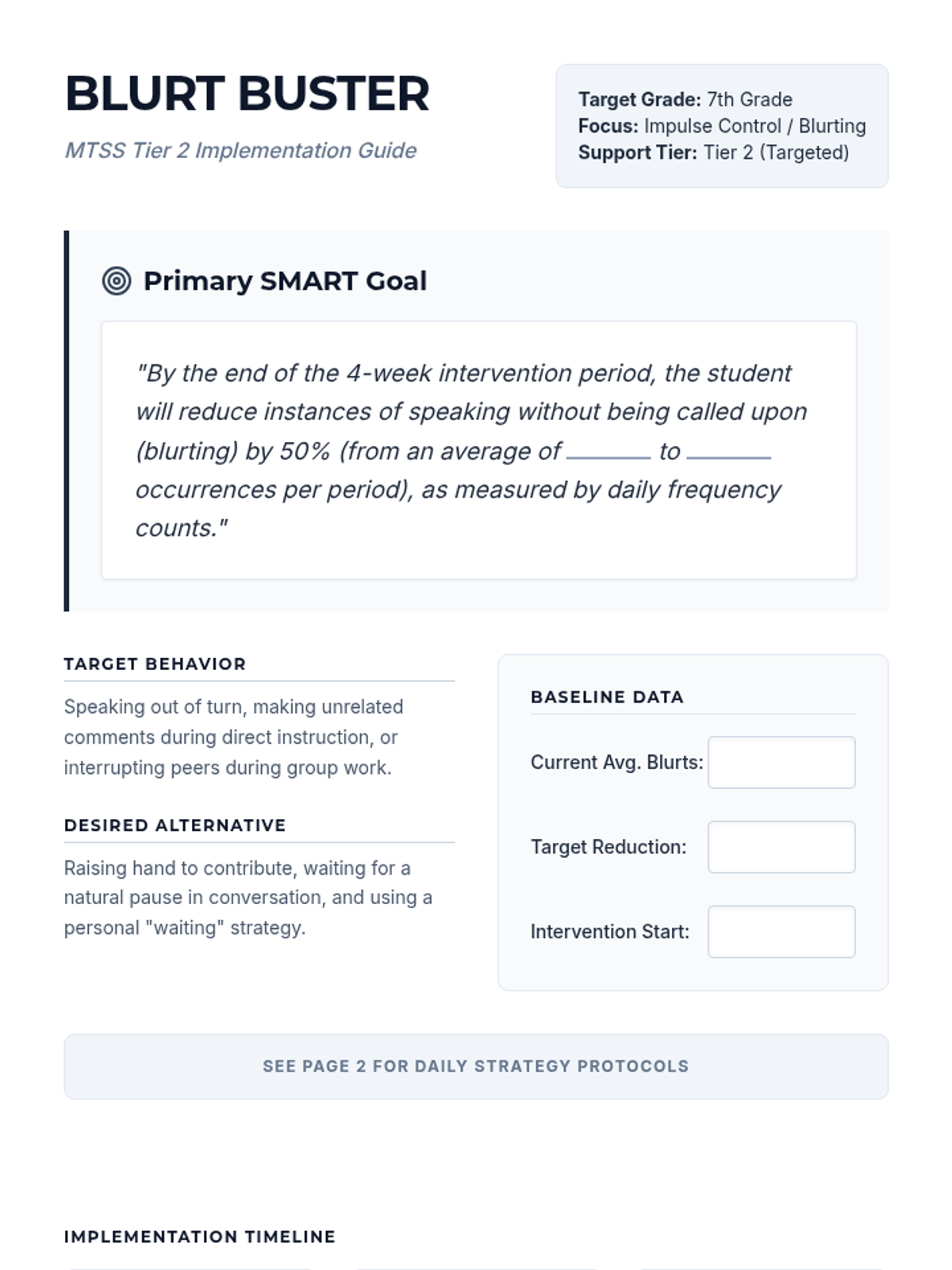
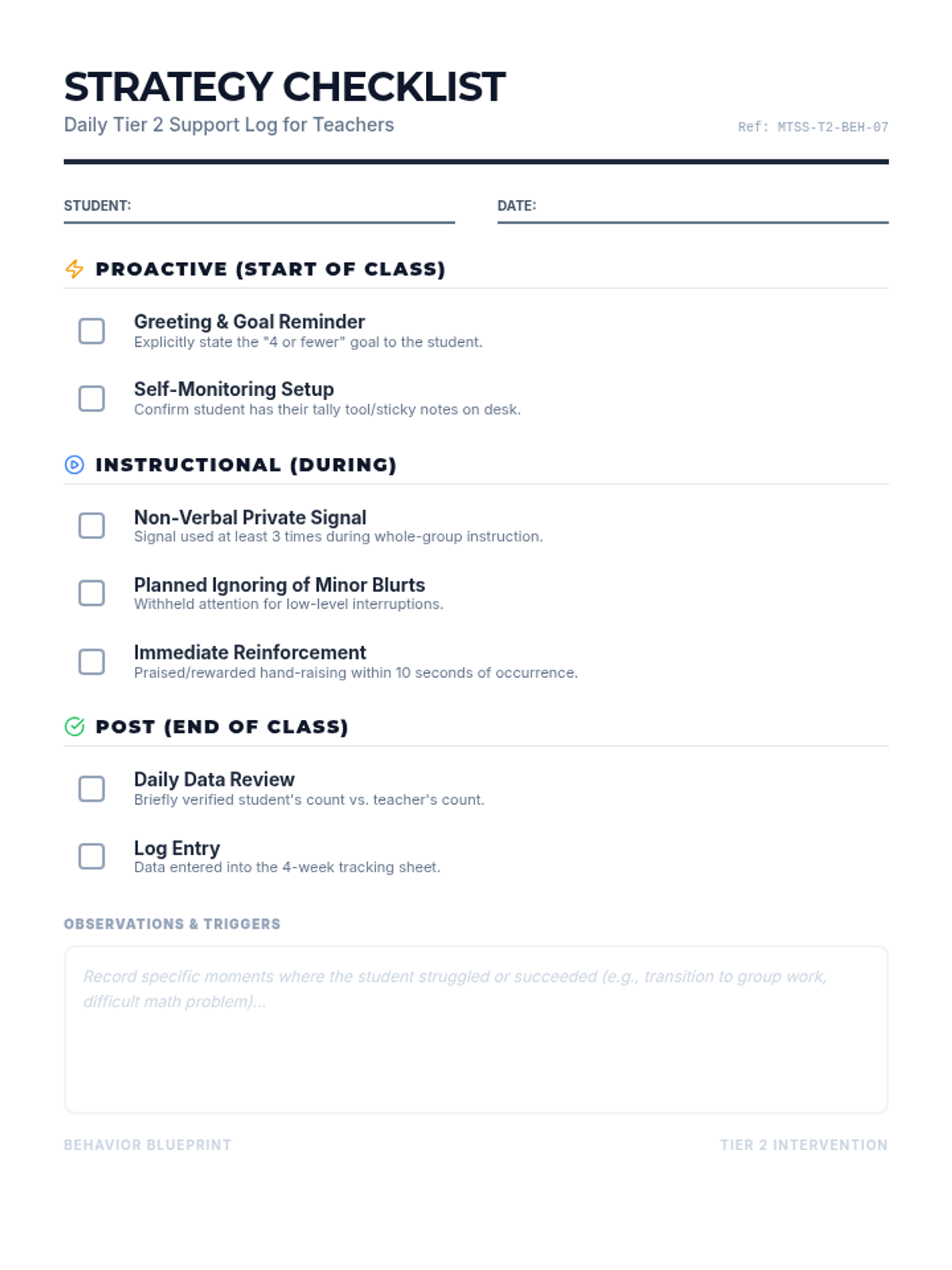
A collection of resources focused on MTSS Tier 2 behavioral interventions for middle school students, providing structured support for common classroom challenges.
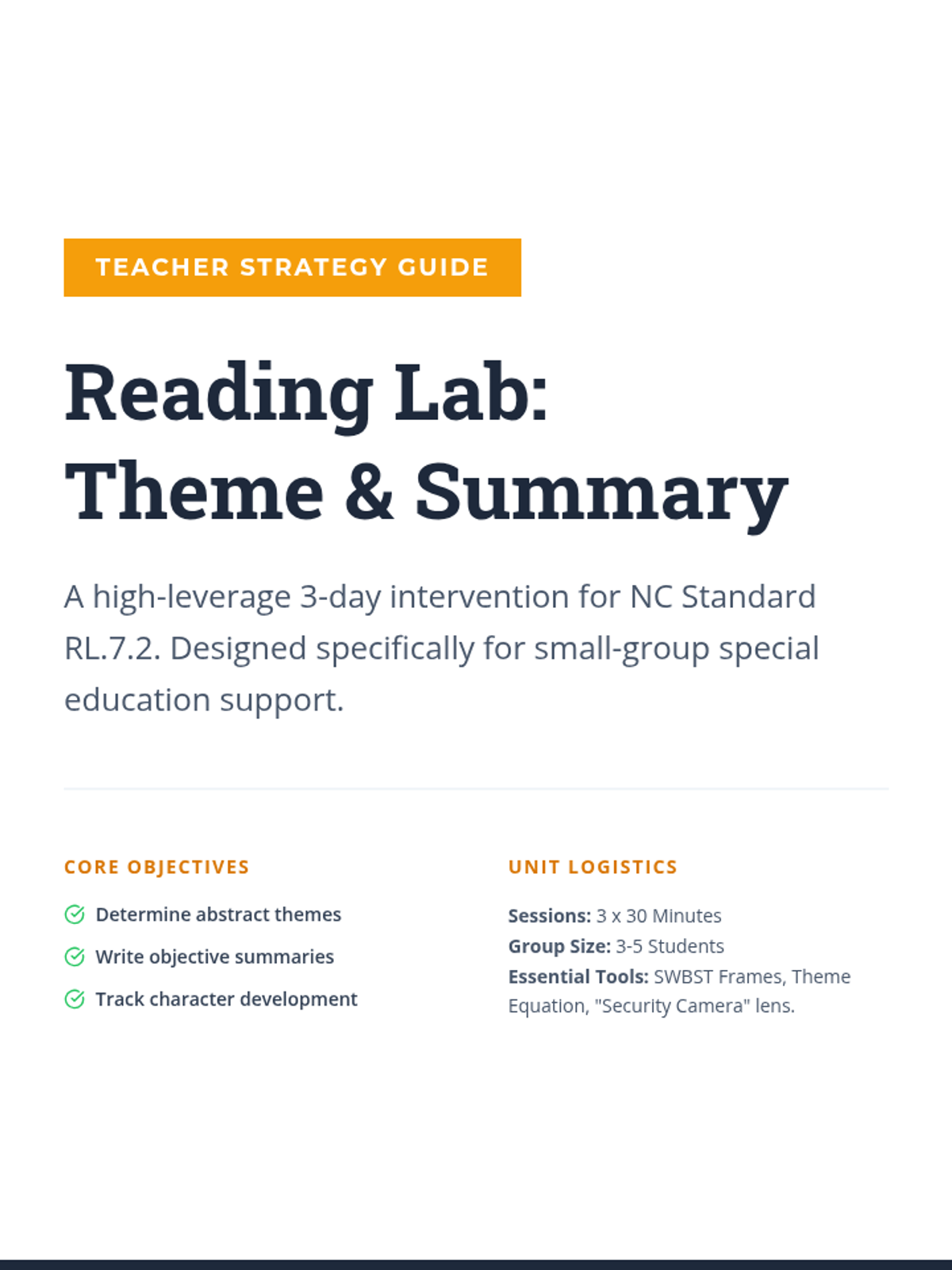
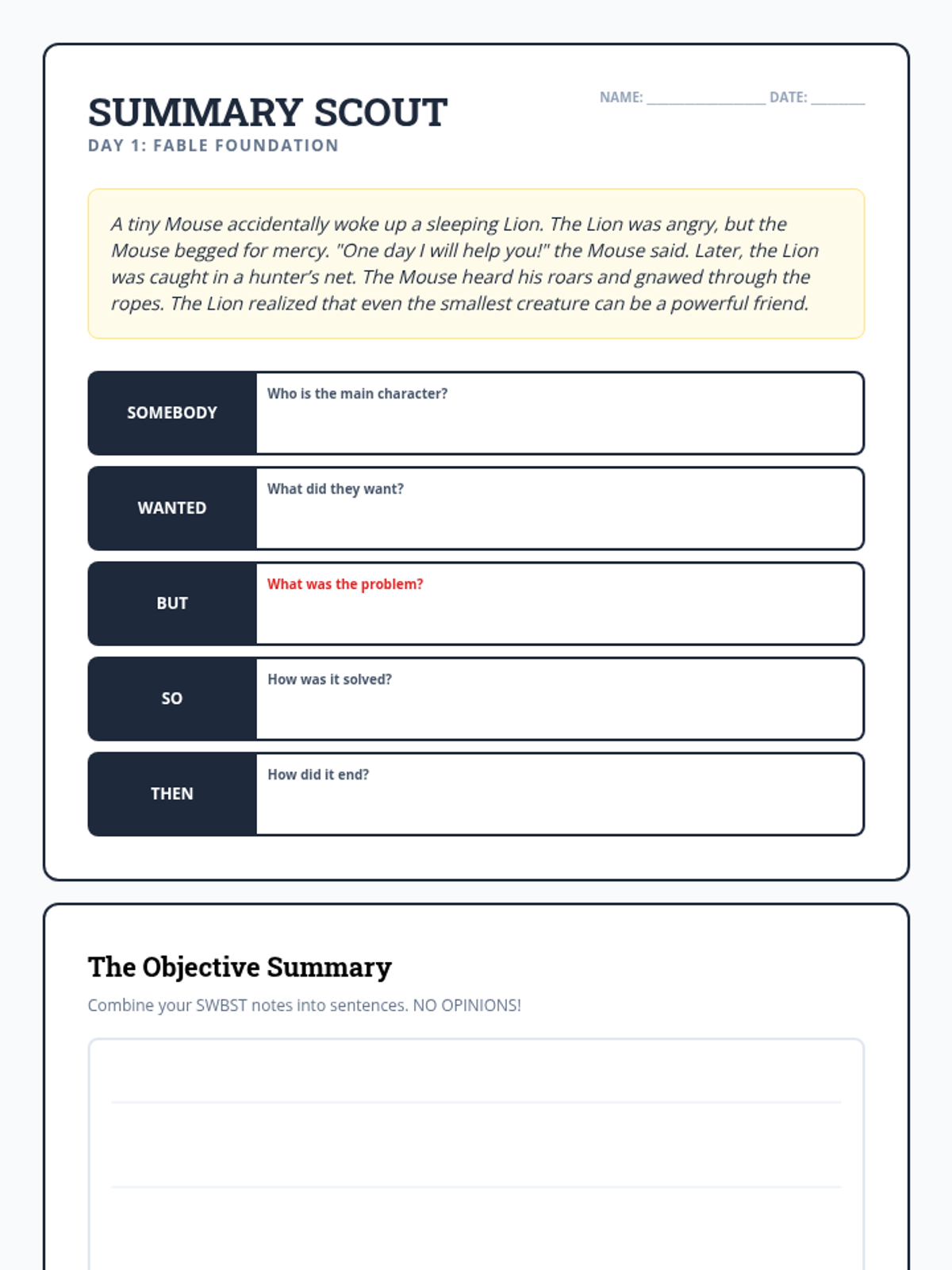
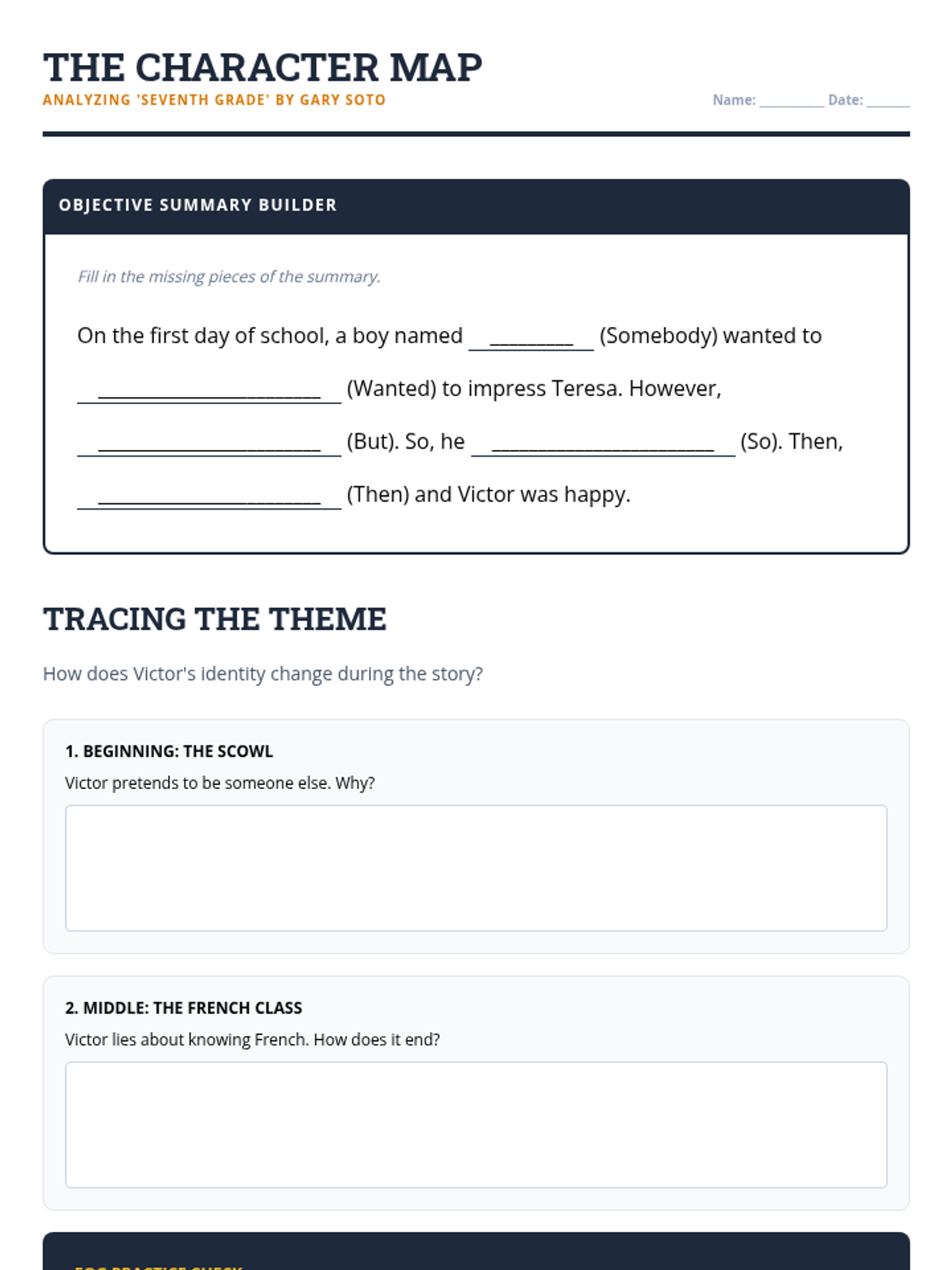
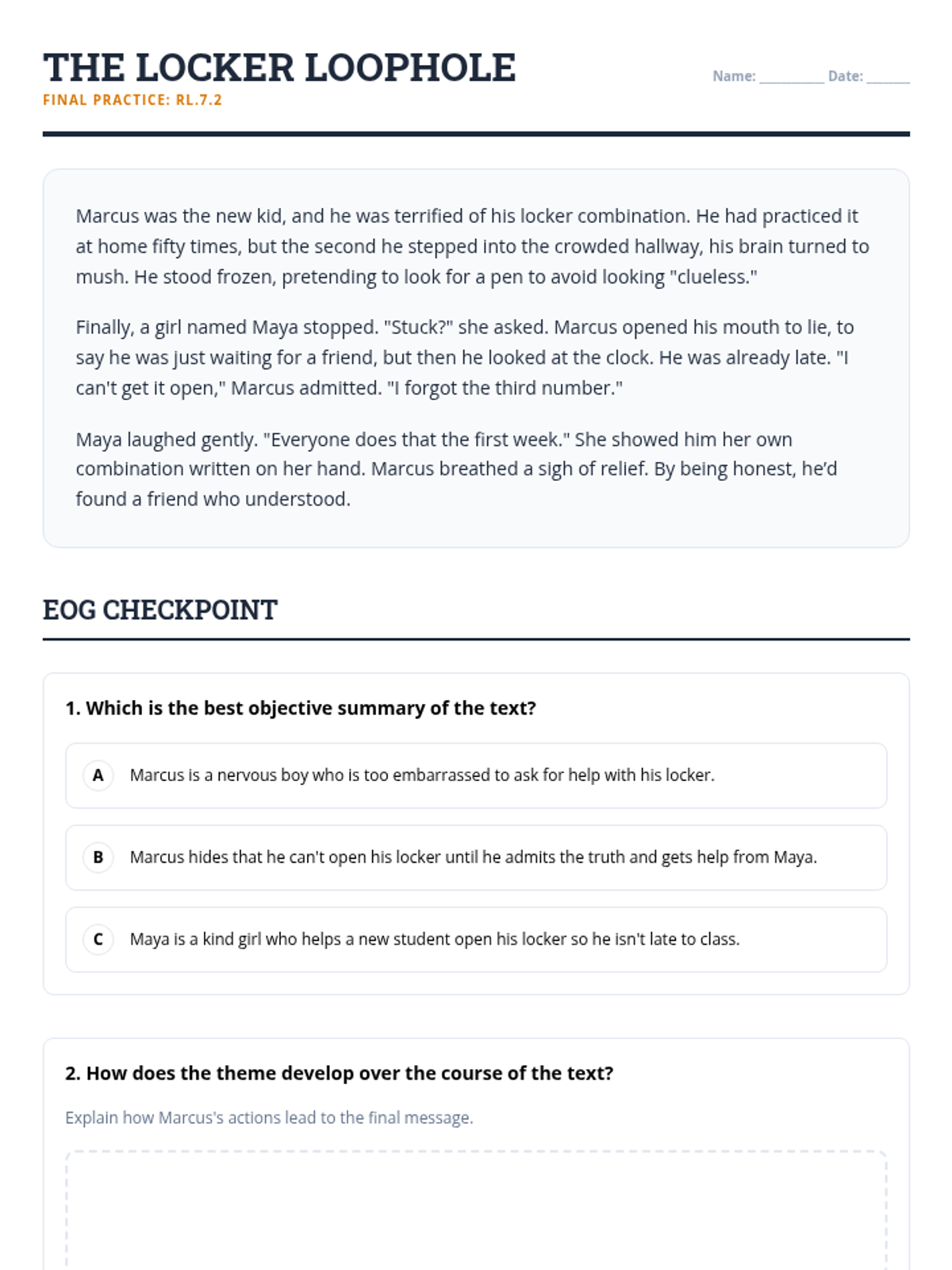
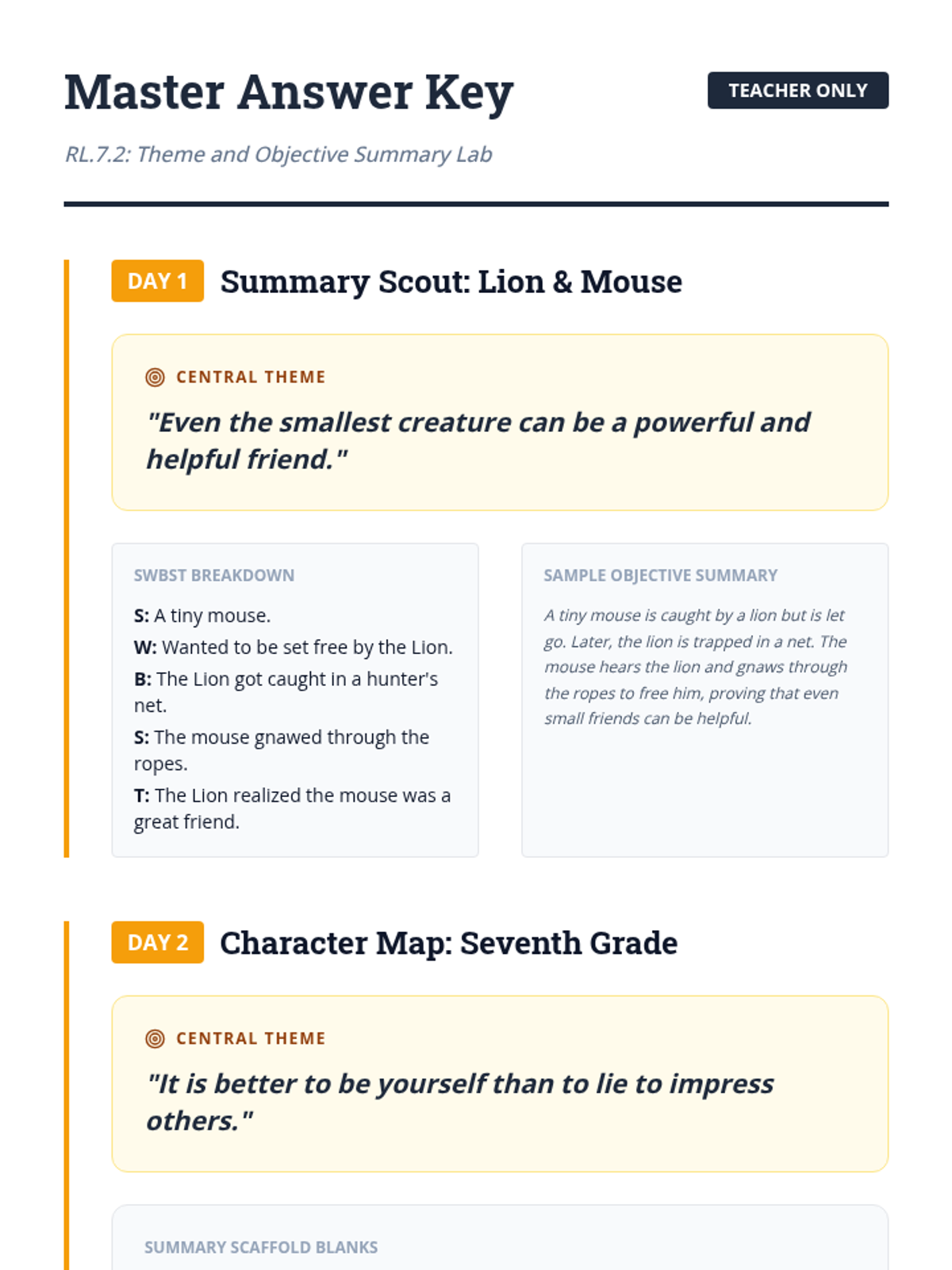
A 3-day intensive small-group sequence focused on NC Standard RL 7.2 (Theme and Objective Summary). Designed for 7th-grade special education students, this unit provides heavy scaffolding through SWBST frames, graphic organizers, and EOG-style multiple choice practice using fables, Gary Soto's 'Seventh Grade', and original realistic fiction.
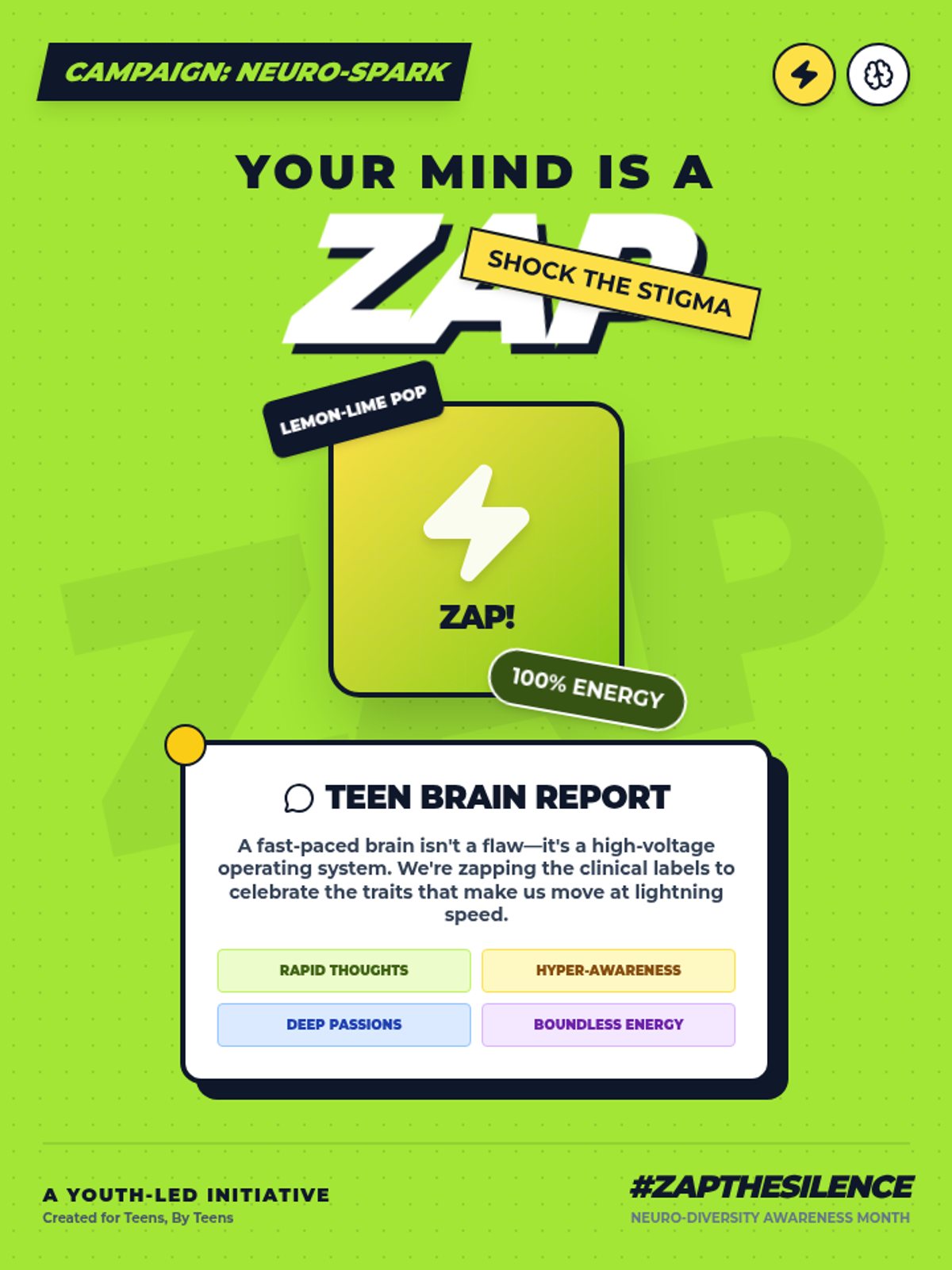
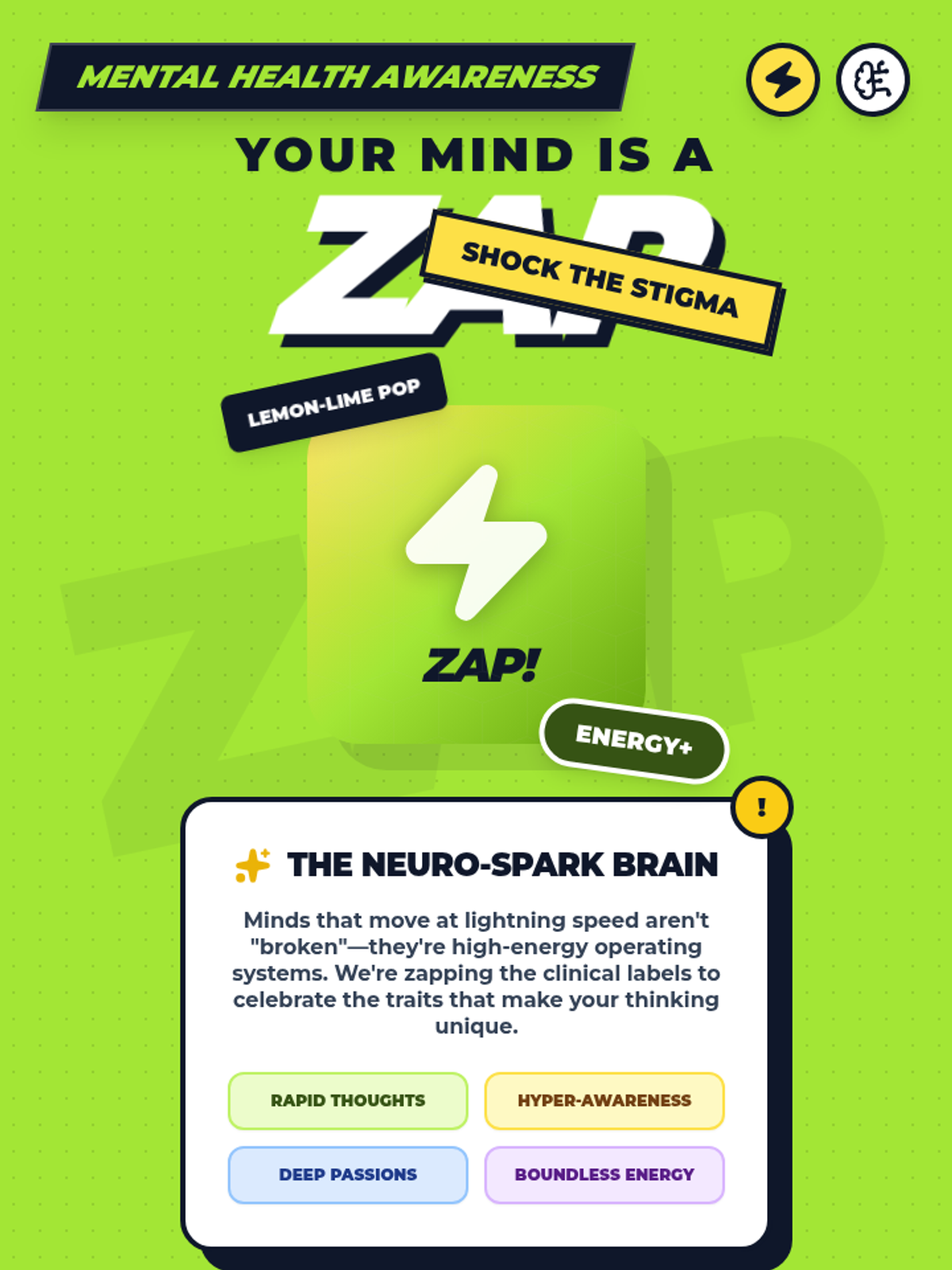
A project exploring mental health awareness through creative marketing, focusing on neurodiversity and celebrating the 'spark' of fast-paced minds.
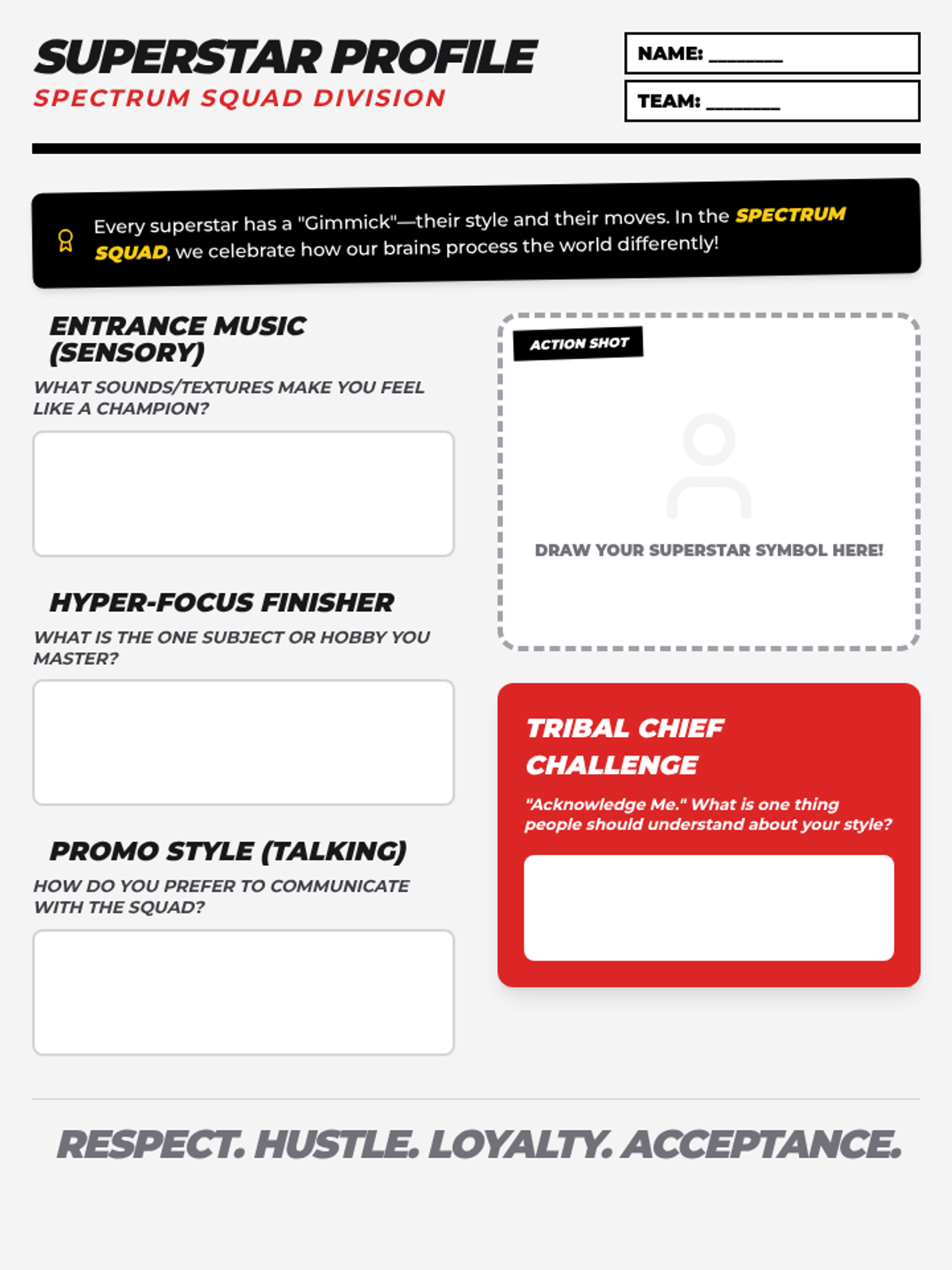
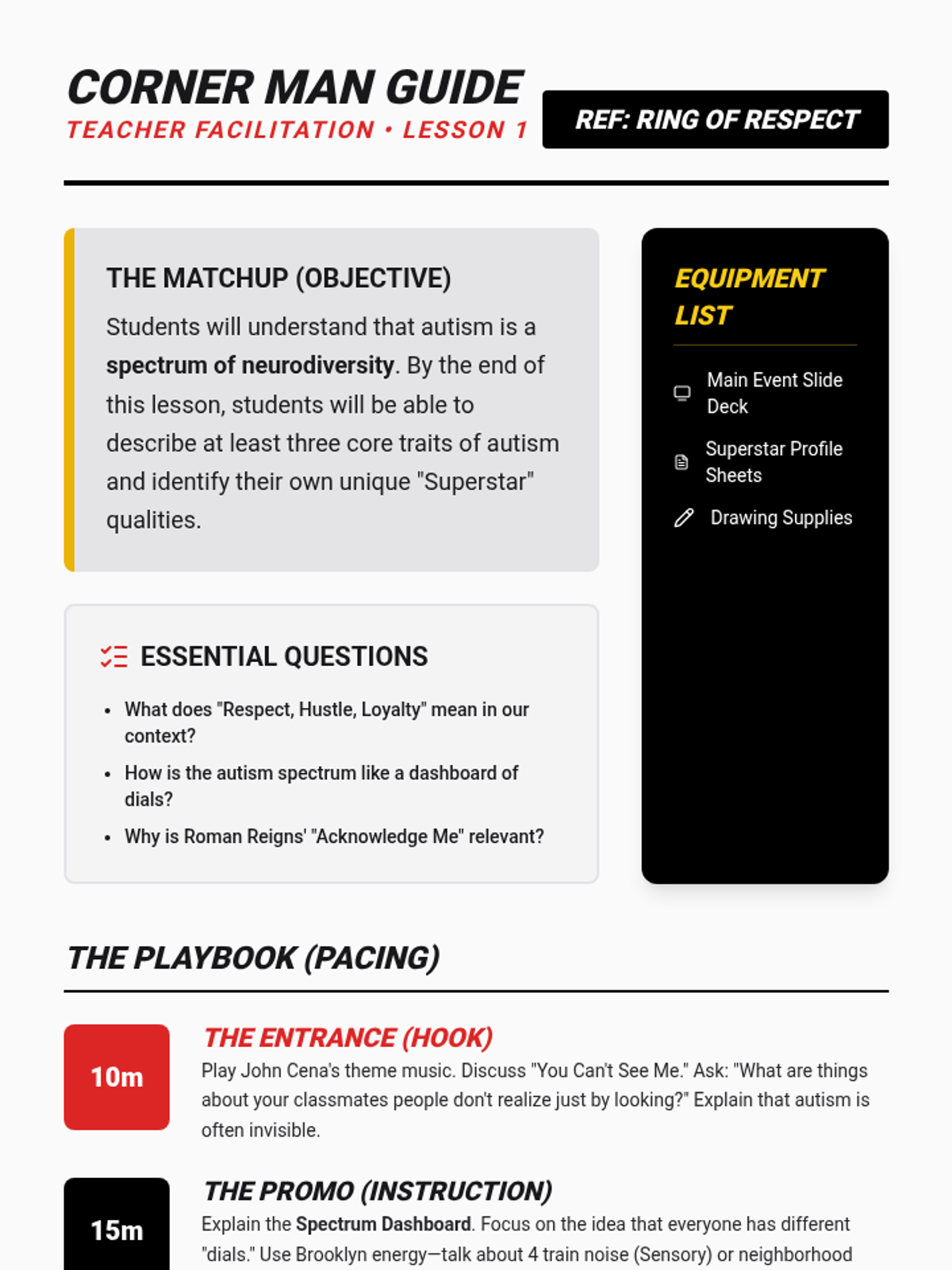
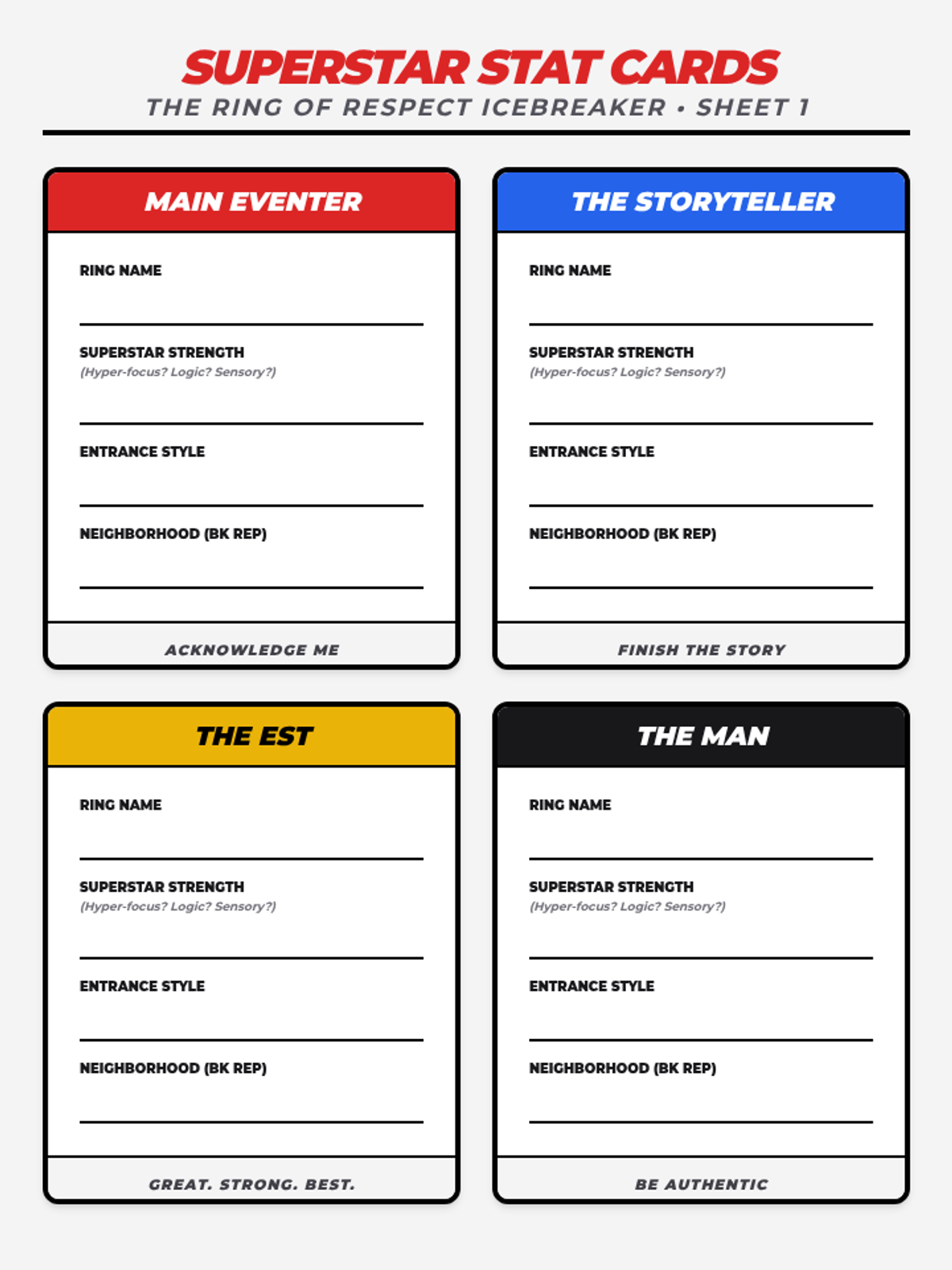
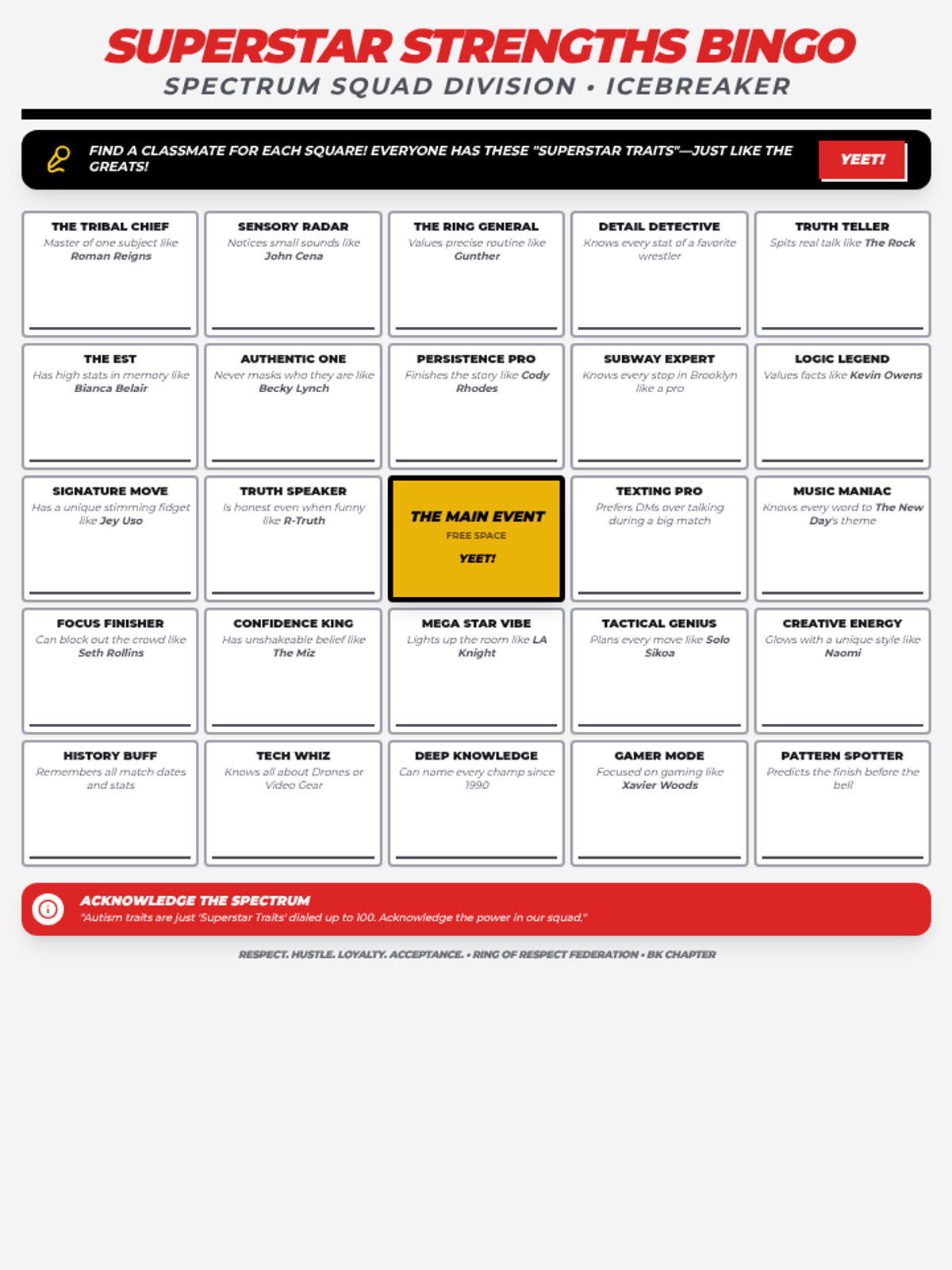
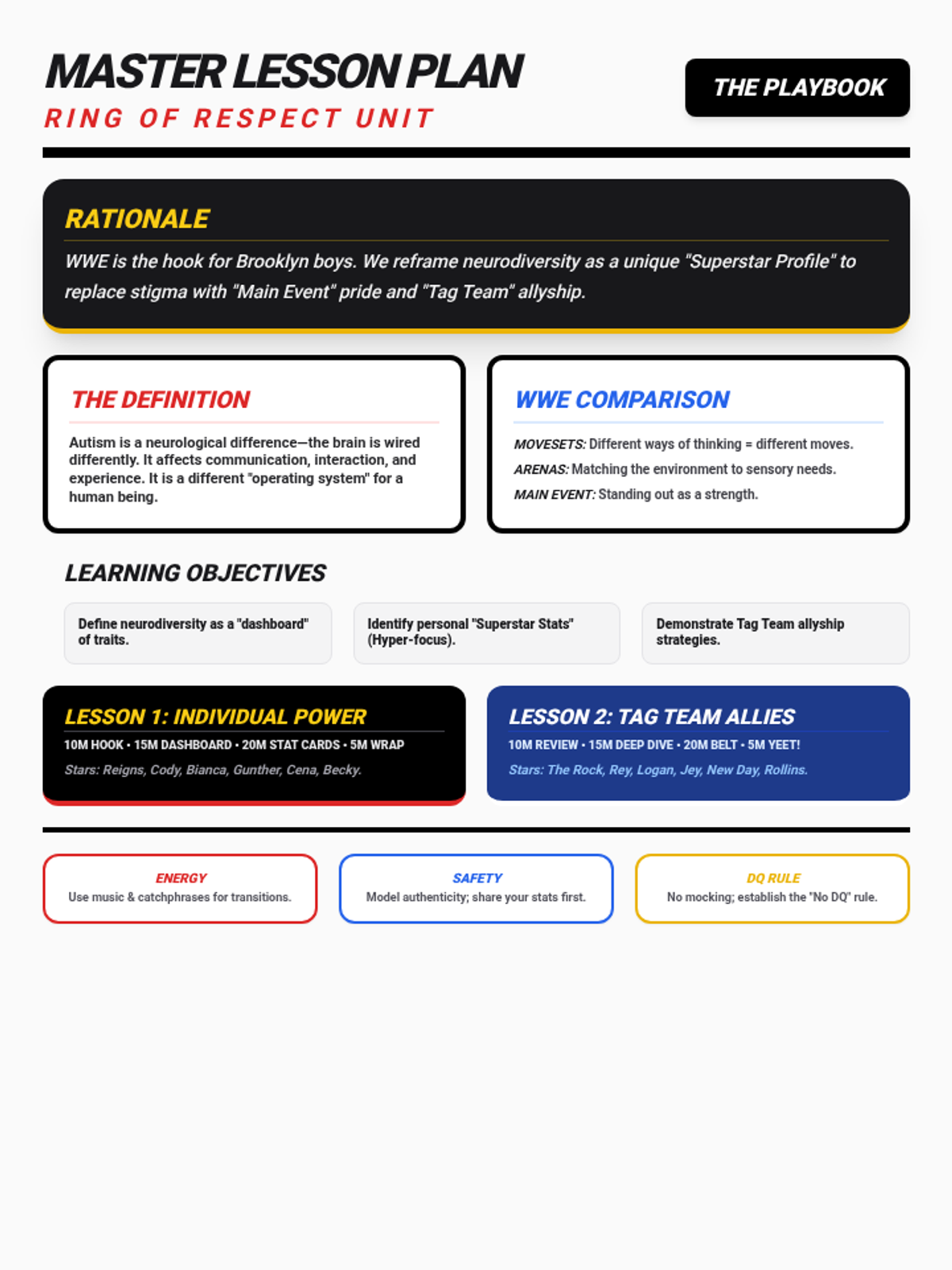
A two-lesson sequence designed for Brooklyn middle schoolers, using the high-octane world of WWE to teach autism acceptance, neurodiversity, and peer advocacy. Students explore the 'Main Event' of being yourself and the 'Tag Team' power of inclusion.
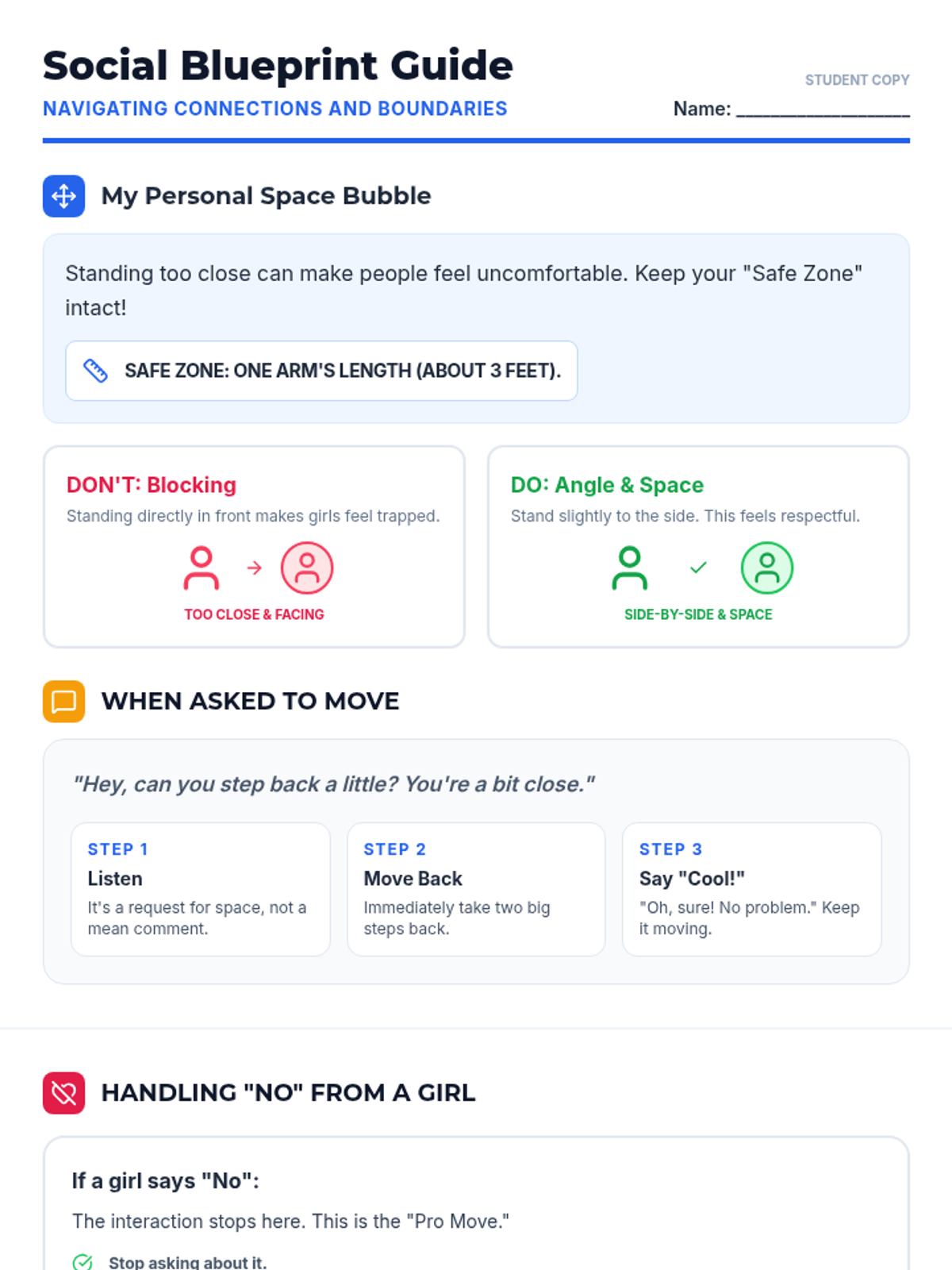
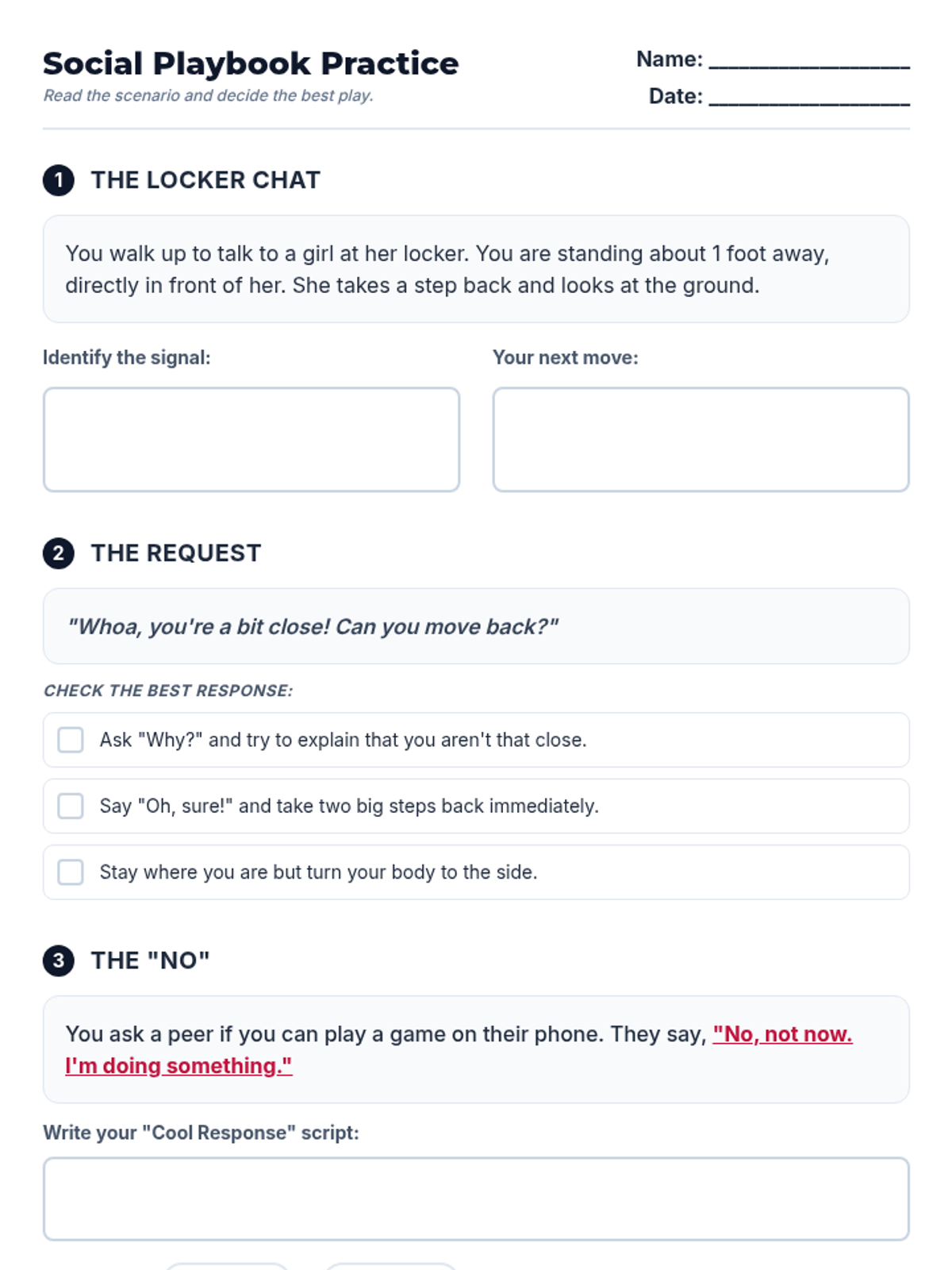
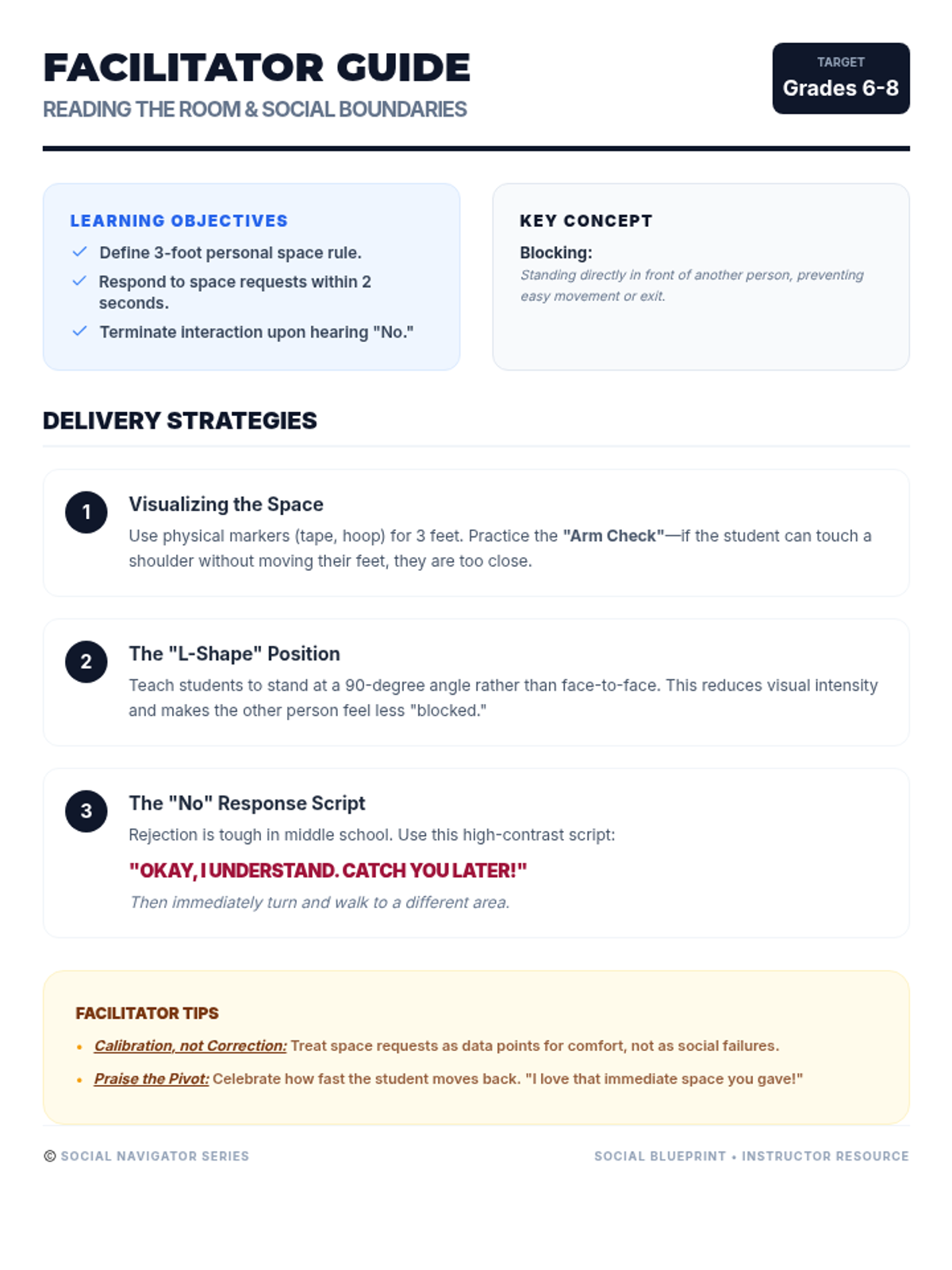
A comprehensive social skills unit focused on personal boundaries, responding to rejection, and understanding social cues for middle school students with autism.
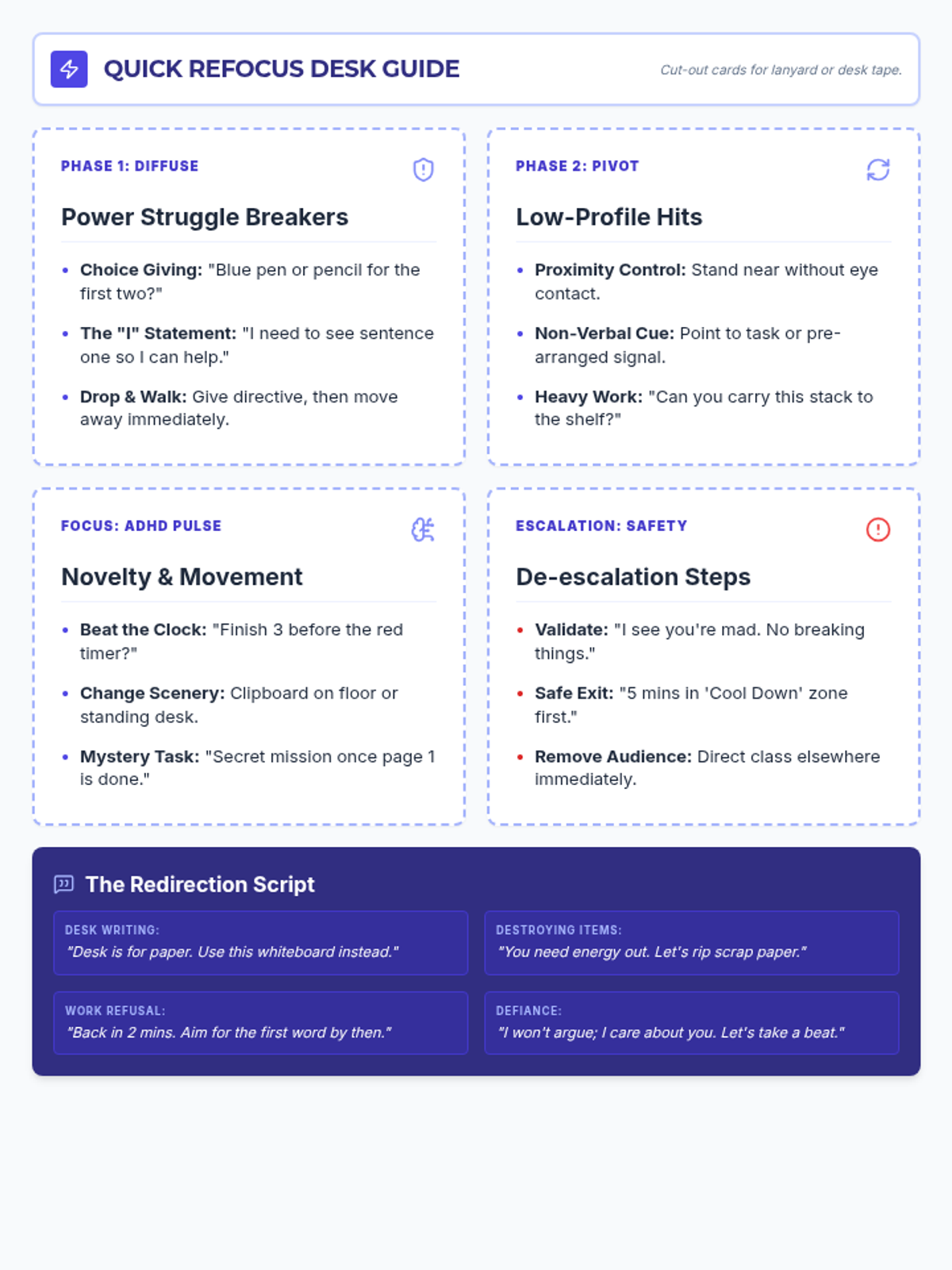
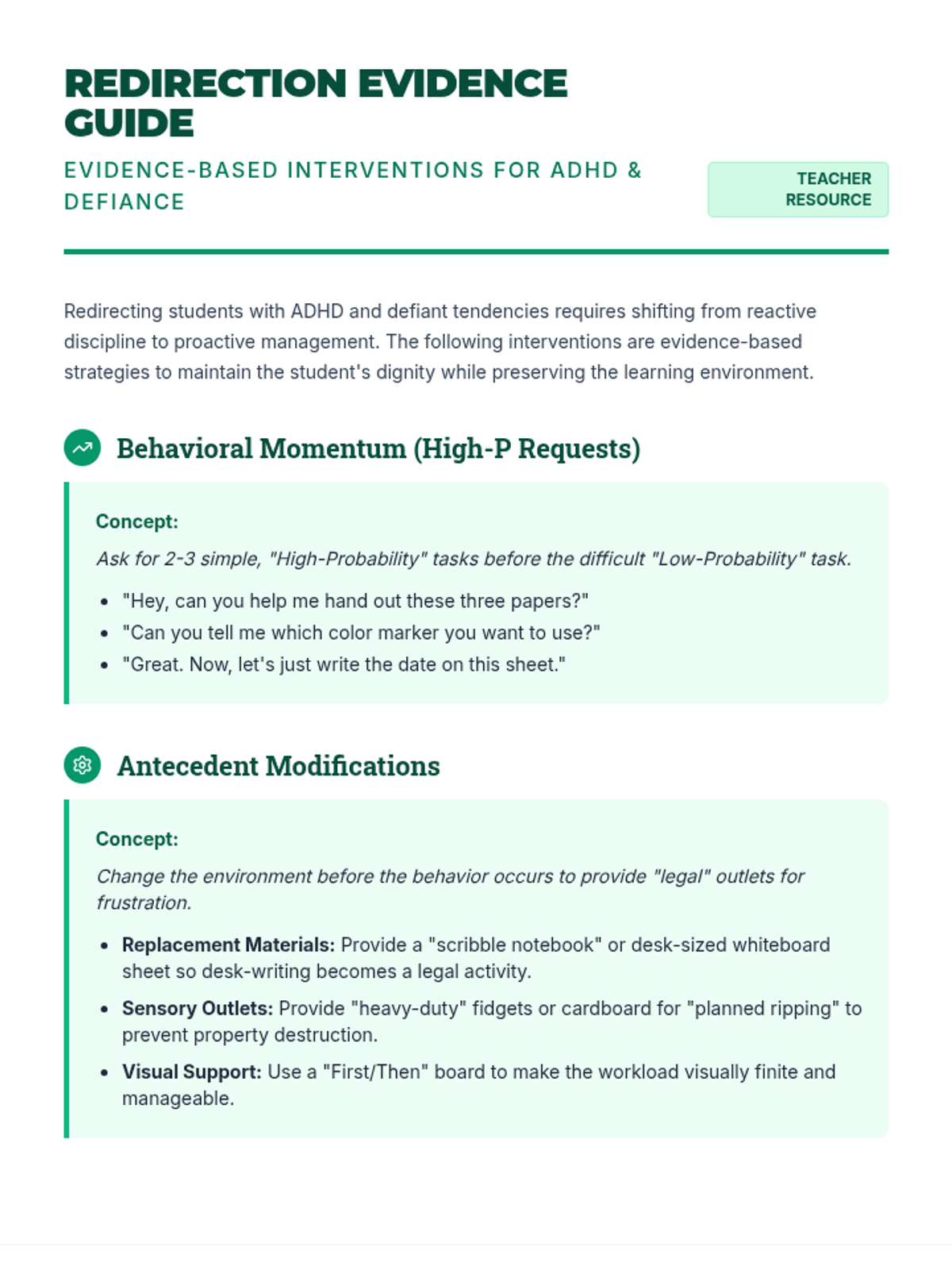
A collection of practical resources and evidence-based strategies for teachers to manage challenging behaviors, refocus students, and maintain a positive classroom environment.
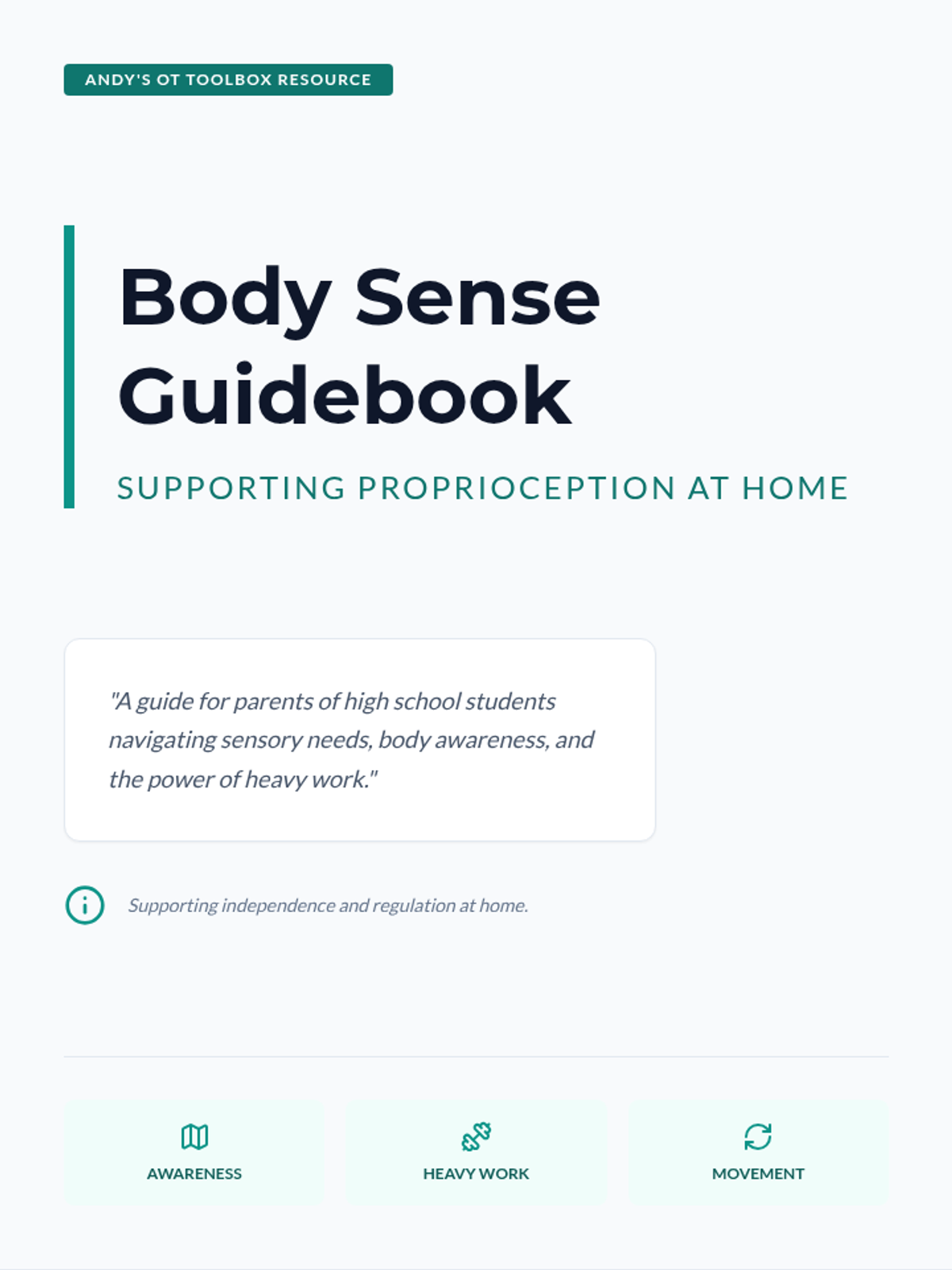
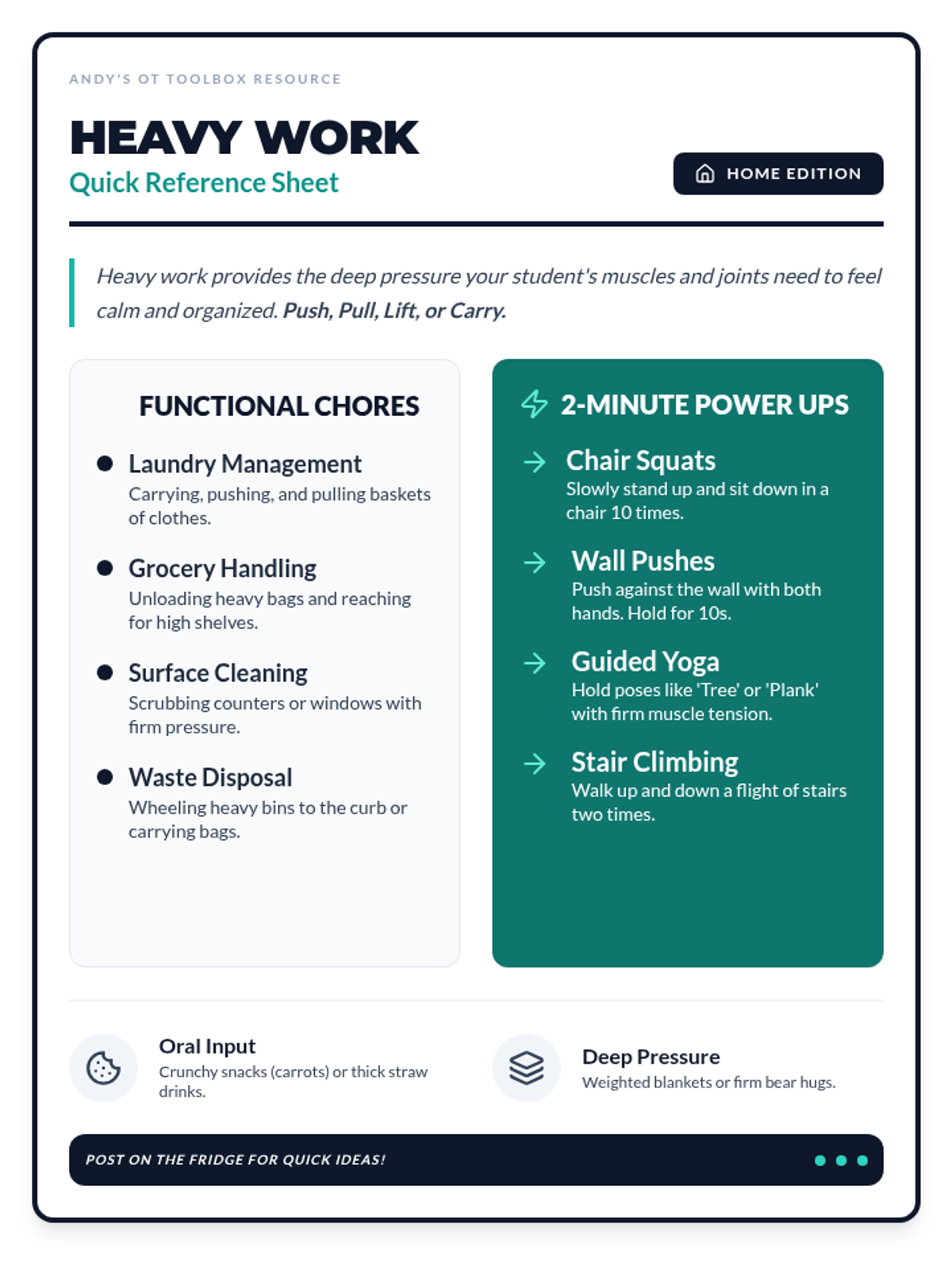
A collection of parent-facing resources for supporting sensory processing and proprioception at home for students across all age ranges, from elementary to high school.
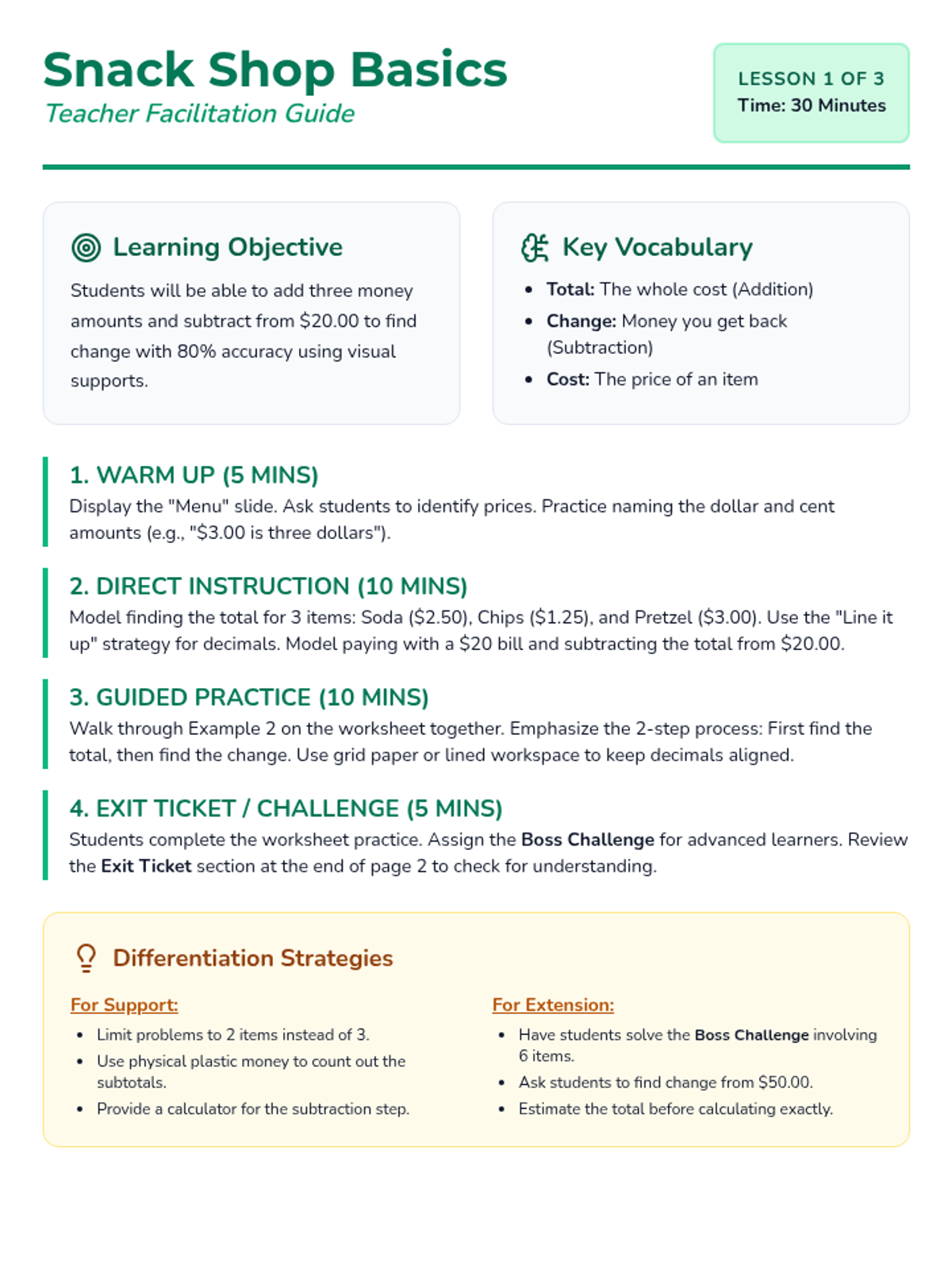
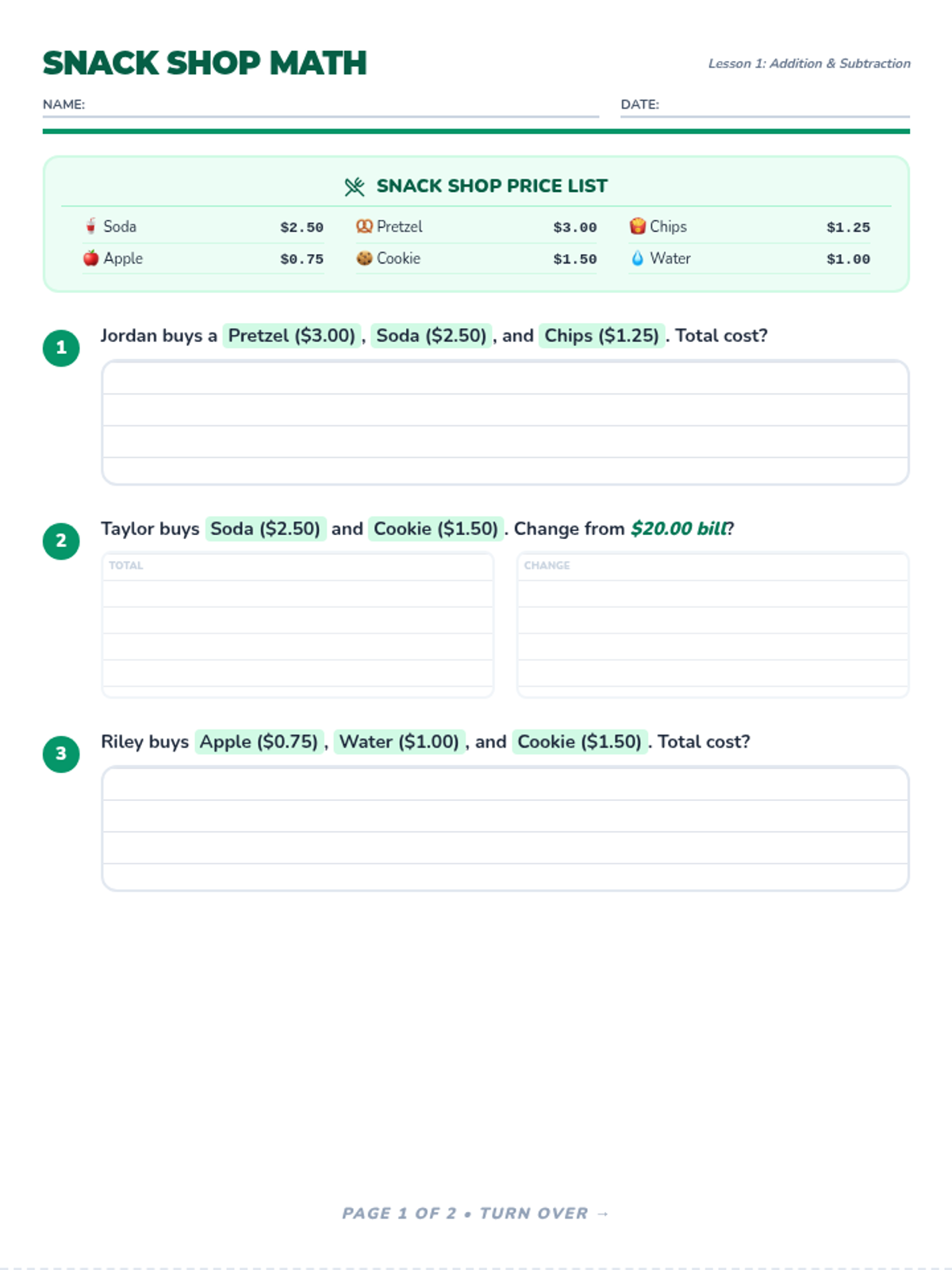
A series of three progressive lessons for special education students to master money word problems, from basic change-making to multi-step calculations with tax. Includes visual aids and simplified vocabulary to support diverse learners.
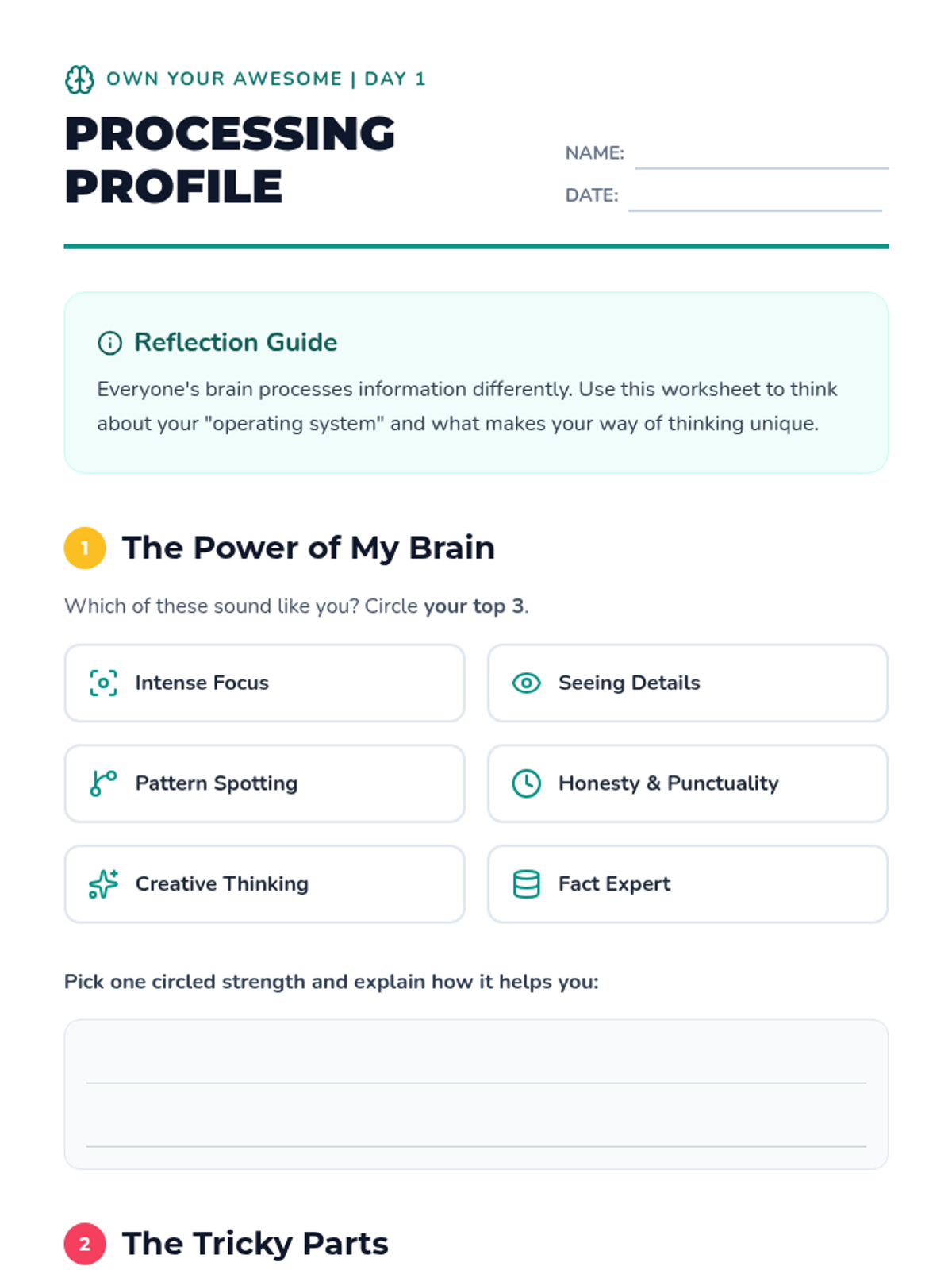
A series of lessons designed to help ADHD and AuDHD students understand their unique brain 'operating systems,' develop self-advocacy, and build resilience through growth mindset strategies.
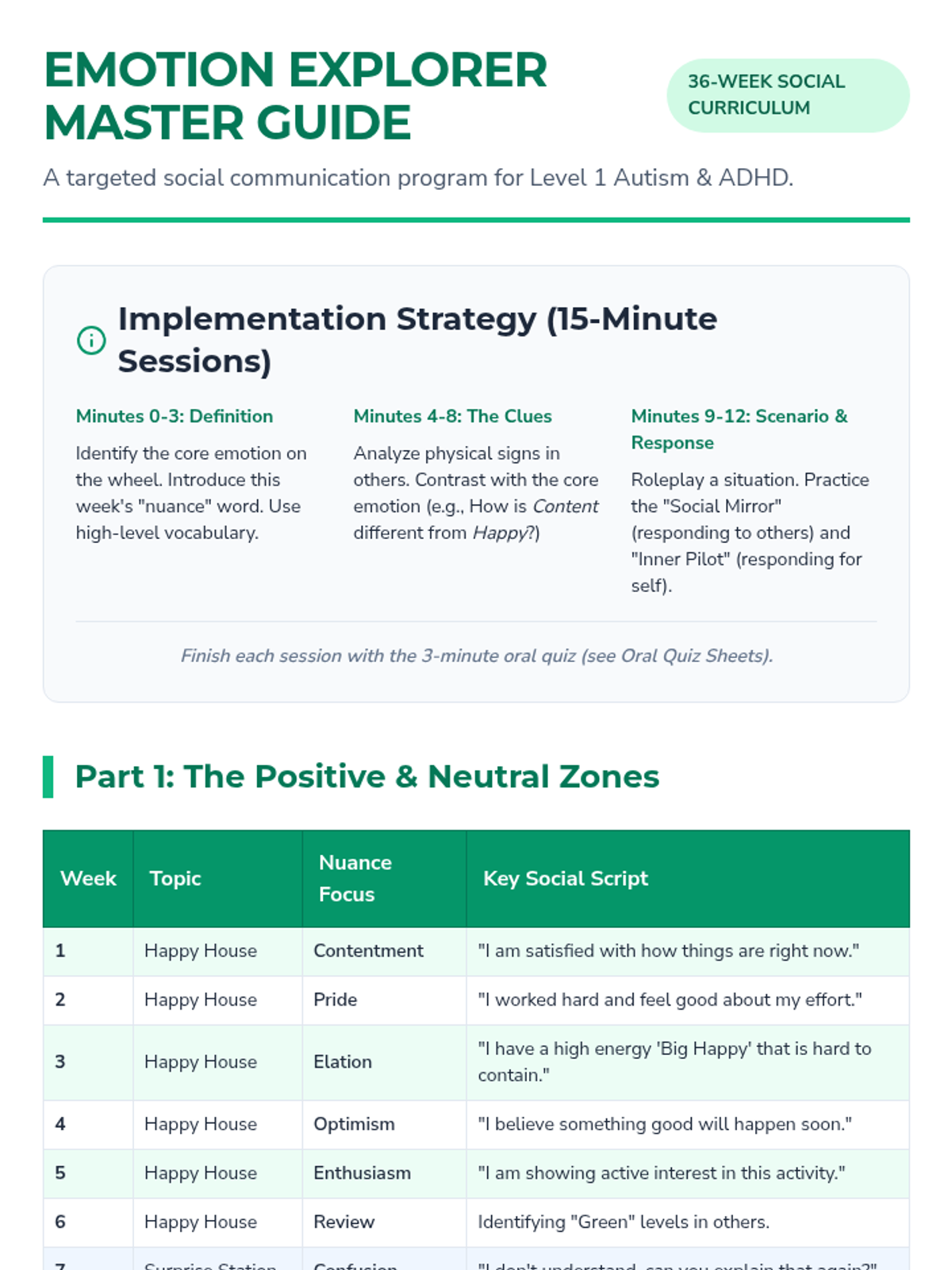
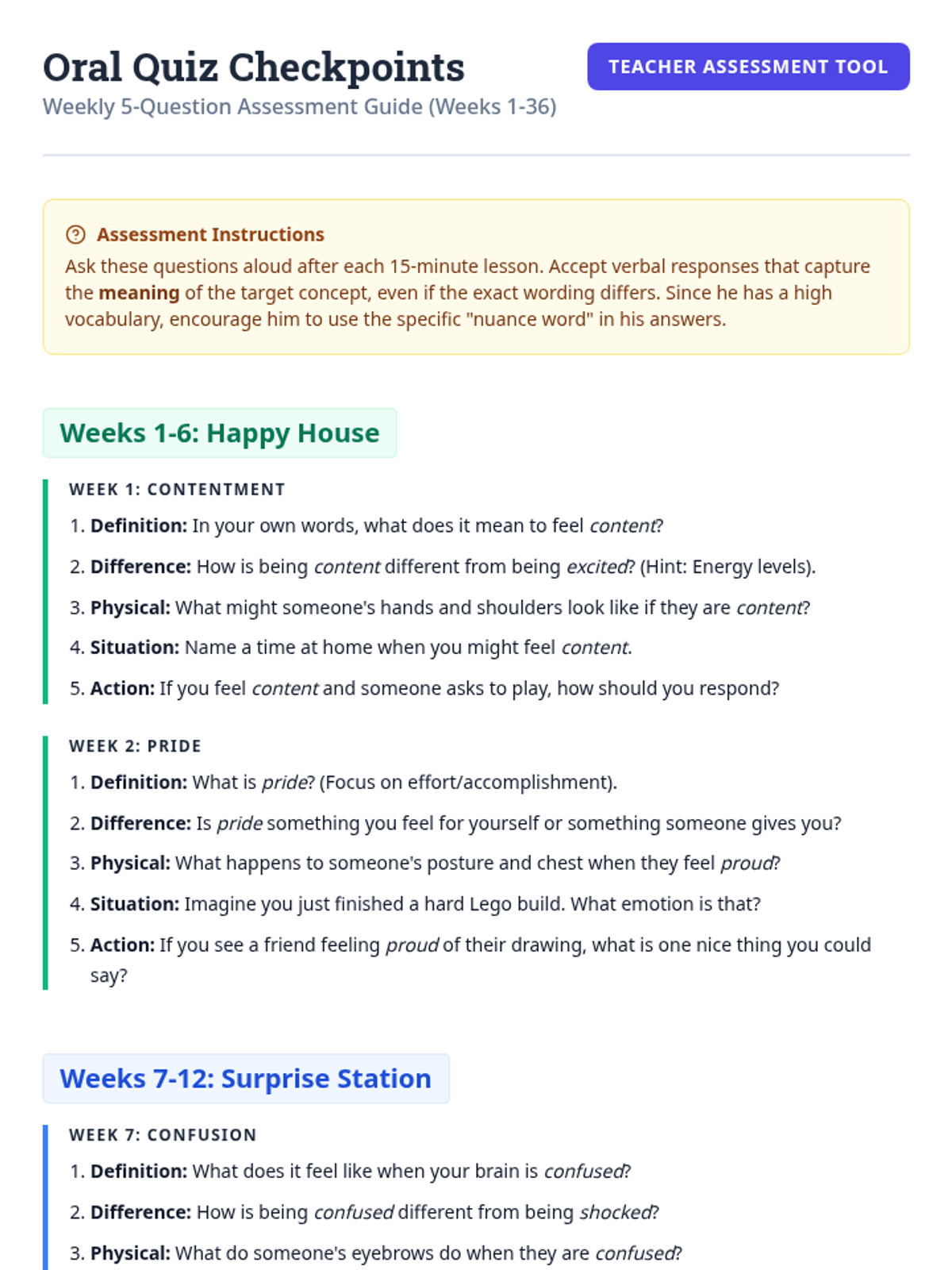
A 36-week social communication curriculum for children with Level 1 autism and ADHD, focusing on the nuances of the Emotion Wheel through 15-minute weekly lessons.
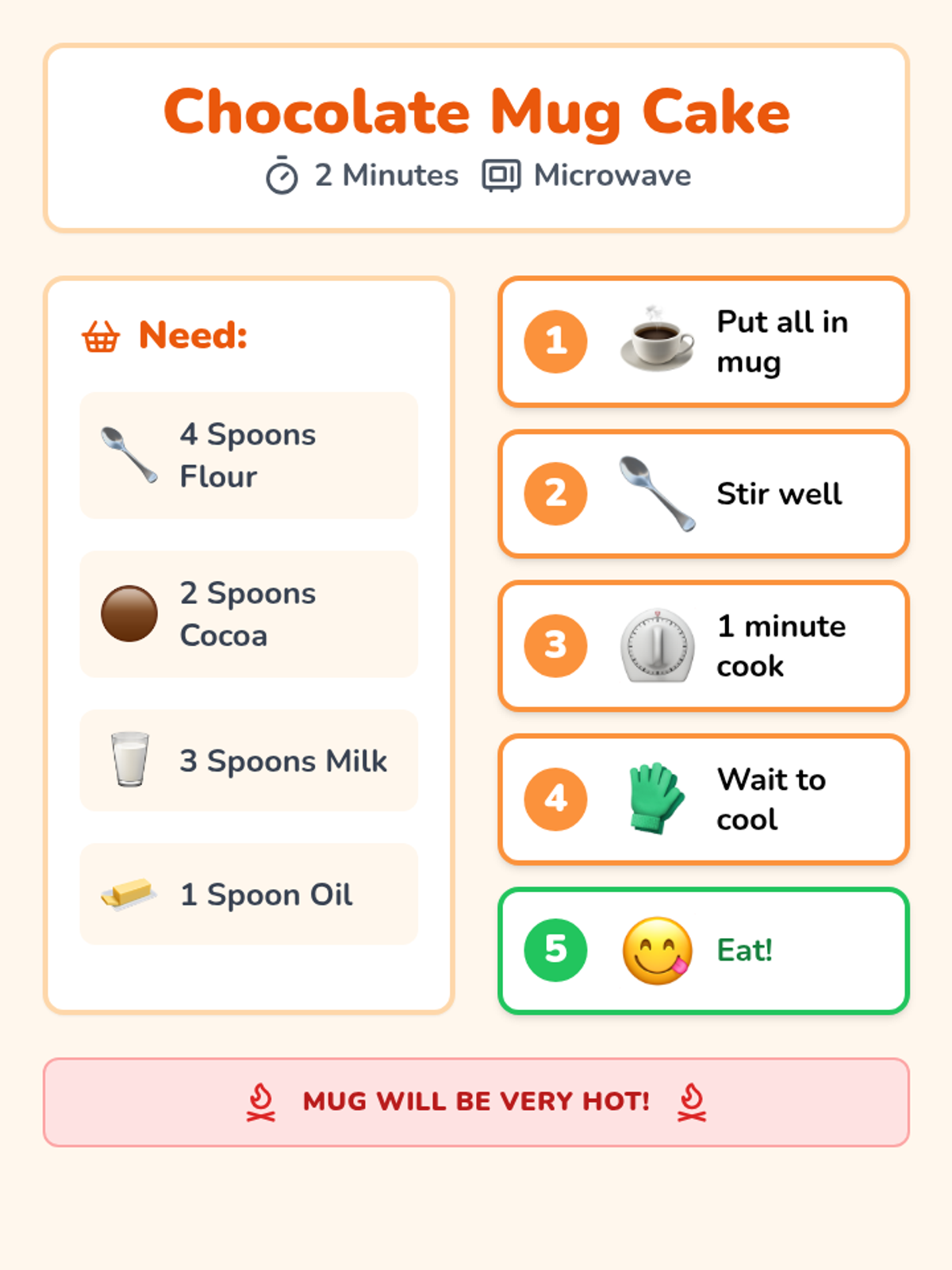
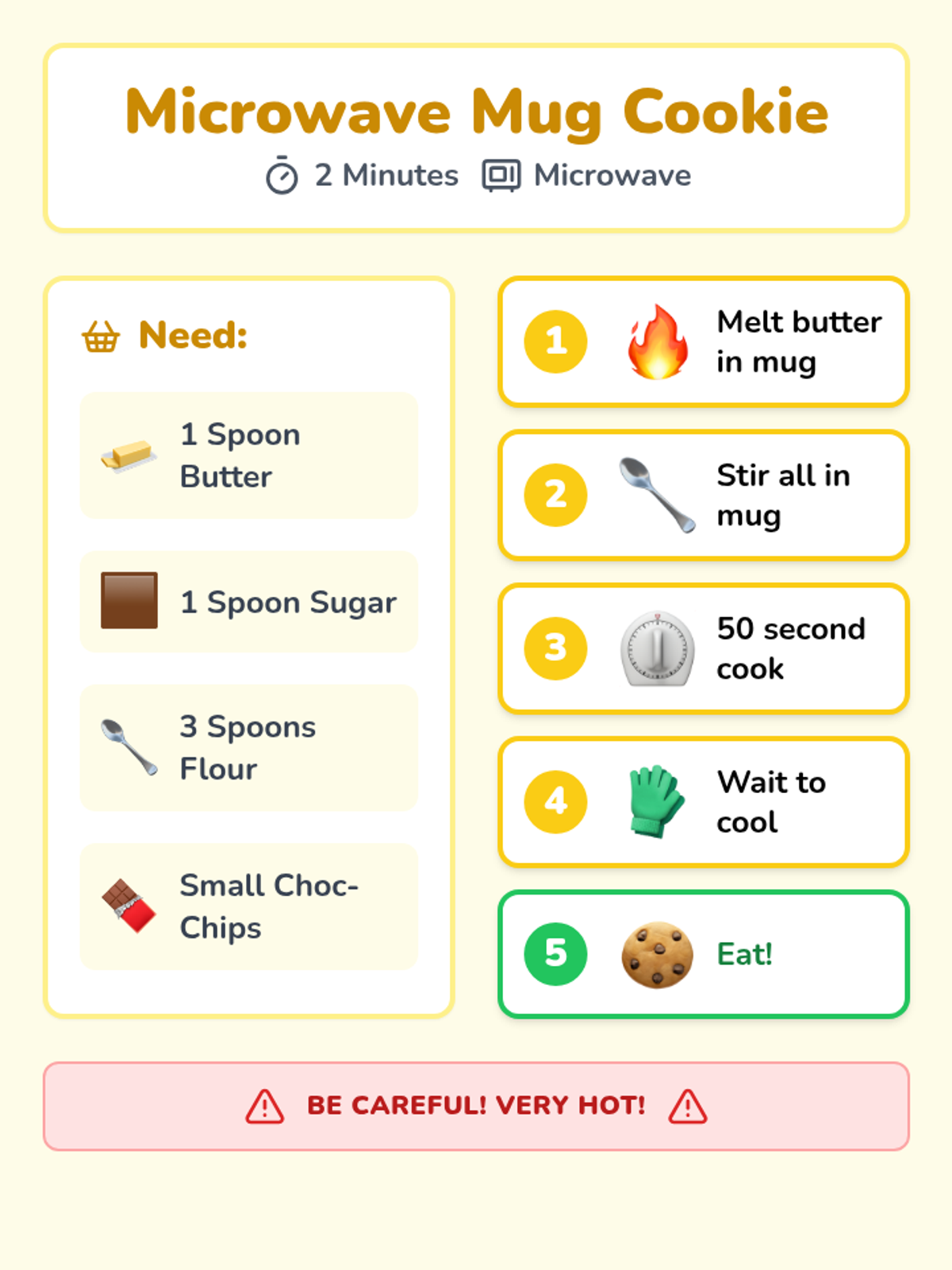
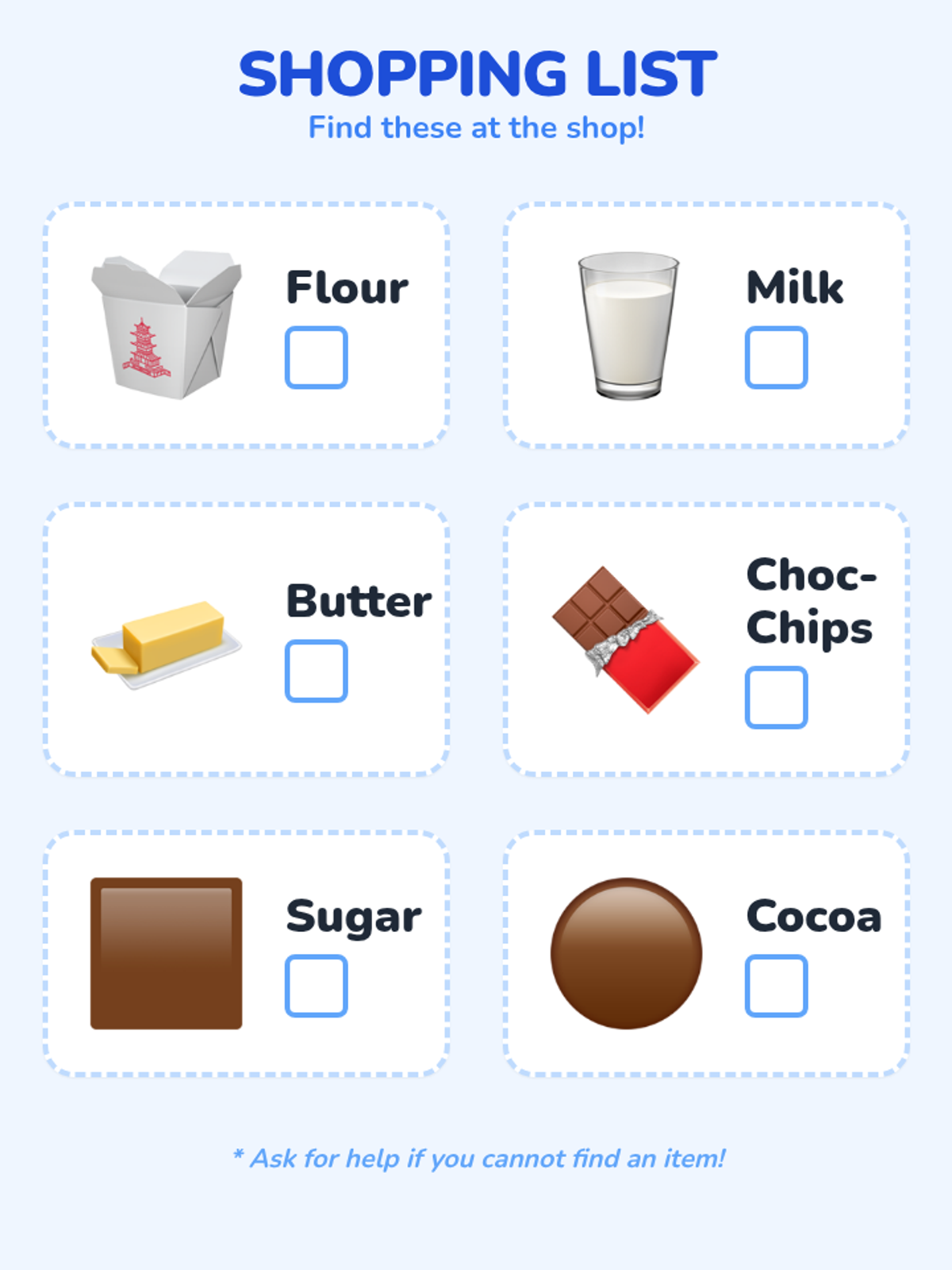
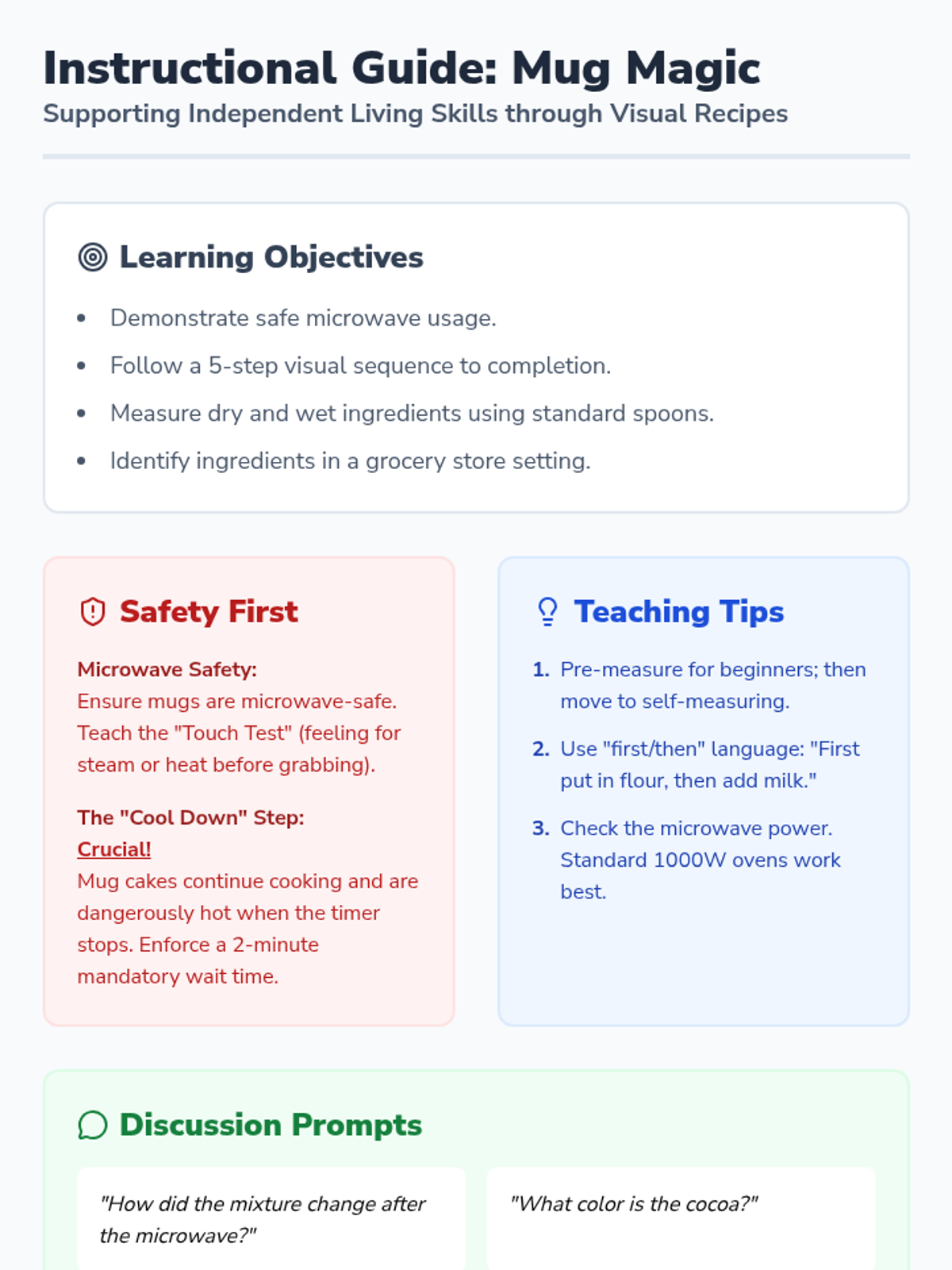
A series of highly visual, low-reading-level microwave recipes designed to build independent living skills through simple mug-based snacks.
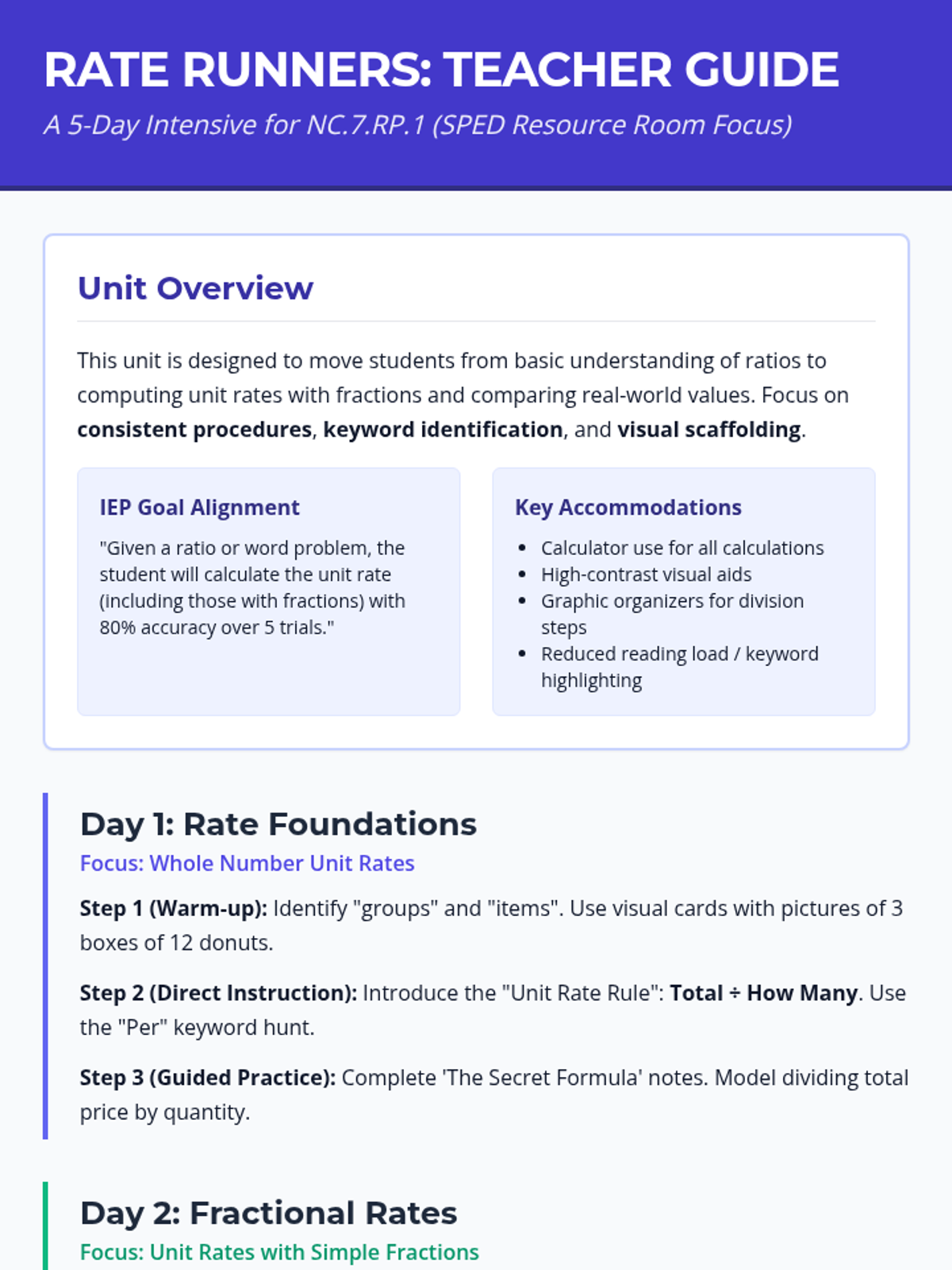
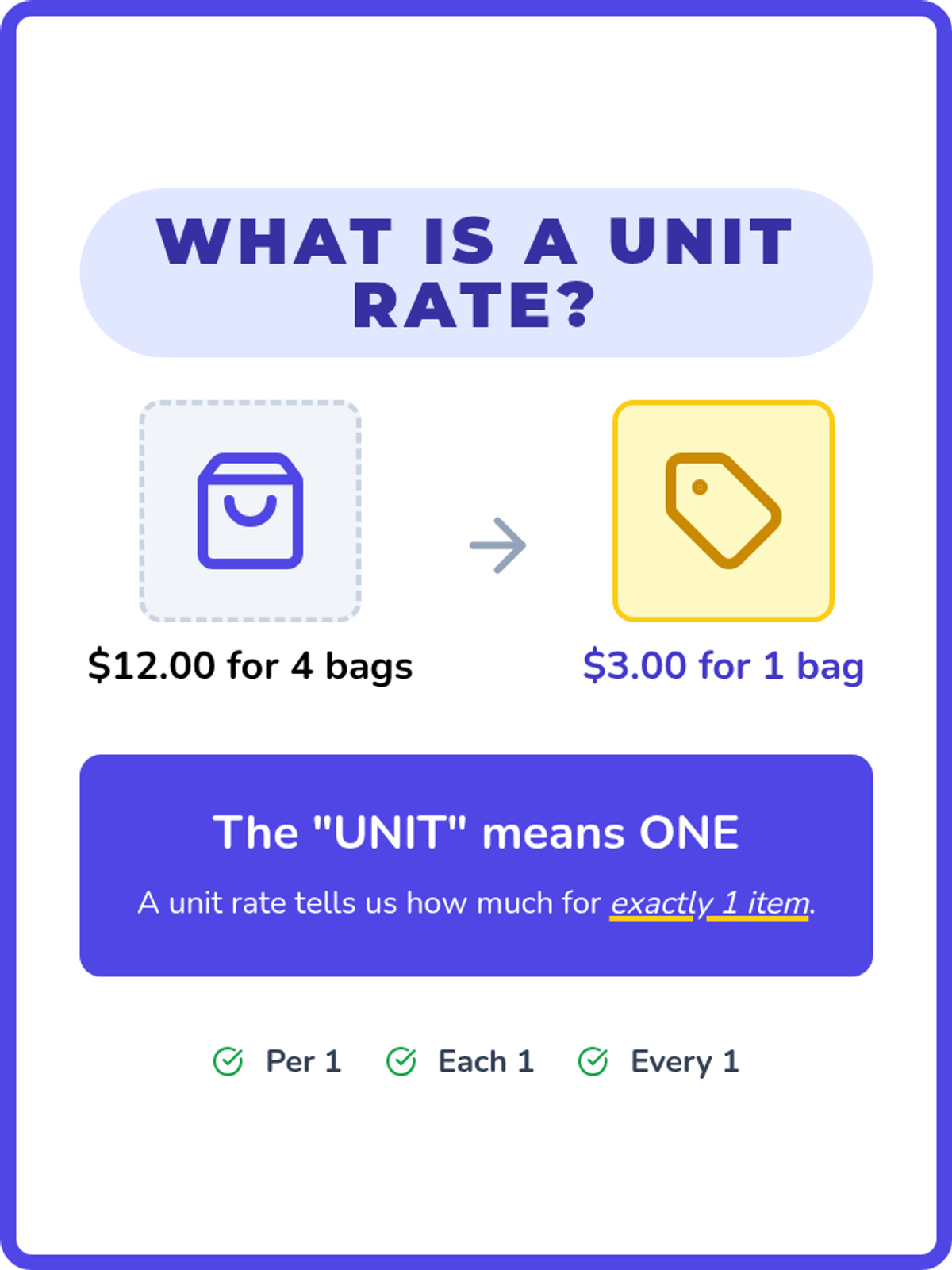
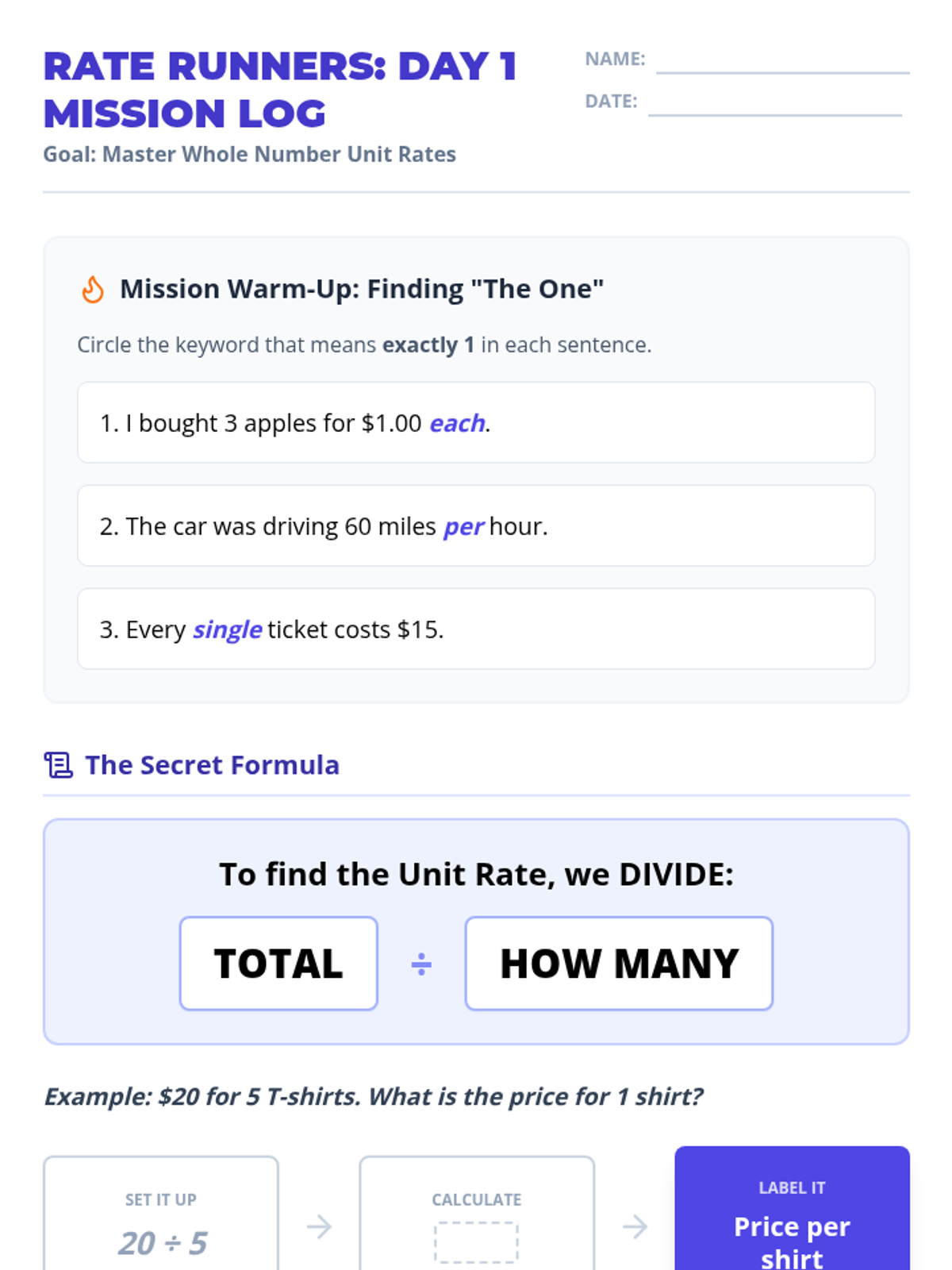
A 6-day intensive test prep unit for NC.7.RP.1 focused on unit rates. Designed specifically for special education resource rooms with heavy scaffolding, visual aids, and real-world shopping and measurement applications. Includes 4 days of instruction, a collaborative review relay, and a final assessment.
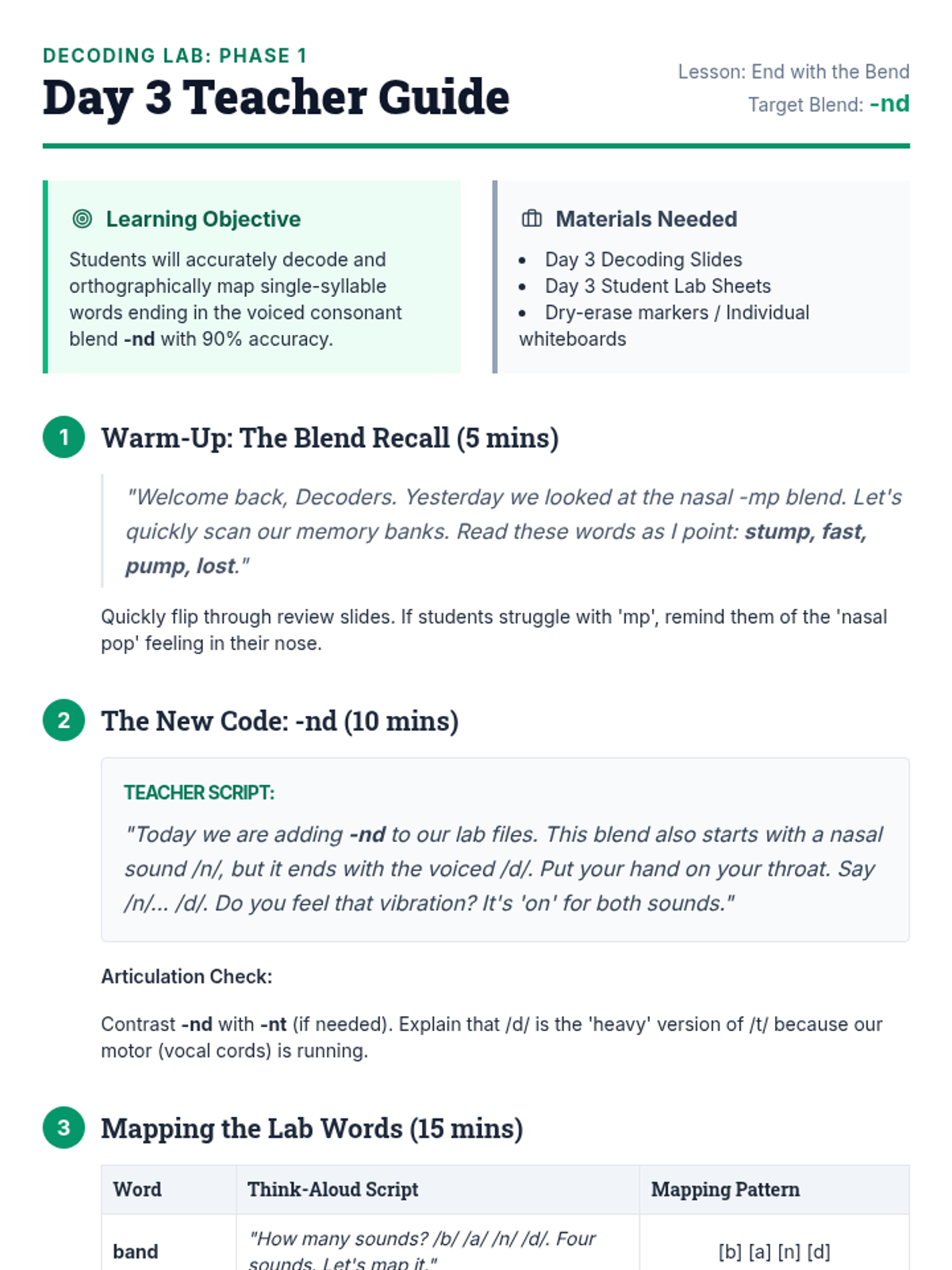
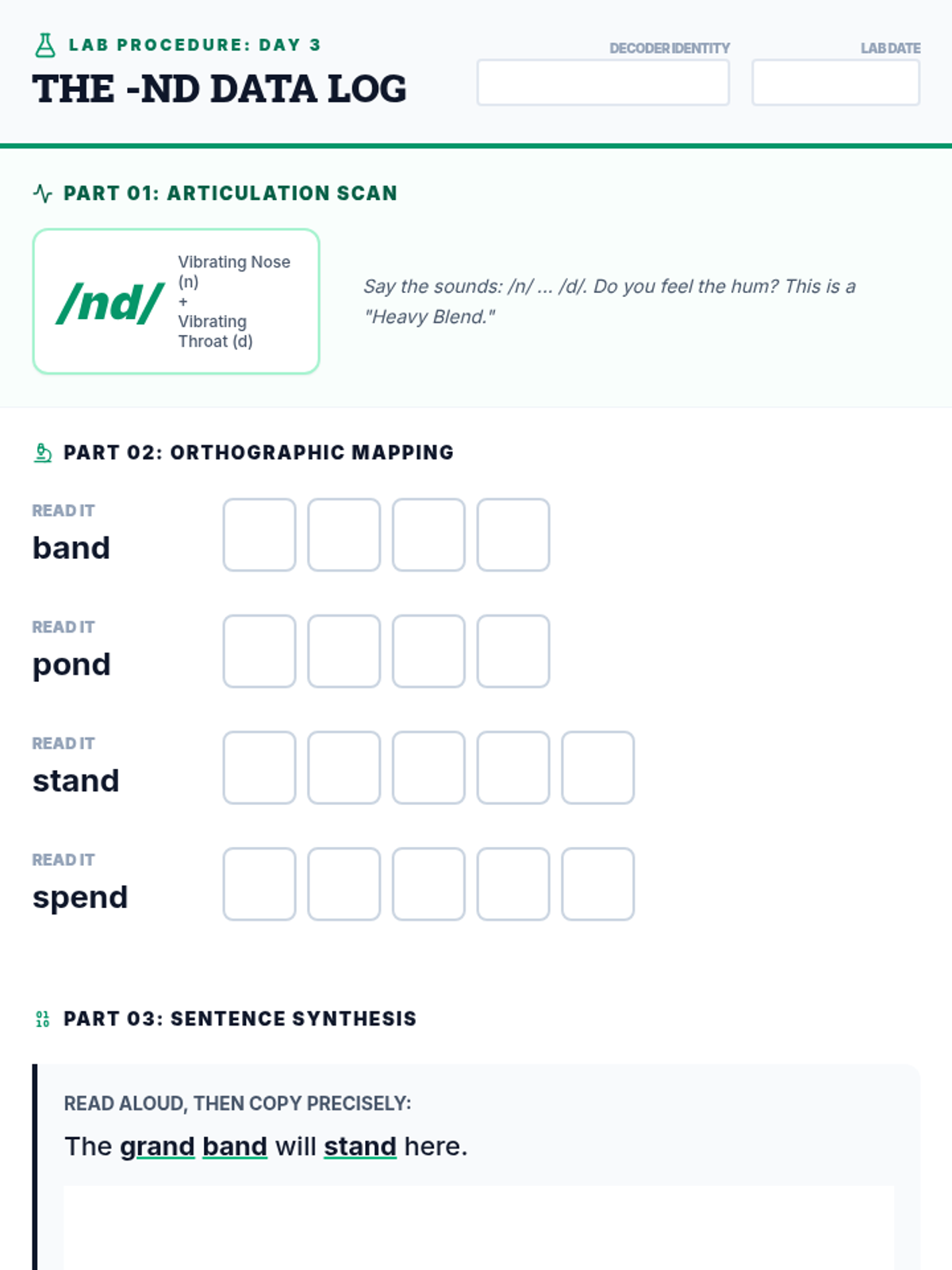
A comprehensive 20-day phonics and decoding sequence designed for middle school students with IEPs, focusing on short vowels, complex consonant blends, and multisyllabic word strategies. Using a 'Decoding Lab' theme, this unit provides explicit instruction, teacher scripts, and age-appropriate practice to build reading fluency and confidence.
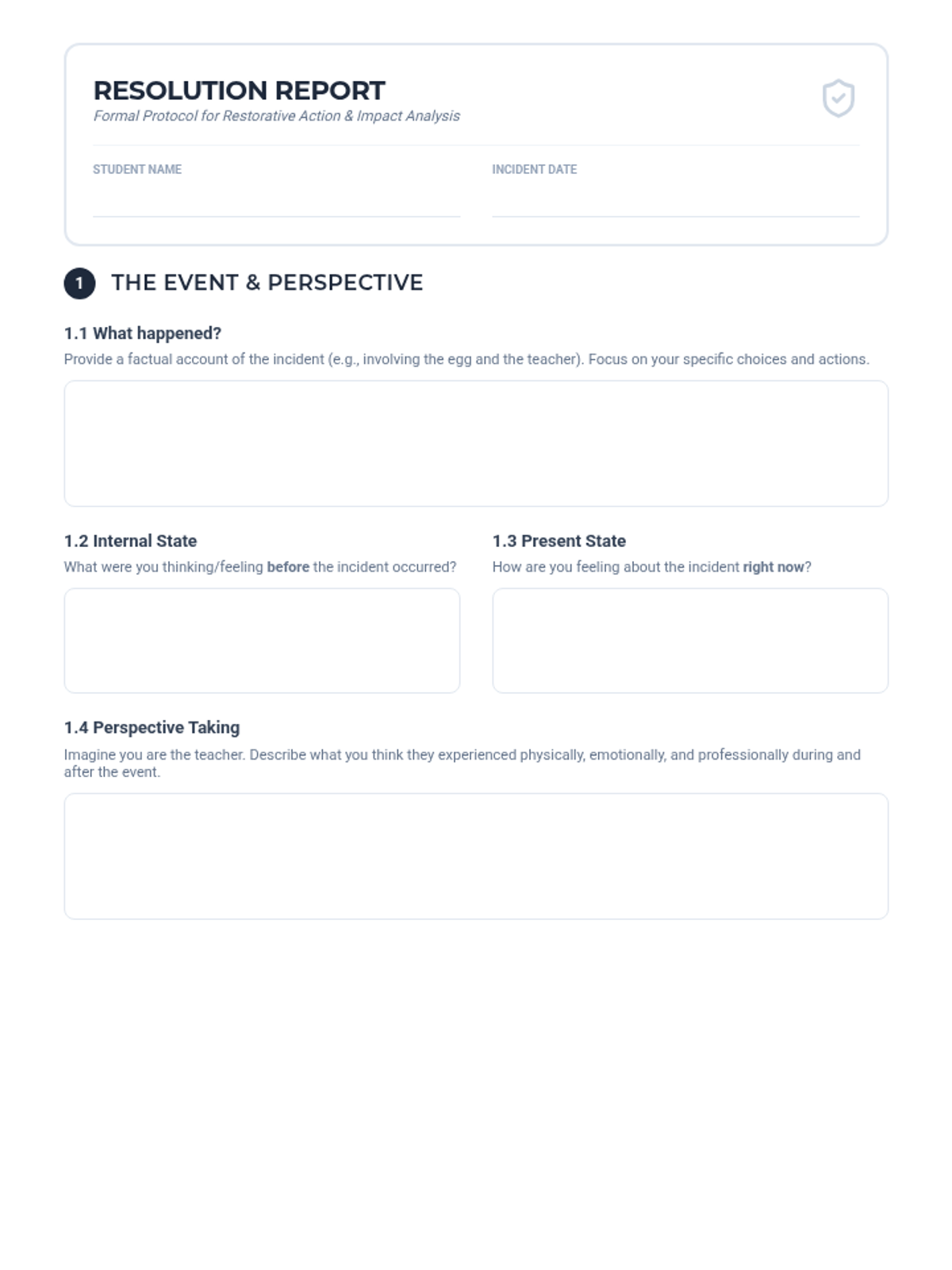
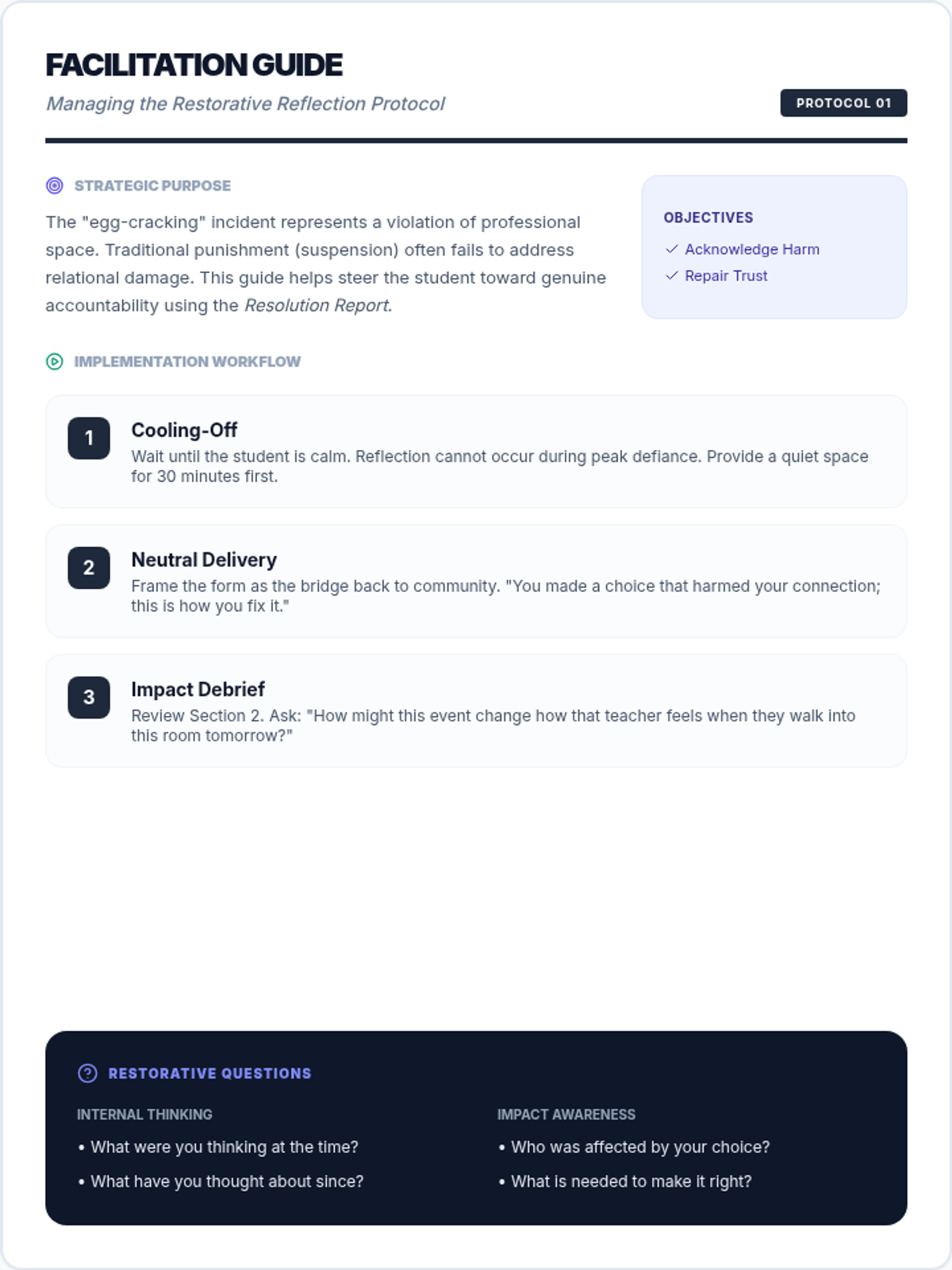
A series of resources and protocols designed to foster a restorative culture within a school environment, prioritizing accountability and relationship repair over punishment.
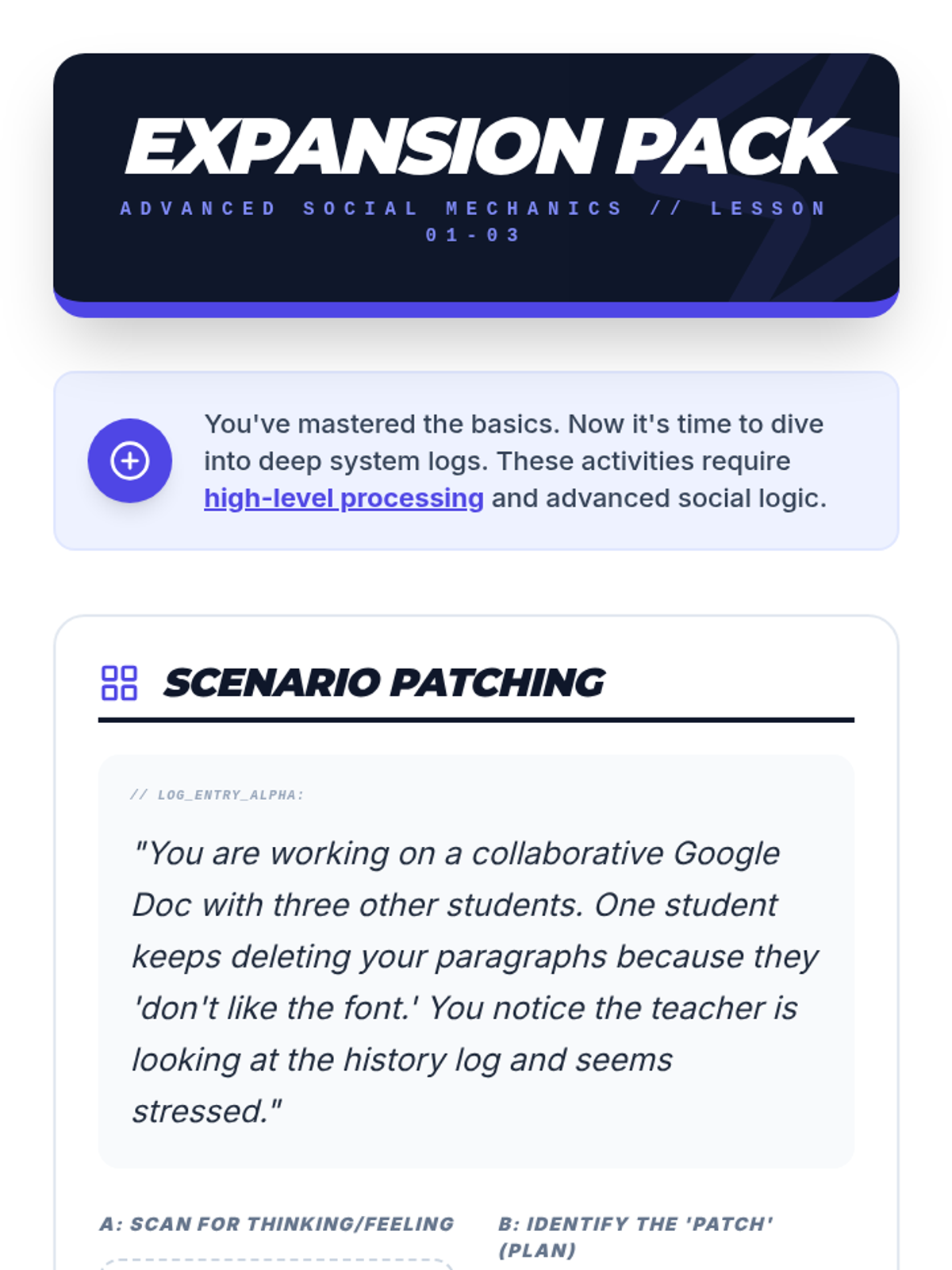
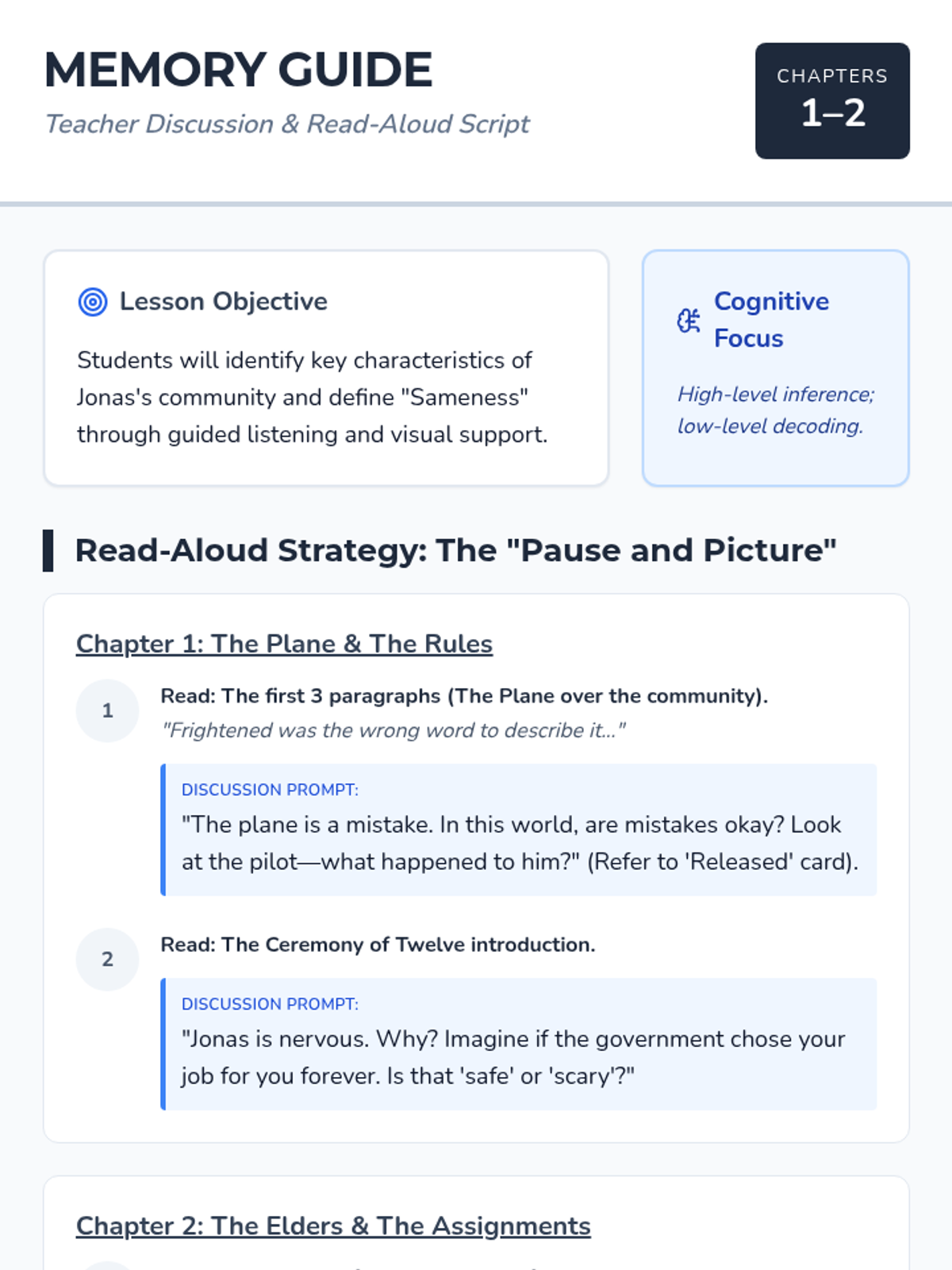
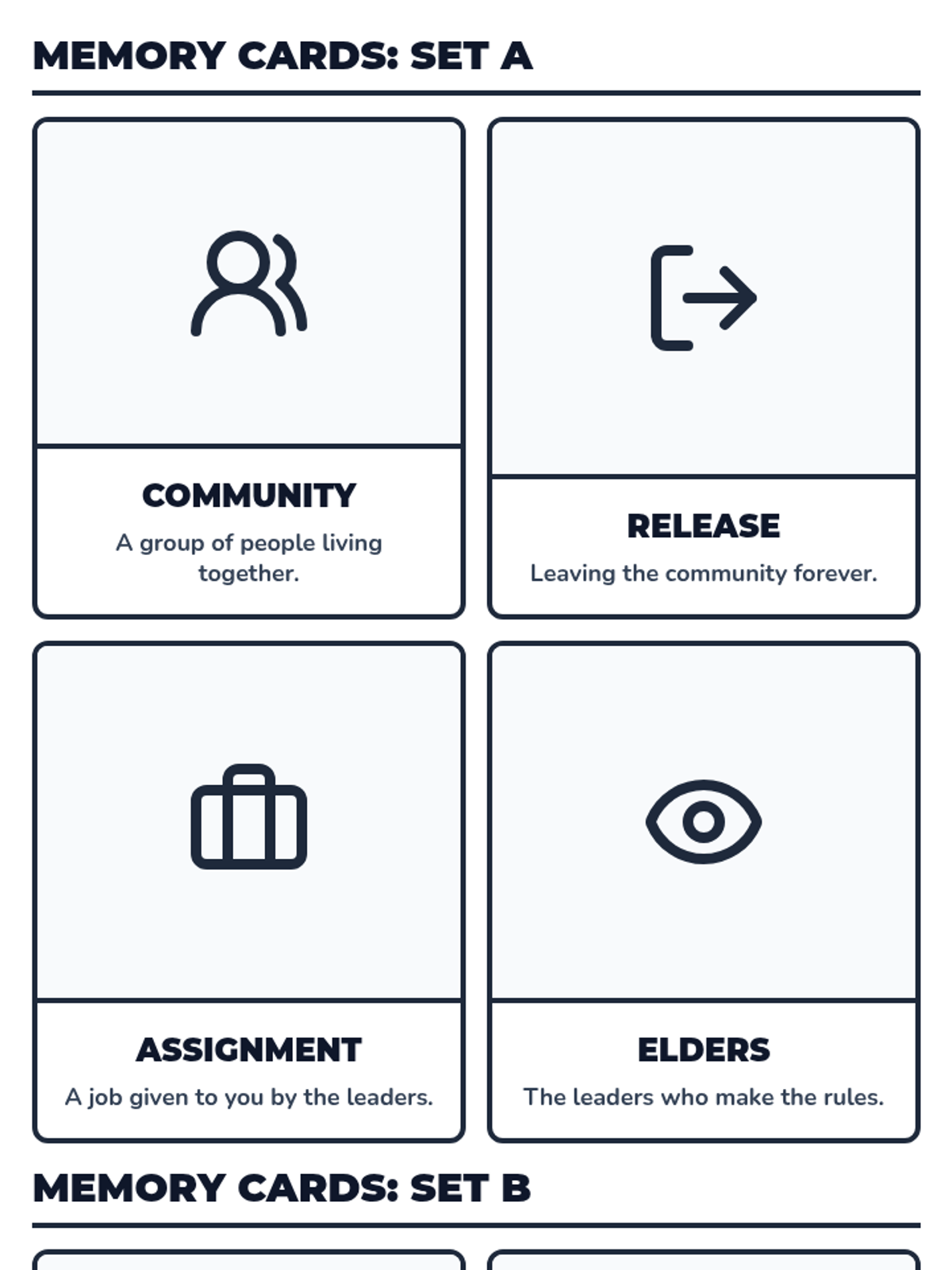
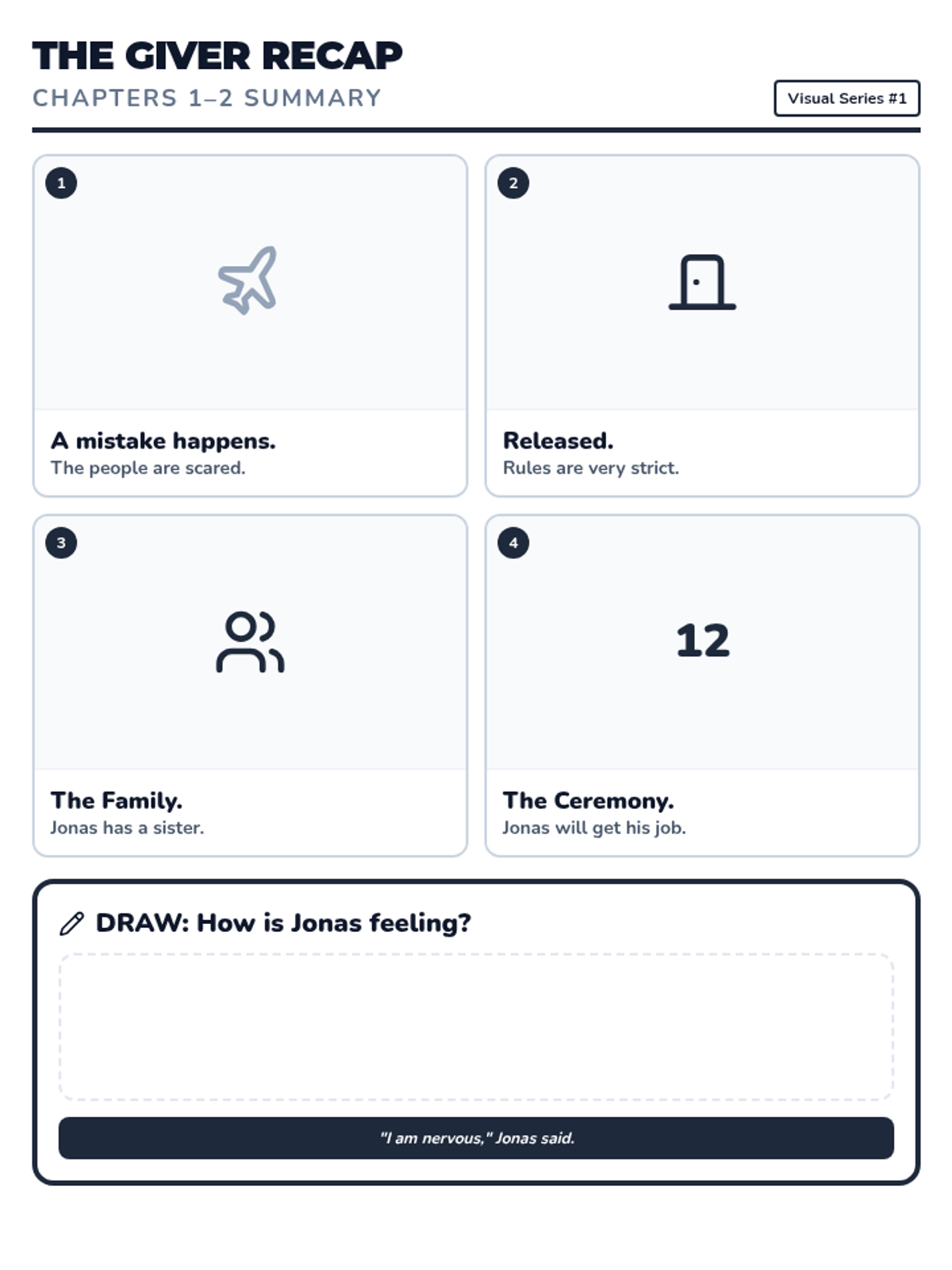
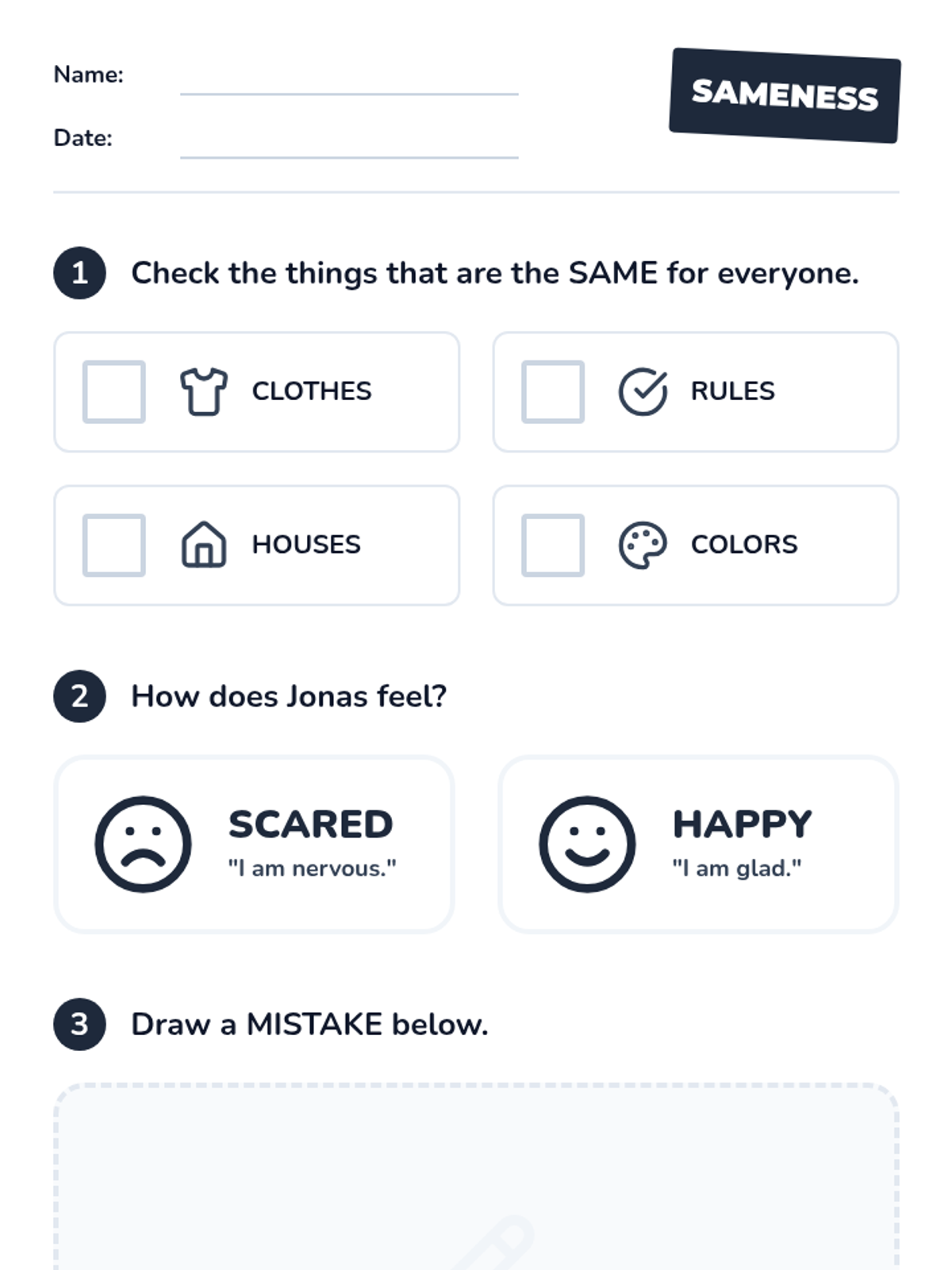
A comprehensive unit for The Giver tailored for students with high cognitive abilities but low decoding levels, focusing on visual storytelling and deep conceptual discussion.
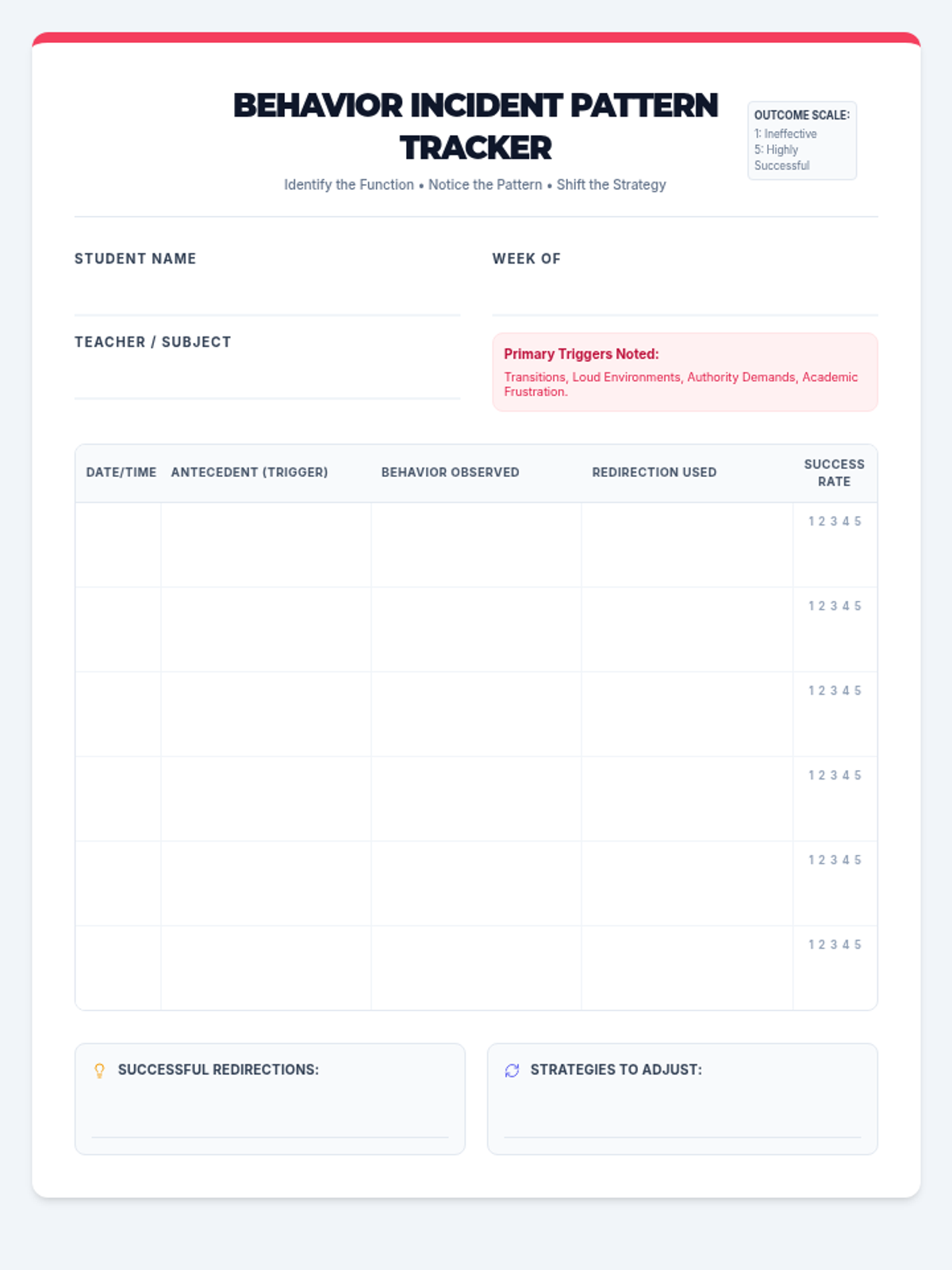
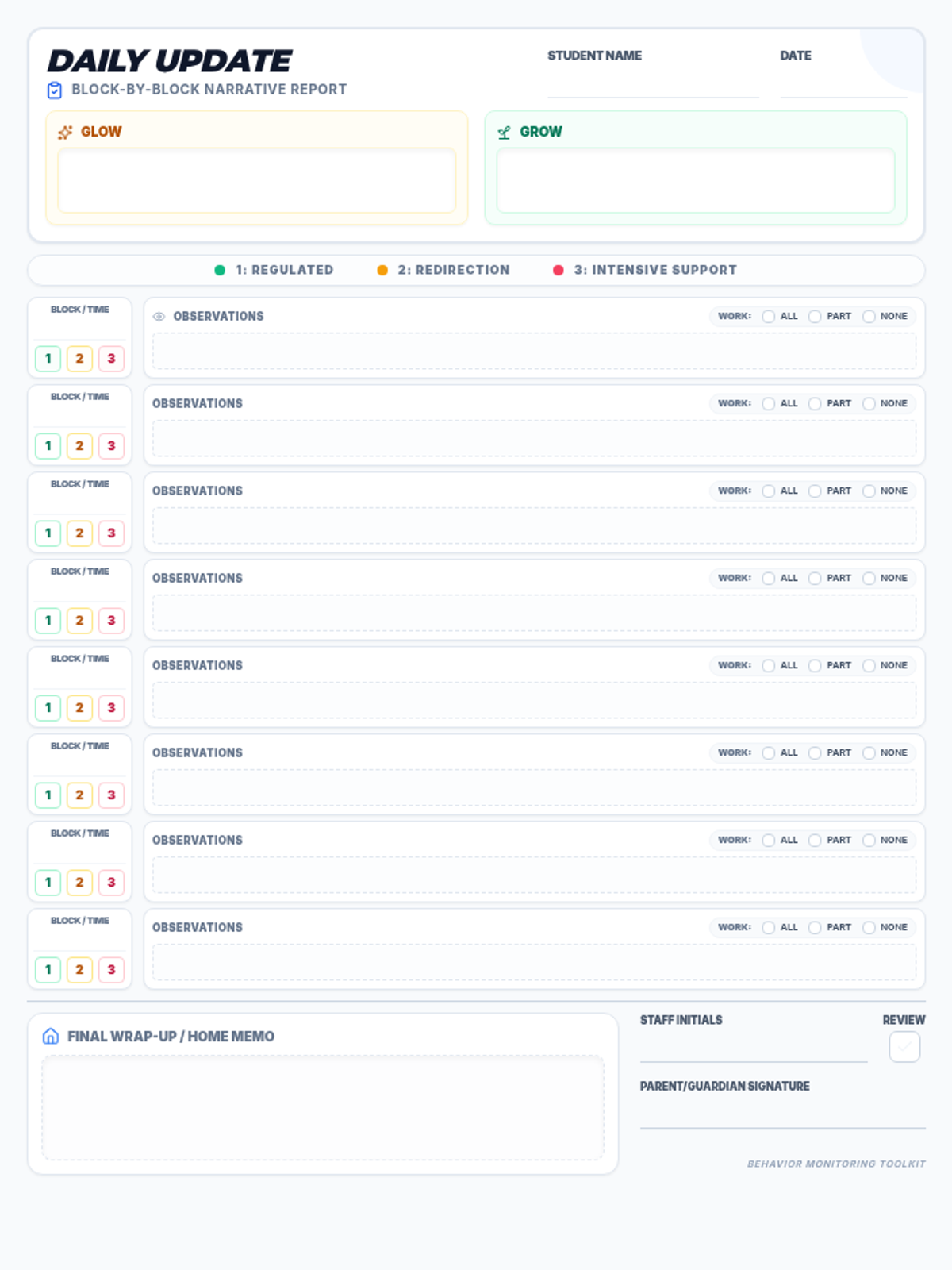
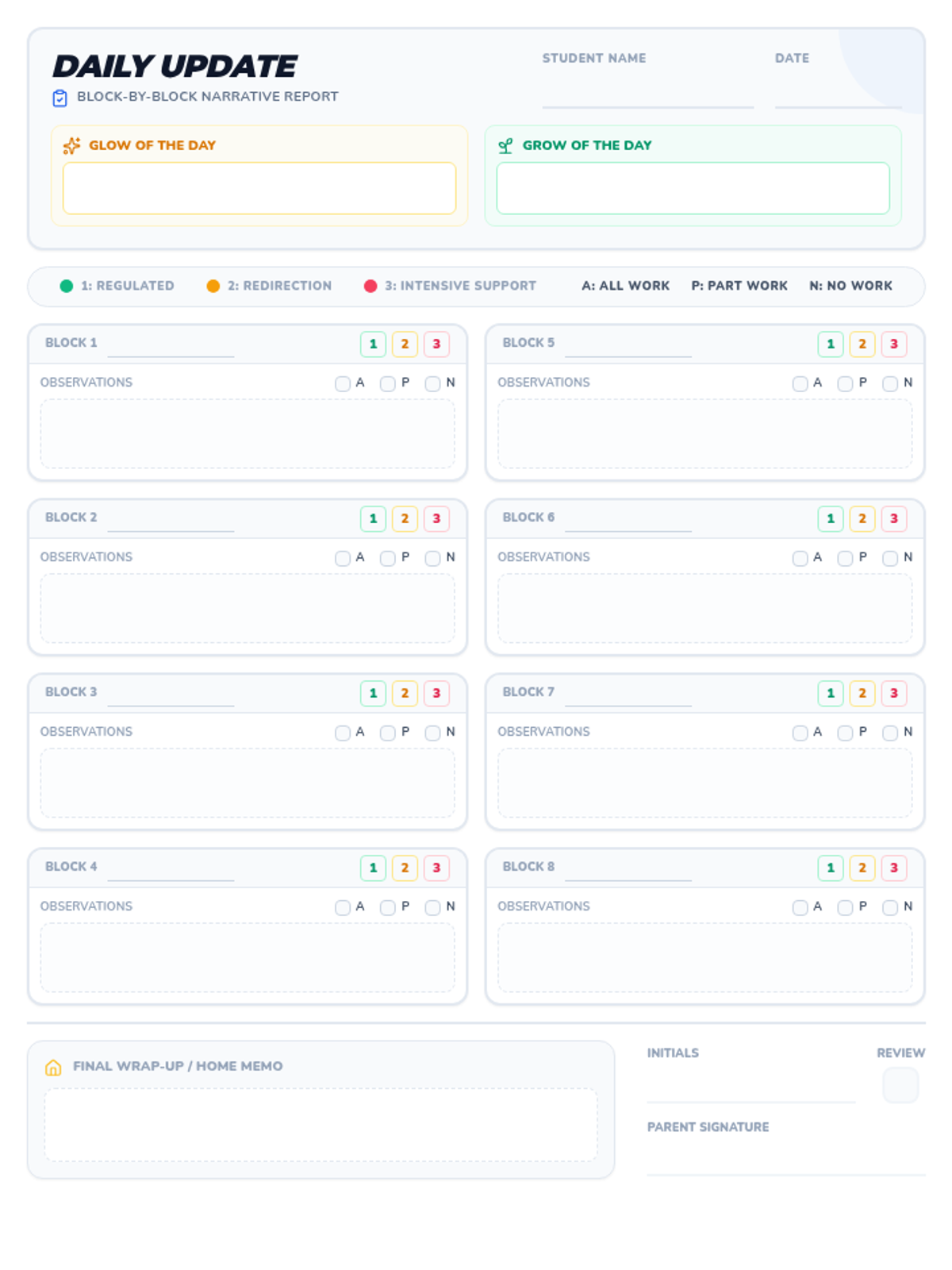
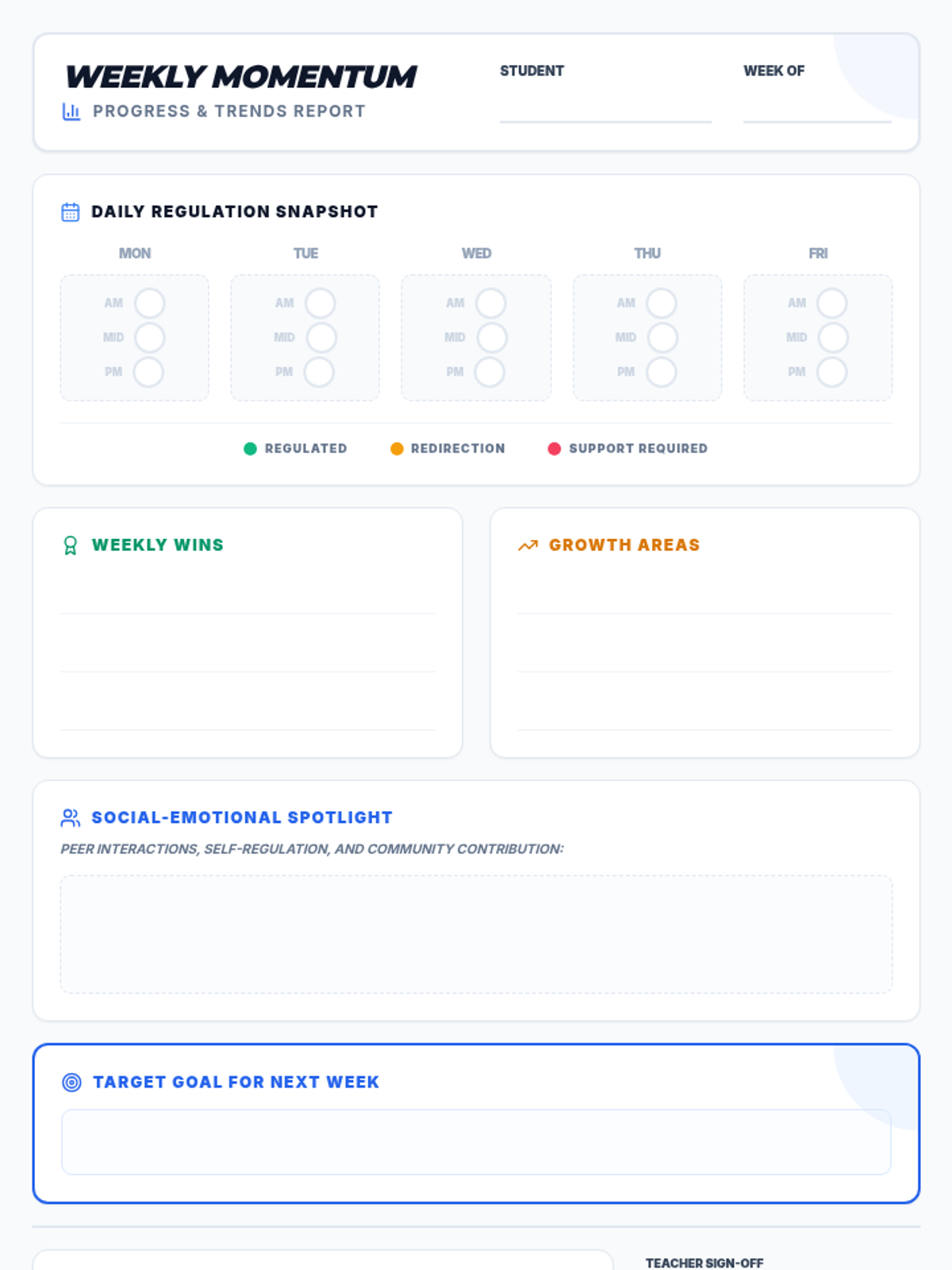
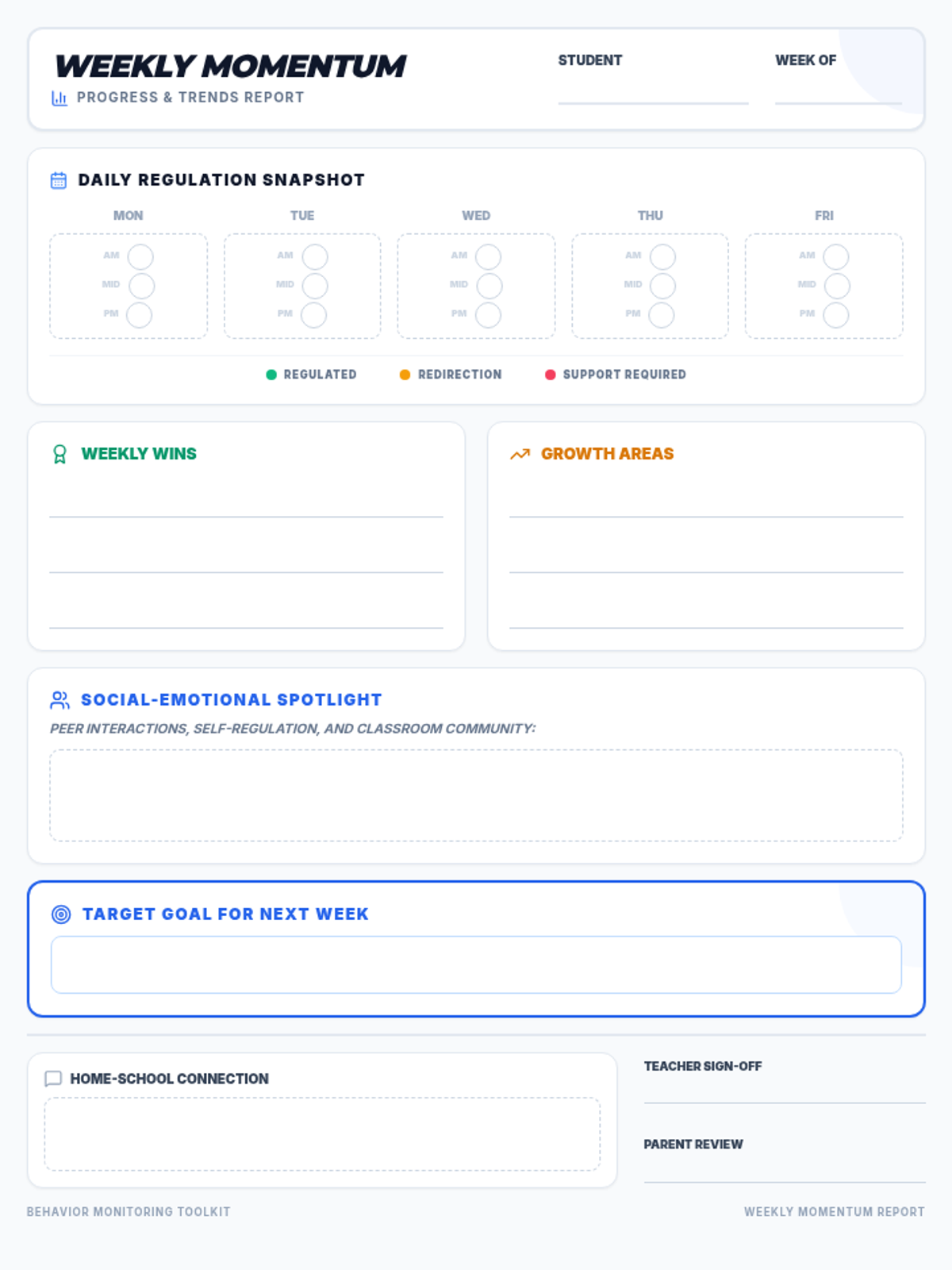
A collection of tools and guides for educators to monitor student behavior and progress, facilitating clear communication between school and home.
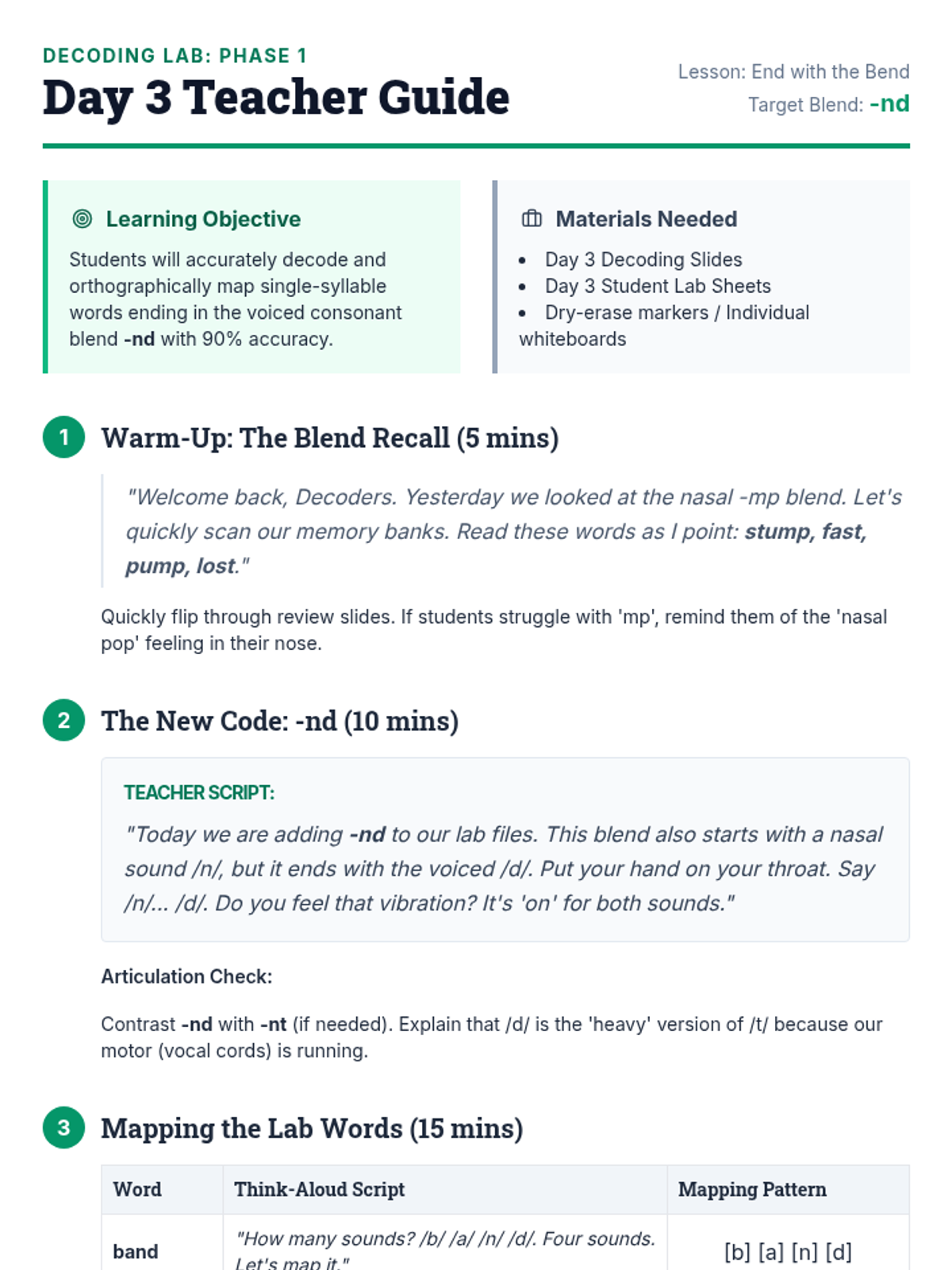
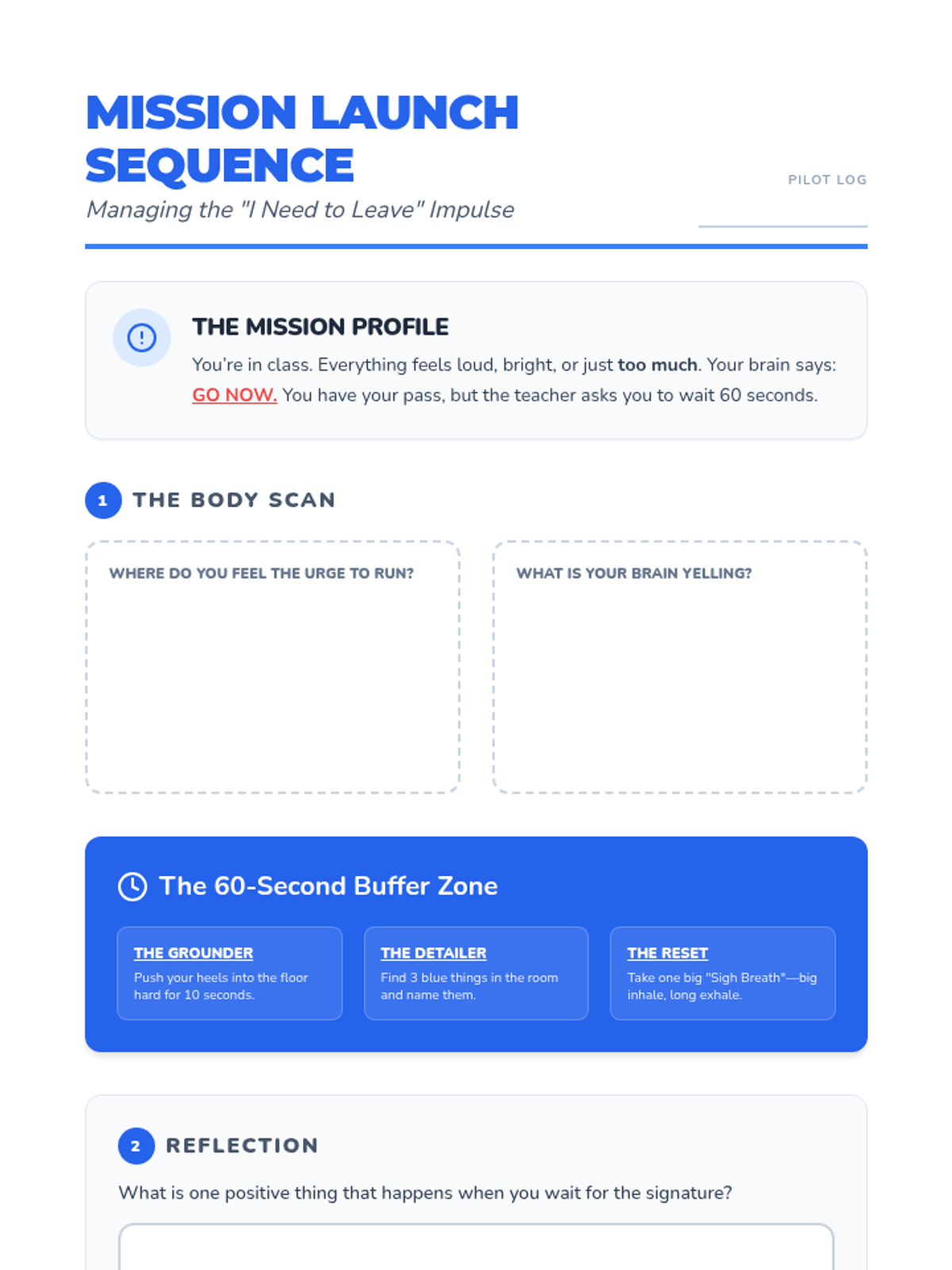
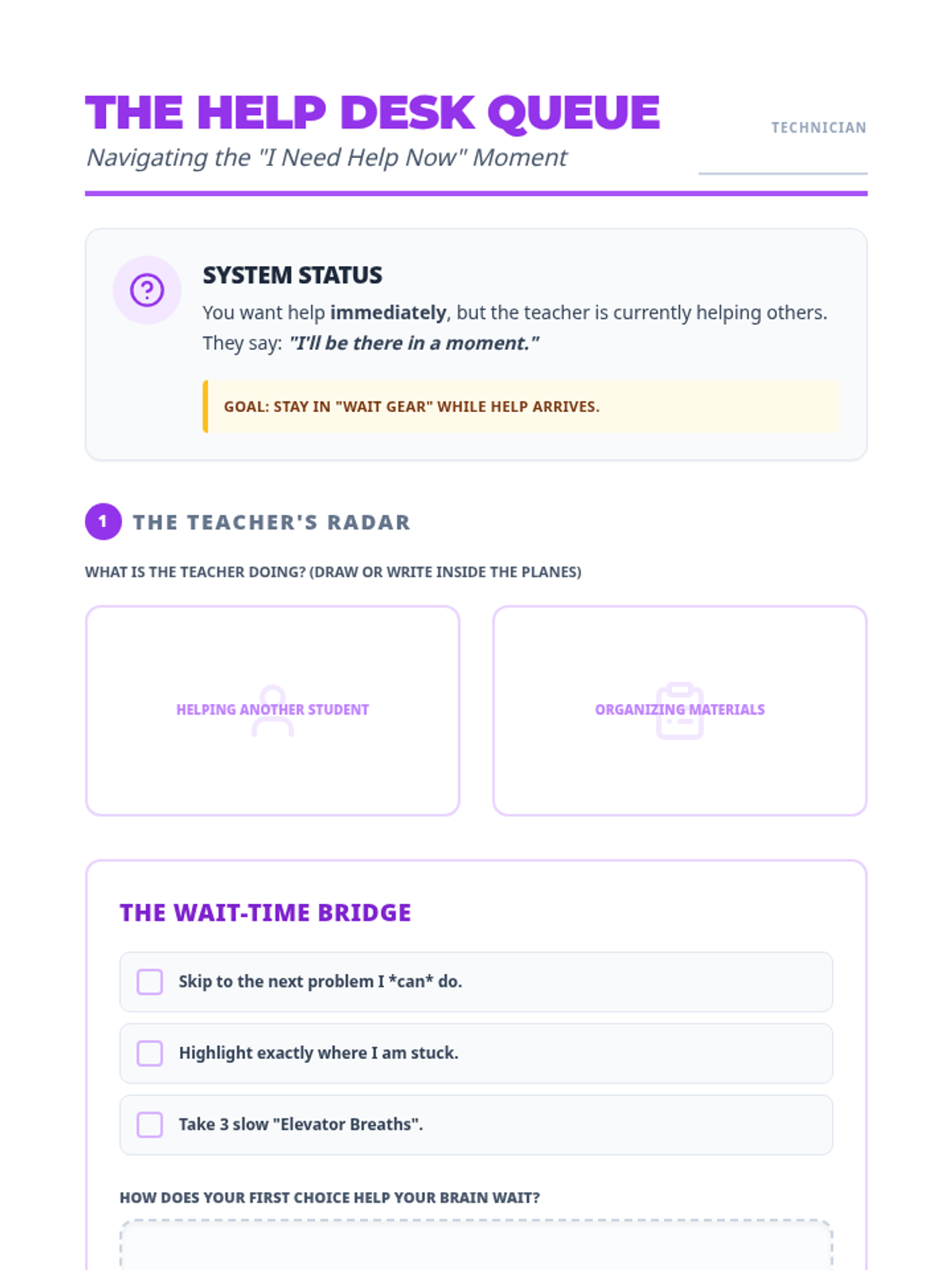
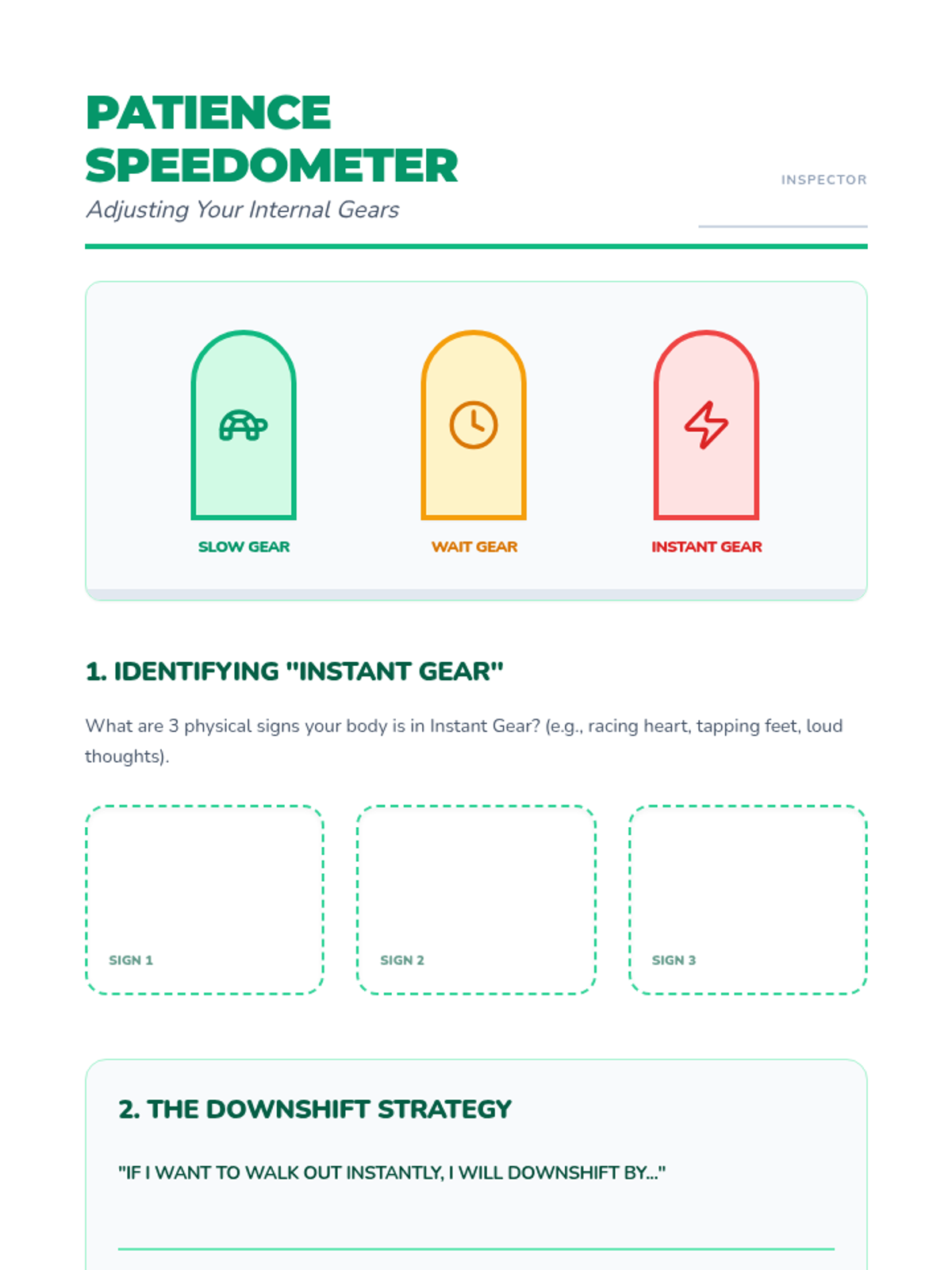
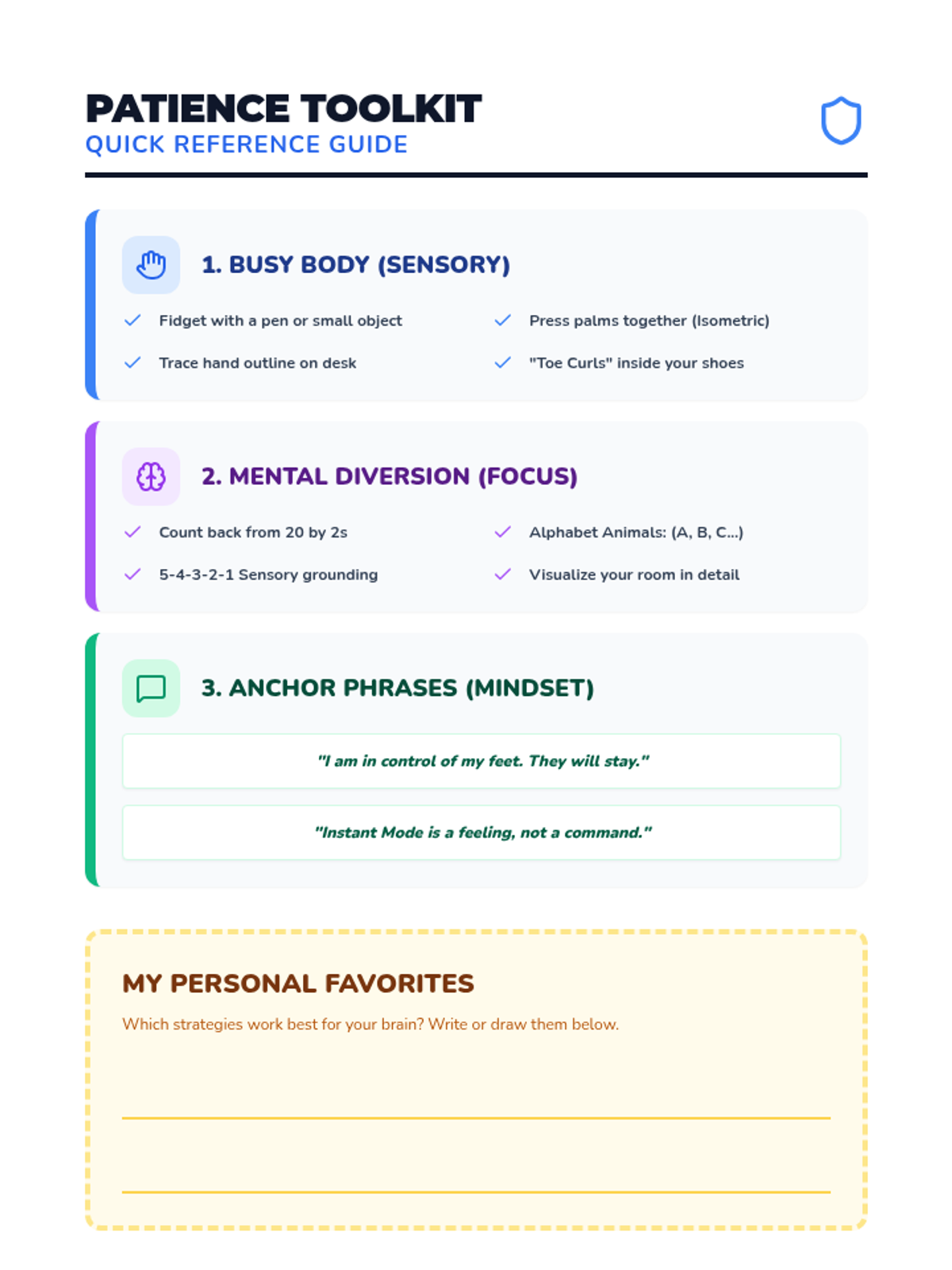
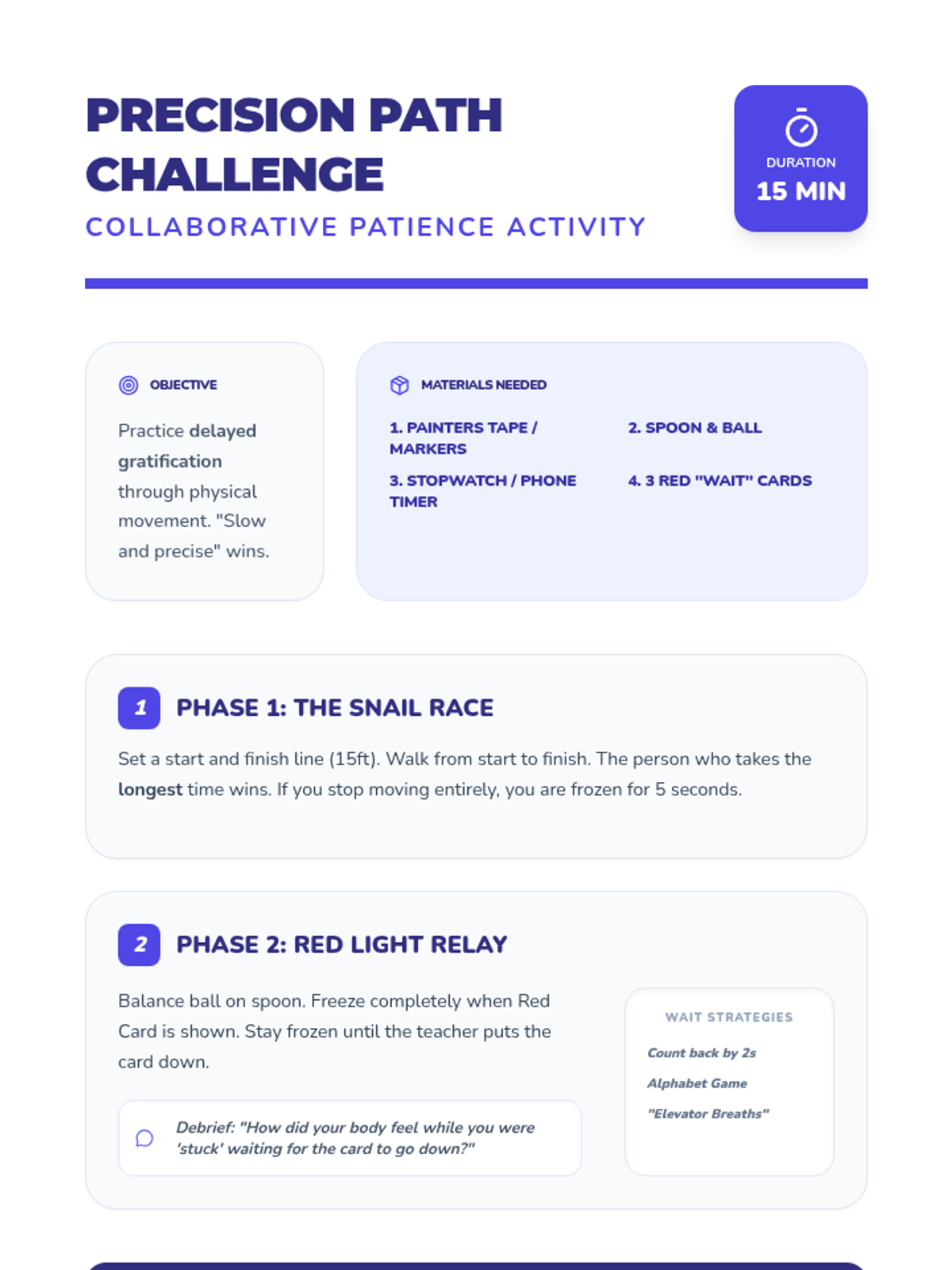
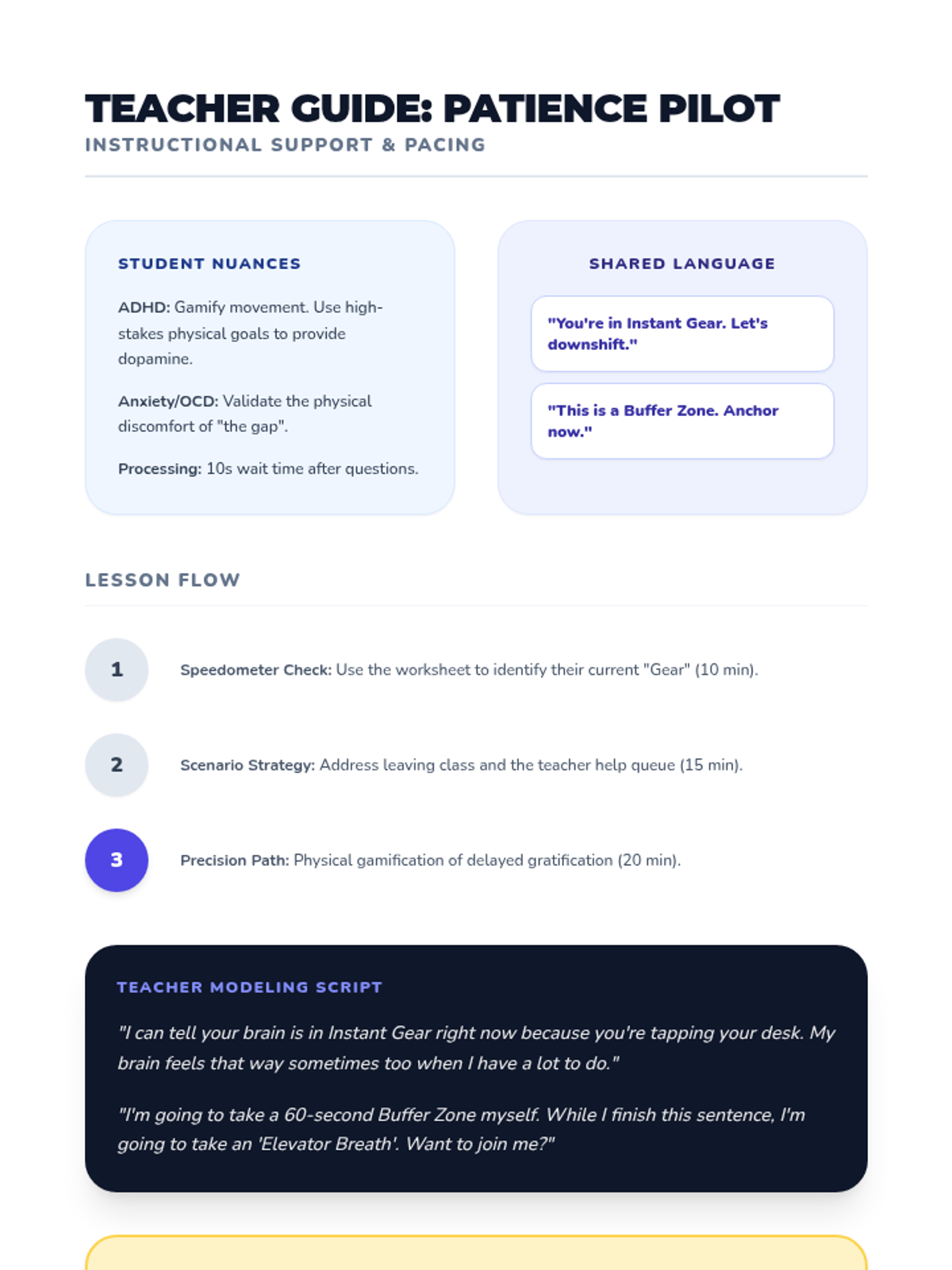
A sequence designed for a 13-year-old student with ADHD, OCD, and anxiety to build patience and manage impulsivity in high-stress classroom situations. Focuses on waiting for permission during overstimulation and navigating the delay when requesting help after a period of refusal.
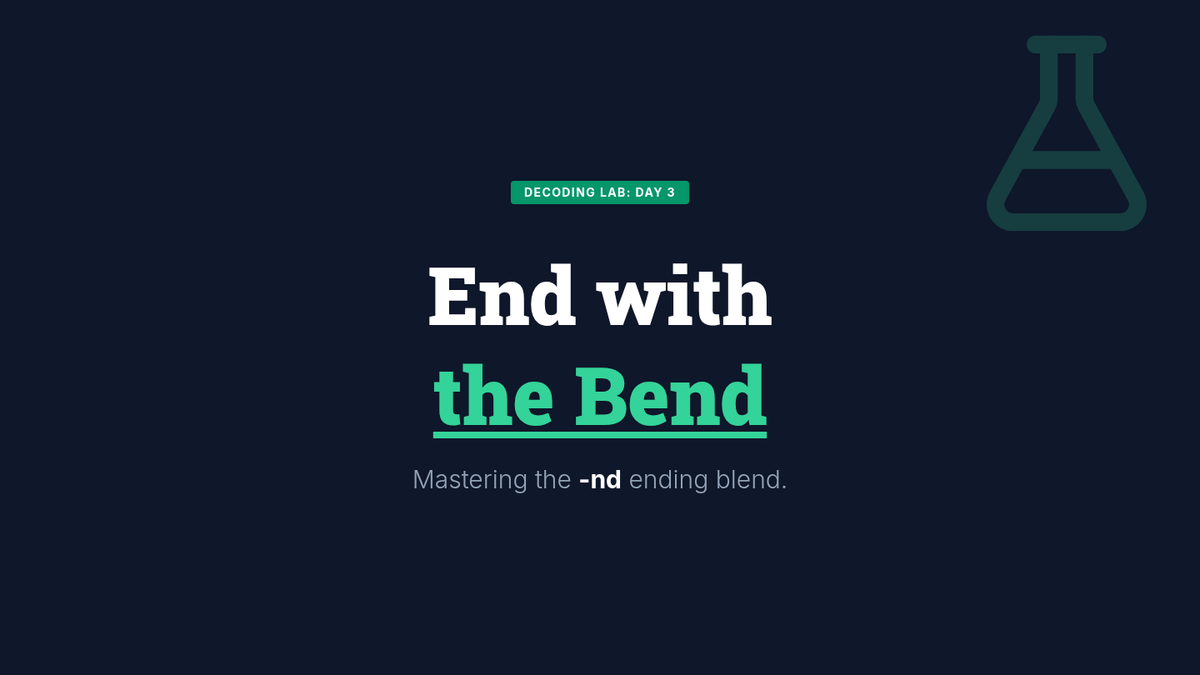
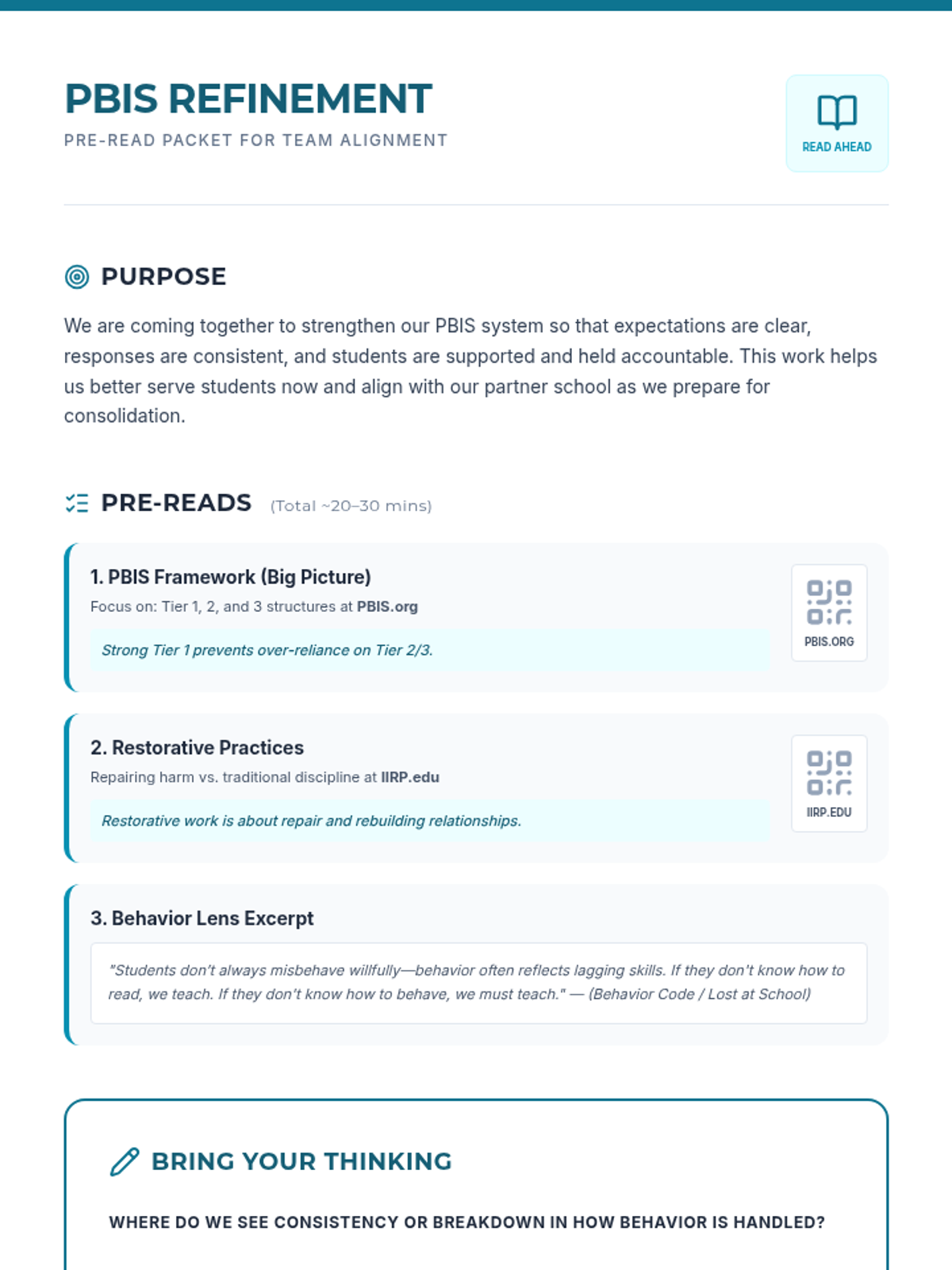
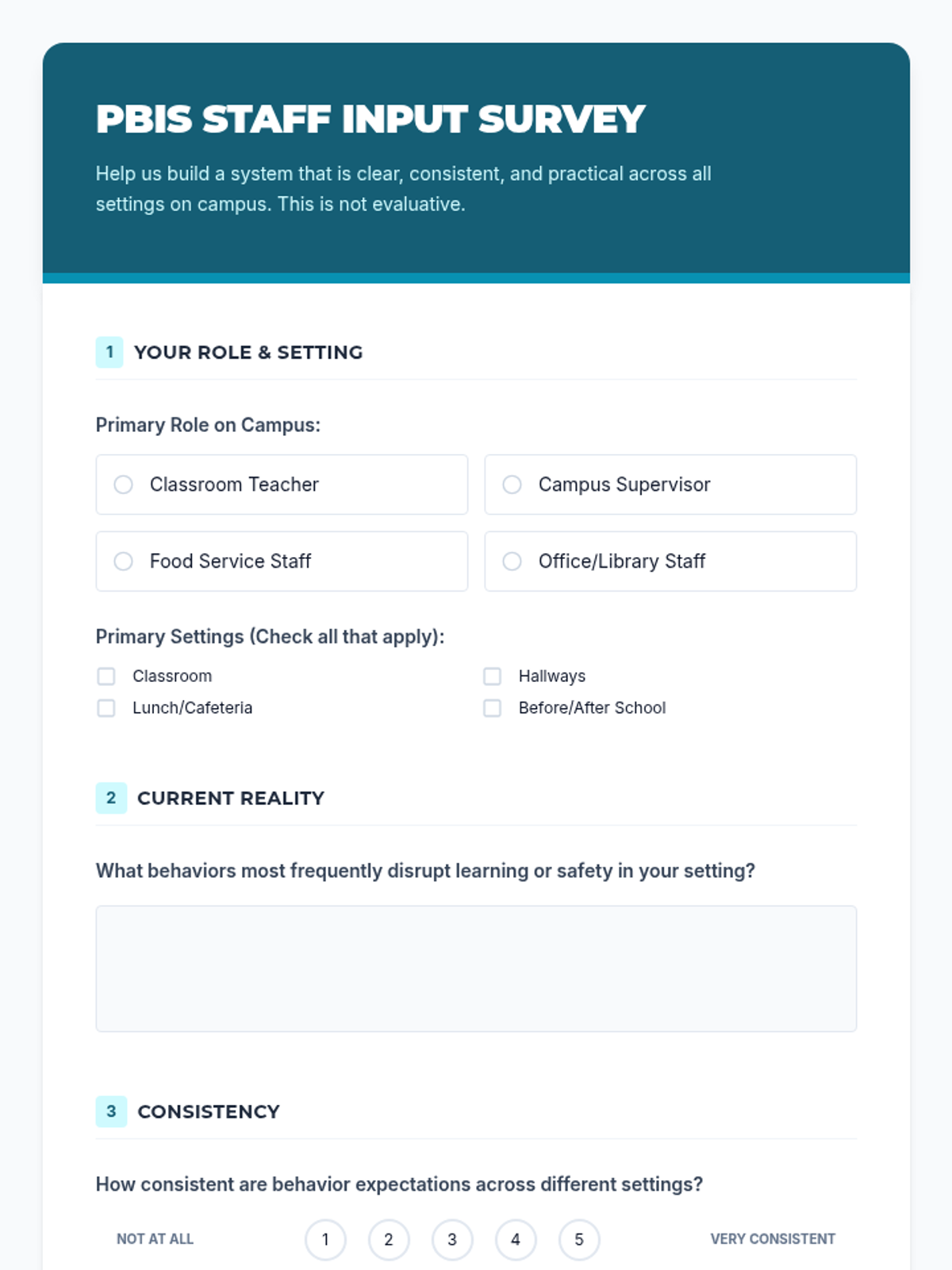
A comprehensive sequence designed to refine and align school-wide PBIS systems, featuring facilitation materials for staff workshops and practical implementation tools for teachers and students.
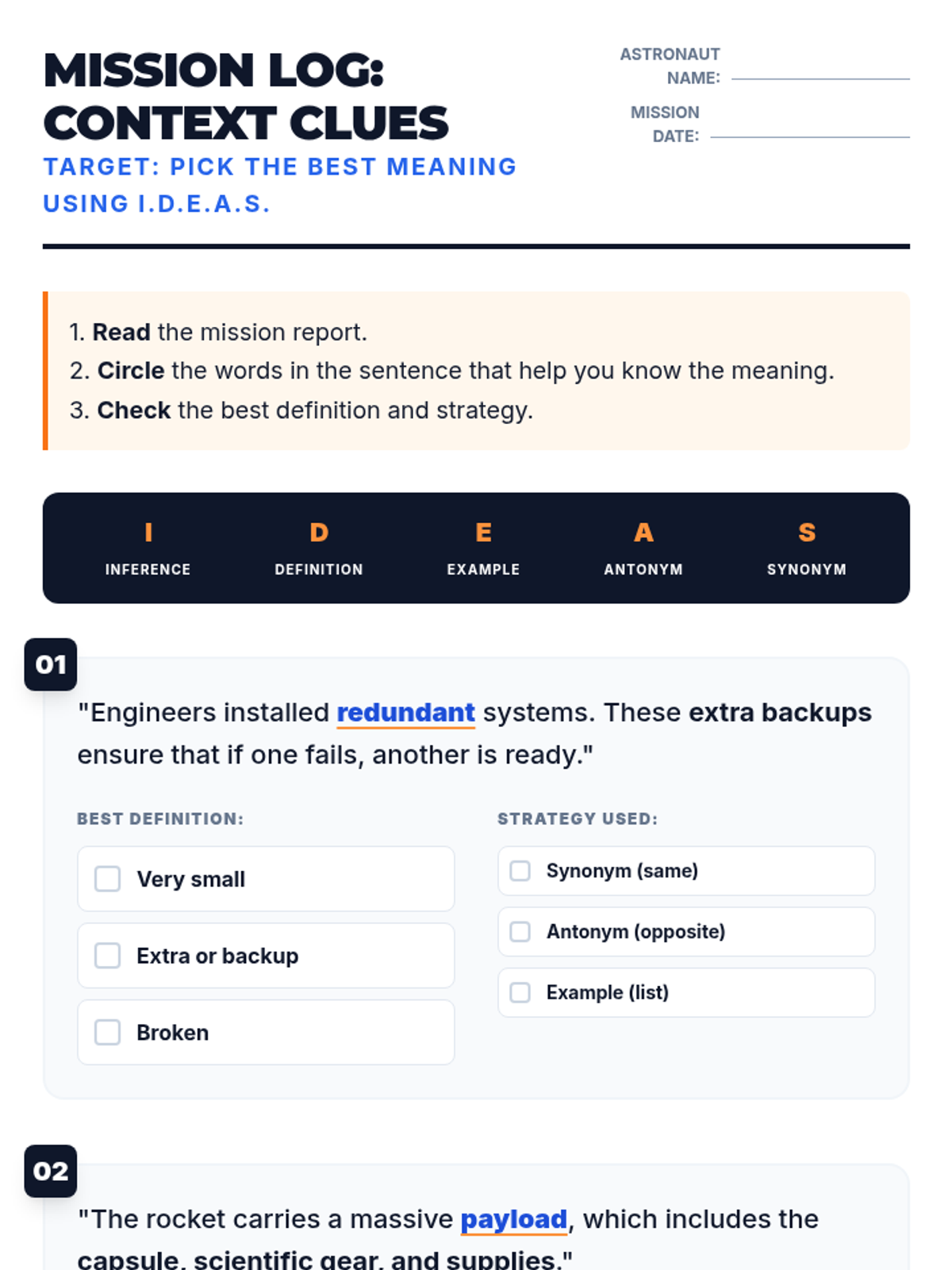
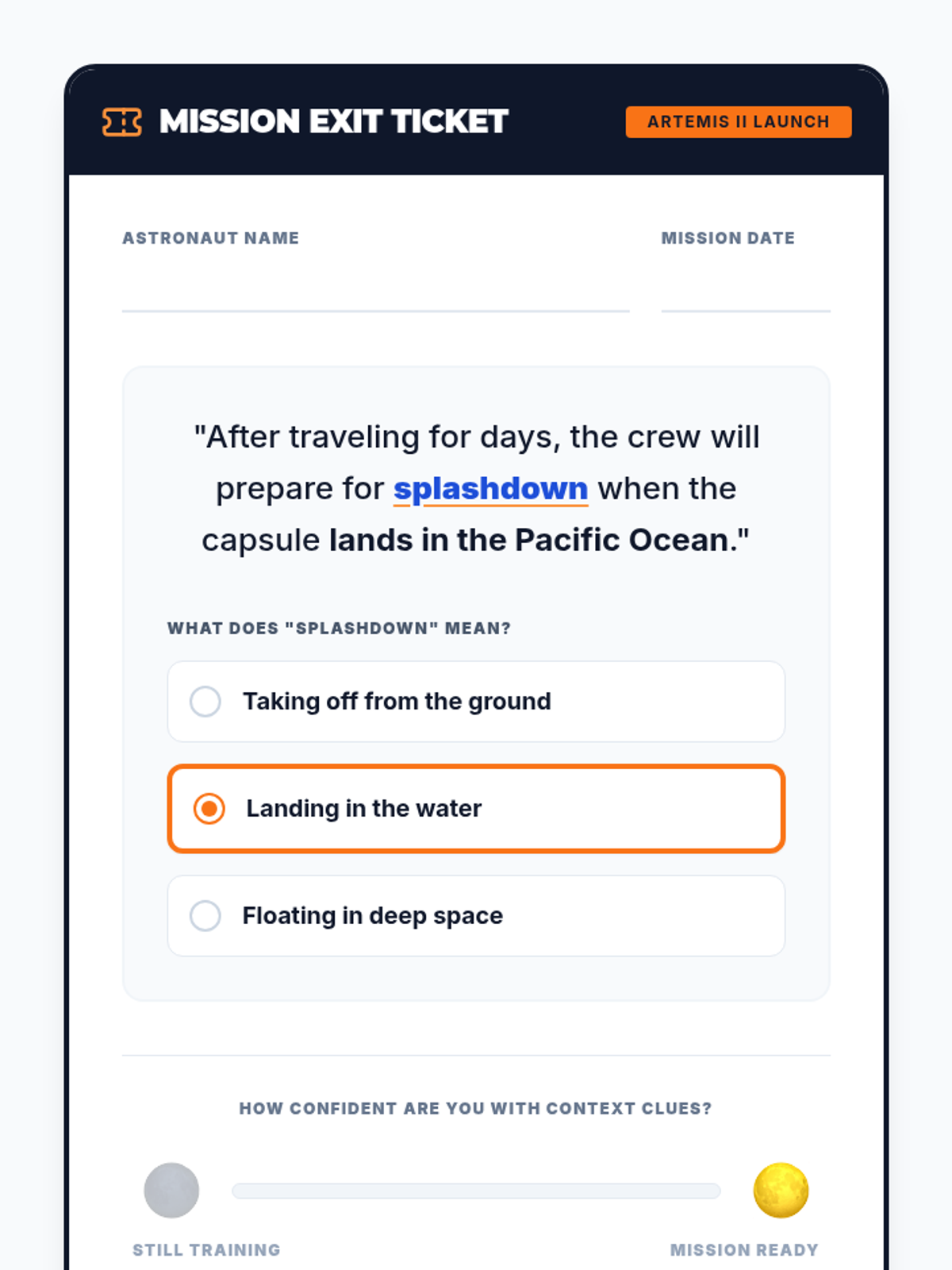
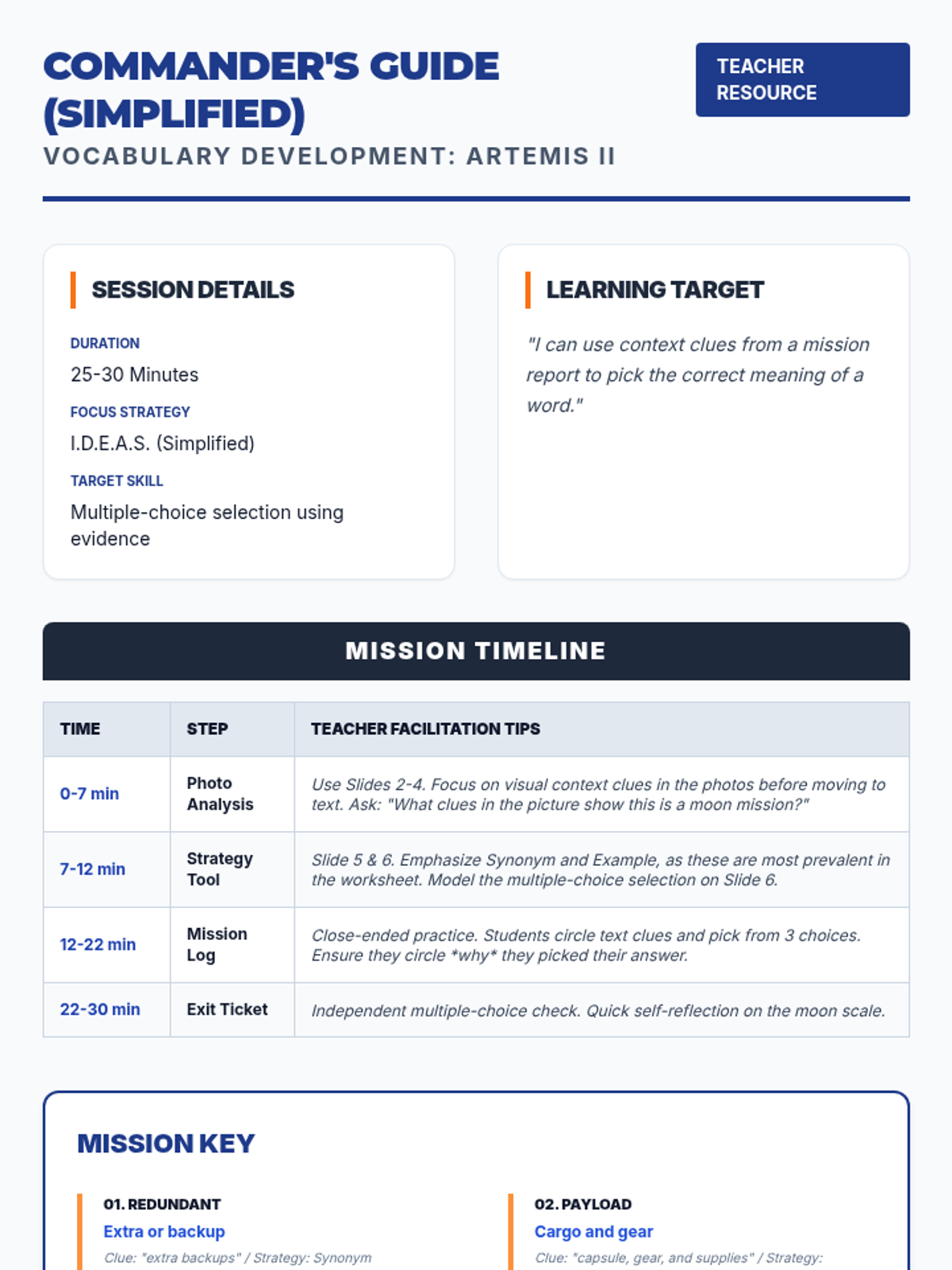
A multi-part speech-language therapy unit for middle schoolers focused on vocabulary development through the lens of NASA's Artemis II mission. Students use context clues strategies (IDEAS) to master mission-specific terminology.
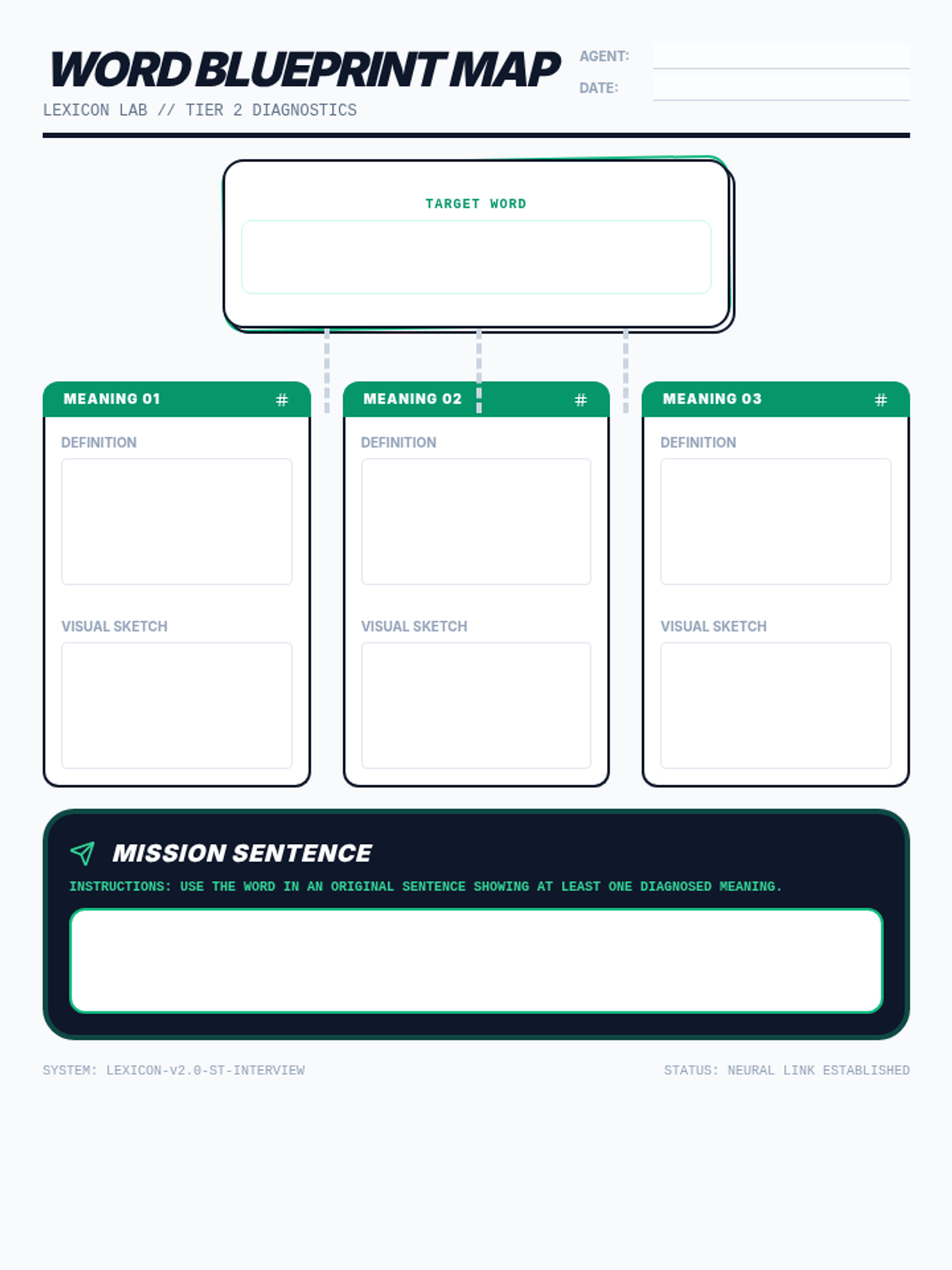
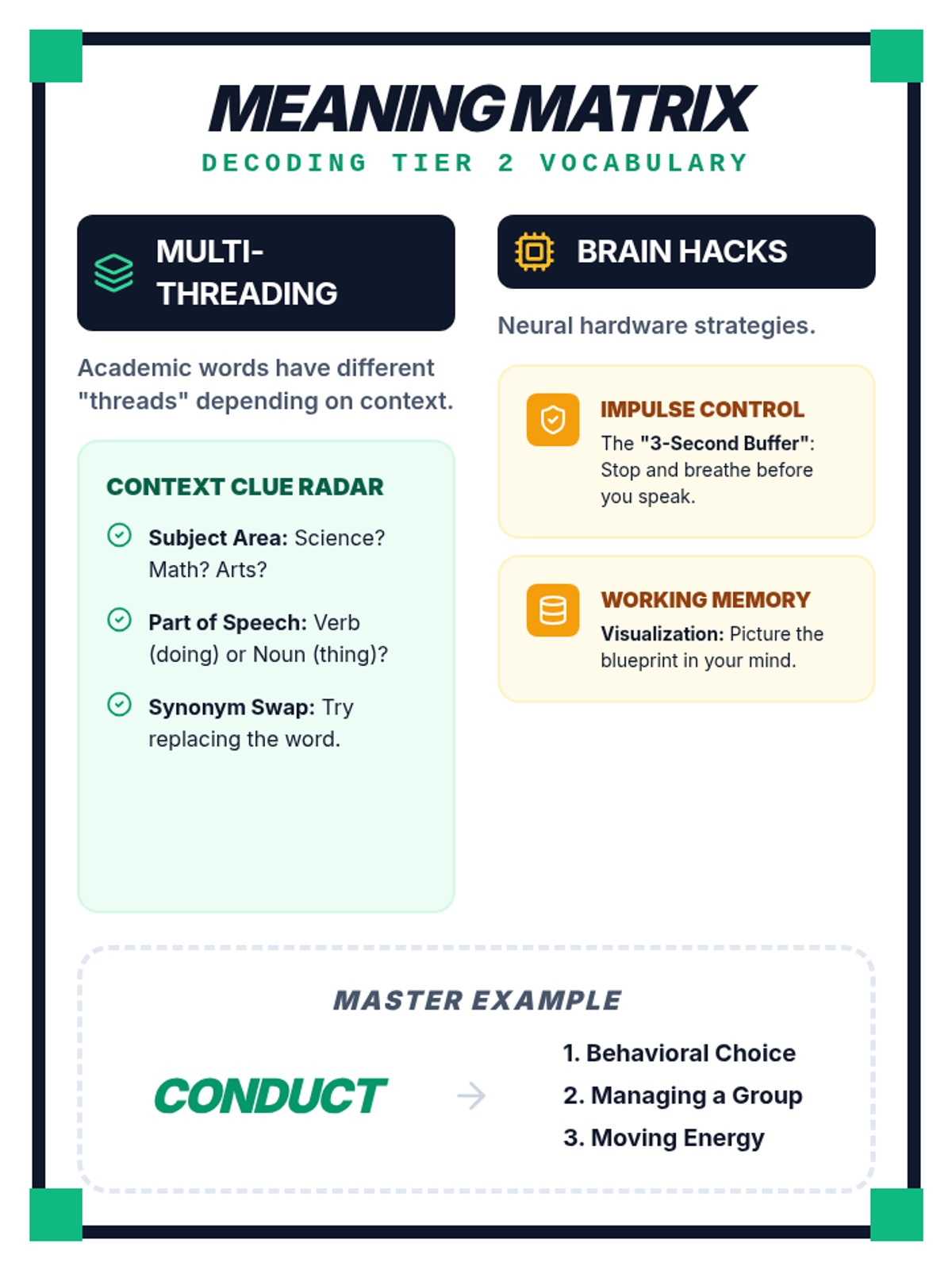
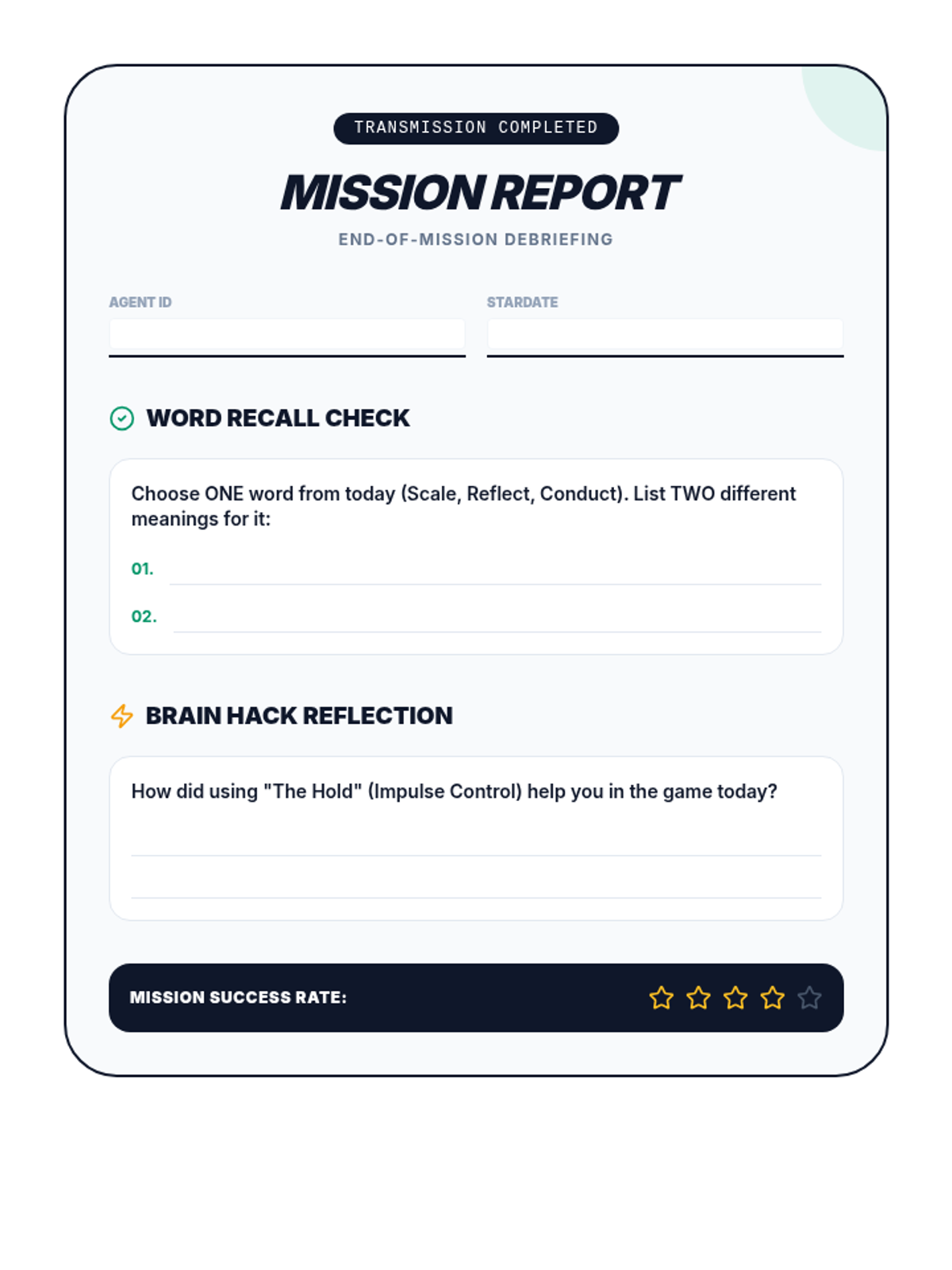
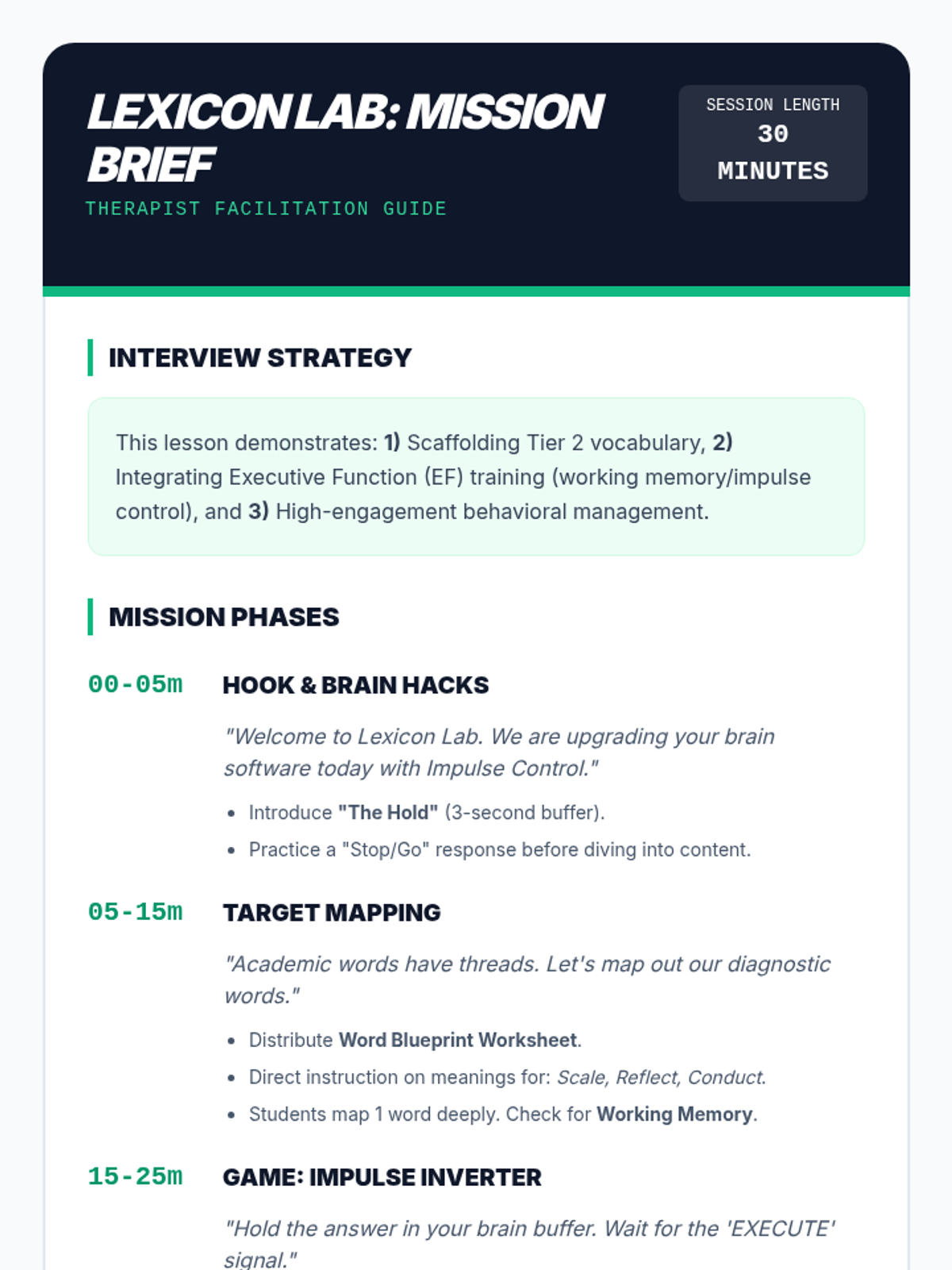
A collection of fast-paced, high-engagement speech-language therapy lessons for middle schoolers. Each mission targets Tier 2 academic vocabulary and multiple meaning words, integrated with executive function 'brain hacks' to improve impulse control and working memory in academic settings.
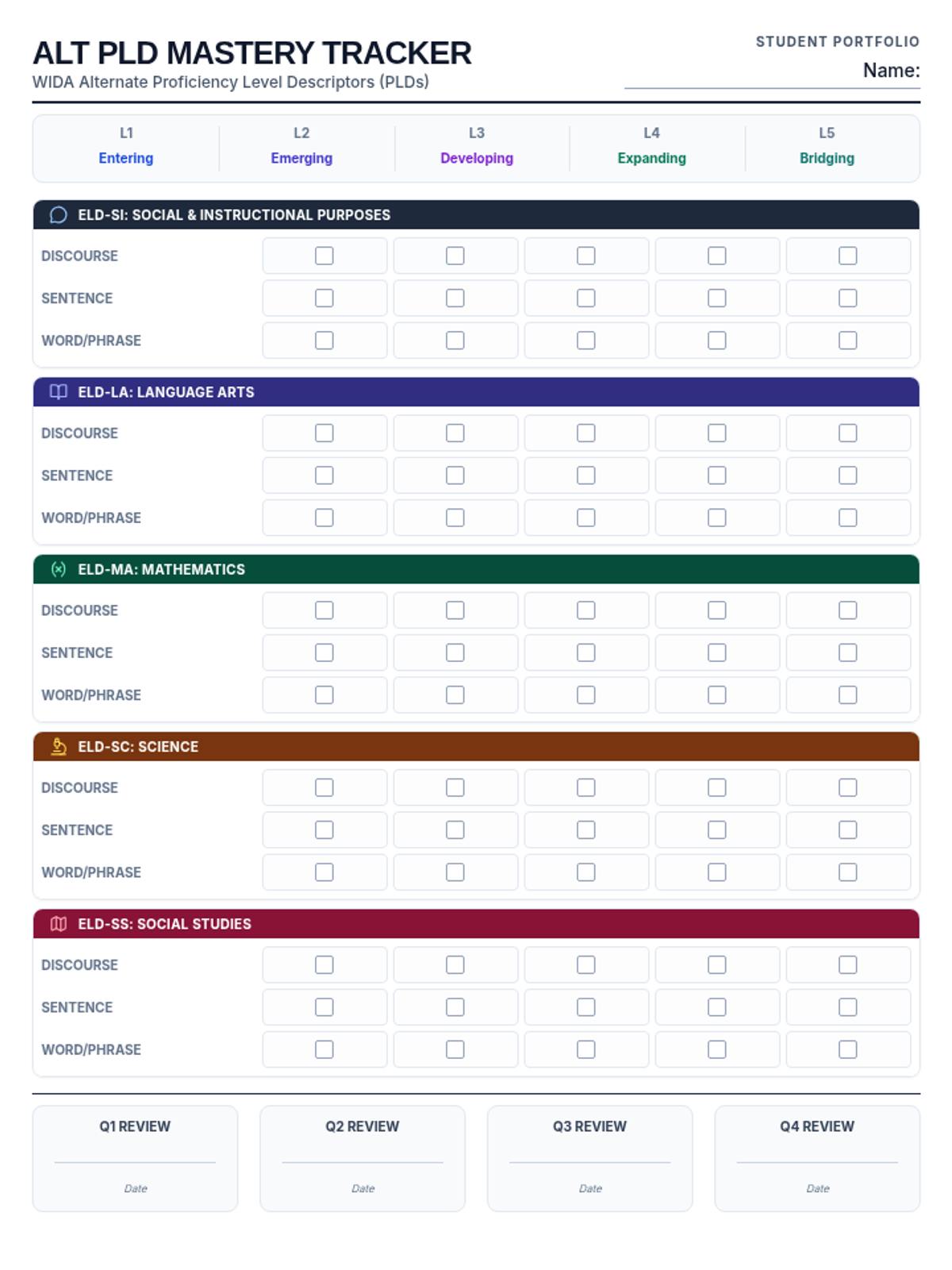
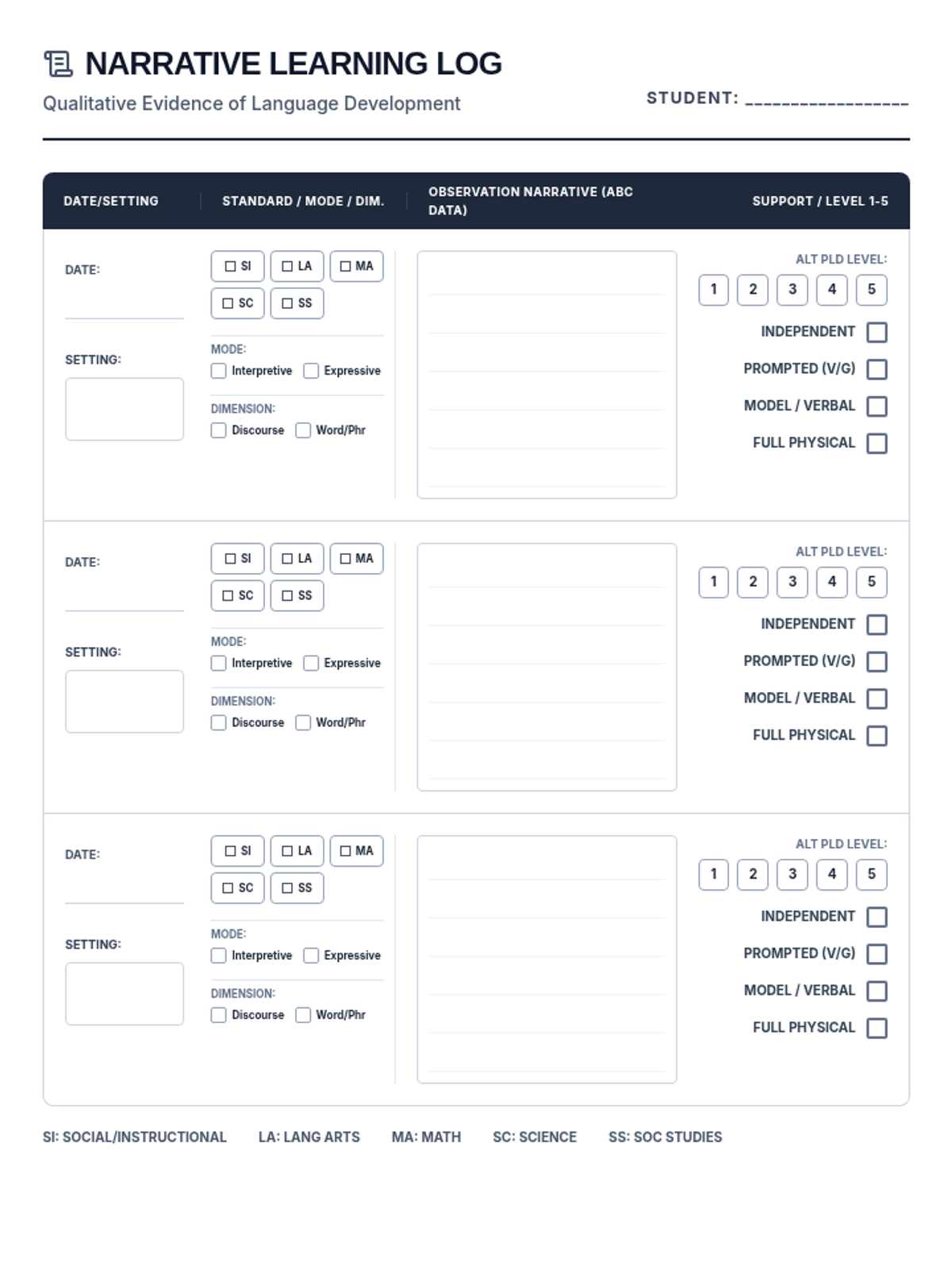
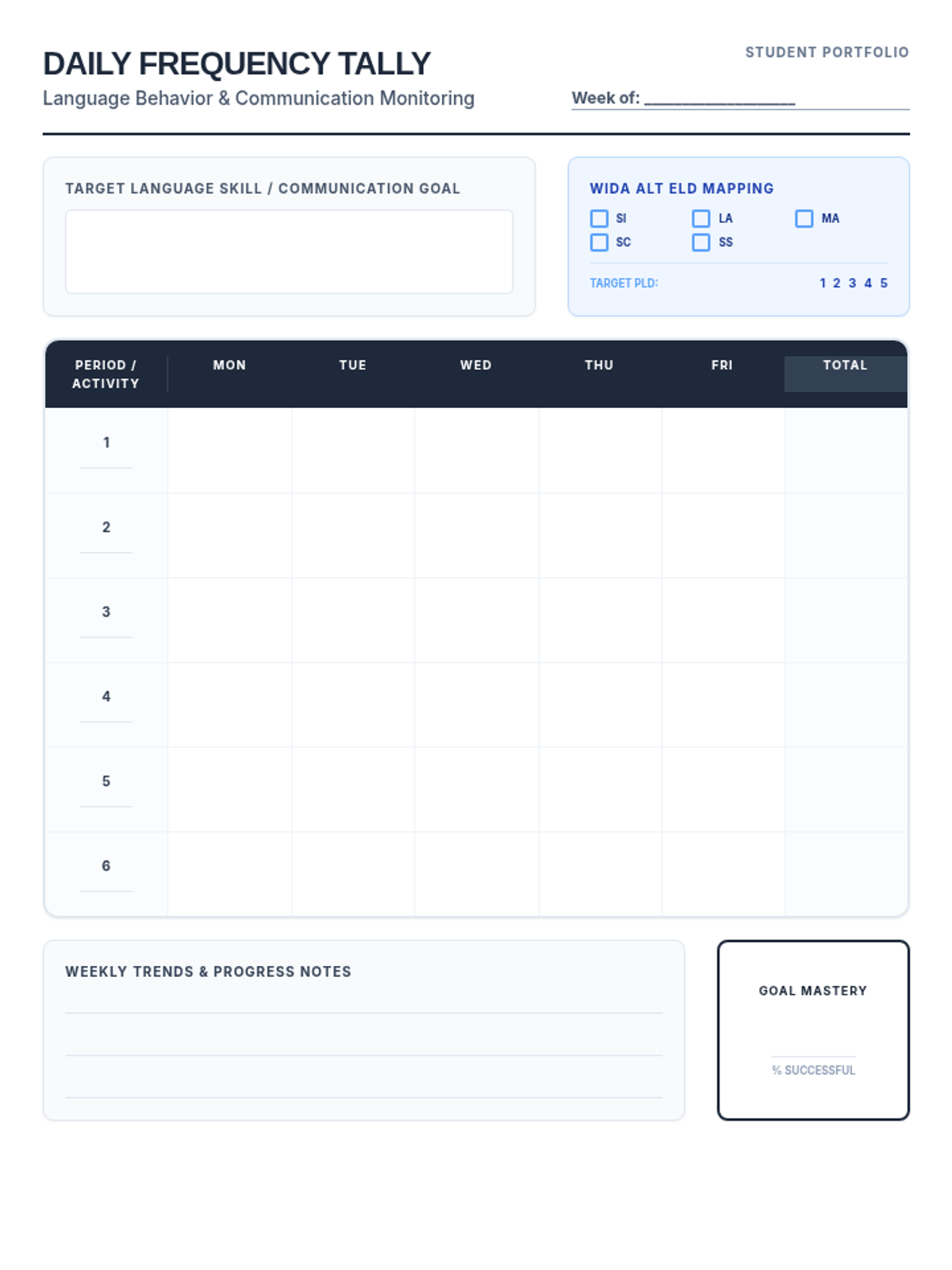
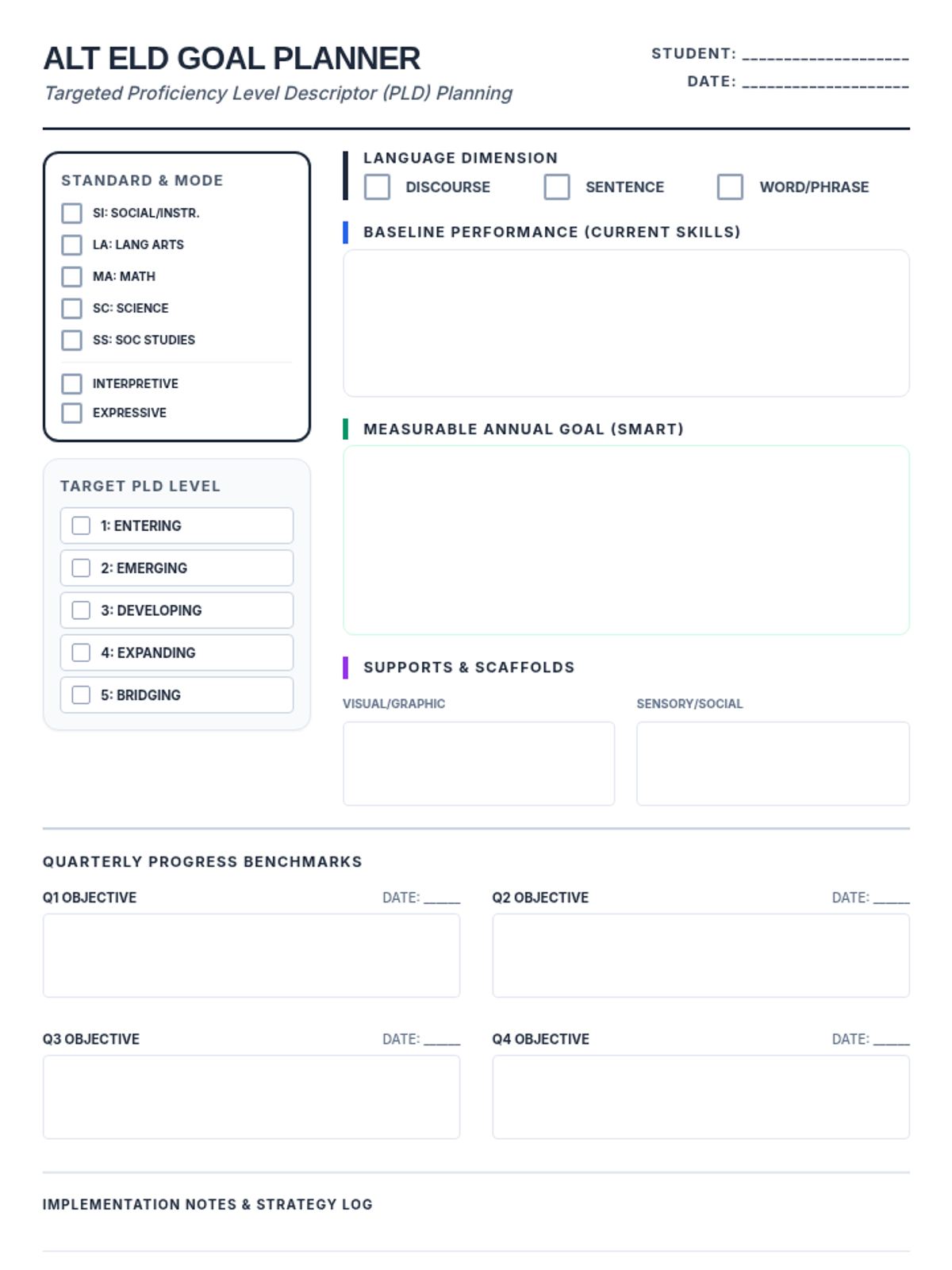
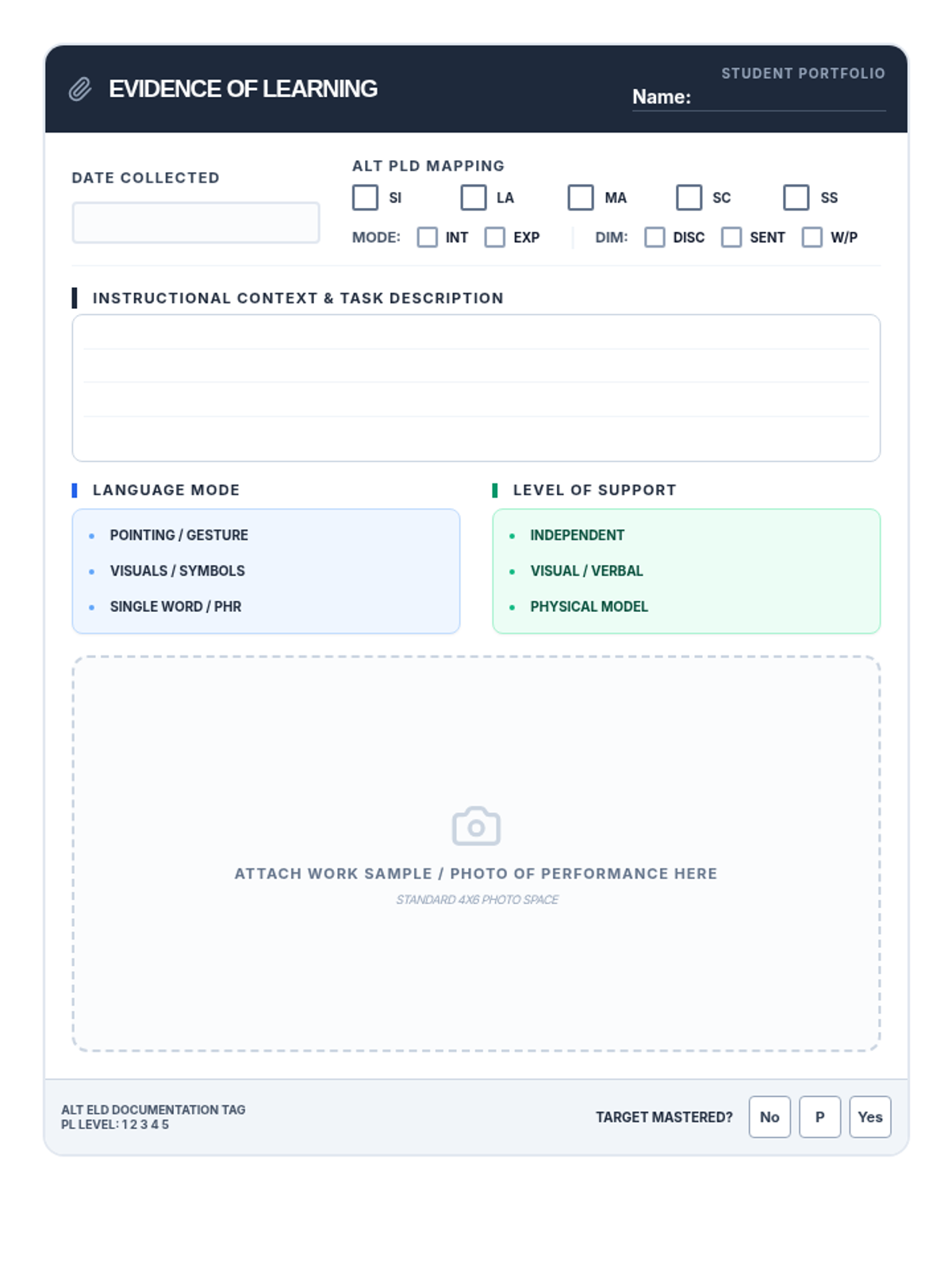
A comprehensive suite of progress tracking templates designed for students with ASD who are English Learners, aligned with the five WIDA Alternate ELD Standards. This set includes narrative logs, frequency tallies, and goal-setting sheets to simplify documentation and data-driven instruction.
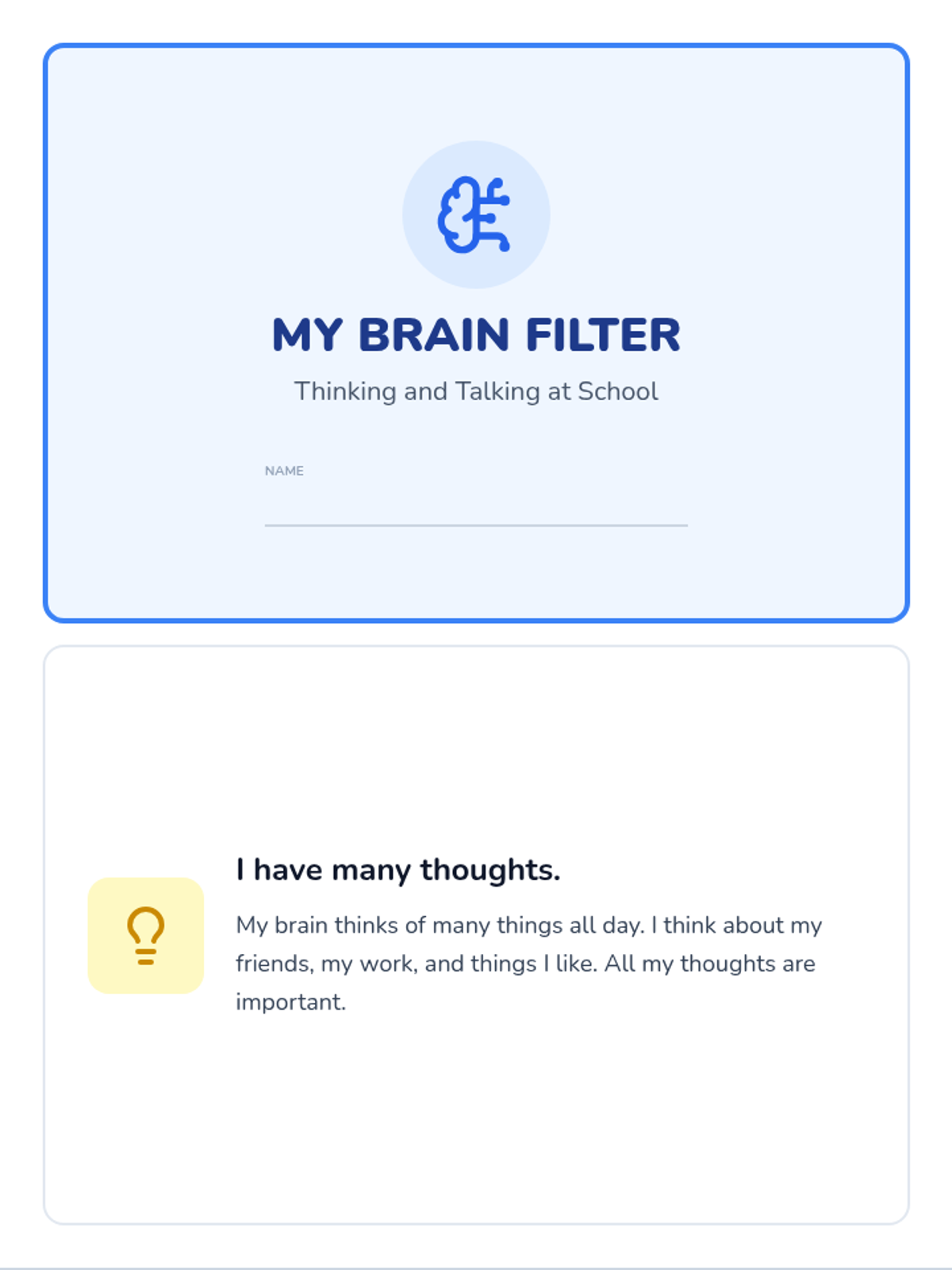
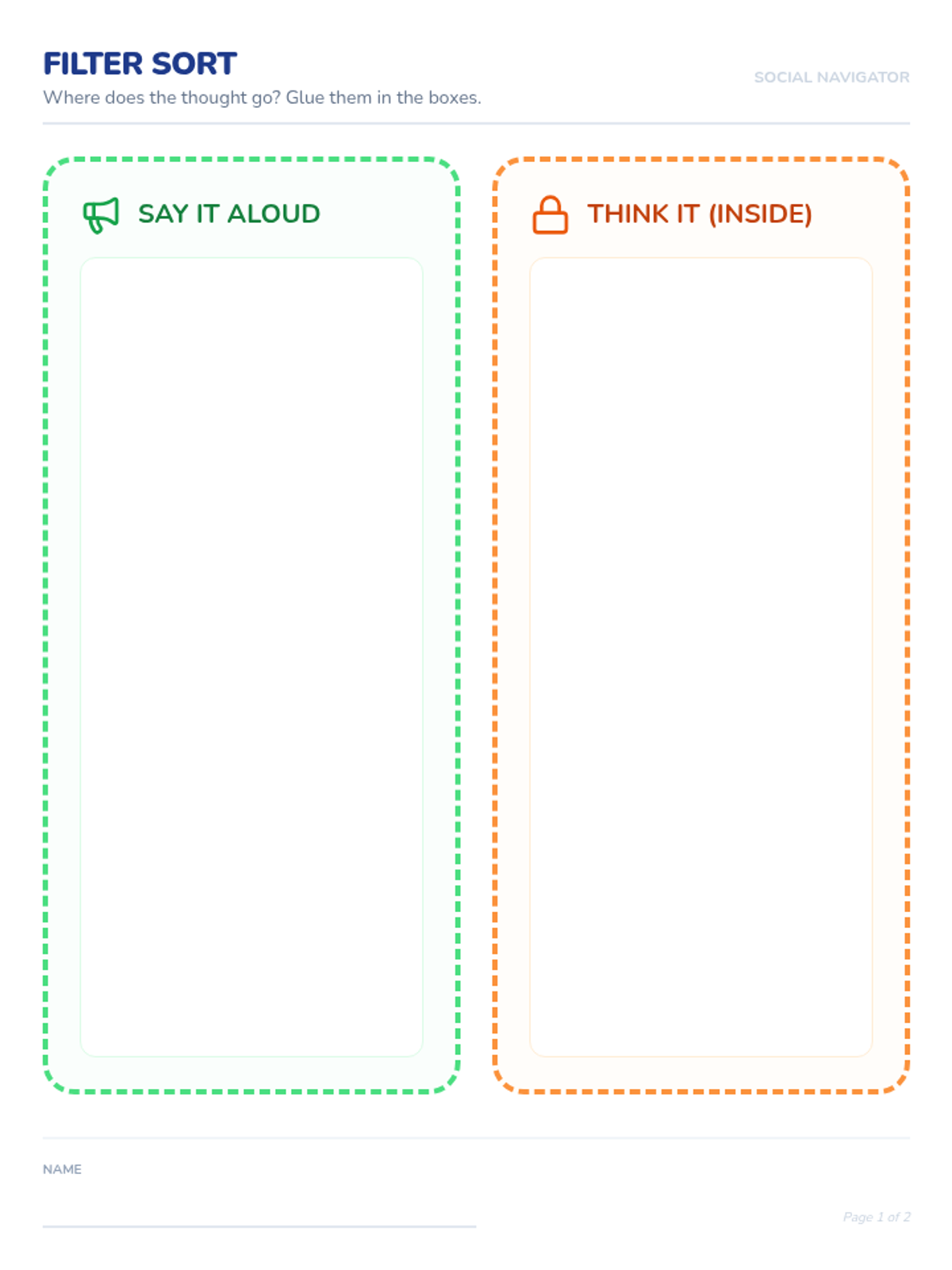
A series of lessons designed for middle school students with intellectual disabilities to develop social communication and self-advocacy skills. The unit focuses on the 'Social Filter' (knowing when to speak) and the 'Help Signal' (knowing when and how to ask for teacher assistance).
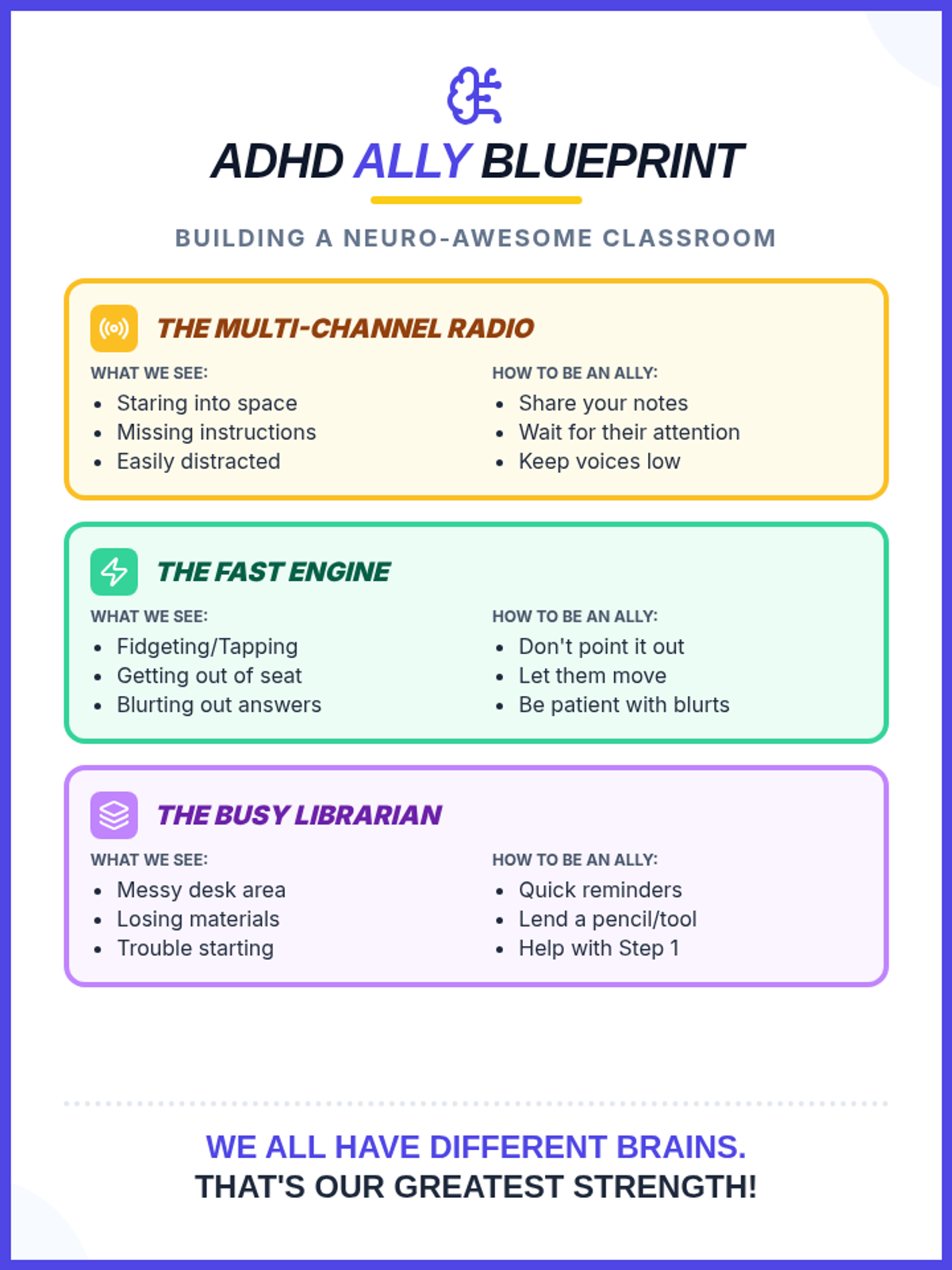
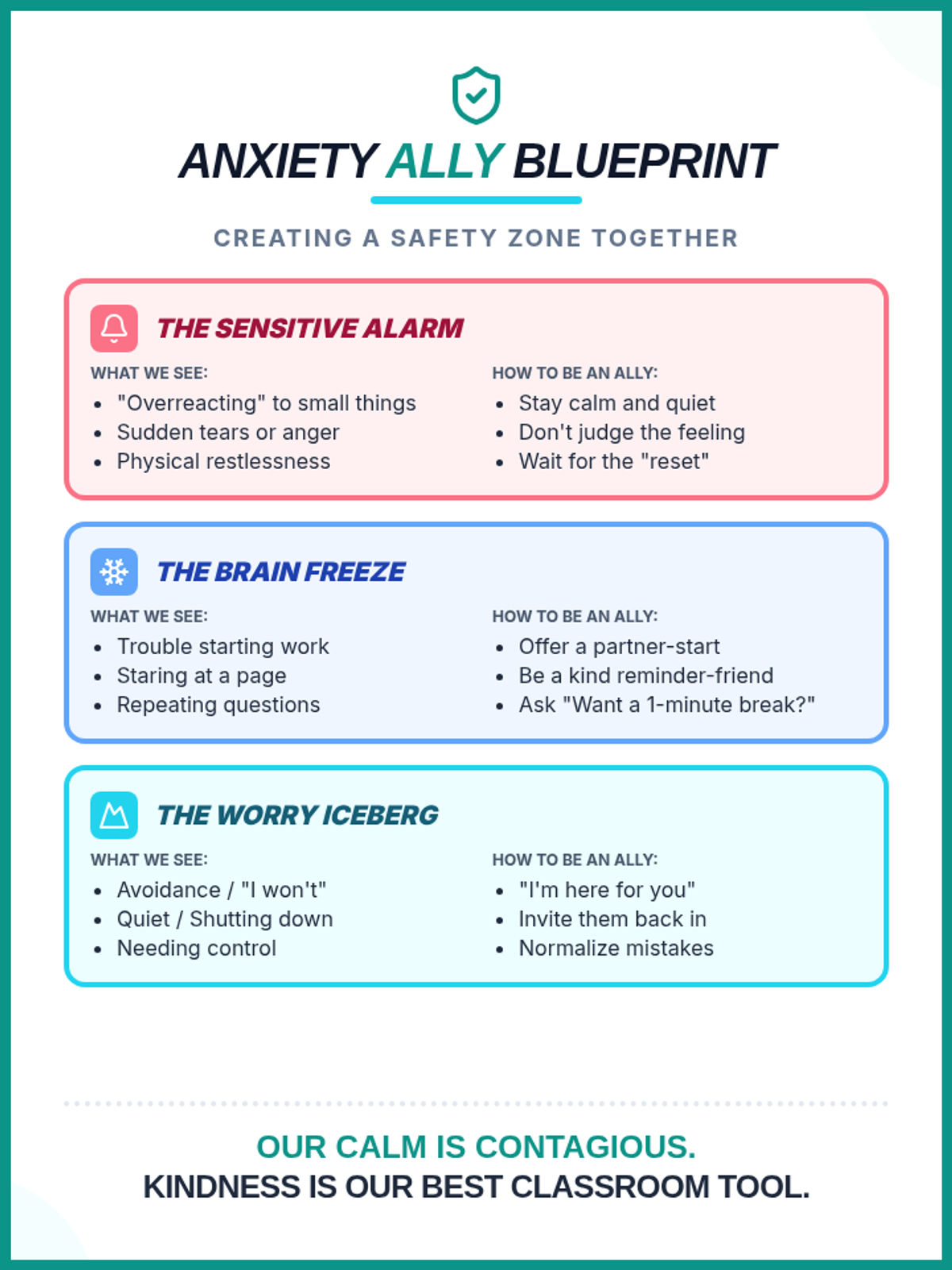
A collection of lessons designed to build a neurodiversity-affirming classroom culture. Students explore different ways of thinking and learning, such as ADHD and Anxiety, through relatable analogies and practical allyship strategies.
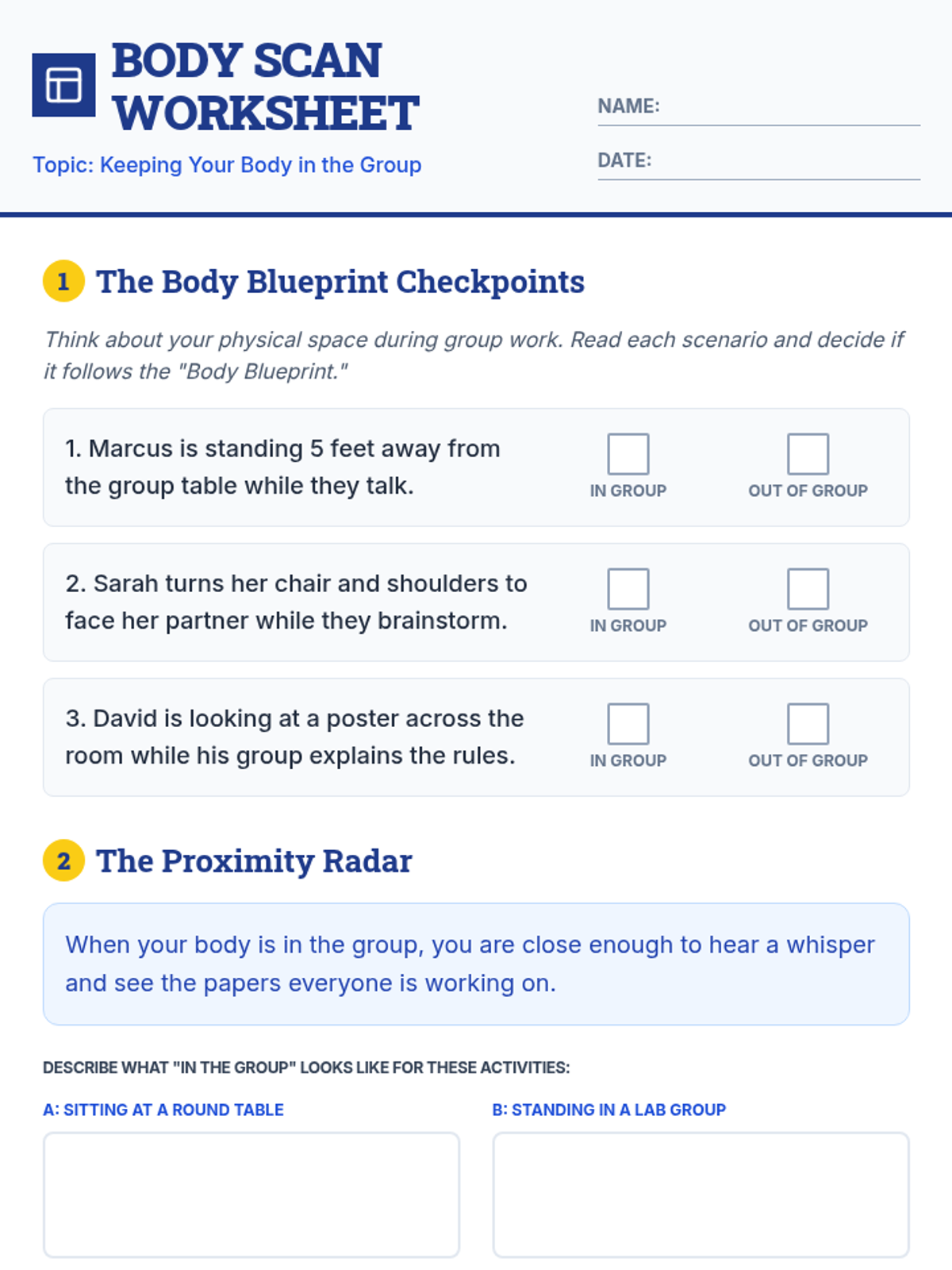
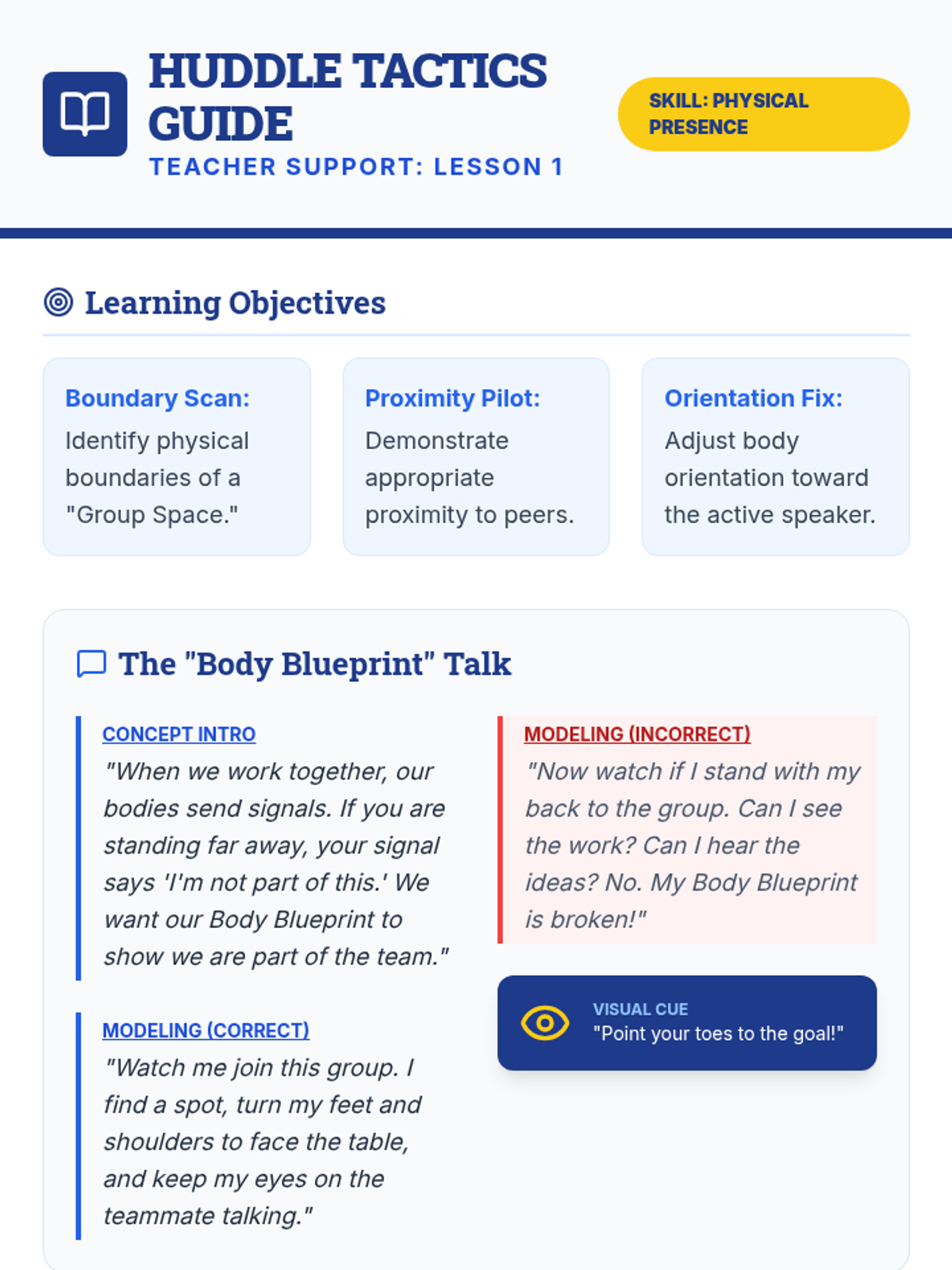
A structured social skills sequence designed for middle schoolers with autism, focusing on physical presence, mental engagement, and cooperative task completion in group settings. The sequence uses a 'Technical Blueprint' theme to provide concrete, visual frameworks for abstract social concepts.
A comprehensive 2-week unit designed for autistic students to explore their identity, identify personal strengths and needs, and master self-advocacy skills in school, work, and community settings.
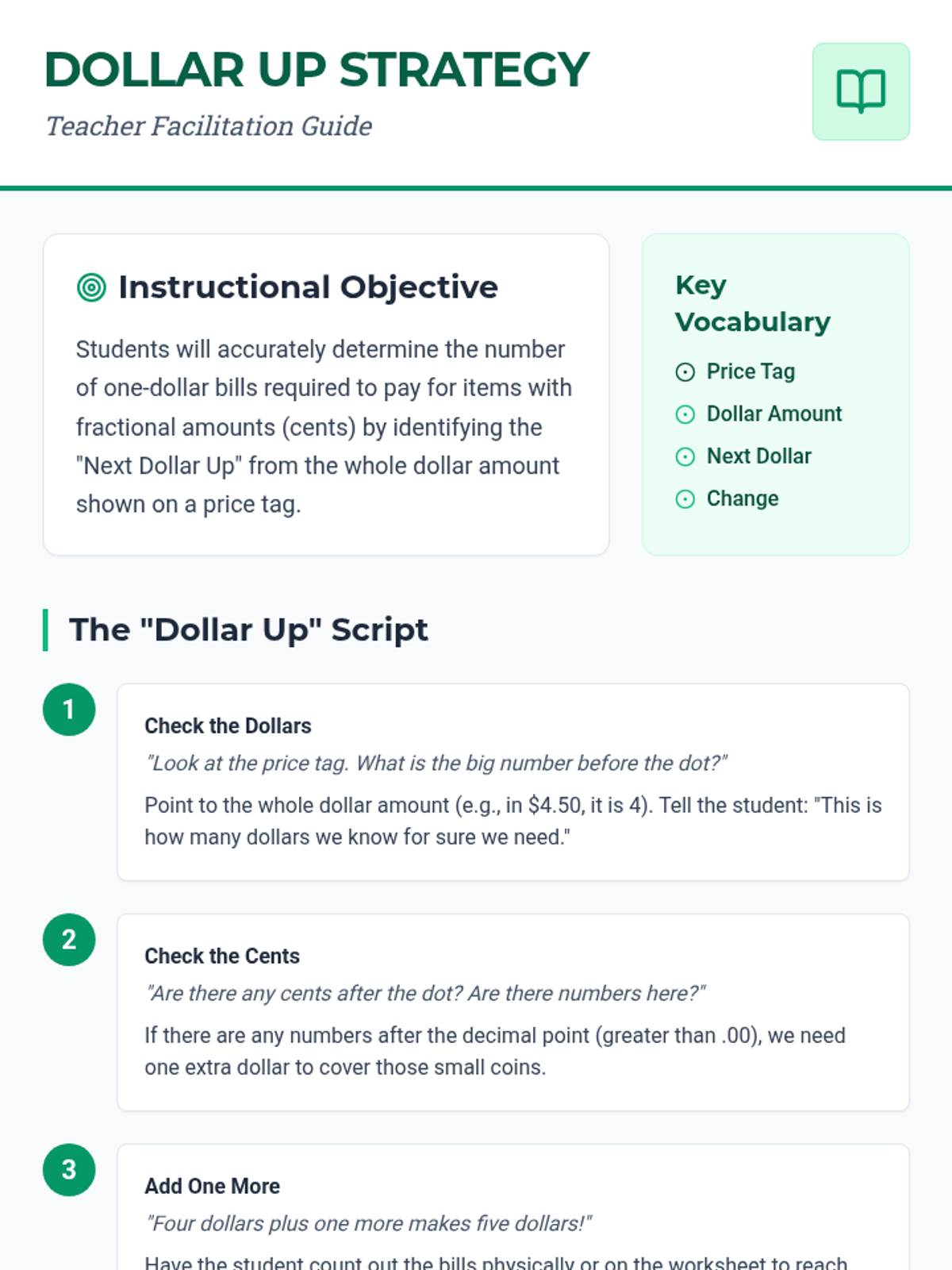
A series of functional math lessons focusing on essential life skills for independent living, starting with the Next Dollar Up method for purchasing items.