A comprehensive unit for The Giver tailored for students with high cognitive abilities but low decoding levels, focusing on visual storytelling and deep conceptual discussion.
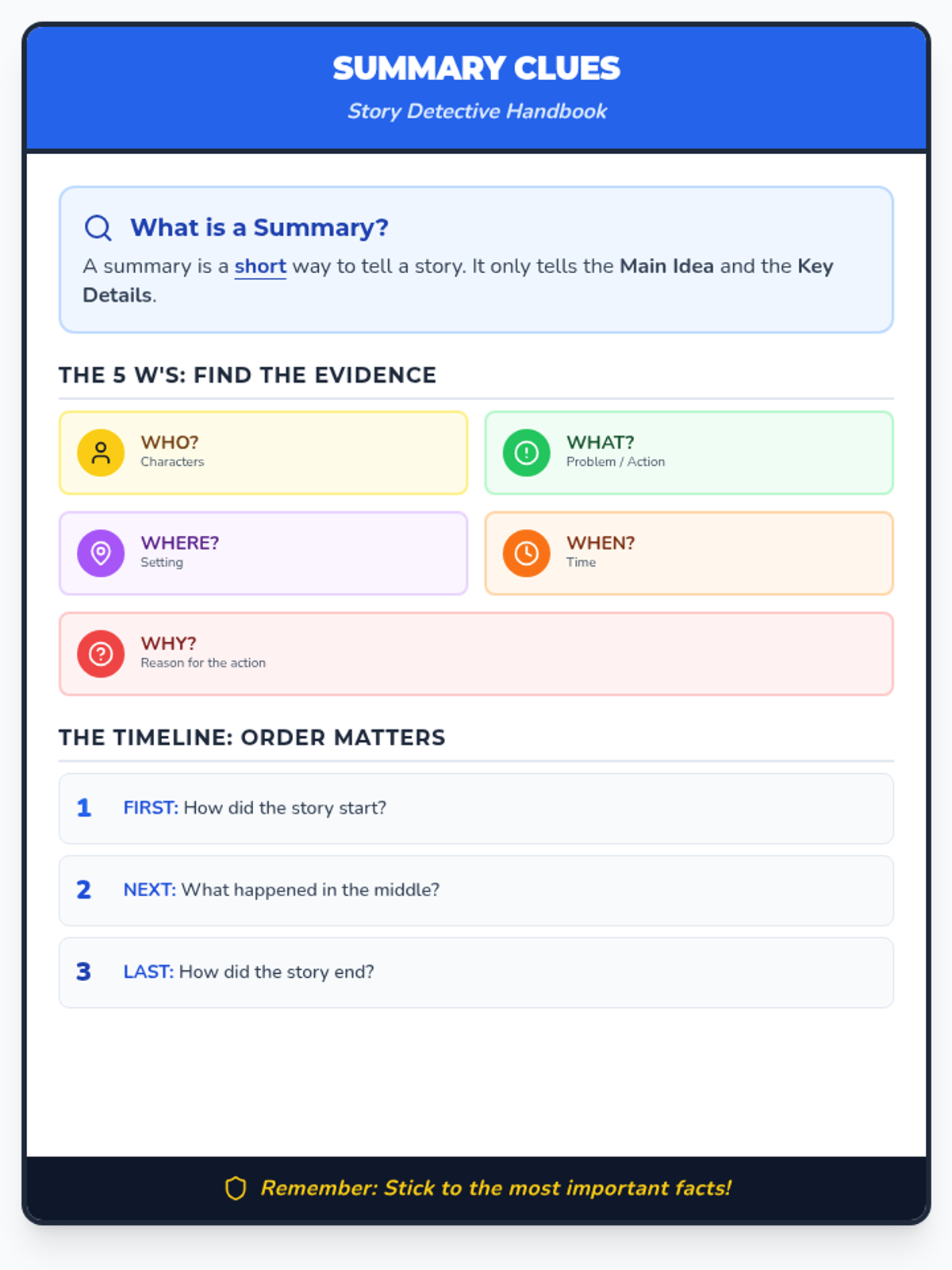
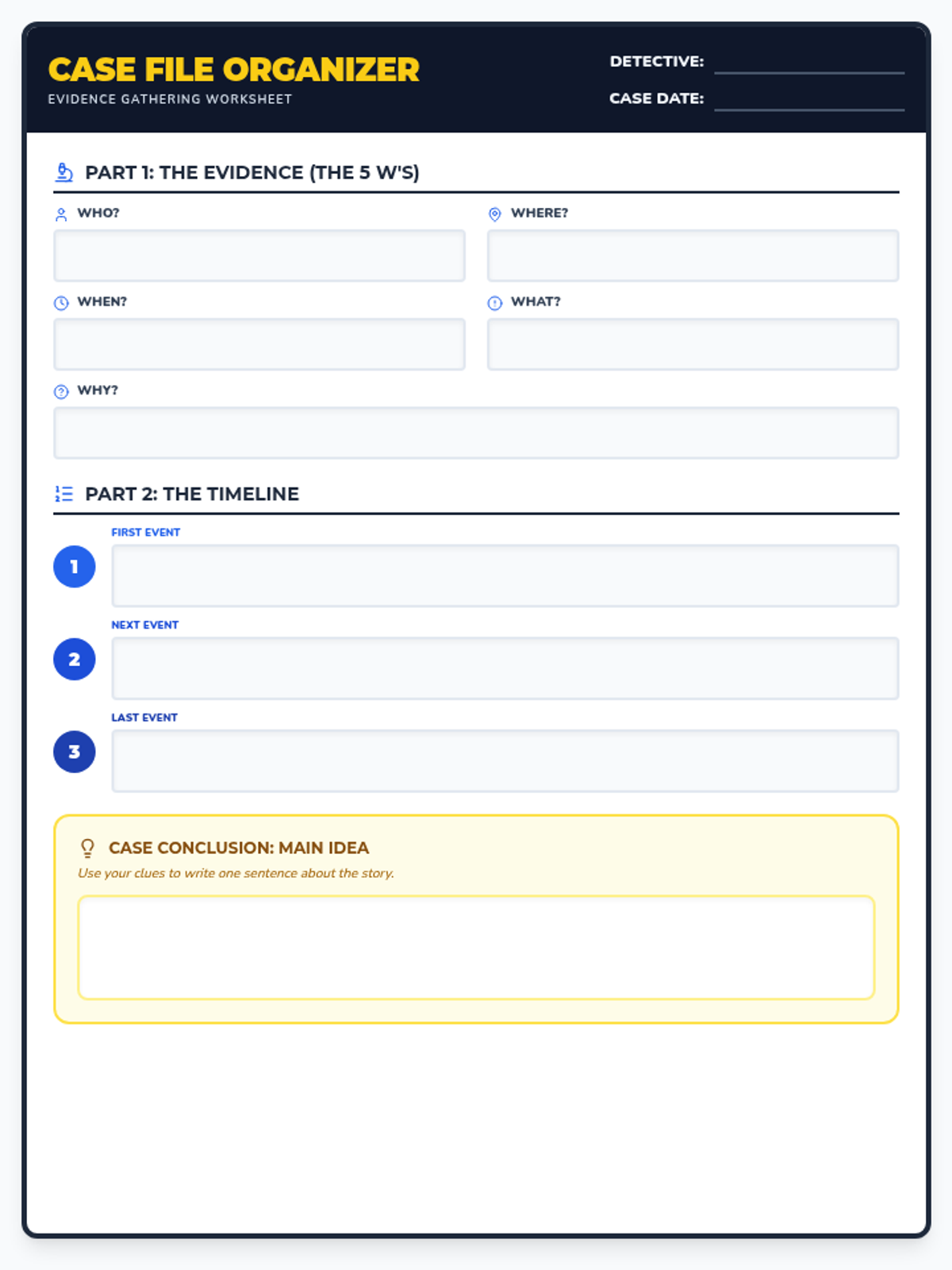
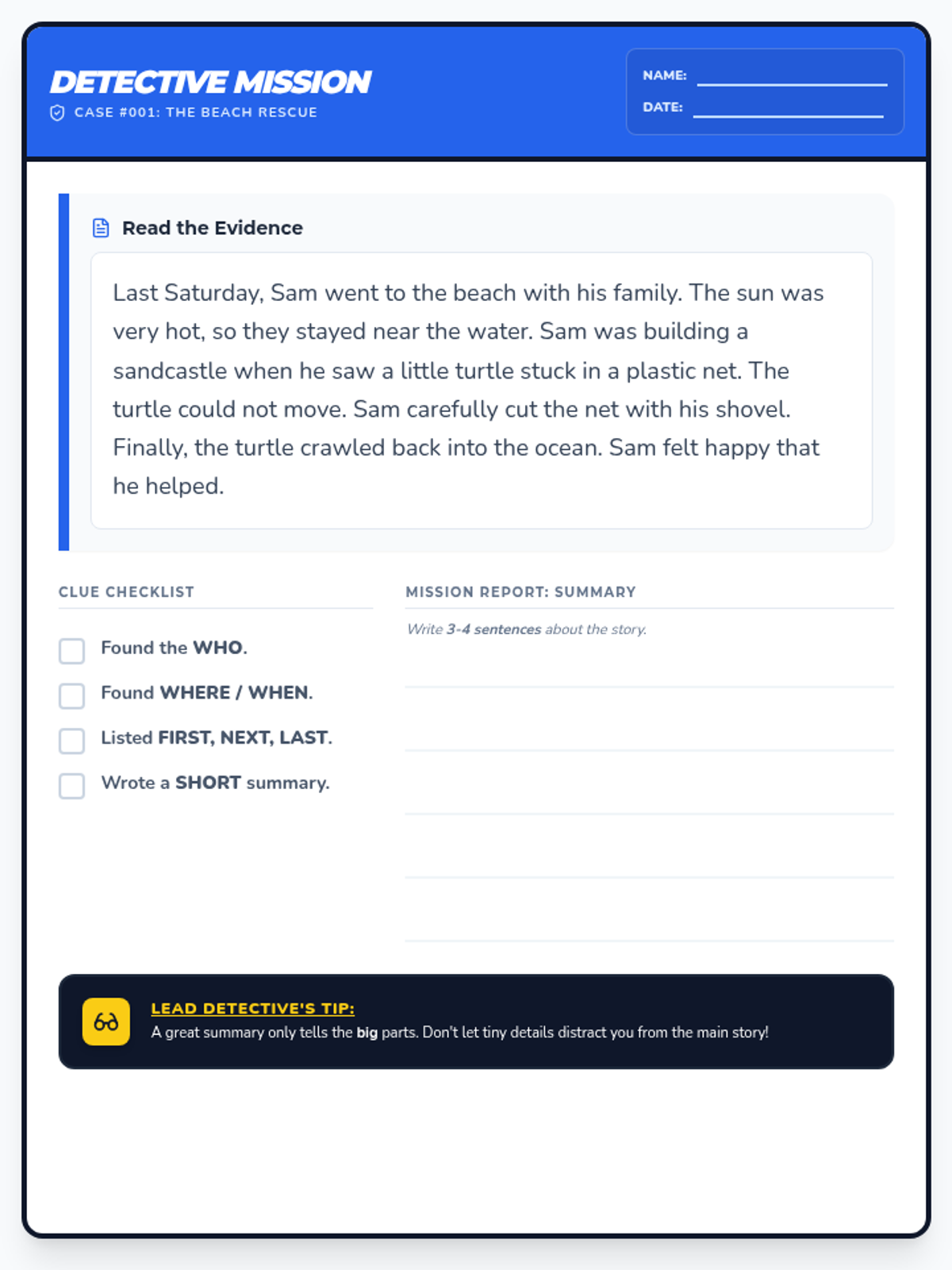
A targeted instructional sequence designed to help students distinguish between key details and irrelevant information in fictional texts using the Main Idea Umbrella visual metaphor.
A series of resources and protocols designed to foster a restorative culture within a school environment, prioritizing accountability and relationship repair over punishment.
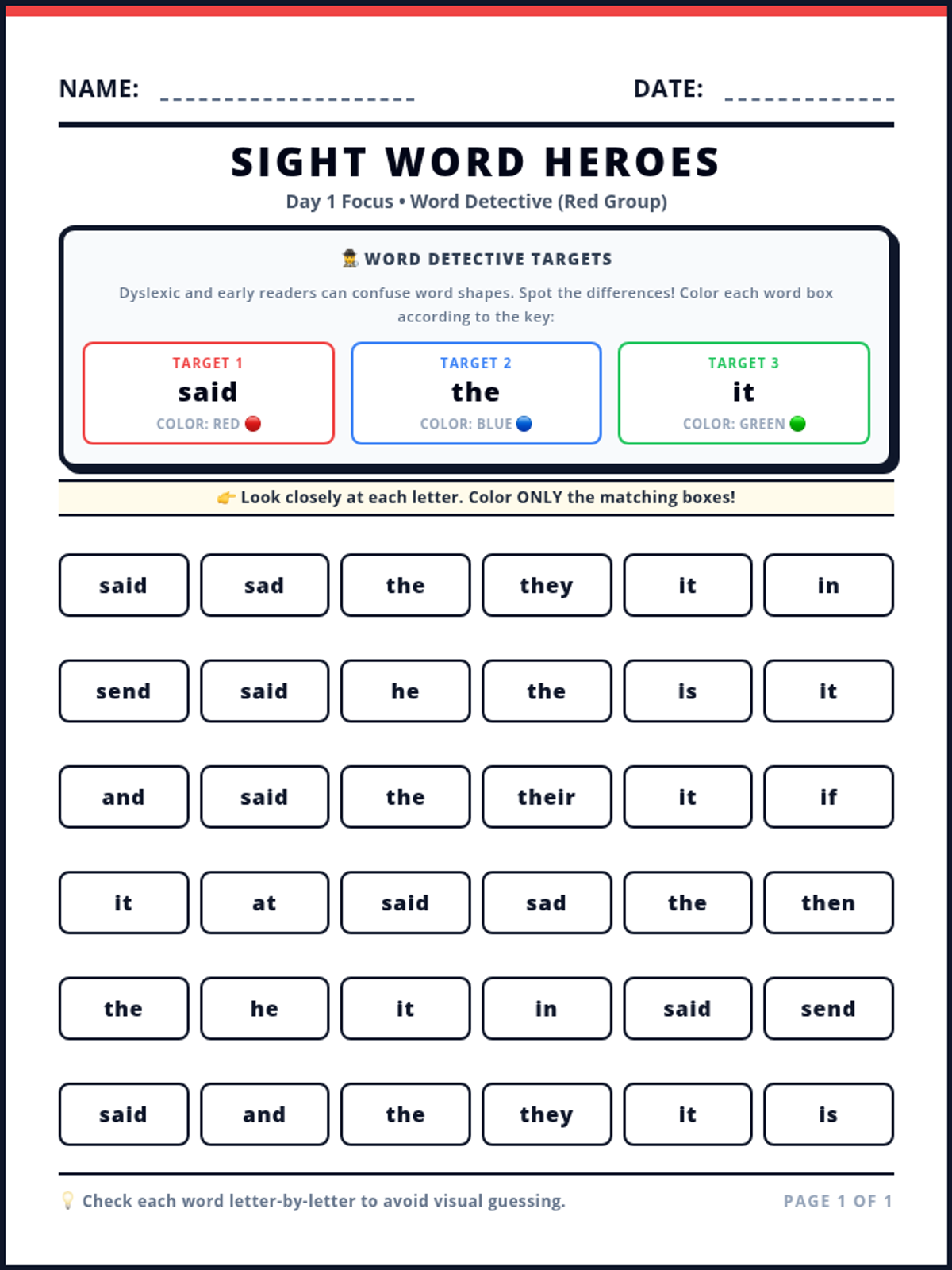
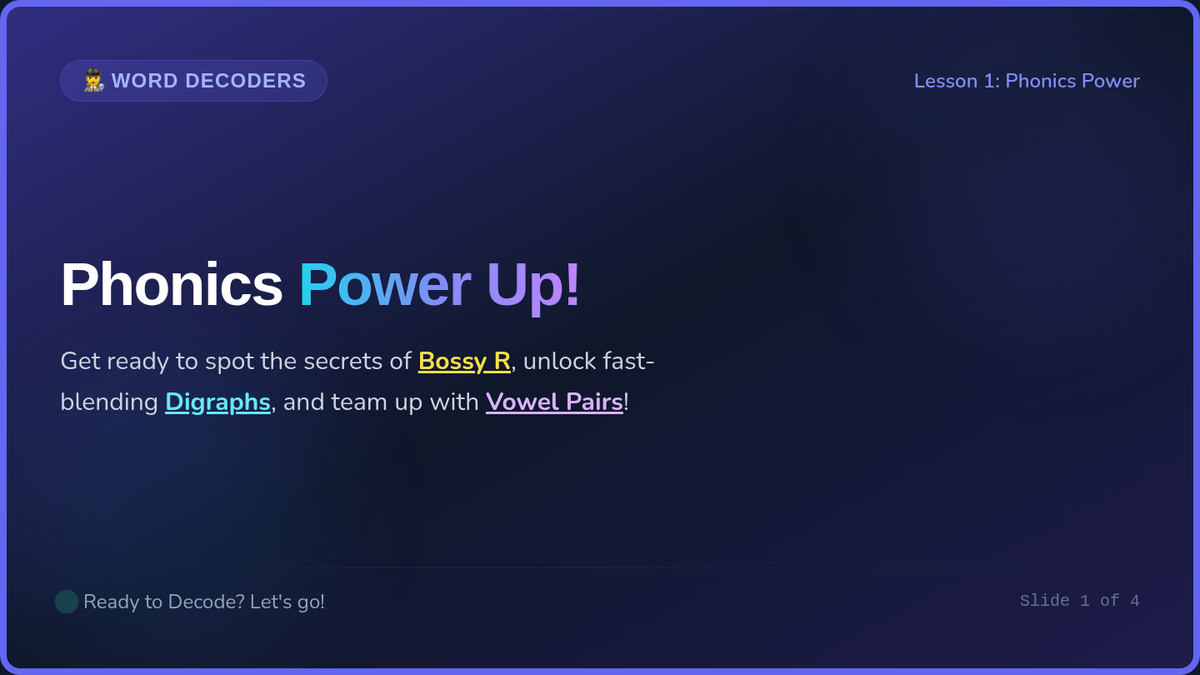
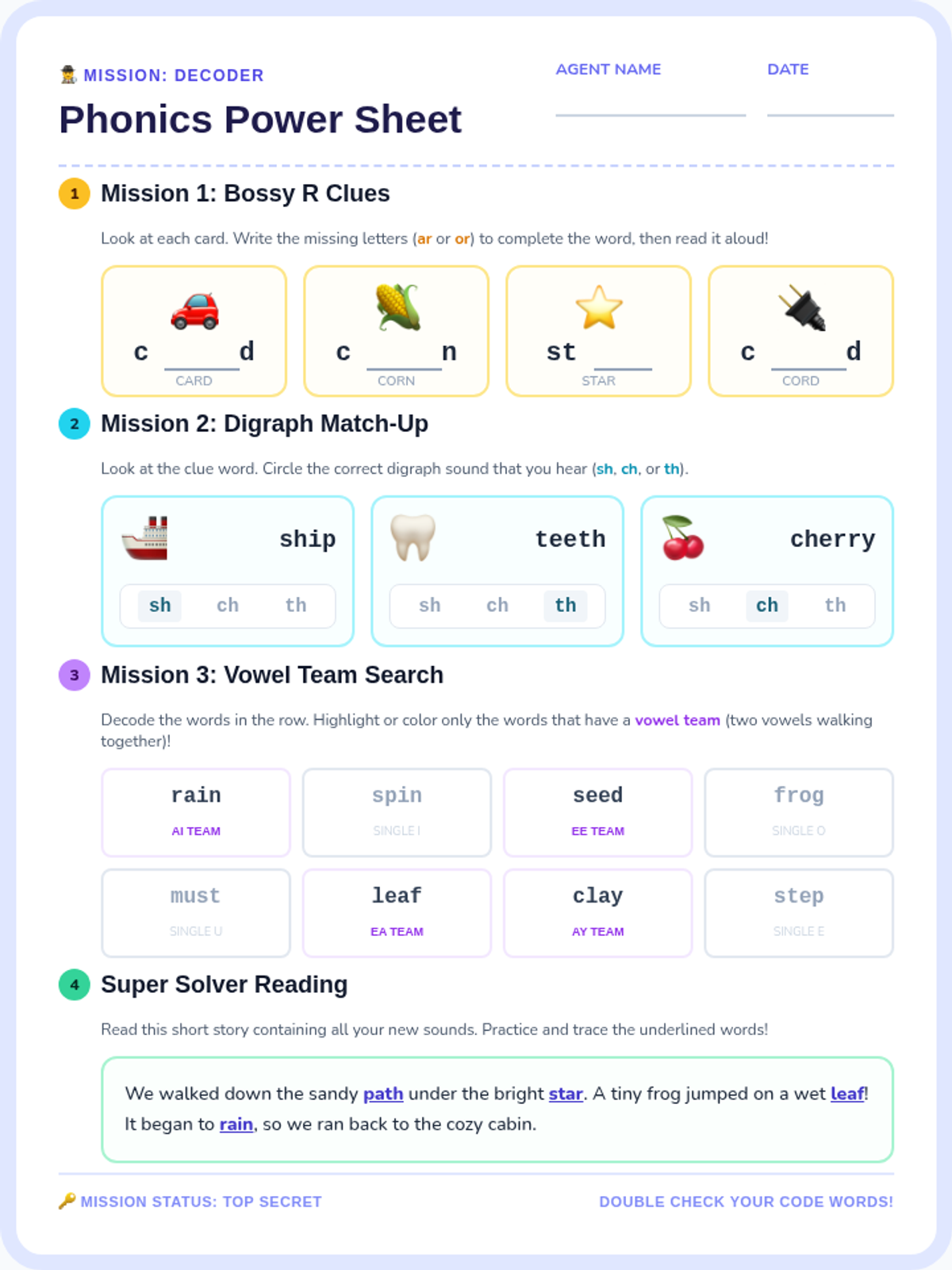
A collection of systematic phonics progress monitoring tools designed for tracking student growth in decoding skills from basic short vowels to complex patterns.
A comprehensive social skills curriculum for 4th-grade students with Level 1 Autism, framed as a detective agency training program to master conversation, perspective-taking, and problem-solving.
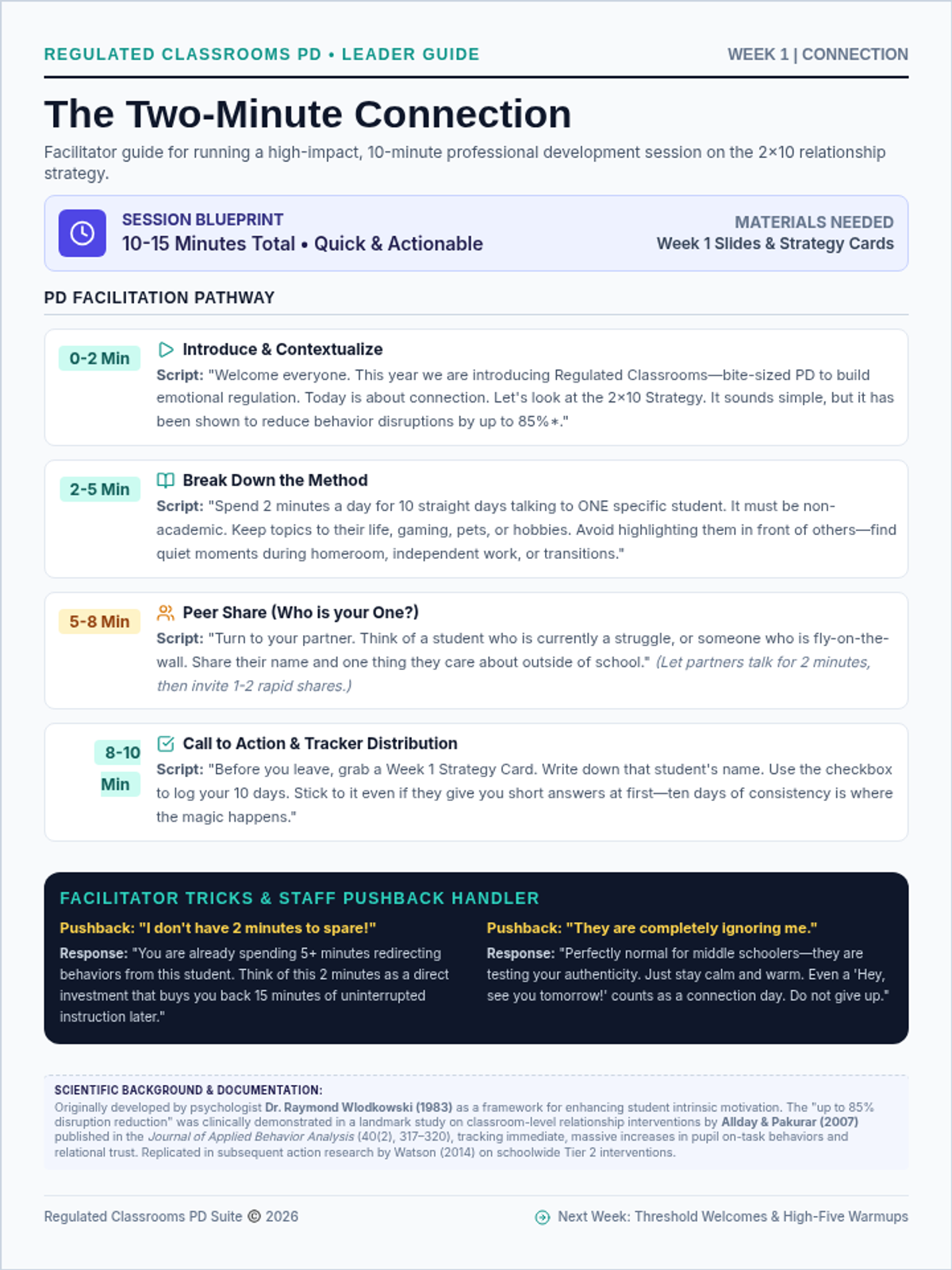
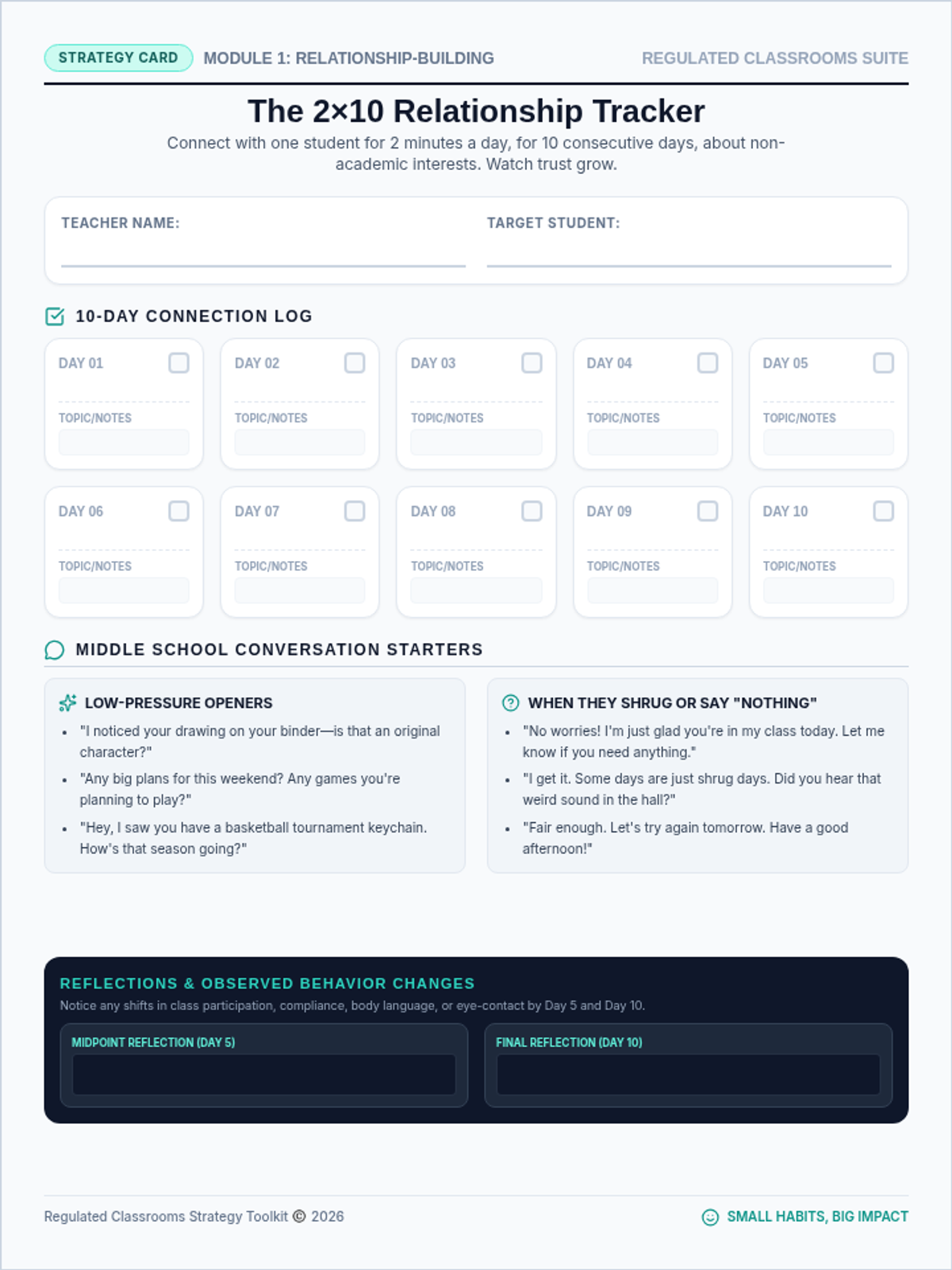
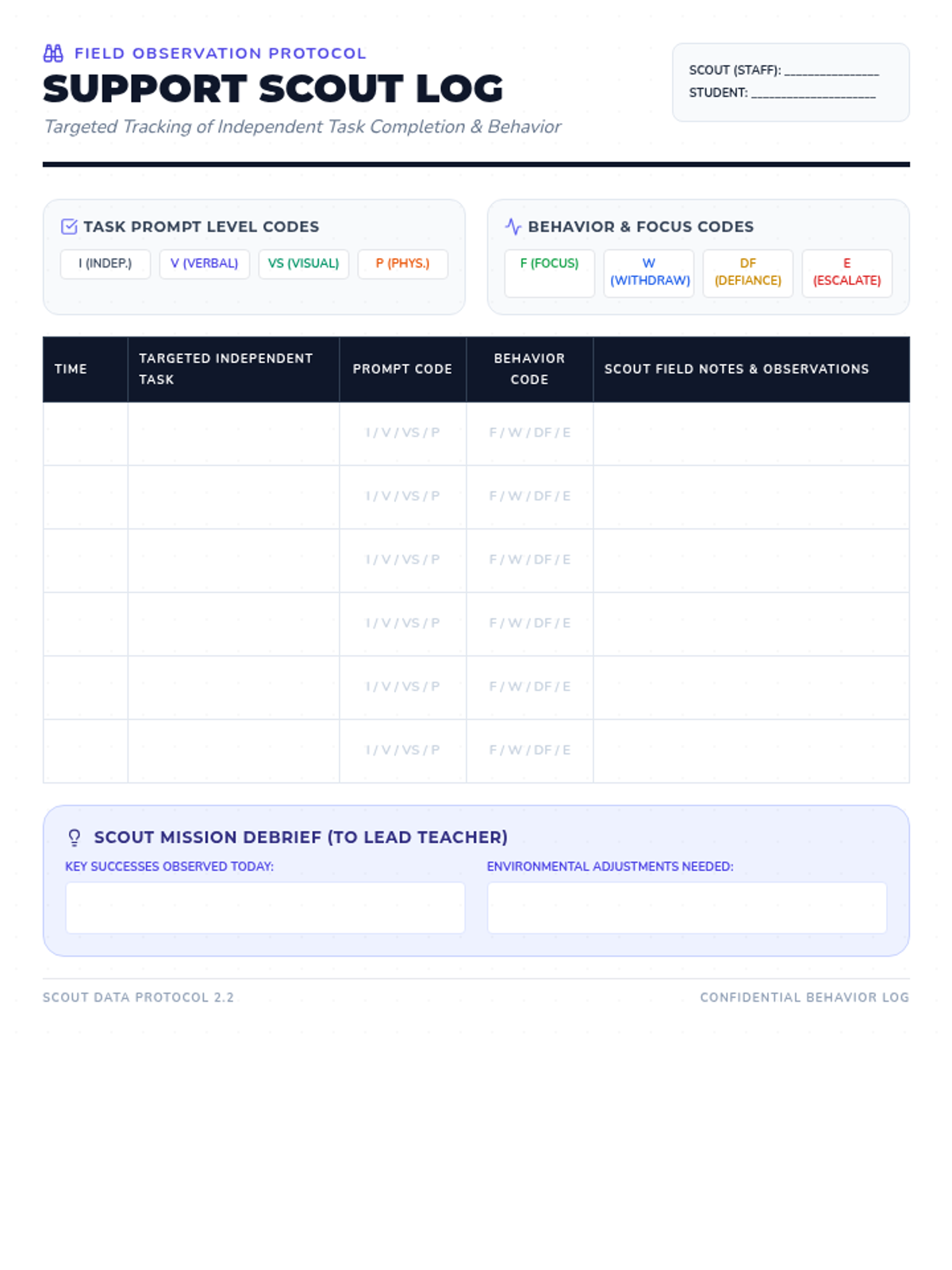
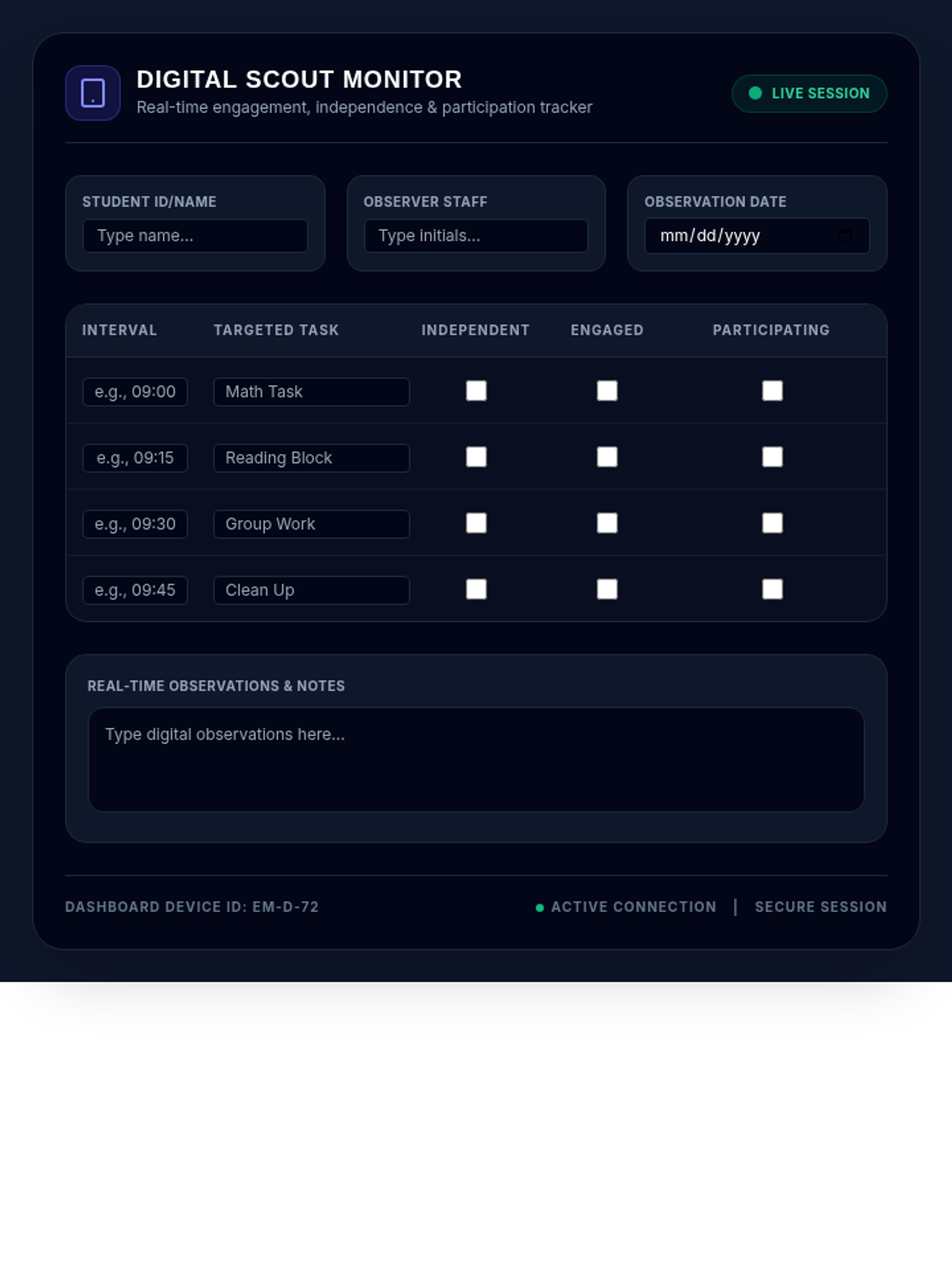
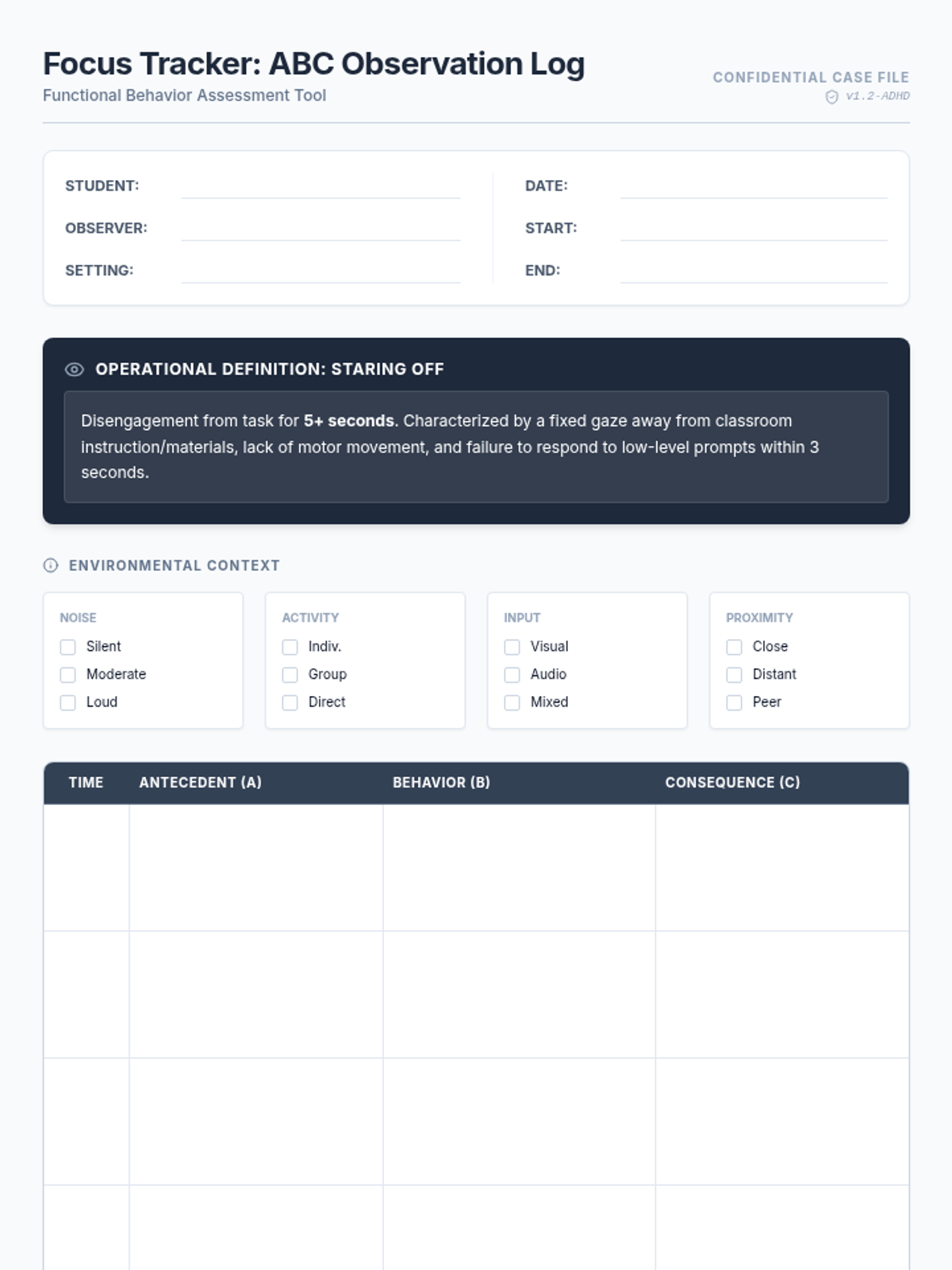
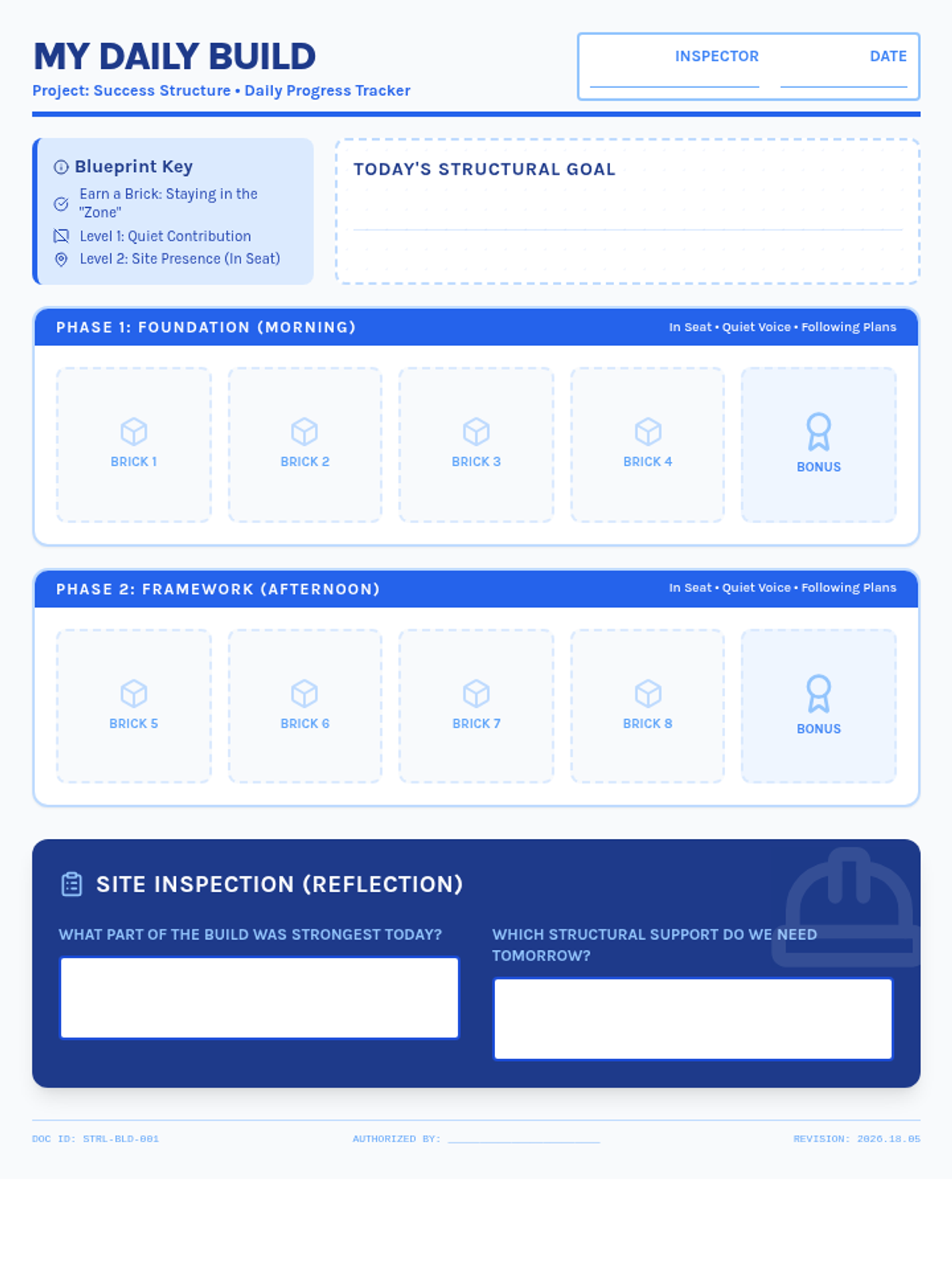
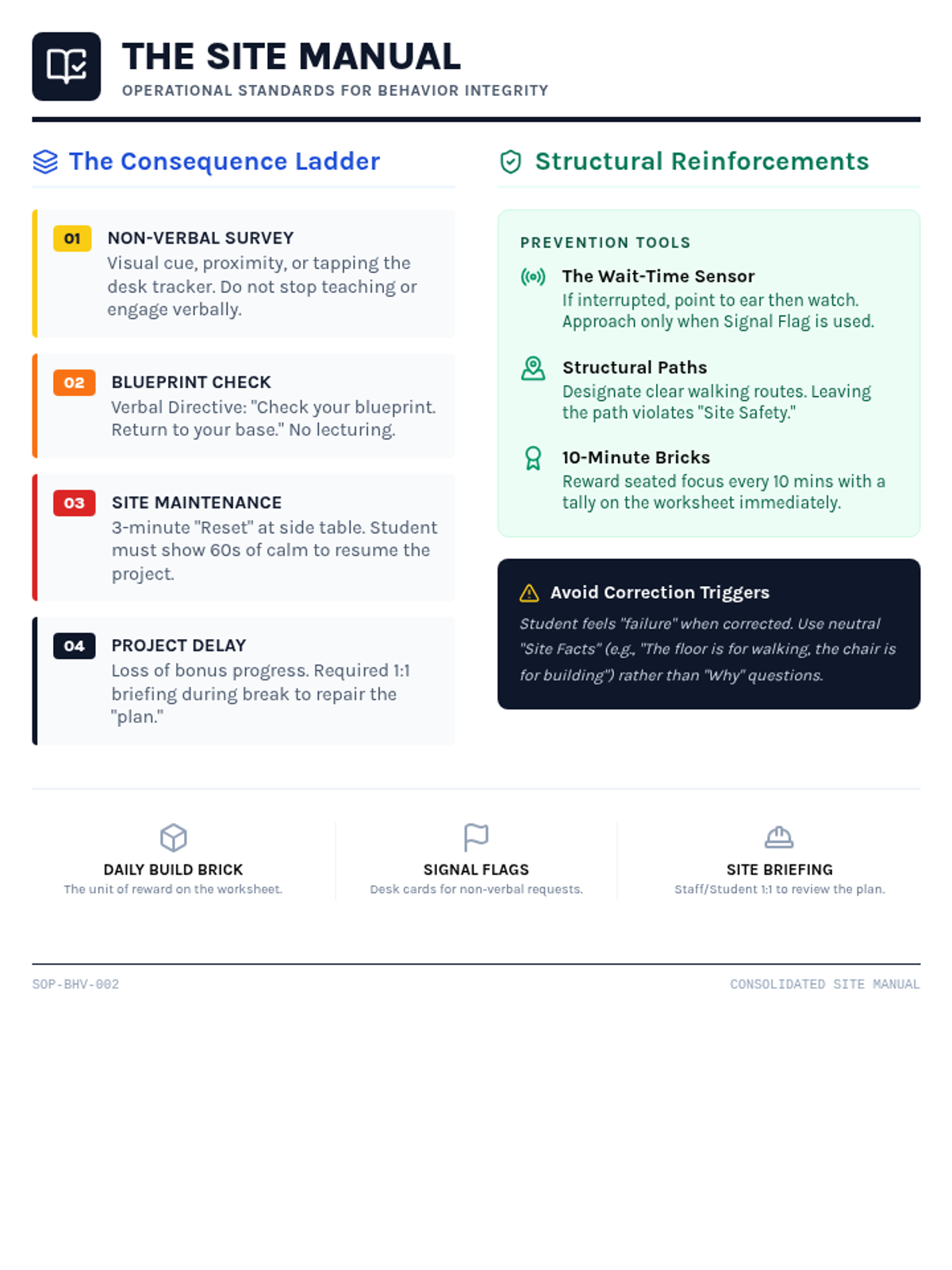
A collection of tools and guides for educators to monitor student behavior and progress, facilitating clear communication between school and home.
A comprehensive 5-lesson series designed for high school students with intellectual disabilities, Down Syndrome, and autism. The series uses a 'Social Signals' framework to help students distinguish between genuine kindness and manipulative behavior, fostering independence and safety in community settings.
A unit focused on mastering early temporal concepts and basic grammatical markers for past and present actions.
A two-part fluency intervention sequence for high school students focusing on the 'Burger Battles' text. The lessons integrate morphology (prefixes re-, in-, pro-) with repeated reading strategies to improve reading speed, accuracy, and comprehension.
A set of four intensive intervention lessons based on the 'Burger Battles' article. Two lessons focus on prefix fluency (re-, in-, pro-) and timed readings, while two lessons focus on comprehension through author's purpose and text response.
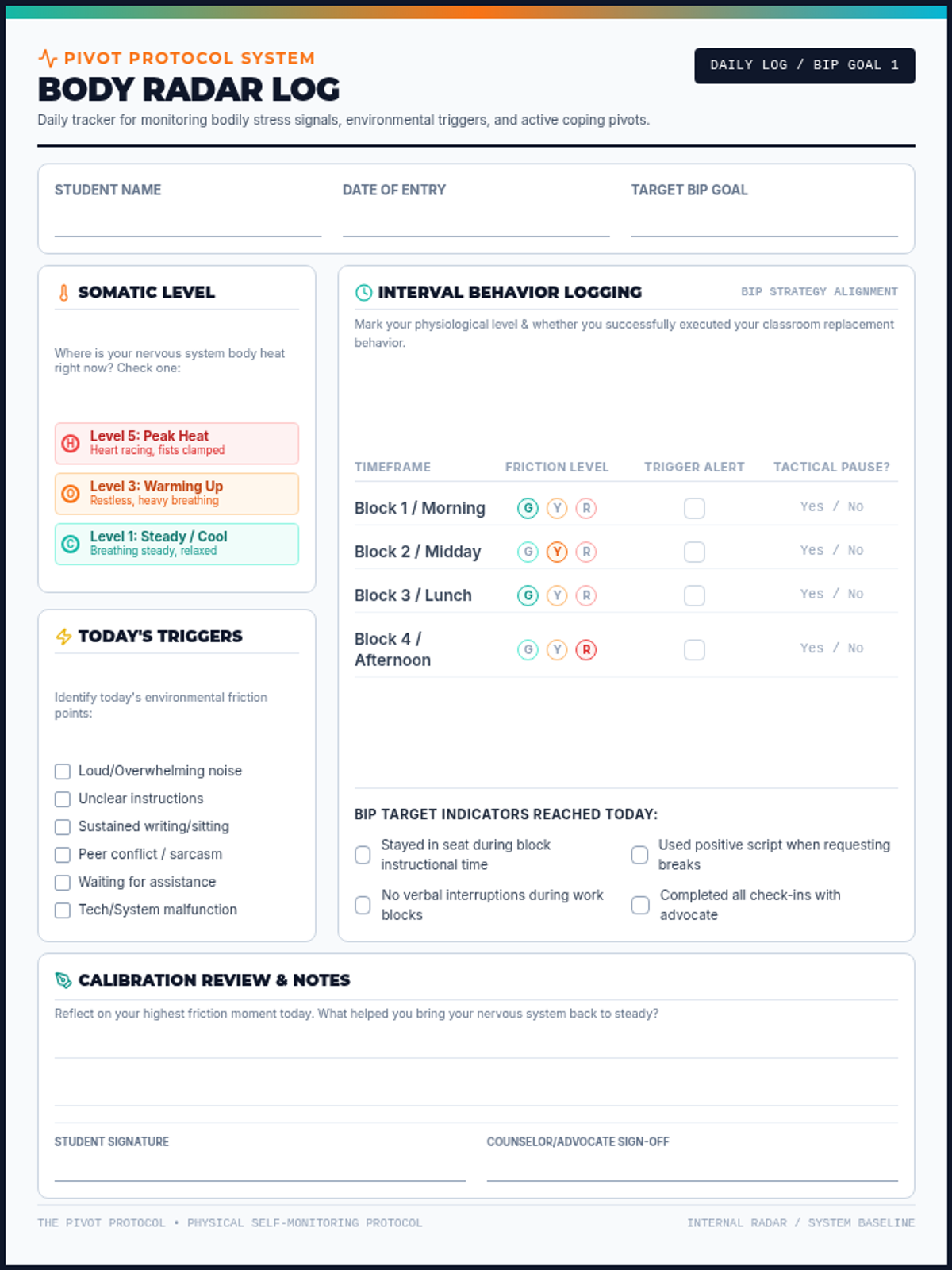
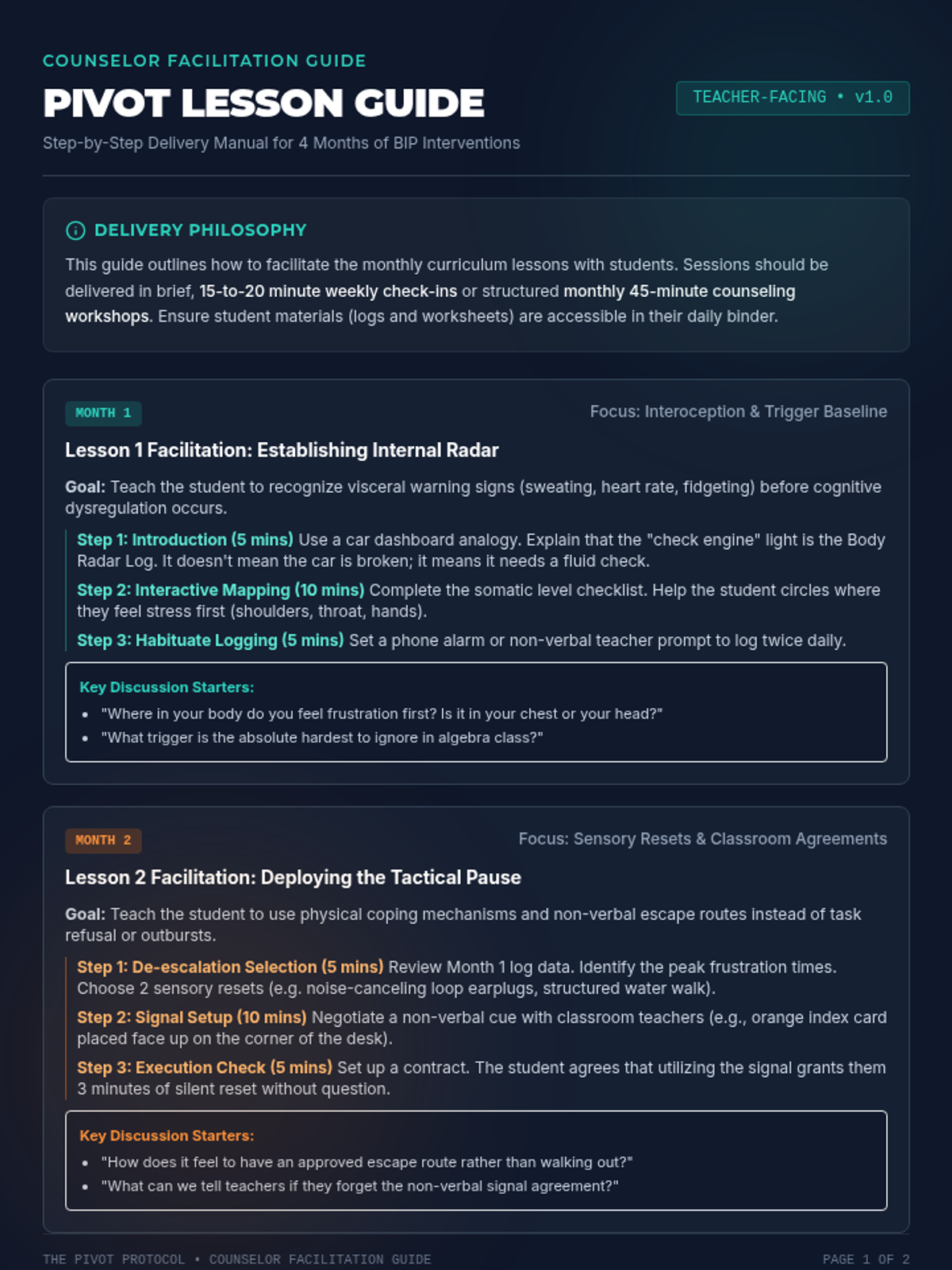
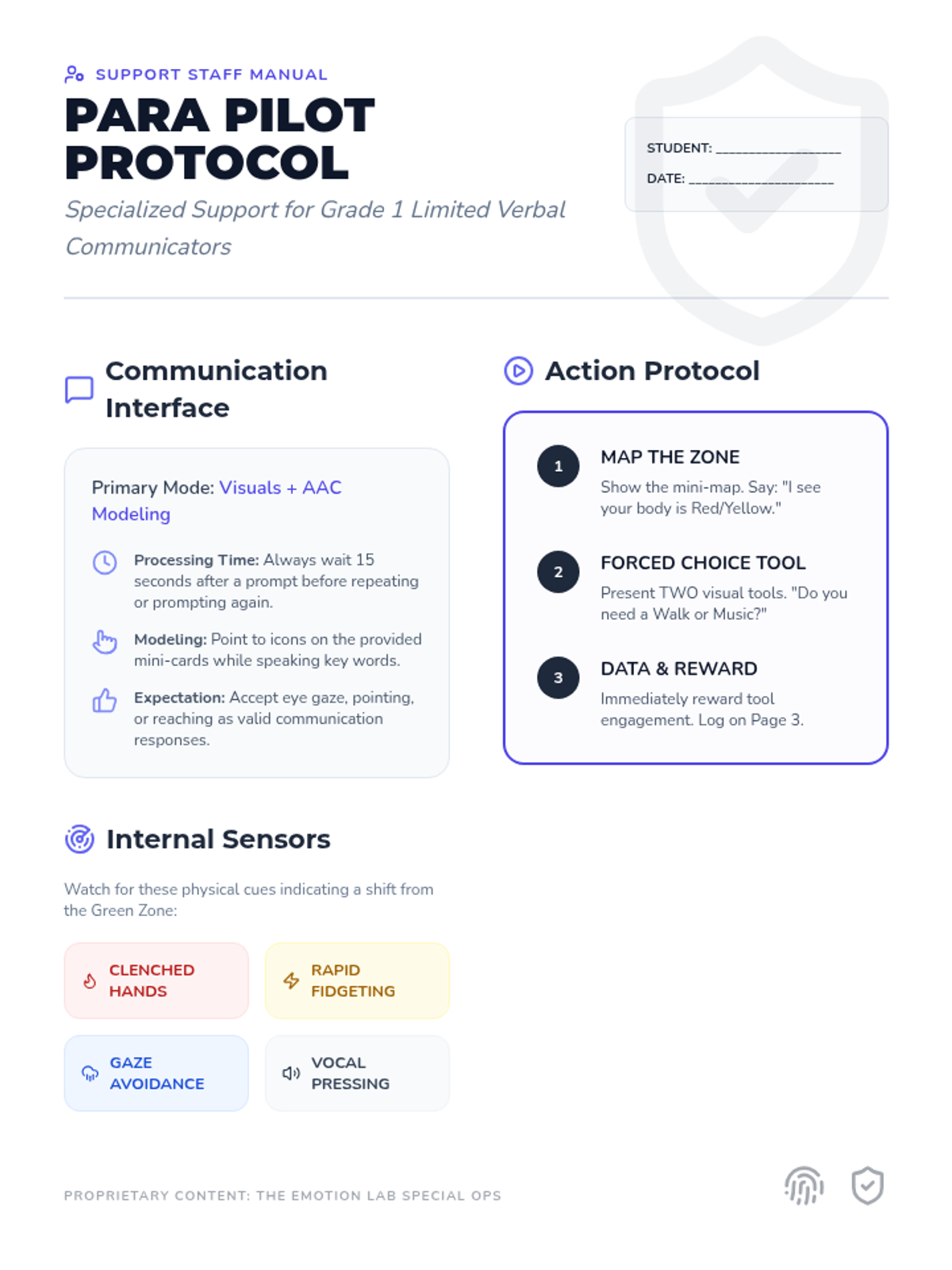
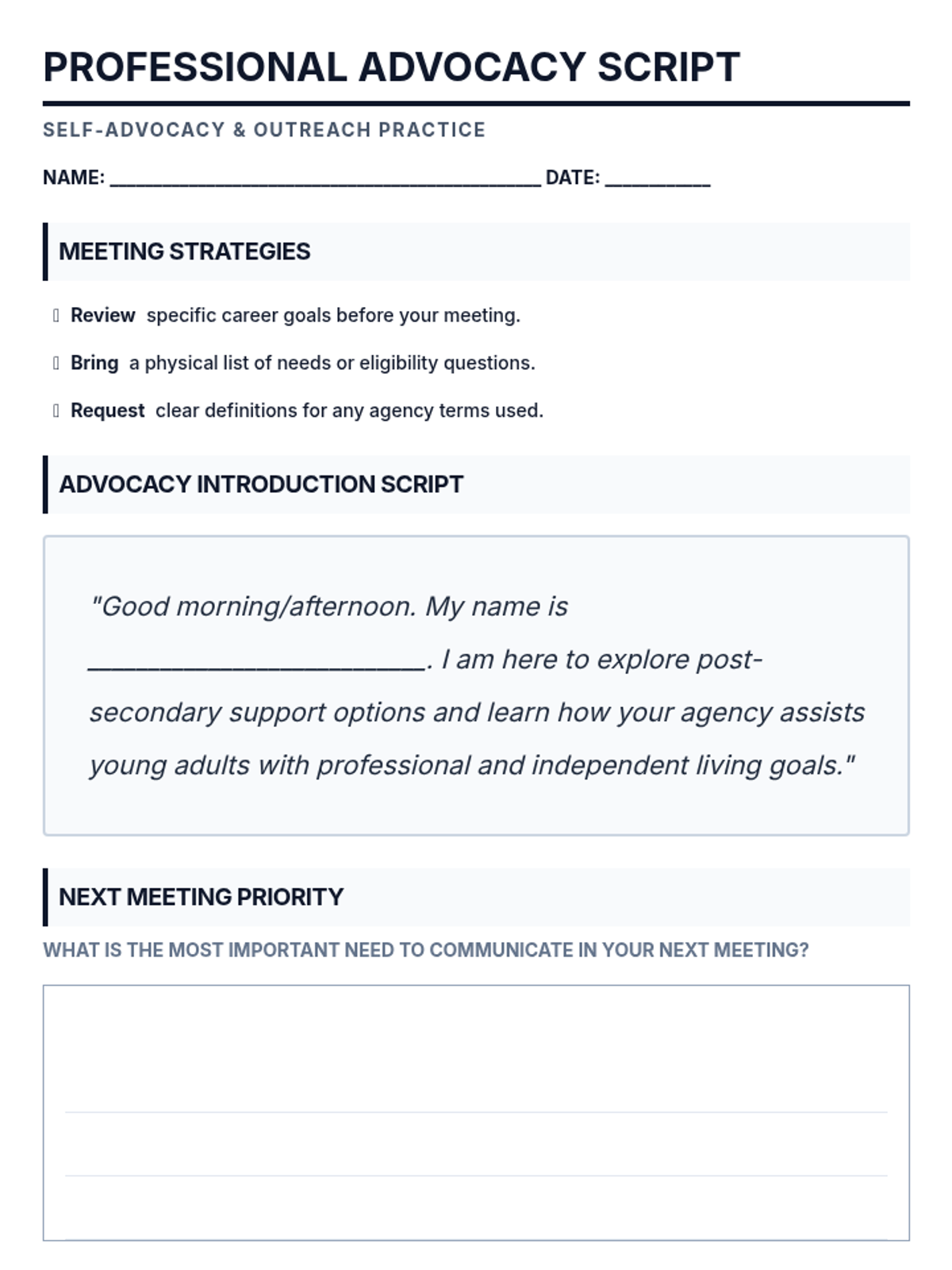
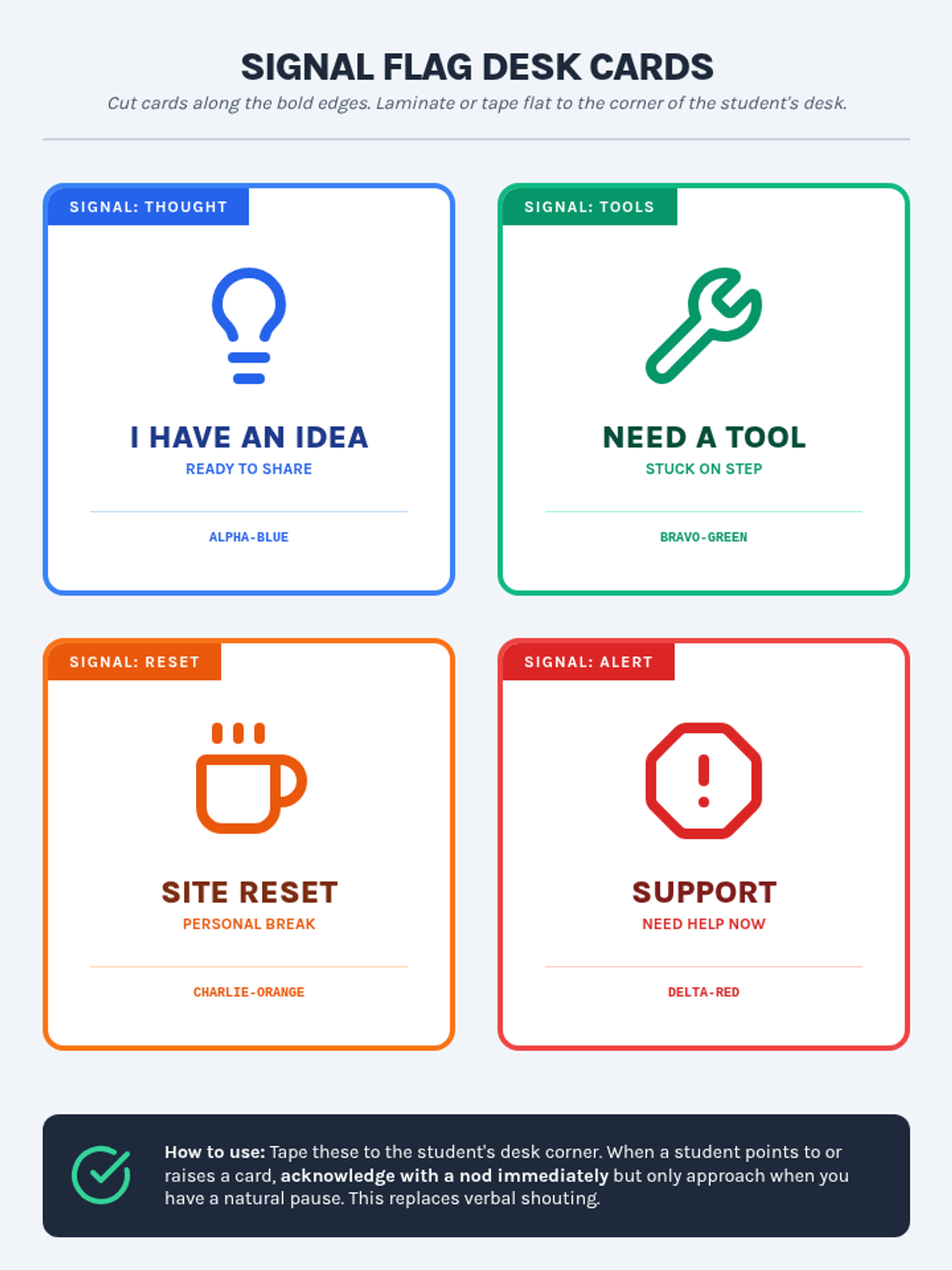
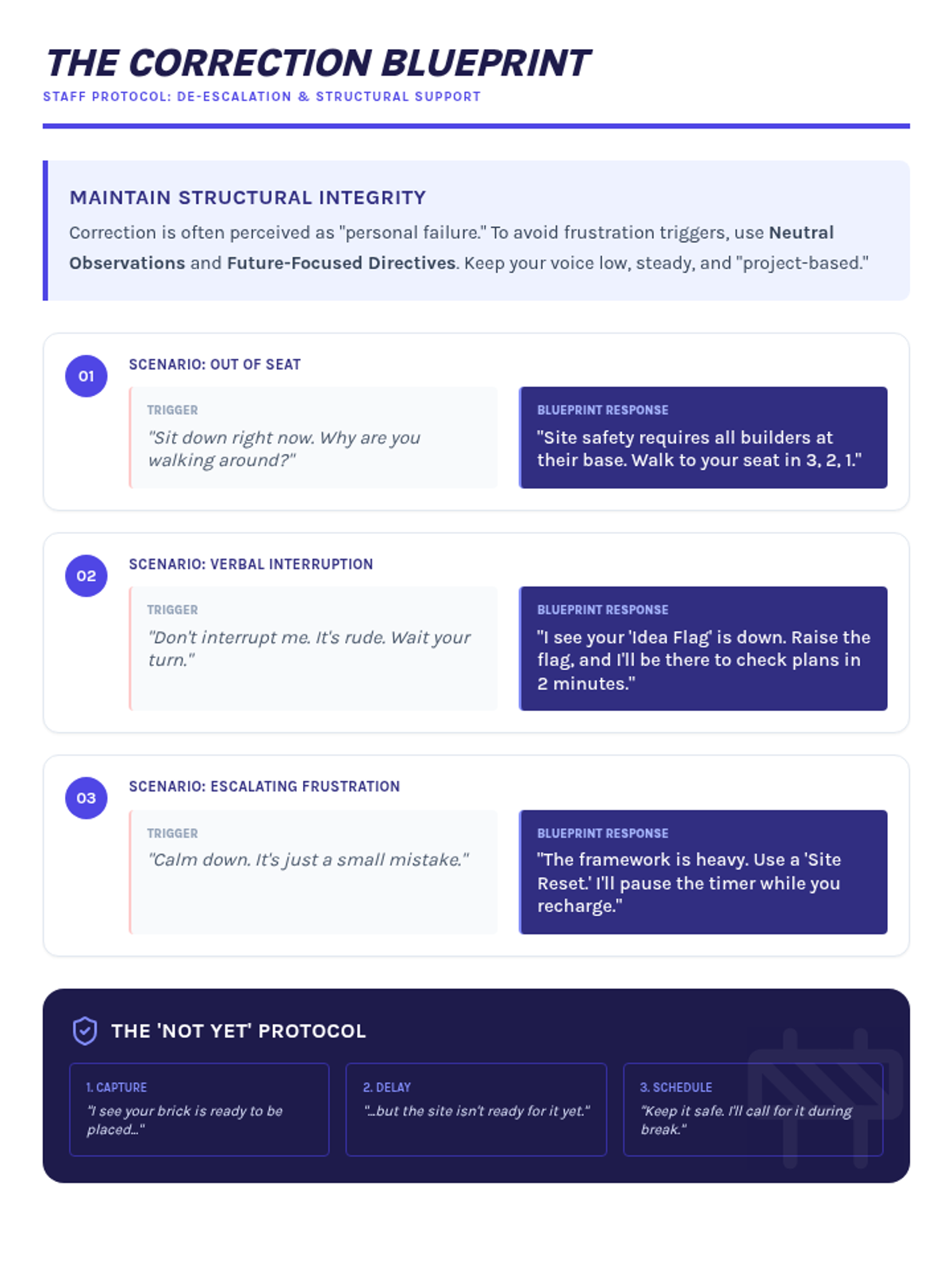
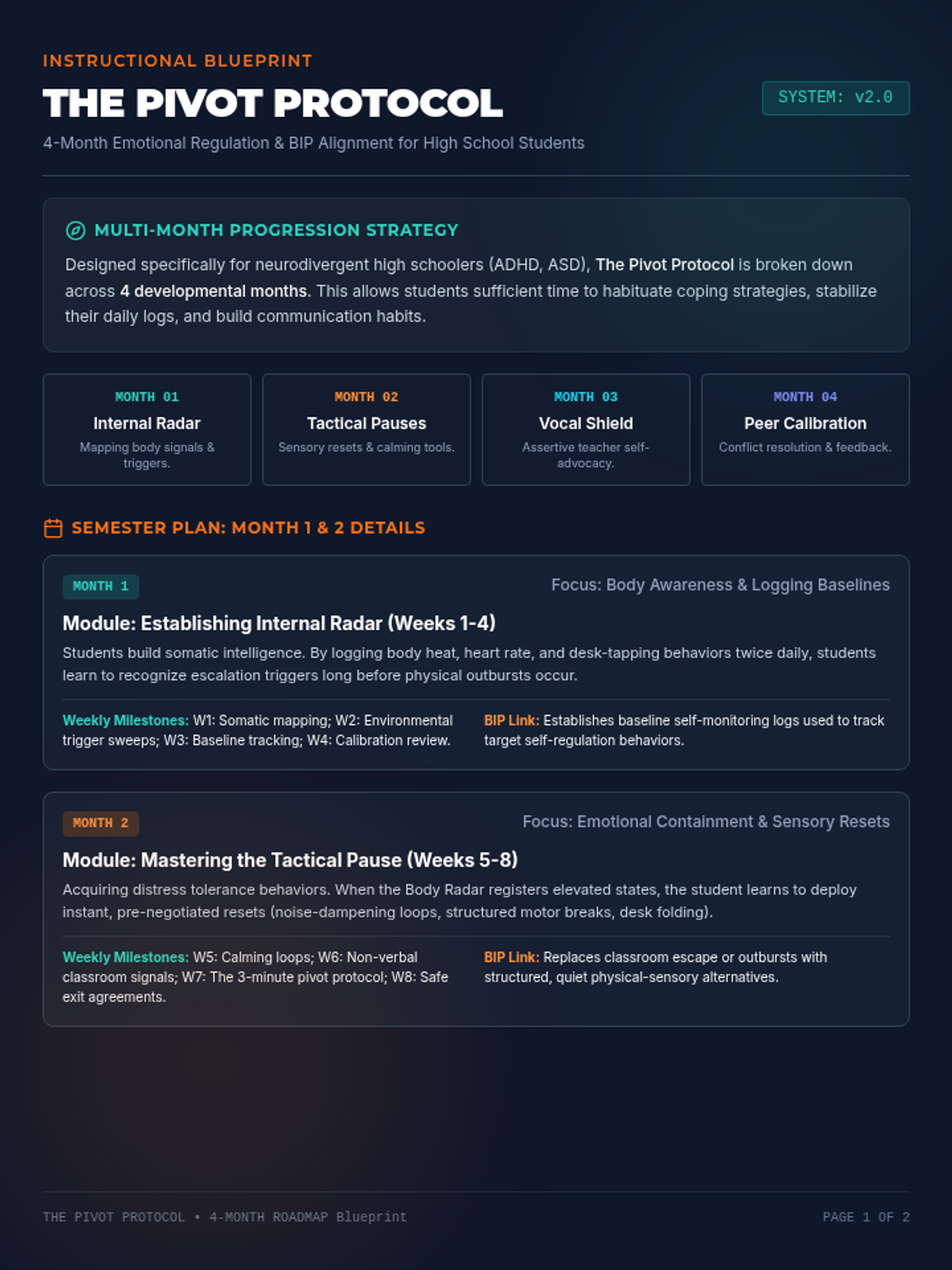
A sequence designed for a 13-year-old student with ADHD, OCD, and anxiety to build patience and manage impulsivity in high-stress classroom situations. Focuses on waiting for permission during overstimulation and navigating the delay when requesting help after a period of refusal.
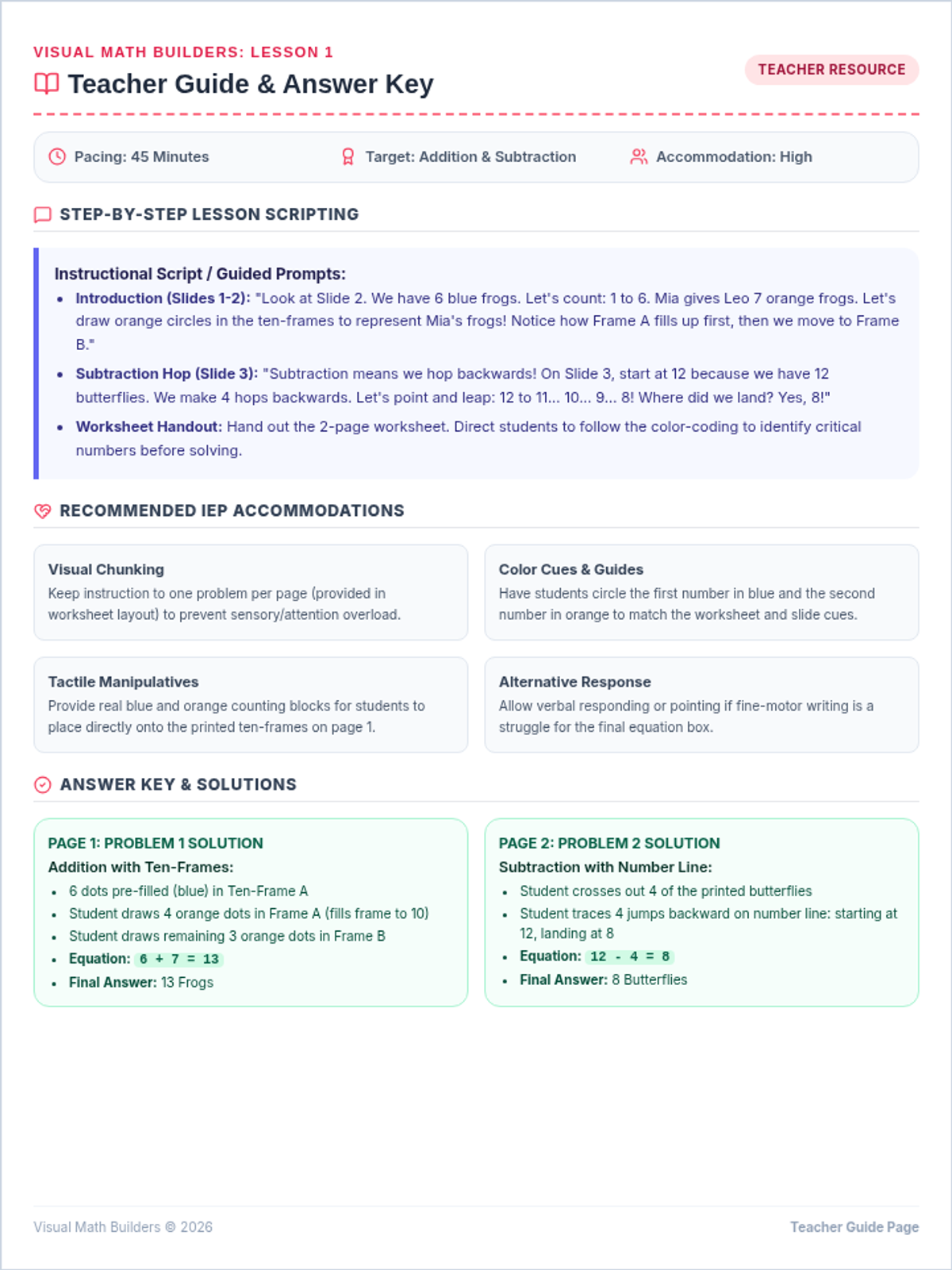
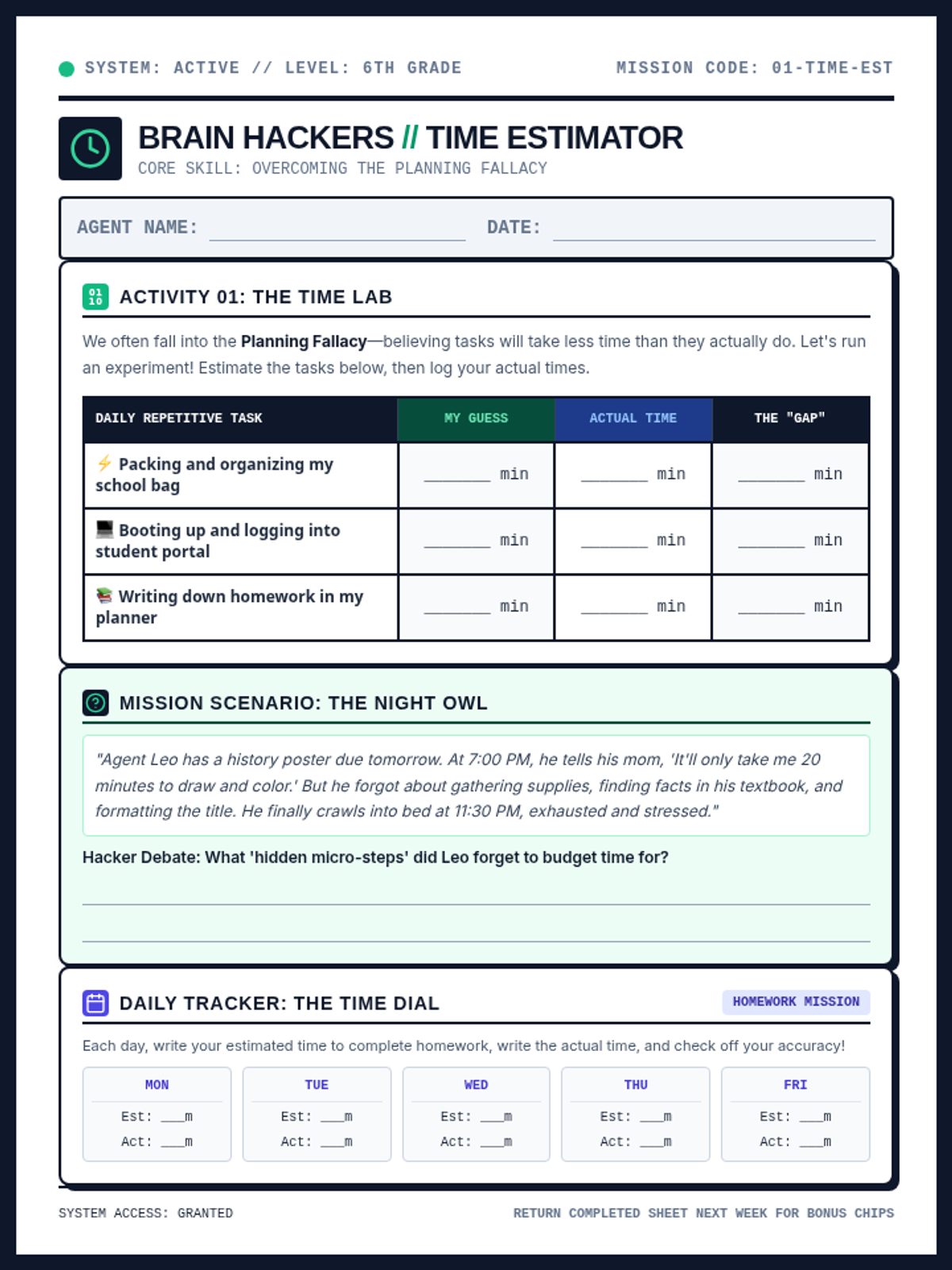
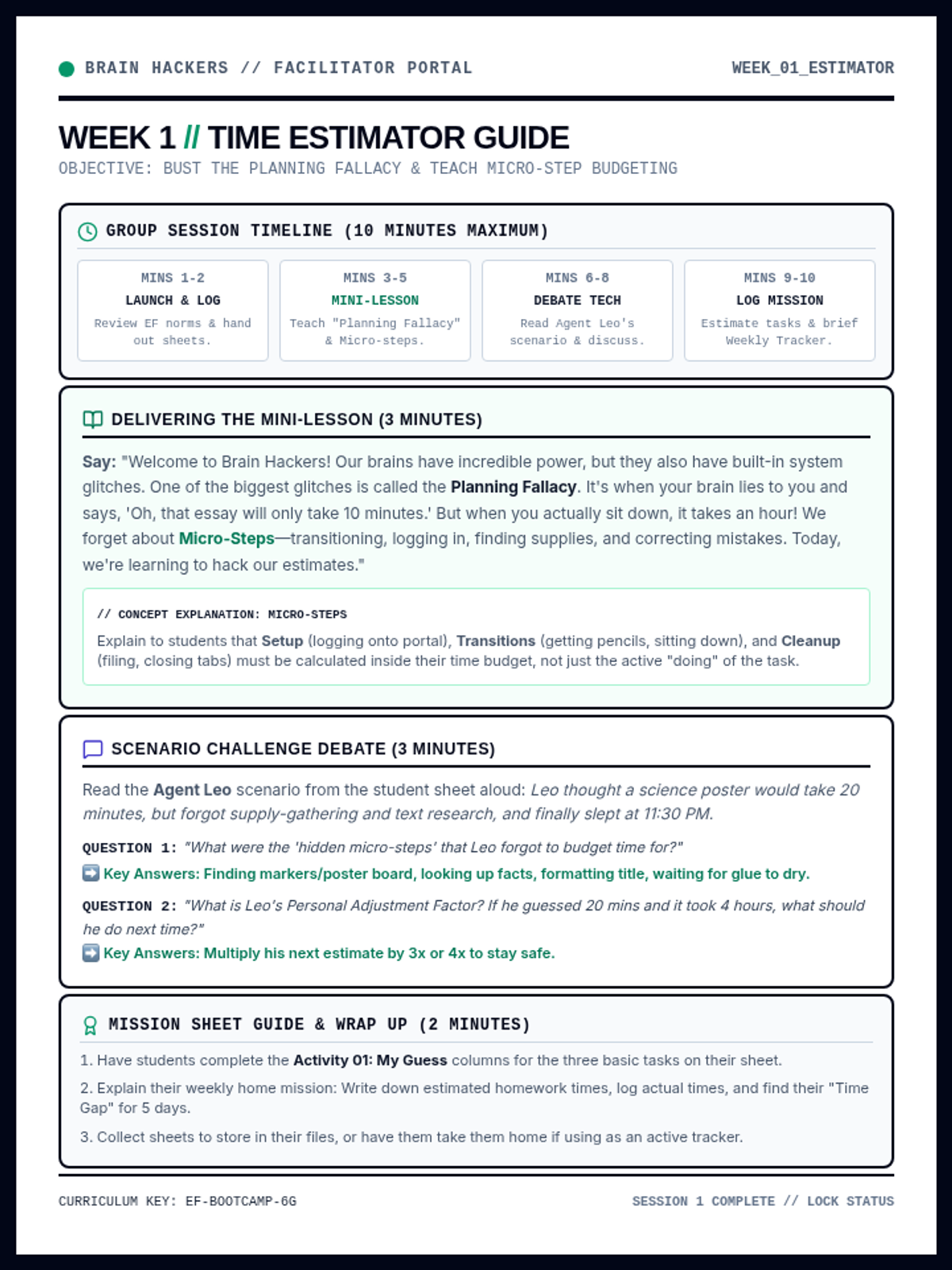
A 4-week social-emotional learning unit for K-1 students focused on core executive functioning skills. This version is optimized for 20-minute small group or individual sessions, utilizing anchor charts and visual aids instead of slides to teach 'Brain Boss' habits for task initiation, focus, active listening, and working memory.
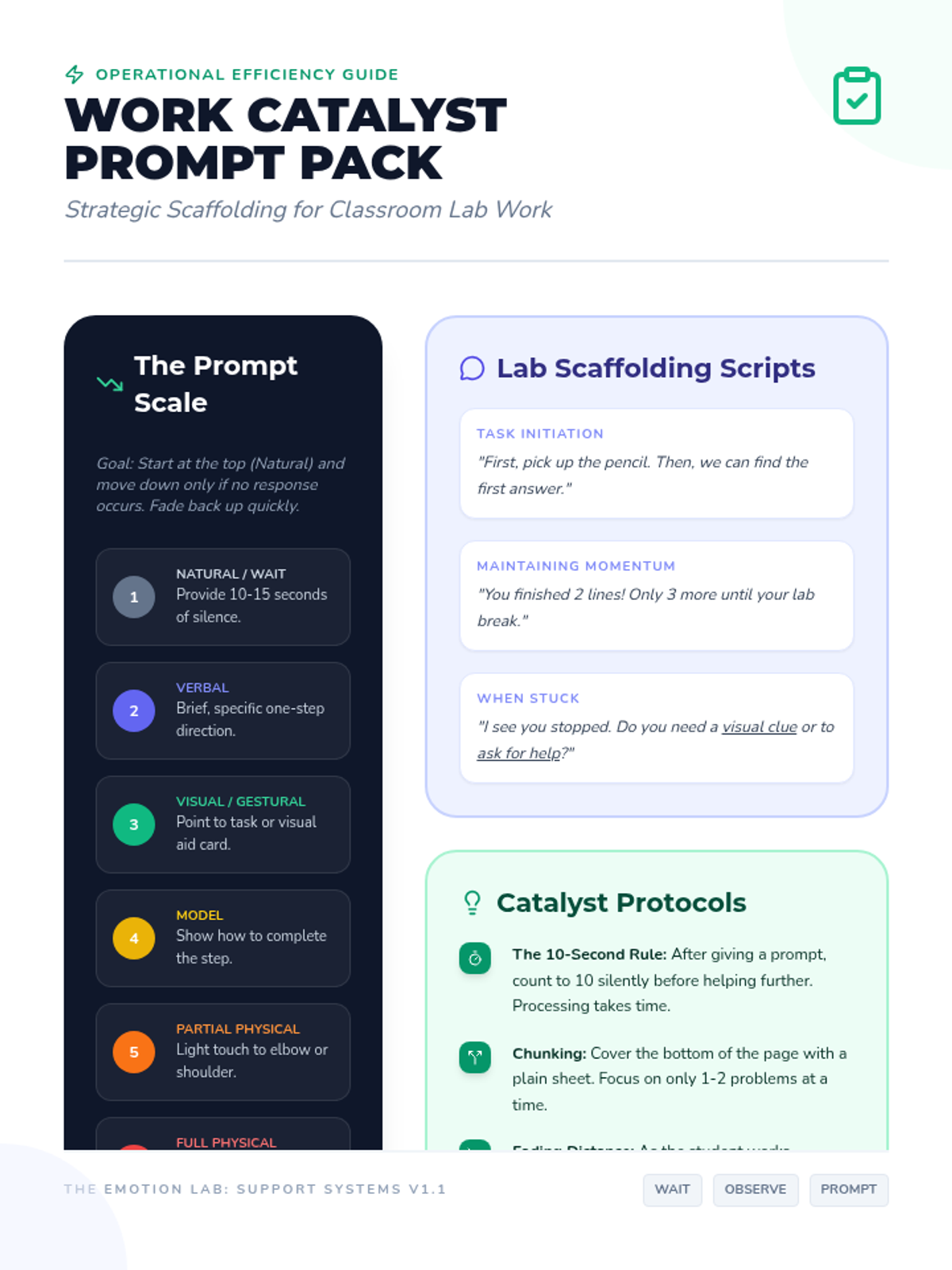
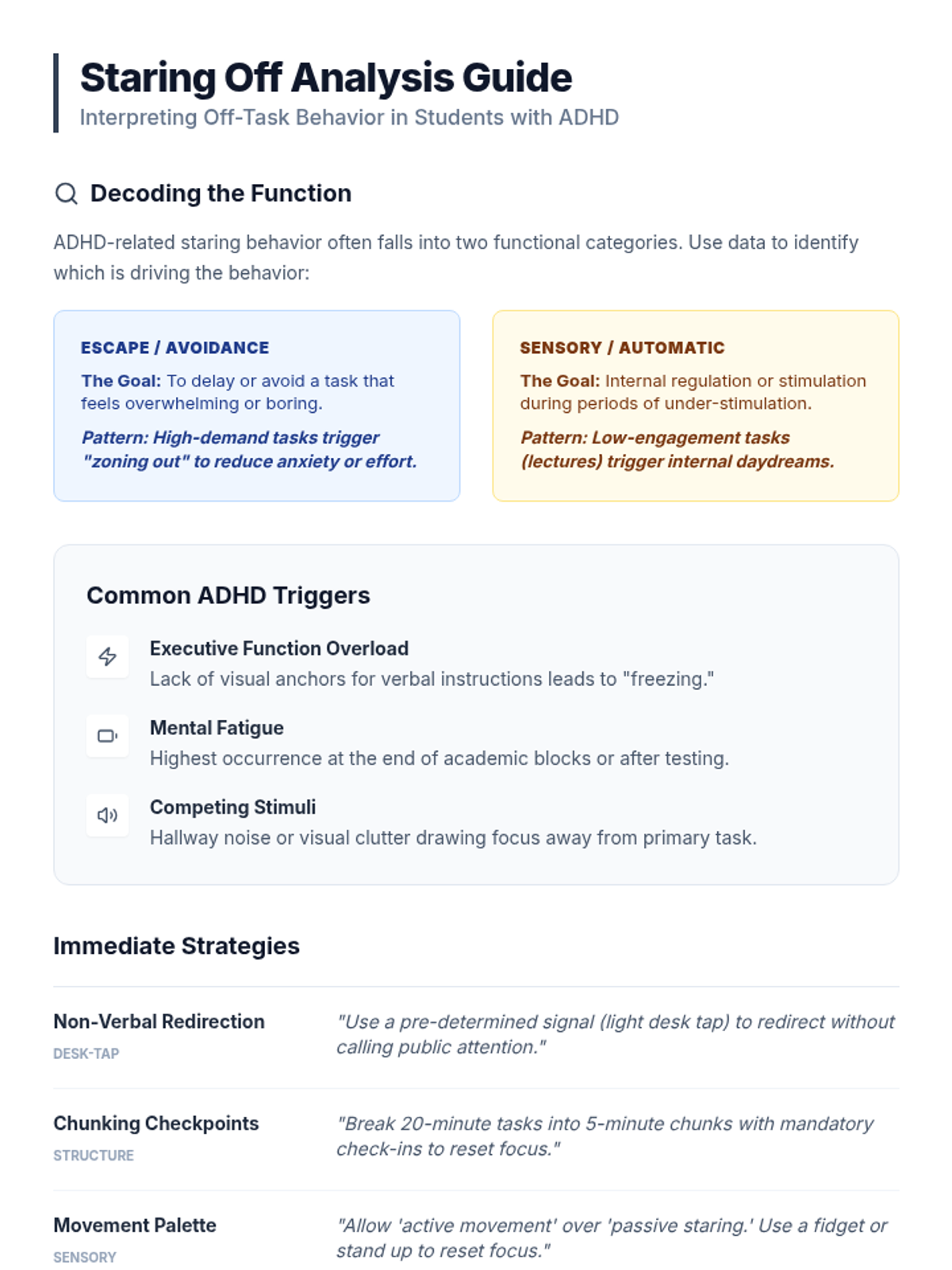
A series of executive functioning supports and instructional strategies aimed at improving focus and task completion for neurodivergent high school students.
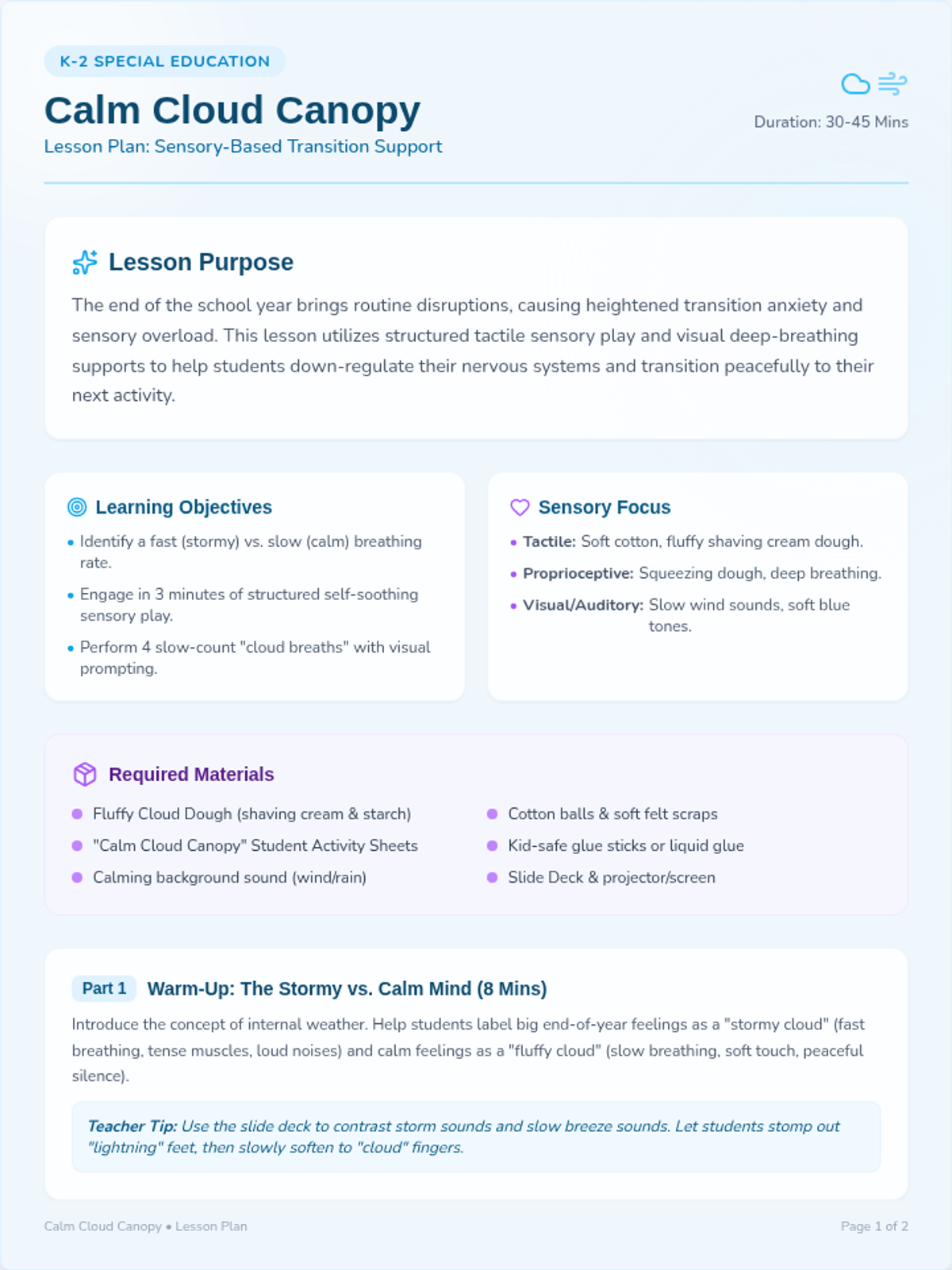
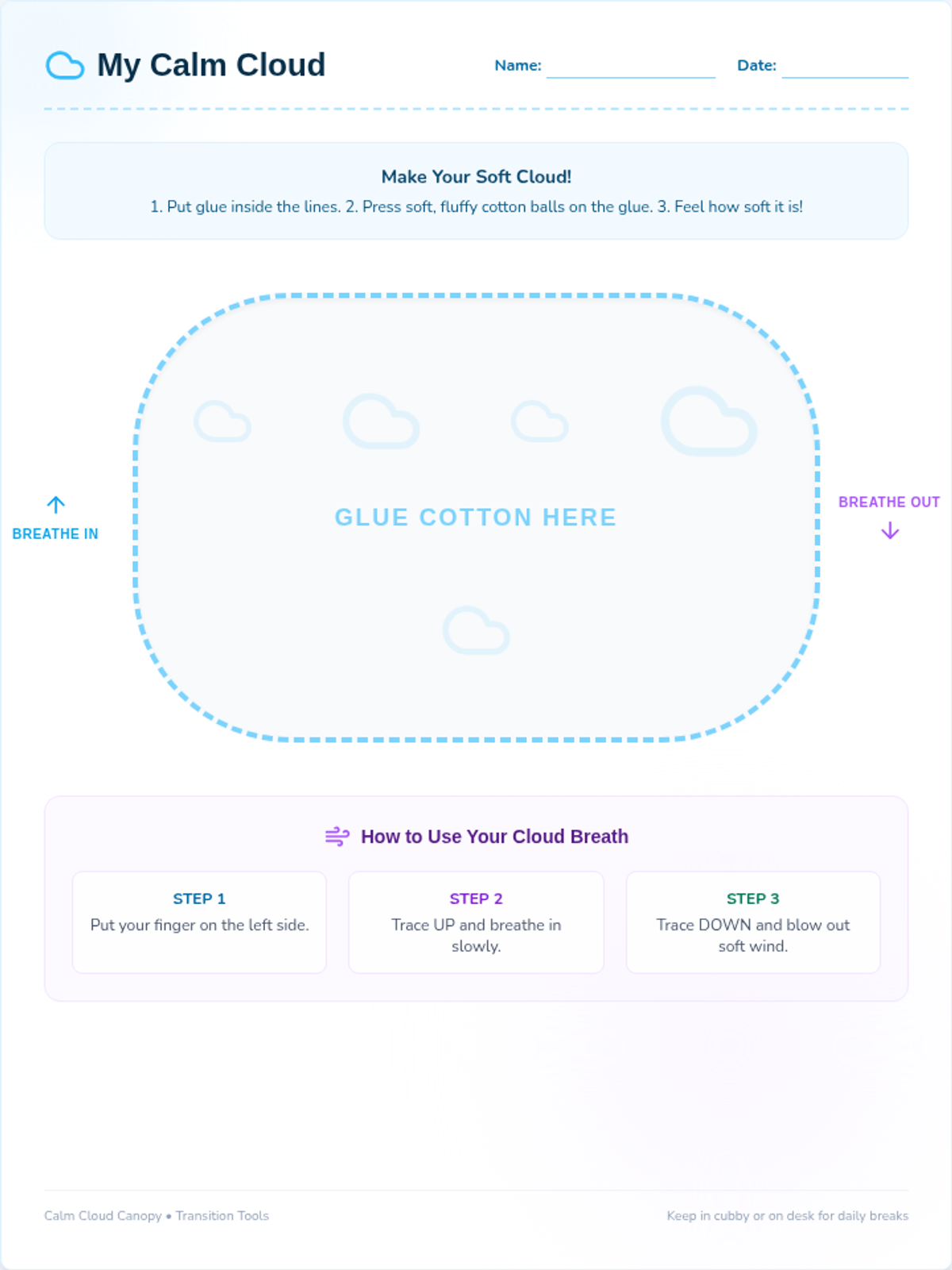
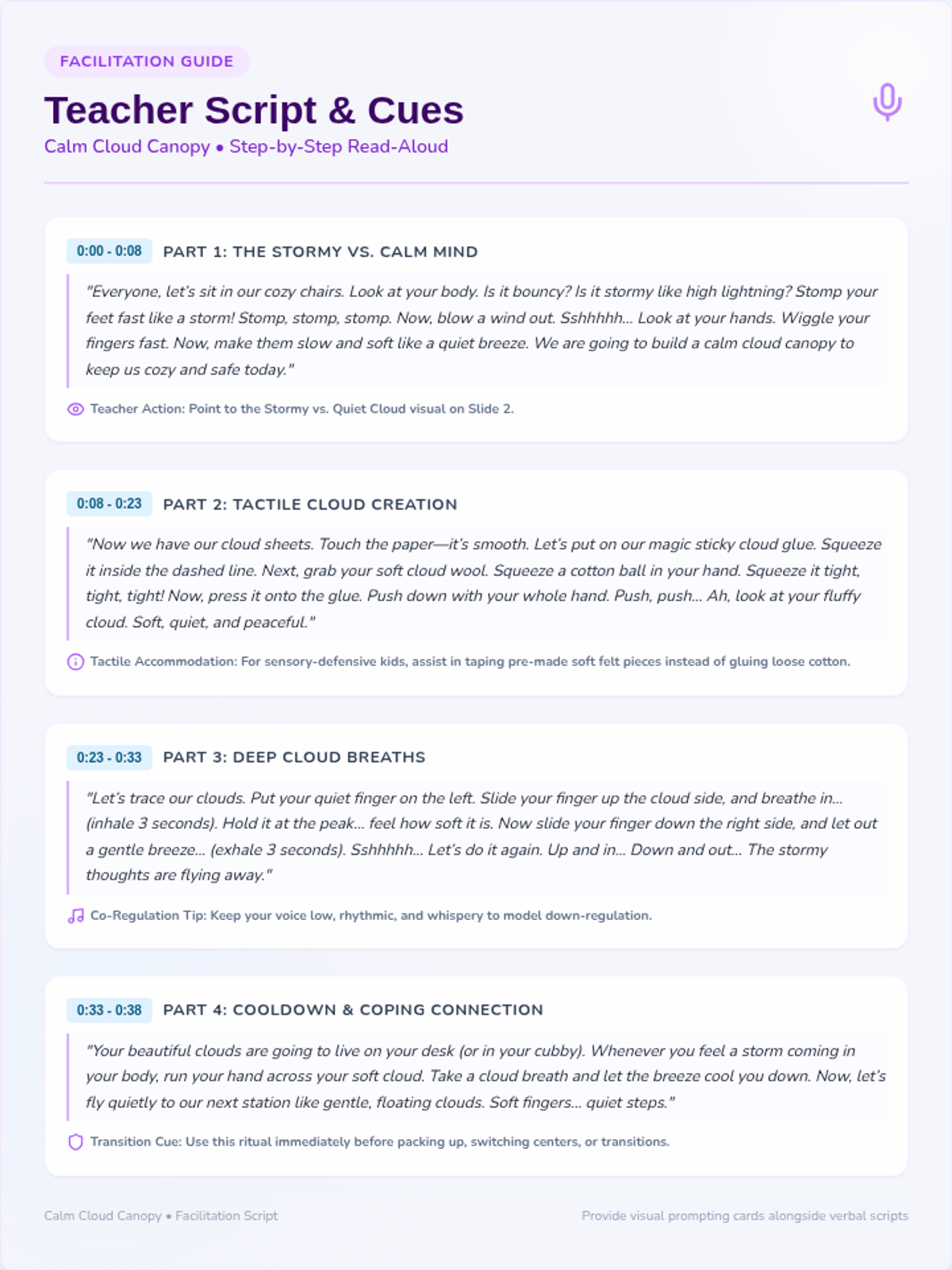
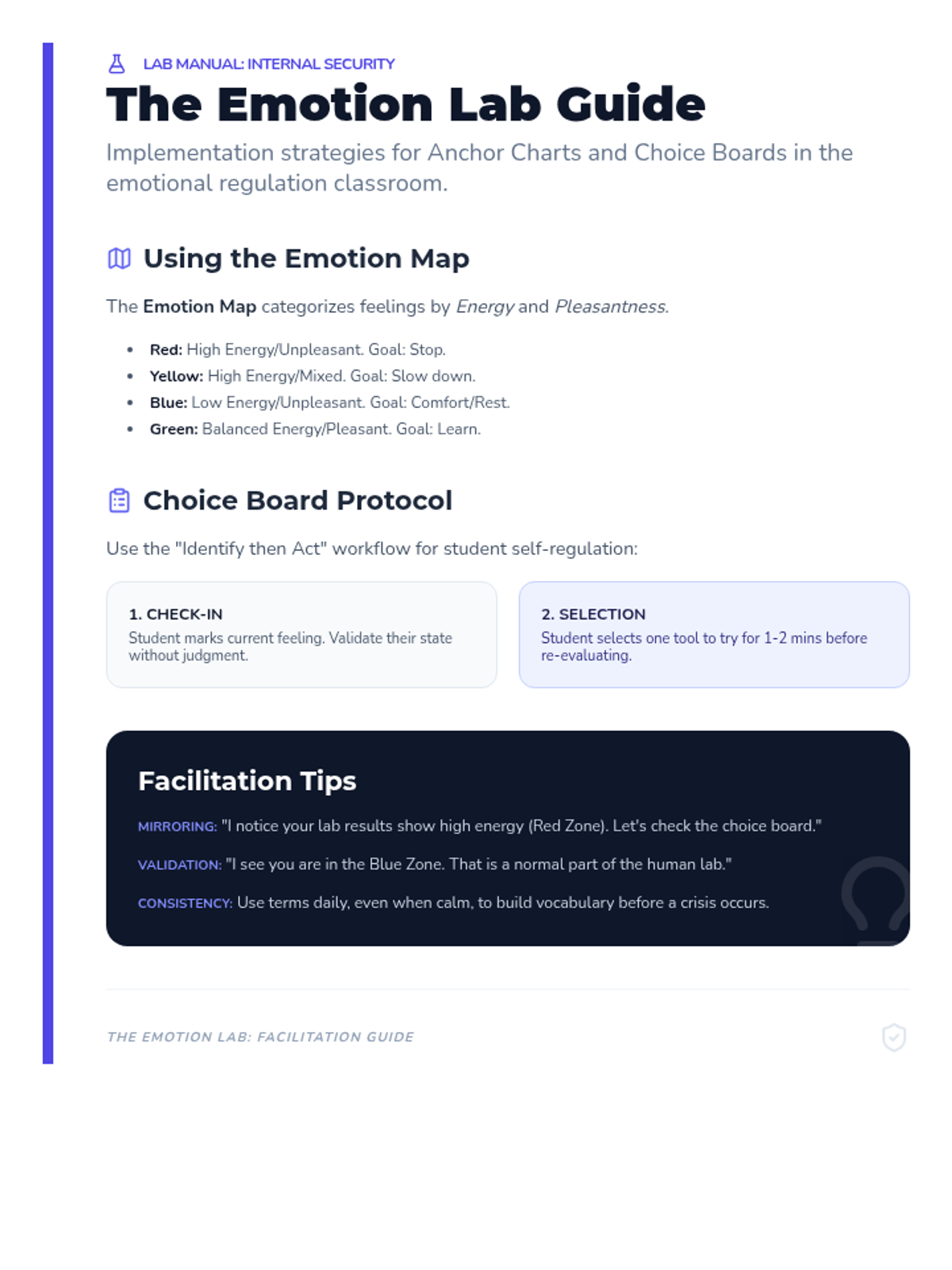
A sensory-based regulation unit designed for kindergarteners with ASD or ADHD, using a garden theme to teach self-soothing techniques and movement-based regulation.
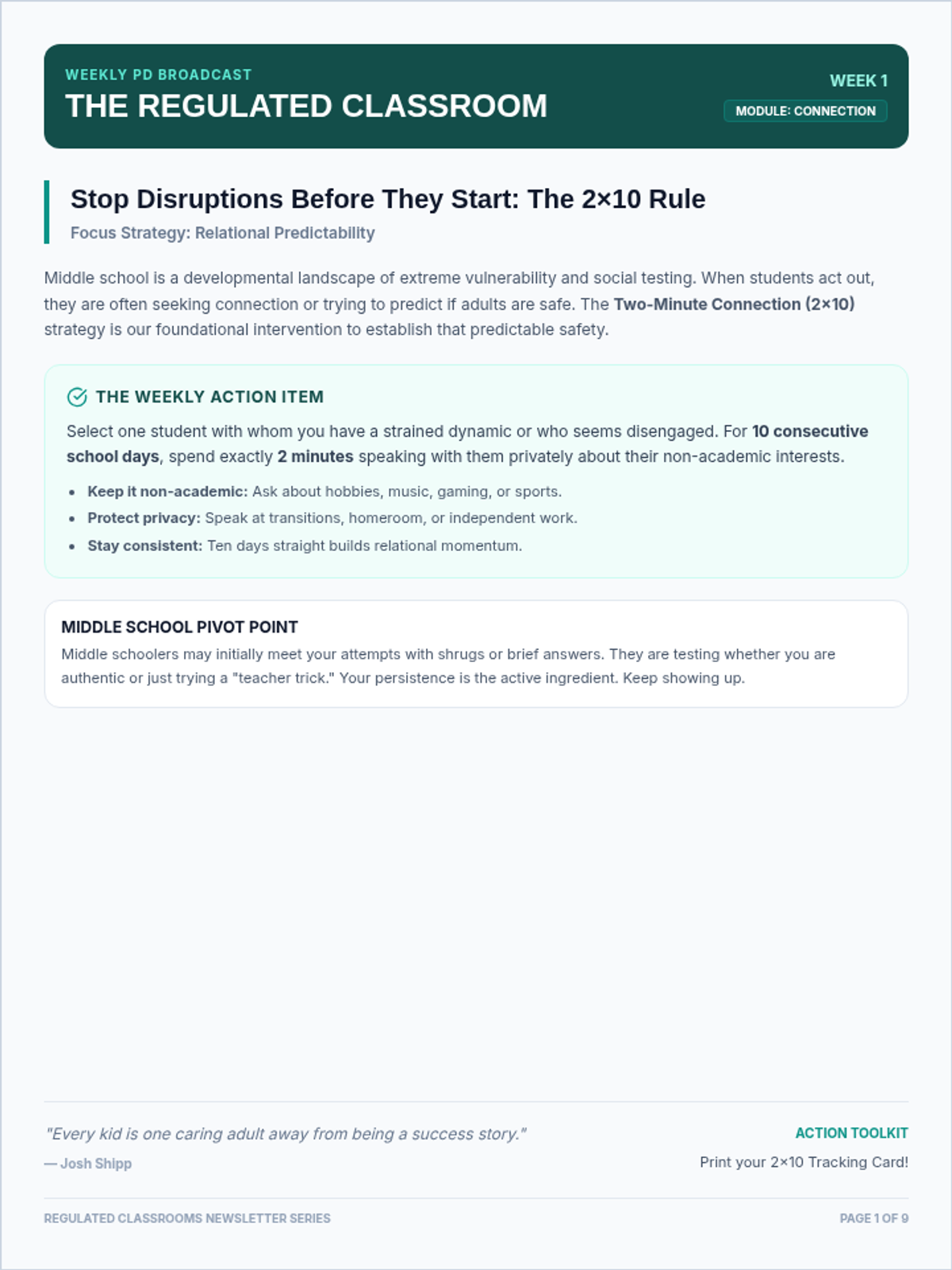
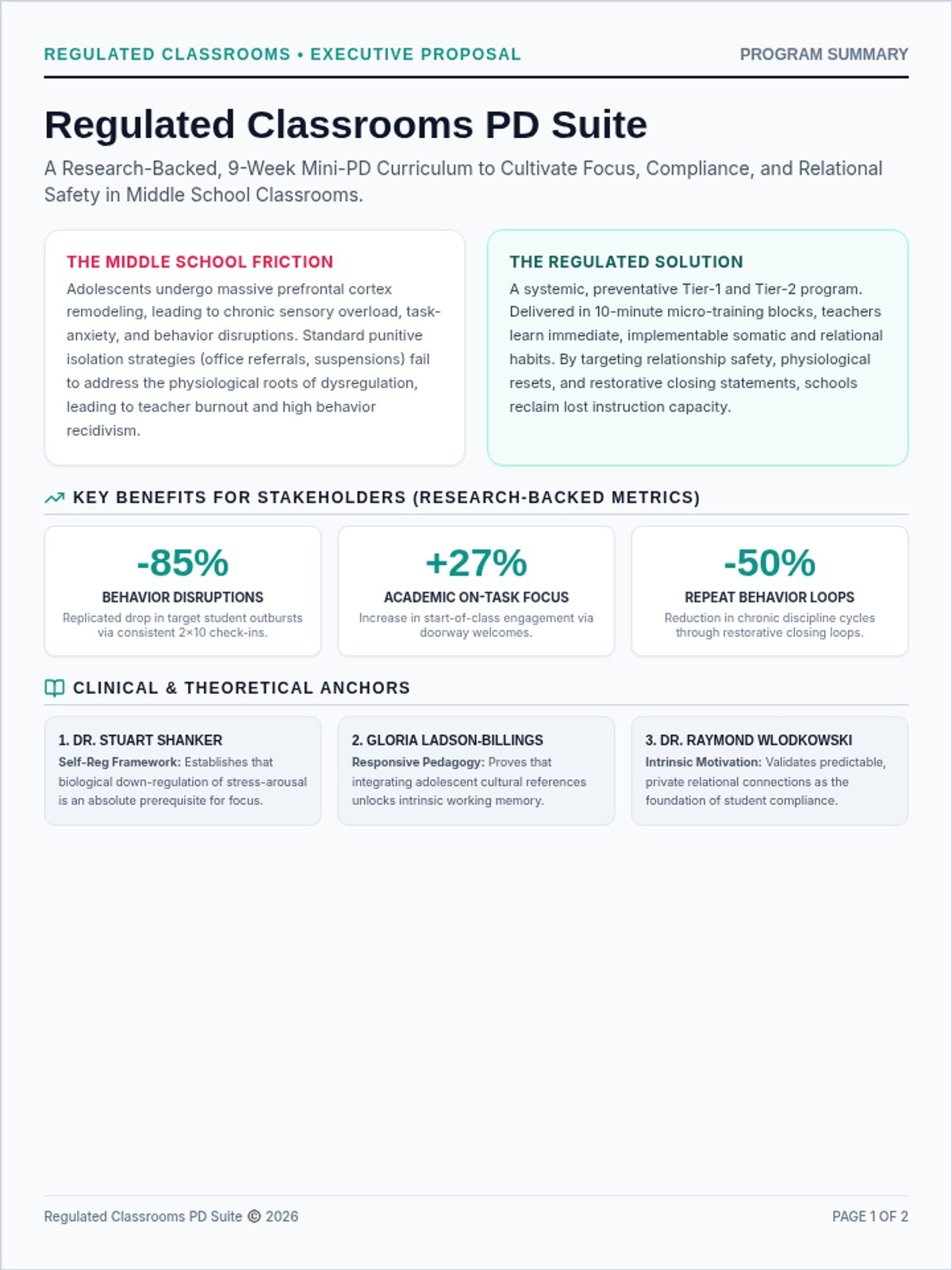
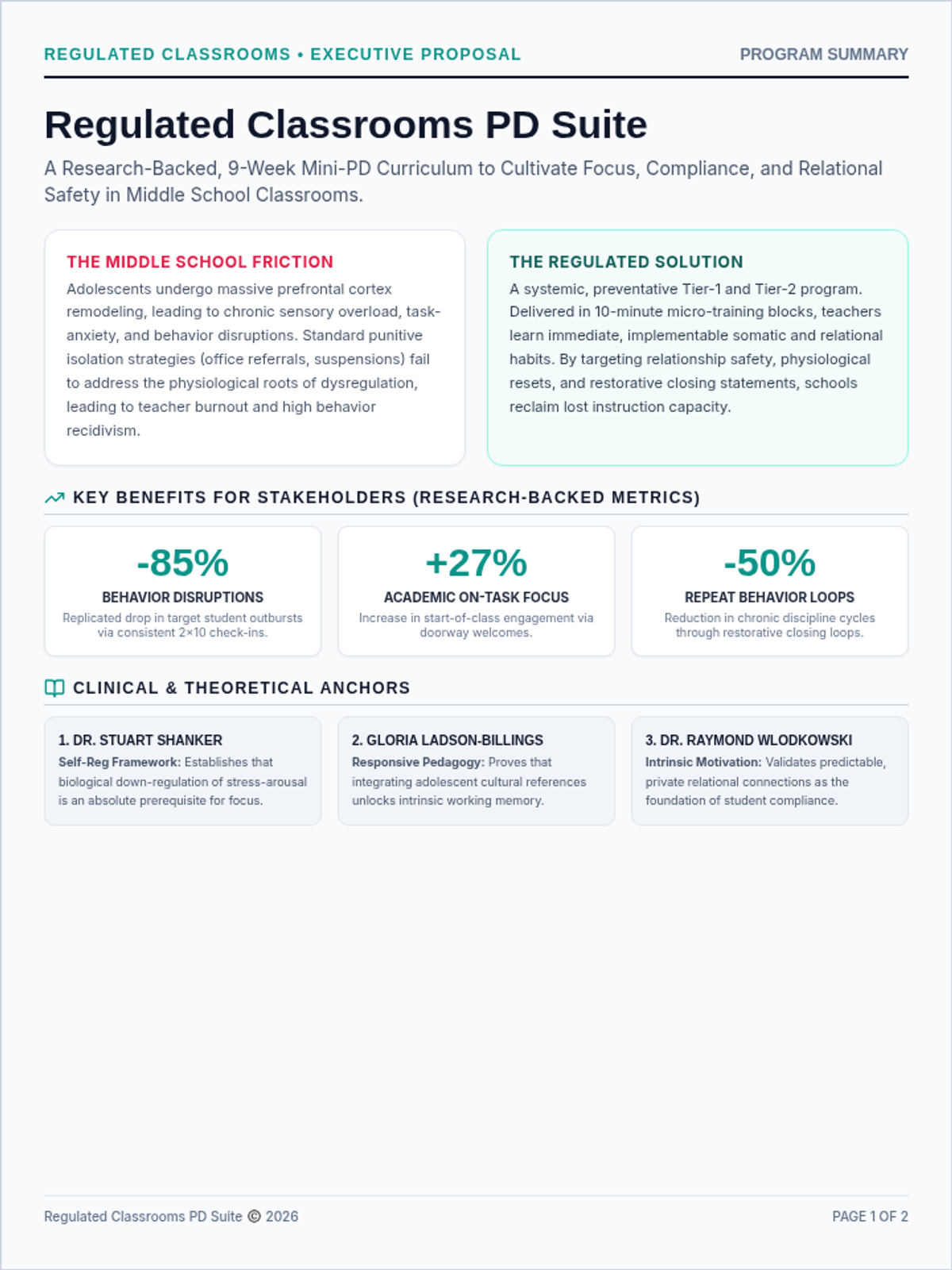
A comprehensive sequence designed to refine and align school-wide PBIS systems, featuring facilitation materials for staff workshops and practical implementation tools for teachers and students.
A comprehensive two-day workshop and planning sequence designed to help school leadership teams align their PBIS systems, define behavioral expectations, and bridge the gap between accountability and restorative support.
A multi-part speech-language therapy unit for middle schoolers focused on vocabulary development through the lens of NASA's Artemis II mission. Students use context clues strategies (IDEAS) to master mission-specific terminology.
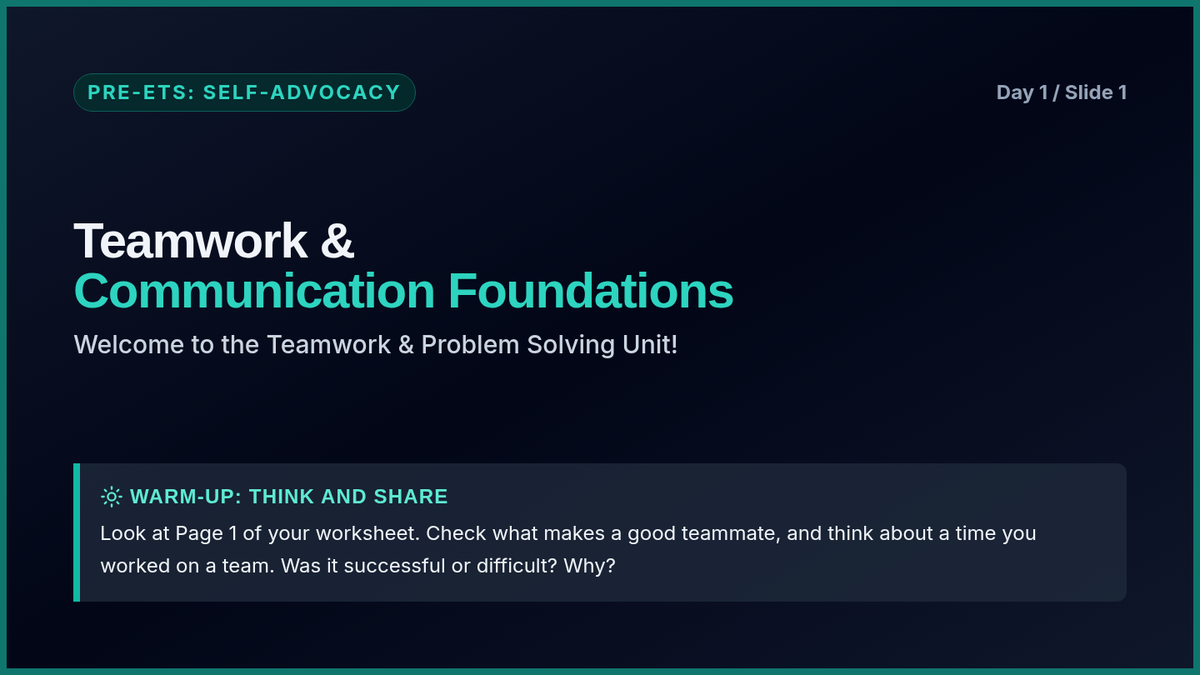
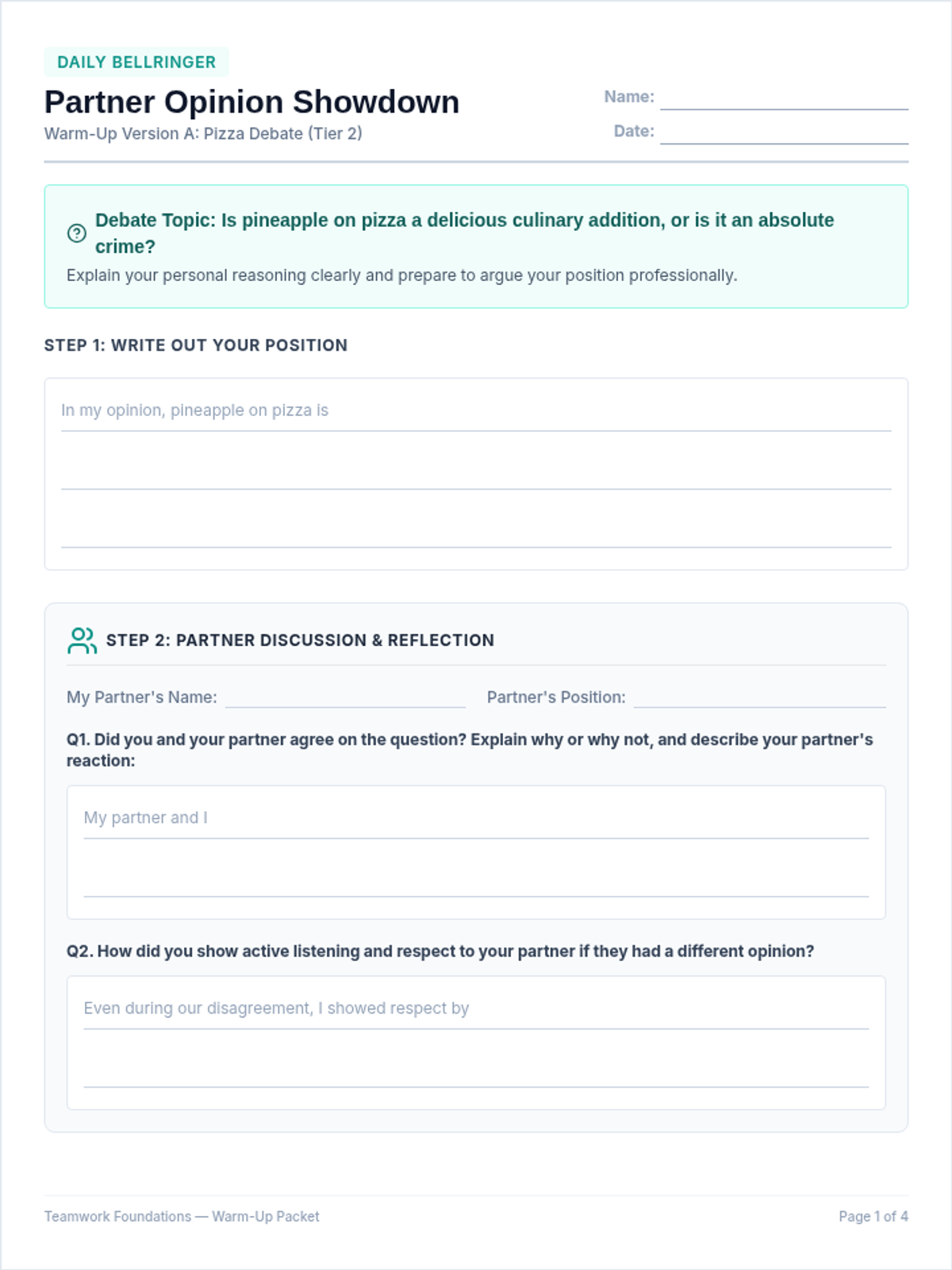
A collection of fast-paced, high-engagement speech-language therapy lessons for middle schoolers. Each mission targets Tier 2 academic vocabulary and multiple meaning words, integrated with executive function 'brain hacks' to improve impulse control and working memory in academic settings.
A comprehensive investigation into the six syllable types, designed for 4th-grade students to master decoding and spelling through a detective-themed 'Syllable Sleuths' unit. Students will learn to identify, divide, and read multisyllabic words by cracking the code of each syllable pattern.
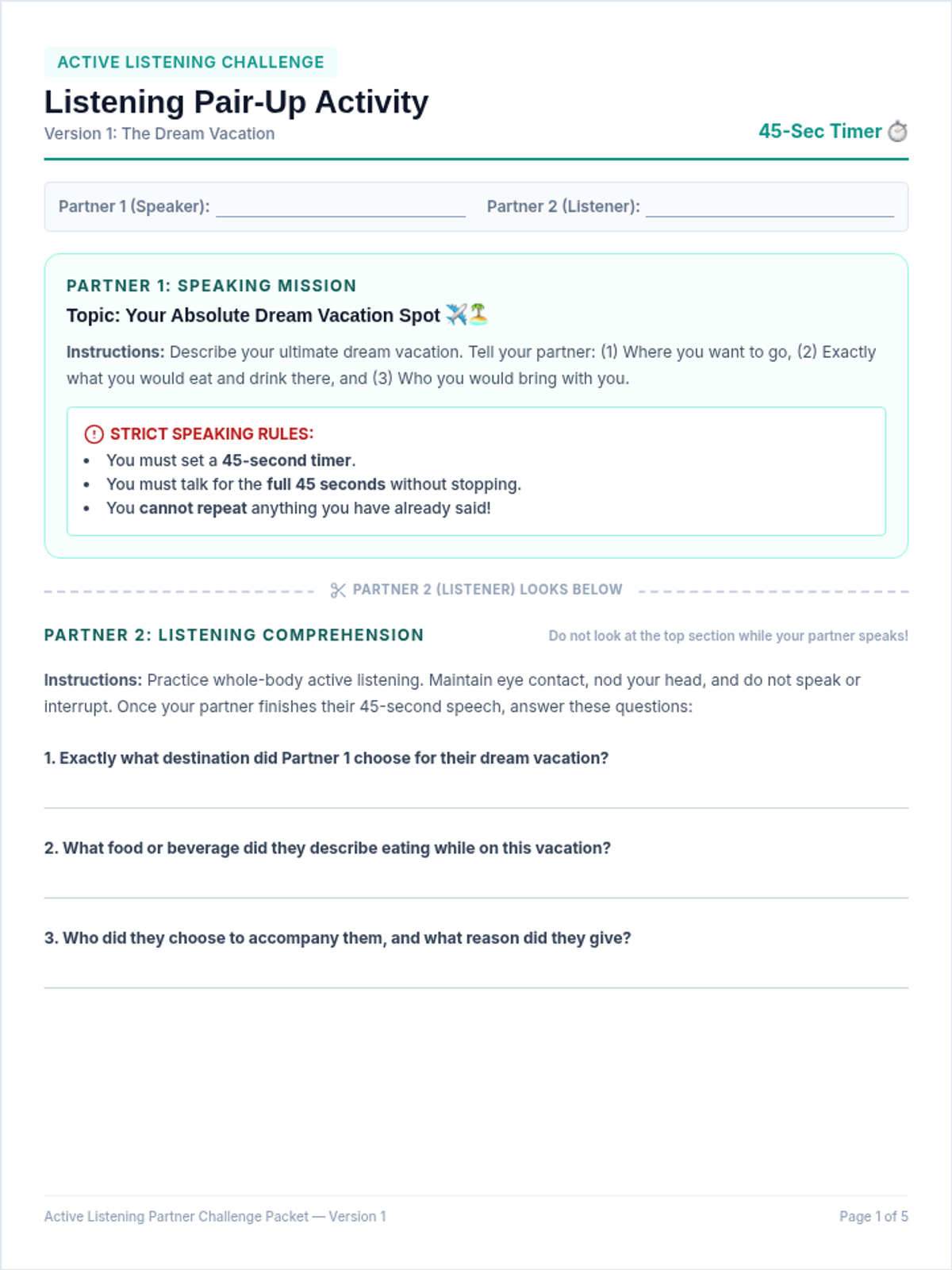
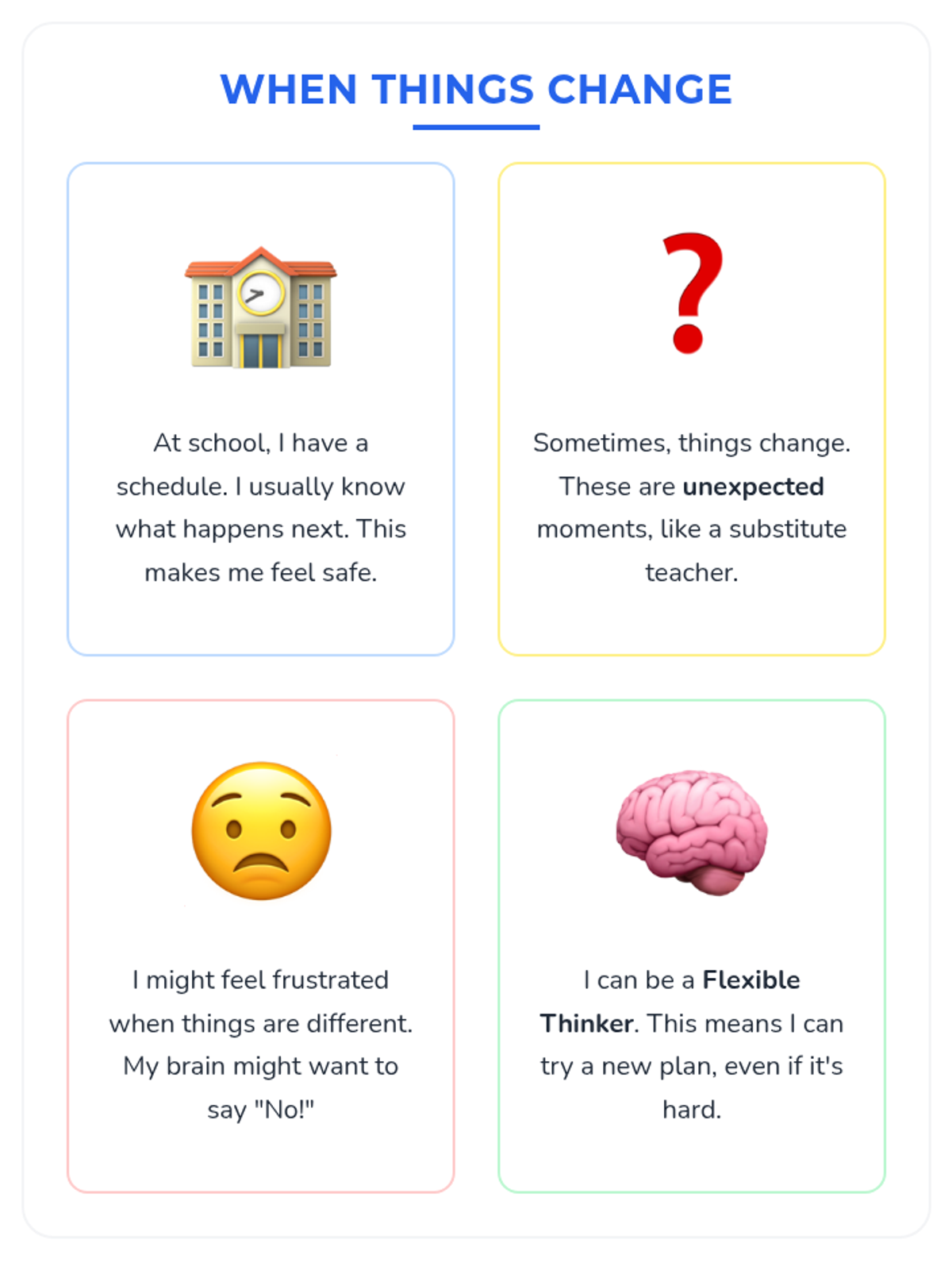
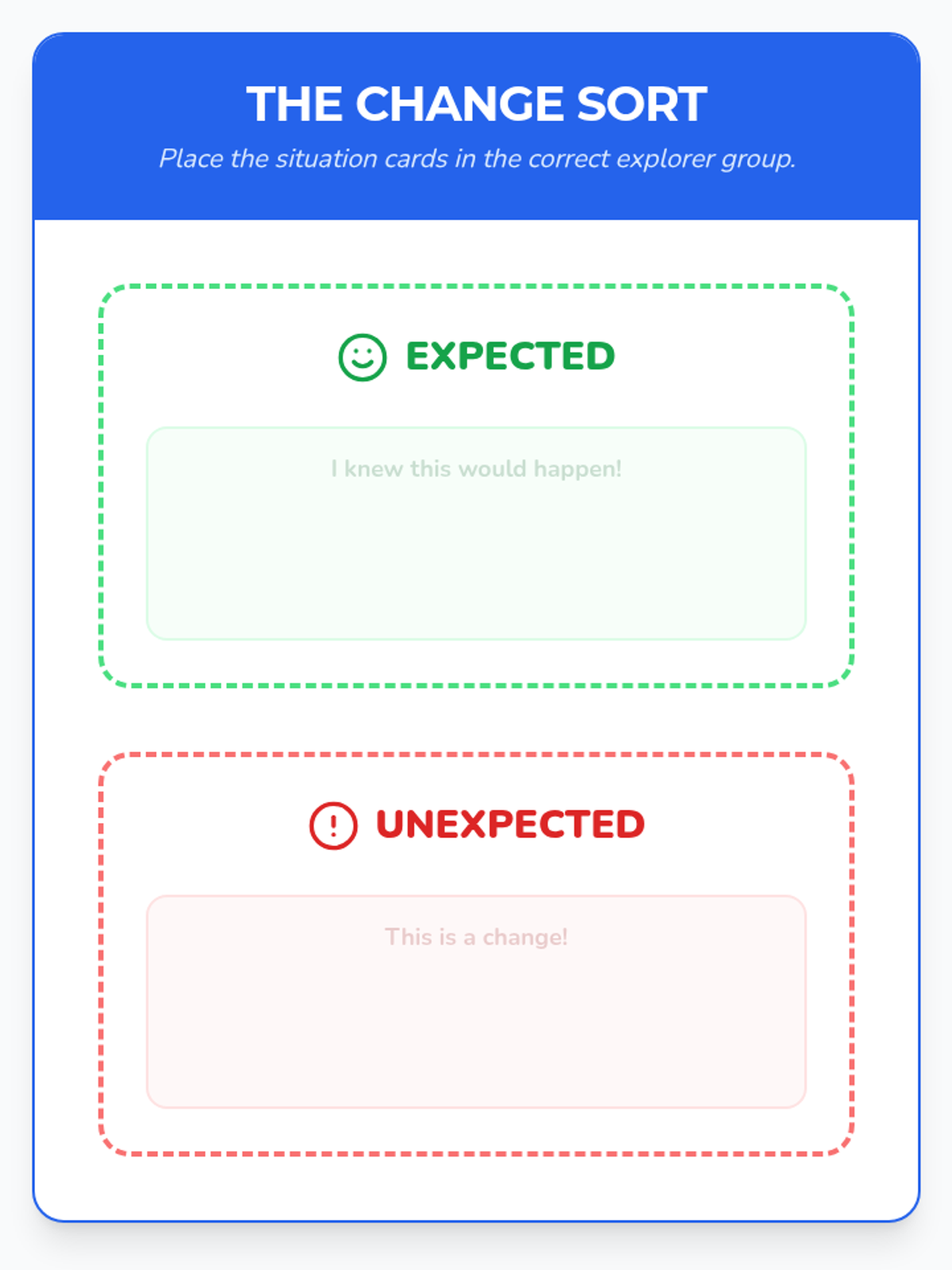
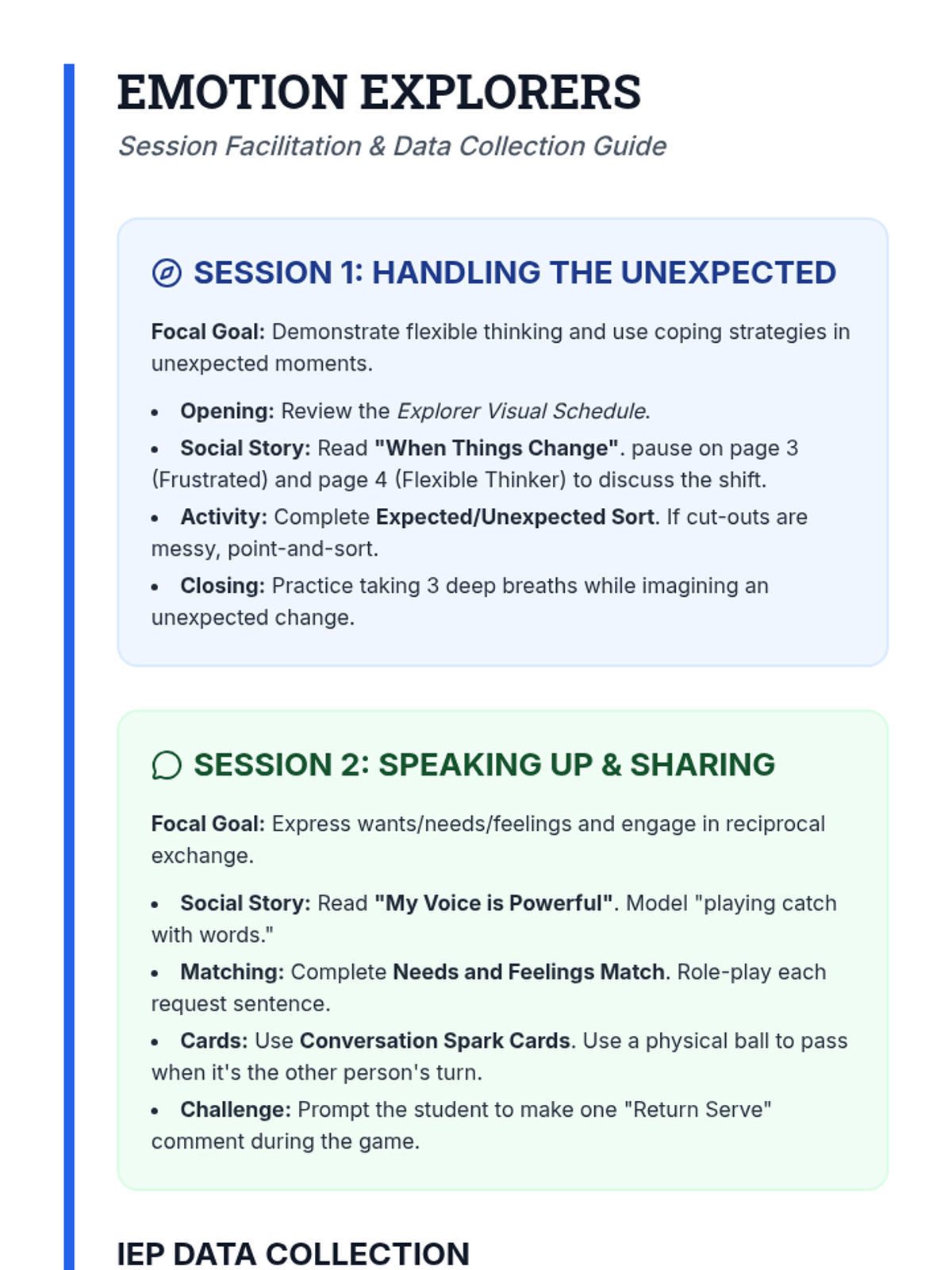
A 5-week social skills curriculum designed for 5th-grade students with Autism, focusing on conversation mechanics, initiation, maintenance, and appropriate responding through high-visual, fast-paced lessons.
A comprehensive suite of progress tracking templates designed for students with ASD who are English Learners, aligned with the five WIDA Alternate ELD Standards. This set includes narrative logs, frequency tallies, and goal-setting sheets to simplify documentation and data-driven instruction.
A unit designed for 1st and 2nd grade special education students to learn persuasive communication by creating a commercial for the town of Lorenzo. Students will follow a structured process from planning to performing their 'sales pitch' for their community.
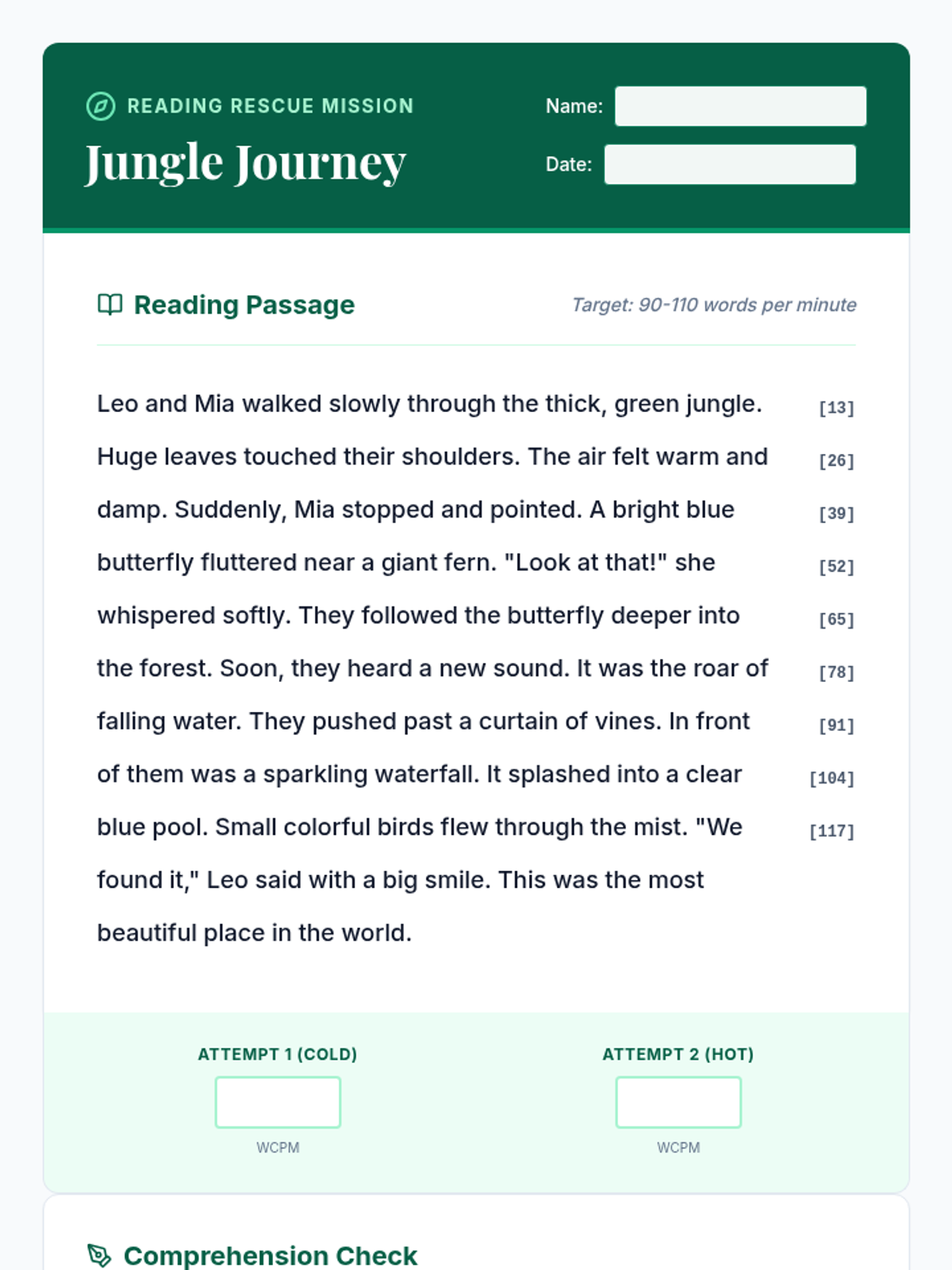
A 4-day intervention sequence for 3rd graders focusing on 2-syllable words with open first syllables (CV-CV, CV-CVC, V-CV). Includes a comprehensive teacher manual, a student workbook with encoding and decoding activities, and a cumulative reading passage.
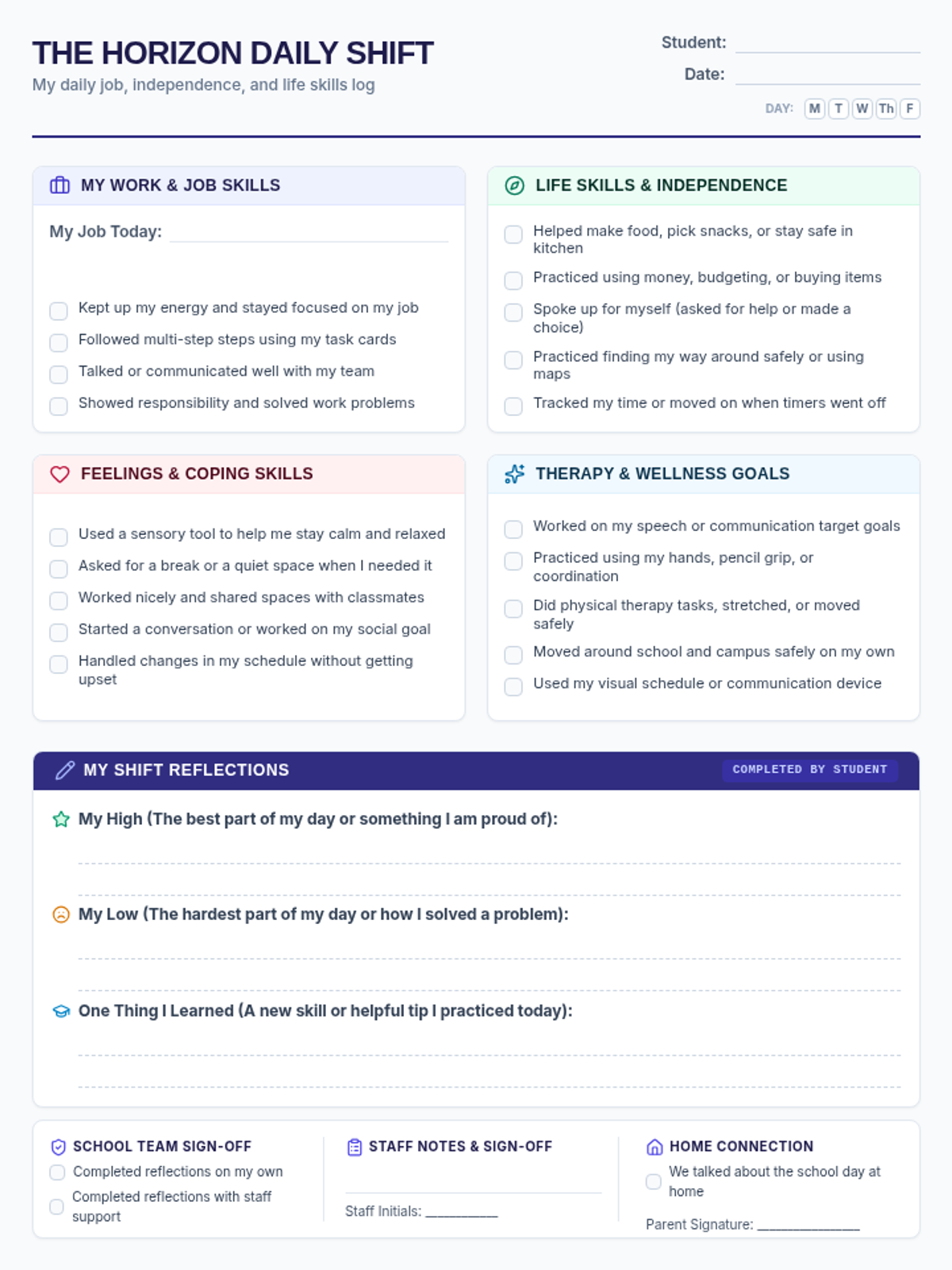
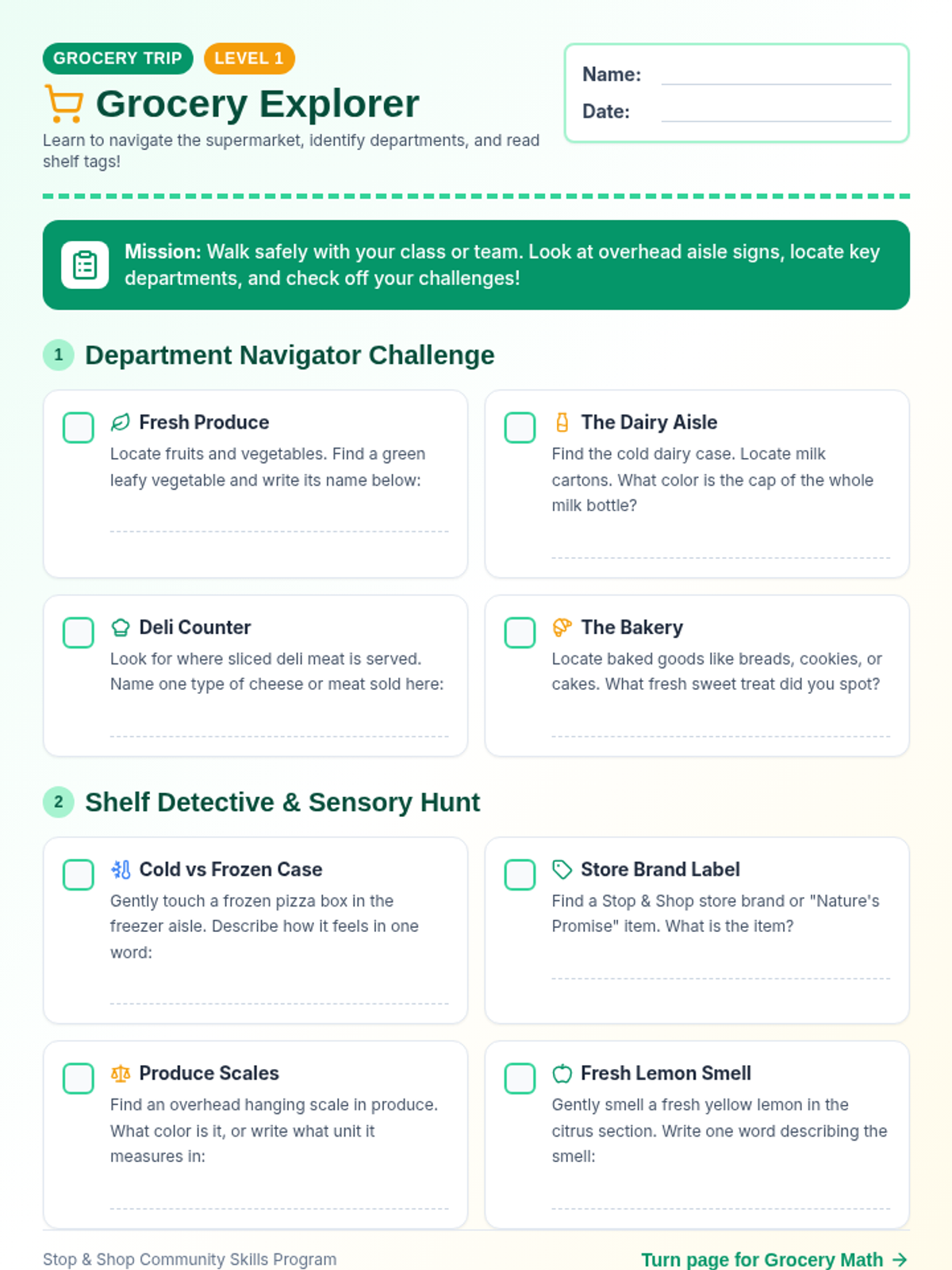
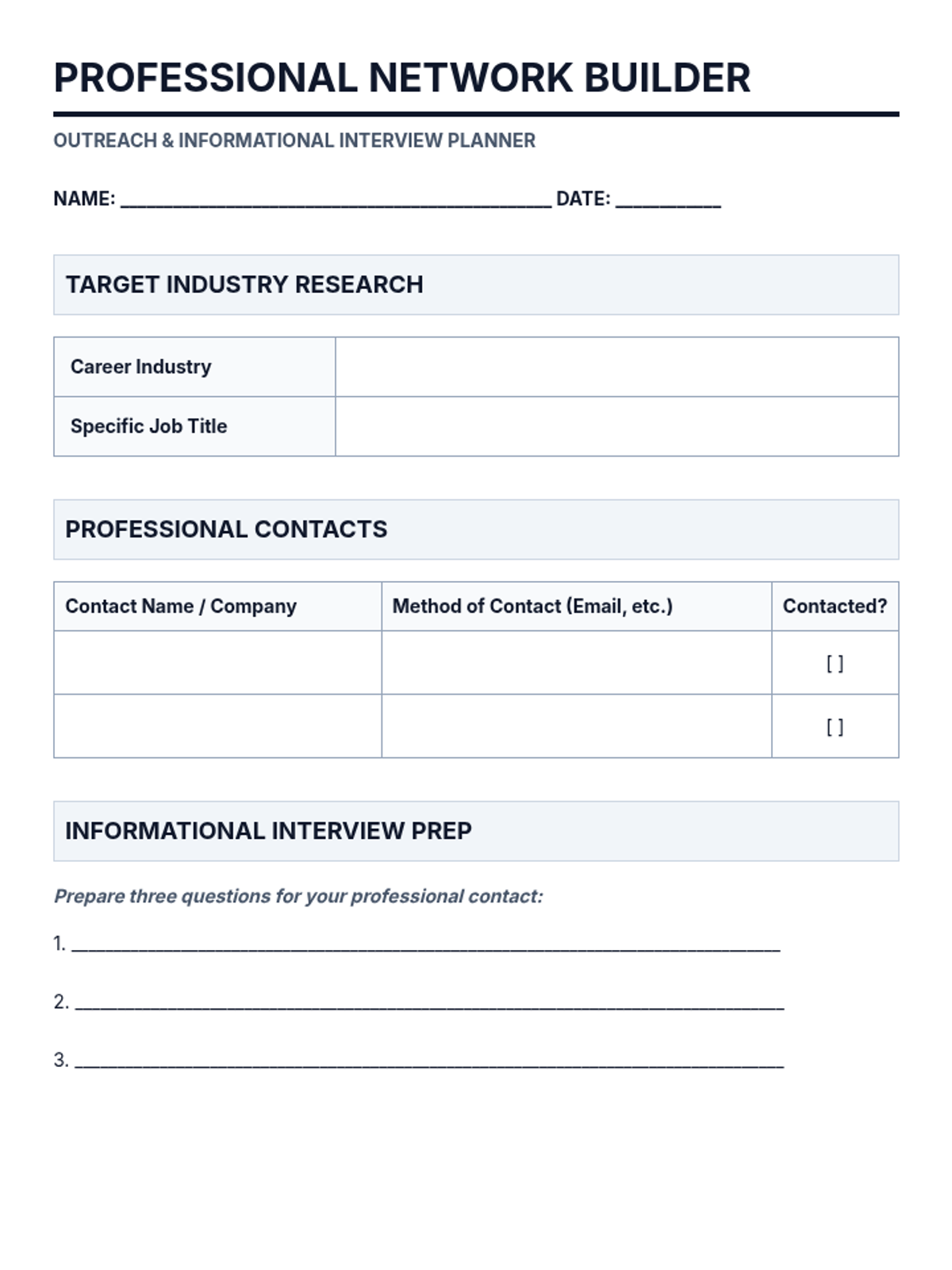
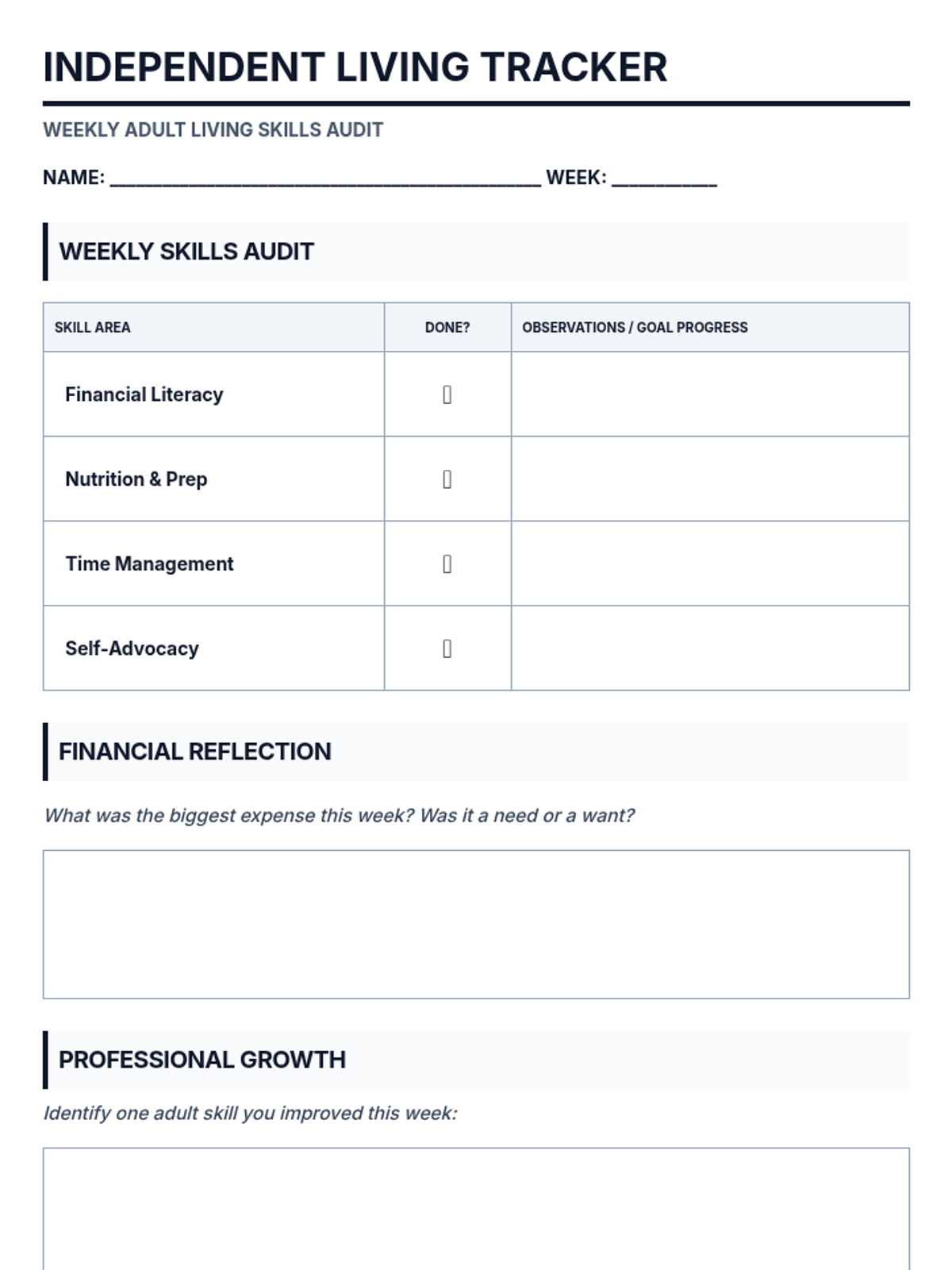
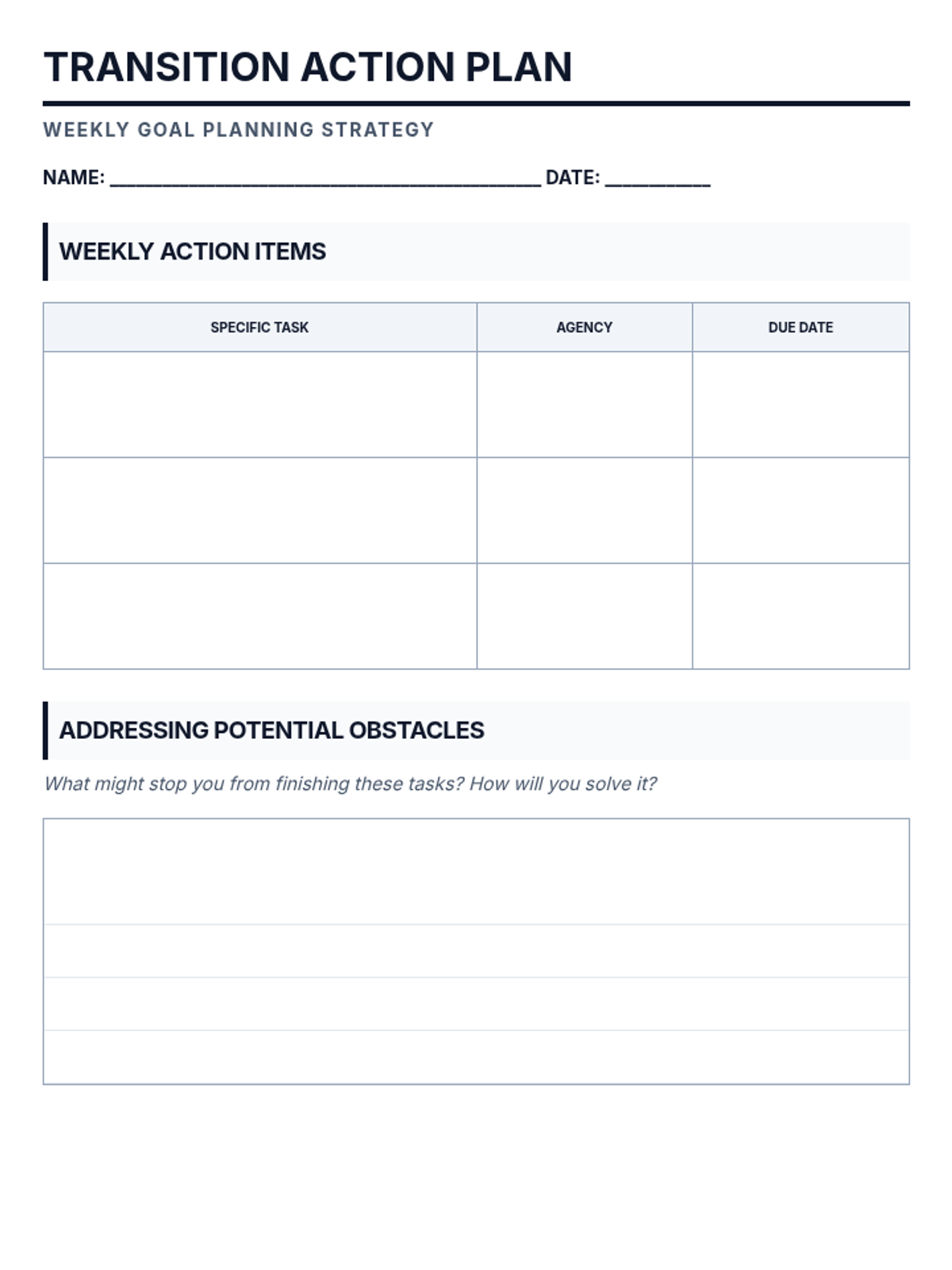
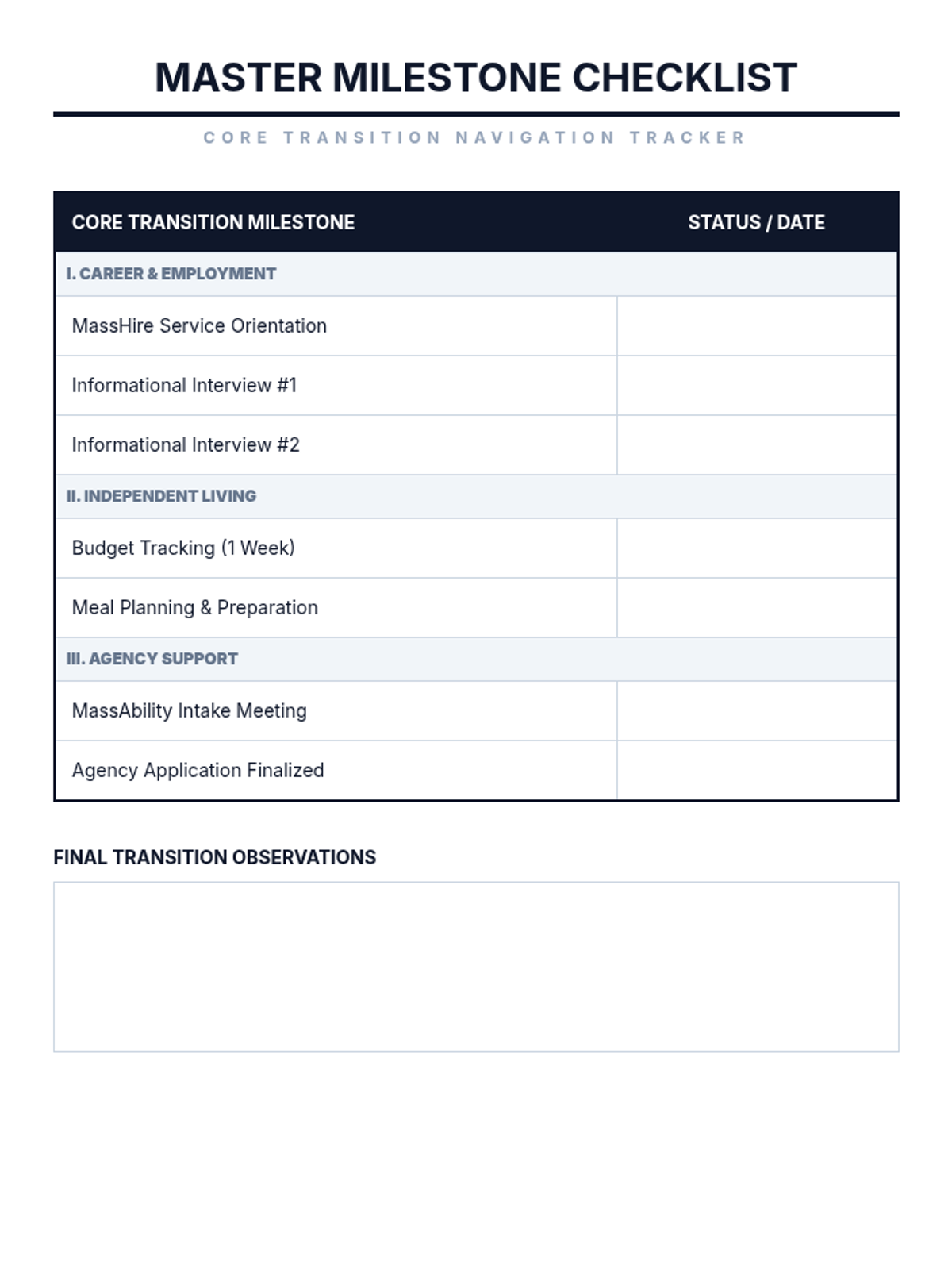
A transition-focused safety program for young adults (18-22), teaching independence in community settings and effective response to emergency situations including retail, outdoor, and transportation environments.
A multi-themed word study sequence that explores suffixes and base words through diverse real-world contexts, from the African savanna to the professional basketball court.
A phonics intervention sequence for 2nd-grade struggling readers focused on decoding nonsense words using CVC and blend patterns. The sequence uses a 'Secret Agent' theme to engage students in 'cracking the code' of reading.
A targeted small-group intervention sequence for 2nd-grade students struggling with Correct Letter Sounds (CLS) in Nonsense Word Fluency. The sequence moves from short vowels to consonant blends and digraphs using a 'Sound Lab' theme.
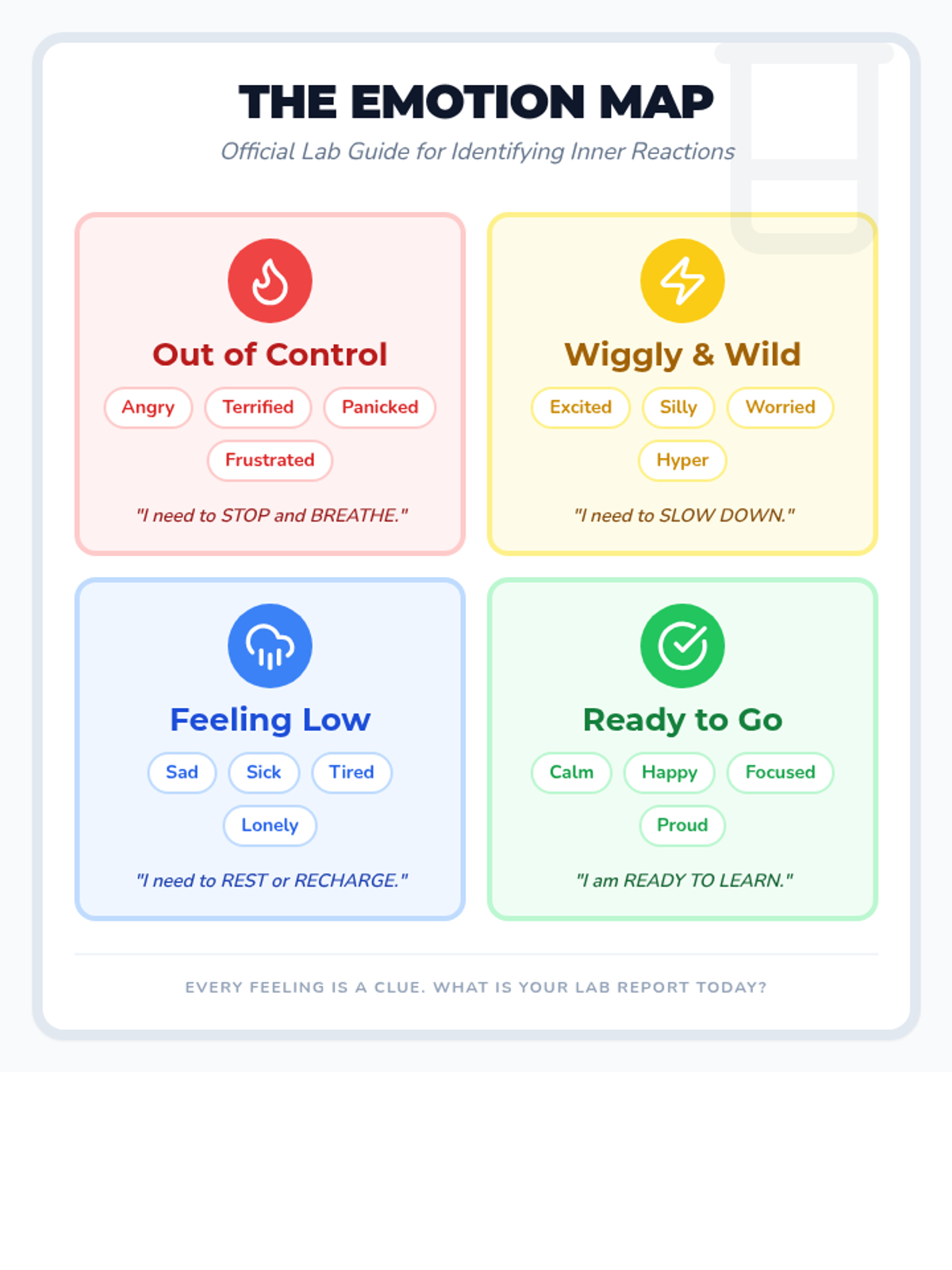
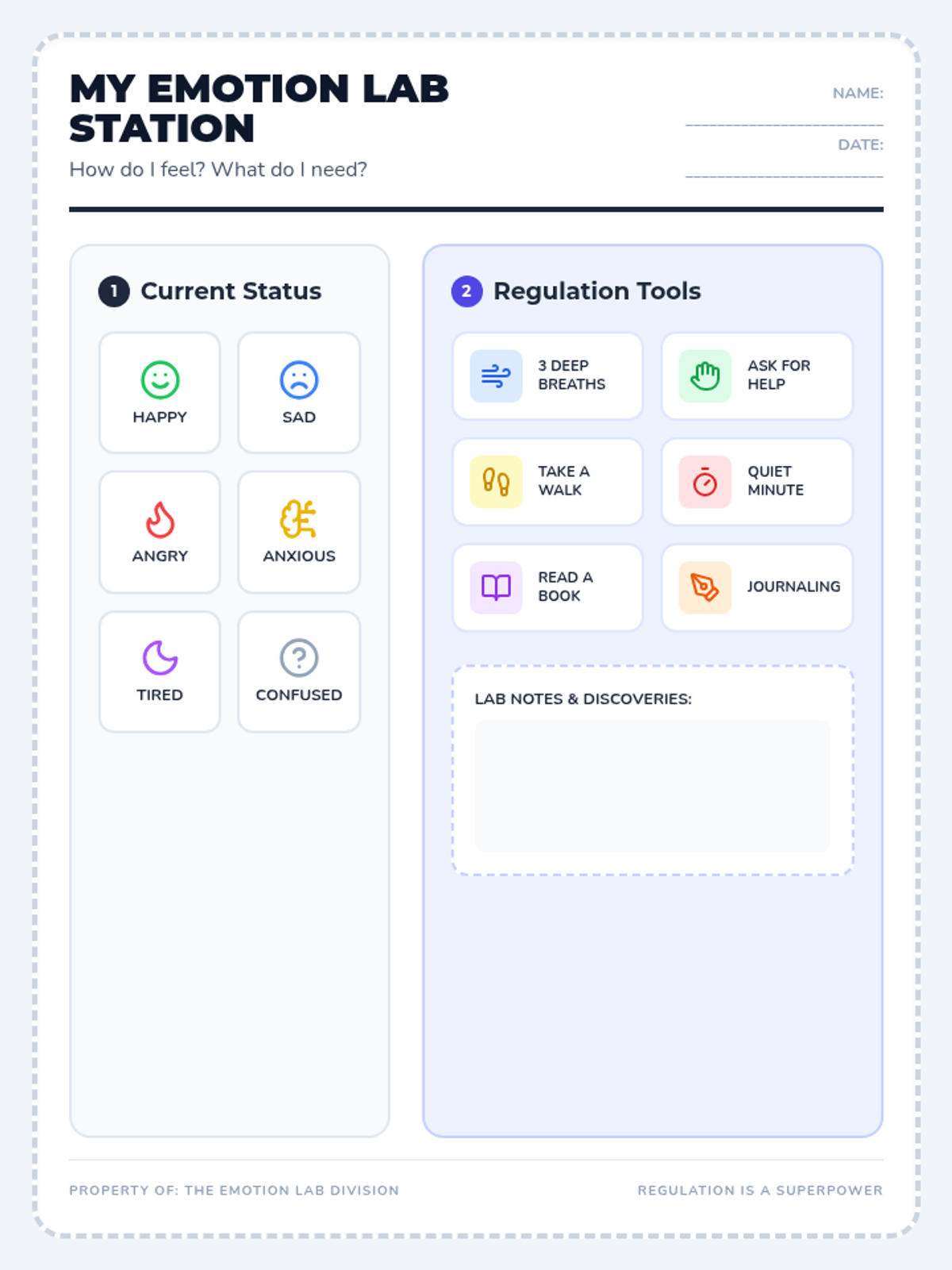
A 4-week social skills unit (8 lessons) teaching students to distinguish between their emotional brain and smart brain, focusing on regulation strategies, autism-specific challenges, and positive outlets.
A two-part speech therapy series targeting comparative and superlative adjectives. The first part covers regular suffixes (-er, -est) while the second part masters irregular forms (better, best, worse, worst) through visual debates and structured practice.