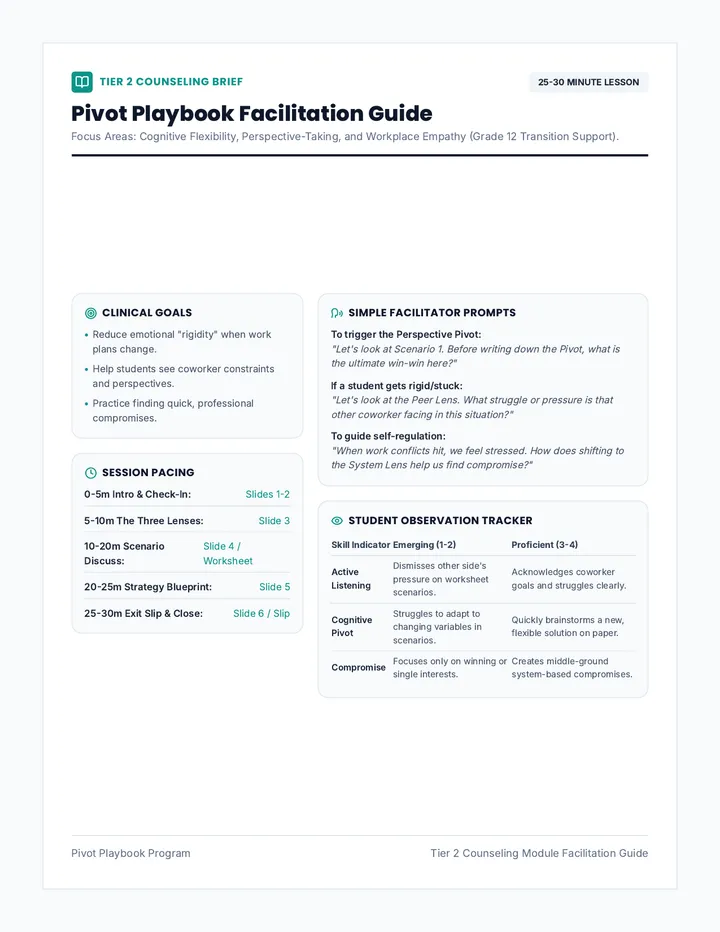
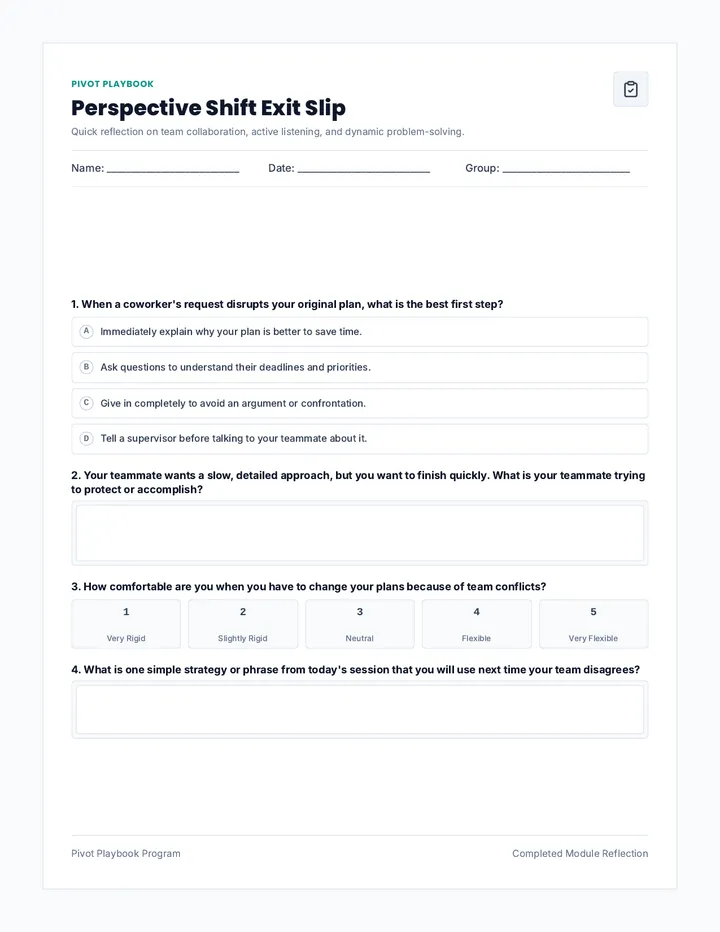
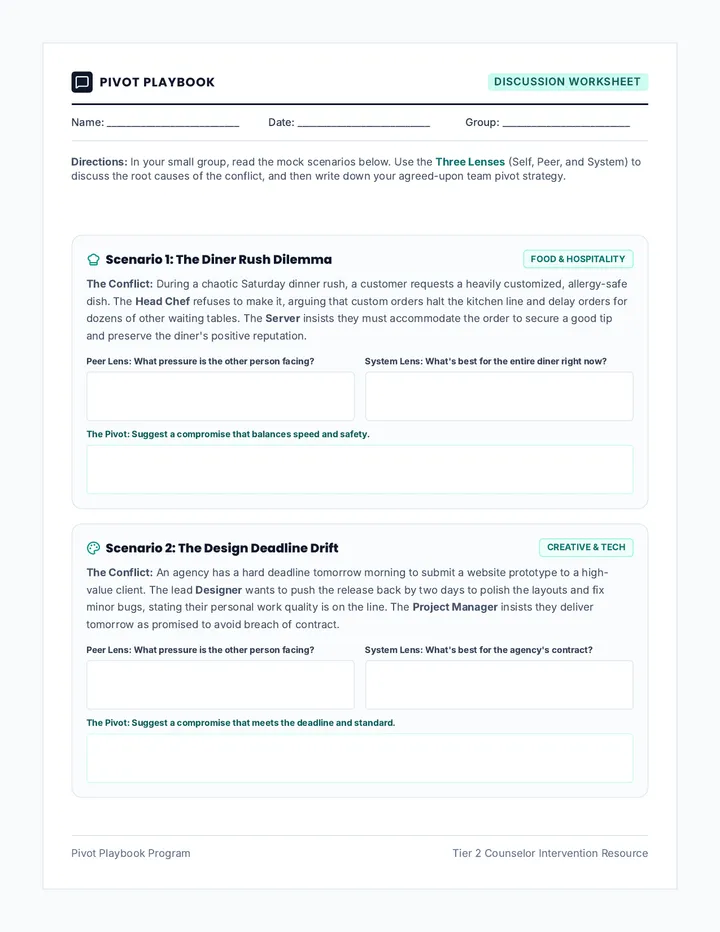
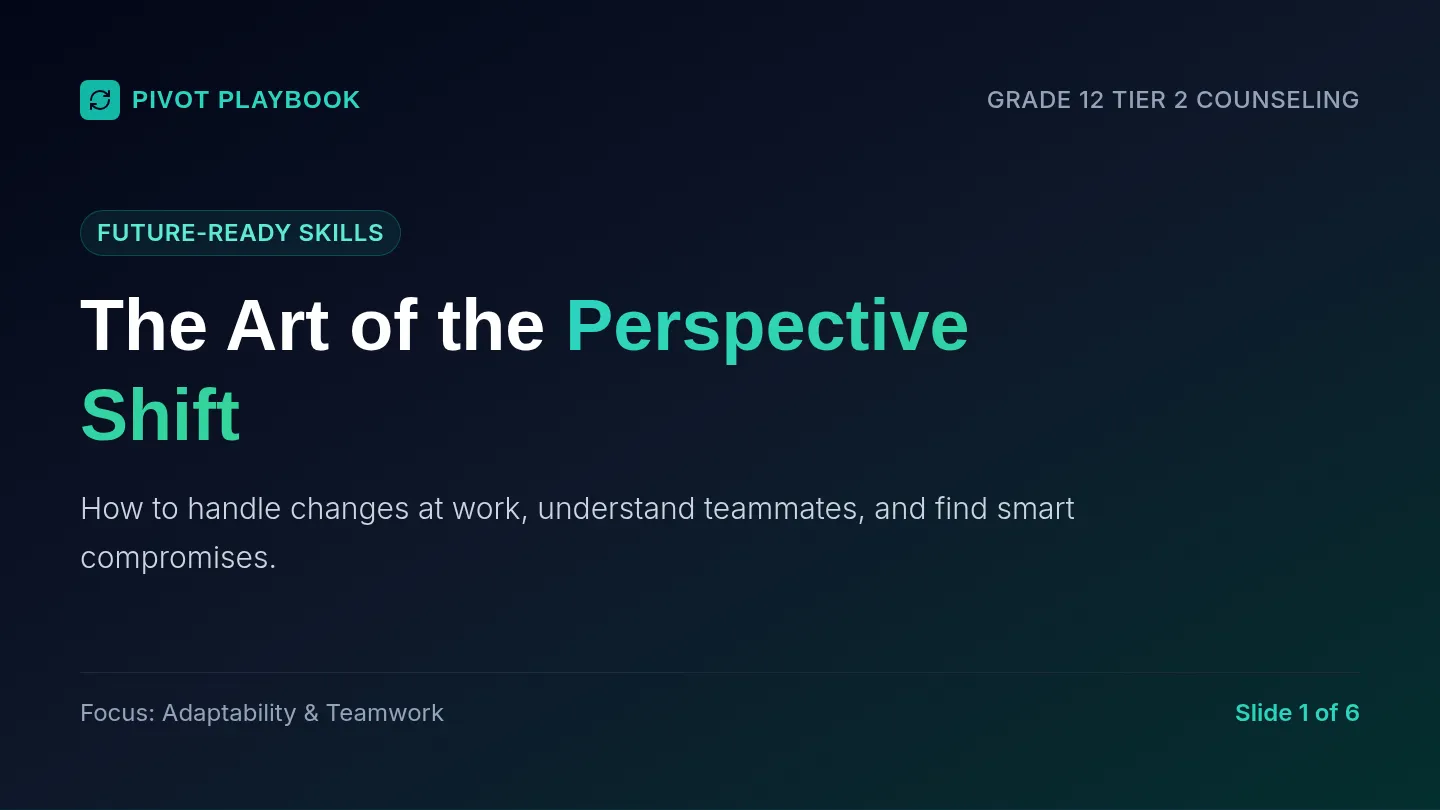
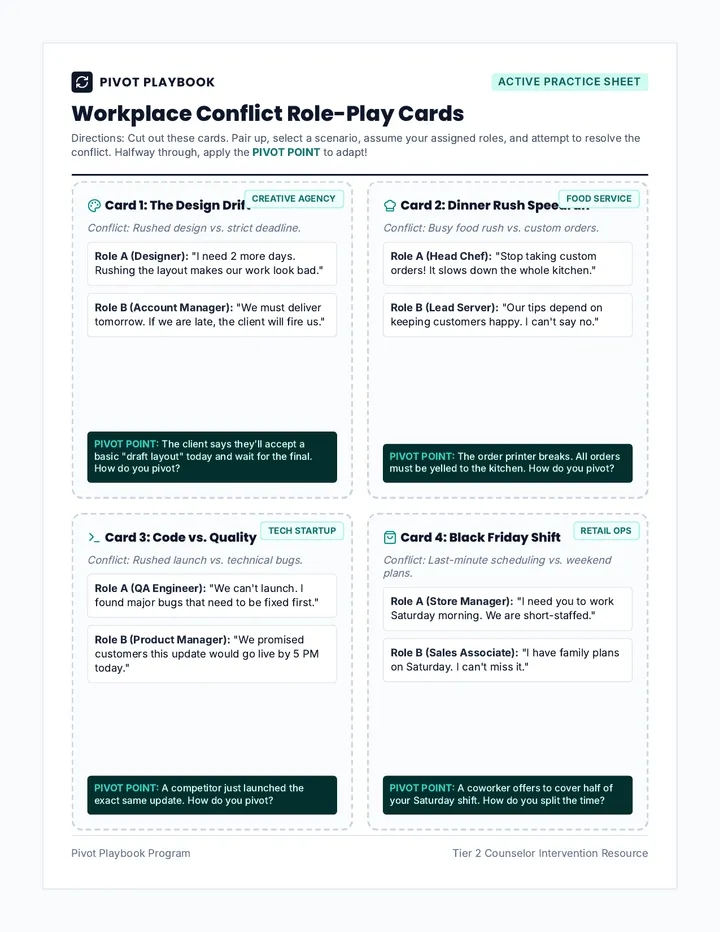
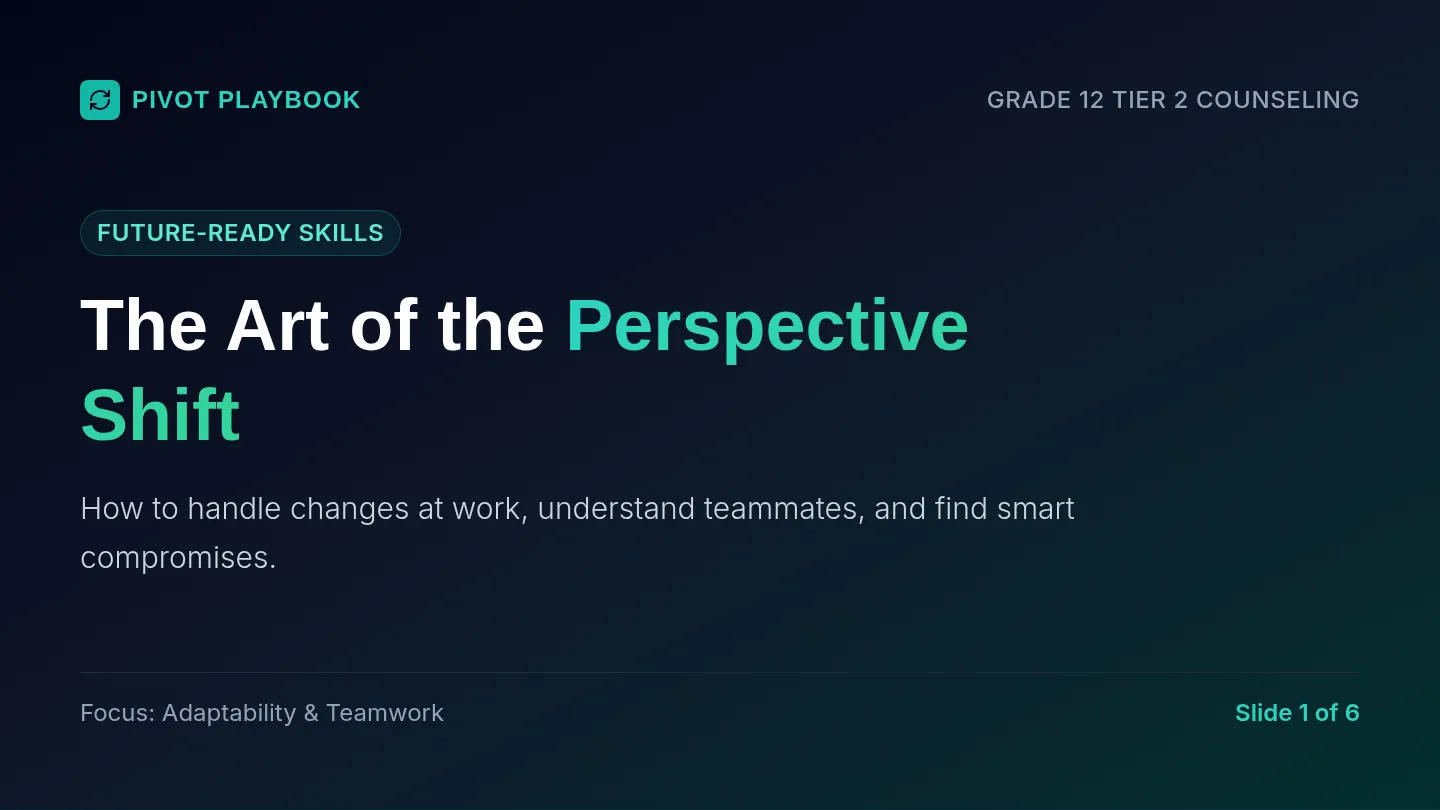
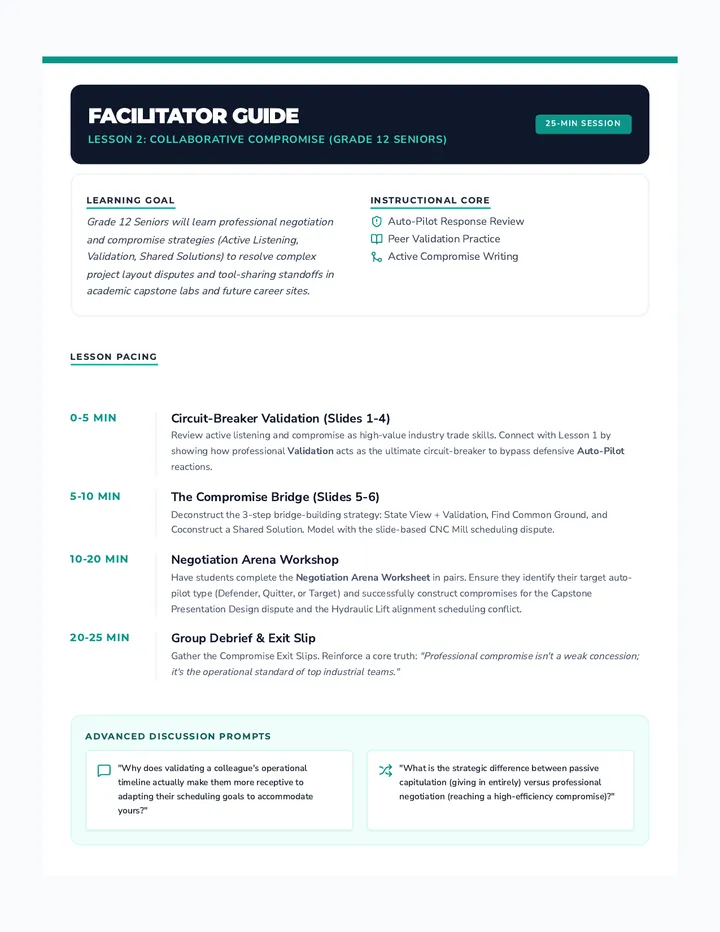
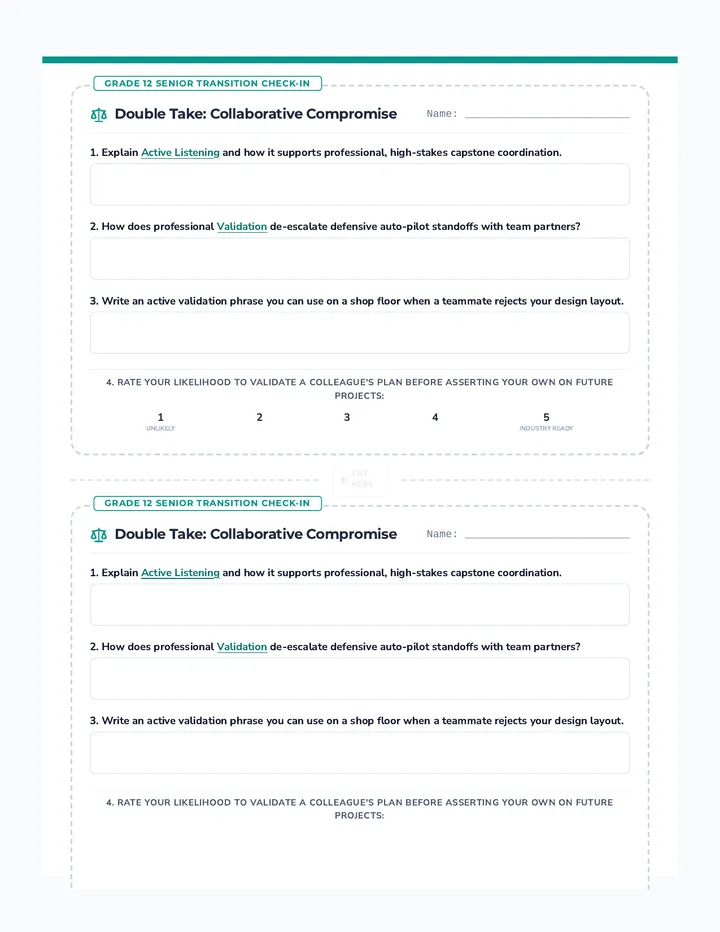
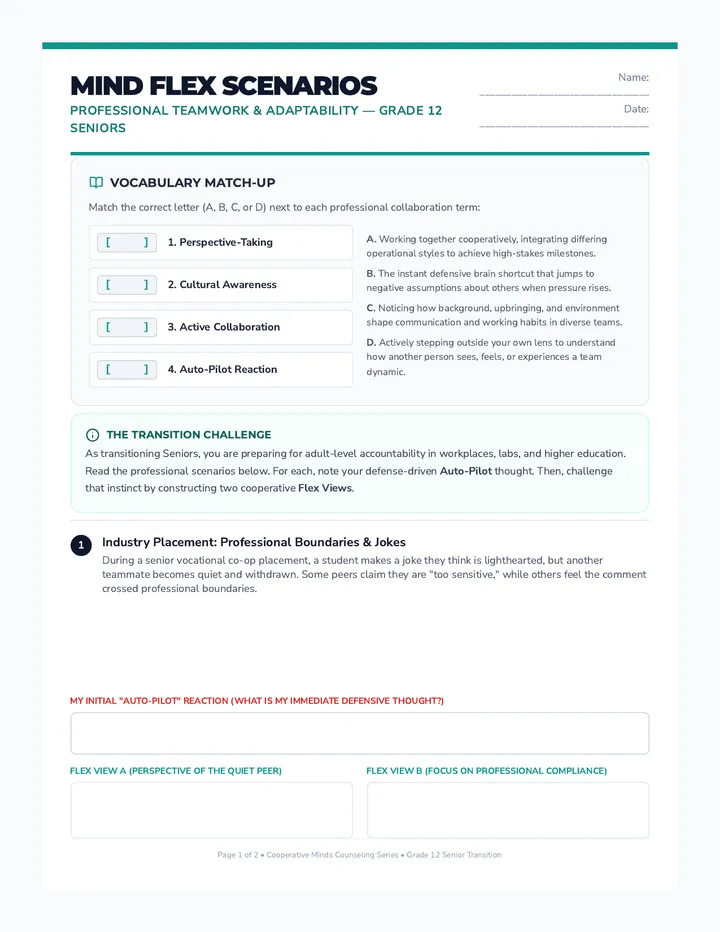
A comprehensive teacher-facing guide for facilitating Peer Support Circles, including objectives, preparation steps, and a detailed 60-minute instructional sequence.
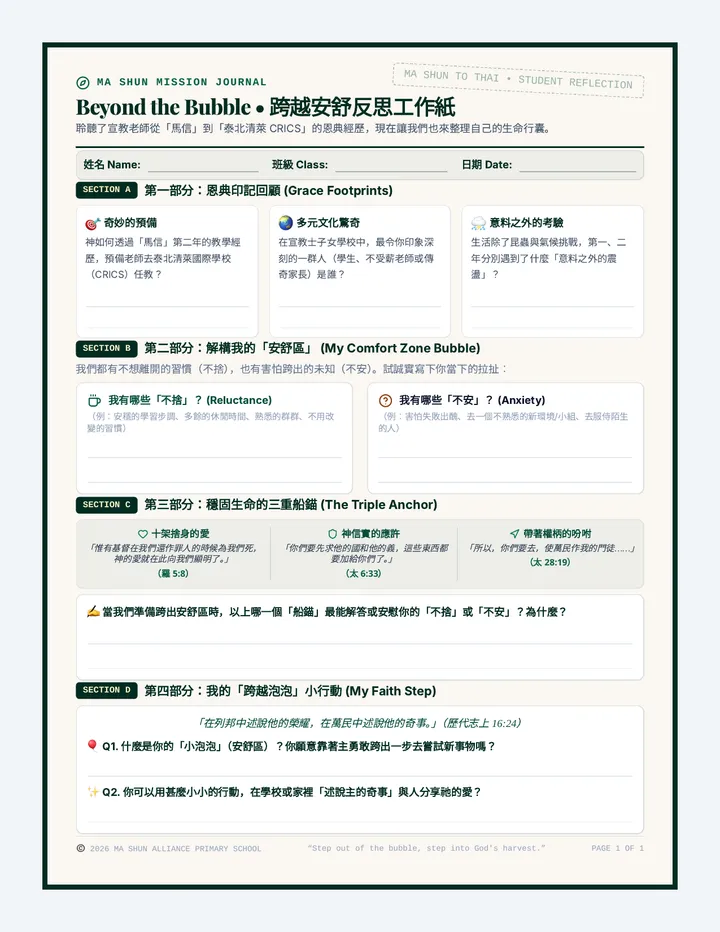
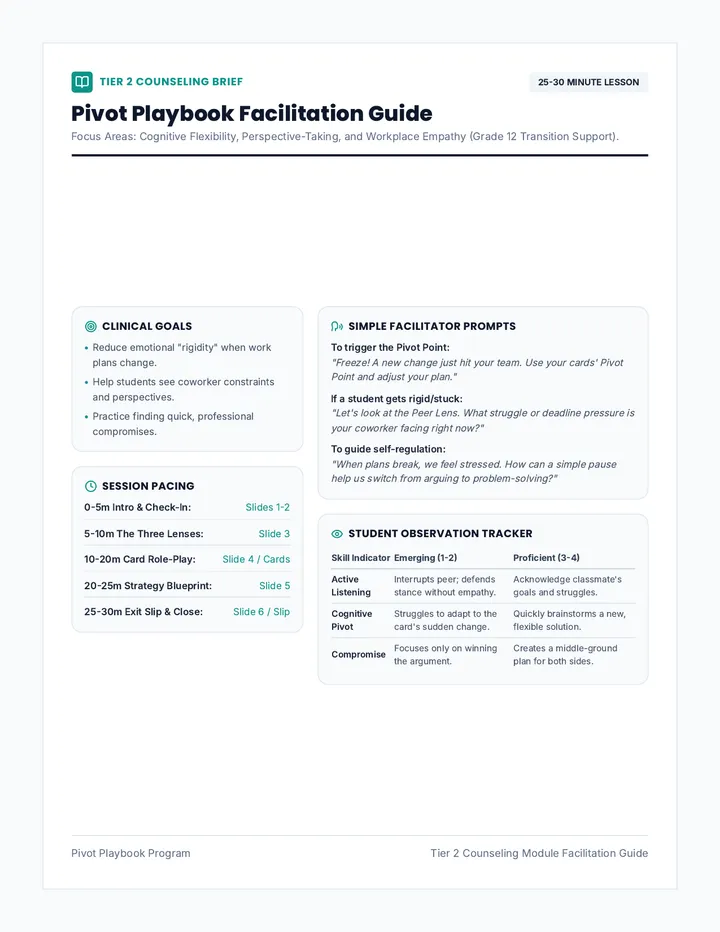
A comprehensive facilitator's guide for the session, providing step-by-step instructions, discussion prompts, and strategies for handling student anxiety regarding self-disclosure.
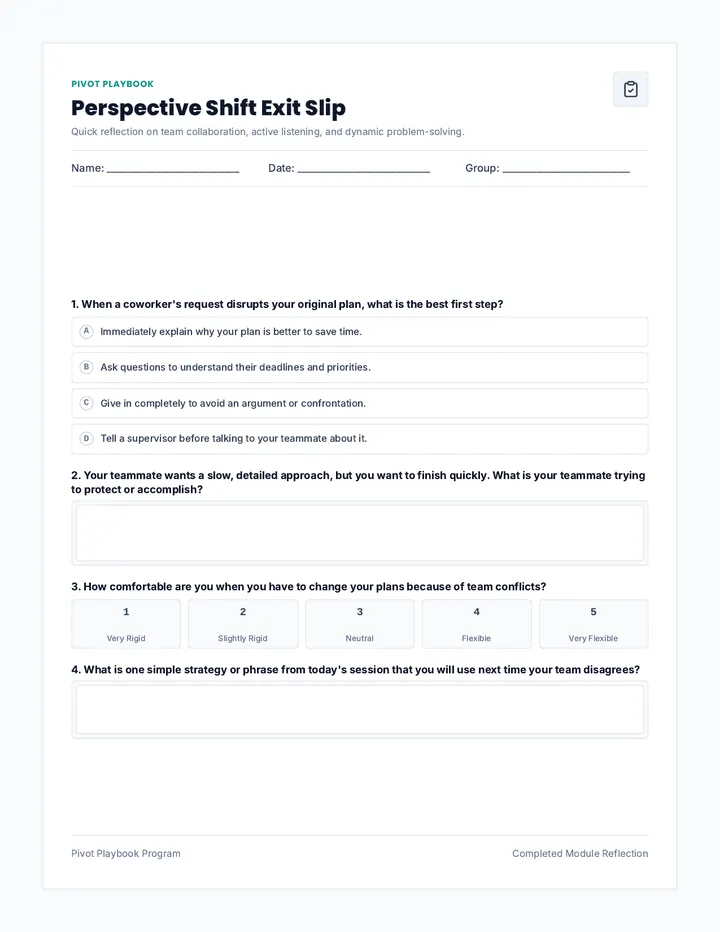
A post-activity reflection sheet designed for student self-assessment. It helps students identify their strengths and growth areas in self-advocacy and includes a section for drafting a personal "Elevator Pitch" for professors.
A clear, three-role guide for students to use during advocacy role-play. It includes specific goals for the Advocate, the Authority, and the Observer, along with a fill-in-the-blank script for extra support.
A collection of four realistic scenarios ranging from easy to difficult, focusing on college and workplace self-advocacy. Each scenario includes a "twist" to make the role-play more challenging and authentic.
A professional and engaging 9-slide presentation designed for high school seniors. It covers the transition to college advocacy, provides a three-step script for communicating needs, and sets up real-world role-play scenarios.
A set of social navigation challenge cards for 7th grade students to practice personal space, responding to 'No', and handling rejection across various school environments like the hallway, lunchroom, and library.
A teacher's facilitation guide with expanded role-play scenarios, corrective prompts, and sensitive framing for teaching social boundaries to students.
A guide for handling rejection and the difference between 'Not Now' and 'No'. Revised for improved layout, page breaks, and formatting consistency. Highlighting clear boundaries and respectful responses. Includes structured writing lines for student responses.
A student-facing guide focusing on personal space rules, the 'Exit Path' concept, and how to respond when asked to move. Revised for layout consistency, improved diagramming, and optimal page usage. Includes structured writing lines for student responses.
A set of social navigation slides focusing on personal space, responding to 'No', and handling rejection. Includes practice challenge cases for classroom discussion.
A comprehensive answer key and exemplar response guide for the Brain Lab workbook, covering scientific terminology, mindset flips, and personal reflection prompts.
A robust 10-page facilitation guide for educators to implement the Brain Lab workbook, featuring learning objectives, pacing tables, instructional strategies, differentiation tips, and an assessment rubric.
A comprehensive 10-page student workbook exploring the science of neuroplasticity, brain anatomy, and growth mindset. It features a "Brain Lab" theme with engaging visuals and dedicated student reflection areas.
A professional facilitator's key providing the psychological rationale for the lesson's prompts, tips for handling common teen responses in rehab, and suggested reframing language.
A structured student workbook using architectural metaphors to guide teens in recovery through journaling exercises focused on identifying core values and reconstructing their identity.
A visually striking slide deck for a teen journaling session, using architectural blueprints as a metaphor for self-discovery and recovery. Includes discussion prompts and structured journaling exercises.
A comprehensive facilitator's guide for a journaling session in a recovery setting, utilizing an architectural blueprint metaphor to help teens explore identity and self-discovery.
A vocabulary reference sheet for teenagers, defining core values in accessible language. Organized by categories like Strength, Connection, Growth, and Spirit to aid in self-reflection and art brainstorming.
A student worksheet for planning and reflecting on an art therapy project focused on values. It provides structured space for selecting values, brainstorming visual symbols, and reflecting on the creative process.
A comprehensive facilitator guide for an art therapy lesson on values, specifically tailored for teenagers in rehabilitation. Includes therapeutic goals, materials, a step-by-step lesson plan, and discussion prompts.
A portable reference card for students to keep in their notebook or wallet. It provides quick cognitive reframing statements and three 'Golden Rules' for overcoming the perfectionism-procrastination loop during moments of high stress.
Visual presentation slides for the counseling session, explaining core neurodivergent concepts like Time Blindness, the 'Wall of Awful', and the 'Strategic B-Minus' approach. Designed with a dark, high-contrast aesthetic to maintain focus and reduce visual overwhelm.