A visual graphic organizer for 1st-grade students to plan a three-part apology using a sandwich metaphor: I'm sorry (top bun), because I (filling), and how can I fix it (bottom bun). Now updated with primary writing lines and fits on a single page.
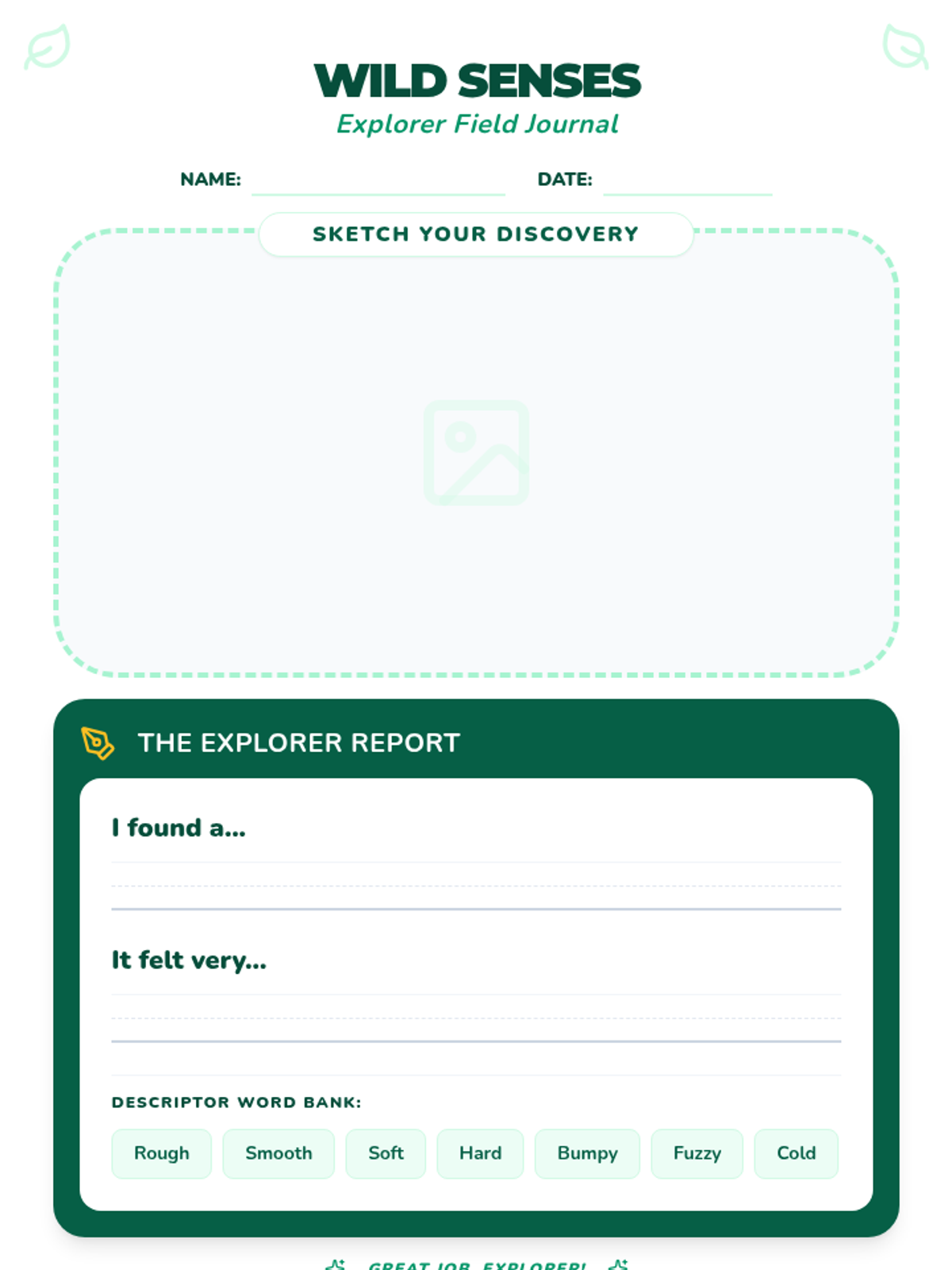
A student-facing journal page for 1st graders to draw and write about their favorite sensory discovery from the Senses Safari. Includes a word bank for descriptors.
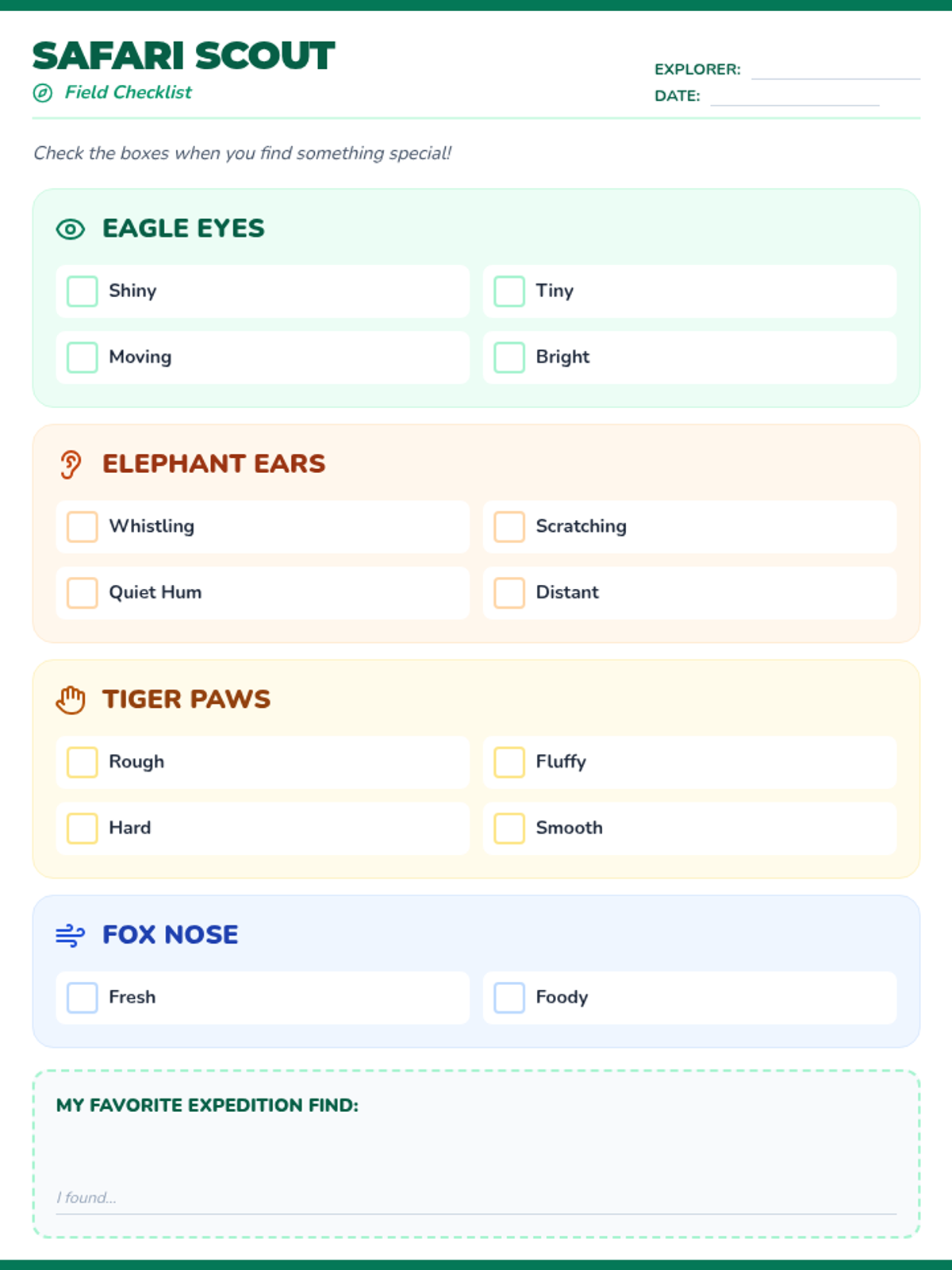
A structured checklist for 1st-grade students to use during their sensory safari walk, featuring icons and descriptive categories for sight, sound, and touch.
A vibrant, visual slide deck for 1st graders introducing the "senses safari" concept and sensory tools (Eagle Eyes, Elephant Ears, Tiger Paws) for a mindfulness walk.
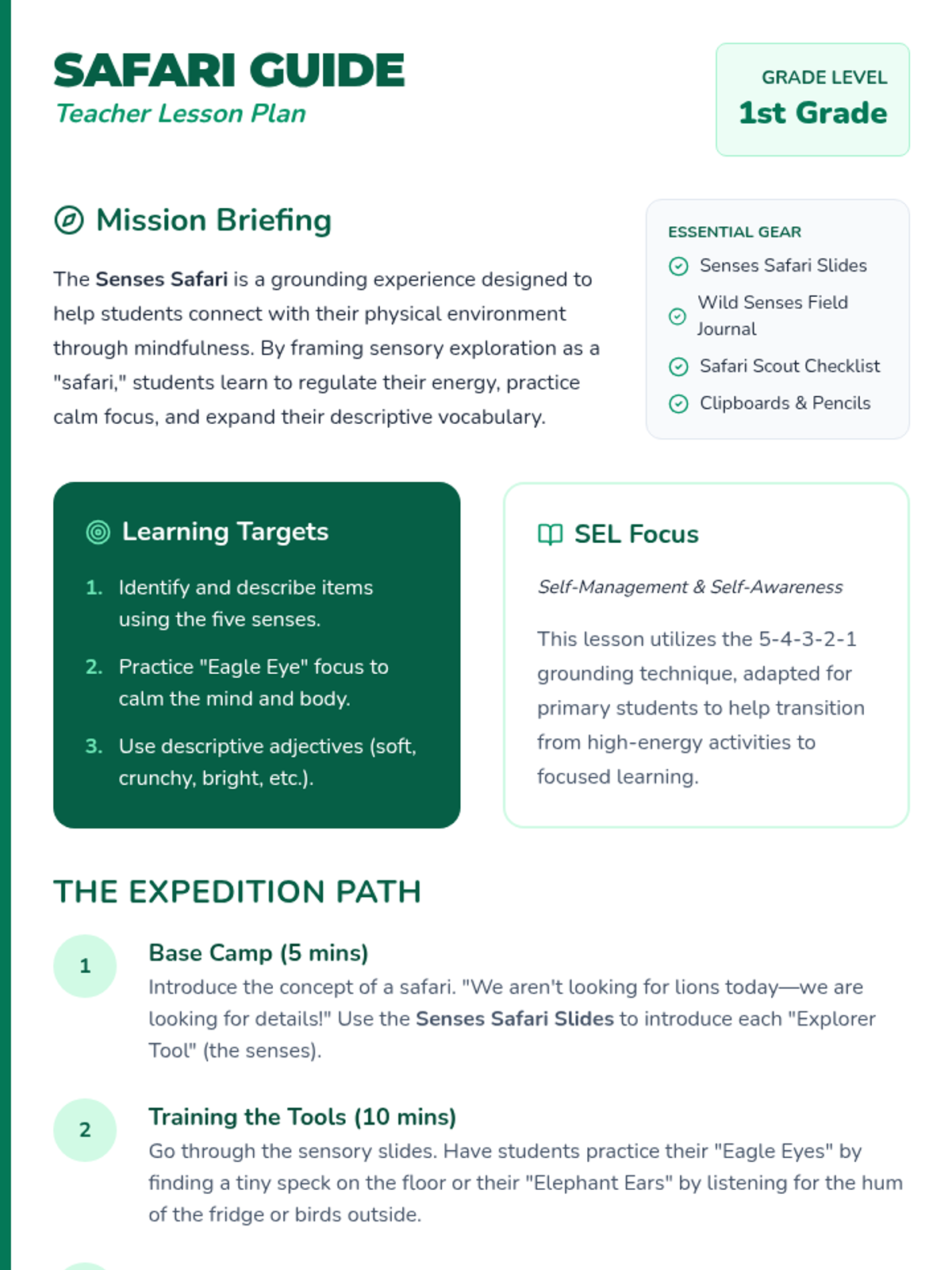
A comprehensive teacher guide for the Senses Safari lesson, outlining objectives, materials, and a step-by-step instructional path for 1st grade mindfulness.
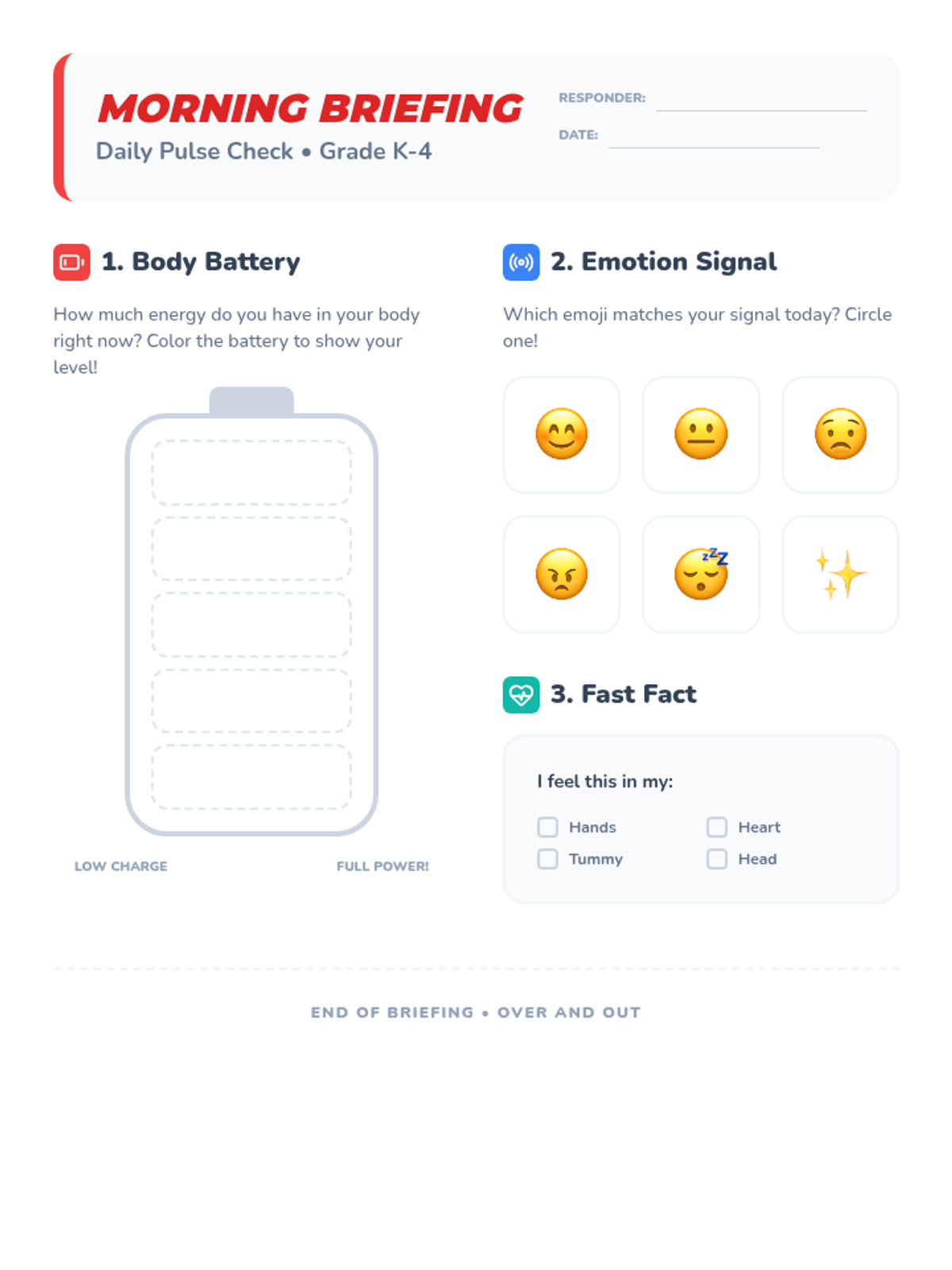
A quick, engaging warm-up activity for the start of a lesson where students check in with their "body battery" and identify current emotional signals.
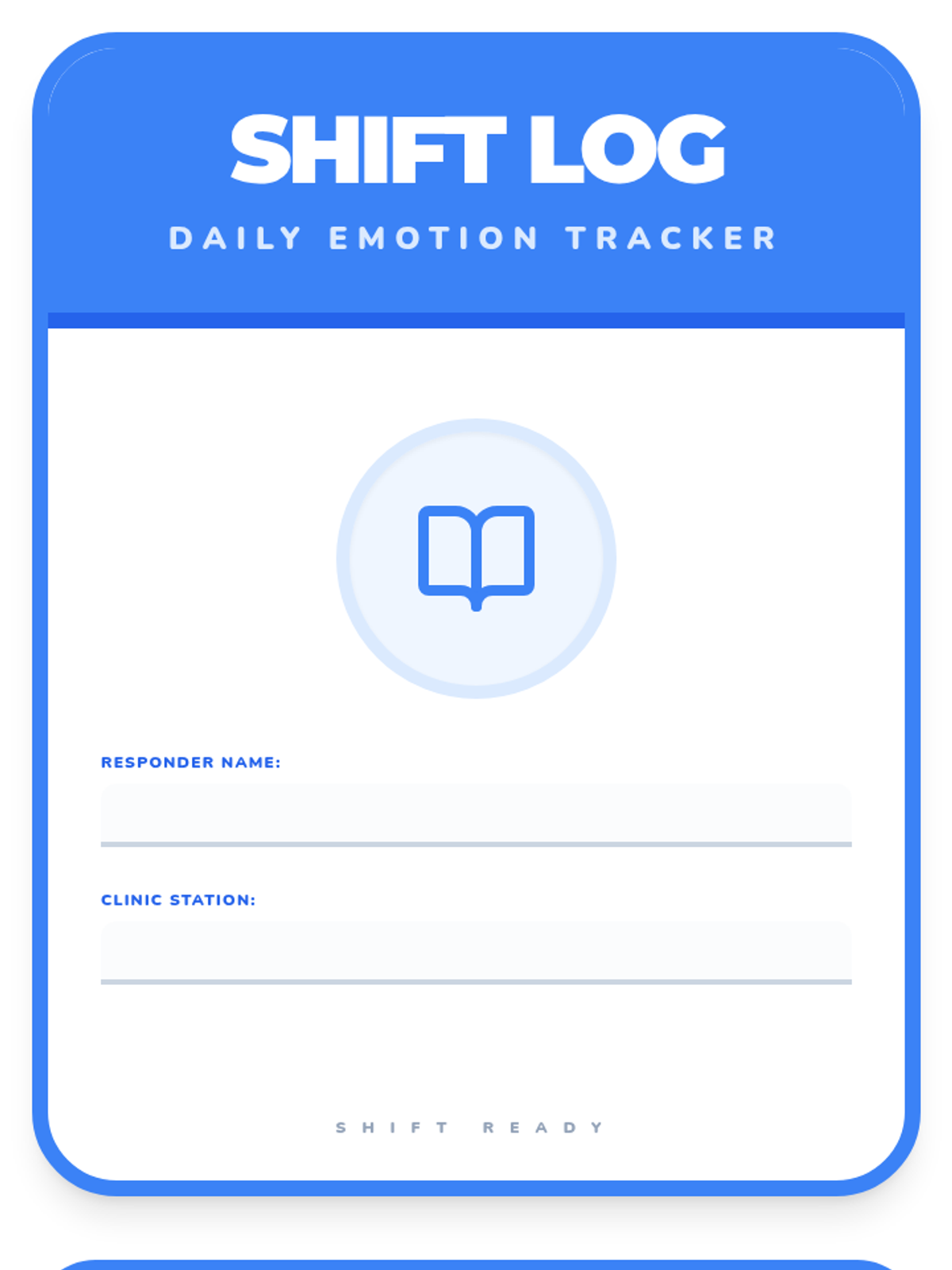
A daily reflection journal for students to track their "battery levels," identify emotions felt during the day, and practice noting physical body signals and the coping tools they used.
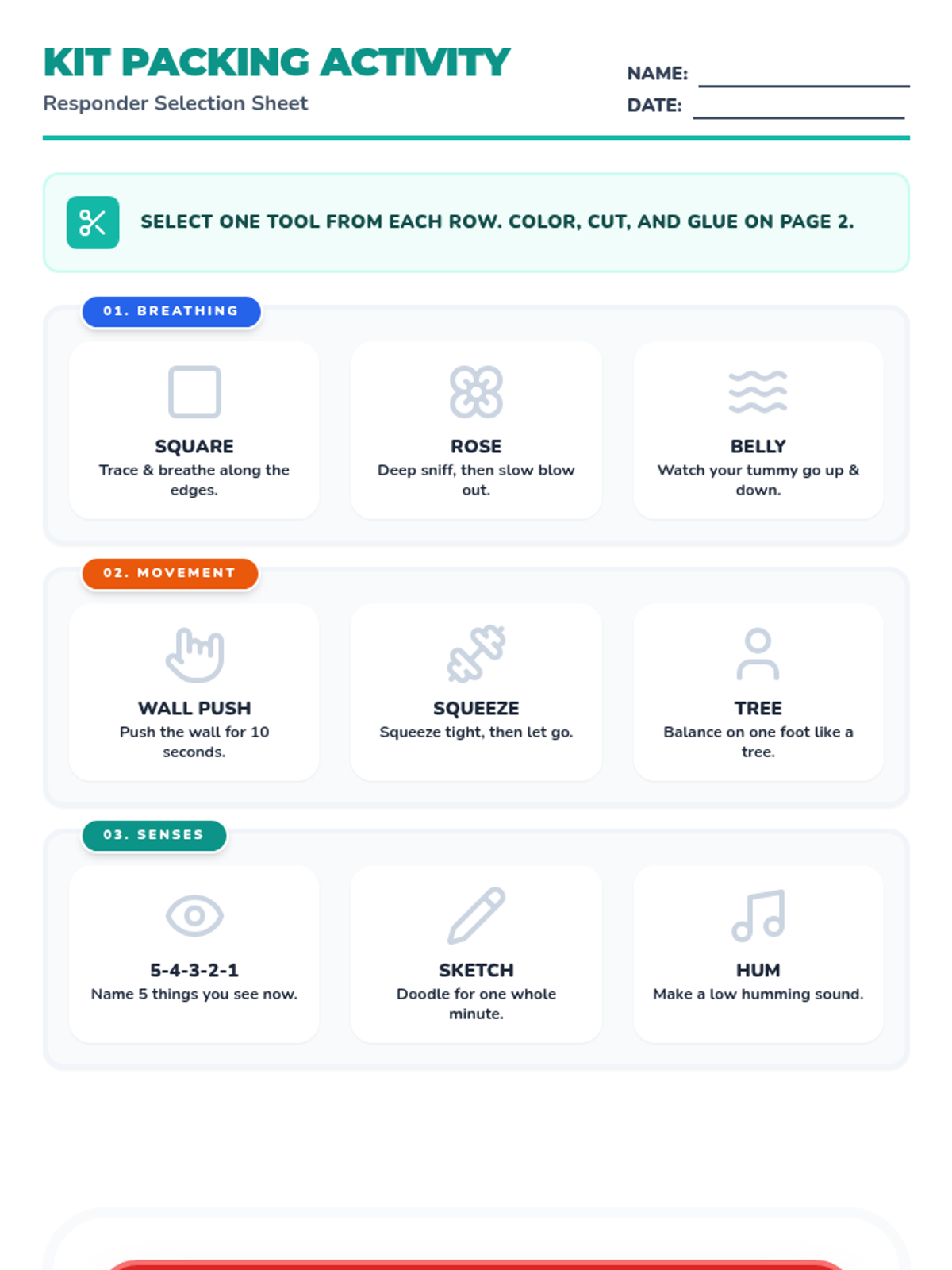
A cut-and-paste activity where students select personalized coping tools from three categories (Breathing, Movement, and Sensory) and assemble their own "Emotional First Aid Kit."
A highly visual slide deck for teaching K-4 students how to recognize physical emotional signals and understand the concept of a coping toolkit. Includes engaging icons and clear, large text.
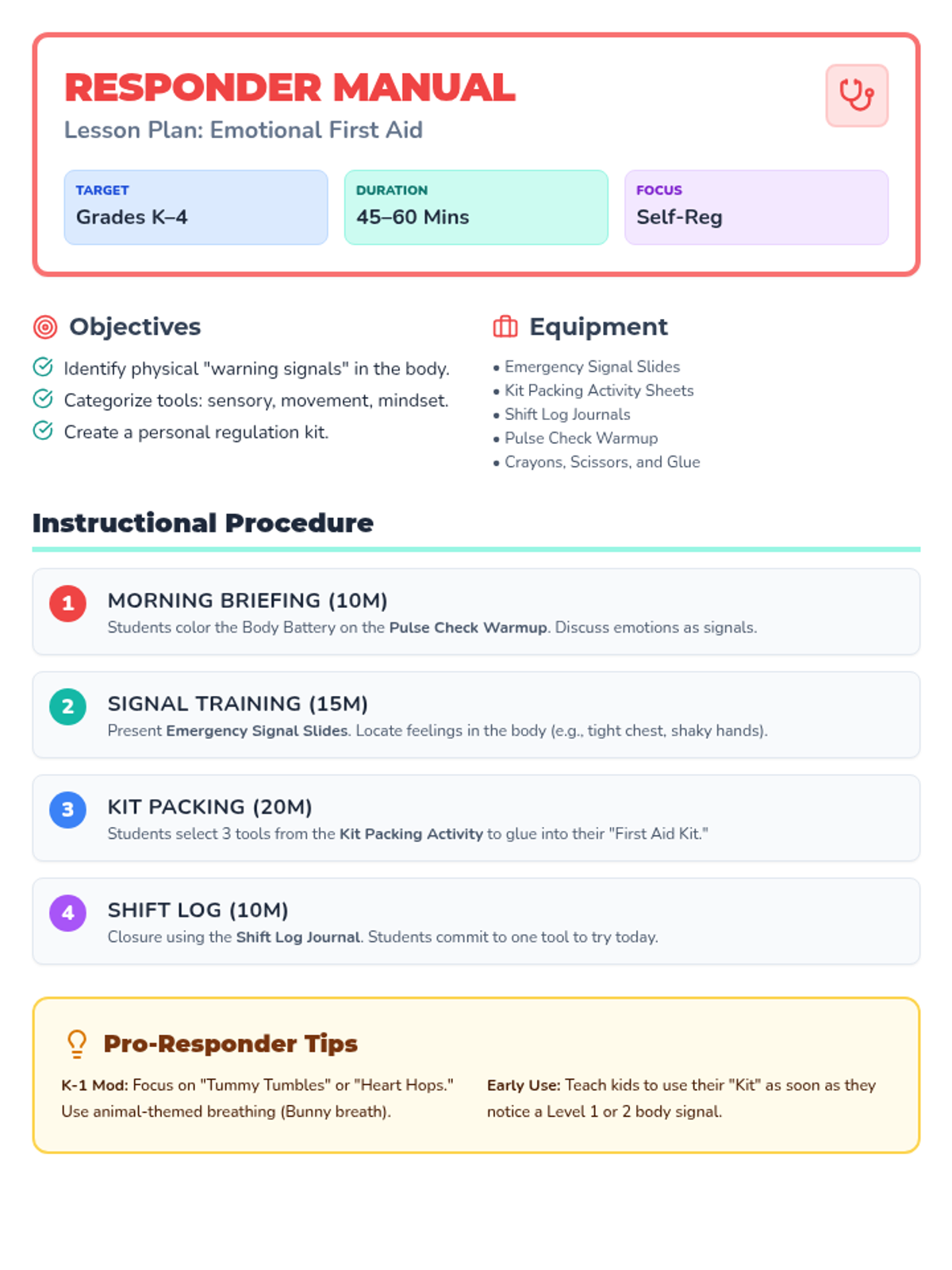
A detailed teacher's guide for the Feeling First Aid lesson, including learning objectives, a material list, step-by-step instructional procedures, and differentiation tips for K-4 students.
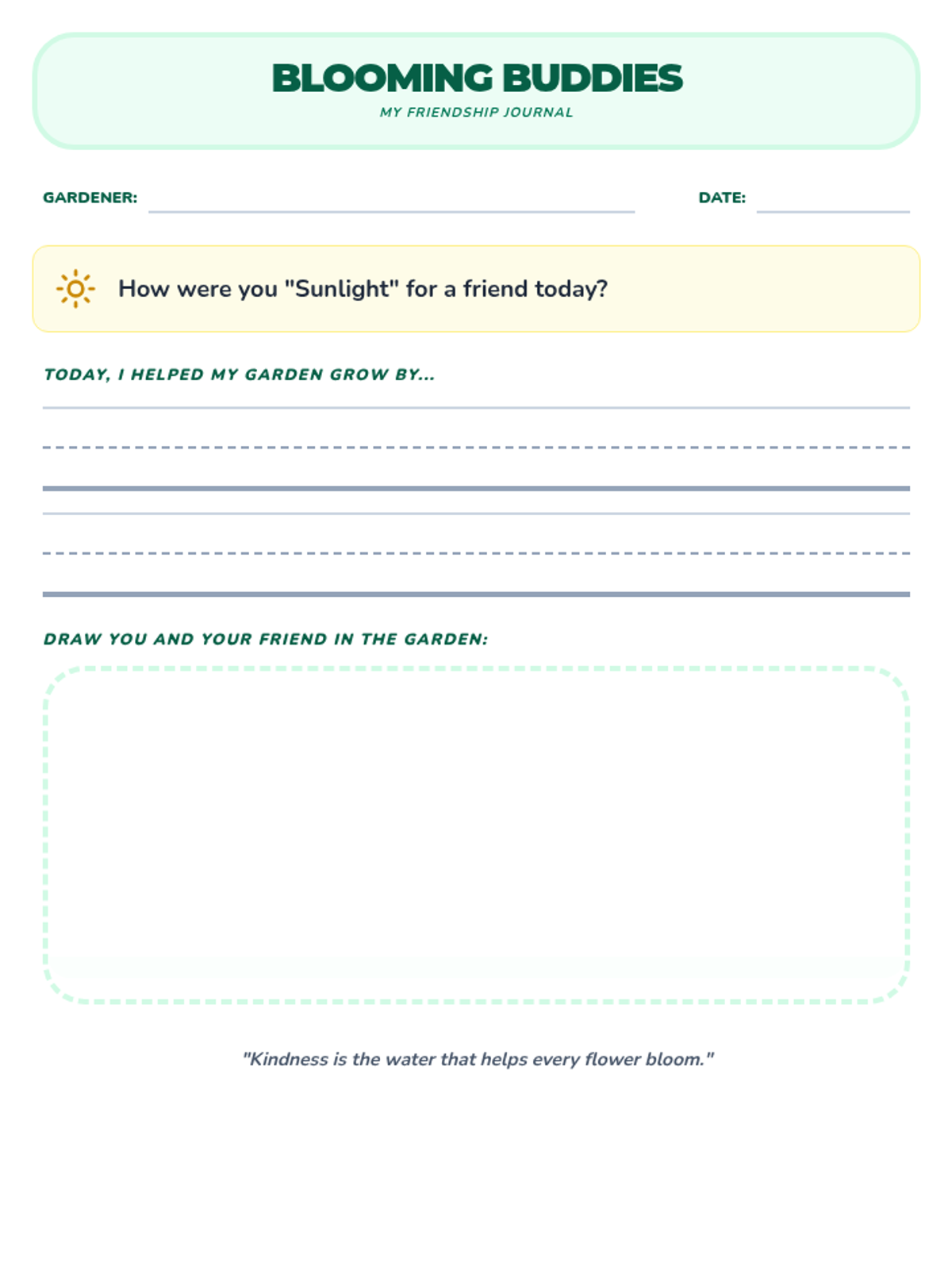
A reflective journal page for K-2 students. Revised with enlarged primary handwriting lines (dashed middle line), high-contrast guides, and a layout optimized to fit perfectly on a single page.
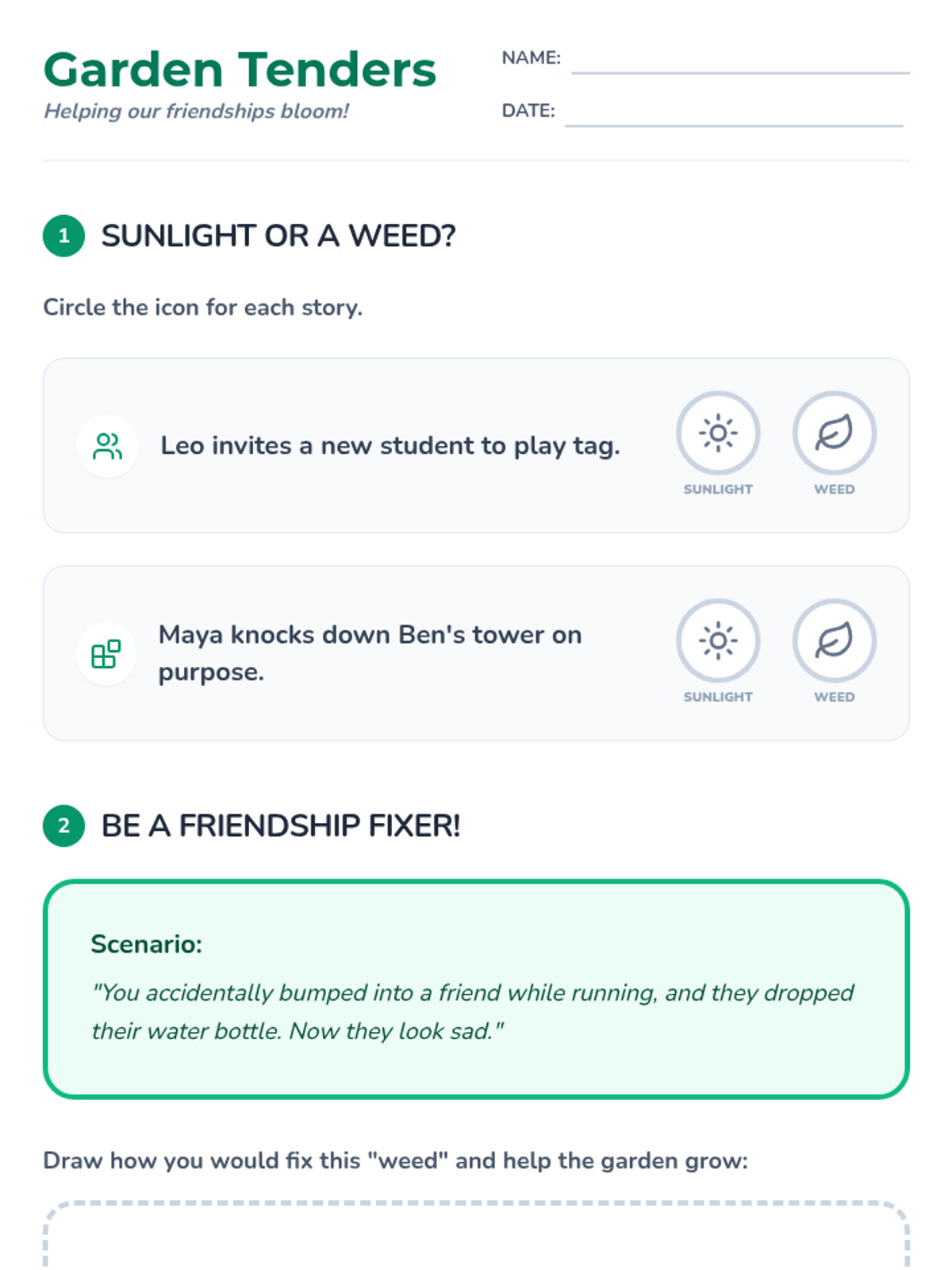
A practice worksheet where K-2 students identify 'Sunlight' and 'Weed' behaviors. Revised to ensure answer choices are styled identically to prevent bias, and optimized drawing areas for student use.
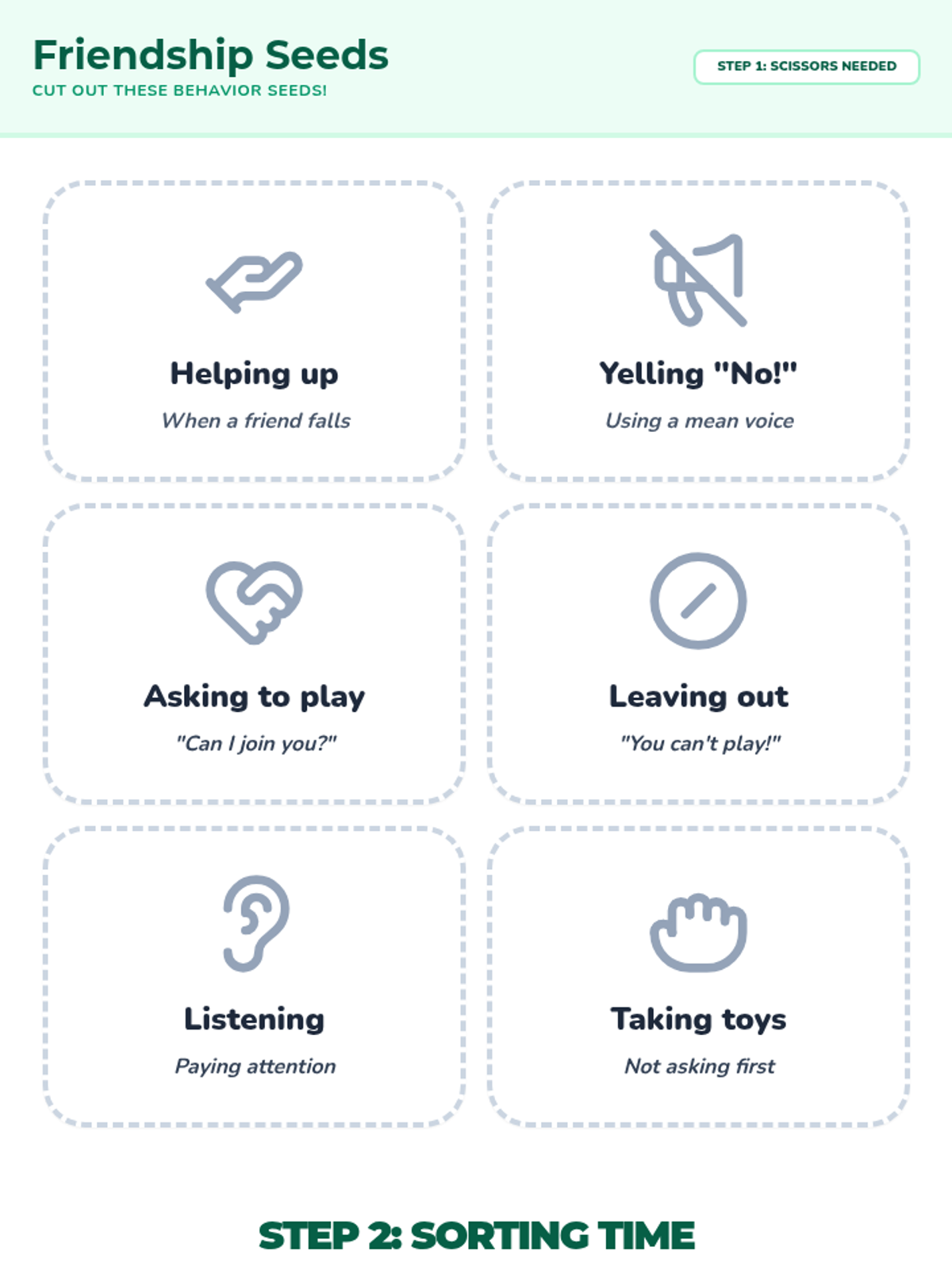
A hands-on sorting activity for young learners. Revised to ensure answer choices are uniform (no color coding), remove empty pages, and fit both sorting mats onto a single page.
A vibrant and engaging slide deck designed for K-2 students that uses a garden metaphor to teach social-emotional skills. Revised with thematic icons and optimized sizing.
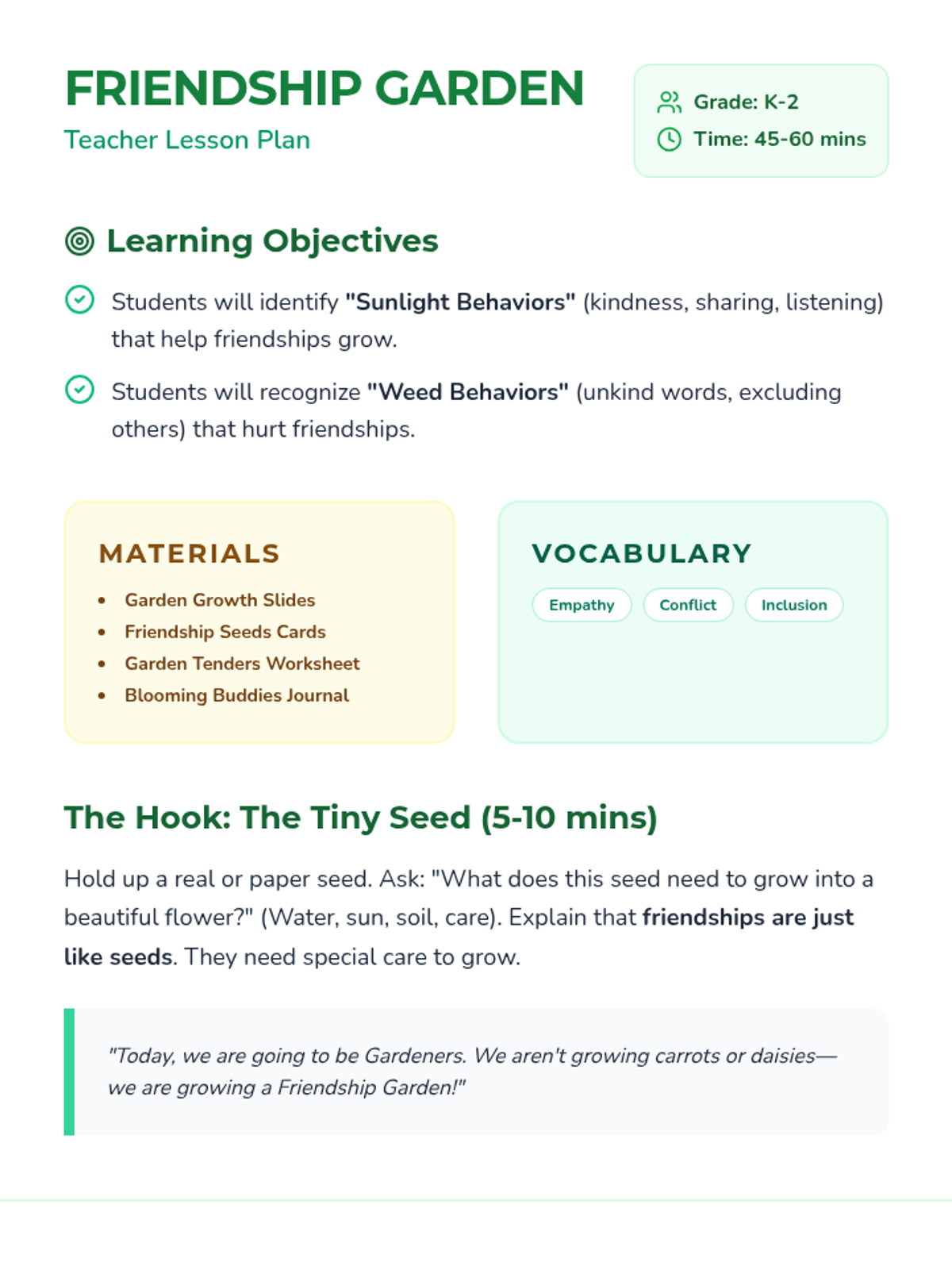
A comprehensive teacher lesson plan for the Friendship Garden lesson, featuring grade-appropriate learning objectives, materials lists, a step-by-step instructional flow, and differentiation strategies for K-2 students. Revised for better page breaks and contrast.
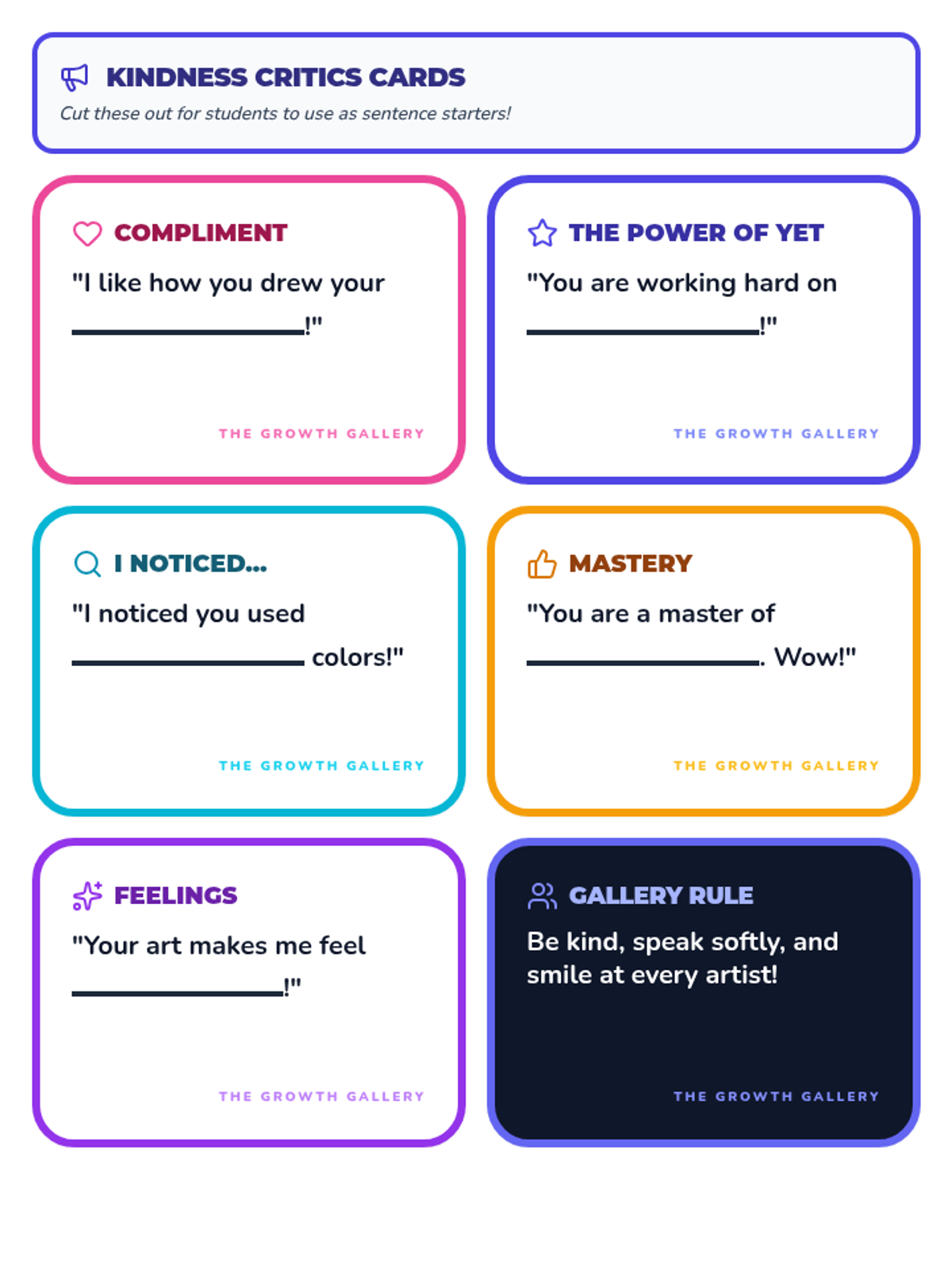
Printable discussion cards for 1st graders with sentence starters for peer feedback. Final revision ensures all 6 cards fit on a single page with corrected punctuation, consolidated layout, and thicker blank lines for handwriting.
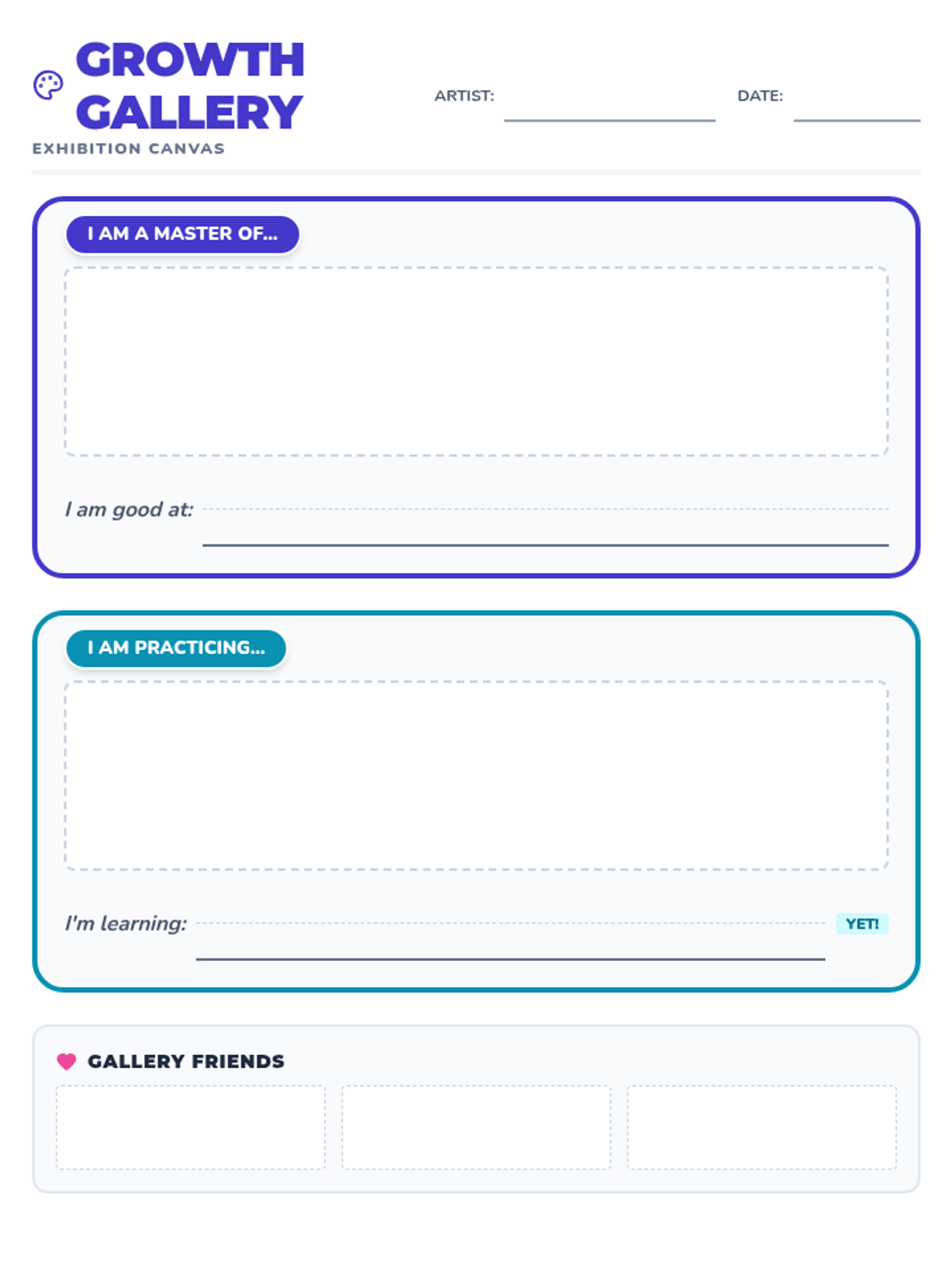
A double-frame project worksheet for 1st graders to draw and write about their skills. Final revision ensures both frames fit on a single page, with taller primary-style writing lines (dashed midline) and compact design for 1st-grade usability. Header inputs and drawing areas enlarged for better classroom utility.
A vibrant, high-contrast slide deck to guide 1st graders through the Growth Gallery lesson. Revised with significantly larger fonts (min 24px/32px) and simplified title slide for maximum visibility. Final slide layout adjusted for aspect ratio fit.
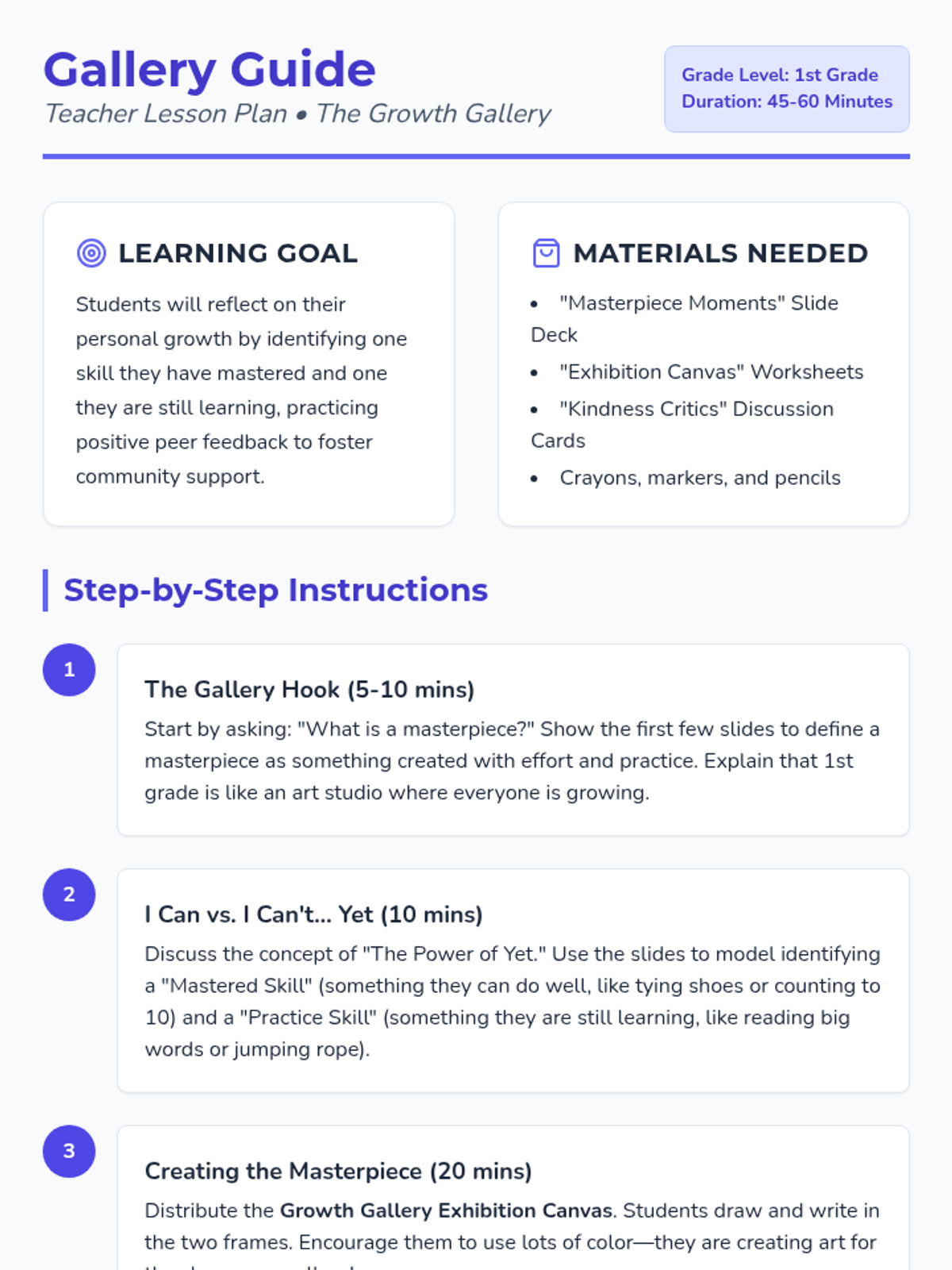
A comprehensive teacher guide for The Growth Gallery lesson, including objectives, step-by-step procedures, and differentiation strategies. Revised for better page flow and legibility.
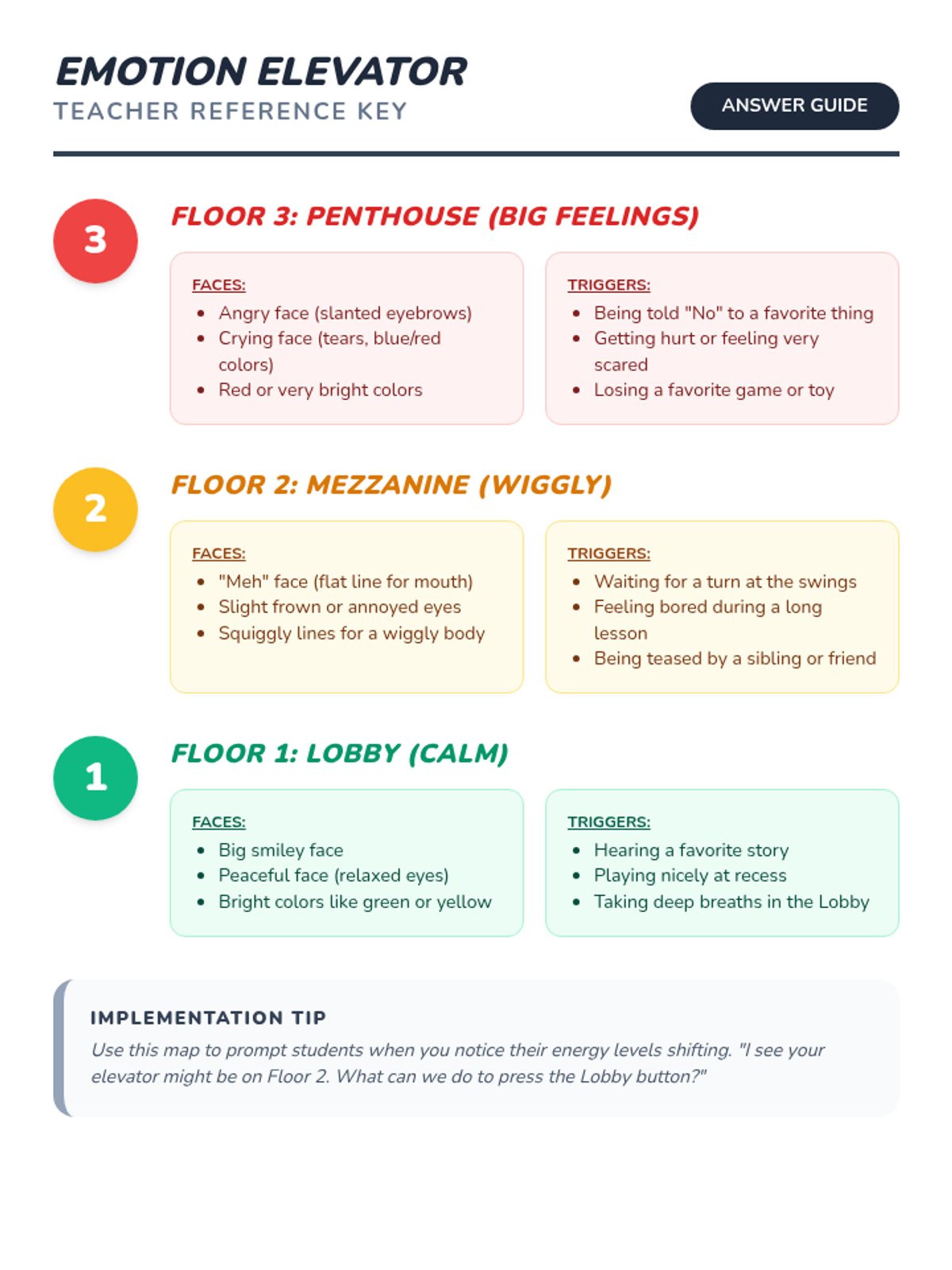
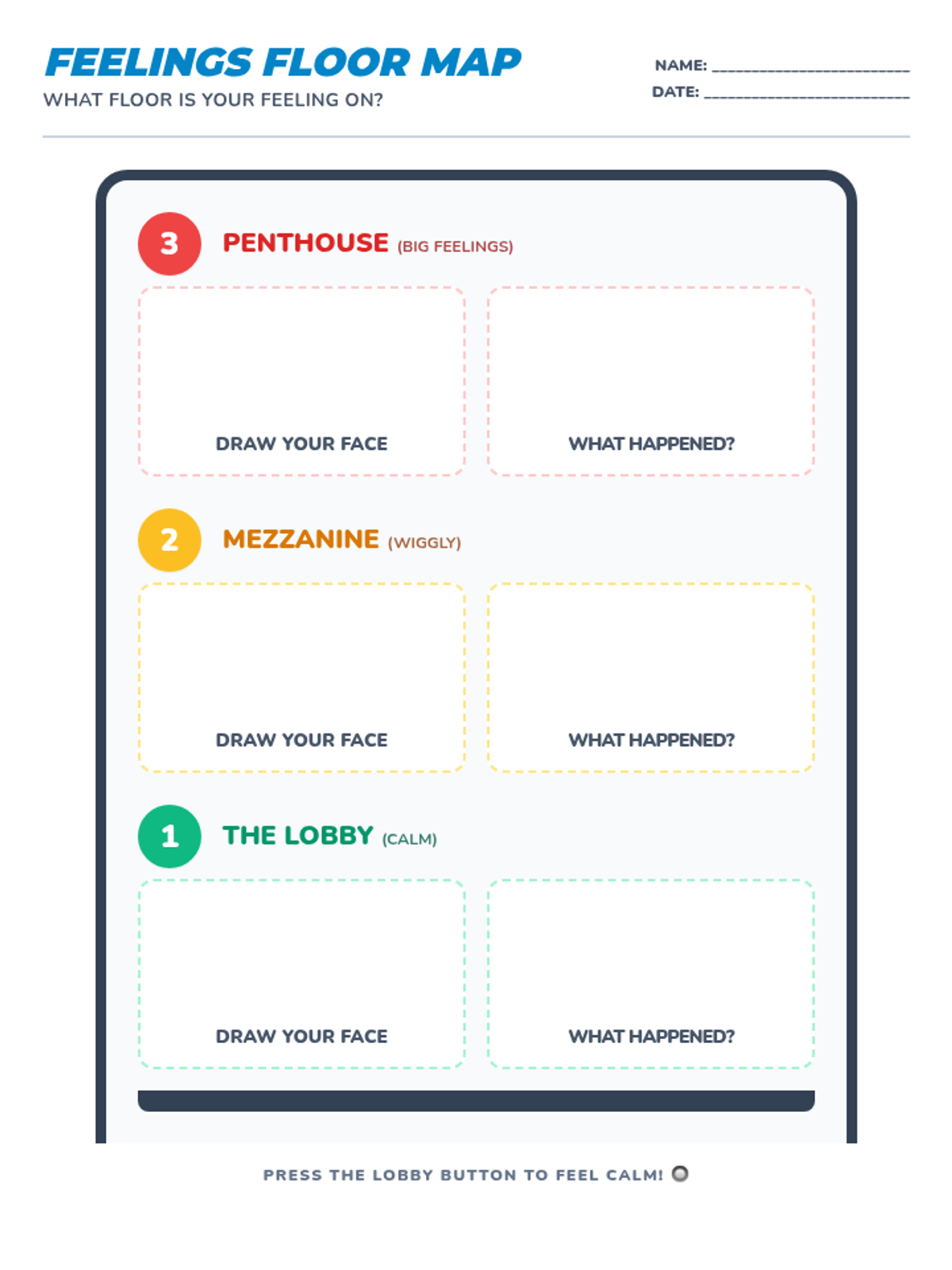
A teacher answer key and reference guide for the 'Feelings Floor Map' worksheet, providing examples of emotional expressions and triggers for each level.
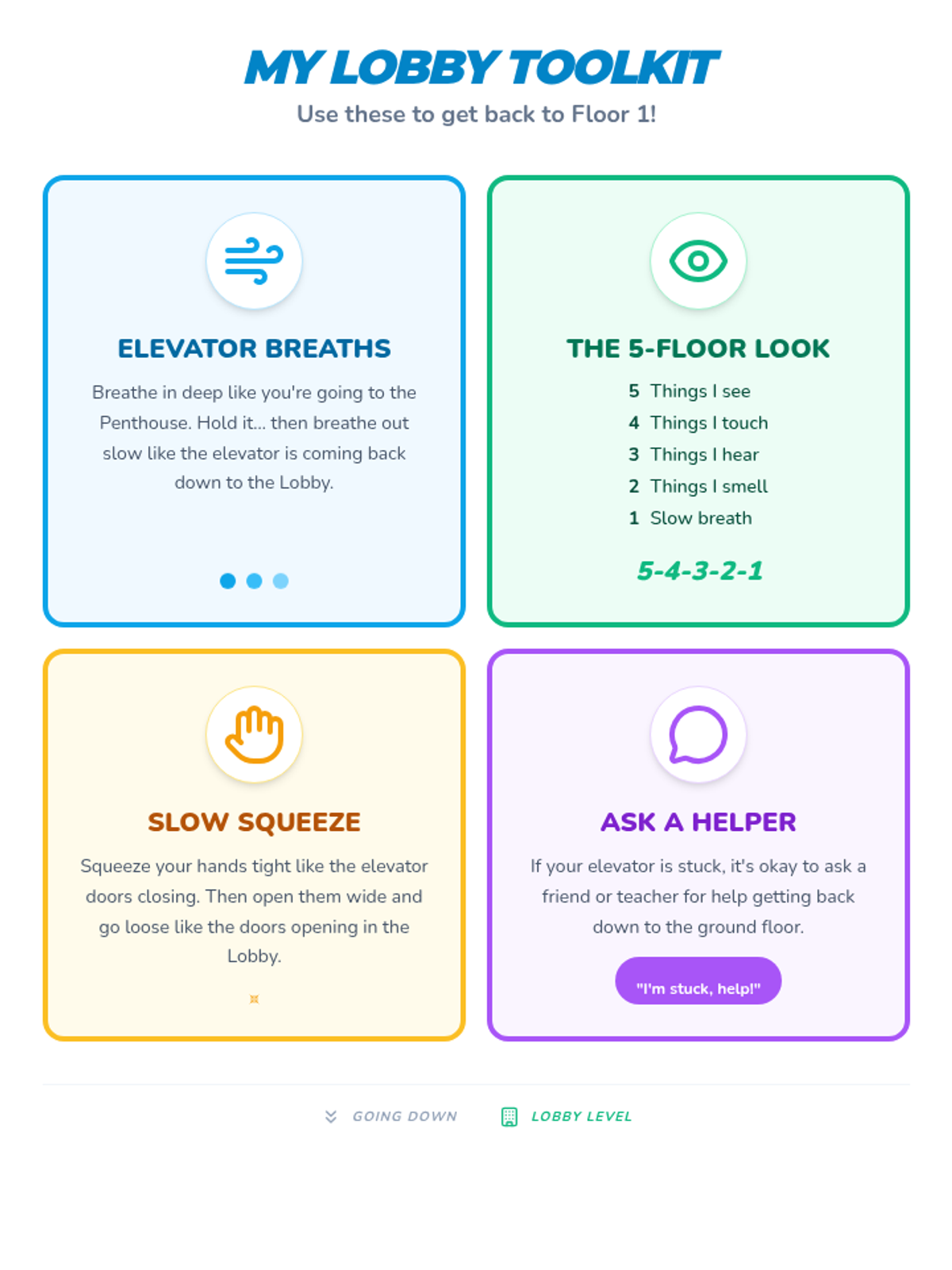
A student-facing 'Cool-down' reference sheet (Lobby Toolkit) with four visual strategy cards to help K-2 students regulate their emotions.
A student worksheet titled 'Feelings Floor Map' where children draw their facial expressions and emotional triggers for three levels of intensity.