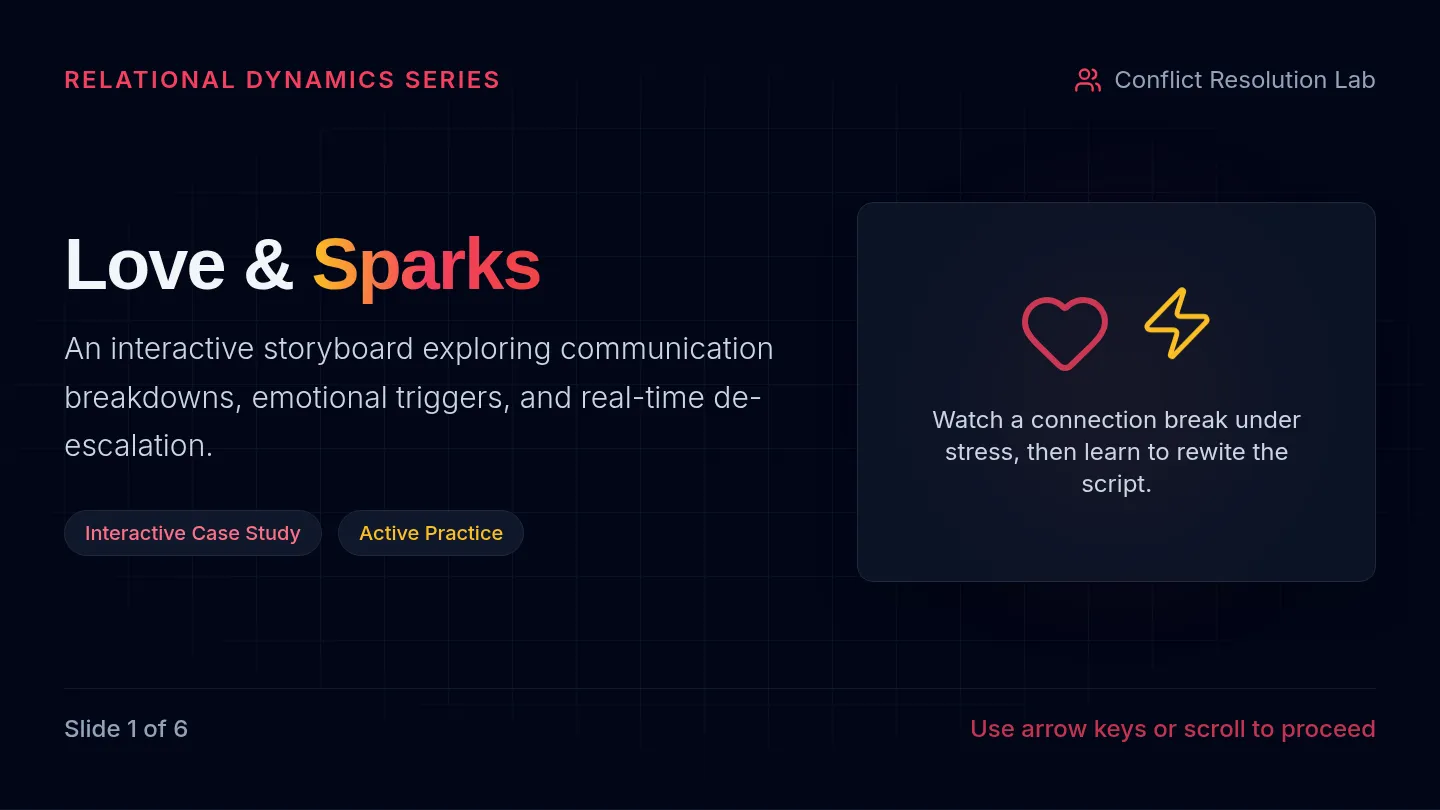
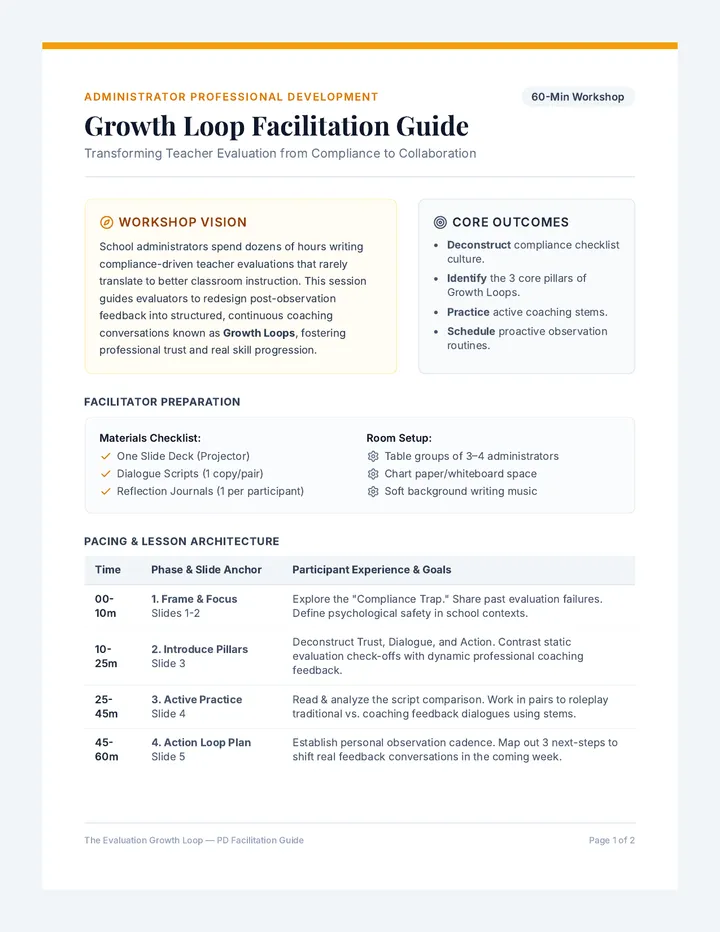
A 90-minute workshop for adults on identifying personal triggers and applying advanced impulse control strategies like cognitive reframing and mindful awareness.
Teacher notes: Introduce Cognitive Reframing. Explain it as changing your perspective. Give a simple example, like 'I'm stuck in traffic' becoming 'I have extra time to listen to my podcast.' Ask for other examples.
Strategy 2
Mindful Awareness
Creating a pause between trigger and reaction, allowing for conscious choice.
Deep breathing
Body scan
Observing thoughts without judgment
30-Second Practice
Close your eyes. Focus only on the physical sensation of your breath.
Teacher notes: Introduce Mindfulness. Explain it's about being present, not clearing your mind. Lead a very short (30-second) mindfulness exercise focused on breath. Ask how it felt.
Strategy 3
Strategic Delay
Buying Time
Intensity of initial emotion subsides over time. Delaying response enables the "thinking brain" to take over.
"I need a moment to think about that. I'll get back to you in 15 minutes."
Count to 10 (or 100)
Take a short walk
Put the phone away
What's your go-to delay tactic?
Teacher notes: Introduce Delay Tactics. Explain it's about creating distance. Give examples like counting to ten, stepping away, or postponing a response. Ask for other ideas from the group.
Strategy 4
Environmental Control
Modify the Space
Change your surroundings to reduce exposure to known triggers.
Set Boundaries
Limit digital distractions or avoid specific triggering conversations.
Proactive Success
Decluttering your workspace
Setting app time limits
Taking a different route home
Pre-planning "exit strategies"
Teacher notes: Introduce Environmental Control. Explain this is about proactively changing your surroundings. Give examples like decluttering a workspace, avoiding certain social media, or setting boundaries. Ask for participant examples.
Your Personalized Toolkit
Key Principles
Experiment with techniques
Combine multiple strategies
Consistent practice builds muscle
Final Reflection
Which strategy feels most useful to you right now?
Impulse control is not about perfection; it's about progress.
Teacher notes: Emphasize that a multi-faceted approach is best. Encourage them to experiment and find what works for them. Reiterate that practice is key and perfection isn't the goal, progress is.