A deep dive into the cognitive science of memory, teaching students how to move information from working memory to long-term storage using evidence-based 'mechanical' strategies.
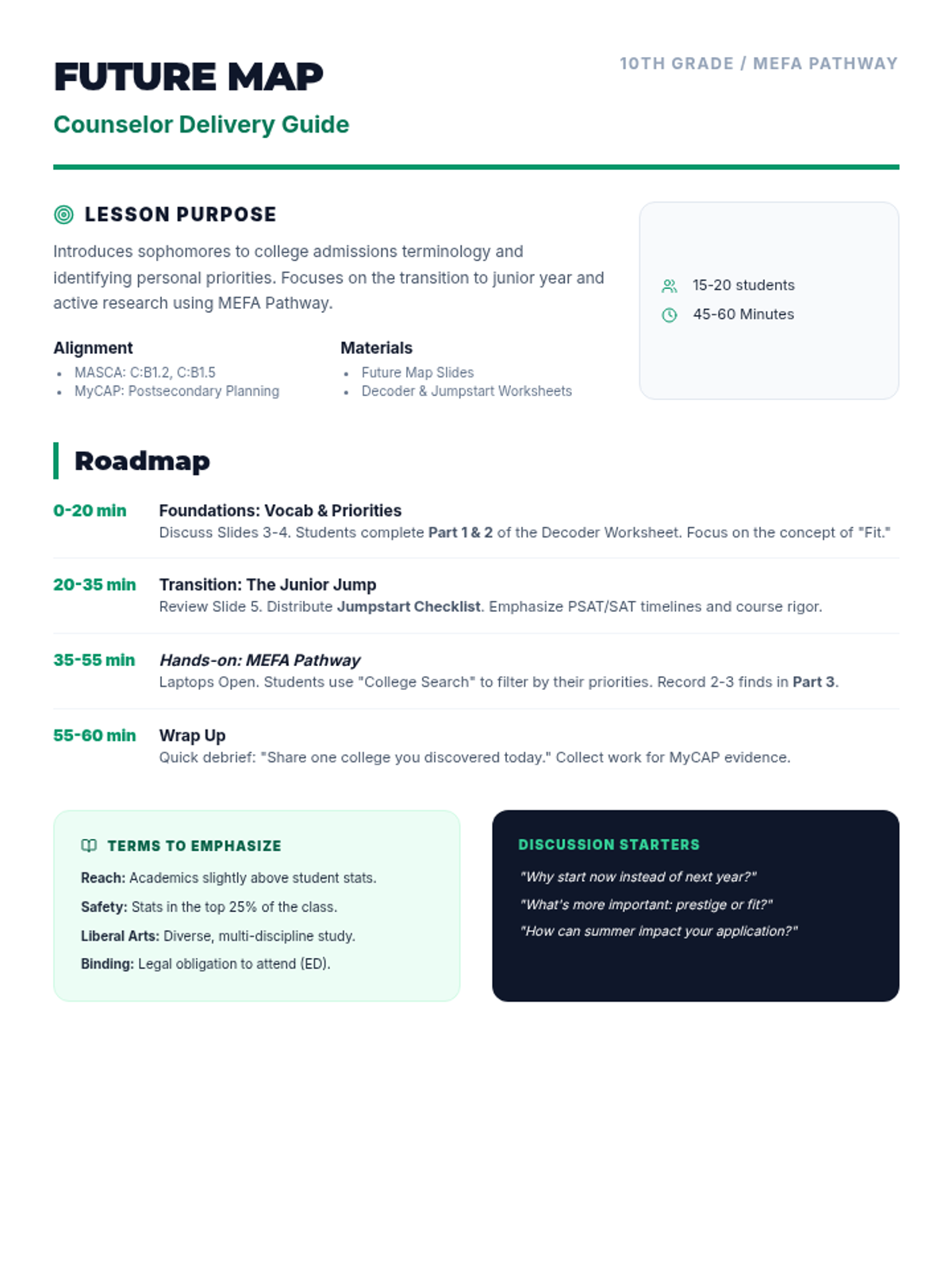
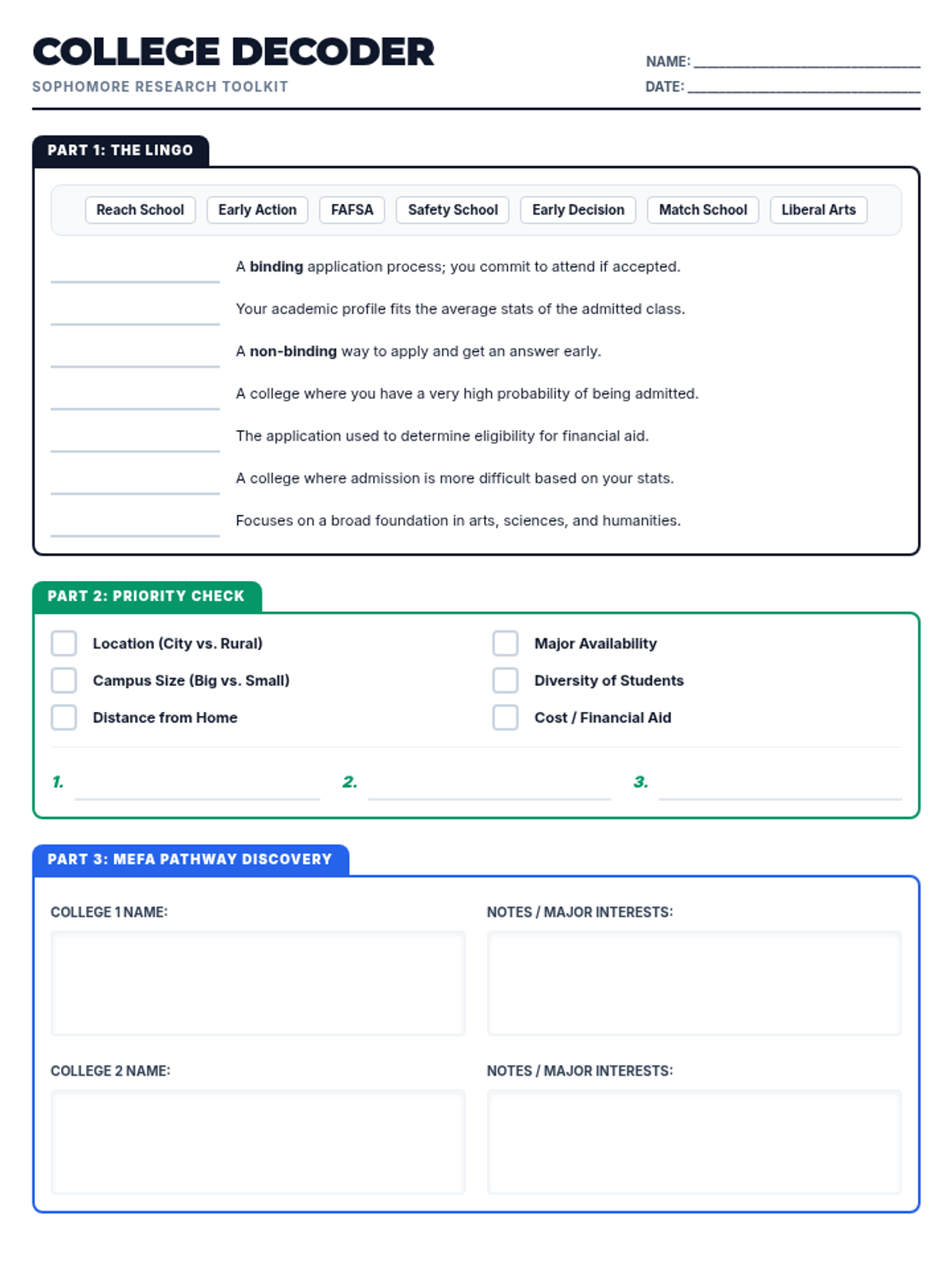
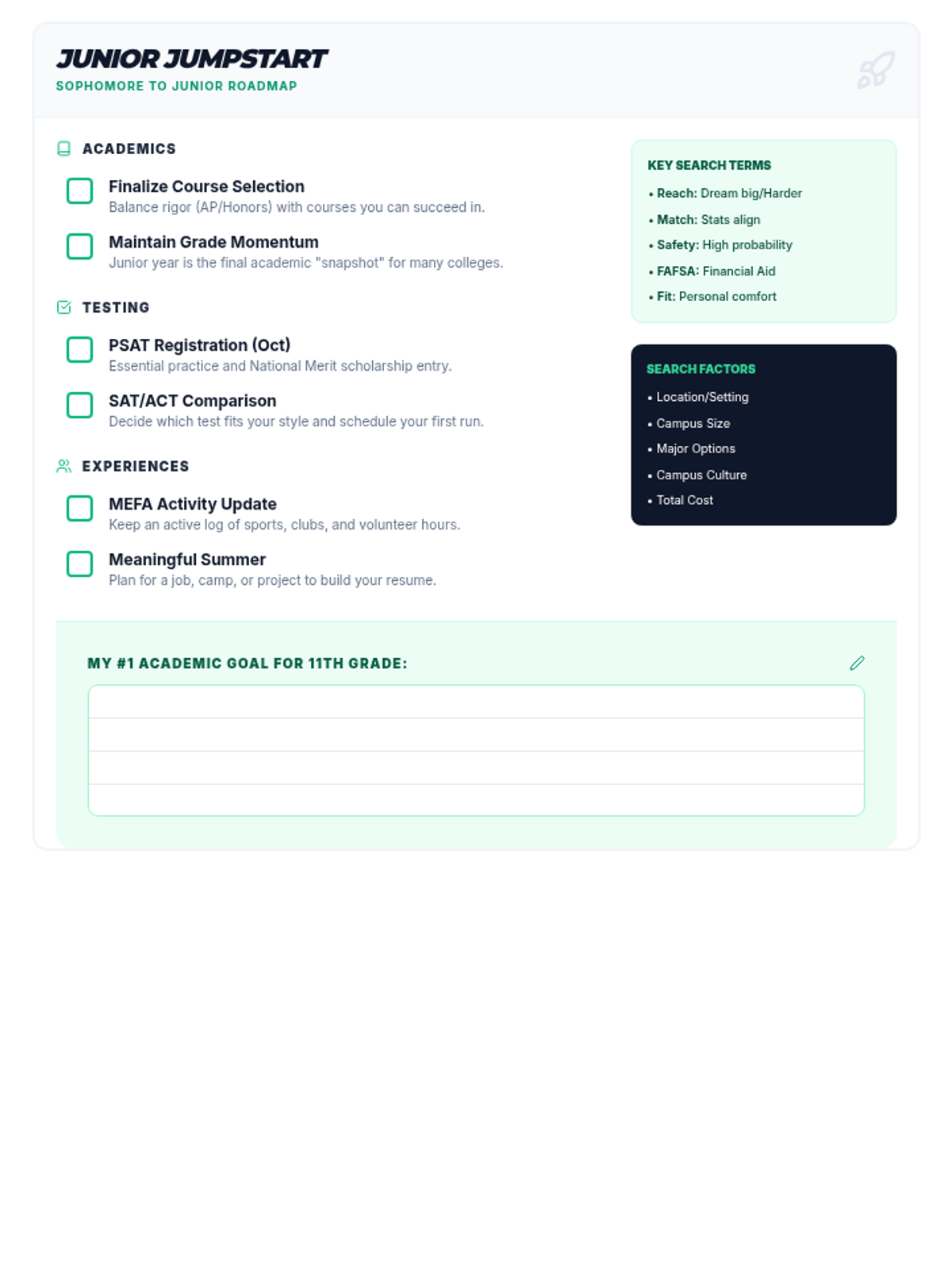
A comprehensive college planning lesson for sophomores focusing on college search terminology, selection factors, and the transition to junior year using MEFA Pathway.
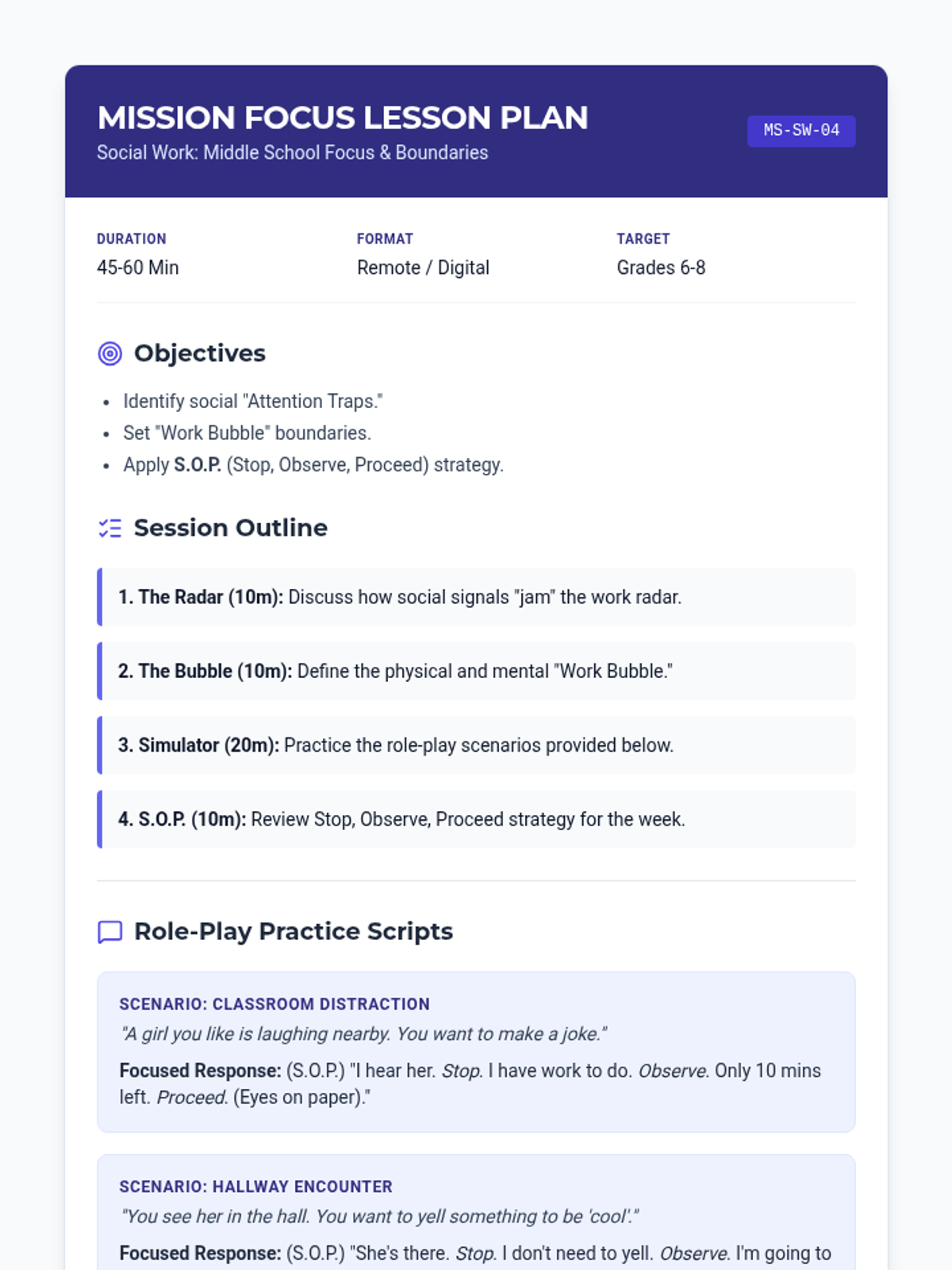
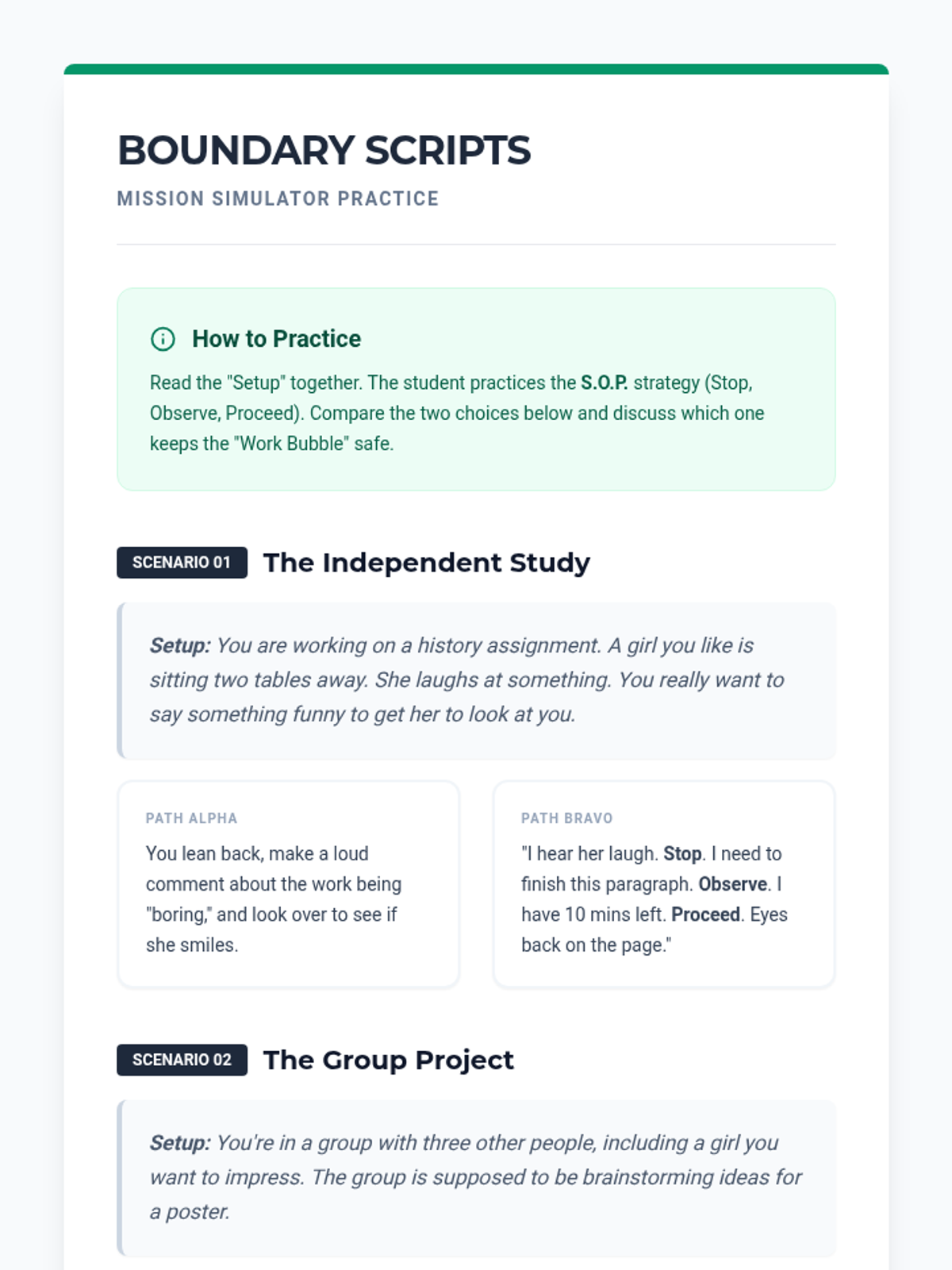
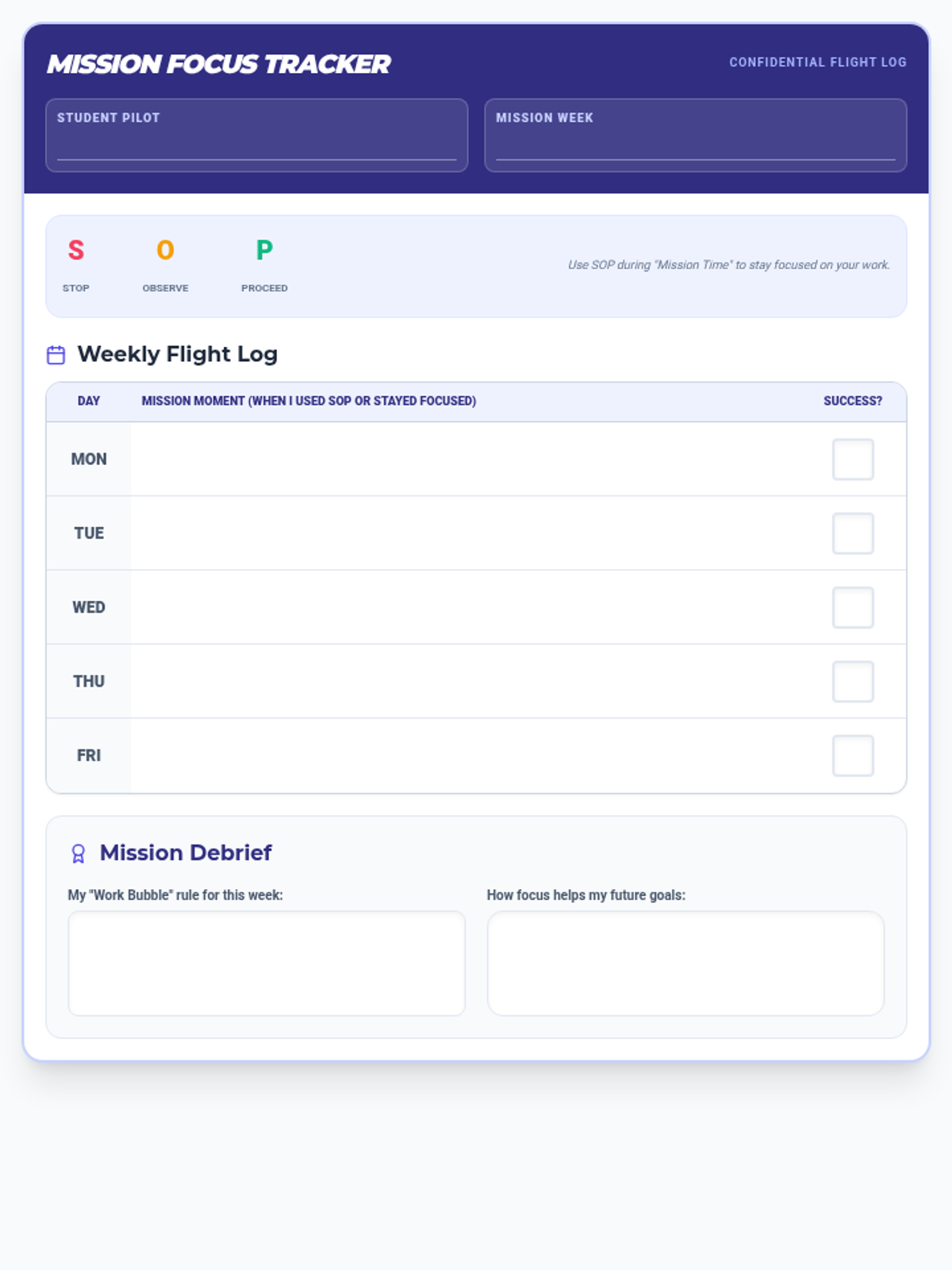
A social work lesson focused on helping middle school students manage social distractions, set healthy boundaries, and utilize self-regulation strategies to maintain academic focus.
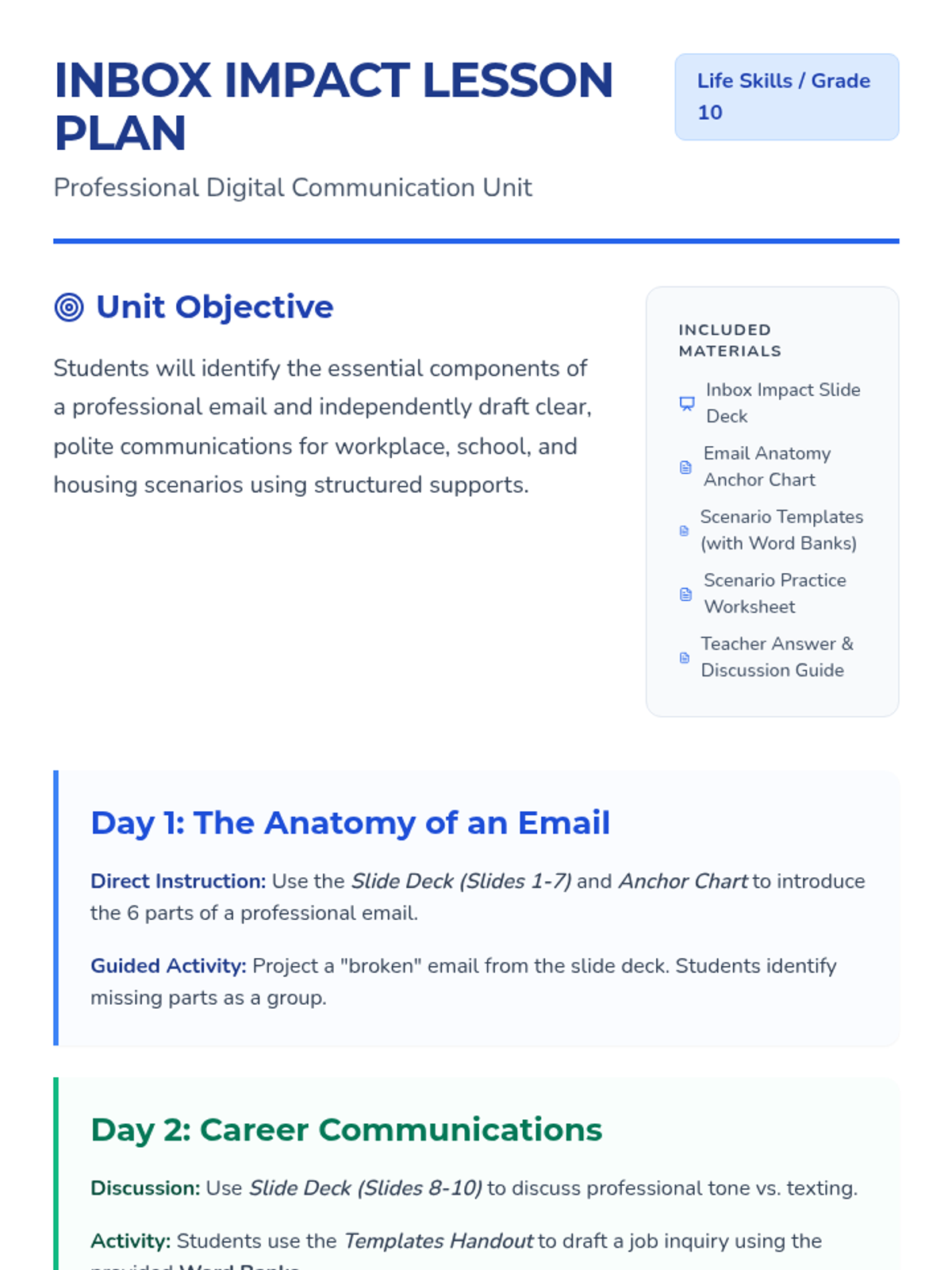
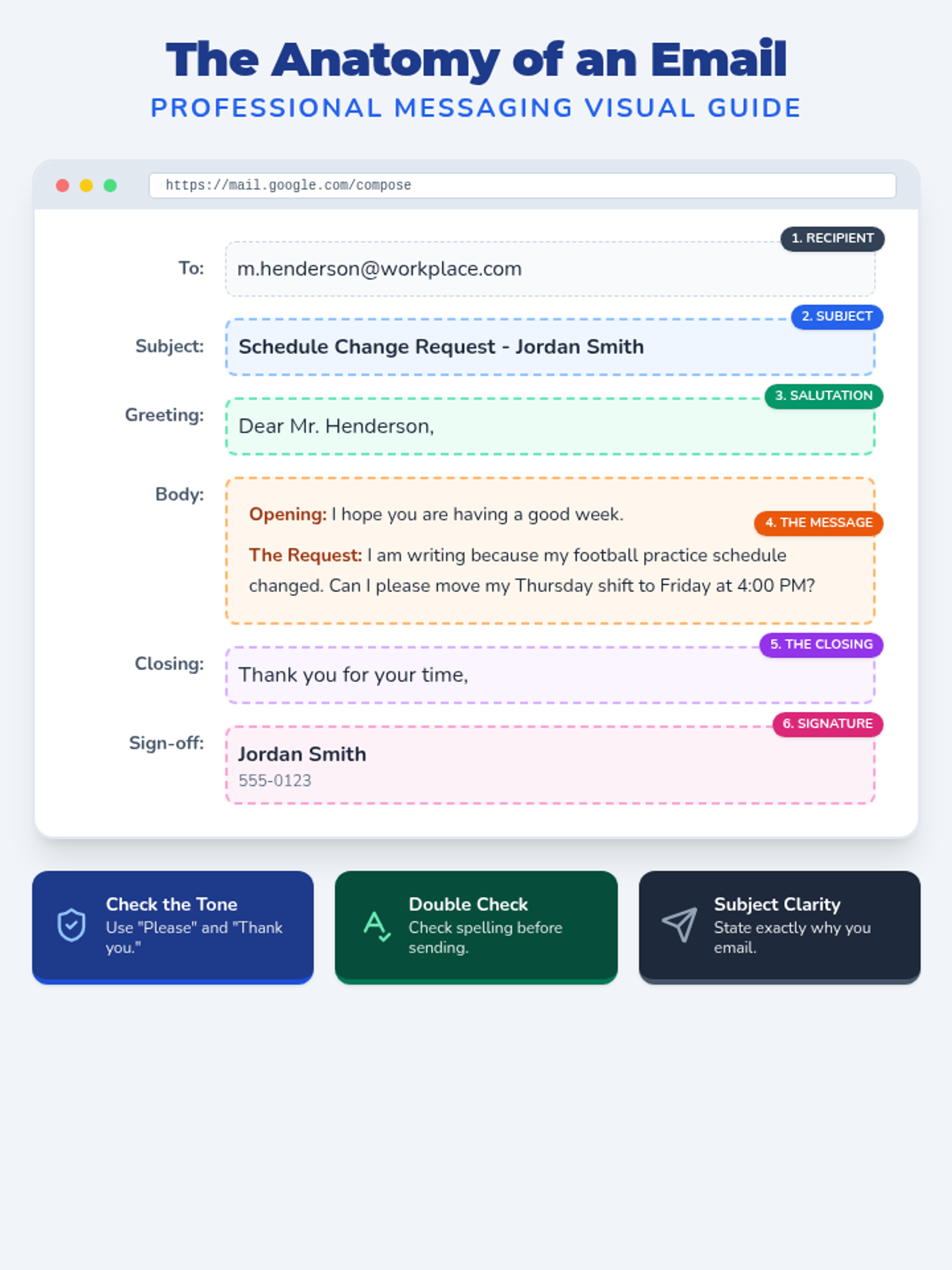
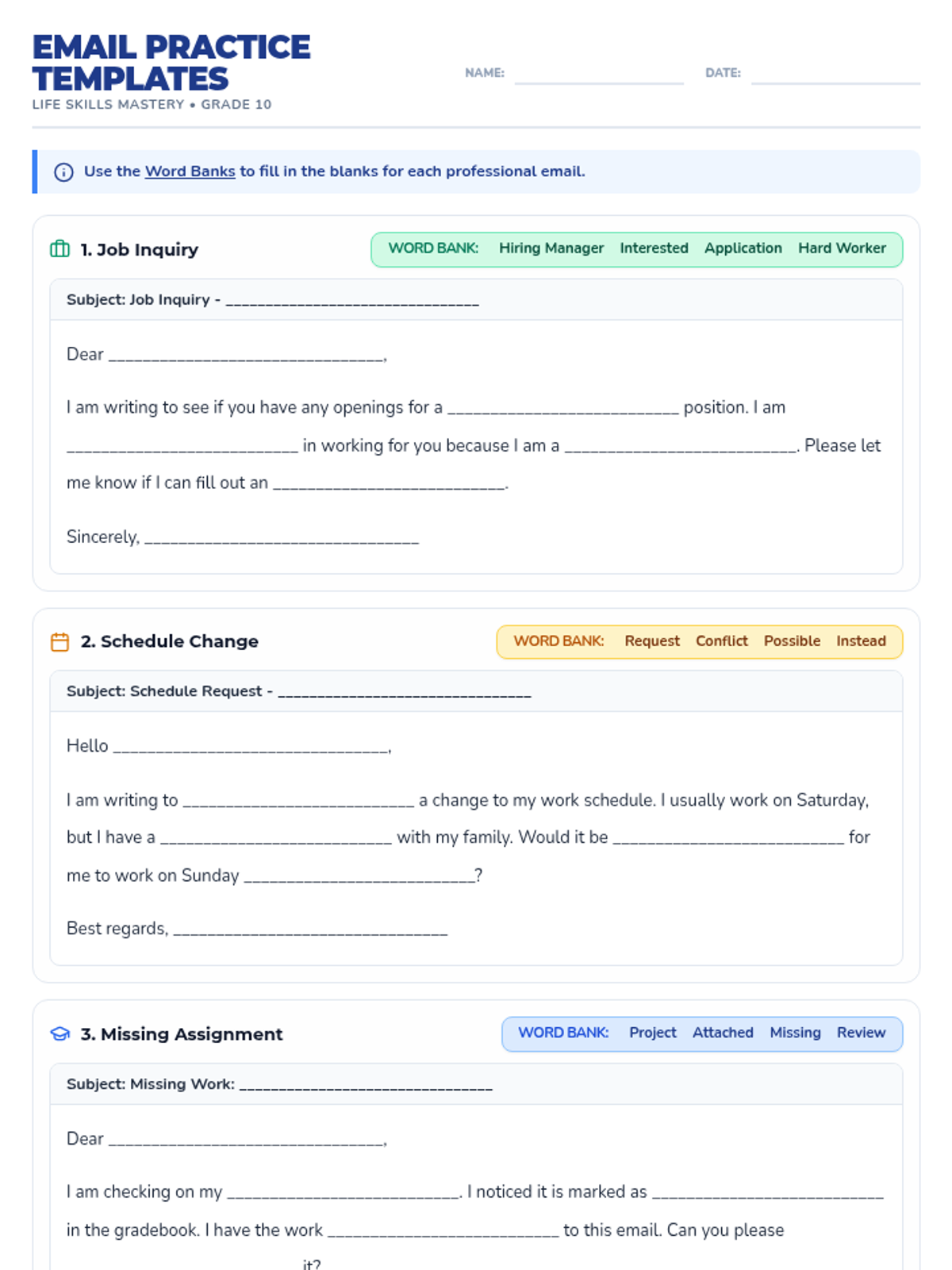
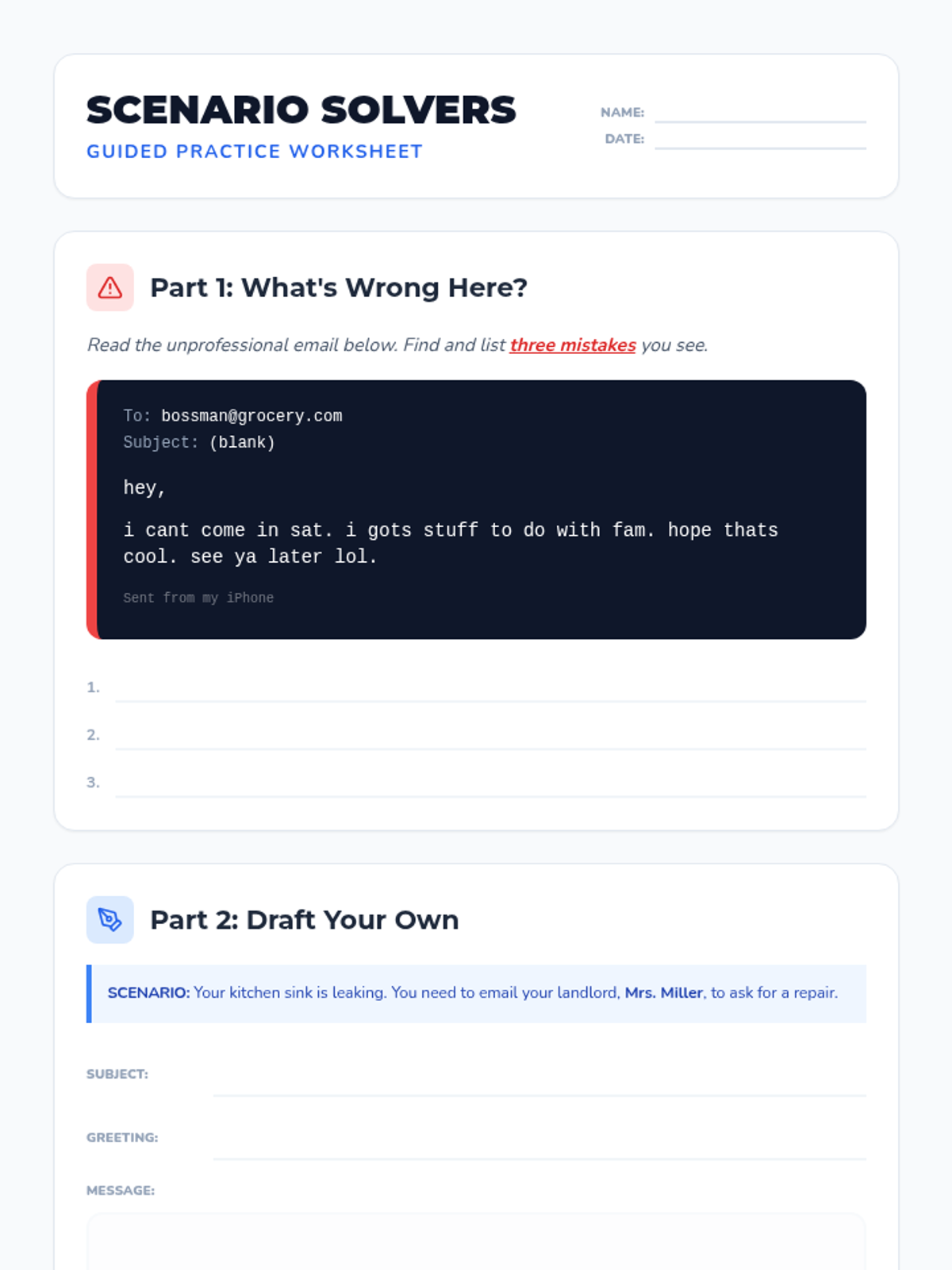
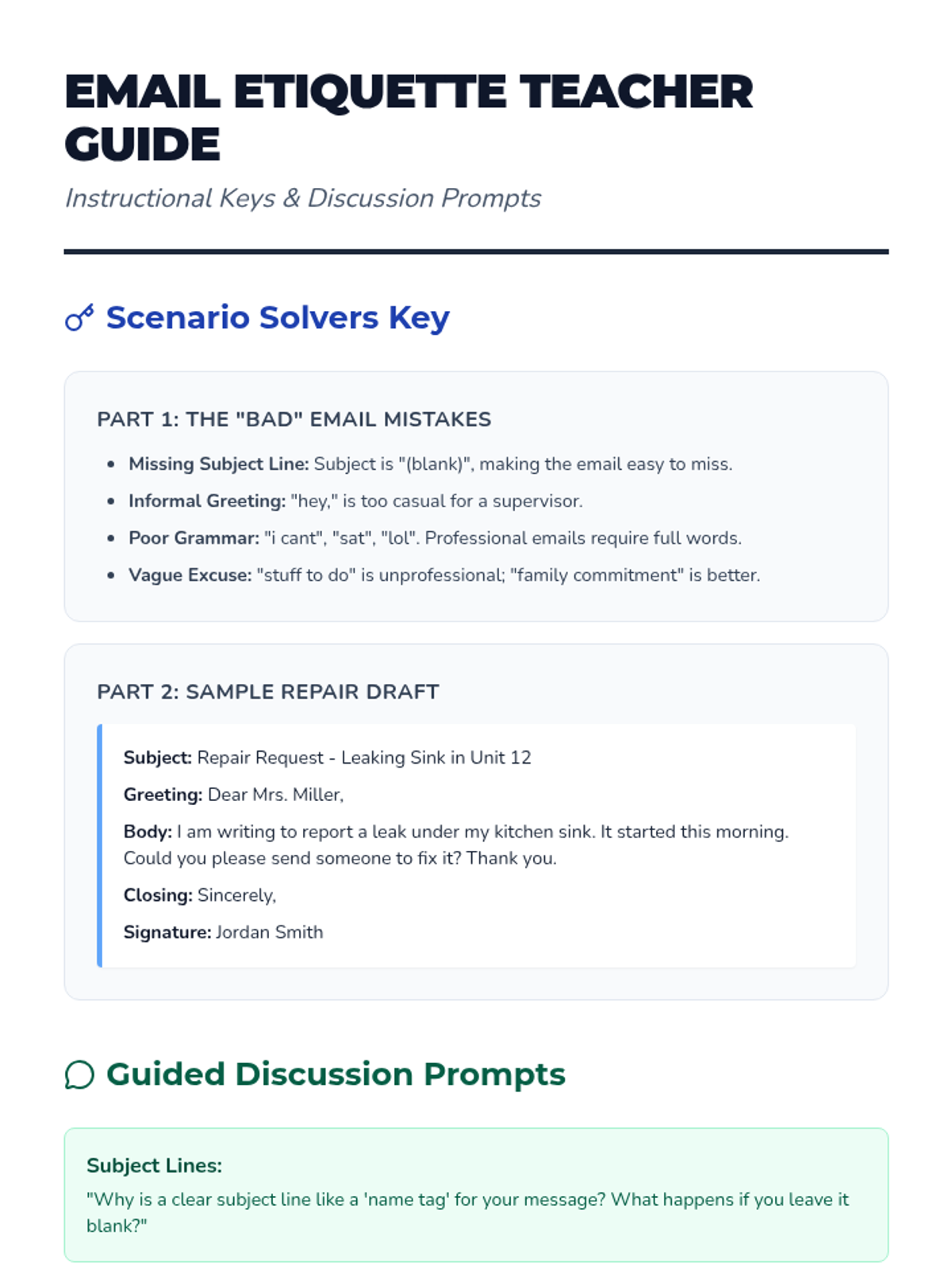
A multi-day instructional sequence focused on the mechanics and etiquette of professional email writing. Students explore the anatomy of an email and practice drafting responses for employment, education, and housing scenarios.
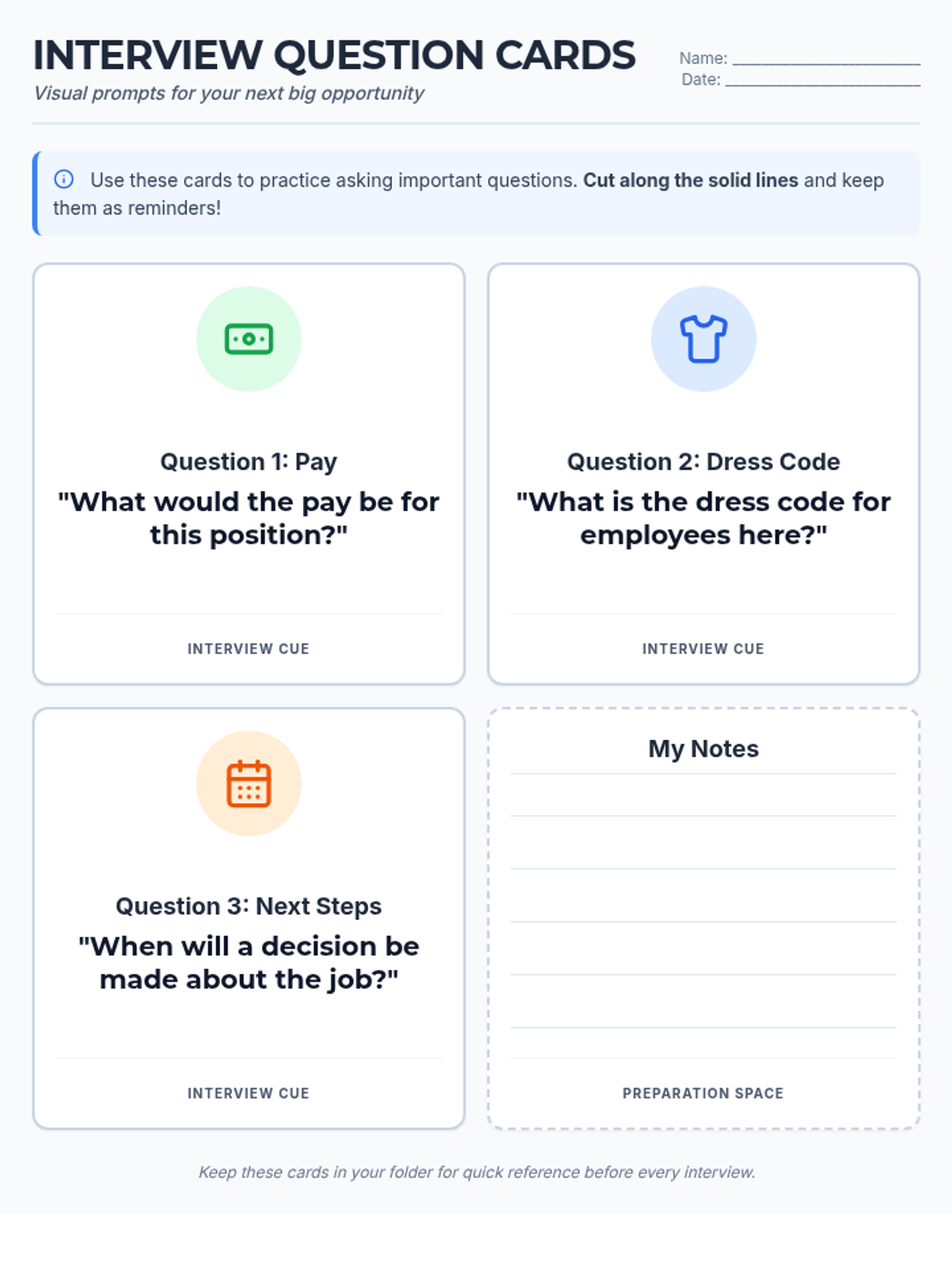
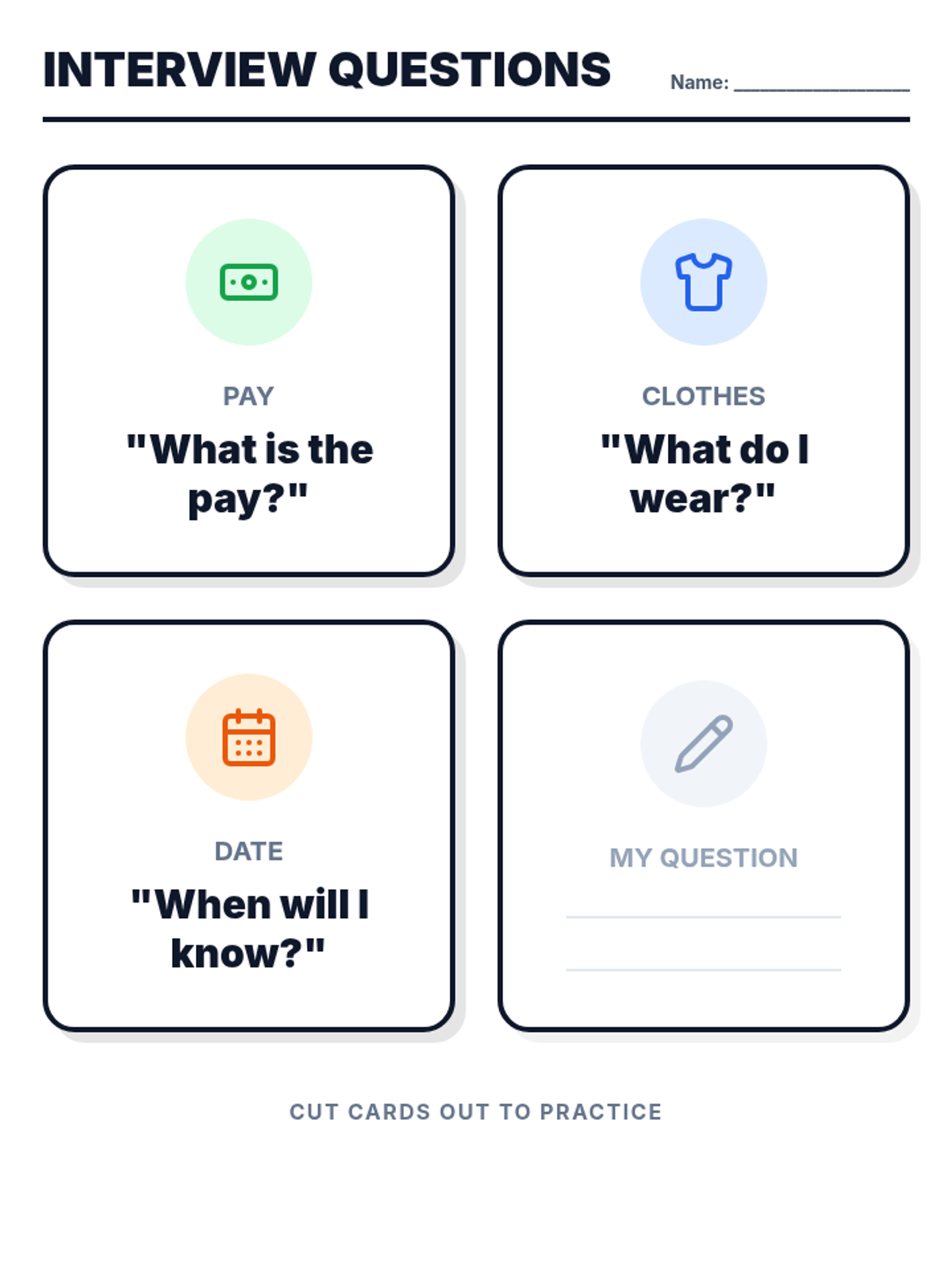
A visual guide and set of practice tools to help students master common job interview questions, focusing on pay, dress code, and next steps.
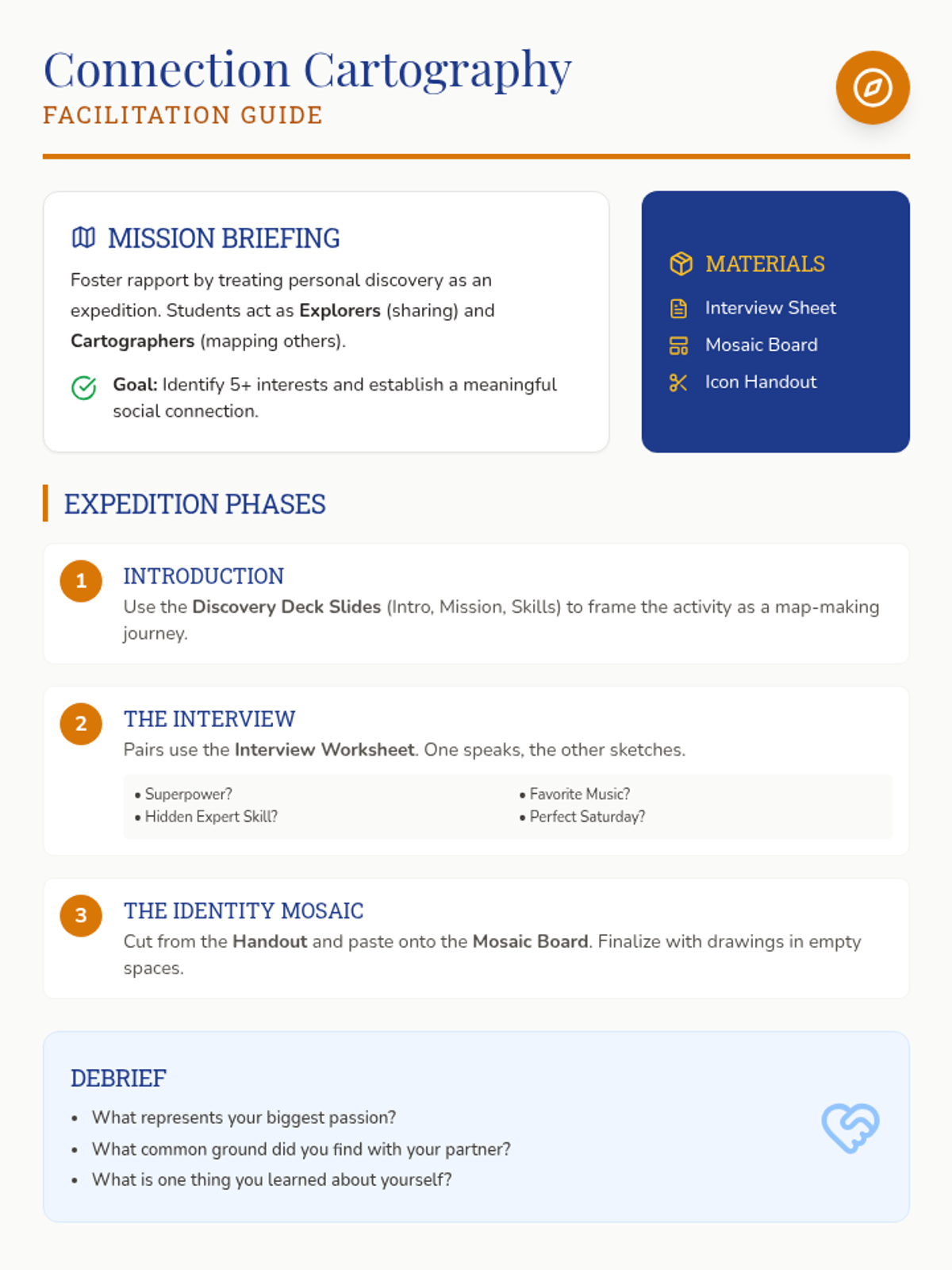
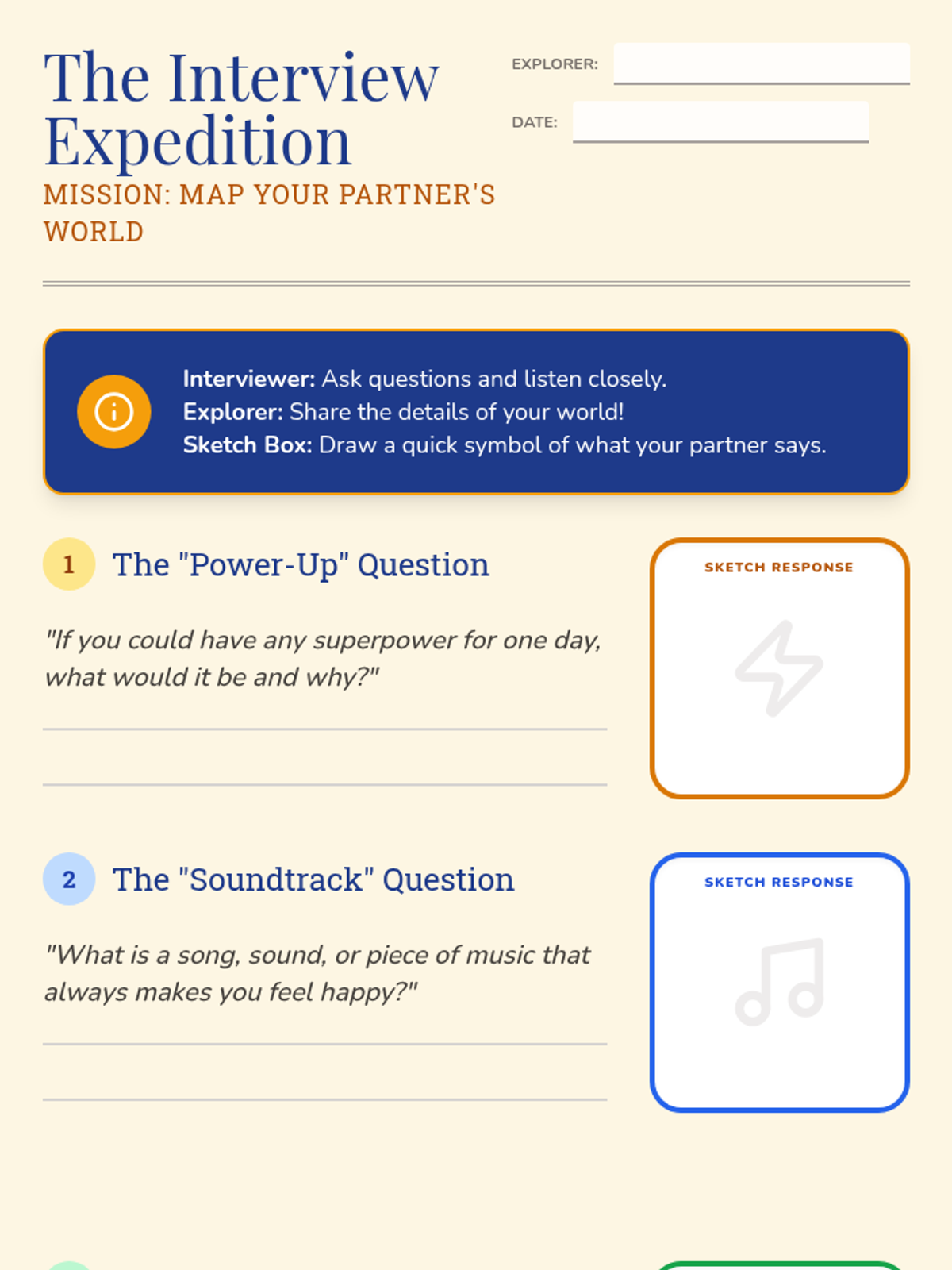
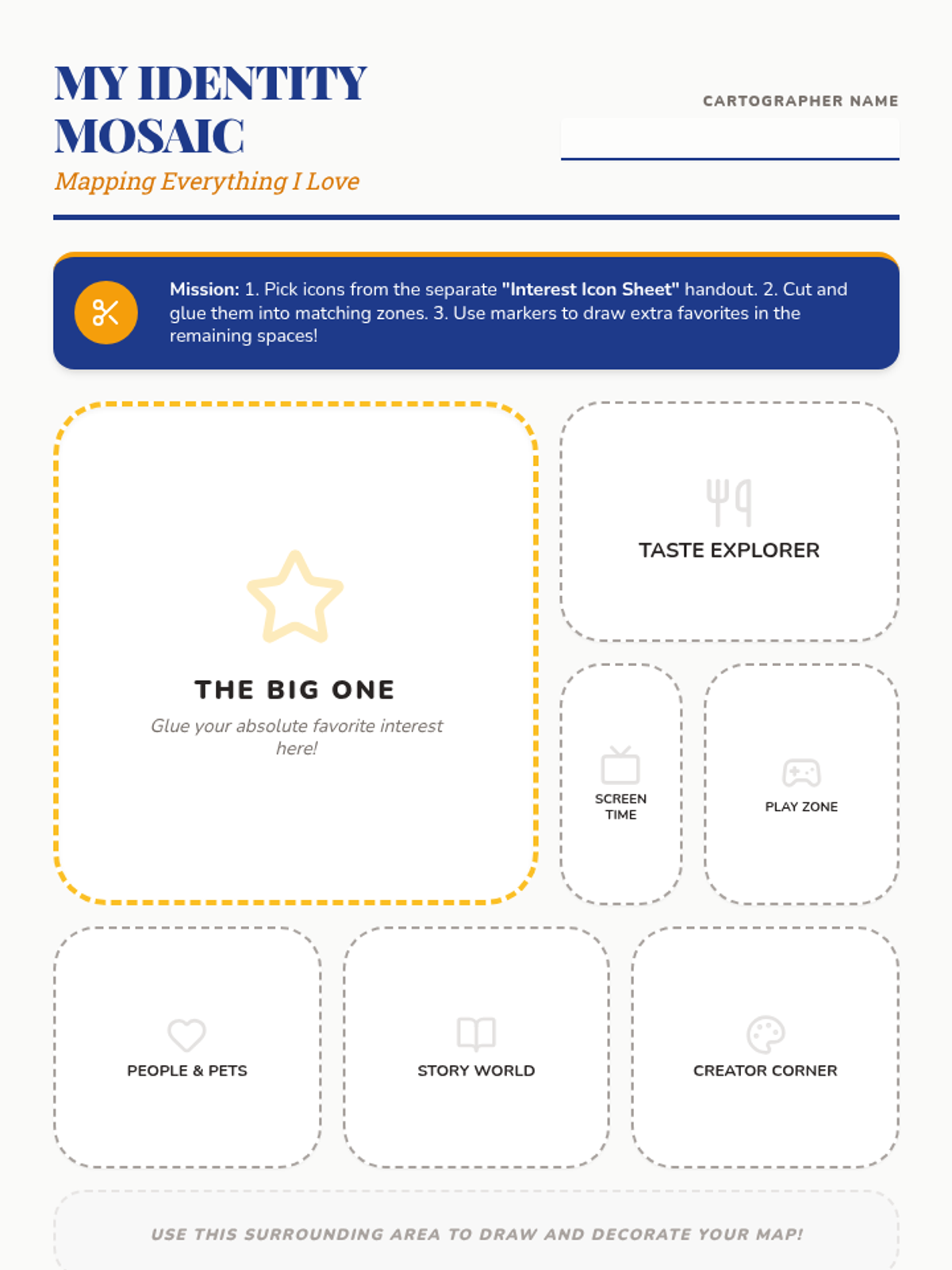
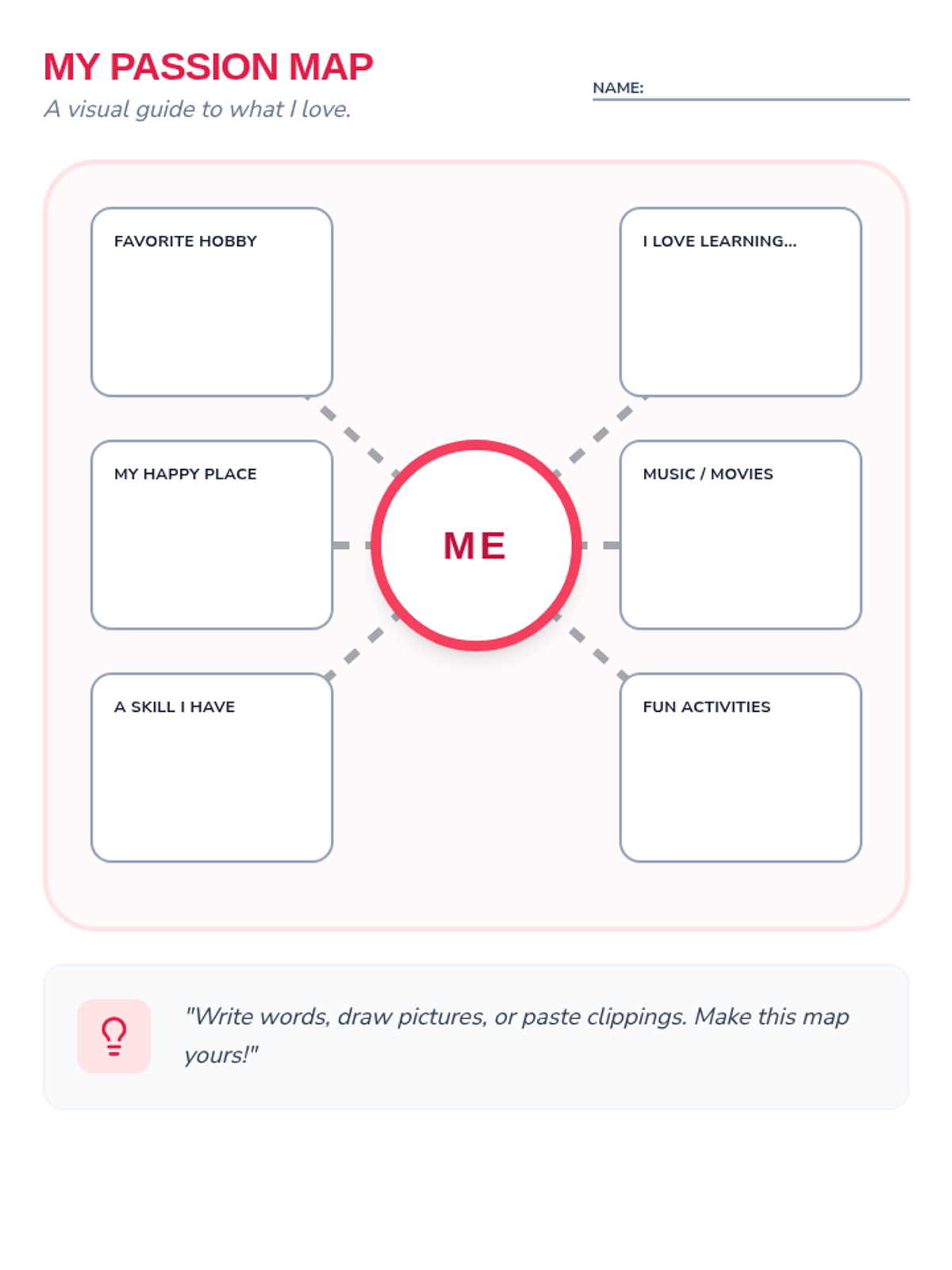
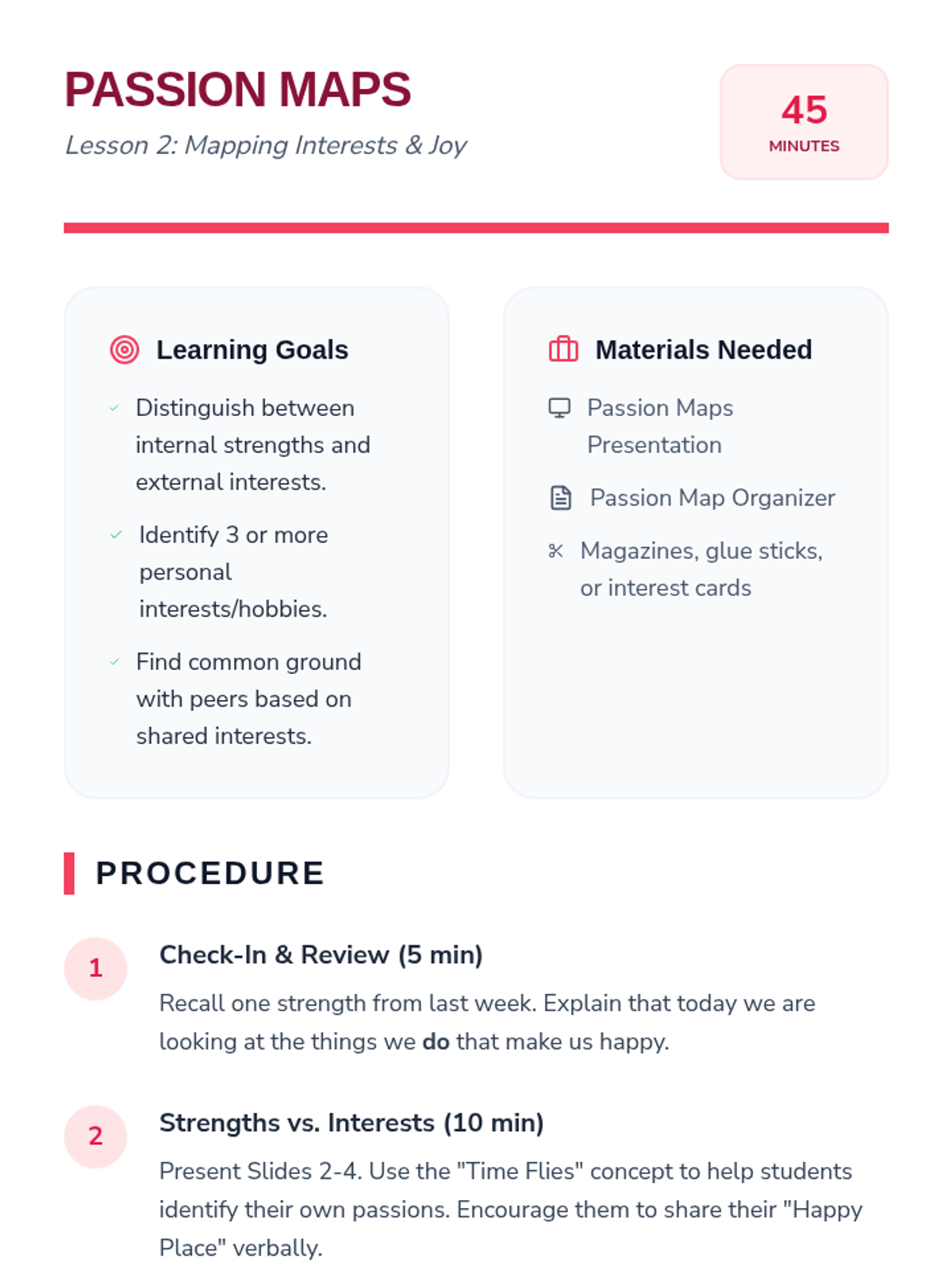
A social-emotional learning lesson designed to build trust and self-awareness through collaborative interviewing and creative collage-making. Students explore their personal interests and find common ground with others.
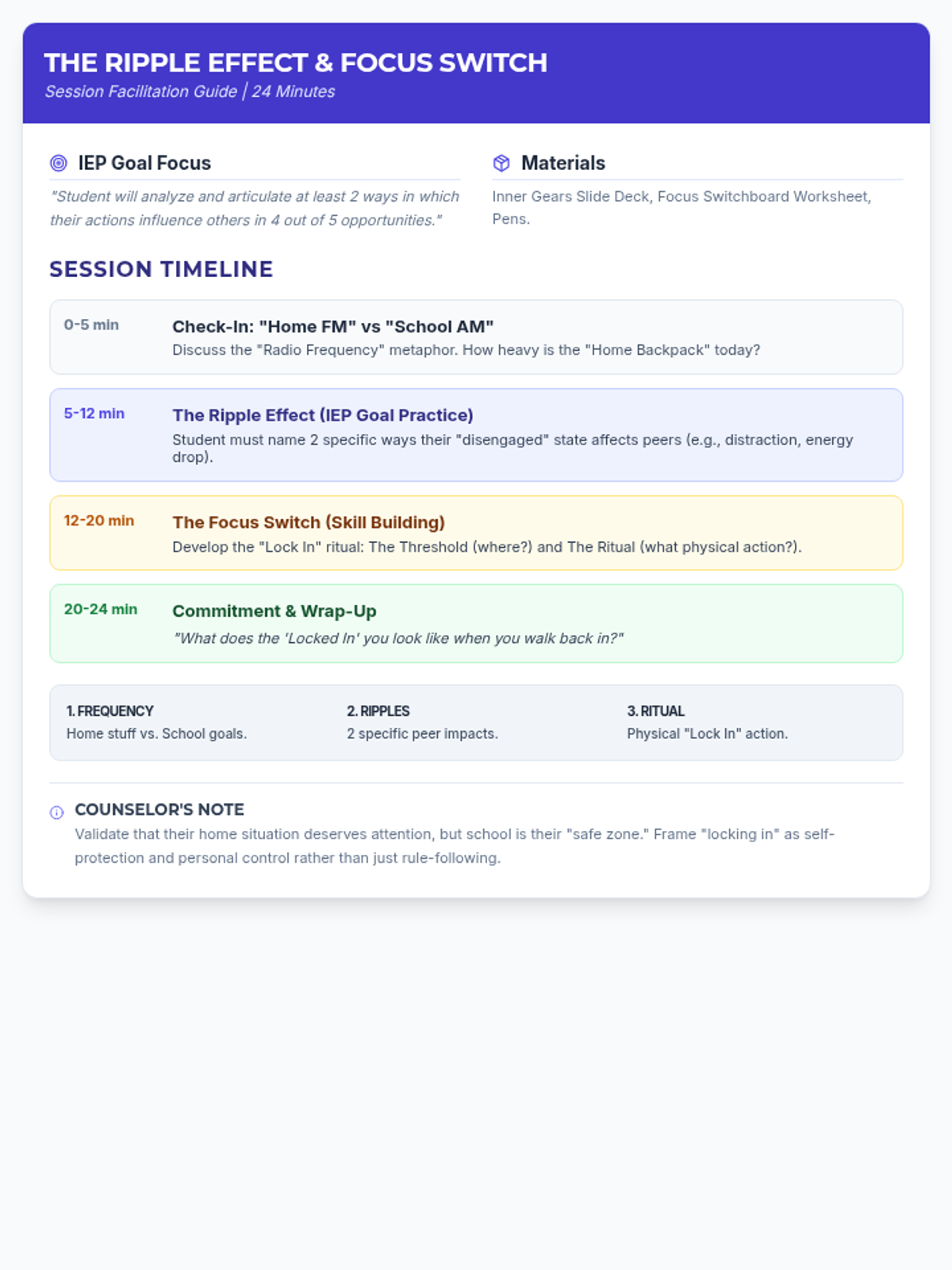
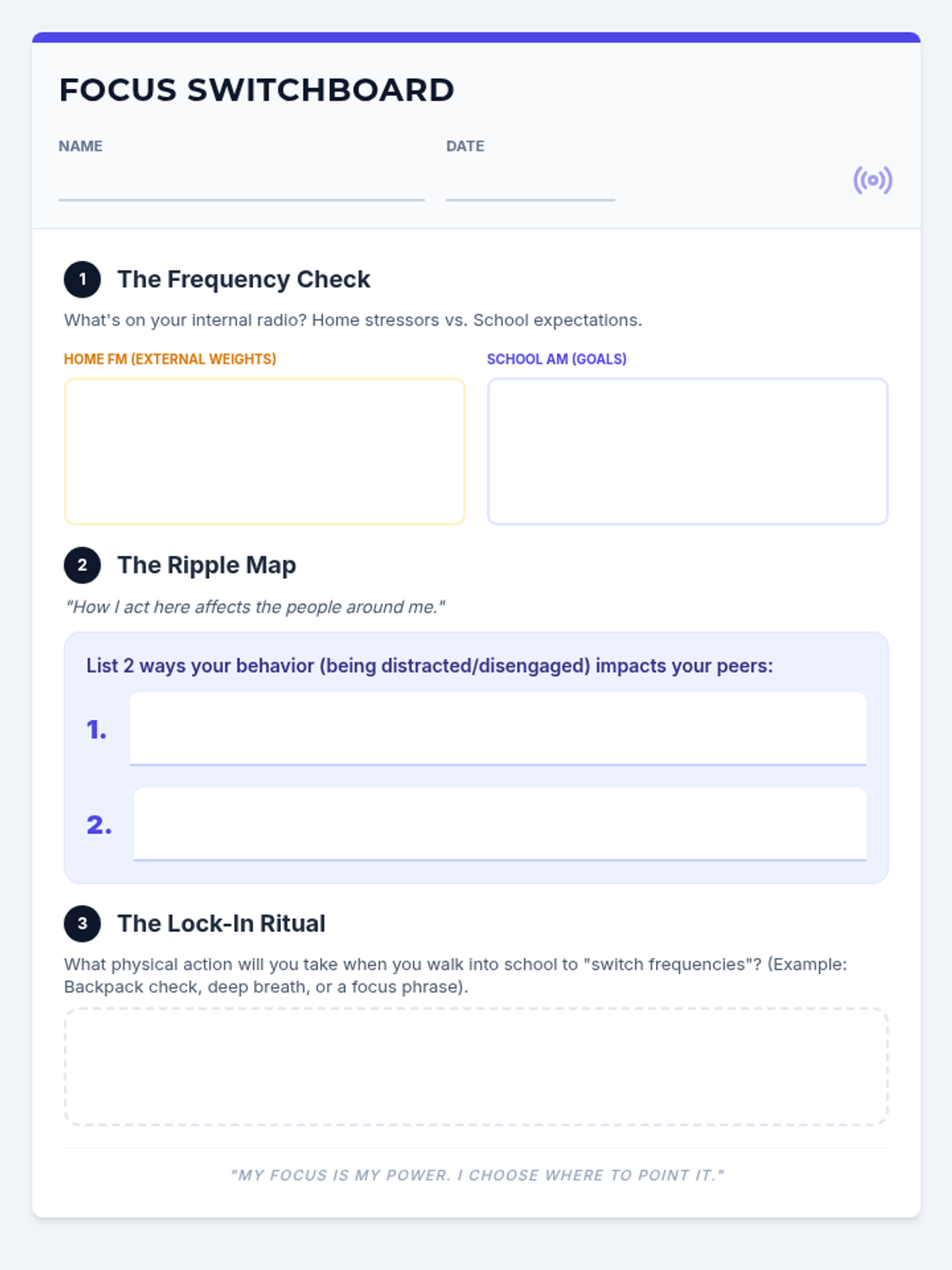
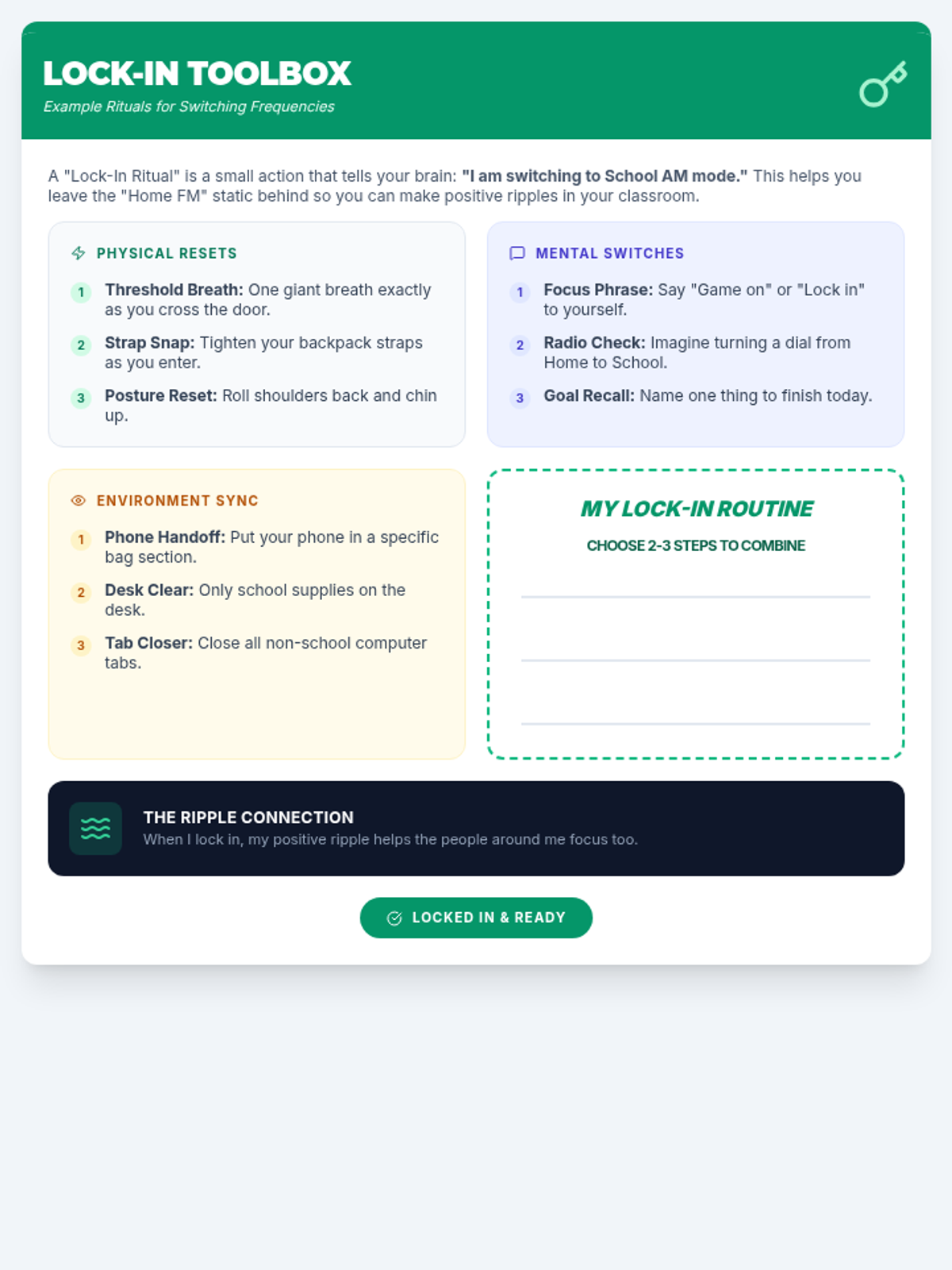
A 24-minute counseling session focused on helping a student navigate the transition from home stressors to school expectations, emphasizing the impact of their behavior on peers and developing a 'lock-in' strategy for the school day.
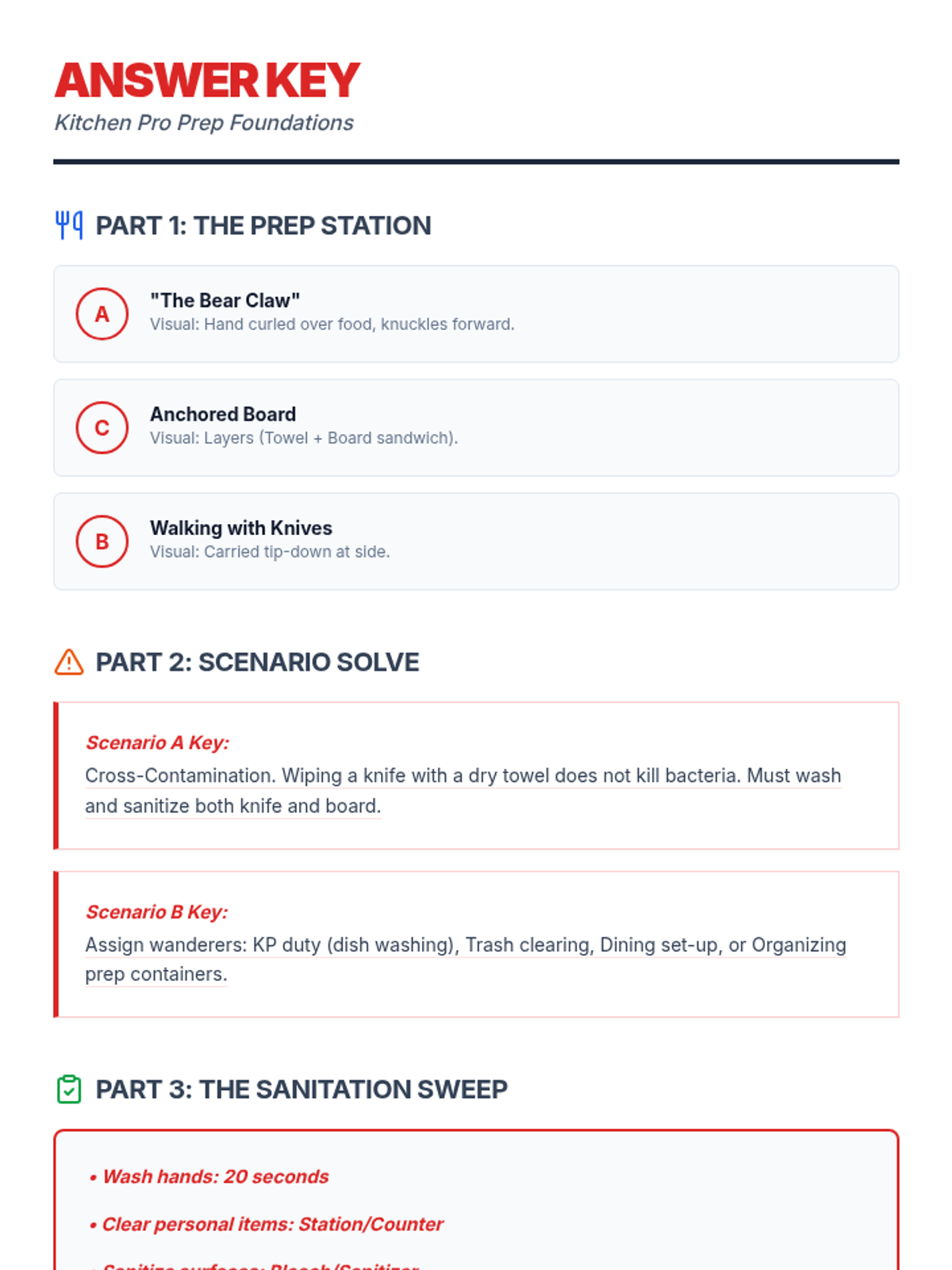
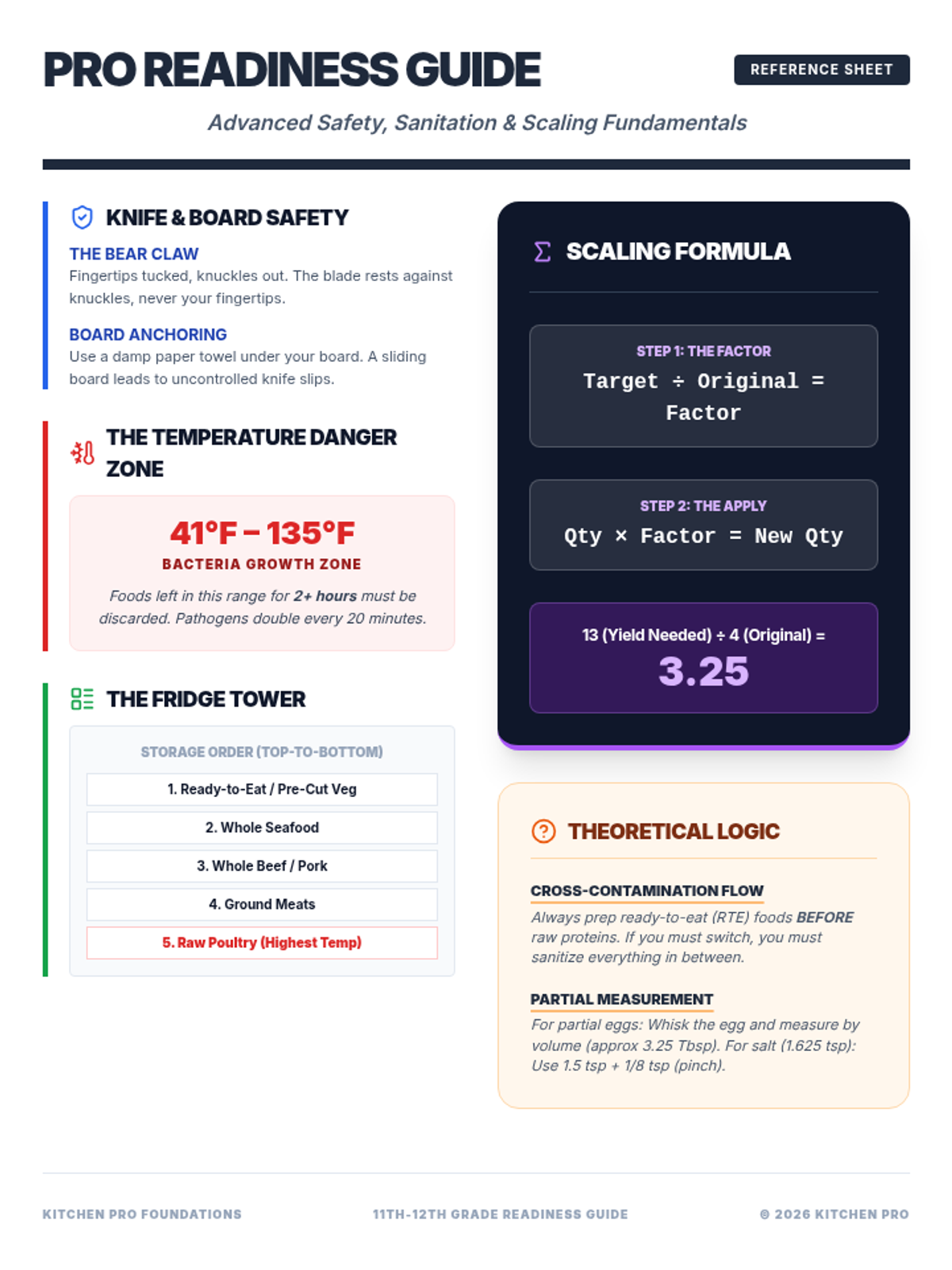
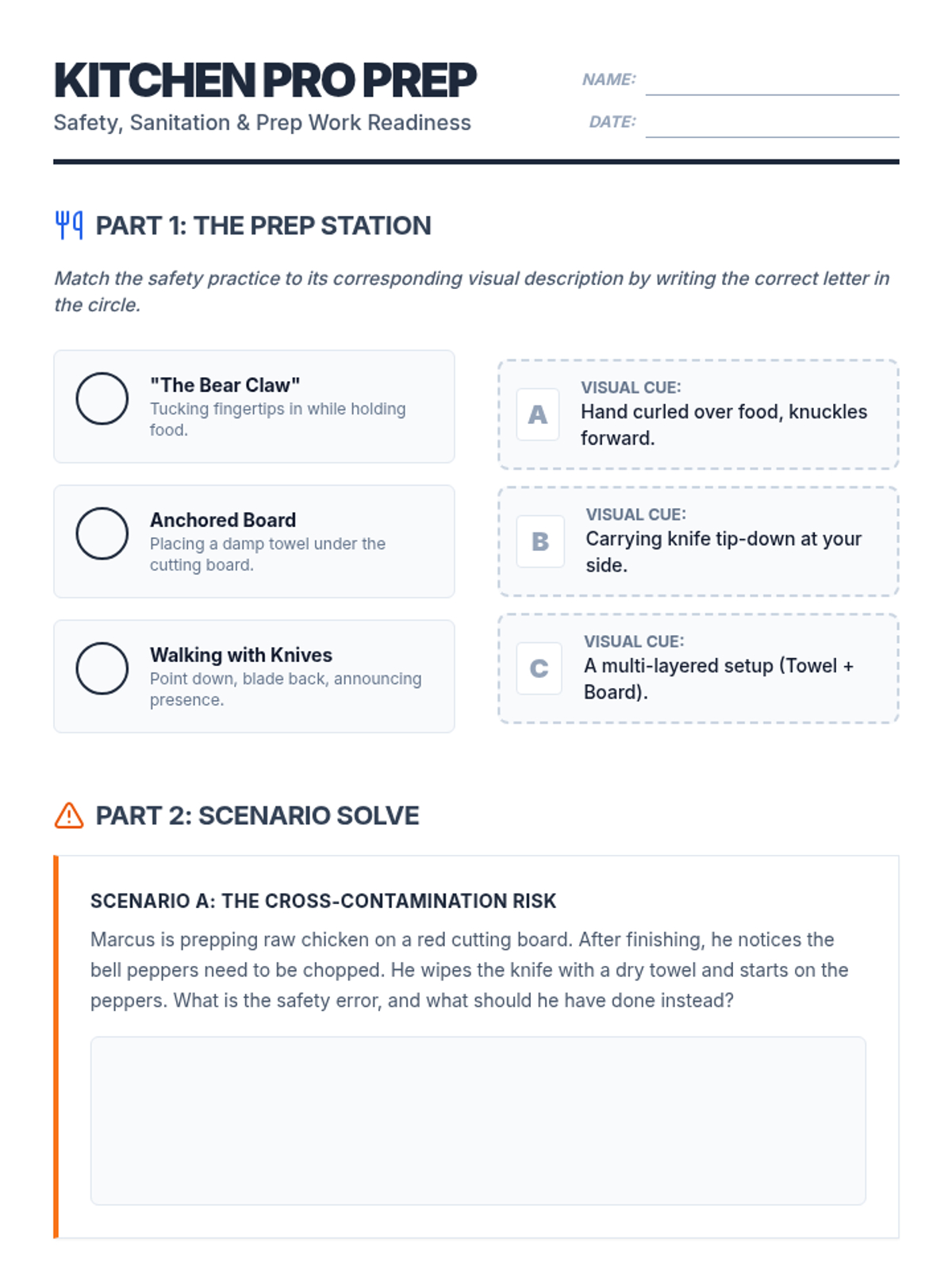
A foundational kitchen skills lesson focused on safety, sanitation, knife handling, and recipe scaling for a small group environment.
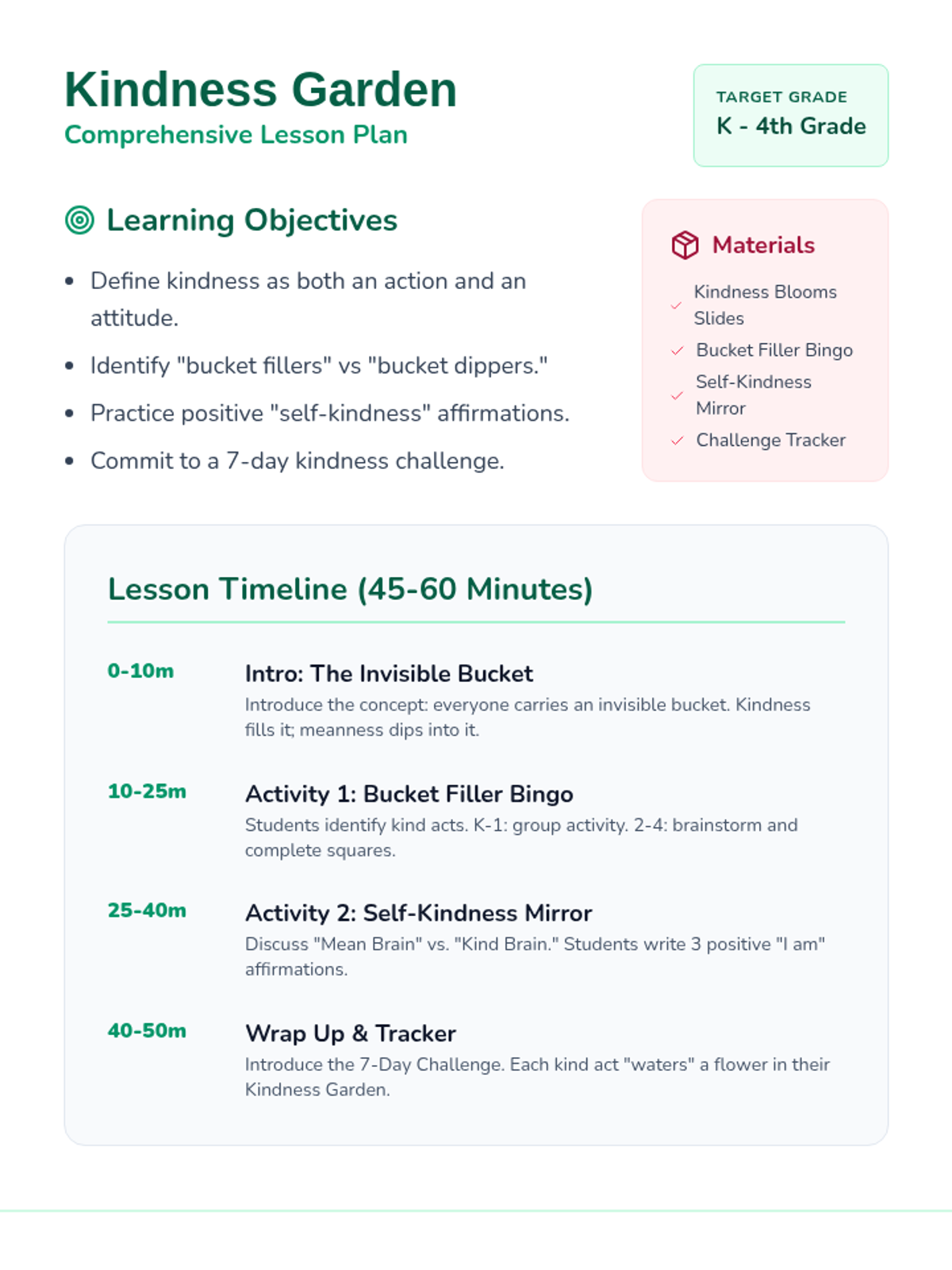
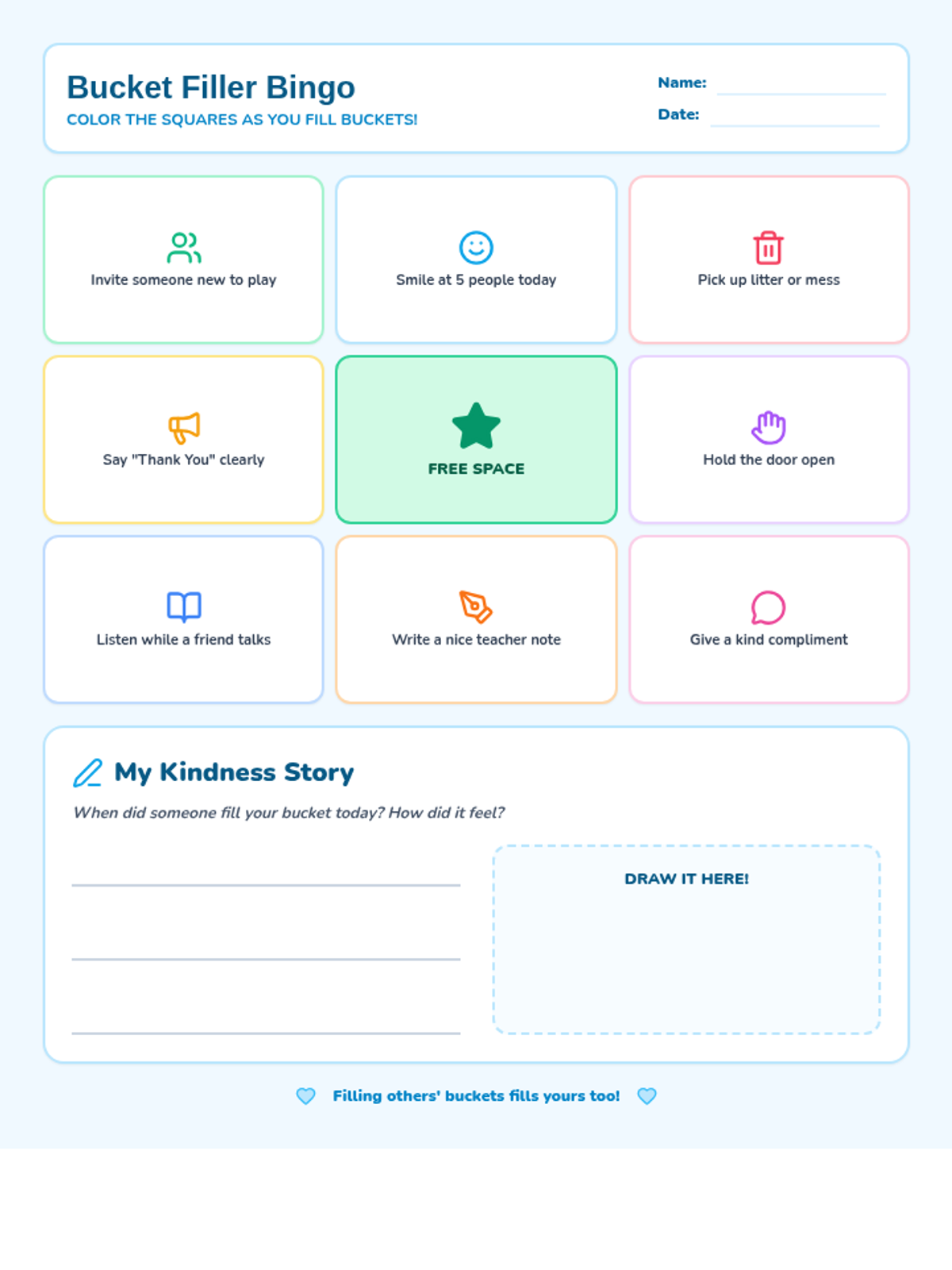
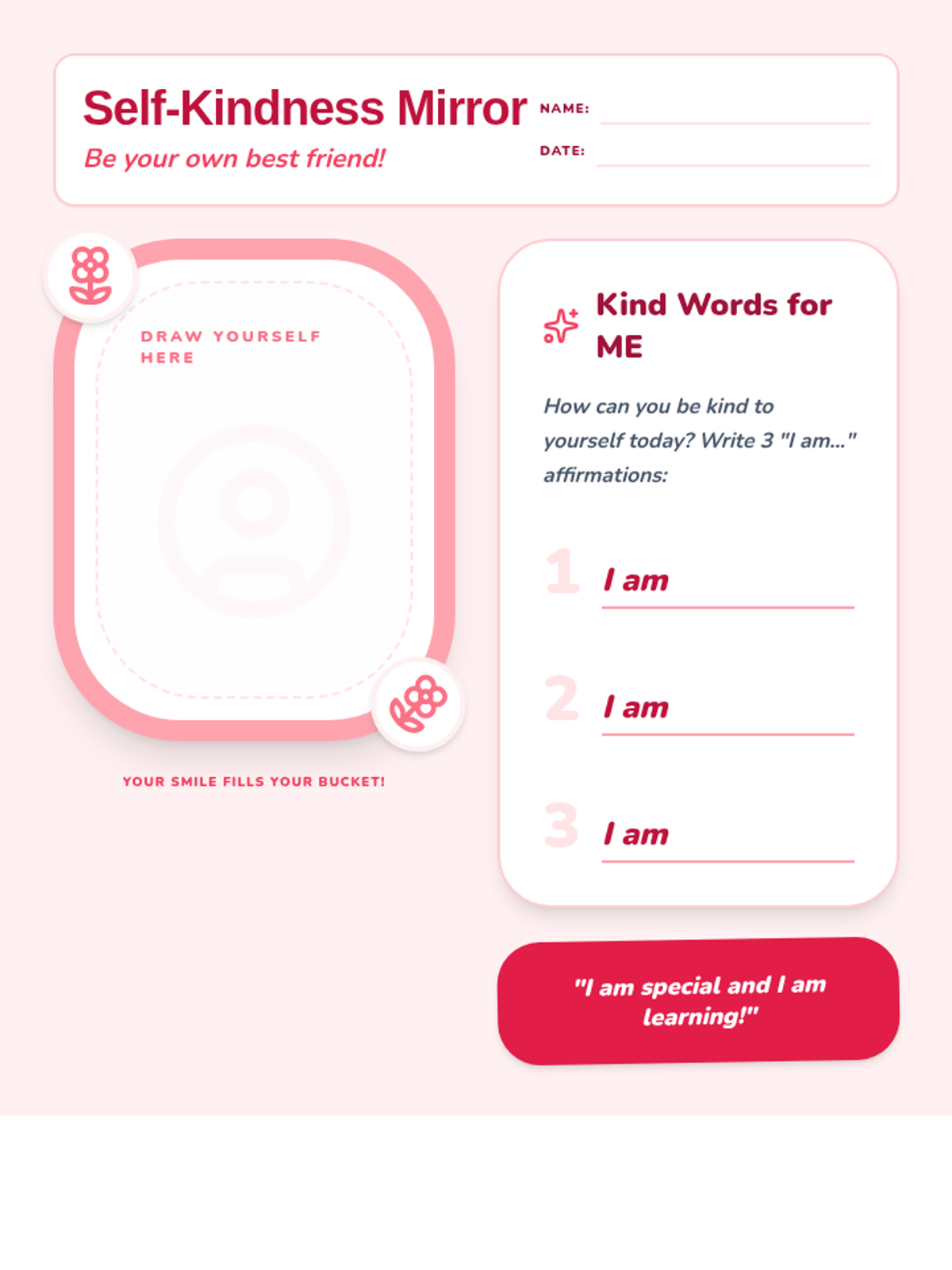
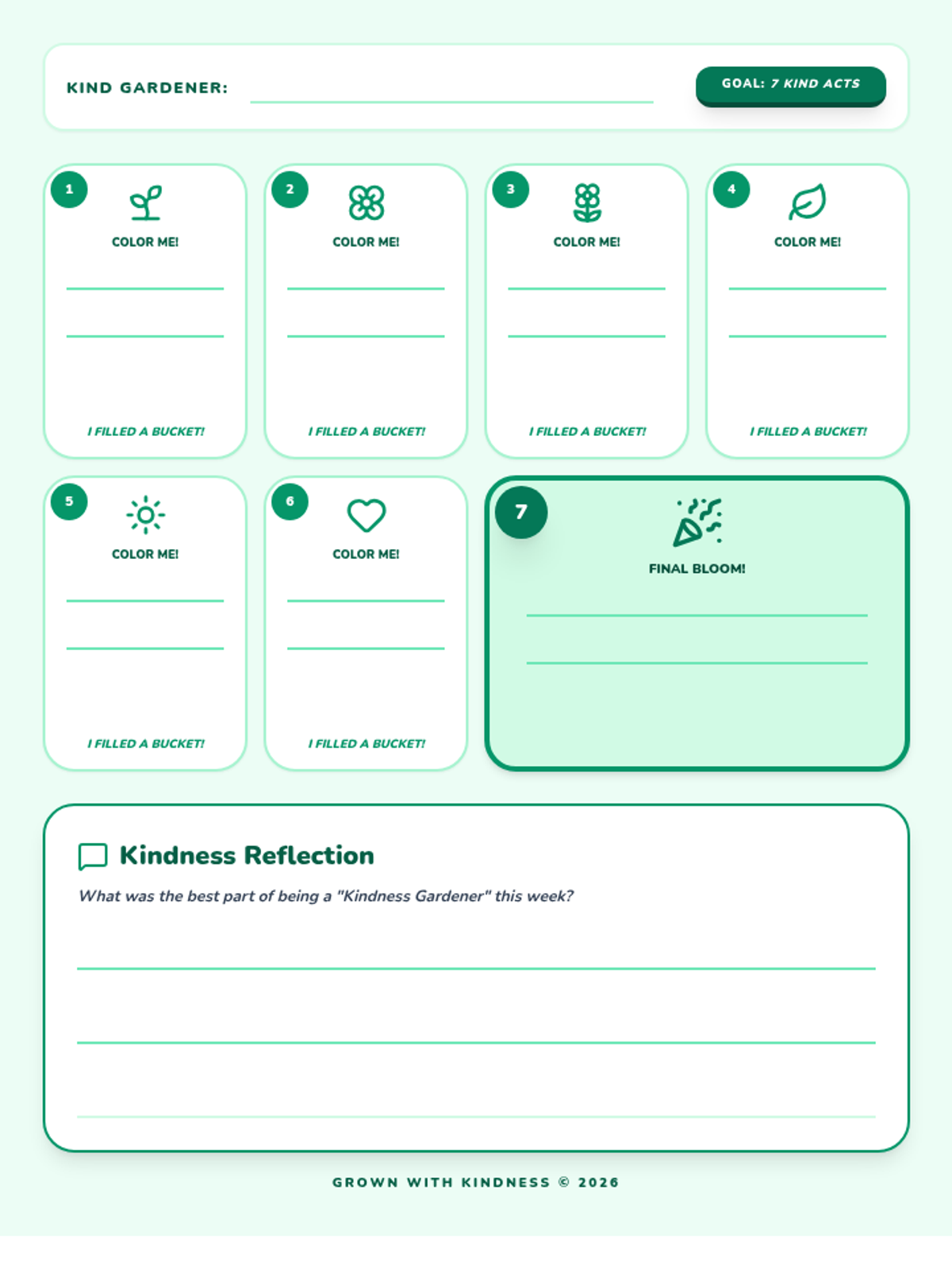
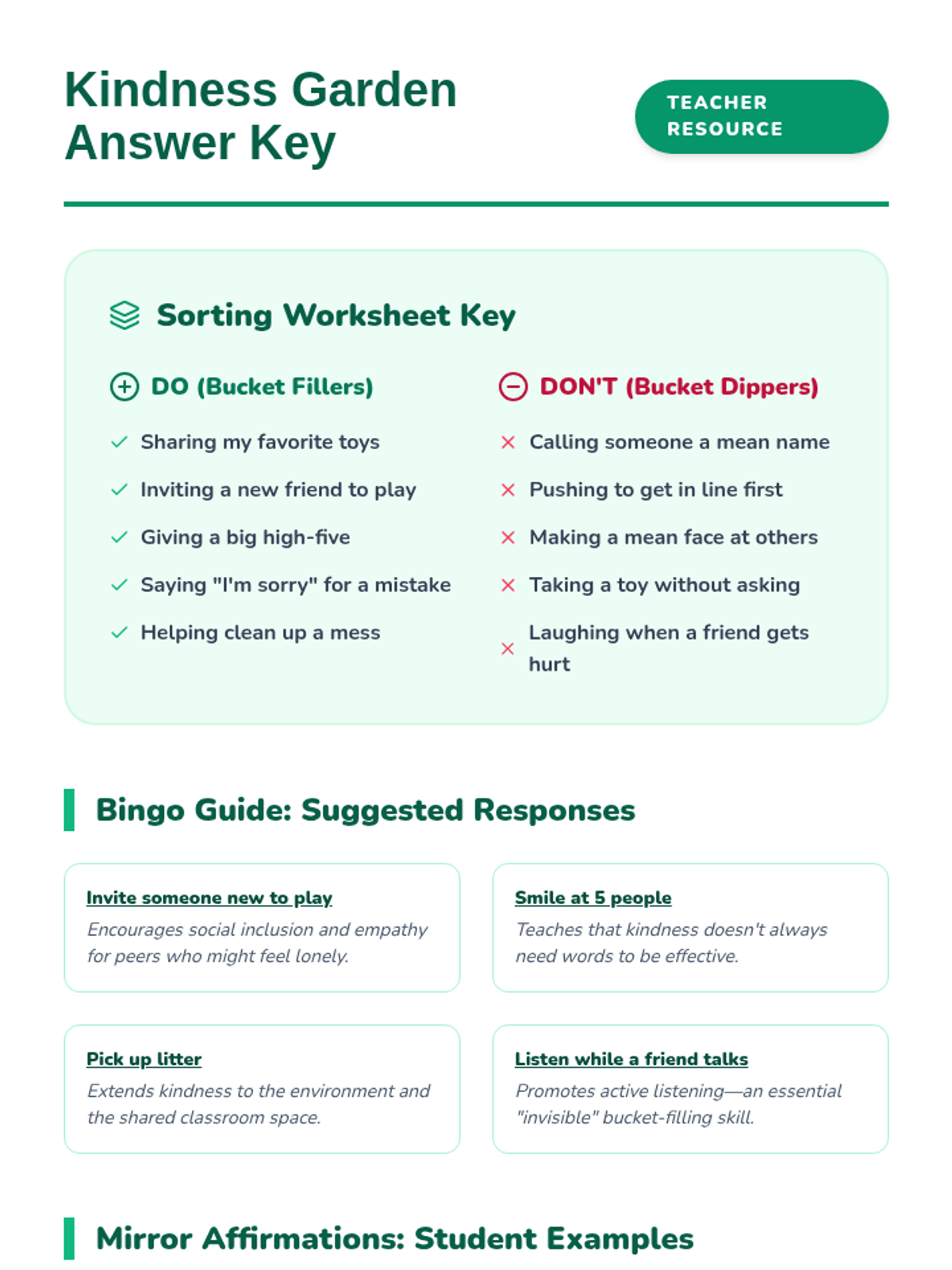
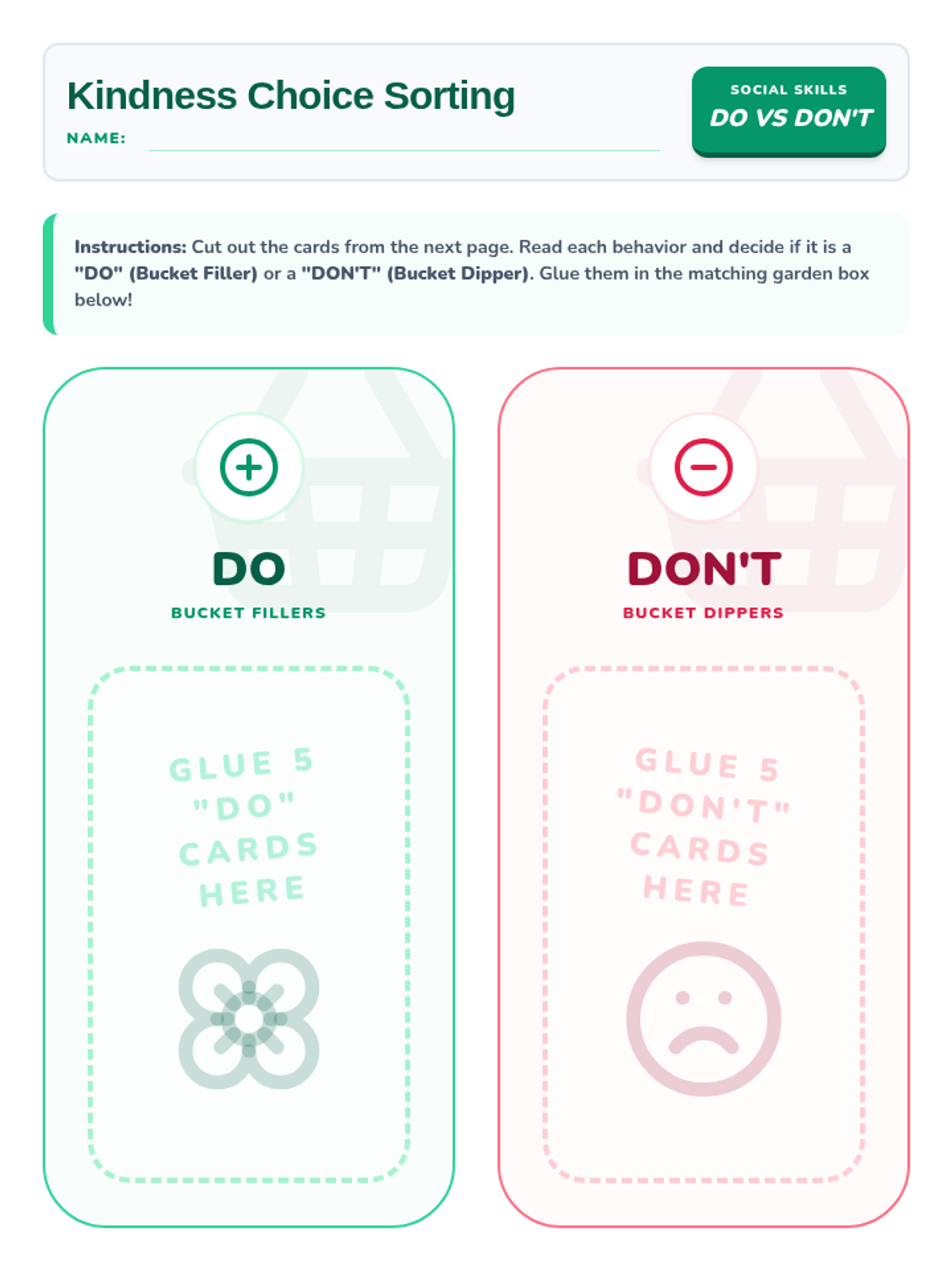
A social-emotional learning lesson for grades K-4 focused on acts of kindness, positive self-talk, and the 'bucket filling' concept. Students will learn how their words and actions impact both themselves and those around them through interactive activities and a take-home challenge.
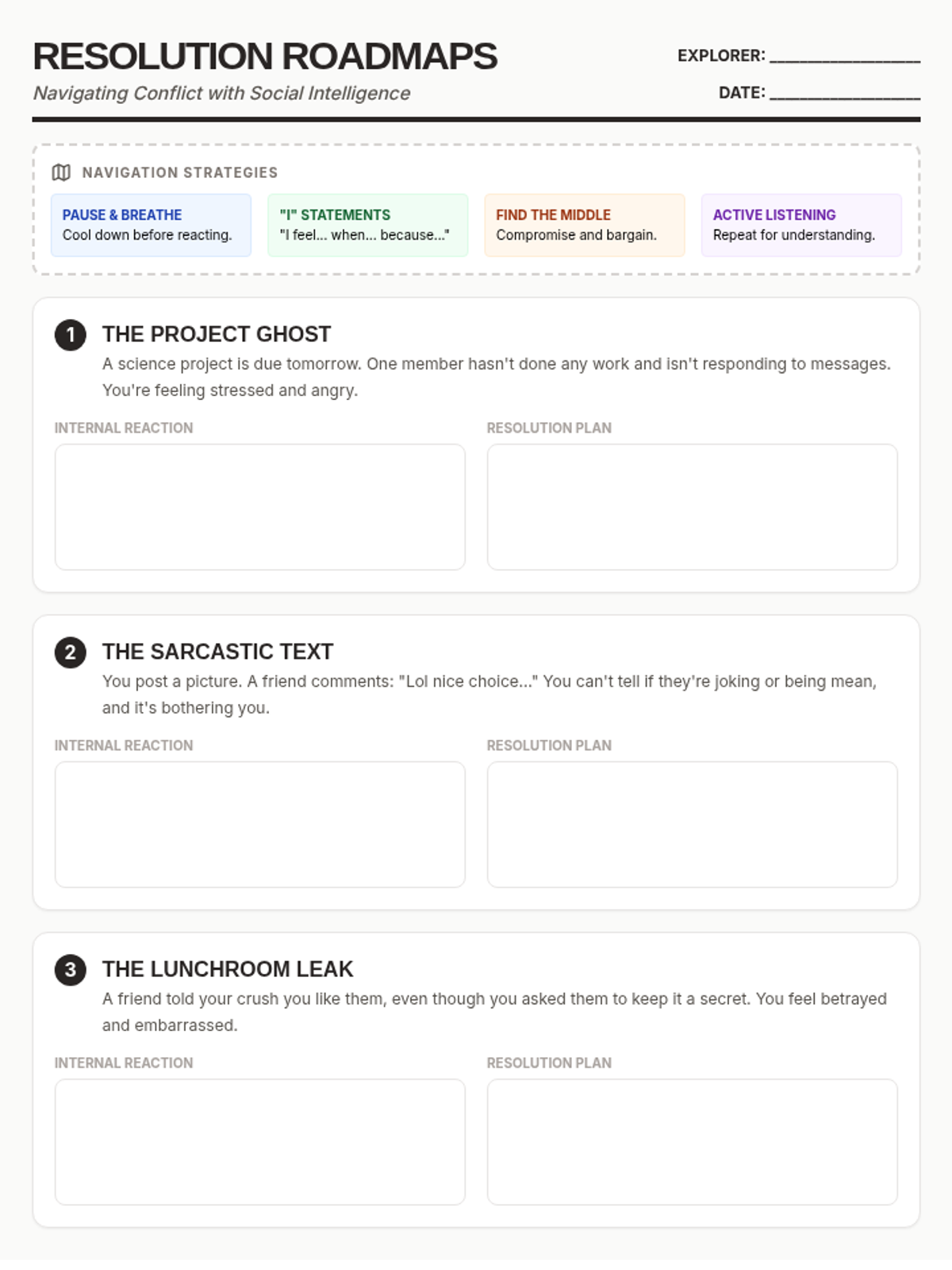
A comprehensive set of resources for middle and high school students focused on developing social-emotional intelligence, mental health awareness, and practical coping strategies. This lesson provides tools for self-tracking, group discussion, and hands-on practice with real-world scenarios.
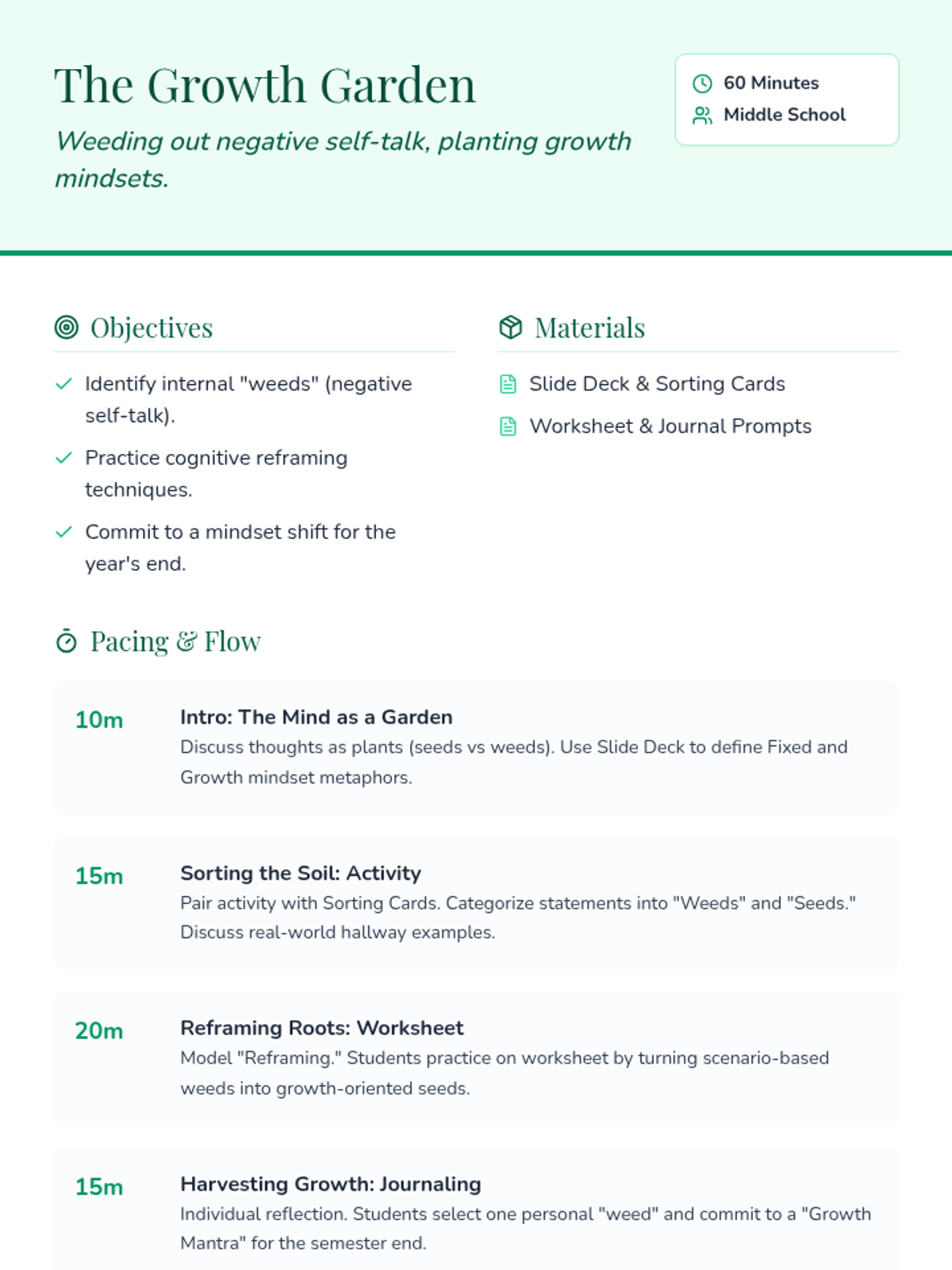
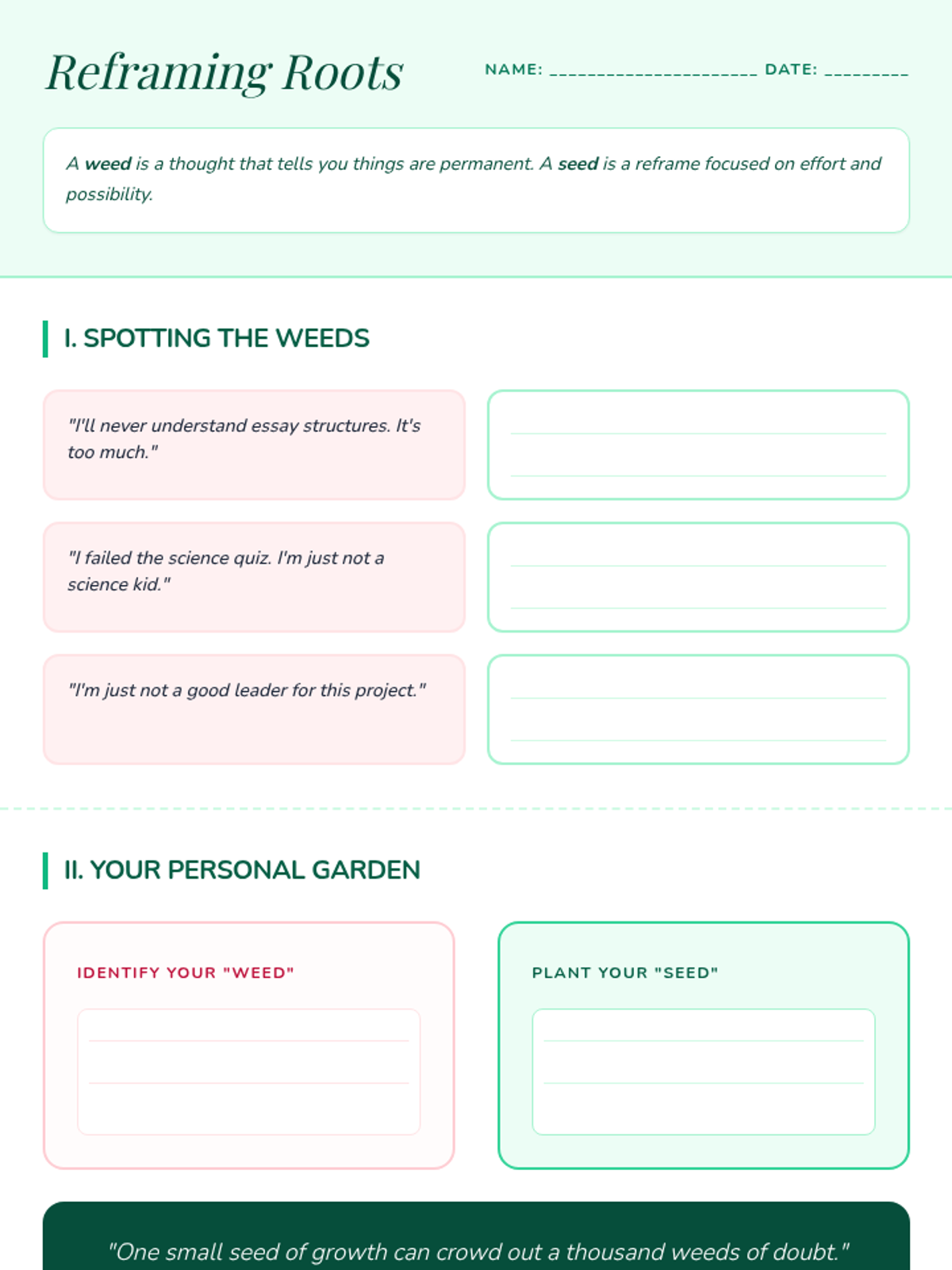
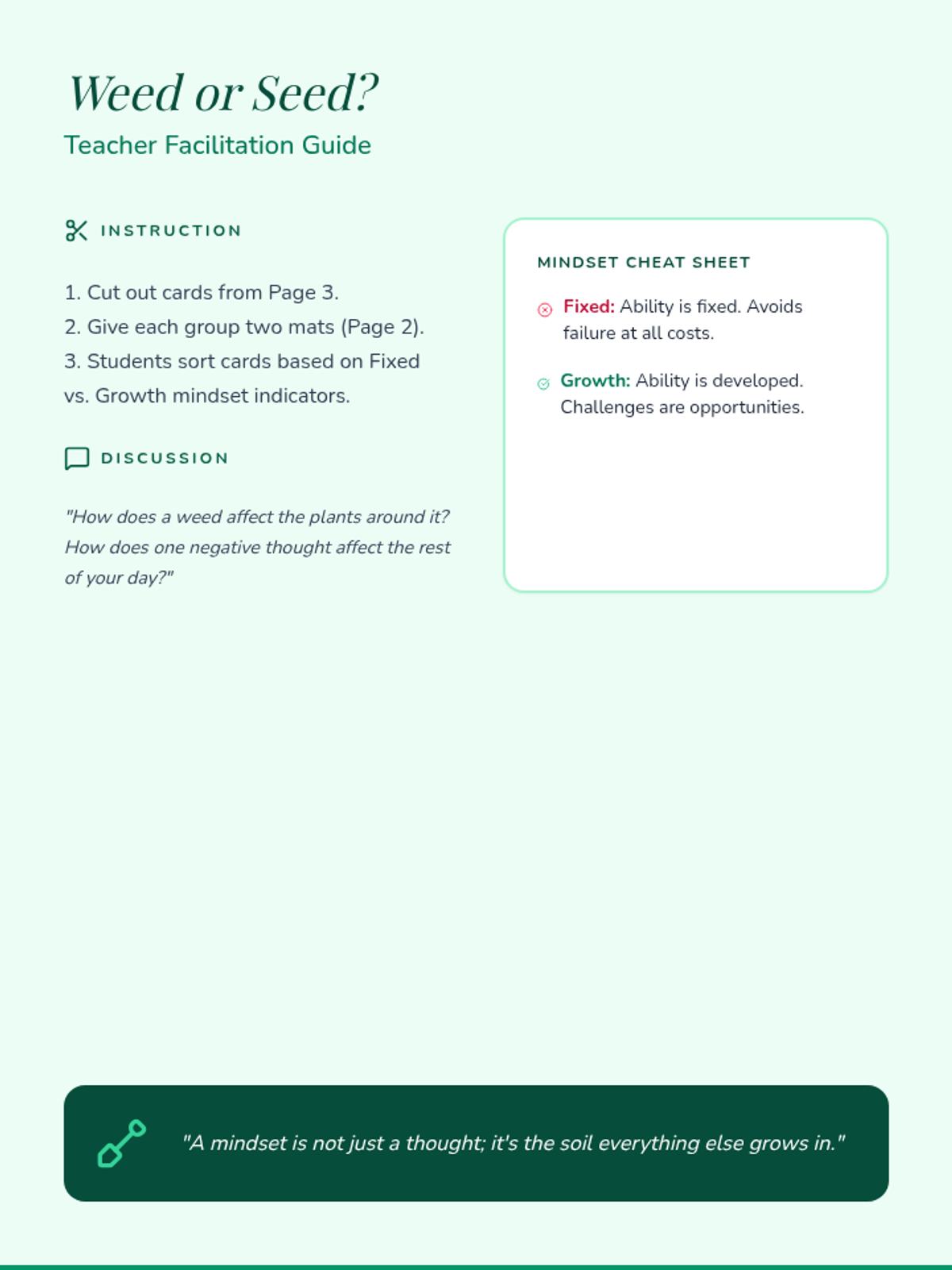
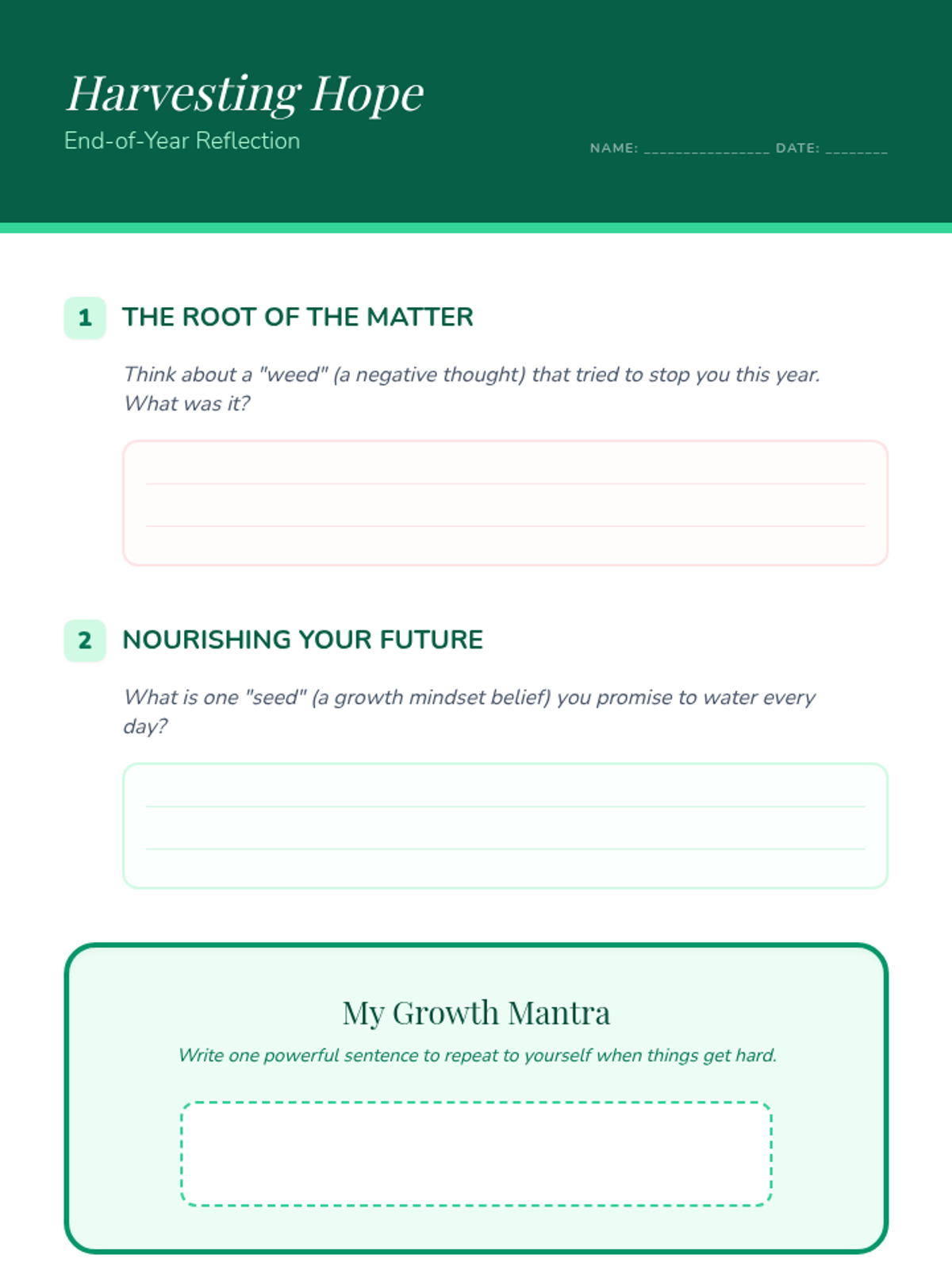
This lesson guides middle school students through the process of identifying negative self-talk ('weeds') and reframing them into growth-oriented mindsets ('seeds') using cognitive behavioral techniques in a garden-themed workshop.
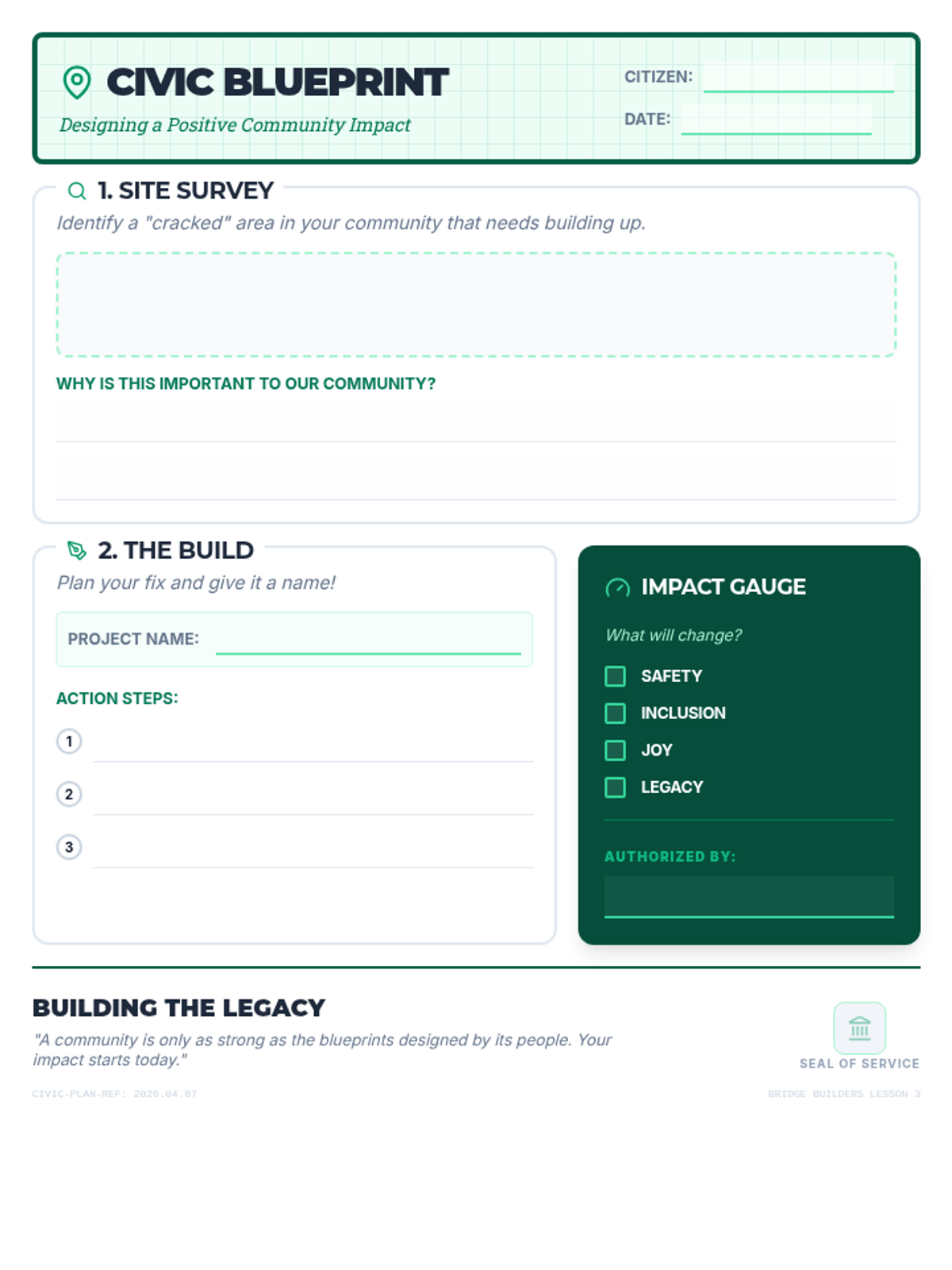
In this final lesson of the sequence, students transition from group teamwork to community-wide thinking, exploring how their collective actions impact the 'city' (their school or local community) and planning a sustainable service project.
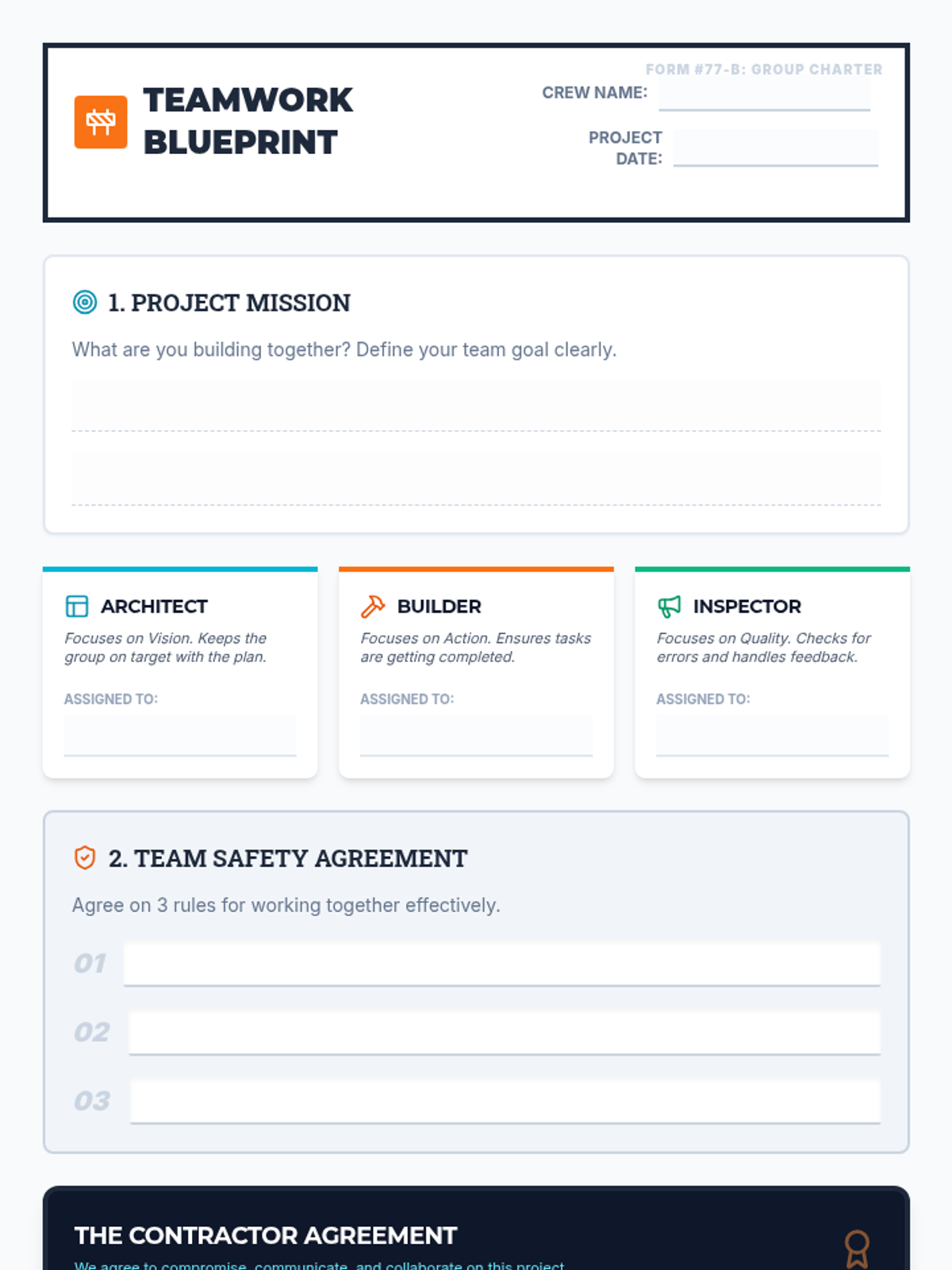
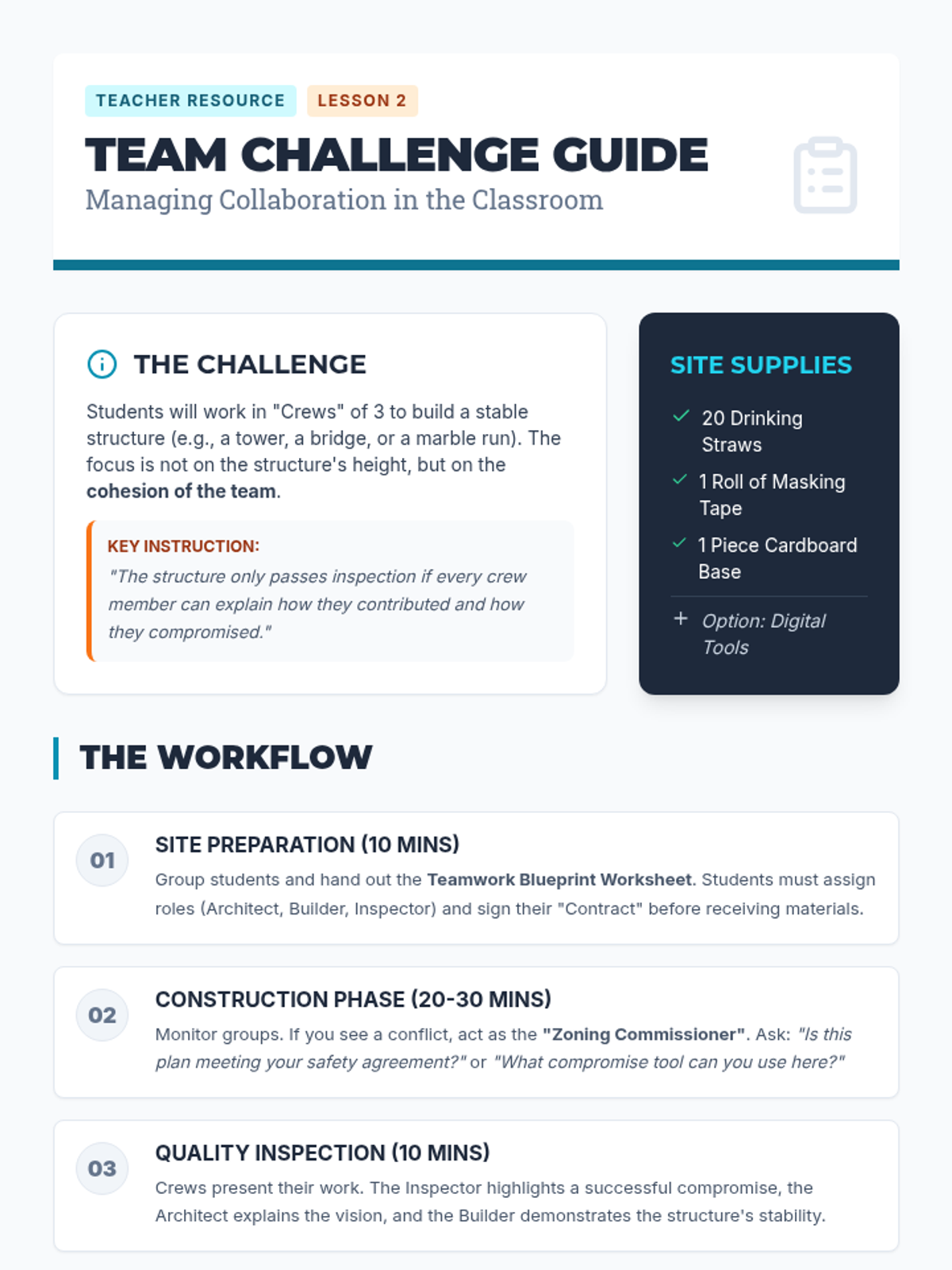
This lesson focuses on the mechanics of teamwork, specifically addressing how to share roles, compromise on shared goals, and celebrate collective success through the lens of a construction project.
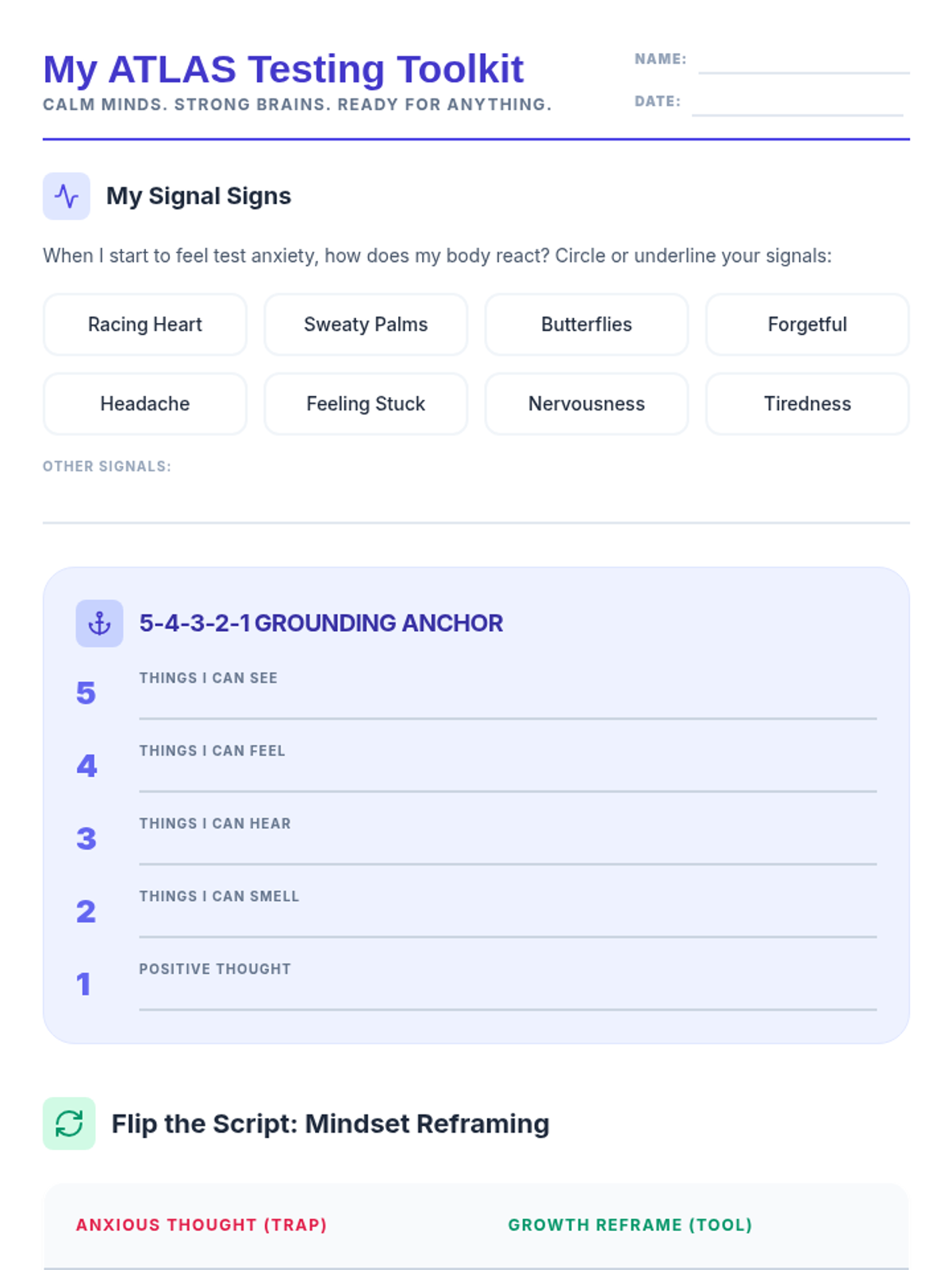
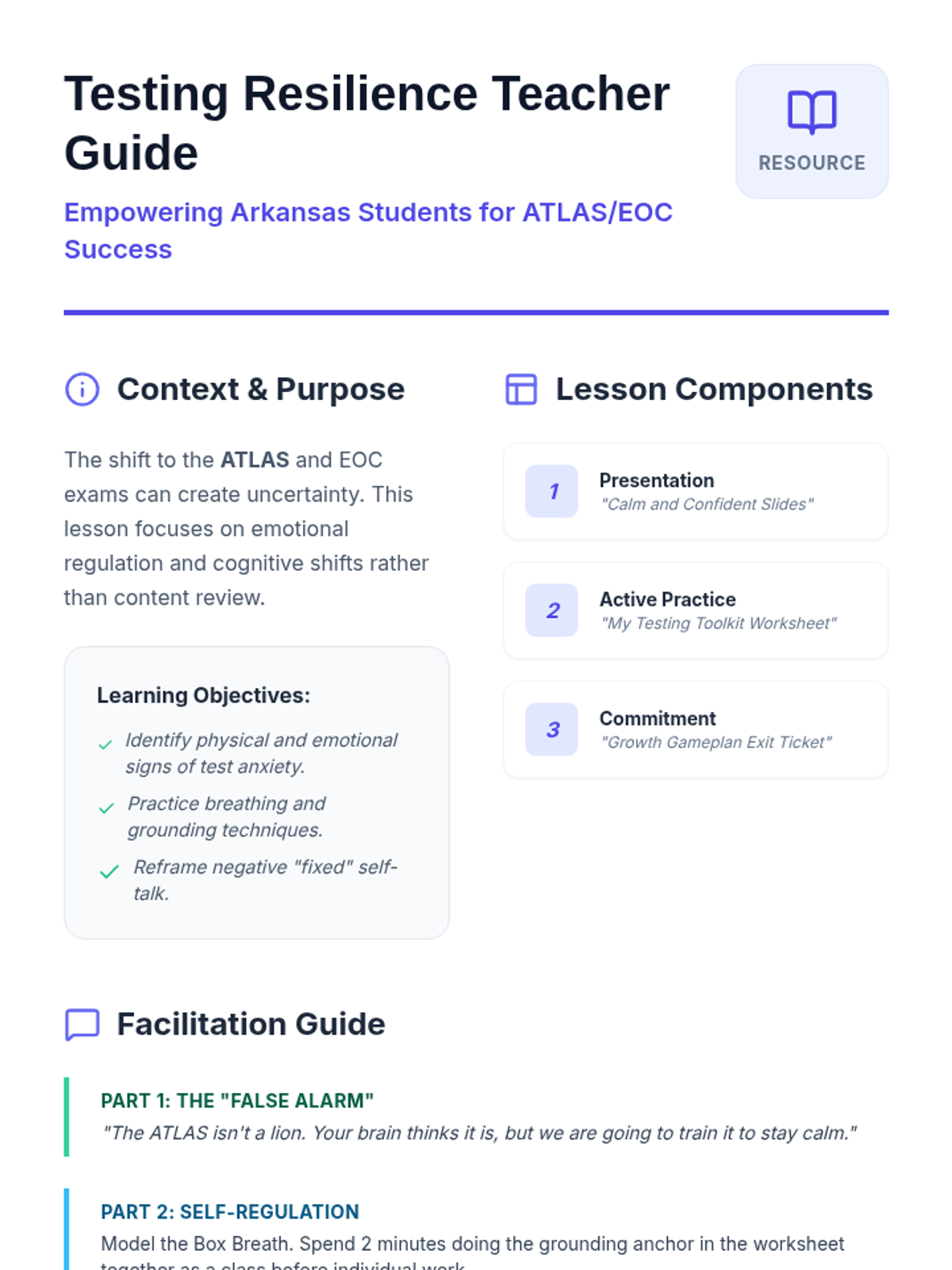
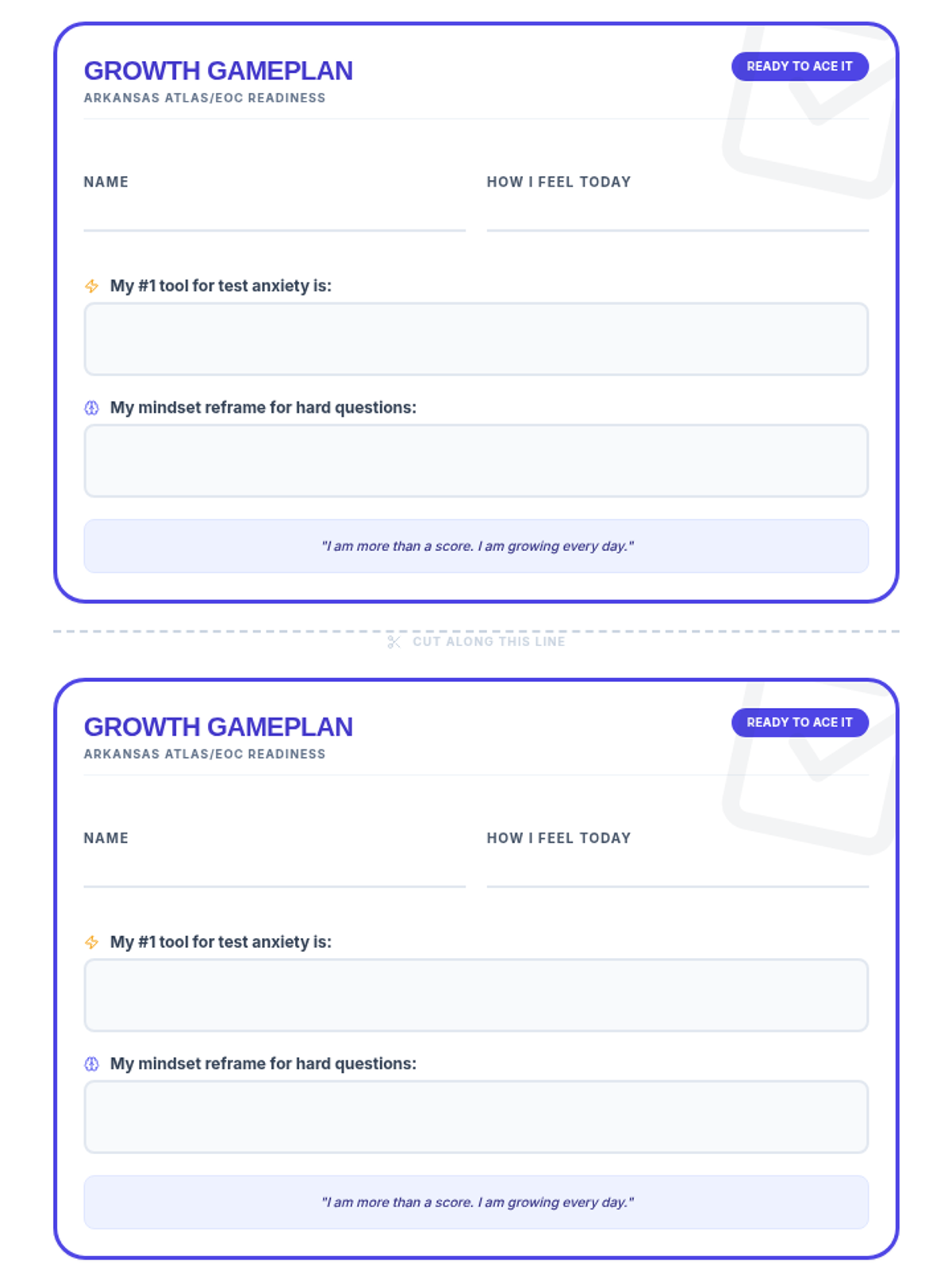
A comprehensive lesson designed to equip Arkansas students with the psychological tools to manage test anxiety and embrace a growth mindset during ATLAS and EOC assessments. Students will learn practical grounding techniques, cognitive reframing, and strategies for tackling difficult questions with confidence.
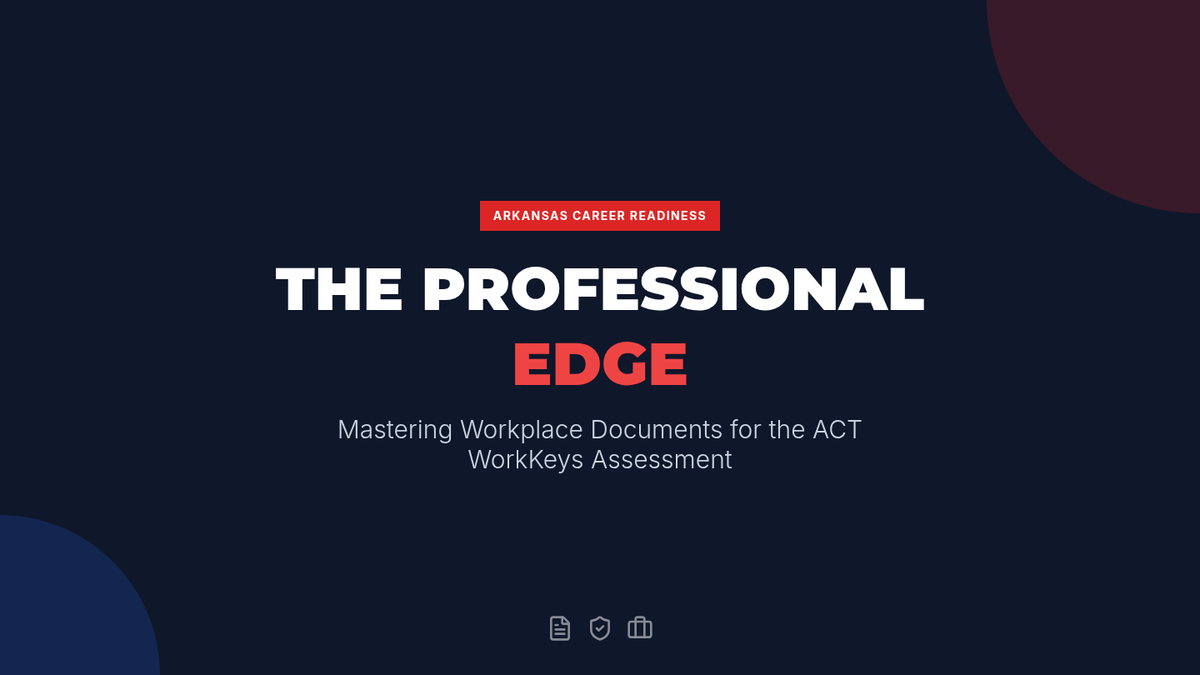
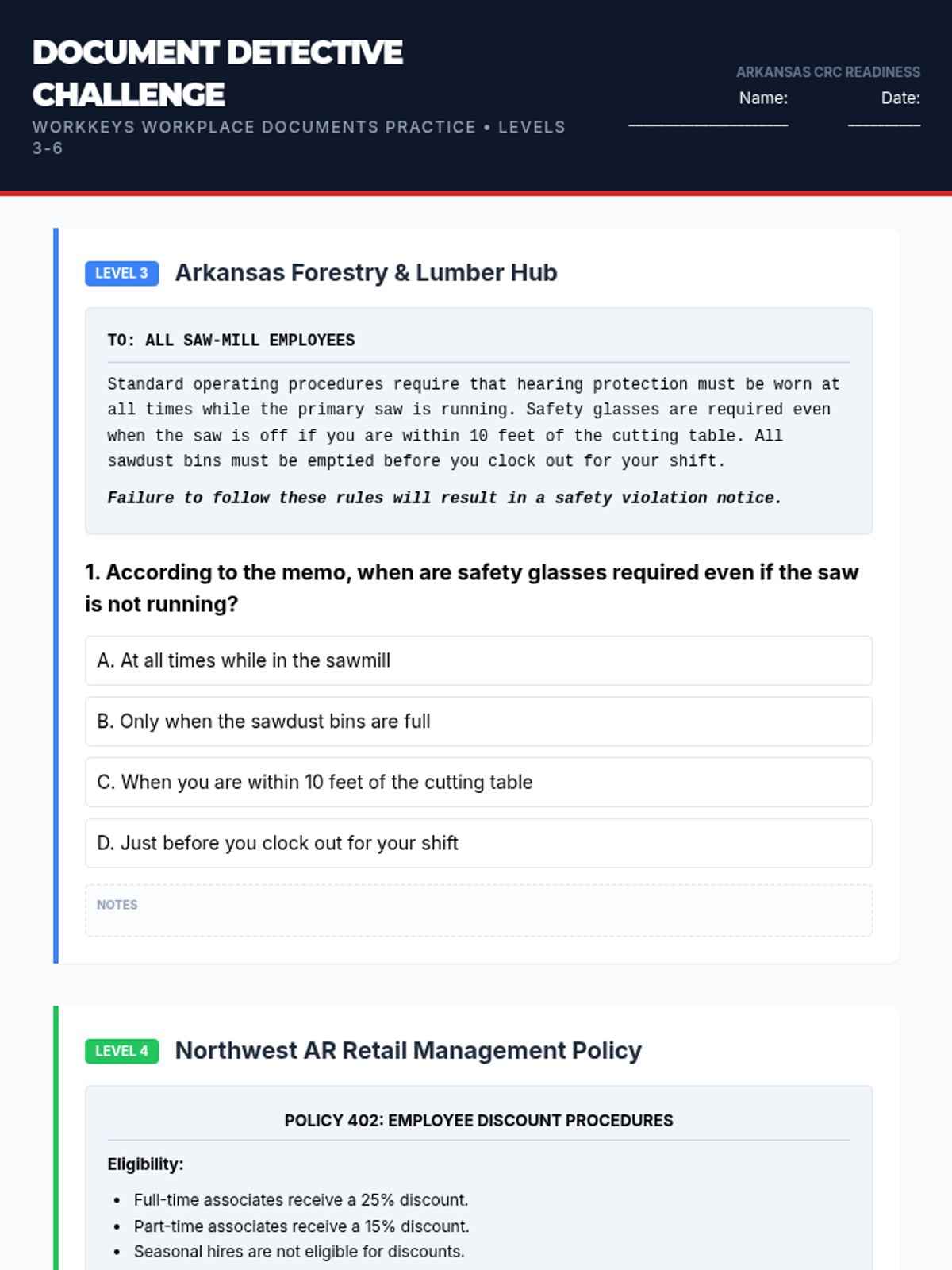
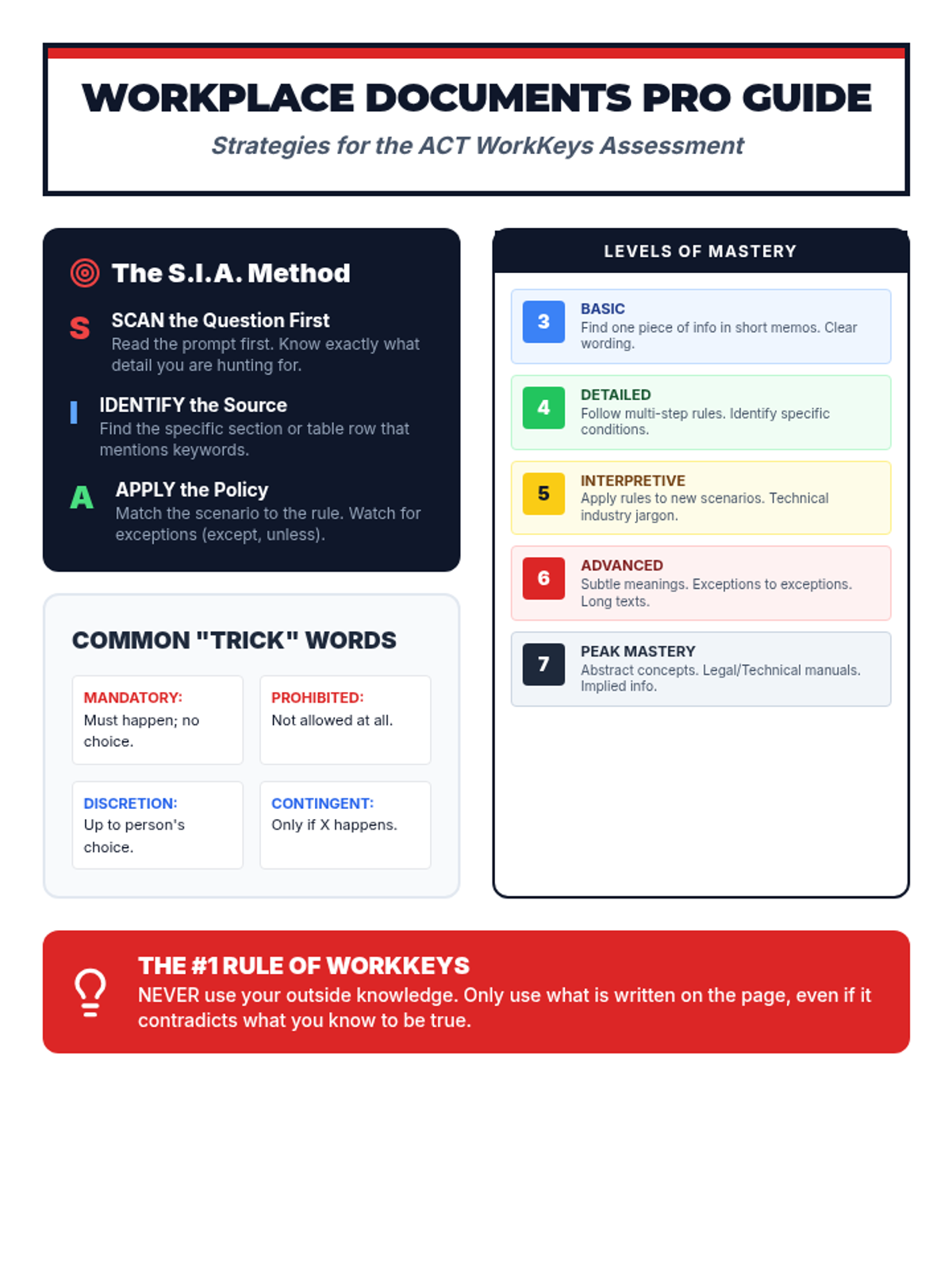
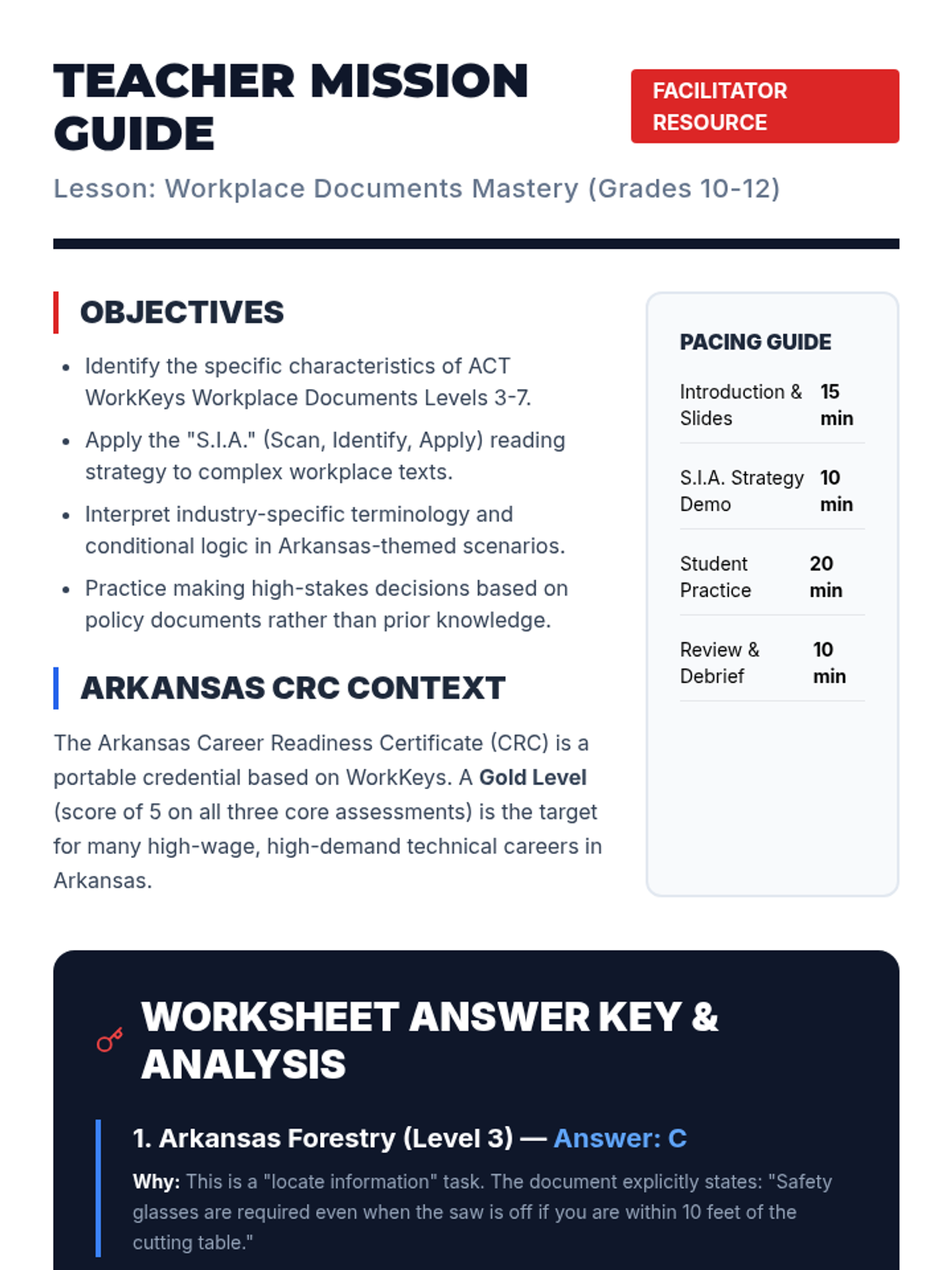
A comprehensive test preparation lesson designed to help high school students master the ACT WorkKeys Workplace Documents assessment, focusing on Levels 3-7 with real-world Arkansas industry scenarios.
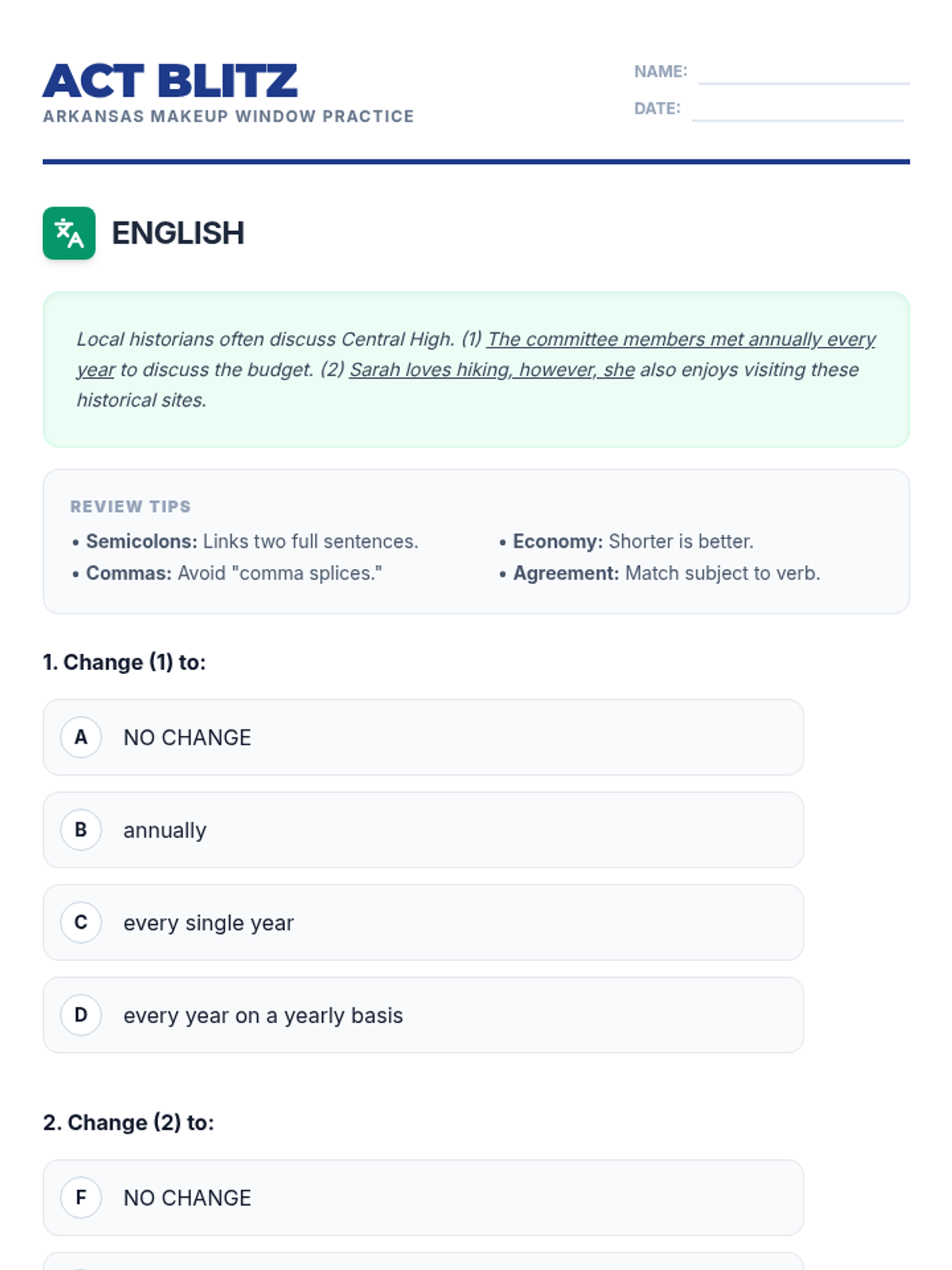
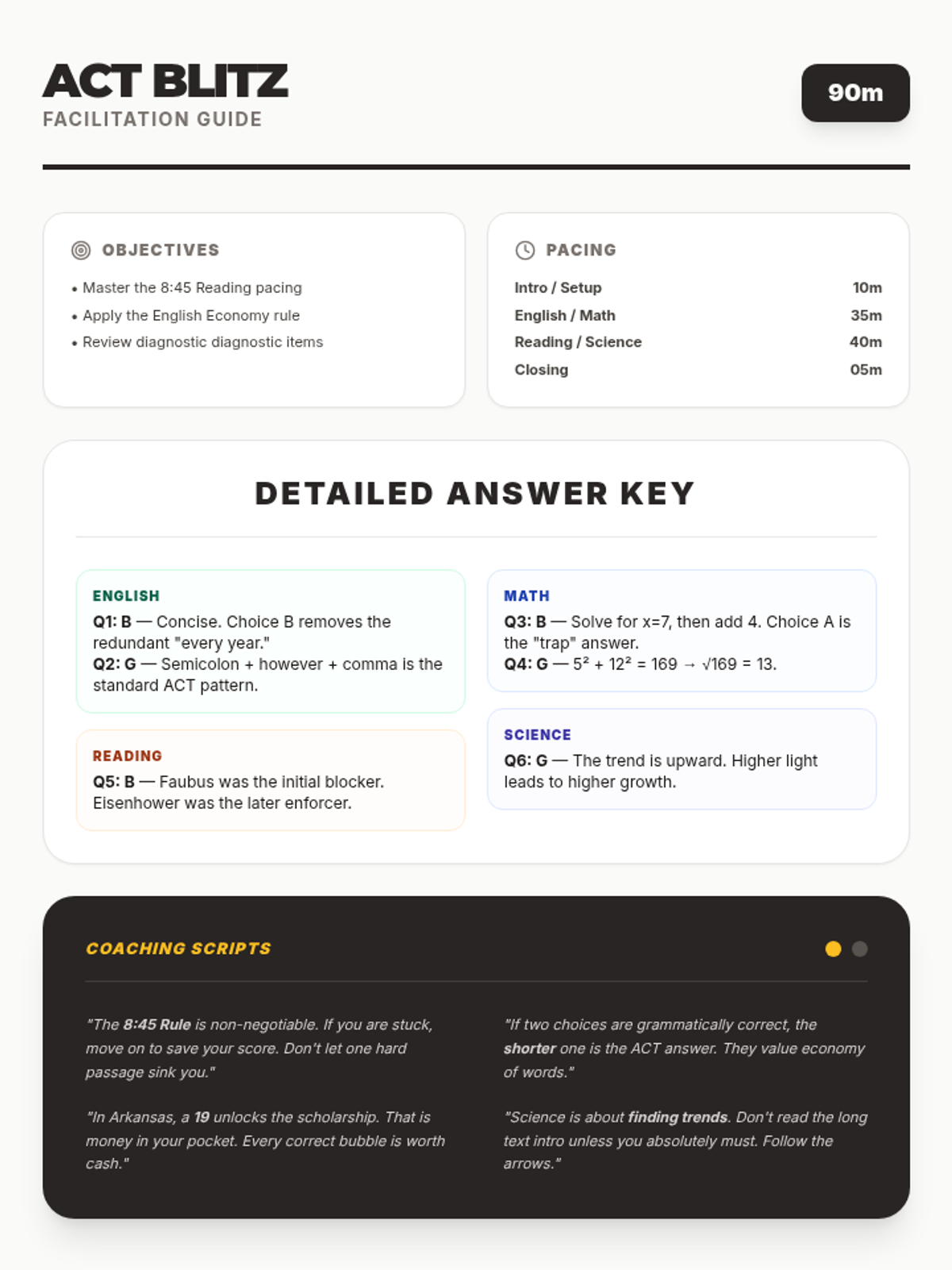
A comprehensive ACT prep review lesson designed for Arkansas 11th graders preparing for the April makeup window. Covers core strategies and practice for English, Math, Reading, and Science sections.
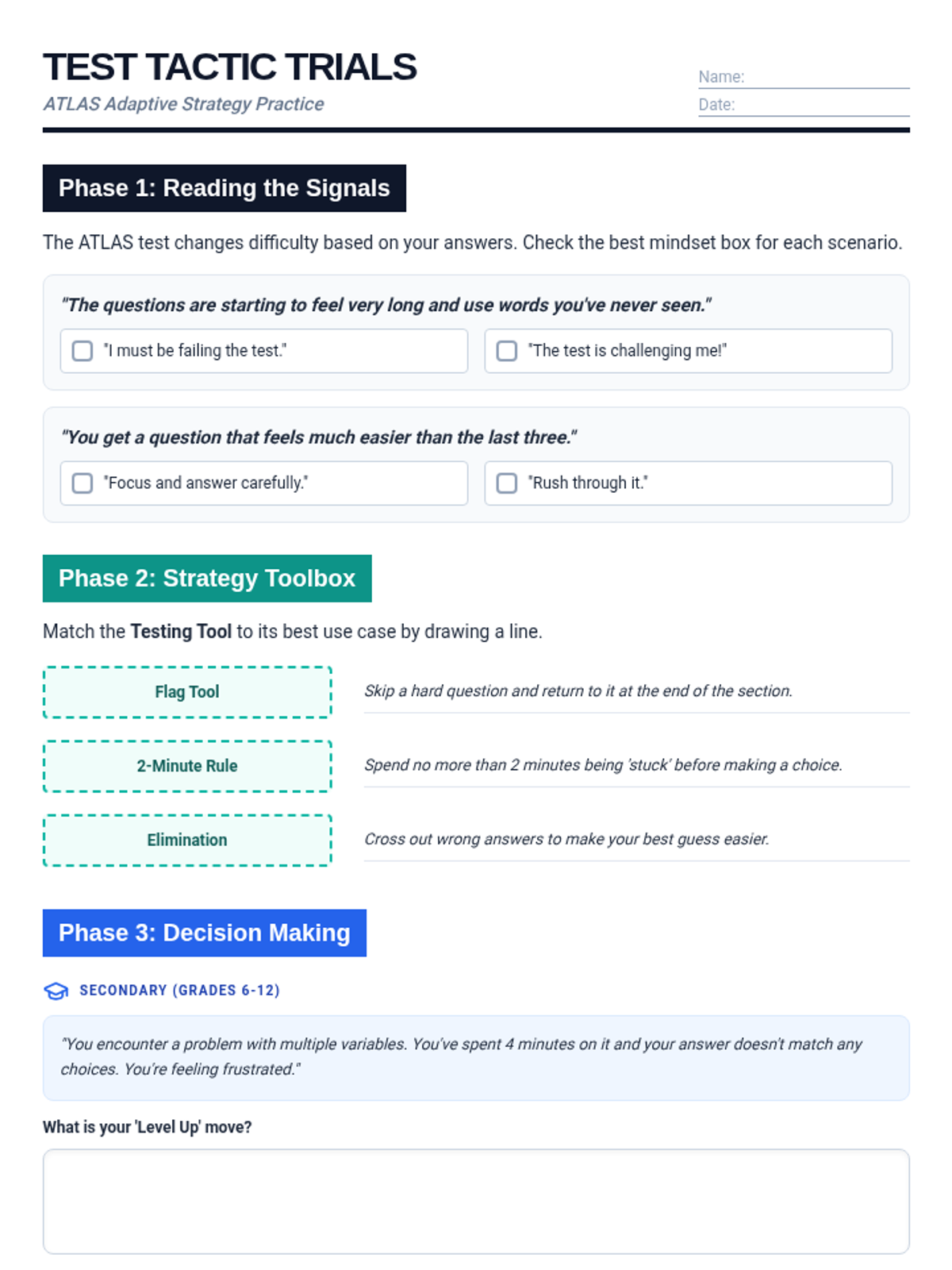
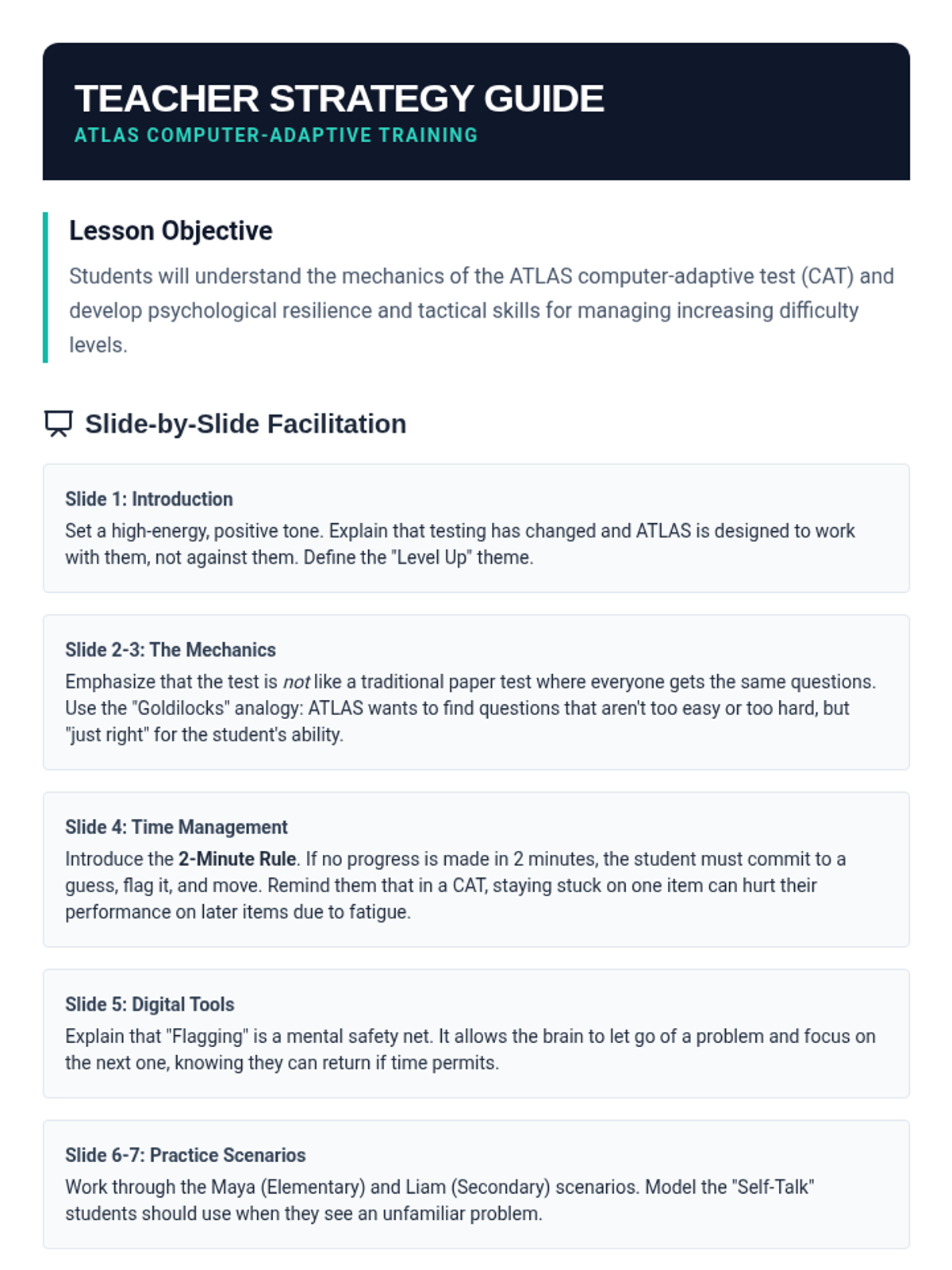
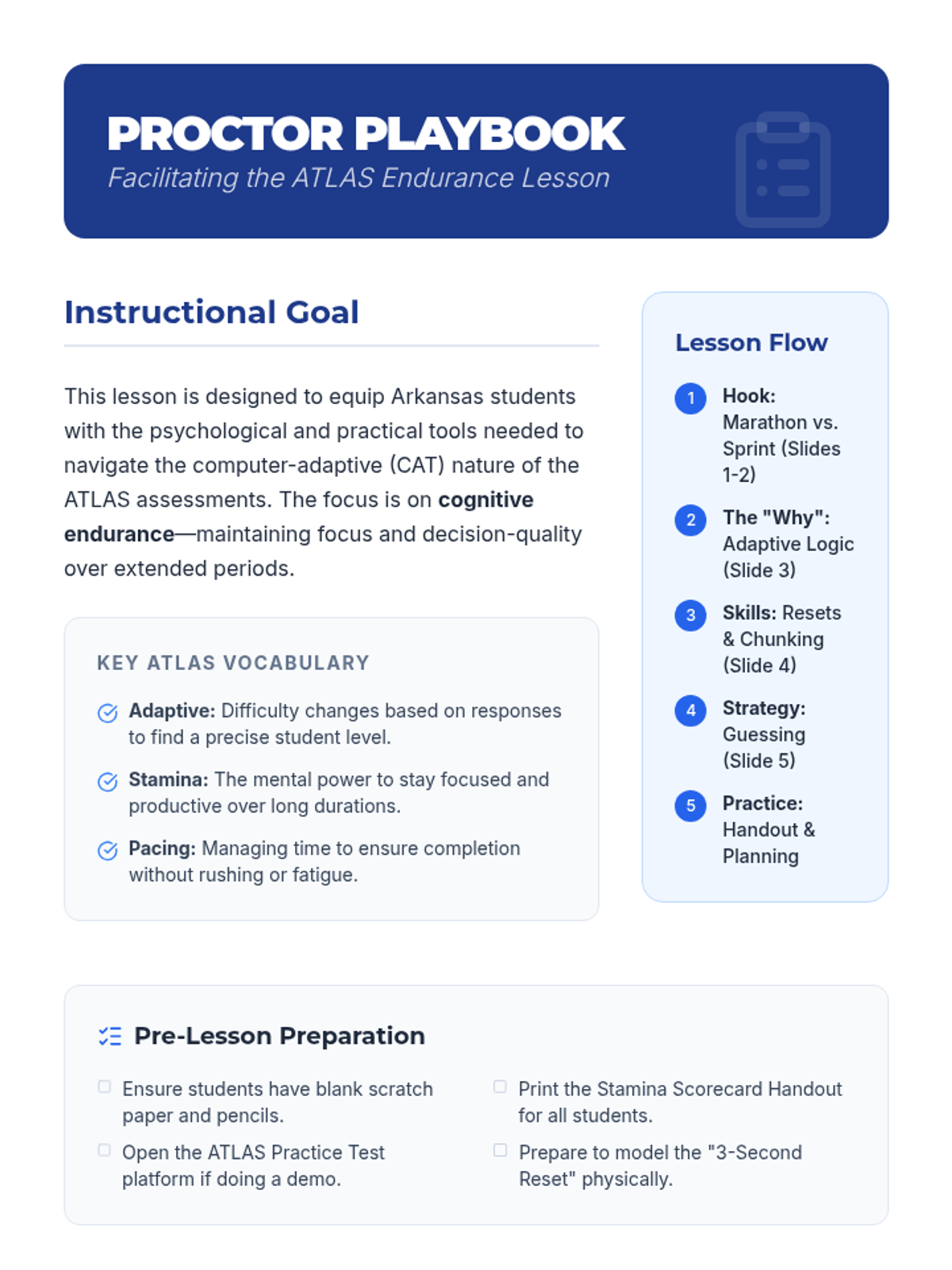
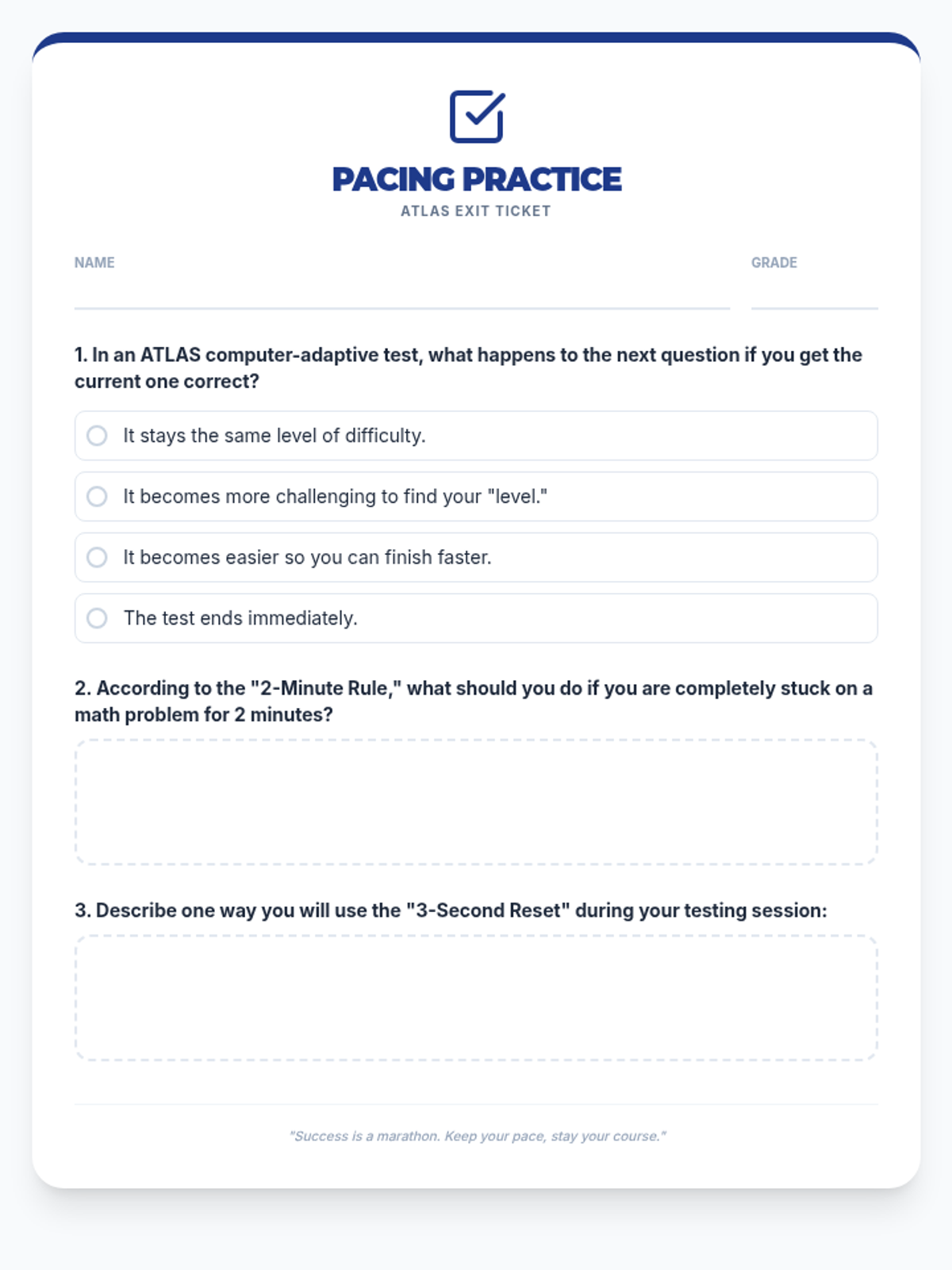
A comprehensive lesson on navigating the computer-adaptive nature of the Arkansas ATLAS assessment, featuring strategies for managing difficulty, time, and digital tools across all grade levels.
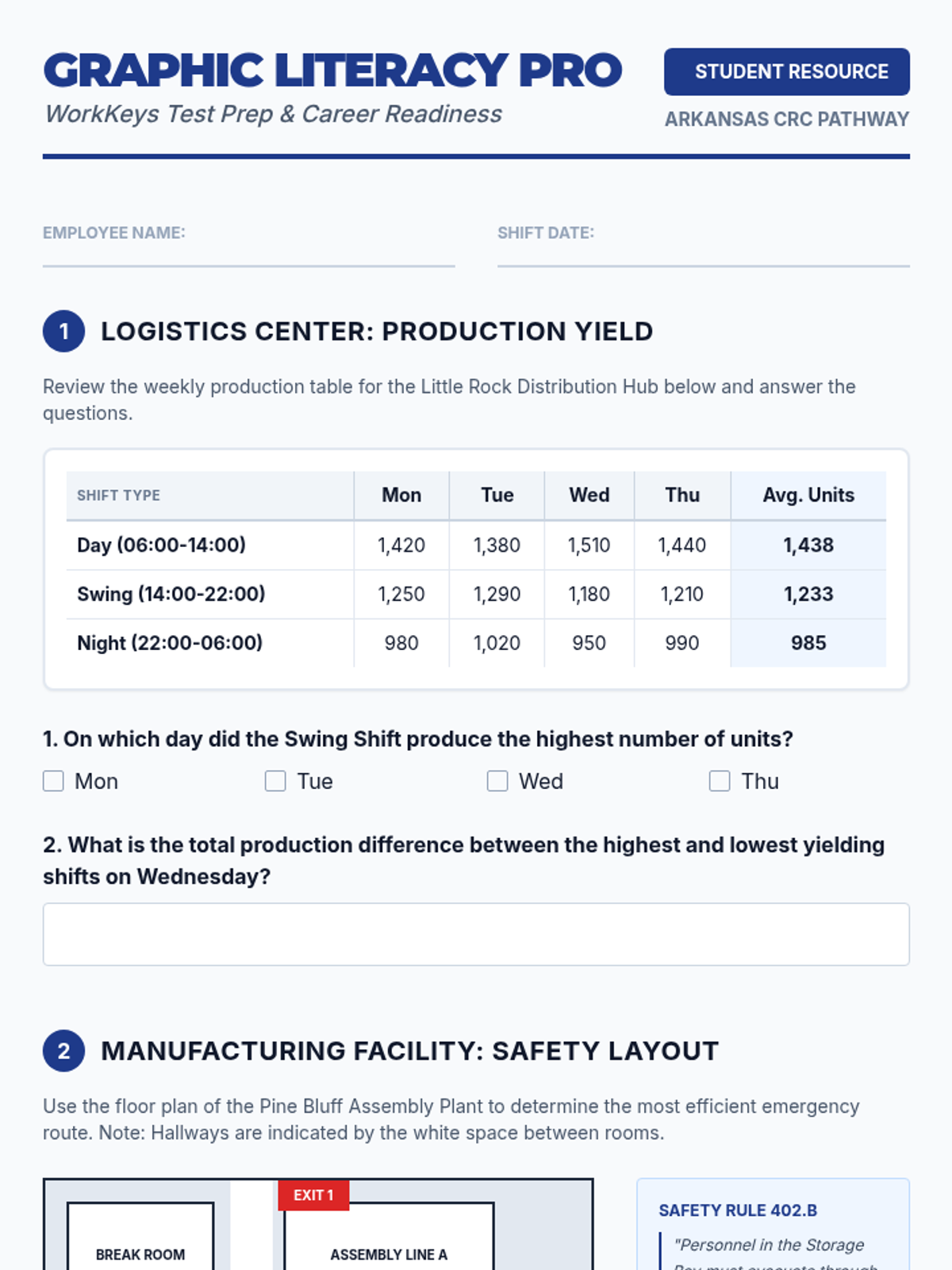
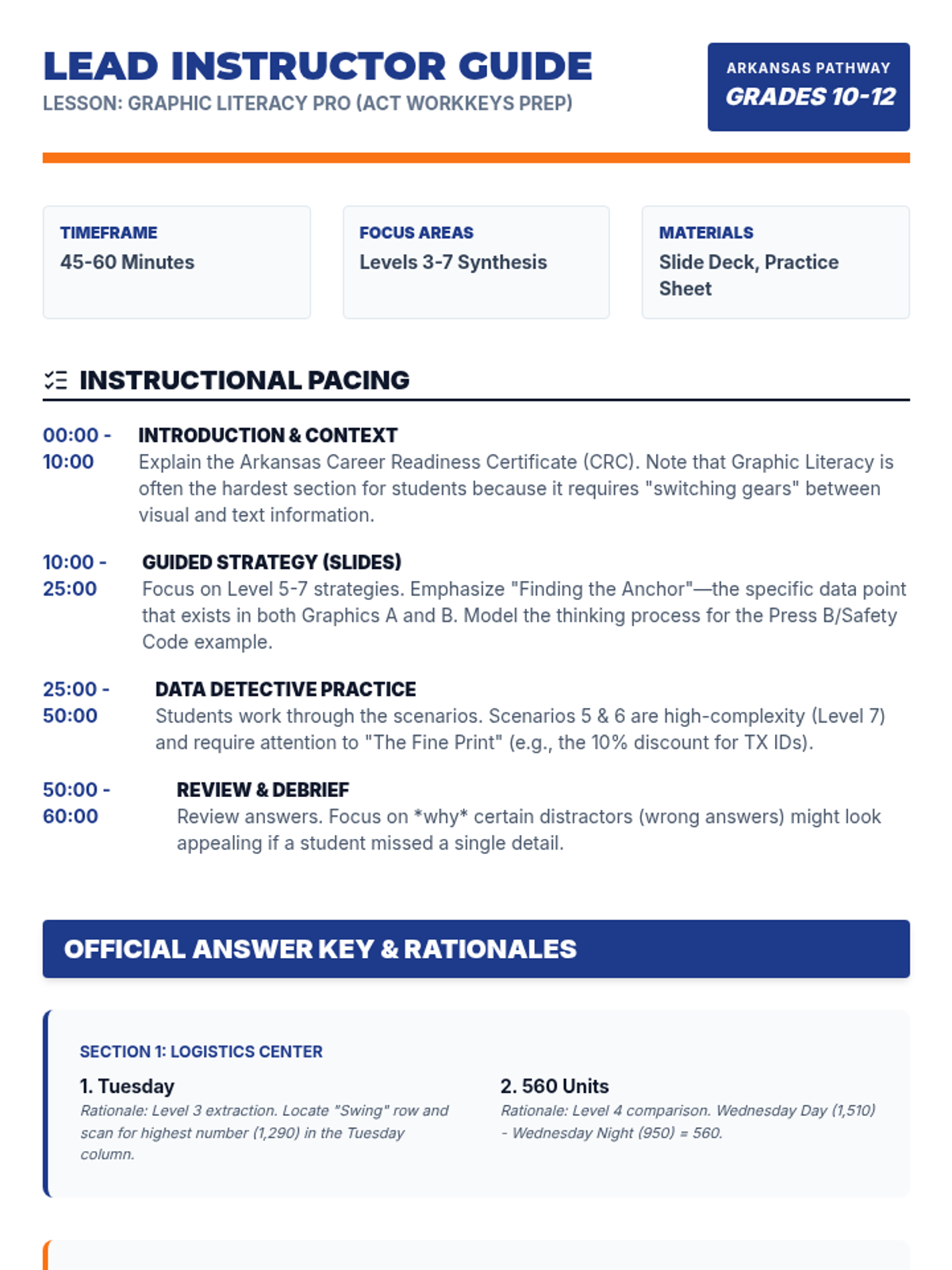
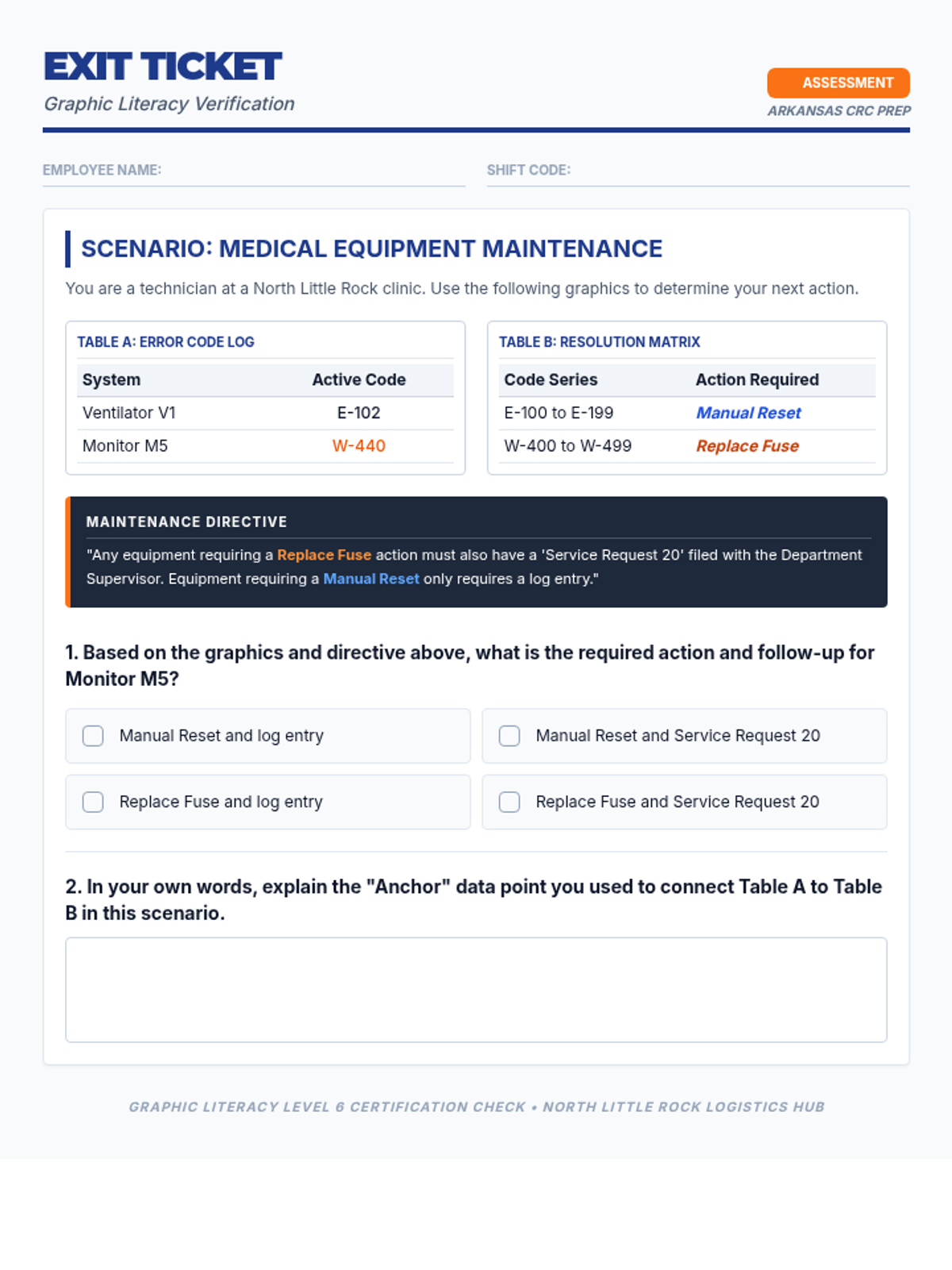
A comprehensive test prep lesson focused on the ACT WorkKeys Graphic Literacy assessment, designed for Arkansas high schoolers aiming for the Career Readiness Certificate. Students learn to extract, compare, and synthesize data from workplace-style charts, diagrams, and multi-graphic layouts.
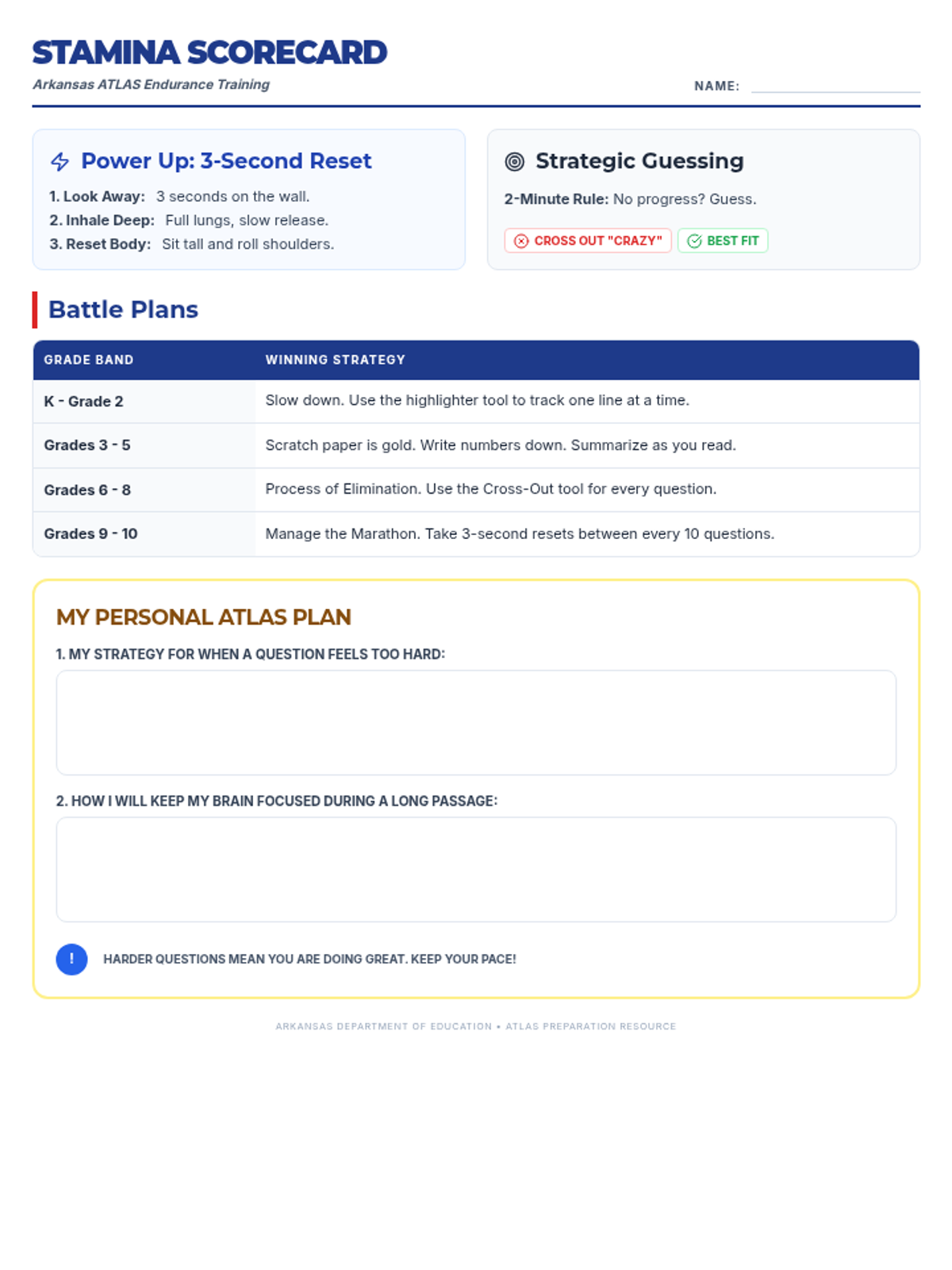
A comprehensive lesson on building test-taking stamina and mastering time management for the Arkansas ATLAS assessments, featuring grade-specific strategies for computer-adaptive testing.
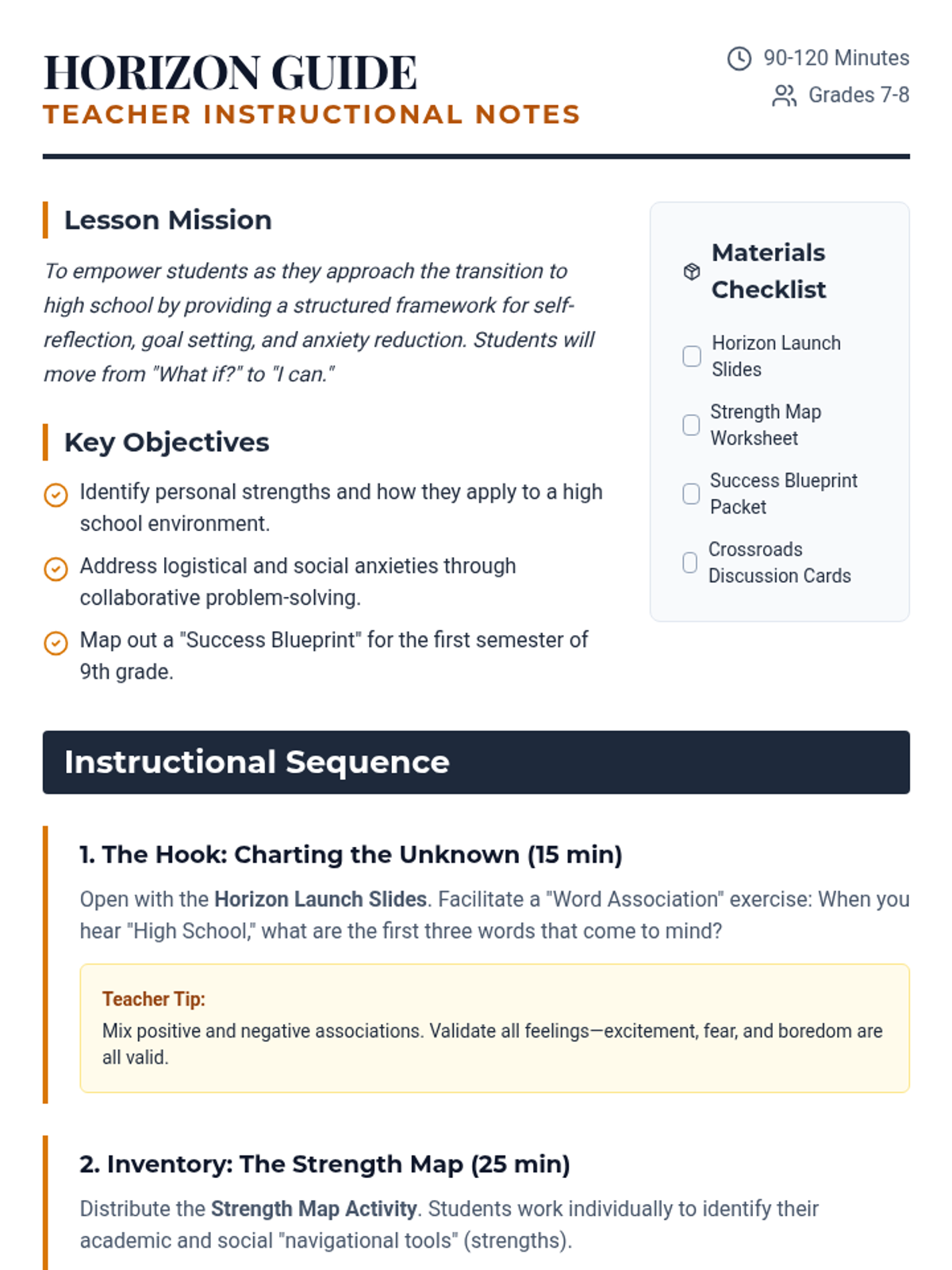
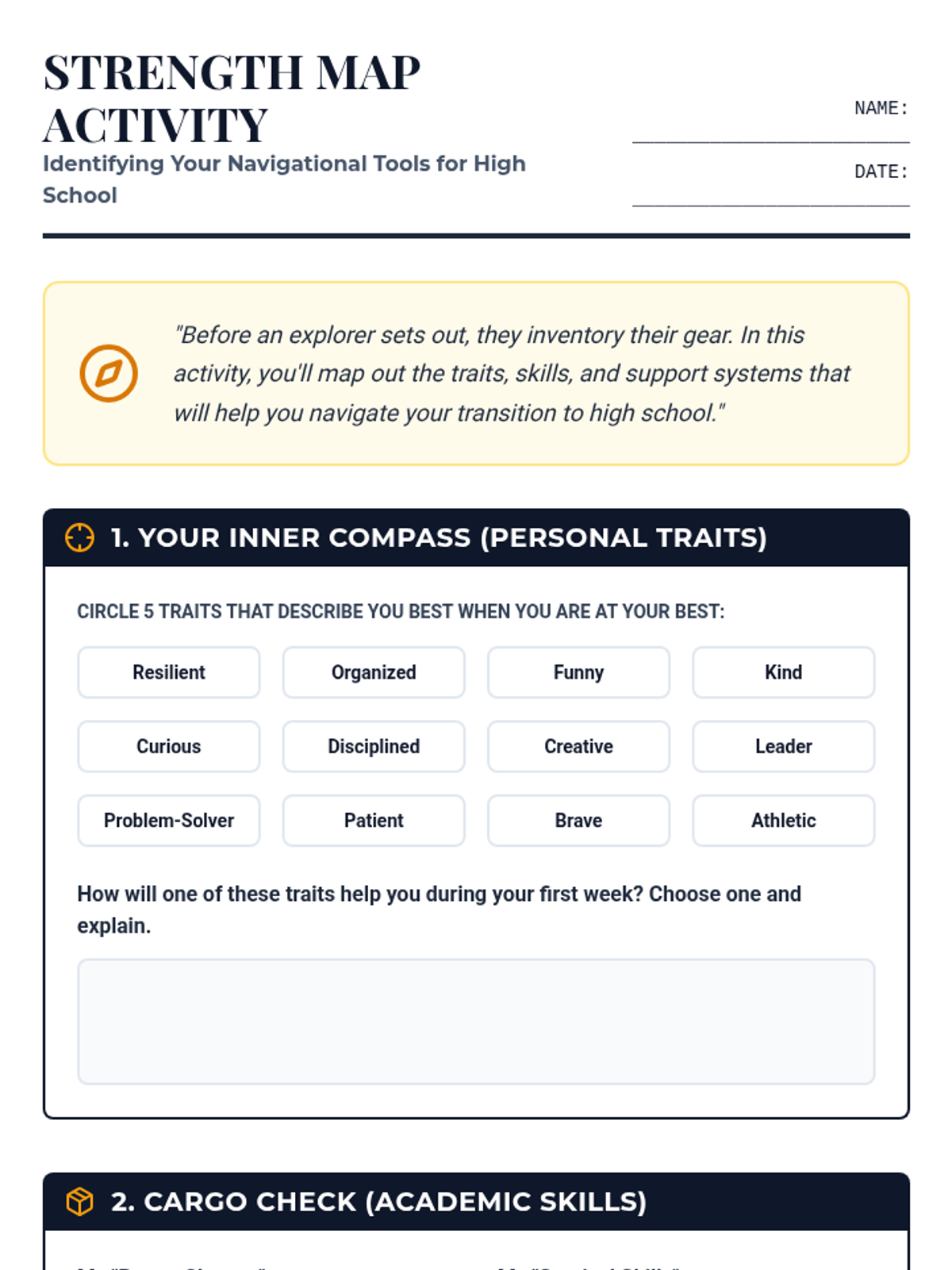
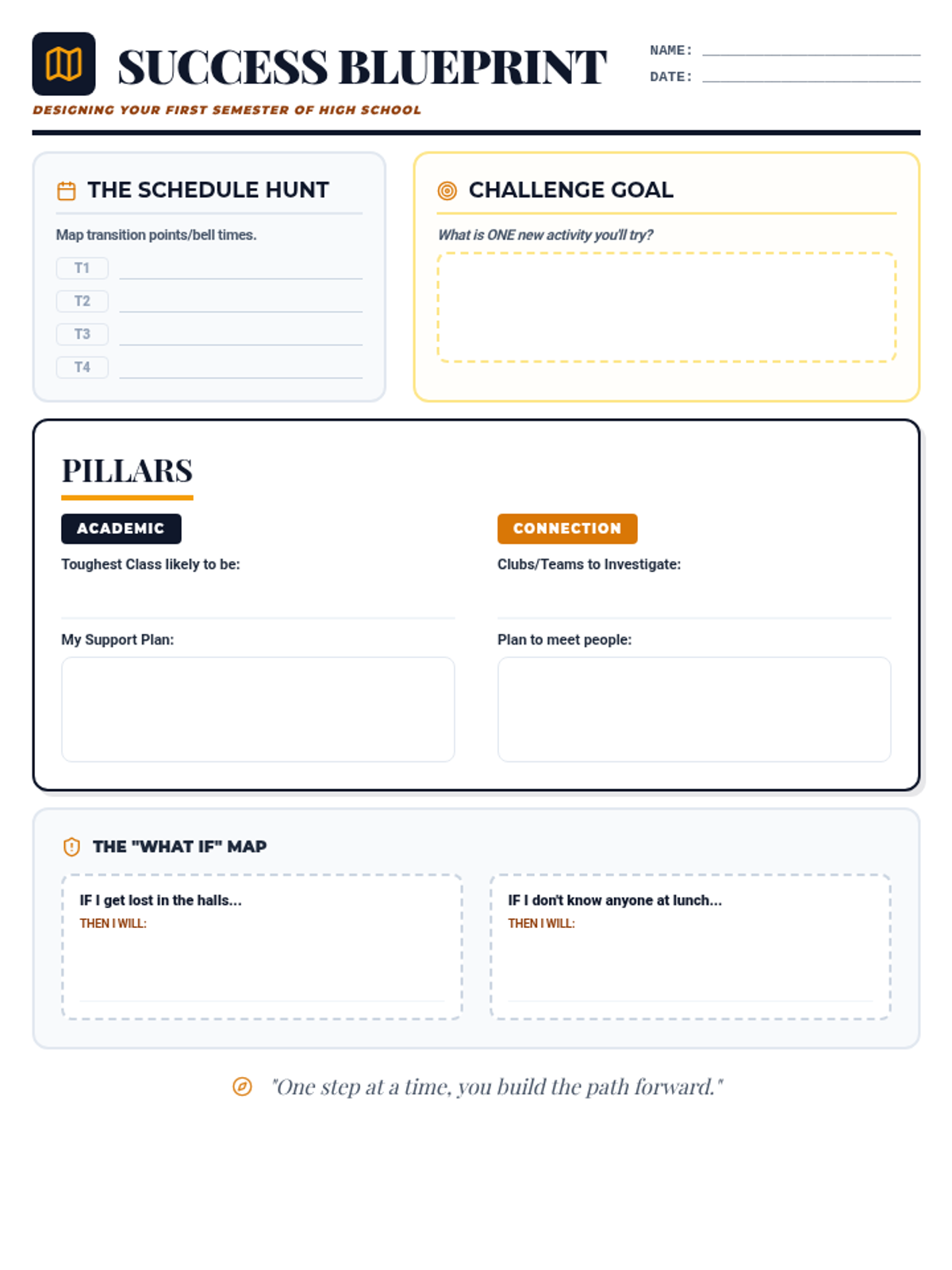
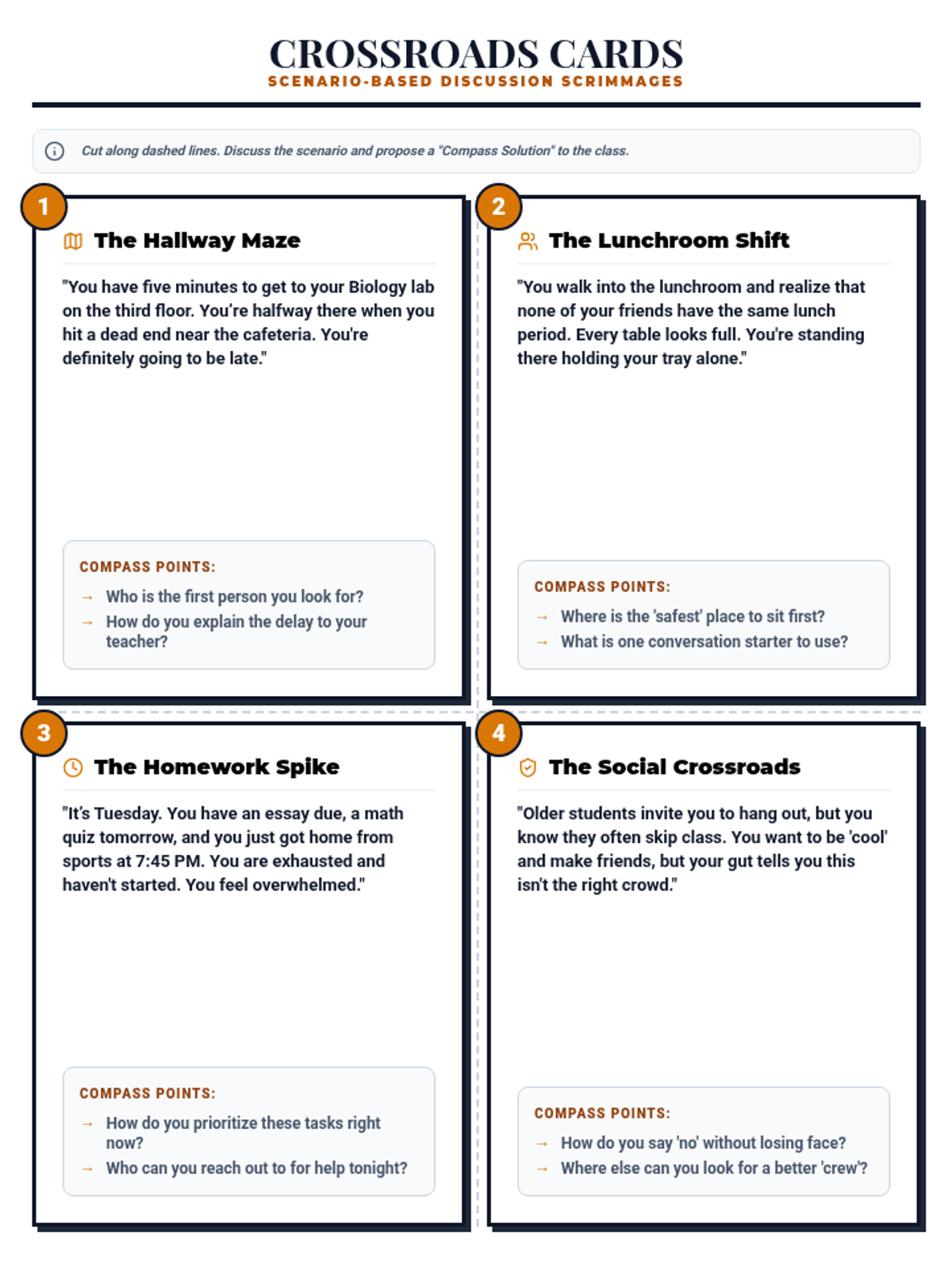
A comprehensive lesson designed to help 7th and 8th graders navigate the transition to high school by identifying strengths, addressing anxieties, and creating a practical success plan.
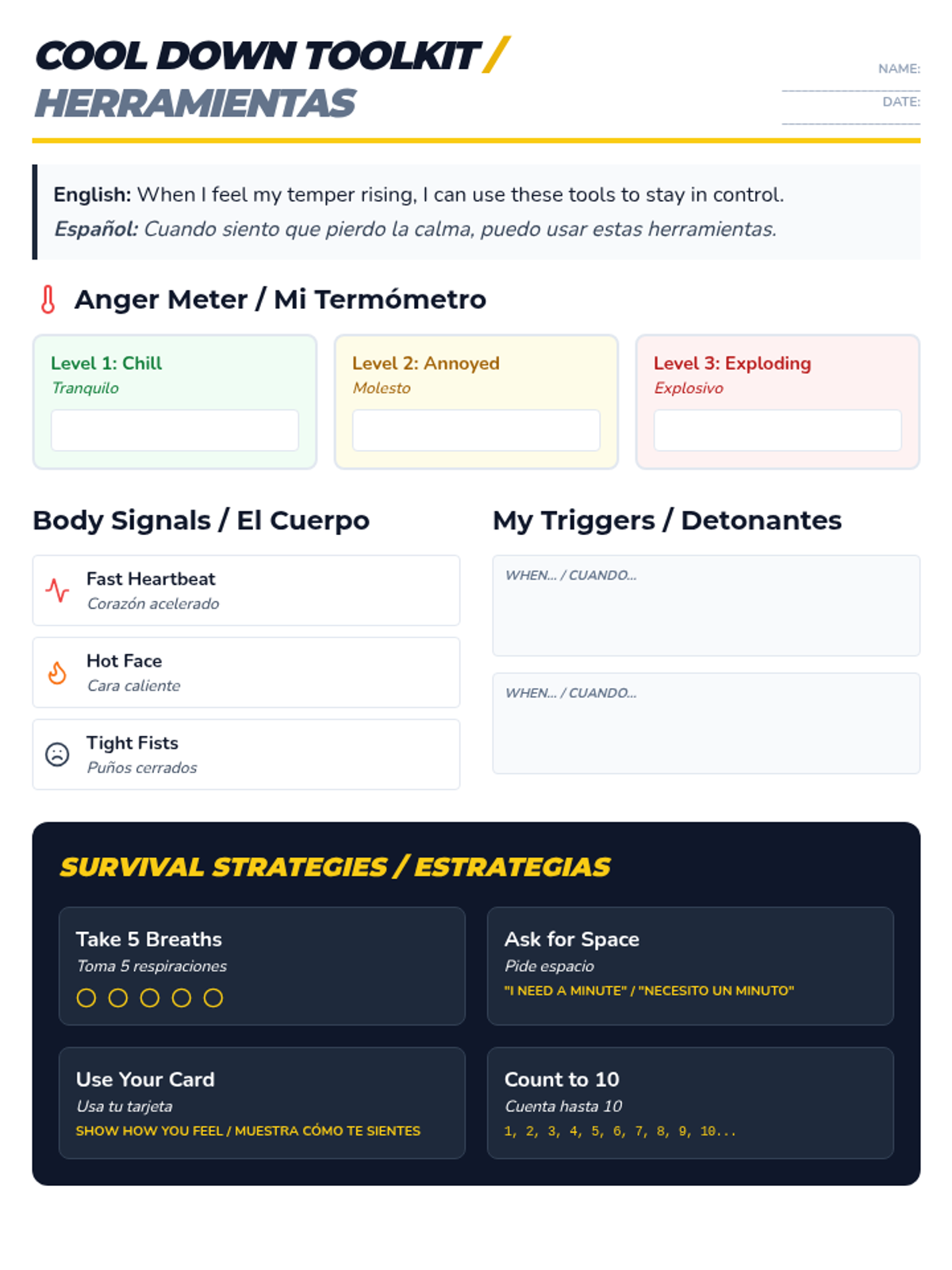
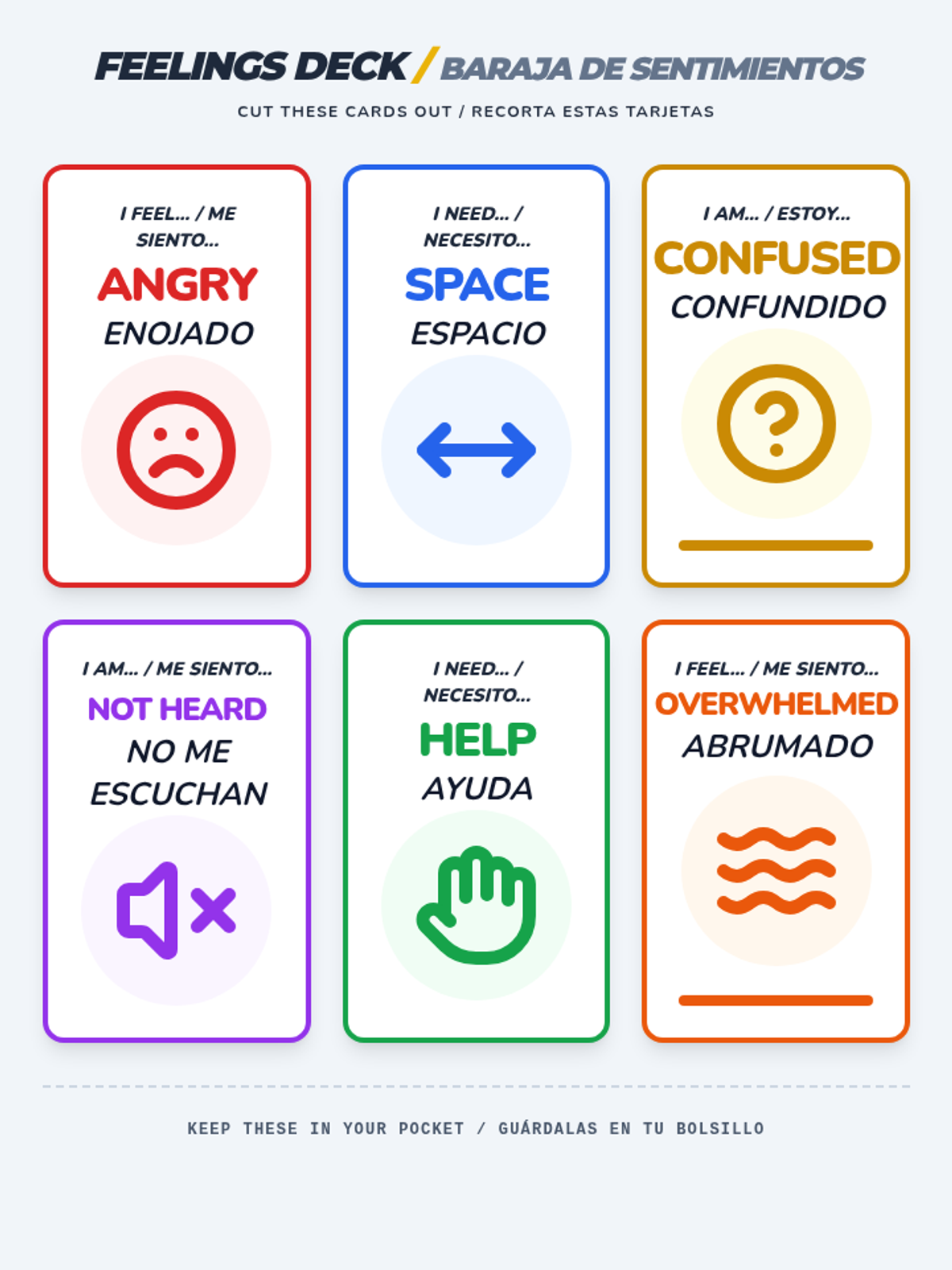
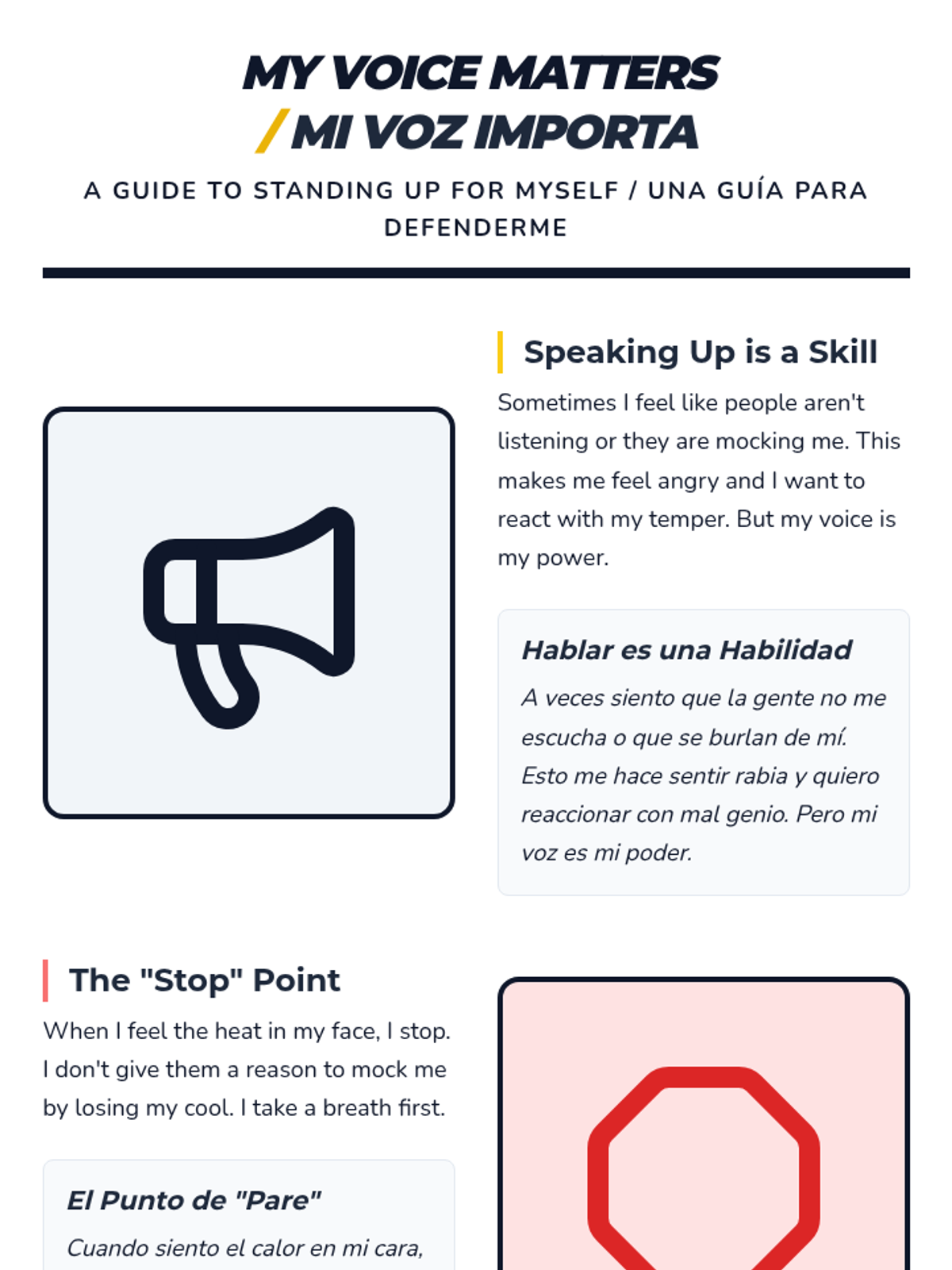
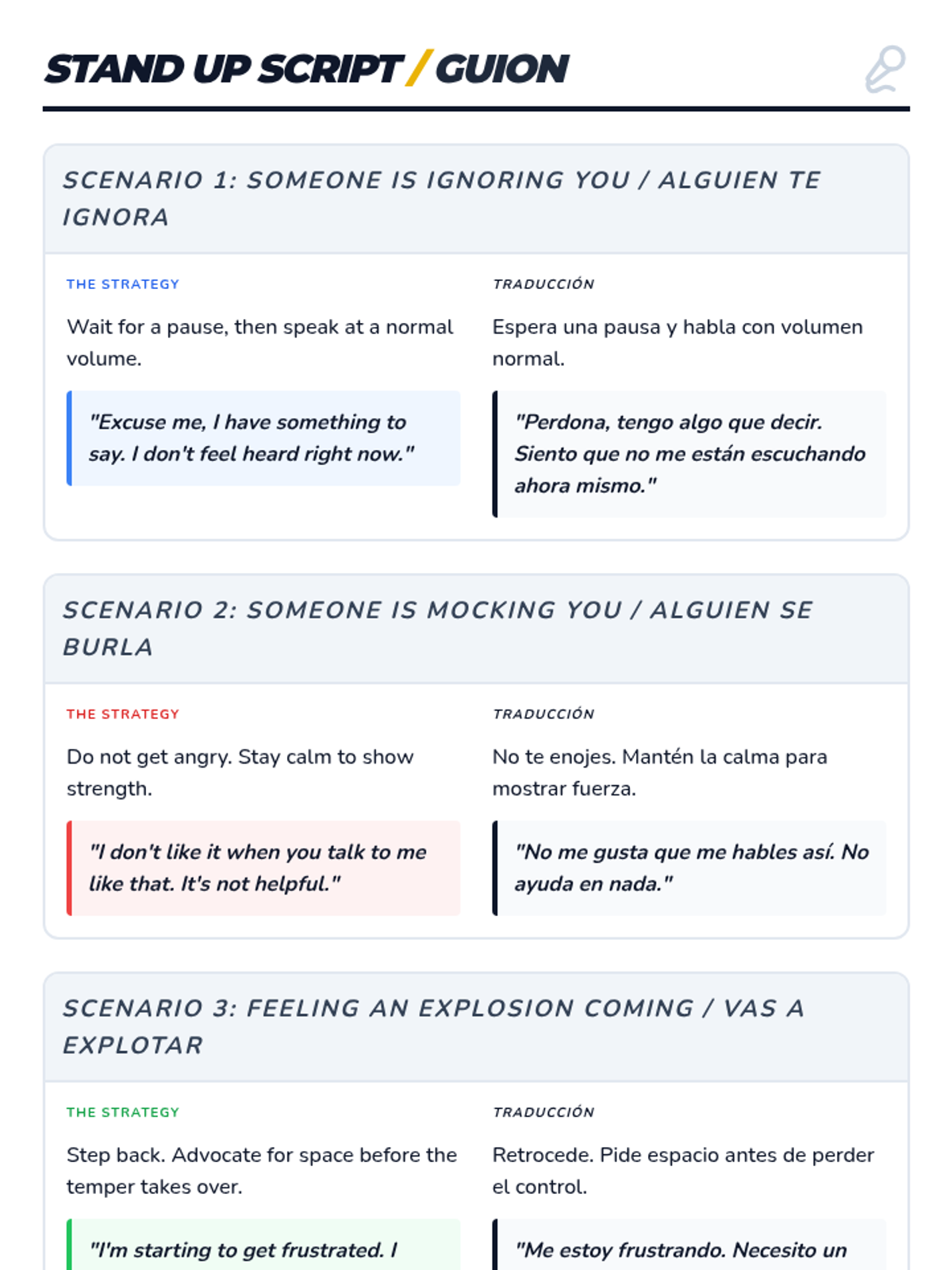
A set of bilingual (English/Spanish) resources designed for a 9th-grade student to develop self-advocacy skills and manage anger through visual communication and structured role-play.
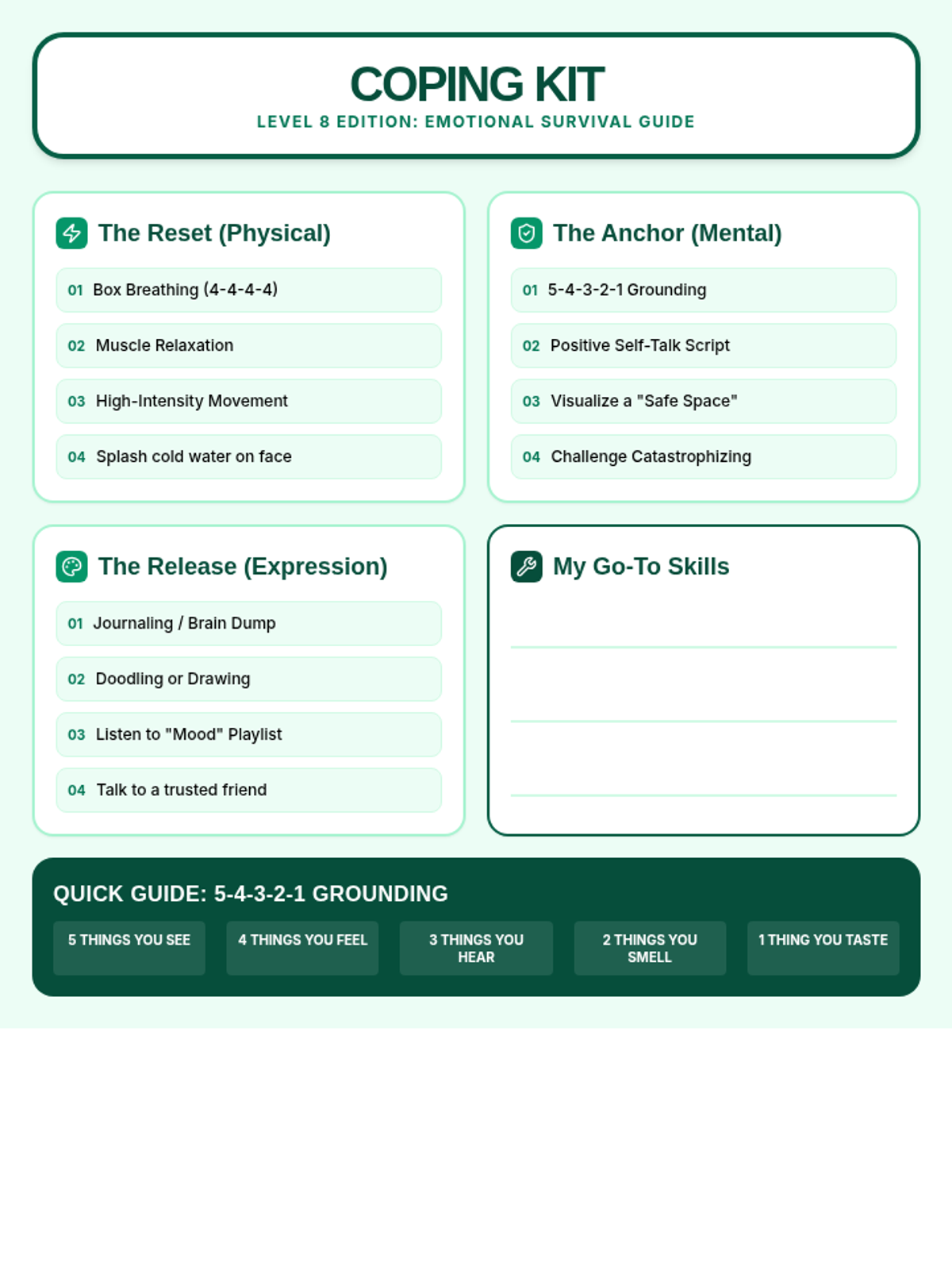
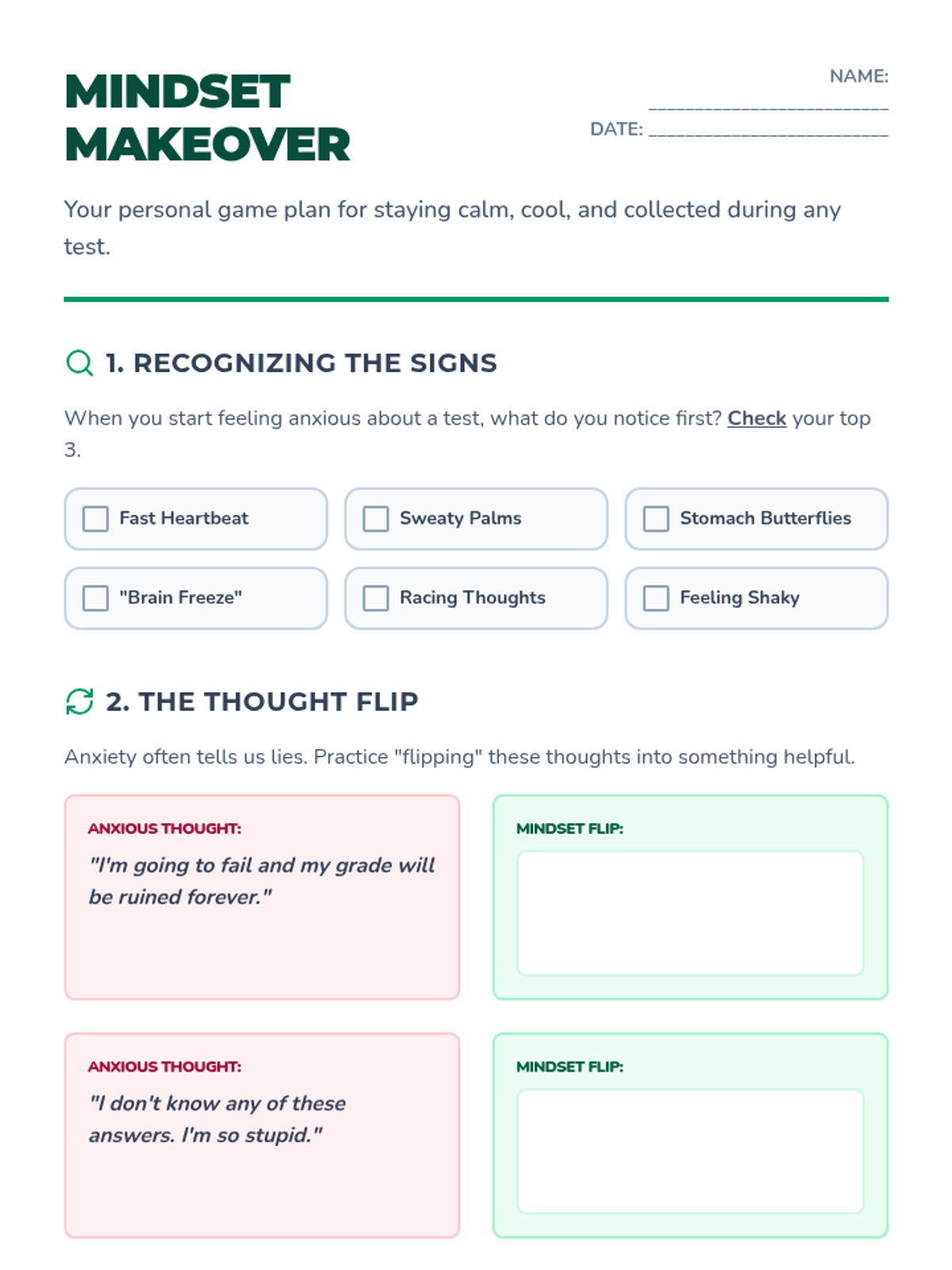
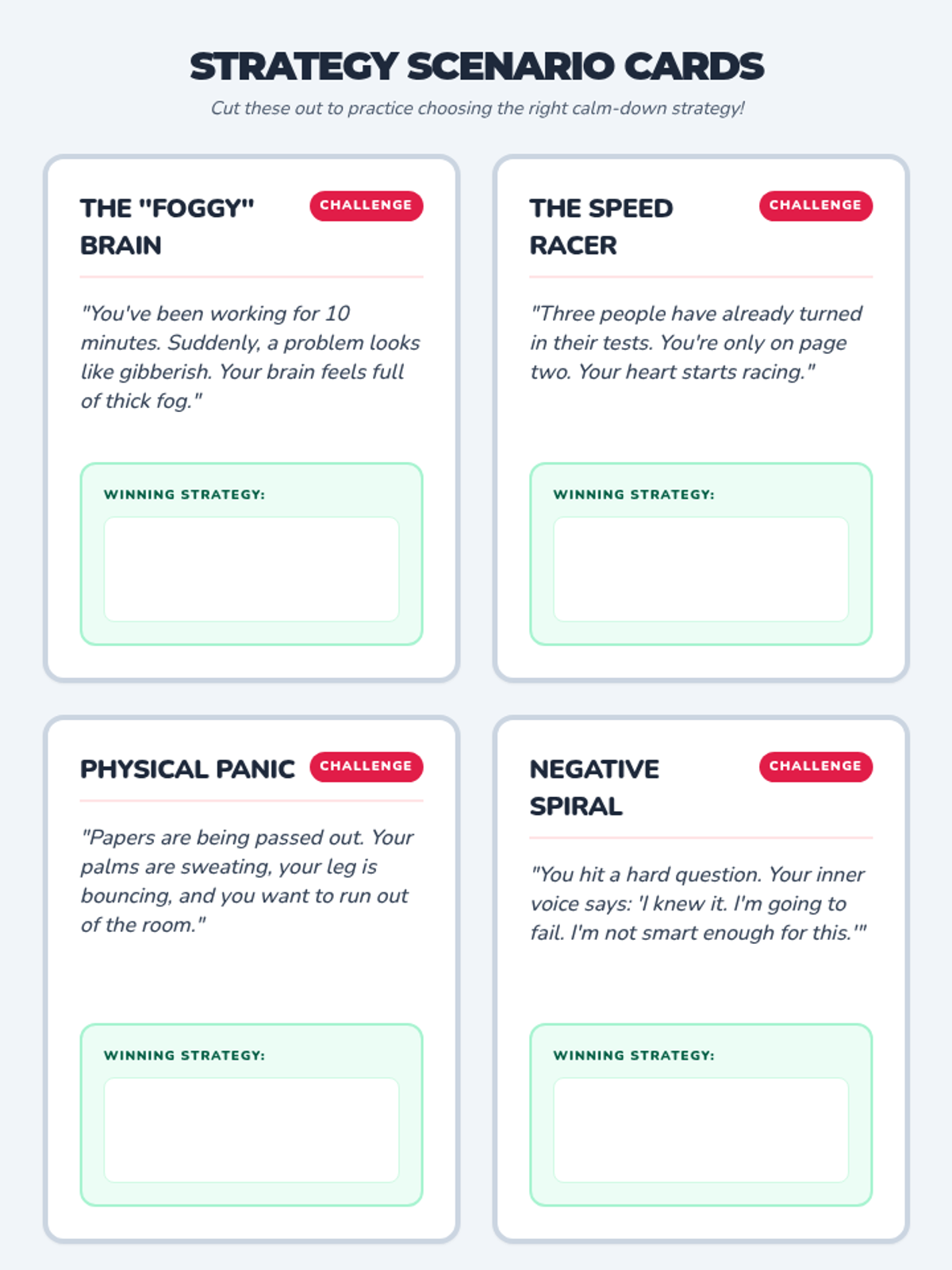
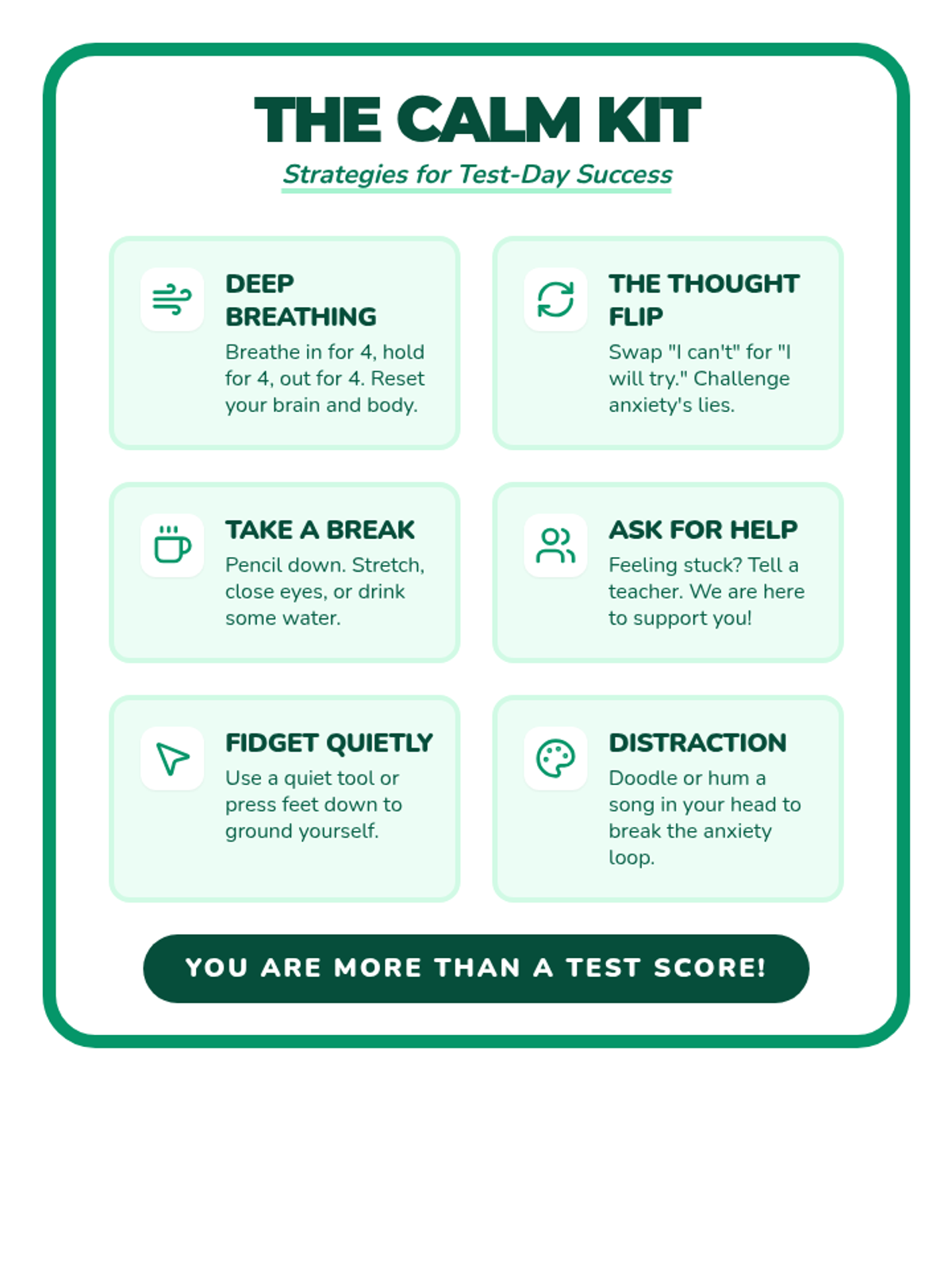
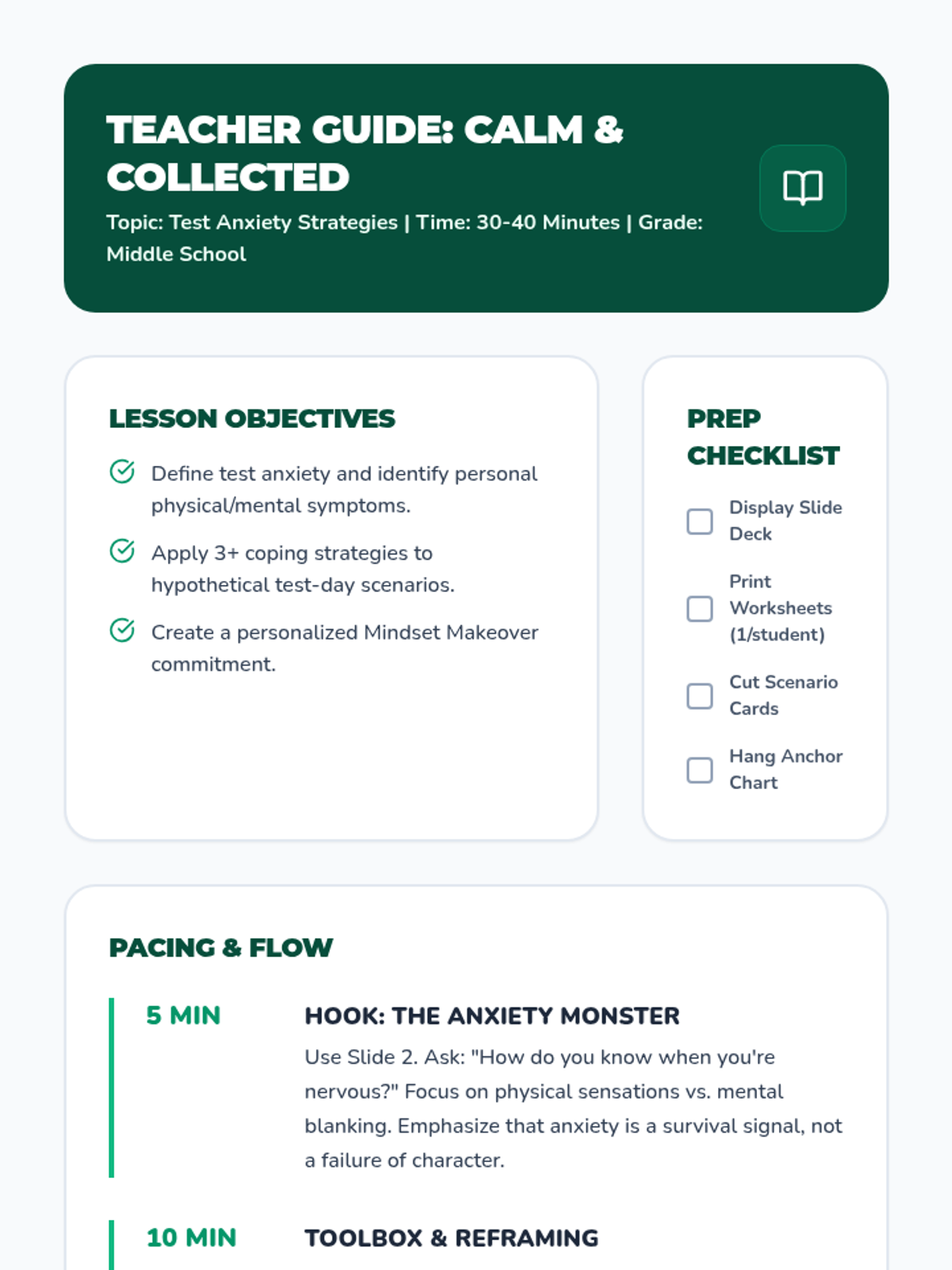
A lesson for middle schoolers to identify test anxiety and build a personalized "calm kit" of coping strategies like deep breathing, reframing thoughts, and seeking support.
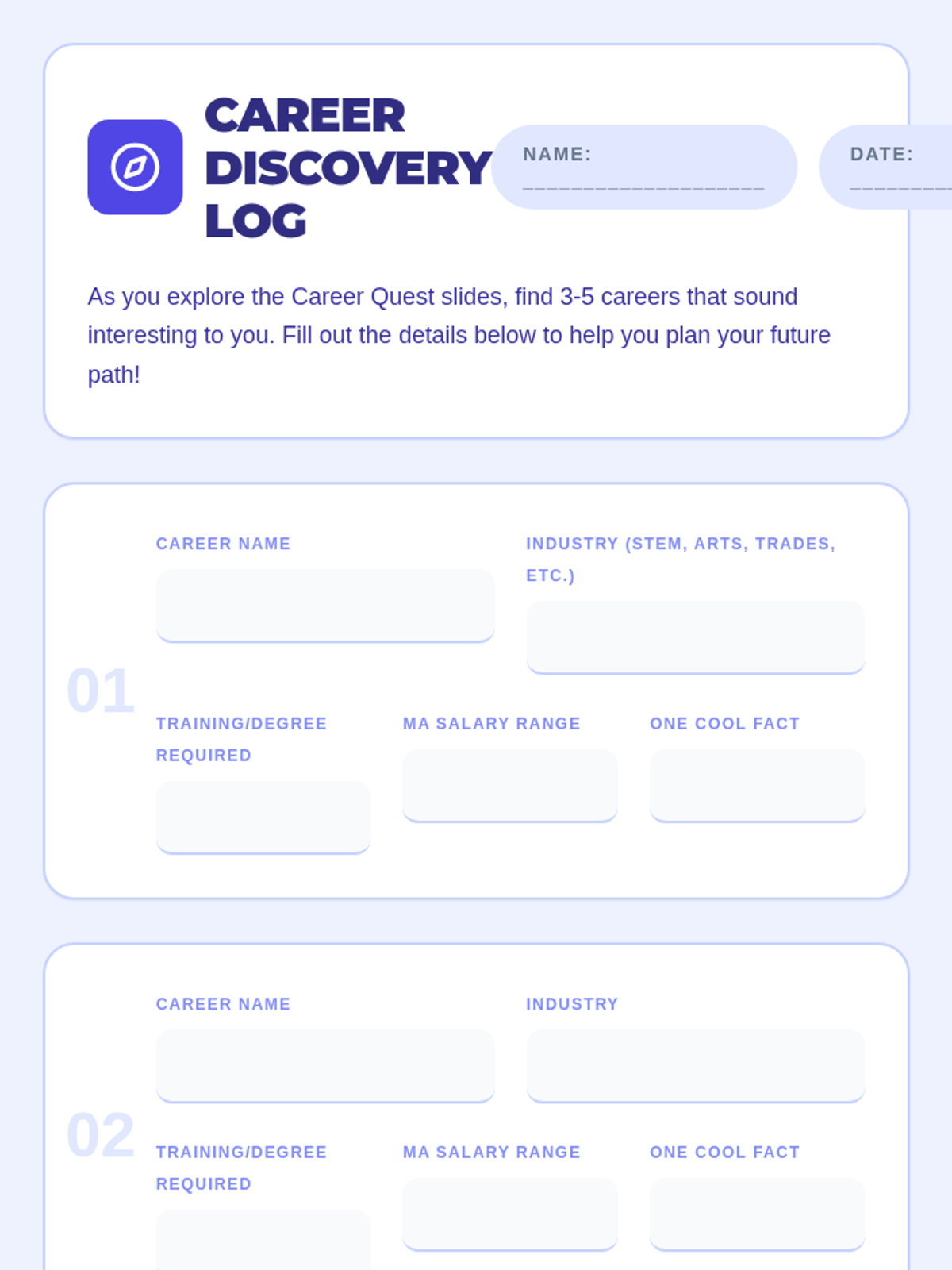
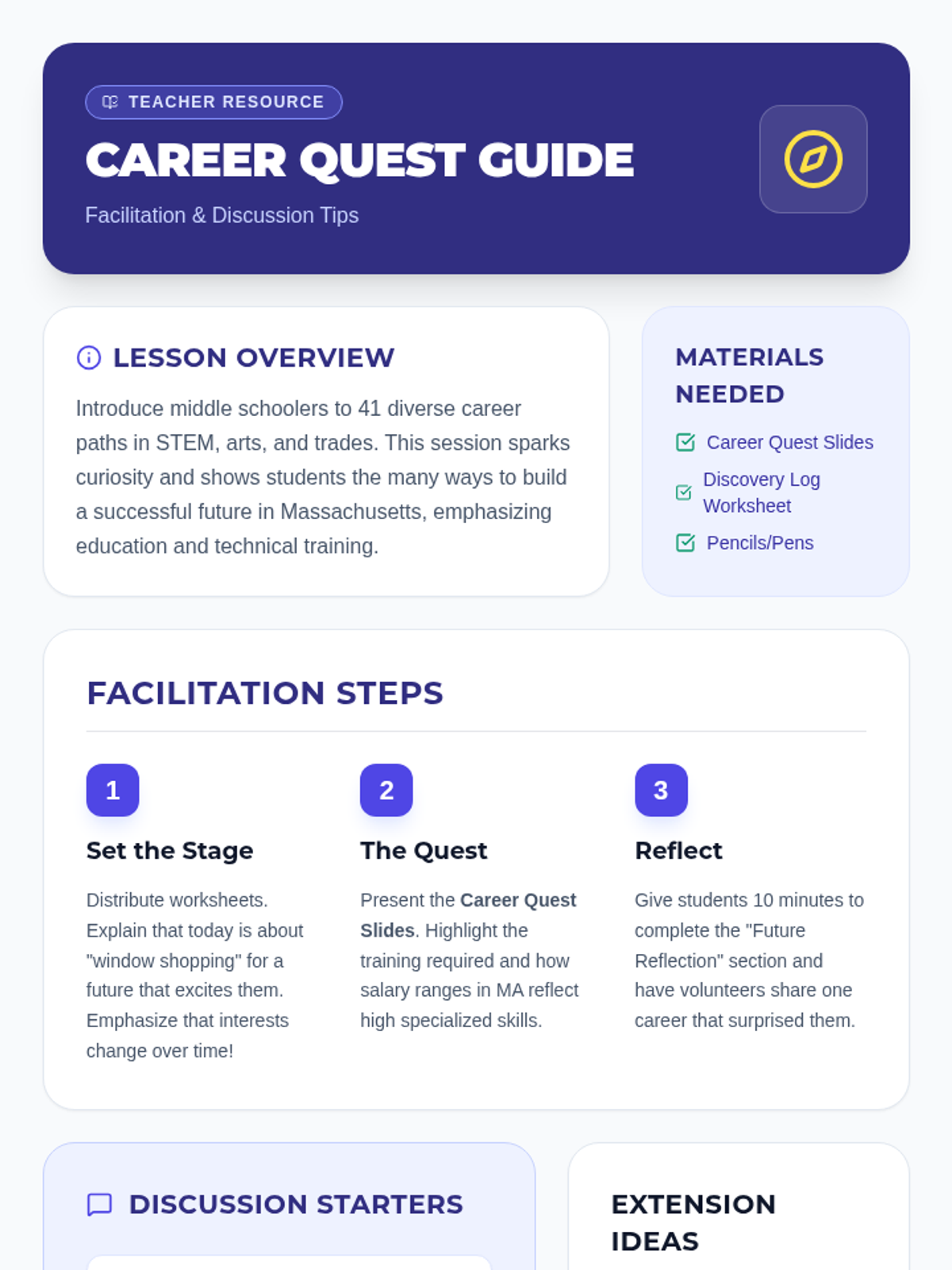
A comprehensive exploration of 41 diverse career paths, detailing education requirements, Massachusetts salary ranges, and engaging job facts for middle school students.
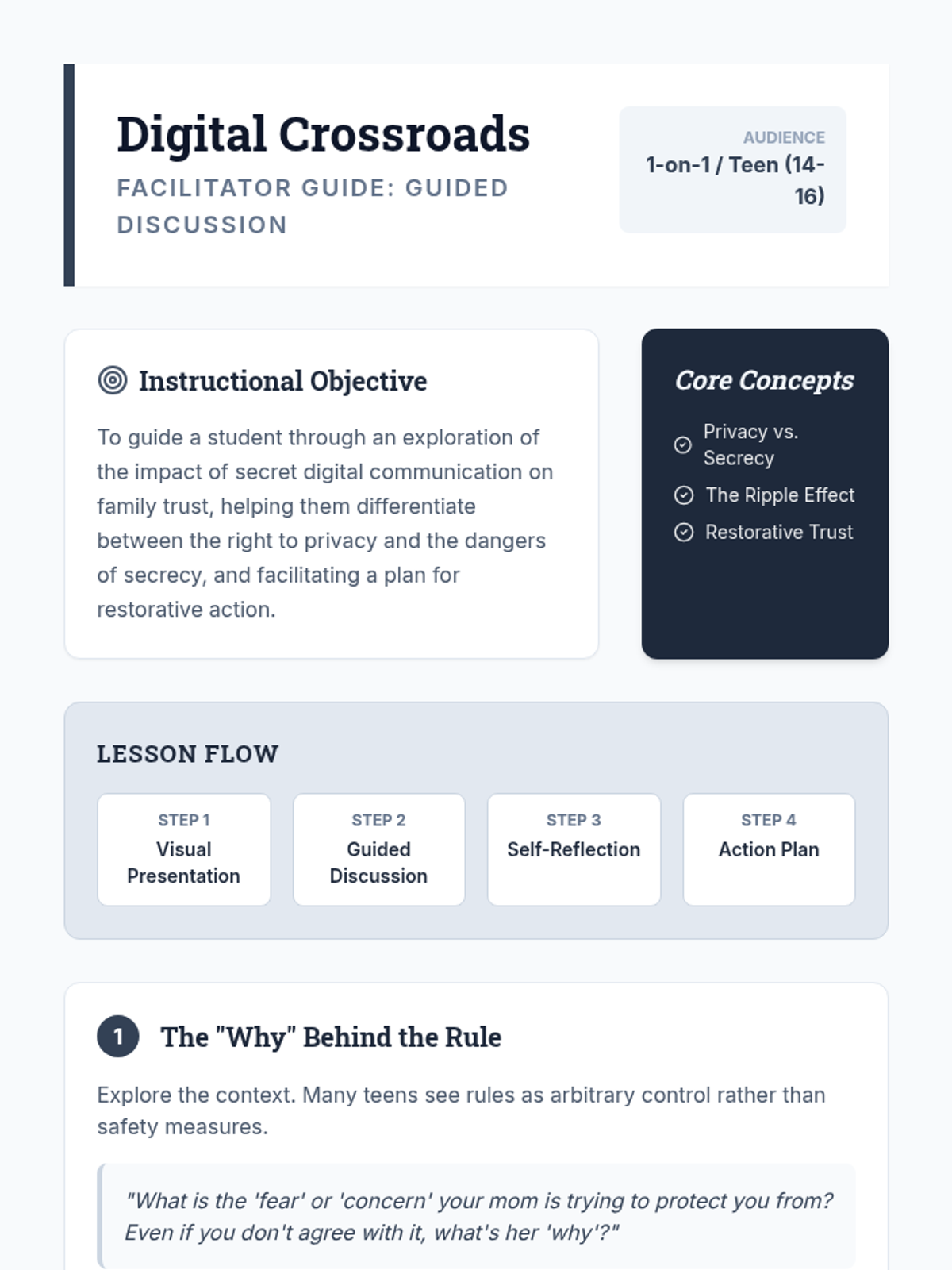
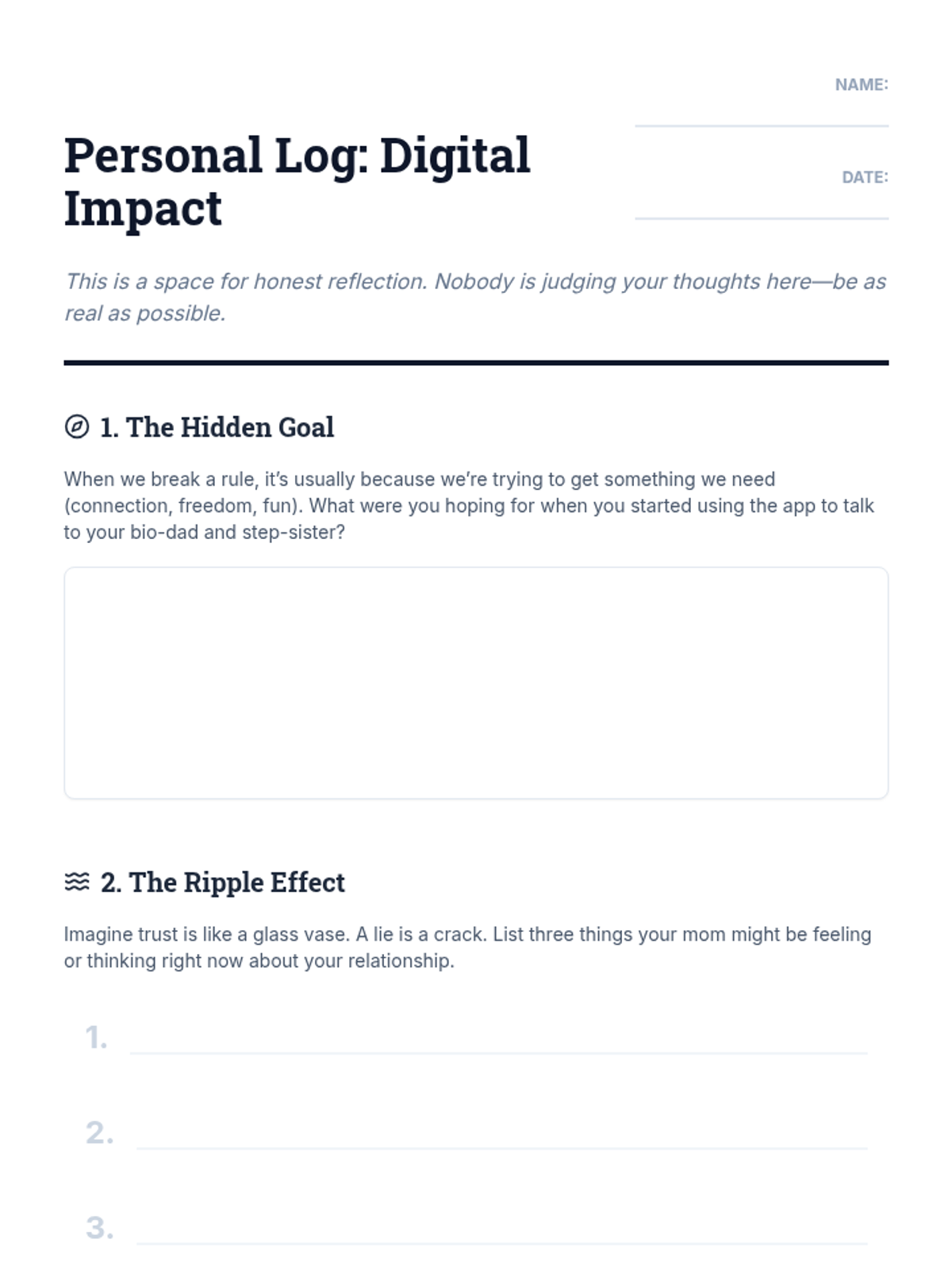
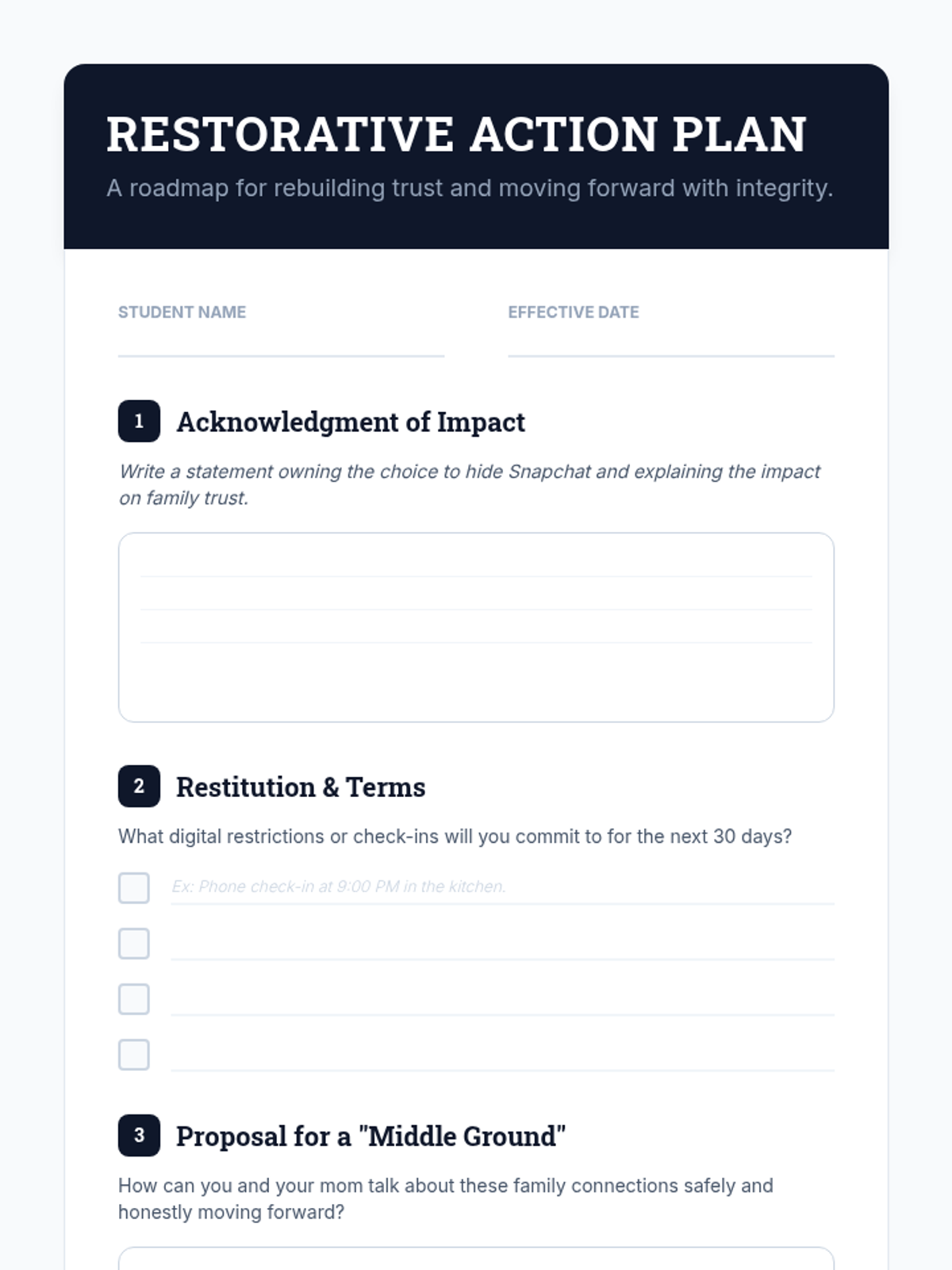
A restorative lesson designed for a teenager to navigate the complexities of digital boundaries, family trust, and secret communication. It focuses on the difference between privacy and secrecy while providing a path forward through restorative justice.
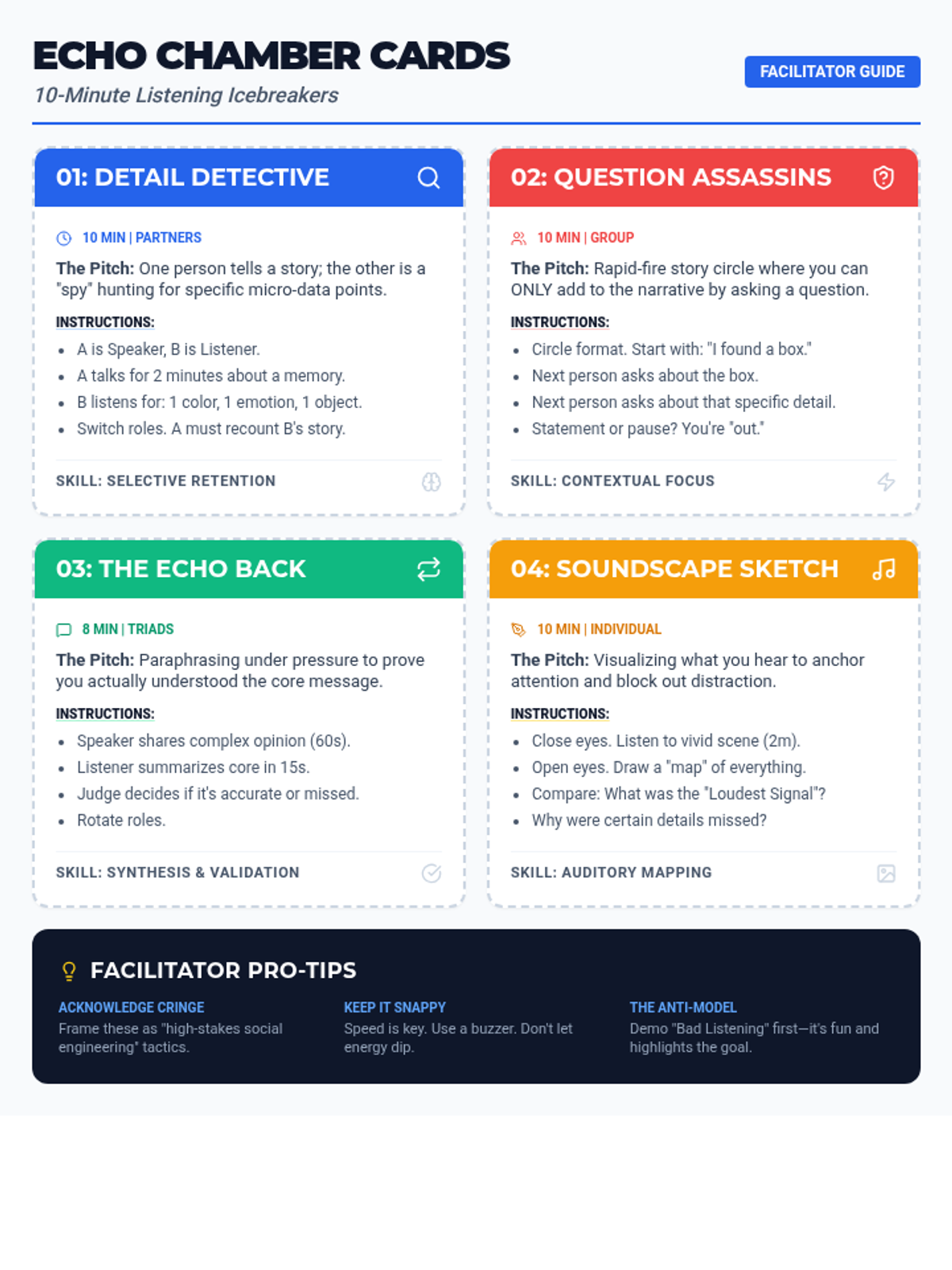
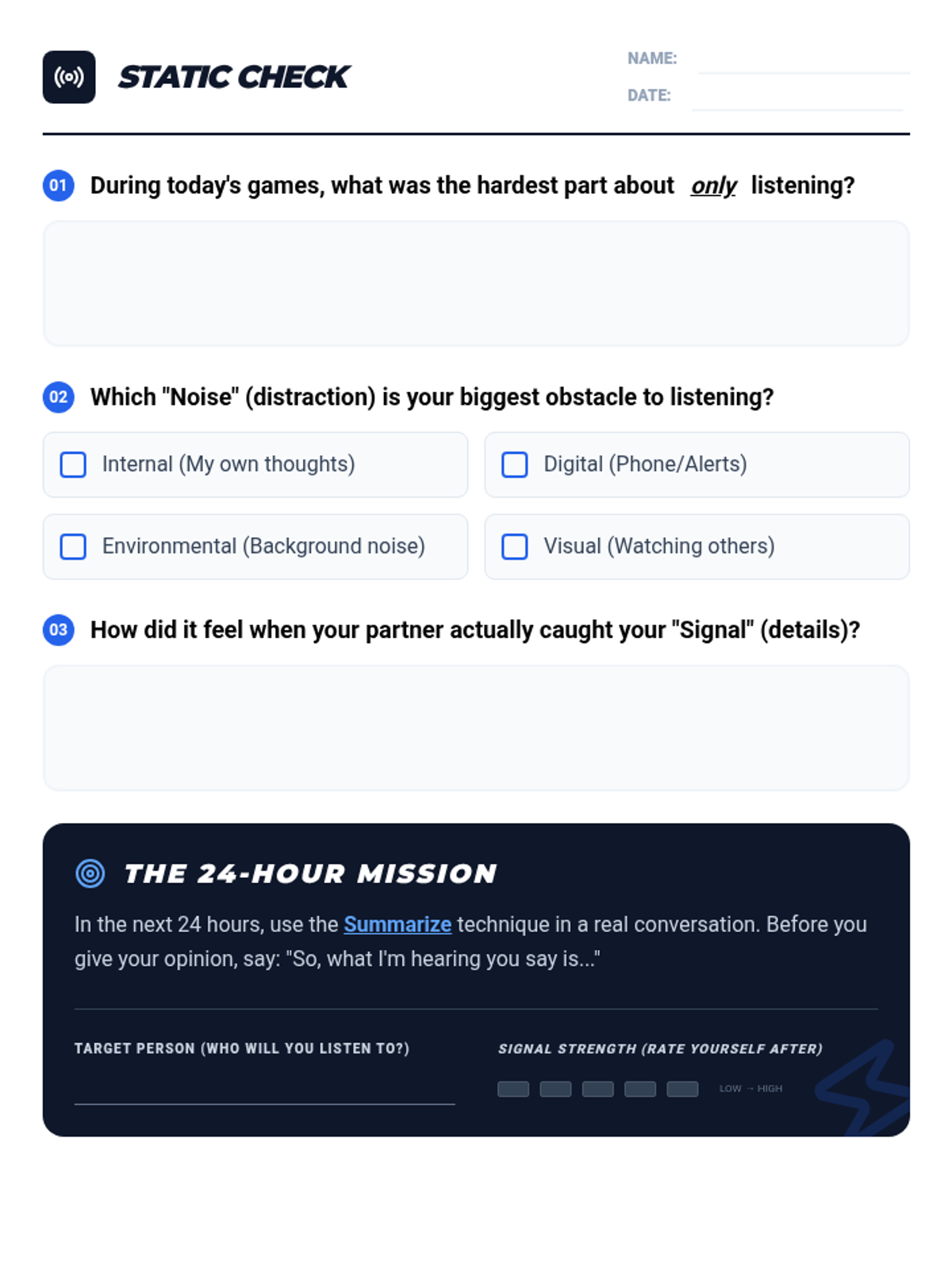
A series of fast-paced, high-engagement icebreakers designed to sharpen active listening skills in high school students through game-based learning.
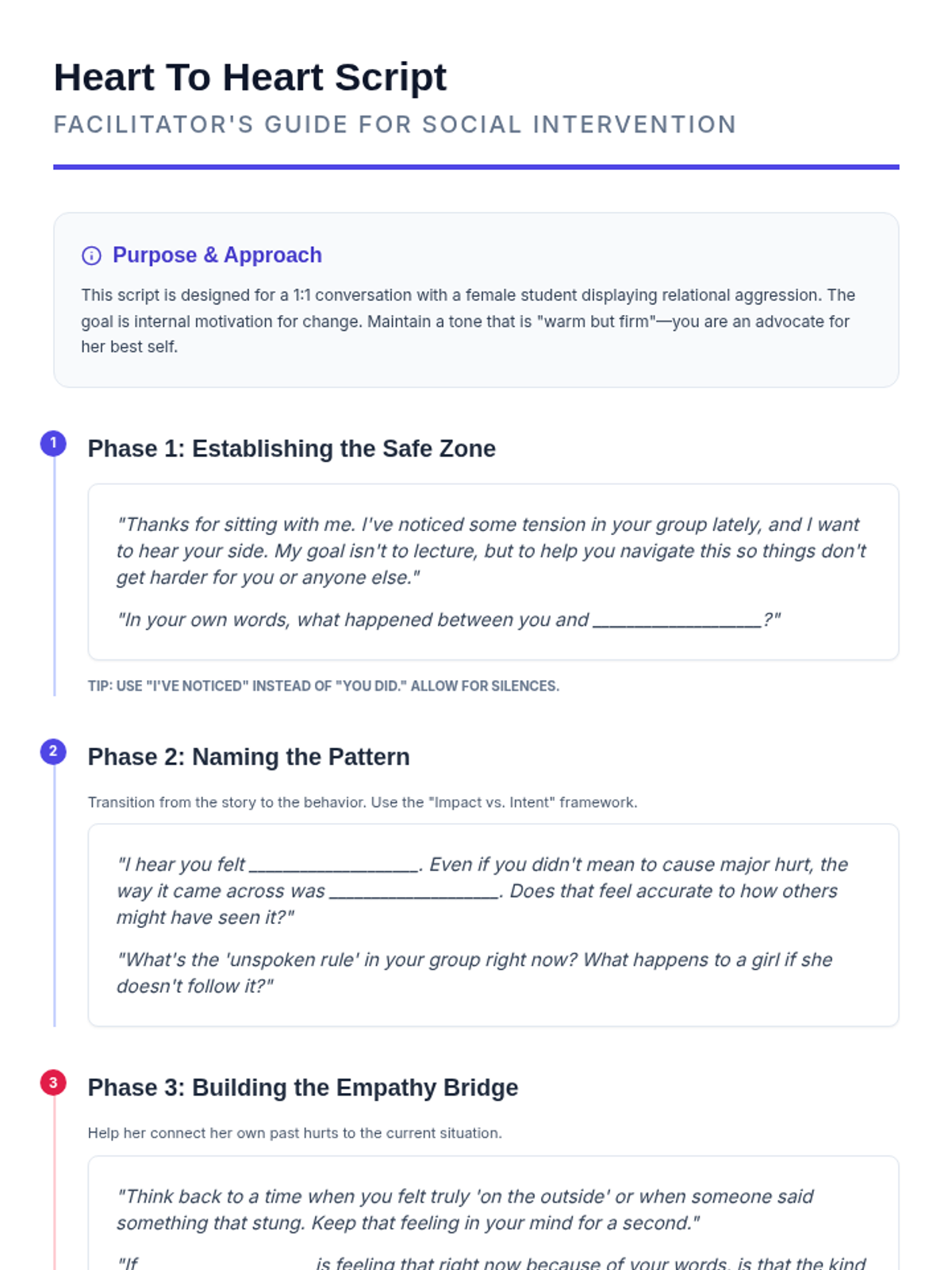
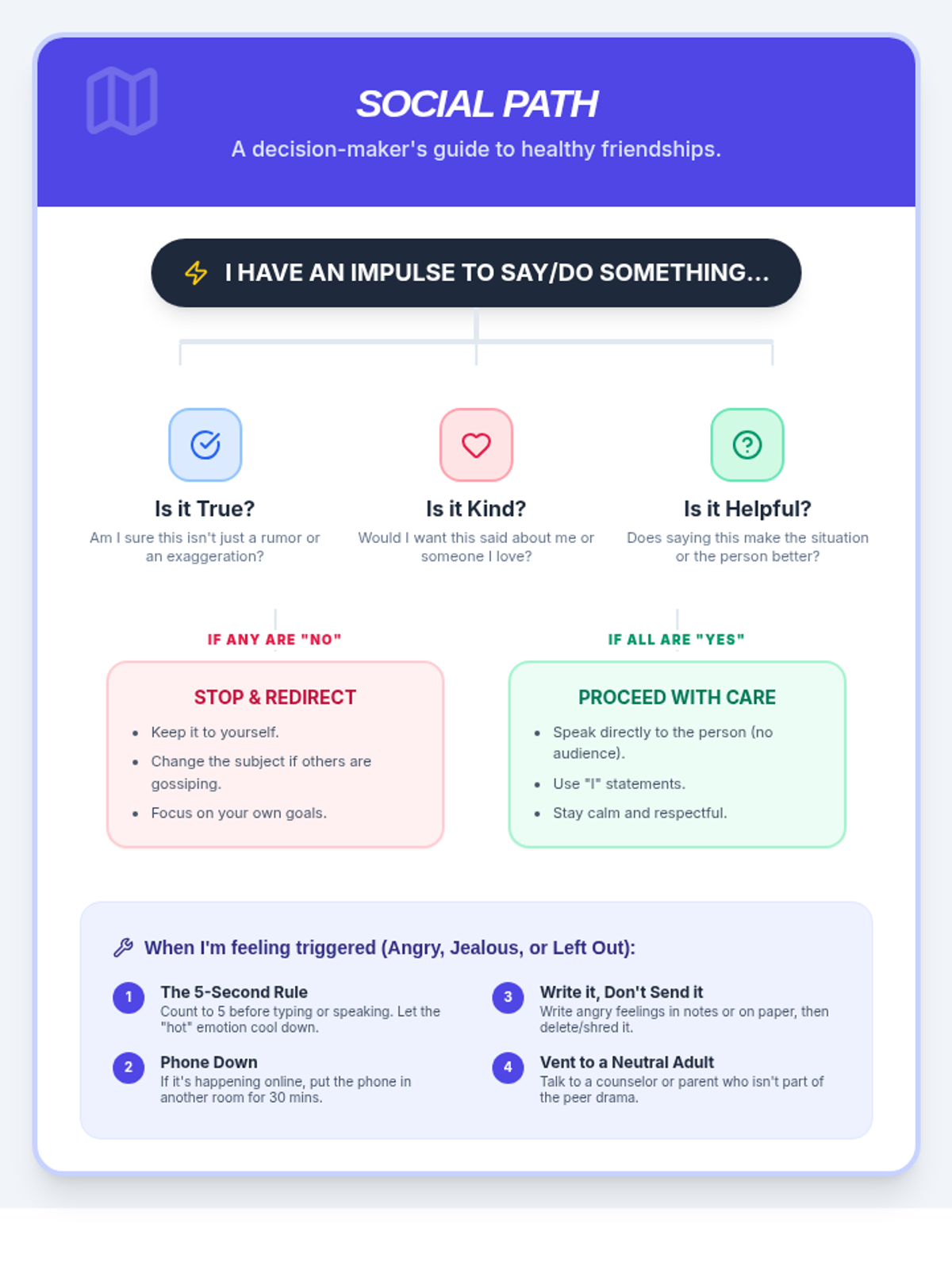
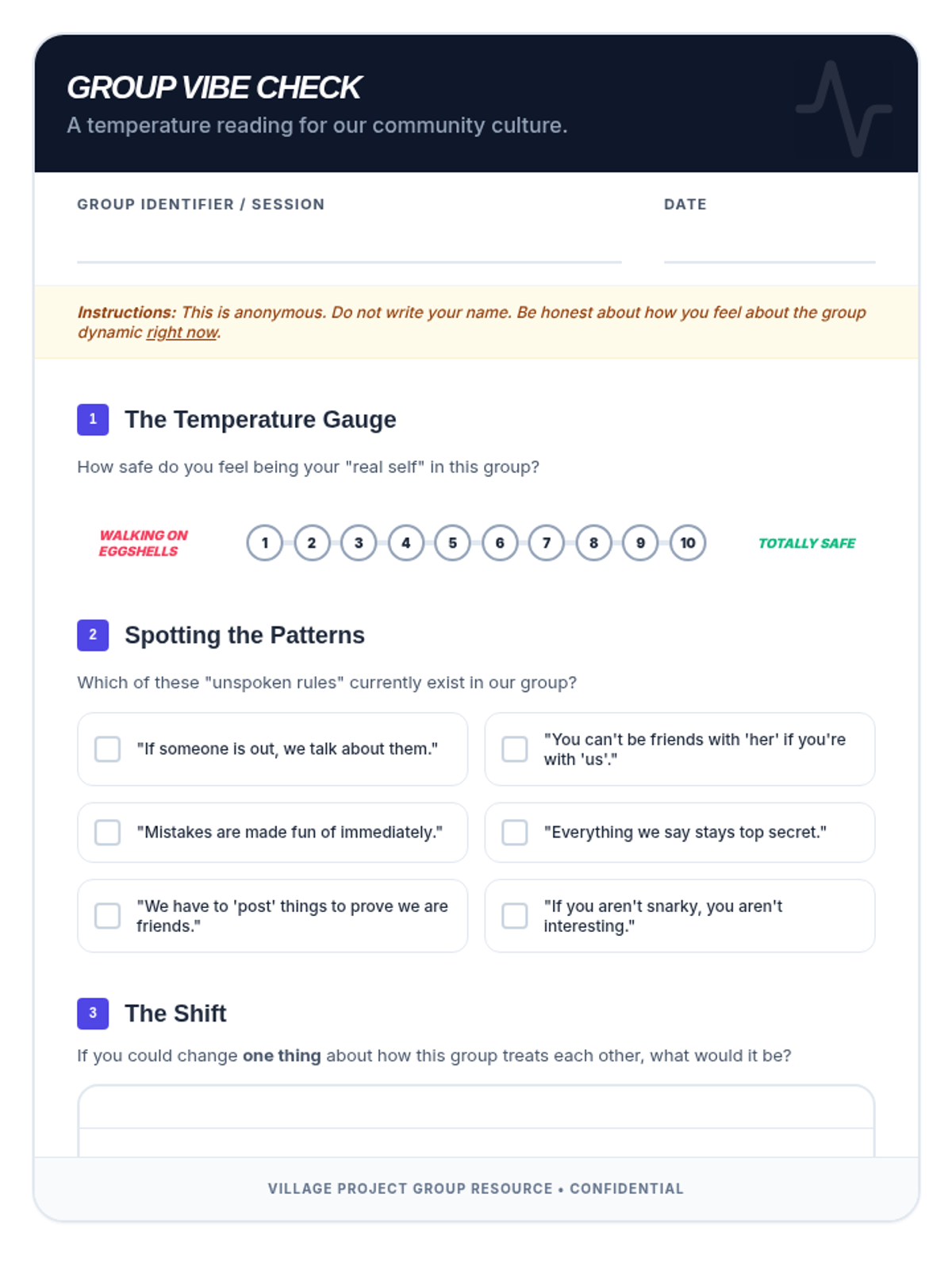
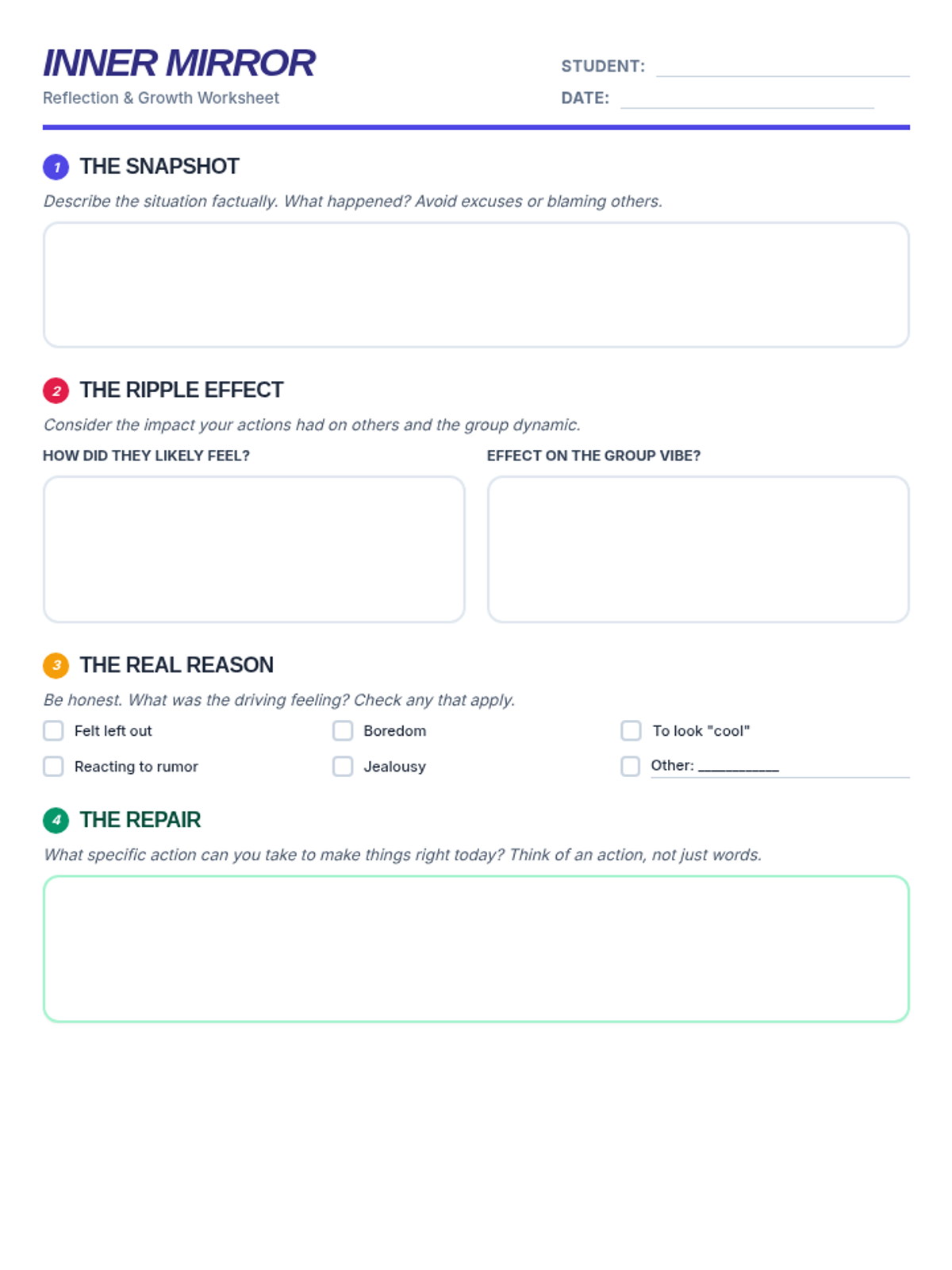
A restorative justice and empathy-building lesson designed for individual intervention with students displaying bullying or exclusionary behaviors. The materials focus on self-reflection, perspective-taking, and developing healthier social habits.
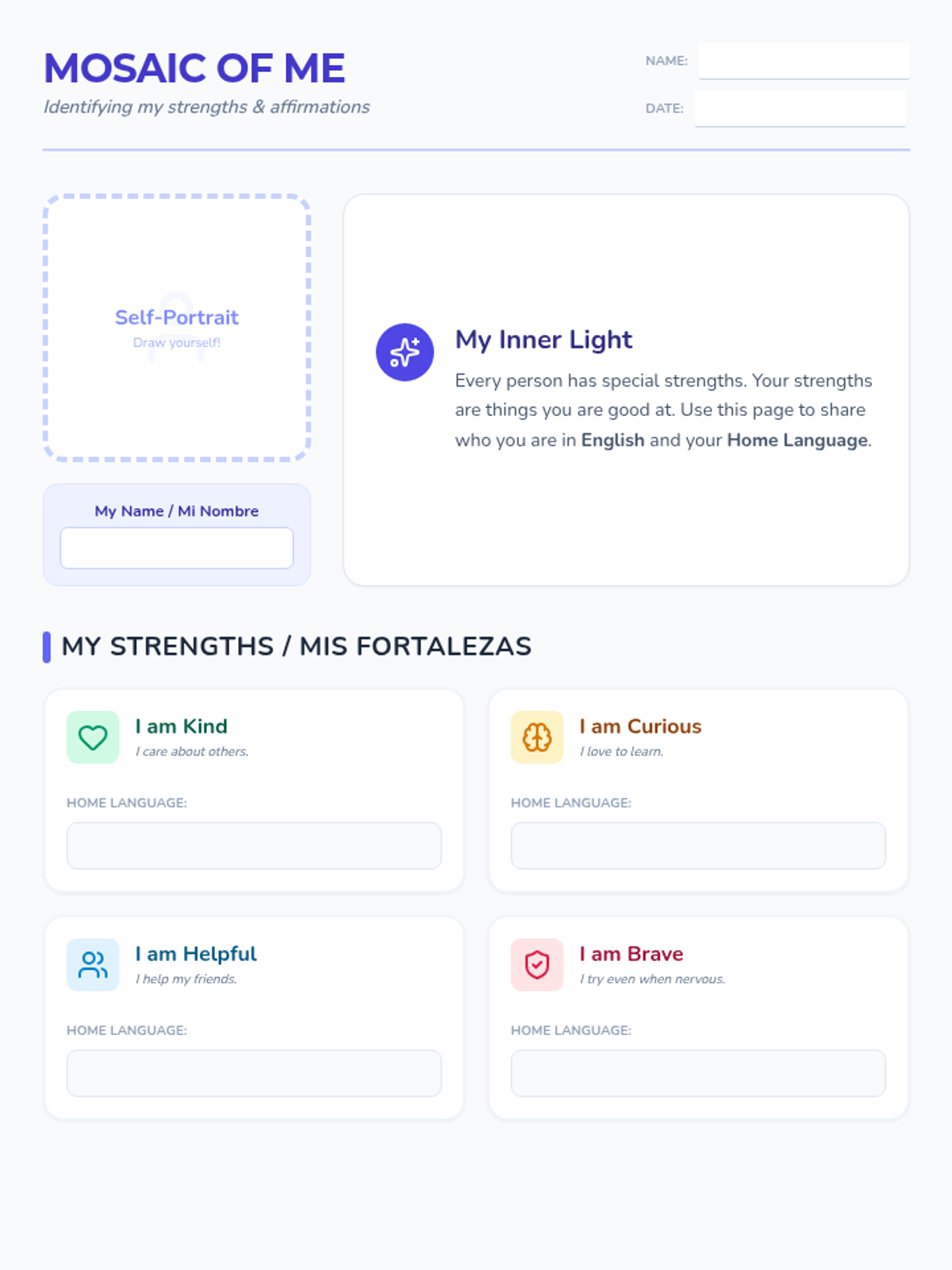
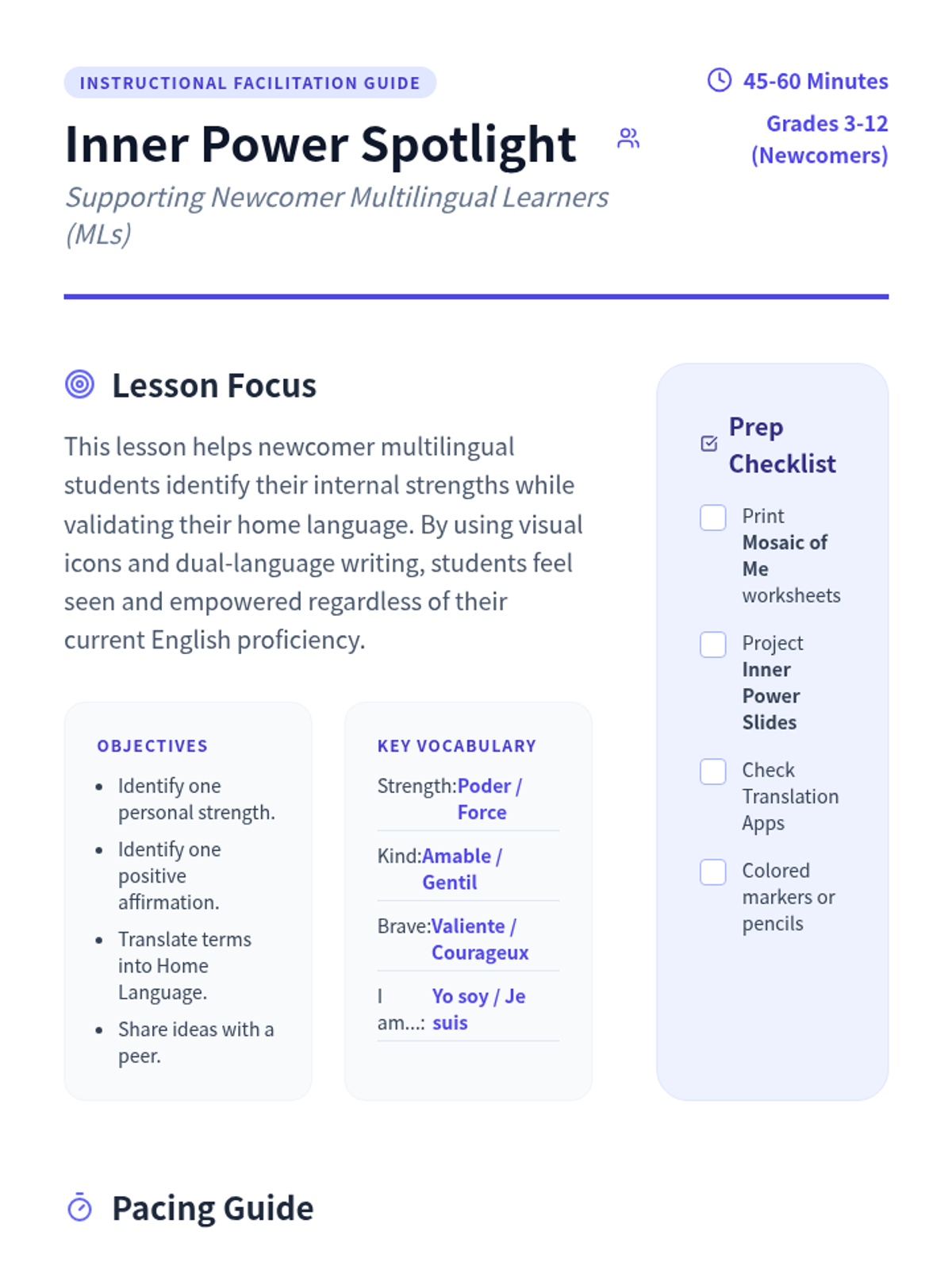
A supportive lesson for newcomer multilingual learners to explore their personal strengths and positive affirmations through visual storytelling and home language integration.
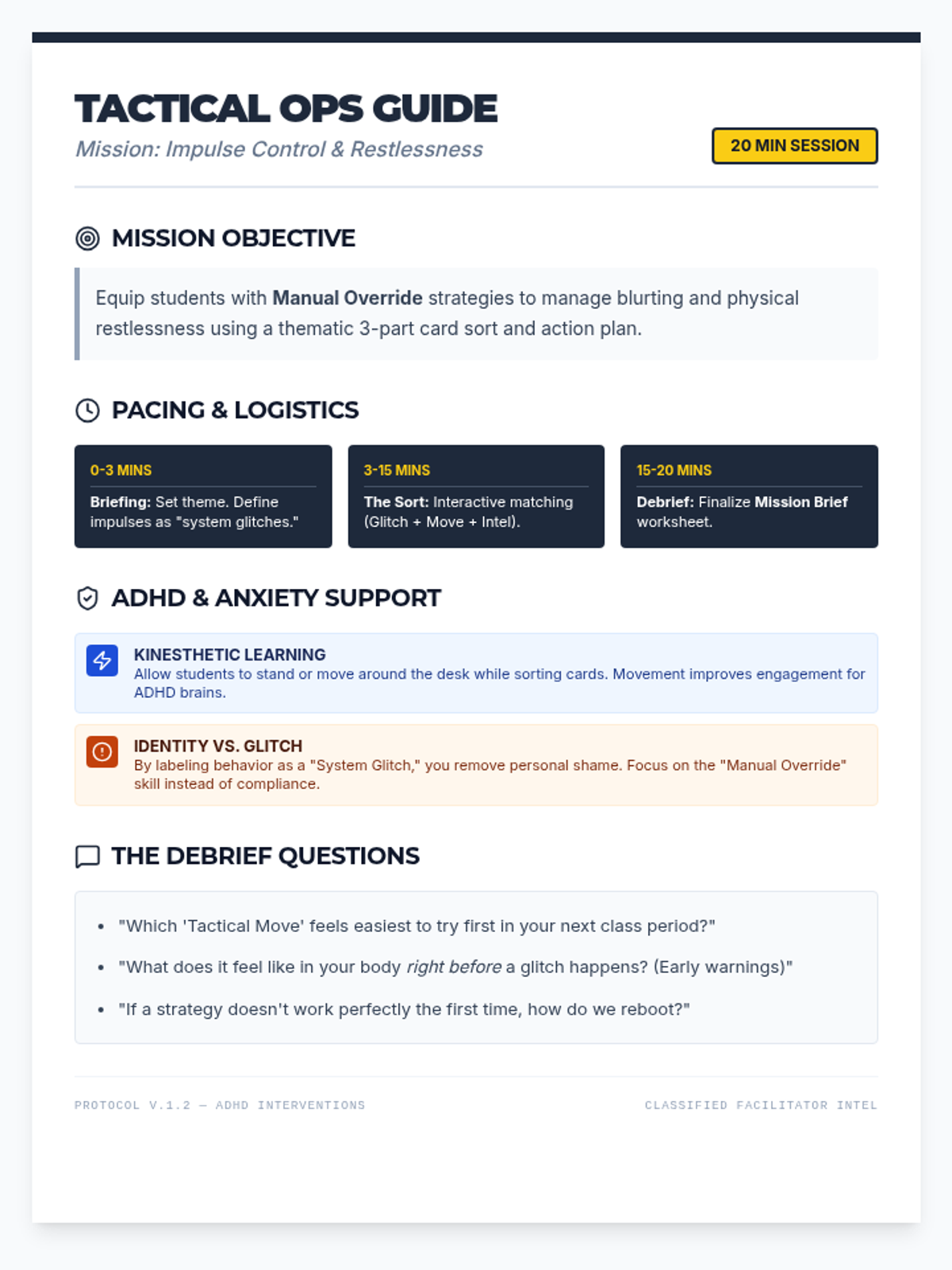
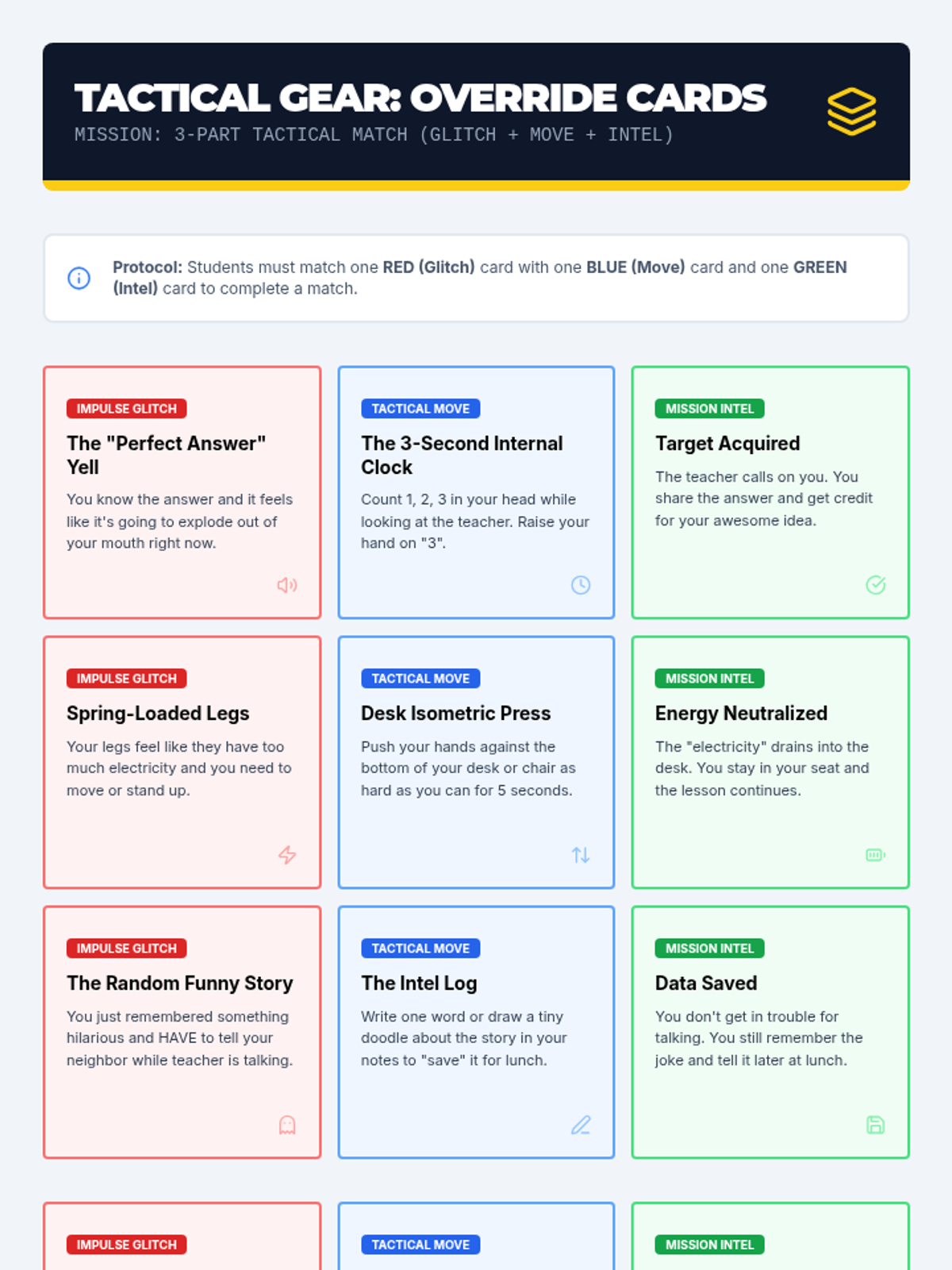
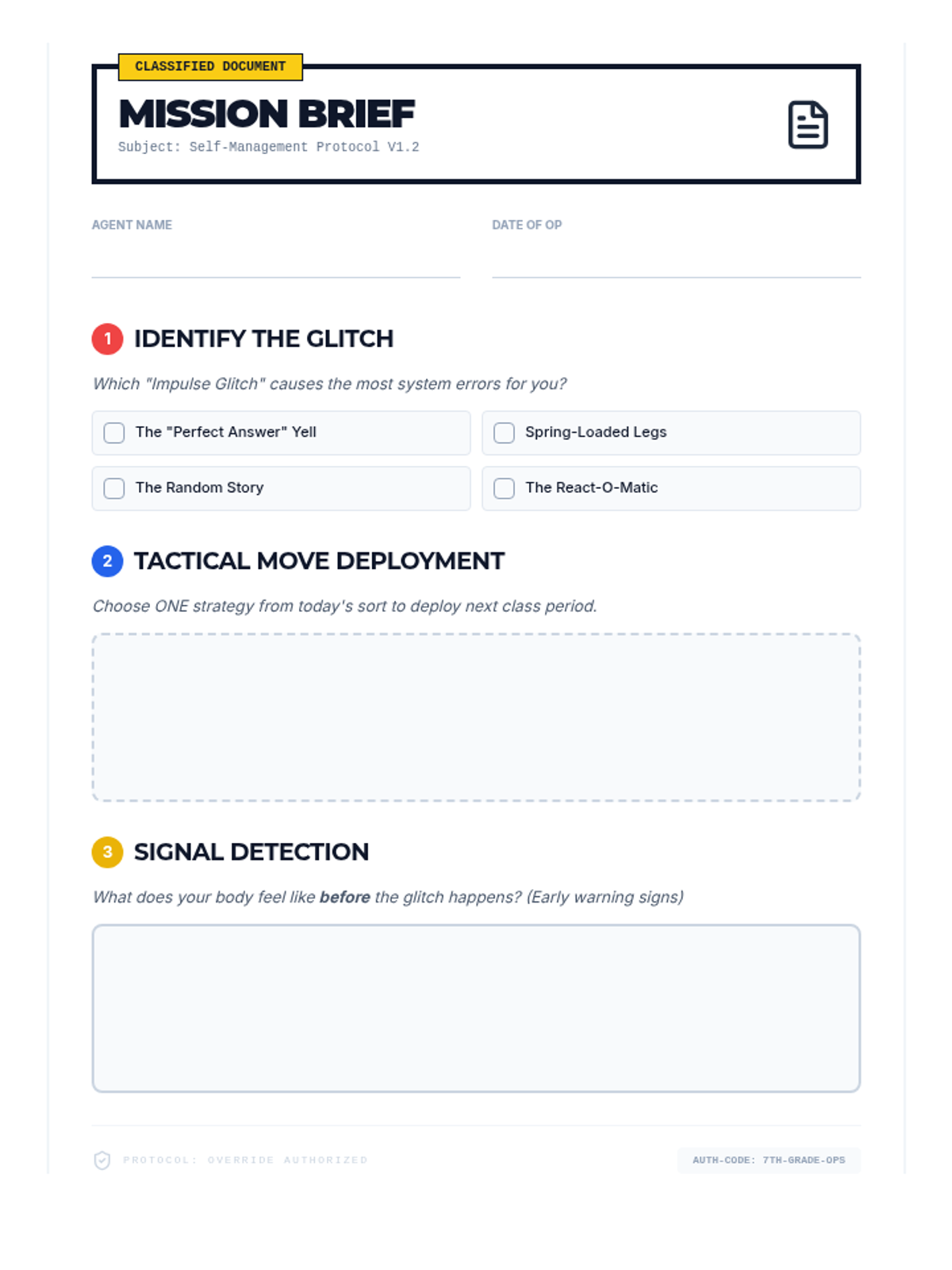
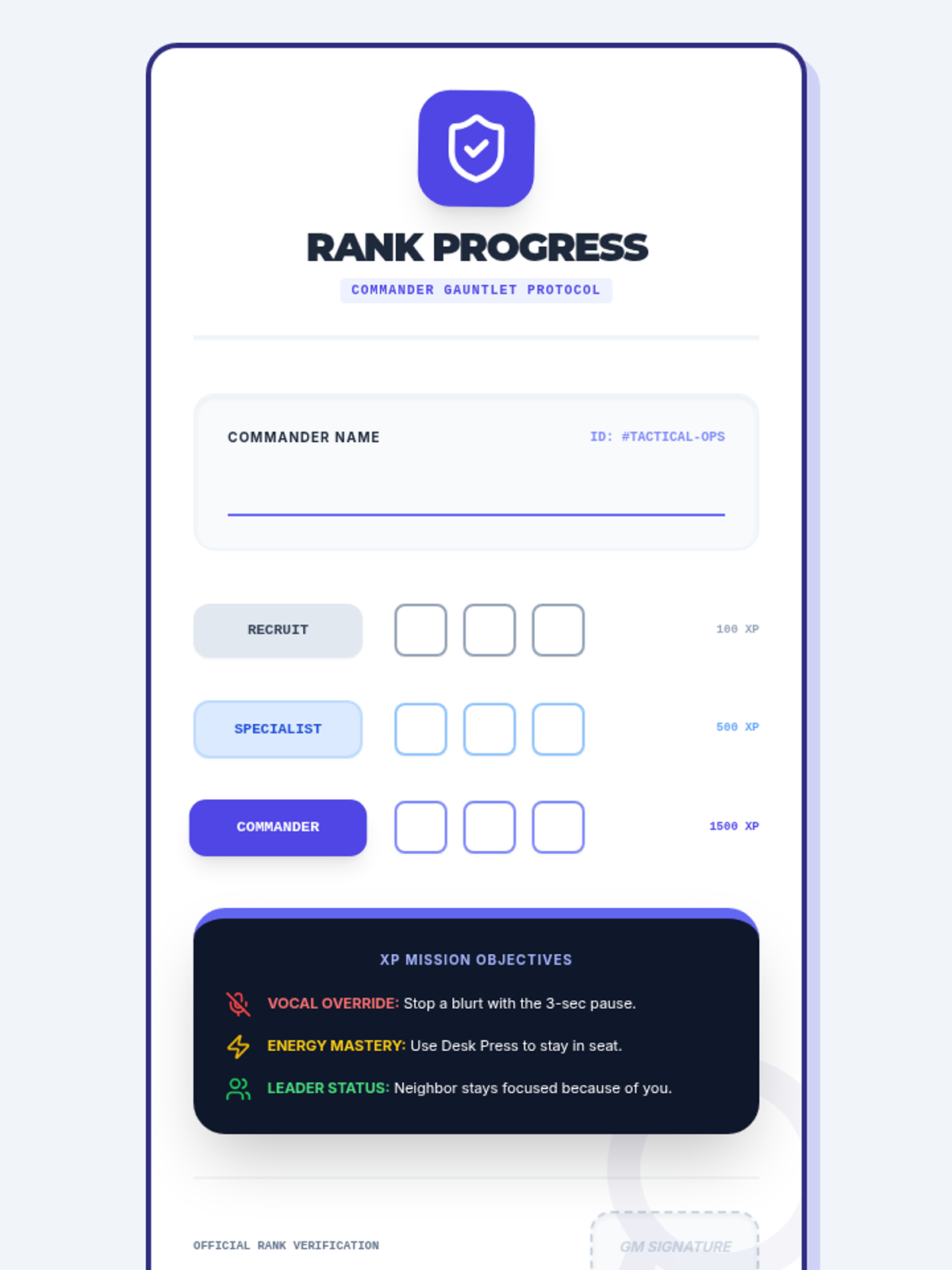
A high-energy, hockey-themed 20-minute intervention for impulse control. This lesson frames self-regulation as elite athletic discipline, transforming disruptive behaviors into 'penalties' and self-management strategies into 'pro moves' used by team captains.
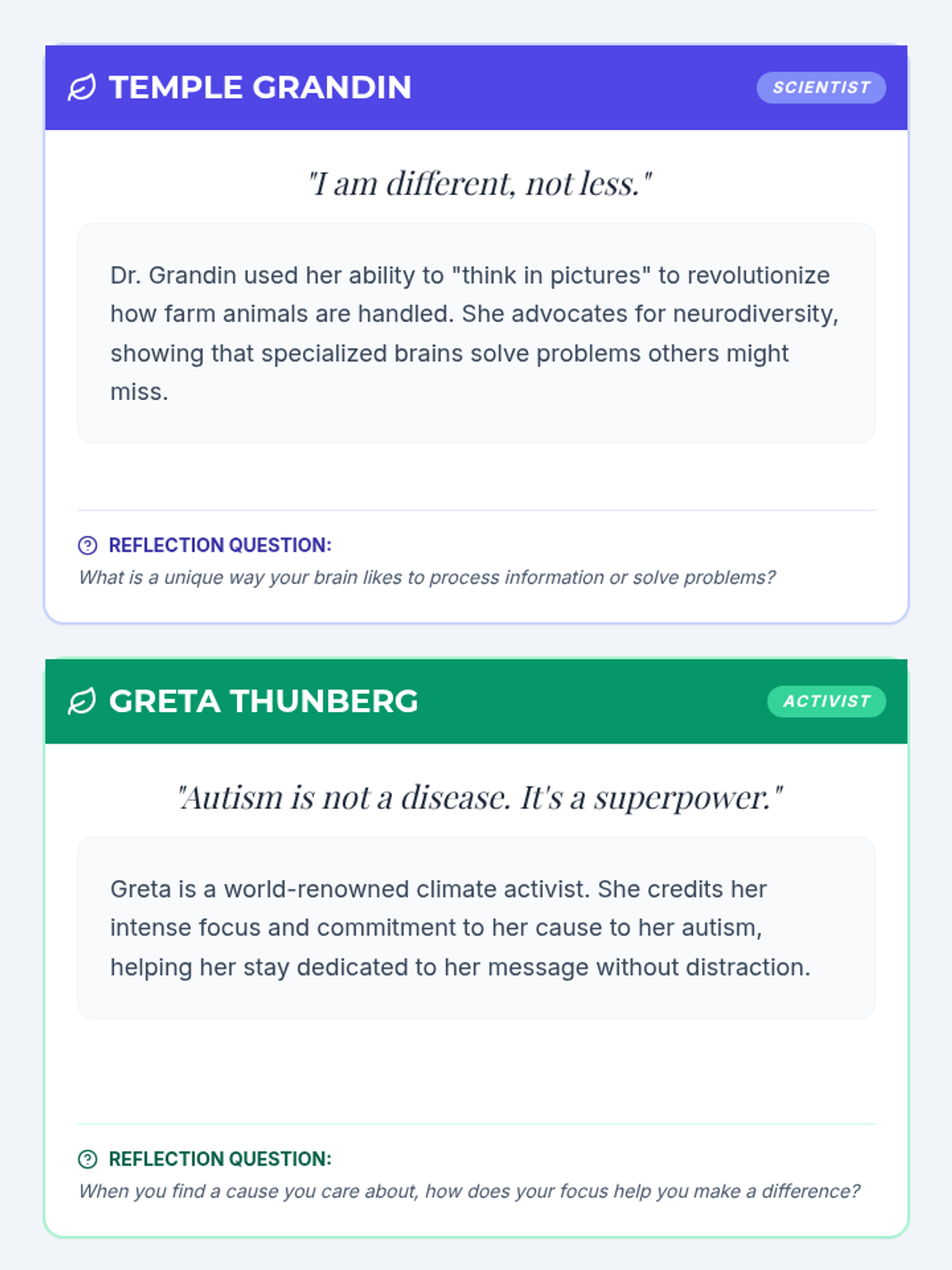
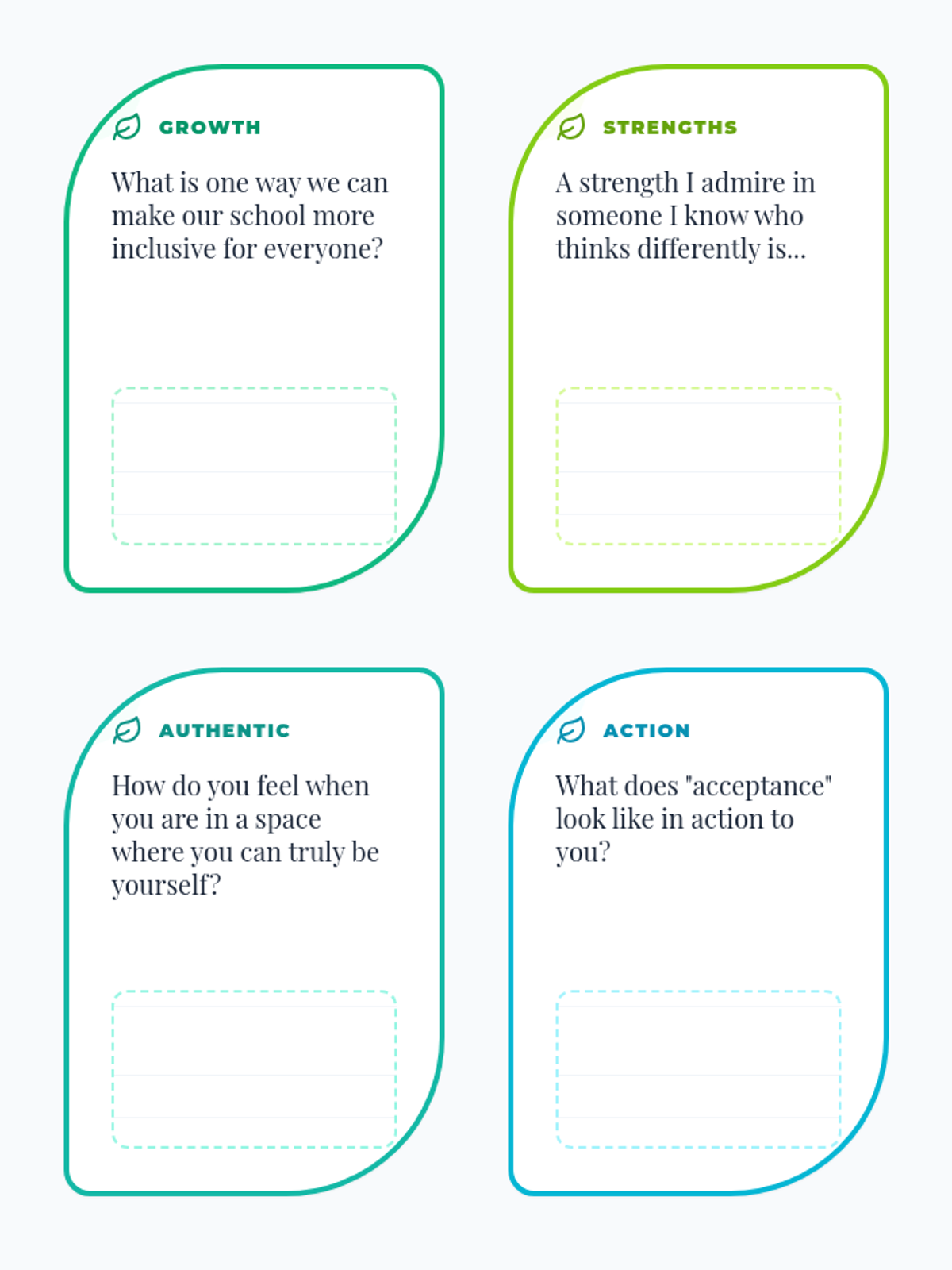
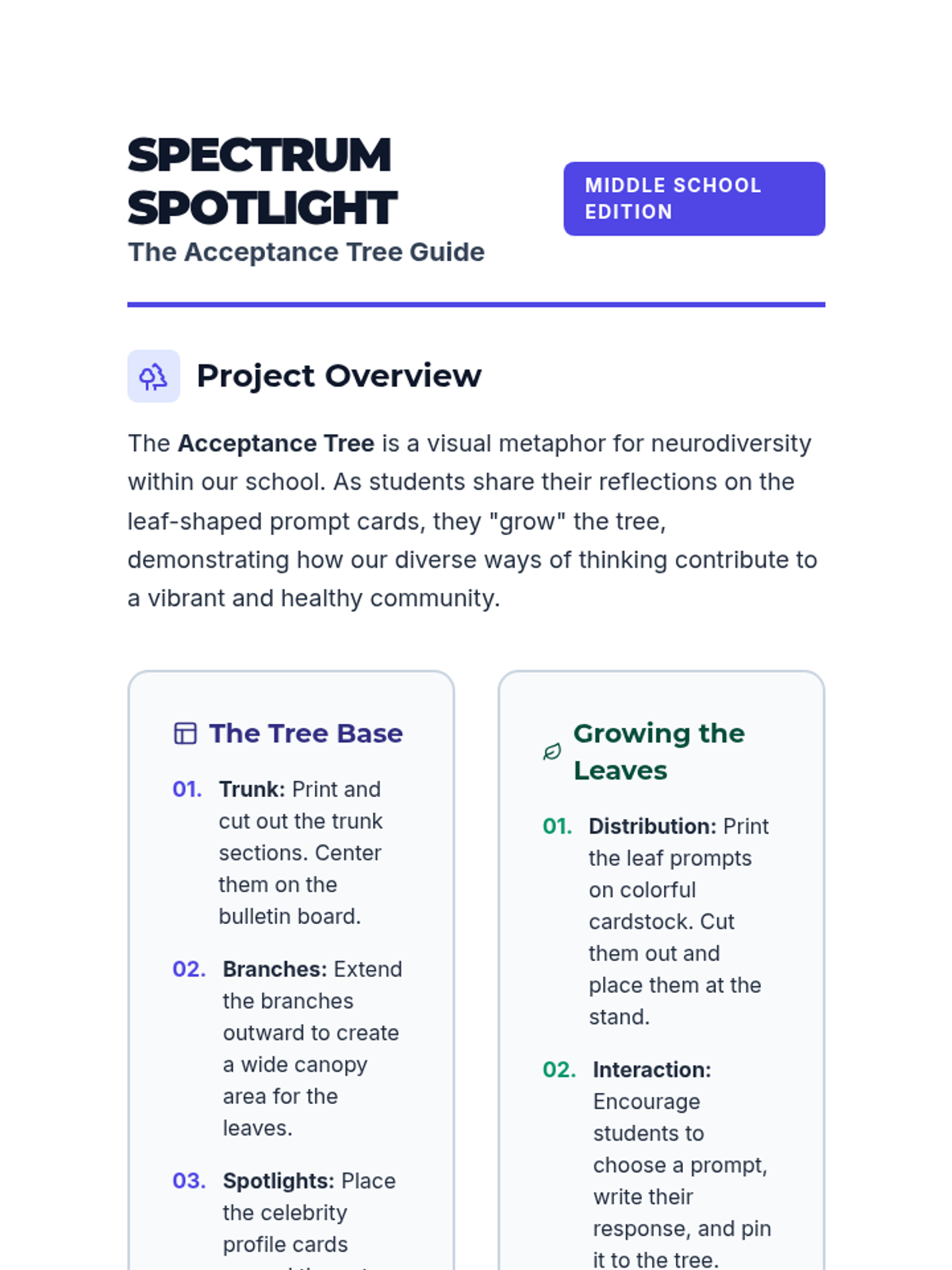
A comprehensive set of materials for a middle school bulletin board and interactive stand focused on autism acceptance, featuring celebrity profiles and student reflection prompts.
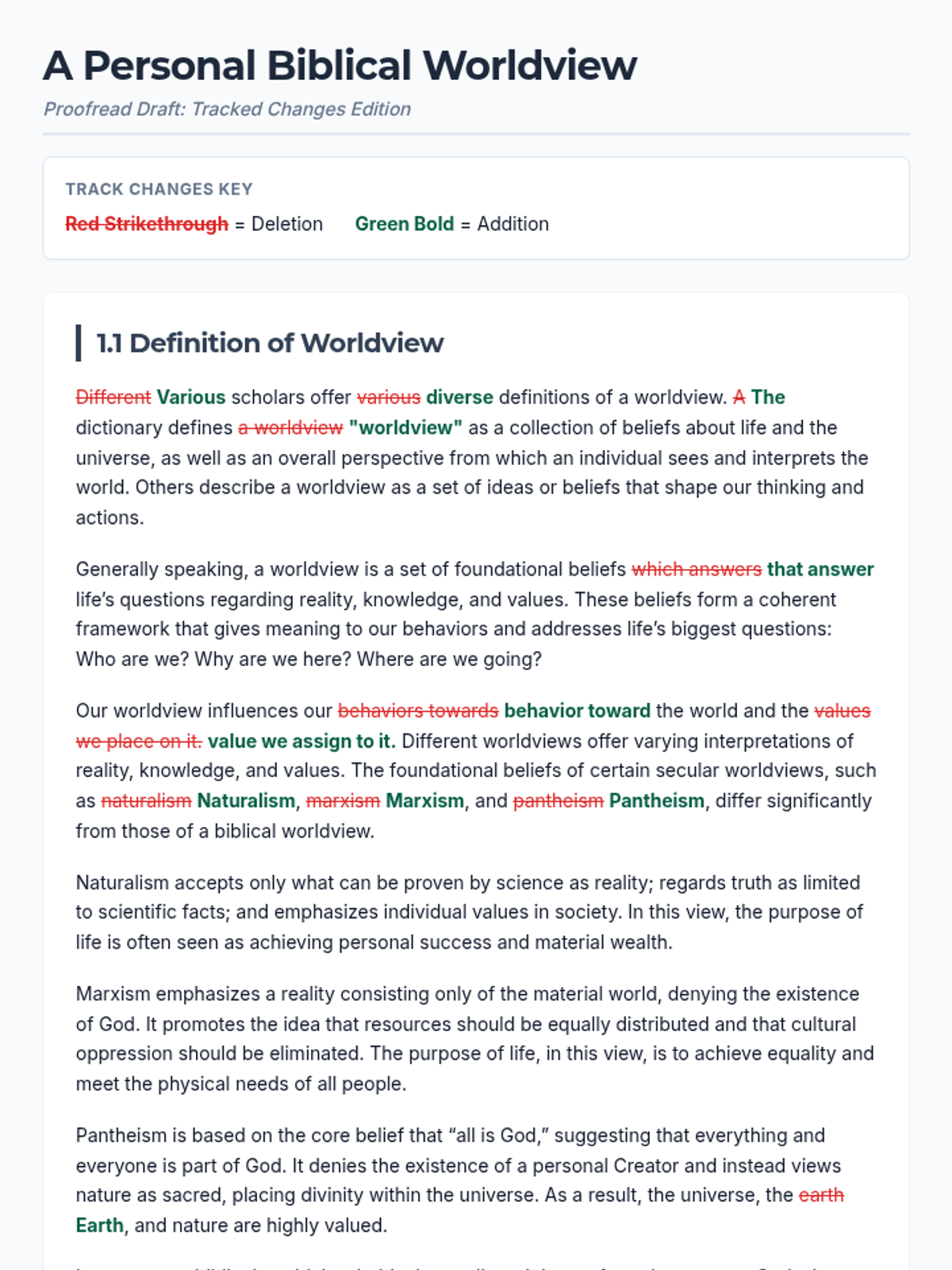
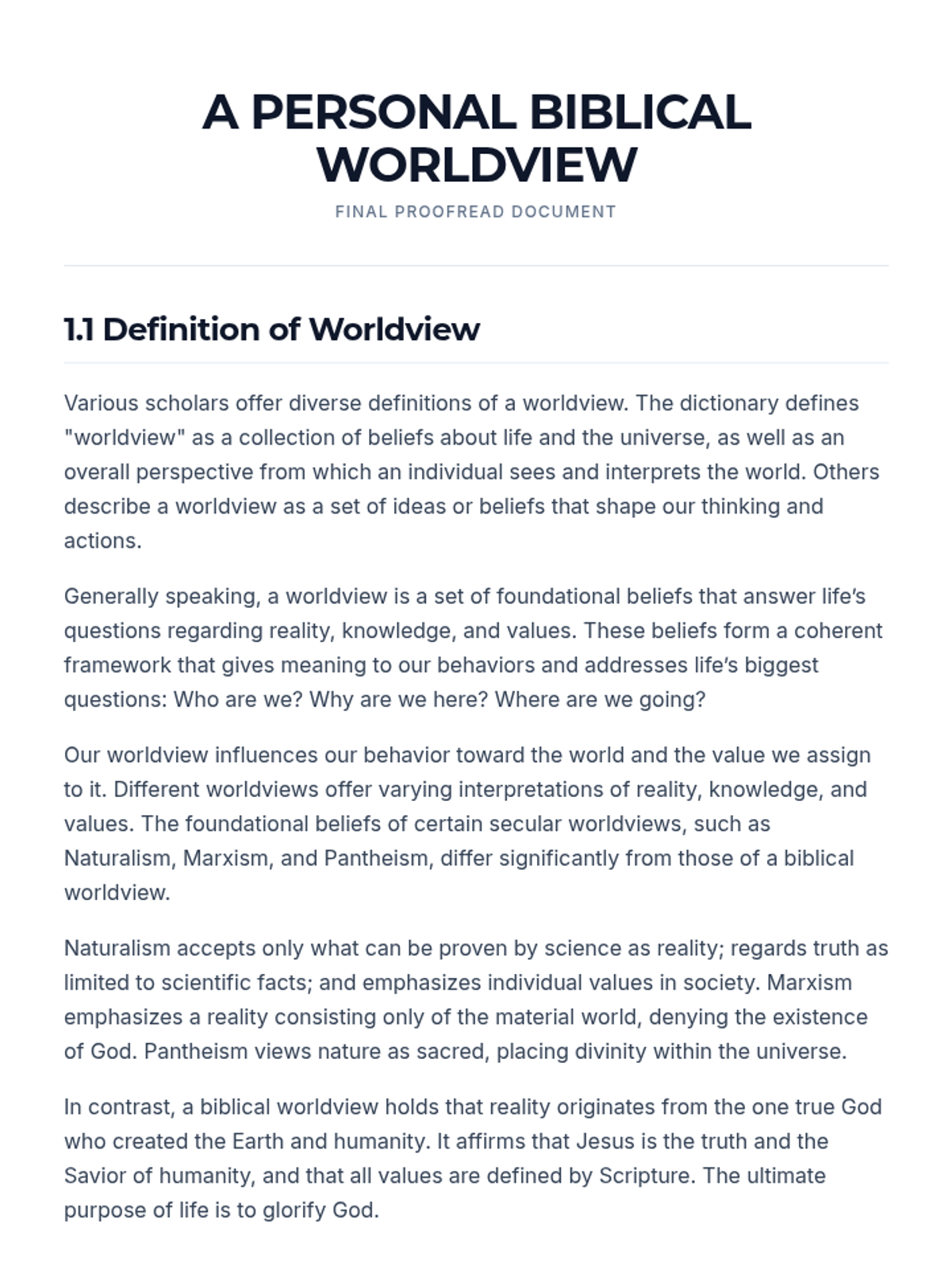
A set of resources designed to help educators articulate, refine, and apply a personal biblical worldview in their teaching and relationships. It includes both a draft showing changes and a final clean copy of the worldview statement.
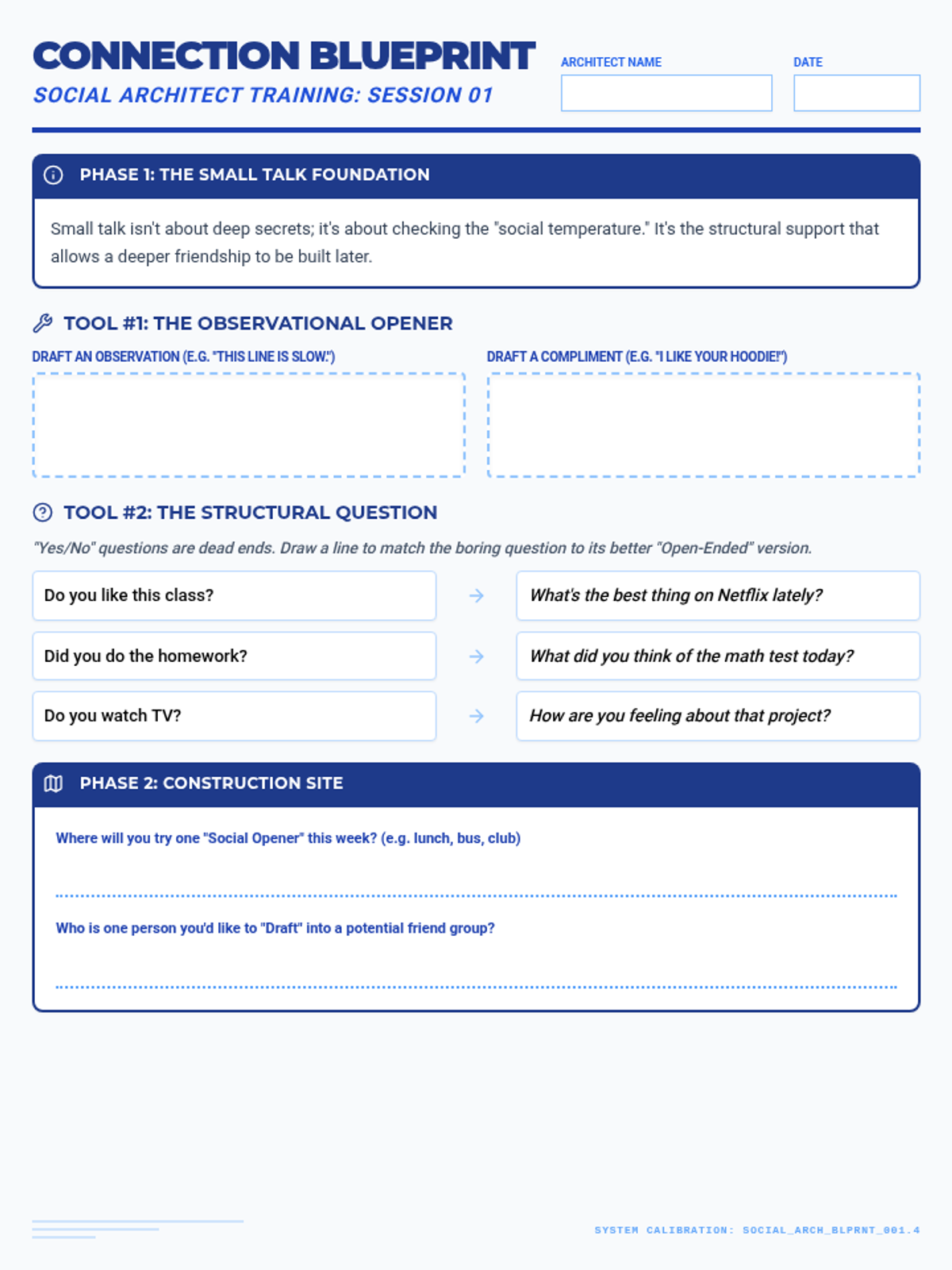
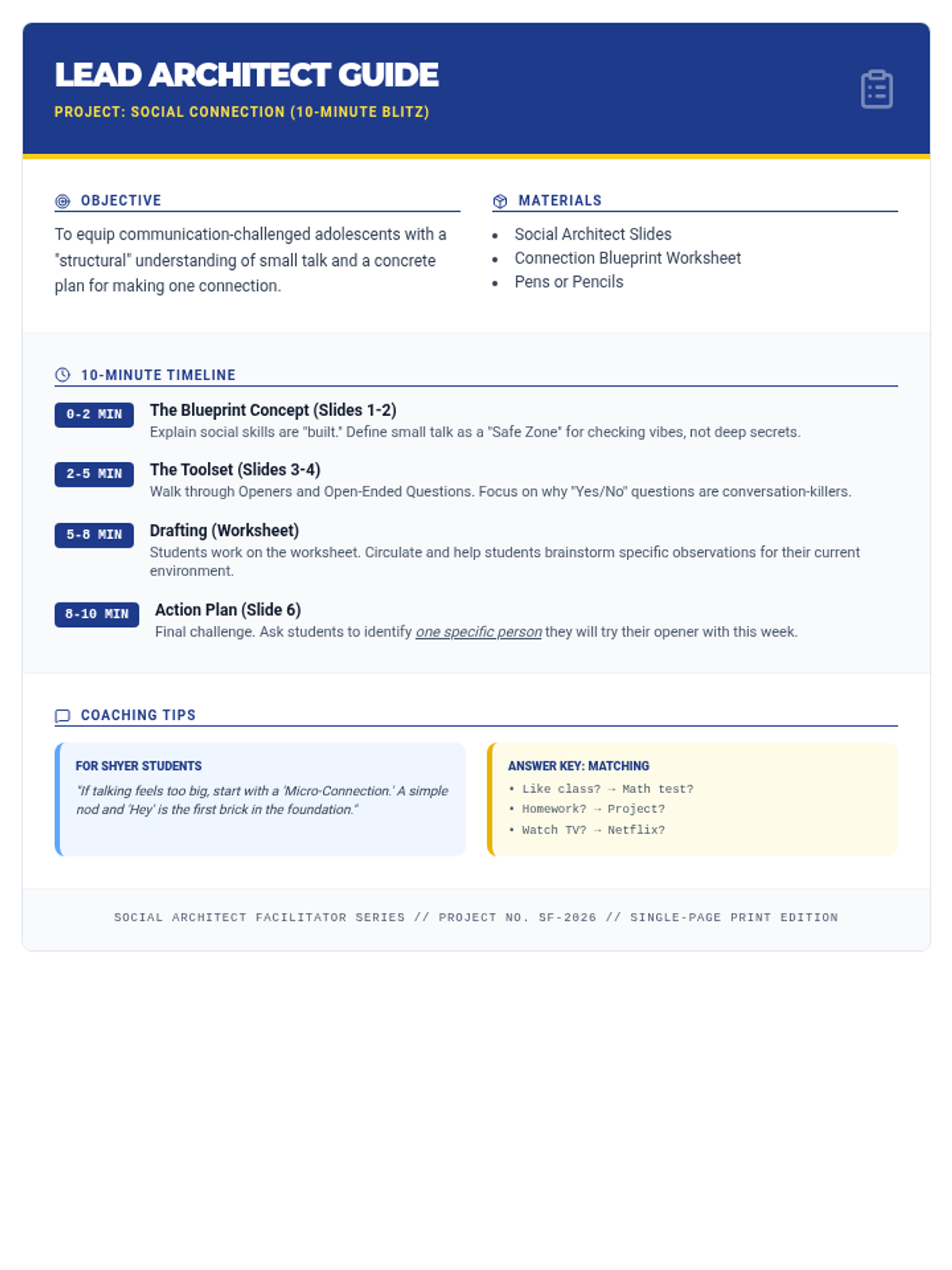
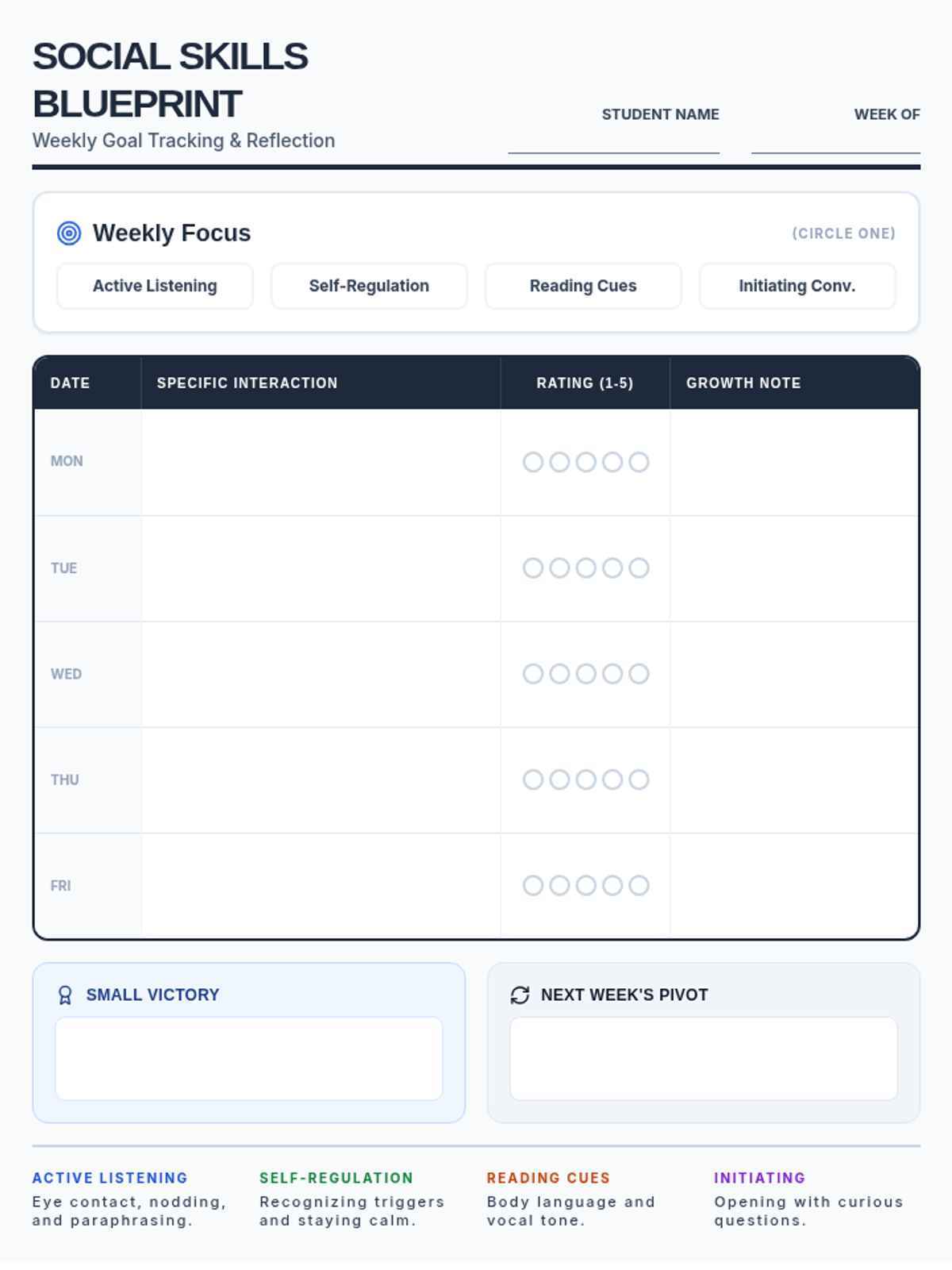
A focused 10-minute lesson designed for adolescents to learn the structural basics of small talk and friendship building using a 'Social Architect' blueprint theme.
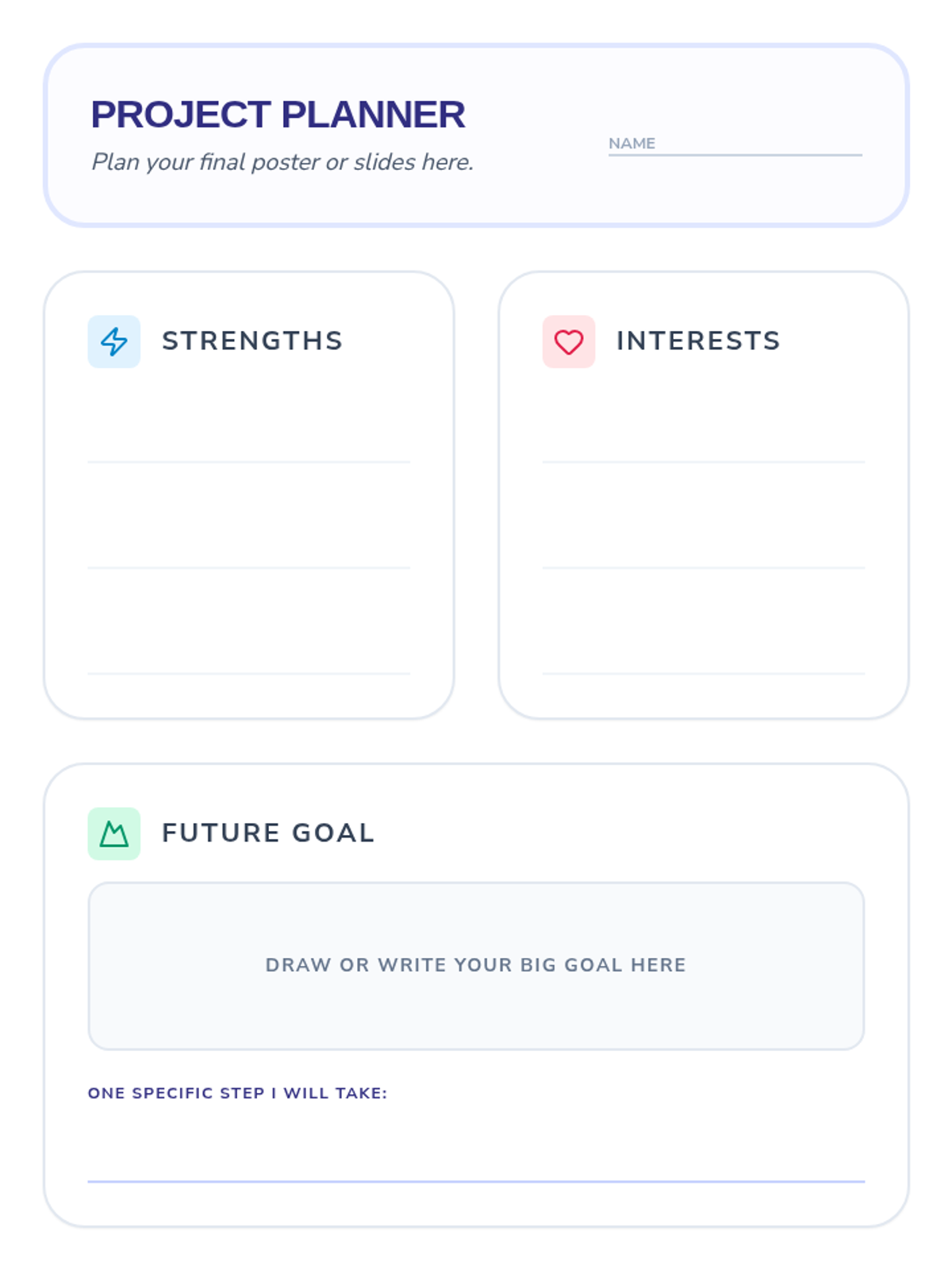
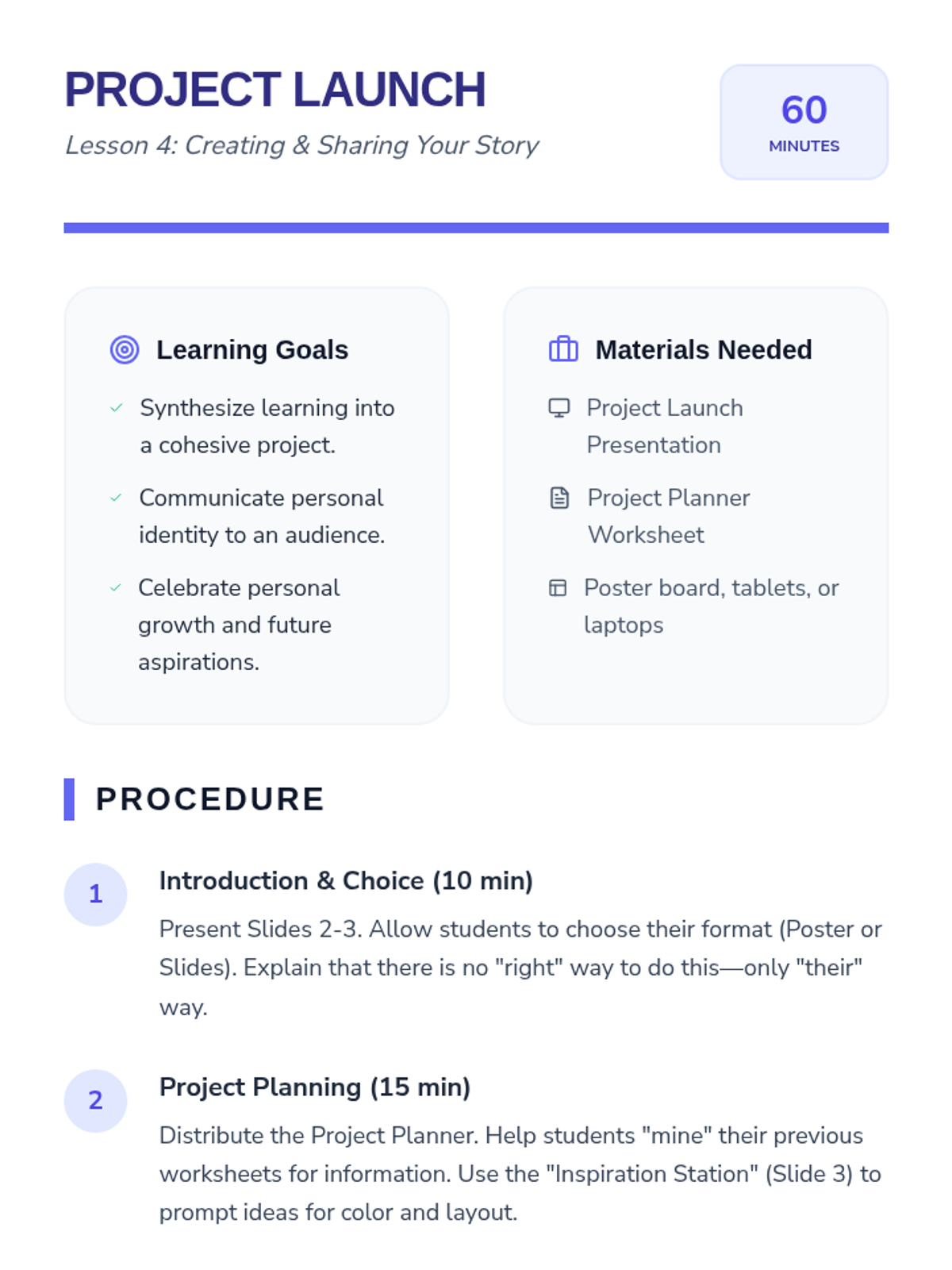
Students synthesize their learning into a final project (poster or presentation) that showcases their self-identity and future aspirations.
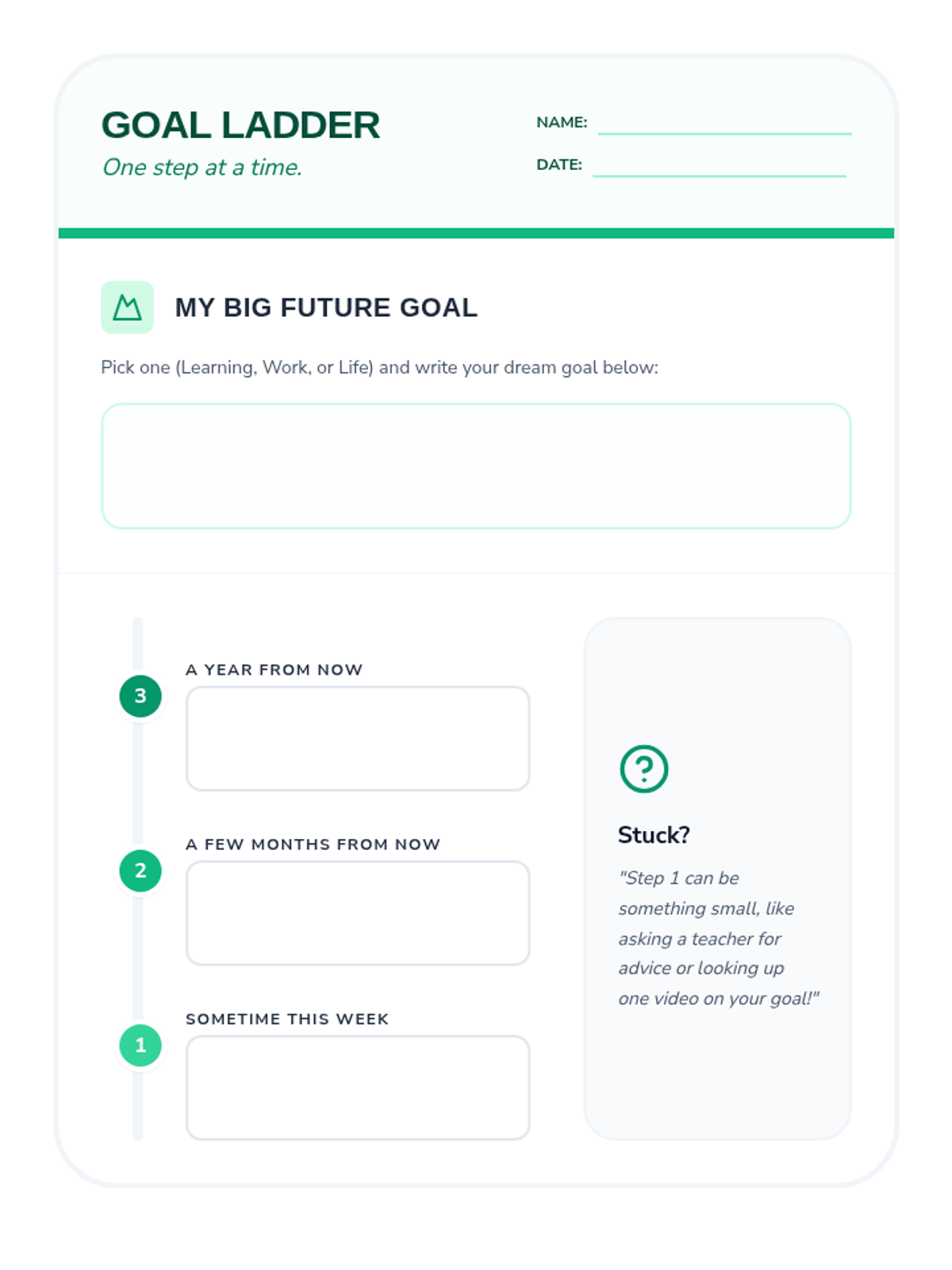
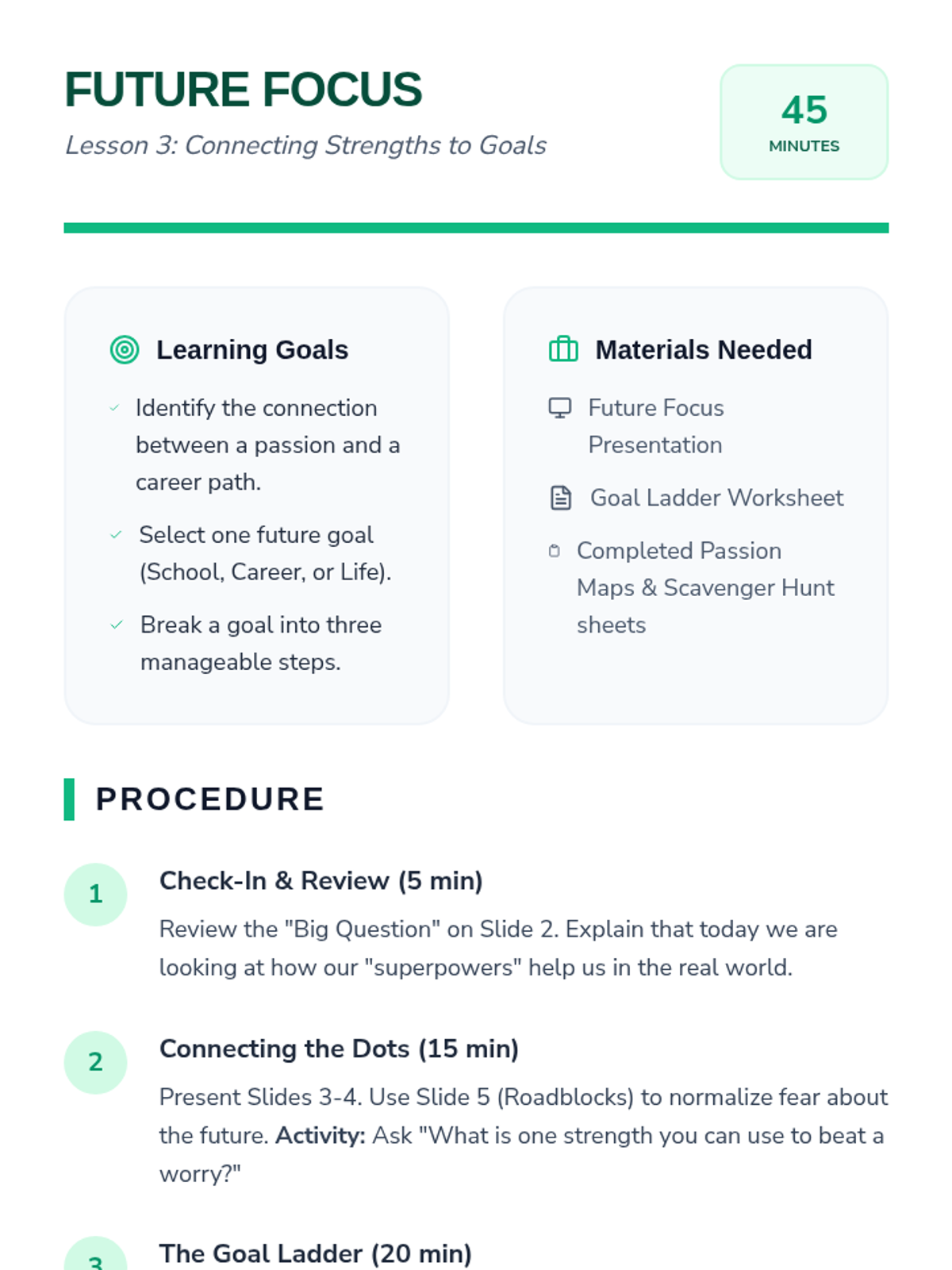
Students bridge their current strengths and interests to potential future goals in school, career, and life.
Students explore their personal interests and hobbies, connecting their passions to how they spend their time and energy.
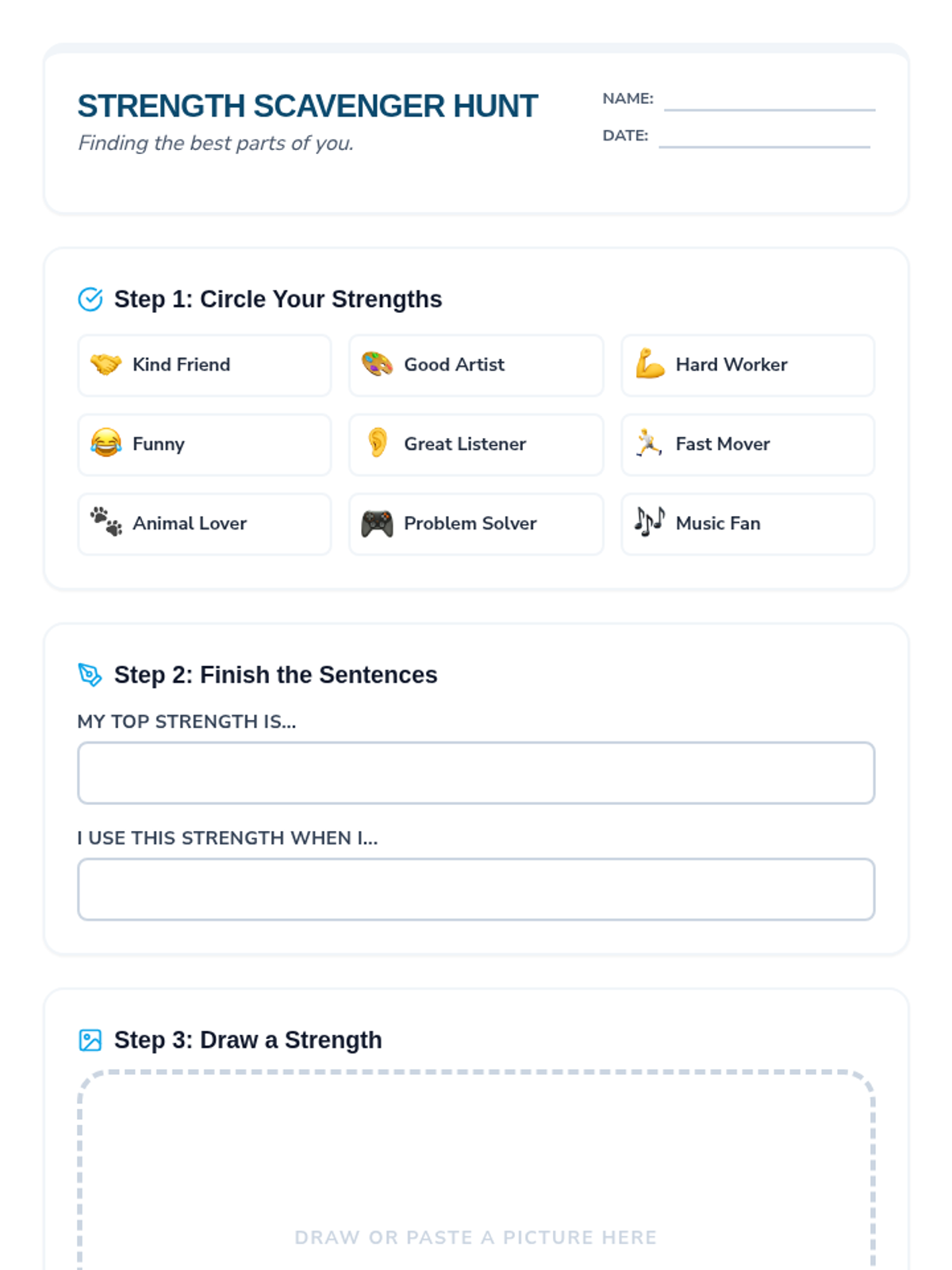
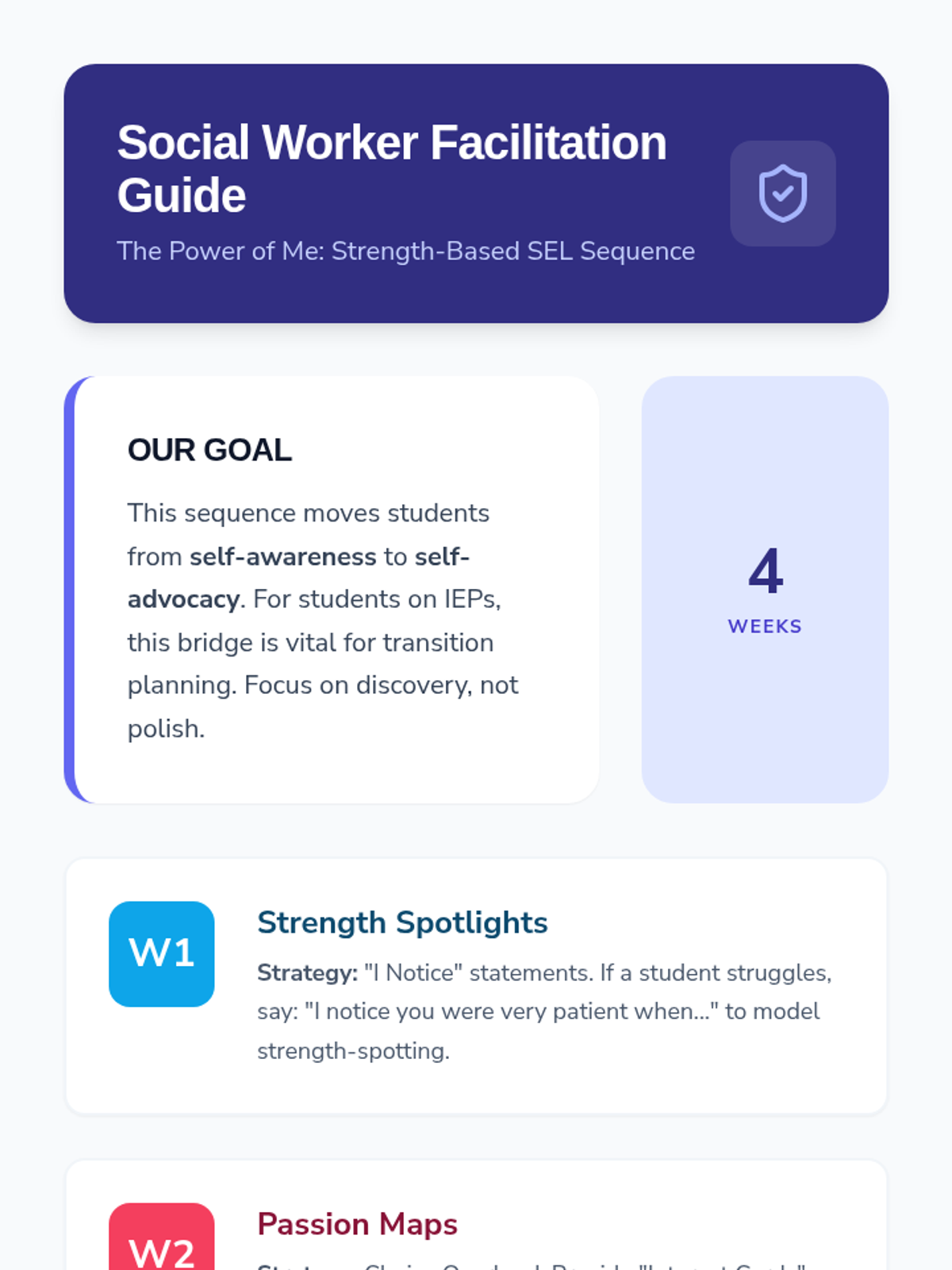
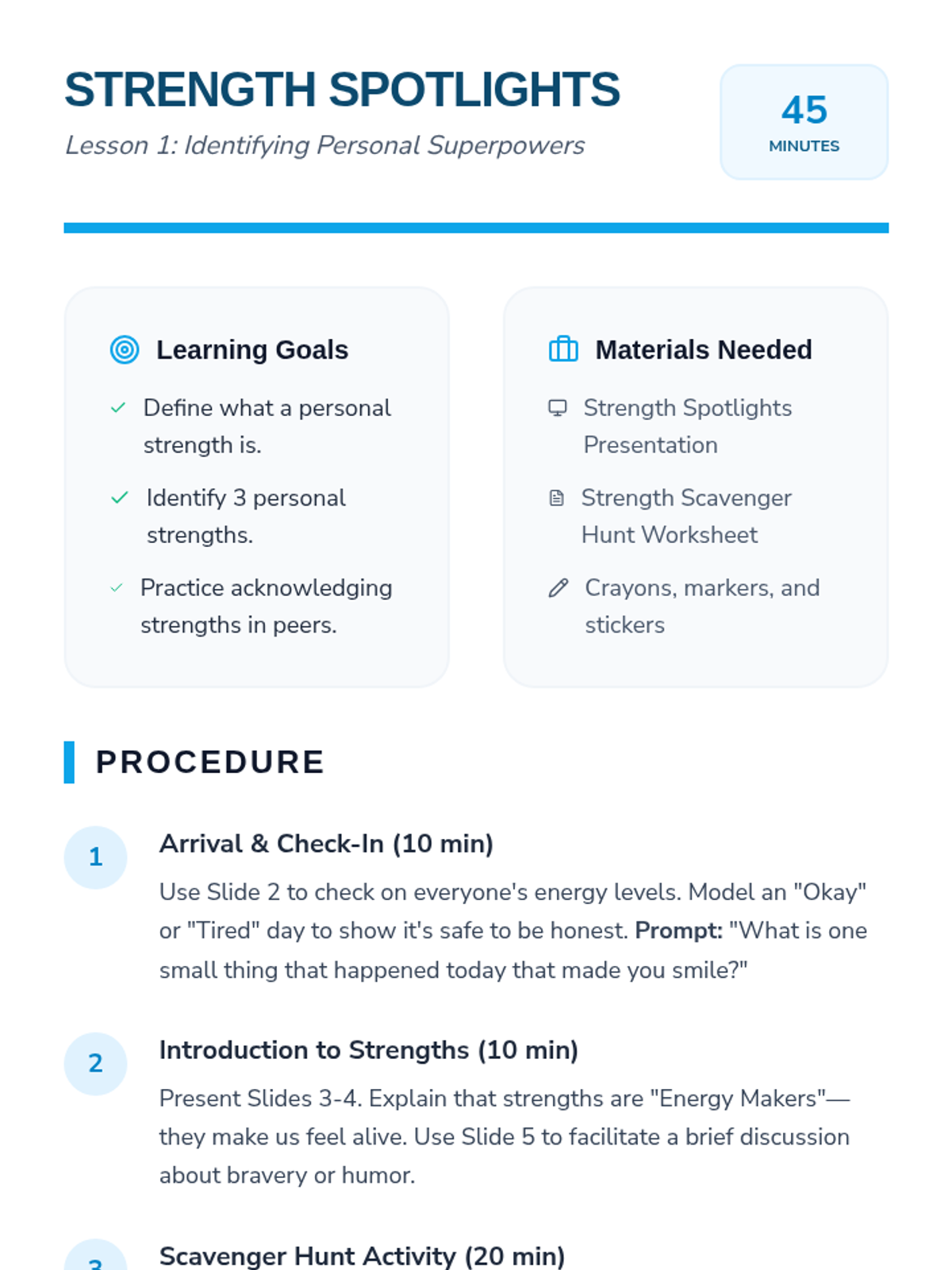
Students identify their personal strengths and learn the difference between what they are 'good at' (skills) and who they 'are' (strengths).
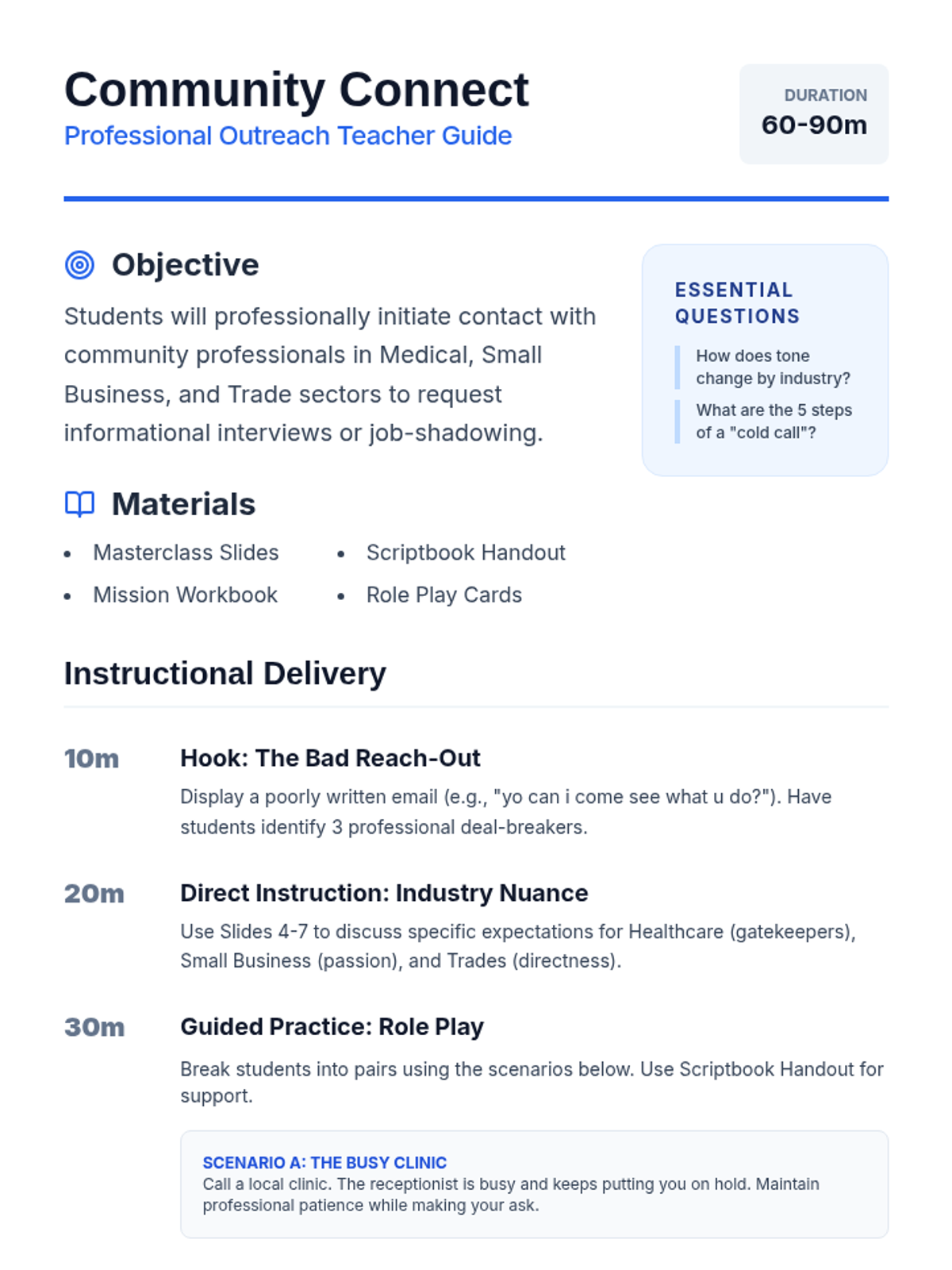
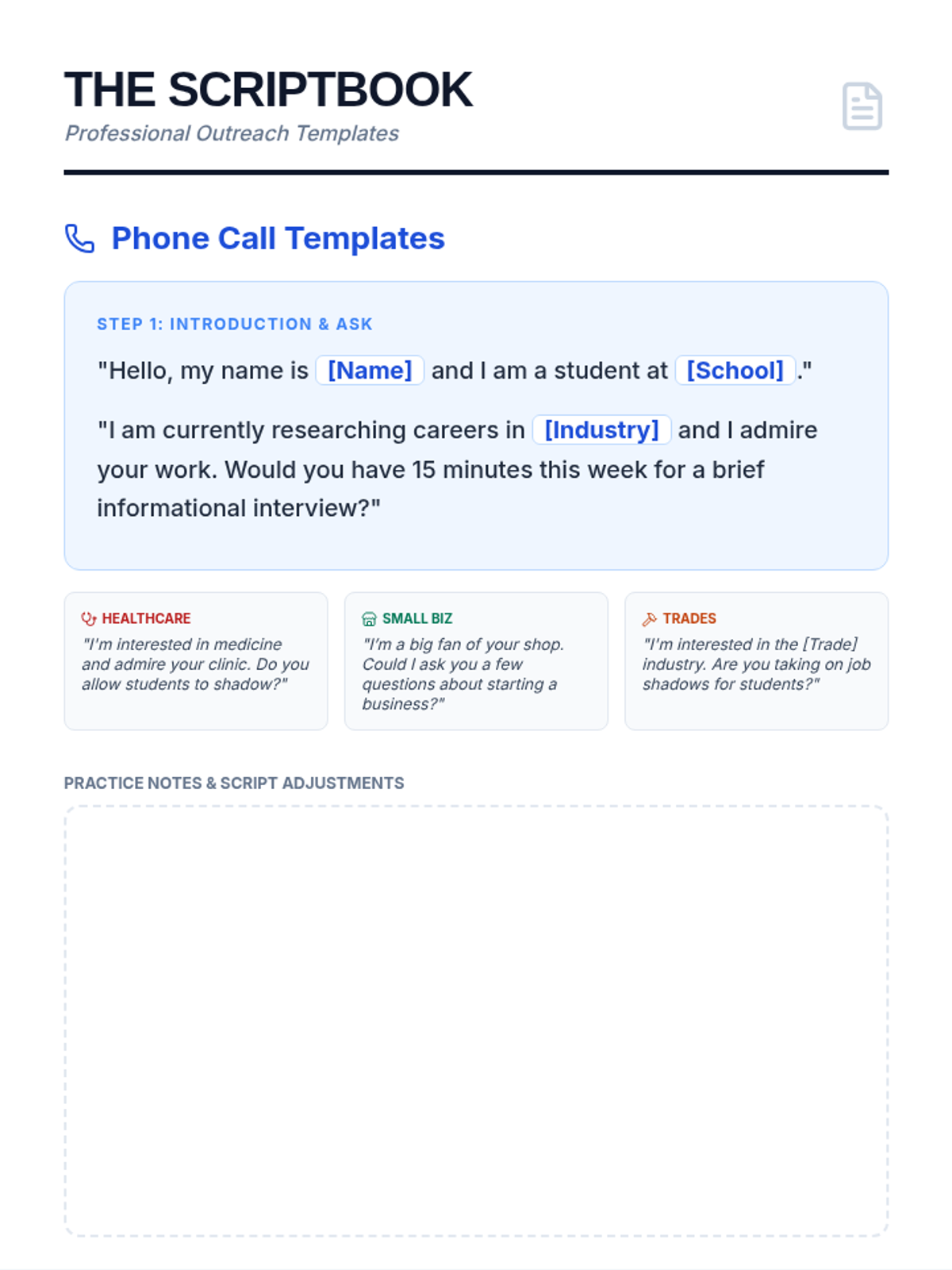
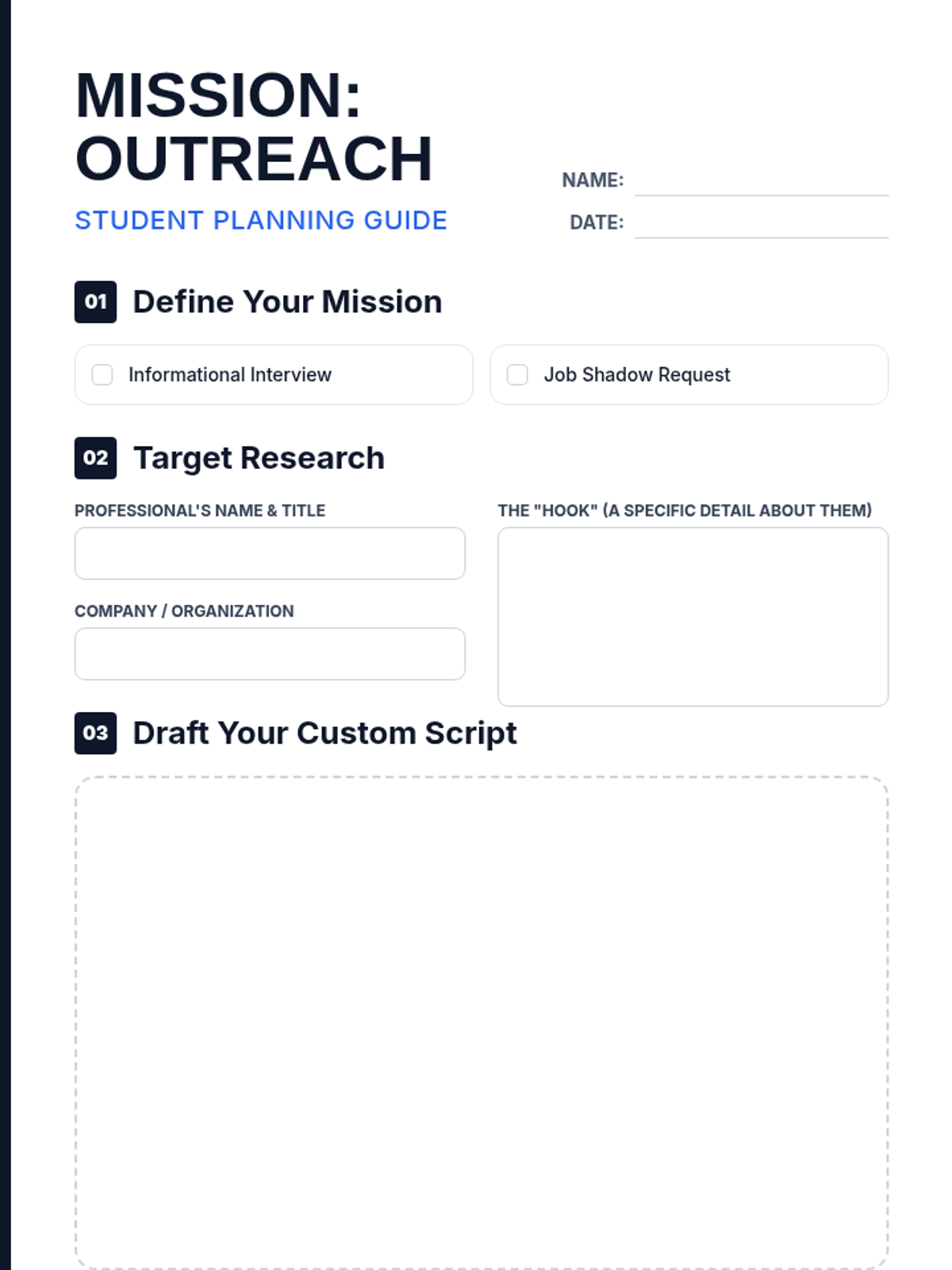
This lesson teaches high school students the essential skills for professional outreach, focusing on making appointments with community professionals in healthcare, small business, and trades through role-play and script-writing.
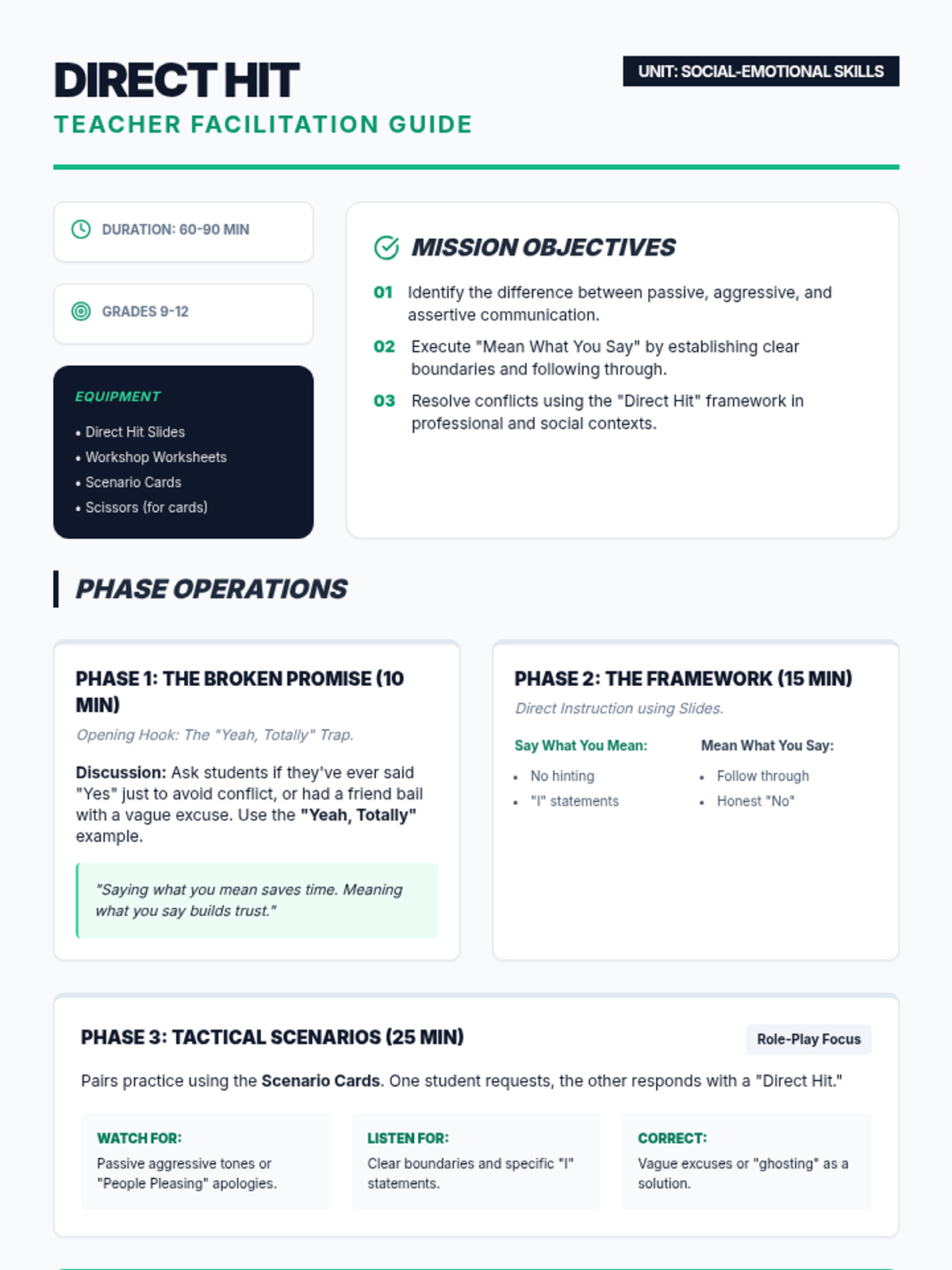
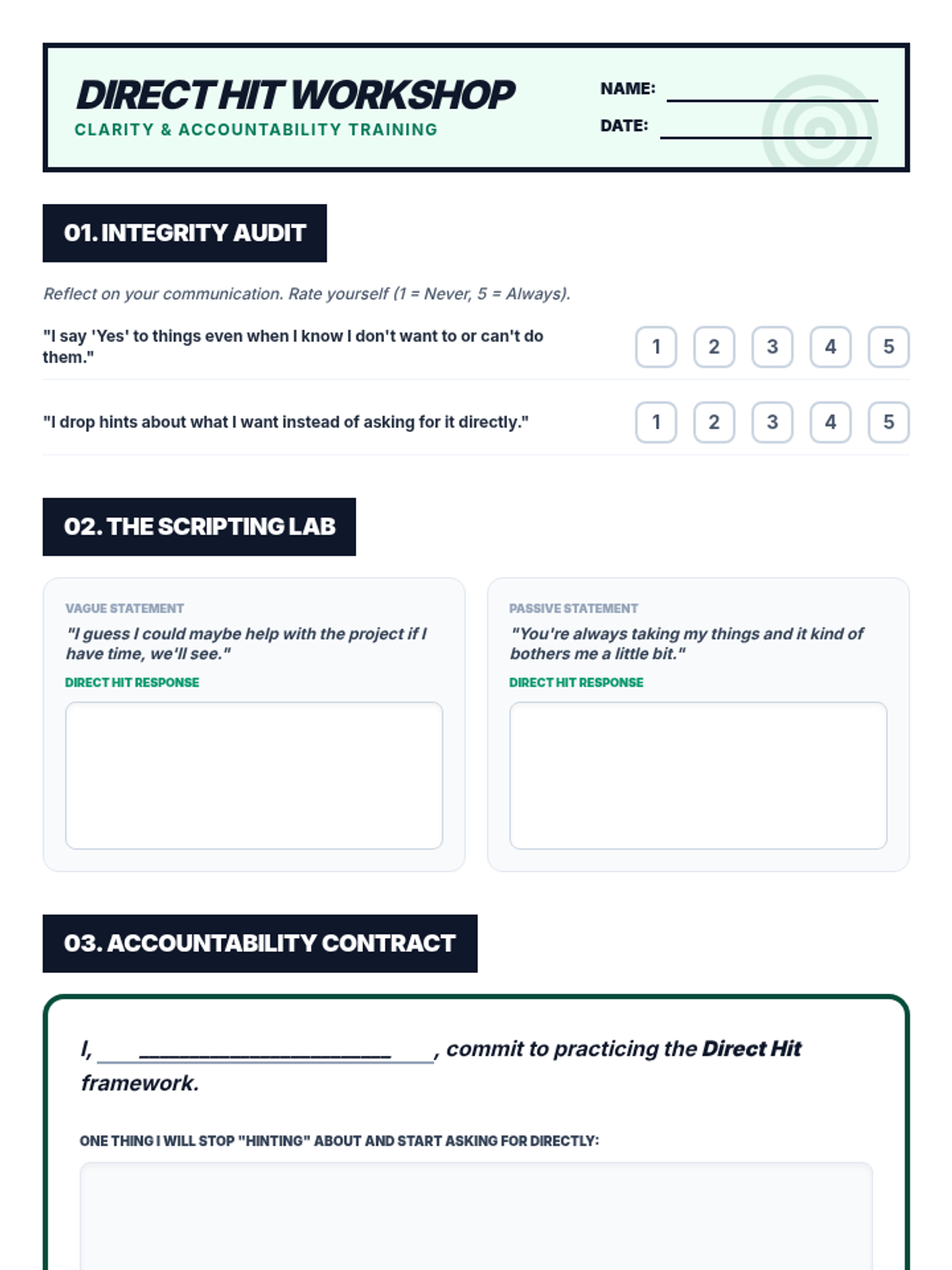
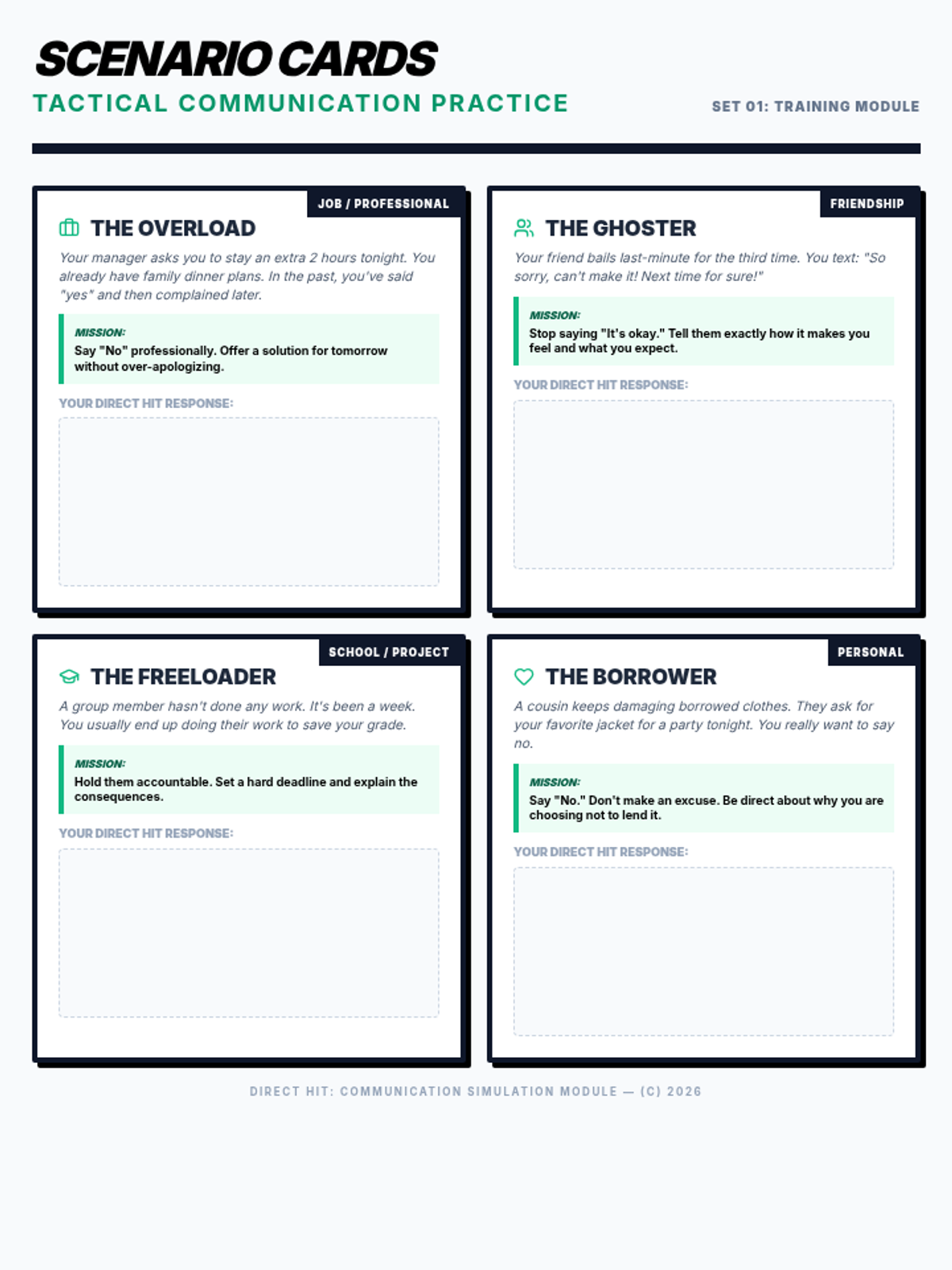
A high-impact communication lesson focusing on the power of clarity and integrity in interpersonal and professional relationships. Students explore the 'Direct Hit' framework: saying what they mean (clarity) and meaning what they say (accountability).
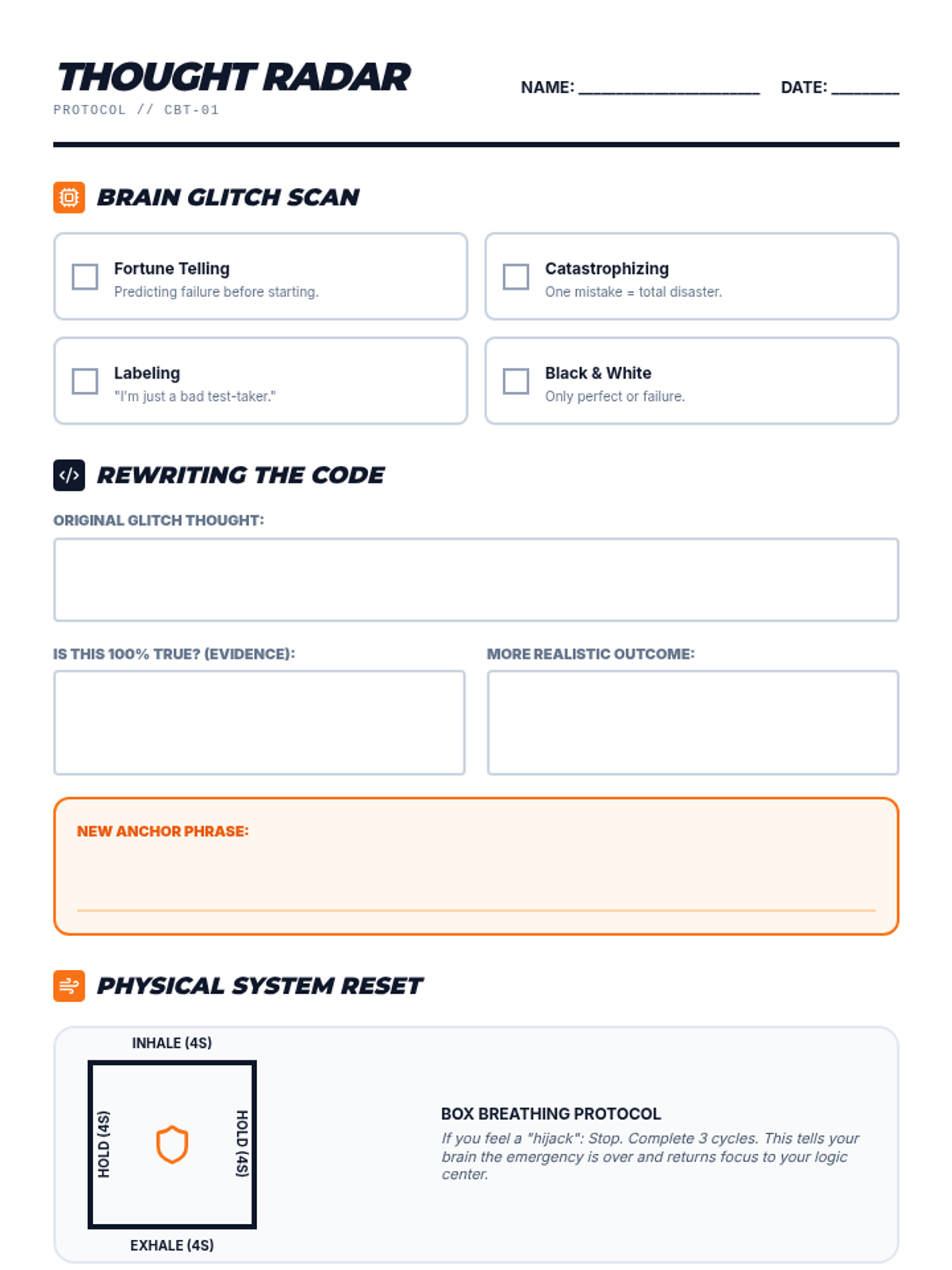
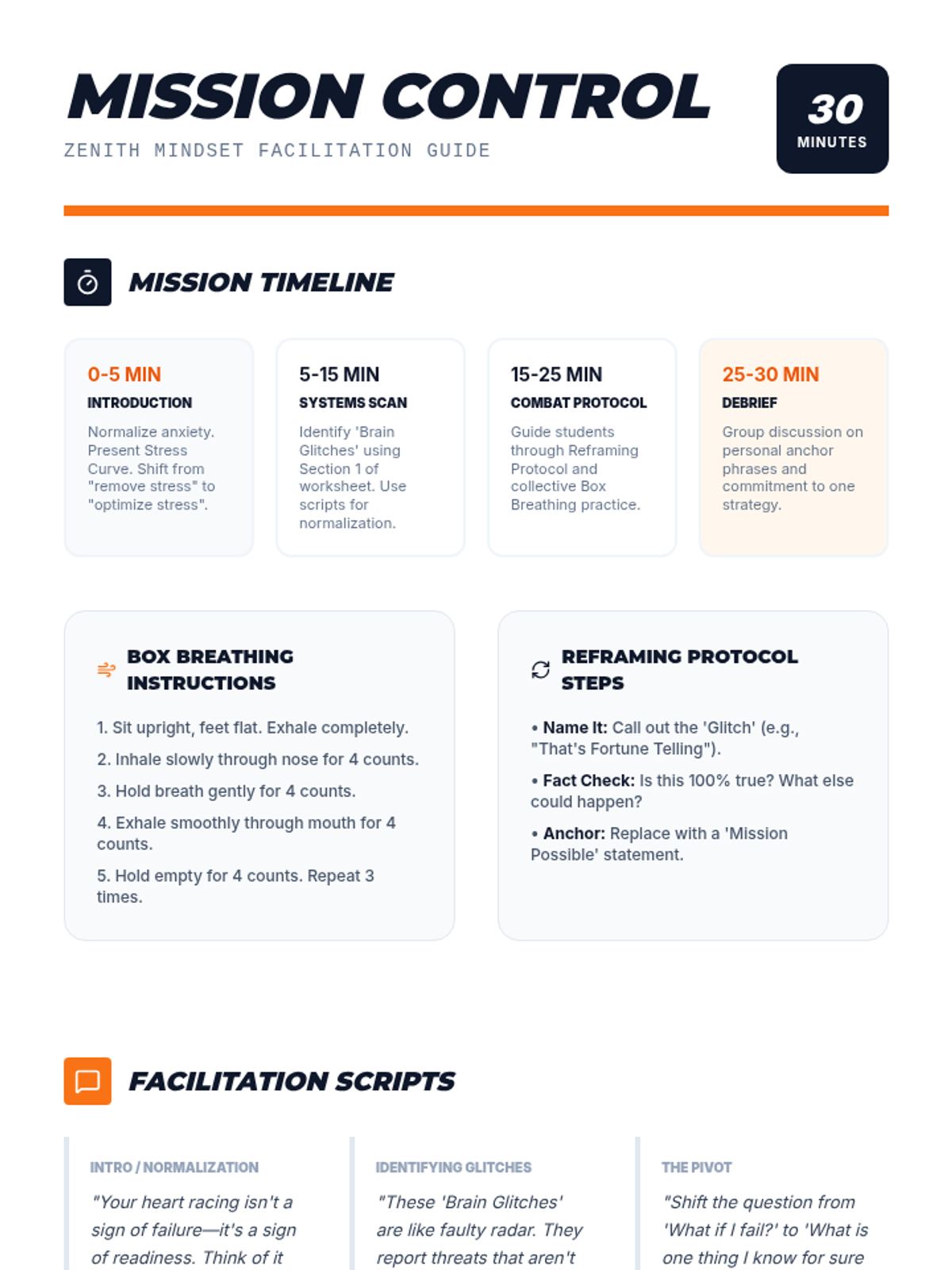
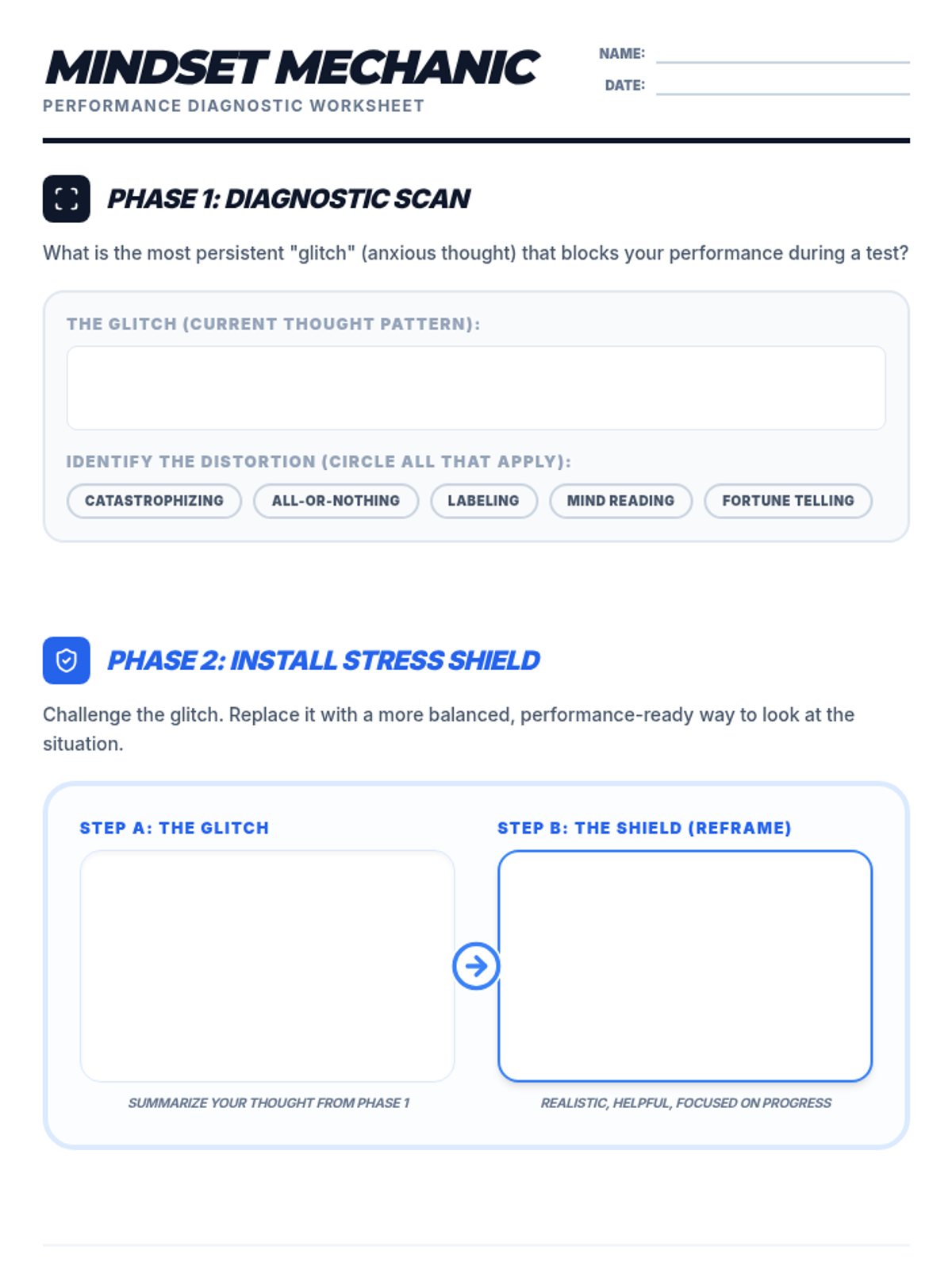
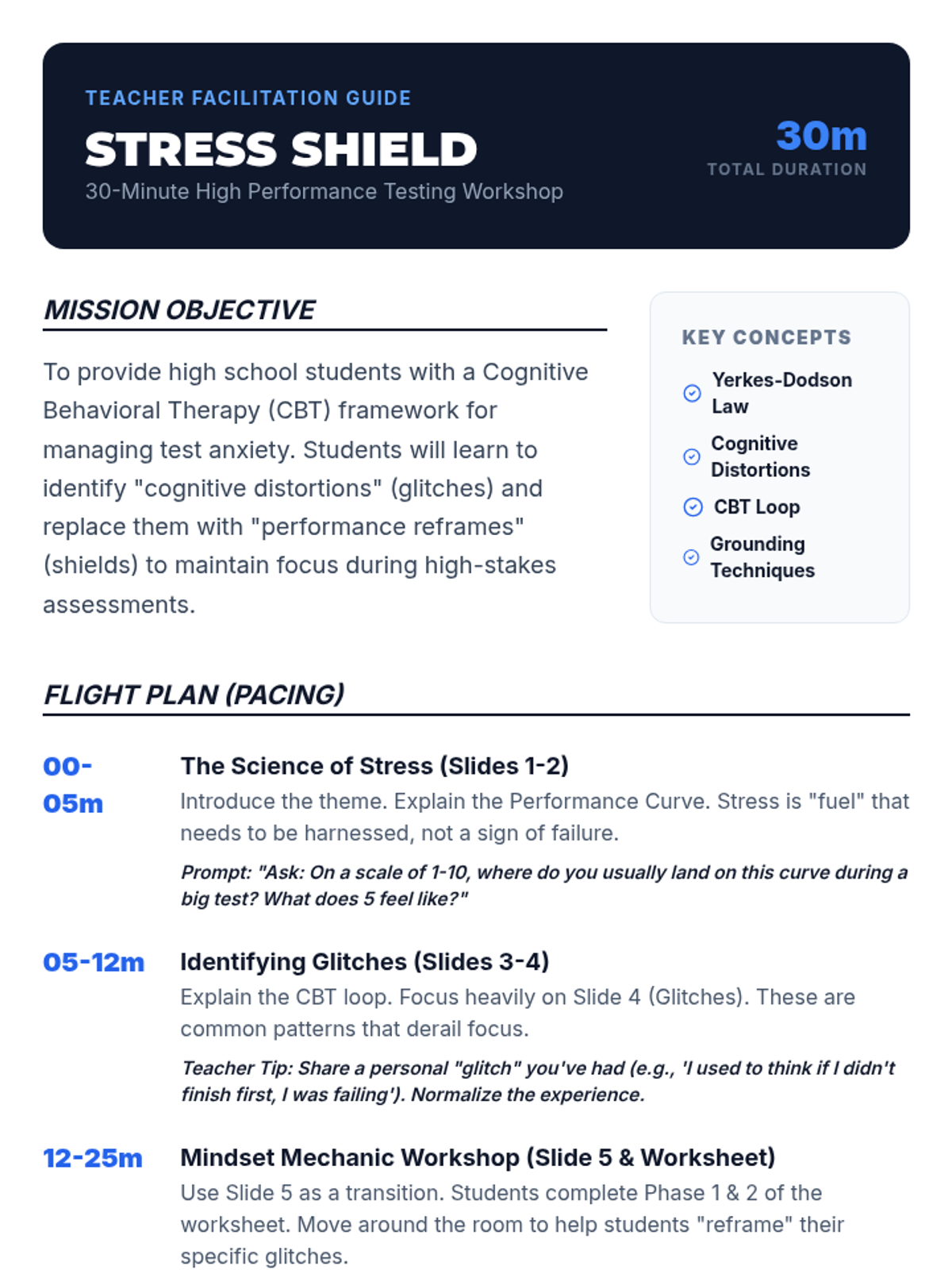
A 30-minute high-impact session designed to equip high school students with CBT-based strategies to manage test anxiety and optimize performance on standardized assessments.
A fast-paced, high-impact 30-minute lesson designed to give high school students practical CBT-based tools to manage test anxiety and optimize performance on standardized assessments.
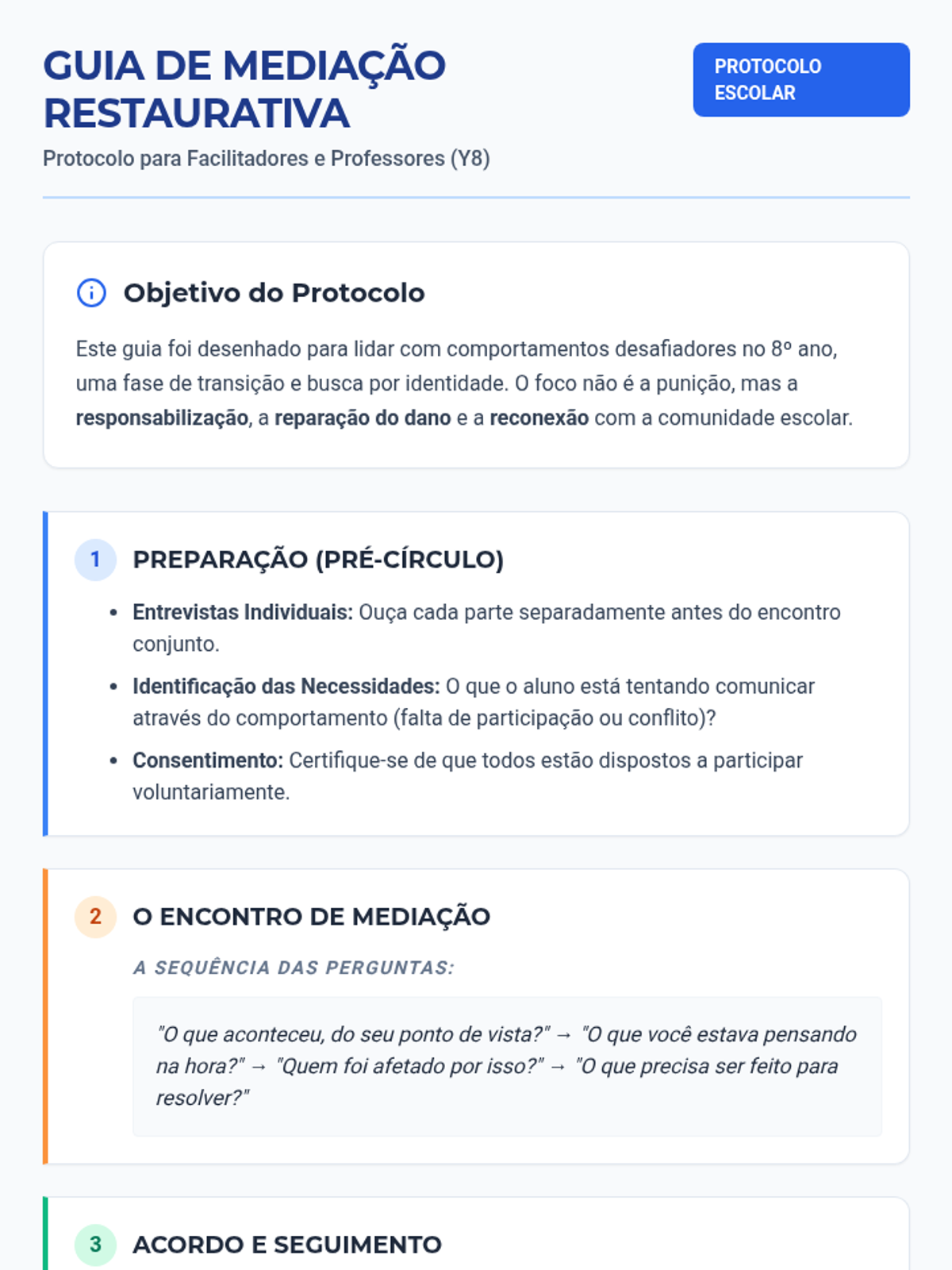
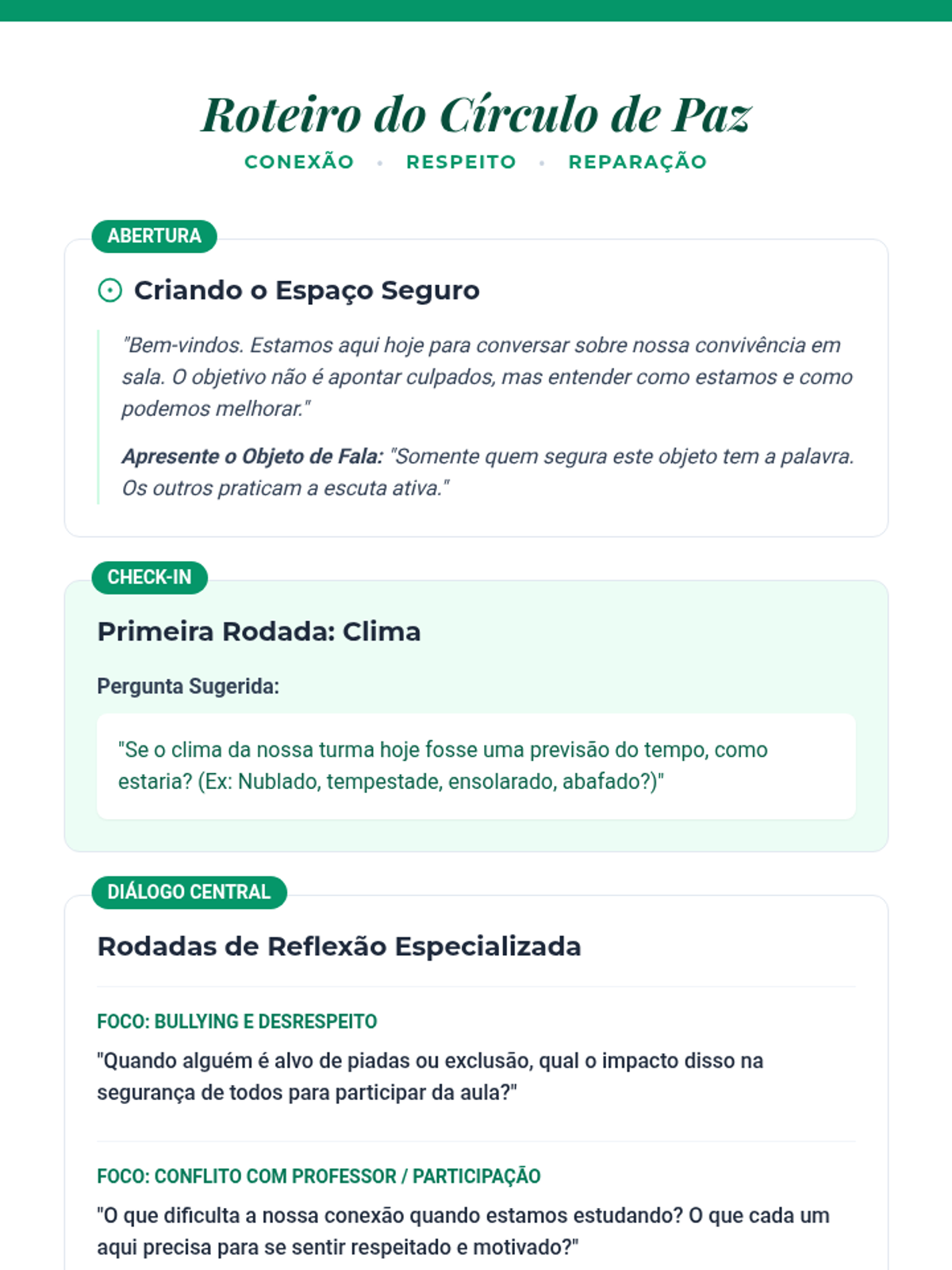
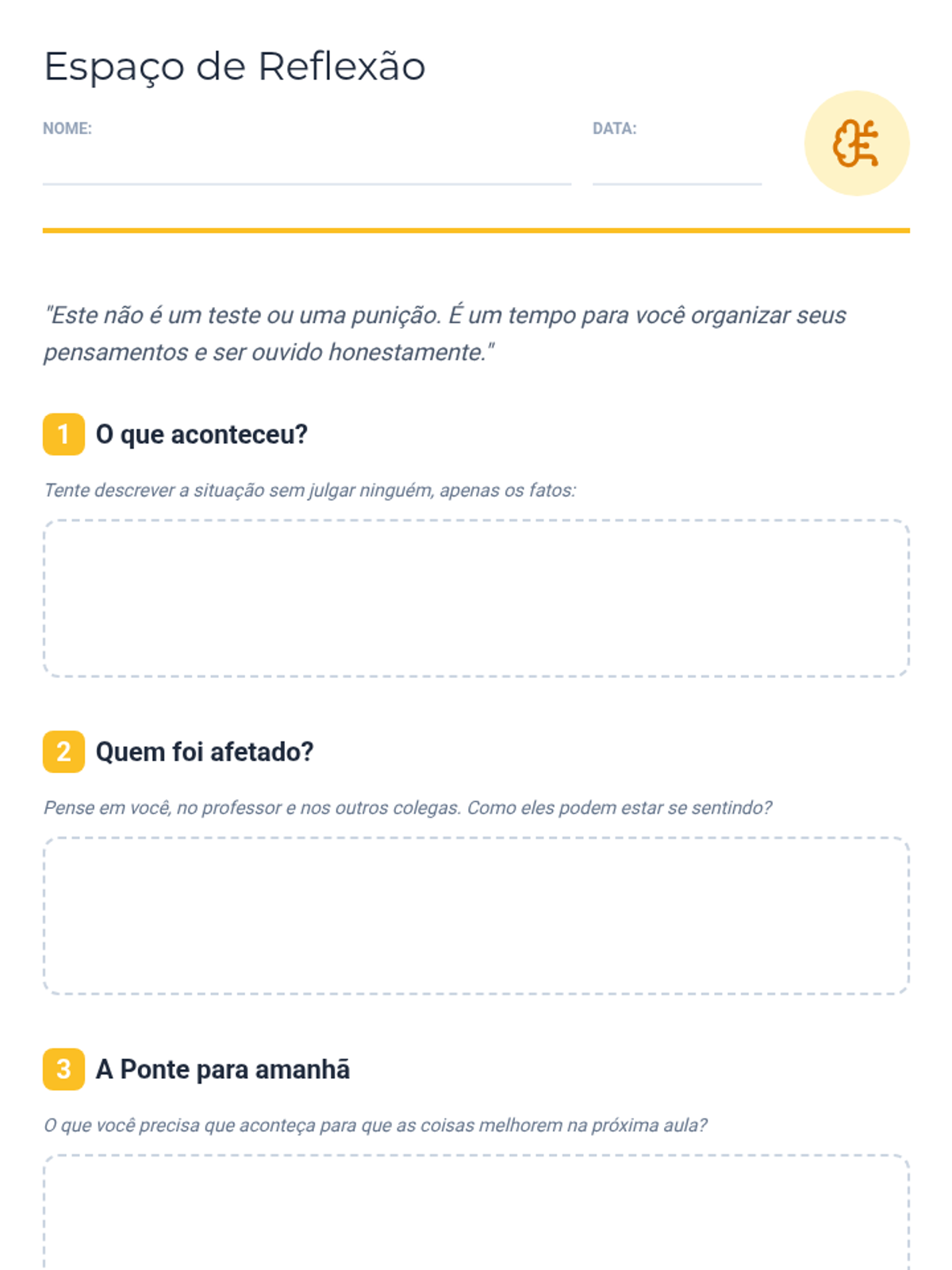
Um conjunto de materiais estruturados para facilitar conversas restaurativas com alunos do 8º ano (Y8), focando em bullying, falta de participação e conflitos interpessoais. Inclui guias práticos e ferramentas de reflexão.
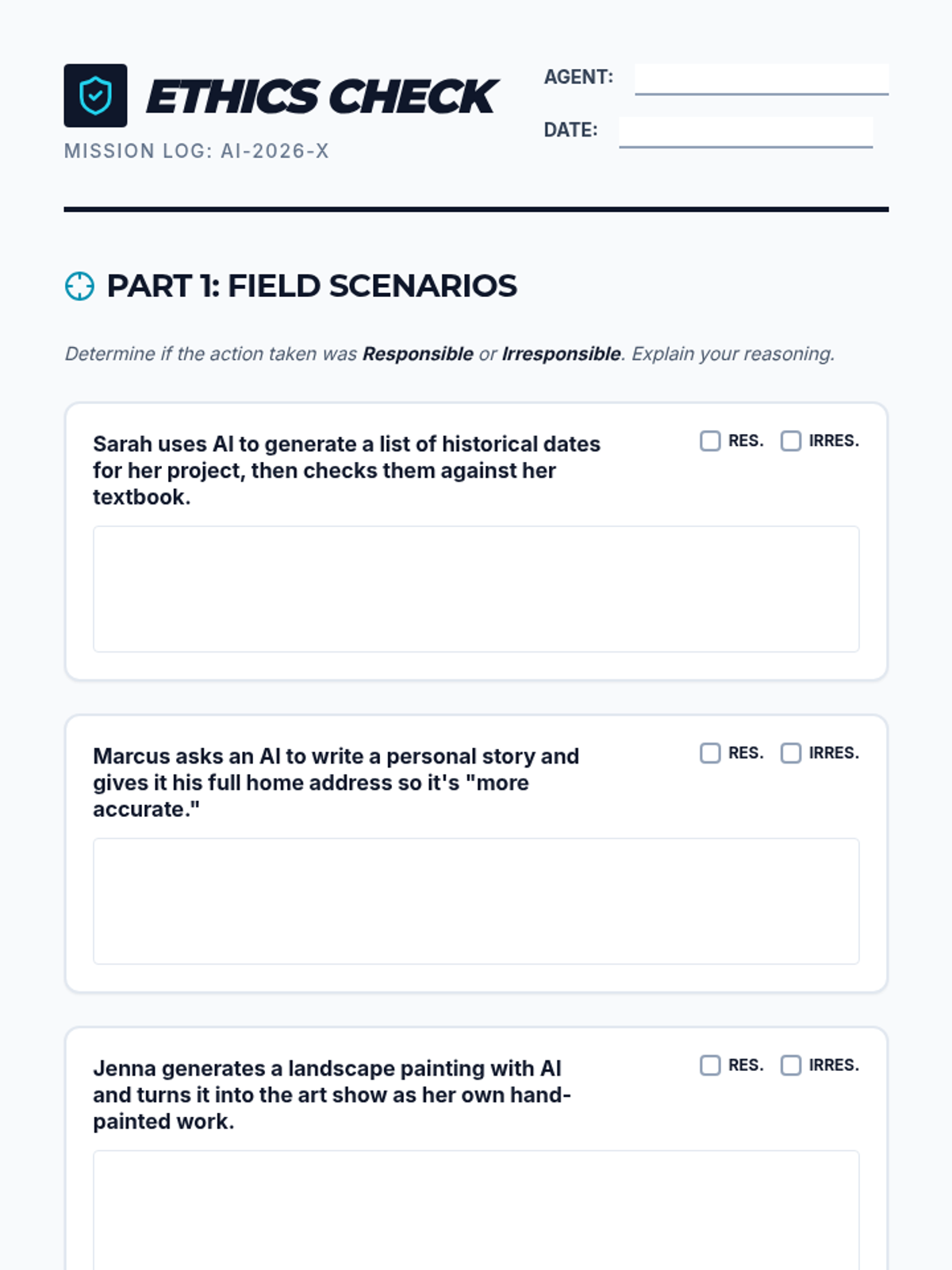
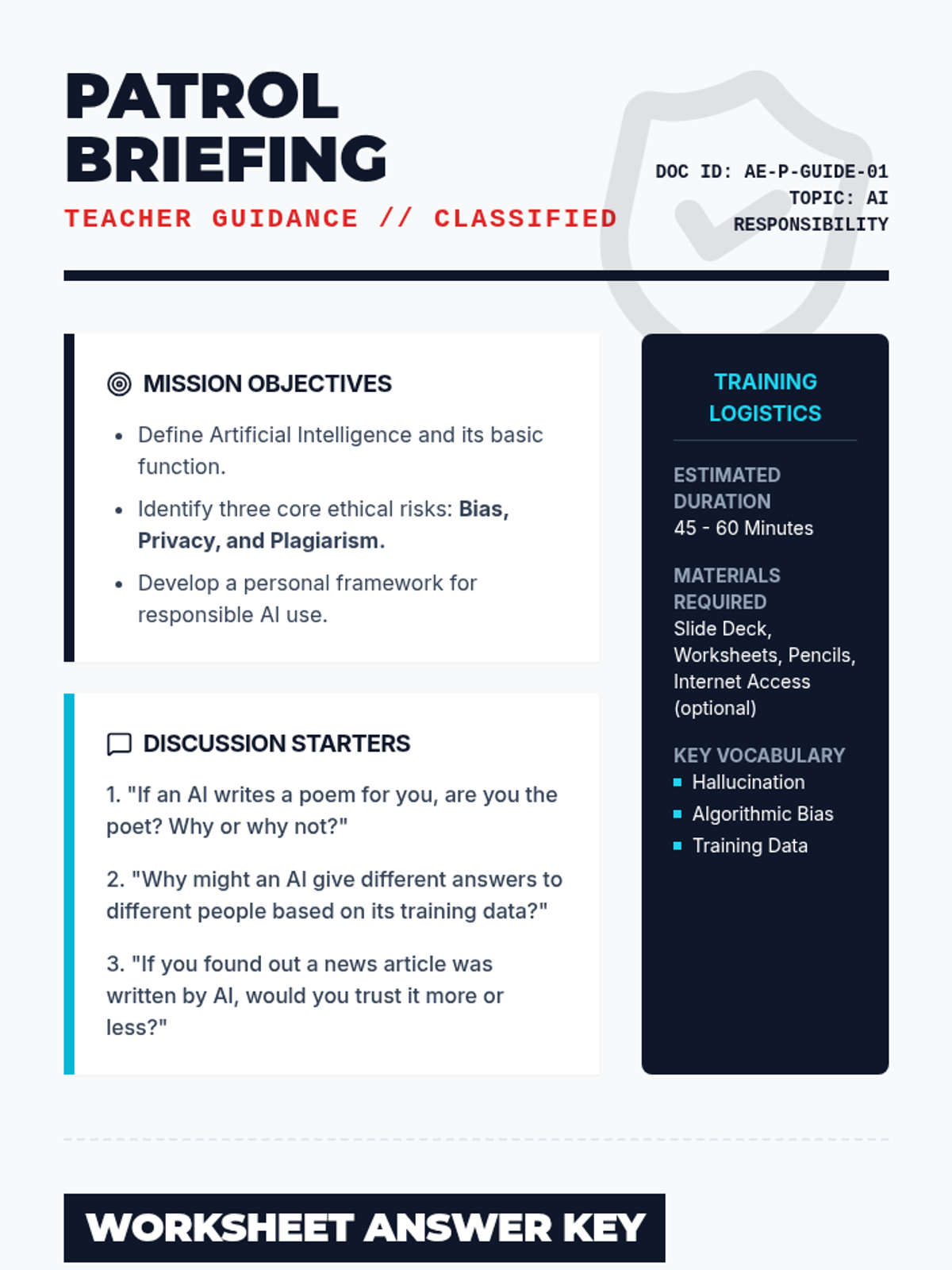
A comprehensive lesson on the ethical and responsible use of artificial intelligence. Students explore topics like bias, privacy, and academic integrity through interactive scenarios and critical thinking exercises.