A 30-minute Tier 1 SEL lesson for 3rd-5th graders to explore creativity through brainstorming, drawing, and positive peer feedback. Students learn to value their unique ideas and build confidence through self-expression and encouragement.
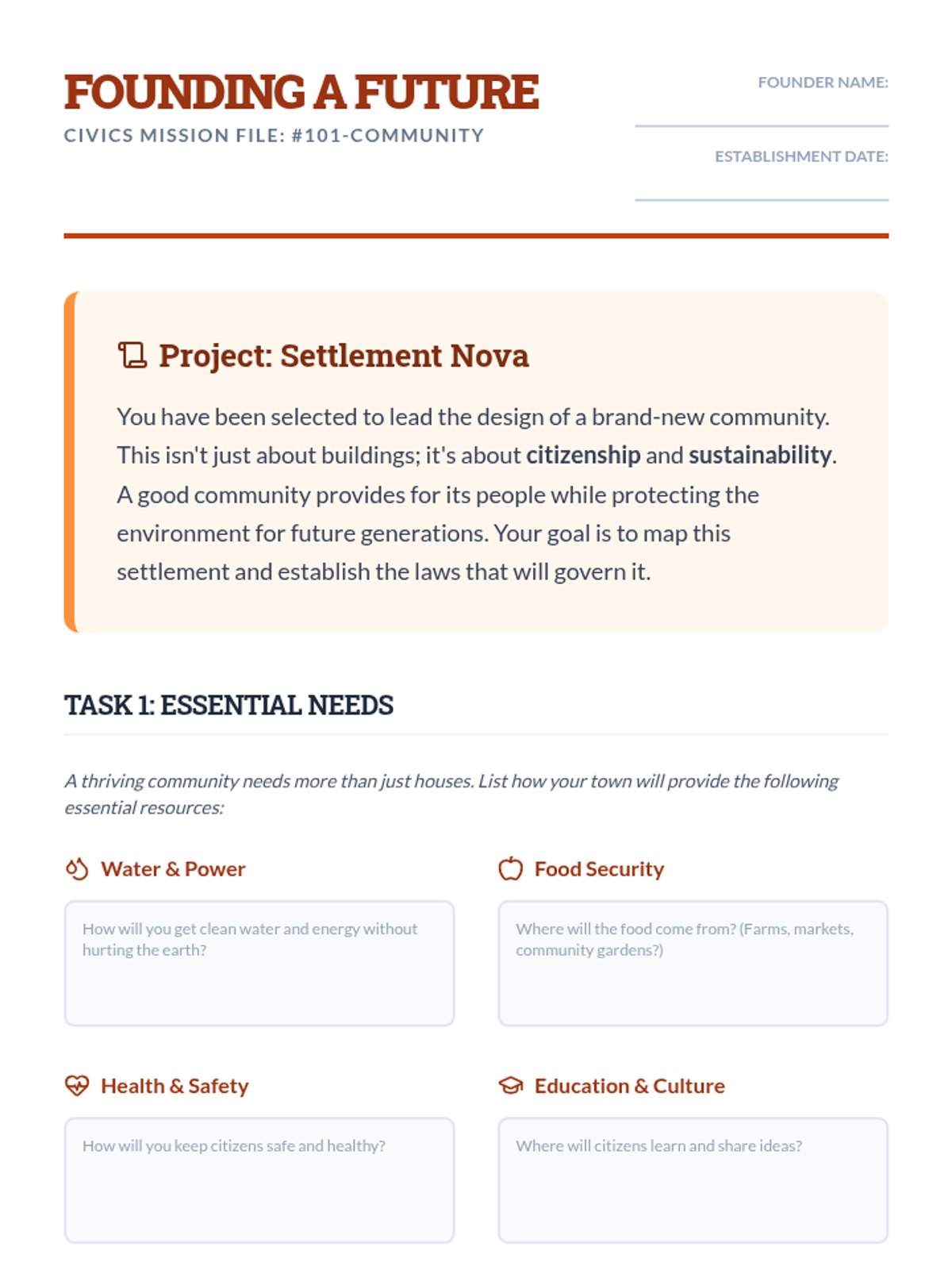
Students explore the concept of community and citizenship by mapping a sustainable town and creating laws that promote fairness and growth.
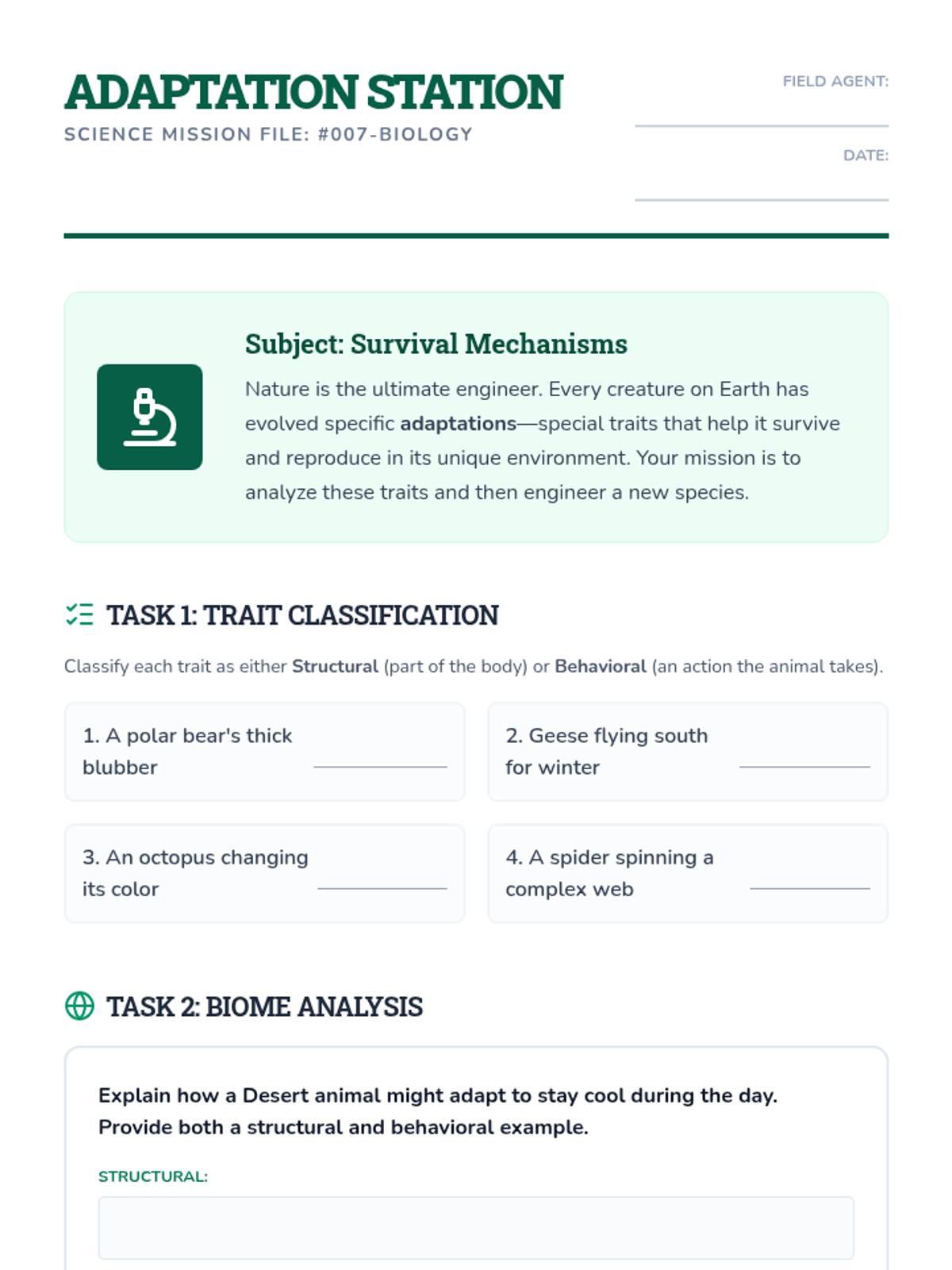
A deep dive into animal adaptations where students must research or infer how specific traits help survival, culminating in the design of a 'super-animal' for a unique biome.
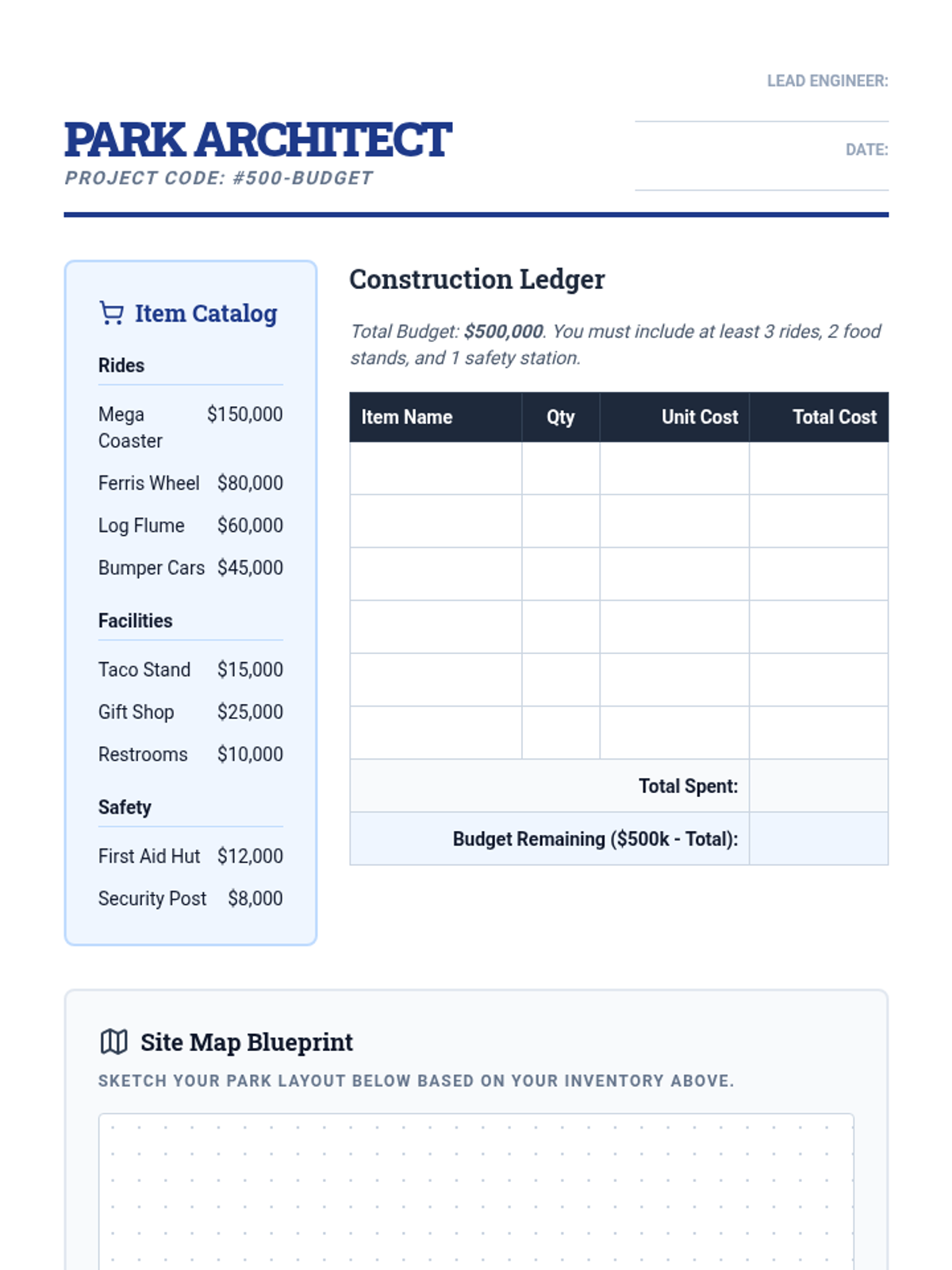
Students apply multiplication, addition, and subtraction skills as they design and budget for their own amusement park, managing costs for rides, food, and staff.
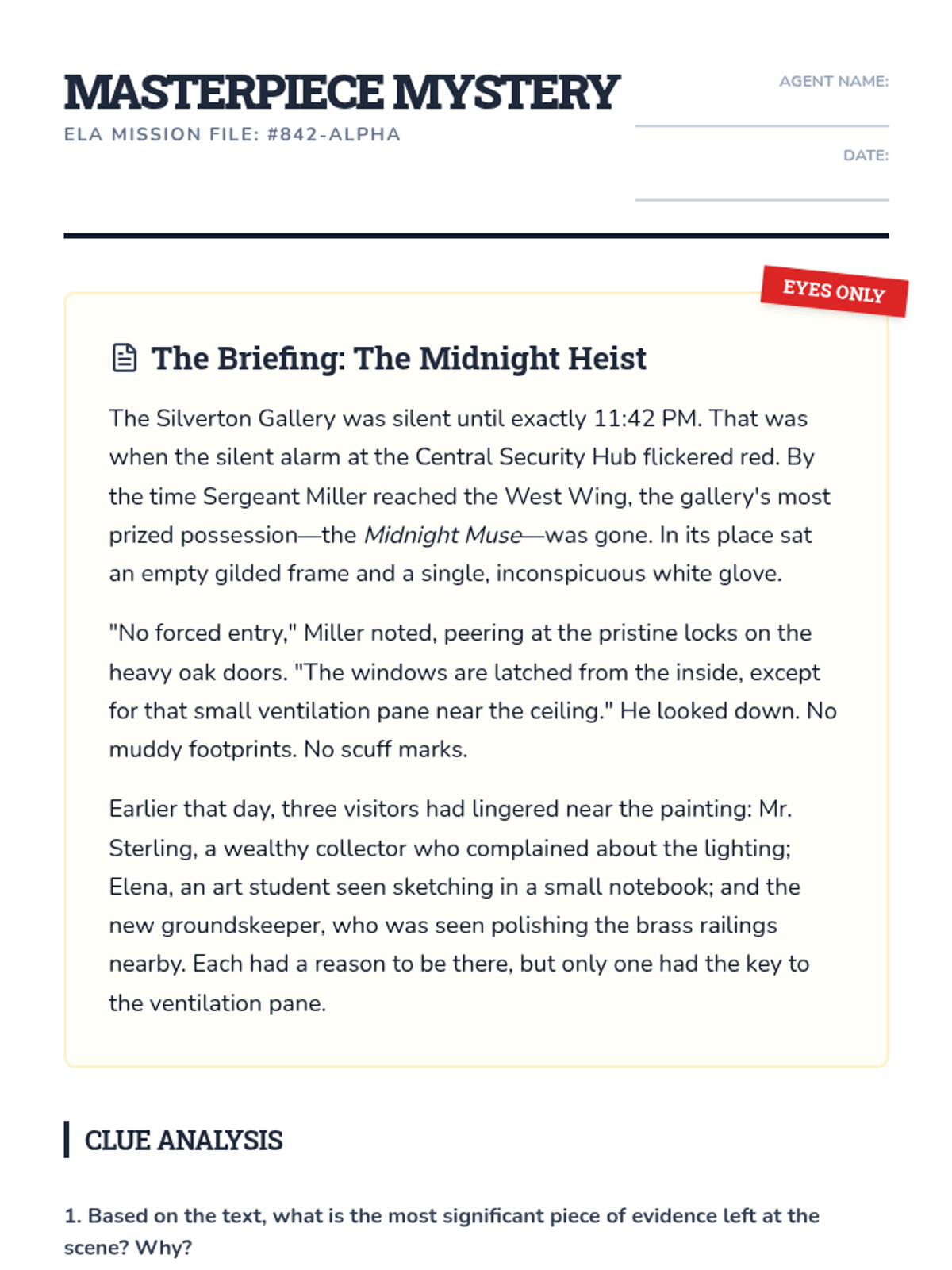
Students engage in a reading mystery where they must analyze clues, draw inferences, and craft their own narrative conclusion to the 'Case of the Missing Masterpiece'.
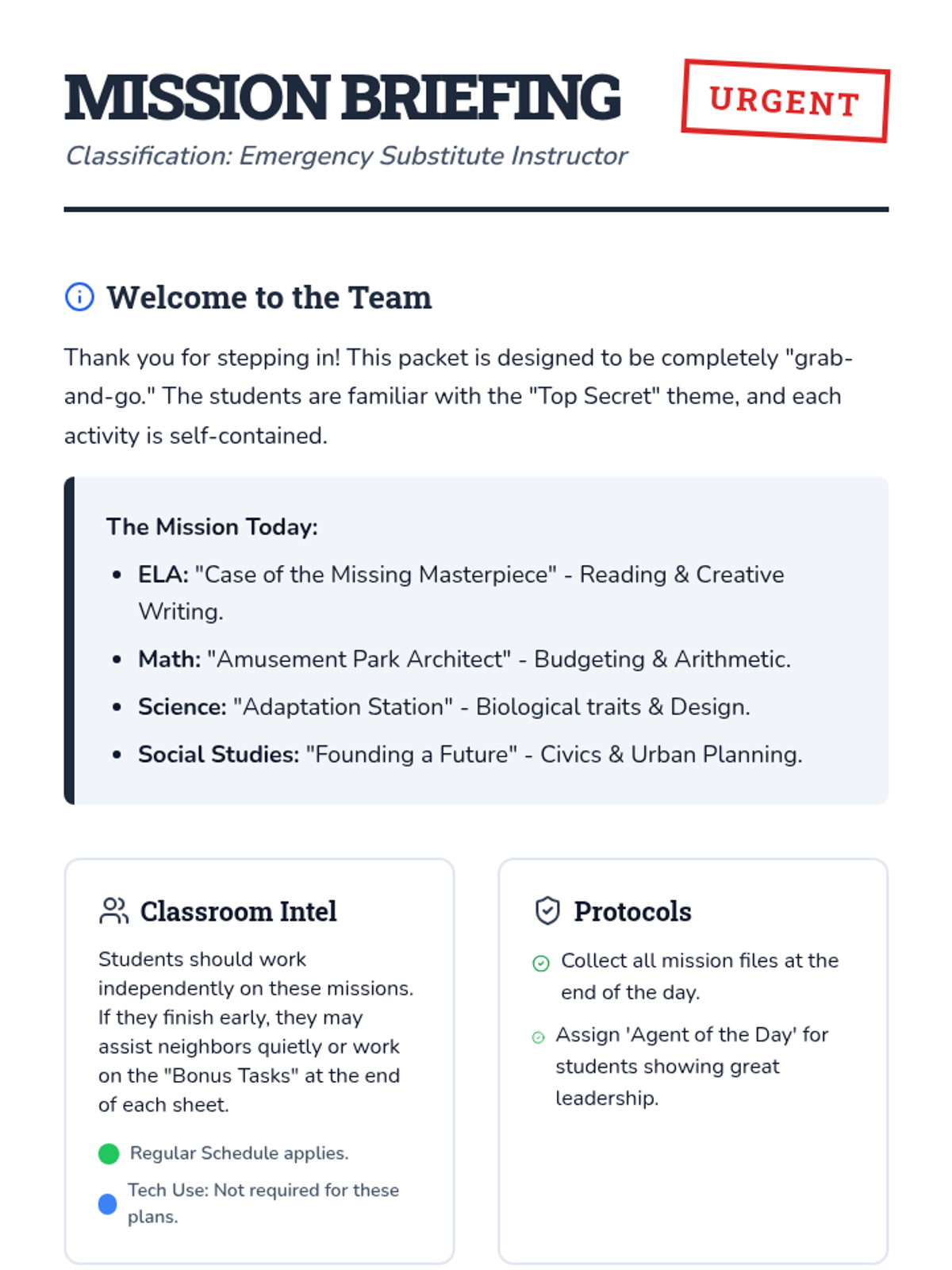
Essential administrative documents for the substitute teacher, including a welcome guide, classroom management tips, and answer keys for all student missions.
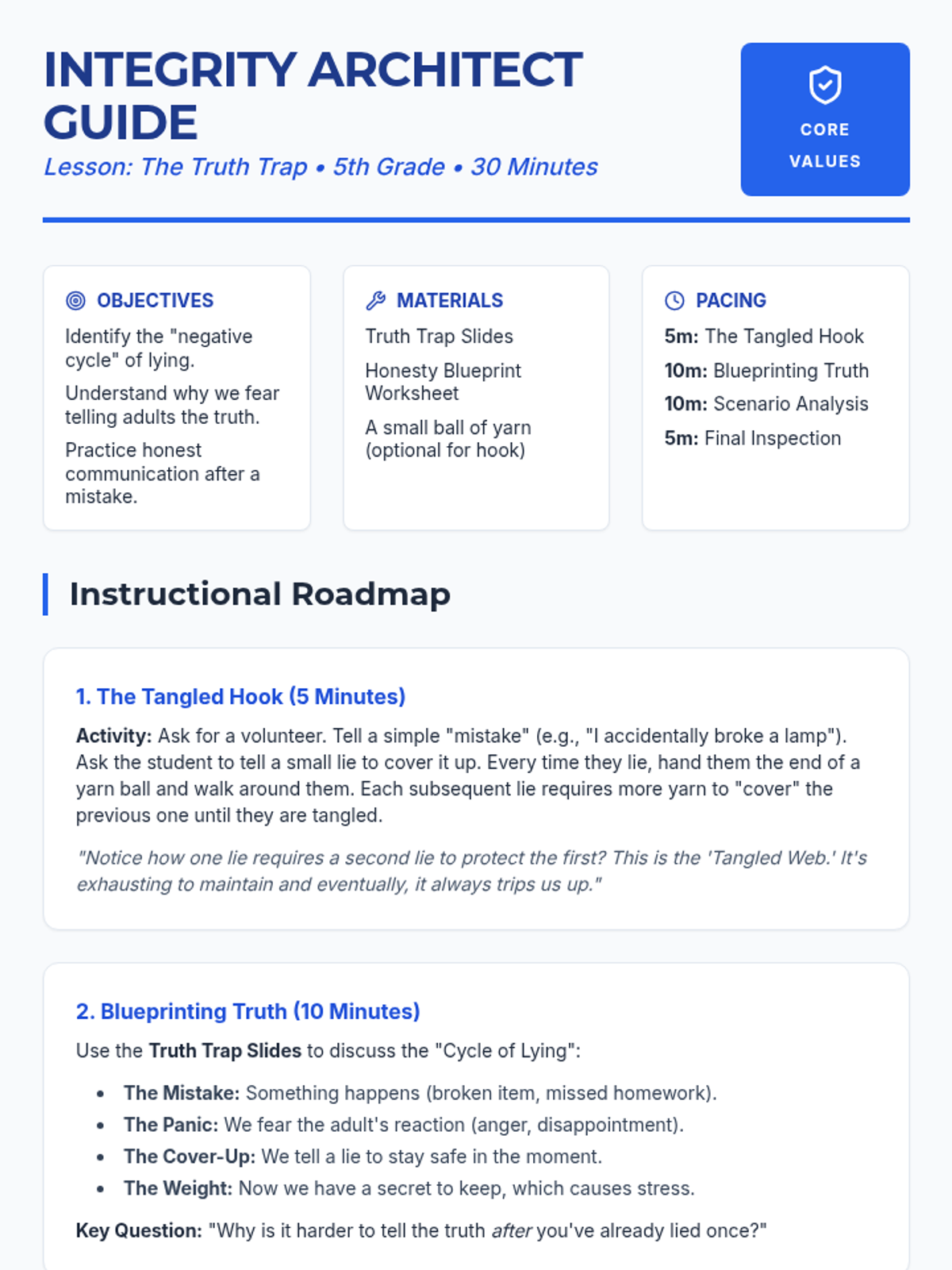
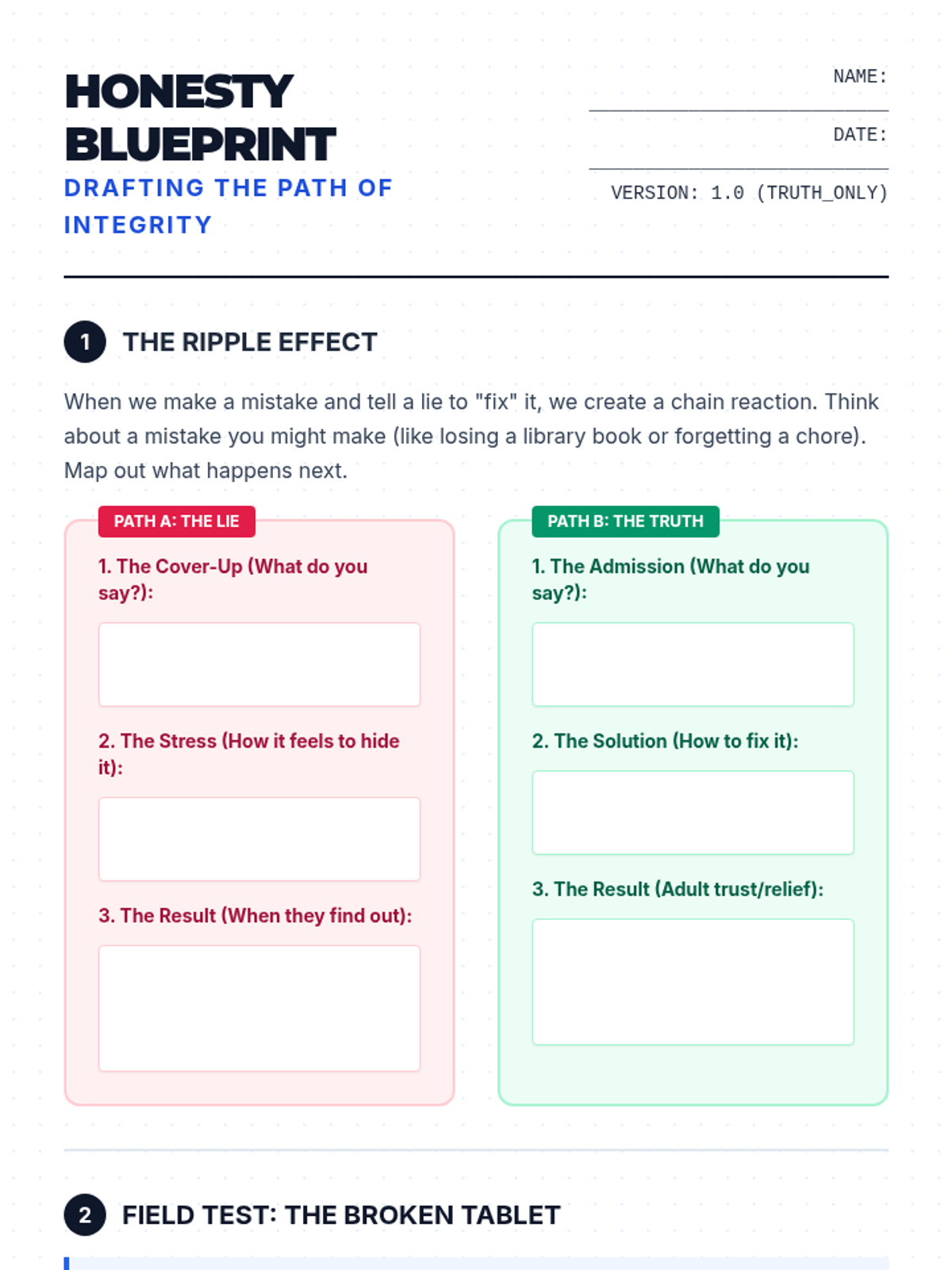
A 30-minute lesson for 5th graders exploring the negative cycle of lying and the importance of honesty with adults after making a mistake. Students will analyze how one lie leads to another and practice 'blueprinting' honest responses to common mistakes.
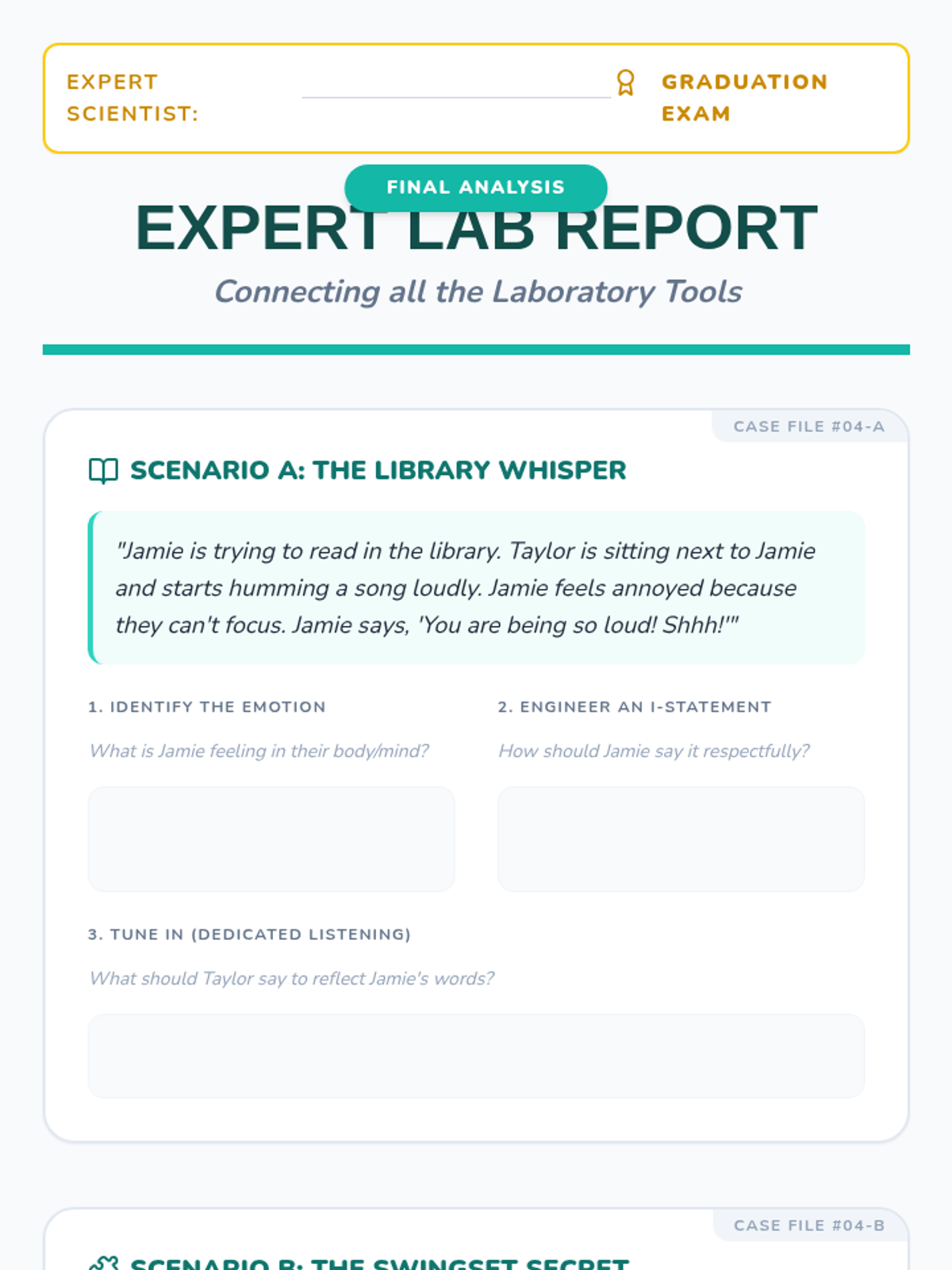
A cumulative lesson where students apply their feelings identification, 'I' statements, and active listening skills to complex social scenarios. The unit concludes with a 'Lab Graduation' to celebrate their growth.
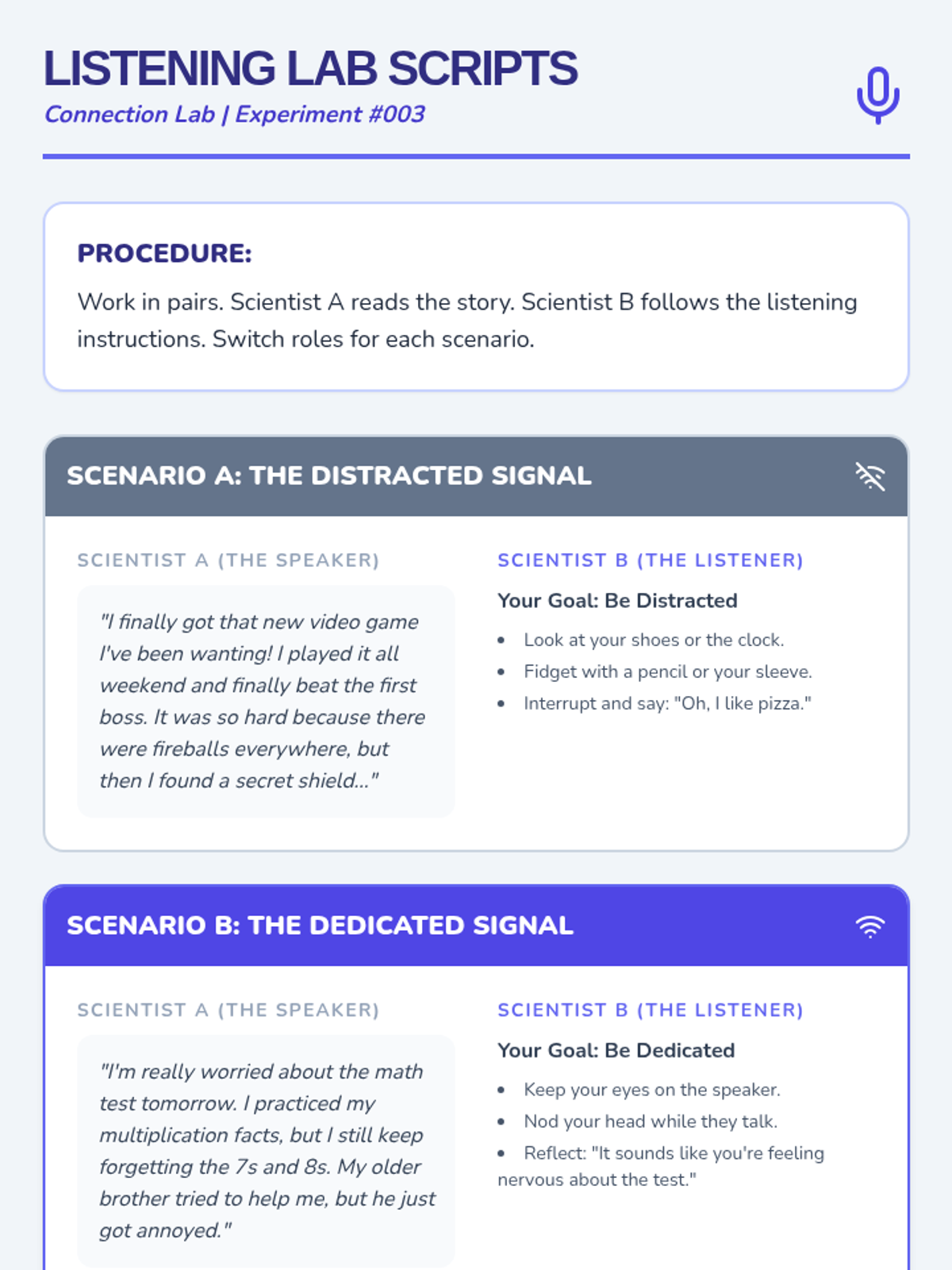
Students dive into the mechanics of active listening, focusing on whole-body listening and reflective responding. Through role-playing scripts, they detect the difference between distracted and dedicated listening.
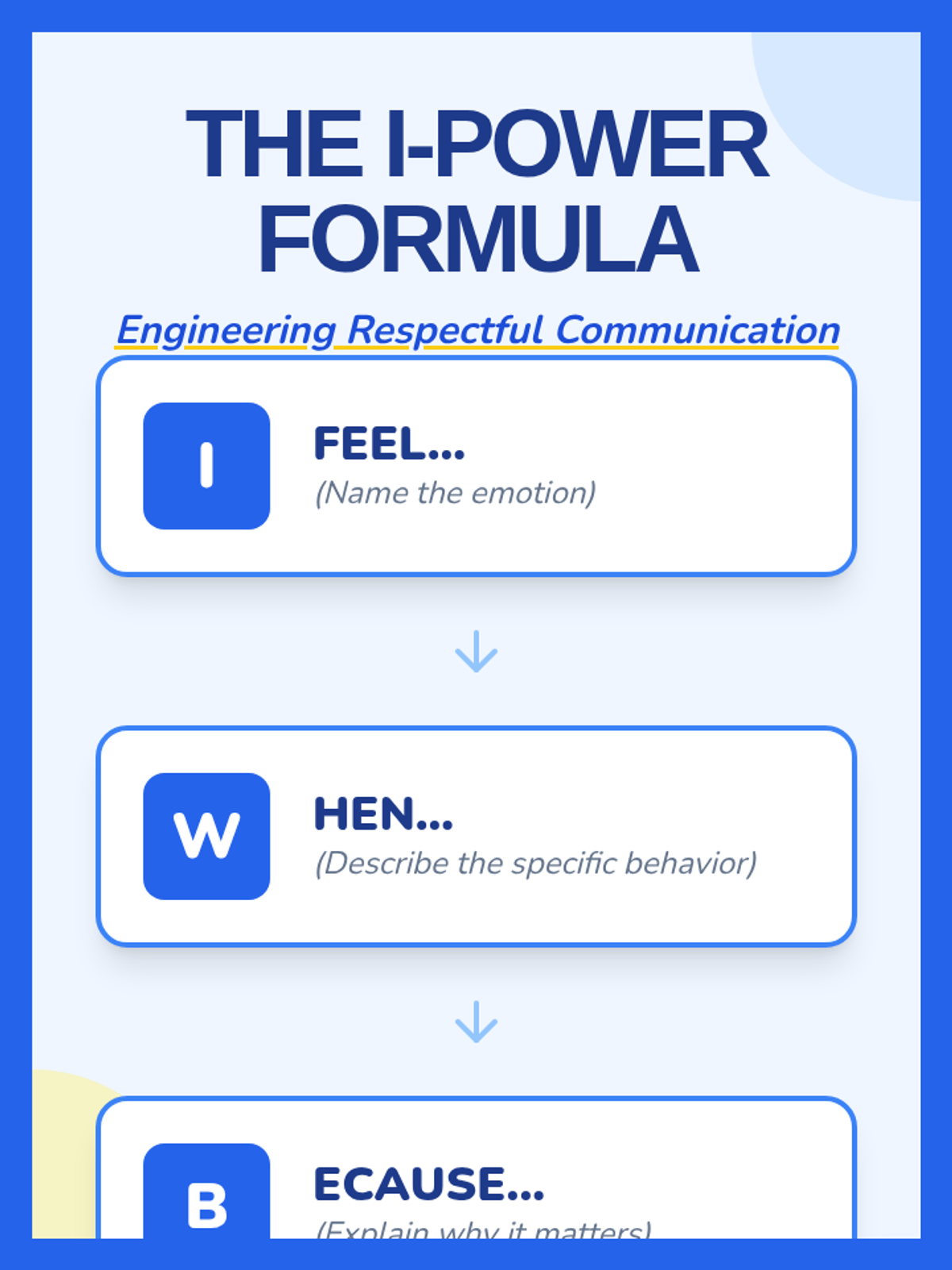
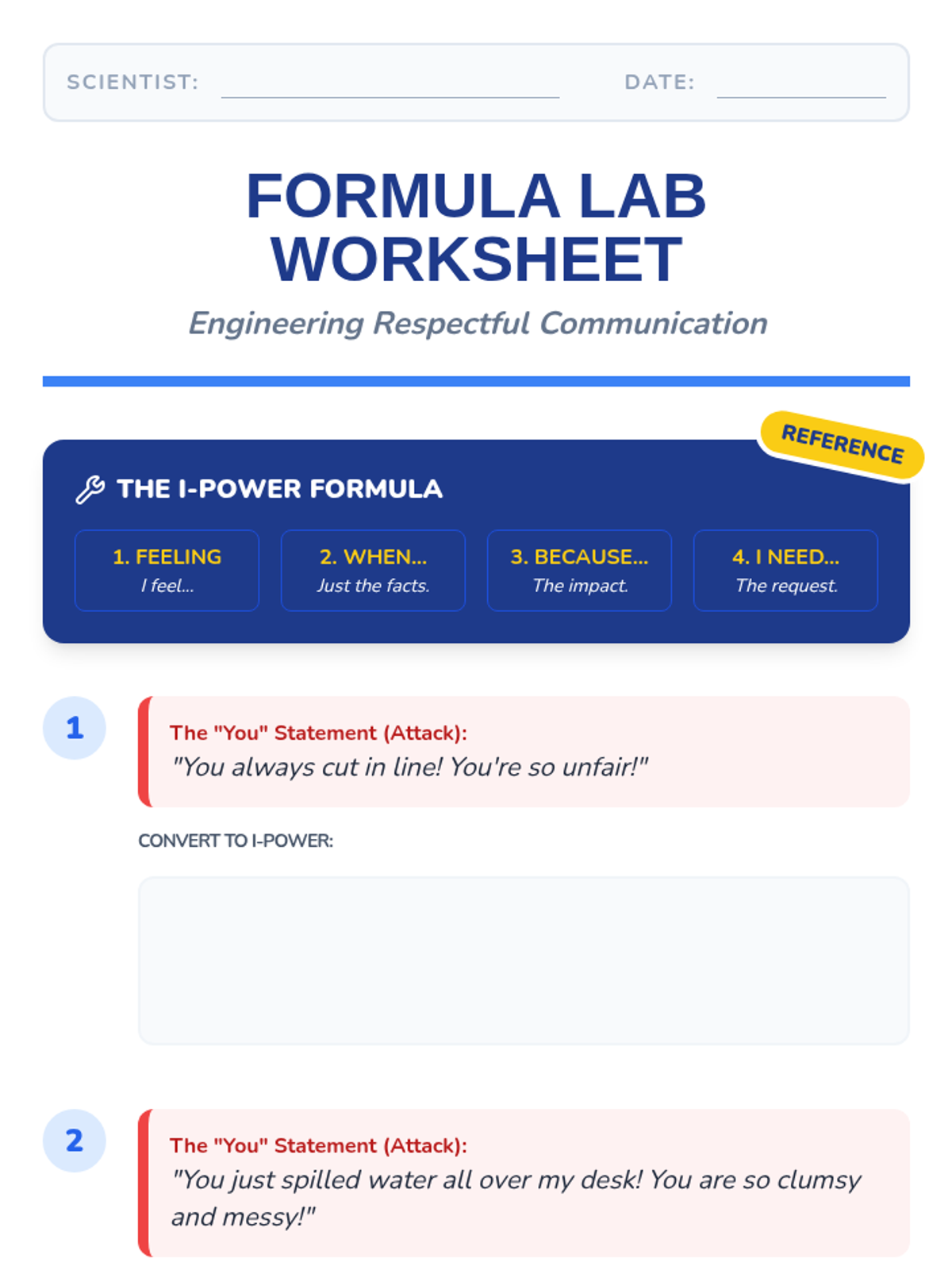
This lesson introduces the 'I' statement formula as a primary tool for healthy communication. Students transform 'You' statements into 'I' statements and create a visual anchor chart for the classroom lab.
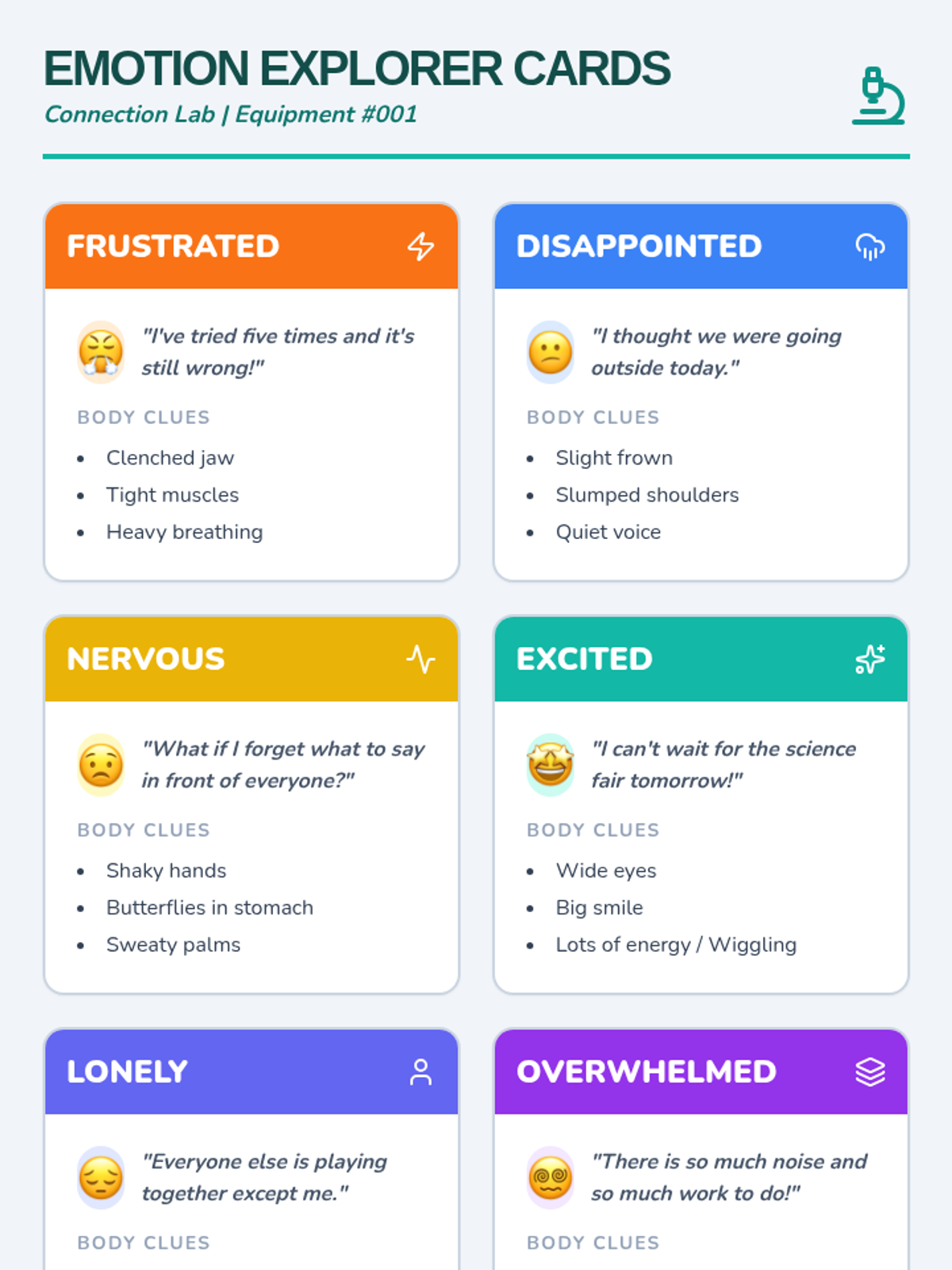
Students explore the spectrum of human emotions and practice identifying and expressing their feelings in respectful ways. They use 'Emotion Explorer' cards to spark discussion about physical and verbal cues of different feelings.
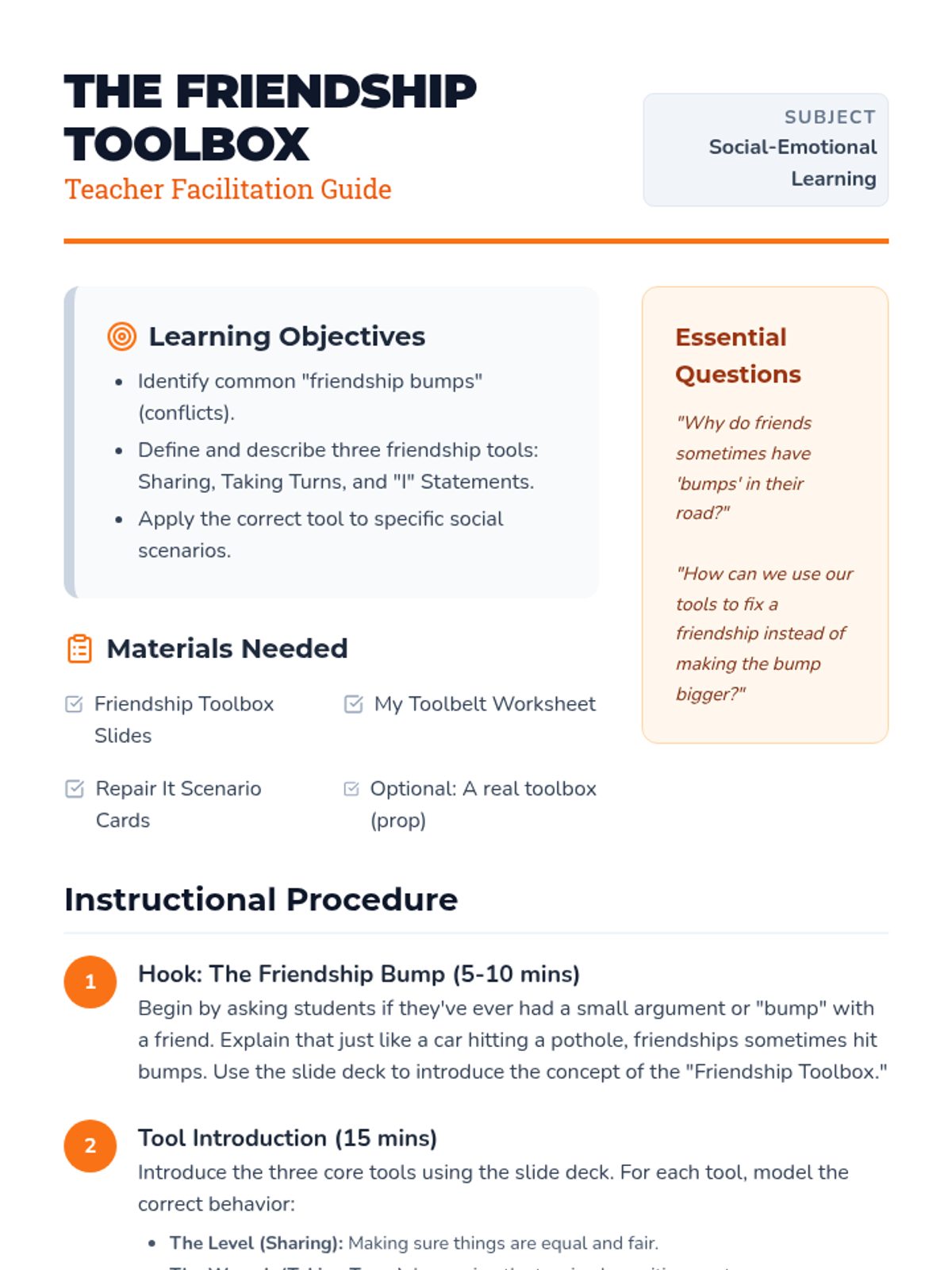
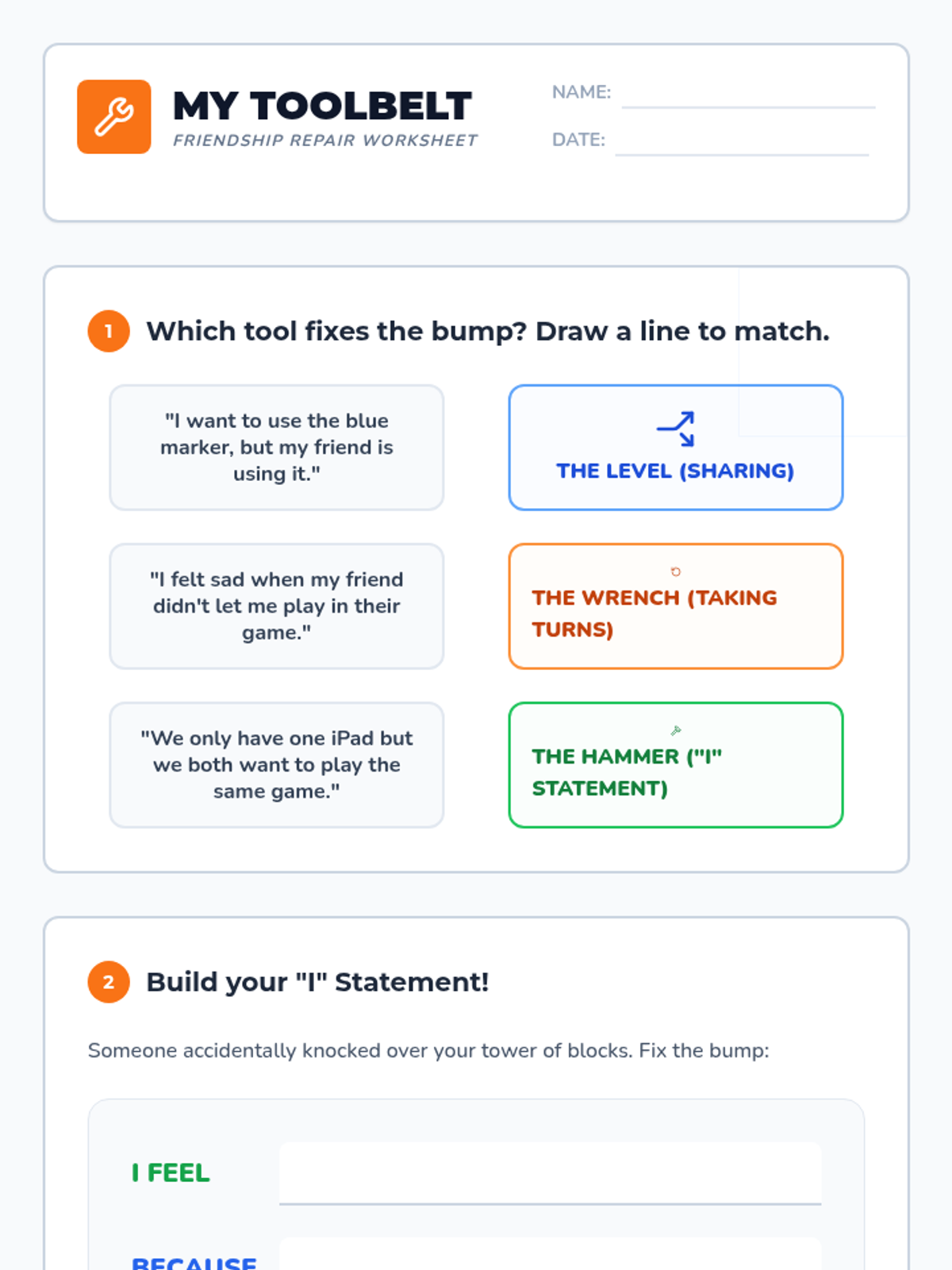
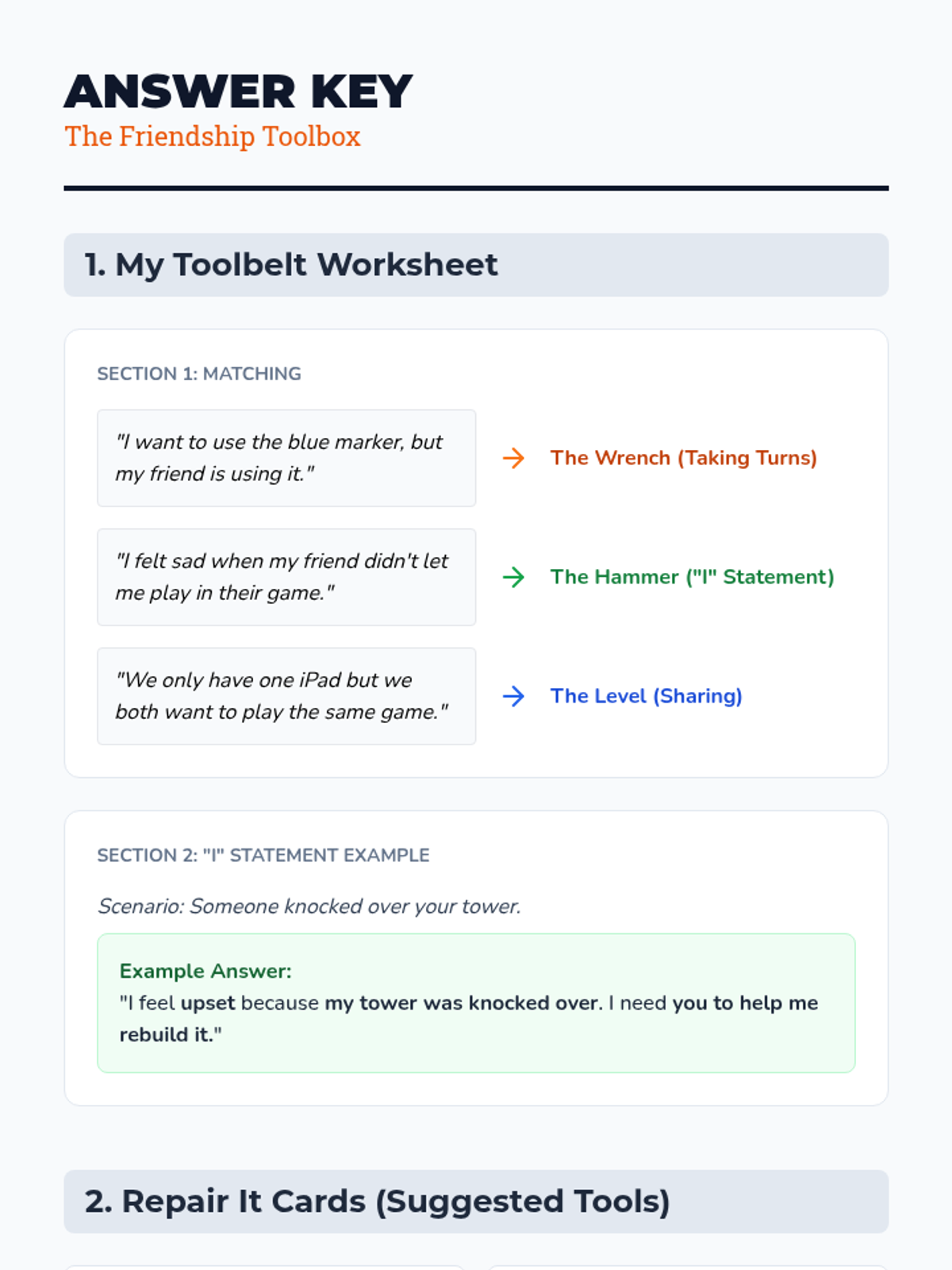
A foundational conflict resolution lesson using a workshop theme to teach students how to 'repair' friendships using tools like 'I' statements, sharing, and taking turns.
Develop and practice assertive communication techniques, specifically 'I-statements' and boundary-setting, to handle teasing effectively.
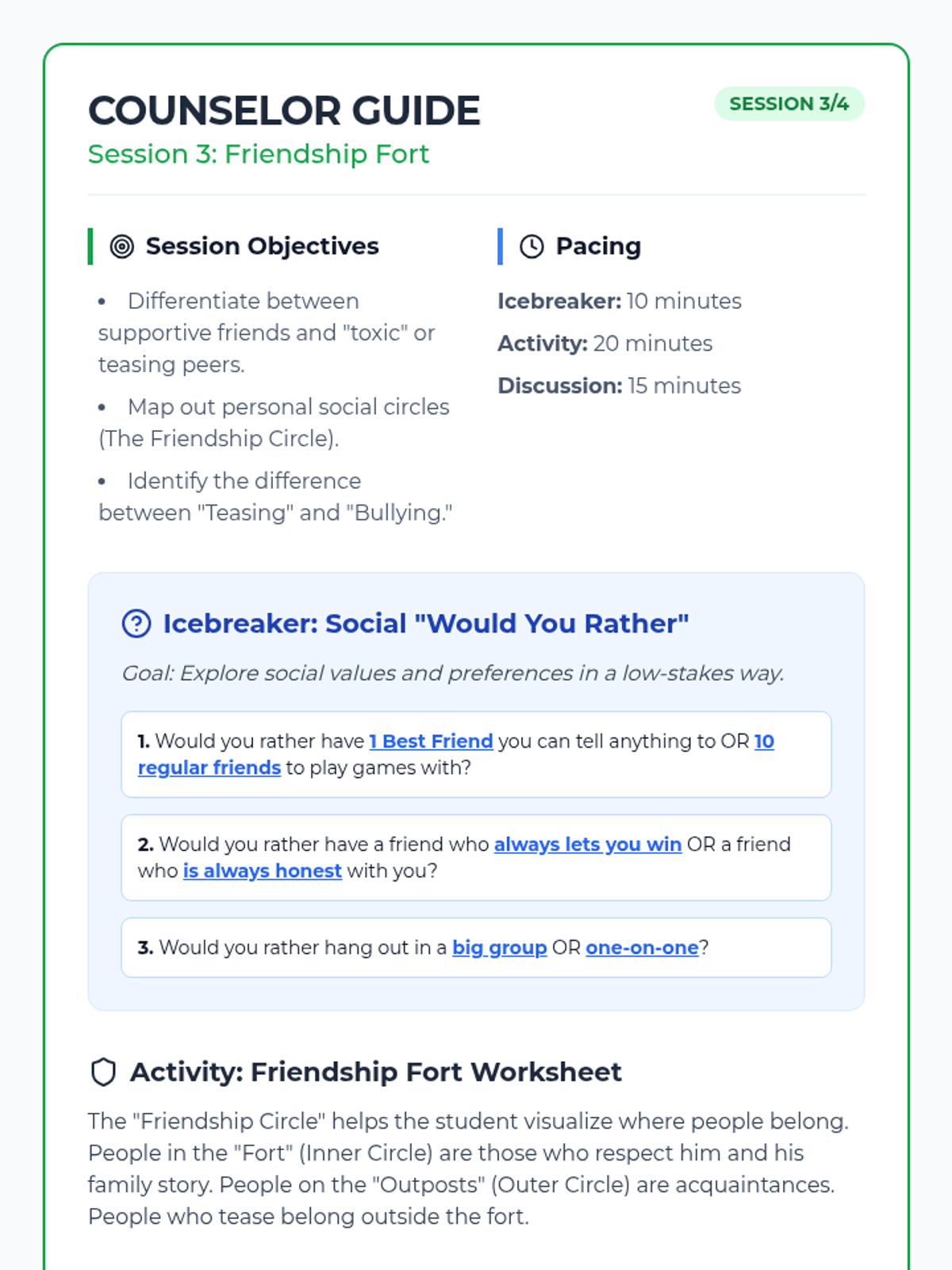
Analyze social dynamics and differentiate between supportive friends and peers who tease, focusing on the 'Friendship Circle' concept.
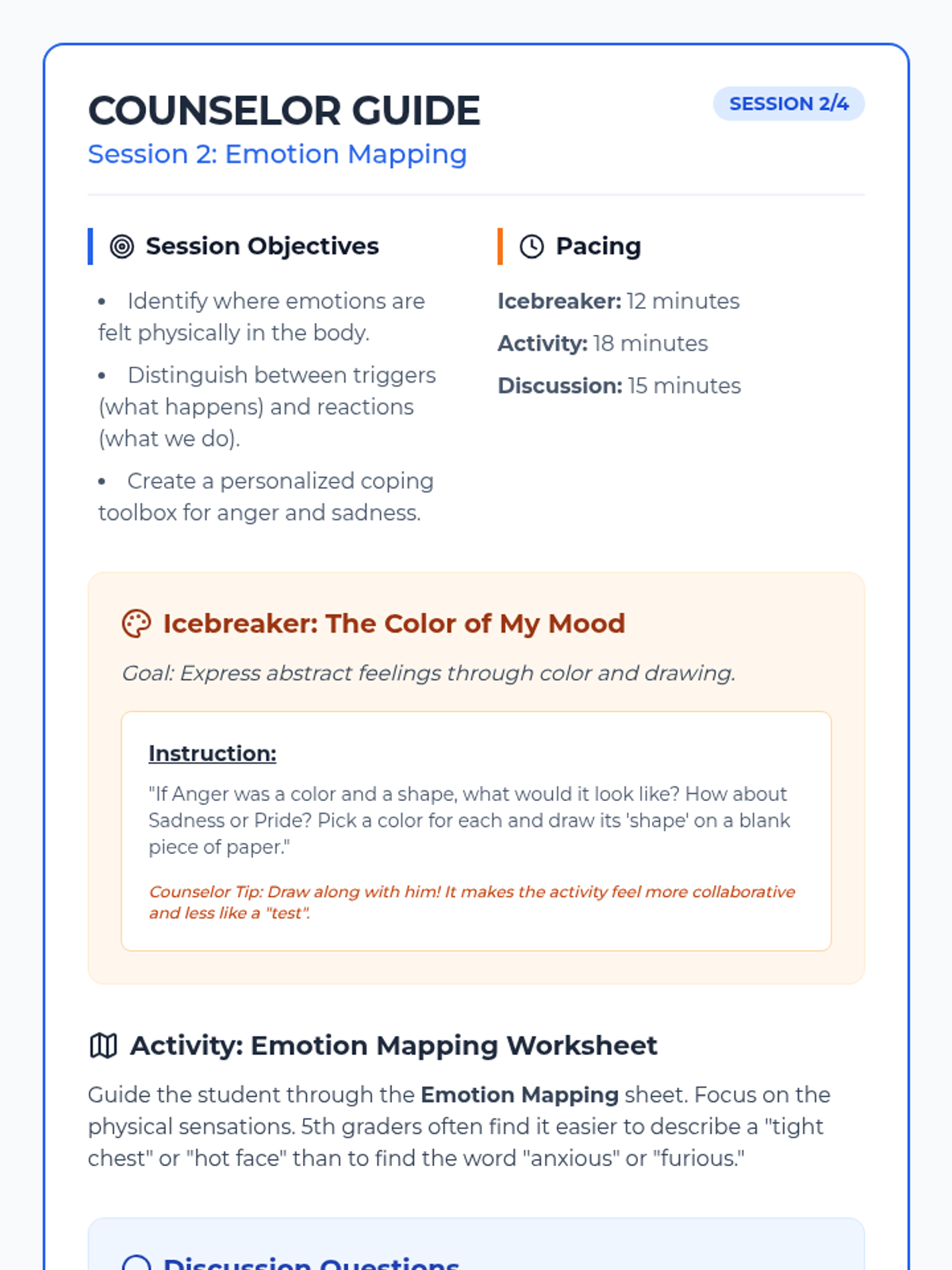
Identify physical signs of emotions and develop a 'toolbox' of coping strategies for managing anger and sadness.