Students apply multiplication, addition, and subtraction skills as they design and budget for their own amusement park, managing costs for rides, food, and staff.
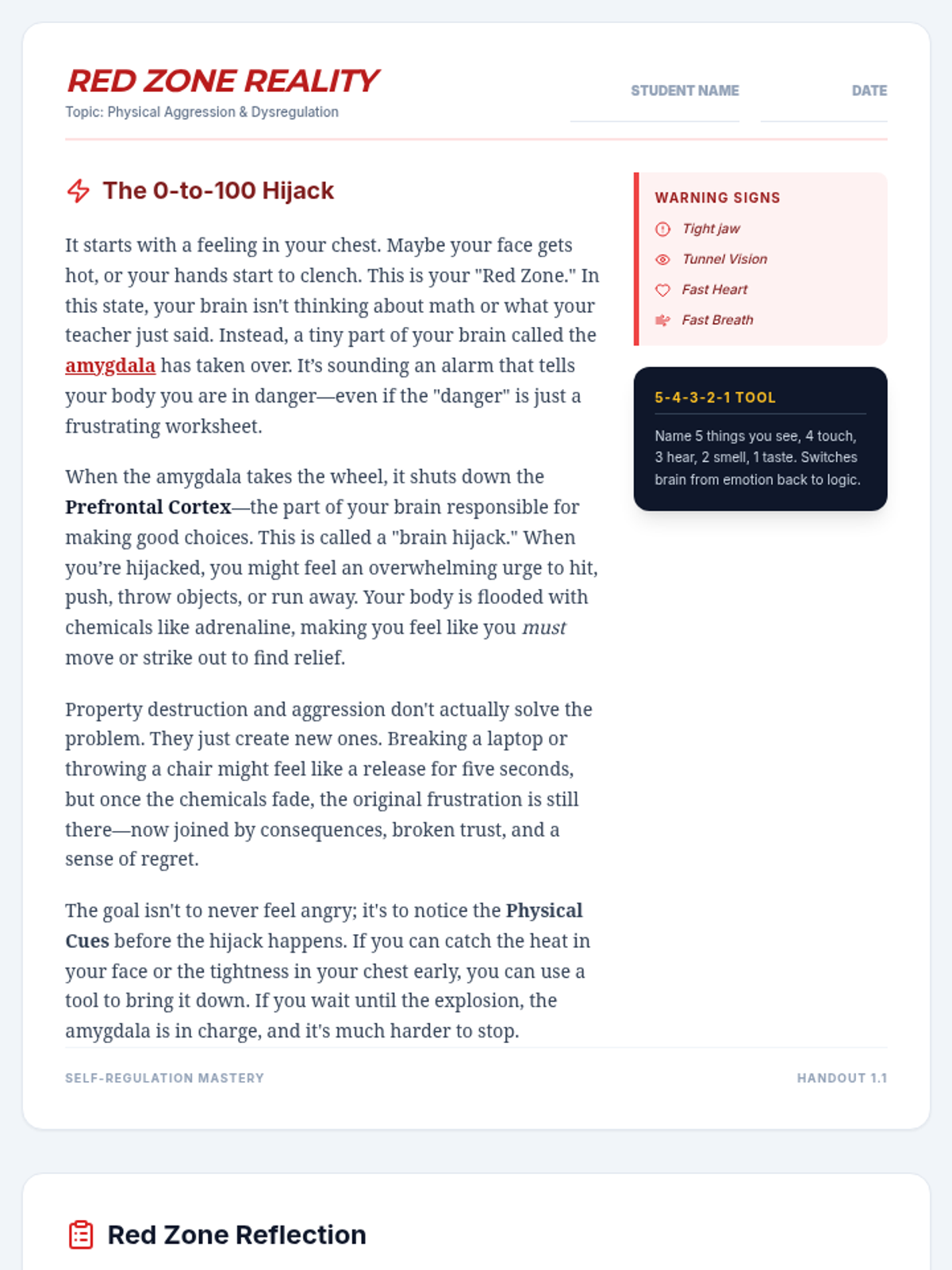
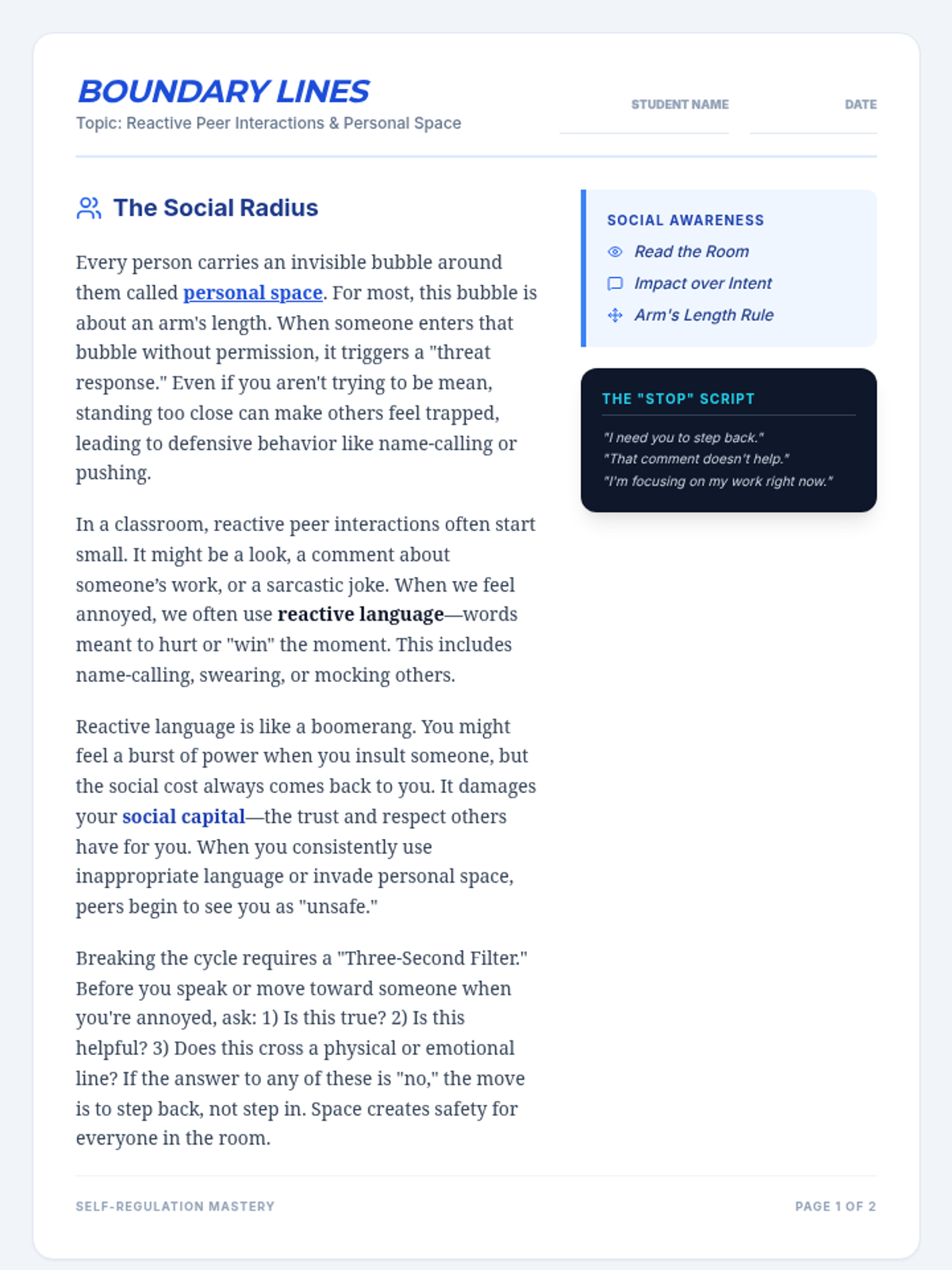
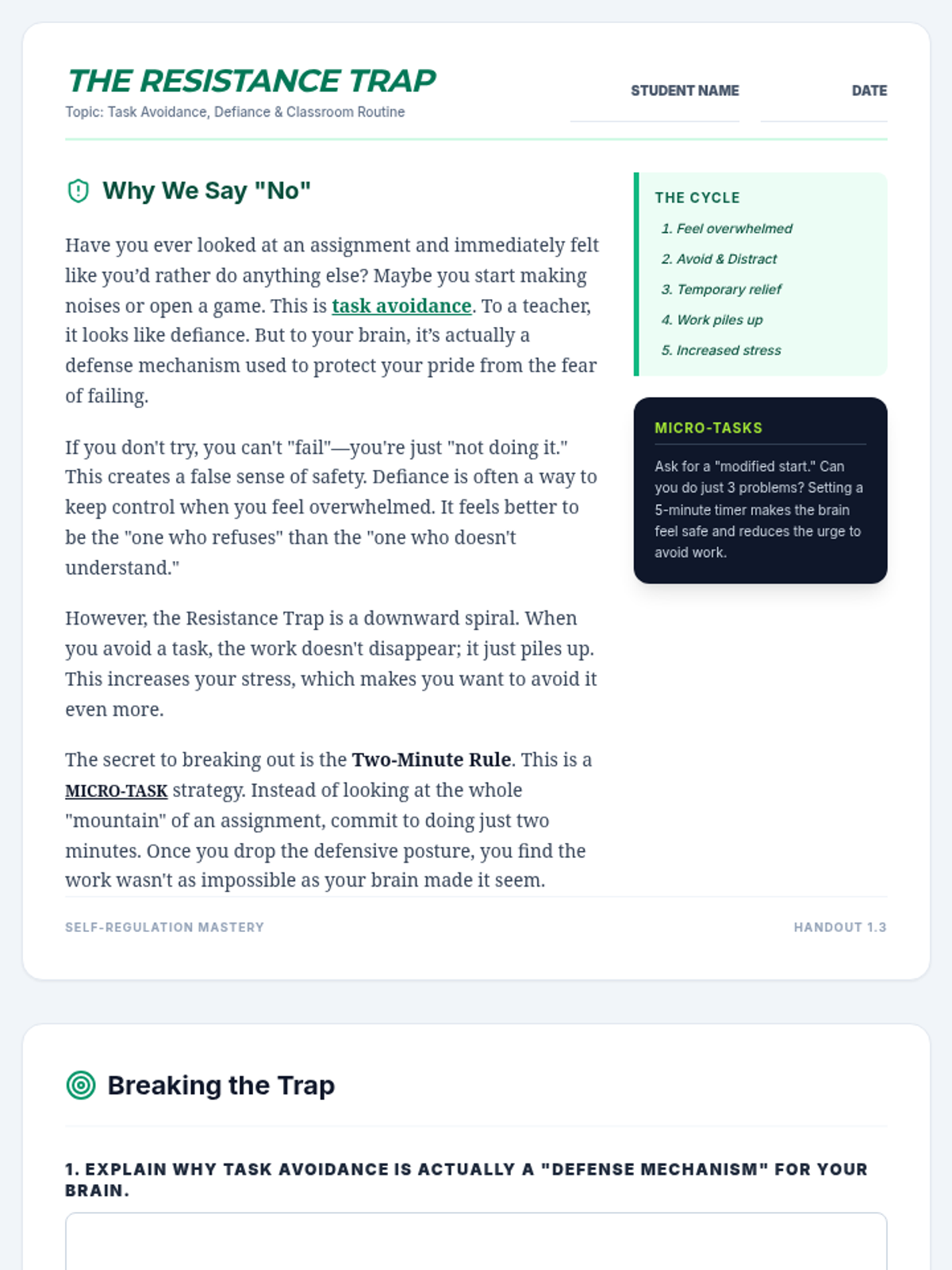
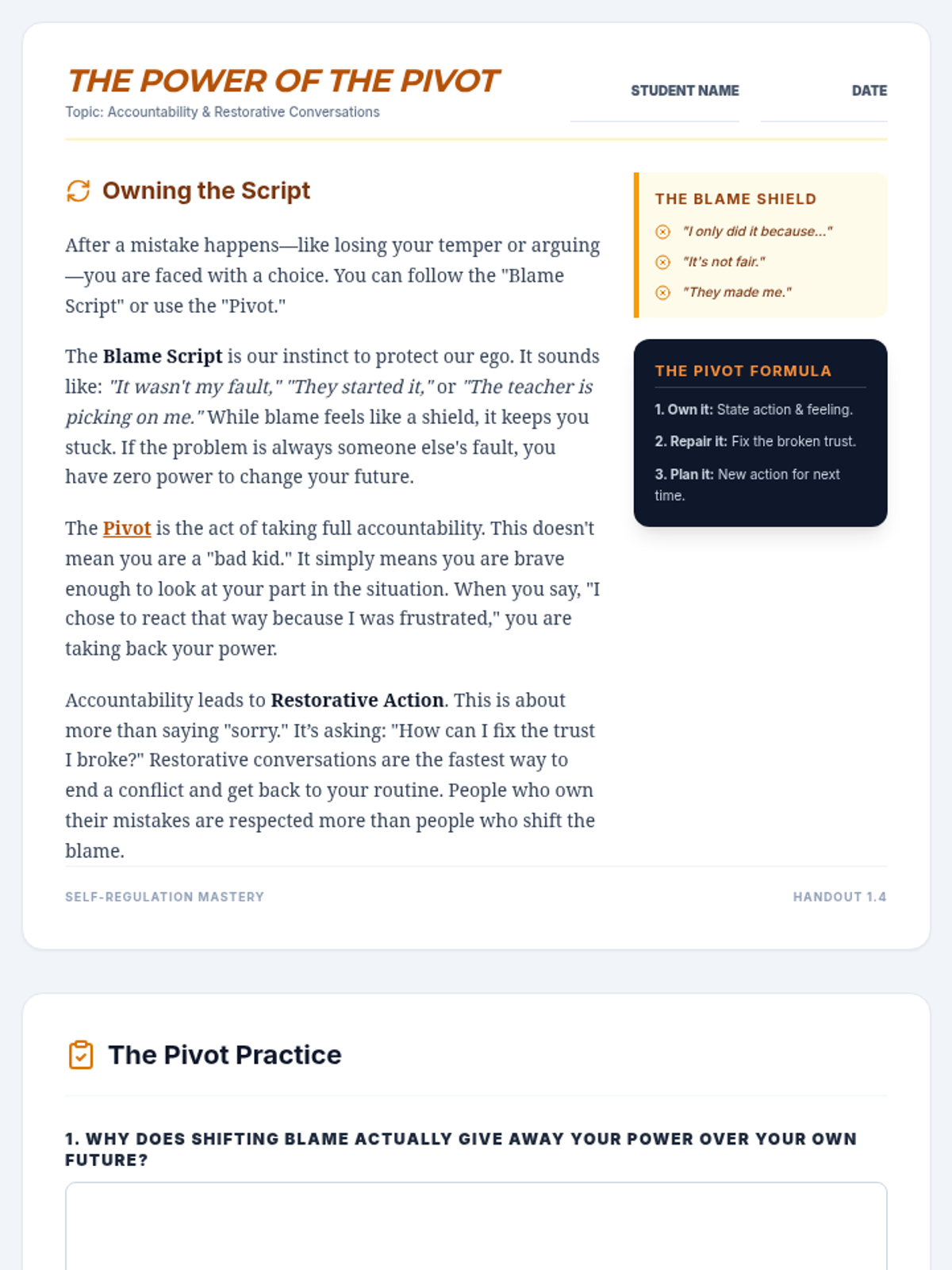
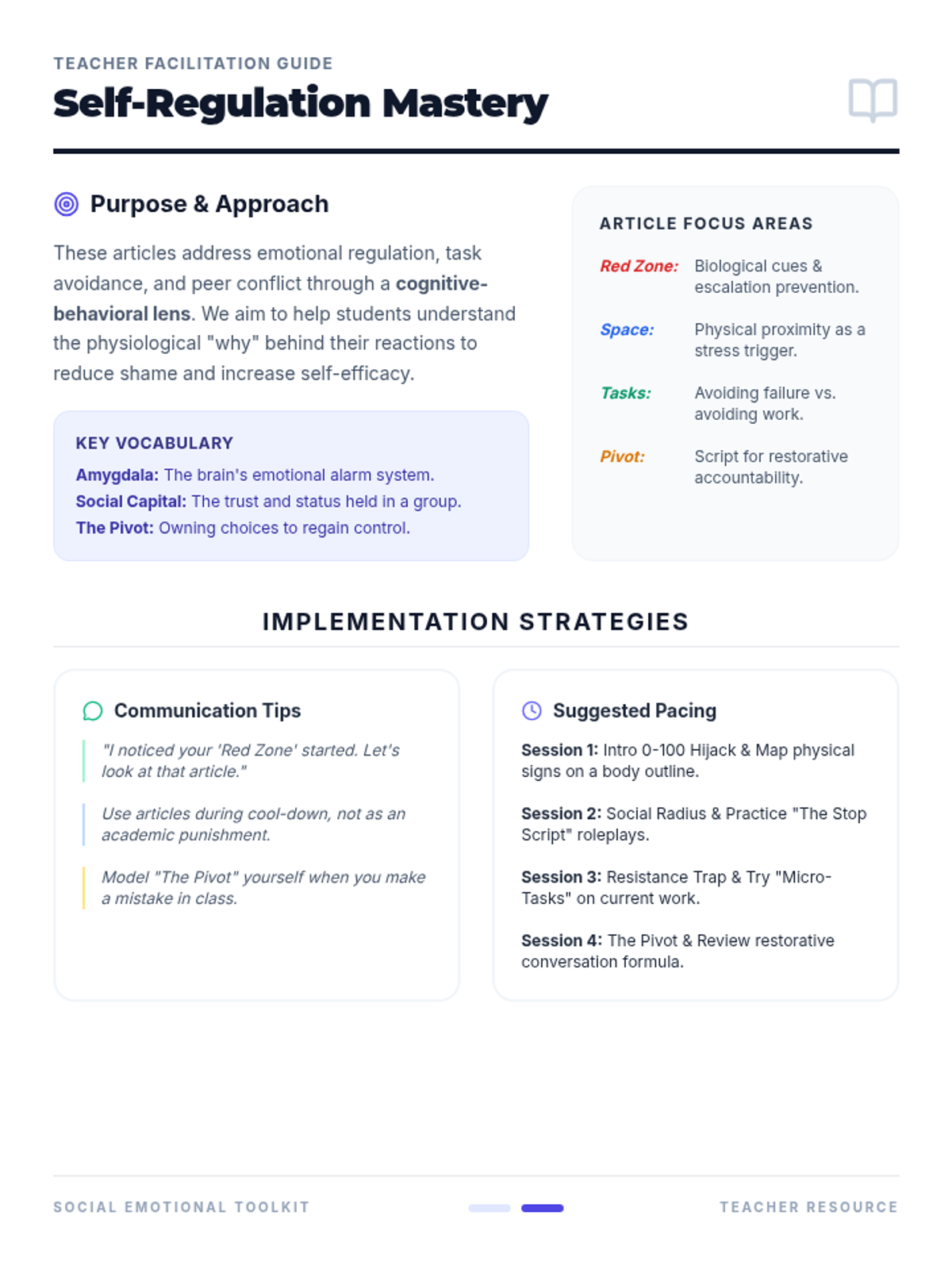
This lesson explores the mechanics of emotional dysregulation and the transition from reactive behaviors to proactive self-management. Students will read about brain chemistry, social boundaries, and the psychology of avoidance to build a toolkit for classroom success.
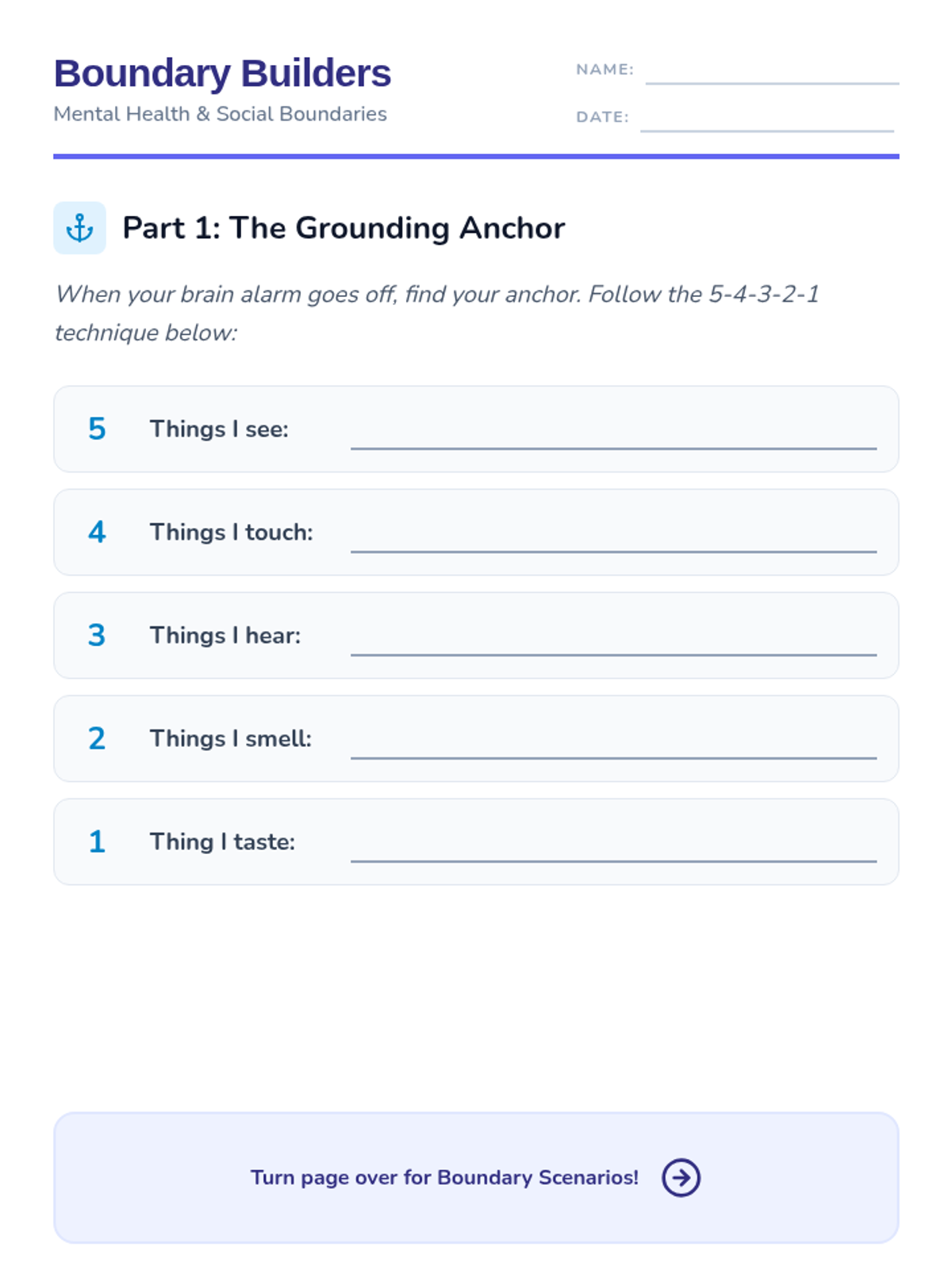
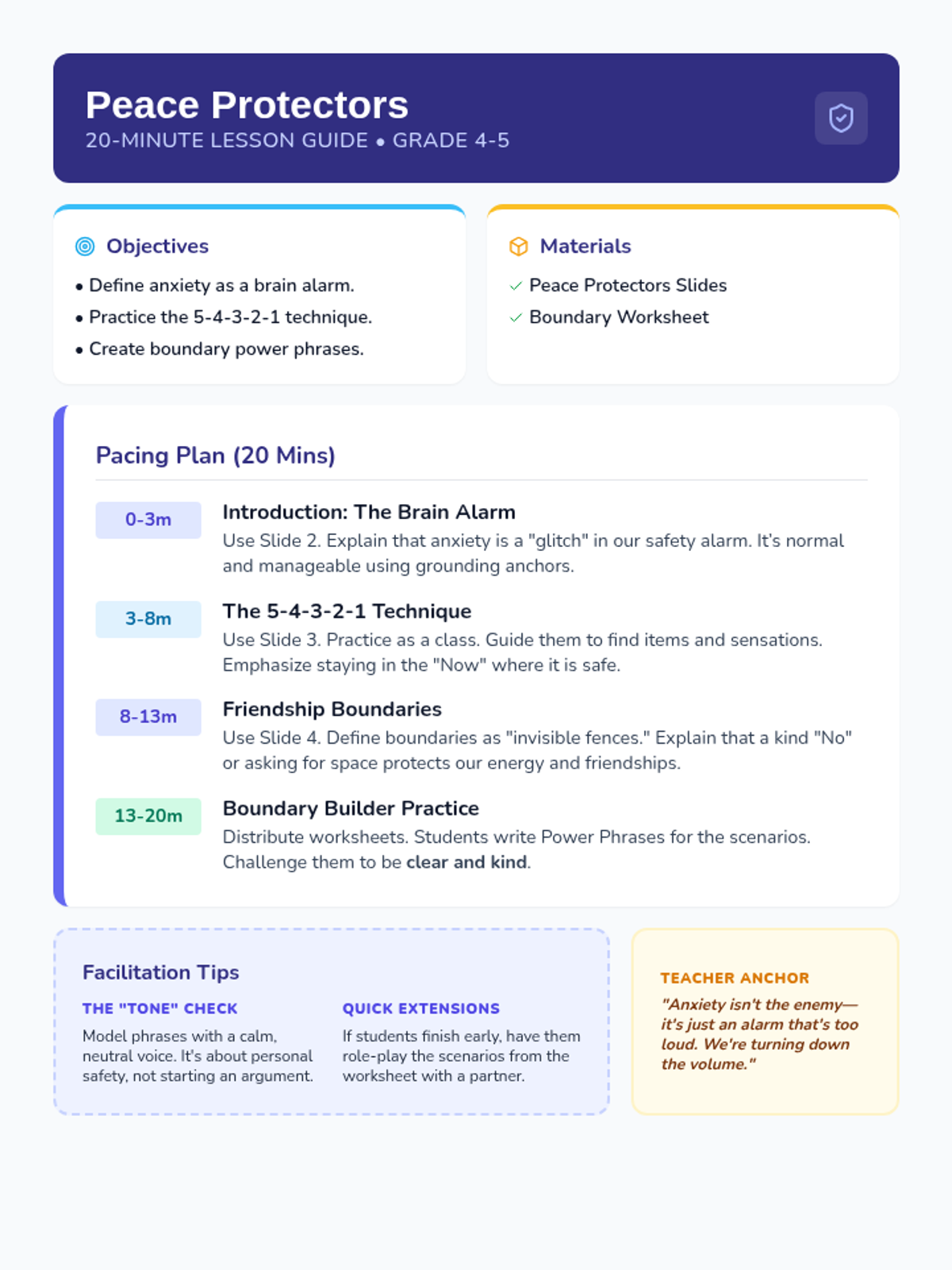
A fast-paced, 20-minute session focusing on practical anxiety management and setting healthy friendship boundaries.
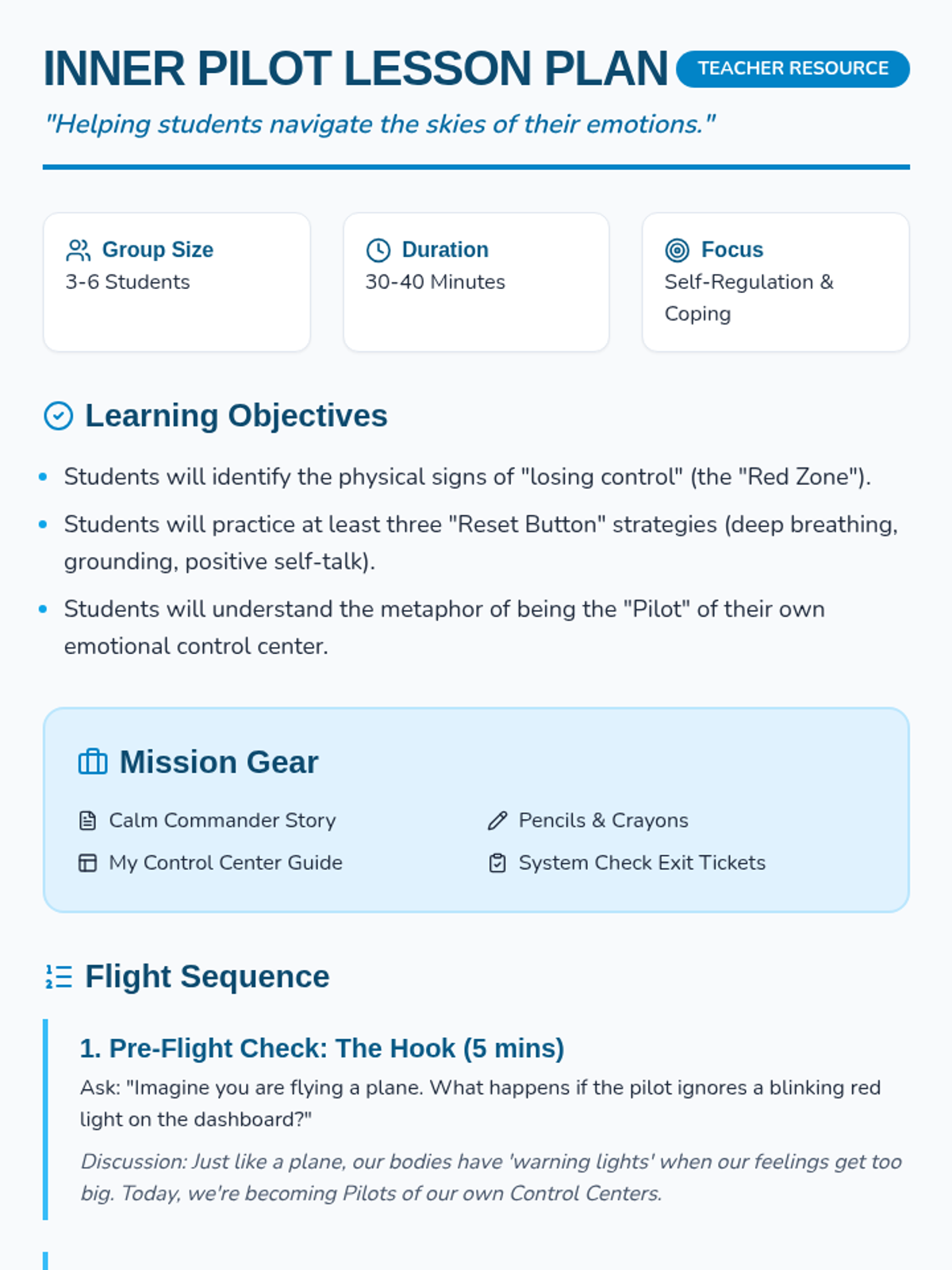
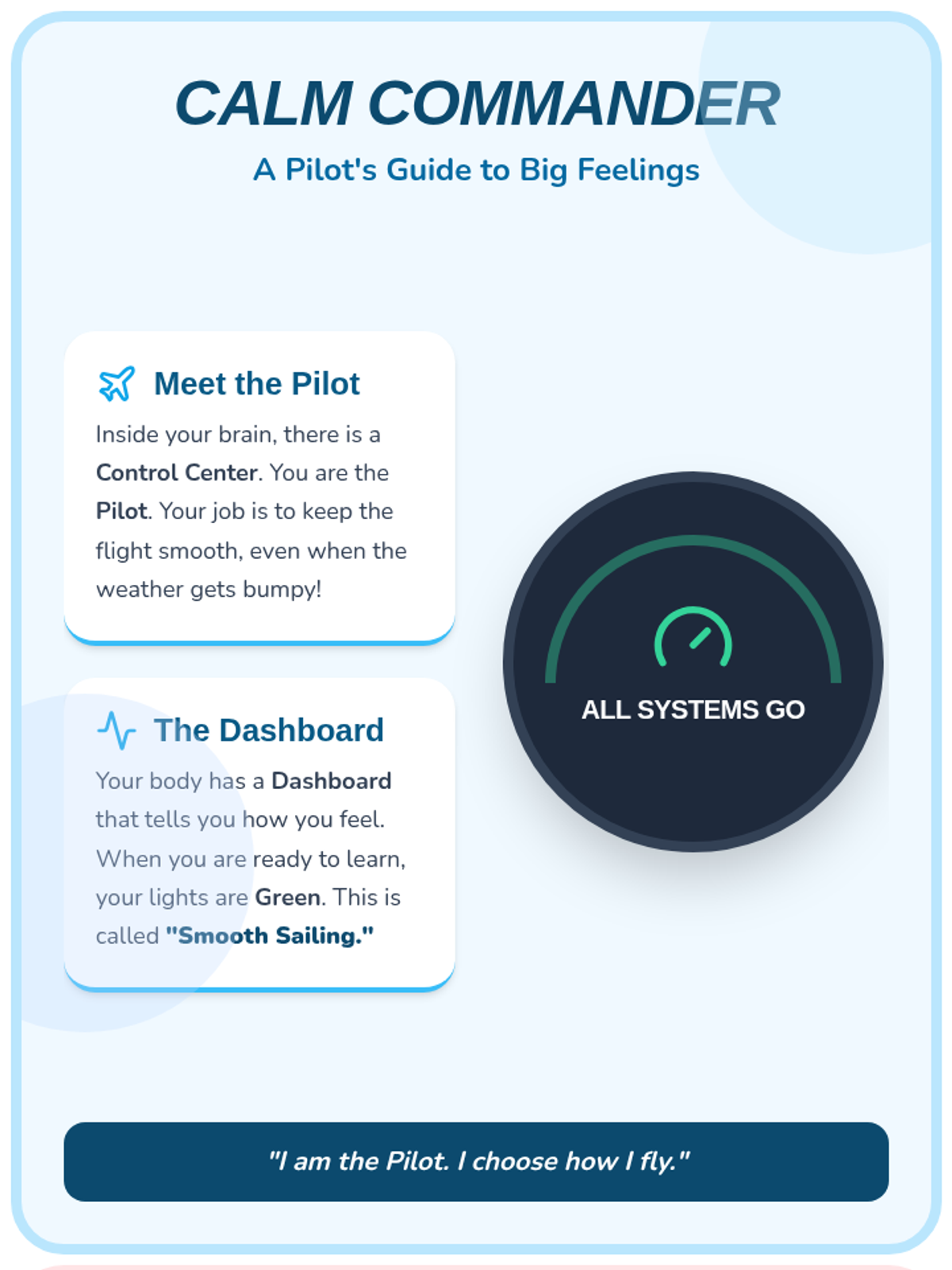
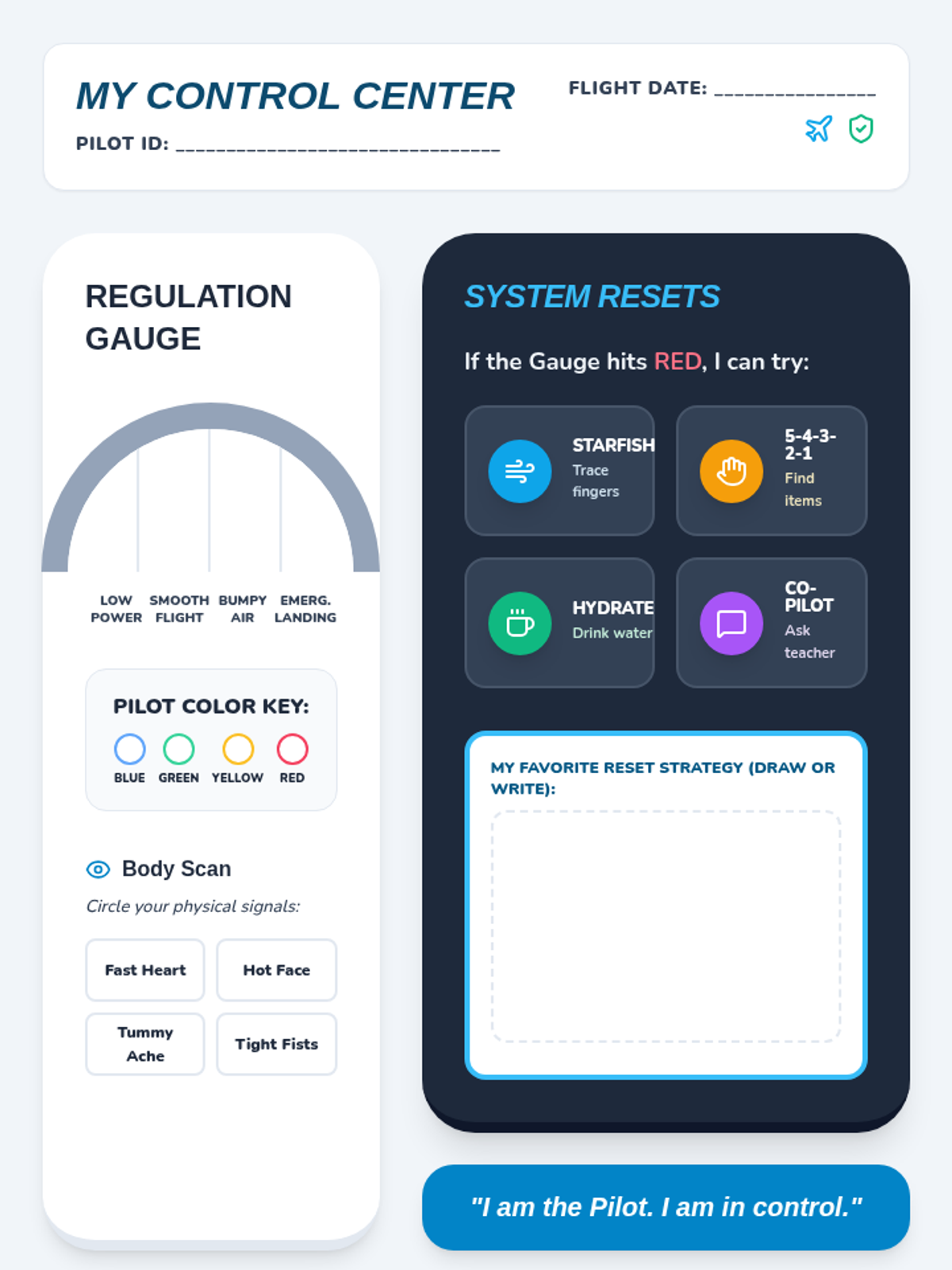
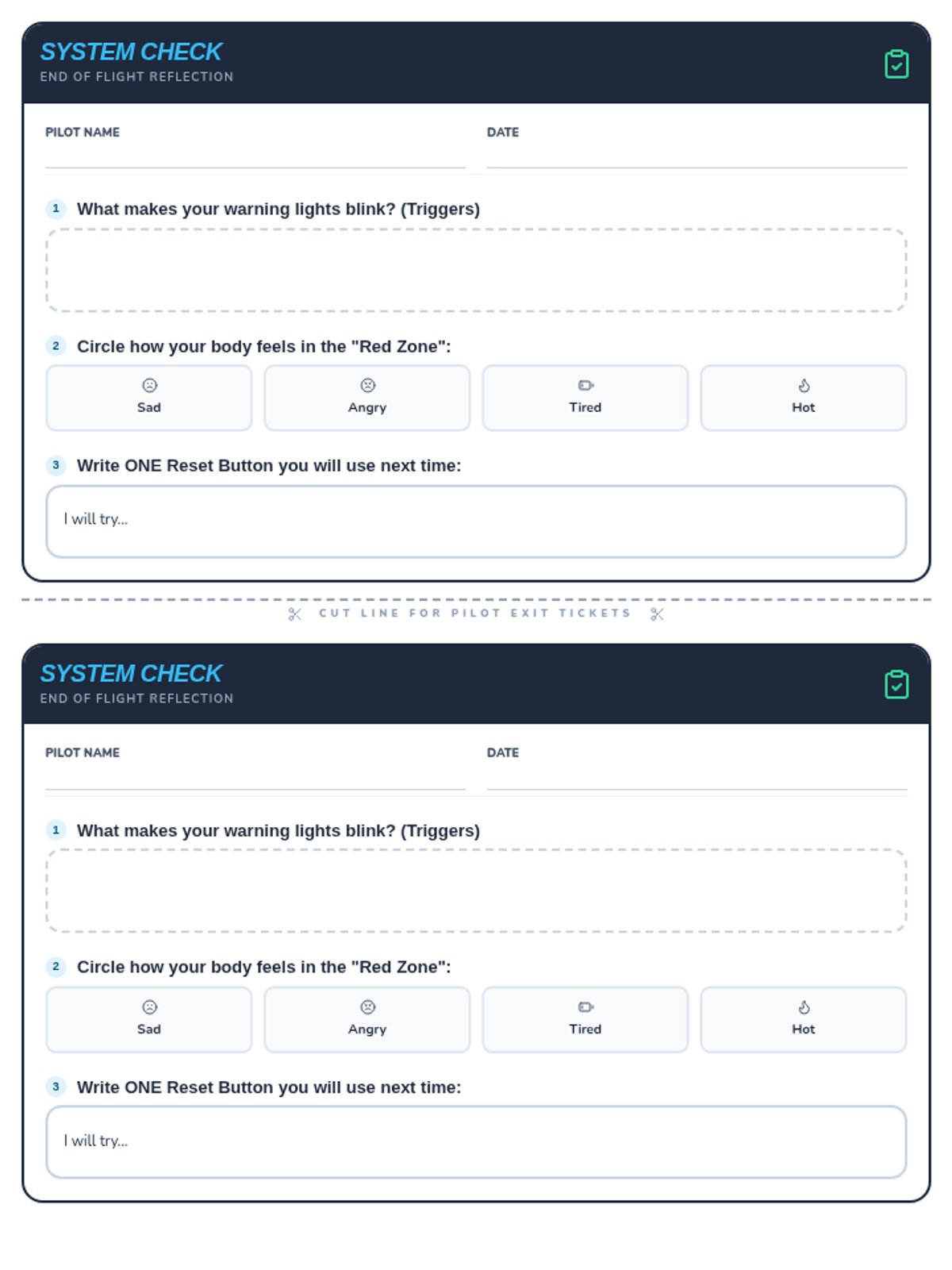
A comprehensive small group lesson on self-regulation techniques using a 'Control Center' metaphor to help students identify their emotions and apply calming strategies.
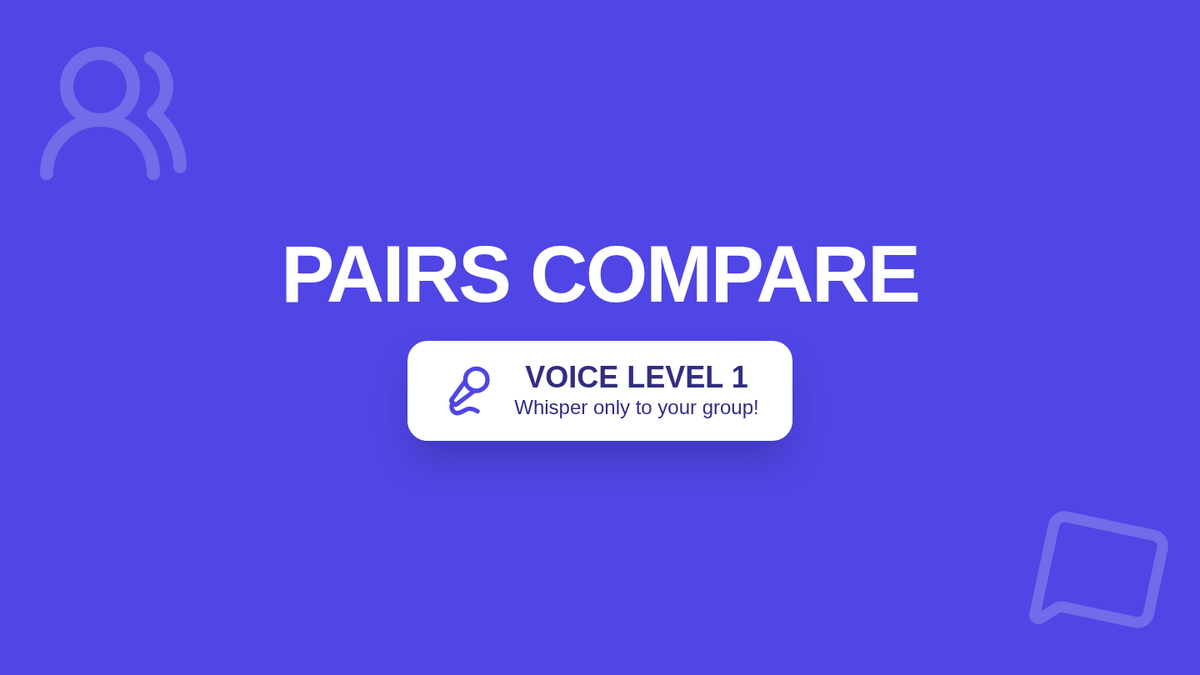
A collaborative "Pairs Compare" activity where students work in teams of four to share keywords, locate evidence, and synthesize final answers on index cards.
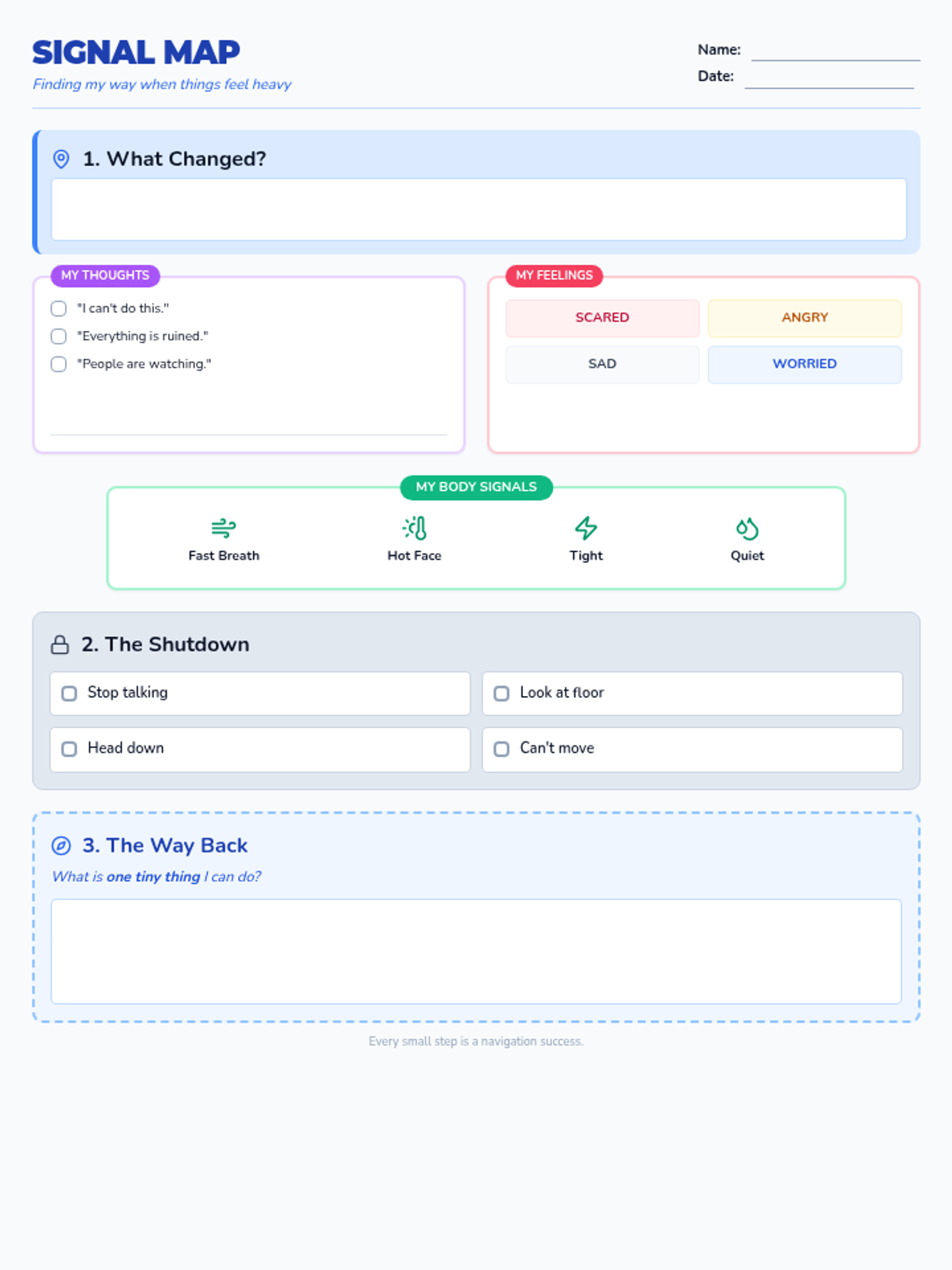
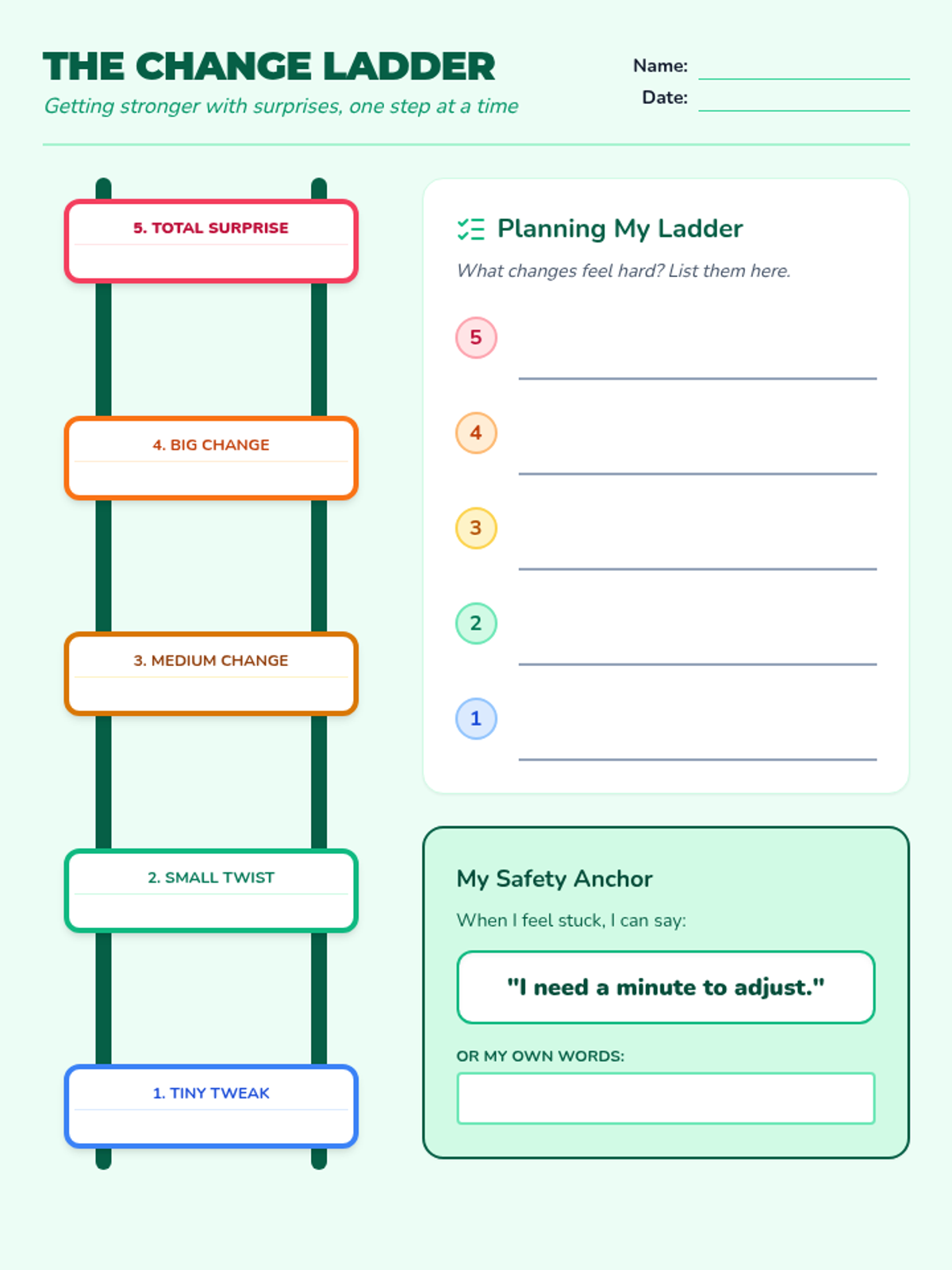
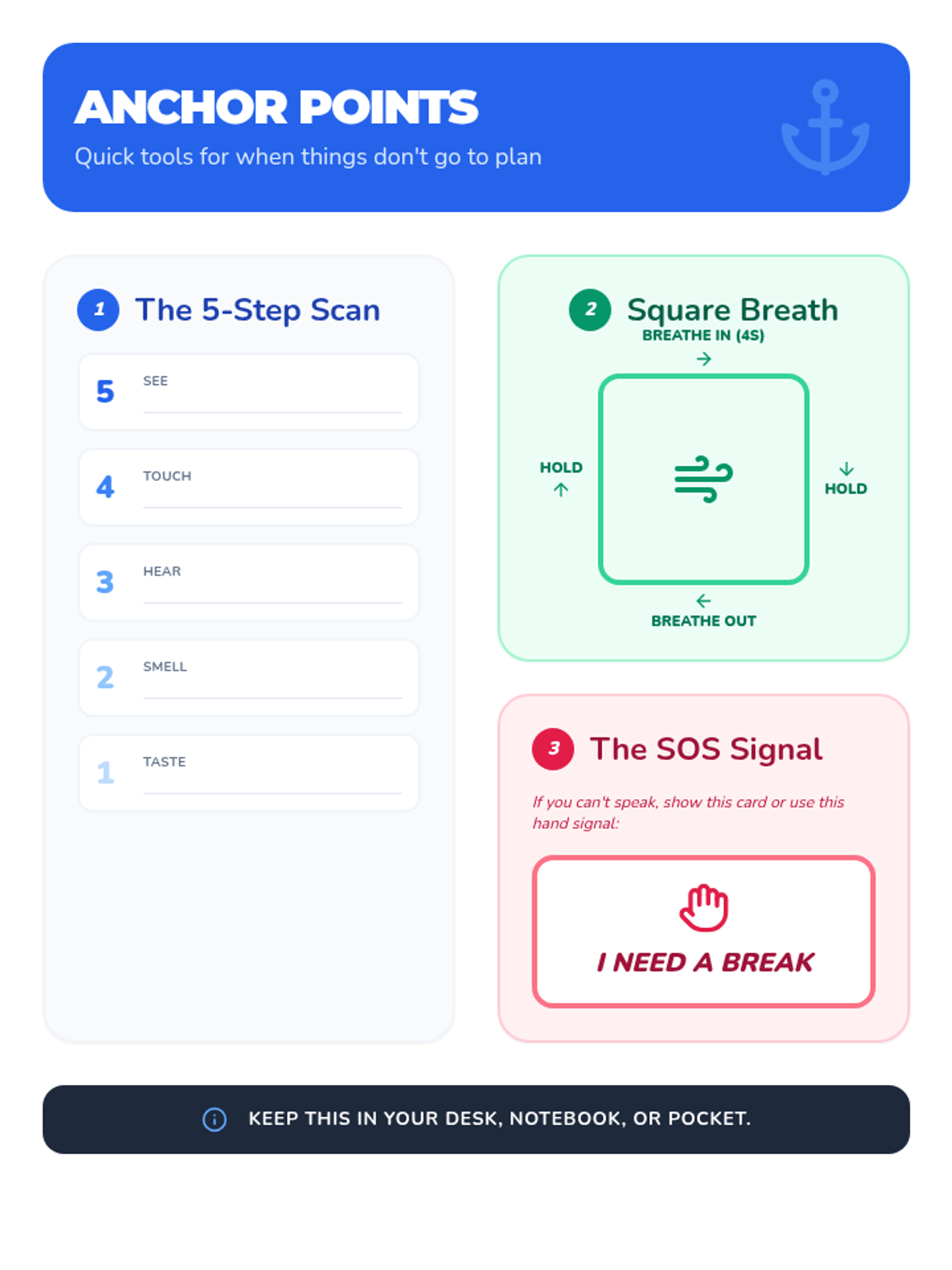
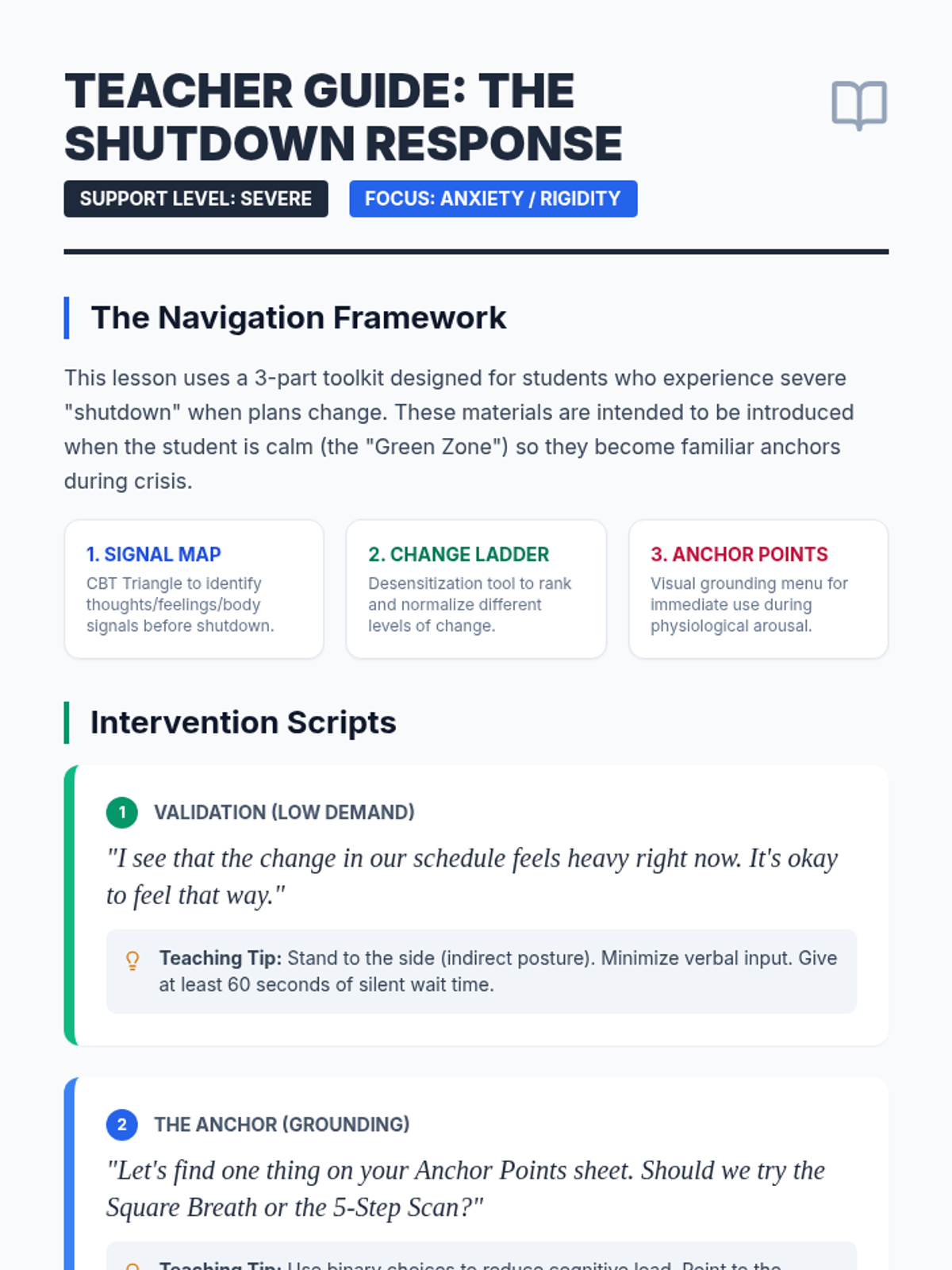
A comprehensive set of visual tools designed to help students with high anxiety navigate the 'shutdown' response and build resilience against unexpected changes using CBT principles.
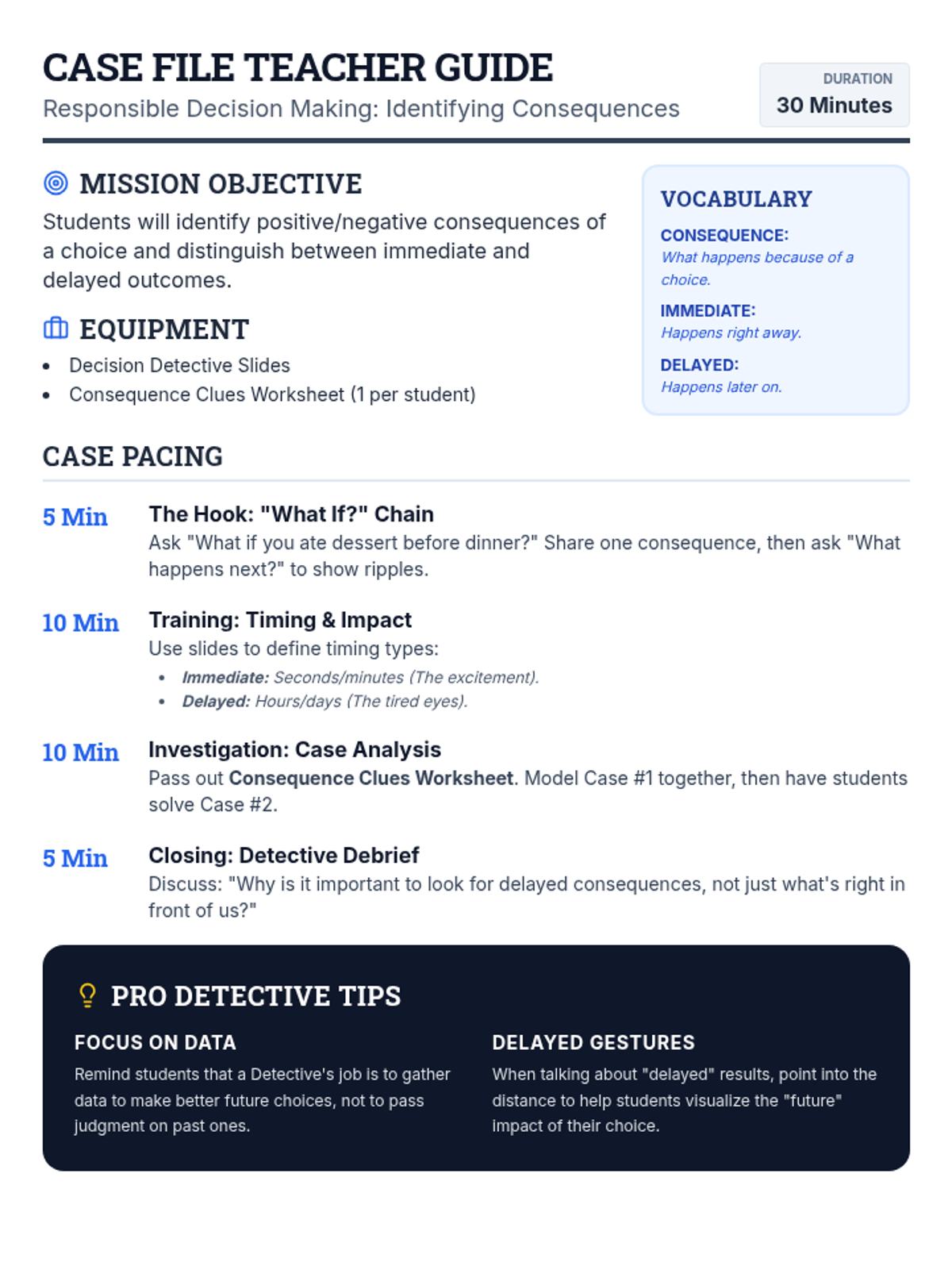
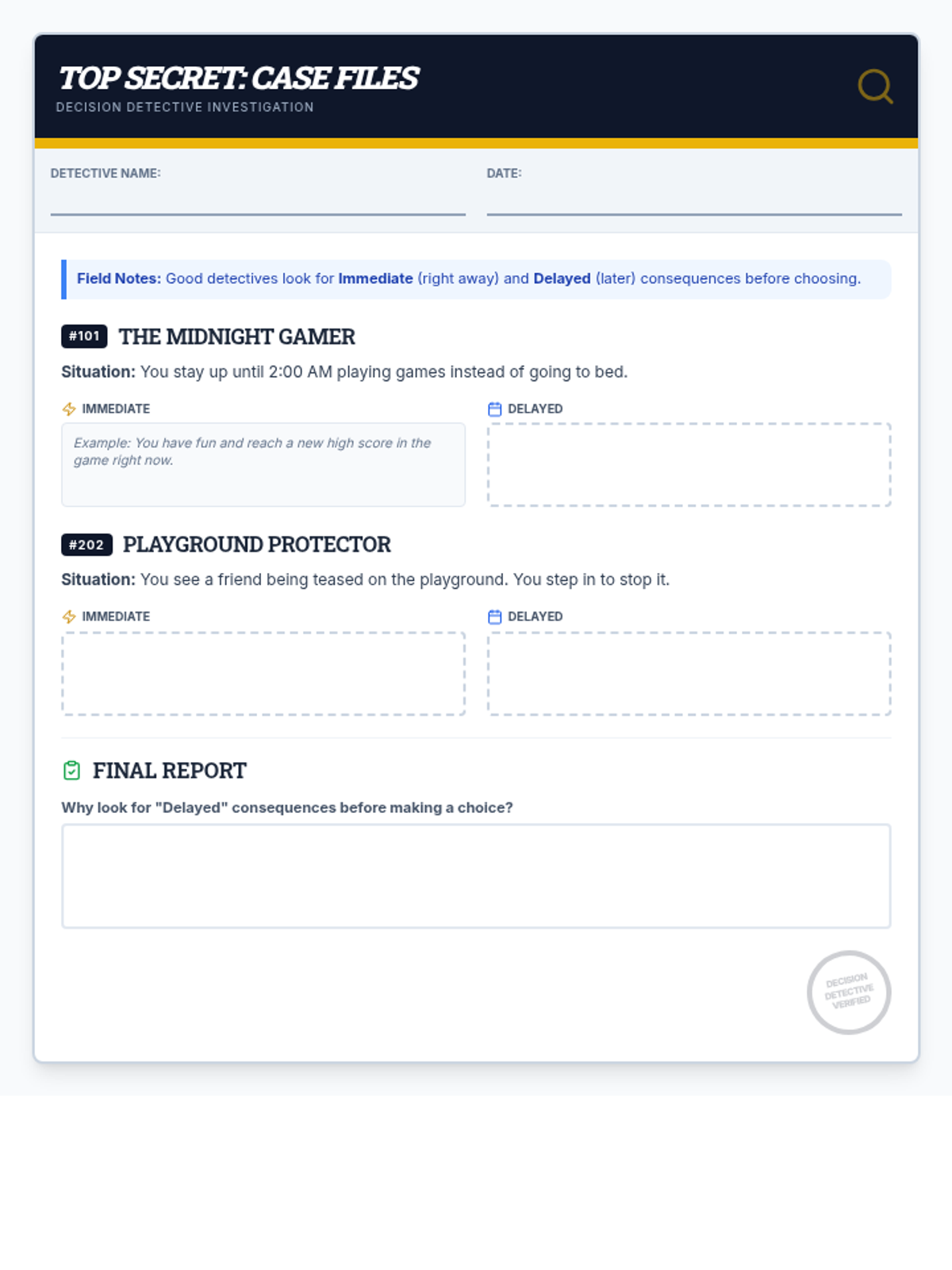
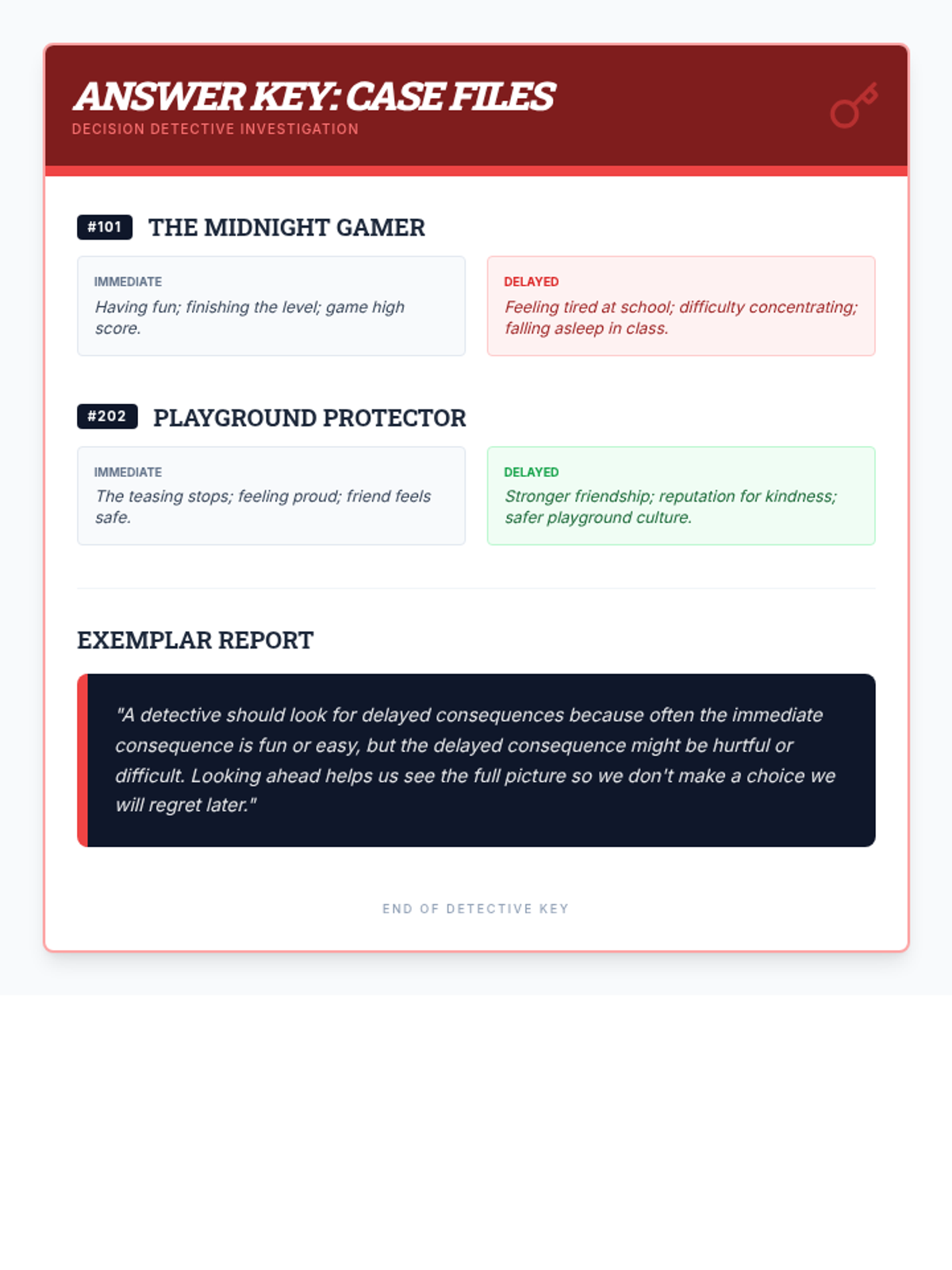
A 30-minute lesson focusing on the skill of identifying consequences to make responsible decisions. Students act as 'Decision Detectives' to investigate various scenarios and predict potential outcomes.
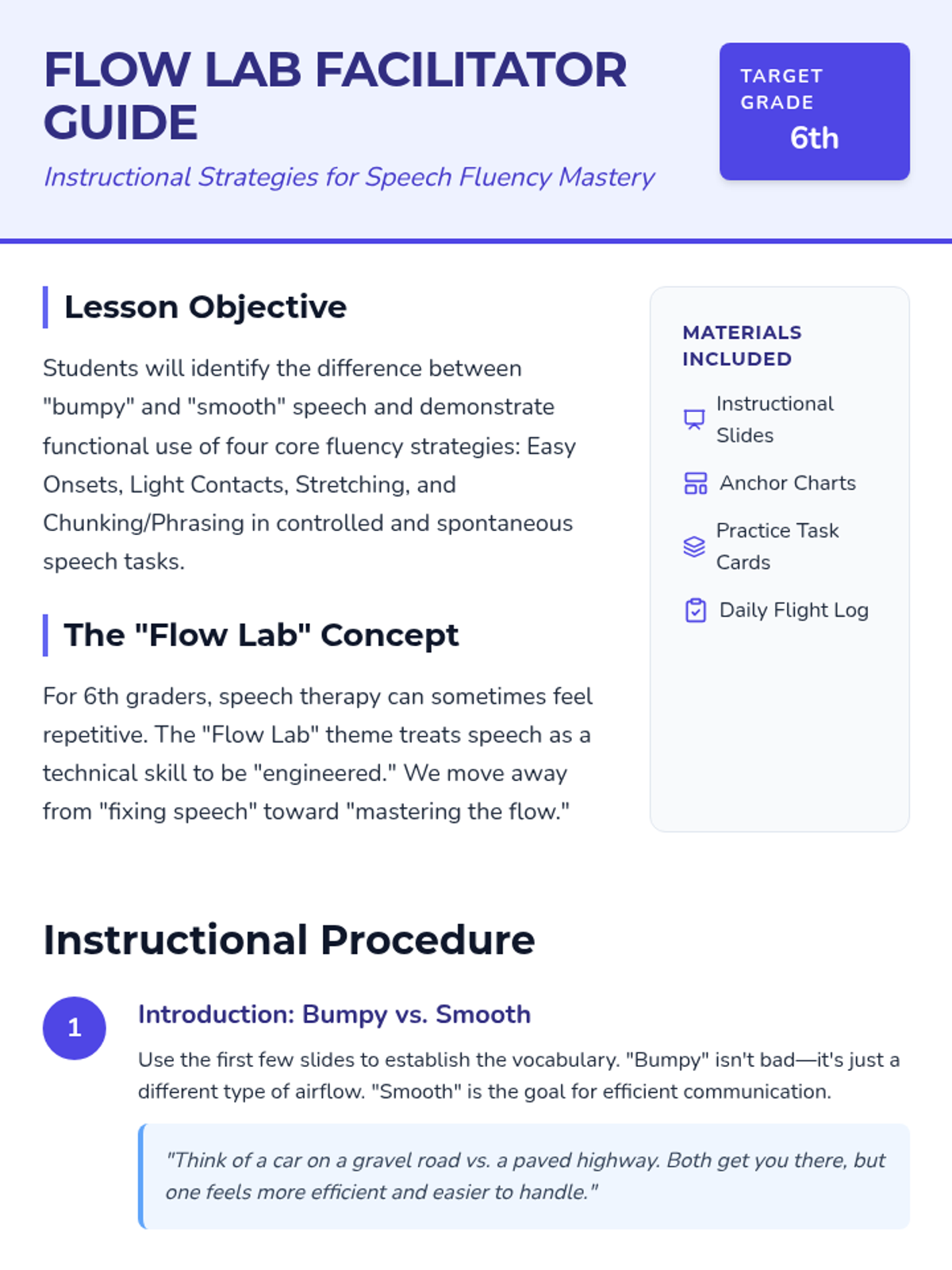
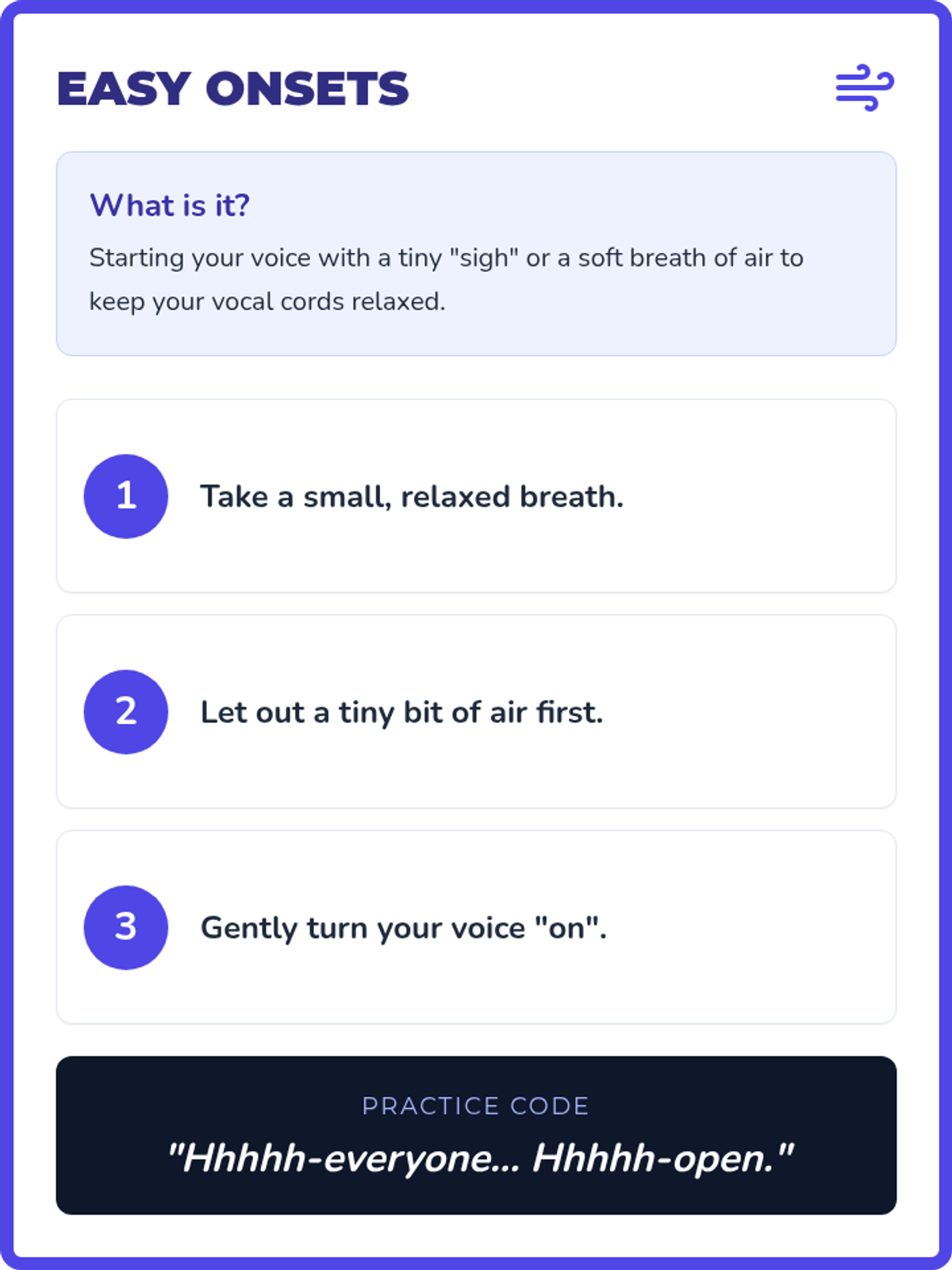
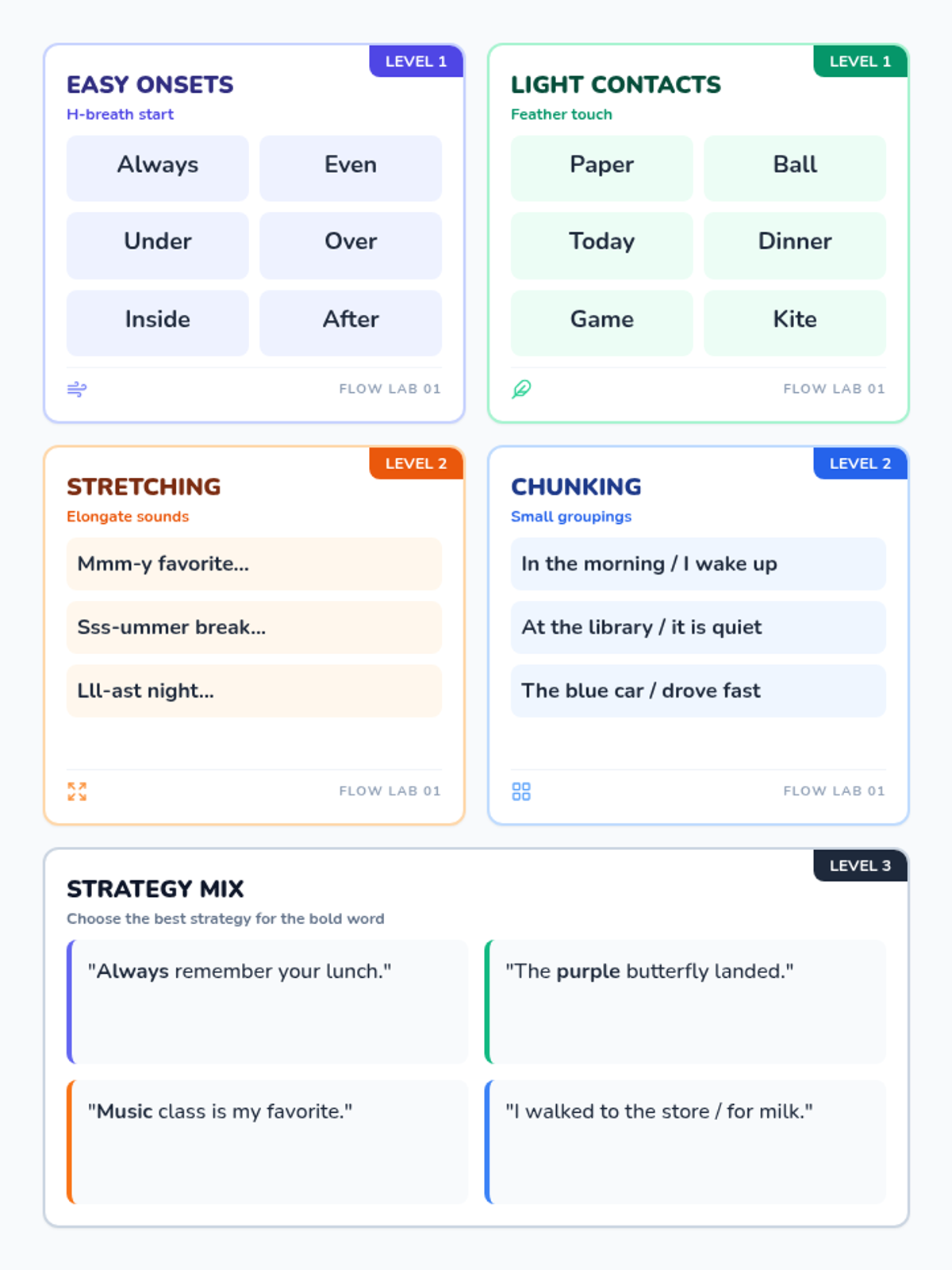
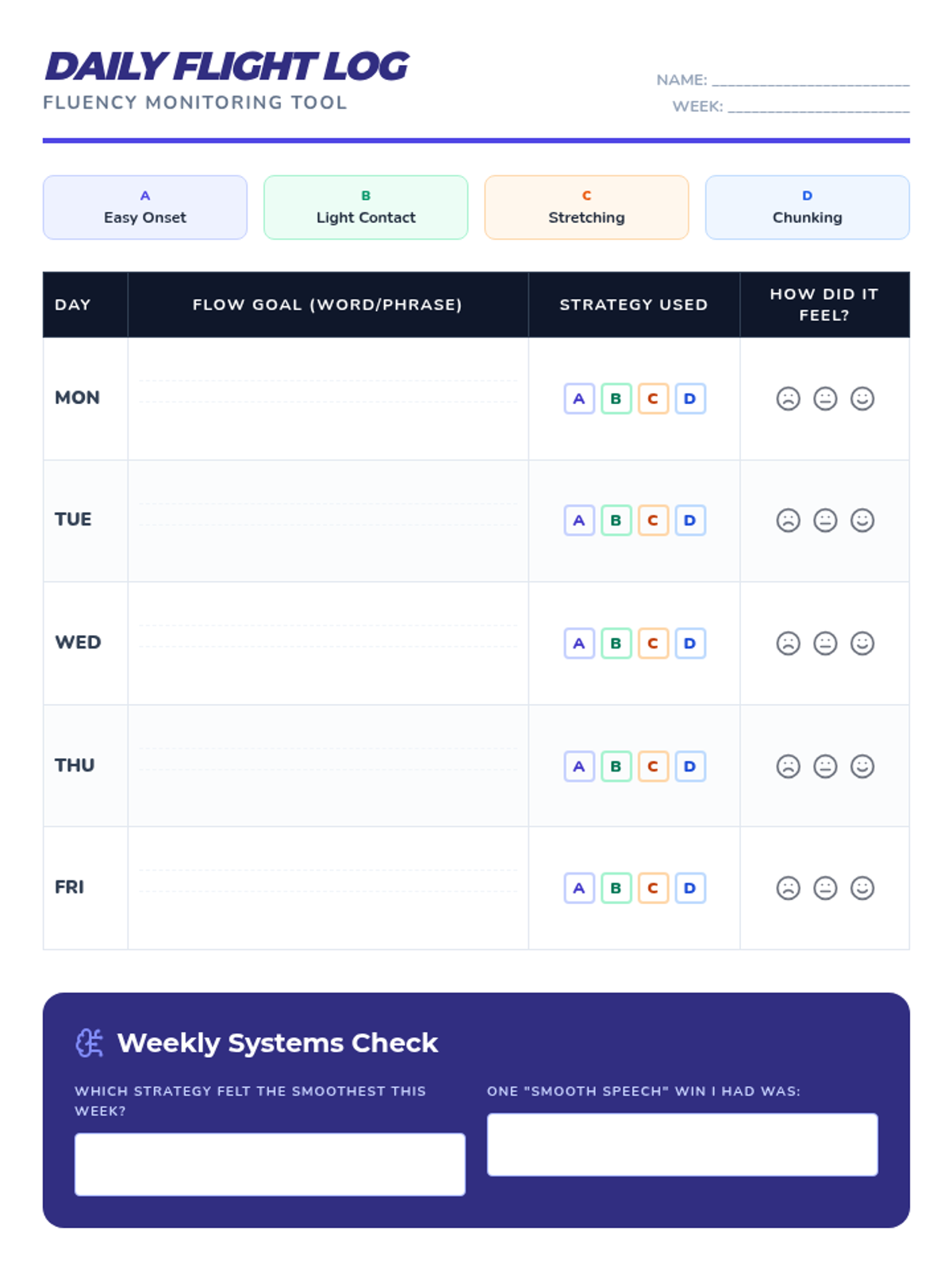
A comprehensive lesson designed for 6th-grade students to master speech fluency strategies including easy onsets, light contacts, stretching, and phrasing. The lesson uses a 'Flow Lab' theme to make speech techniques feel like manageable technical skills.
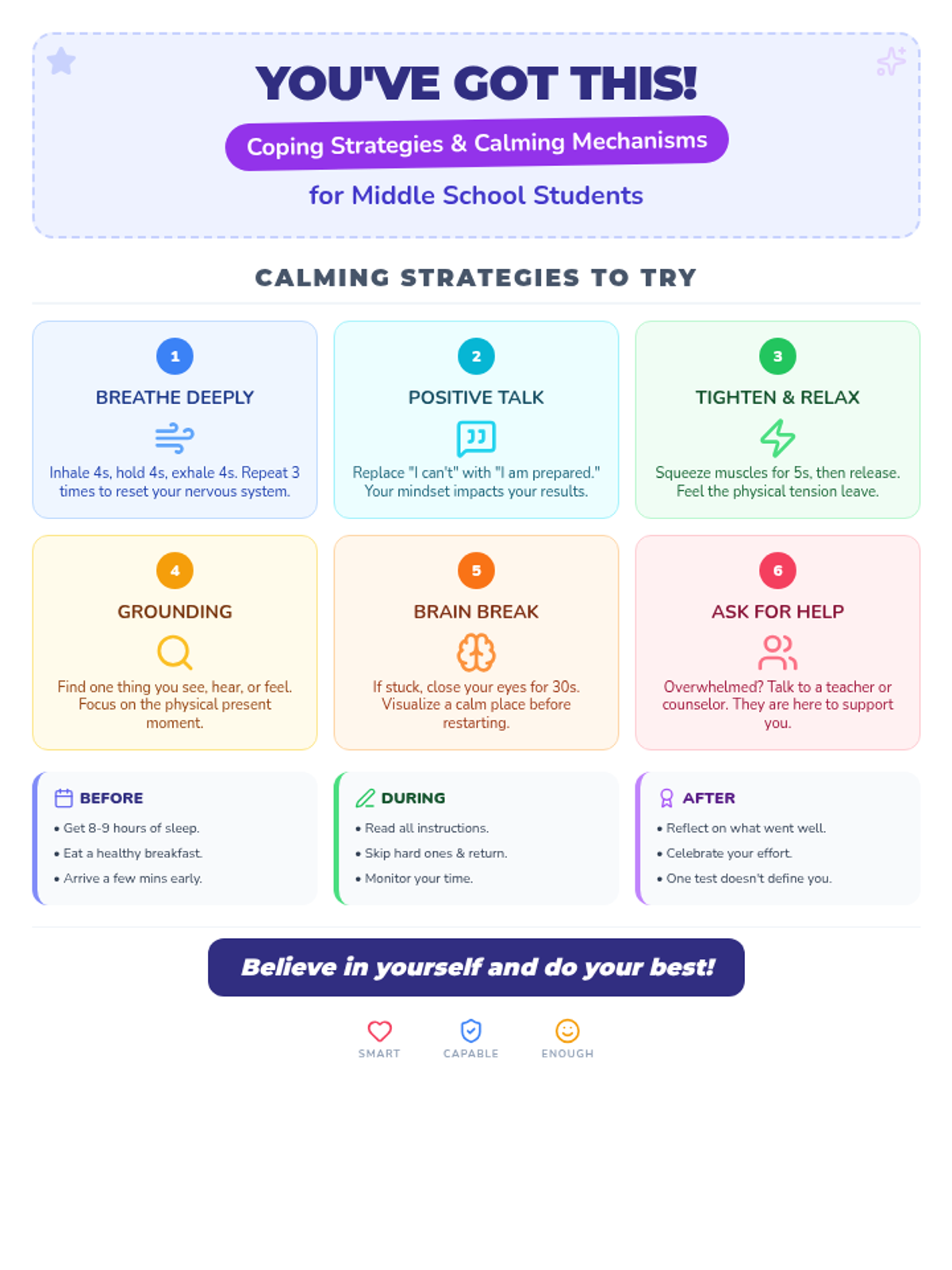
A lesson focused on equipping middle school students with practical strategies to manage test-related stress and anxiety.
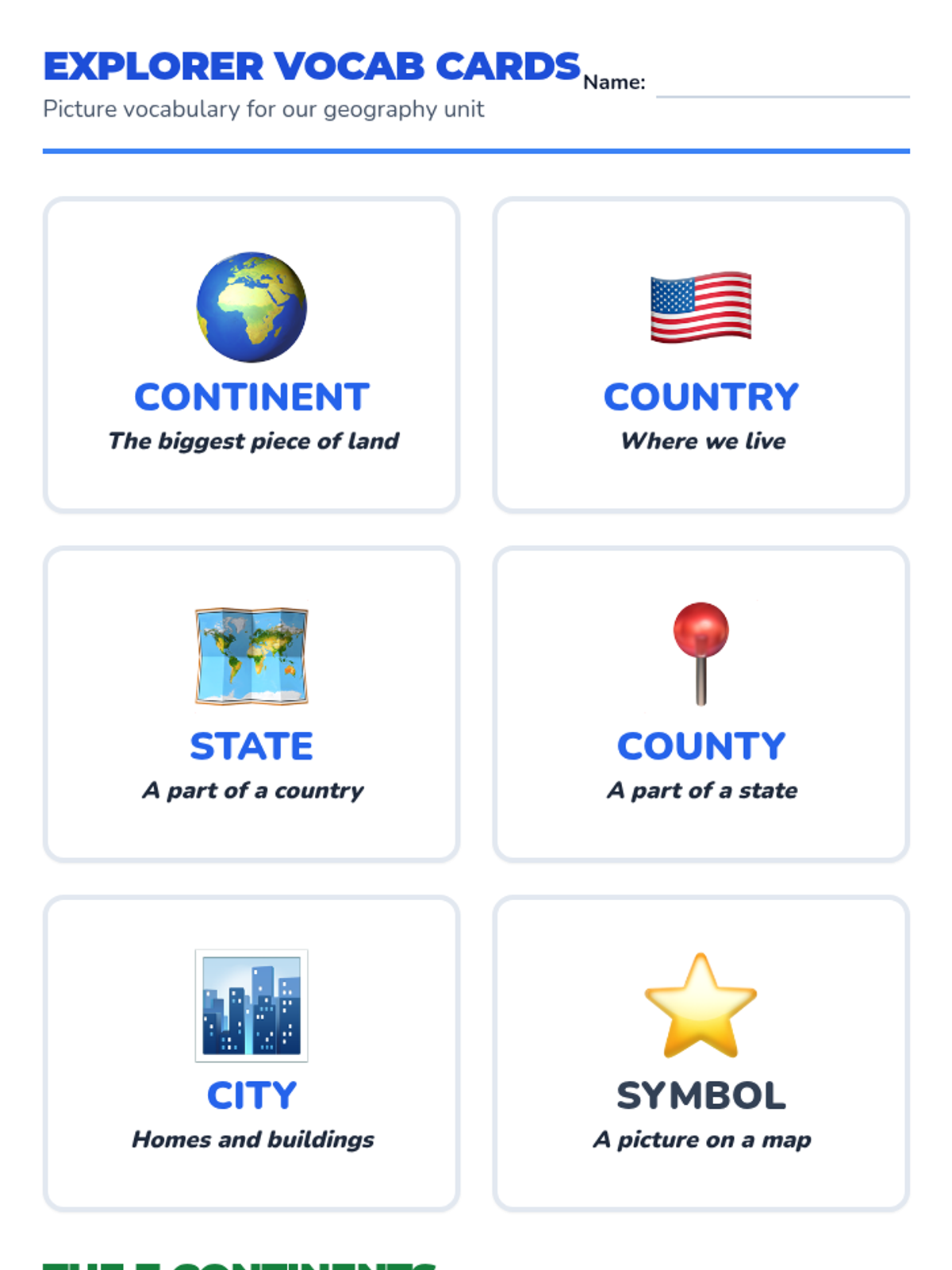
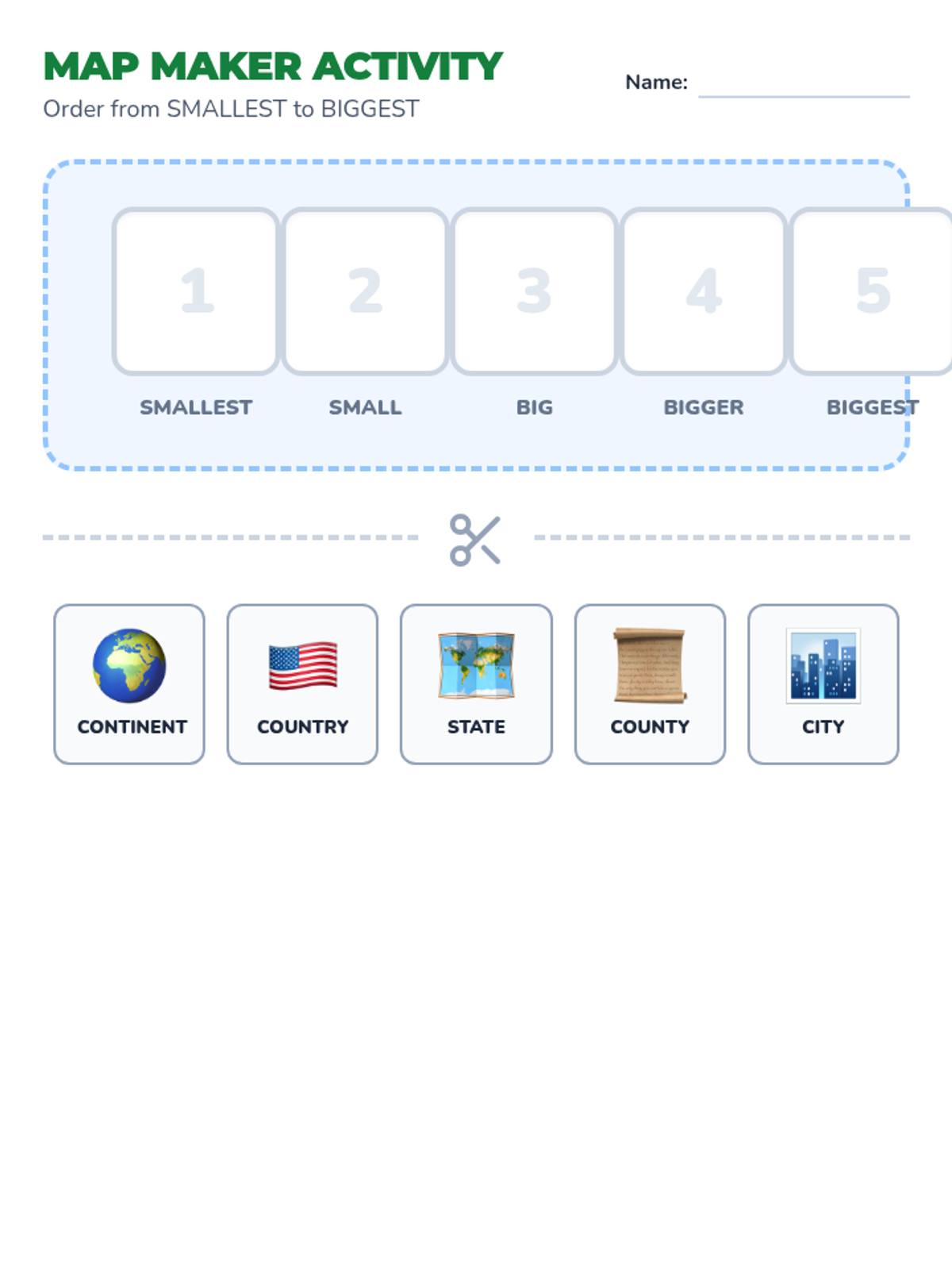
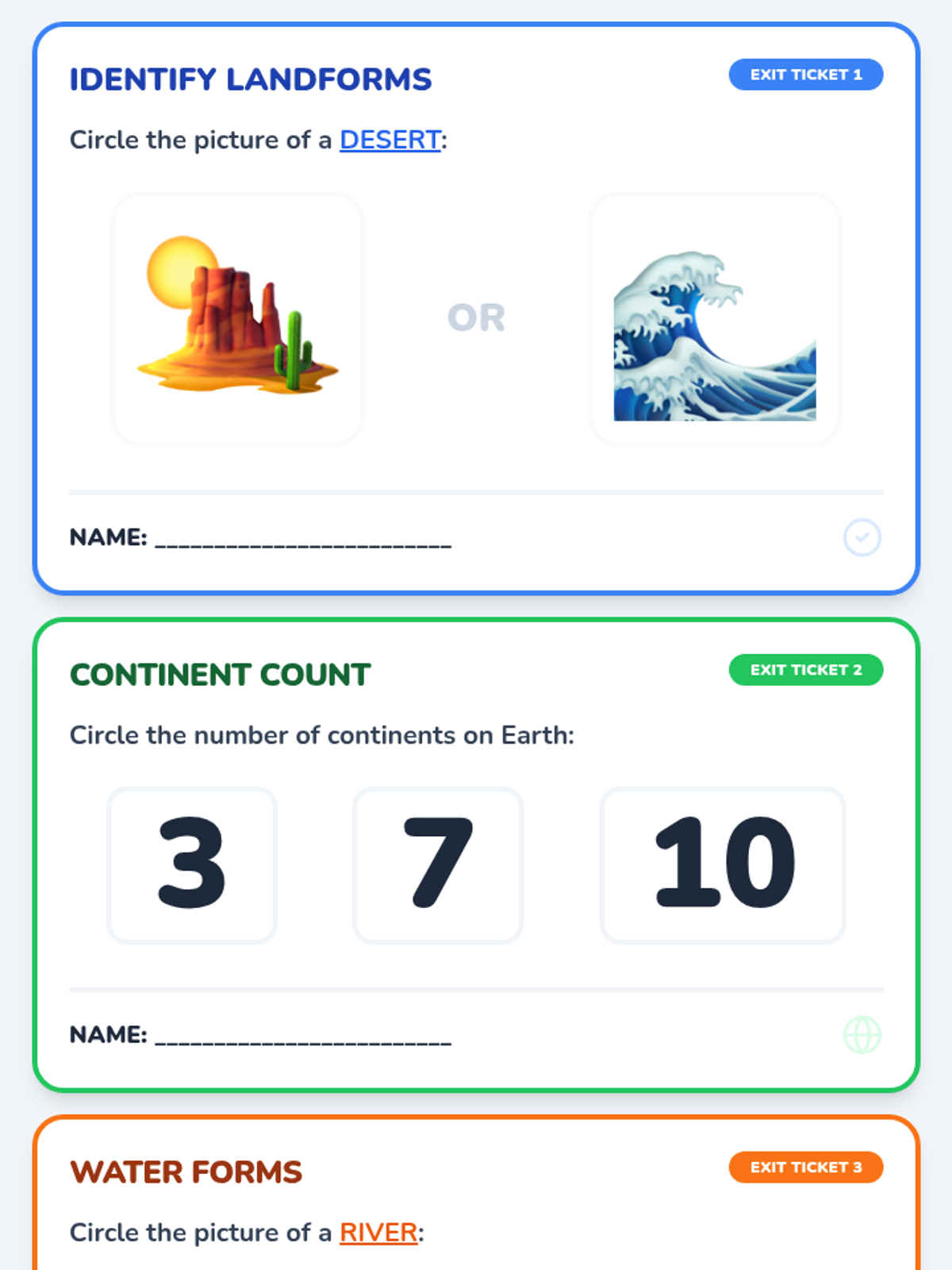
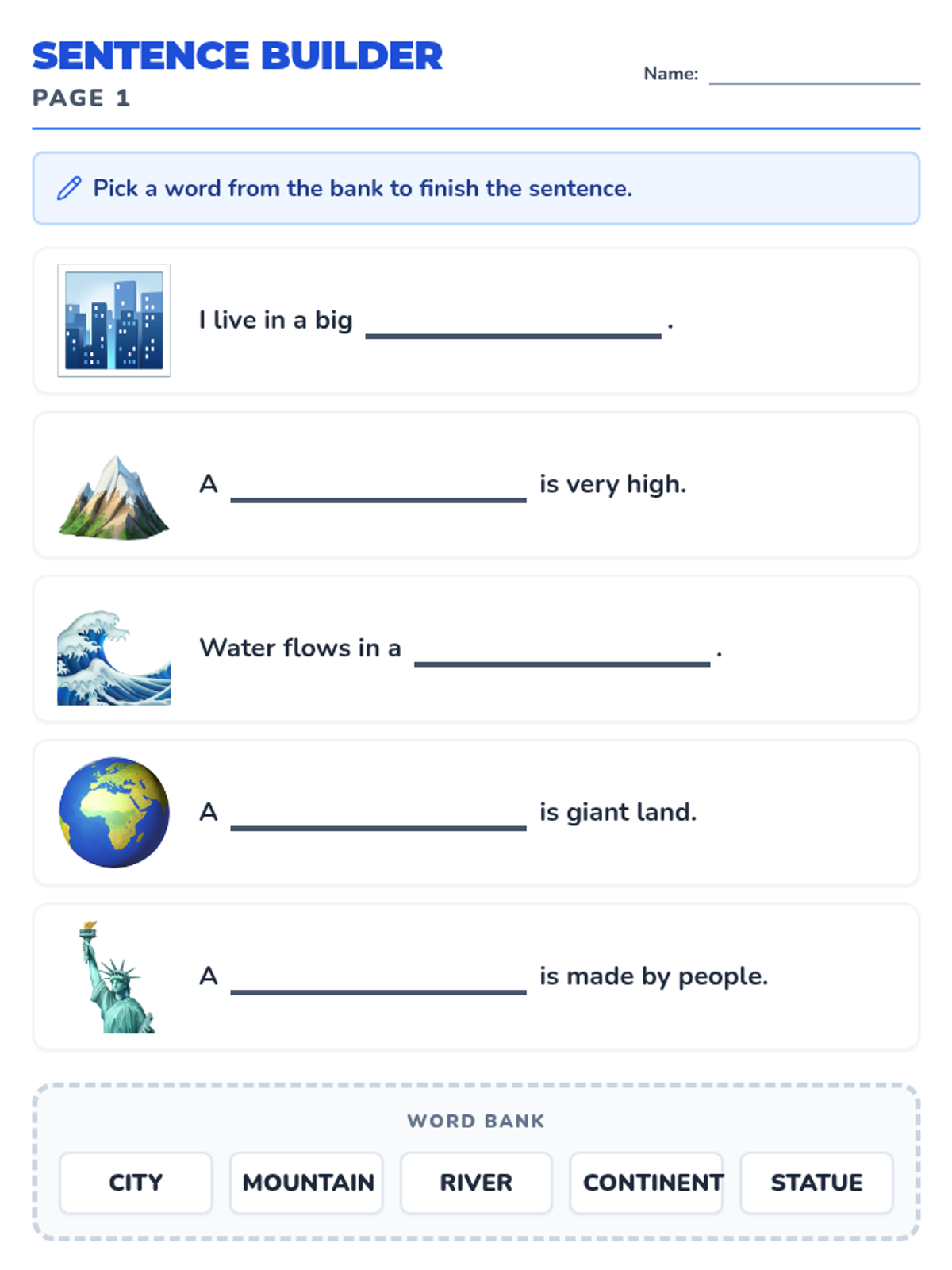
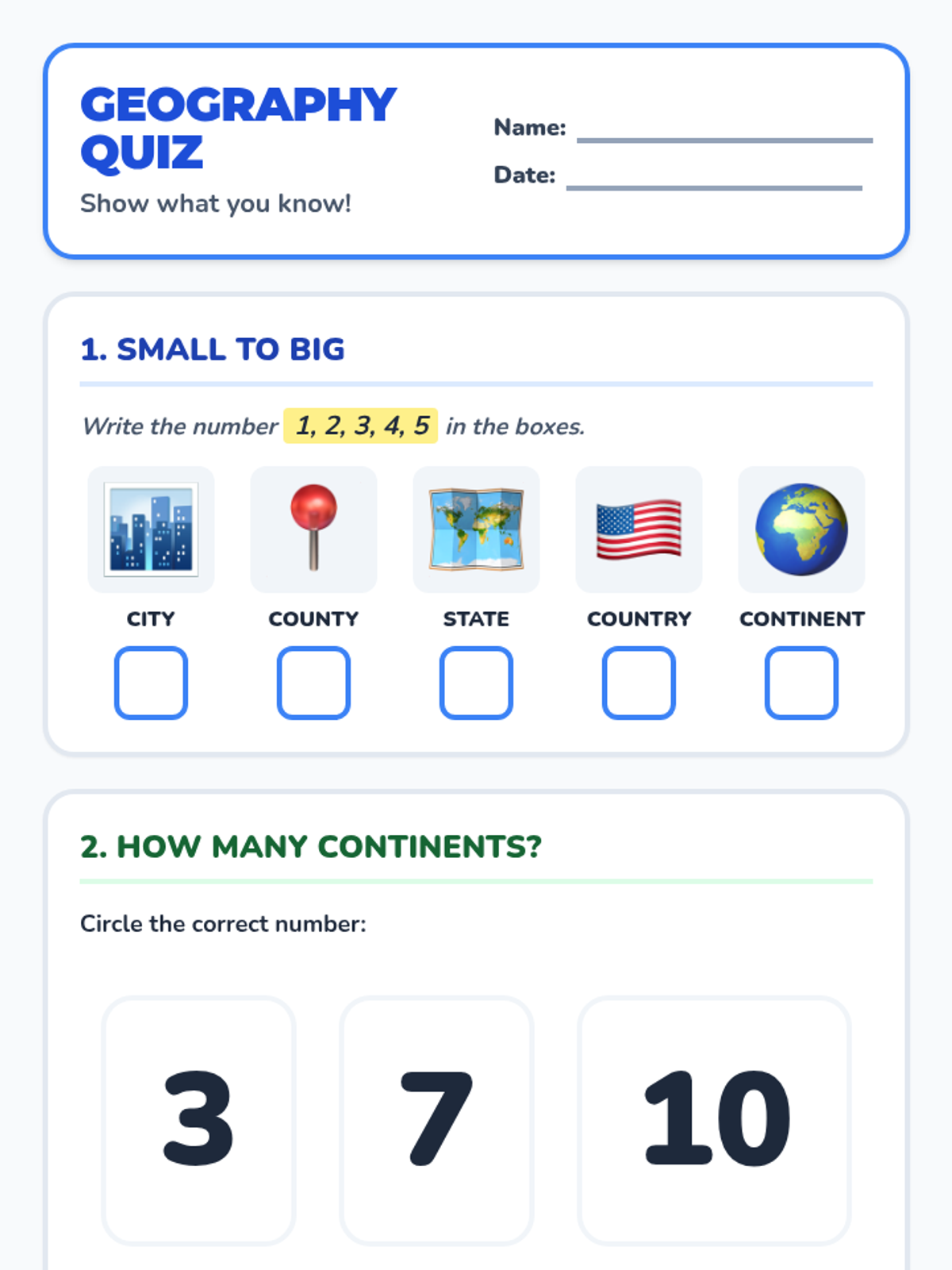
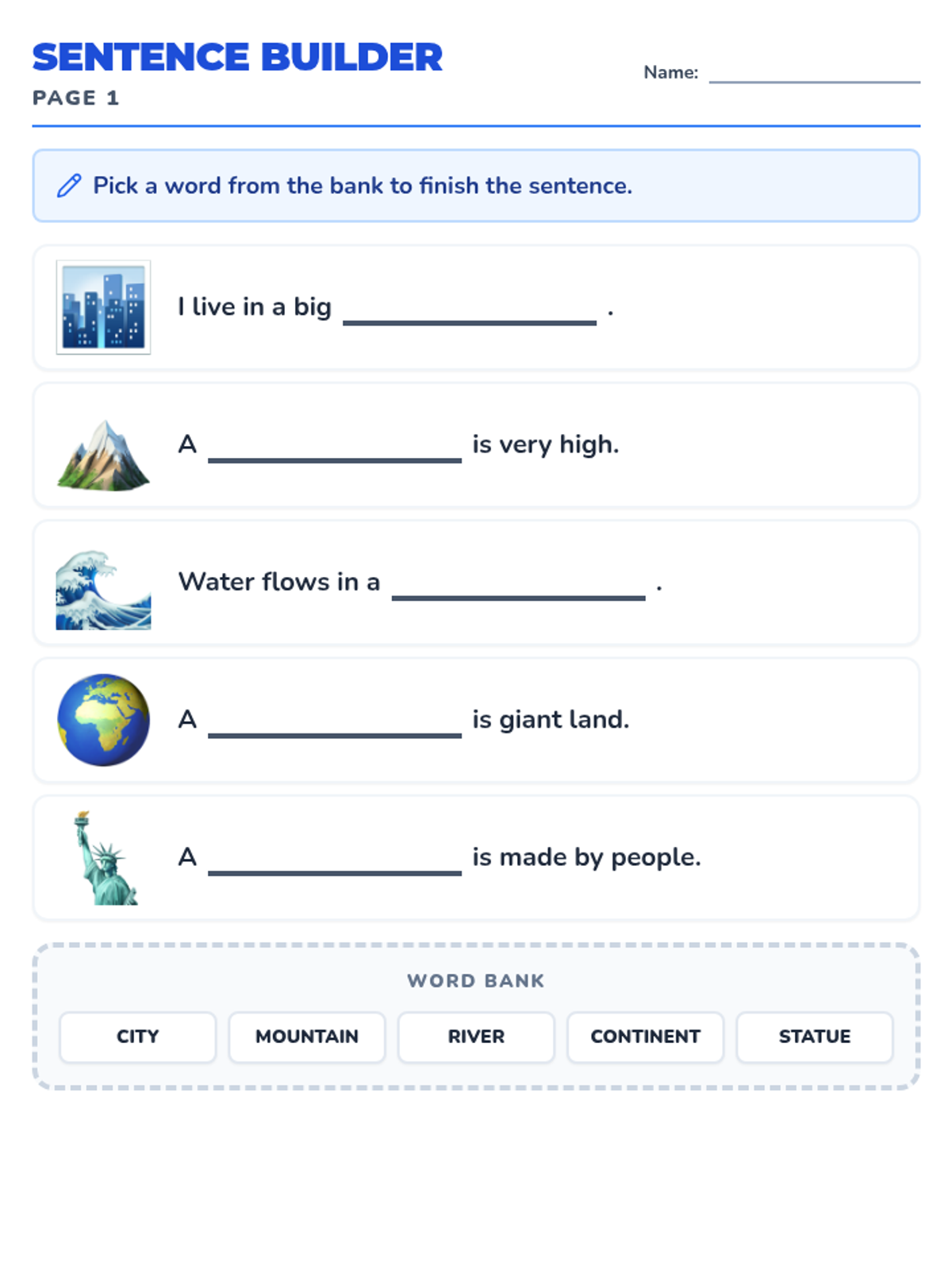
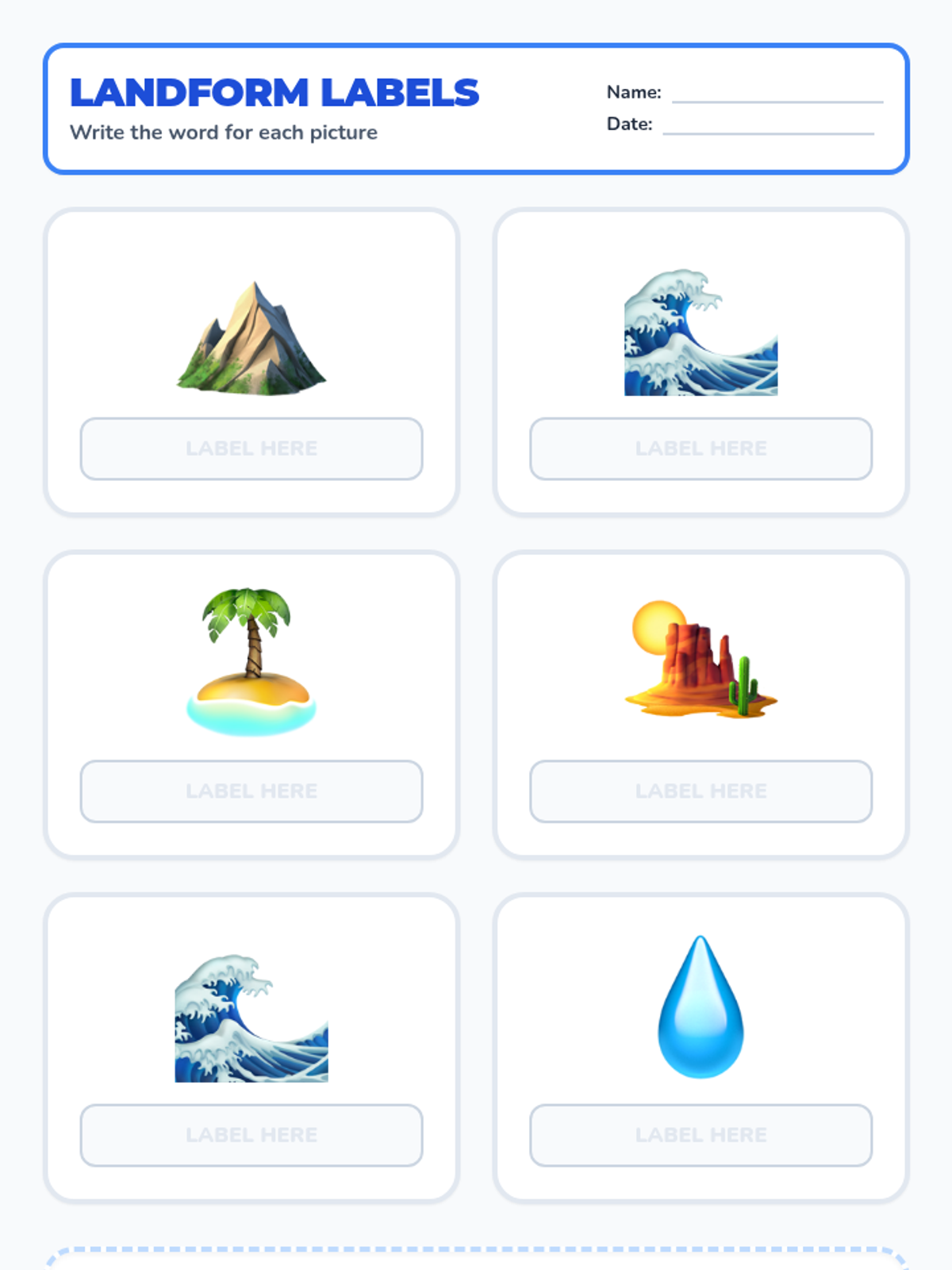
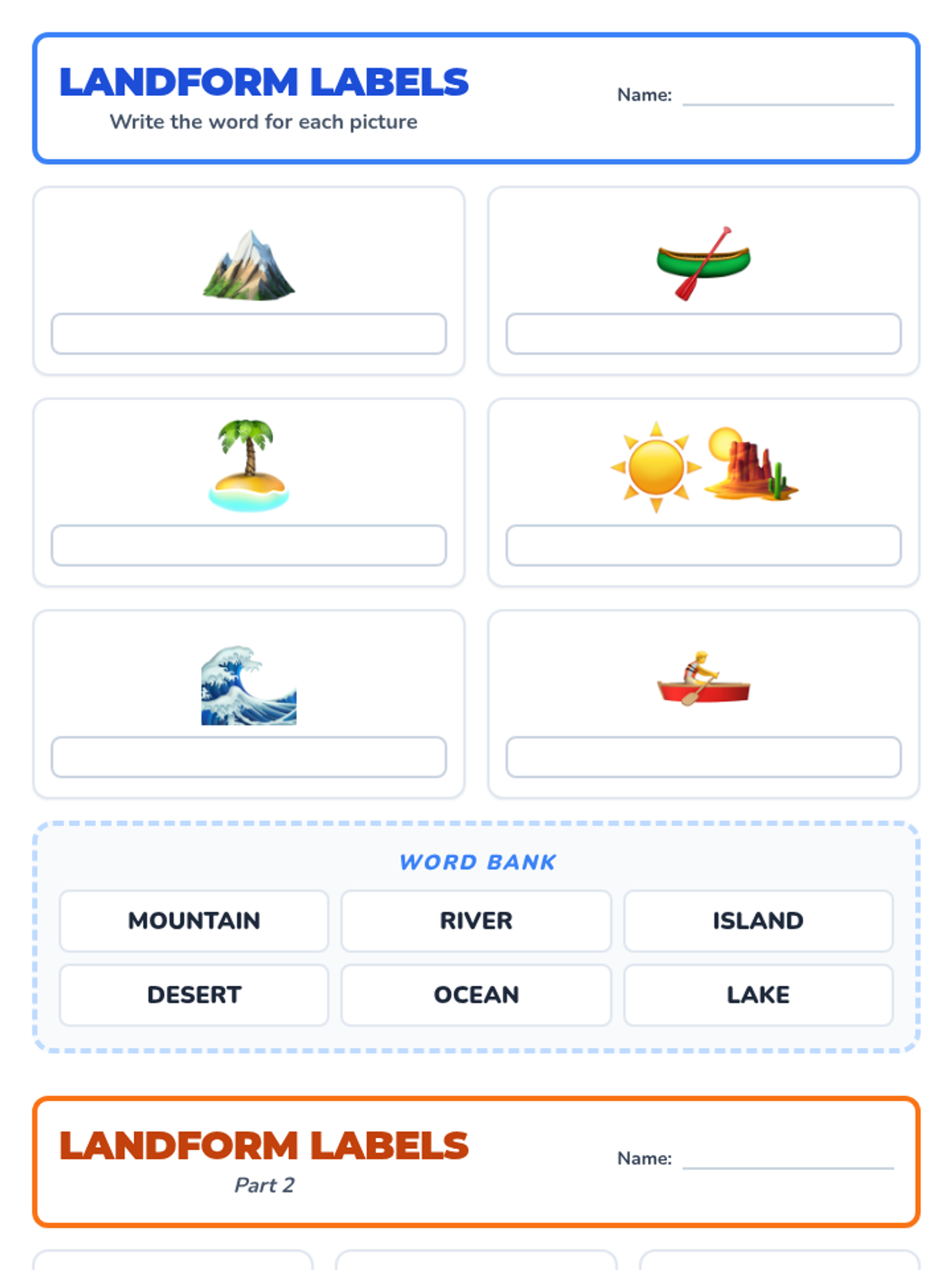
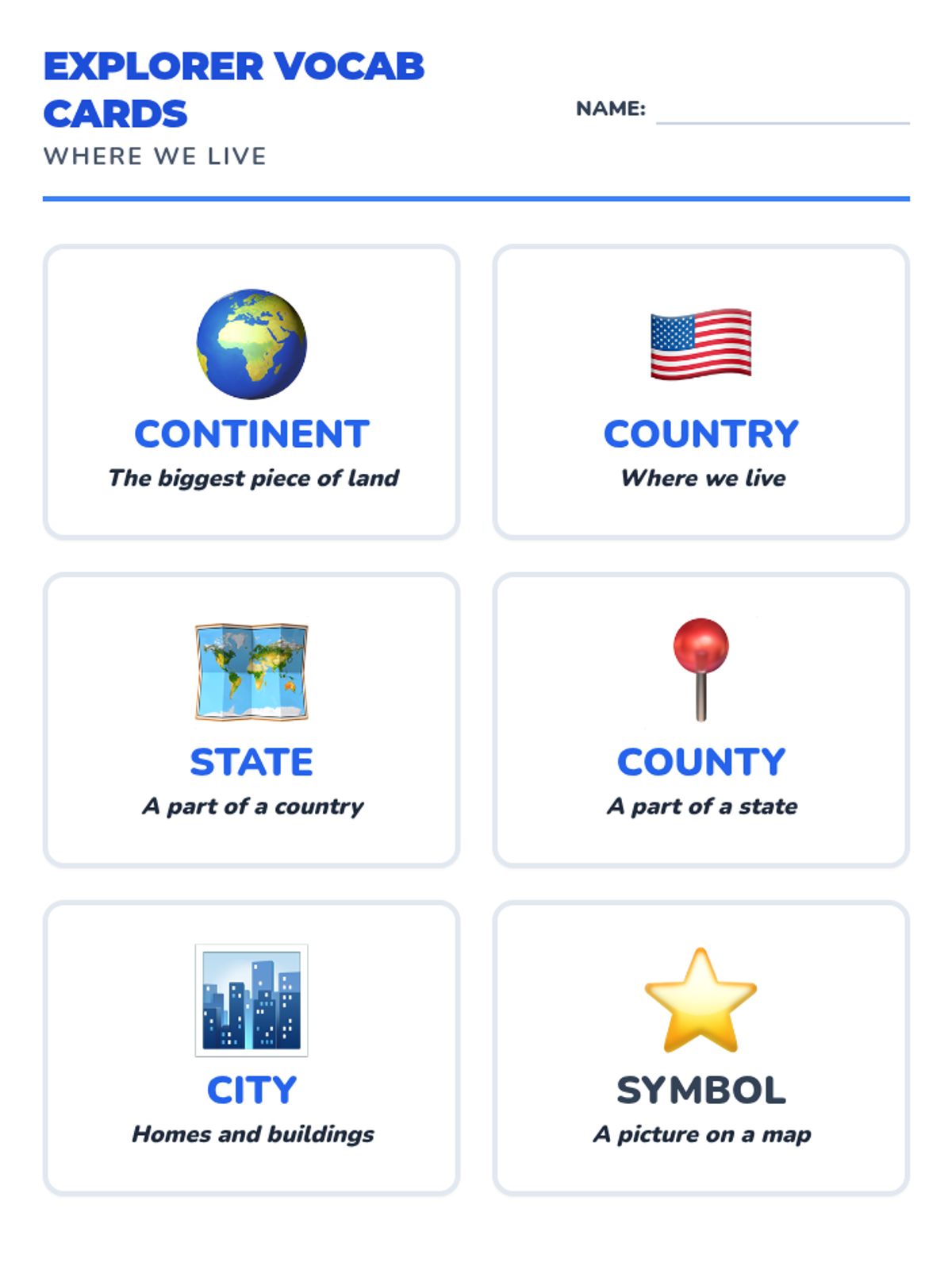
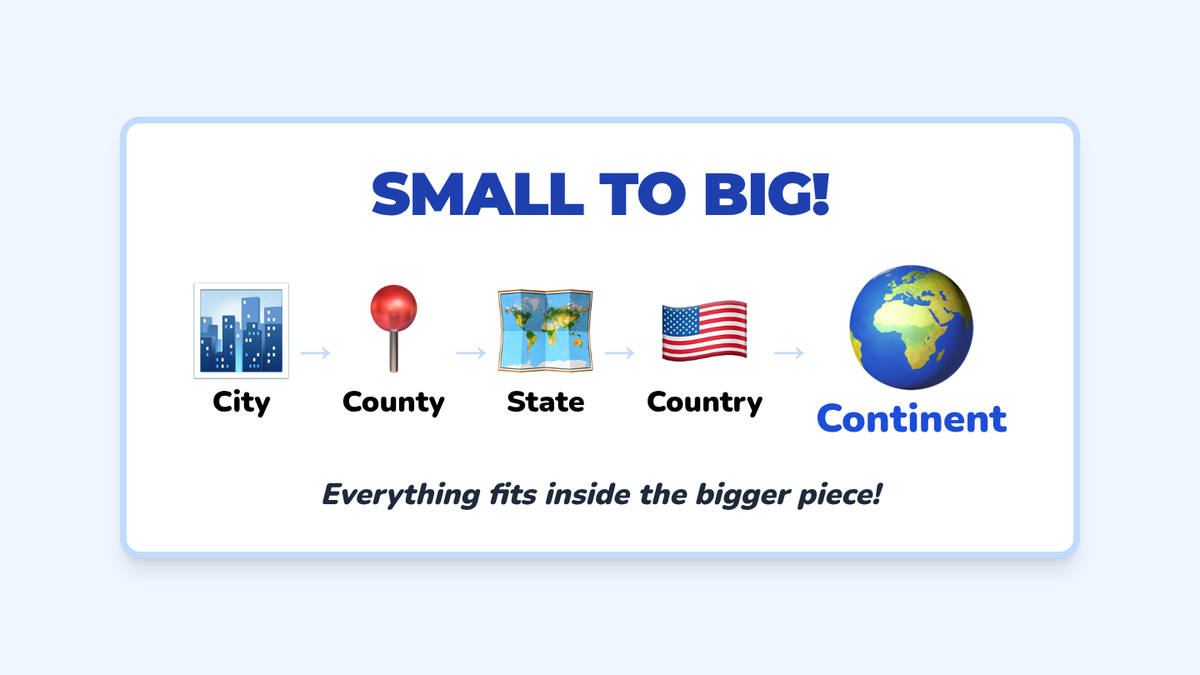
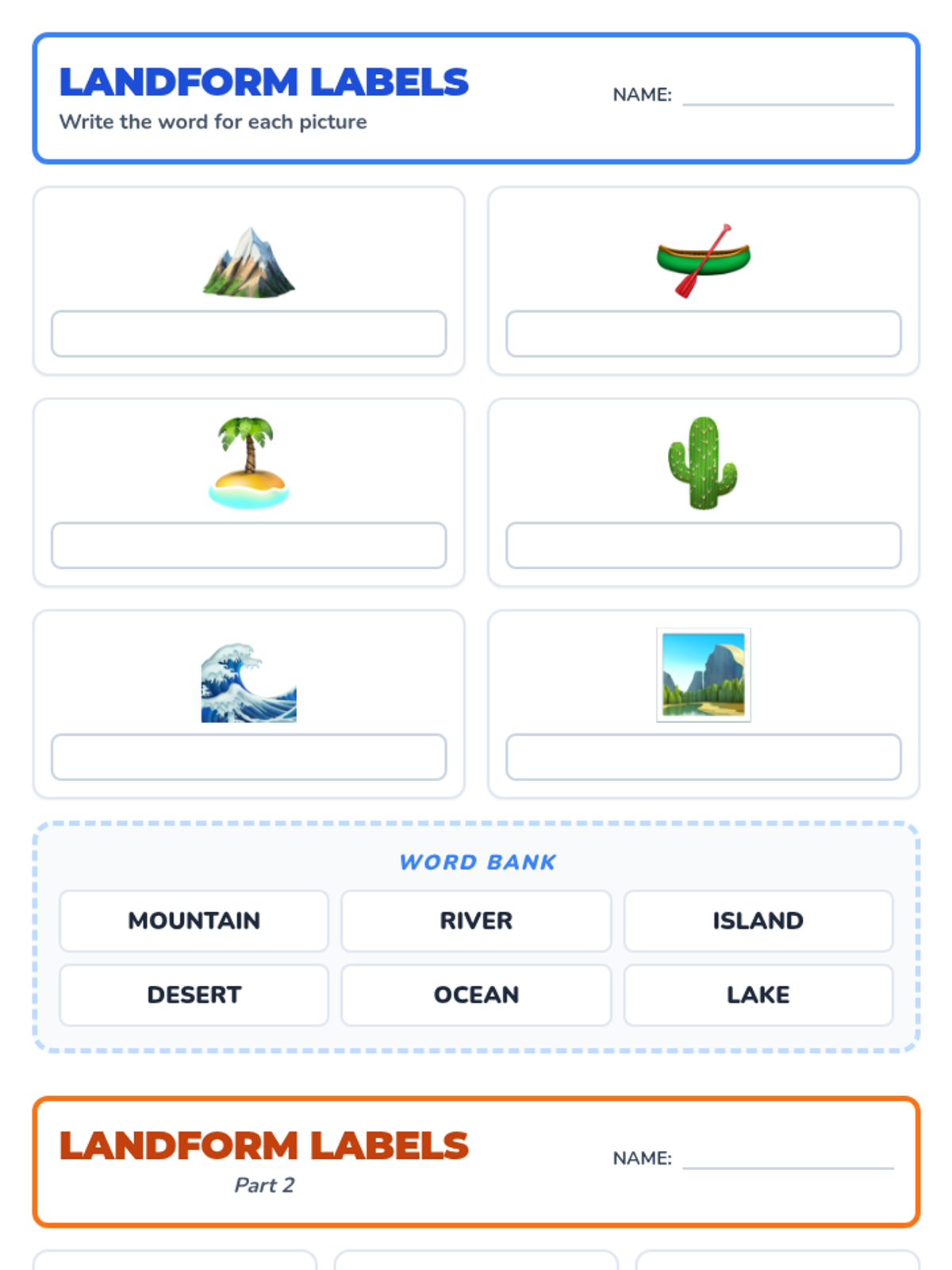
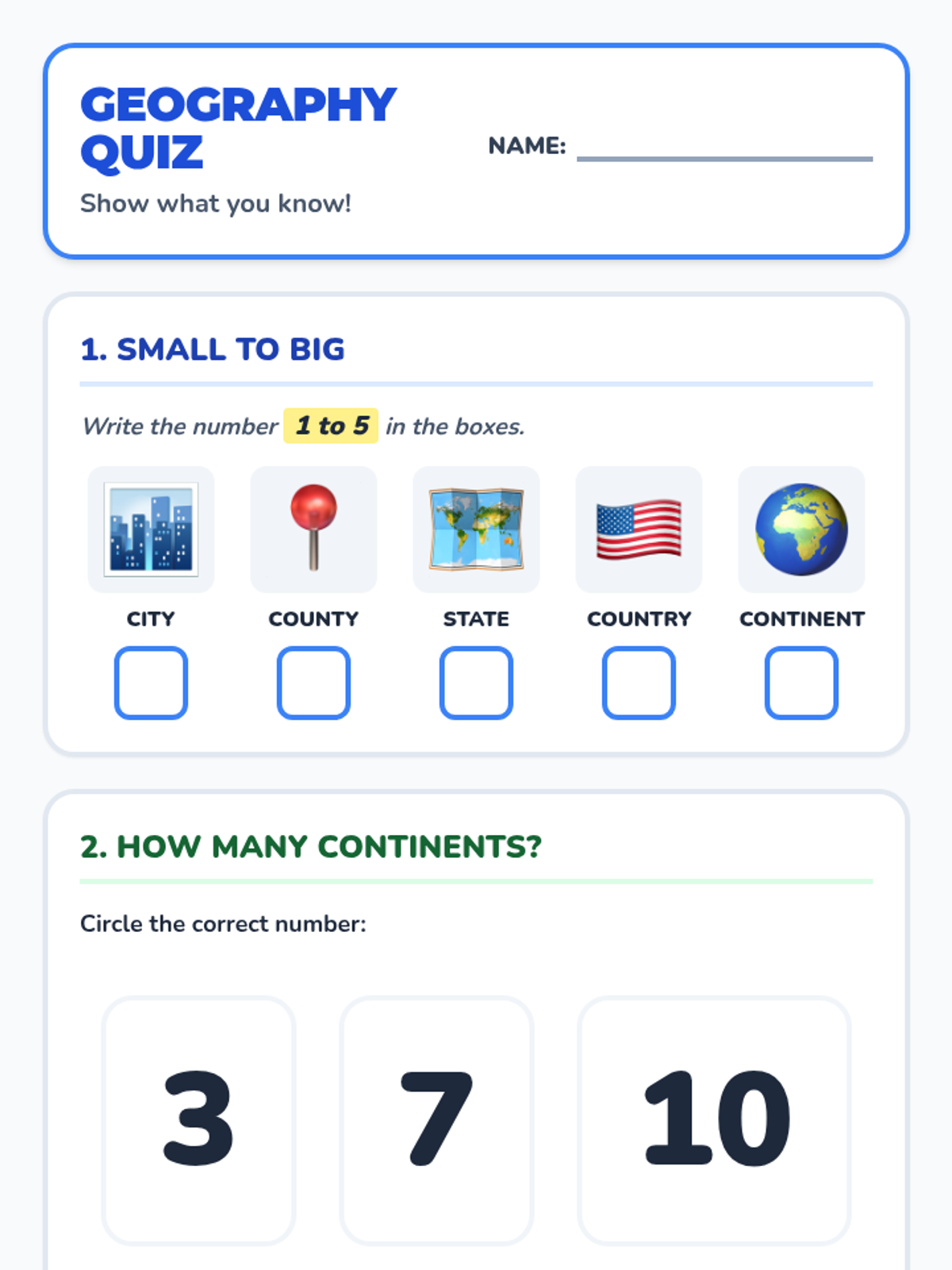
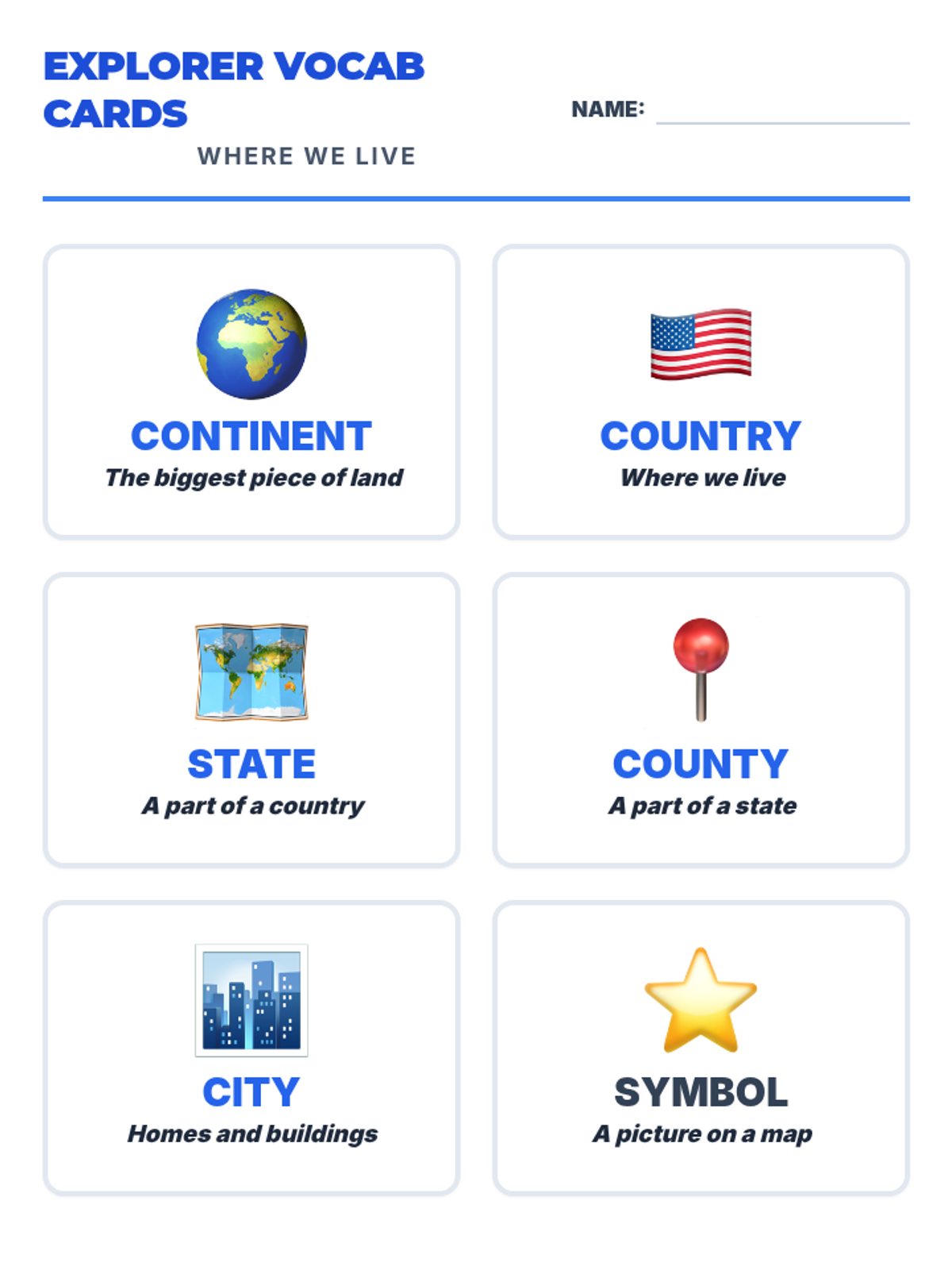
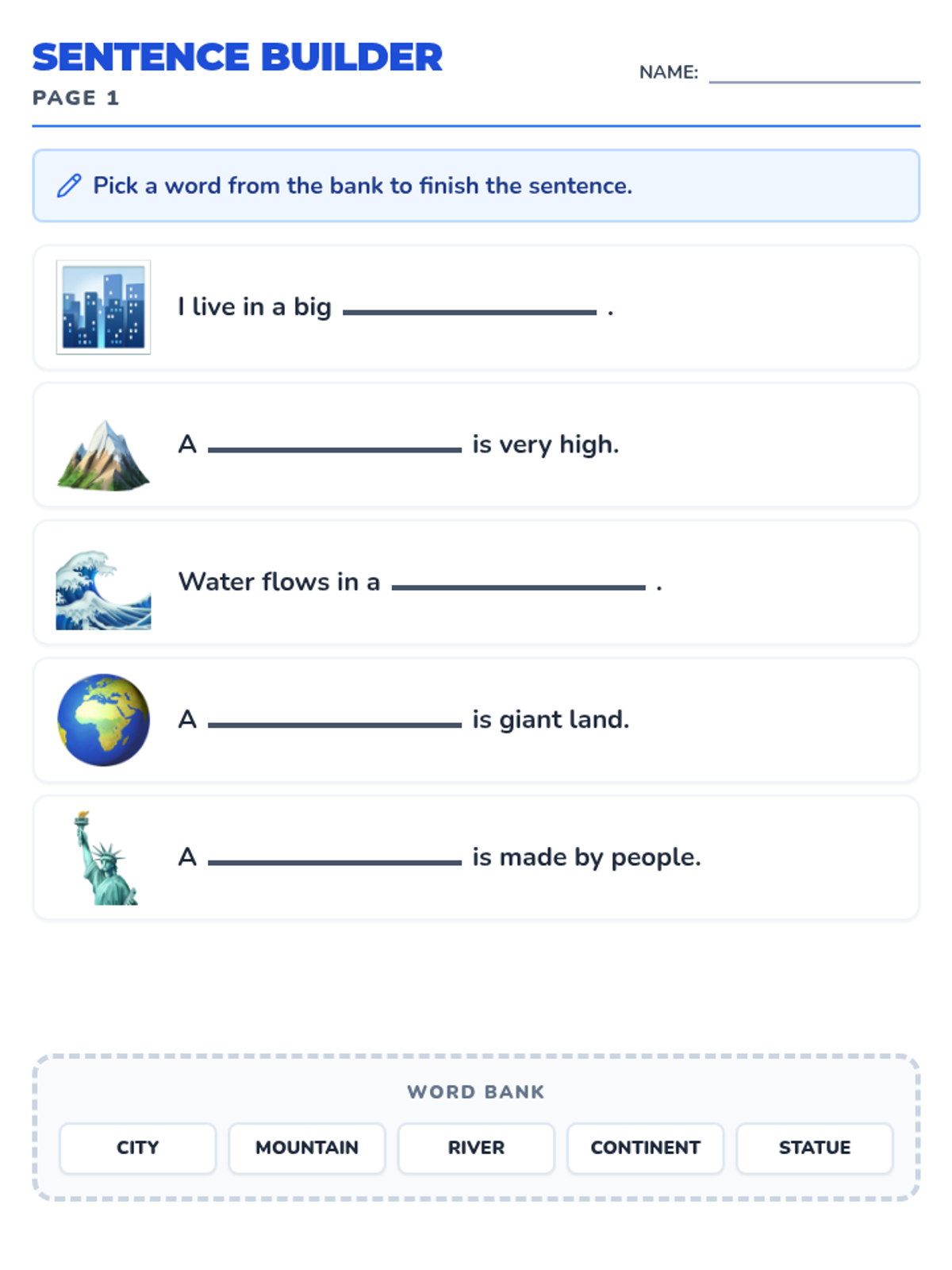
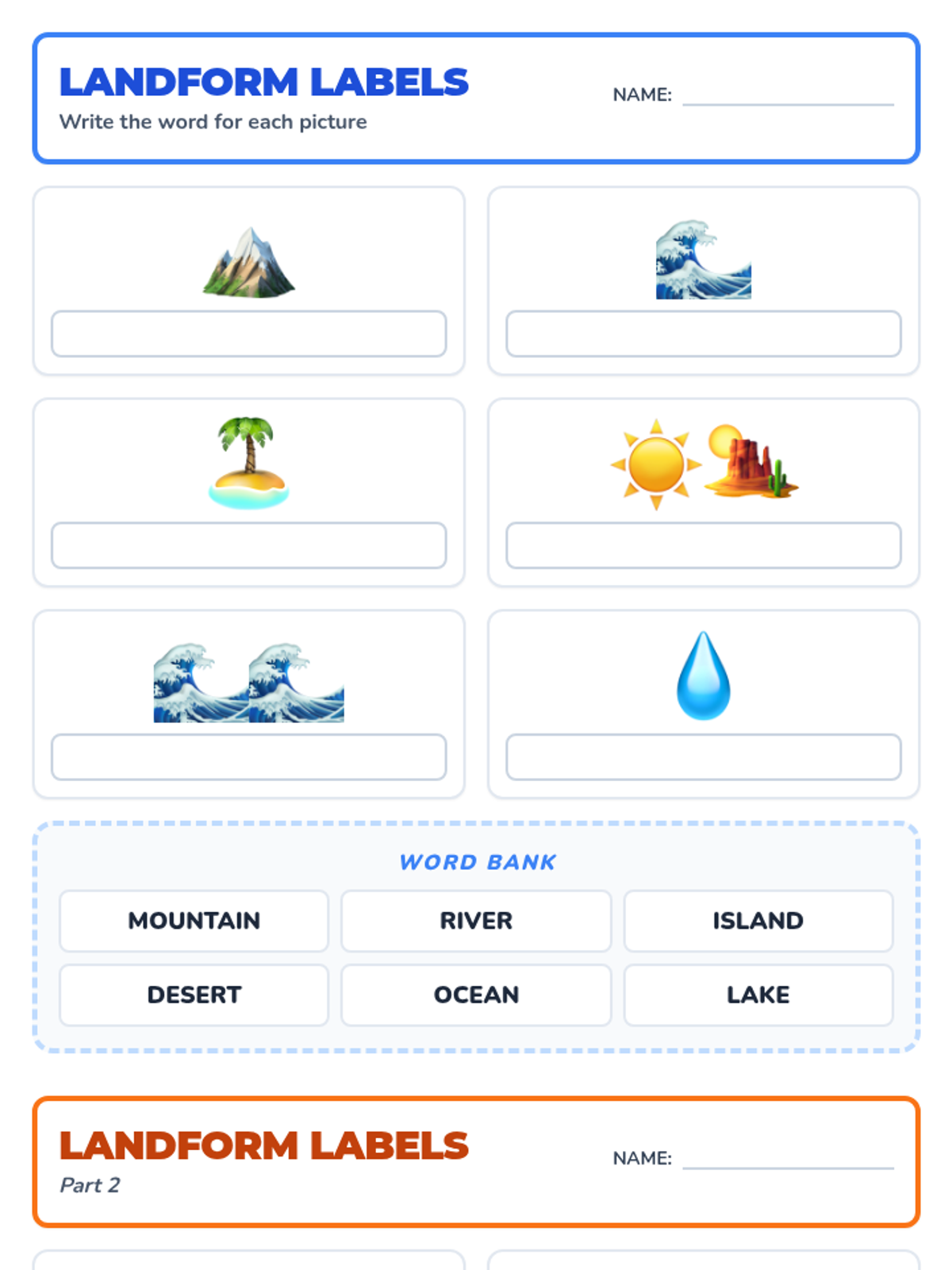
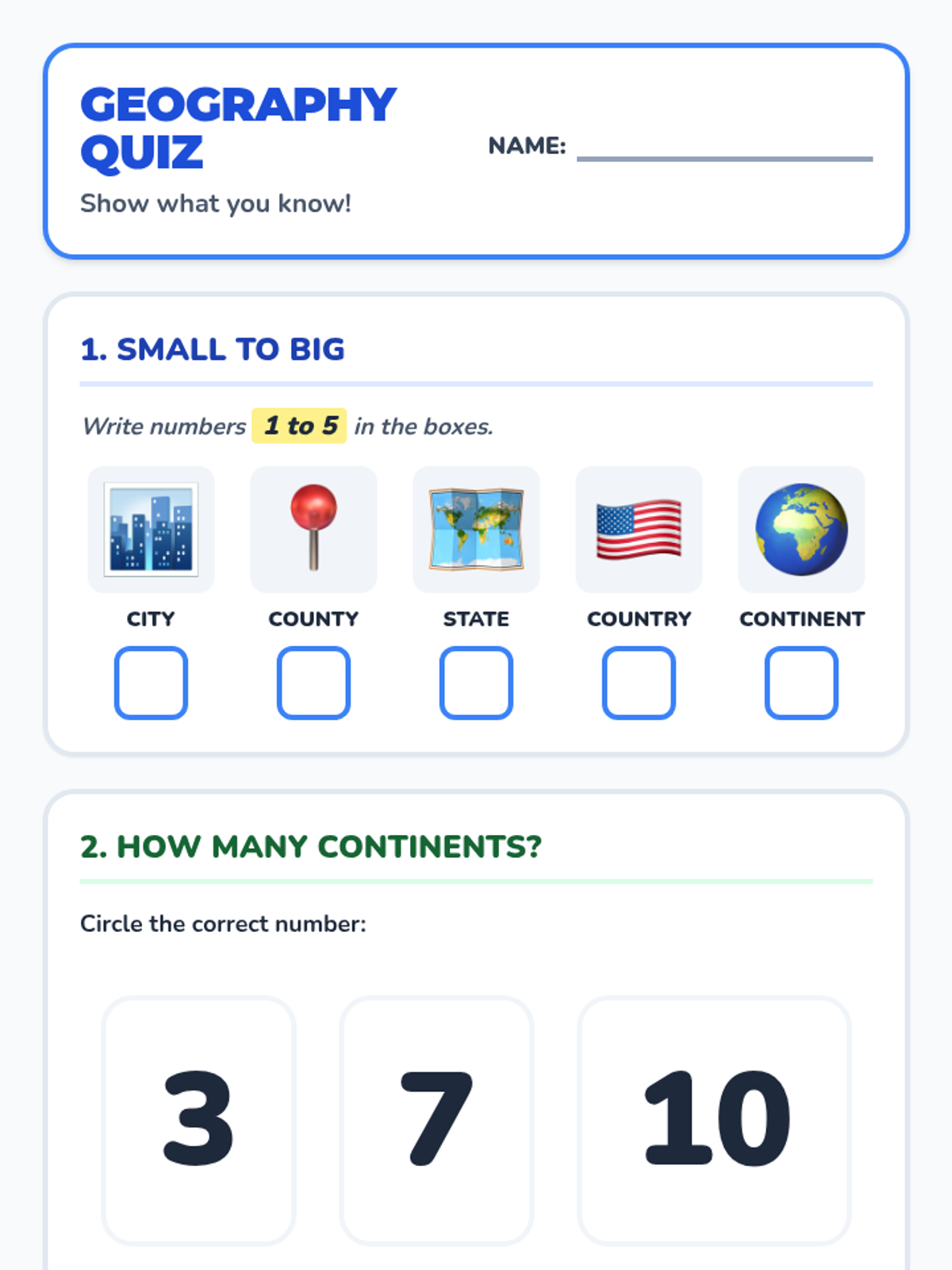
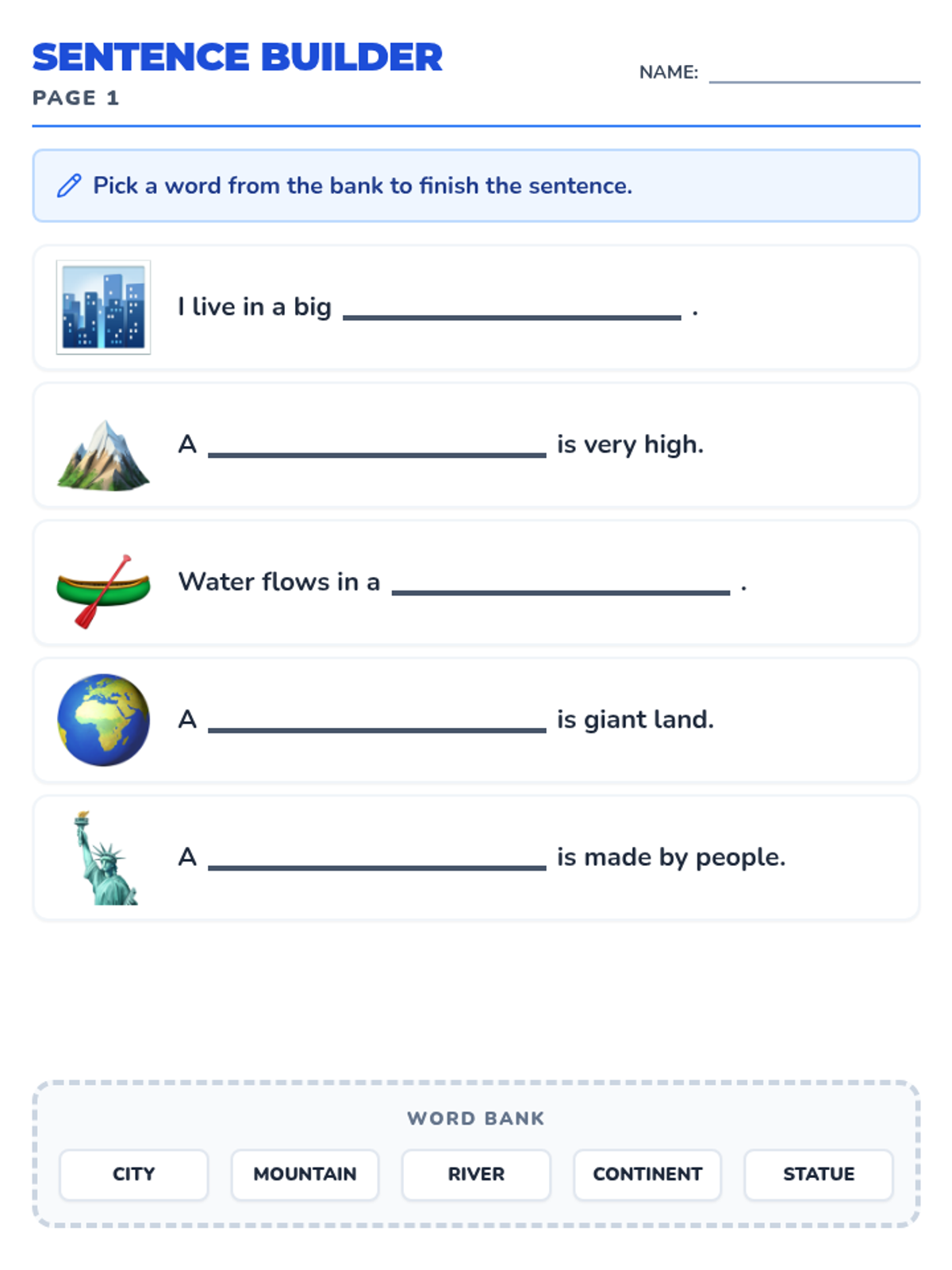
A visual-heavy lesson introducing map symbols, the hierarchy of place from city to continent, and major landforms and landmarks around the world.
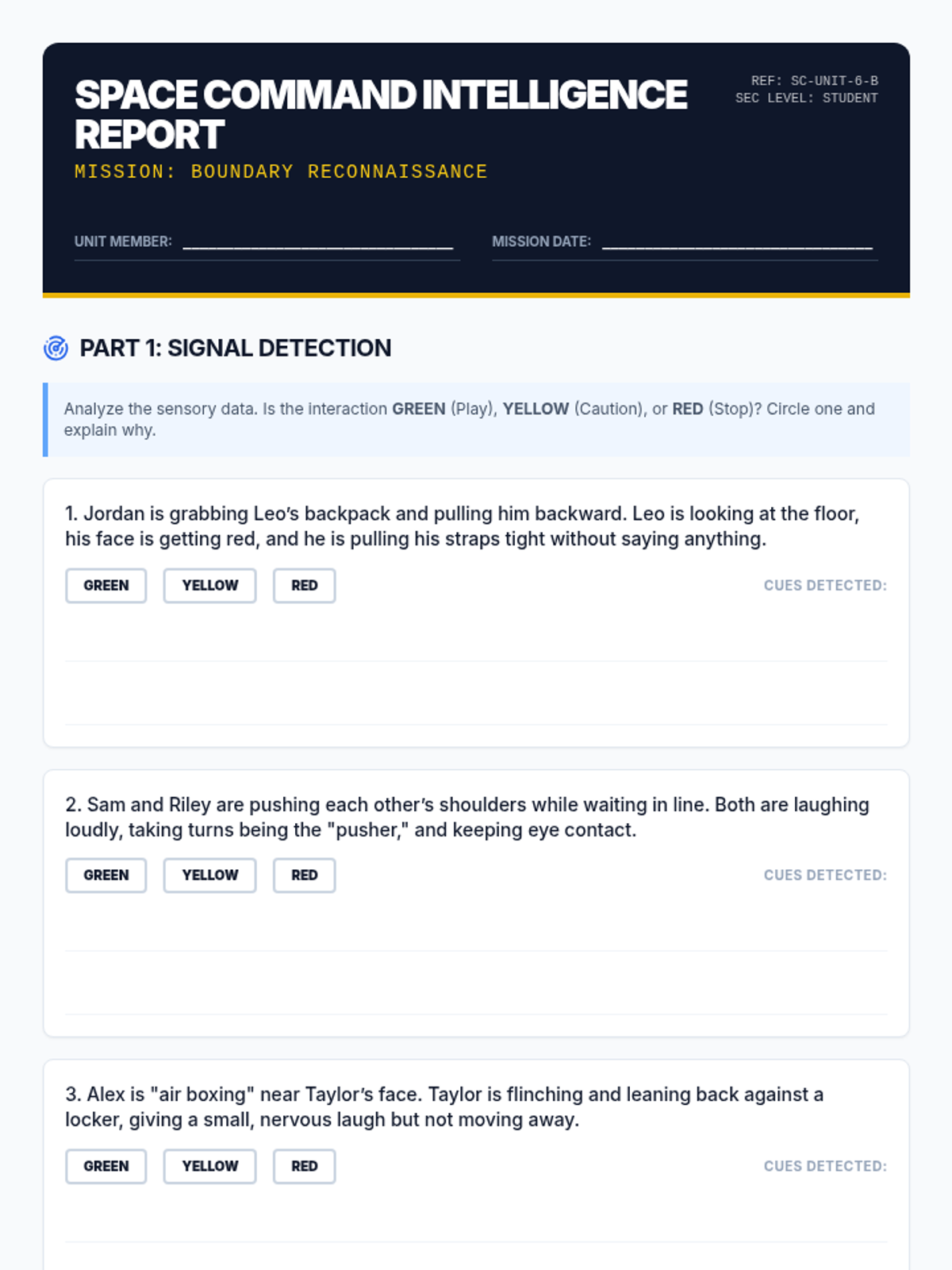
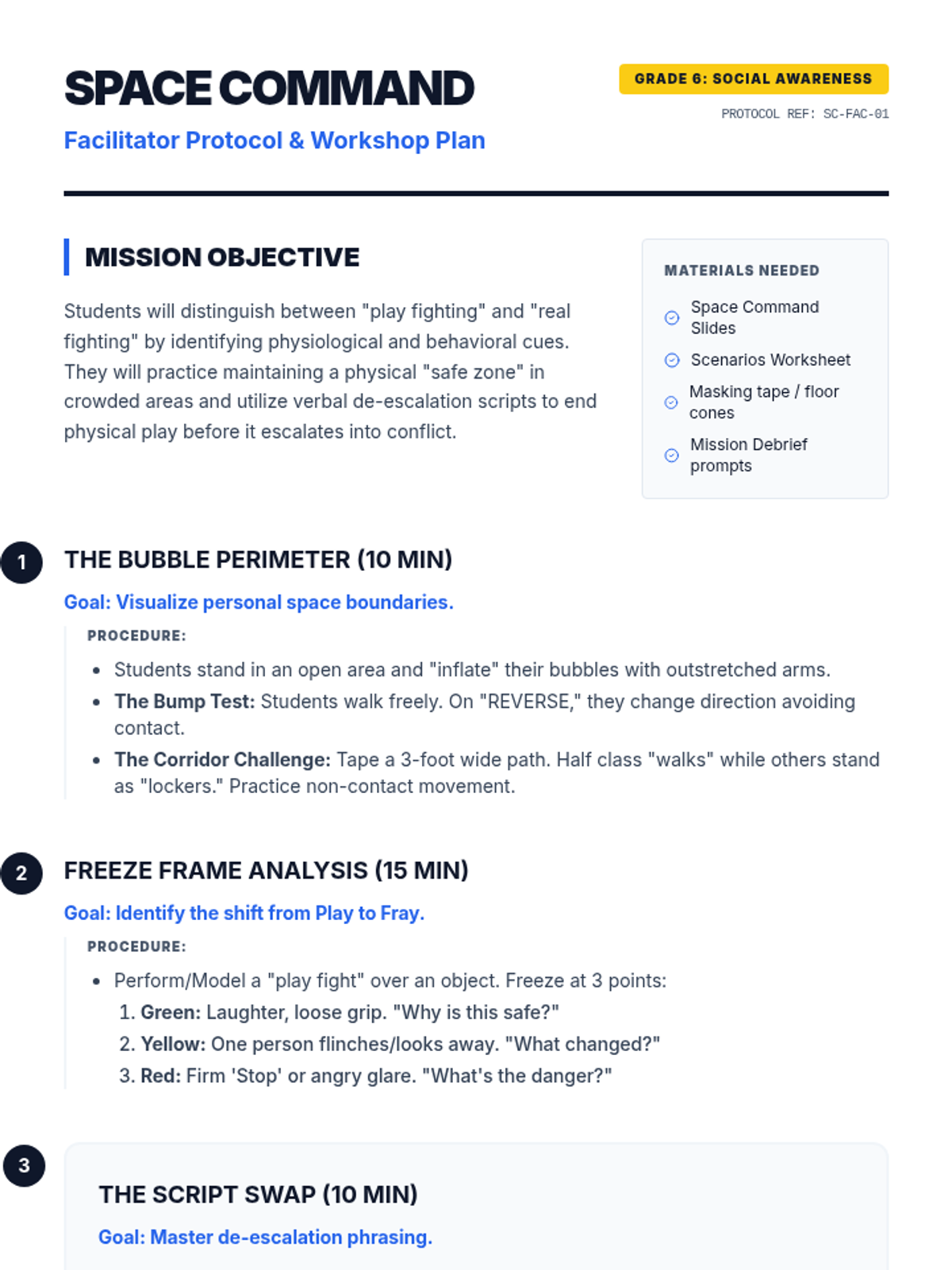
A comprehensive lesson for 6th graders on navigating personal boundaries, recognizing the shift from play to conflict, and mastering de-escalation in high-traffic school areas.
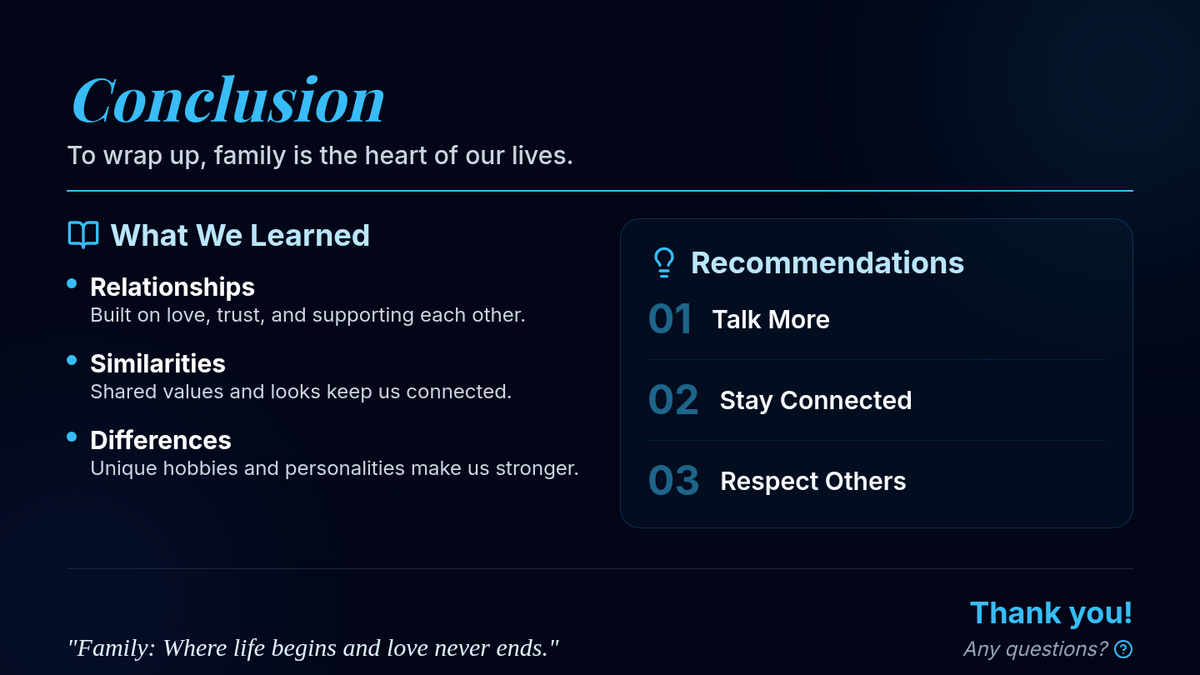
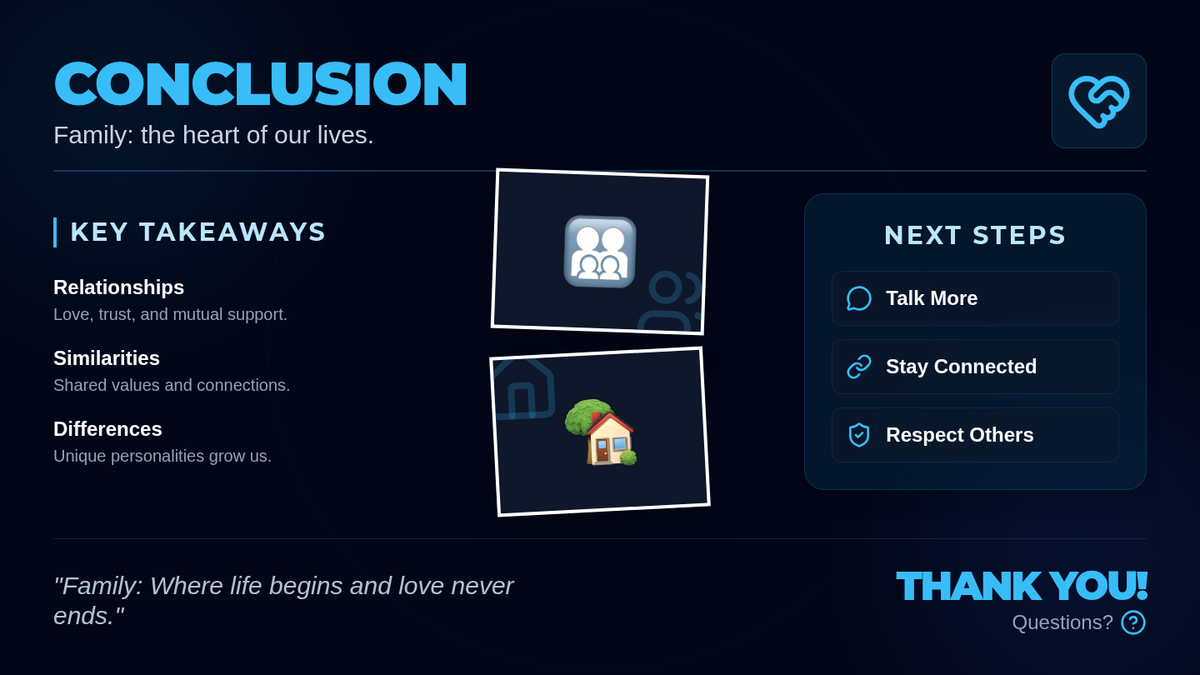
A concluding lesson on the importance of family, focusing on relationships, similarities, and differences.
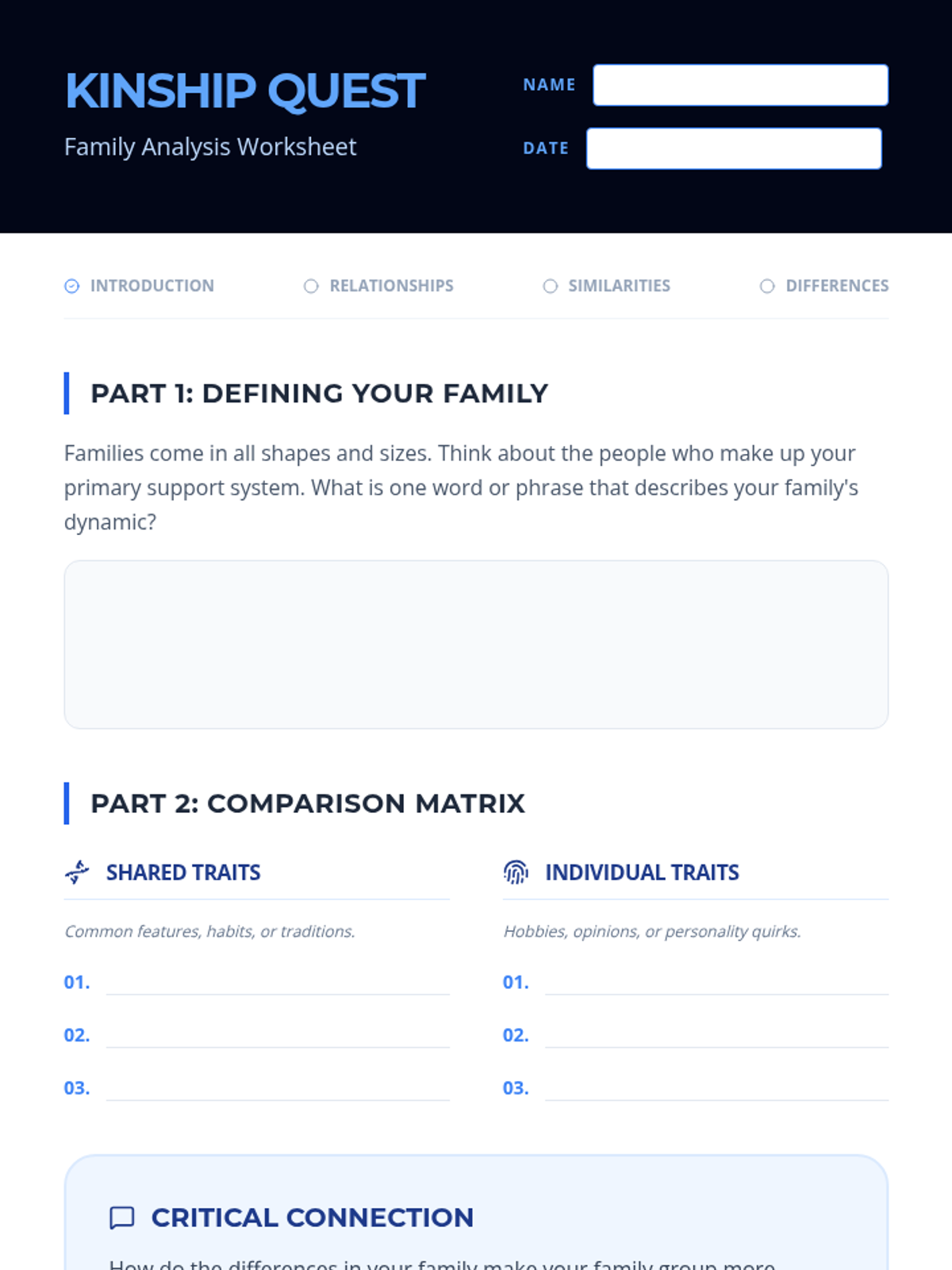
A lesson exploring the dynamics of family relationships, including the genetic and behavioral similarities and differences that make every family unique.
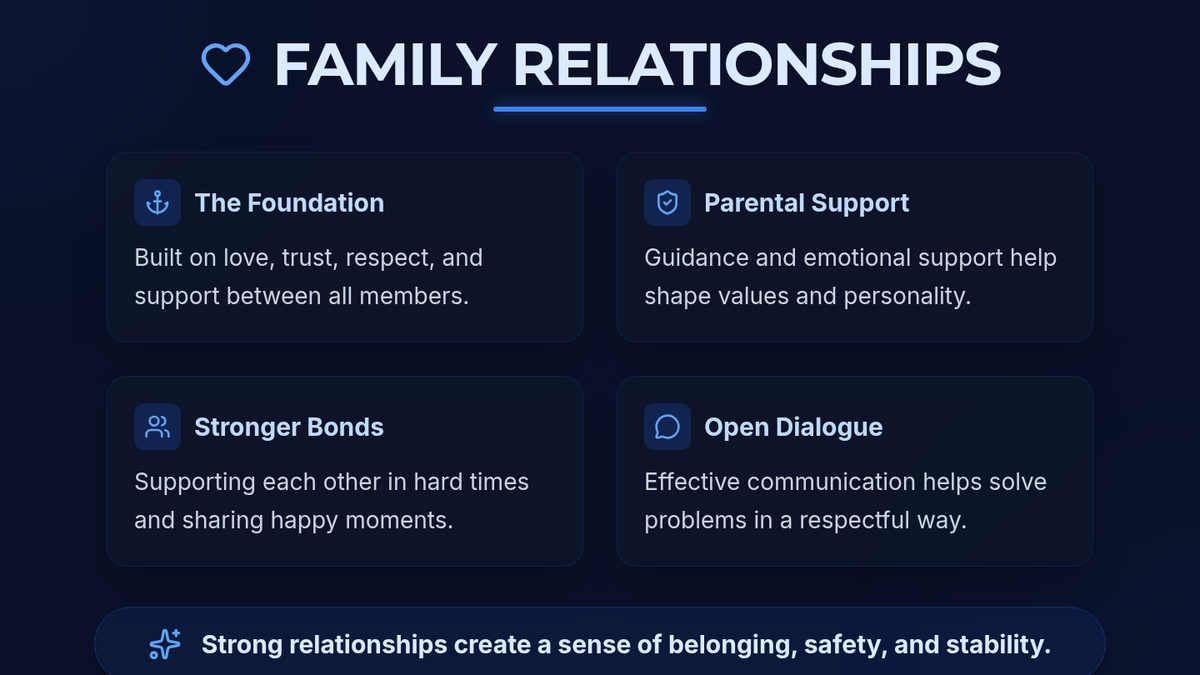
A lesson exploring the importance of family relationships, the roles of parents, and how communication strengthens bonds.
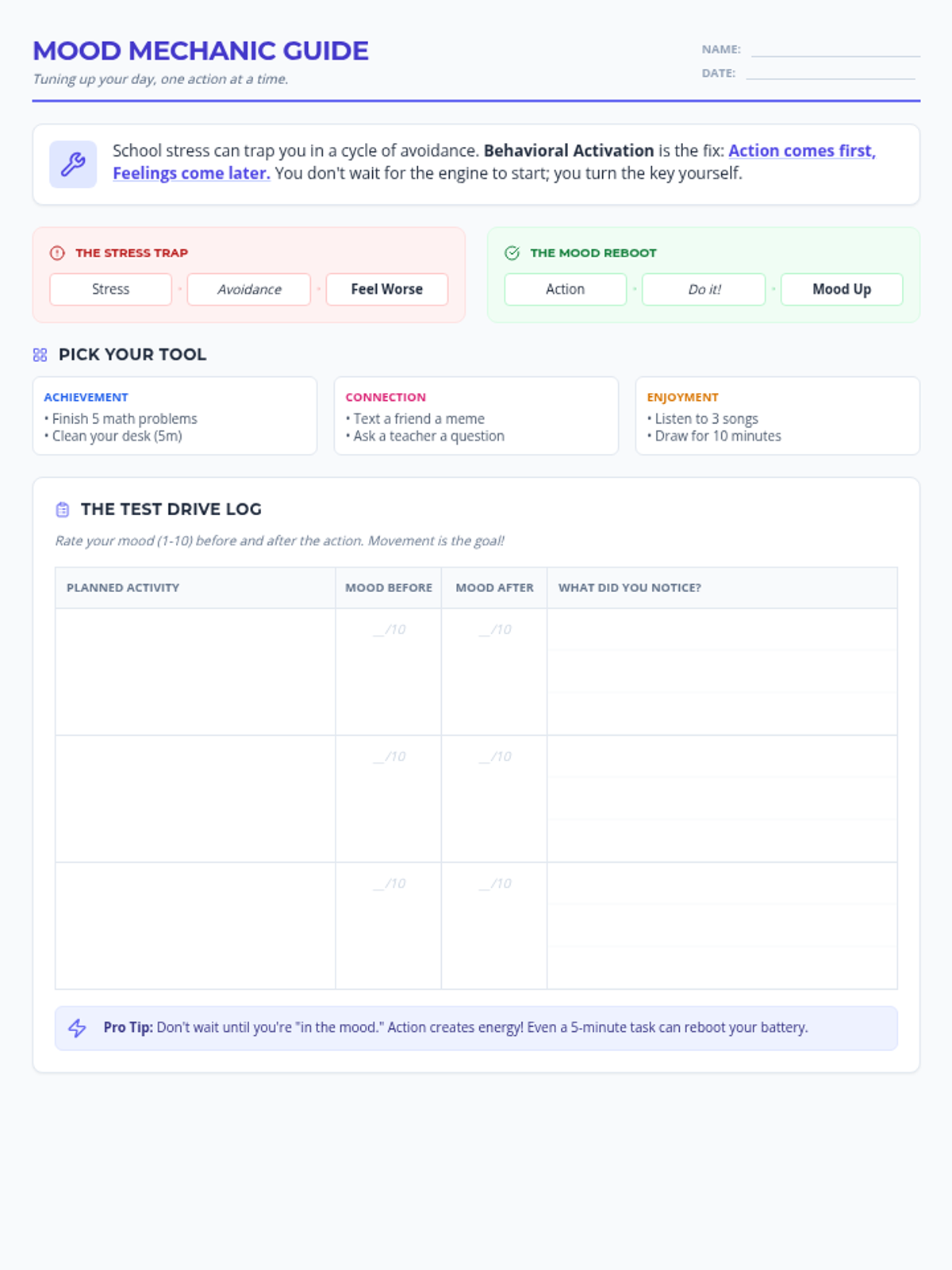
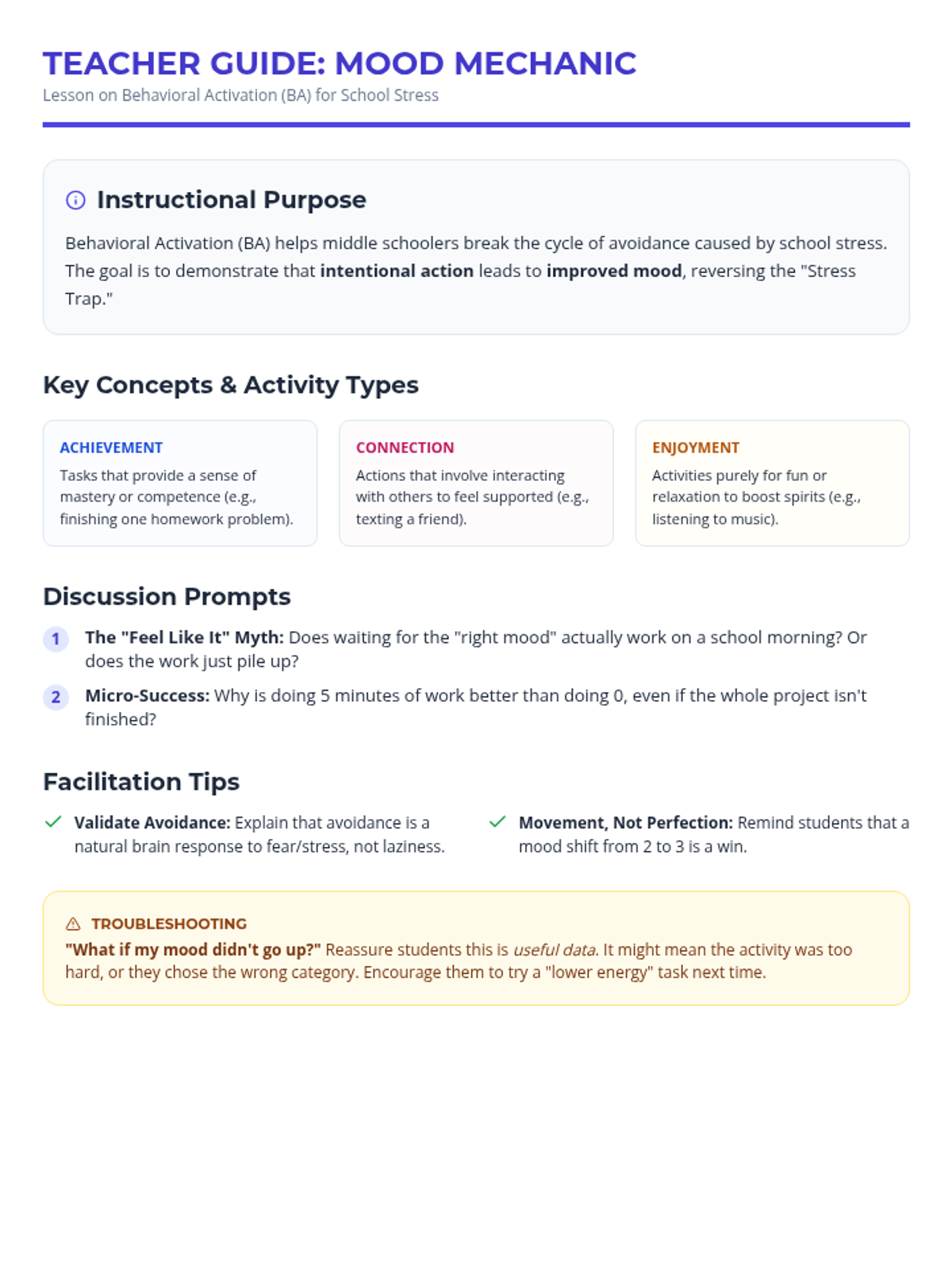
This lesson introduces middle school students to Behavioral Activation, a practical tool for managing school-related stress by changing actions to improve mood. Students will learn the 'vicious cycle' of stress and practice planning and tracking activities using a before-and-after mood scale.
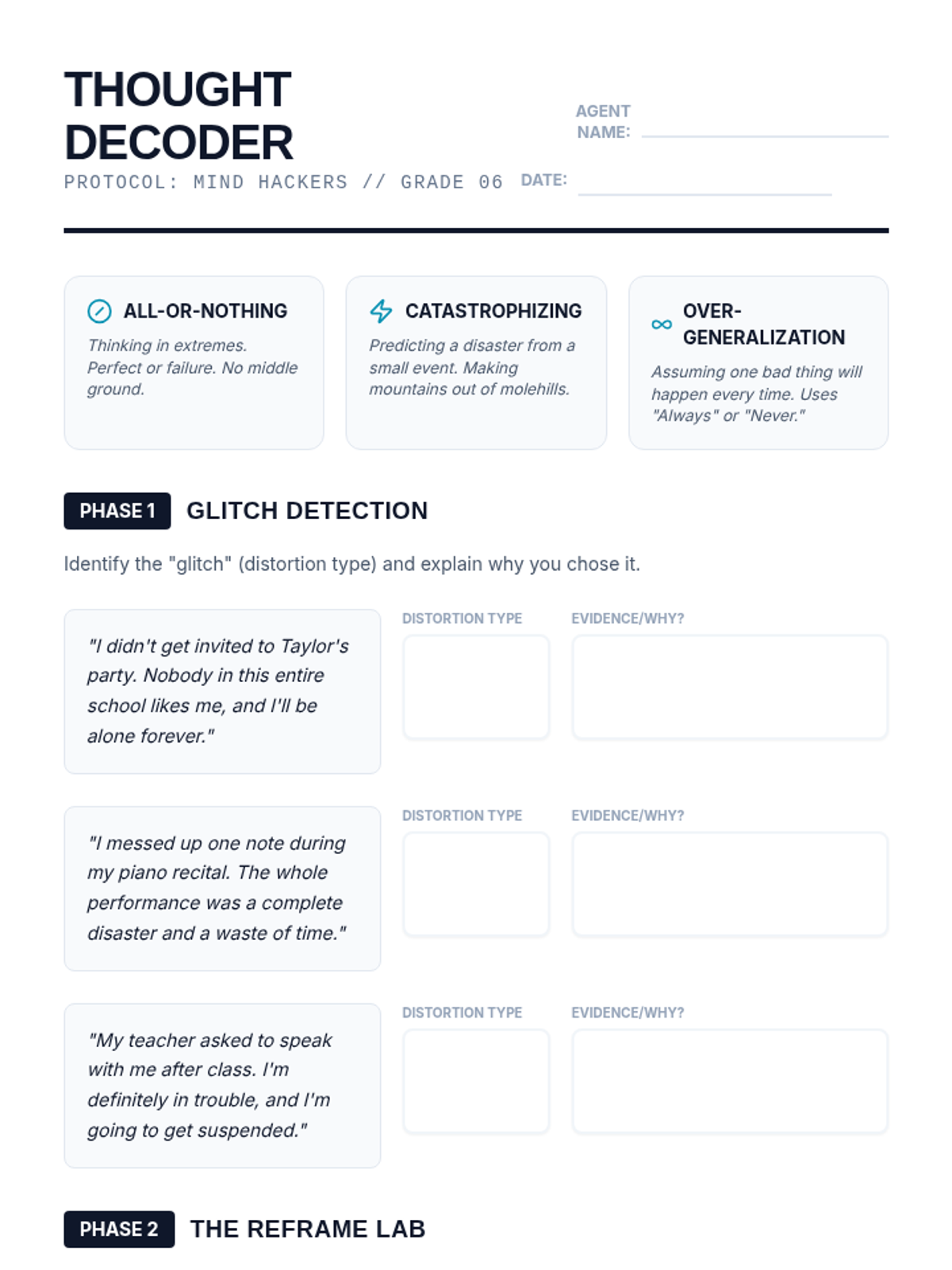
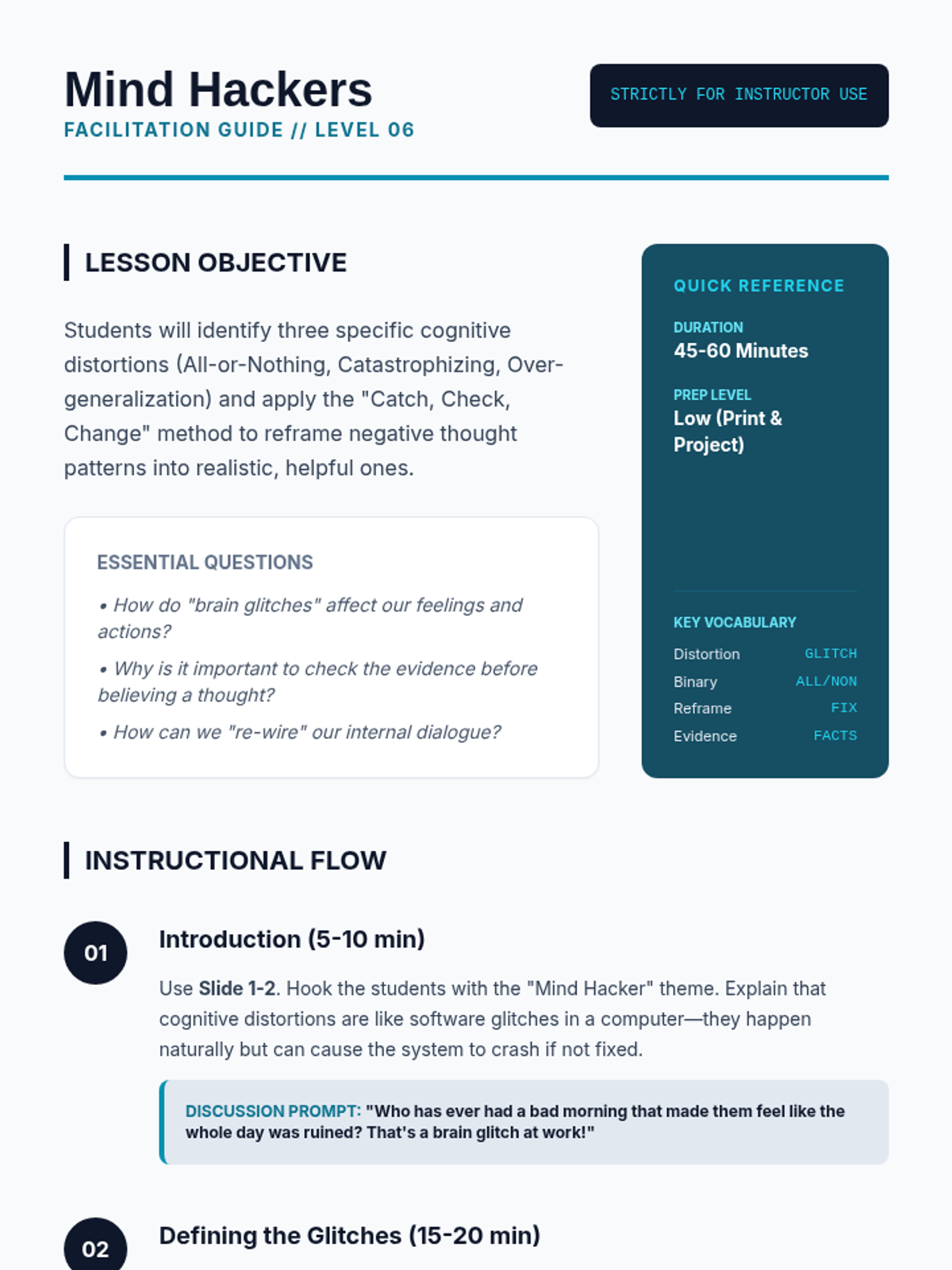
A lesson for 6th graders to identify and reframe three common cognitive distortions: all-or-nothing thinking, catastrophizing, and over-generalization. Students learn the 'Catch, Check, Change' method to manage negative thought patterns.
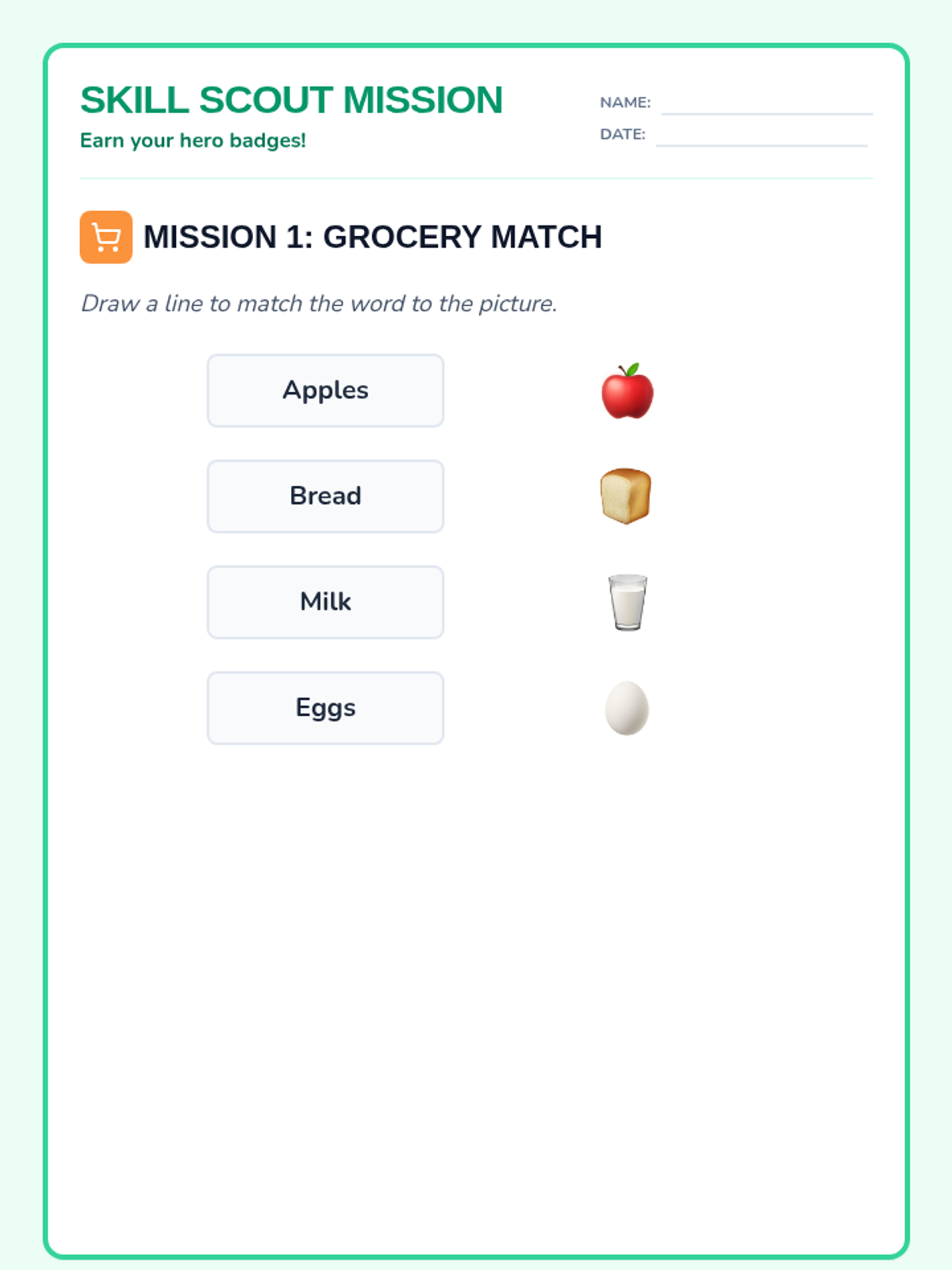
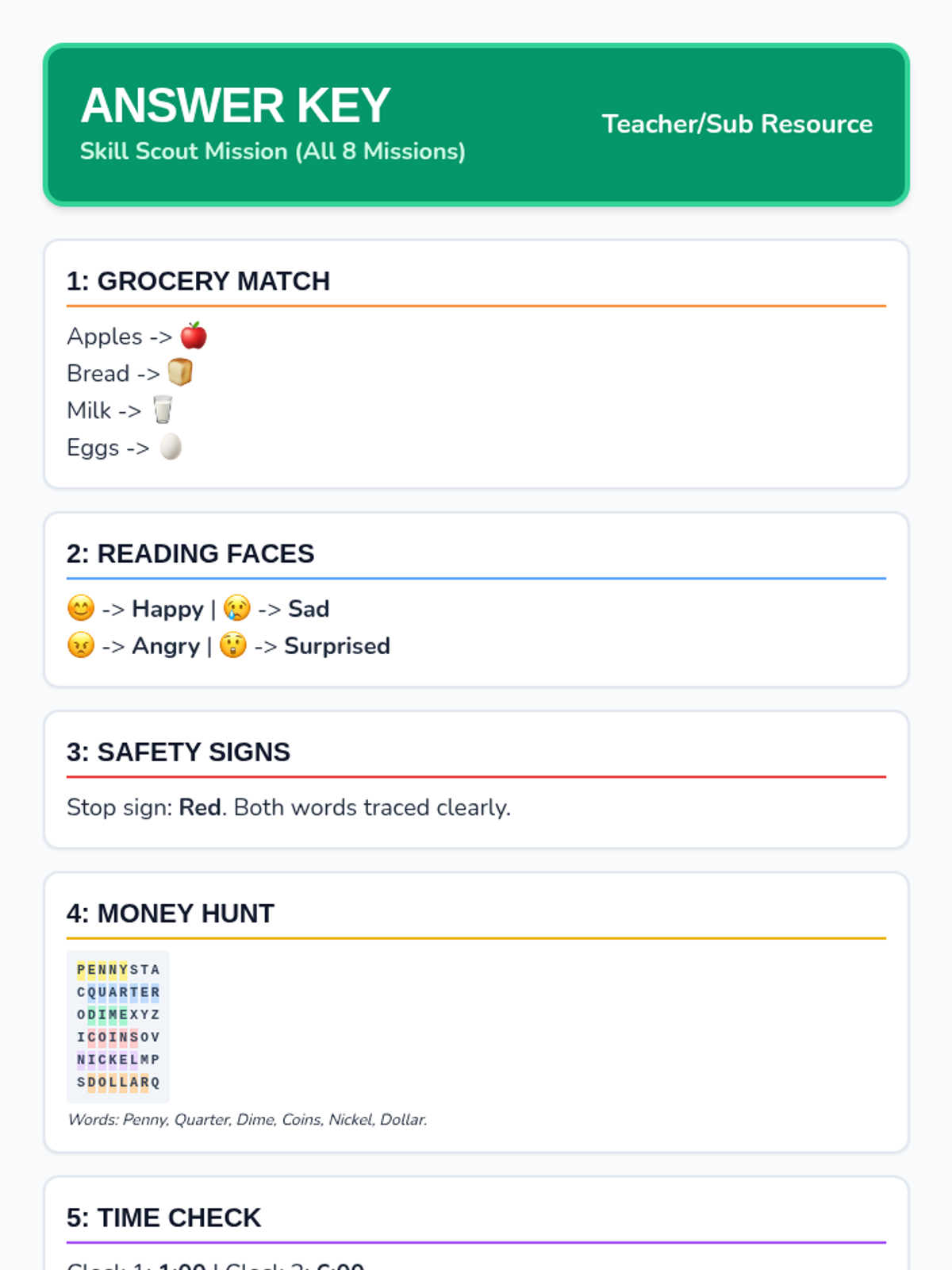
A fun and engaging life skills lesson focusing on essential daily tasks like grocery shopping, emotional literacy, safety awareness, and money identification.
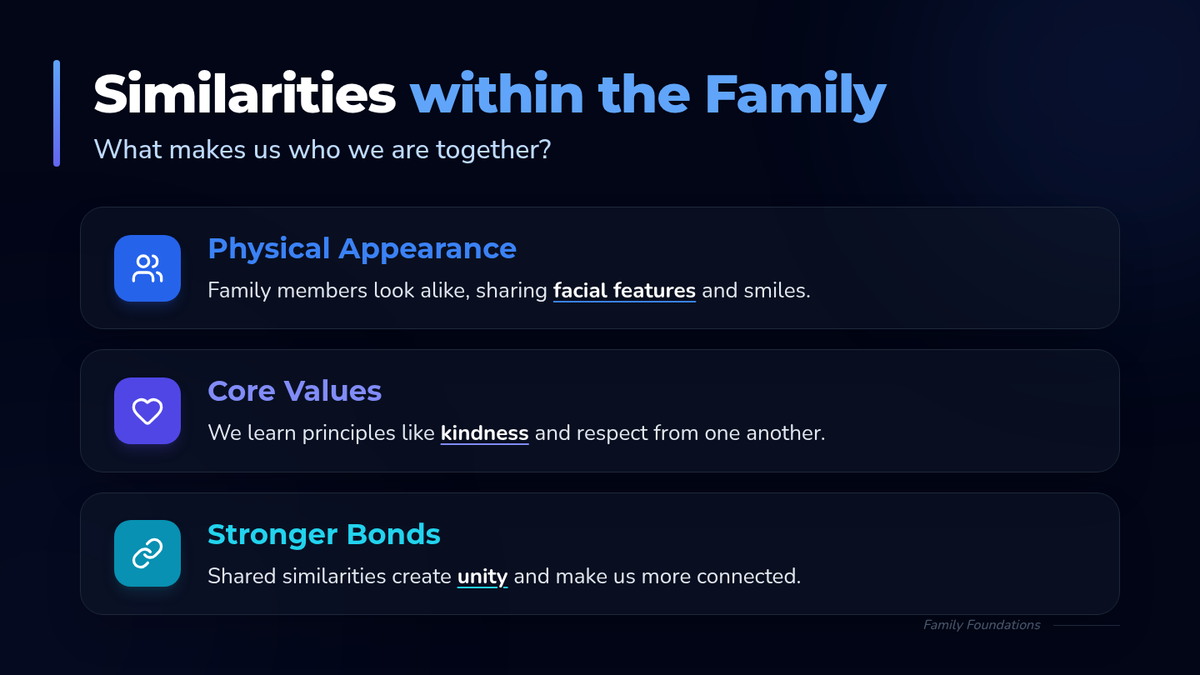
A lesson exploring the common traits and values that bind family members together, focusing on physical similarities, core values, and emotional bonds.
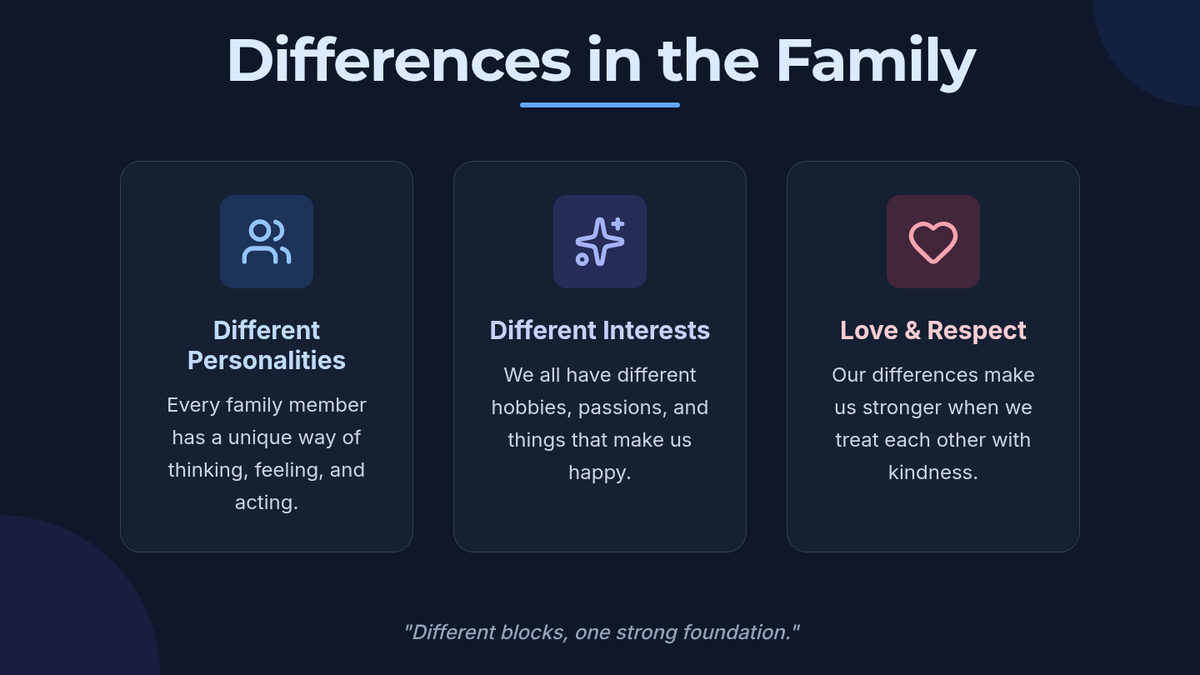
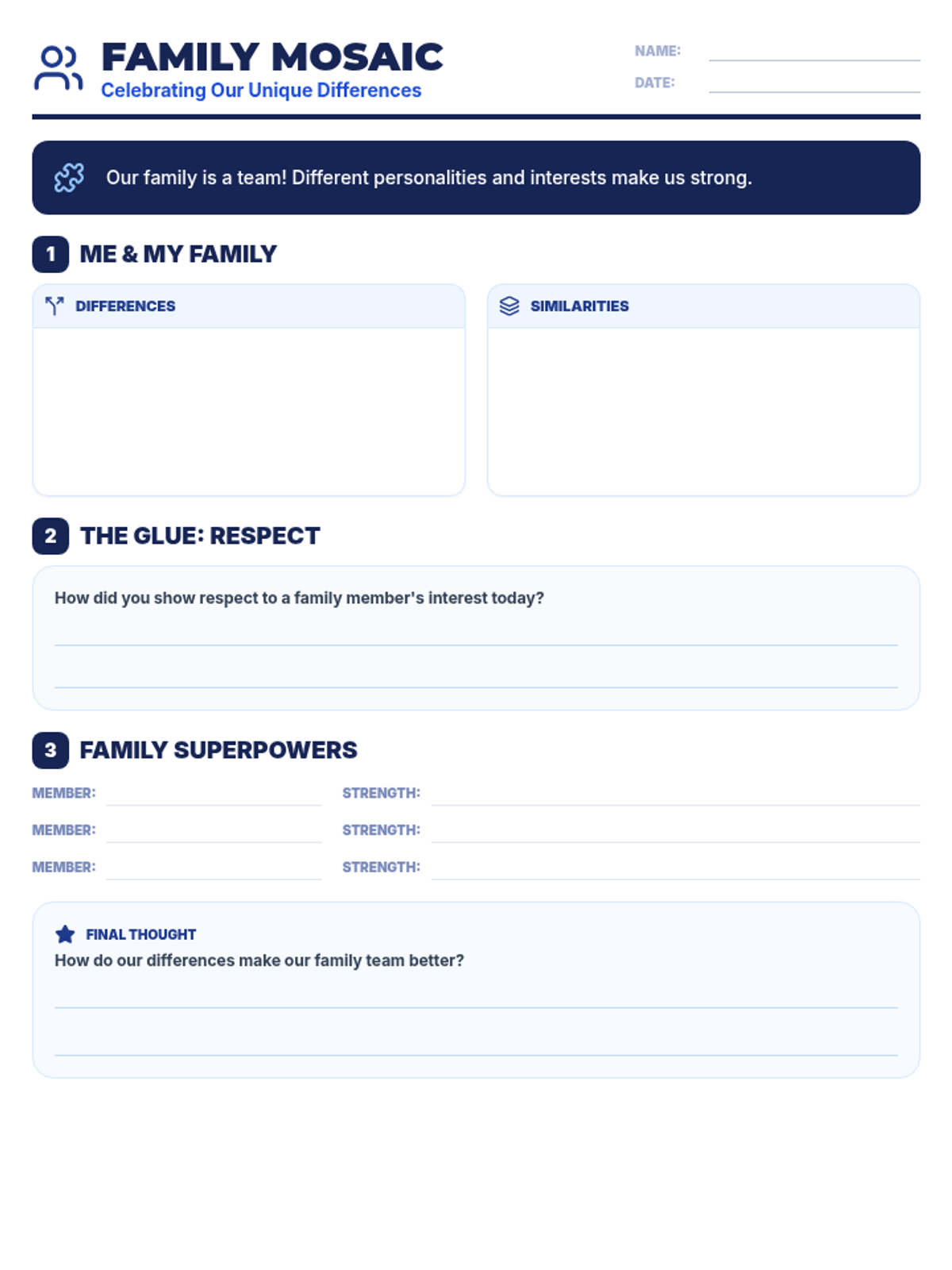
A lesson exploring how families are composed of unique individuals with different personalities and interests, all united by love and respect.
A lesson exploring how individual differences in personality and interests enrich family life, emphasized by the core values of love and respect.
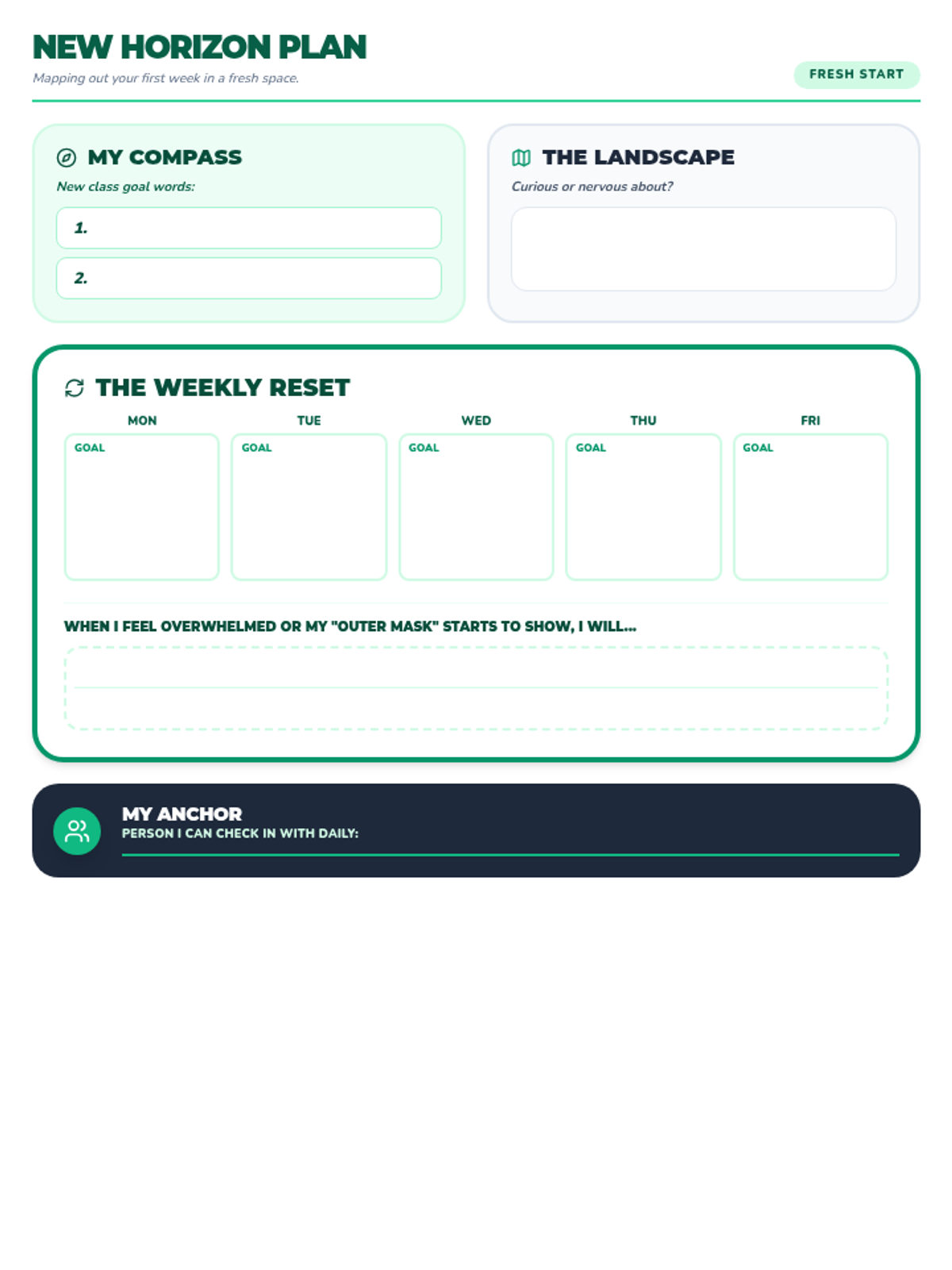
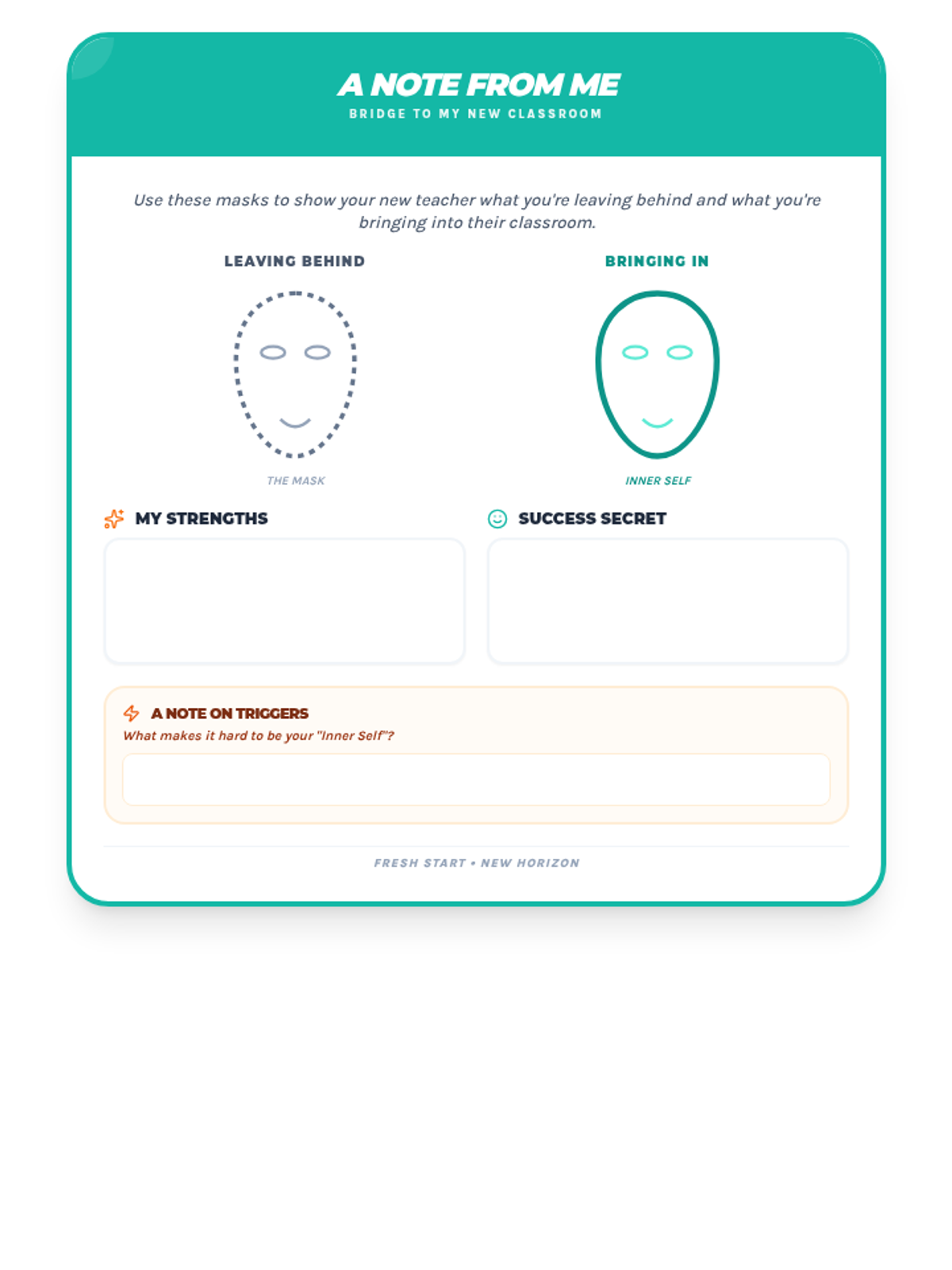
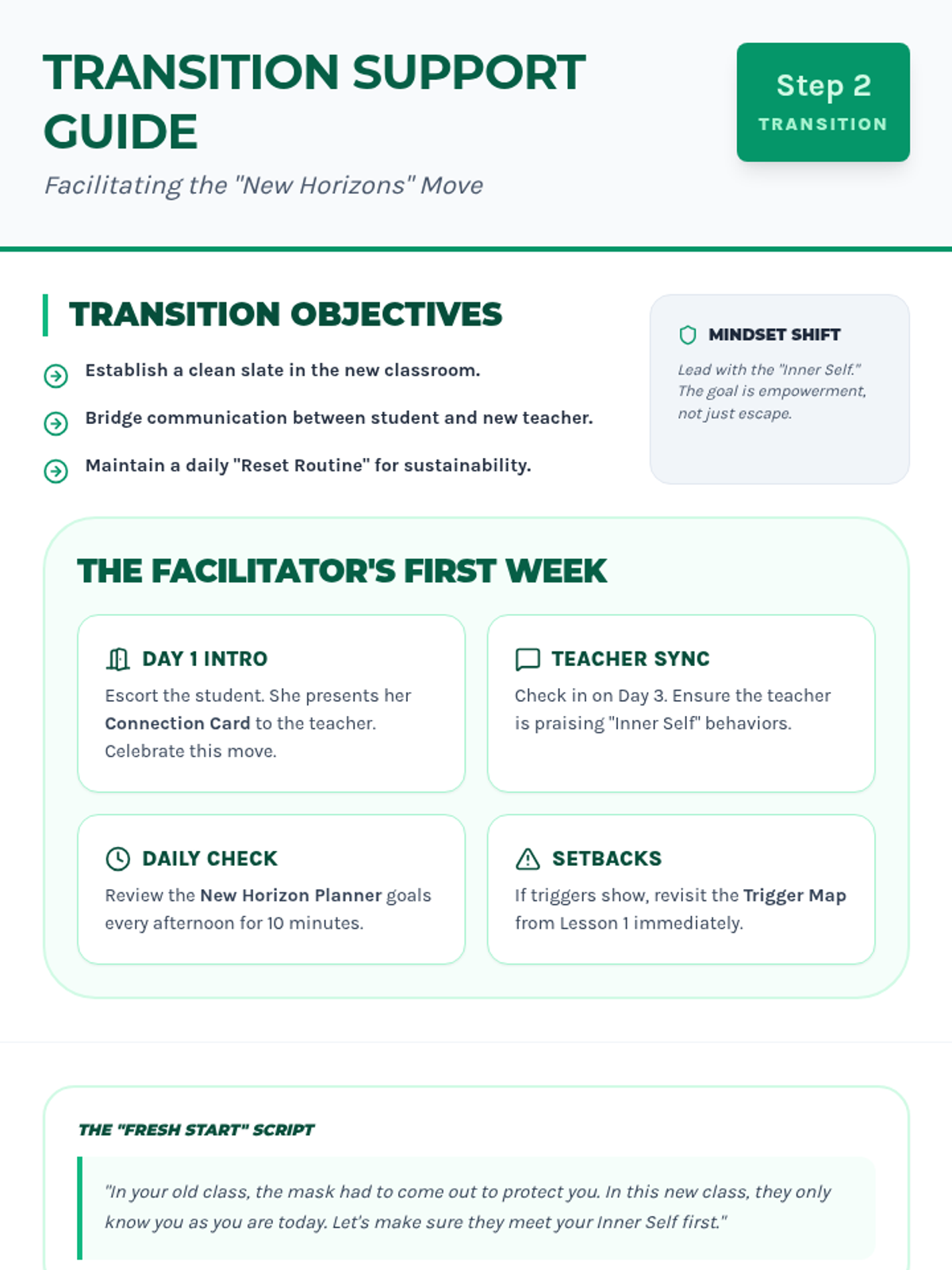
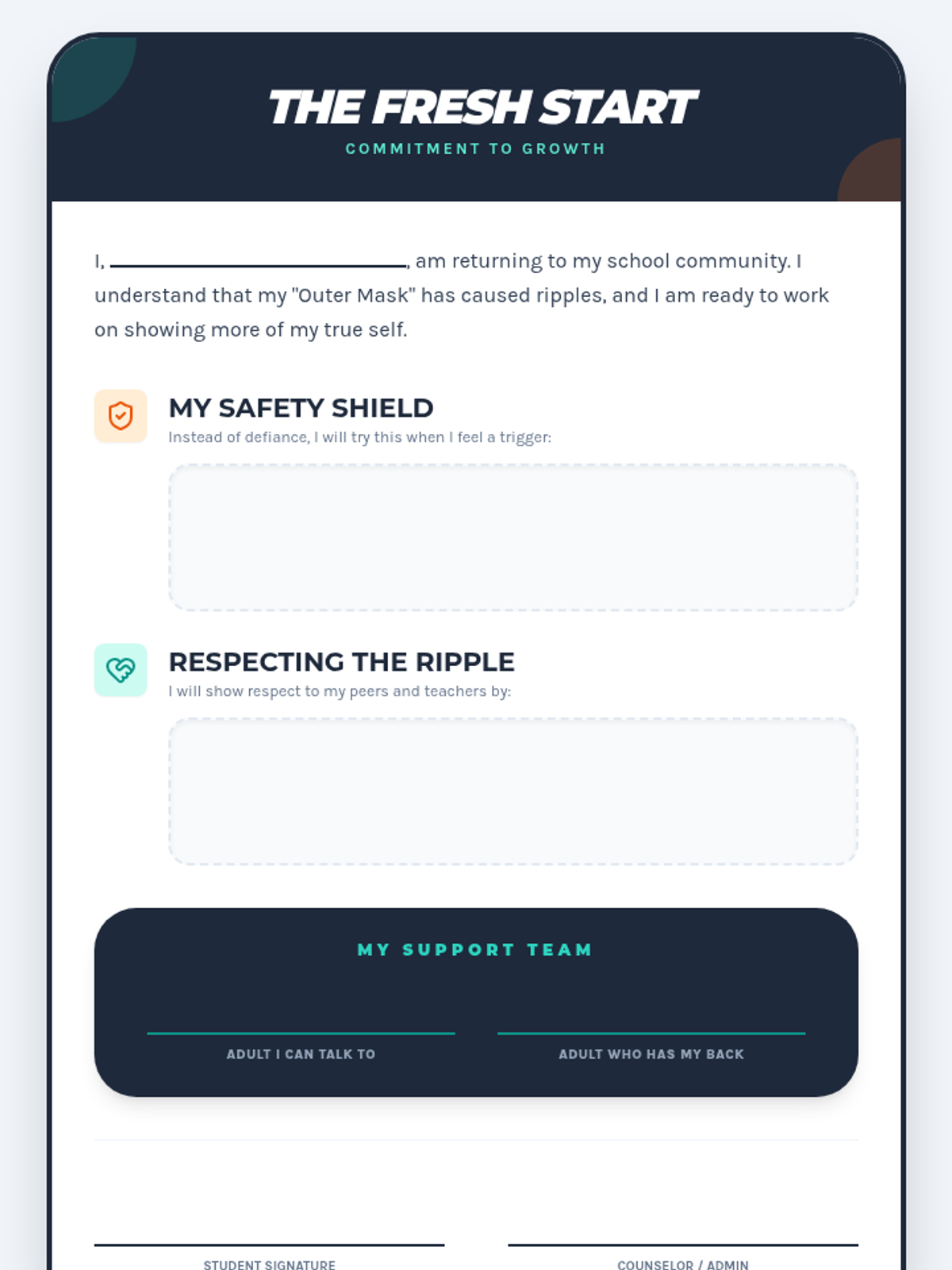
The final phase of the intervention, focusing on the practical and emotional transition to a new classroom environment and establishing a sustainable 'reset' routine.
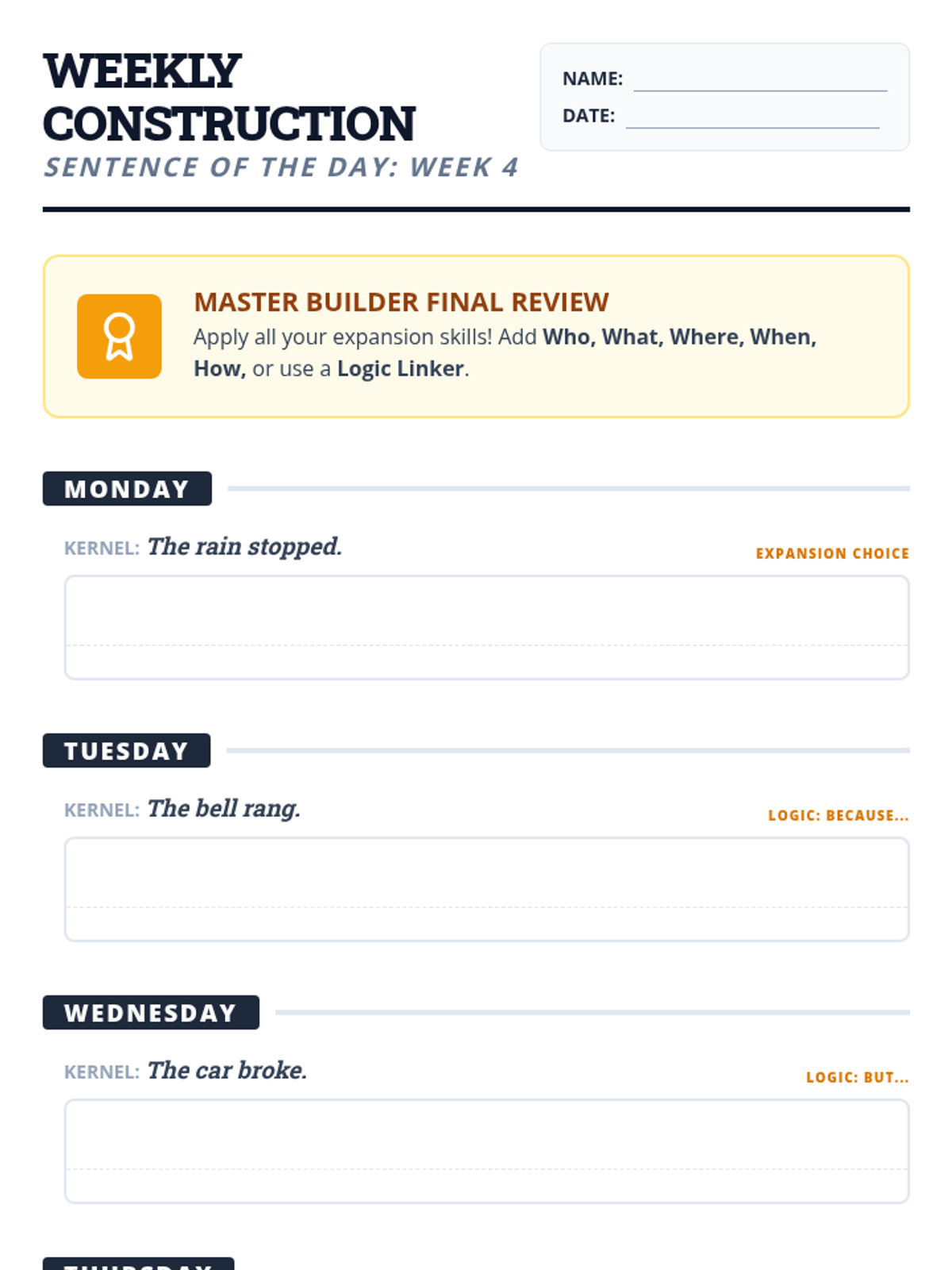
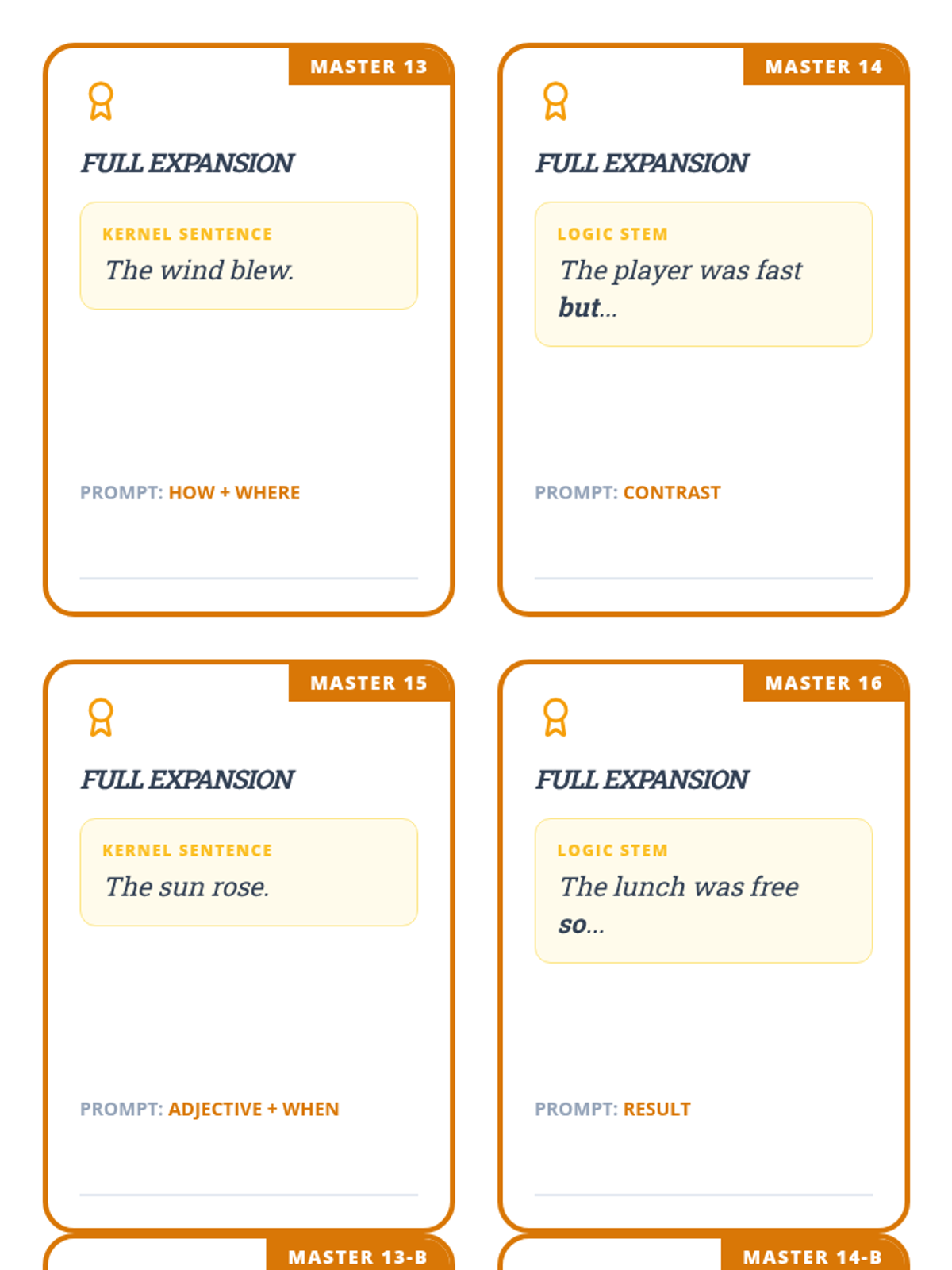
The final review lesson where students apply all previous strategies (adjectives, situational details, and logical conjunctions) to create complex and polished sentences.
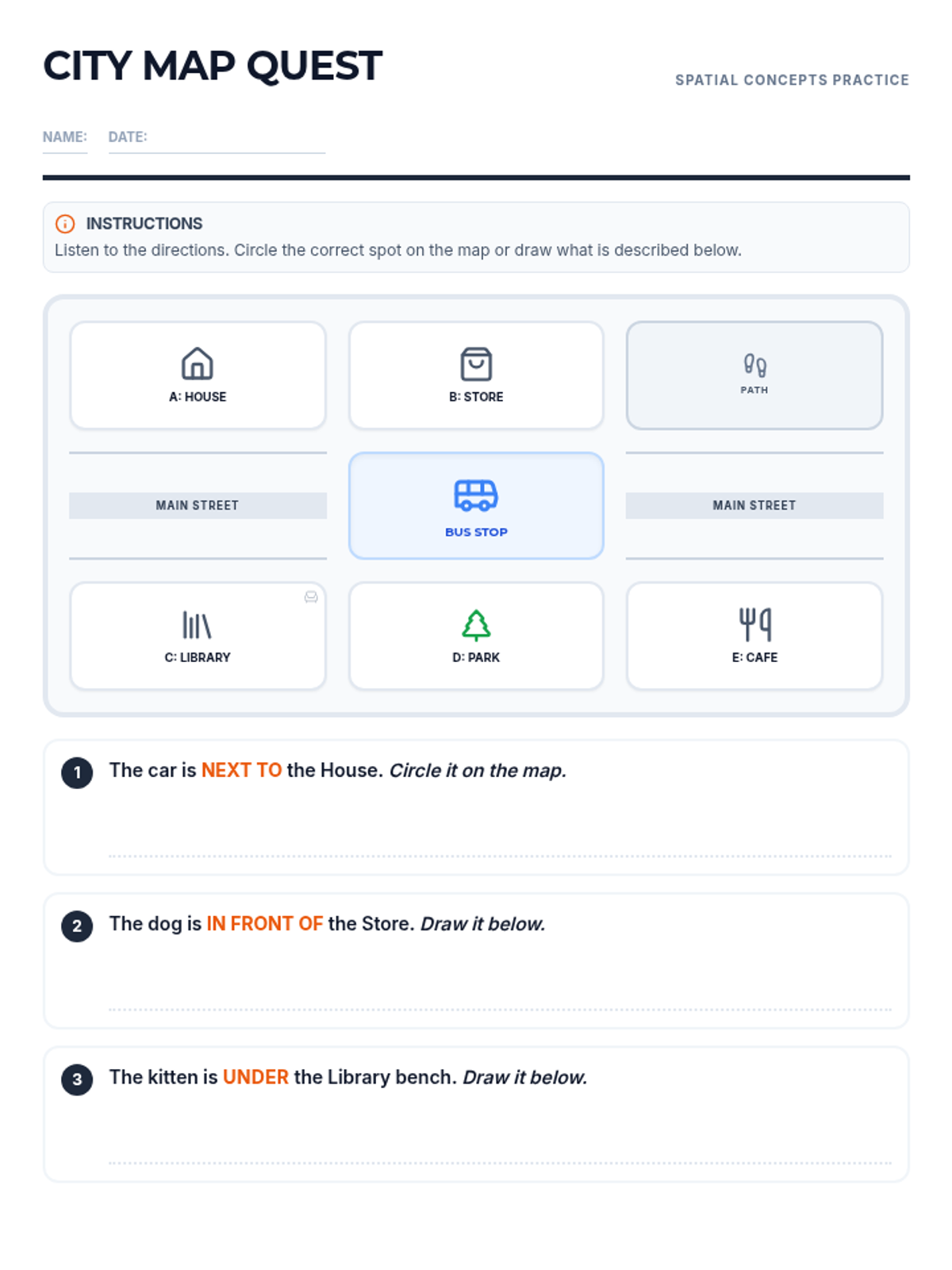
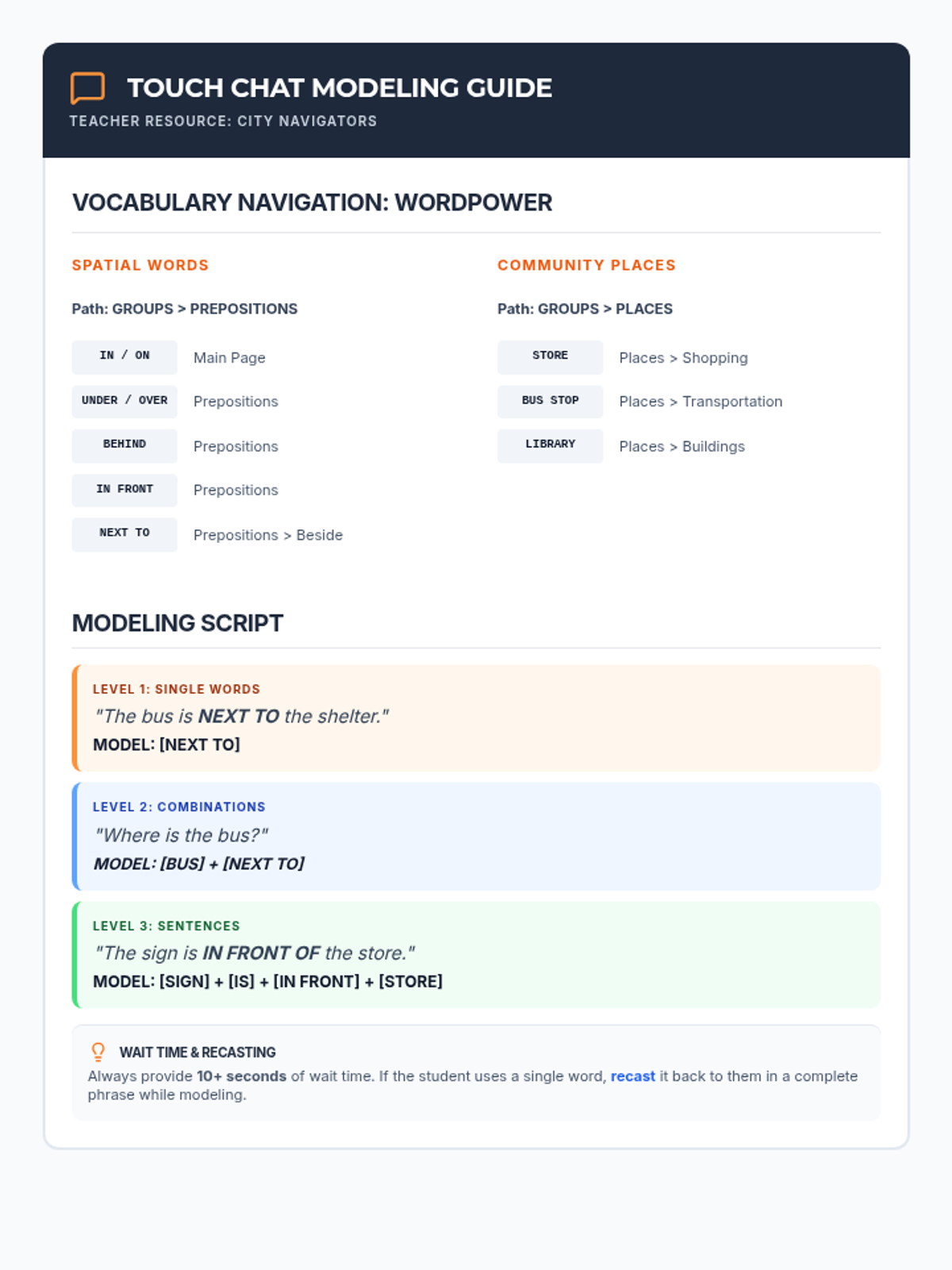
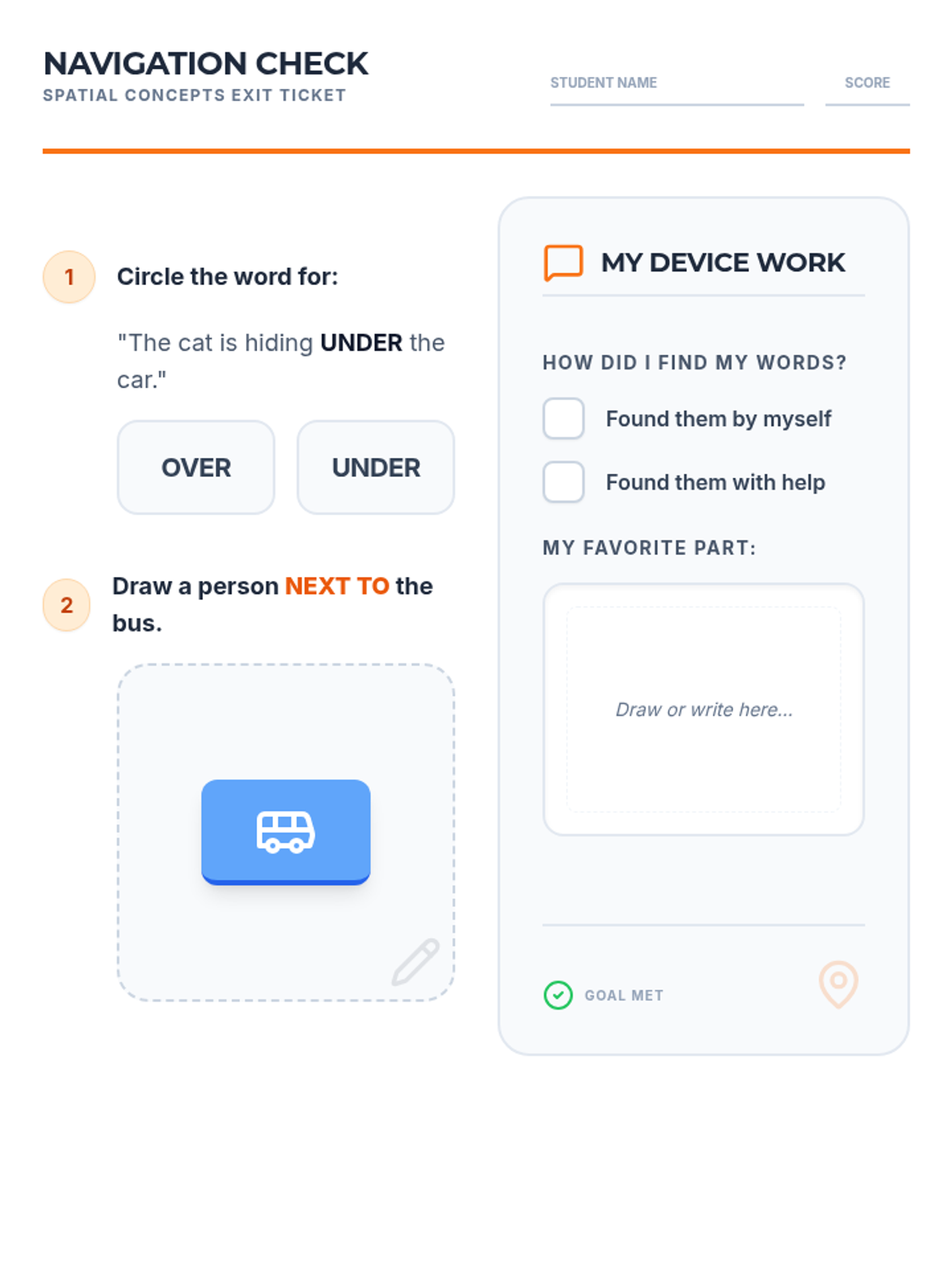
A functional communication lesson focused on using spatial concepts (in, on, under, over, behind, in front of, next to) within a community navigation context. Designed for AAC users (Touch Chat/Wordpower) to improve following directions and descriptive language.
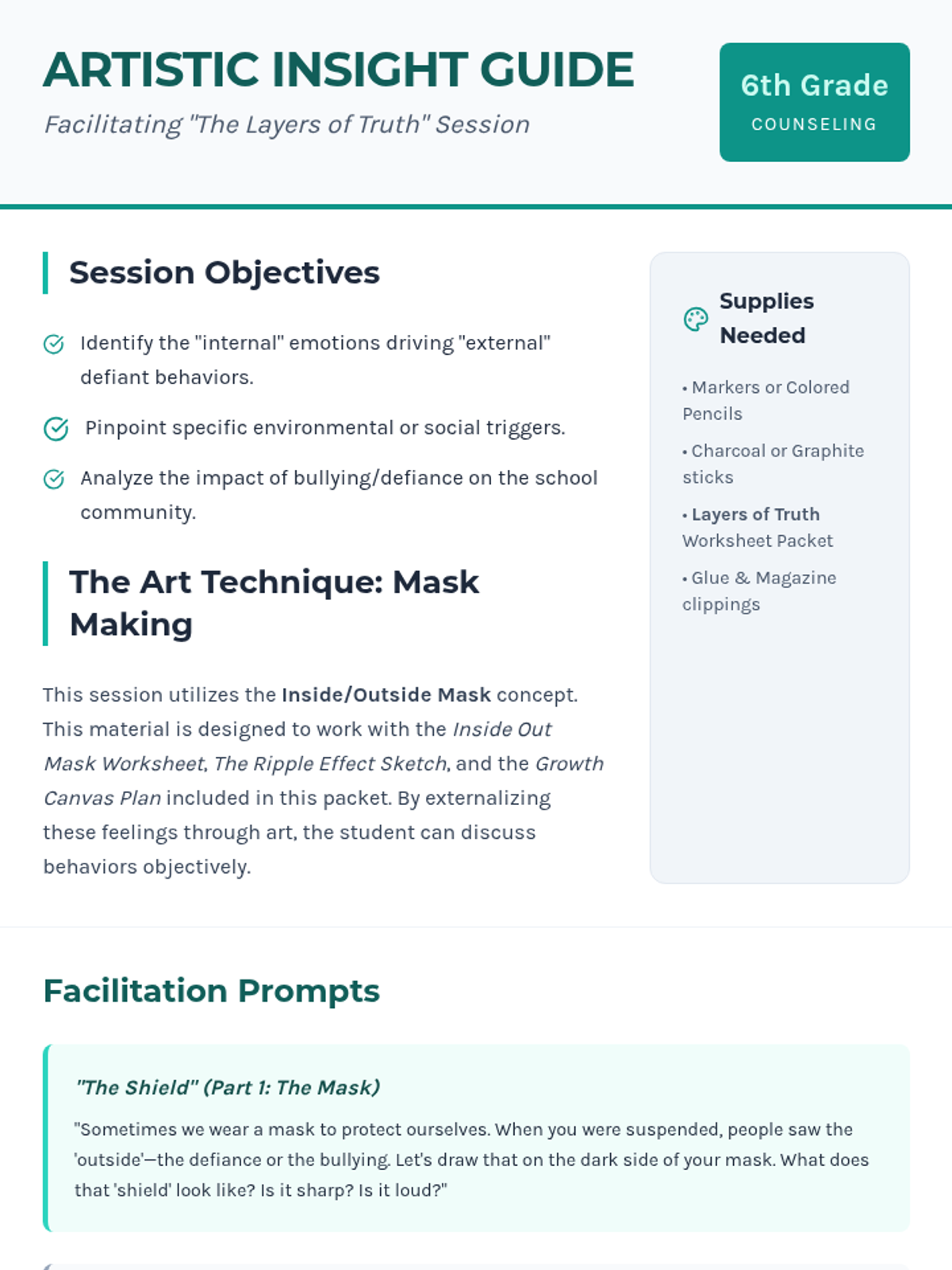
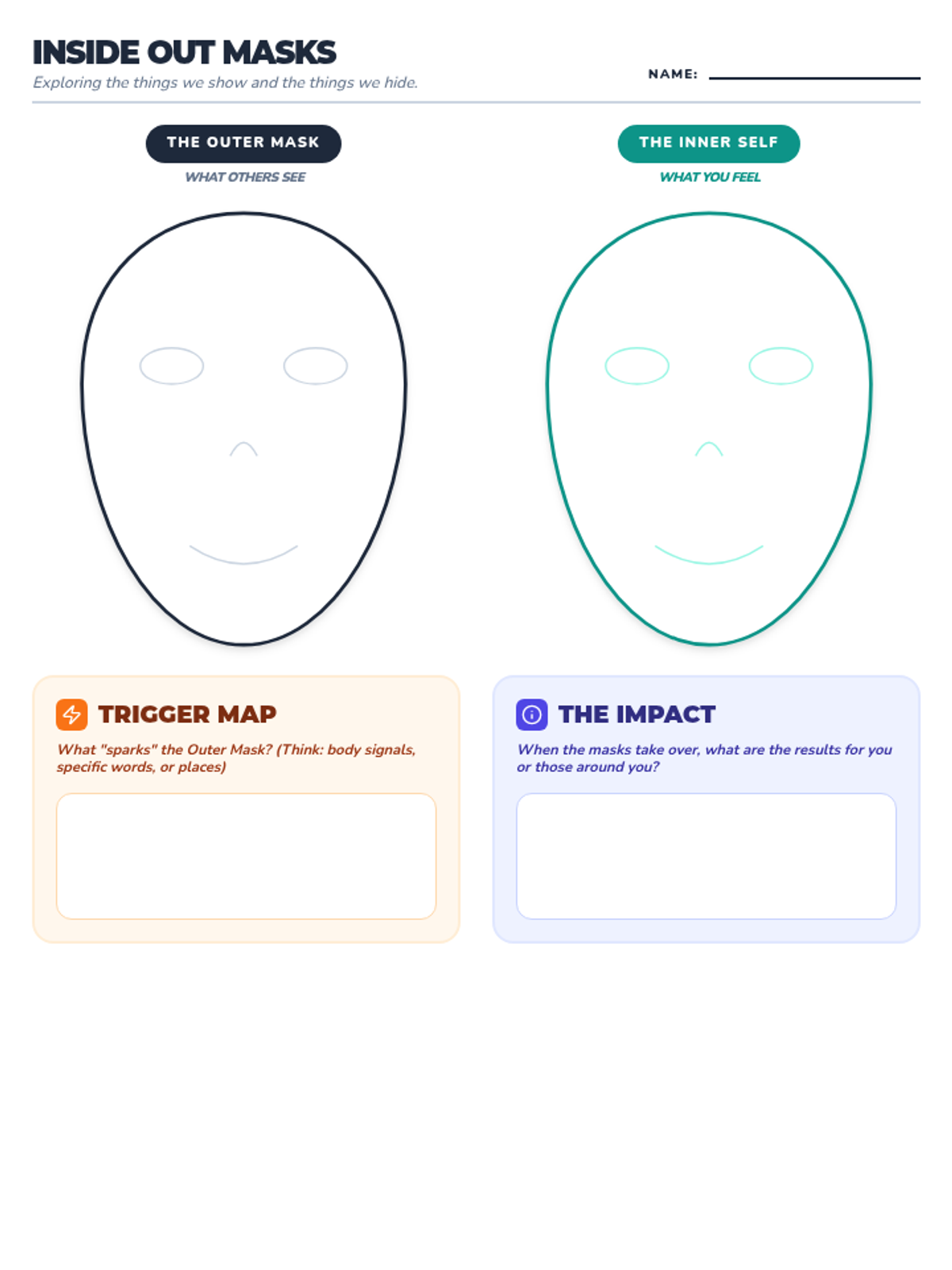
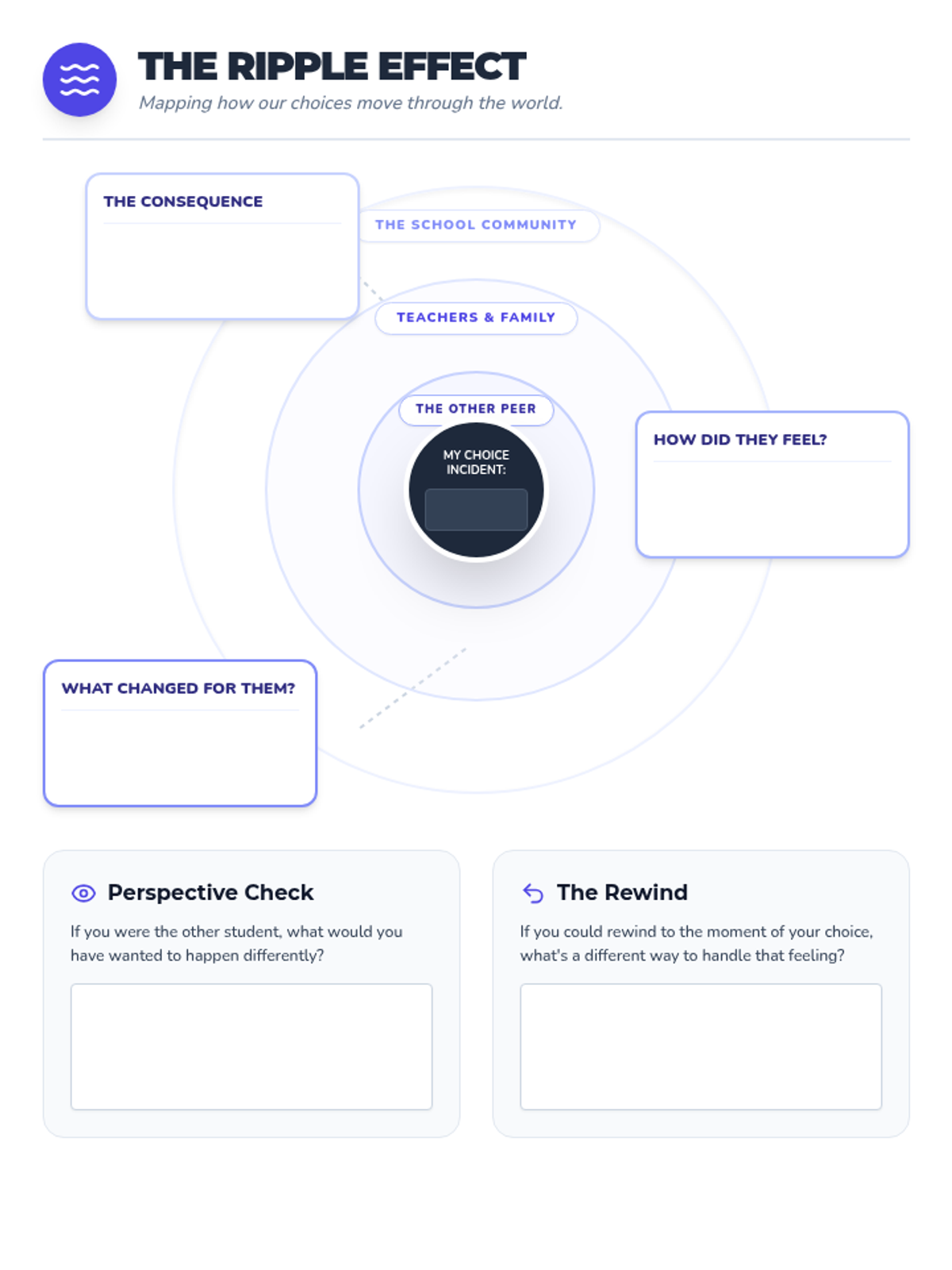
A therapeutic intervention lesson designed for a 6th-grade student returning from suspension, focusing on emotional identification and perspective-taking through art.
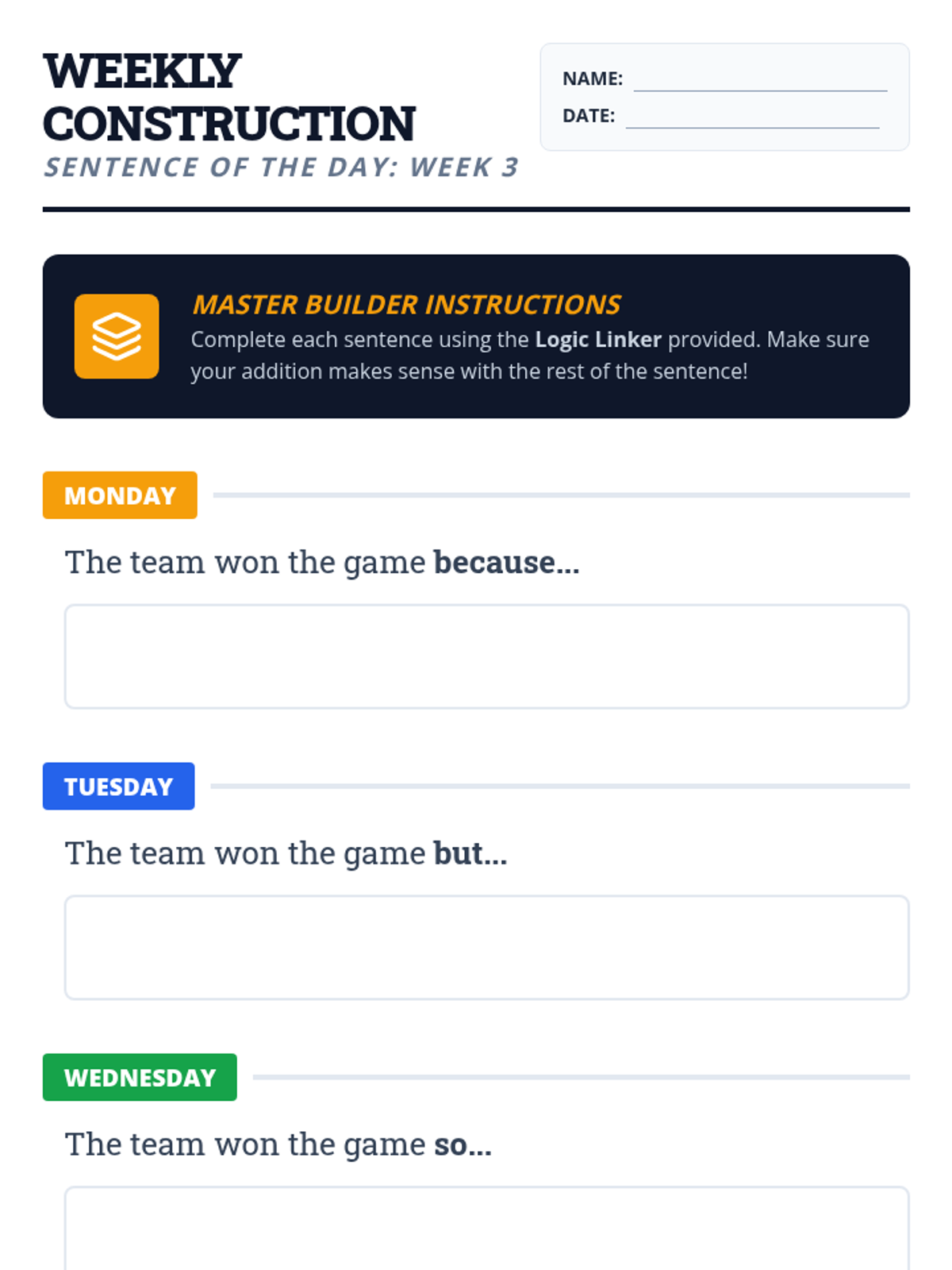
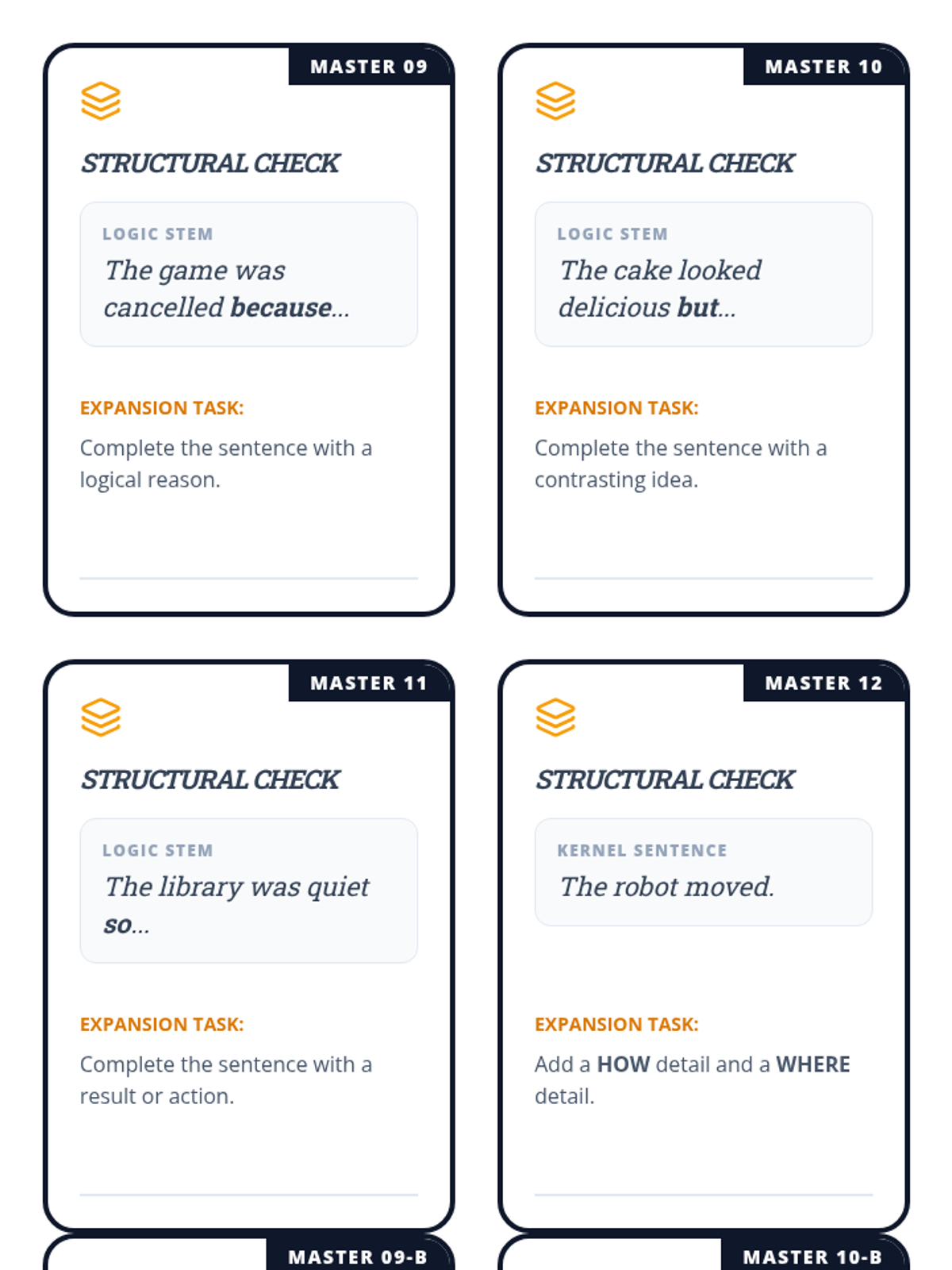
The final lesson focuses on using 'Because, But, So' to expand sentences logically and demonstrate deeper reasoning and detail.
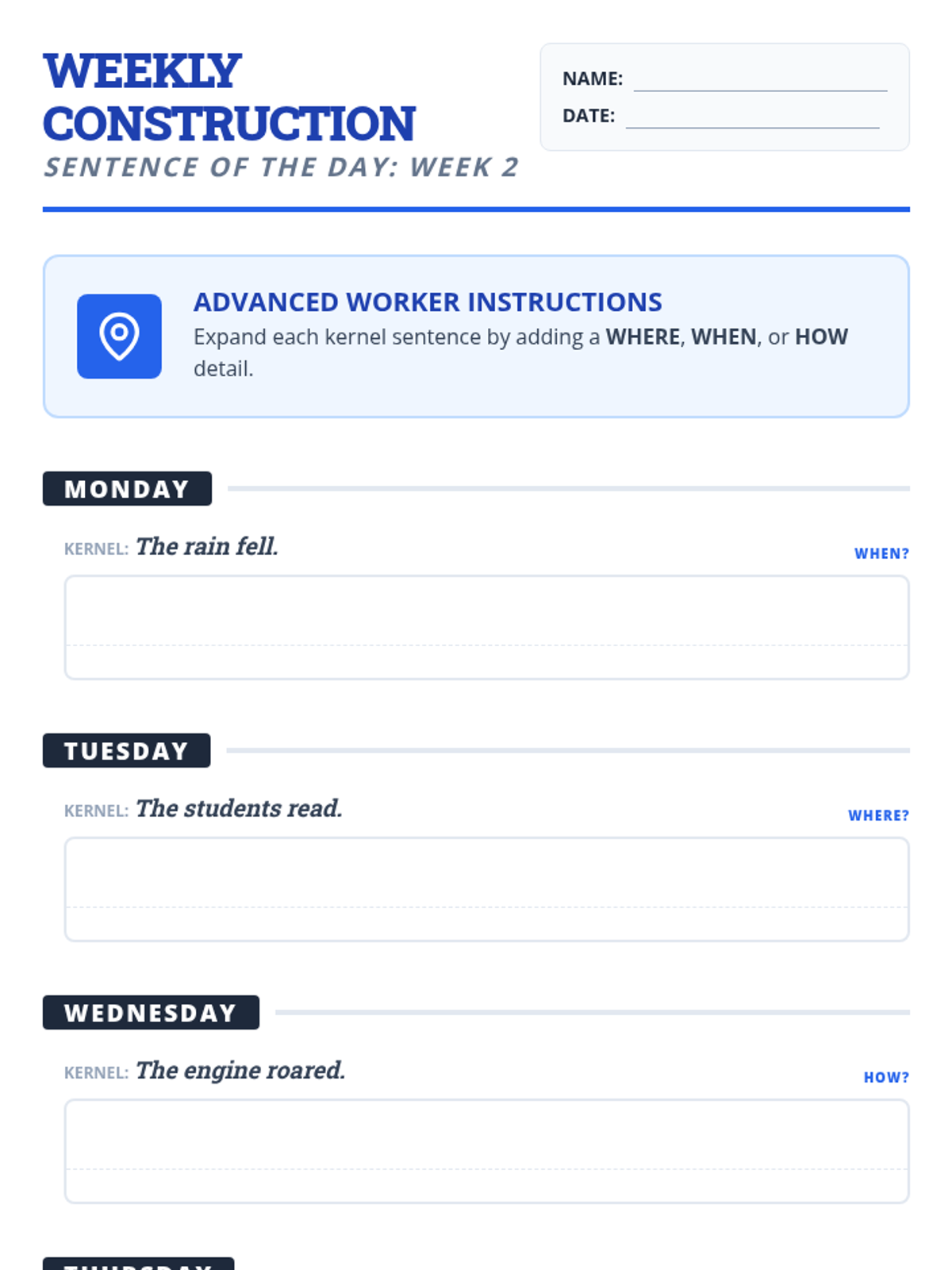
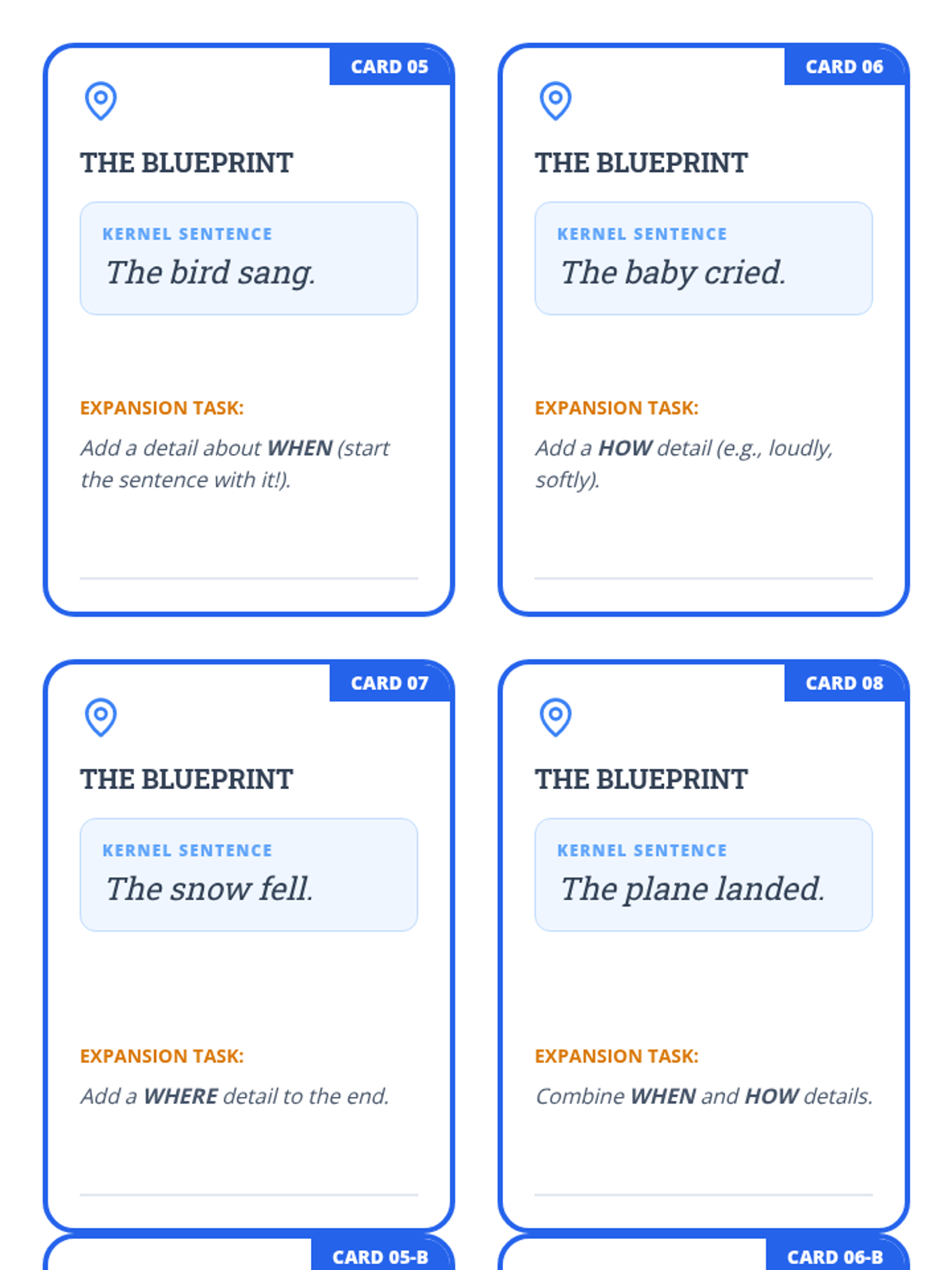
In this lesson, students learn to add situational details to their sentences using 'Where', 'When', and 'How' question words.
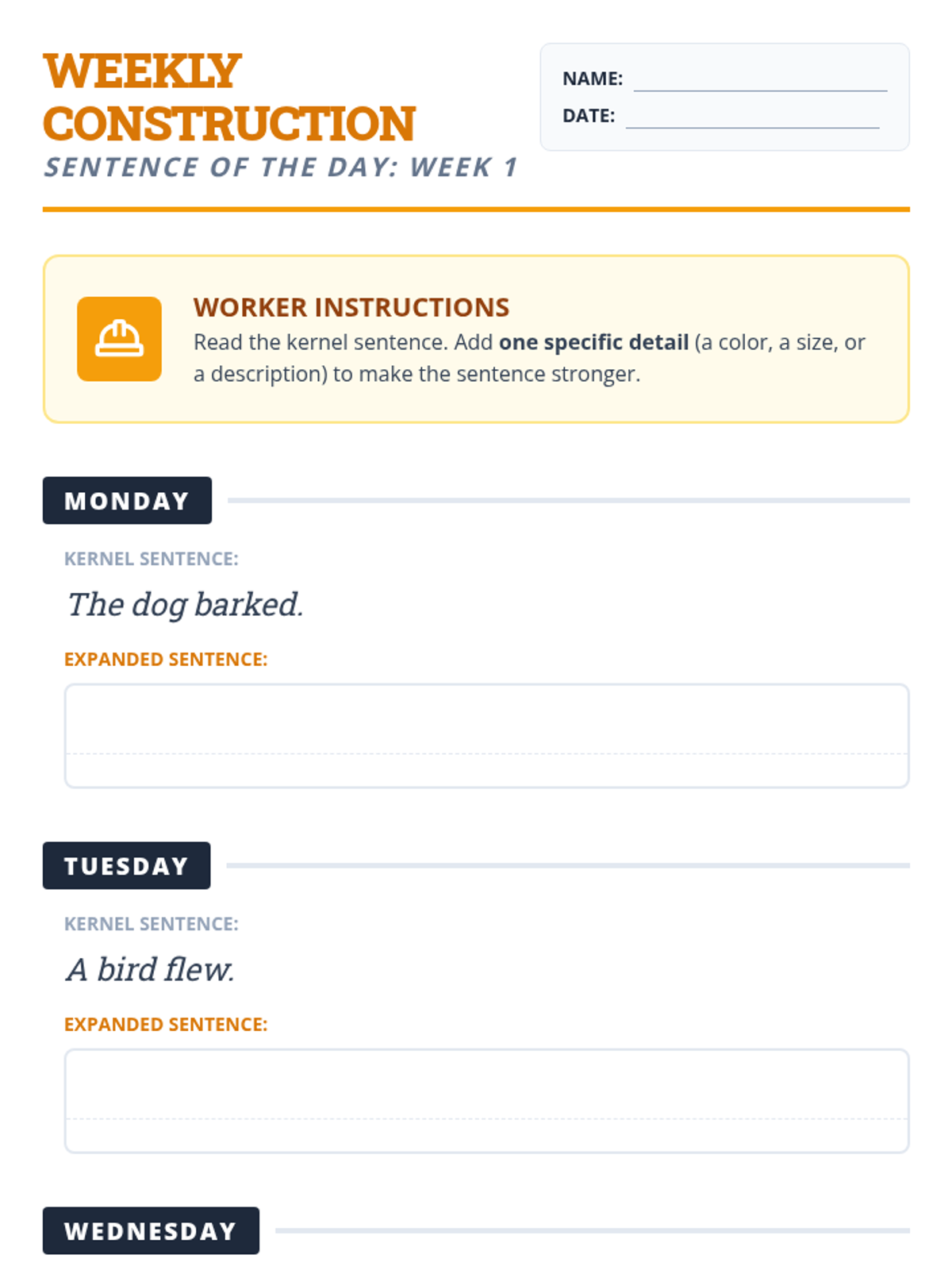
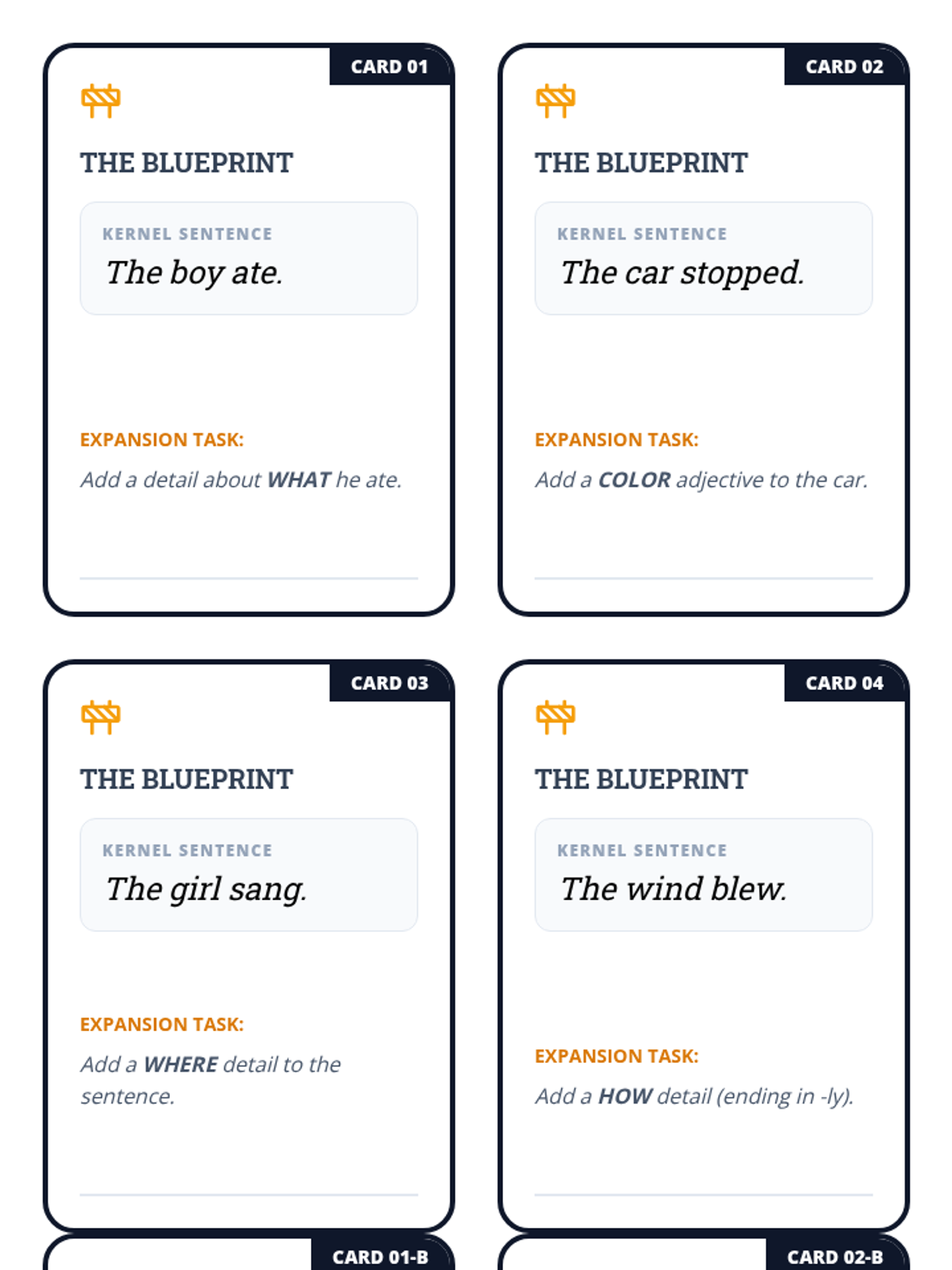
This lesson introduces the concept of a complete sentence versus a fragment and begins basic sentence expansion using 'Who' and 'What' details.