A social-emotional learning lesson focused on identifying and sorting positive vs. negative physical and verbal behaviors. Students will explore how their actions affect others through interactive slides and a hands-on sorting activity.
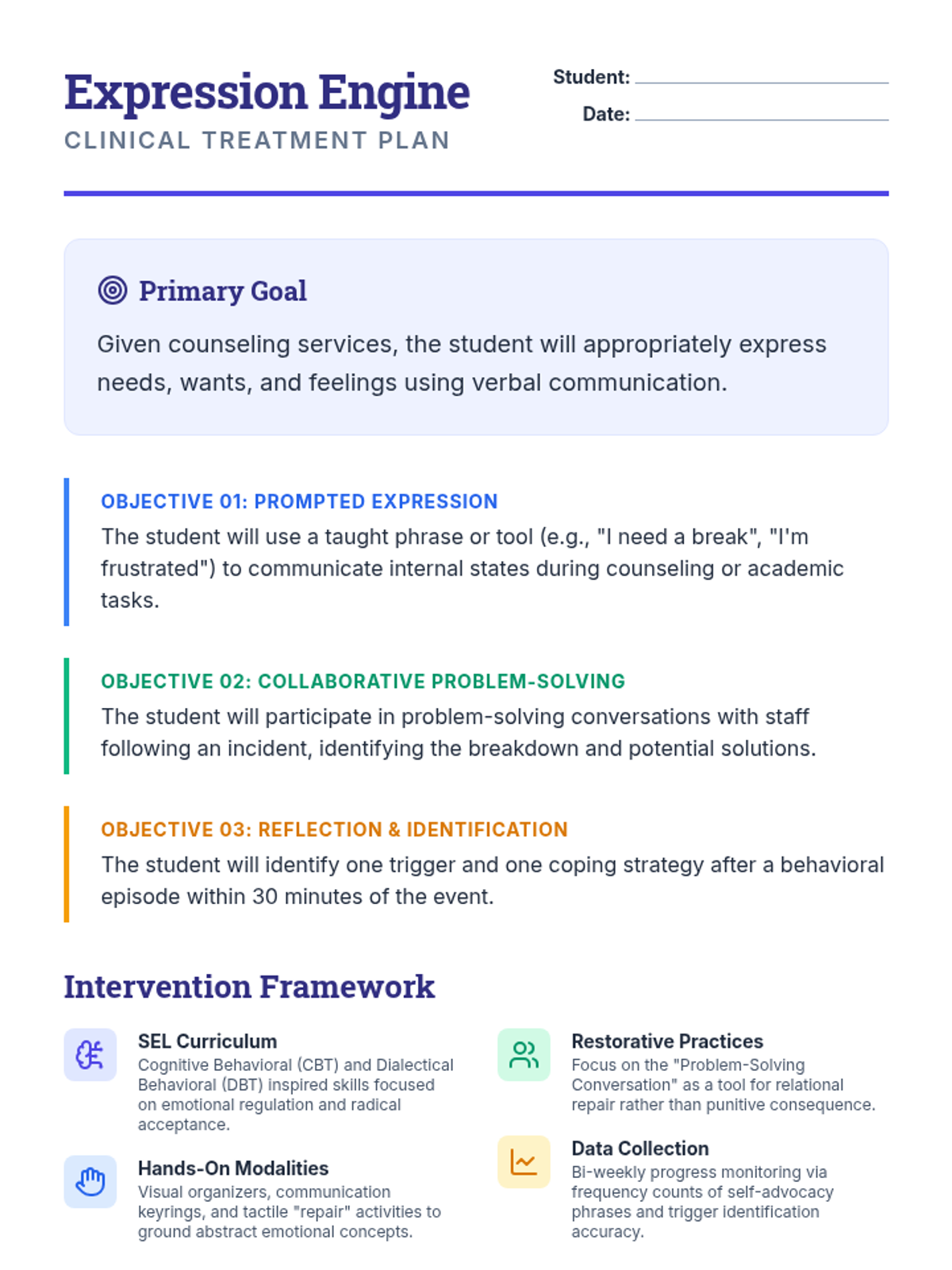
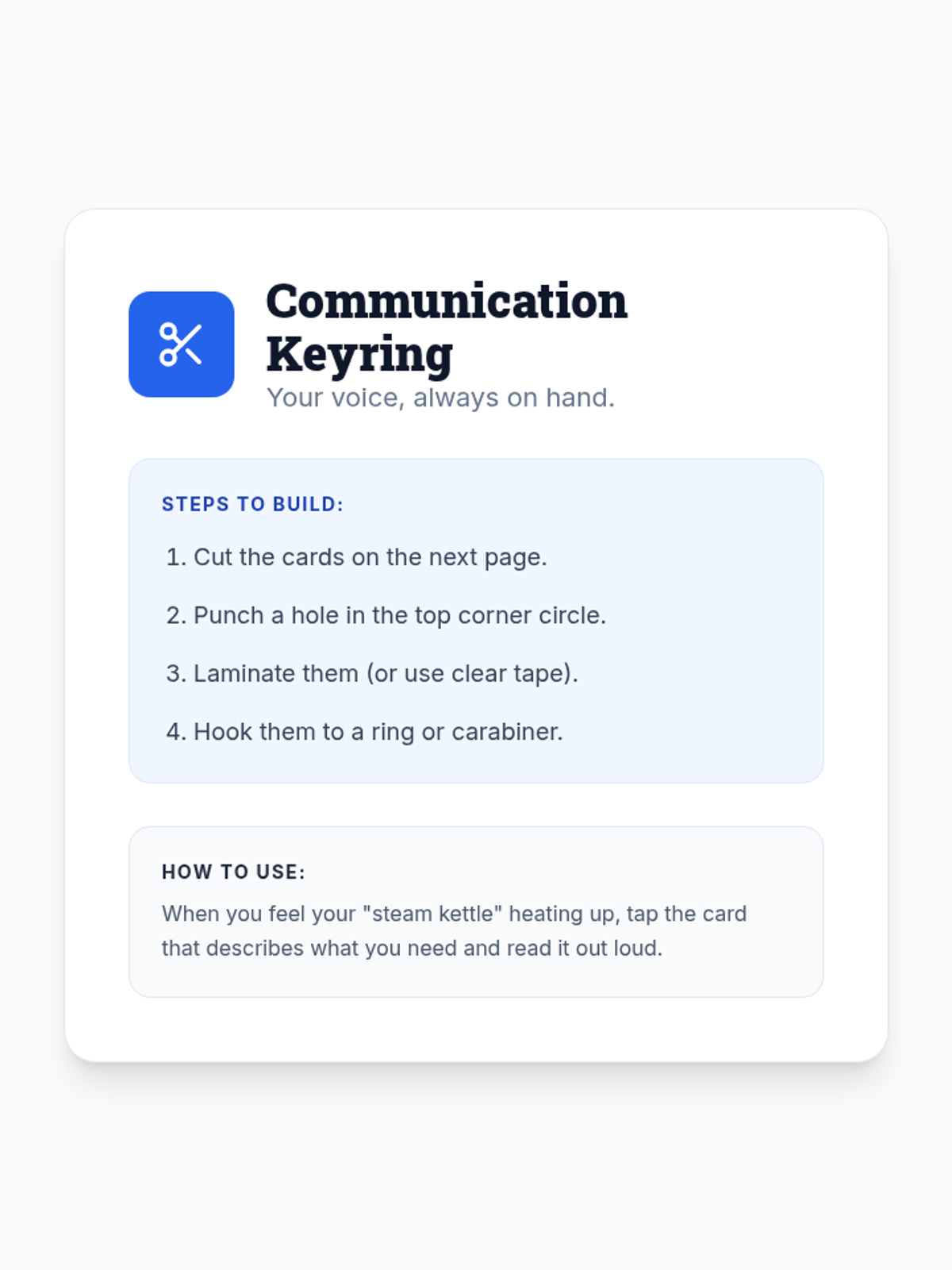
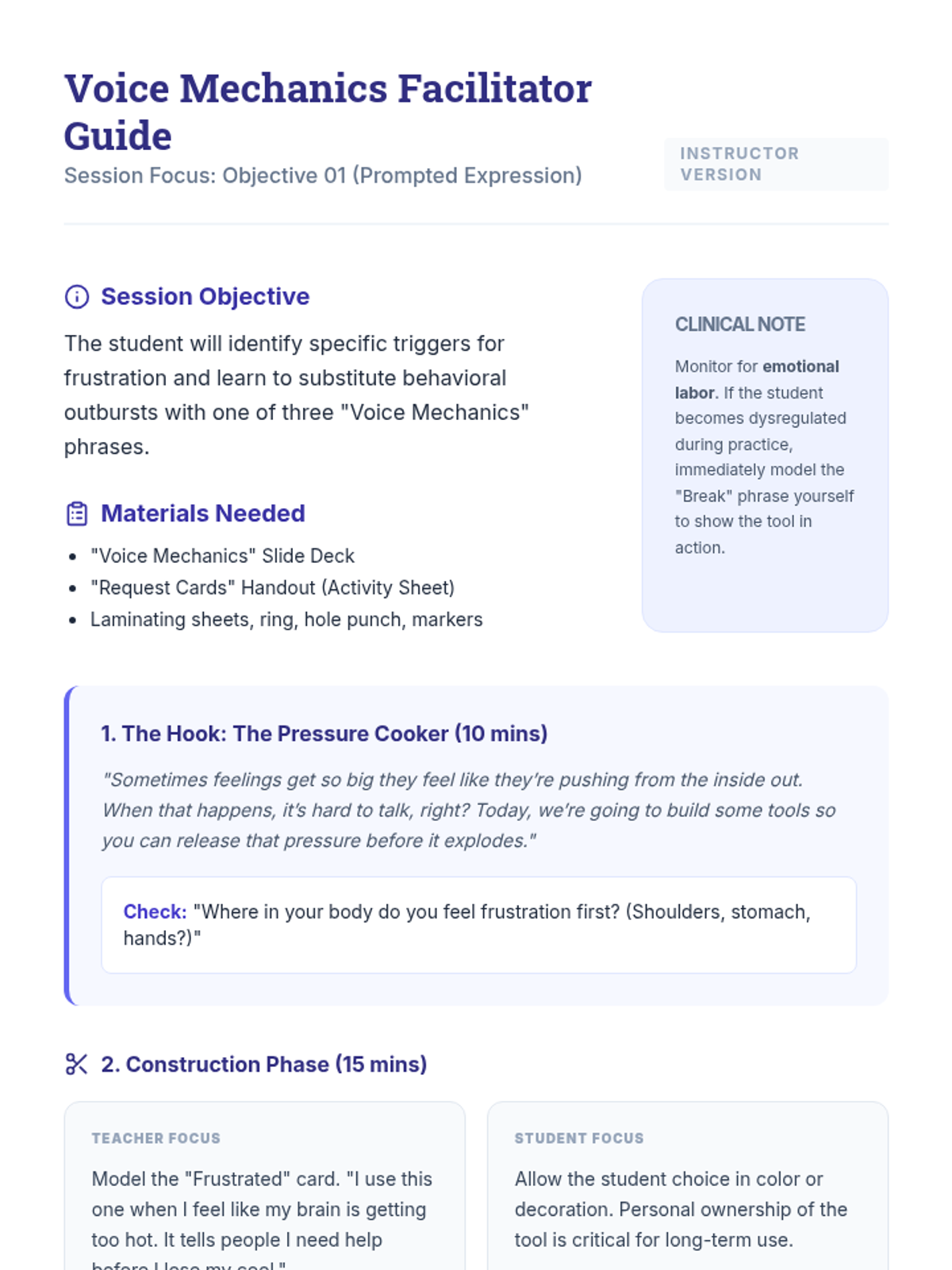
This lesson focuses on teaching the student specific phrases and tools to communicate needs and feelings in the moment, reducing reliance on non-verbal or behavioral outbursts.
This final session focuses on the role of the 'Upstander' and the 'Ally'. Students apply their social decoding skills to bystander situations, practicing how to intervene or report while maintaining emotional regulation in high-pressure social moments.
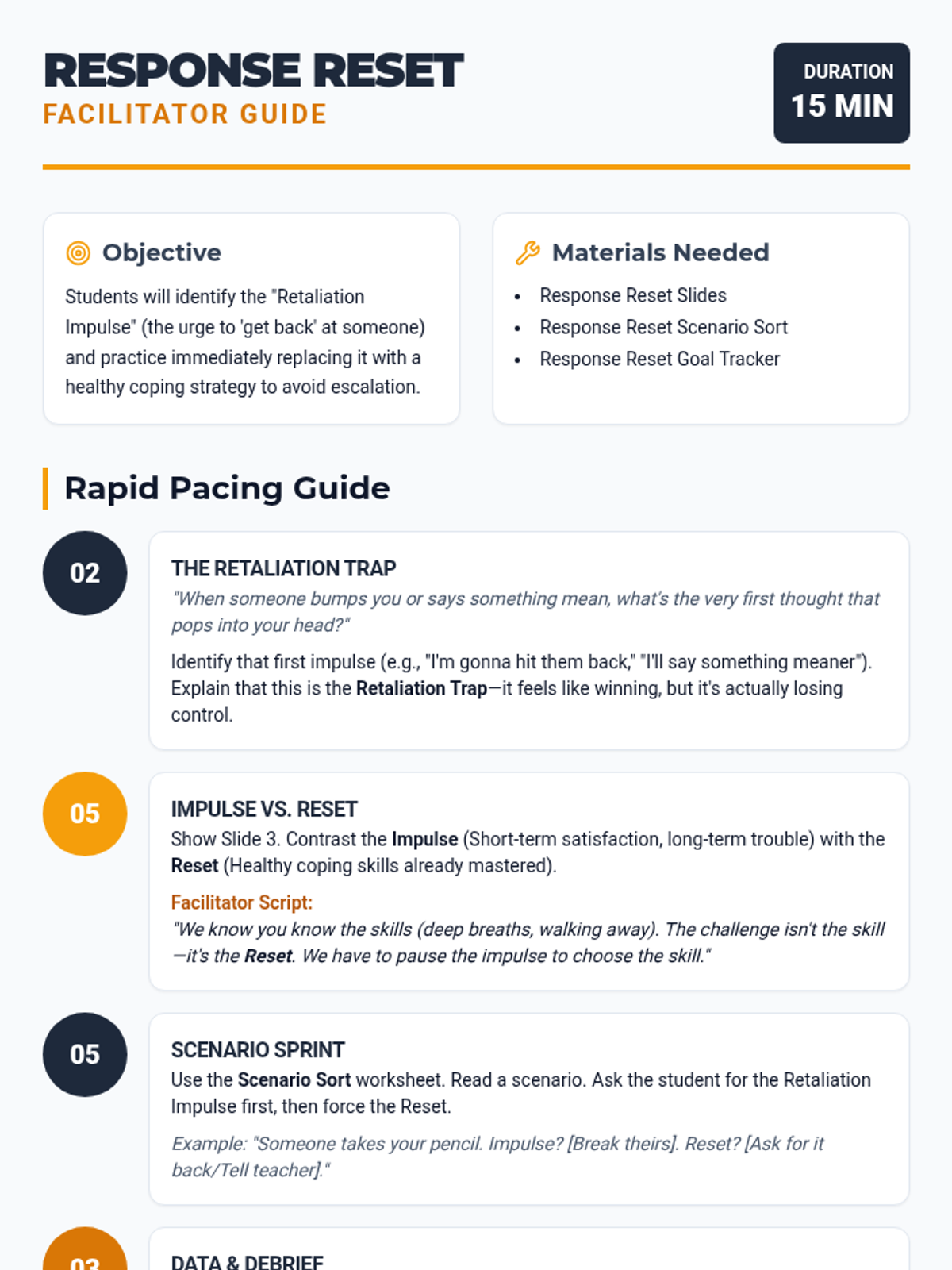
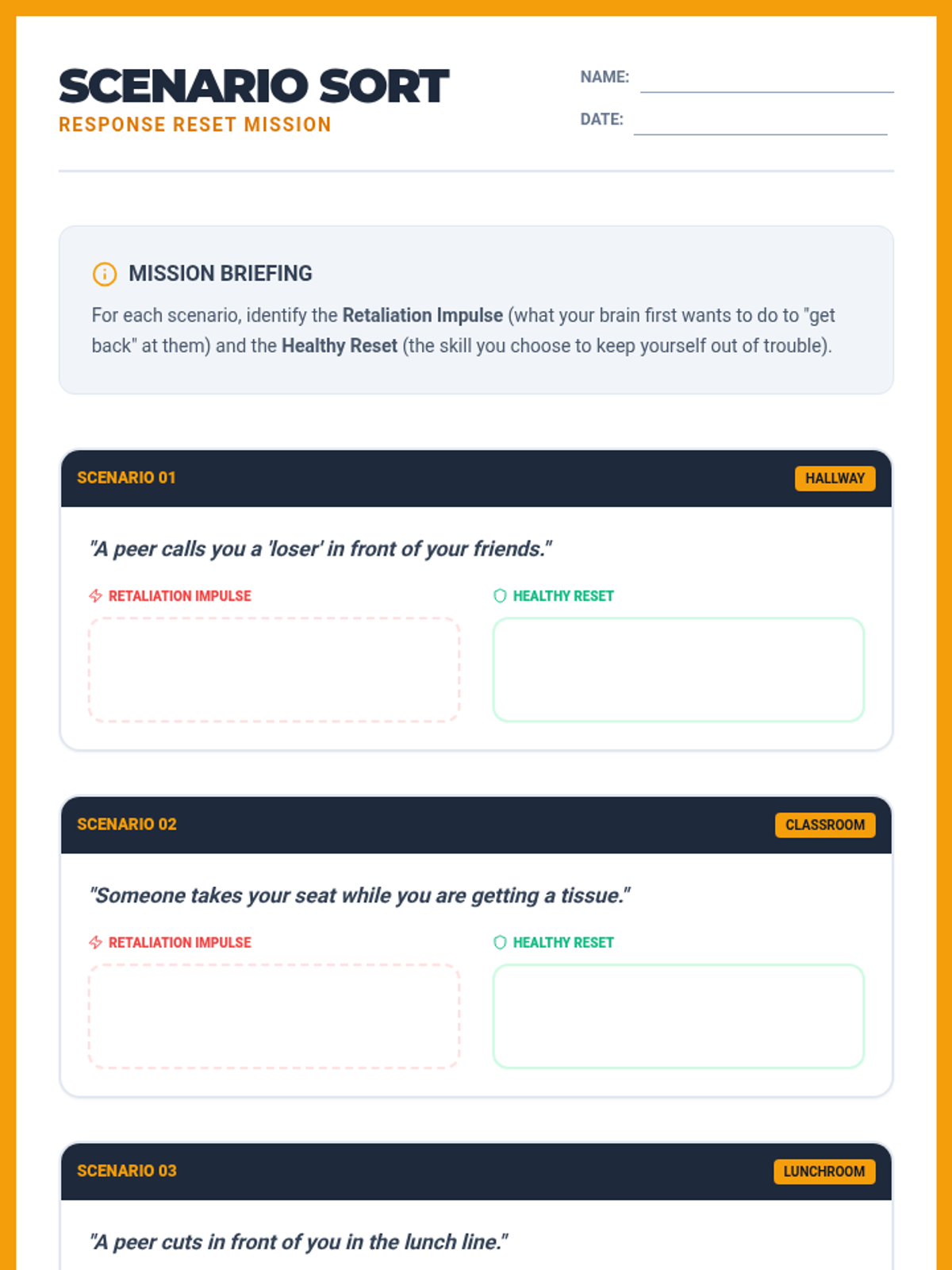
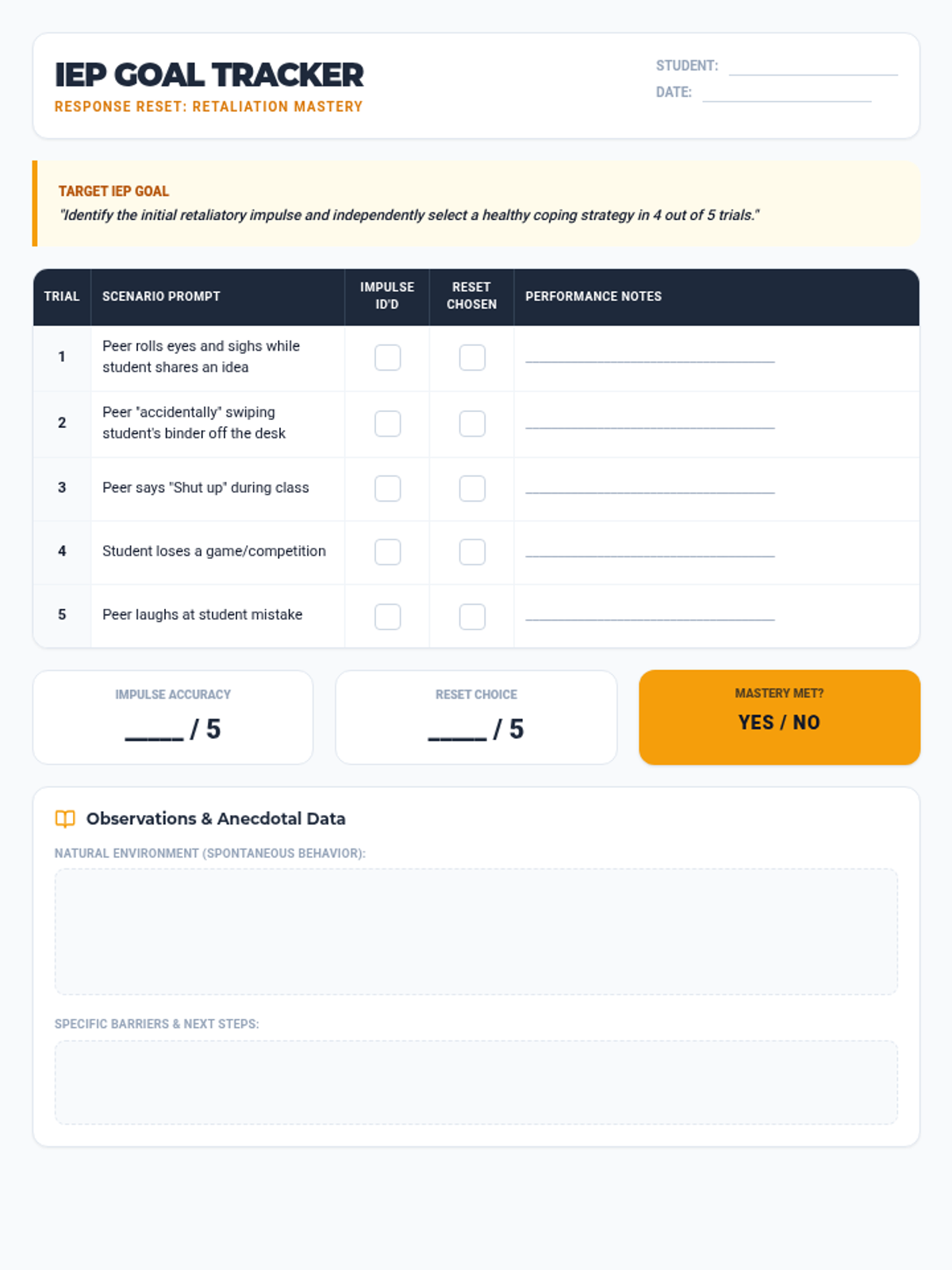
A targeted 15-minute intervention focusing on shifting from retaliatory impulses to healthy coping strategies during peer conflict, specifically designed for students who struggle with the urge to 'get back' at others.
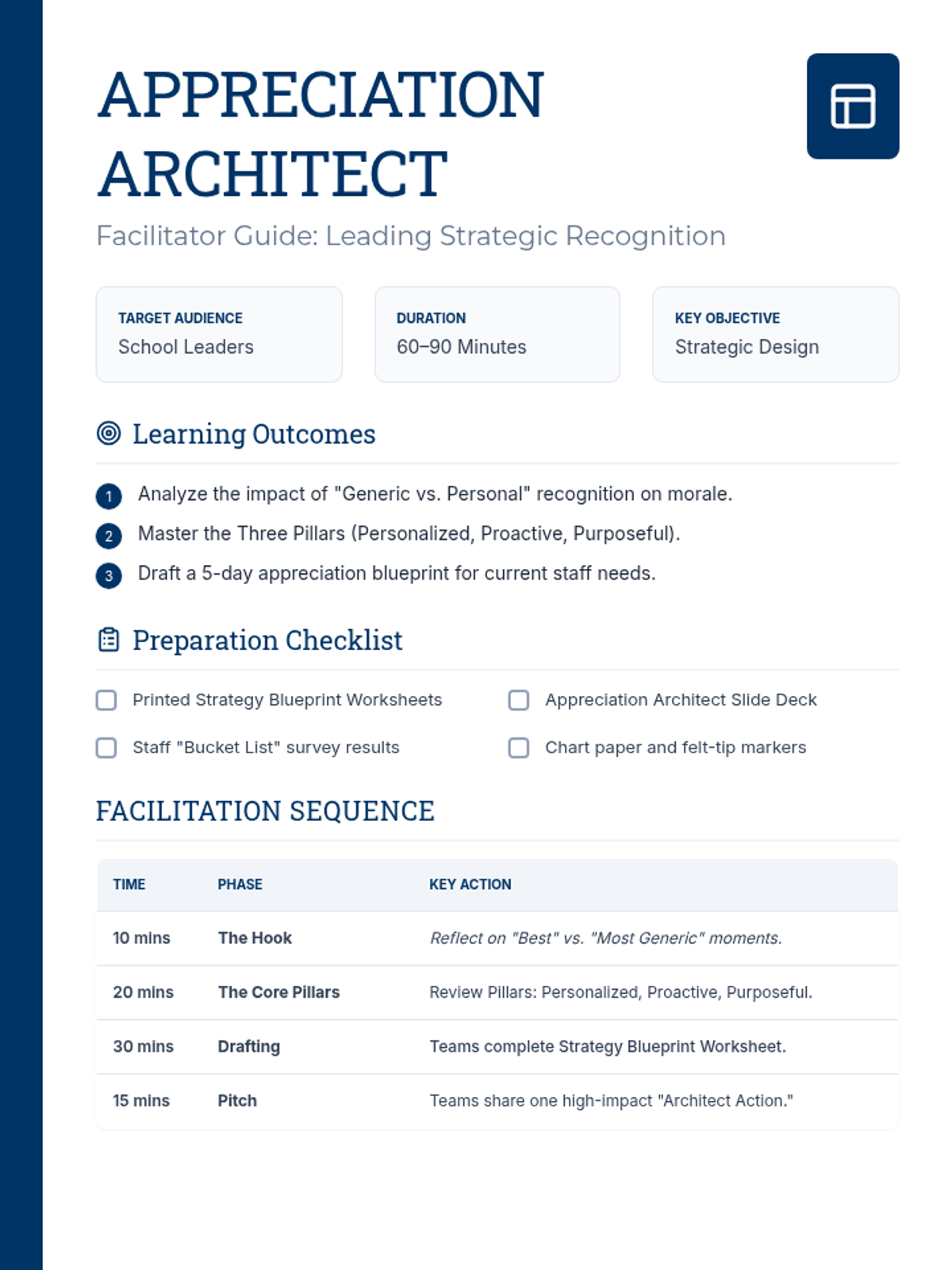
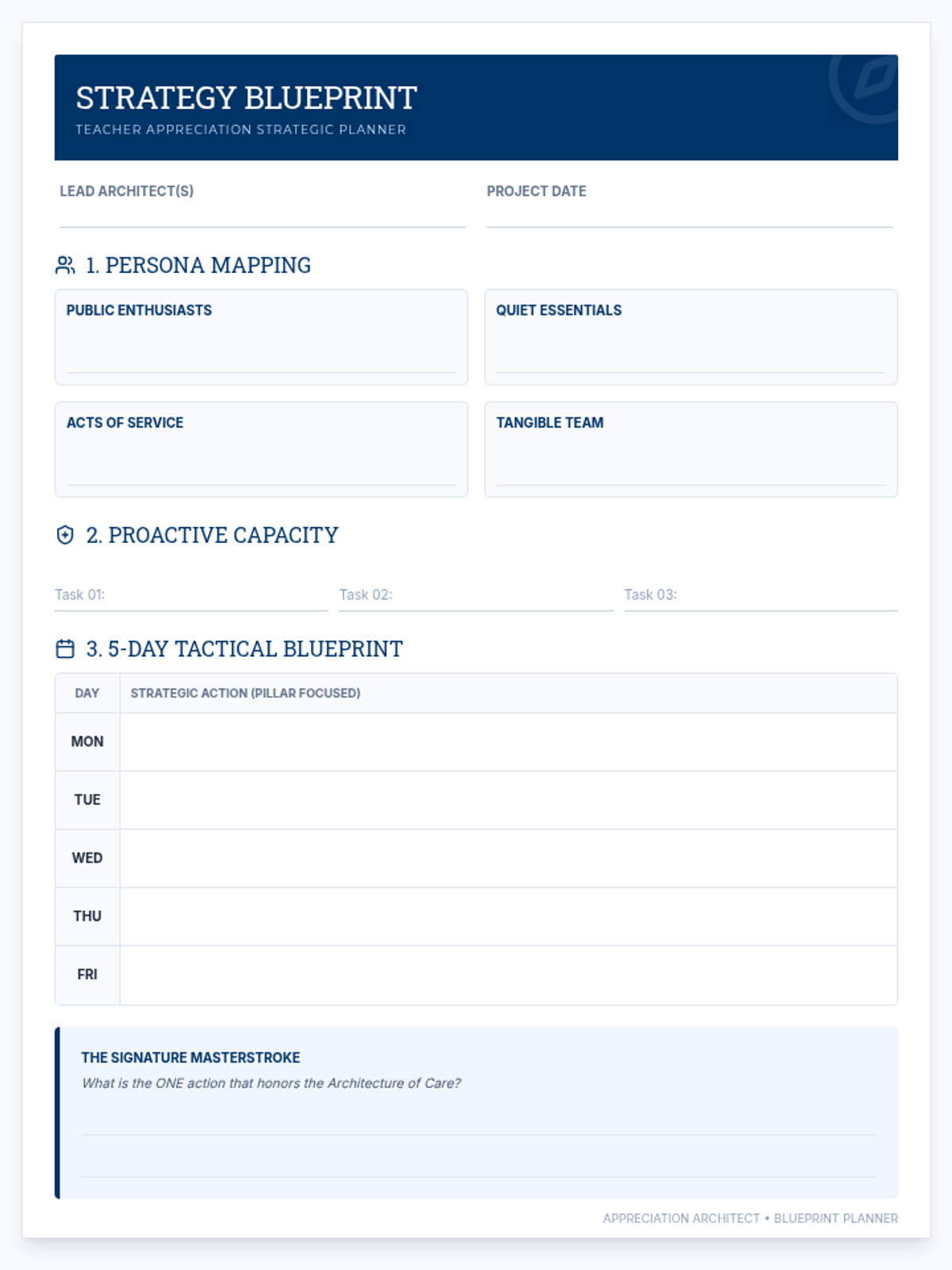
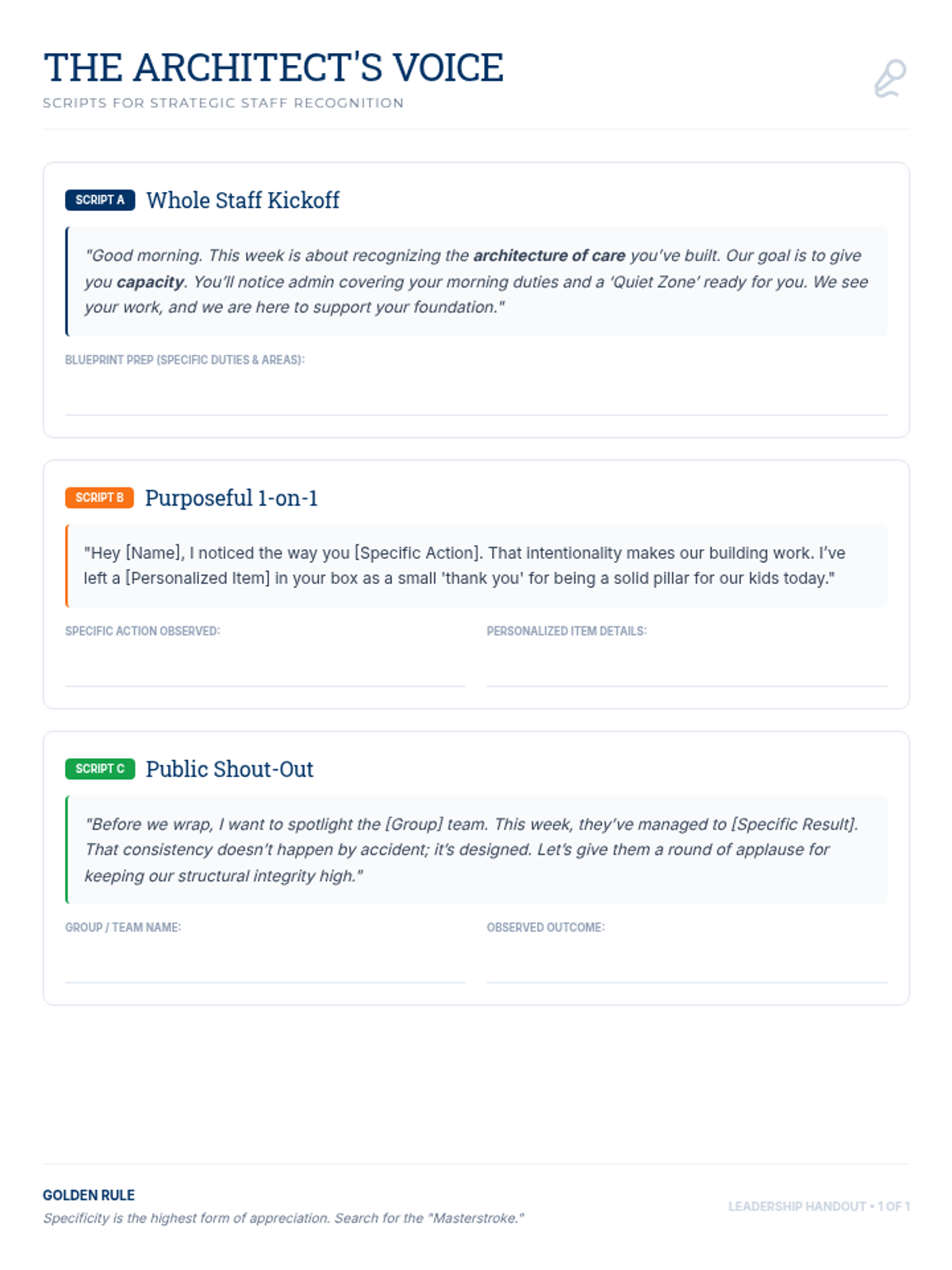
A strategic framework for school leaders to design a Teacher Appreciation Week that fosters genuine connection and boosts morale during high-stress testing periods. Participants will move beyond generic gifts to personalized, high-impact recognition strategies.
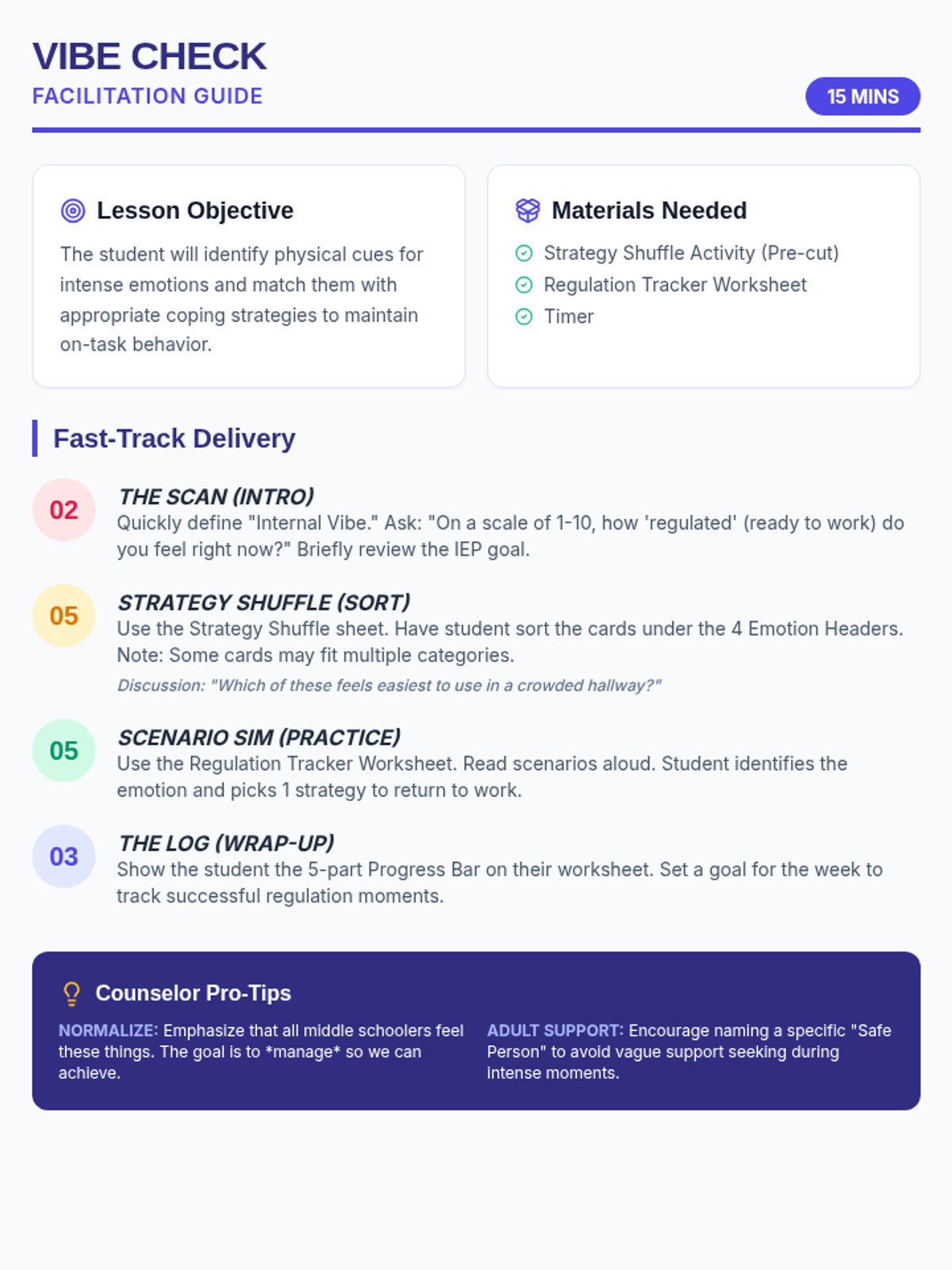
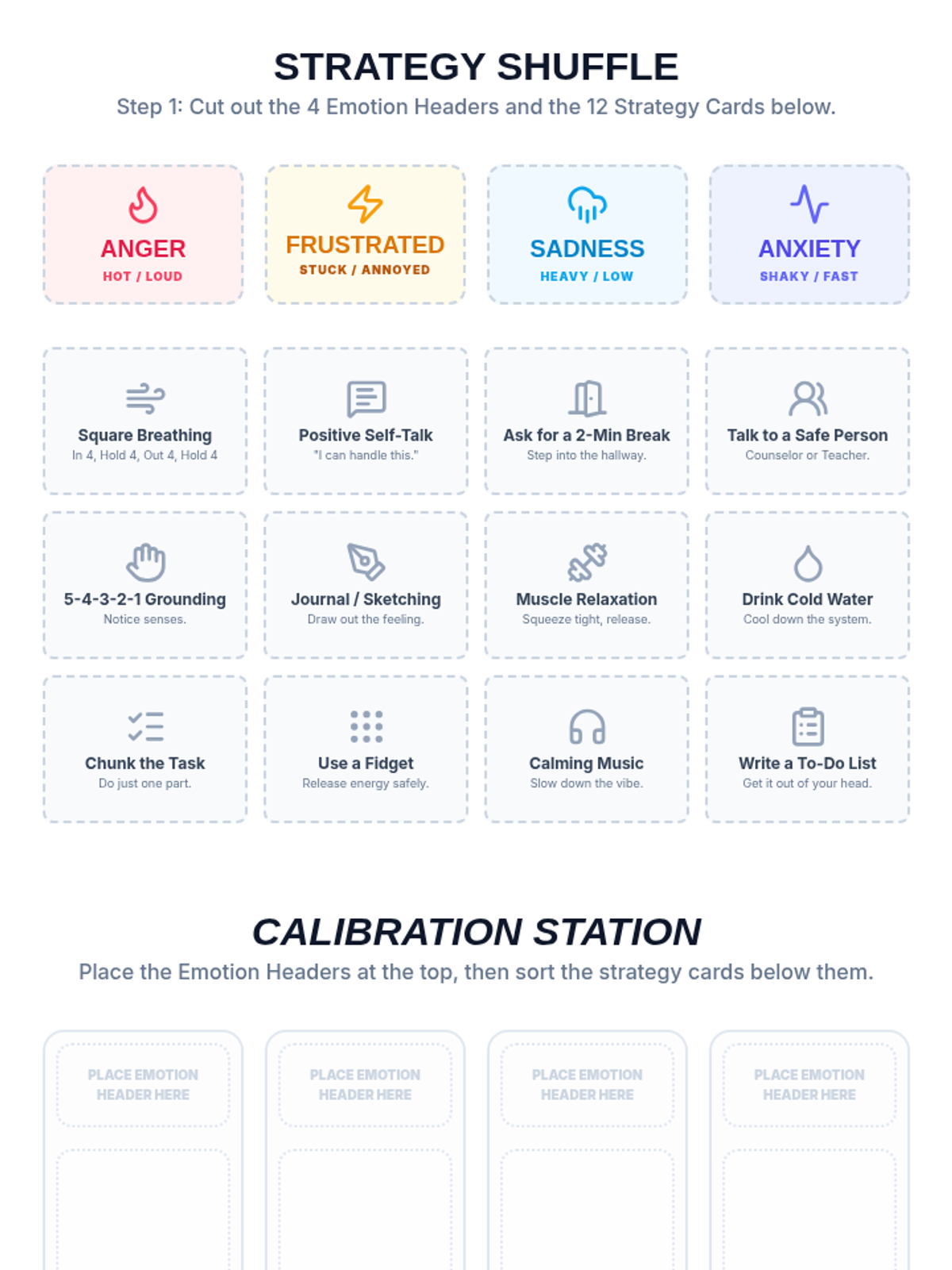
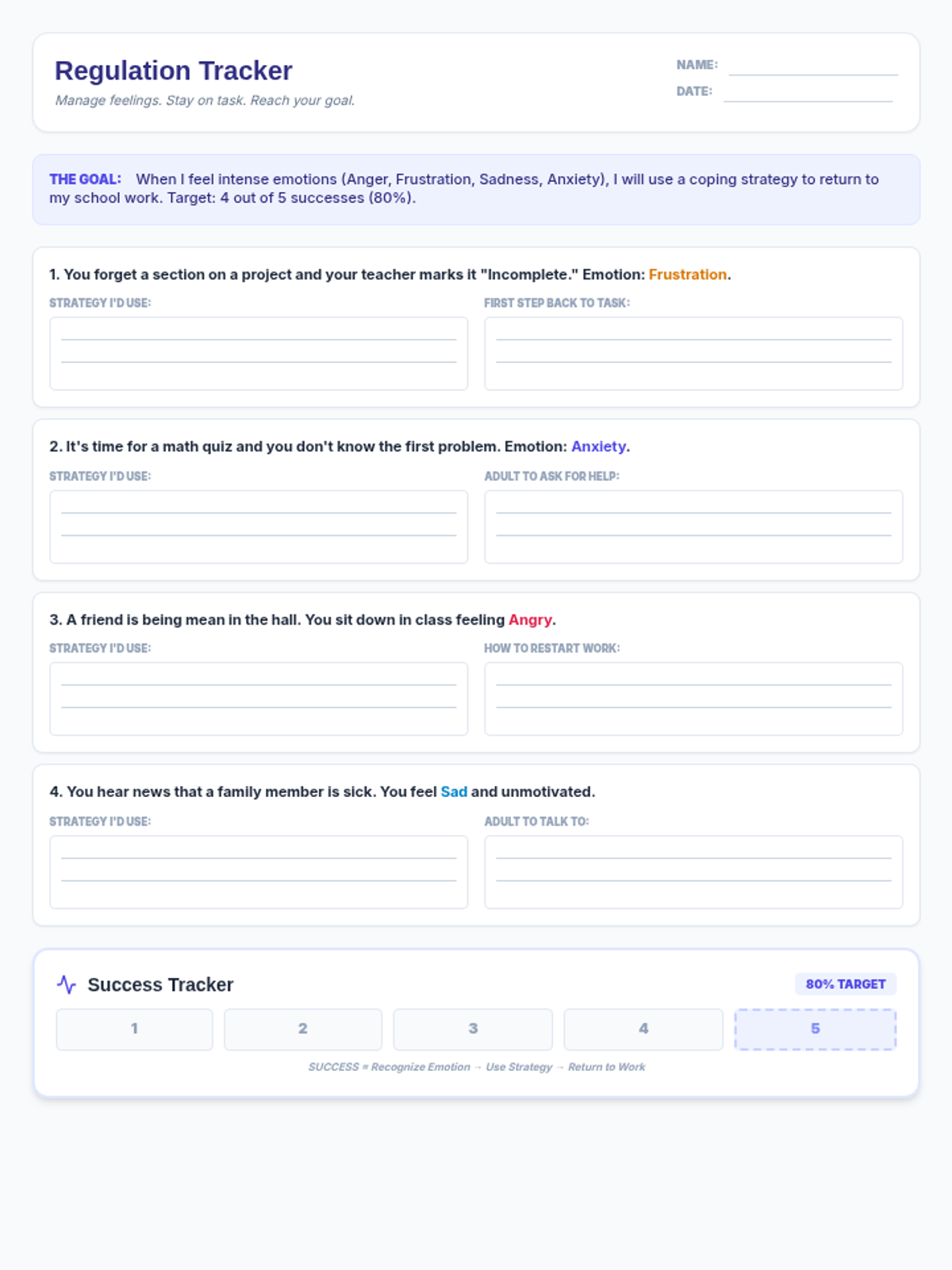
A 15-minute counseling lesson designed to help middle school students identify intense emotions and apply specific self-regulation strategies to return to on-task behavior.
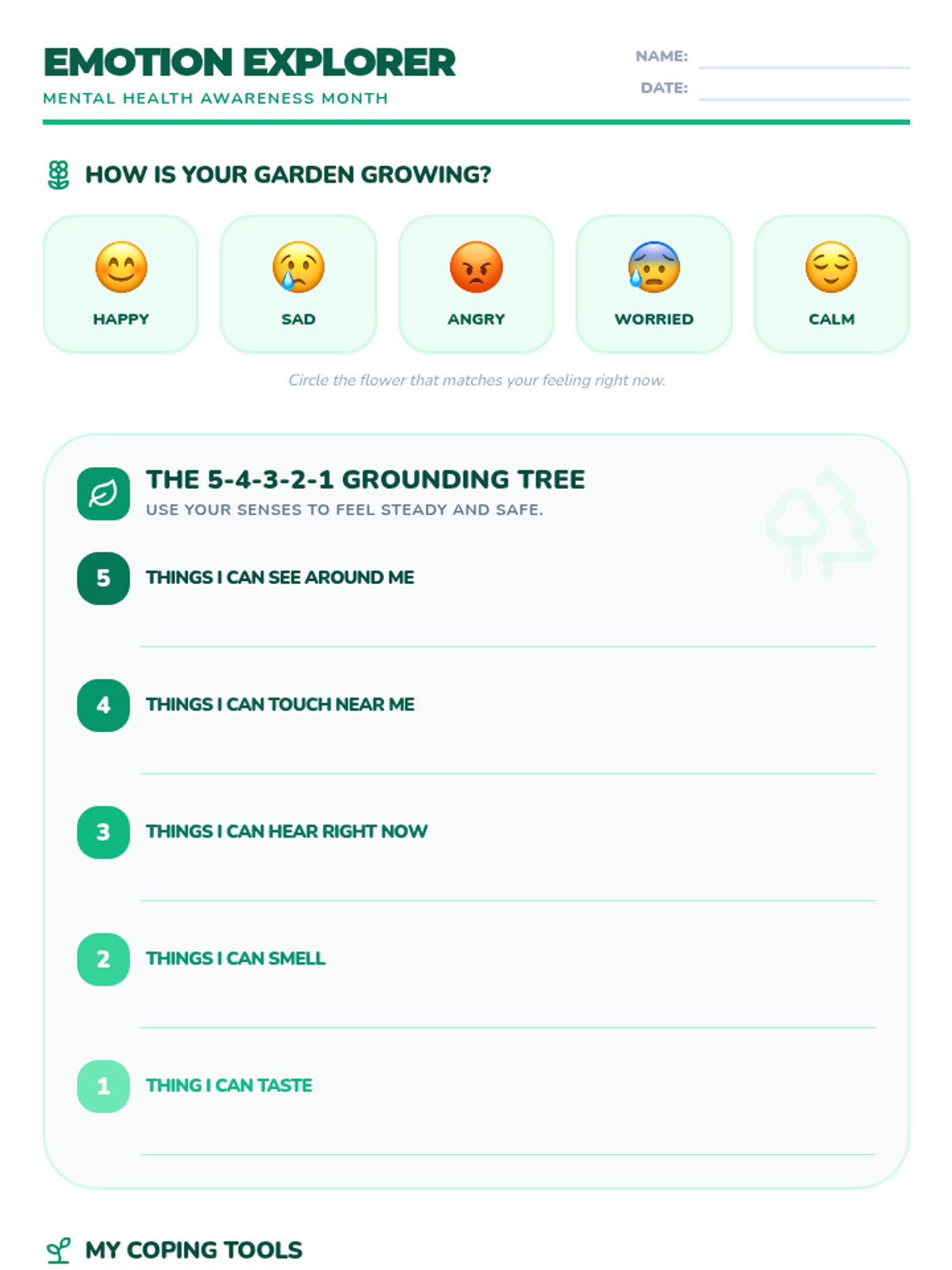
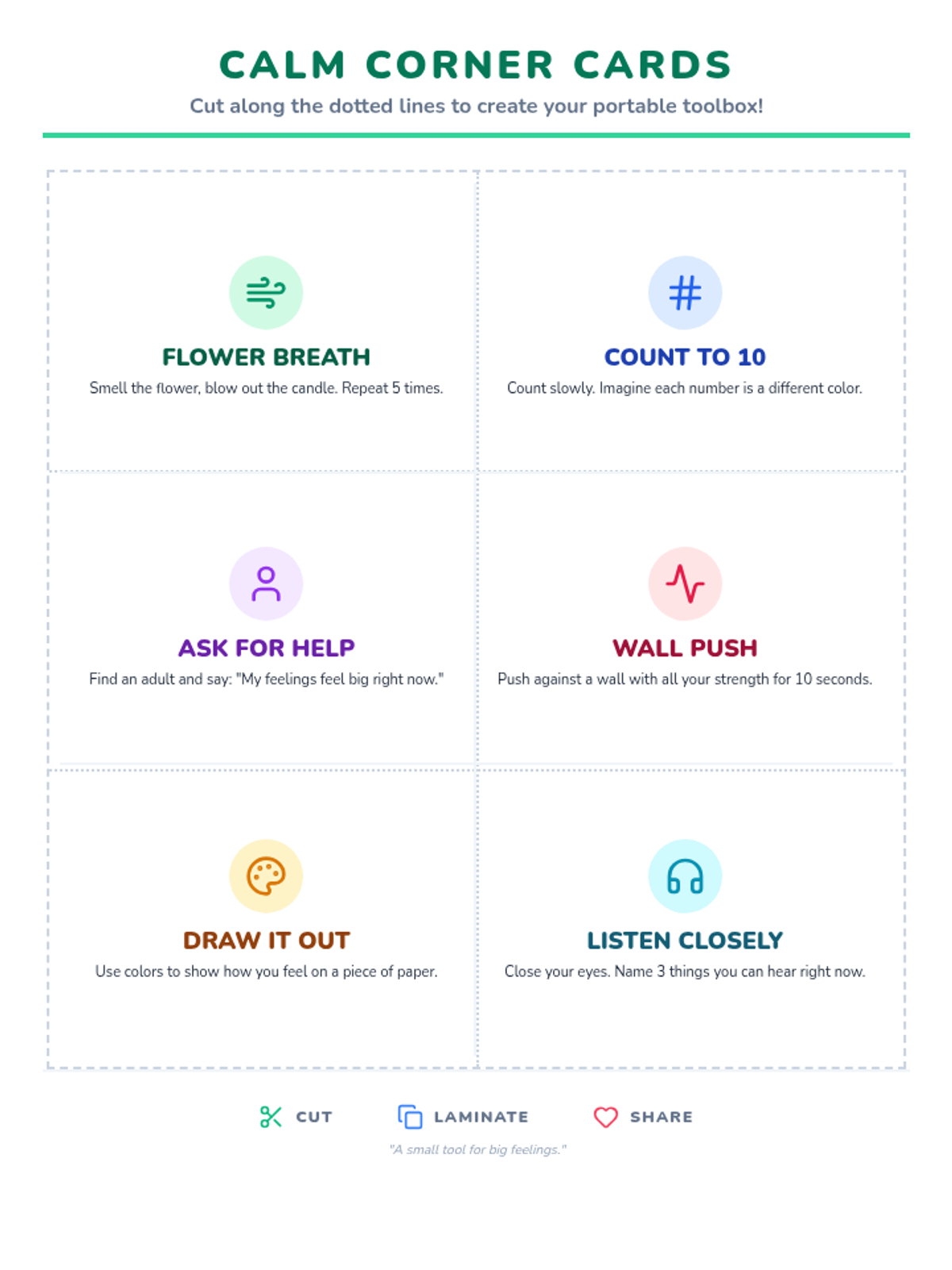
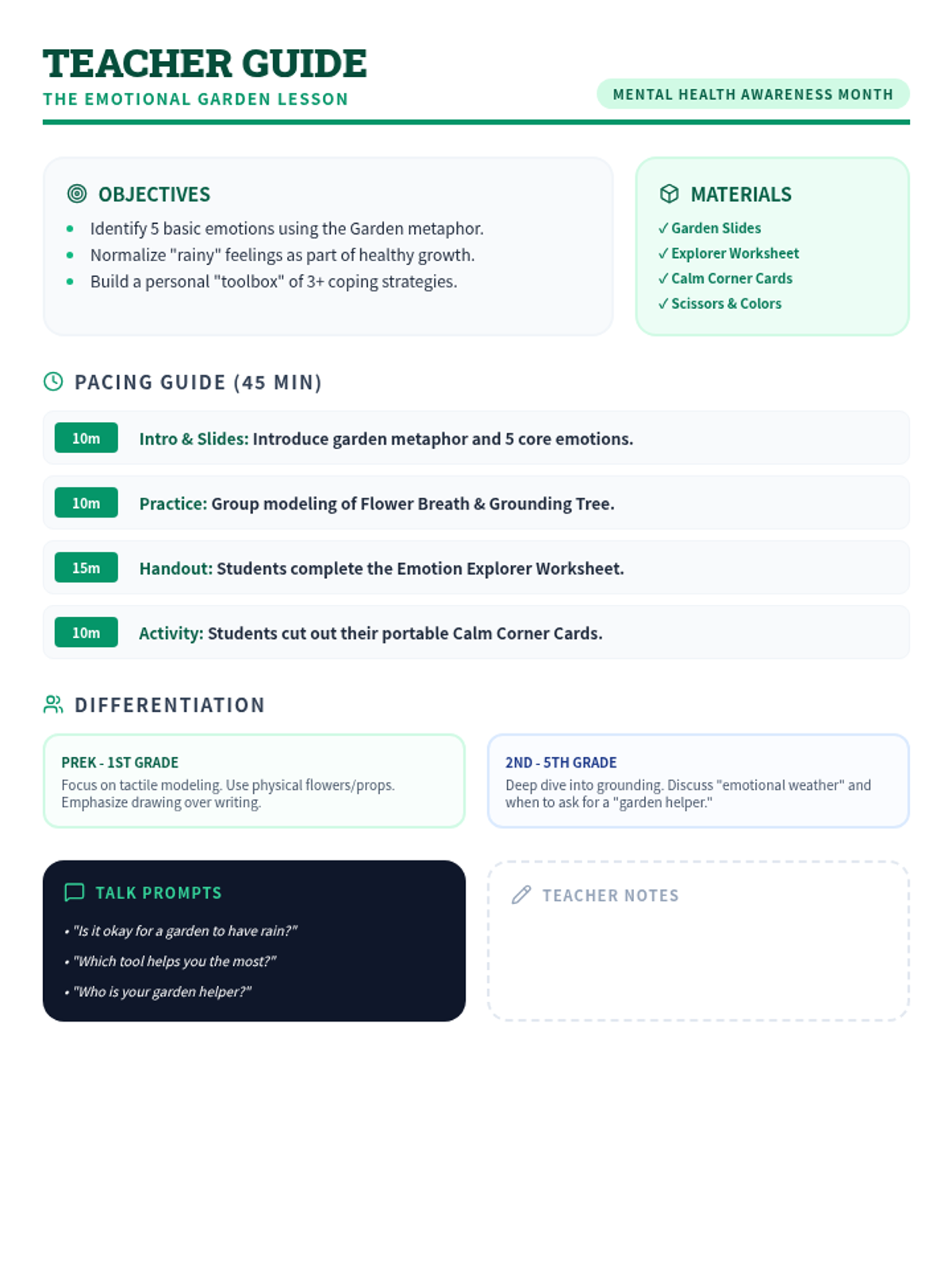
A social-emotional learning lesson focused on identifying emotions and practicing healthy coping strategies using the metaphor of a garden. Designed for elementary students to foster mental health awareness and self-regulation.
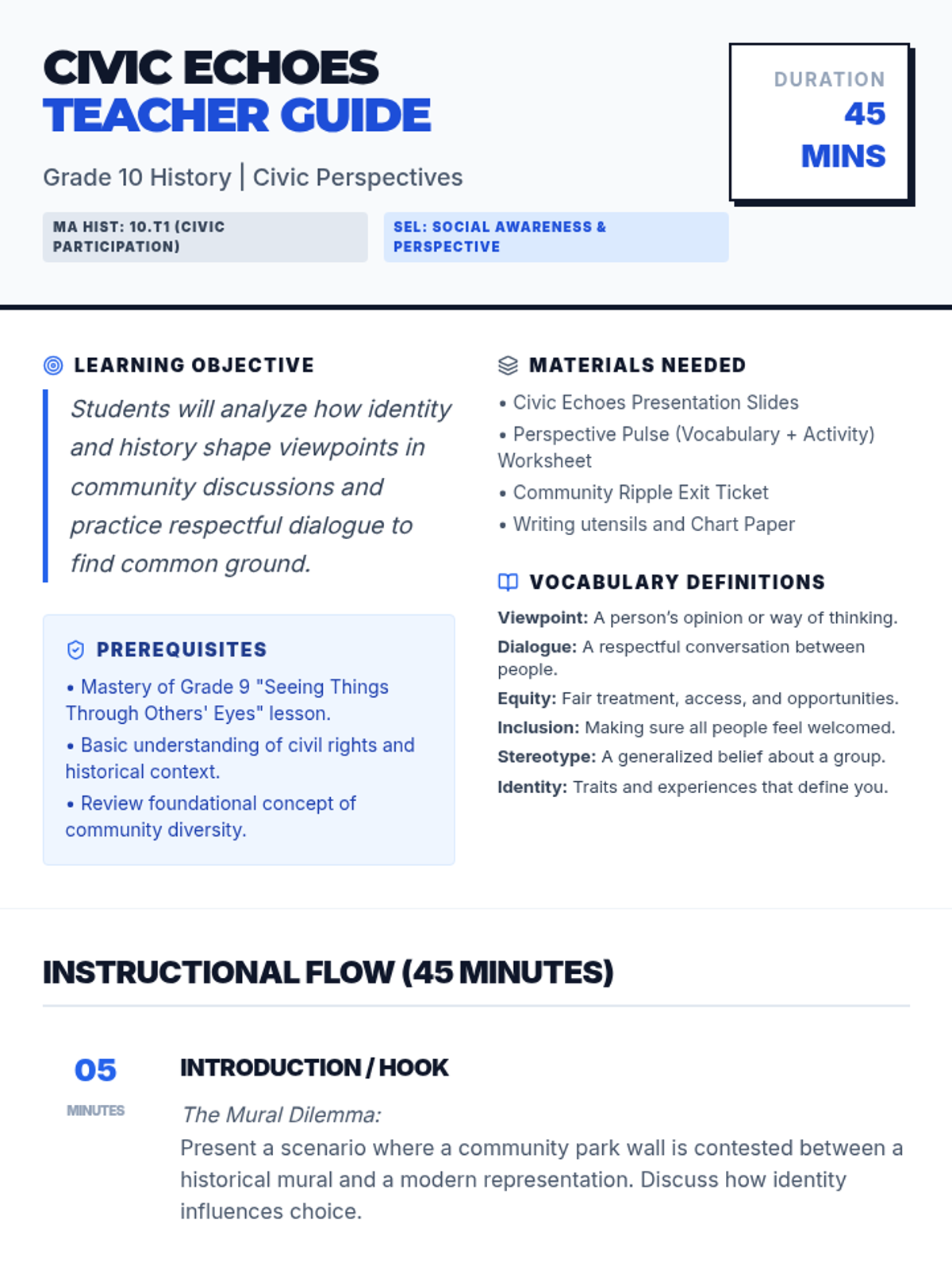
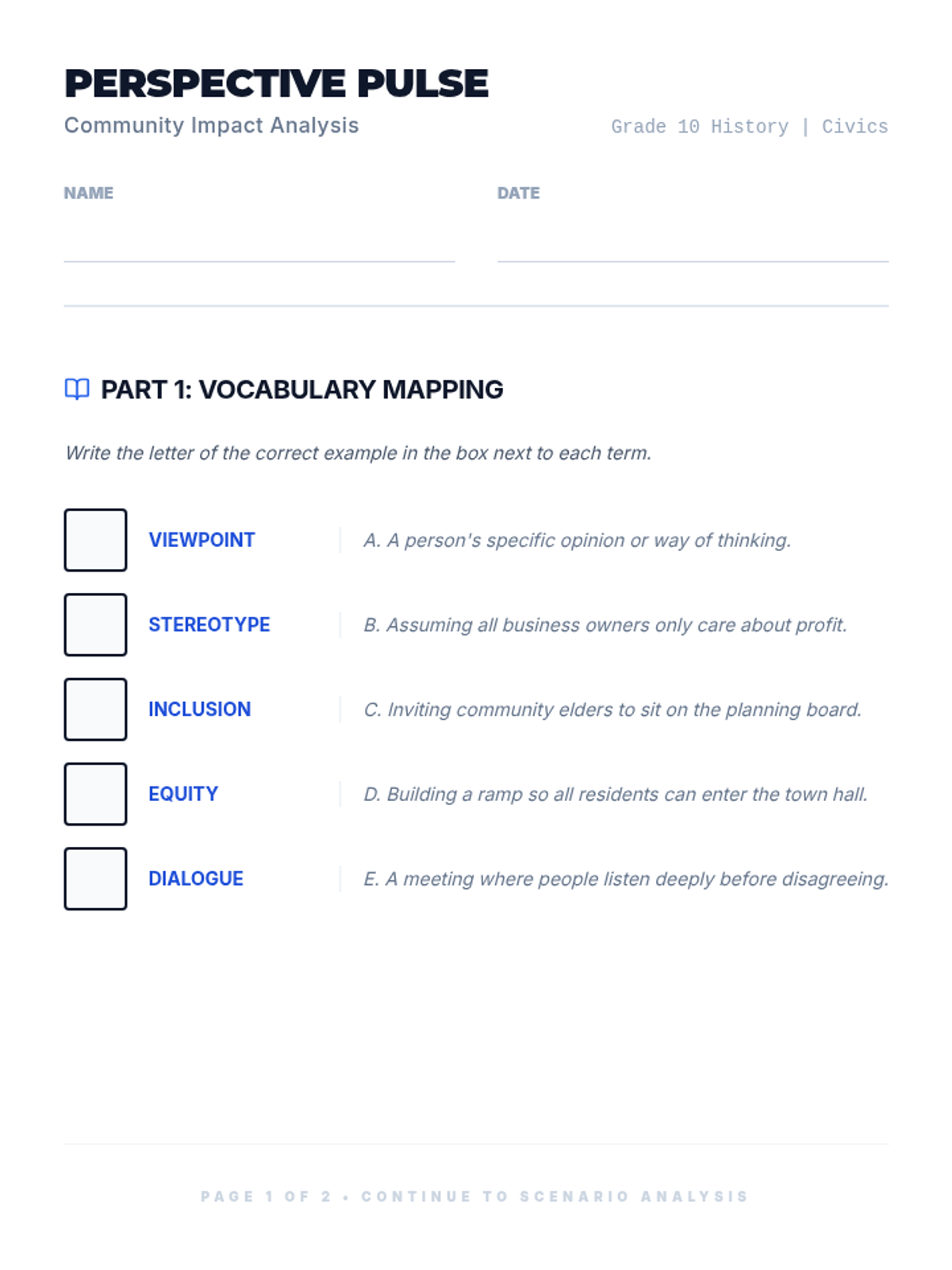
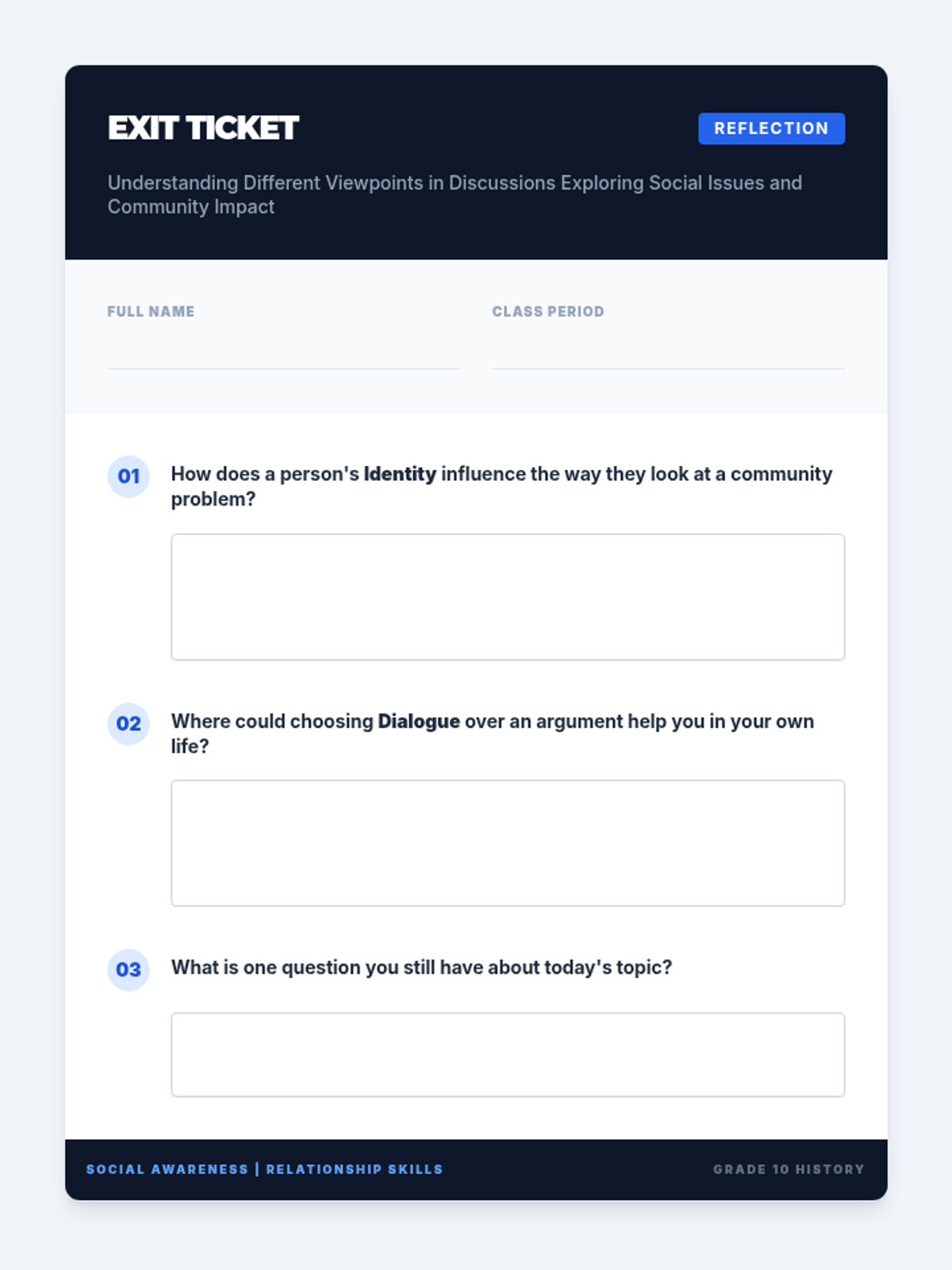
A Grade 10 History lesson focused on developing social awareness and relationship skills through the analysis of community viewpoints. Students explore how individual identities and historical contexts shape perspectives on social issues.
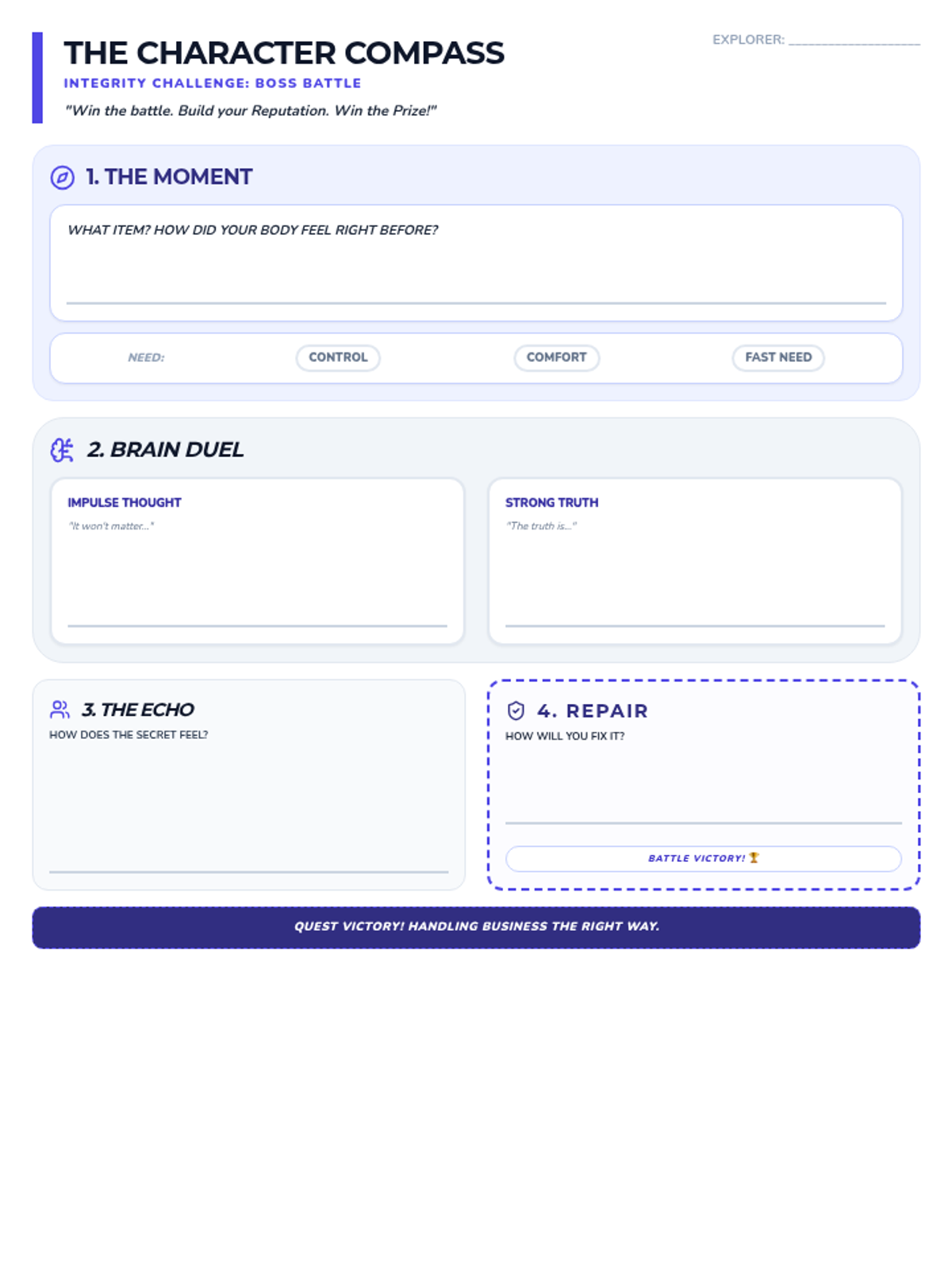
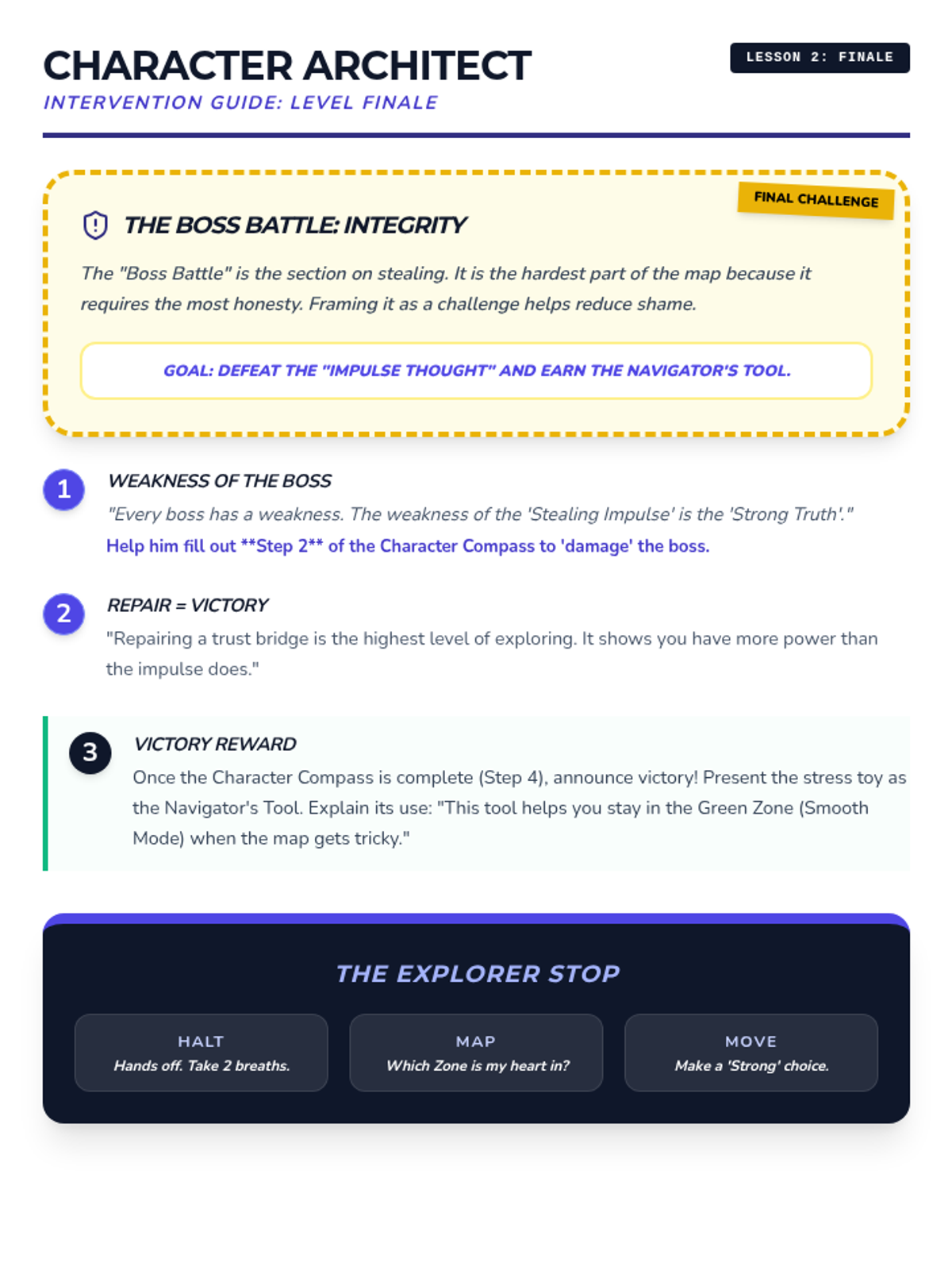
A reflective exploration of stealing that uses Social Thinking concepts to examine motivations, impacts on others, and alternative strategies for meeting needs or managing impulses.
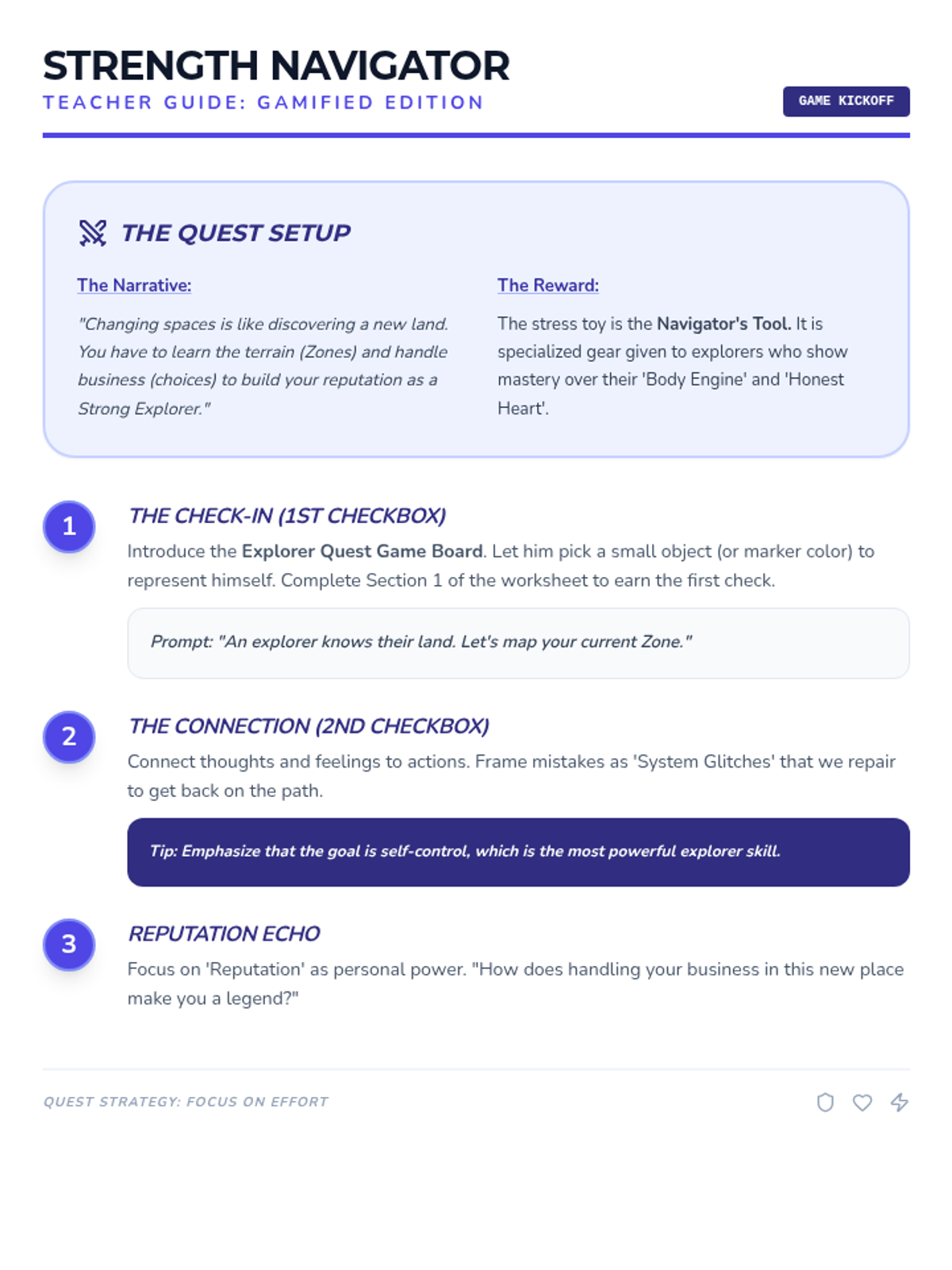
This lesson introduces students to the Zones of Regulation, feeling identification through wheels and faces, and the CBT-based connection between thoughts, feelings, and behaviors.