A series of high-engagement, no-material games designed for middle schoolers to strengthen communication skills and deepen self-awareness. Includes facilitation guides, instructional slides, and student reflection tools.
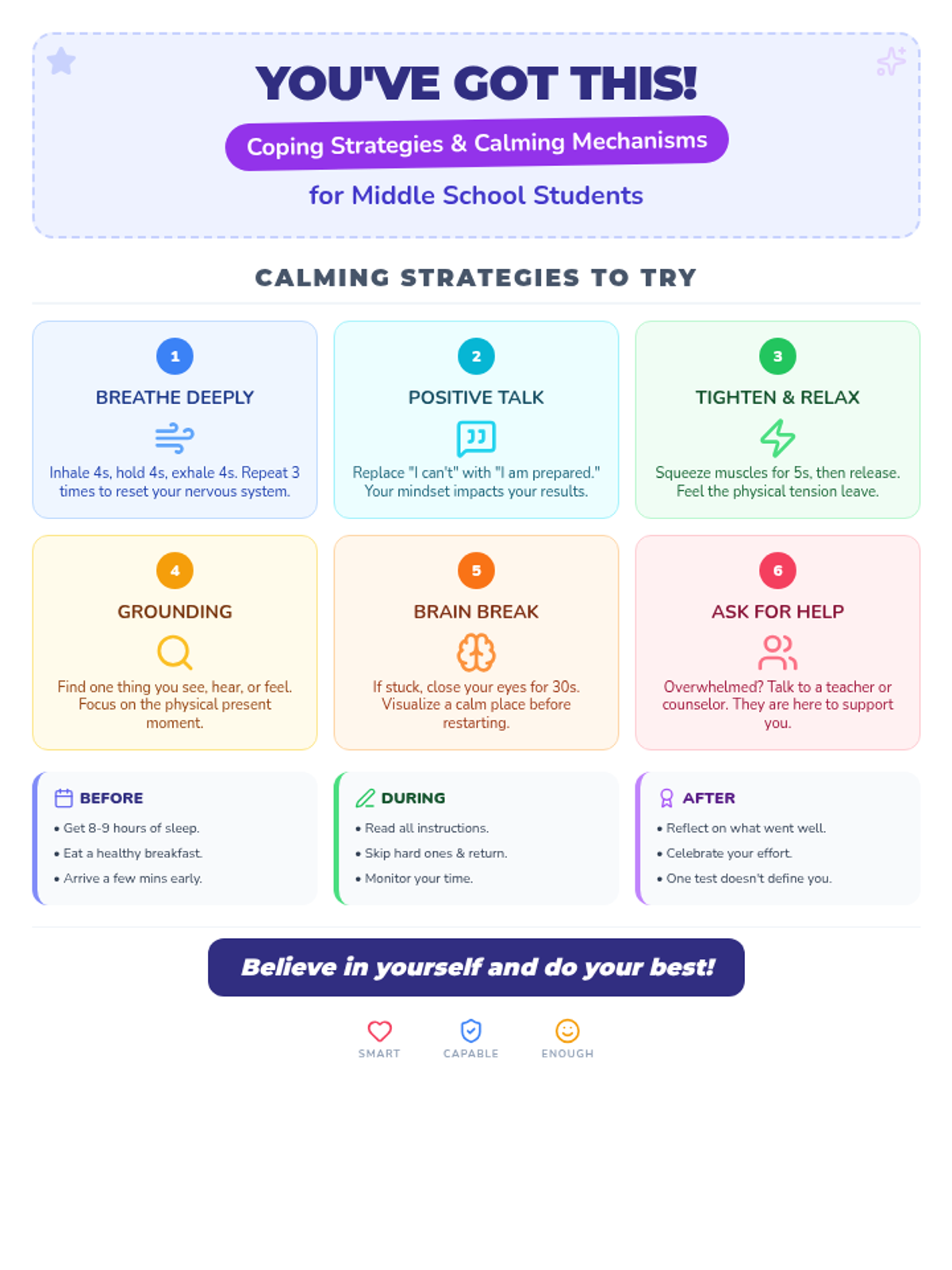
A lesson focused on equipping middle school students with practical strategies to manage test-related stress and anxiety.
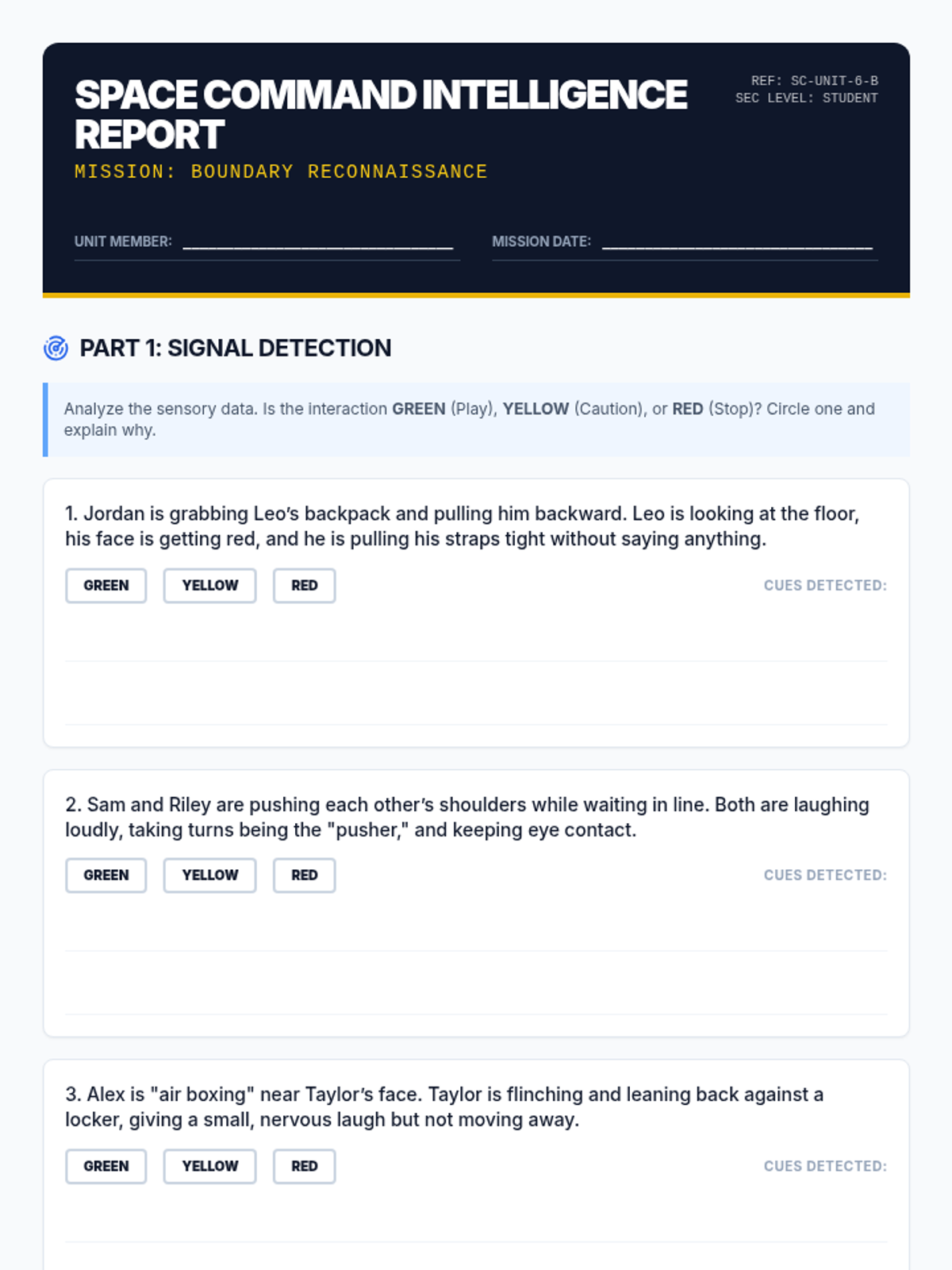
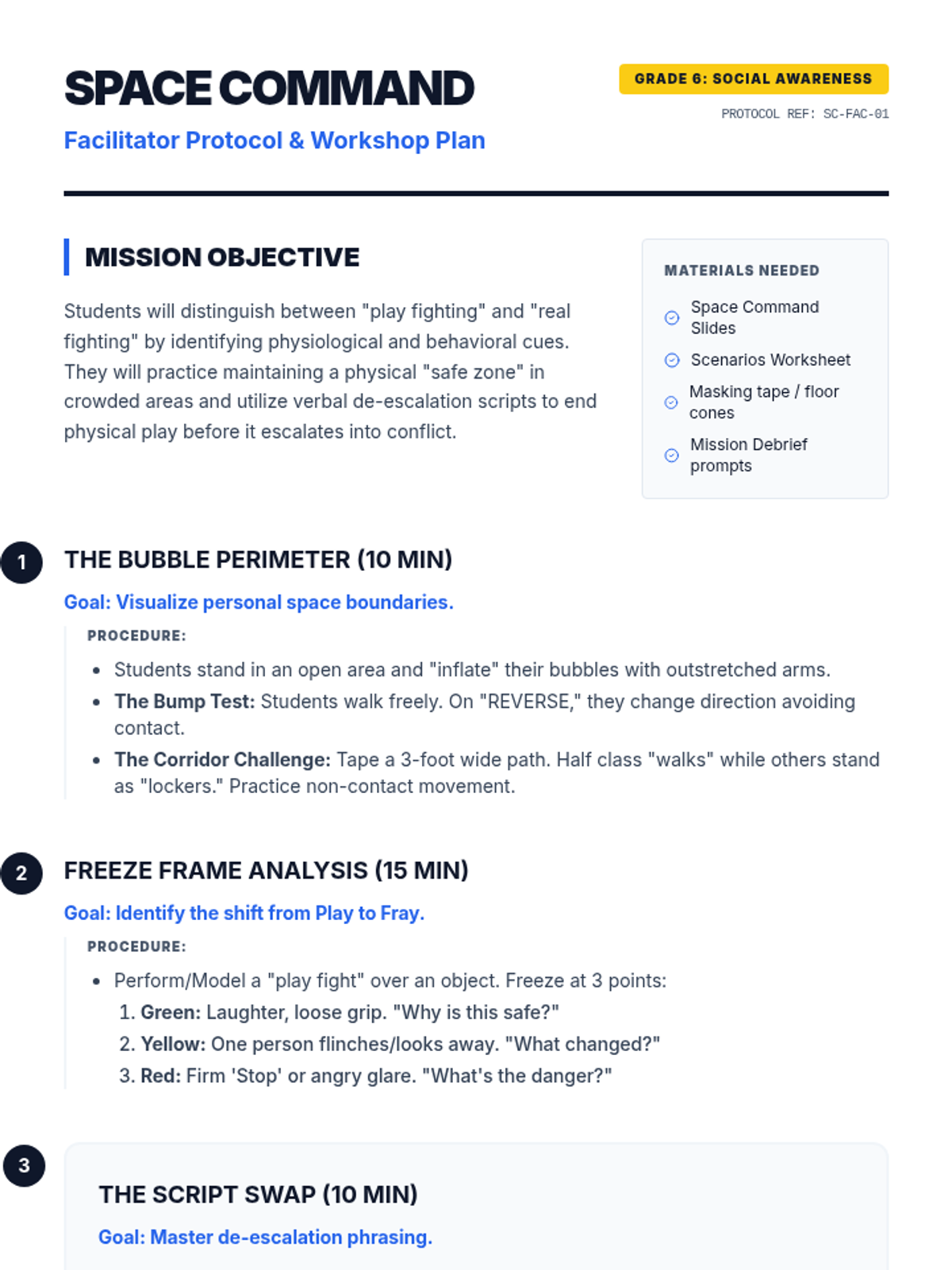
A comprehensive lesson for 6th graders on navigating personal boundaries, recognizing the shift from play to conflict, and mastering de-escalation in high-traffic school areas.
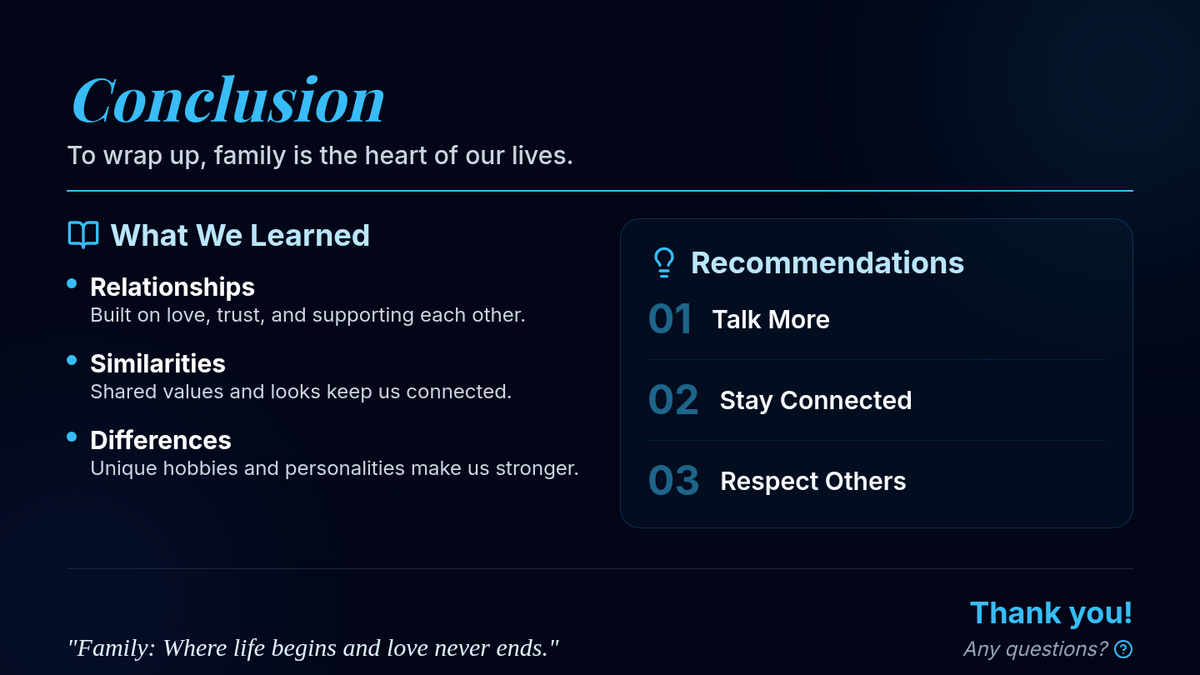
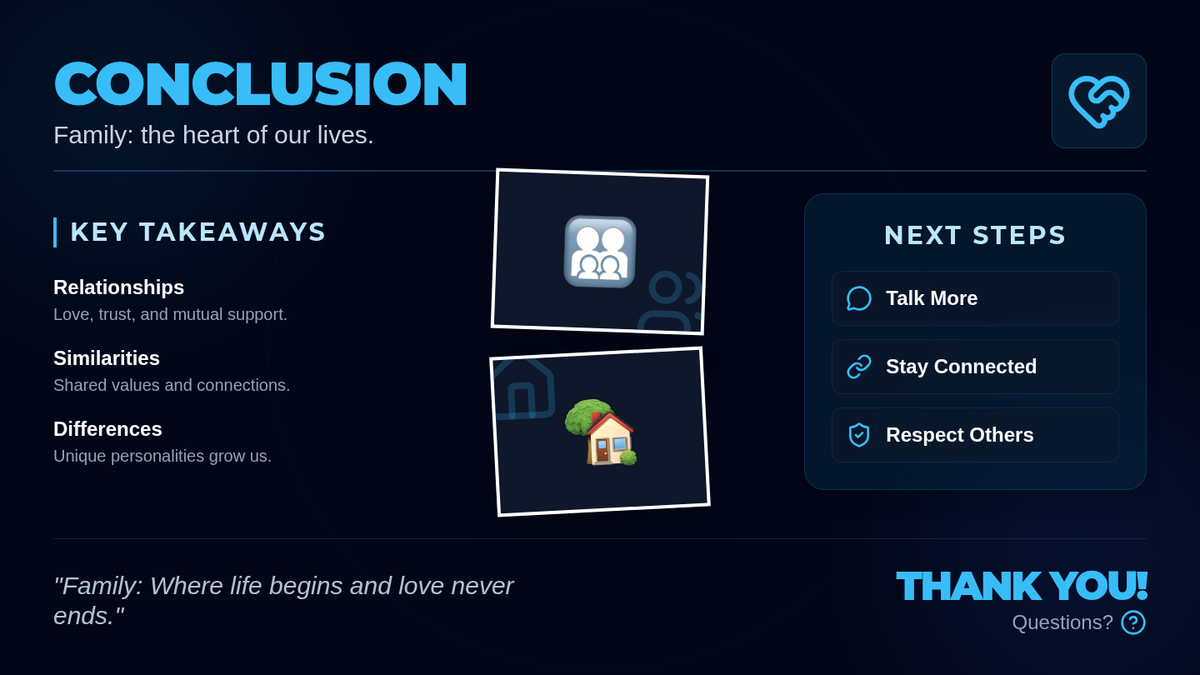
A concluding lesson on the importance of family, focusing on relationships, similarities, and differences.
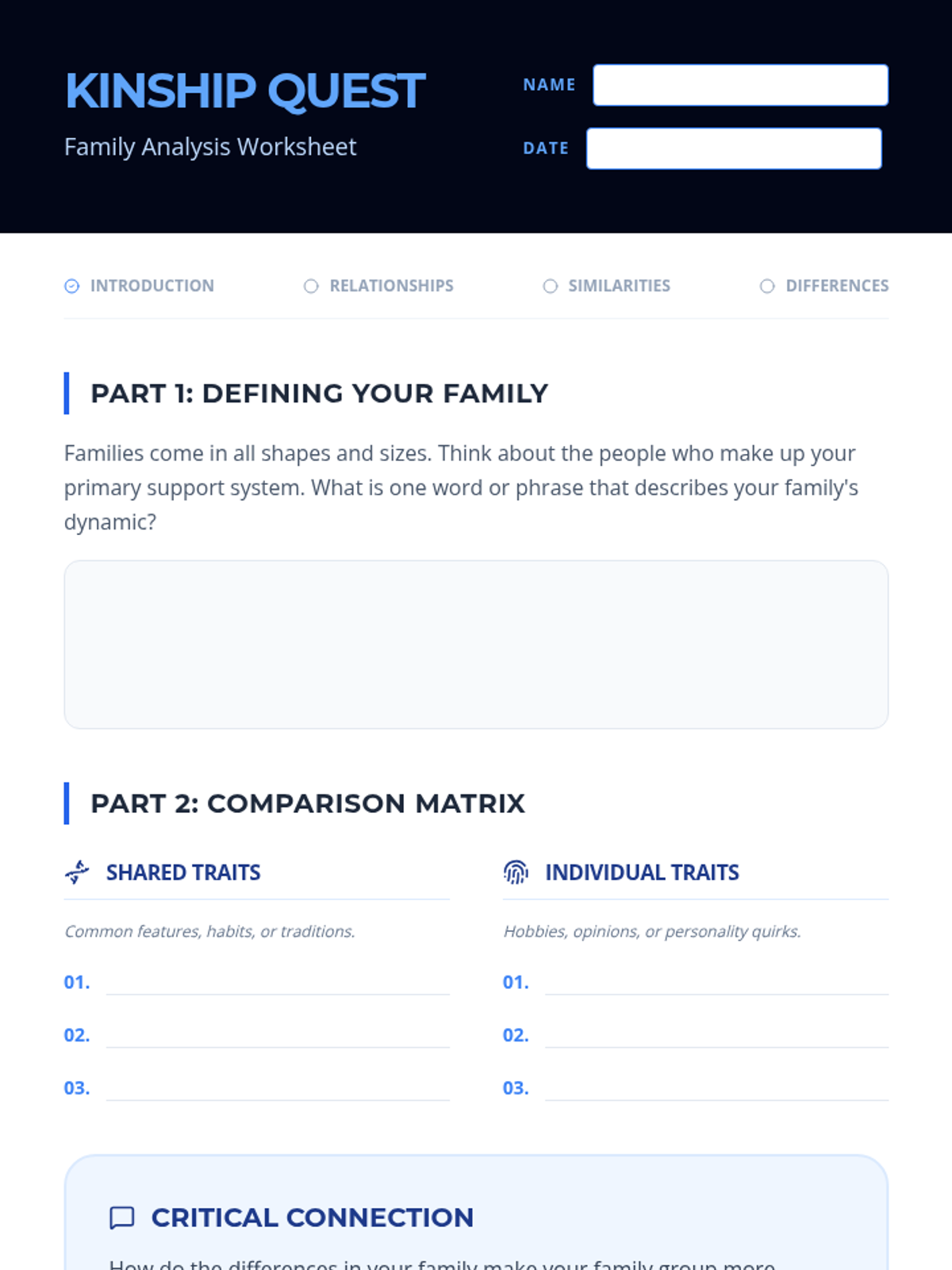
A lesson exploring the dynamics of family relationships, including the genetic and behavioral similarities and differences that make every family unique.
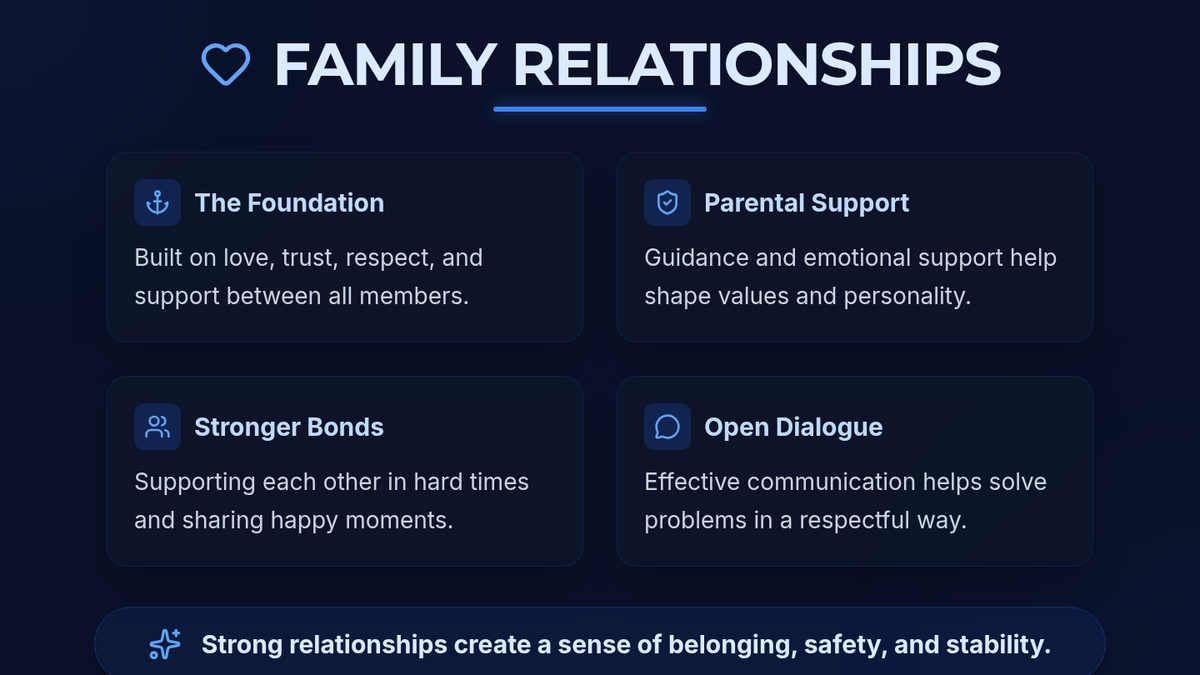
A lesson exploring the importance of family relationships, the roles of parents, and how communication strengthens bonds.
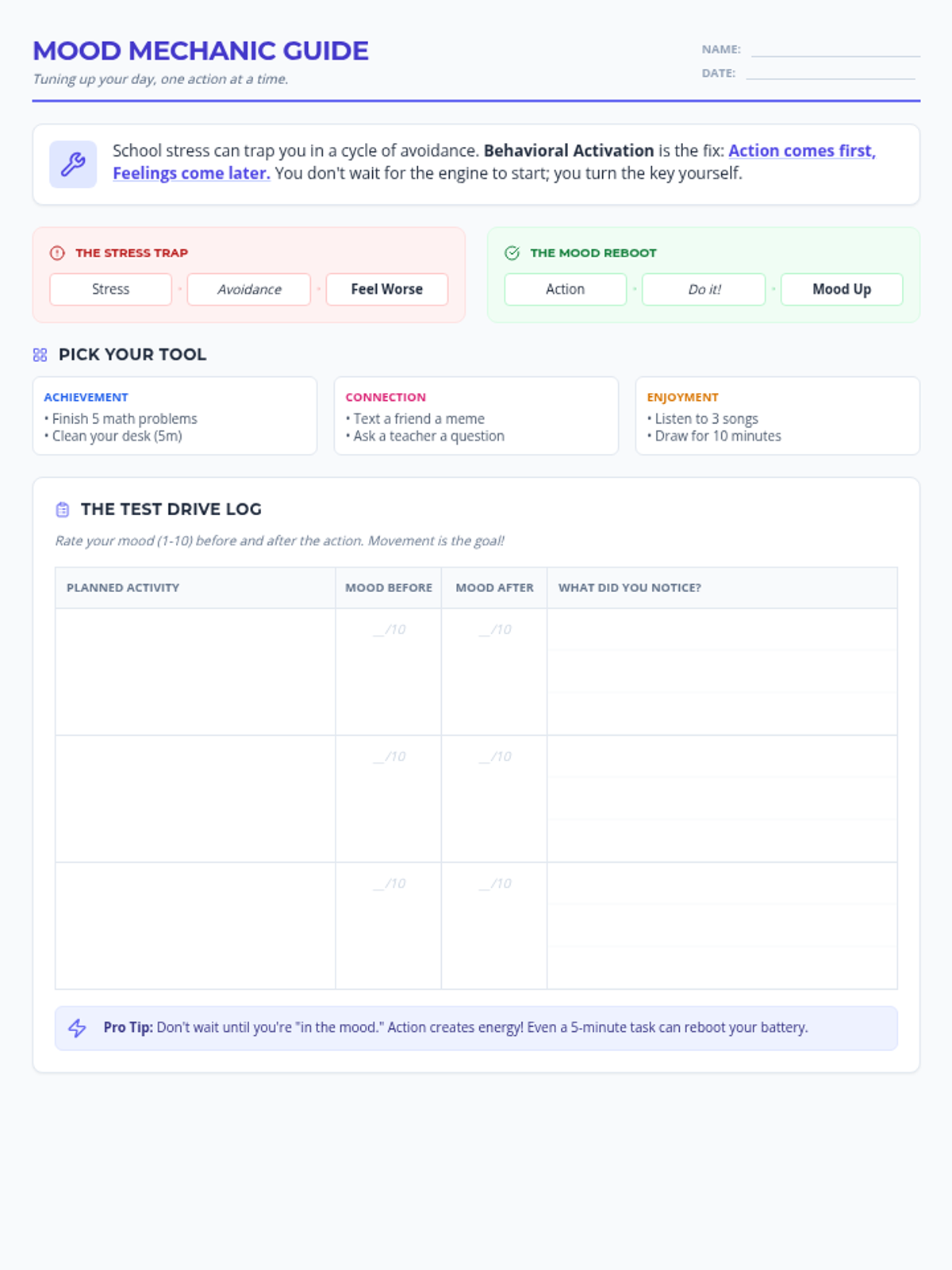
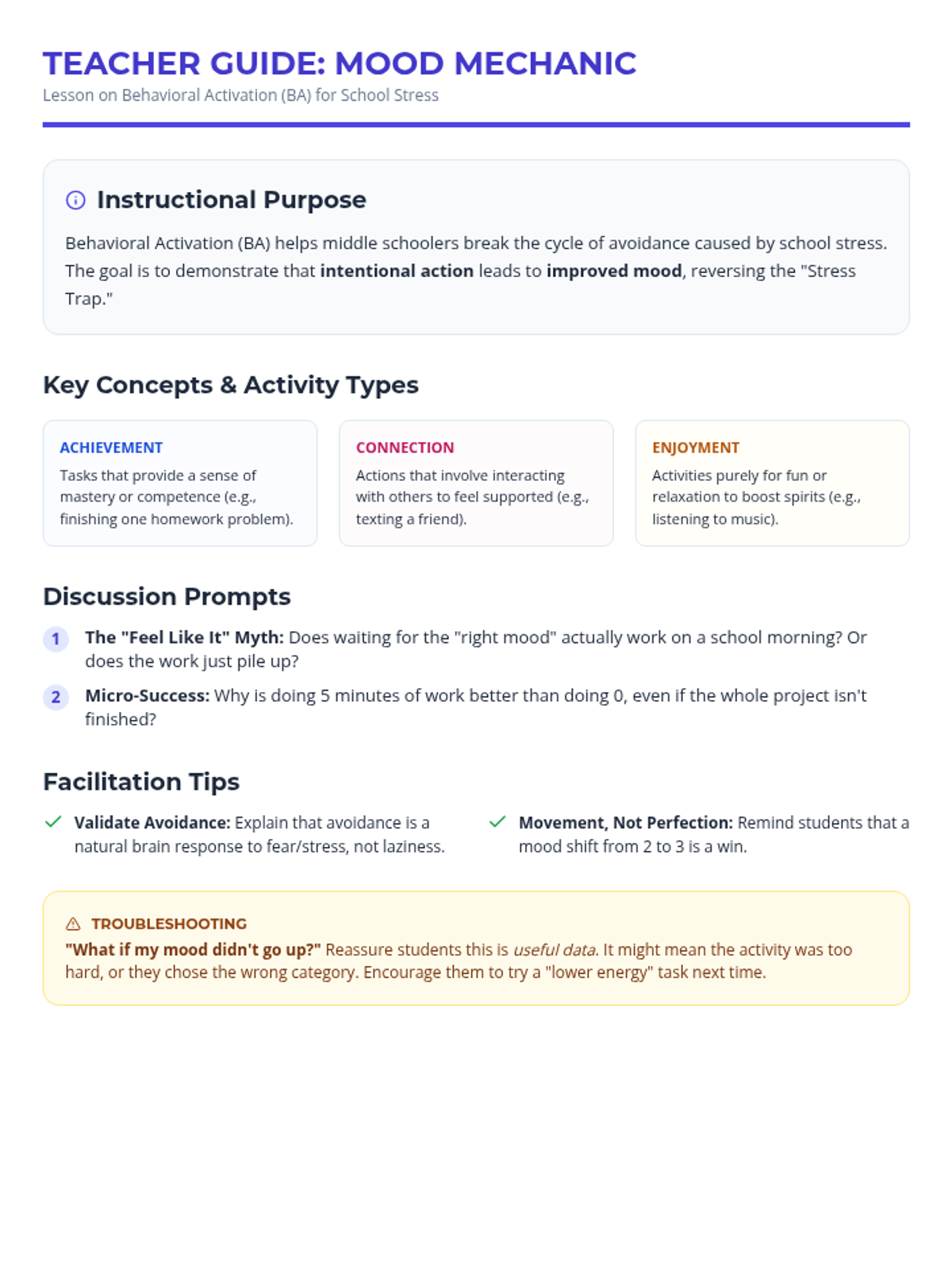
This lesson introduces middle school students to Behavioral Activation, a practical tool for managing school-related stress by changing actions to improve mood. Students will learn the 'vicious cycle' of stress and practice planning and tracking activities using a before-and-after mood scale.
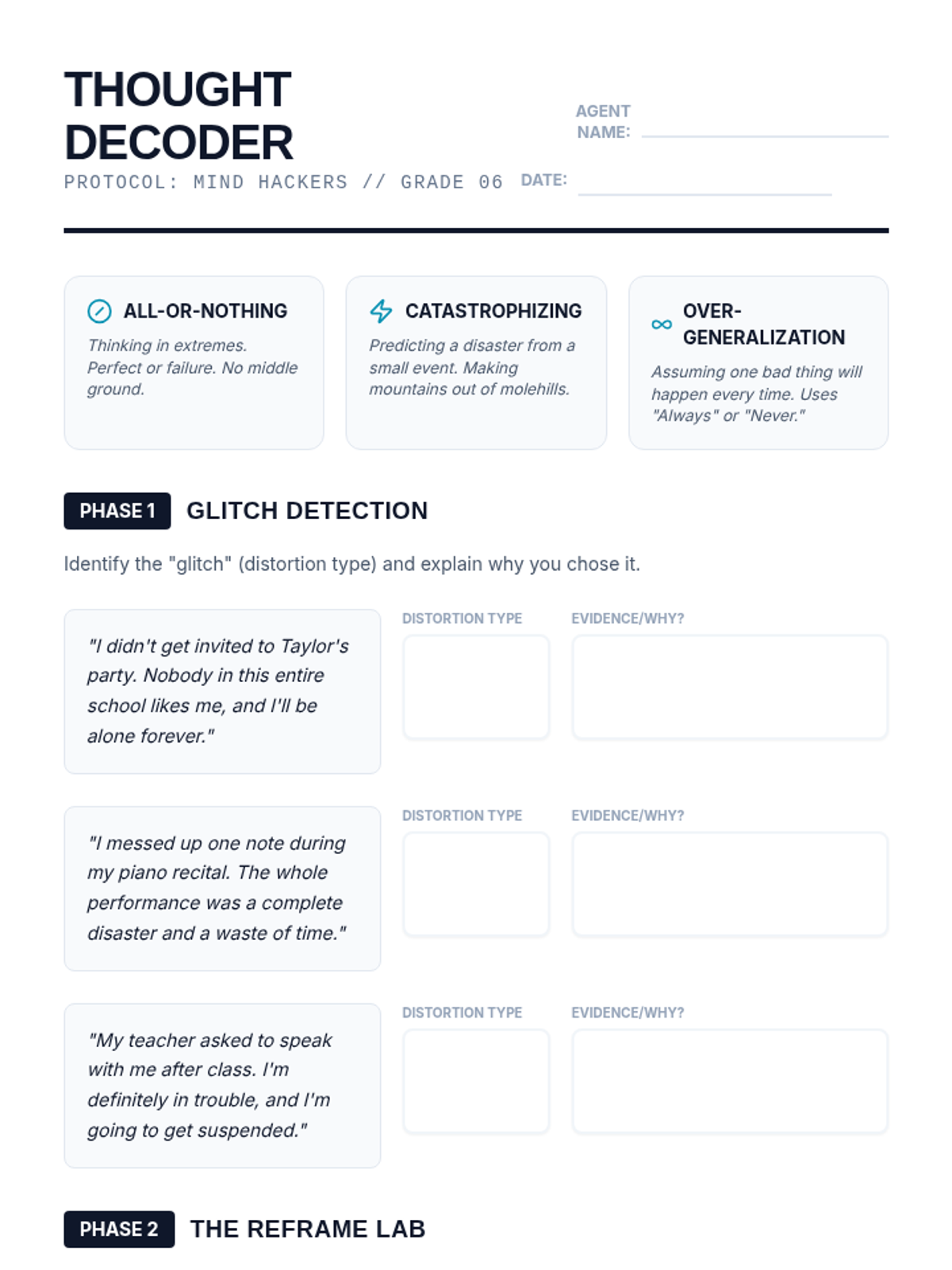
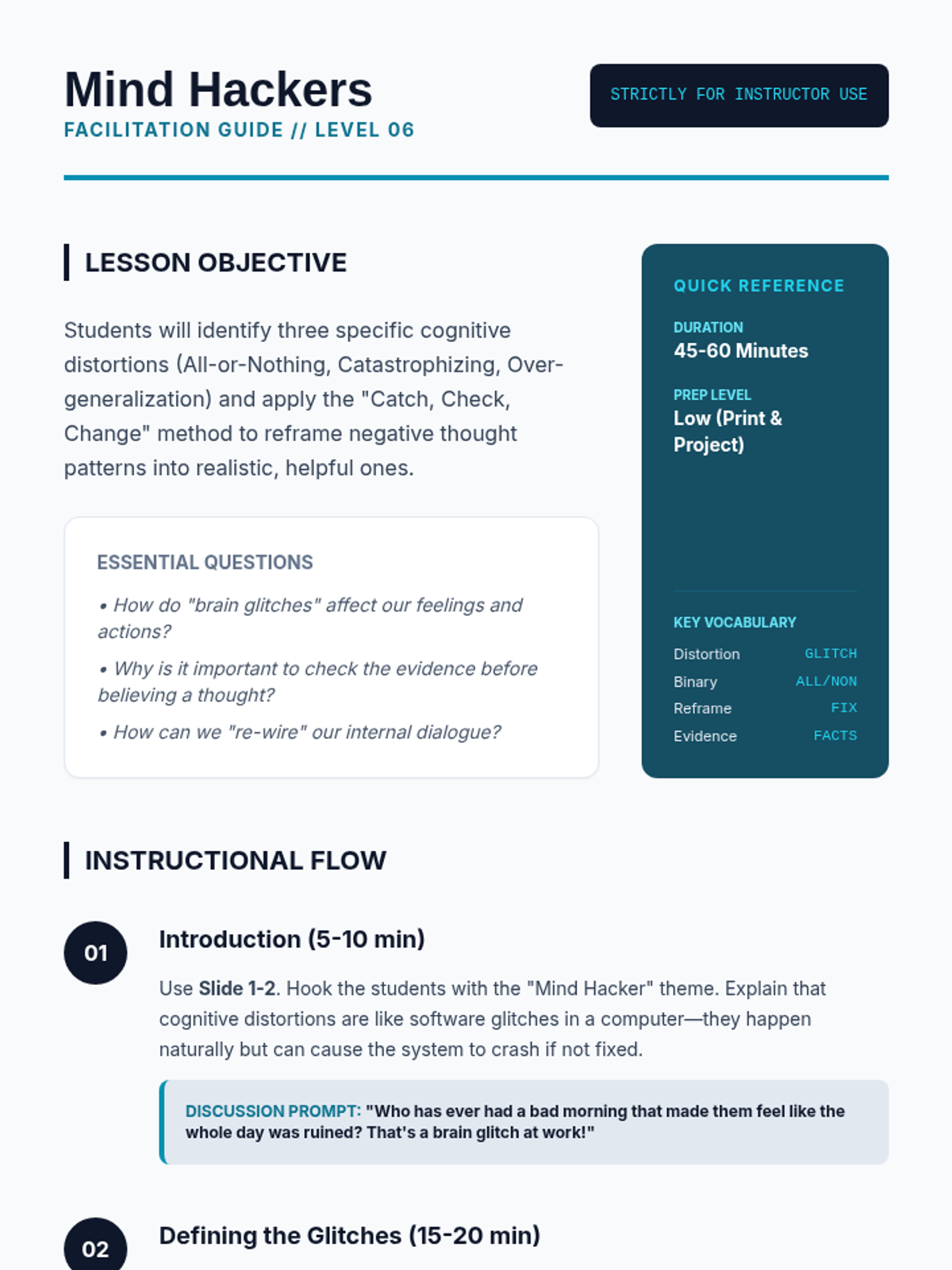
A lesson for 6th graders to identify and reframe three common cognitive distortions: all-or-nothing thinking, catastrophizing, and over-generalization. Students learn the 'Catch, Check, Change' method to manage negative thought patterns.
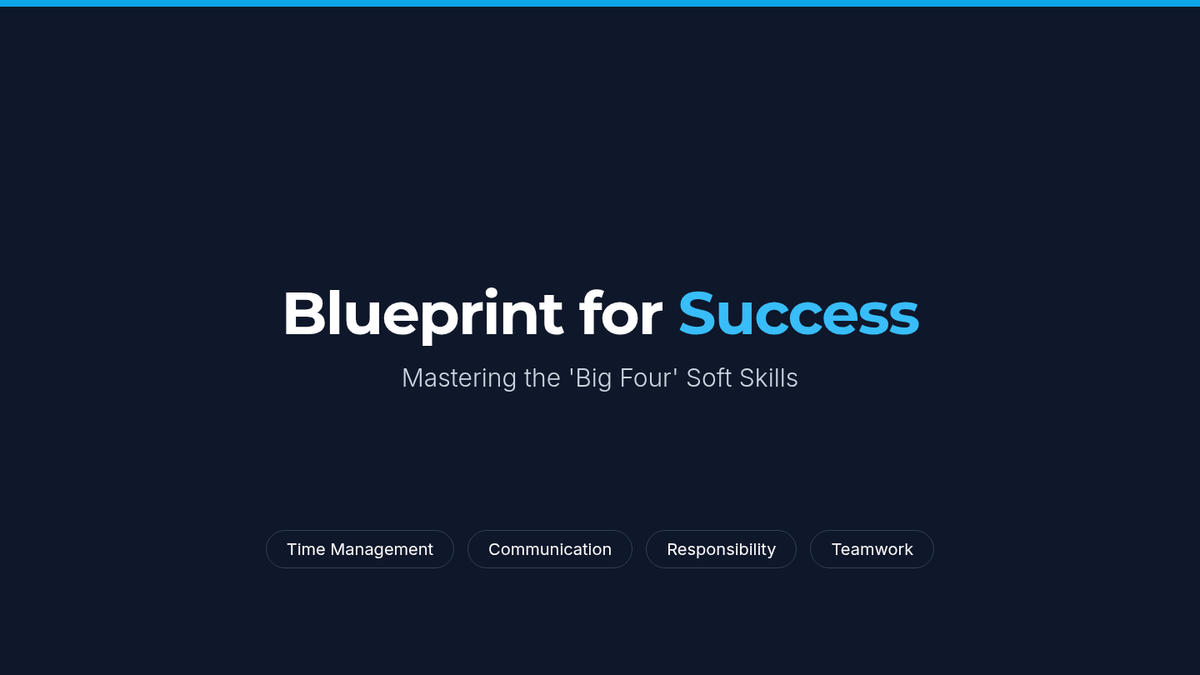
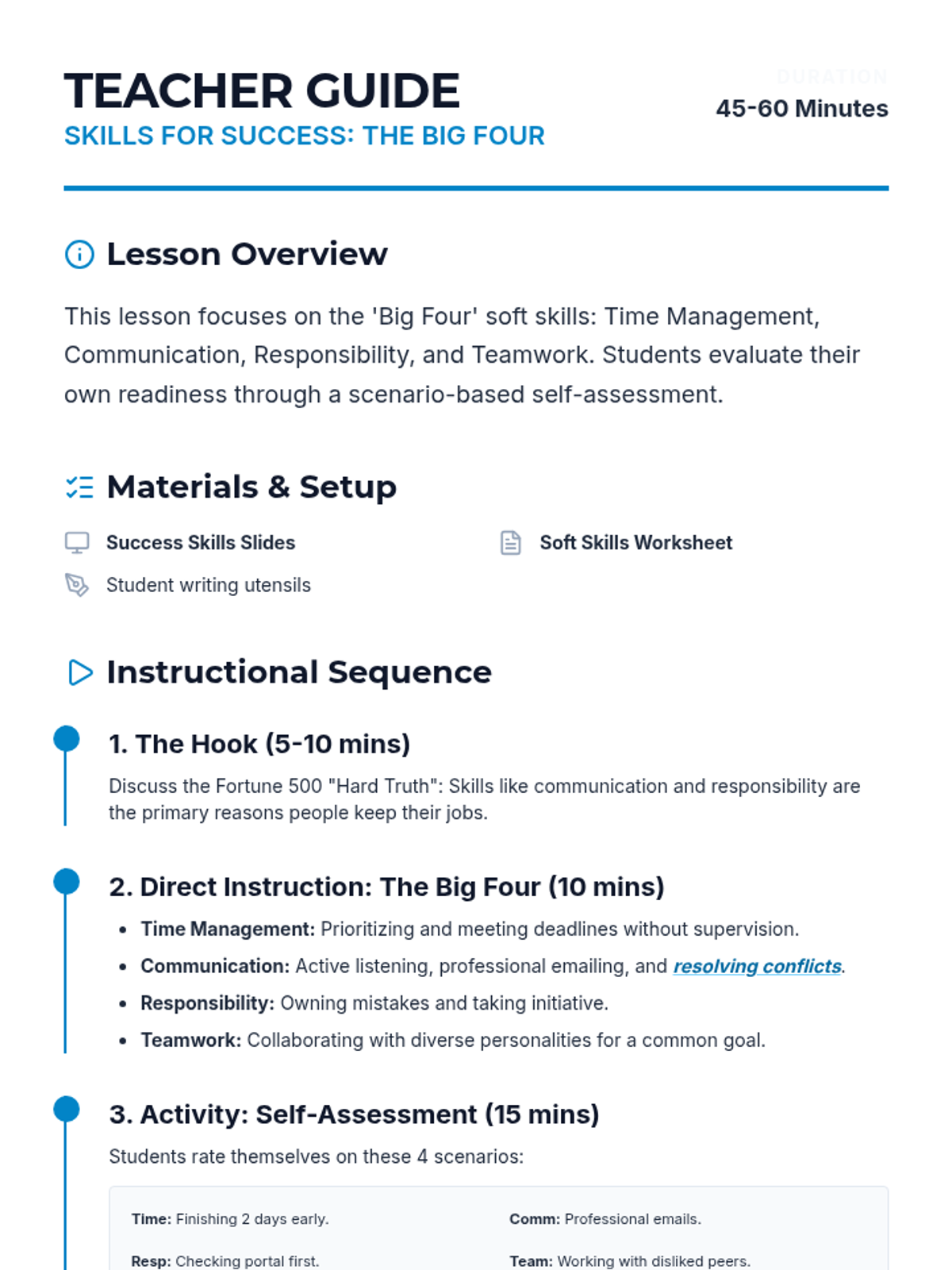
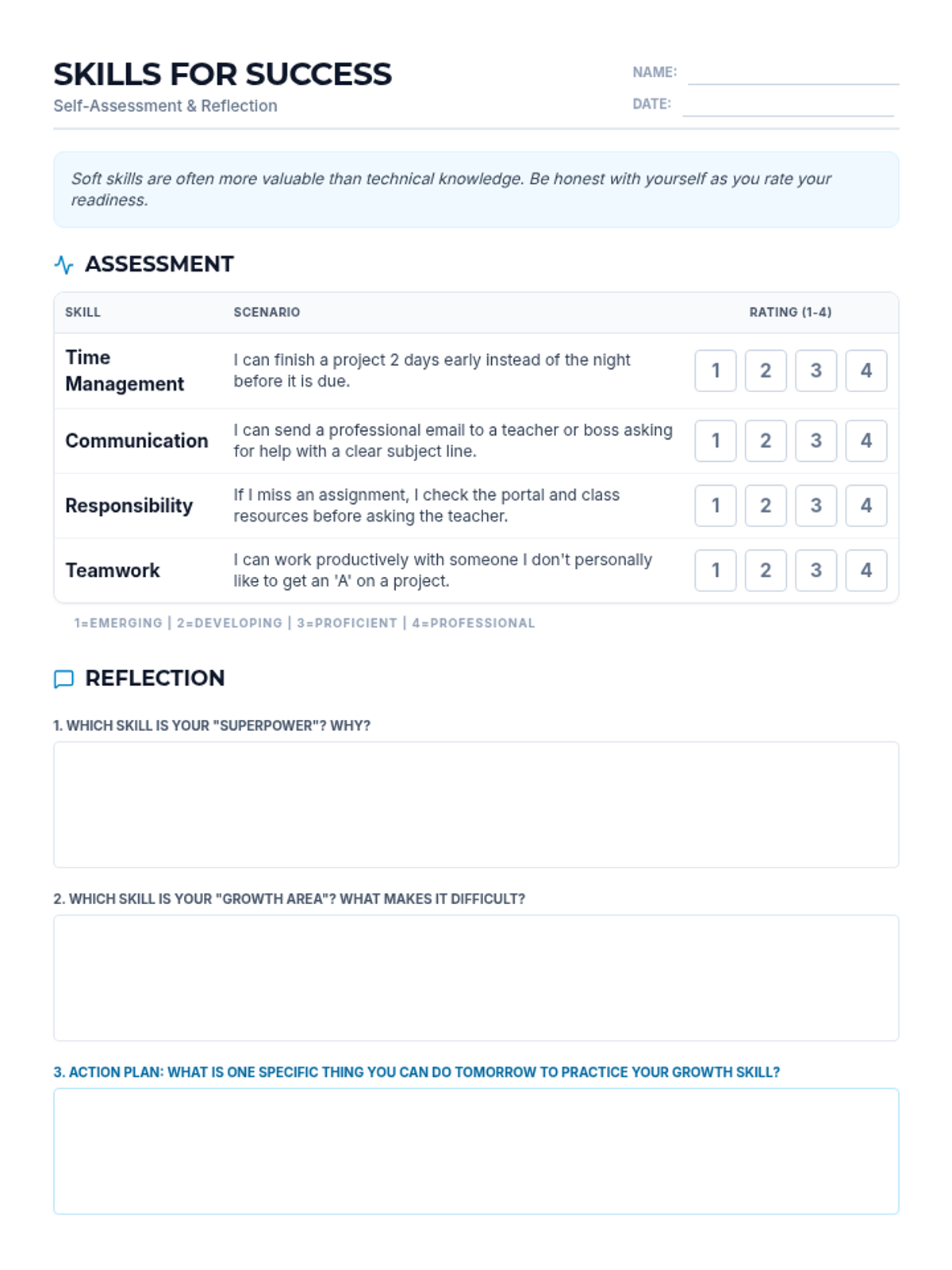
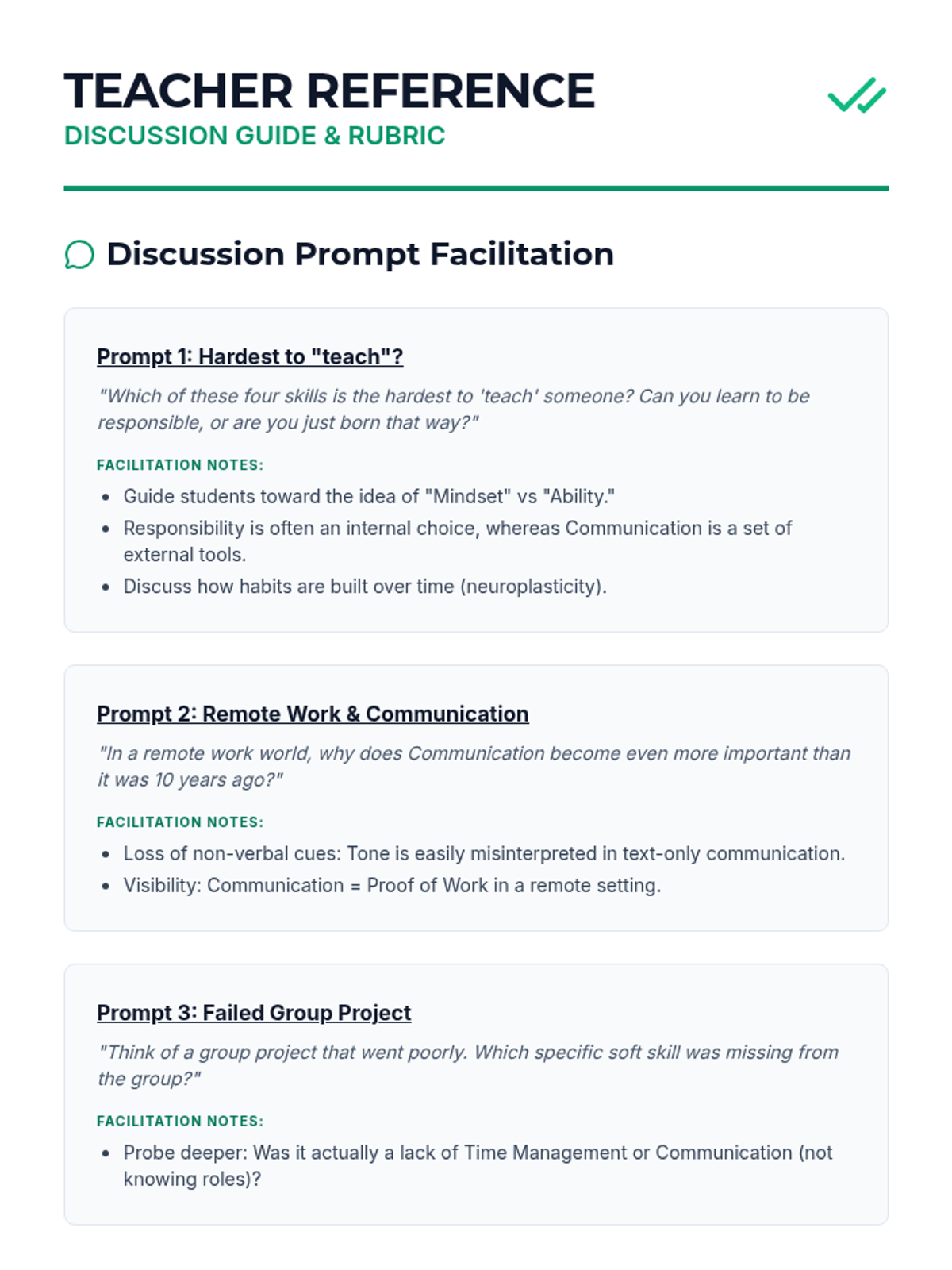
A lesson focused on the 'Big Four' soft skills: Time Management, Communication, Responsibility, and Teamwork. Students evaluate their own readiness through a scenario-based self-assessment and reflective discussion.
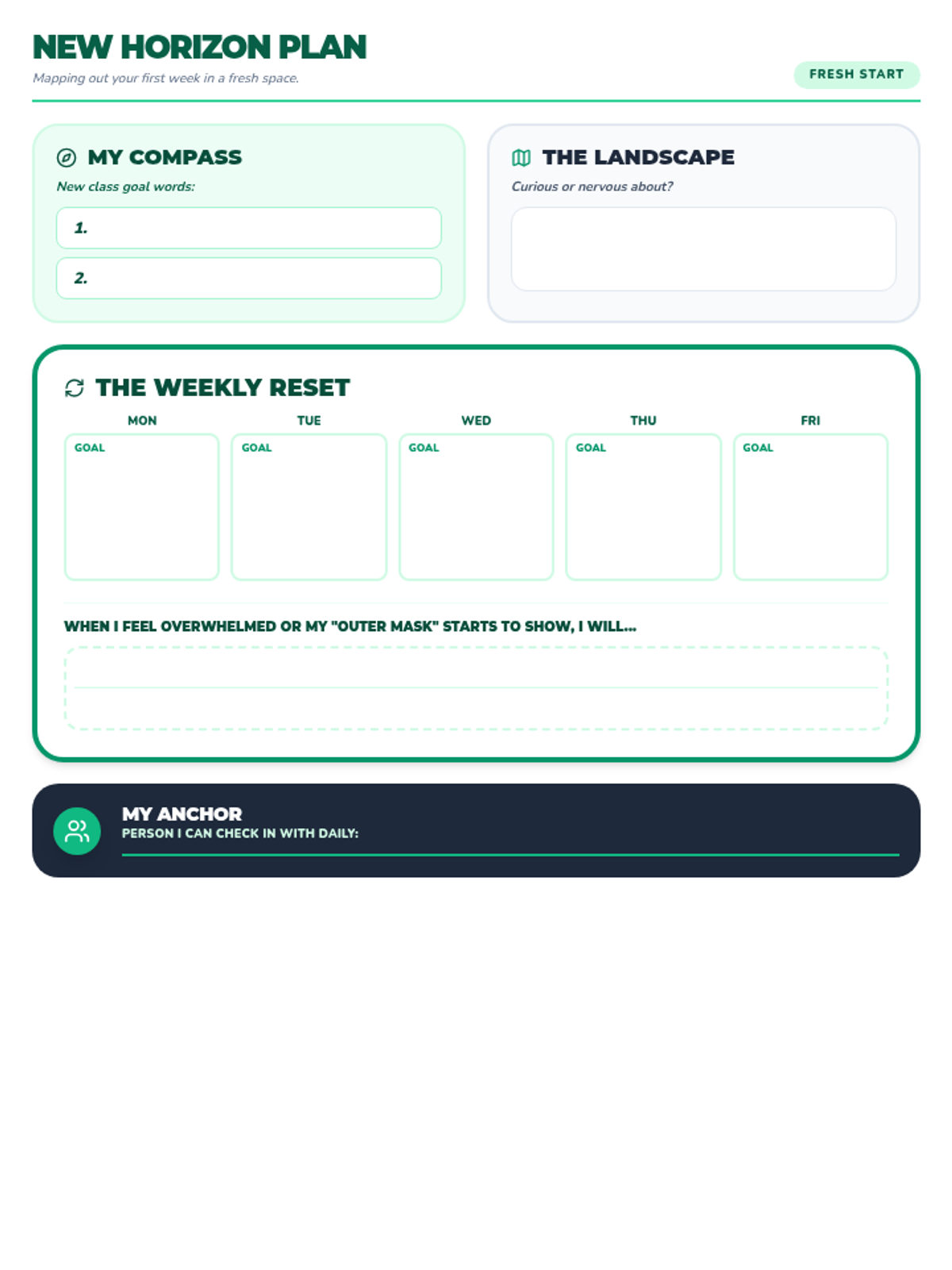
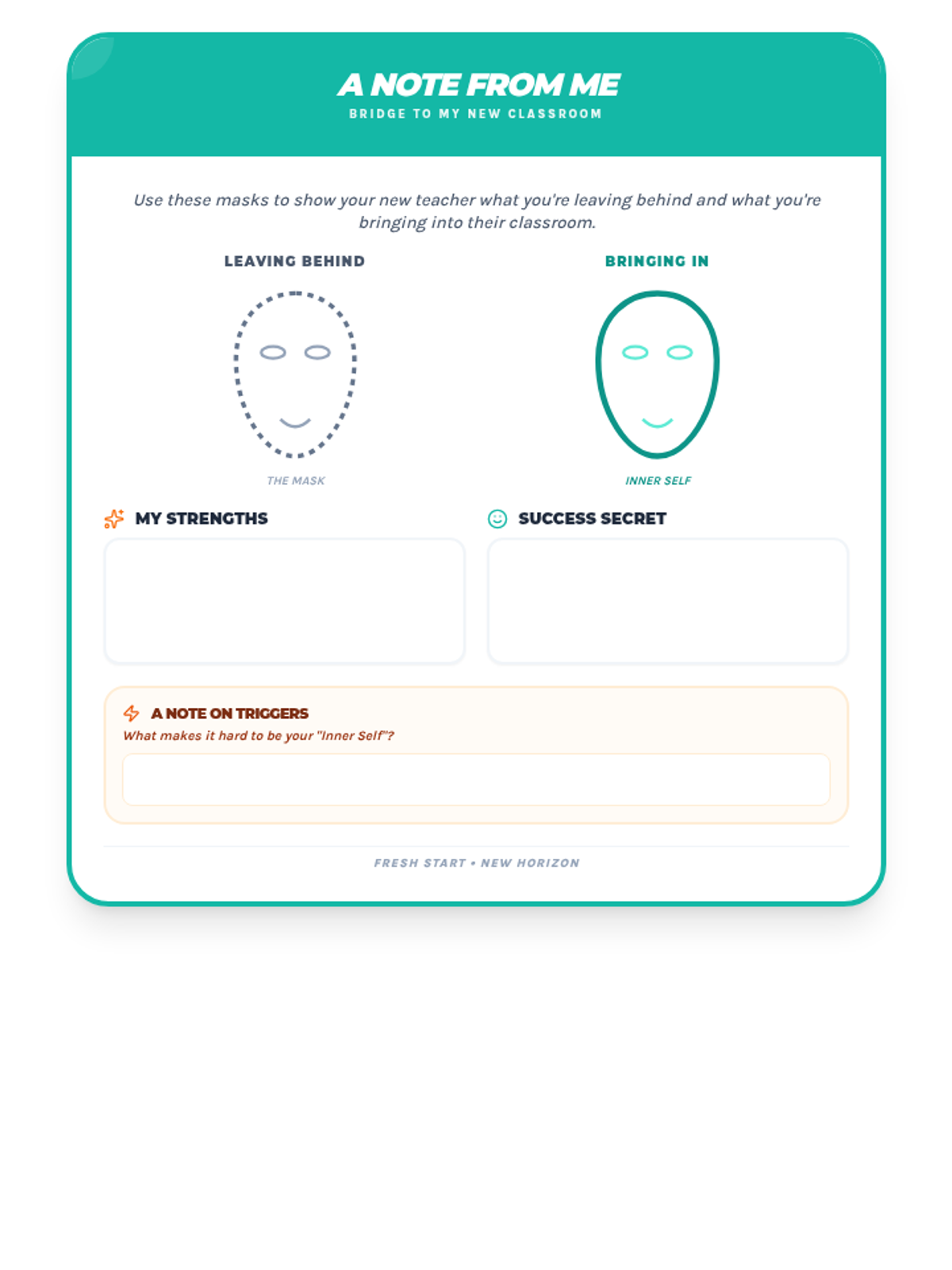
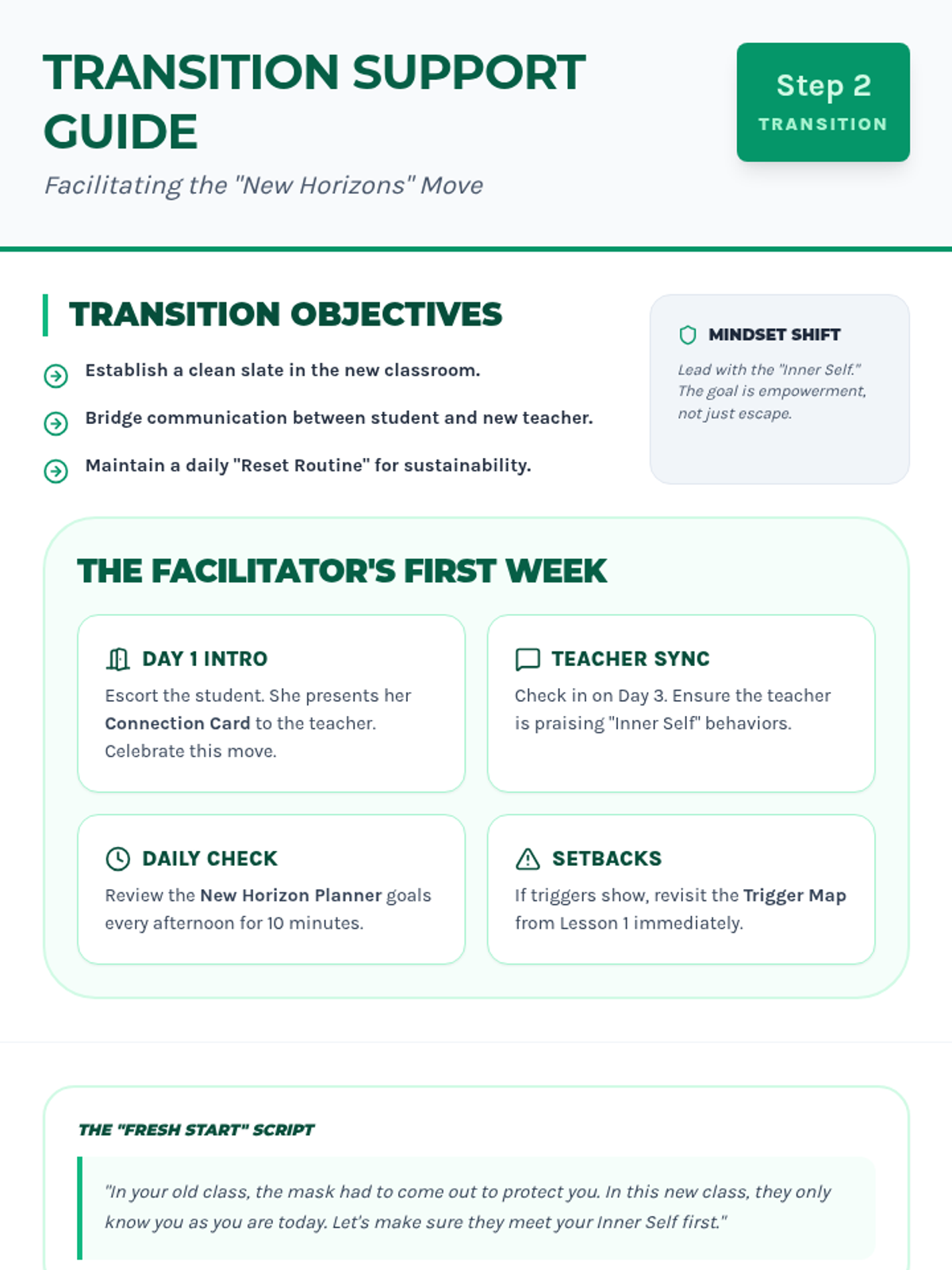
The final phase of the intervention, focusing on the practical and emotional transition to a new classroom environment and establishing a sustainable 'reset' routine.
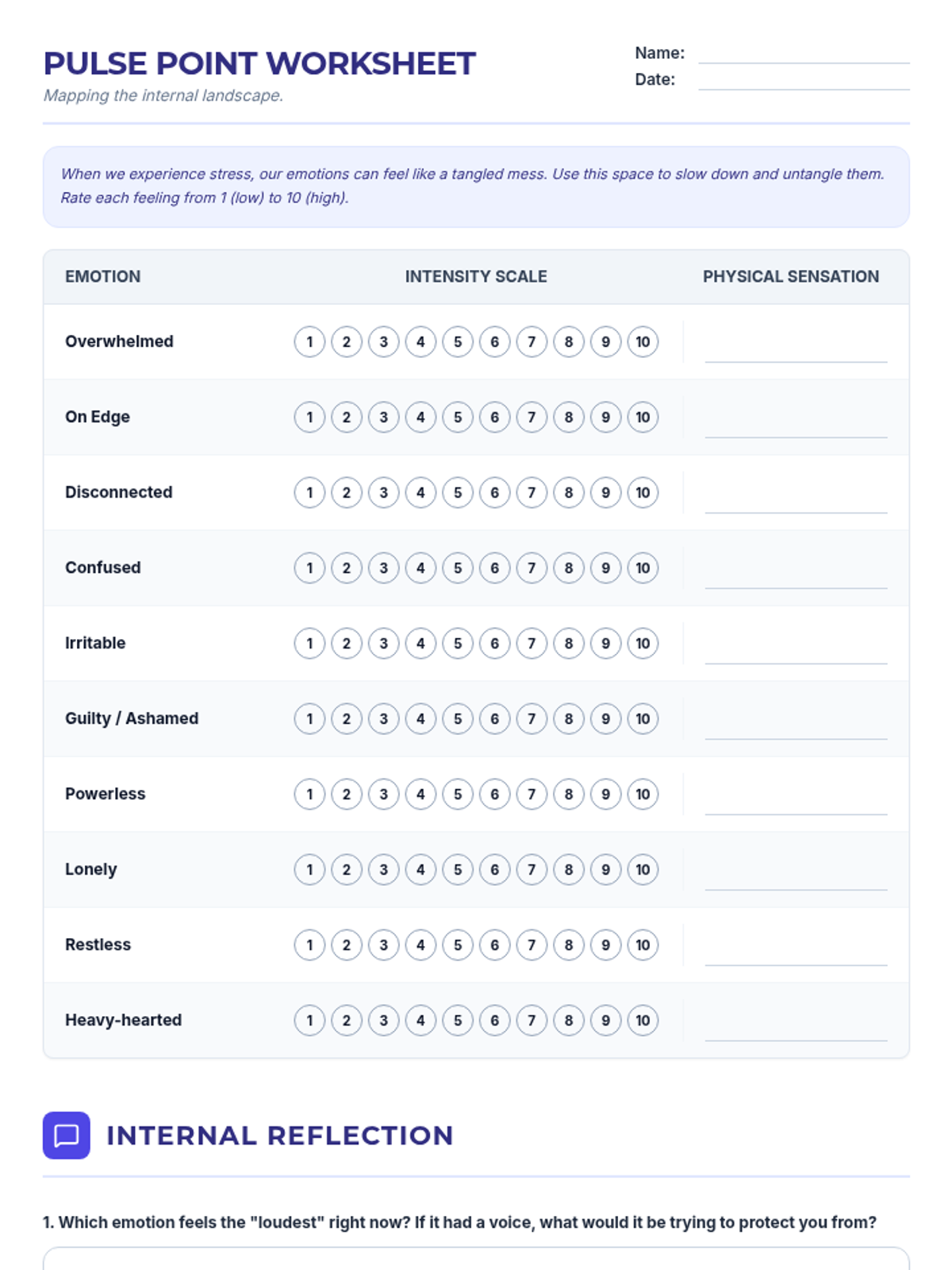
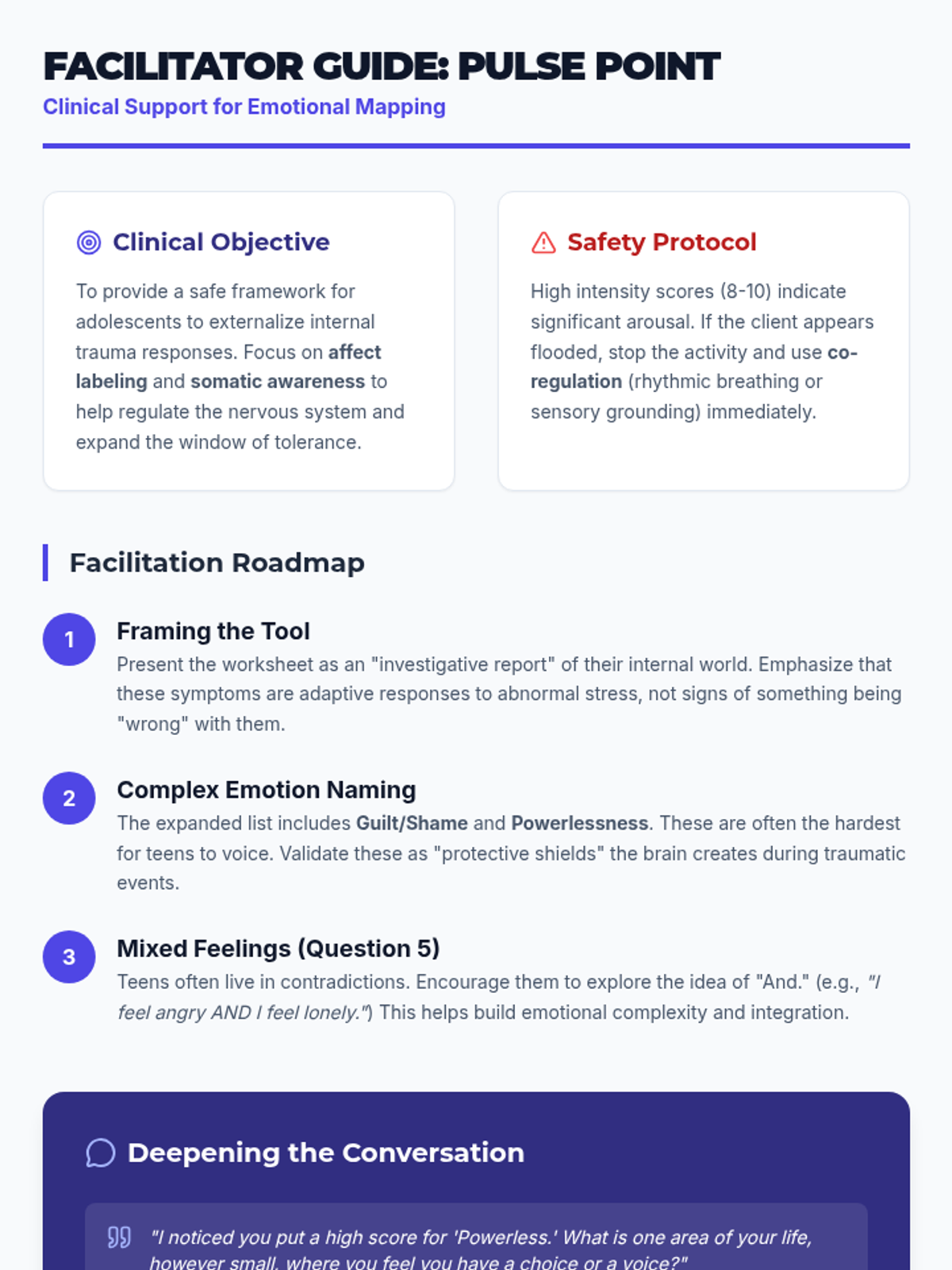
A supportive toolkit designed for teenagers to identify and scale complex emotions following stressful or traumatic events, focusing on the mind-body connection and emotional literacy.
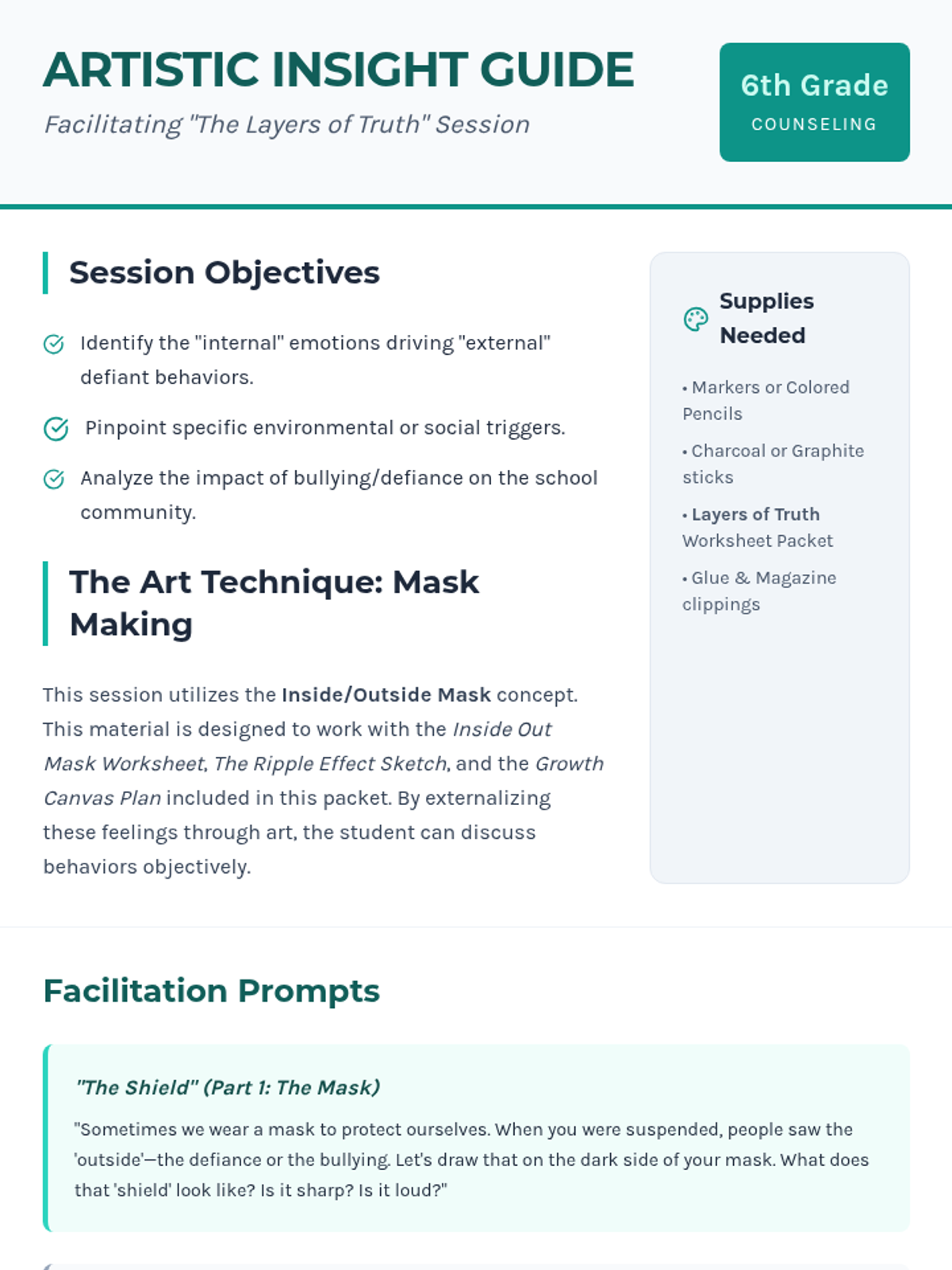
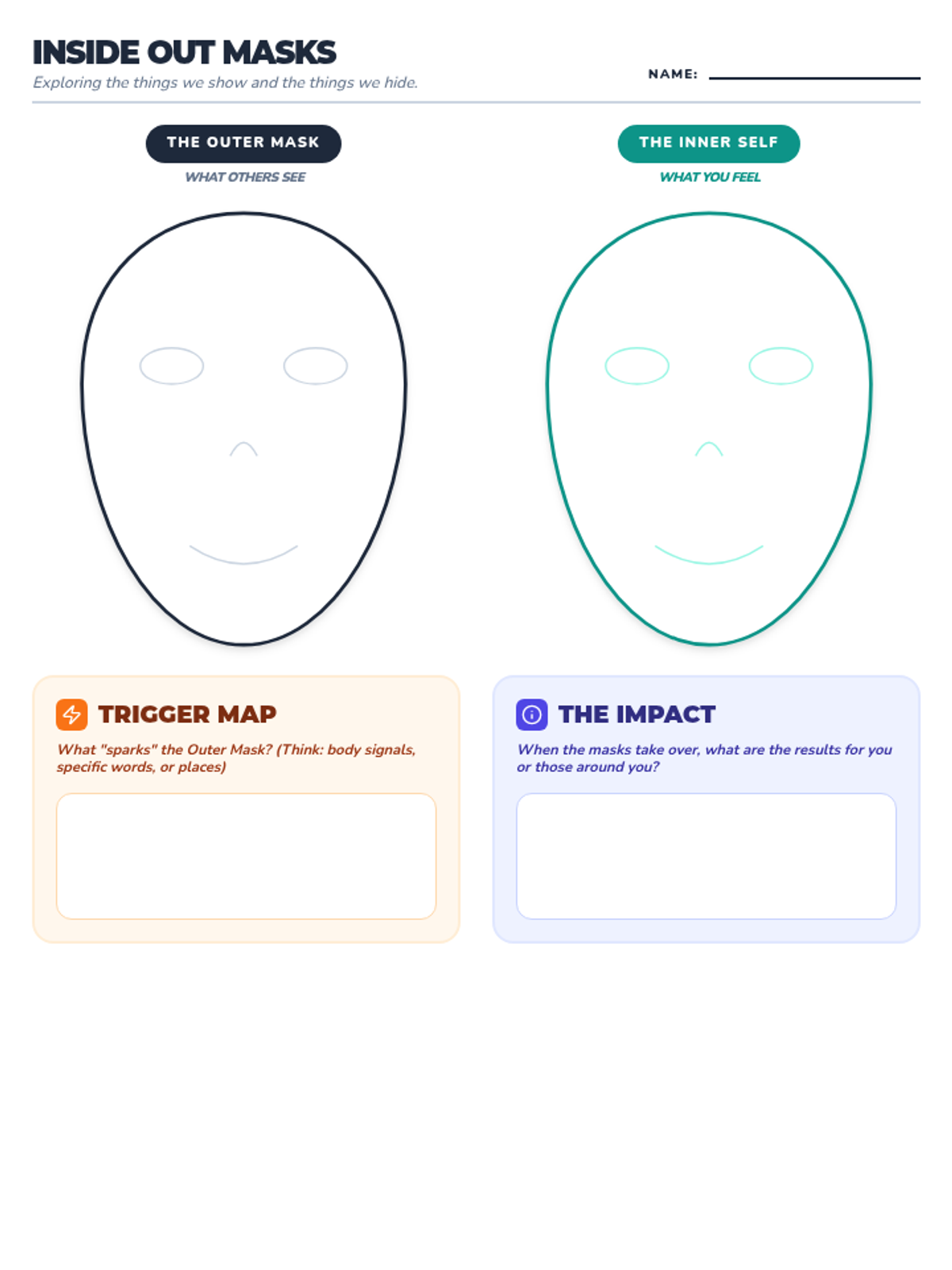
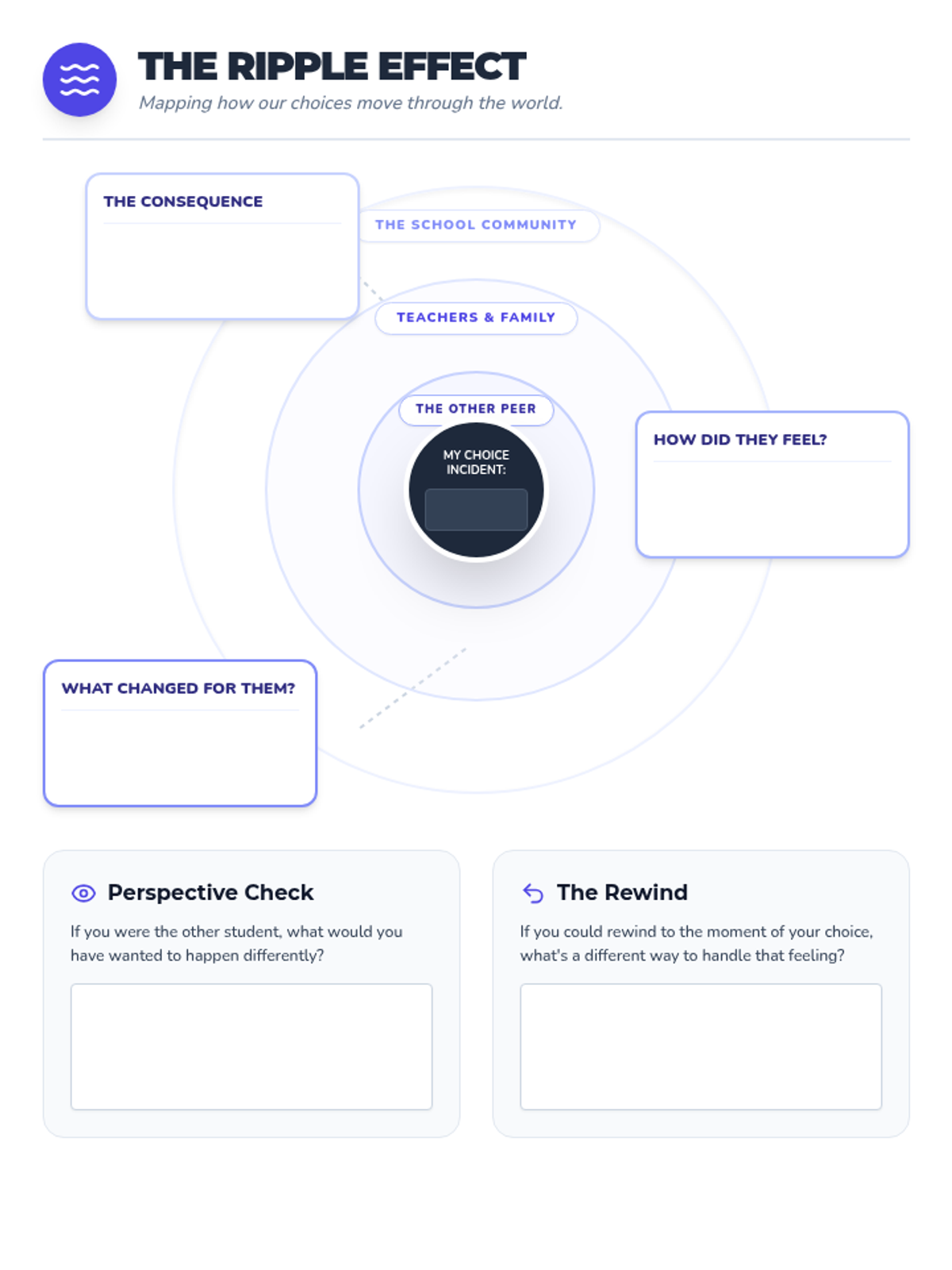
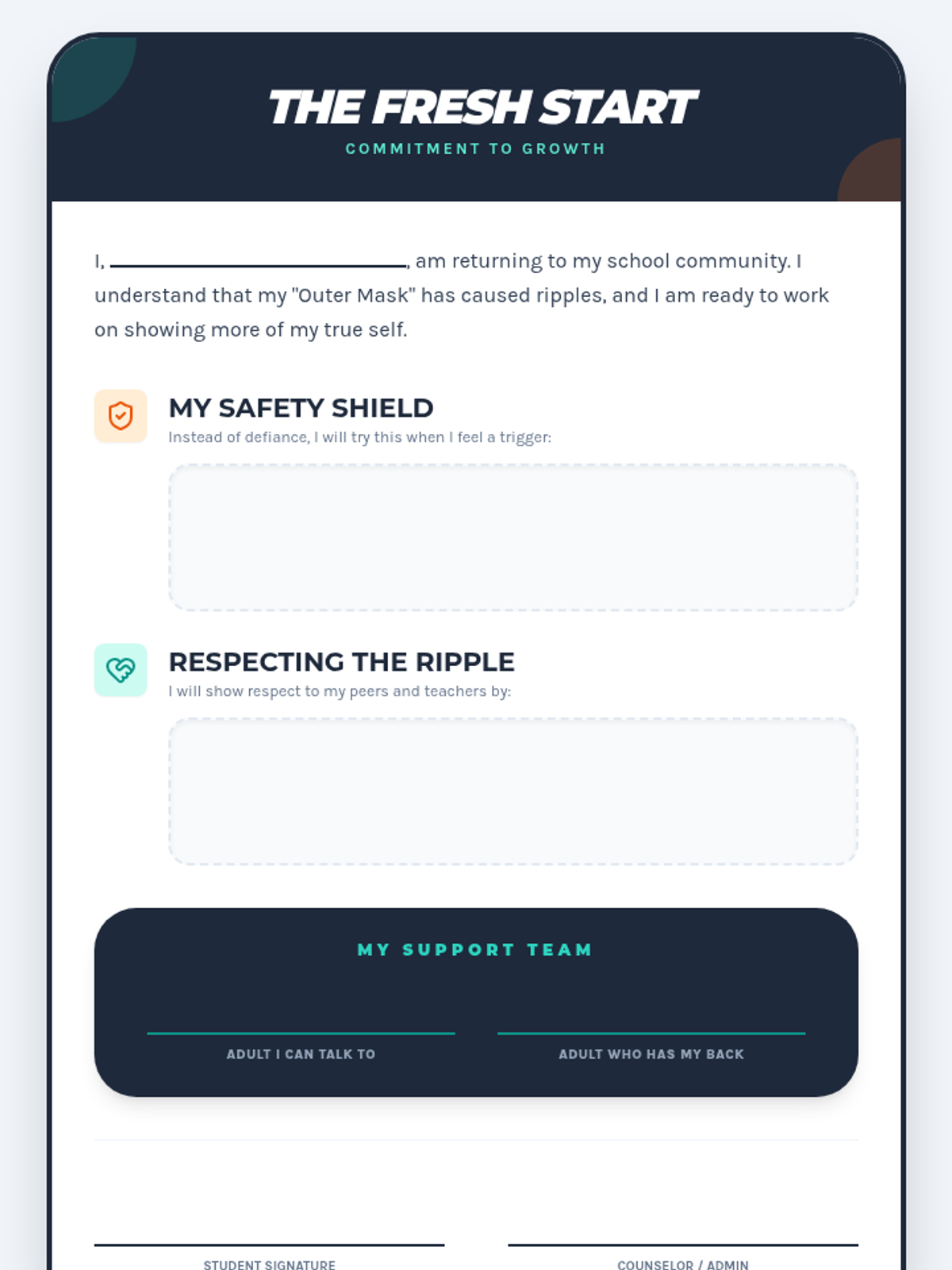
A therapeutic intervention lesson designed for a 6th-grade student returning from suspension, focusing on emotional identification and perspective-taking through art.
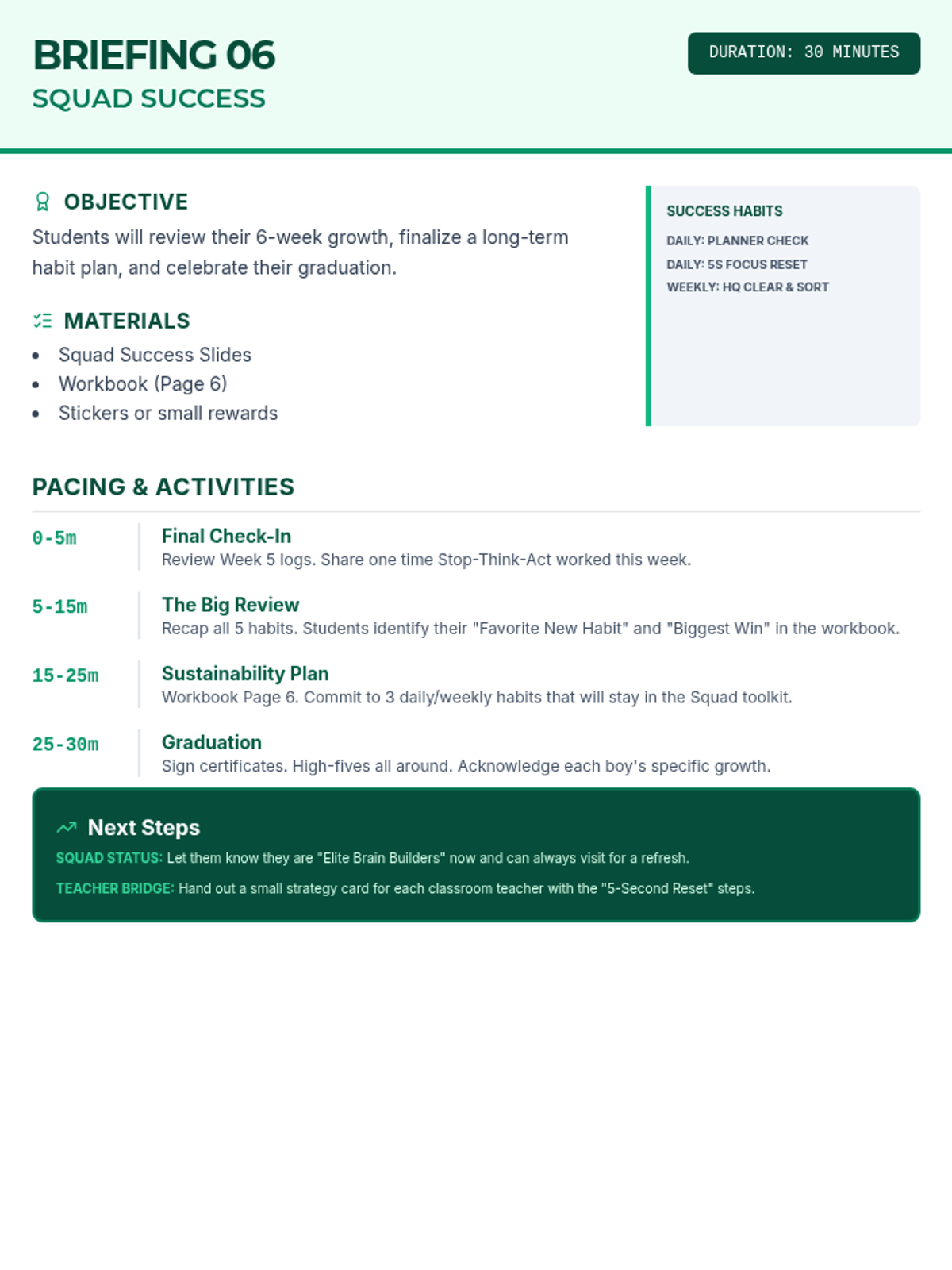
Reviewing all skills and creating a maintenance plan for long-term success.
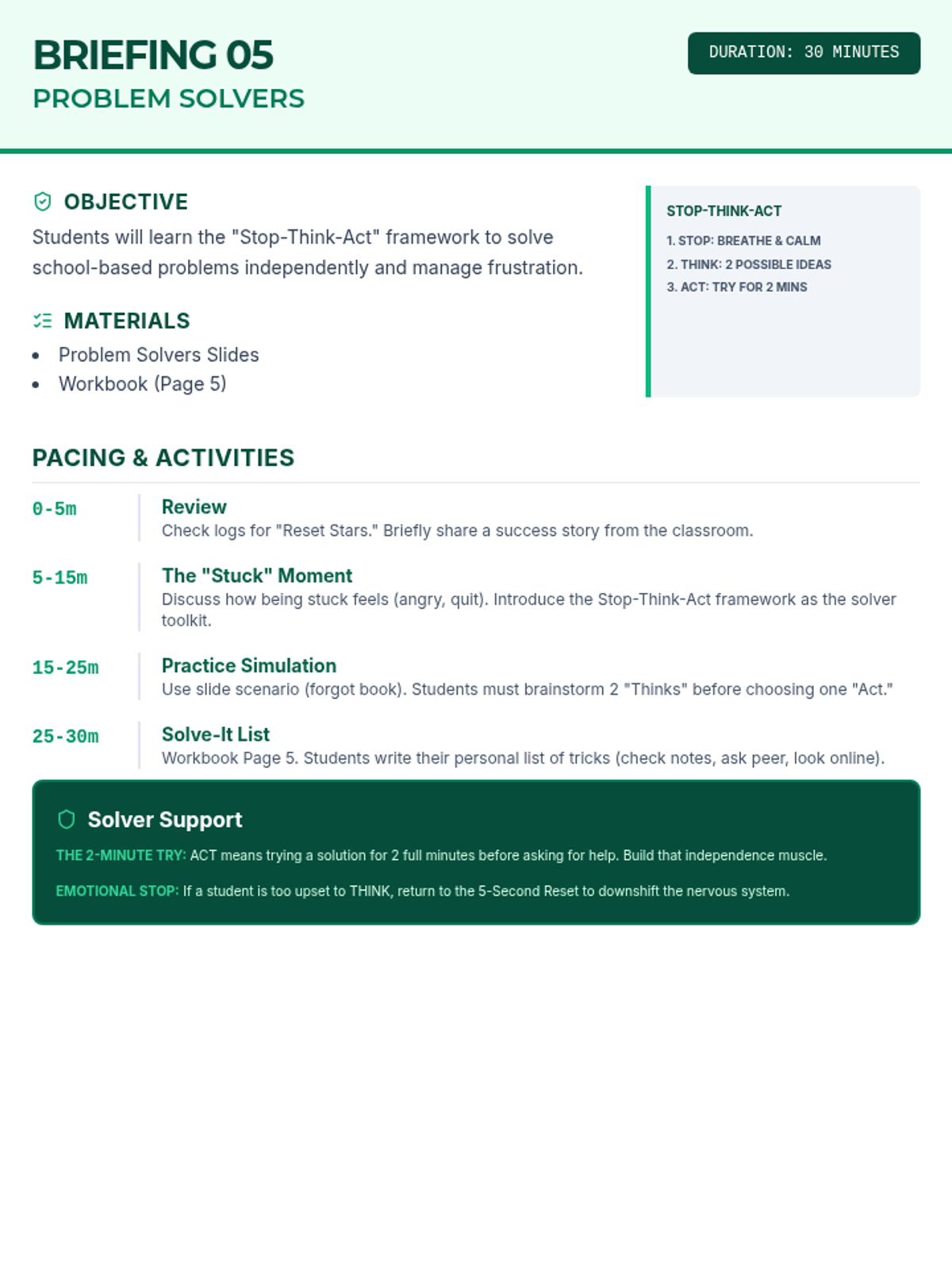
Using a simple 'Stop-Think-Act' framework to solve school-based problems independently.
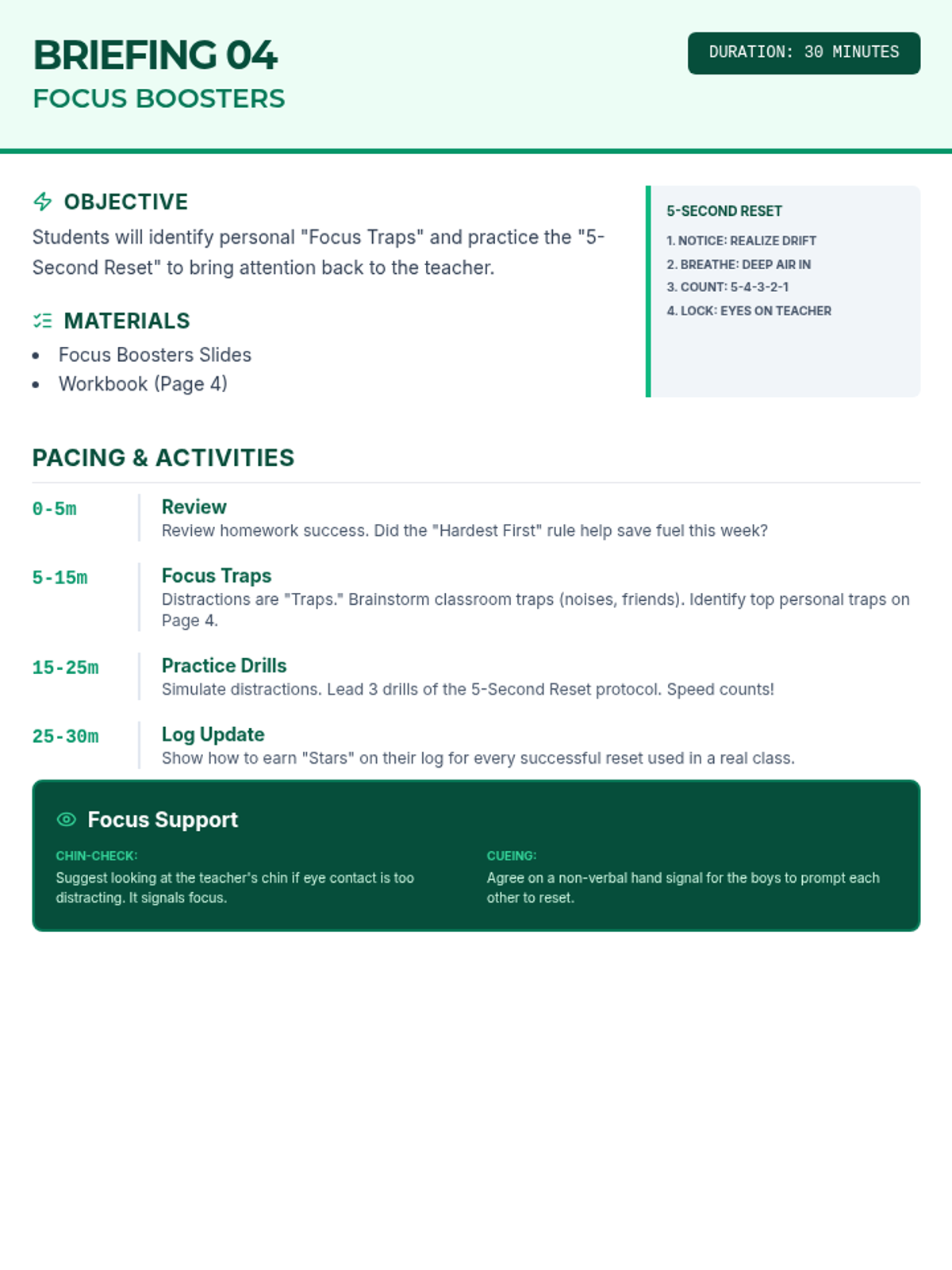
Learning to identify distractions and use focus-boosting strategies to stay on task in class.
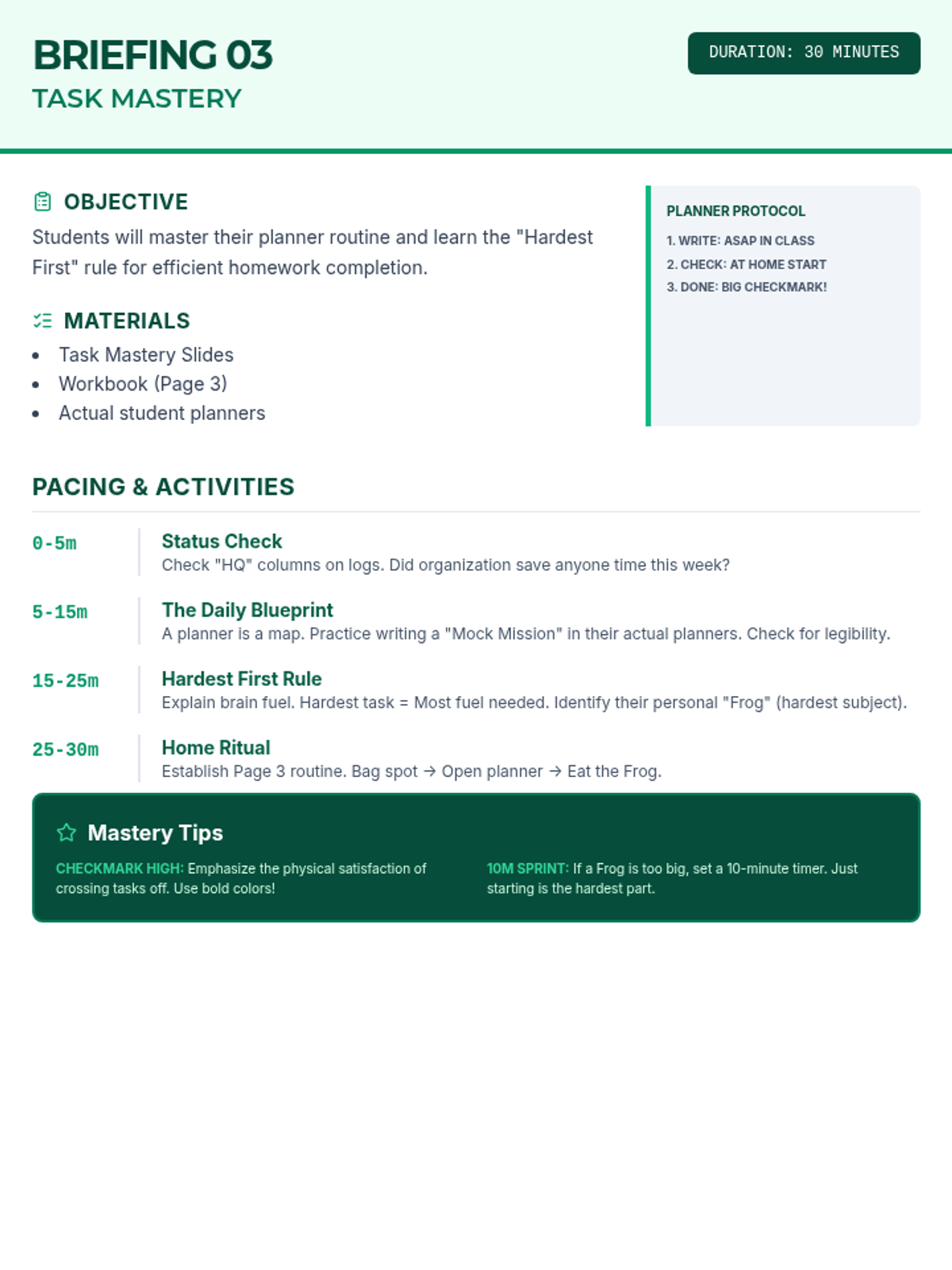
Establishing routines for using planners and checklists to ensure homework completion.