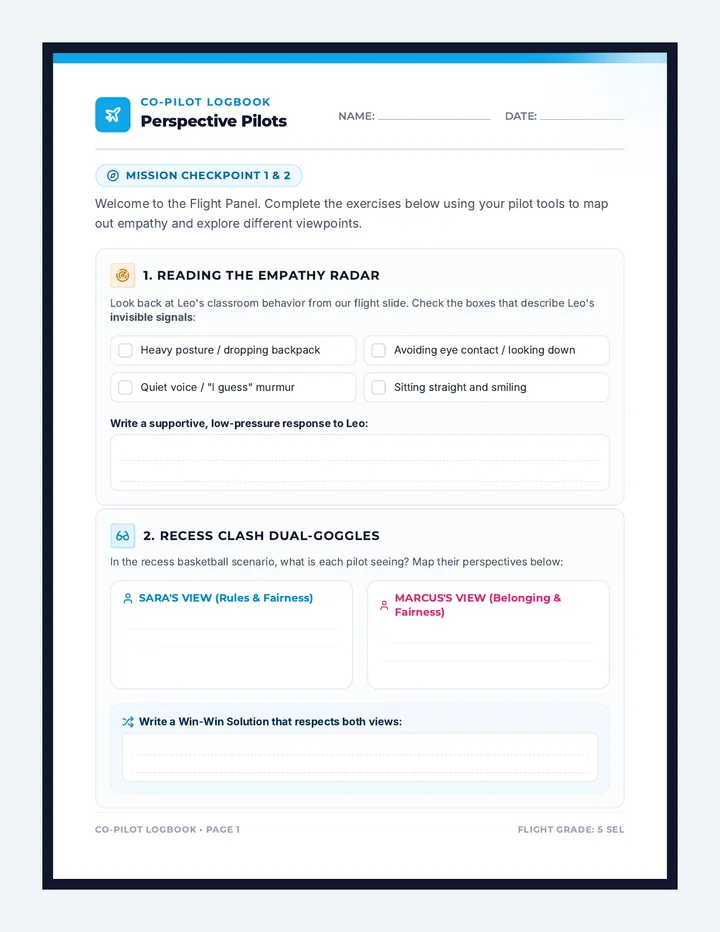
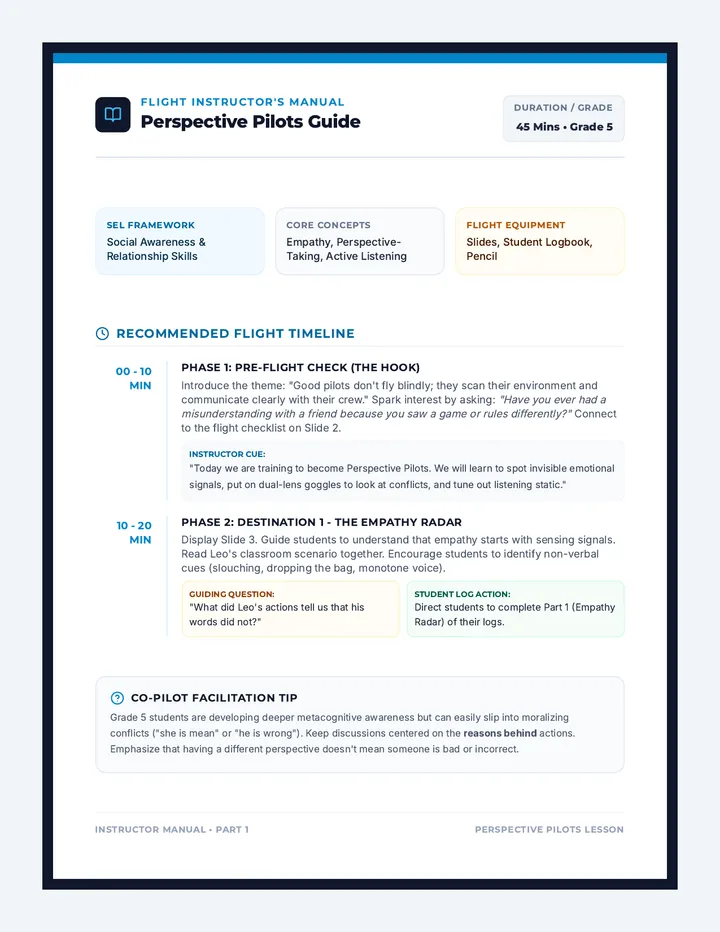
Students learn the technique of skimming (reading first/last sentences, headings) to get the general idea of a text. They practice summarizing articles after only 60 seconds of looking at them.
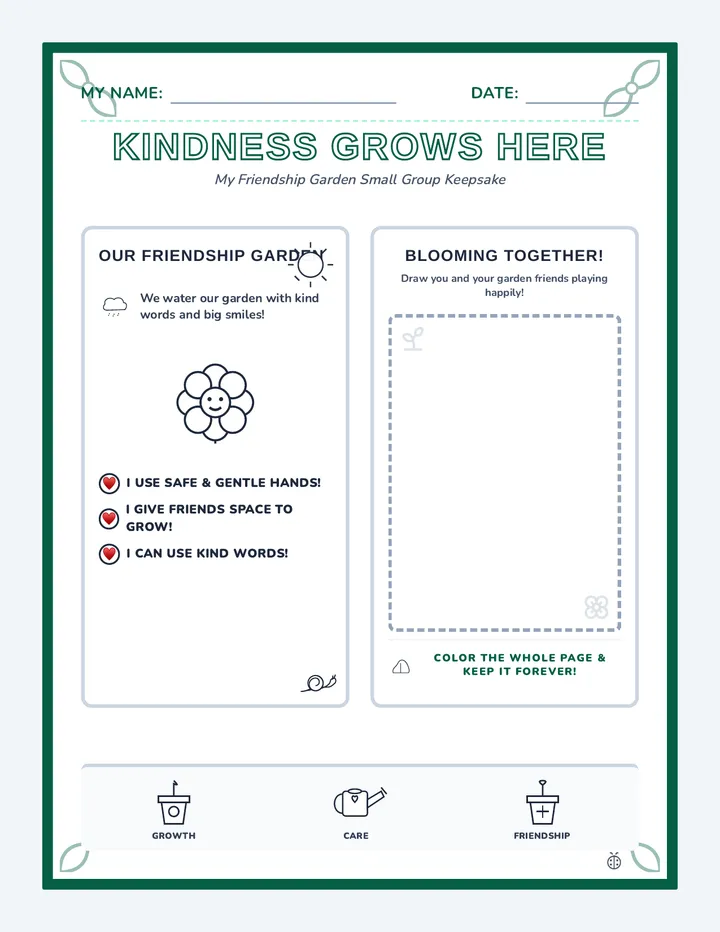
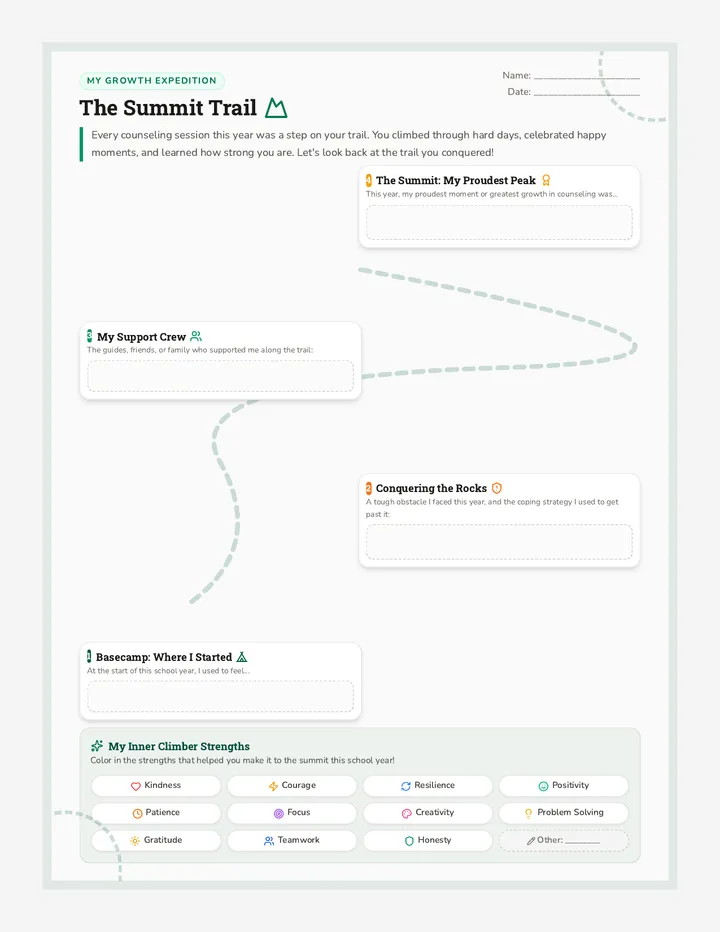
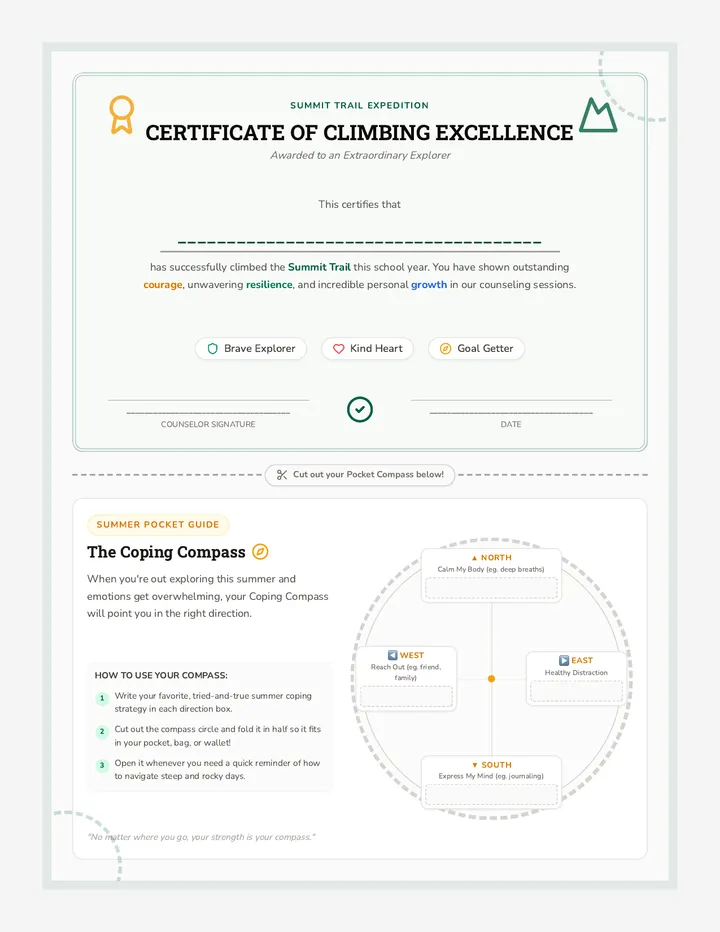
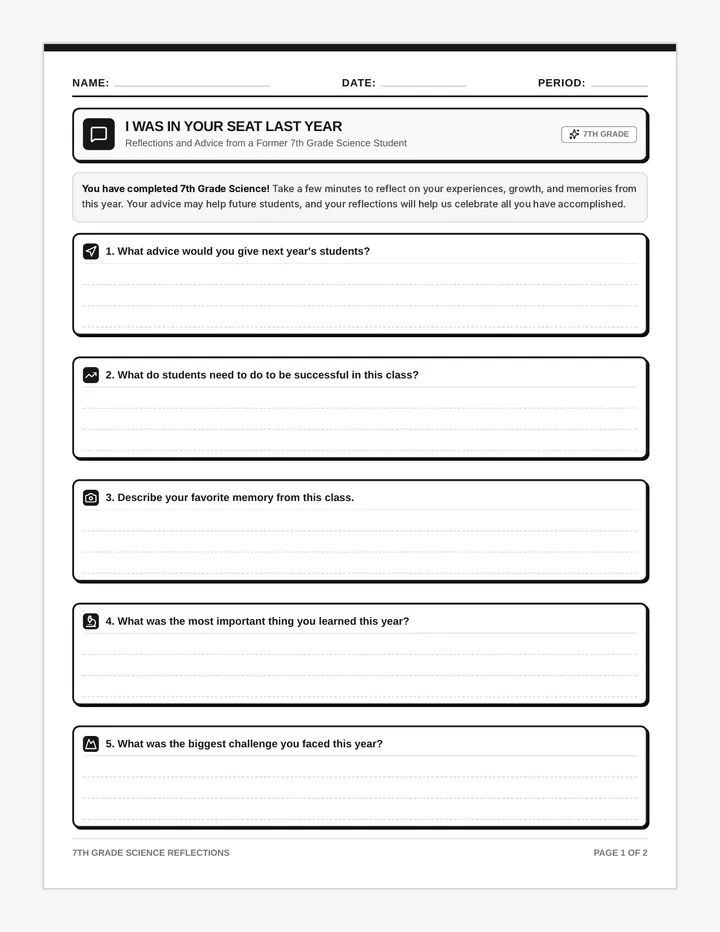
Course synthesis and graduation. Reflecting on the journey from impulsive to intentional Pathfinder.
Mastering boundaries. Learning when and how to say 'No' or 'Yes' to family, friends, and strangers.
Financial literacy basics. Categorizing needs vs. wants to build long-term planning skills.
Learning to see failure as data. Celebrating 'Beautiful Oops' moments and messy progress.
Applying logic to everyday challenges. The 'Pathfinder Step System' for making thoughtful choices.
Practical tools for managing exam stress and academic pressure. Transitioning from panic to self-awareness.
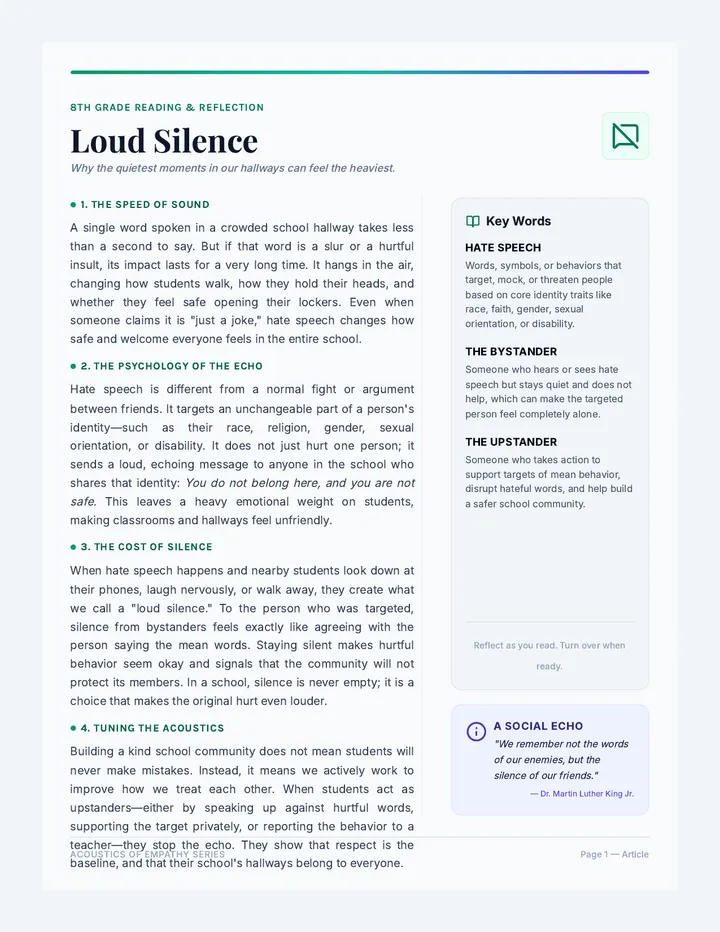
Developing empathy and social awareness to build an inclusive community.
Training the brain for better focus and memory retention. Strategies for mindful attention.
Recognizing physical signs of fear and panic. Grounding strategies for high-stress situations.
Exploring self-acceptance and building self-confidence by celebrating individual strengths.
Managing big emotions and stopping impulsive reactions. Techniques for cooling down when feeling fear or anger.
Introduction to the growth mindset. Focus on the 'Power of Yet' and building resilience when facing initial failure.
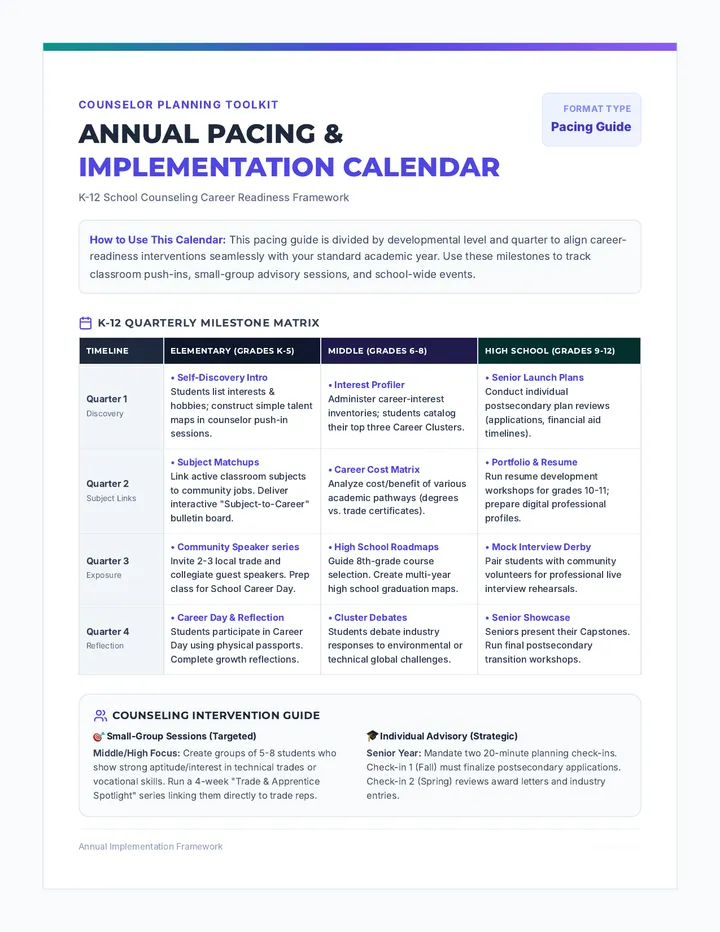
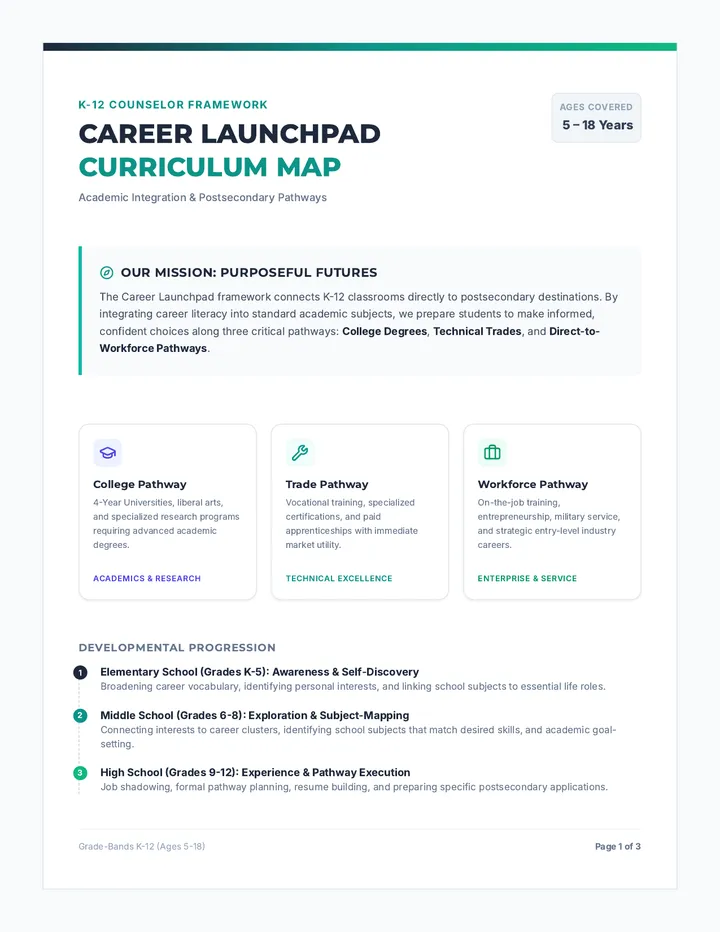
A synthesis lesson where students combine their knowledge of clusters, paths, and skills to create a personalized career vision.
Practical training in professional communication, dress codes, and workplace behavior expectations.
Introduction to high-demand soft skills like communication, teamwork, and problem-solving, and their importance in the modern workforce.
An exploration of the various educational and training routes available after high school, including apprenticeships, college, university, and direct entry.
Students will explore the 16 career clusters to identify broad areas of interest and understand how different jobs relate to one another.
Achieving inner peace and summarizing the EQ journey for graduation.
The importance of honesty and taking responsibility for one's actions.
Basic financial literacy: needs vs. wants and the value of saving.
Viewing failure as a bridge to success and building resilience.
Managing the stress of exams and performance pressure through relaxation and planning.
Developing self-awareness and self-acceptance through identifying personal strengths.
Learning boundaries and when to say Yes or No to parents, friends, and strangers.
Boosting focus and memory skills for better learning and organizational habits.
Overcoming fear, panic, and anxiety using grounding techniques and sensory awareness.
Developing problem-solving and decision-making skills to make thoughtful choices.
Managing impulsive behavior and big emotions like anger through self-regulation techniques.
Mastering the concept of the 'Power of Yet' and building self-confidence through a growth mindset.
A supportive session for parents at Burlington Public Schools focused on enhancing parenting skills, self-care, and family relationships through the Parenting Journey program.
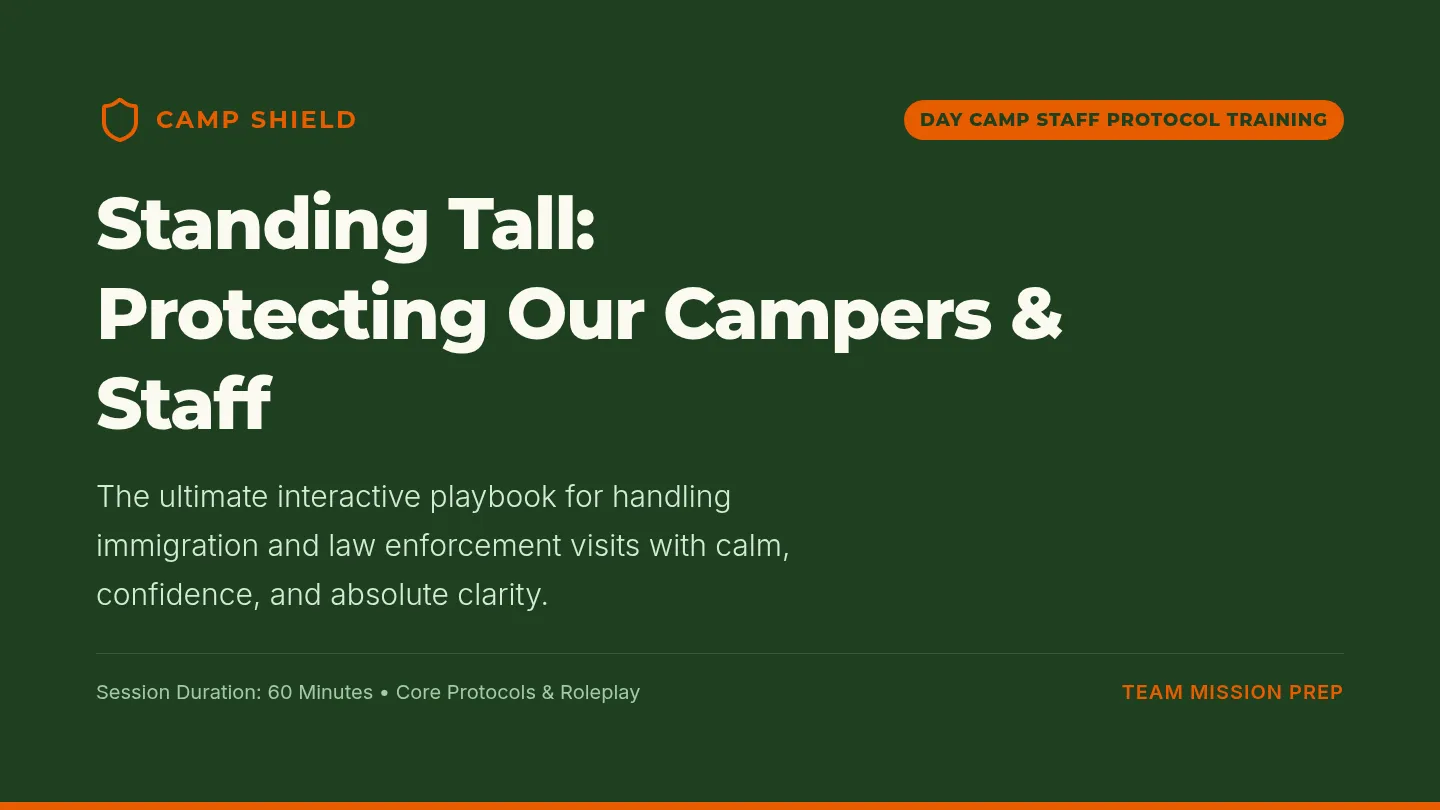
Consolidating all tools into a final system maintenance plan, graduating as Chief Systems Architects.
Navigating social networks, peer groups, and the 'Spotlight Glitch' of social anxiety.
Identifying 'code errors' or cognitive distortions and learning how to rewrite internal scripts.
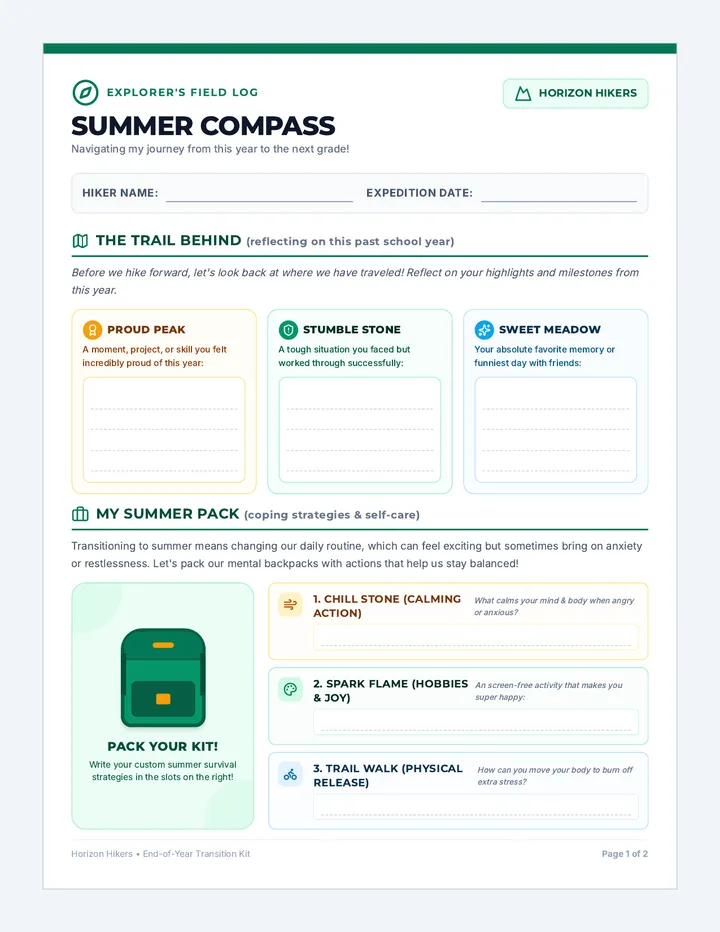
Practicing relaxation techniques to 'cool the core' and lower system temperature when sensors are high.
Introducing the 'System Reset' (grounding) to stabilize the processor during sudden high-stress events.
Identifying the specific environmental and social 'bugs' or triggers that trip the system's alarm.
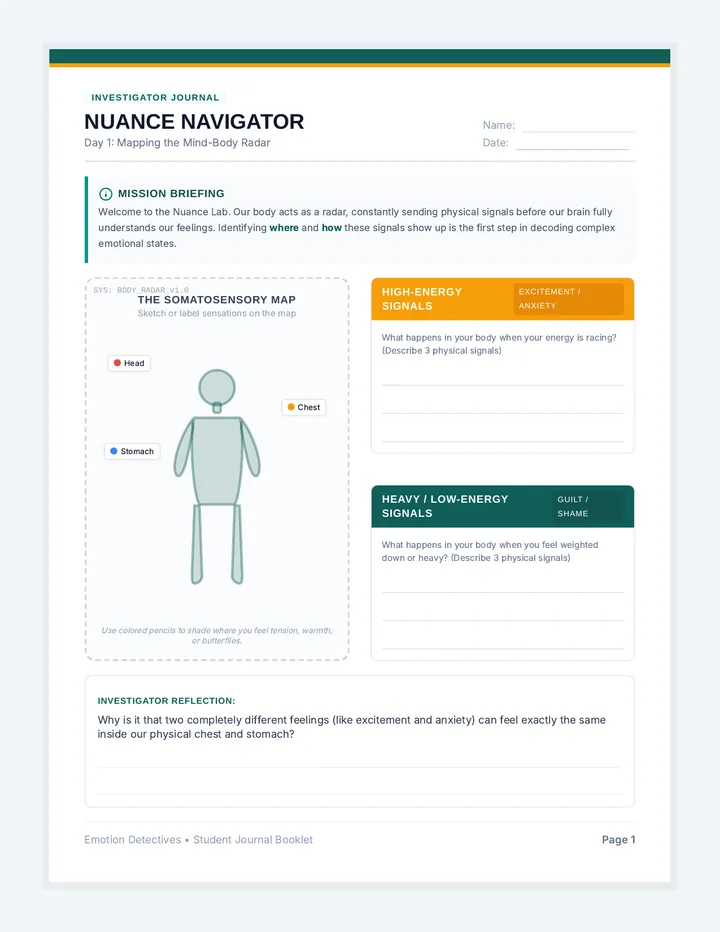
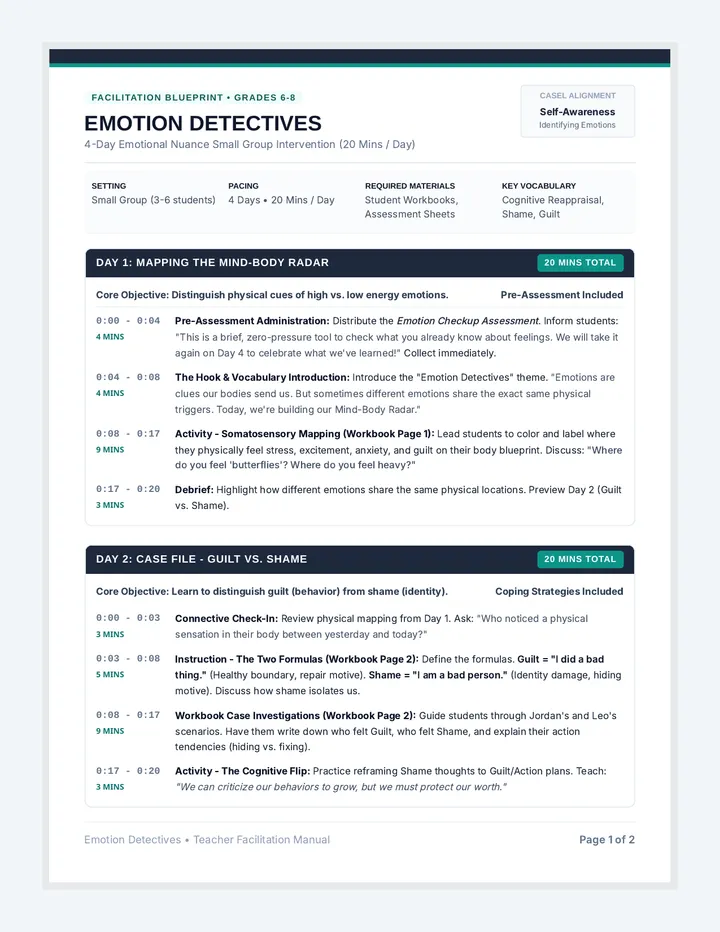
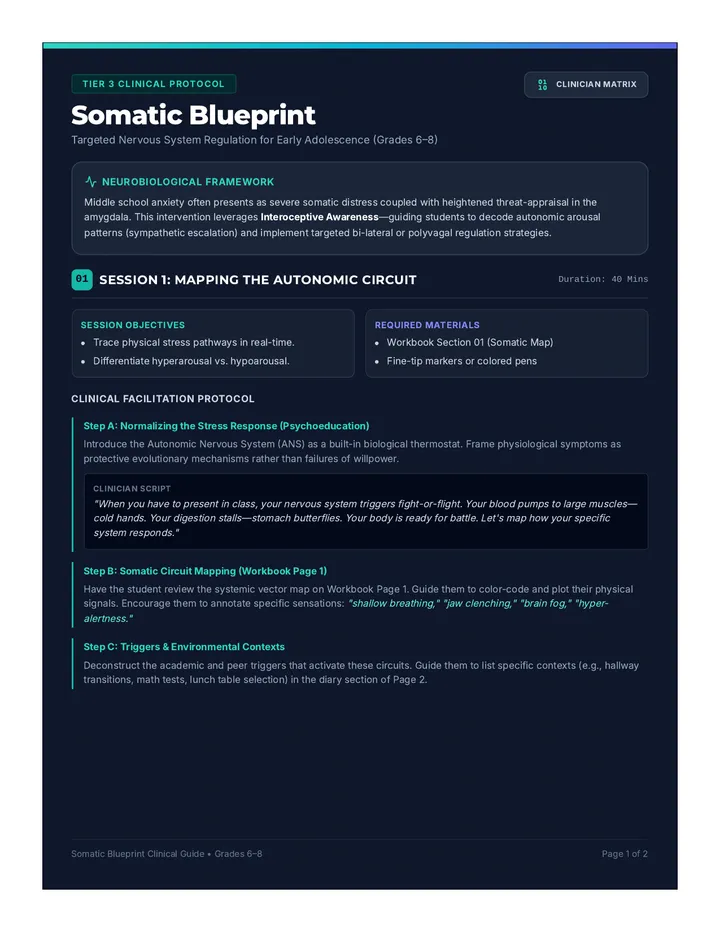
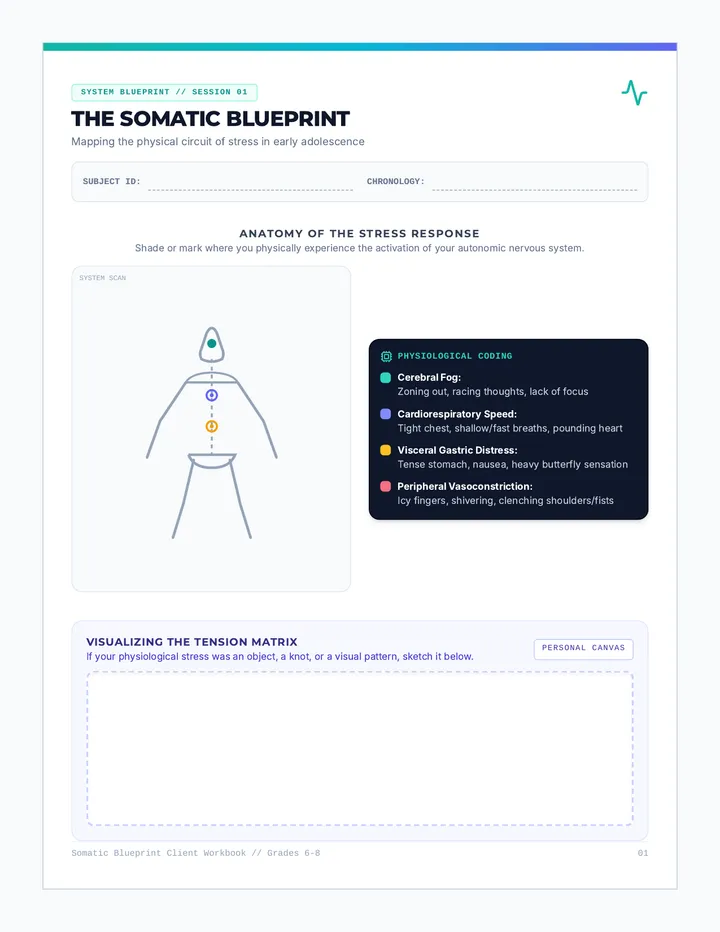
Helping students identify physical signs of anxiety as hardware signals or 'sensors' that alert the system to potential stress.
An introductory session to explain that anxiety is a built-in security protocol that sometimes becomes too sensitive. Students learn to view their minds as highly efficient systems that just need more tools for handling stress.
A lesson for grades 3-4 on the "Link" strategy for building on ideas and identifying team strengths.
A lesson for grades 3-4 on grounding techniques and practicing gratitude to build a positive mental "weather map."
A lesson for grades 3-4 on setting milestones and maintaining effort through the middle of a difficult task.
A lesson for grades 3-4 on identifying community "ripples" and planning small-scale service projects within the school.
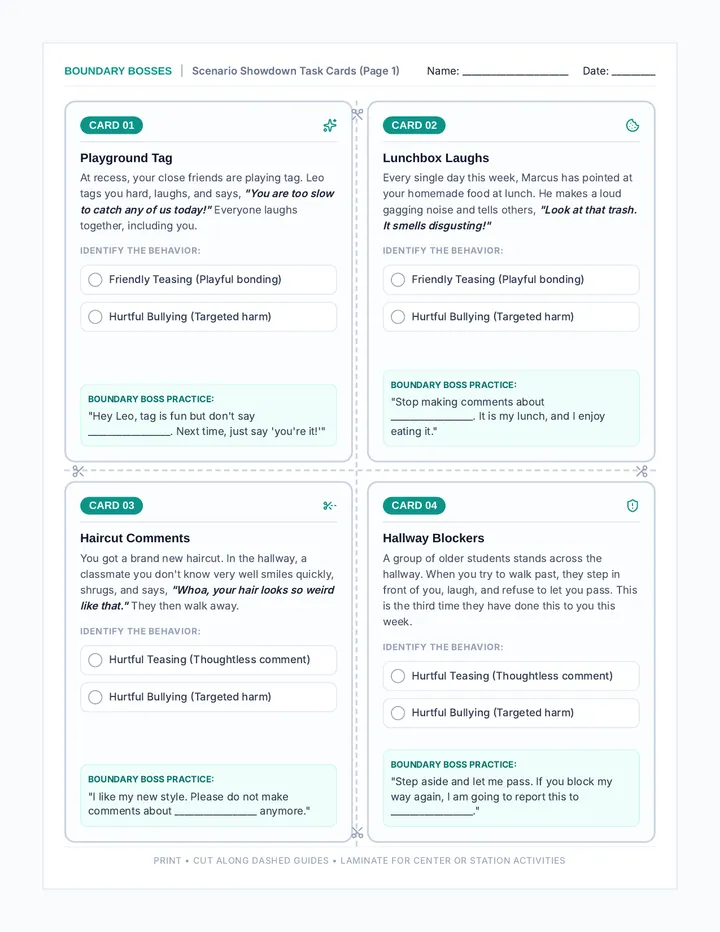
A lesson for grades 3-4 focused on using assertive I-Statements and understanding different points of view during disagreements.
A lesson for grades 3-4 on deeper problem solving, distinguishing fact from opinion, and investigating the root cause of issues.
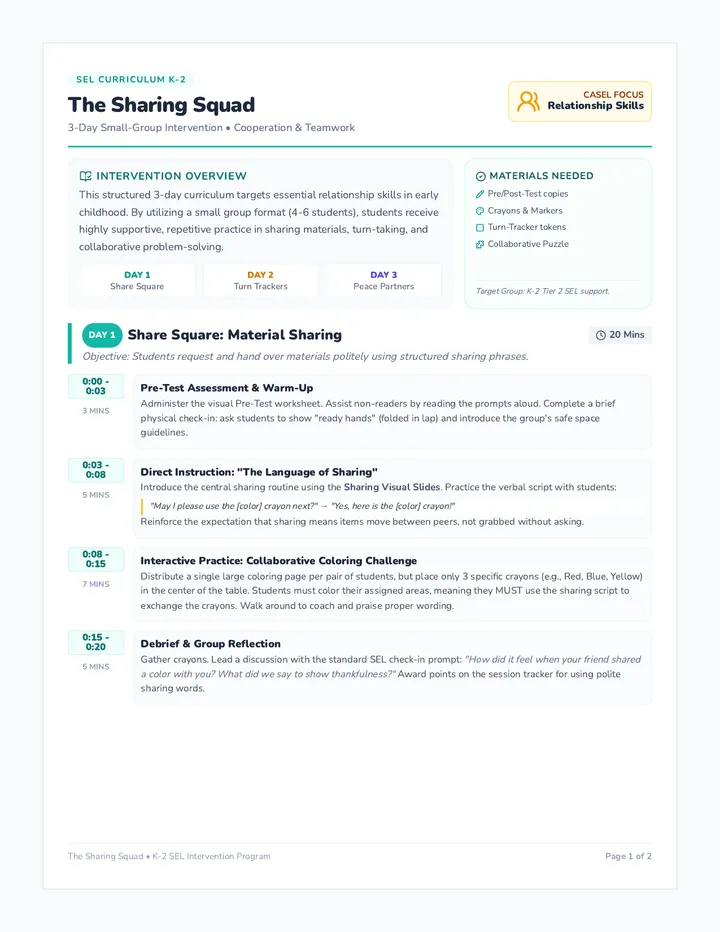
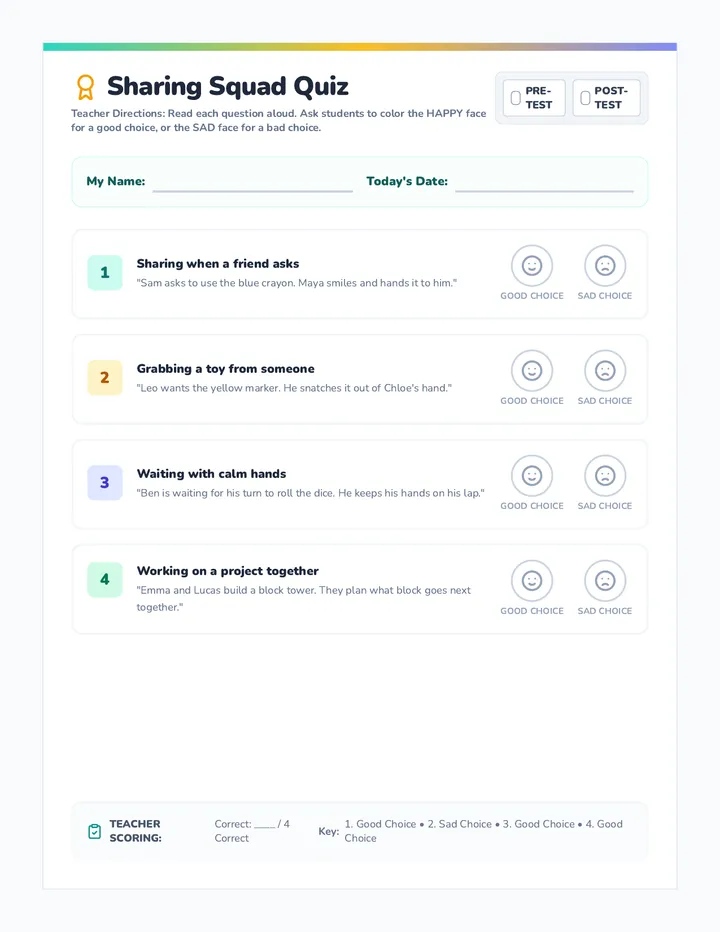
A K-2 lesson on sharing and taking turns to complete simple group activities on the shared trail.
A K-2 lesson on basic emotional regulation using the "Five Senses Search" to stay calm and happy.
A K-2 lesson focused on trying again and using the "Power of Yet" through simple physical challenges.
A K-2 lesson introducing the concept of helping others and noticing needs in the immediate classroom community.
A K-2 lesson teaching Pathfinders to identify feelings and use simple "Peace Breaths" to manage disagreements.
A foundational lesson for K-2 Pathfinders focused on basic problem identification and curious thinking using simplified logic.