A comprehensive SEL lesson bundle on digital etiquette, tone misinterpretation, and respectful online communication for teens aged 13-17. Includes an interactive slide deck and an elegant table-formatted teacher facilitation guide.
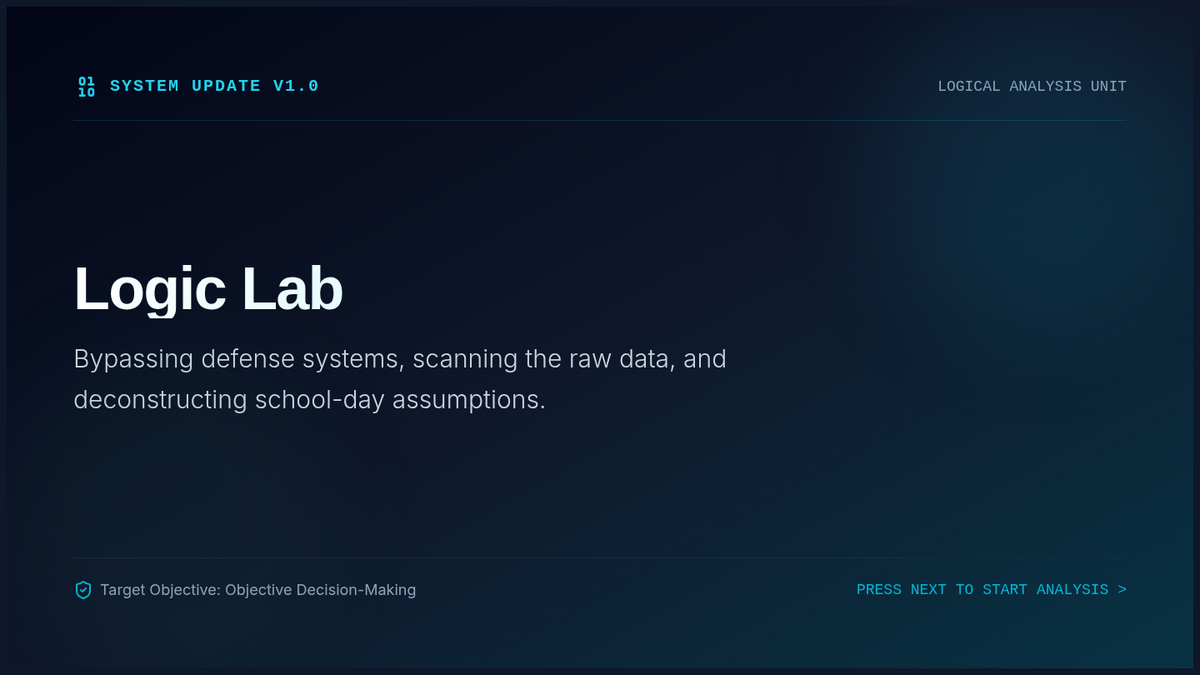
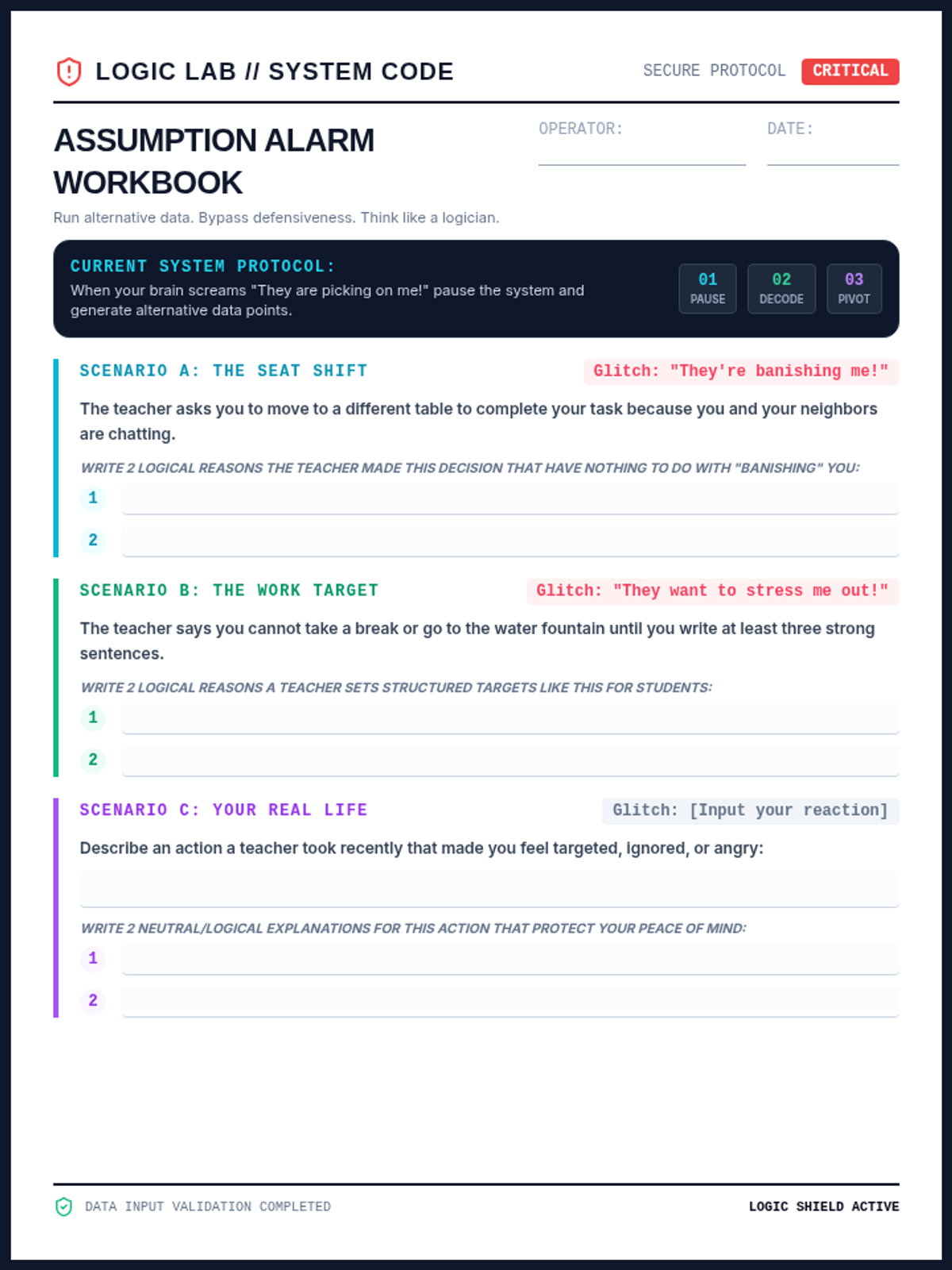
A sharp, logic-forward 1-to-1 session designed to help a student break down negative assumptions, understand the logical purpose of school rules, and develop alternative explanations for teacher actions.
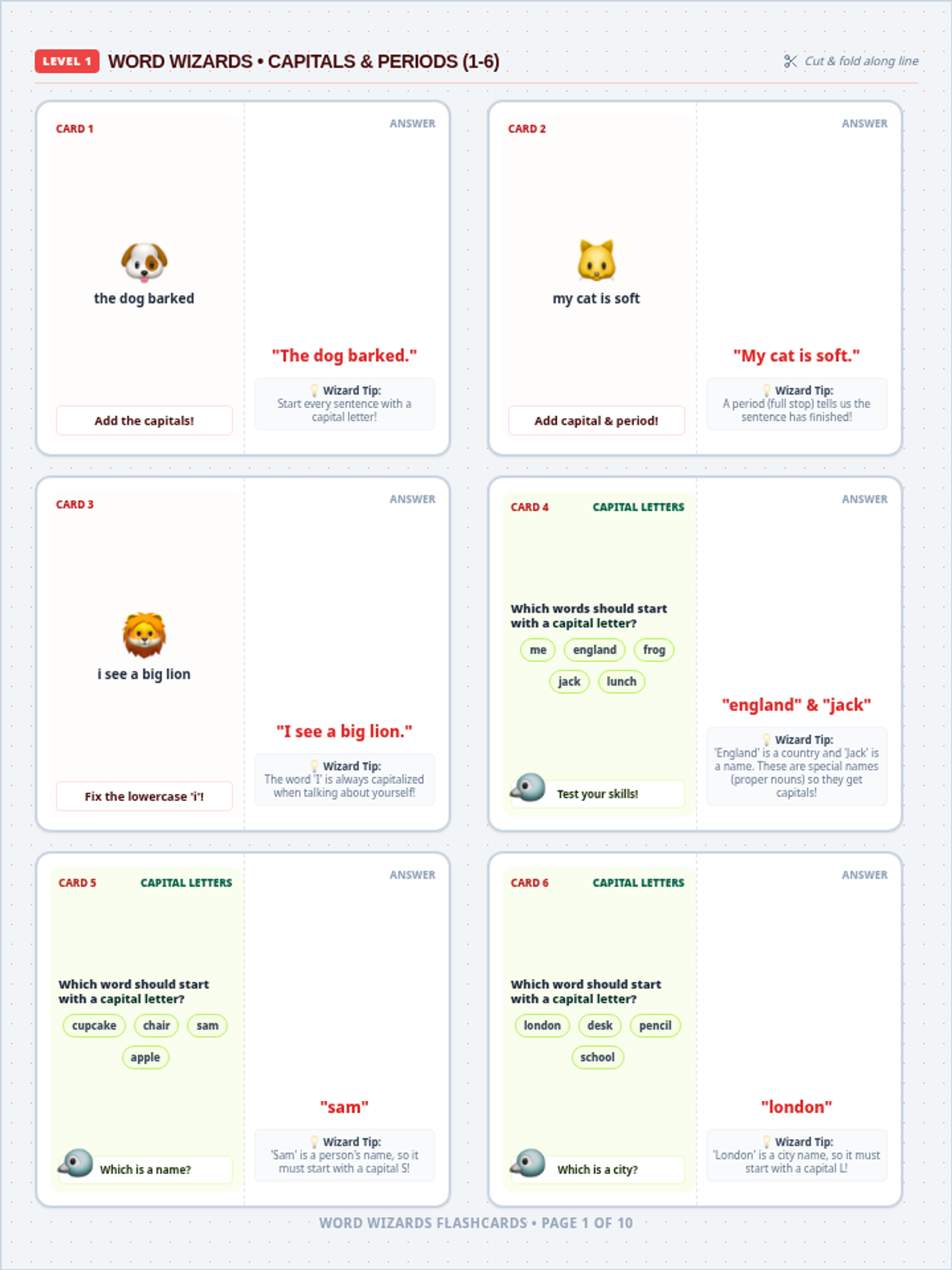
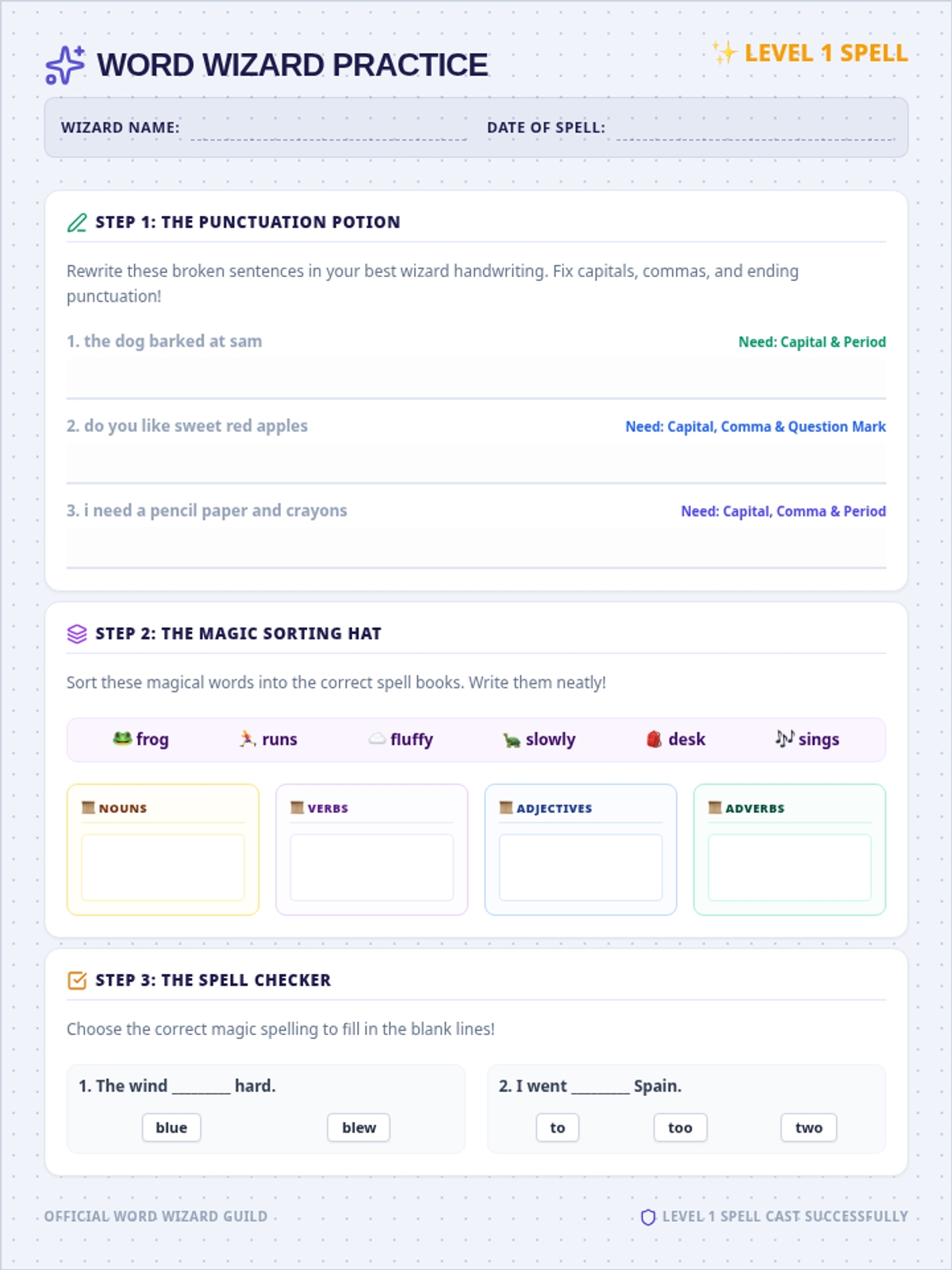
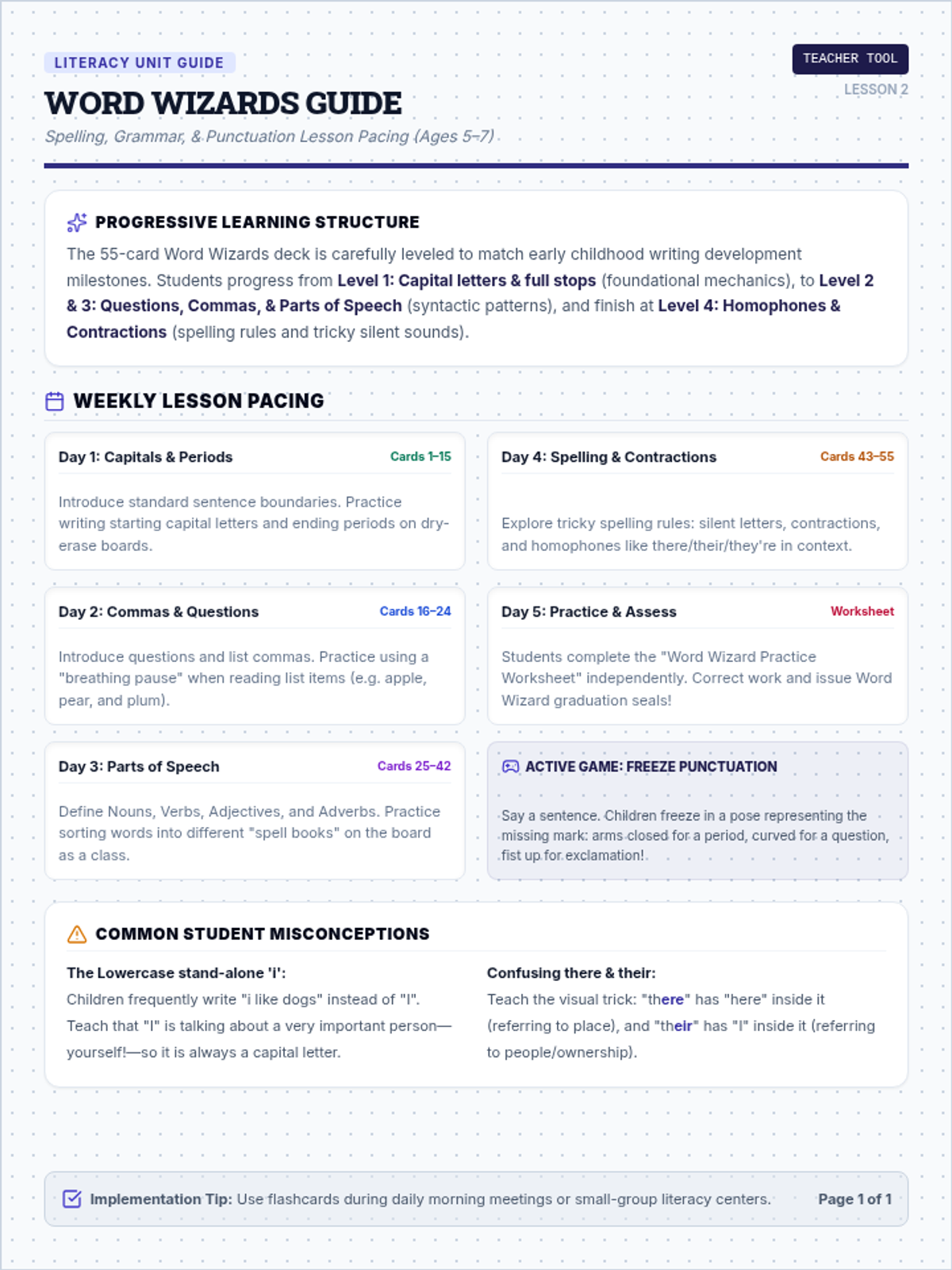
An engaging literacy and language lesson for 5-7 year olds focusing on basic grammar, punctuation, and spelling. Utilizing colorful helper cards and hands-on activities, students master capital letters, full stops, question marks, and tricky spelling rules with confidence.
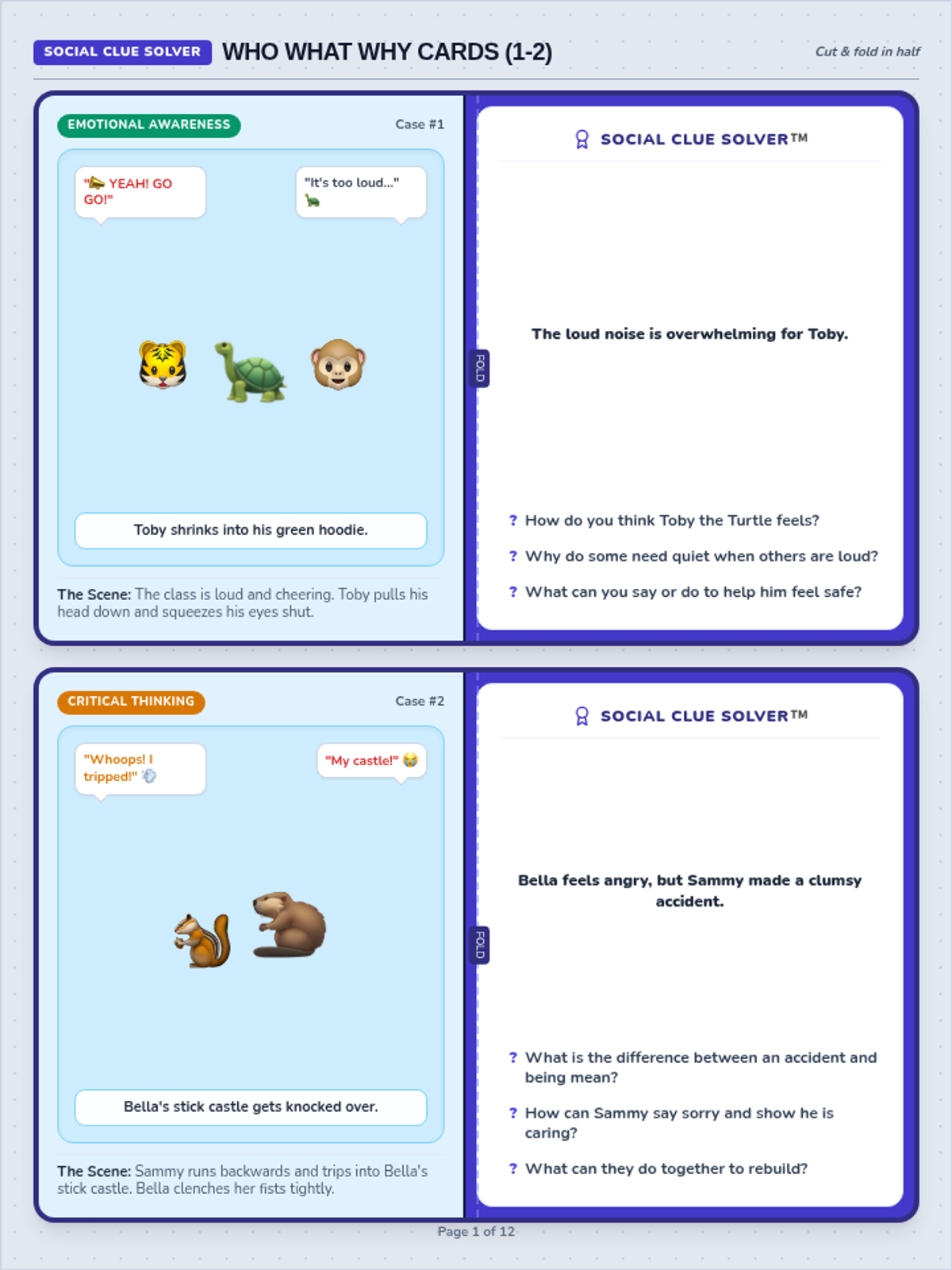
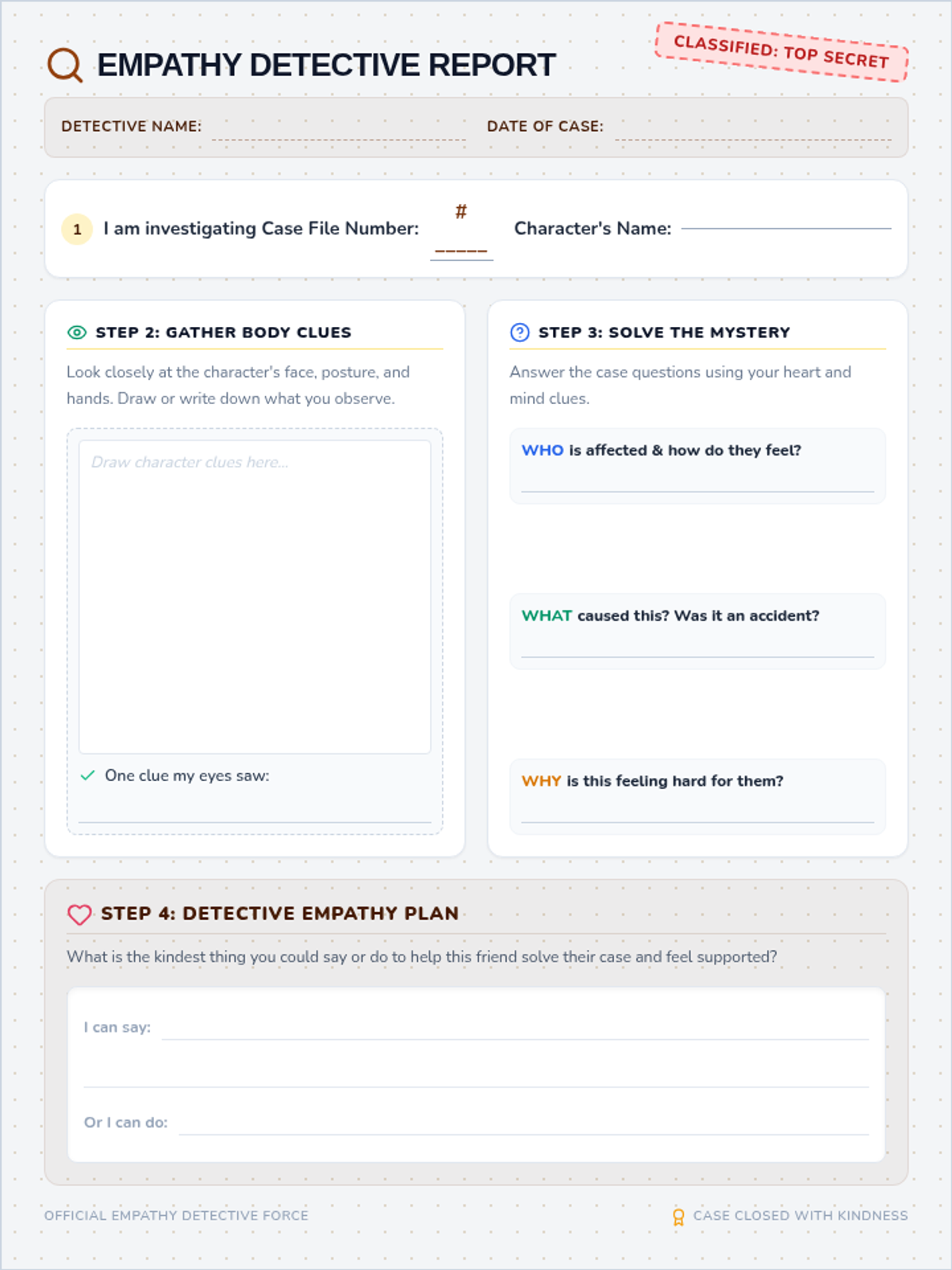
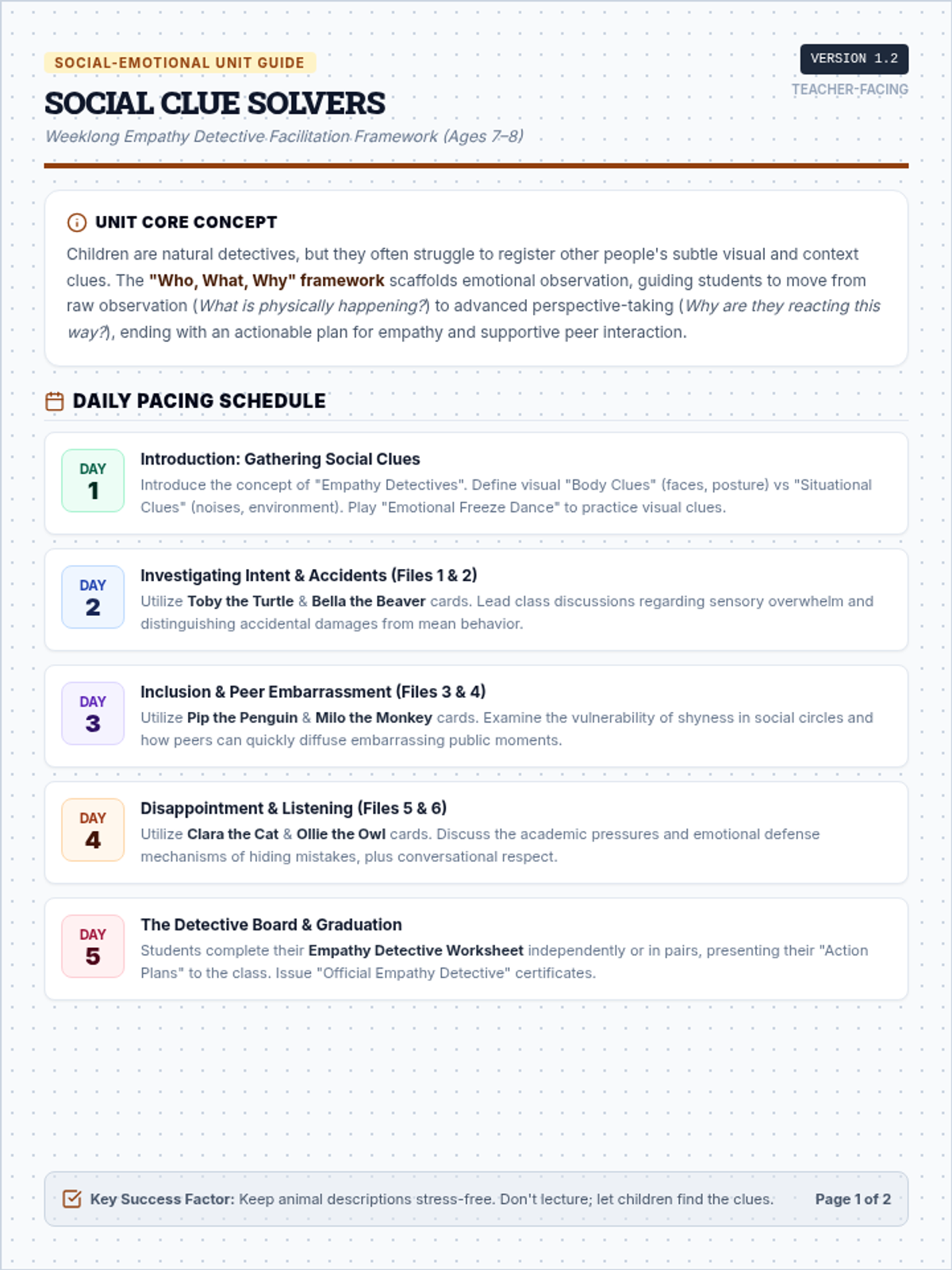
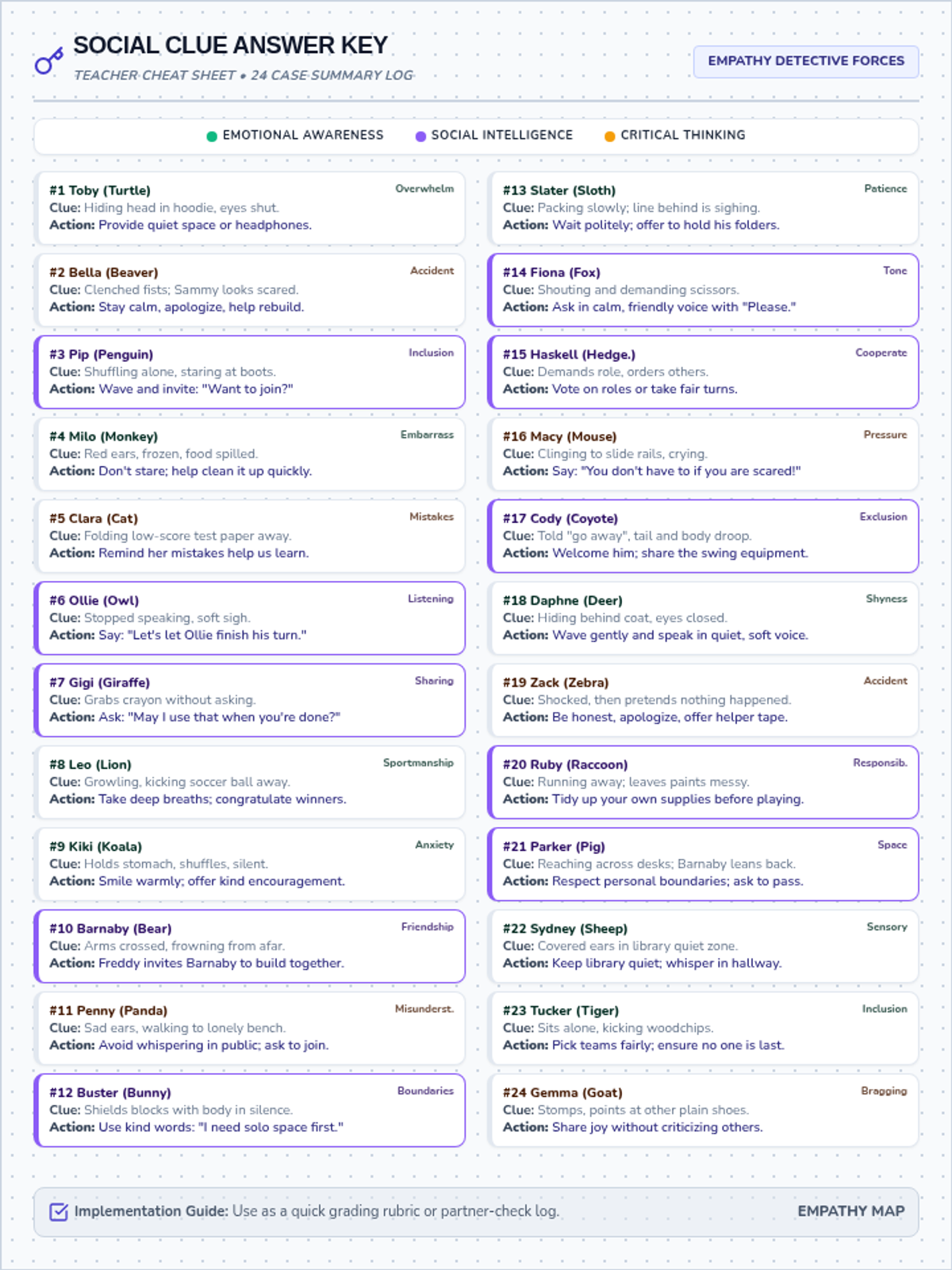
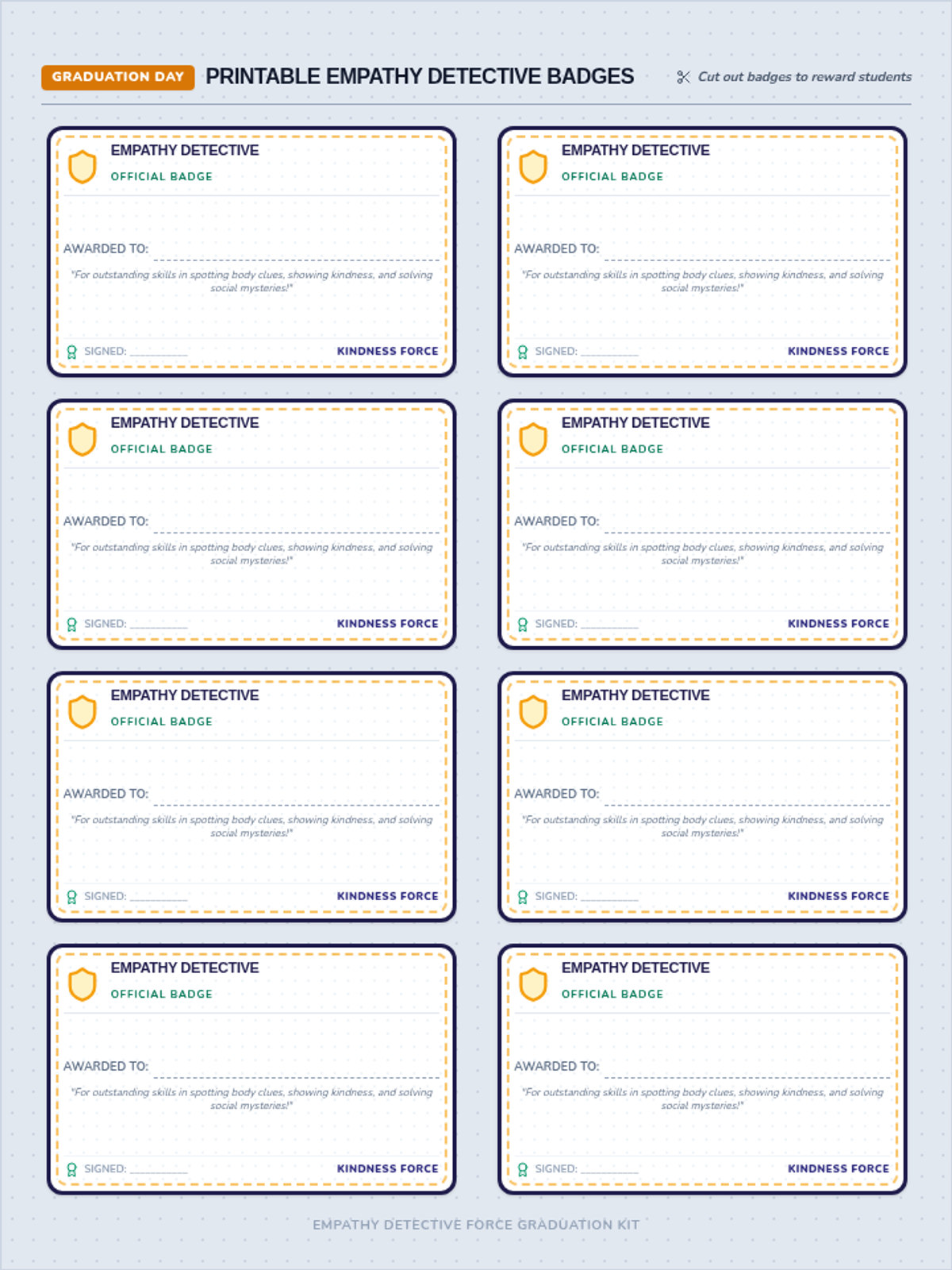
A comprehensive social-emotional learning lesson for 7-8 year olds using animal-themed scenario cards to foster observation, empathy, and critical thinking. Students learn to analyze visual and situational clues to solve 'social mysteries' and understand others' feelings.
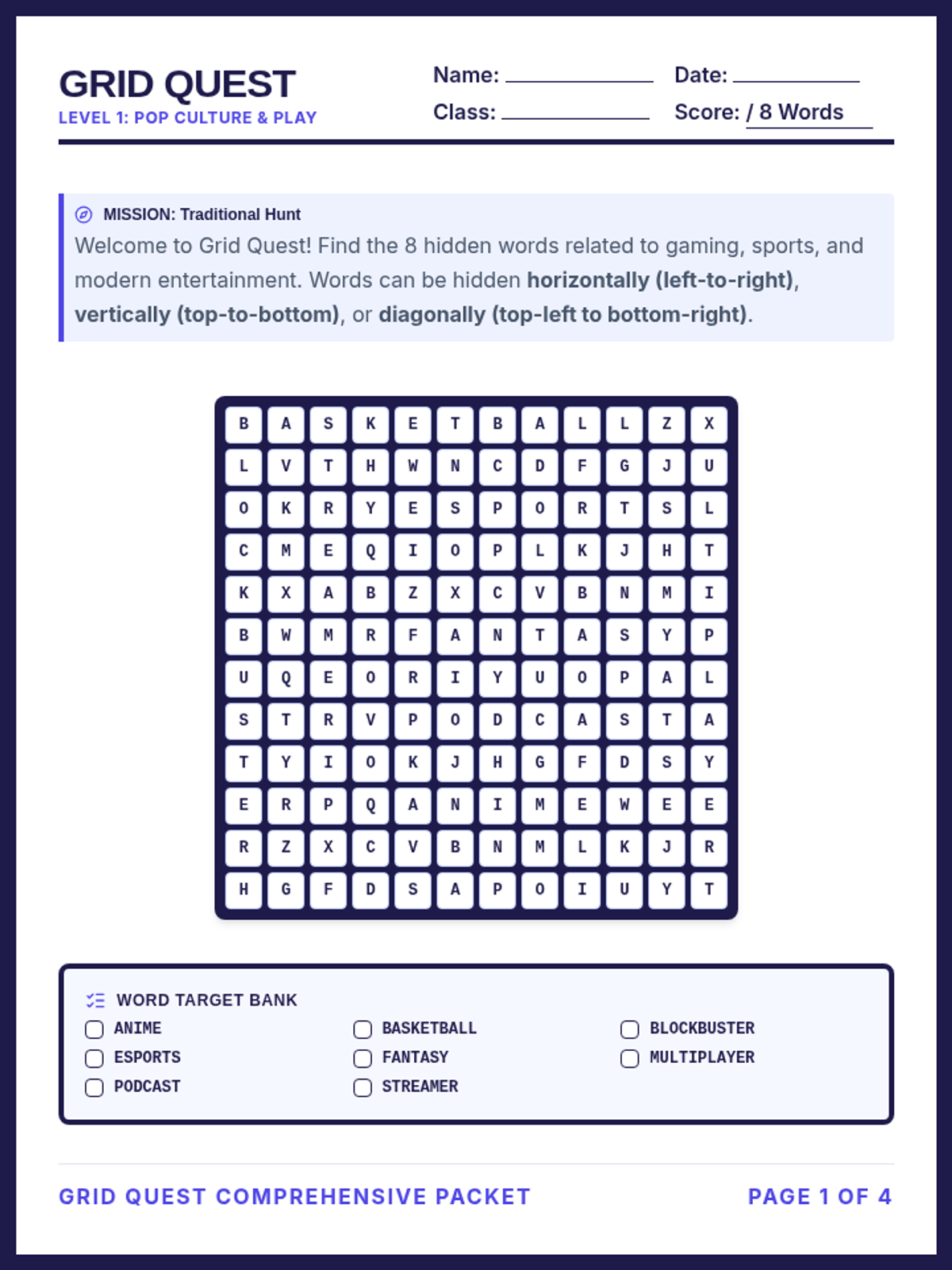
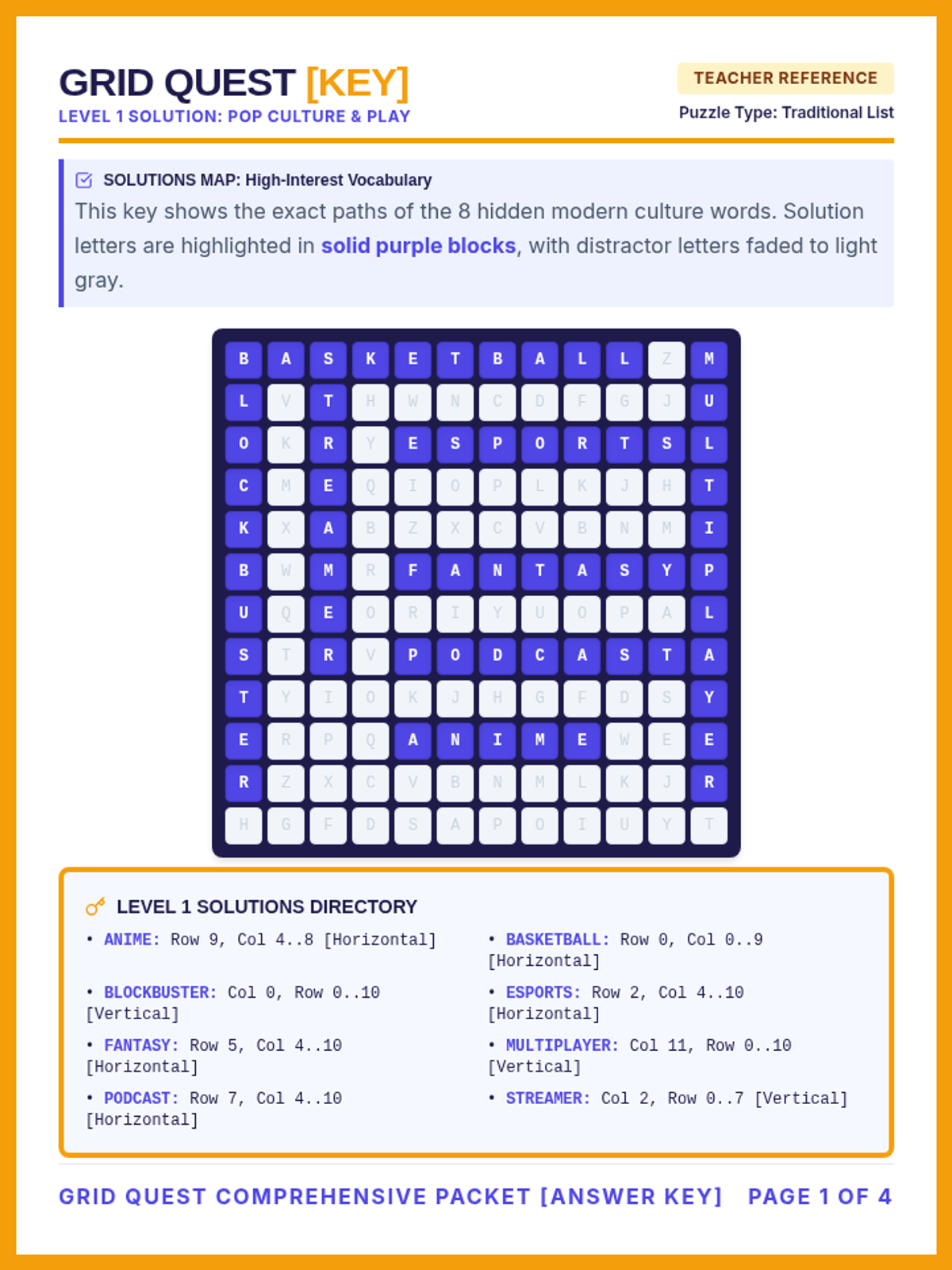
A collection of highly engaging, printable word searches designed for middle schoolers. The packet includes standard grids, definition and synonym searches, and secret message grids spanning pop culture, SEL, life skills, and academic subjects.
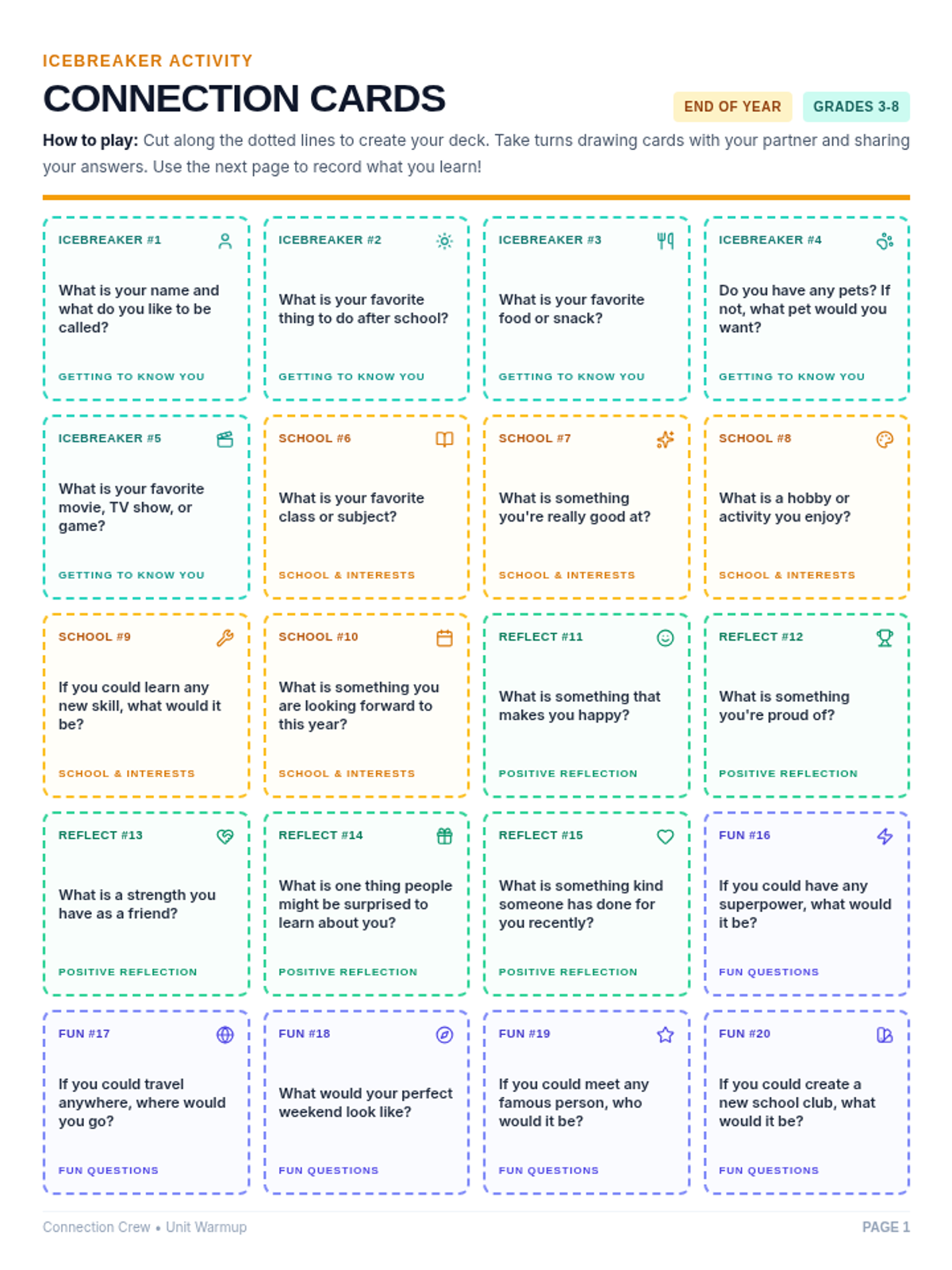
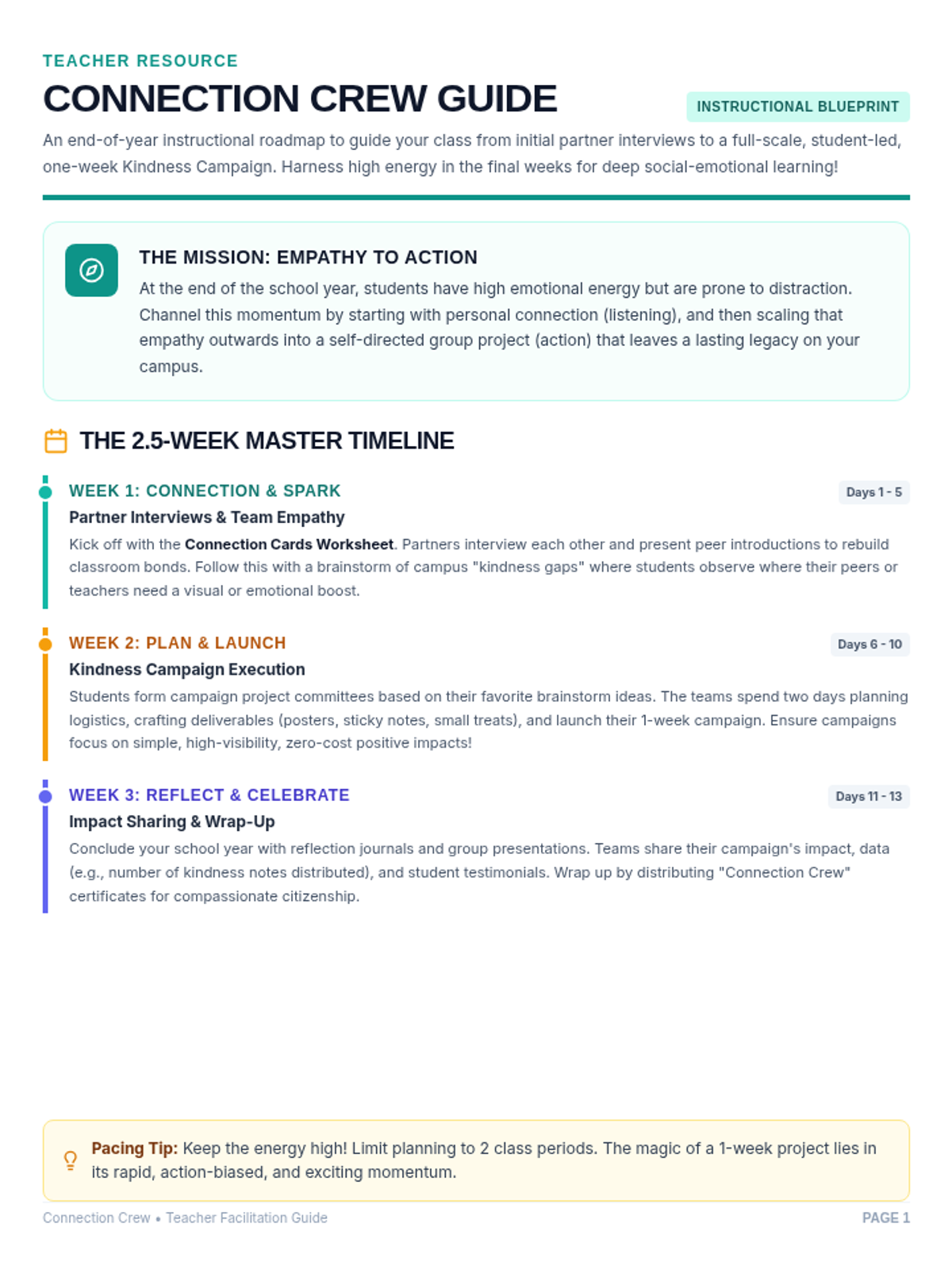
A quick-start end-of-year lesson plan and printable materials that utilize partner interviews to spark connection and transition students into planning a week-long Kindness Campaign.
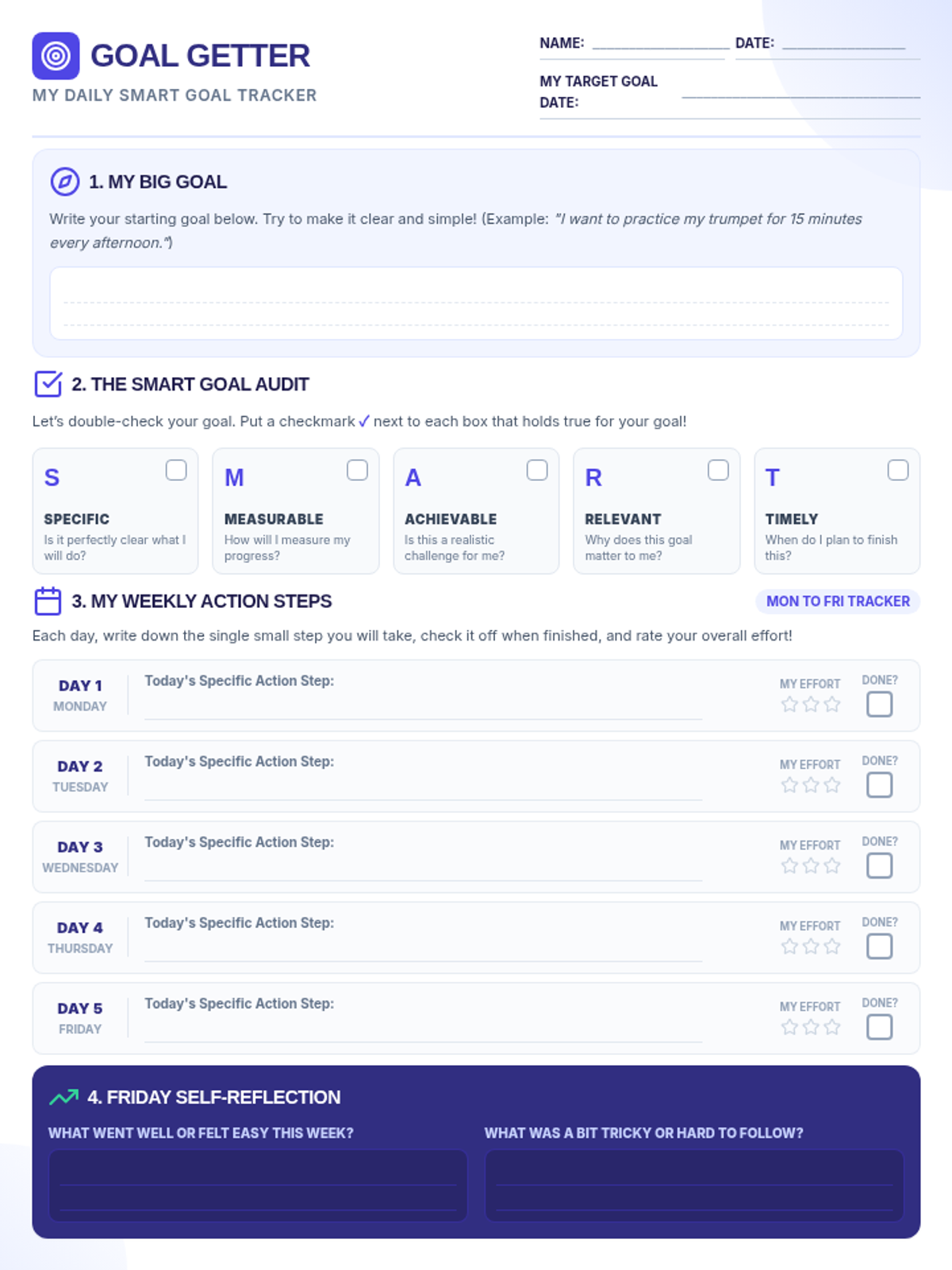
A starter lesson designed for middle school students to introduce, refine, and consistently track SMART goals with action-oriented daily checklists and reflection.
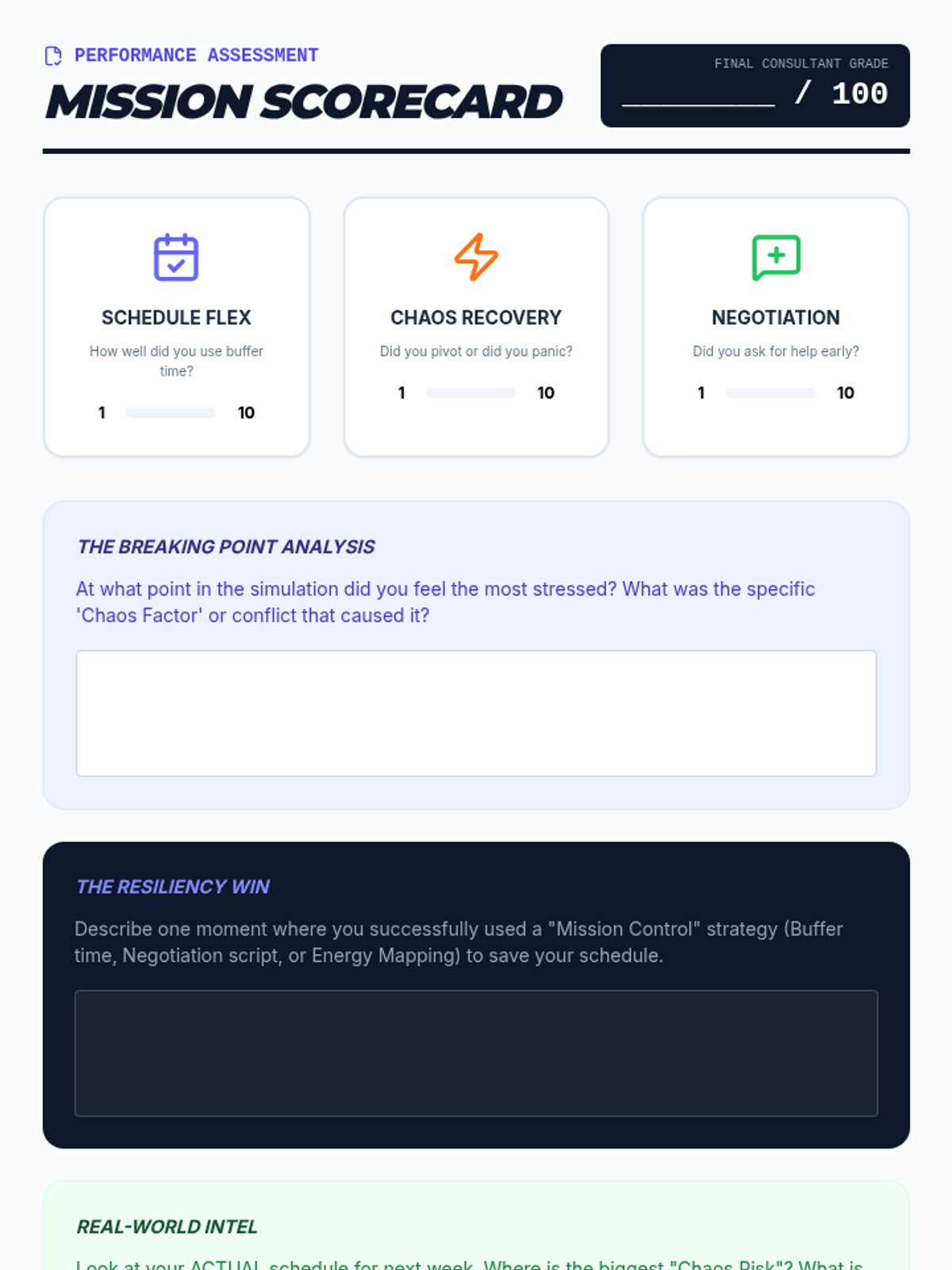
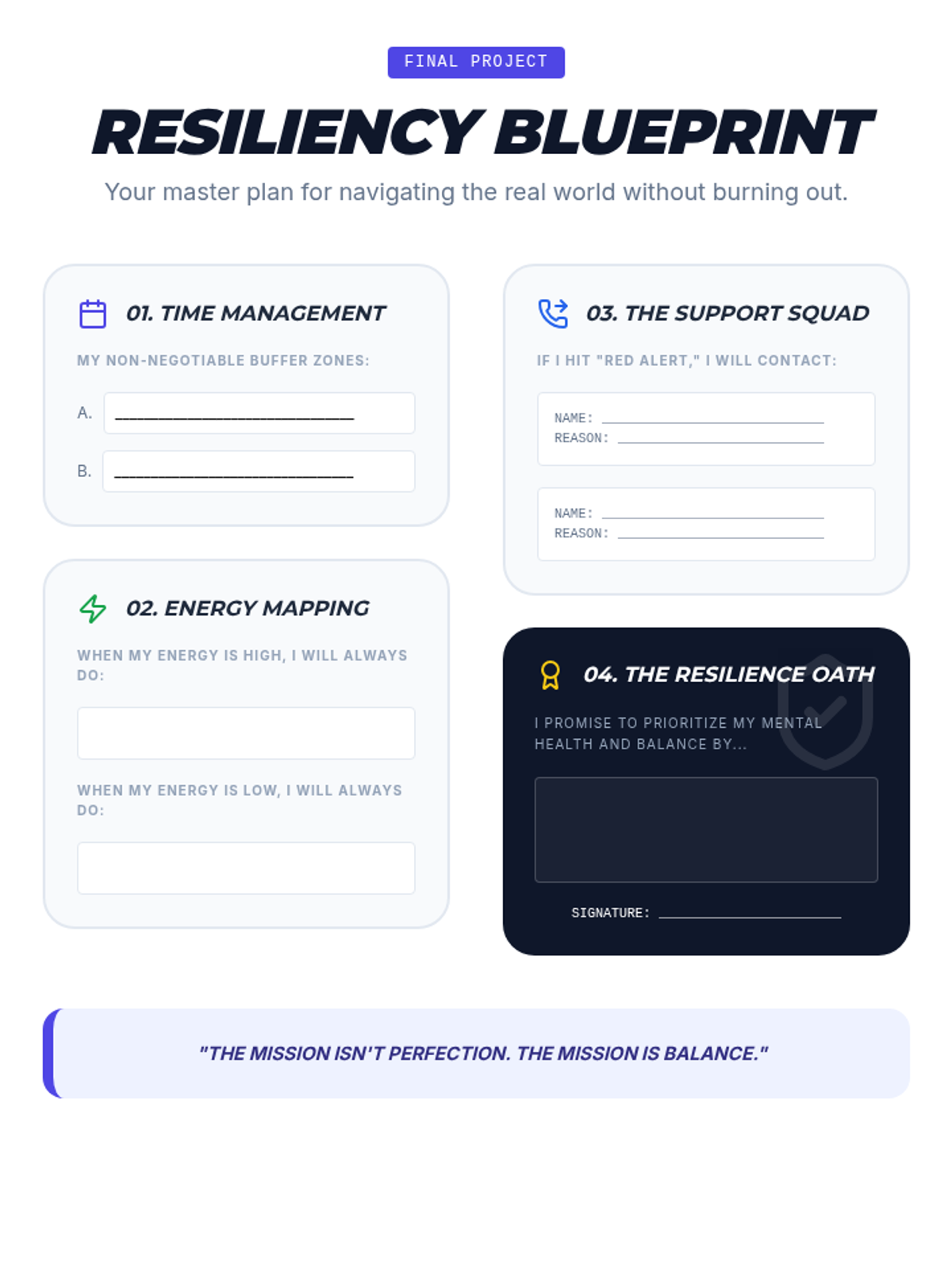
A final reflection on the simulation where students analyze their performance, identify breaking points, and create a long-term strategy for real-world balance.
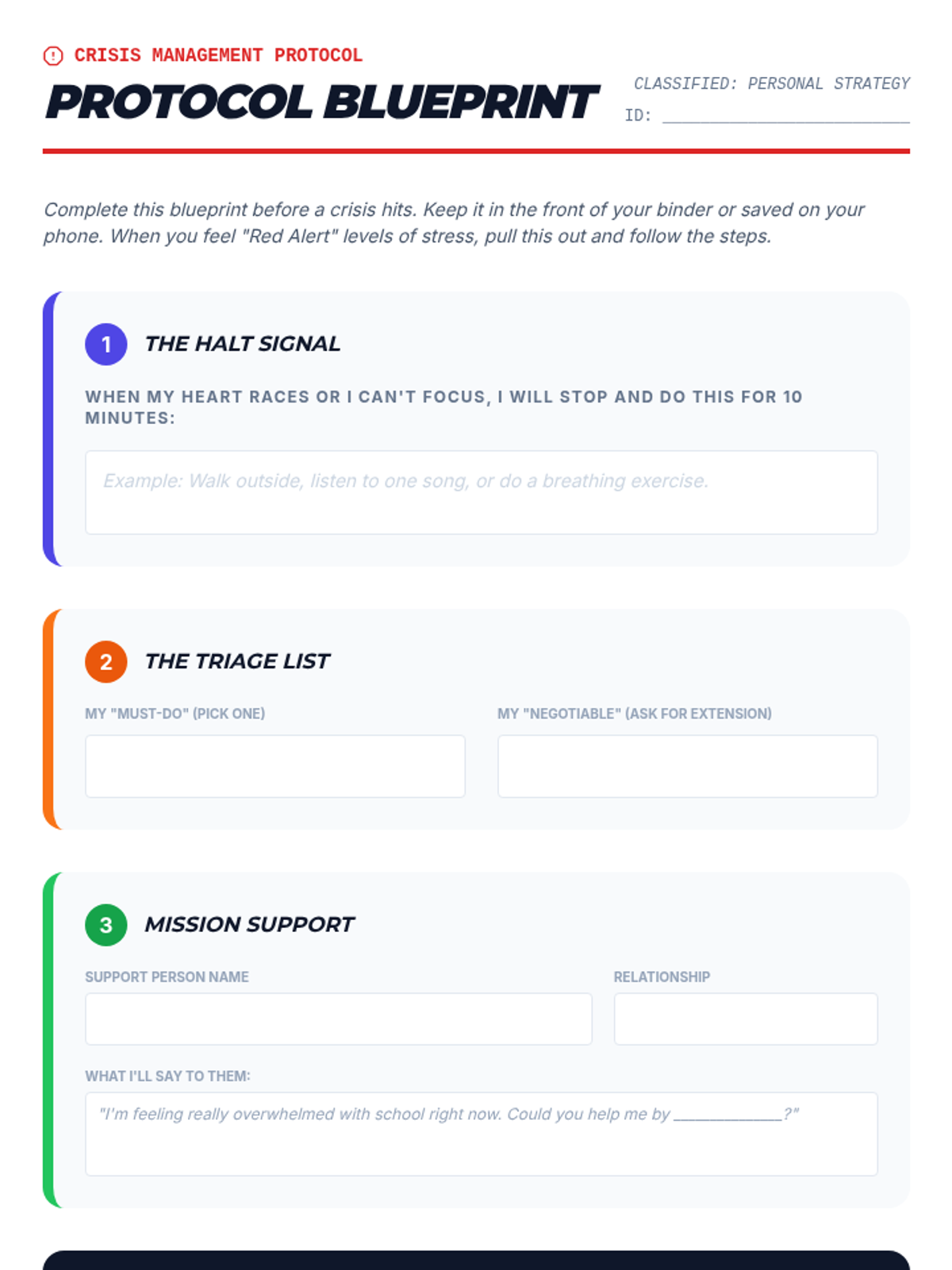
Students create a personal 'Emergency Protocol' for overwhelming situations, learning how to prioritize tasks to drop and identifying support systems for recovery.
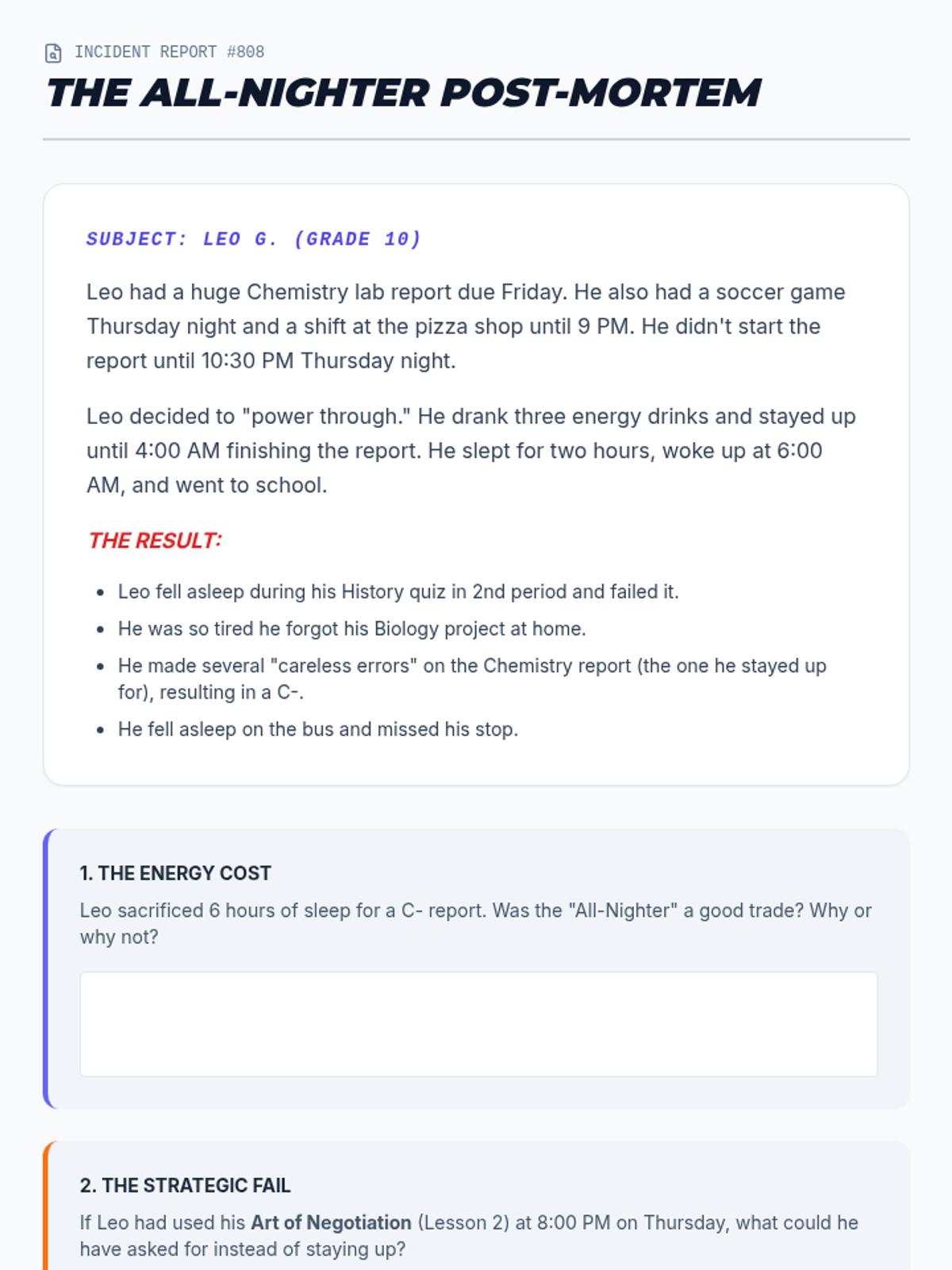
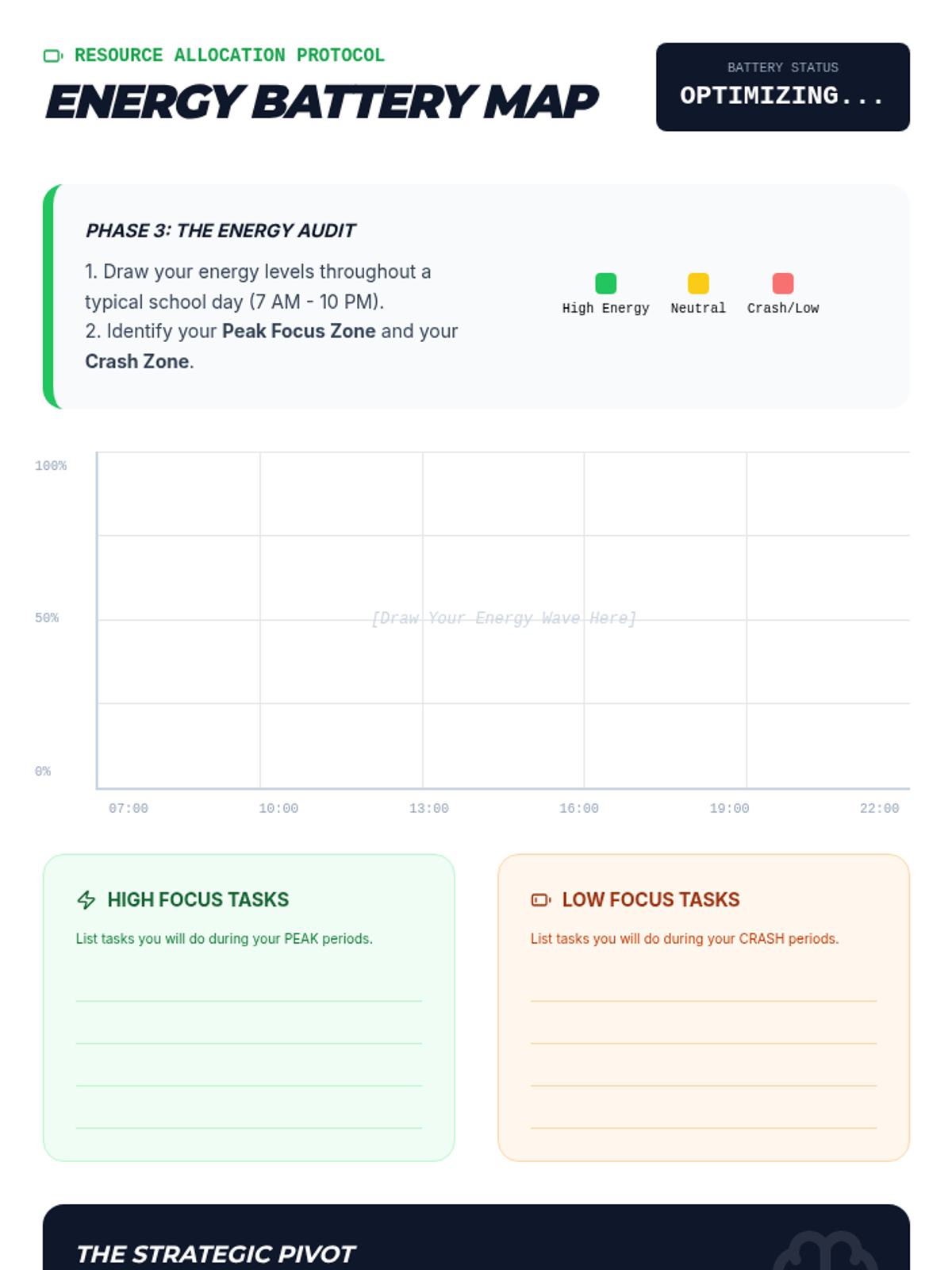
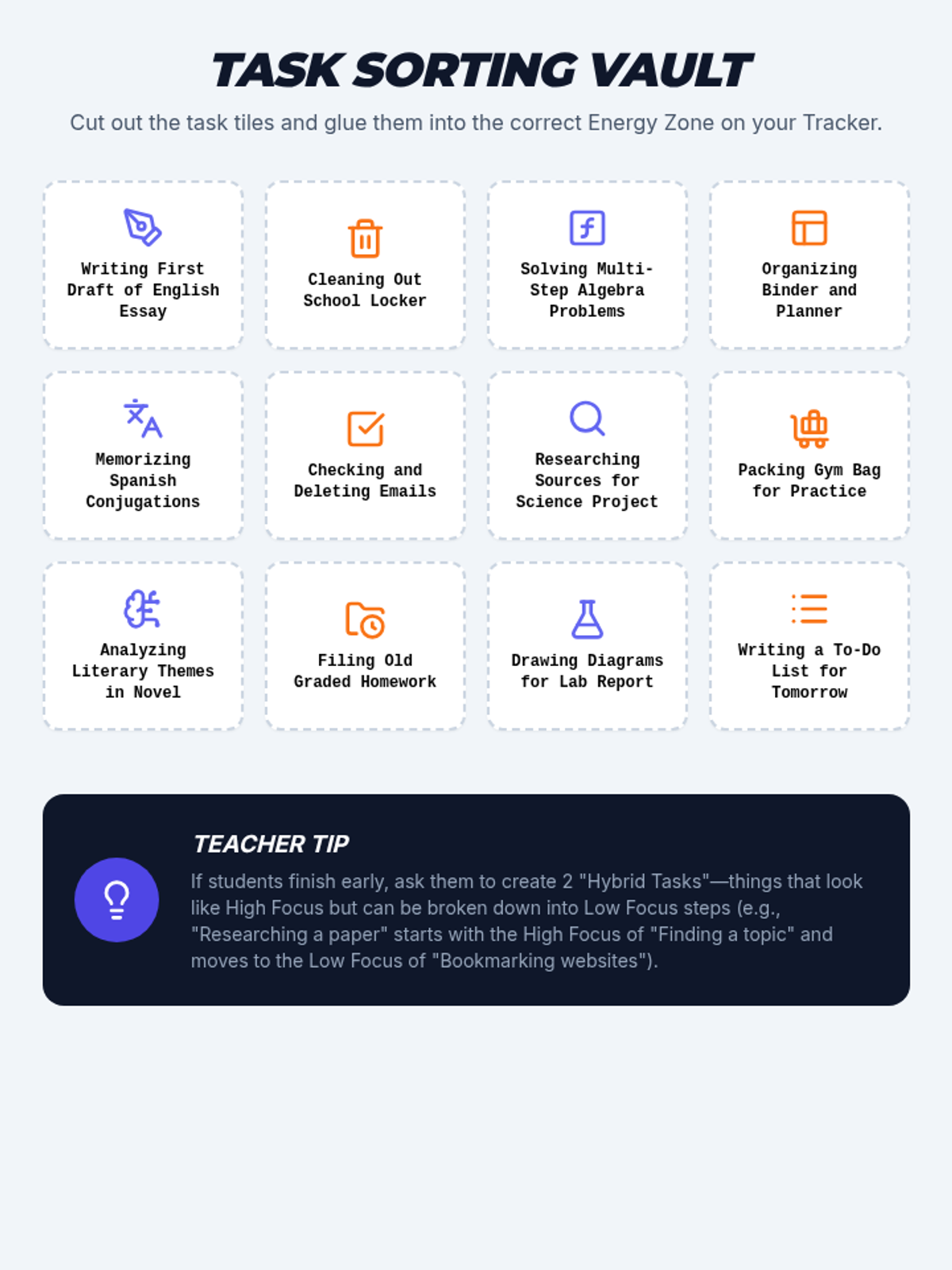
Students analyze their personal energy cycles to match high-demand tasks with high-energy periods, moving beyond simple time management to strategic resource allocation.
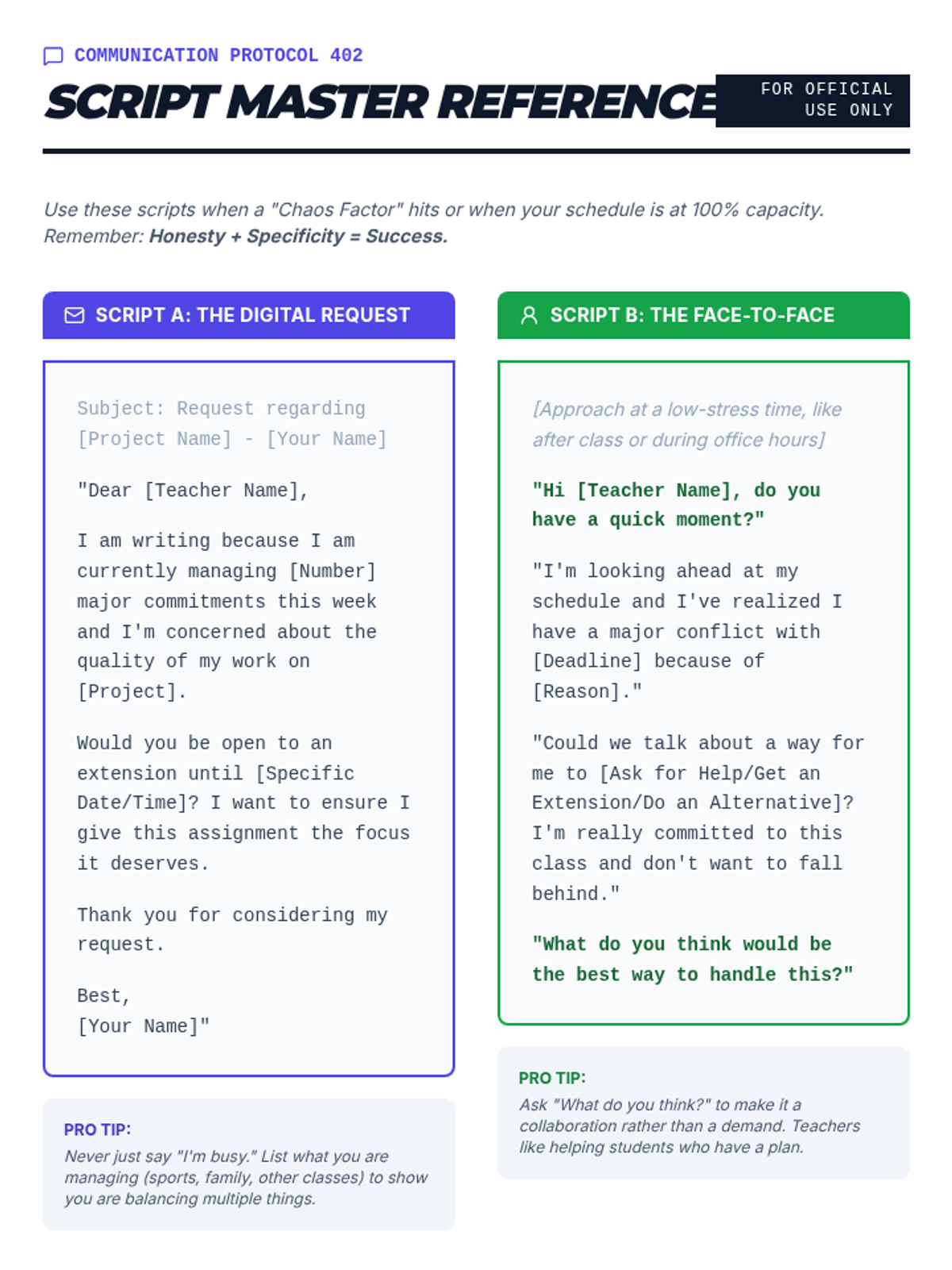
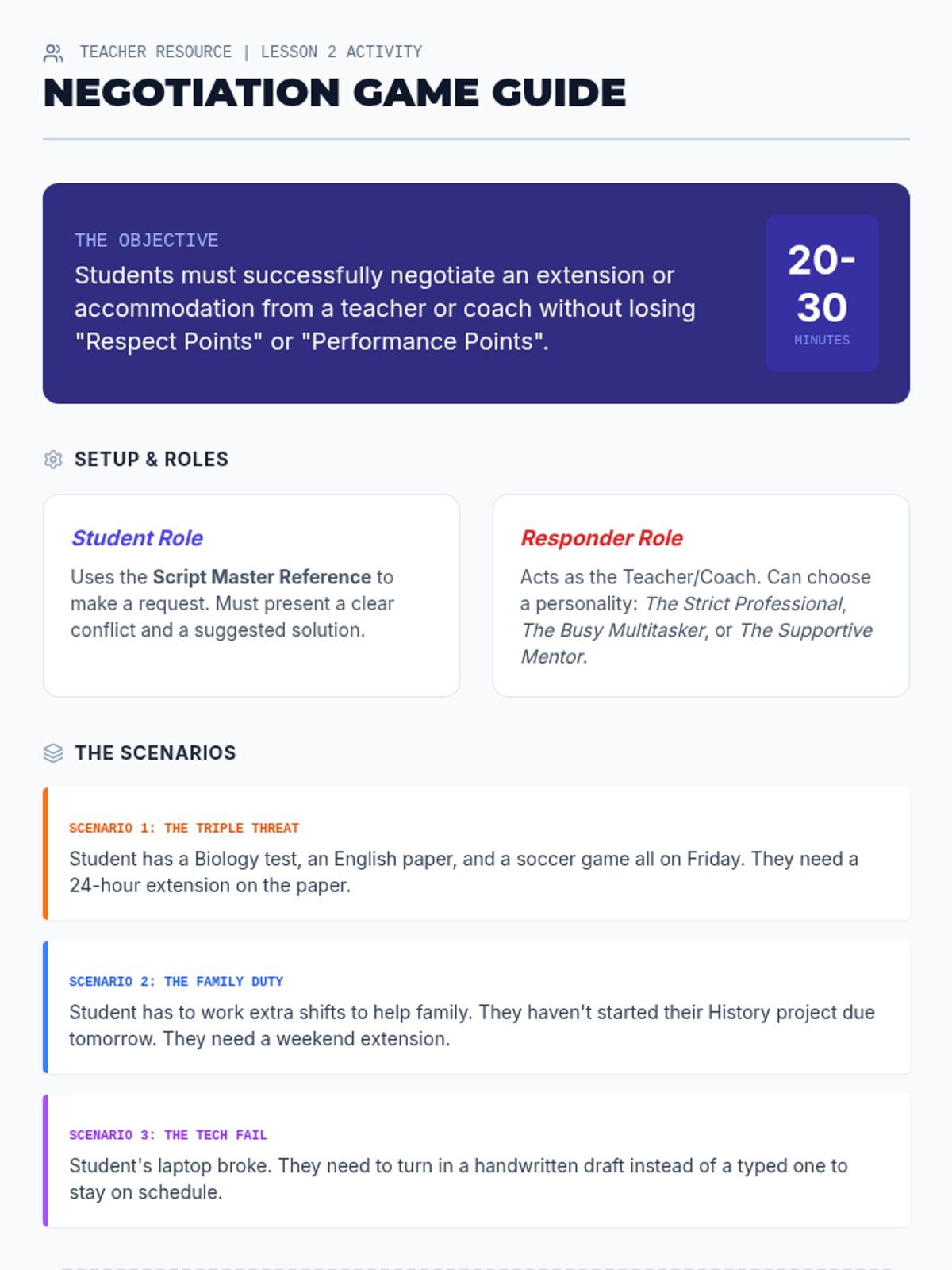
Focuses on professional communication and the distinction between hard and soft deadlines. Students practice scripts to negotiate extensions and help before a crisis occurs.
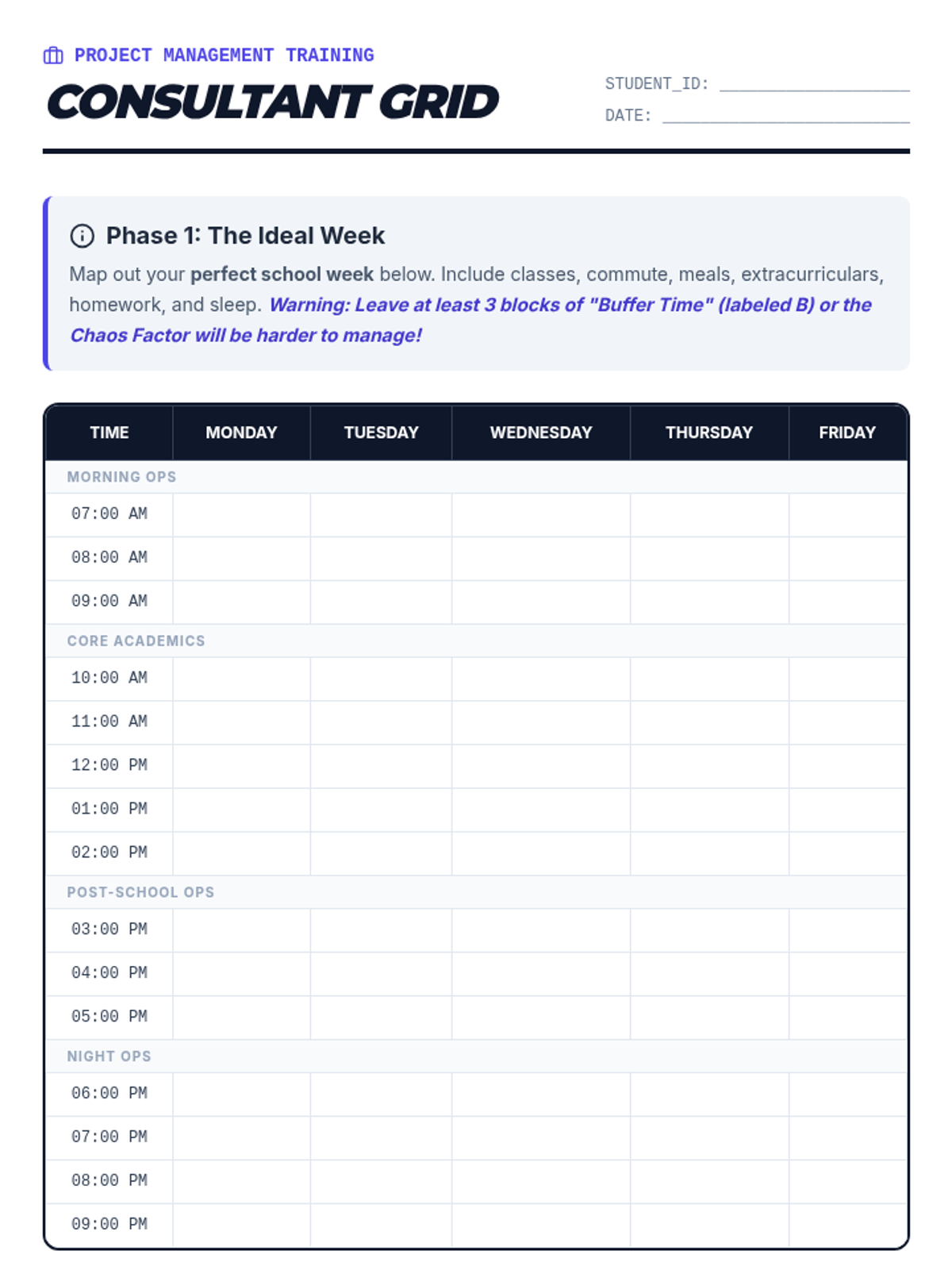
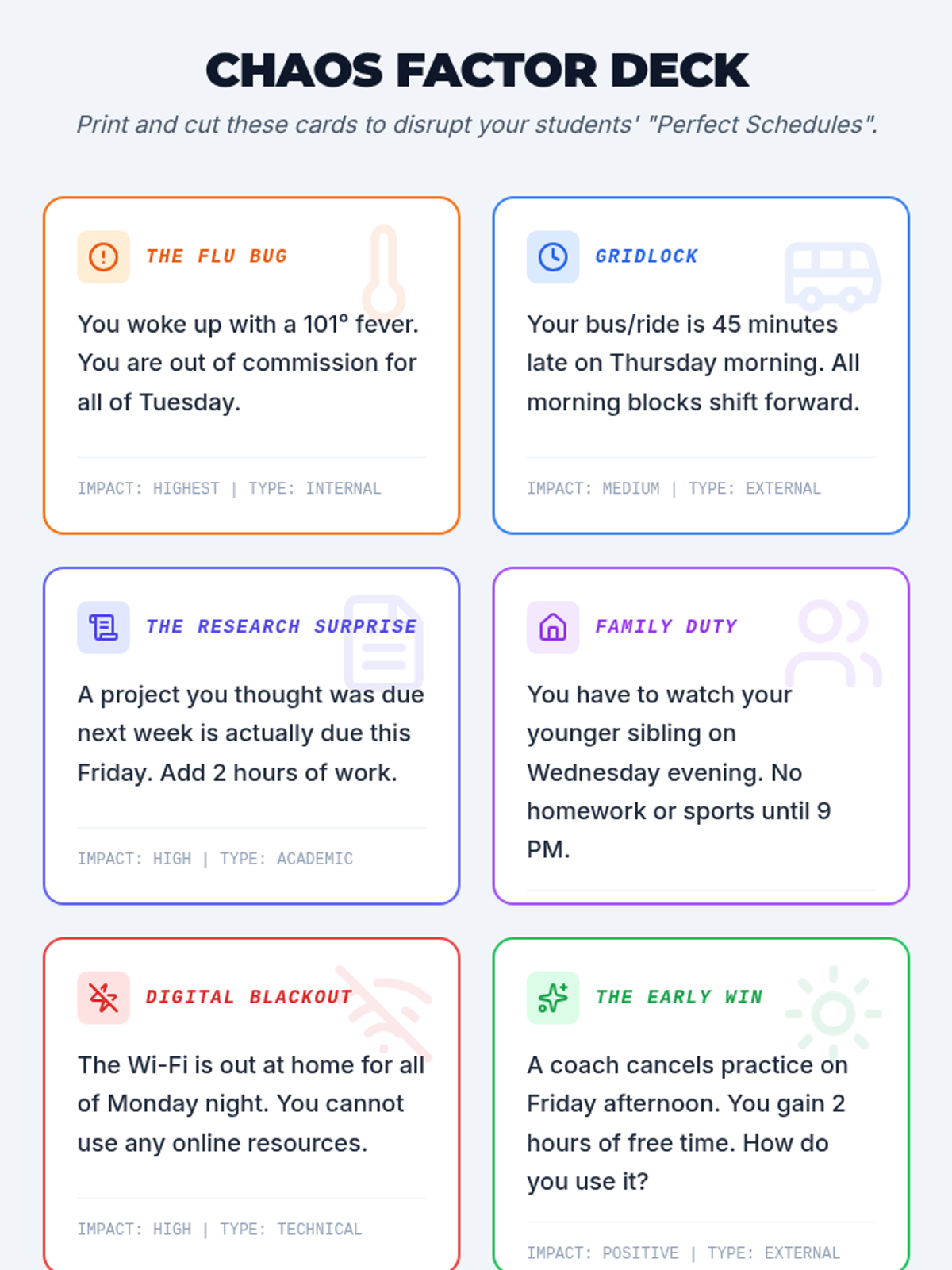
Students design an ideal weekly schedule and are immediately introduced to the 'Chaos Factor'—unpredictable life events that disrupt plans. They identify the need for buffer time and flexible scheduling.