This 10-minute lesson provides K-5 parents with essential strategies for fostering digital wellness and responsible technology usage in their children, focusing on balanced screen time and safety.
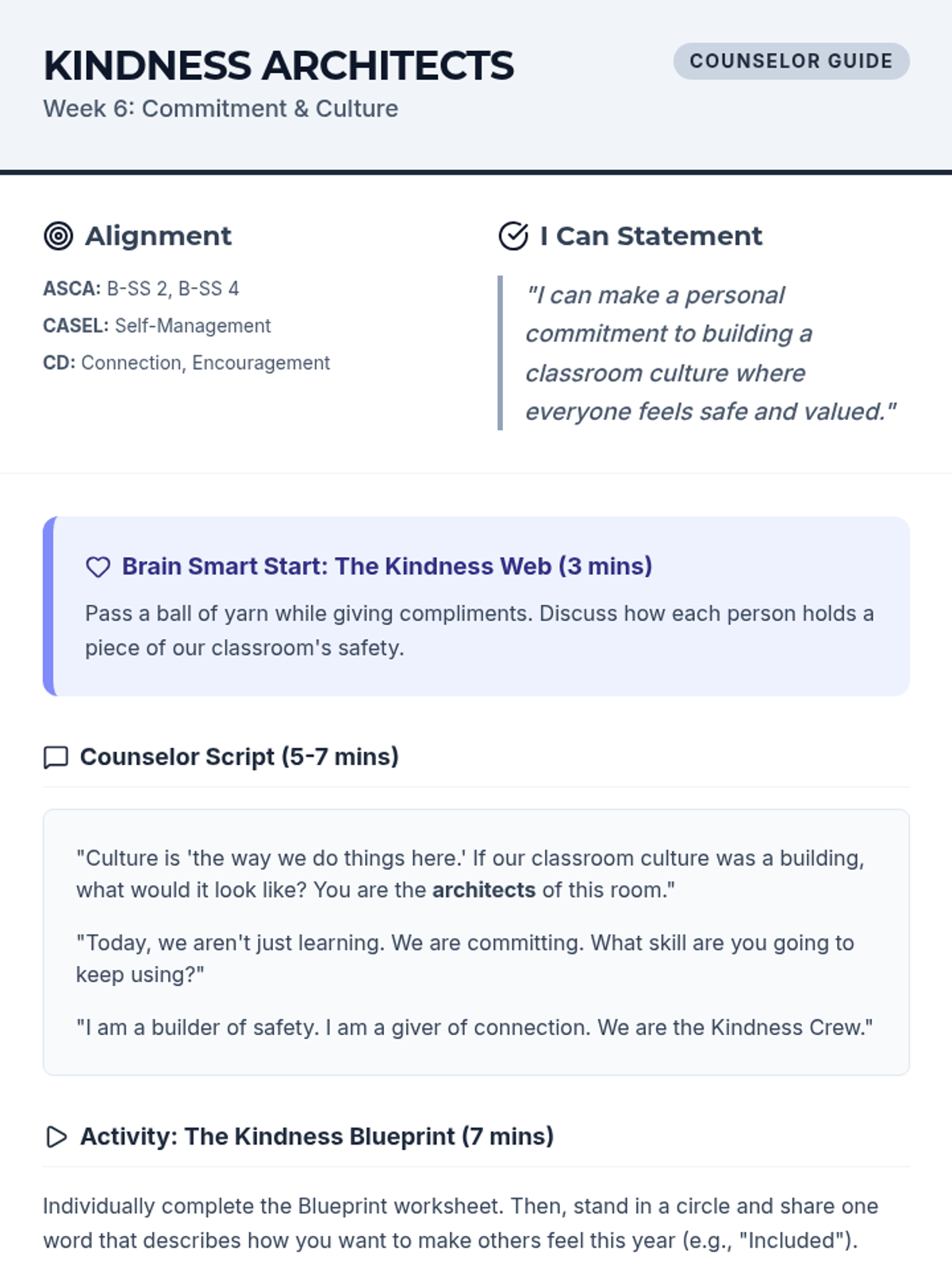
Synthesizes the previous five weeks into a personal commitment and a shared classroom vision. Students design a 'Culture of Kindness' blueprint and make a formal pledge to their community.
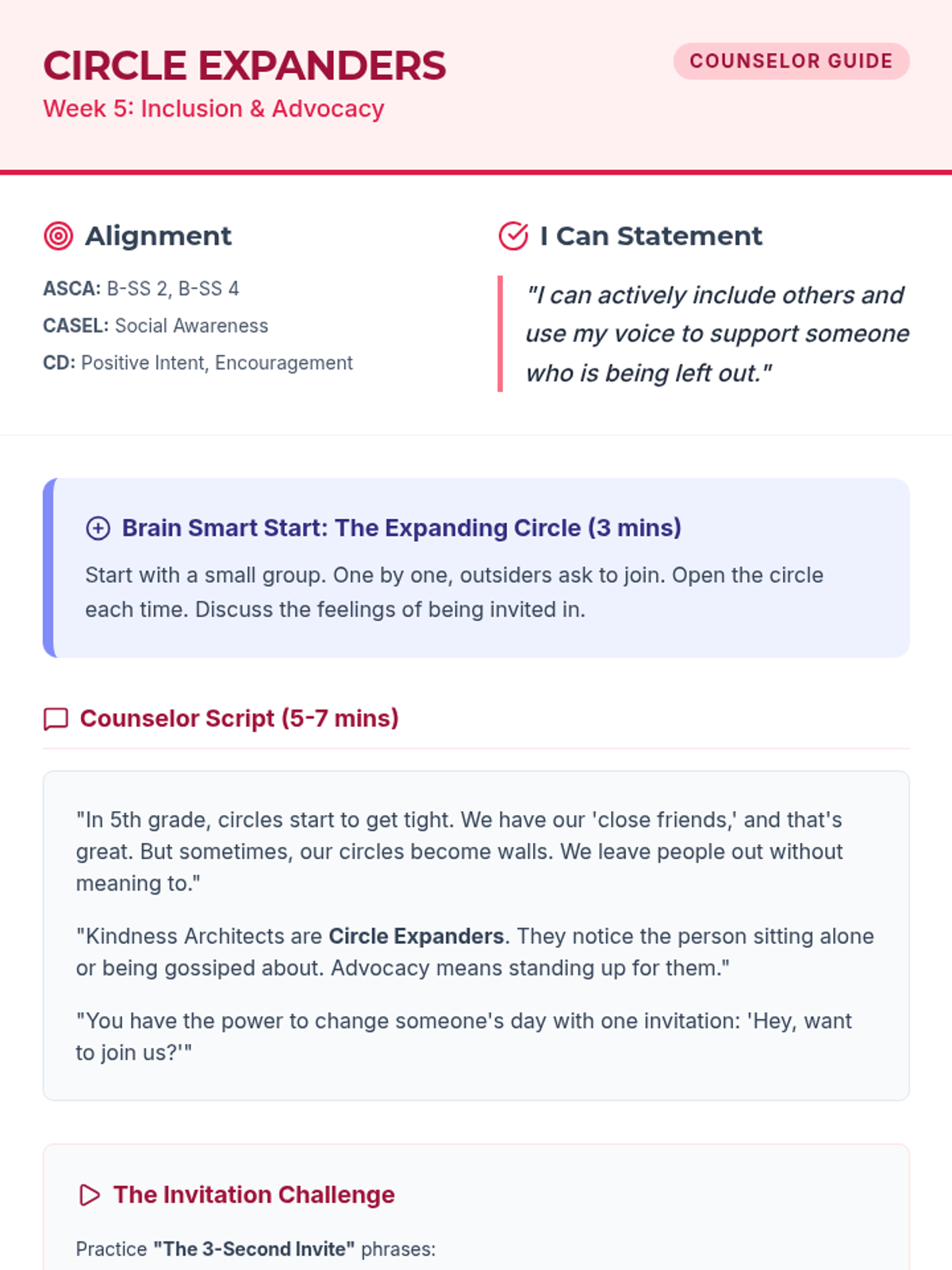
Moves from interpersonal kindness to community advocacy and inclusion. Students learn the difference between standing by and standing up, practicing ways to expand their social circles and support others.
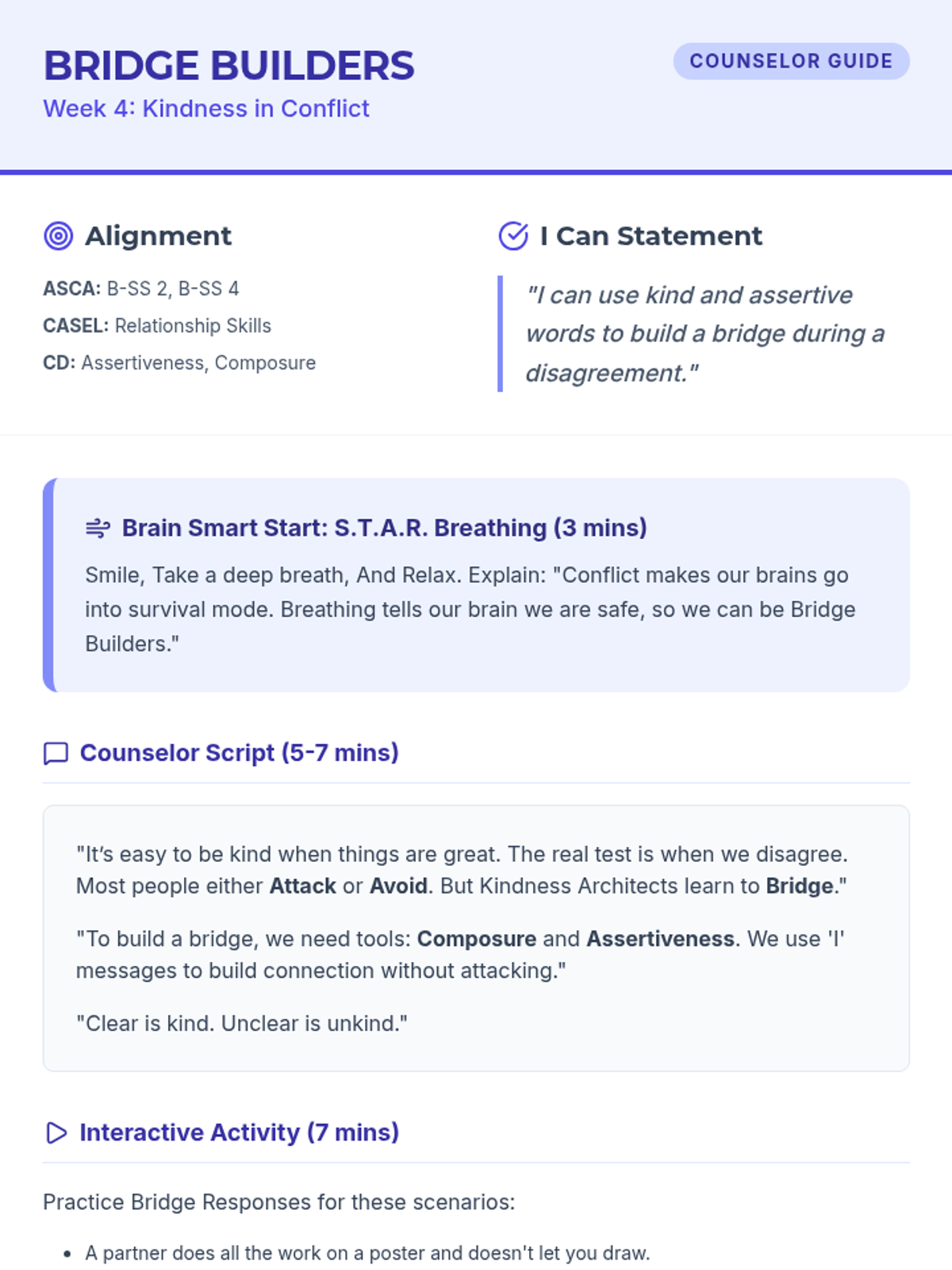
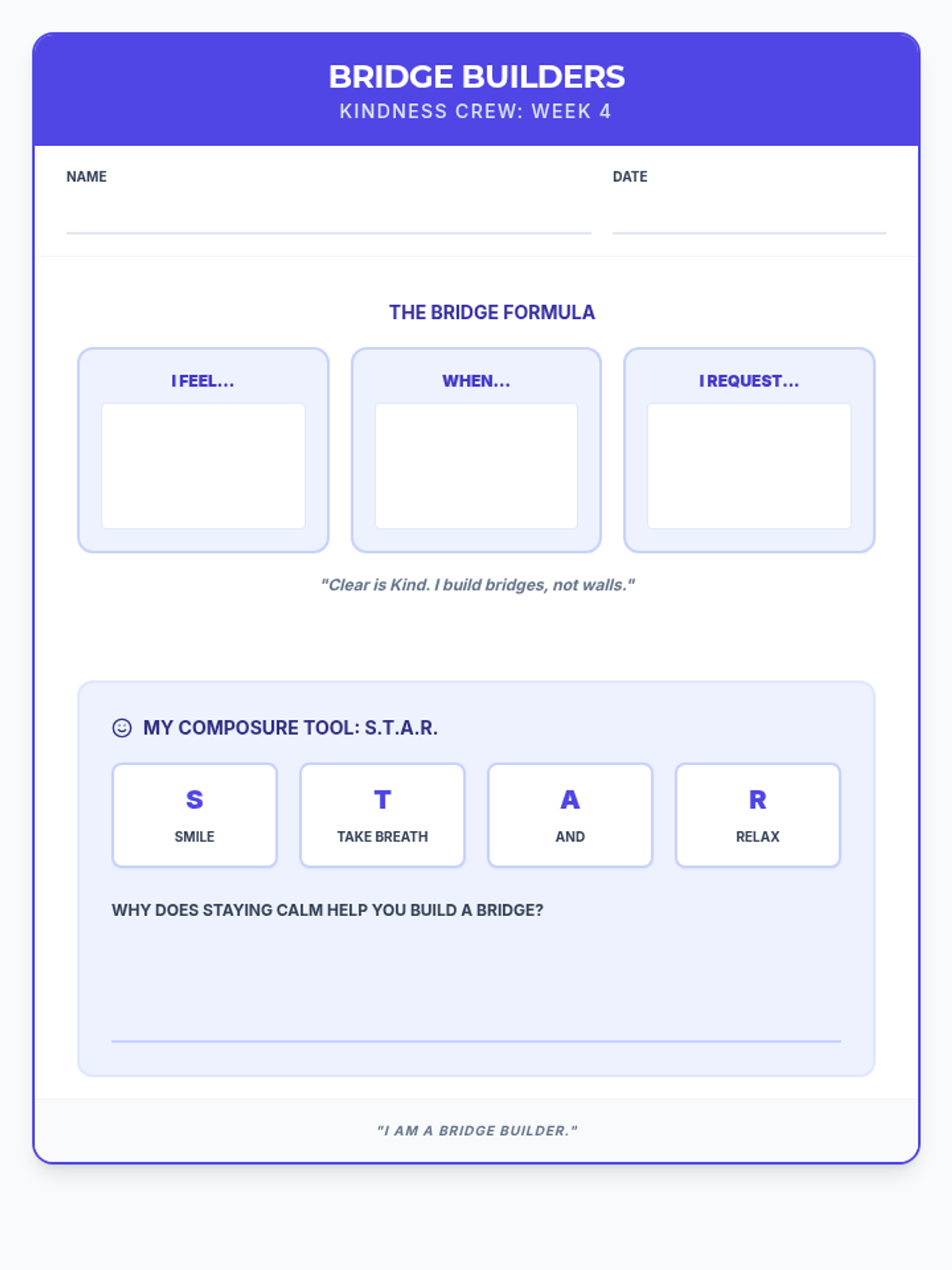
Teaches assertive communication and the principle of Positive Intent during disagreements. Students learn to use 'I' messages to bridge gaps and resolve conflicts without sacrificing kindness.
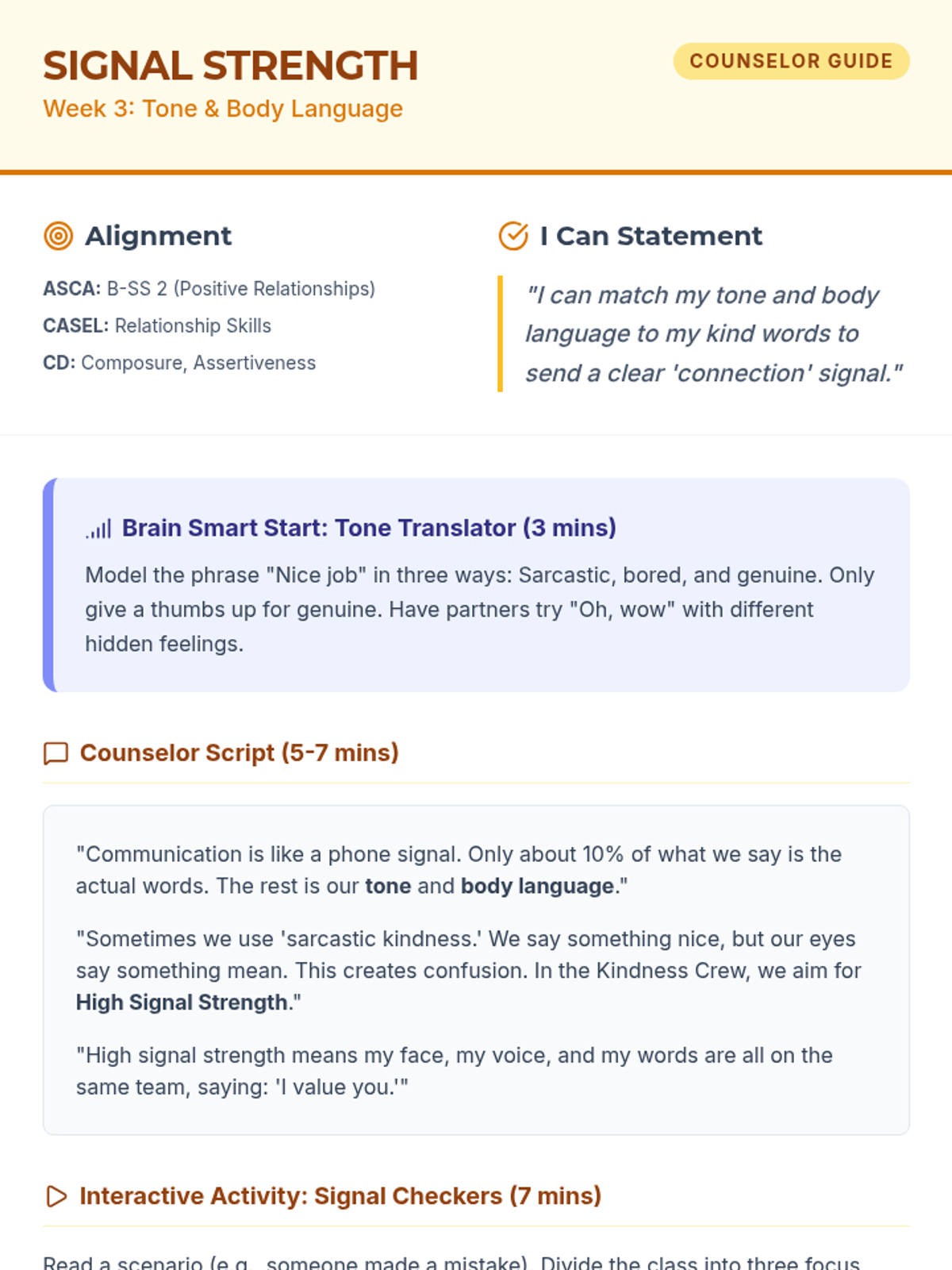
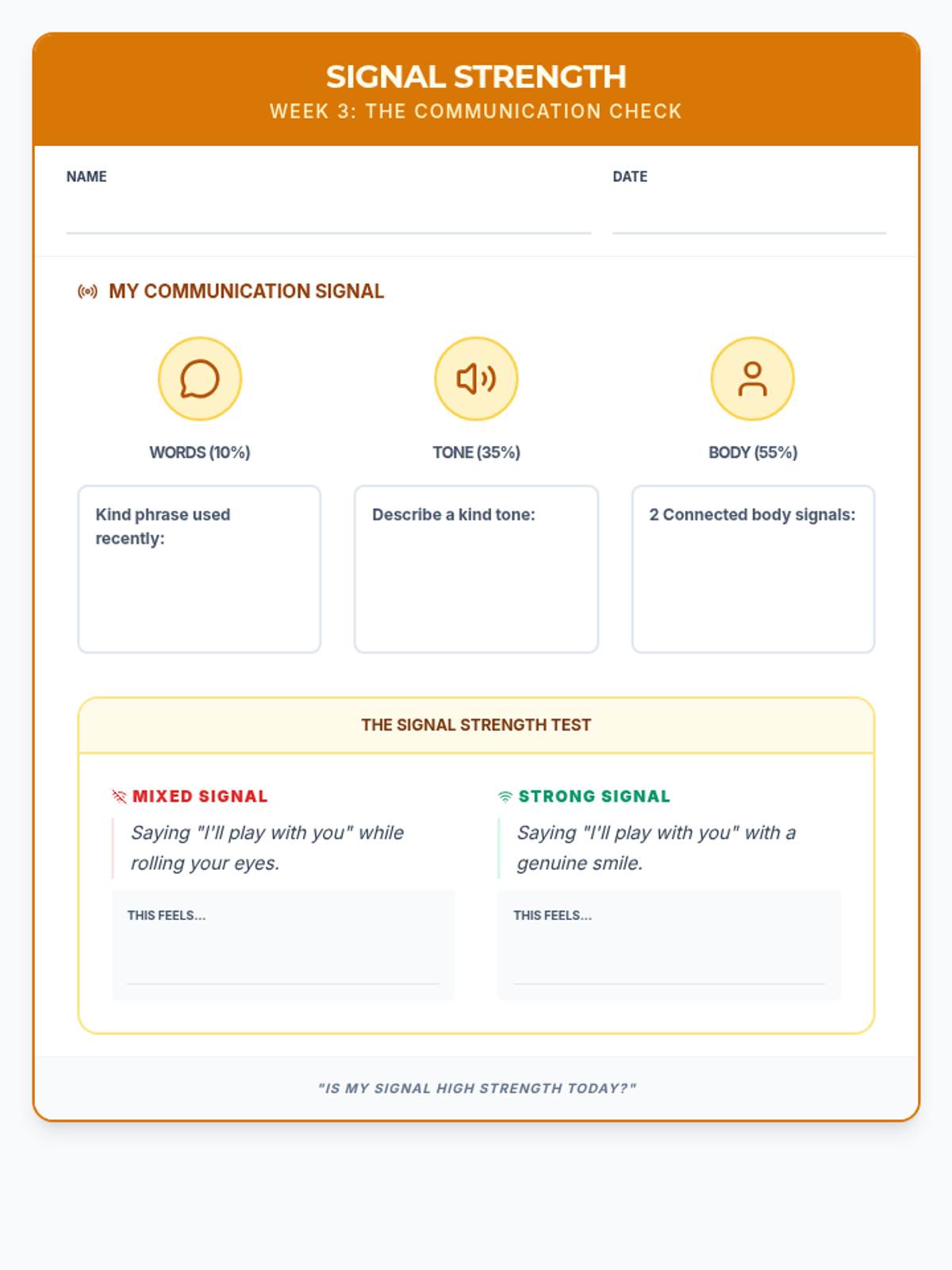
Explores the nuances of communication, including tone of voice and body language. Students learn that 'how' we say something is as important as 'what' we say in building connections.
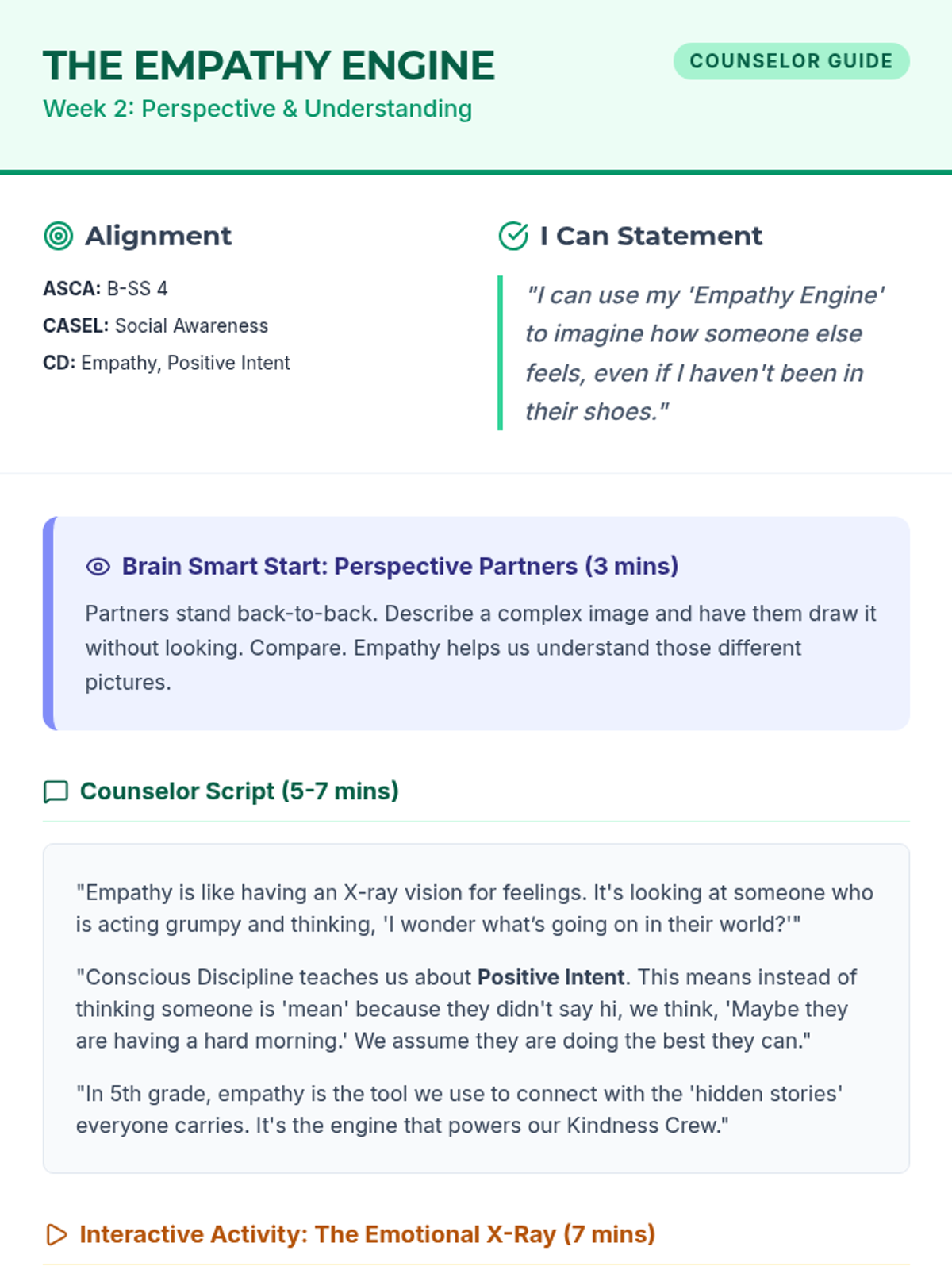
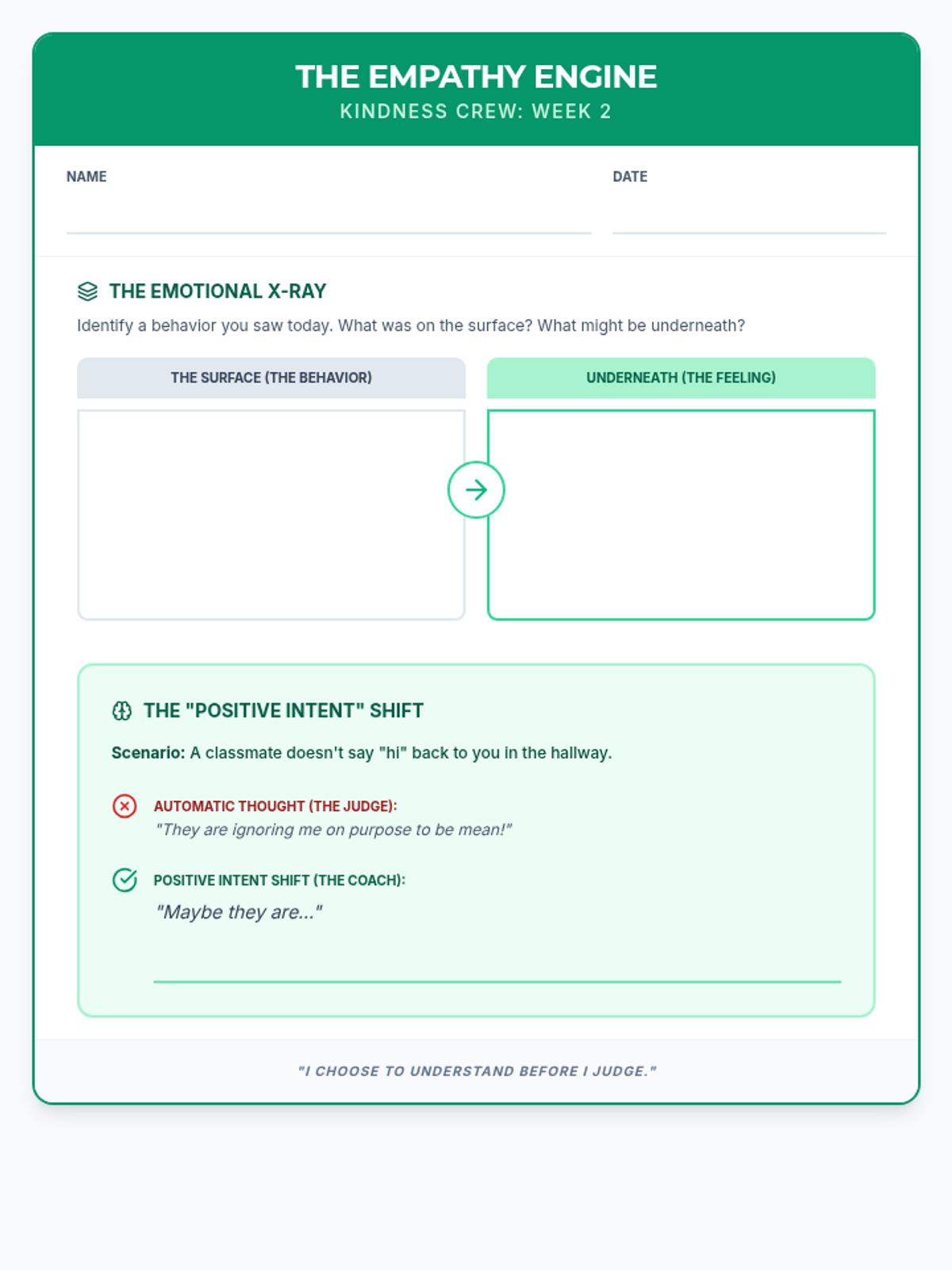
Focuses on empathy as the ability to see from another's perspective and understand their emotional state. Students practice the 'Emotional X-Ray' to look beneath surface behaviors to the feelings and needs underneath.
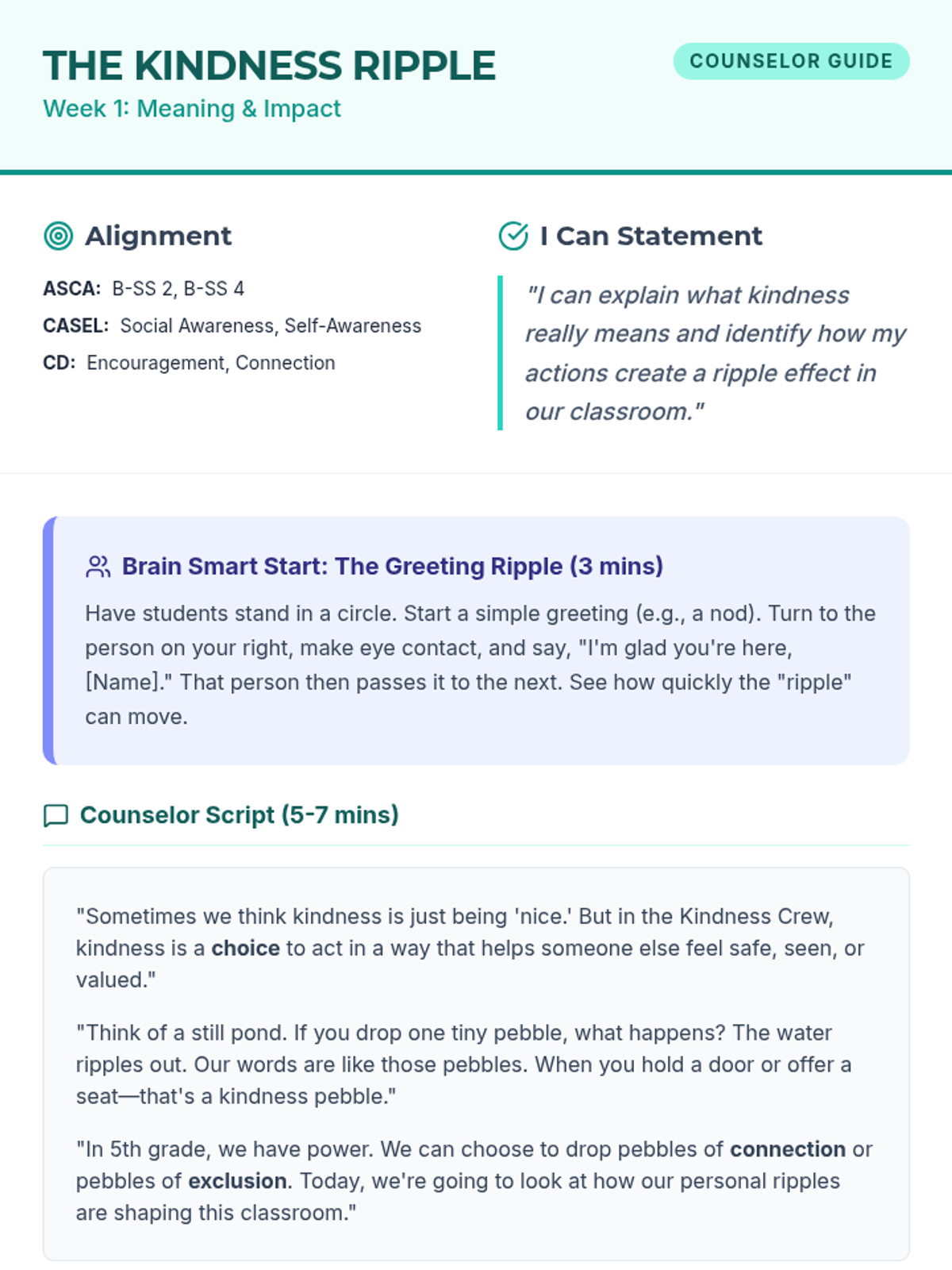
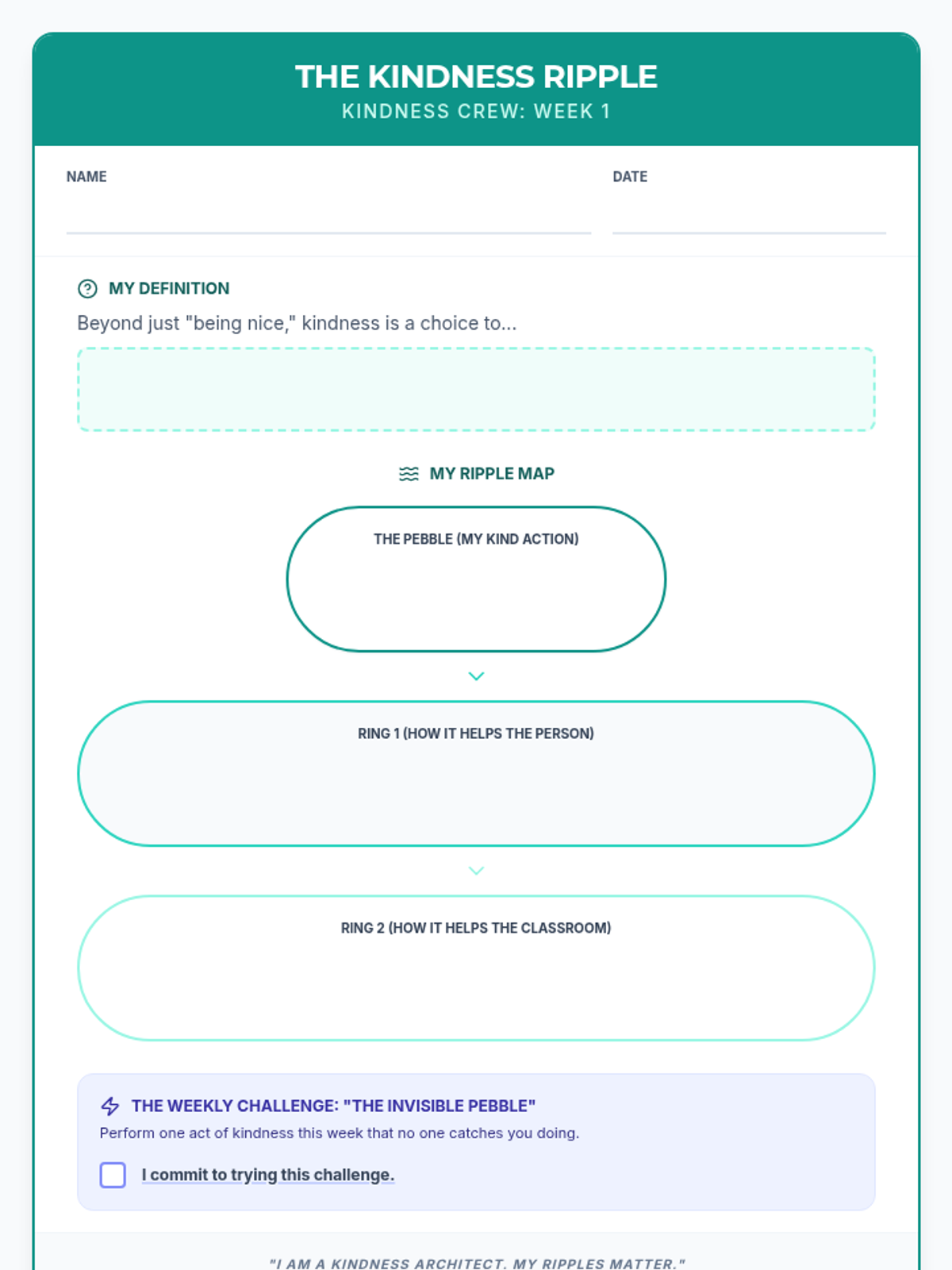
Introduces the concept of kindness as a deliberate choice and explores the 'Ripple Effect' of how small actions impact the wider community. Students define kindness beyond just 'being nice' and identify their role in the classroom social ecosystem.
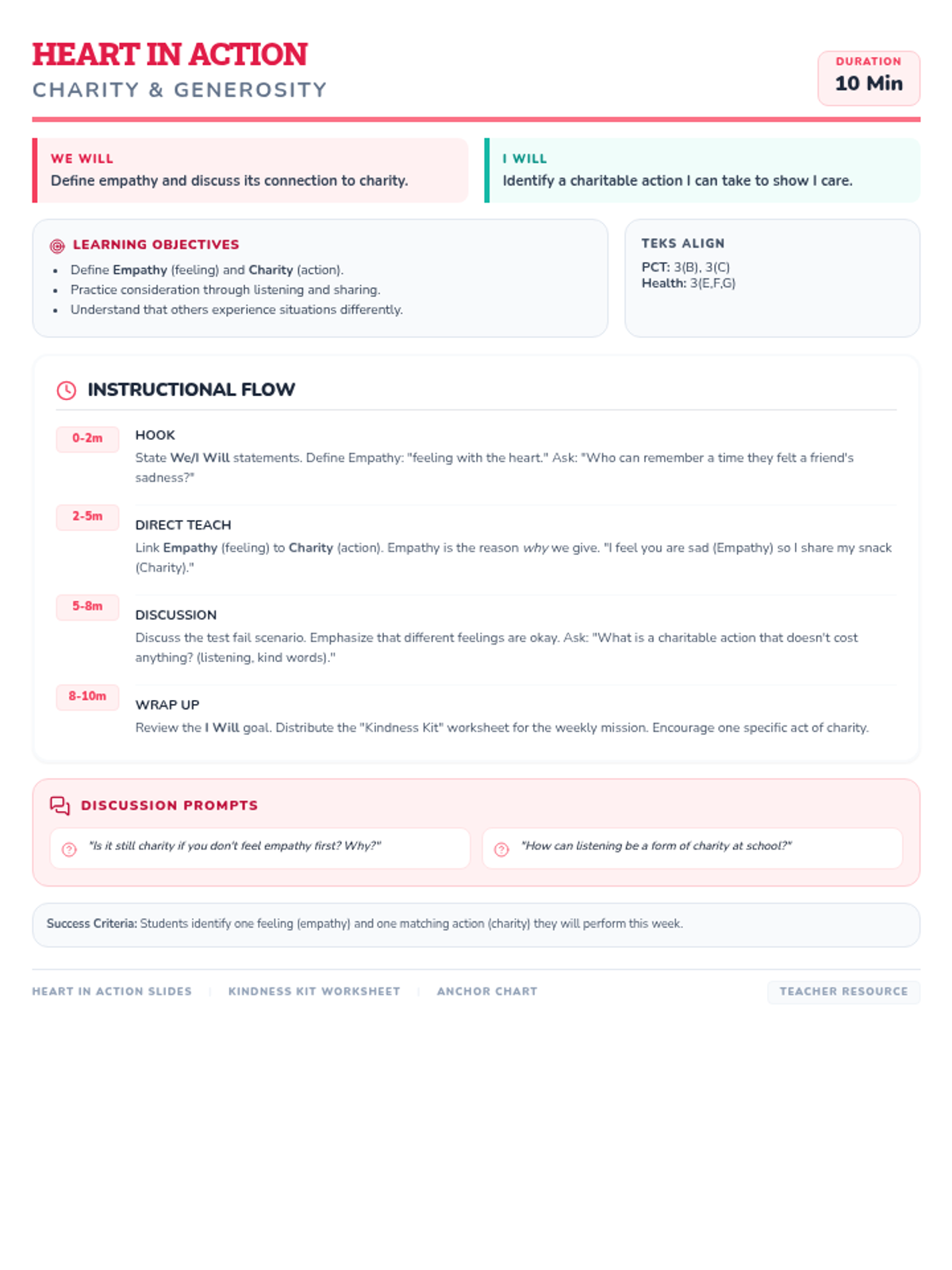
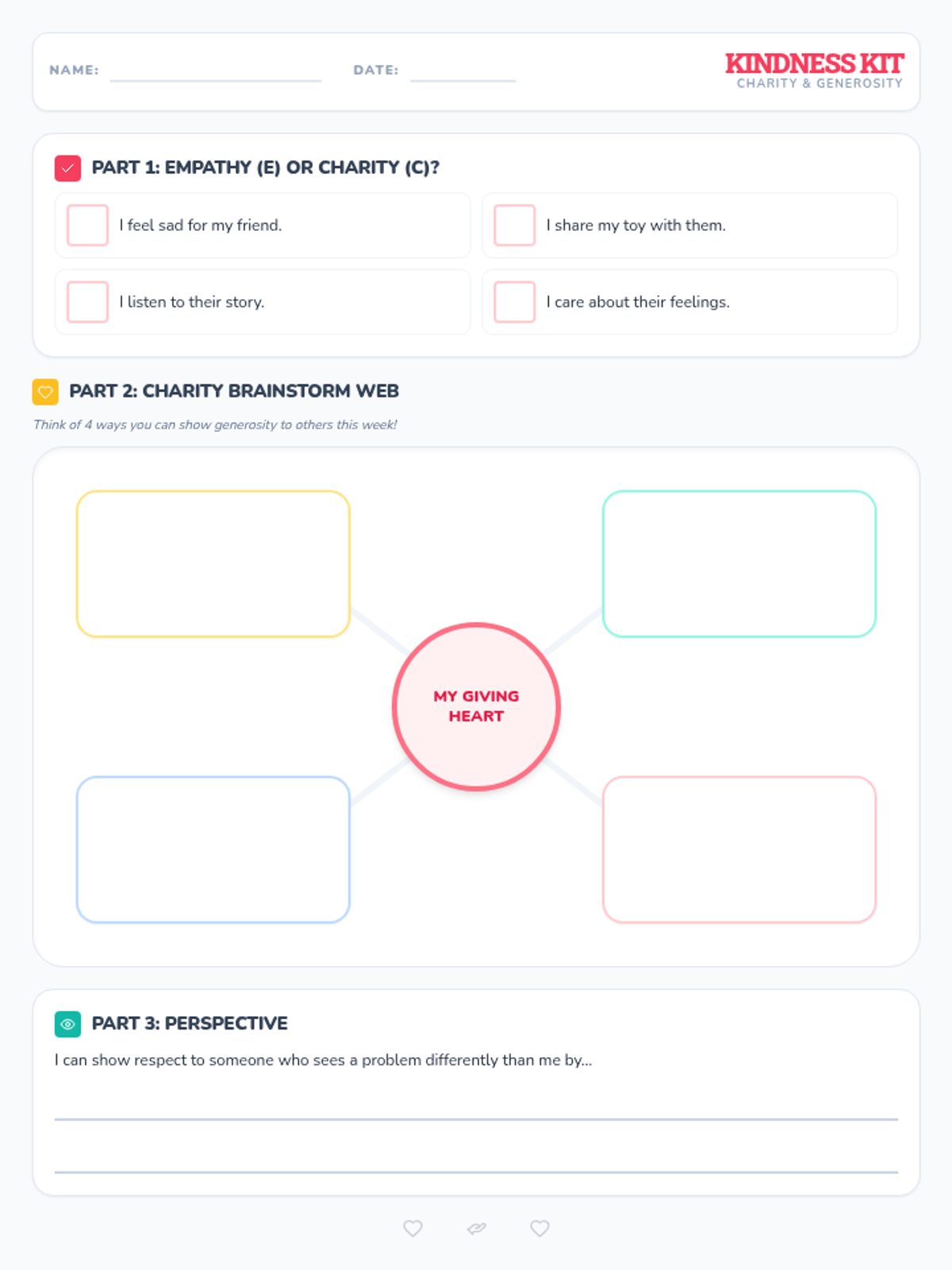
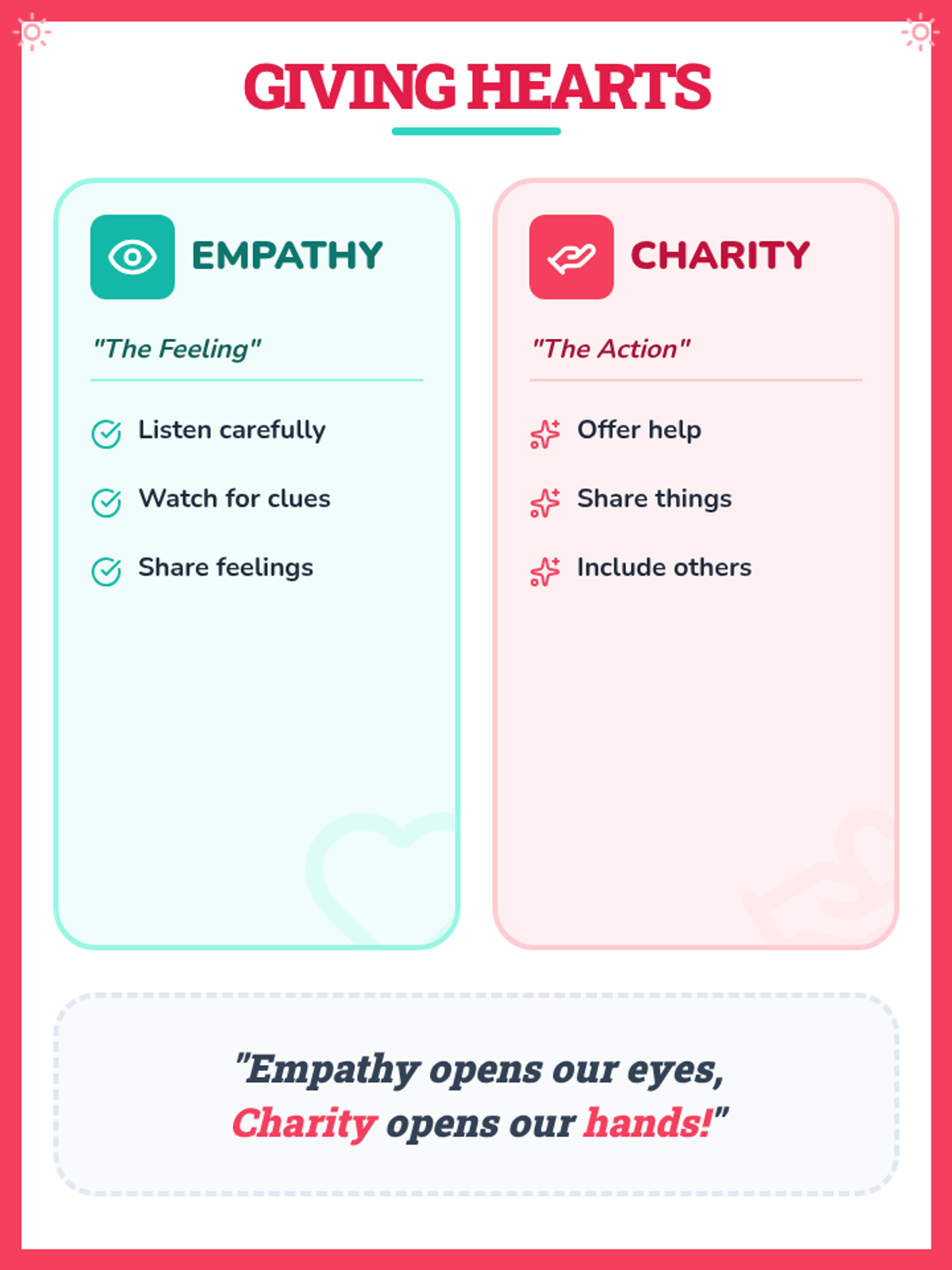
A 10-minute lesson focused on the connection between empathy and charity, teaching students how to identify needs and act with generosity. Includes a slide deck, worksheet, and anchor chart.
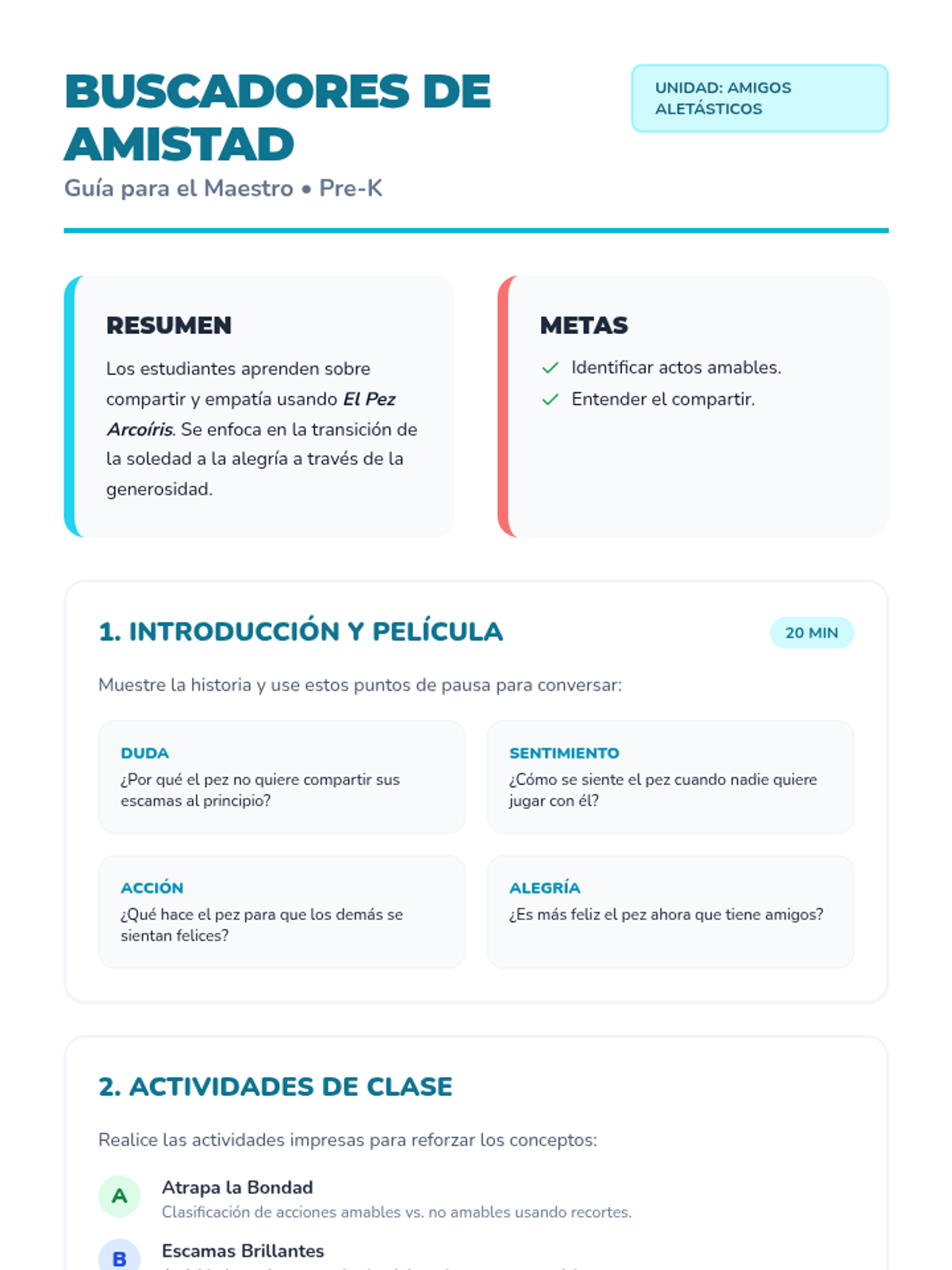
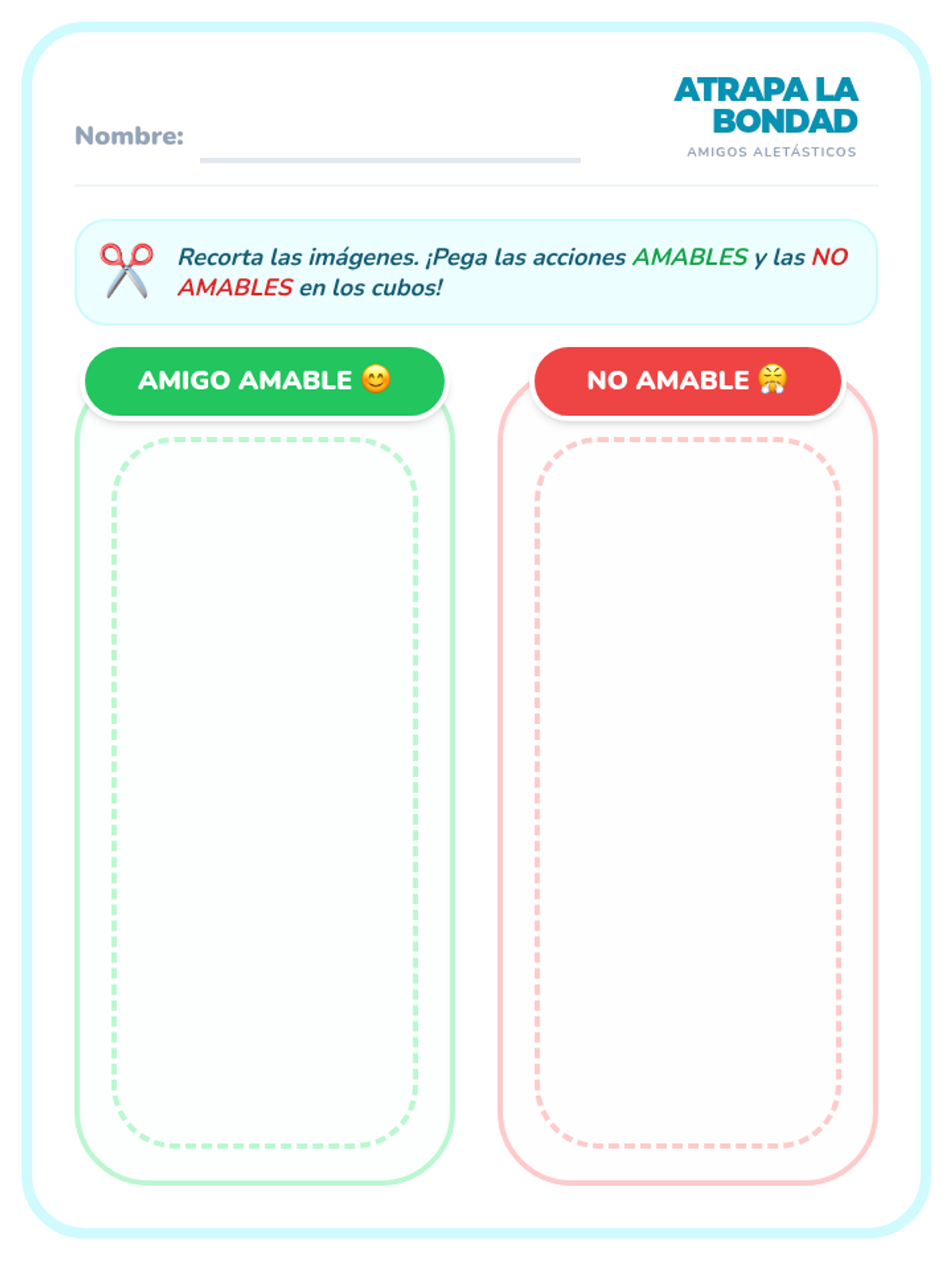
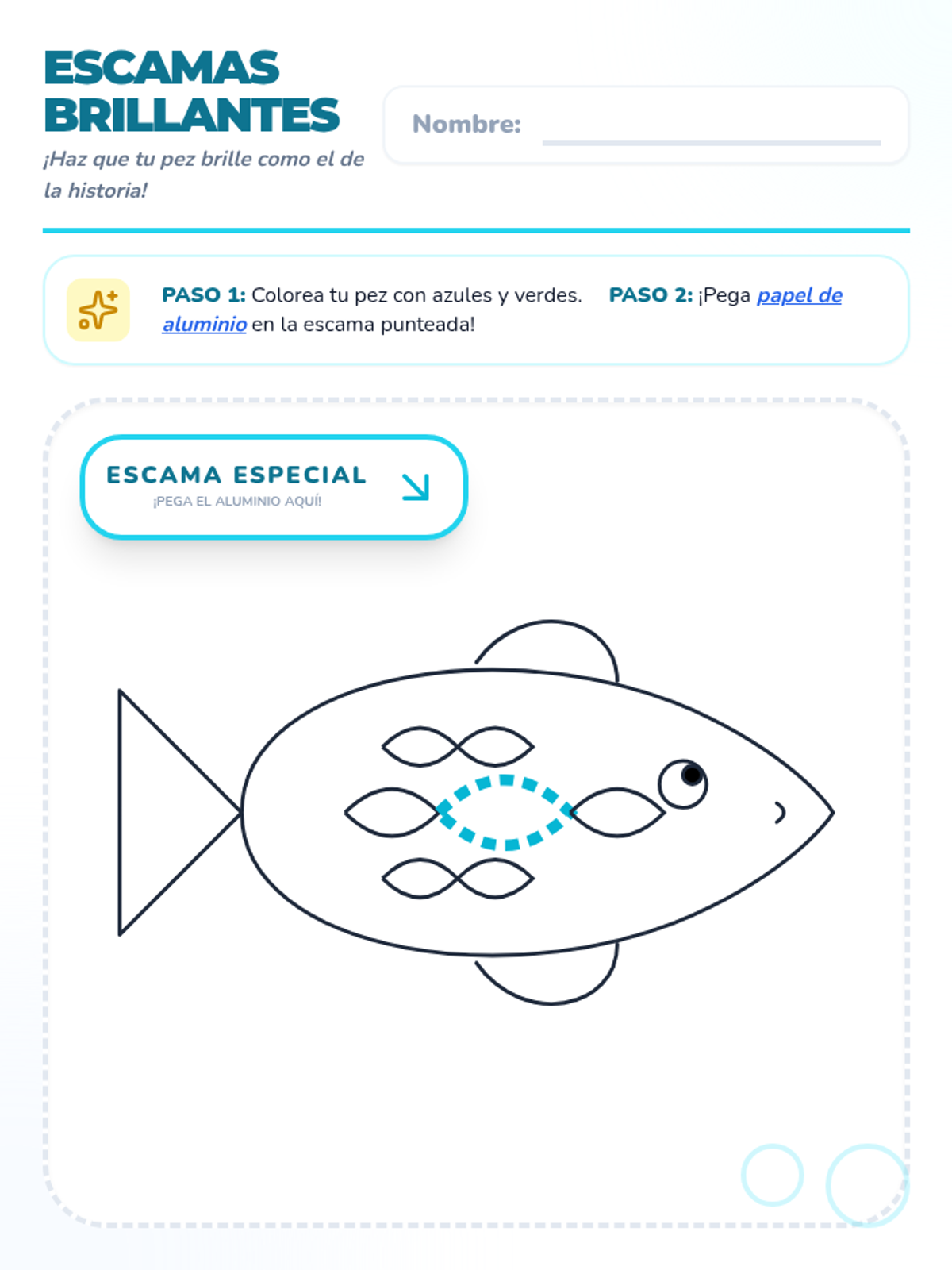
Una lección que explora la importancia de compartir y ser un amigo amable, centrada en ver El Pez Arcoíris y seguida de actividades creativas y de clasificación.
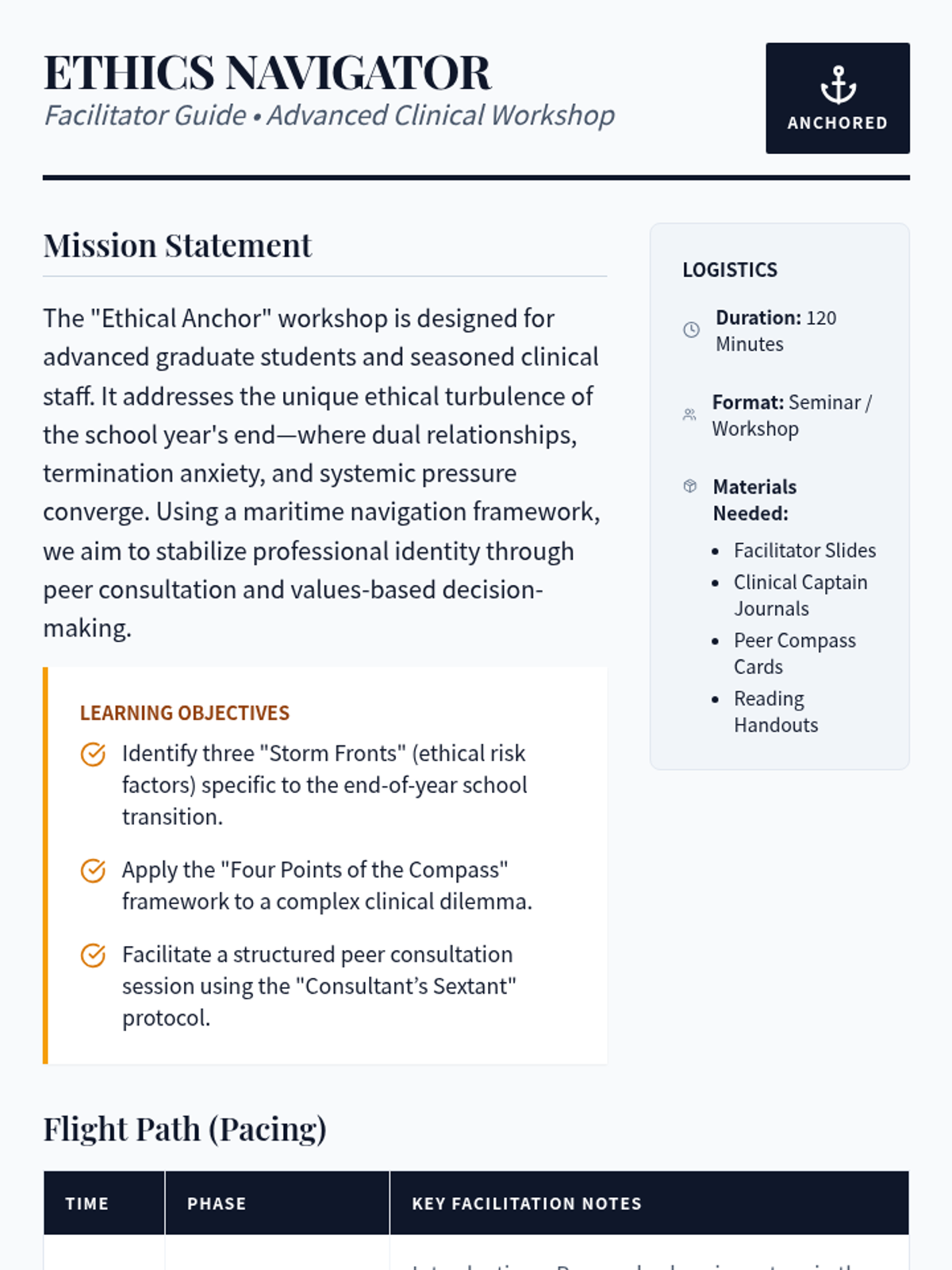
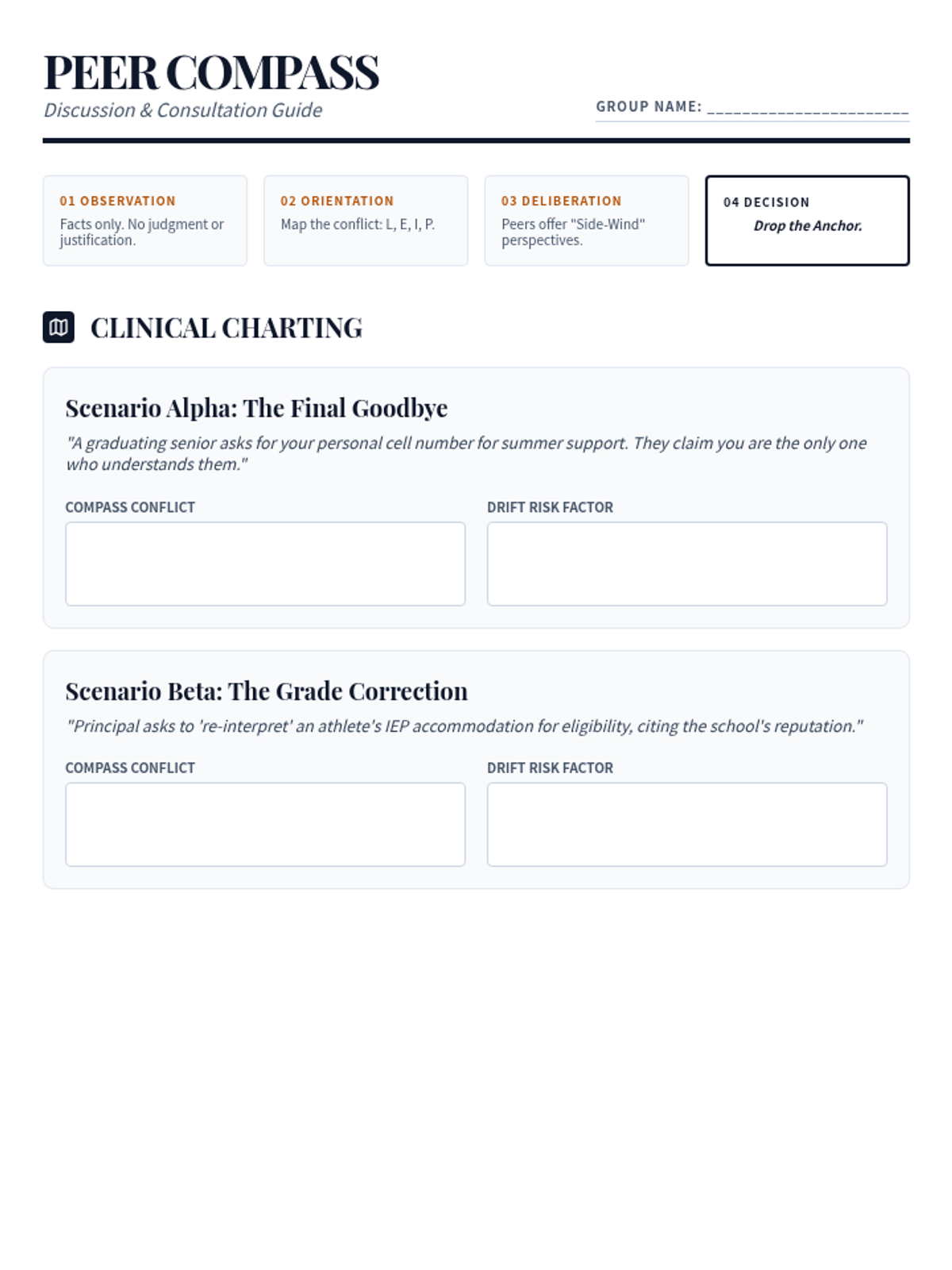
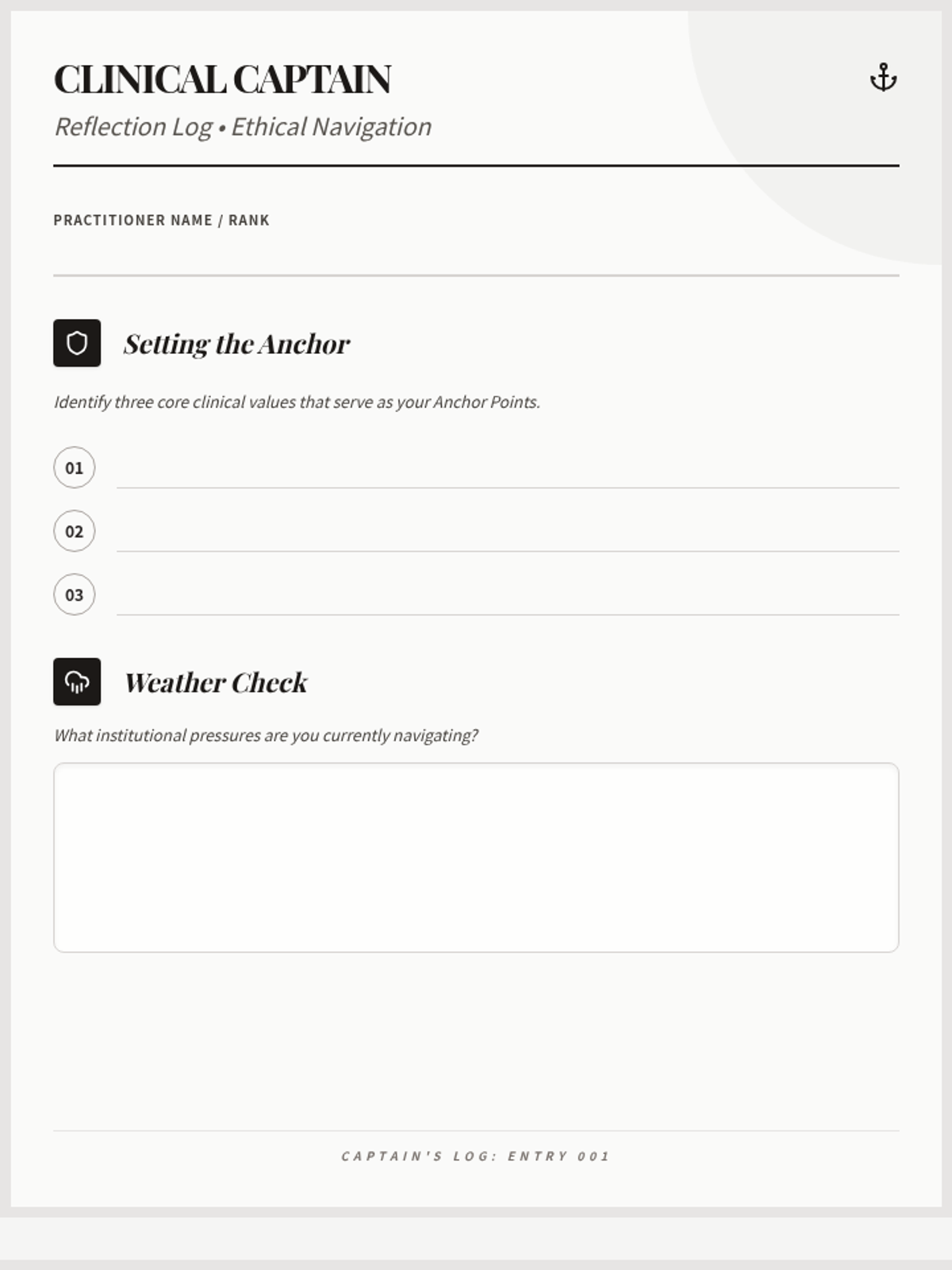
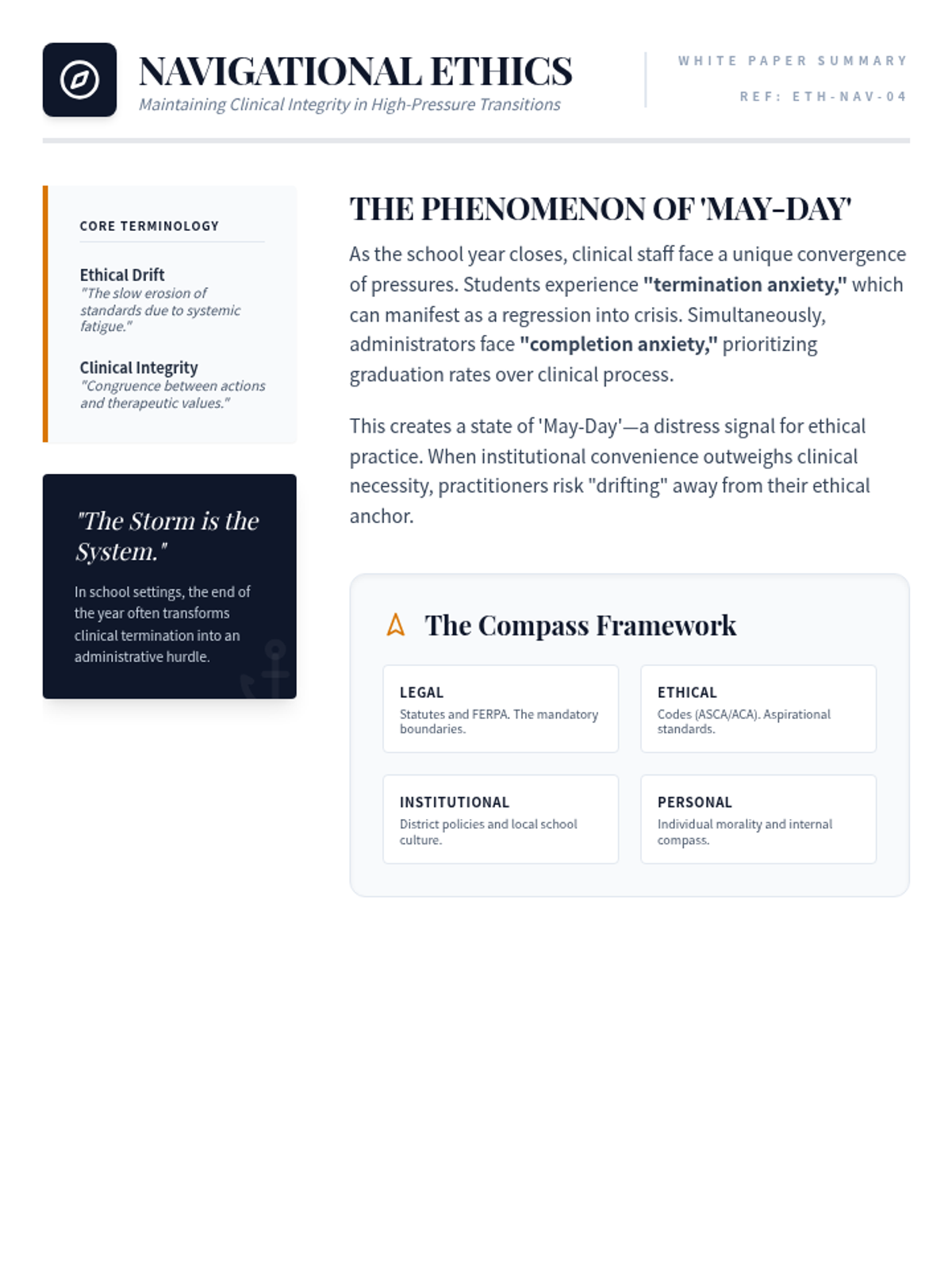
A sophisticated workshop for graduate students and clinical staff focused on navigating complex ethical dilemmas during the high-stress end-of-year school transition using a maritime-themed framework.
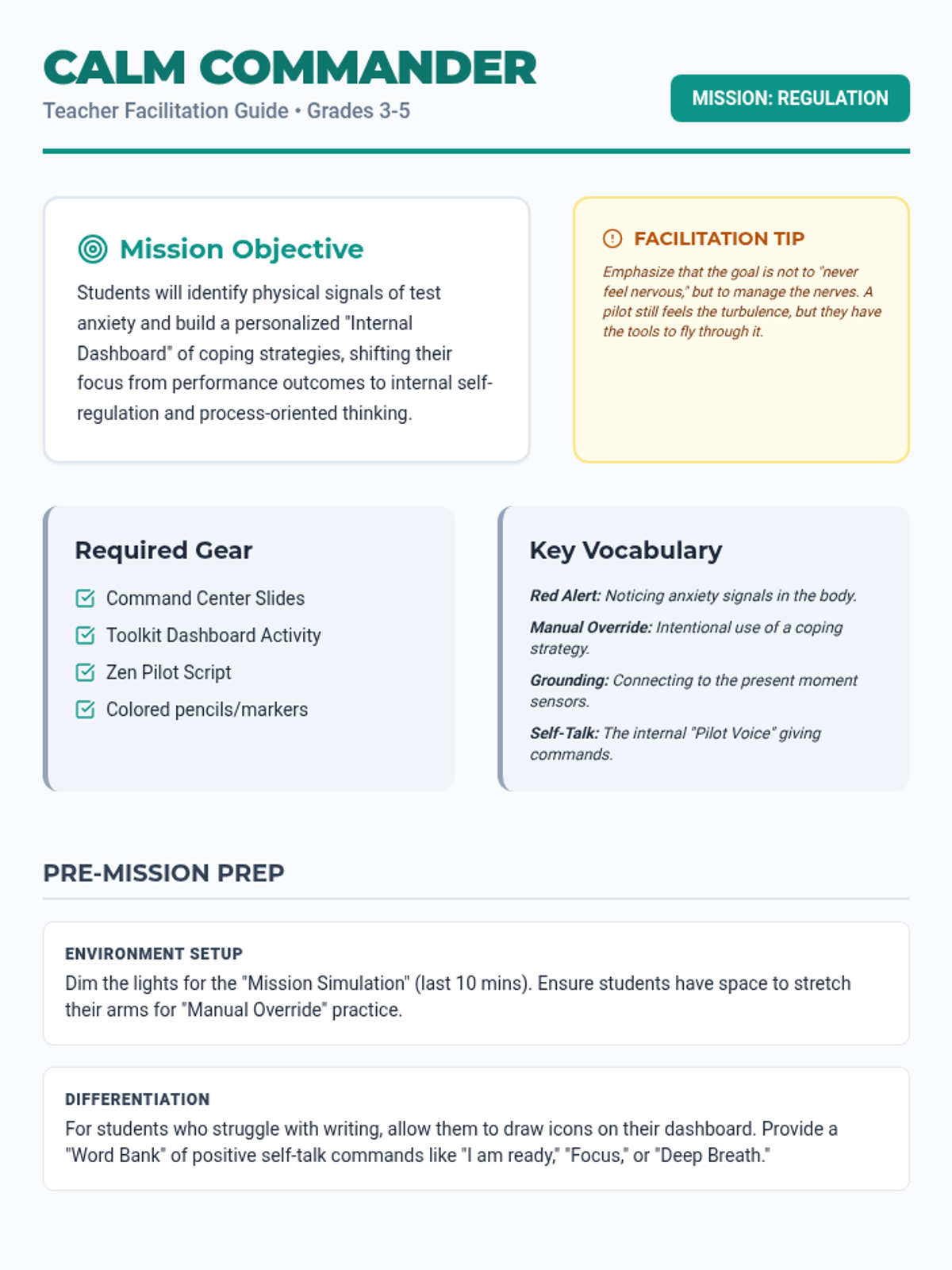
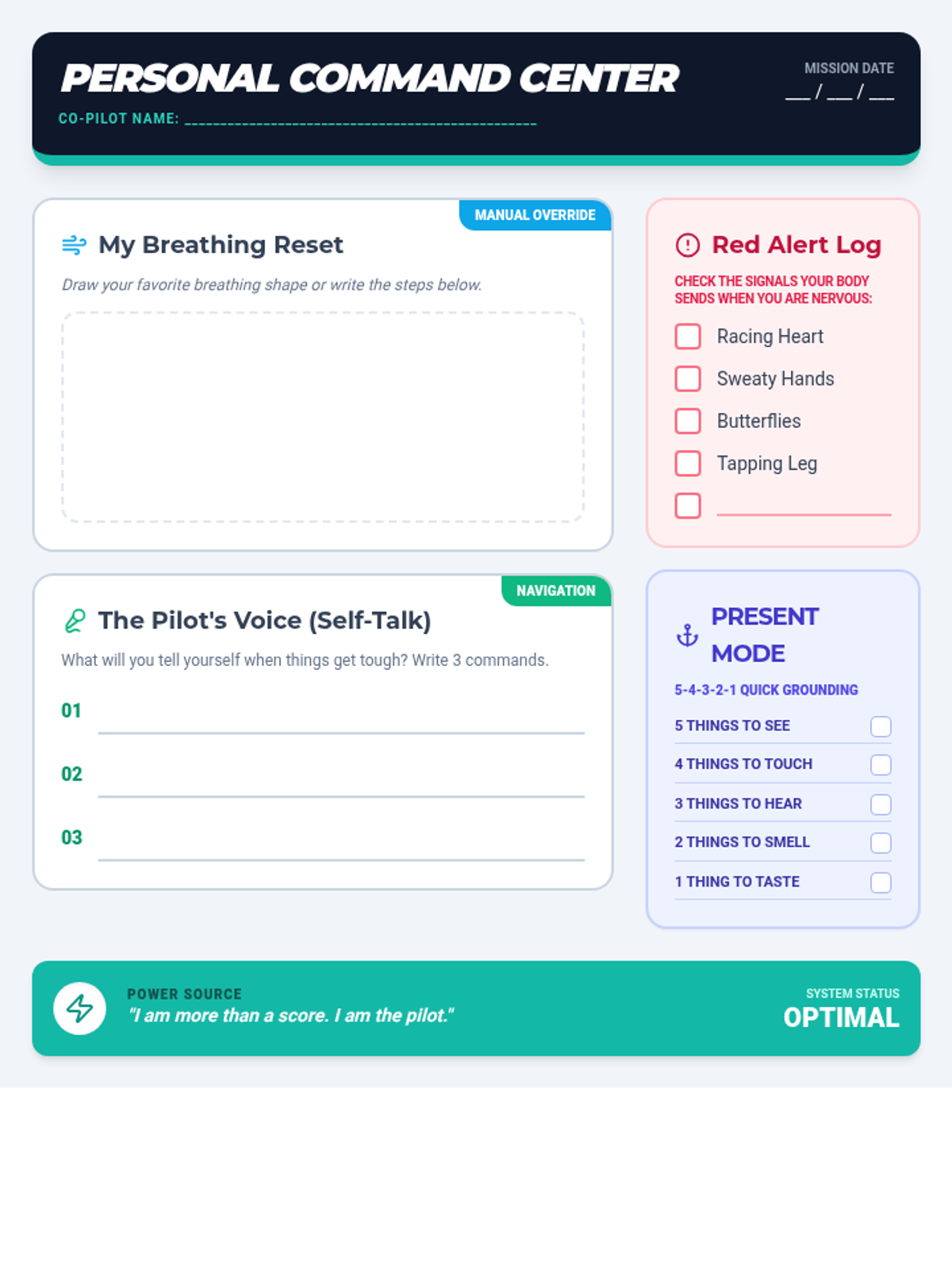
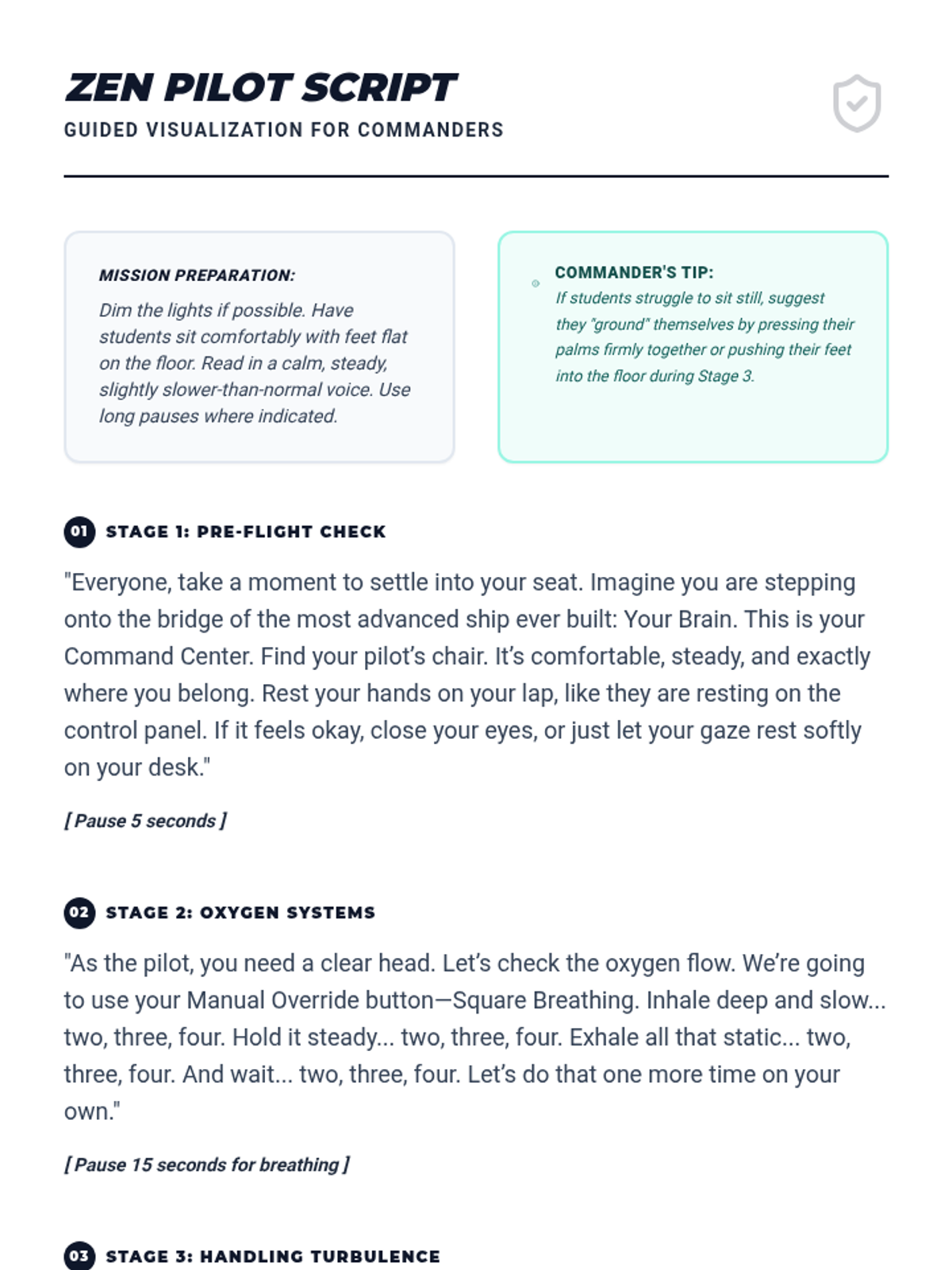
A comprehensive workshop designed to help 3rd-5th graders manage test anxiety through self-regulation and grounding techniques using a 'Command Center' metaphor.
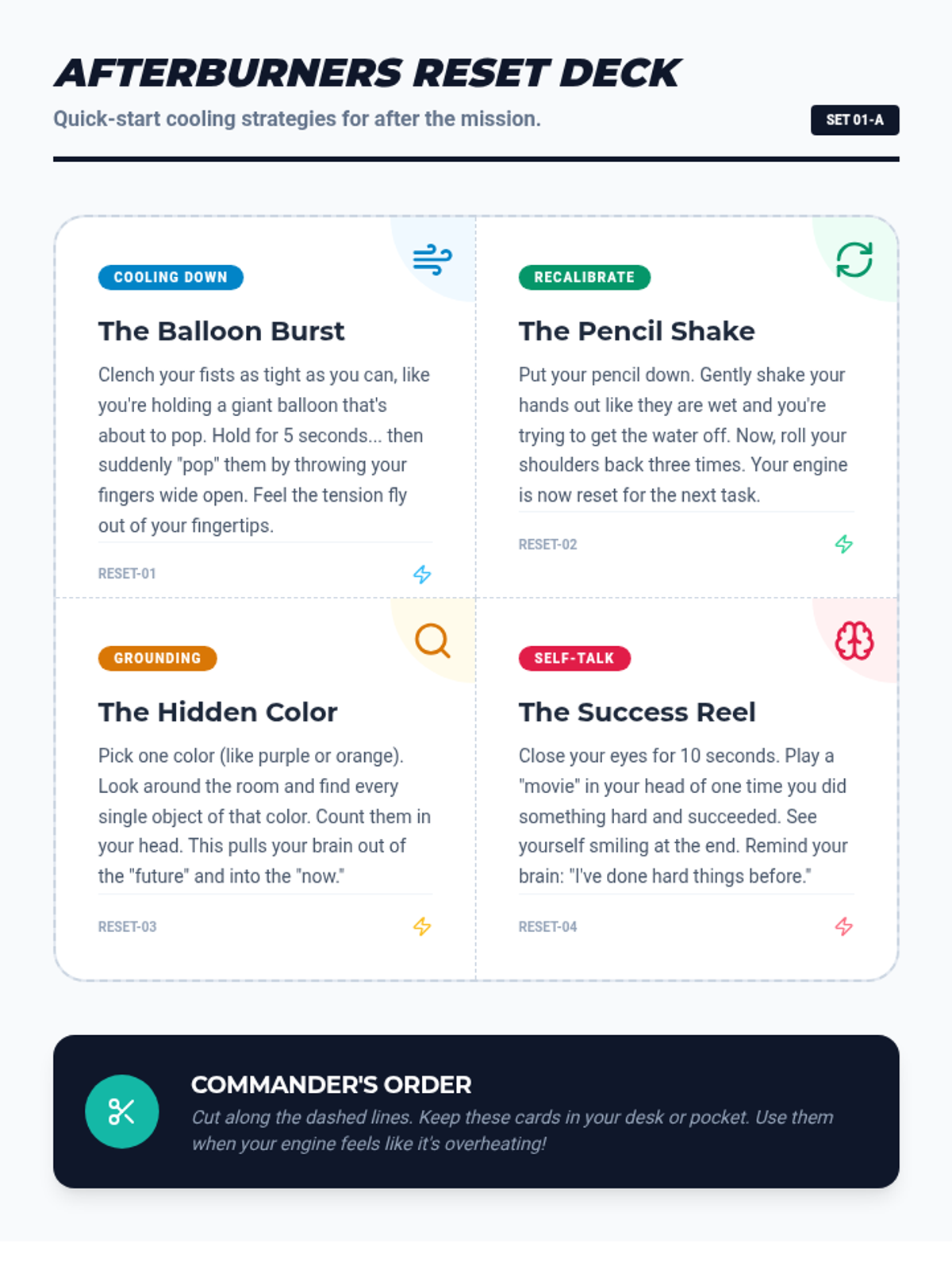
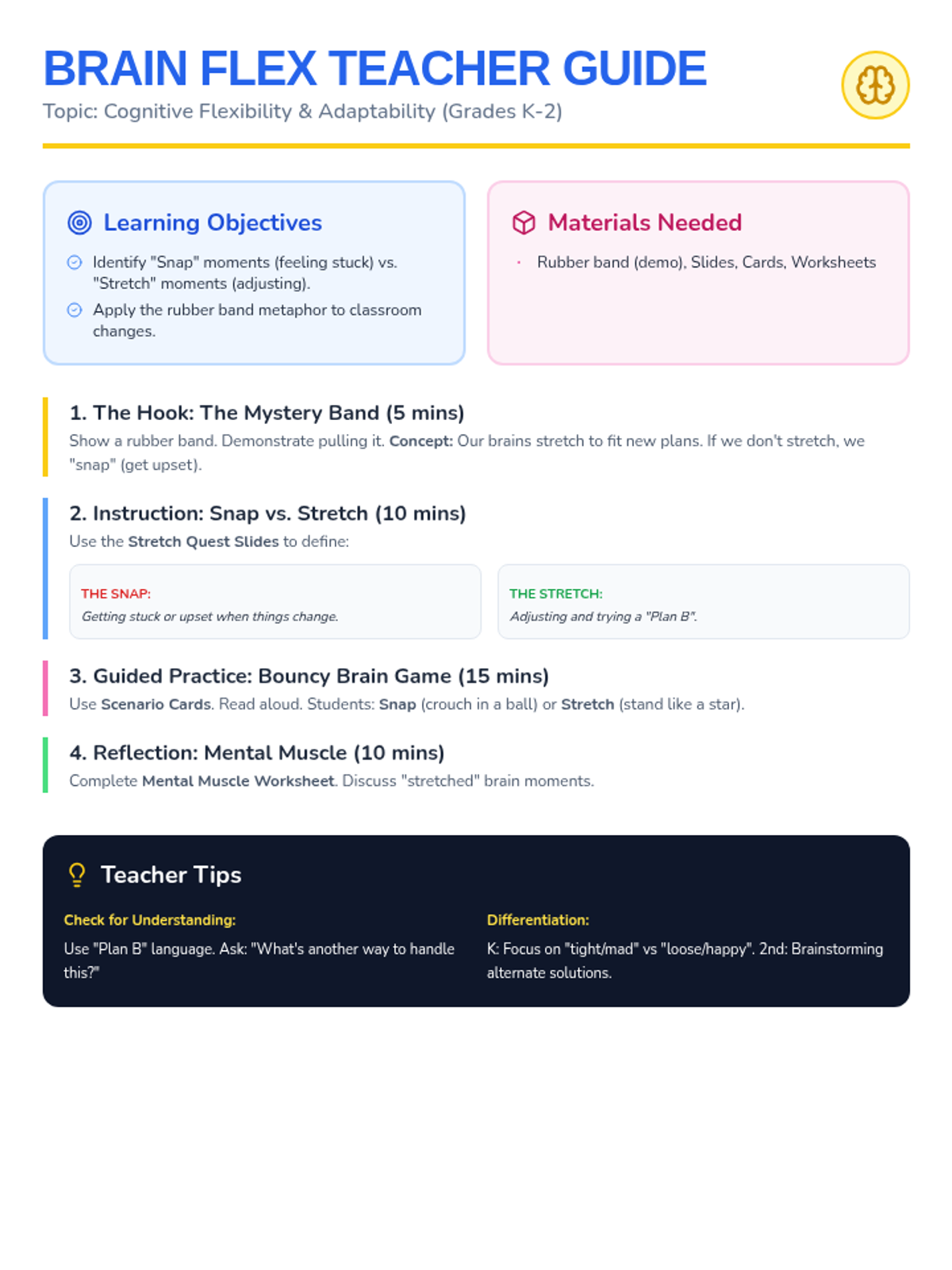
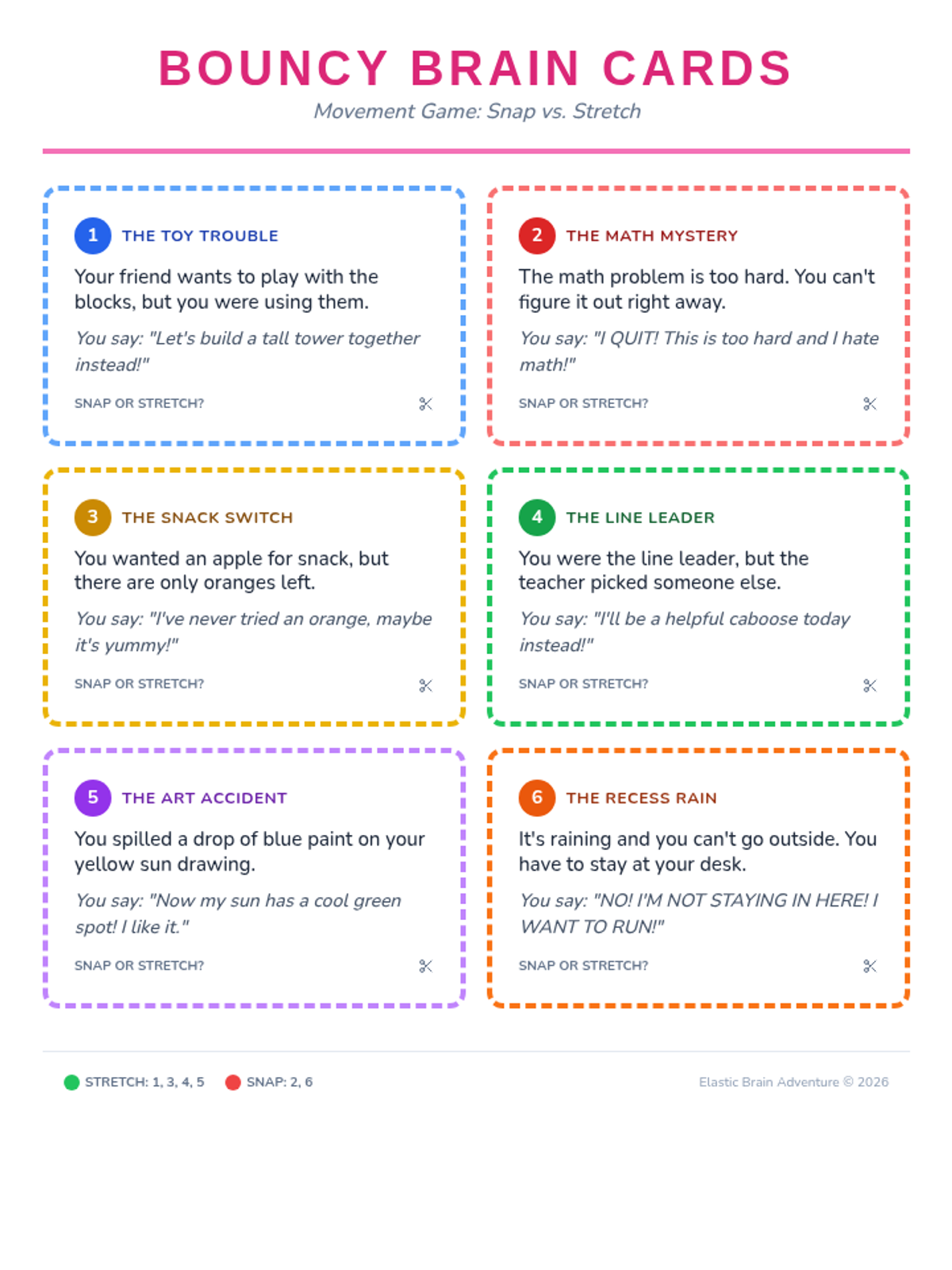
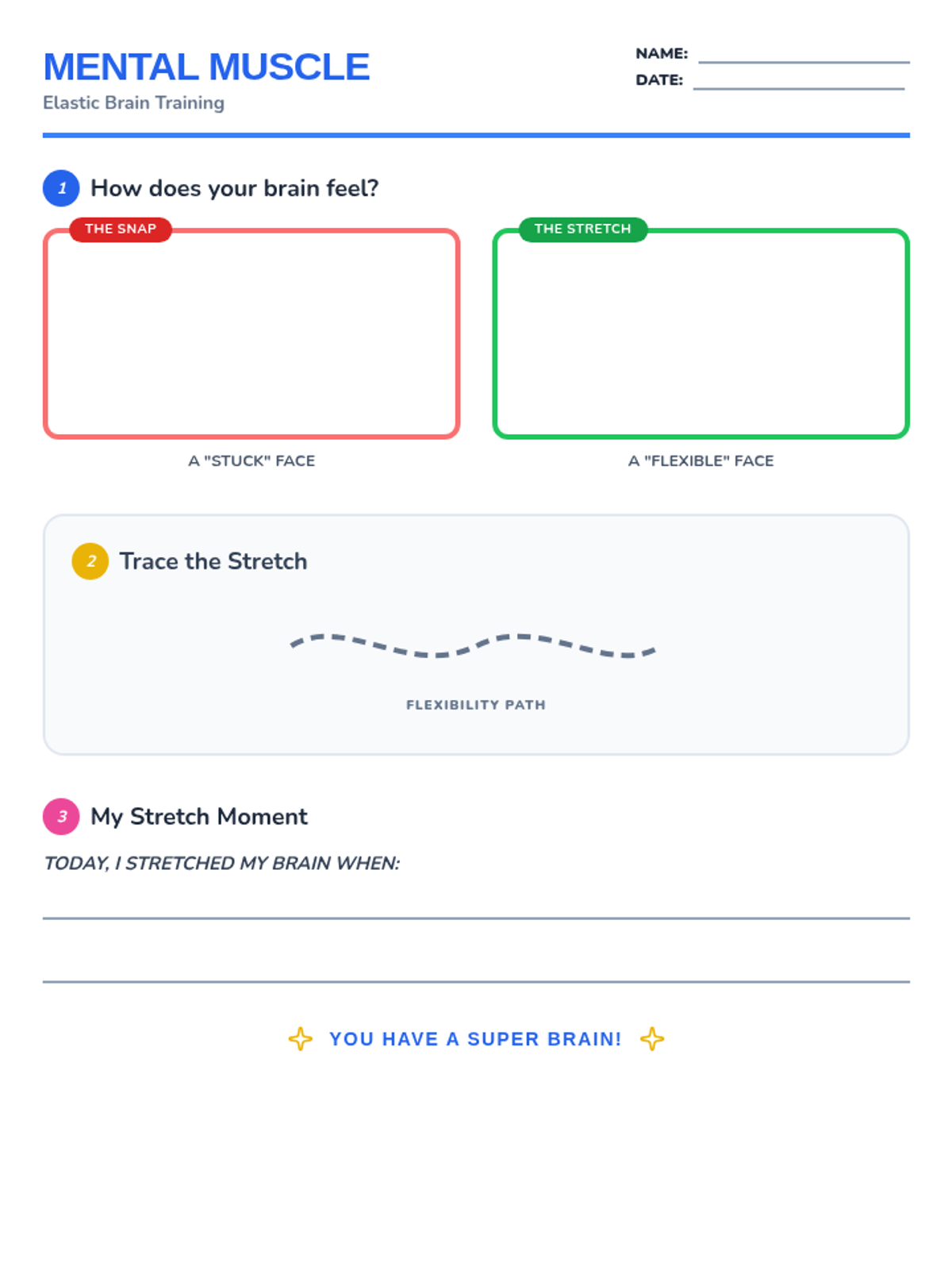
A social-emotional learning lesson for K-2 students that uses the metaphor of a rubber band to teach cognitive flexibility, adaptability, and emotional regulation when facing changes.
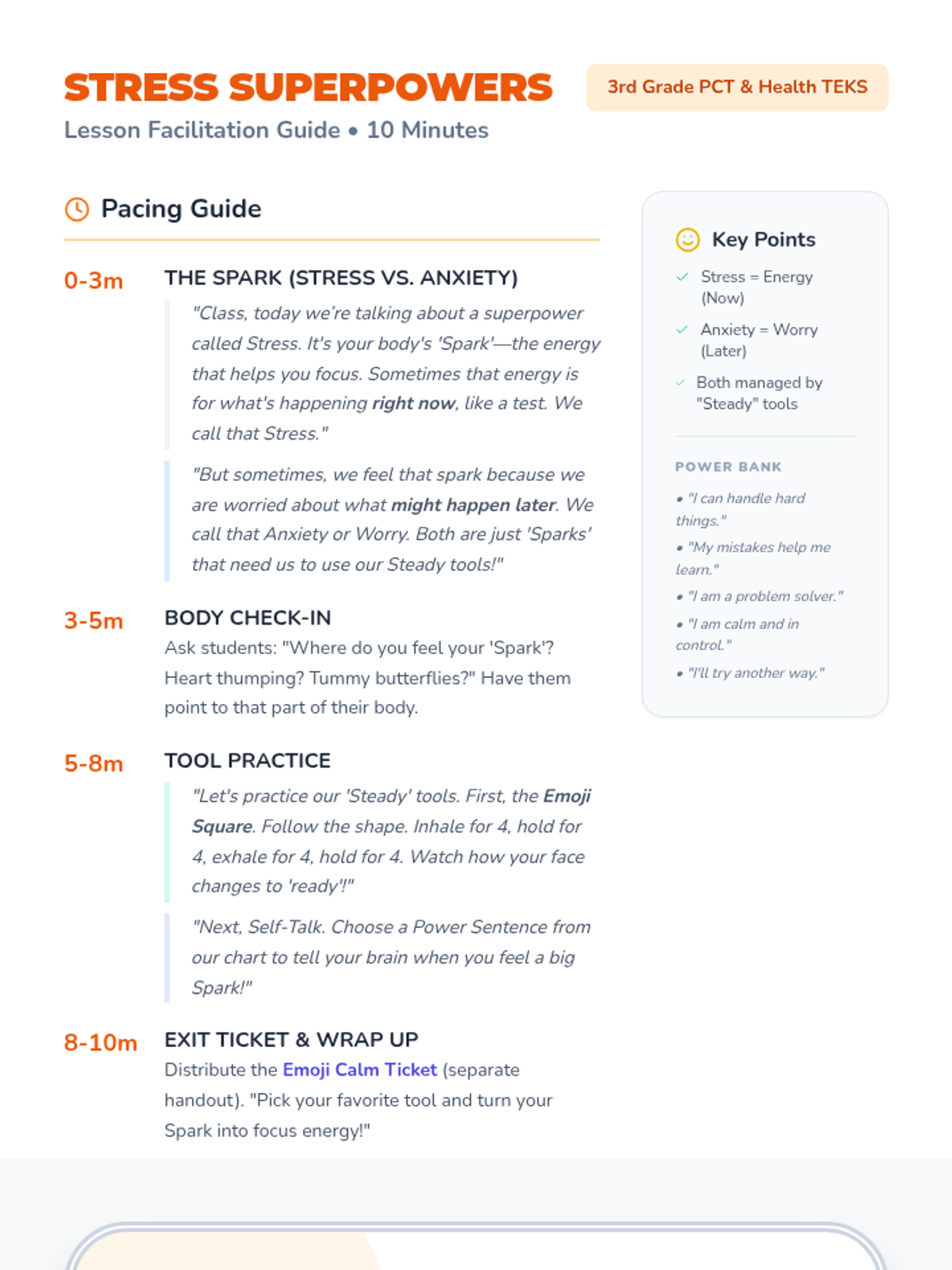
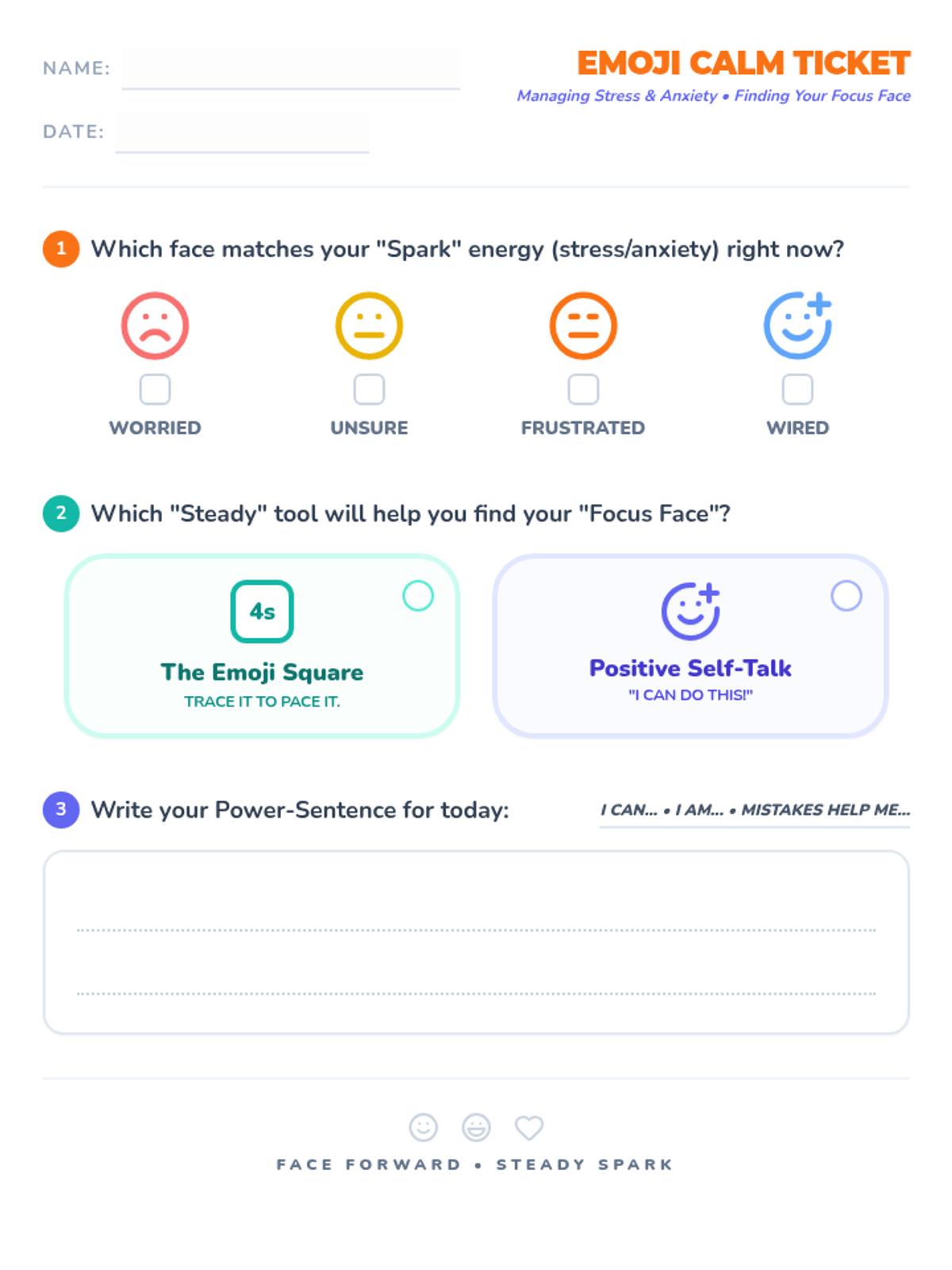
A 10-minute whole-group lesson for 3rd graders focused on identifying stress as a form of energy (the "Spark") and using self-management tools like deep breathing and positive self-talk (the "Steady") to manage it.
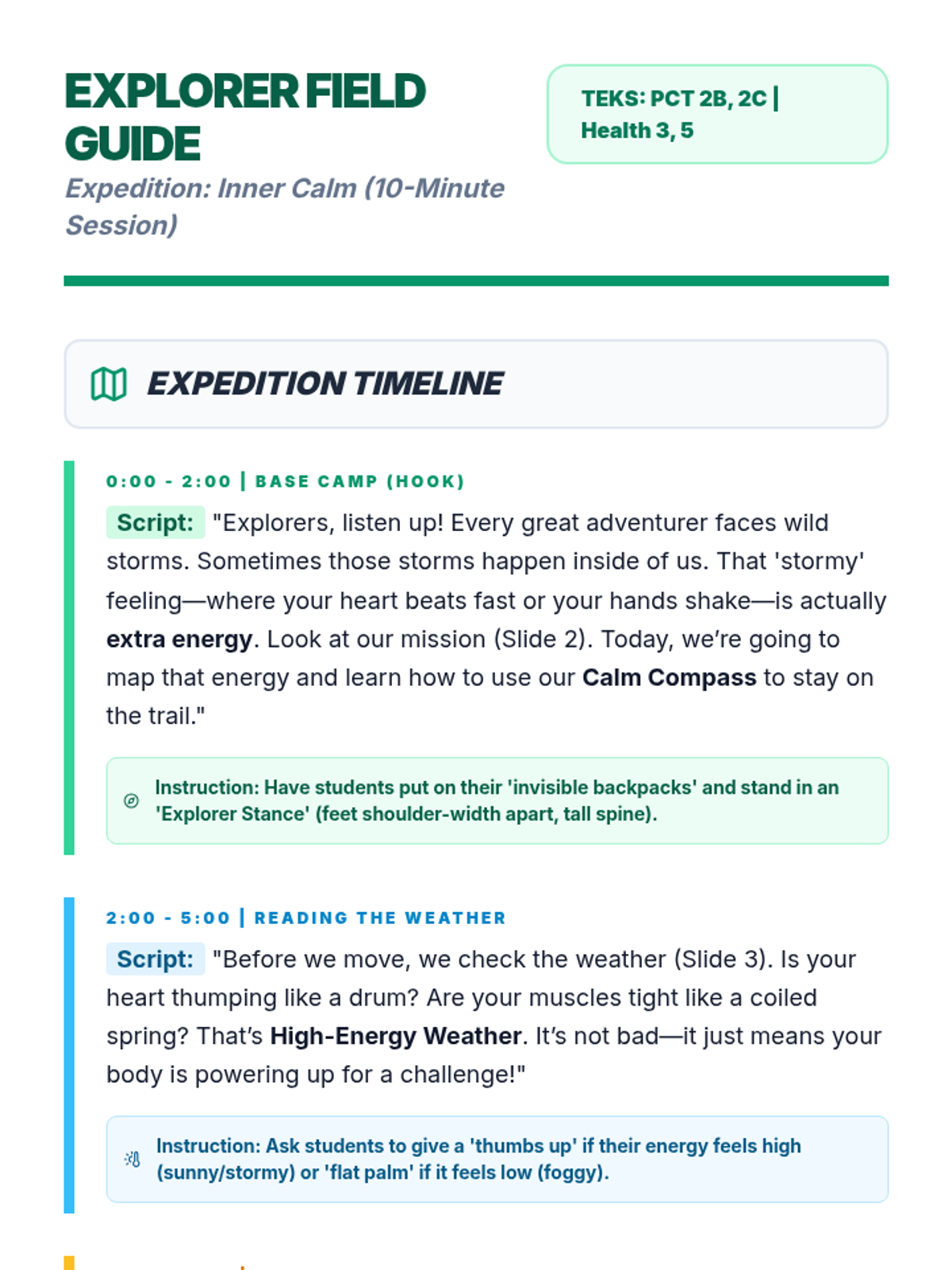
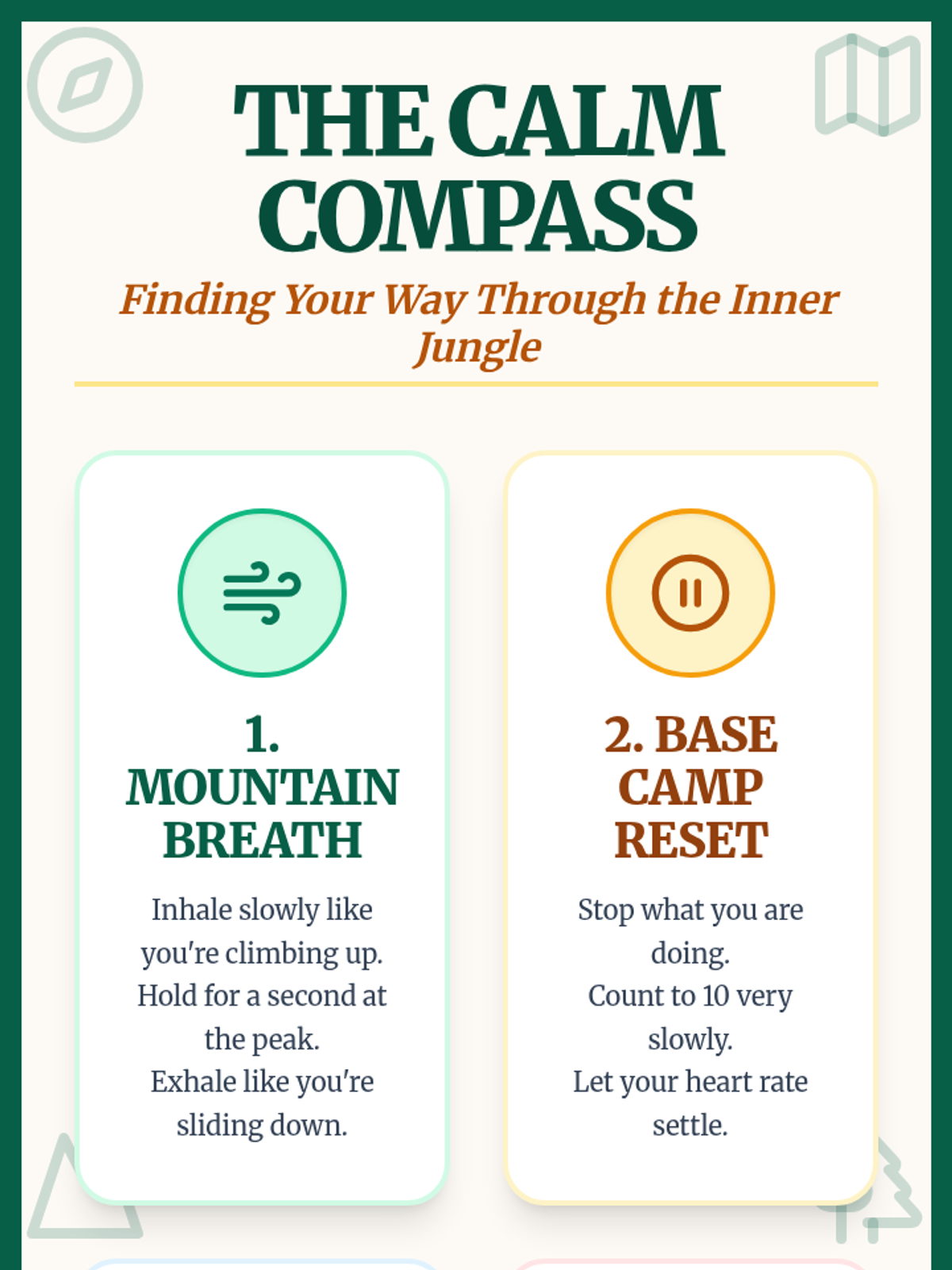
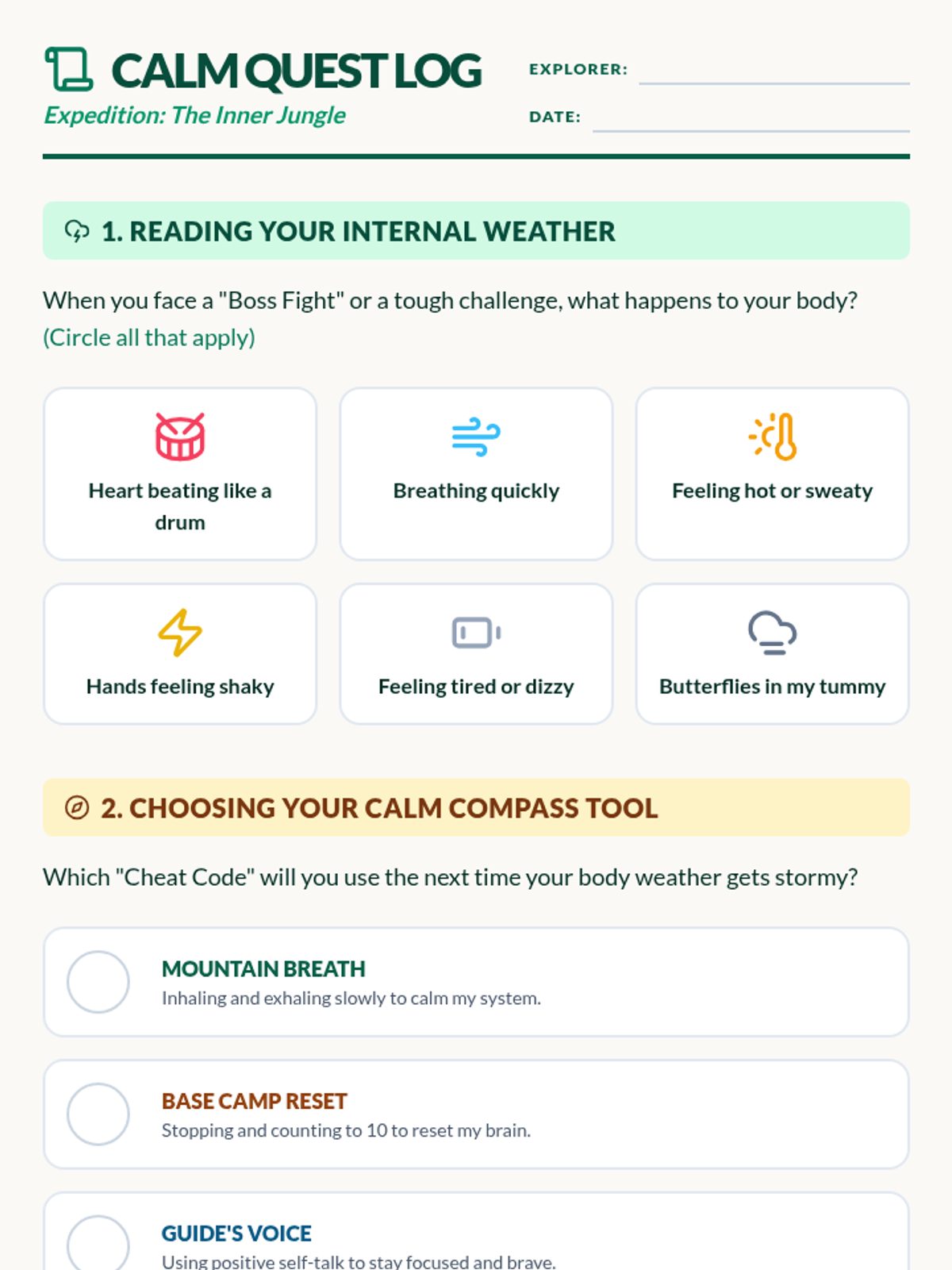
A 10-minute mindfulness lesson using a 'Nature Expedition' theme to help 3rd graders explore their internal physical sensations and discover 'tools' for calming their minds and bodies.
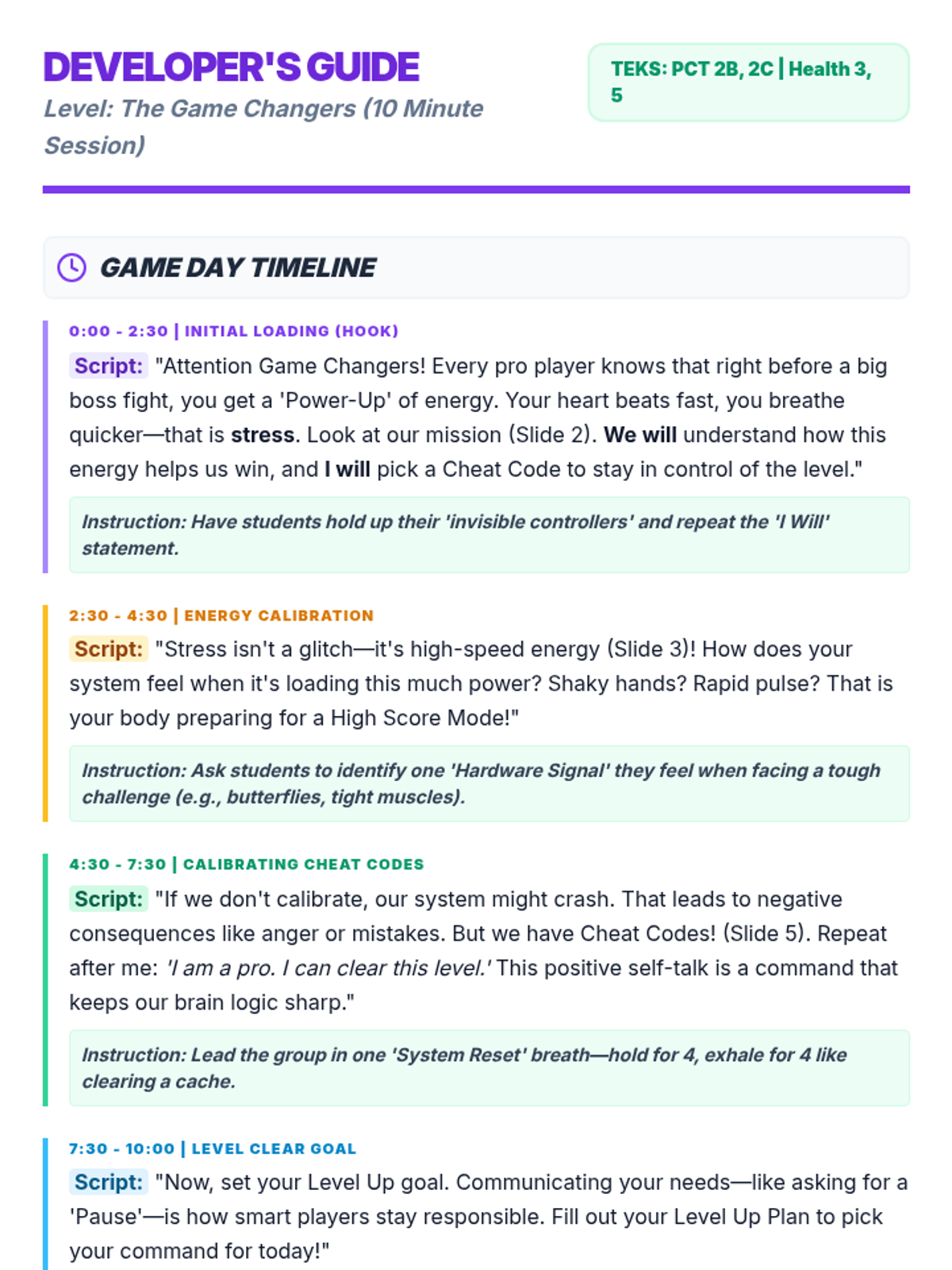
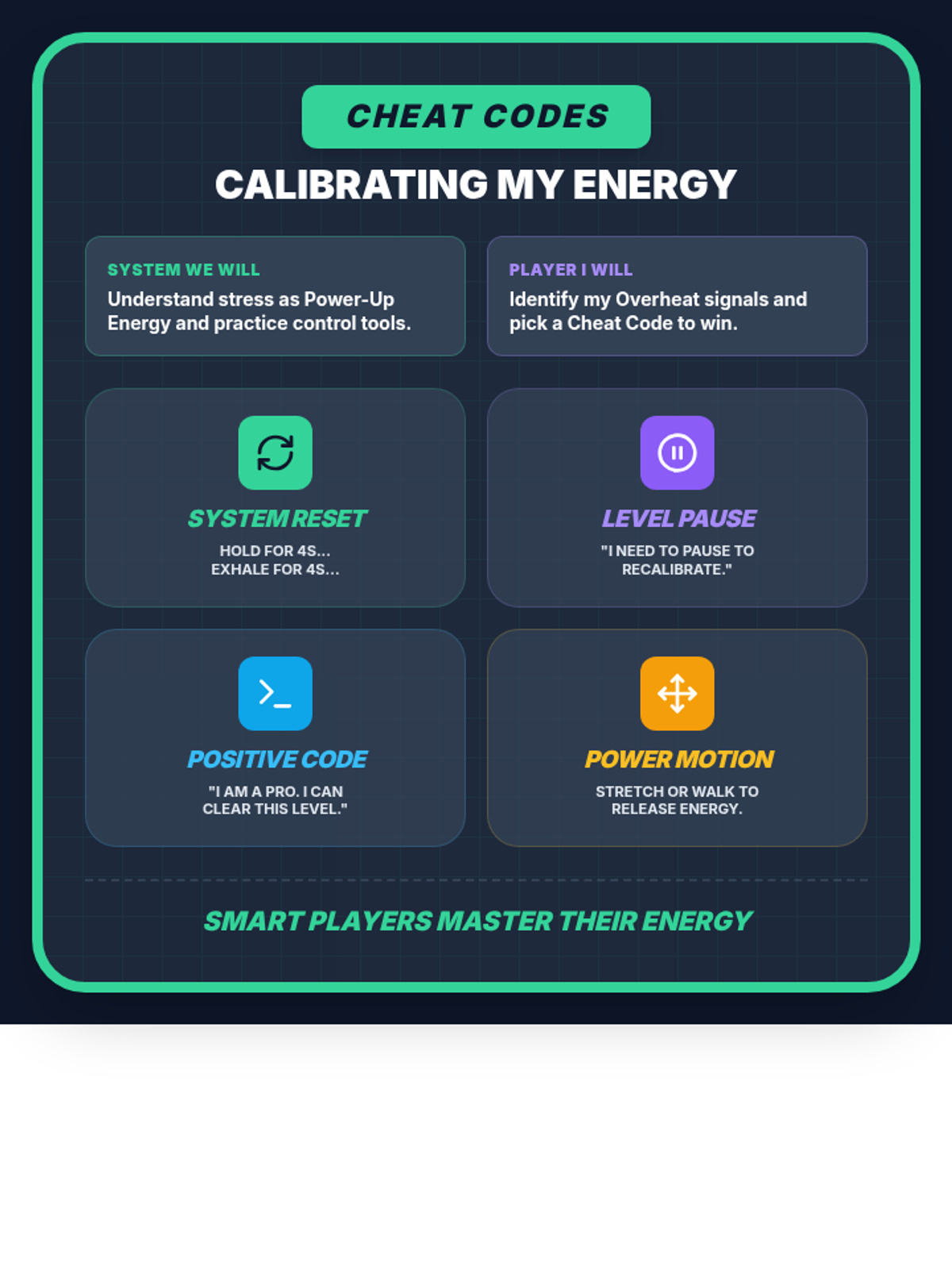
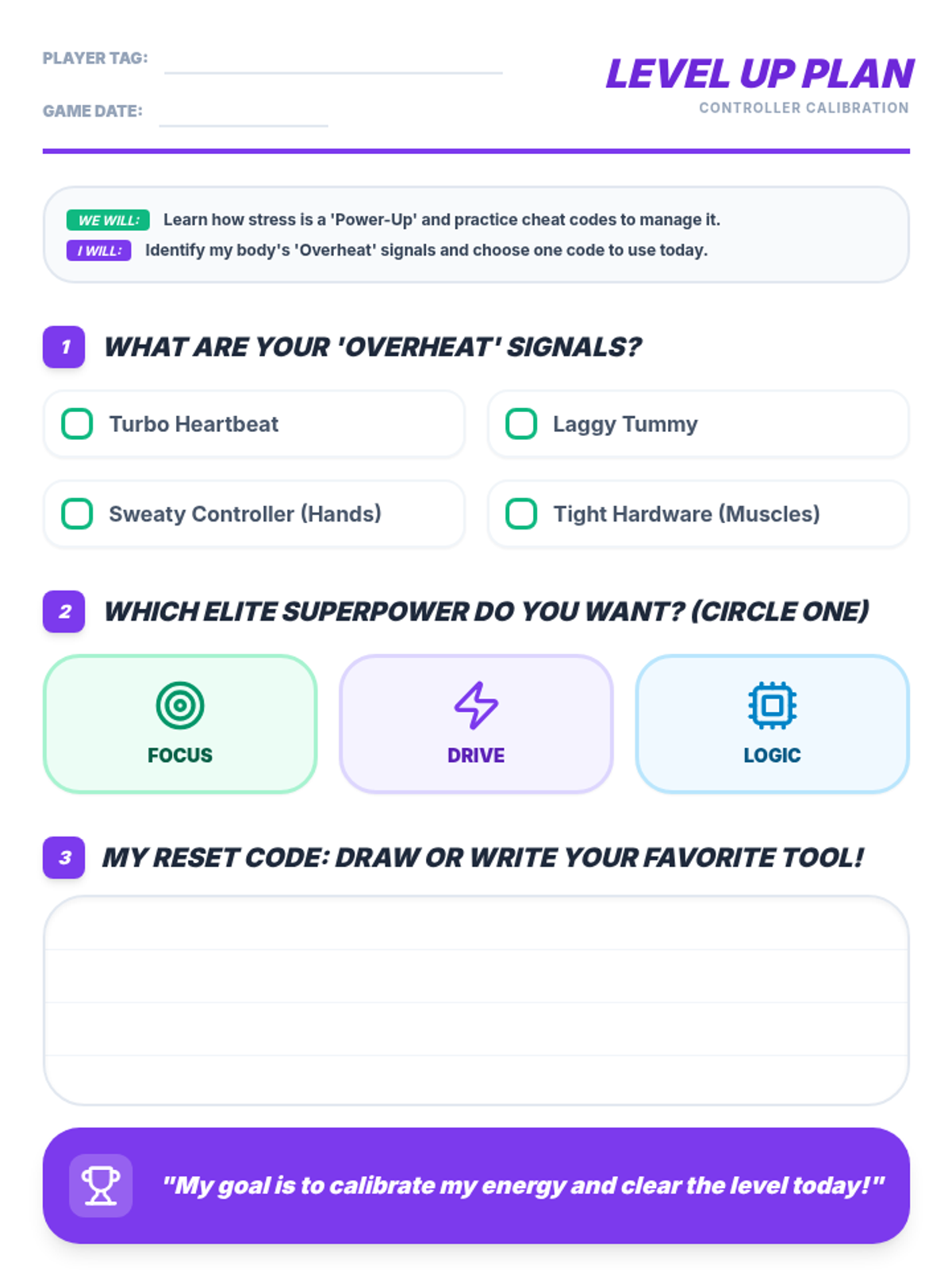
A 10-minute whole group lesson using a 'Video Game/Digital' theme to teach 3rd graders how to calibrate their 'energy boost' (stress) into 'high score' focus and drive.
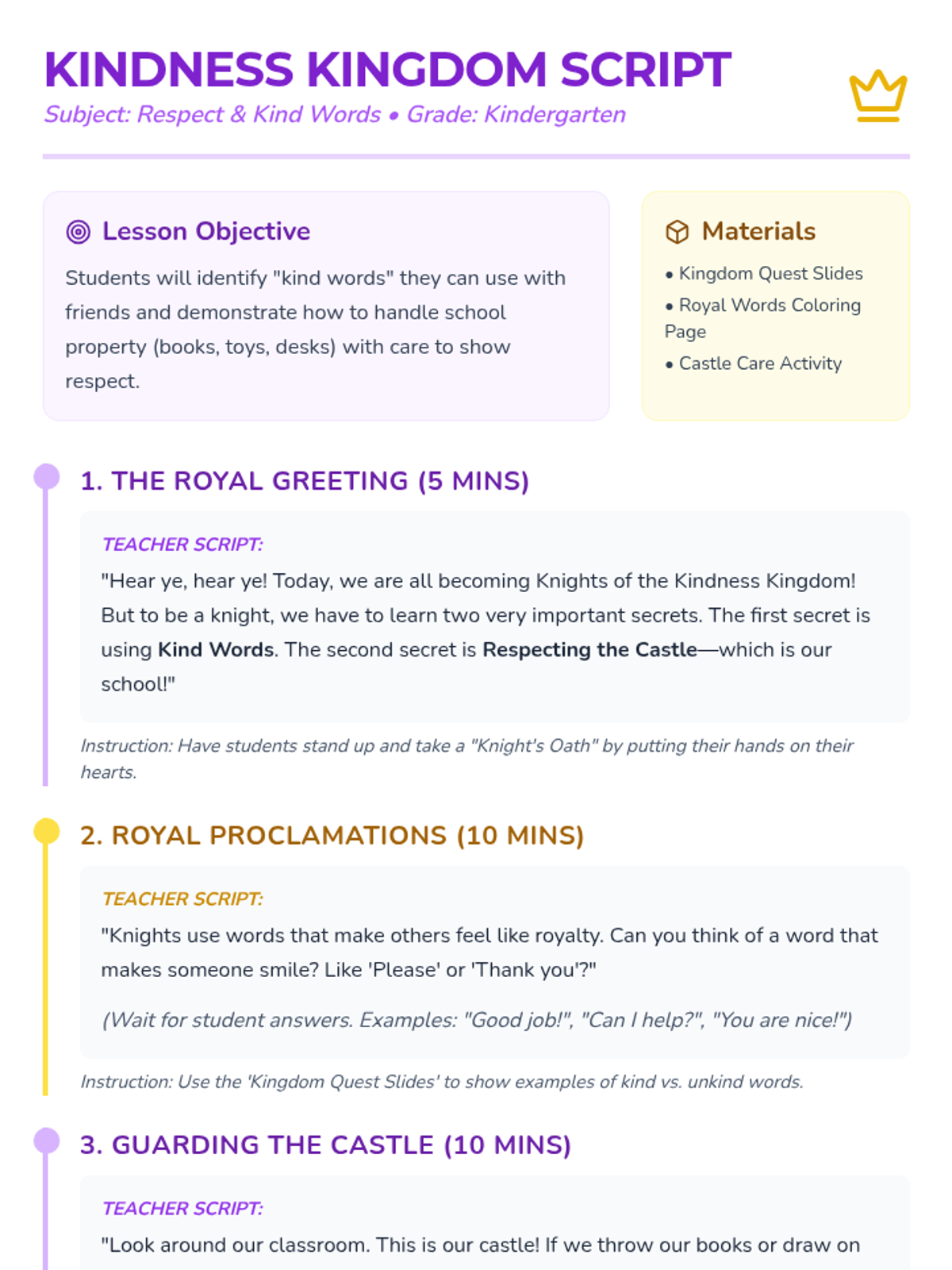
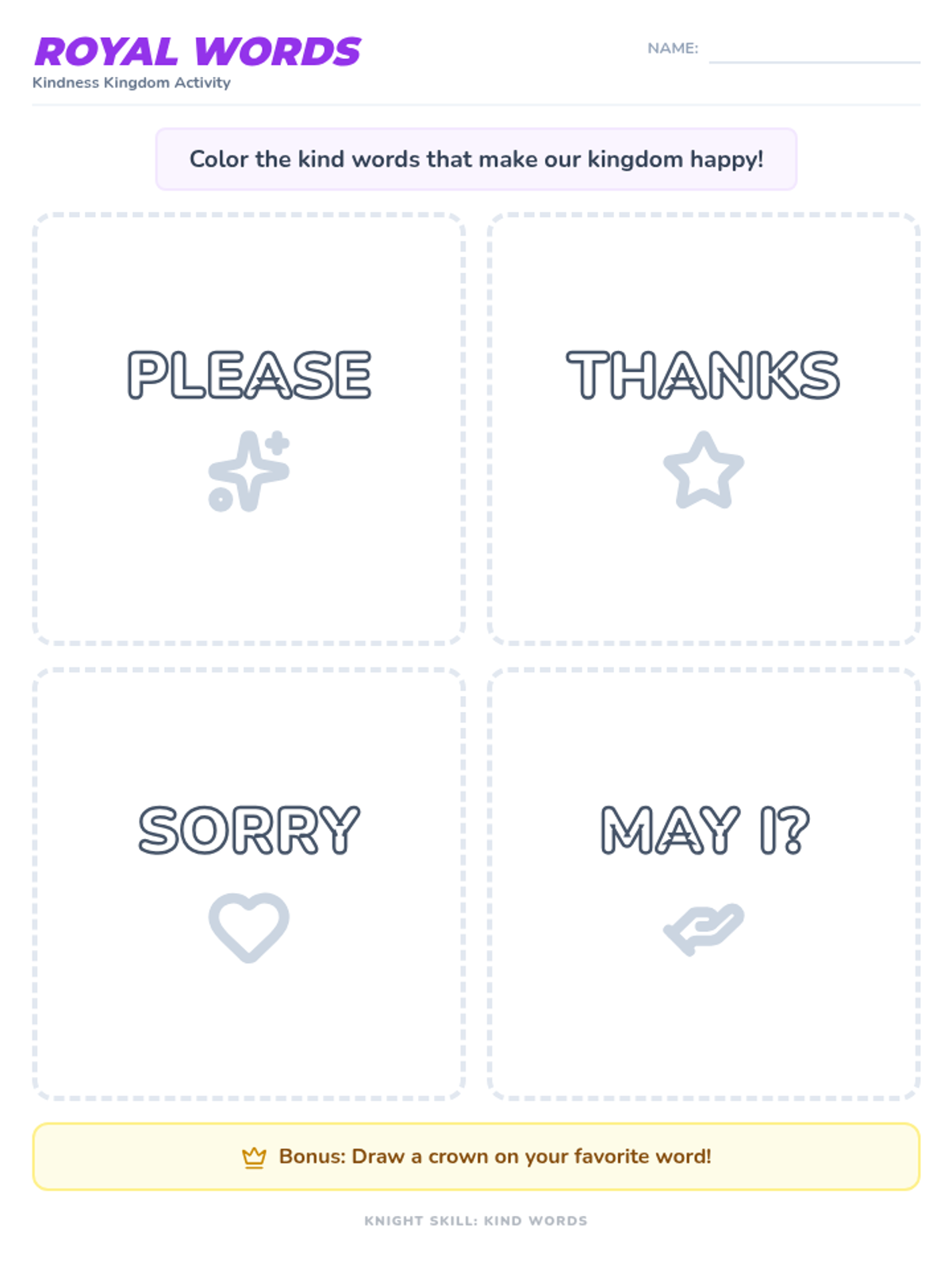
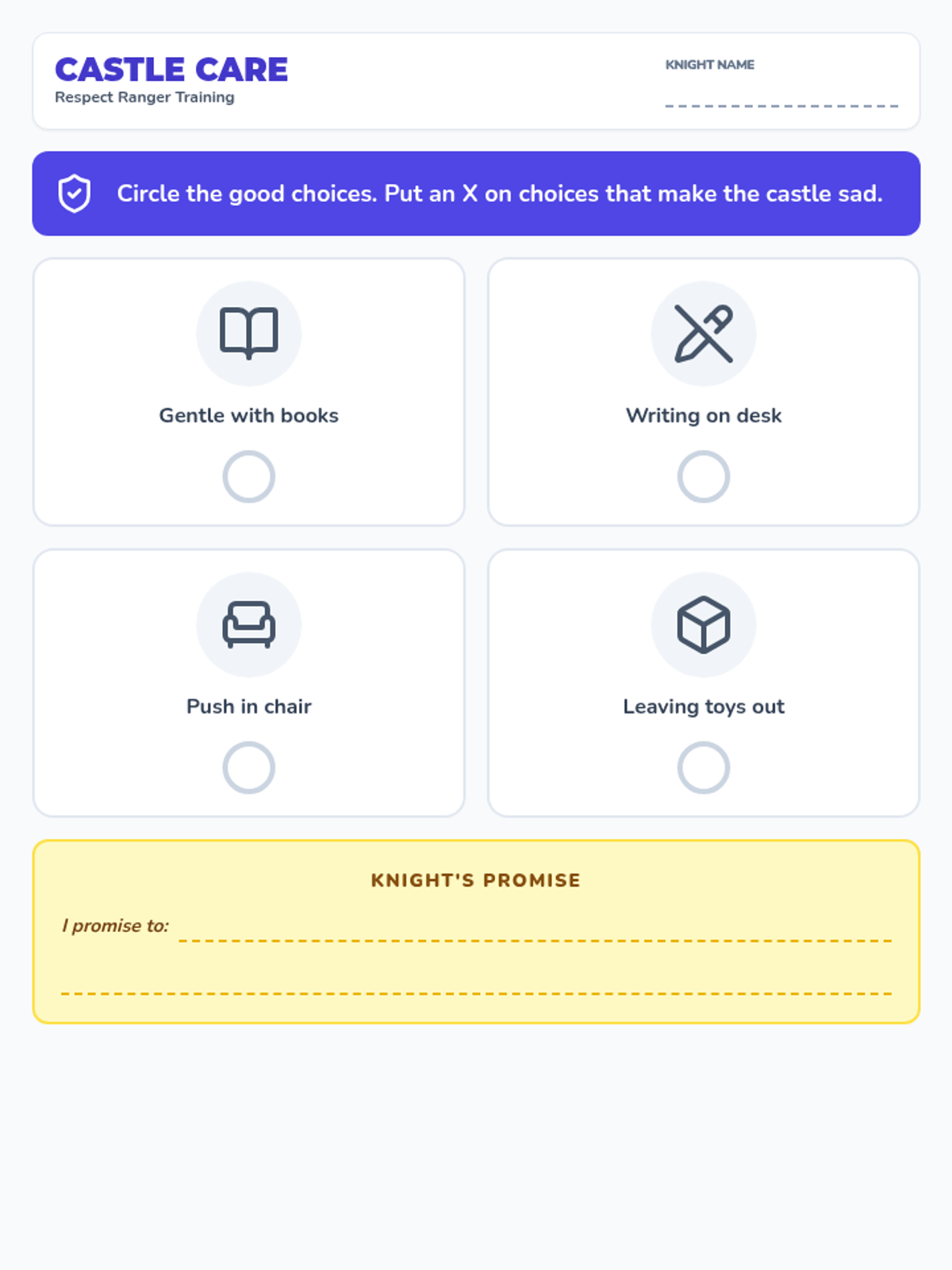
In this lesson, students become 'Kindness Knights' to learn how words can help others and how caring for school property keeps the kingdom beautiful.
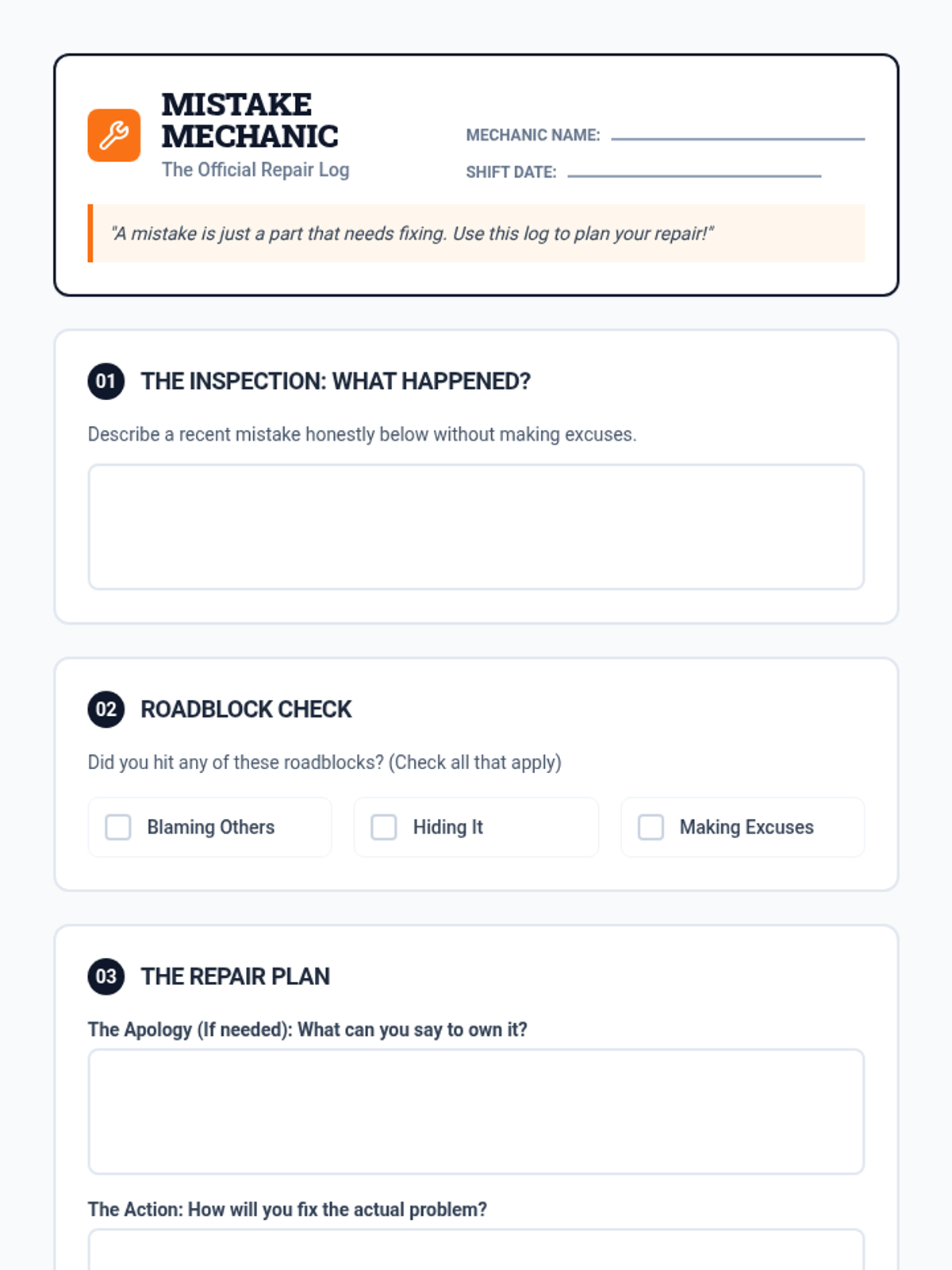
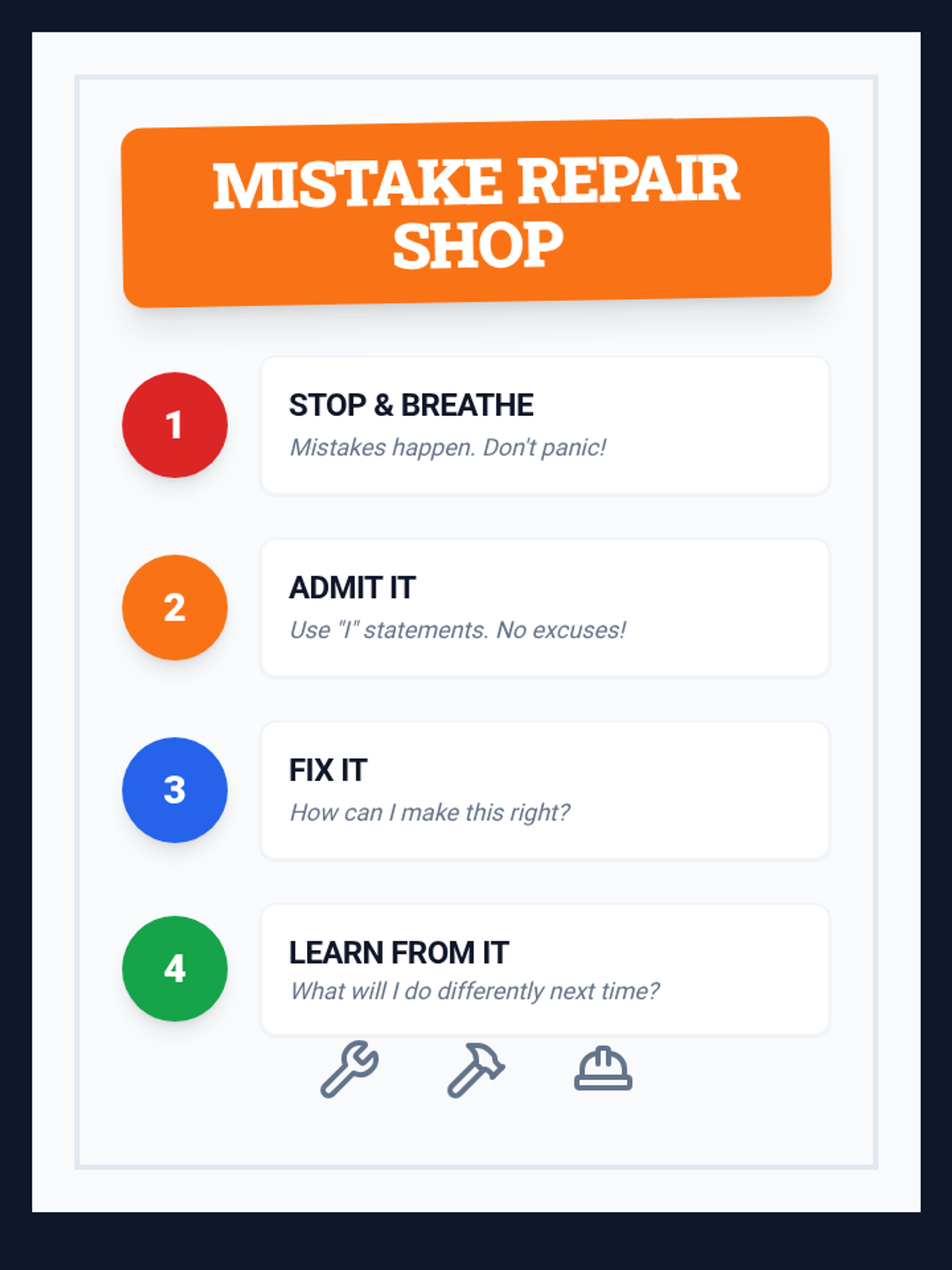
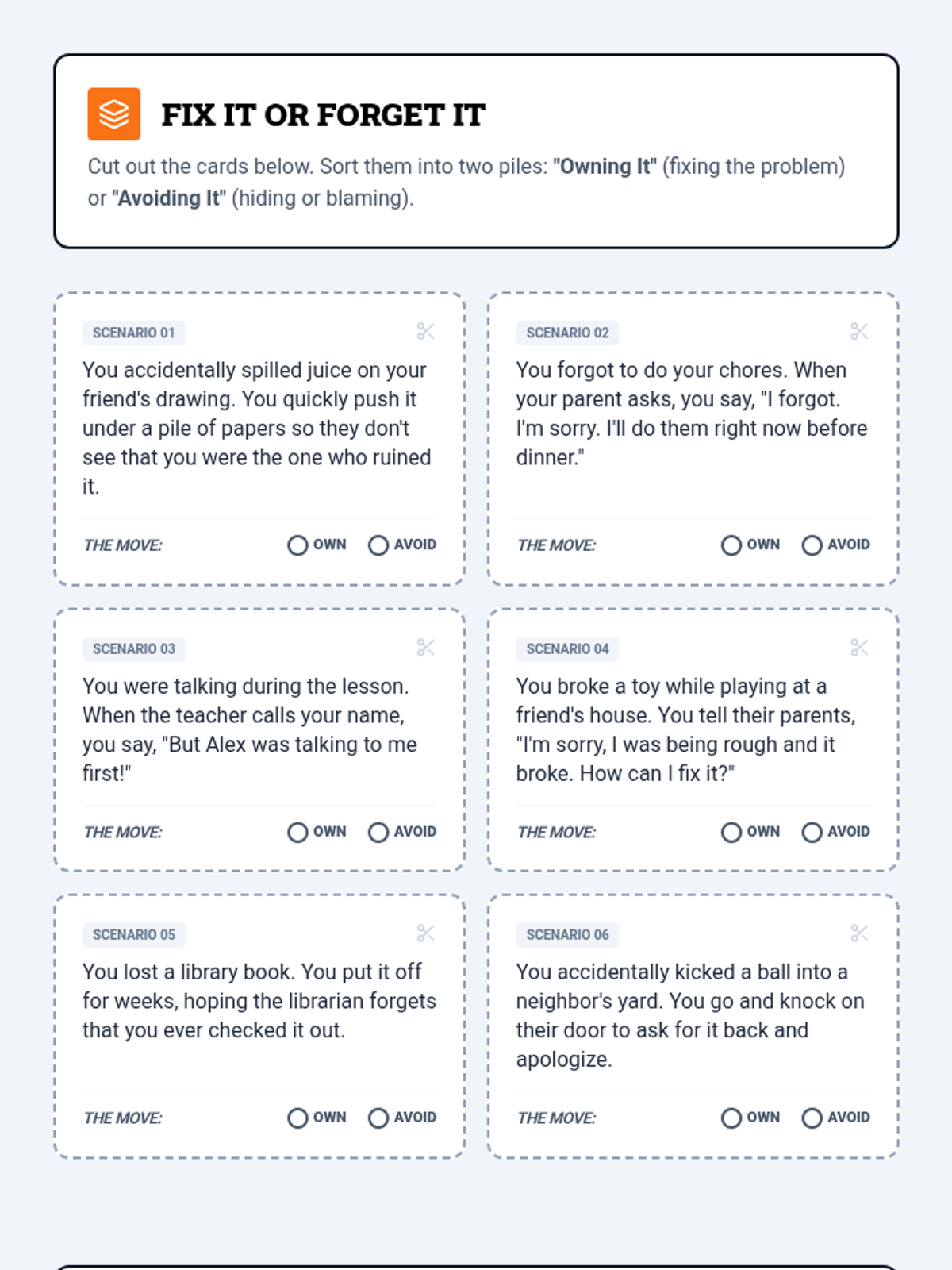
A lesson focused on taking ownership of mistakes through the metaphor of a 'Repair Shop'. Students will learn to move past blame and use a step-by-step process to fix their errors and learn from them.
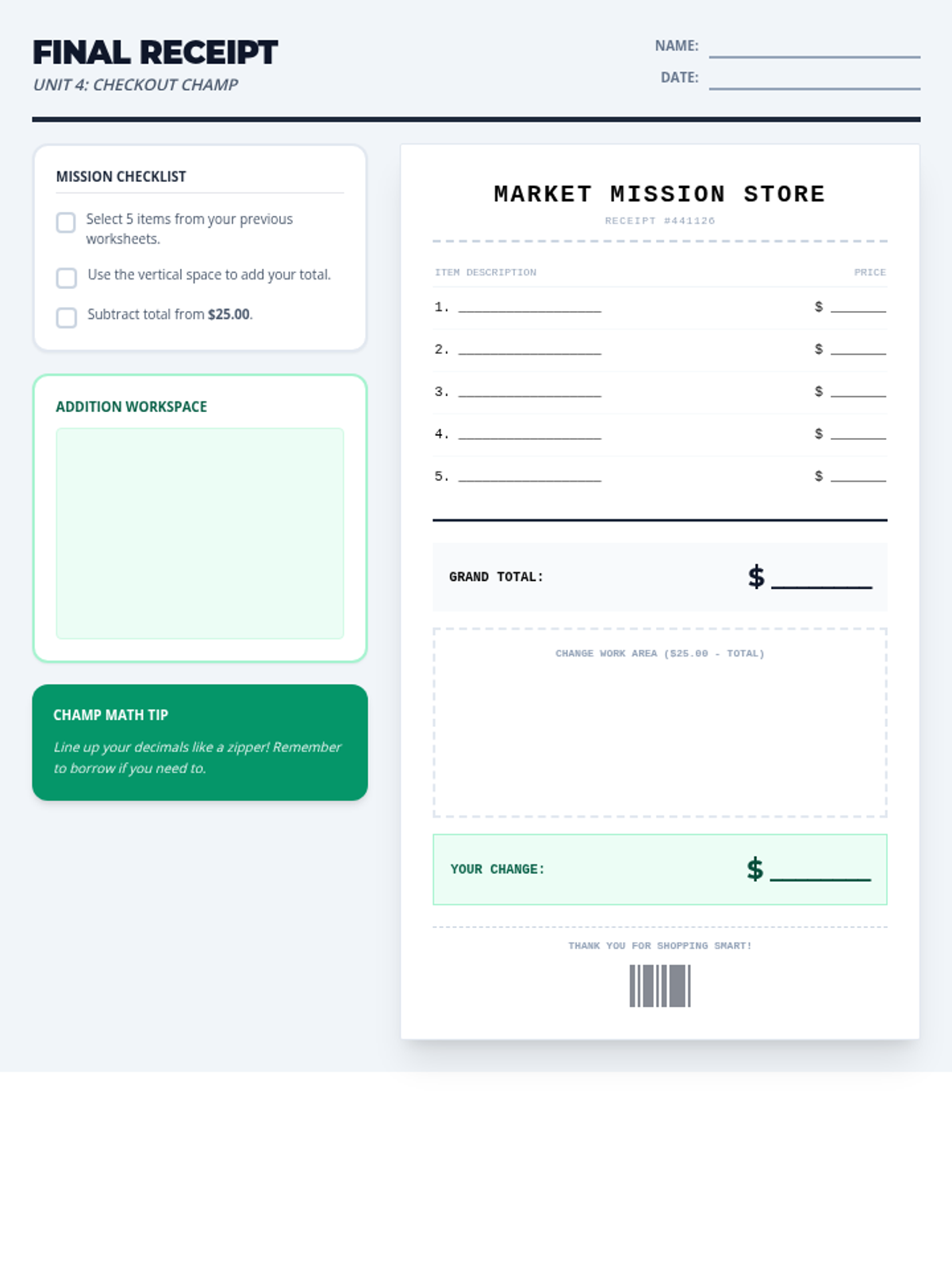
Finalizing a grocery purchase, calculating totals, and determining change while staying under budget.
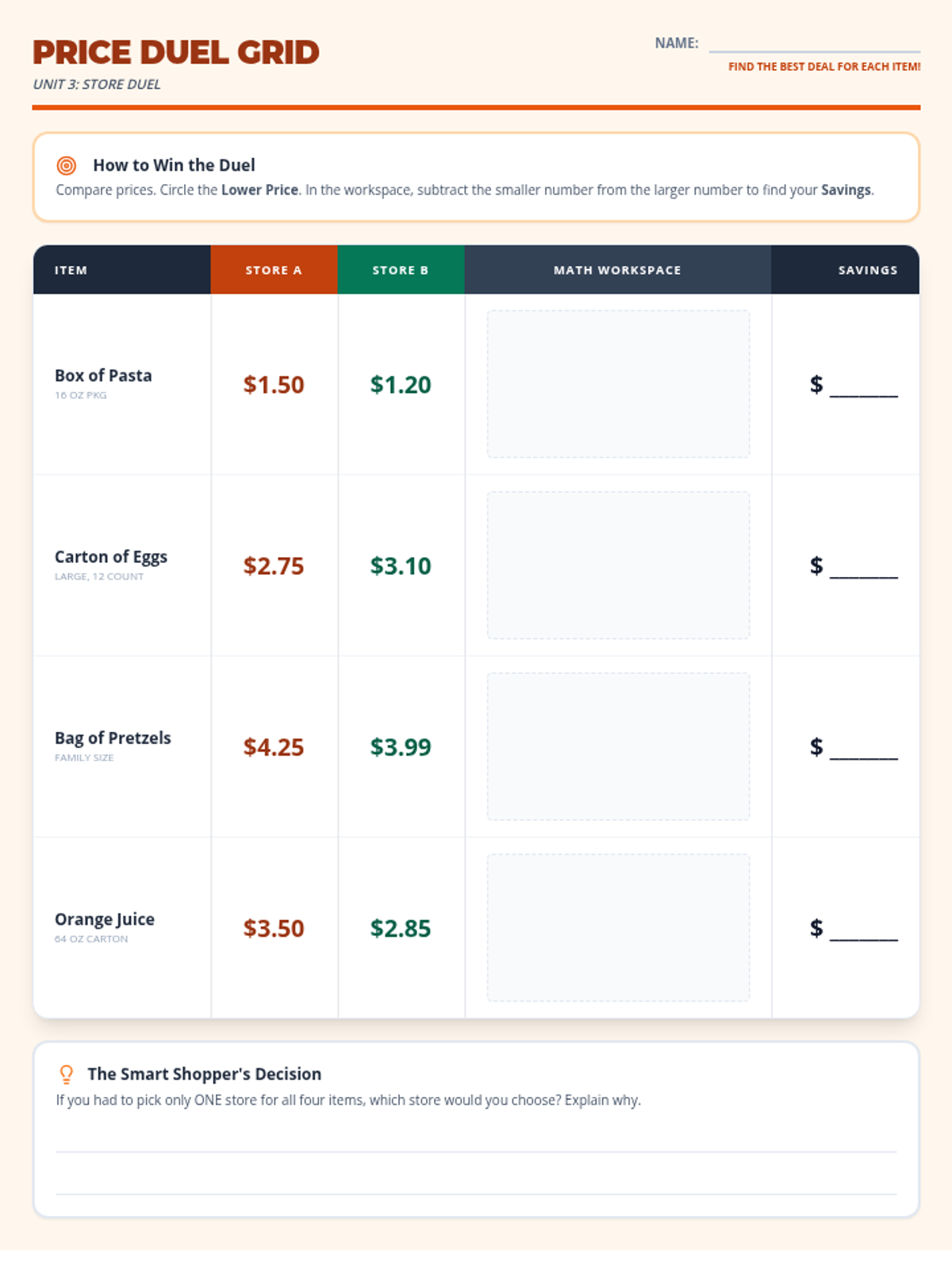
Comparing prices between two different stores to find the best deals on common household items.
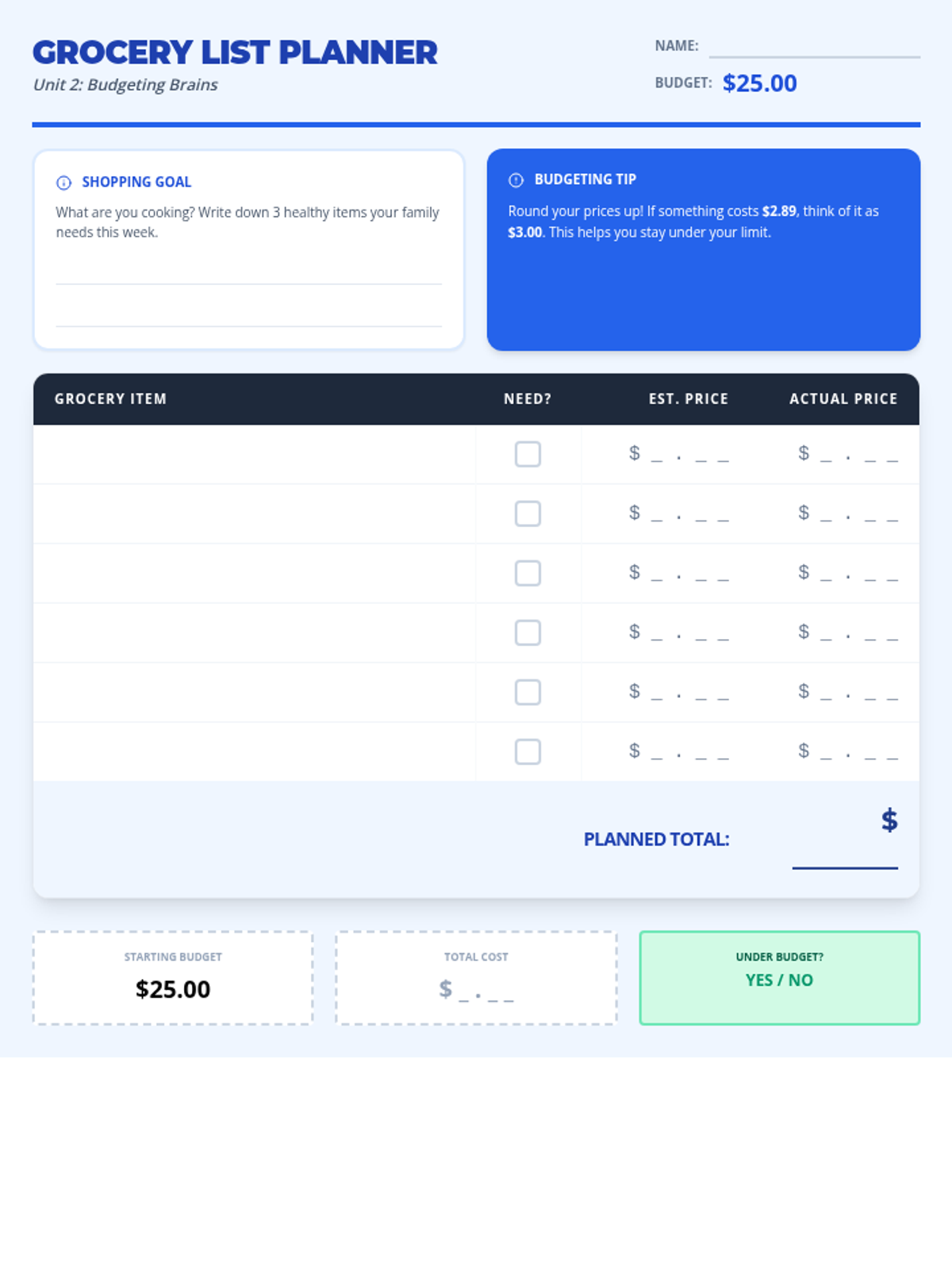
Setting a budget and prioritizing items on a grocery list using estimation and decimal addition.
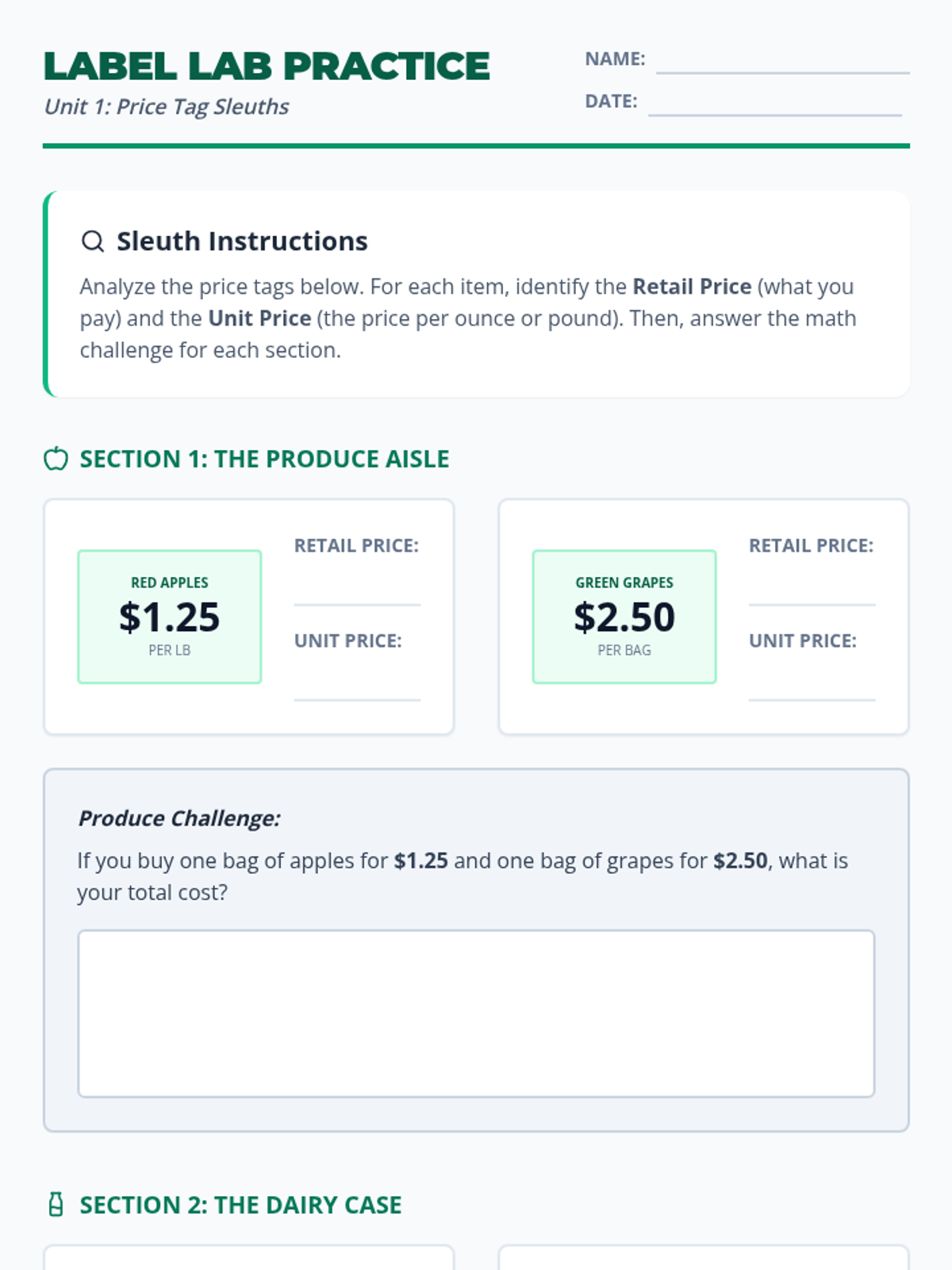
Introduction to reading price labels, identifying unit prices, and understanding the 'detective' work of grocery shopping.
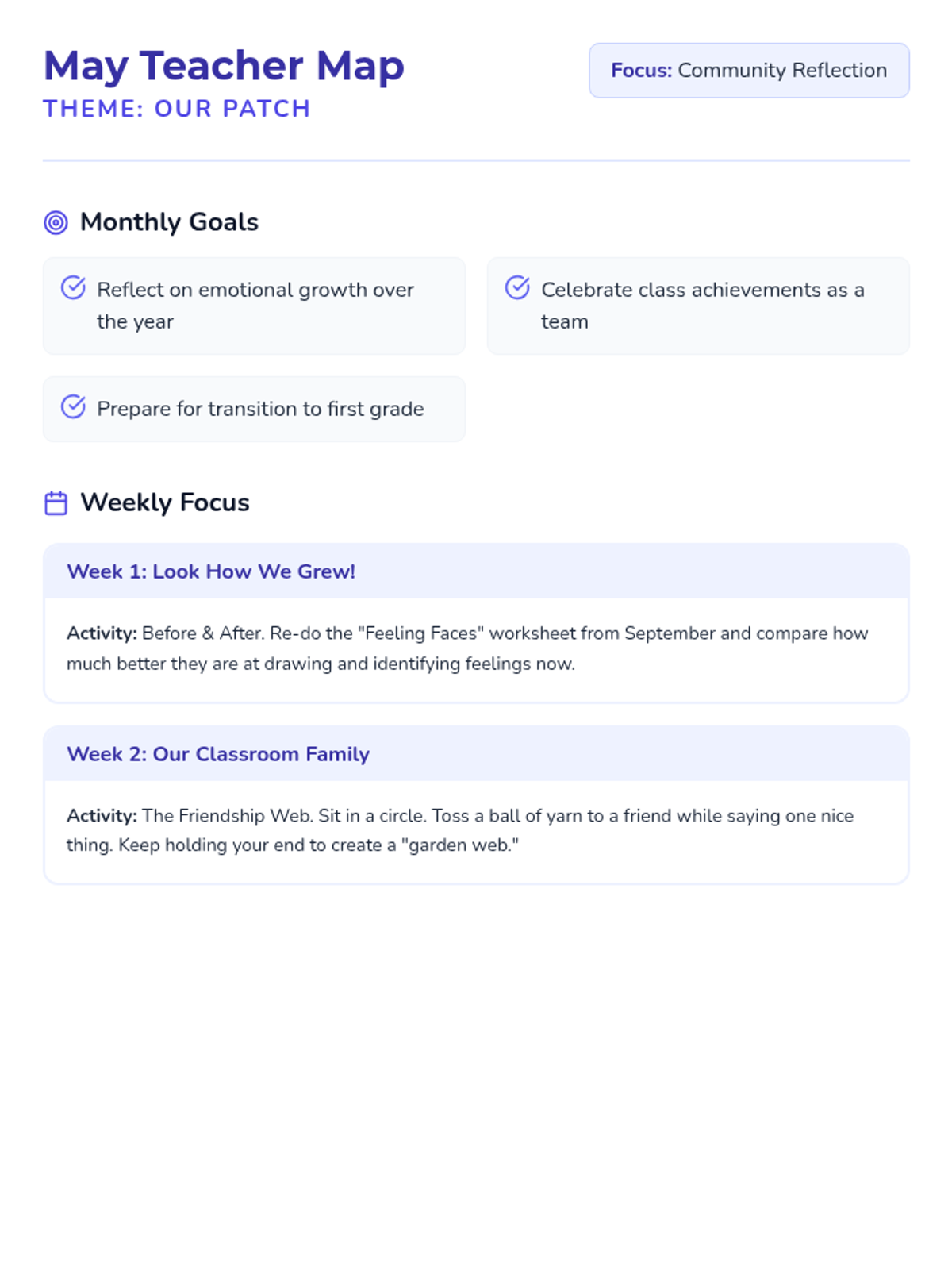
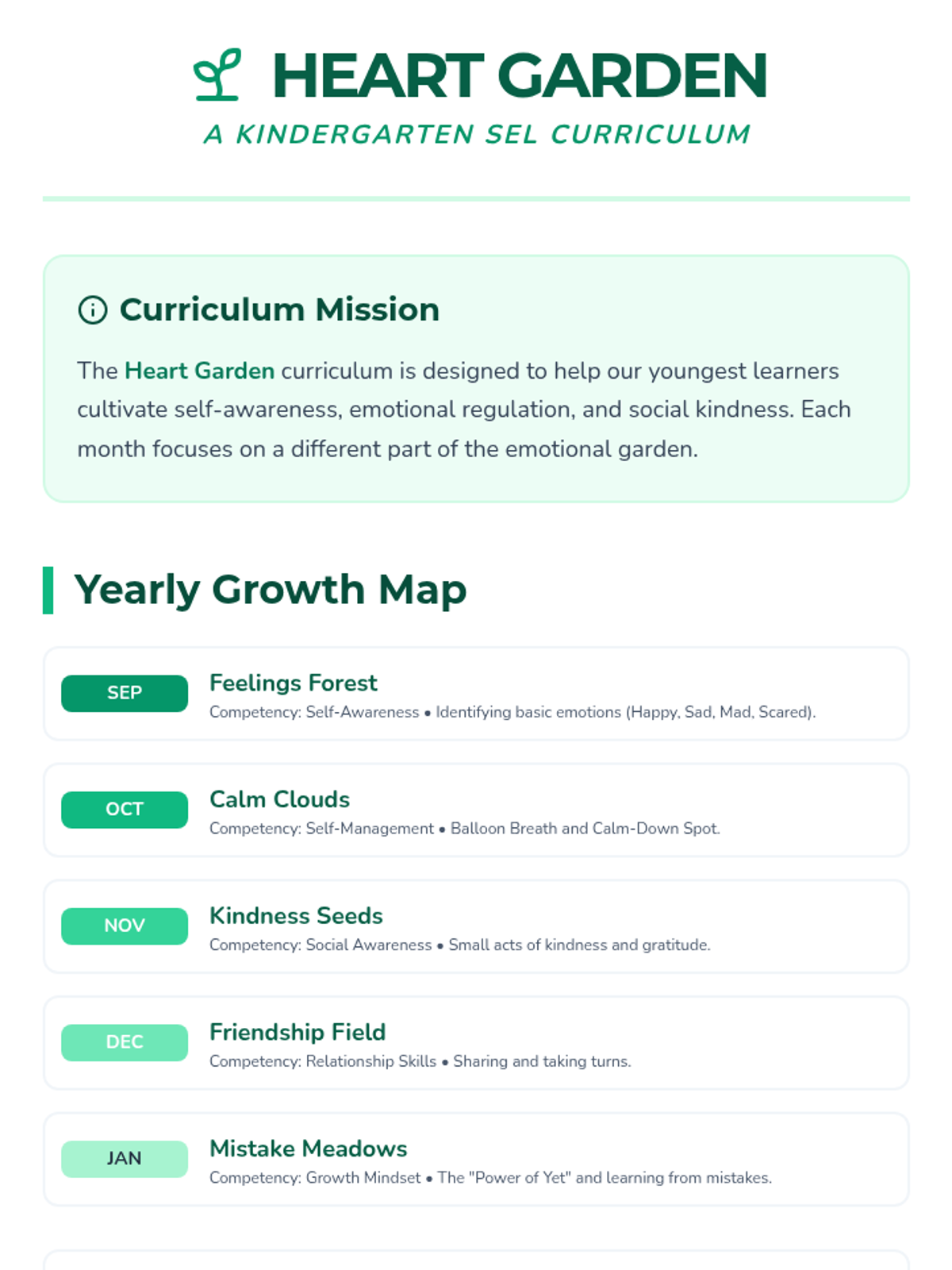
Reflects on personal growth and celebrates the classroom community.
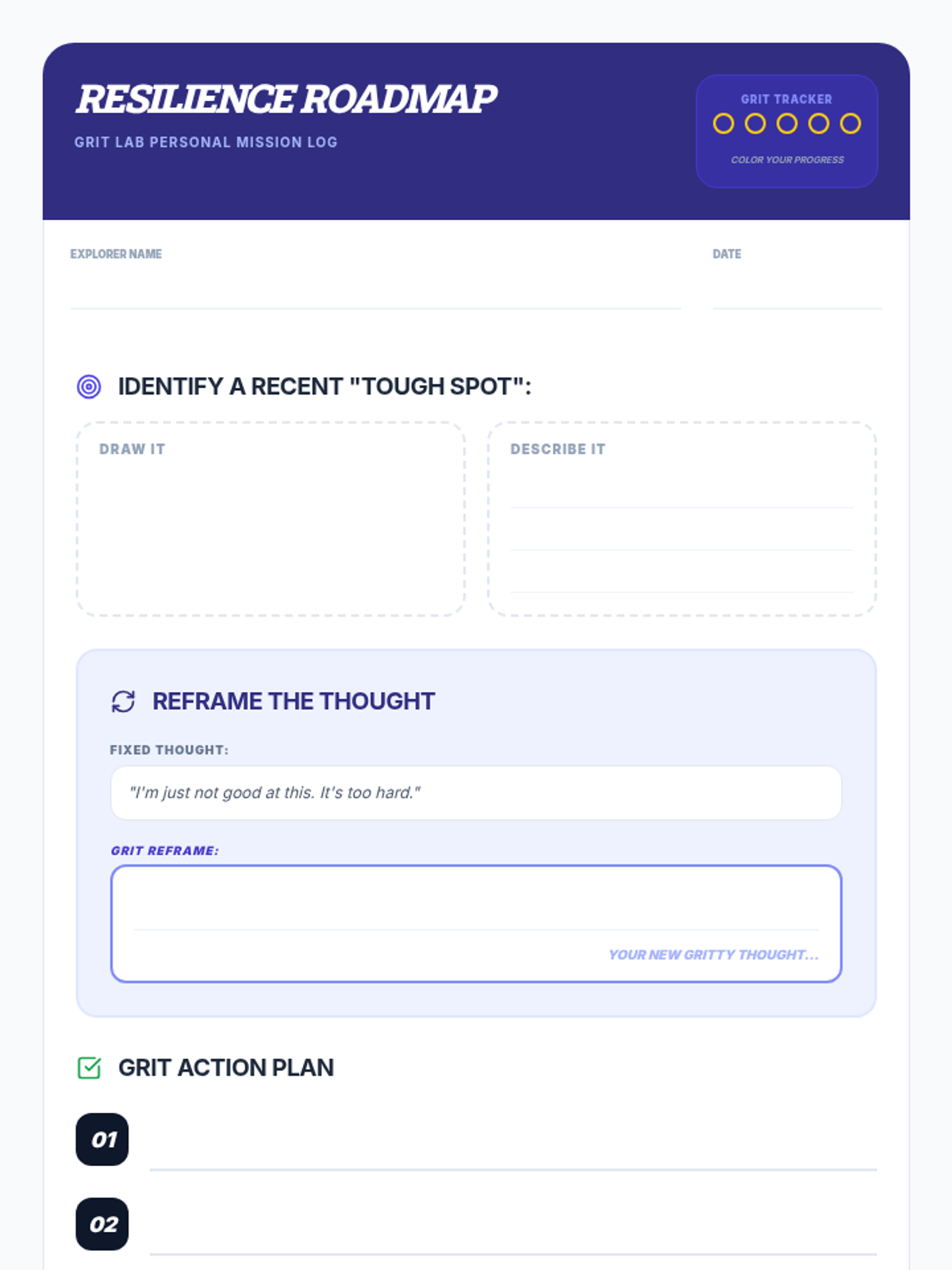
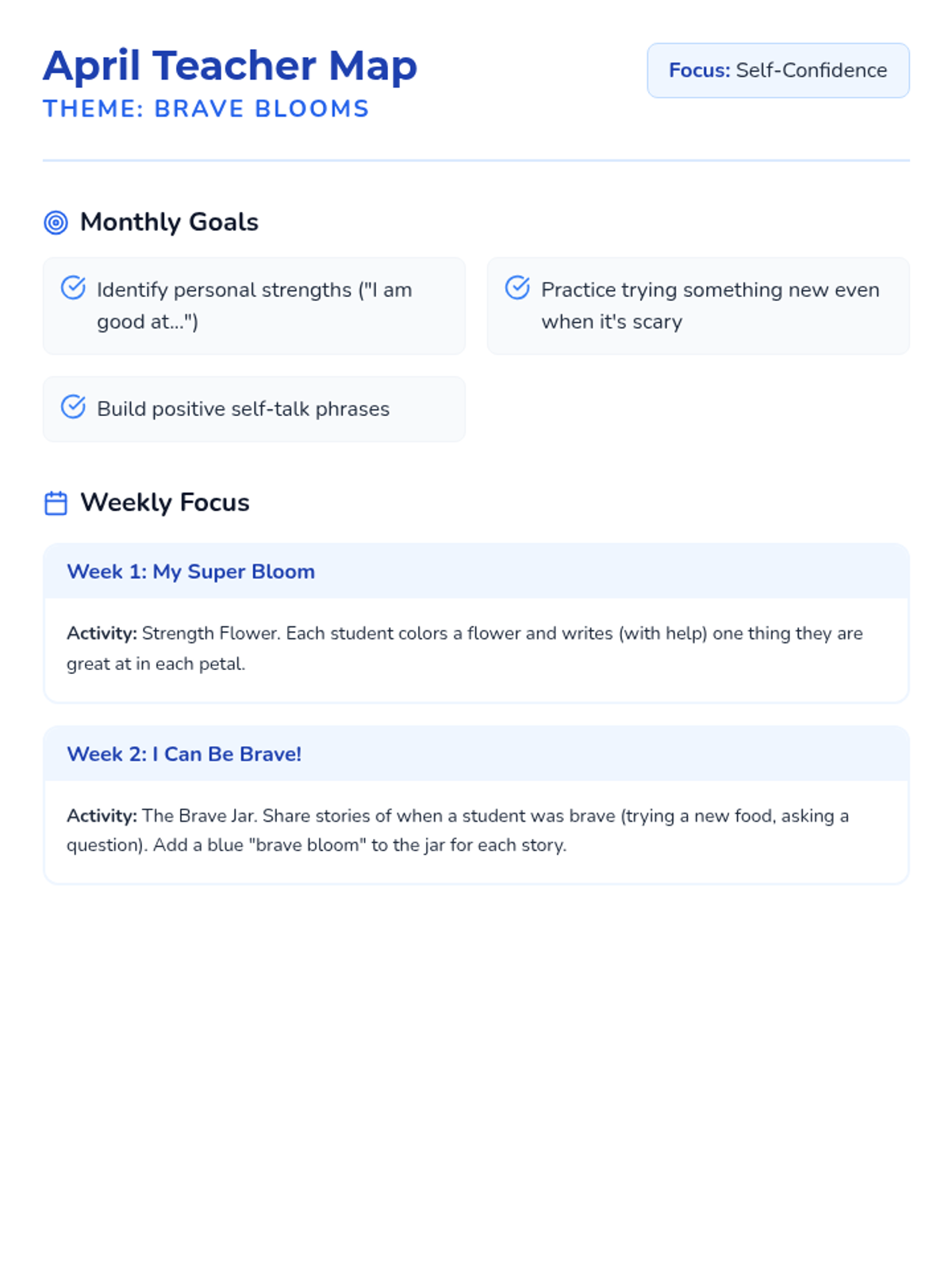
Builds self-confidence and the courage to try new things.
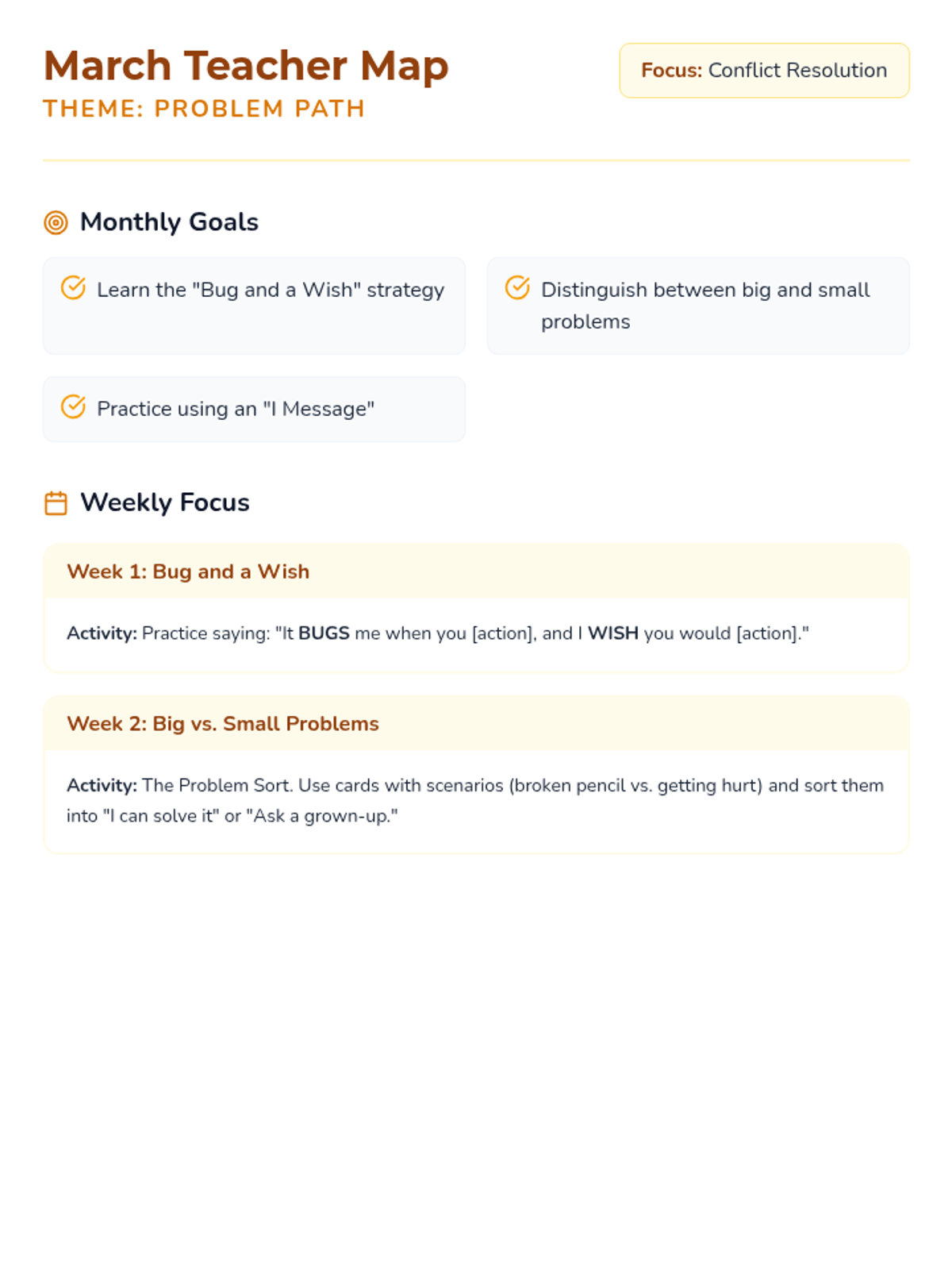
Introduces simple steps for solving conflicts and making fair choices.
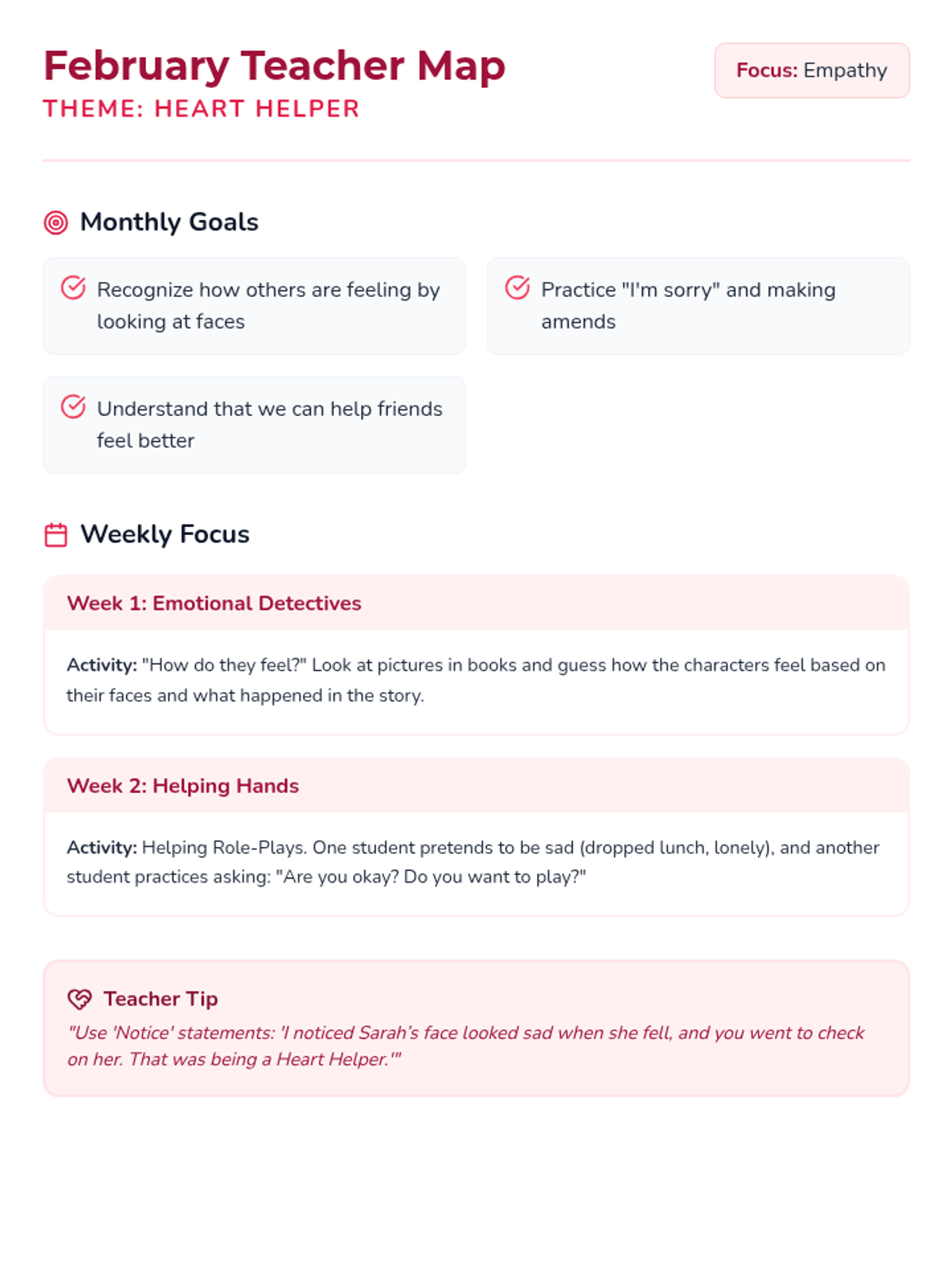
Deepens understanding of others' feelings and how to be a helpful friend.
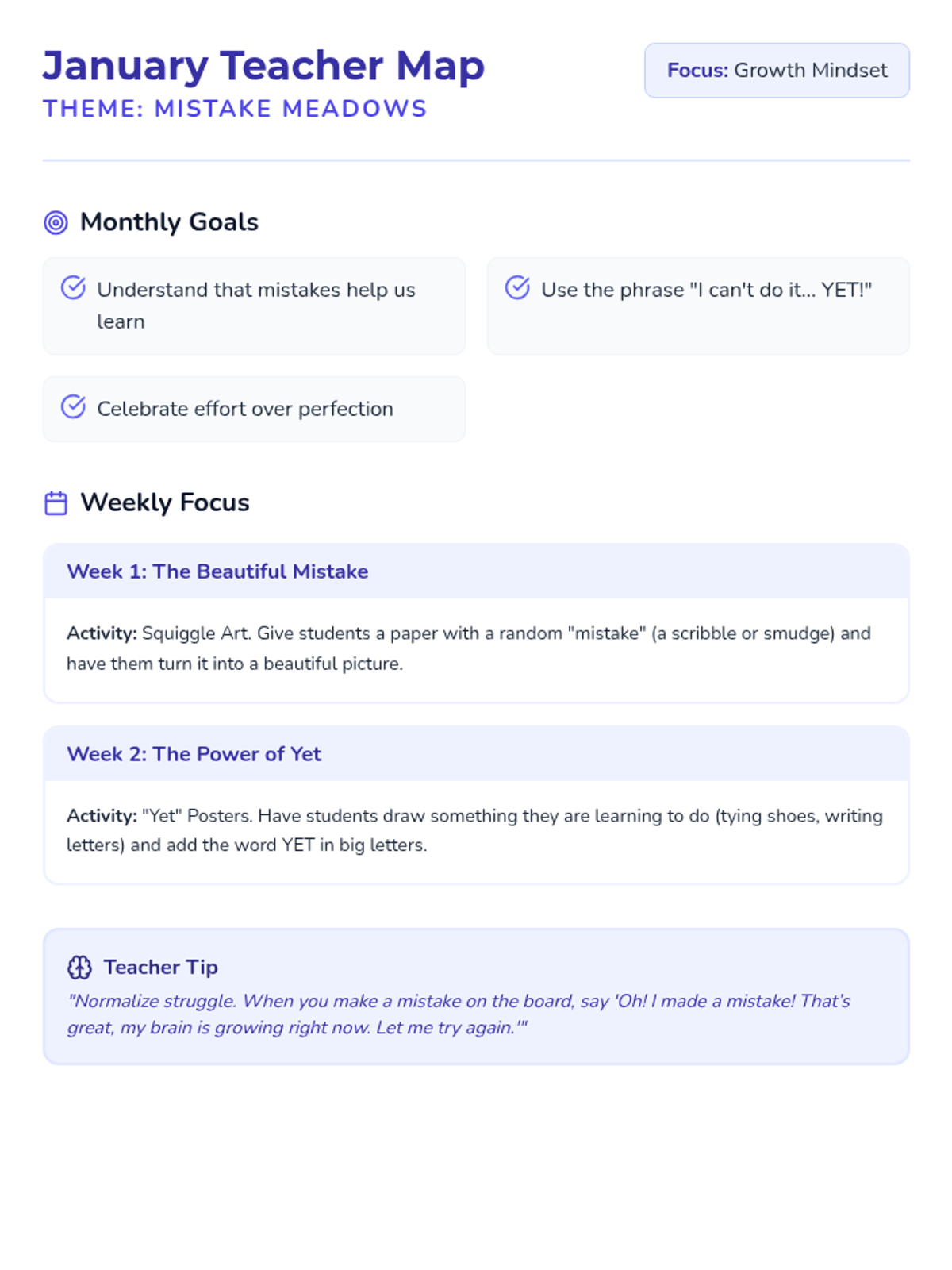
Encourages a growth mindset by learning that mistakes help our brains grow.
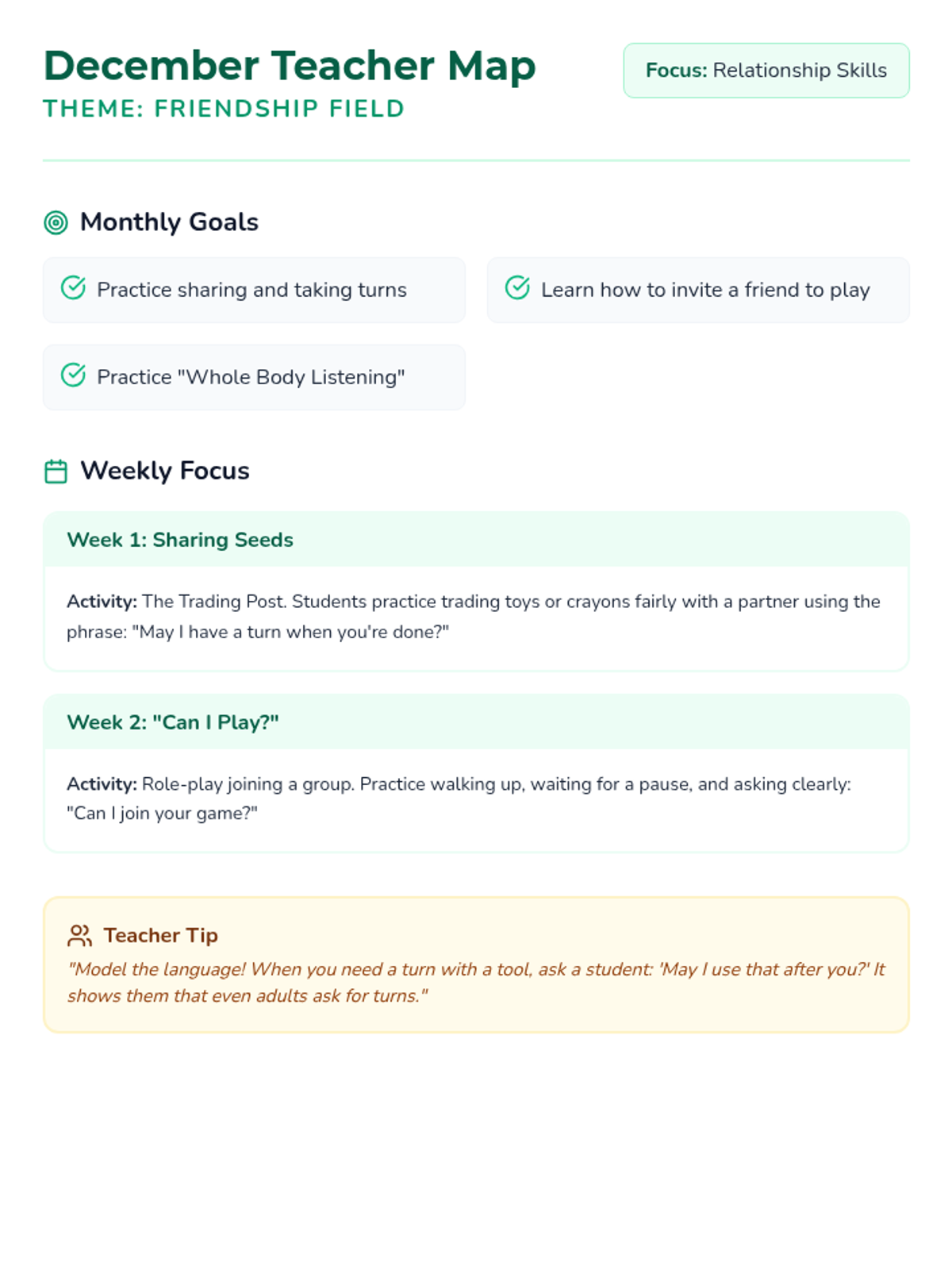
Focuses on social skills like sharing, taking turns, and cooperative play.
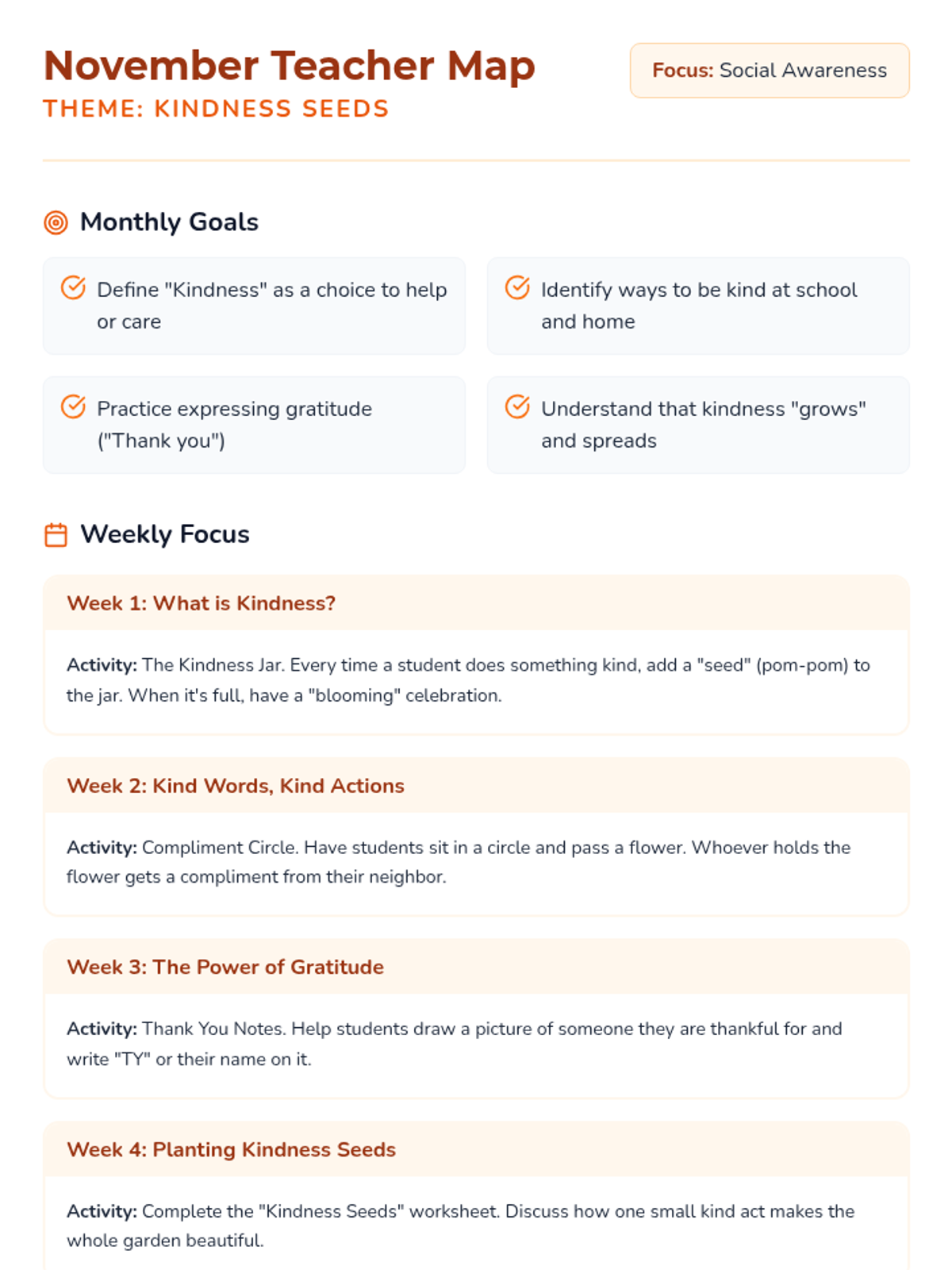
Teaches the power of small acts of kindness and expressing gratitude.
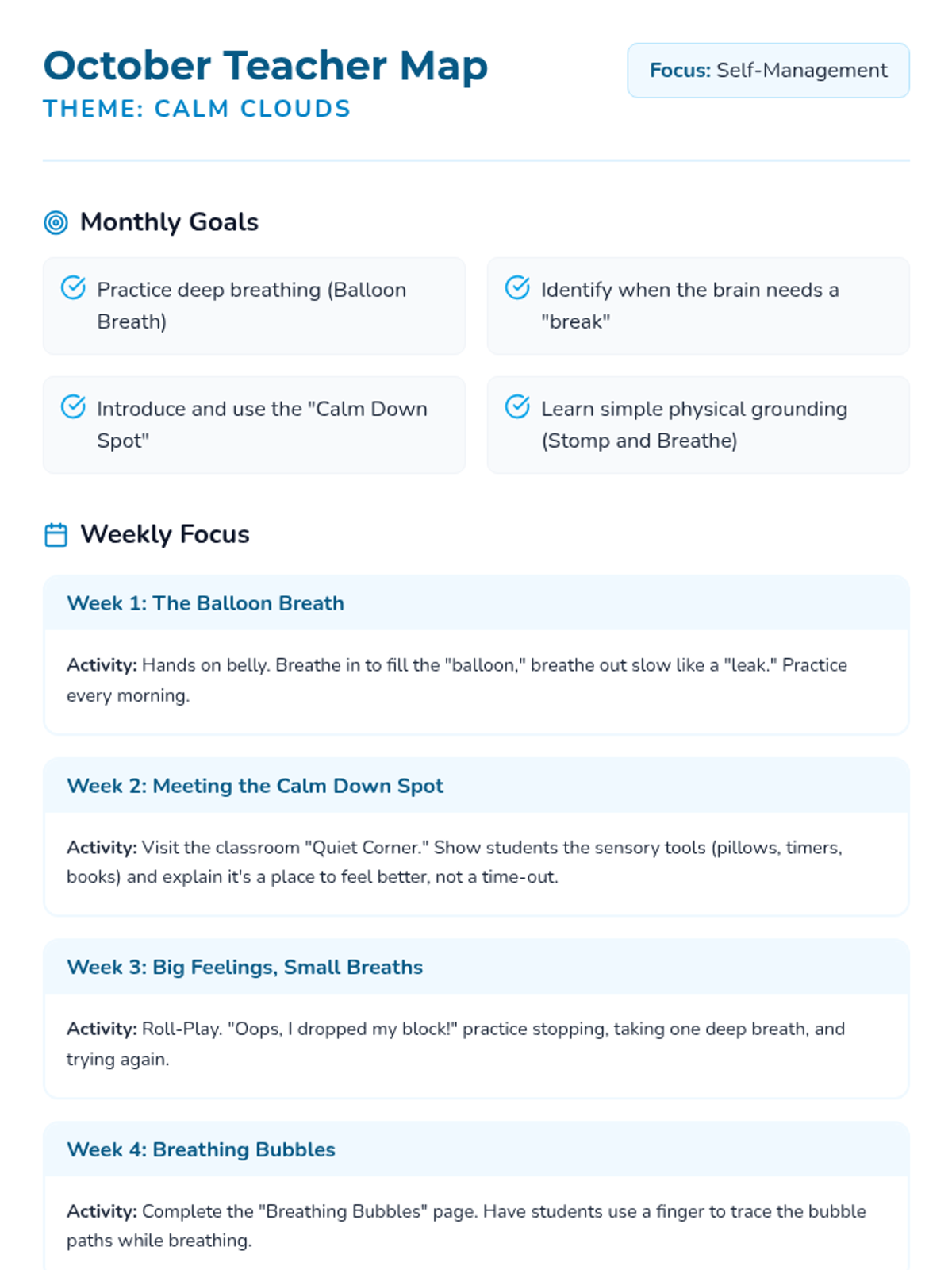
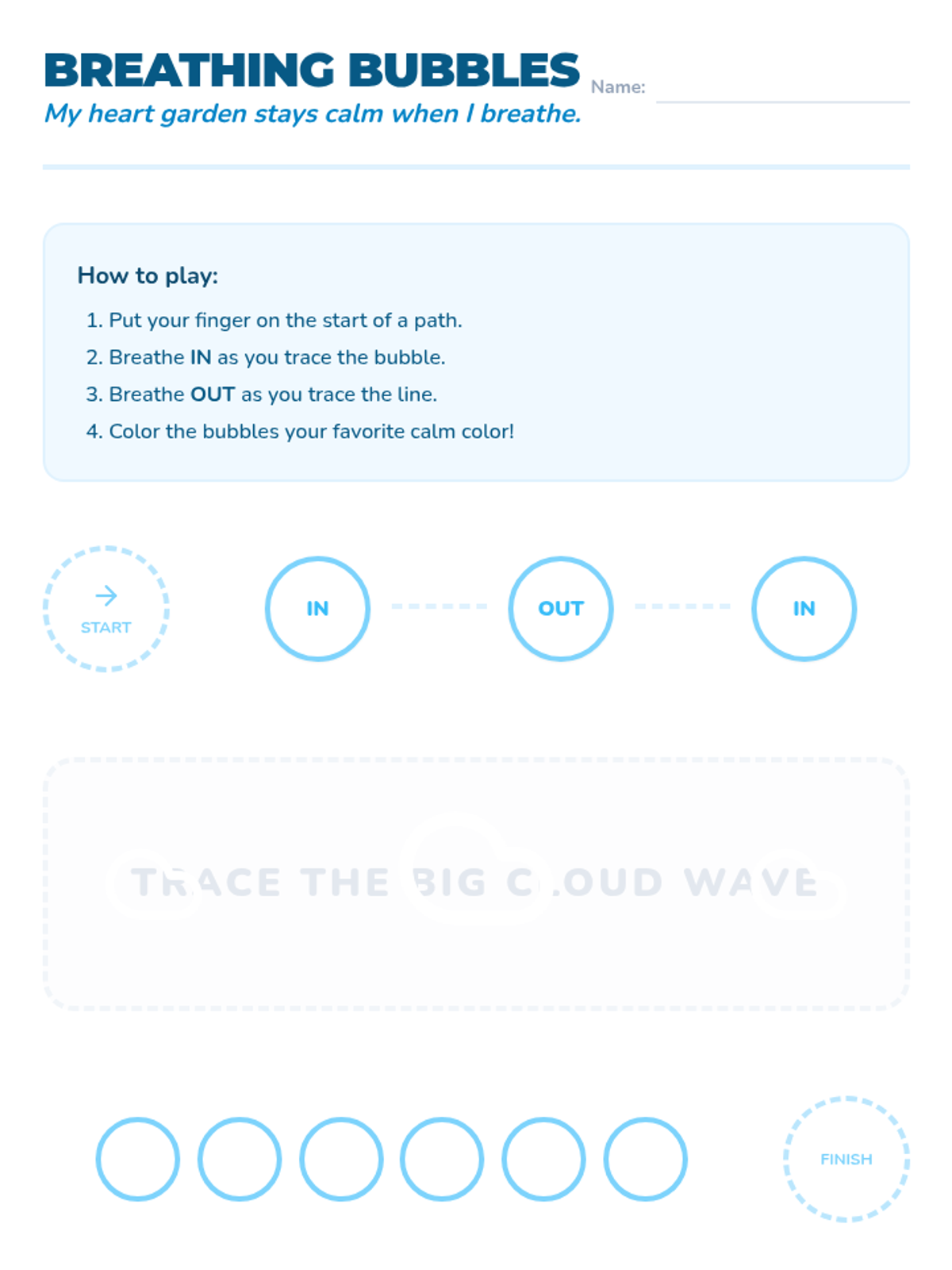
Introduces basic self-regulation strategies and 'calm down' tools for when feelings get big.
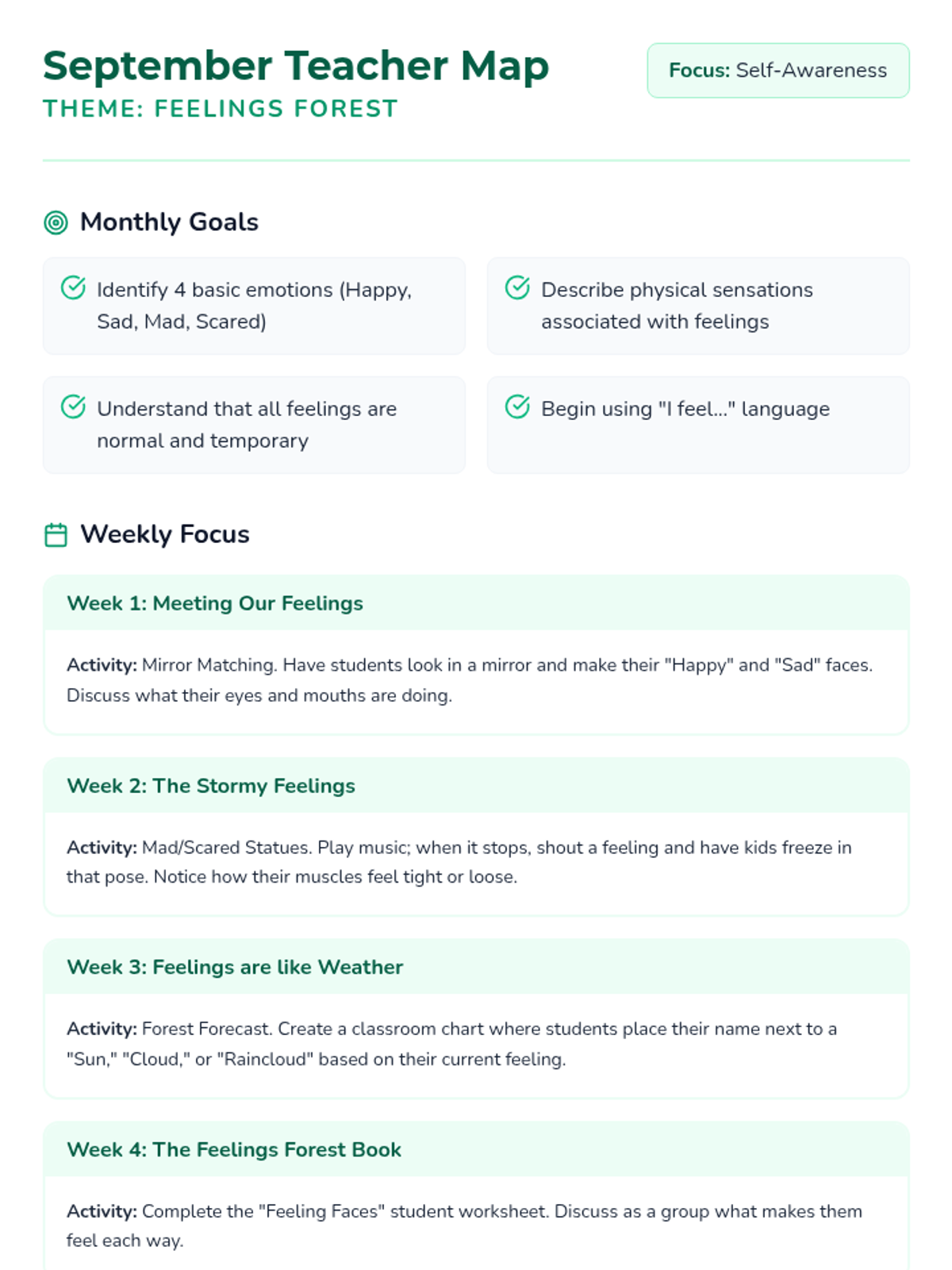
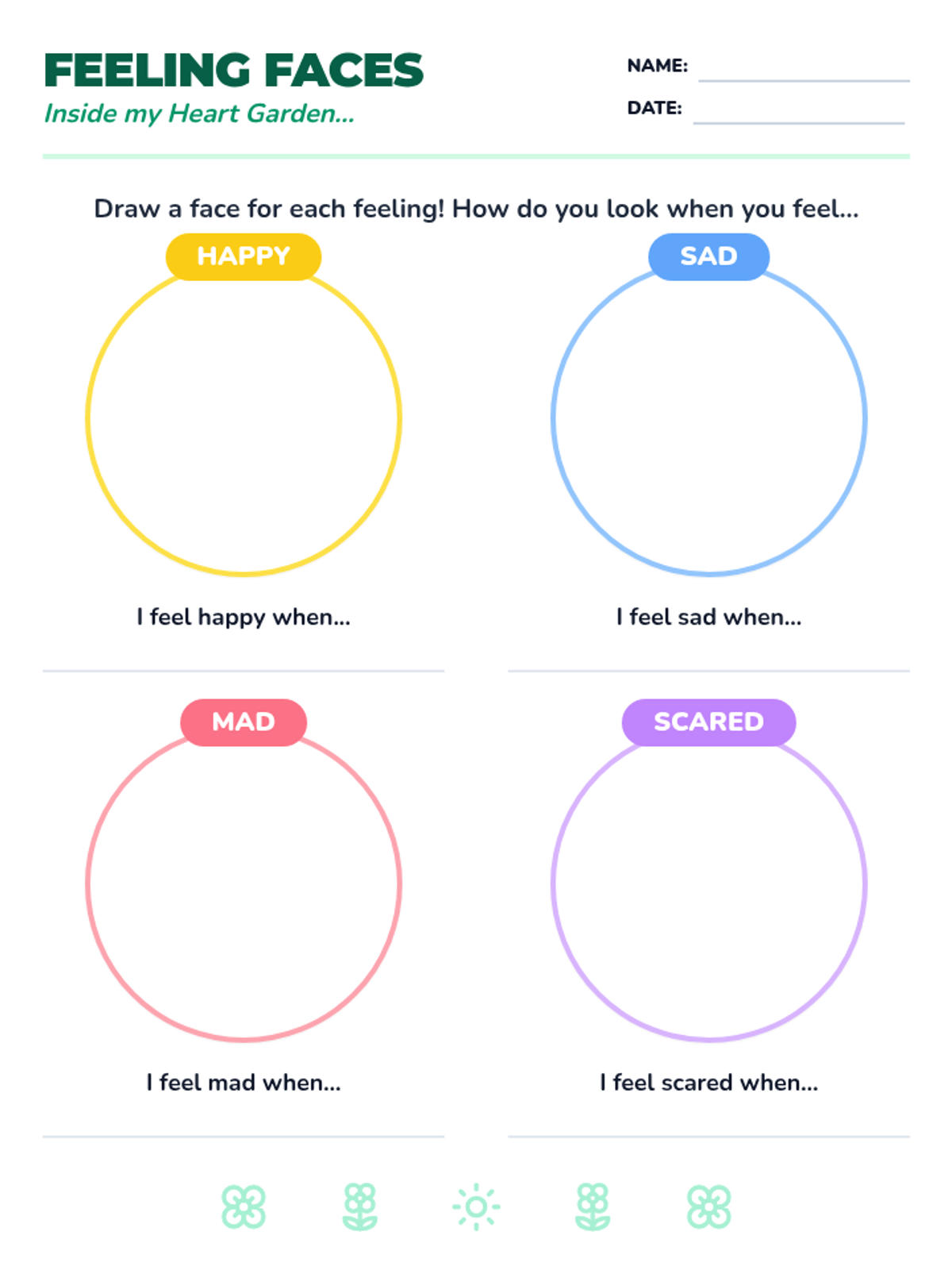
Focuses on identifying and naming basic emotions to build the foundation of self-awareness.
Examining real-life challenges faced by WWE stars to inspire resilience, grit, and the 'Ganas' required for the final push.
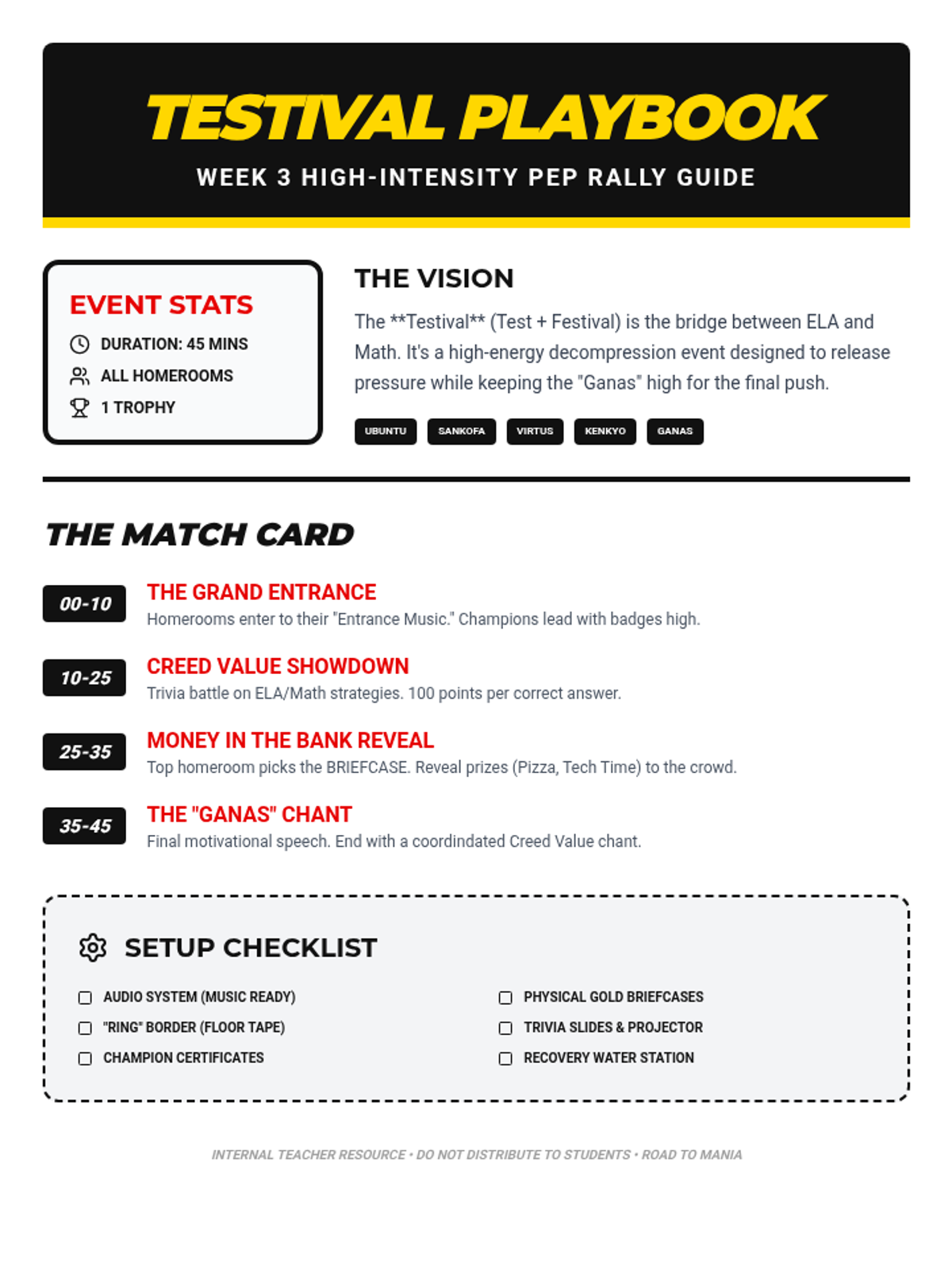
Addressing test anxiety and ELA state exam preparation, including decompression strategies to stay 'main event' ready.
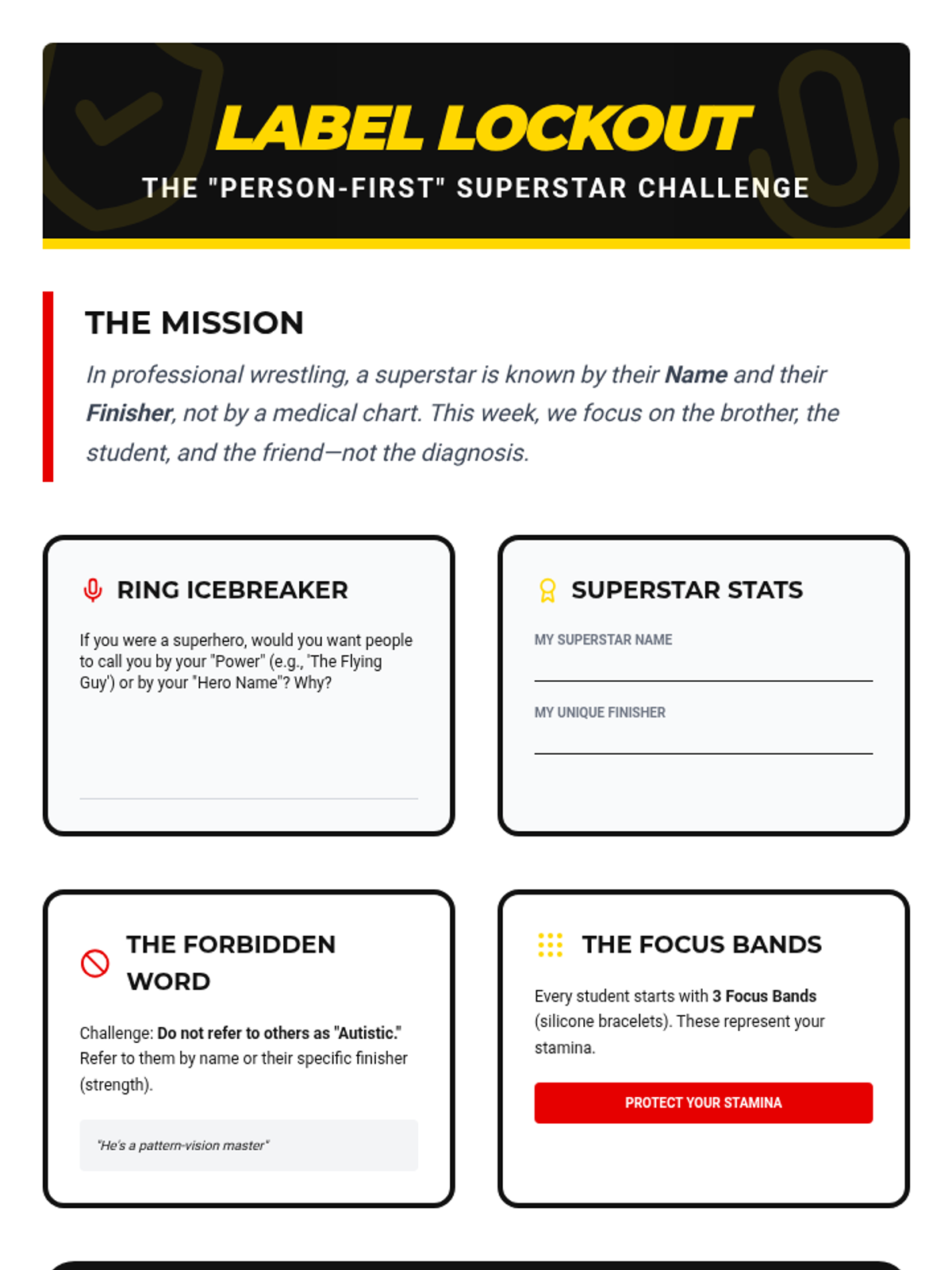
A high-energy activity focusing on inclusivity and celebrating different ways of thinking and 'wrestling' with challenges.
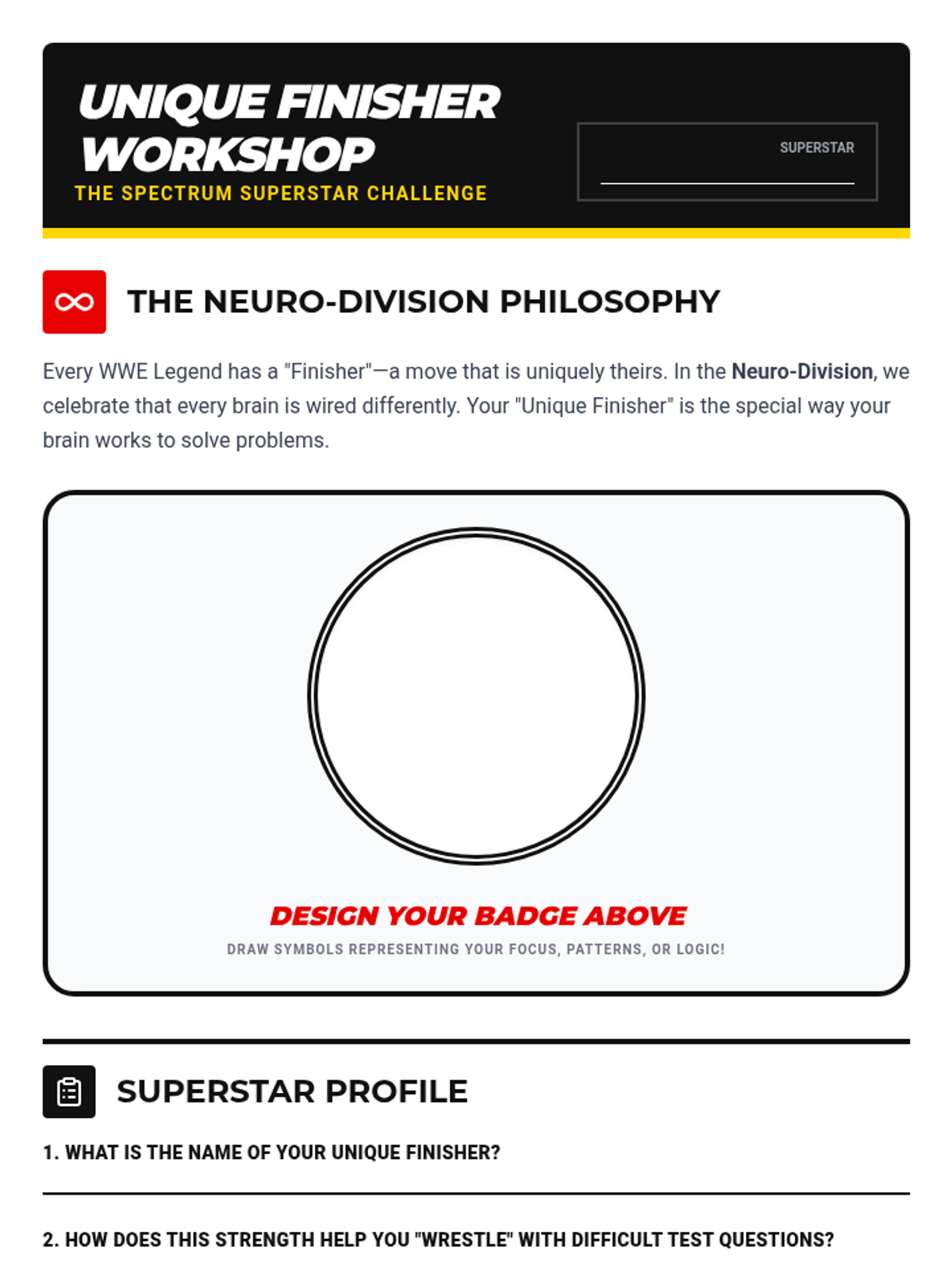
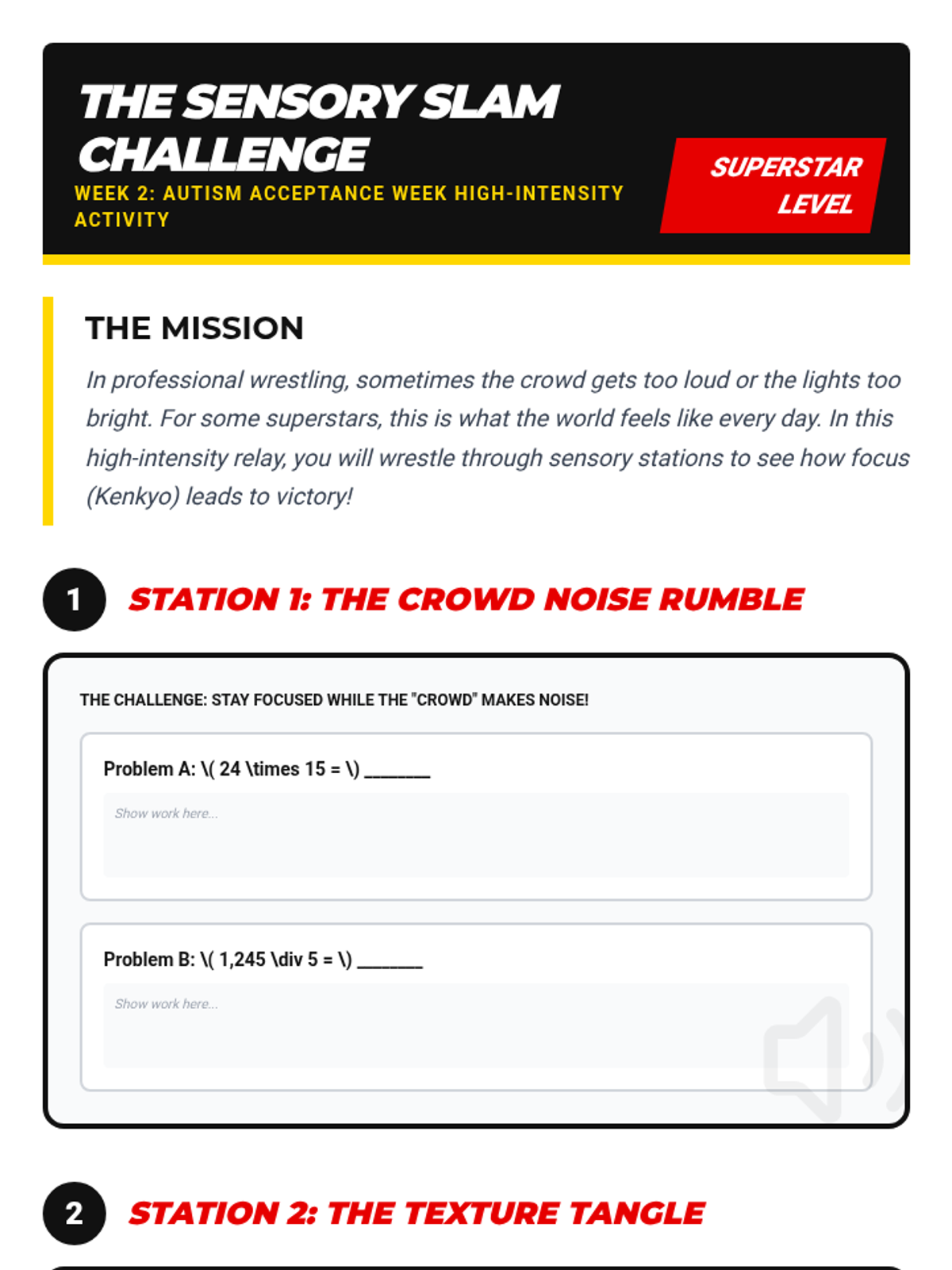
The first of two activities celebrating Autism Acceptance Week, highlighting the unique 'finishers' and strengths of neurodivergent individuals.
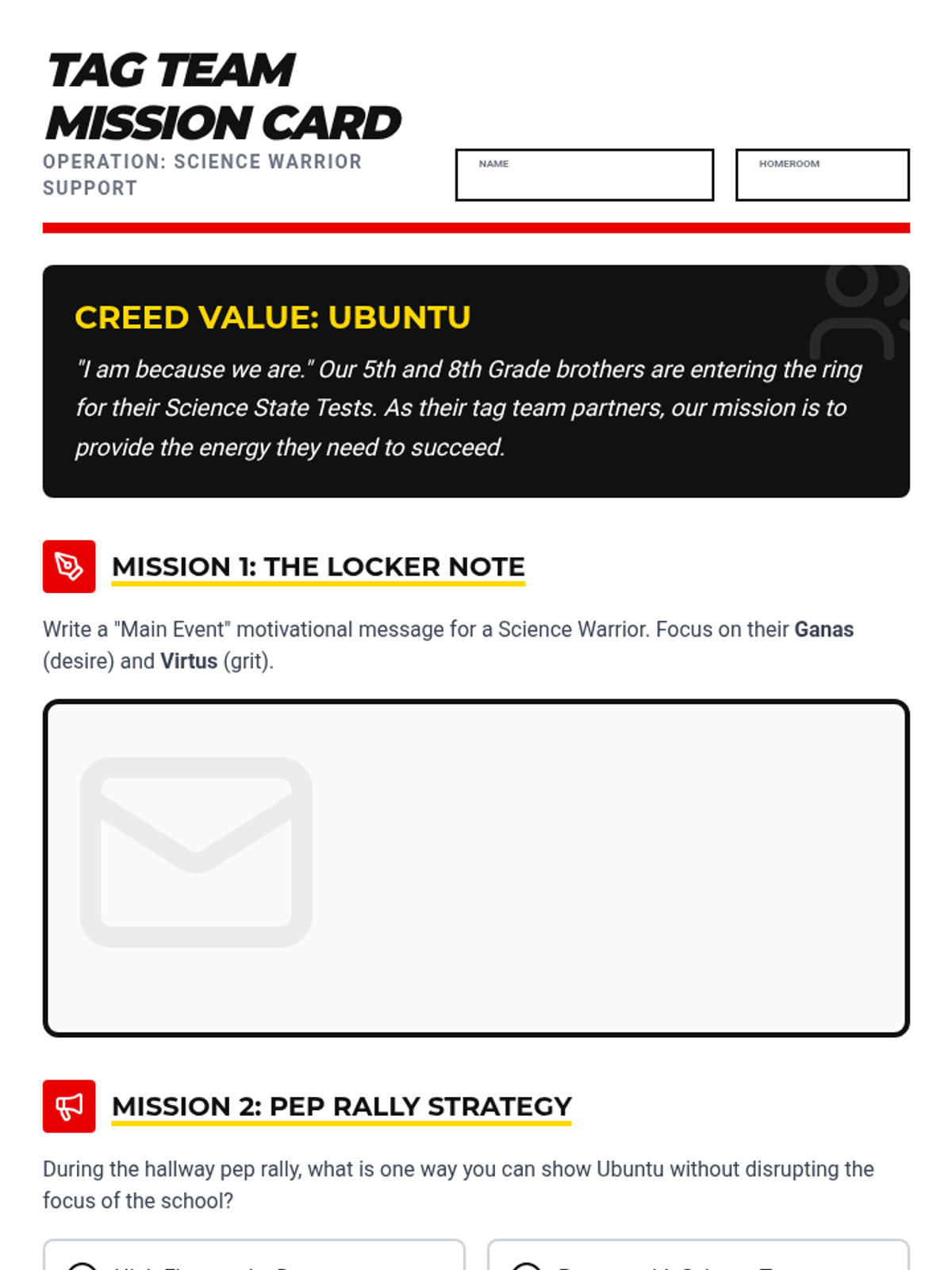
Focus on the Creed Value of Ubuntu and brotherhood, preparing students to support their peers during science test pep rallies.
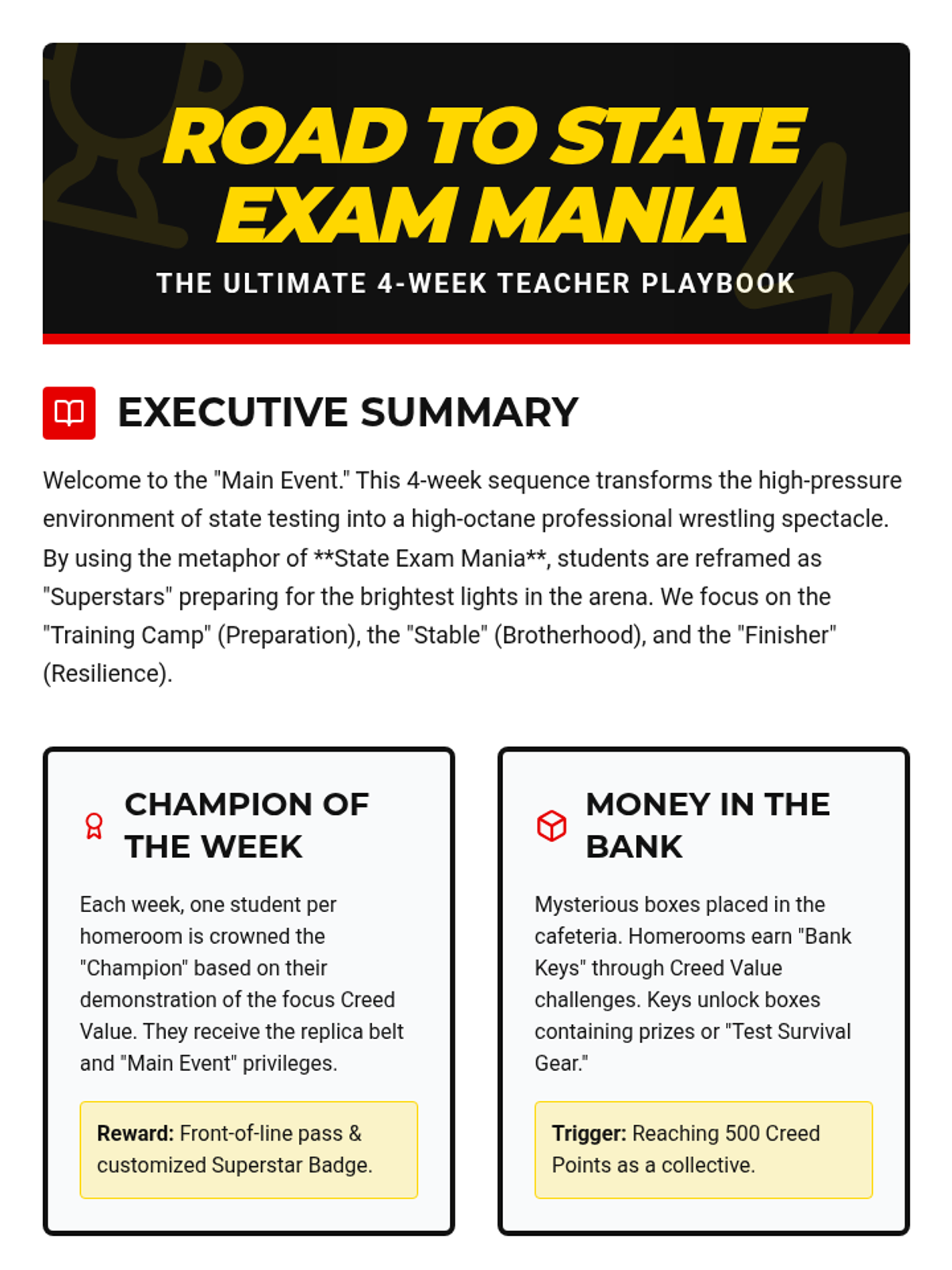
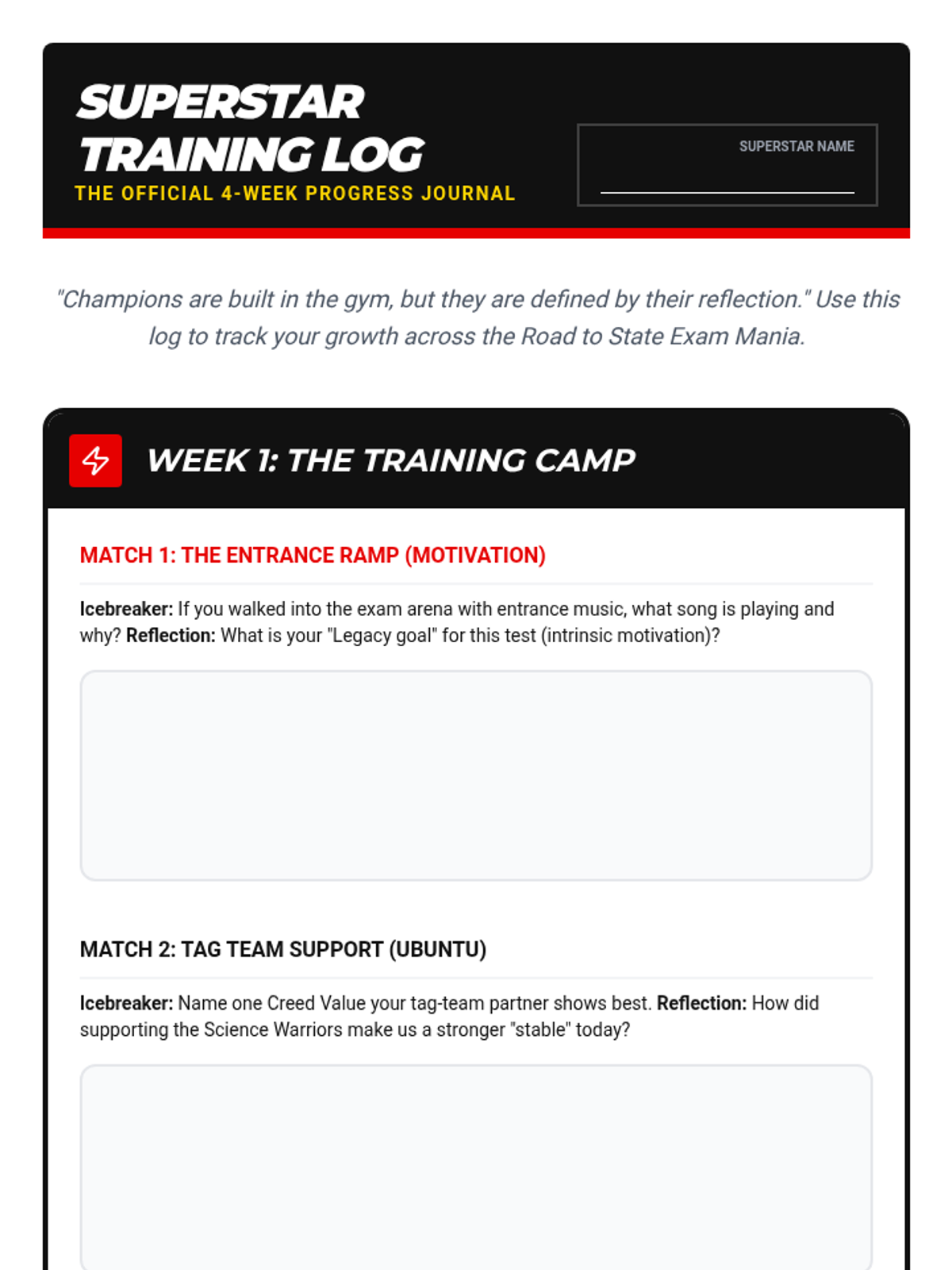
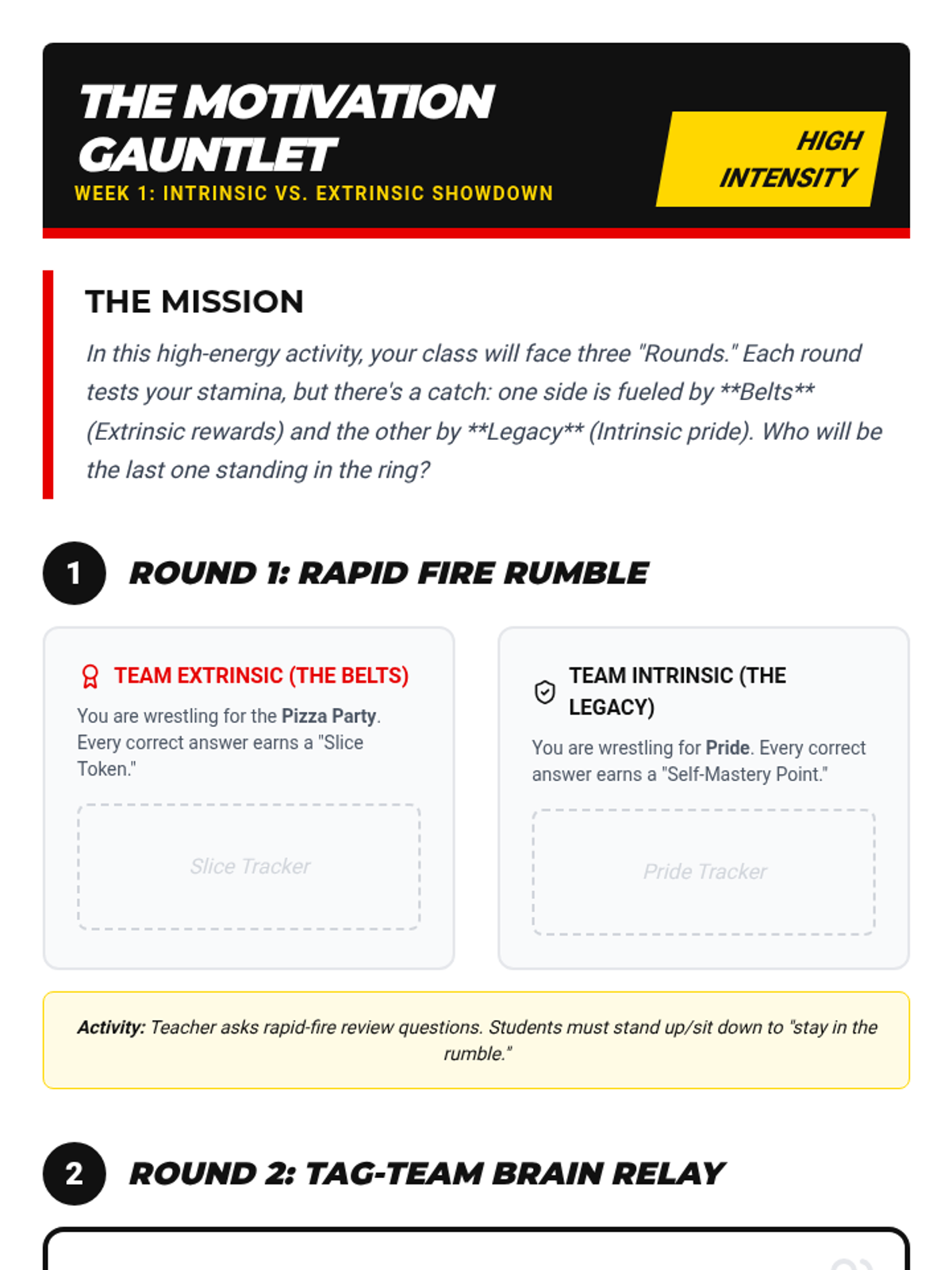
Introduce the 'State Exam Mania' theme, focusing on the difference between intrinsic and extrinsic motivation using the metaphor of championship belts vs. personal legacy.
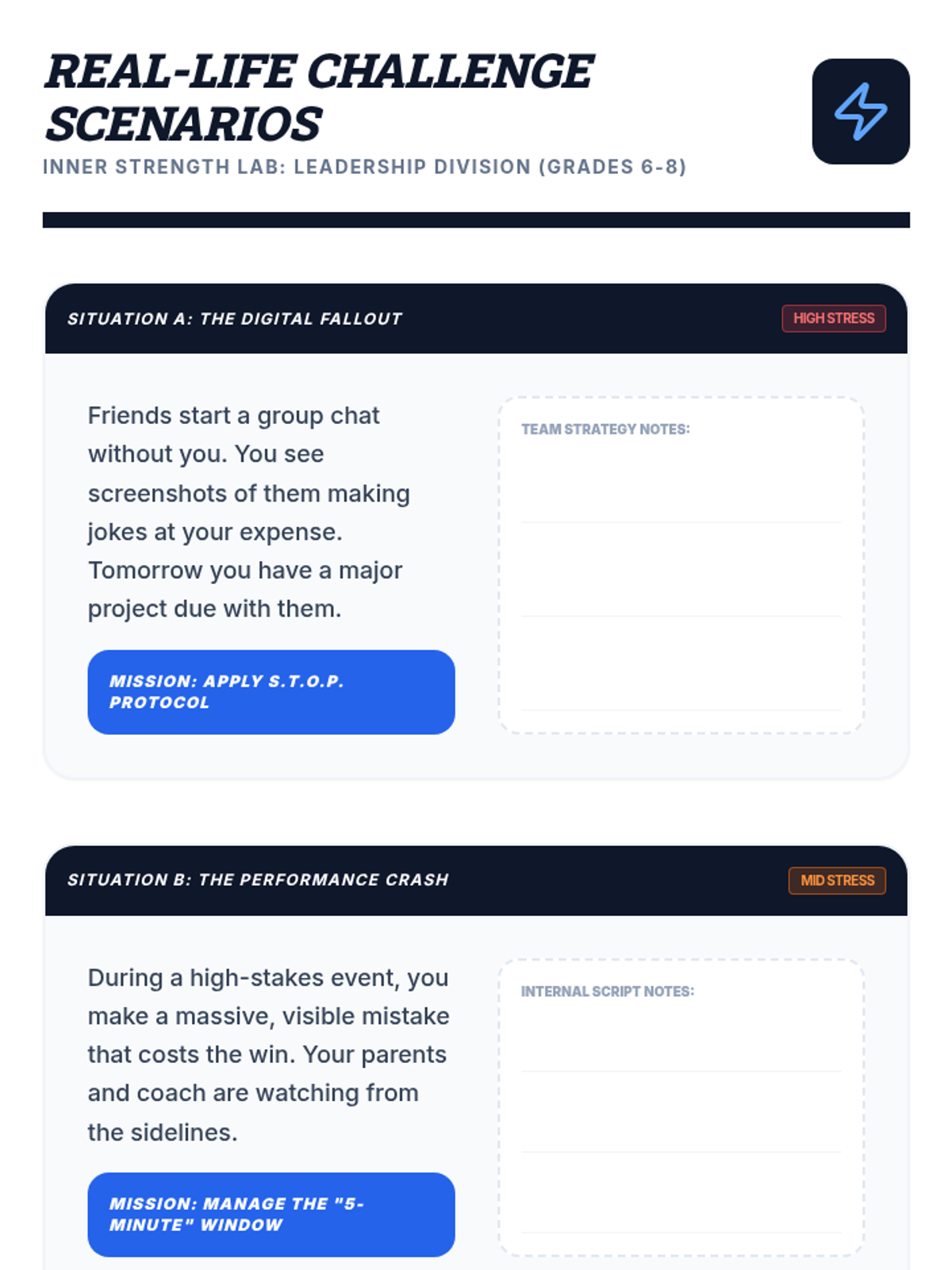
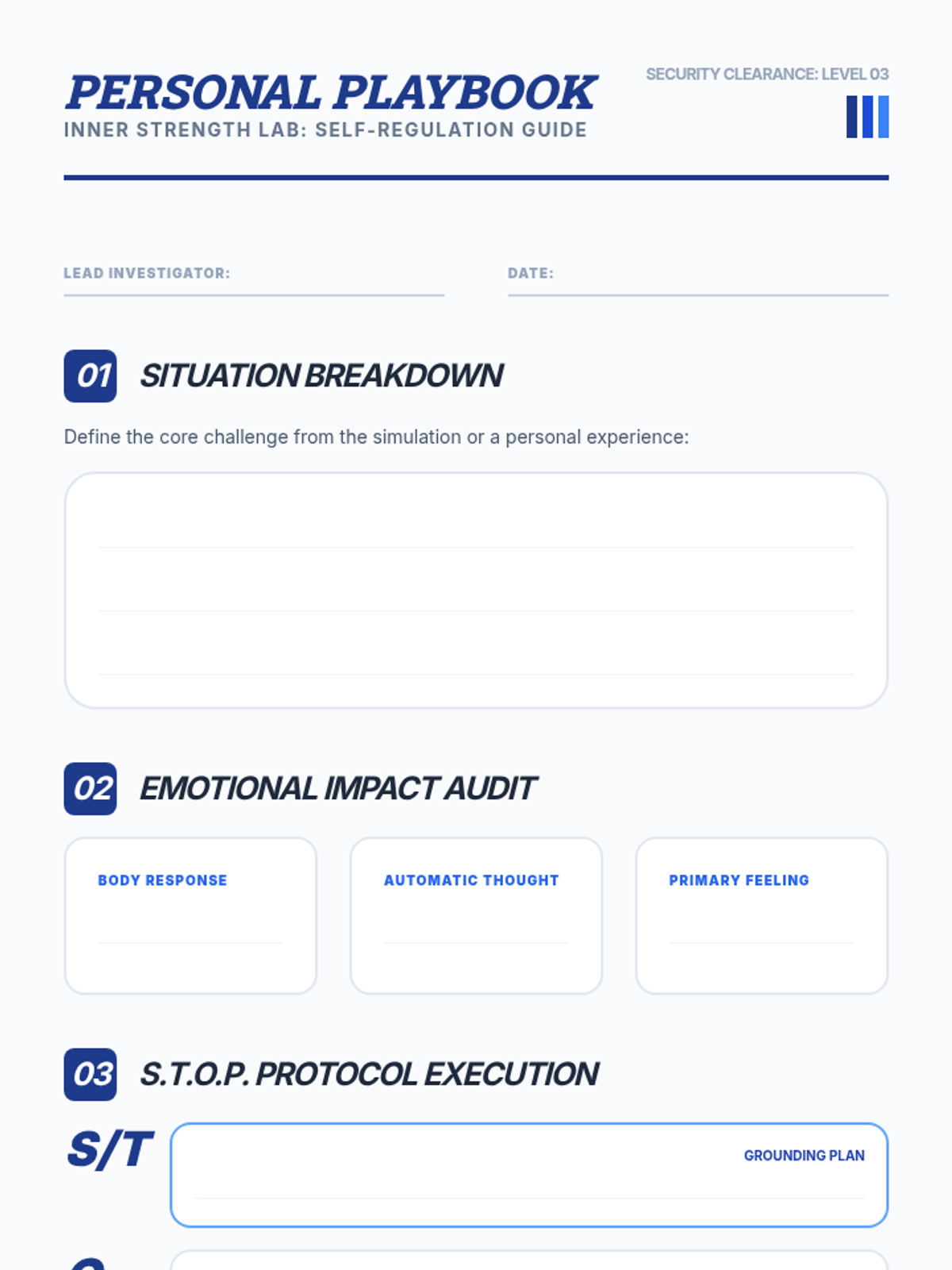
Equips middle schoolers (6th-8th) with strategies to handle complex social dynamics and personal setbacks using realistic role-play scenarios.
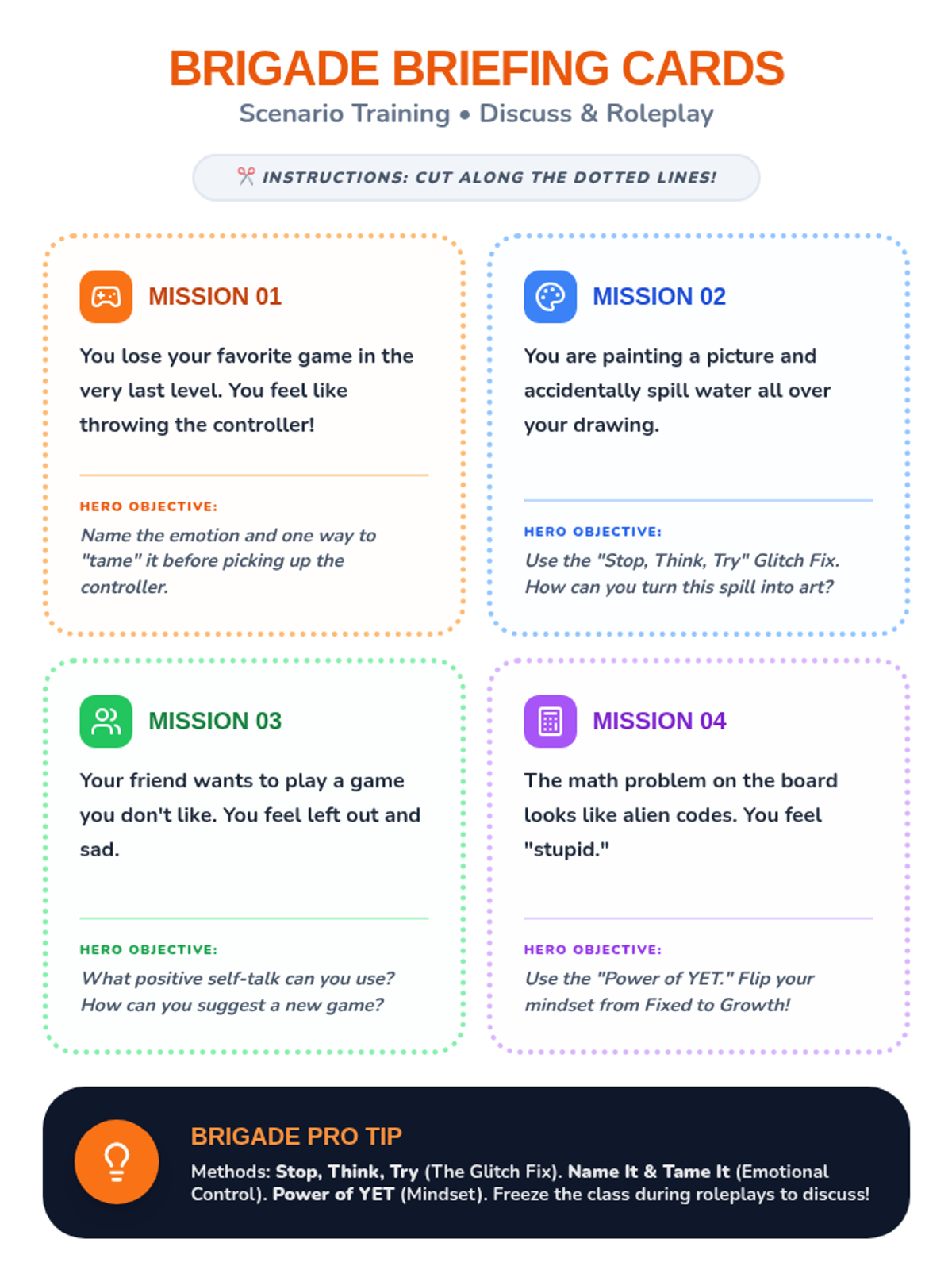
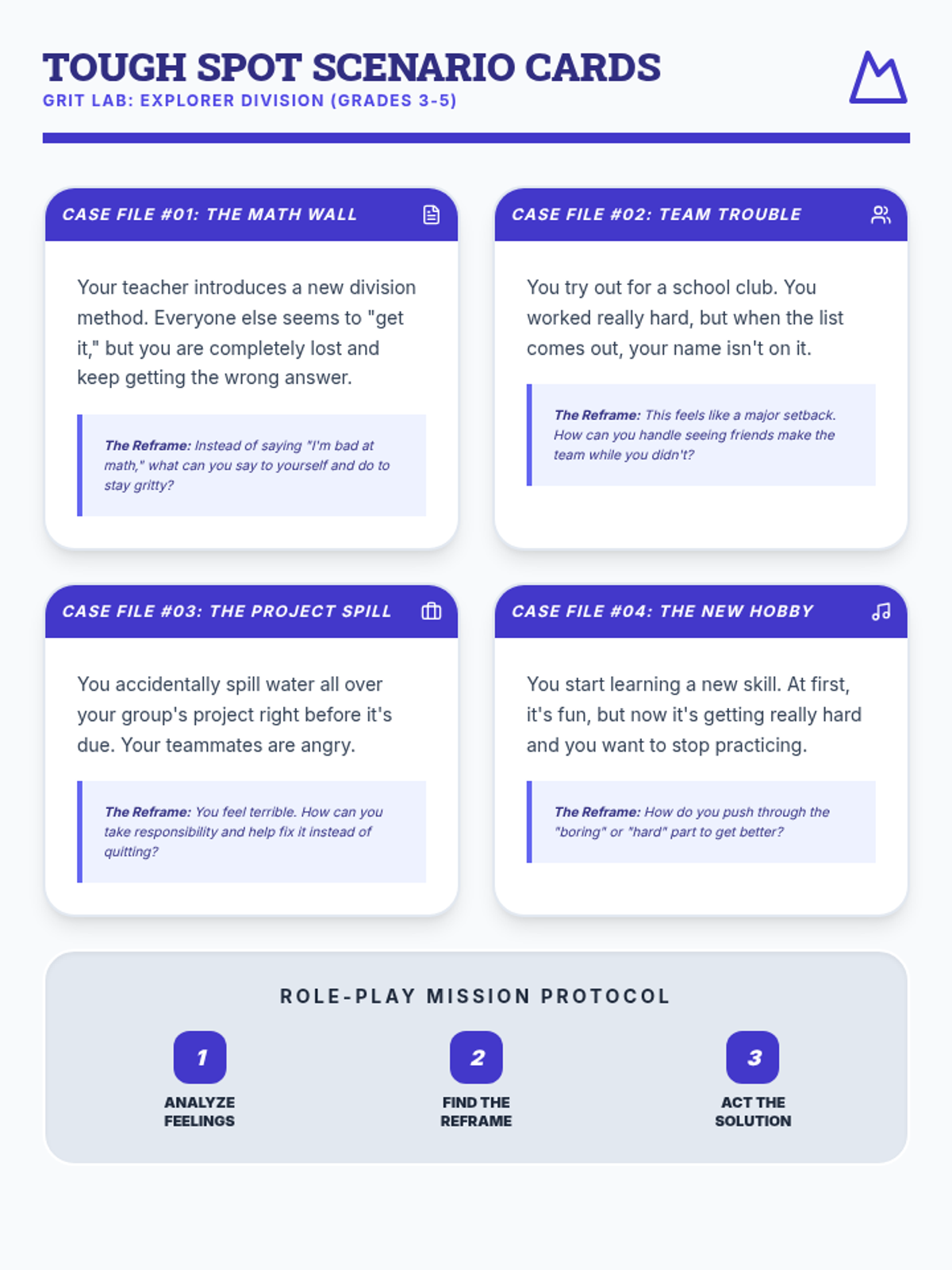
Helps 3rd to 5th graders develop grit and perspective when facing academic and social challenges through collaborative role-play.
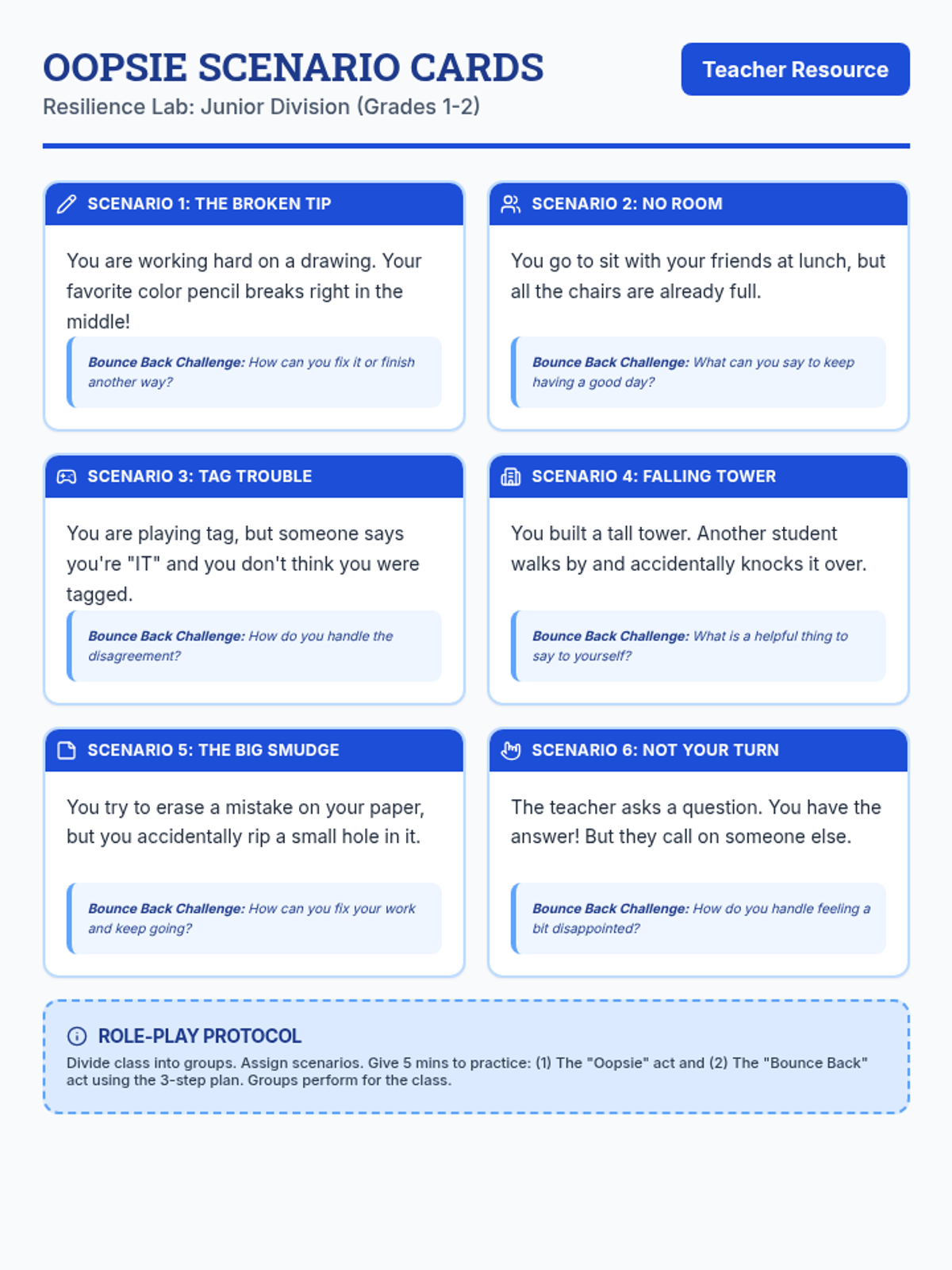
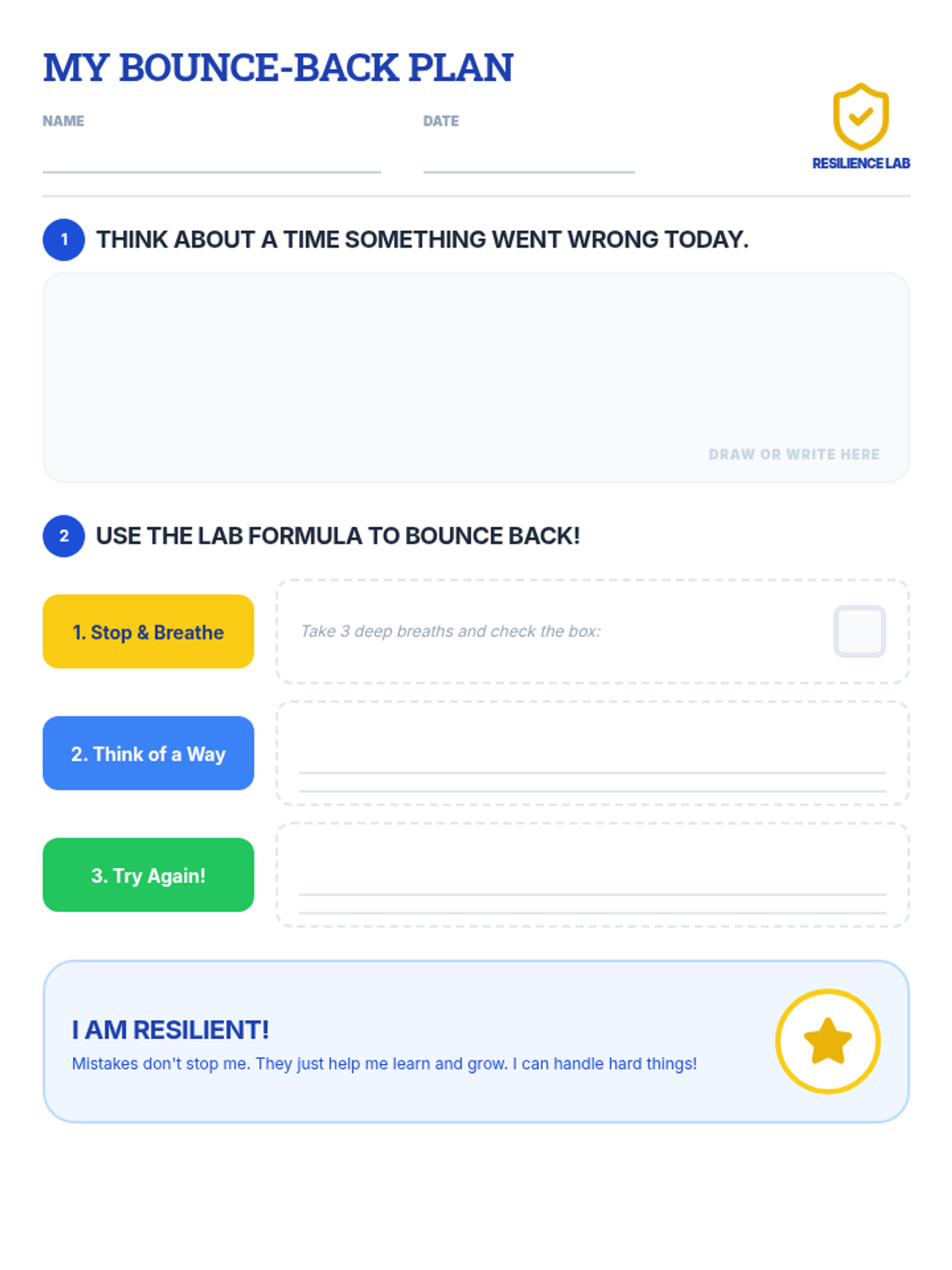
Introduces 1st and 2nd graders to the concept of 'bouncing back' from small mistakes and managing big feelings using role-play scenarios.
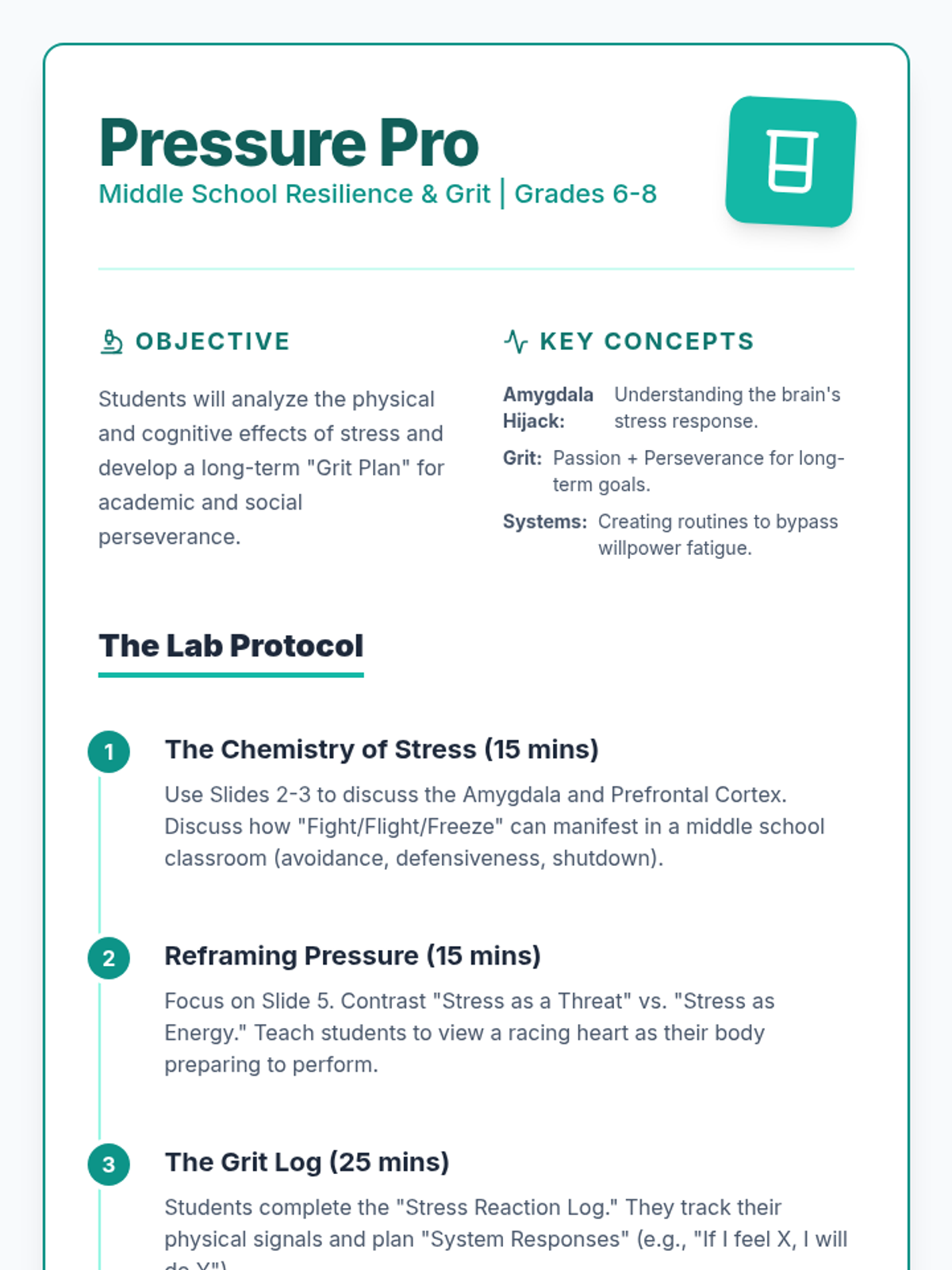
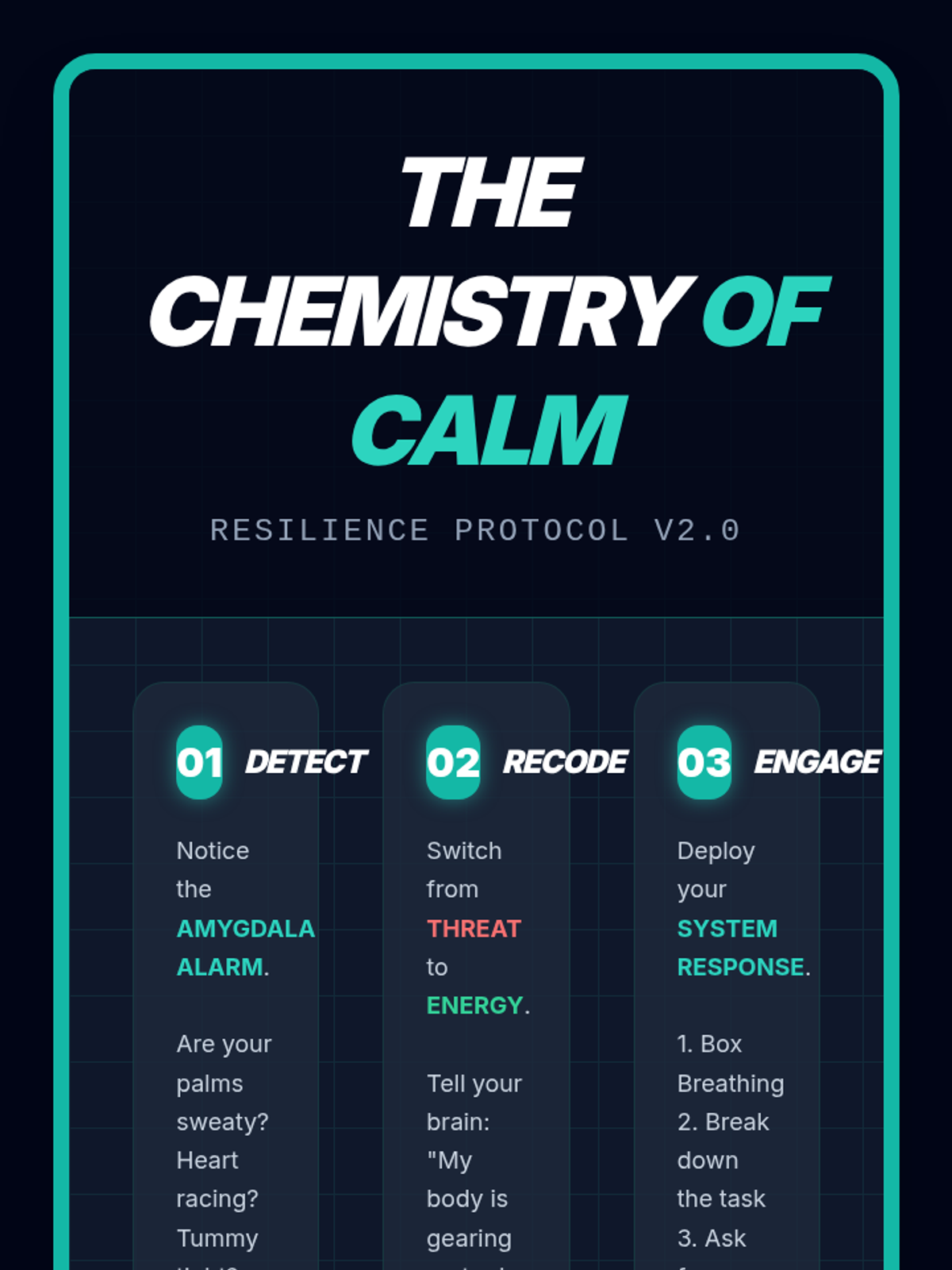
Explores the science of stress, long-term perseverance (grit), and developing a personal resilience plan for navigating middle school transitions.
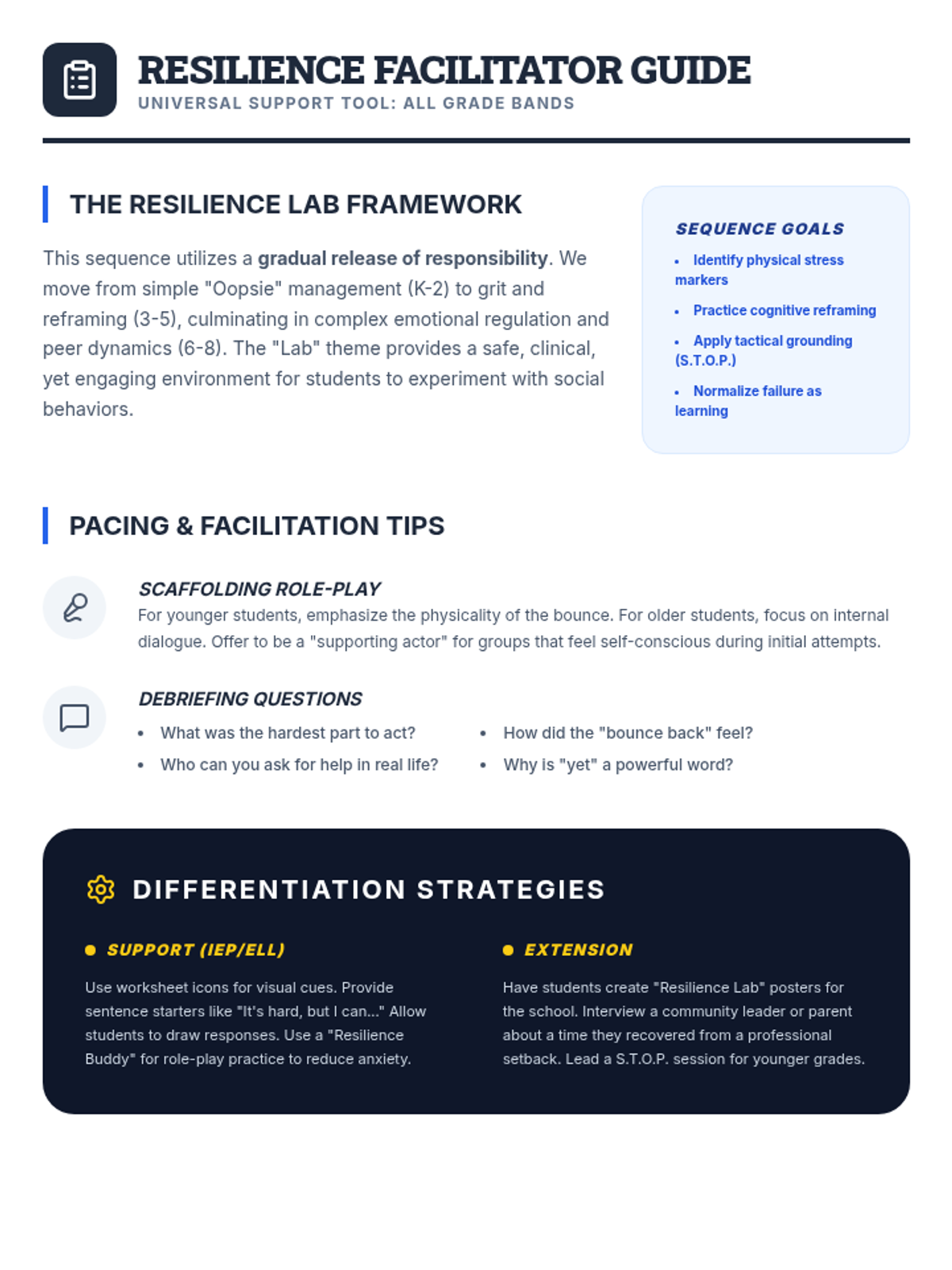
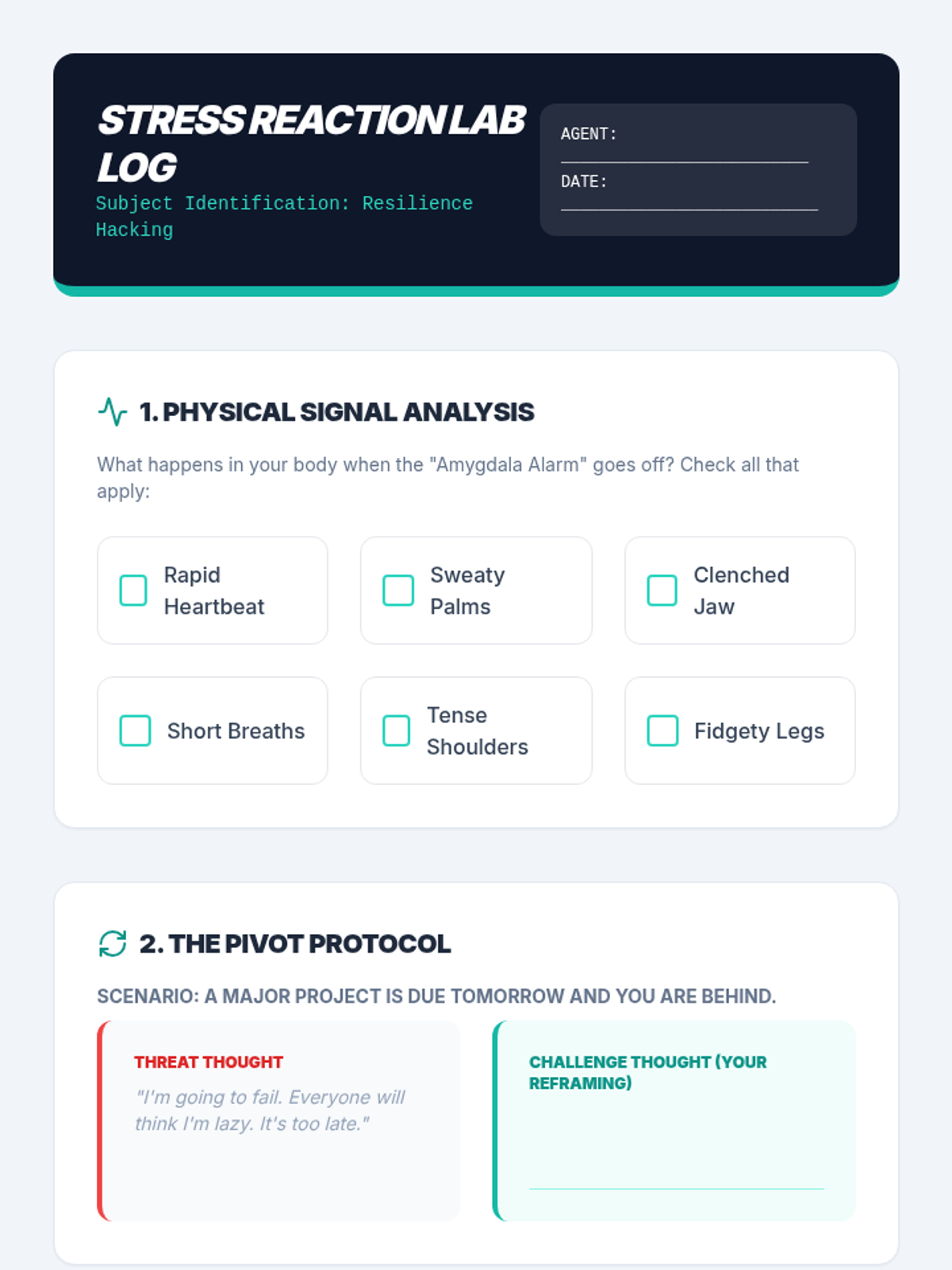
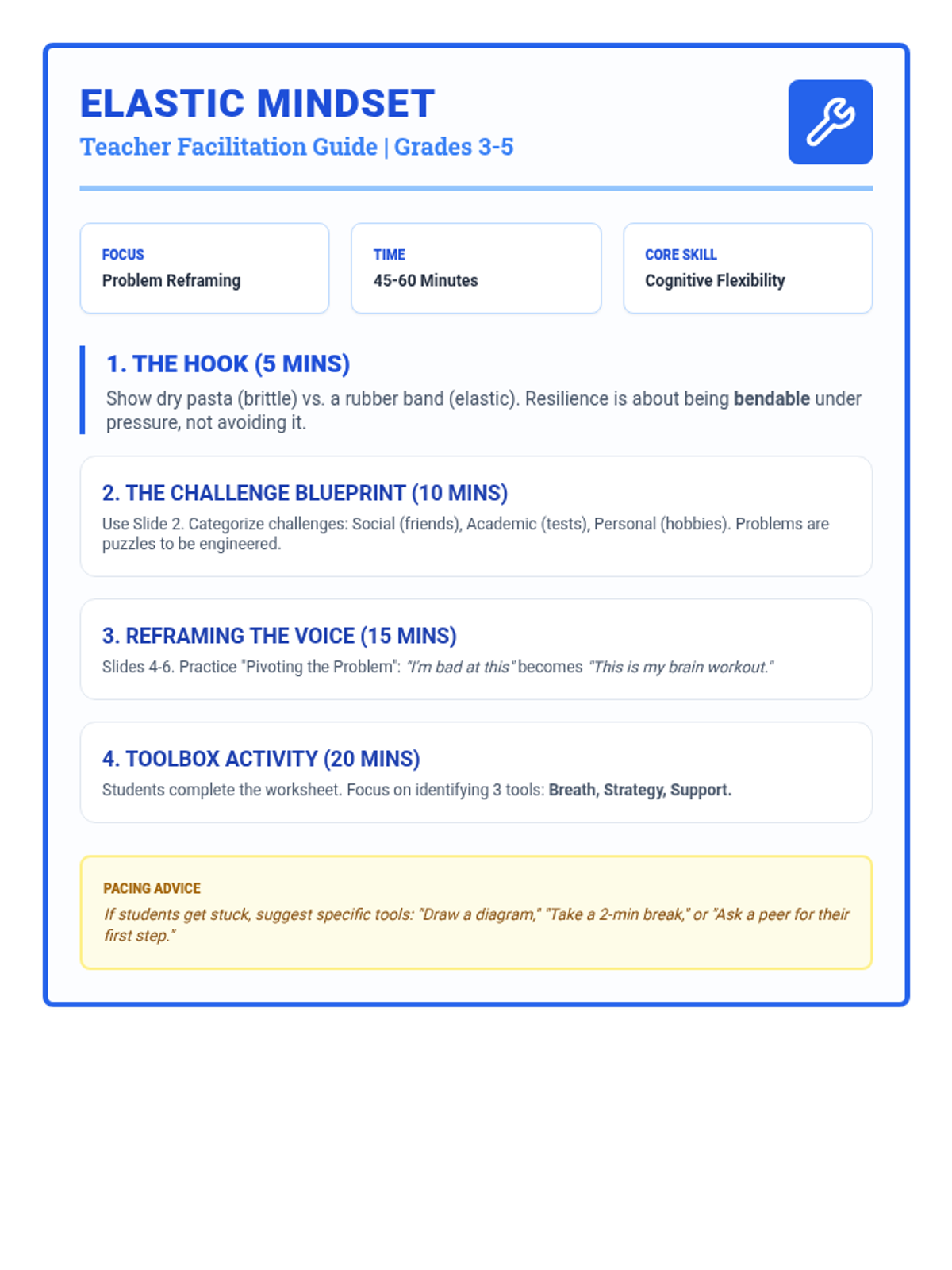
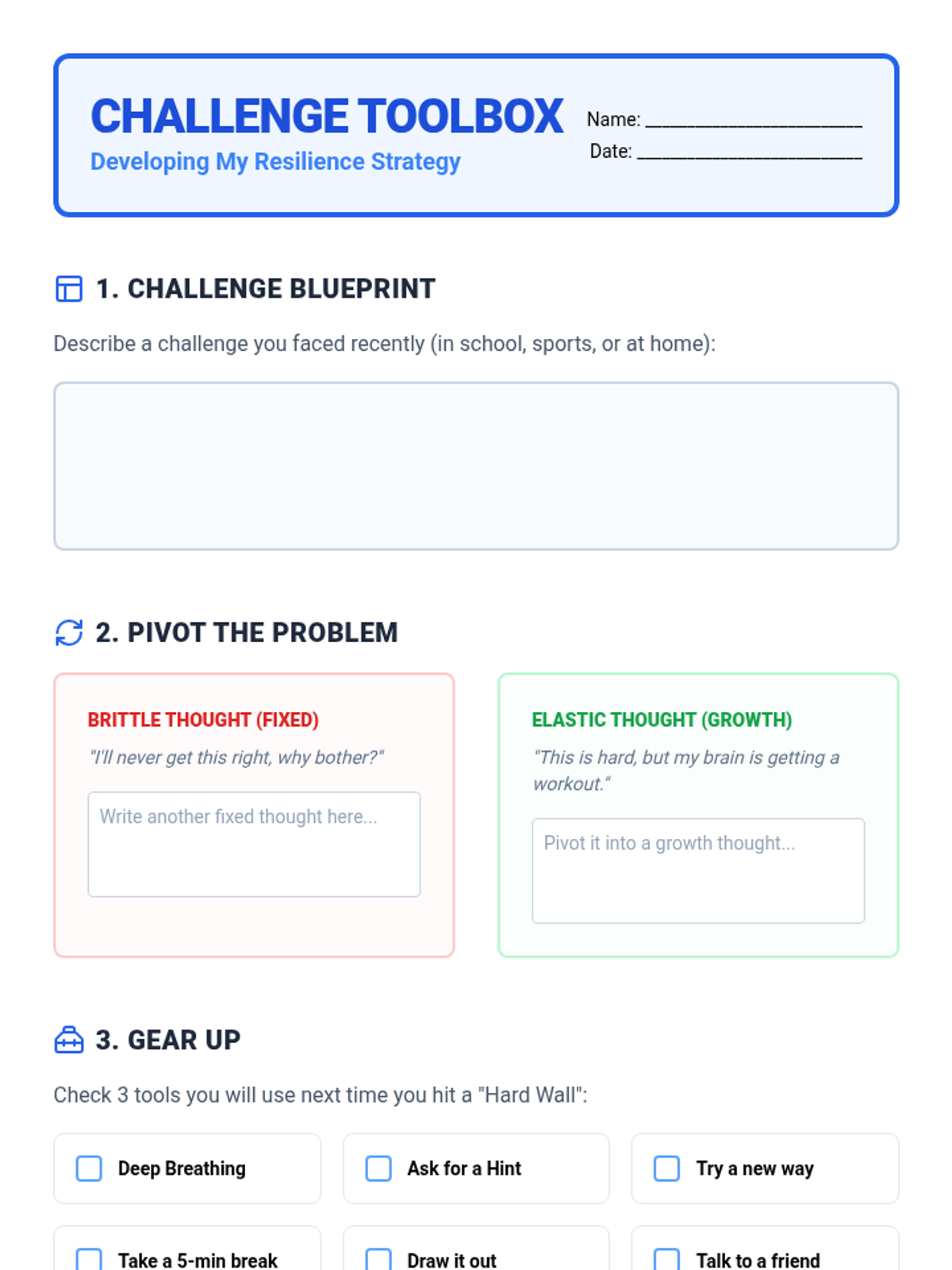
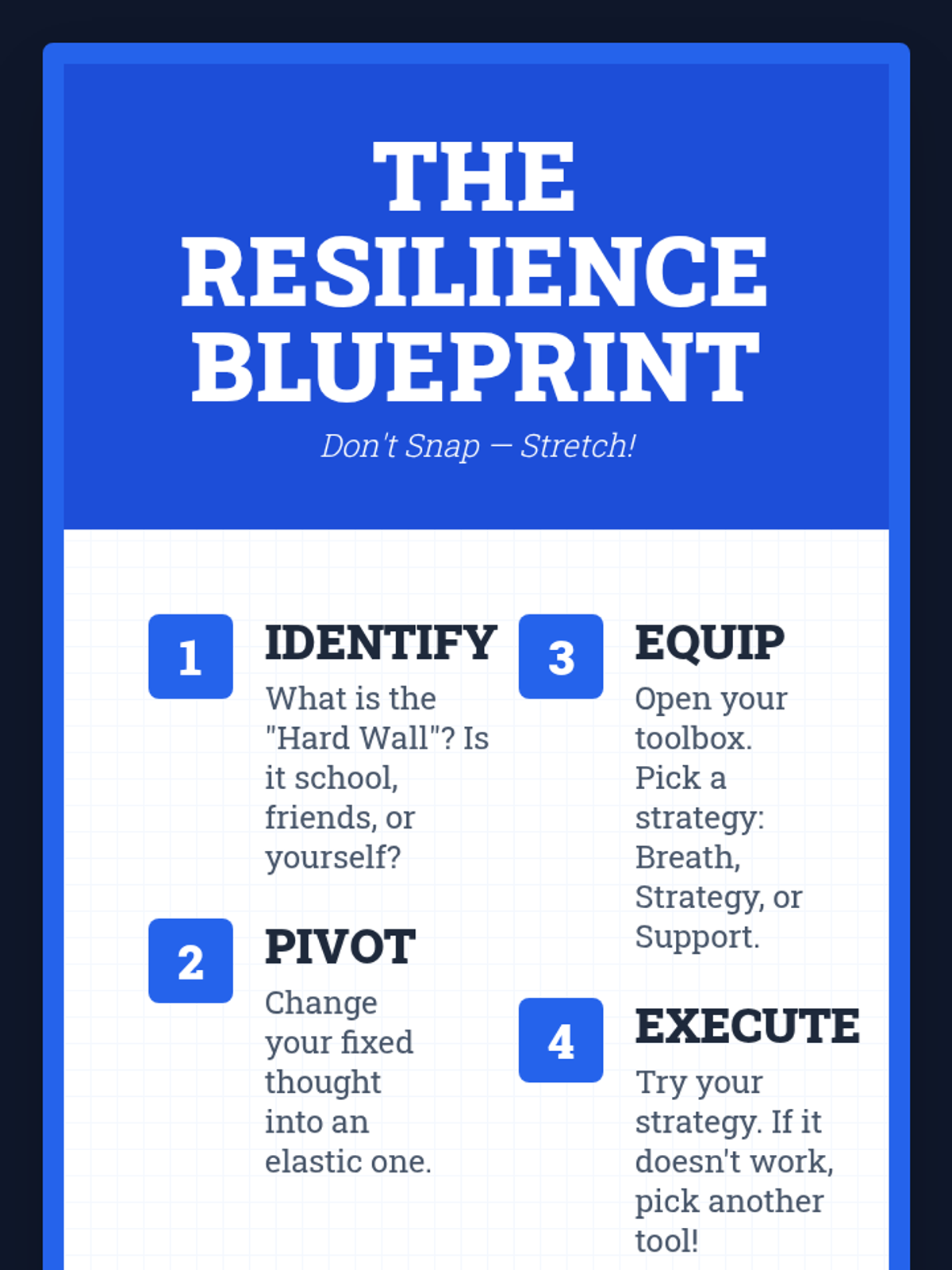
Teaches students to identify challenges, reframe negative thoughts, and build a 'toolbox' of coping strategies for social and academic hurdles.
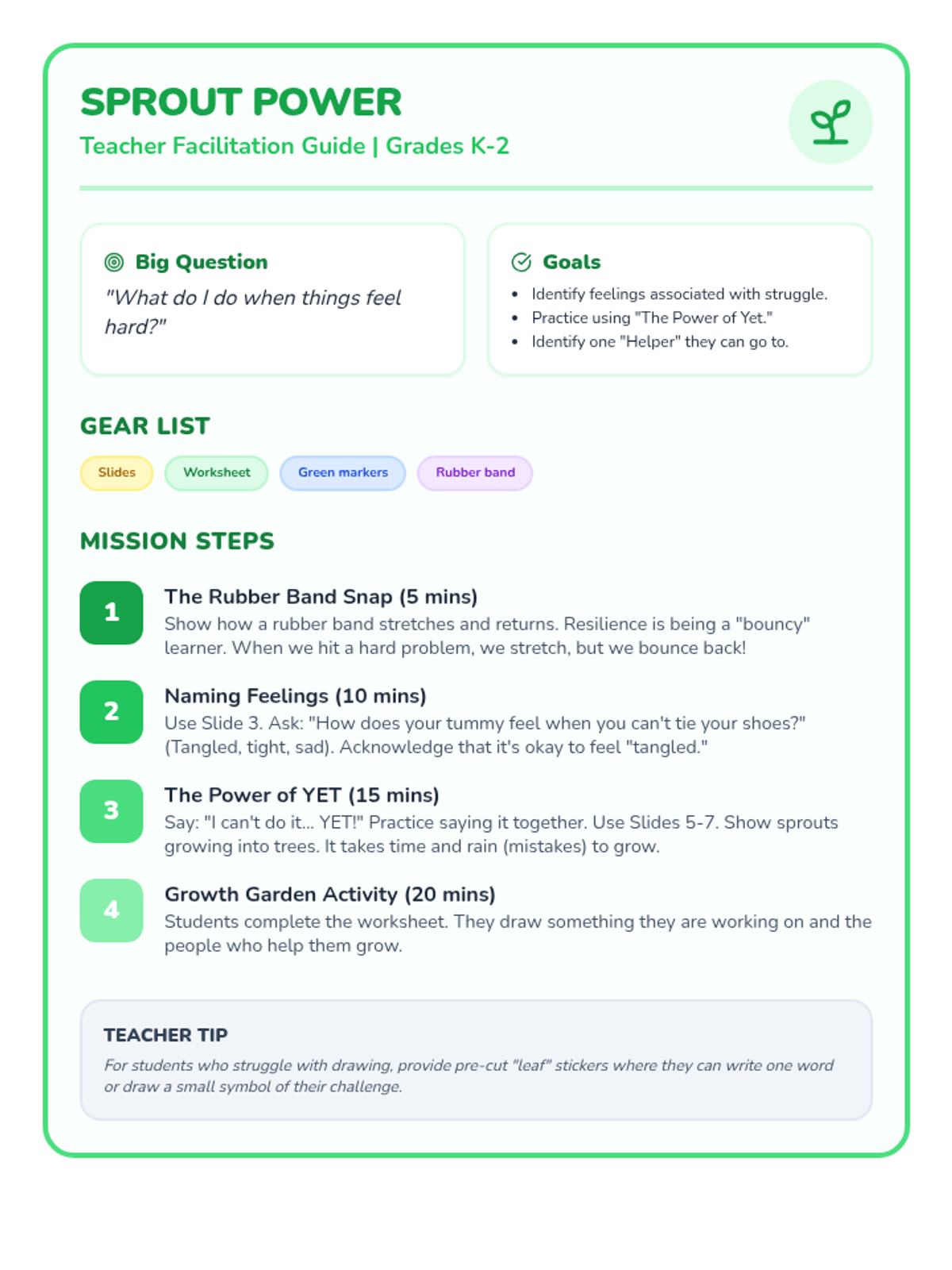
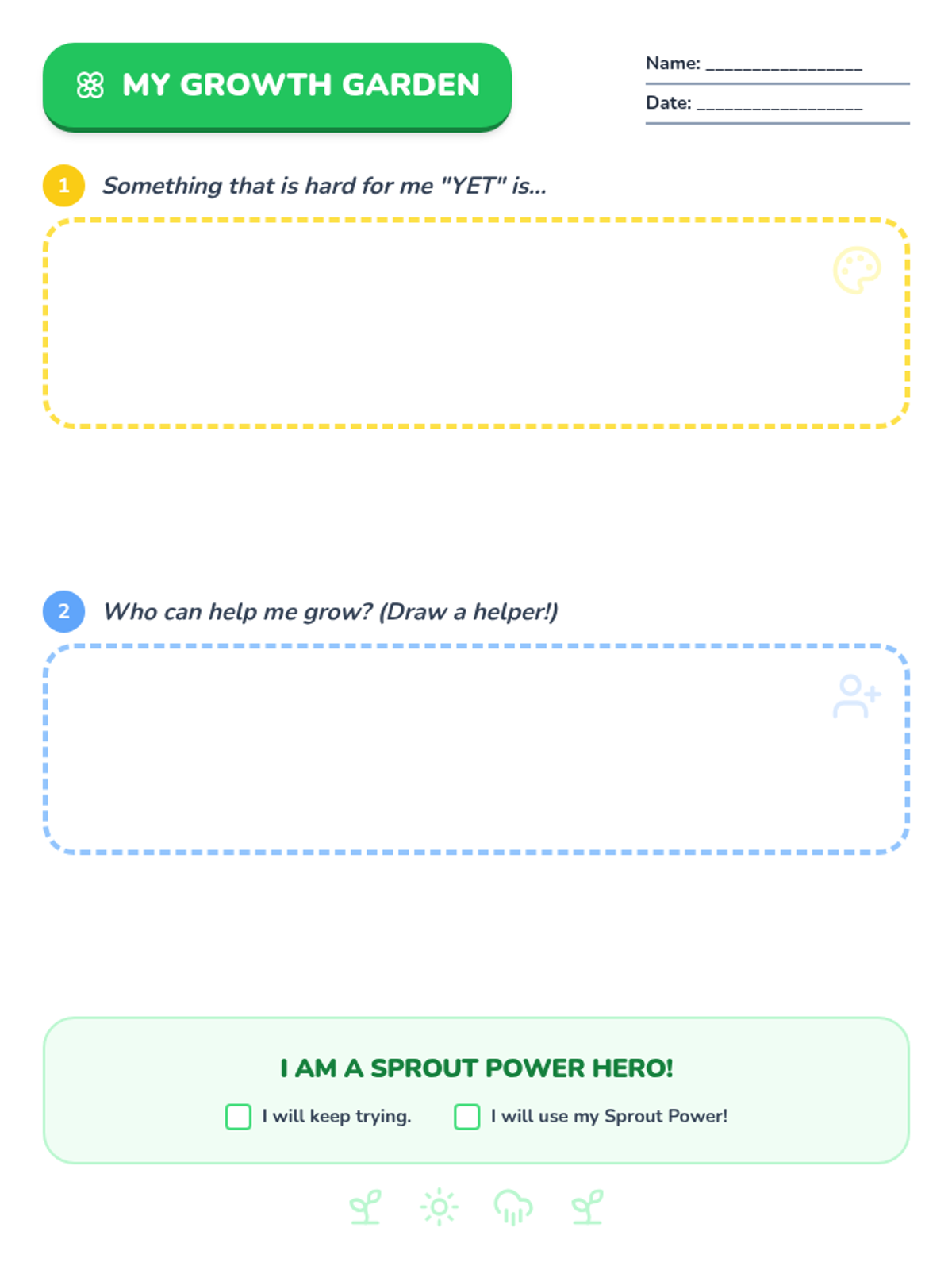
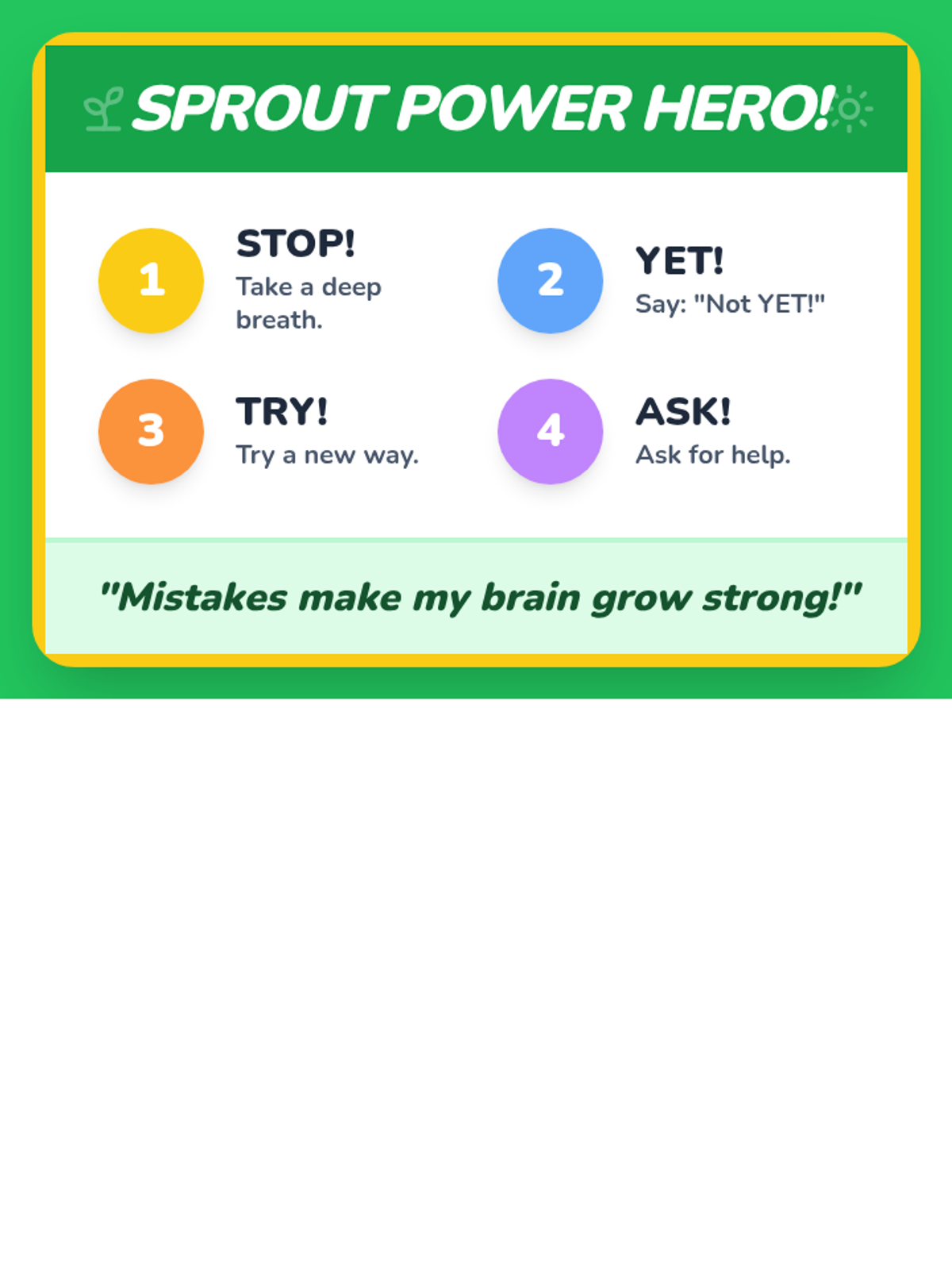
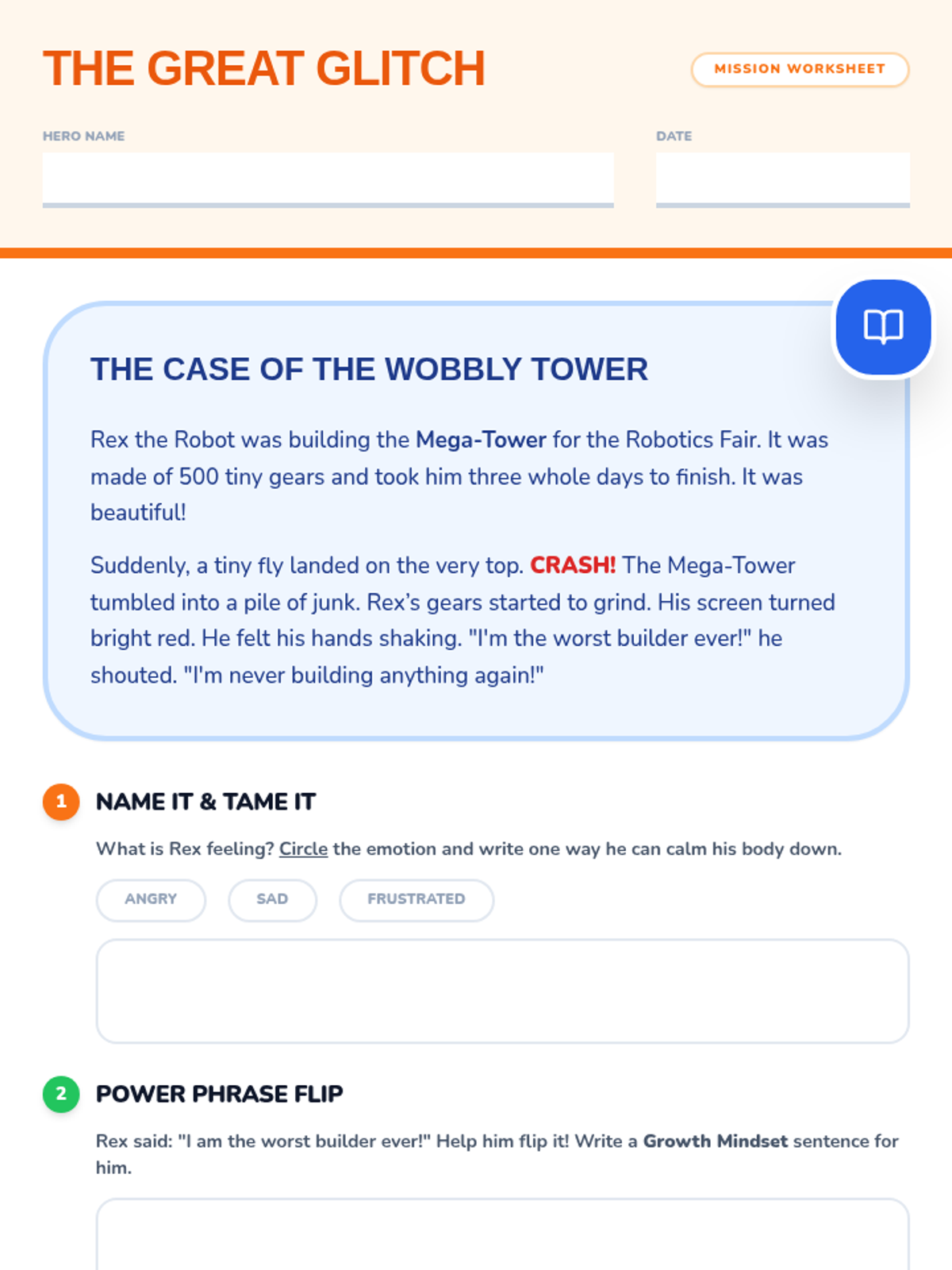
Focuses on naming emotions, understanding that mistakes help us grow, and using the 'Power of Yet' to build early resilience.
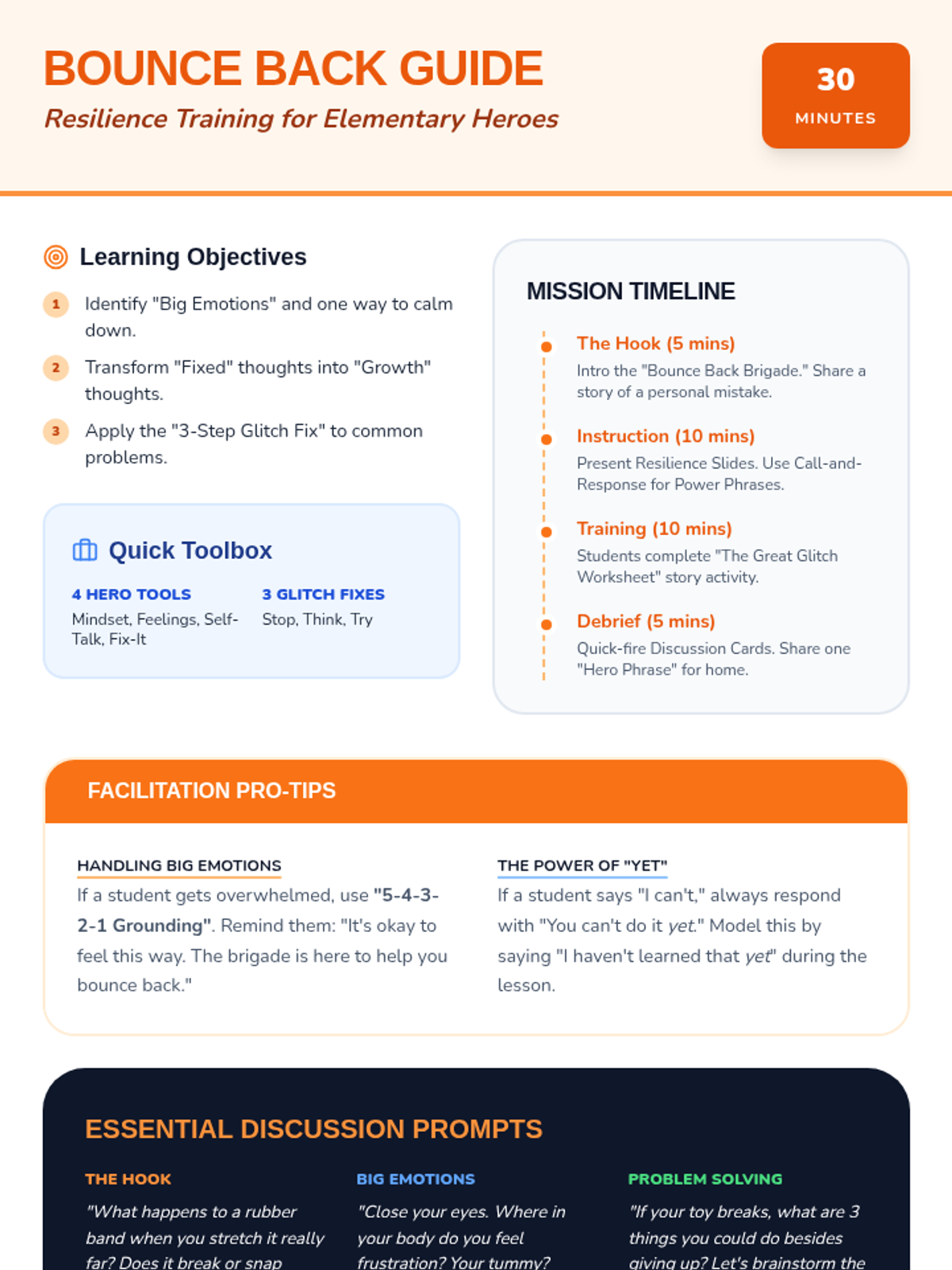
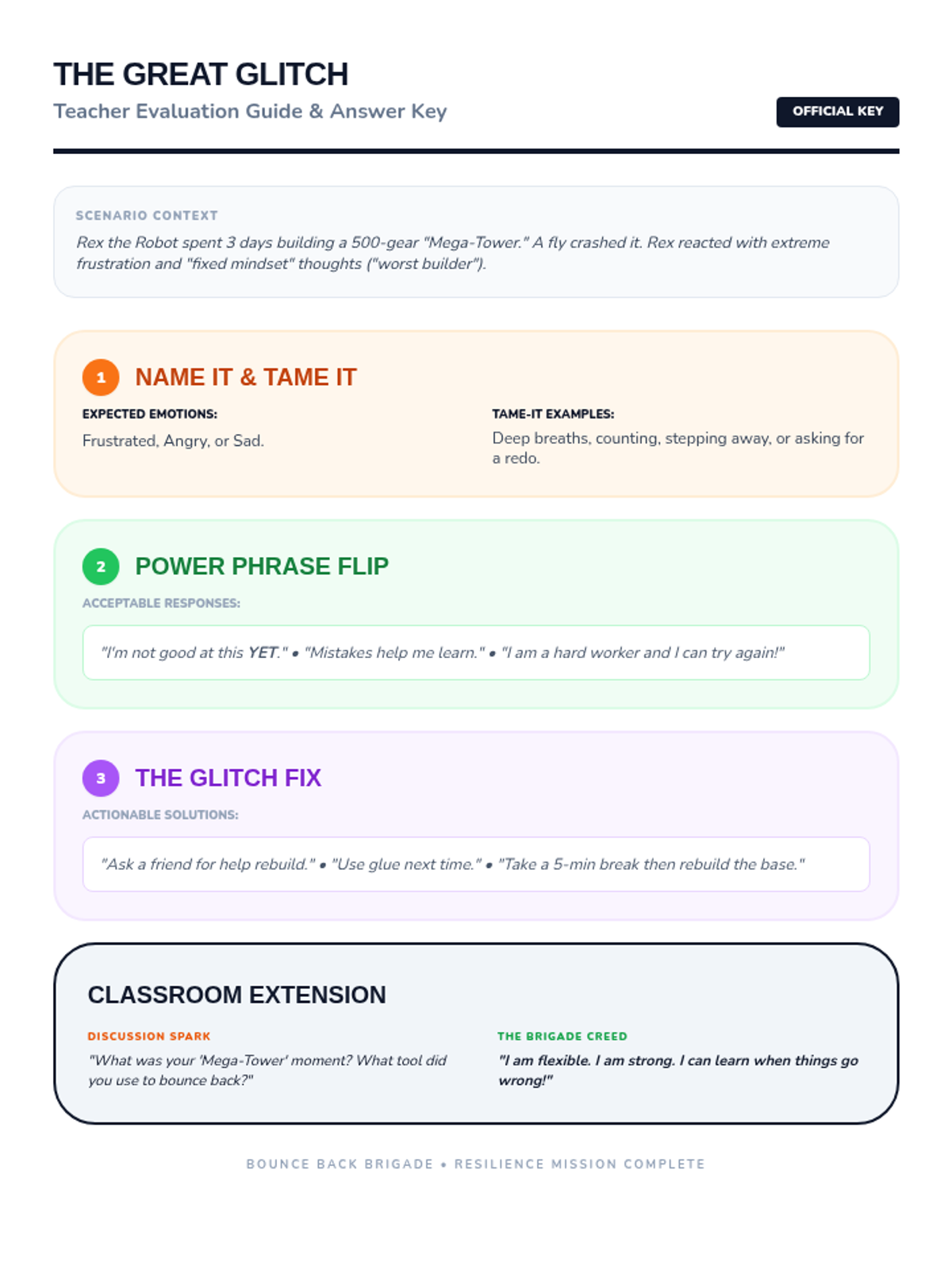
A fast-paced, high-energy 30-minute lesson designed to teach elementary students the fundamentals of resilience through the 'Bounce Back Brigade' framework. Students learn to navigate big emotions, use positive self-talk, adopt a growth mindset, and solve problems through interactive slides and story-based activities.
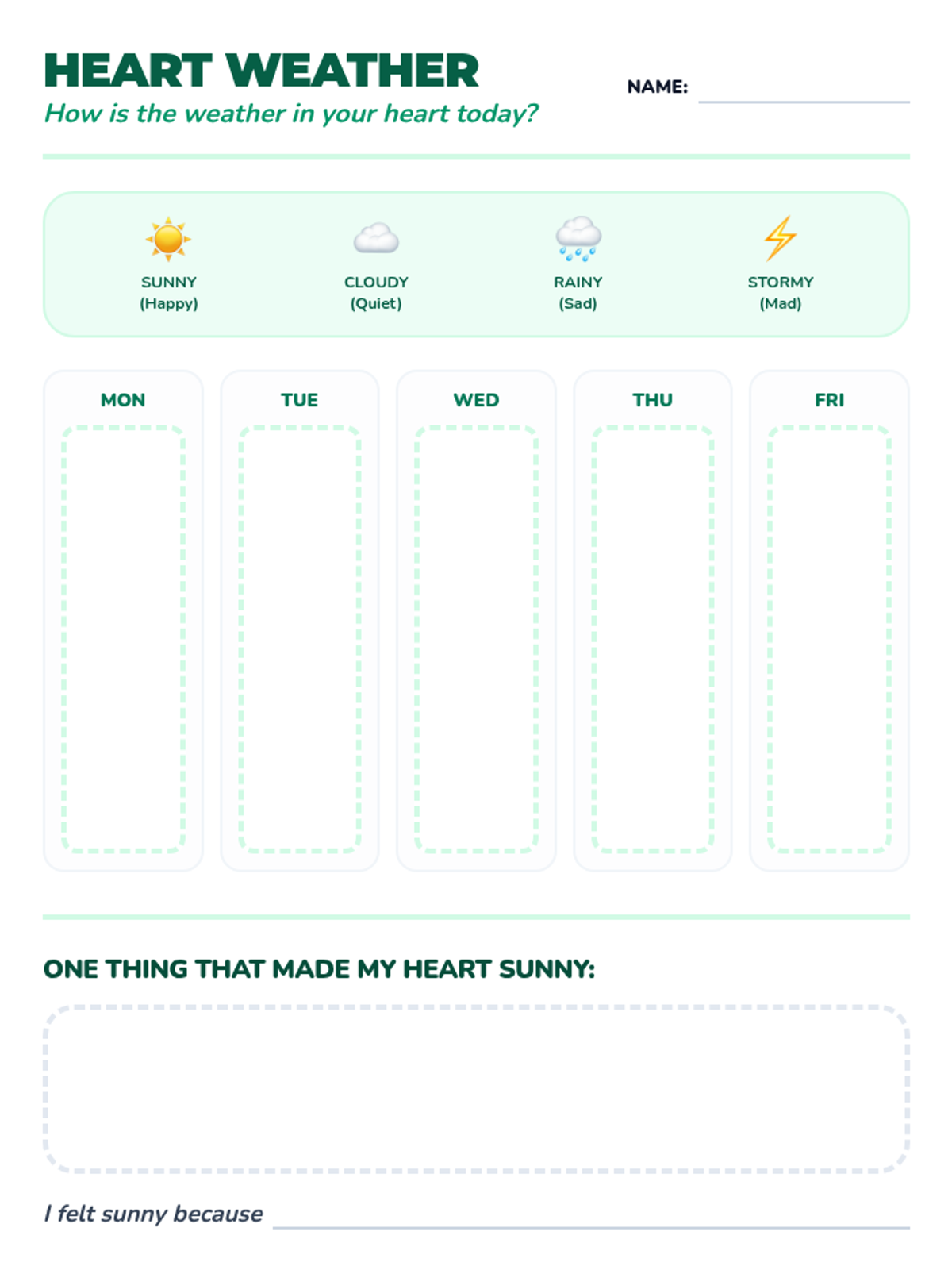
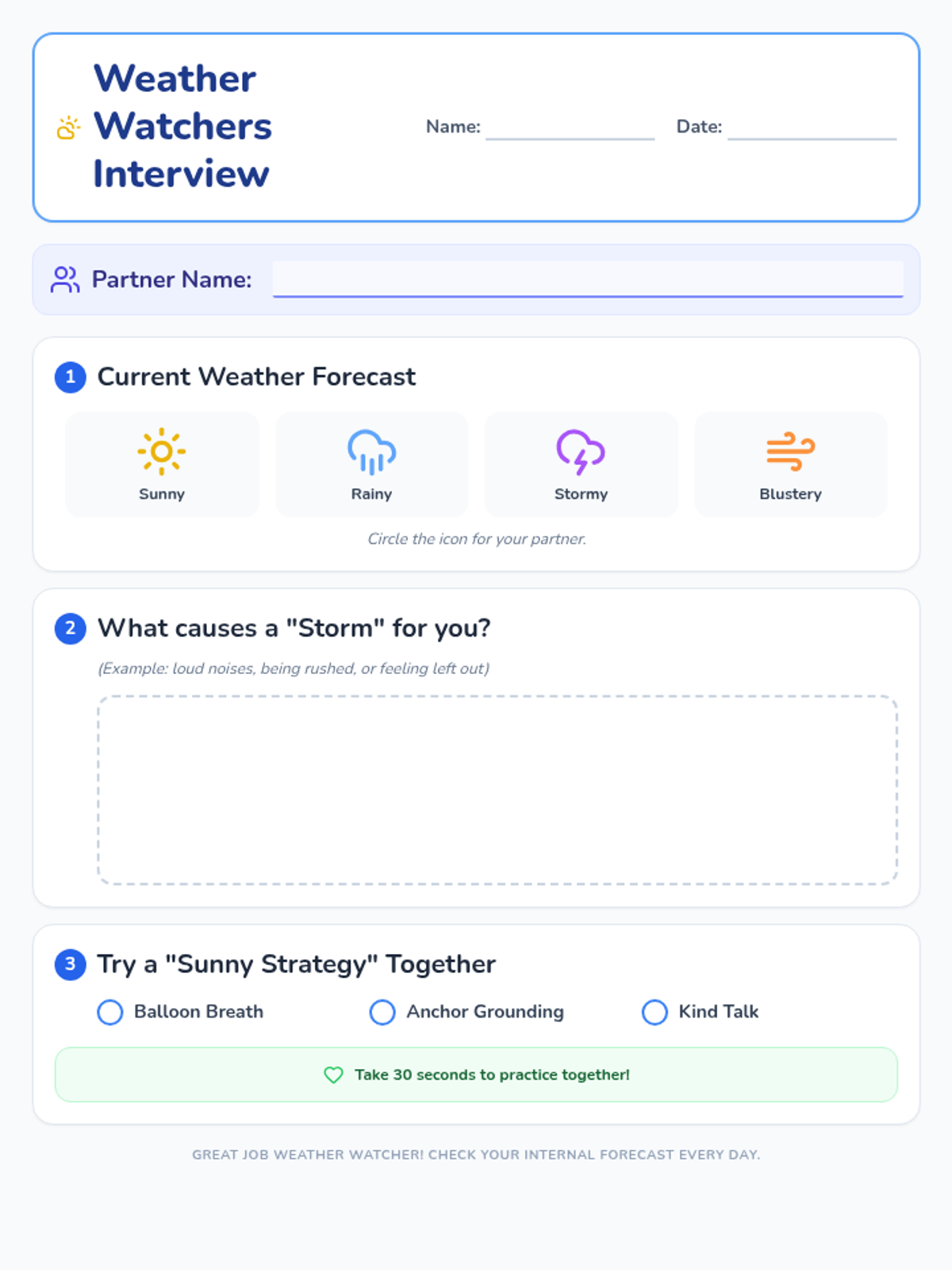
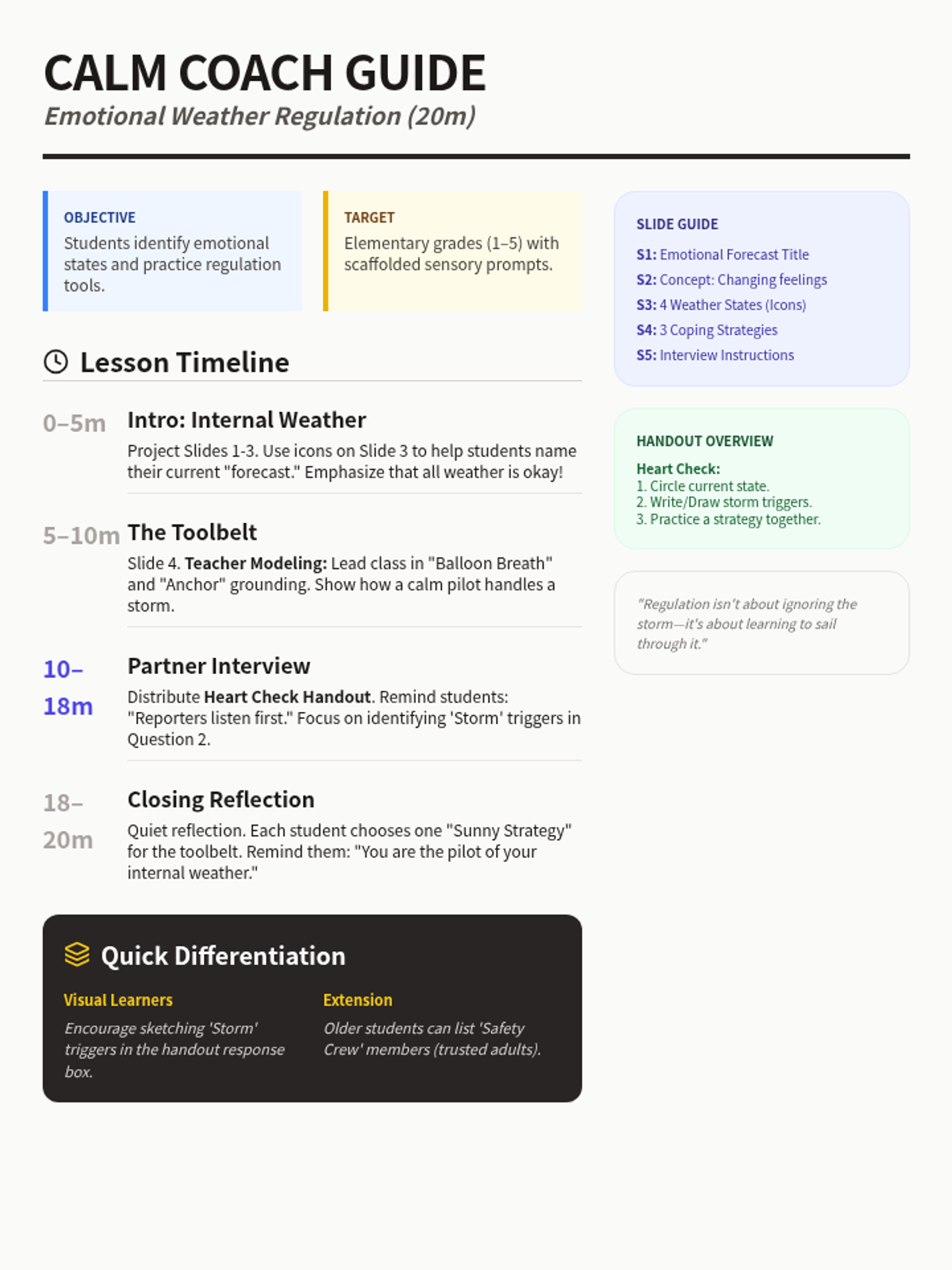
A 20-minute lesson focused on emotional regulation through the metaphor of 'internal weather,' helping students identify feelings and practice self-care strategies.
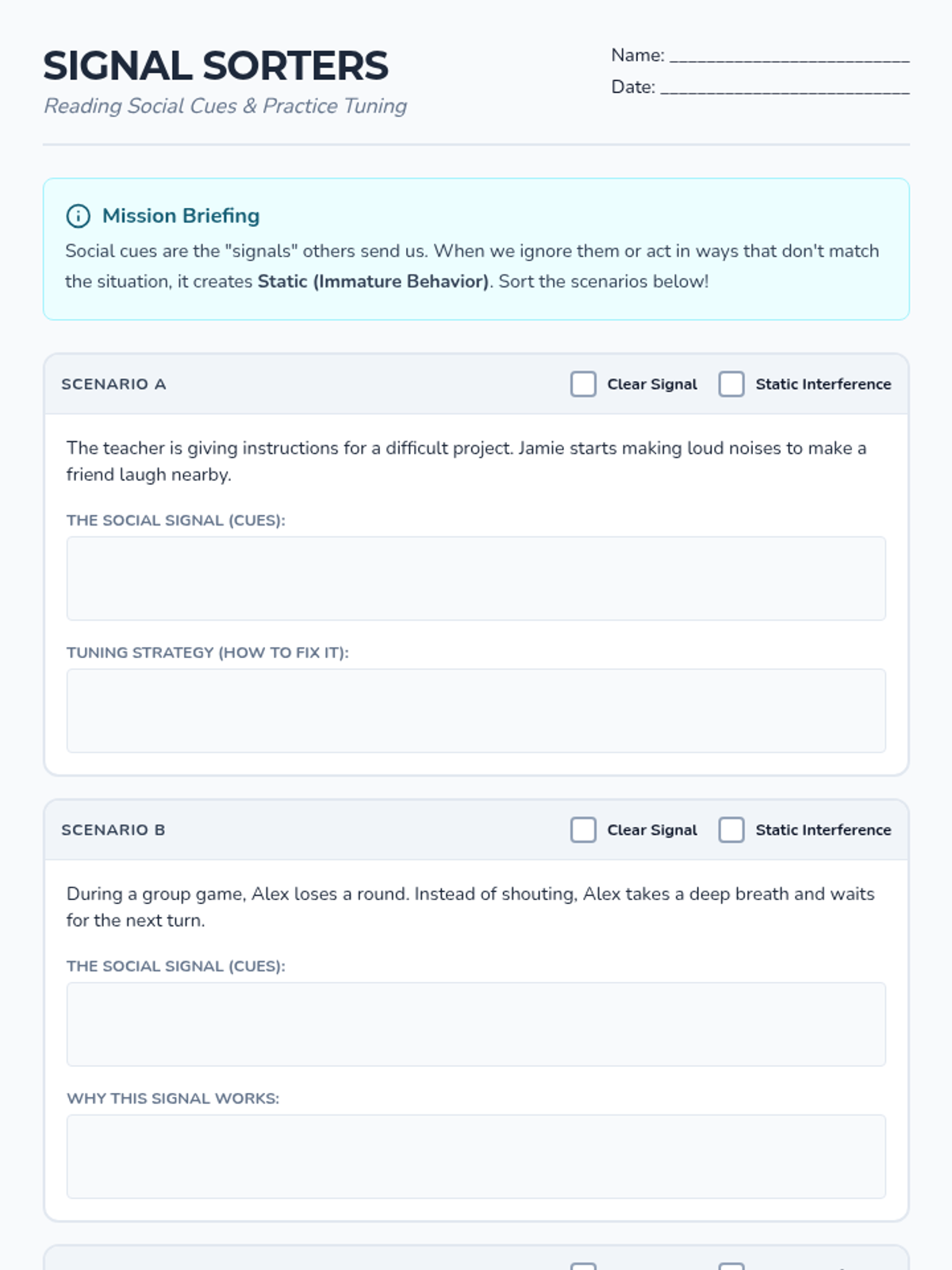
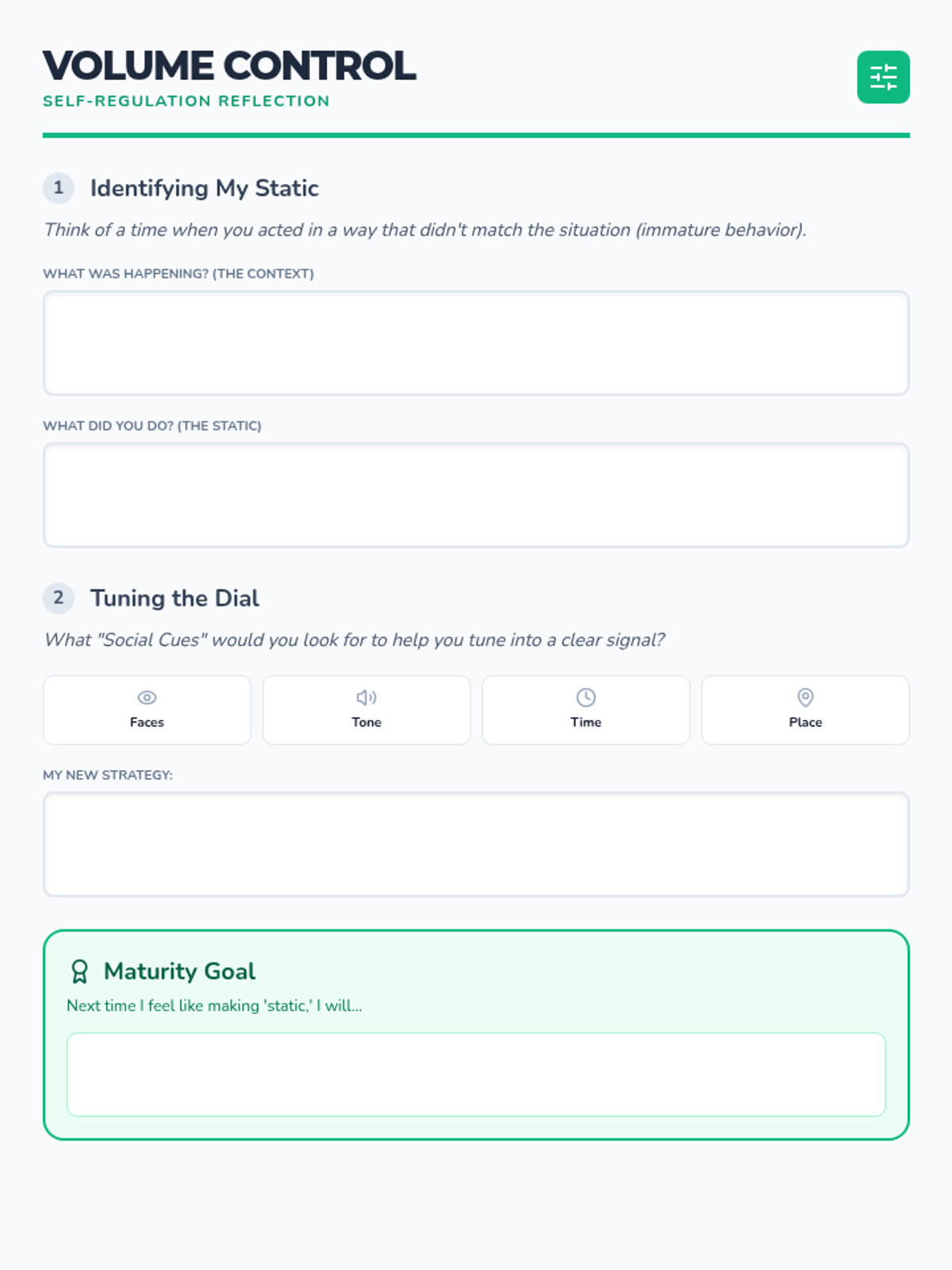
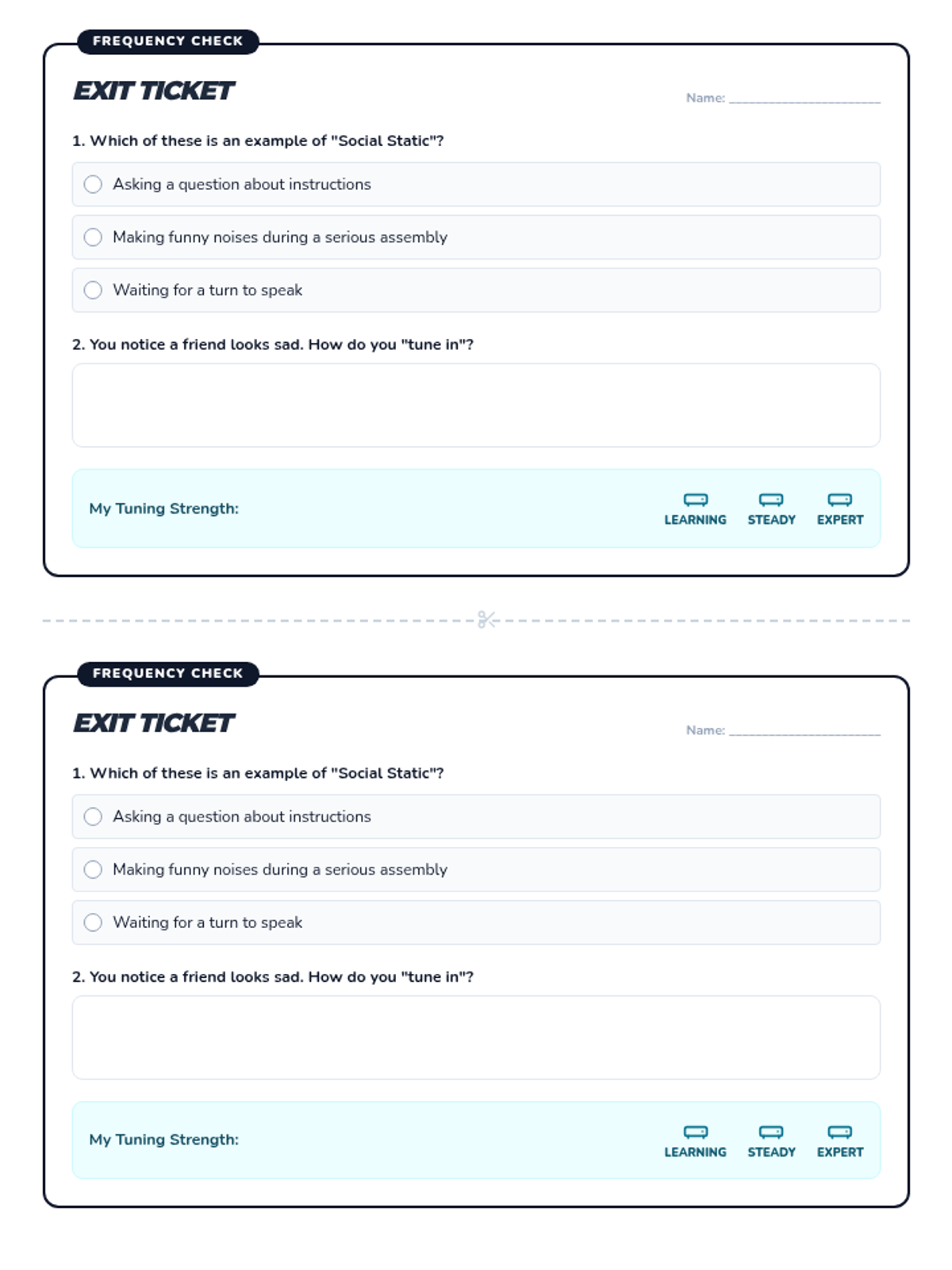
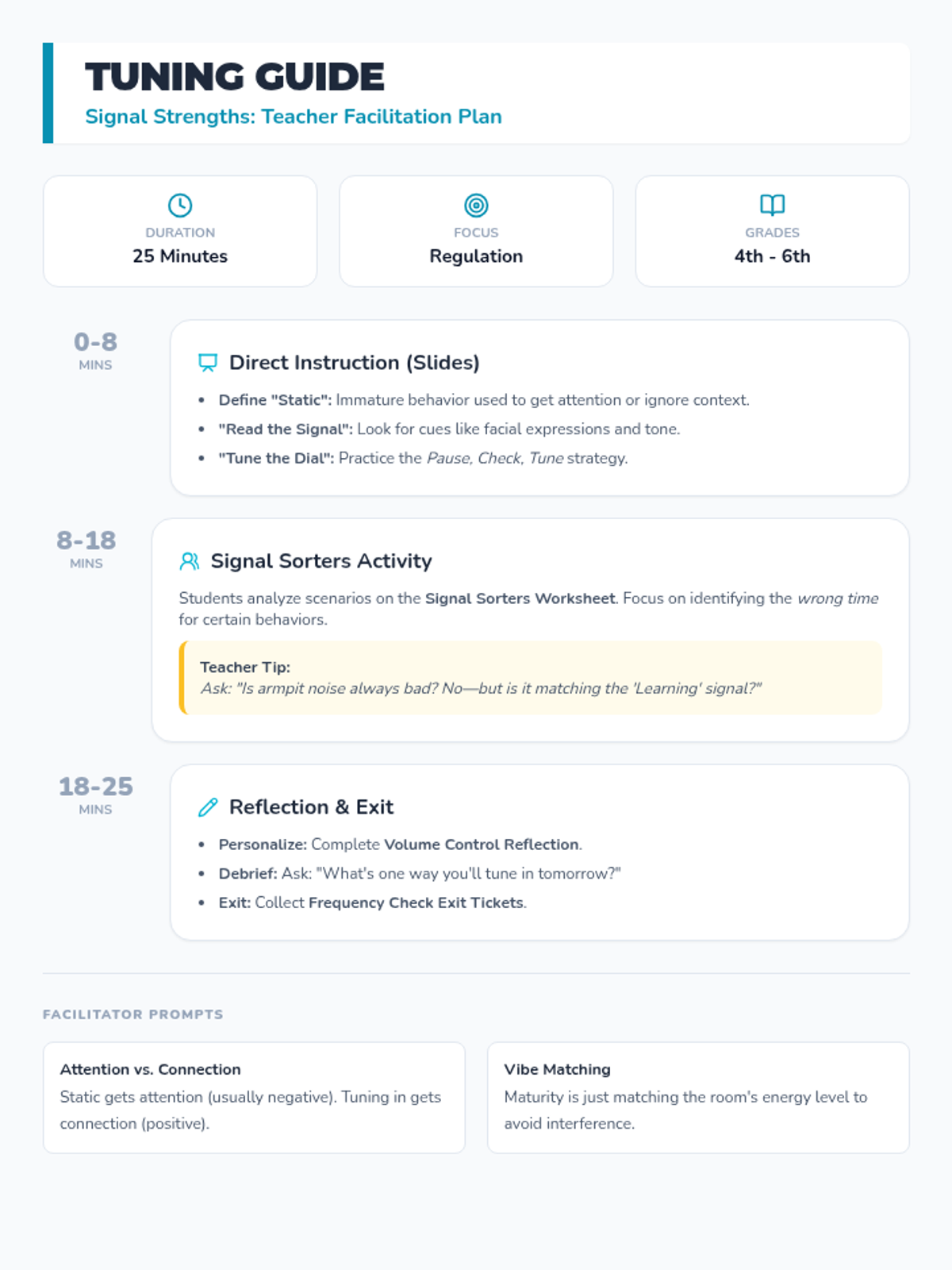
A 25-minute lesson focused on identifying immature behaviors by reading social cues and applying self-regulation strategies to "tune in" to the social environment.
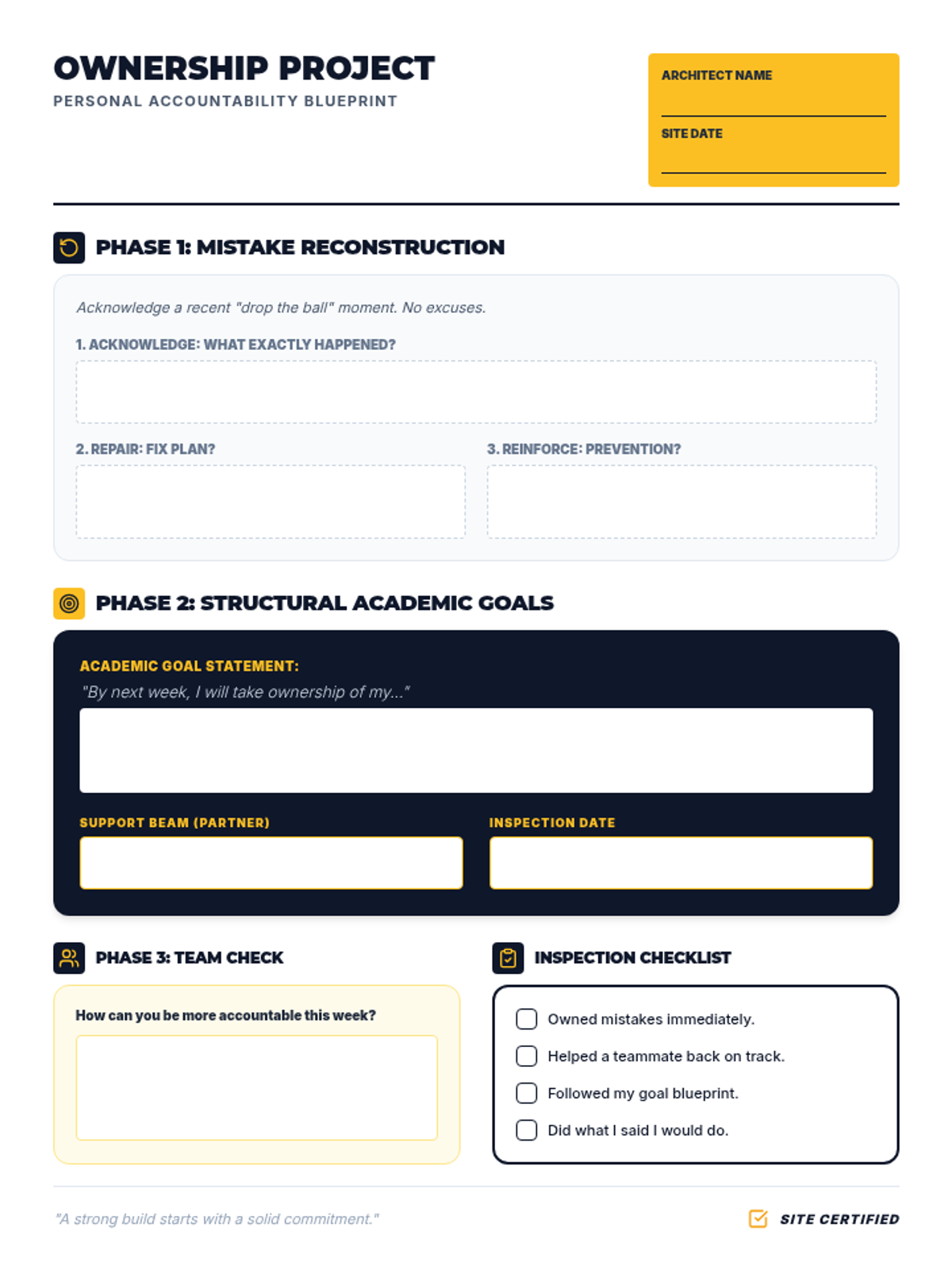
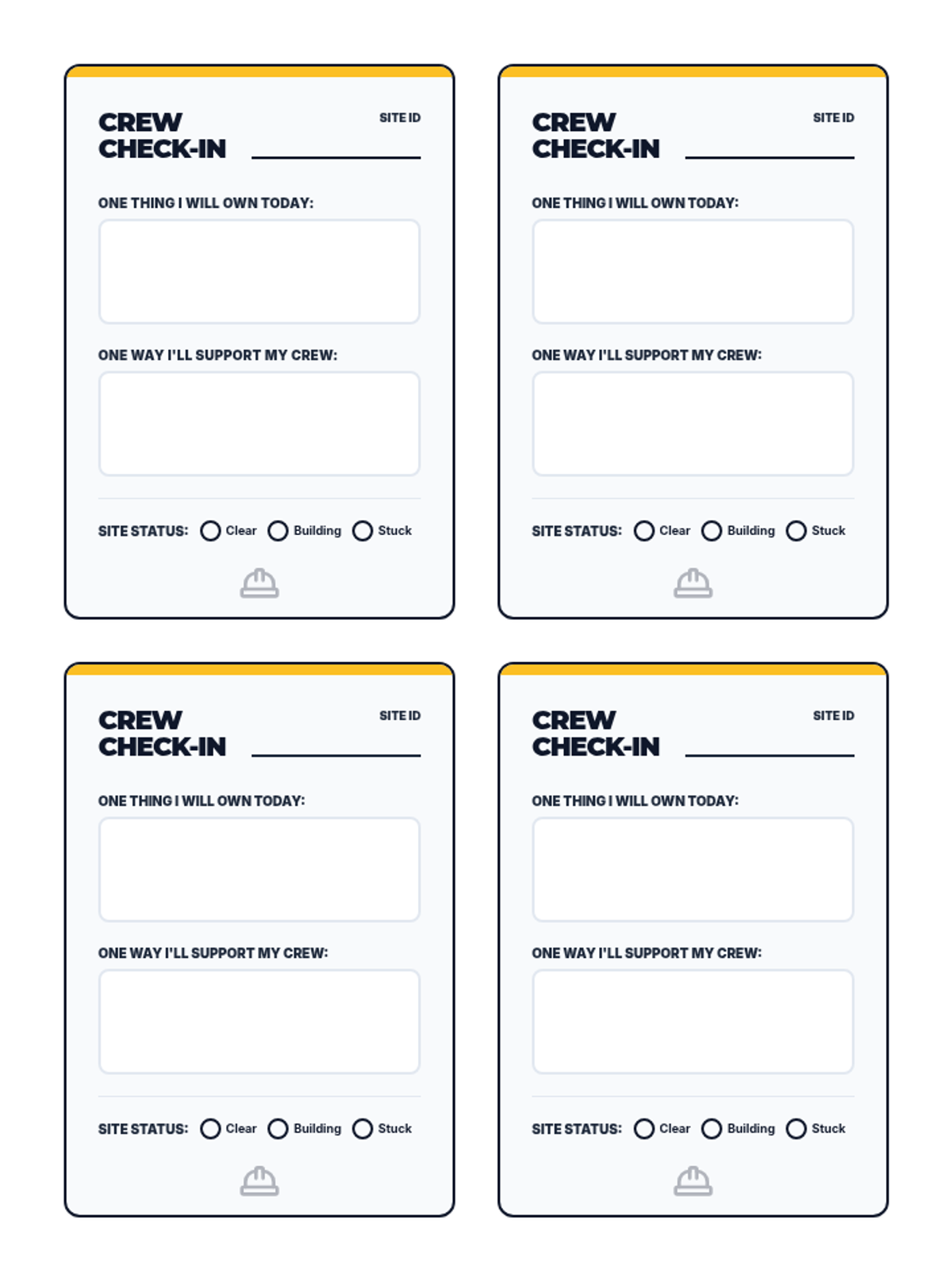
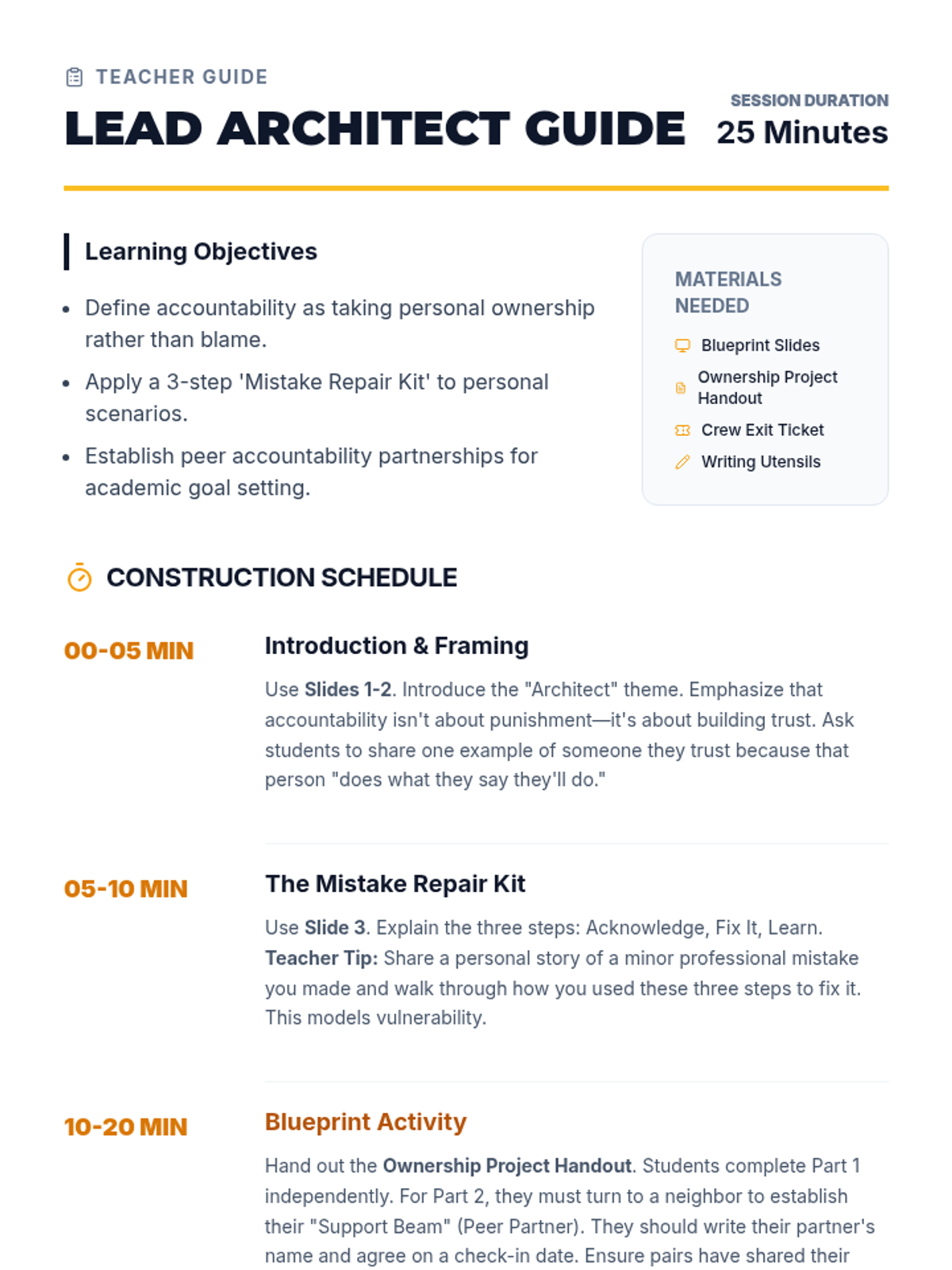
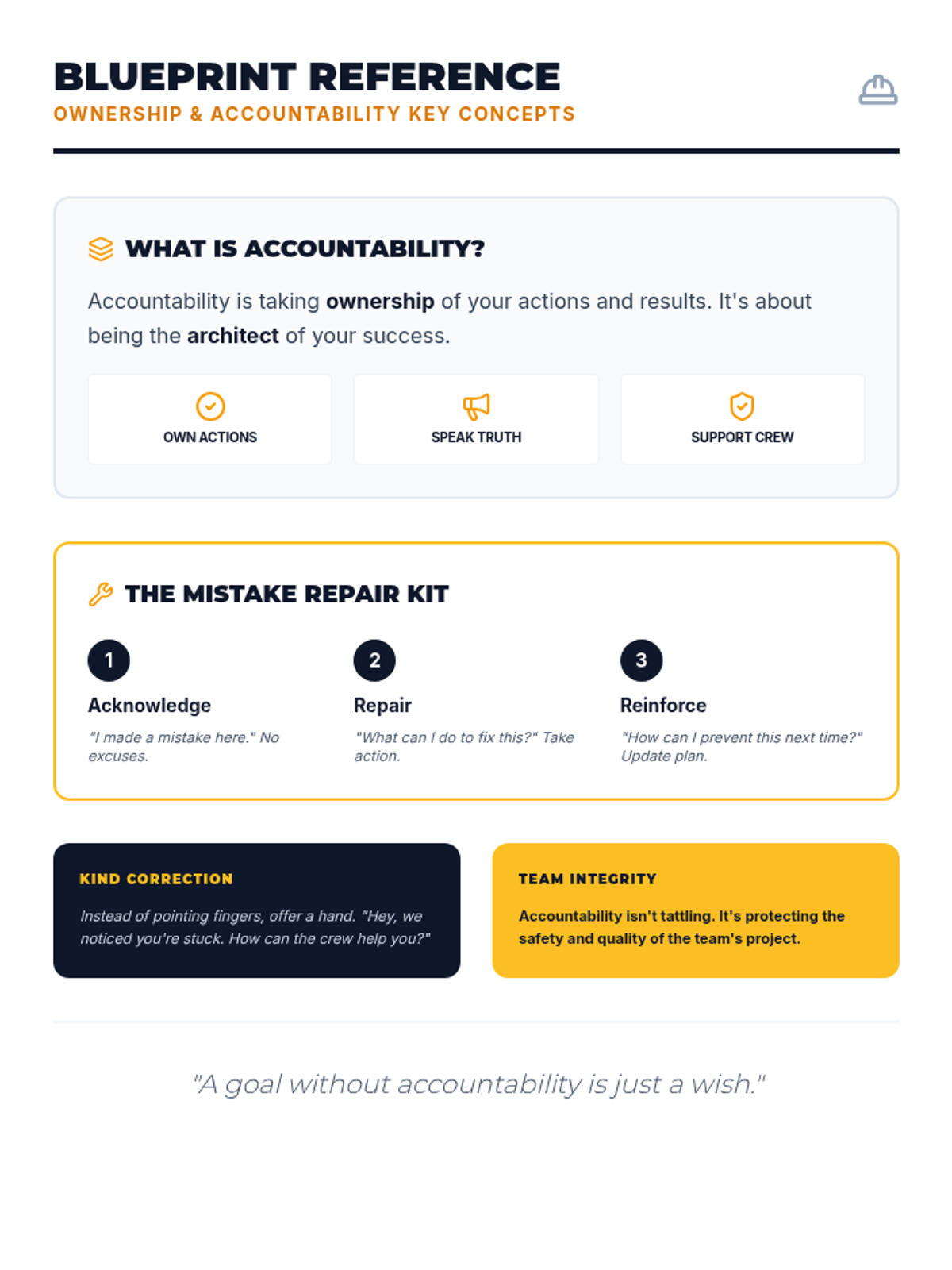
A fast-paced, high-impact 25-minute lesson focusing on the pillars of accountability: owning mistakes, supporting peers, and setting concrete academic goals. Students take on the role of 'Accountability Architects' to build a stronger classroom culture.
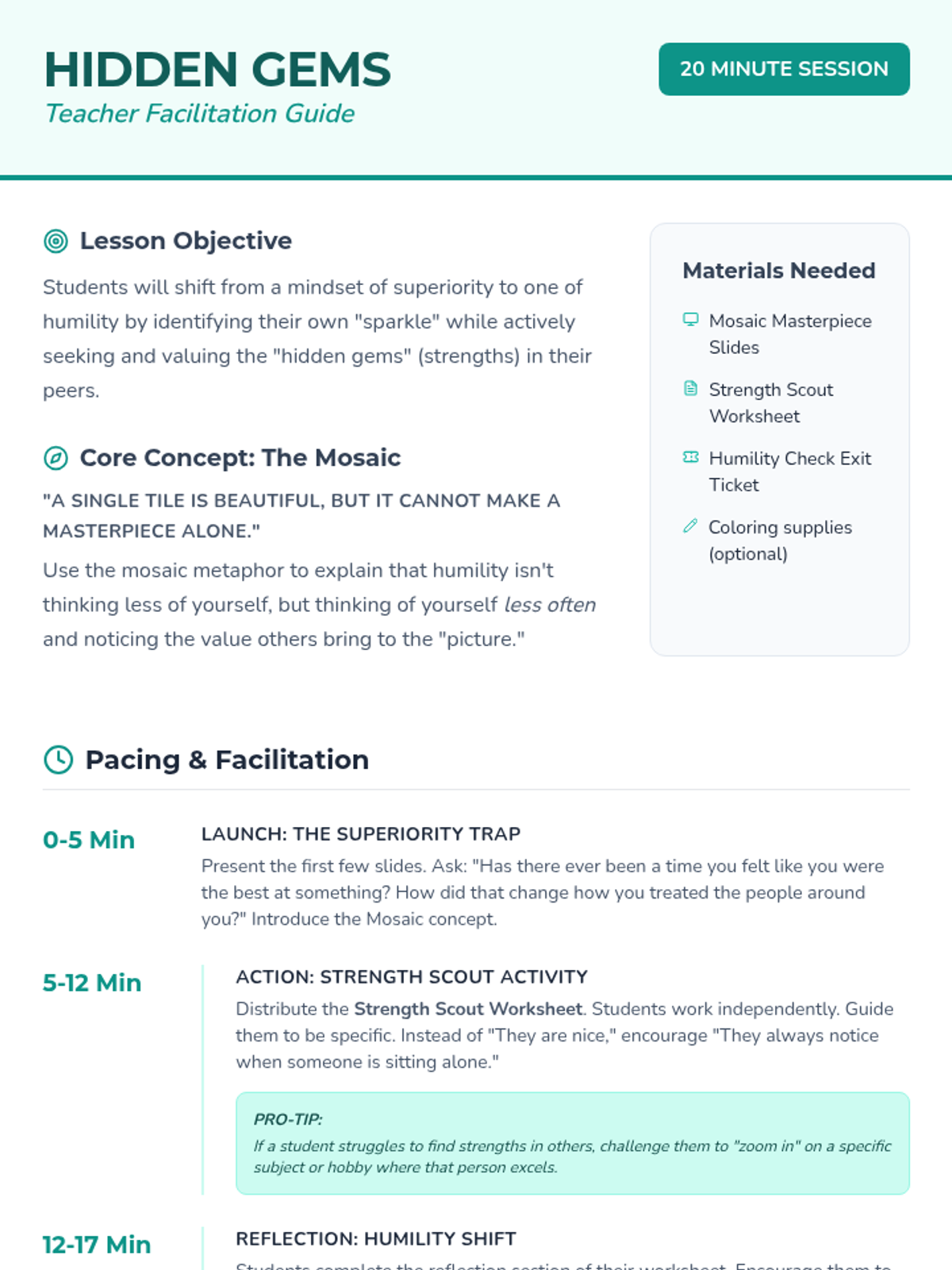
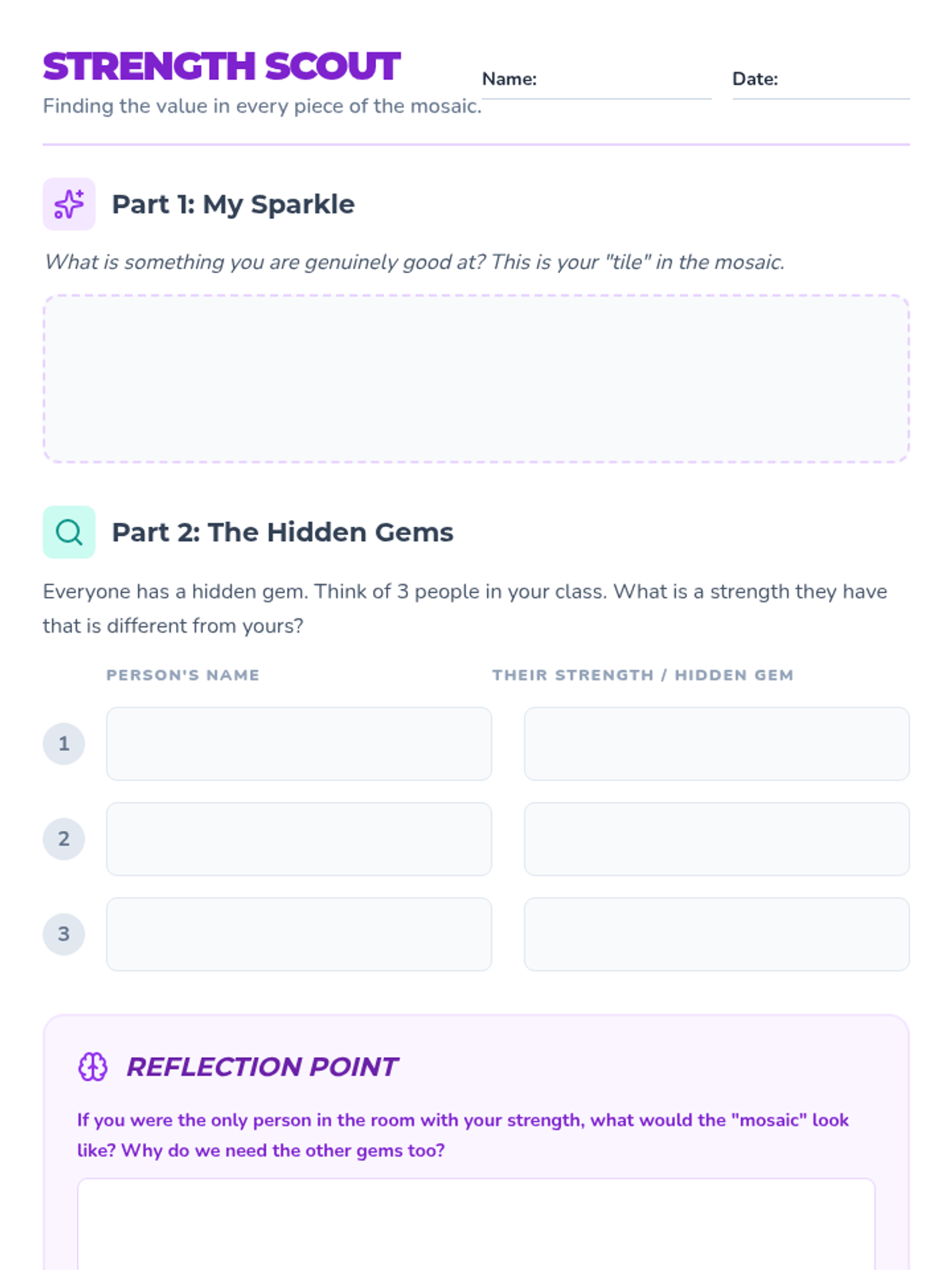
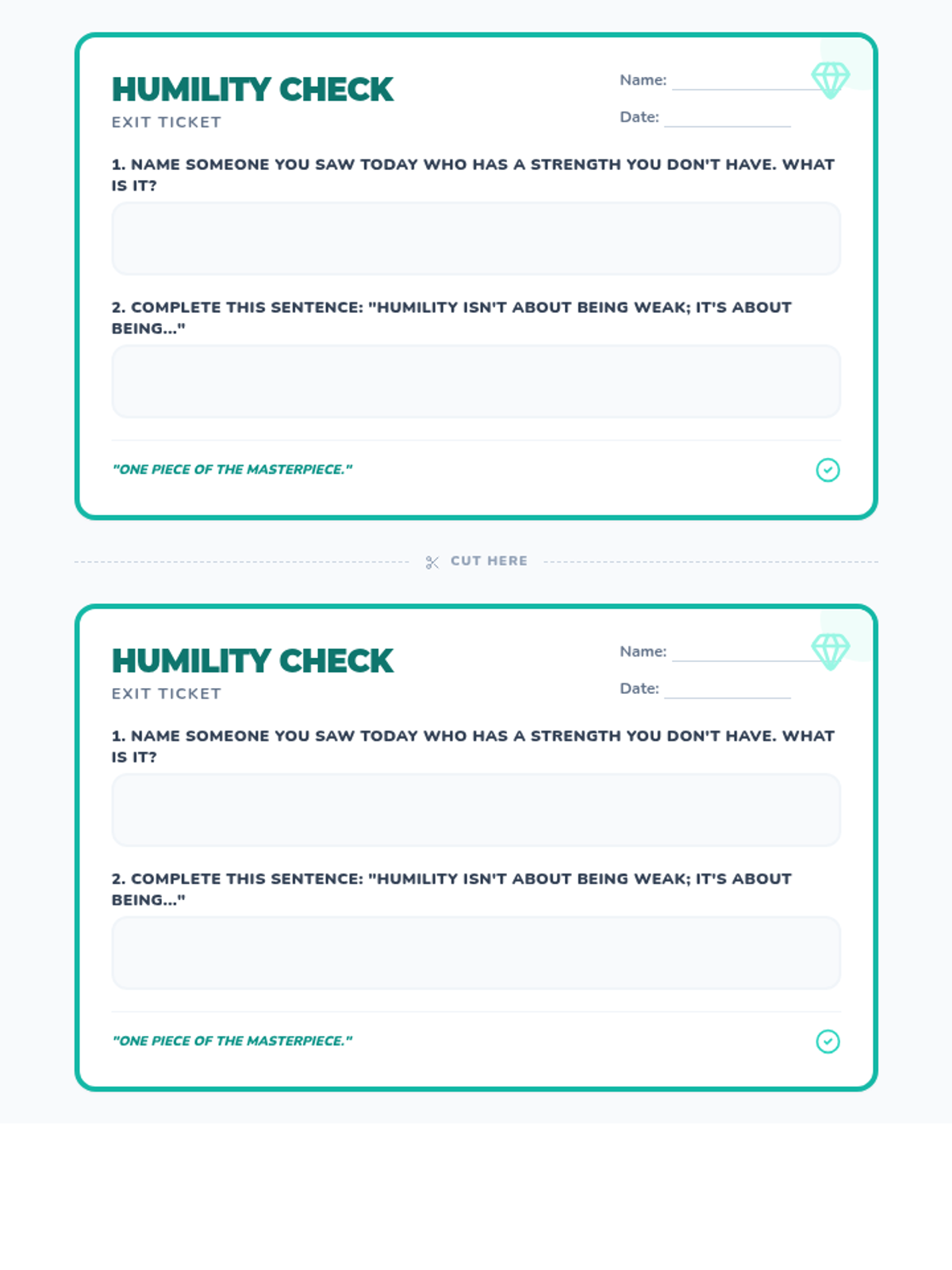
A 20-minute lesson focused on humility and valuing the unique strengths of others, using the metaphor of a mosaic to show that every individual is a vital piece of a larger whole.
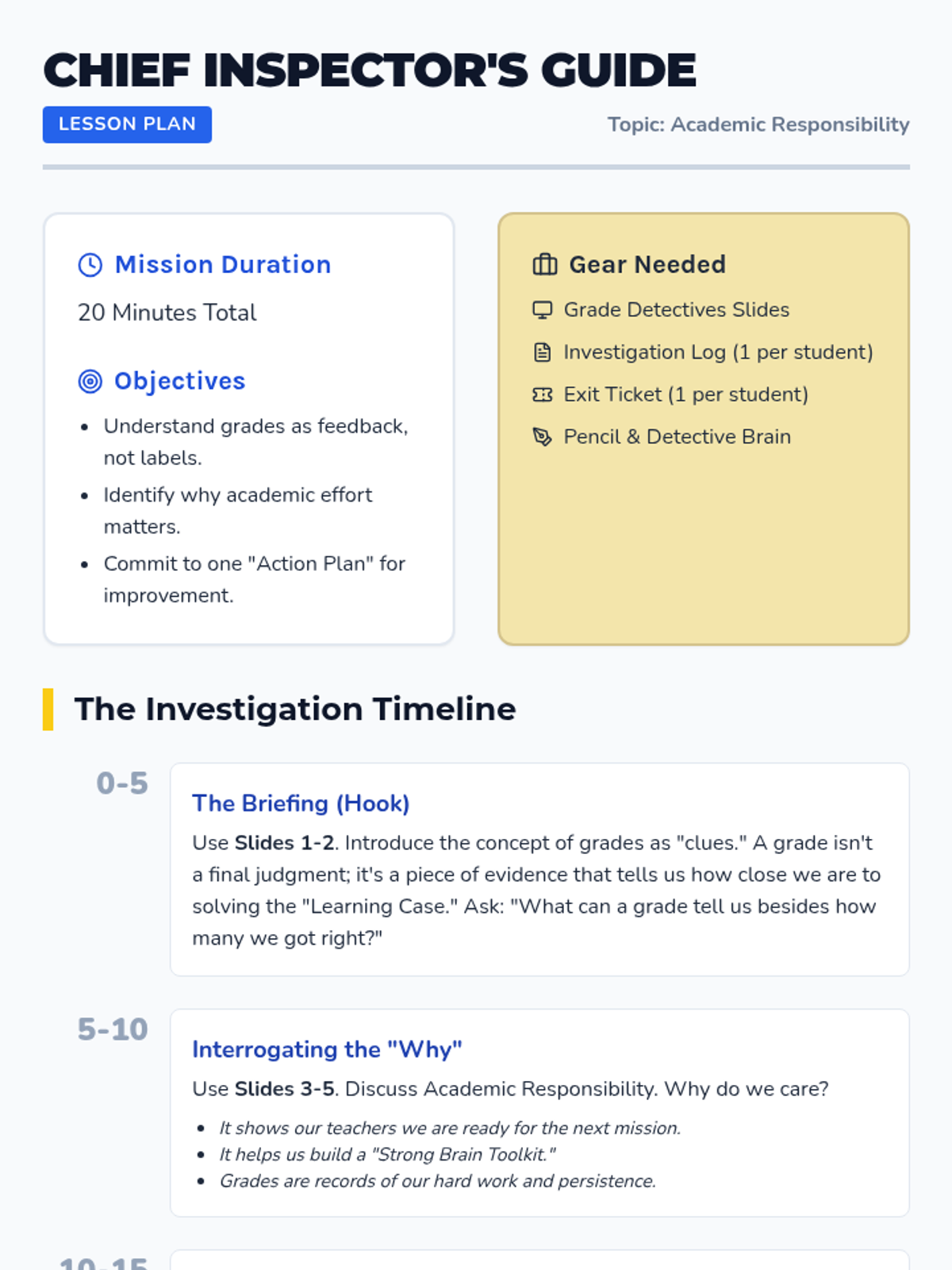
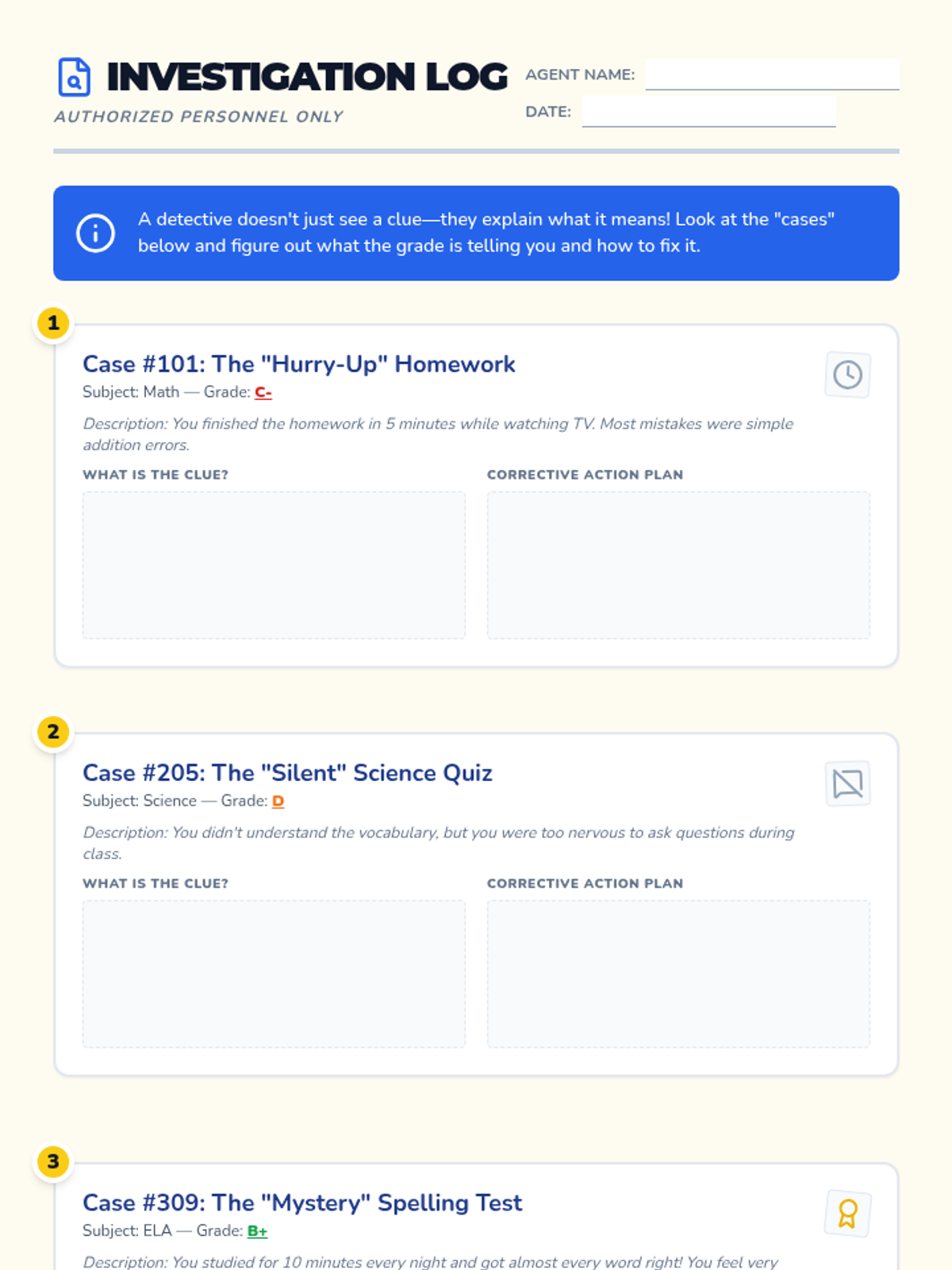
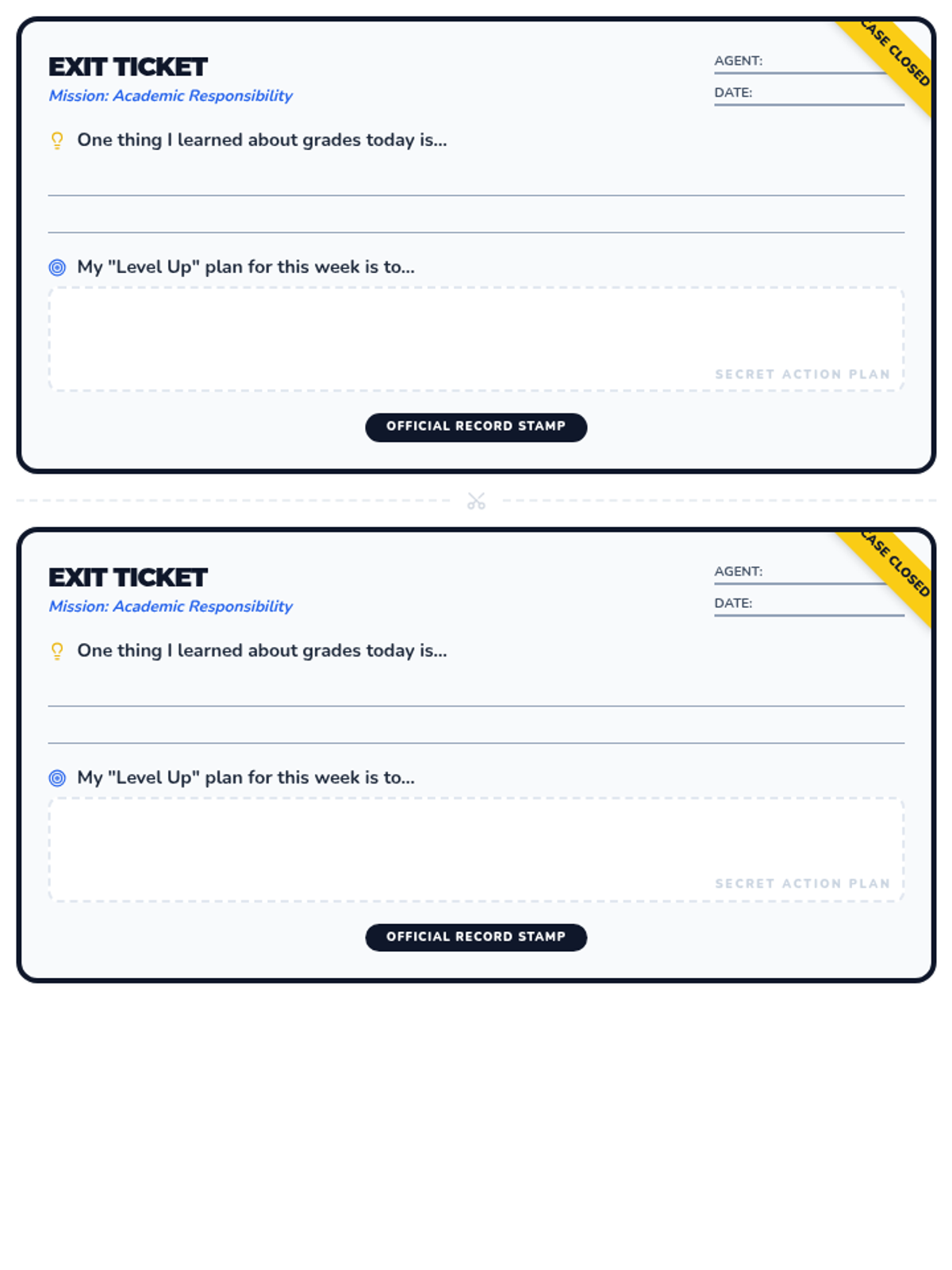
A 20-minute lesson using a detective theme to teach elementary students about the importance of grades as feedback and the value of academic responsibility.
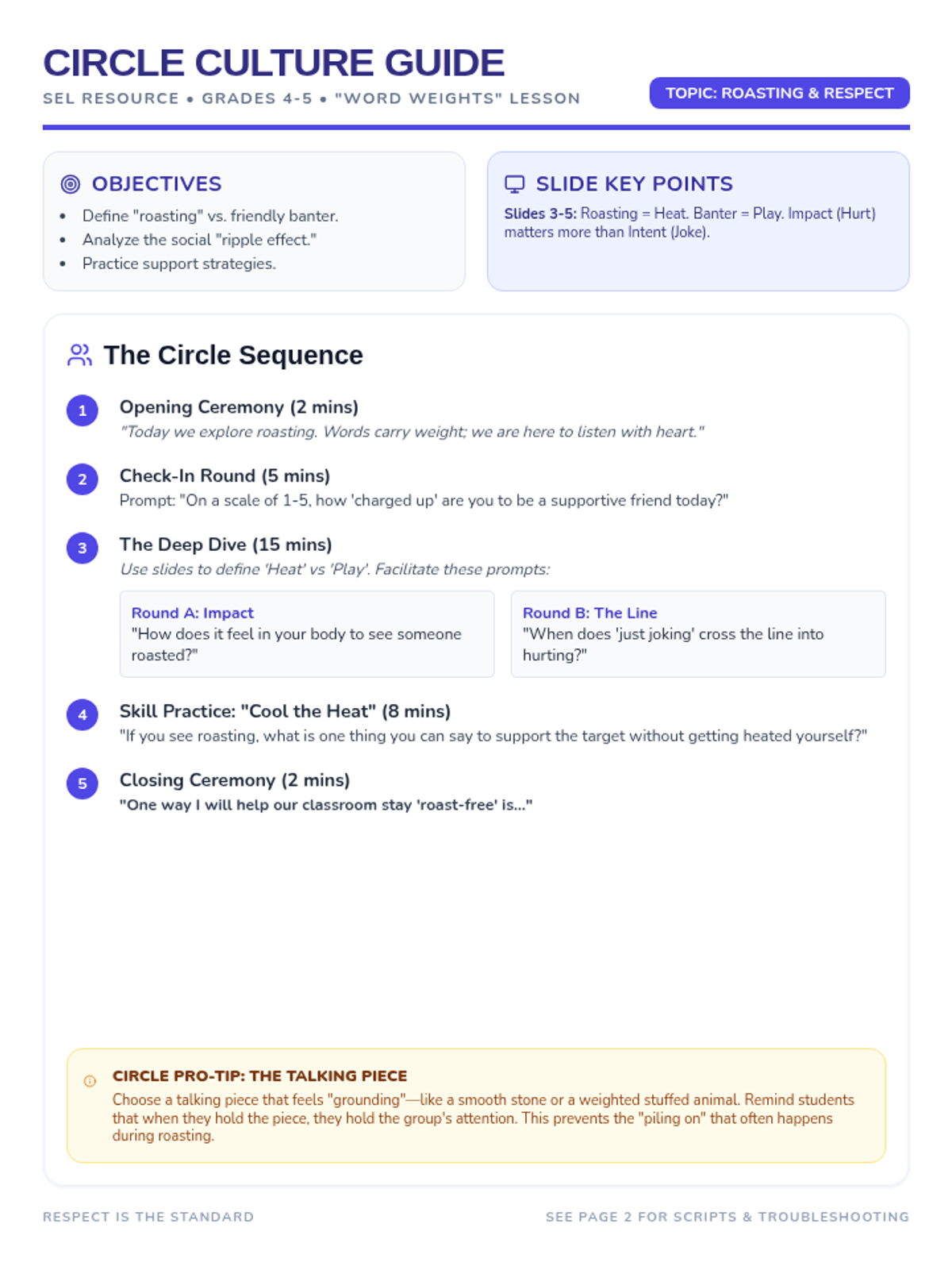
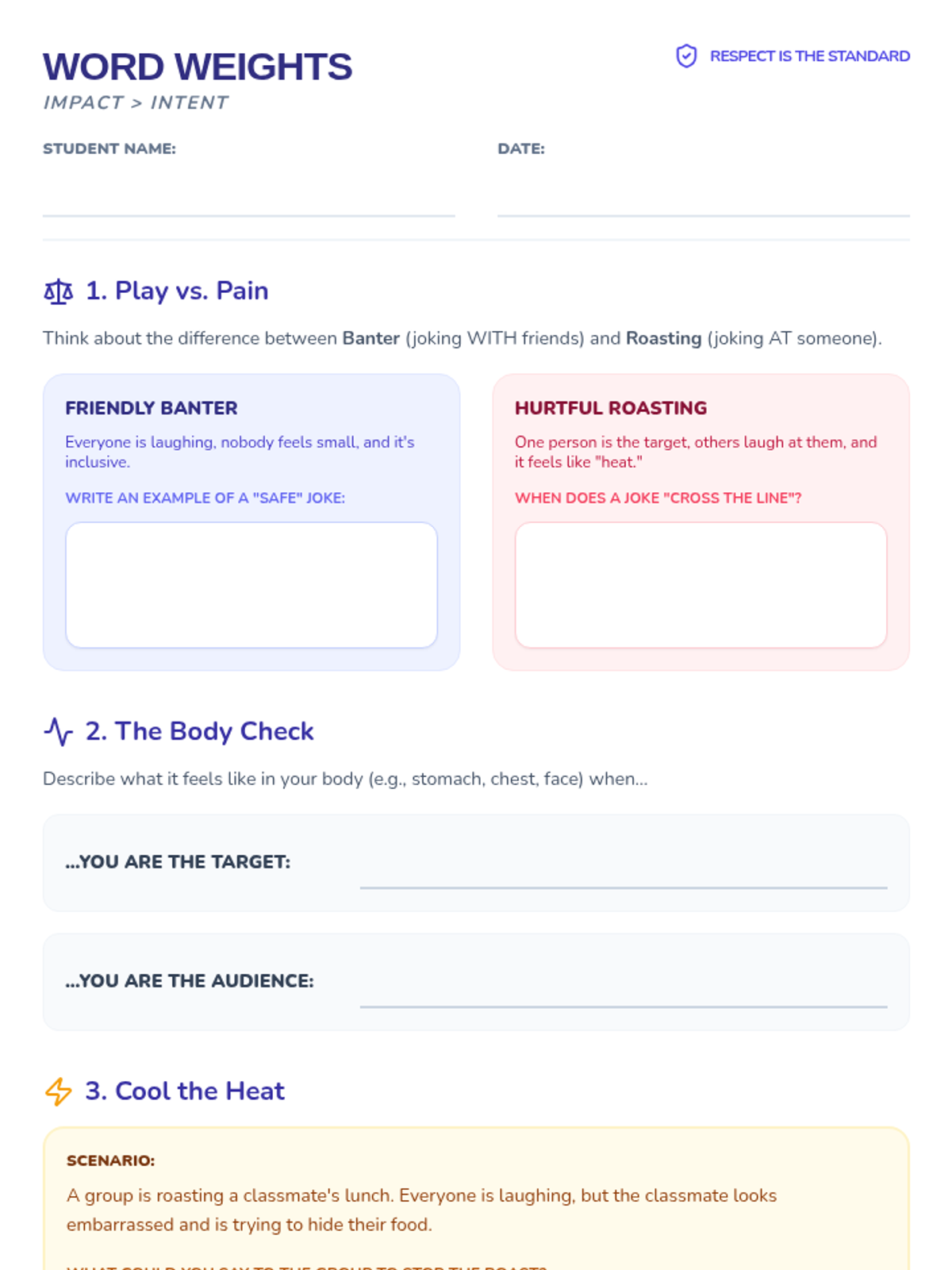
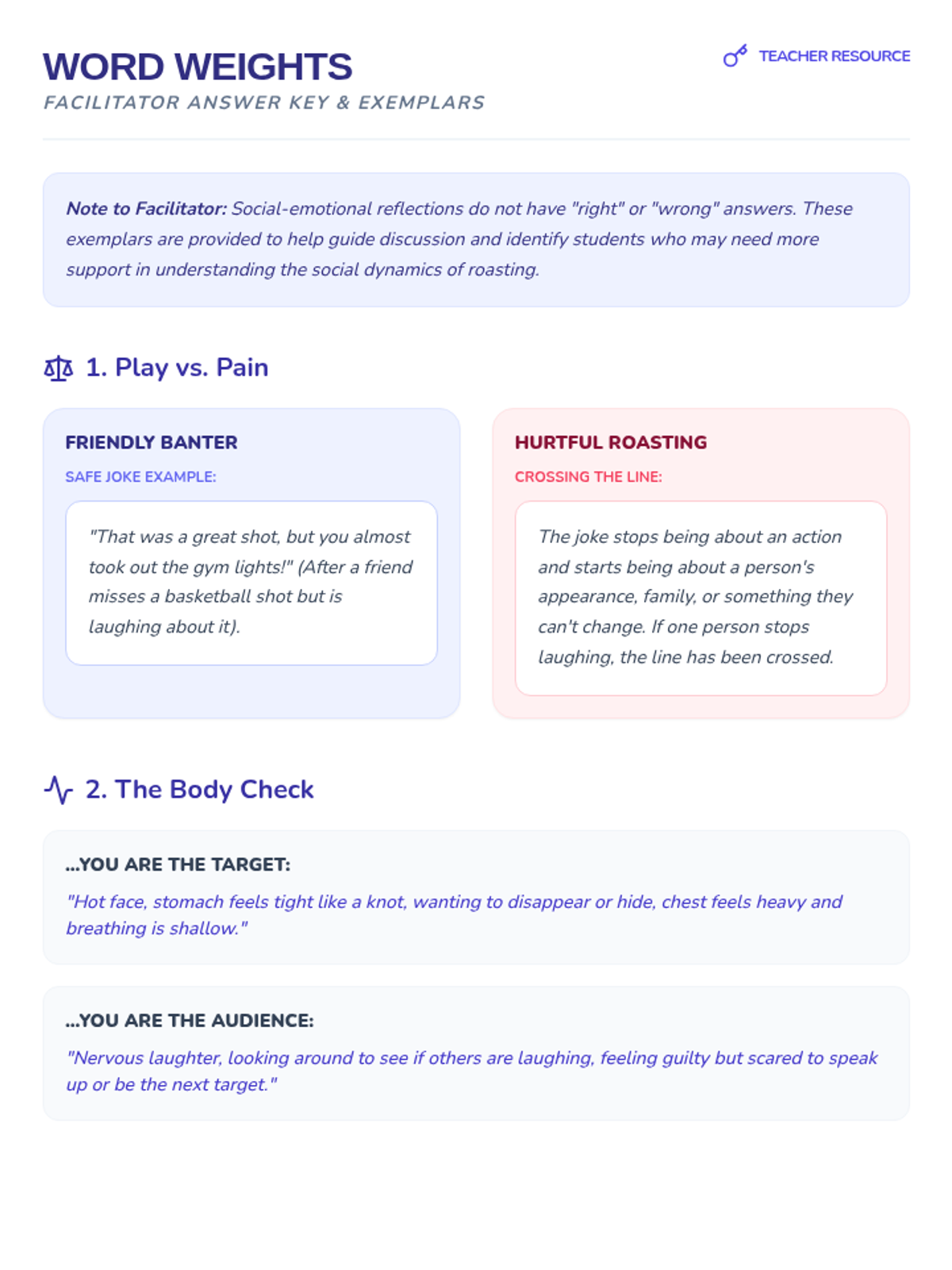
A social-emotional learning lesson designed for 4th and 5th graders to explore the impact of 'roasting,' distinguish it from playful banter, and build a culture of respect.
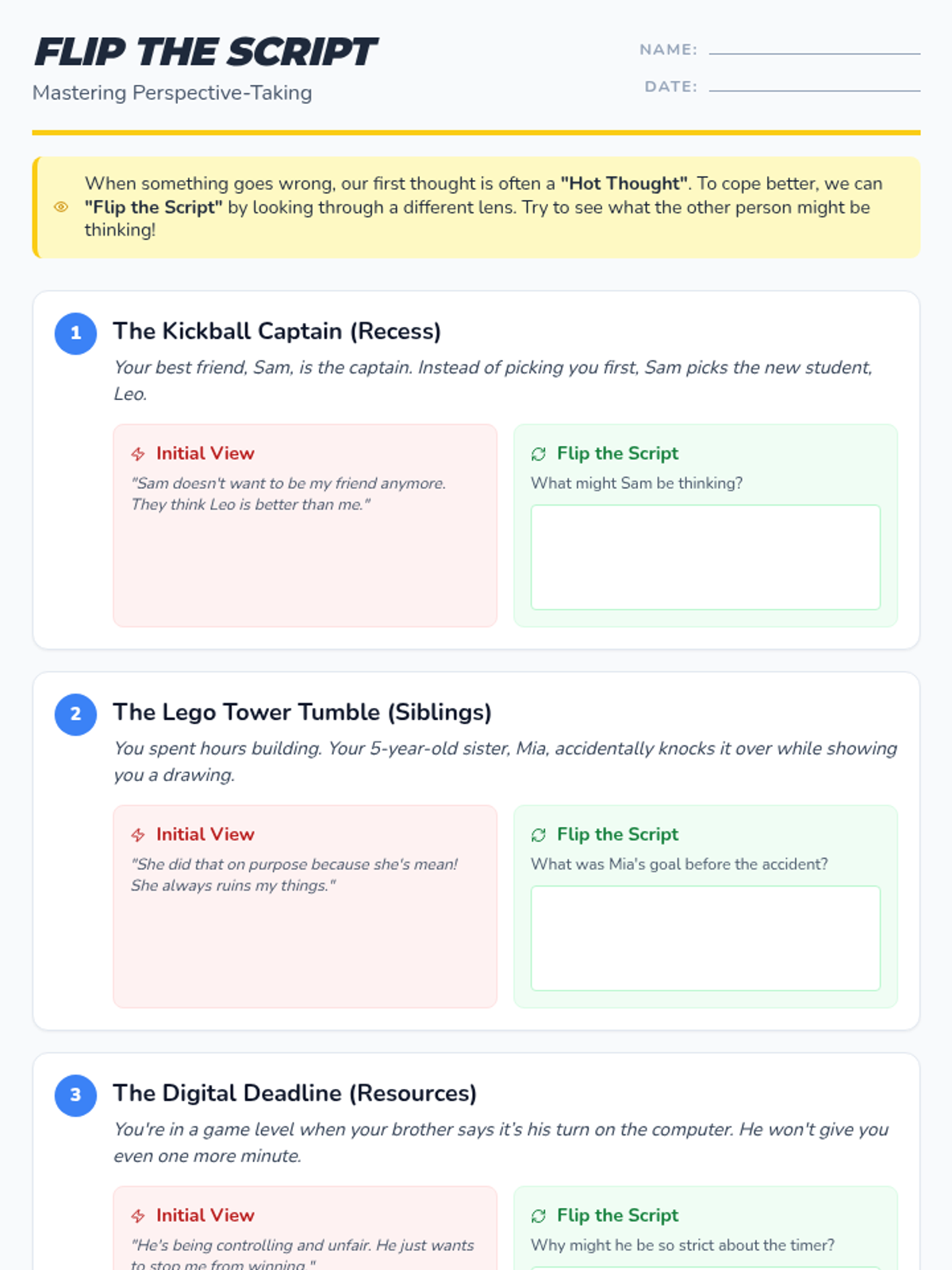
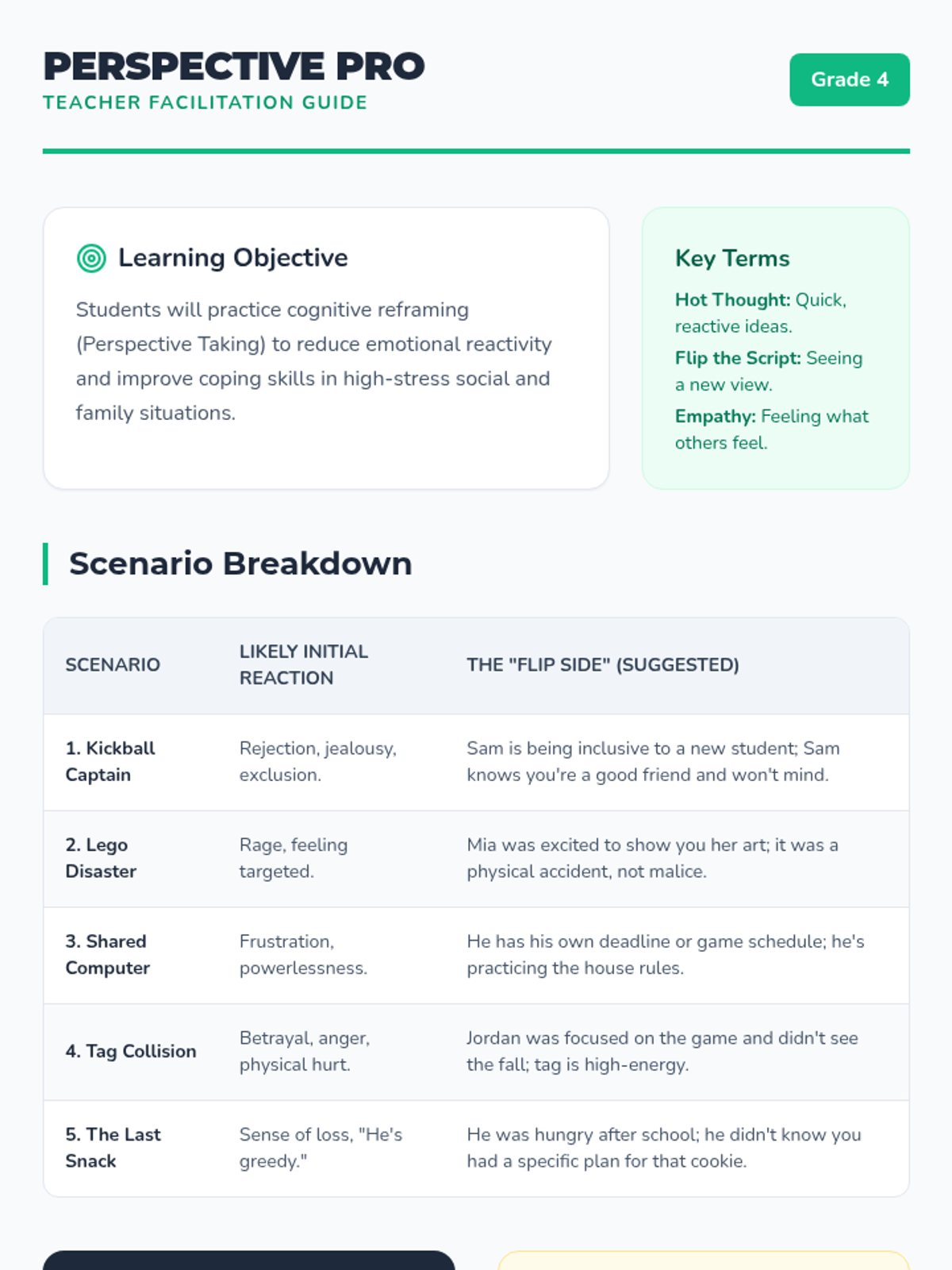
A lesson focused on developing empathy and coping skills in 4th graders through perspective-taking exercises. Students analyze common conflicts at recess and home to practice seeing the 'flip side' of frustrating situations.