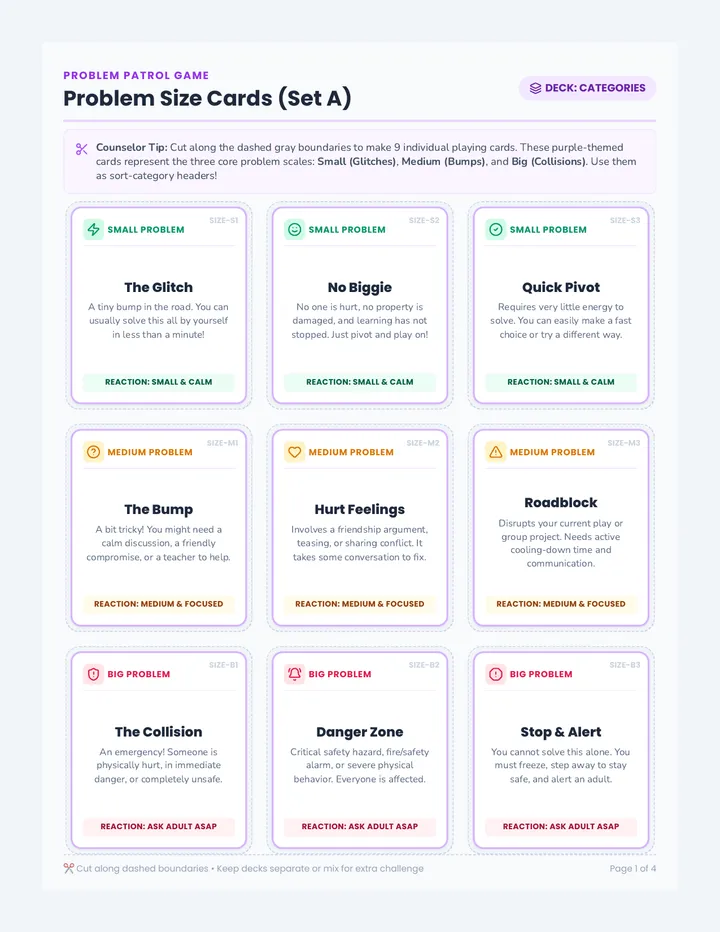
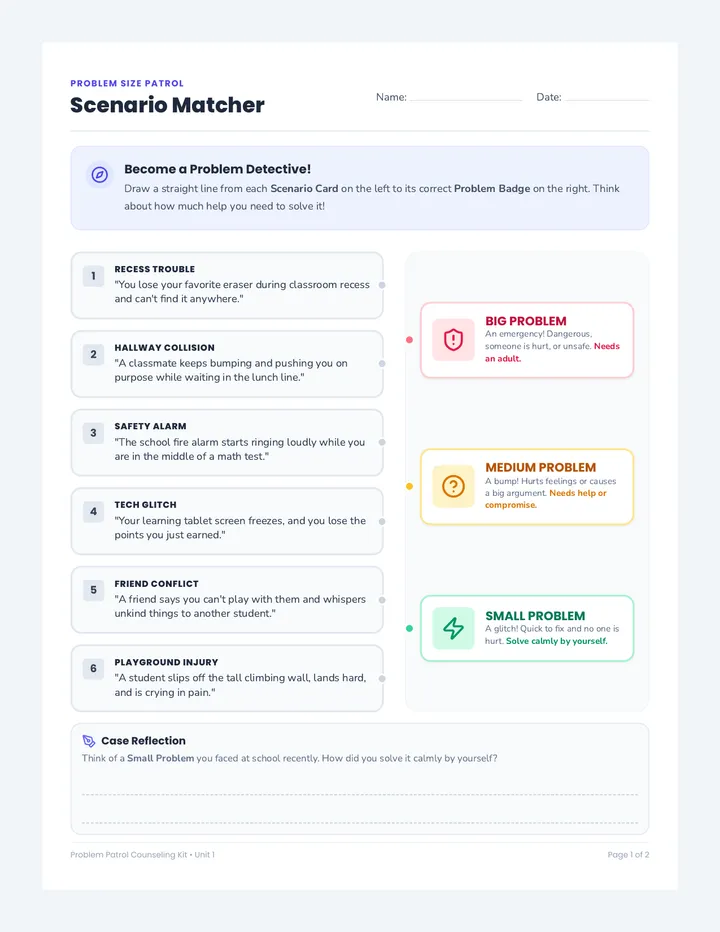
A 20-minute lesson using a detective theme to teach elementary students about the importance of grades as feedback and the value of academic responsibility.
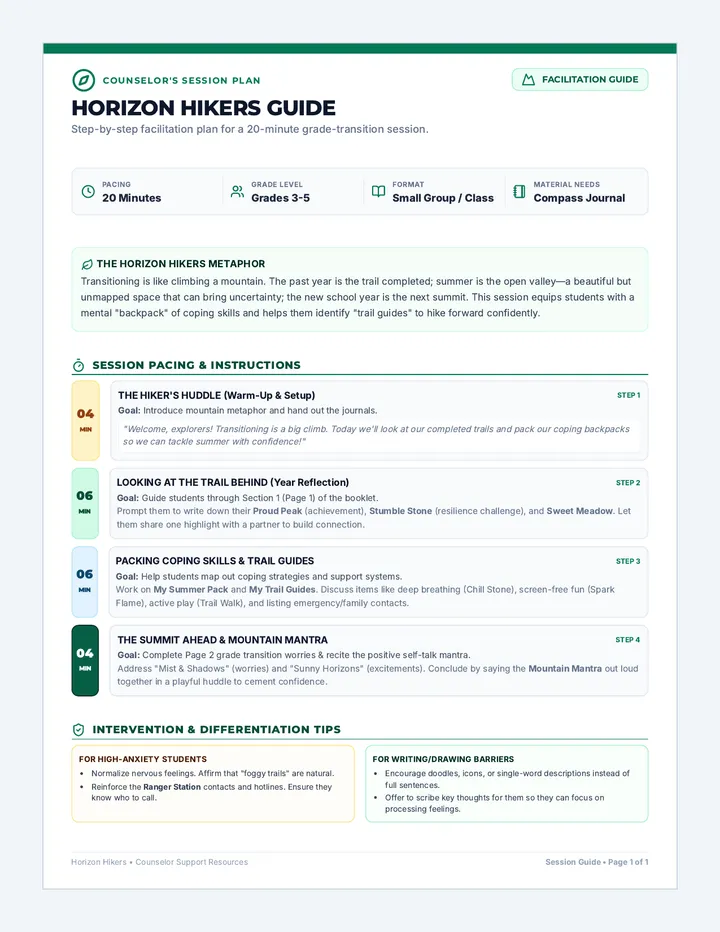
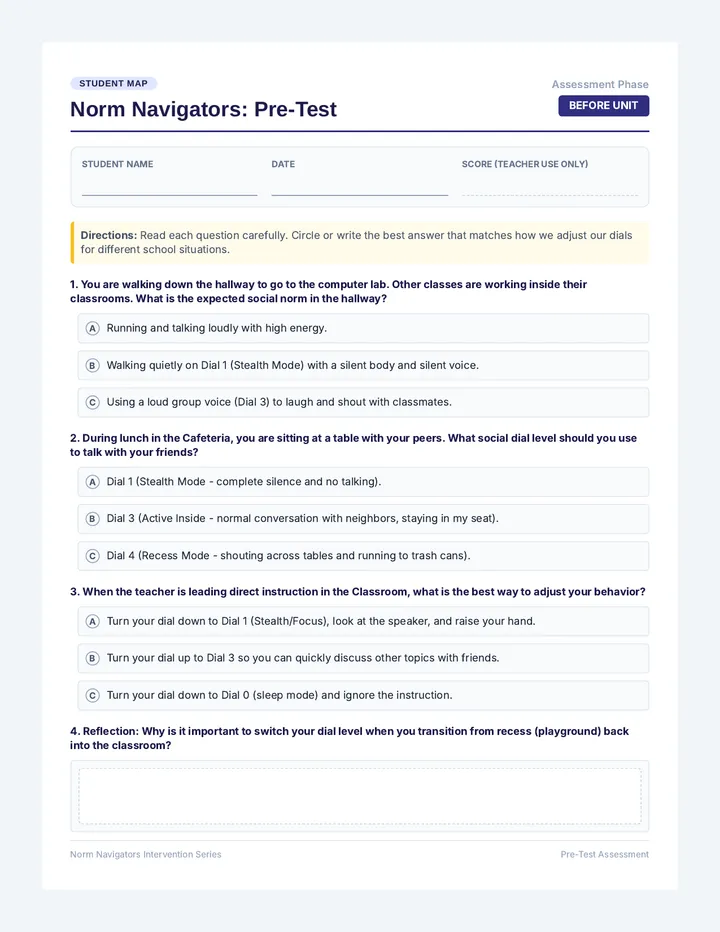
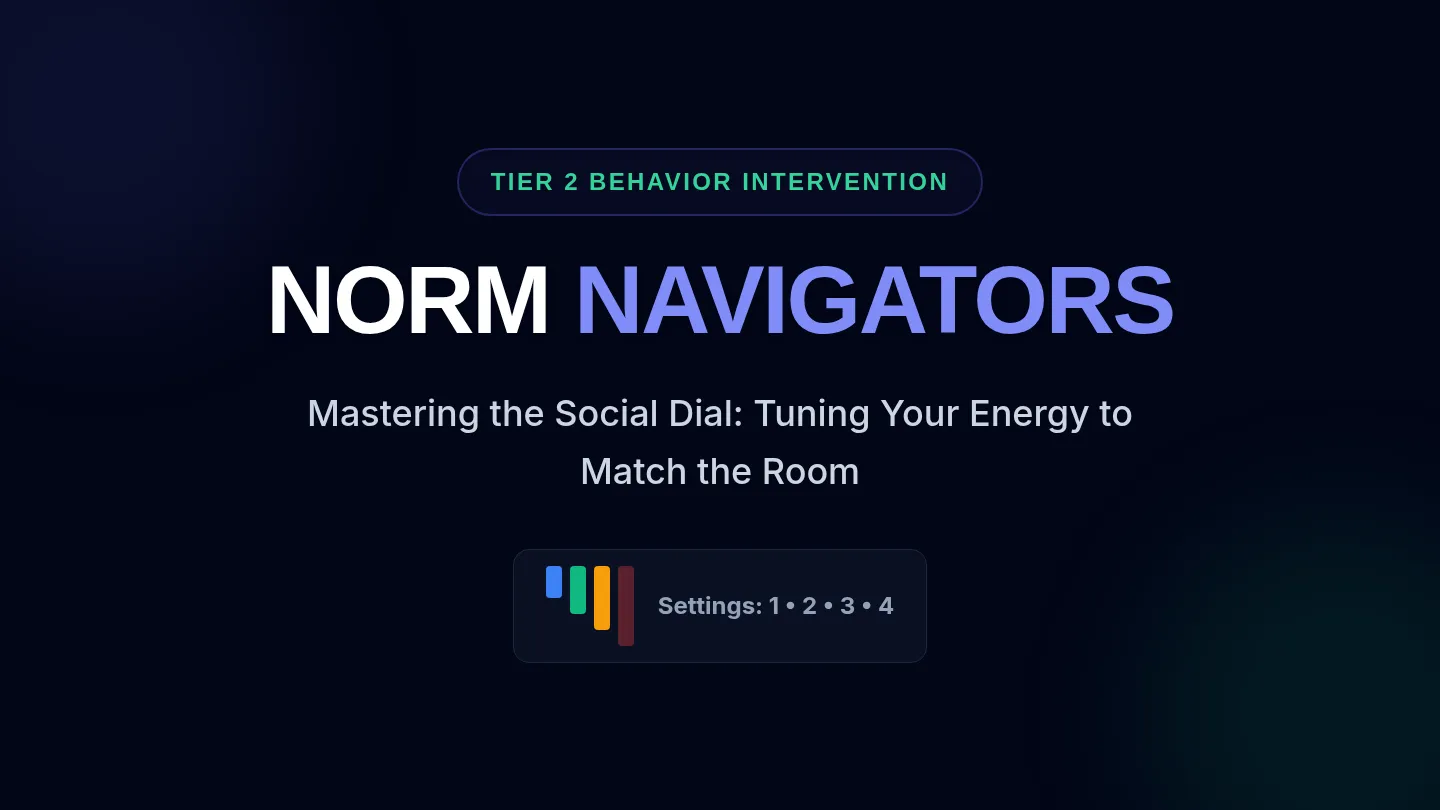
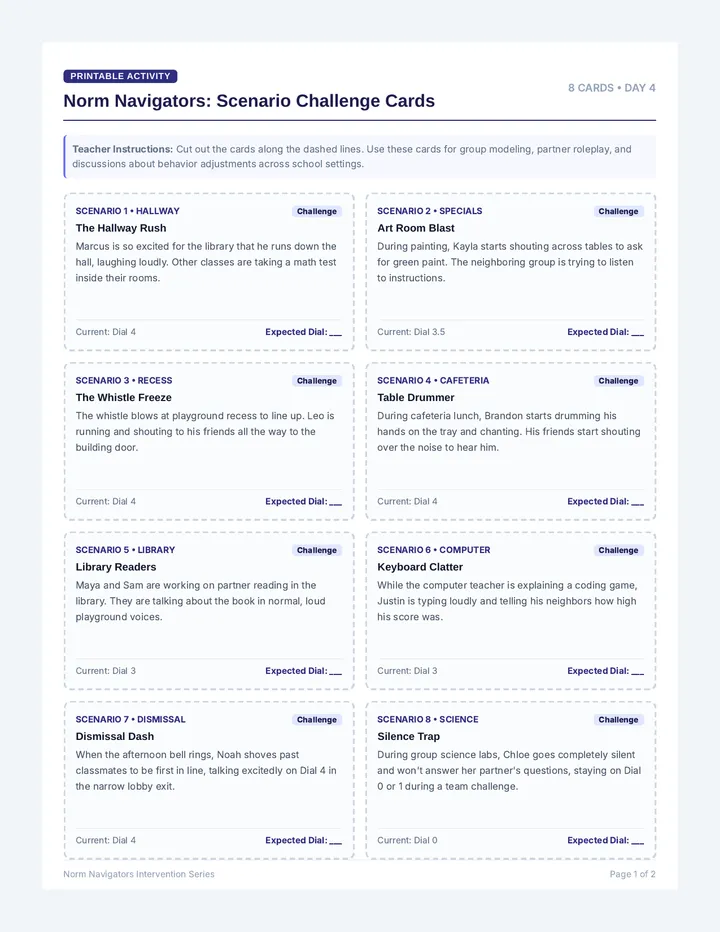
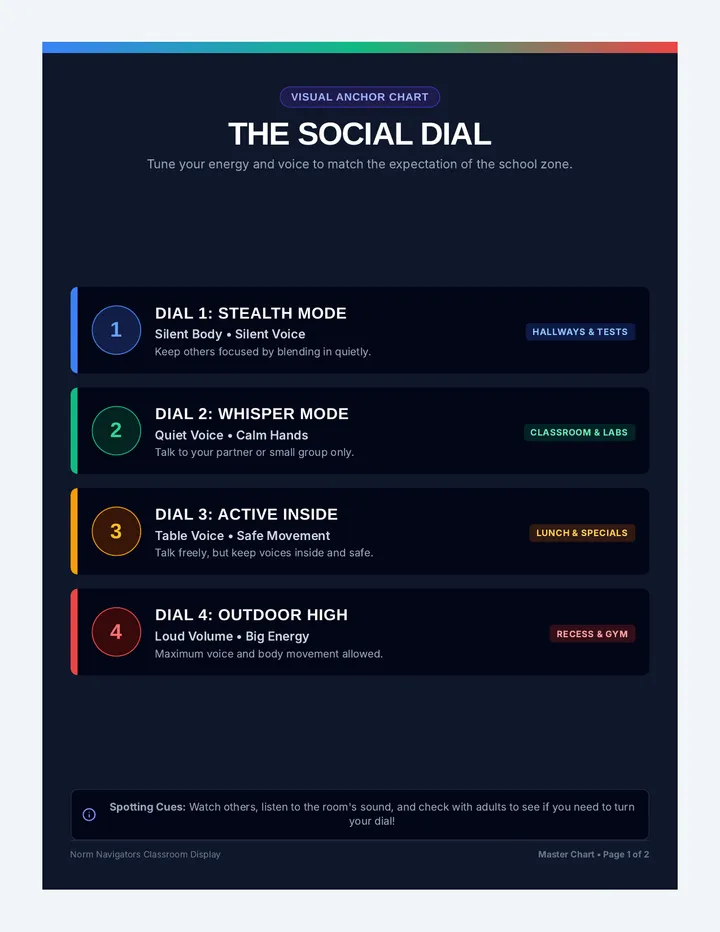
A 25-minute lesson focused on identifying immature behaviors by reading social cues and applying self-regulation strategies to "tune in" to the social environment.
A fast-paced, high-impact 25-minute lesson focusing on the pillars of accountability: owning mistakes, supporting peers, and setting concrete academic goals. Students take on the role of 'Accountability Architects' to build a stronger classroom culture.
A 20-minute lesson focused on humility and valuing the unique strengths of others, using the metaphor of a mosaic to show that every individual is a vital piece of a larger whole.
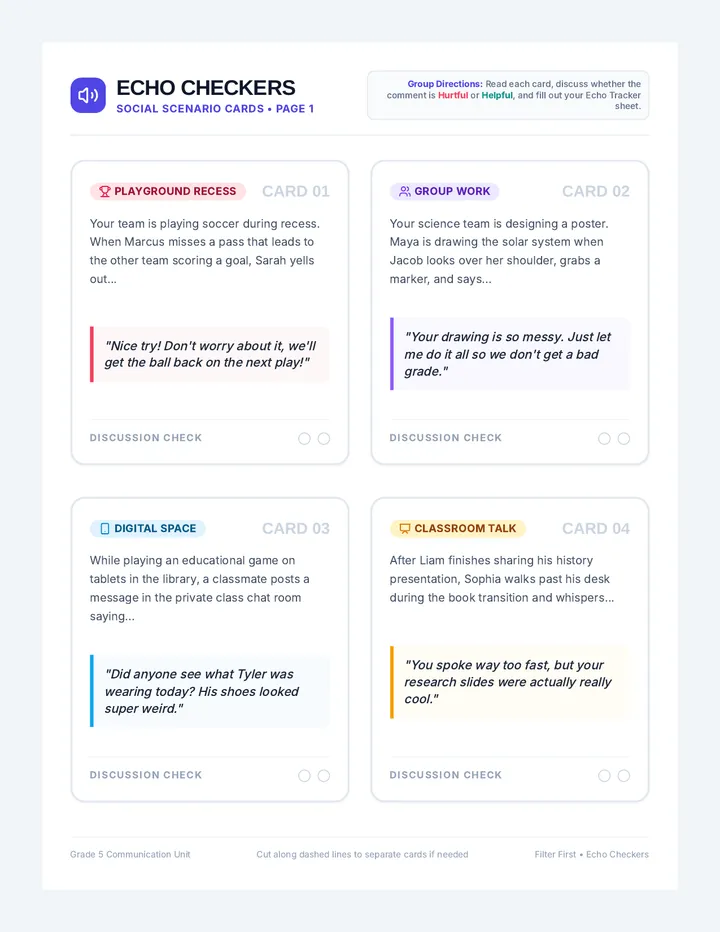
A social-emotional learning lesson designed for 4th and 5th graders to explore the impact of 'roasting,' distinguish it from playful banter, and build a culture of respect.
A lesson focused on developing empathy and coping skills in 4th graders through perspective-taking exercises. Students analyze common conflicts at recess and home to practice seeing the 'flip side' of frustrating situations.
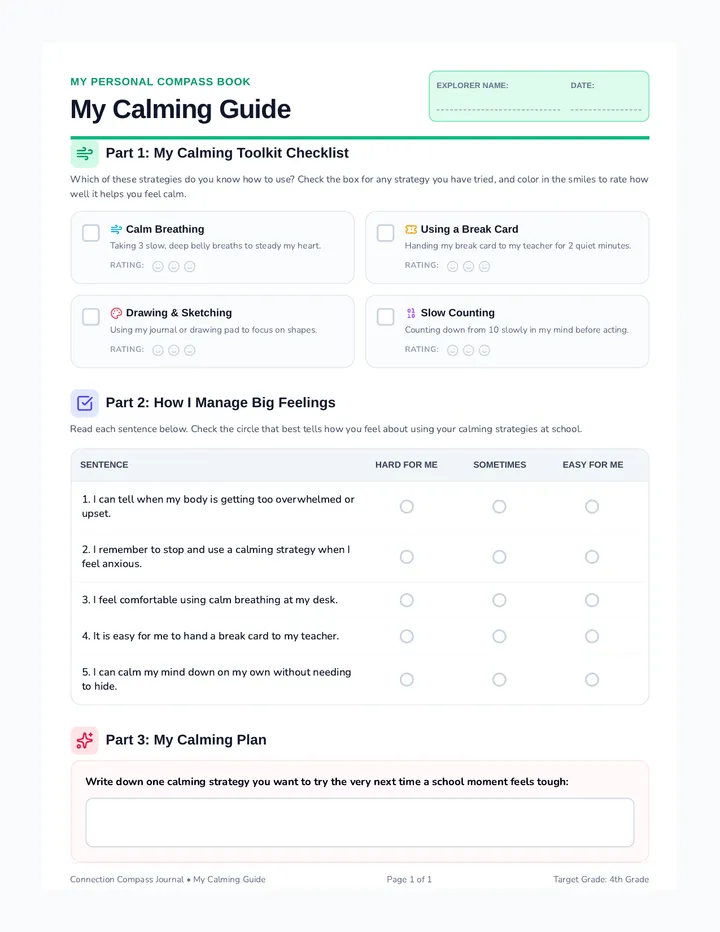
A social-emotional learning lesson designed for a 1st-grade student with autism, using a rollercoaster theme and Social Thinking language to explain the science of brain regulation and the value of breaks.
A collection of engaging morning meeting prompts designed to build community, spark creativity, and encourage reflection in upper elementary classrooms.
A foundational lesson for 1st graders to identify their unique strengths and build a positive self-image through reflection and creative expression.
Focuses on physical and digital organization. Students learn to curate their 'inventory' (backpacks/binders) and design a distraction-free 'boss arena' for studying.
An exploration of 'time blindness' and estimation. Students learn to use the Pomodoro technique (Power Intervals) and create realistic schedules for their school day.
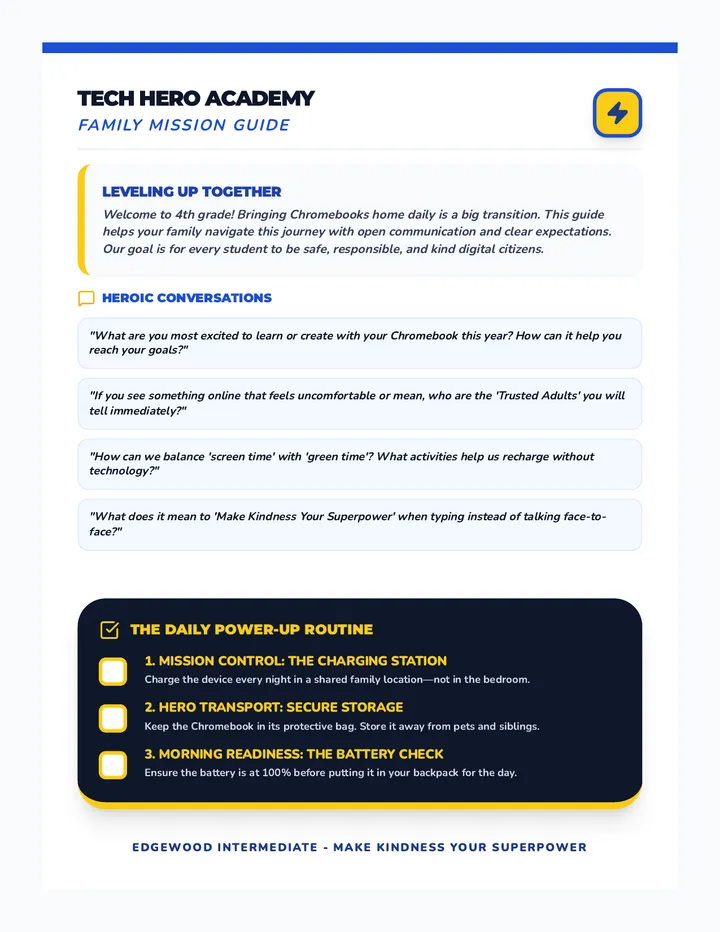
Students learn how to categorize tasks using the 'Urgent vs. Important' matrix, renamed as the Priority Power-Up grid. They will practice breaking down large tasks into smaller, manageable 'quests'.