A resource package for parents to foster resilience and independent problem-solving in their children, focusing on academic and social hurdles.
A comprehensive self-identity curriculum for third-grade students exploring personal strengths, emotional regulation, family heritage, and community connections. Through reflective worksheets, visual anchor charts, and interactive slide presentations, students build self-awareness and empathy.
Students explore their cultural heritage, family traditions, and community connections. They construct a collaborative class tapestry of personal history and map their connections to the wider world.
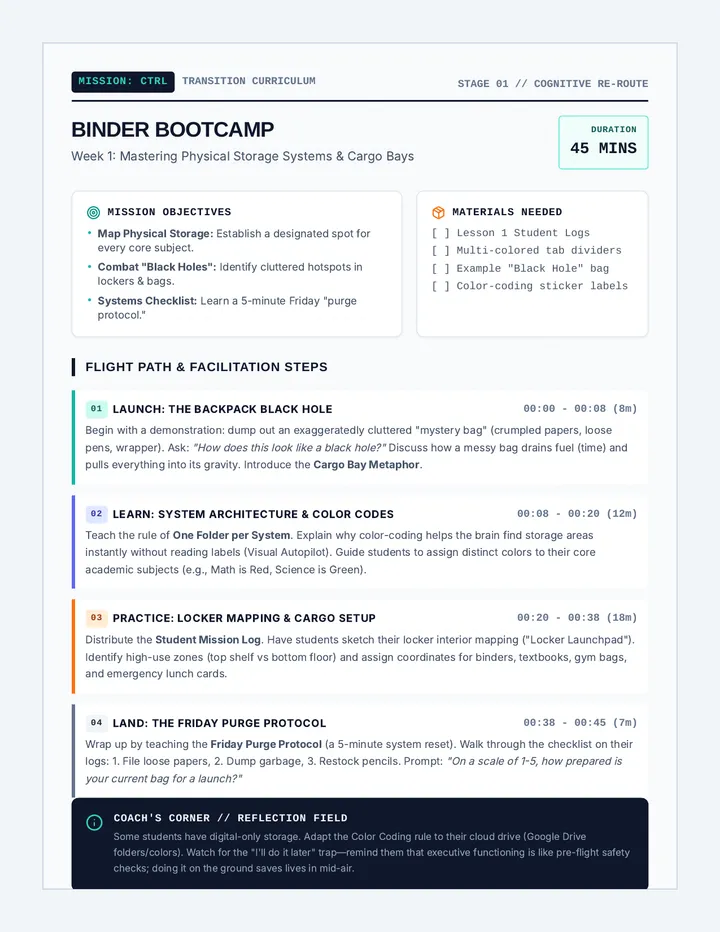
A 6-week small group curriculum designed to build executive functioning skills in transitioning 6th graders. Covers organization, time management, planning, distraction management, goal setting, and stress coping using a highly engaging space-mission theme.
Students explore their emotions, identifying them as changing weather patterns. They develop self-regulation strategies to navigate stormier feelings and create a personal emotional wellness tracker.
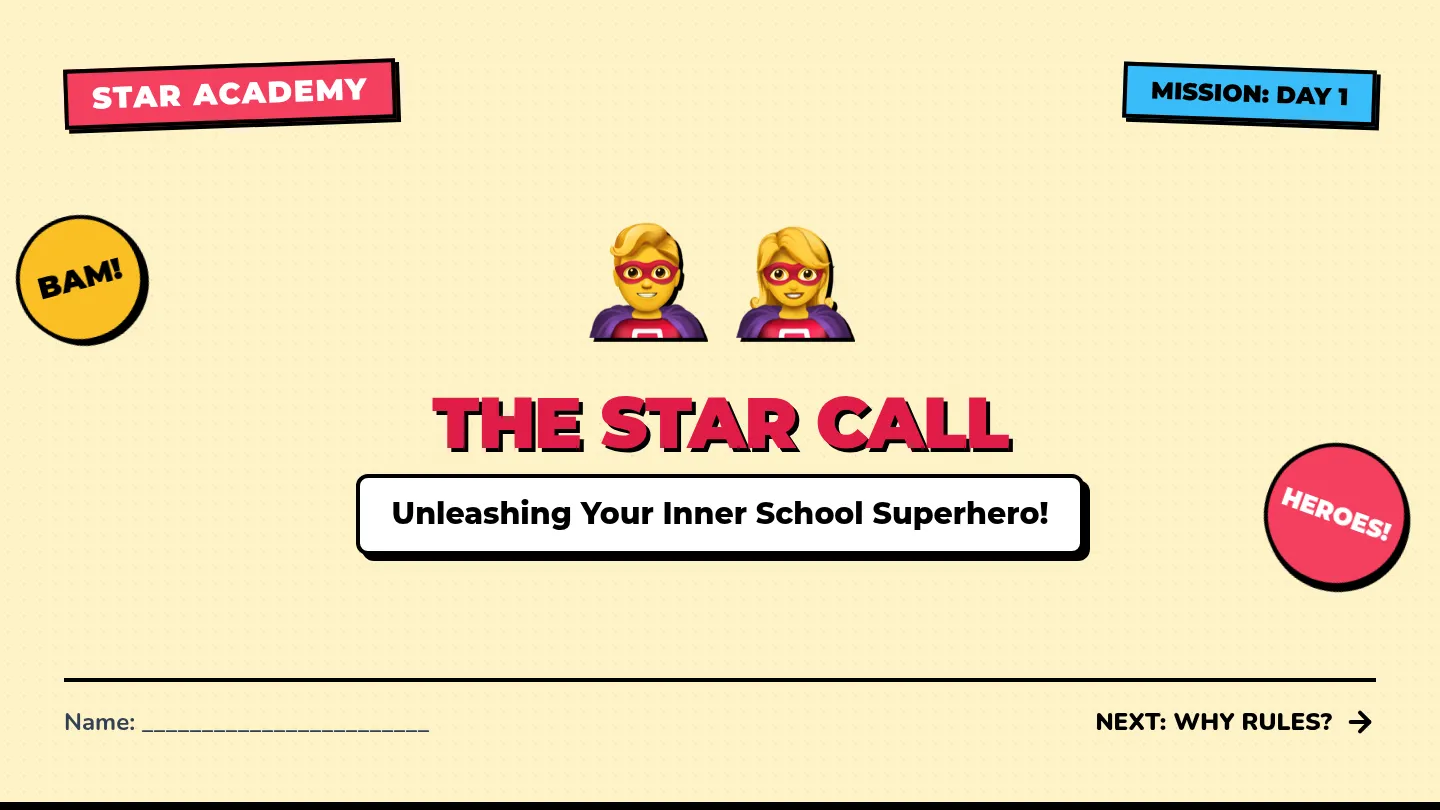
A 5-day curriculum teaching 4th graders the STAR expectations (Safe, Targeting Success, Acting with Integrity, Respect & Responsibility) across classrooms, hallways, bathrooms, playgrounds, and cafeterias using a high-energy comic-book superhero theme.
Students discover their unique talents, personal strengths, and growth mindset strategies. They design a personal strength shield and learn to celebrate their unique qualities and set personal development goals.
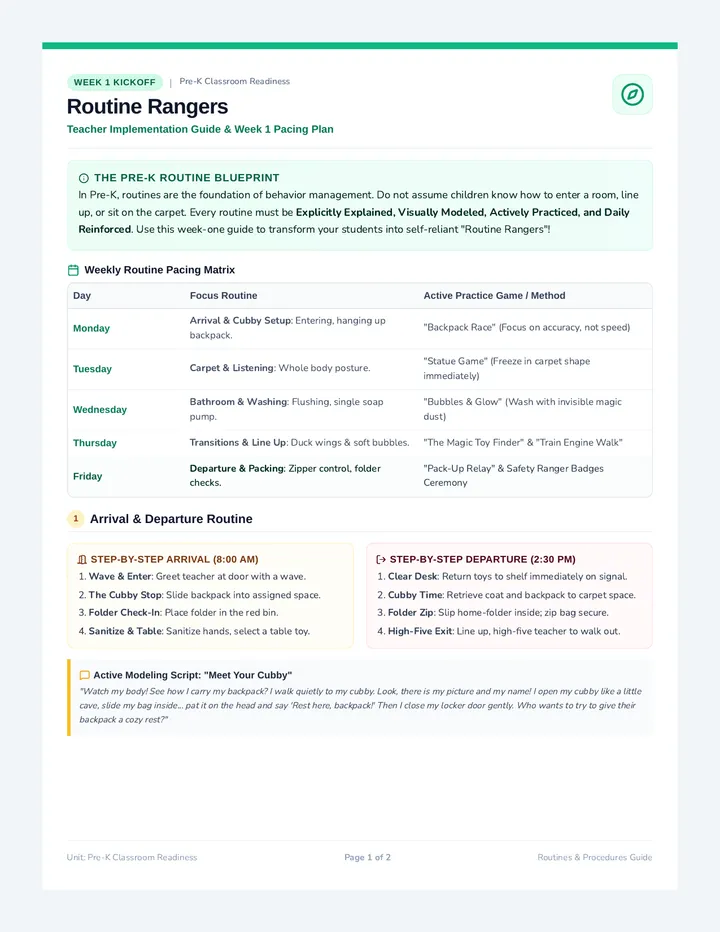
A foundational unit designed to establish essential routines, behavioral expectations, and self-regulation skills in Pre-K students during the critical first weeks of school. Features visual supports, structured practice, and school-to-home partnership resources.
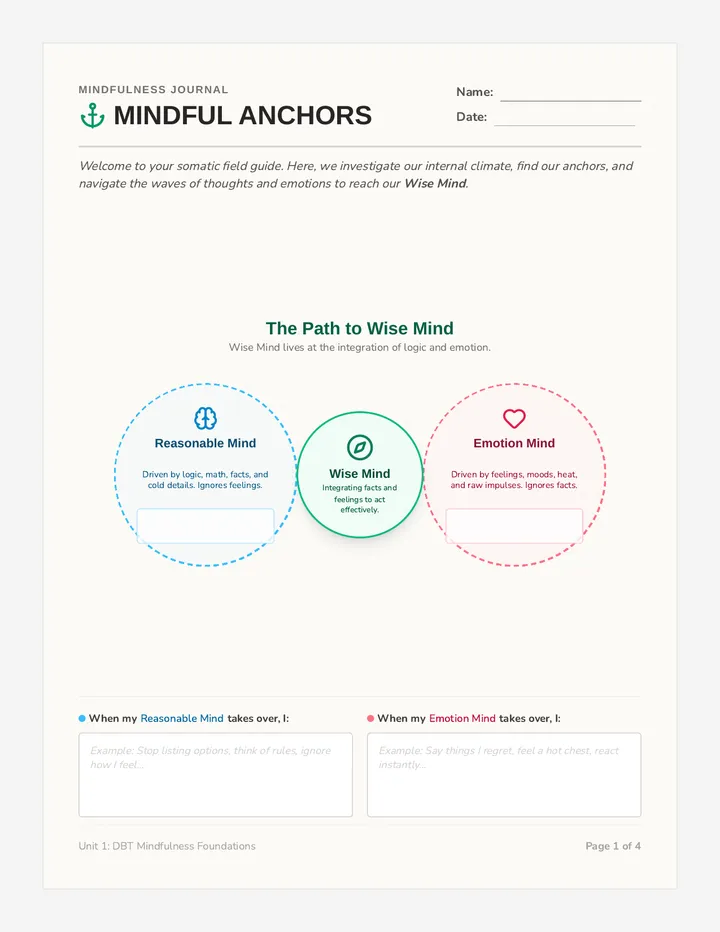
A comprehensive unit on Dialectical Behavior Therapy (DBT) mindfulness skills, taking students from somatic anchoring and cognitive understanding to collaborative, station-based performances that demonstrate 'What' and 'How' skills.