Students formally identify their PSA topics and target audiences, while establishing a project timeline for final production.
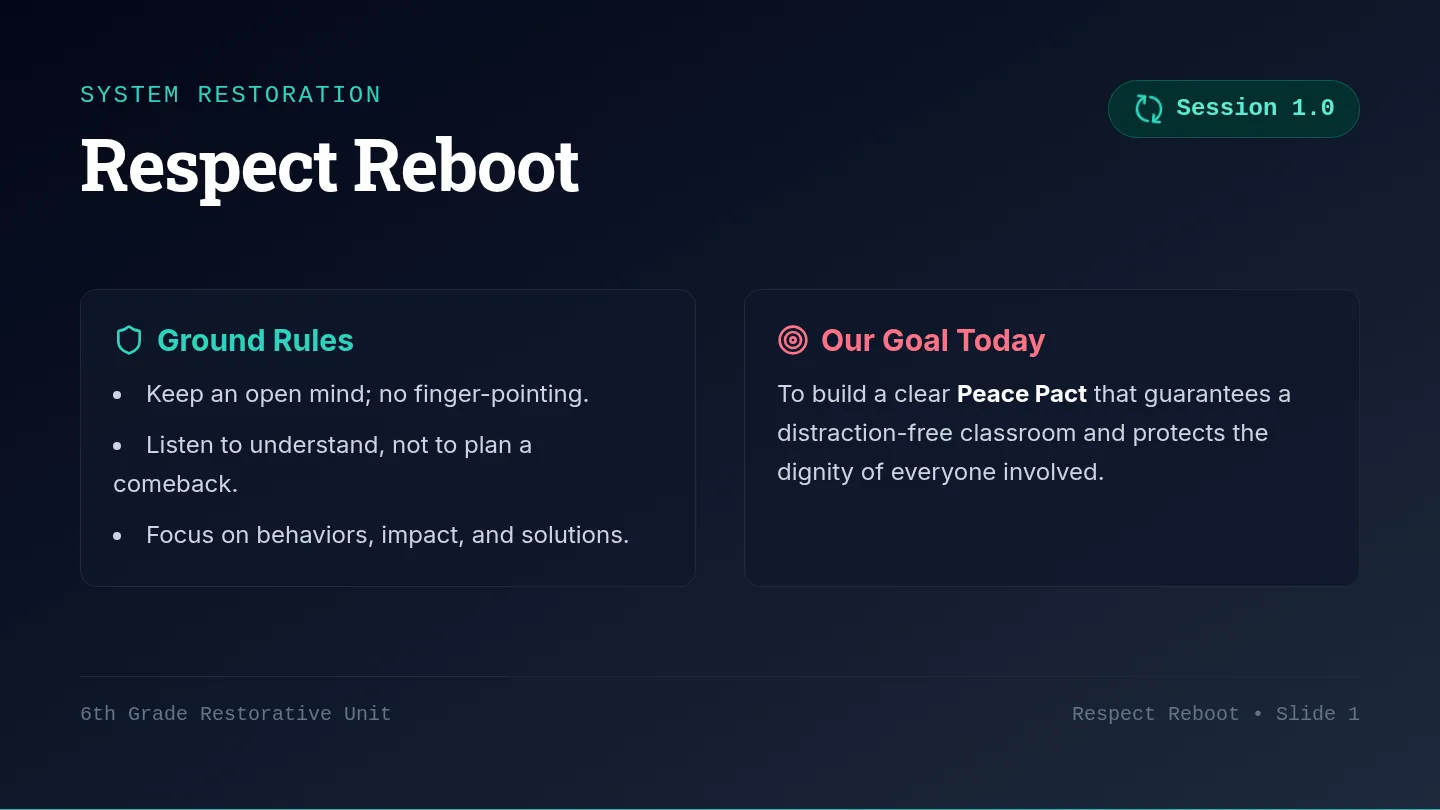
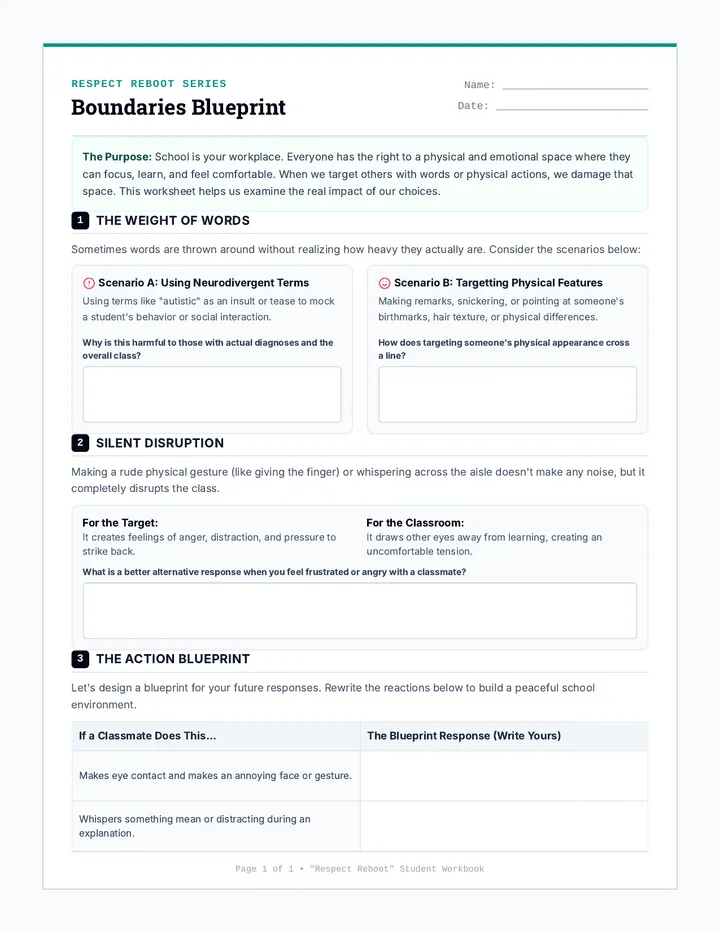
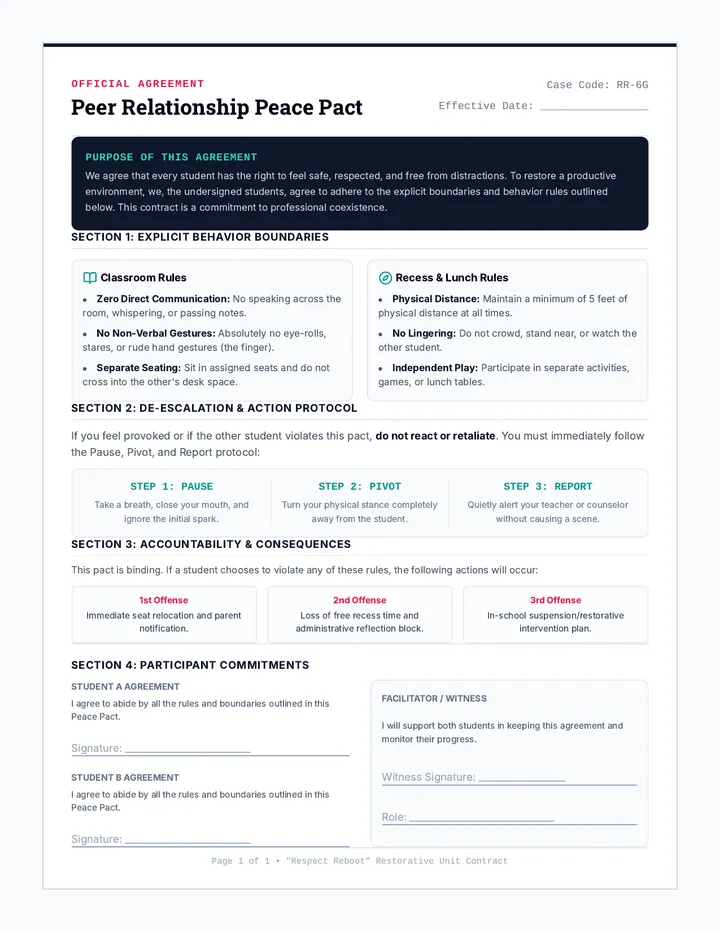
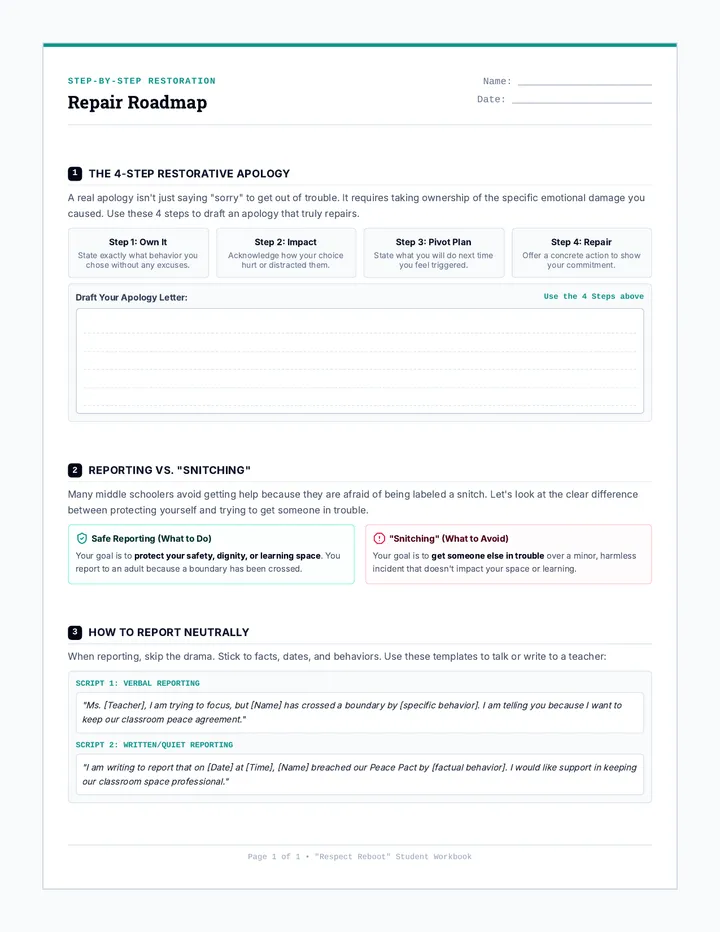
A restorative behavior intervention lesson designed for sixth-grade students in conflict, focusing on empathy, setting clear boundaries, and learning healthy reporting habits.
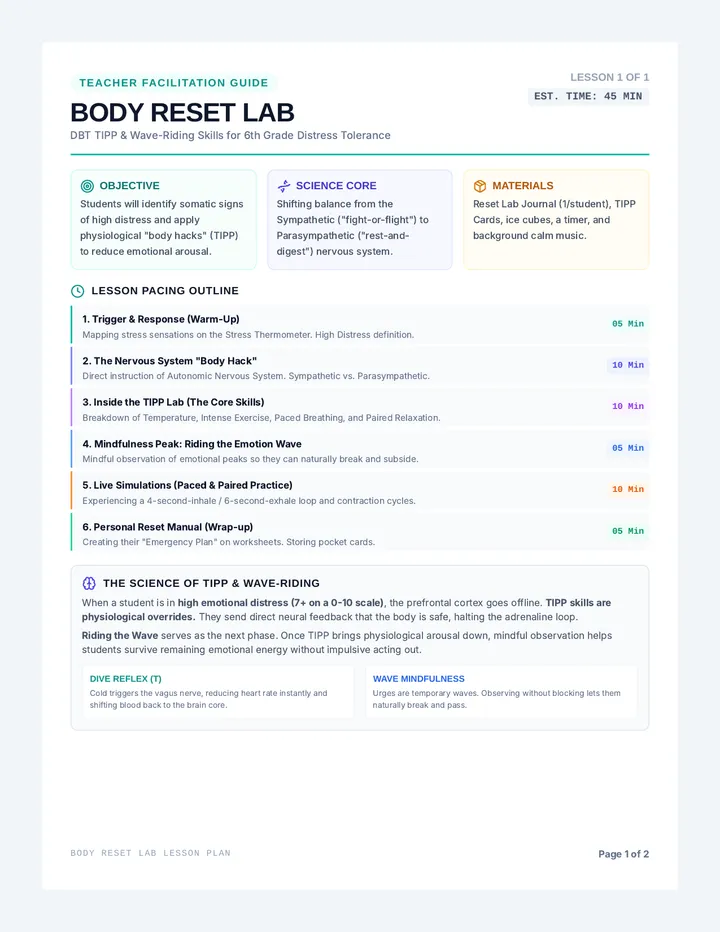
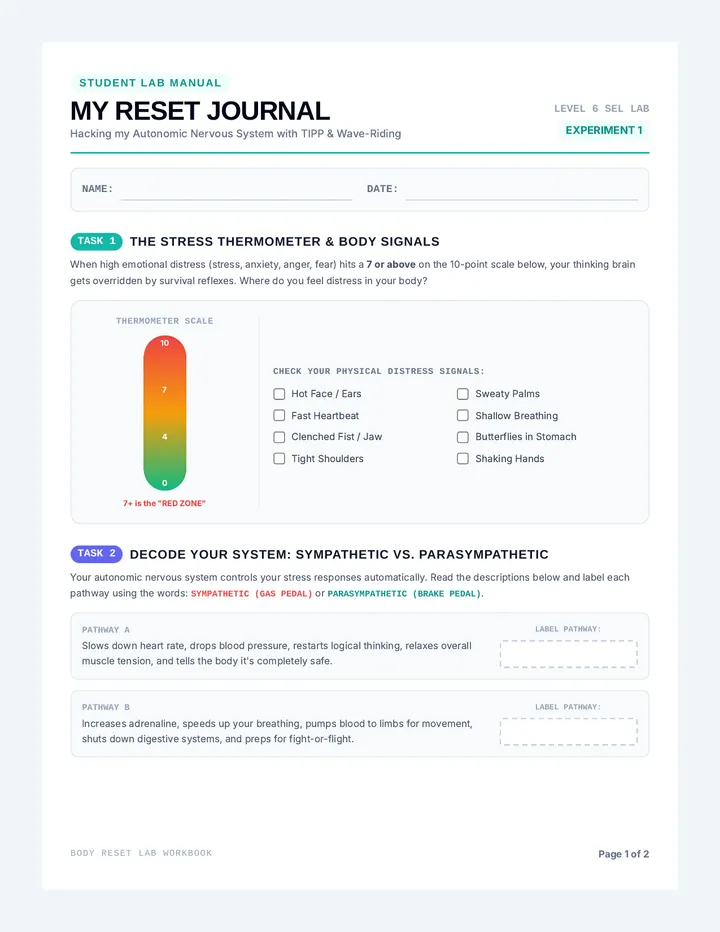
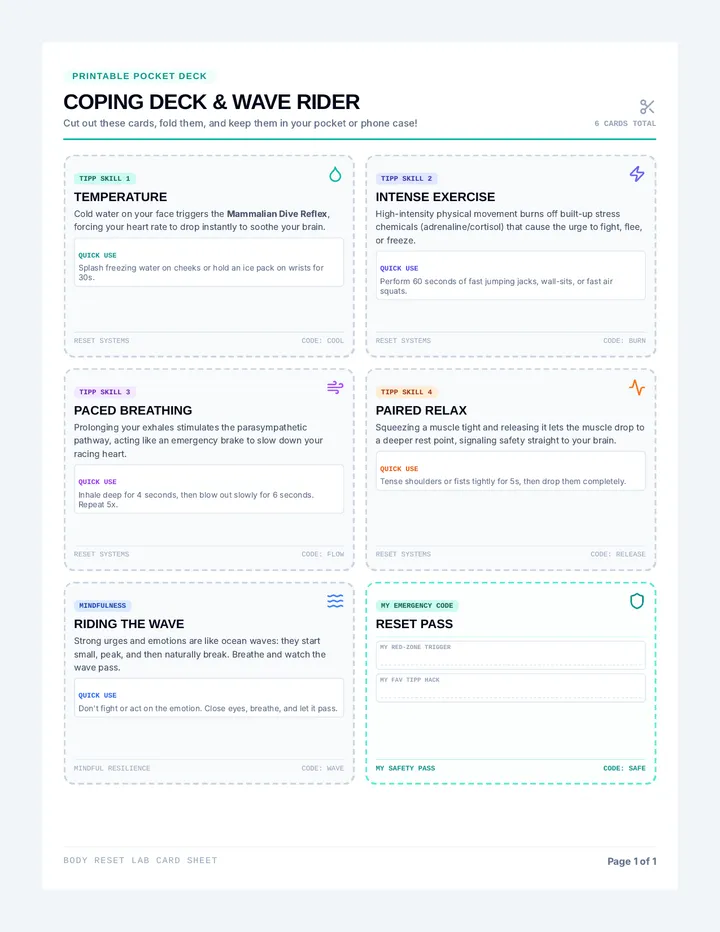
A 6th-grade Social-Emotional Learning (SEL) lesson introducing the DBT TIPP skills (Temperature, Intense exercise, Paced breathing, Paired muscle relaxation) as a physical 'body hack' to manage high emotional distress. Students learn how the autonomic nervous system works and build a personalized 'body reset' manual.
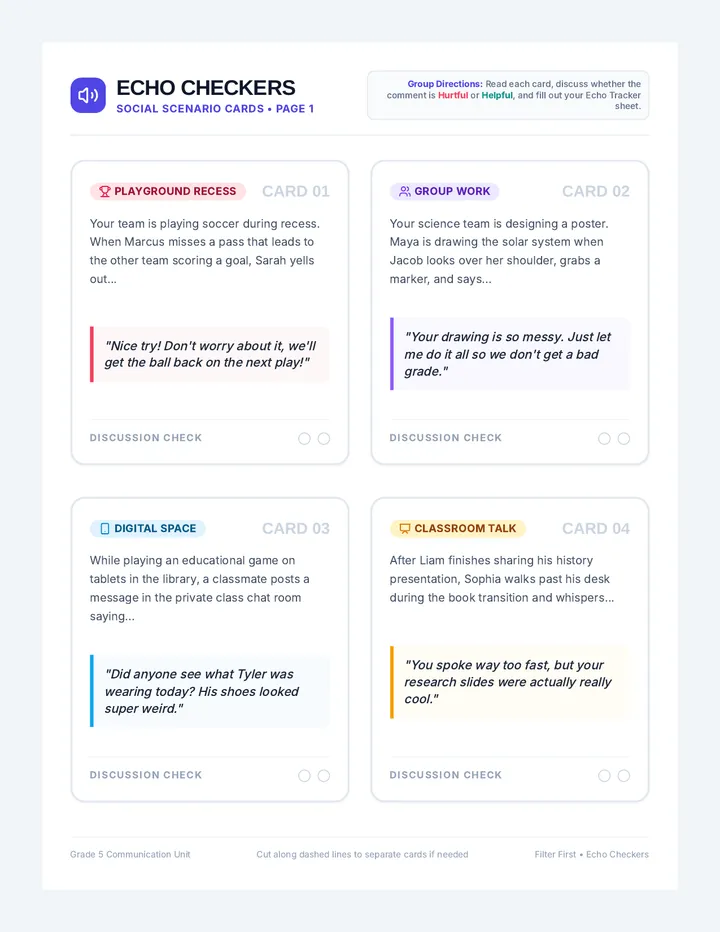
A lesson for 5th graders to analyze peer communication across recess, group work, and digital settings. Students learn to distinguish between helpful and hurtful comments and practice constructive reframing.
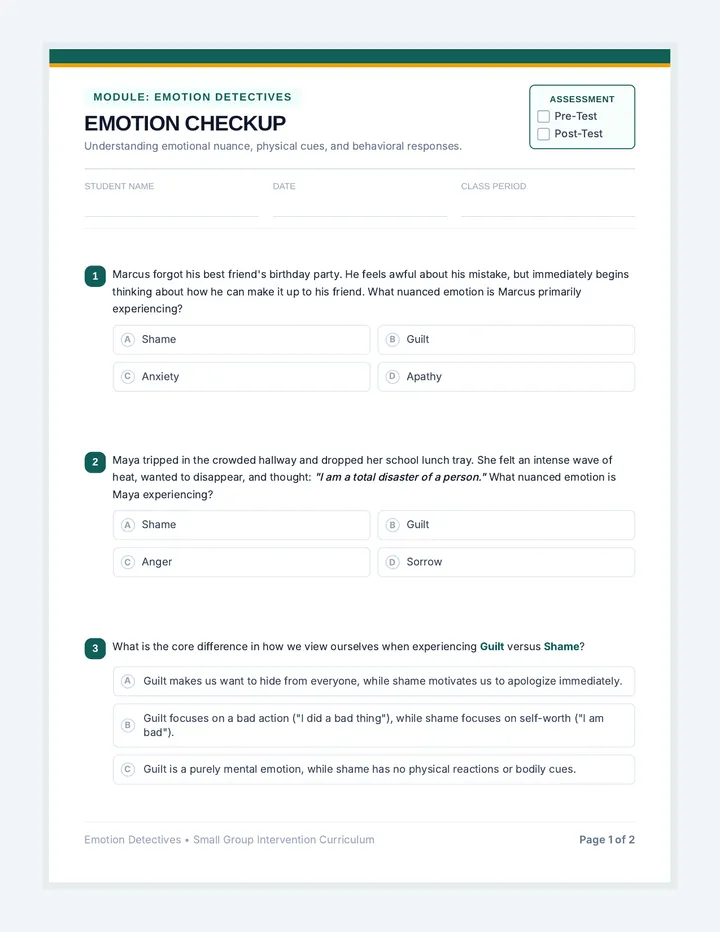
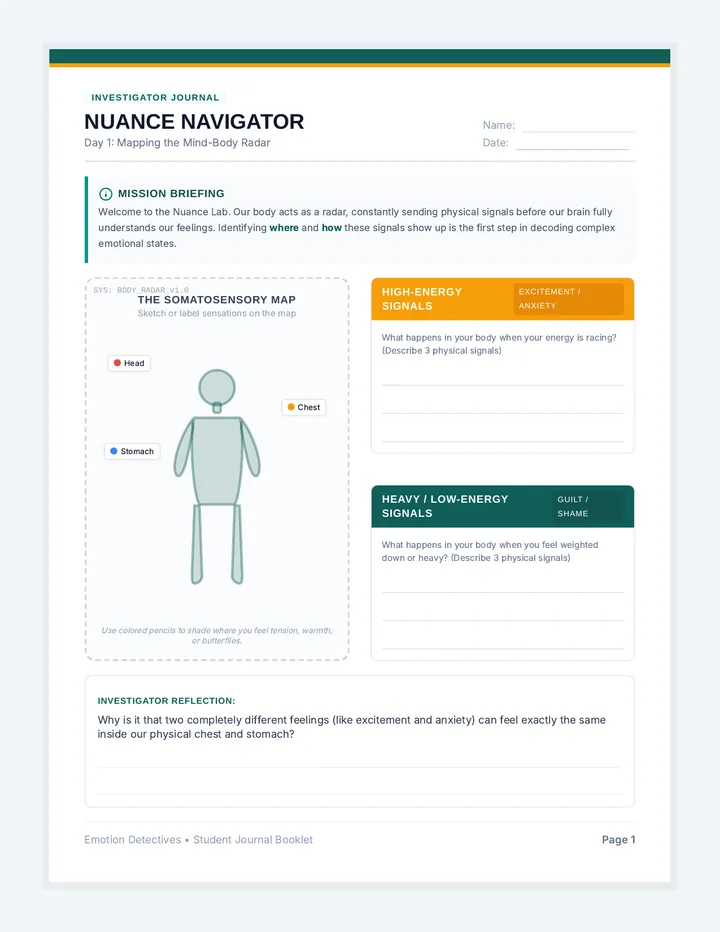
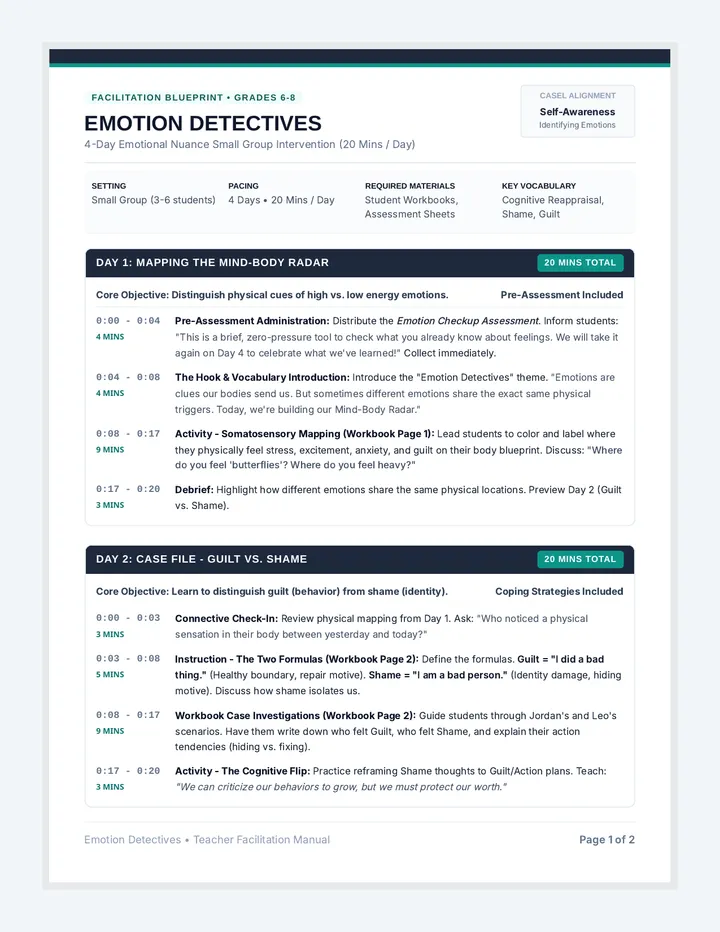
A 4-day small group intervention for grades 6-8 focusing on self-awareness and emotional nuance. Students explore the physical, cognitive, and behavioral distinctions between complex emotional pairs like guilt versus shame and excitement versus anxiety.
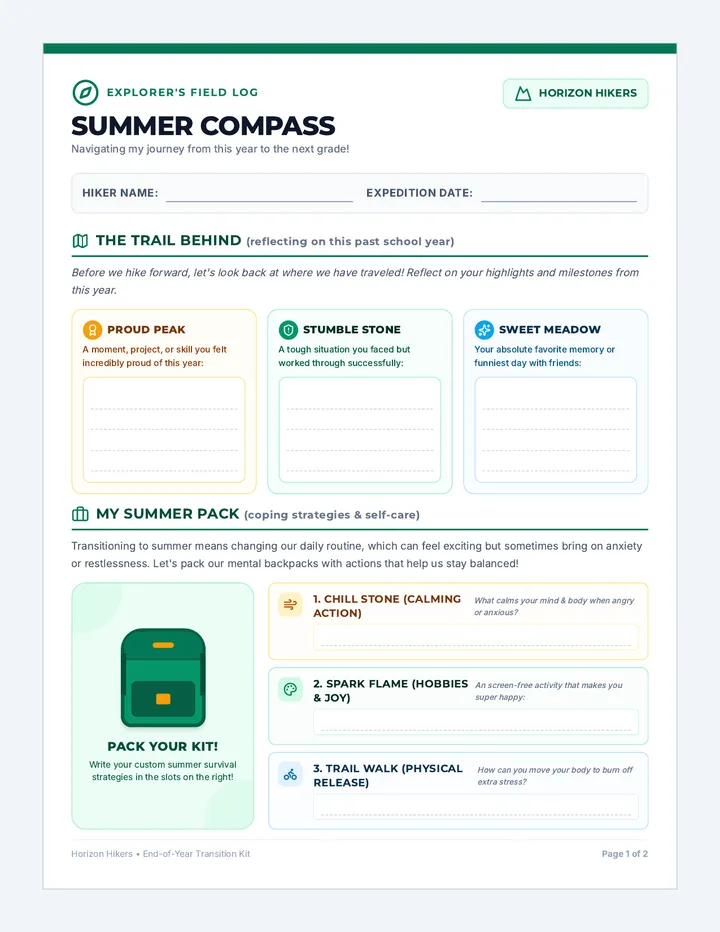
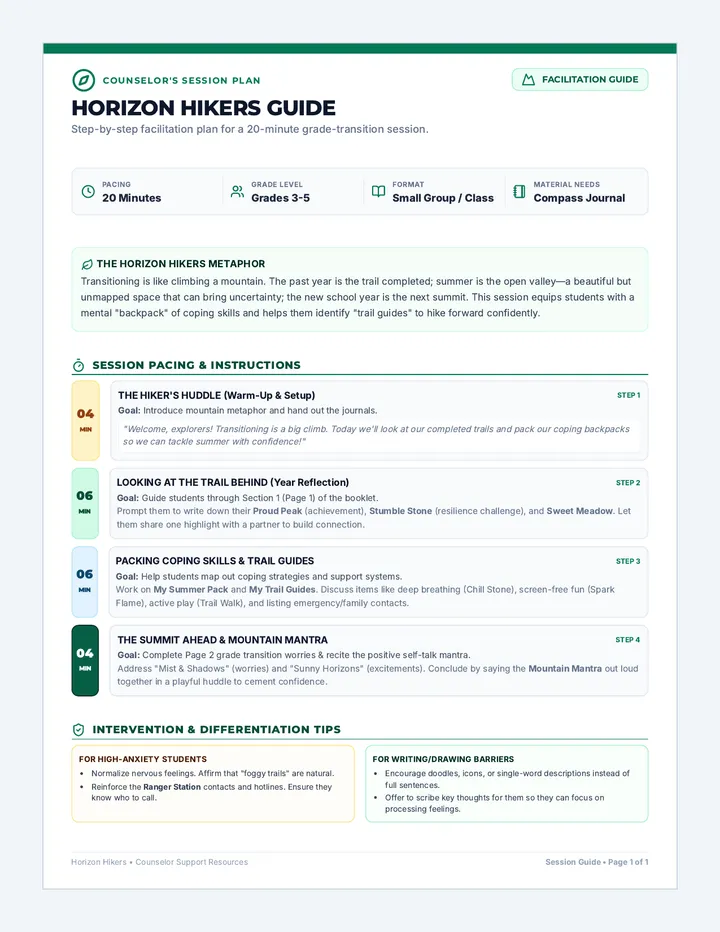
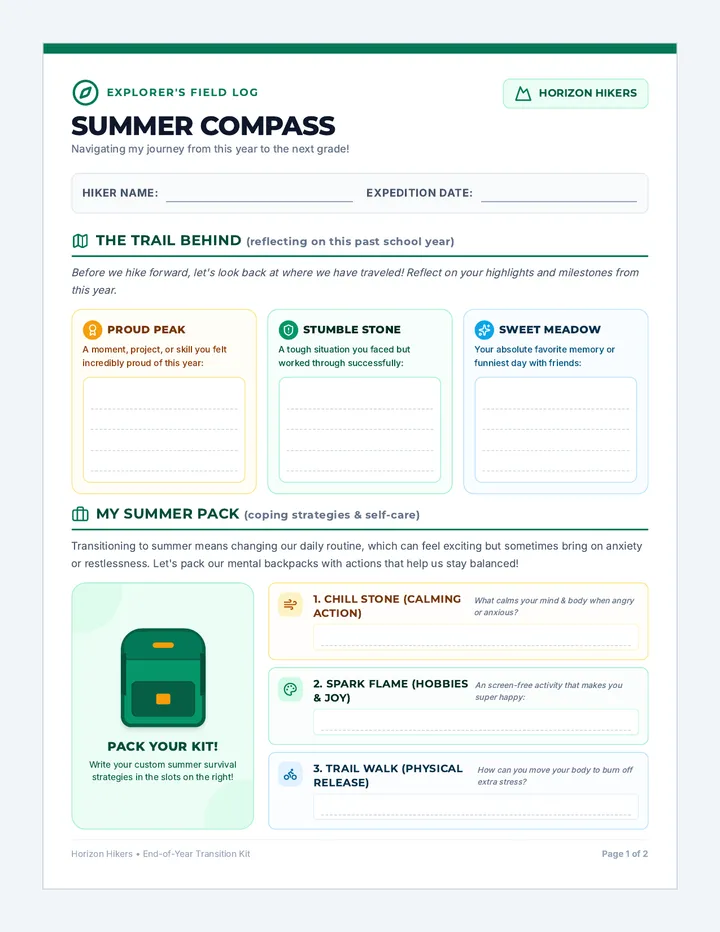
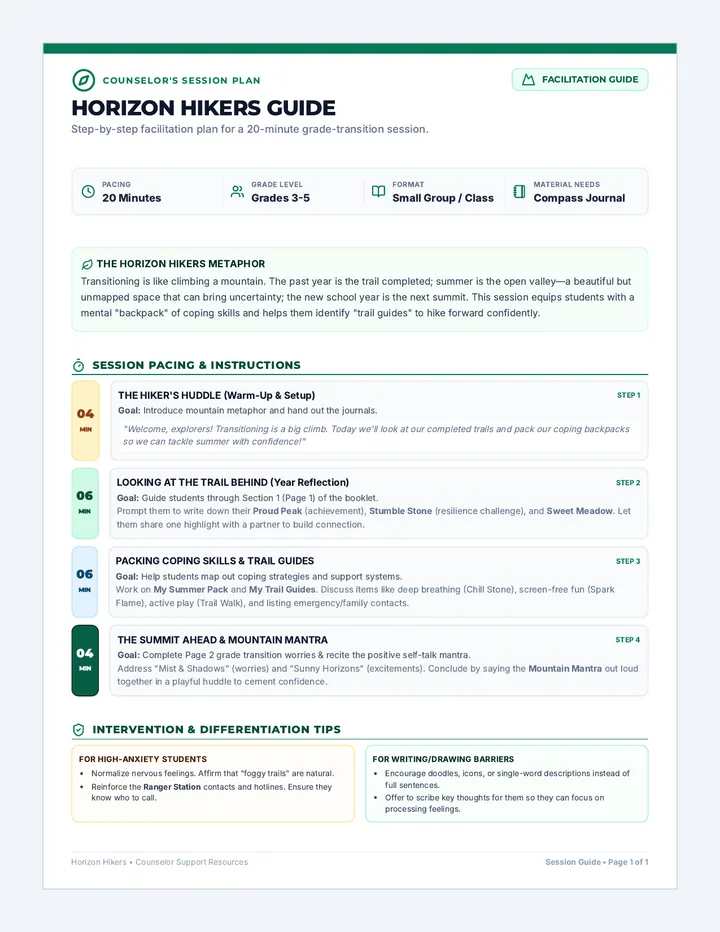
A supportive transition lesson for upper elementary students to reflect on the past year, create a visual coping plan for summer, and build confidence for entering the next grade.
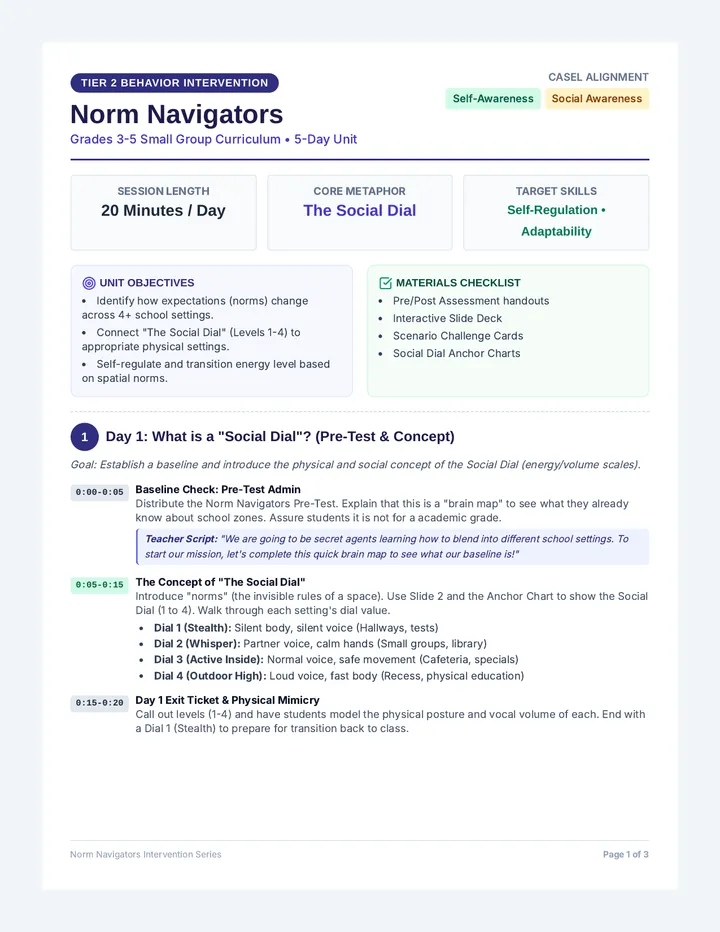
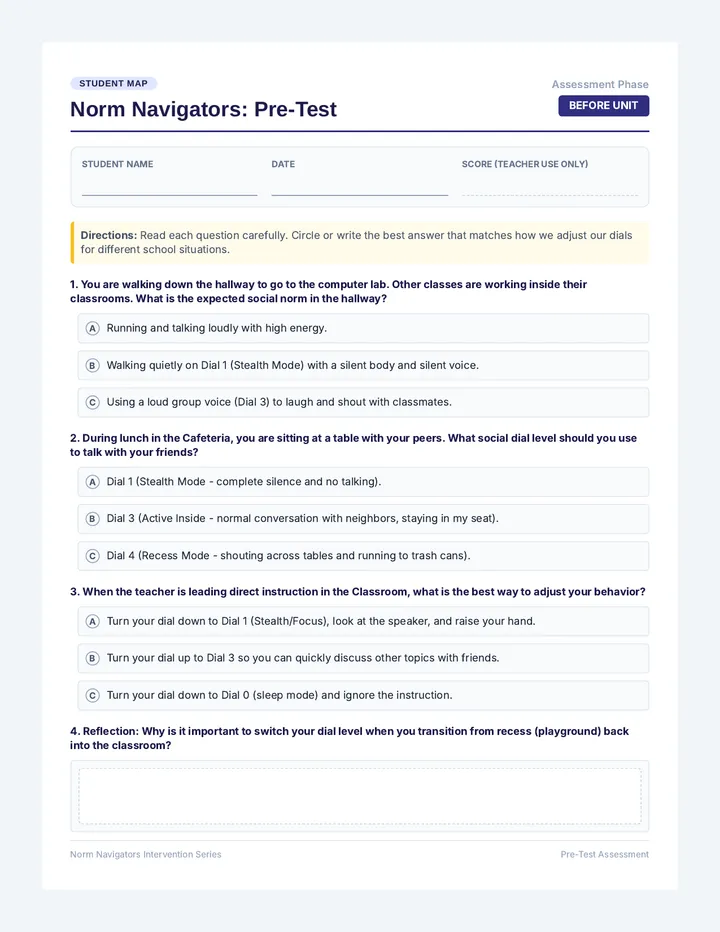
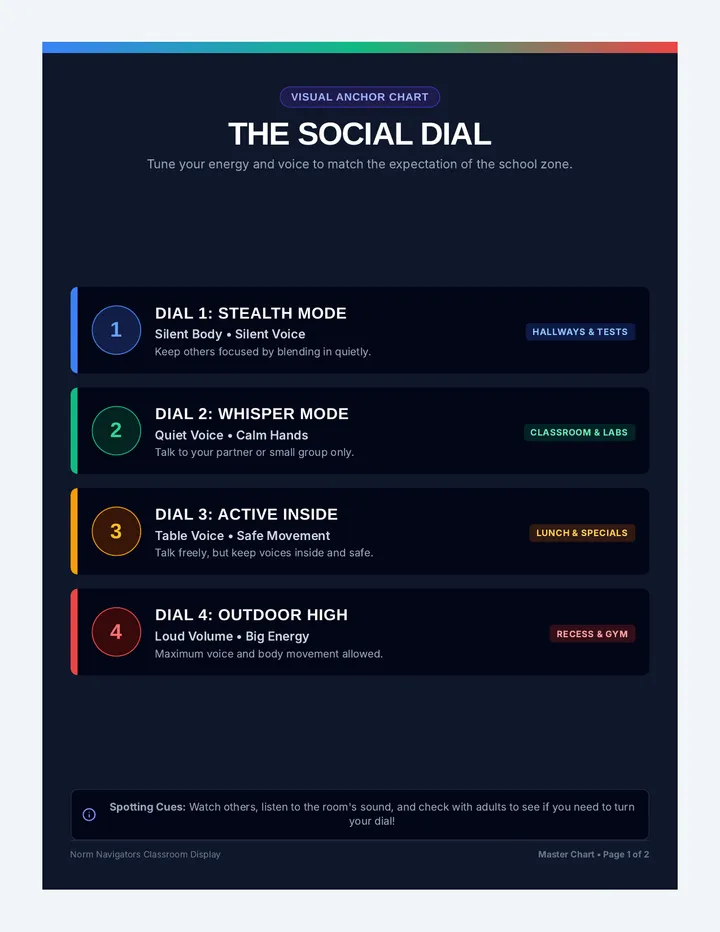
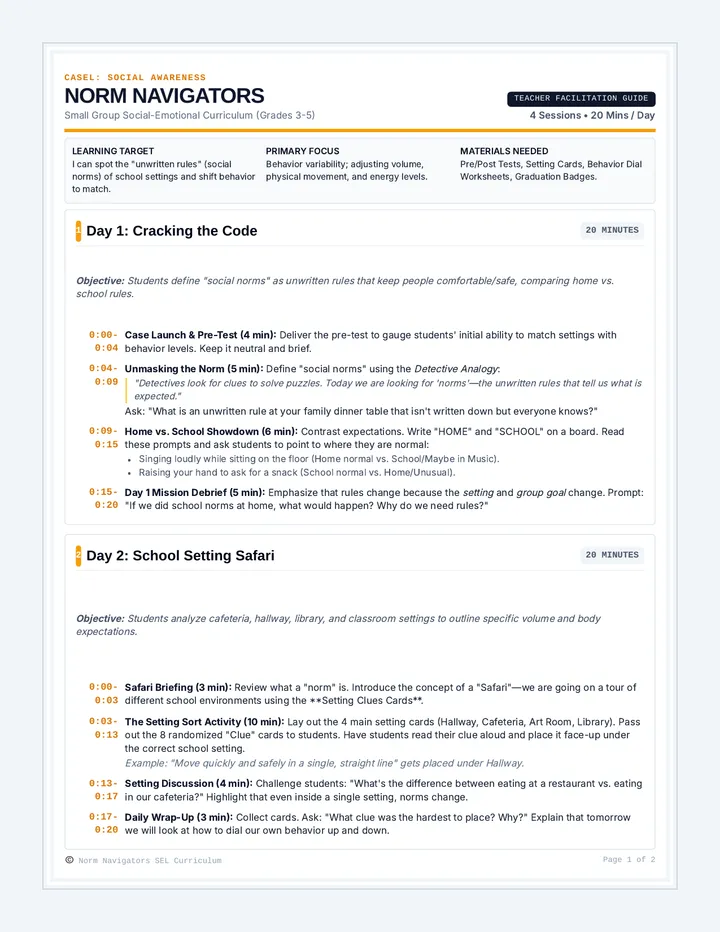
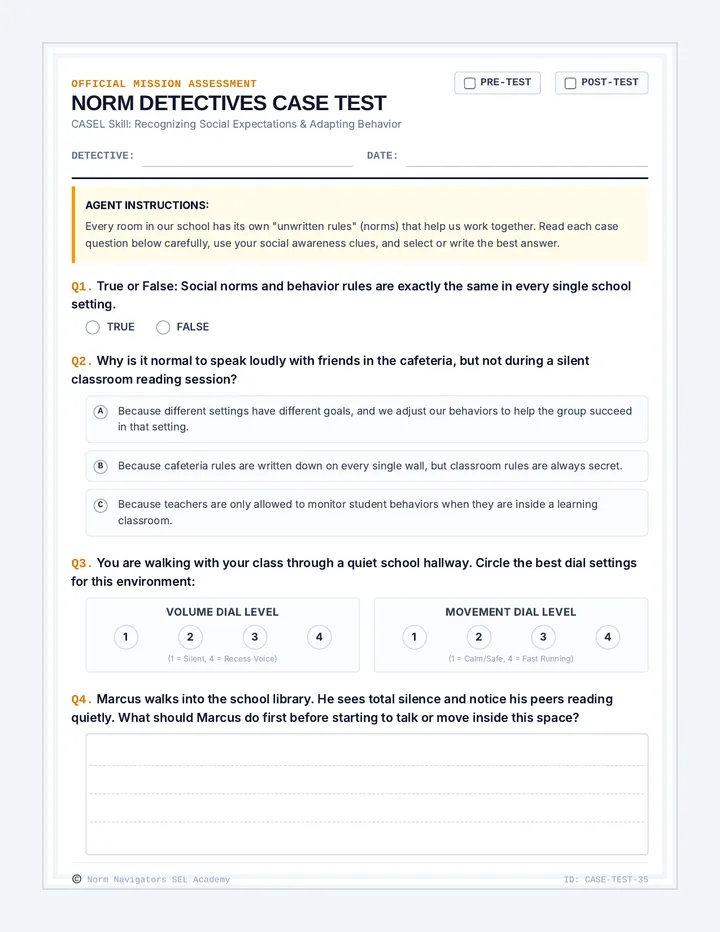
A 5-day small group Tier 2 intervention lesson designed to teach grades 3-5 students how to identify social norms across various school environments and regulate their behaviors accordingly. Includes structured daily facilitation guides, pre/post assessments, slide presentations, challenge cards, and anchor charts.
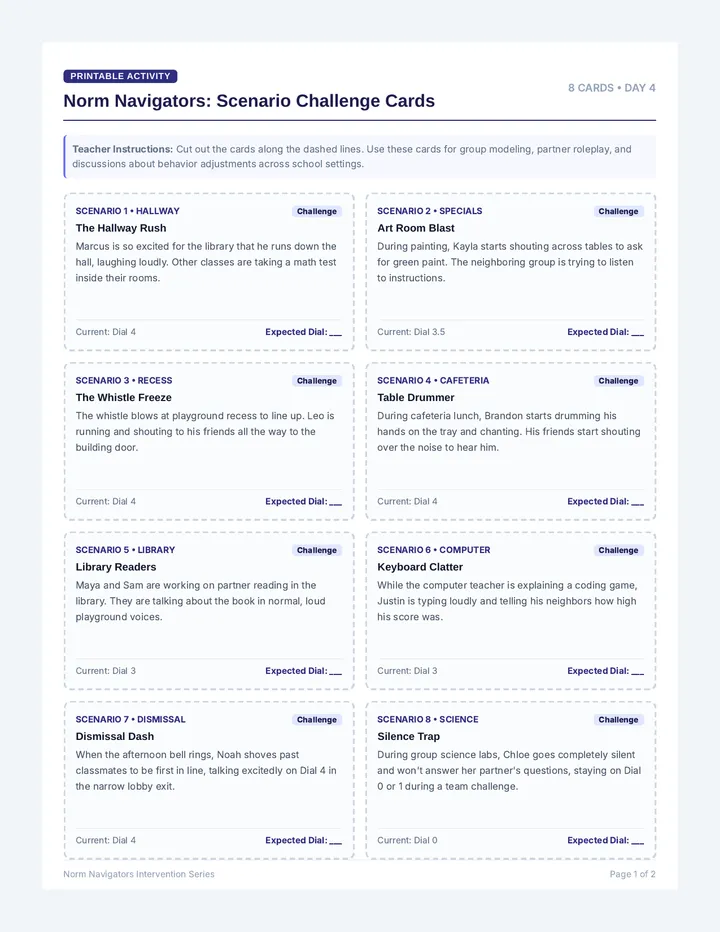
Students complete their post-test, demonstrate behavior-shifting skills in a scenario-based card challenge, and celebrate their growth with a graduation badge.
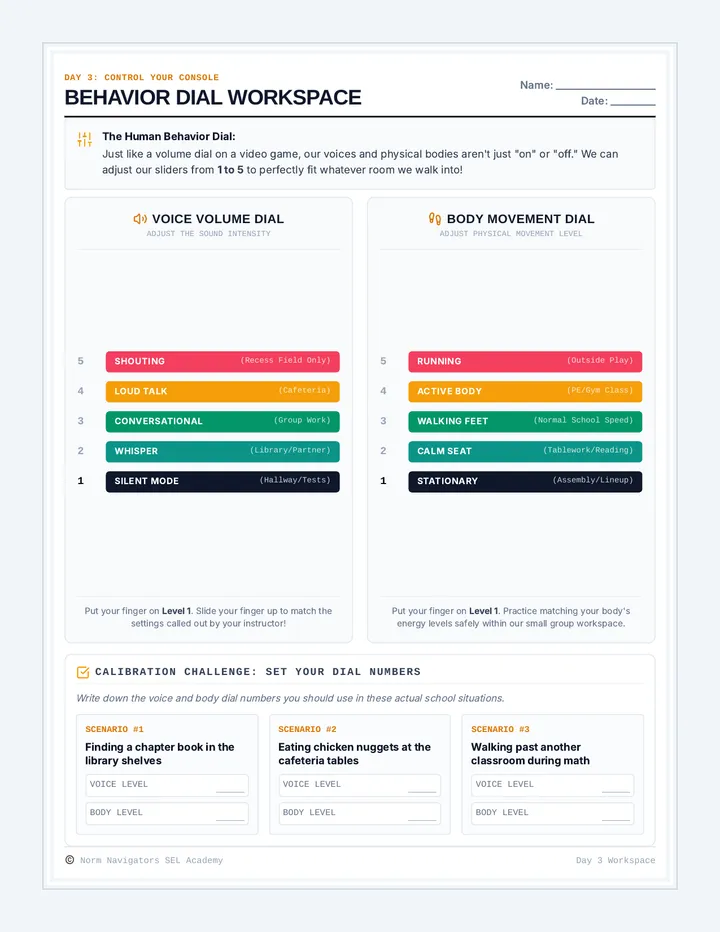
Students practice using a "Behavior Dial" to physically and vocally adjust their volume, movement, and energy levels to match different school environments.
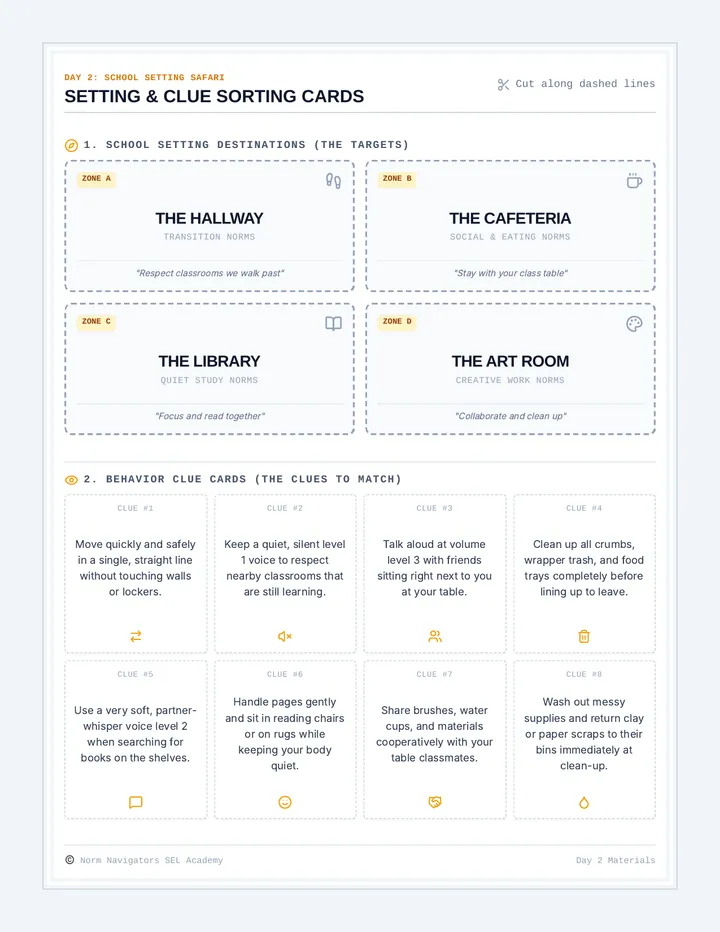
Students examine specific school settings like the hallway, cafeteria, and specials classes to map out their unique expectations and unwritten rules.
Students are introduced to the concept of social norms as unwritten rules that help groups work together, comparing how norms change between home and school.
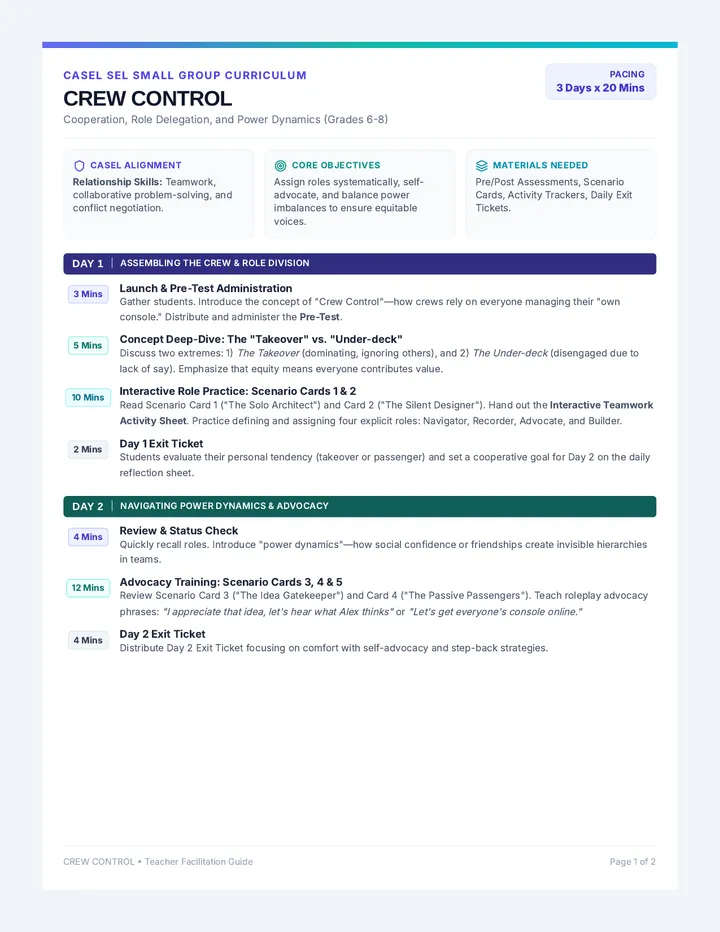
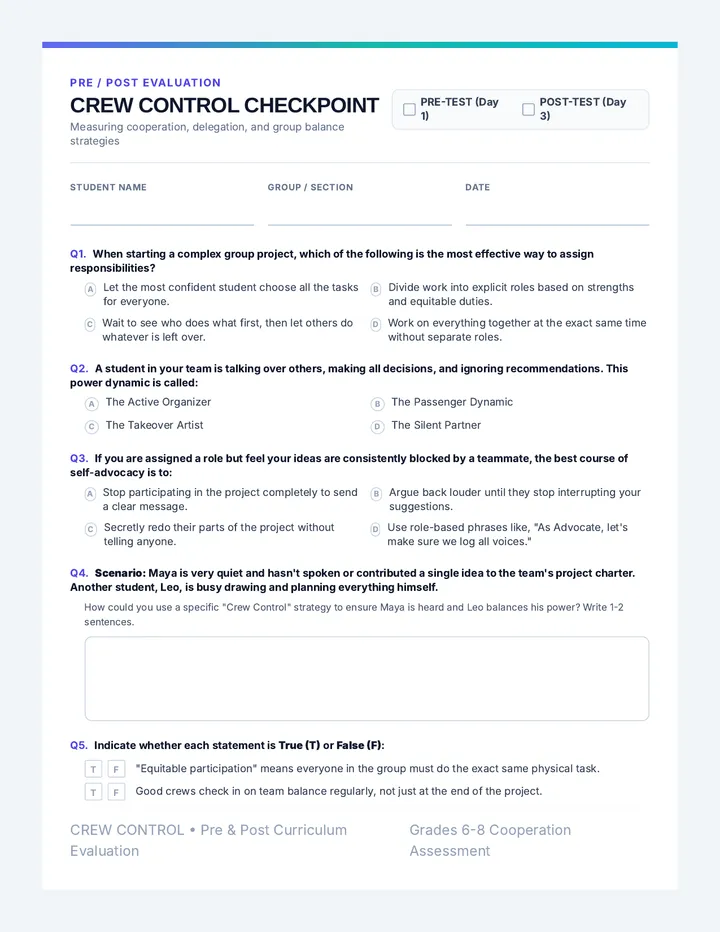
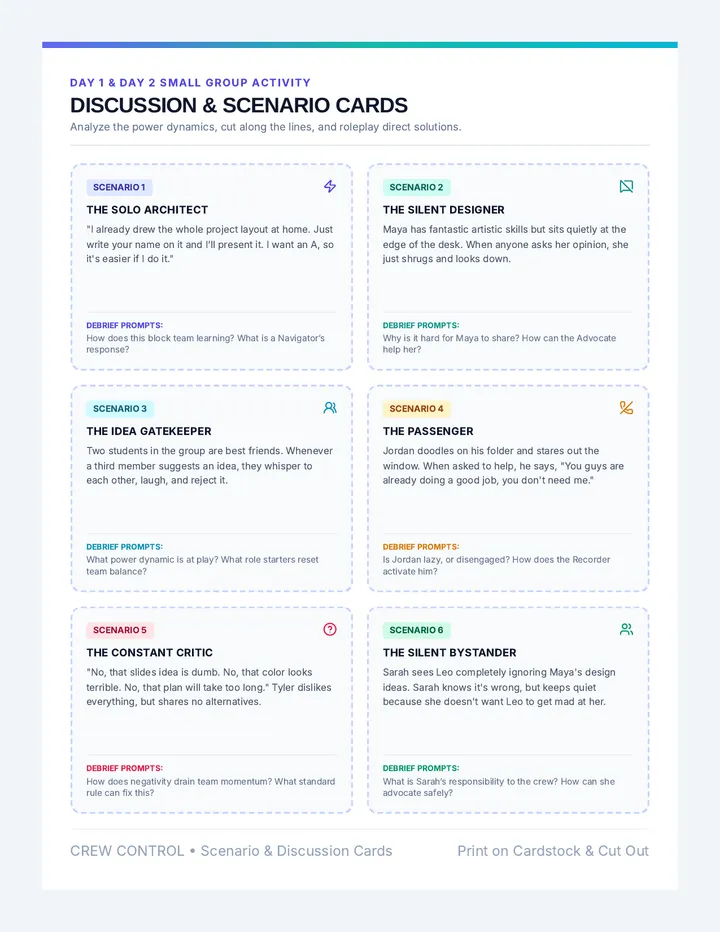
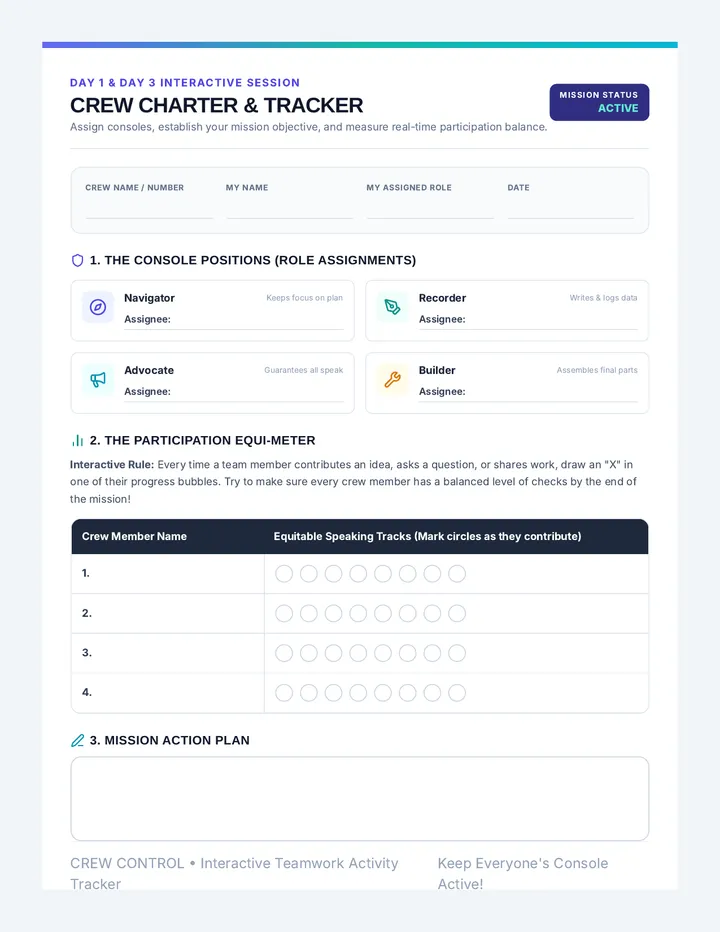
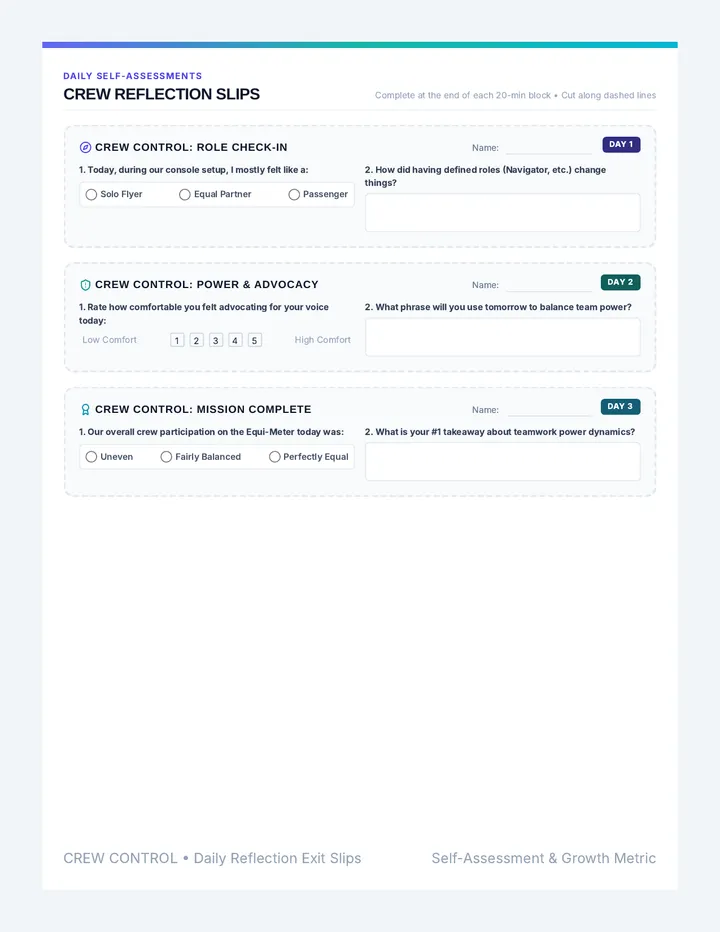
A cohesive 3-day small group curriculum that teaches middle school students how to coordinate project responsibilities, self-advocate, and address dominance or passivity to ensure equitable participation.
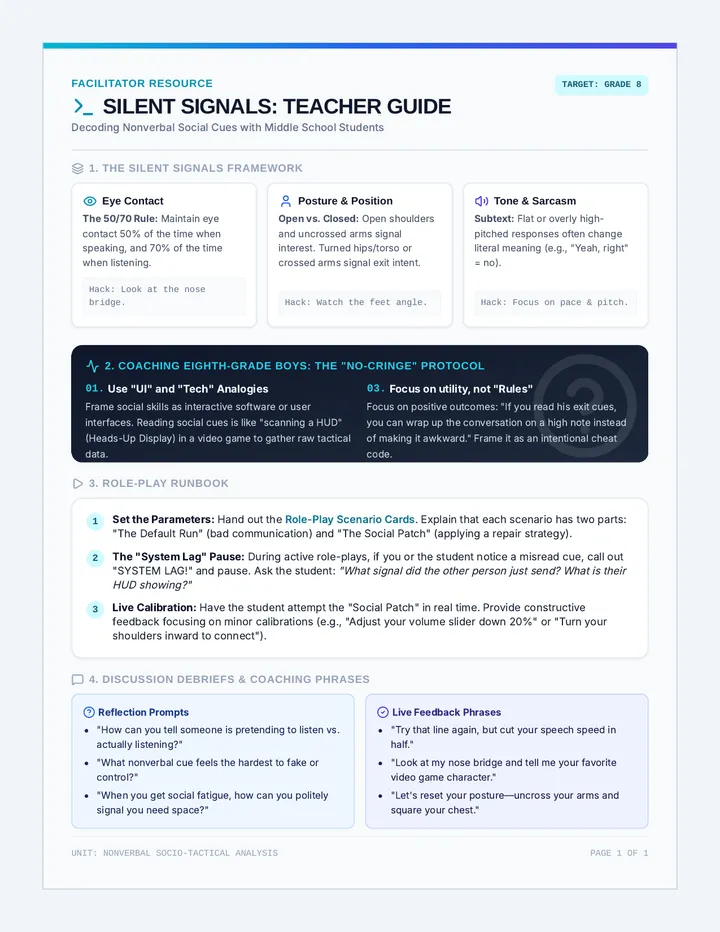
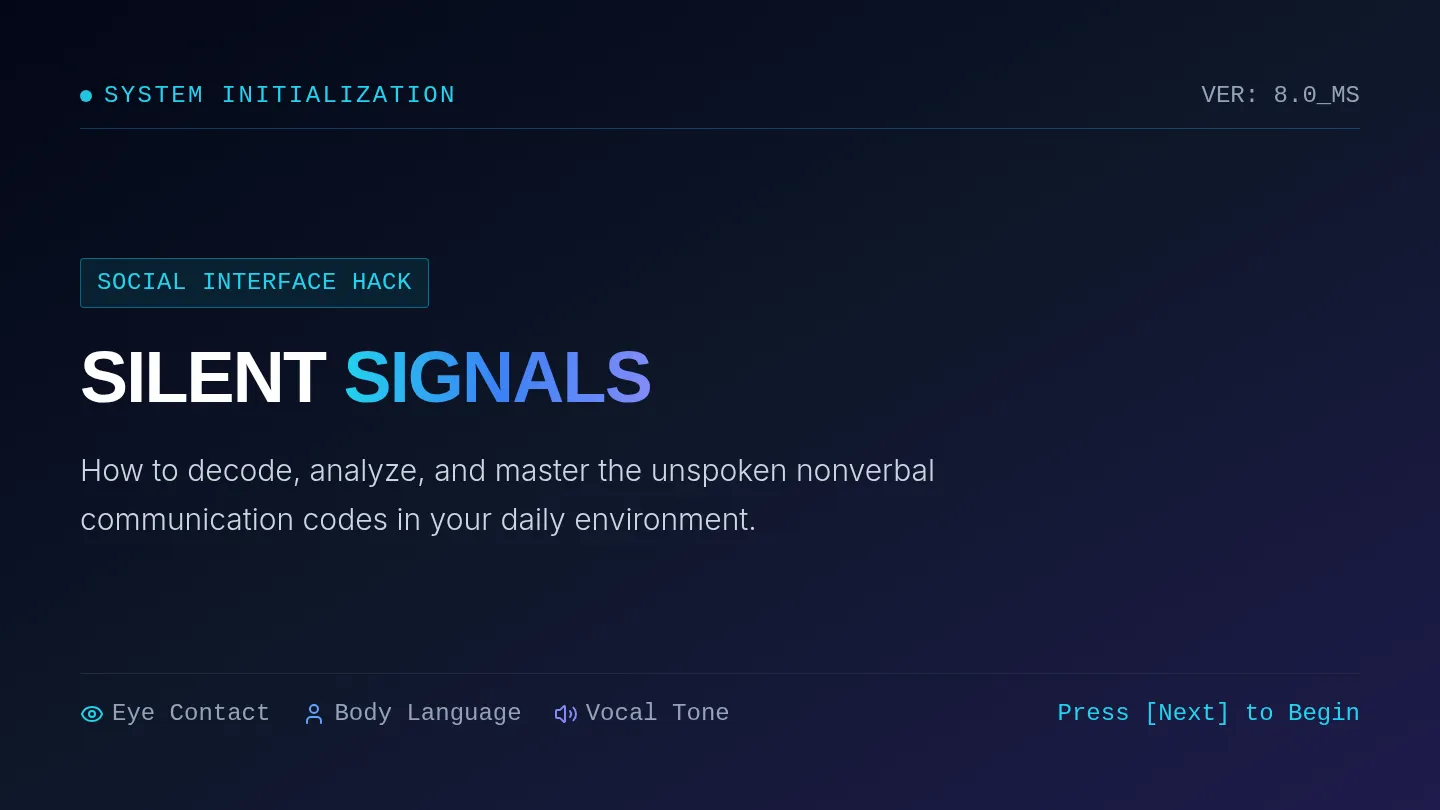
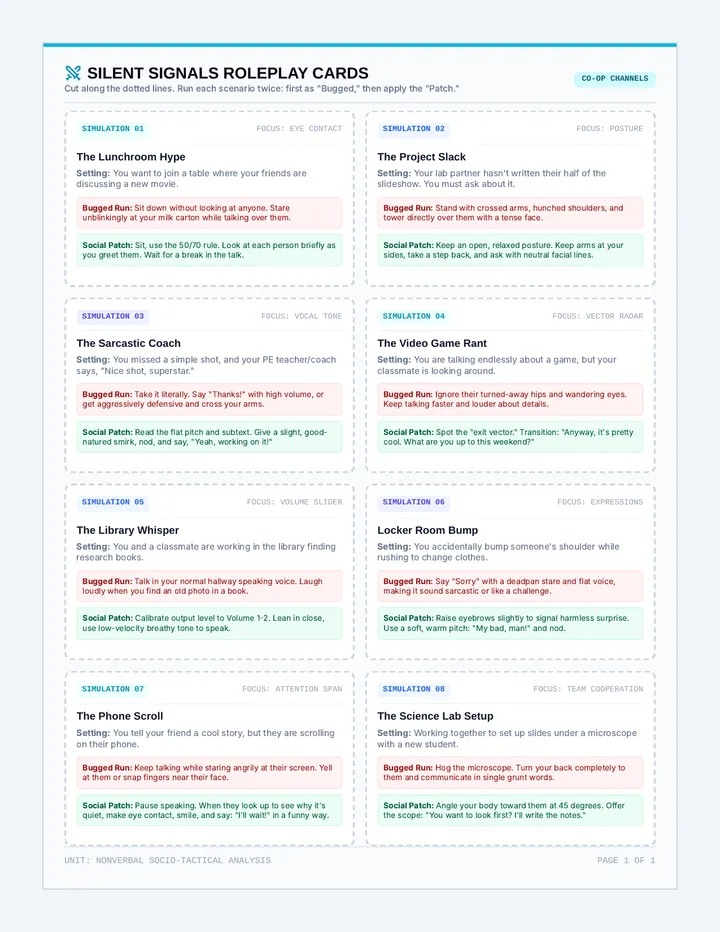
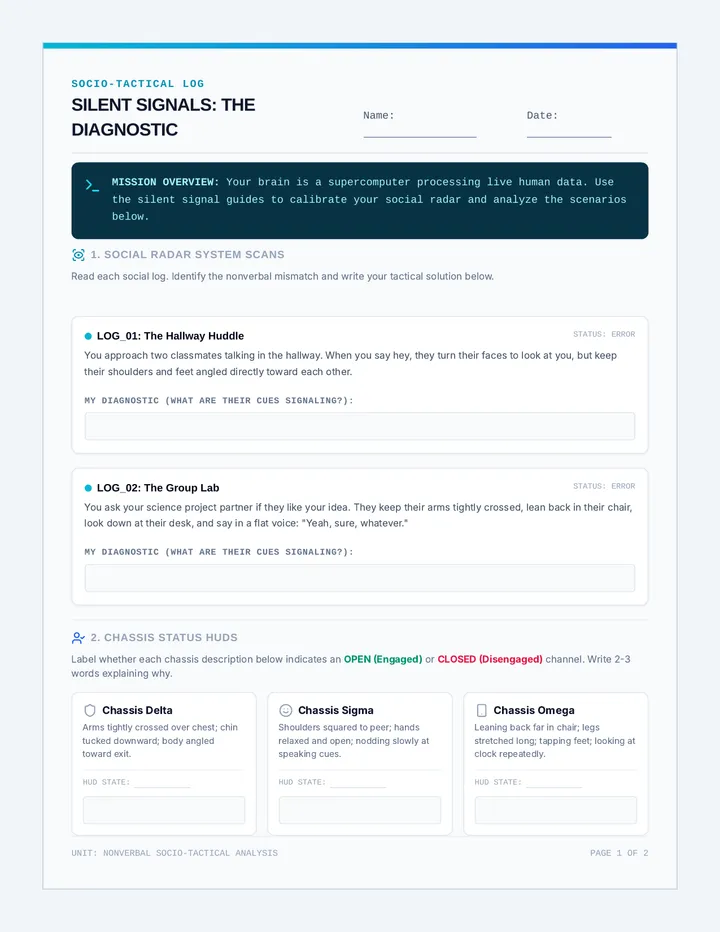
A practical, high-interest social skills lesson designed to help eighth-grade students decode and master silent communication cues: eye contact patterns, body language, and tone of voice. Contains slide-based instruction, role-play challenges, interactive worksheets, and an educator facilitation guide.
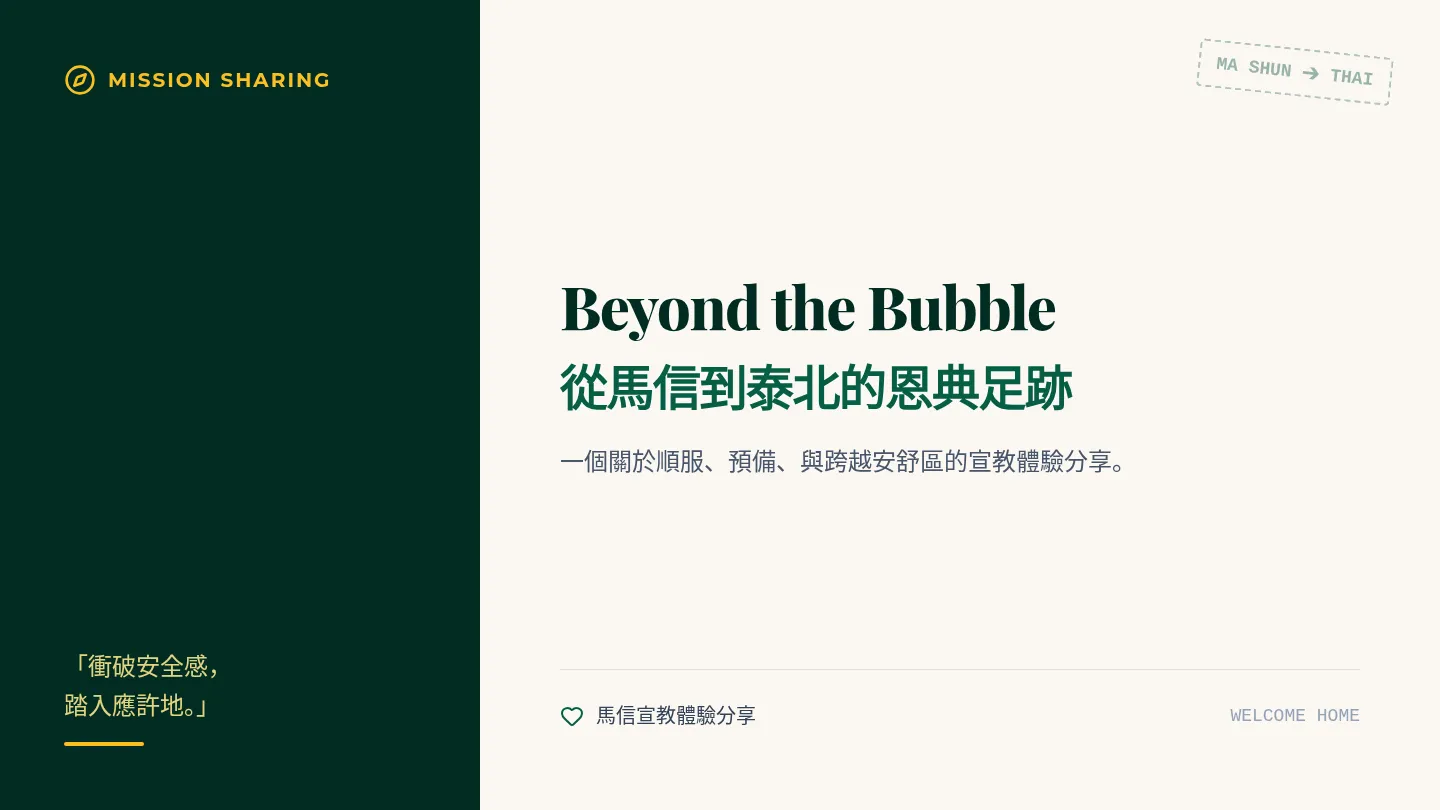
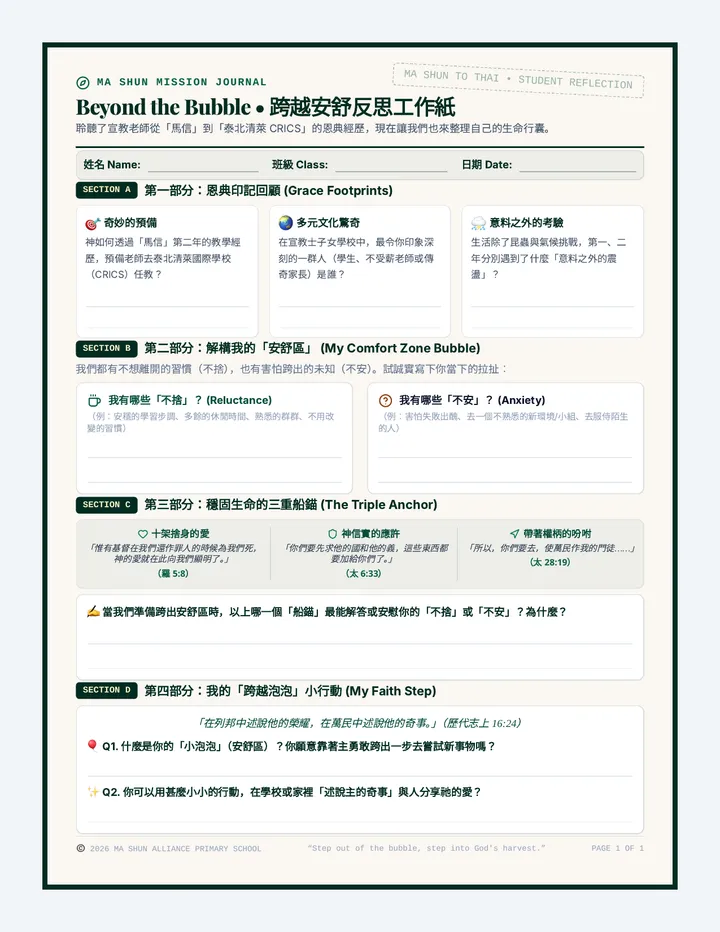
A testimony-based lesson exploring the journey of stepping out of one's comfort zone, overcoming fears through faith, and embracing God's mission in Thailand.
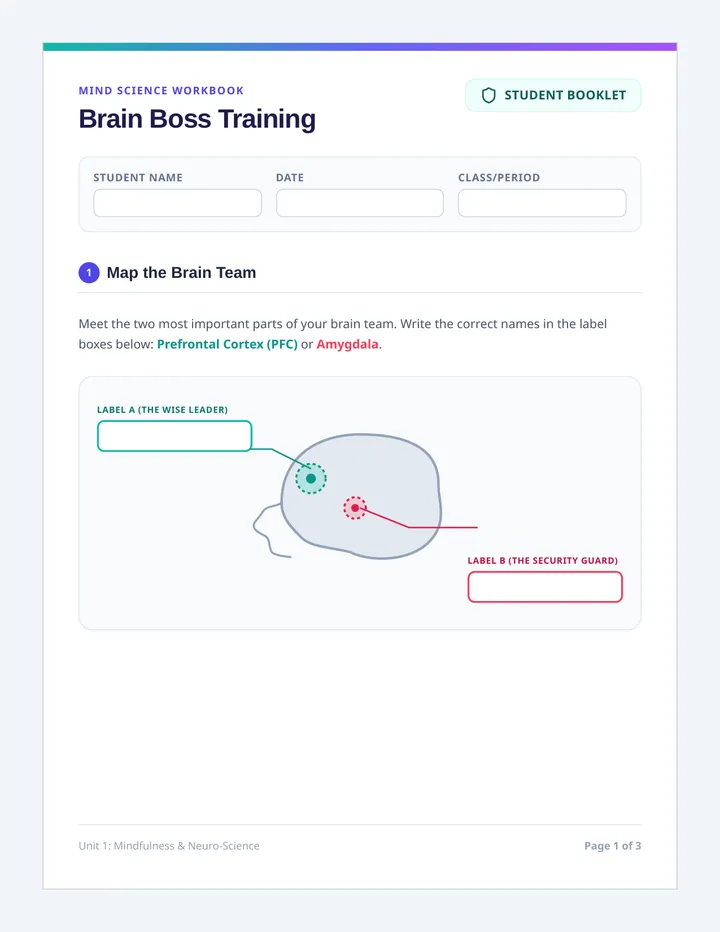
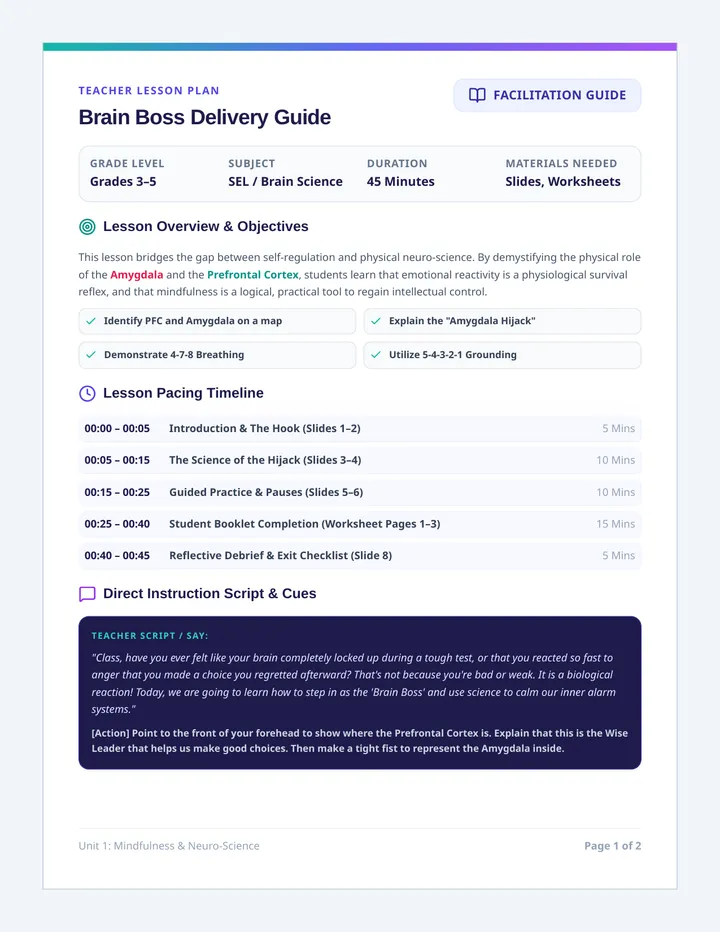
An explicit teaching lesson for Upper Elementary (grades 3-5) that introduces mindfulness through brain science, explaining the roles of the amygdala and prefrontal cortex, and provides concrete self-regulation strategies.
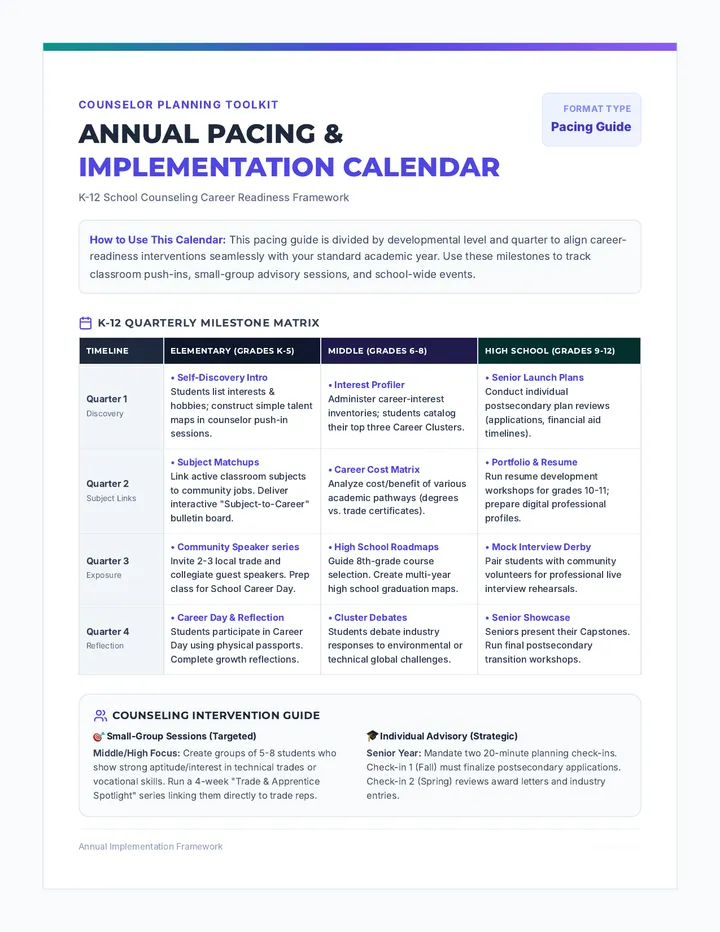
Actionable planning resources, school-wide career day guides, and implementation templates for school counselors to deploy career readiness curricula.
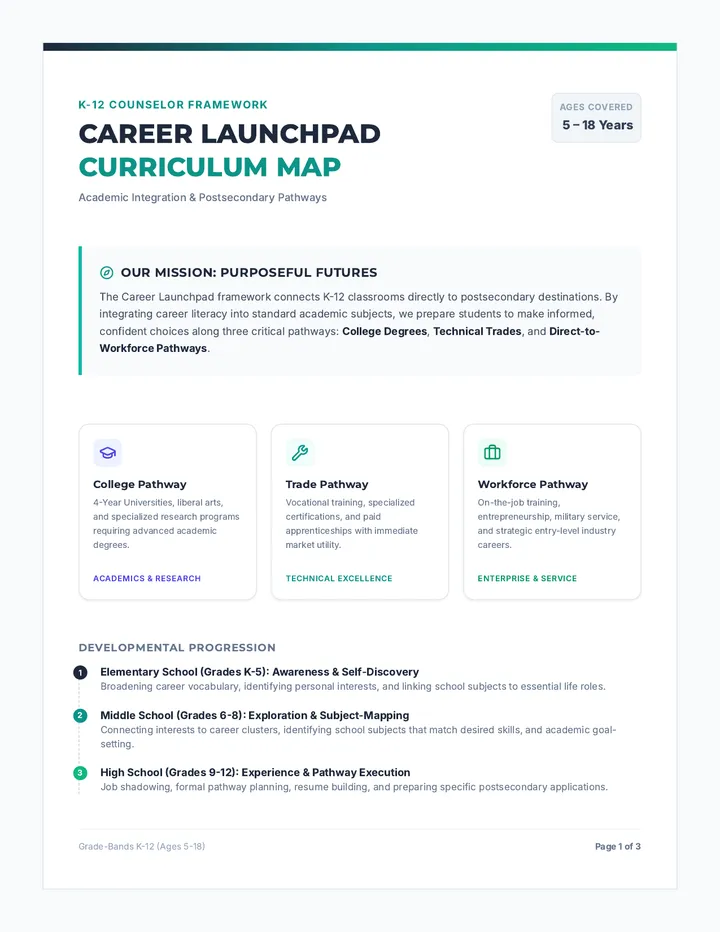
High-level scope, sequence, and developmental milestones for elementary, middle, and high school career exploration. This framework links classroom subjects to real-world college, trade, and workforce pathways.
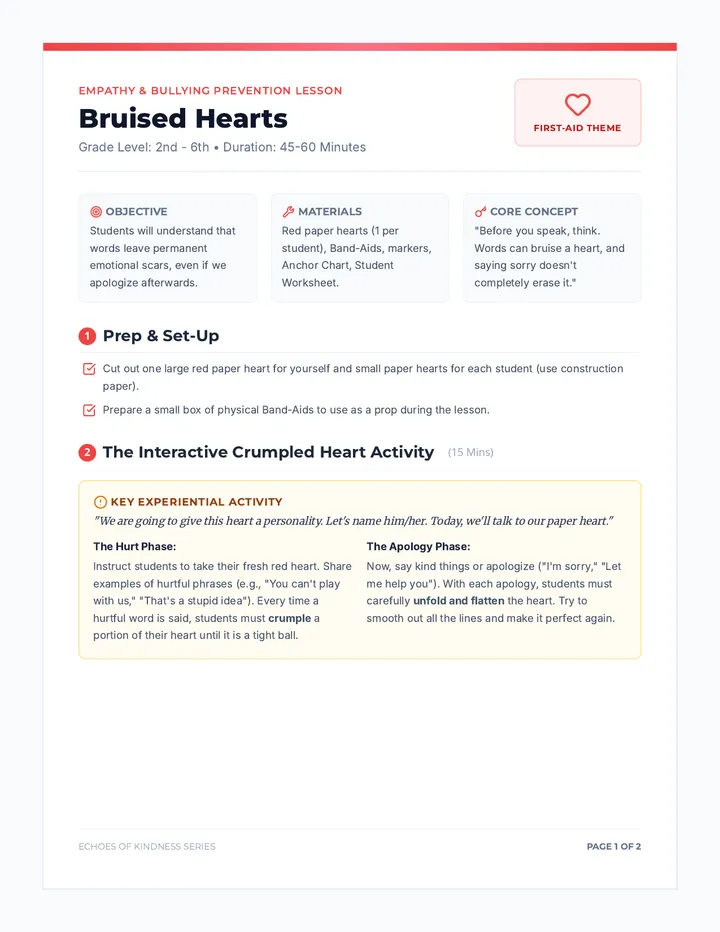
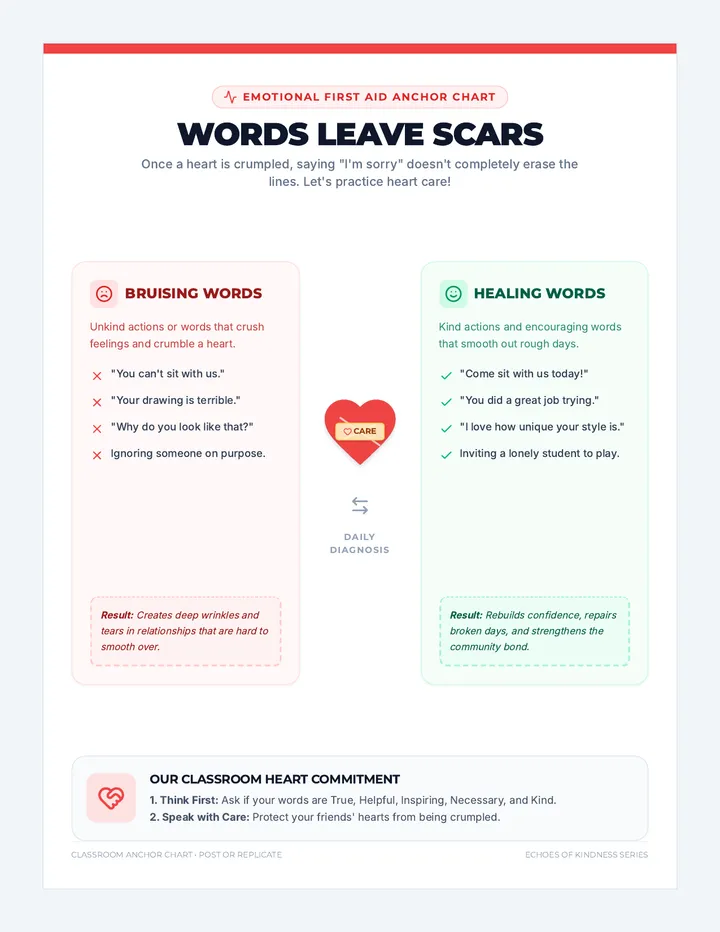
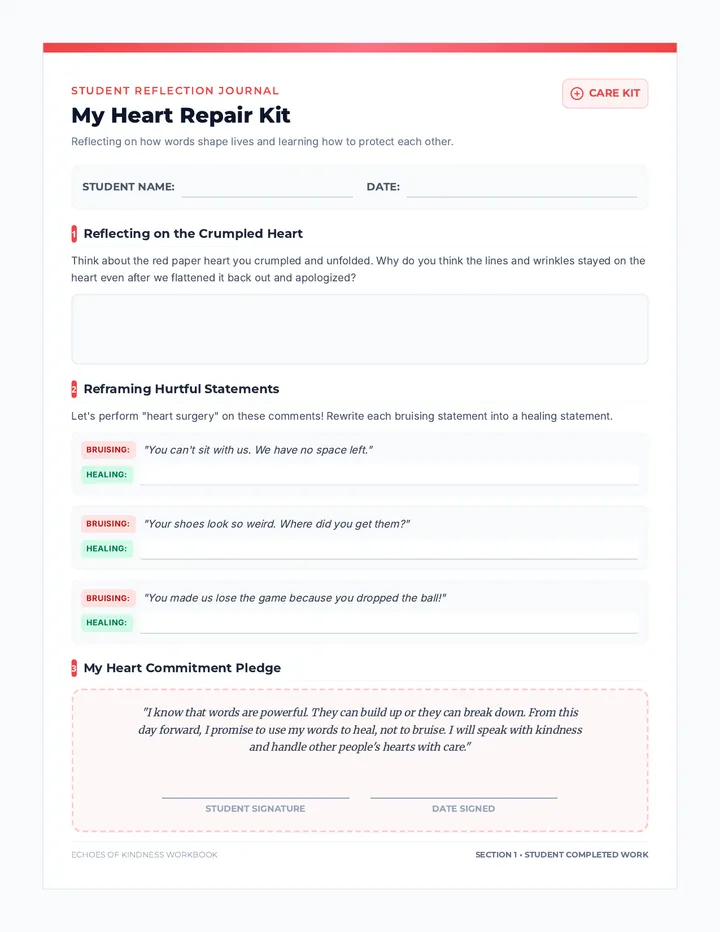
A powerful kindness and bullying prevention lesson exploring how hurtful words affect others and how we can repair hearts. Students engage in a paper-heart crumbling activity to visually understand the lasting impact of unkindness.
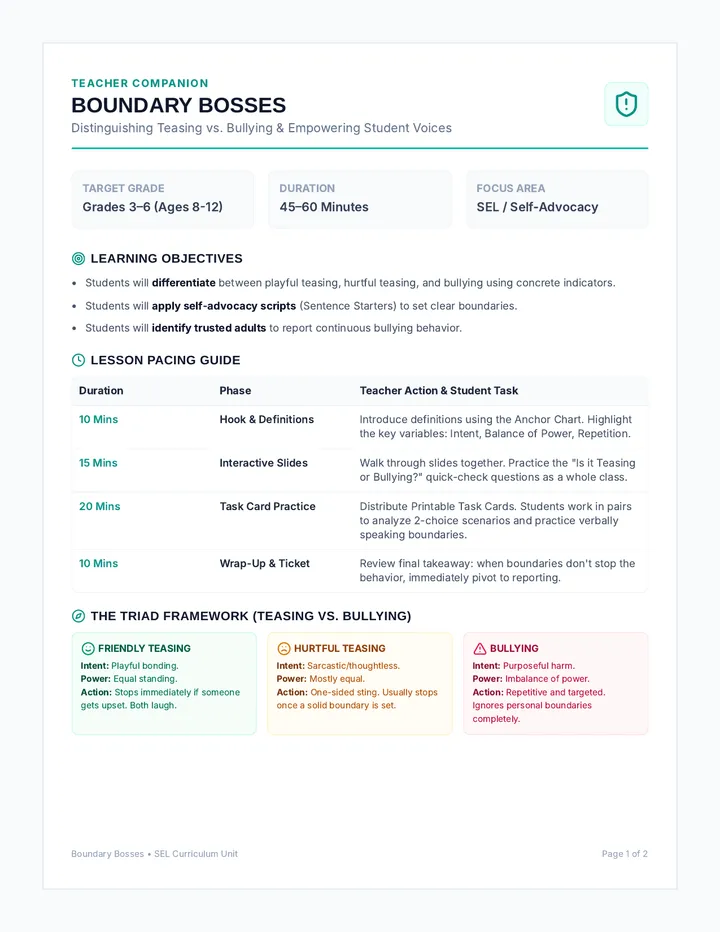
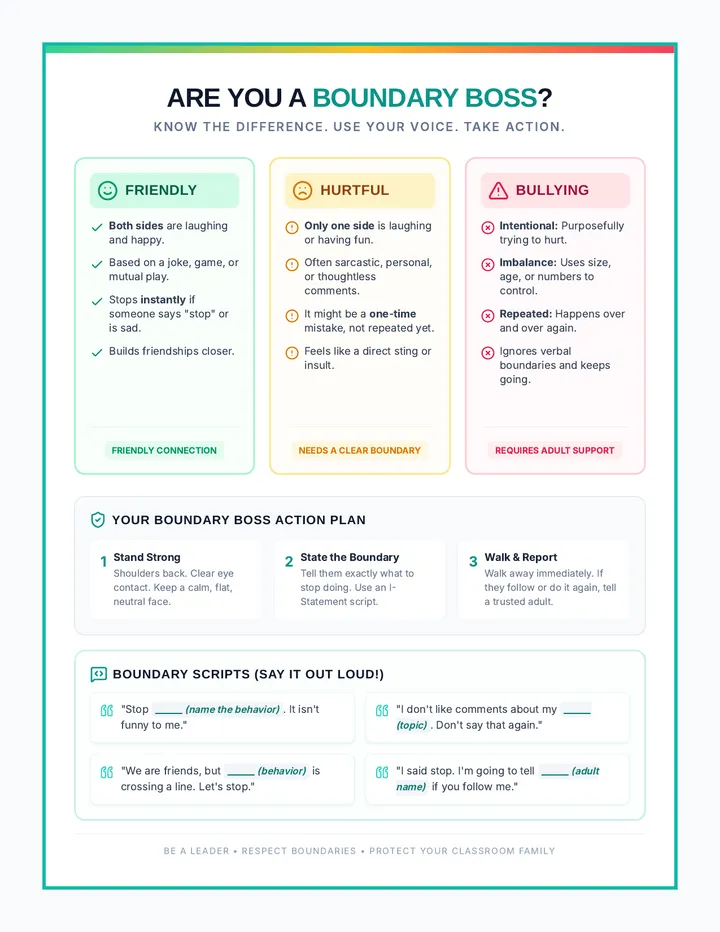
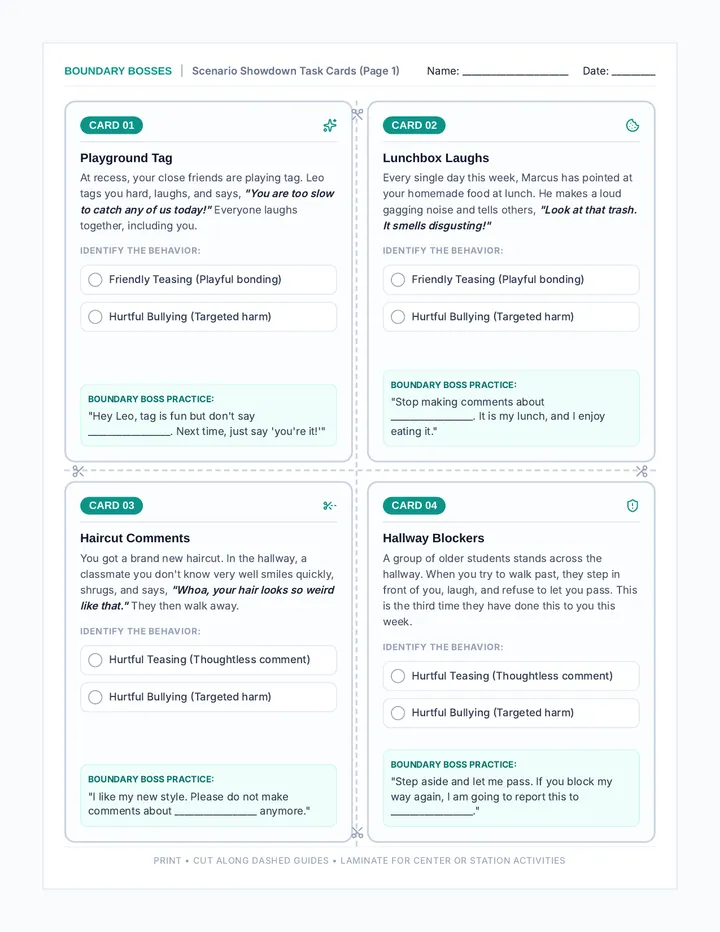
A comprehensive lesson helping students distinguish between friendly teasing, hurtful teasing, and bullying, while teaching concrete self-advocacy strategies and verbal boundary setting.
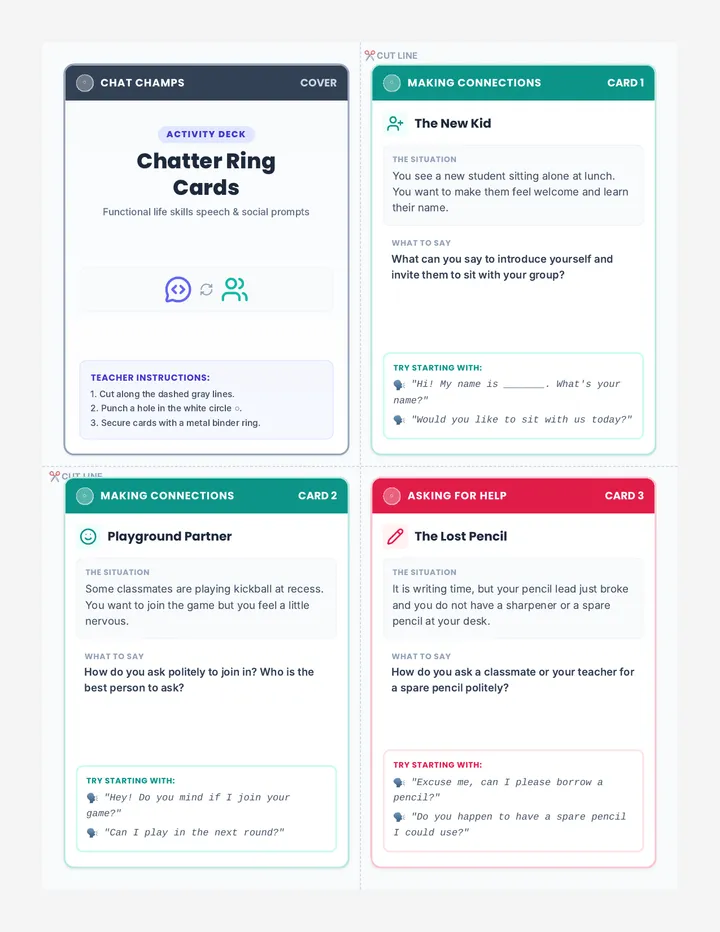
A lesson focused on equipping elementary students with functional verbal communication skills for everyday real-world interactions. Students practice through guided peer discussions, roleplays, and task cards.
Introduction to DBT STEPS-A Lesson 19, focusing on the core concept of Dialectics. This lesson helps 7th graders understand that two seemingly opposite truths can coexist, guiding them to find a balanced 'middle path' in their emotions, relationships, and daily lives.
Consolidates learning with a collaborative micro-build challenge, group self-reflection, and administration of the identical post-test.
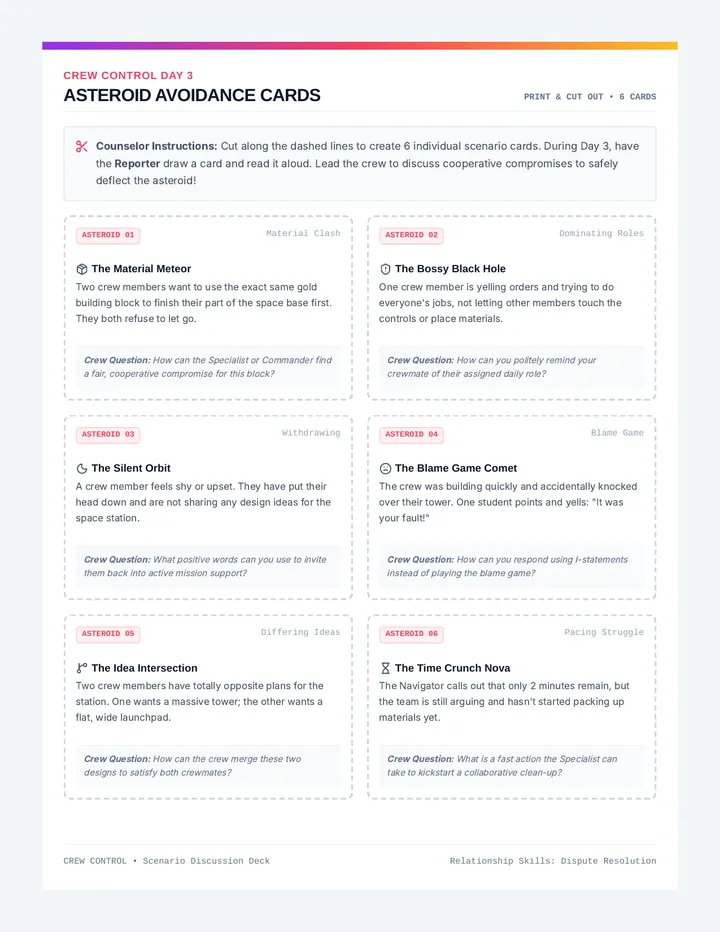
Focuses on identifying and navigating group conflicts (such as disagreements or resource sharing) using interactive discussion cards.