A dice-based exploration of empathy and perspective-taking using non-declarative language techniques to help 4th graders notice social cues and understand others' internal worlds.
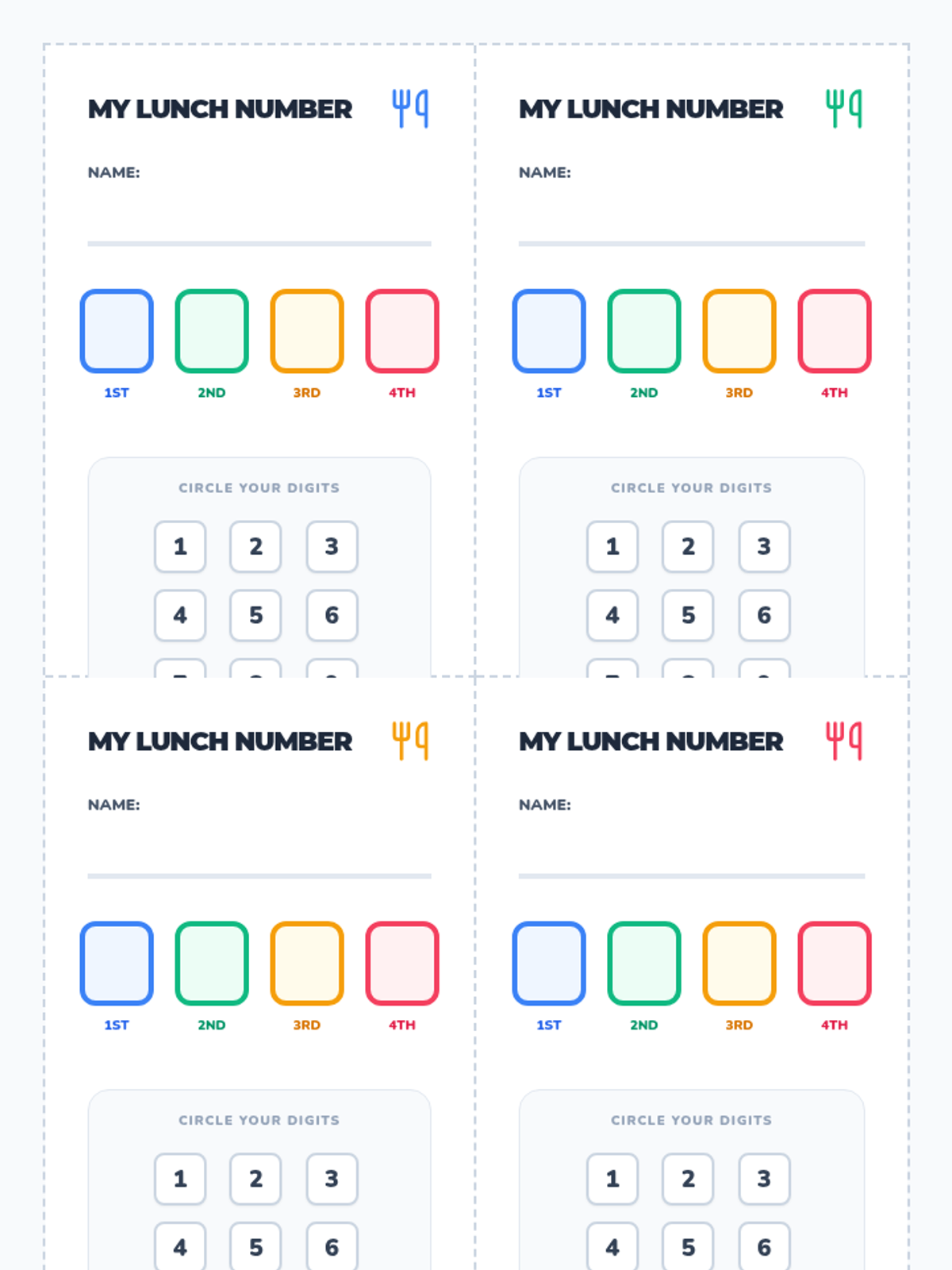
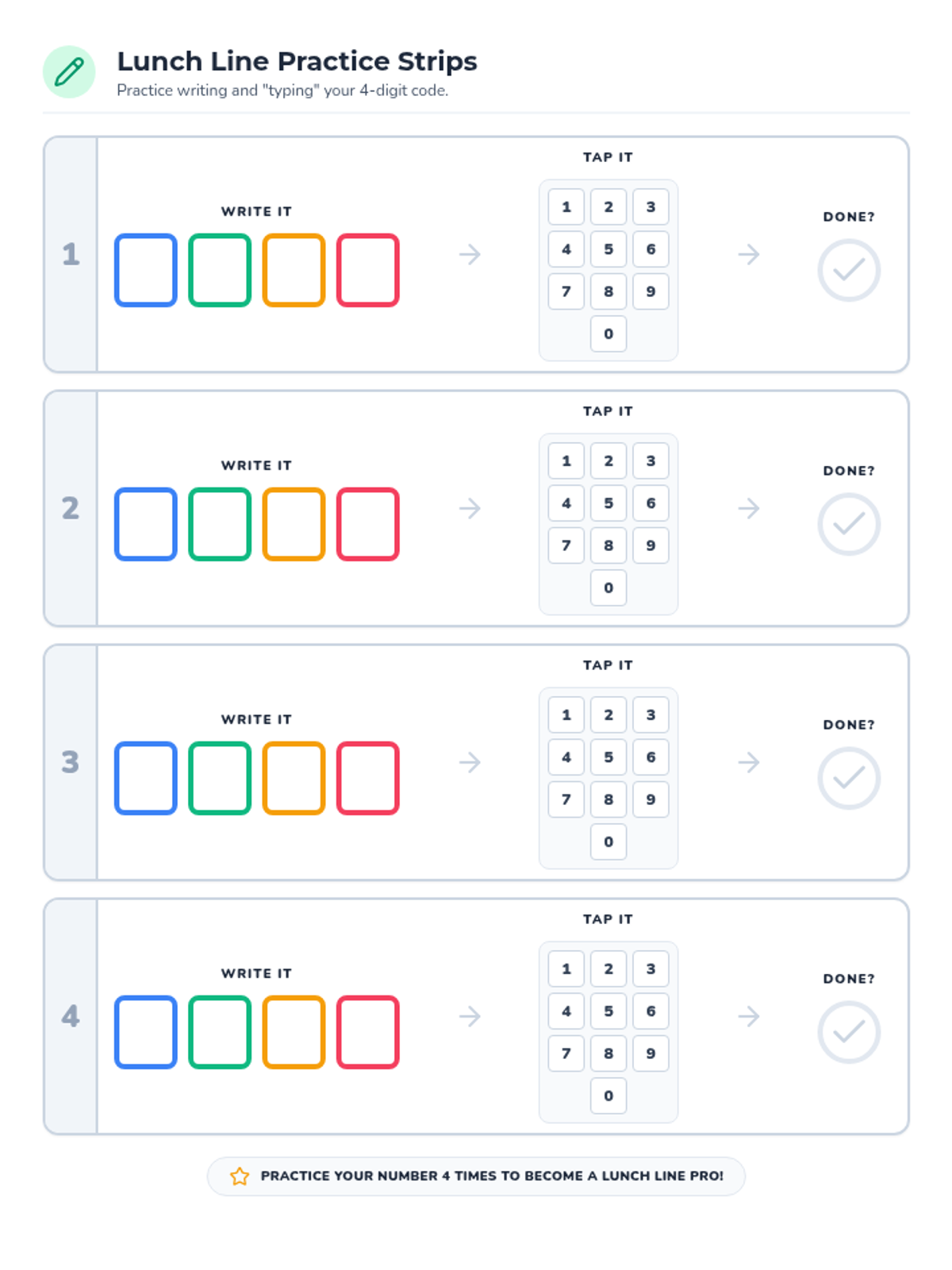
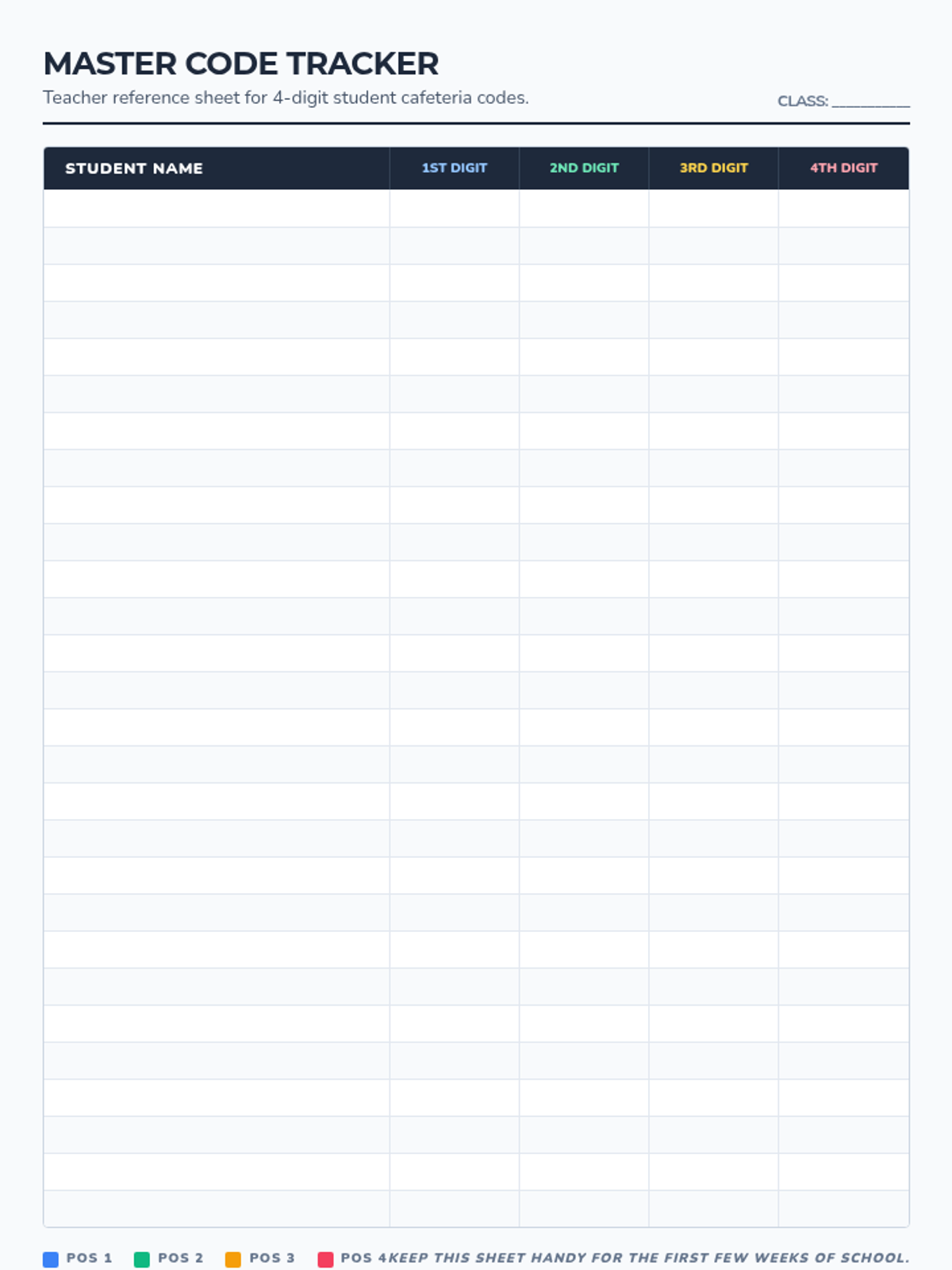
A set of visual aids and practice tools to help elementary students memorize and master their 4-digit cafeteria pin numbers using color-coded position cues.
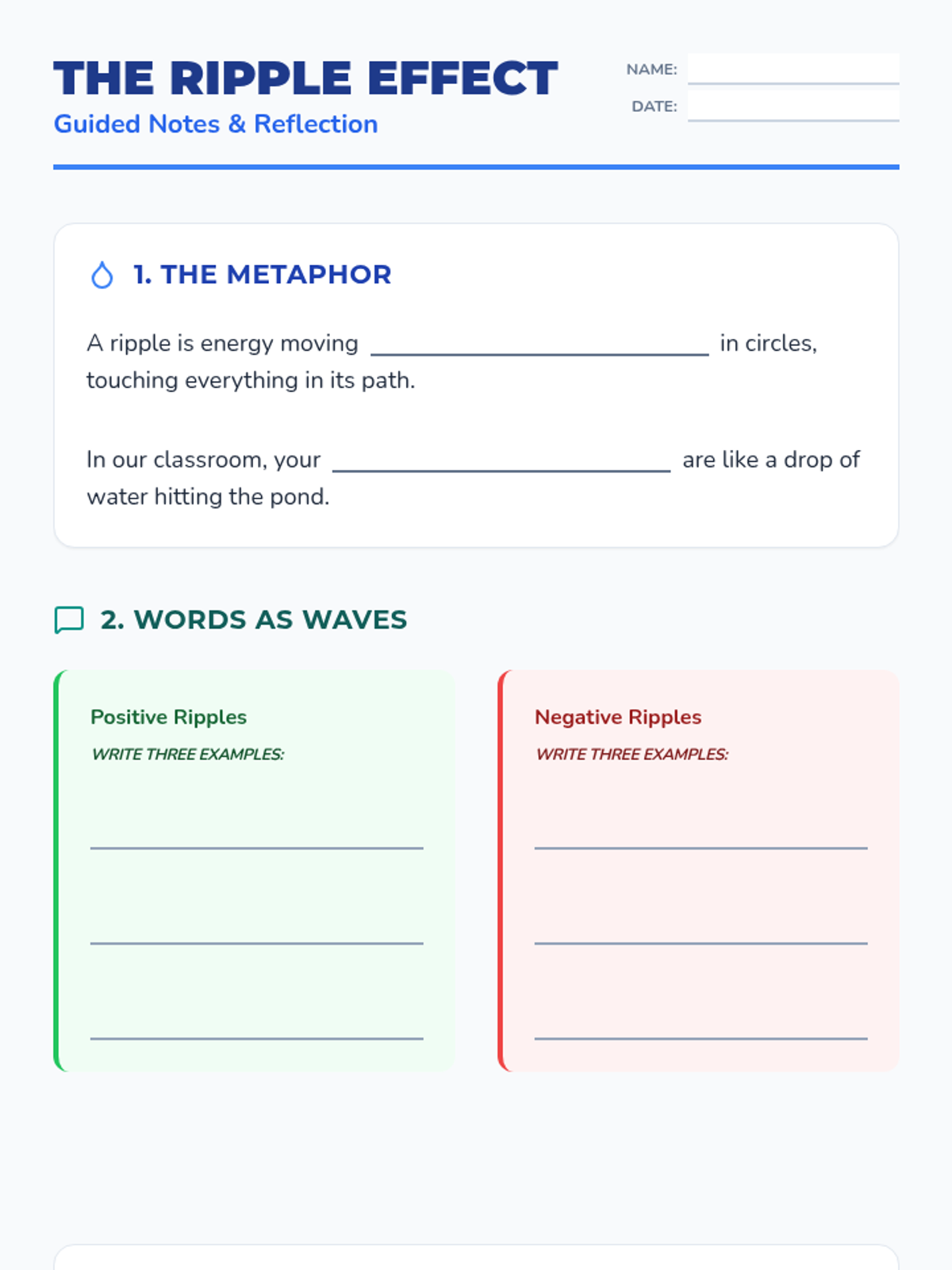
A Social Emotional Learning lesson exploring the concept of the ripple effect, helping students understand how their individual choices and behaviors impact their peers and the overall classroom environment.
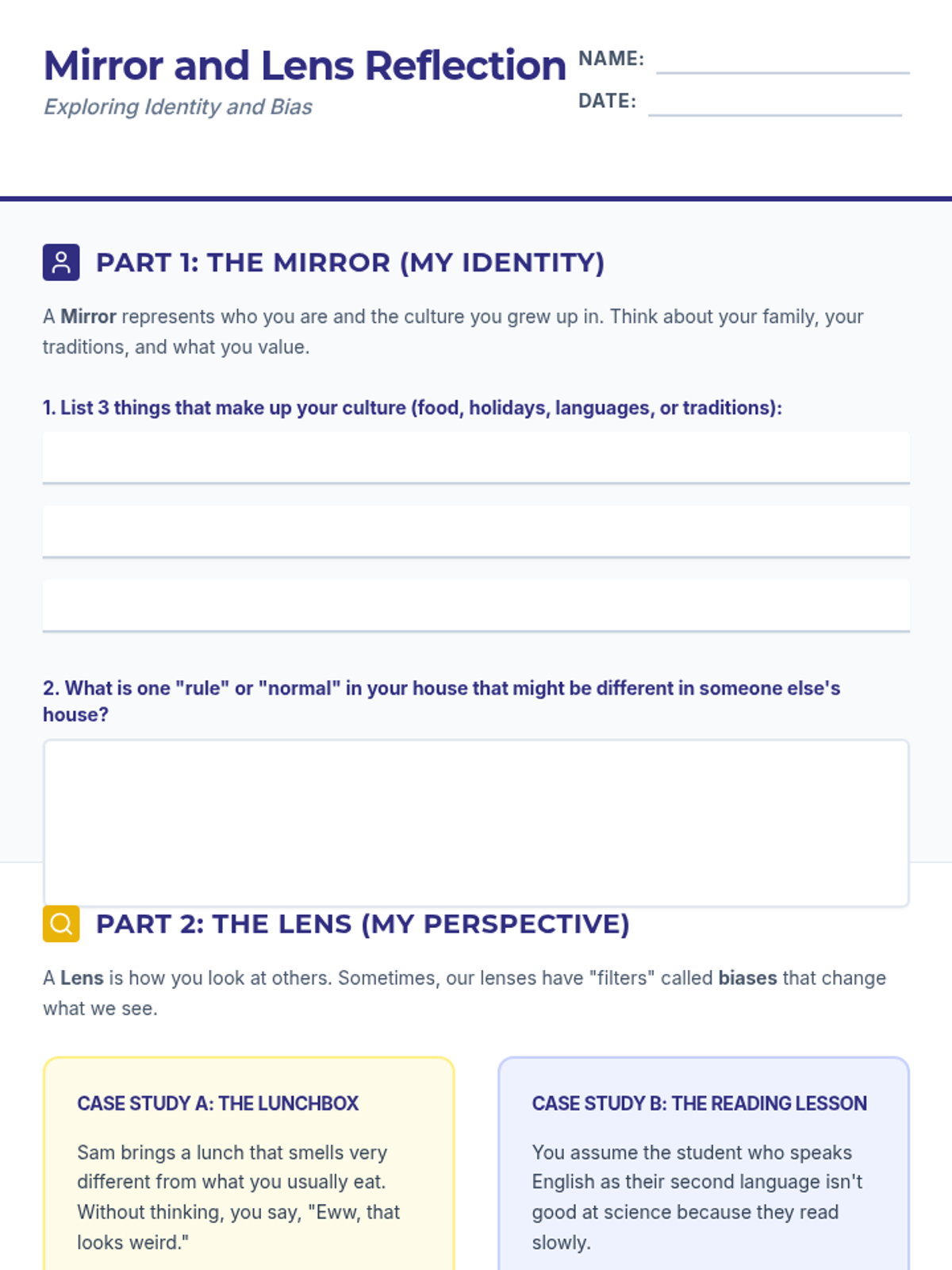
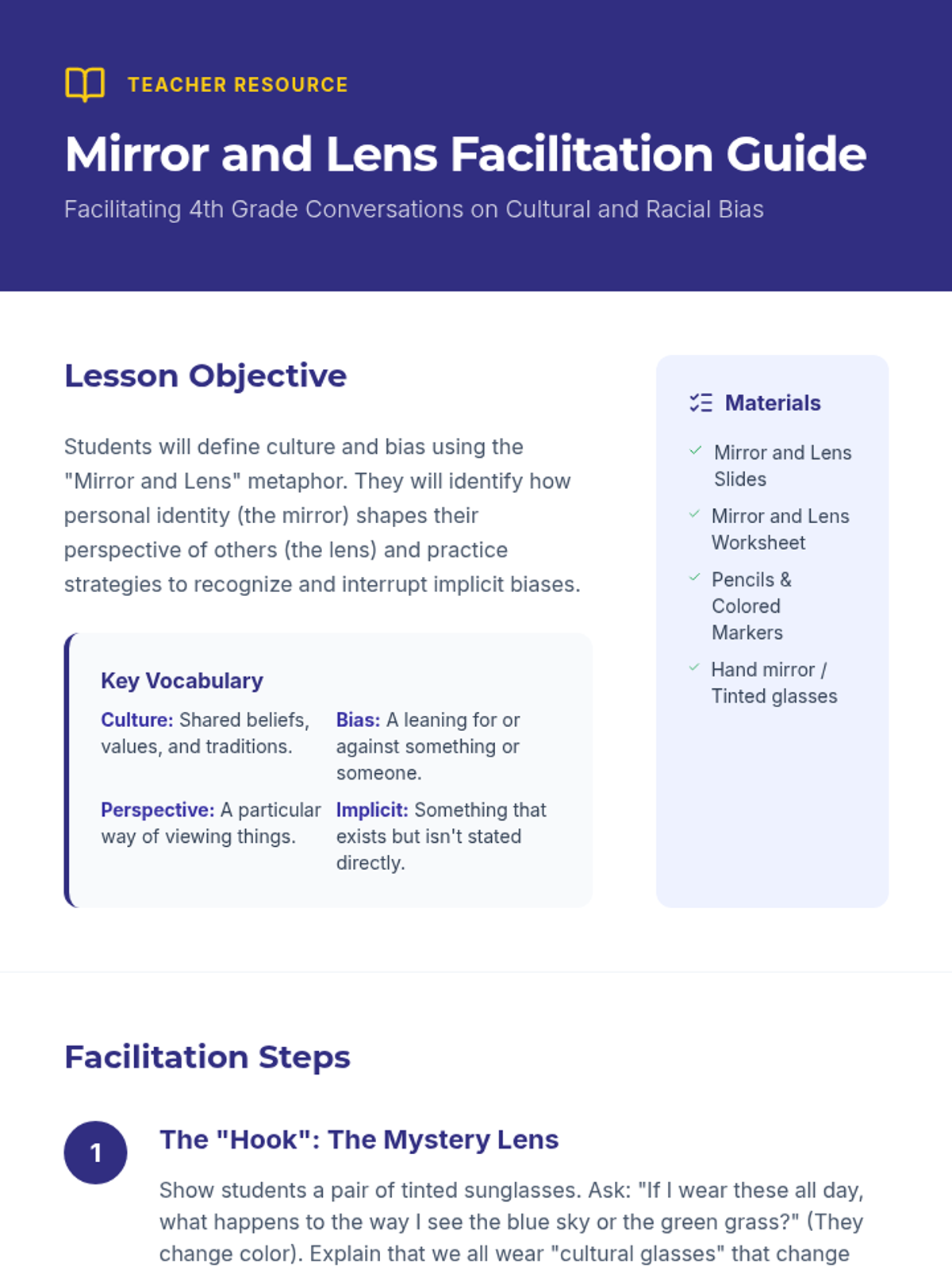
An introductory exploration of cultural and racial bias for 4th graders, using the metaphors of mirrors and lenses to understand personal perspective and systemic filters.
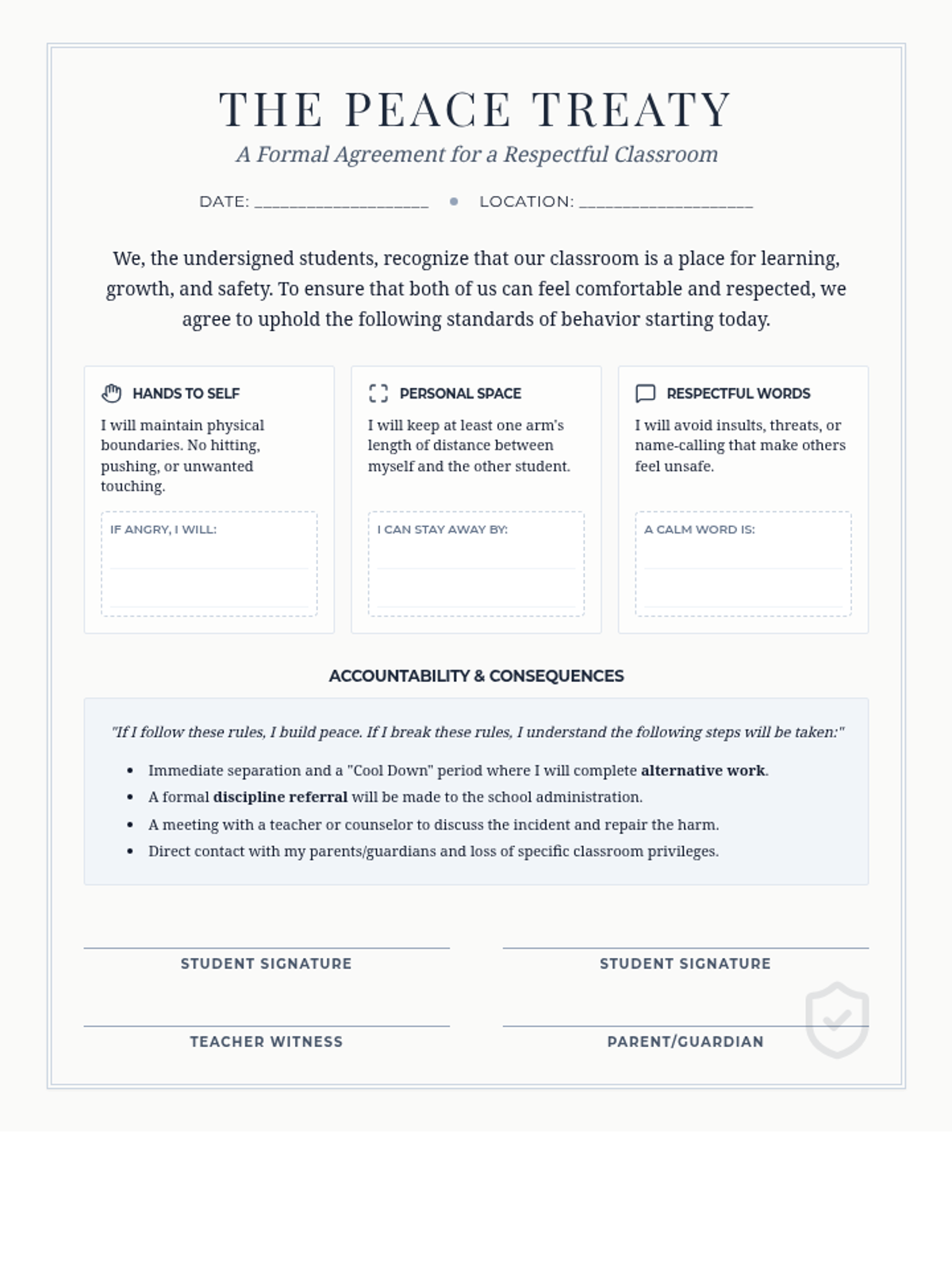
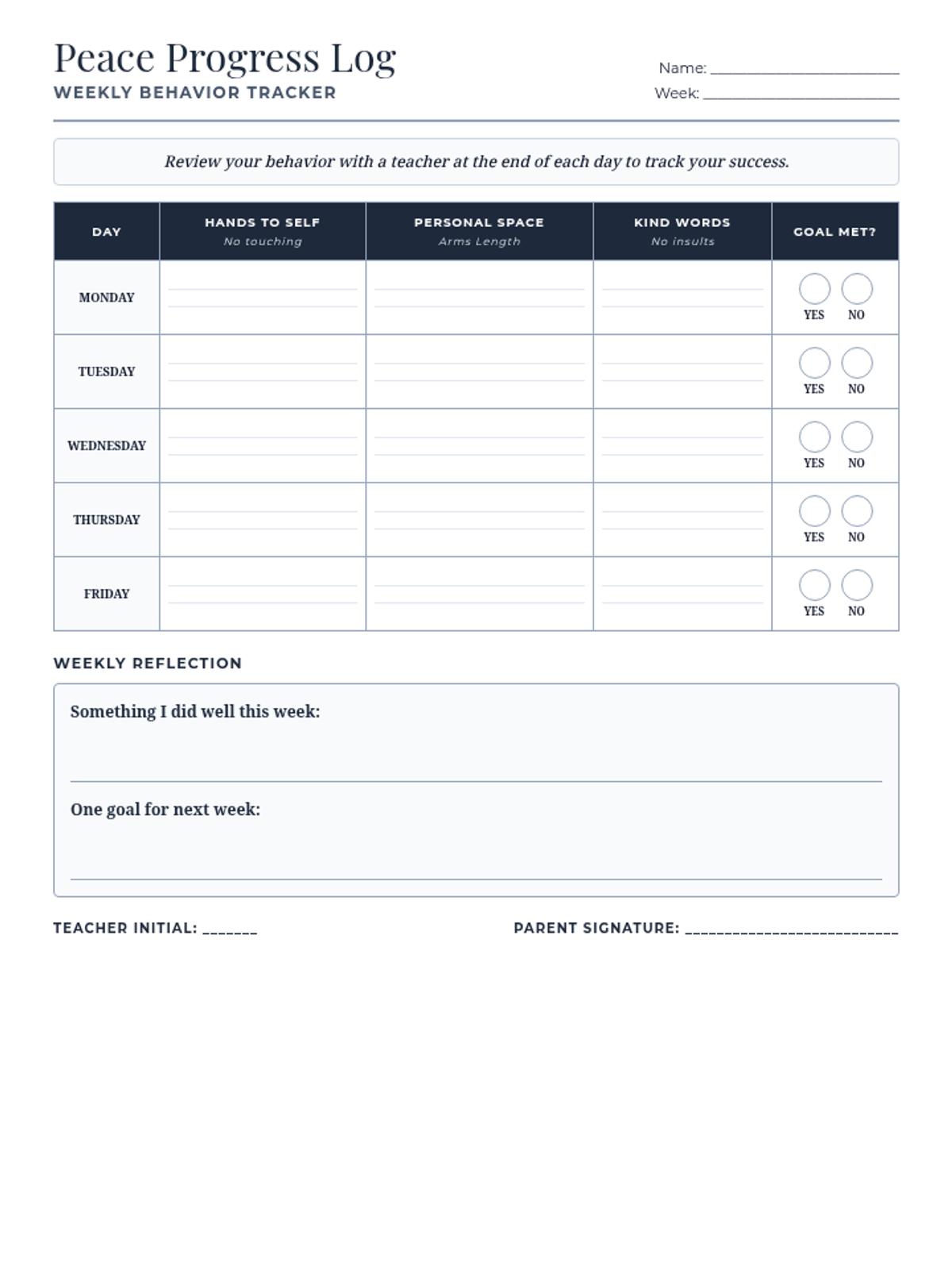
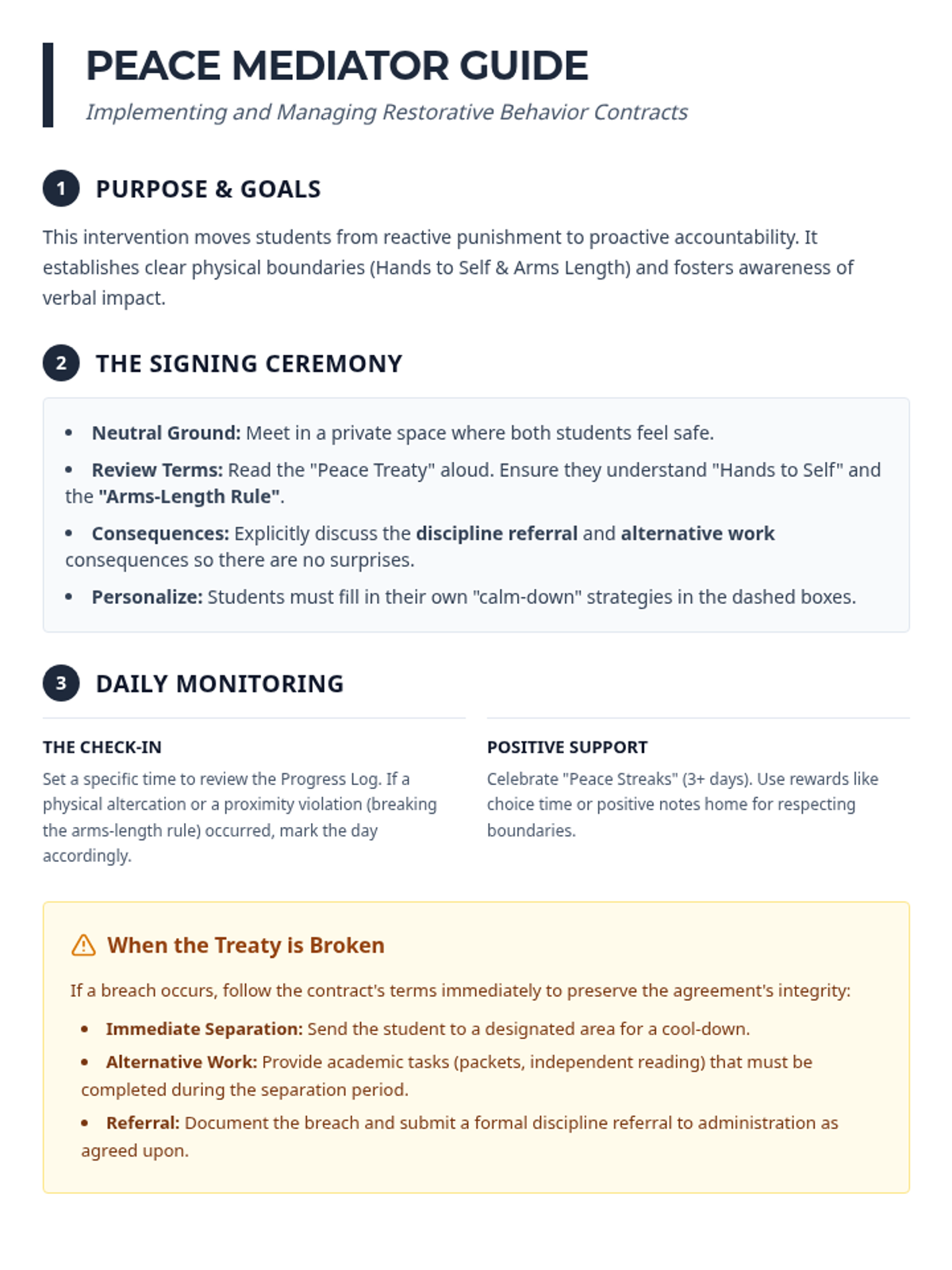
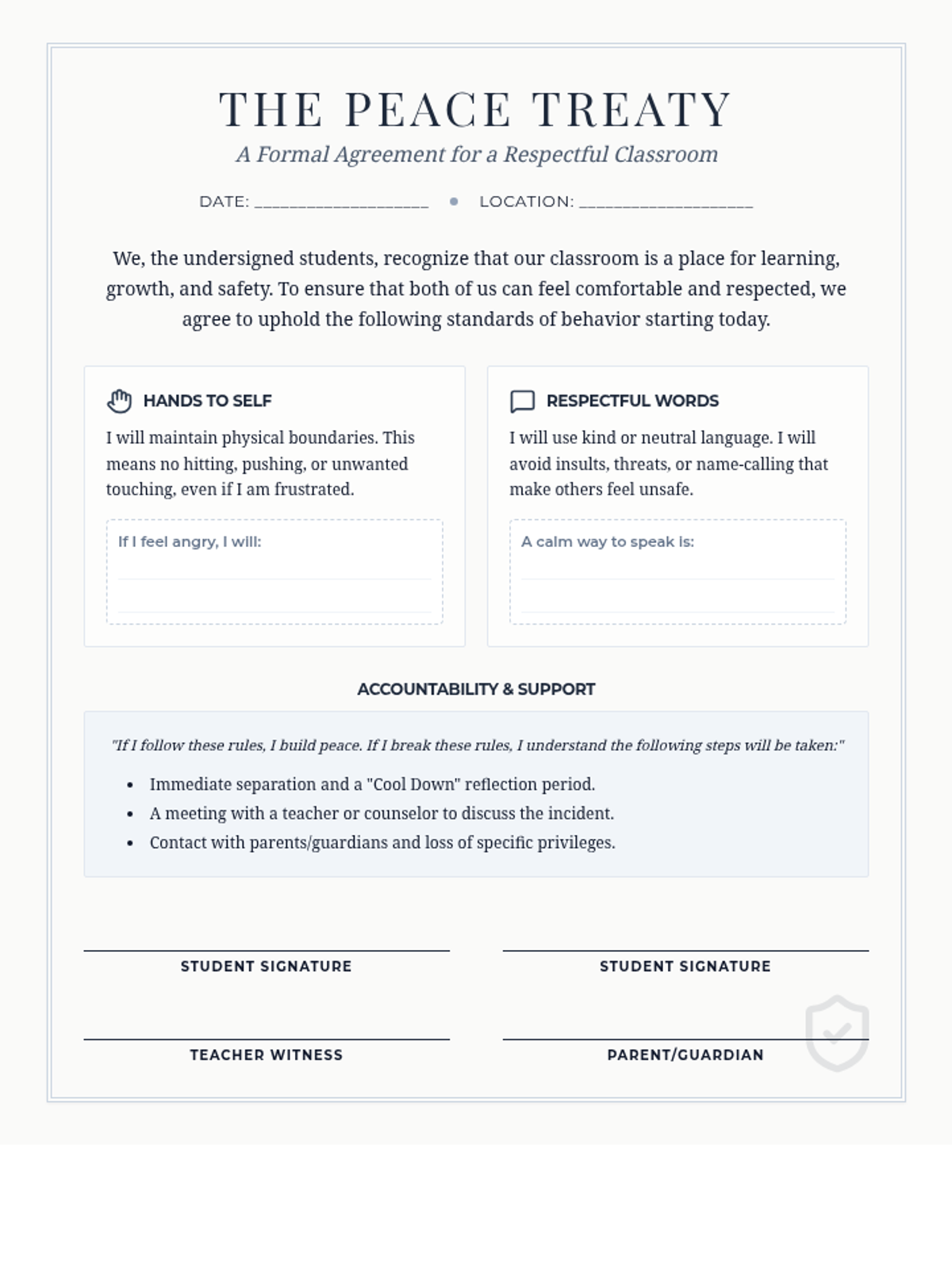
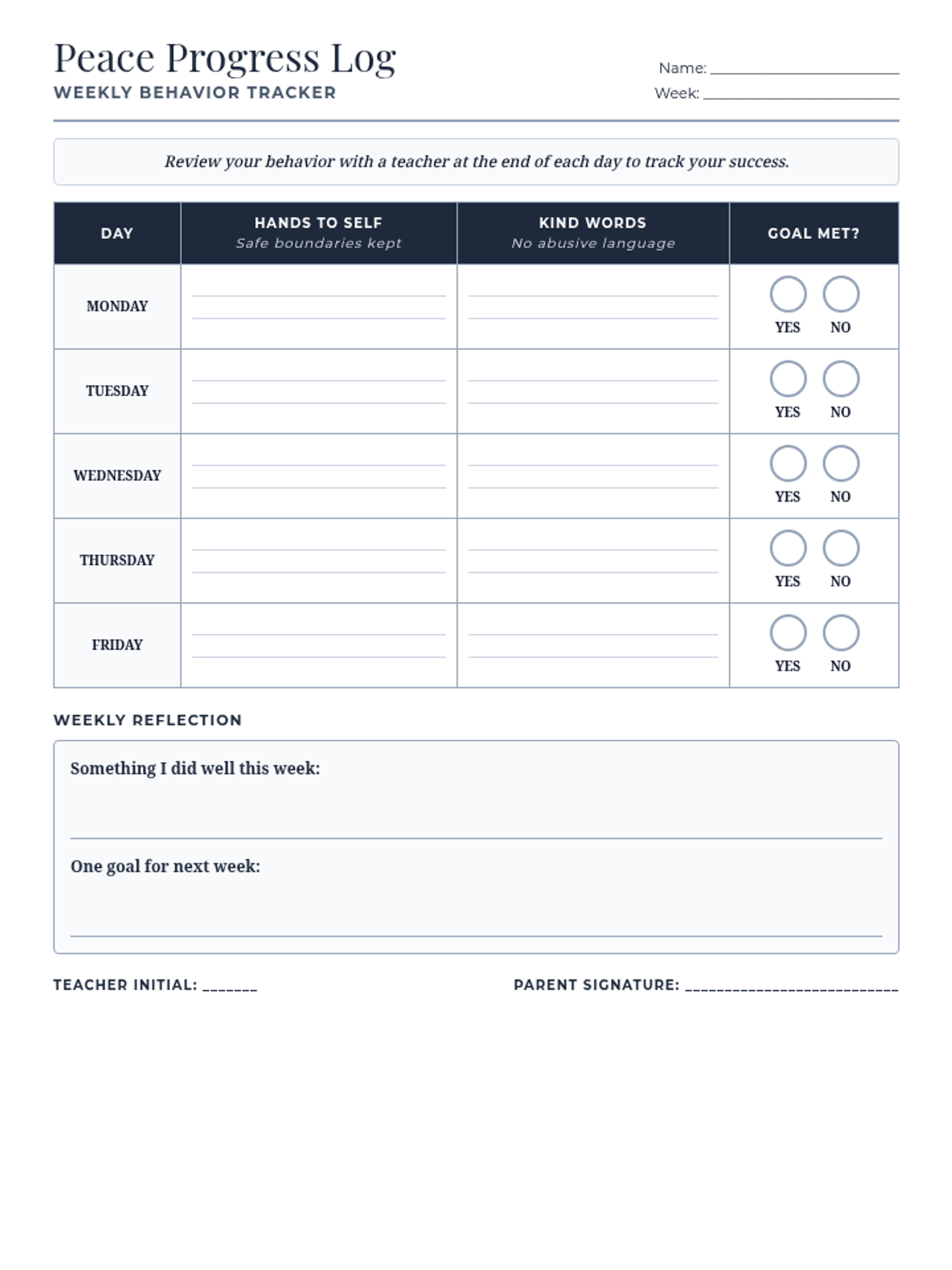
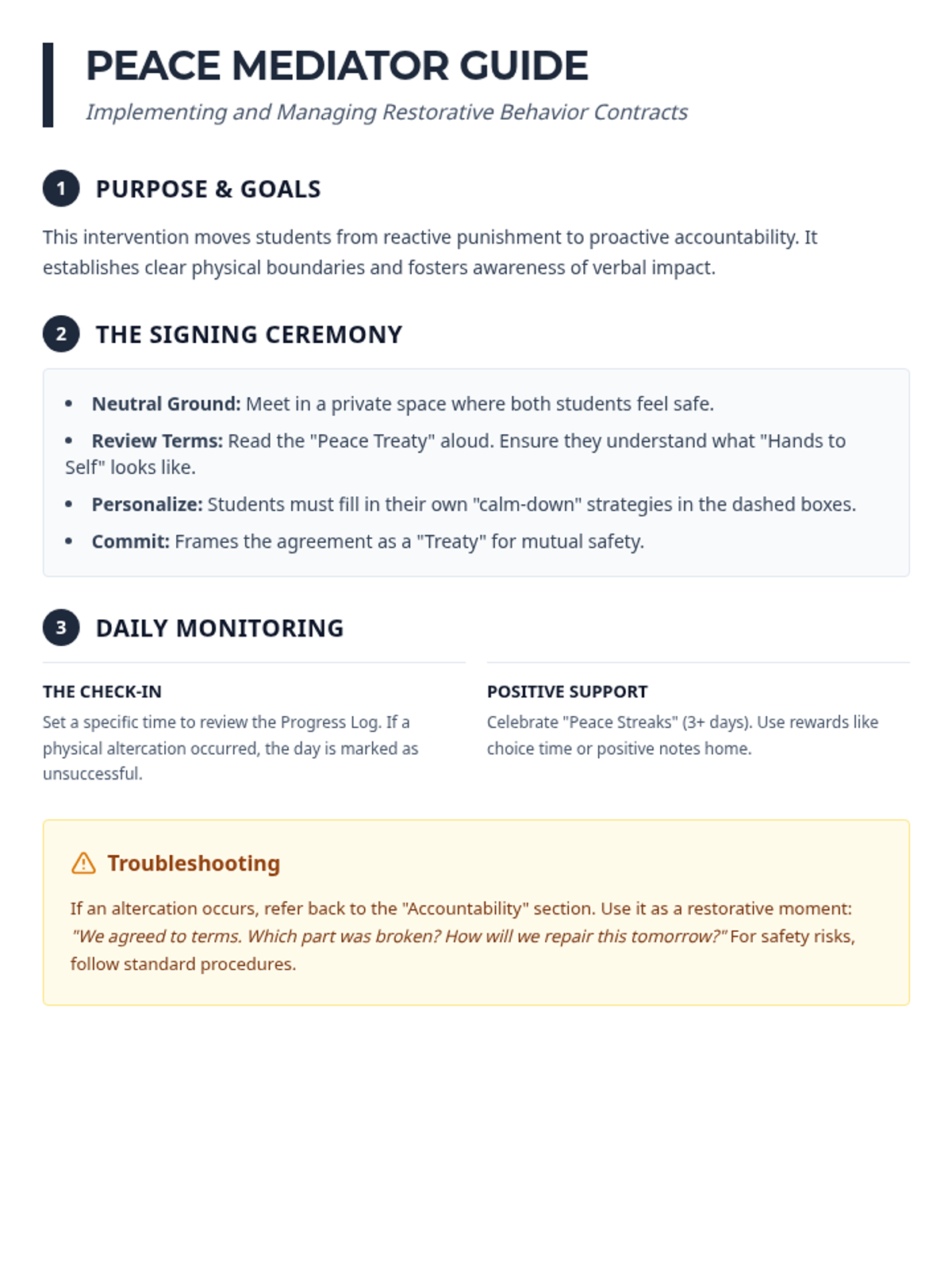
A restorative behavioral intervention focused on resolving physical conflict and verbal aggression through a formal behavior contract and daily progress tracking.
A restorative behavioral intervention focused on resolving physical conflict and verbal aggression between two students through a formal agreement and daily tracking.
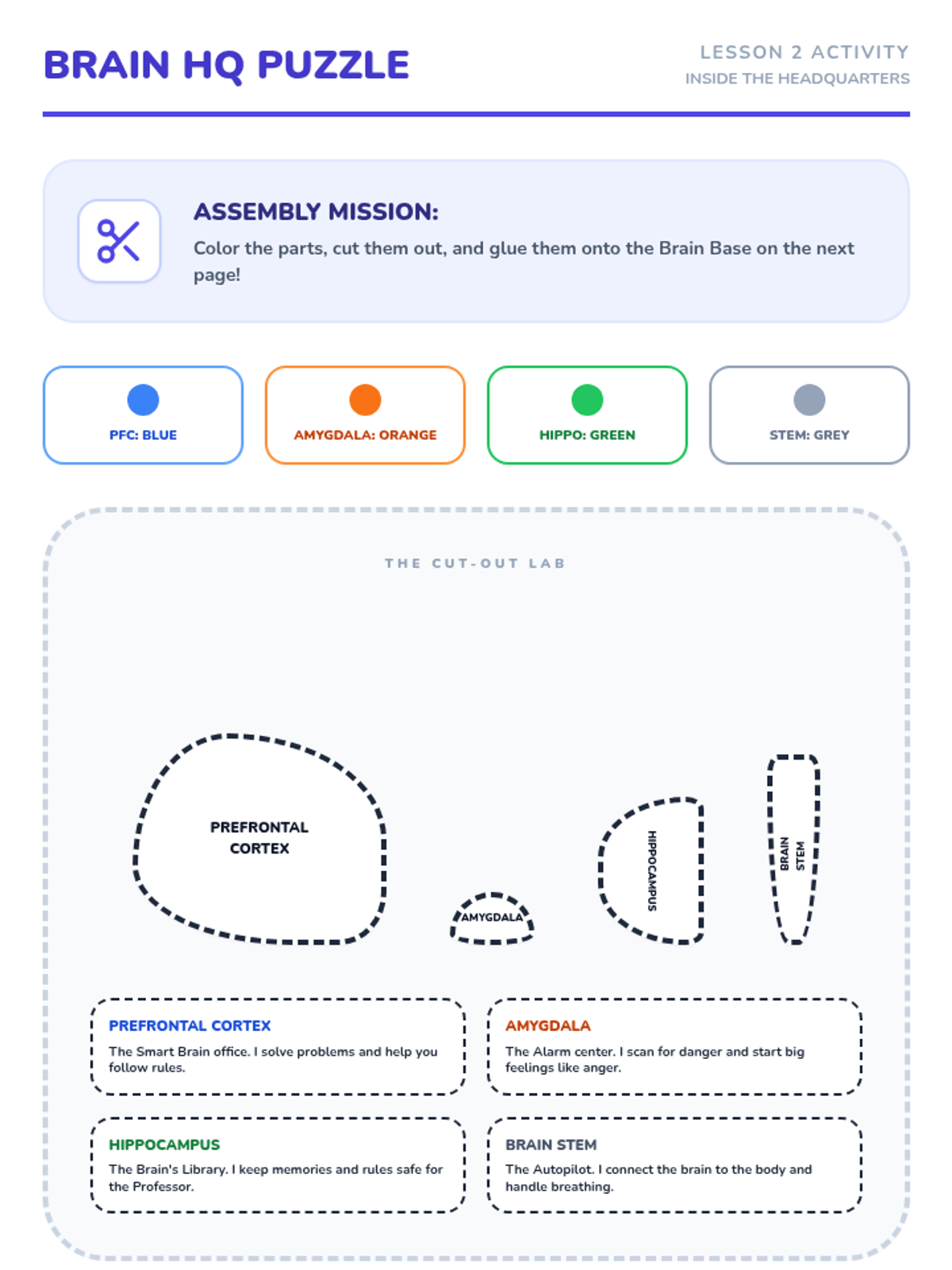
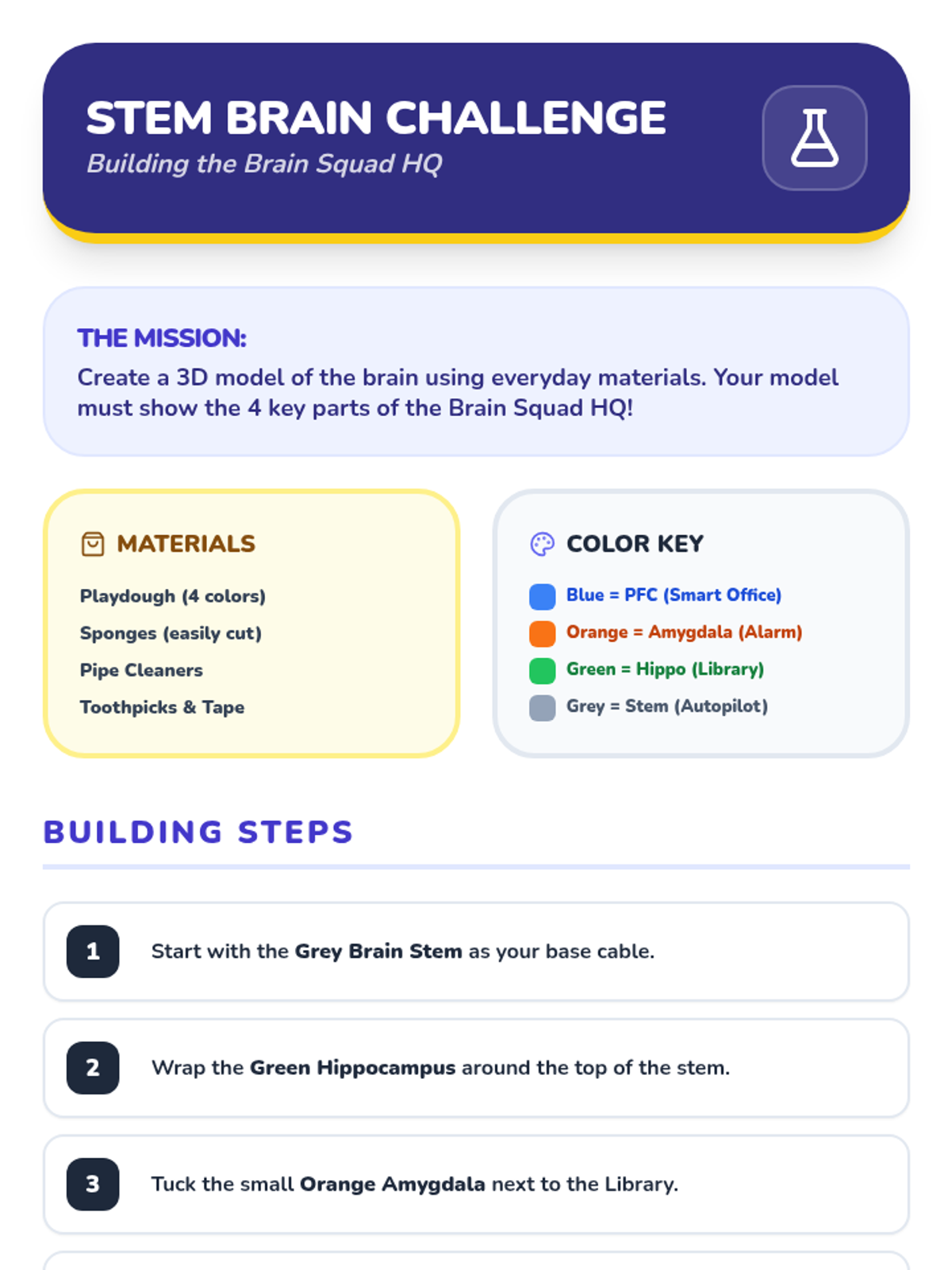
A deep dive into the biological parts of the brain (Amygdala, Prefrontal Cortex, Hippocampus, and Brain Stem) and how they function as the home for Sparky and Professor PFC.
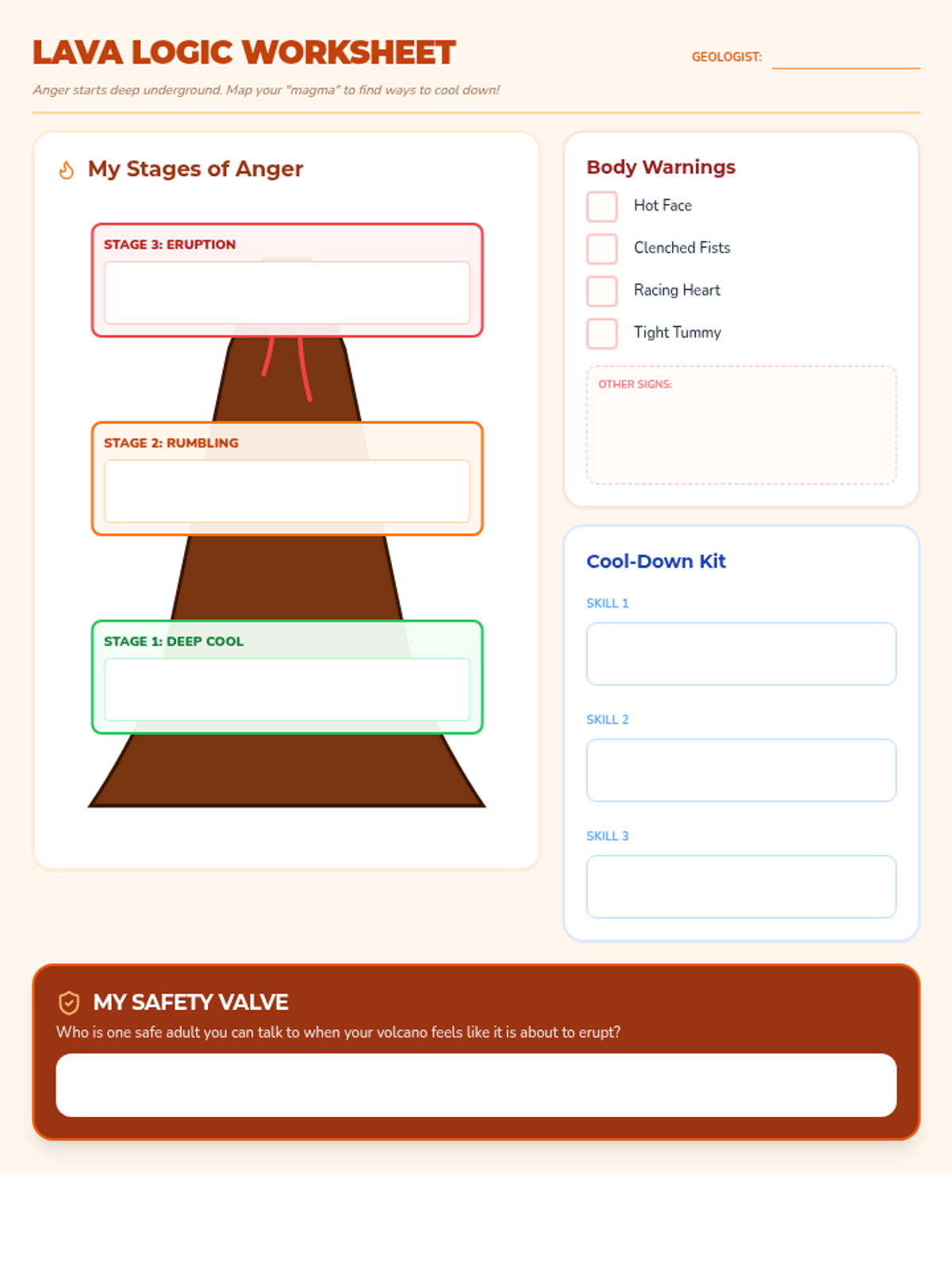
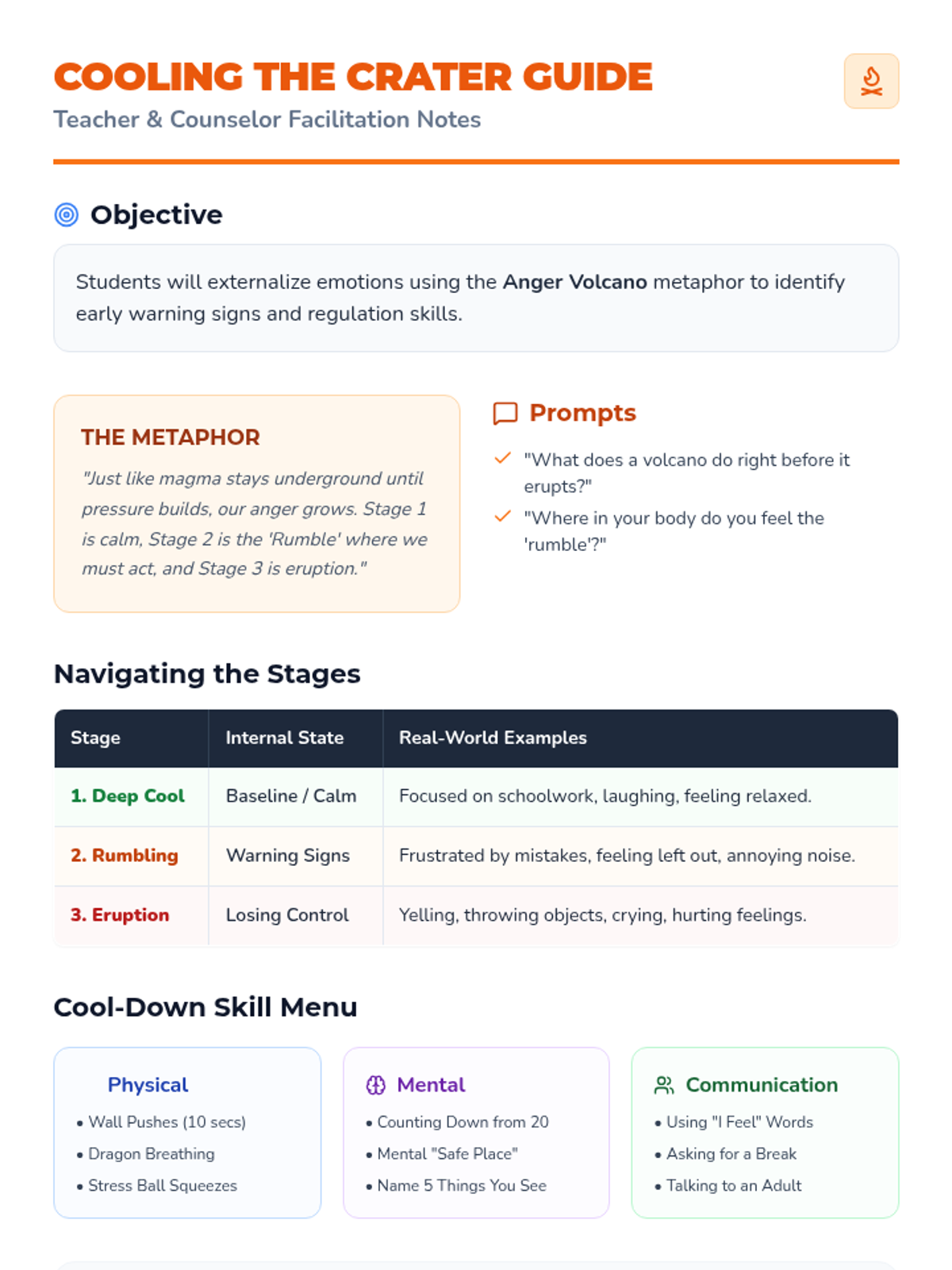
This lesson helps 3rd and 4th grade students identify their personal anger triggers, physical warning signs, and coping strategies using the metaphor of a volcano. Students will map out their 'stages of eruption' to better understand and regulate their emotions.
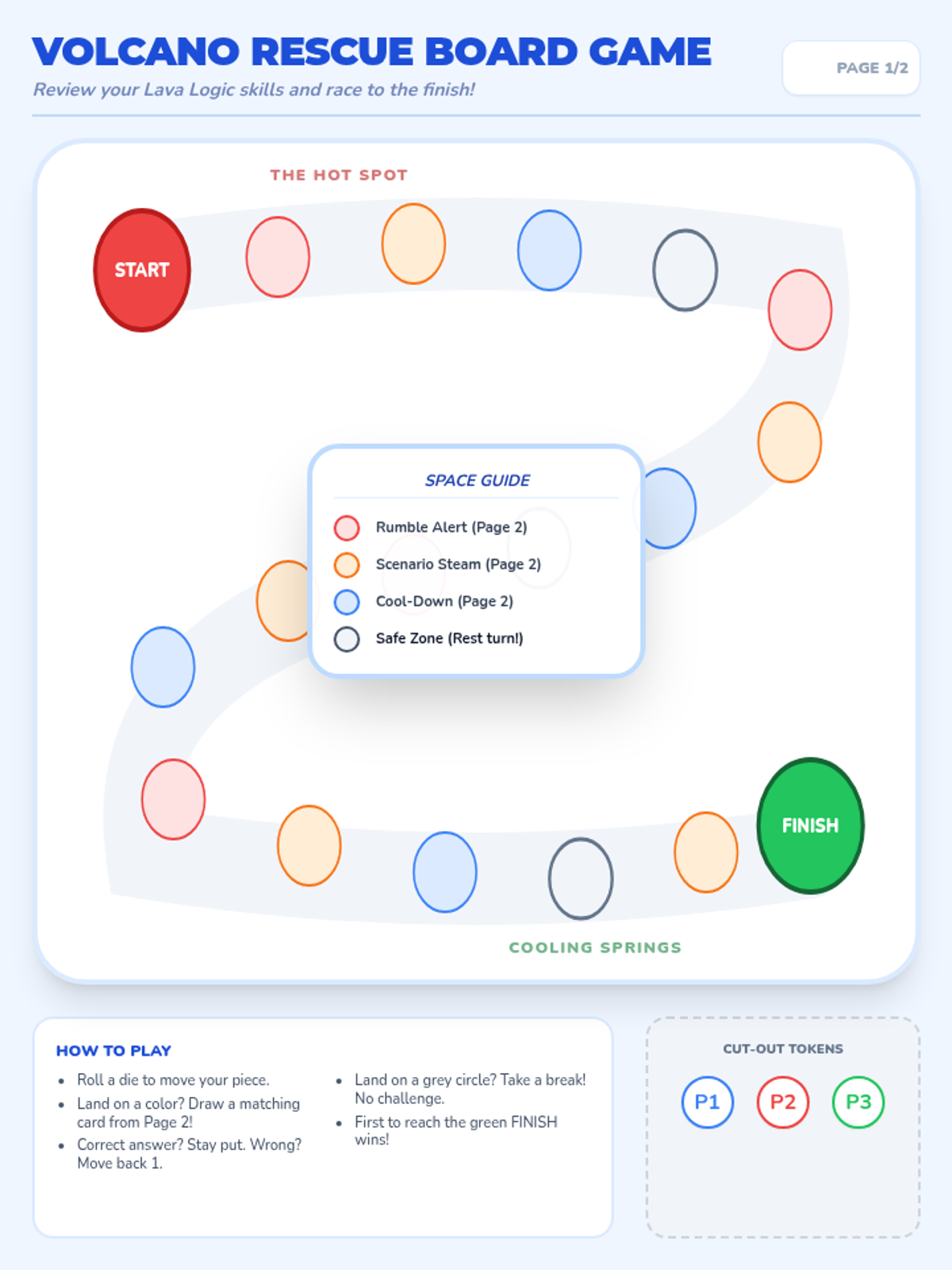
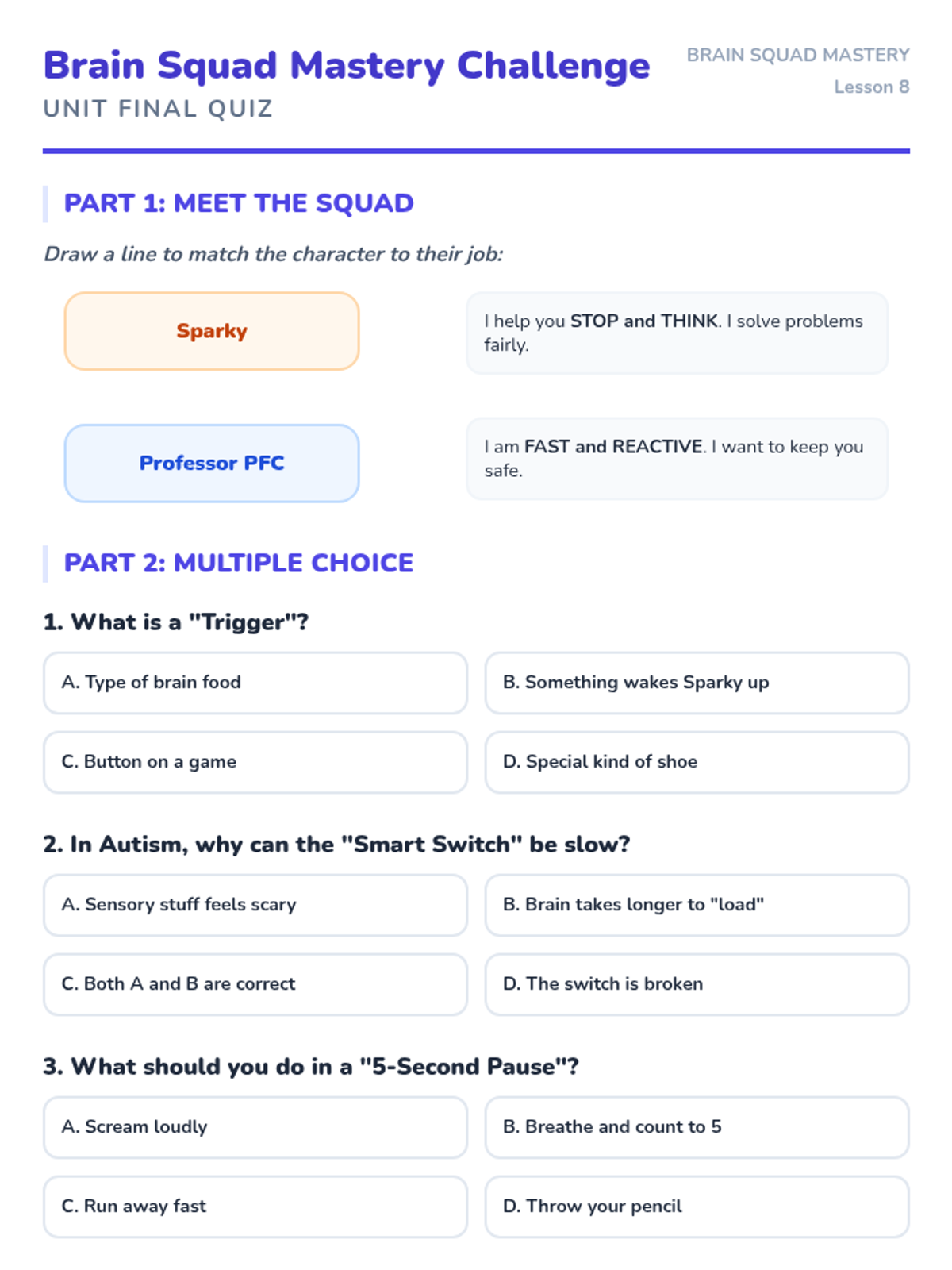
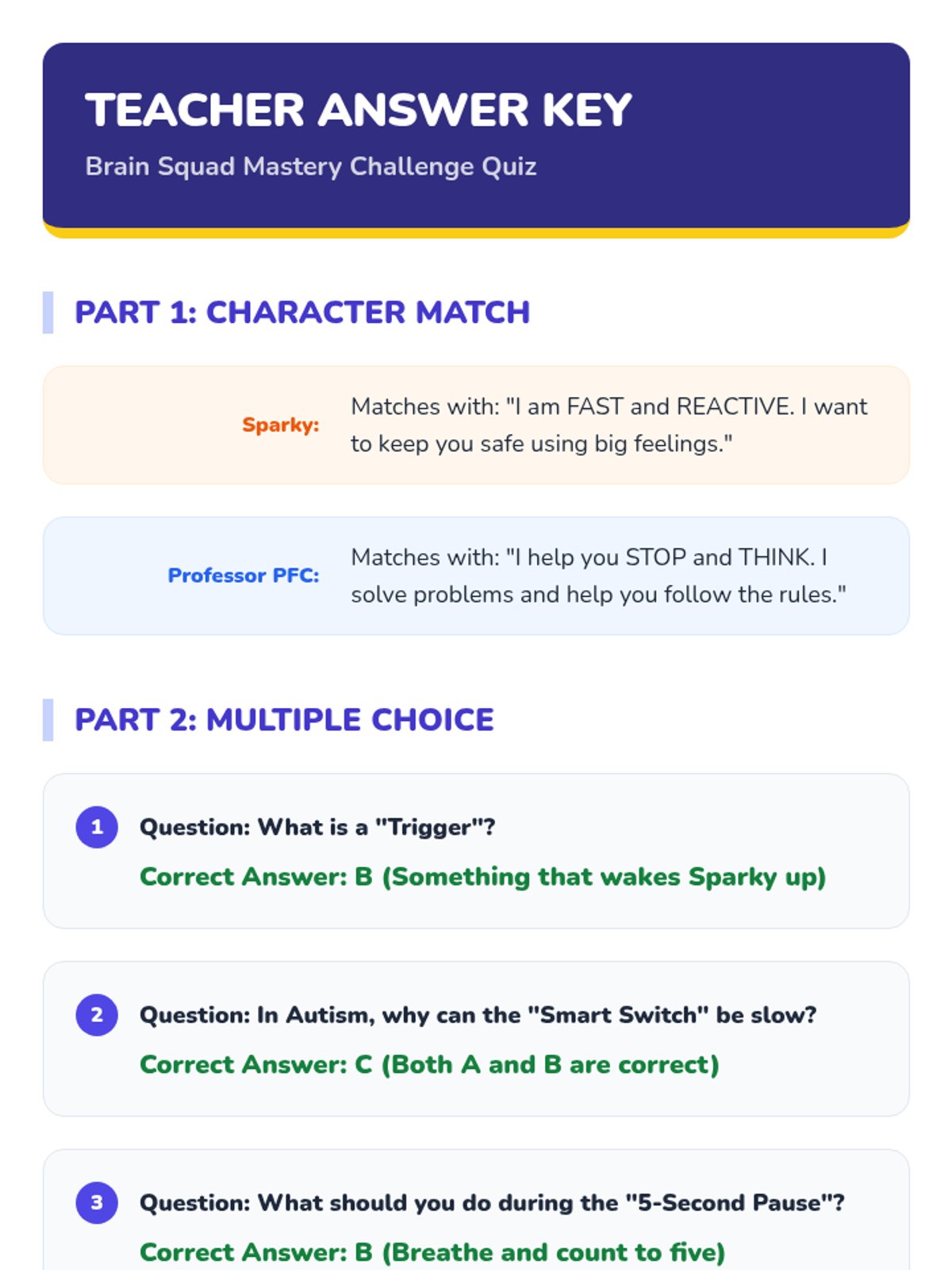
Reviewing unit concepts through a final quiz and celebrating mastery of brain squad strategies.
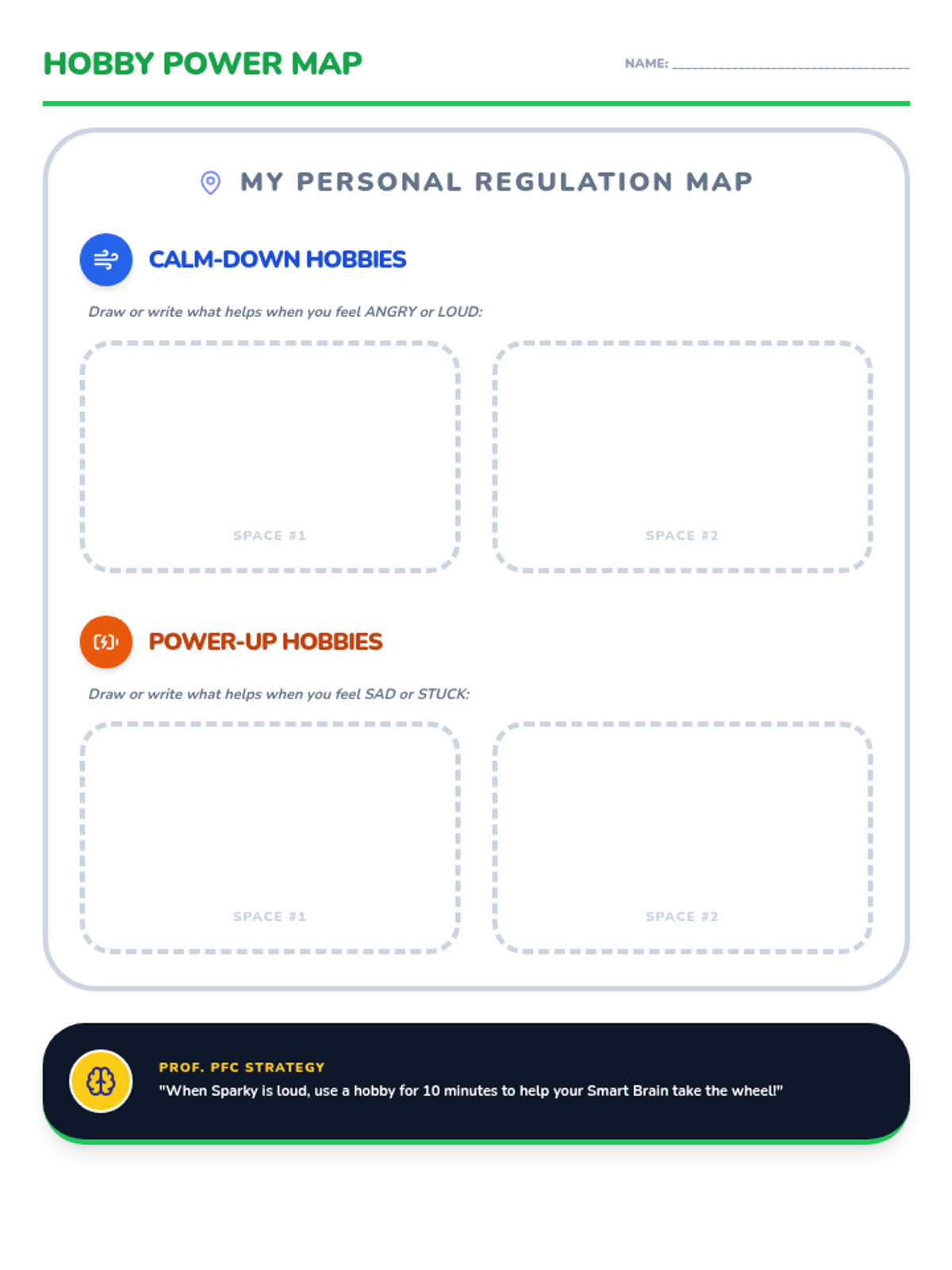
Discovering personal hobbies and interests that act as tools for emotional regulation and positive expression.
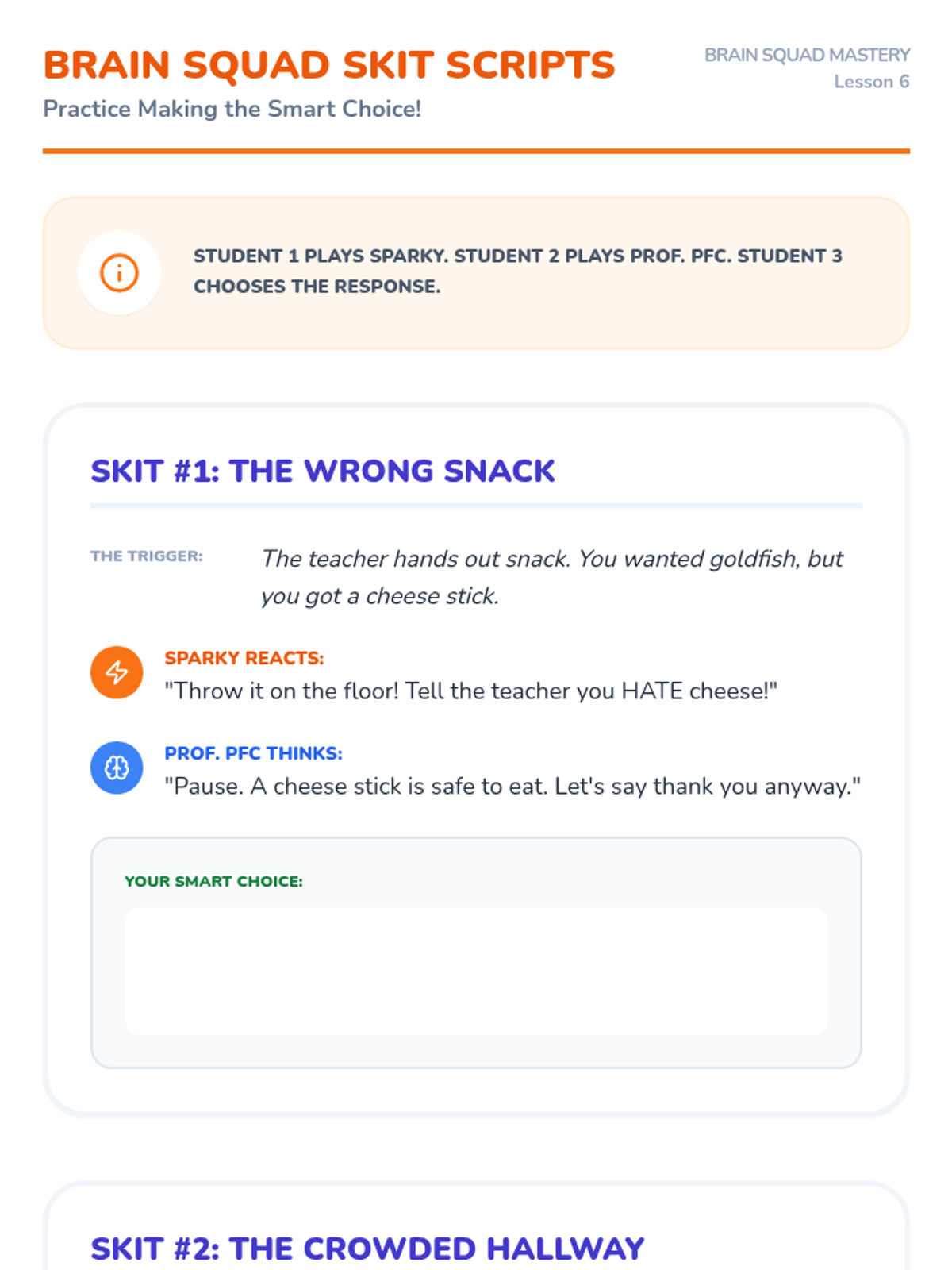
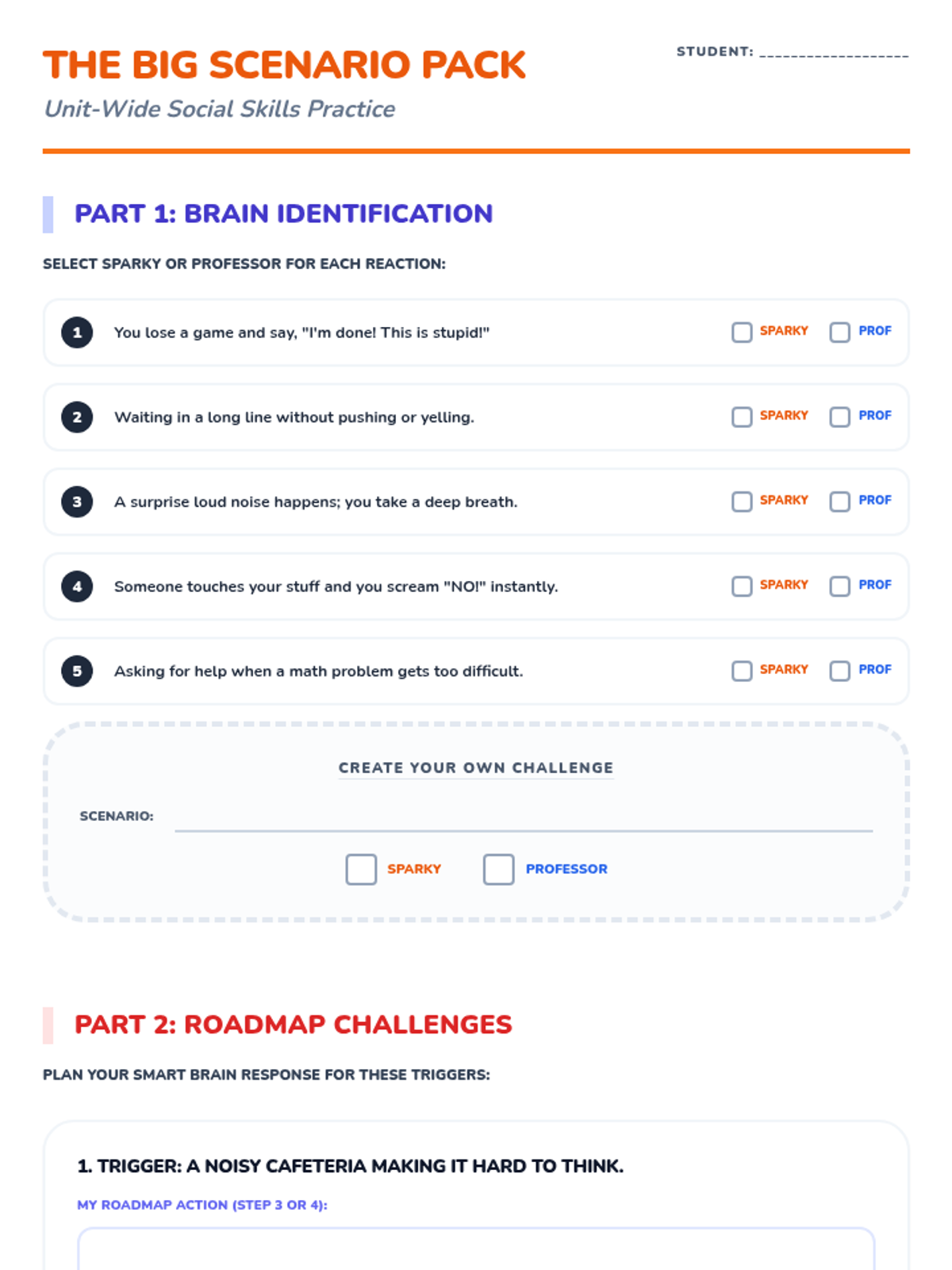
Applying brain squad concepts to real-world scenarios through skits and 'What Would You Do?' games.
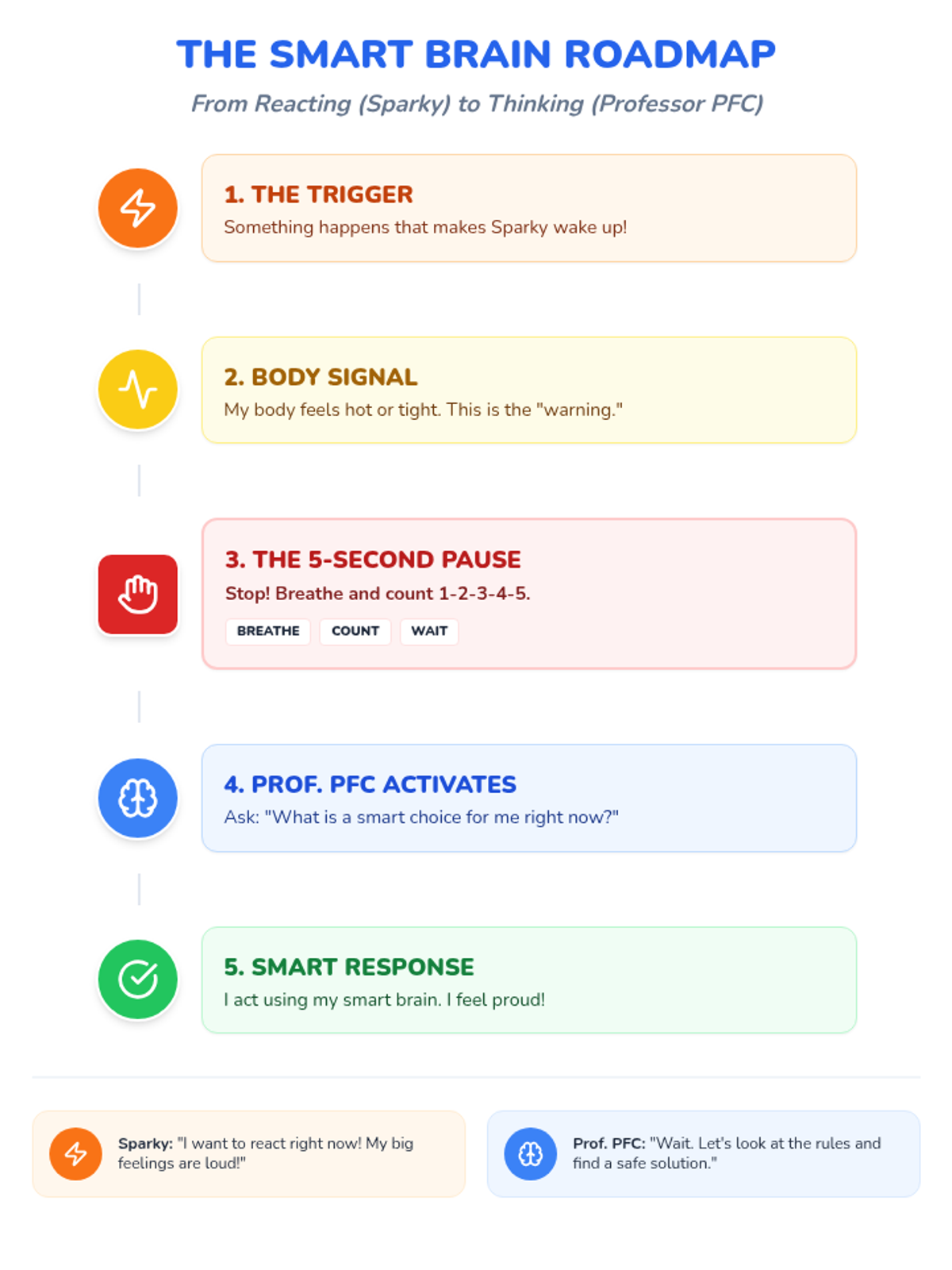
Using a visual flowchart to guide students through the process of moving from a trigger to a smart brain response.
Understanding the 'flipped lid' concept and the difference between immediate reactions and thoughtful responses.