This lesson focuses on the physical and digital mechanics of moving money into and out of accounts. Students practice filling out deposit slips, endorsing checks, and writing checks.
A foundational lesson teaching professional problem-solving using a structured 4-step approach (Define, Plan, Act, Reflect) applied to workplace scenarios.
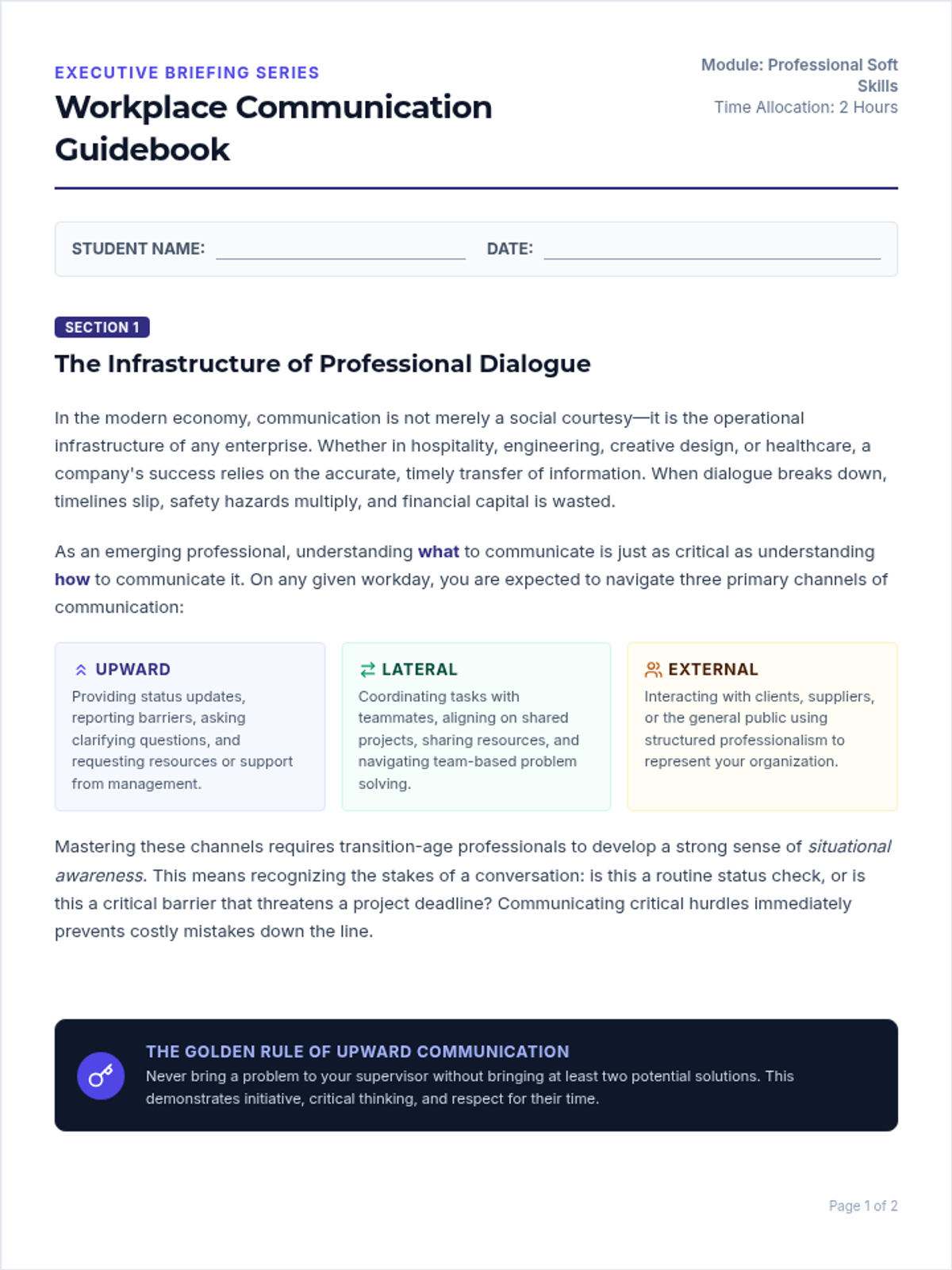
A comprehensive lesson on professional communication skills, focusing on email and phone etiquette for the workplace. Students learn the 'do's and don'ts' and practice crafting their own professional responses.
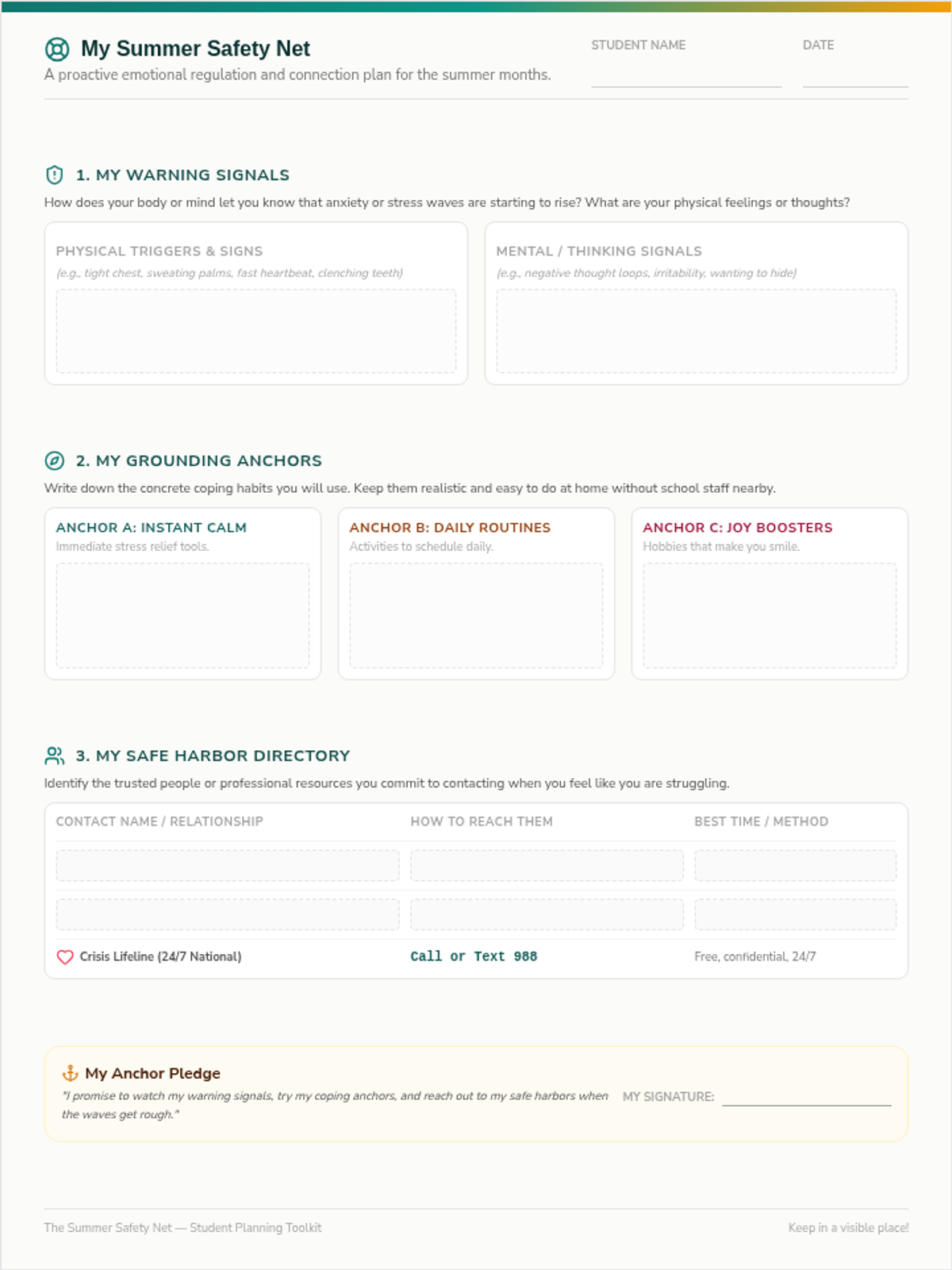
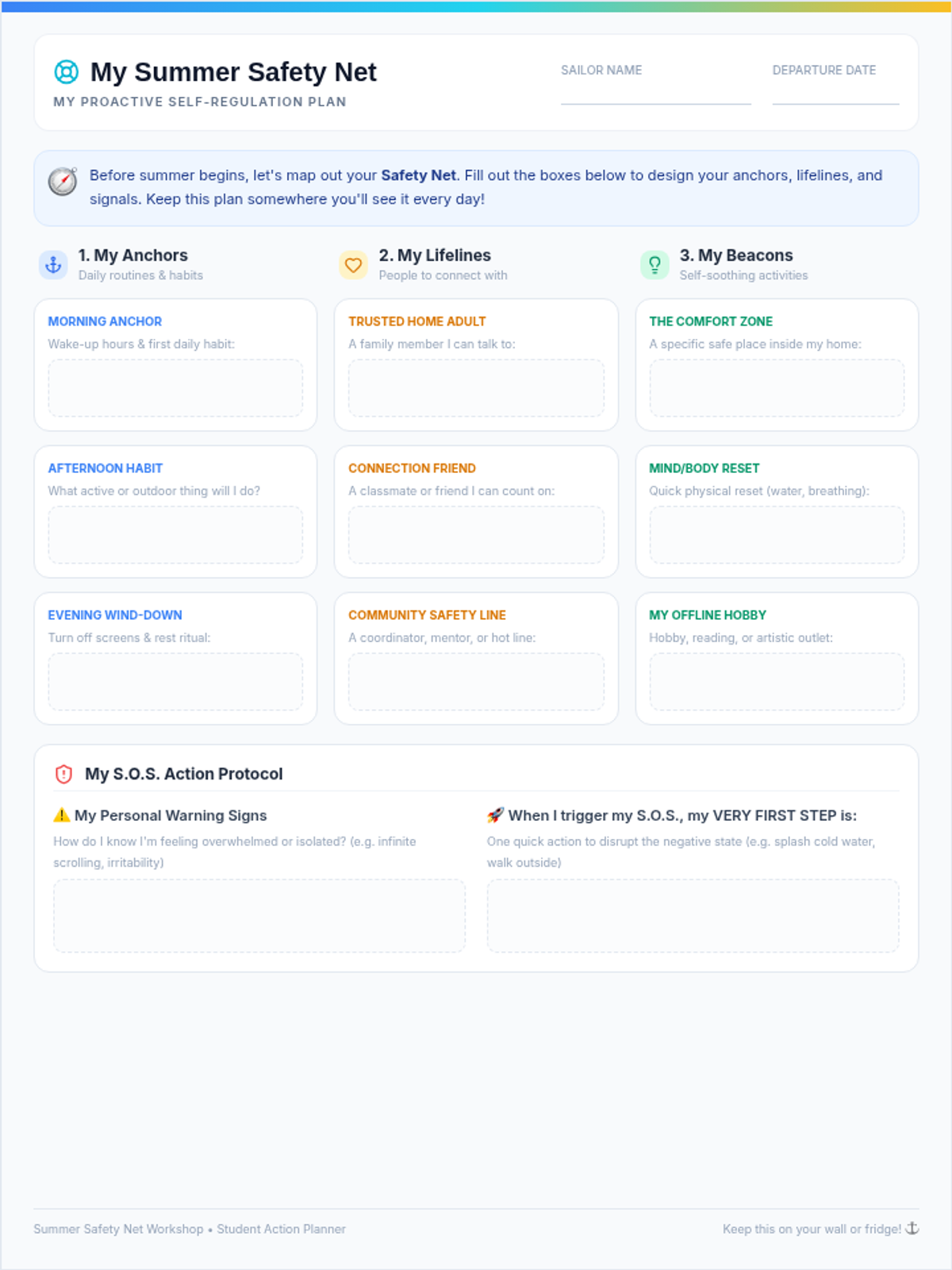
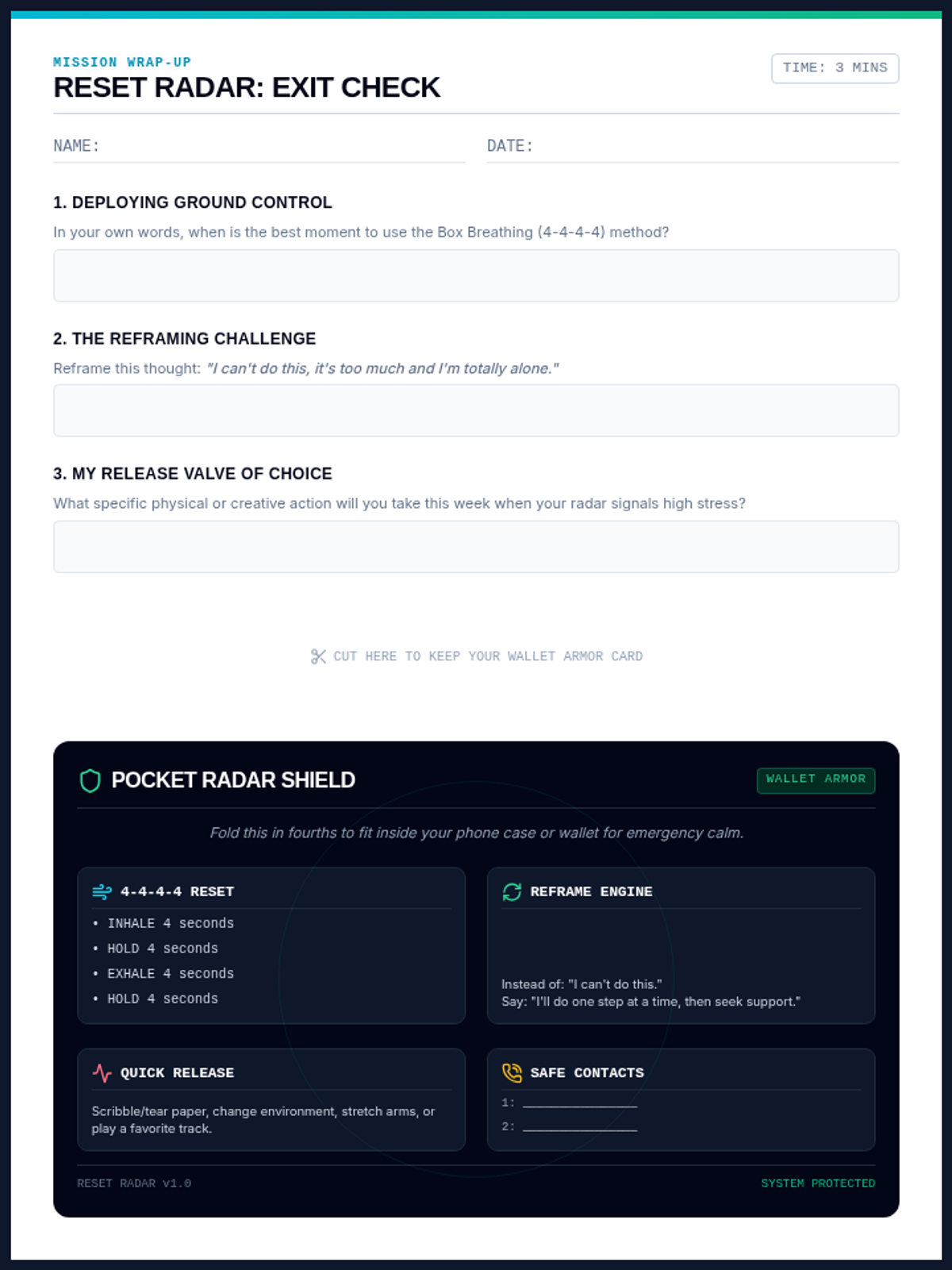
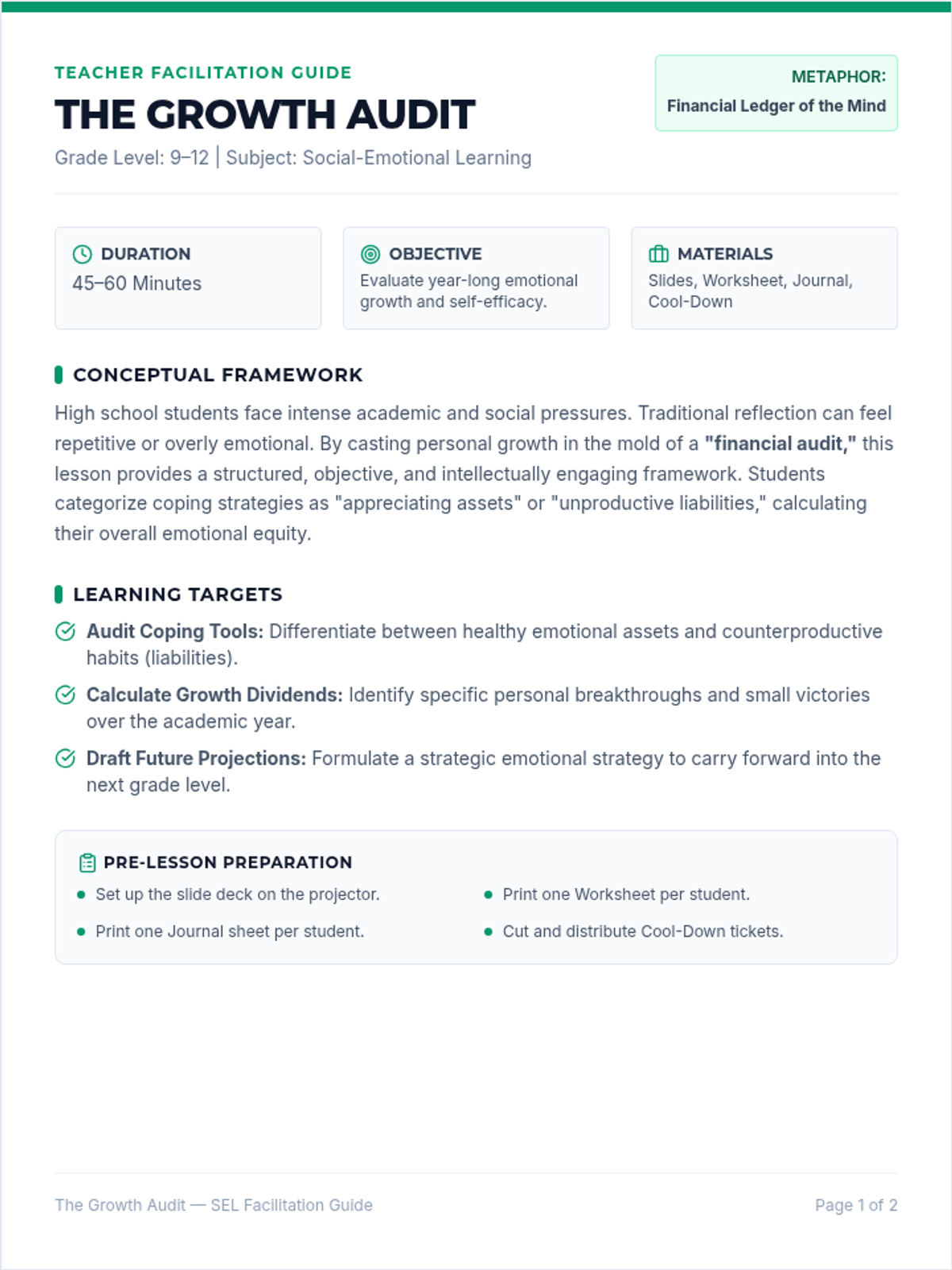
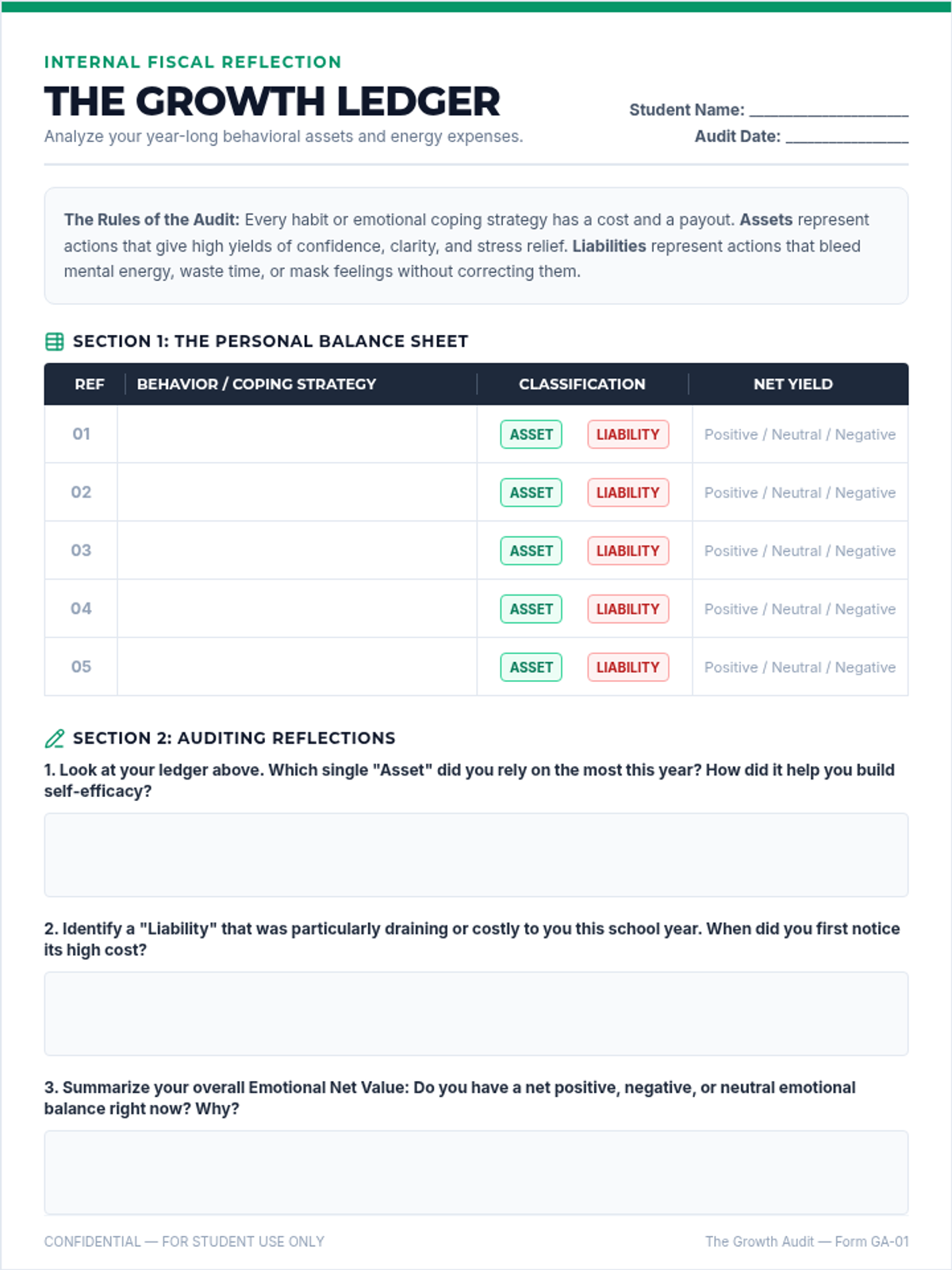
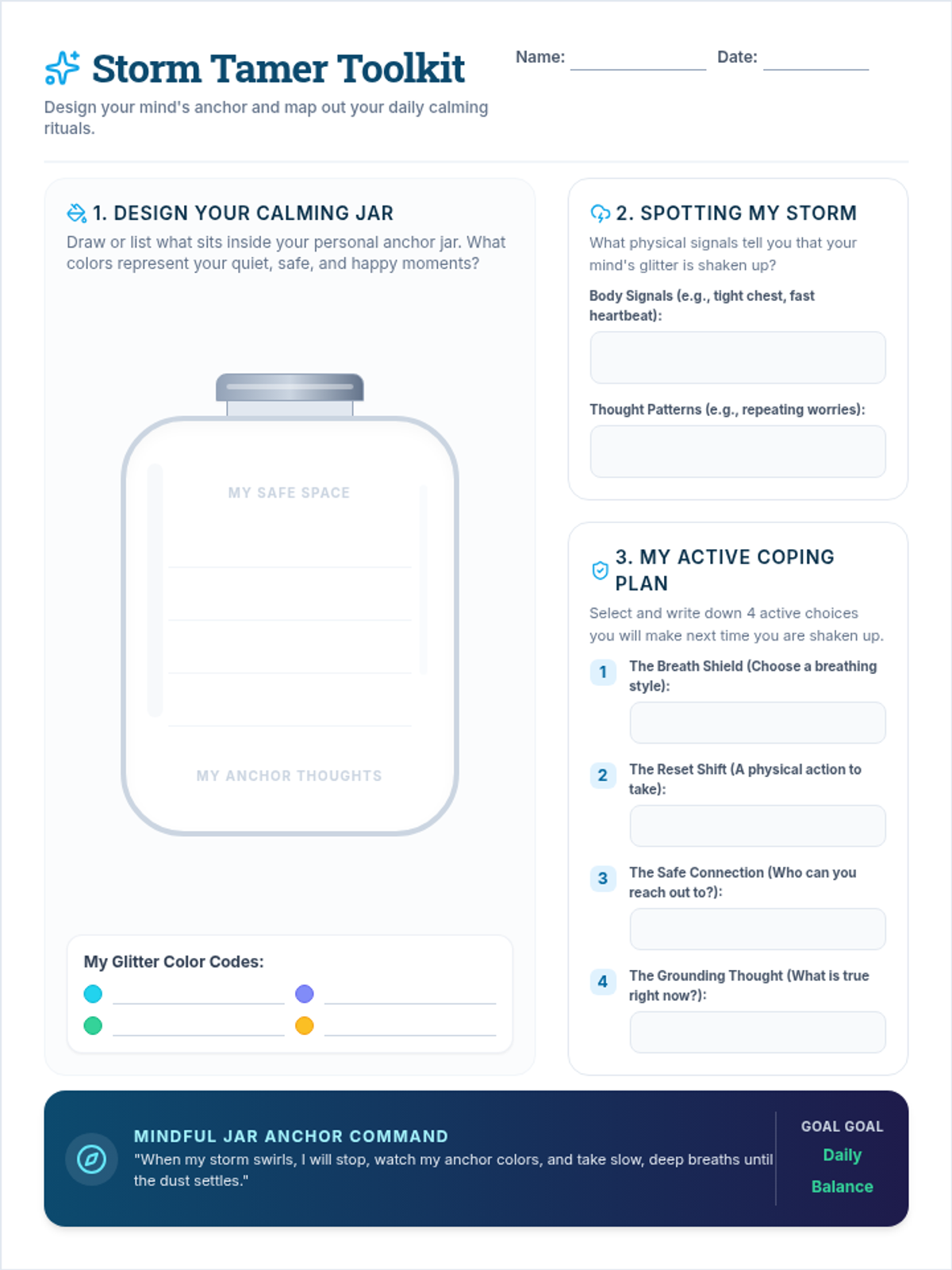
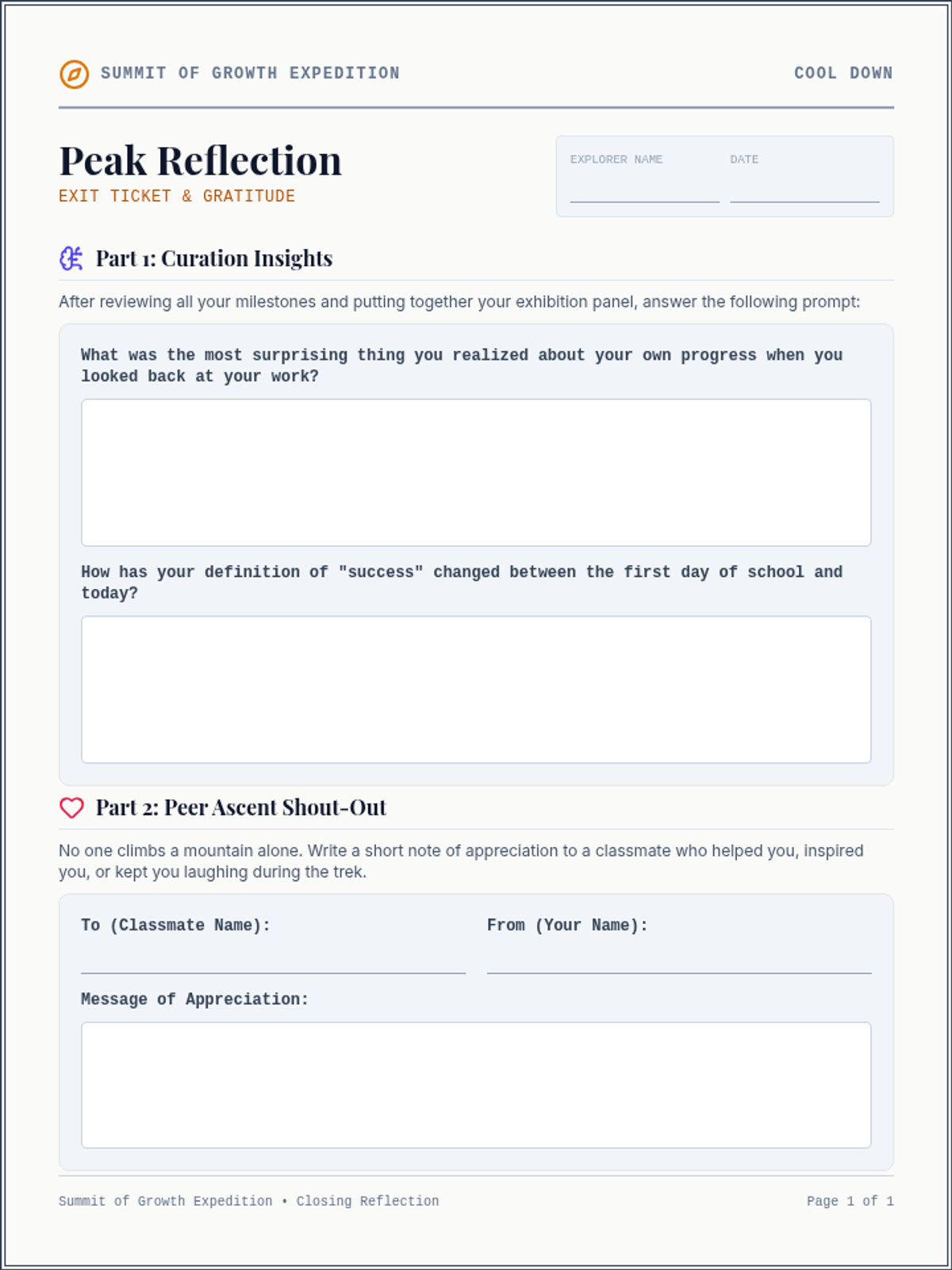
Students synthesize their learning by creating a personal coping plan and reflecting on their growth throughout the group.
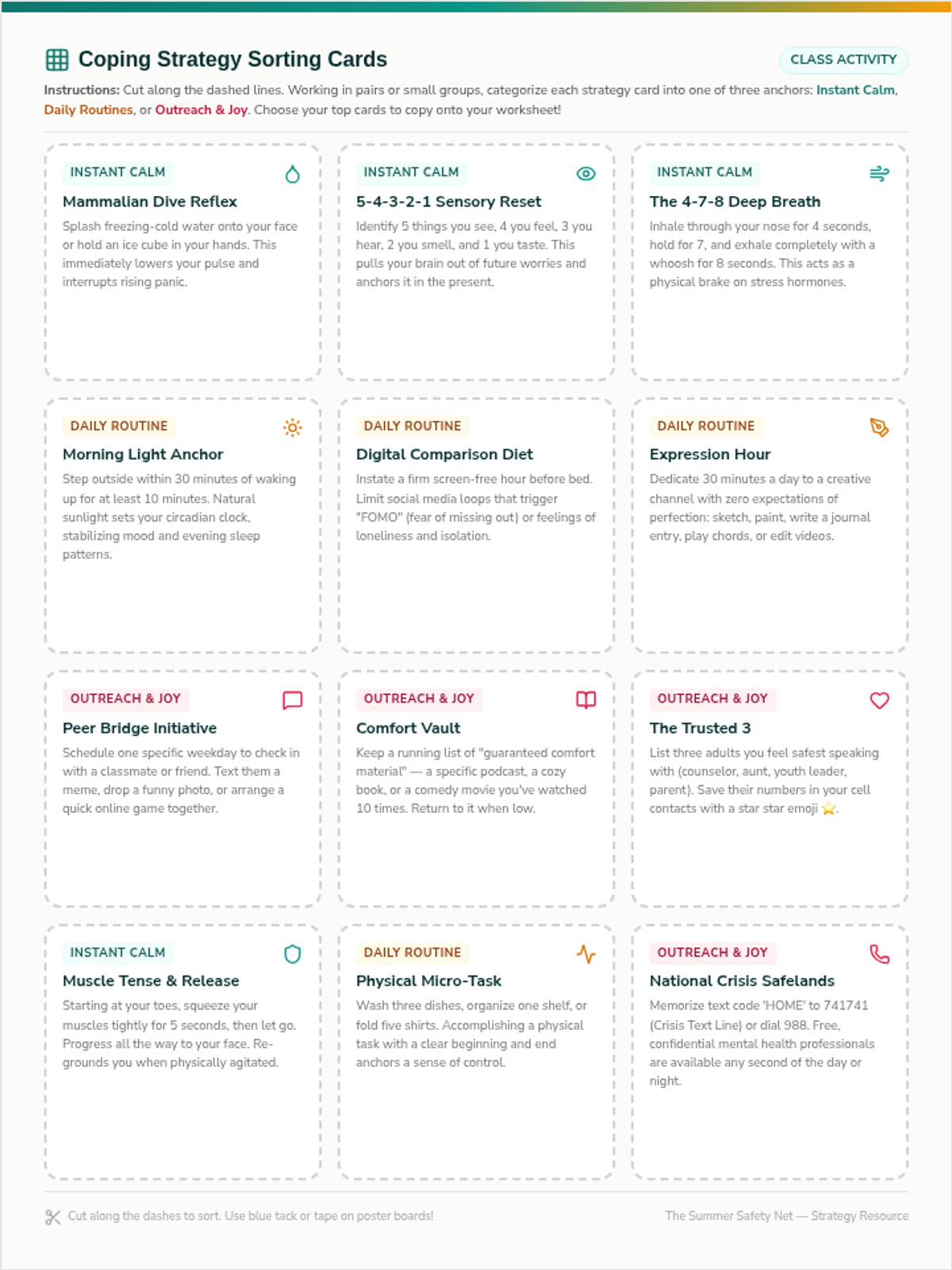
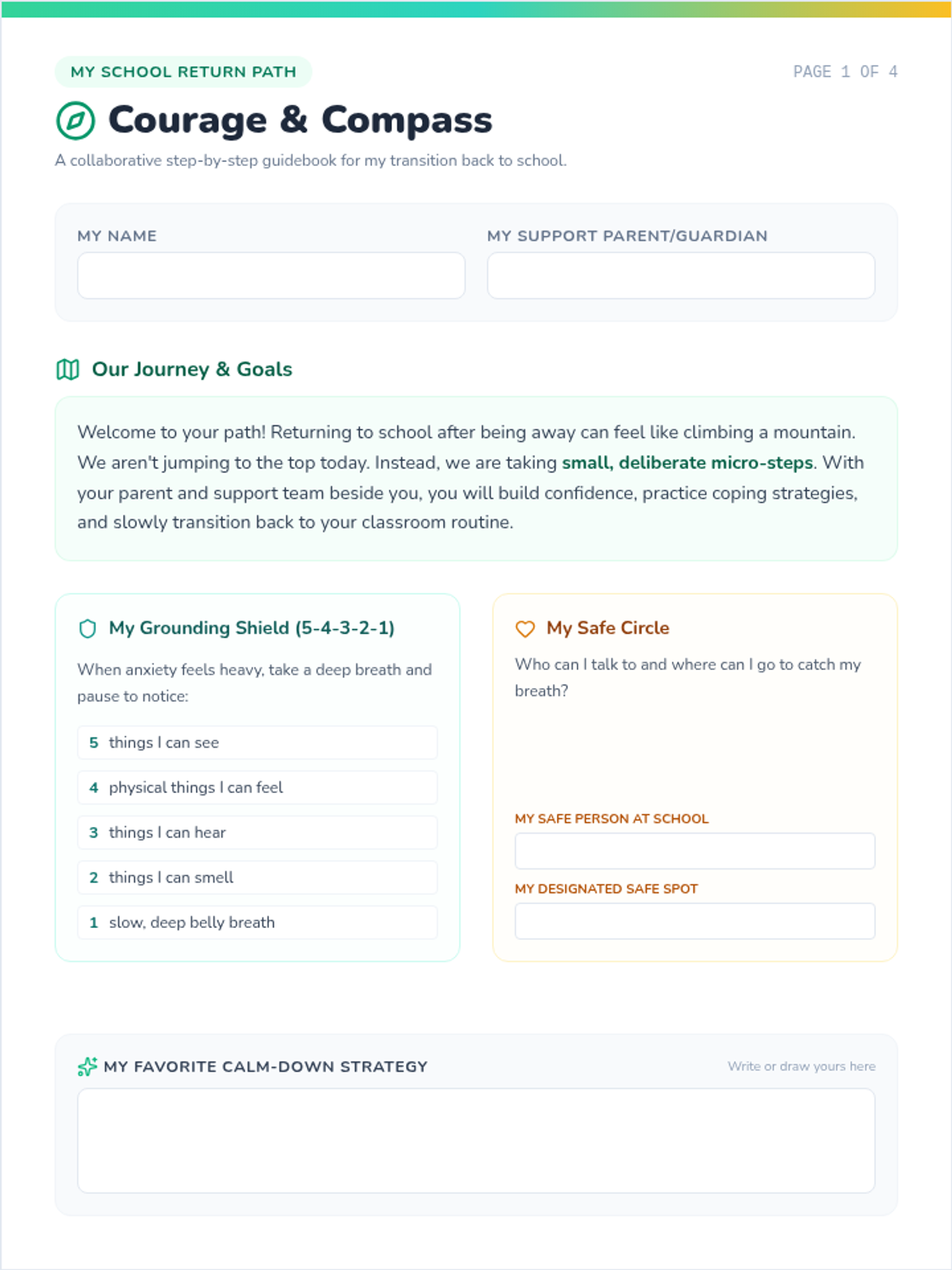
Introduces physical and environmental coping strategies, including deep breathing, grounding techniques, and healthy lifestyle habits.
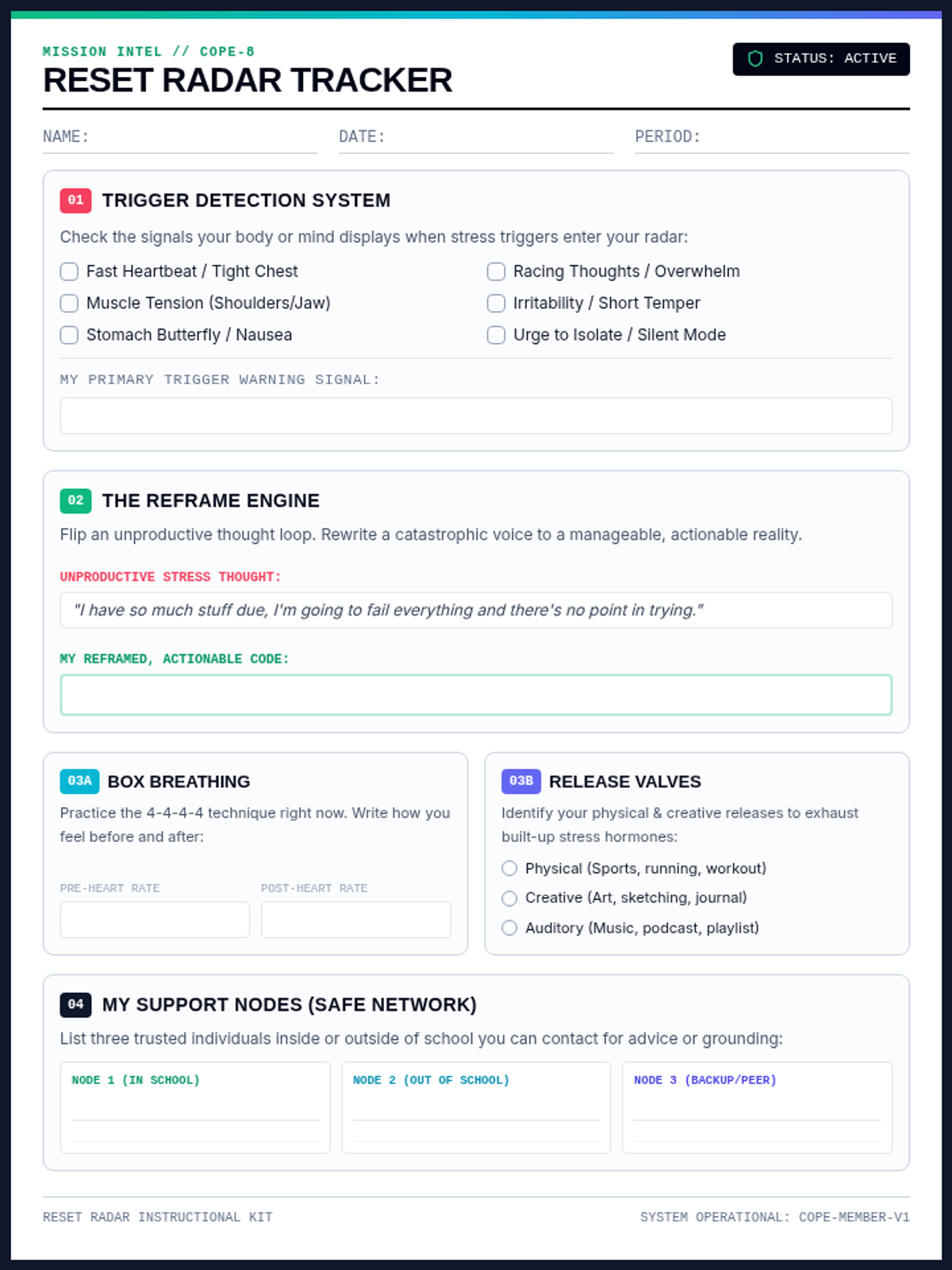
Focuses on the connection between thoughts and feelings, teaching students how to challenge negative self-talk and reframe stressful situations.
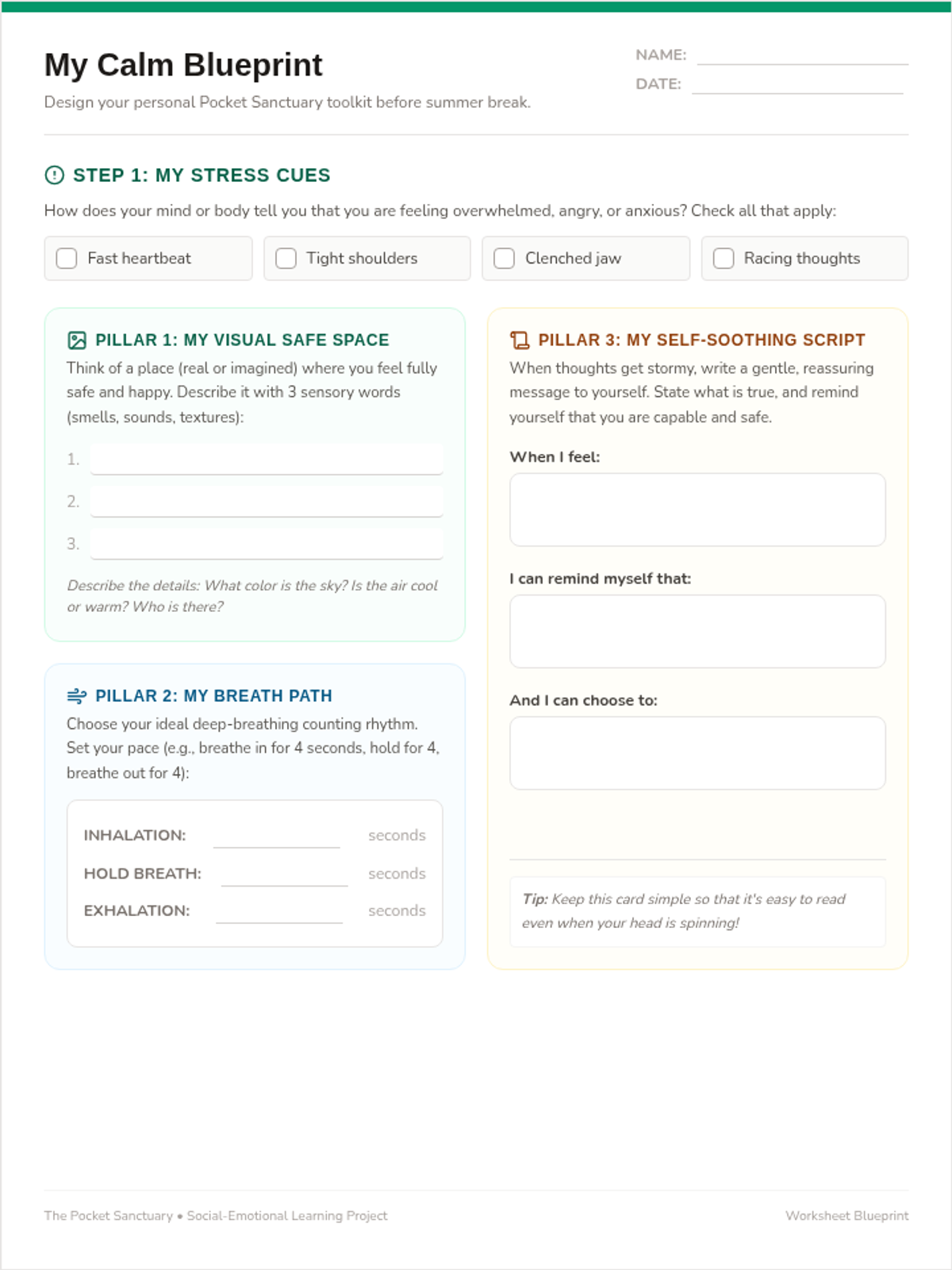
Students will define stress, identify their personal 'stress triggers', and learn how their bodies react to pressure.
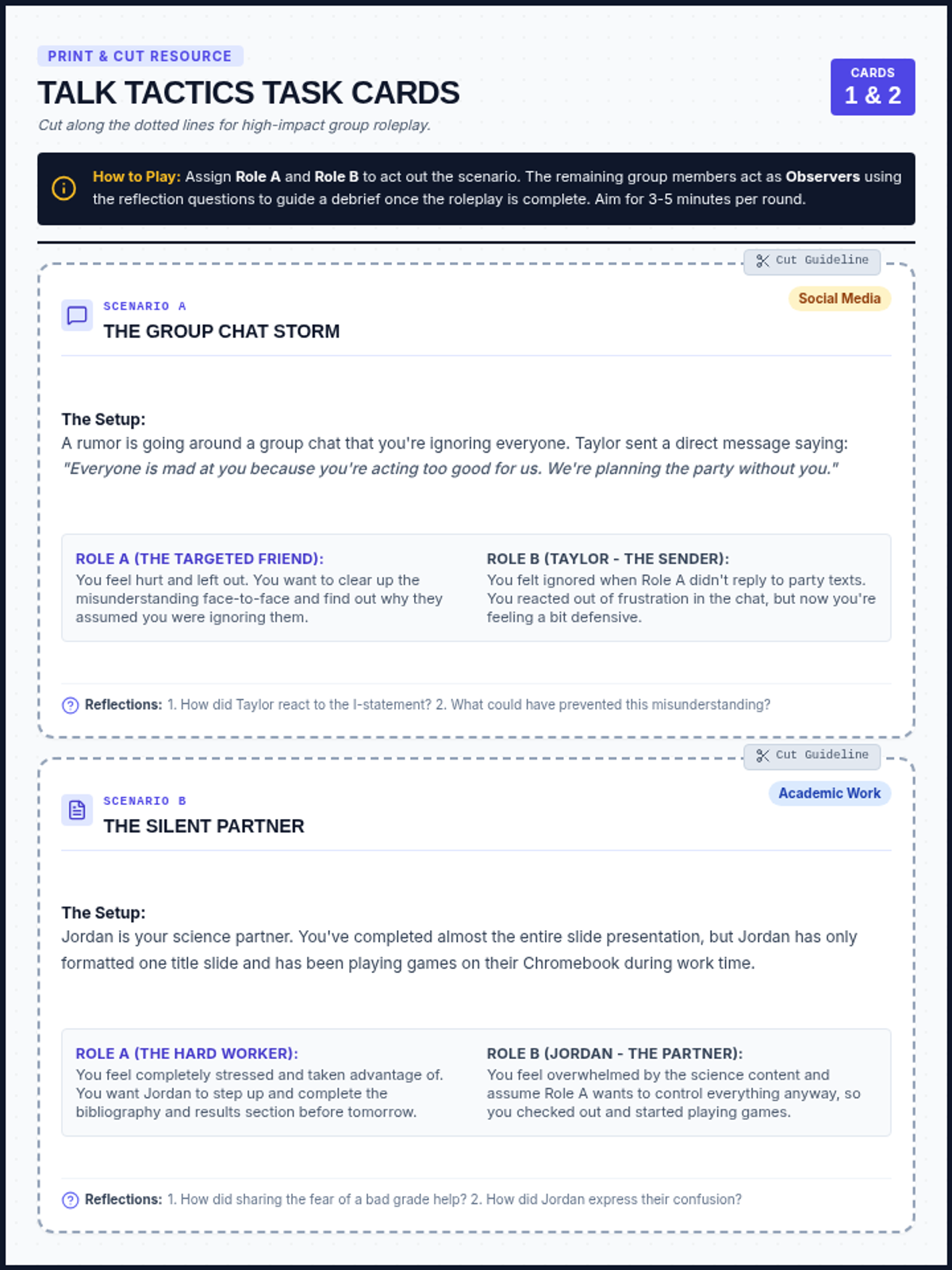
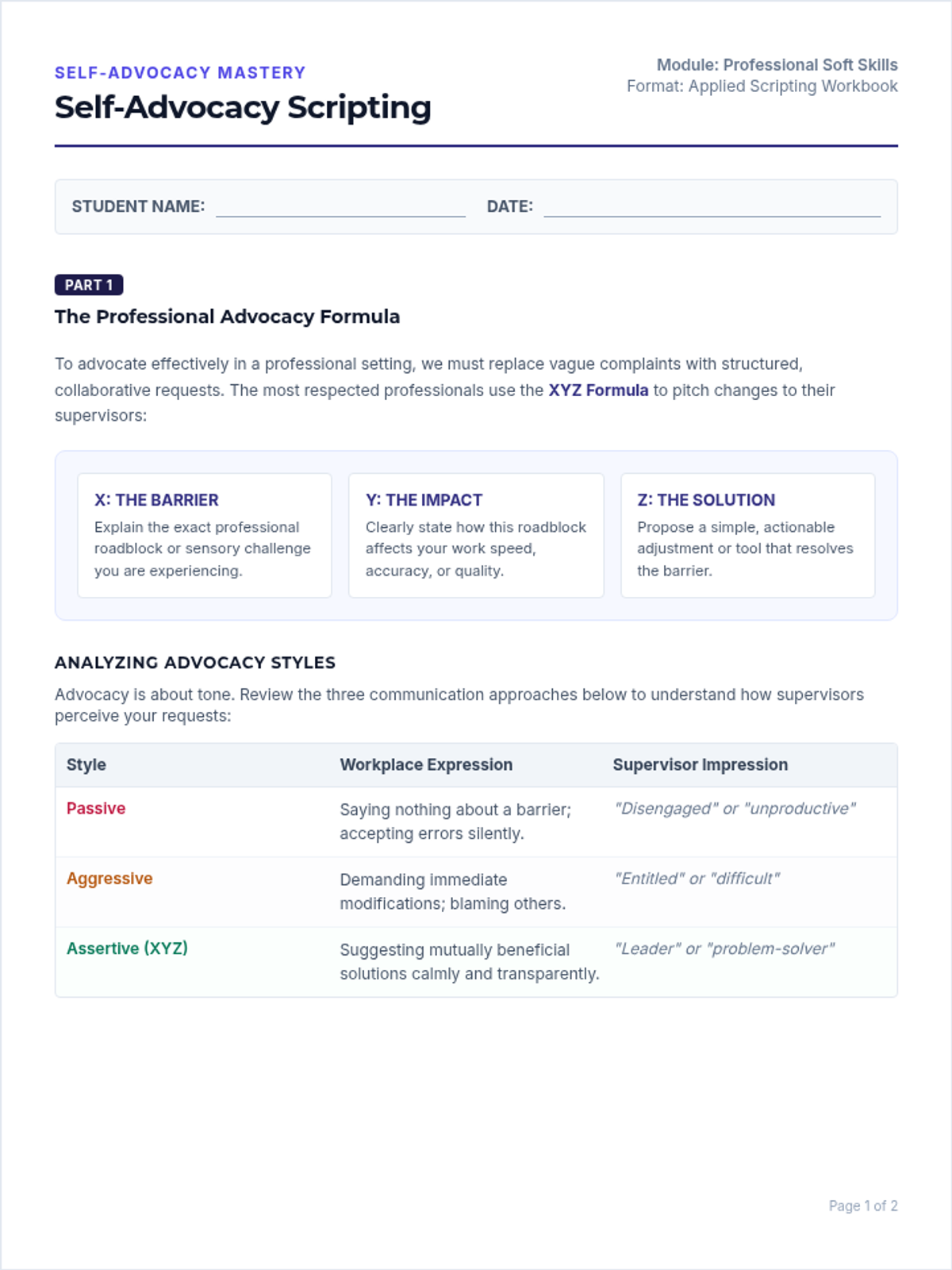
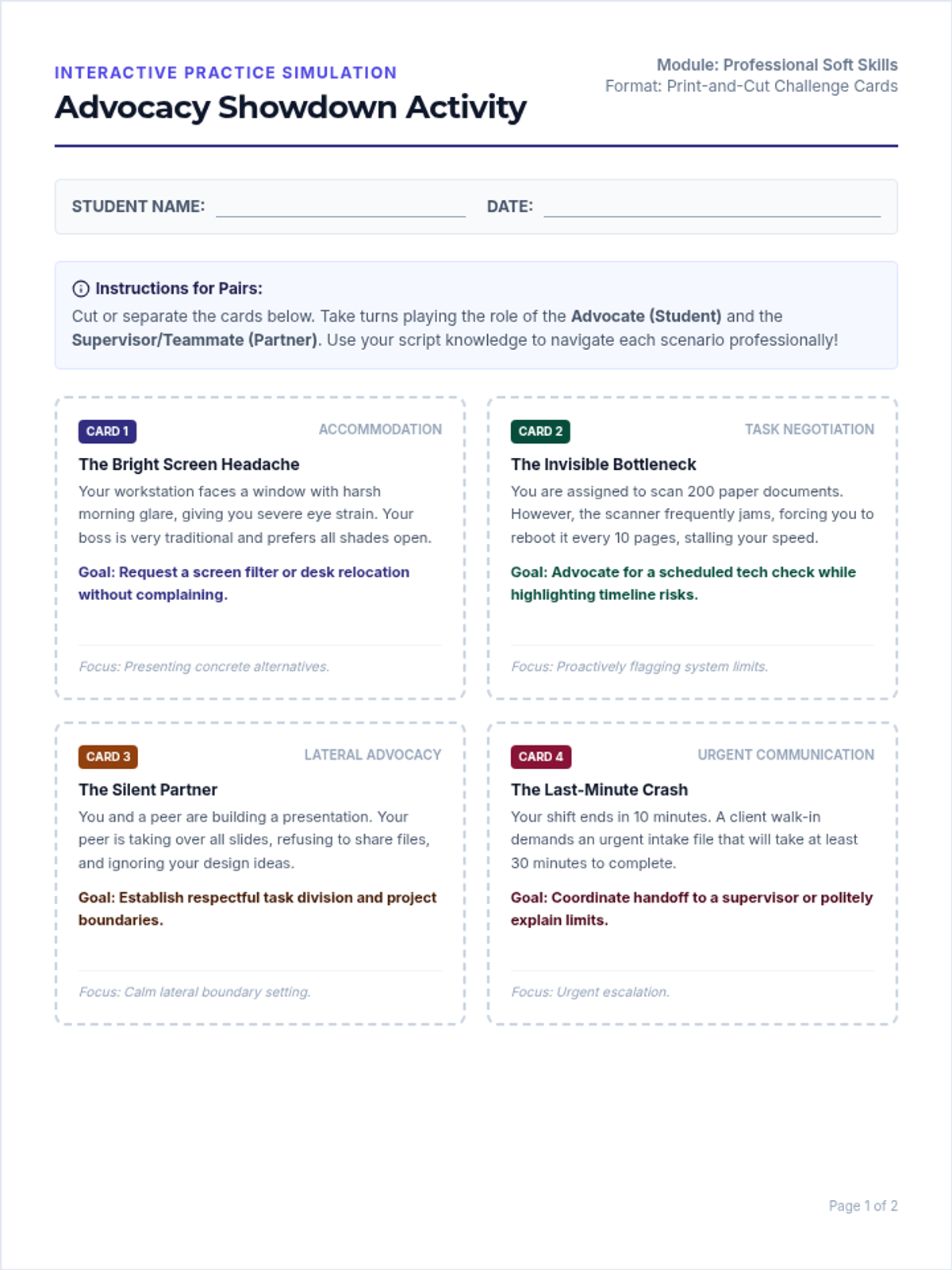
A reflective session designed for 8th-grade students to evaluate their communication choices and understand the impact of classroom disruptions, specifically focusing on respectful advocacy when work is completed.
A reflective lesson designed for 8th-grade students to analyze their communication styles, specifically focusing on how to advocate for themselves respectfully when they have completed work, and understanding the collective impact of classroom disruptions.
A game-based social-emotional learning lesson using UNO cards to help students navigate the transition to high school, focusing on friendships, academic stress, peer pressure, and balance.
A comprehensive training module on the professional standards for calling out of work, covering etiquette, timing, and communication methods.
A comprehensive lesson on the importance of quality control and checking one's work across various entry-level employment sectors including janitorial, retail, office, and food service.
This lesson focuses on self-advocacy in the service industry, specifically regarding tipping policies and procedures. Students will learn how to identify different tipping systems and practice asking for clarification when they have questions about their earnings.
A comprehensive lesson on restaurant etiquette covering menu reading, ordering, manners, volume control, tipping, and conflict resolution.
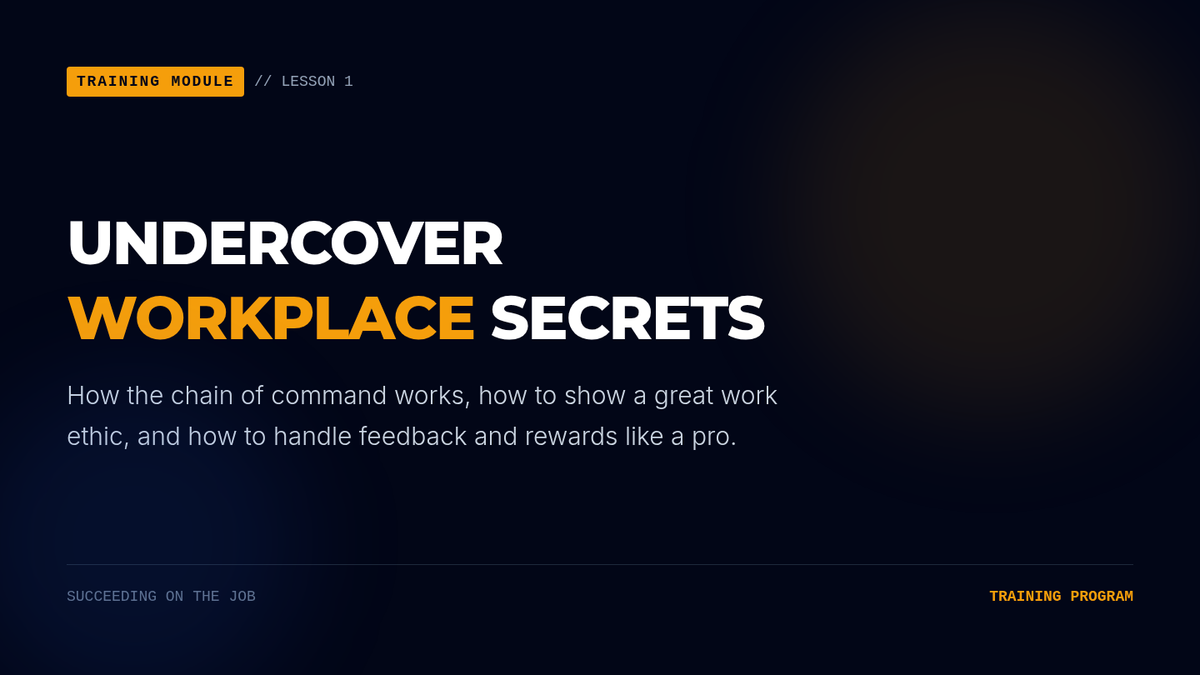
The core 90-minute training session covering four industry-specific challenges. Students rotate through scenarios to master the 4-step professional process for following instructions.
A functional skills lesson focused on navigating a restaurant experience on a budget, covering menu reading, budget planning, social etiquette, and group check splitting.
A comprehensive training session focusing on the professional relationship between employees and supervisors. Students will learn about supervisor roles, boundaries, communication strategies, and conflict resolution through interactive case studies.
A lesson focused on mastering time management through hands-on 'trials' that teach punctuality, task estimation, scheduling, and focus techniques.
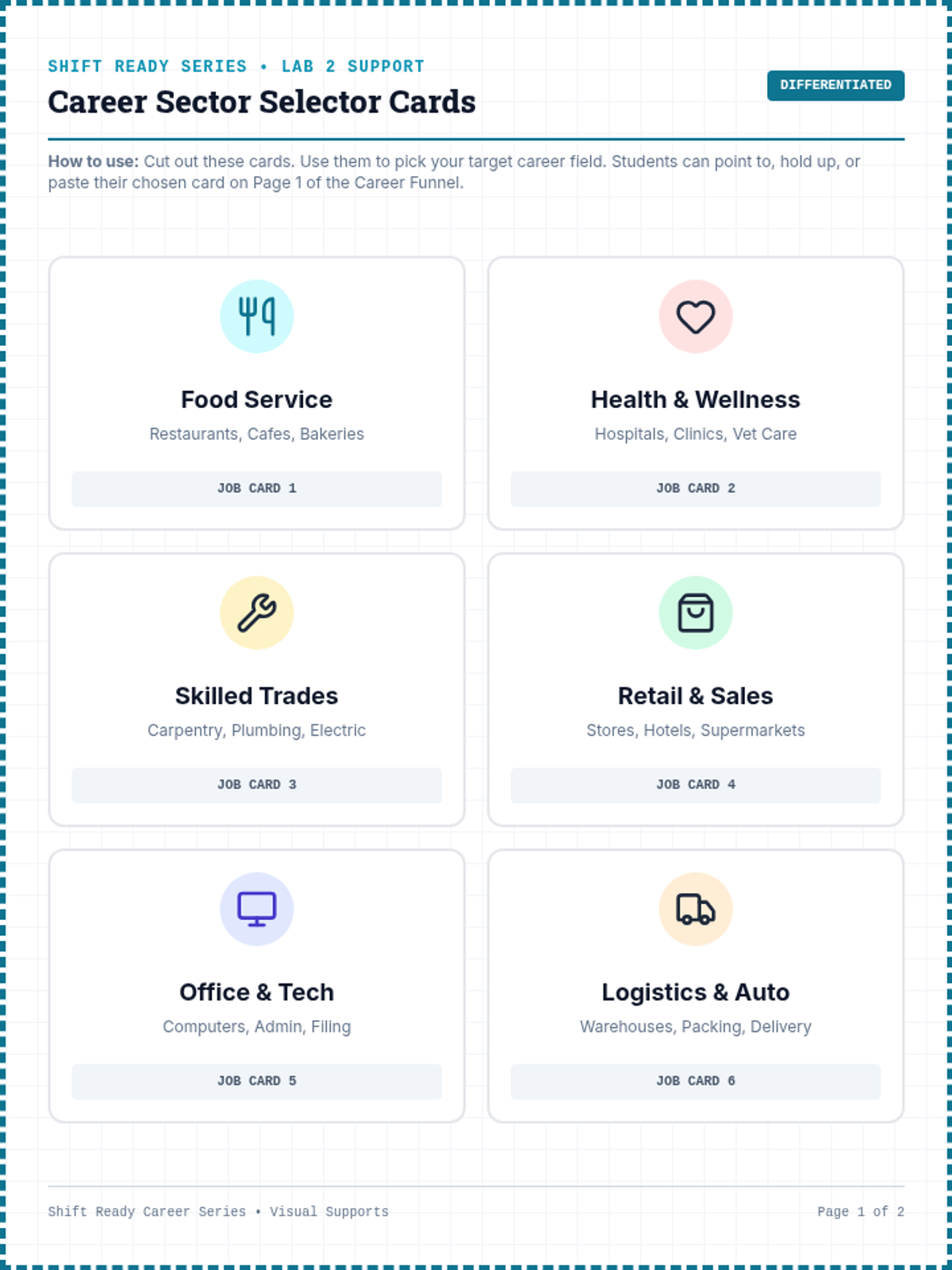
A visual career exploration lesson designed for students with moderate to severe disabilities, using real photos to identify interests across various career clusters.
A 45-minute therapeutic leisure session for teens focused on building social connections and team dynamics through collaborative activities and reflection.
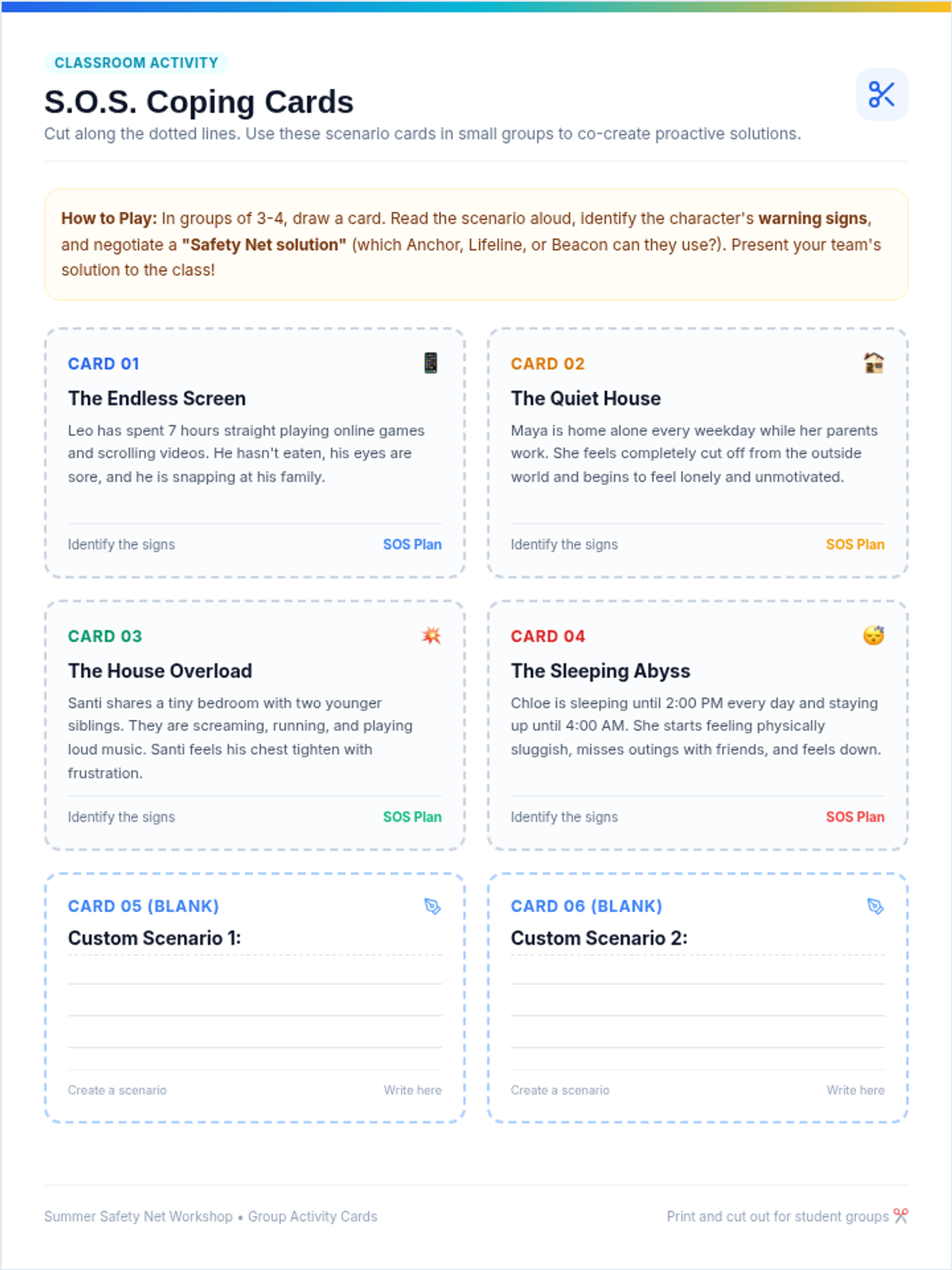
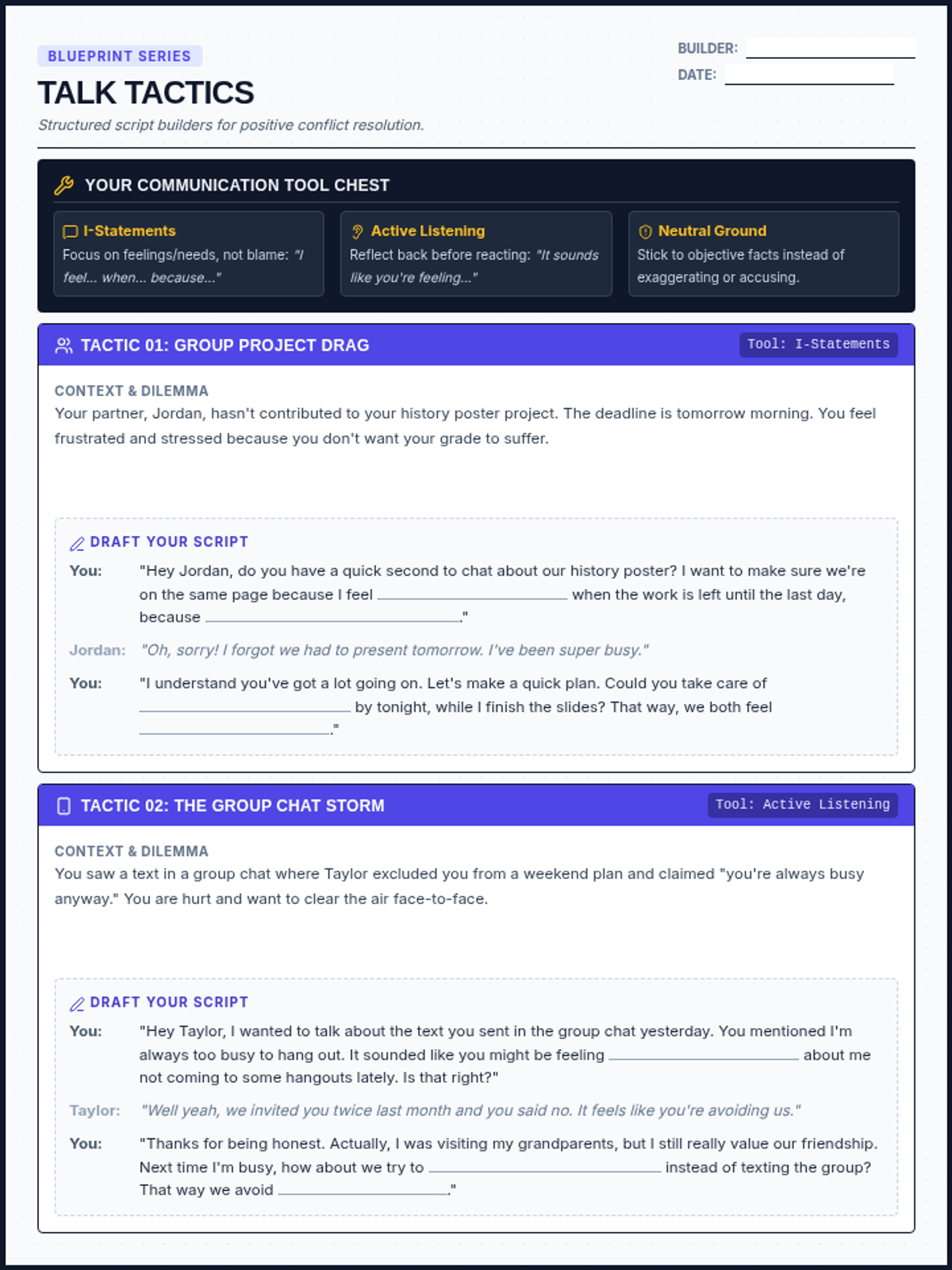
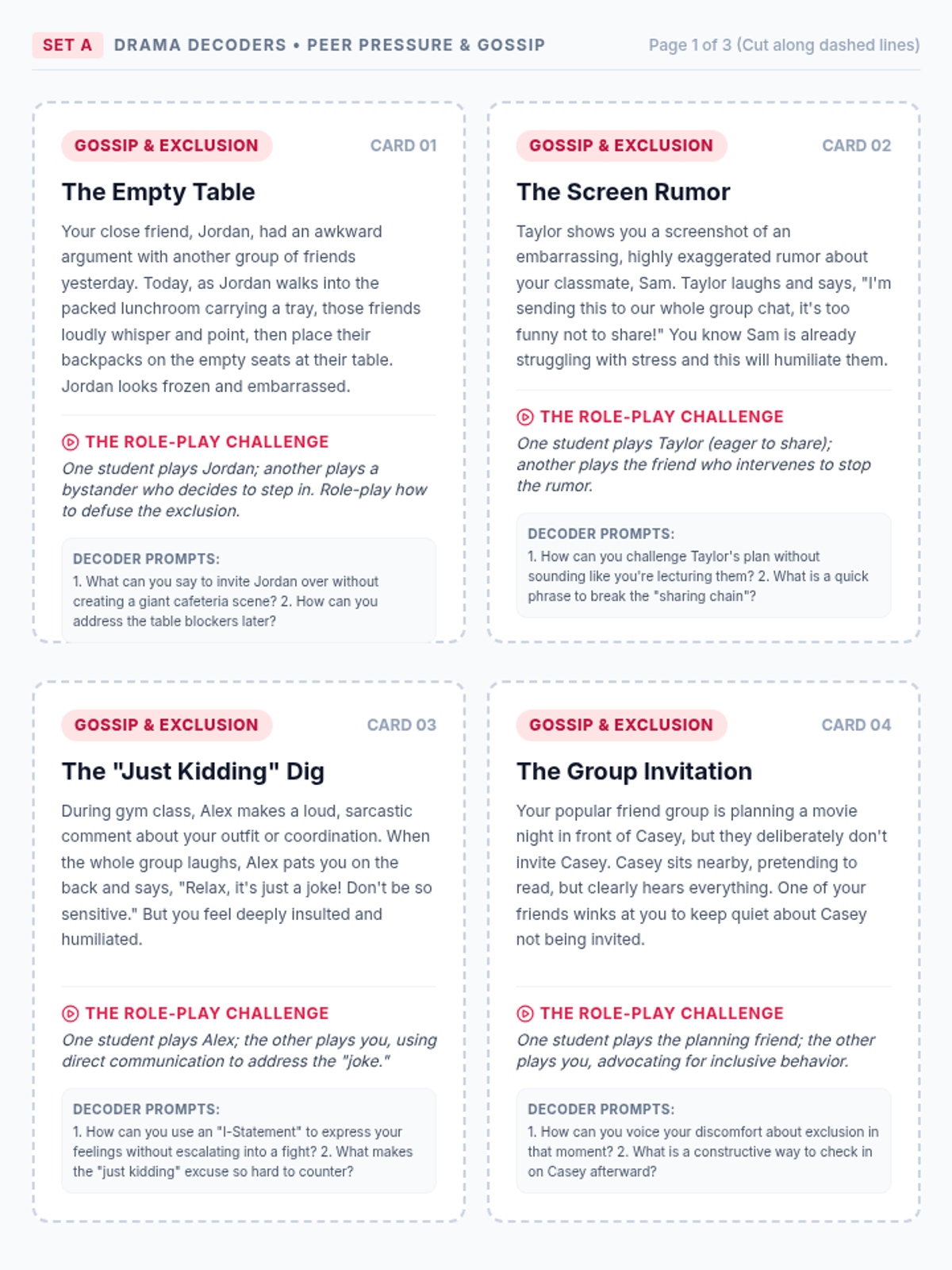
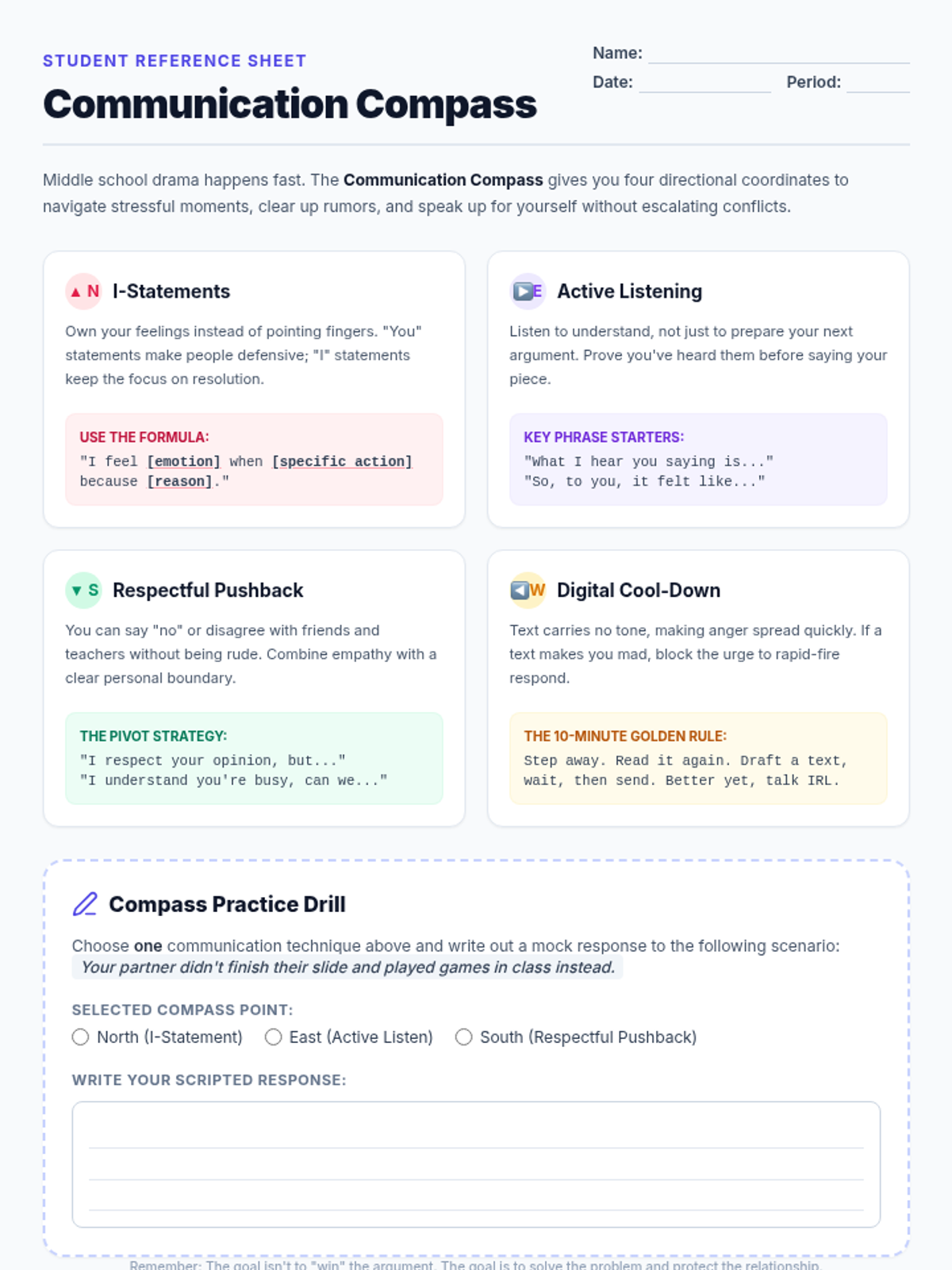
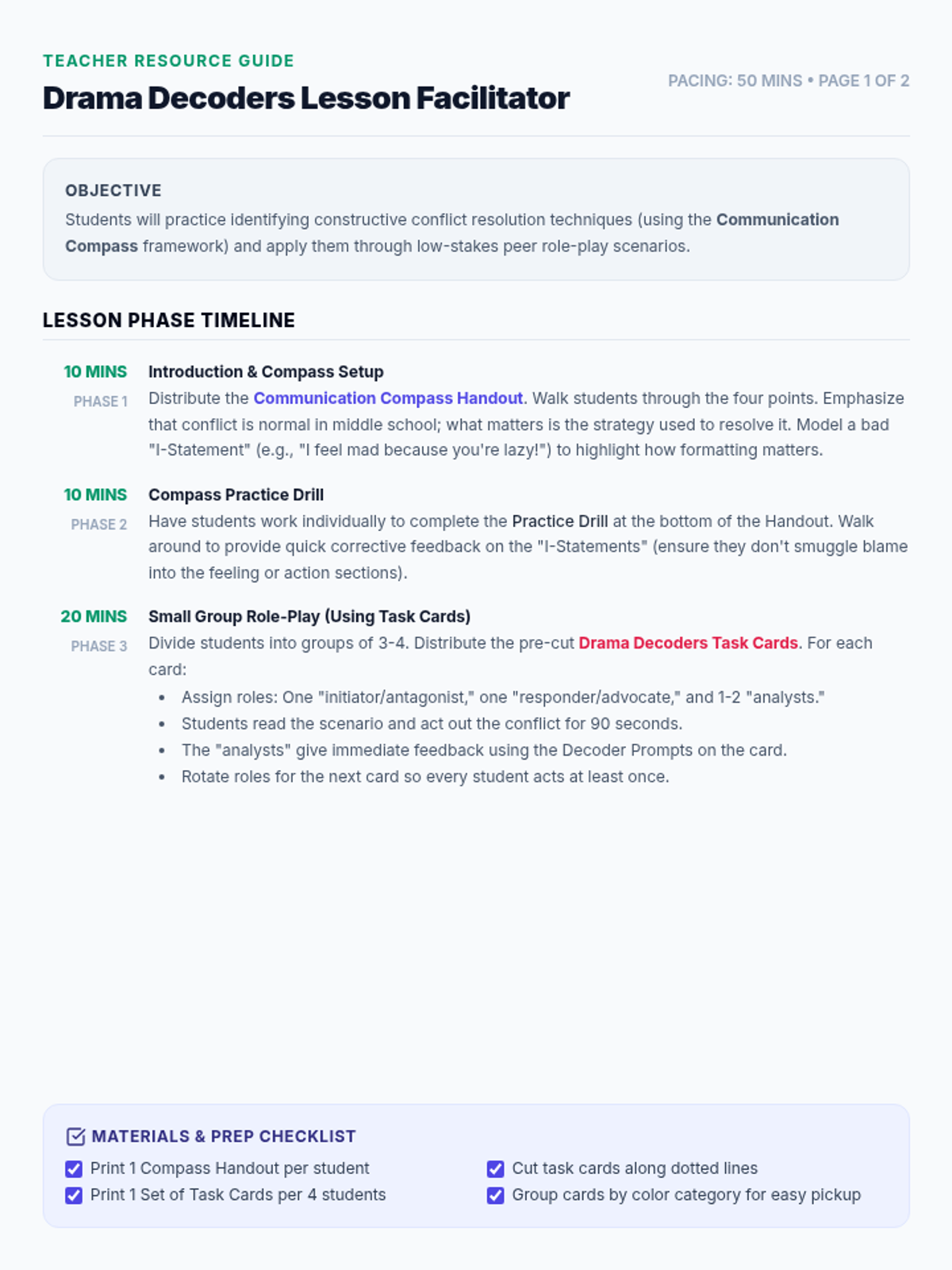
A social-emotional learning lesson for Tier 2 small groups focusing on identifying spheres of control and practicing assertive I-Statements in social scenarios.
Program review, celebration of growth, and completion of the EF Post-Test.
Instruction on effective note-taking and test-taking strategies tailored for middle school.
Practical strategies to defeat procrastination and streamline homework routines.
Building an awareness of time and learning how to estimate how long tasks actually take.
Developing cognitive flexibility to handle changes in schedules and different teaching styles.
Strategies for overcoming the 'freeze' and getting started on difficult tasks immediately.
Focuses on organization of physical and digital spaces and long-term project planning.
Introduction to the brain's "Command Center," establishing group norms, and completing the EF Pre-Test.
Preparing for independence. Students review progress reports and finalize a plan for seeking teacher support autonomously.
Establishing consistent habits and routines. Students refine their planning process to require less counselor prompting.
Developing teacher communication skills. Students practice scripts for asking for help, clarifying assignments, and negotiating deadlines.
Time estimation and scheduling. Students practice predicting how long tasks take and slotting them into their Jawsome flex time.
Focus on categorization and prioritization. Students learn to distinguish between urgent tasks and long-term projects using a priority matrix.
Introduction to the "Grade Audit" process. Students learn to navigate their online portals efficiently and identify missing assignments.
Final reflection on growth, system optimization, and a maintenance plan for sustained executive functioning success.
Building resilience and flexibility for when plans change, teaching students how to adjust their "maps" without losing momentum.
Strategies for managing physical and digital environments to minimize distractions and identify "Peak Focus" hours.
Translates goals into a concrete weekly schedule using the "Master Map" to visualize deadlines and study blocks.
Uses a visual "Priority Radar" to help students distinguish between what is urgent and what is truly important in their academic and personal lives.
Addresses "time blindness" by comparing estimated vs. actual time for daily tasks, helping students build more realistic schedules.
Focuses on overcoming procrastination and "stuckness" by breaking down complex tasks into manageable, non-intimidating units using the "Breakdown Blueprint."
Introduction to executive functioning as the brain's "Air Traffic Control" and a self-assessment of current strengths and challenges.