A transition lesson designed to reduce anxiety for 5th and 6th graders by debunking common middle school myths and replacing them with facts and coping strategies. Students engage in cognitive reframing through a 'myth-busting' investigation theme.
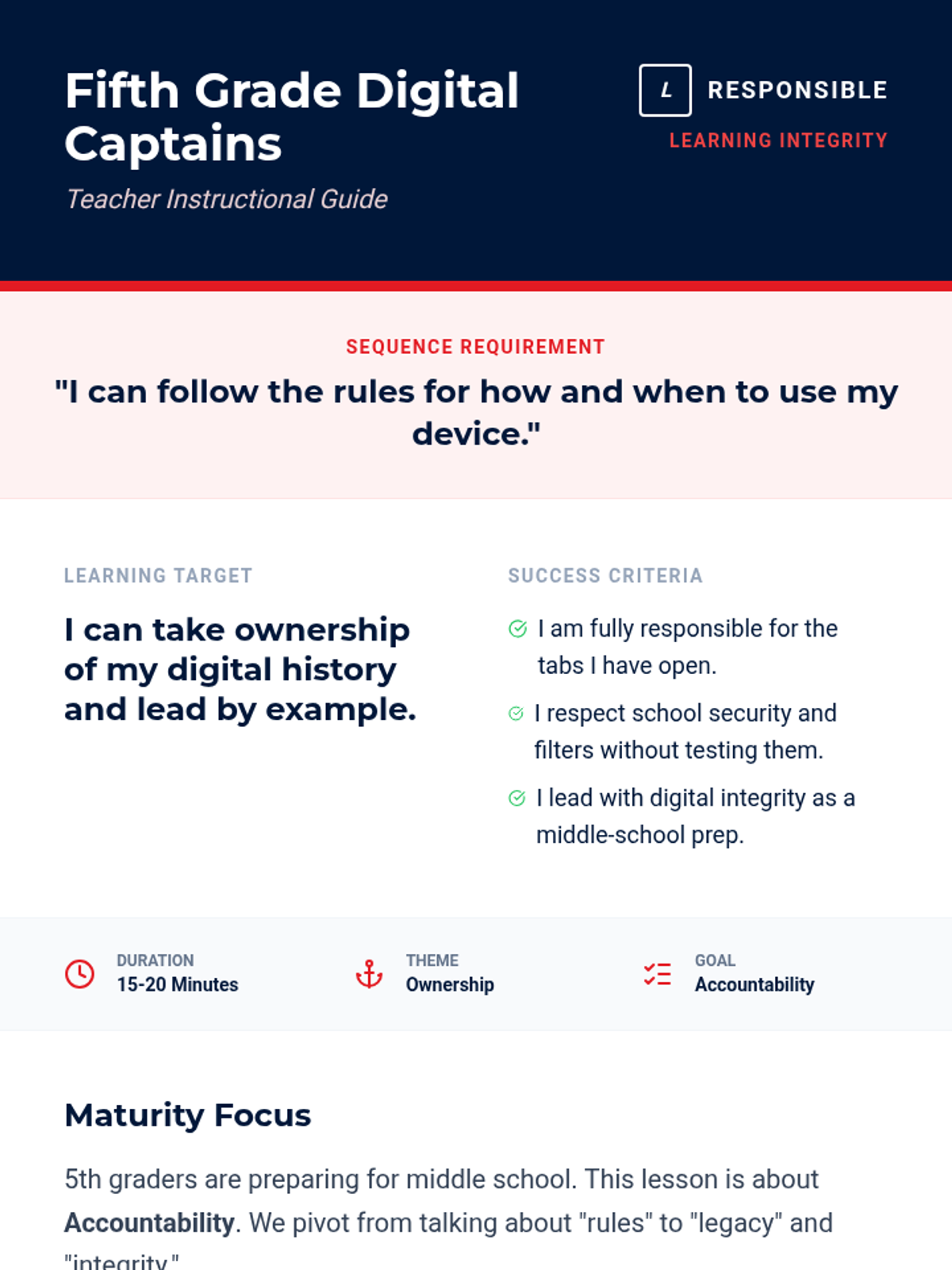
Empowers 5th graders to lead by example, discussing the importance of academic integrity and resisting the urge to bypass school filters.
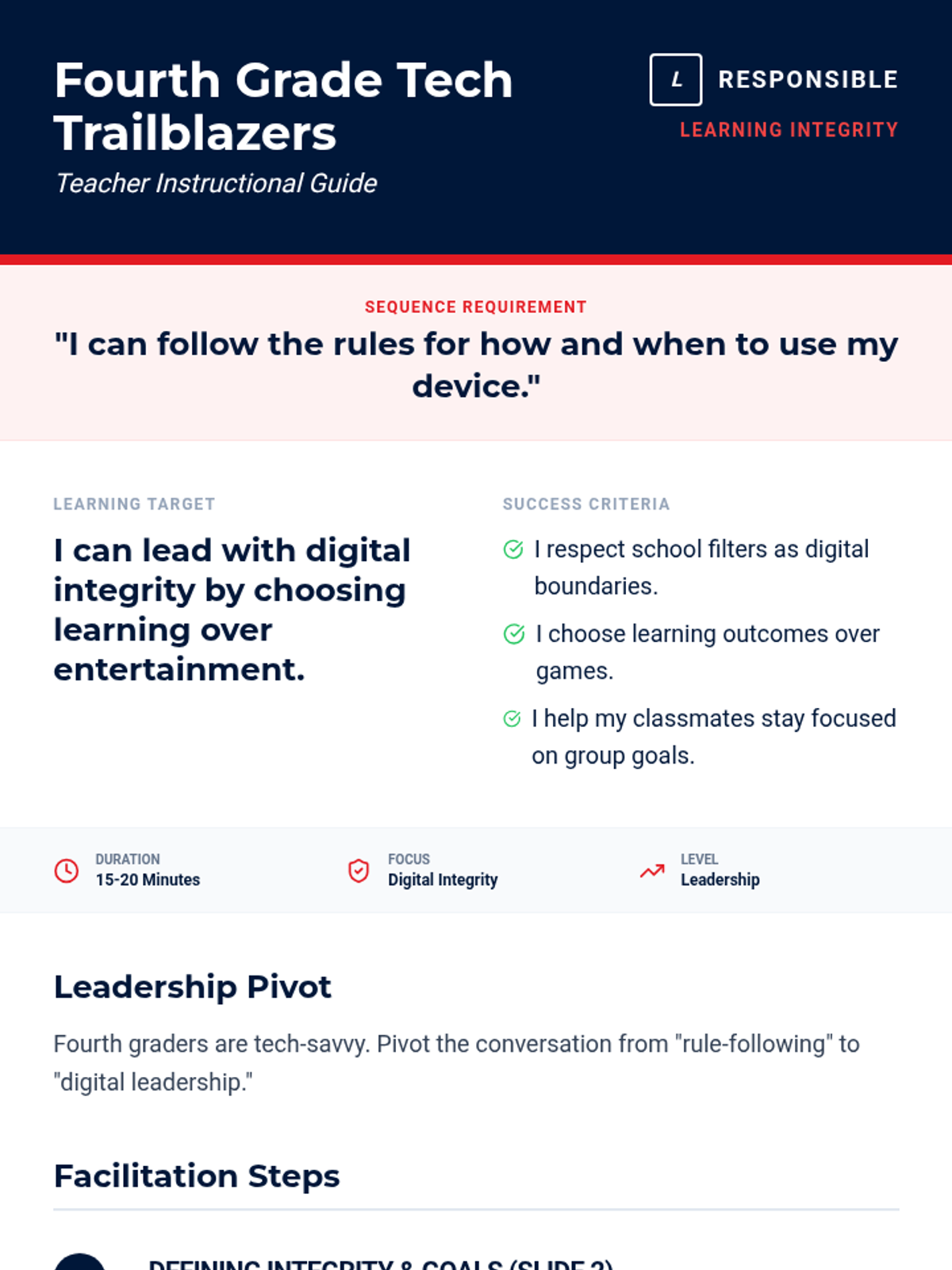
Addresses the specific challenges of 4th graders, focusing on avoiding game websites and maintaining focus on assigned tasks.
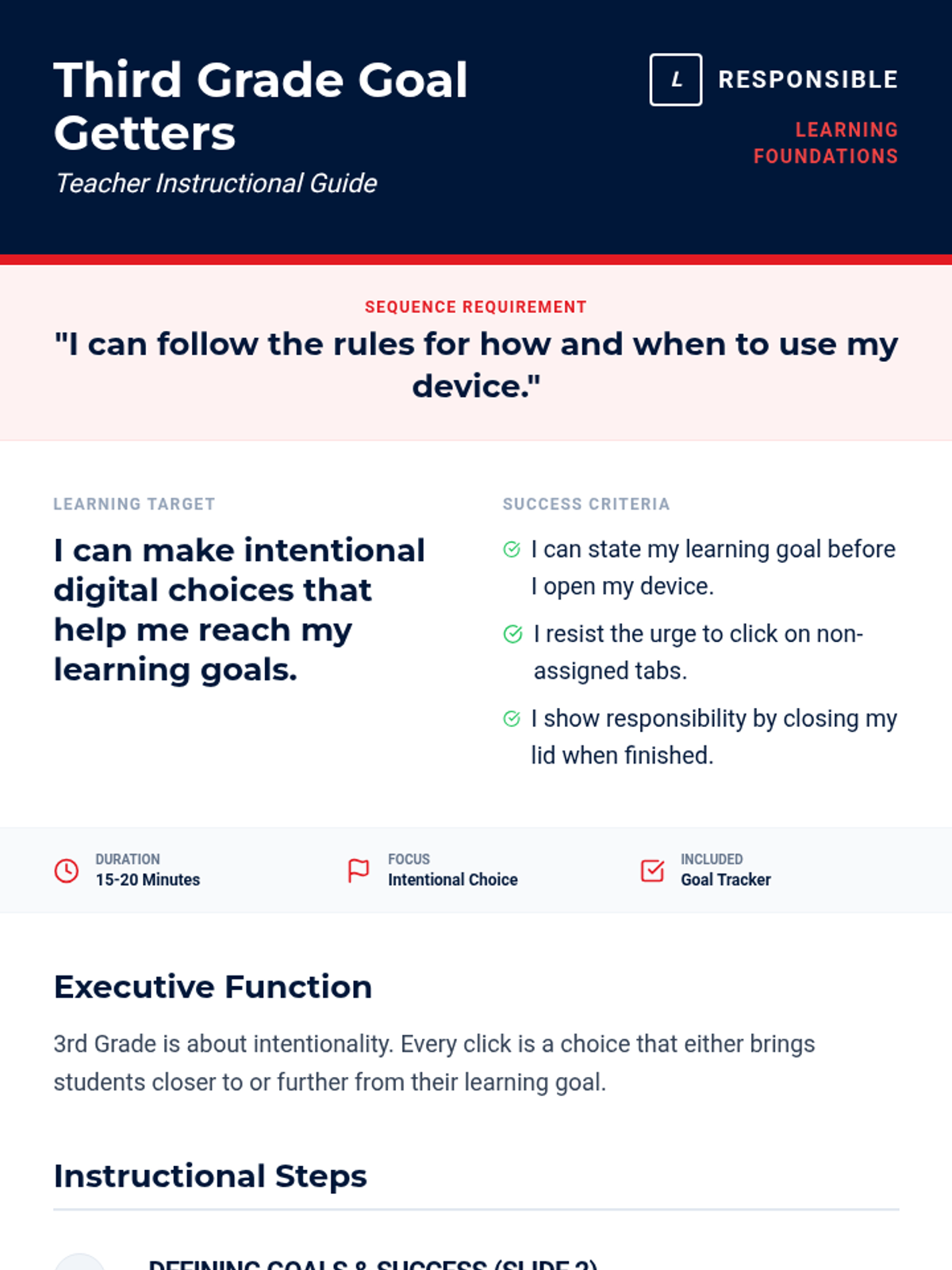
Helps 3rd graders identify common online distractions and practice making responsible choices that align with their learning goals.
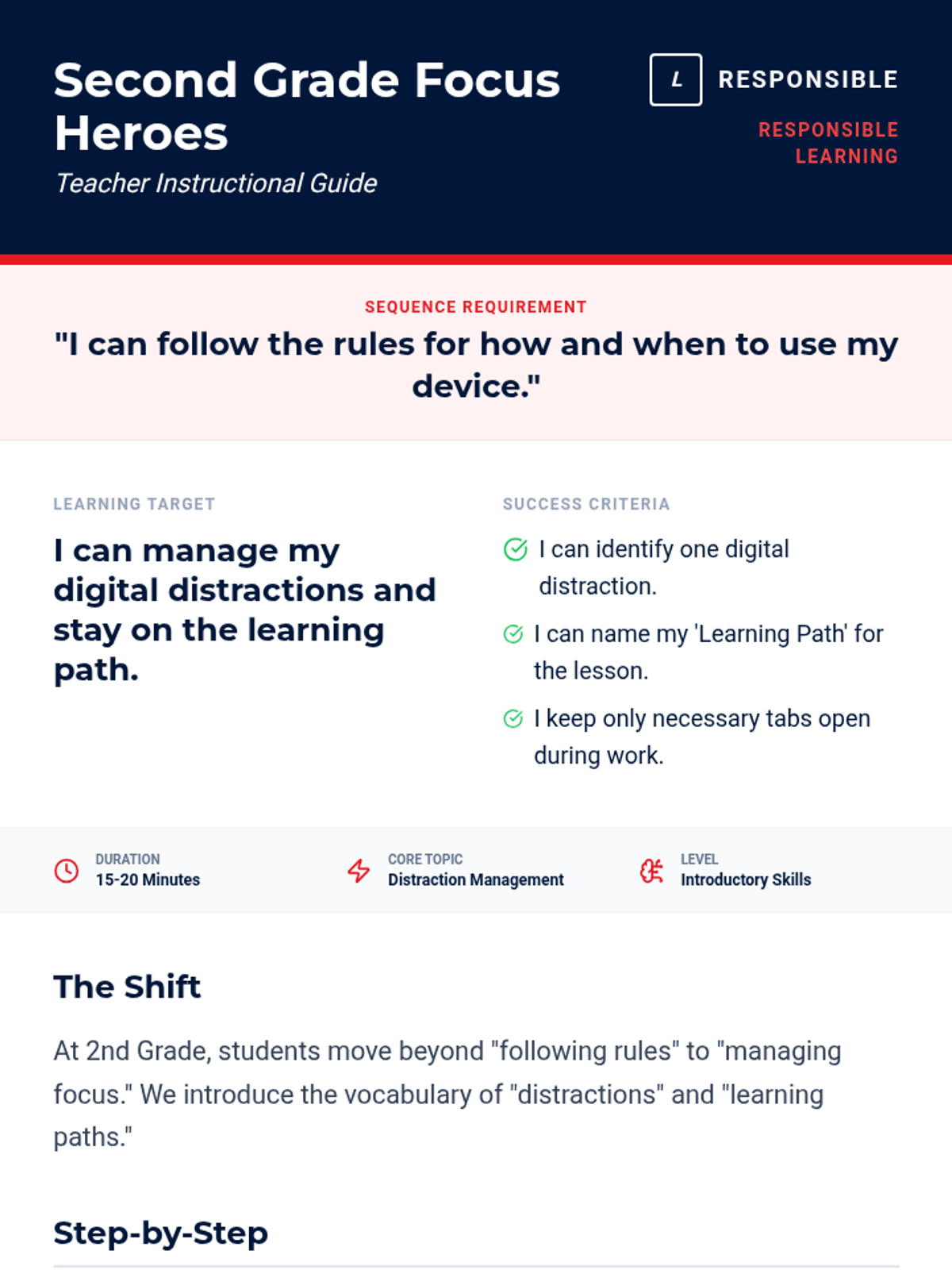
Introduces 2nd graders to the idea of managing digital distractions and staying on task during learning time.
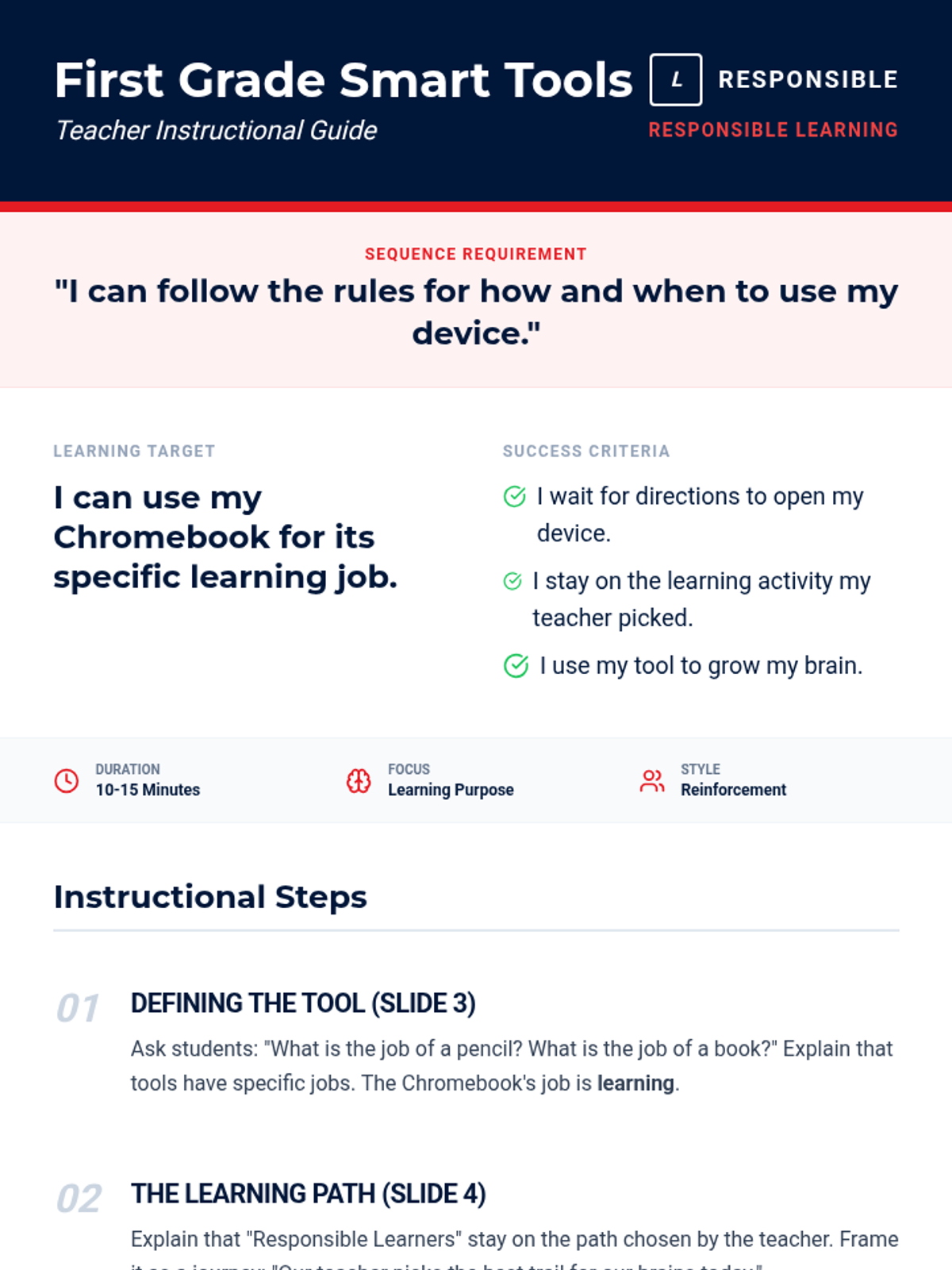
Reinforces the 'Tool not Toy' concept for 1st graders, emphasizing being Responsible with school technology.
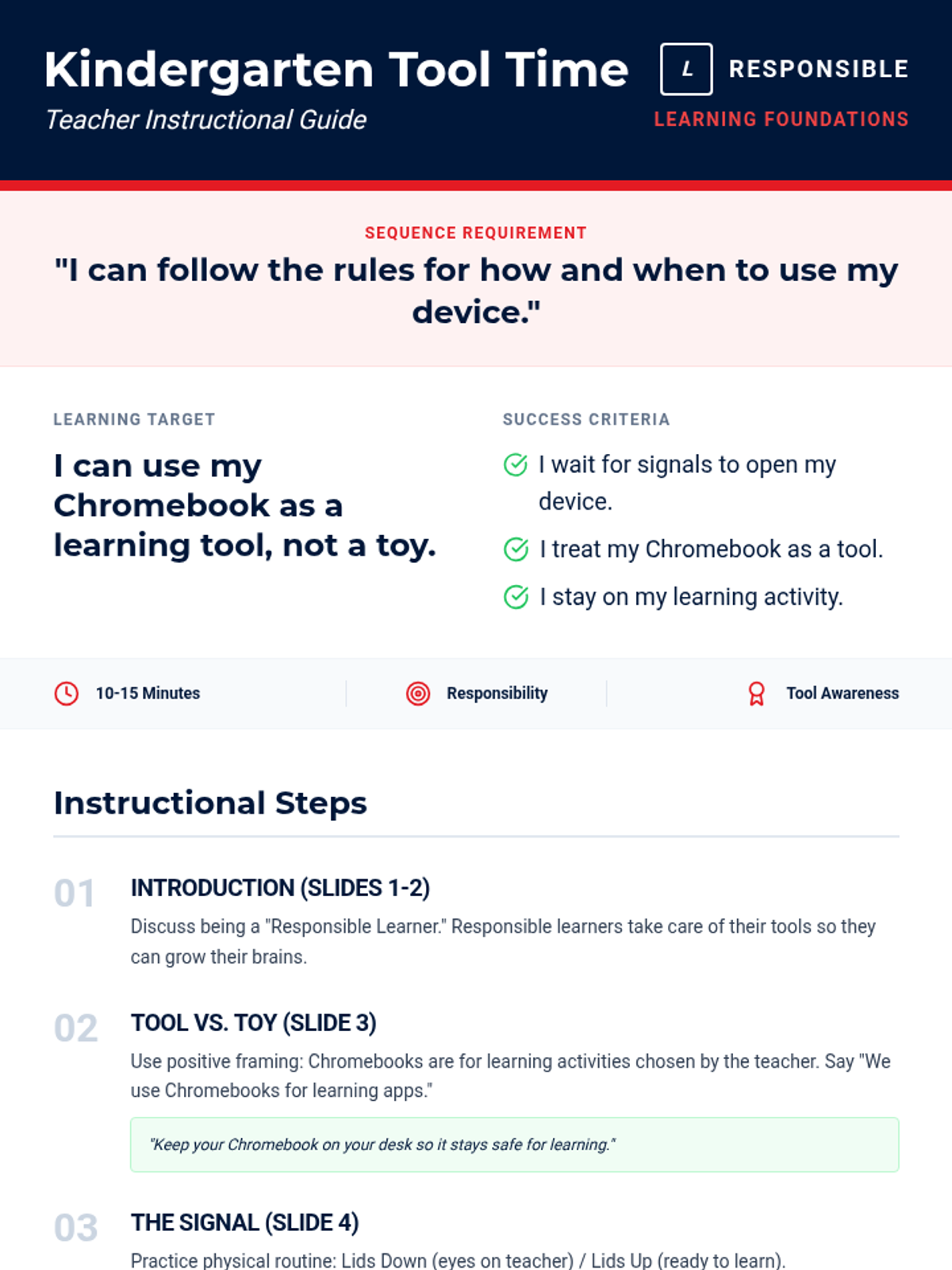
Introduces Kindergarteners to the concept that Chromebooks are learning tools, not toys, focusing on following teacher directions for when to use them.
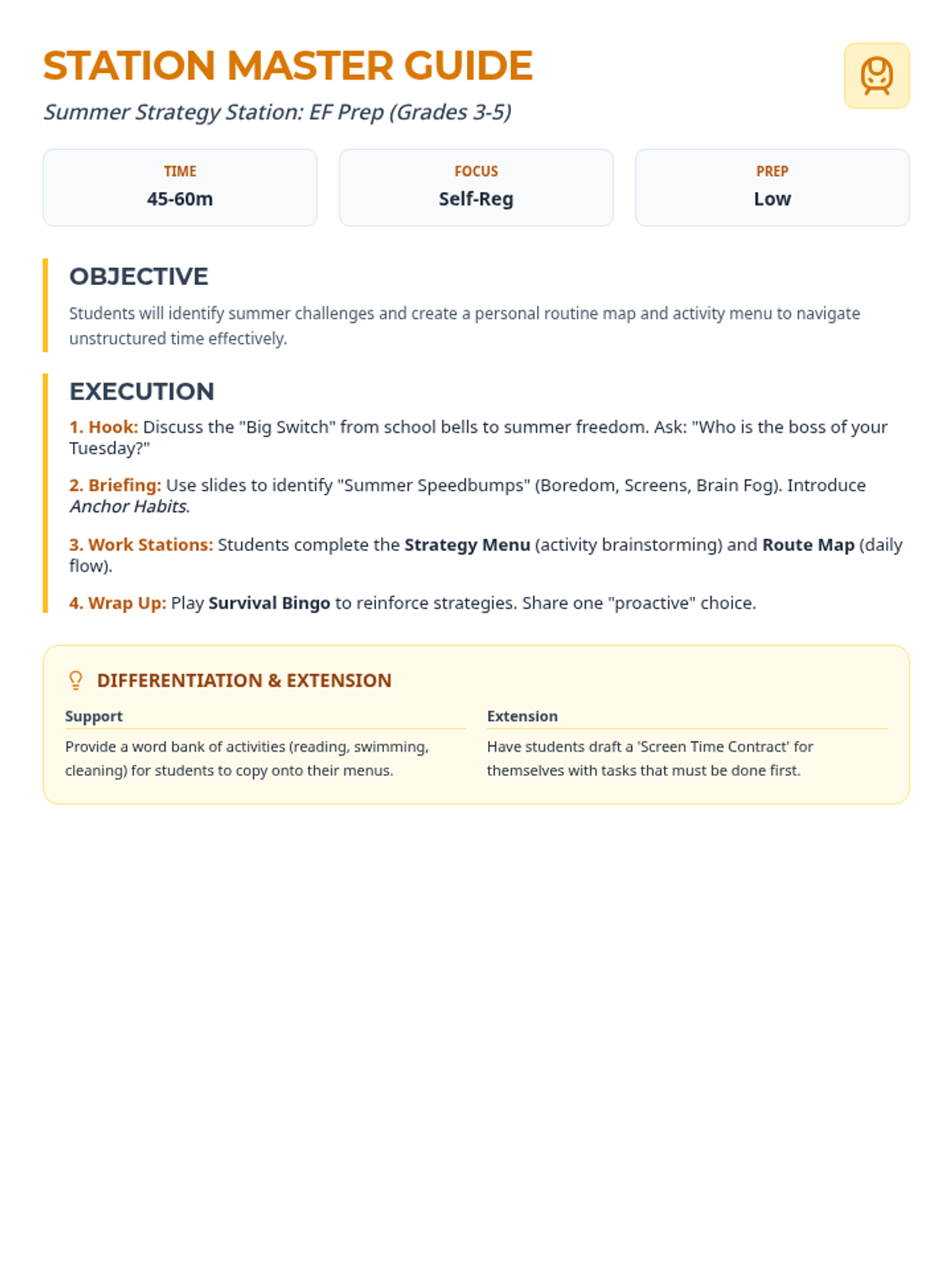
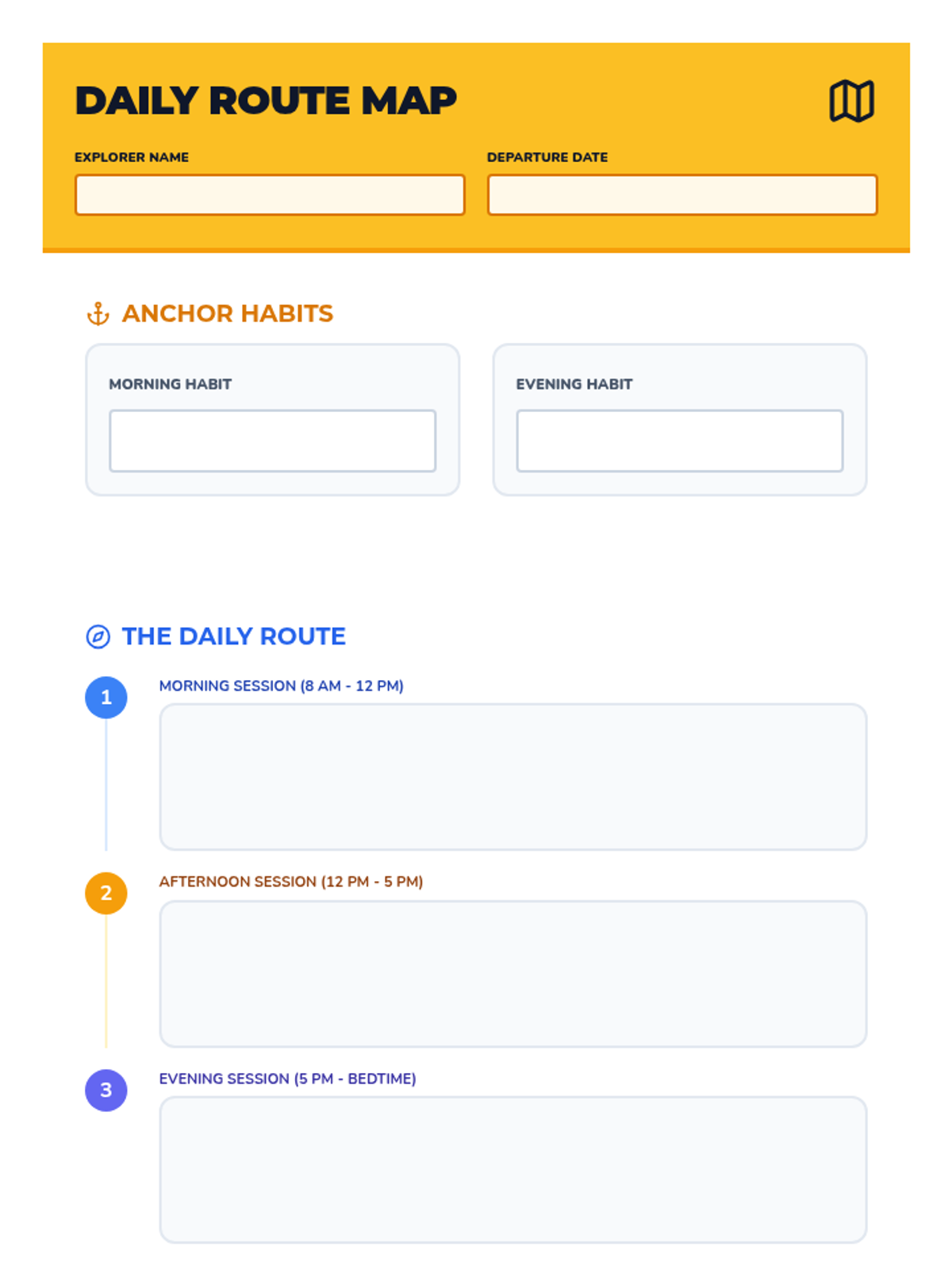
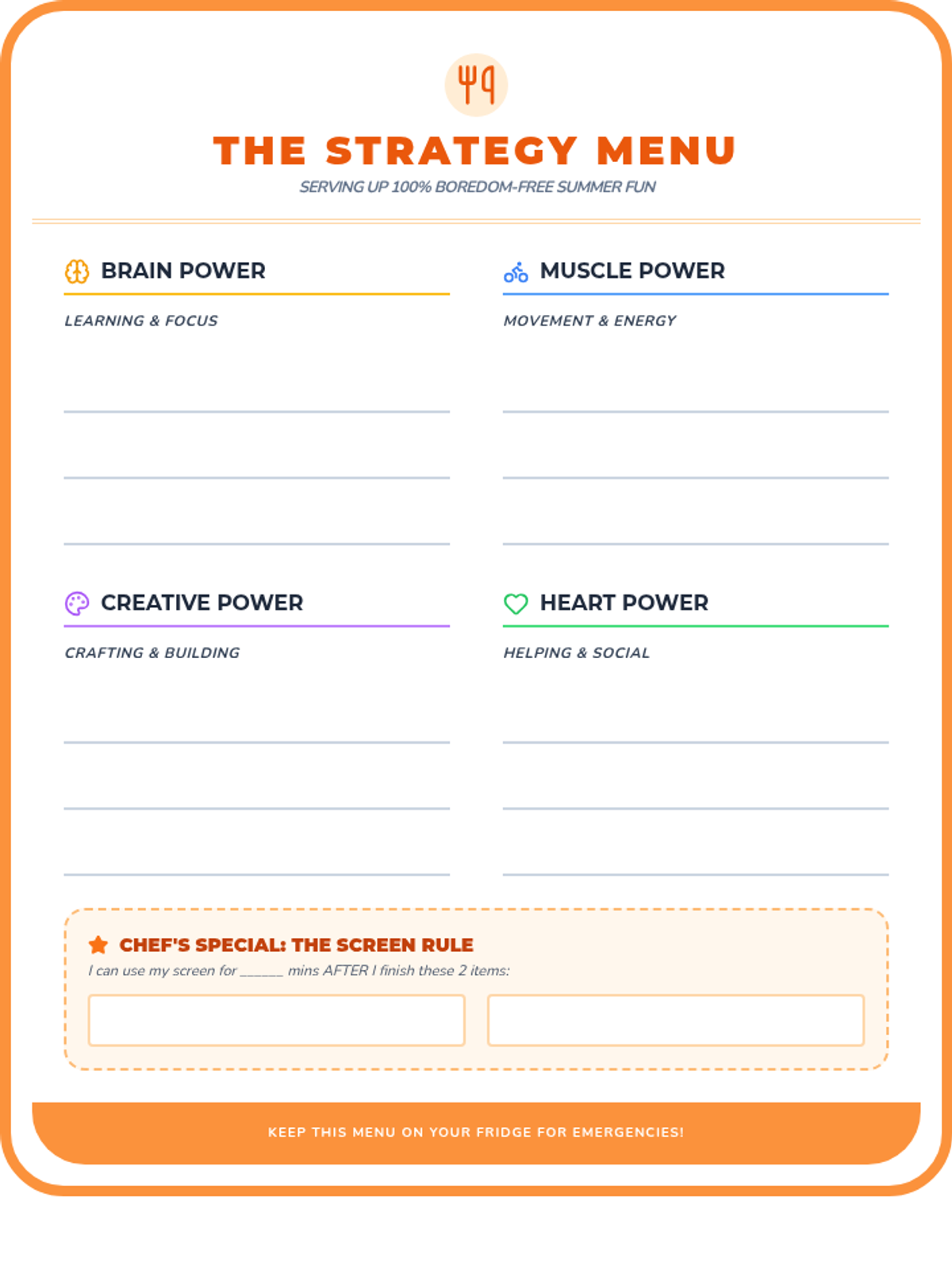
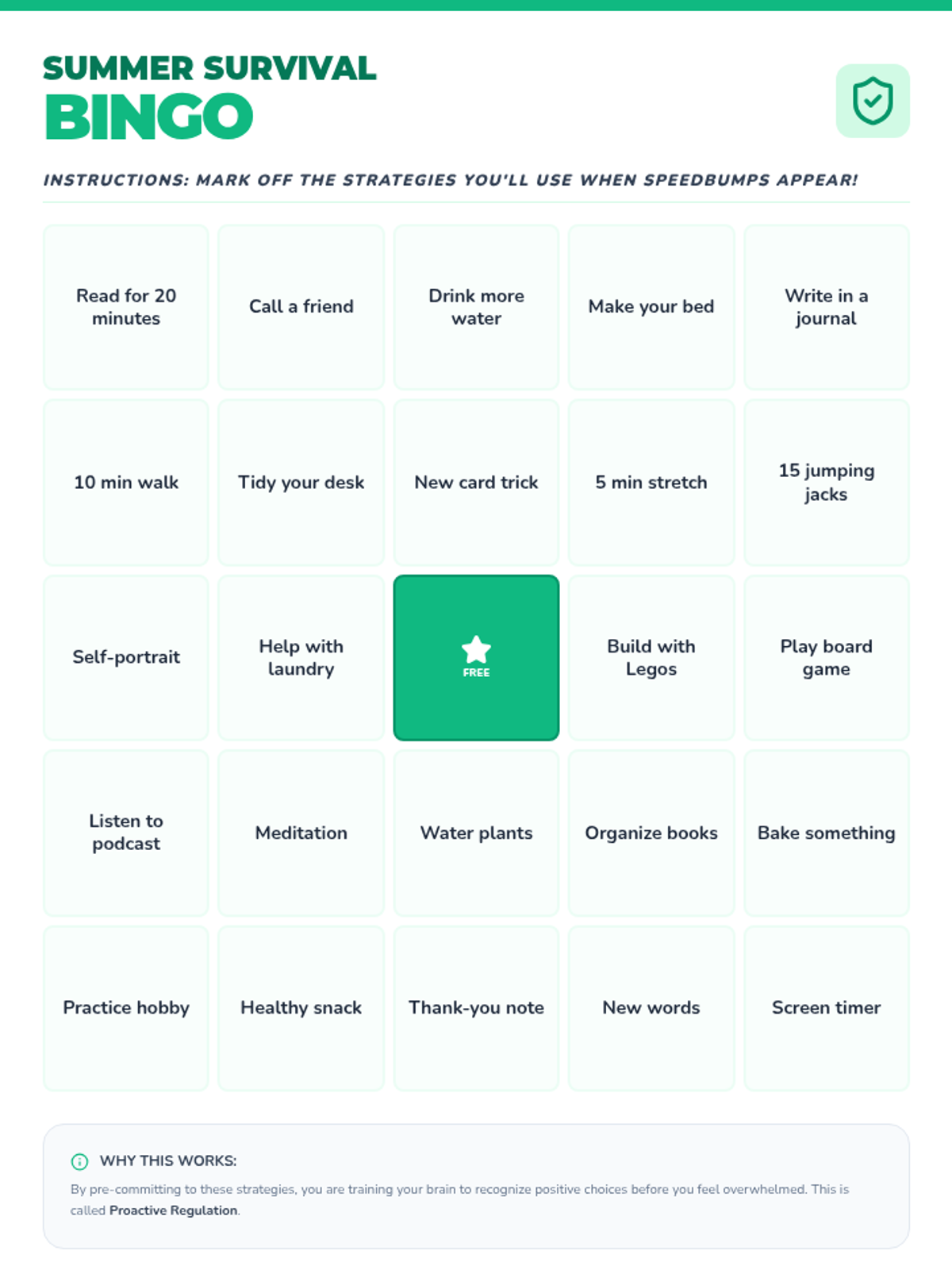
An executive functioning lesson for grades 3-5 designed to help students transition from structured school days to unstructured summer break by building routines and activity banks.
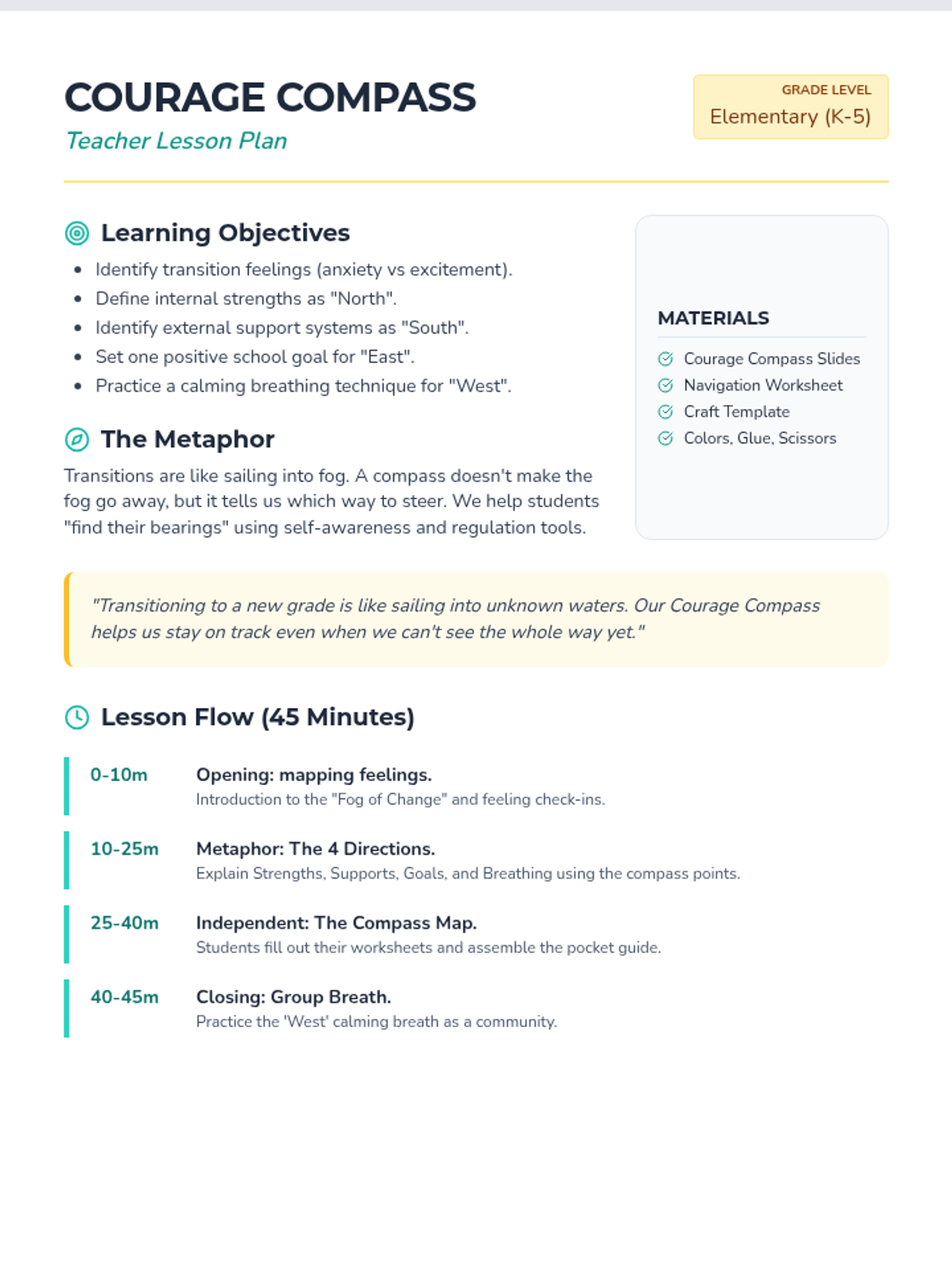
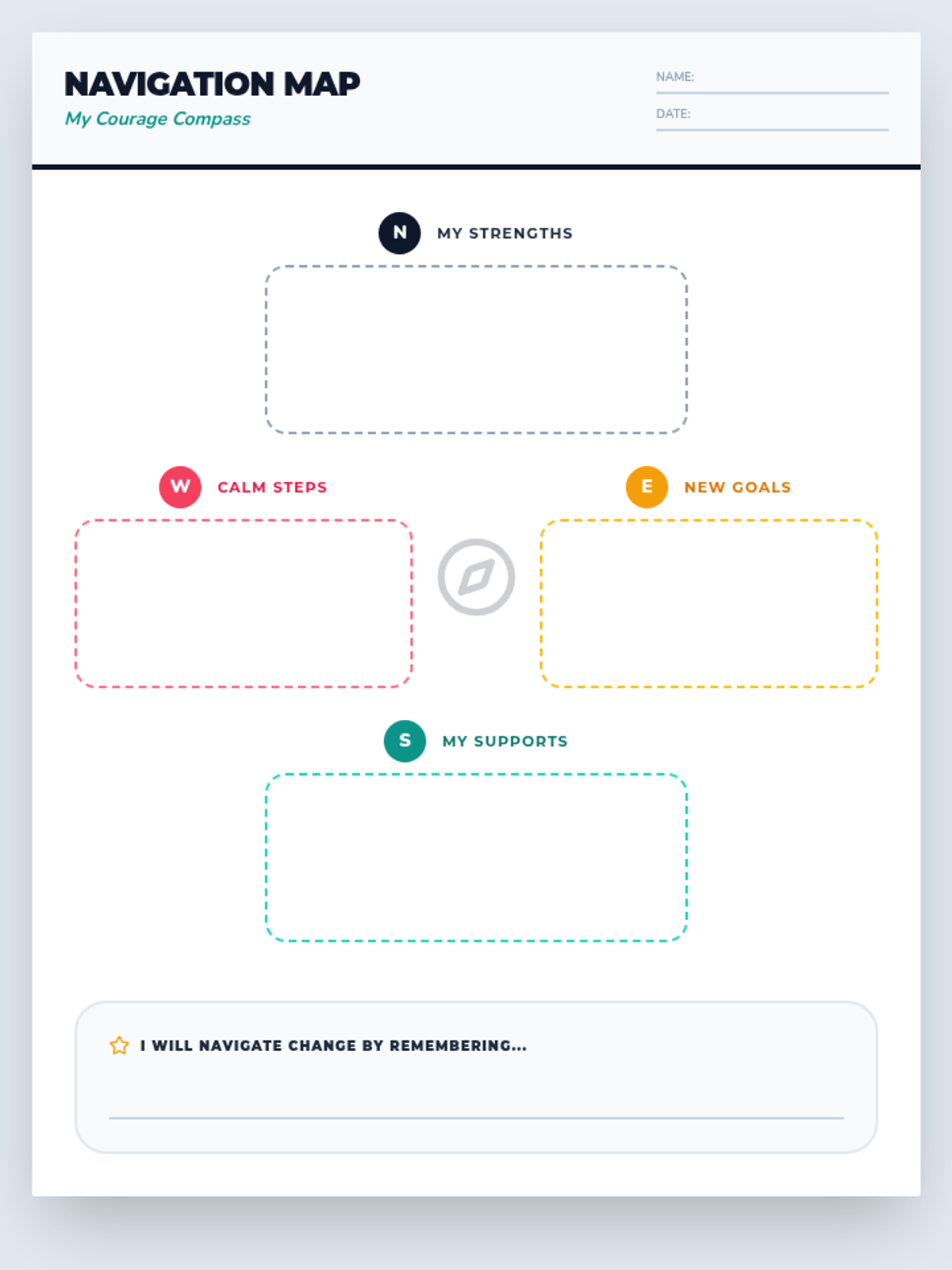
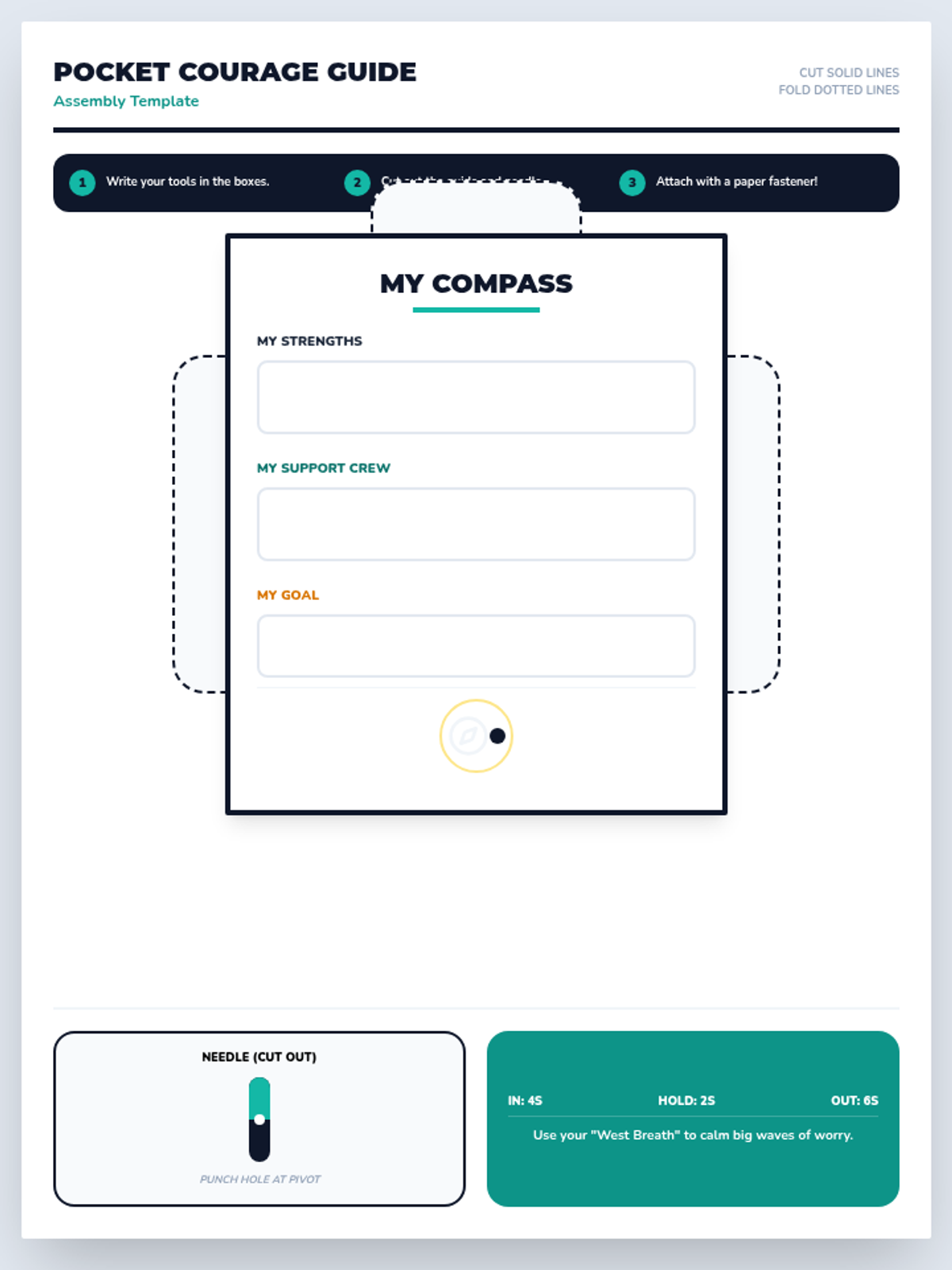
A comprehensive lesson using the 'Courage Compass' metaphor to help elementary students navigate transition anxiety by identifying strengths, support systems, and future goals.
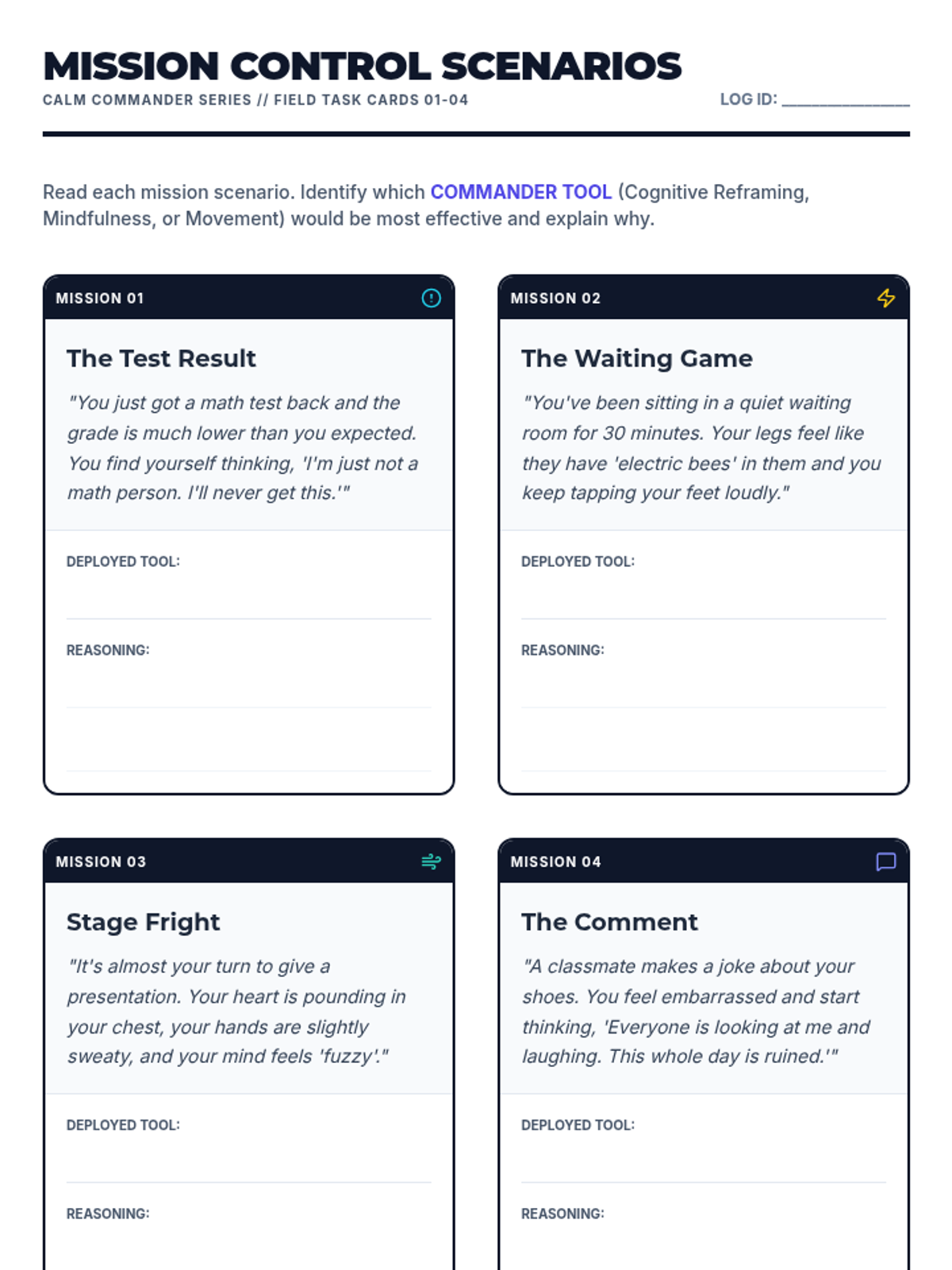
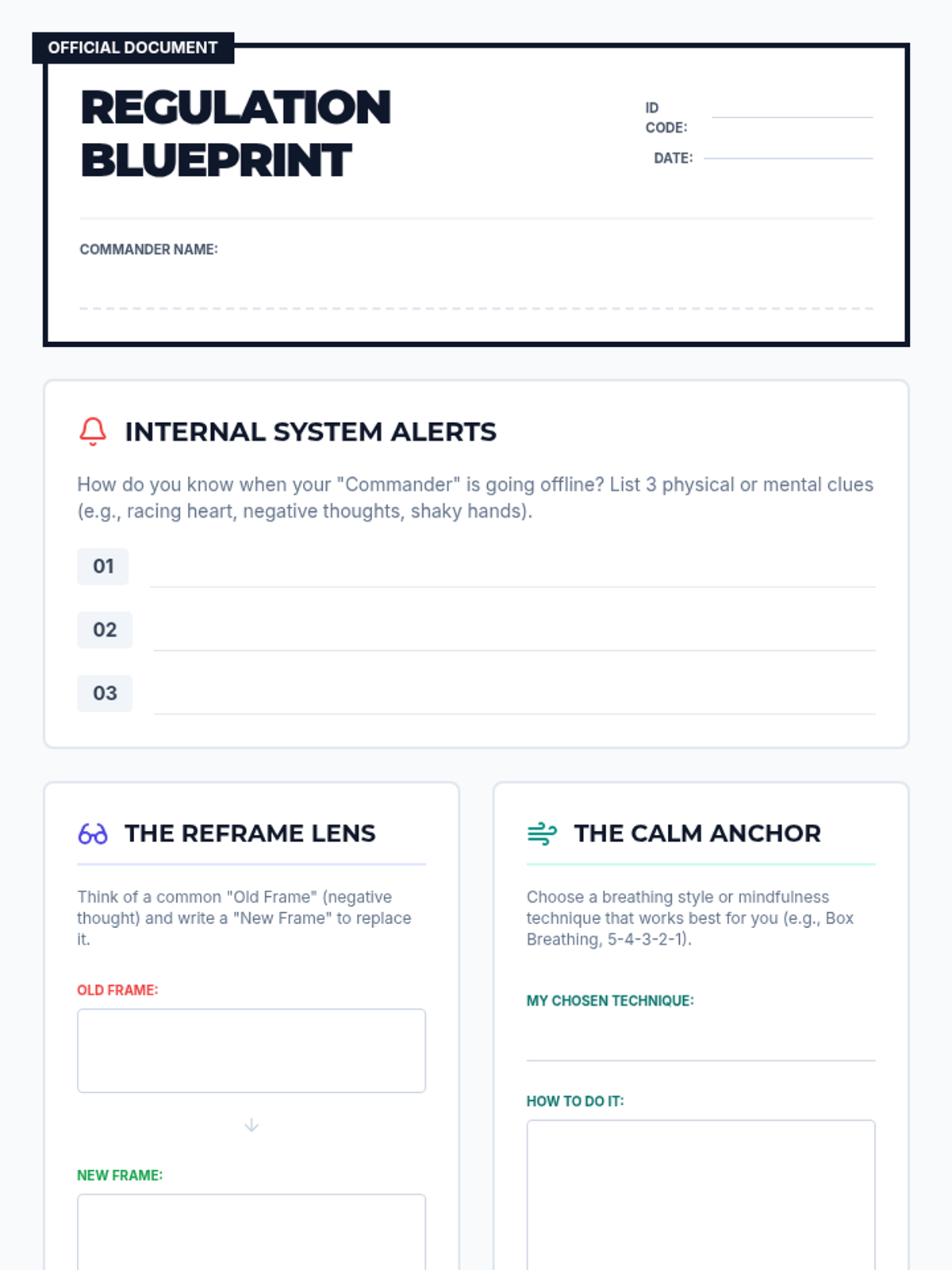
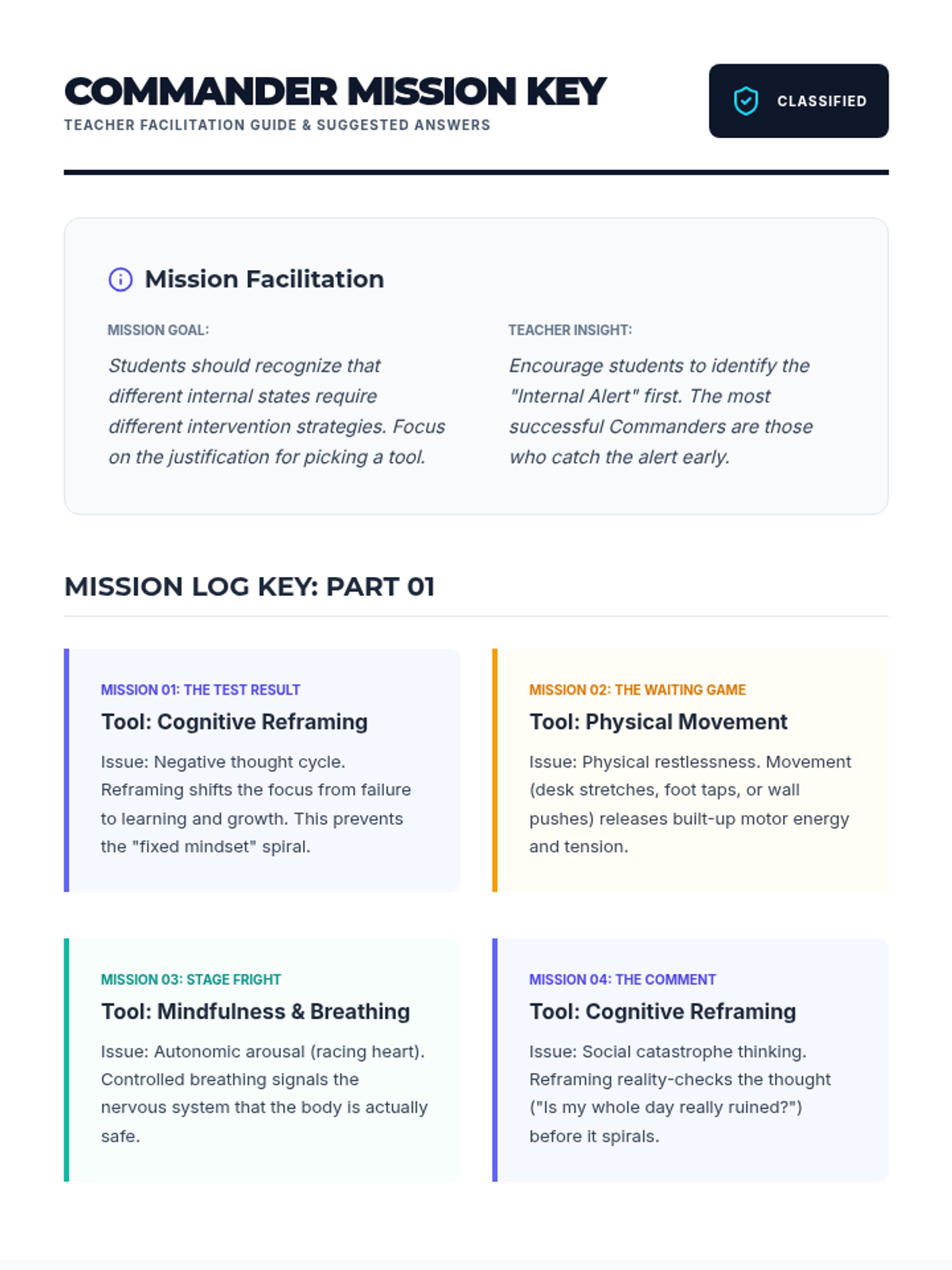
A mission to master three powerful self-regulation tools: Cognitive Reframing, Mindfulness, and Movement. Students learn to recognize 'internal alerts' and deploy the right strategy to return to calm.
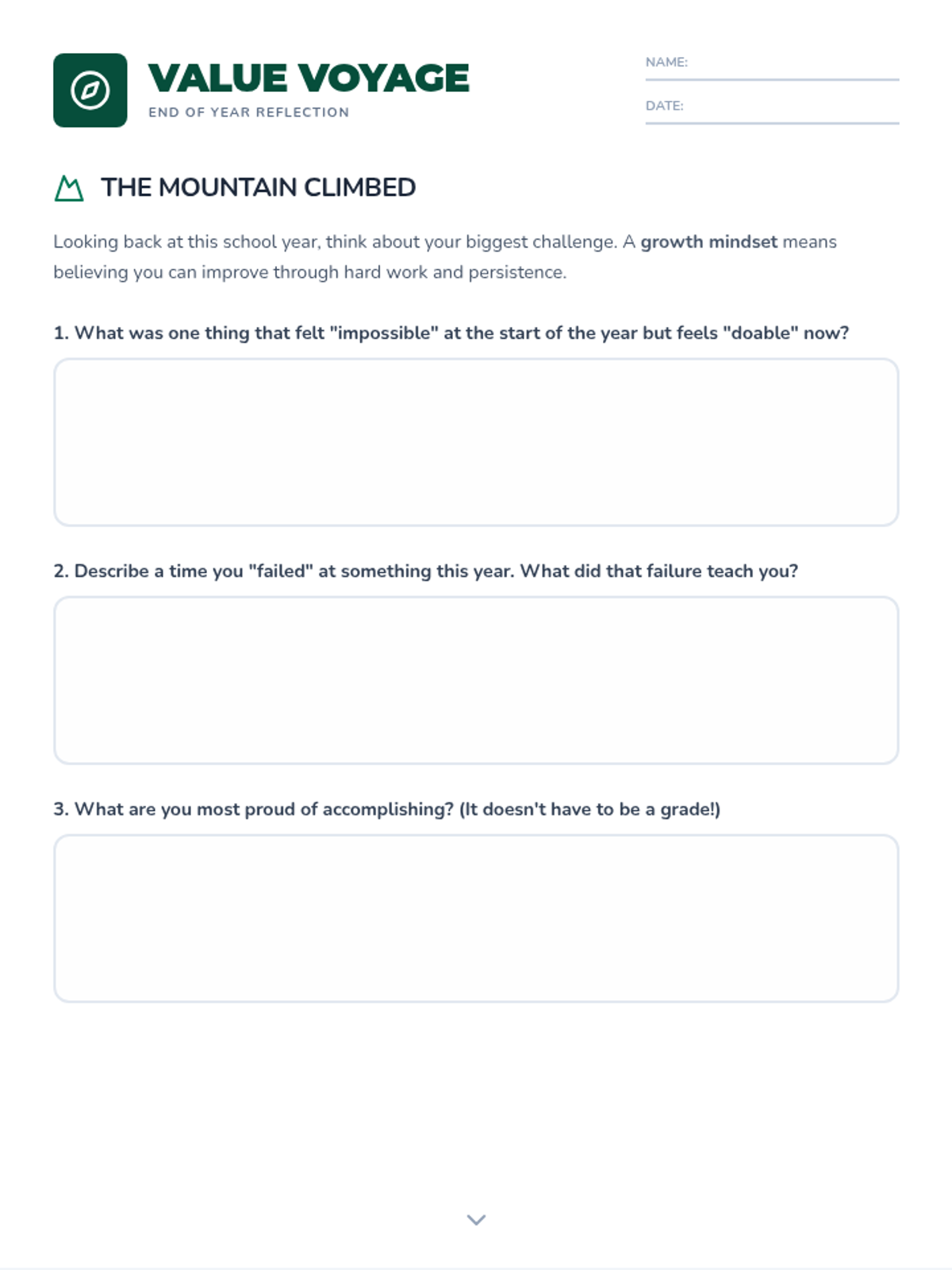
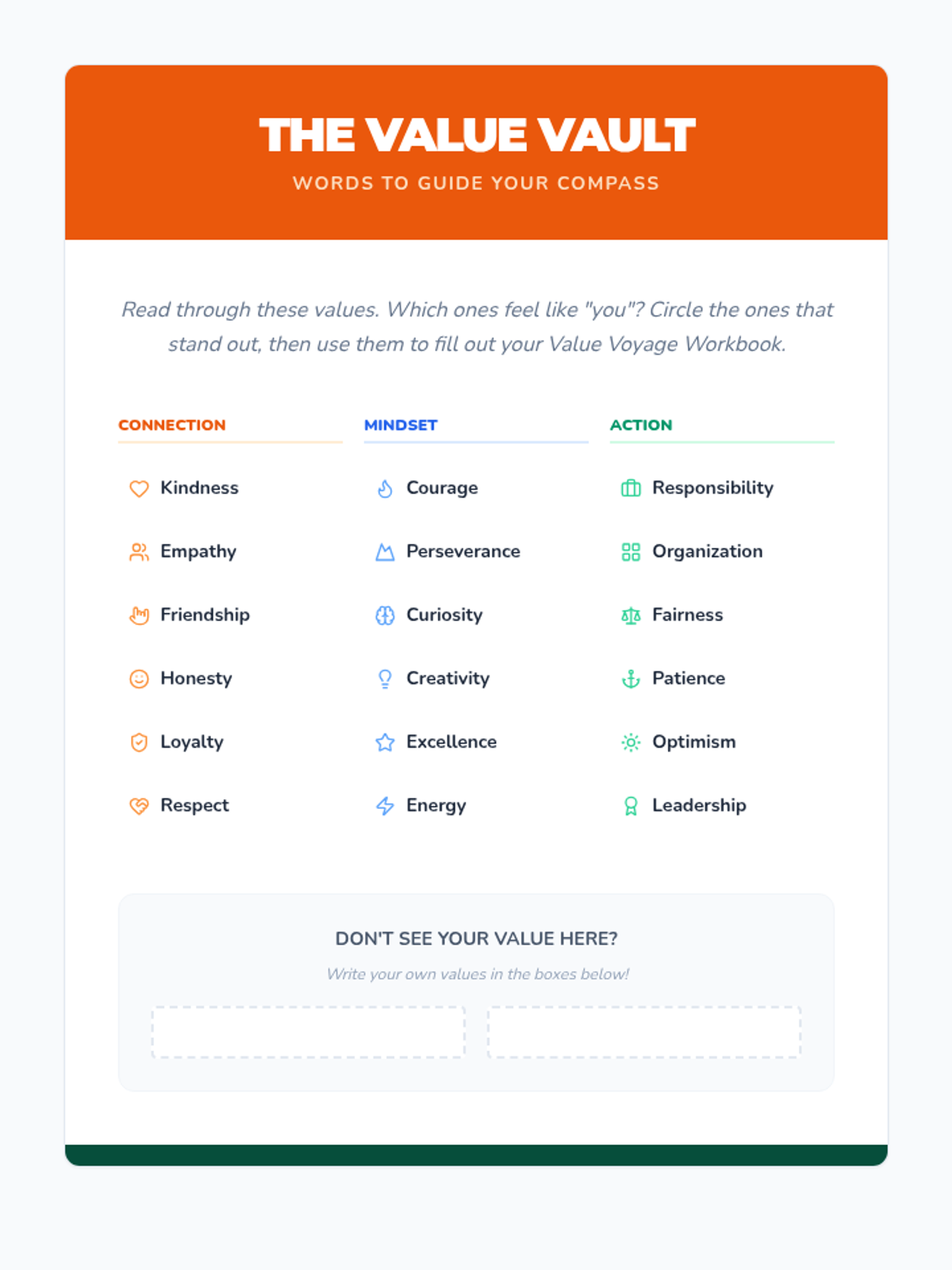
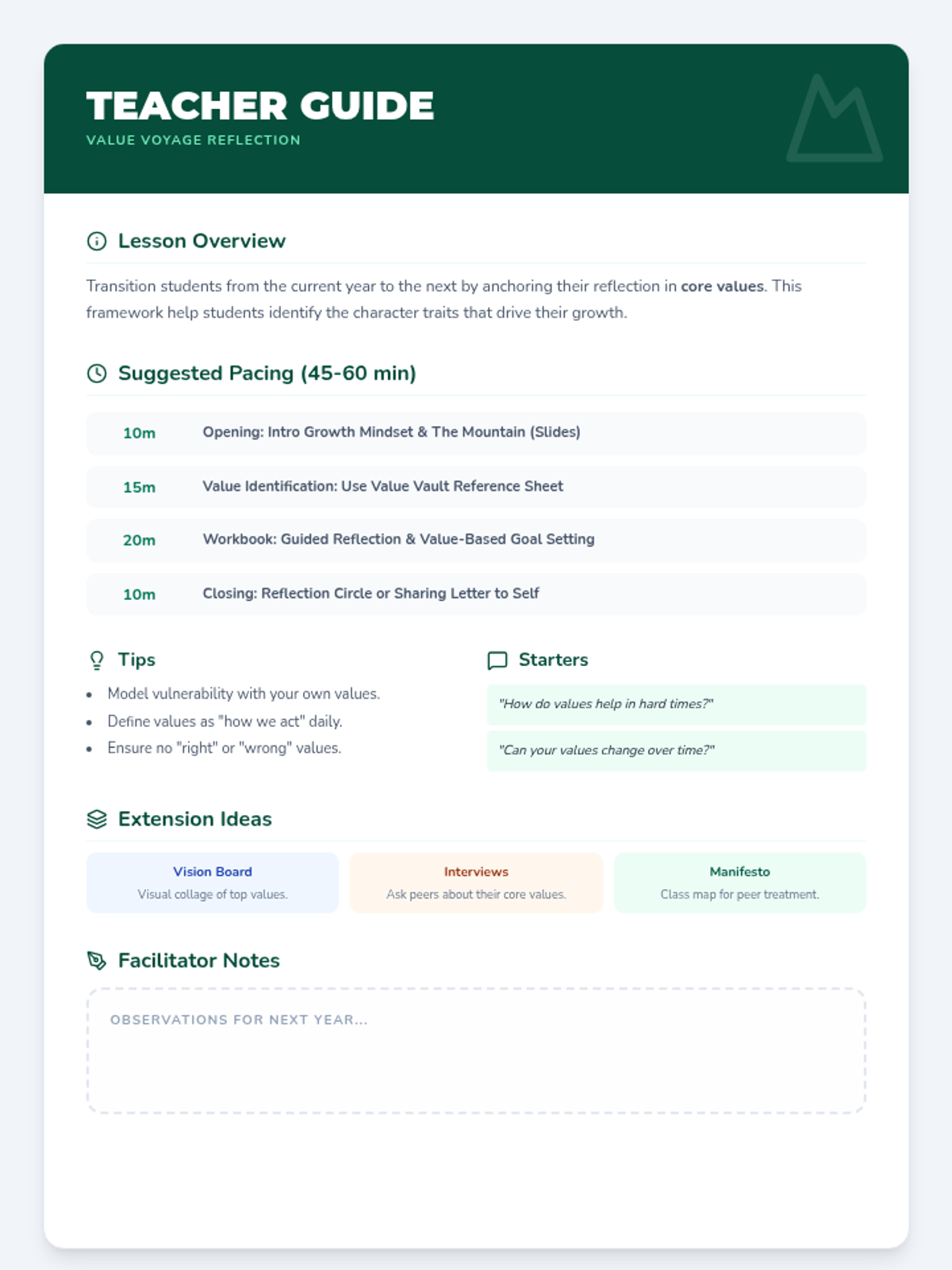
A reflection-focused lesson designed to help students identify their core values, celebrate their growth over the past school year, and set intentional goals for the future using a growth mindset framework.
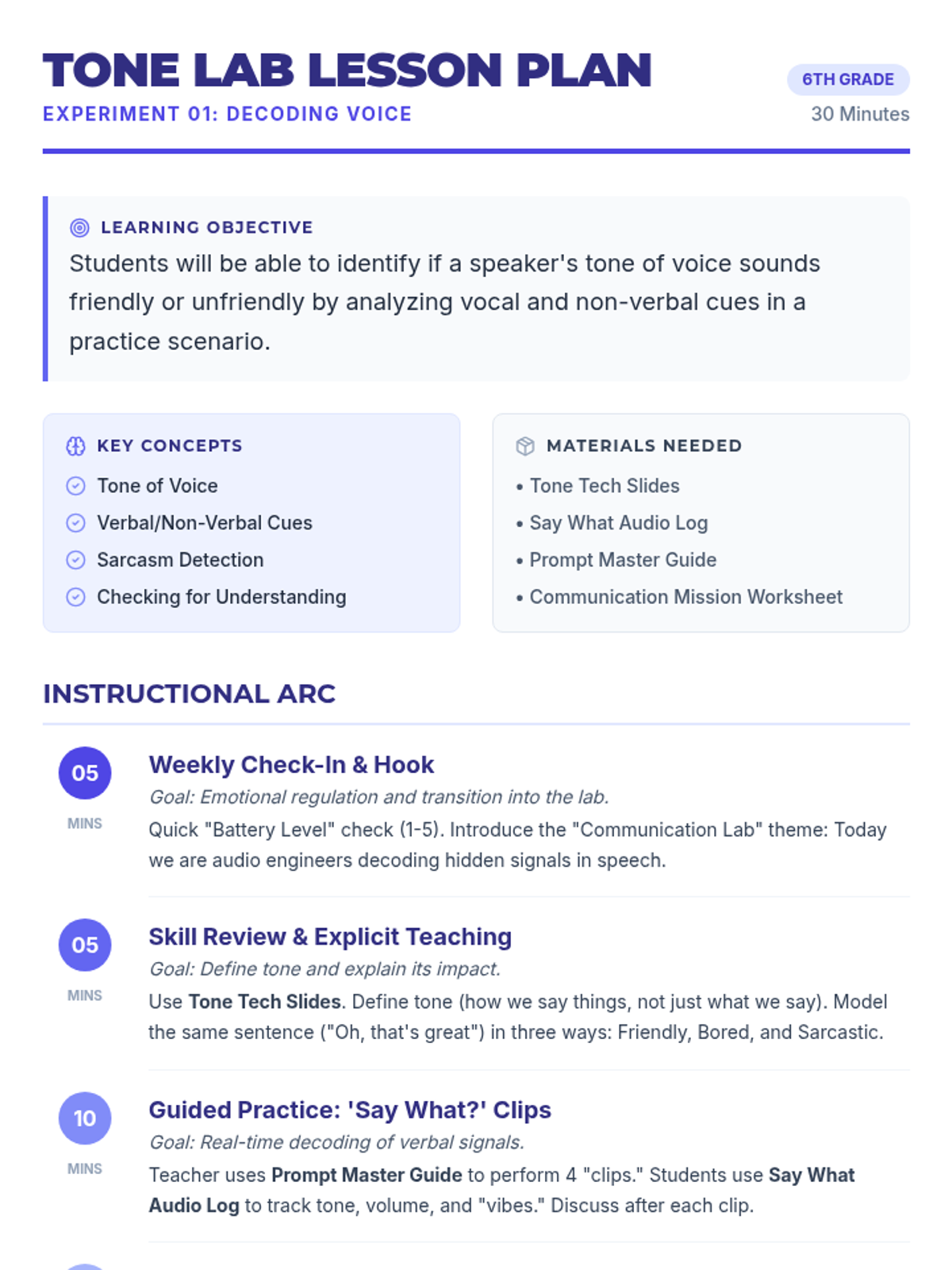
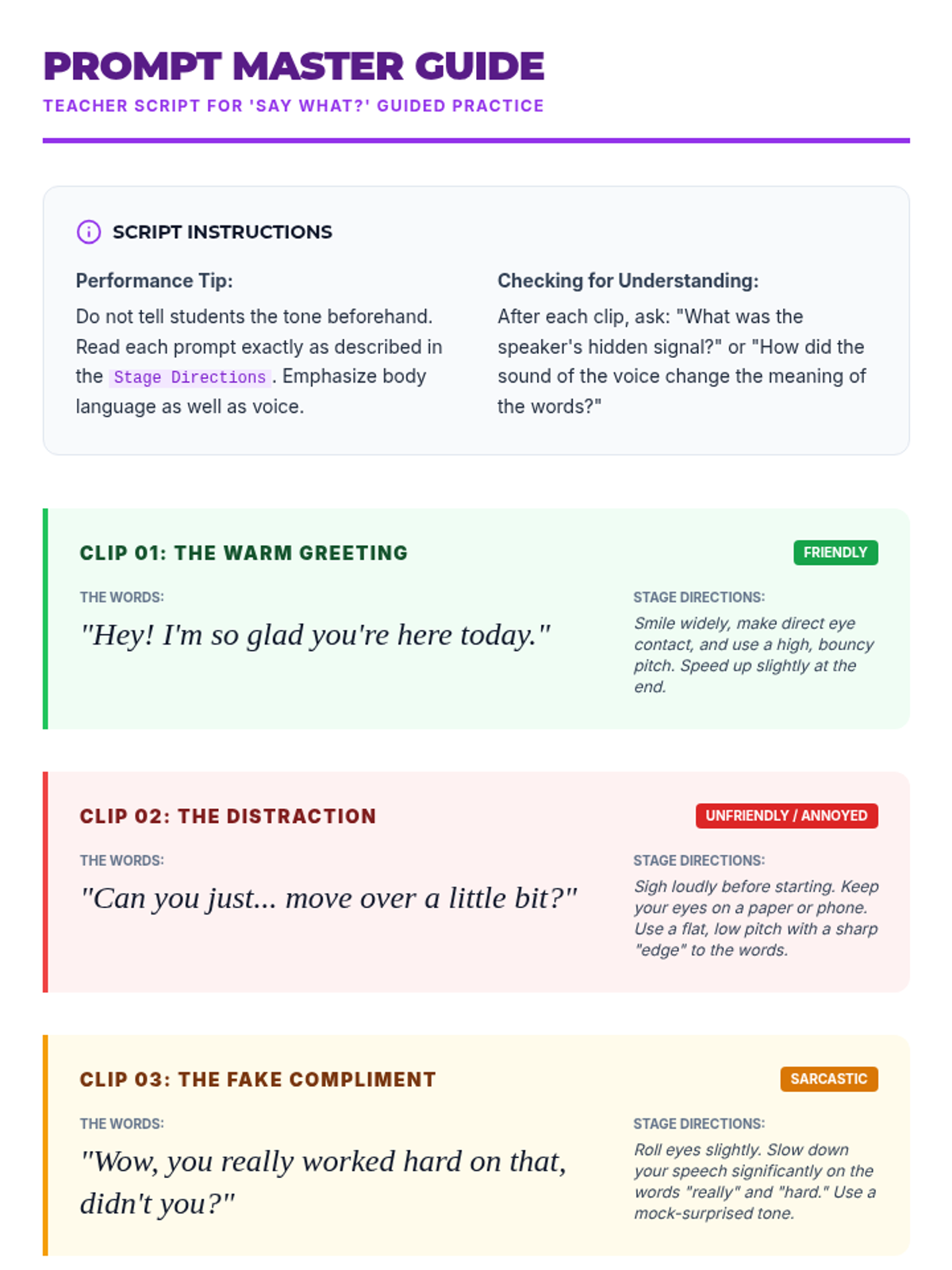
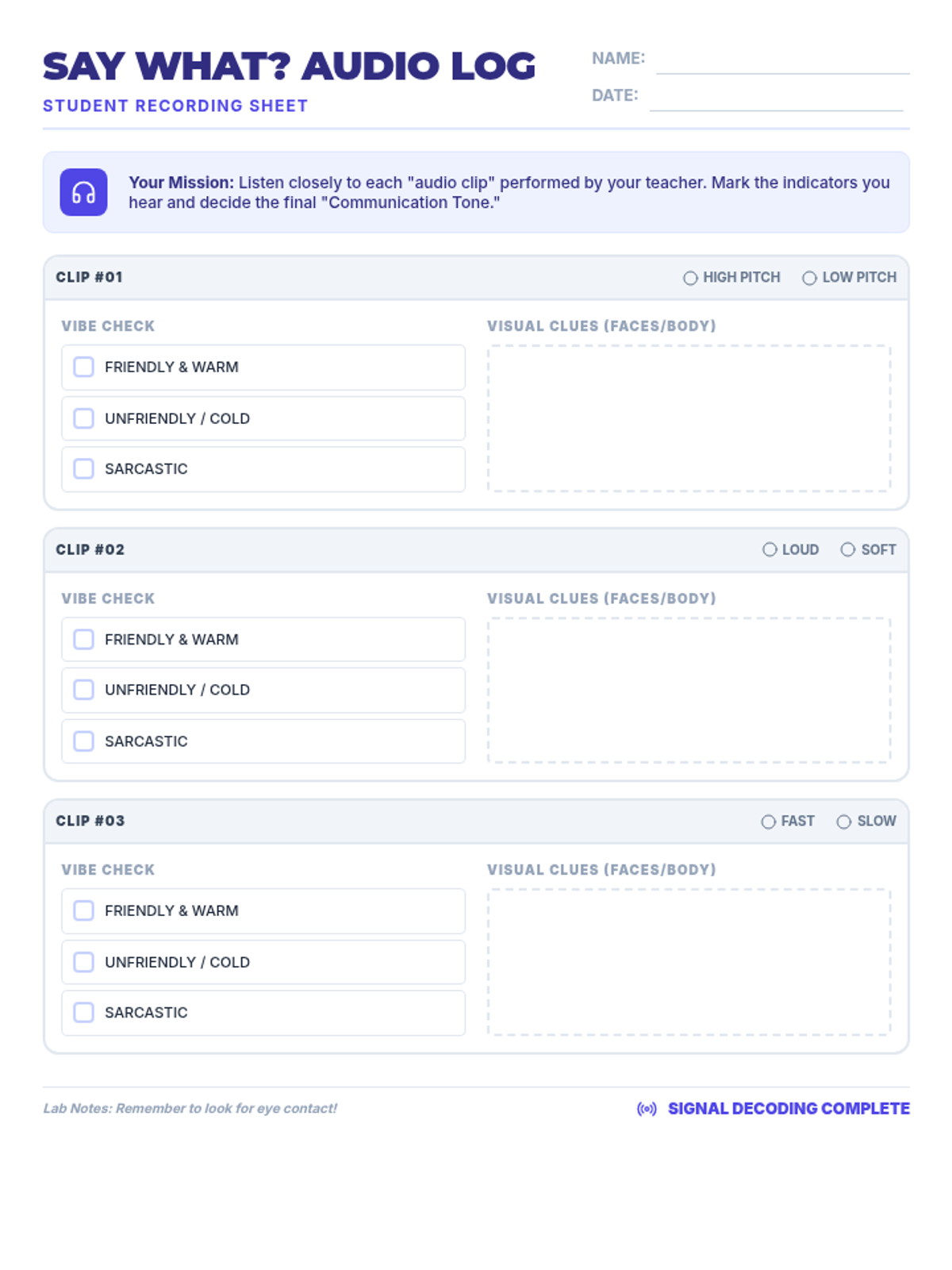
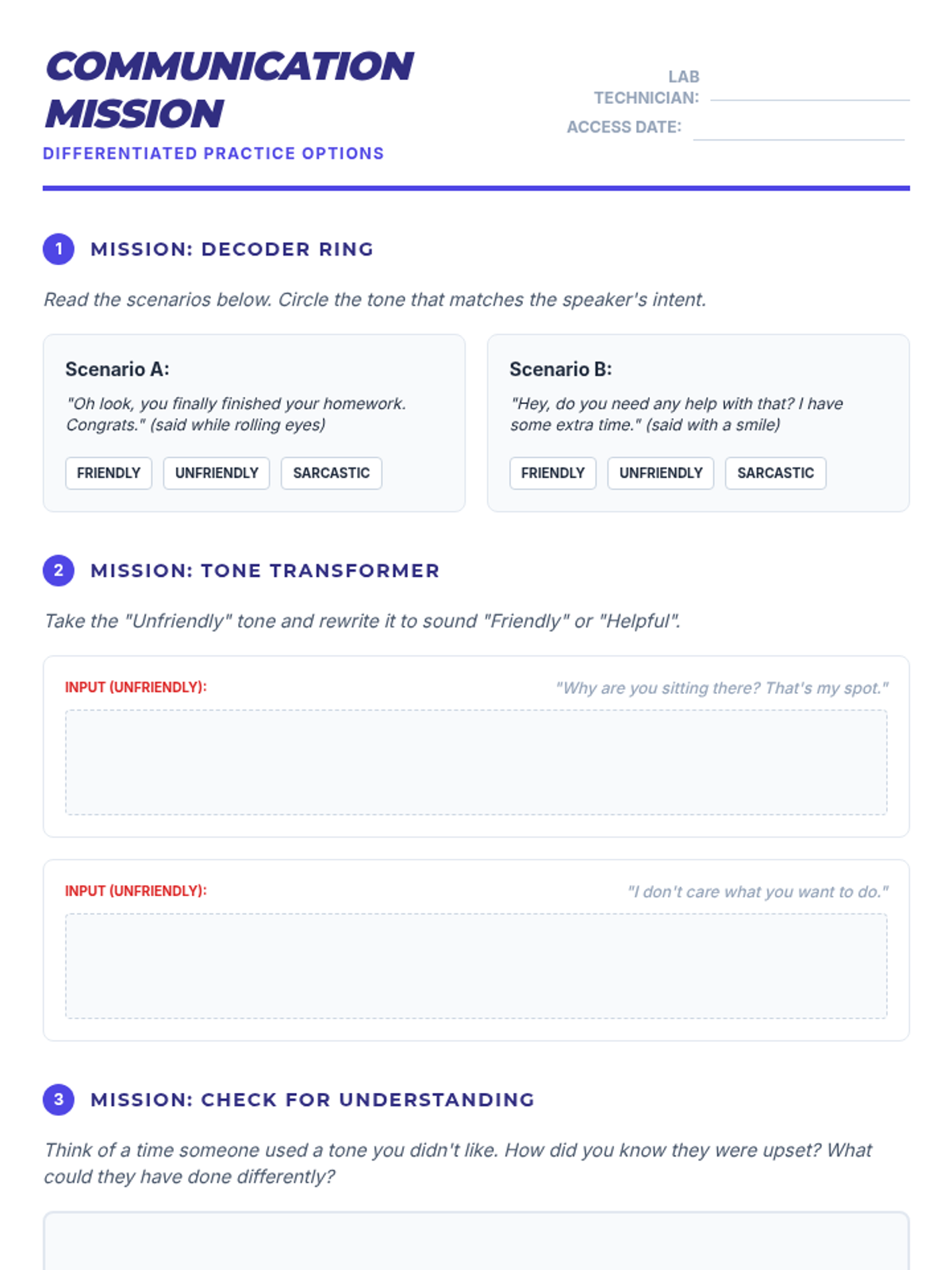
A 30-minute lesson for 6th graders to master the art of decoding tone of voice. Students explore the difference between friendly and unfriendly tones, analyze non-verbal cues, and practice identifying sarcasm in a "Communication Lab" setting.
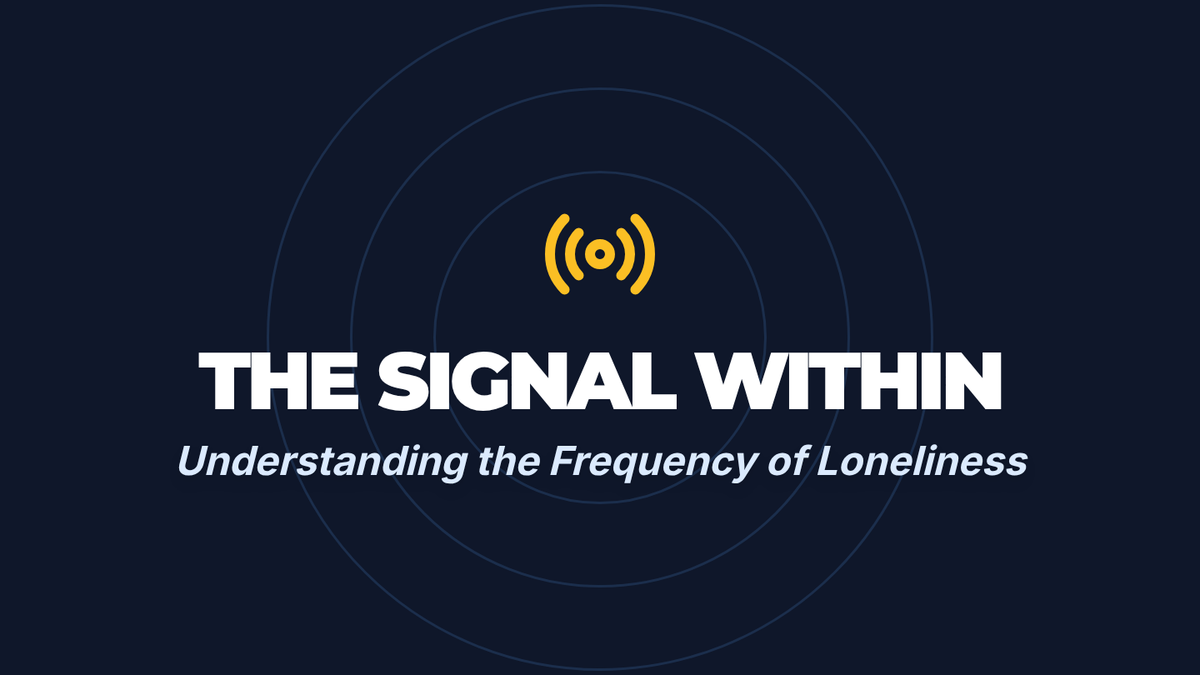
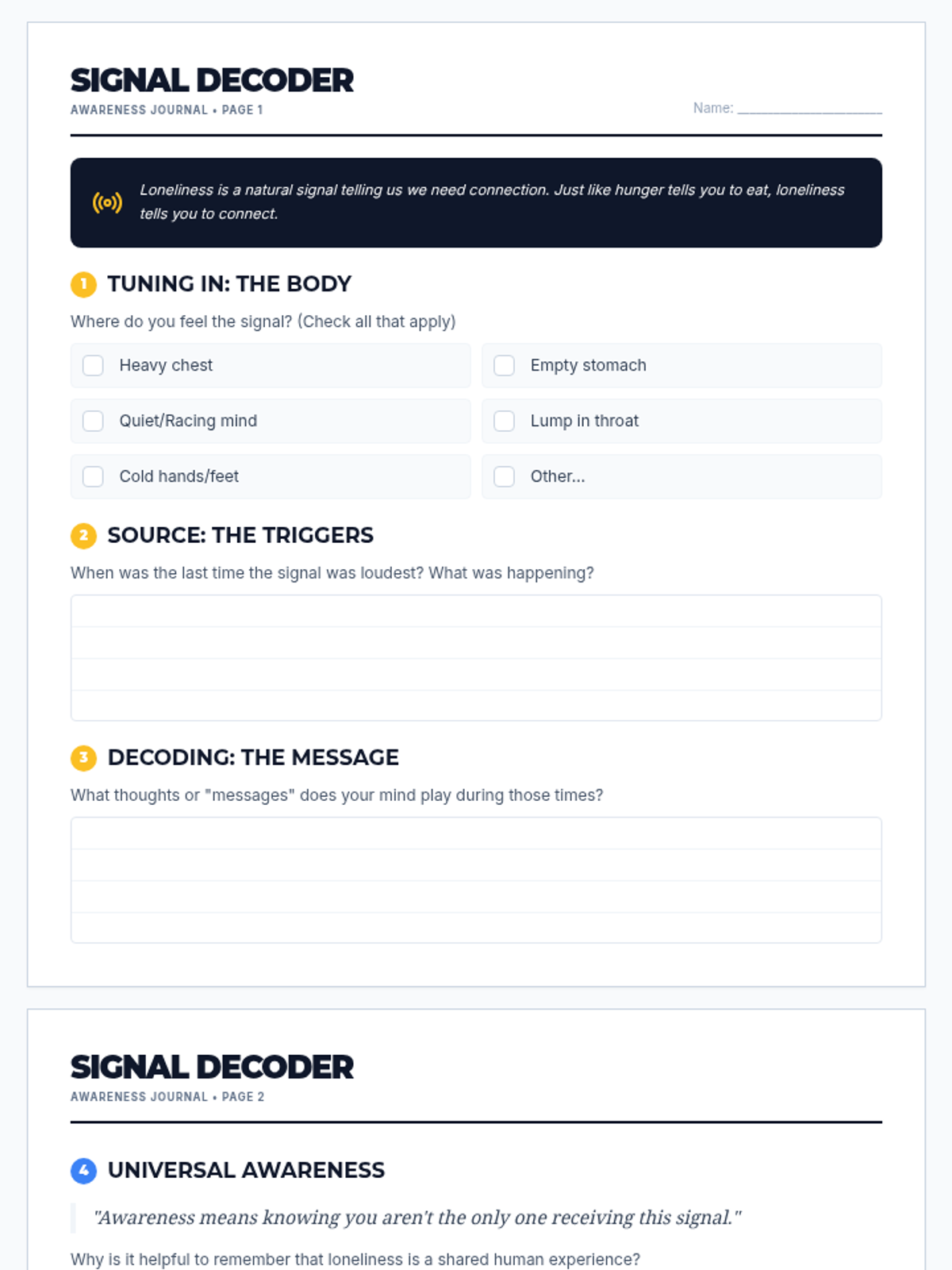
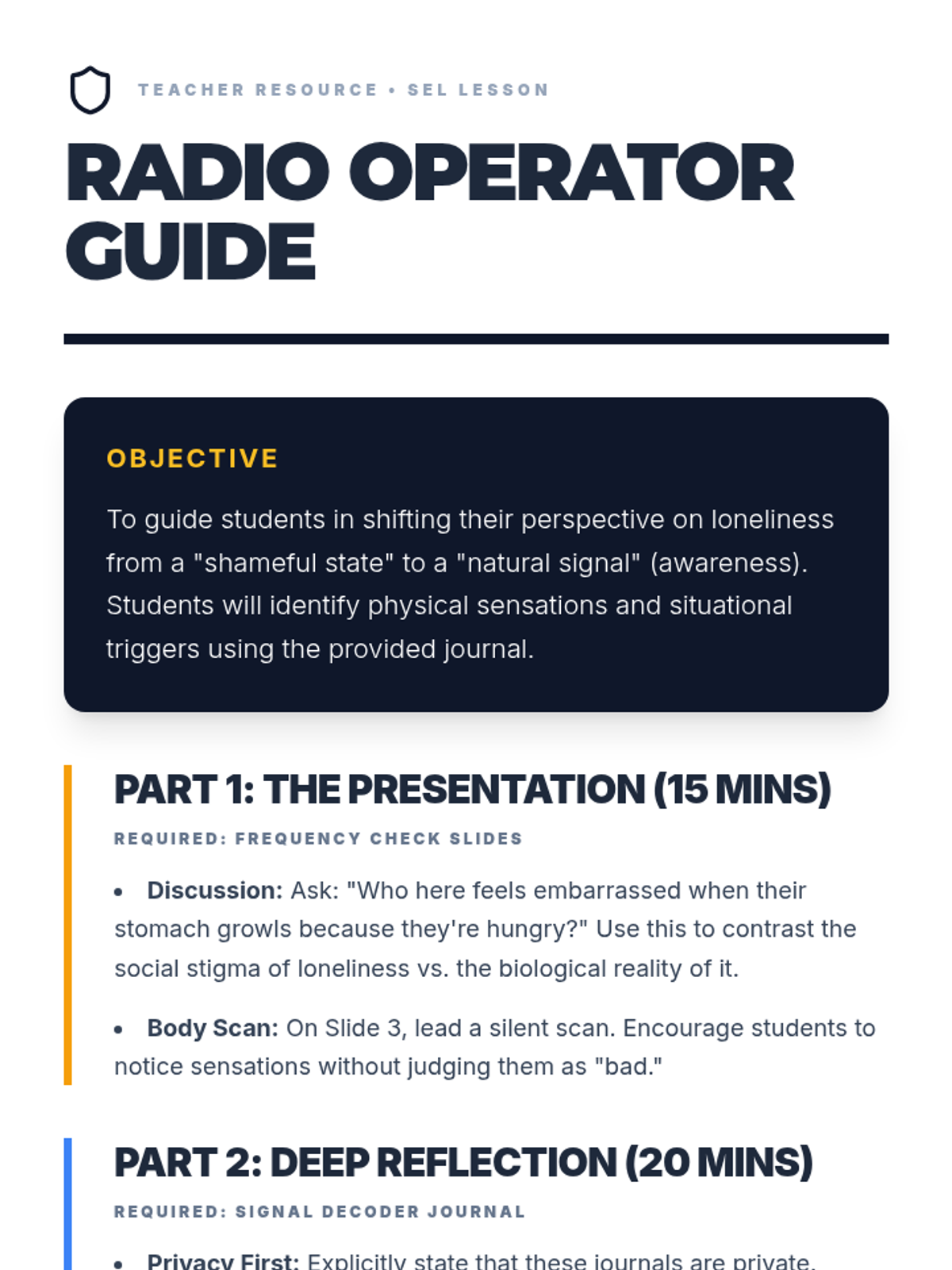
A Social-Emotional Learning lesson focused on identifying the 'signal' of loneliness, understanding its triggers, and building emotional awareness. Students explore loneliness as a natural human experience through a slide presentation and a two-page reflective journal.
This lesson provides school social workers with a clinical and practical framework for identifying and supporting students struggling with anxiety, depression, and self-harm. It includes evidence-based interventions and safety planning tools specifically for the school environment.