A series of visual retelling supports and comprehension tools focused on the story of young Minty (Harriet Tubman) watching over a baby. This lesson uses visual prompts to help students sequence events and understand character emotions and setting.
A comprehensive sensory diet protocol designed for a first-grade student to improve body awareness, reduce postural slumping, and minimize floor-throwing behaviors through targeted heavy work and movement breaks.
A structured set of materials for implementing and tracking Discrete Trial Instruction (DTI) for counting 1-20, including a teacher data sheet and a student practice worksheet.
A foundational lesson for students with moderate to severe disabilities to recognize and match digital time to the hour and half-hour using high-visual supports and repetitive practice.
A festive St. Patrick's Day writing and communication activity where students identify things they are 'lucky' to have using AAC-style visual icons. This lesson supports students with diverse communication needs in participating in seasonal writing crafts.
A highly visual lesson designed for non-verbal learners to master digital time (whole and half hours) through matching, sequencing, and sensory-friendly communication.
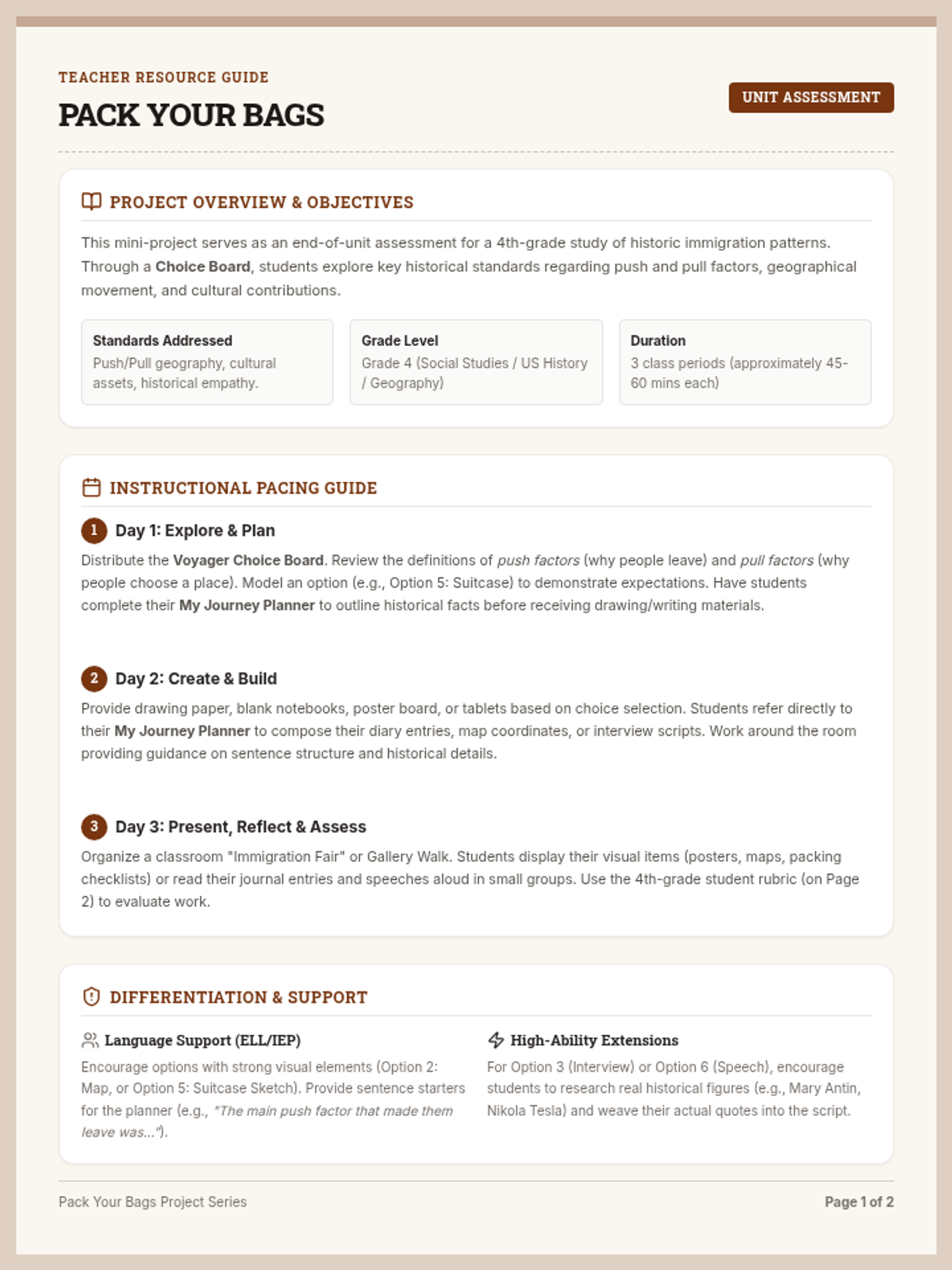
Students explore the concept of community and citizenship by mapping a sustainable town and creating laws that promote fairness and growth.
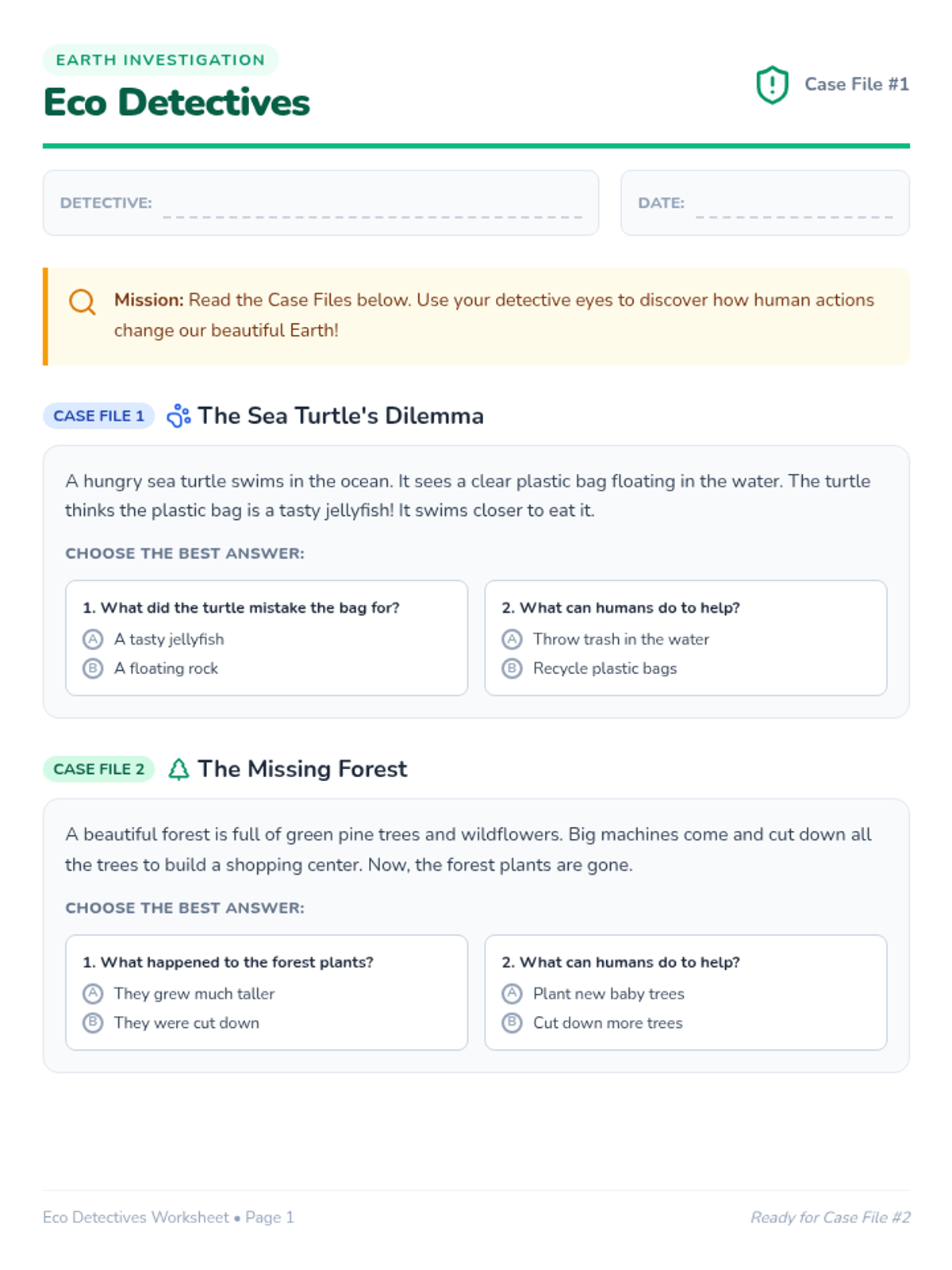
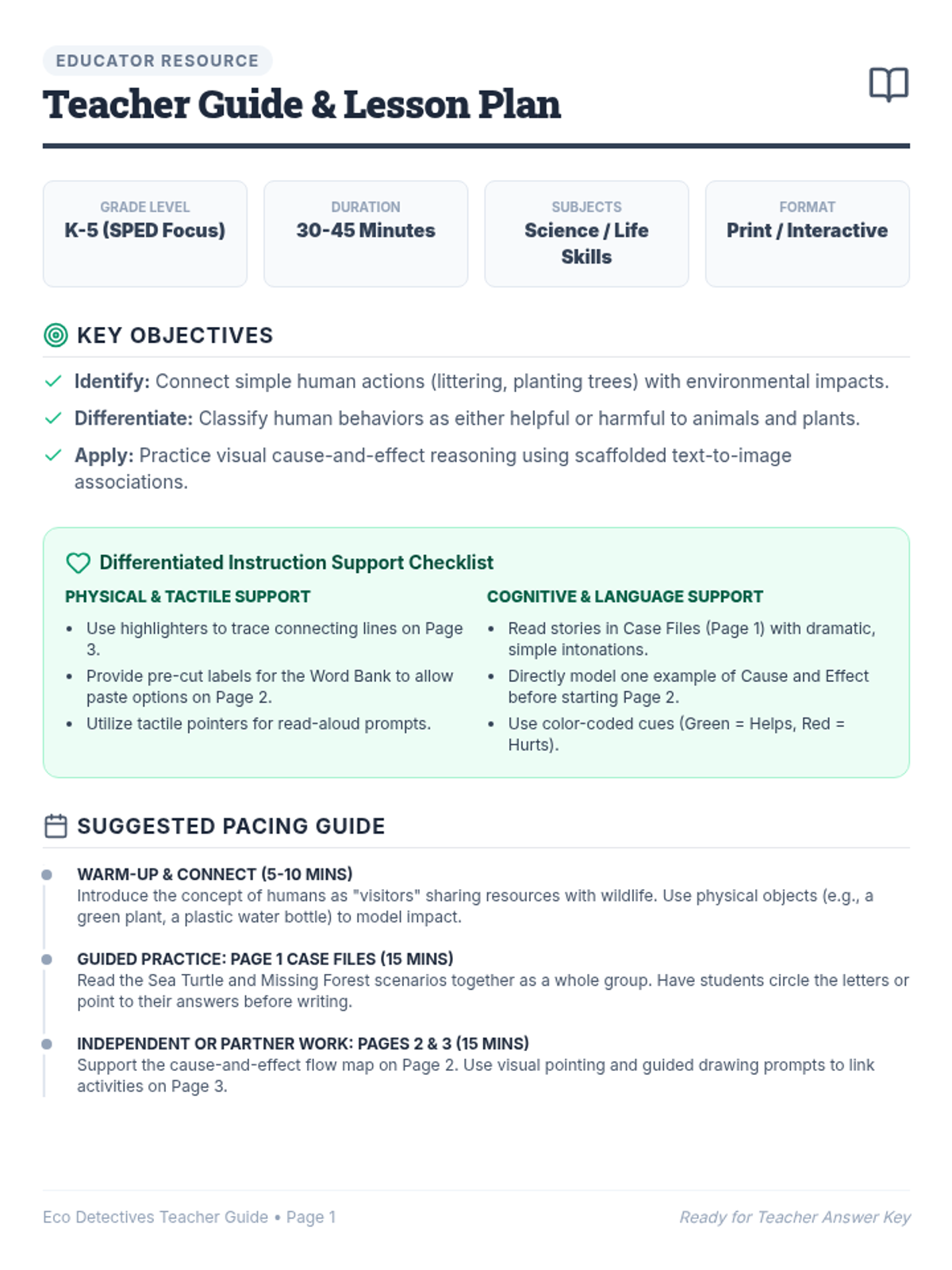
A deep dive into animal adaptations where students must research or infer how specific traits help survival, culminating in the design of a 'super-animal' for a unique biome.
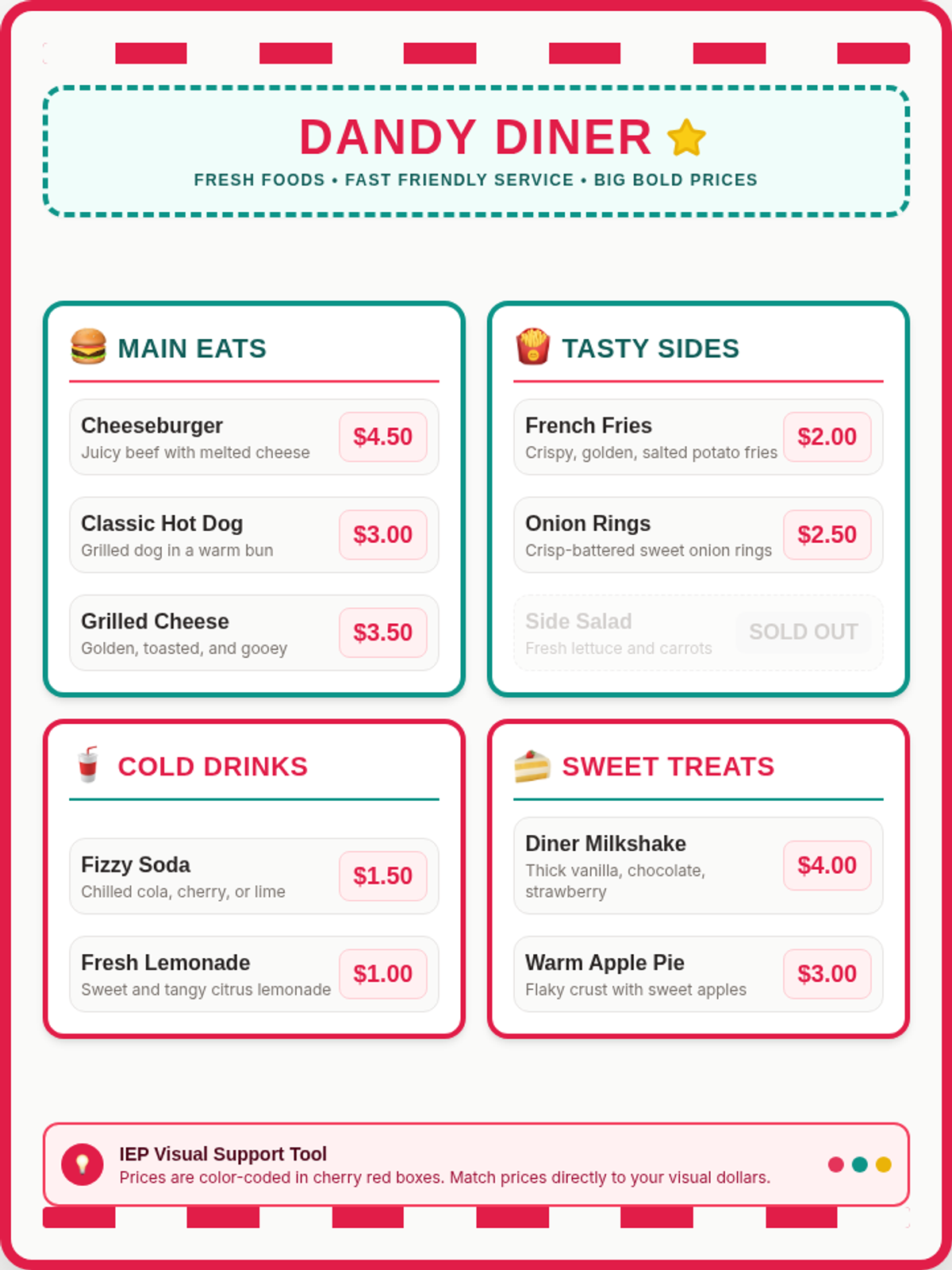
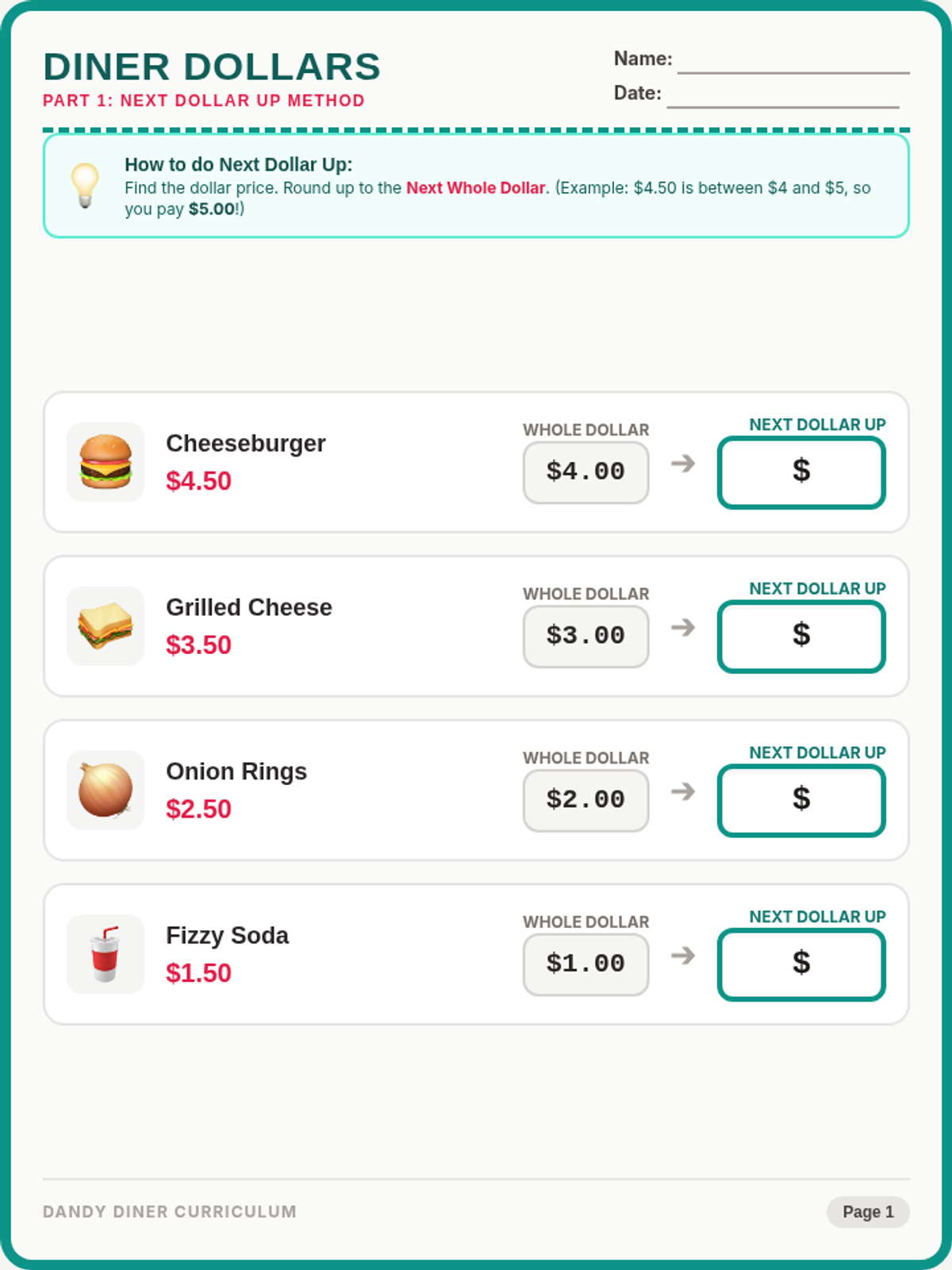
Students apply multiplication, addition, and subtraction skills as they design and budget for their own amusement park, managing costs for rides, food, and staff.
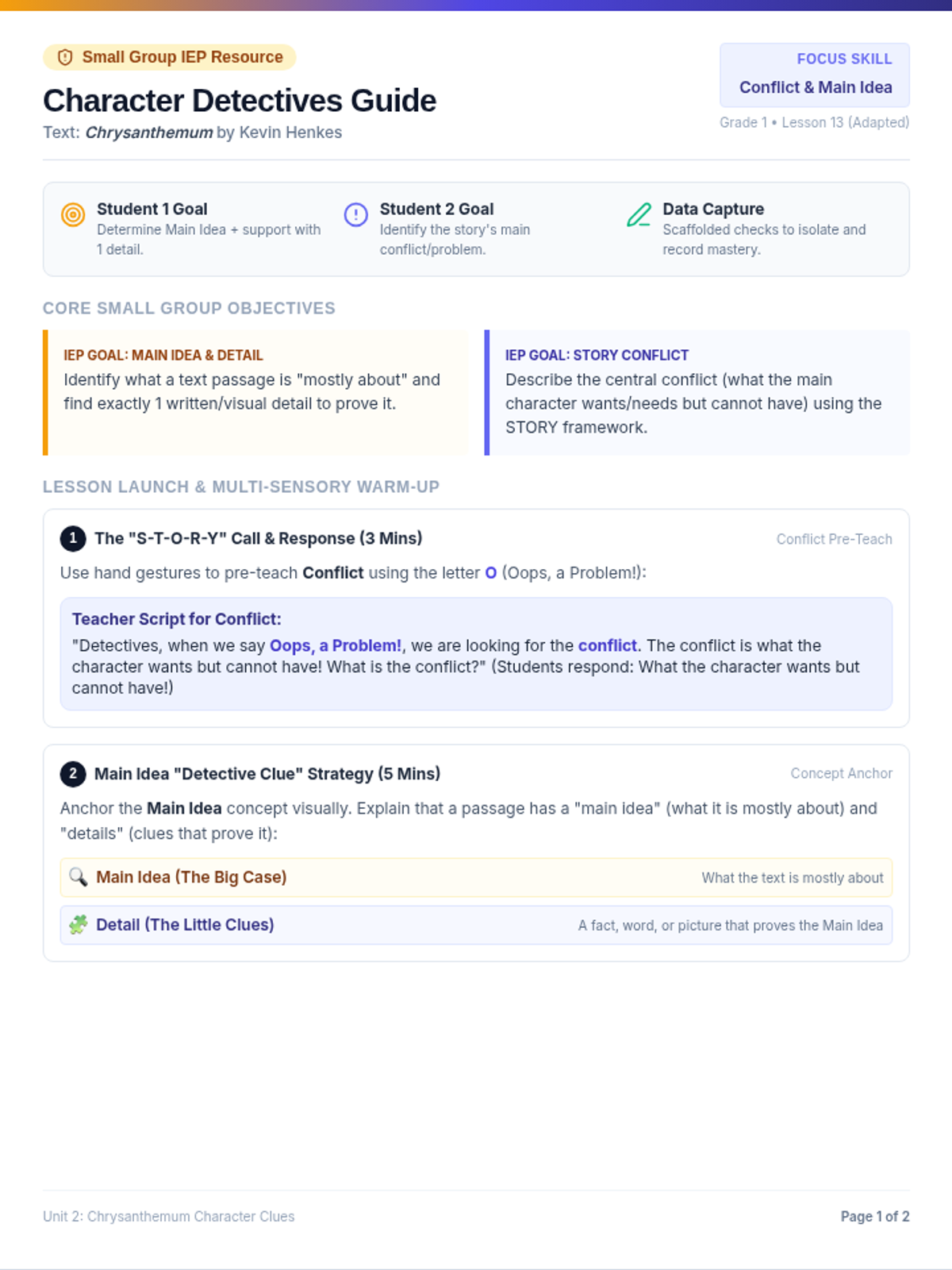
Students engage in a reading mystery where they must analyze clues, draw inferences, and craft their own narrative conclusion to the 'Case of the Missing Masterpiece'.
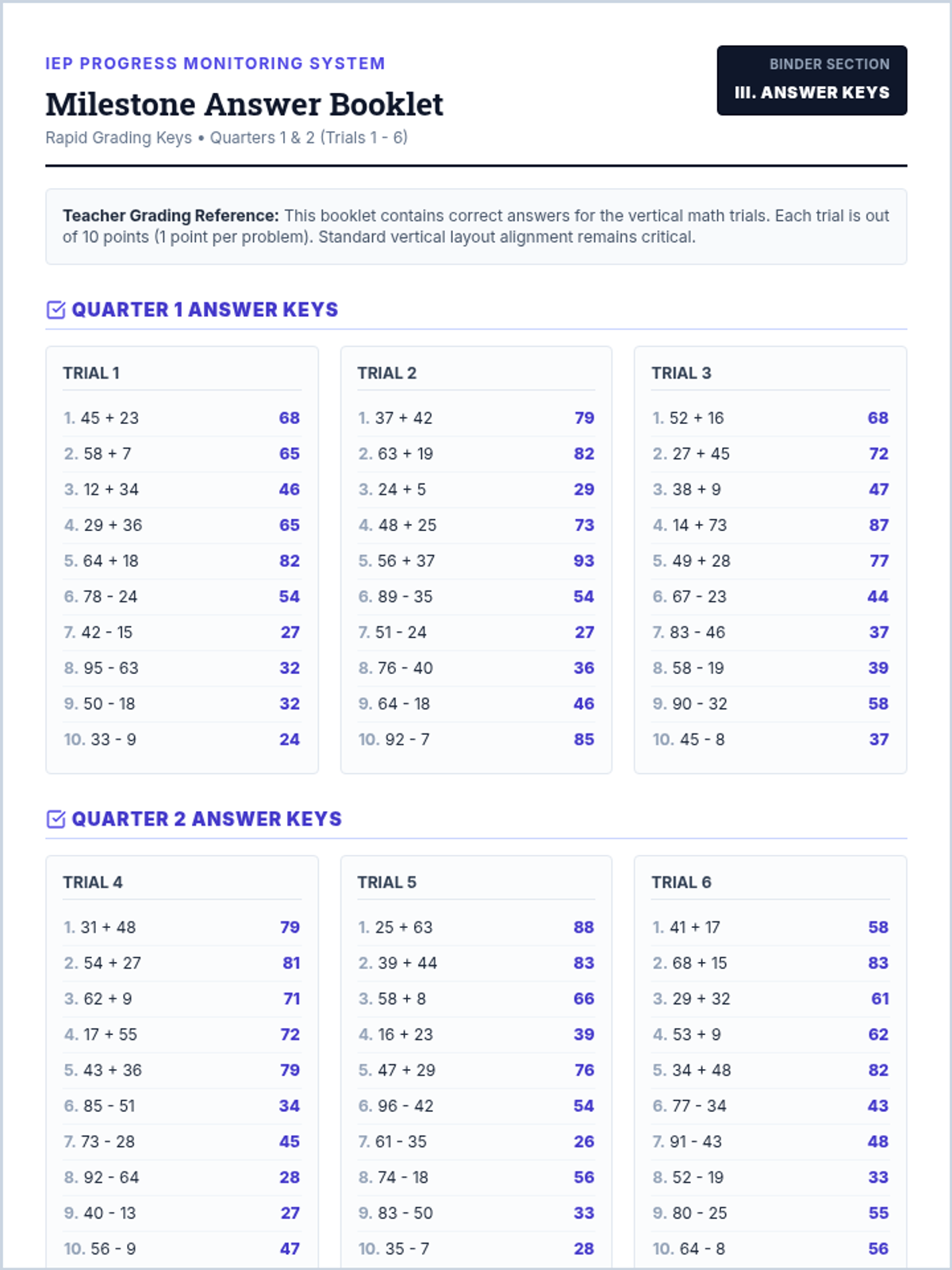
Essential administrative documents for the substitute teacher, including a welcome guide, classroom management tips, and answer keys for all student missions.
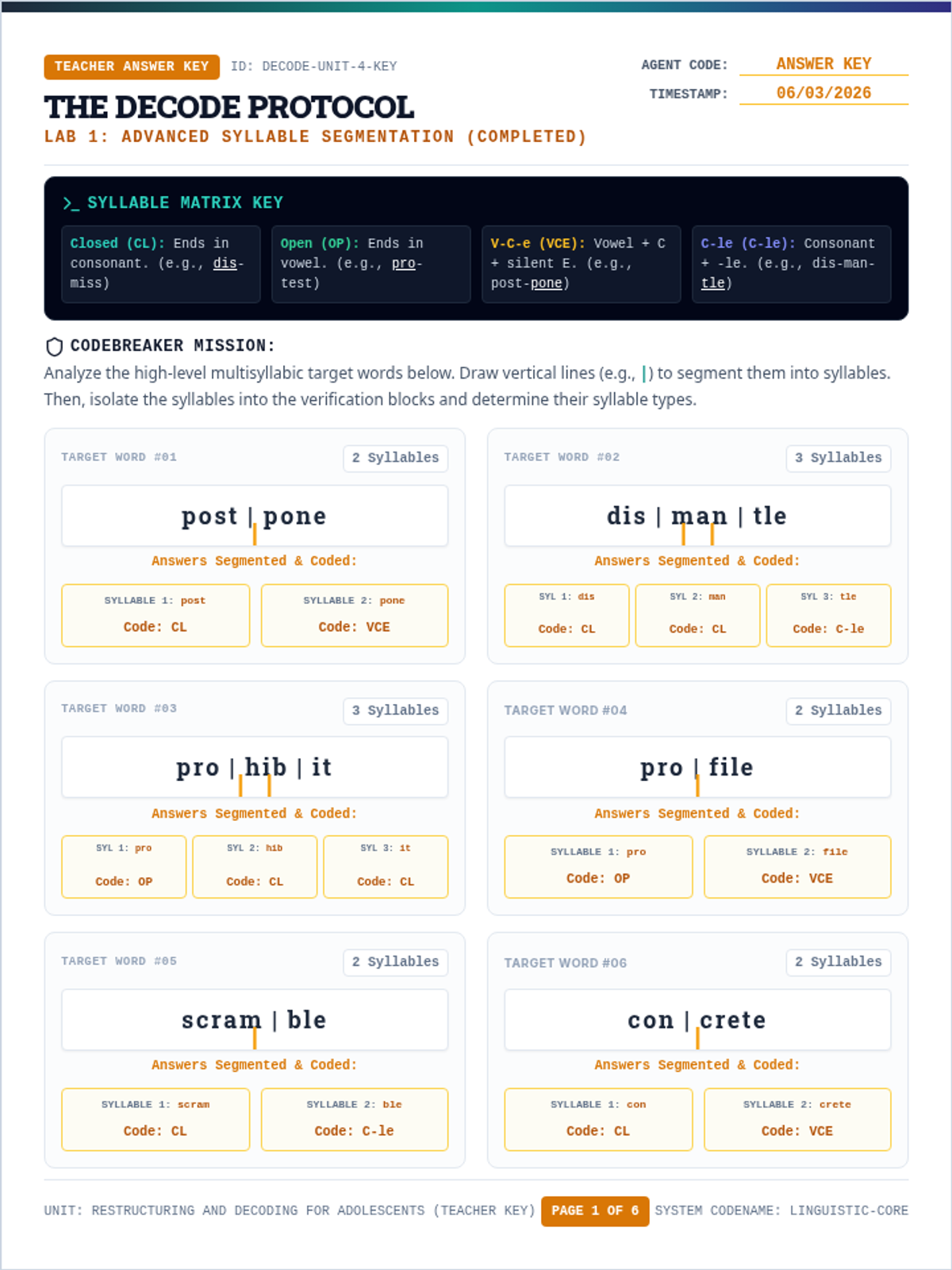
A series of Rapid Automatized Naming (RAN) exercises designed to improve letter recognition fluency and processing speed through targeted practice drills.
A focused lesson on building reading automaticity for short vowel words with beginning and ending consonant blends. Students will identify, decode, and read blends in isolation and in context to improve fluency.
A quick, engaging introduction to rhyming words designed for special education students, focusing on auditory identification and simple visual patterns through a repetitive poem.
Instructional materials and reading passages focused on building fluency through animal-themed stories with integrated comprehension questions.
A comprehensive set of tools for teachers and occupational therapists to identify, score, and support students with sensory processing needs. Includes a screening checklist, a simplified scoring guide, and a classroom strategies handout.
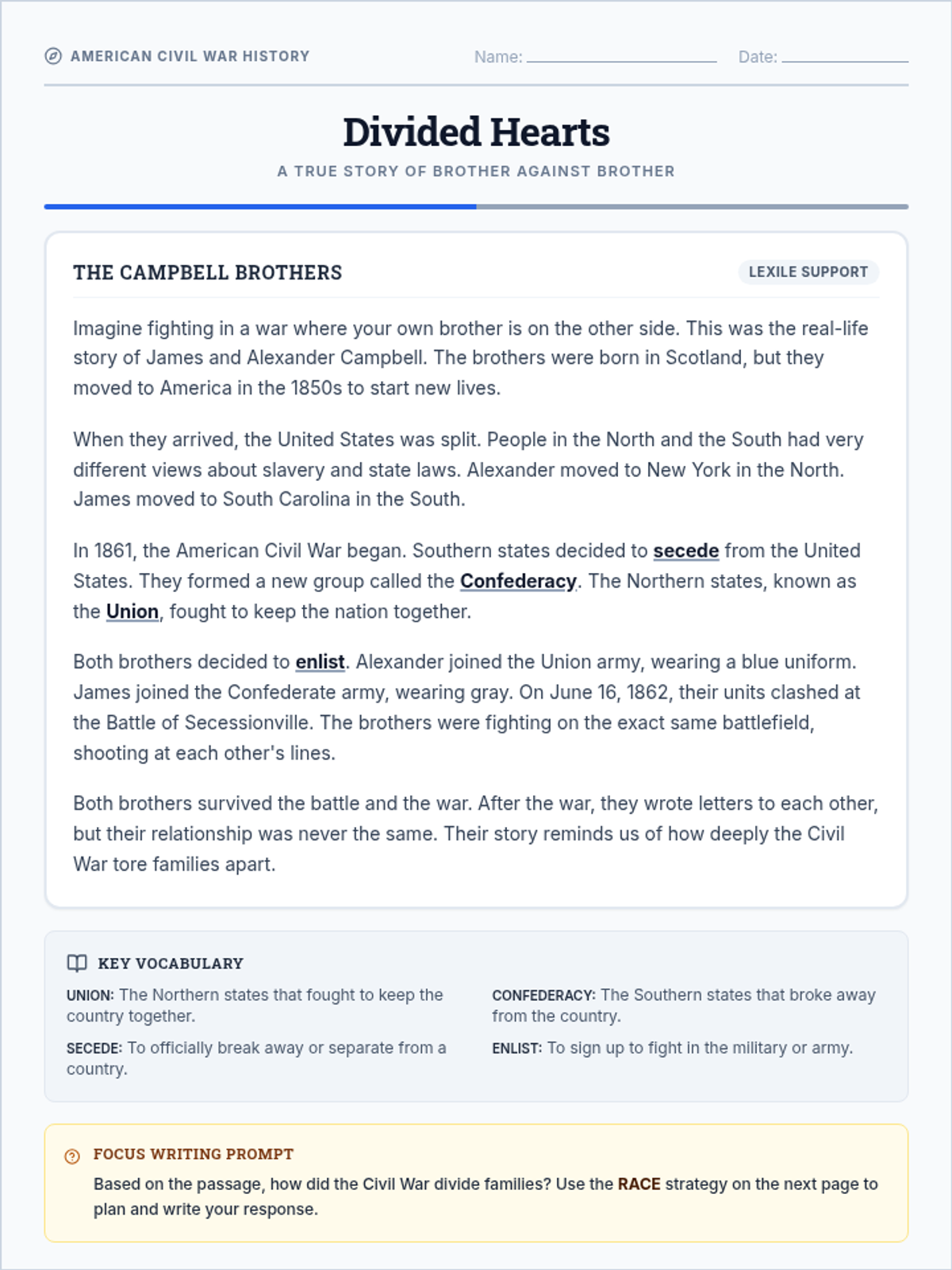
A lesson covering the secession of the Southern states, the formation of the Confederacy, and the opening battle of the Civil War at Fort Sumter. Students will explore the causes of the split and sequence the events that led to the bombardment.
A lesson exploring Harriet Tubman's 1850 escape and the significance of the Mason-Dixon Line as a geographical and legal boundary in the pre-Civil War United States.
A lesson examining the expansion of the United States in the 1850s and the growing conflict over whether new territories should allow slavery. Students will explore how westward expansion pushed the country toward a breaking point.
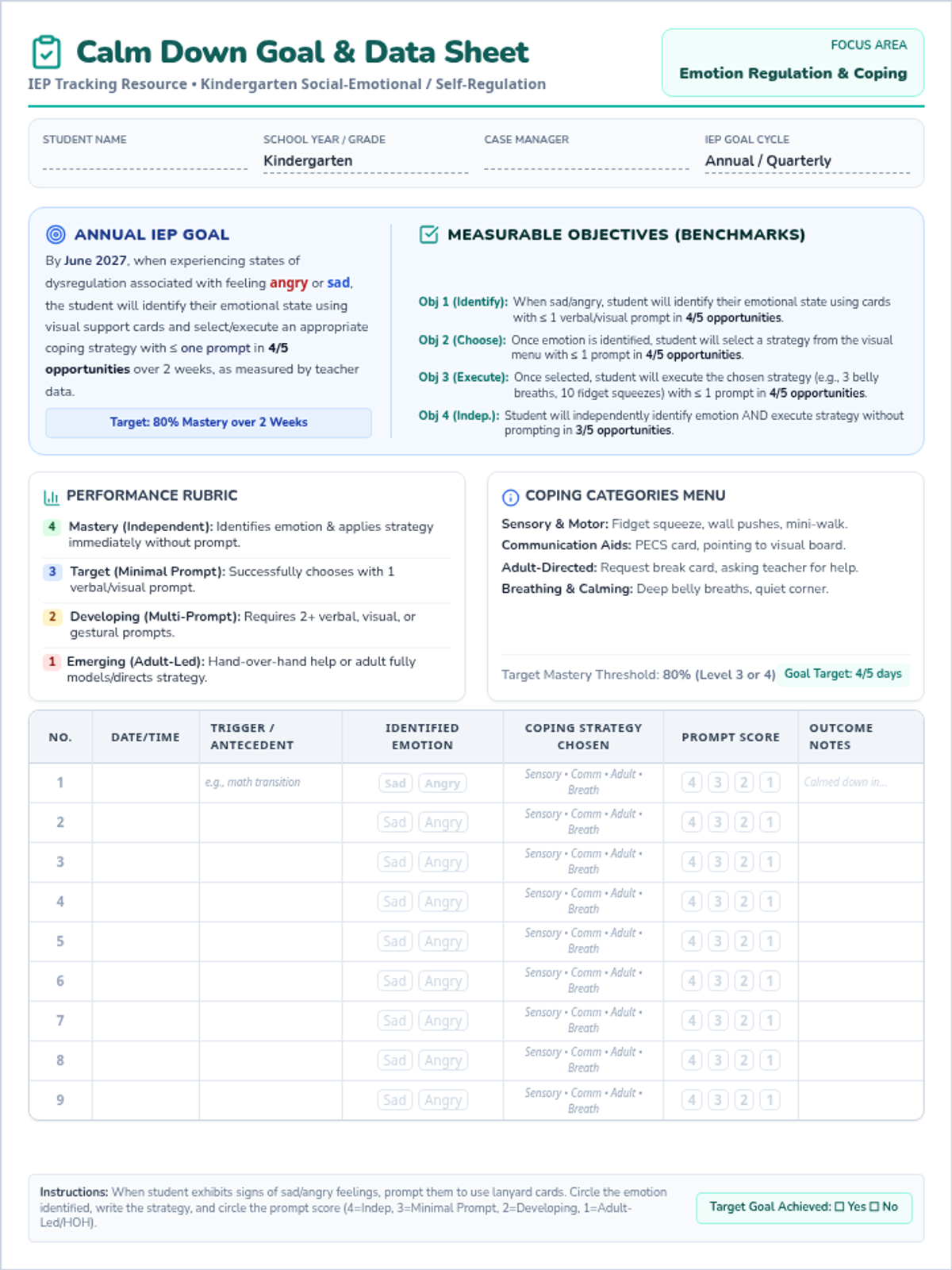
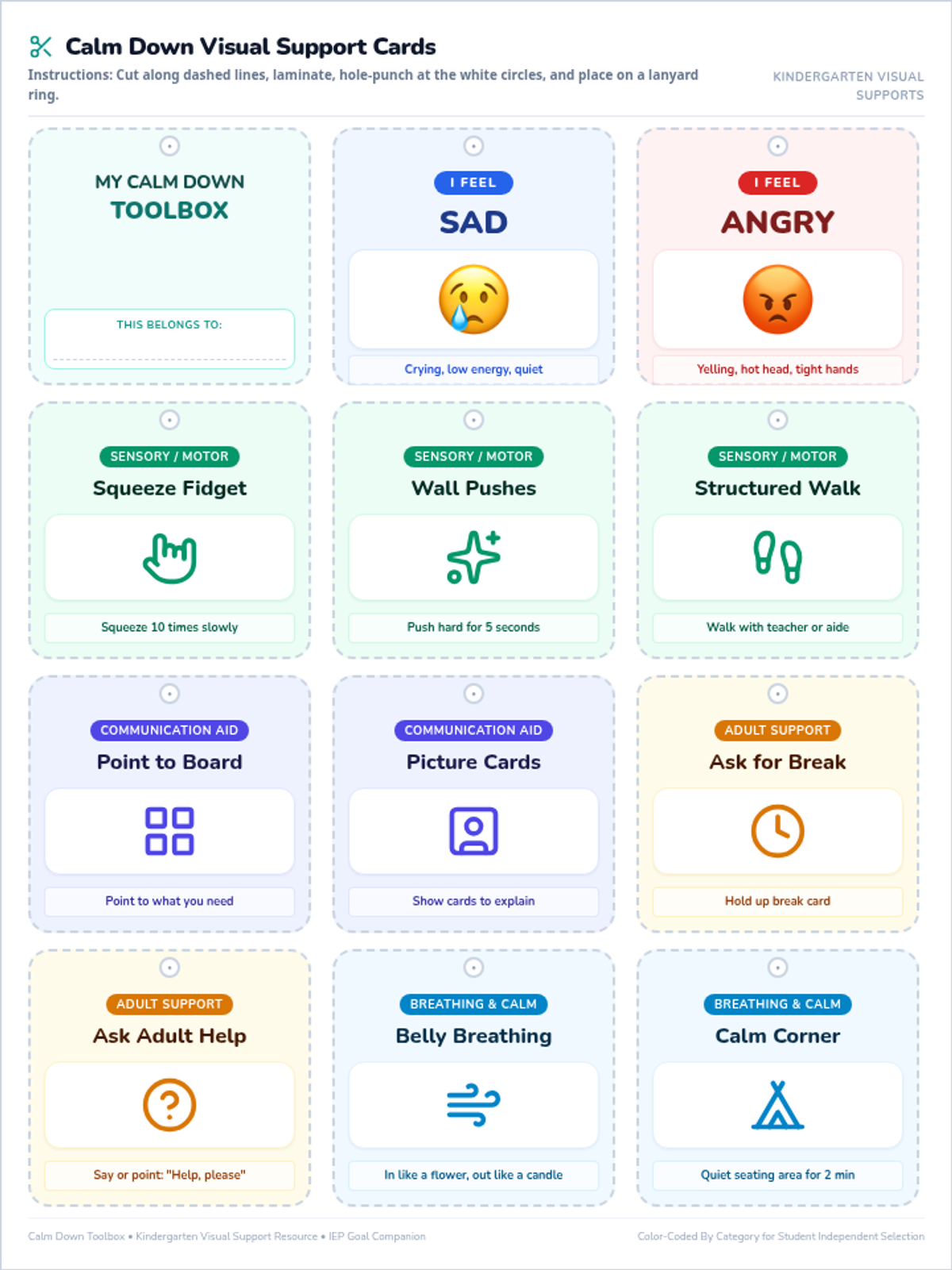
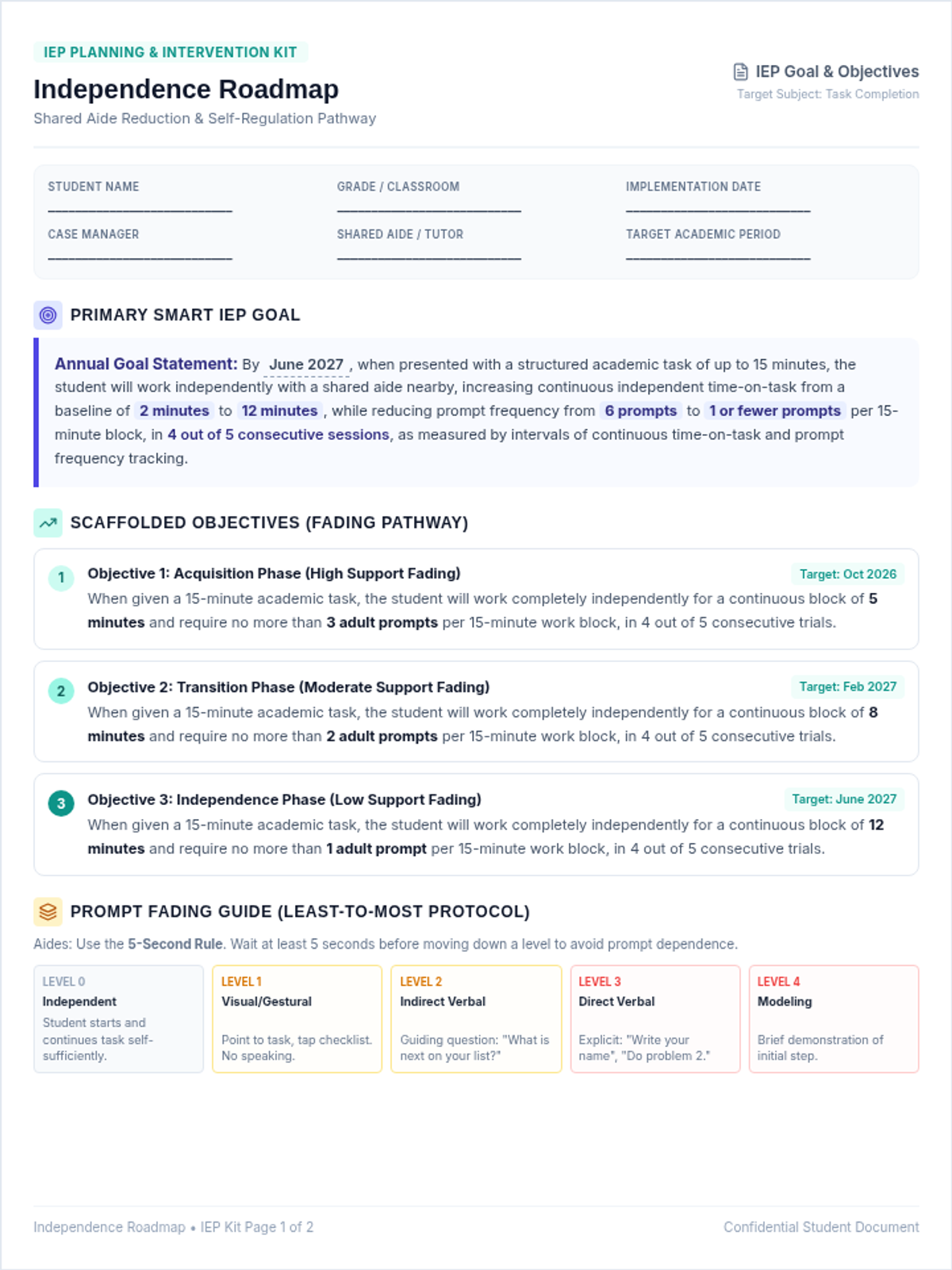
A collection of resources designed to re-engage 3rd-grade students who struggle with work avoidance and non-compliance through choice, self-regulation, and low-pressure tasks.
A lesson exploring the various forms of rebellion against slavery, including John Brown's raid at Harpers Ferry, Nat Turner's revolt, and Denmark Vesey's planned uprising. Students will learn about the risks taken by those fighting for freedom and the different ways people fought back against the plantation system.
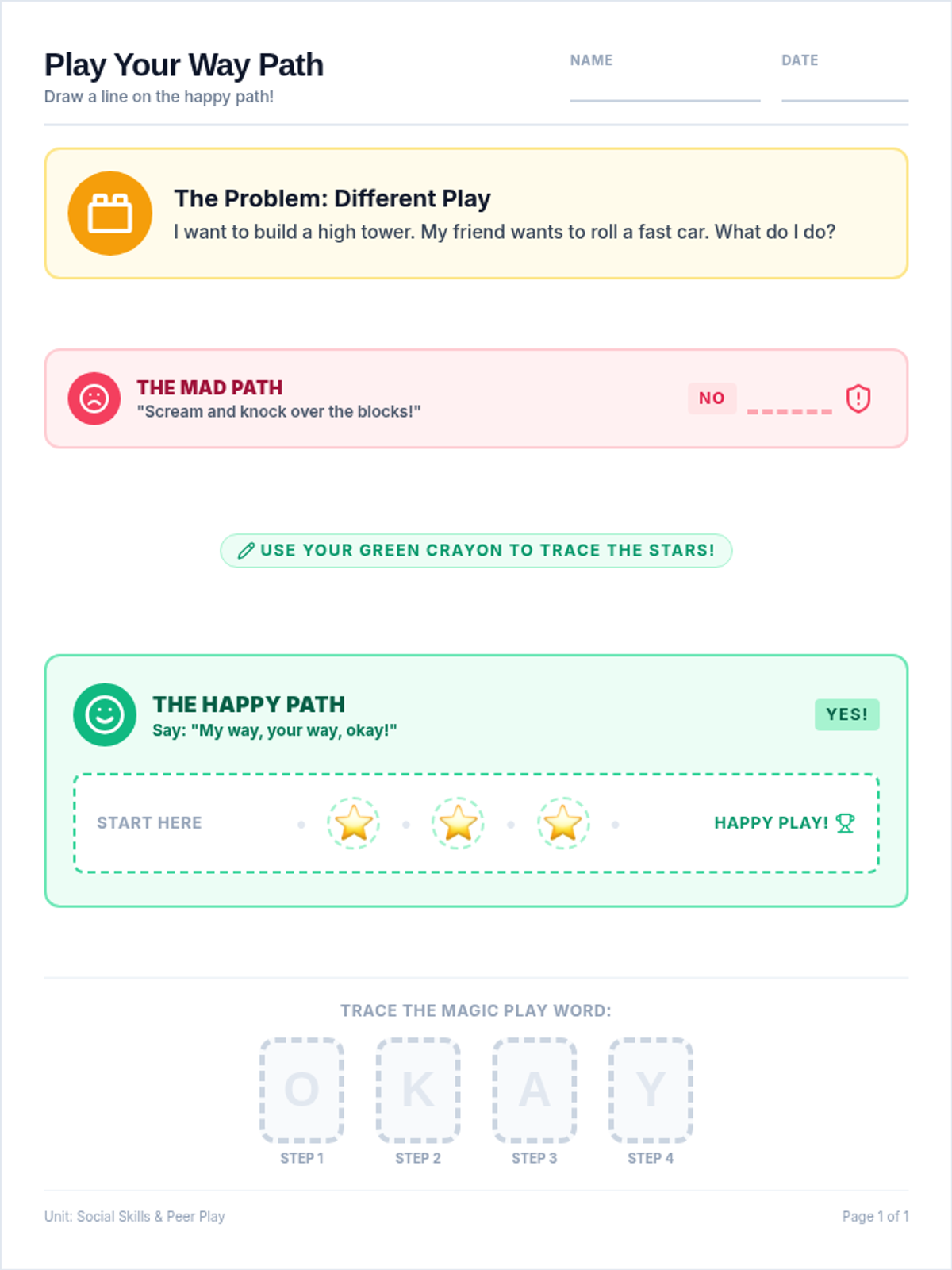
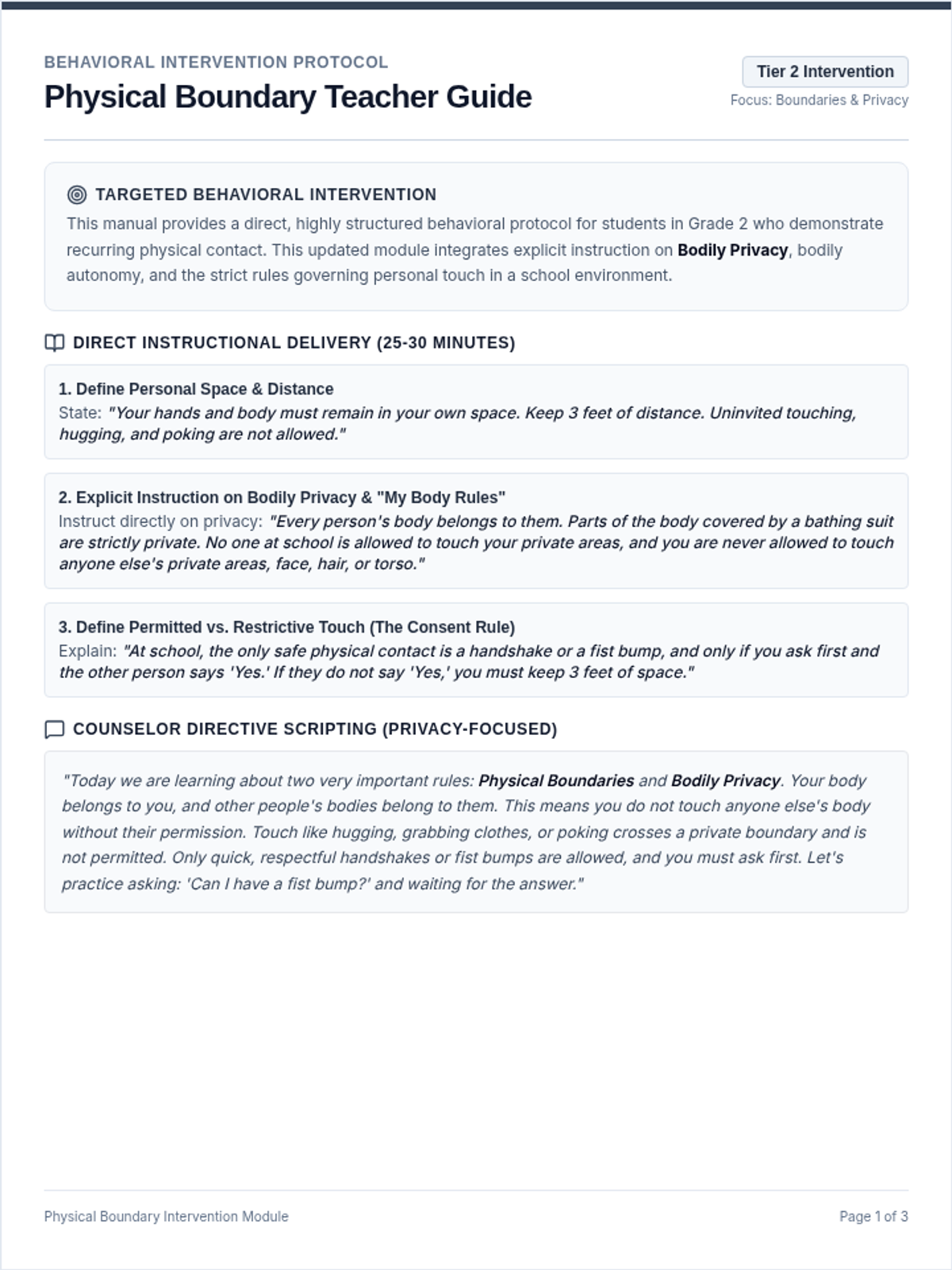
A lesson exploring the influence of the abolitionist press and the movement's political impact. Students will learn about abolitionist newspapers like The Liberator and how the movement pressured leaders like Abraham Lincoln to end slavery.
A lesson exploring Harriet Tubman's dual role as an abolitionist speaker and a conductor on the Underground Railroad. Students will learn how abolitionists collaborated to help enslaved people reach freedom.
A 20-minute language therapy session centered around a "20 Questions" game. Students practice articulation of the /r/ sound and the use of descriptive concepts to ask and answer questions.
A lesson introducing the abolitionist movement, focusing on the people who worked to end slavery. Students will learn the definition of "abolish," identify key leaders like Frederick Douglass, and explore the moral arguments against the practice of slavery.