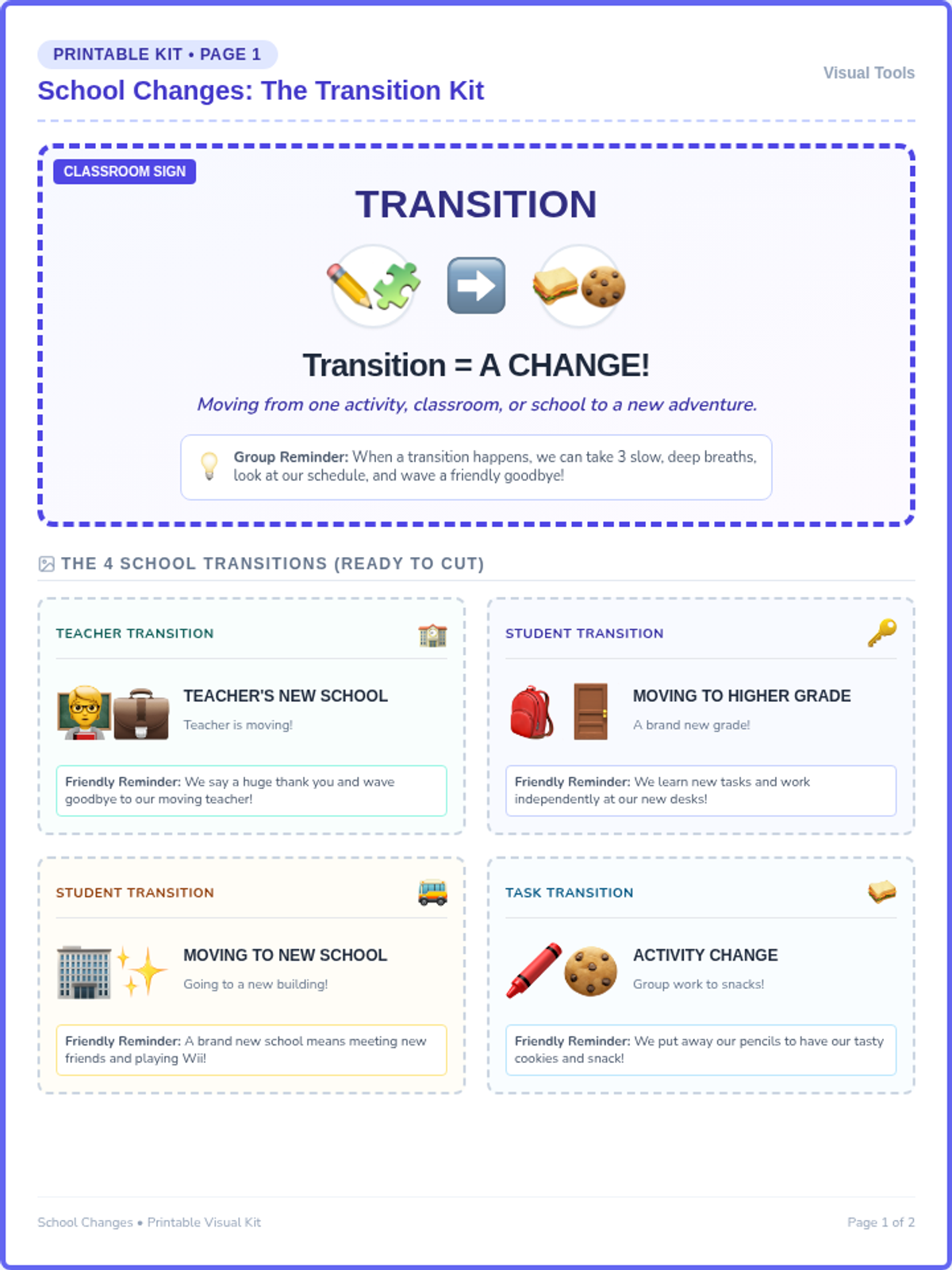
Focuses on cognitive flexibility, teaching students how to adapt to unexpected morning disruptions, schedule changes, or forgotten items using a step-by-step coping and problem-solving framework.
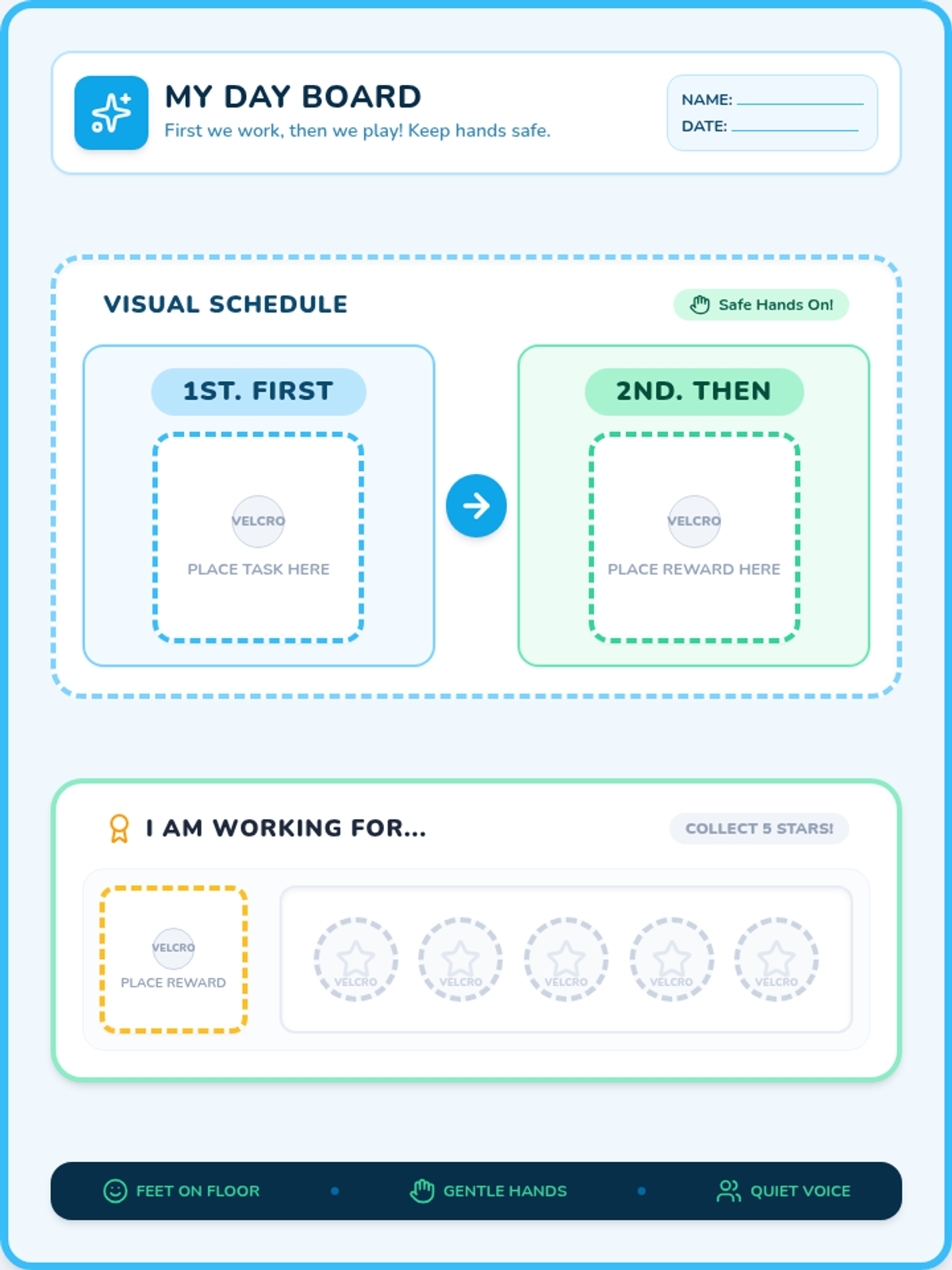
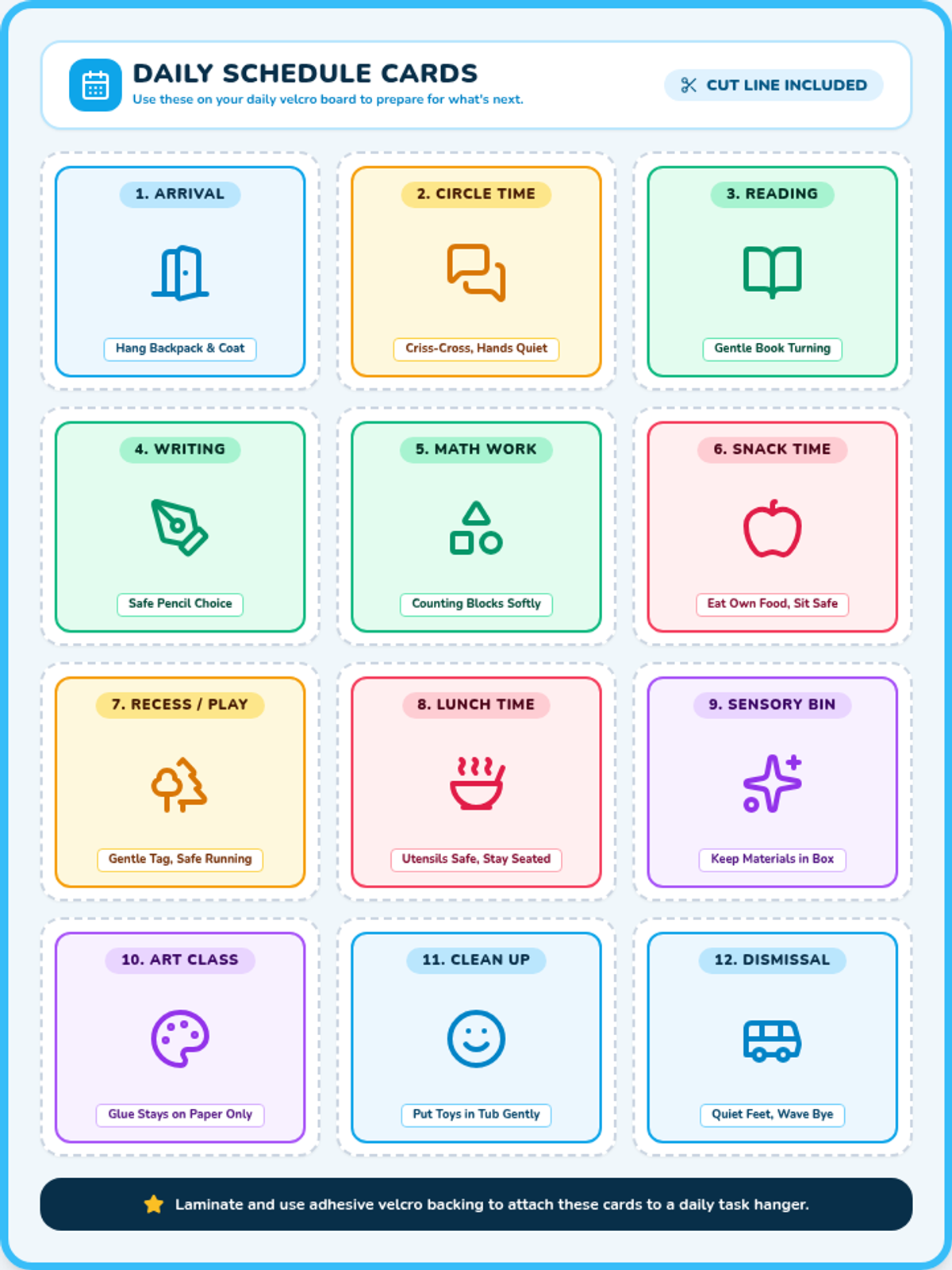
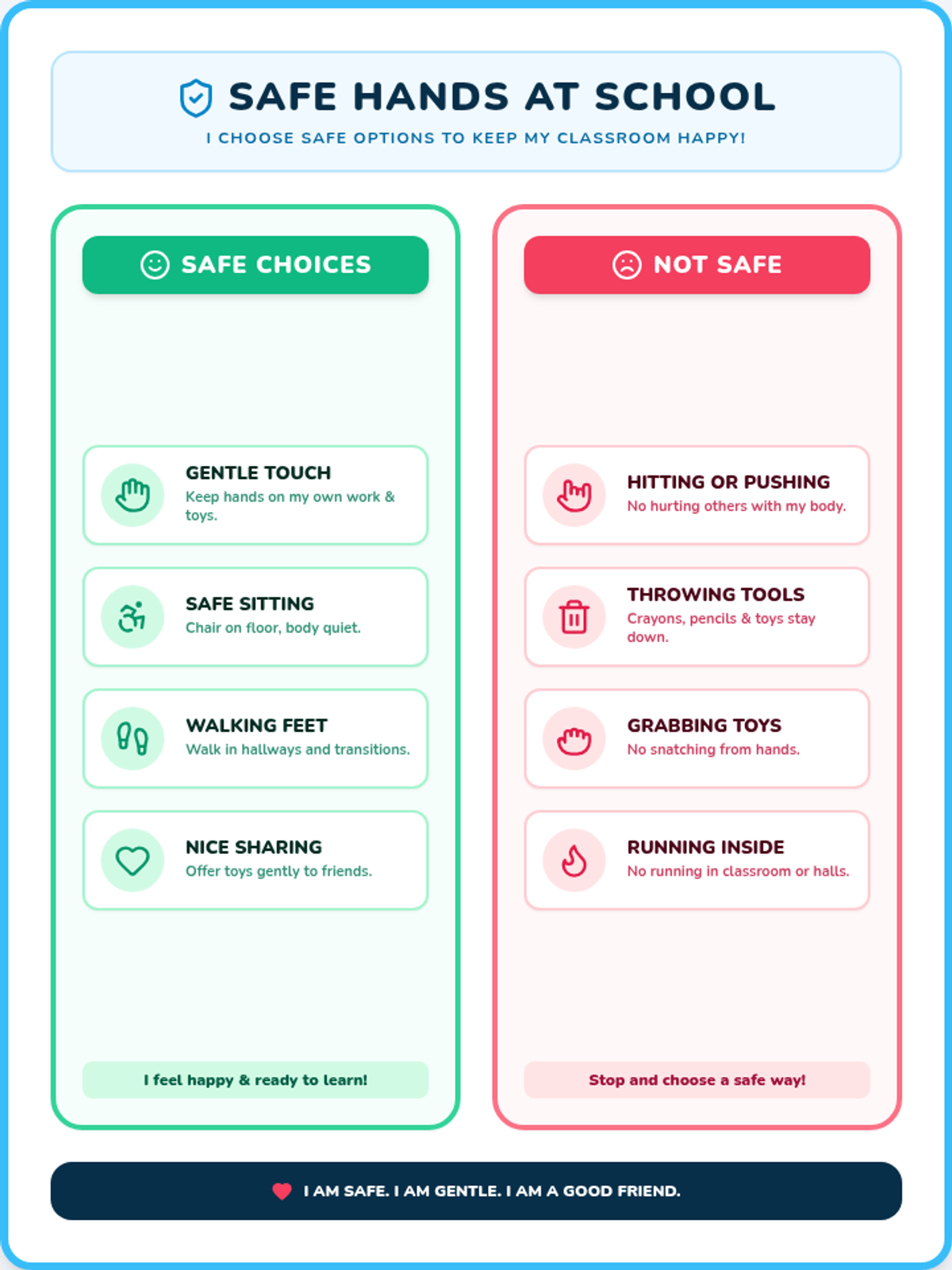
A comprehensive visual support system designed for a non-verbal kindergartener, focusing on safe choices, gentle hands, and structured routines. Includes a First-Then board, daily schedule cards, behavioral expectation cards, and visual routine anchor charts.
A lesson focused on establishing, presenting, and reinforcing daily routines and transitions for neurodivergent and concrete learners using structured visual schedule supports.
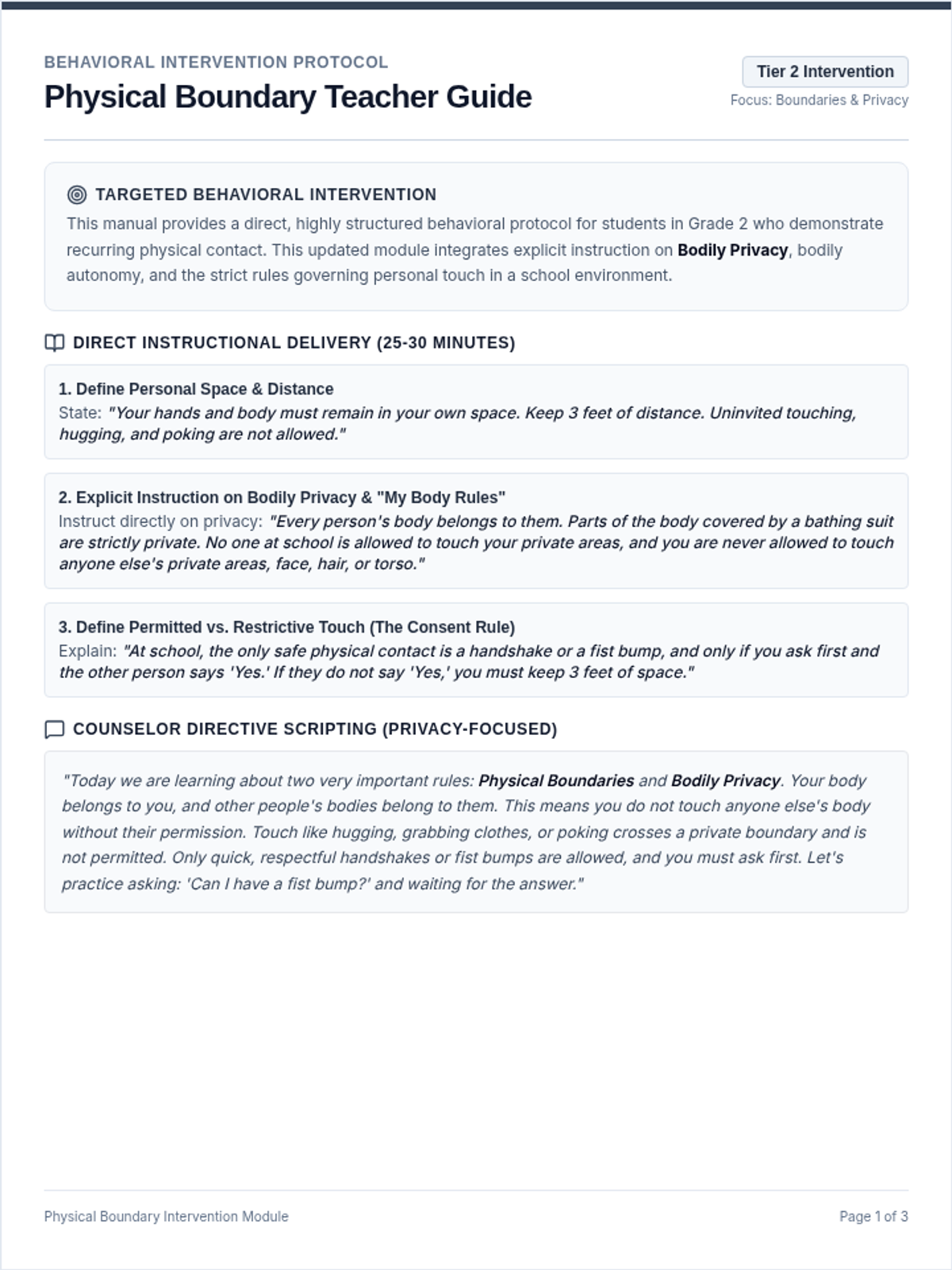
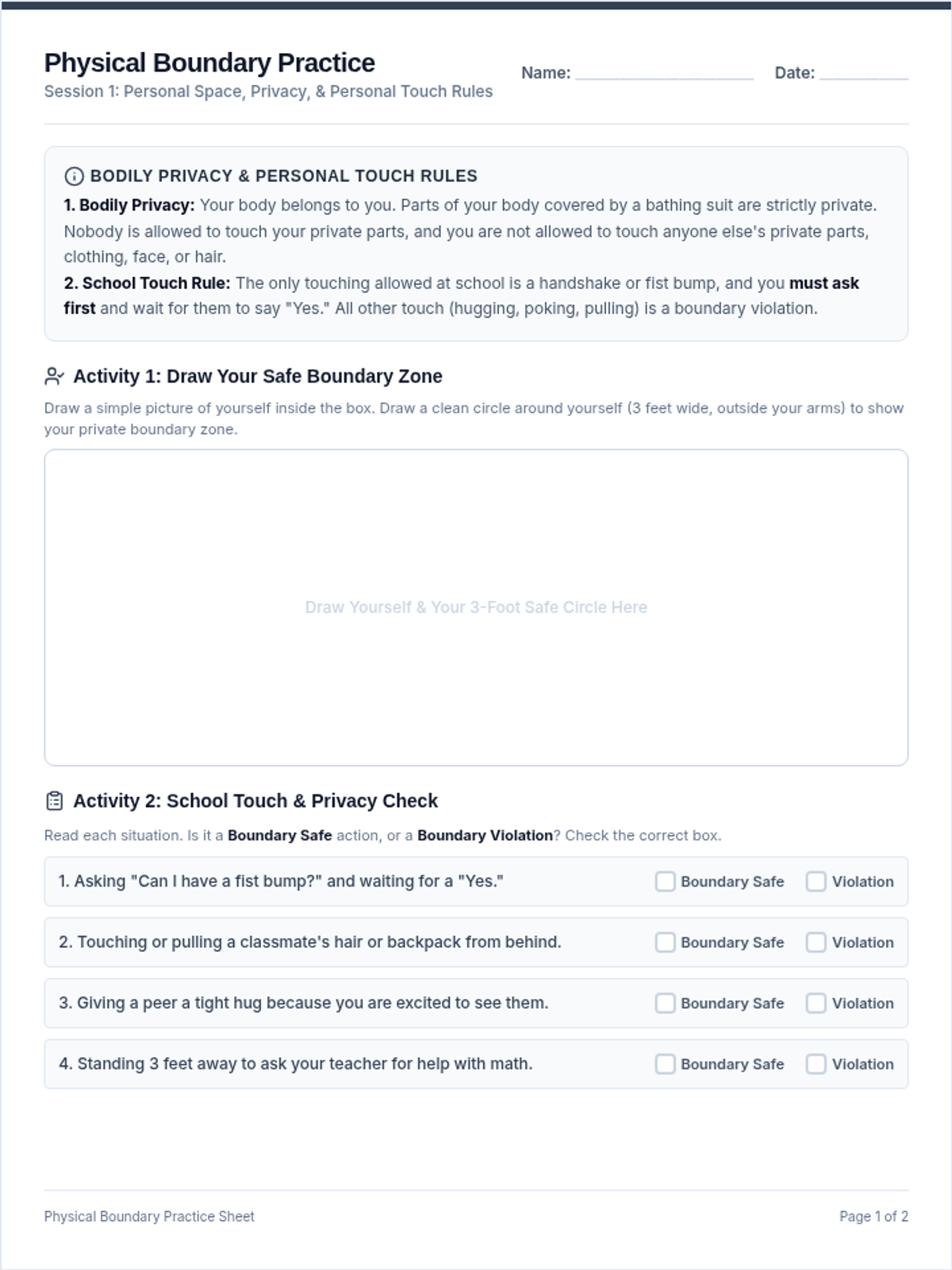
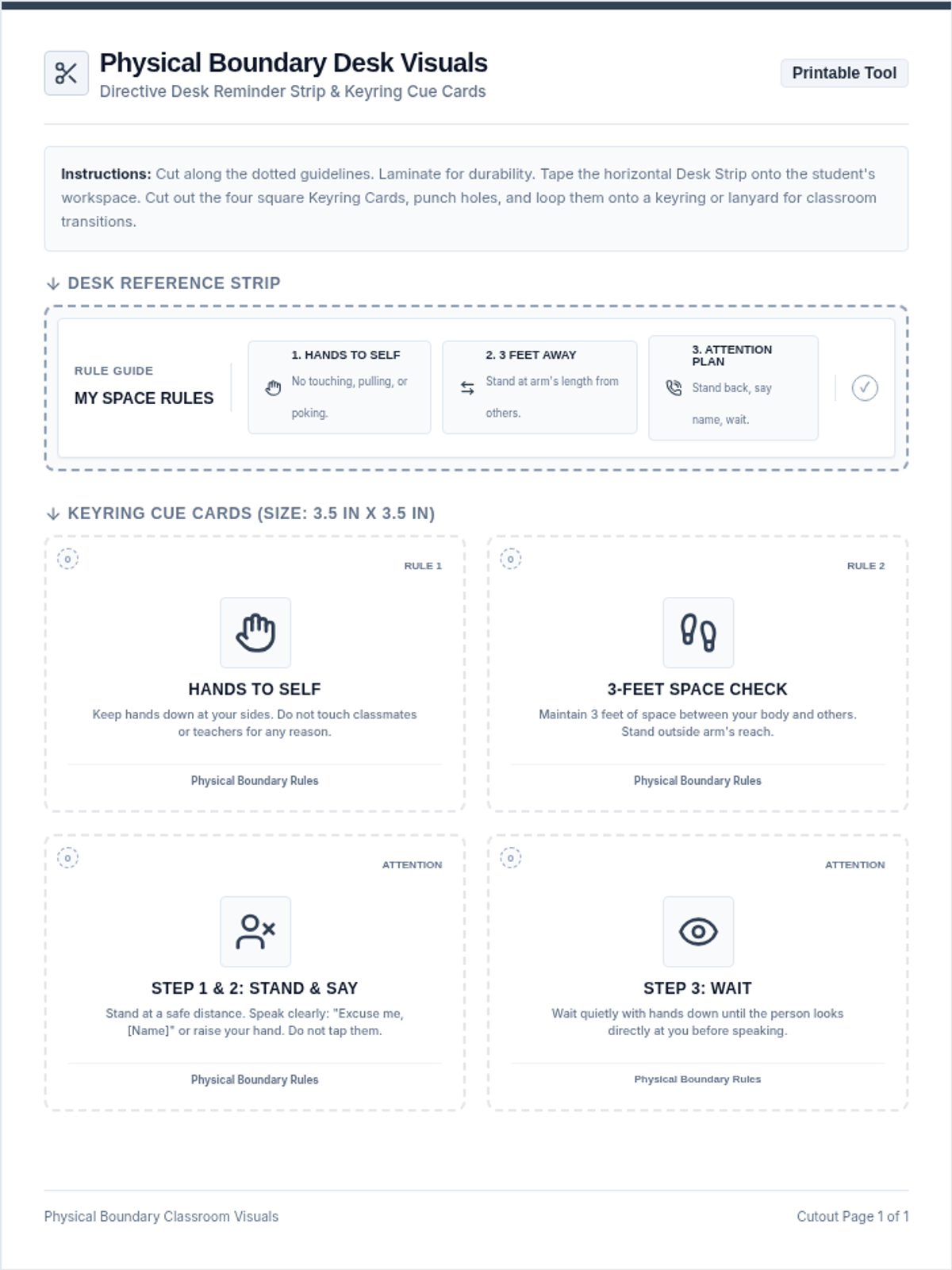
A directive behavioral intervention lesson designed for 2nd-grade students to learn explicit physical boundary limits, replace inappropriate touching of peers and adults, and practice structured attention-seeking replacement actions. Includes a professional guidance packet with de-escalation scripts, student workbooks, and desk visual reminders.
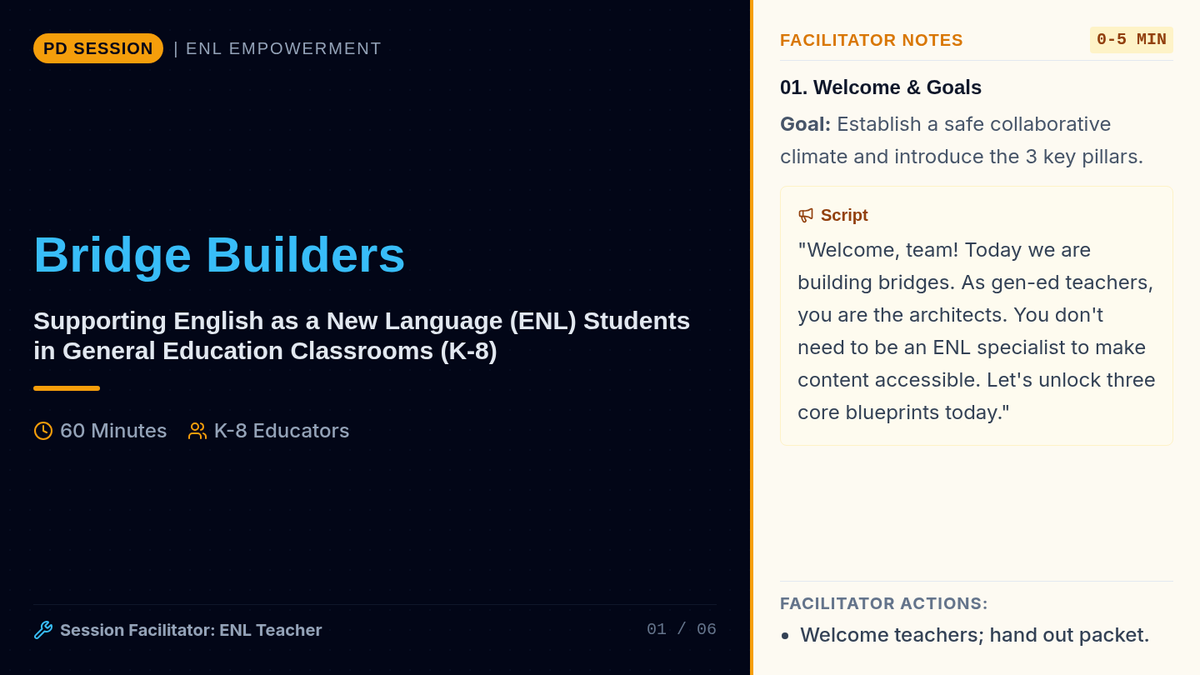
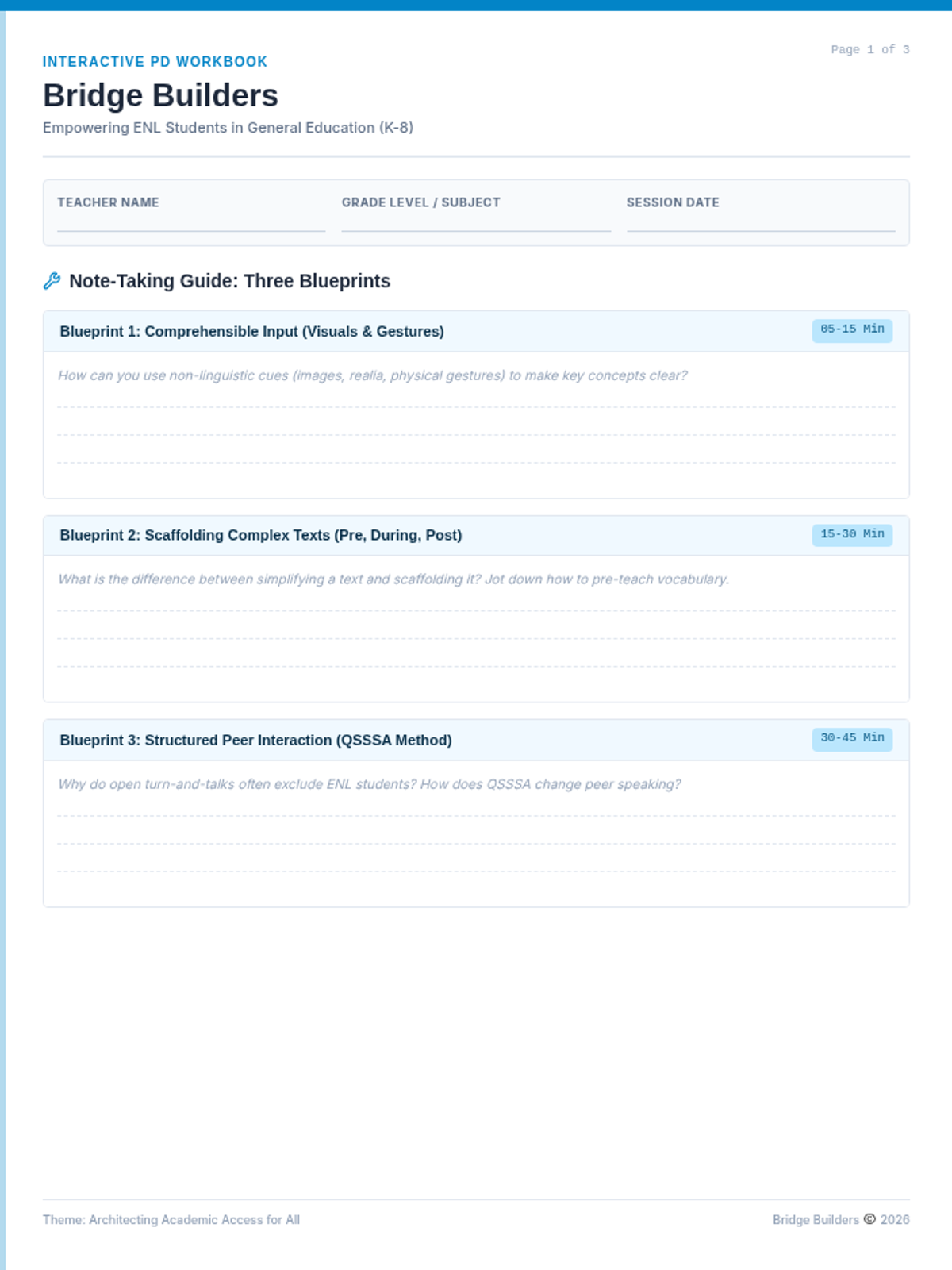
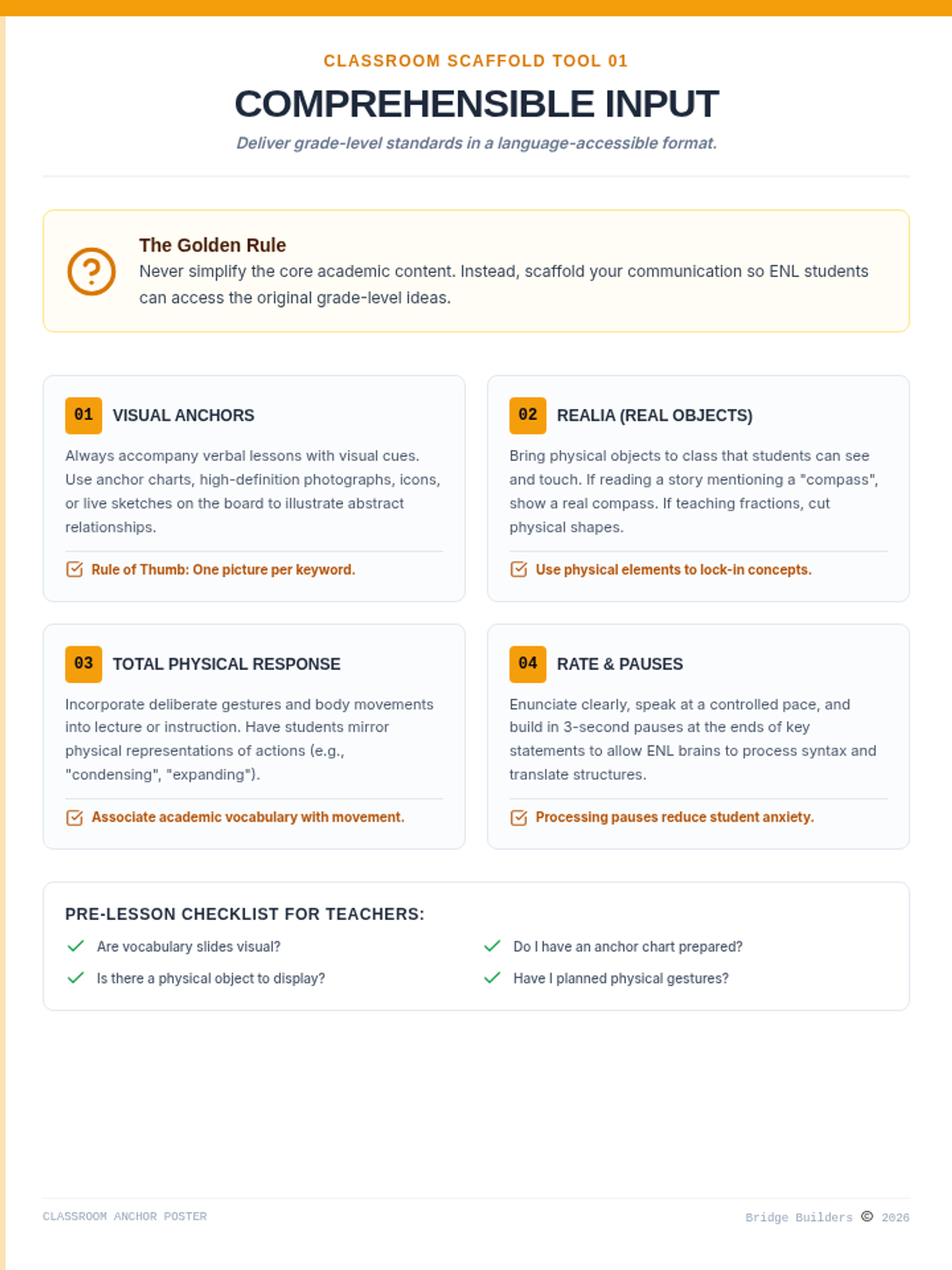
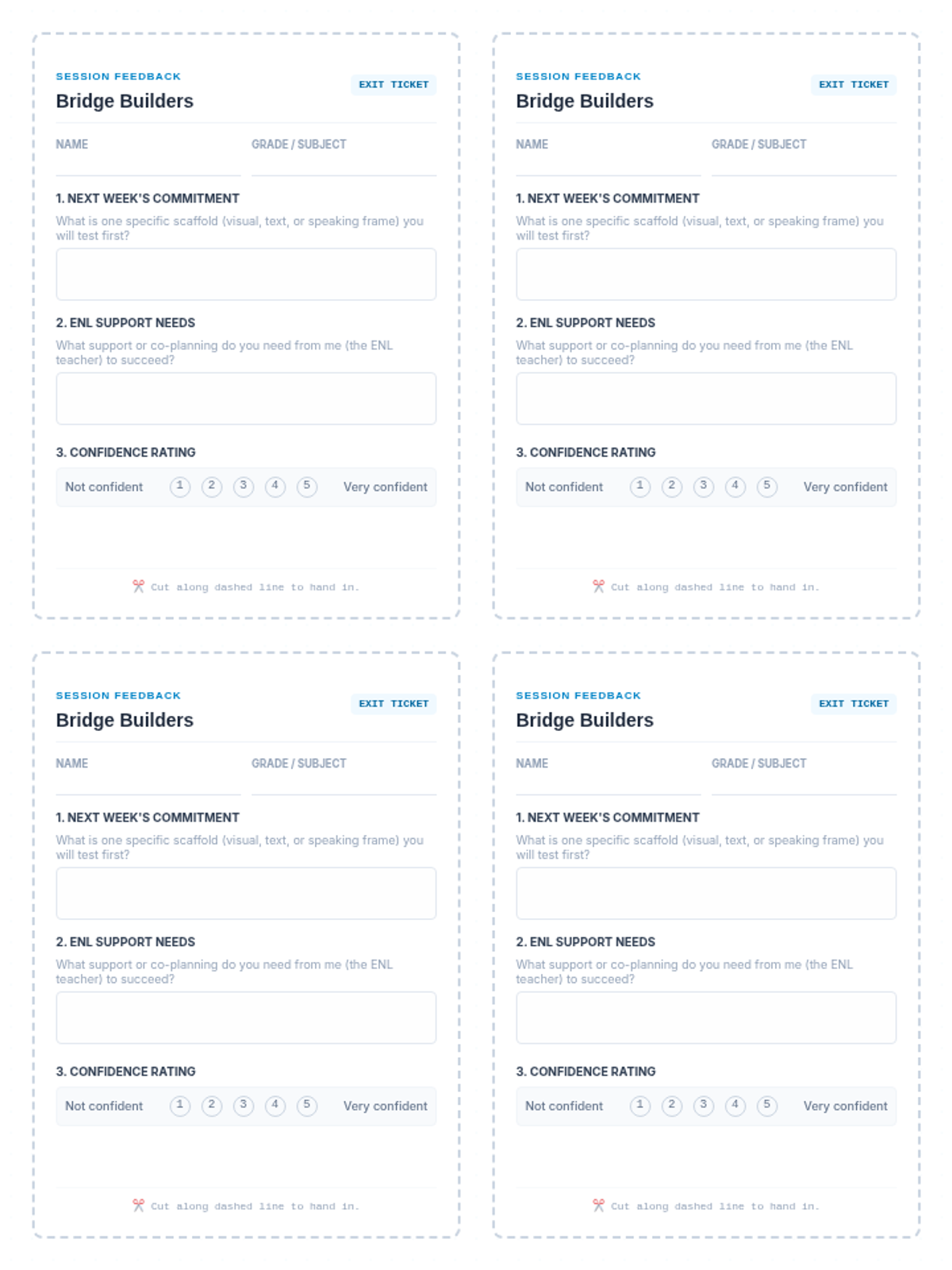
A 60-minute interactive professional development session for general education teachers (K-8) to master comprehensible input, text scaffolding, and structured peer speaking.
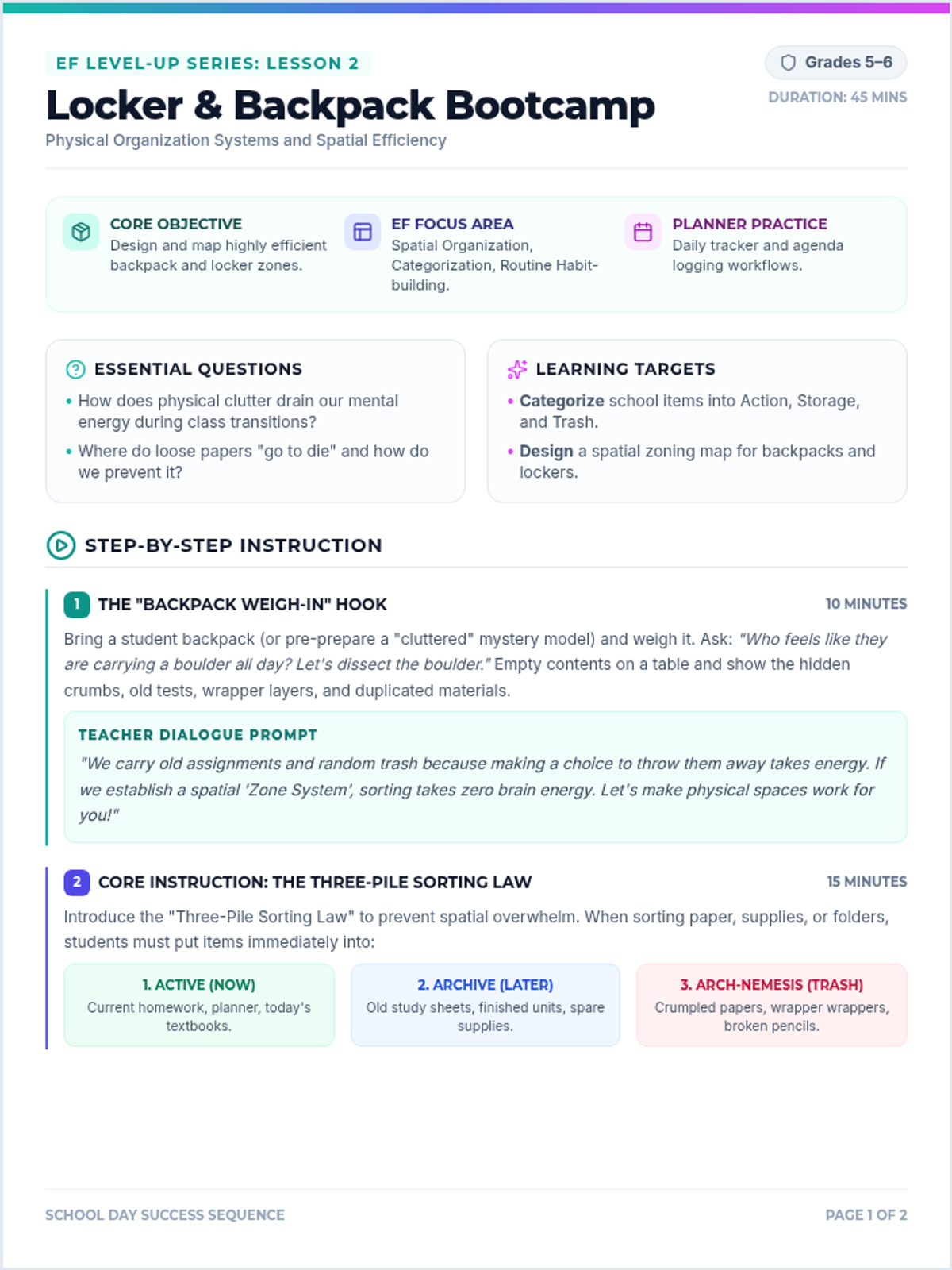
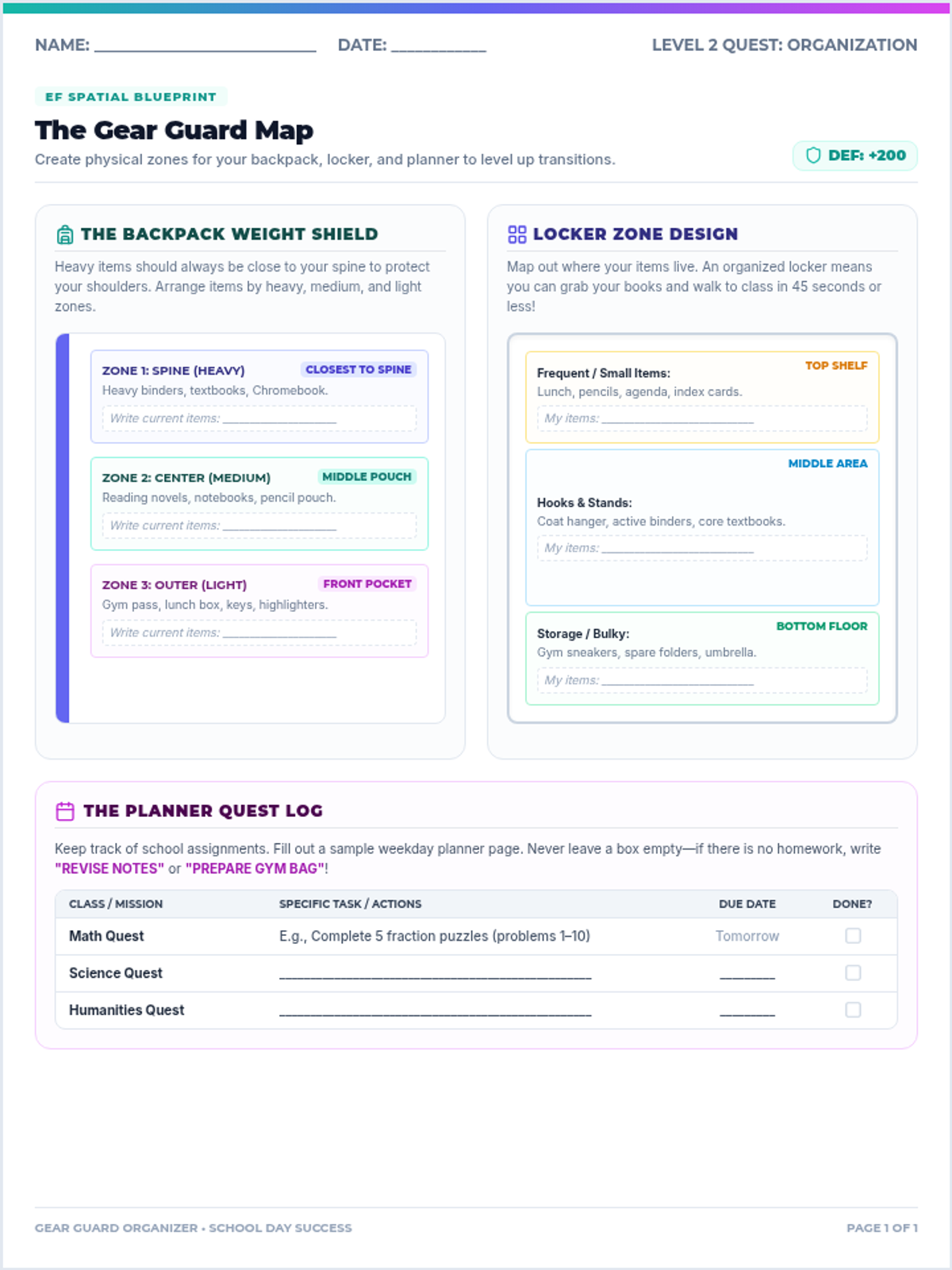
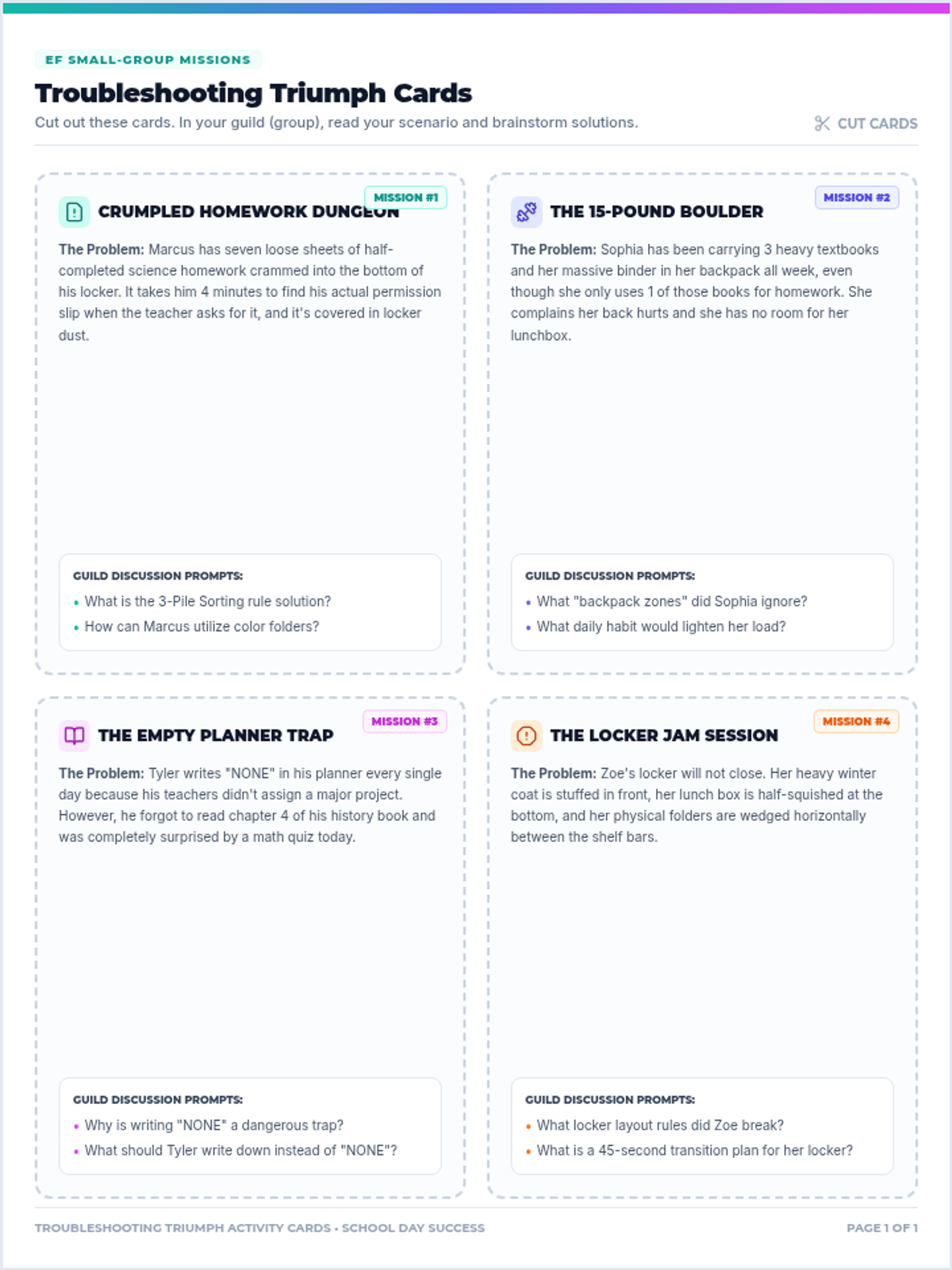
Focuses on organization and order, helping students design efficient physical systems for their backpacks, desks, and lockers, alongside practicing planner management.
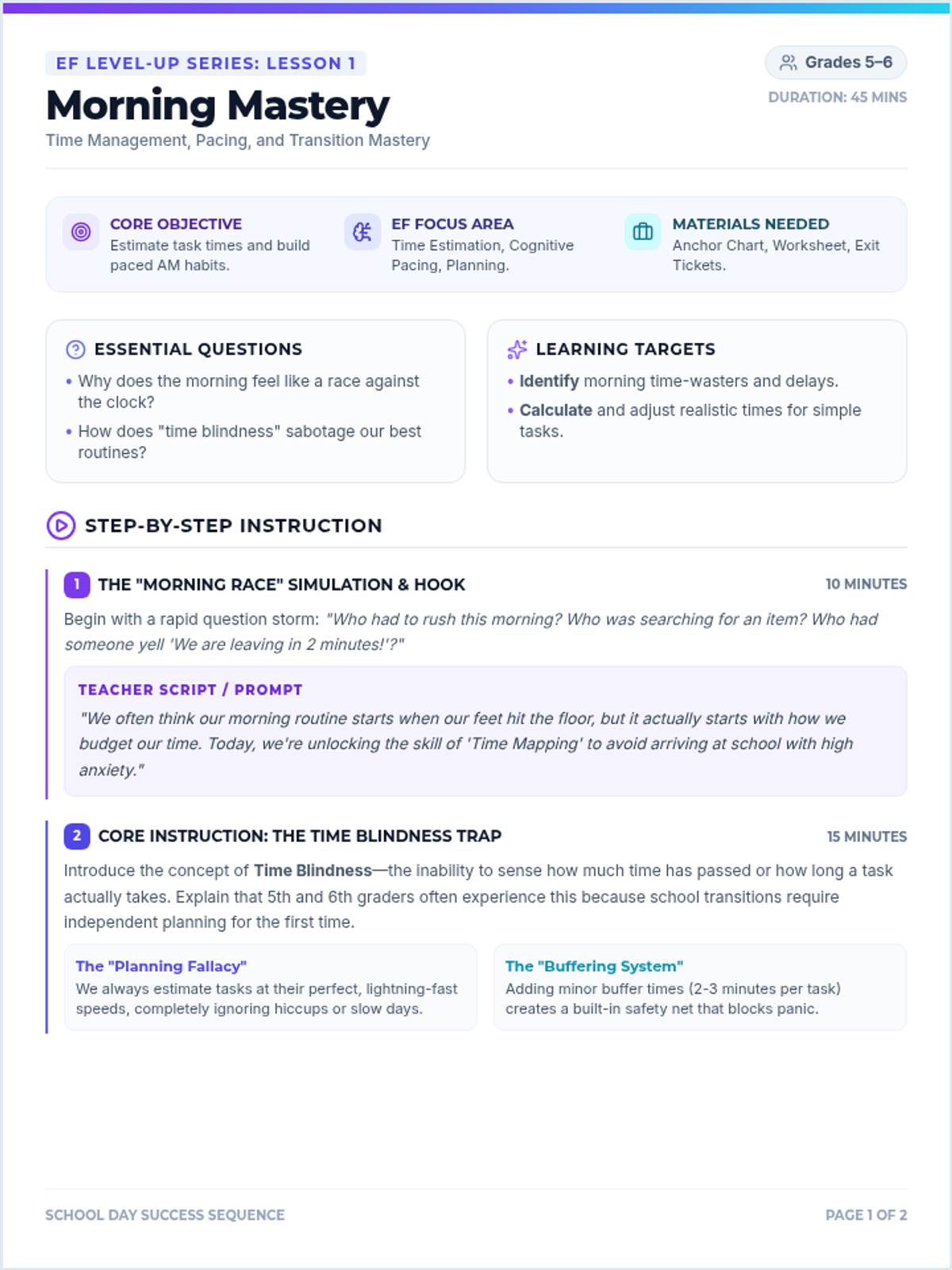
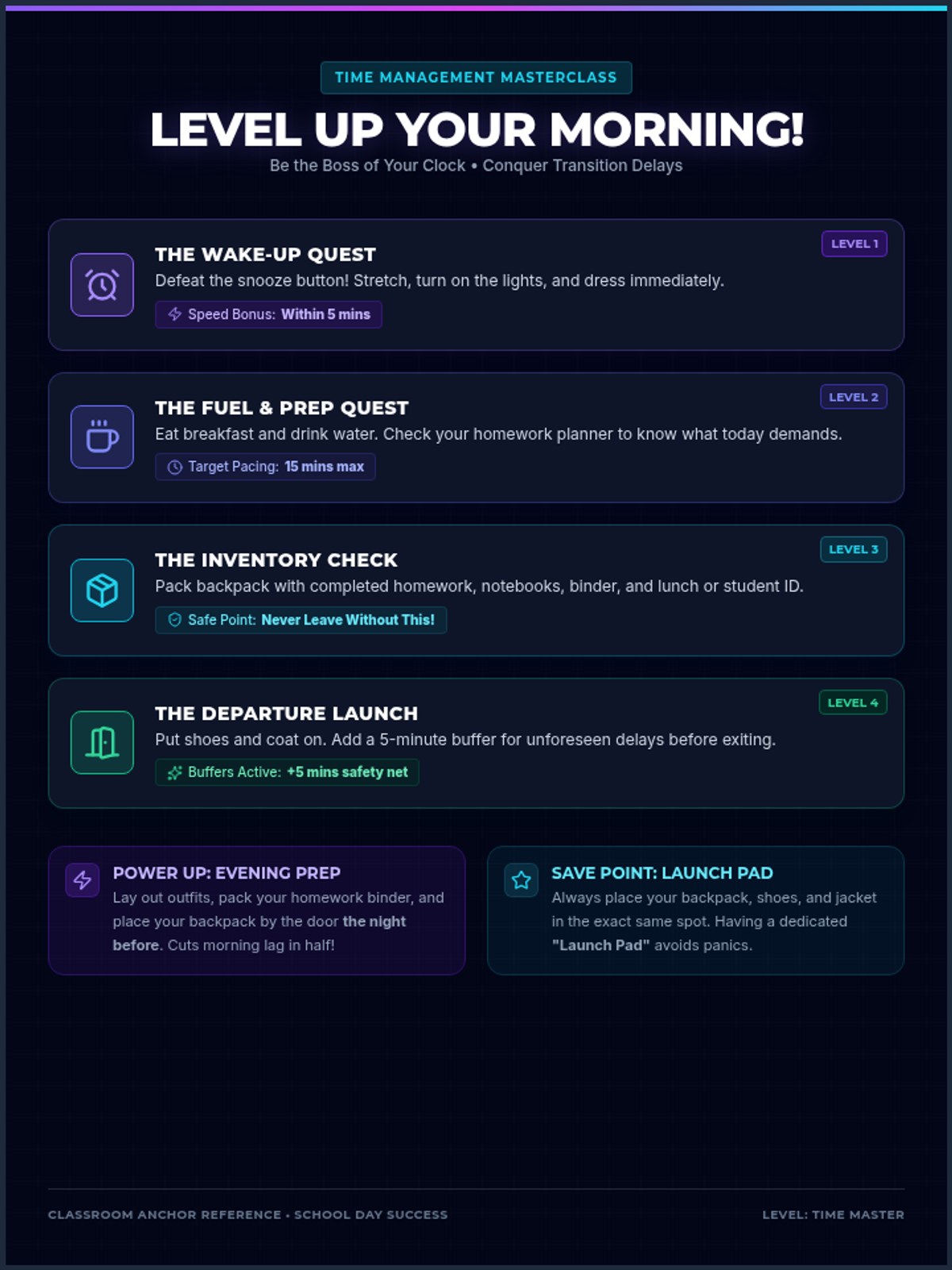
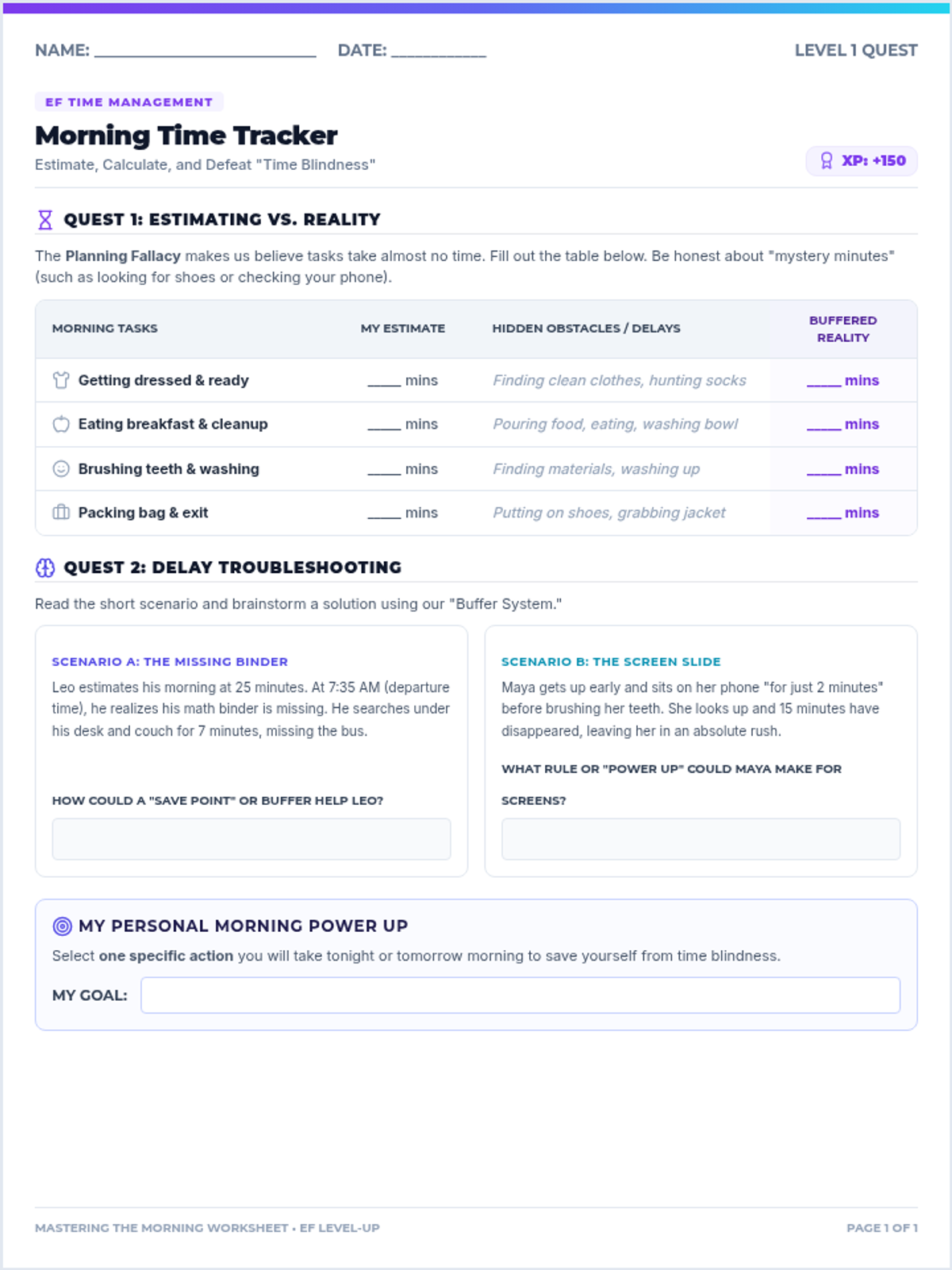
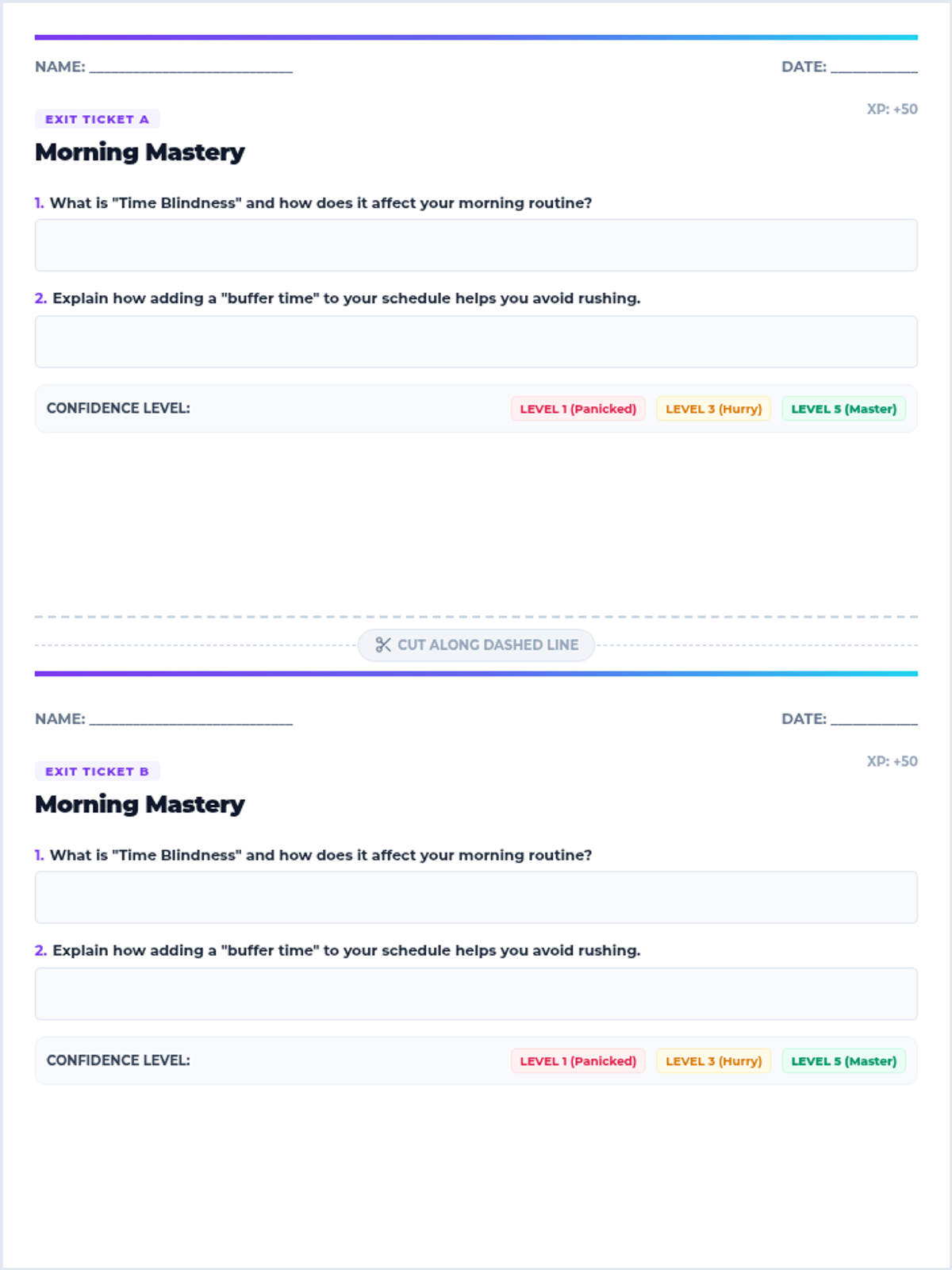
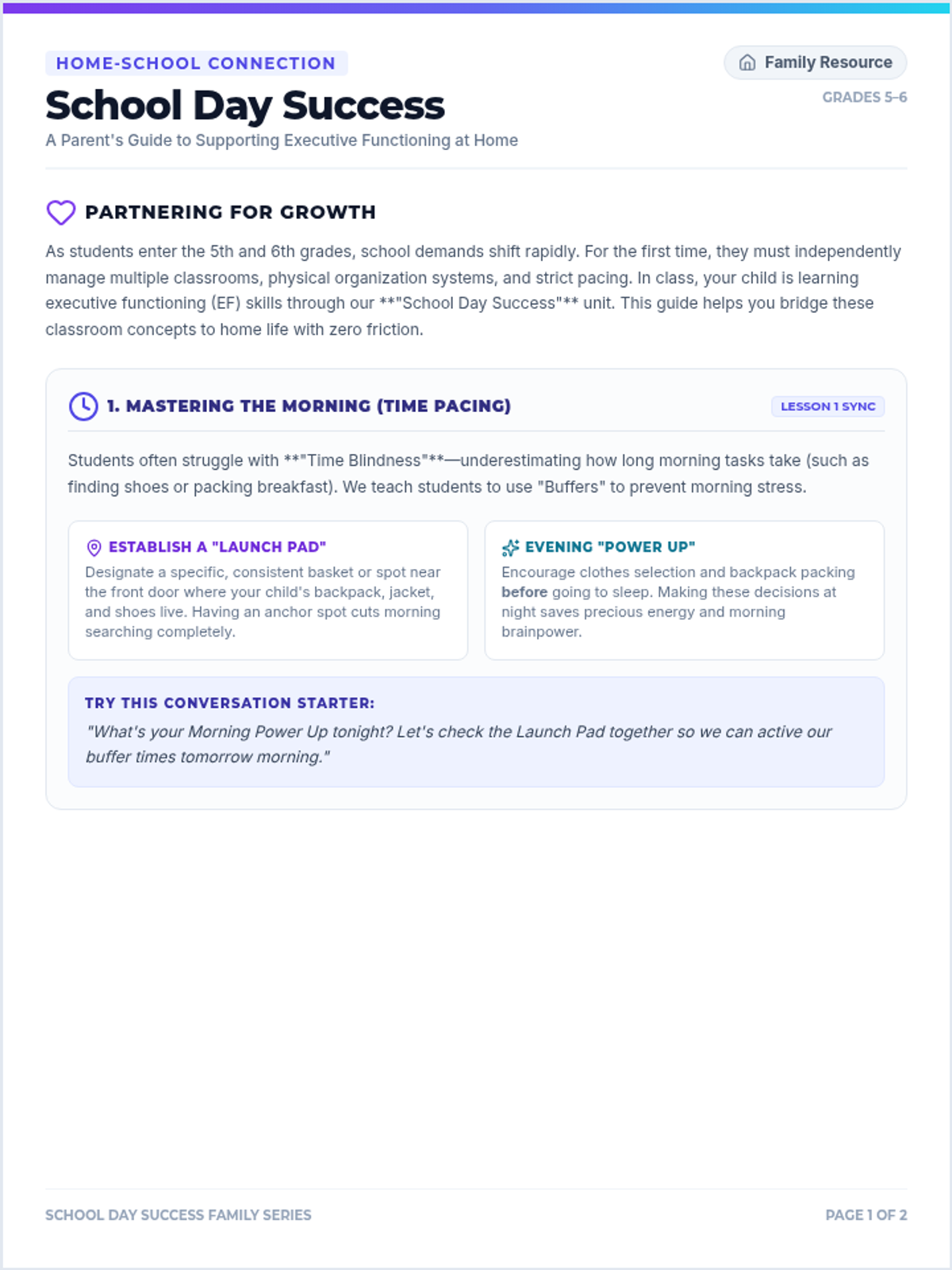
Focuses on time management, estimating task durations, and establishing efficient morning routines to arrive at school ready to learn without transition delays.
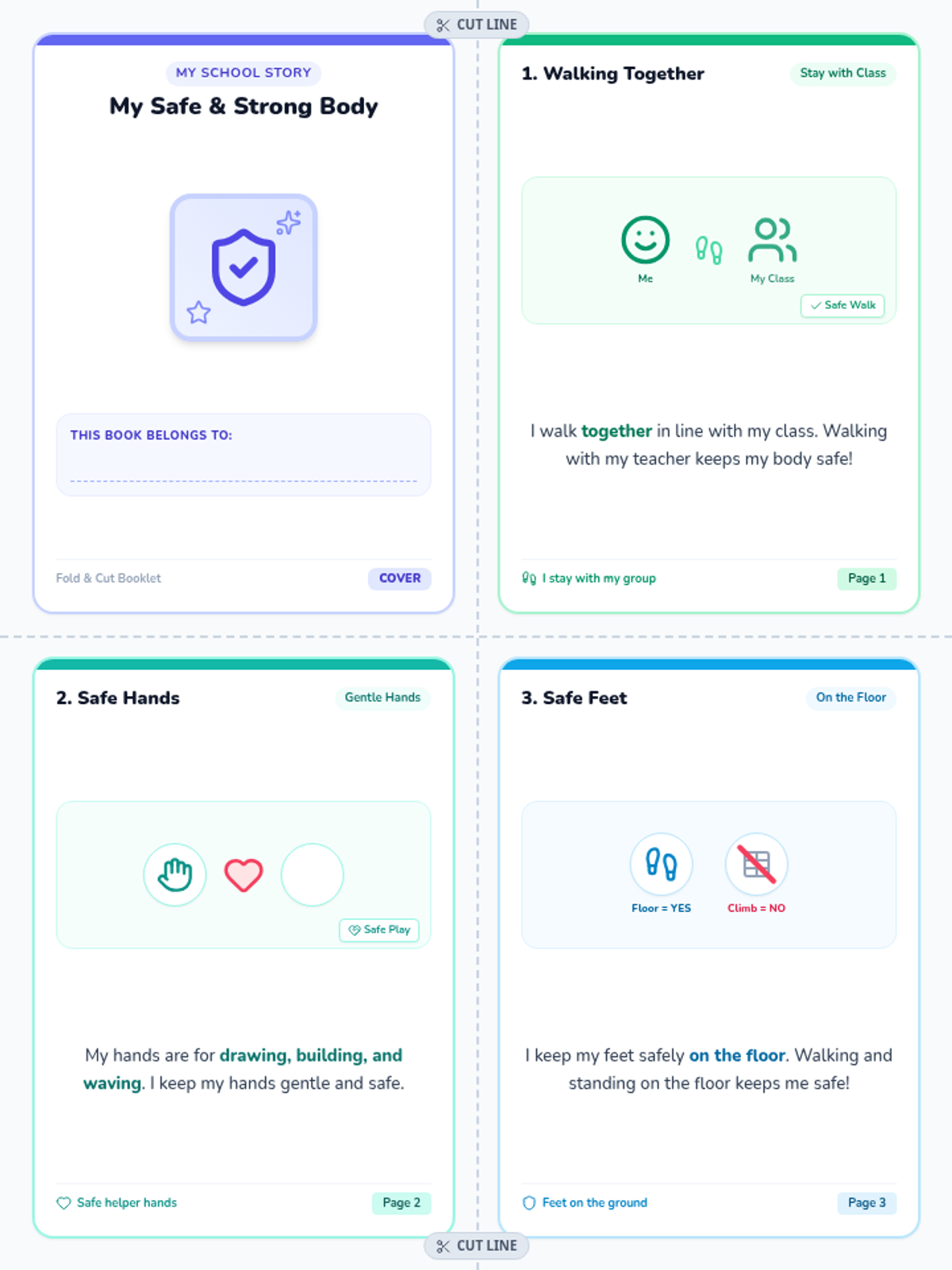
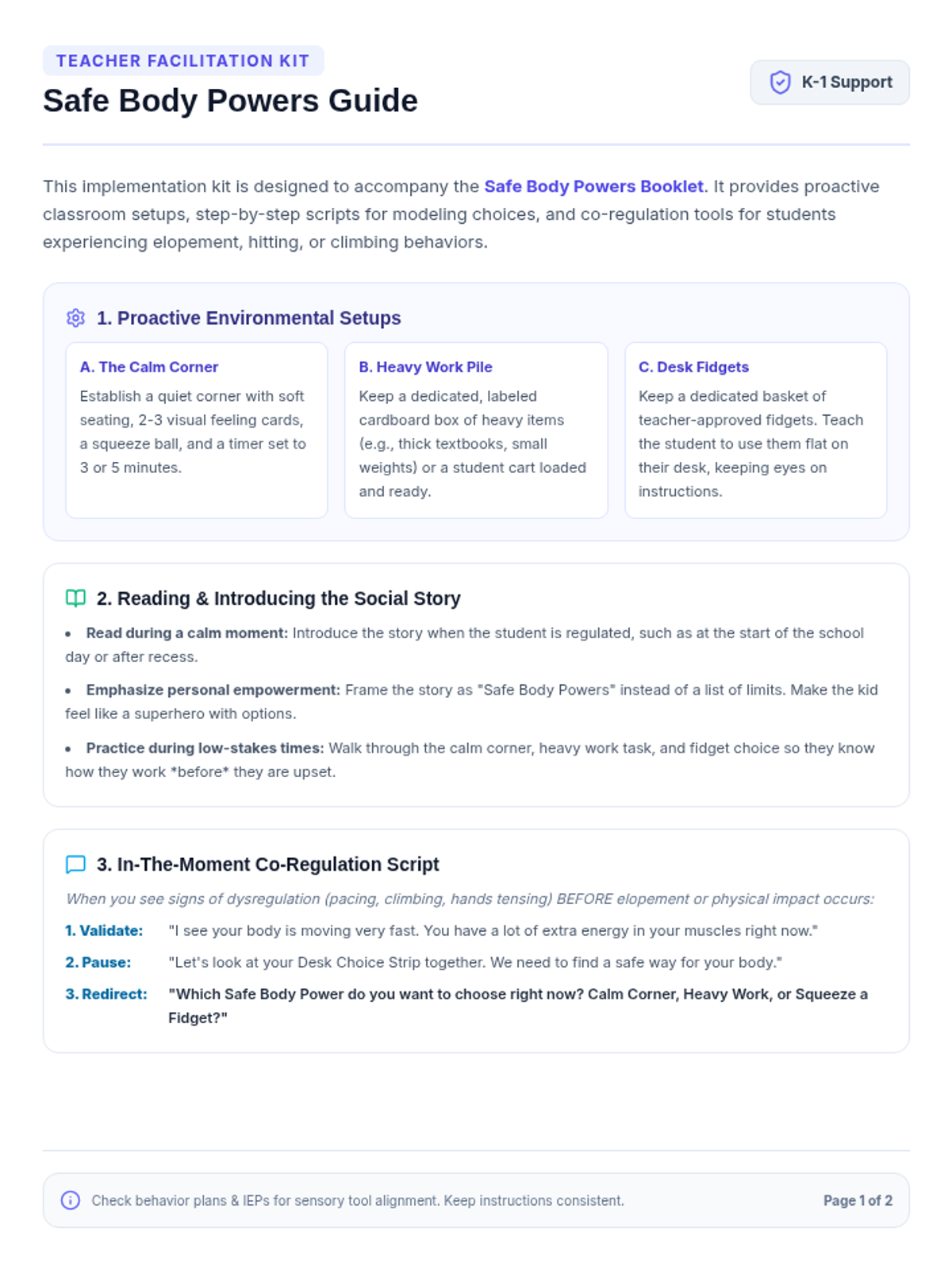
A supportive social story and teacher facilitation kit designed to help kindergarteners develop self-regulation, stay with their class, maintain a safe body, and choose safe physical outlets instead of eloping, hitting, or climbing.
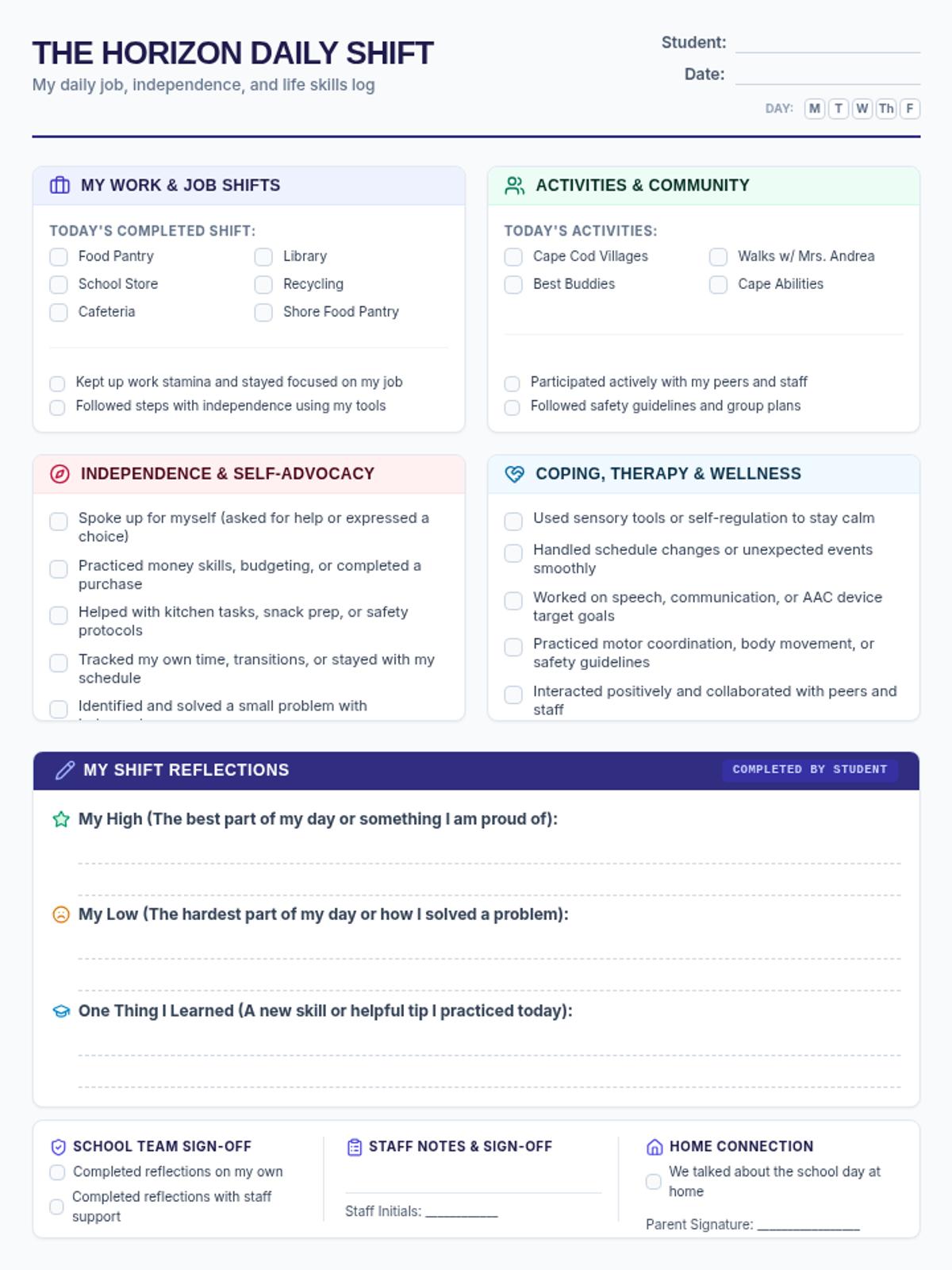
Practical tools and templates for tracking daily student performance, self-reflection, and home-school communication for young adults preparing for independent life.
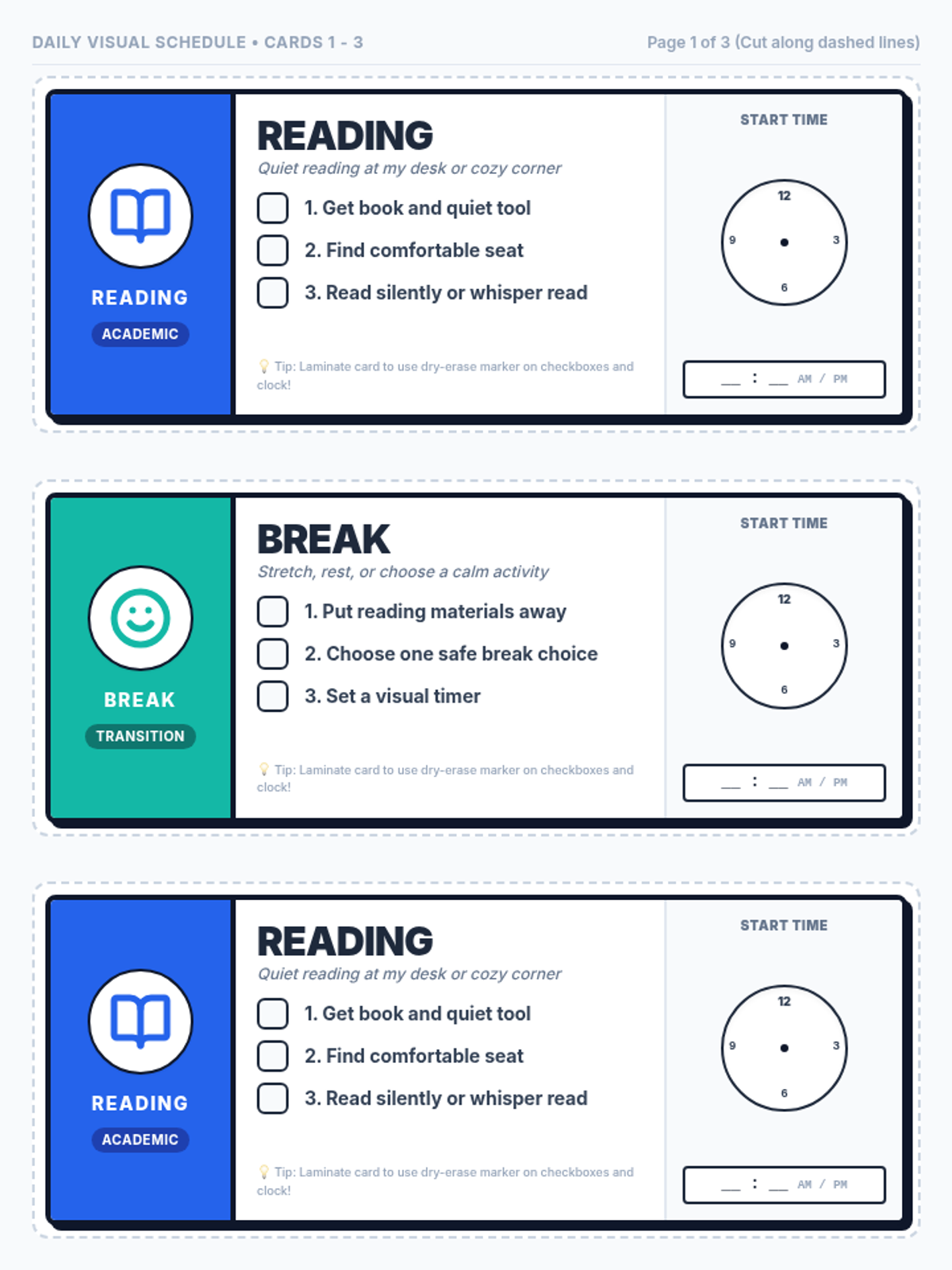
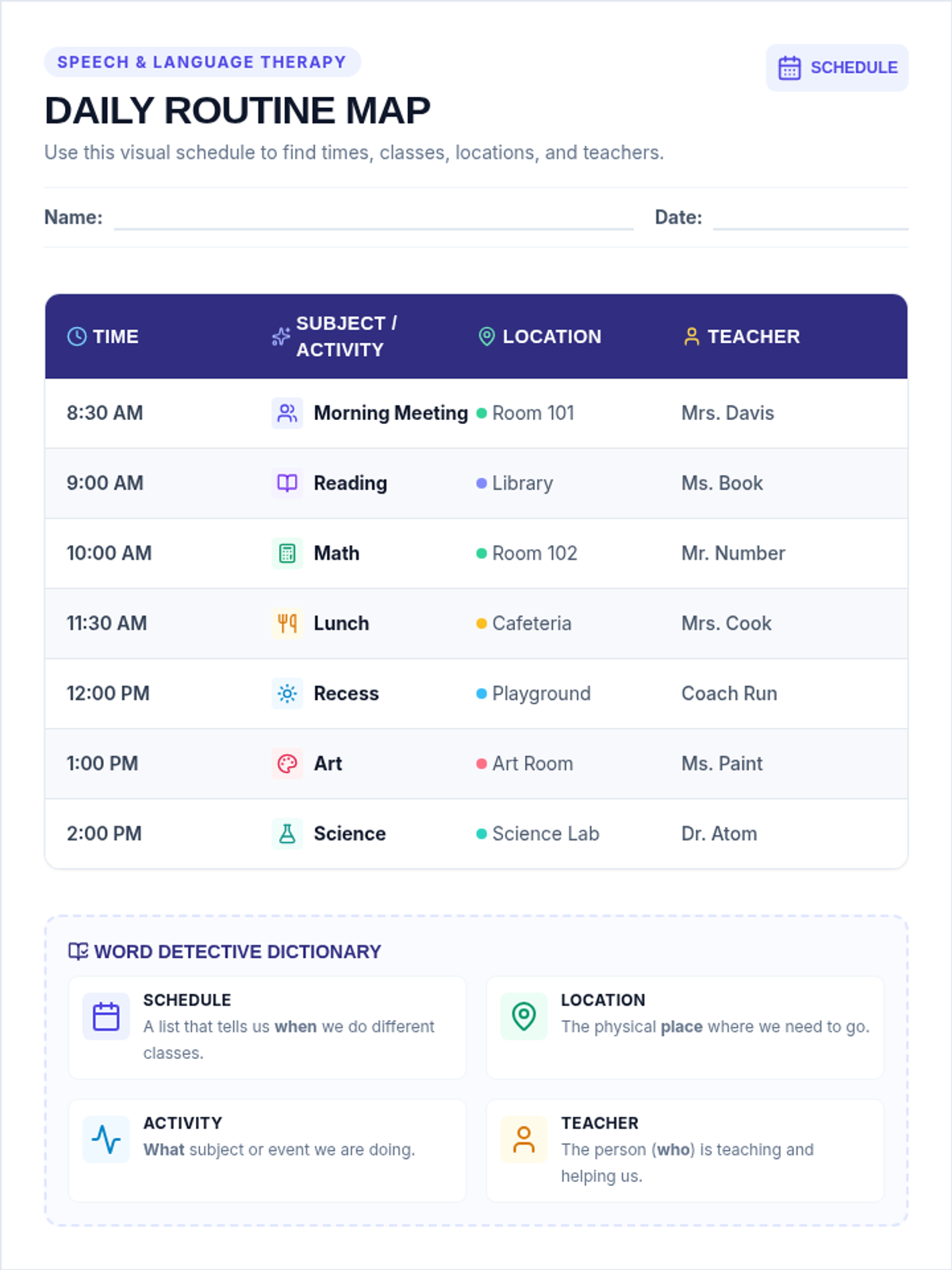
A speech-language therapy lesson designed to teach minimally verbal autistic students how to read and comprehend a school visual schedule, building academic vocabulary and independence.
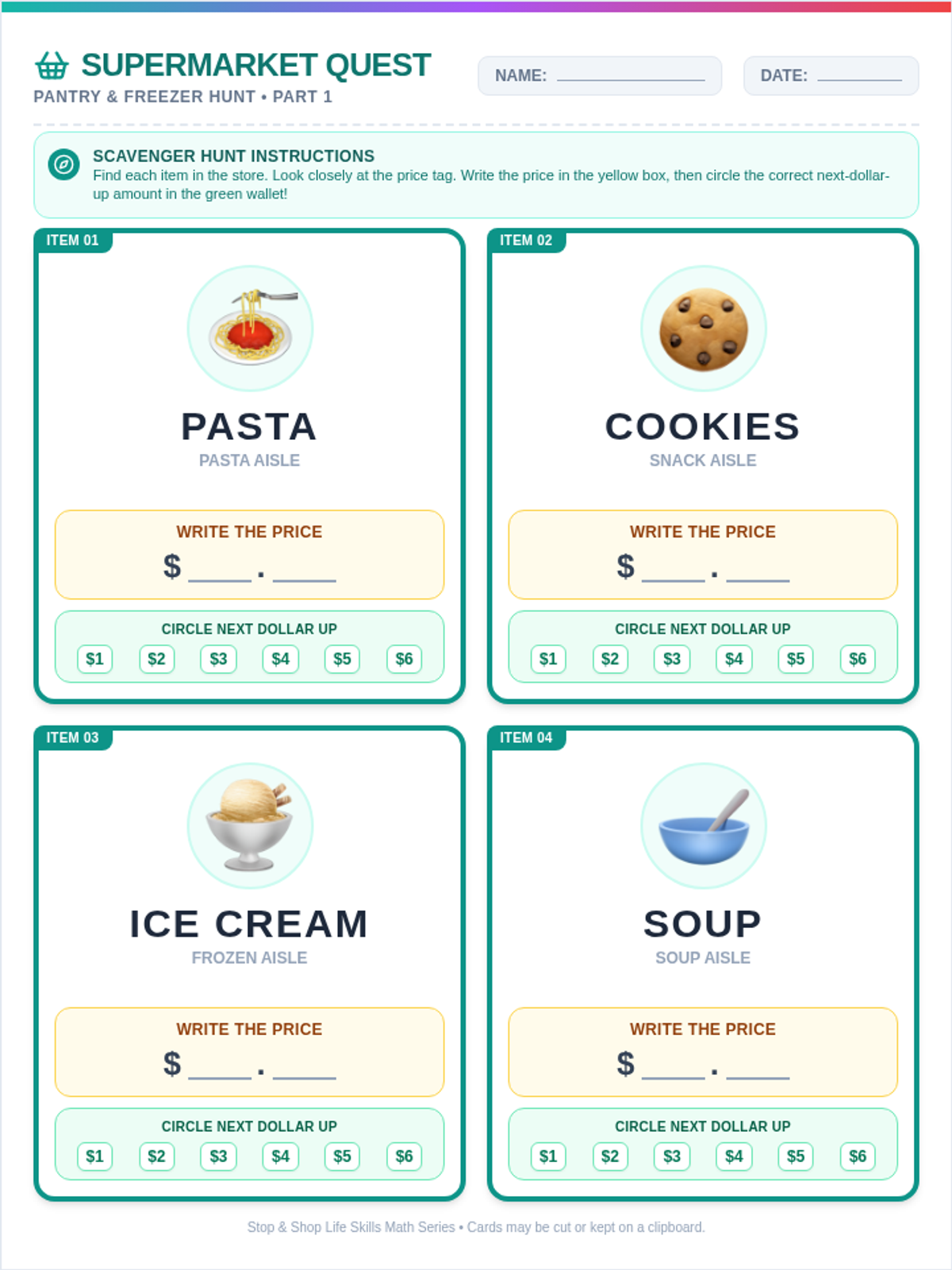
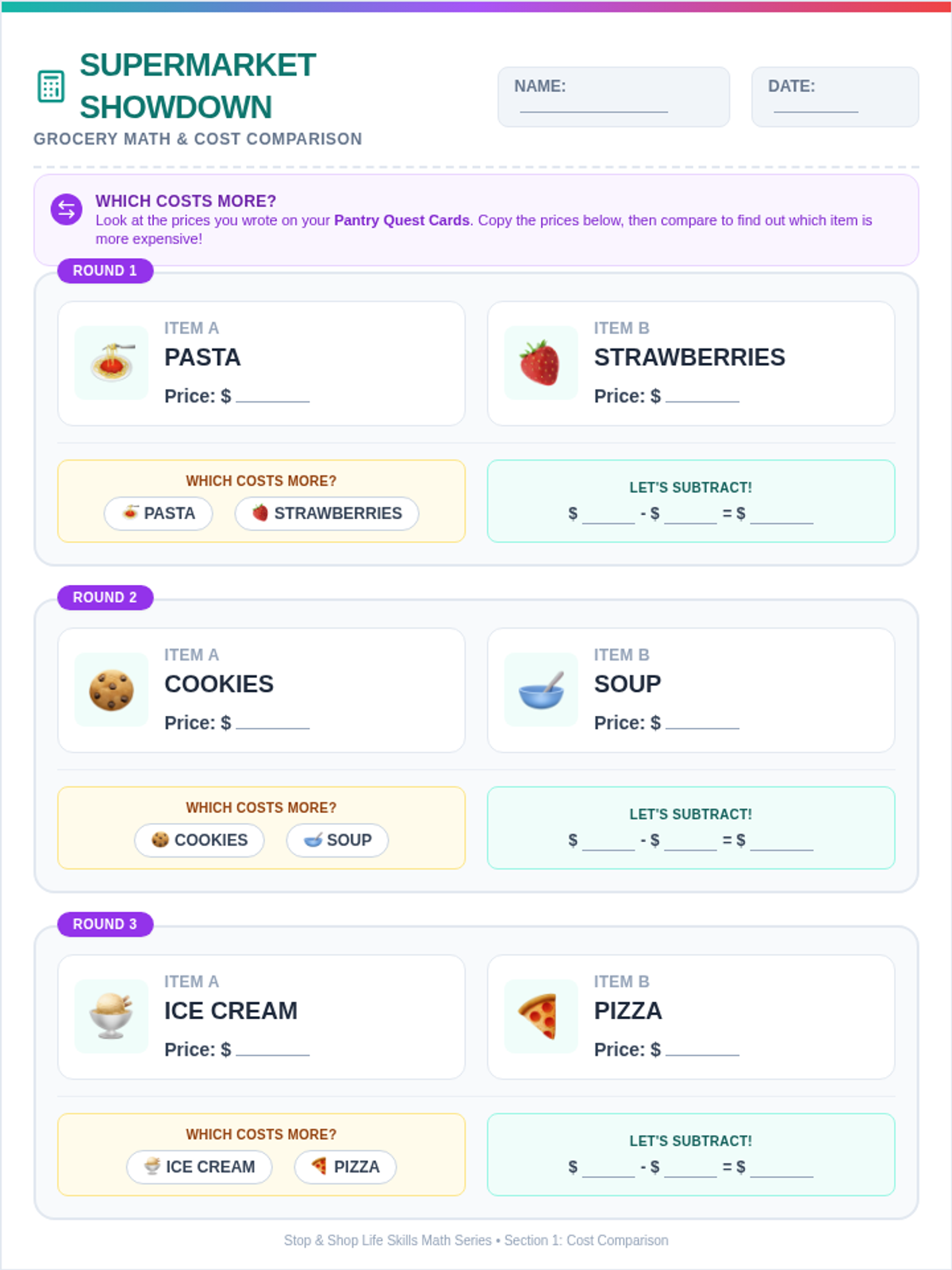
A real-world functional math lesson designed for life skills students. Students navigate a supermarket to locate pantry staples, snack items, and frozen foods, practicing next-dollar-up calculations and pricing comparison.
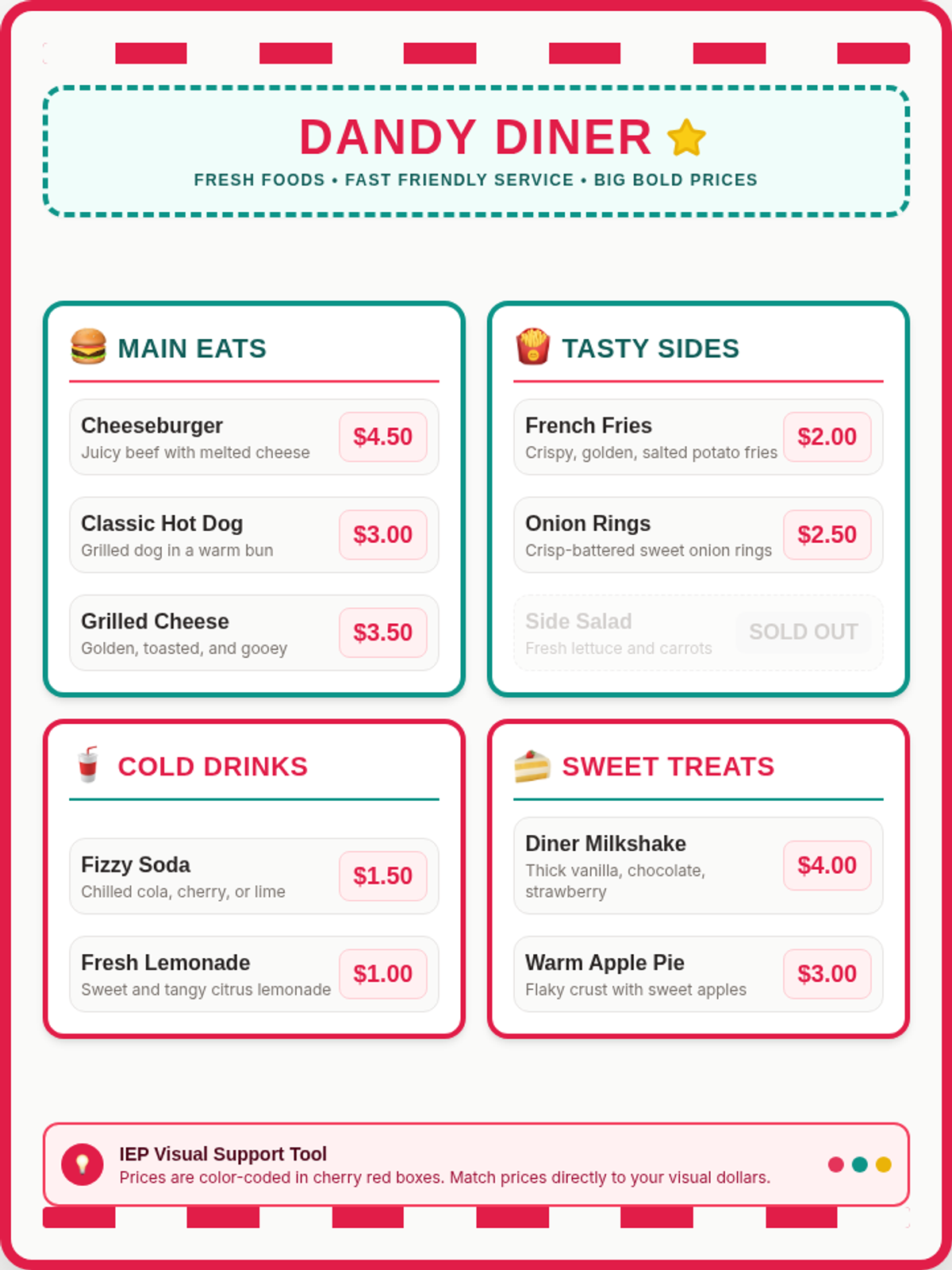
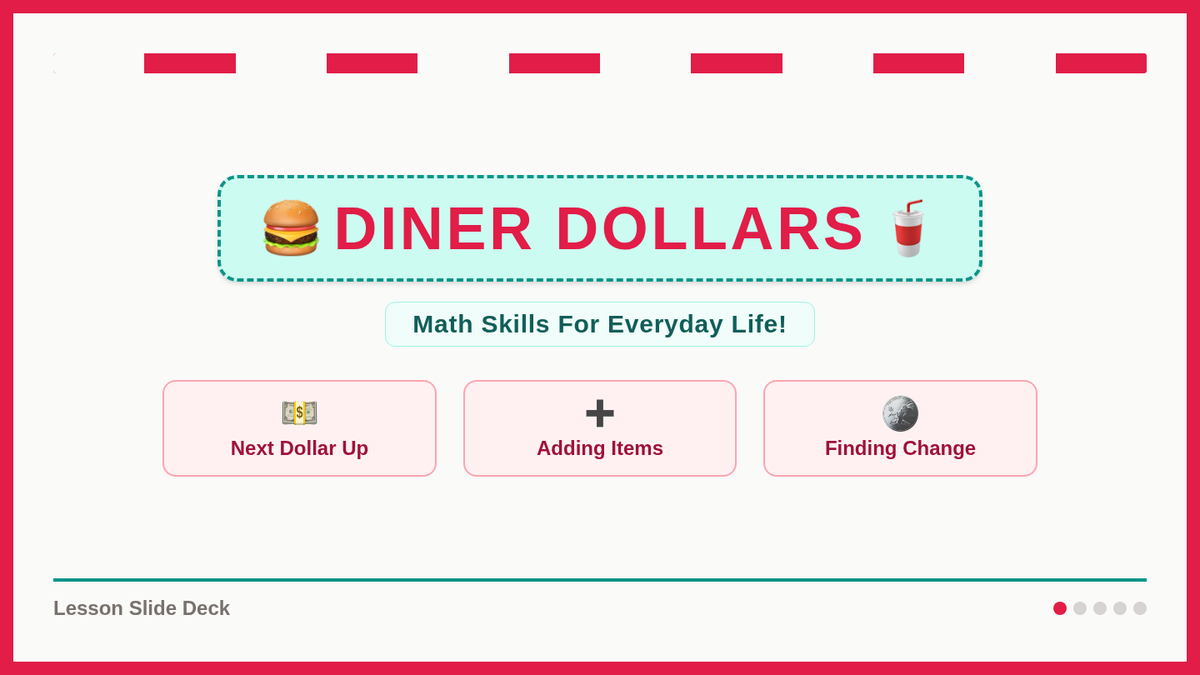
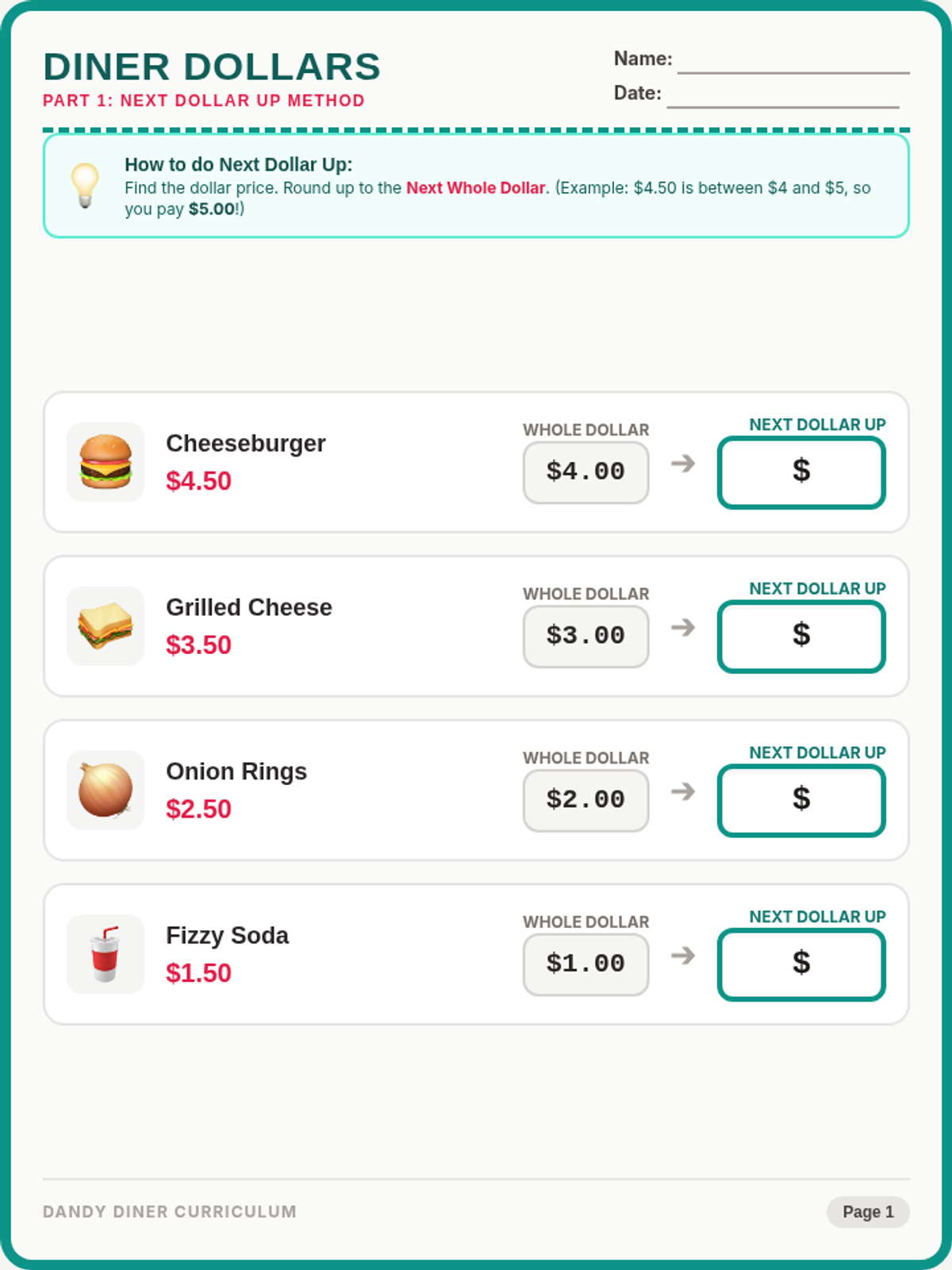
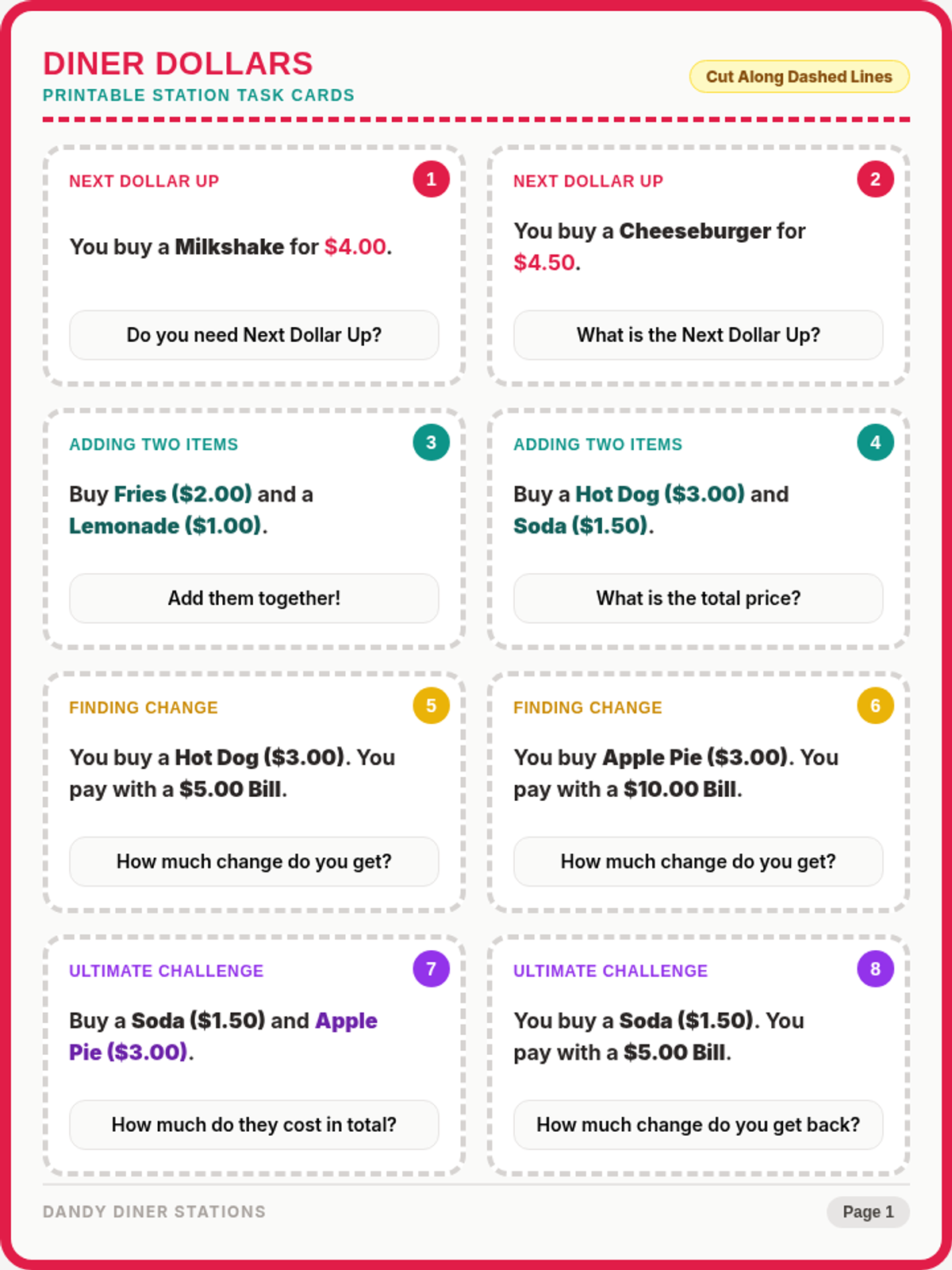
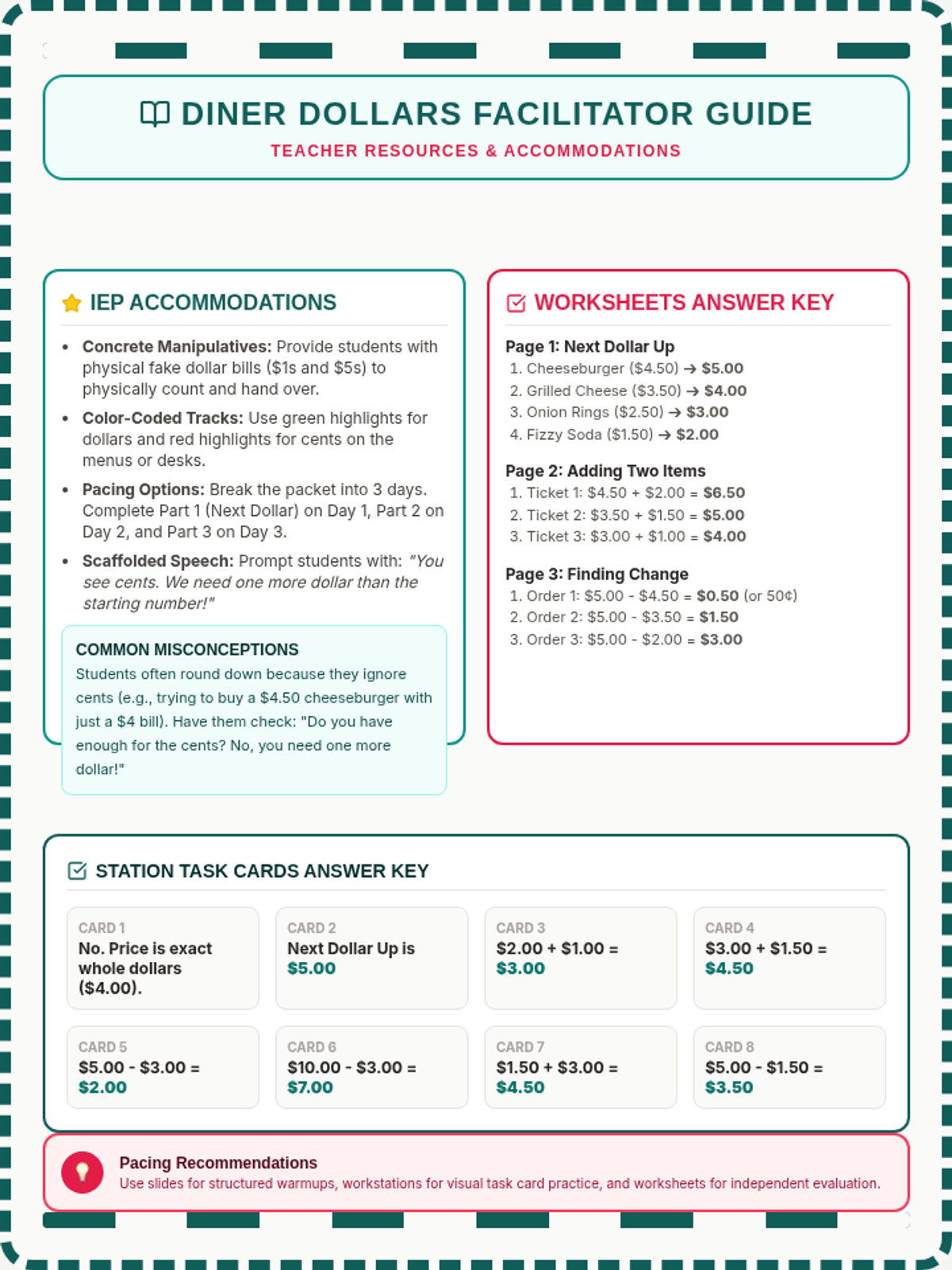
A comprehensive, highly scaffolded menu math lesson tailored for IEP students. Using a friendly retro diner theme, it covers the Next Dollar Up method, simple decimal addition of two items, and calculating change using concrete visual supports.
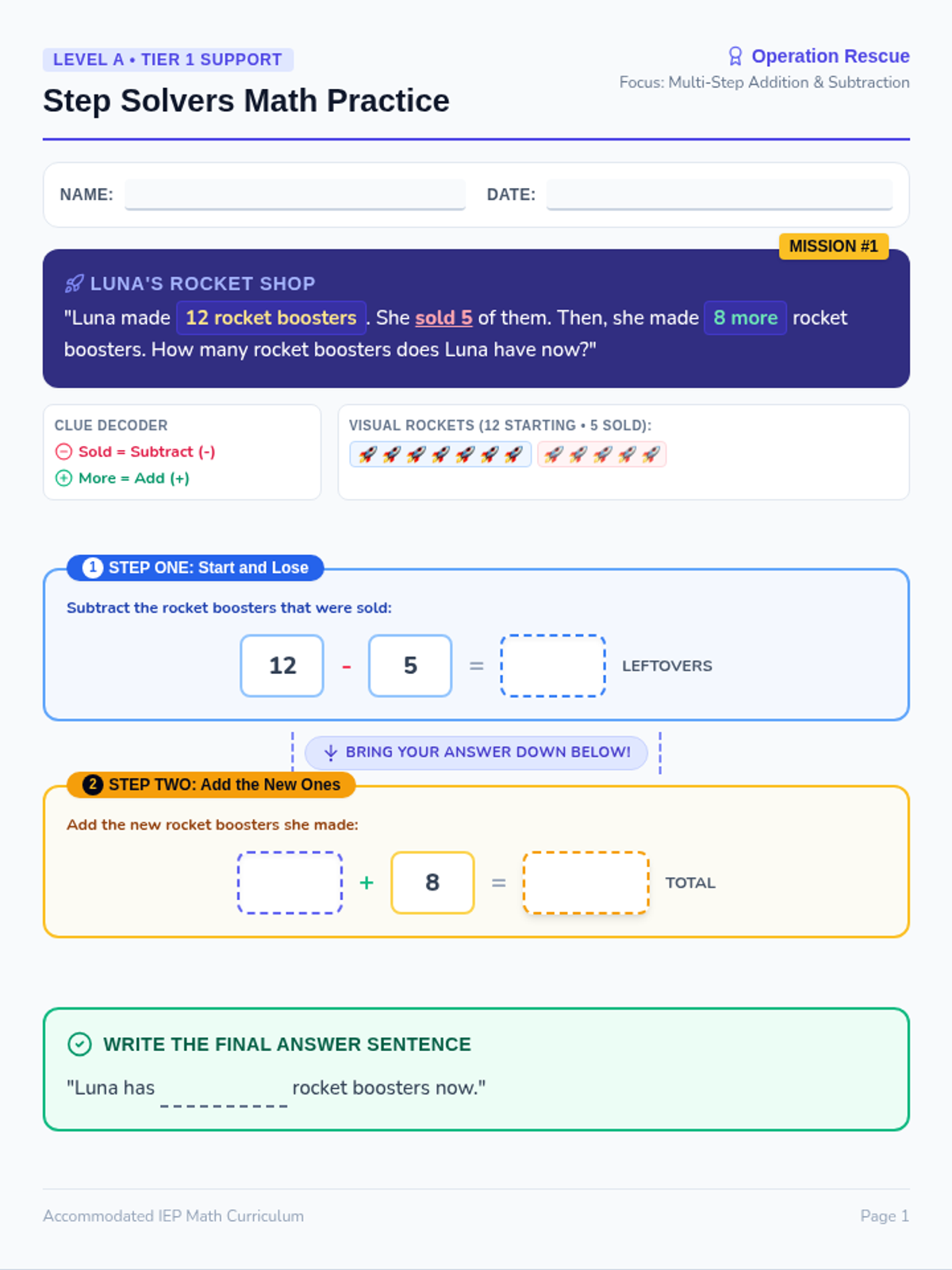
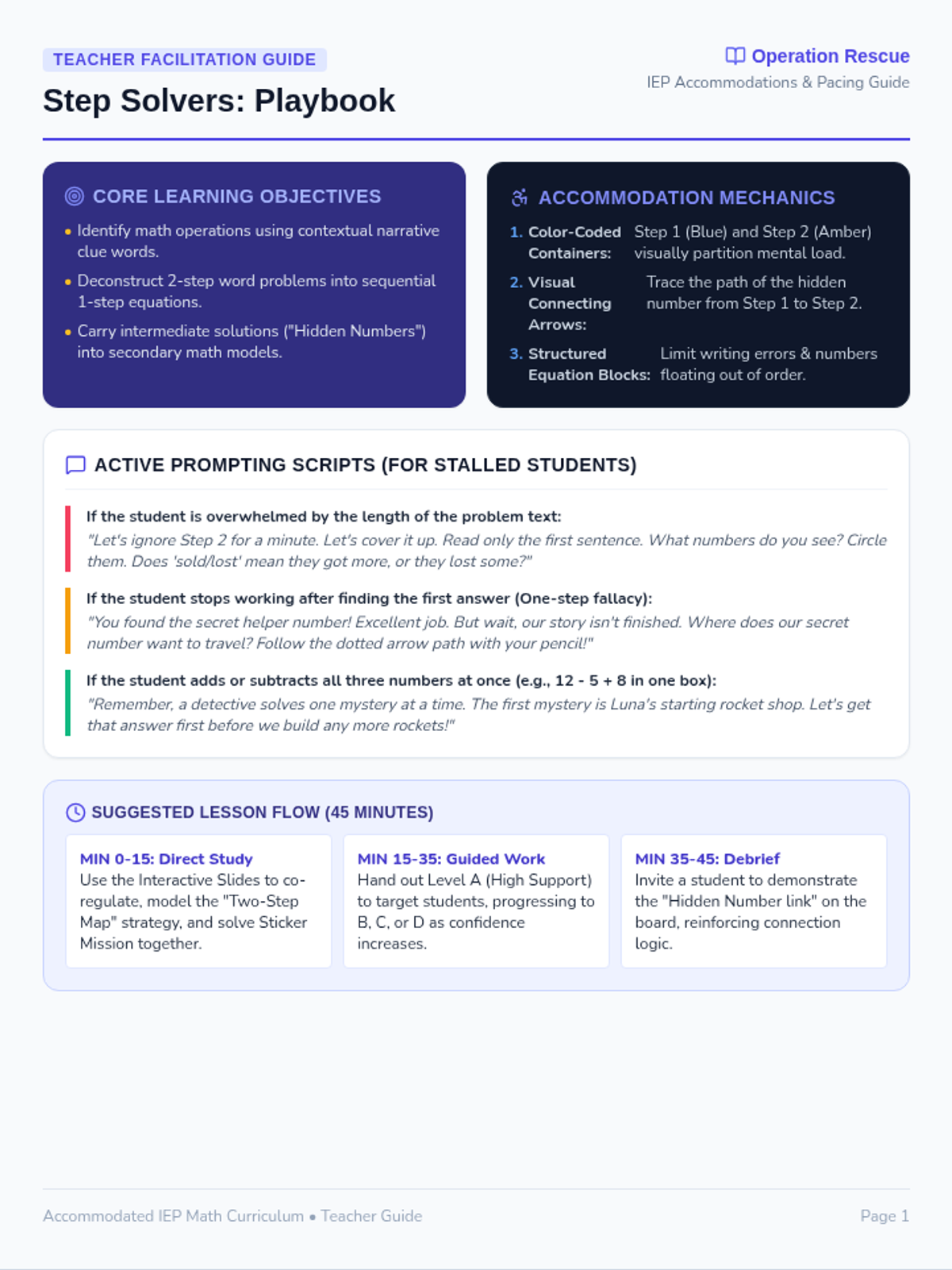
A modified math lesson on solving multi-step word problems, specifically designed for students with IEP accommodations. It features highly structured visual graphic organizers, pictorial supports, and sentence frames to break down complex multi-step problems into manageable, sequential steps.
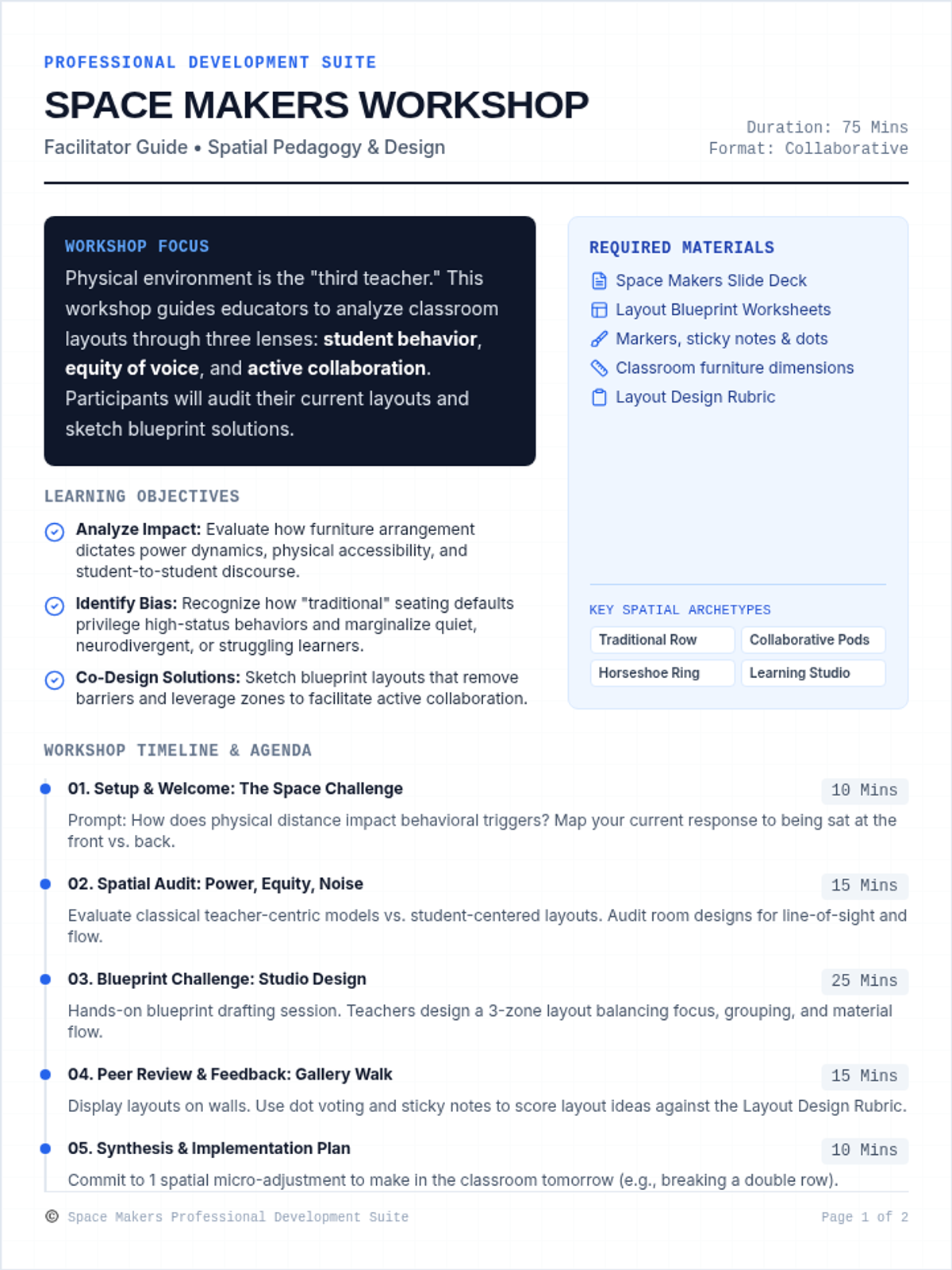
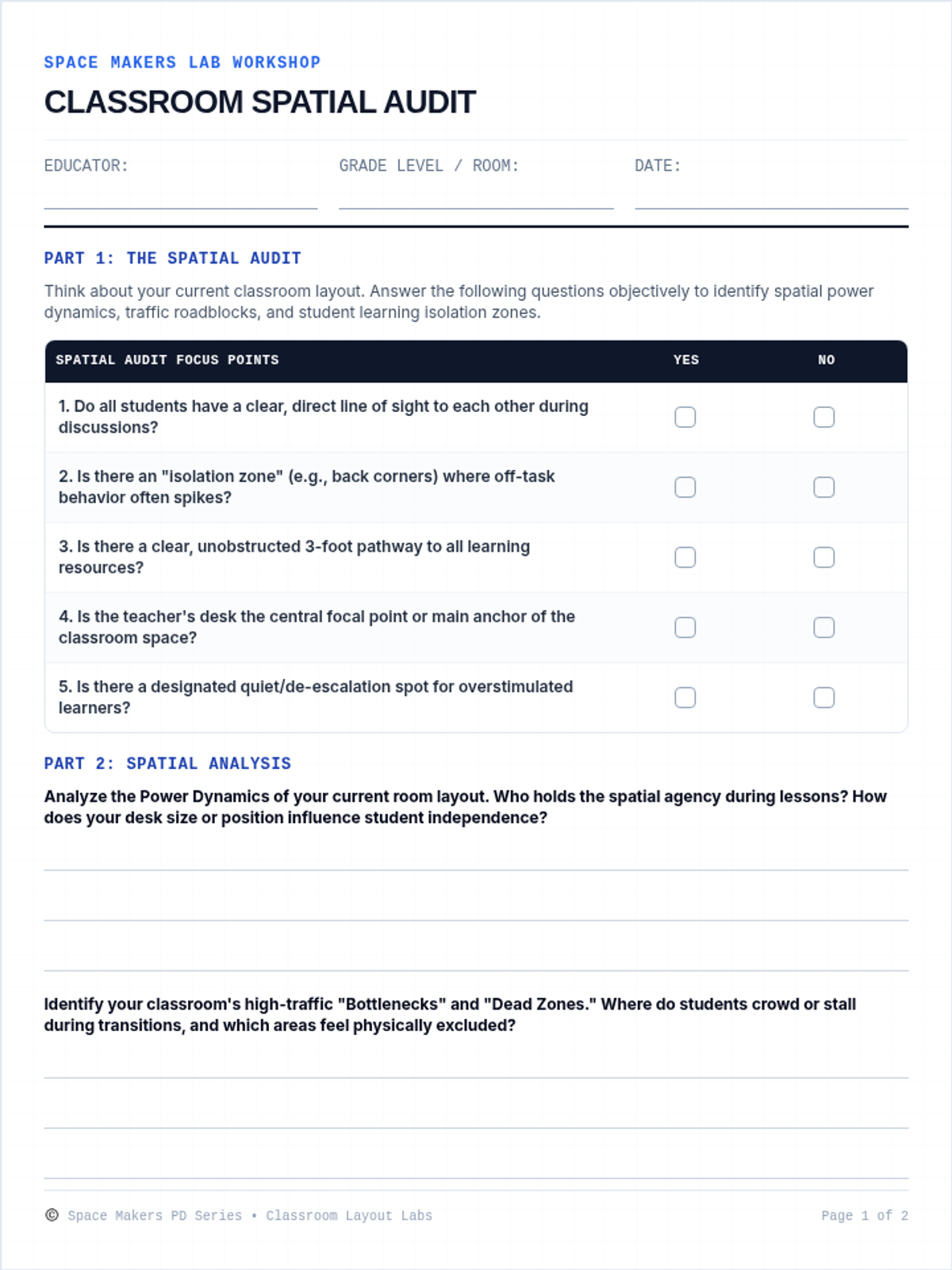
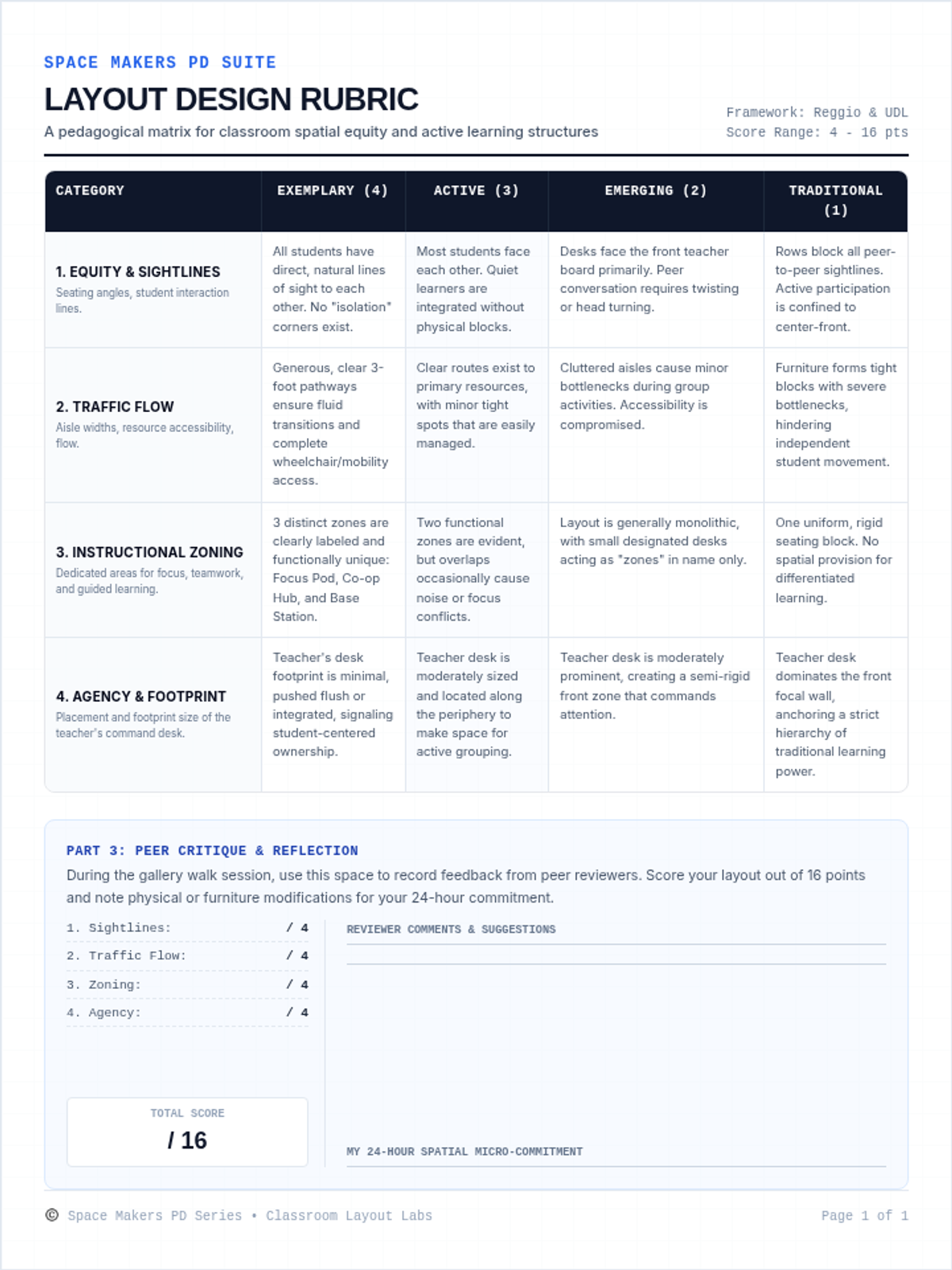
An interactive professional development workshop for educators to analyze physical classroom layouts, evaluate their impact on student behavior and equity, and design collaborative future spaces.
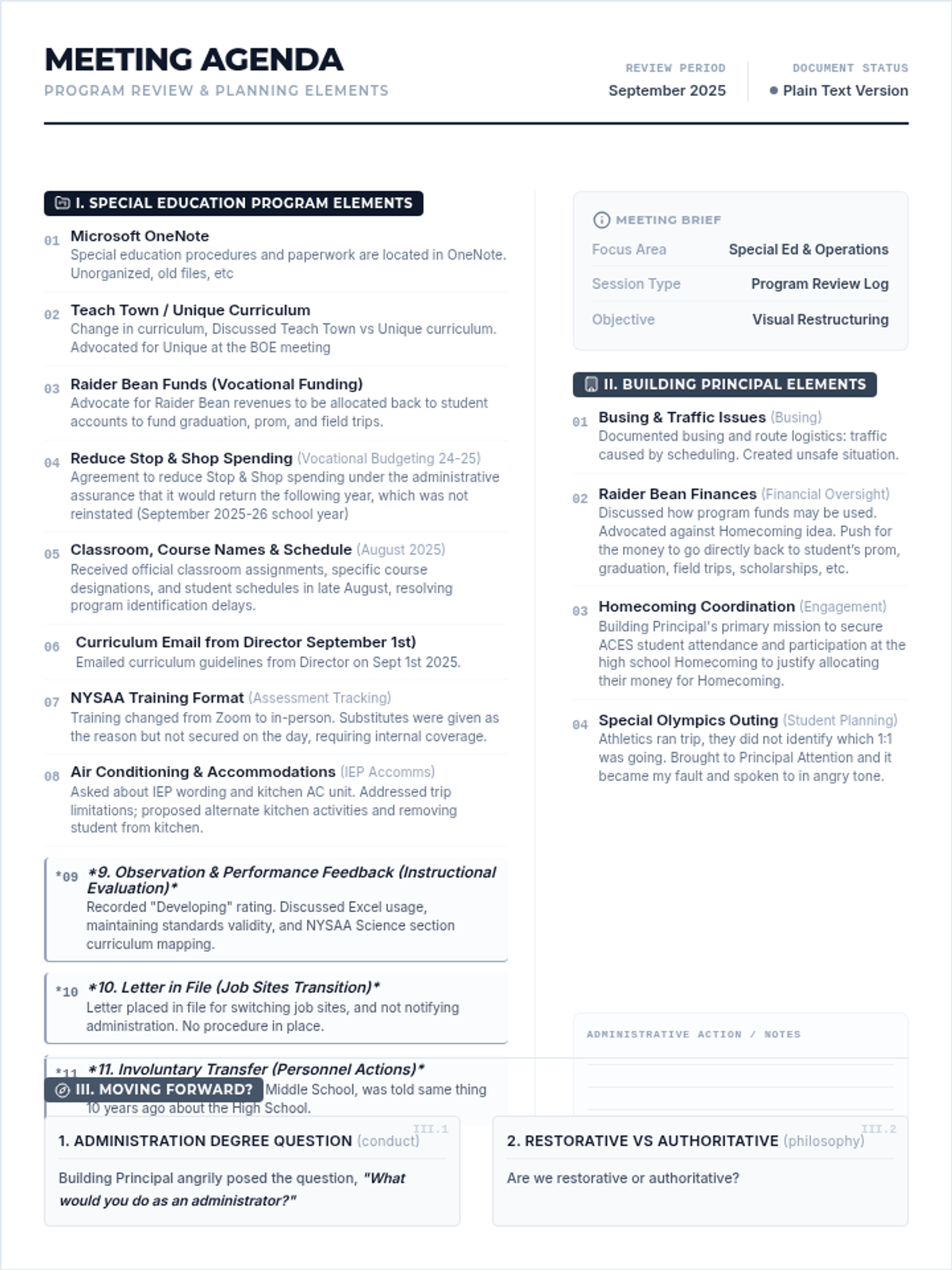
A strategic review of special education and building principal program elements, focusing on visual clarity, readability, and structured layout.
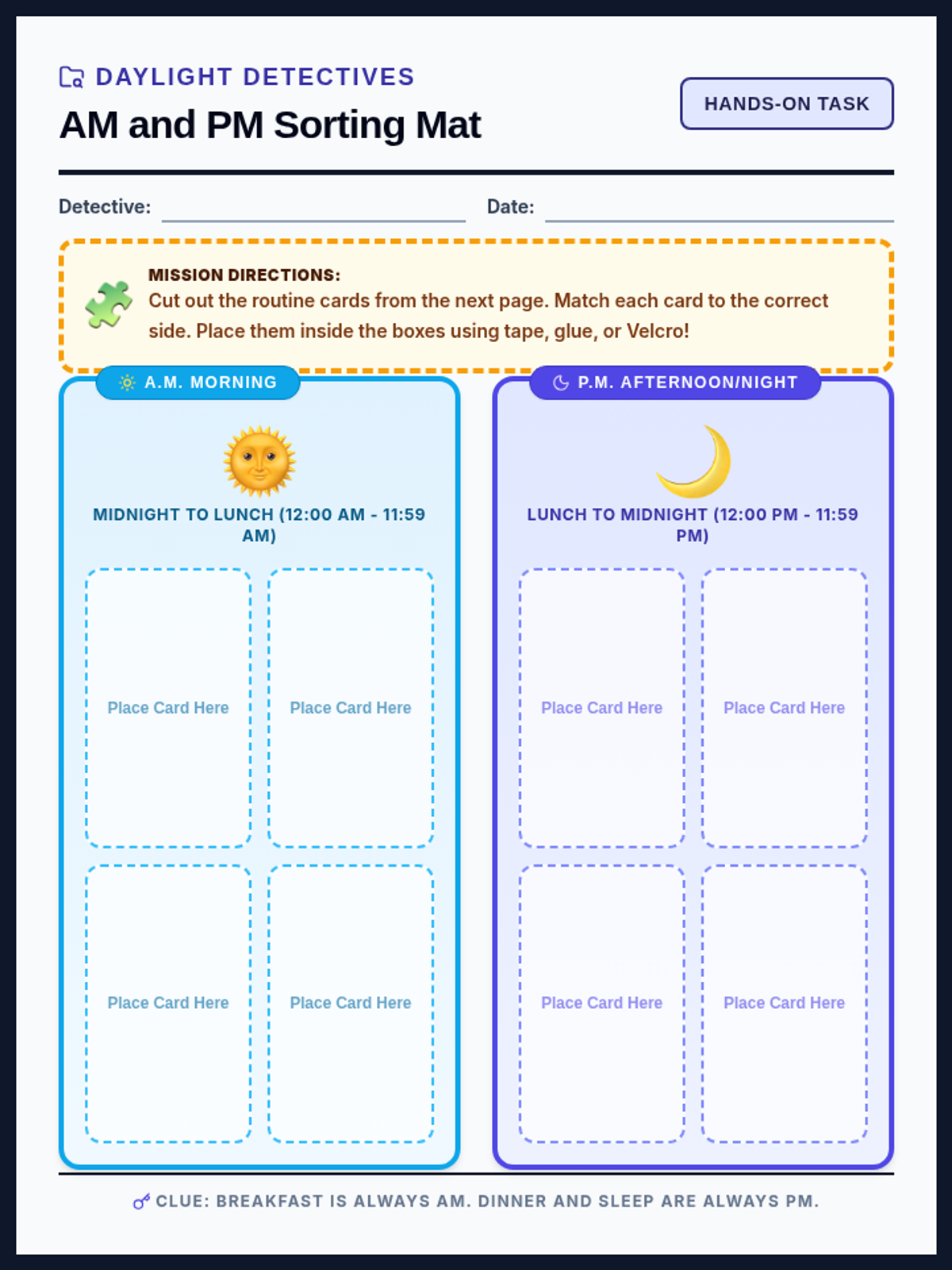
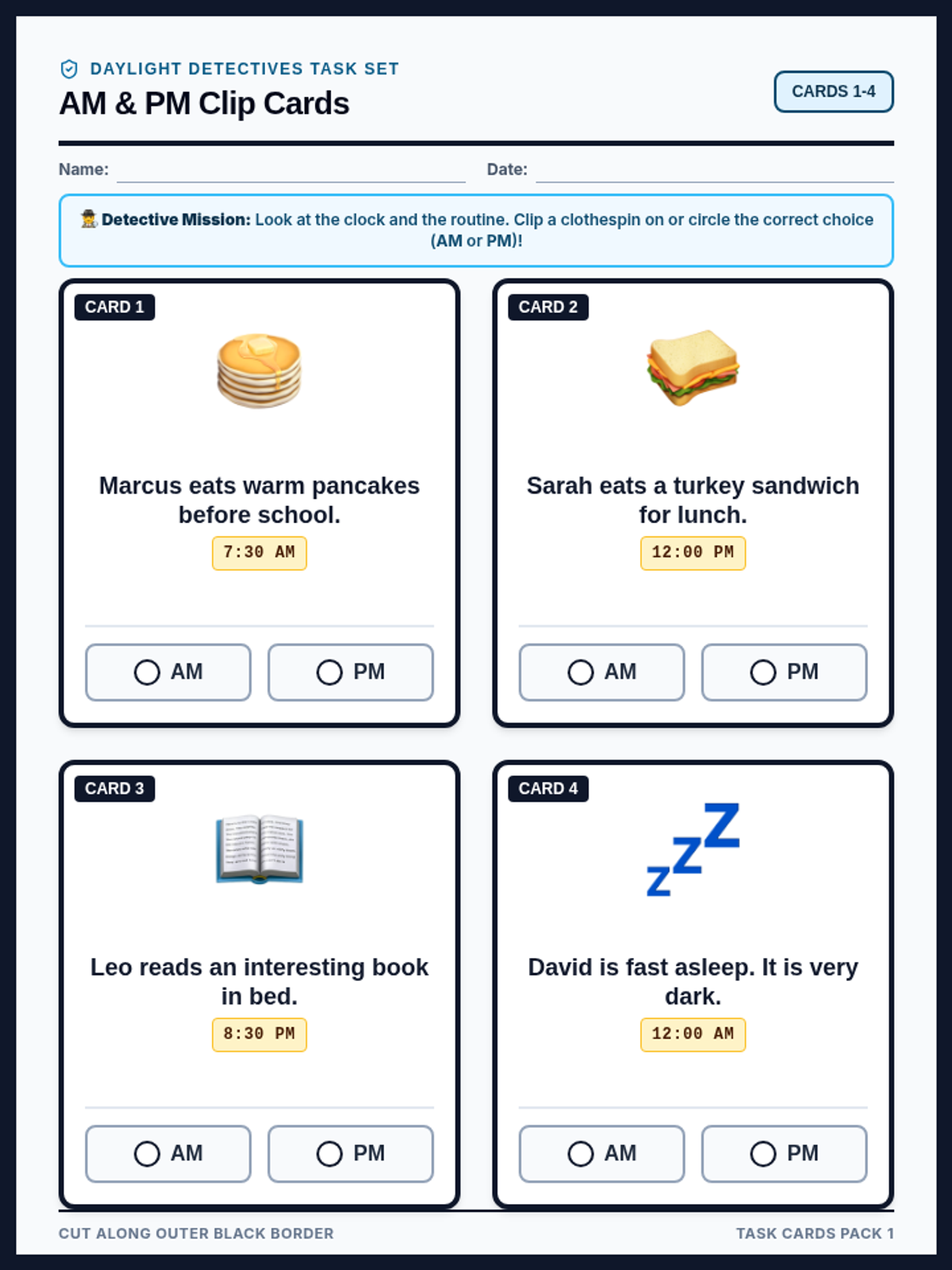
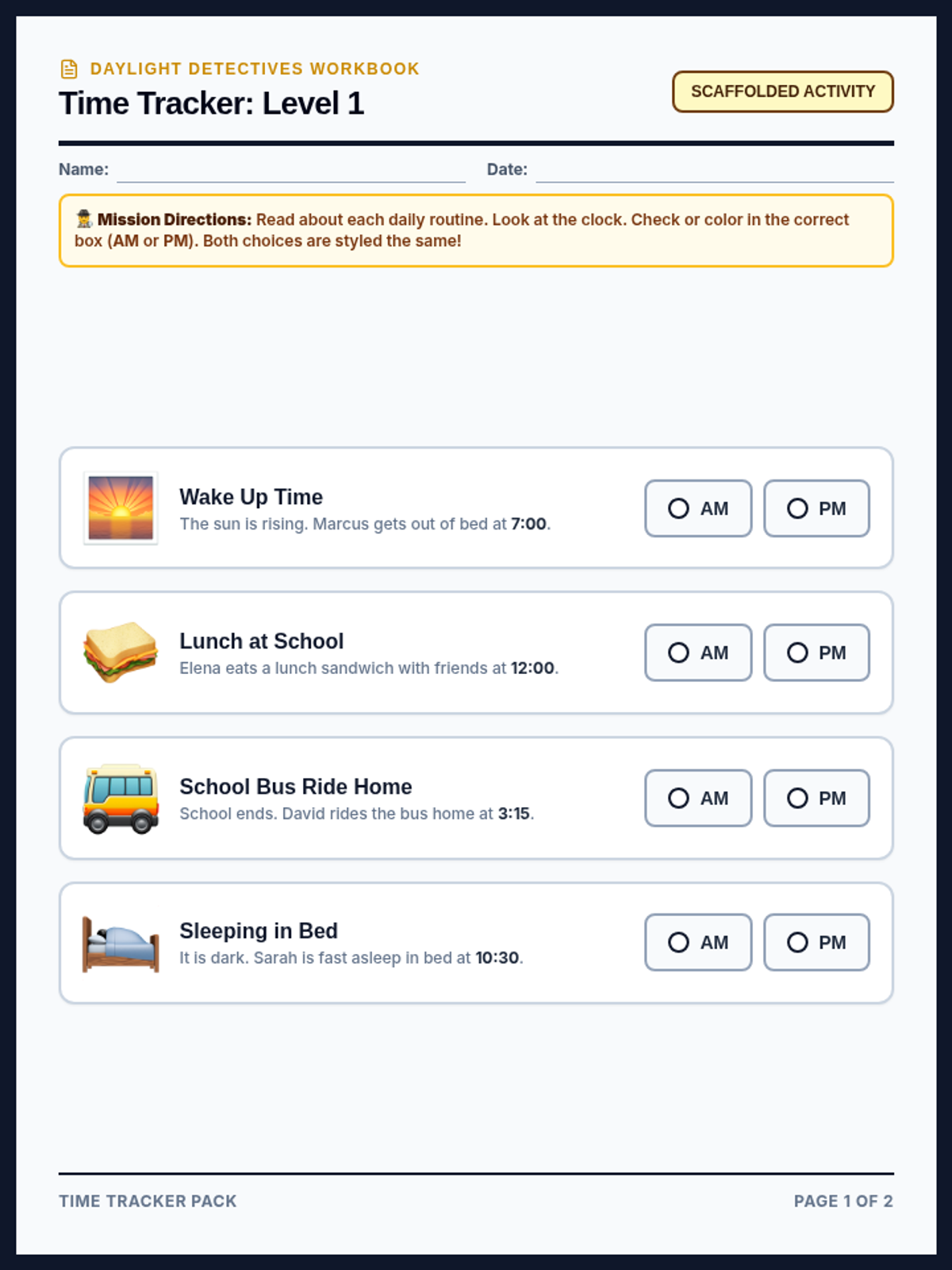
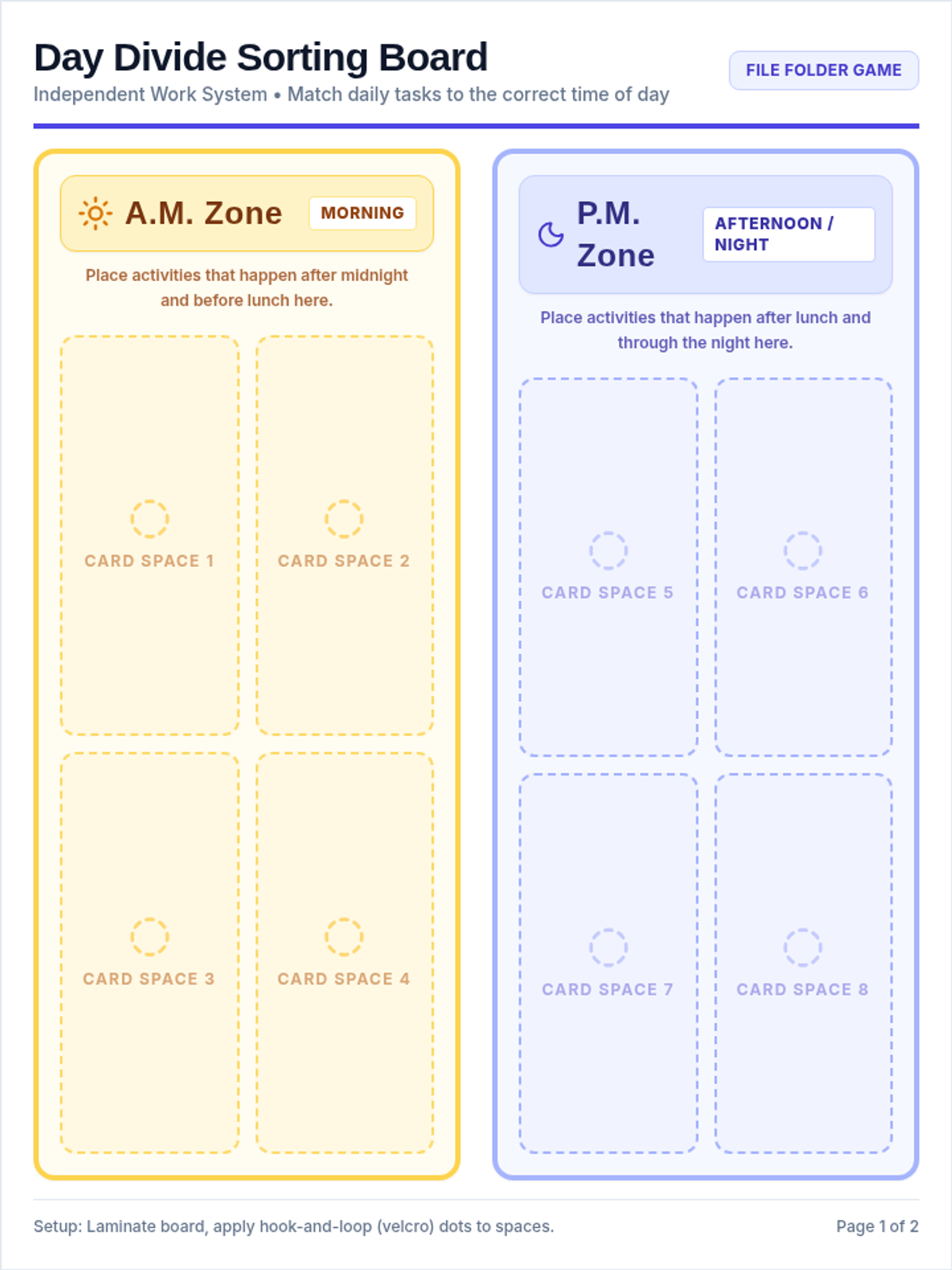
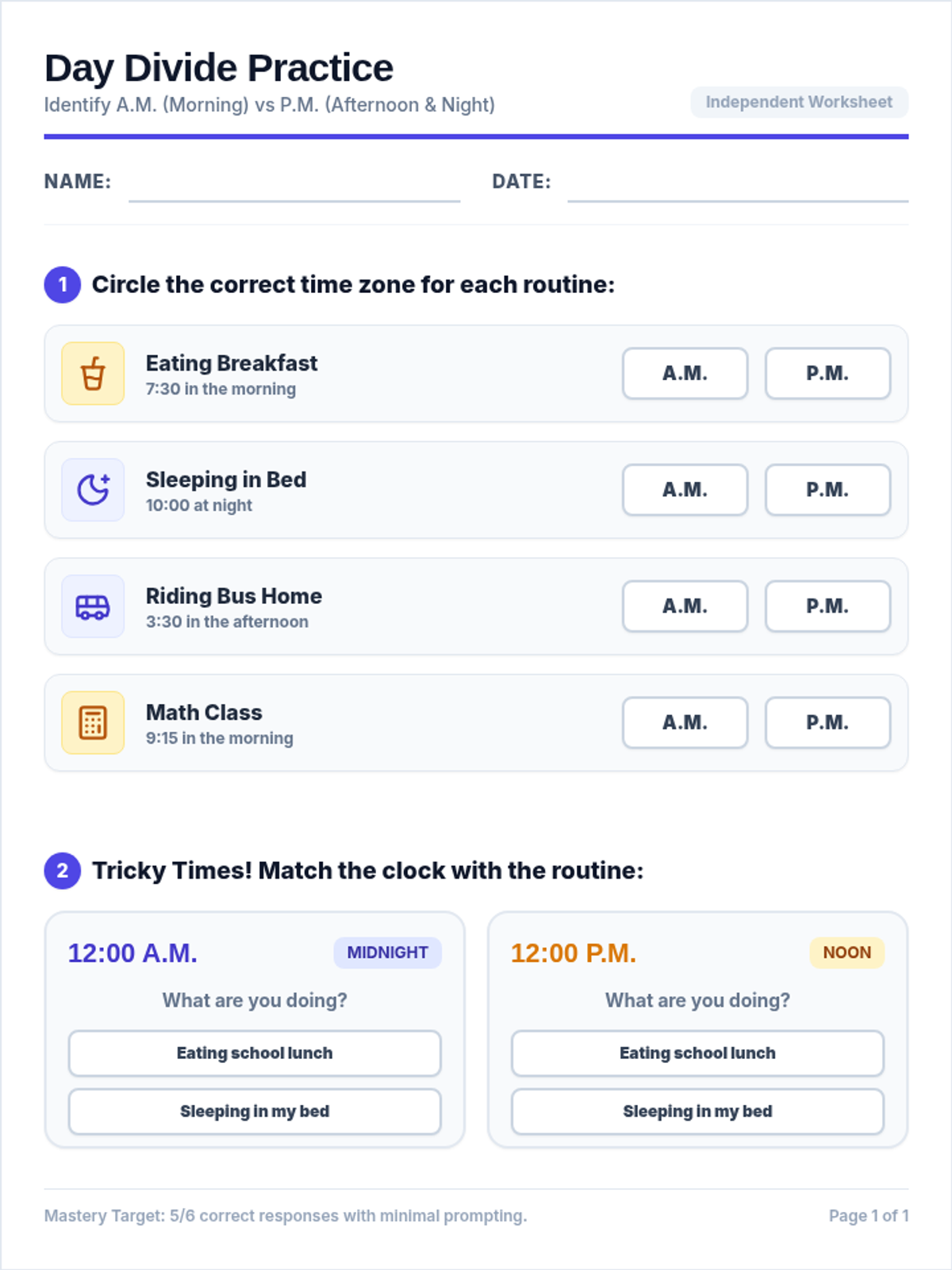
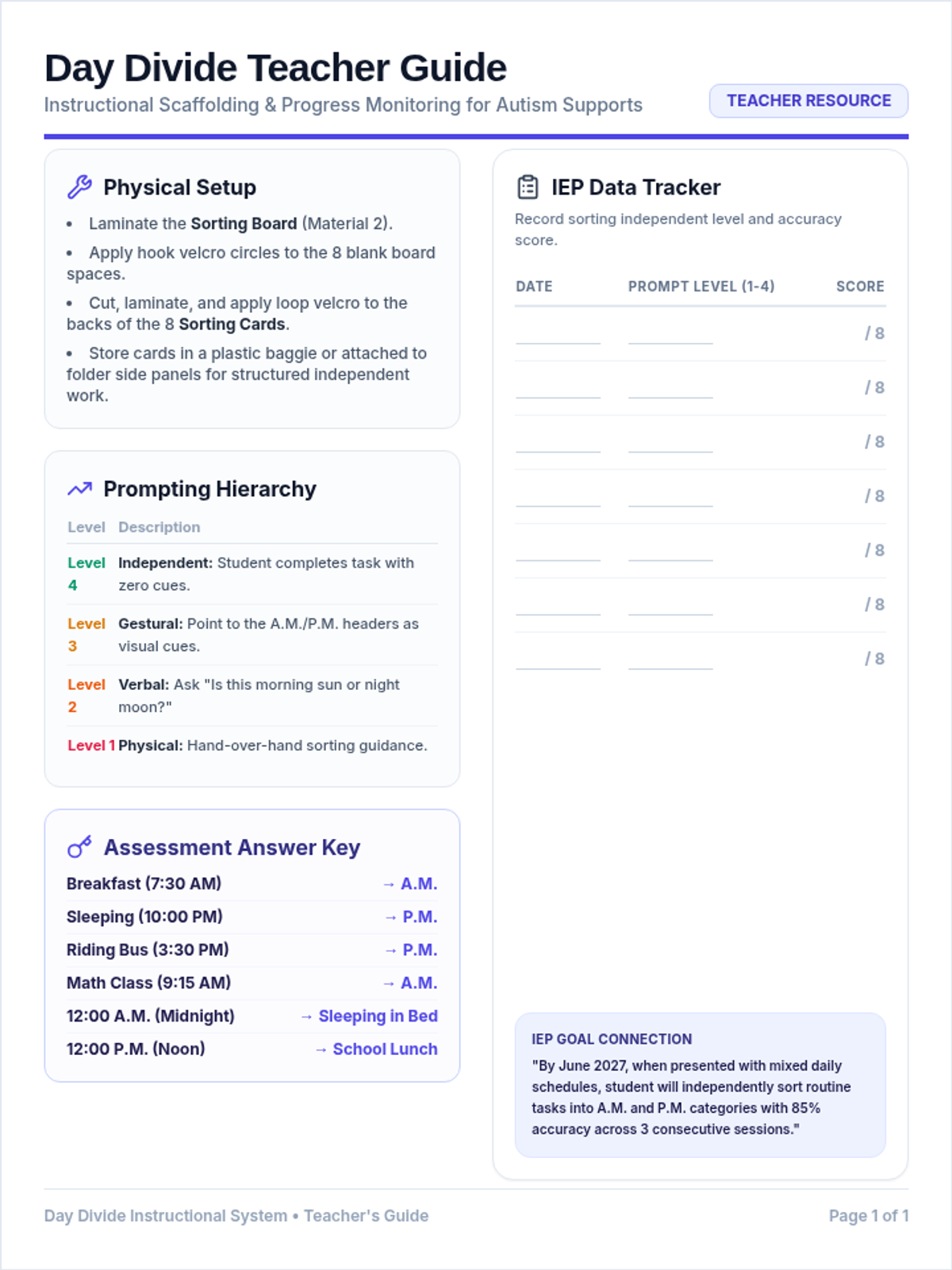
A highly visual, structured lesson designed for middle school students on the autism spectrum to master AM and PM. It uses real-world routines, consistent color-coding (yellow/blue for AM, dark indigo for PM), and structured hands-on tasks to reduce cognitive load and promote independence.
A structured, visually-supported lesson introducing AM and PM concepts tailored for middle school students on the autism spectrum. It utilizes color-coding, predictable routines, and physical sorting to reinforce functional life-skills timing.
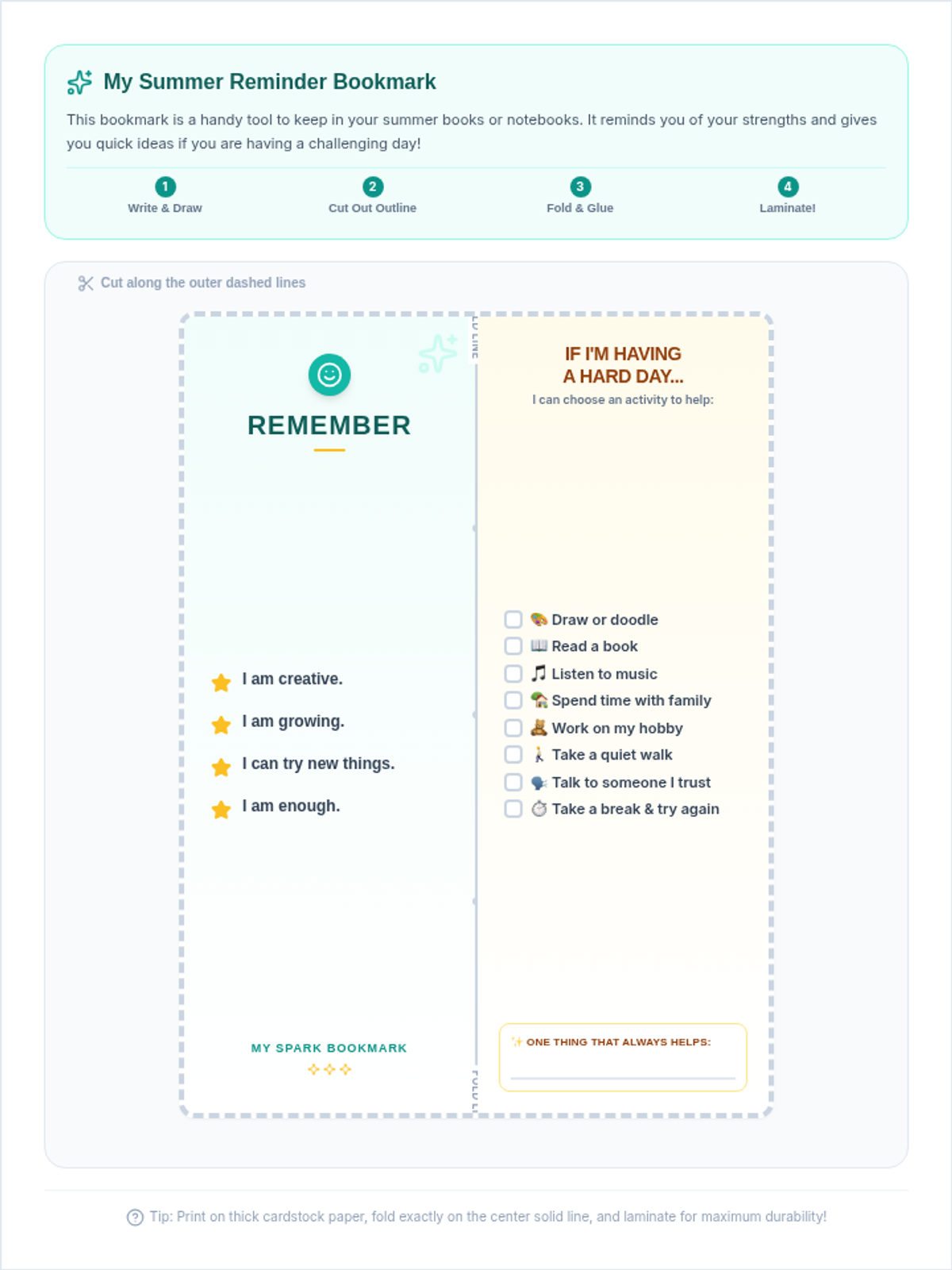
A year-long personal reflective diary and mindfulness tool for middle school students, designed with clean layouts and predictable structures to support neurodivergent learners through art, self-expression, and self-regulation prompts.
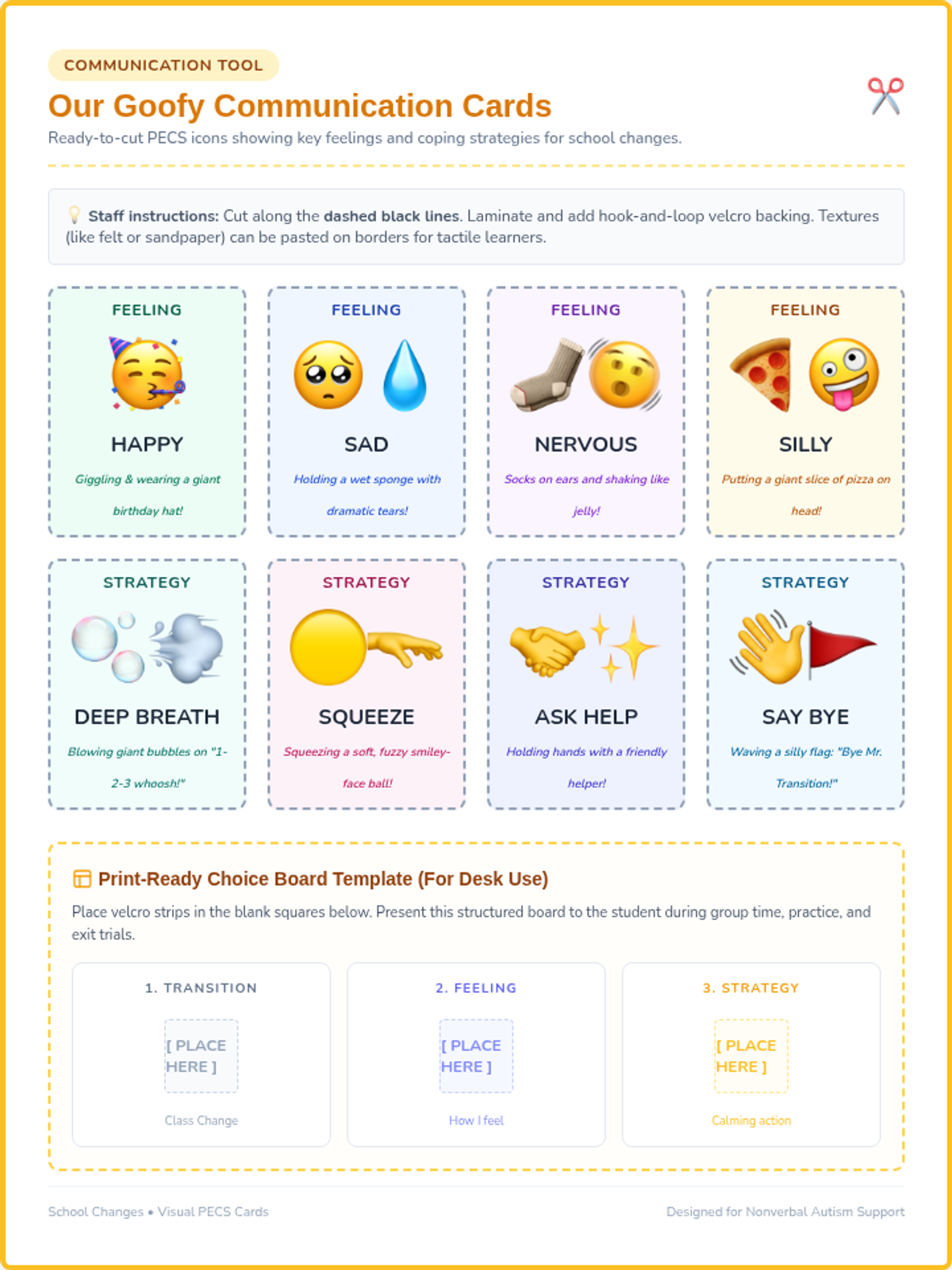
A comprehensive social-emotional learning lesson for Grade 6 severe autistic nonverbal students to identify transitions, feelings, and calming strategies using a silly, goofy mascot theme.