A guided lesson on latitude and longitude using structured, color-coded pathways. Students master horizontal latitude (red) and vertical longitude (blue) through step-by-step visual scaffolds and targeted practice.
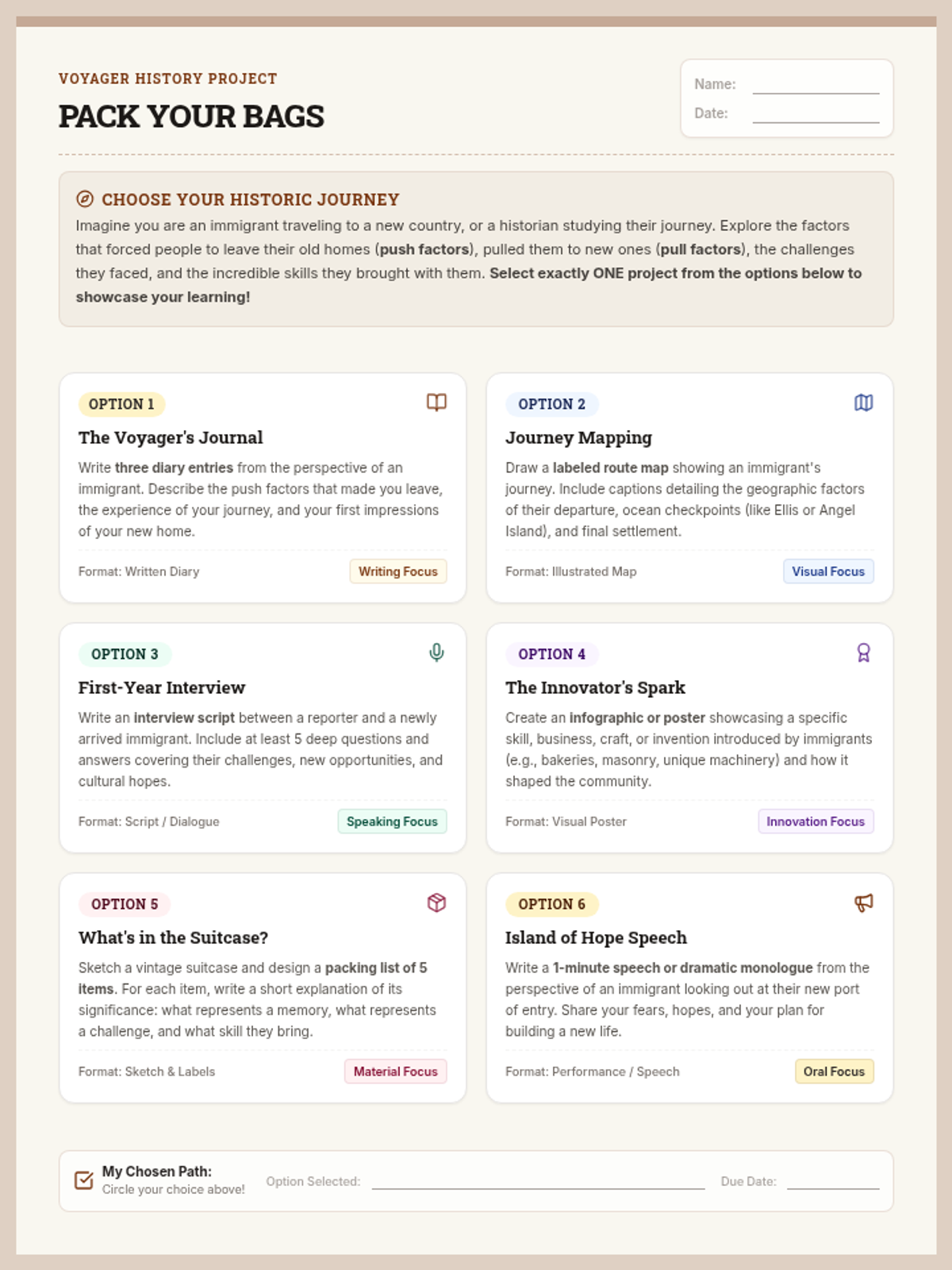
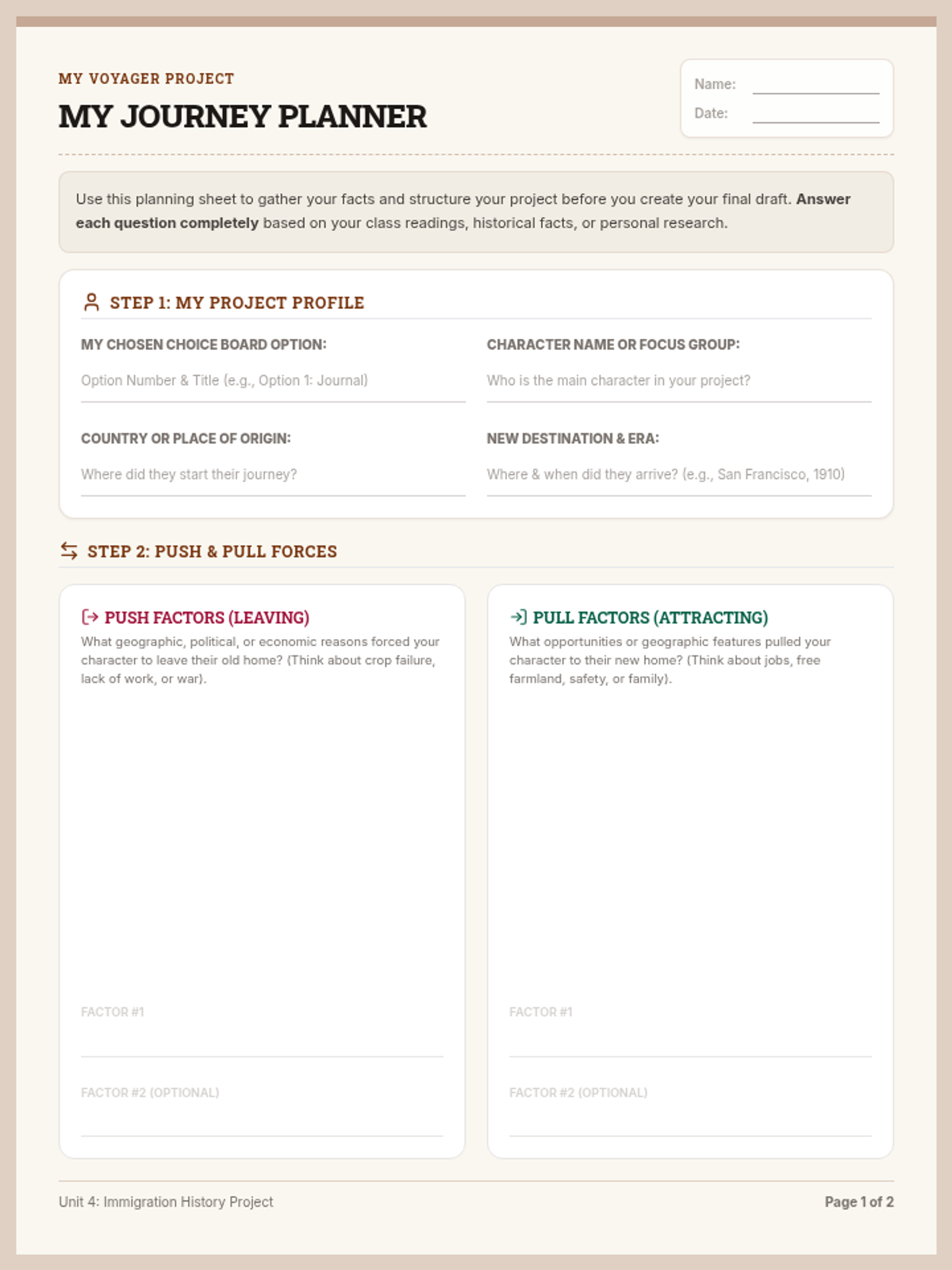
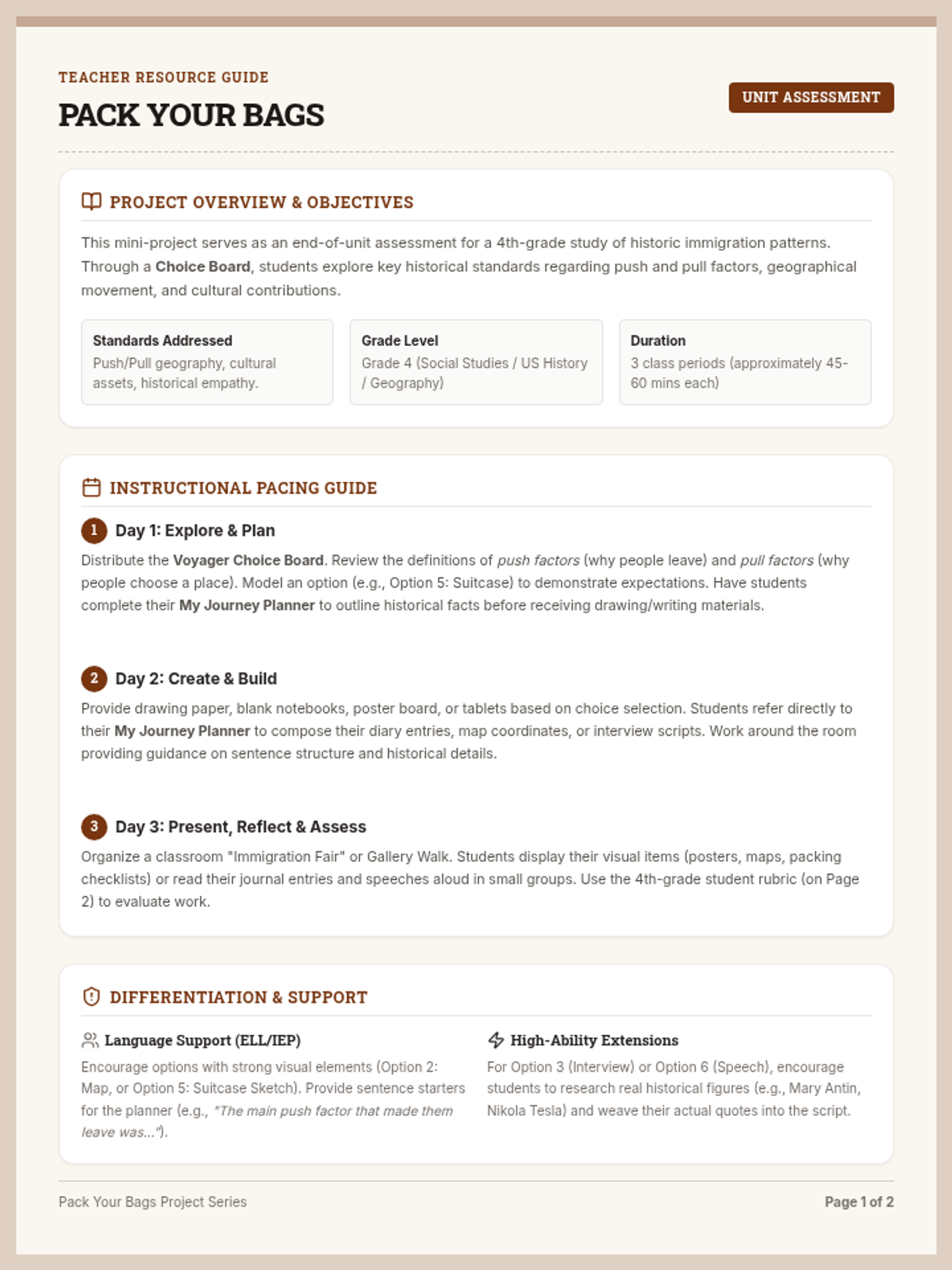
An immigration end-of-unit mini-project lesson for fourth graders, built around a creative Choice Board. Students explore push and pull factors, challenges and opportunities, and the skills or inventions immigrants brought to their new homes.
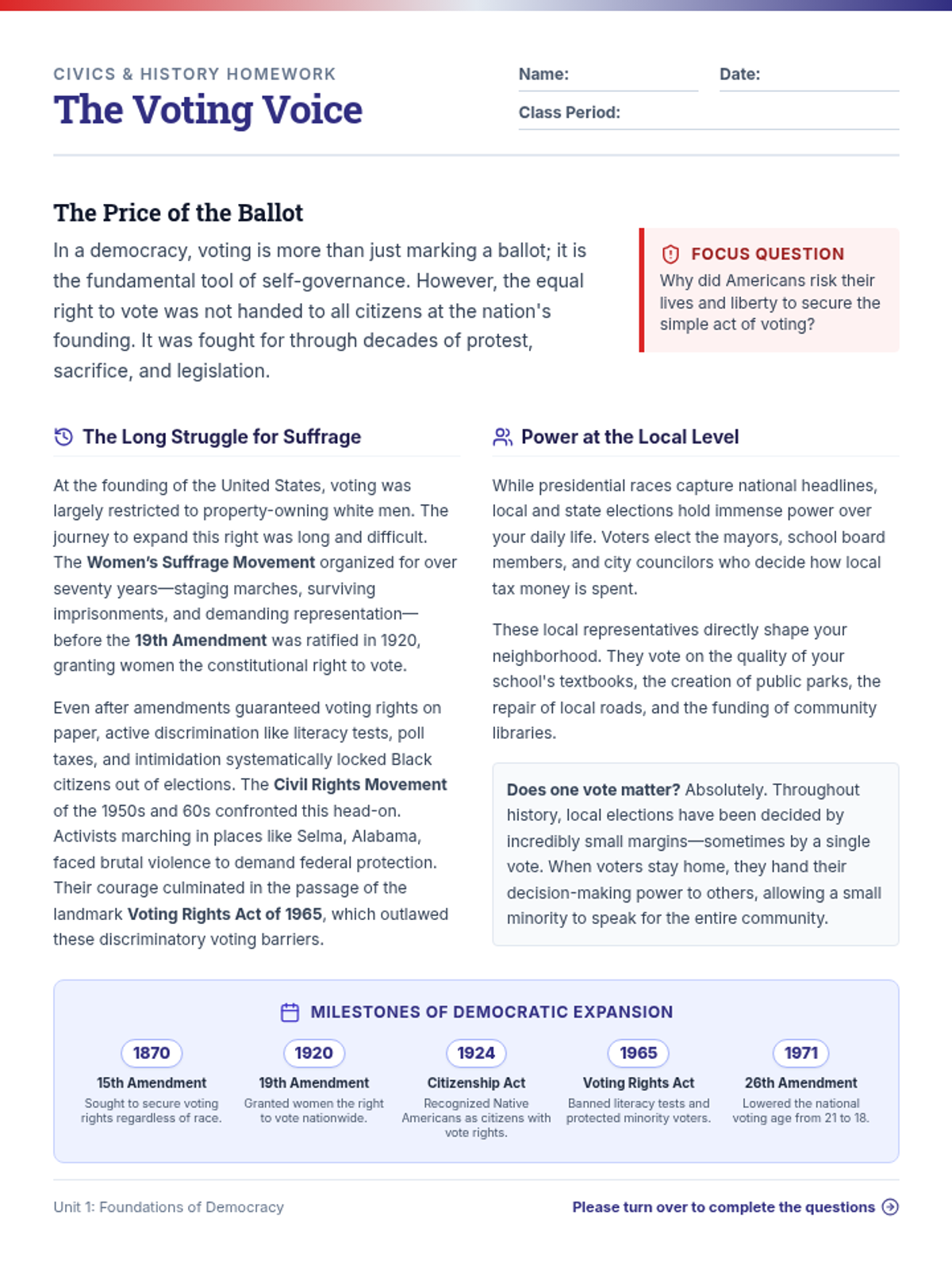
A middle school civics lesson exploring the historical struggle for voting rights in the United States and the modern importance of active civic participation. Students will analyze how voting shapes communities and why every vote is vital to a democracy.
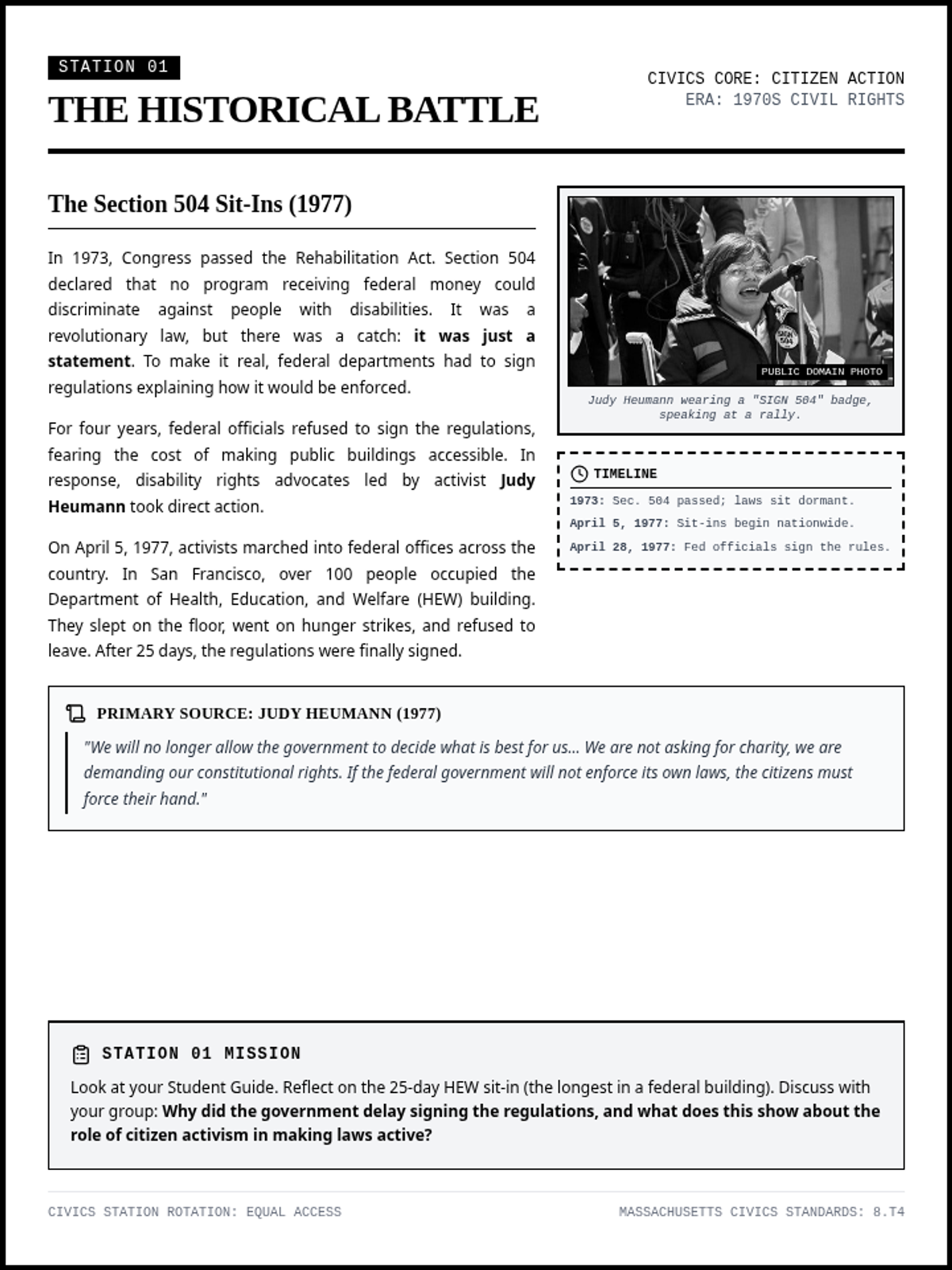
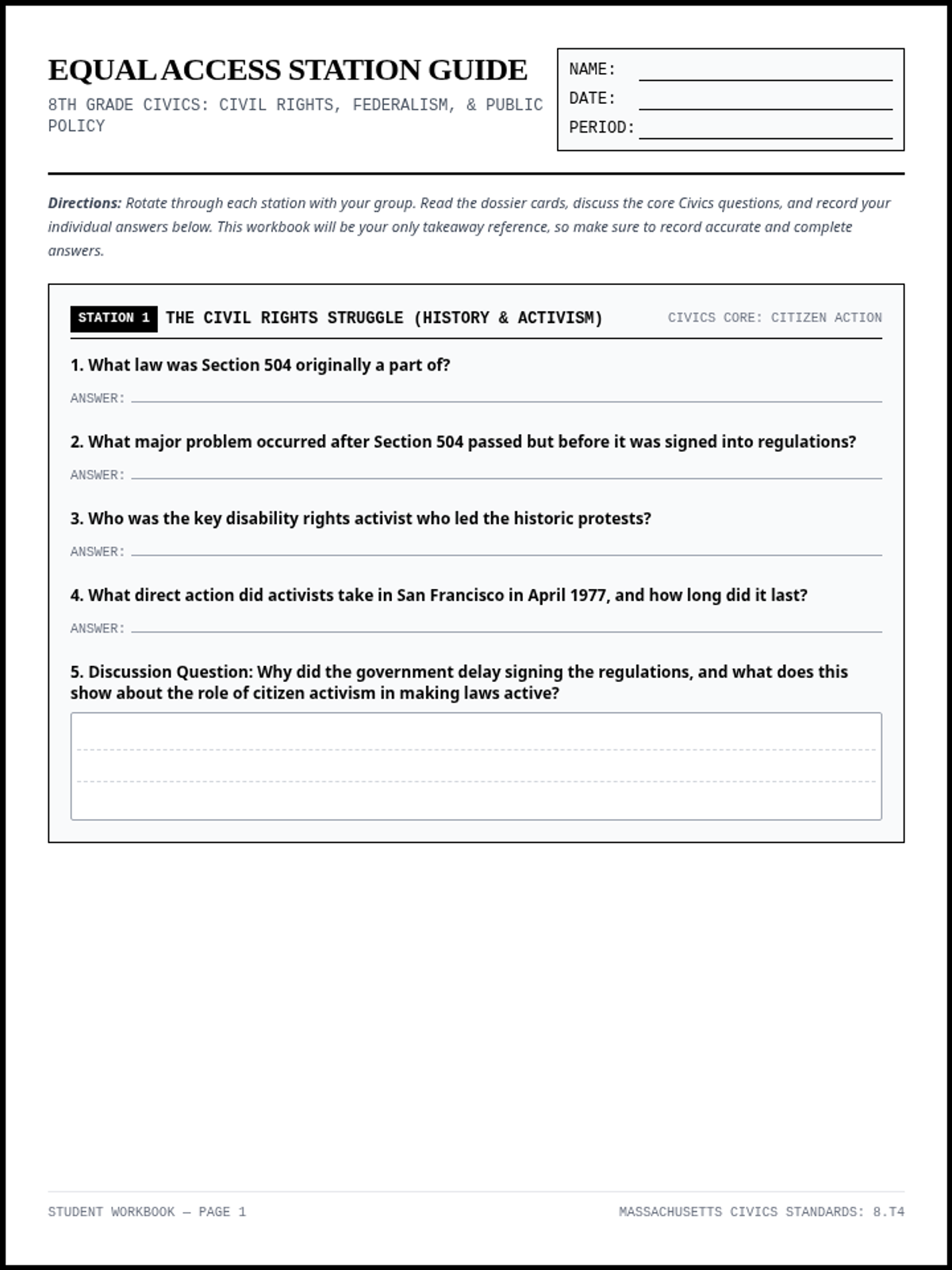
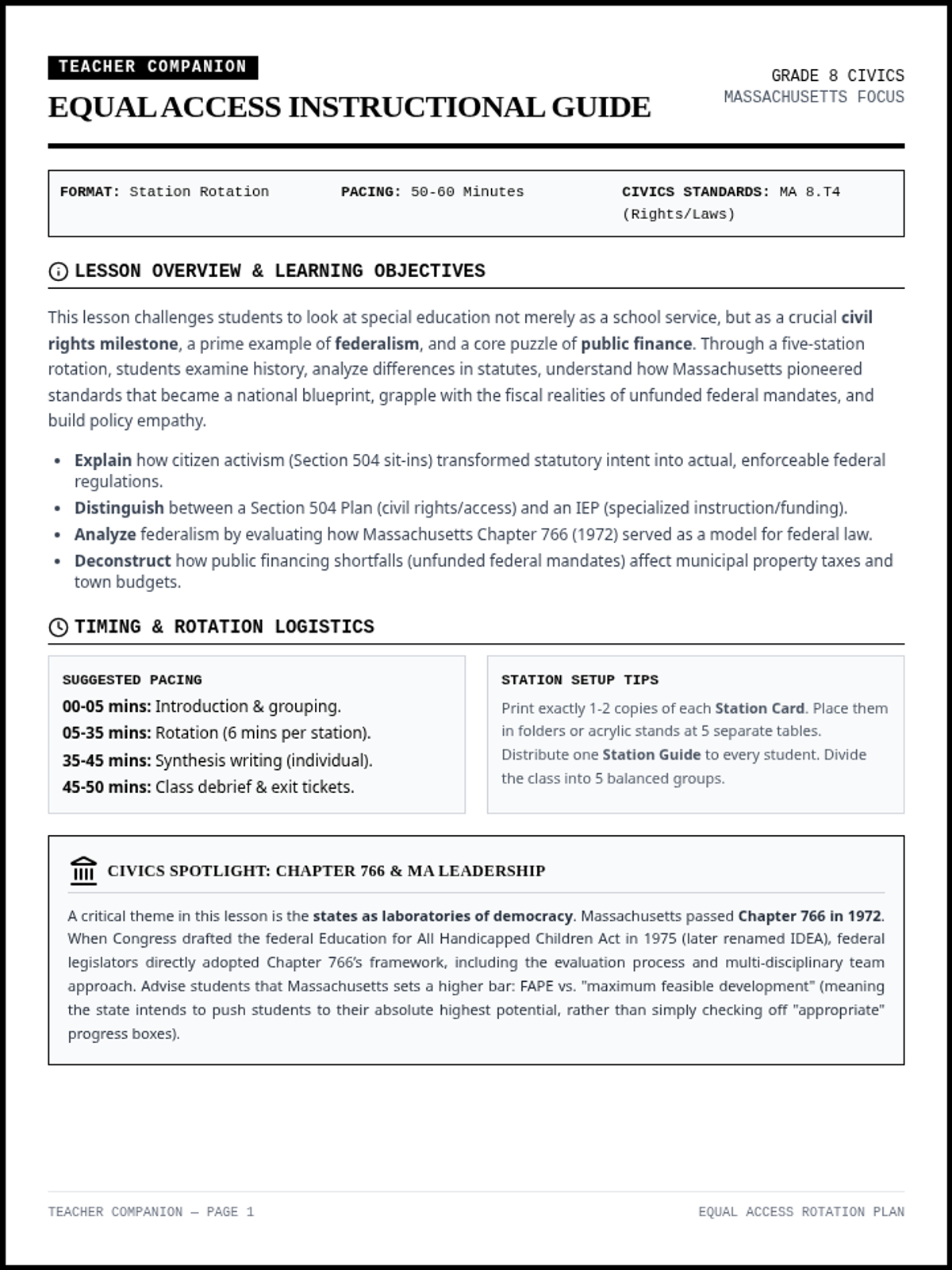
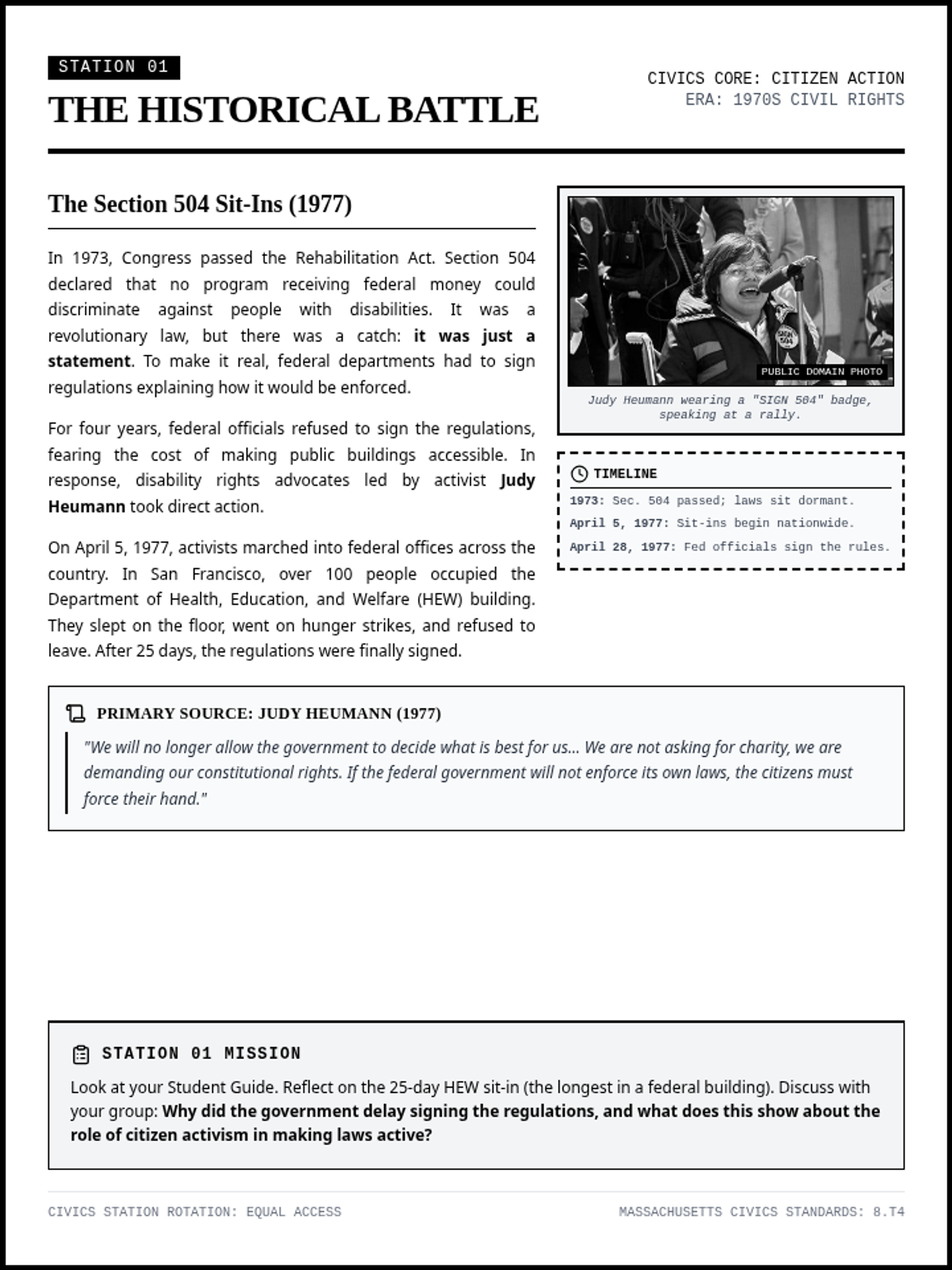
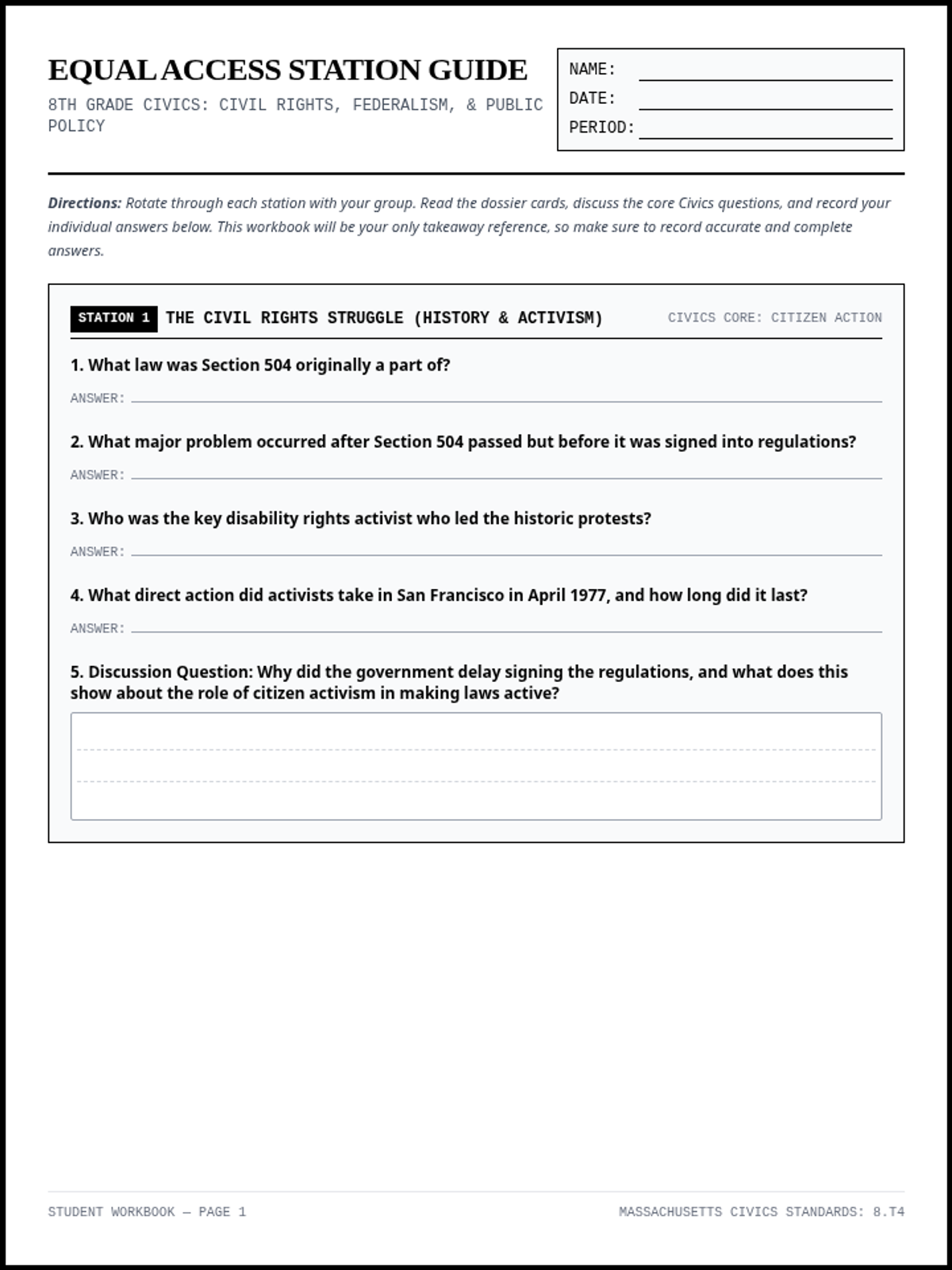
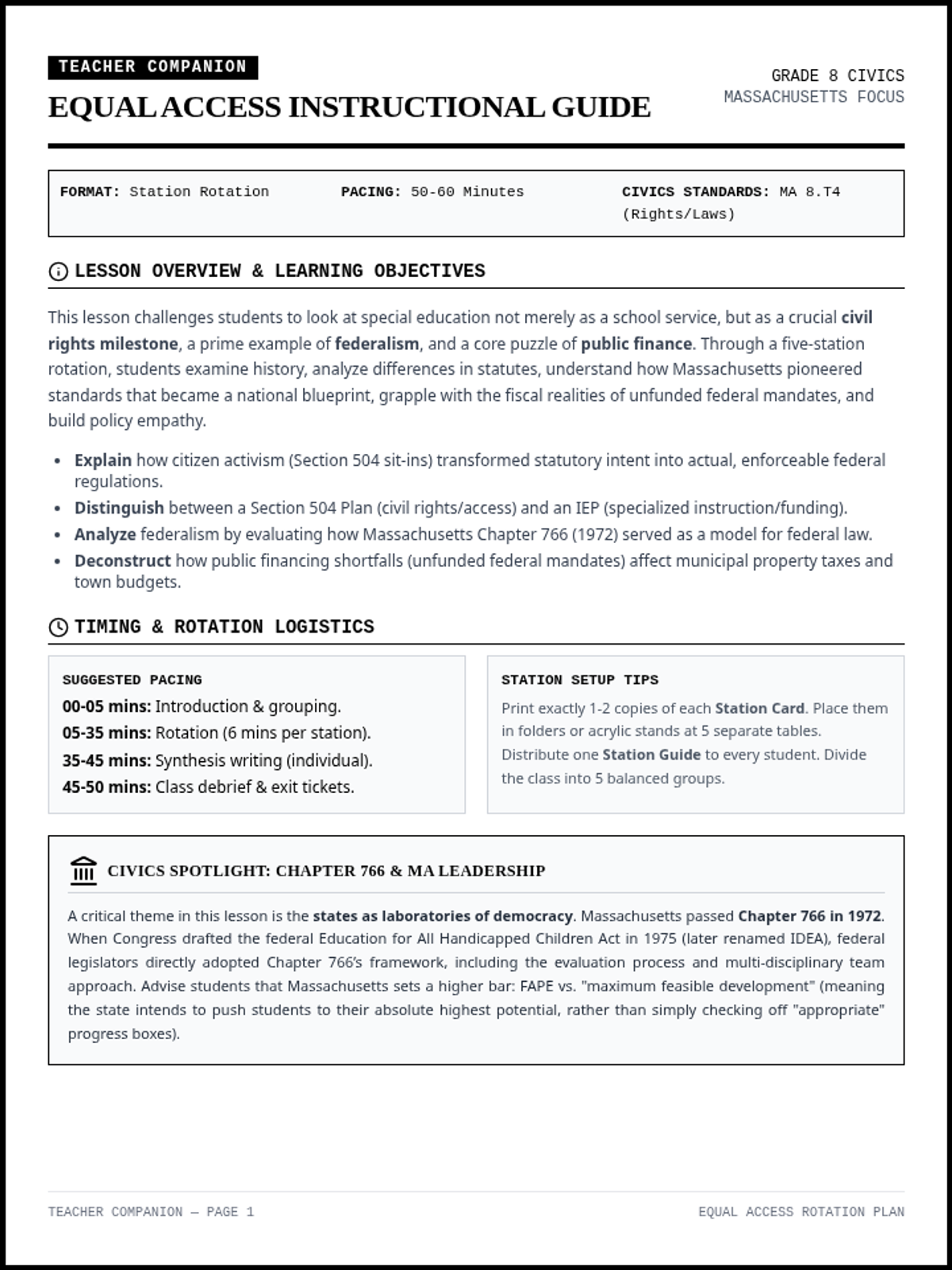
An 8th-grade Civics station rotation lesson exploring the history, laws, funding, and federalism of 504 and IEP services, comparing federal mandates with Massachusetts state standards.
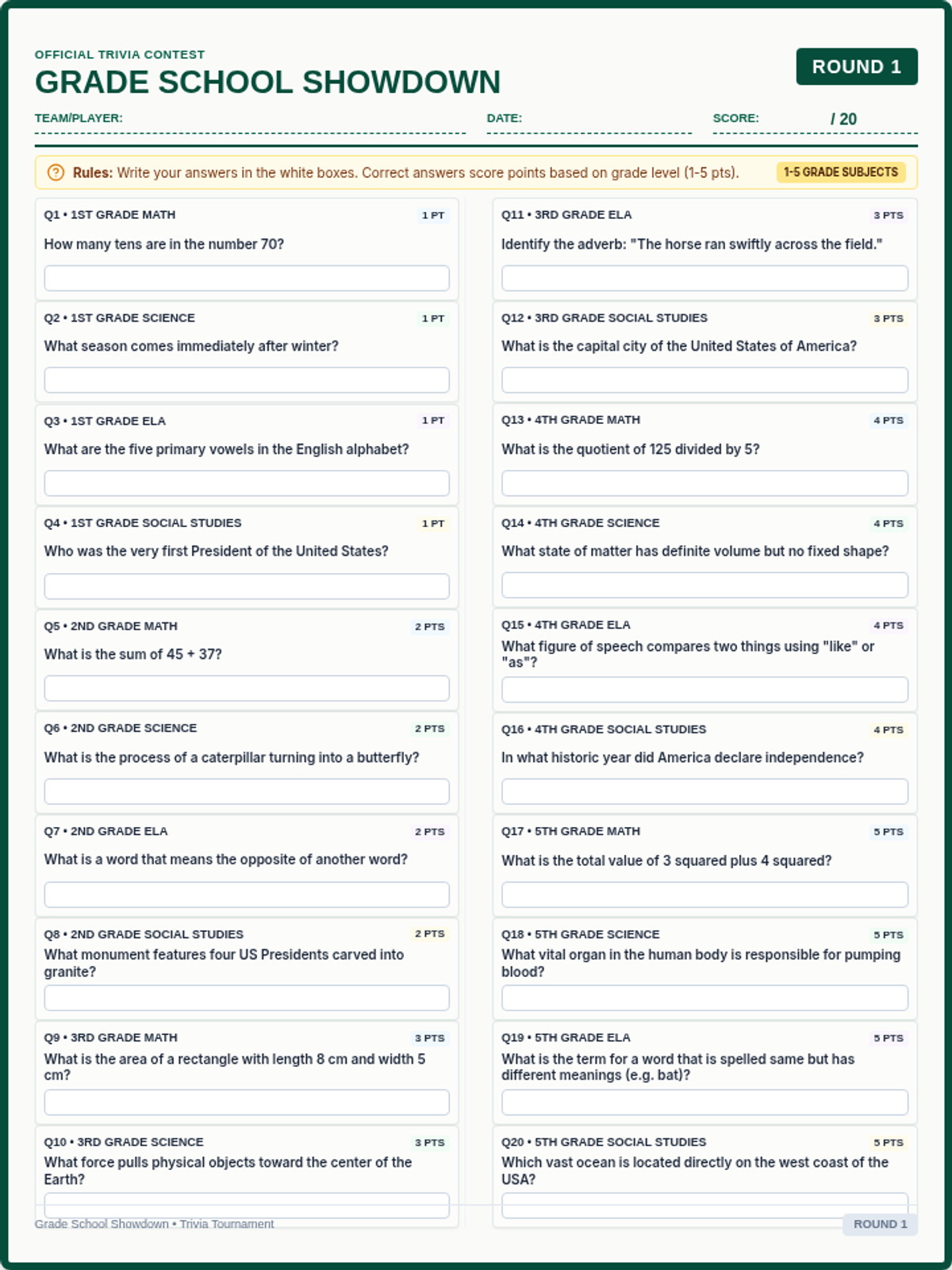
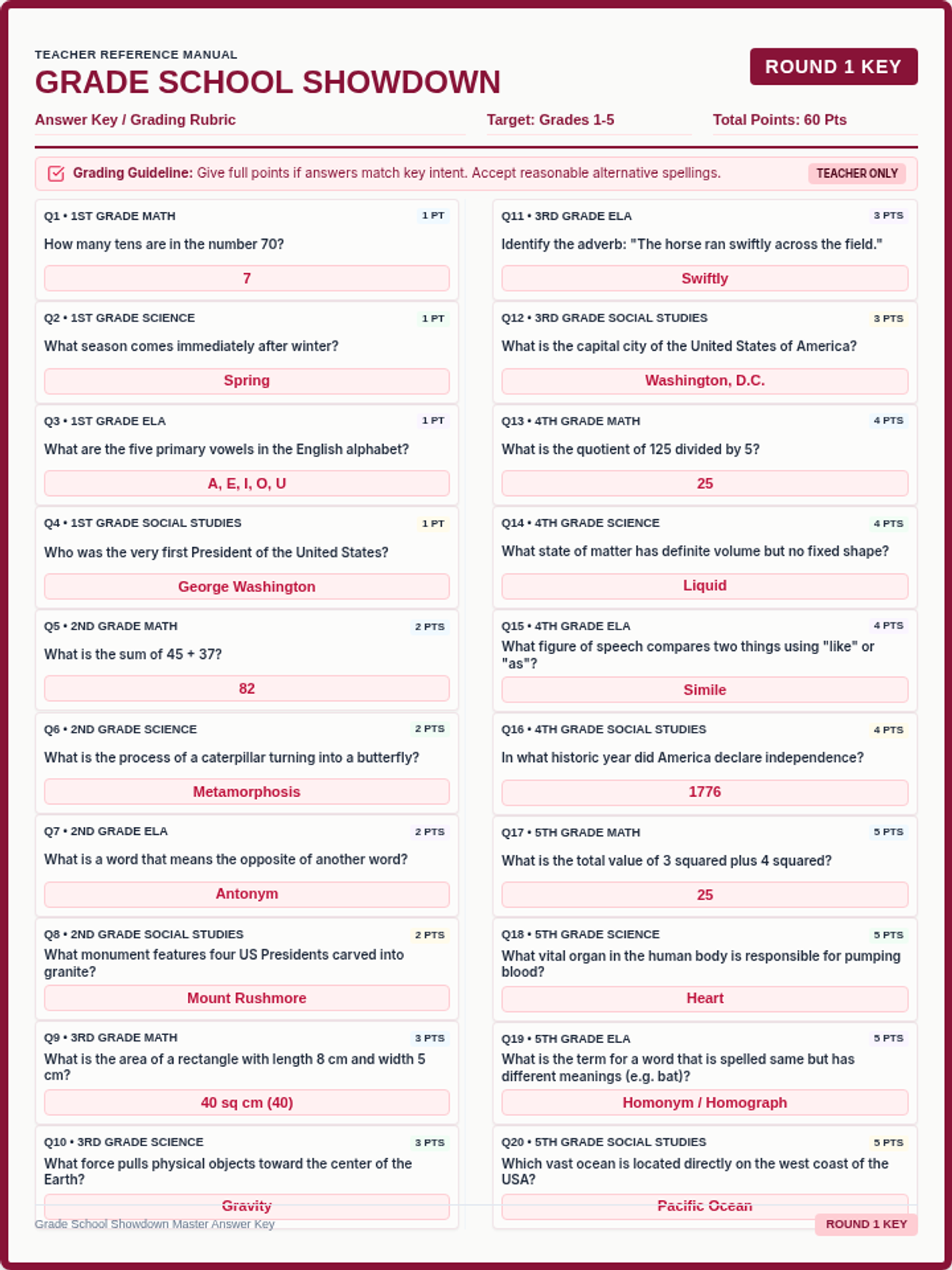
An engaging academic trivia game based on "Are You Smarter Than a 5th Grader?". Includes five comprehensive rounds of questions across five grade levels, complete with an interactive presentation, a print-ready student booklet, and a teacher's answer guide.
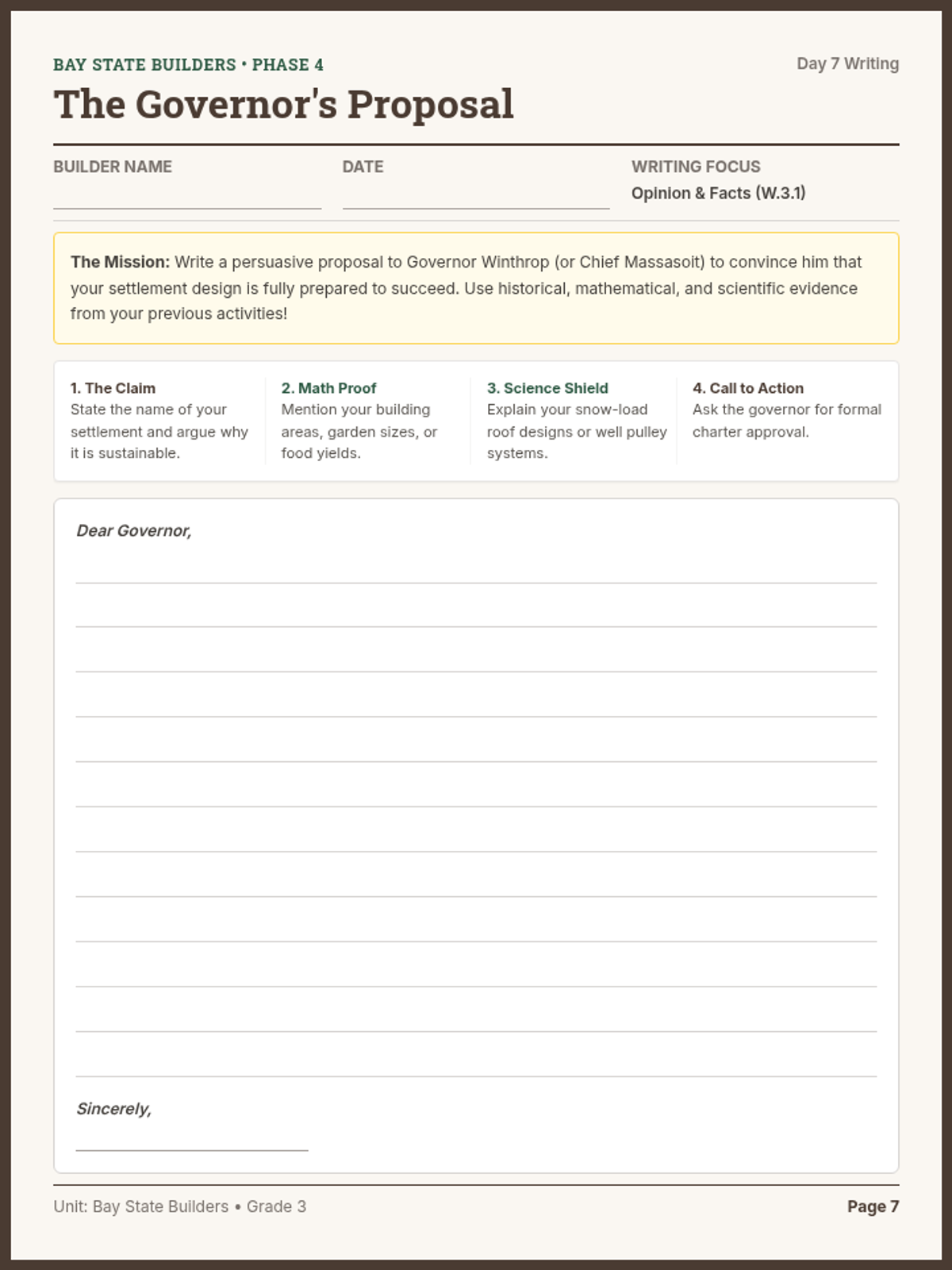
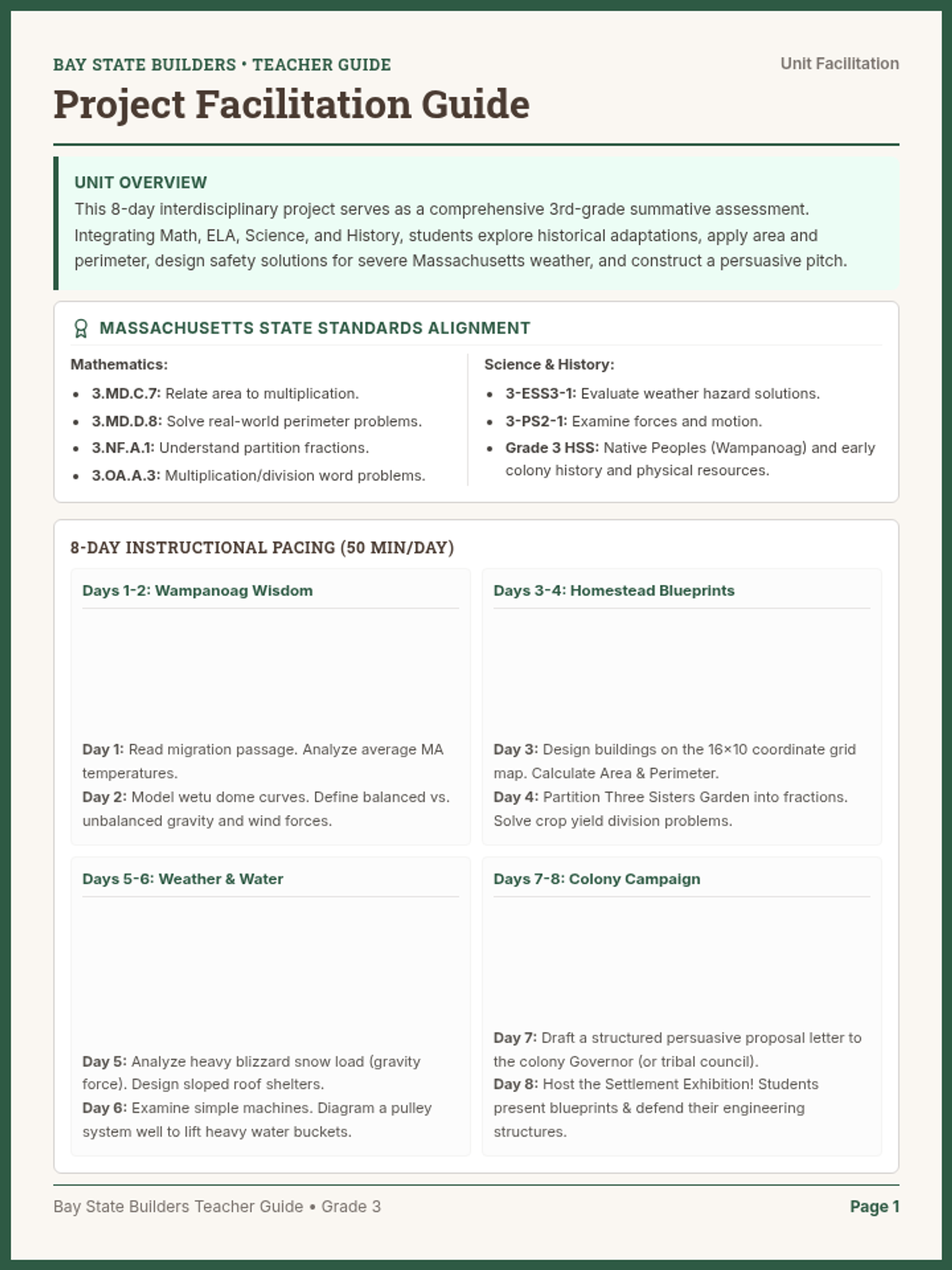
Days 7-8 of the project. Students write a persuasive proposal advocating for their settlement design and present their final 3D or 2D blueprints to the town council during a project expo.
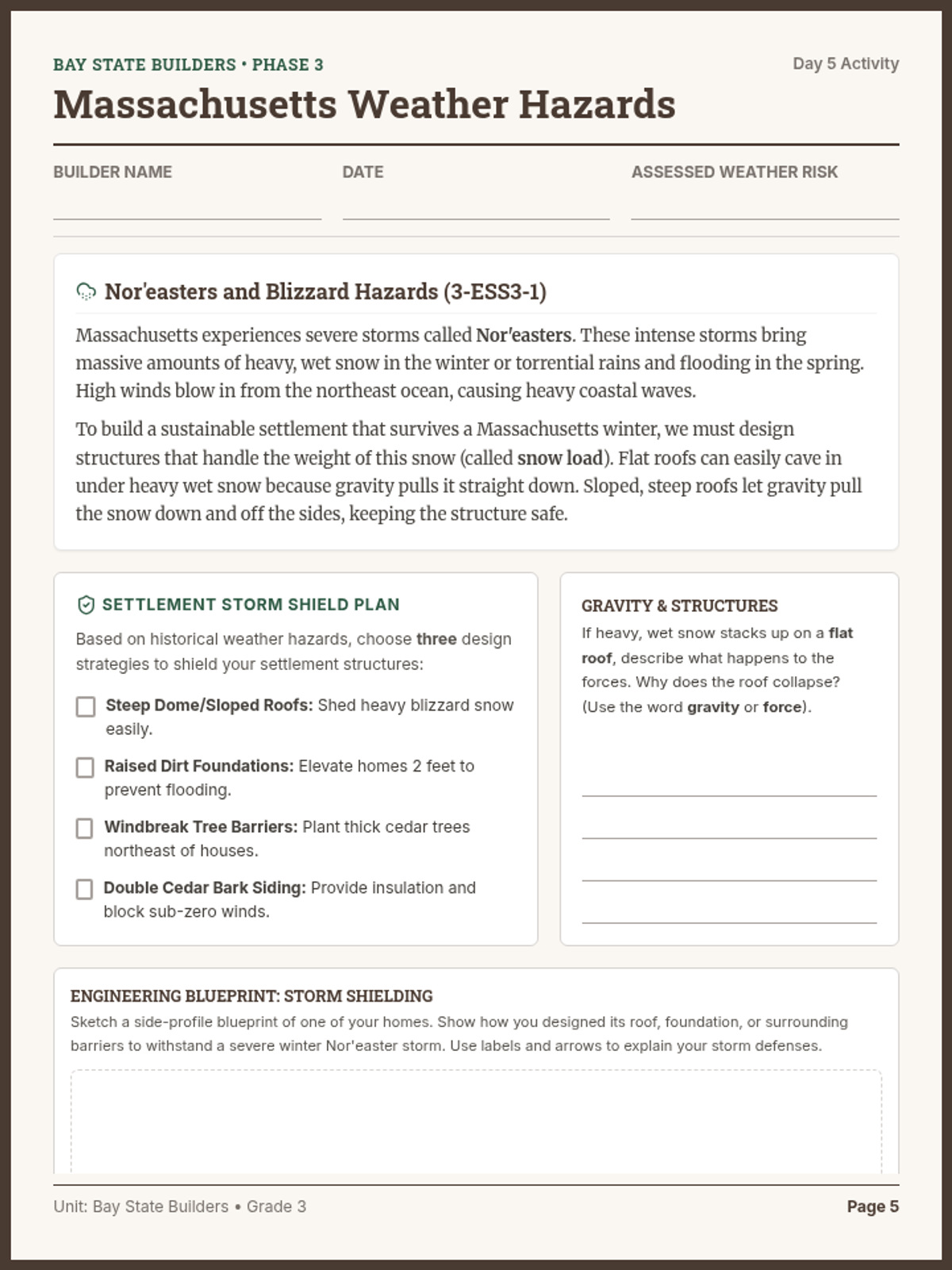
Days 5-6 of the project. Students explore Massachusetts weather patterns, analyze risks like blizzards or storms, and design functional systems (wells, irrigation, structural reinforcement) utilizing forces and simple machines.
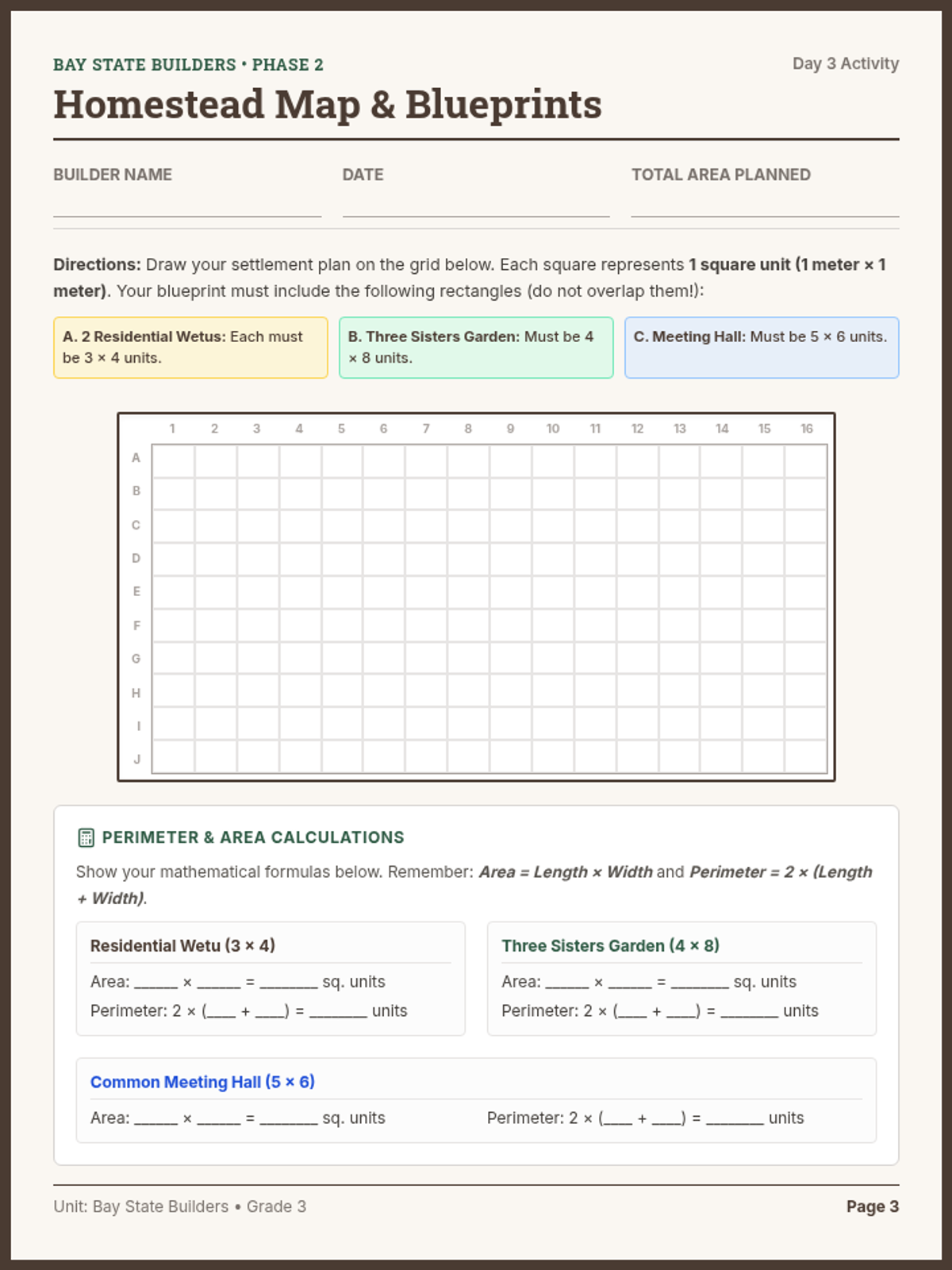
Days 3-4 of the project. Students design their settlement layout, calculating area and perimeter of buildings and fields on a grid map, and partitioning a Three Sisters garden into fractional sections.
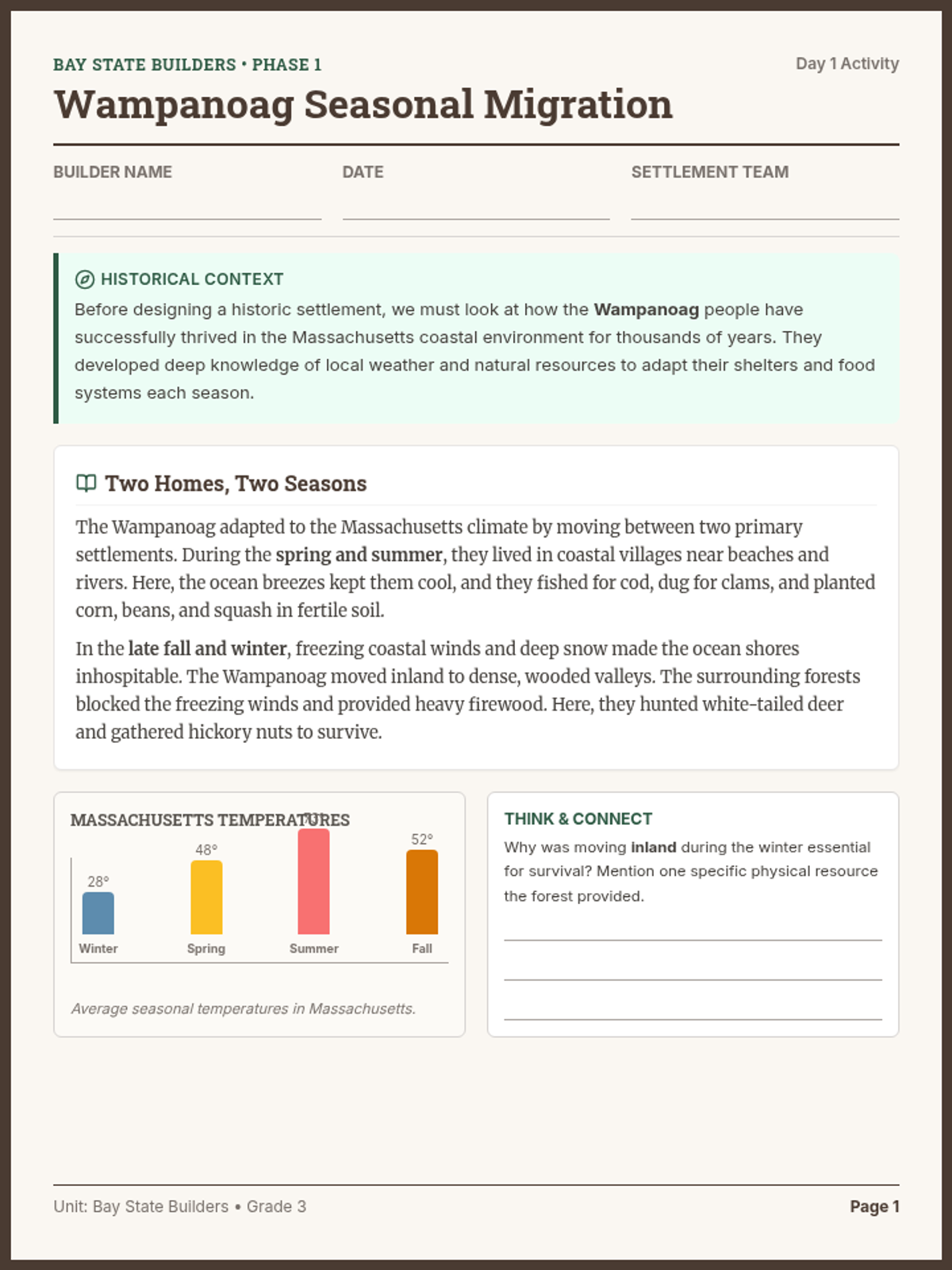
Days 1-2 of the project. Students study Massachusetts geography, climate, and how the Wampanoag people adapted to local ecosystems, focusing on shelter construction (forces and motion) and seasonal migrations.
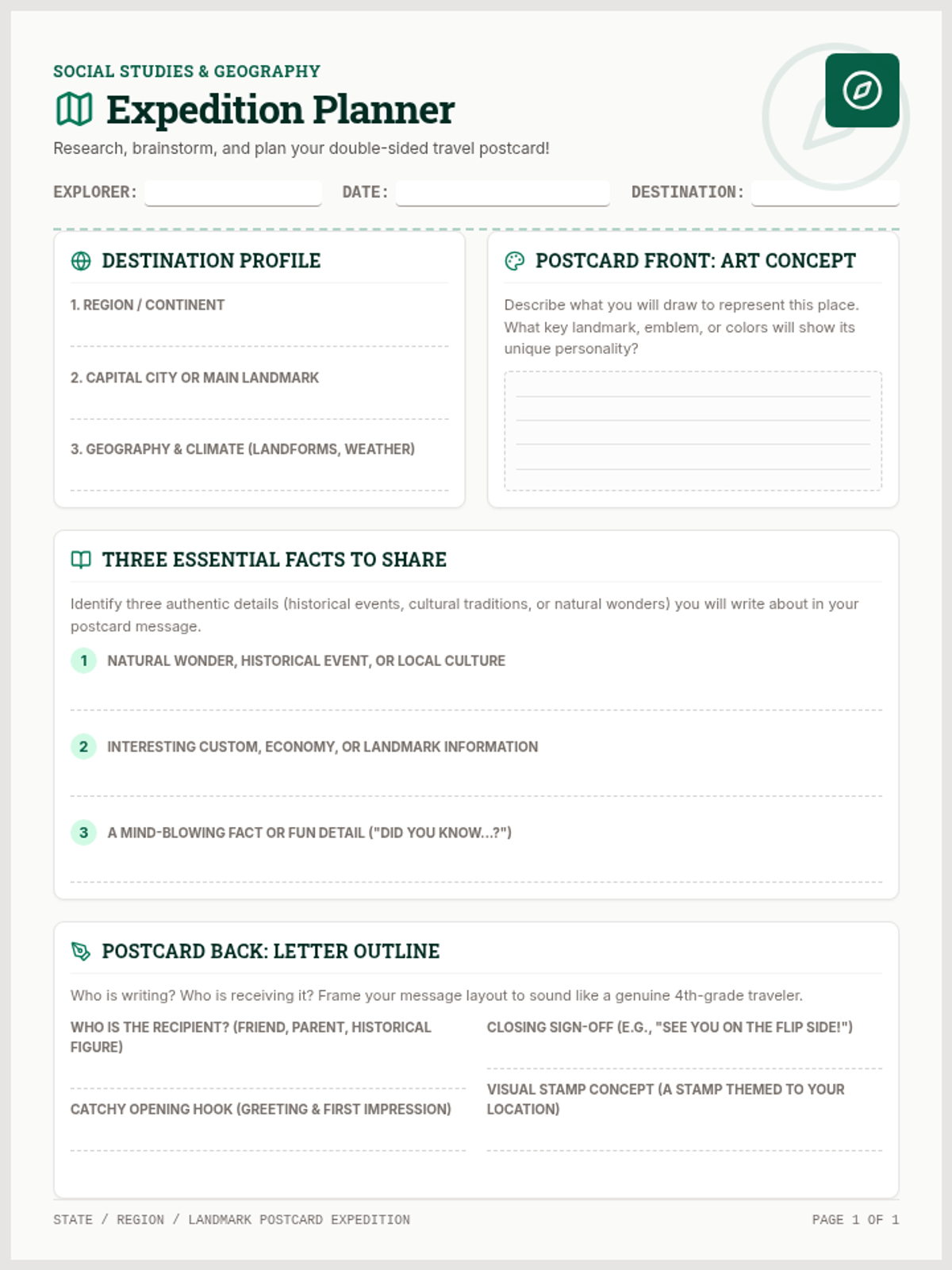
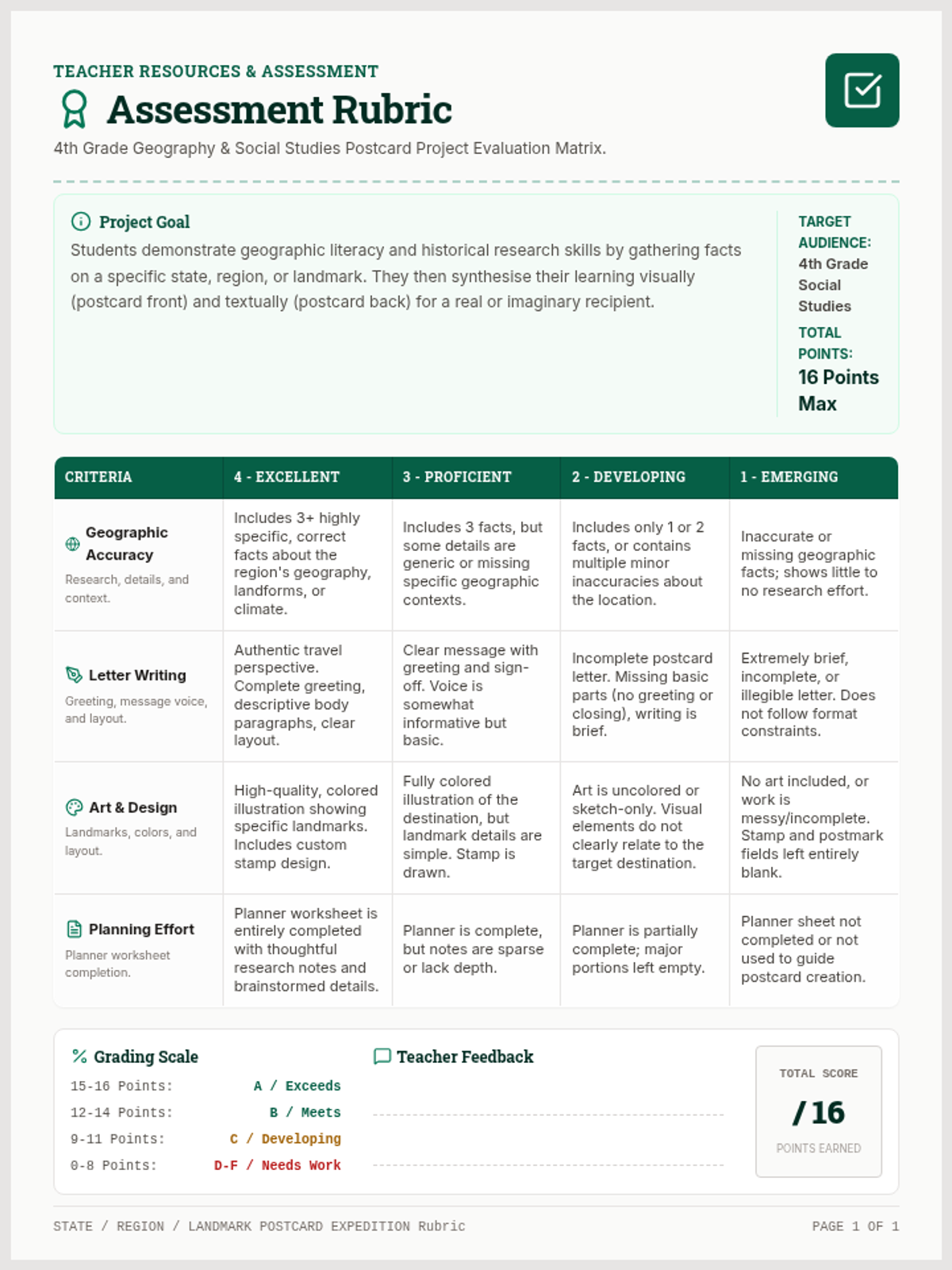
An immersive geography and social studies project where fourth-grade students research a state, region, landmark, or historical era and showcase their learning through a double-sided creative postcard, complete with an expedition planning sheet and a complete grading rubric.
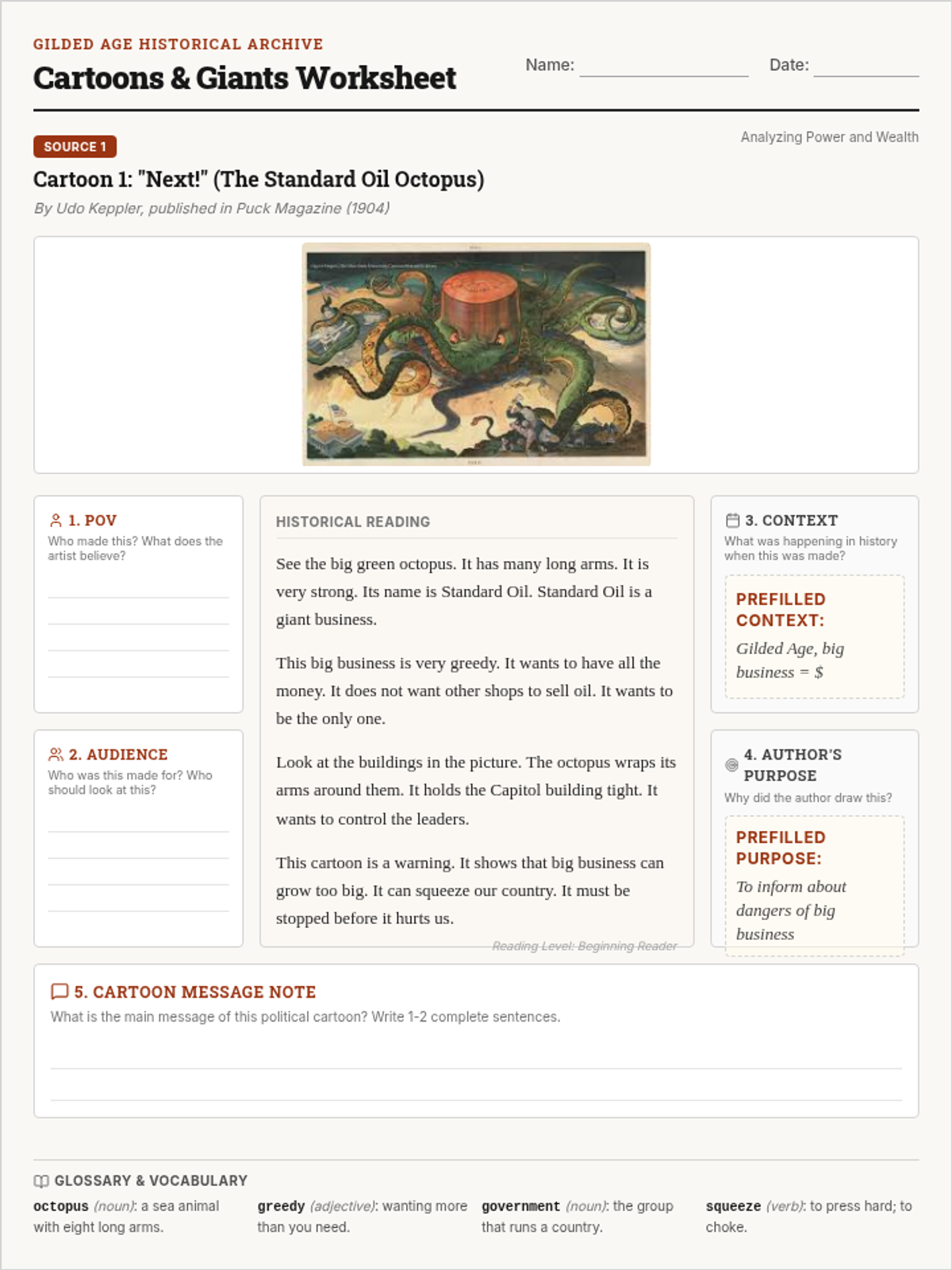
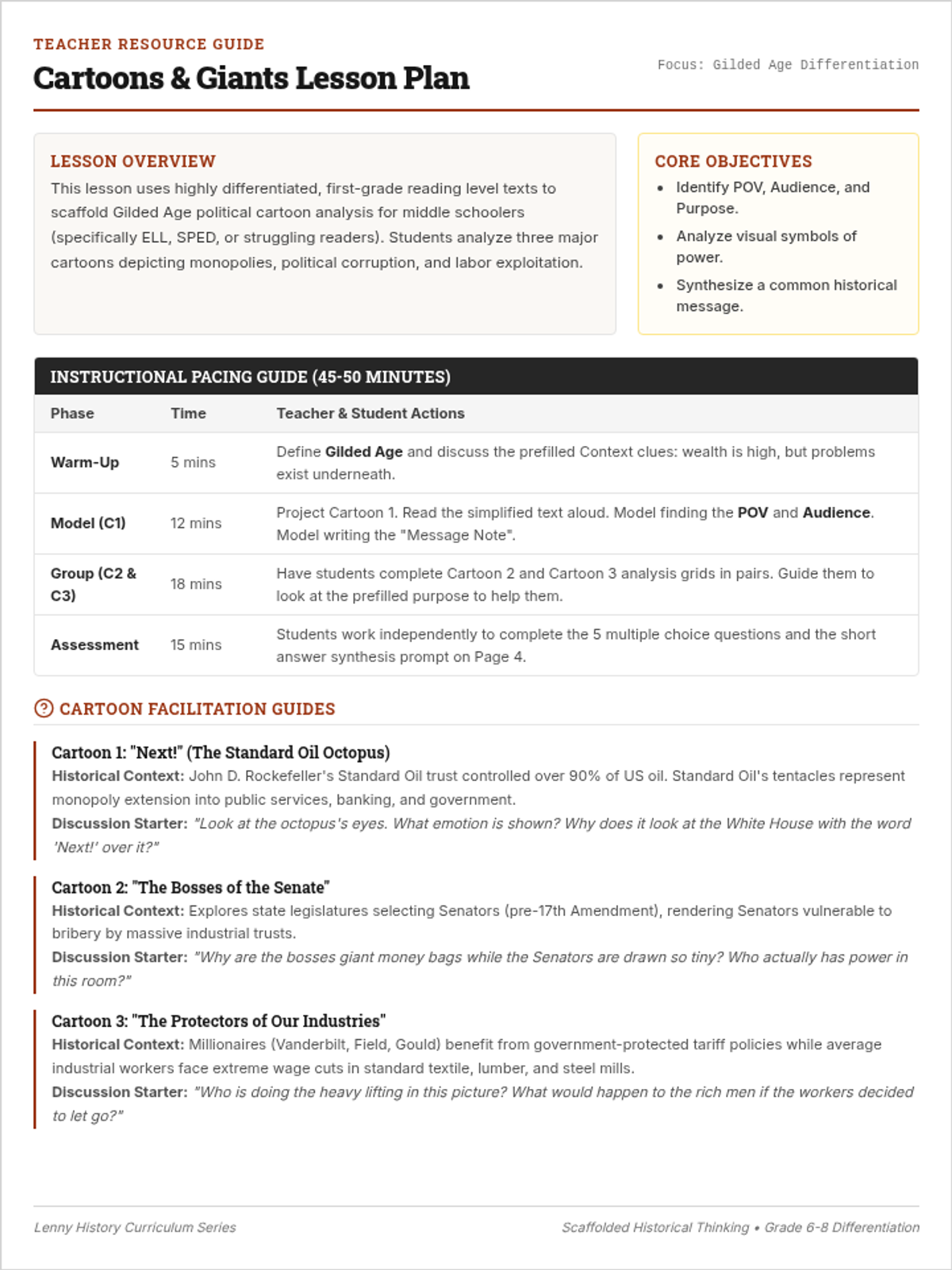
A differentiated history lesson analyzing three major Gilded Age political cartoons. It features student-facing worksheets with low-readability texts, visual analysis grids, a synthesis assessment, and a comprehensive teacher guide with full solutions.
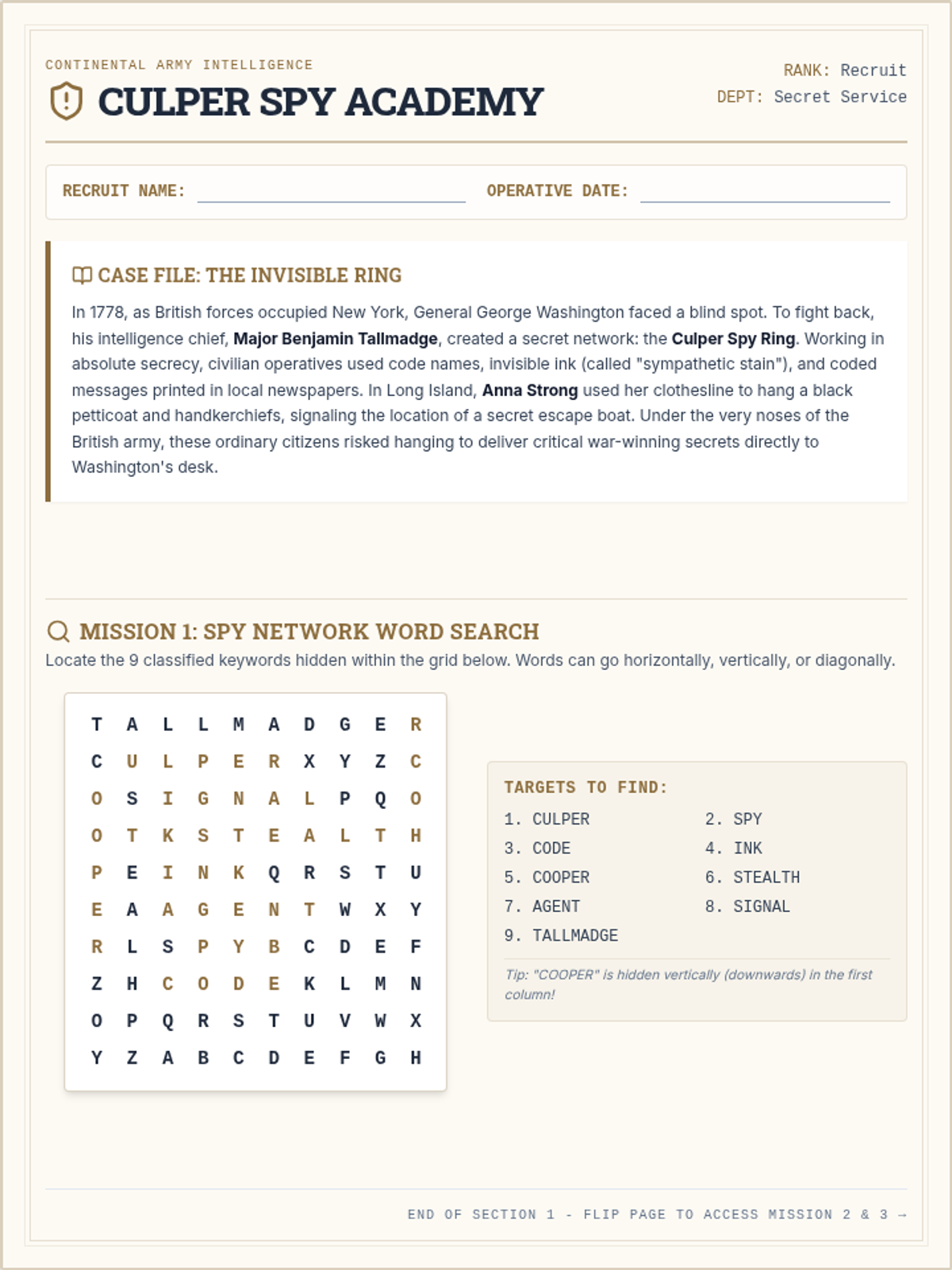
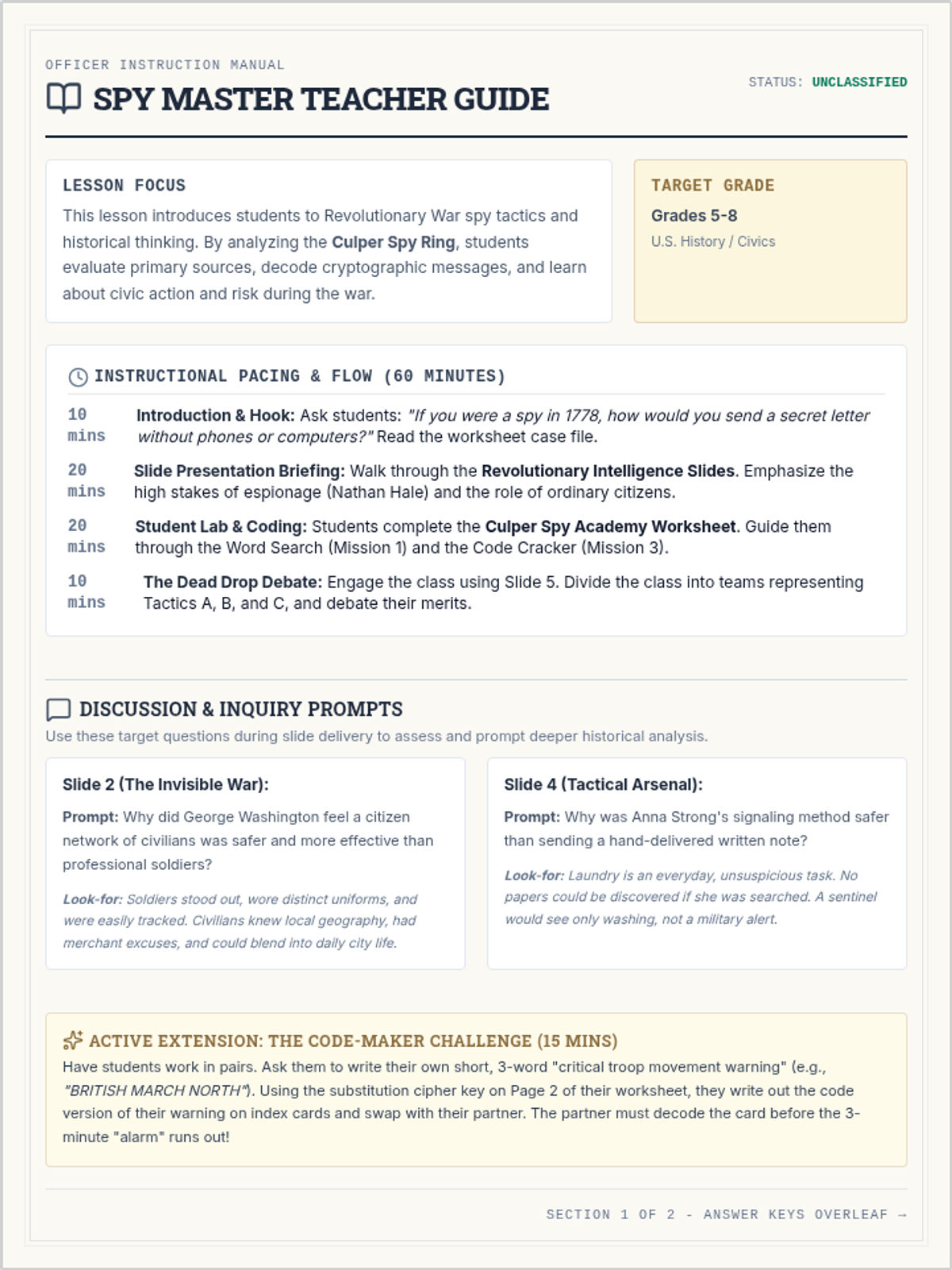
An engaging introductory lesson on American Revolution espionage, focusing on the Culper Spy Ring, secret codes, and stealthy tactics used by George Washington's network. Students learn historical analysis through code-breaking, word puzzles, and critical thinking challenges.
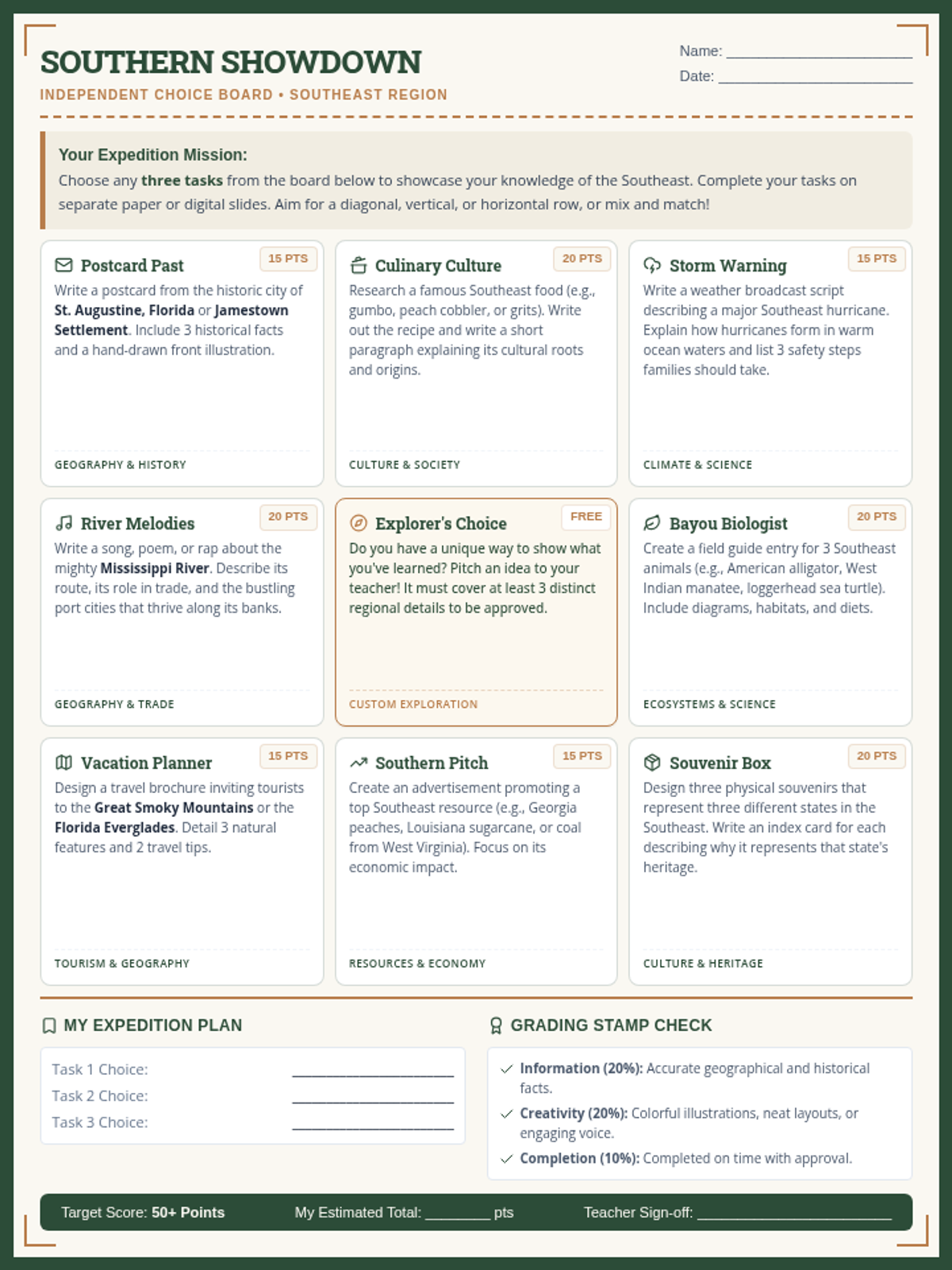
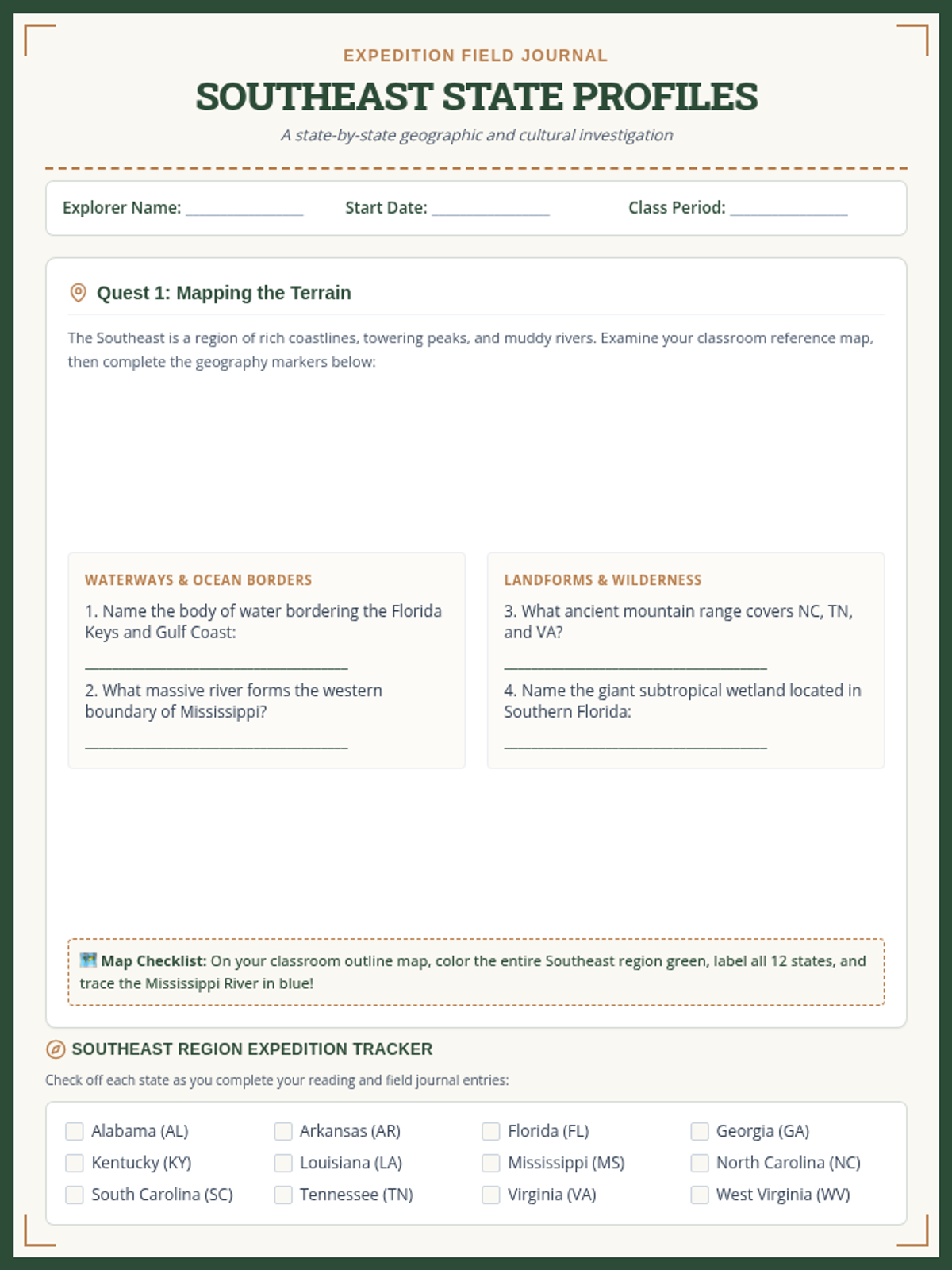
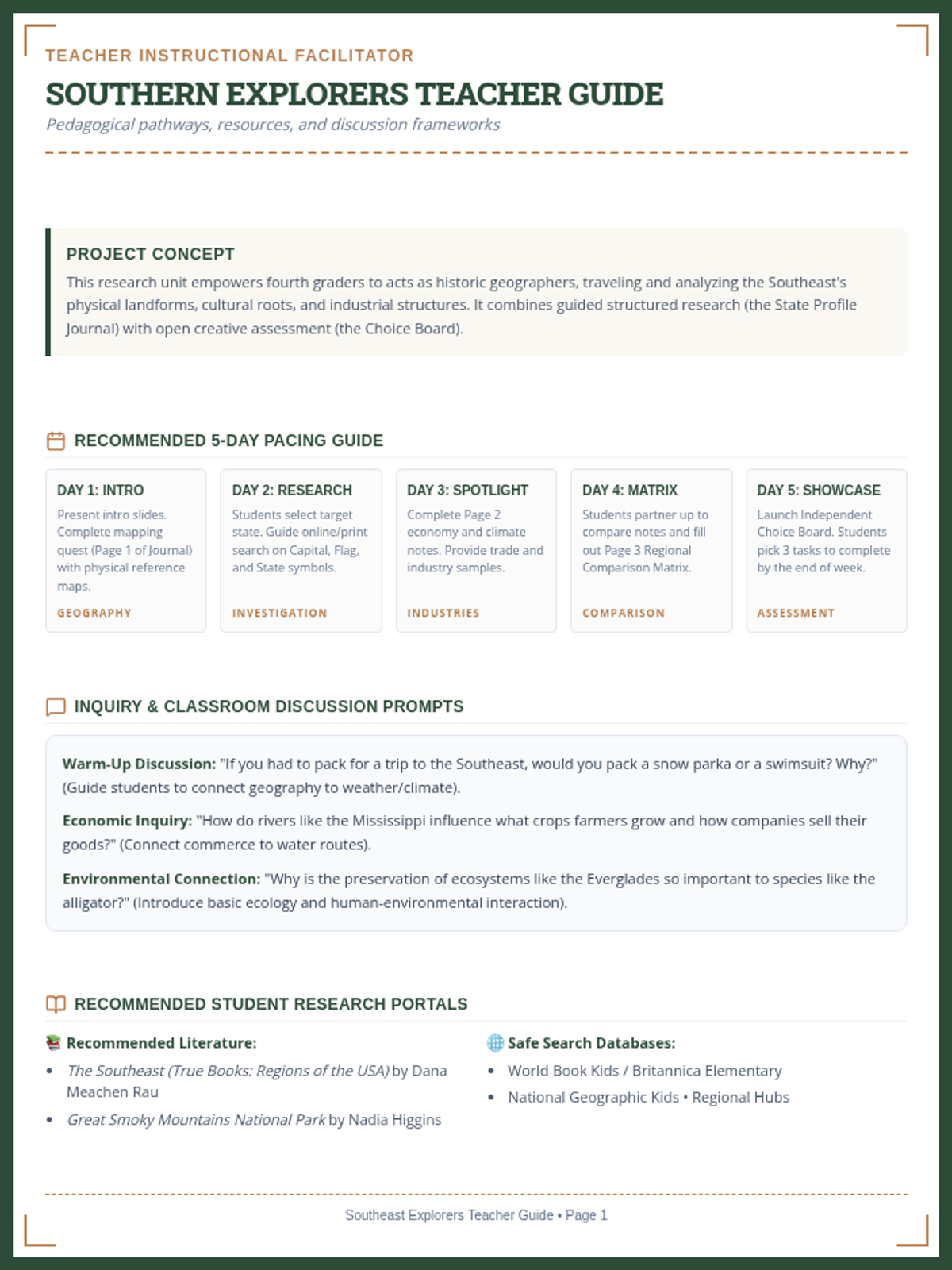
An immersive fourth-grade social studies research project focusing on the Southeast region of the United States. Students explore geography, history, and culture through guided state-by-state profiles and a creative choice board.
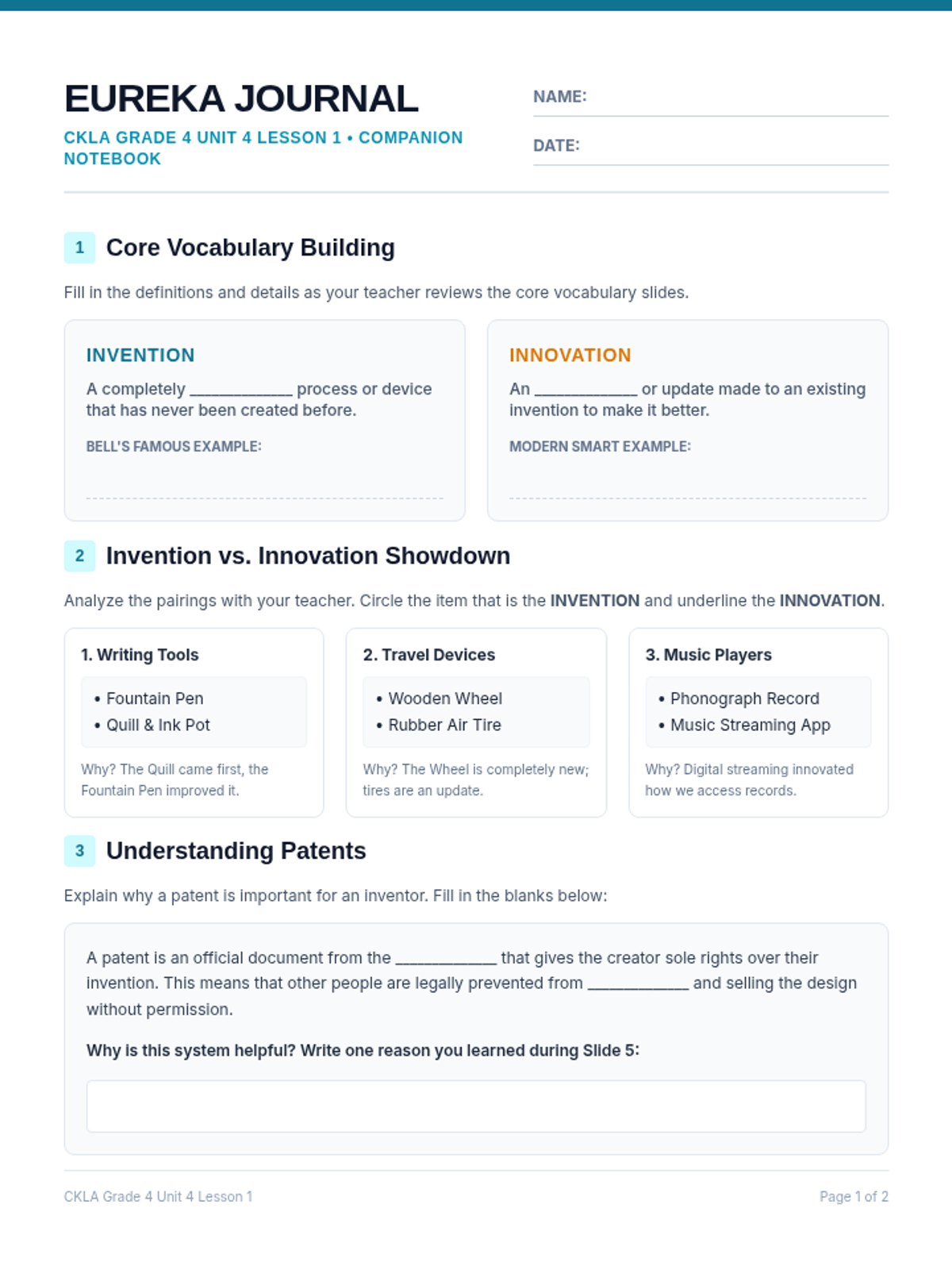
A rewritten direct-instruction lesson for CKLA Grade 4 Unit 4 Lesson 1 (Eureka! Student Inventor). It structures the introduction of inventions, innovations, and the patent process through teacher-led visual modeling and individual student responses, removing the default group activities.
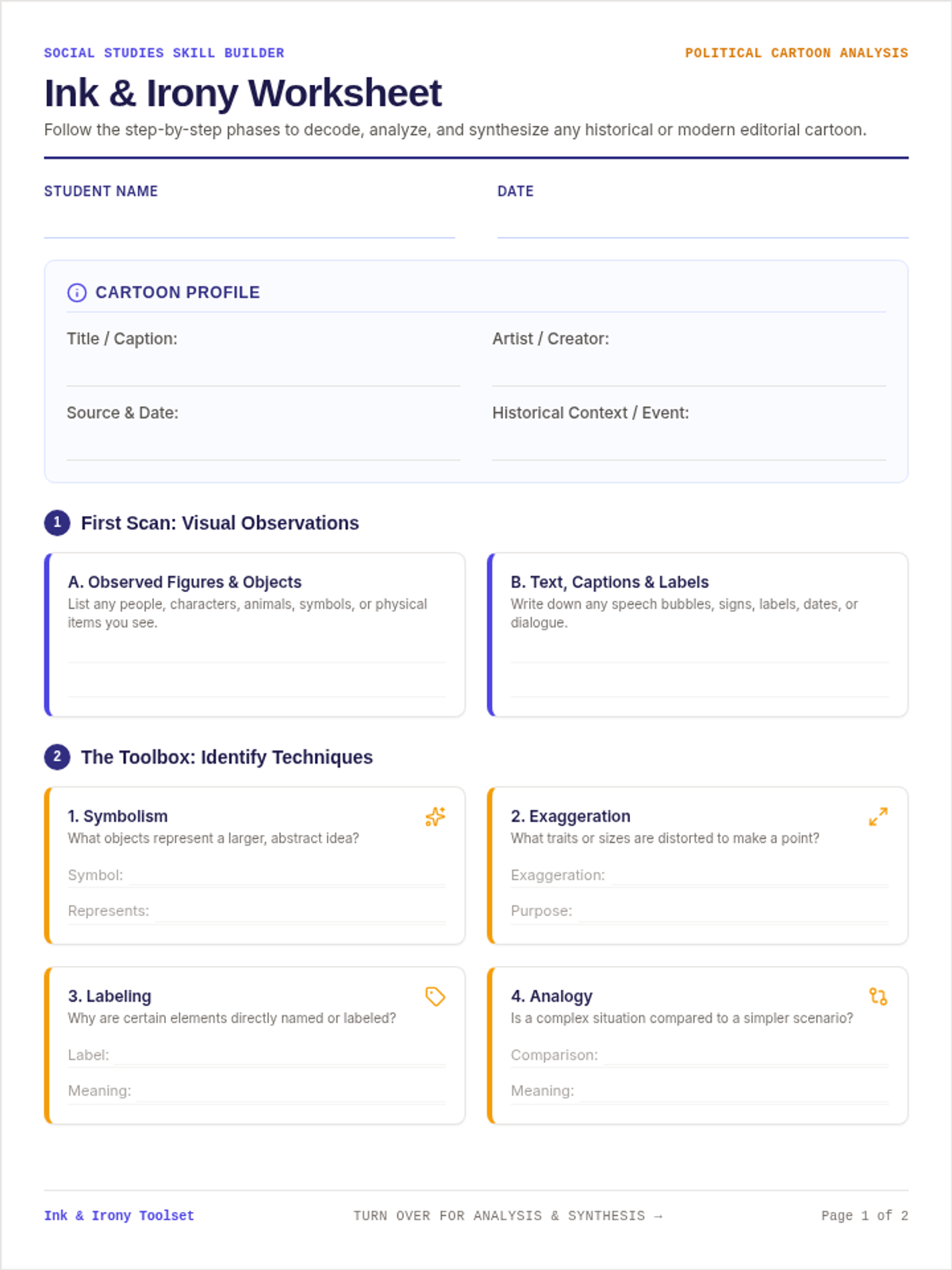
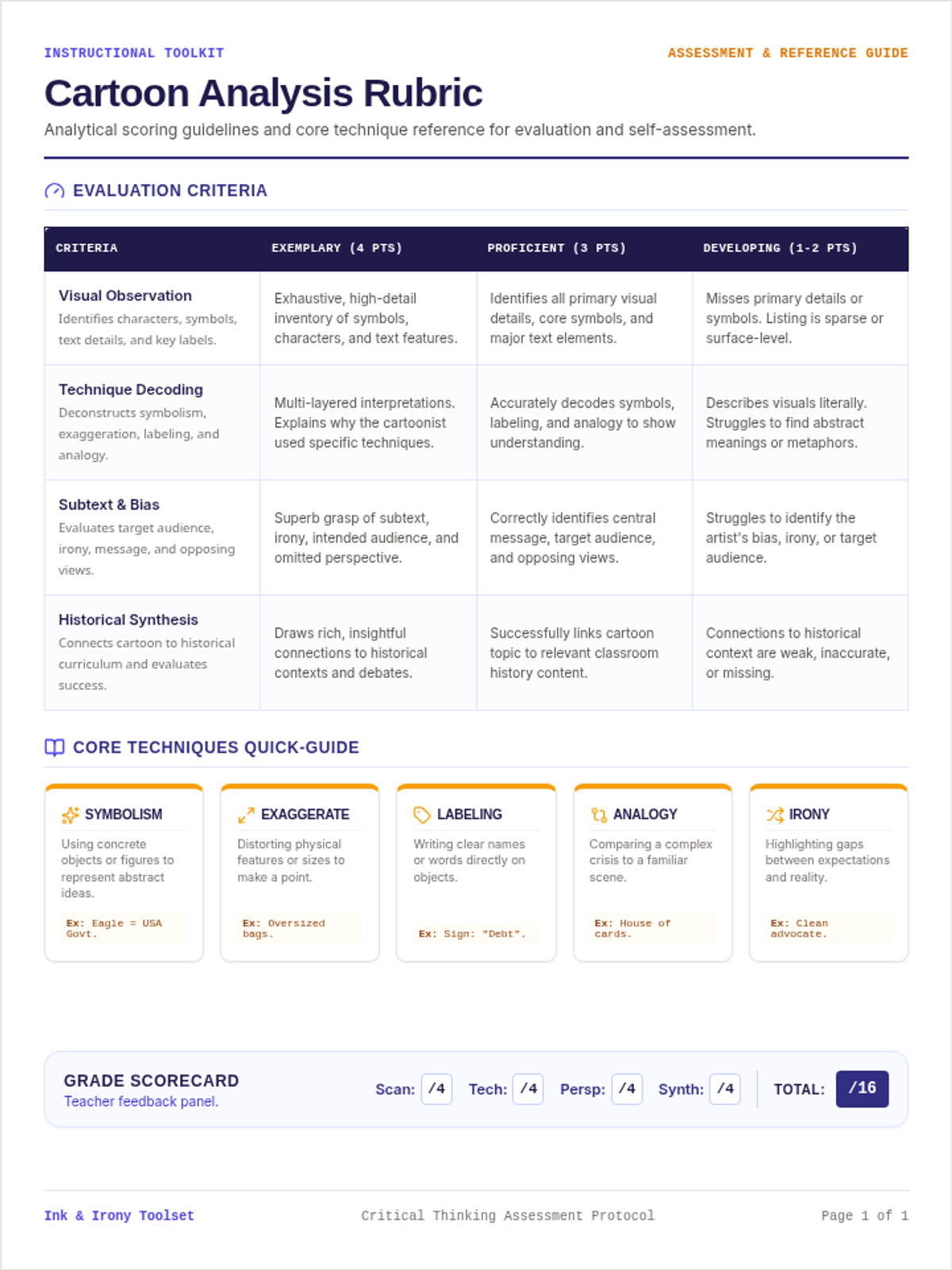
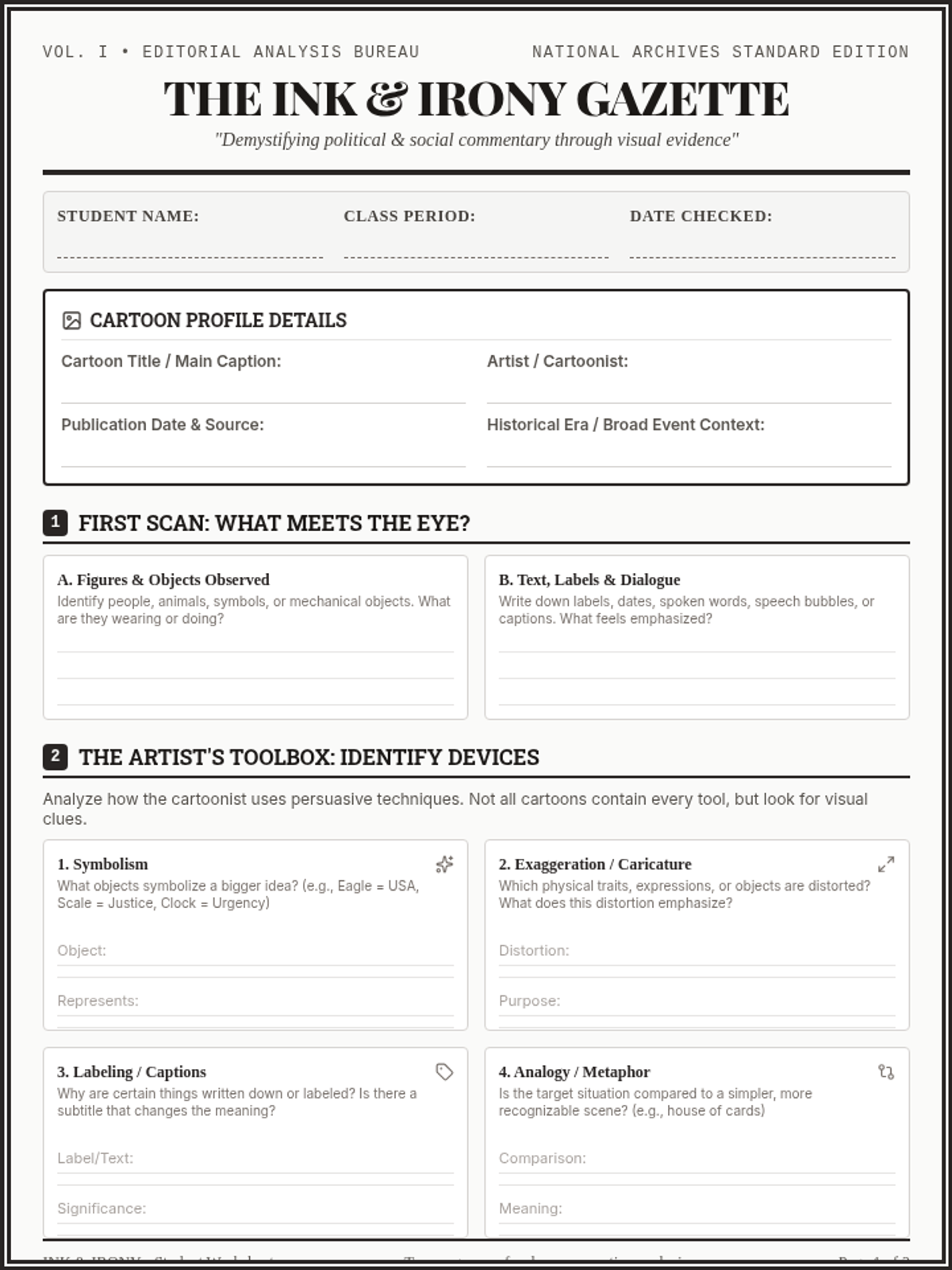
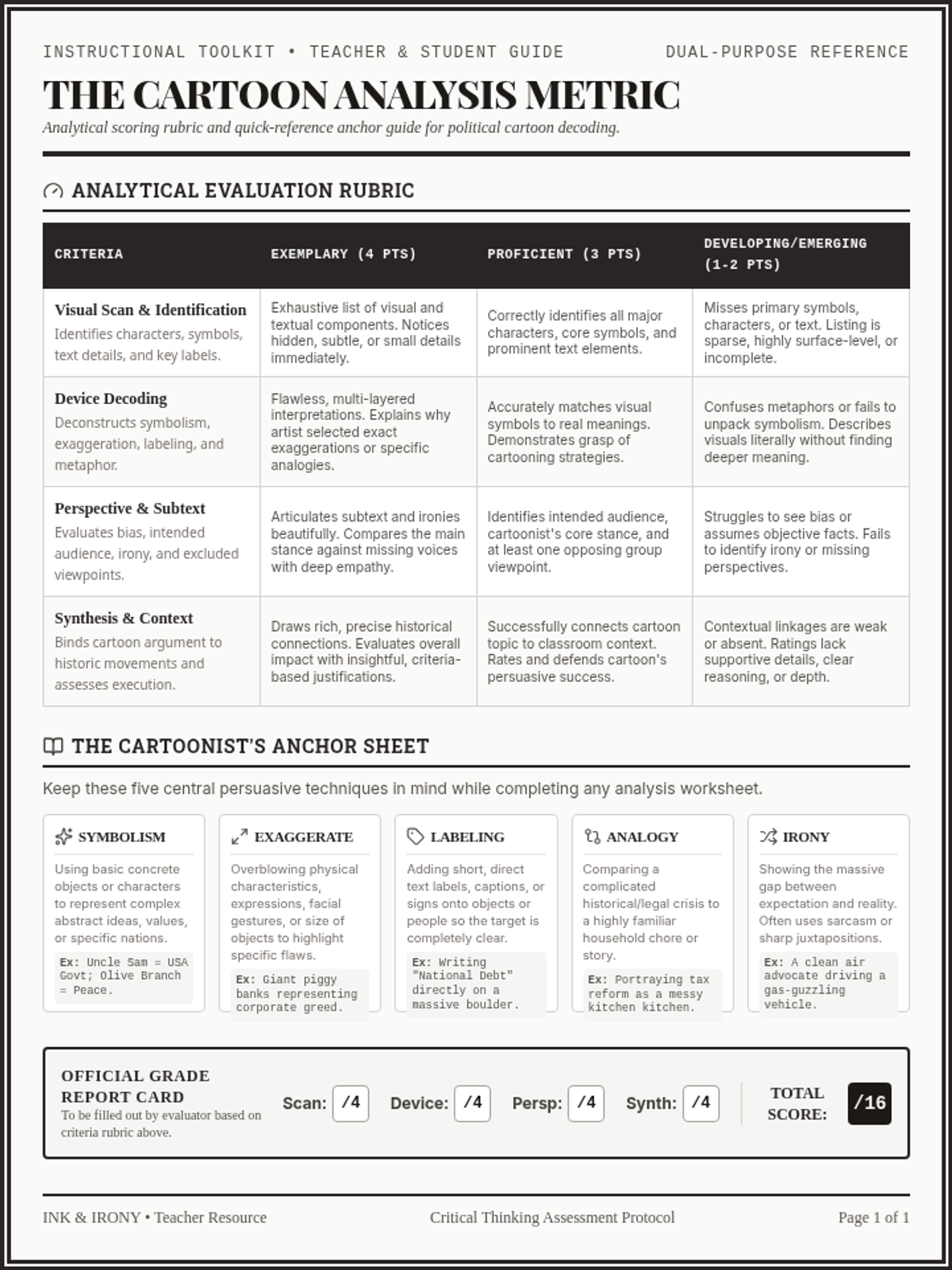
A comprehensive instructional toolkit for analyzing editorial and political cartoons. Features a versatile double-page graphic organizer and a structured assessment rubric adaptable to any historical era.
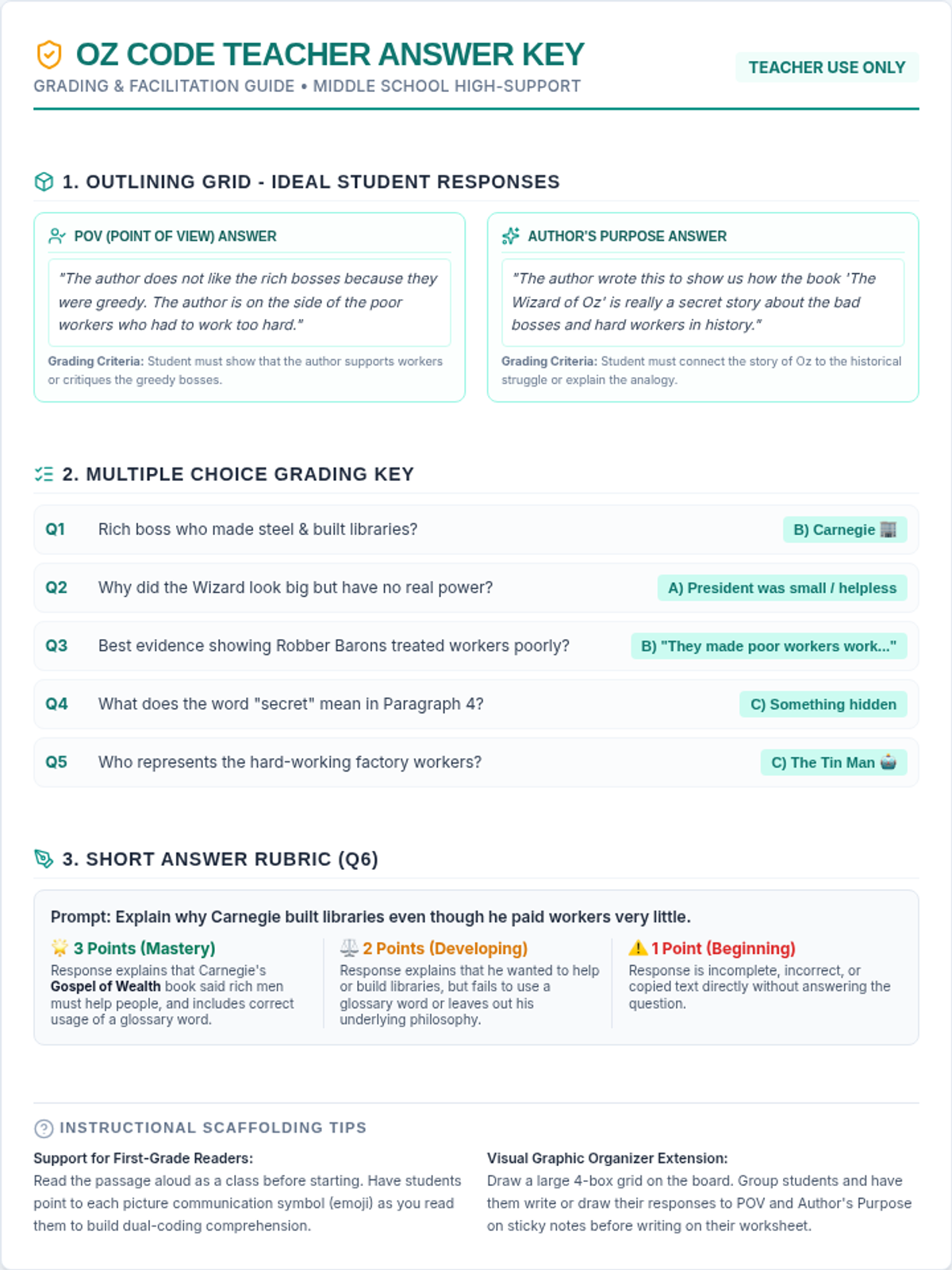
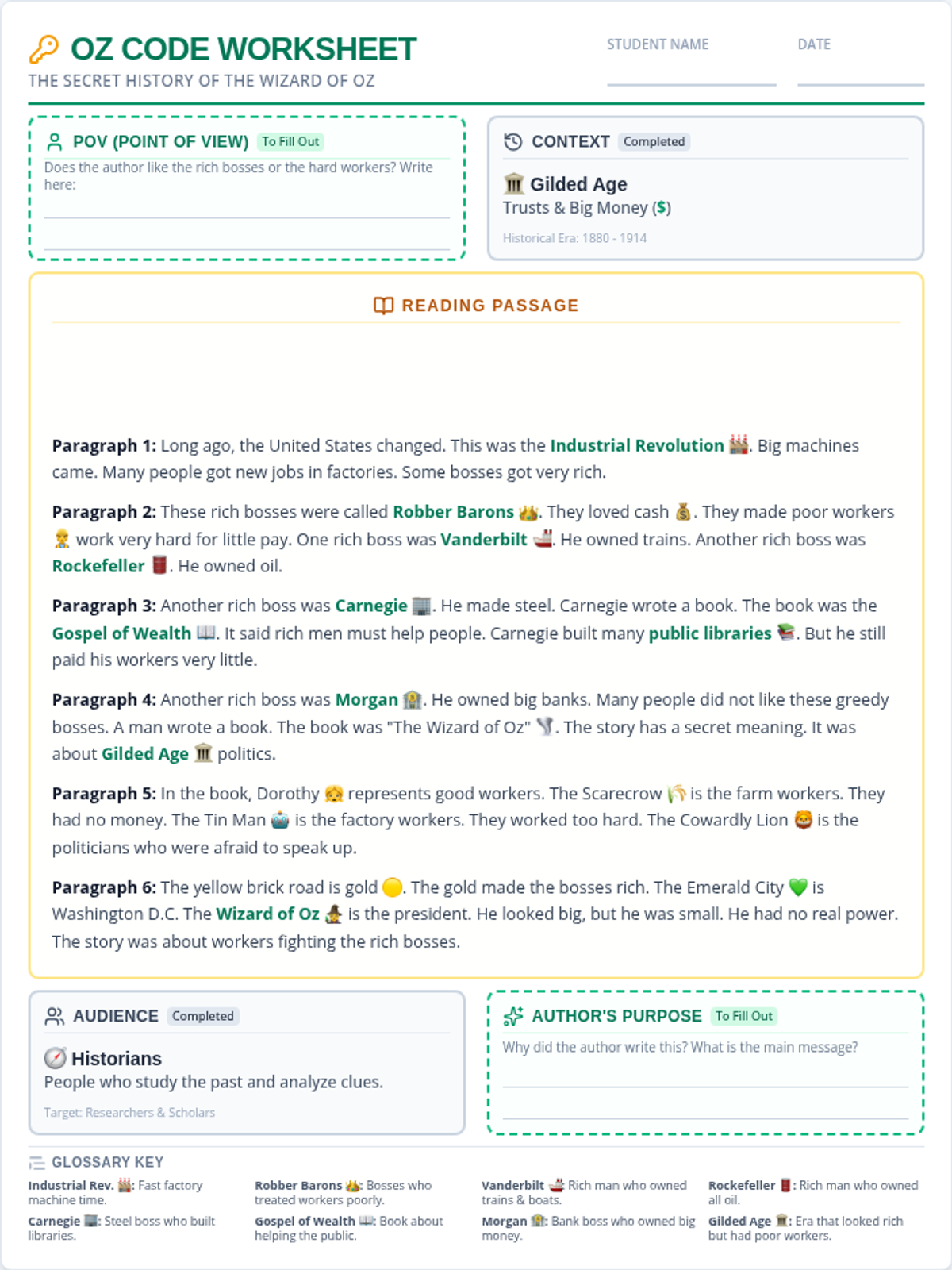
A lesson on the Gilded Age, the Industrial Revolution, robber barons, and their symbolic representation in L. Frank Baum's 'The Wizard of Oz'. Designed with high-support scaffolding for middle schoolers reading at a first-grade level.
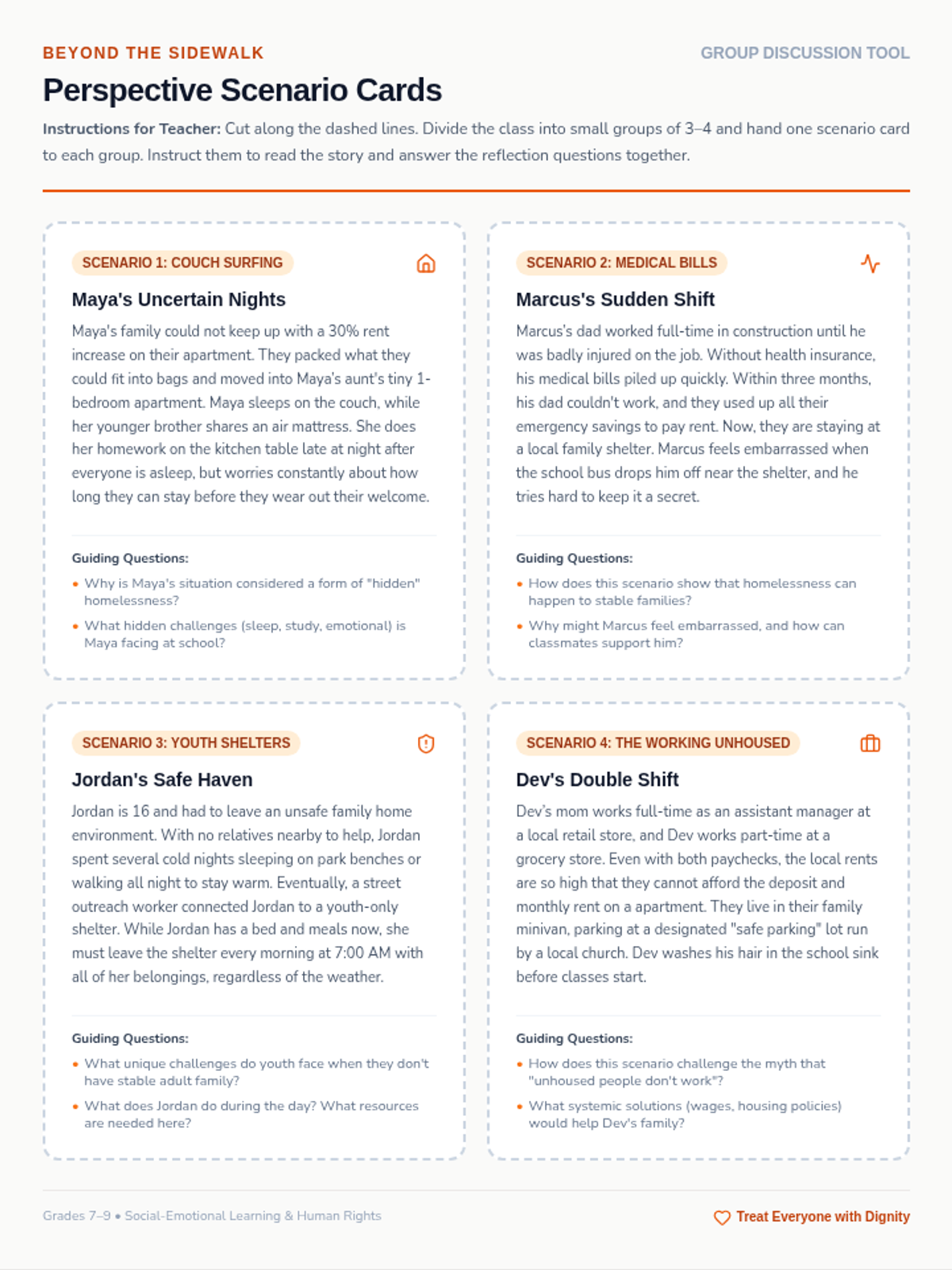
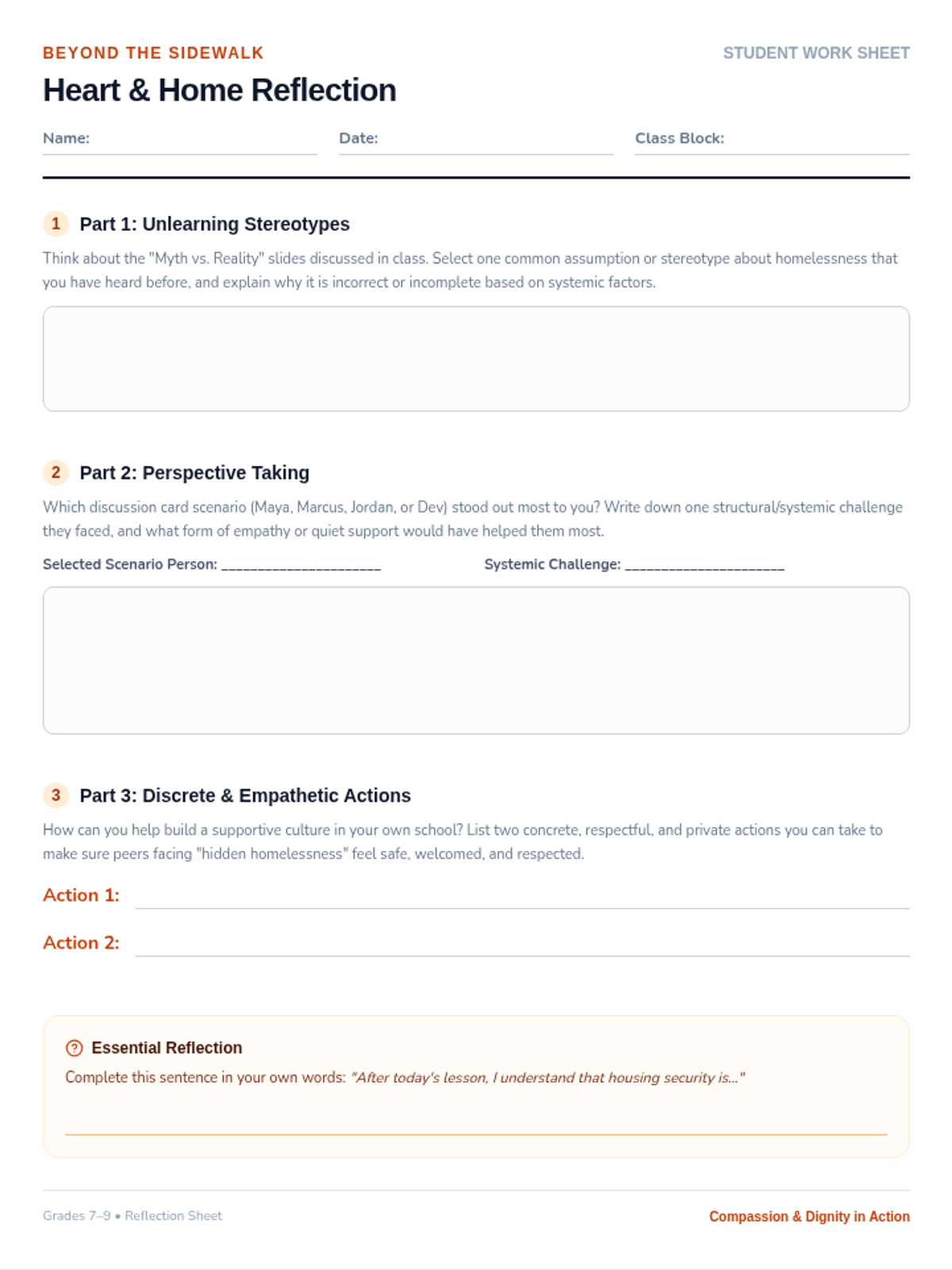
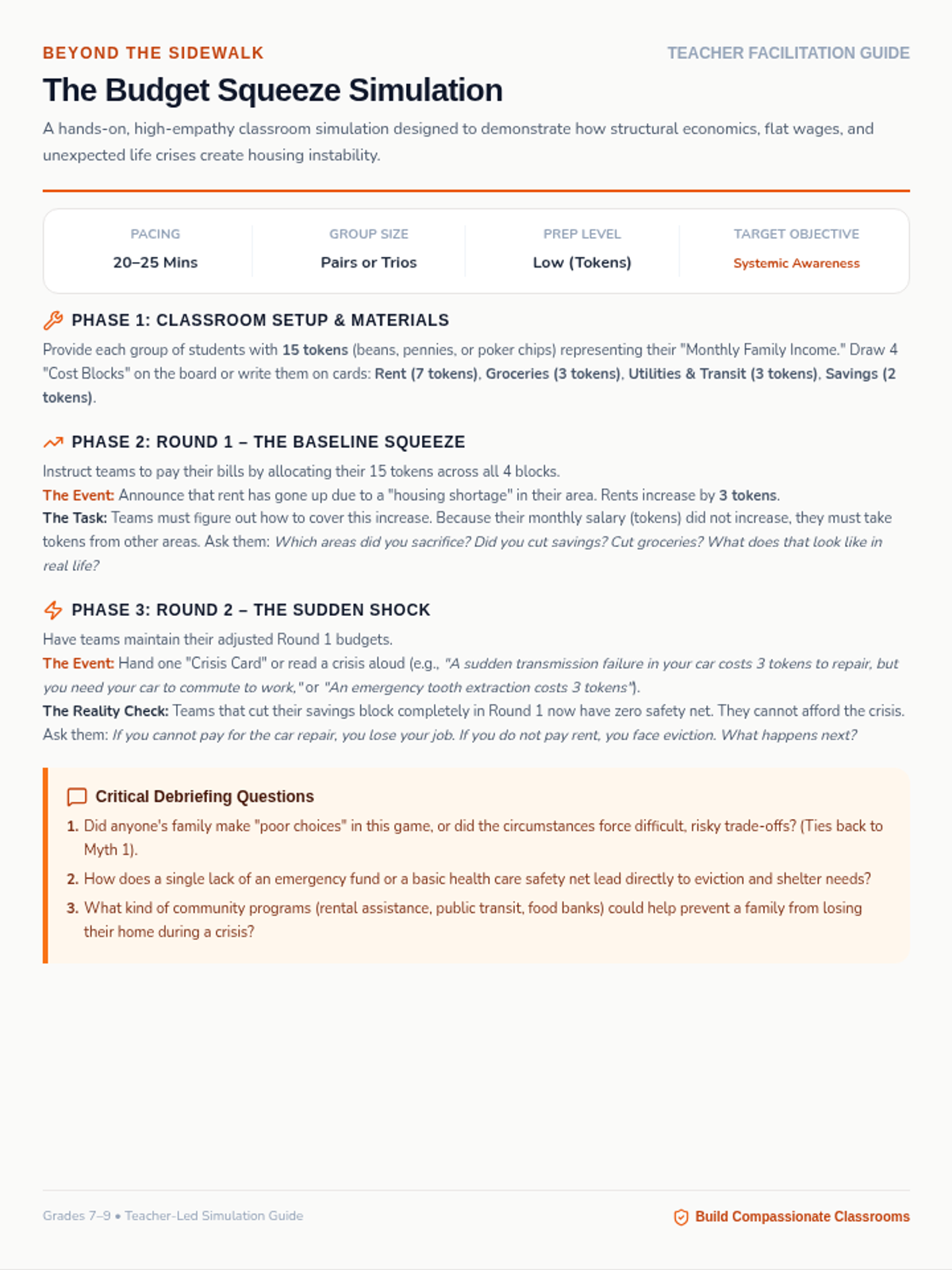
An empathy-driven, systemic lesson for young teens (grades 7-9) exploring the realities of homelessness. Students dismantle stereotypes, examine structural causes of housing insecurity, learn to support peers discretely, and identify concrete avenues for local service and advocacy.
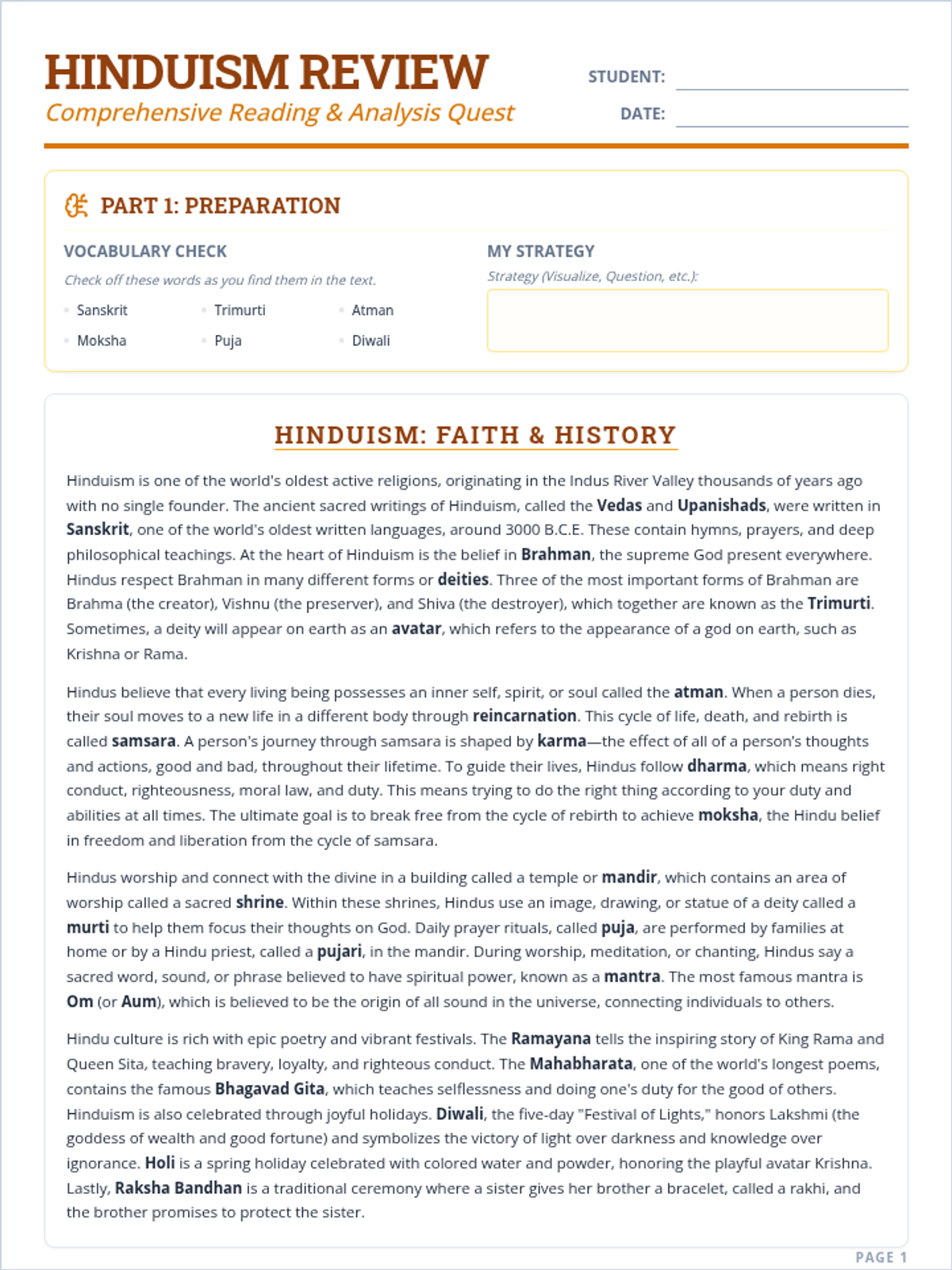
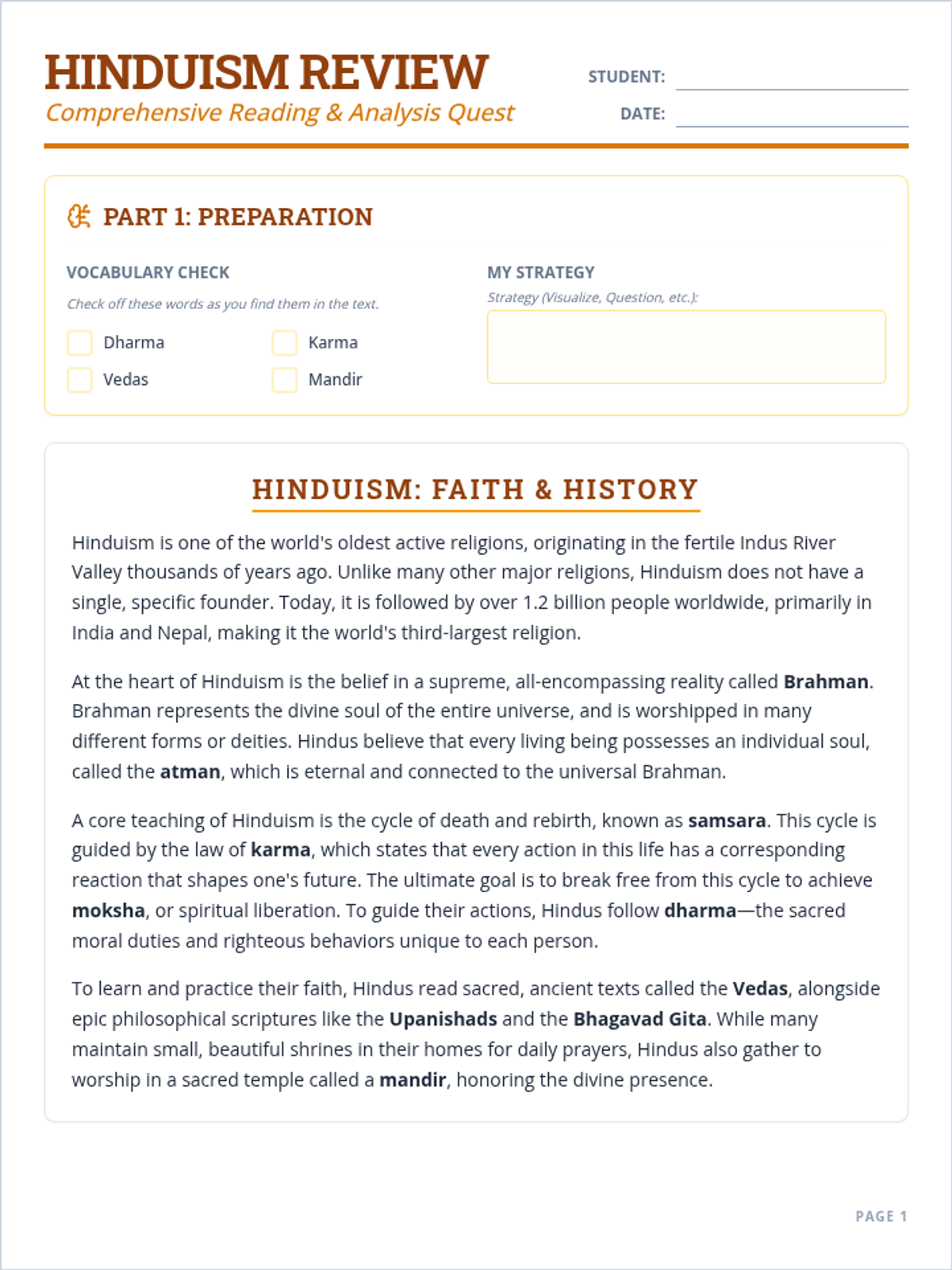
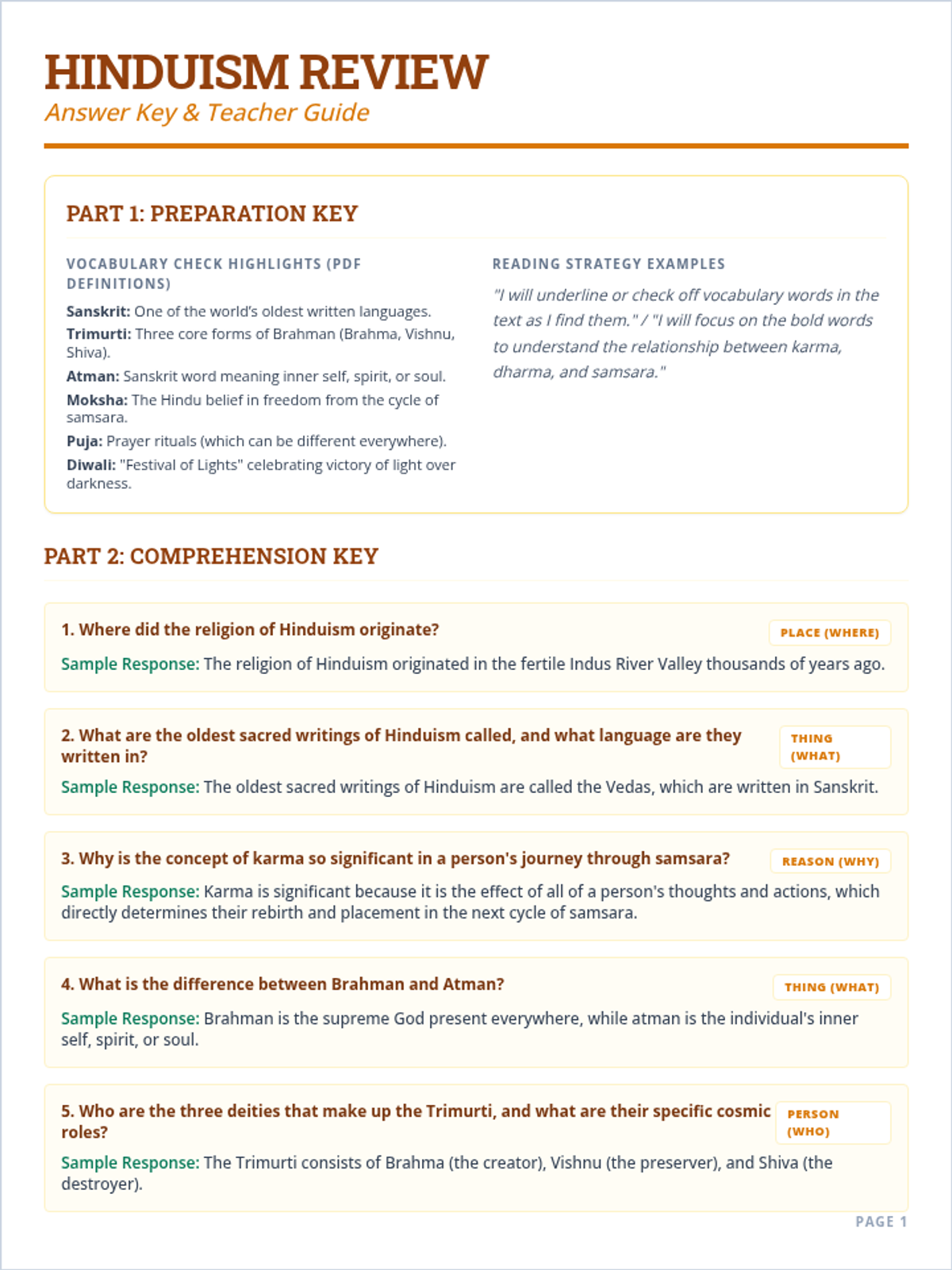
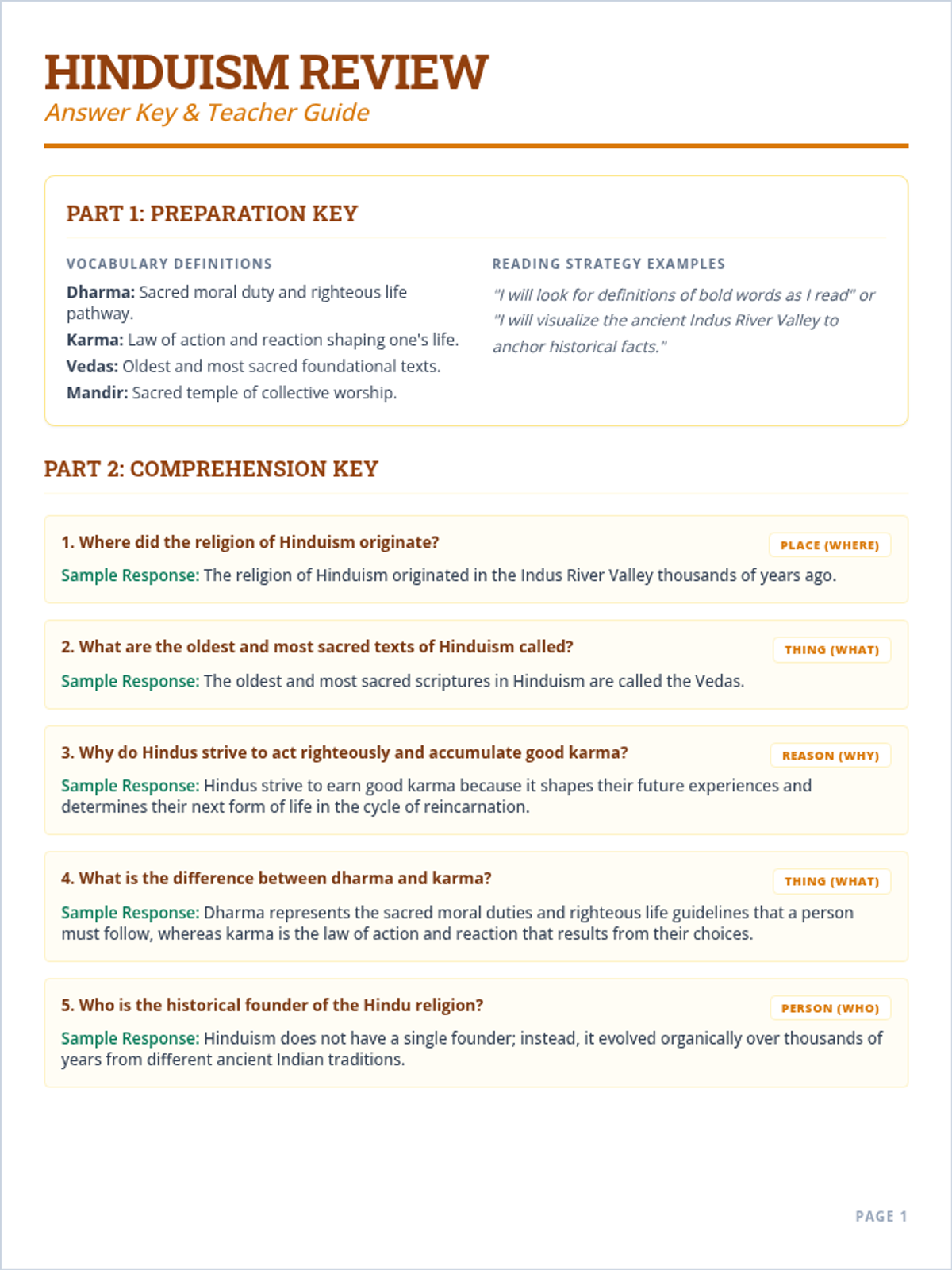
A comprehensive review lesson focused on the foundational teachings, sacred texts, and practices of Hinduism, emphasizing active reading and question type identification.
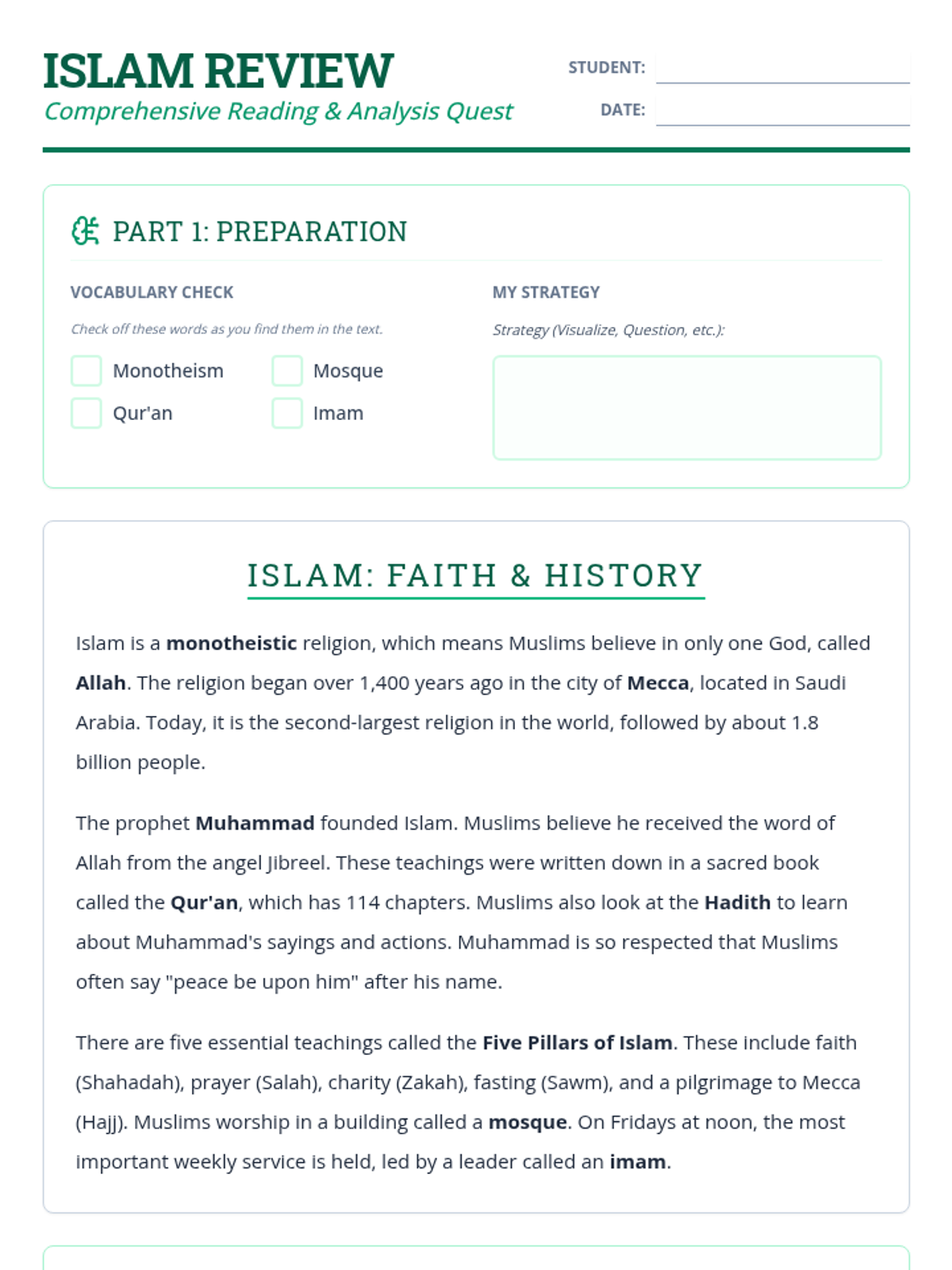
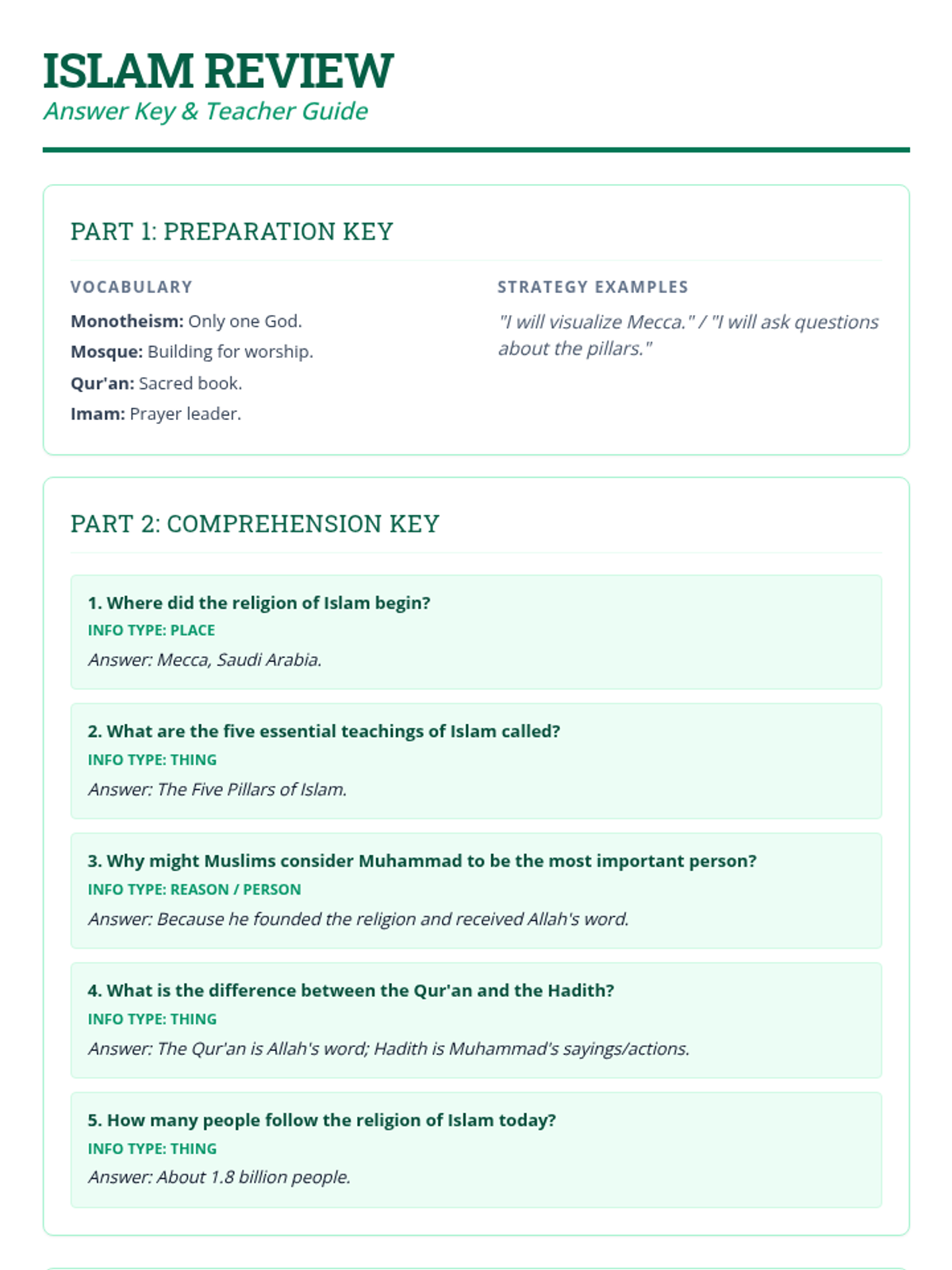
A comprehensive review lesson focused on the foundational teachings, sacred texts, and practices of Islam, emphasizing active reading and question type identification.
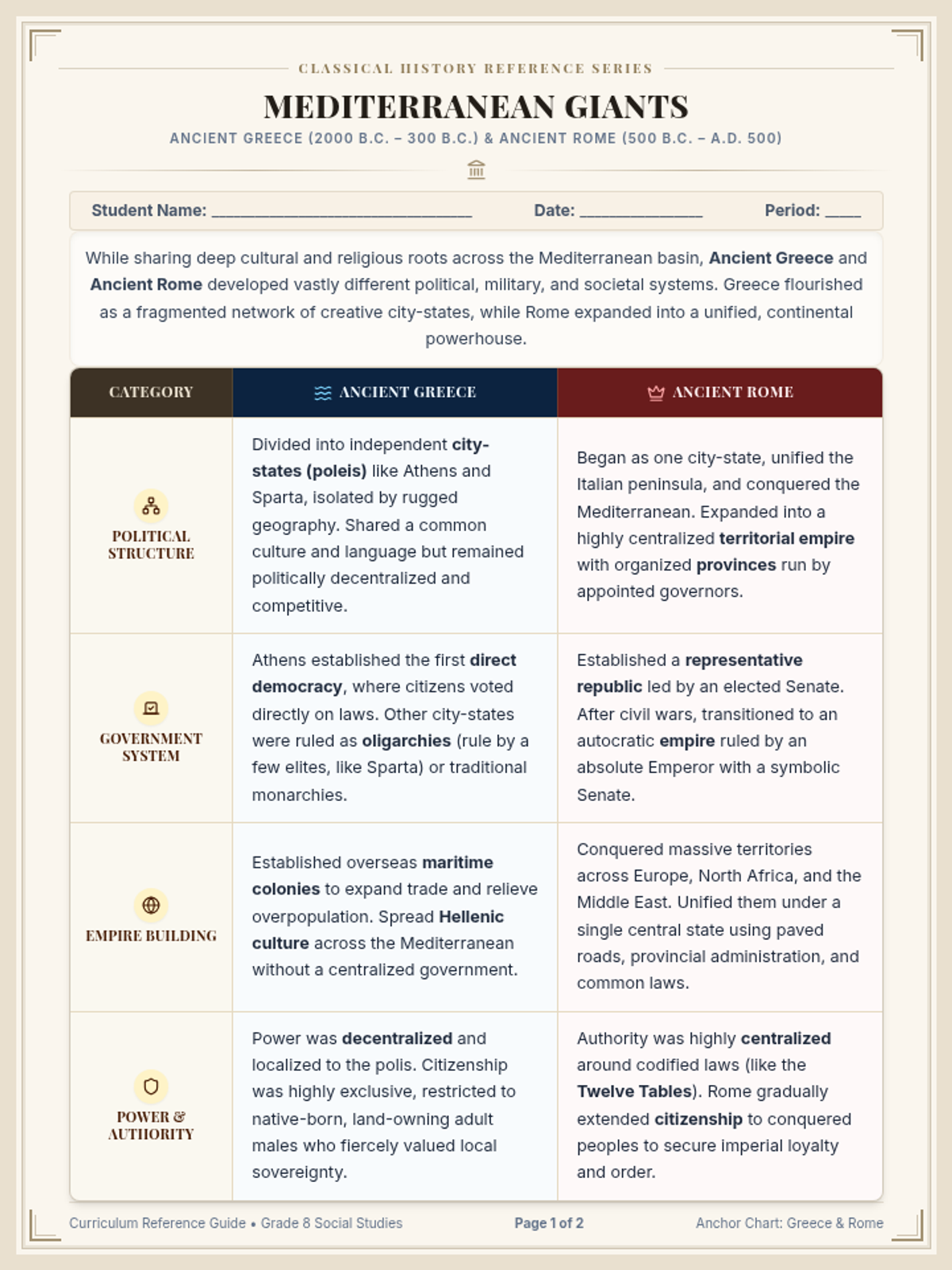
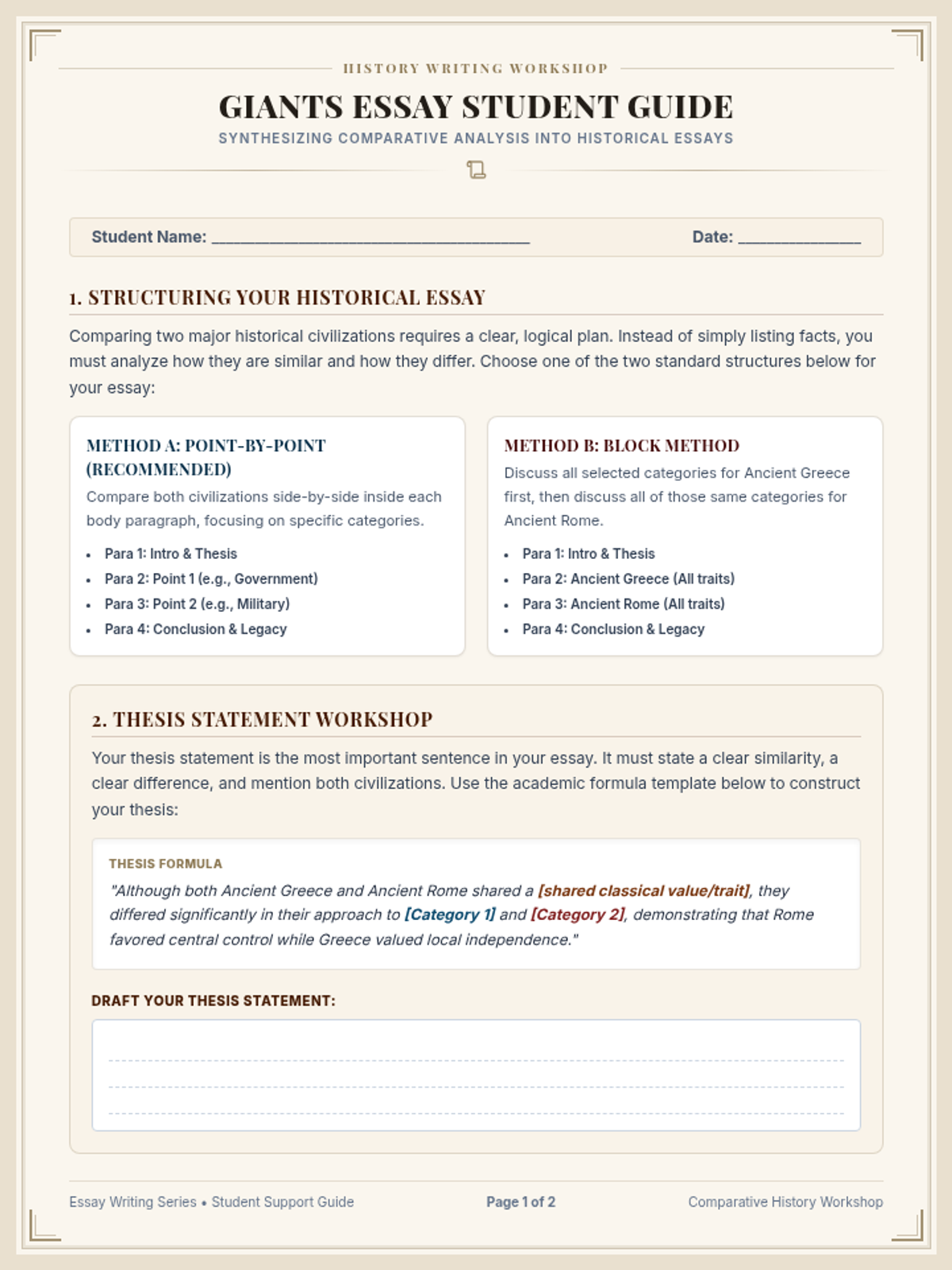
An exploration of the core differences and connections between Ancient Greece and Ancient Rome. This lesson focuses on comparative analysis across political, economic, geographic, and cultural structures, helping students understand how these two titans shaped Western Civilization.
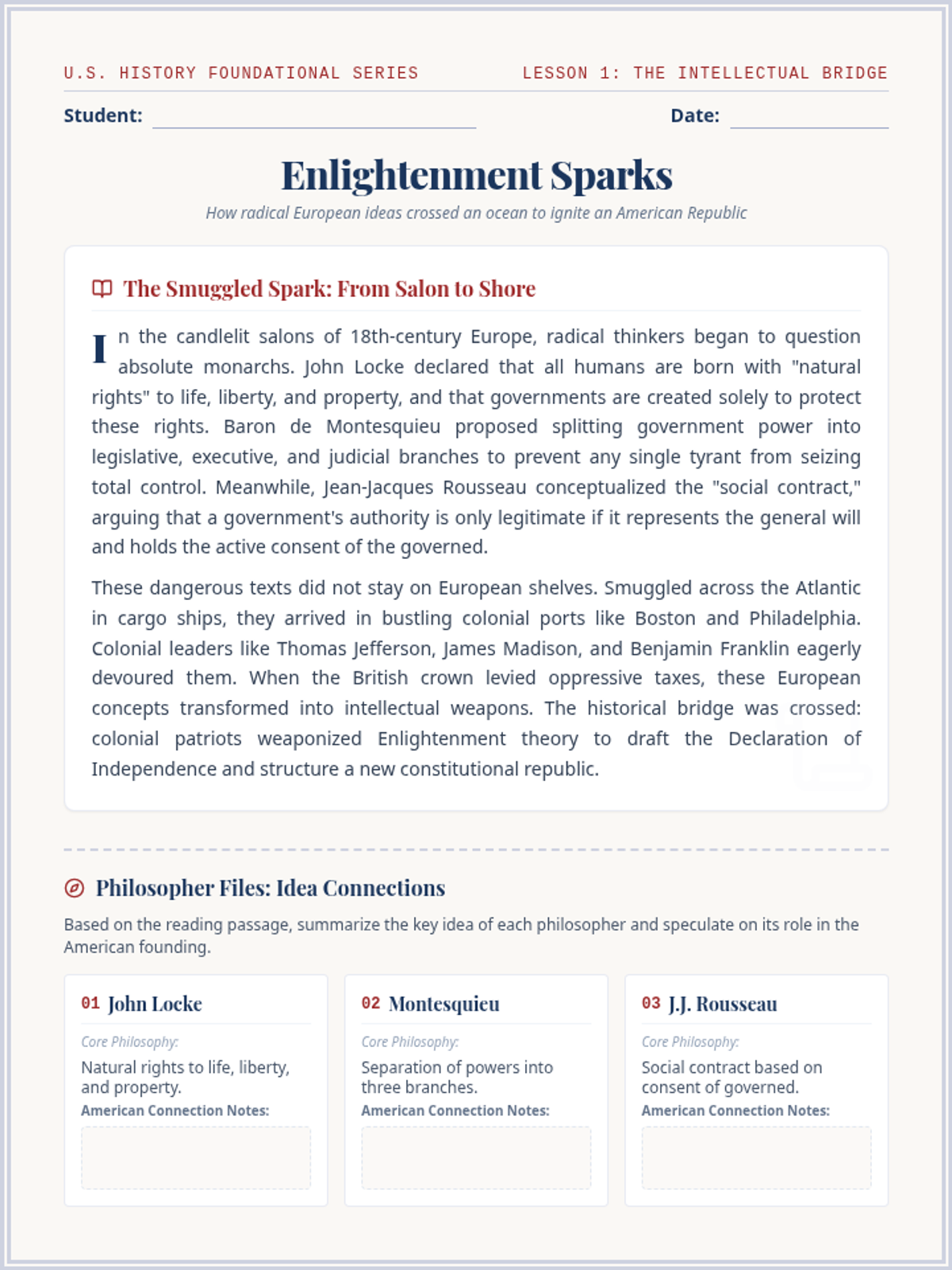
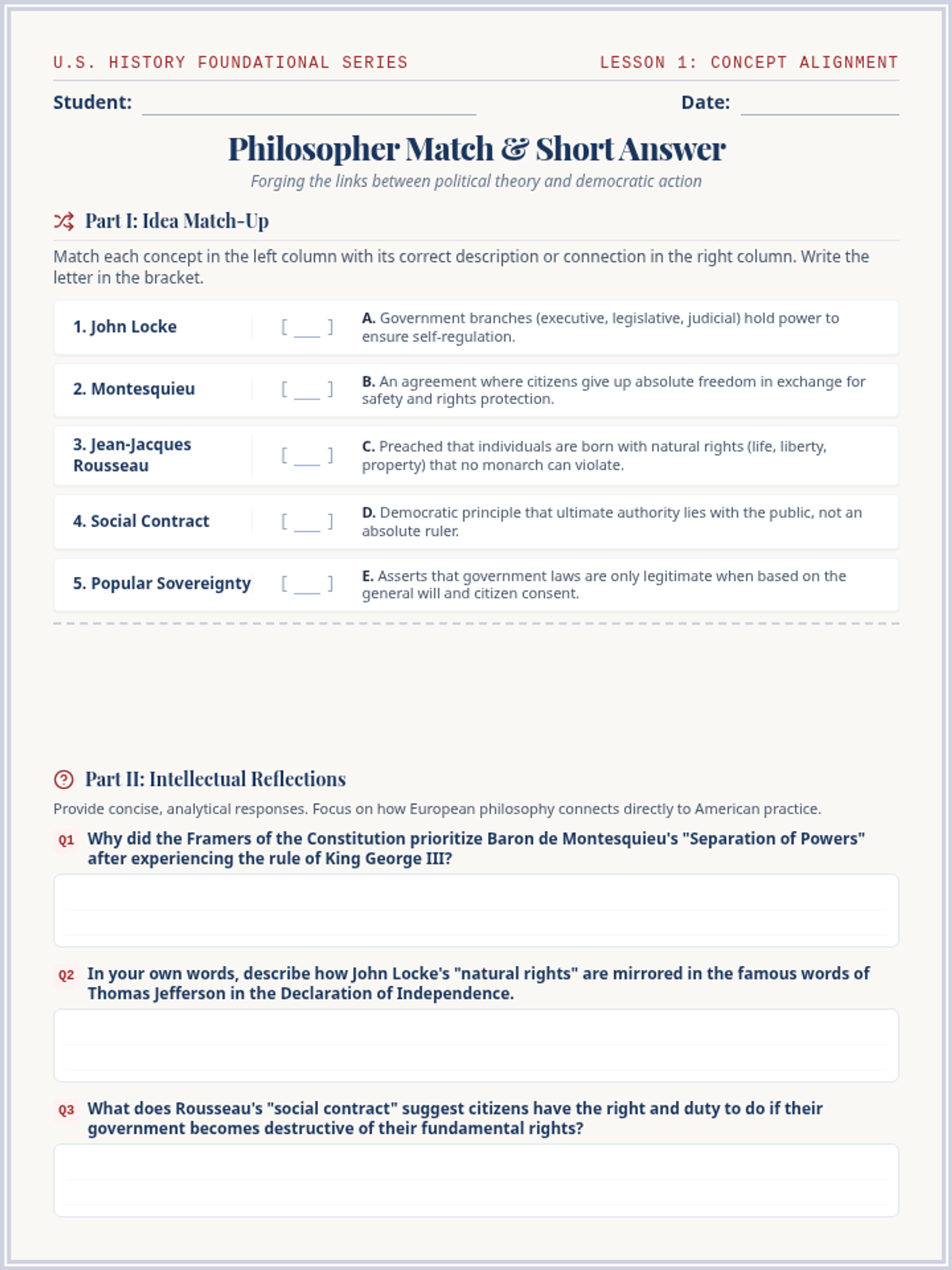
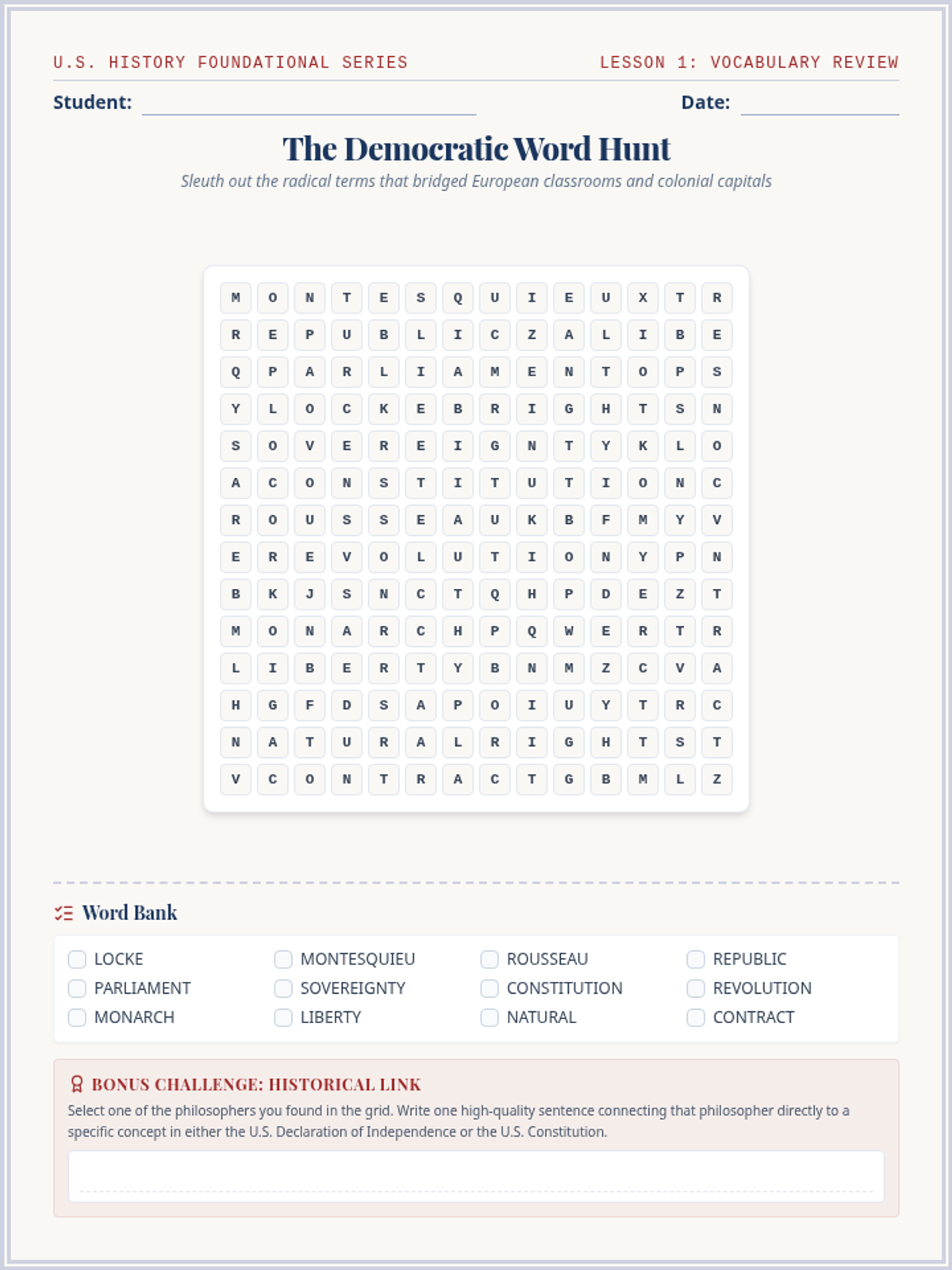
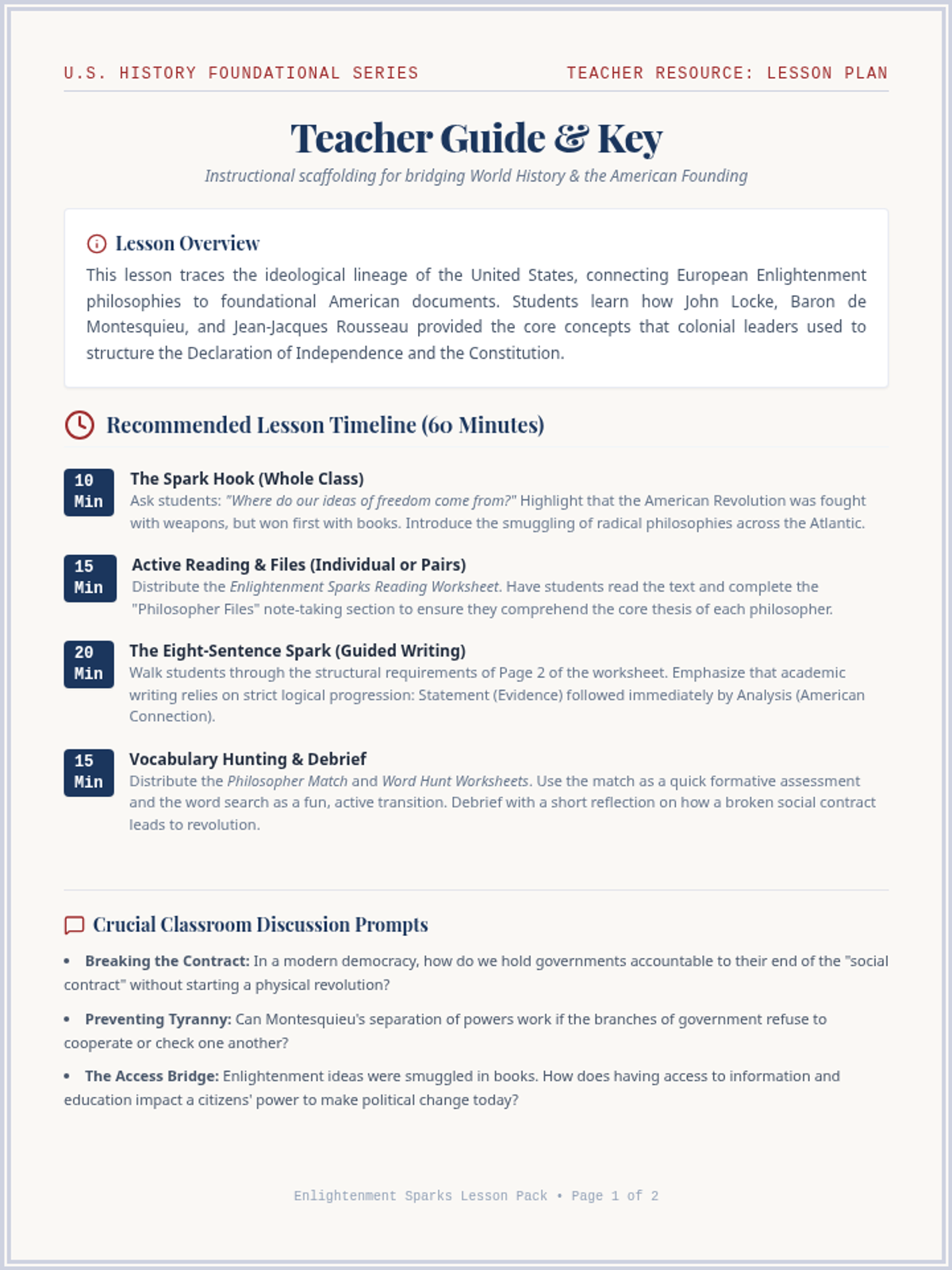
An introductory US History lesson bridging the World History Age of Enlightenment with the founding of the United States. Students explore how radical European ideas crossed the Atlantic to spark a constitutional republic through a historical narrative, text-based writing, matching, short-answer questions, and a thematic word hunt.
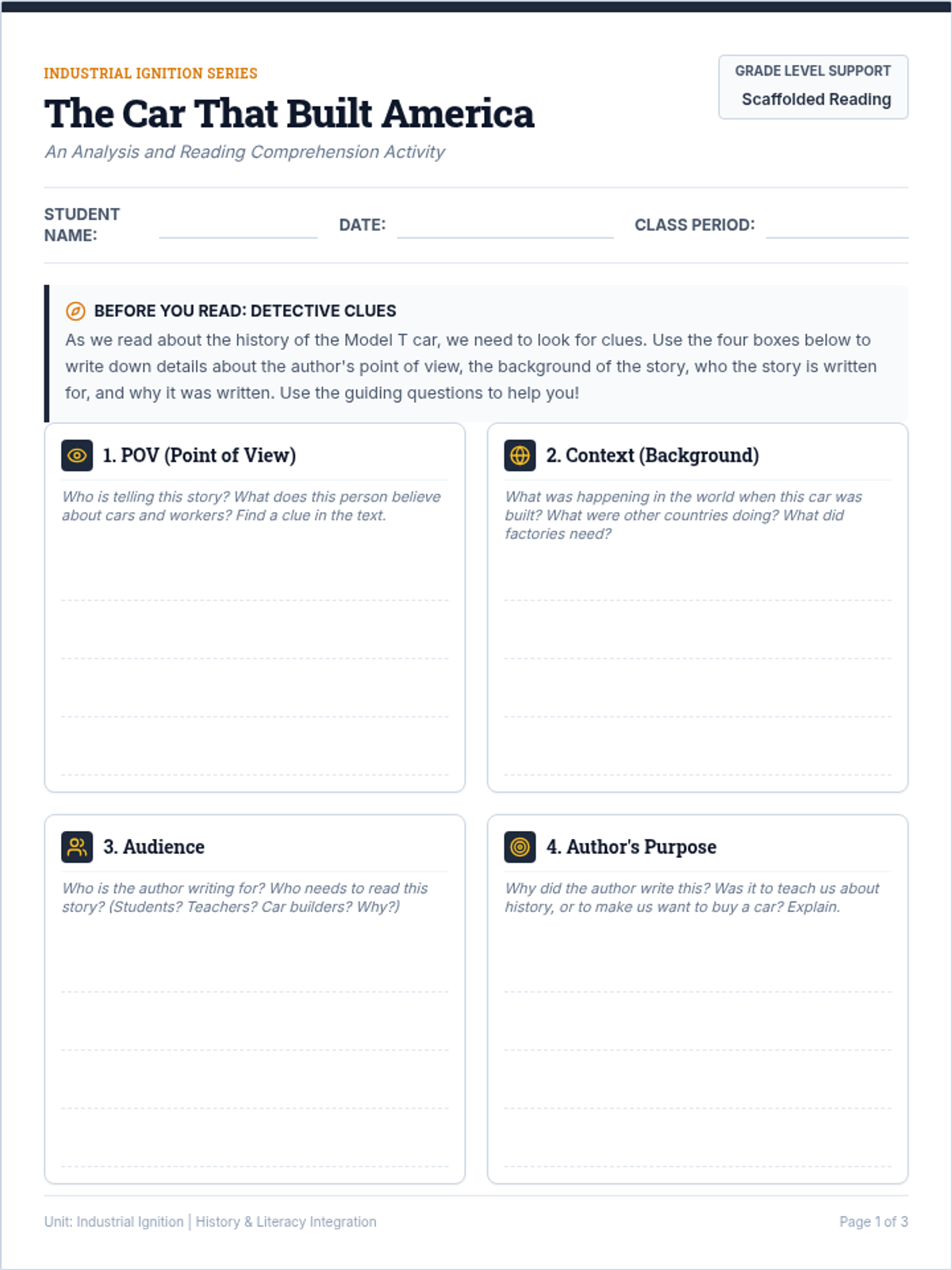
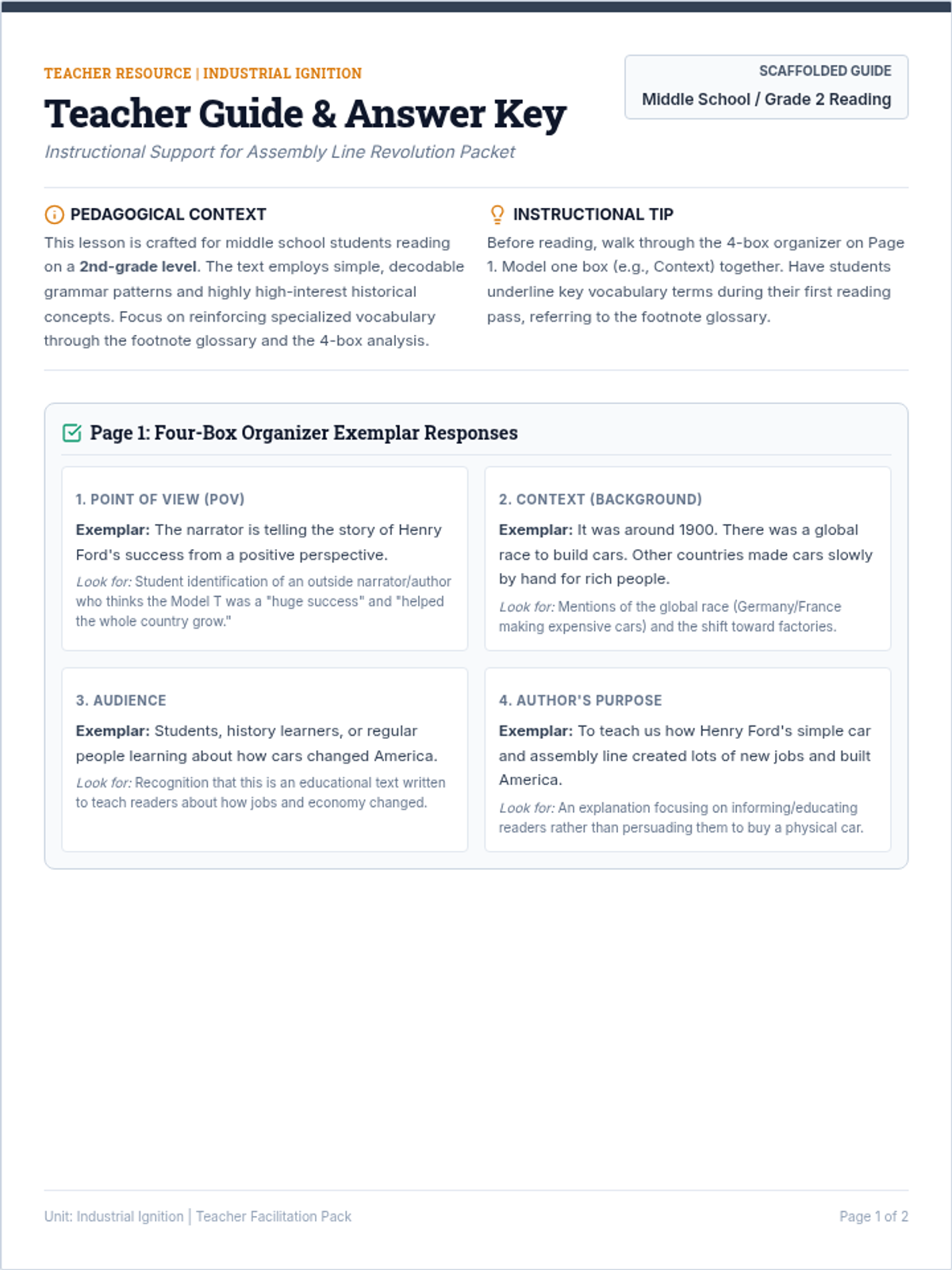
A history and reading comprehension lesson centered on how Henry Ford's Model T and industrial innovations transformed the American economy and labor market.
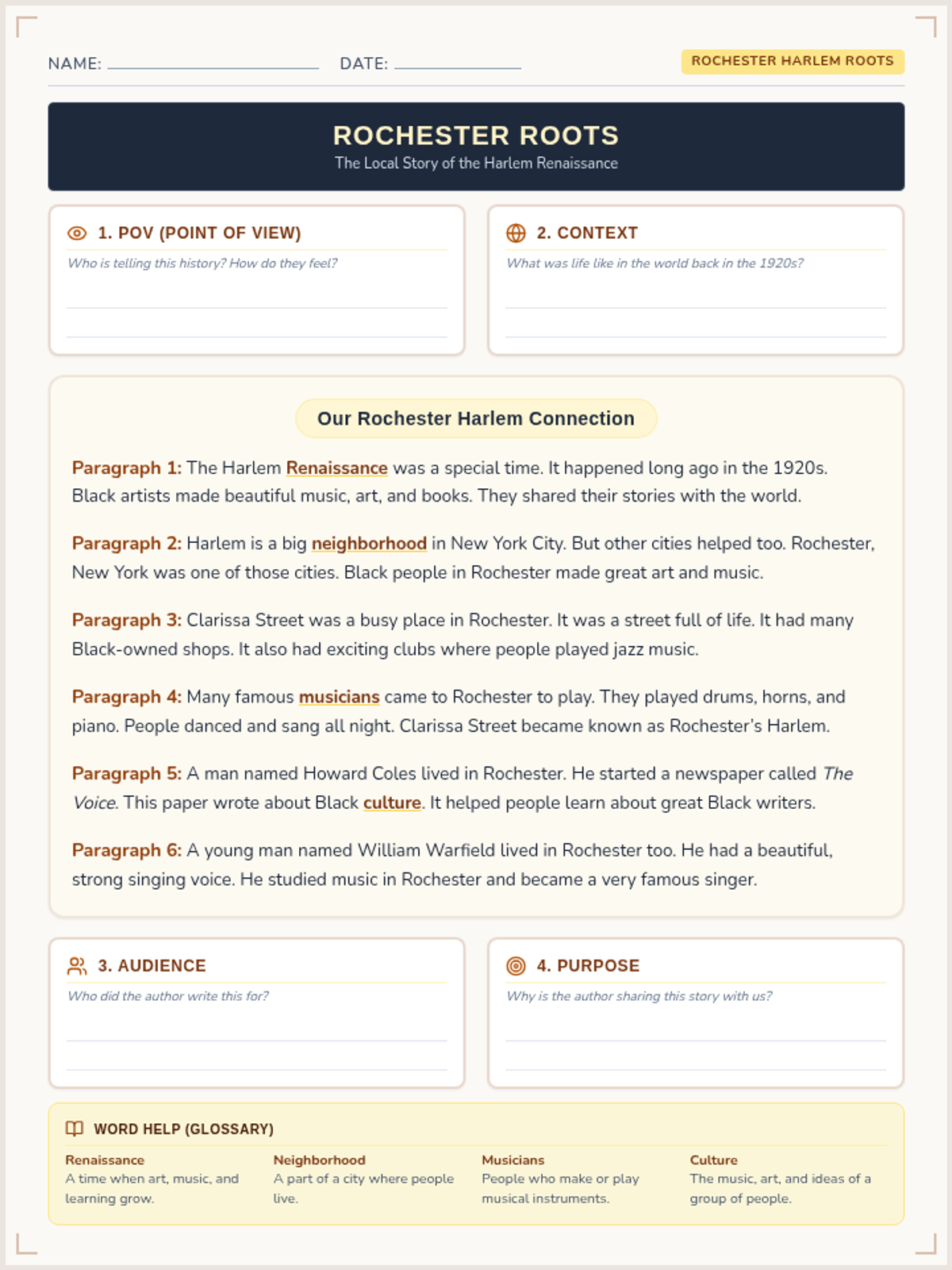
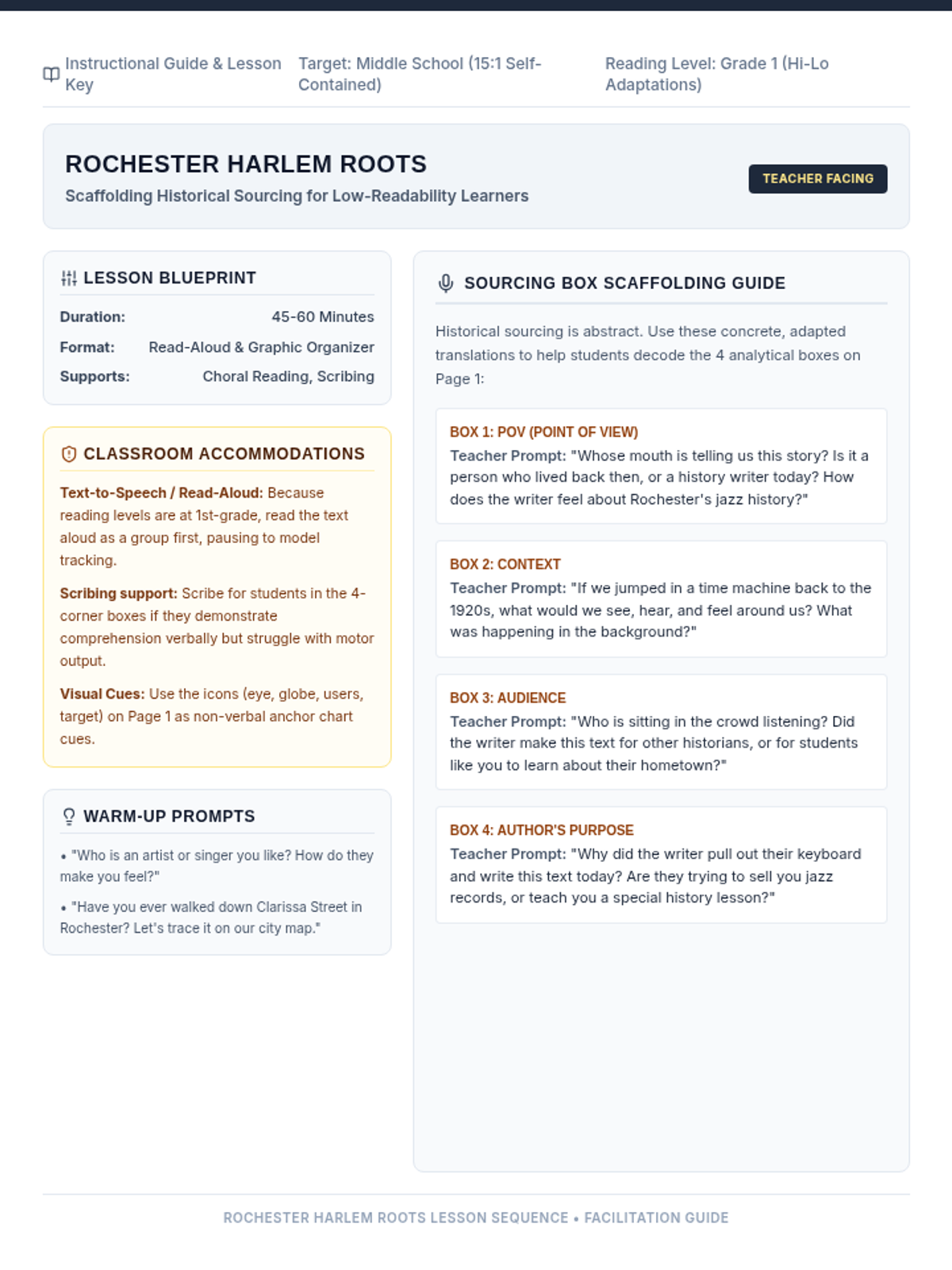
A specialized history and reading comprehension lesson focused on Rochester's local contributions to the Harlem Renaissance, designed with low-readability, high-interest content for middle schoolers reading at a first-grade level.
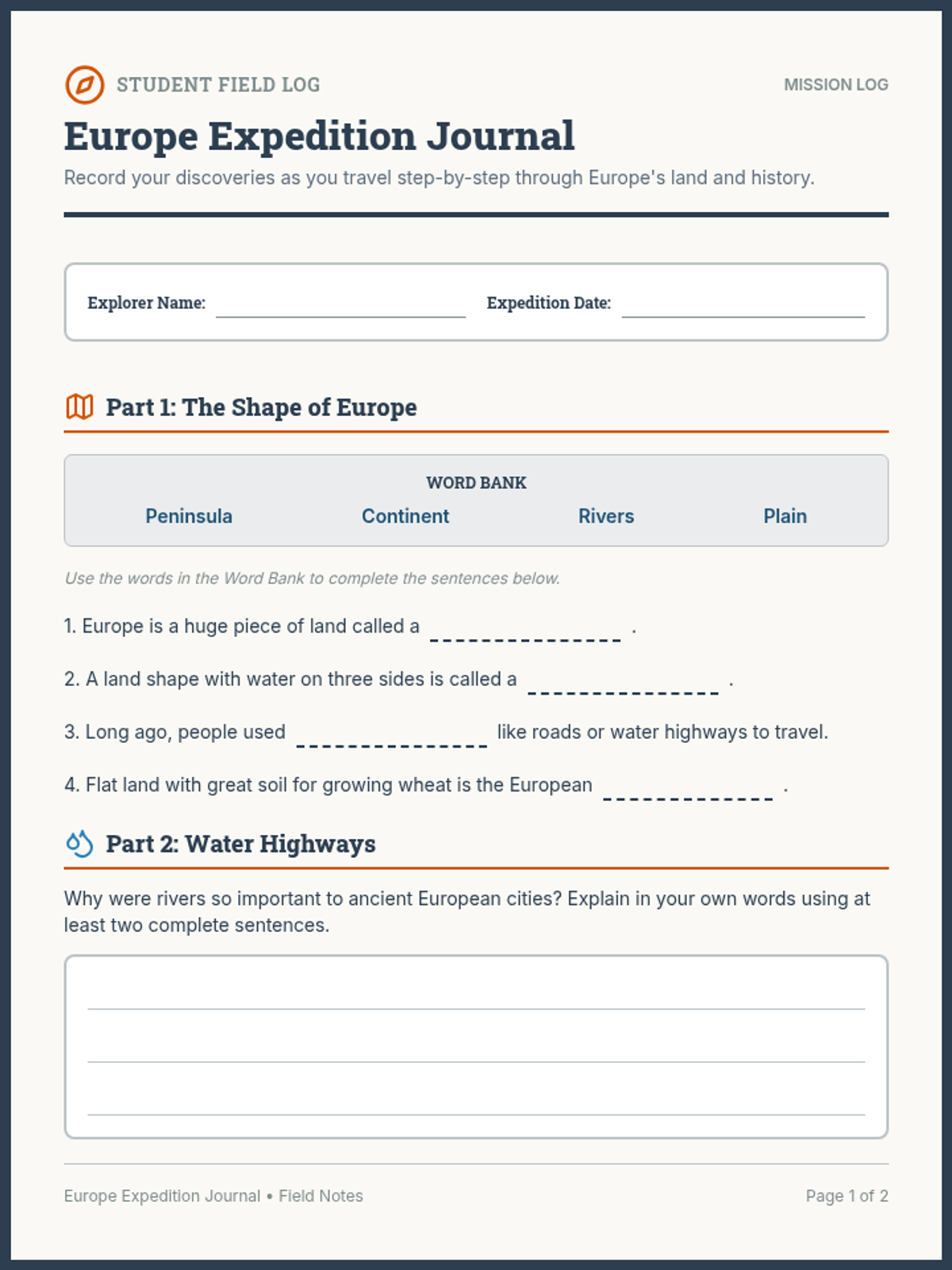
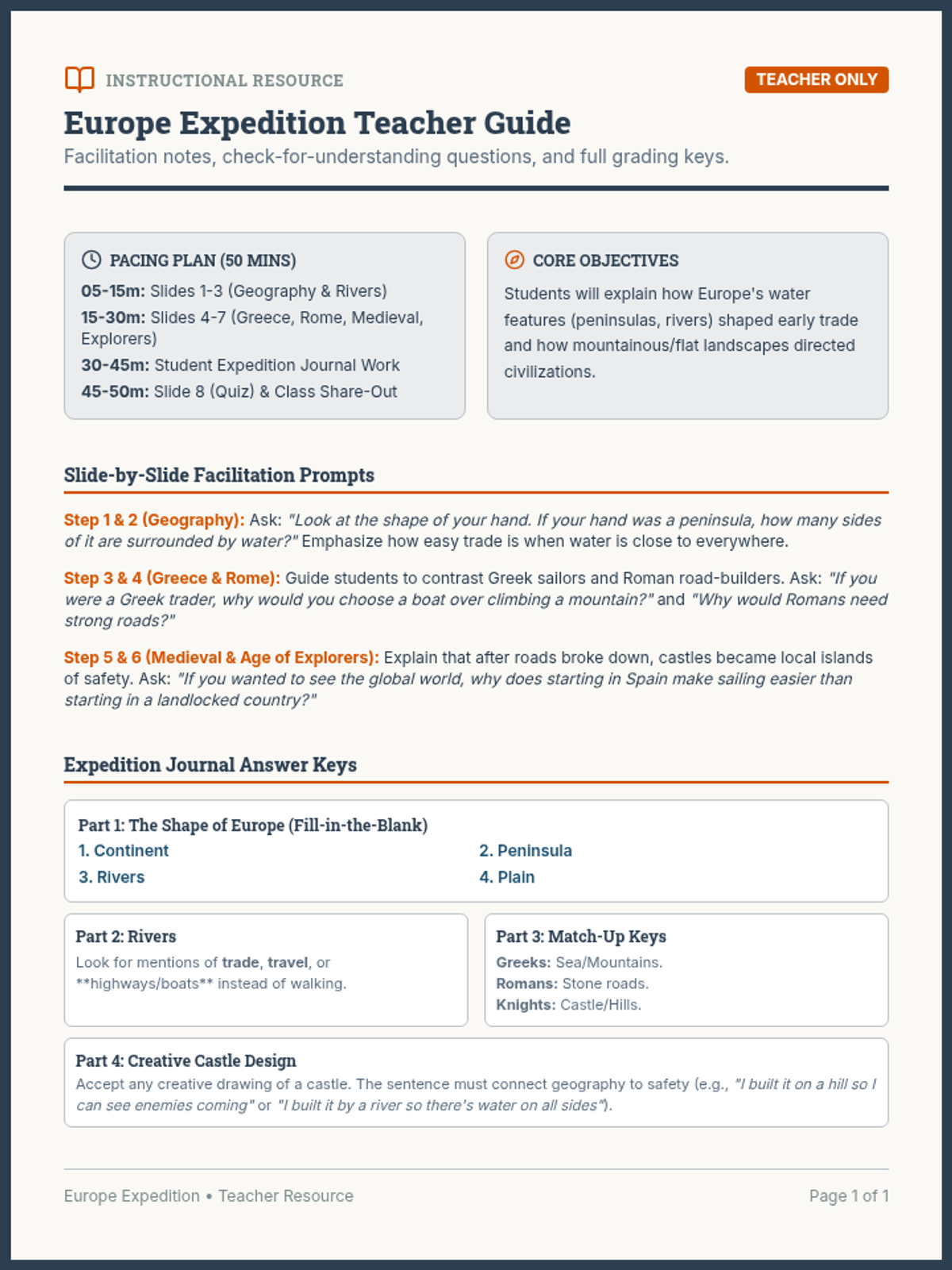
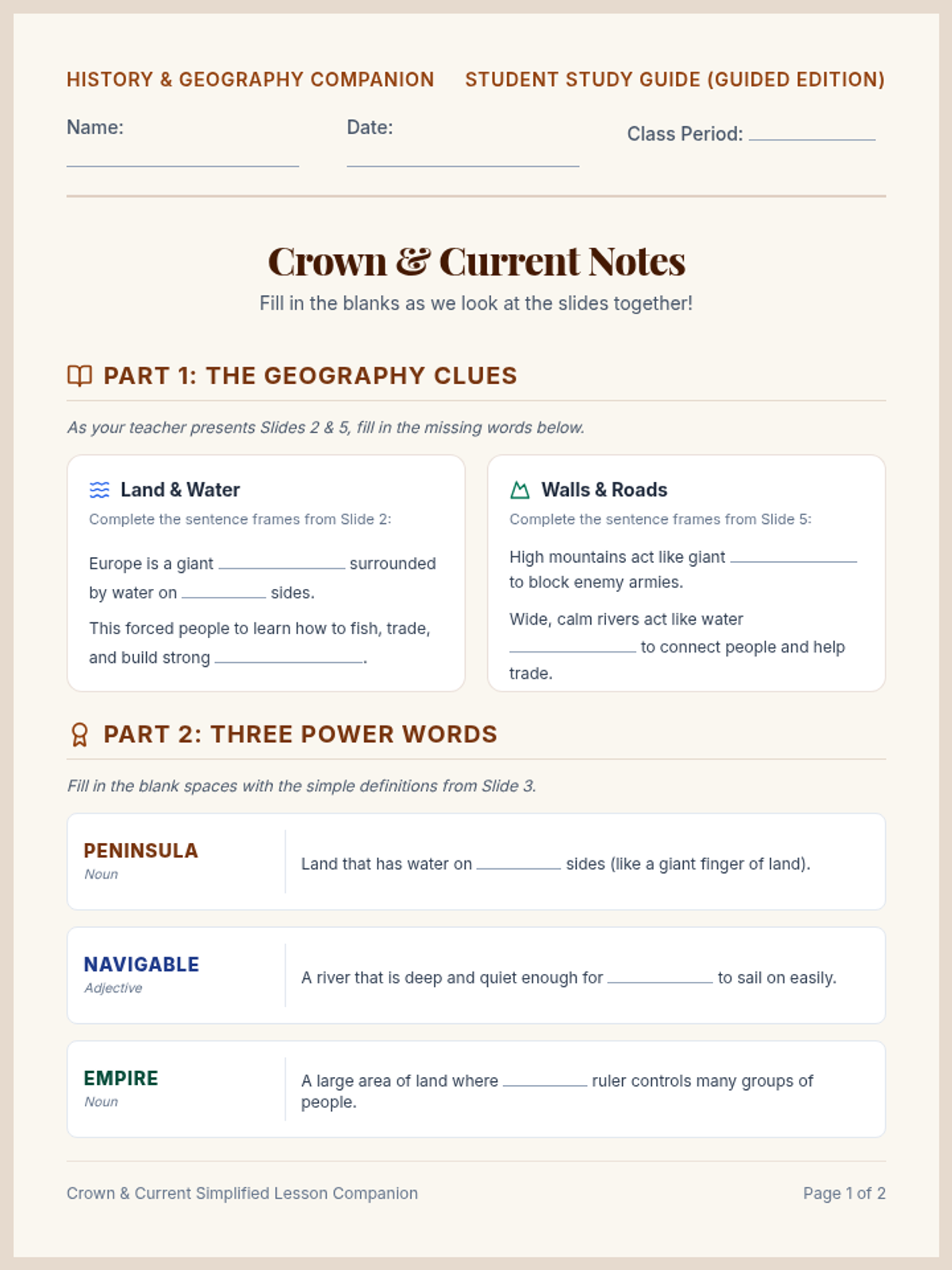
A step-by-step journey through Europe's unique geography and history, written at an accessible 600-700 Lexile level. Students explore how the physical landscape shaped historical civilizations from Ancient Greece to modern Europe.
A lesson exploring the intersection of Europe's unique physical geography and its dramatic history, focusing on how barriers and natural highways shaped civilizations.
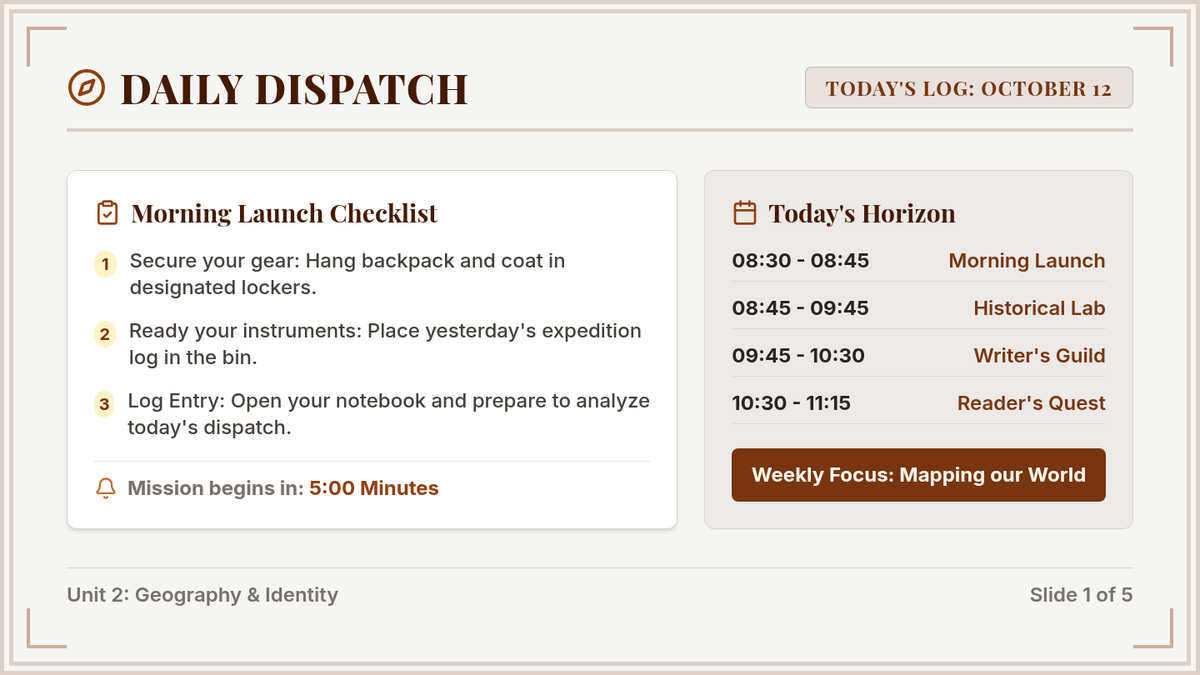
A cohesive morning routine framework designed to engage students immediately upon entering the classroom. This lesson integrates daily administrative templates with historical quote analysis, map literacy, and current events discussions to prime students' minds for social studies learning.