Analytical frameworks for interpreting history, geography, and civic information. Equips learners with tools for chronological sequencing, map literacy, and critical evaluation of primary and secondary sources.
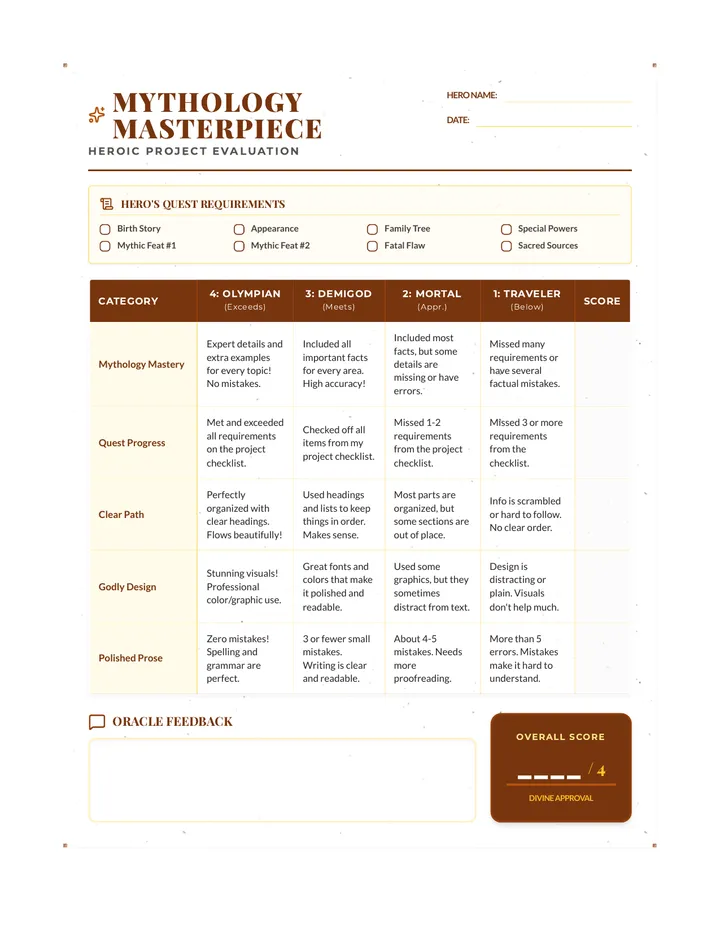
A single-page rubric for the Greek Mythology project, redesigned for space efficiency and readability. It features a horizontal checklist and consolidated footer to ensure the Oracle Feedback and Overall Score sections fit perfectly on one page without sacrificing text size. The final score is now explicitly labeled 'overall score _/4'.
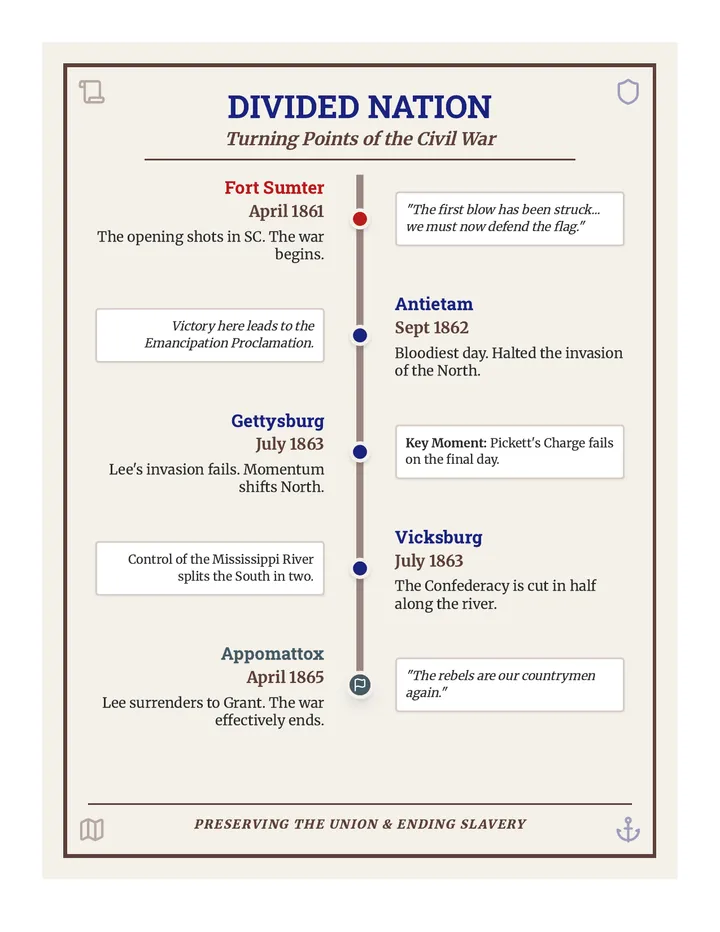
A high-visibility classroom anchor chart highlighting five major turning points of the American Civil War. Designed with large, readable text and historical motifs for middle school classroom display.
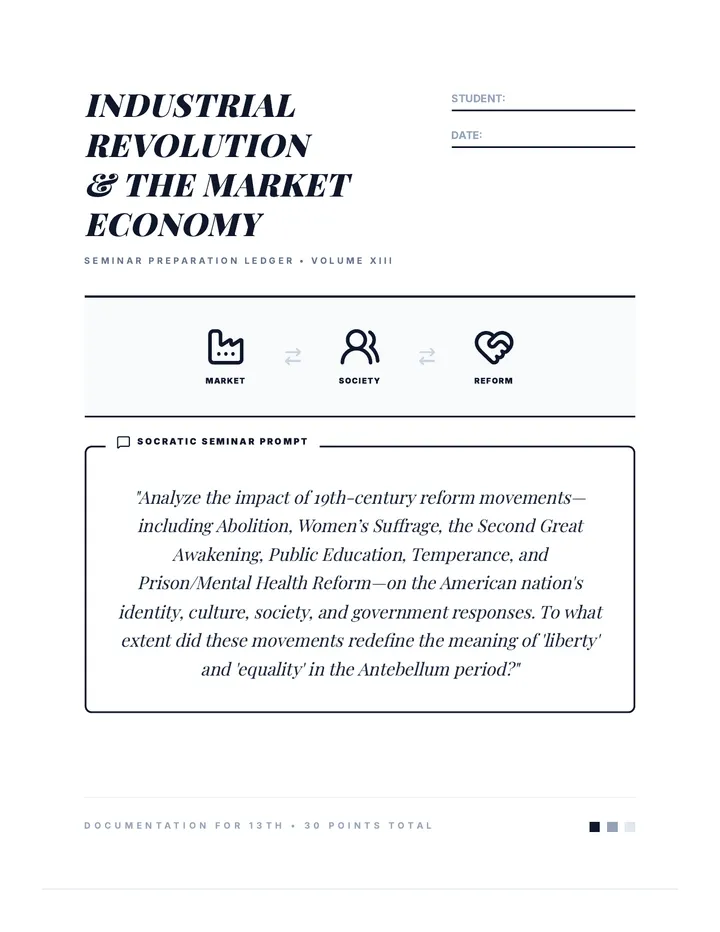
A detailed 5-page seminar preparation ledger for the Industrial Revolution and Market Economy lesson. Features a dedicated cover page with relevant historical icons and a prominent Socratic prompt, three separate article analysis pages, and a final synthesis evaluation. Writing lines are darkened for optimal print quality.
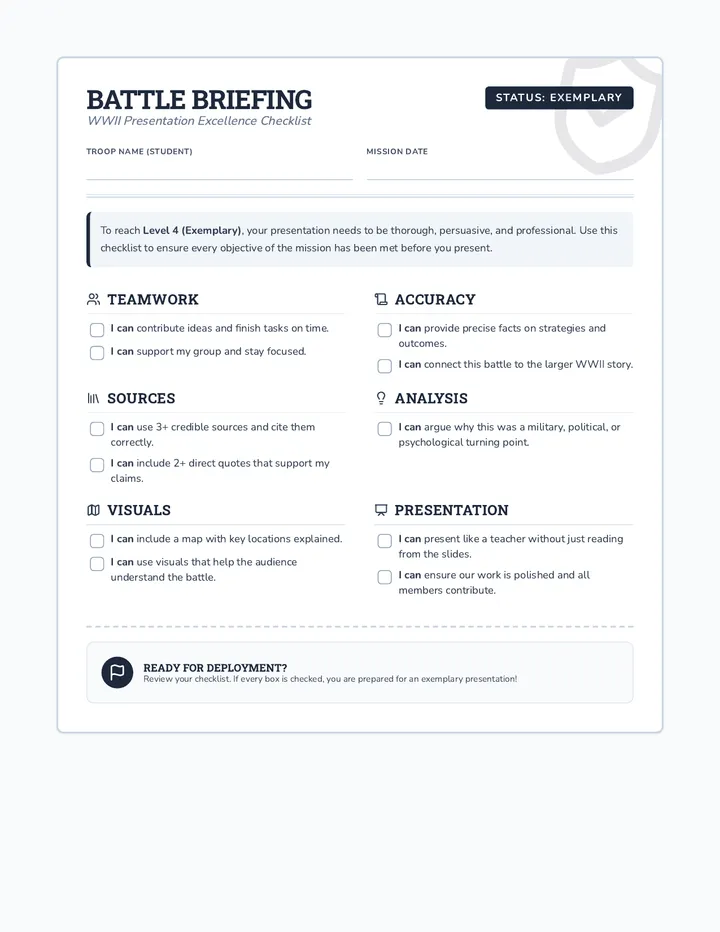
A student-friendly presentation checklist based on Level 4 criteria of a WWII Battles Project rubric, featuring 'I can' statements and visual icons. Revised to fit on a single page.
An authentic AP US History Blue Book styled essay booklet featuring a printer-friendly light-colored cover page and 5 pages of college-ruled writing paper for print or digital completion.
A professional 5-point rubric for evaluating an essay on the economic impacts of the 2026 Iran War oil shortage. It breaks down 100 total points across six categories including claim quality, economic concepts, impact analysis, research, organization, and mechanics.
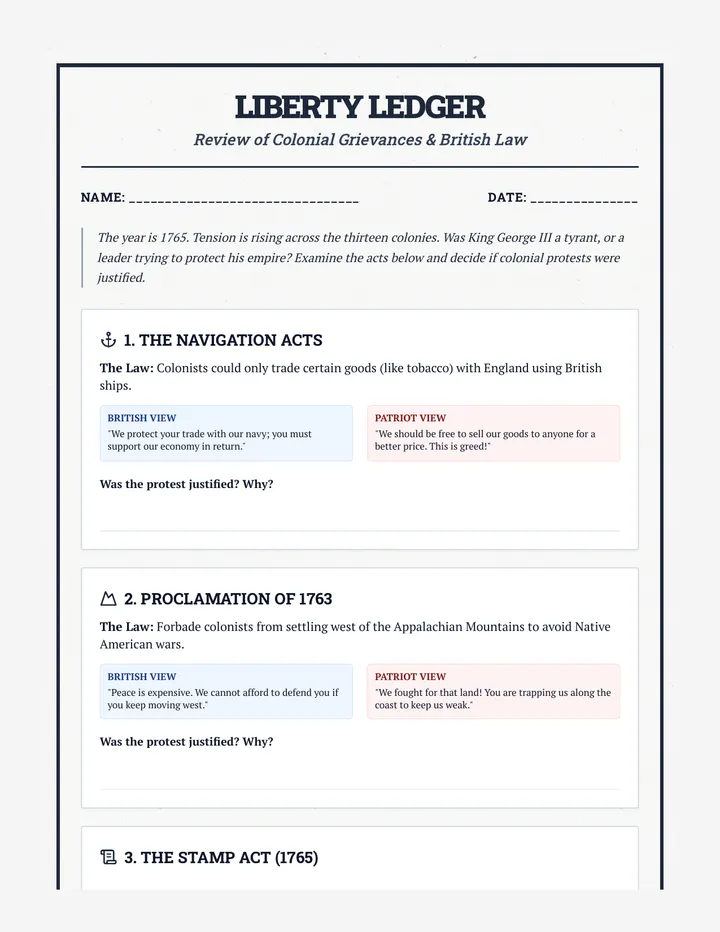
A two-sided homework assignment reviewing the Navigation Acts, Proclamation of 1763, and the Stamp Act. It prompts students to evaluate both British and Patriot perspectives to determine if colonial protests were justified. Margins have been significantly reduced for better print utilization on standard paper.
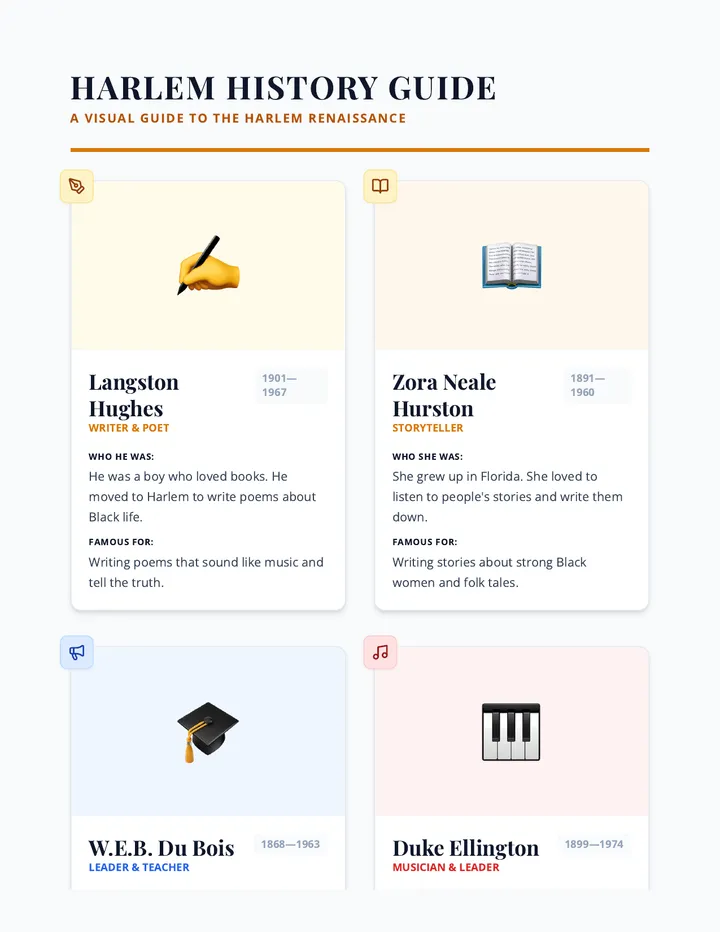
Updated Harlem History Guide by removing Grade/Level references and replacing historical photographs with representative emojis for a more stylized, illustrative look.
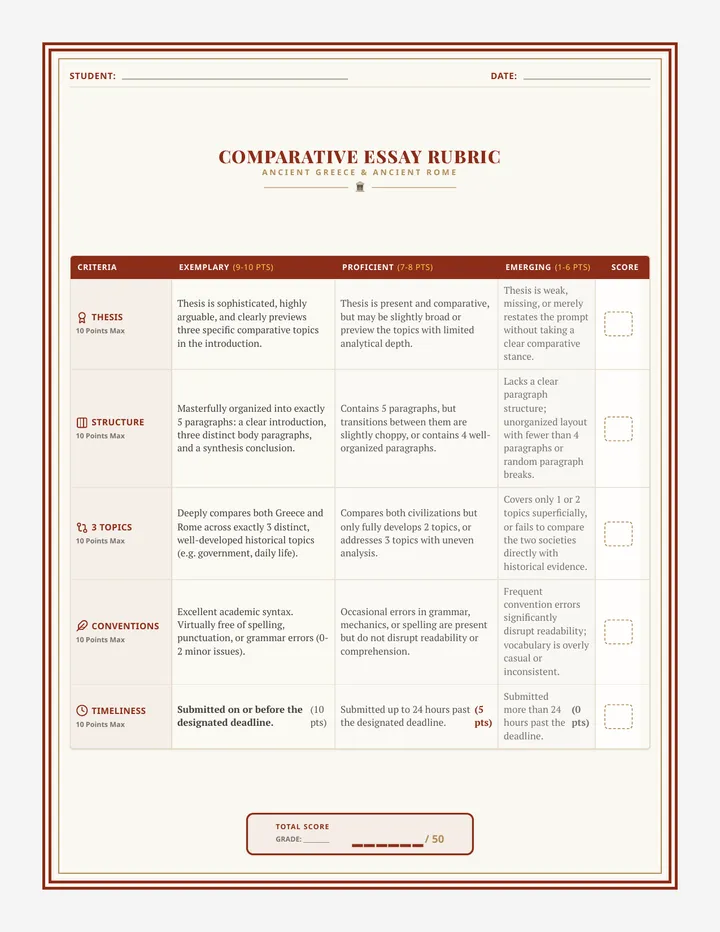
An elegant, classical-themed rubric for a comparative essay on Ancient Greece and Ancient Rome. Evaluates thesis statements, 5-paragraph structure, comparative topics, writing conventions, and timeliness across a 50-point scale. Modified with streamlined headers and an expanded, comfortable layout to prevent vertical clipping.
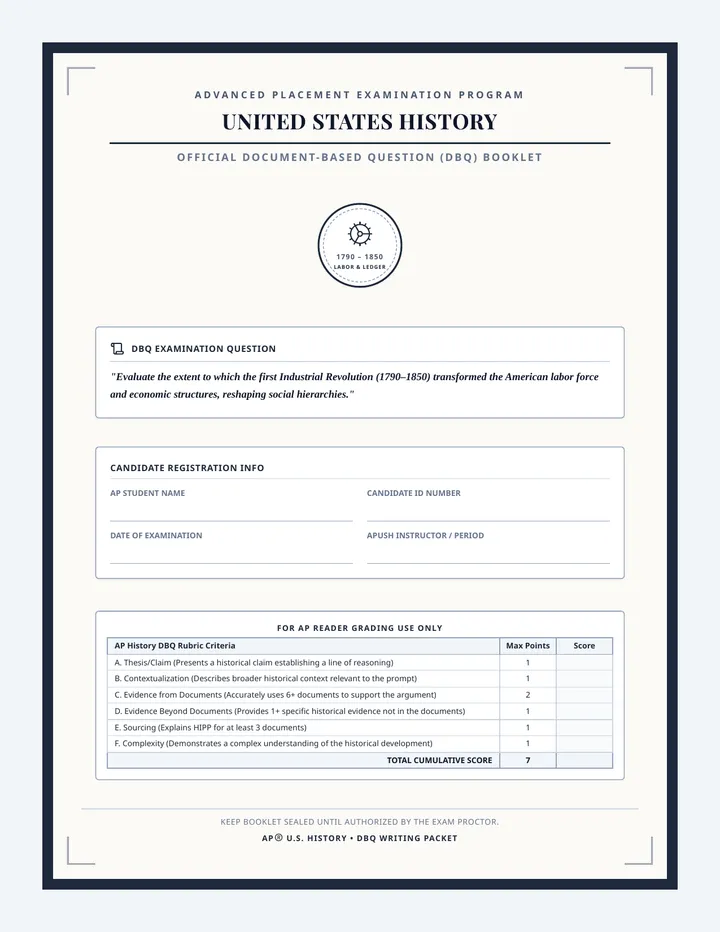
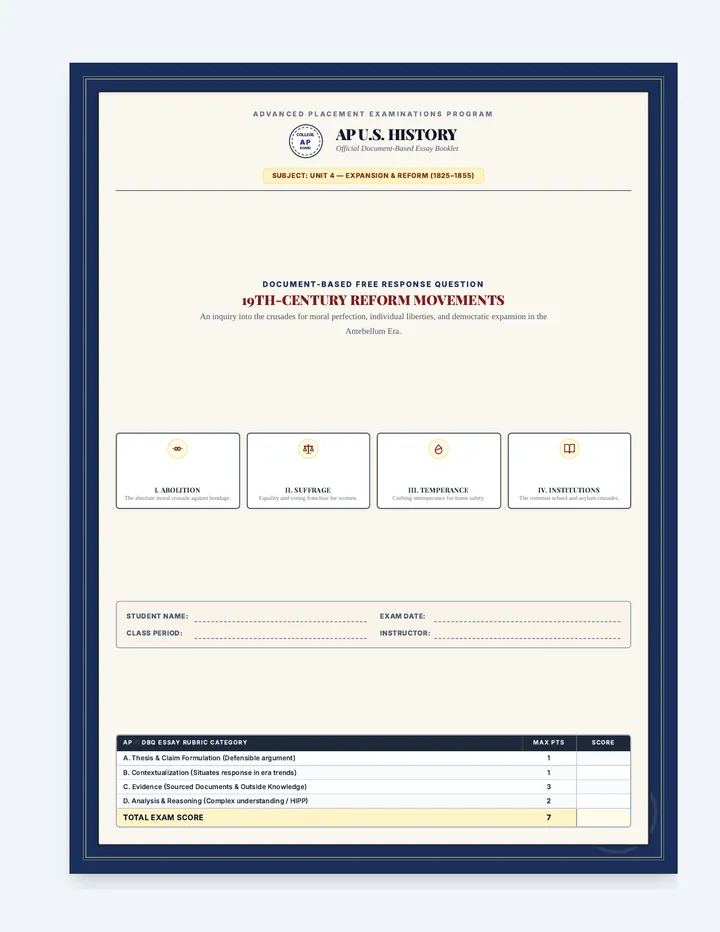
An AP US History Document-Based Question (DBQ) exam booklet themed around 19th-century reform movements. It features a stunning 'Blue Book' styled exam cover with detailed historical movement plates, student detail fields, an official 7-point AP DBQ grading rubric, and authentic college-ruled lined pages with margin guides for student handwriting.
A two-page historical fiction handout styled as an aged parchment document. It features a personal account from 'Hans' with a dedicated 'Impression' sidebar and profile icon area, followed by reflective questions regarding moral accountability. This version optimizes the second page layout to ensure all questions fit comfortably within the print margins.
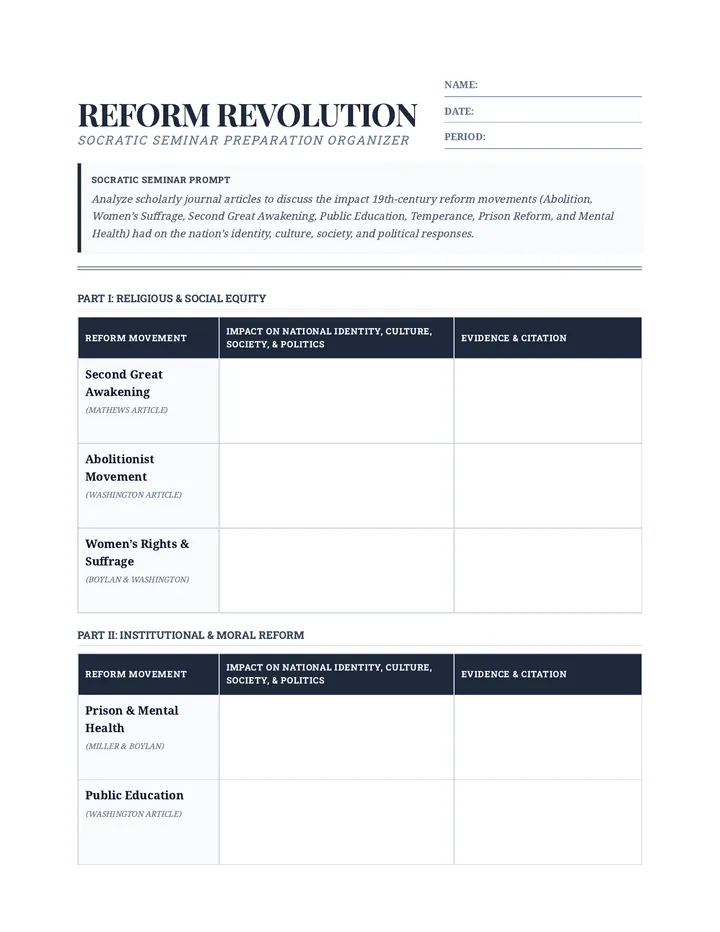
A note-taking graphic organizer for a Socratic Seminar on 19th-century social reforms. It includes dedicated sections for major movements like the Second Great Awakening, Abolition, and Prison Reform, with space for students to cite evidence from scholarly articles and synthesize their findings for discussion. Updated column headers to include culture and society impacts.
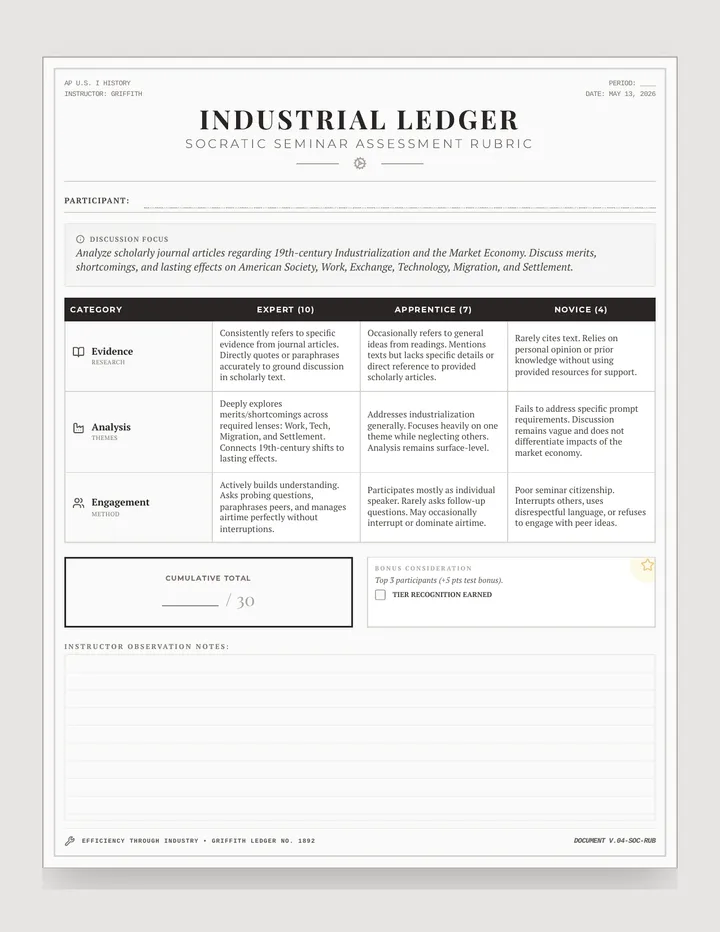
A professional 30-point Socratic Seminar rubric for AP US History, themed as a 19th-century industrial ledger. It evaluates textual evidence, thematic analysis of industrialization, and seminar facilitation across three performance levels.
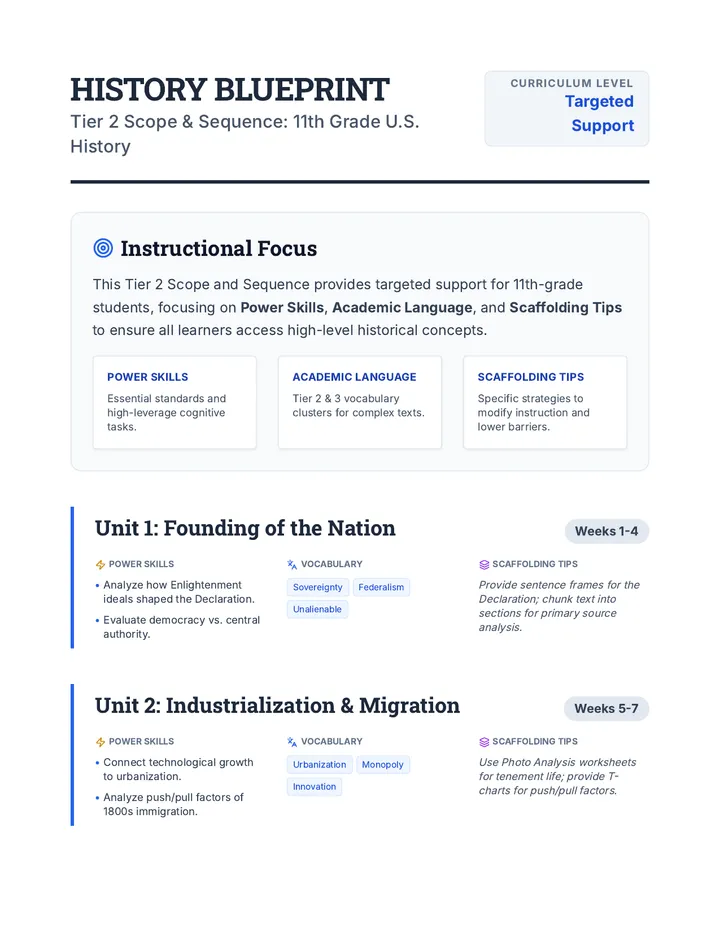
An updated Tier 2 Scope and Sequence for 11th Grade U.S. History, now including specific scaffolding tips for each unit alongside power skills and academic vocabulary. The layout is optimized for teacher reference with instructional strategies tailored for targeted support.
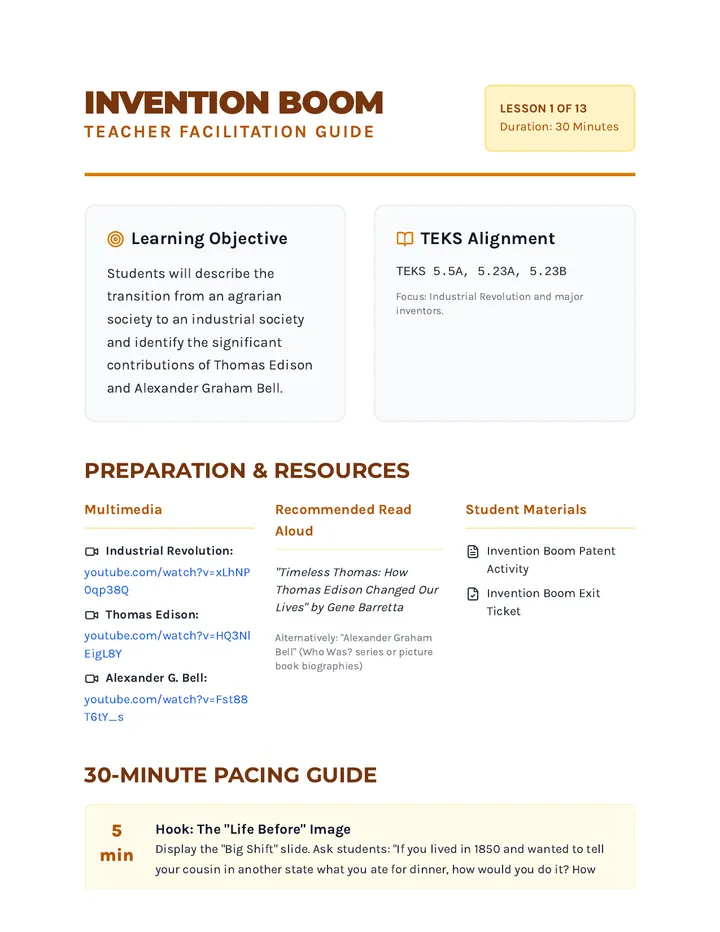
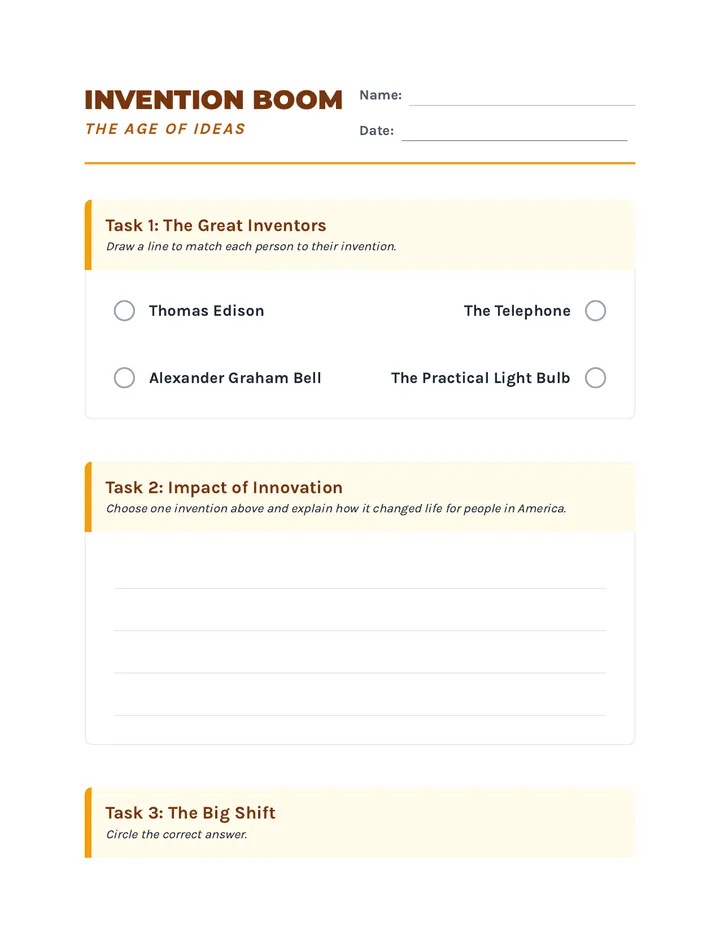
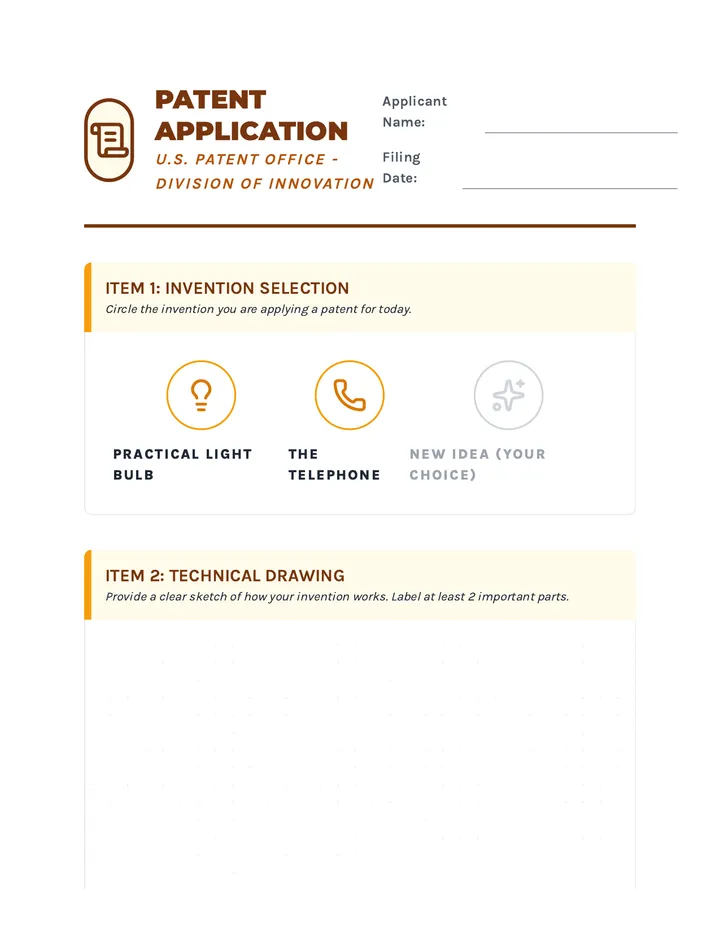
A 13-day journey through modern American history, from the Industrial Revolution to the present day, focusing on key historical figures and major conflicts as outlined in the 5th Grade TEKS. Each lesson is designed for a quick 30-minute block, integrating multimedia and primary source analysis.
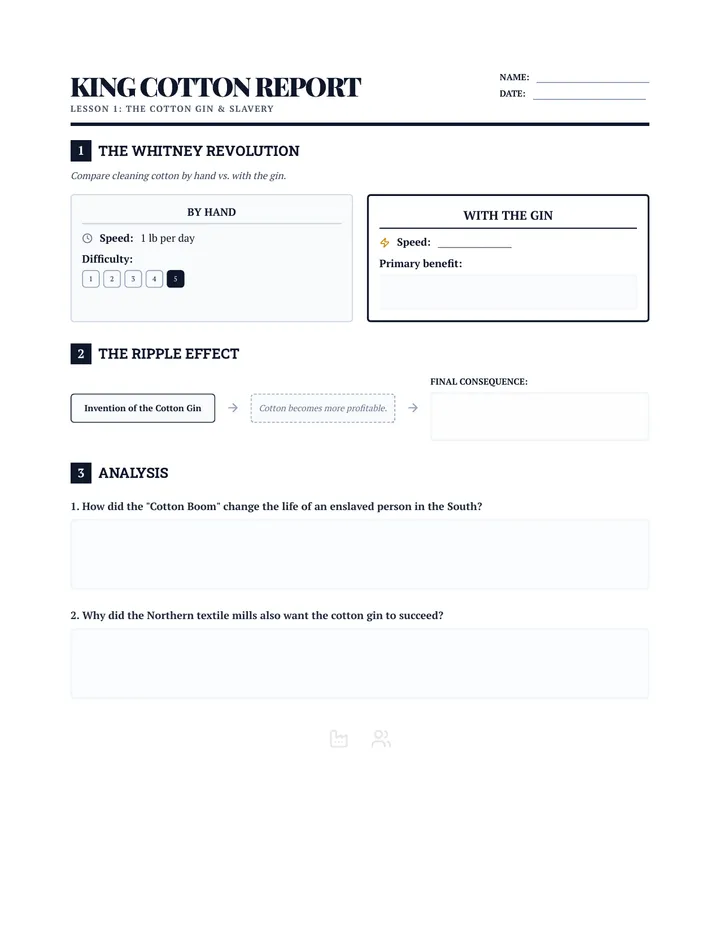
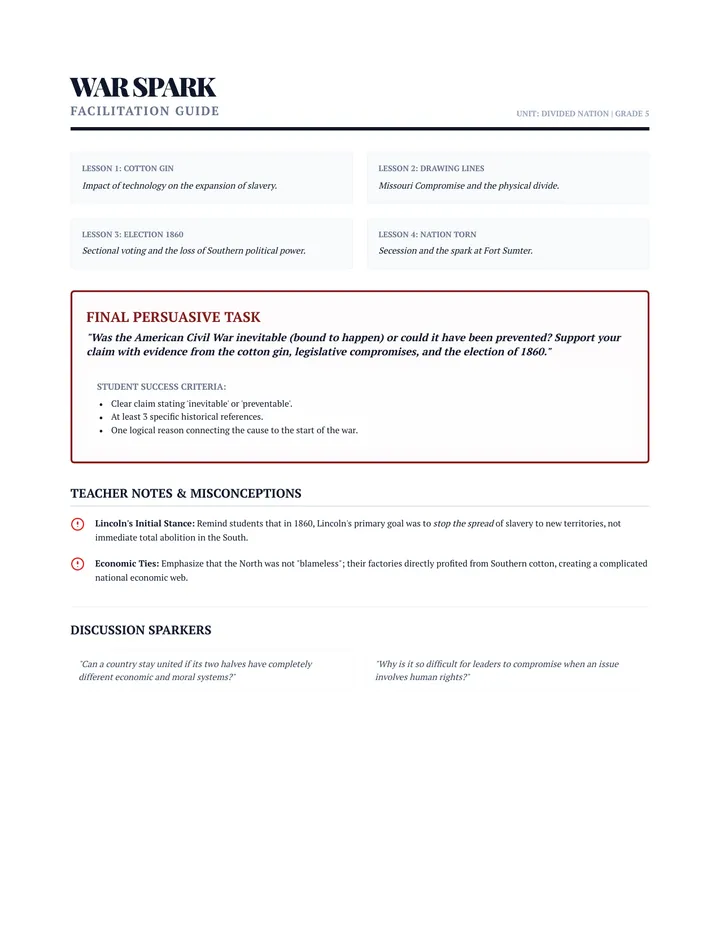
A 4-part exploration of the deep-seated tensions and pivotal events that led the United States to the brink of the Civil War, focusing on economic shifts, legislative compromises, and political flashpoints.
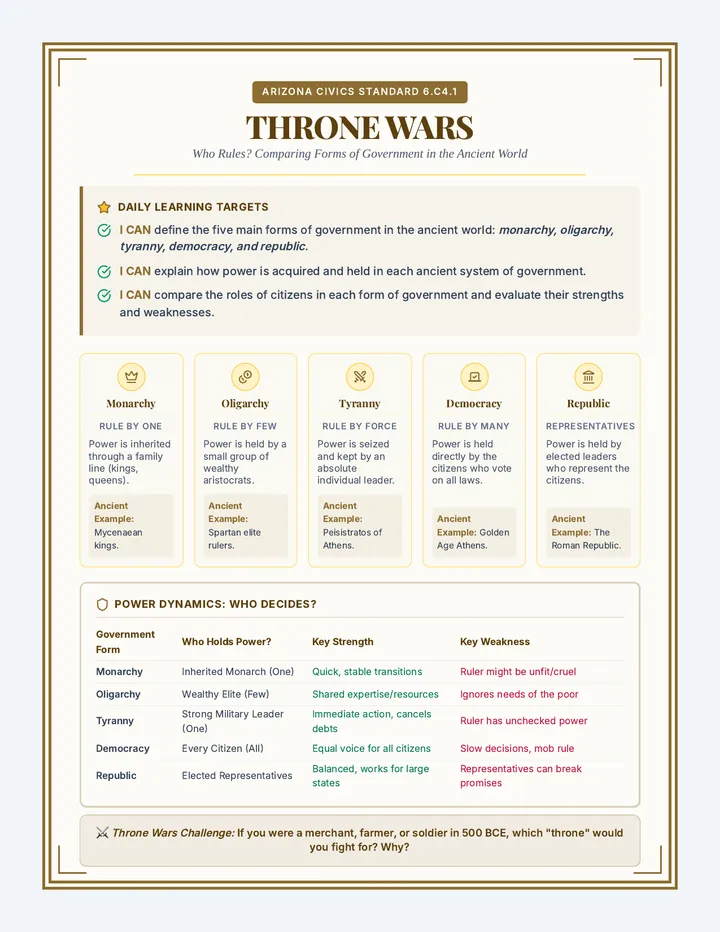
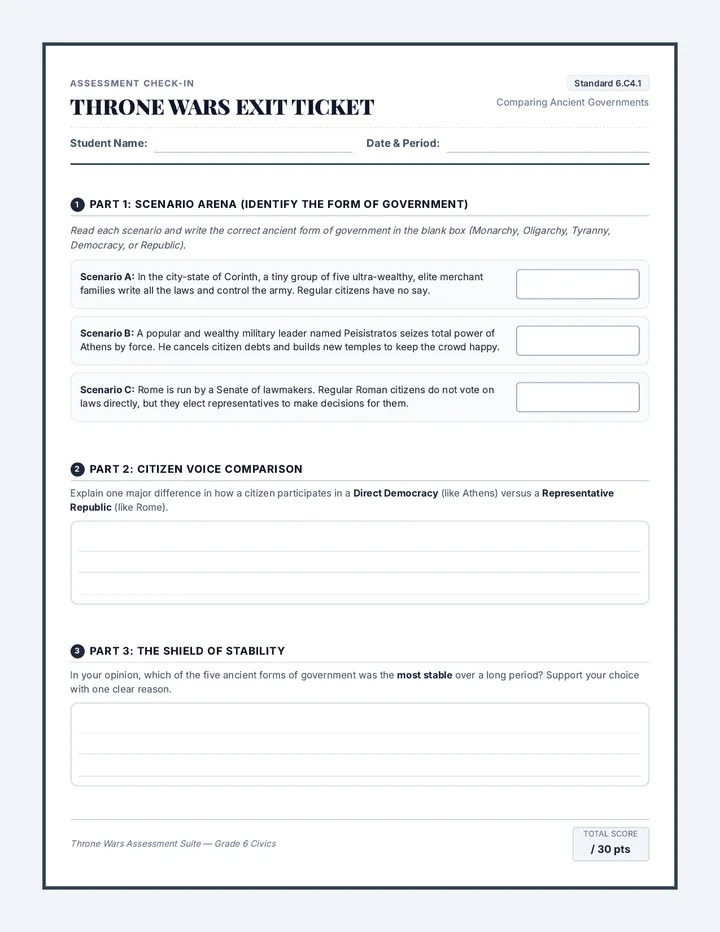
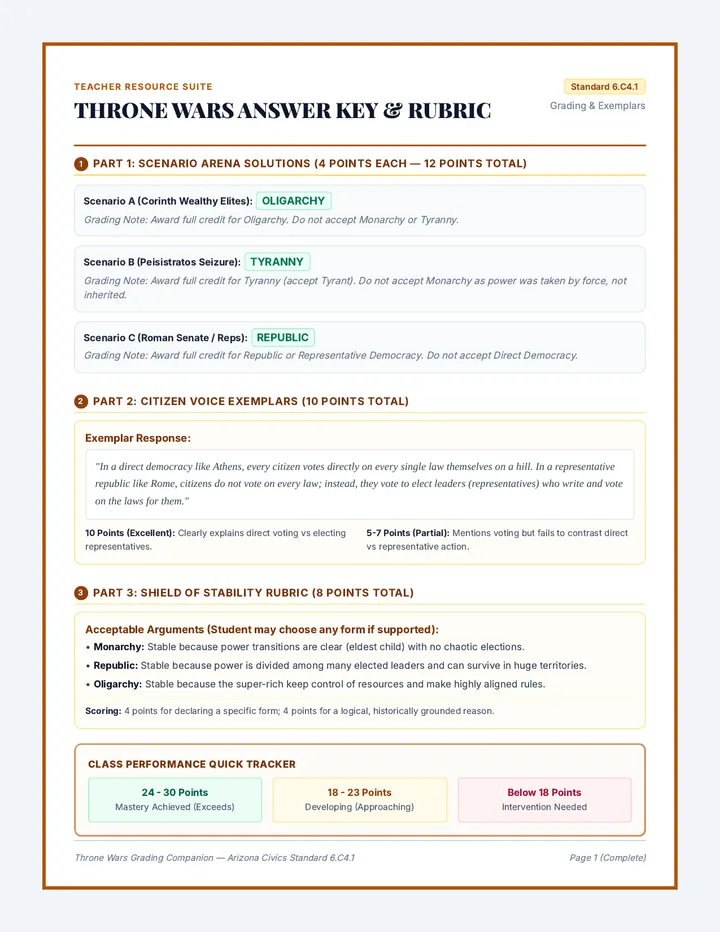
A comprehensive 6th-grade social studies unit exploring the trajectory of human history, from nomadic hunter-gatherers and the cognitive evolution of early humans, to the agricultural revolution, and finally the development of structured ancient governments.
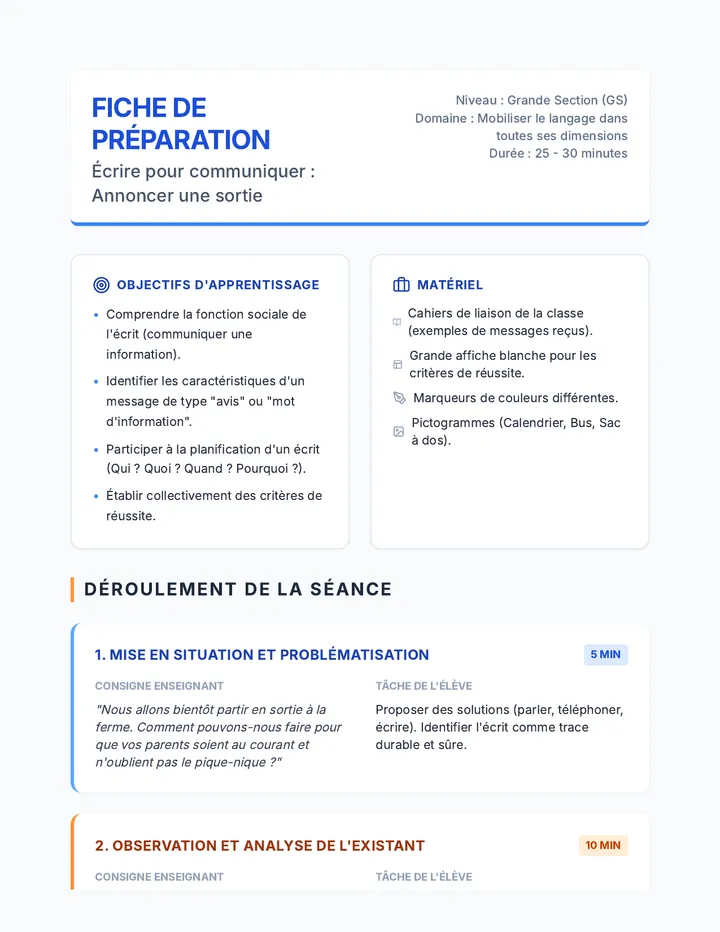
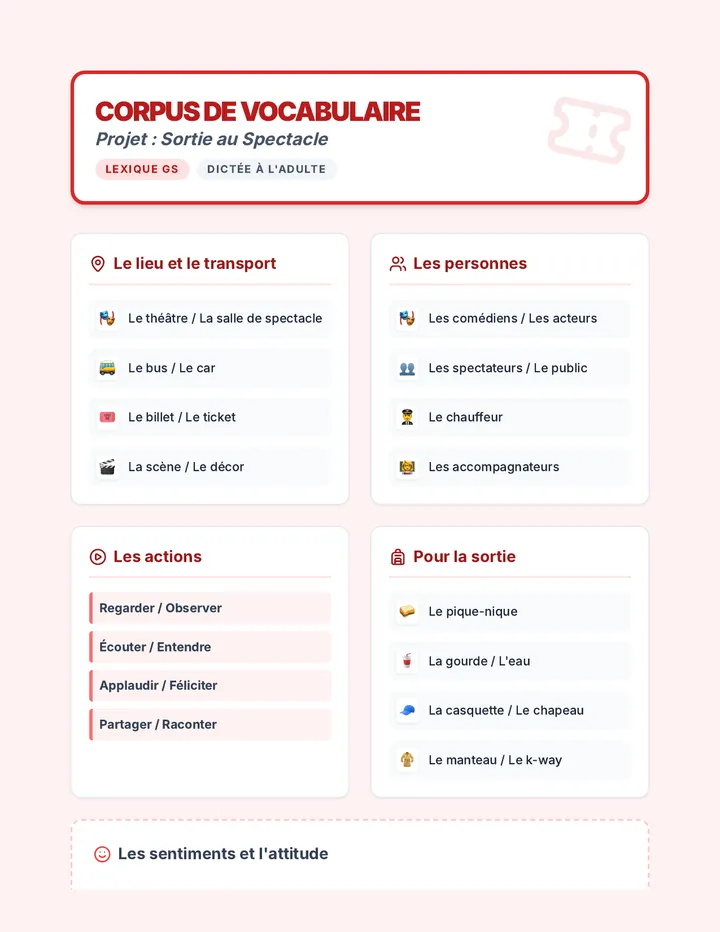
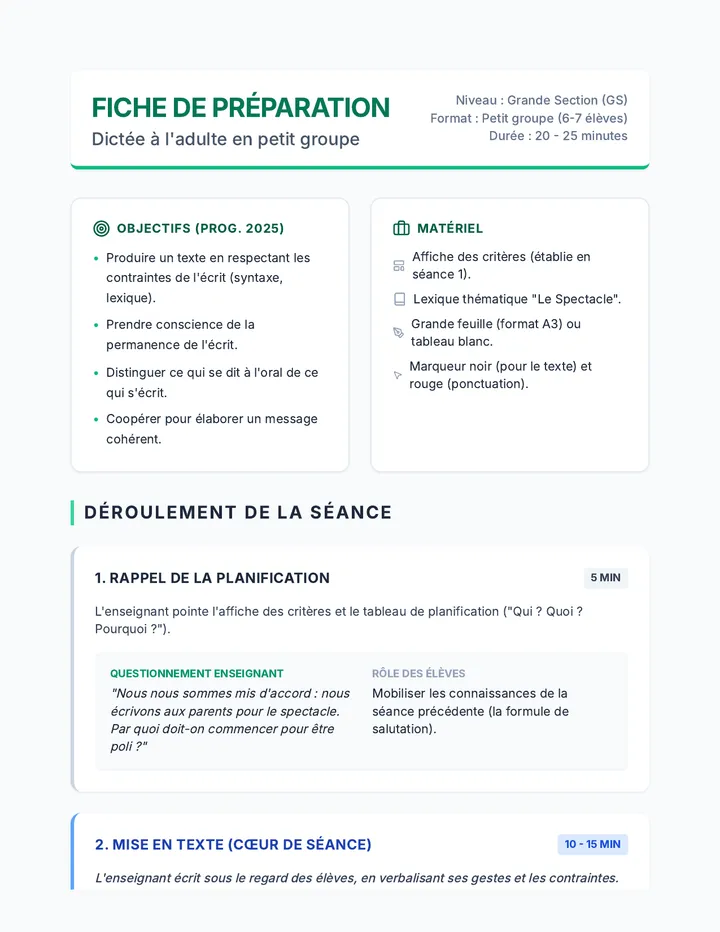
Une série de modules de formation destinés aux conseillers pédagogiques pour renforcer leur expertise en ingénierie de formation continue, spécifiquement appliquée à l'enseignement du français à l'école primaire.
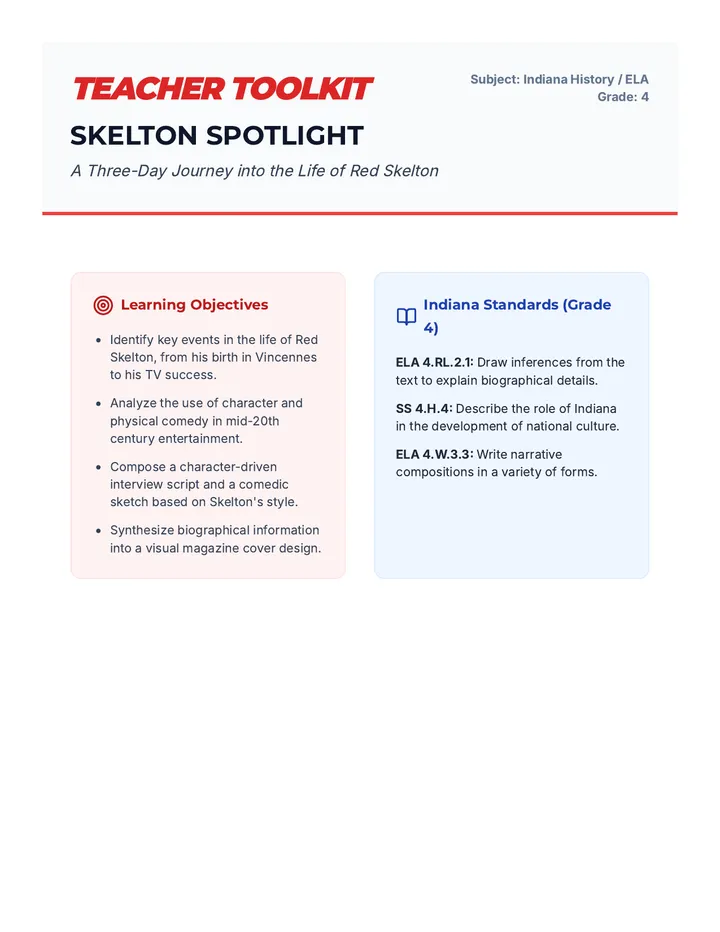
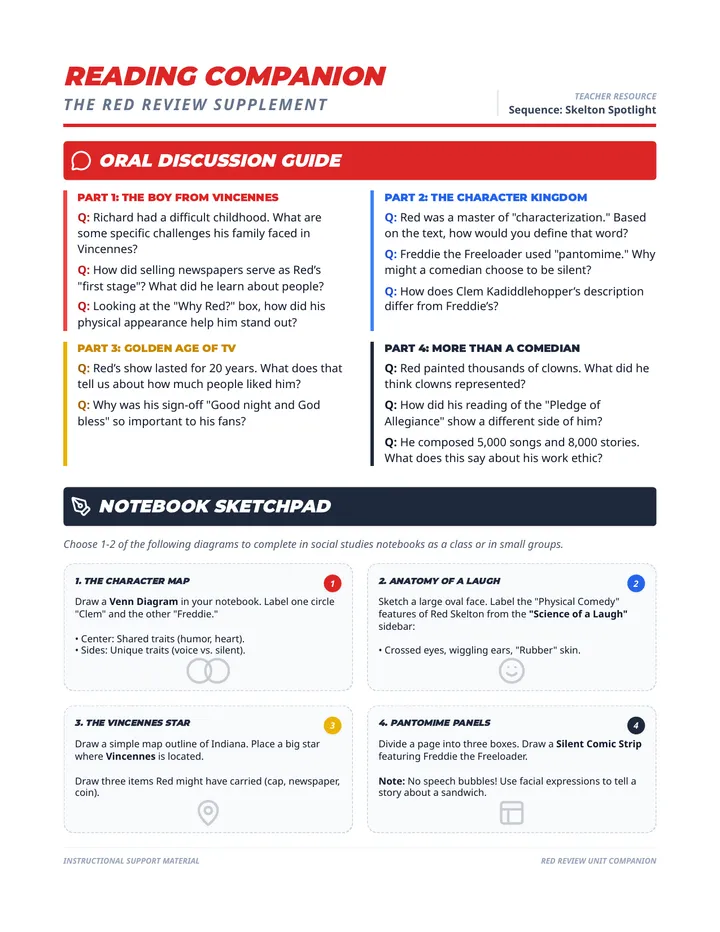
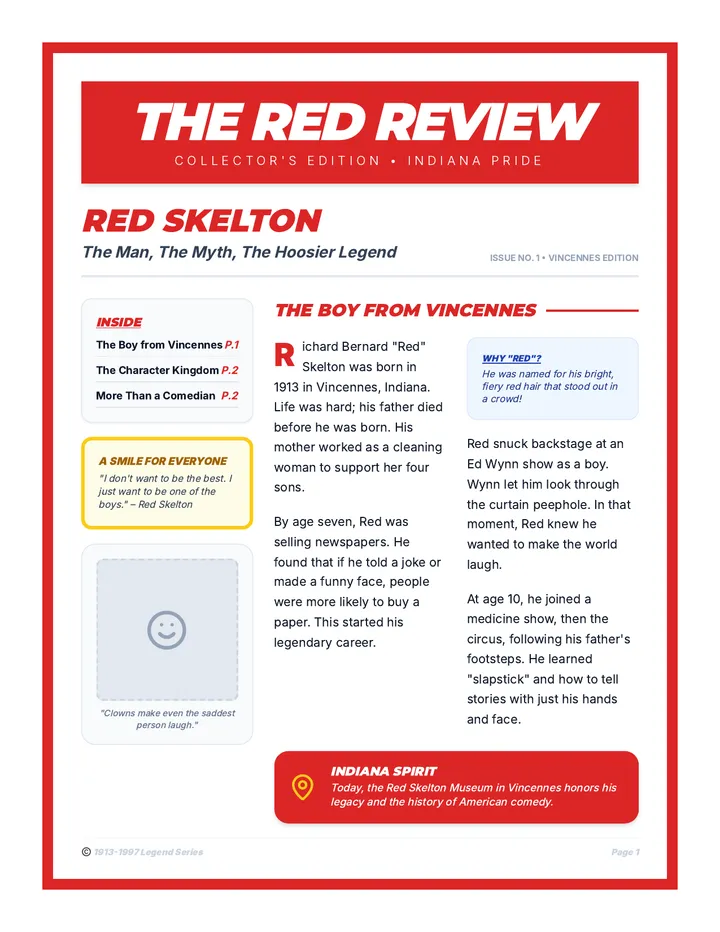
A three-day exploration of the life and legacy of Indiana-born comedian Red Skelton, presented in a vibrant magazine format. Students explore his early life in Vincennes, his iconic characters, and his lasting impact on American comedy through reading and creative performance activities.
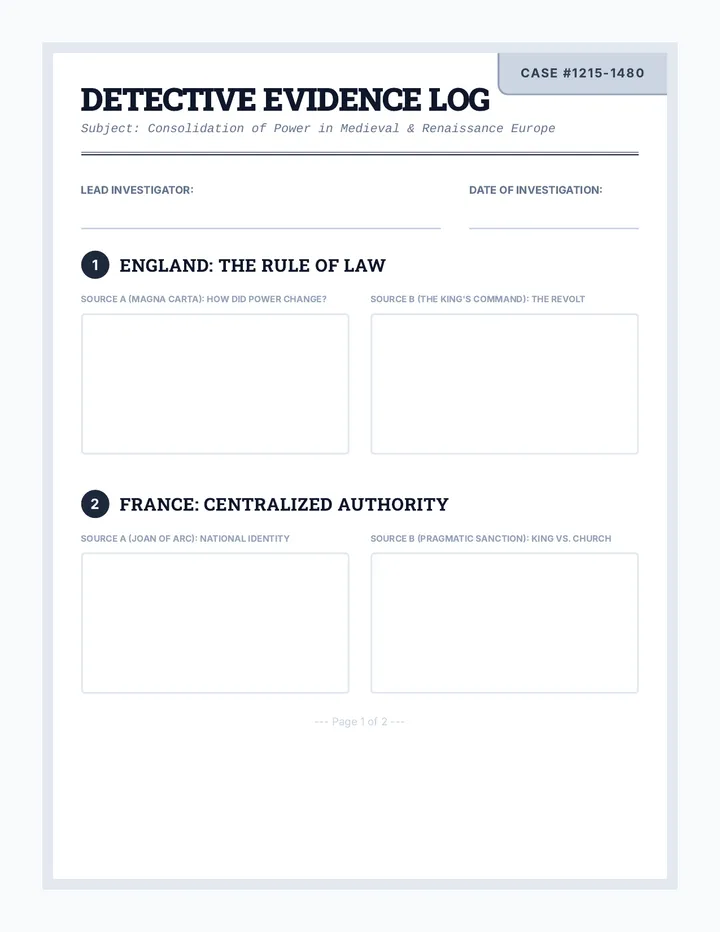
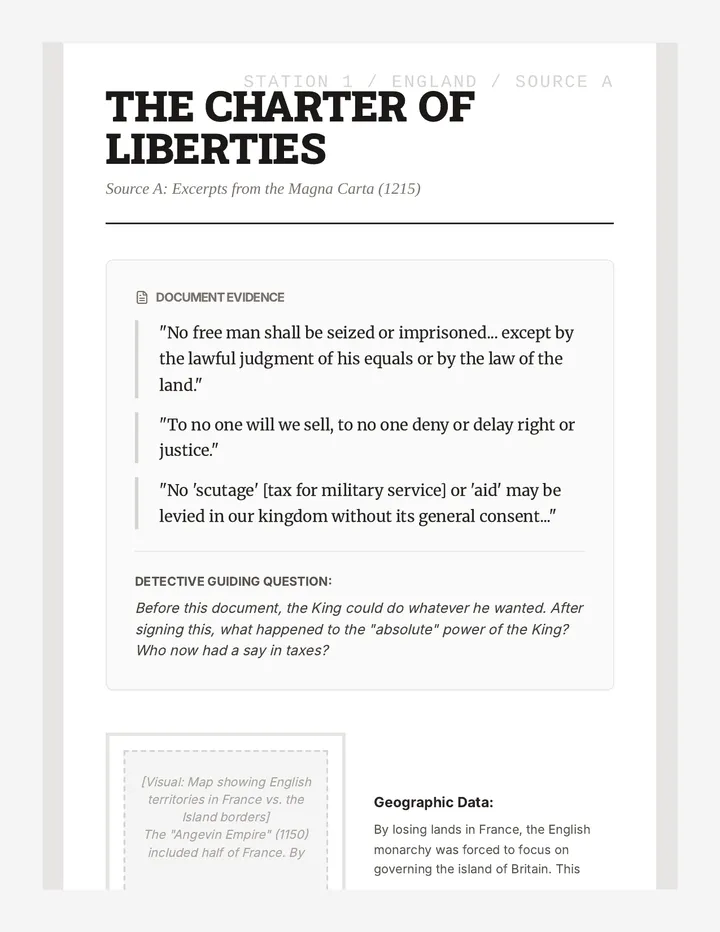
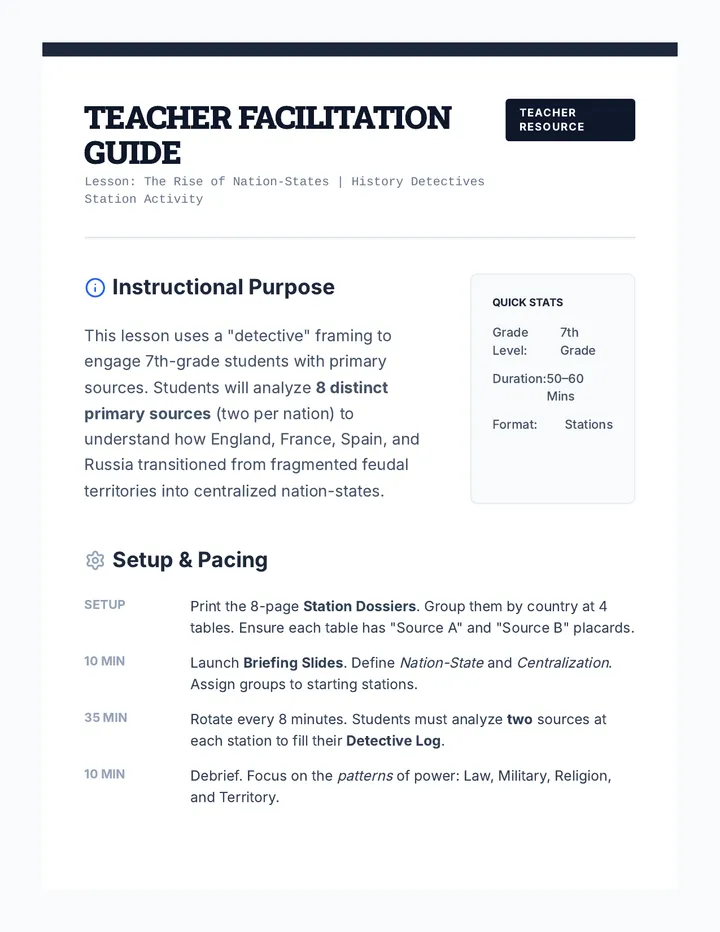
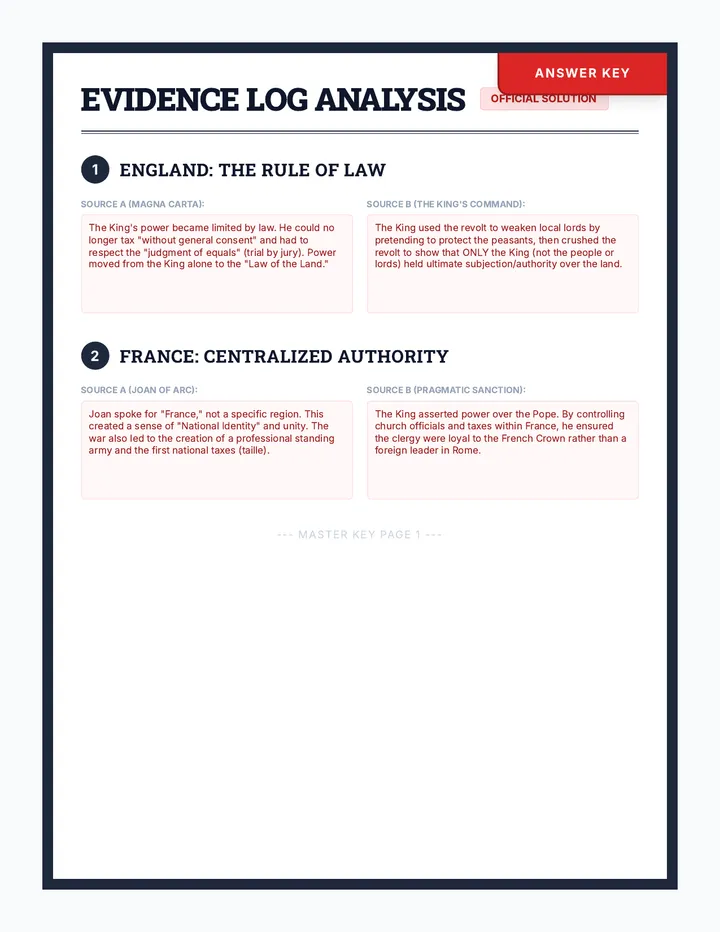
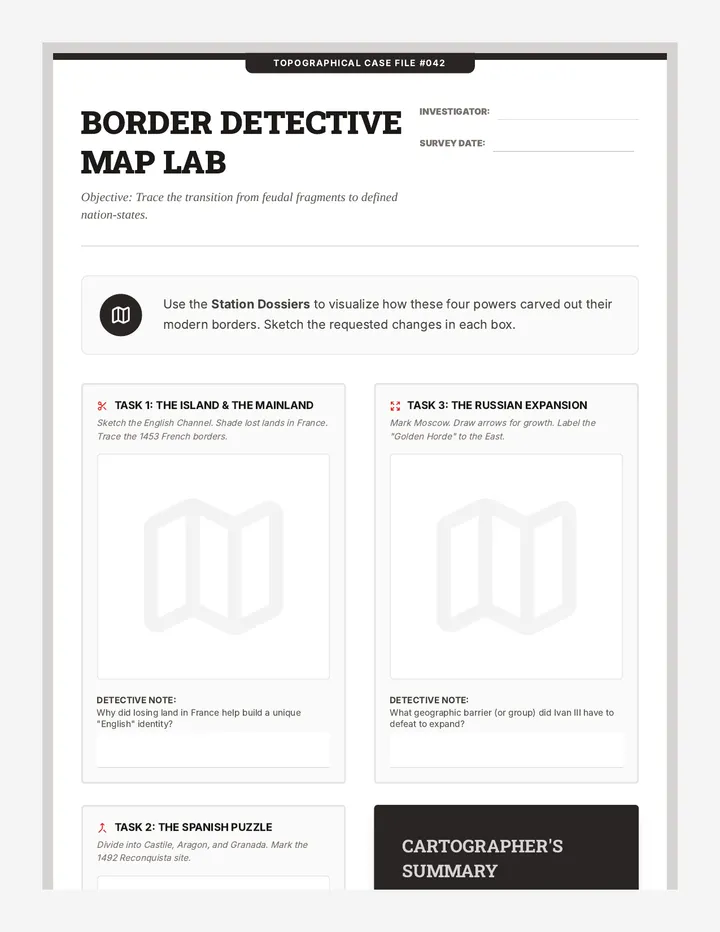
A comprehensive middle school history unit where students act as 'history detectives' to investigate the rise of nation-states in England, France, Spain, and Russia through primary source analysis.
A three-day exploration of heroism comparing historical figures and modern-day community leaders, focusing on informational text features and identifying main ideas.
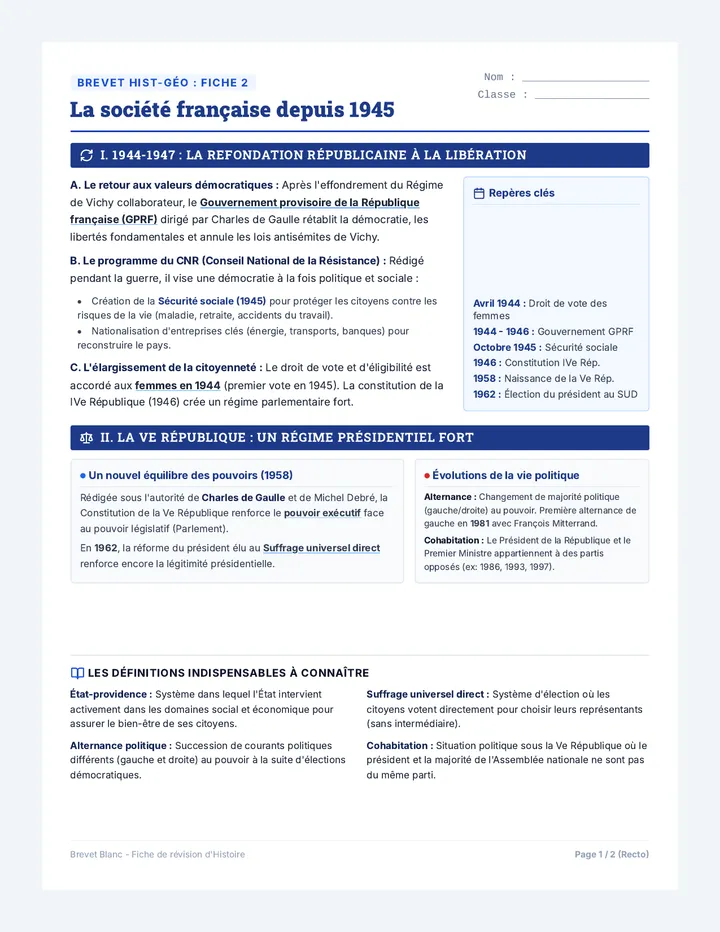
Une collection complète de fiches de révision classiques (recto-verso A4) très ciblées pour préparer les élèves de Troisième aux épreuves d'Histoire, de Géographie, d'EMC et de Physique-Chimie du DNB. Chaque fiche traite d'une leçon précise des programmes officiels.
A 4-day social studies unit for 3rd grade focusing on Arizona's geography, history, and economy, specifically designed to meet standard 3.RI.9 by comparing and contrasting key details across multiple texts.
A comprehensive 2-day unit covering World War II for 11th Grade US History, aligned with TEKS. It focuses on the transition from isolationism to total war, the home front experience, major turning points in both the European and Pacific theaters, and the strategic decisions that ended the conflict.
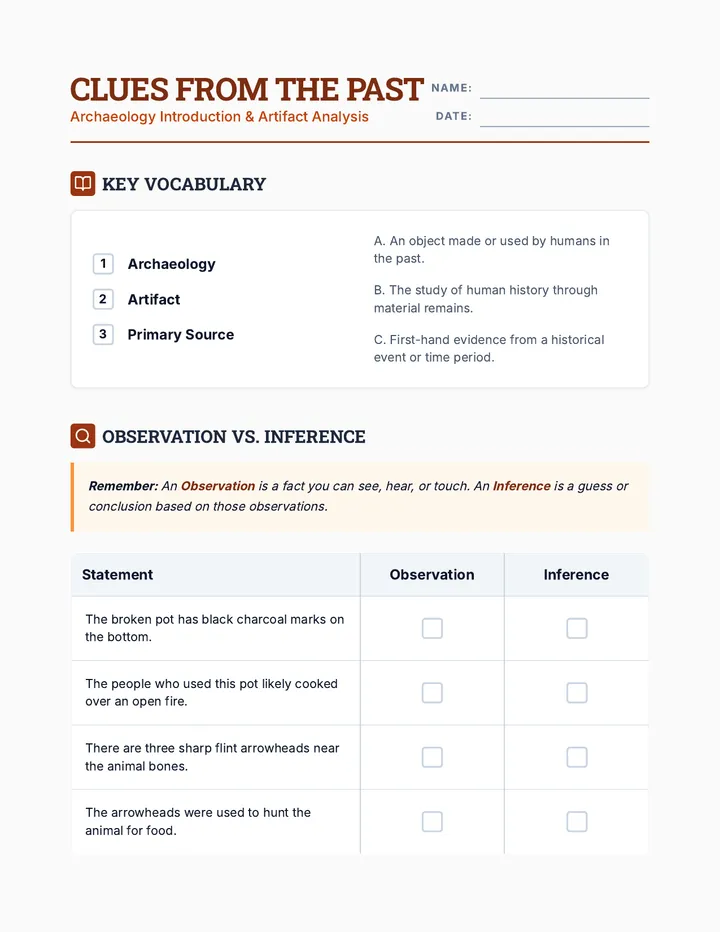
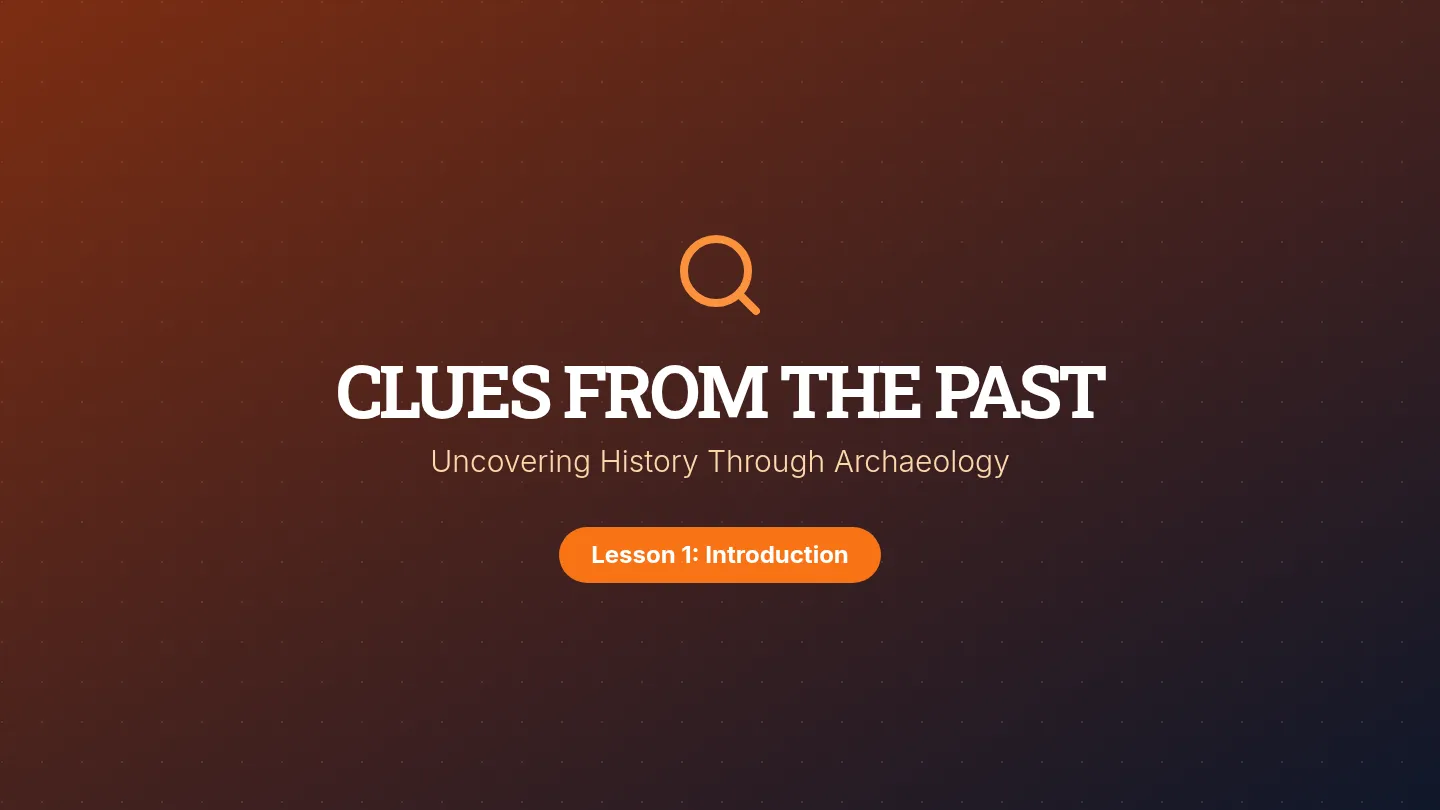
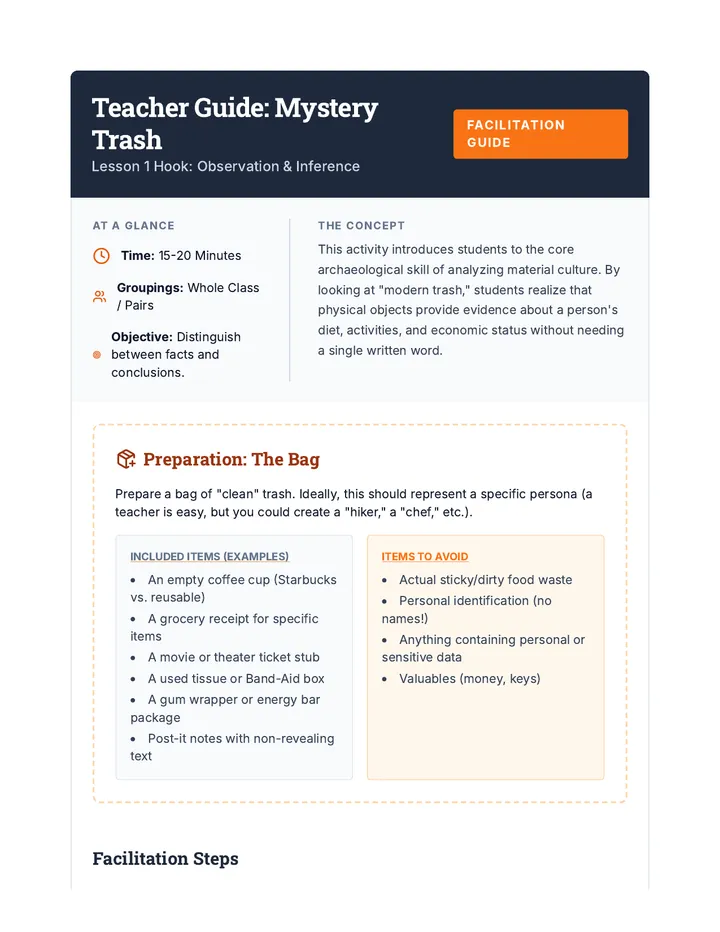
A comprehensive unit for 6th-grade students on the methods and ethics of archaeology. Students move from understanding basic observation to conducting a mock excavation and debating the ownership of historical artifacts.
This sequence explores the development of feudalism in Japan, contrasting the theoretical power of the Emperor with the actual power of the Shogunate. Students will analyze the social hierarchy, the code of Bushido, the chaos of the Sengoku period, and the eventual stability of Tokugawa isolationism.
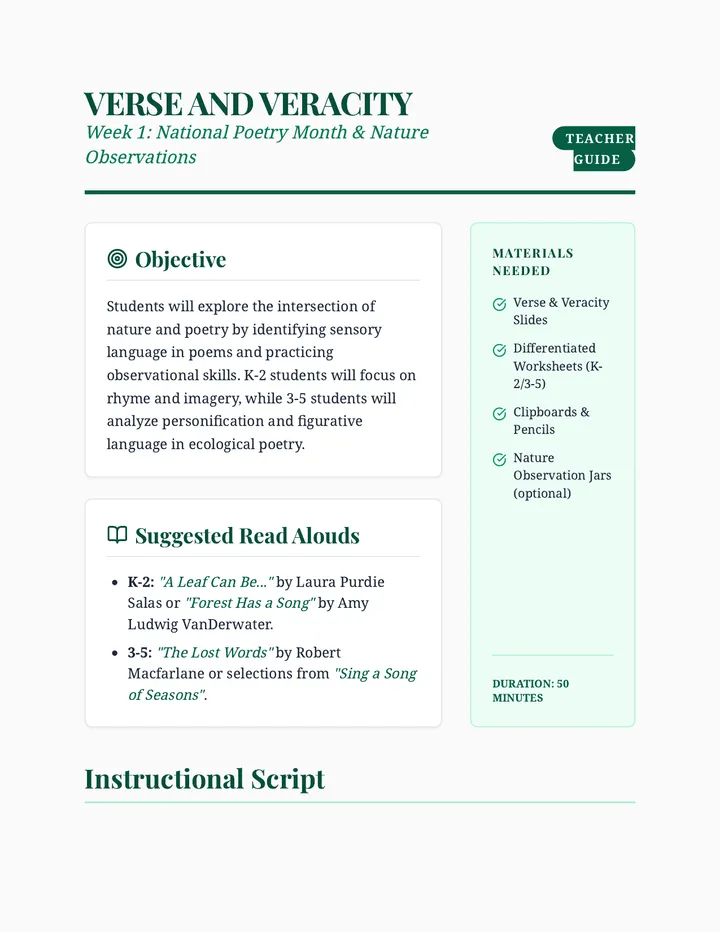
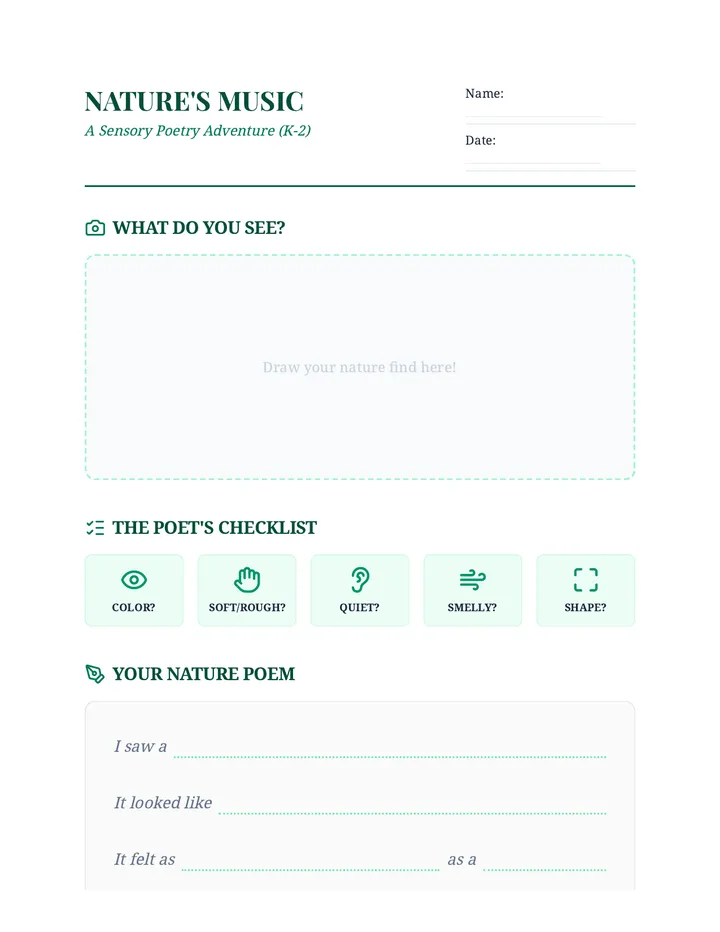
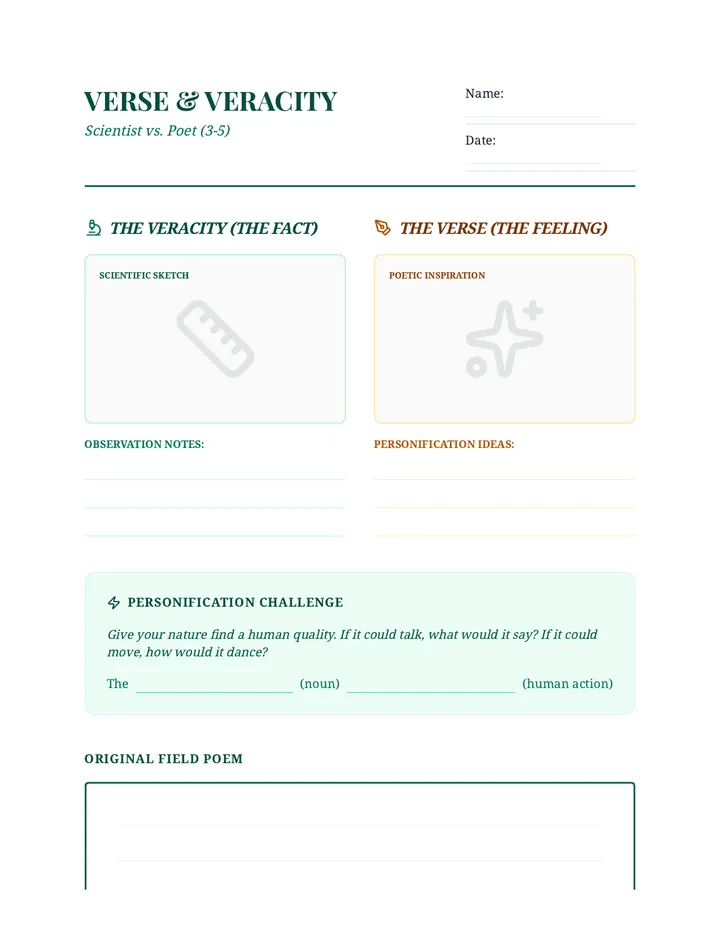
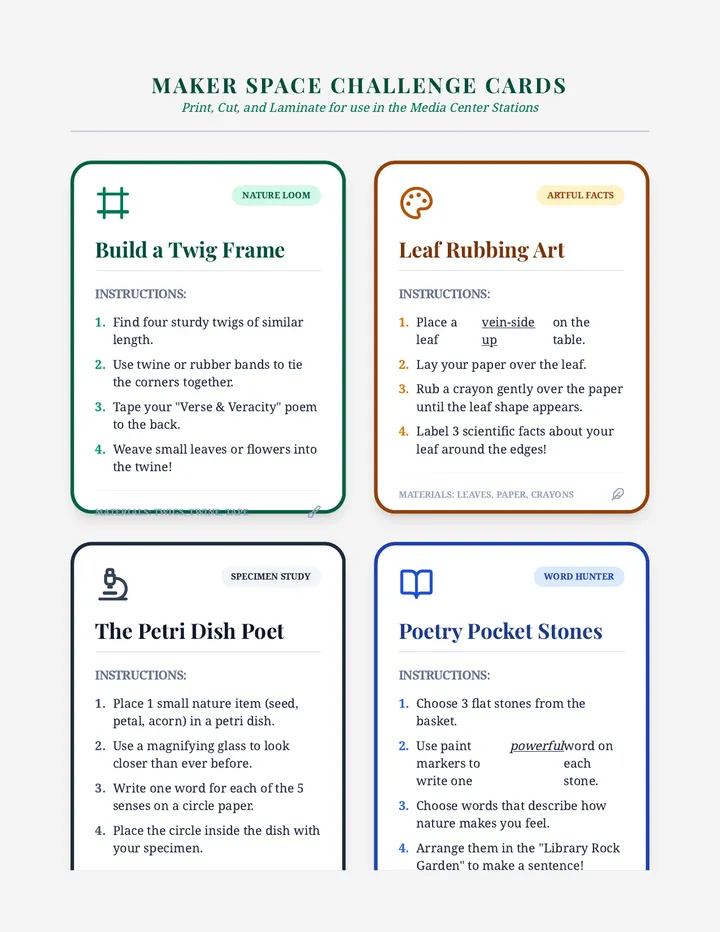
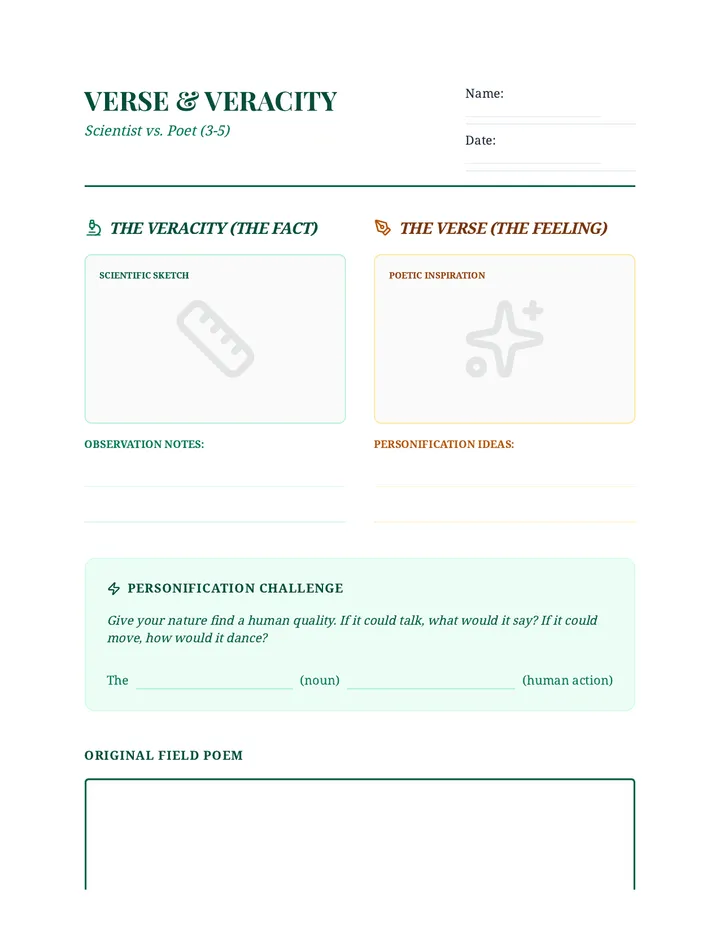
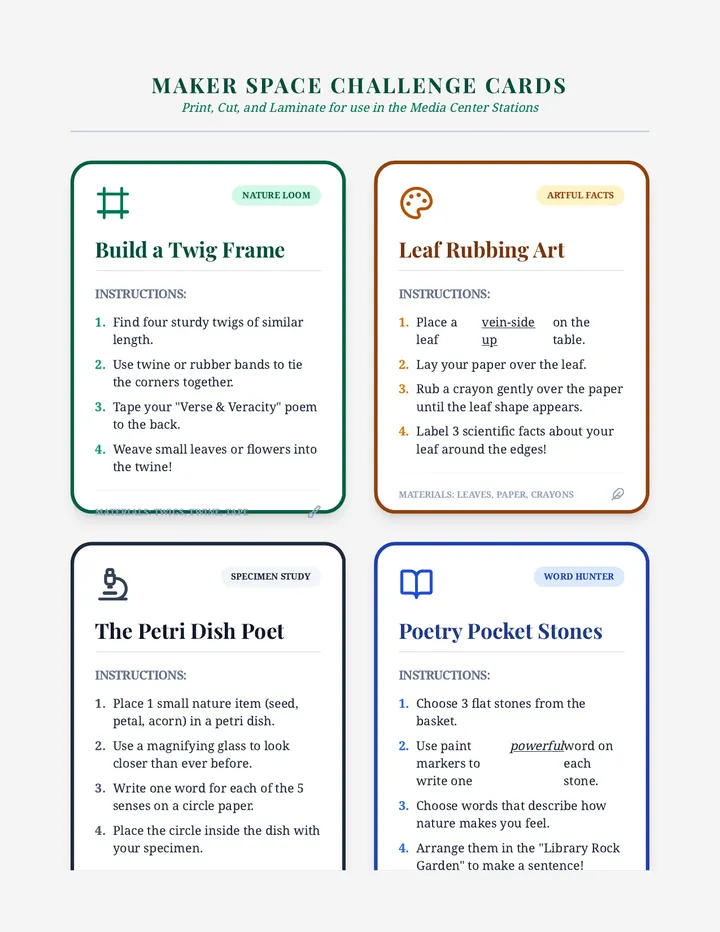
A comprehensive K-5 Media Center curriculum spanning August to May. Each month features a thematic unit integrating library skills (Dewey Decimal System, research, digital citizenship), literacy (poetry, biographies, informational texts), and STEM/Maker Space challenges. Resources are differentiated for K-2 and 3-5.
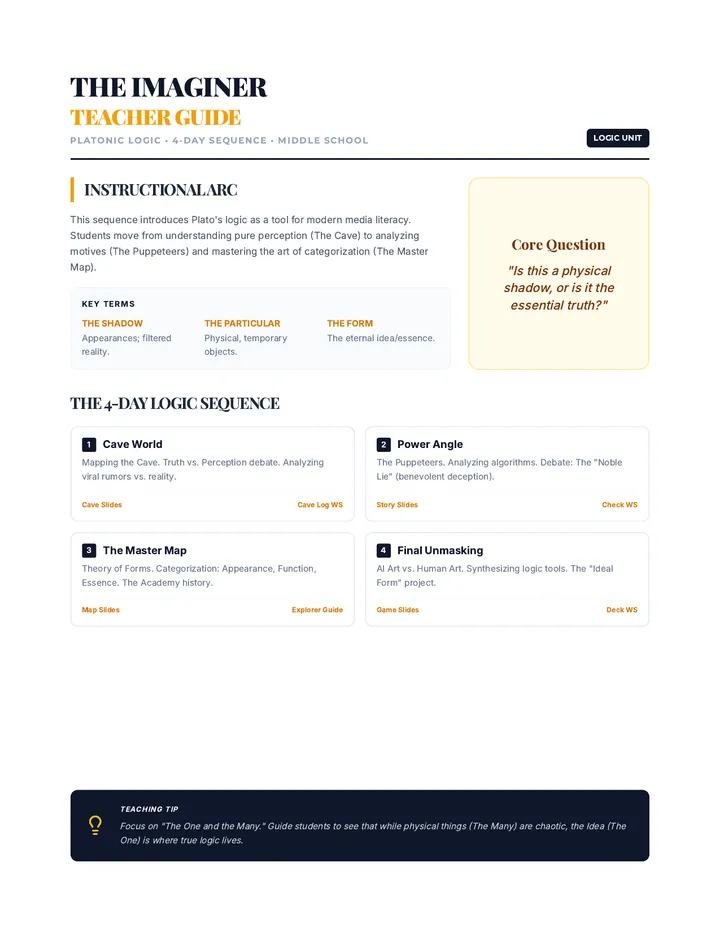
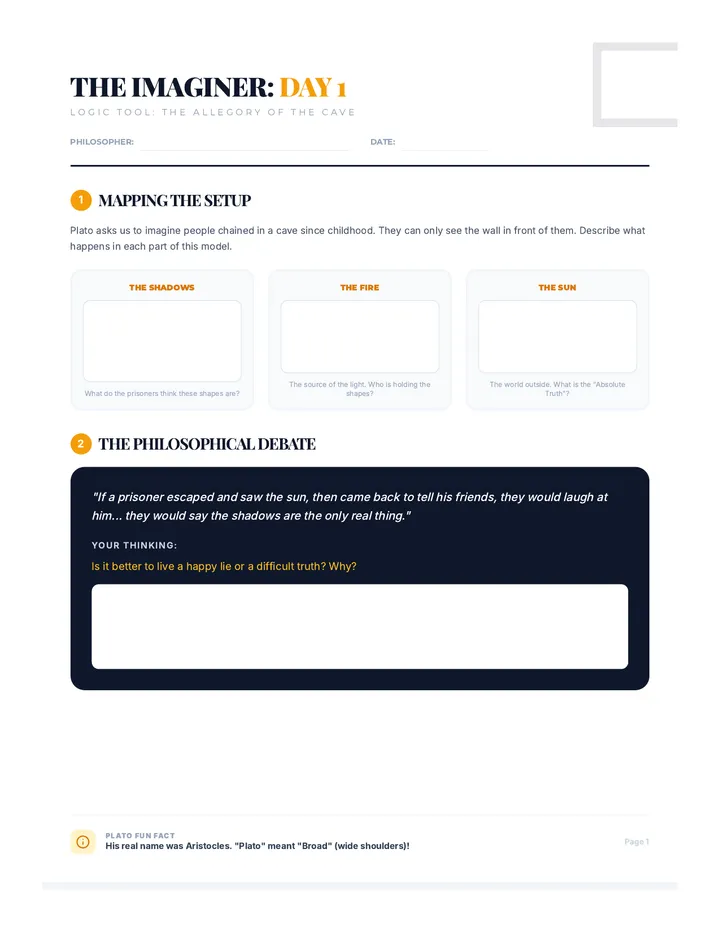
A four-day introductory logic and philosophy sequence for middle schoolers focusing on Plato's 'Thinking Style.' Students explore the Allegory of the Cave, perception vs. reality, and the Theory of Forms through the lens of 'The Imaginer,' culminating in a visual analysis game.
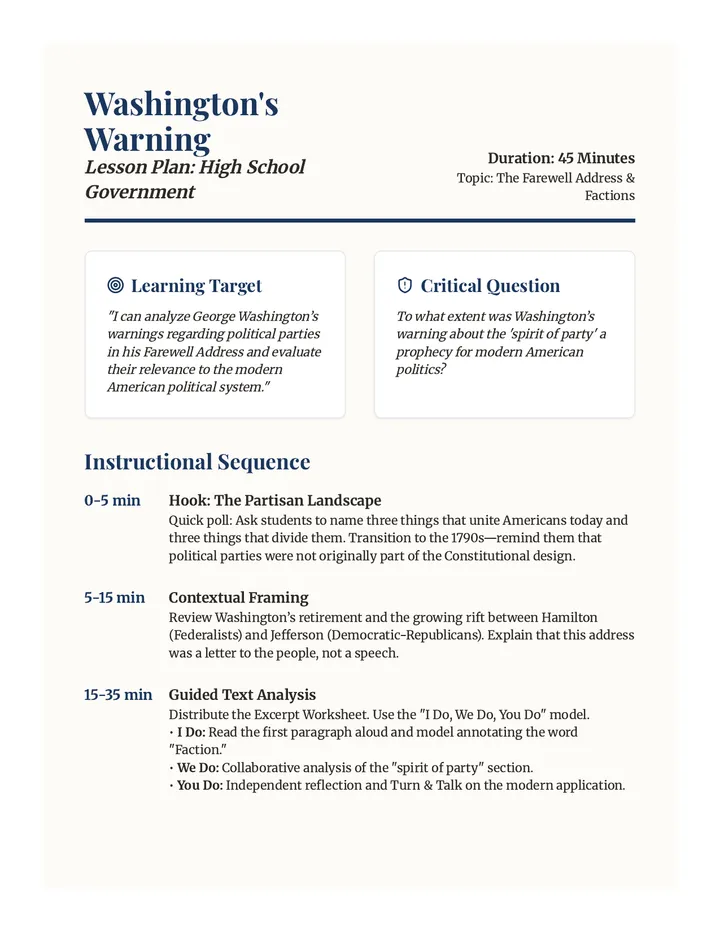
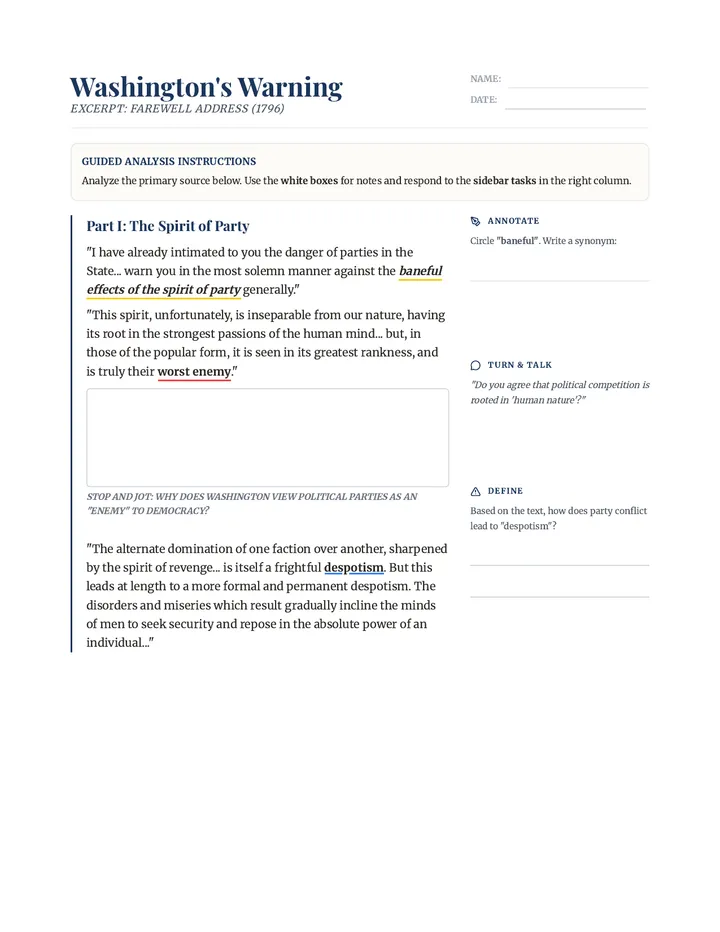
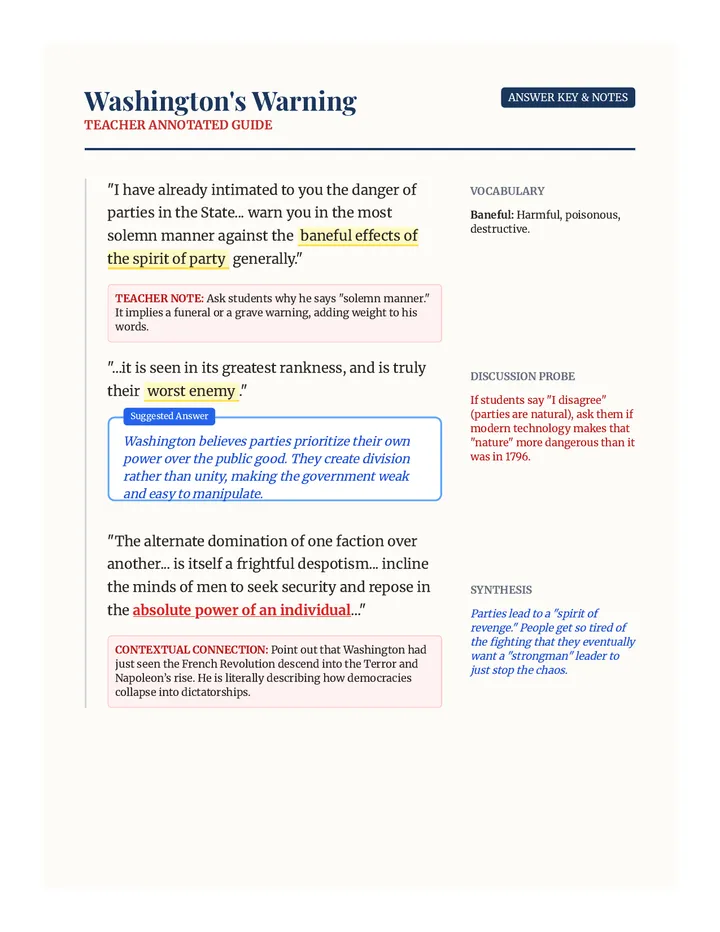
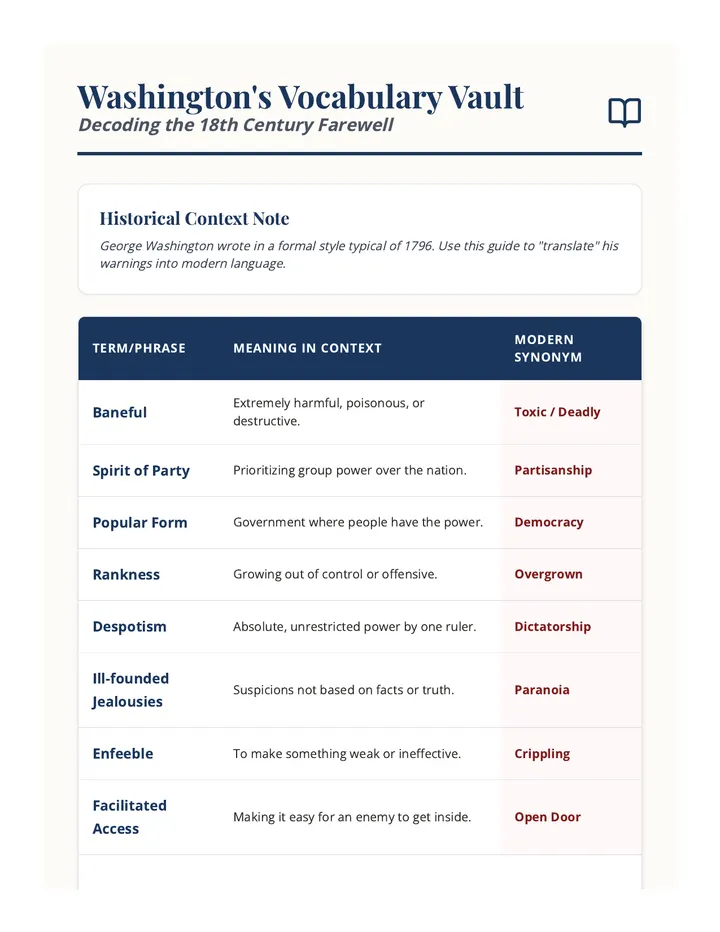
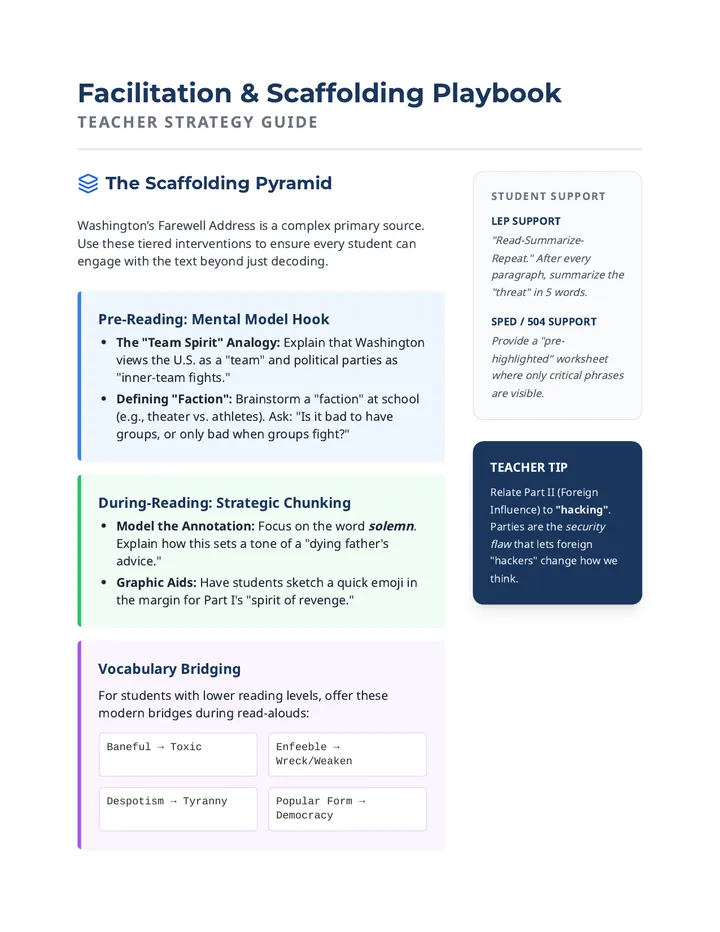
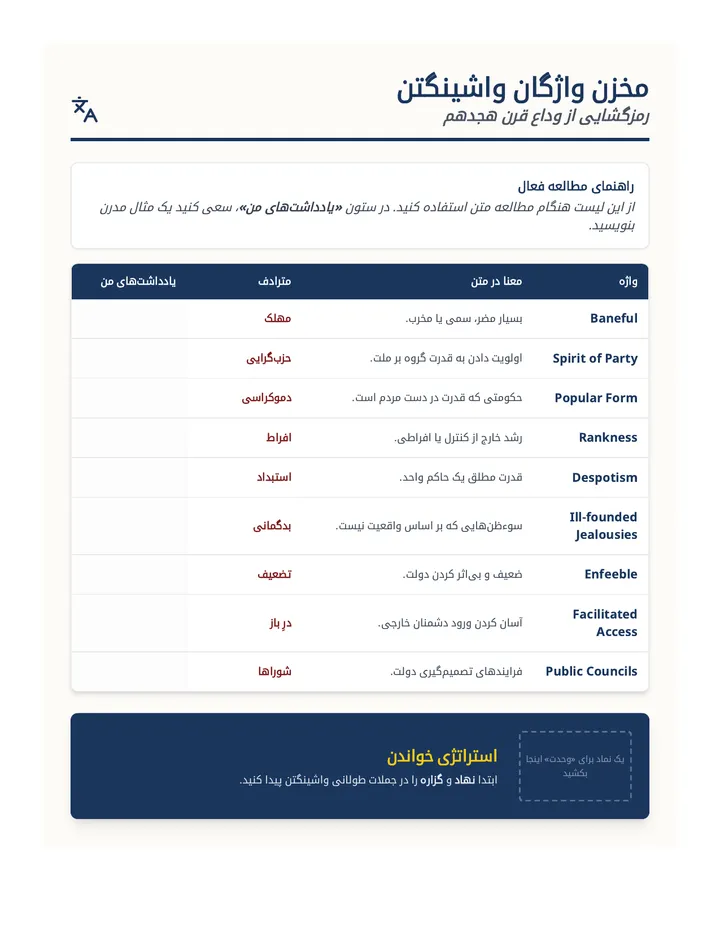
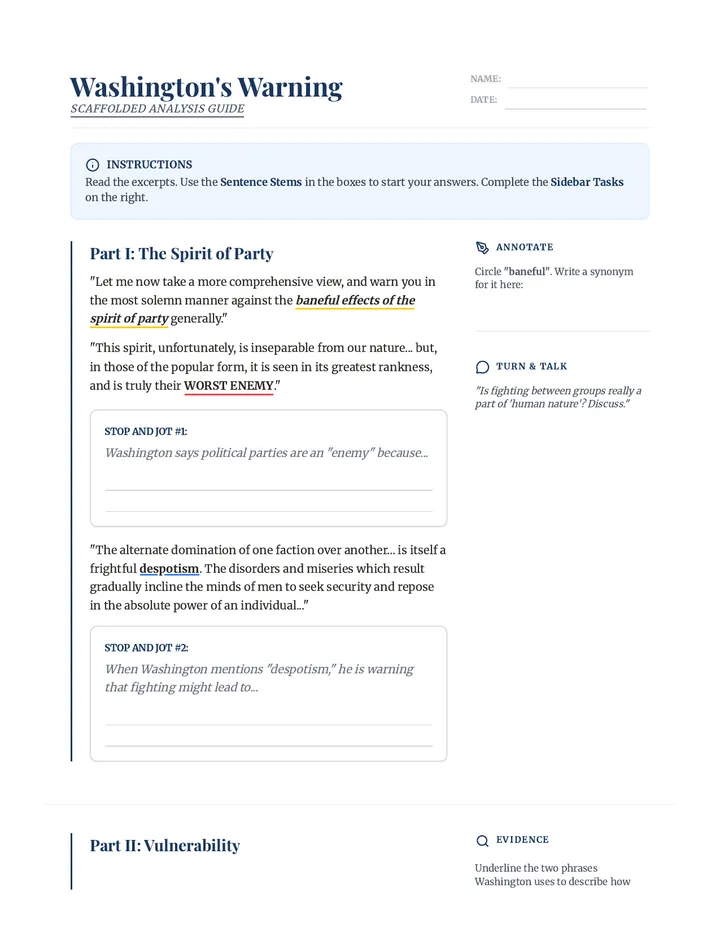
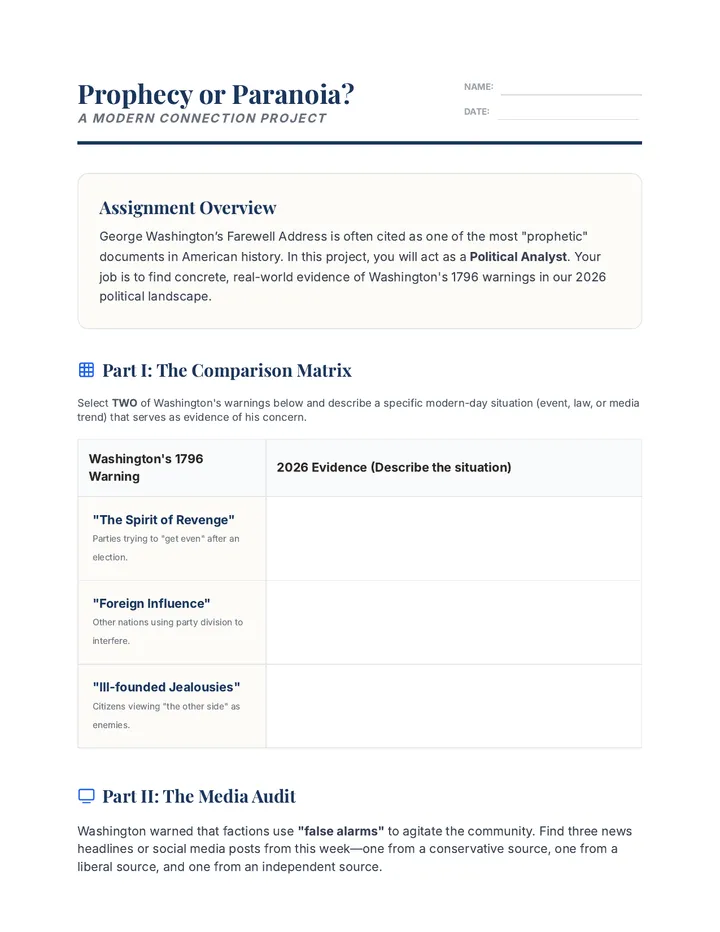
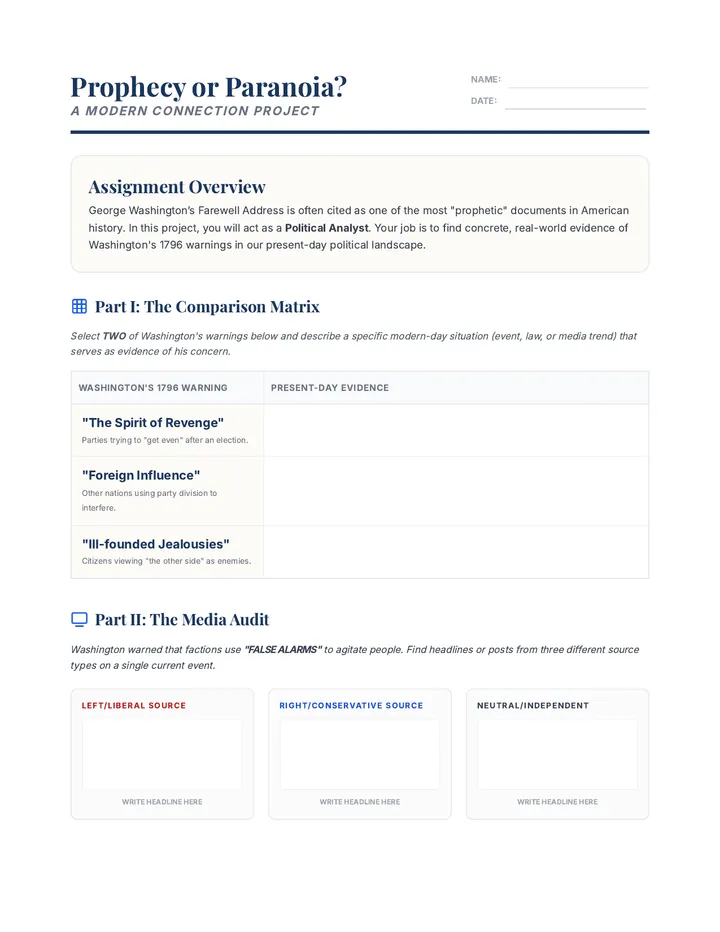
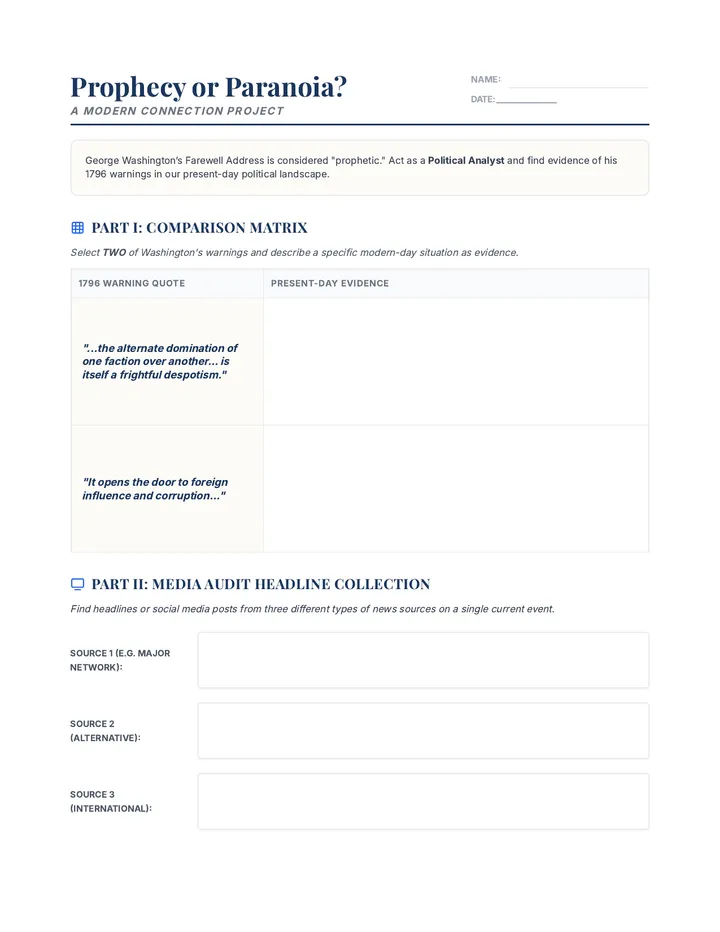
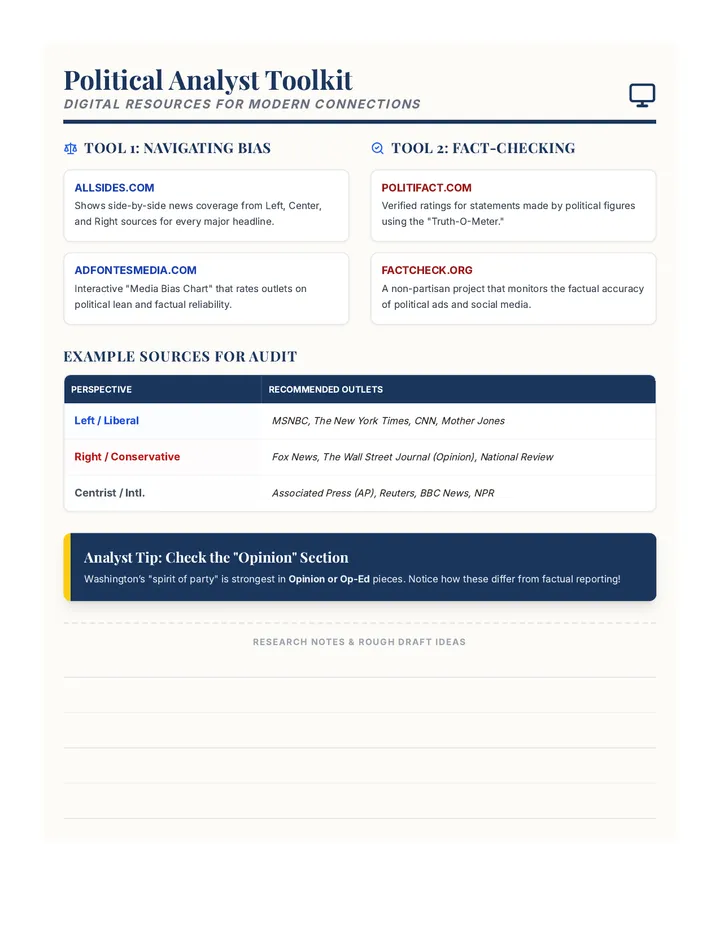
A two-part sequence that takes students from a deep-dive analysis of George Washington's Farewell Address to a modern-day evaluation of his warnings regarding political parties, media bias, and national unity.
A comprehensive assessment sequence covering the pivotal moments of 20th-century US history, from the build-up to World War II through the height of the Cold War and the diverse Civil Rights movements.
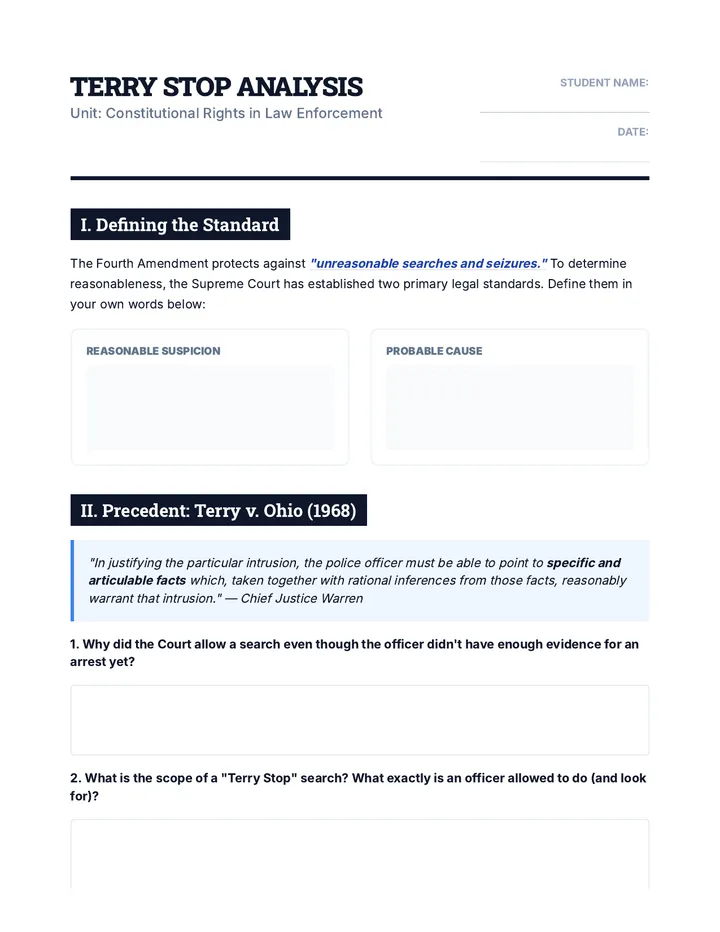
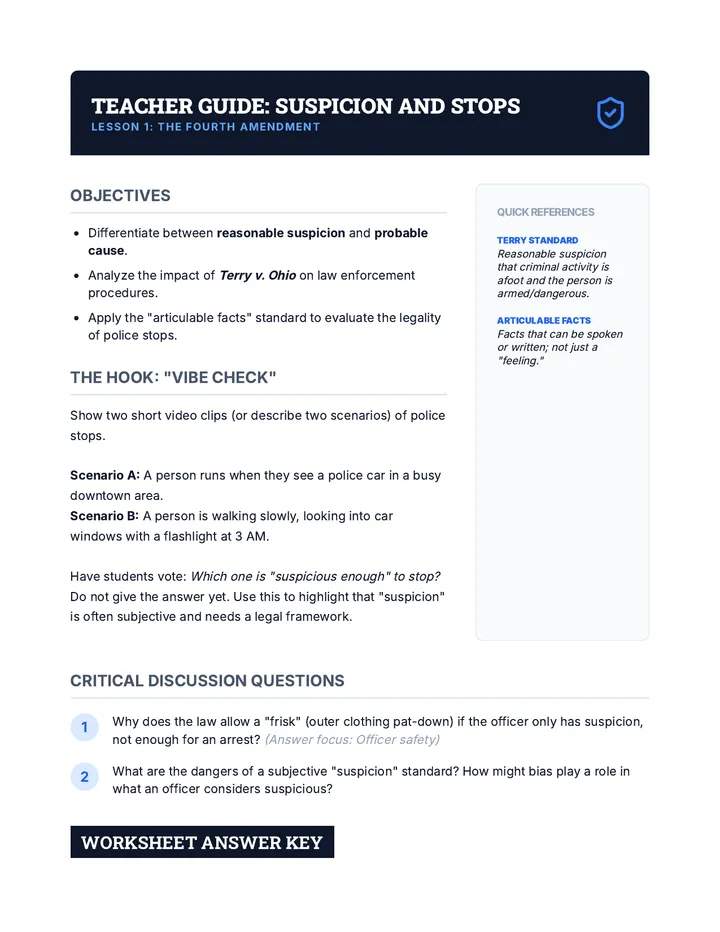
This sequence explores the constitutional rights of individuals during law enforcement encounters, focusing on the Fourth, Fifth, and Sixth Amendments through landmark Supreme Court cases and modern applications.
This sequence explores the constitutional revolution of the Warren Court during the 1950s and 60s. Students analyze landmark cases involving rights of the accused, free speech, and privacy, culminating in an examination of the resulting political realignment and a moot court simulation.
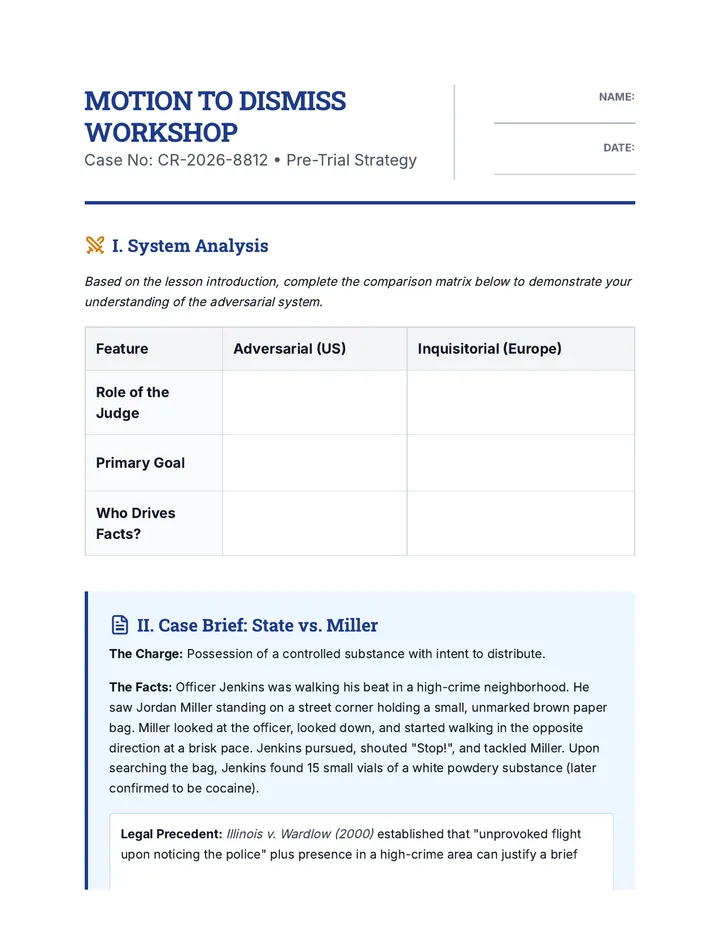
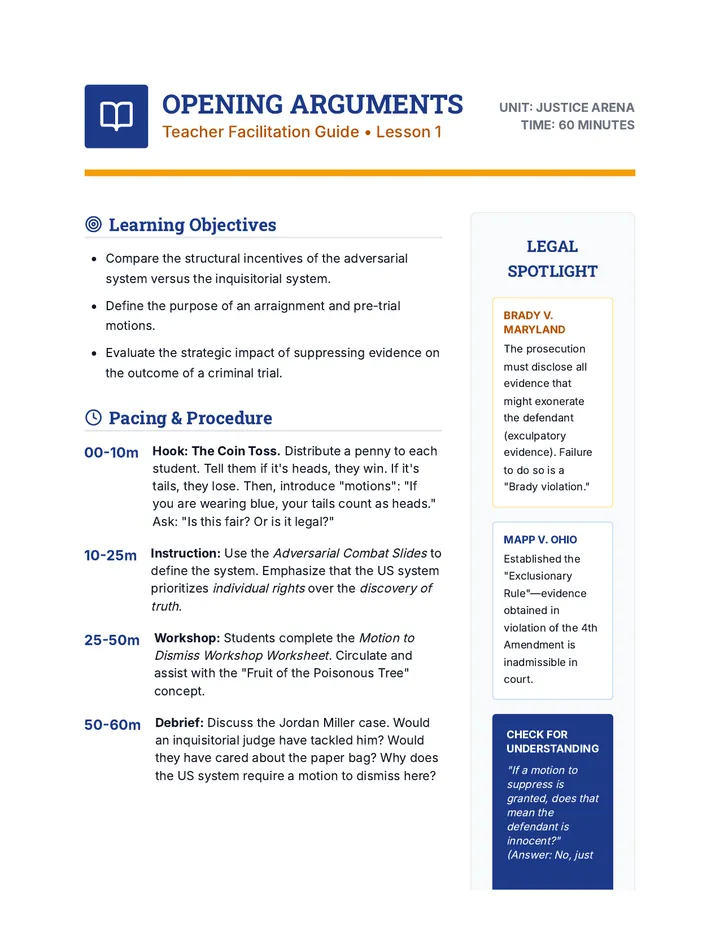
A comprehensive exploration of the American adversarial system and criminal procedure. Students engage with the mechanics of a criminal trial, from pre-trial motions and jury selection to rules of evidence and the ethical implications of plea bargaining.
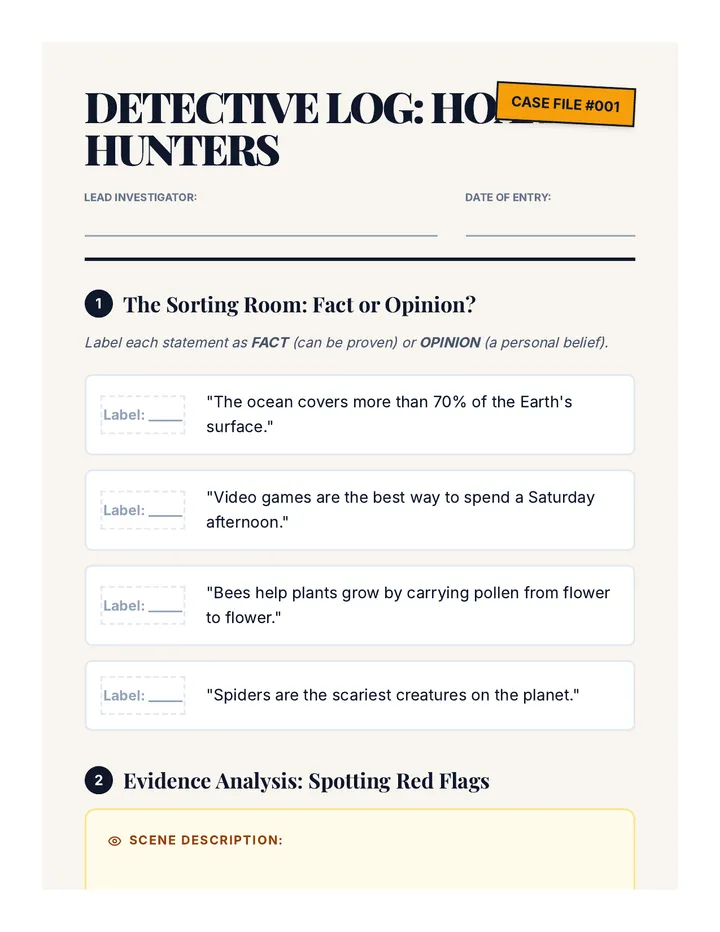
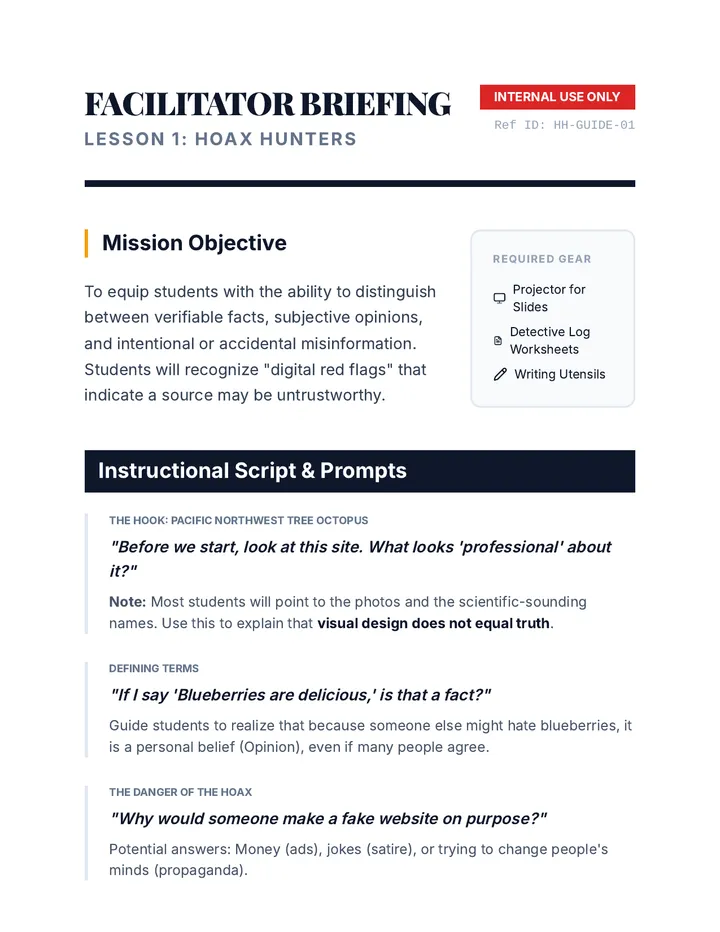
A 5th-grade sequence focusing on evaluating online credibility and gathering reliable evidence for debate. Students progress from identifying misinformation to masterfully curating a bank of verified sources using lateral reading and corroboration.
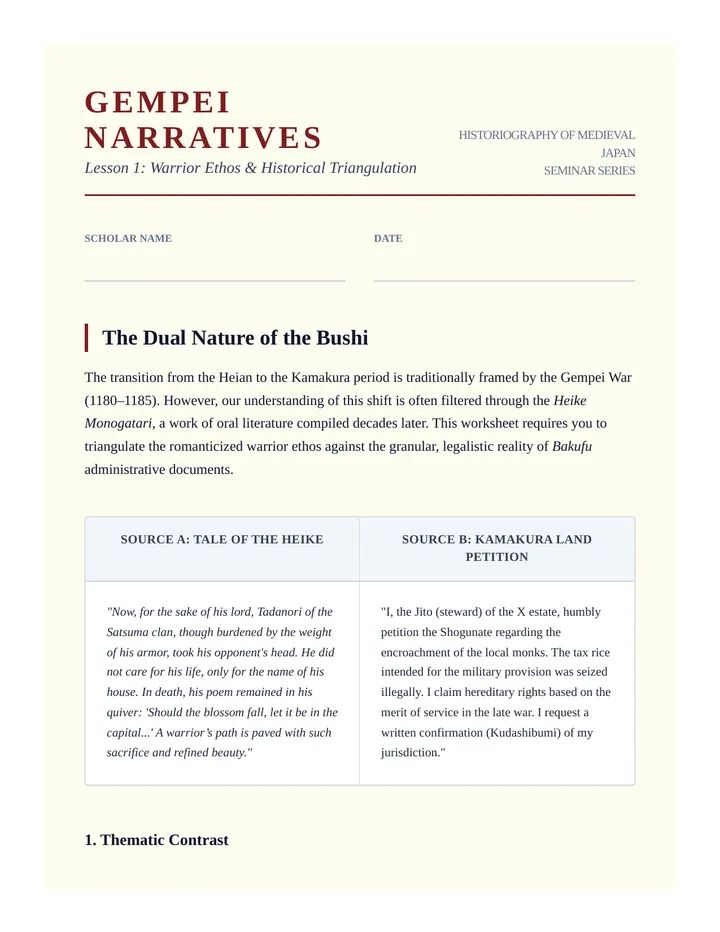
A graduate-level exploration of the historiography of medieval Japan, focusing on power structures, class dynamics, and the critical evaluation of 'feudalism' as a historical category. Students engage with primary sources from the Kamakura through Sengoku periods.
A comprehensive lesson exploring the five major regions of the United States, focusing on key geographic features and vocabulary through informational text.
A lesson exploring the development and importance of writing in ancient Mesopotamia, specifically cuneiform and the role of scribes.
Students will learn to navigate their local community by mastering map keys and symbols. This lesson includes instructional slides, a reading passage, and a hands-on mapping activity.
A foundational geography lesson designed for early emergent learners to distinguish between their state (Texas) and their country (USA) using visual nesting and simple categorization.
An introductory lesson on United States geography, focusing on state identification, capital cities, and the practical use of a compass rose for navigation.
A first-grade geography lesson where students explore maps and globes, master cardinal directions, and distinguish between physical and human characteristics of their community.
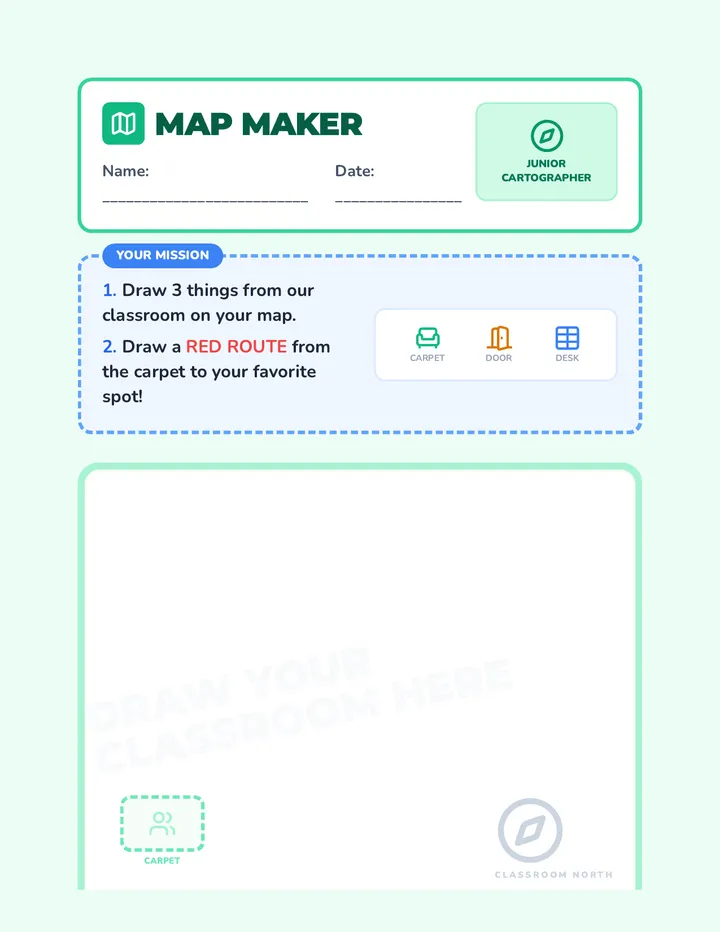
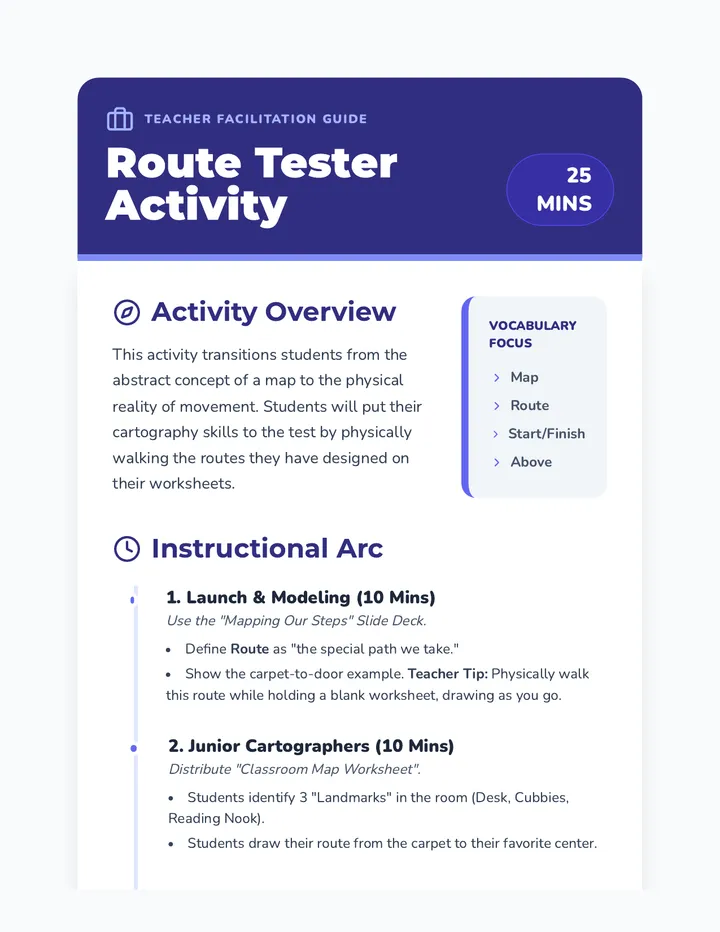
A hands-on introduction to spatial awareness where Kindergarten students learn to define a 'route' and create their own simple classroom maps to navigate from one spot to another.
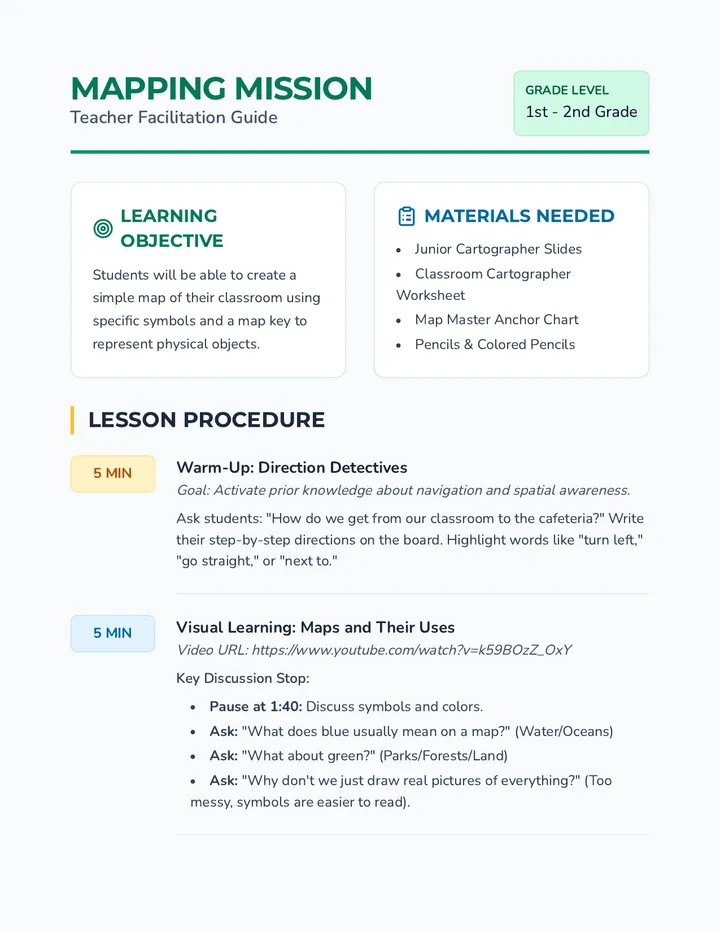
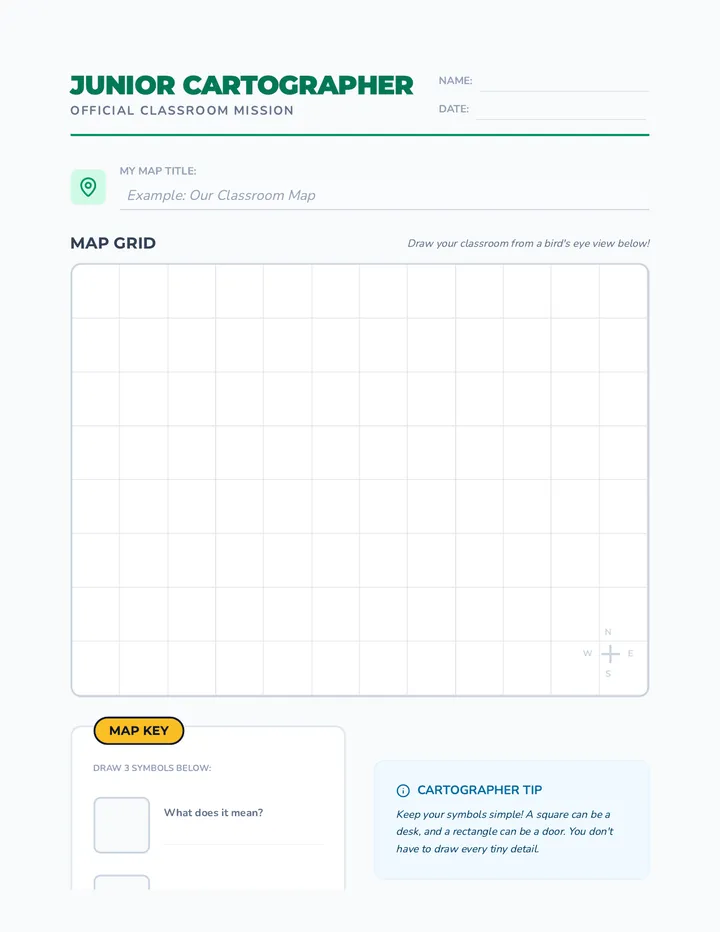
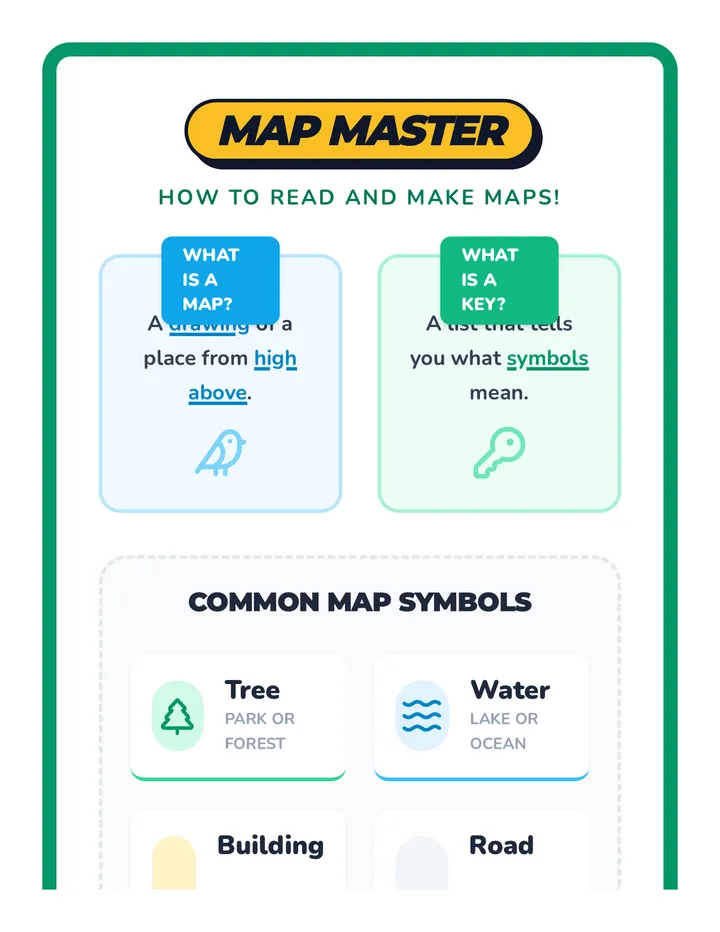
A hands-on introduction to cartography where 1st and 2nd graders learn to use symbols and keys to represent real-world spaces, culminating in creating their own classroom map.
A geography lesson for 3rd graders focused on Australia and Antarctica. Students explore the unique features, climates, and locations of these Southern Hemisphere landmasses through video analysis and mapping activities.
A 3rd-grade geography lesson where students use map scales and compass roses to navigate and calculate distances across North and South Carolina.
Students step into the role of emergency dispatchers, using absolute and relative location to manage a disaster response simulation. They will plot coordinates, analyze spatial relationships, and issue precise navigation orders to rescue teams.
A hands-on geography lesson where 4th-5th graders master the difference between absolute and relative location through video analysis and a schoolyard scavenger hunt.
A comprehensive pacing guide and activity resource designed to cover the remaining 11th Grade US History TEKS before the STAAR test on April 16th. This lesson provides a day-by-day calendar for A/B block schedules and high-engagement activities for each remaining historical era.
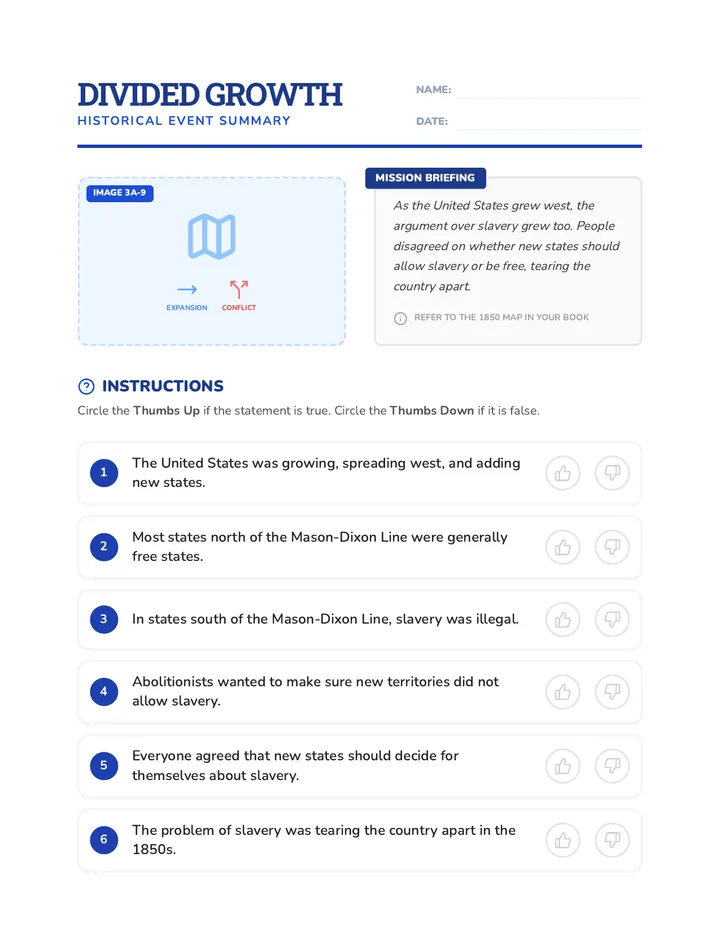
A lesson exploring Harriet Tubman's 1850 escape and the significance of the Mason-Dixon Line as a geographical and legal boundary in the pre-Civil War United States.
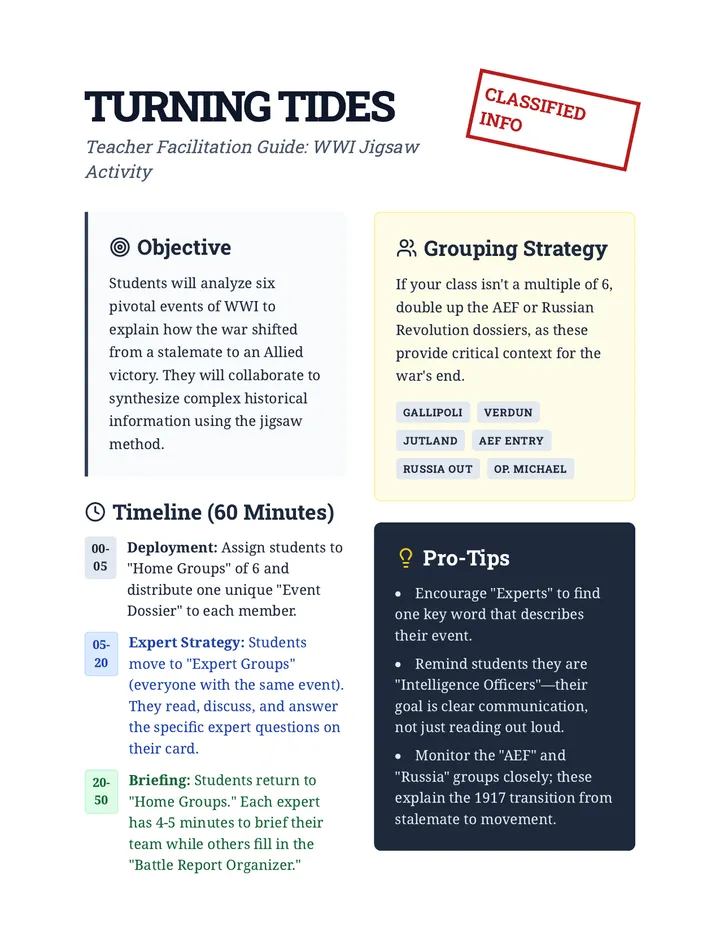
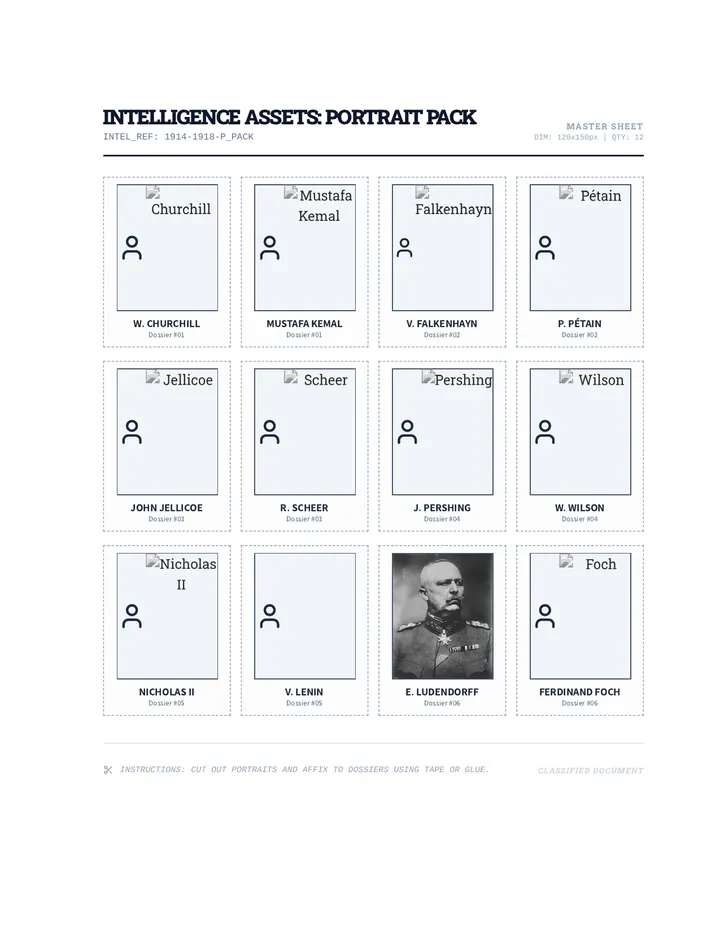
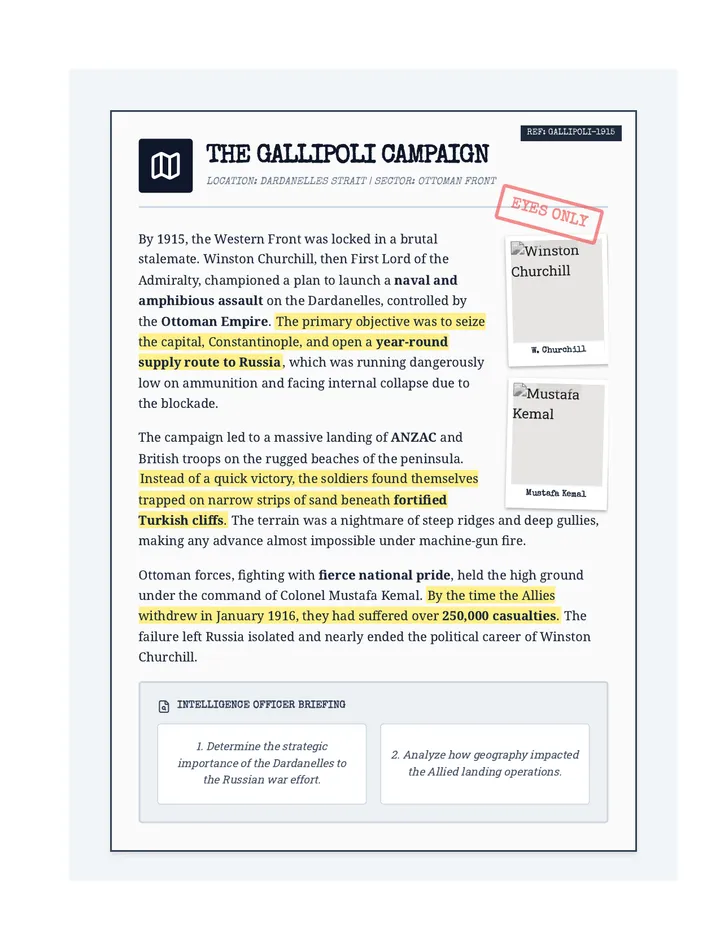
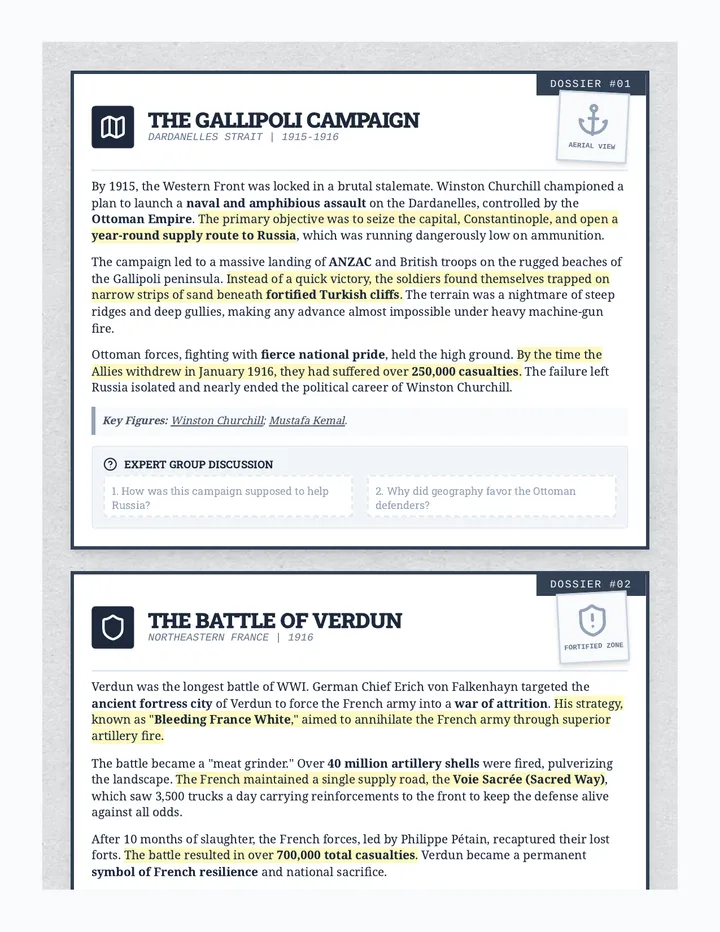
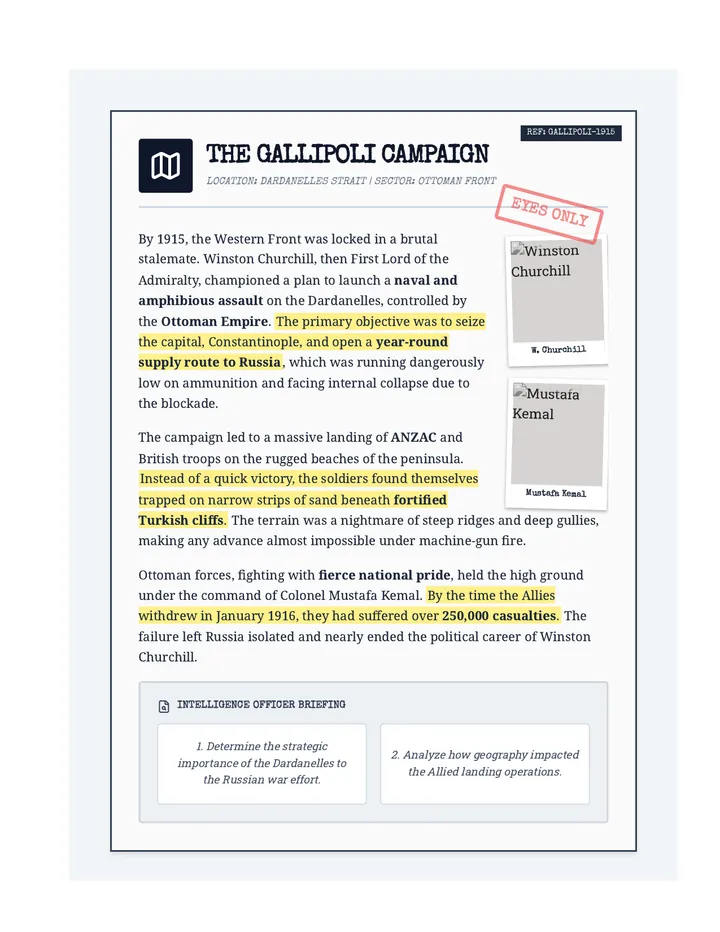
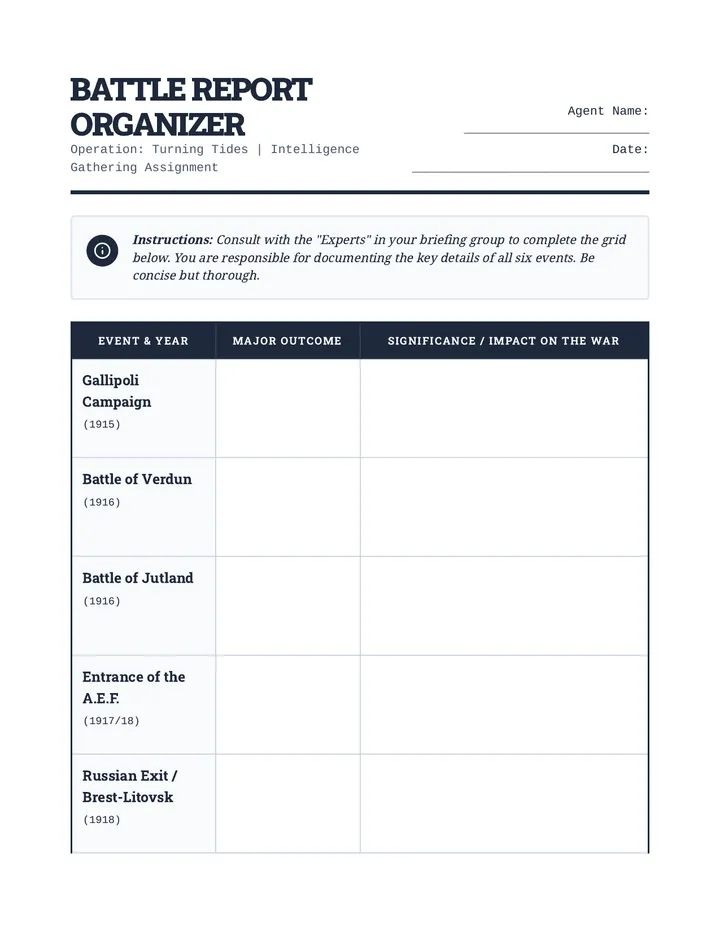
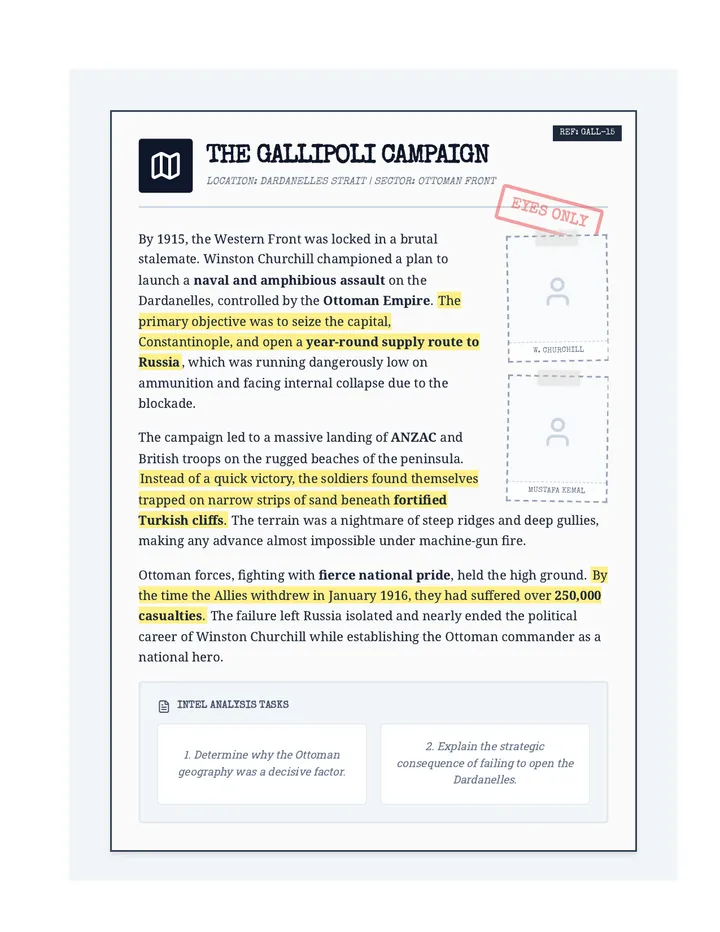
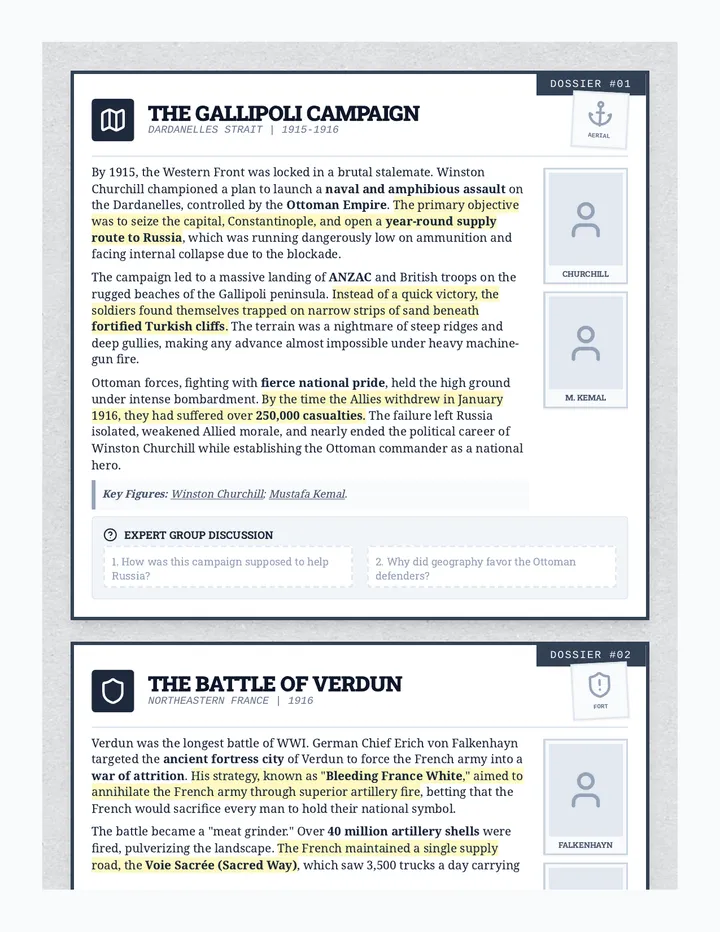
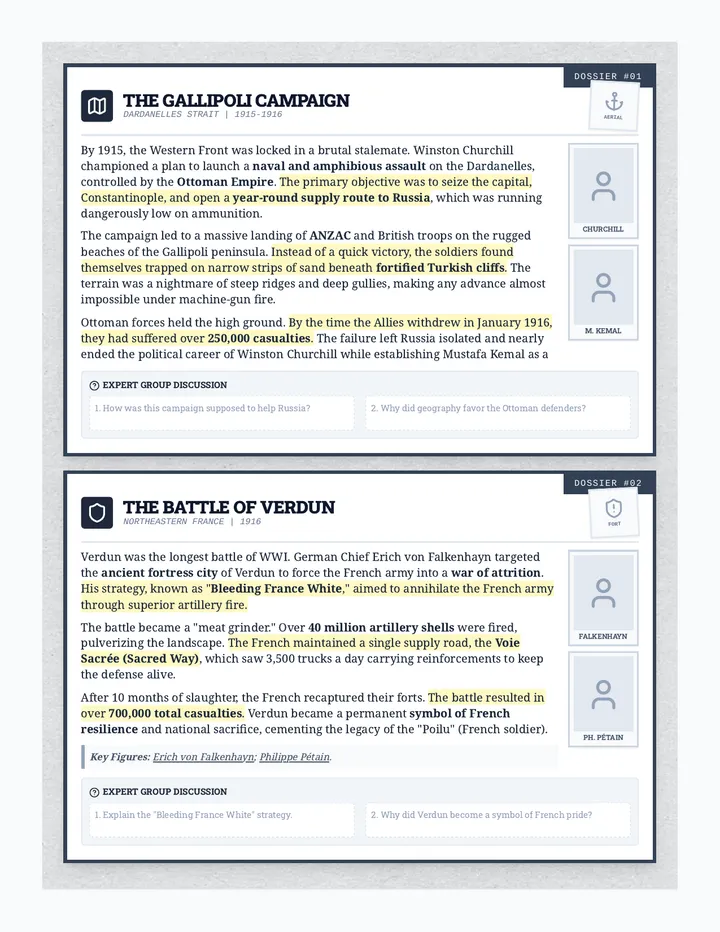
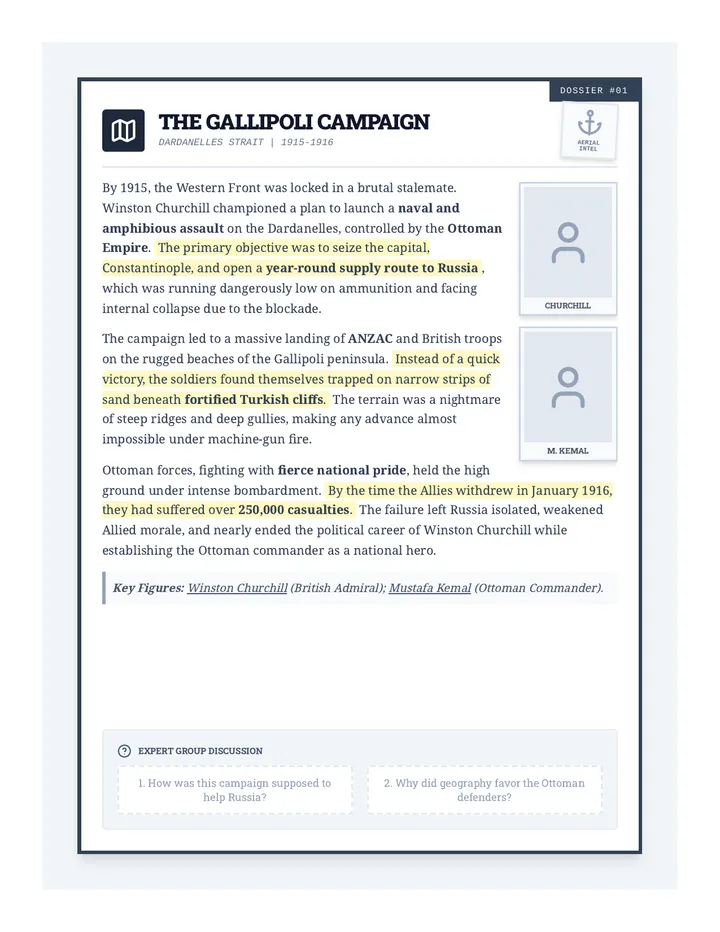
A comprehensive jigsaw activity focusing on six pivotal events of World War I, designed for a 60-minute class session. Students act as intelligence officers to piece together the shifting dynamics of the Great War.
A comprehensive exploration of the 1990s through the modern day, covering technological shifts, political milestones, military conflicts, and cultural evolution in the United States.
A 10th-grade social studies stations activity investigating the Constitutions of 1791, 1793, and 1795. Students analyze how France repeatedly drafted and revised its foundational laws in a turbulent quest for a more democratic society.
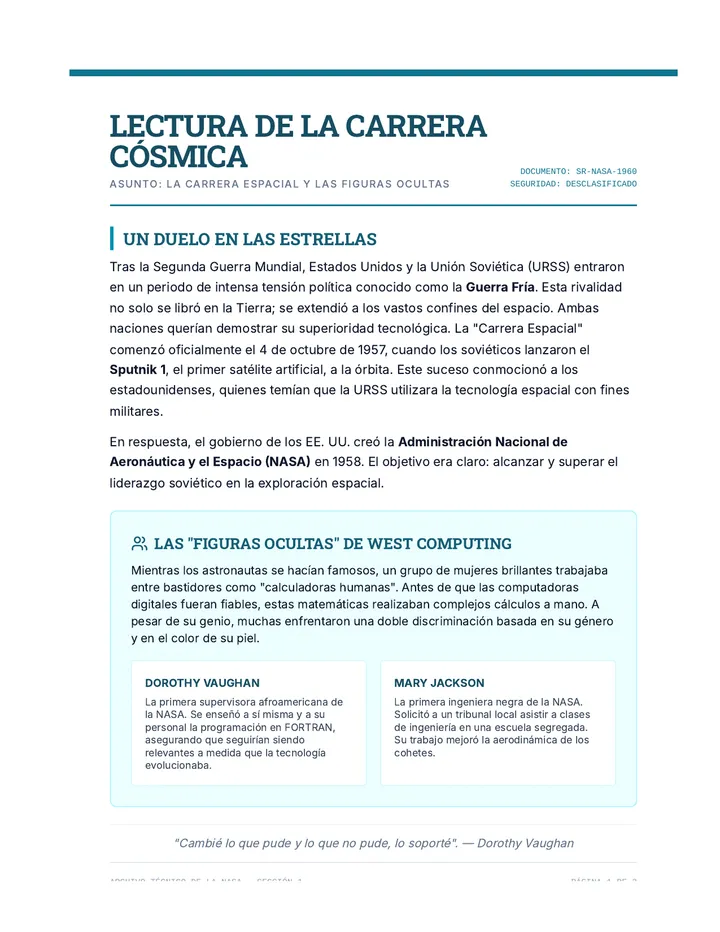
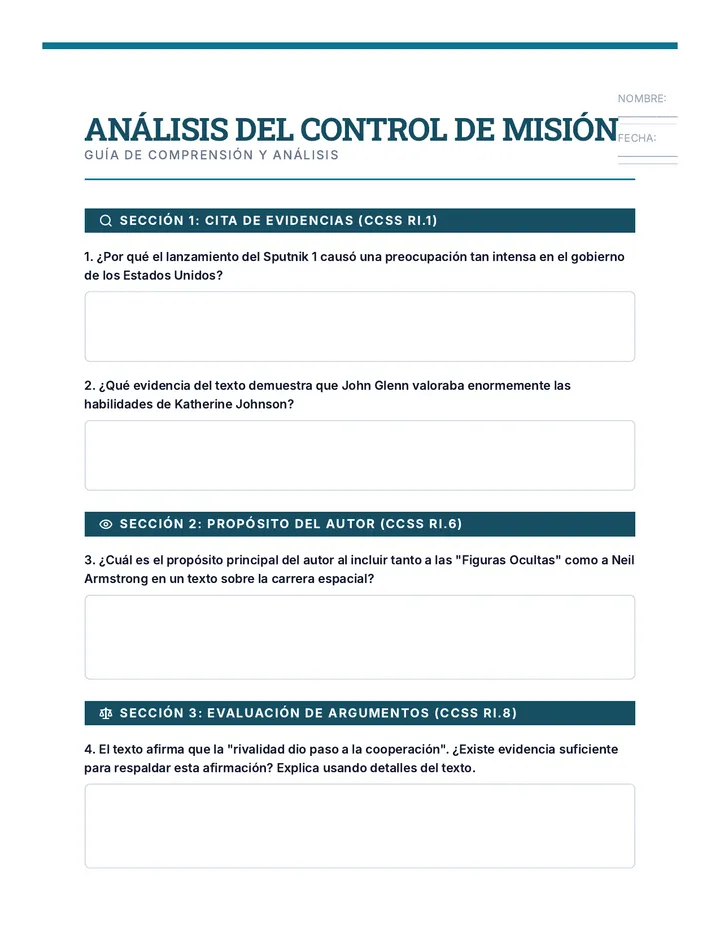
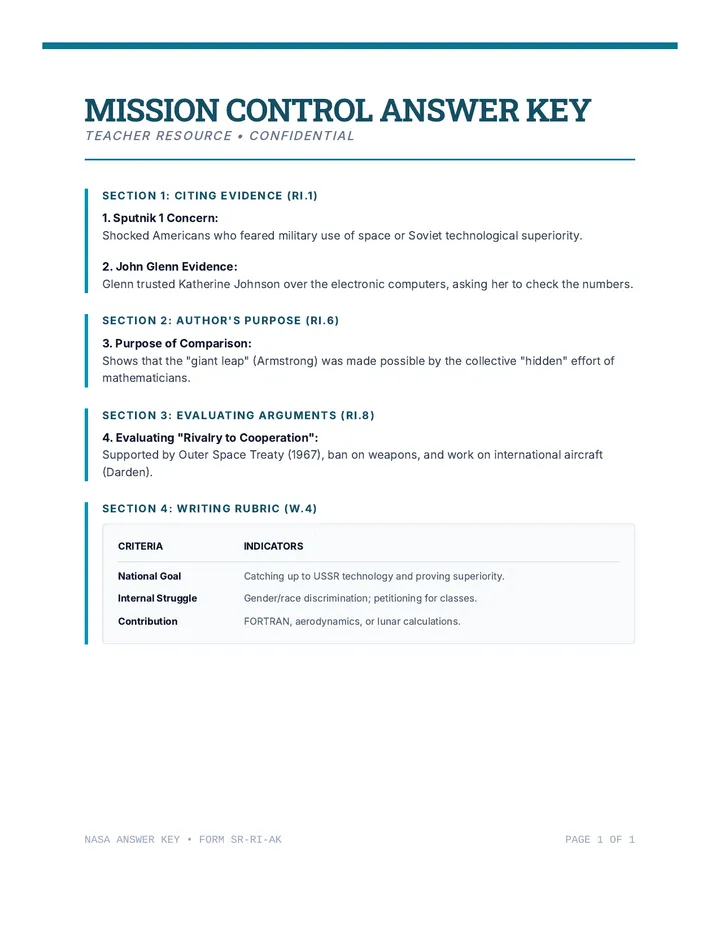
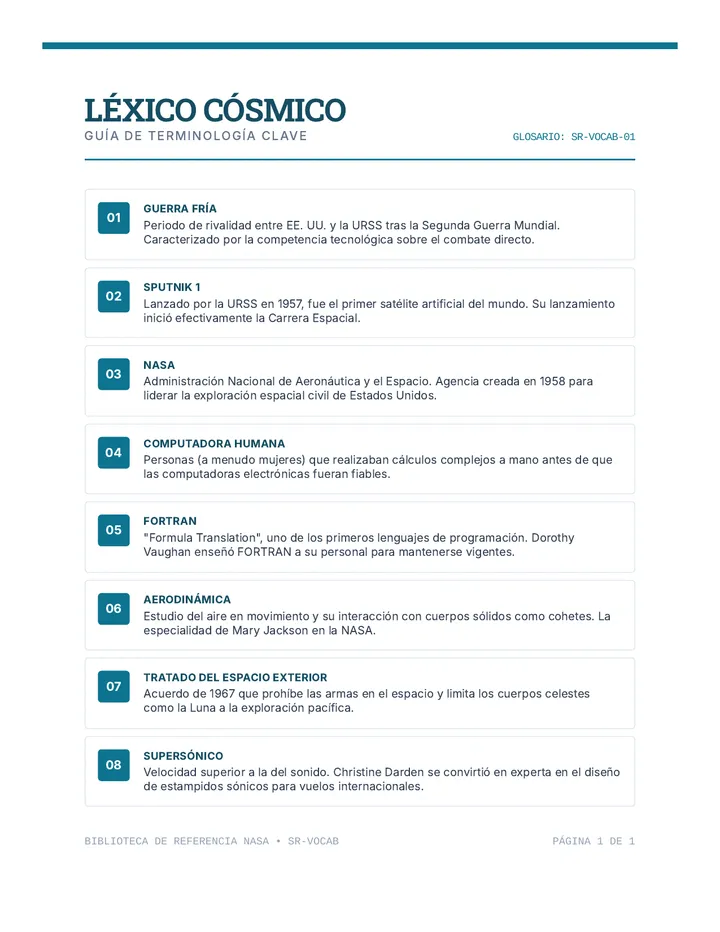
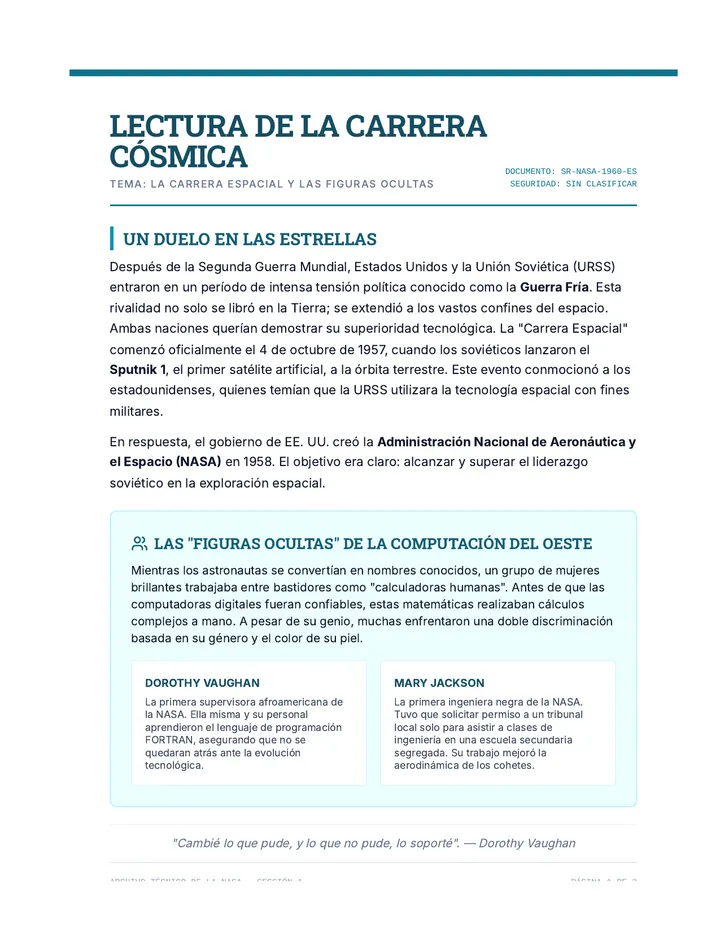
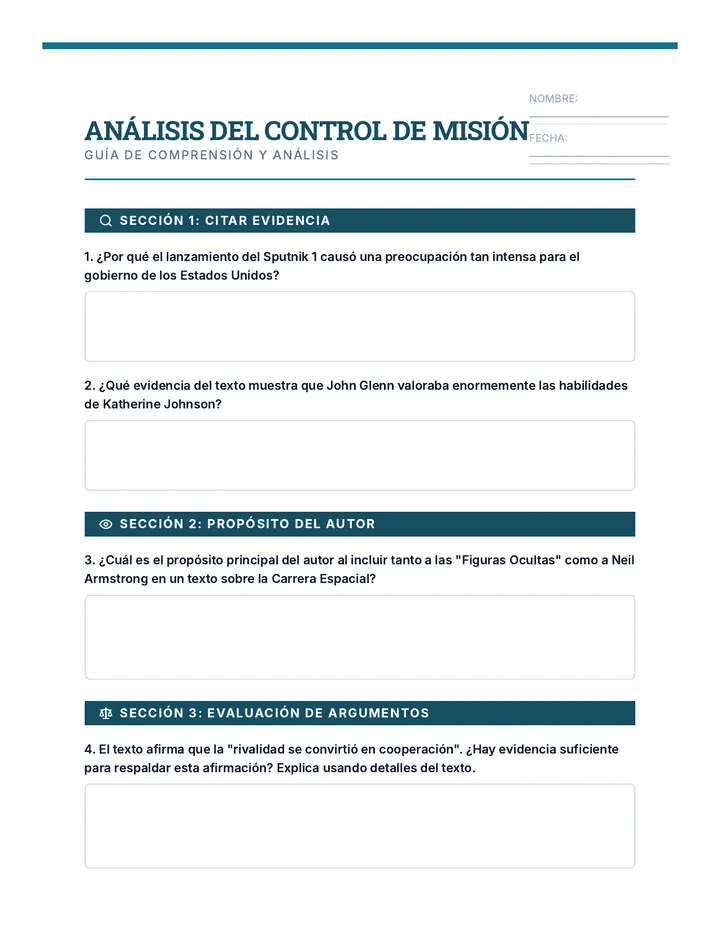
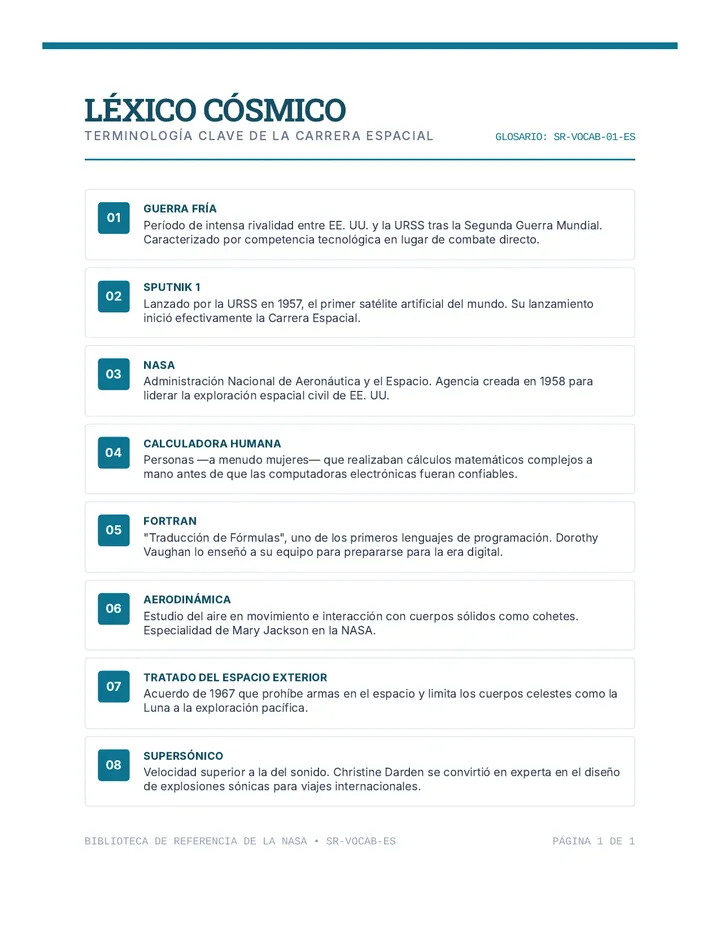
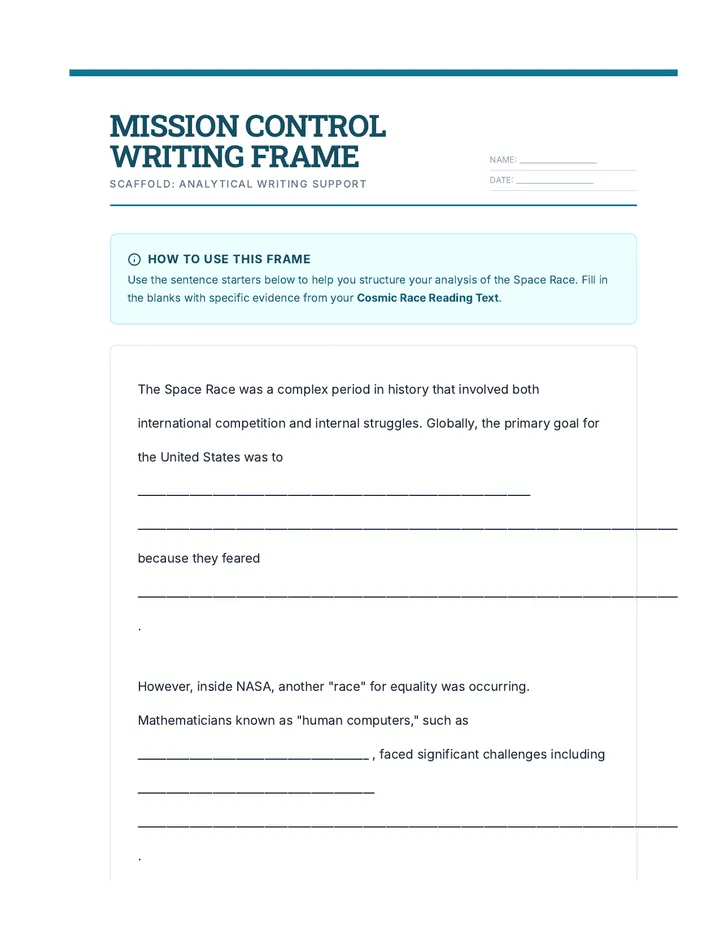
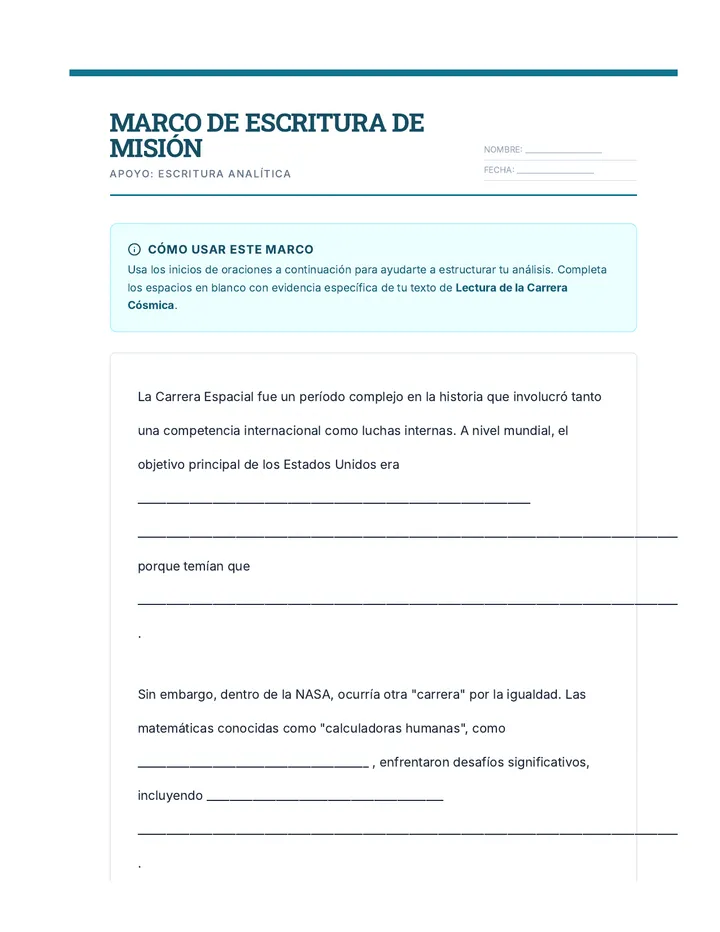
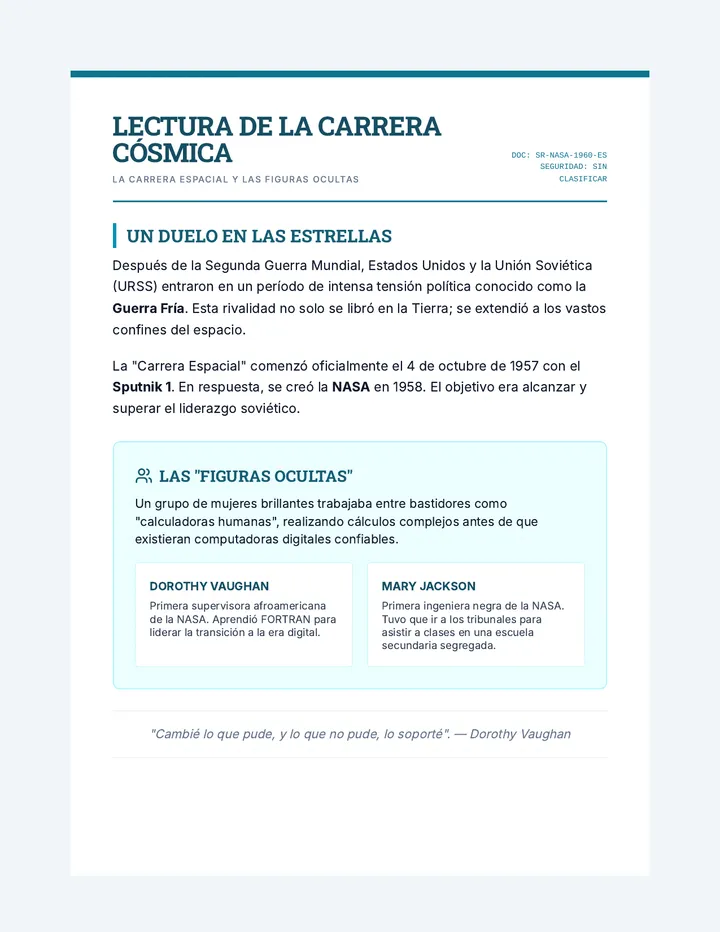
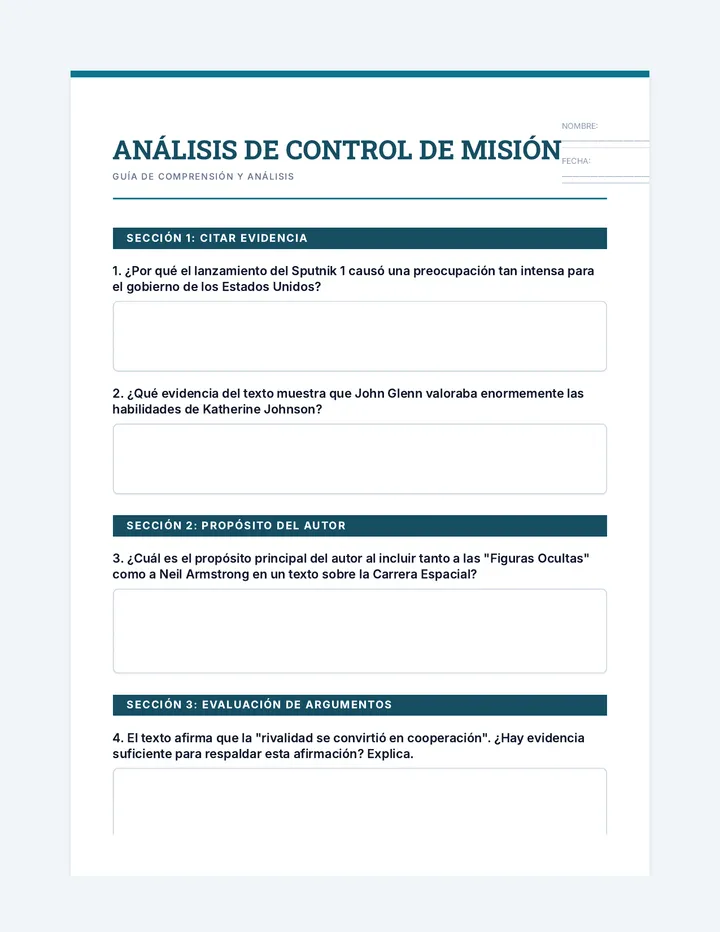
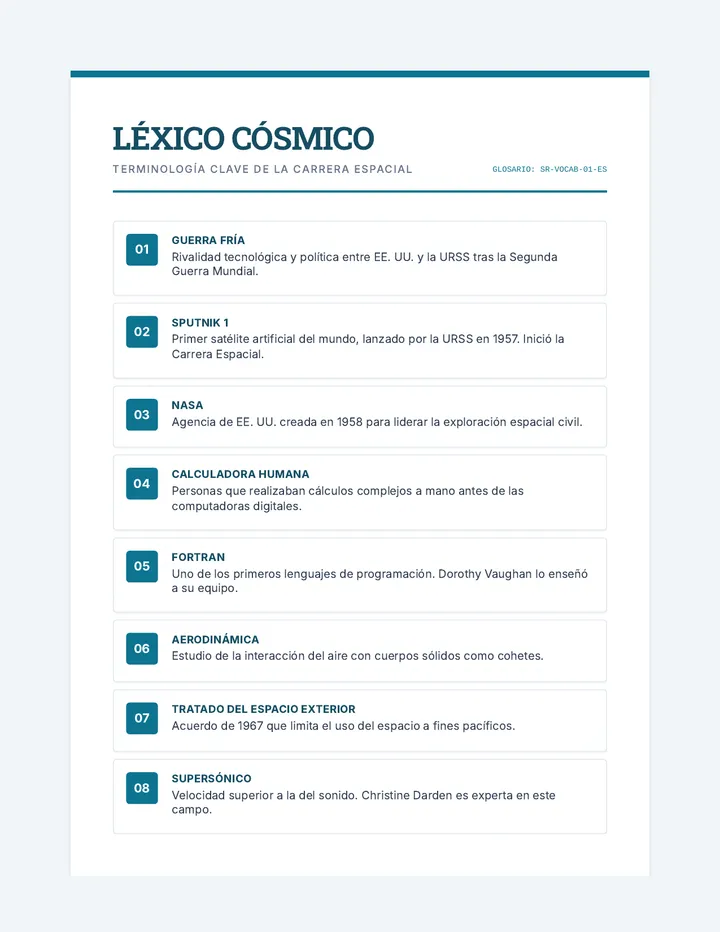
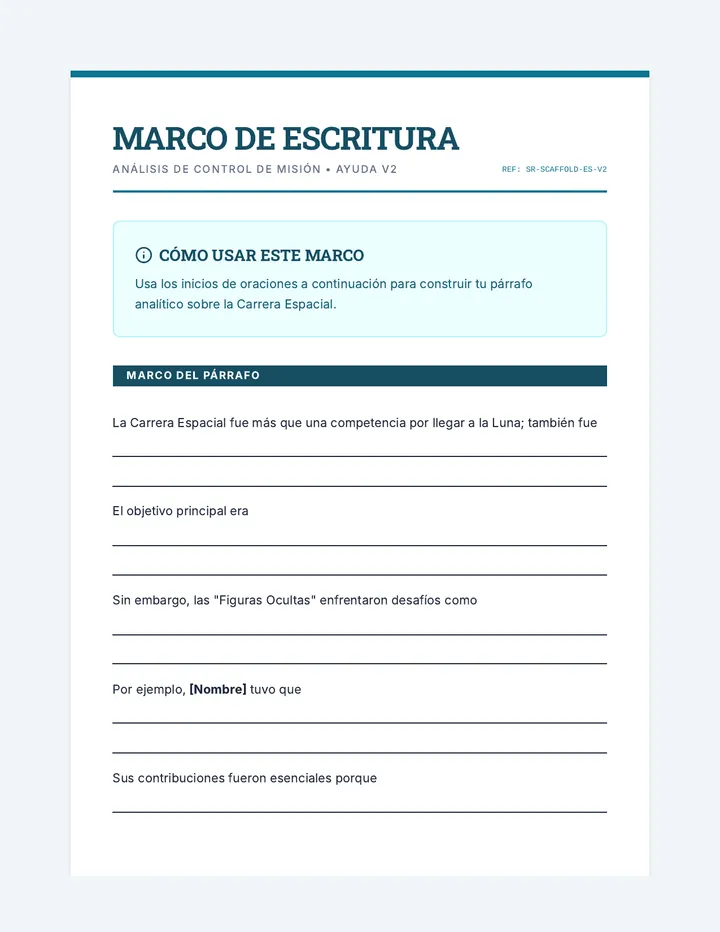
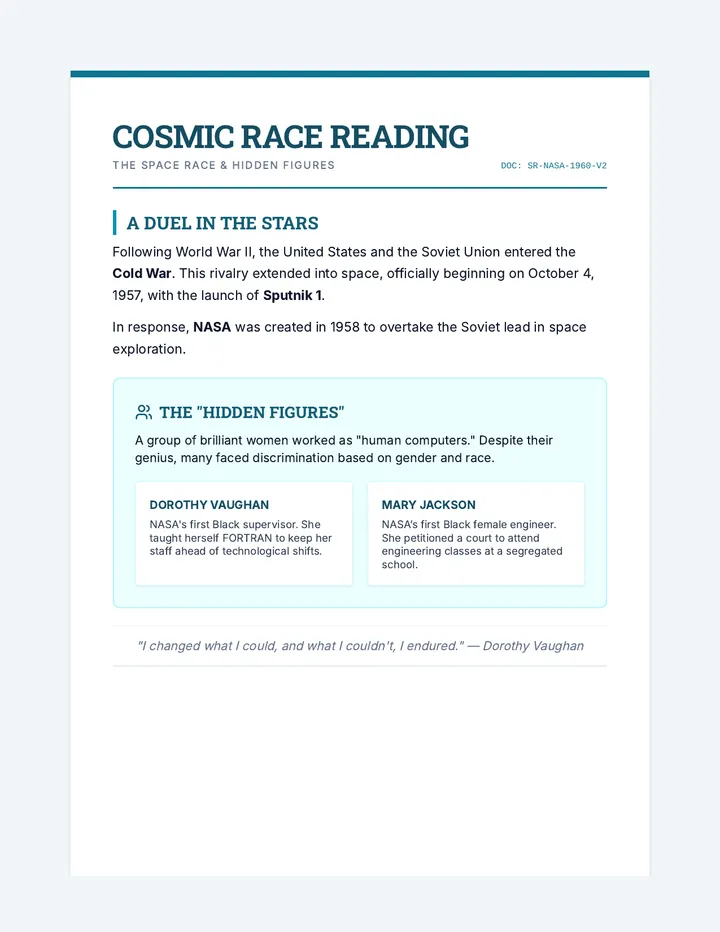
A comprehensive exploration of the Space Race, highlighting the technological competition between the US and USSR, the essential contributions of African American women at NASA, and the international agreements that keep space a peaceful frontier.
A 45-minute stand-alone lesson centered on the Constitutional Convention's debate over representation and the Three-Fifths Compromise. It includes chunked reading for accessibility, a high-engagement 'Four Corners' activity, and a graphic organizer assessment designed for formal observation alignment with the Danielson Framework.
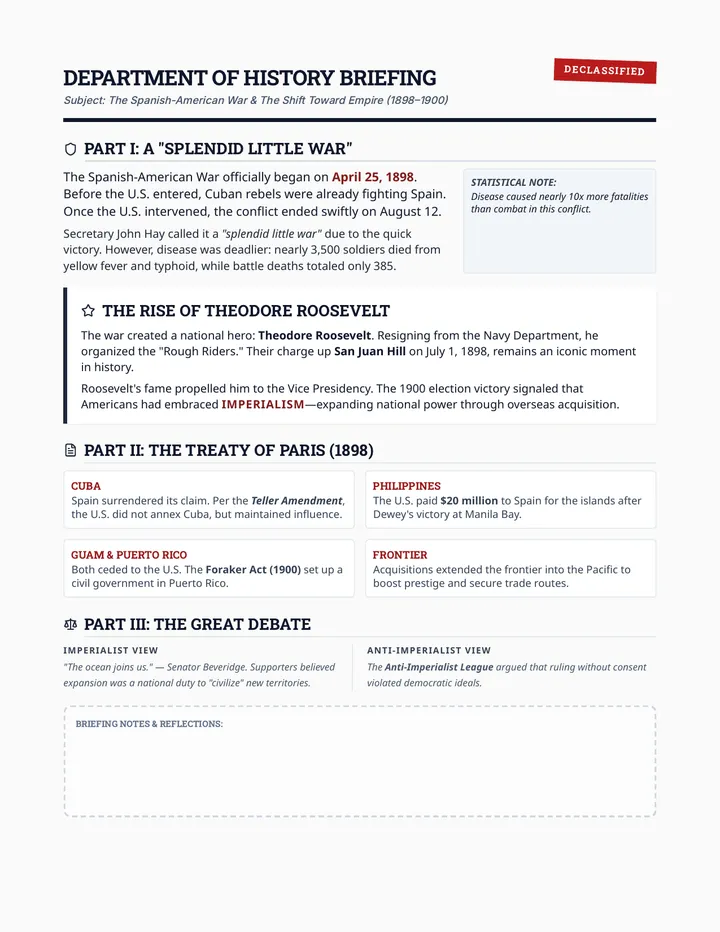
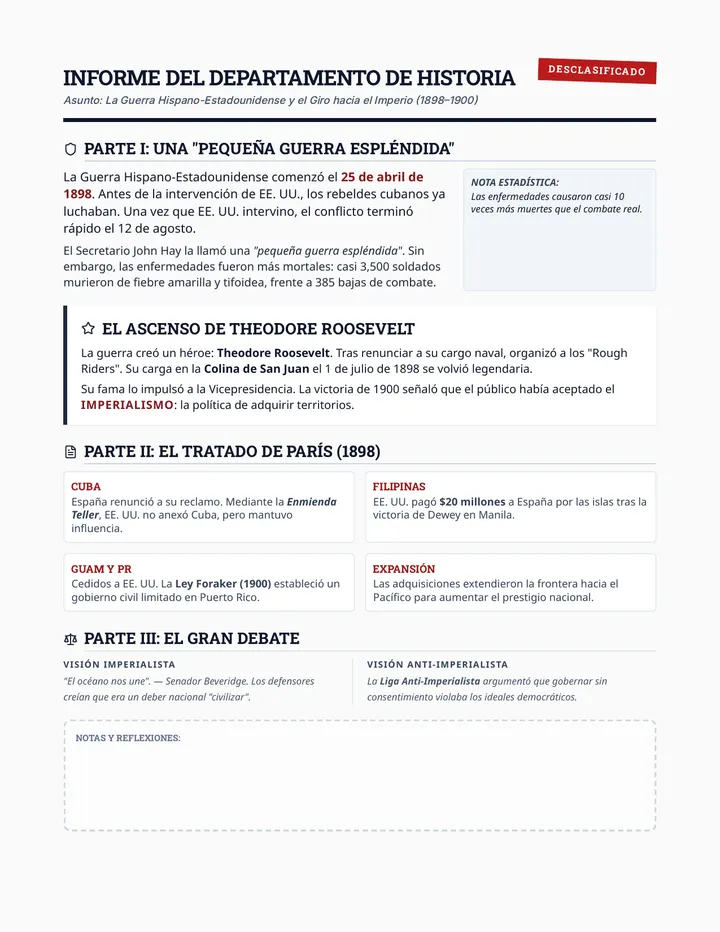
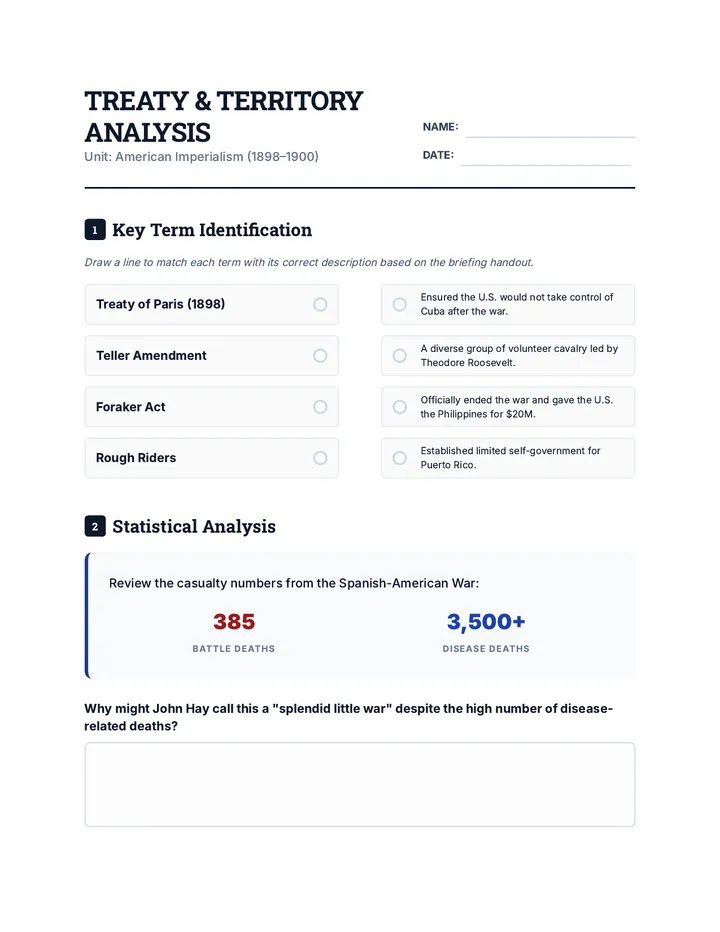
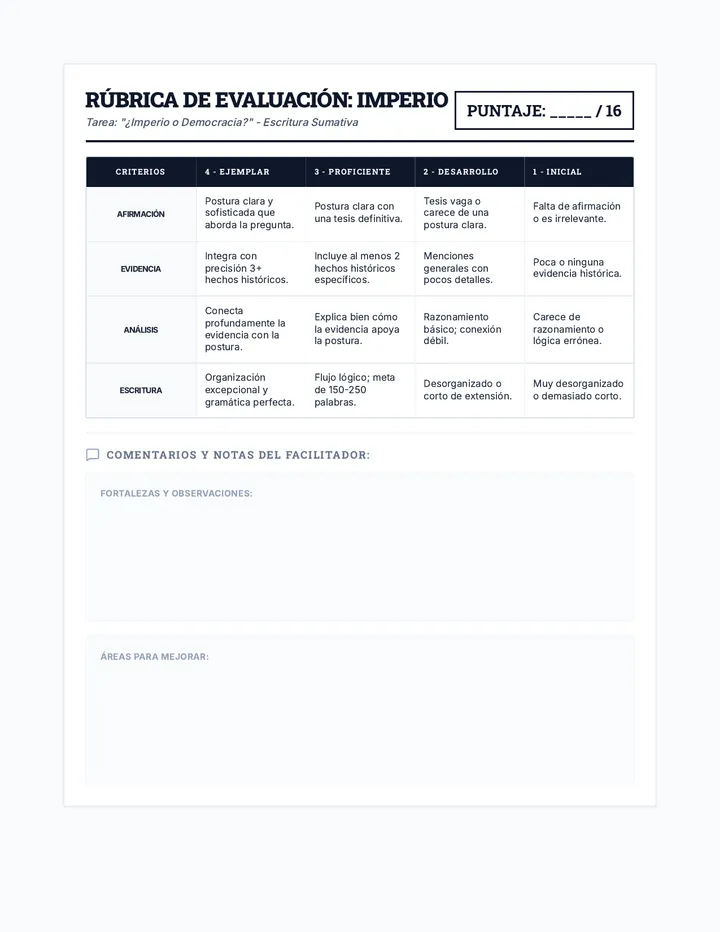
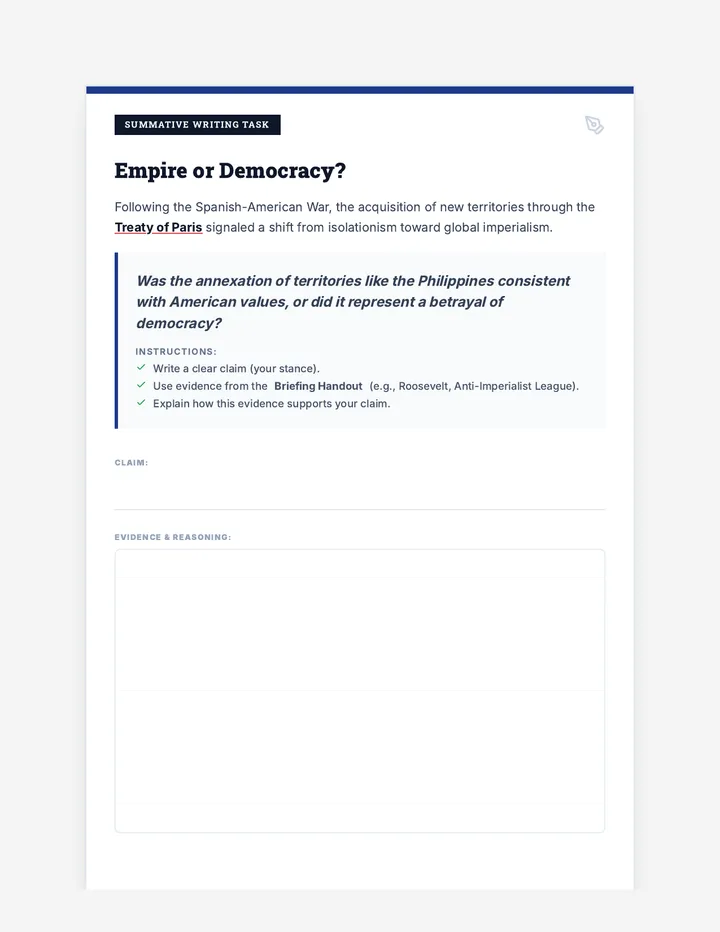
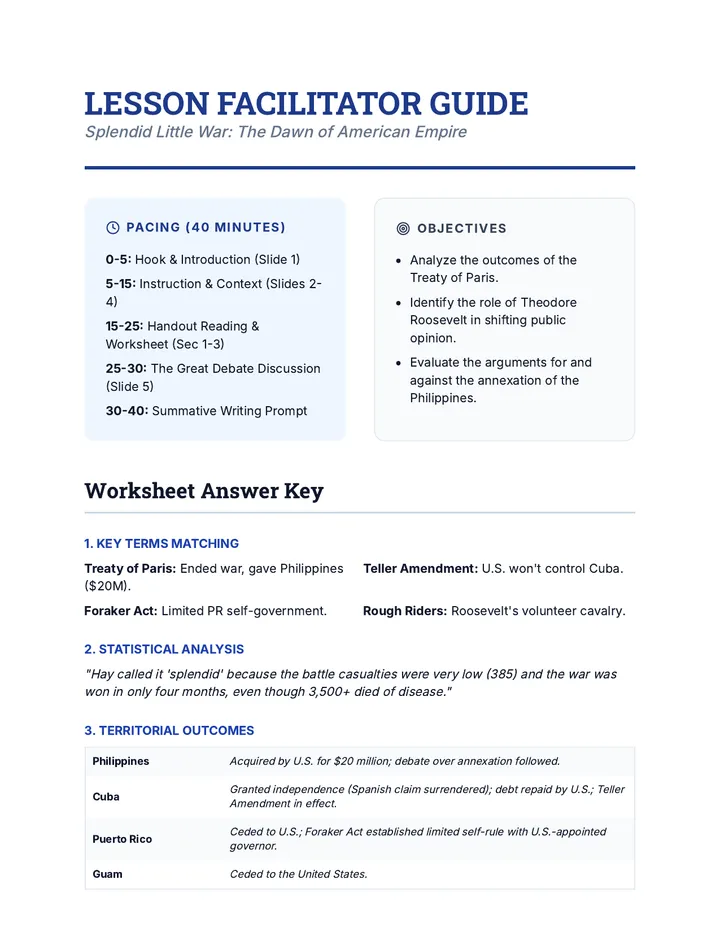
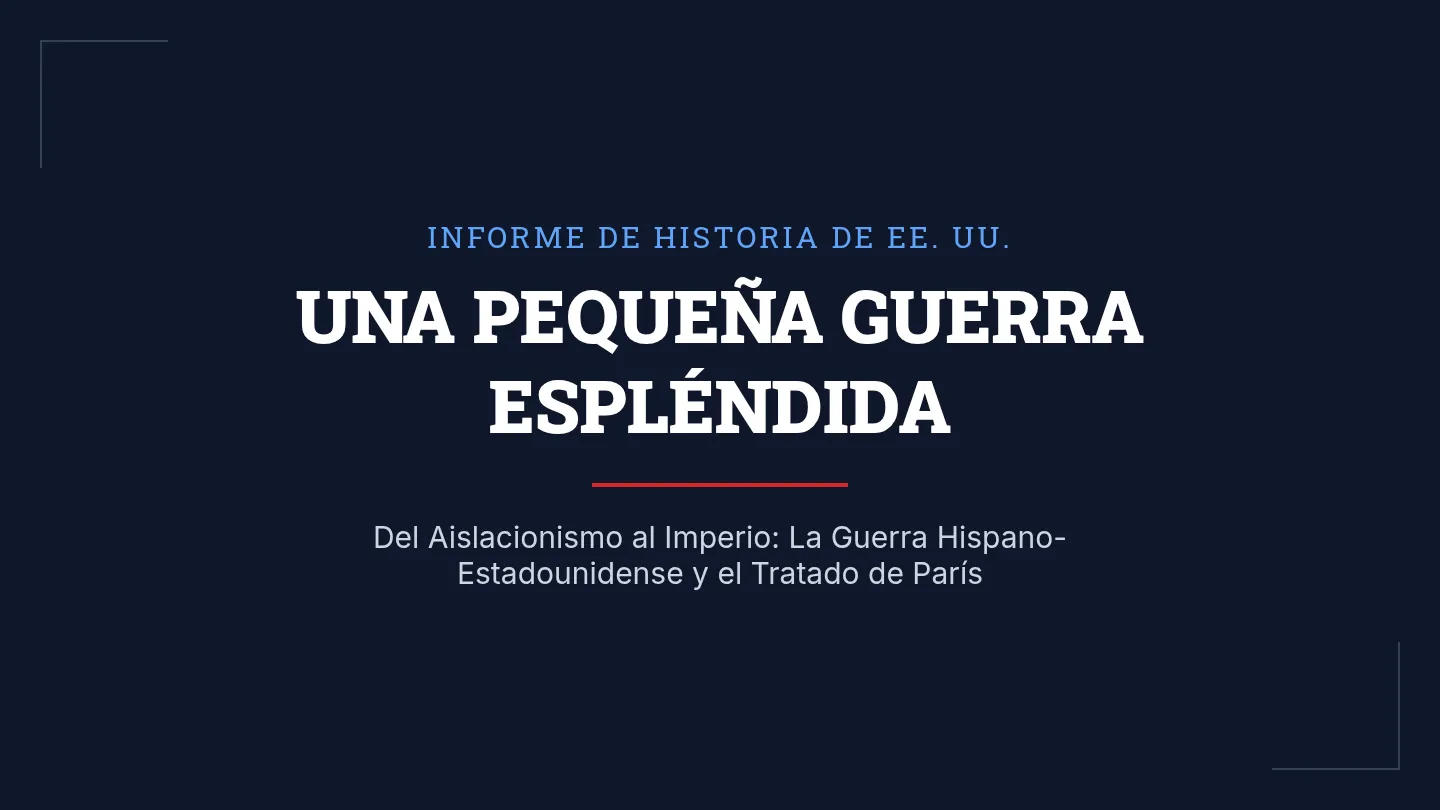
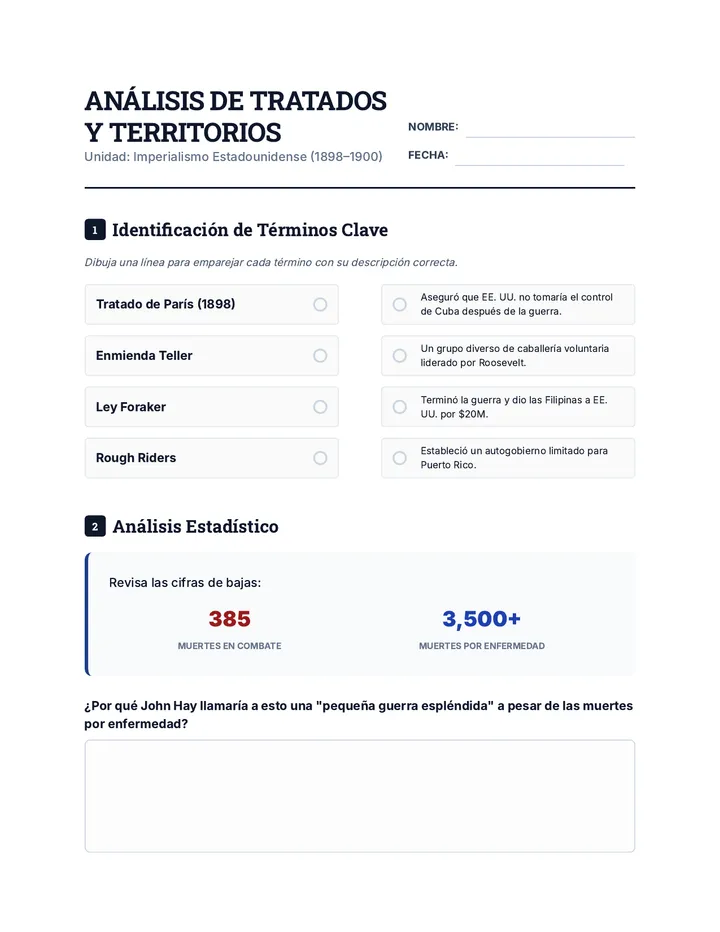
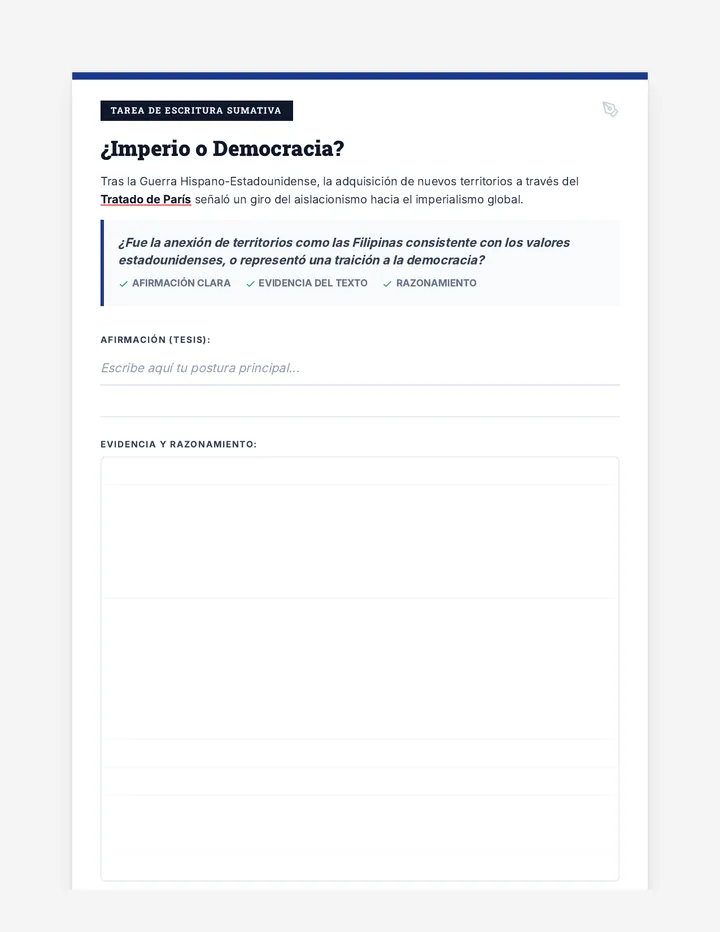
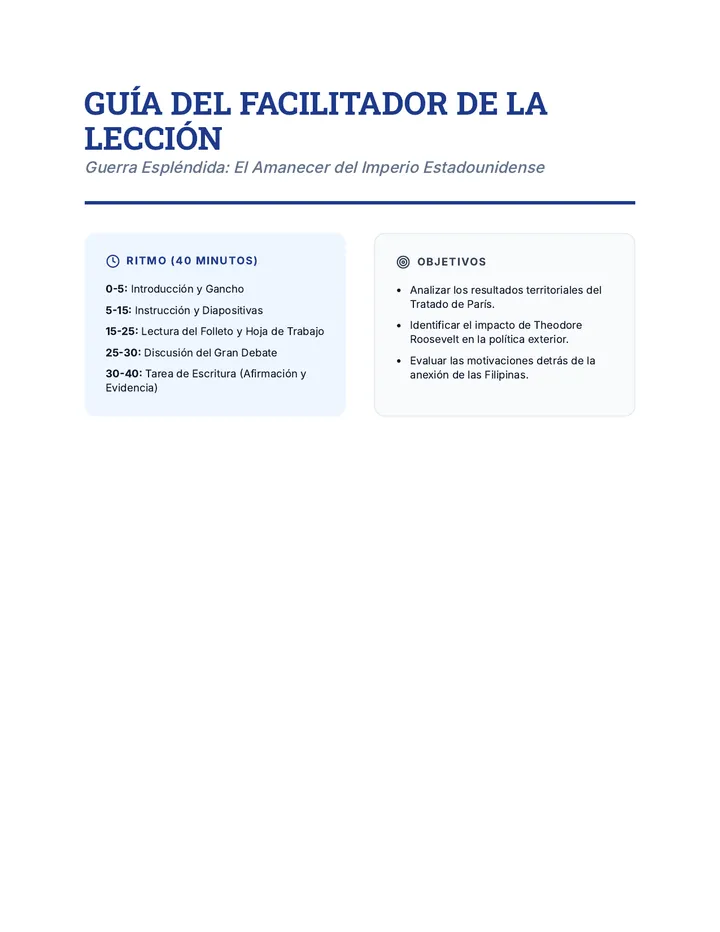
This lesson explores the Spanish-American War, focusing on Theodore Roosevelt's rise, the Treaty of Paris, and the United States' transition from isolationism to an imperial power. Students will analyze the motives and arguments surrounding the annexation of the Philippines and other territories.
A lesson exploring how Enlightenment philosophers like Locke, Montesquieu, and Voltaire influenced the founding documents and structure of the United States government.
A 45-minute lesson for 10th-grade ELL students exploring the history and global impact of the FIFA World Cup through reading, narrative analysis, and creative design.
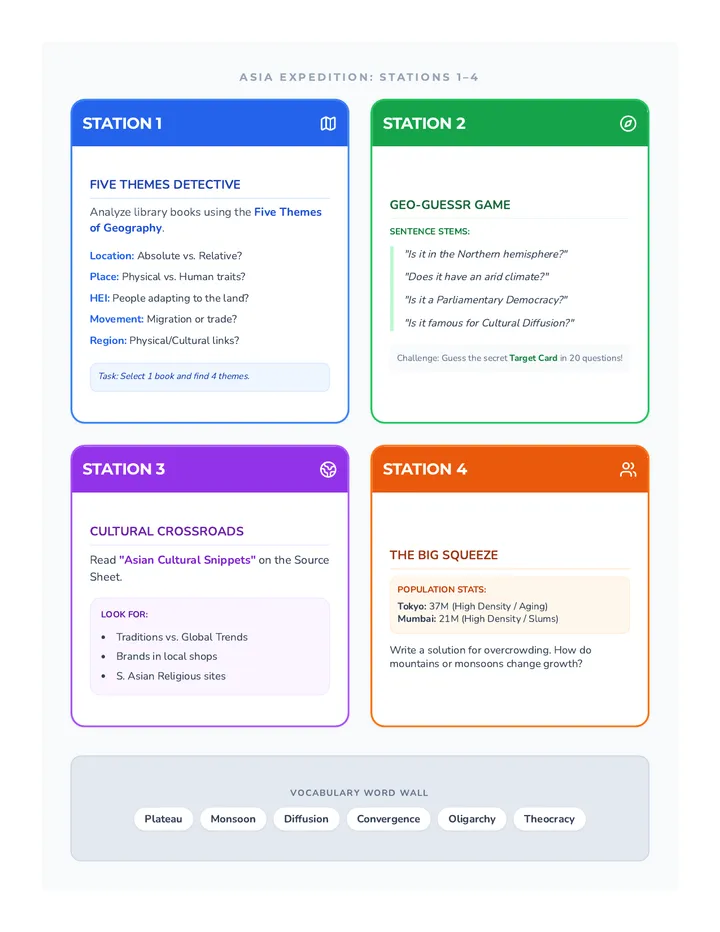
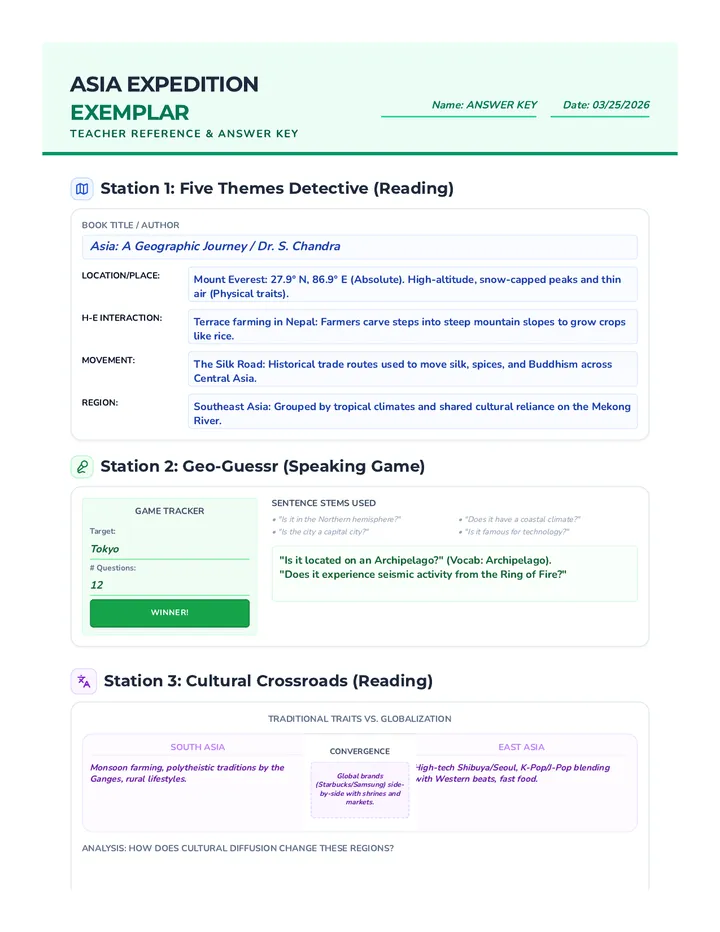
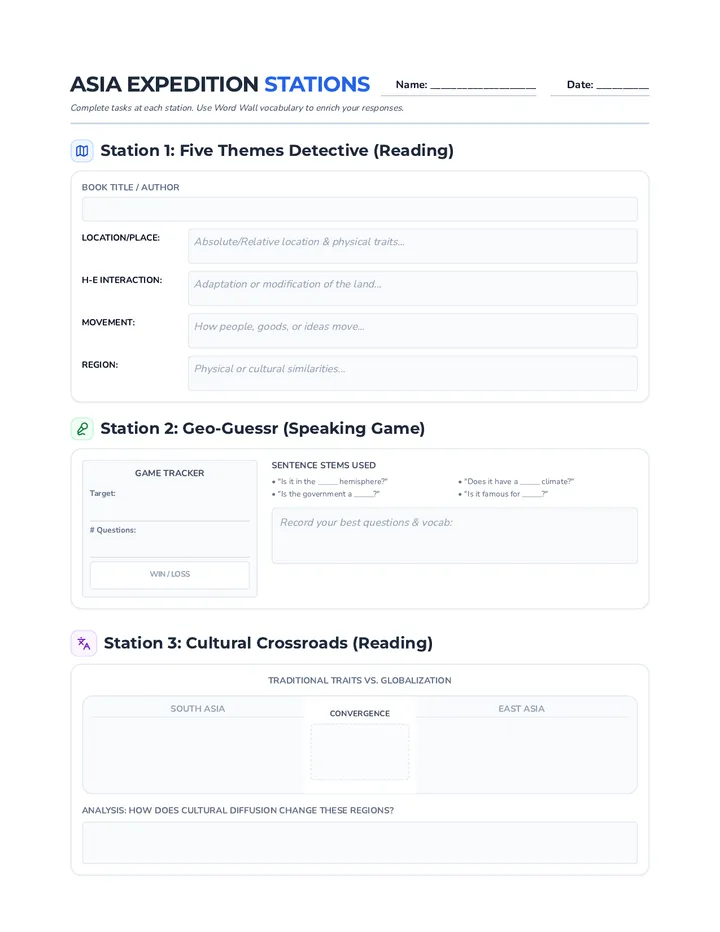
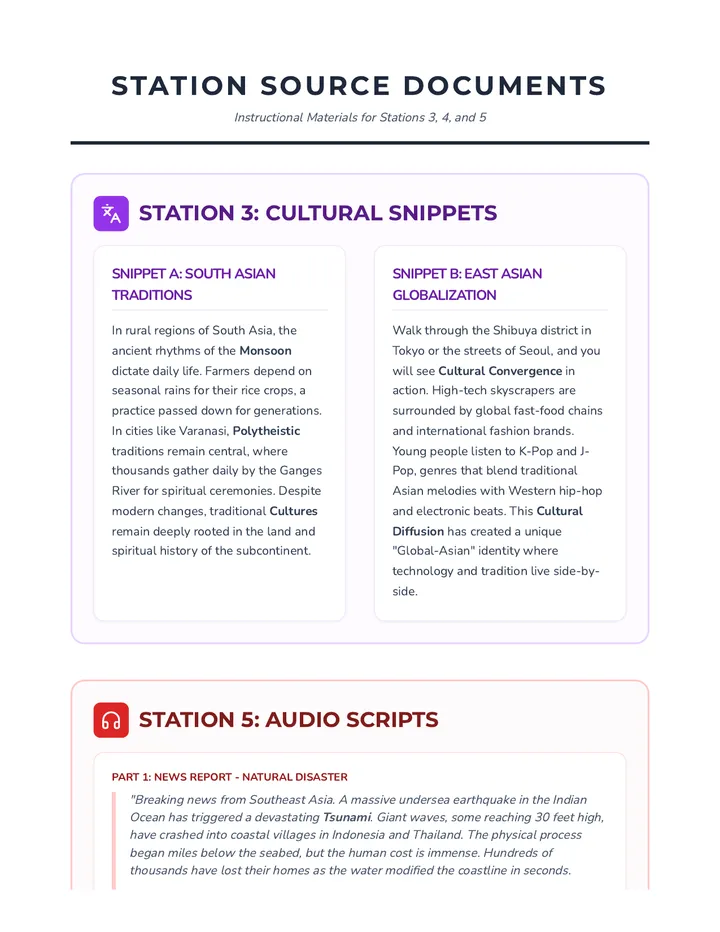
A set of five interactive learning stations focused on the physical and cultural geography of Asia, including population challenges, globalization, and natural disasters. Students practice reading, writing, listening, and speaking skills while analyzing the five themes of geography.
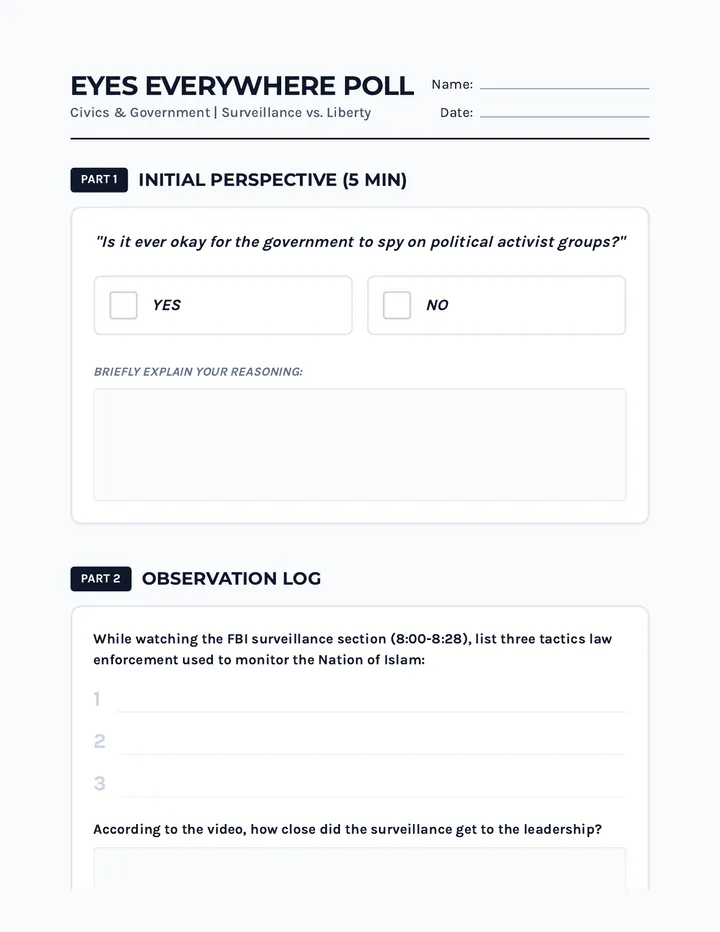
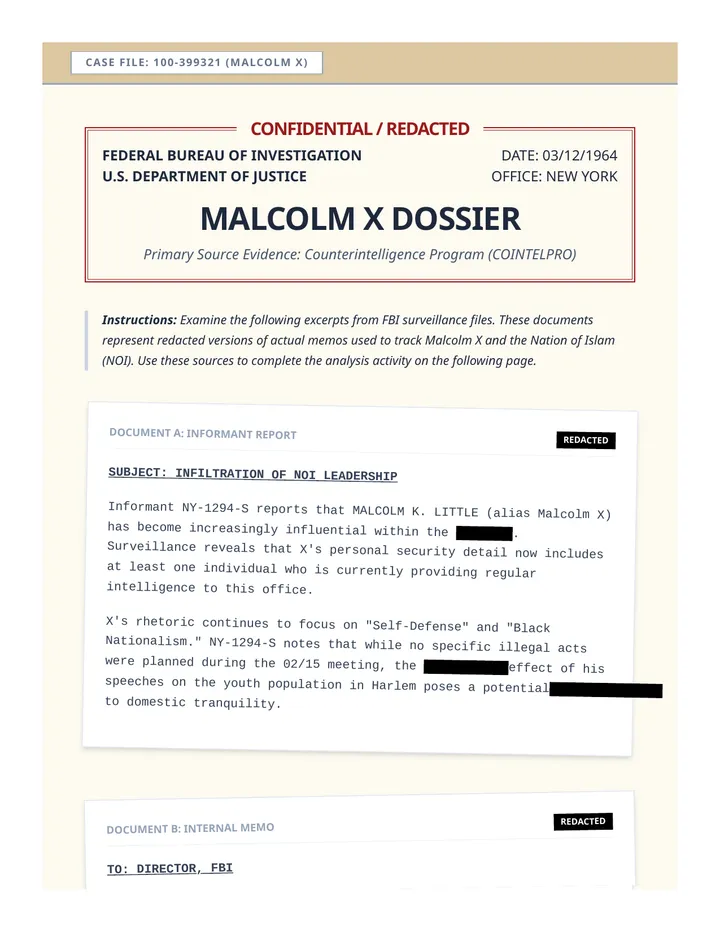
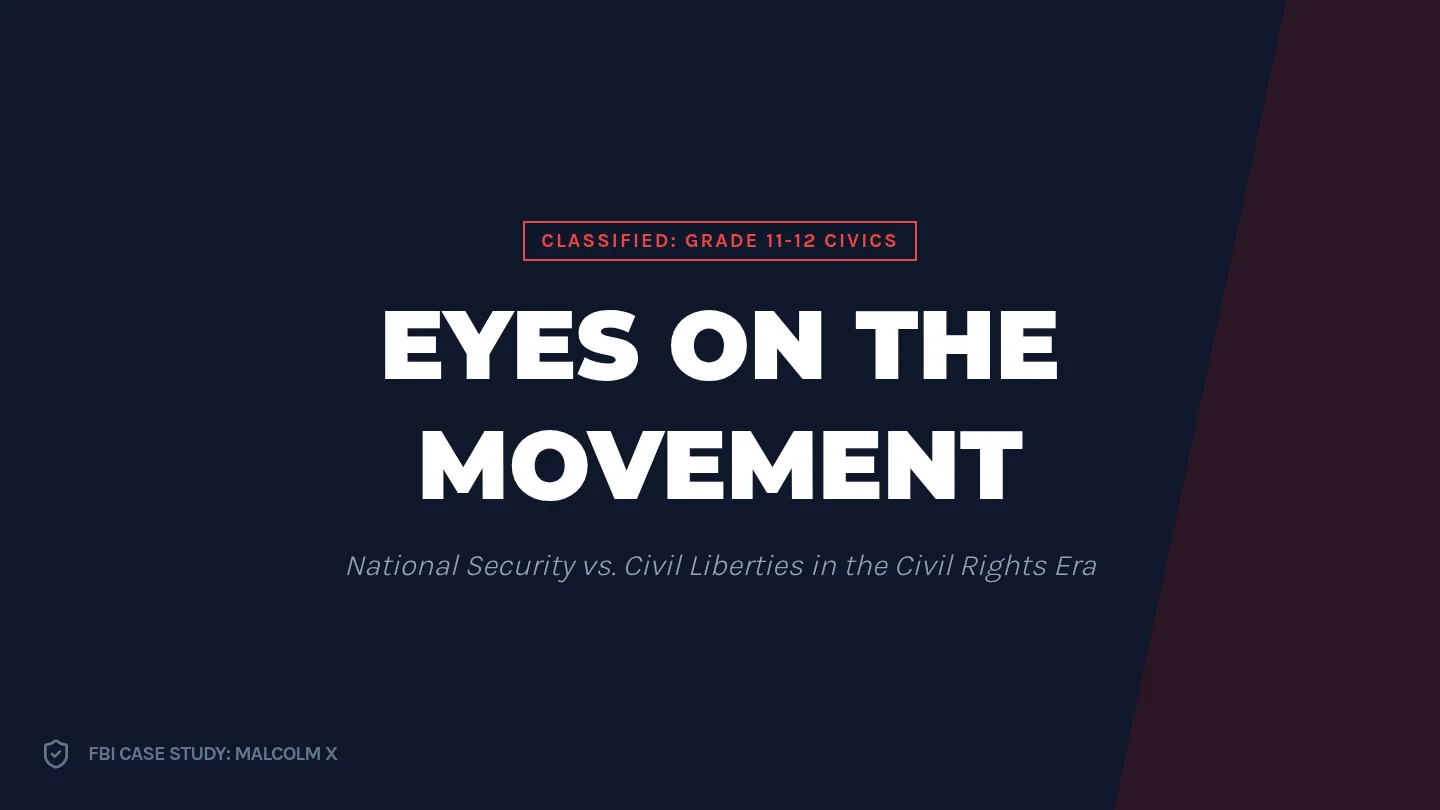
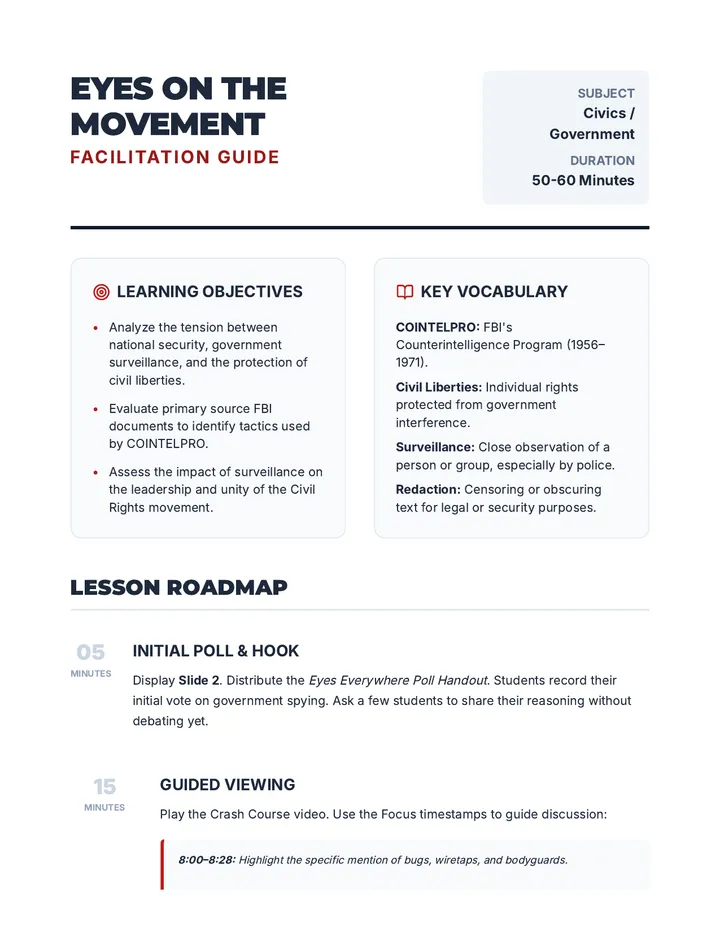
A high school civics lesson exploring the tension between national security and civil liberties through the lens of FBI surveillance of Malcolm X and the Nation of Islam during the Civil Rights era.