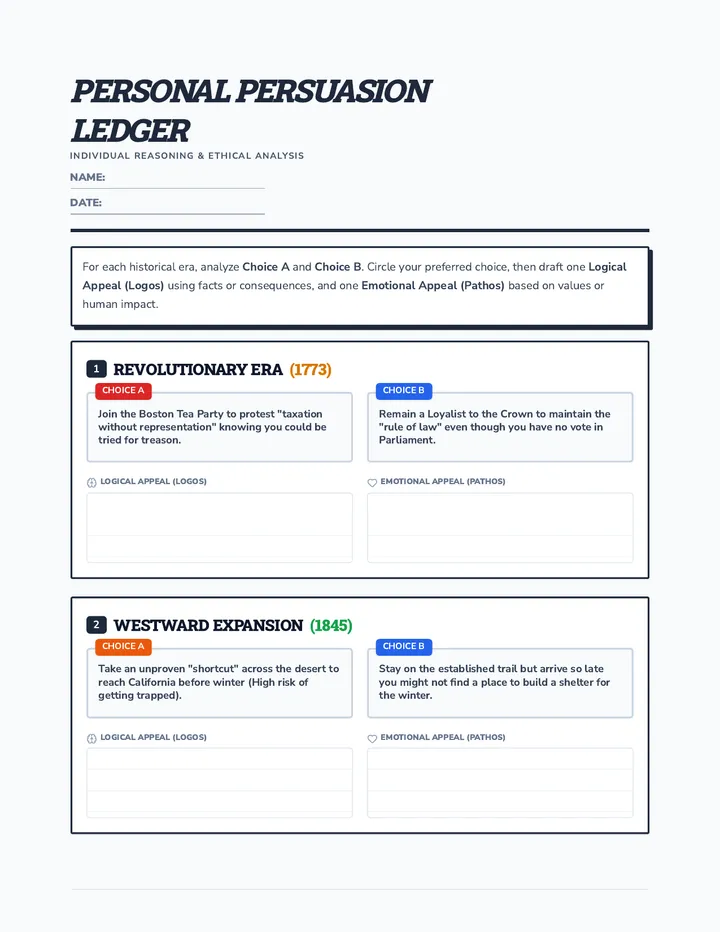
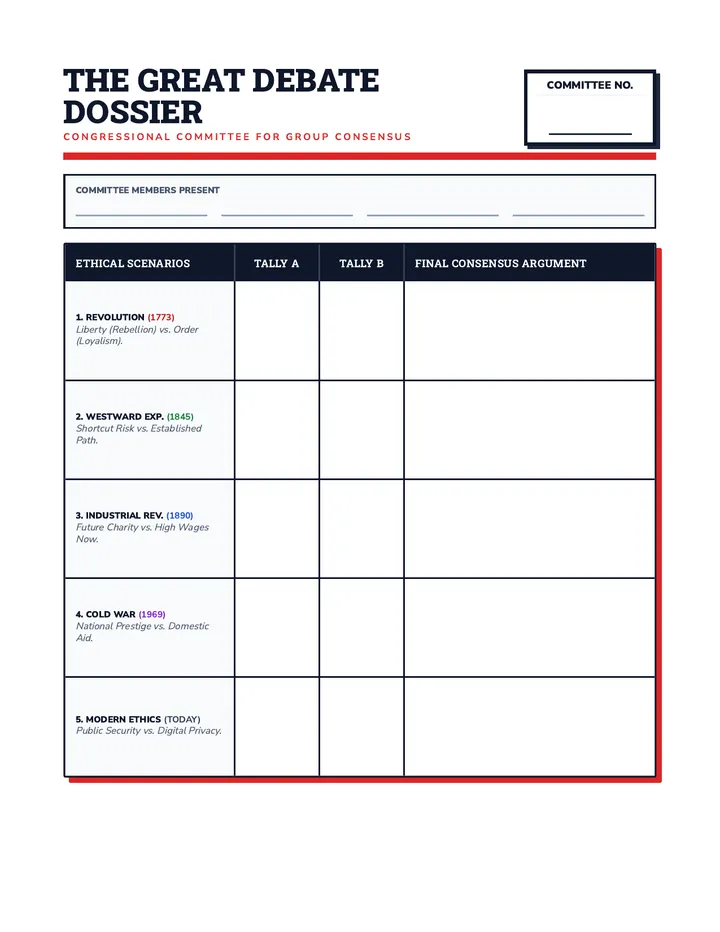
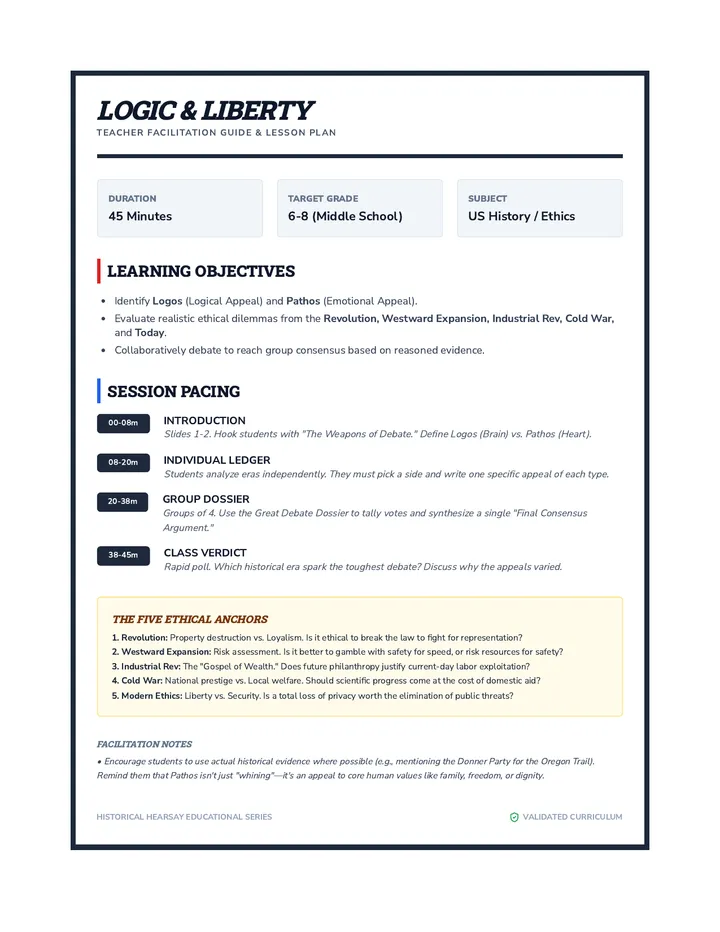
Examining foundational arguments from major thinkers alongside contemporary debates on morality, governance, and the nature of existence. Addresses core concepts like political structures, consciousness, and the conflict between agency and fate.
A comprehensive deep-dive into Shakespeare's Romeo and Juliet, focusing on Act 1. Students will analyze character dynamics, the tension between destiny and choice, and the rich poetic language of the play across individual scenes.
A comprehensive week-long remediation packet covering Europe's history, culture, economics, and the European Union through reading passages and high-level analysis.
A comprehensive unit exploring the historical, scientific, and ethical dimensions of the Manhattan Project and the end of World War II, with differentiated tracks for diverse learners.
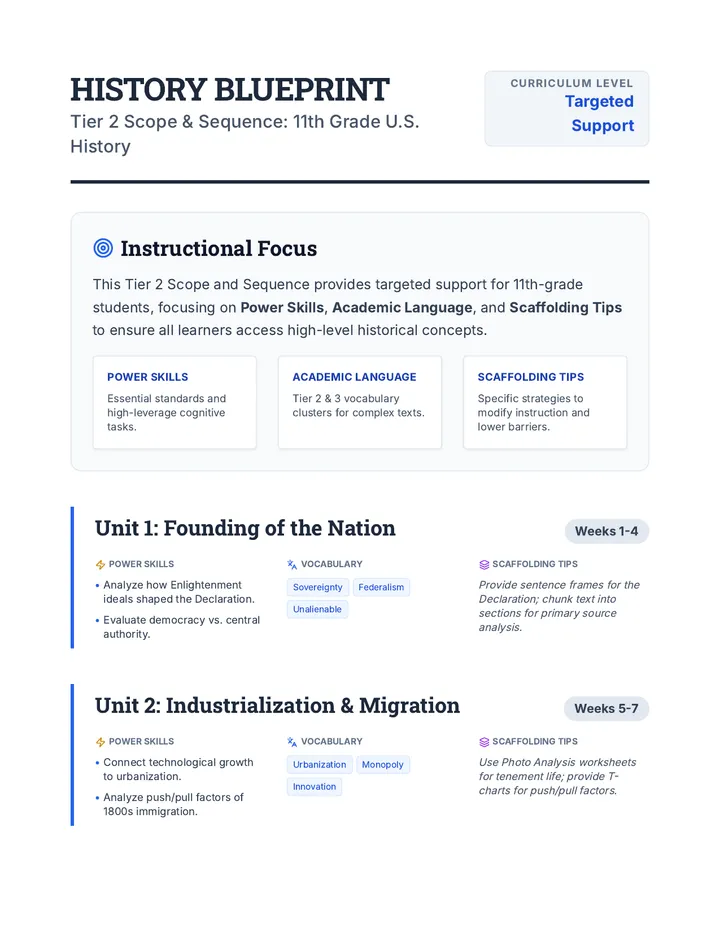
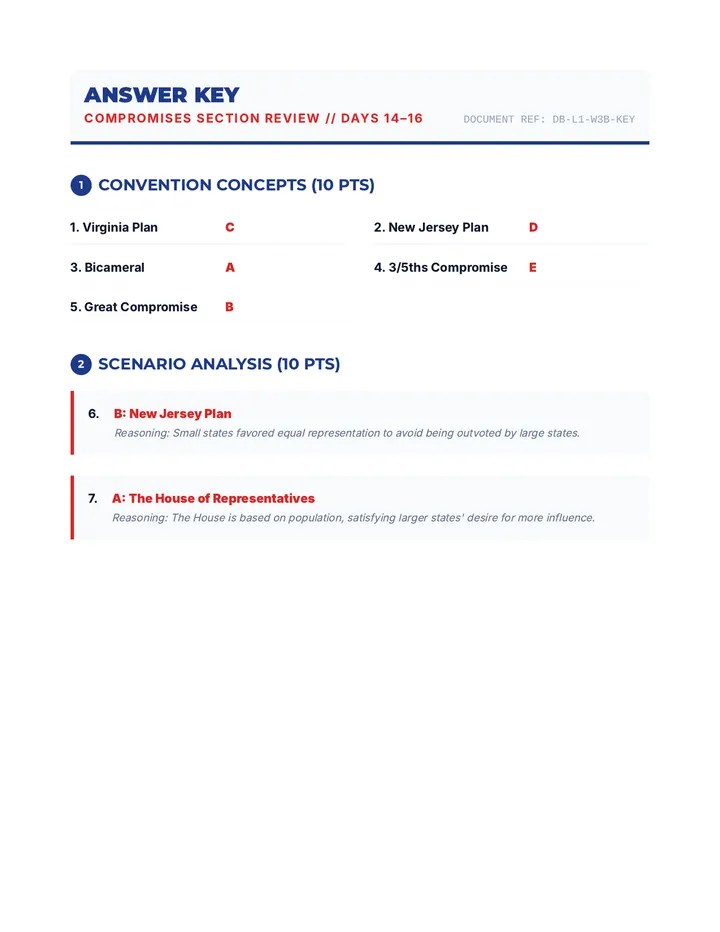
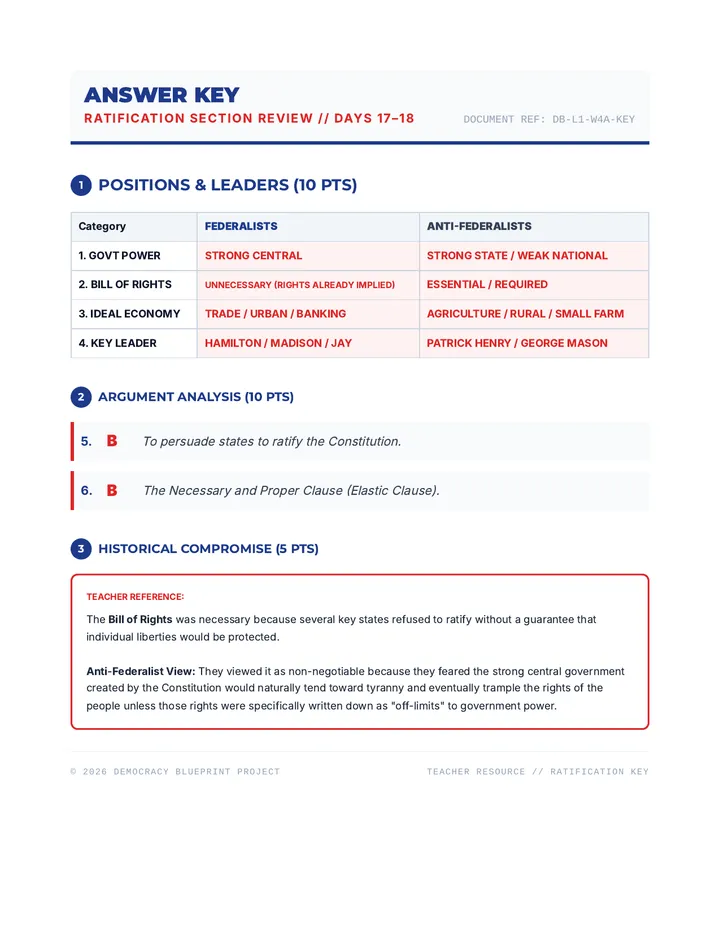
A modified World Studies 2 curriculum for Tier 2 and 3 special education students, focusing on the evolution of power, rights, and technology from early democracies through the Industrial Revolution.
A comprehensive remediation unit designed to master RL.2 through fables and folktales. This sequence targets high-rigor question types, including Part A/Part B evidence questions, character motivation analysis, and proverb-based moral identification.
A series of four 10-15 minute logic lessons for middle school students, focusing on Zeno's paradoxes and the 'Paradox Player' thinking style. Students will learn to break ideas into tiny steps, push logic to extremes, and identify contradictions through 'Paradox Breaker' activities.
A 4-part series for middle schoolers exploring the philosophy of strategy, logic, and leadership through the lens of Alexander the Great. Each 10-15 minute lesson focuses on critical thinking, conditional logic, and tactical decision-making.
A four-part series for middle schoolers on Aristotelian logic and philosophy, focusing on categorization, reasoning, and ethics, with a historical tie-in to Alexander the Great.
A four-day introductory logic and philosophy sequence for middle schoolers focusing on Plato's 'Thinking Style.' Students explore the Allegory of the Cave, perception vs. reality, and the Socratic Method through the lens of 'The Imaginer,' culminating in a visual analysis game.
A 4-day logic sequence for middle school students themed around soccer and the Socratic method. Students learn to think like Socrates by questioning definitions, assumptions, and contradictions through the lens of 'Socrates United FC'.
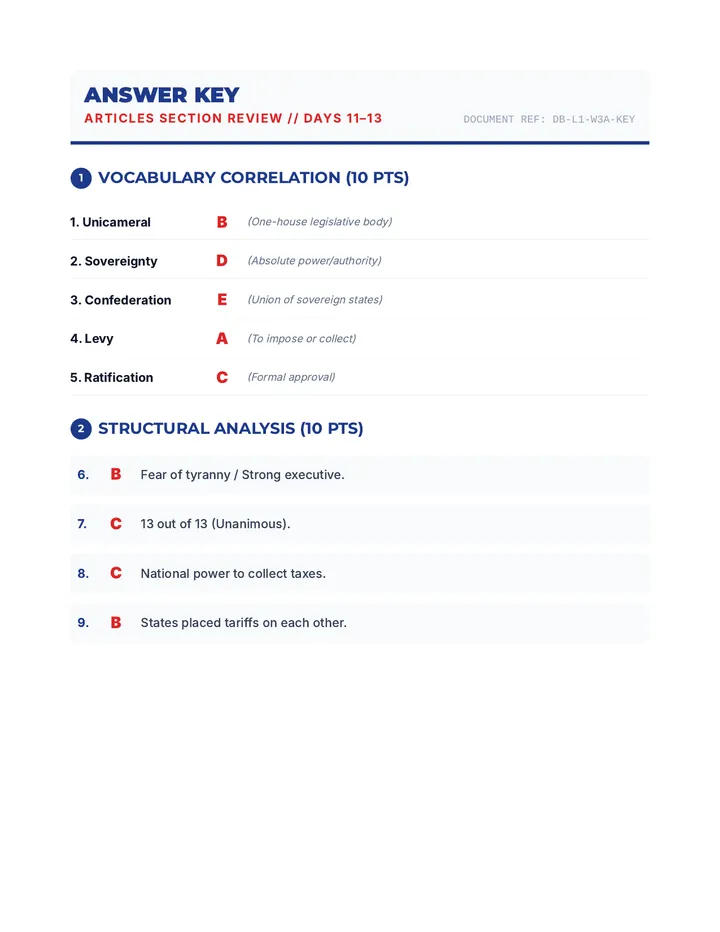
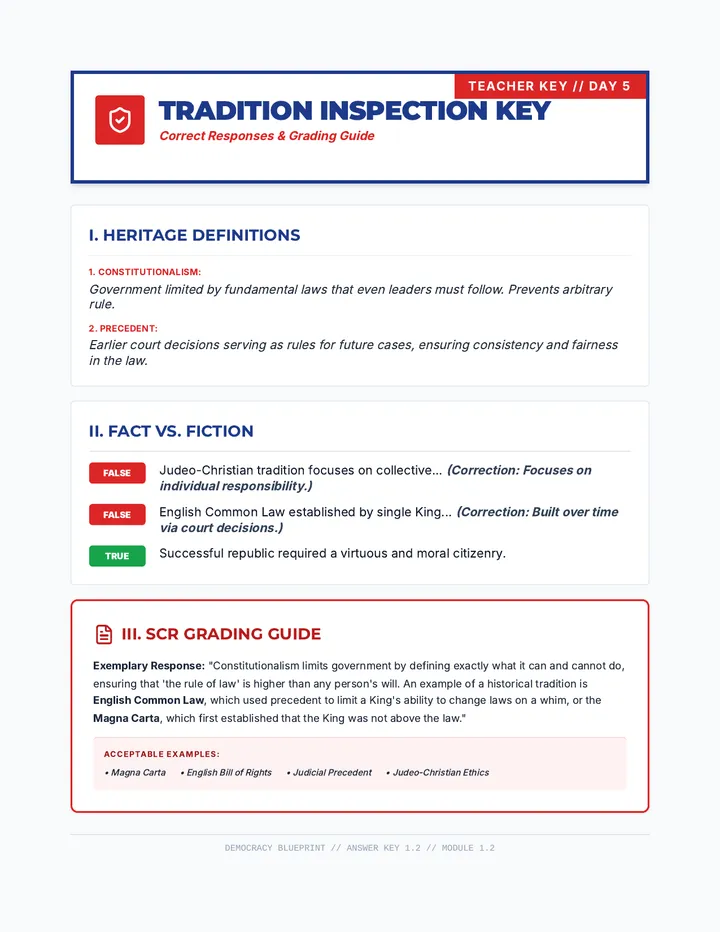
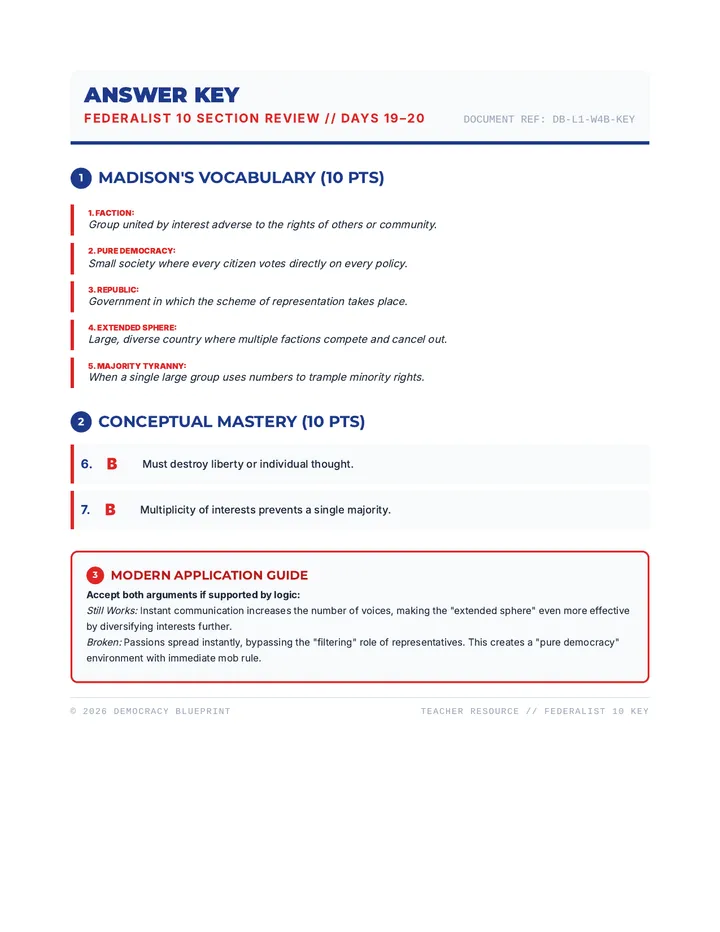
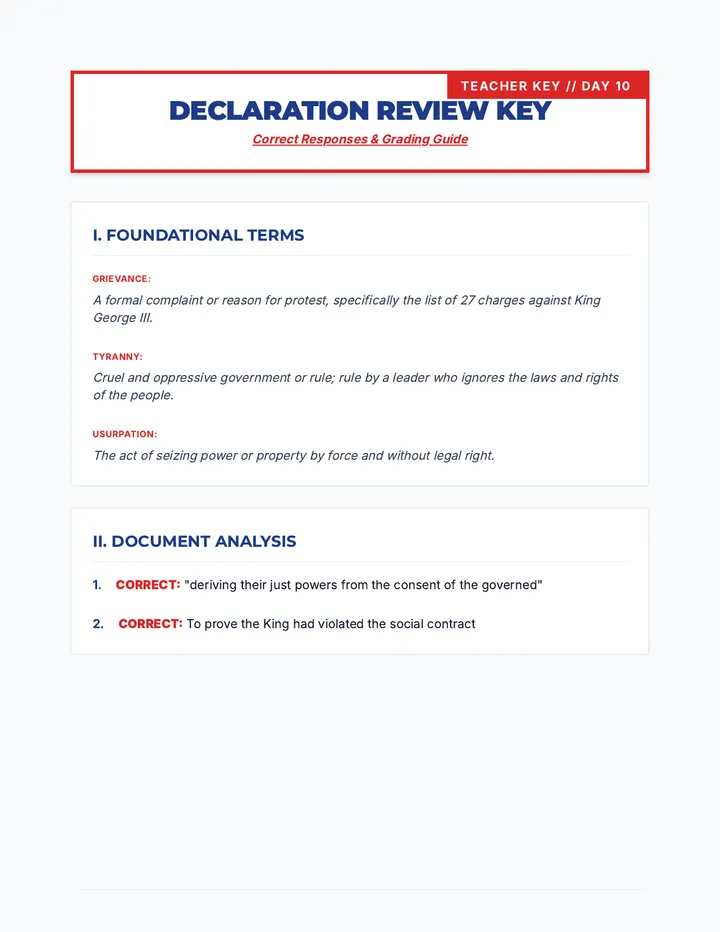
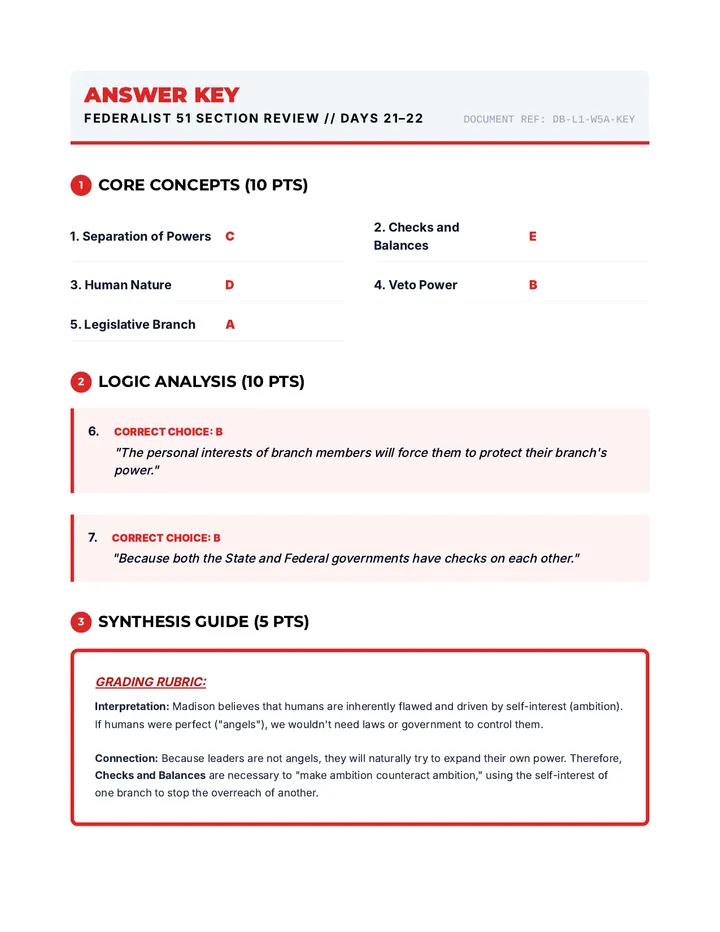
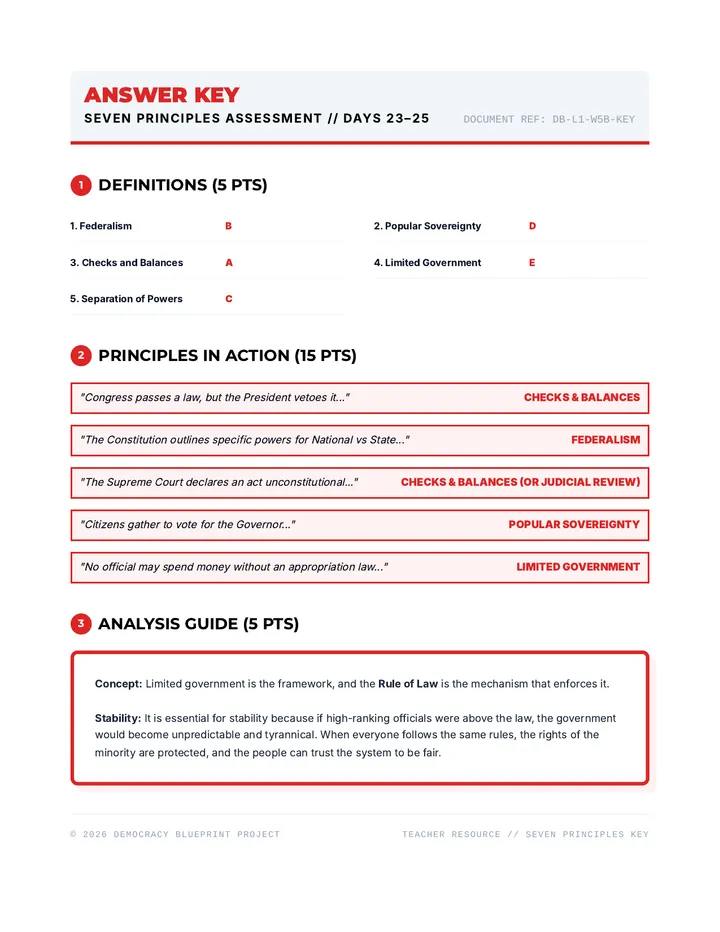
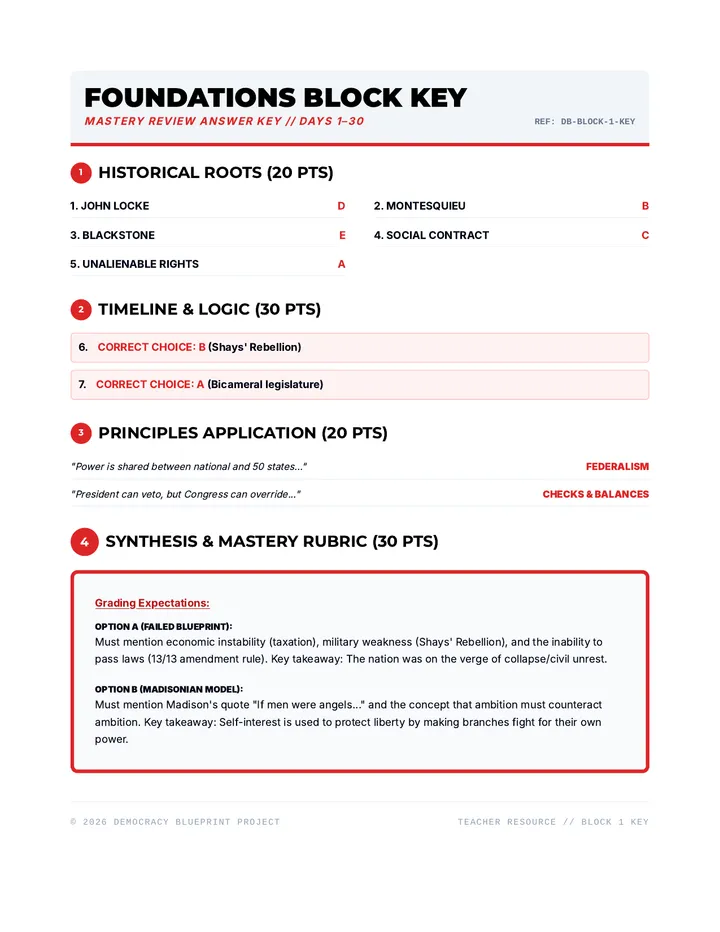
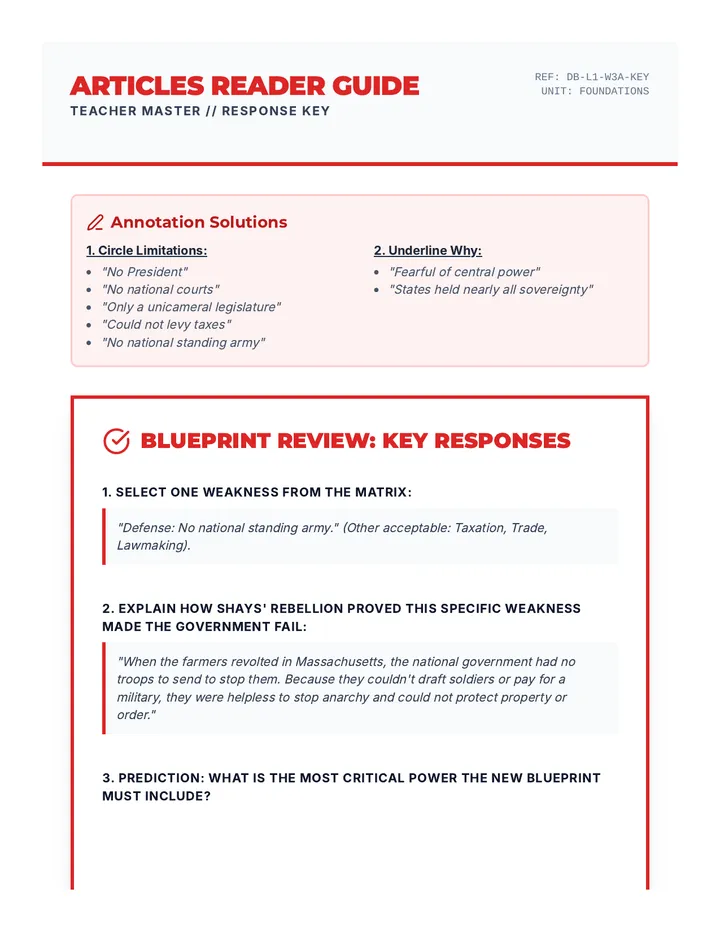
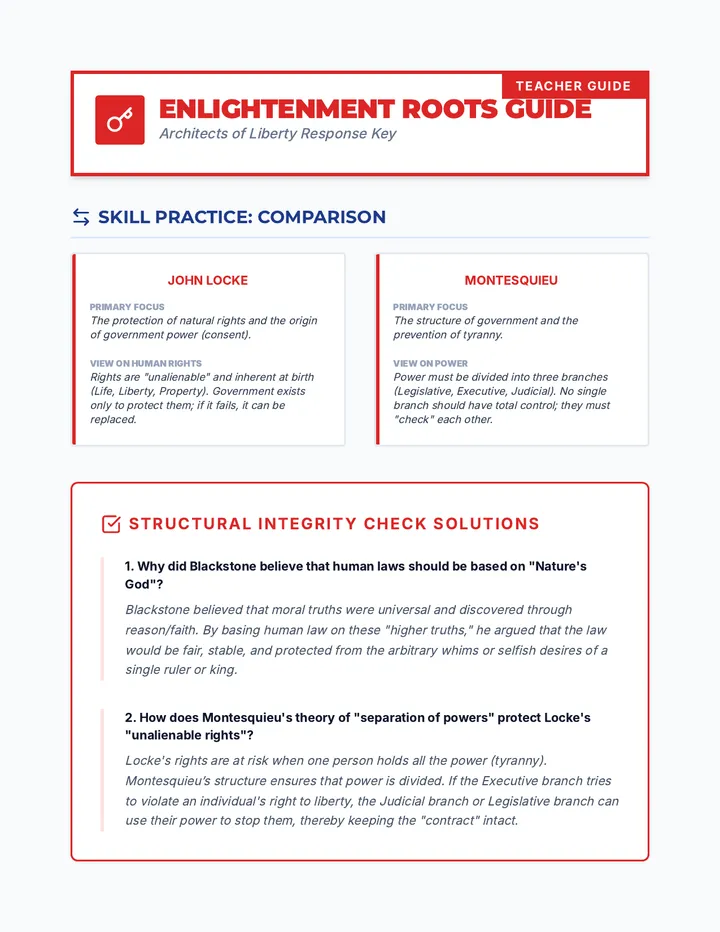
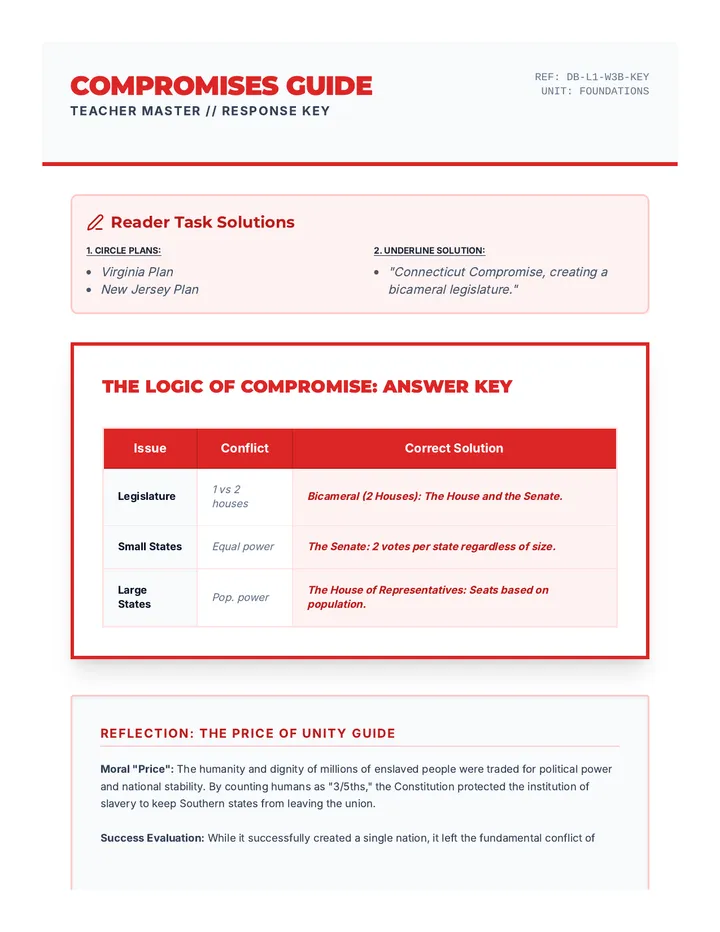
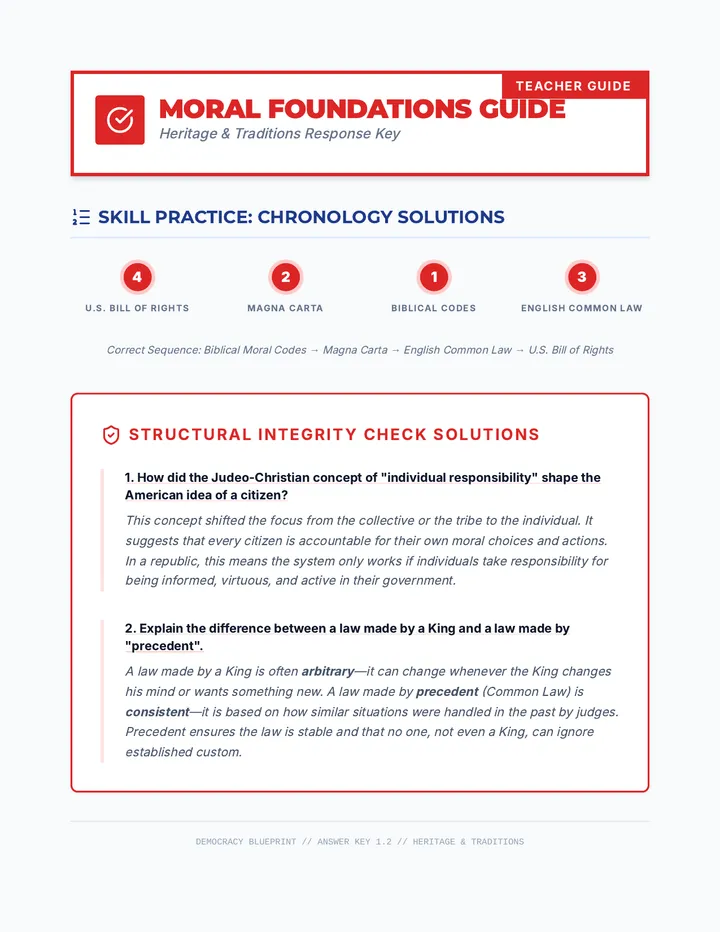
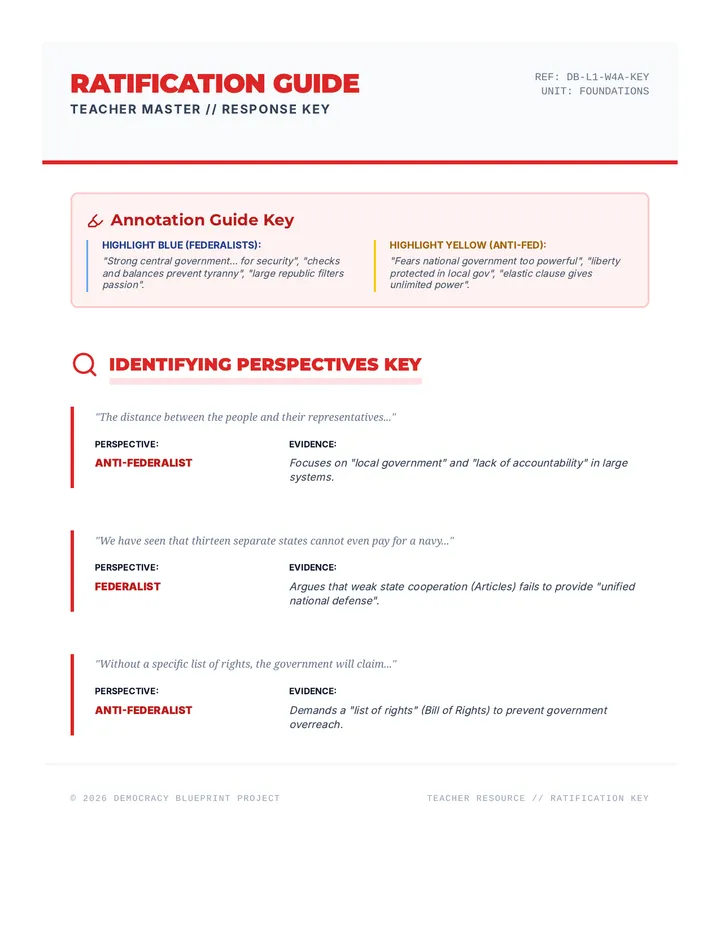
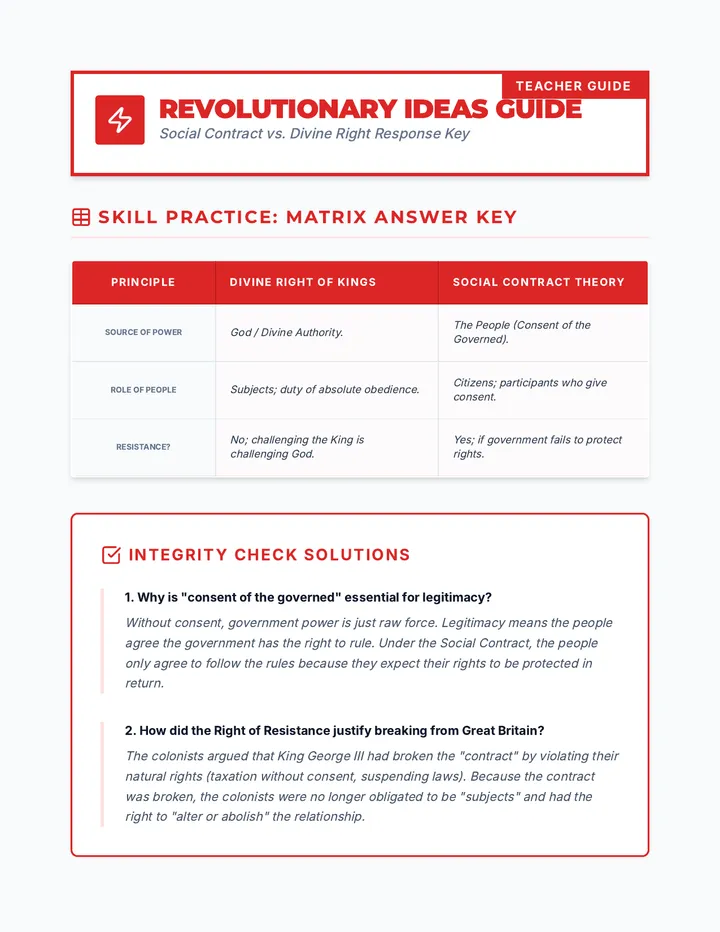
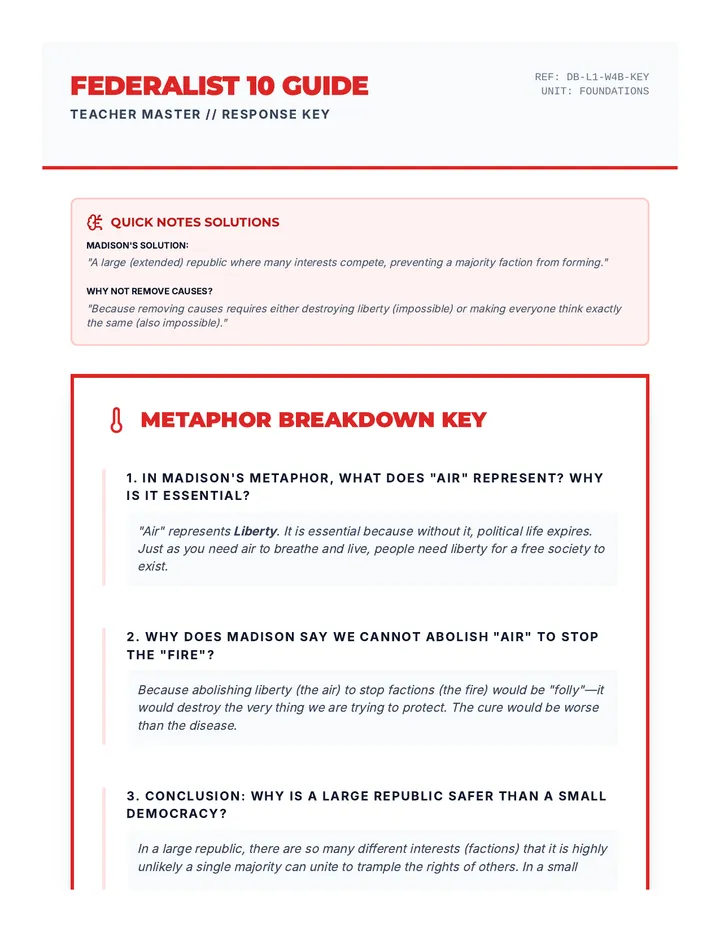
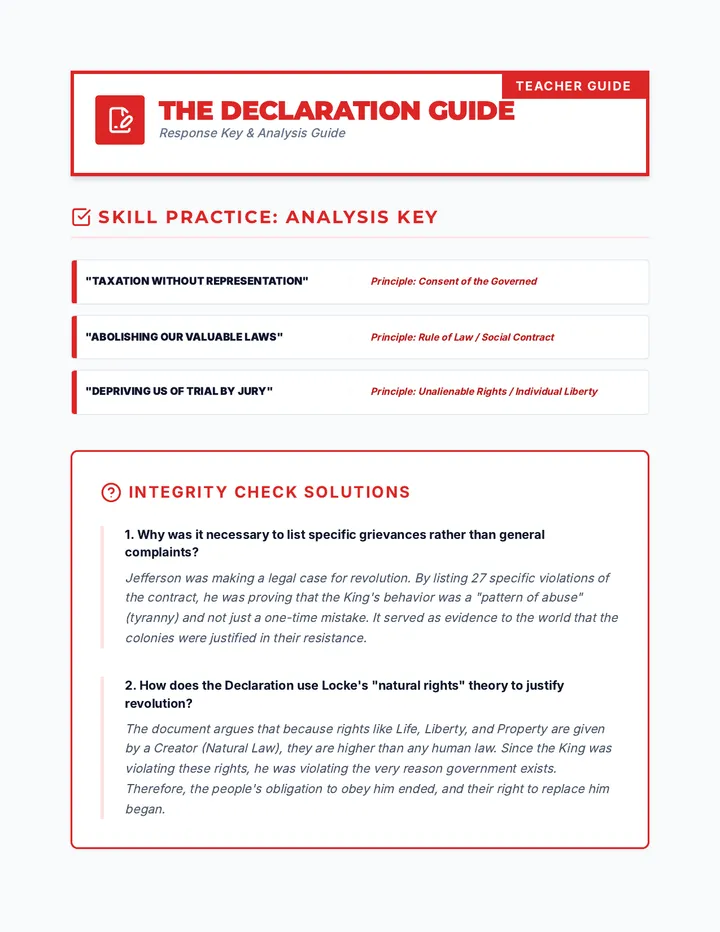
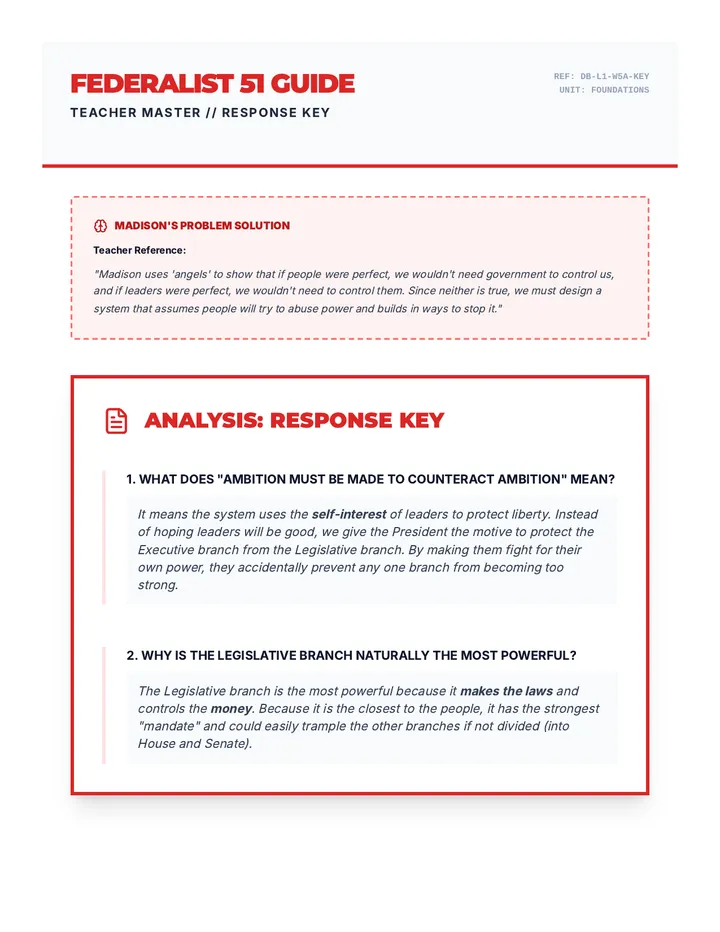
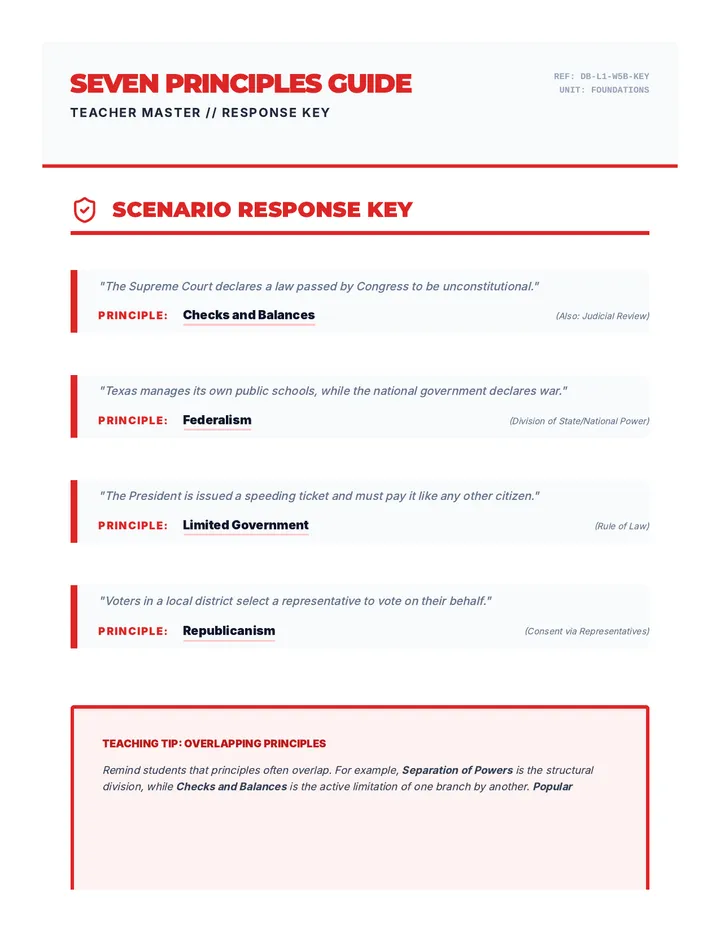
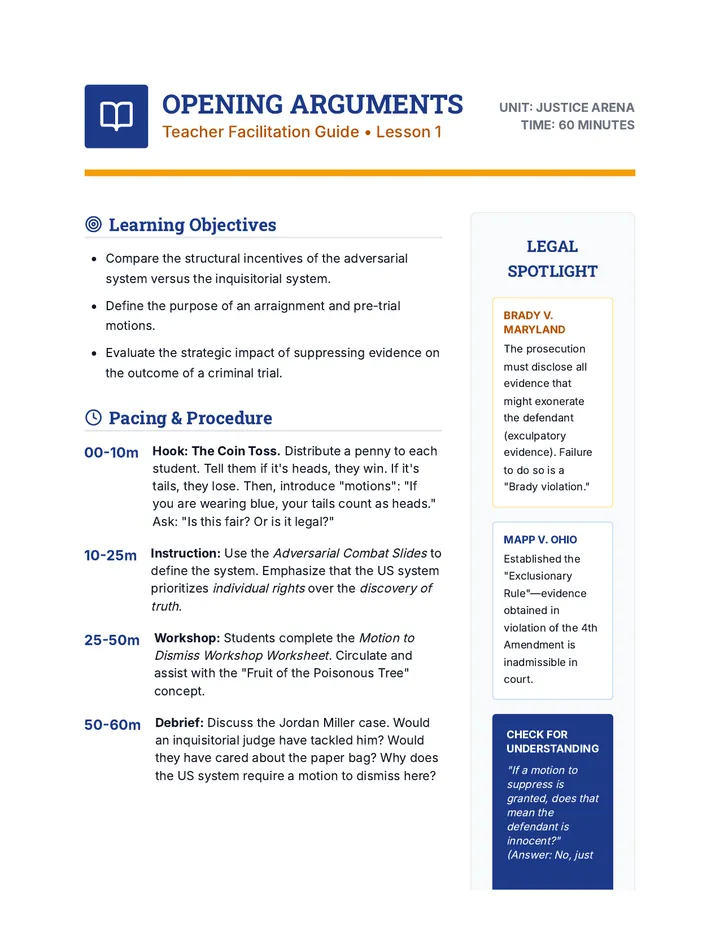
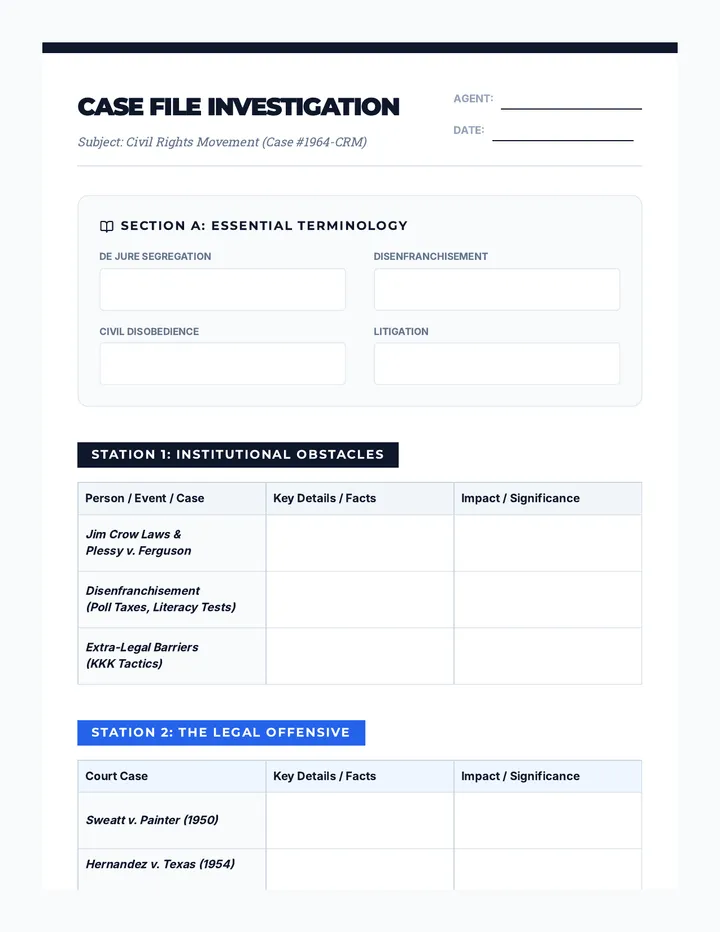
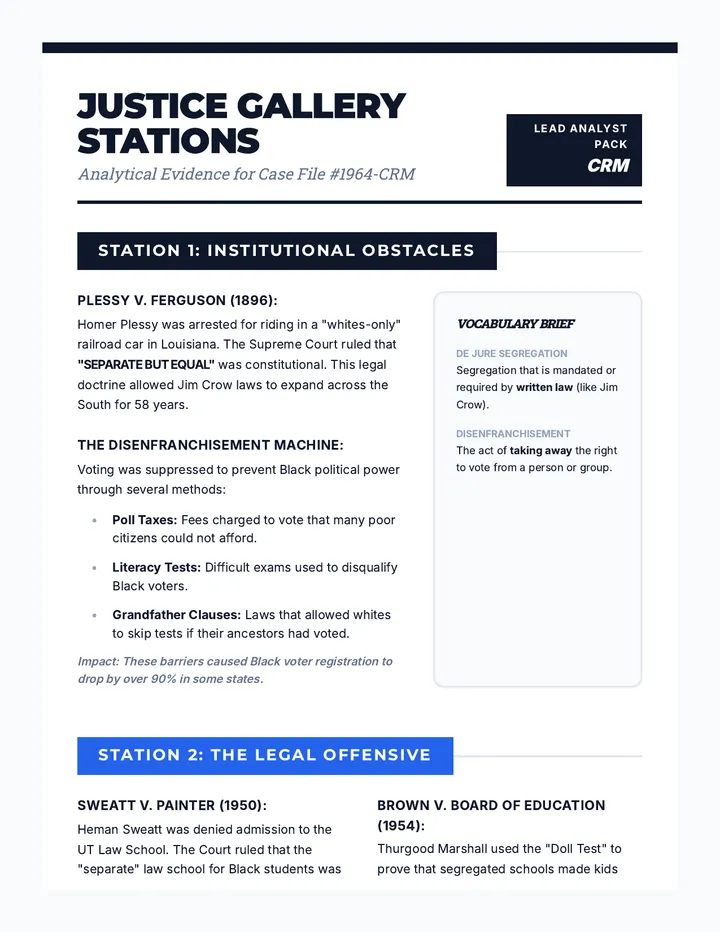
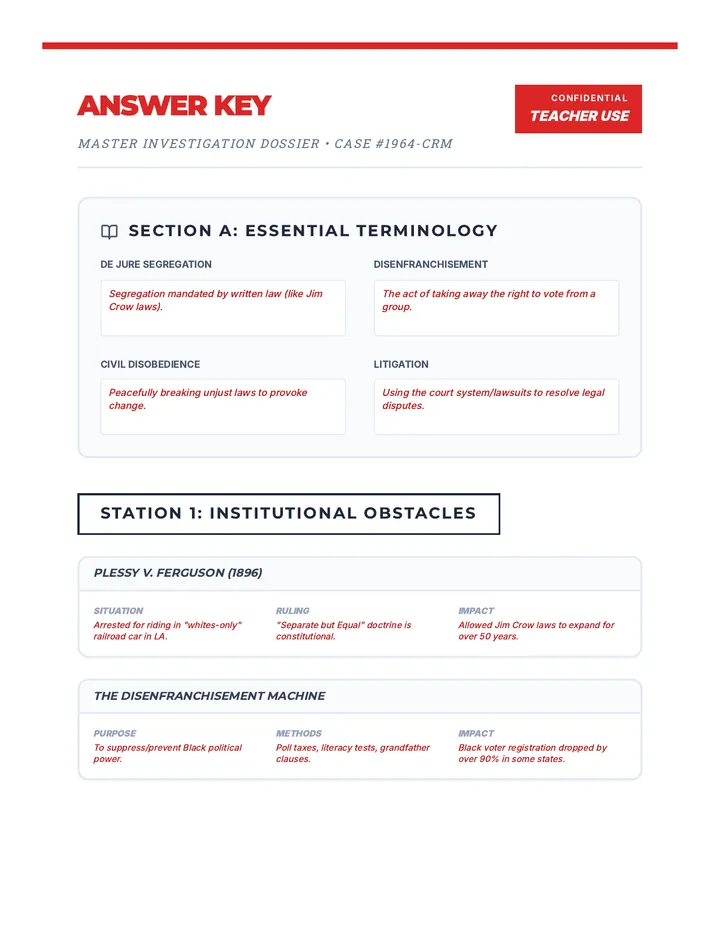
A 7-day comprehensive remediation sequence focused on the philosophical, historical, and individual foundations of American government. Designed for students needing mastery of TEKS 1 and 12B, the unit features structured readers, skill-building worksheets, and a cumulative assessment.
A deep dive into the Māori concept of Turangawaewae and global perspectives on belonging, identity, and the significance of land.
A comprehensive study of Act III of 12 Angry Men, focusing on the final shifts in juror opinions, the debunking of the final witnesses, and the themes of prejudice and reasonable doubt.
A comprehensive dual-course sequence covering all units for both AP Comparative Government and AP US Government & Politics. The sequence bridges domestic and international political concepts, from foundational structures to civil liberties and participation.
A comprehensive 6-lesson Black History Month curriculum for 5th-8th graders, exploring historical excellence, emotional expression, and community through the lens of five core values: Virtus, Kenkyo, Sankofa, Ubuntu, and Ganas. Inspired by a century of resilience and brilliance.
A 6-lesson sequence divided by grade level (5th, 6th, and 7th), celebrating 100 years of Black history through school values. Each grade explores two distinct lessons focusing on community joy, personal excellence, and mental health advocacy.
A series of three investigative modules where middle school students analyze hypothetical disruptions to science, history, and society to develop critical cause-and-effect reasoning skills.
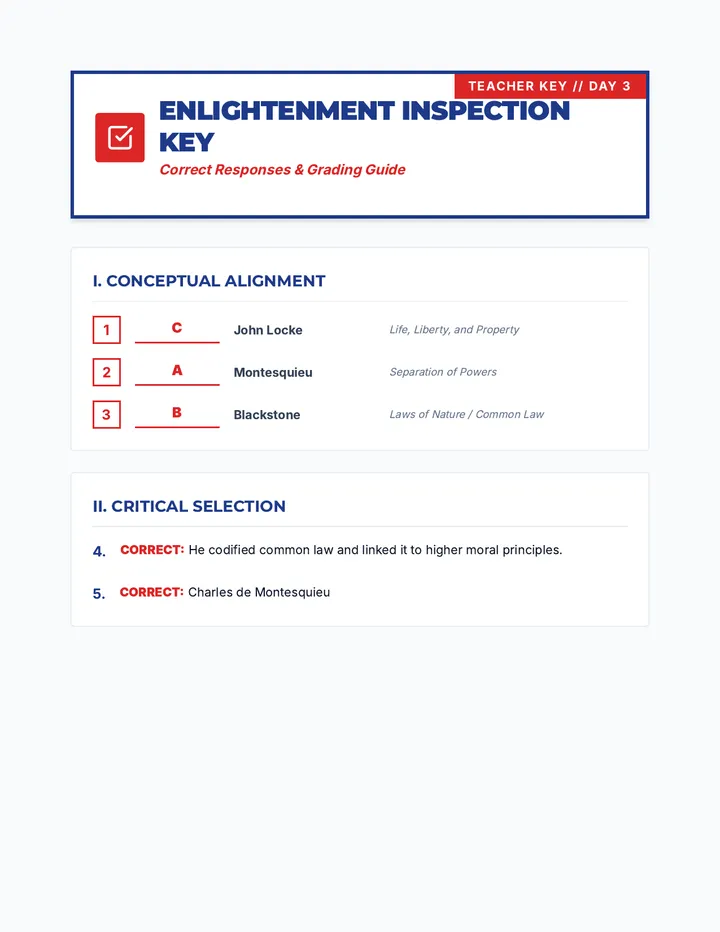
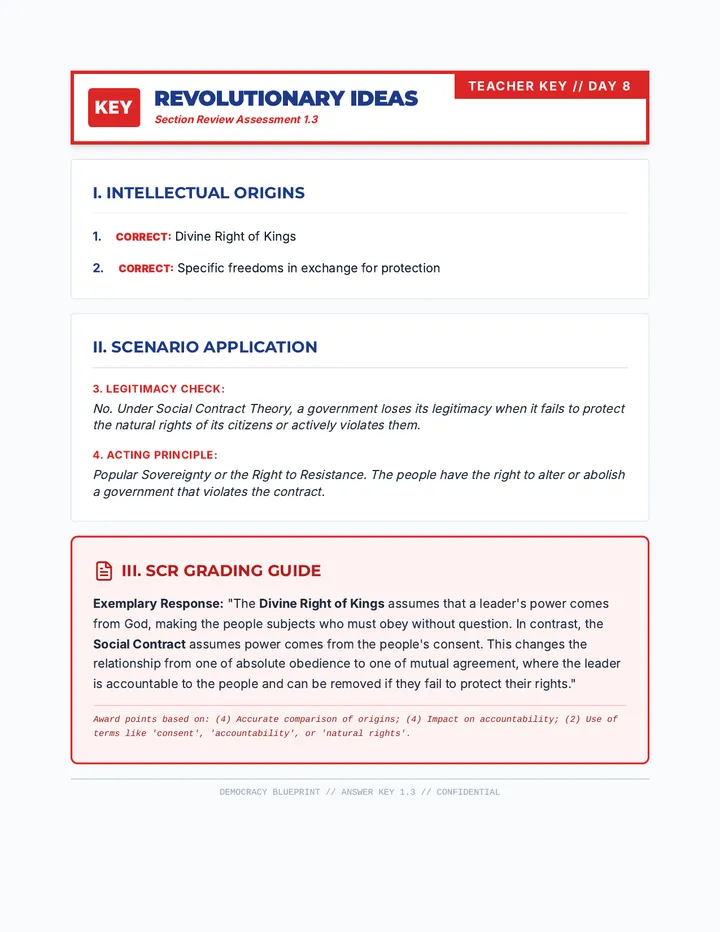
A 10th-grade Government lesson exploring John Locke's Social Contract theory, the justification for revolution, and its historical applications in the American and French Revolutions. Students engage in a Socratic Seminar to analyze when a government loses its legitimacy.
A graduate-level psychology sequence exploring the intersection of Albert Bandura's Social Learning Theory with modern neuroscience (mirror neurons) and digital ecosystems (algorithms, AI, and social media). Students critically synthesize classical theory with contemporary research to propose theoretical updates for the digital age.
A graduate-level exploration of the intersection between cognitive science and literary theory, focusing on how readers construct fictional worlds and the ethical dimensions of narrative engagement.
This graduate-level sequence challenges the 'general process' view of learning by exploring biological constraints and complex modern paradigms. Students analyze the Garcia Effect, psychoneuroimmunology, evaluative conditioning, and complex associative chaining, culminating in an ethical experimental design proposal.
A graduate-level exploration of the 'Hard Problem' of consciousness, focusing on the gap between physicalism and phenomenal experience through thought experiments and contemporary theories.
This advanced graduate-level sequence explores the metaphysical foundations and historical evolution of the mind-body problem, from Cartesian substance dualism to modern functionalism and the causal exclusion argument. Students will engage in rigorous conceptual analysis, logical reconstruction of primary texts, and evaluation of the causal closure of the physical.
An undergraduate-level philosophy sequence exploring the 'Hard Problem' of consciousness, moving from the definition of qualia and the Knowledge Argument to panpsychism and the ethical implications of AI sentience.
A comprehensive undergraduate-level exploration of the mind-body problem, tracing the history of philosophy of mind from Cartesian dualism to modern functionalism. Students will analyze primary sources, reconstruct logical arguments, and evaluate the metaphysical implications of physicalism and dualism.
A comprehensive 12th-grade philosophy sequence exploring the mind-body problem through historical and contemporary lenses, covering Dualism, Physicalism, Qualia, Functionalism, and the Hard Problem of consciousness.
This philosophy sequence explores the mind-body problem, tracing the debate from Descartes' substance dualism to modern physicalism, functionalism, and AI. Students analyze qualia, evaluate historical and scientific evidence, and synthesize their understanding in a culminating Socratic seminar.
A high school philosophy sequence exploring Eastern traditions including Confucianism, Taoism, and Buddhism, focusing on their unique perspectives on social harmony, nature, and the self in contrast to Western models.
A graduate-level sequence exploring cognitive psychology, decision-making, and the linguistic structures that shape human thought. Students investigate Dual-Process Theory, Prospect Theory, and Bayesian models to understand the gap between normative rationality and human heuristics.
This sequence explores the metaphysical and ethical dimensions of the free will debate, moving from hard determinism to compatibilism, libertarianism, and the implications of neuroscience on moral responsibility.
A rigorous undergraduate exploration into the metaphysical foundations of mind and identity. This sequence covers the mind-body problem, the nature of consciousness, and the persistent question of what constitutes personal identity over time.
An advanced seminar sequence for graduate students exploring the intersection of neuroscience, physics, and metaphysics regarding human agency and free will. Students analyze seminal experiments, philosophical rebuttals, and theories of mental causation to construct a rigorous defense of their position on agency.
This undergraduate philosophy sequence explores the ethical ramifications of determinism, moving from neuroscience experiments on volition to social theories of reactive attitudes and moral luck. Students conclude by designing a justice system that functions without the traditional concept of moral desert.
A comprehensive 12th-grade philosophy and ethics sequence exploring the tension between free will and determinism, culminating in a legal sentencing simulation. Students analyze metaphysical, biological, and sociological arguments to determine the extent of human agency and moral responsibility.
An 11th-grade philosophy sequence exploring the tension between human agency and causal determinism, culminating in a legal simulation regarding moral responsibility.
A comprehensive 10th-grade psychology unit exploring the neurobiology of the adolescent brain, focusing on brain structure, neuroplasticity, neurochemistry, environmental impacts, and the ethical implications for the legal system.
A graduate-level sequence exploring the intersection of literature and historical memory in post-Franco Spain, focusing on the Transition, the Pact of Forgetting, and the contemporary 'memory boom'.
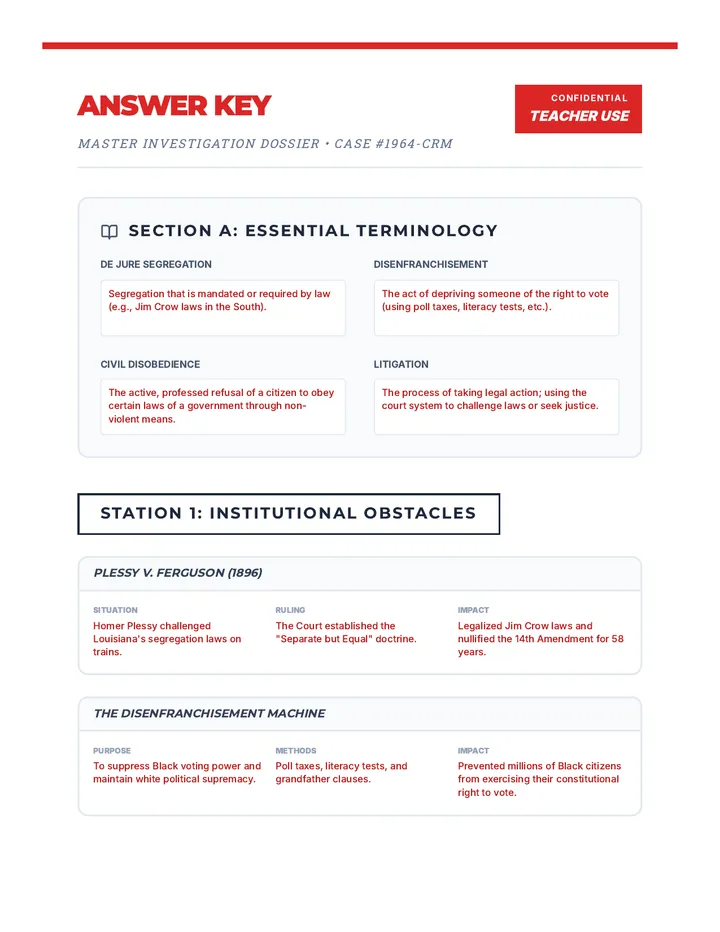
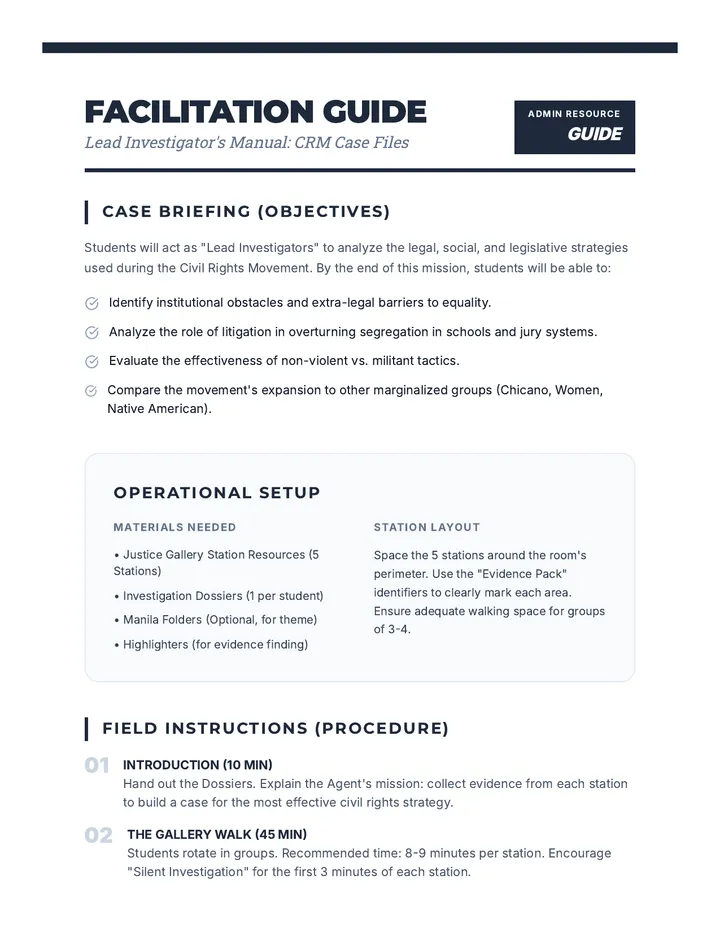
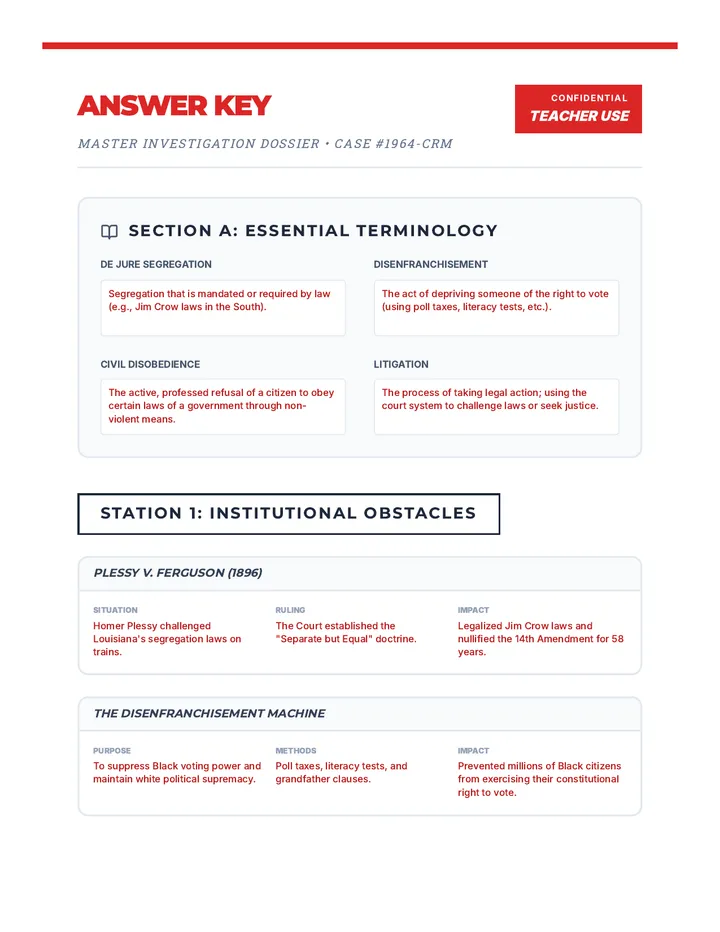
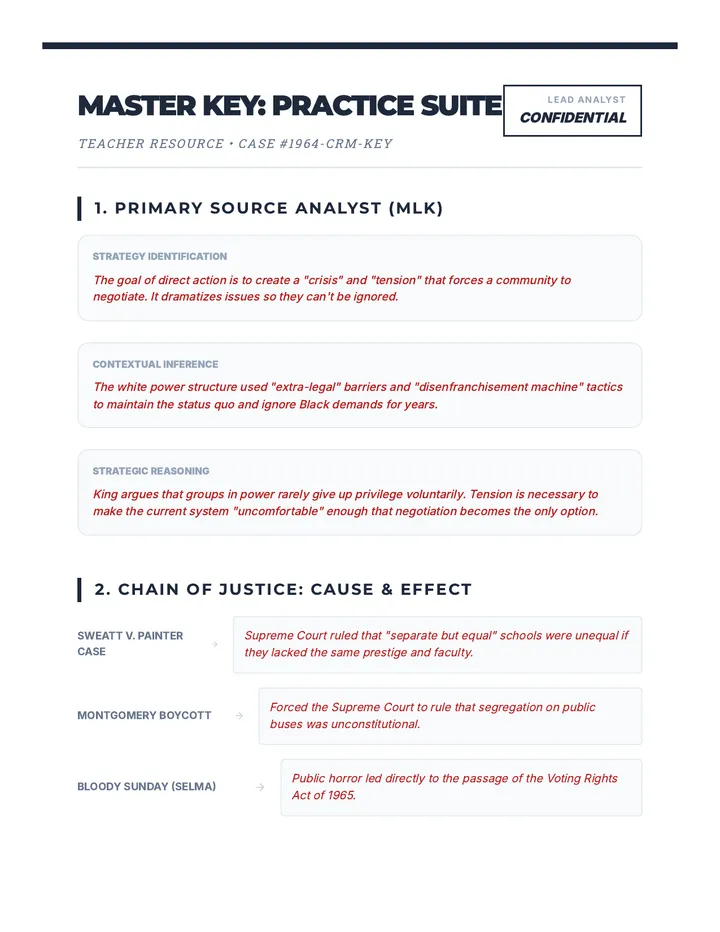
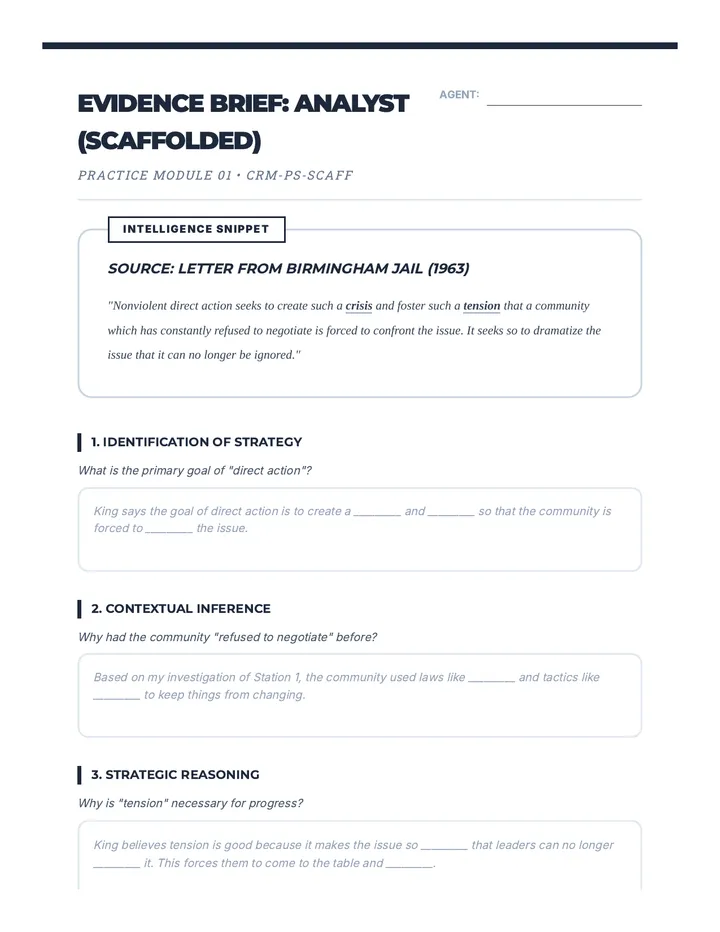
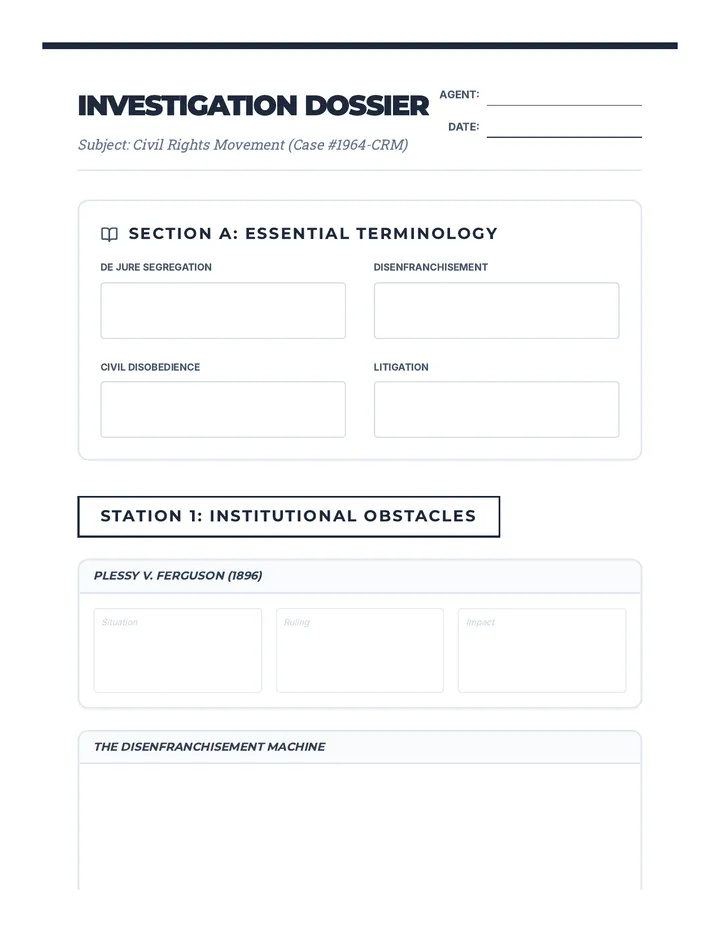
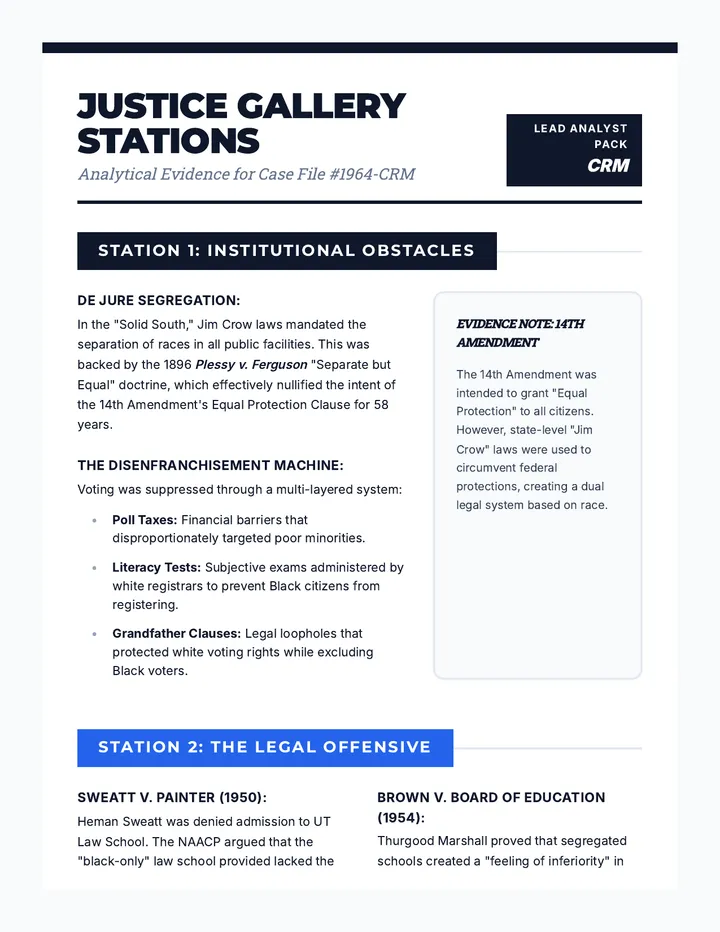
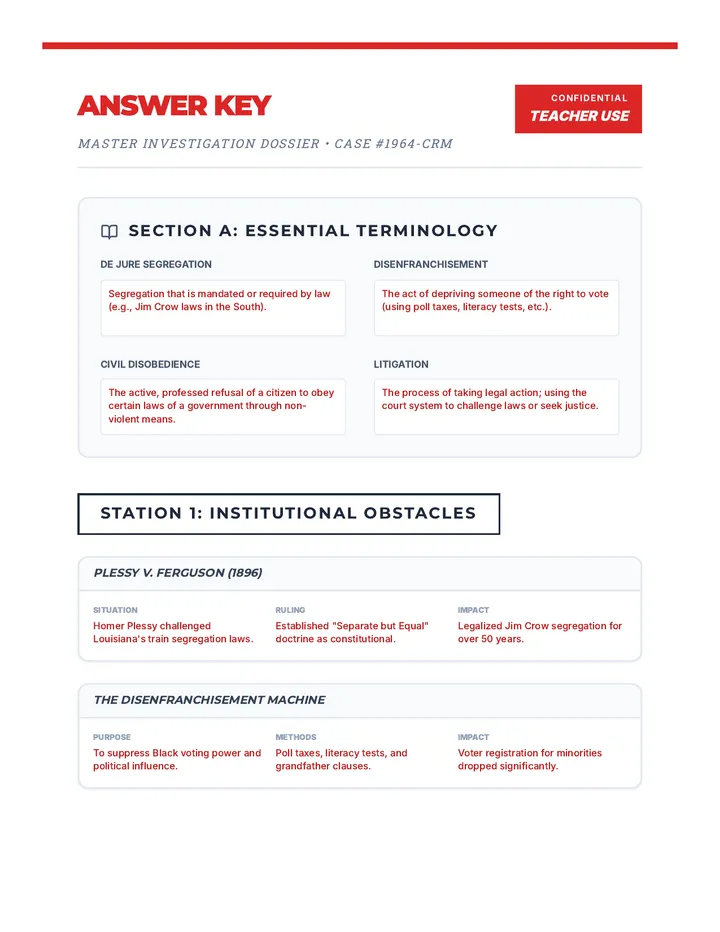
A two-part exploration of resistance movements, comparing the strategies, causes, and effects of nonviolent civil disobedience and armed rebellion through historical case studies.
A deep dive into the tensions between classical philosophy and modern democratic practice, focusing on Plato's critiques and contemporary responses.
This unit explores the complex and often violent expansion of the United States in the late 19th century, focusing on the impact on Indigenous populations and the conflicting ideologies of progress and preservation.
An advanced graduate seminar sequence exploring the social, political, and ideological forces that shape Western Art Music history. Students move from deconstructing 19th-century canon-building to proposing new, inclusive curricular frameworks.
A three-day psychology unit for 7th graders exploring the reasons behind cheating through the lenses of nature vs. nurture and person vs. situation, culminating in a structured 20-minute debate.
A critical exploration of behavioral psychology, focusing on the tension between intrinsic and extrinsic motivation. Students analyze the ethical implications of reward systems in education, technology, and society.
This sequence examines the psychological and ethical limits of positive reinforcement. Students analyze the 'Overjustification Effect', the impact of rewards on creativity, and the ethics of behavioral nudging, concluding with a critical audit of real-world incentive systems.
This sequence explores the intersection of cognitive psychology and formal logic within the context of graduate-level academic research. Students will investigate how innate heuristics and biases lead to common logical fallacies in literature reviews, methodology, and theory building, culminating in a personal reflexivity audit.
This inquiry-based sequence examines the profound relationship between physical geography and the development of pre-contact Indigenous cultures in North America, focusing on technological, agricultural, and social adaptations.
This undergraduate-level history sequence explores the transformative impact of the printing press during the Renaissance. It examines the shift from manuscript culture to print, historiographical debates on technological determinism, the standardization of vernacular languages, and the press's role in the Reformation and Scientific Revolution.
An undergraduate-level exploration of the intellectual shift from Medieval Scholasticism to Renaissance Humanism. Students analyze primary sources, philological methods, and the political and theological implications of the classical revival.
This sequence explores the intellectual transformation from Medieval Scholasticism to Renaissance Humanism, focusing on the revival of Classical antiquity and the birth of modern individualism. Students will analyze primary sources from Petrarch, Pico della Mirandola, and Erasmus to understand the shift from a theocentric to a human-centric worldview.
This high school history sequence explores the intellectual transformation from Medieval Scholasticism to Renaissance Humanism. Students analyze primary sources from key thinkers like Petrarch, Pico della Mirandola, and Machiavelli to understand the shift toward individualism, secular inquiry, and political realism.
A 9th-grade Social Studies unit exploring how technological and social innovations act as catalysts for multi-century change, distinguishing between intended outcomes and unintended consequences through historical and modern case studies.
This graduate-level sequence explores the methodology of counterfactual history to interrogate the nature of causation and contingency. Students move from theoretical foundations of 'Virtual History' to applying rigorous causal testing through variable isolation and systems-based modeling of alternative timelines.
This advanced graduate seminar explores the evolution of causal logic in historical writing, from classical determinism to complex systems theory. Students critique major historiographical schools to understand how theoretical frameworks dictate the selection of causes and apply these models to historical events.
This sequence explores the methodology of historical counterfactuals ('What If?' history) as a tool for analyzing causation, contingency, and determinism. Students move from theoretical understanding to constructing evidence-based alternate timelines.
This undergraduate-level sequence explores the philosophy of time in history, contrasting the Annales School's 'longue durée' with micro-history and deep time. Students investigate how changing the temporal scale of analysis fundamentally shifts the identification of causal factors.
This sequence for undergraduate students explores the nuances of historical causation, distinguishing between long-term structural factors and immediate precipitating triggers. Students will analyze historiographical theories, case studies like WWI and the French Revolution, and logical fallacies to build robust, multi-causal arguments.
This sequence explores the relationship between historical events and their long-term legacies. Students investigate how immediate intentions often lead to complex, unintended consequences over decades and centuries, moving from simple causal chains to complex feedback loops and ethical evaluations of historical responsibility.
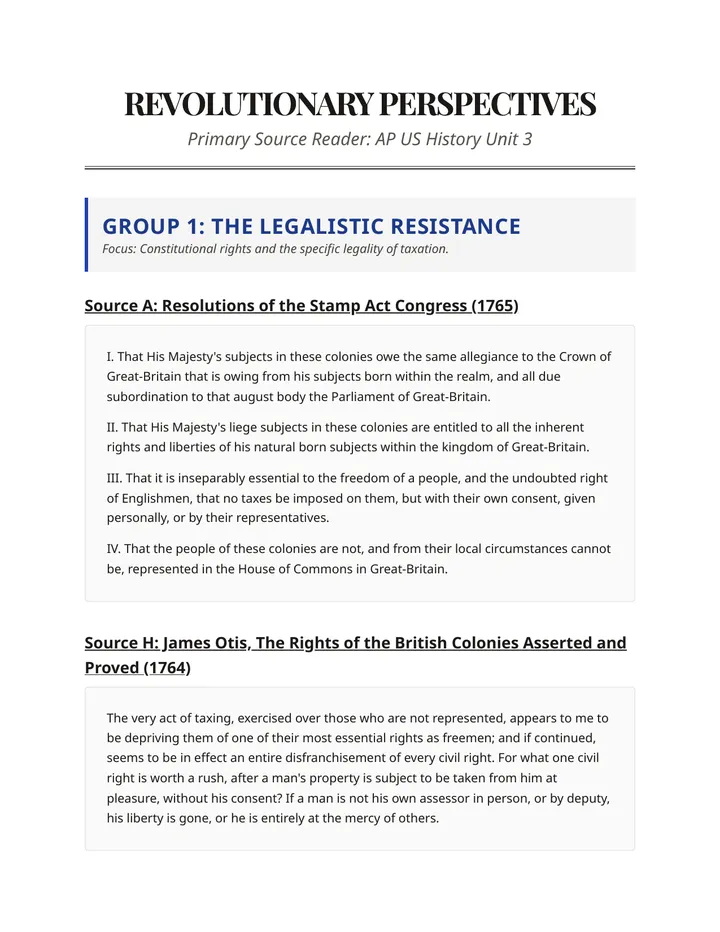
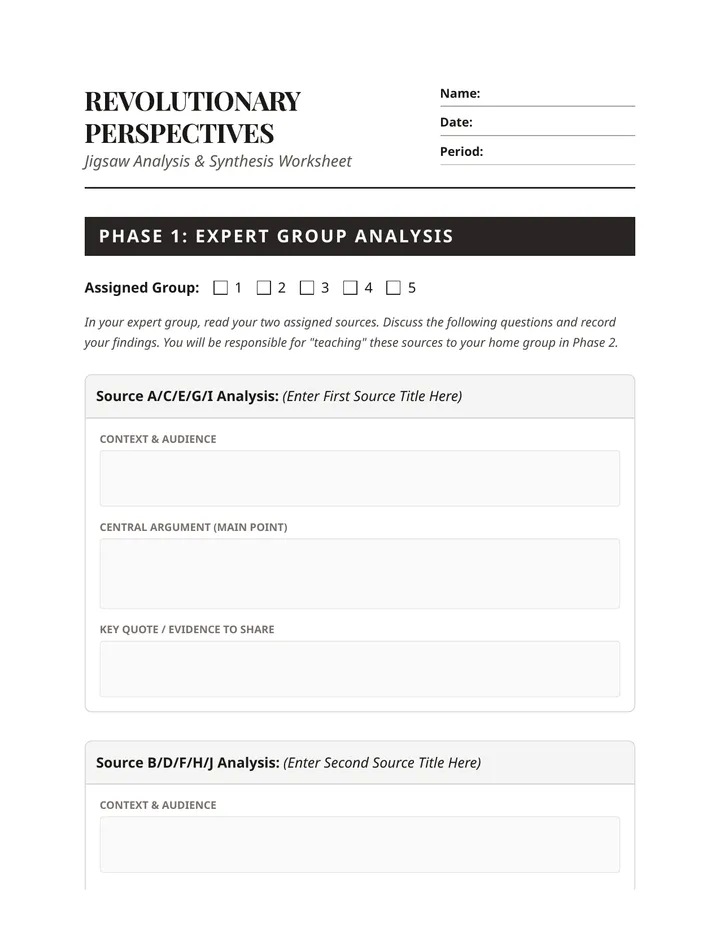
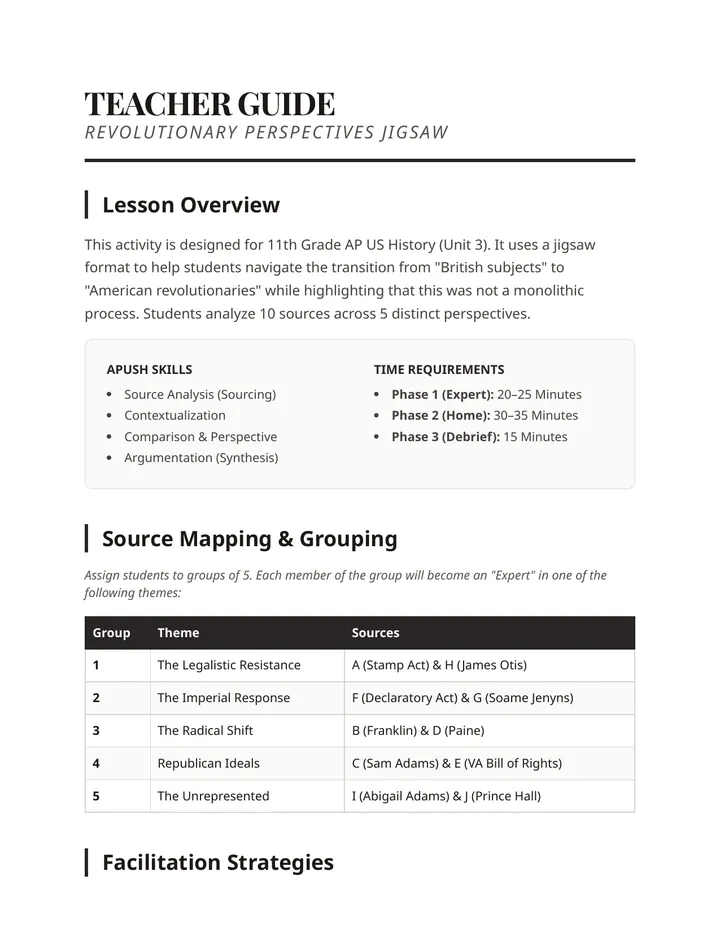
A series of lessons examining the diverse perspectives and untold stories of the American Revolution, highlighting the experiences of groups often sidelined in traditional narratives.
A differentiated social studies unit covering the geography, cultures, and empires of the Middle East and North Africa, adapted for 3rd-grade readability based on the DESE Investigating History Grade 6 curriculum.
A comprehensive unit on the social reform movements of the mid-19th century sparked by the Second Great Awakening, focusing on Temperance, Prison and Mental Health reform, and Women's Rights.
Une formation pour les professeurs-documentalistes centrée sur la médiation culturelle et l'accompagnement des pratiques de lecture des adolescents. L'objectif est de concilier la réalité de l'édition actuelle avec les missions pédagogiques du CDI.
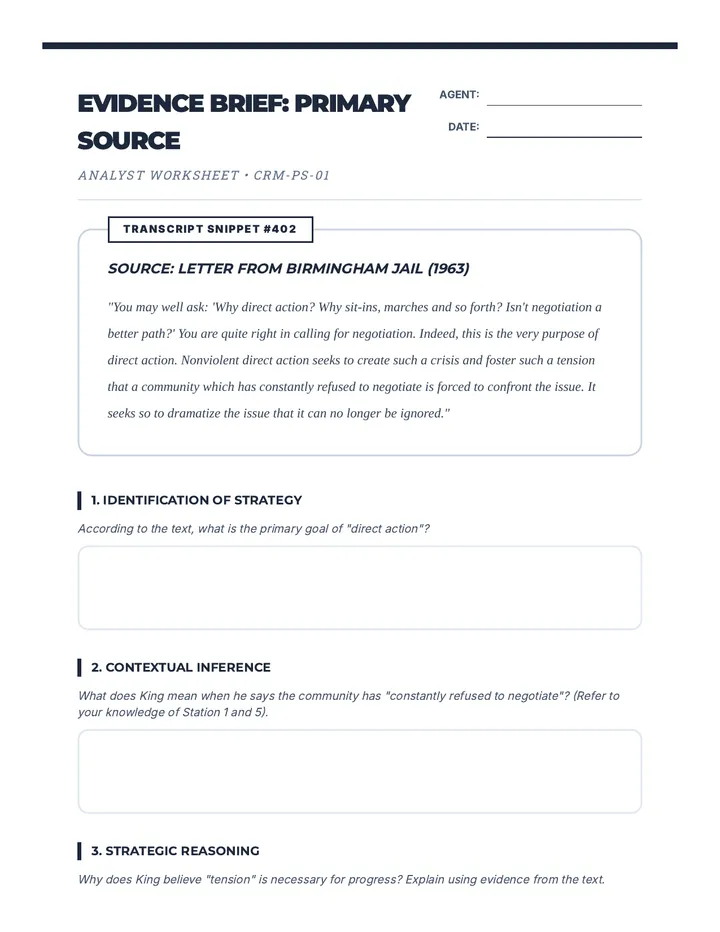
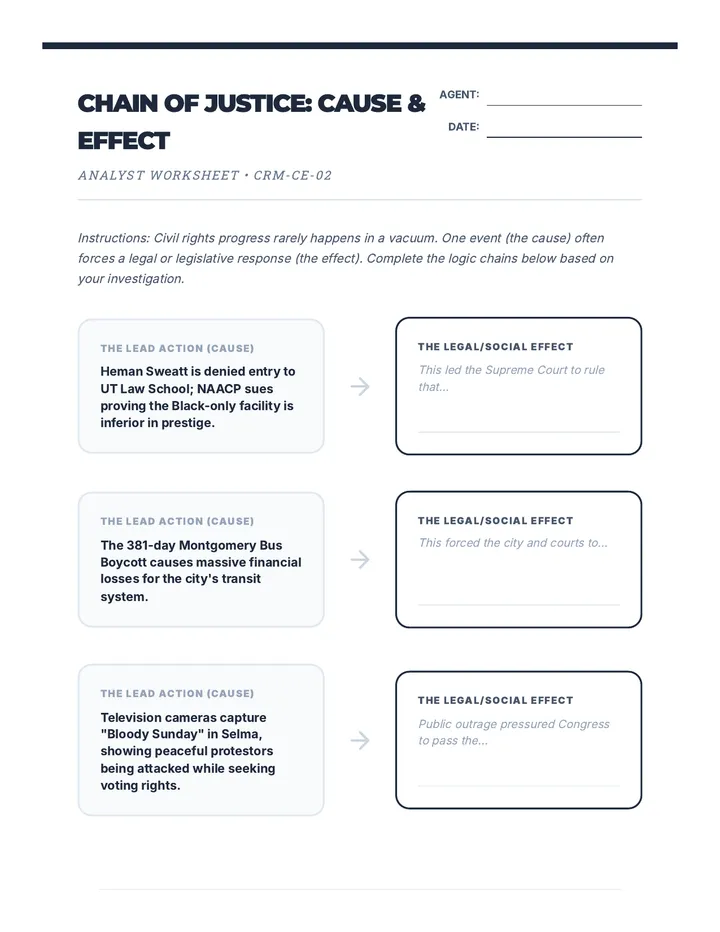
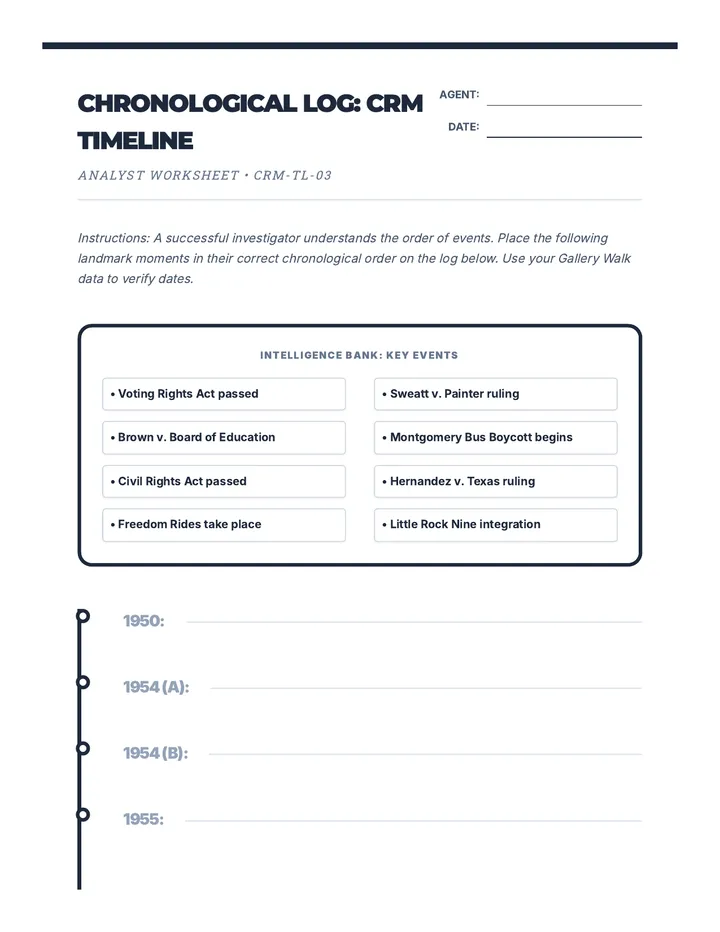
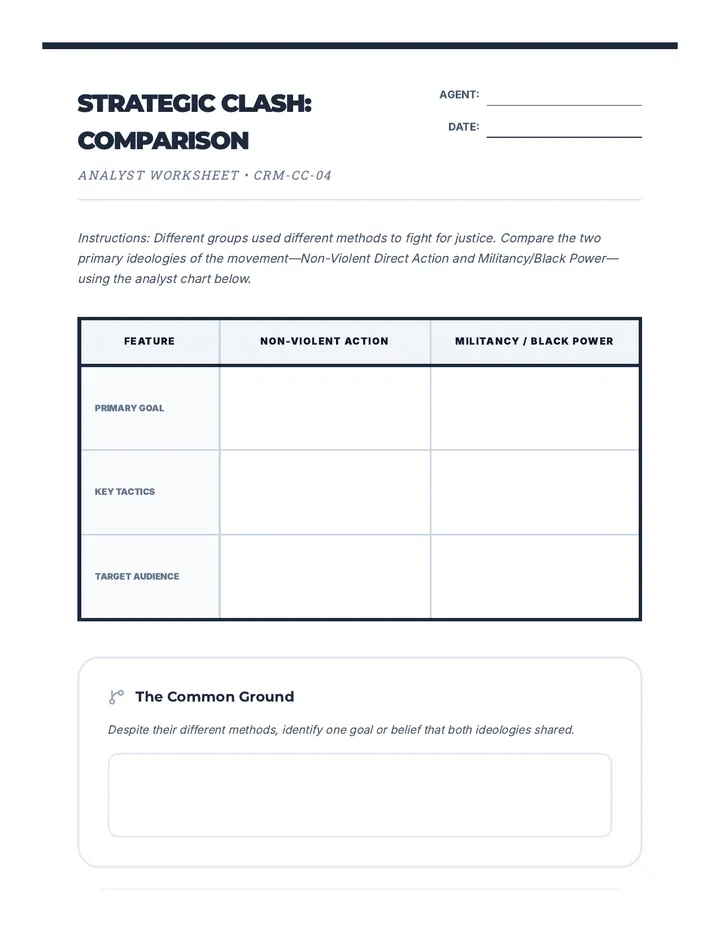
An immersive unit on the Cold War, styled as a series of declassified intelligence briefings exploring the global struggle for power between 1945 and 1991.
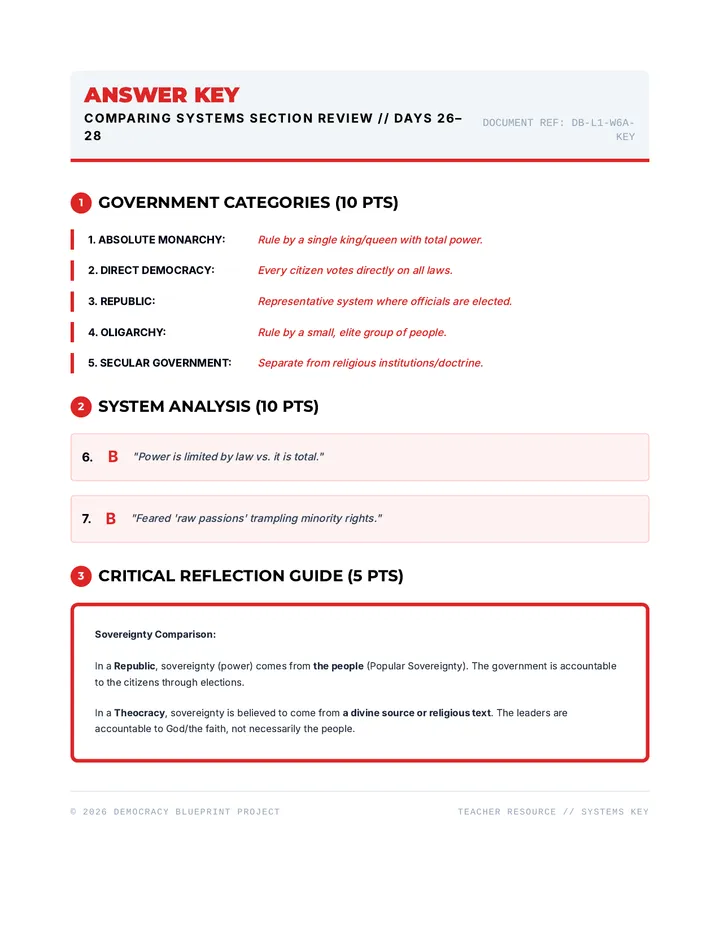
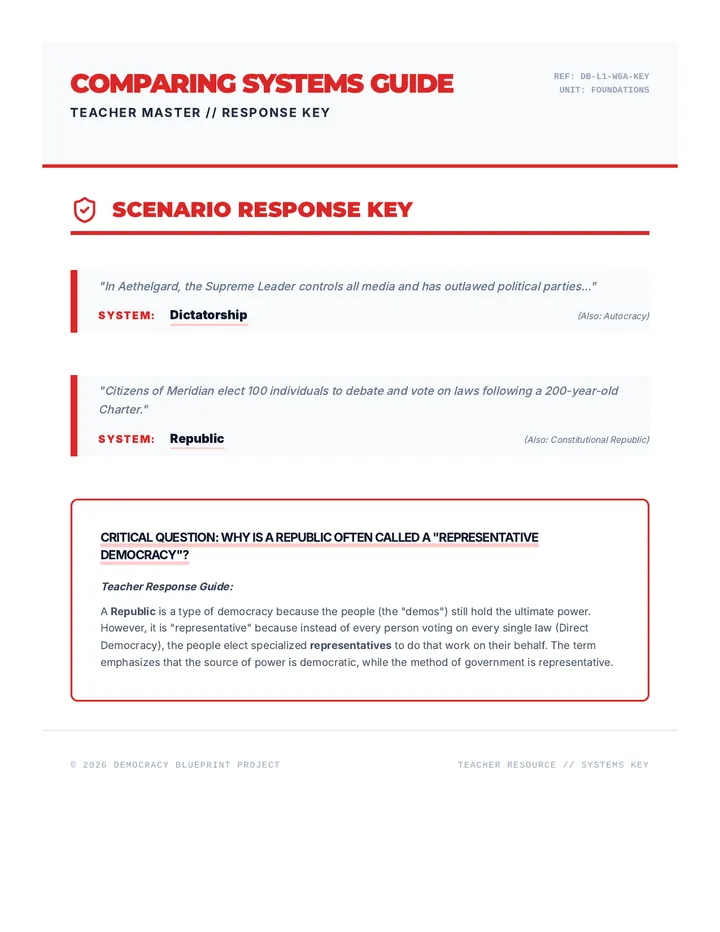
A comprehensive 7-day remediation unit covering various forms of government, comparing the U.S. constitutional republic to historical and contemporary systems, and analyzing executive structures.
This advanced 12th-grade sequence explores the 1920s as the birthplace of modern American cultural conflicts. Students analyze the tension between emerging modernism—driven by consumerism, jazz, and changing gender roles—and the reactionary responses of traditionalism, nativism, and religious fundamentalism.
A graduate-level exploration of the intersection of religion, commerce, and art along the Silk Road and maritime routes during the Tang and Song eras. This sequence focuses on the 'materiality of faith'—how religious institutions acted as economic drivers, technology hubs, and agents of cross-cultural syncretism in Medieval Asia.
A graduate-level exploration of the Mongol Empire as a precursor to modern globalization, utilizing systems theory, environmental history, and network analysis to understand Eurasian integration.
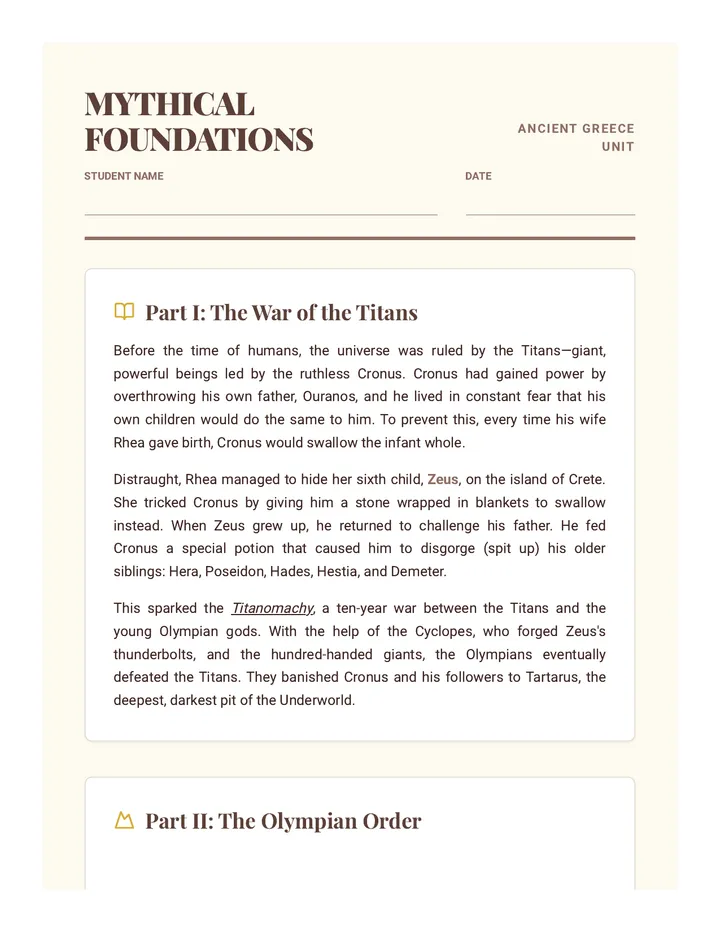
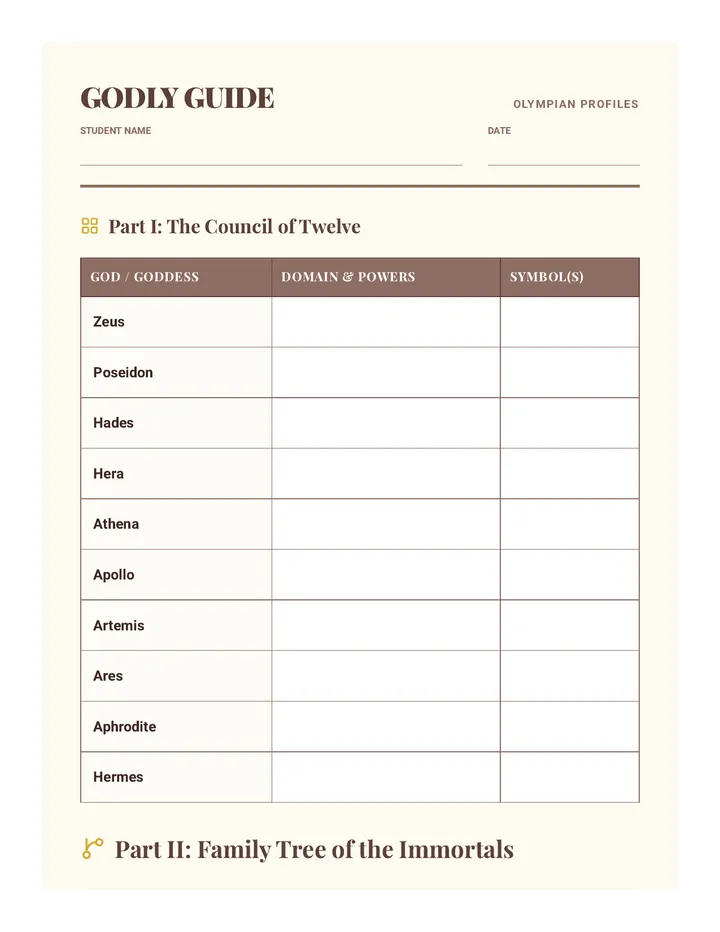
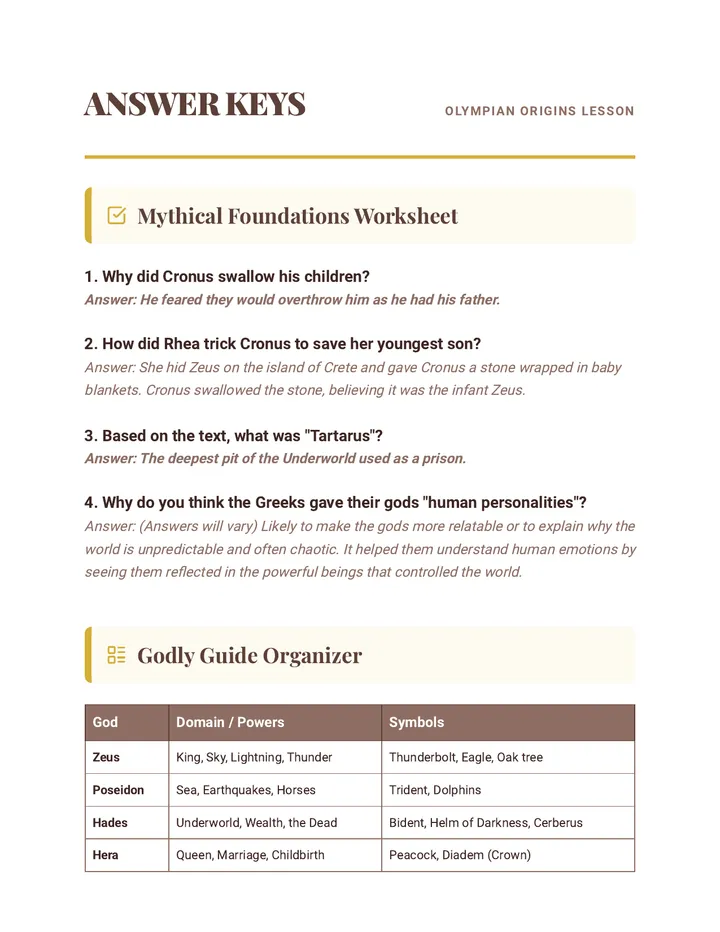
A comprehensive 5-lesson unit for 3rd grade students exploring Ancient Greek culture through the lens of mythology, fables, and art. Students learn how ancient people used stories to explain the world and establish moral values, culminating in the creation of their own original myths.
A high school history sequence investigating the diffusion and syncretism of Buddhism, Islam, and Neo-Confucianism across Medieval Asia, focusing on how religions adapt to local cultures.
Explore the Silk Road as a vehicle for religious and cultural syncretism. Students track the spread and adaptation of Buddhism, Islam, and Nestorian Christianity across Asia, culminating in a curated digital museum exhibit.
This 11th-grade history sequence explores the divergent political structures of Medieval China and Japan. Students compare the centralized meritocracy of the Tang and Song dynasties with the decentralized feudalism of the Kamakura and Ashikaga shogunates, analyzing primary texts and social structures to understand the evolution of governance in East Asia.
A 5-lesson sequence exploring the major religious and philosophical traditions of Medieval Asia (Buddhism, Confucianism, Daoism, and Islam), focusing on their core tenets, influence on governance, and eventual syncretism.
This sequence tracks the movement and transformation of belief systems across Medieval Asia. Students map the spread of Buddhism from India to China, Korea, and Japan, and examine the foundational role of Confucianism in Chinese society. Through case studies of specific monks and scholars, students see how religions adapt to local cultures. The sequence builds toward an understanding of how Neo-Confucianism blended these philosophies, shaping the social fabric of the Ming and Song dynasties.
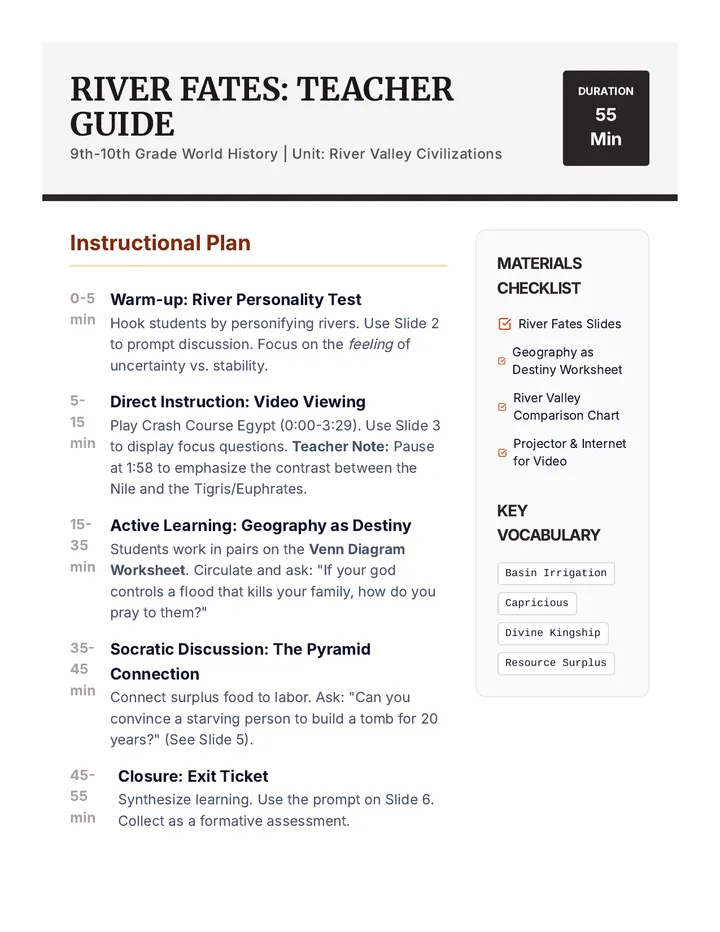
This sequence explores the intersection of religious belief and political power in Ancient Egypt, focusing on the radical Amarna period and its aftermath. Students analyze how the pharaohs used the divine to maintain social order and the consequences of disrupting that order.
A social history sequence for 10th grade students that examines Ancient Egypt and Kush through the lens of labor systems, social stratification, and the daily lives of non-elites, centered on evidence from Deir el-Medina.