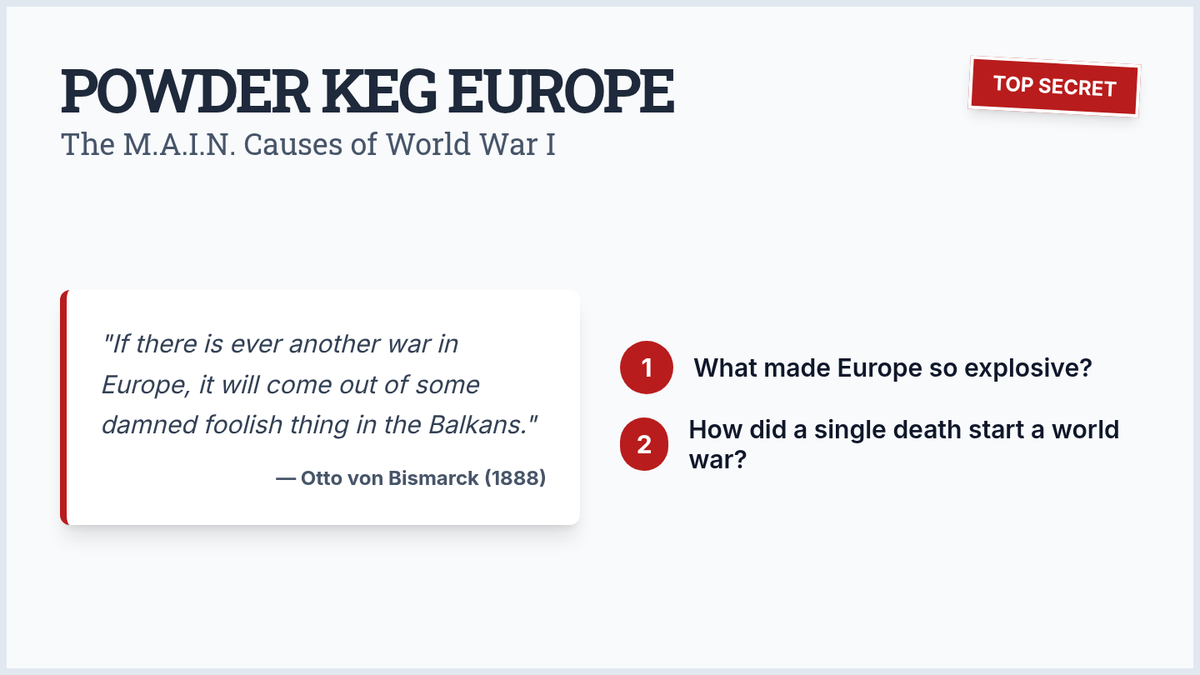
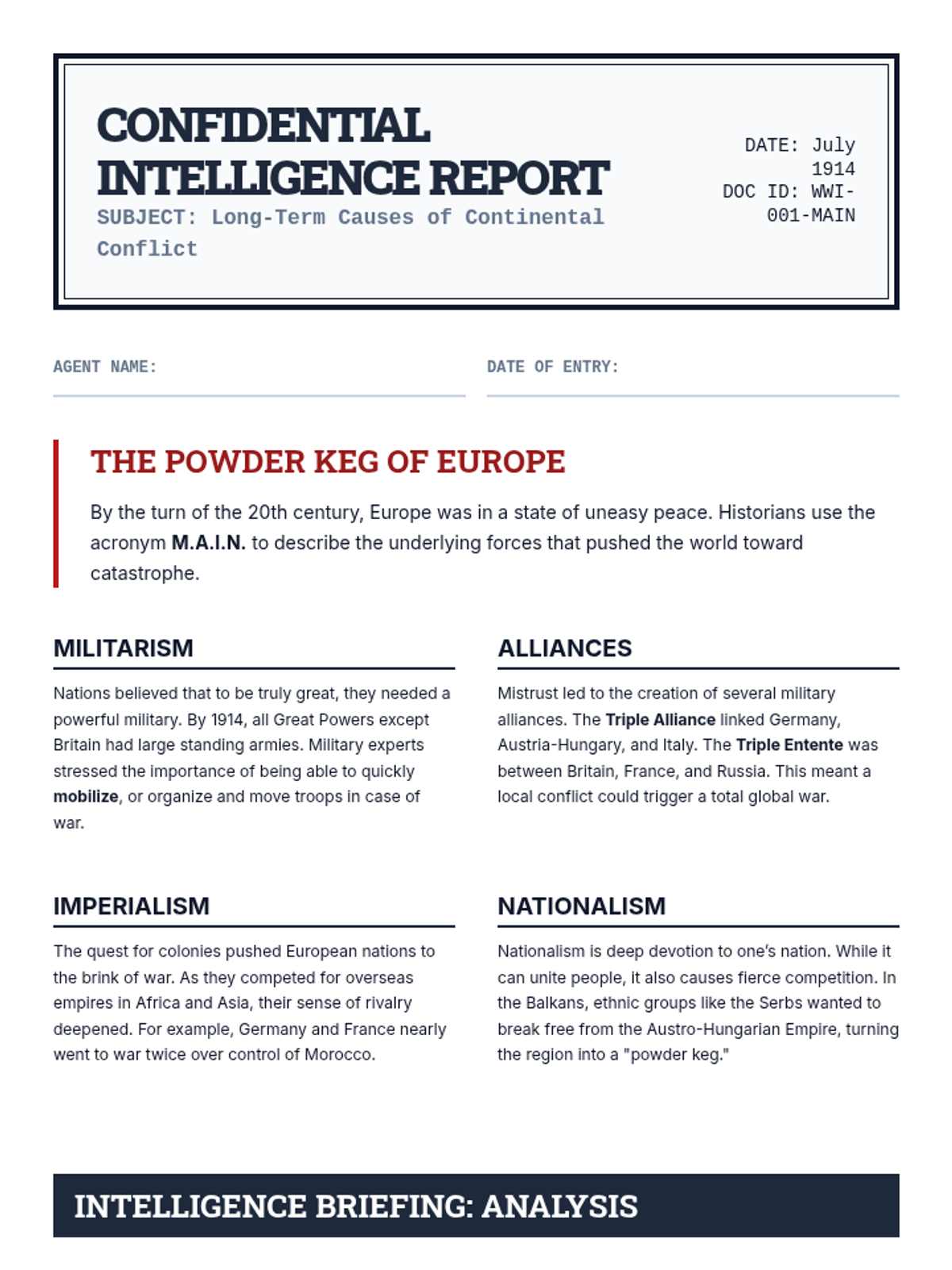
A high school history sequence investigating the diffusion and syncretism of Buddhism, Islam, and Neo-Confucianism across Medieval Asia, focusing on how religions adapt to local cultures.

This sequence explores the aftermath of the Compromise of 1877, detailing the systematic dismantling of Reconstruction-era progress and the establishment of the Jim Crow South. Students analyze the political, social, and legal mechanisms used to disenfranchise African Americans.
An exploration of 19th-century Imperialism through the lens of a high-stakes geopolitical simulation. Students take on the roles of industrial nations to understand the economic, social, and political motivations behind the Scramble for Africa.
A comprehensive unit exploring the diverse urban and rural land use patterns across the Balkan Peninsula, culminating in a comparative research project.
A tribute to influential women of color from 2015 to the present, focusing on their achievements in politics, science, arts, and activism. Students explore biographies through a trivia-style game and creative research activities.
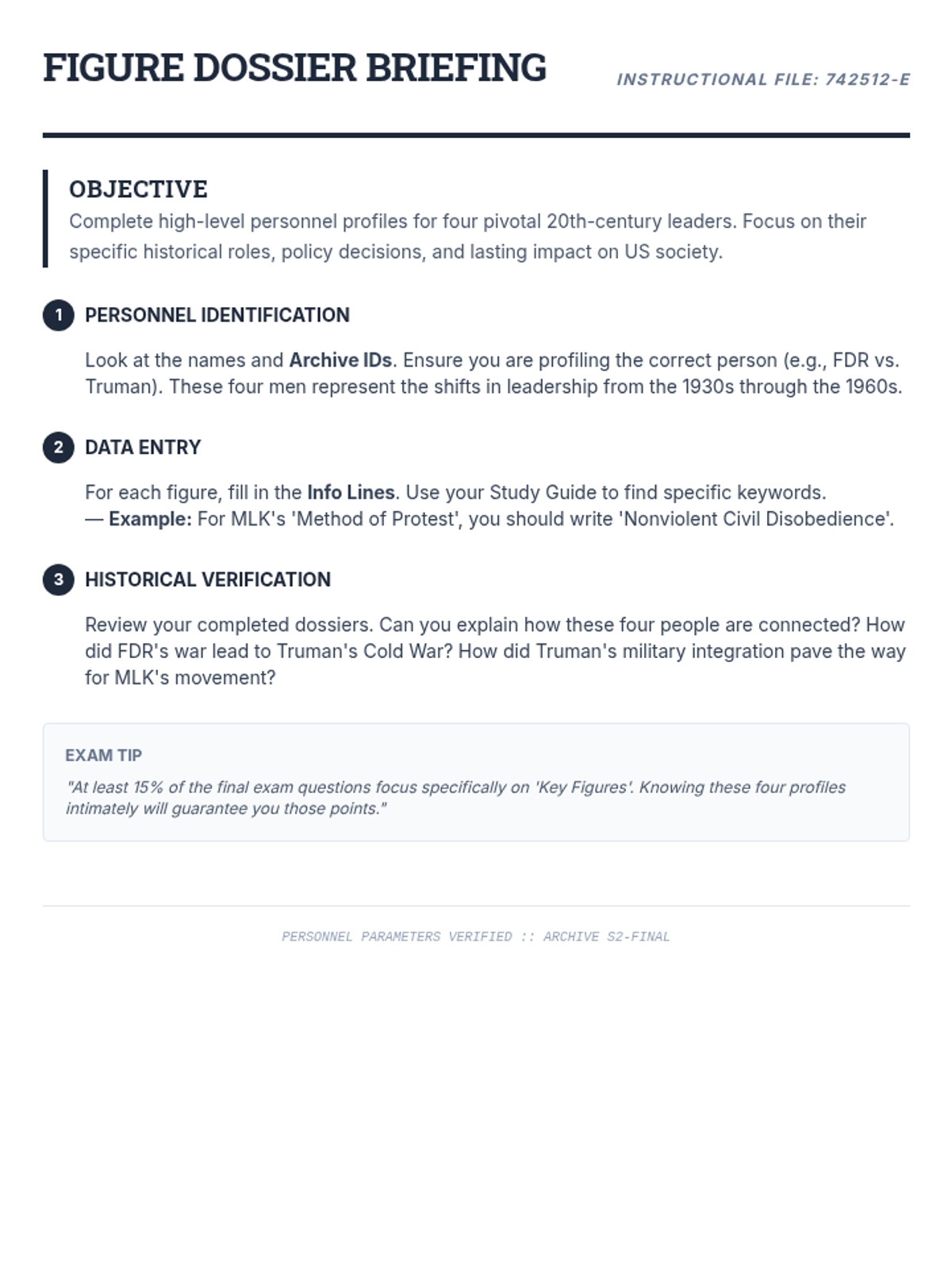
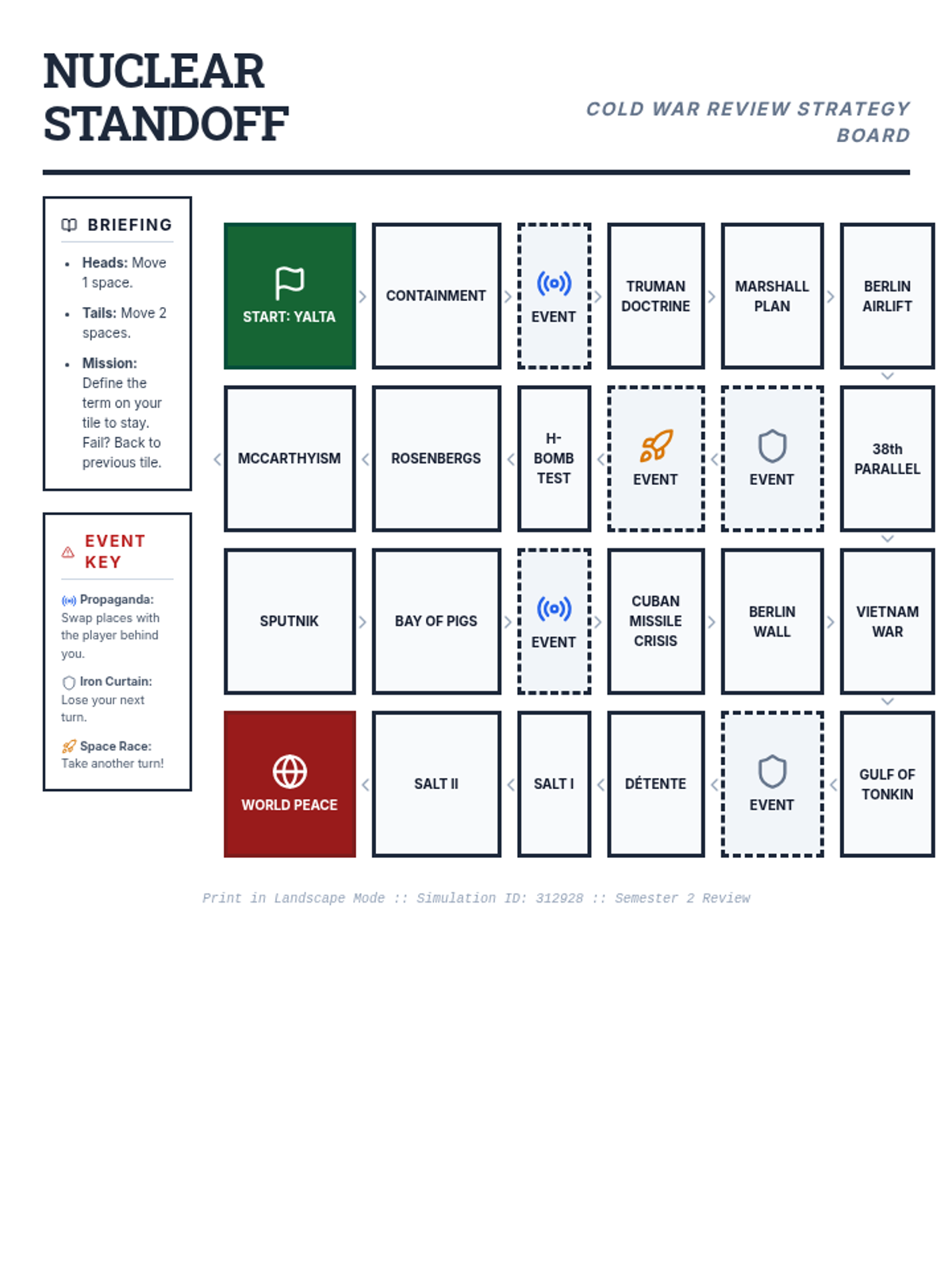
A two-day historical simulation and project focused on the Bay of Pigs invasion, Cold War containment strategies, and multi-perspective journalism. Students analyze primary sources and government documents to create a 1961 newspaper report.
A comprehensive guide to the Bill of Rights designed for different learning needs. Students explore the first ten amendments through visual planning, vocabulary building, and a creative poster project.
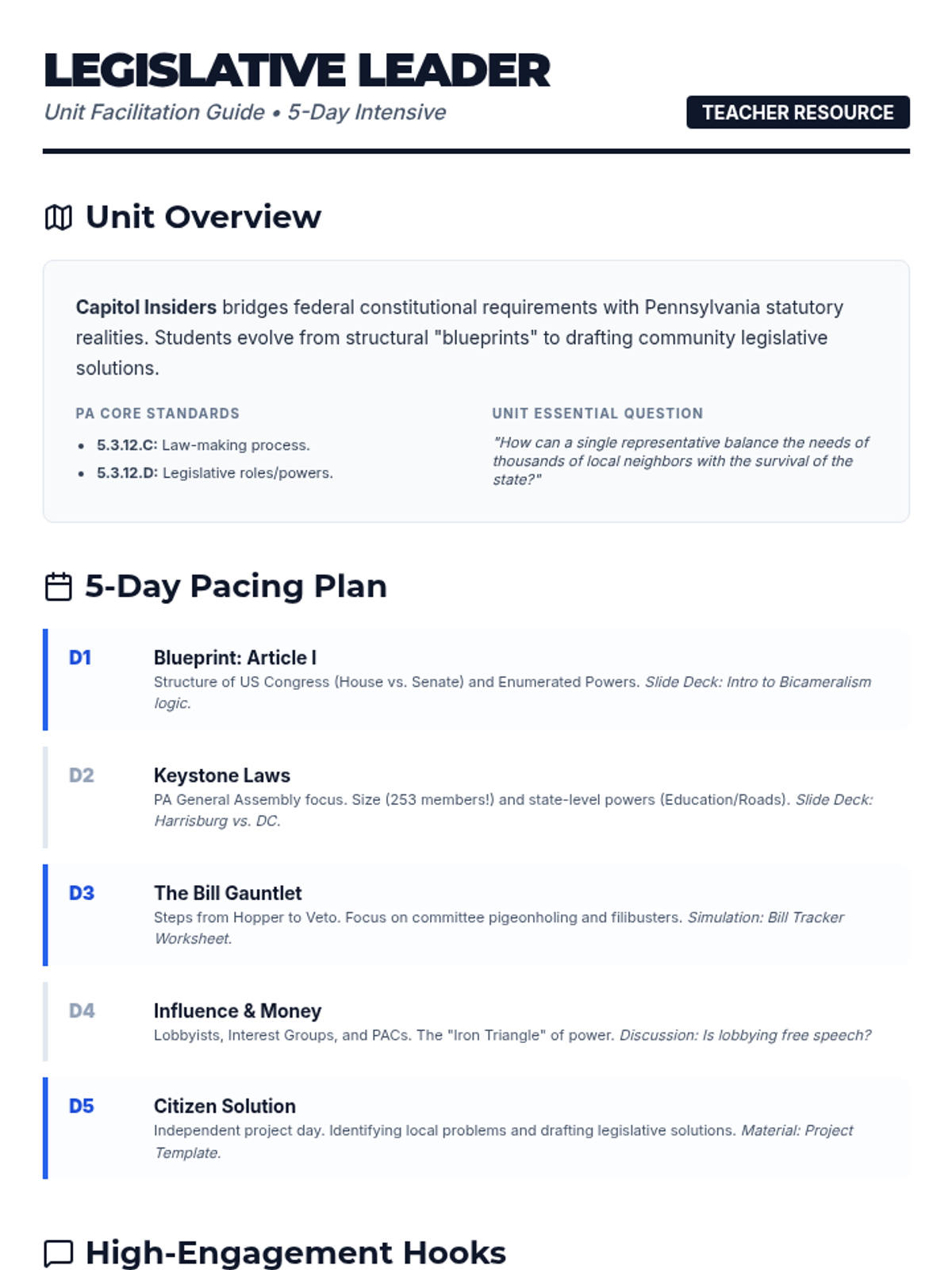
A comprehensive middle school history unit where students act as 'history detectives' to investigate the rise of nation-states in England, France, Spain, and Russia through primary source analysis.
A comprehensive deep-dive into Shakespeare's Romeo and Juliet, focusing on Act 1. Students will analyze character dynamics, the tension between destiny and choice, and the rich poetic language of the play across individual scenes.