Examining foundational arguments from major thinkers alongside contemporary debates on morality, governance, and the nature of existence. Addresses core concepts like political structures, consciousness, and the conflict between agency and fate.
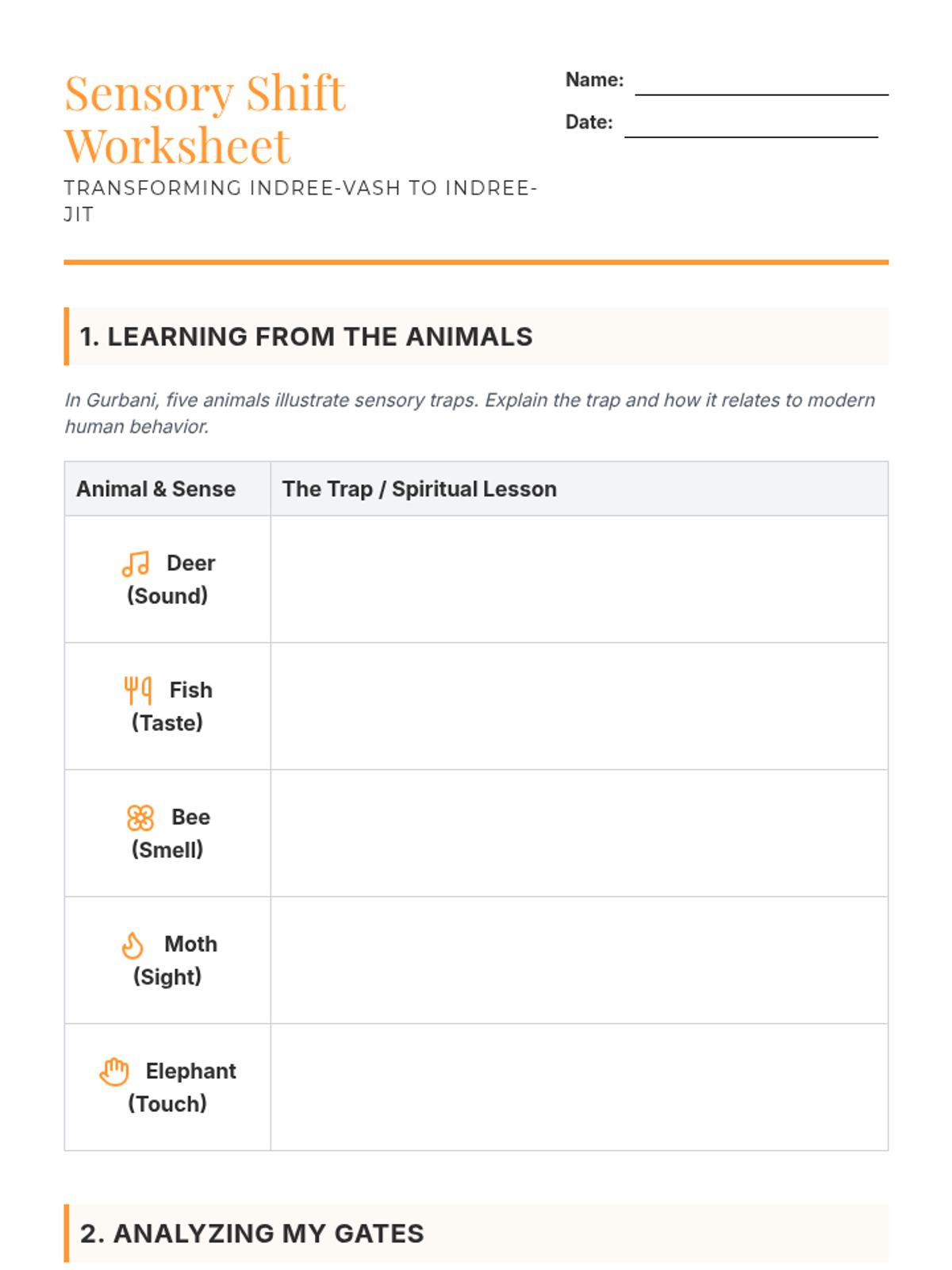
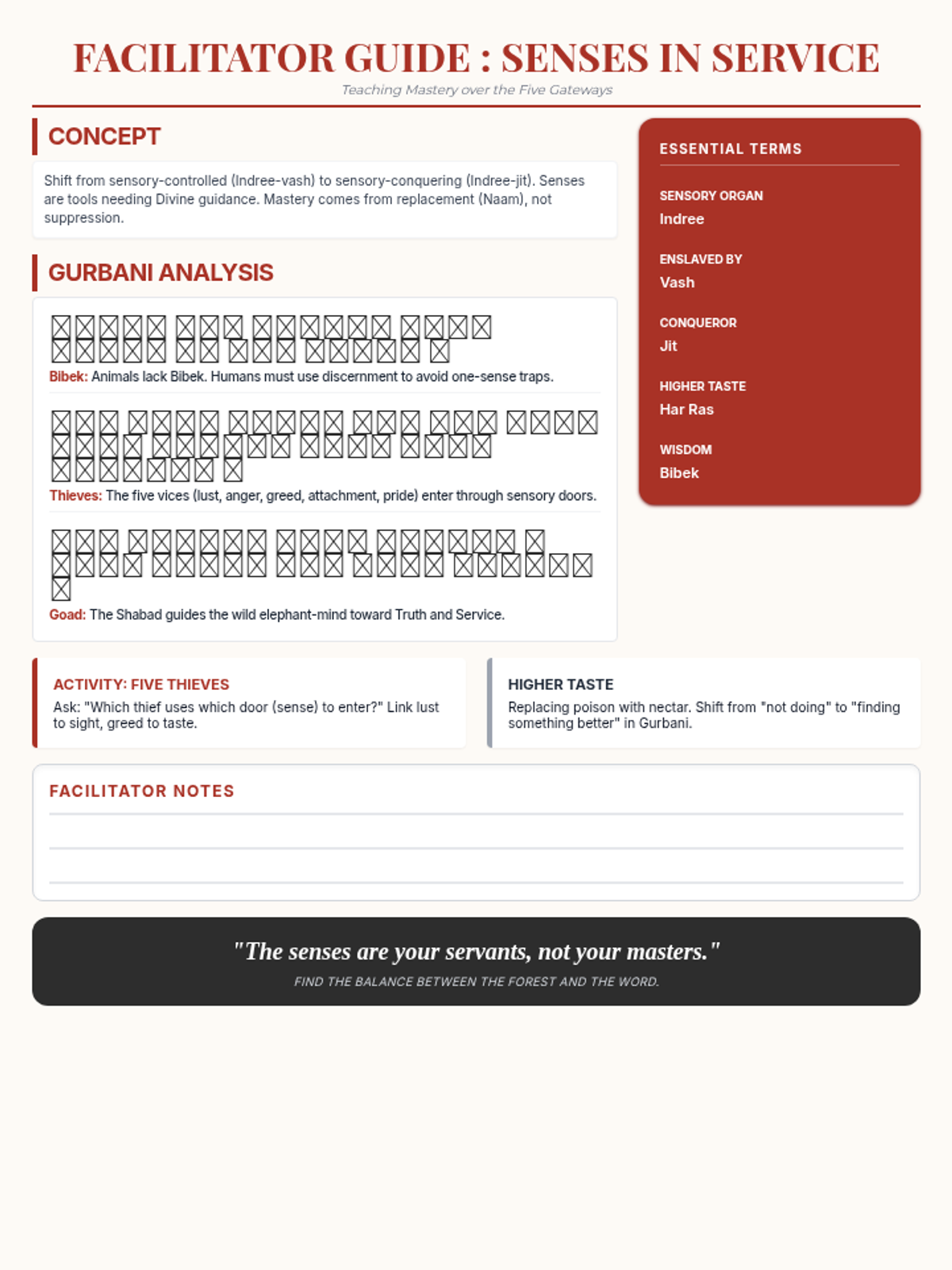
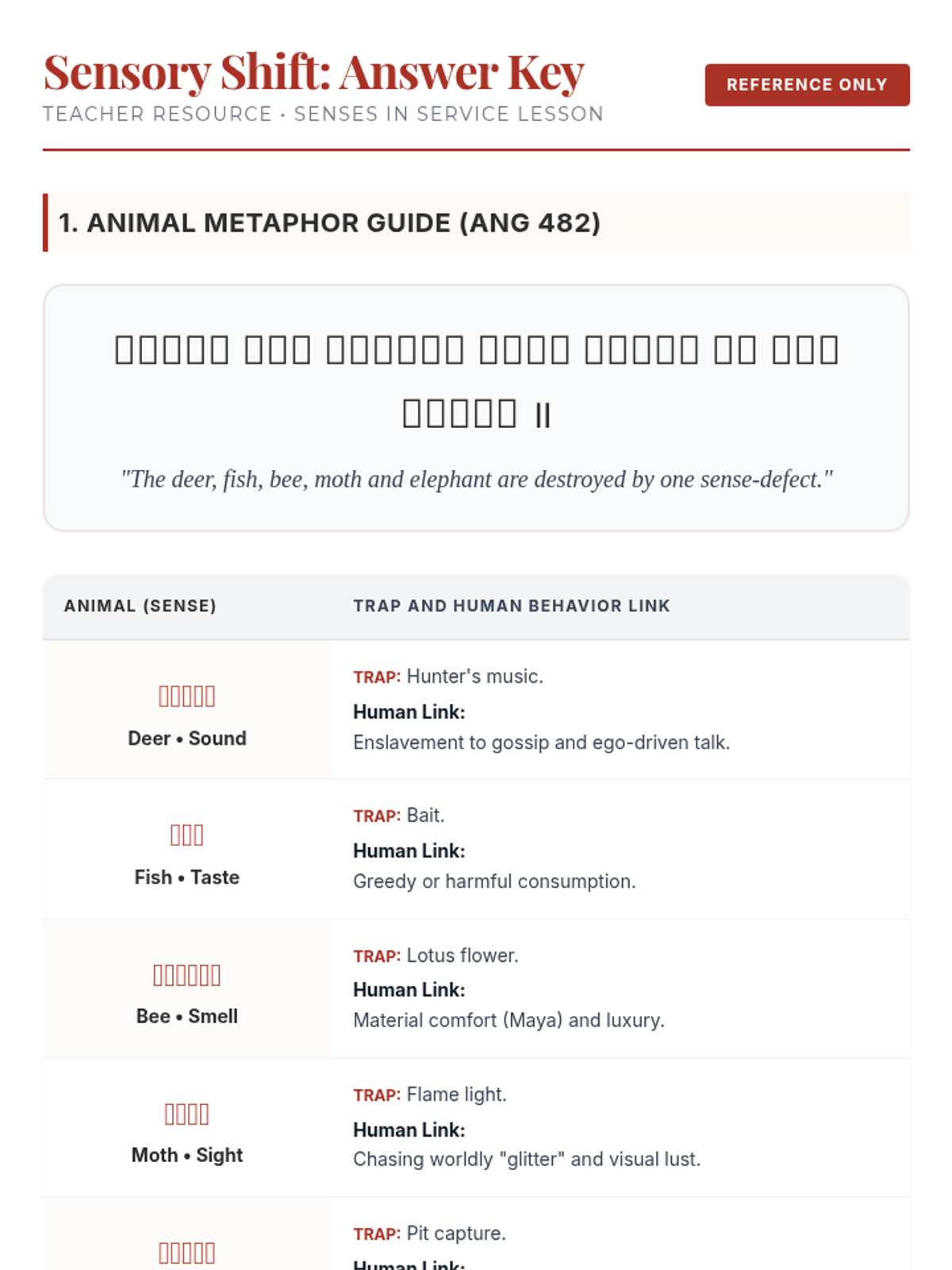
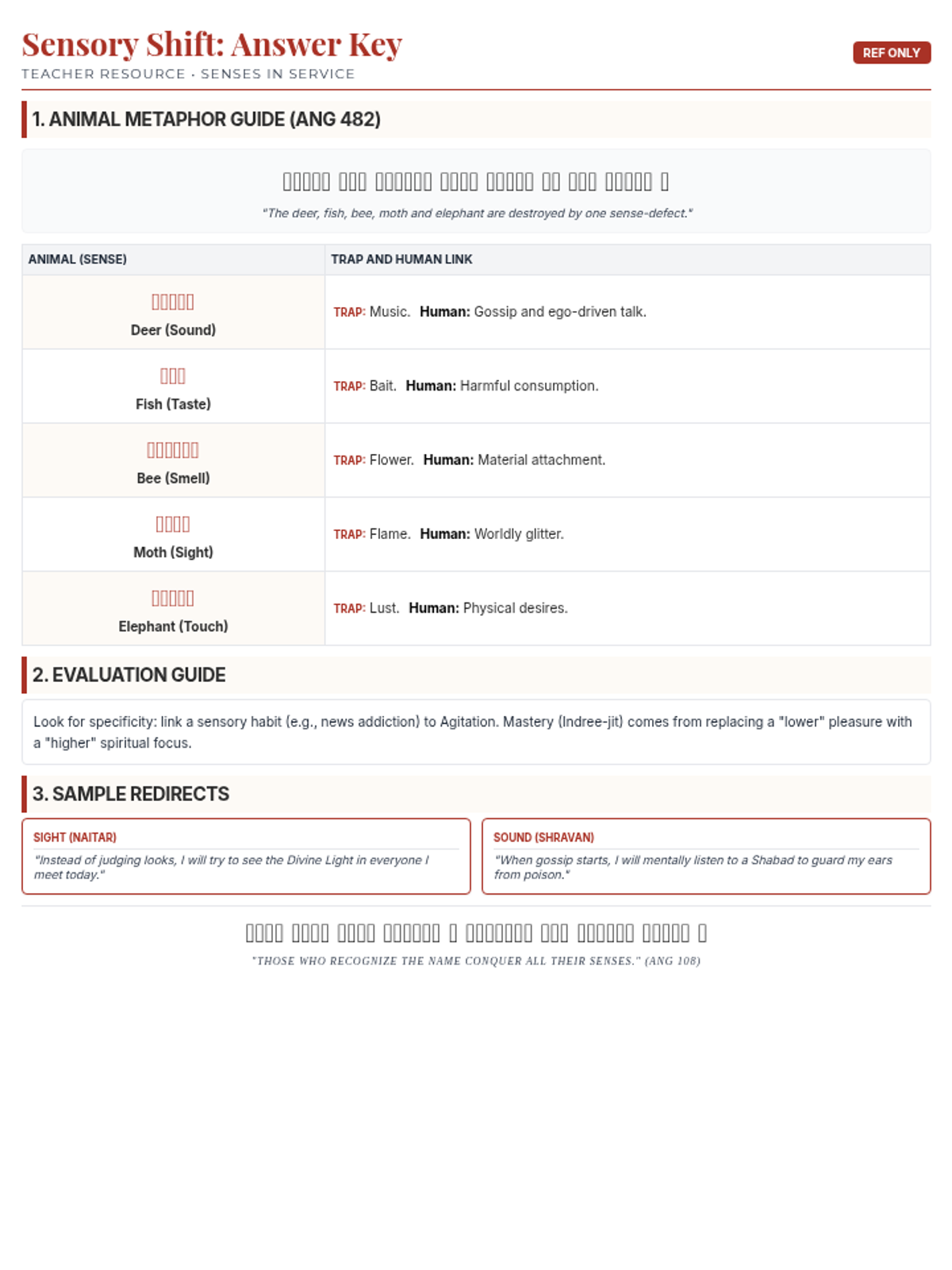
This lesson explores the Gurmat perspective on the five senses, moving from sensory bondage to spiritual mastery through the teachings found in the 'Slave to the Senses' discourse.
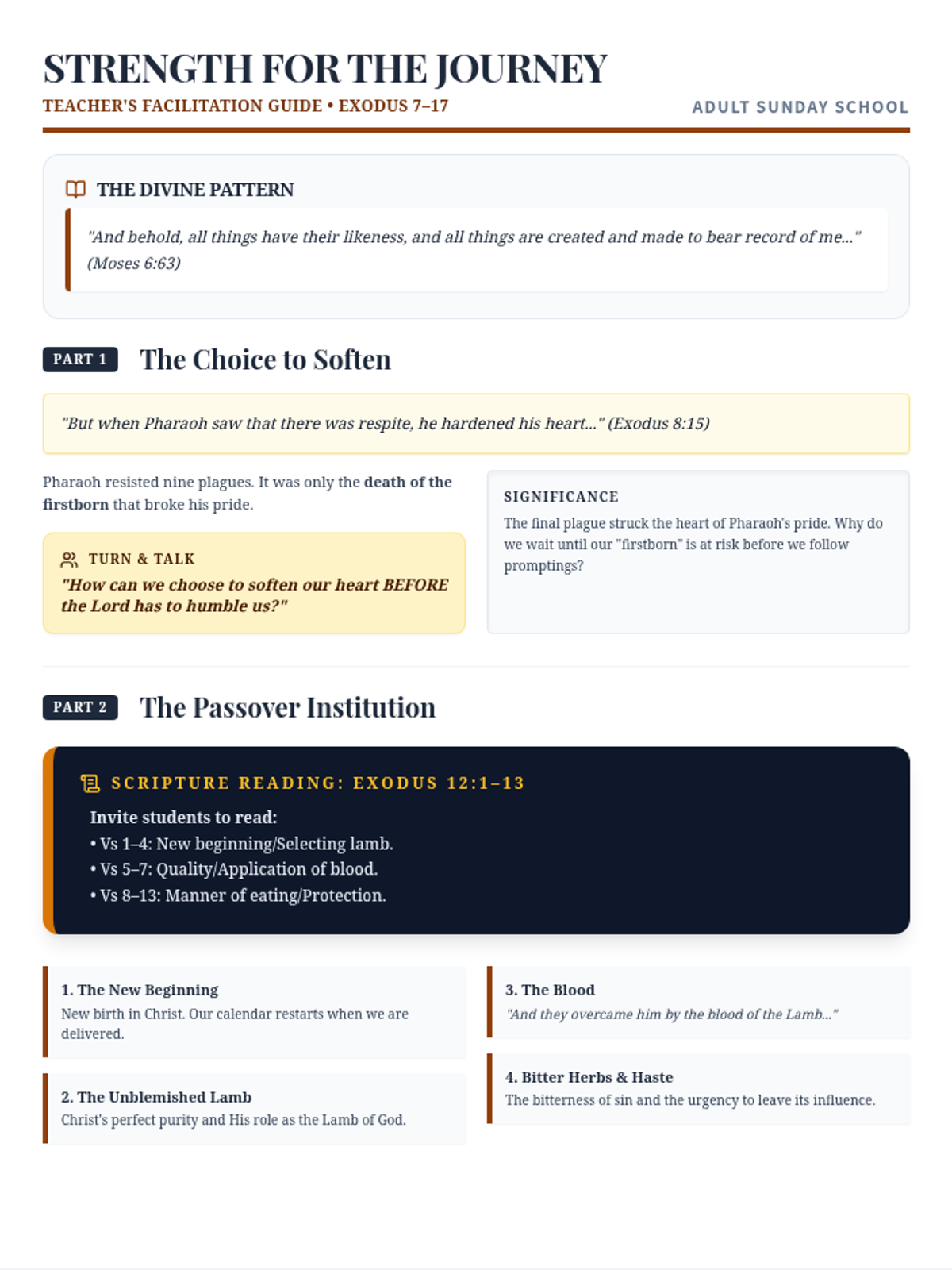
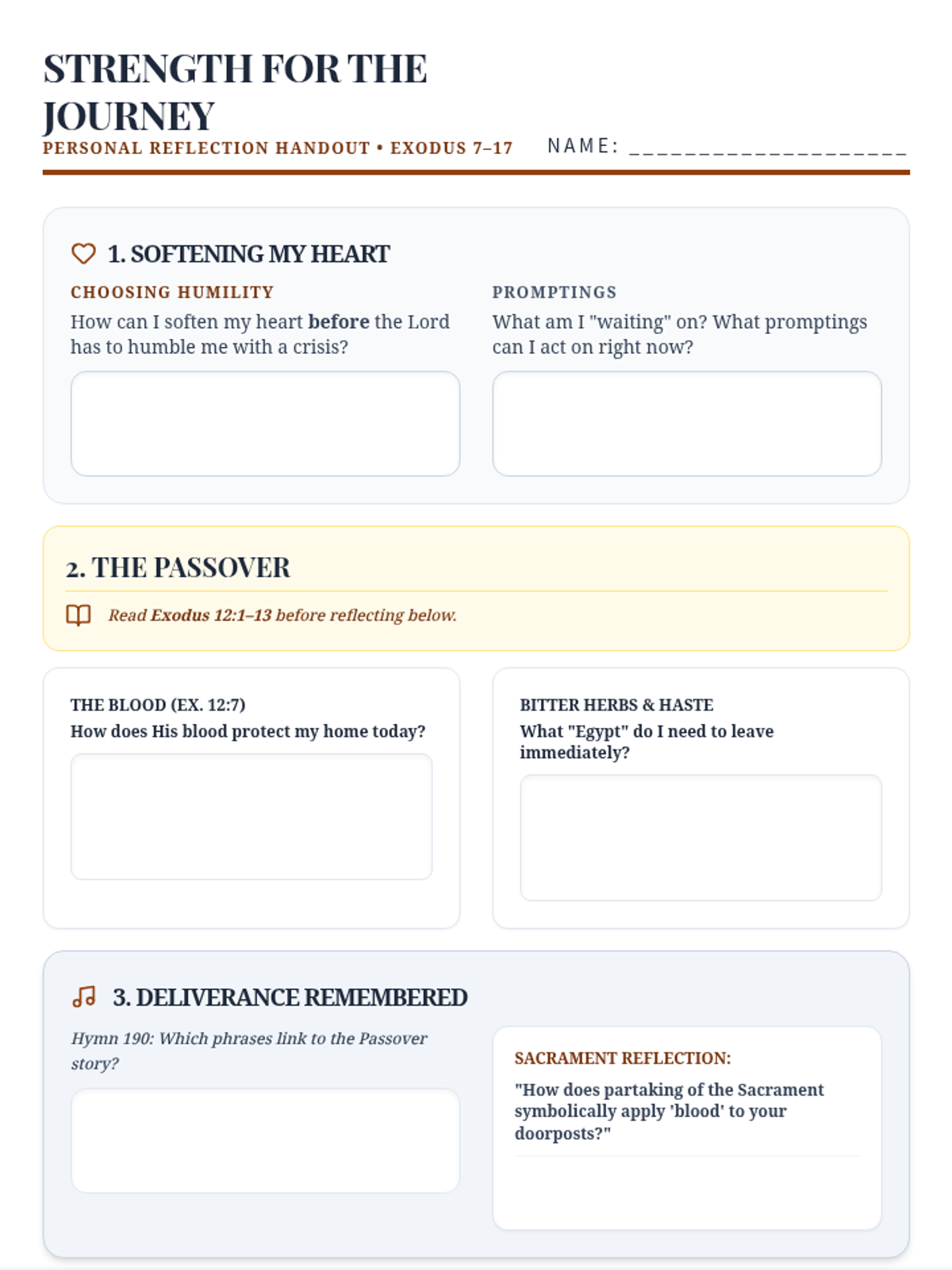
A 45-minute lesson for adult Sunday School focusing on Exodus 7-17. It explores Pharaoh's pride, the Passover as a type of Christ, and the concept of daily spiritual bread through the miracle of manna.
An exploration of Book 5 of the Odyssey, focusing on the complex character of Calypso, her divine isolation, and the conflict between mortal desire and immortal will.
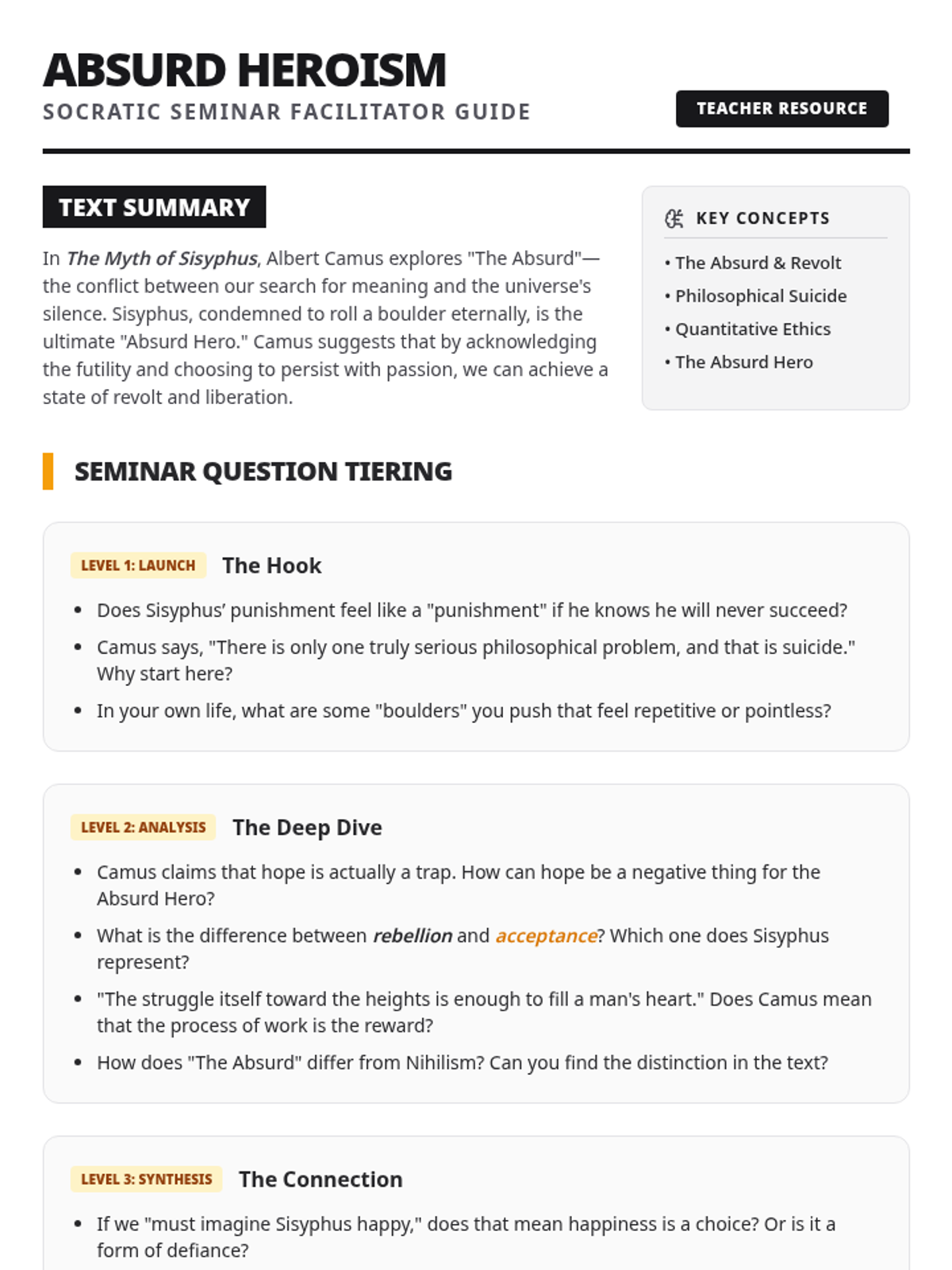
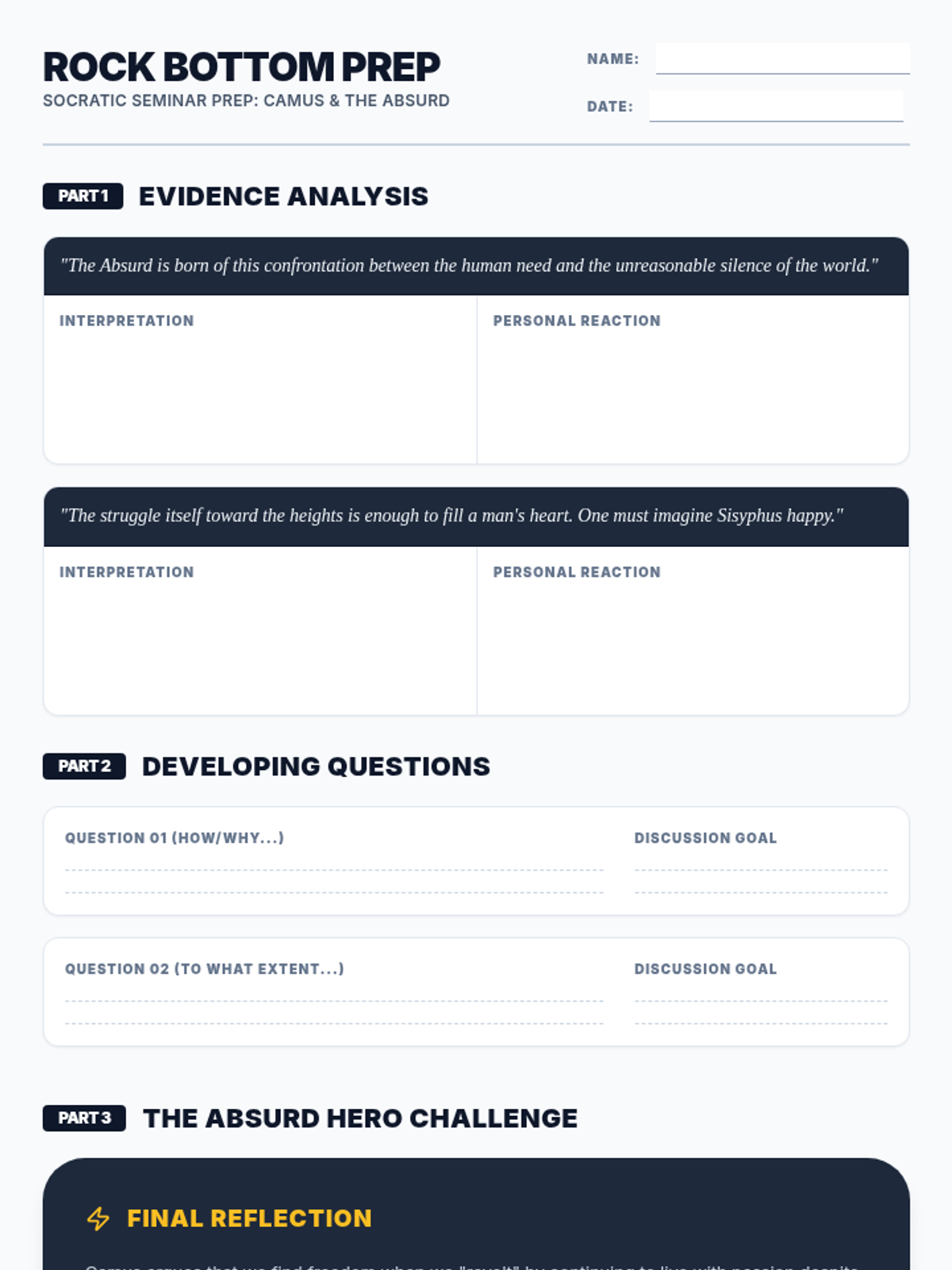
A deep dive into Albert Camus' 'The Myth of Sisyphus', exploring the philosophical concepts of the Absurd, revolt, and the search for meaning in a silent universe through a structured Socratic Seminar.
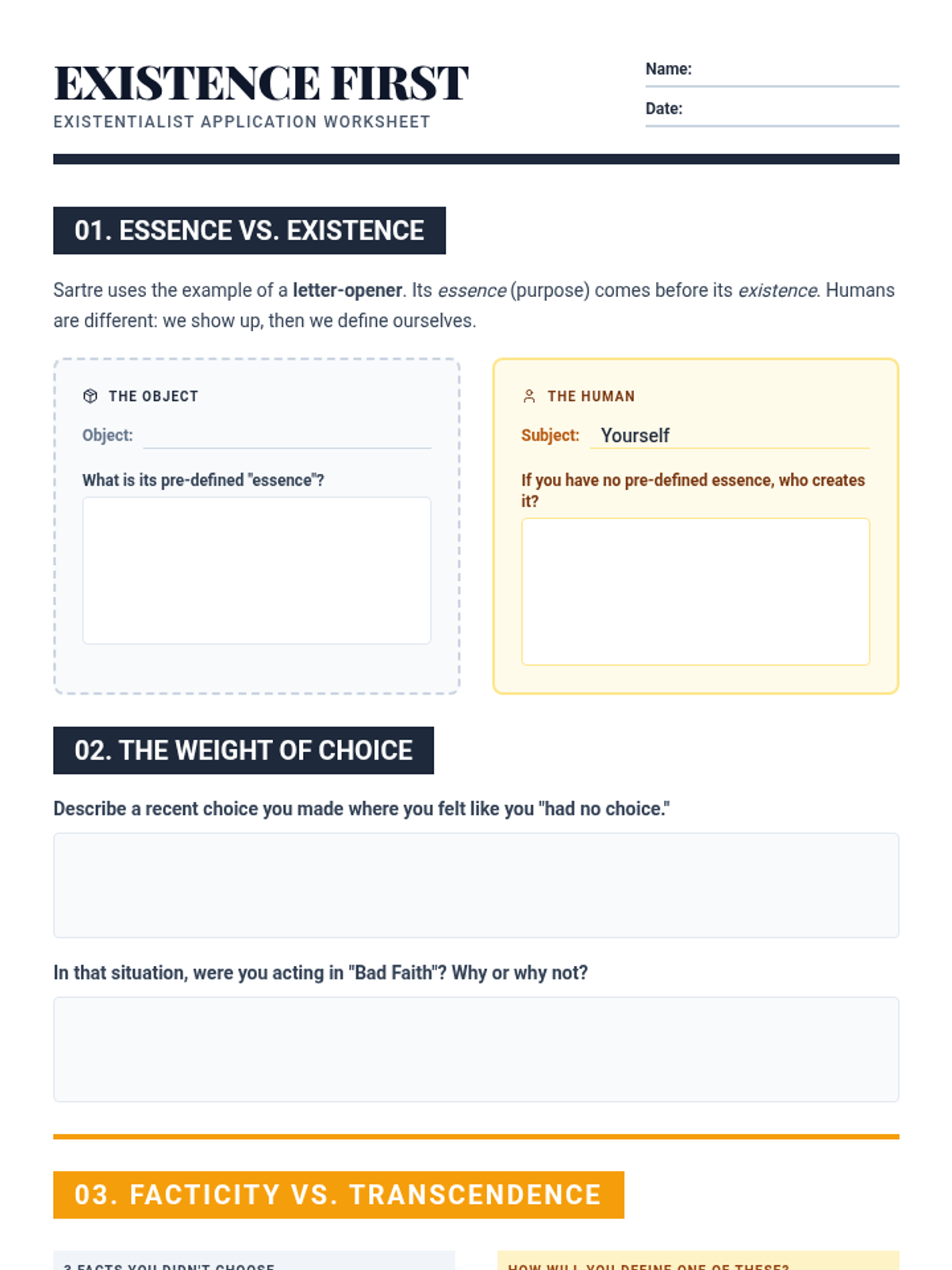
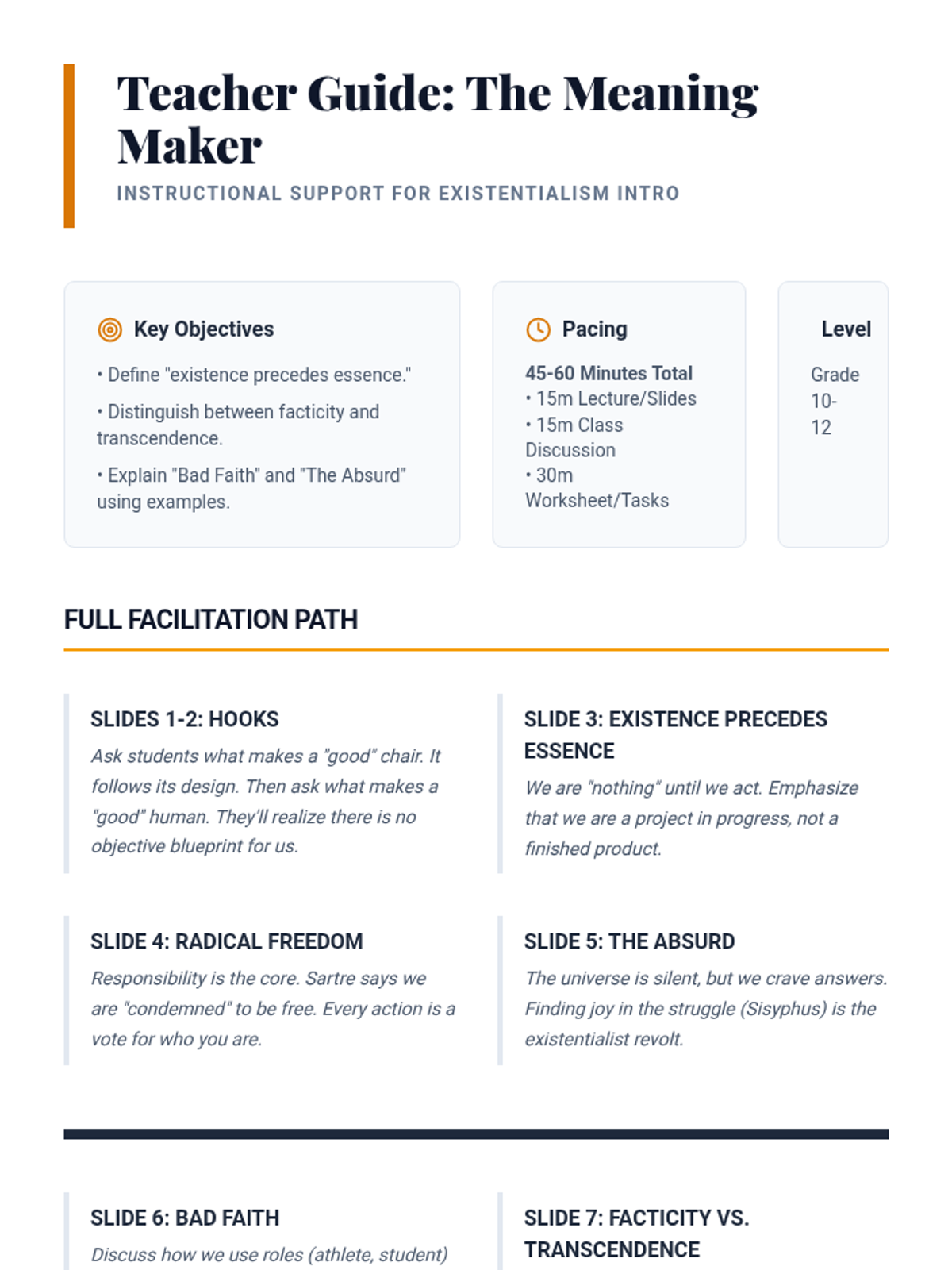
An introductory exploration of existentialist philosophy, focusing on the concepts of radical freedom, existence preceding essence, and the creation of personal meaning in an indifferent universe.
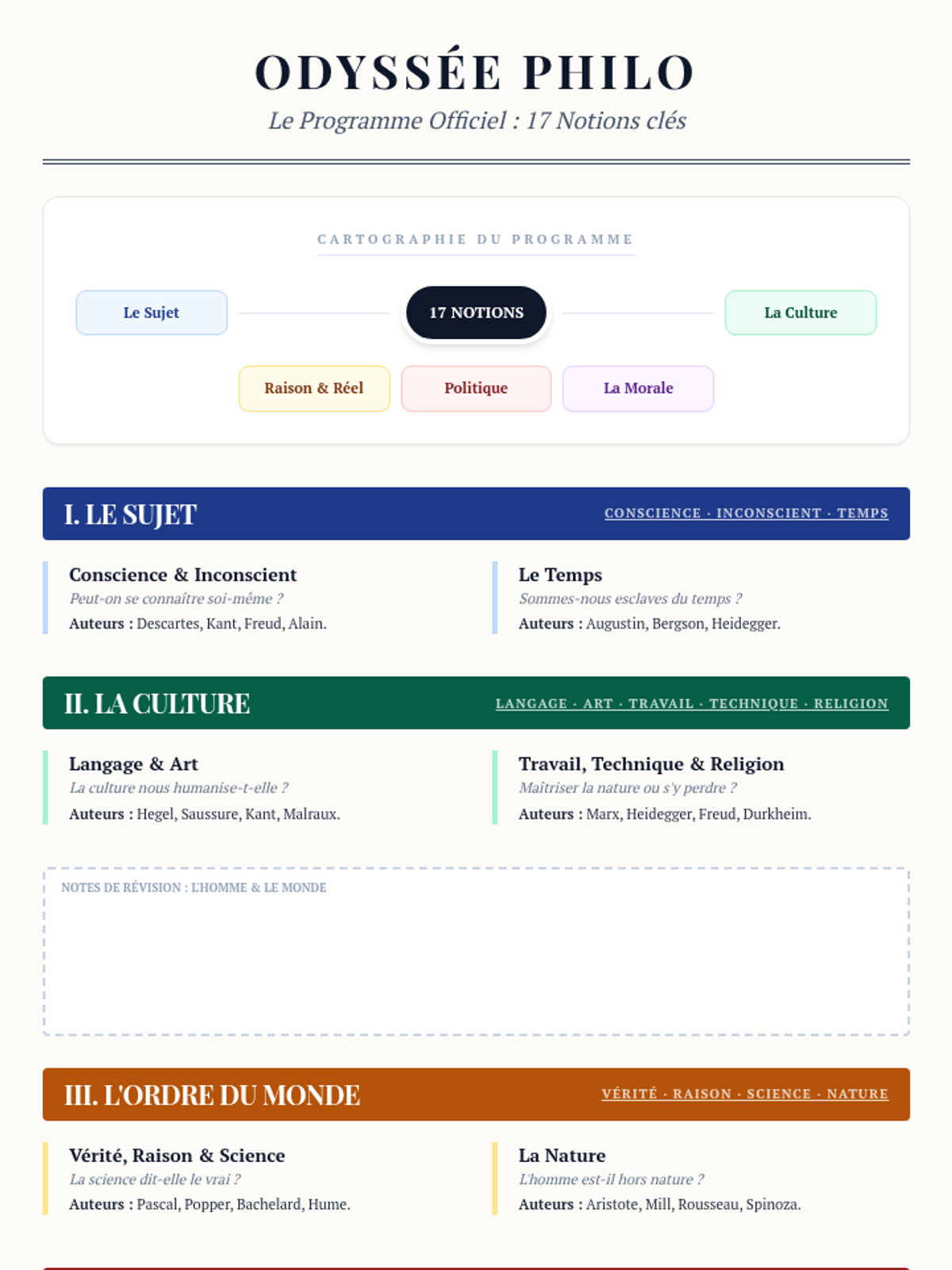
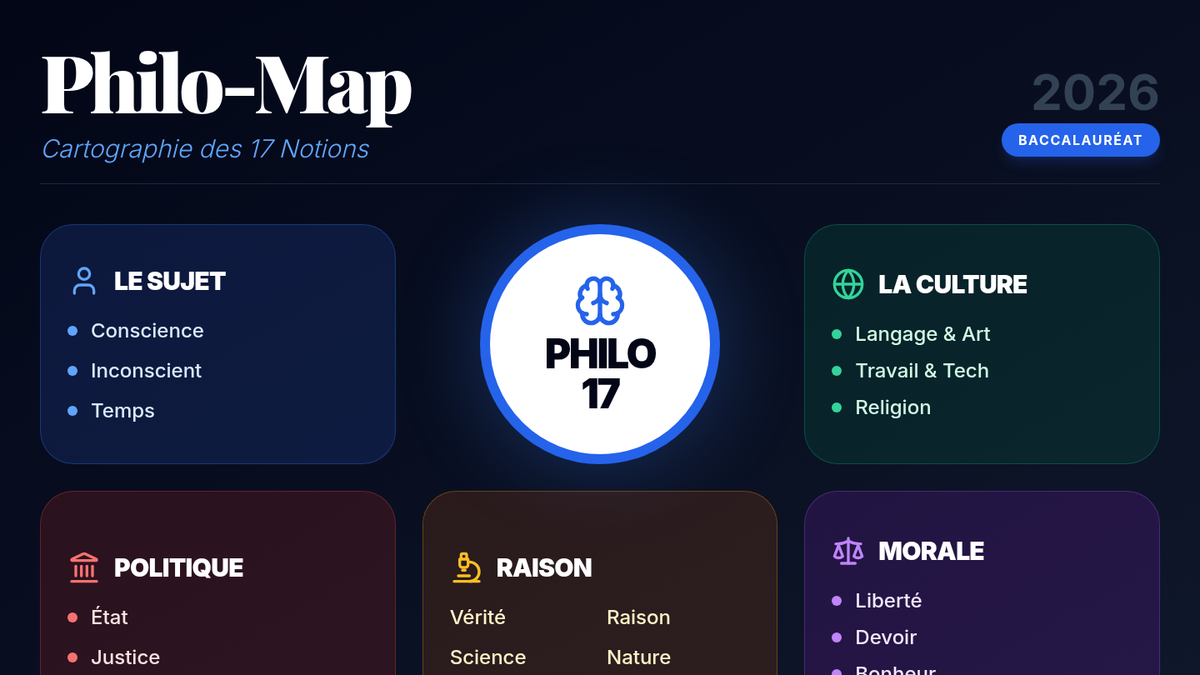
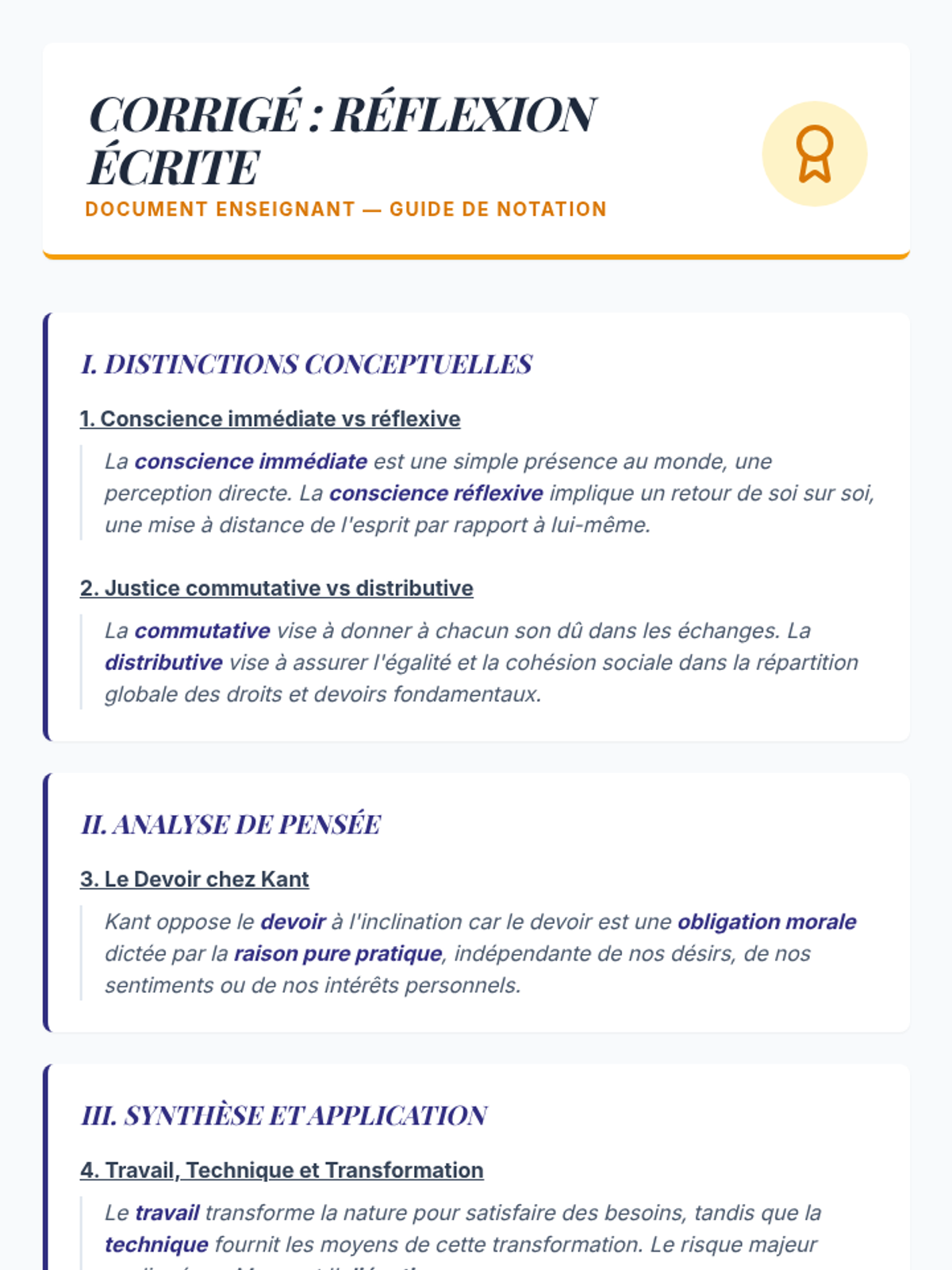
Introduction générale au programme de philosophie et outils de révision globaux.
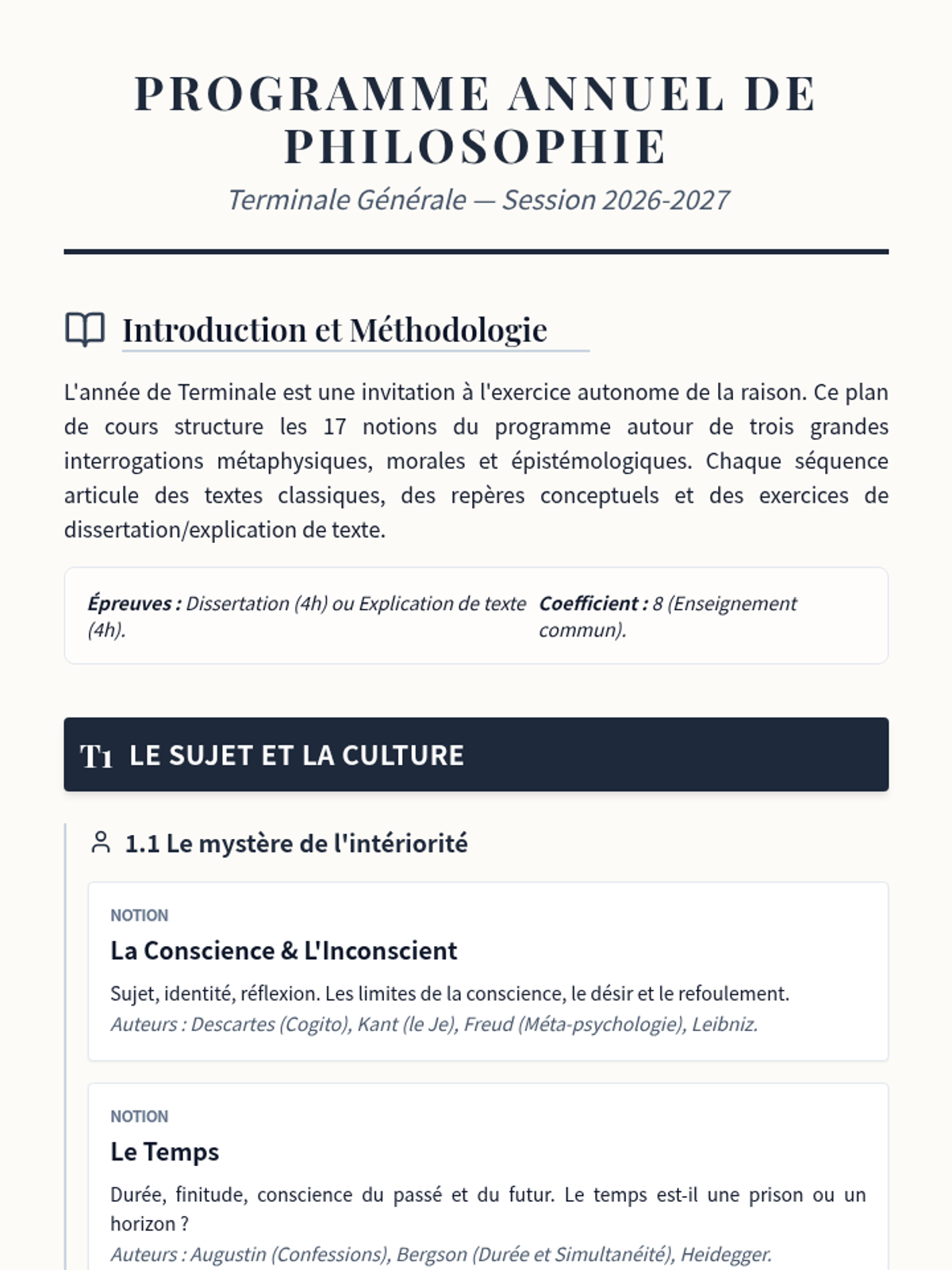
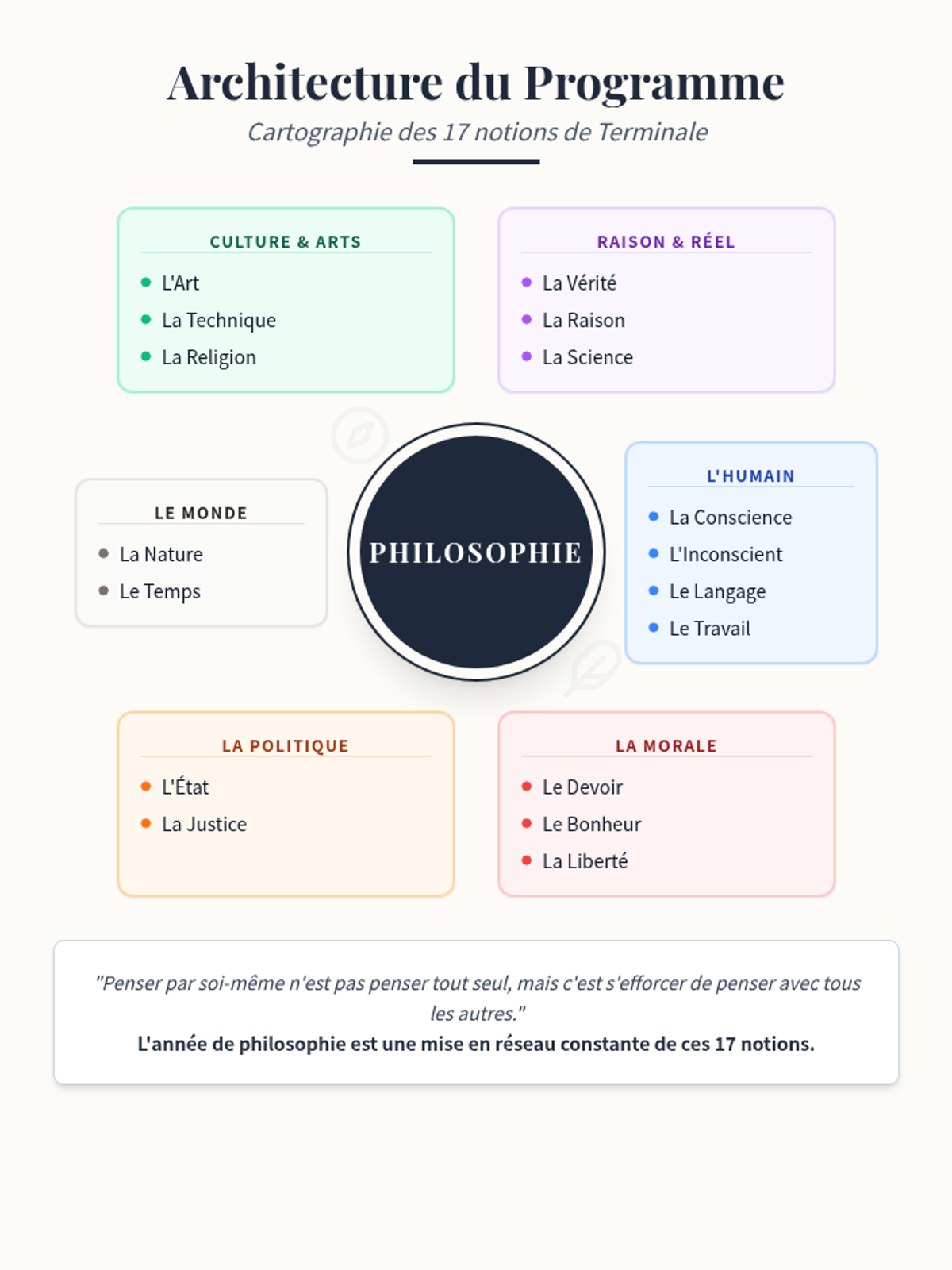
Documents de référence pour structurer l'année de philosophie, incluant un plan détaillé par trimestres et une carte mentale des interconnexions entre les notions.
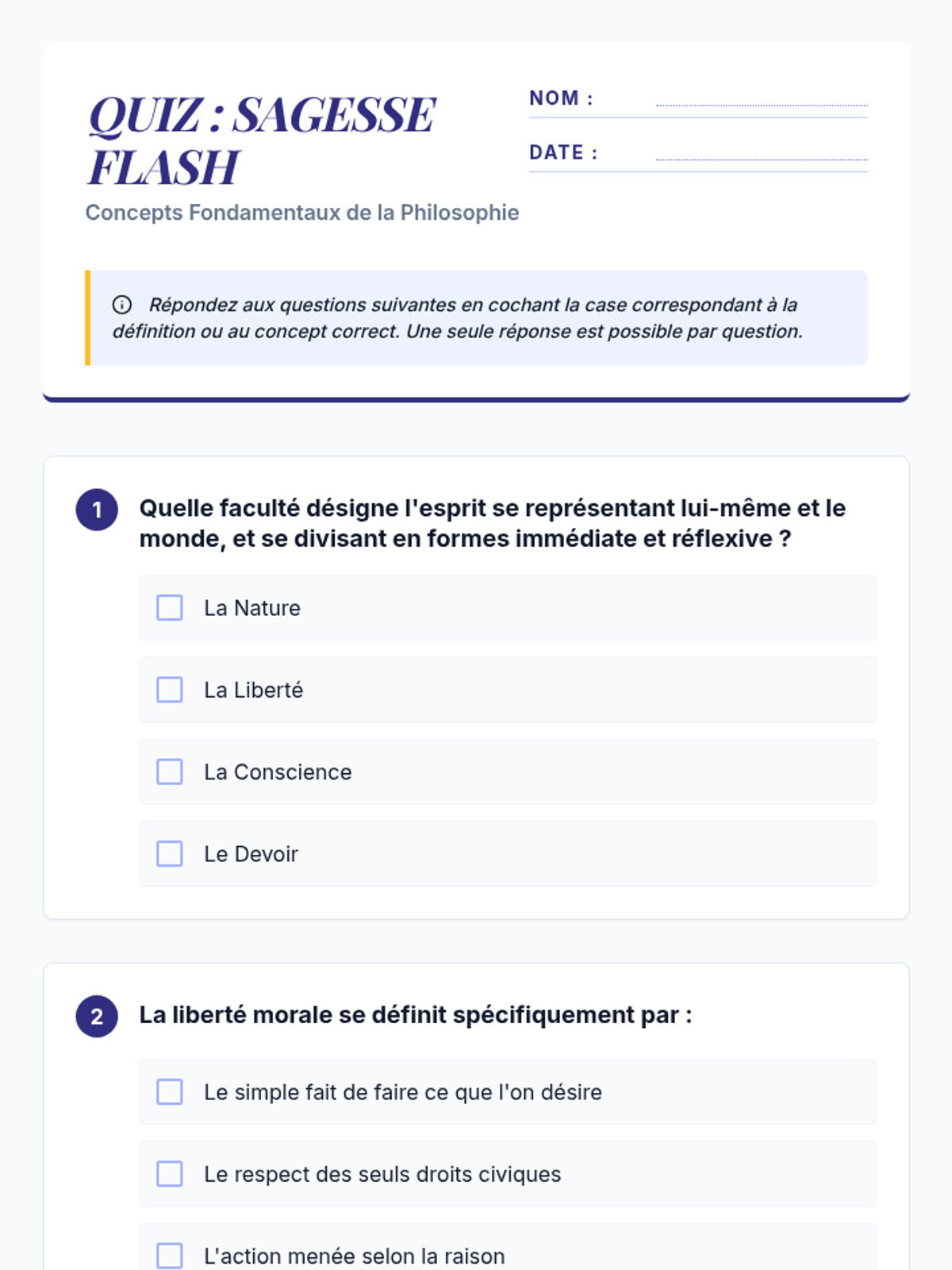
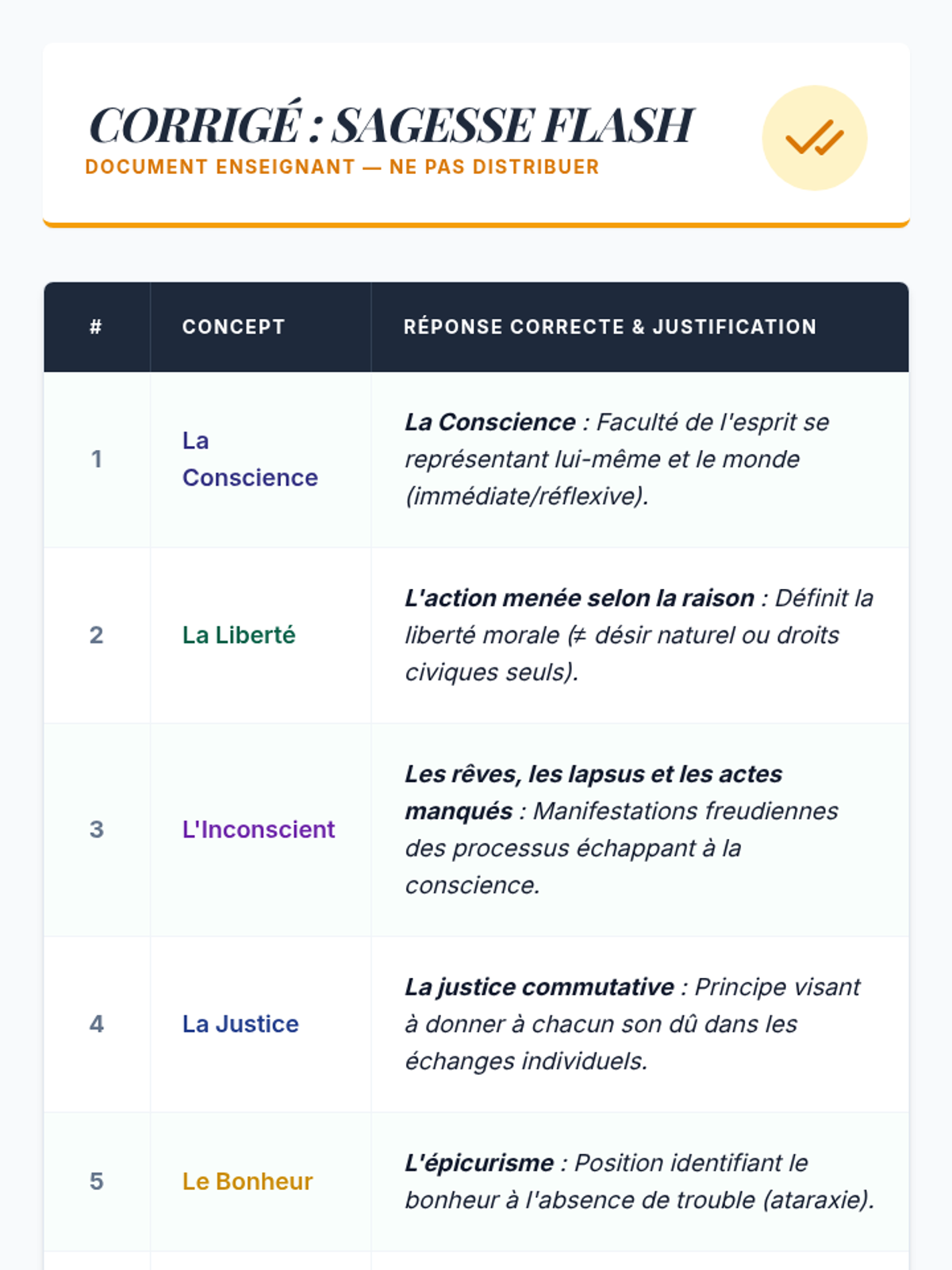
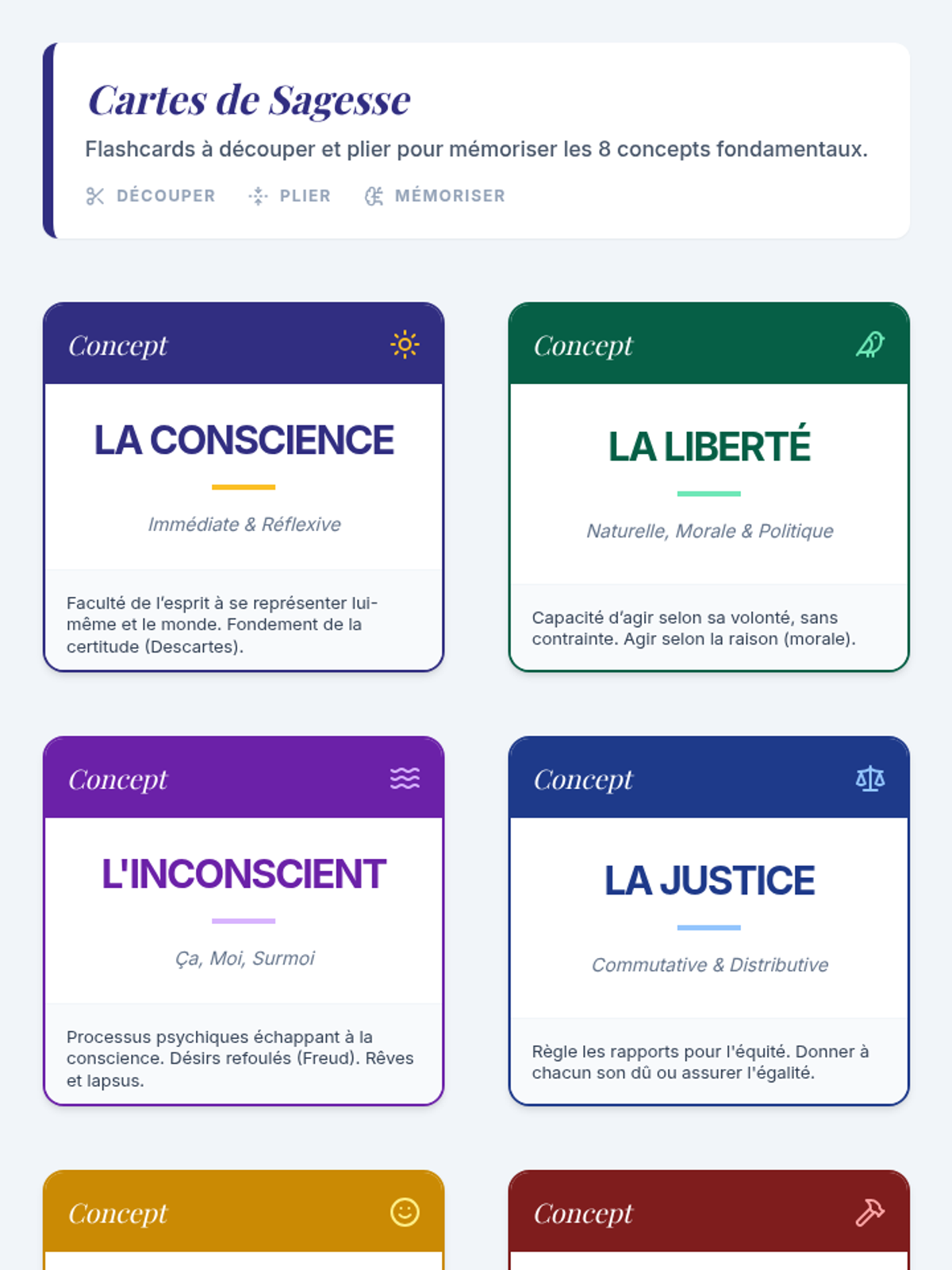
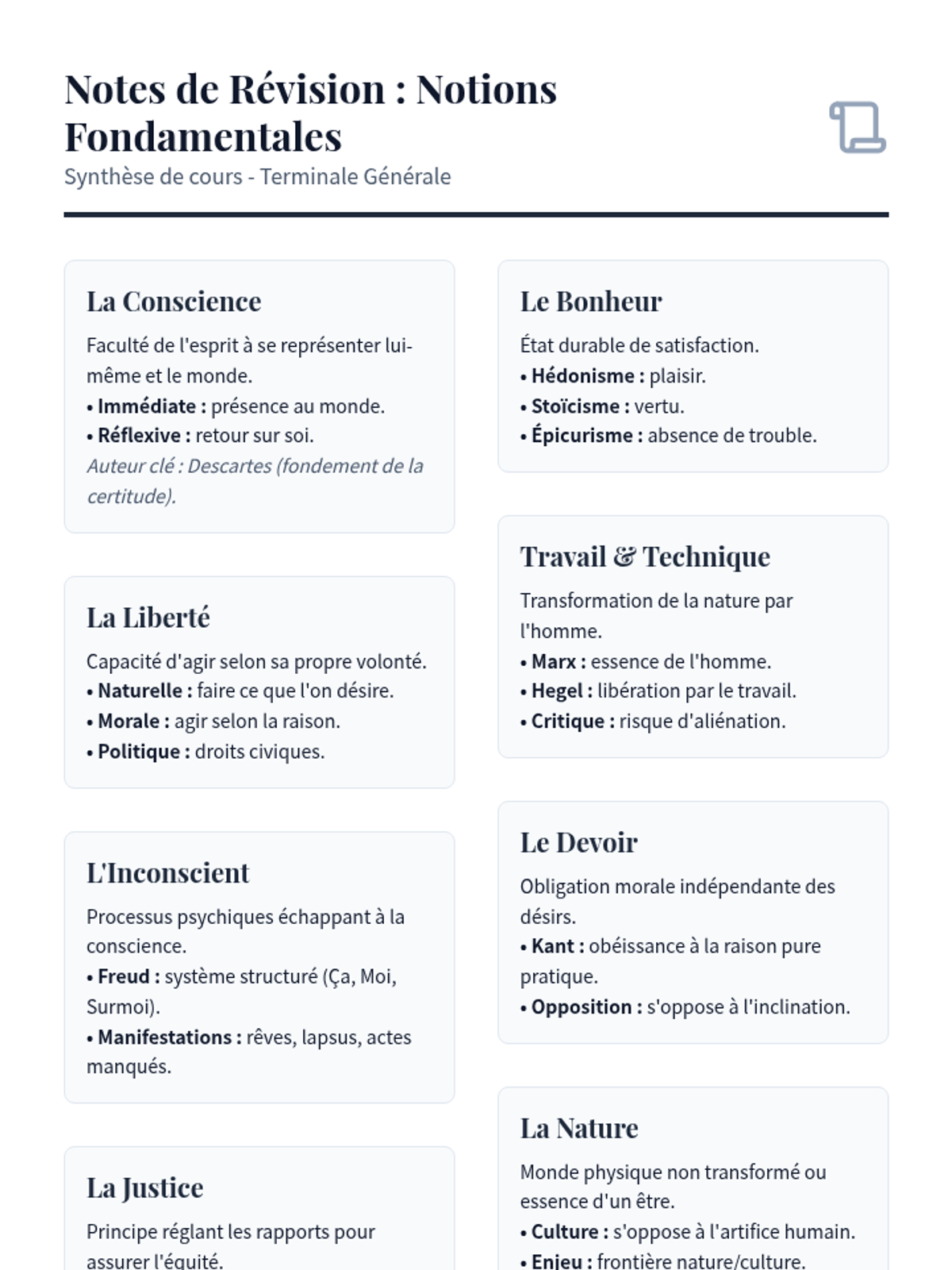
Une leçon interactive pour maîtriser huit concepts fondamentaux de la philosophie à travers des révisions visuelles et un quiz d'évaluation.
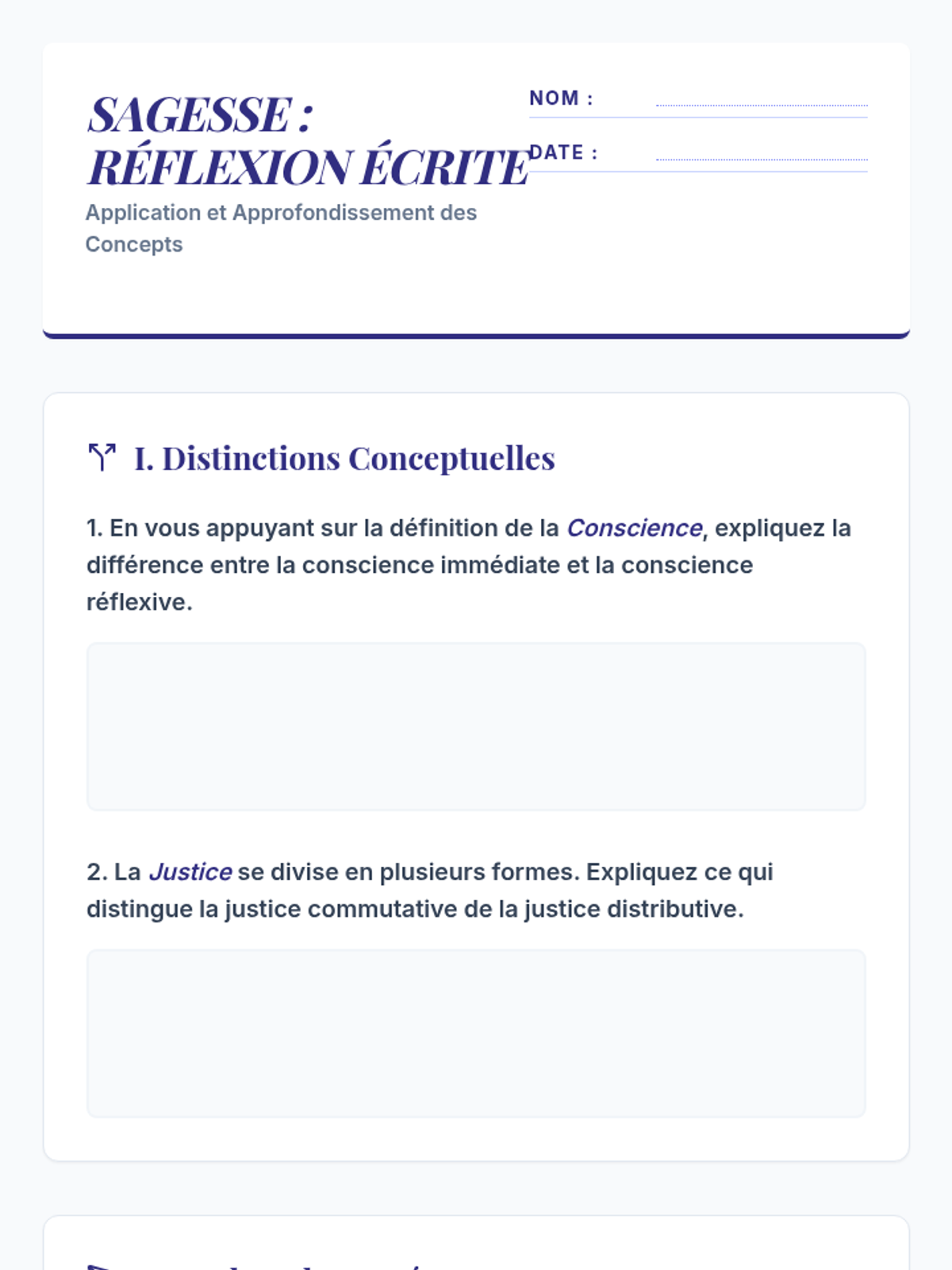
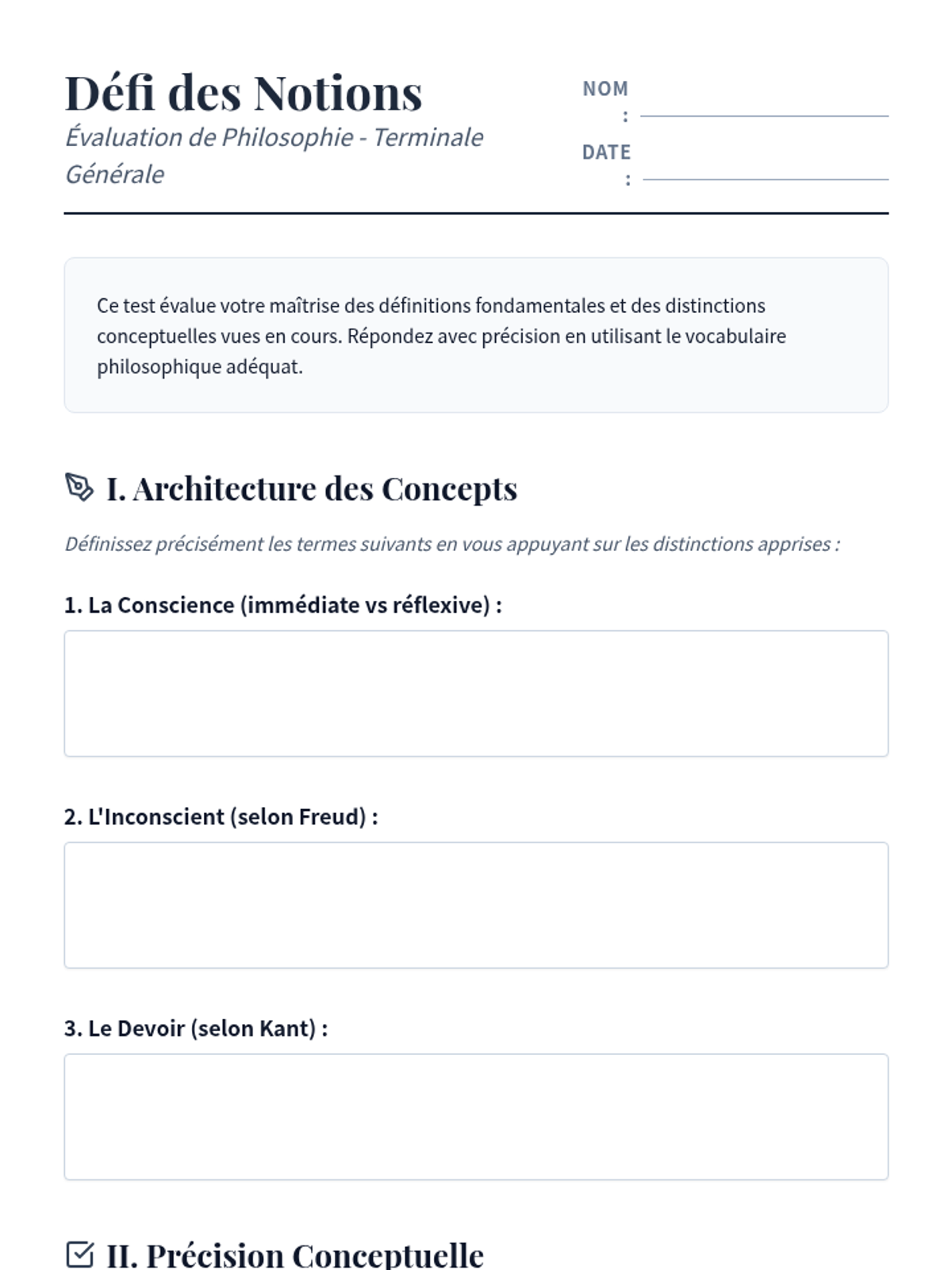
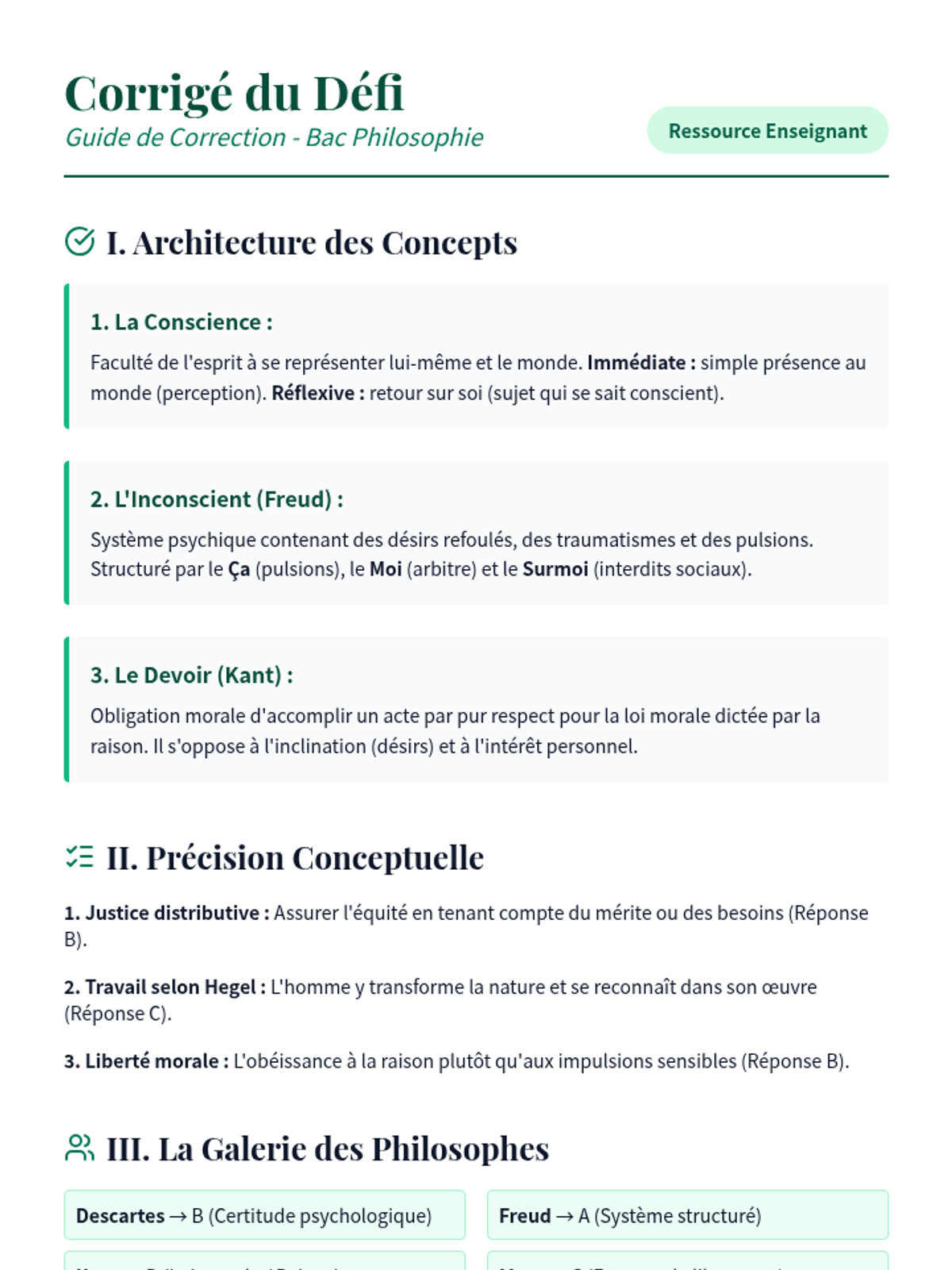
Une ressource complète pour évaluer et consolider les connaissances des élèves de Terminale sur les notions clés du programme de philosophie en vue du Baccalauréat.
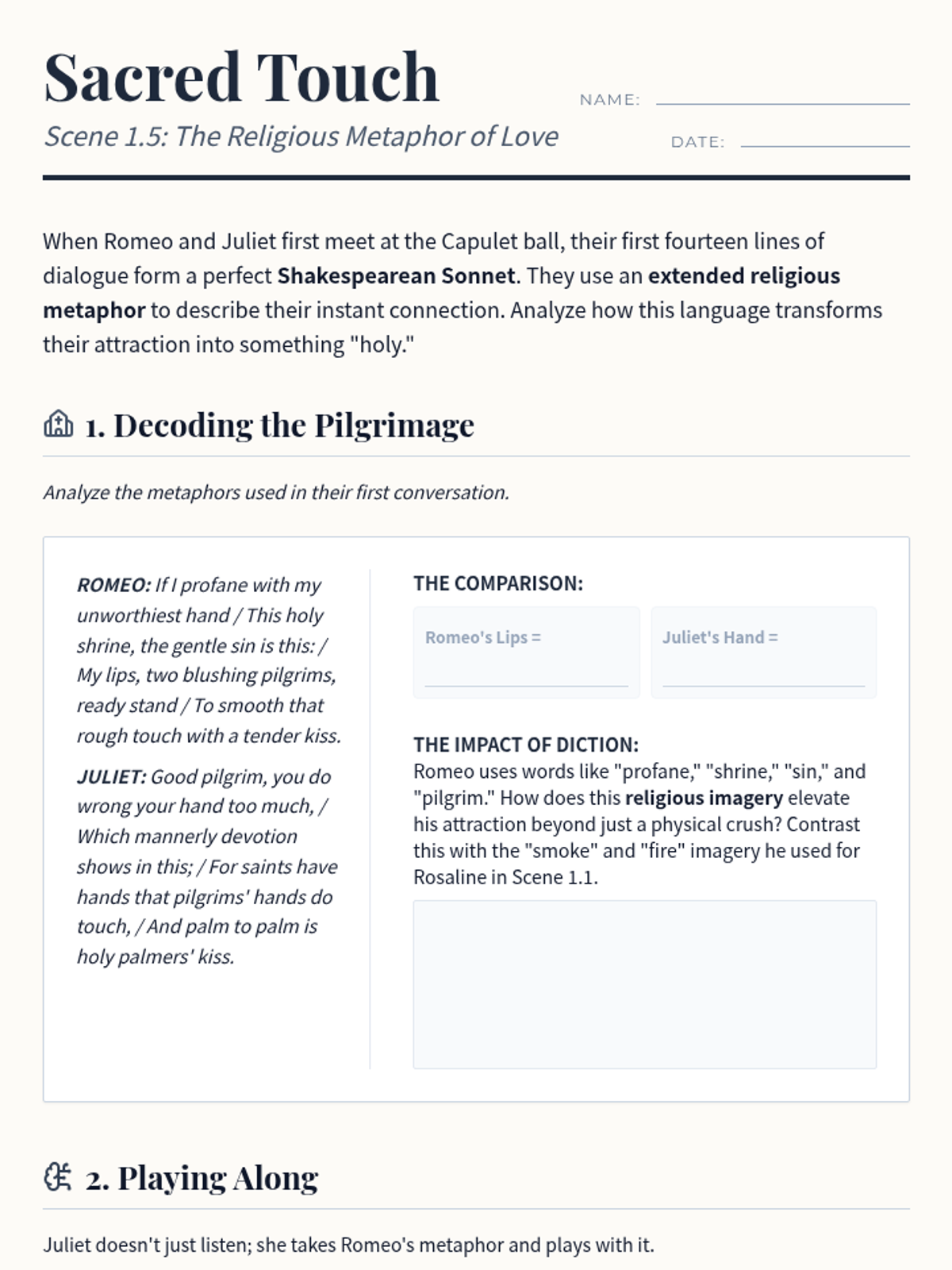
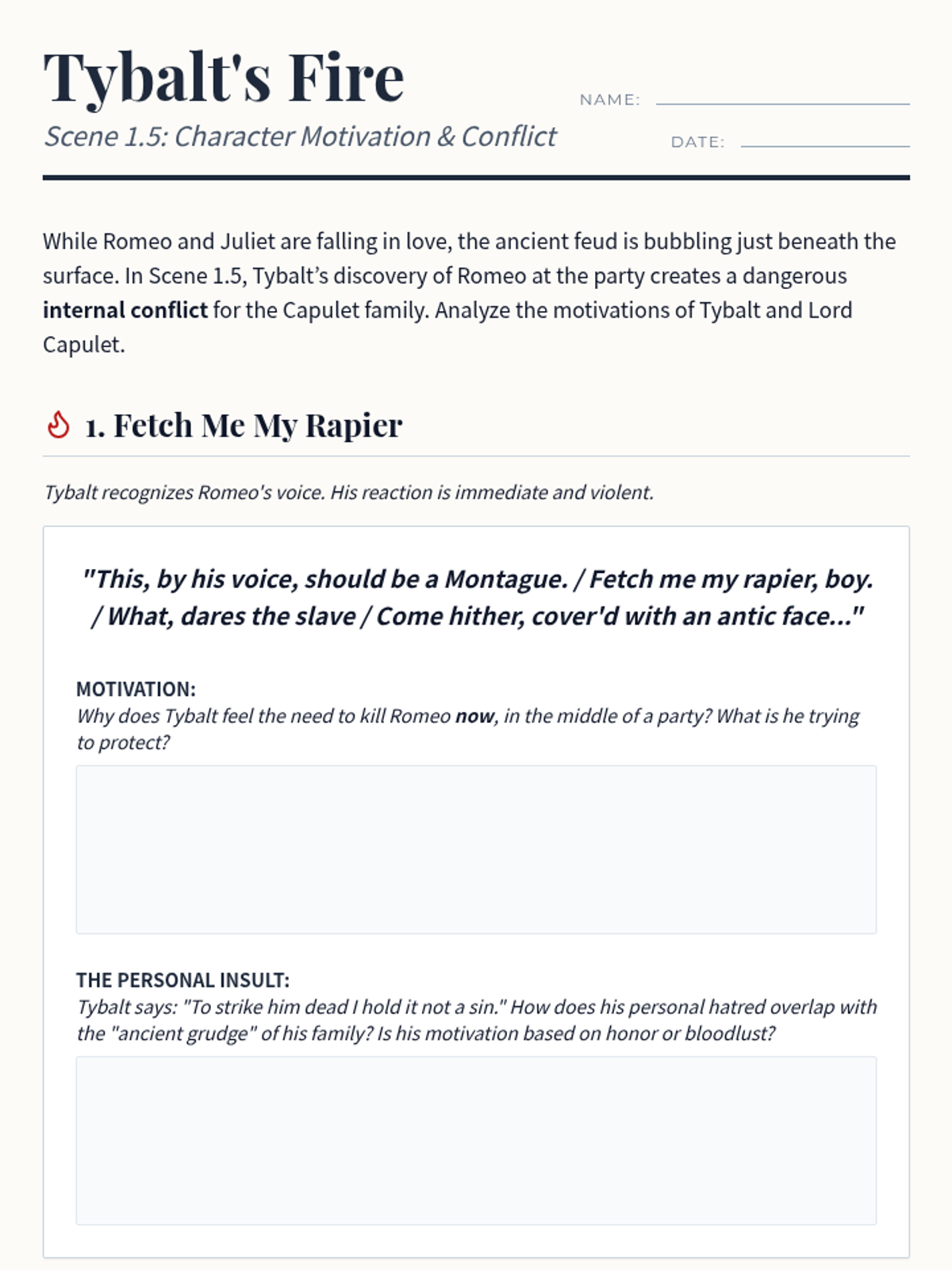
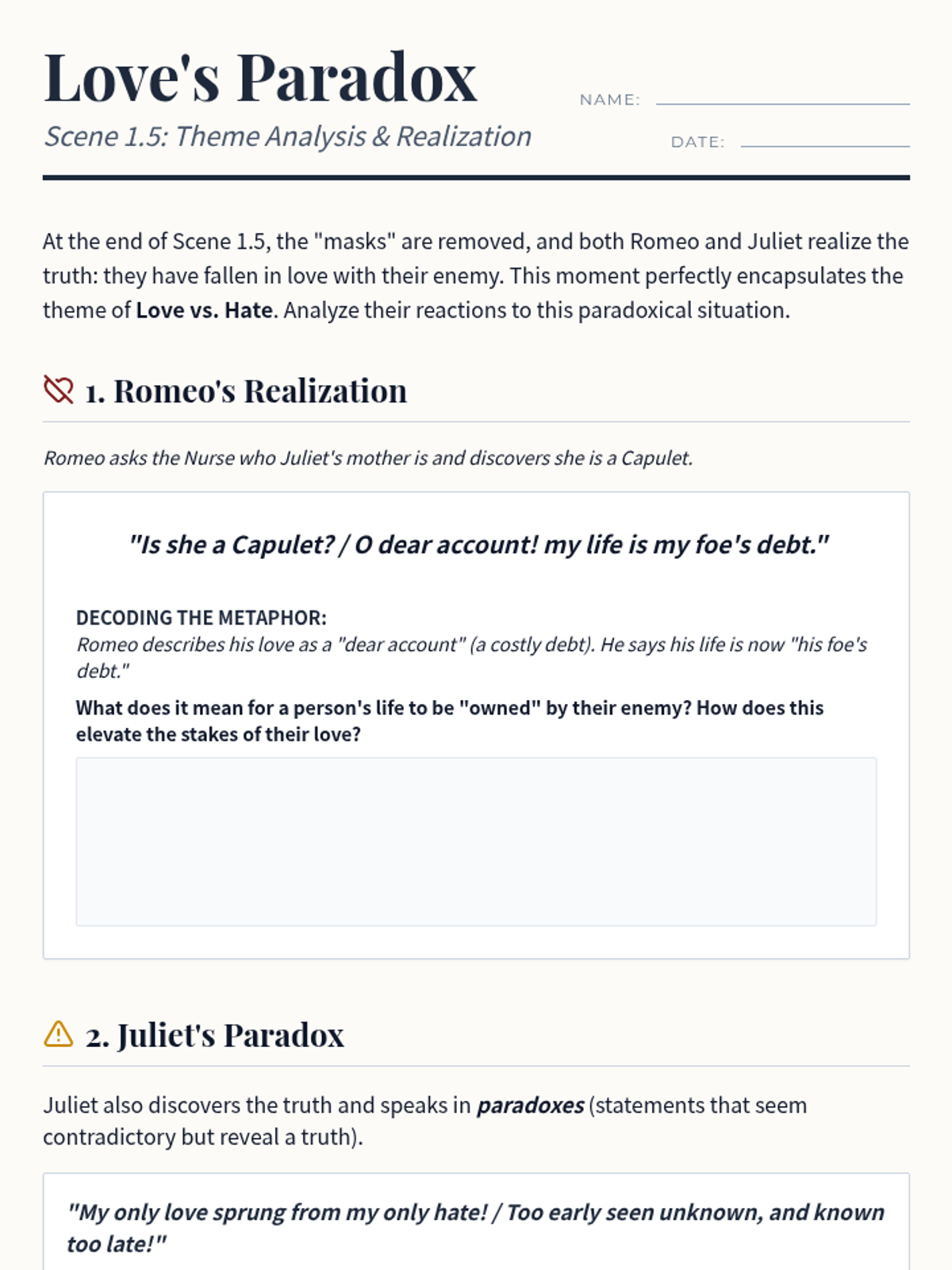
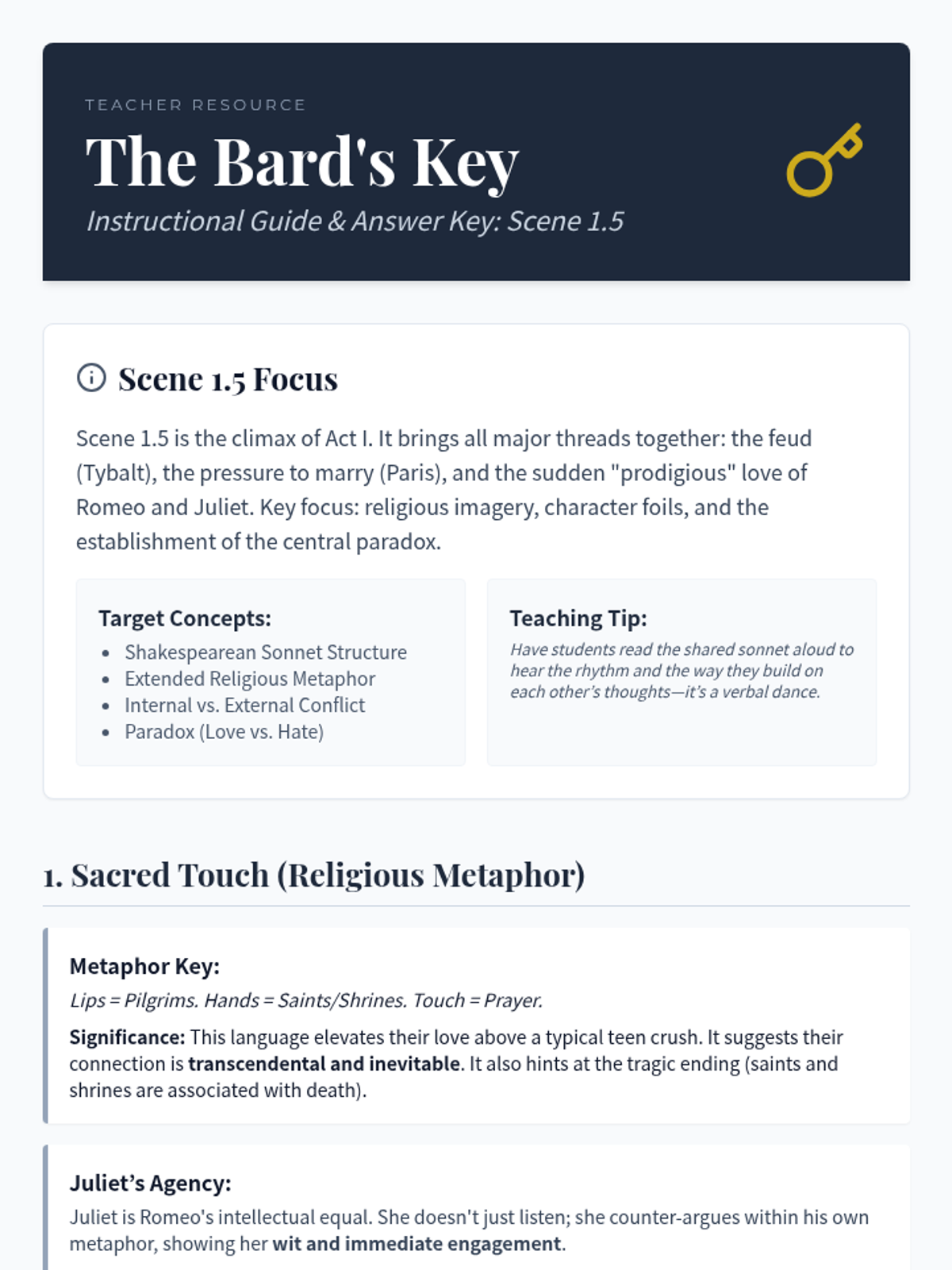
A study of Act 1, Scene 5, the pivotal moment where Romeo and Juliet meet at the Capulet ball. Students will analyze the shared sonnet and its religious metaphors, Tybalt's escalating rage as a driver of conflict, and the realization of the "prodigious birth of love" amidst "loathed enemy."
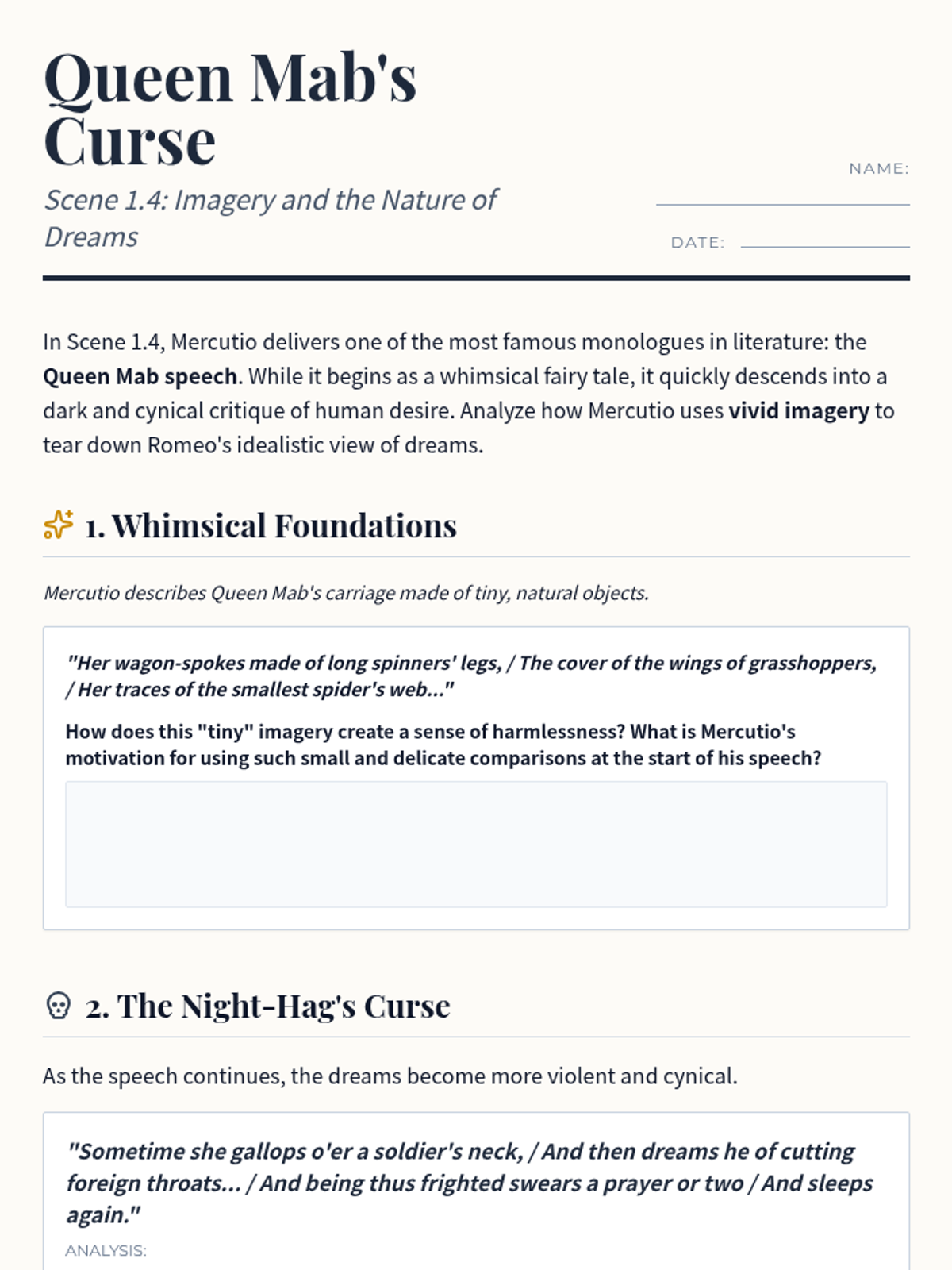
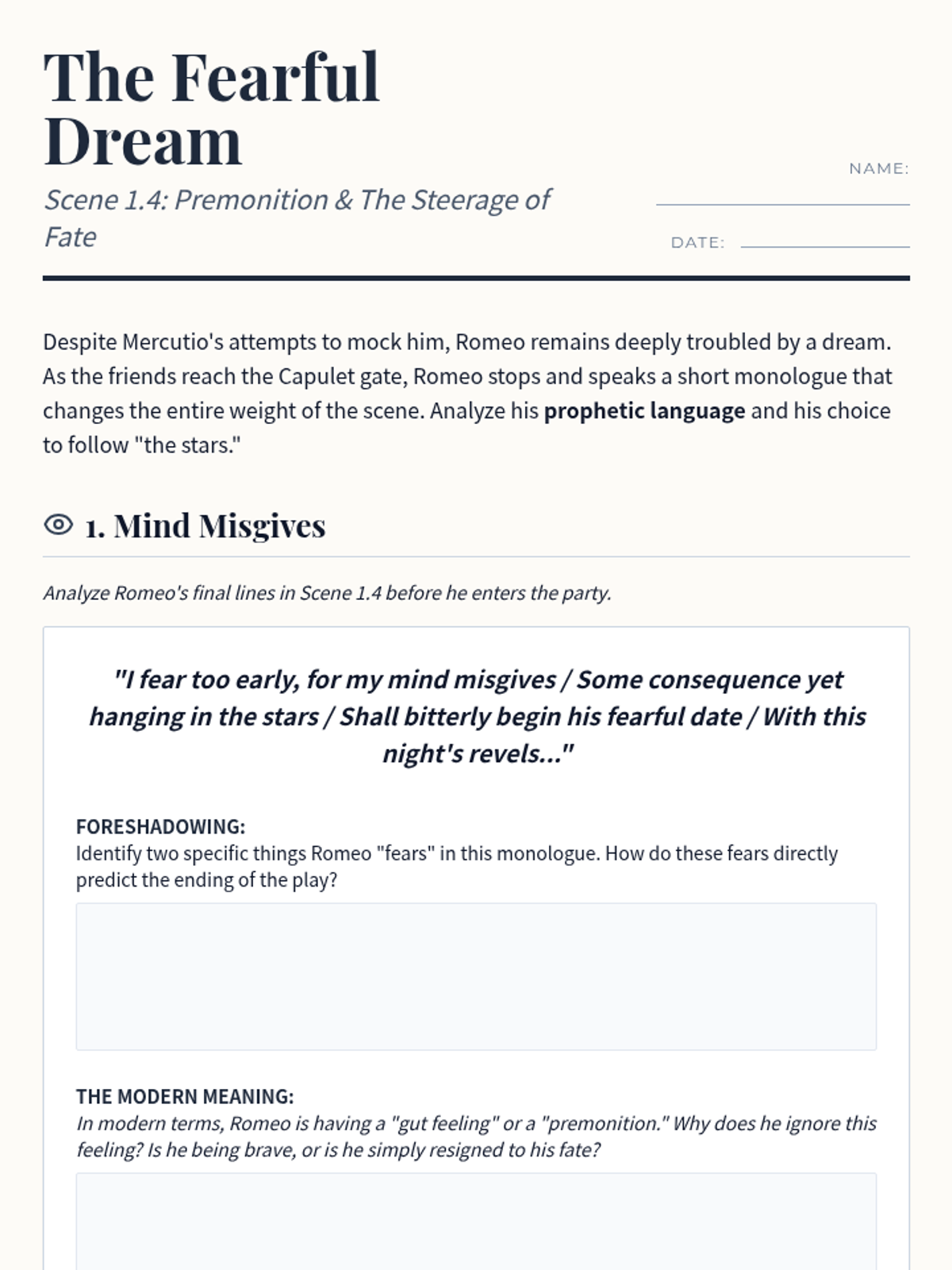
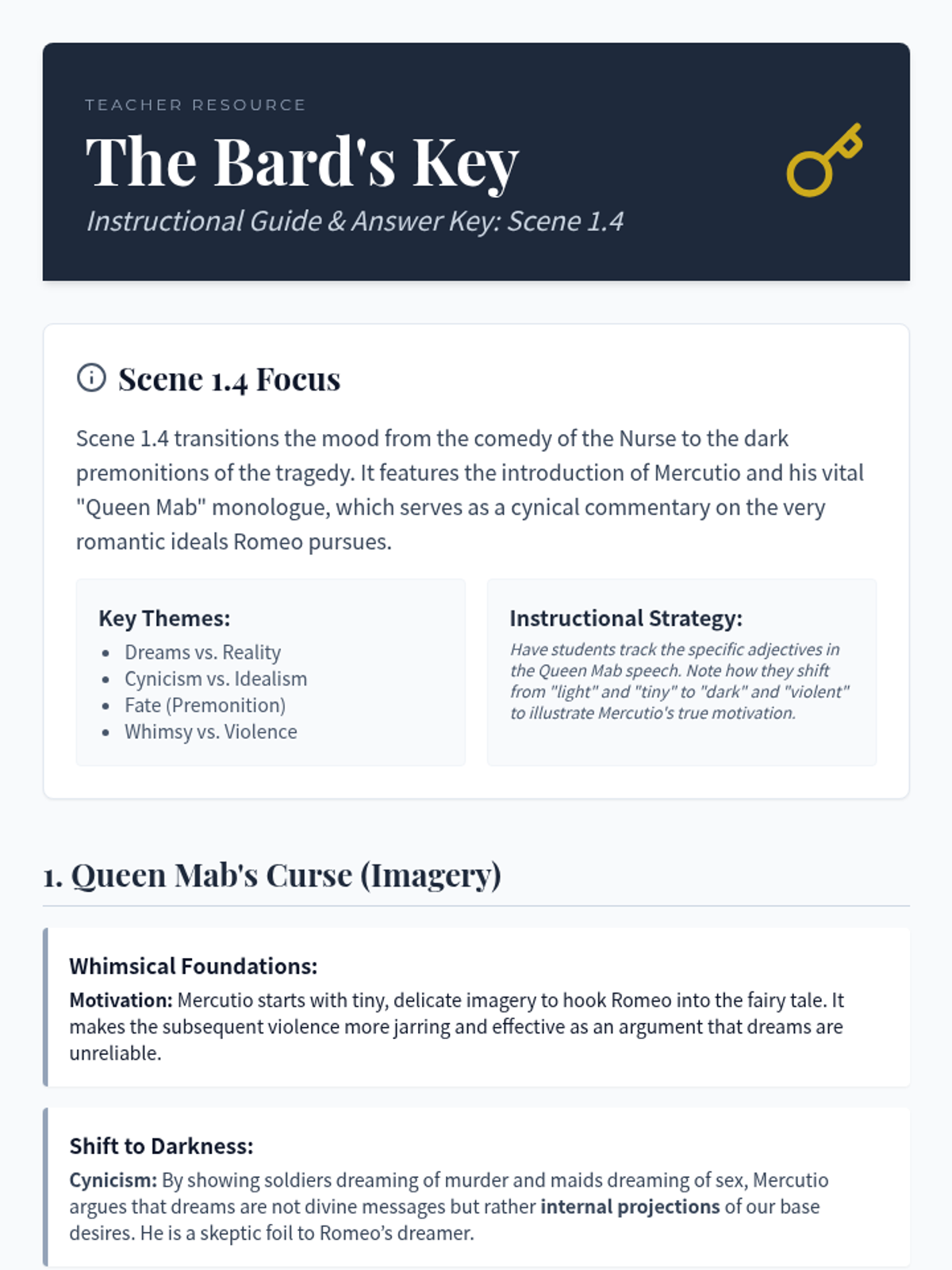
A study of Act 1, Scene 4, where Romeo, Mercutio, and Benvolio prepare to crash the Capulet ball. Students will analyze Mercutio's vivid Queen Mab speech, Romeo's persistent melancholy and prophetic dreams, and the tension between whimsical fantasy and dark reality.
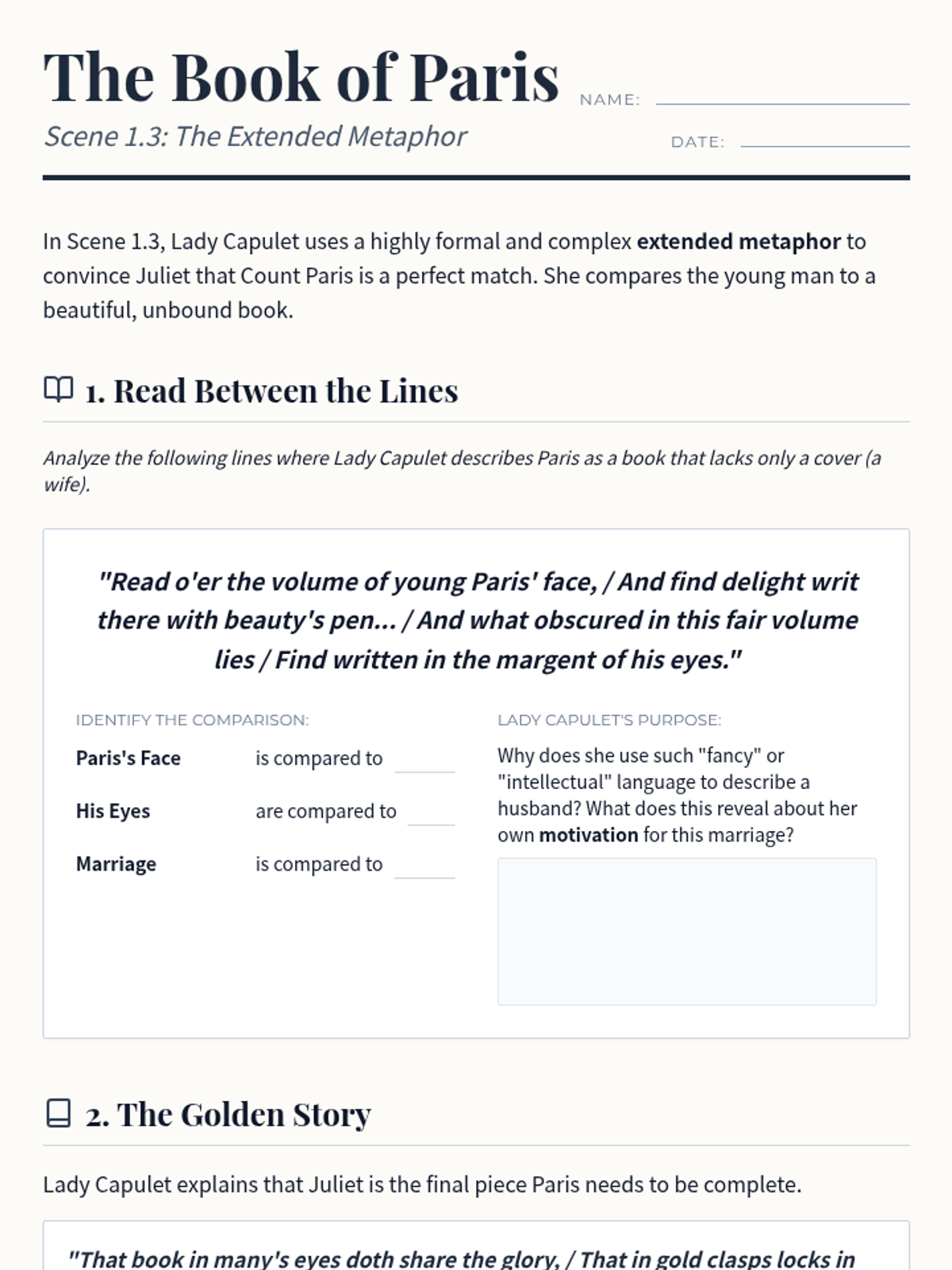
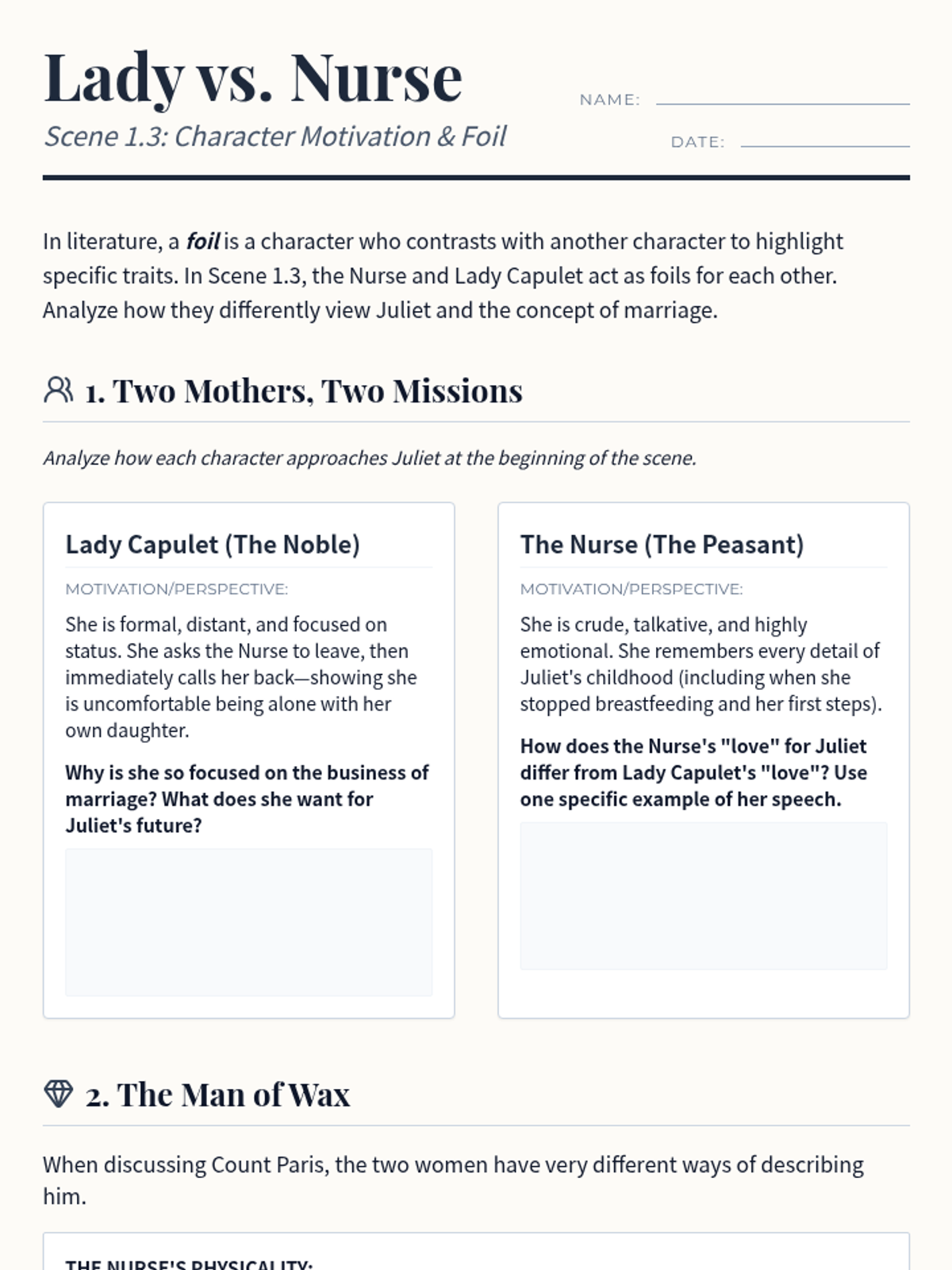
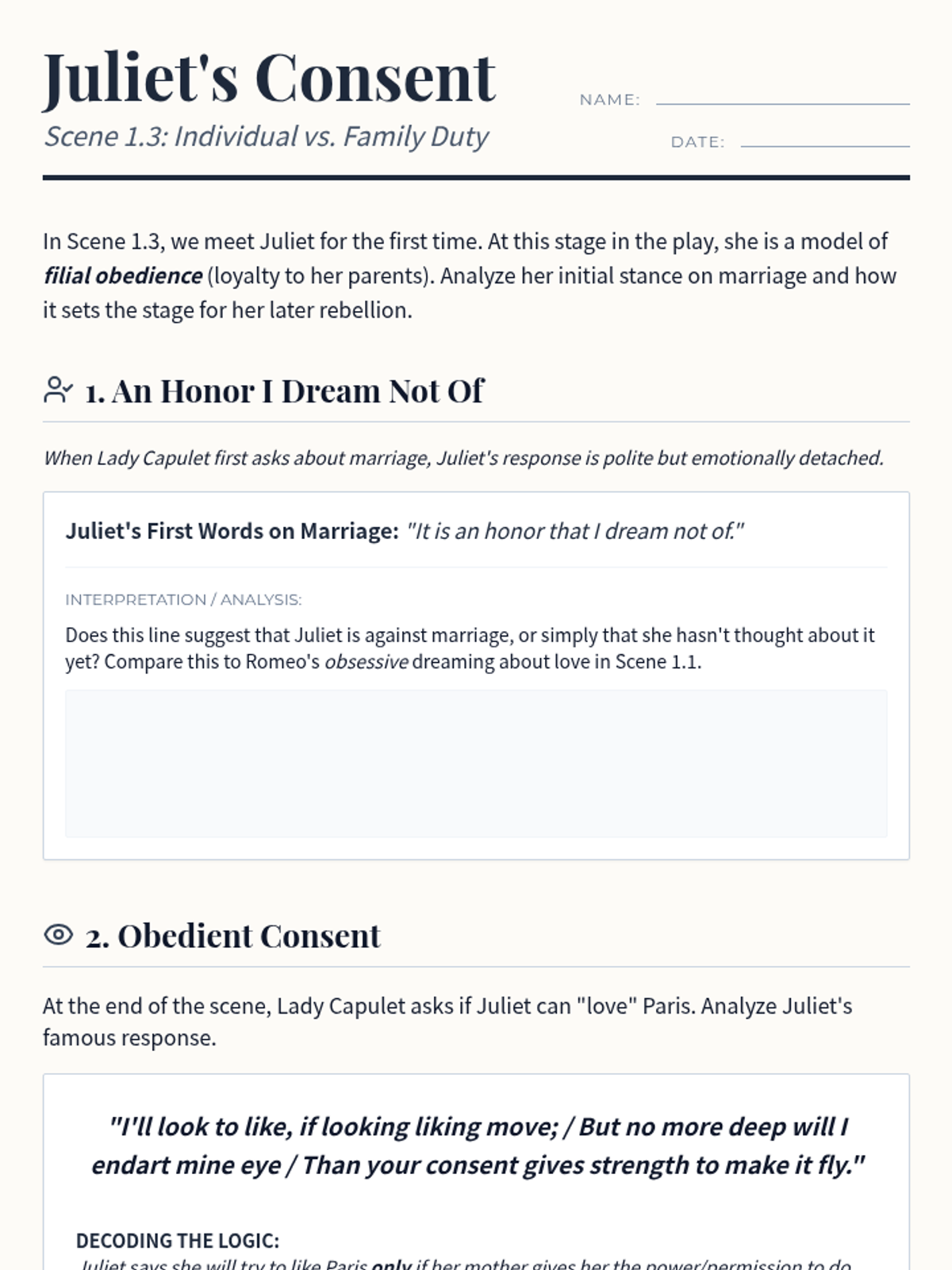
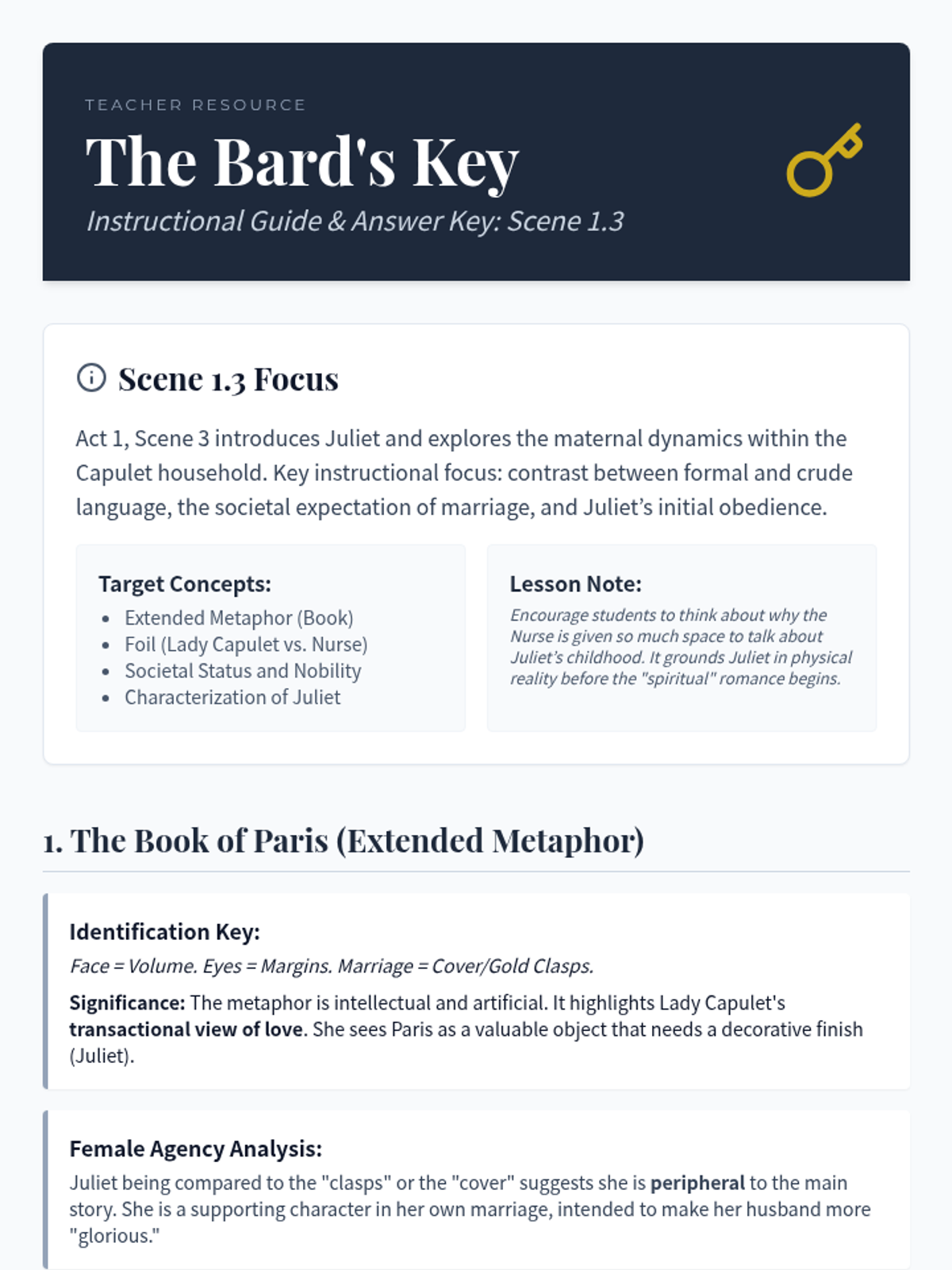
A study of Act 1, Scene 3, introducing the Nurse and Lady Capulet's proposal of marriage to Paris. Students will analyze the Nurse's coarse humor, Lady Capulet's extended metaphor of Paris as a book, and Juliet's initial stance on marriage and obedience.
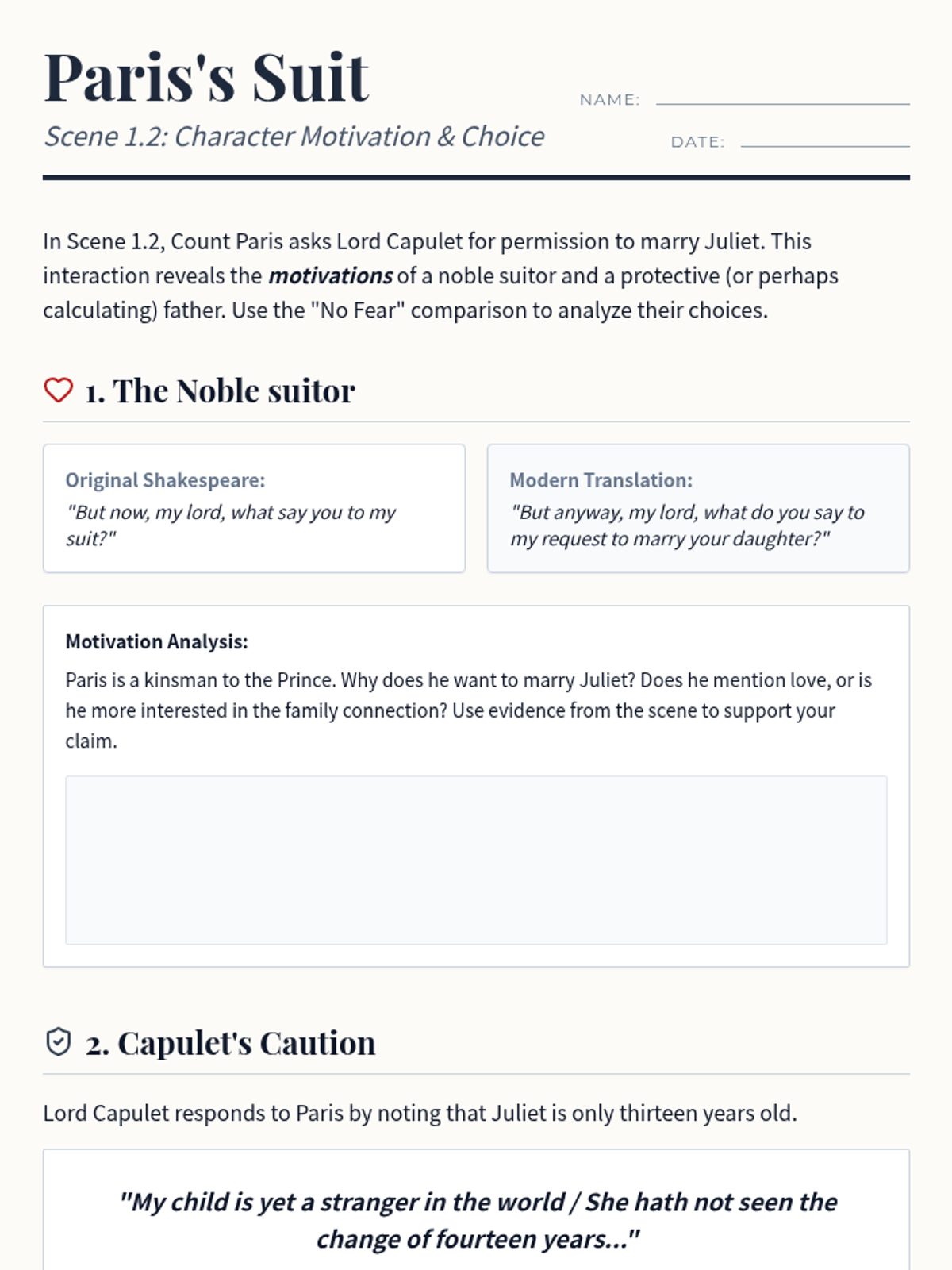
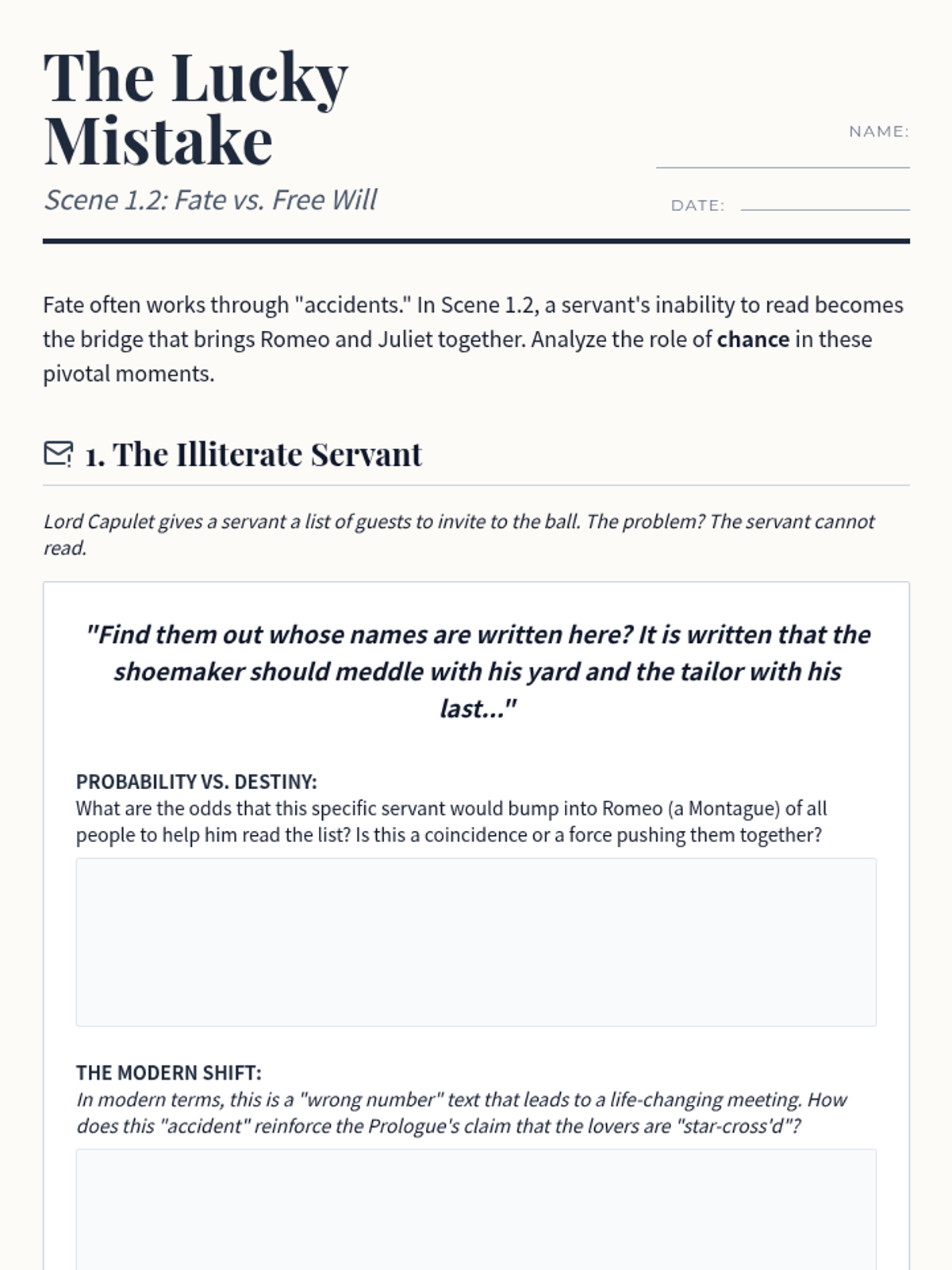
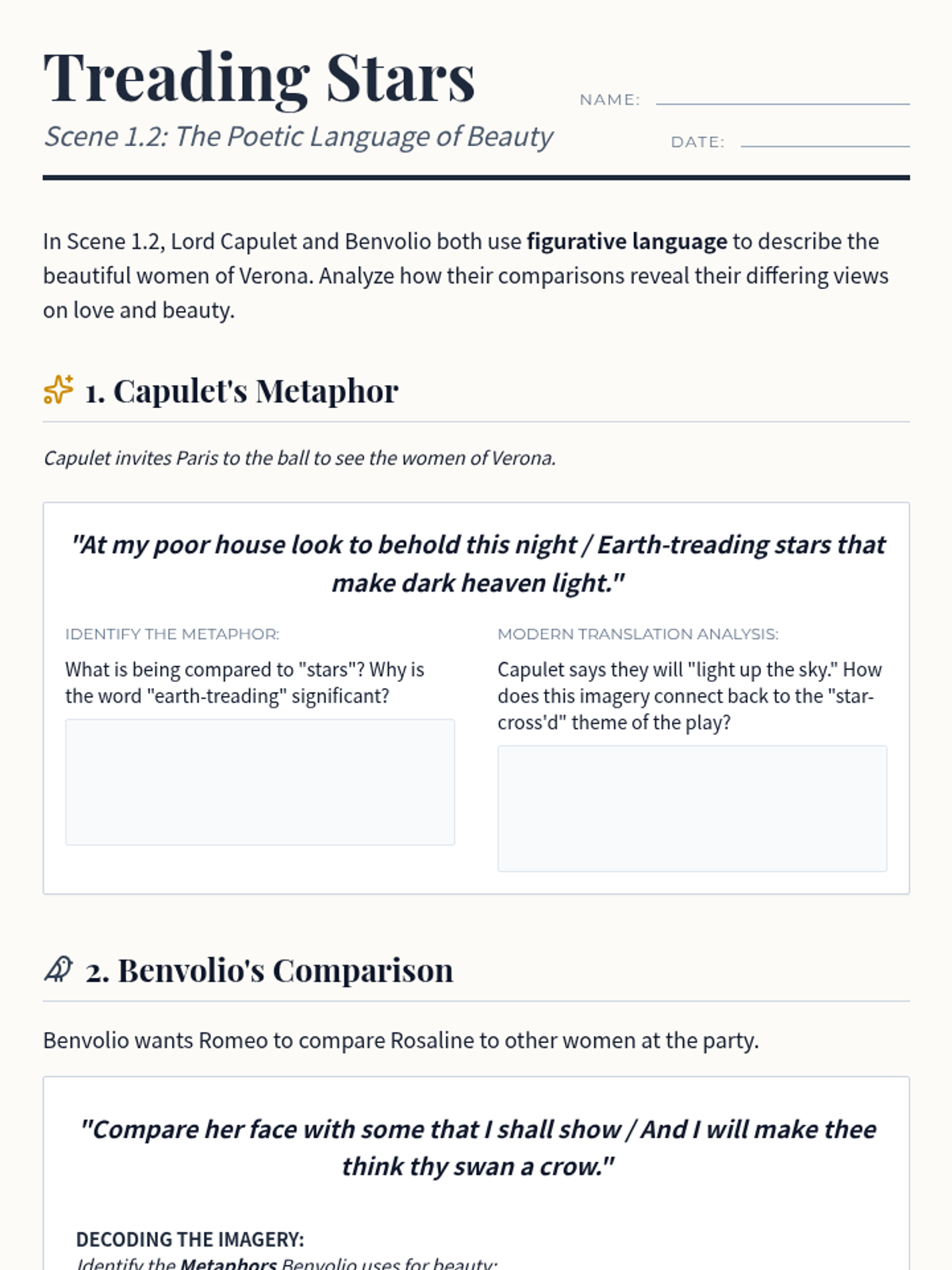
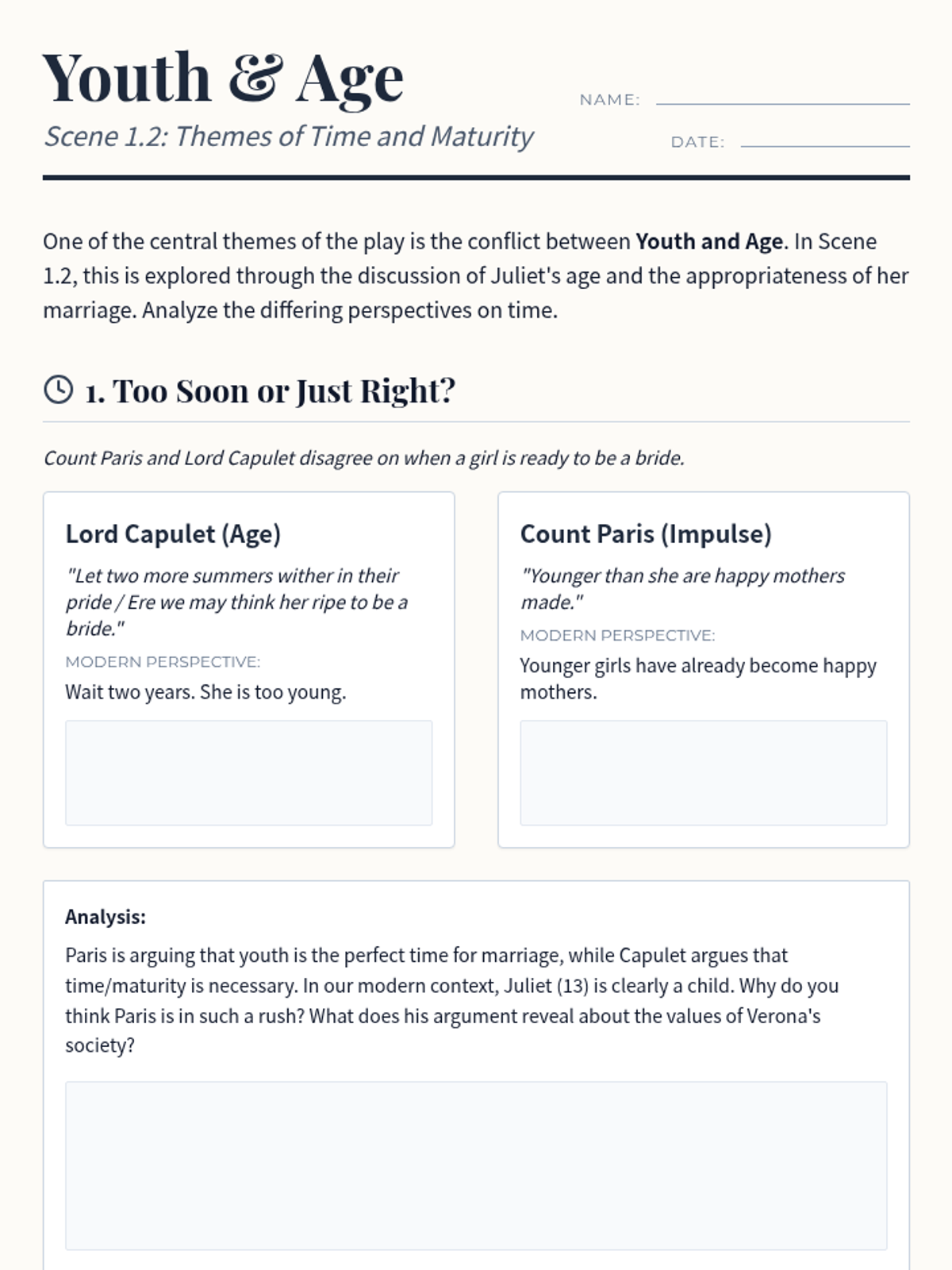
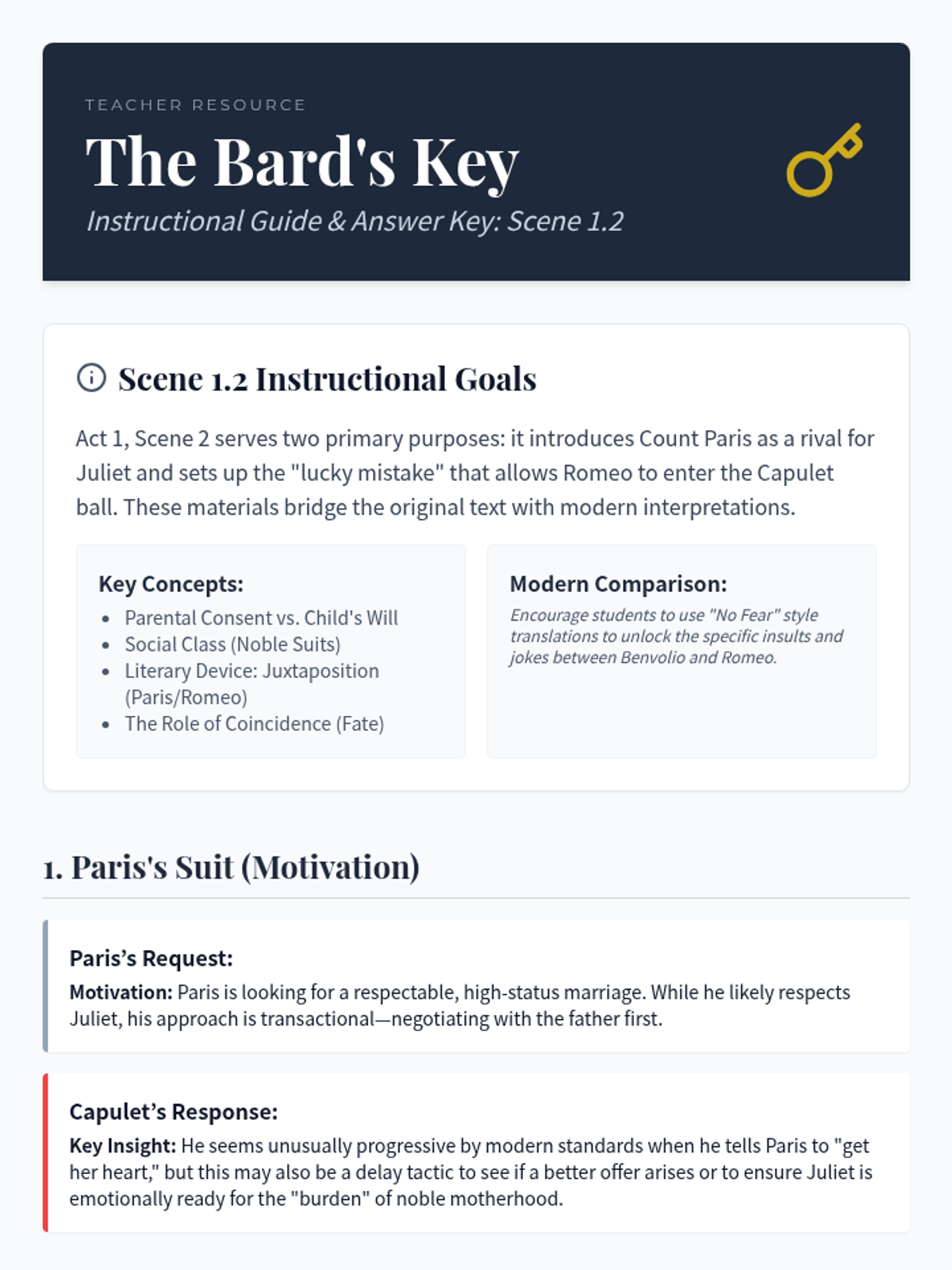
A study of Act 1, Scene 2, where Count Paris asks for Juliet's hand and Romeo and Benvolio discover the Capulet party through a chance encounter. Students will analyze the dynamics of parental choice, the role of chance, and the poetic language used to describe the ladies of Verona.
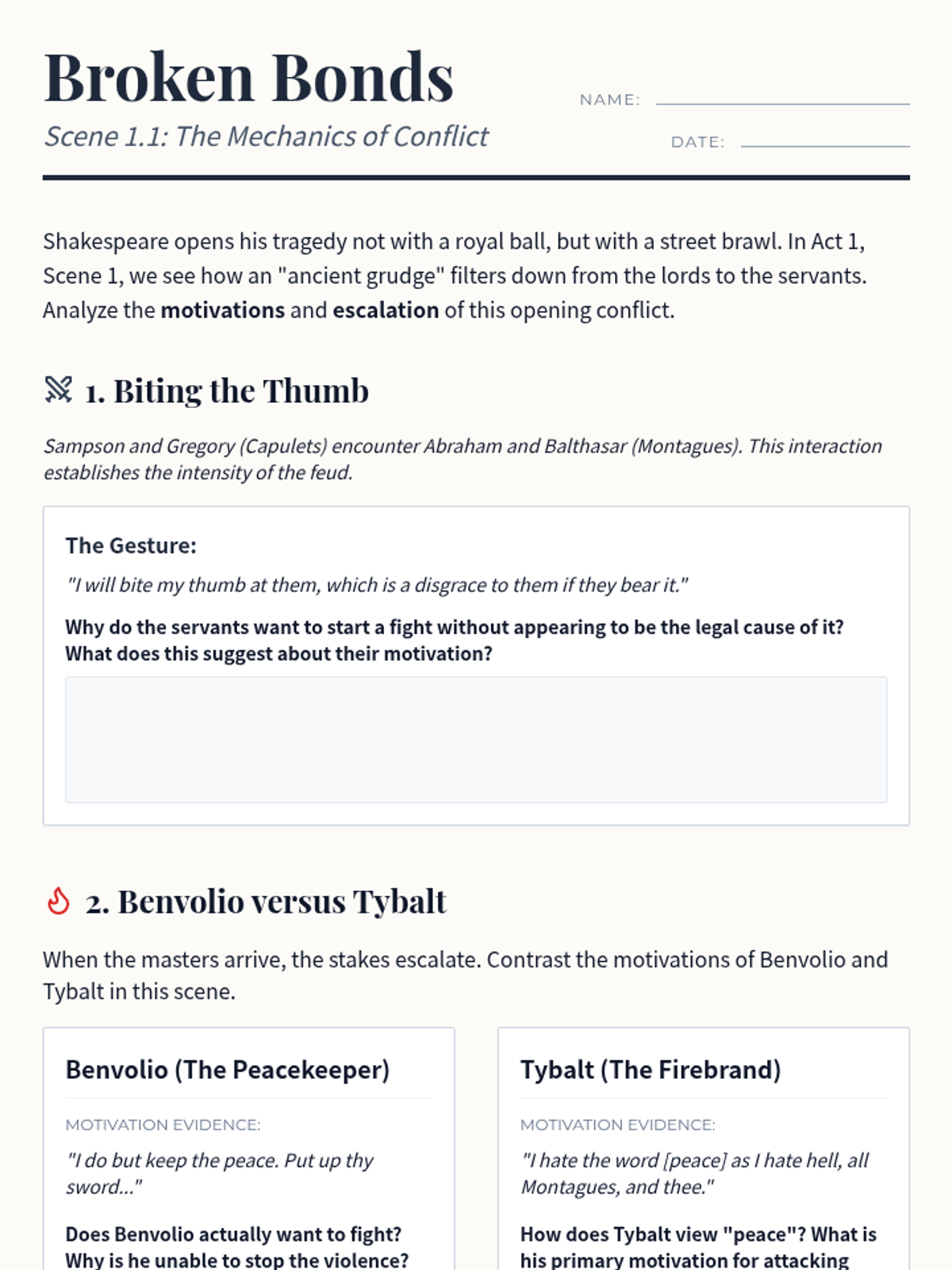
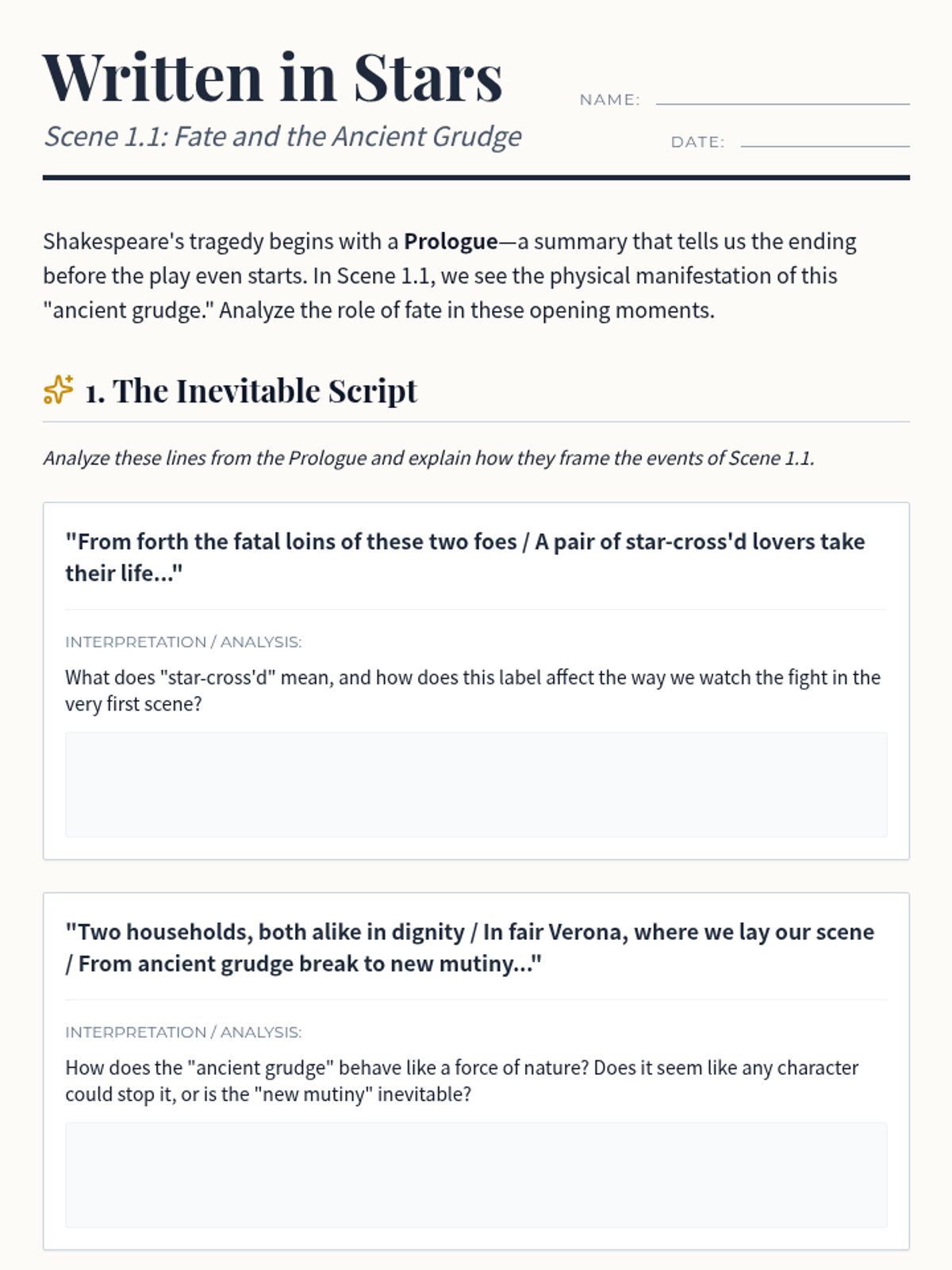
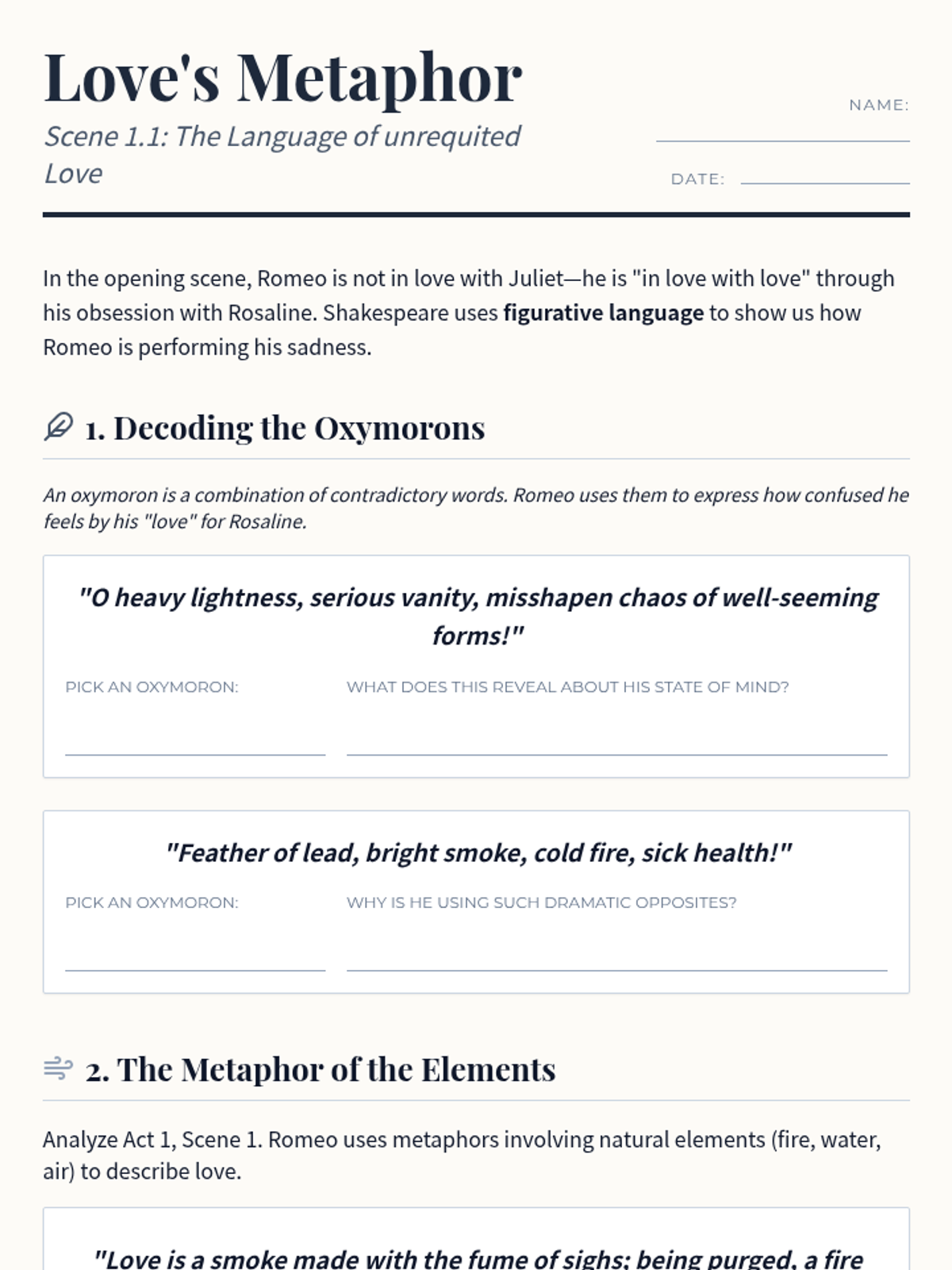
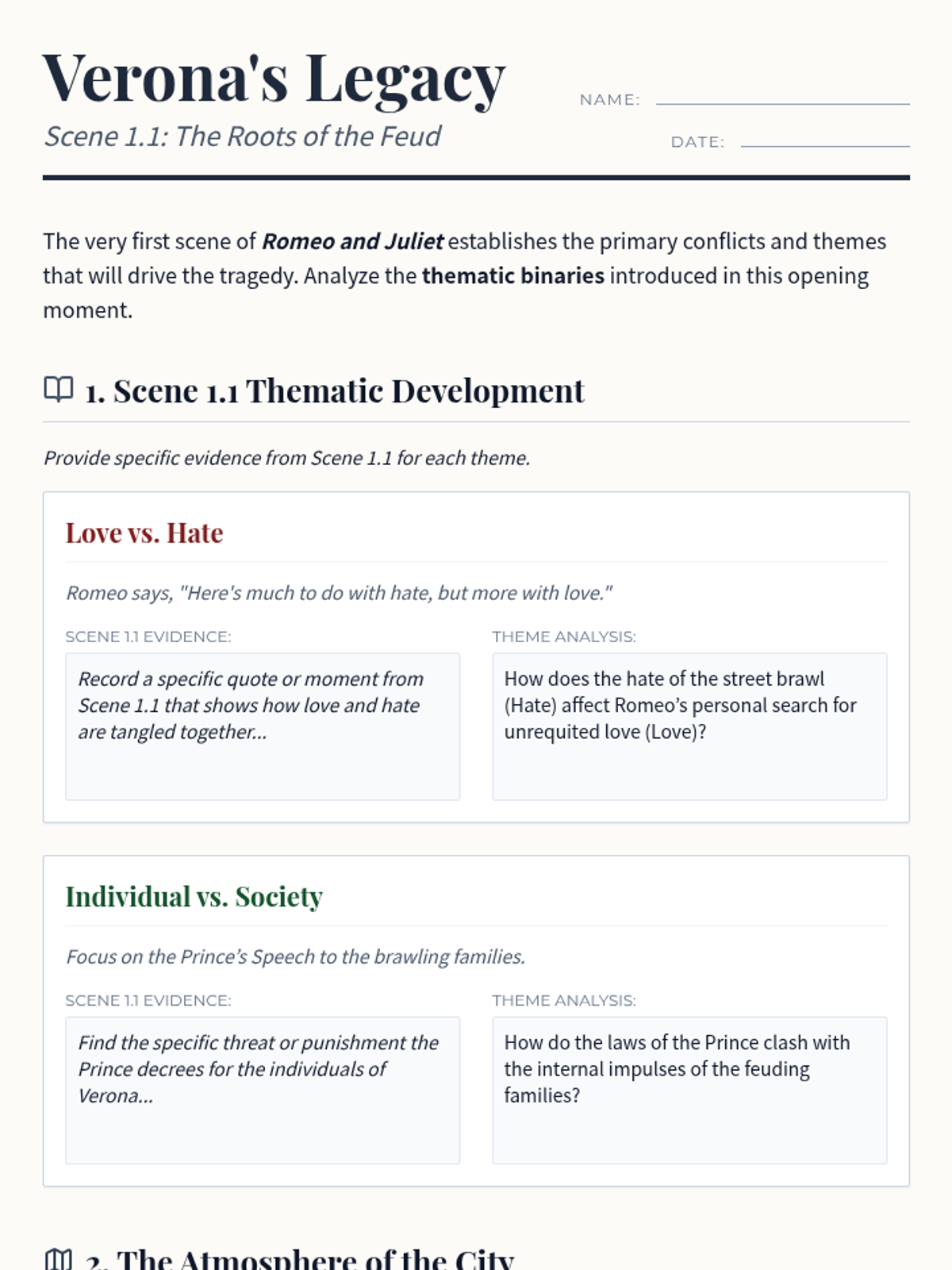
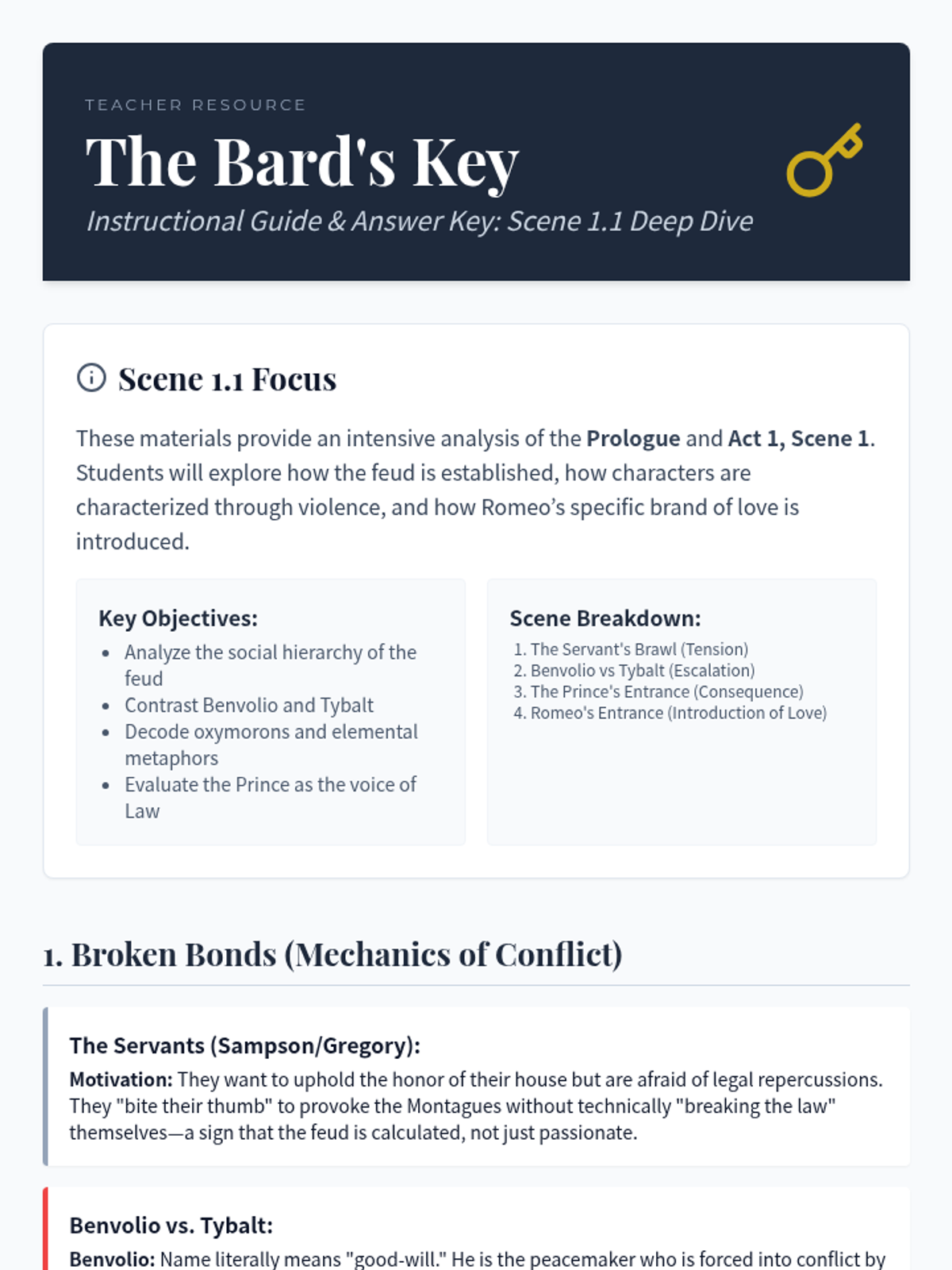
An intensive study of the opening scene and prologue of Shakespeare's Romeo and Juliet. Students will analyze the mechanics of the ancient grudge, the characterization of the principal families, and the specific poetic techniques used to establish Romeo's unrequited love for Rosaline.
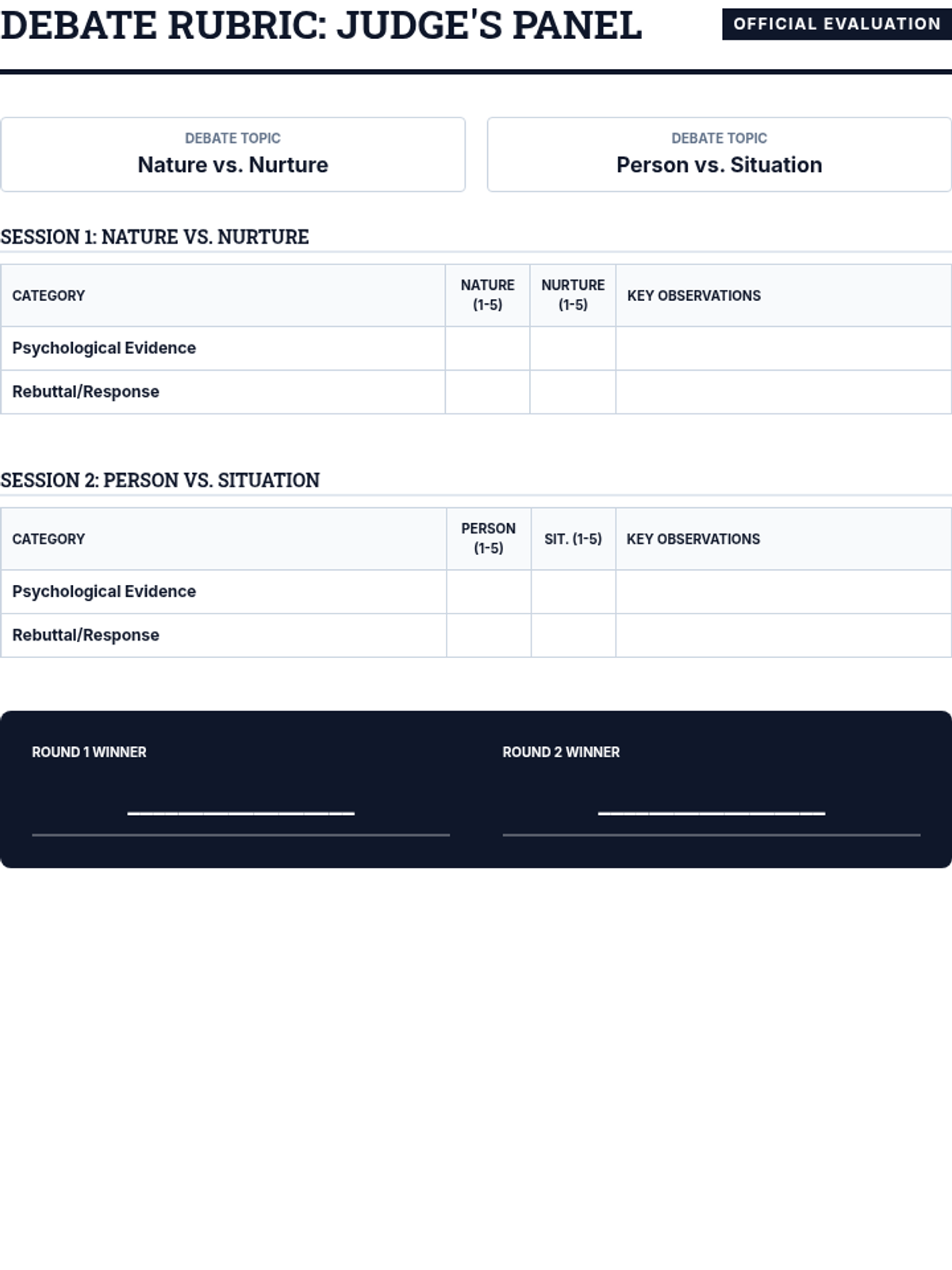
The final debate session where students engage in a 20-minute structured argument, applying their psychological knowledge to the question of why students cheat.
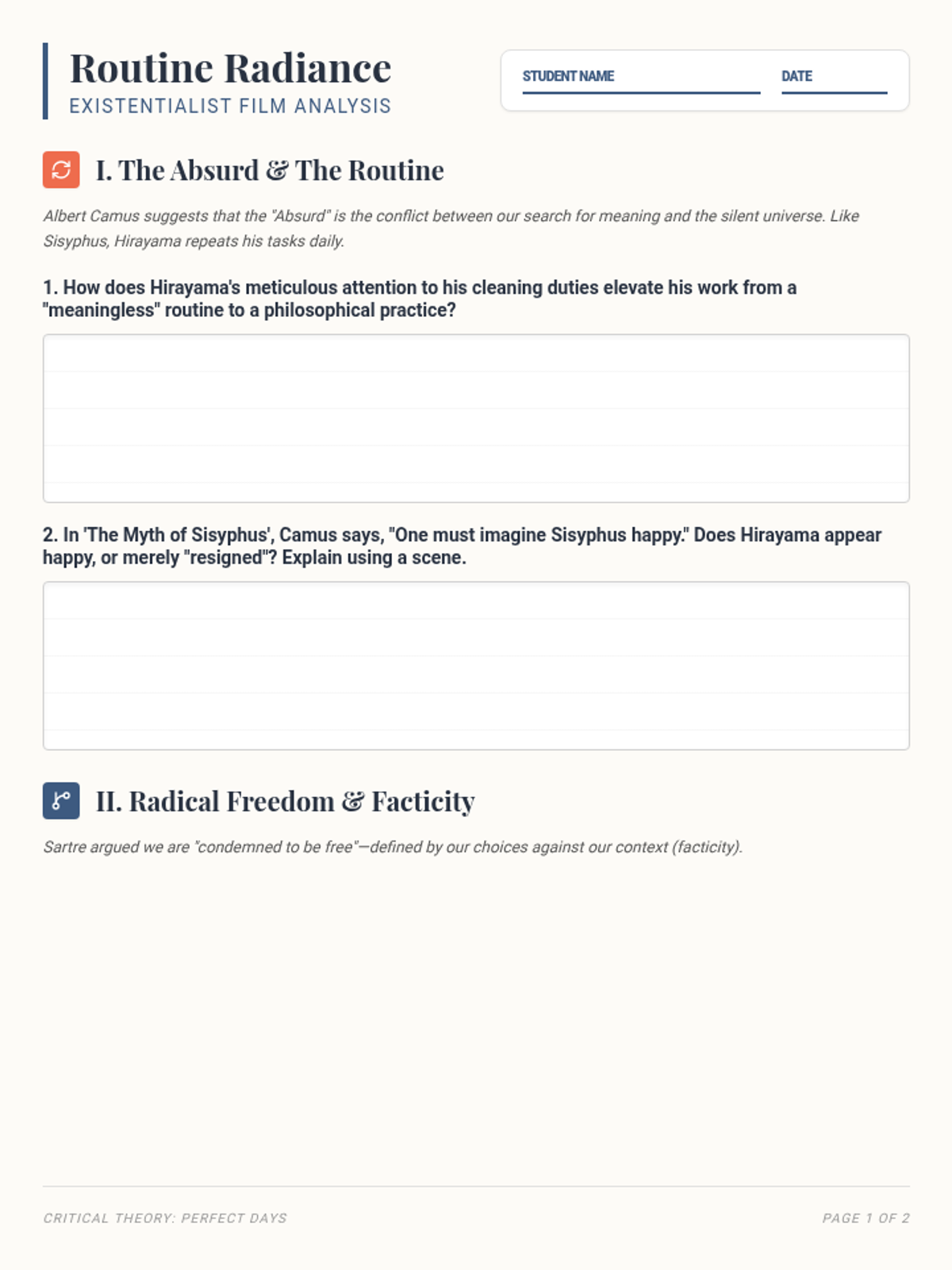
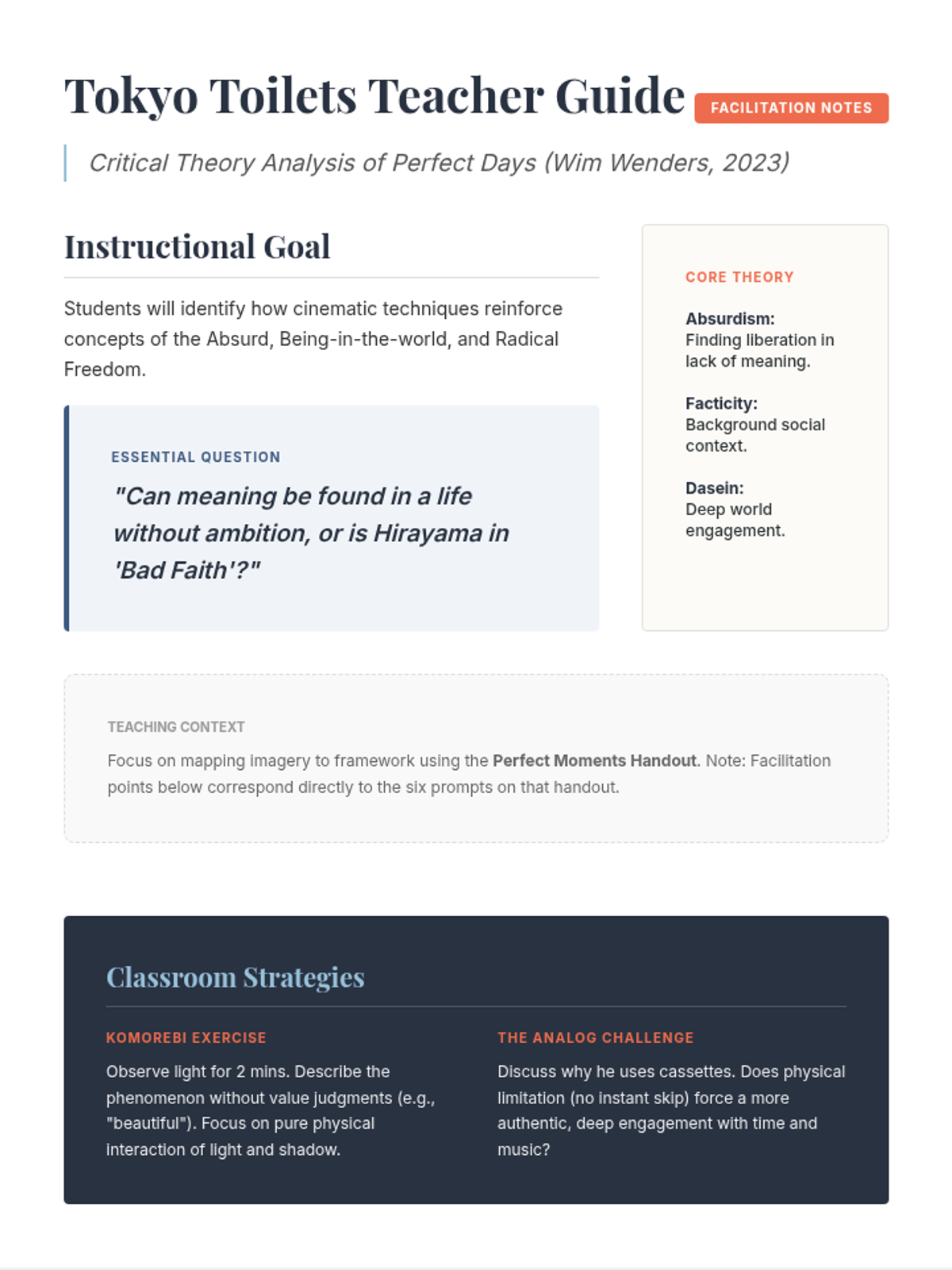
A deep dive into Wim Wenders' film 'Perfect Days' using existentialist philosophy to analyze the protagonist's repetitive routine and radical choices. Students explore themes of the absurd, authenticity, and 'komorebi' through critical theory.
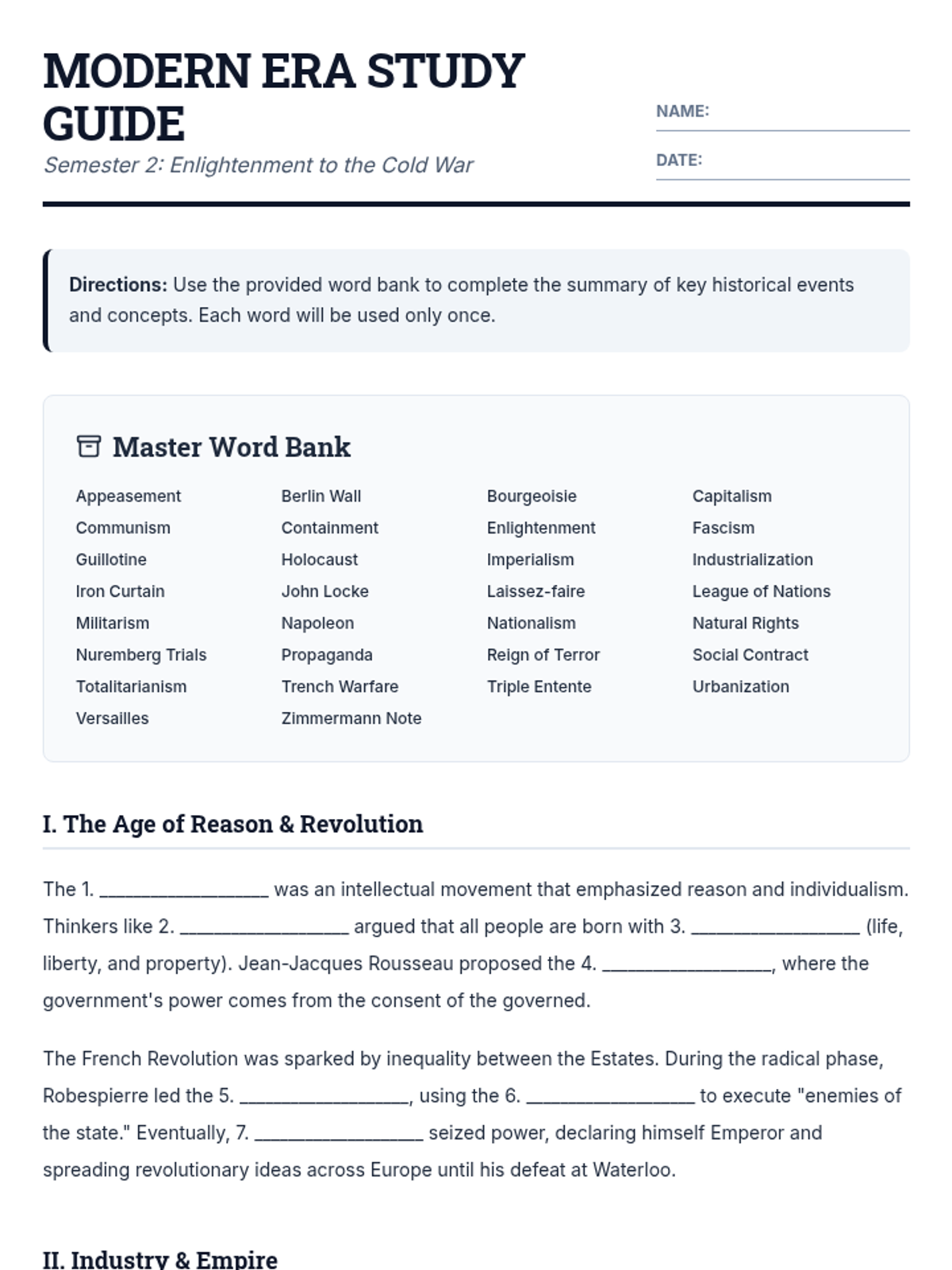
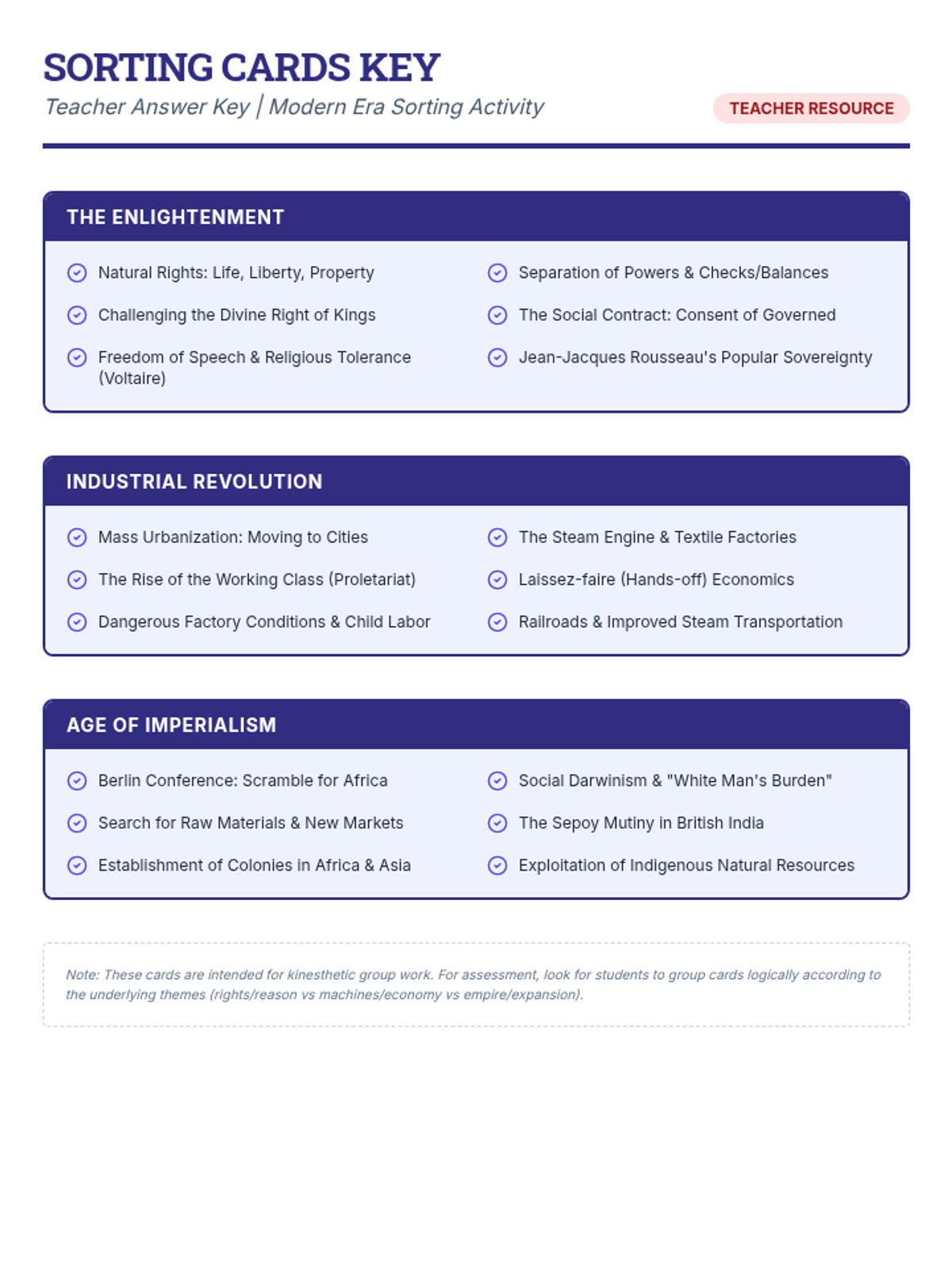
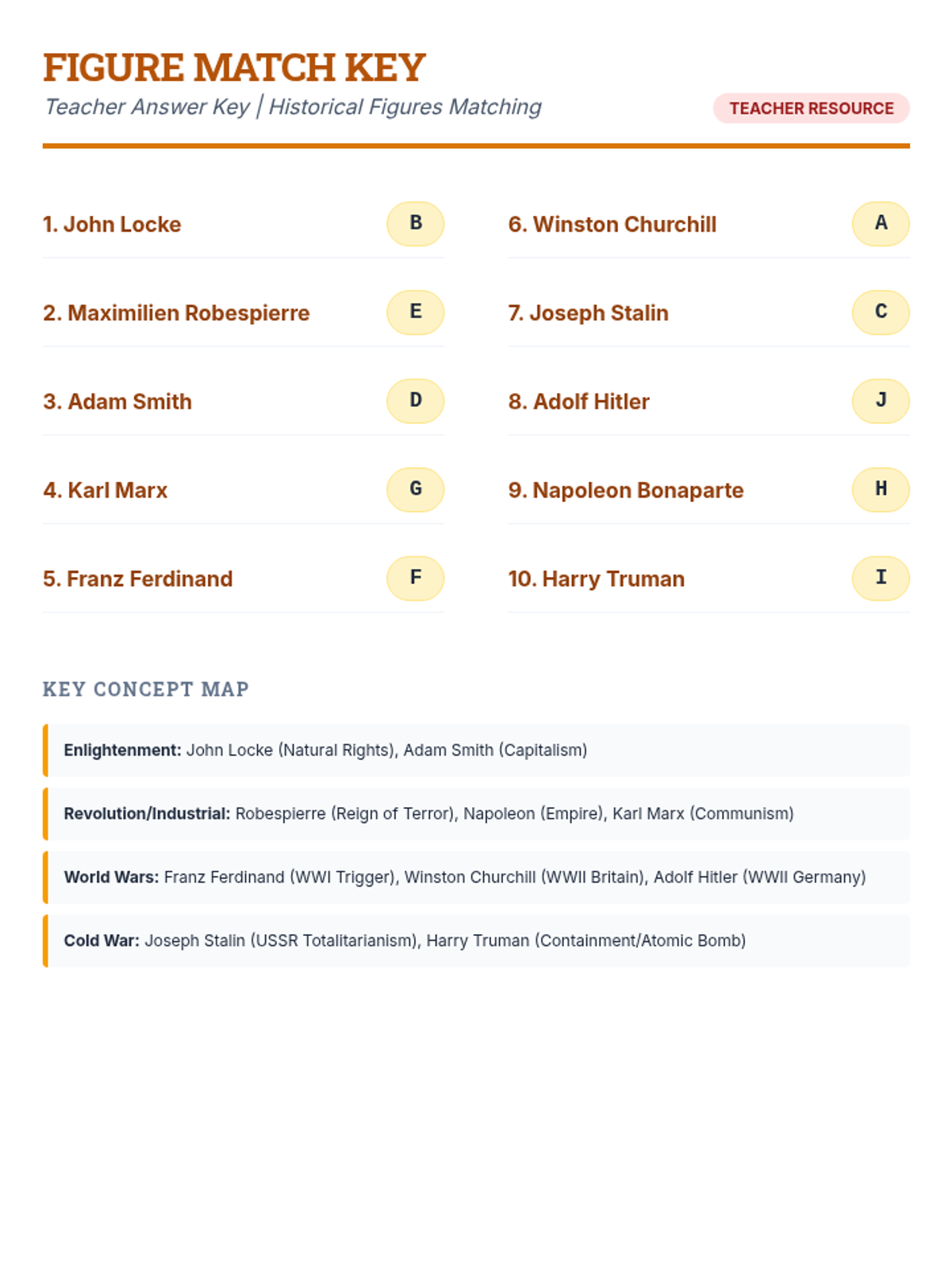
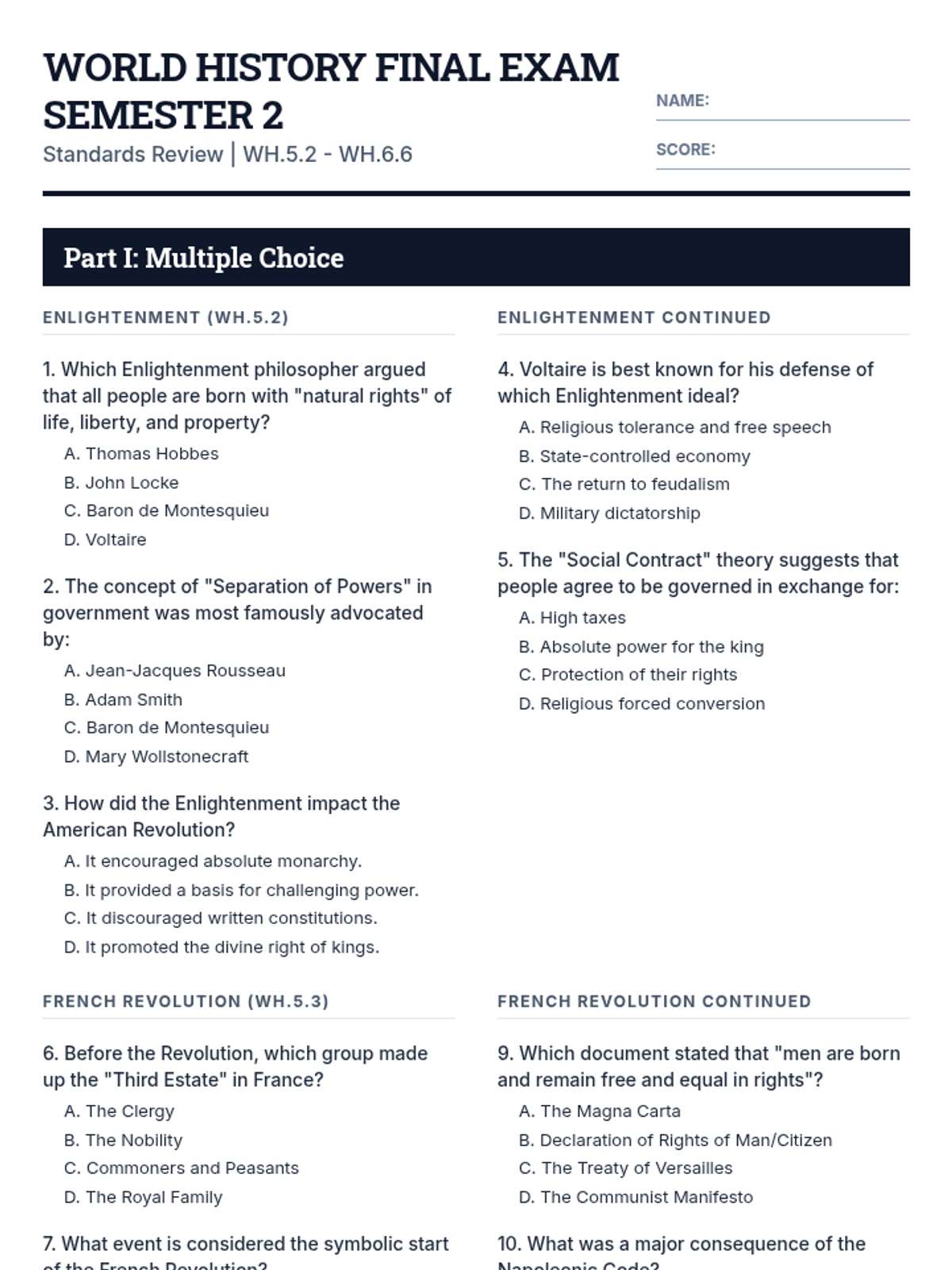
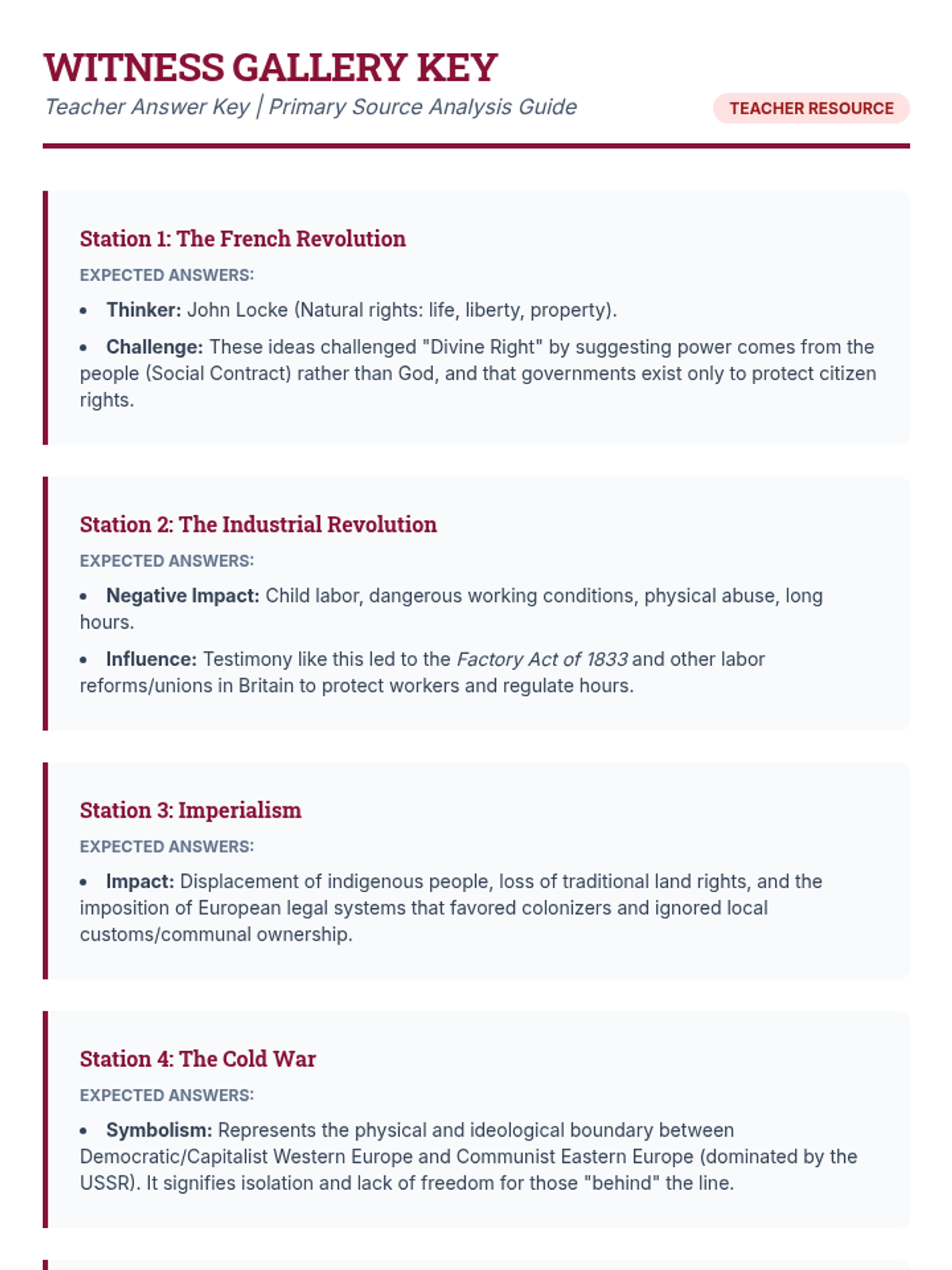
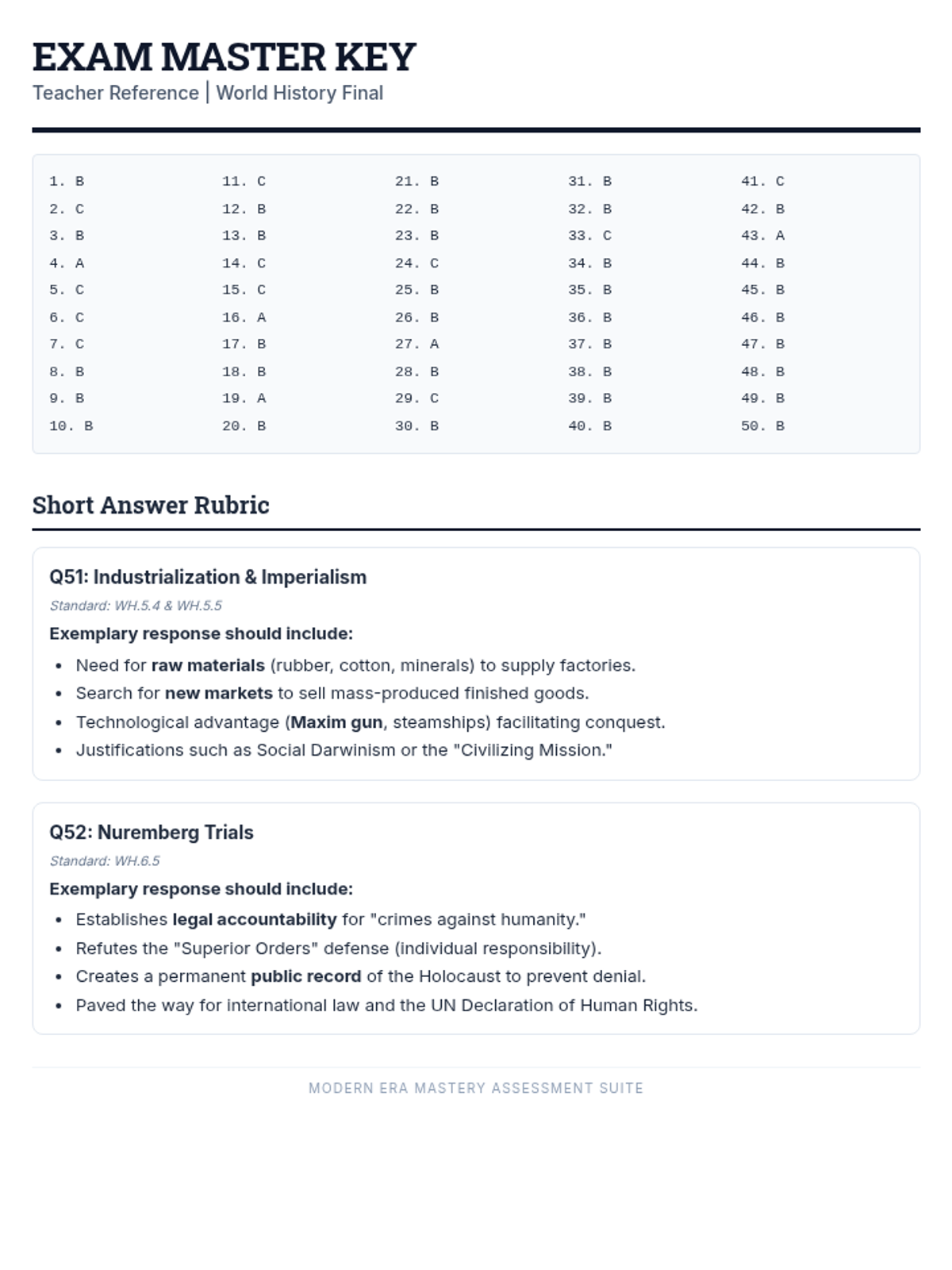
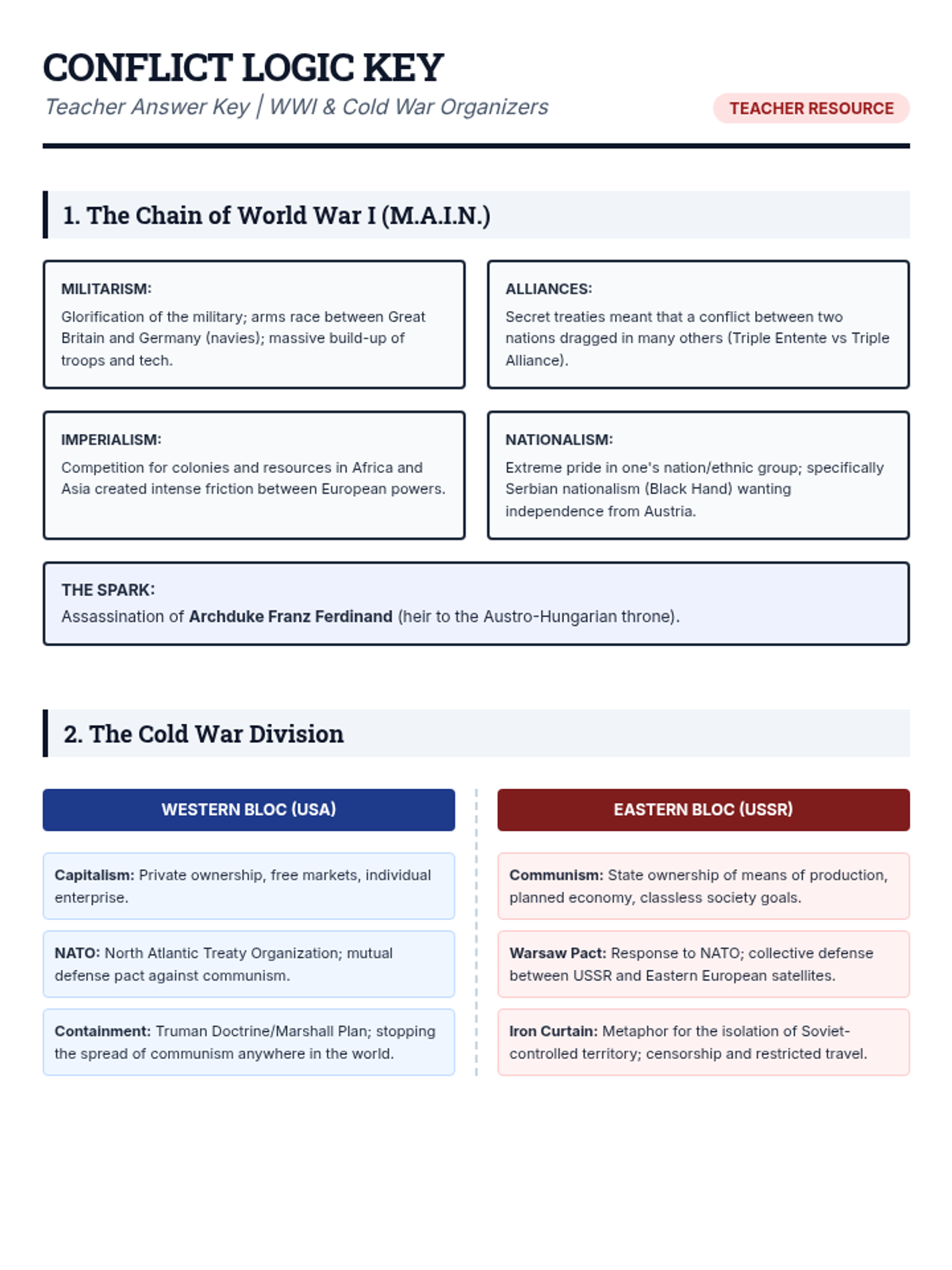
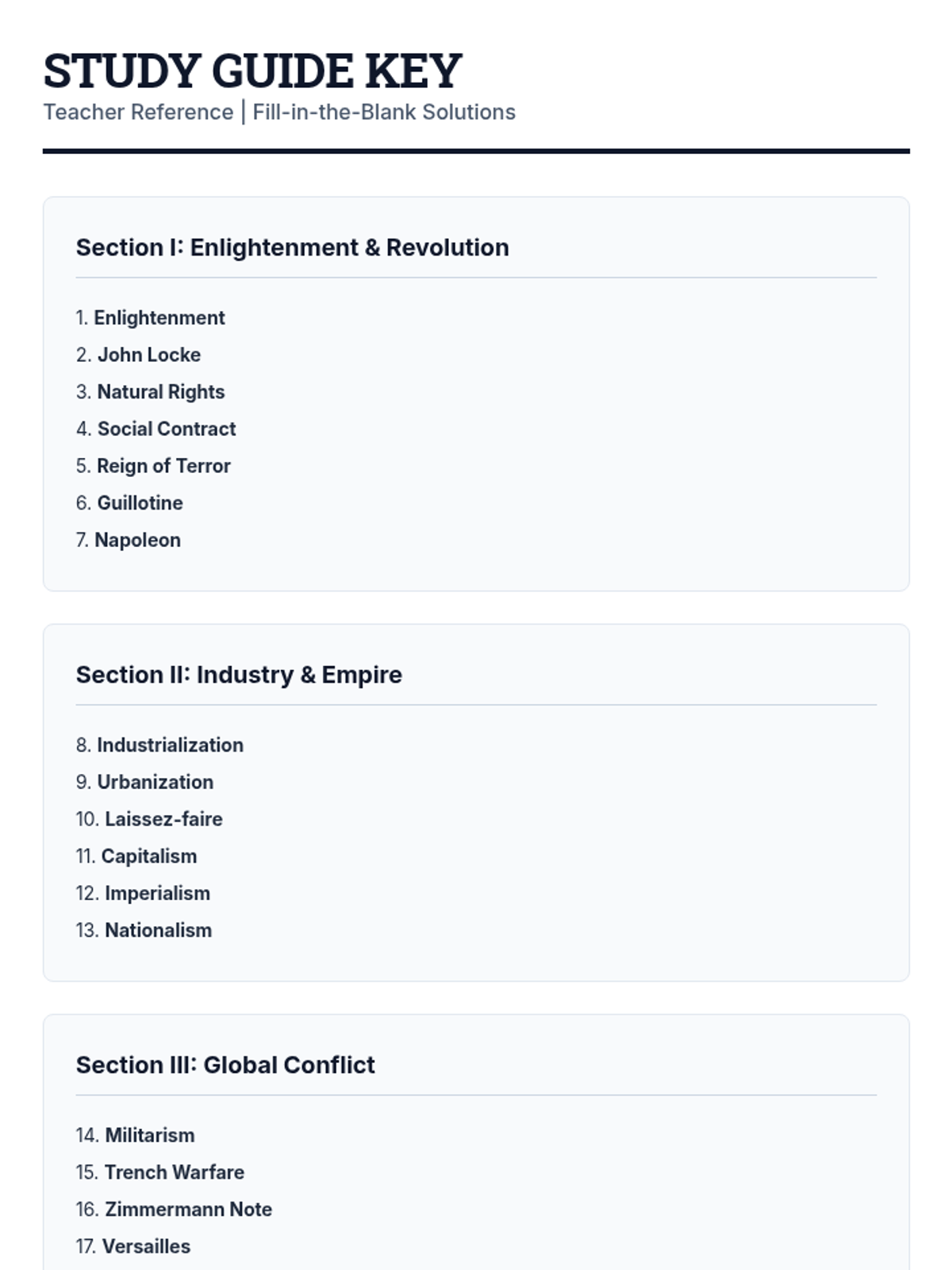
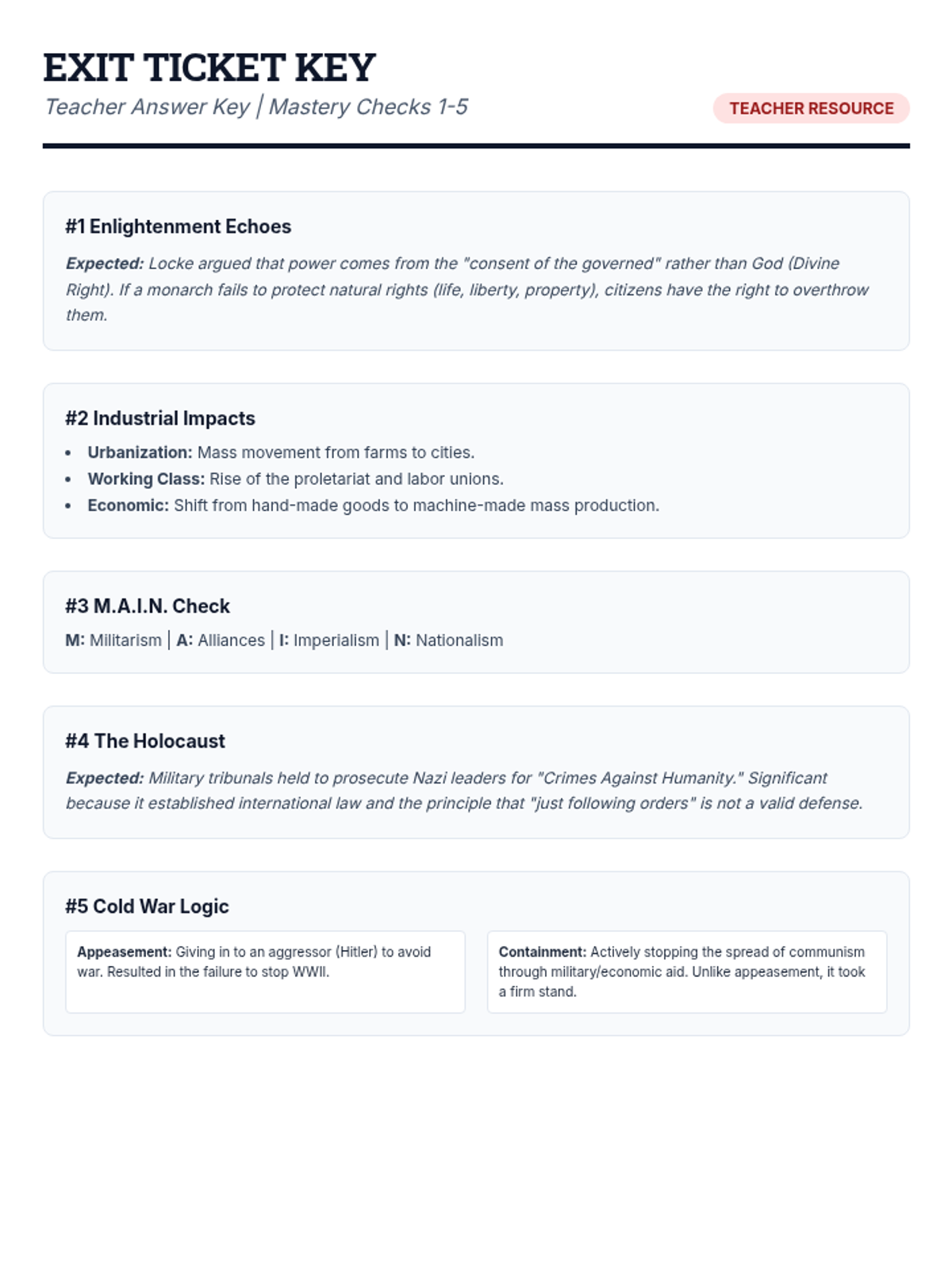
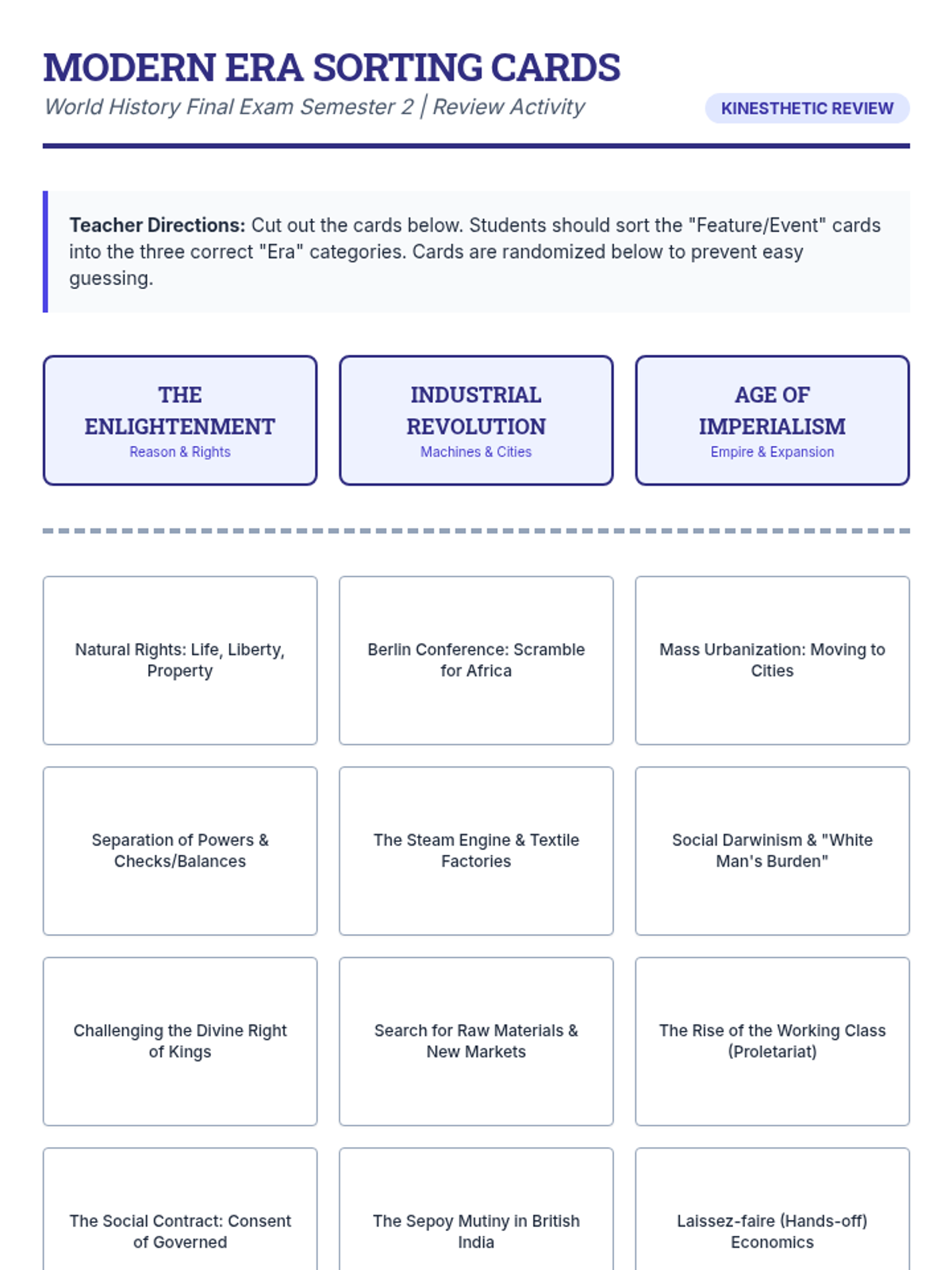
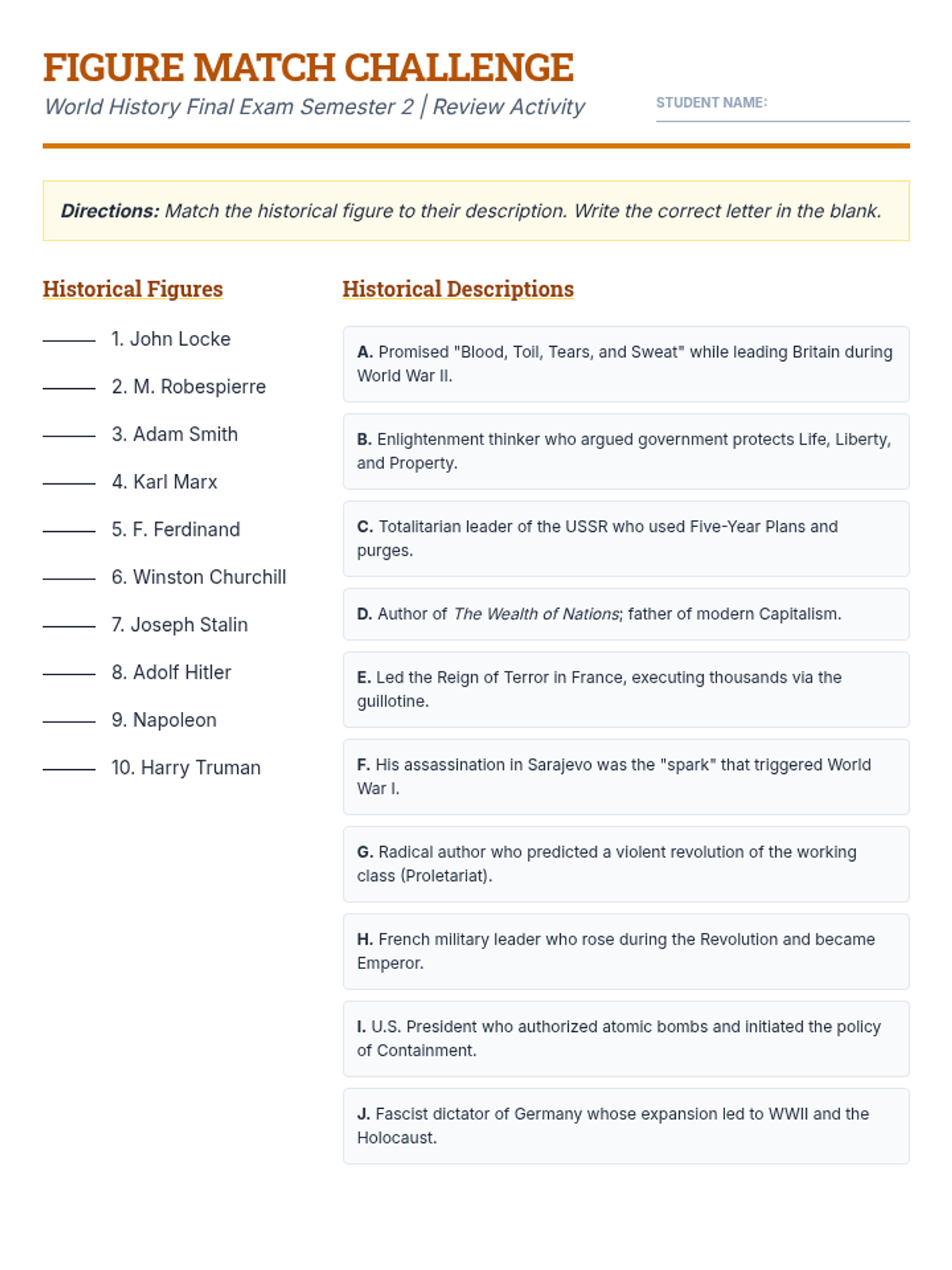
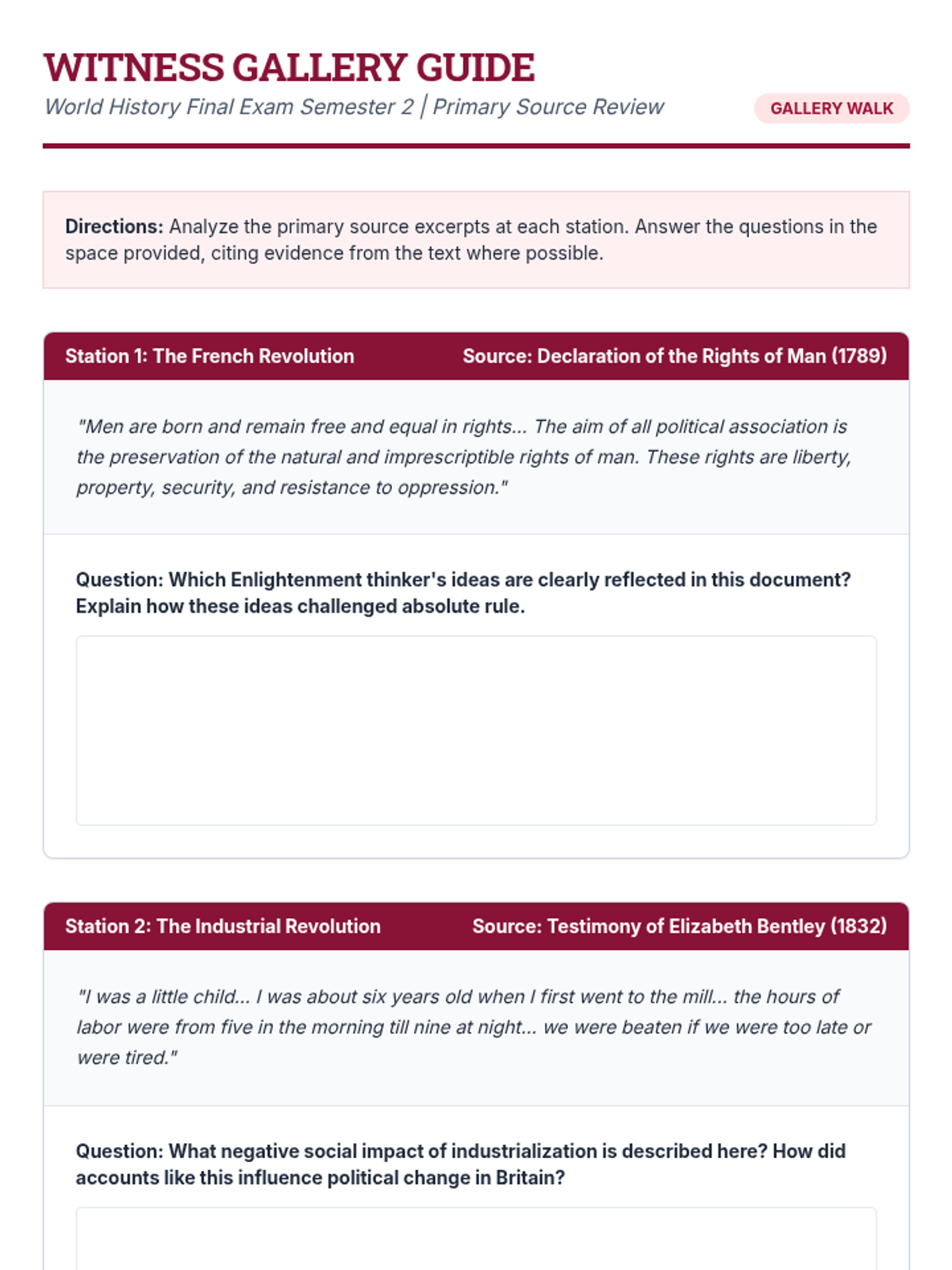
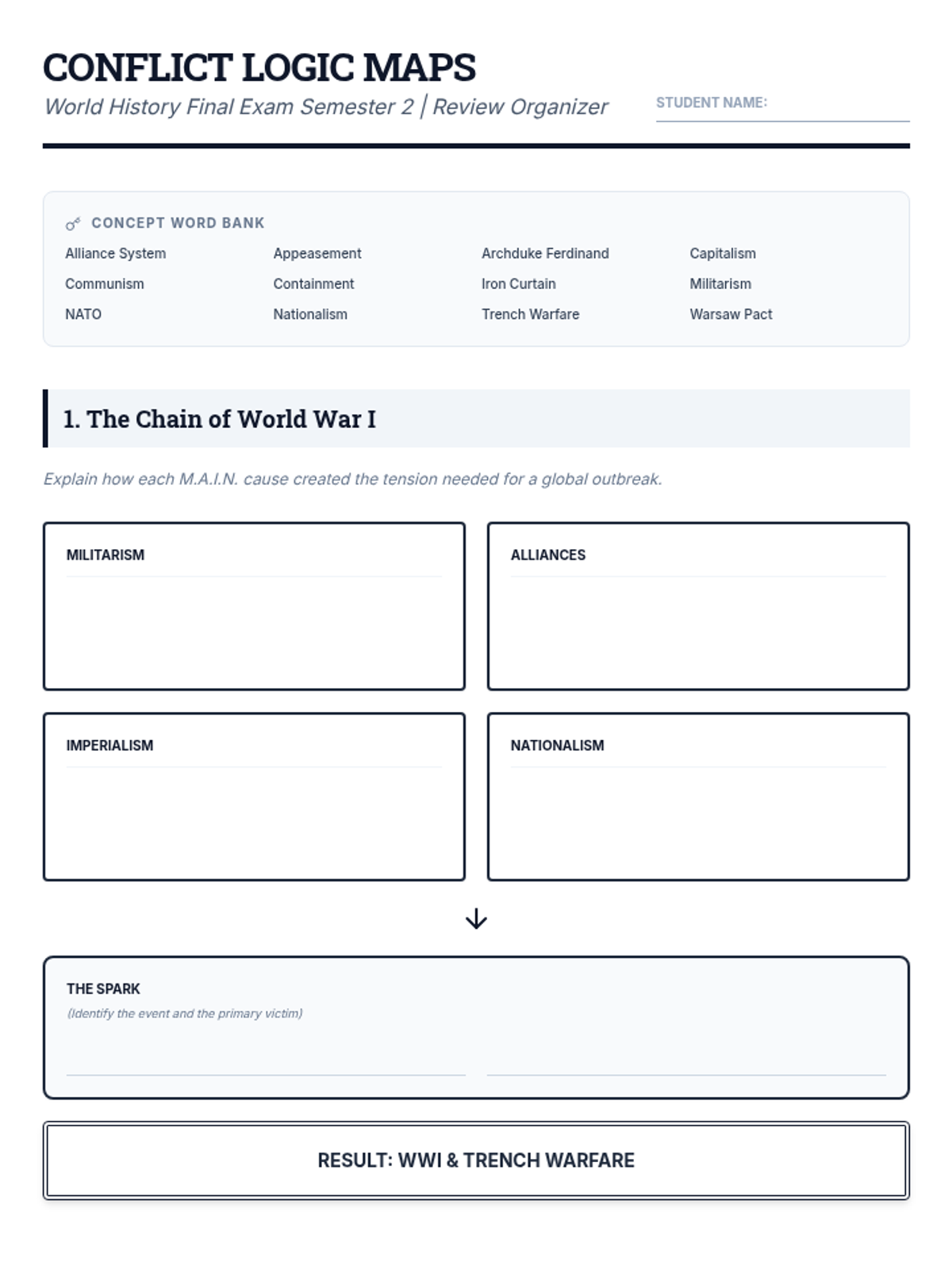
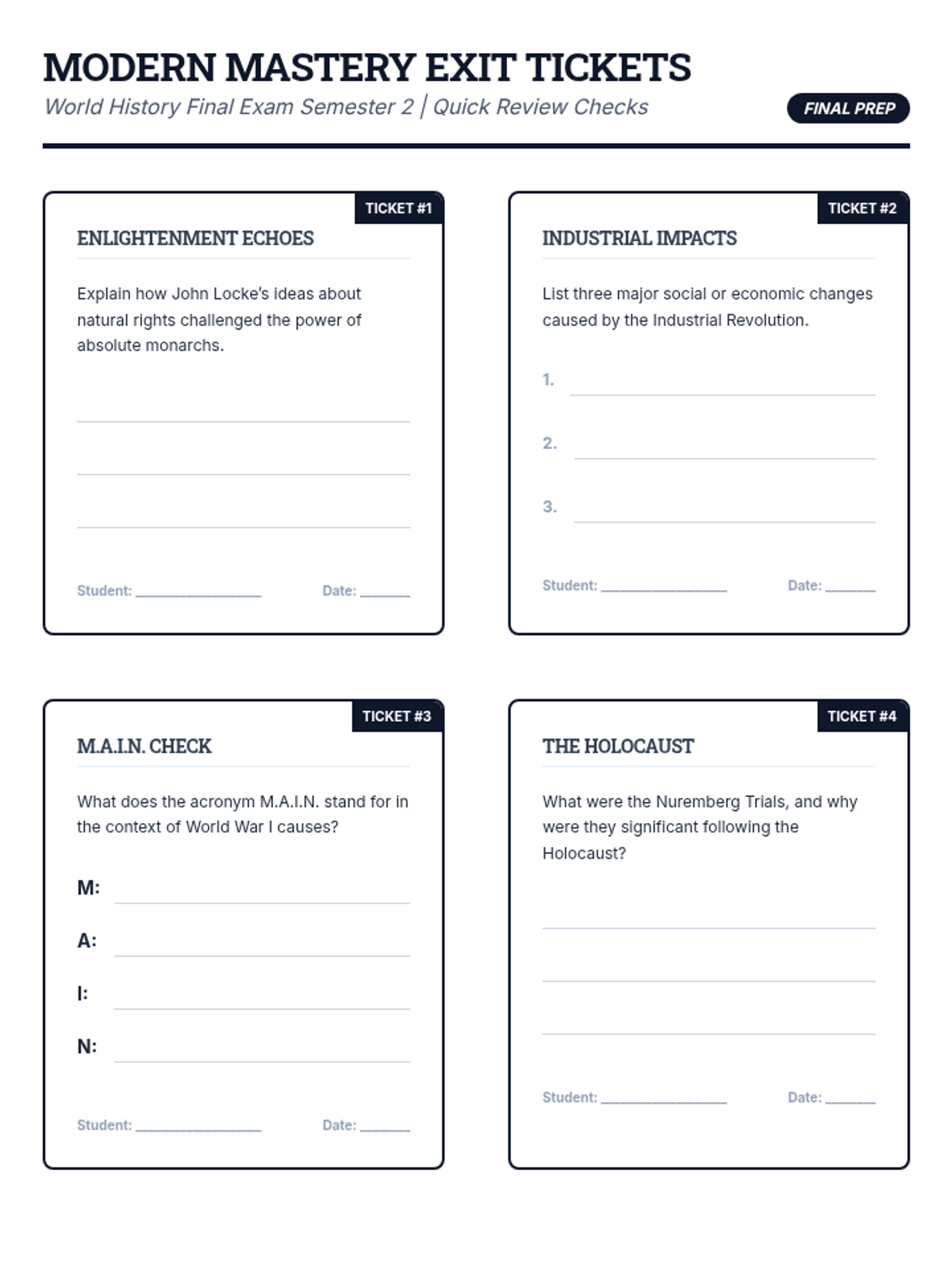
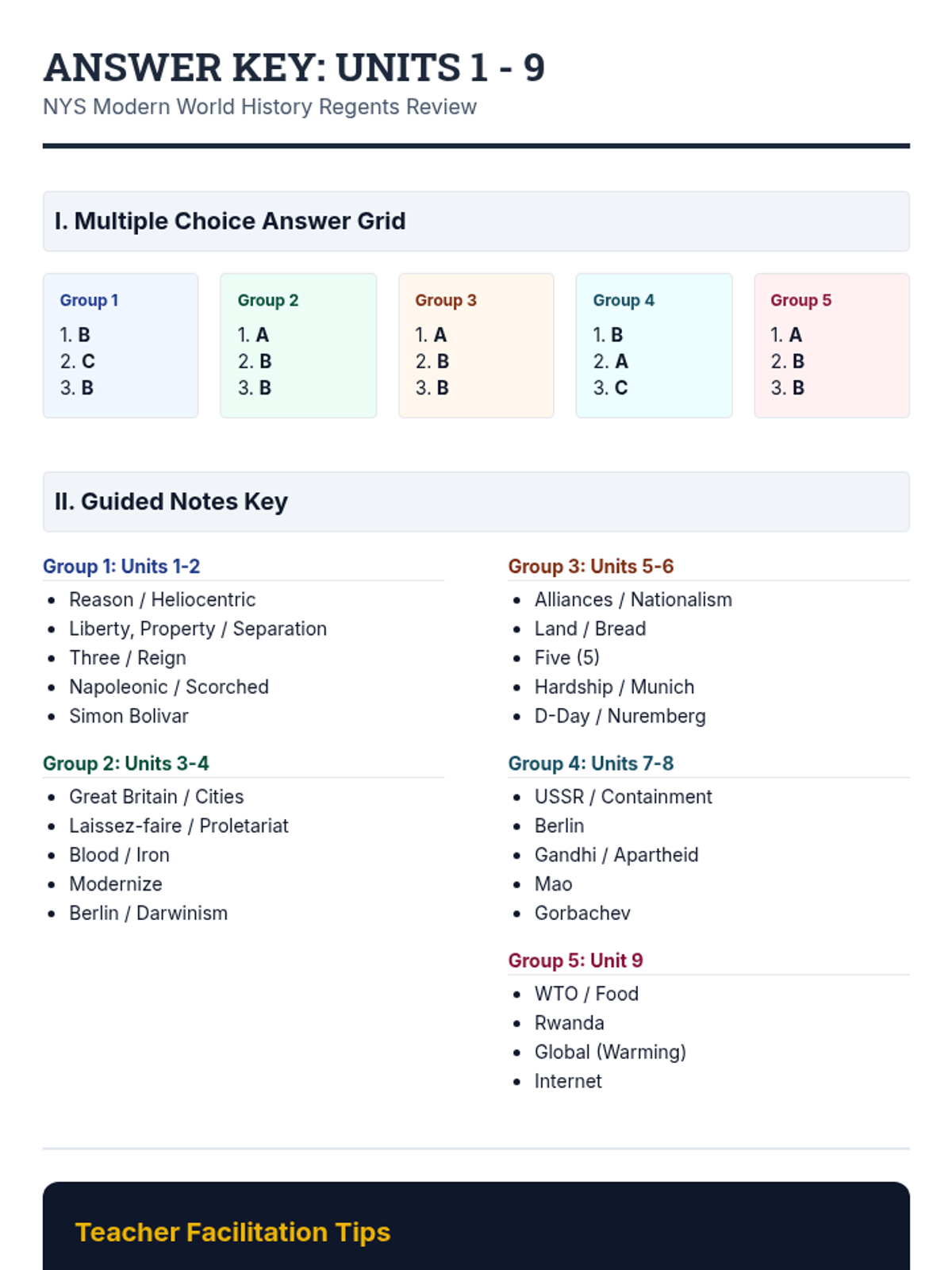
A comprehensive review and assessment package covering World History from the Enlightenment through the Cold War, aligned with state standards.
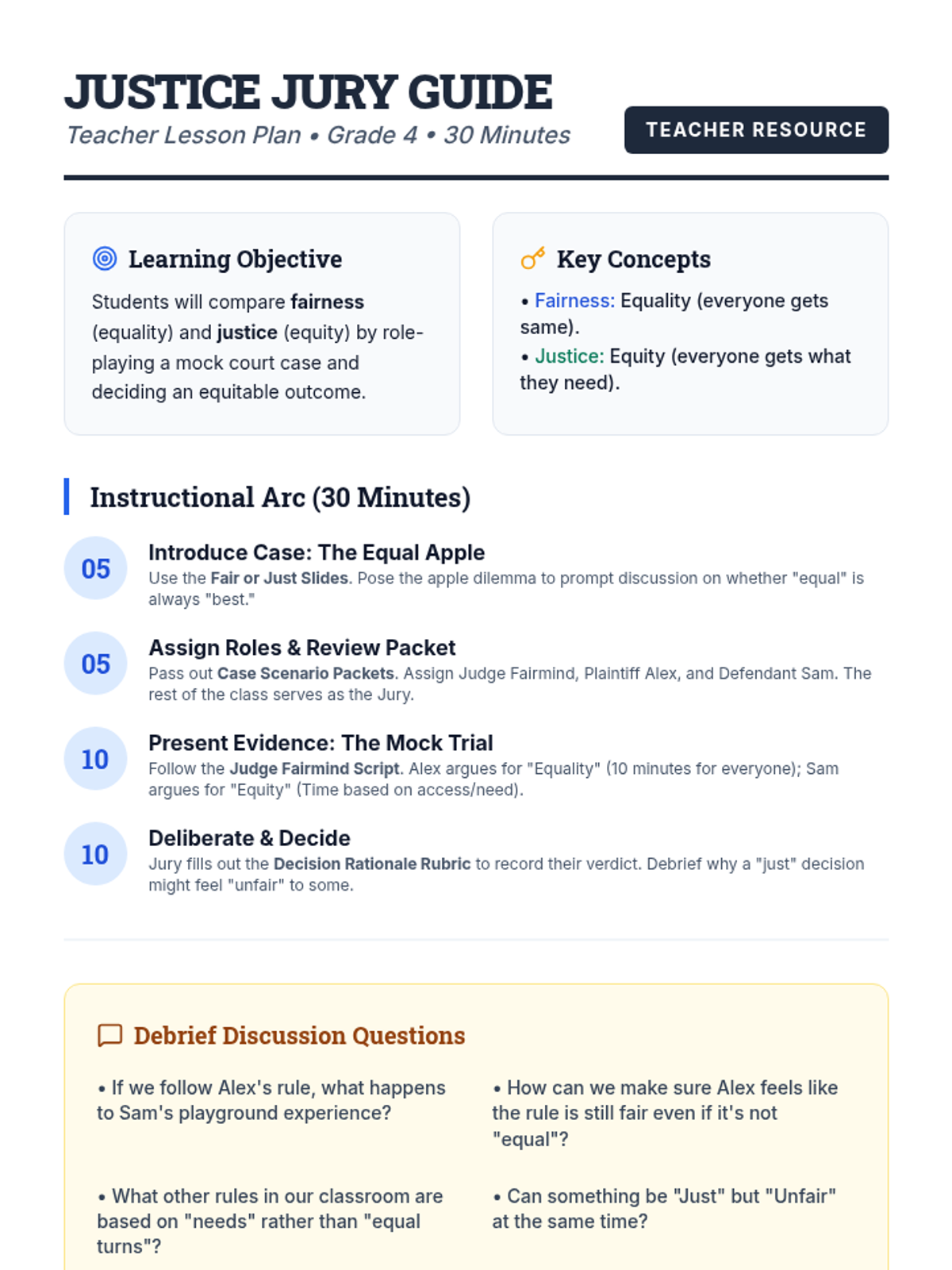
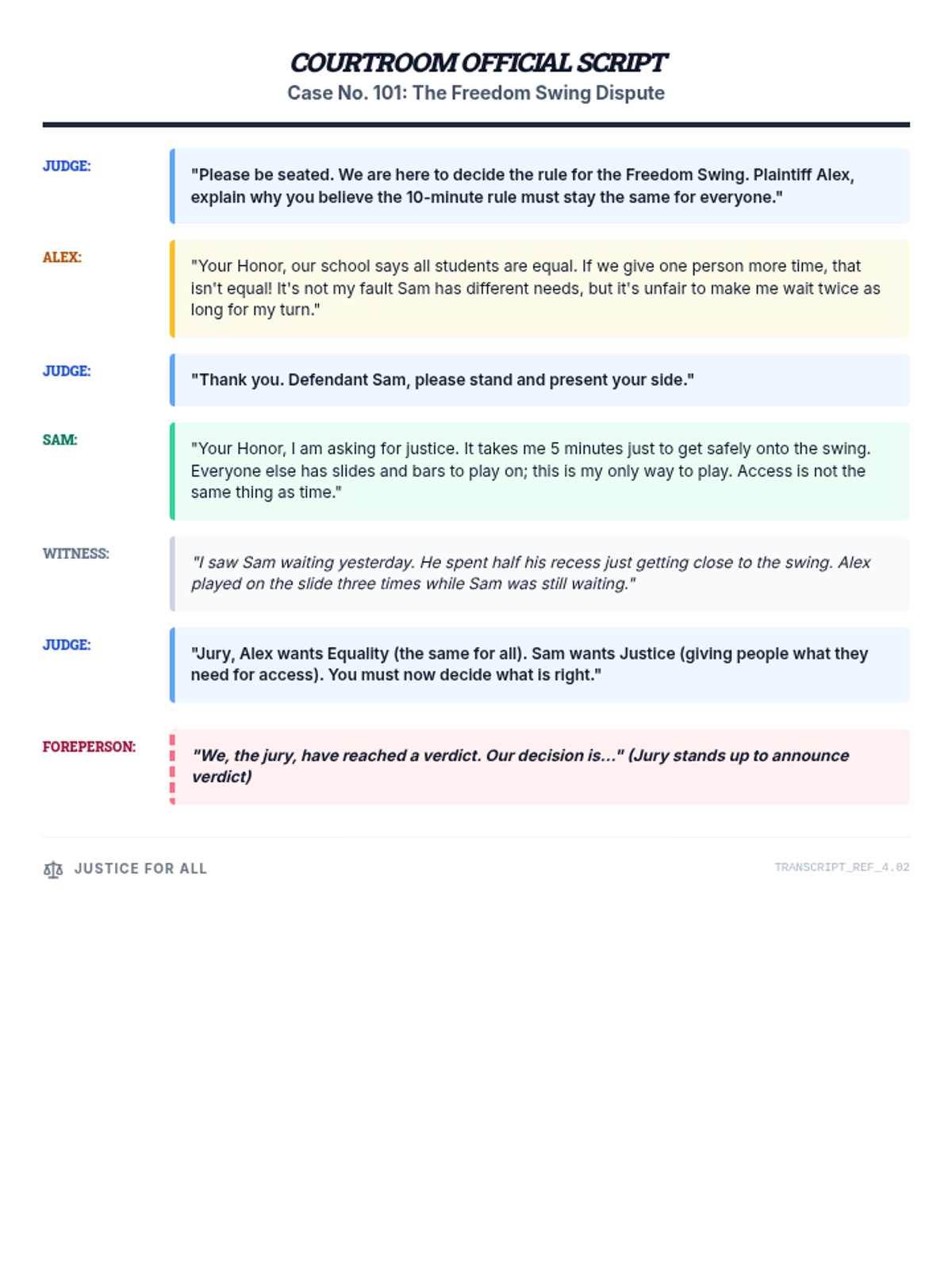
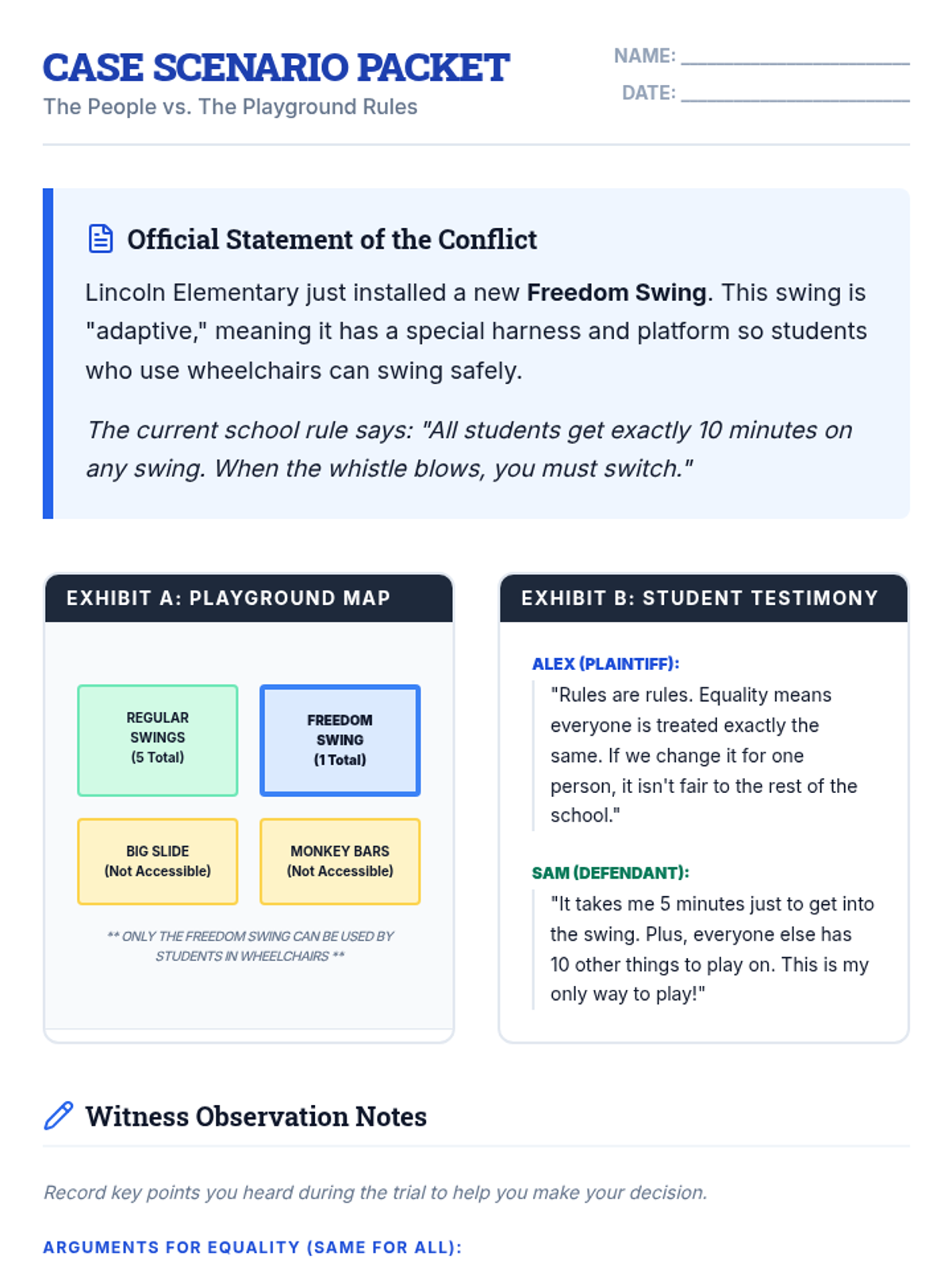
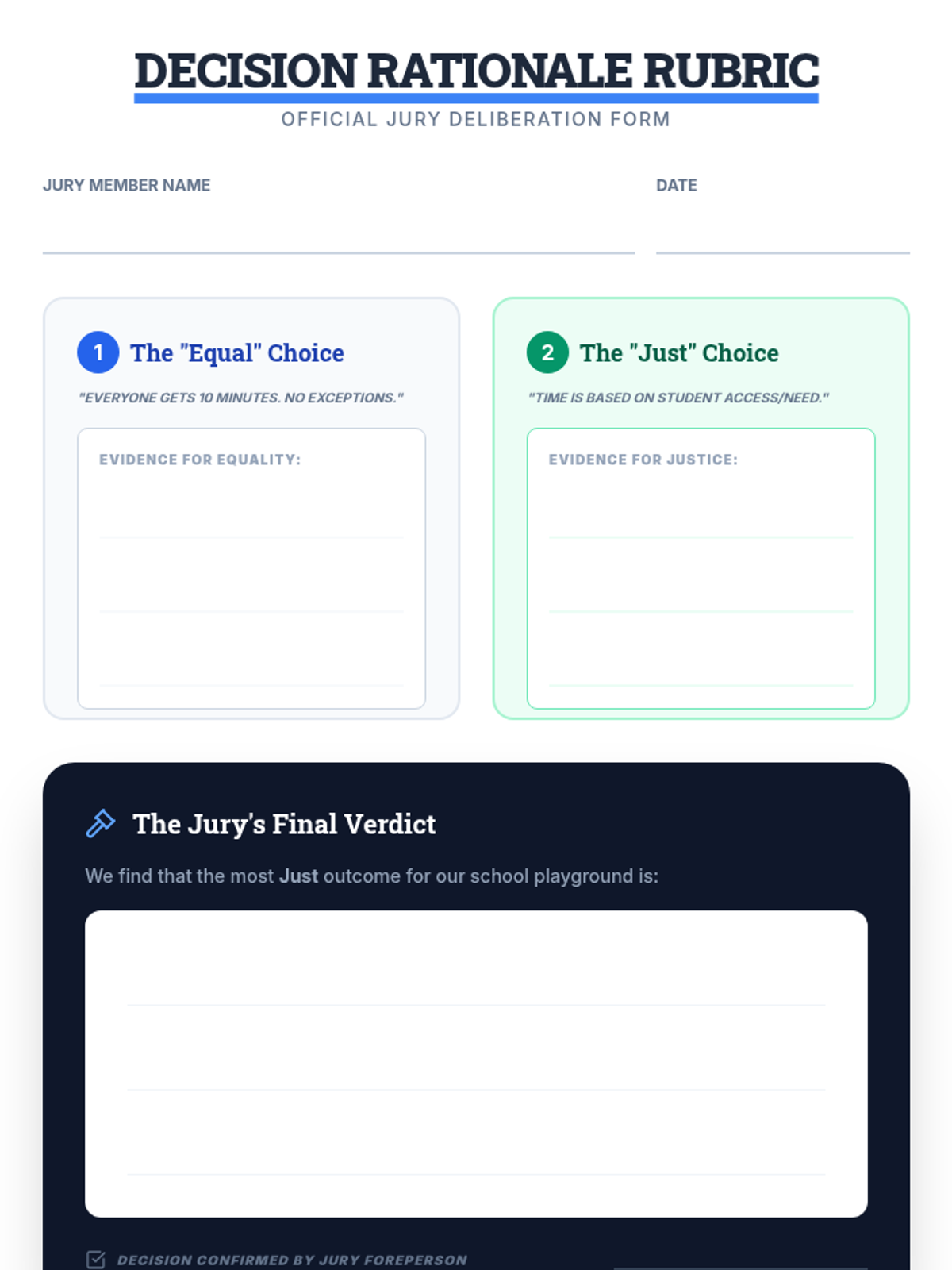
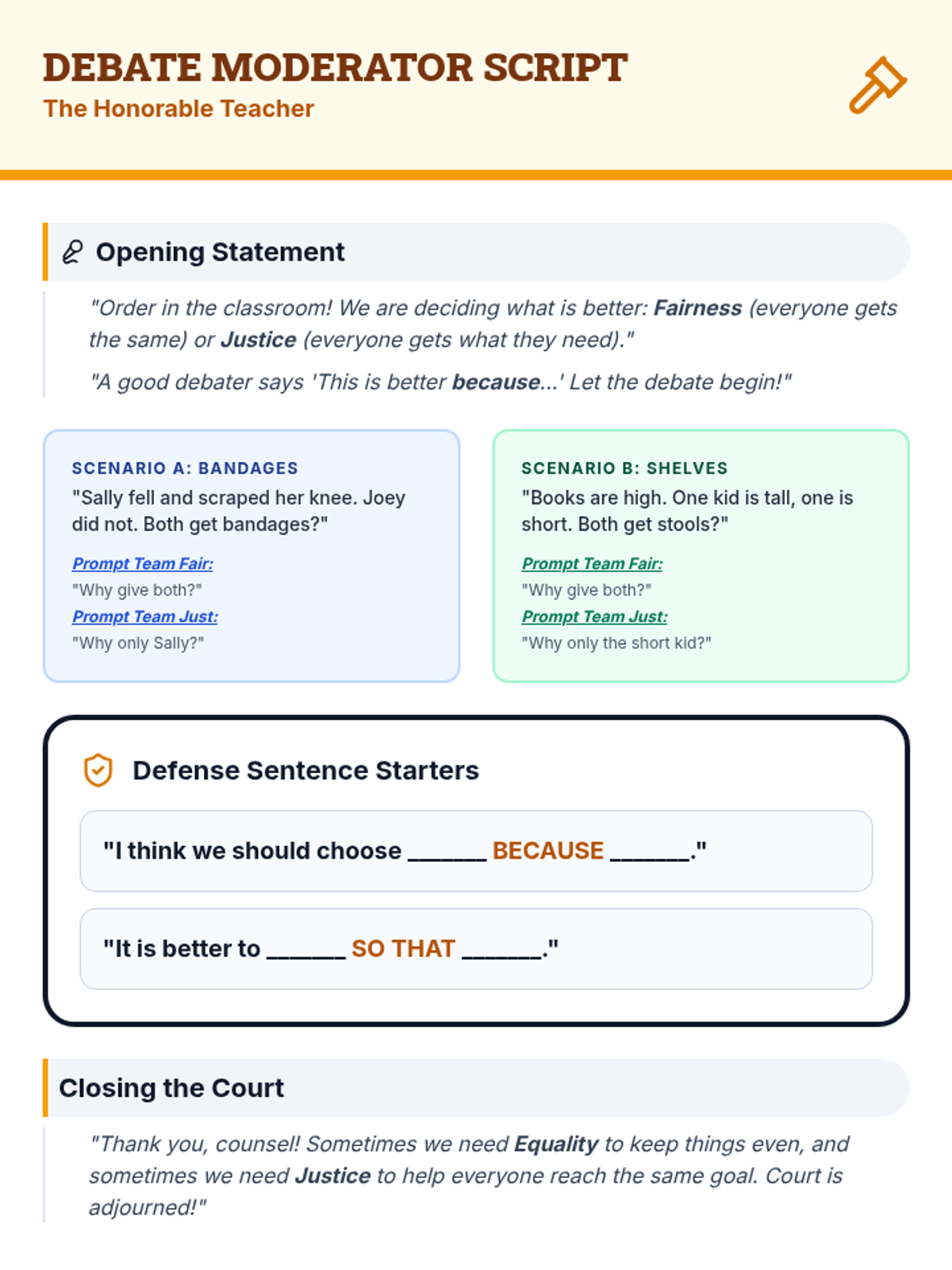
A 30-minute civics and ethics lesson where students participate in a mock court case to distinguish between 'equal' fairness and 'equitable' justice. Students role-play a dispute over playground equipment to apply these complex concepts to a relatable scenario.
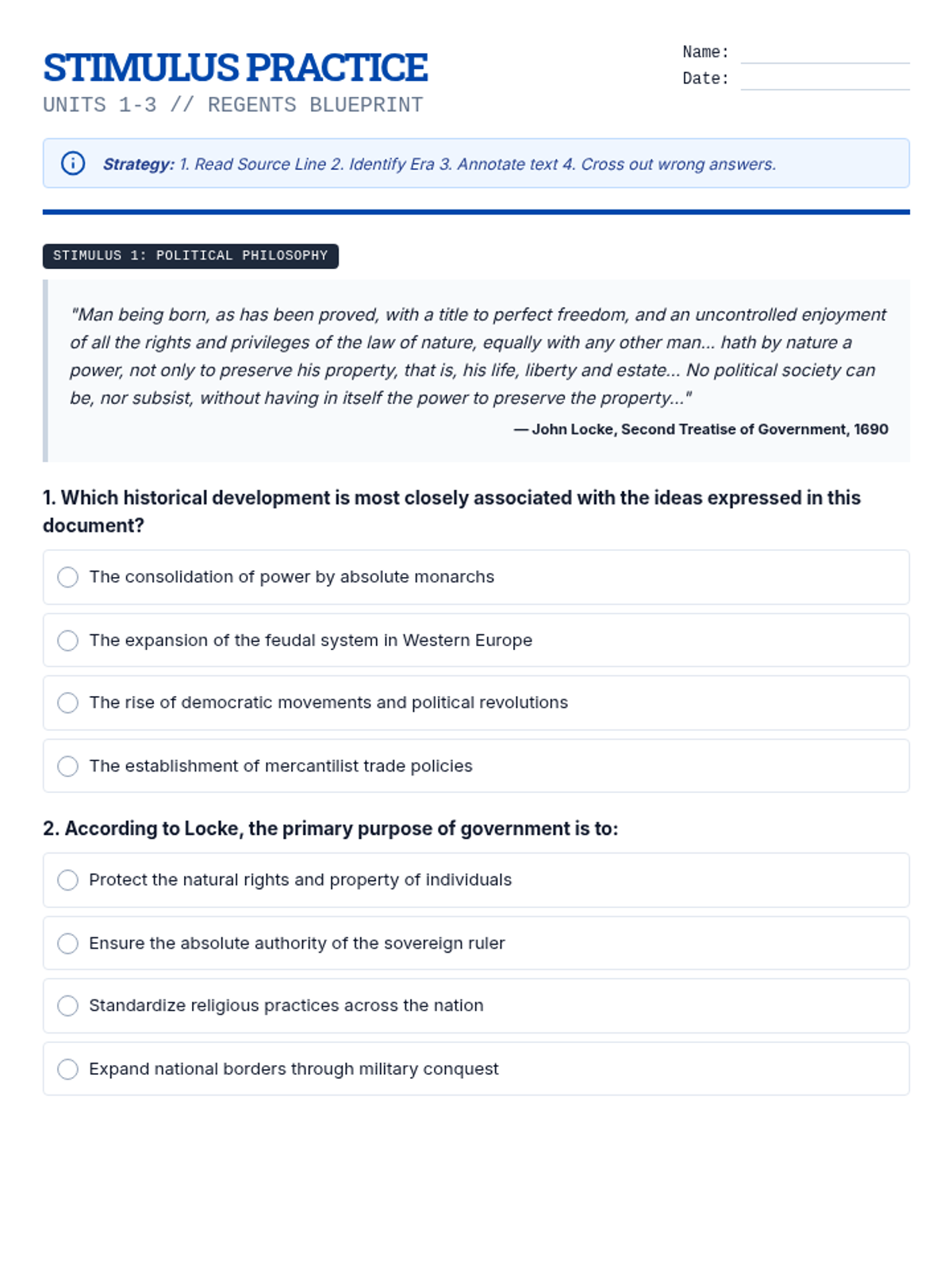
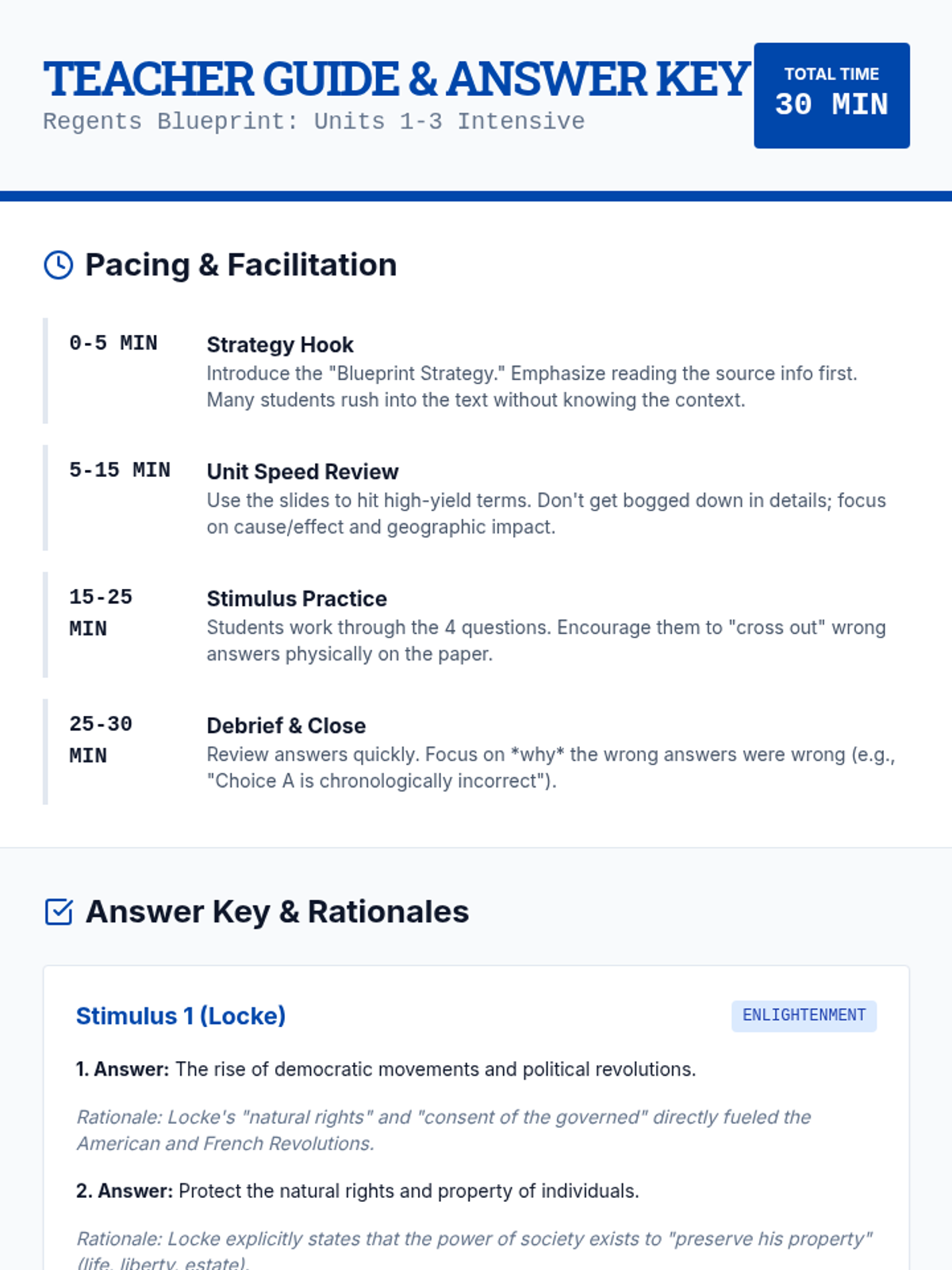
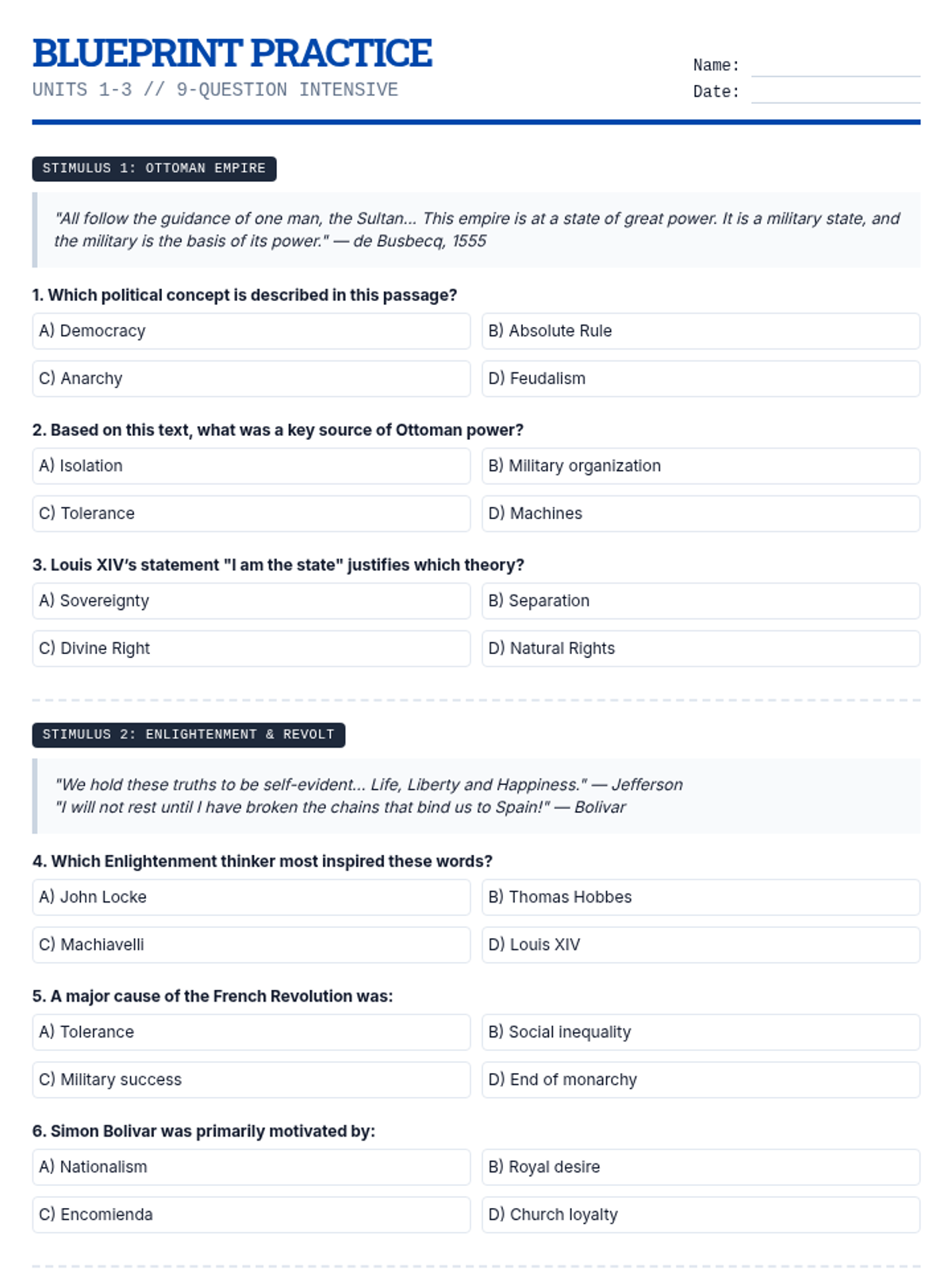
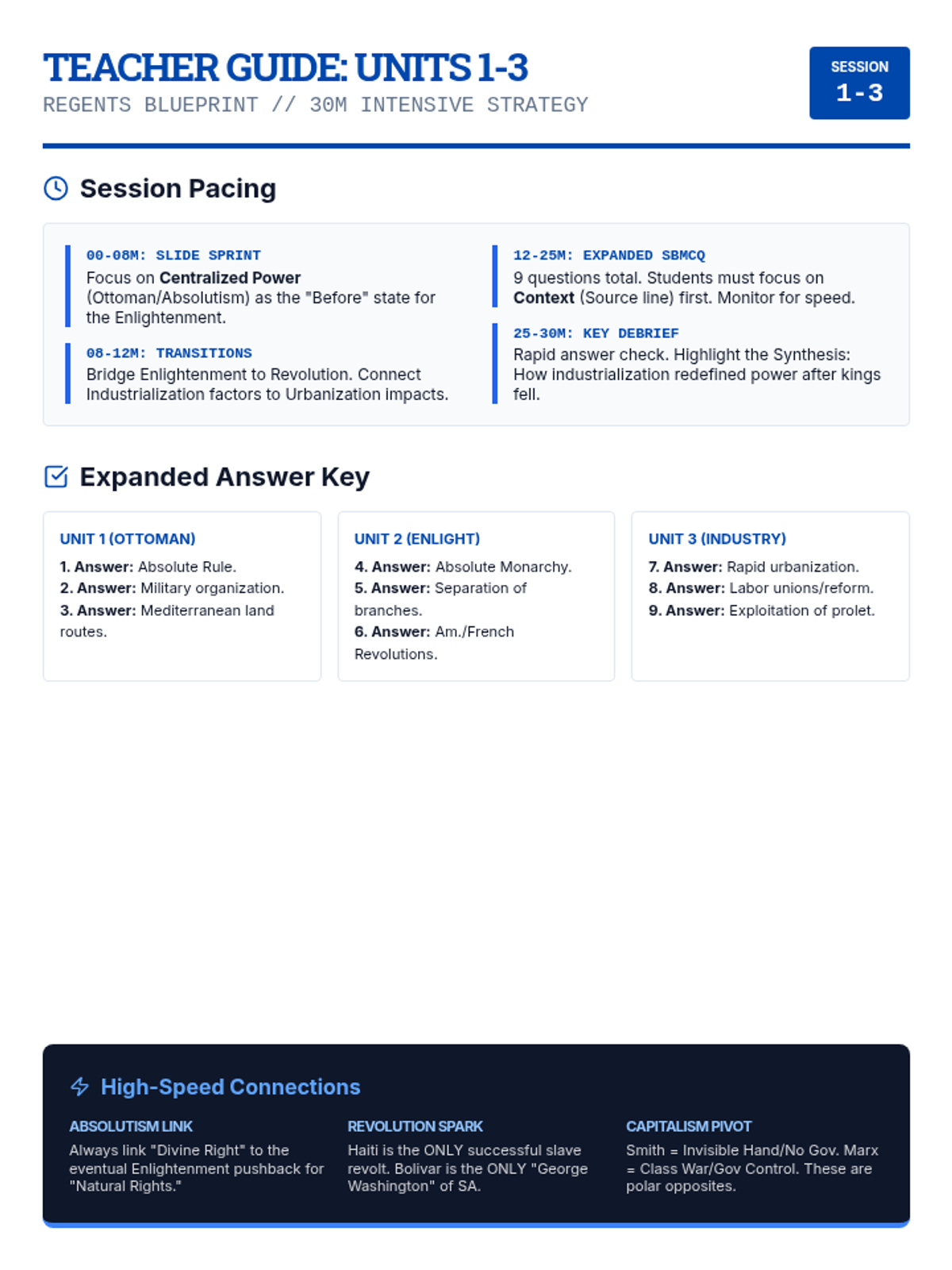
A high-impact 30-minute Regents review session focusing on Units 1-3 of the Modern World History curriculum, featuring stimulus-based multiple choice practice and test-taking strategies.
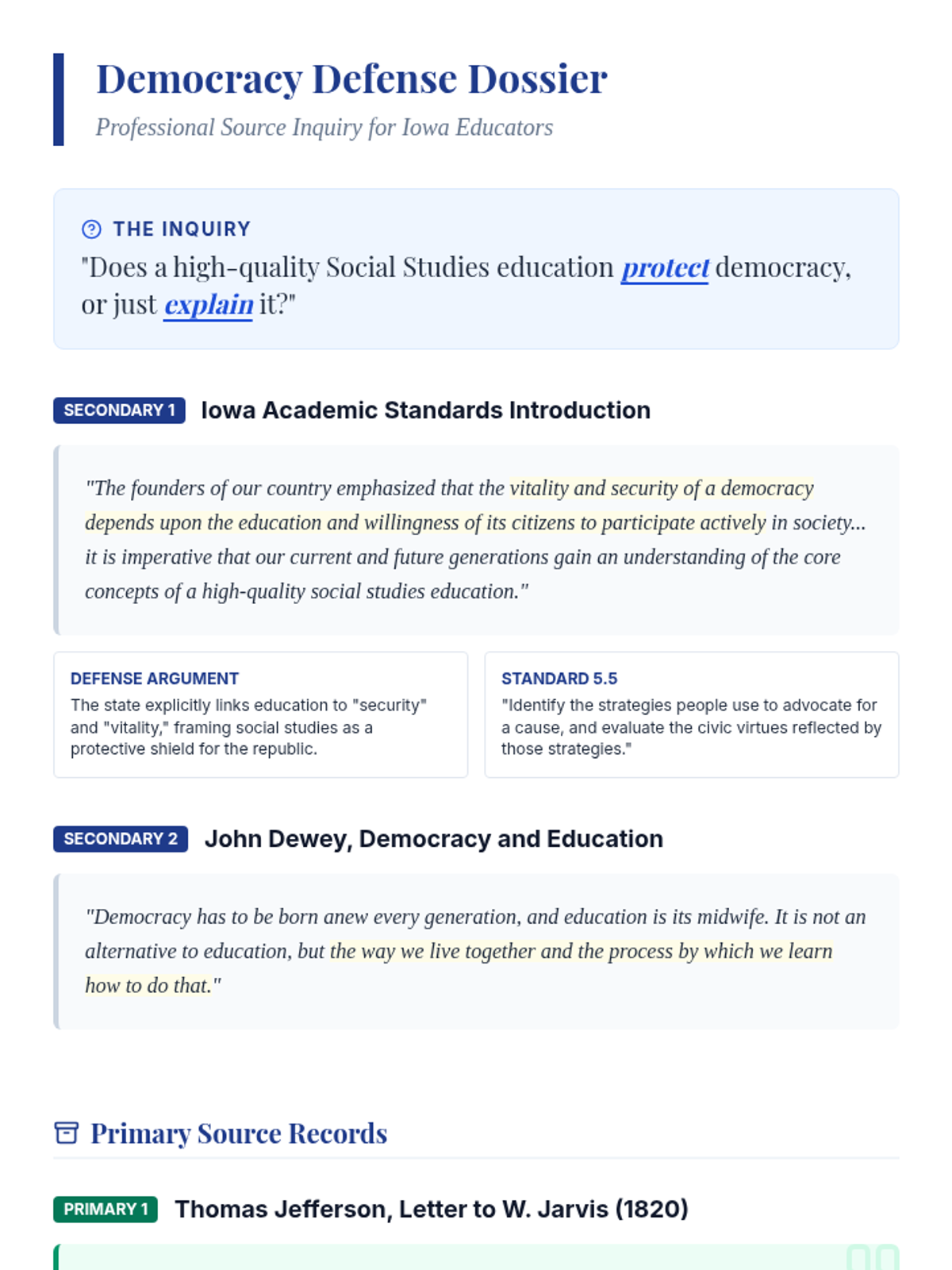
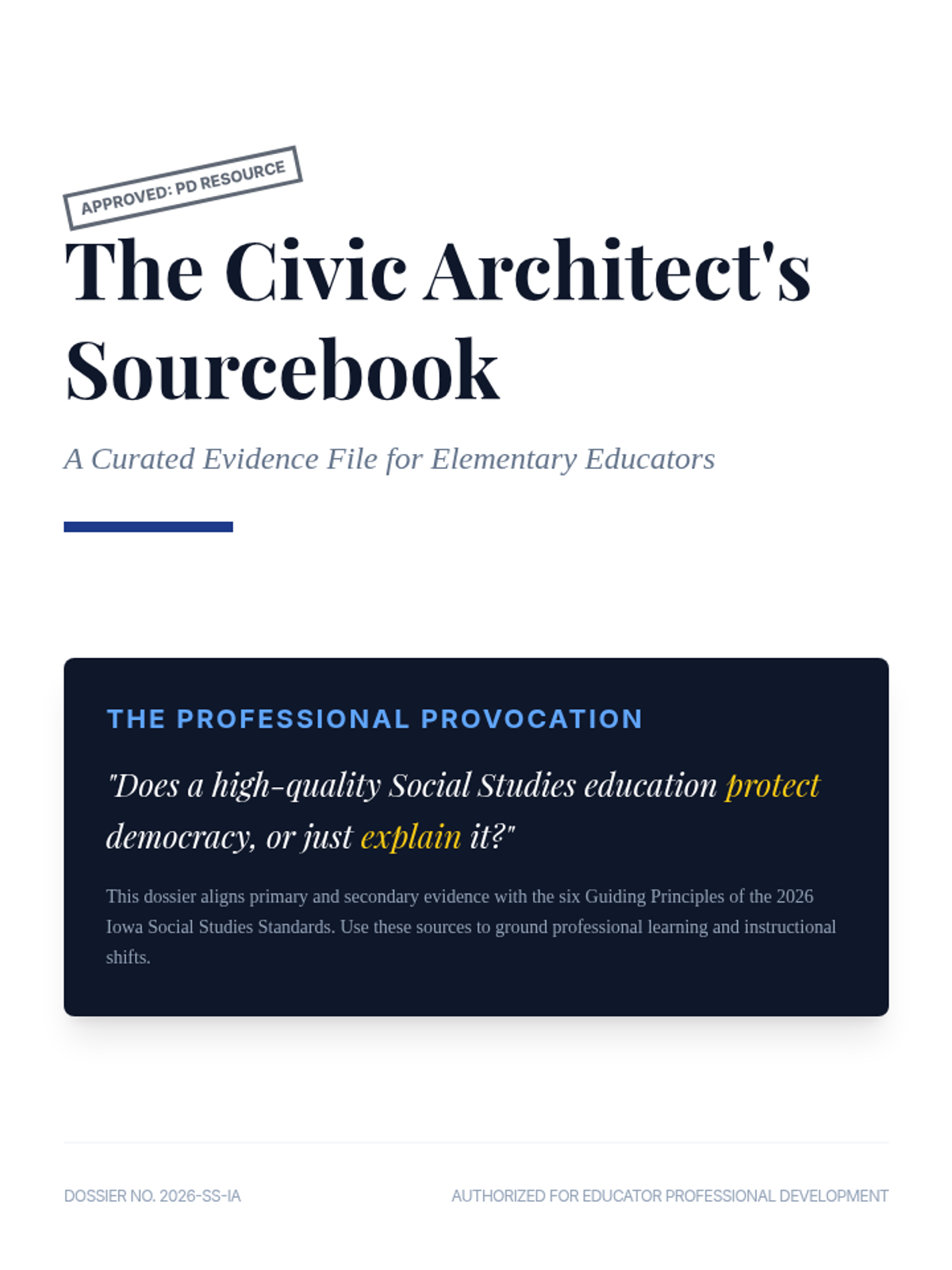
A professional development resource set for elementary teachers to examine the role of social studies in democracy using primary and secondary sources aligned to the 2026 Iowa Social Studies Standards.
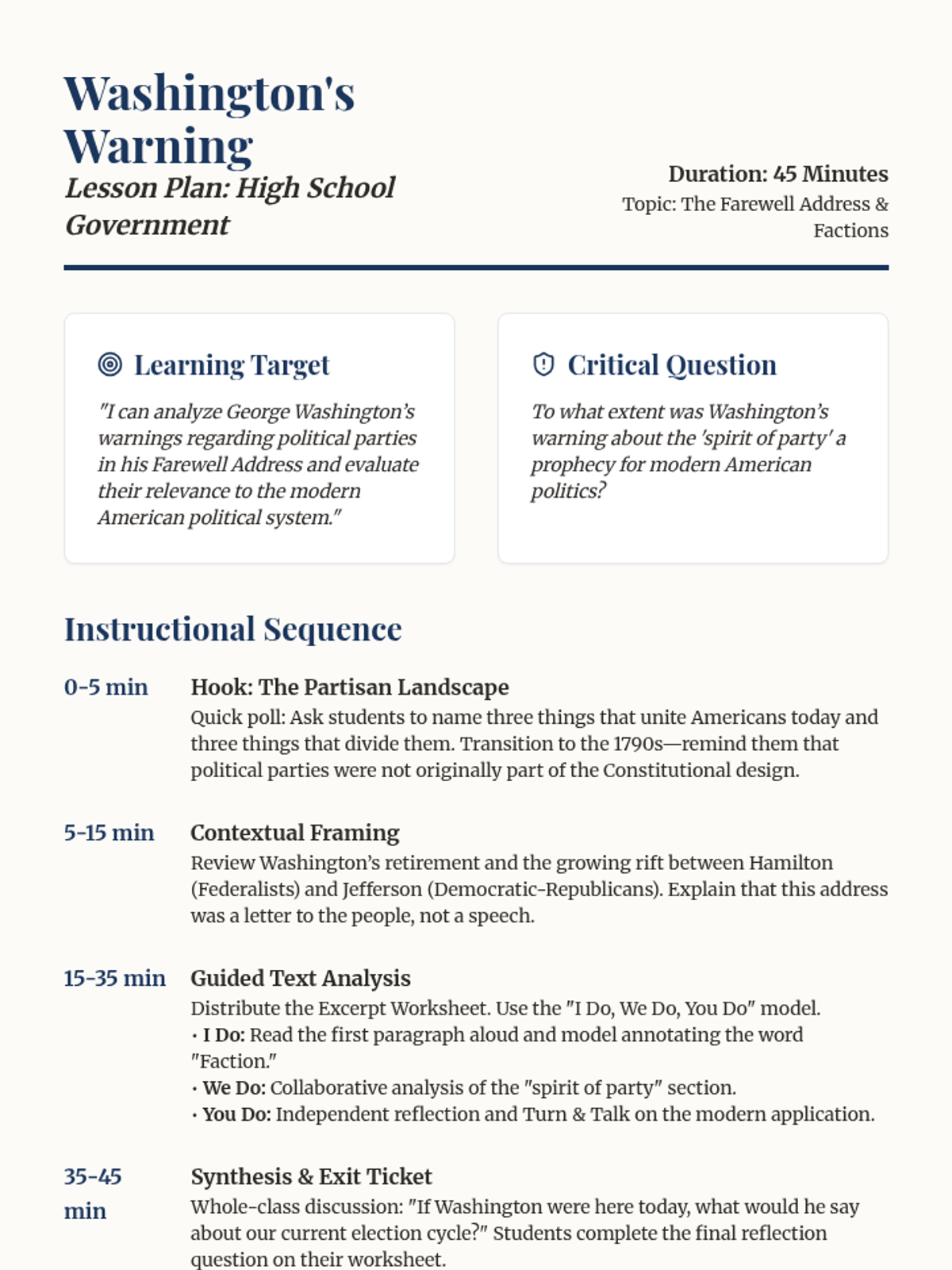
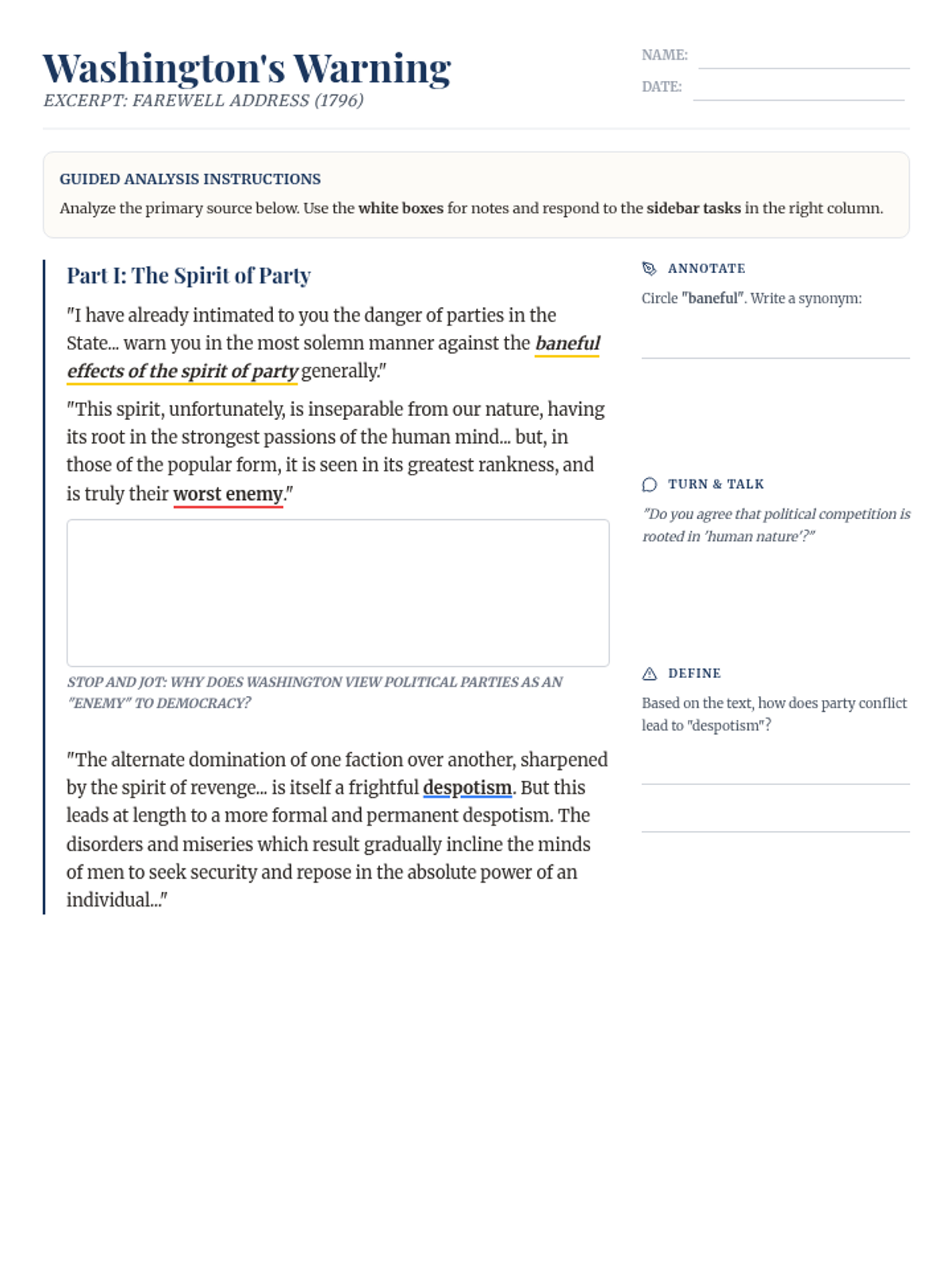
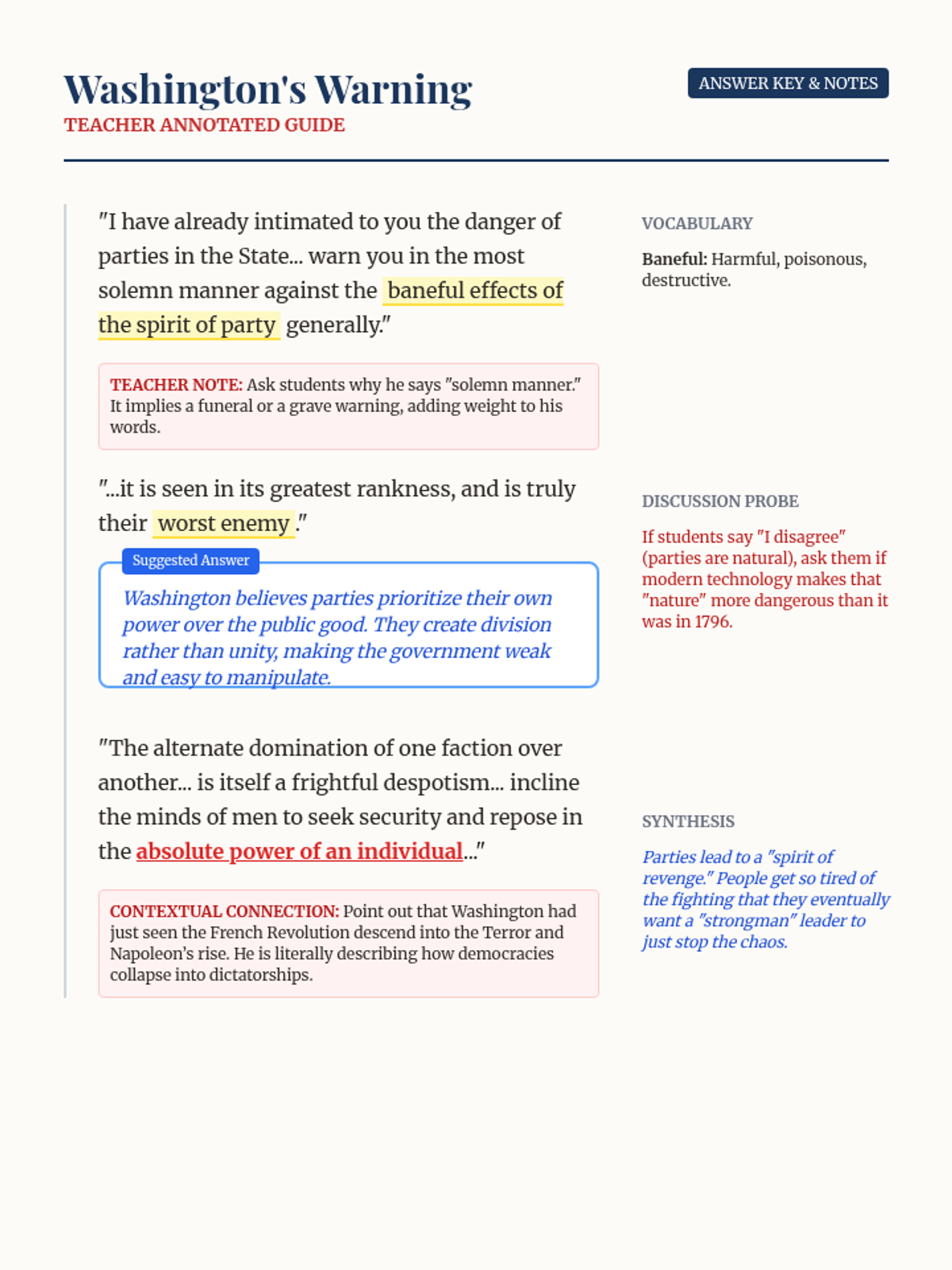
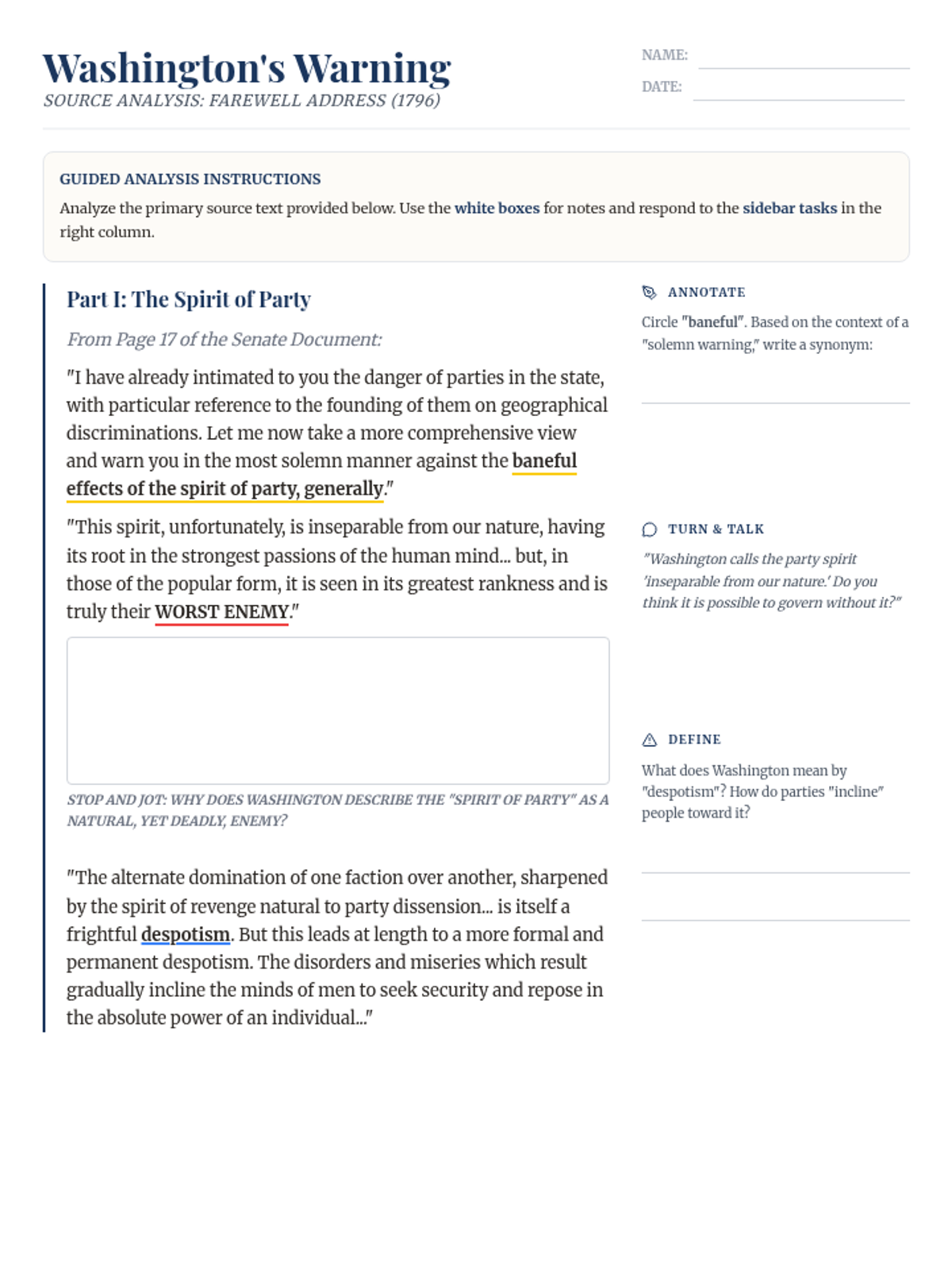
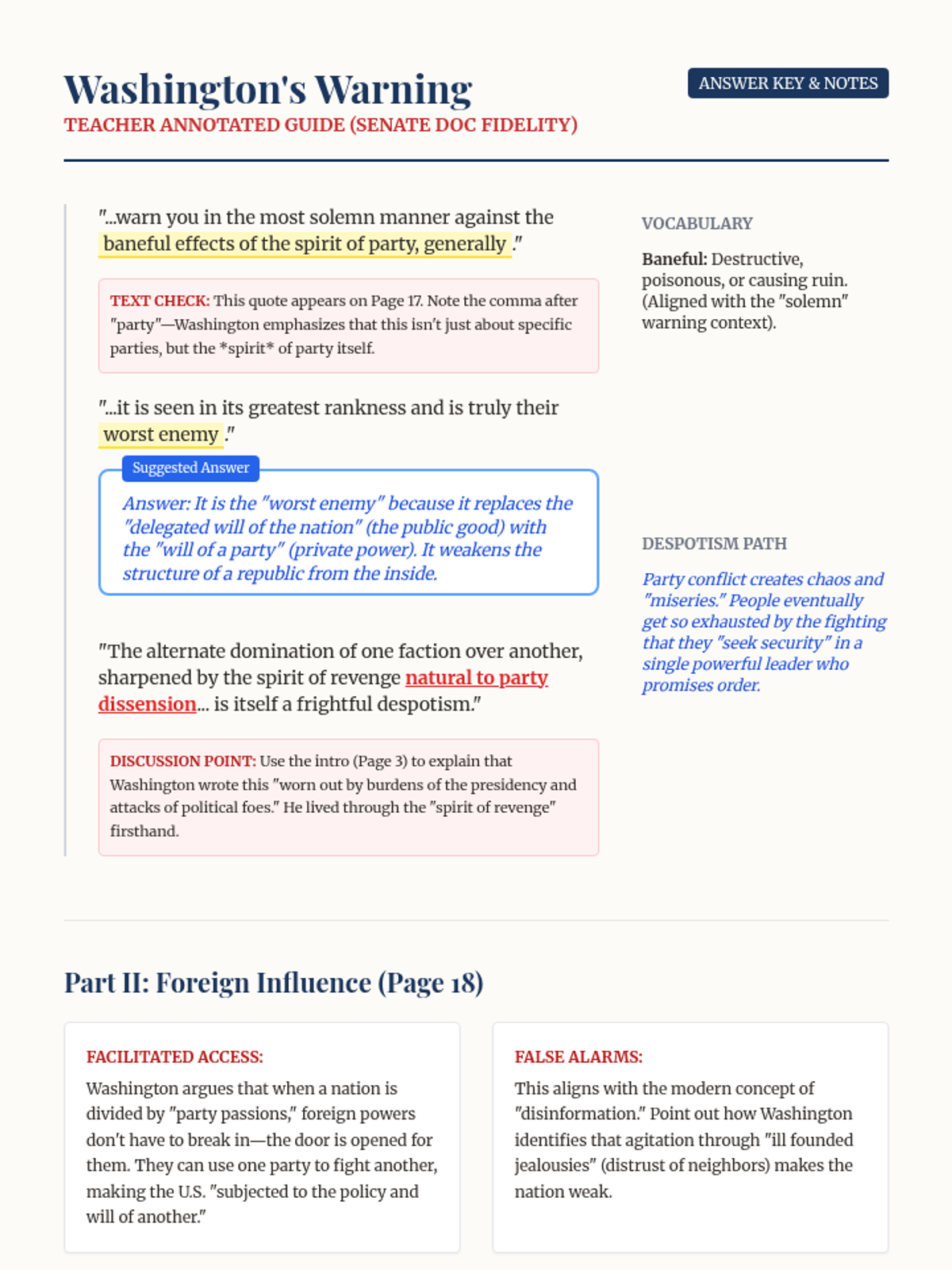
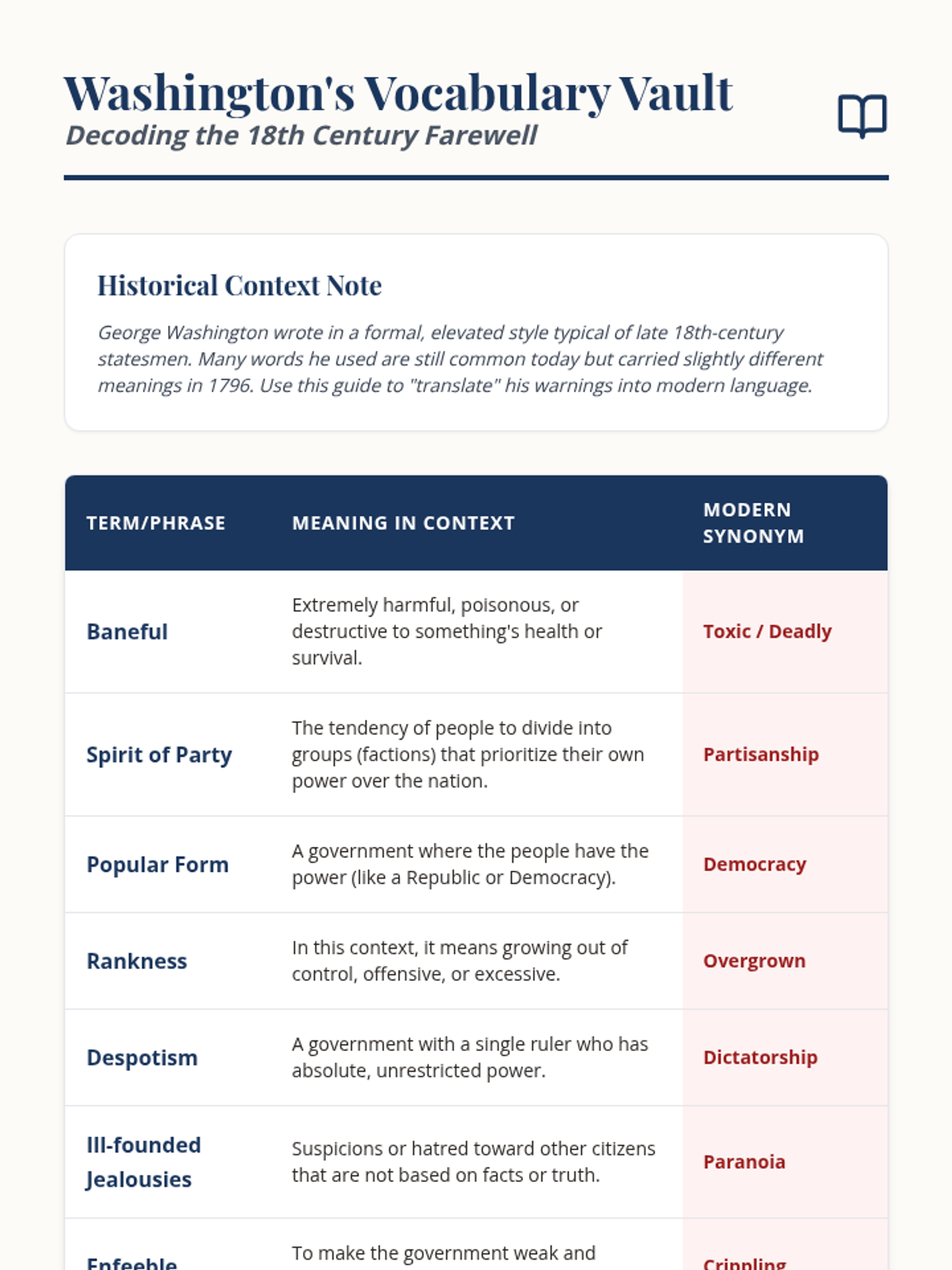
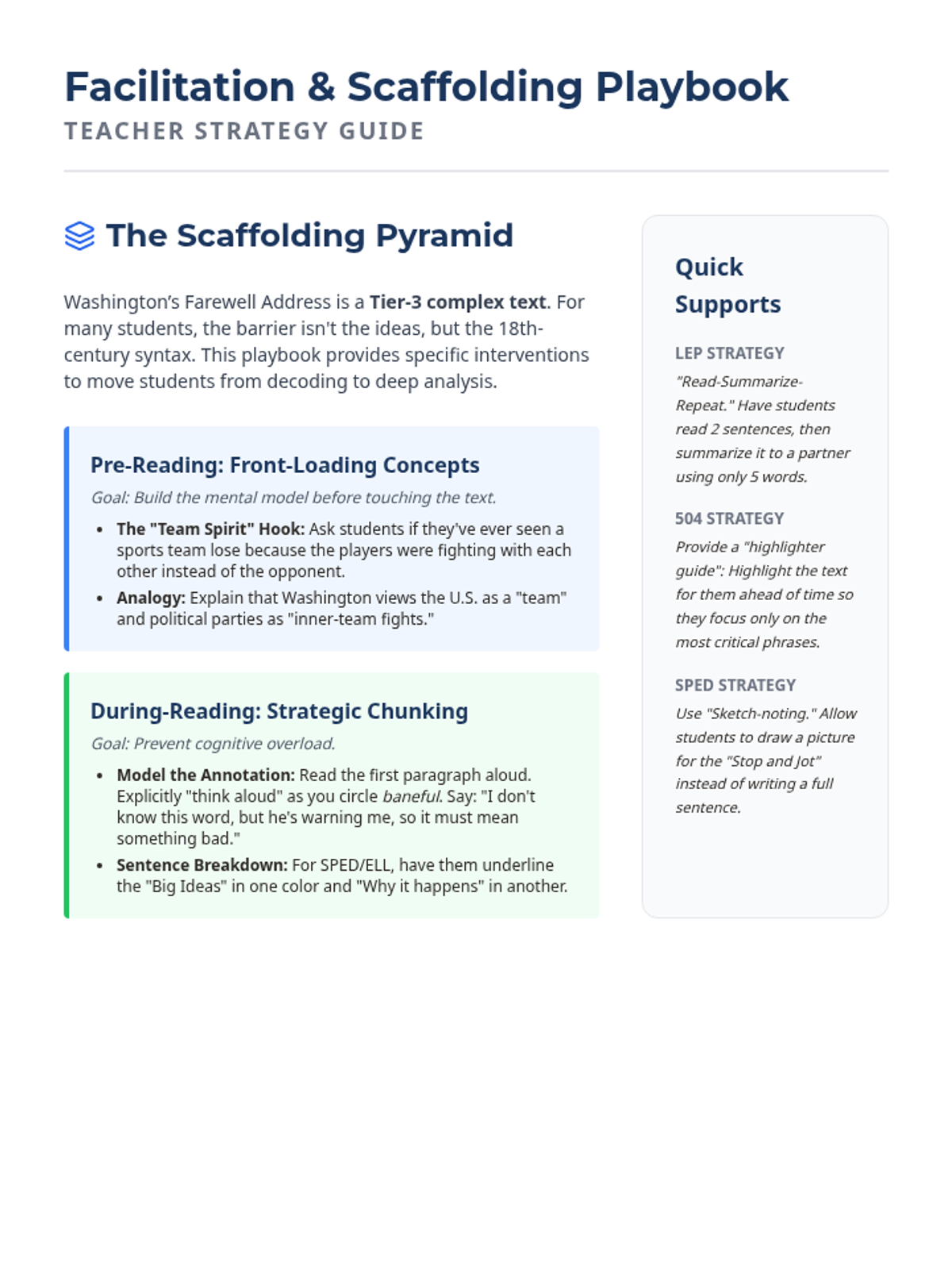
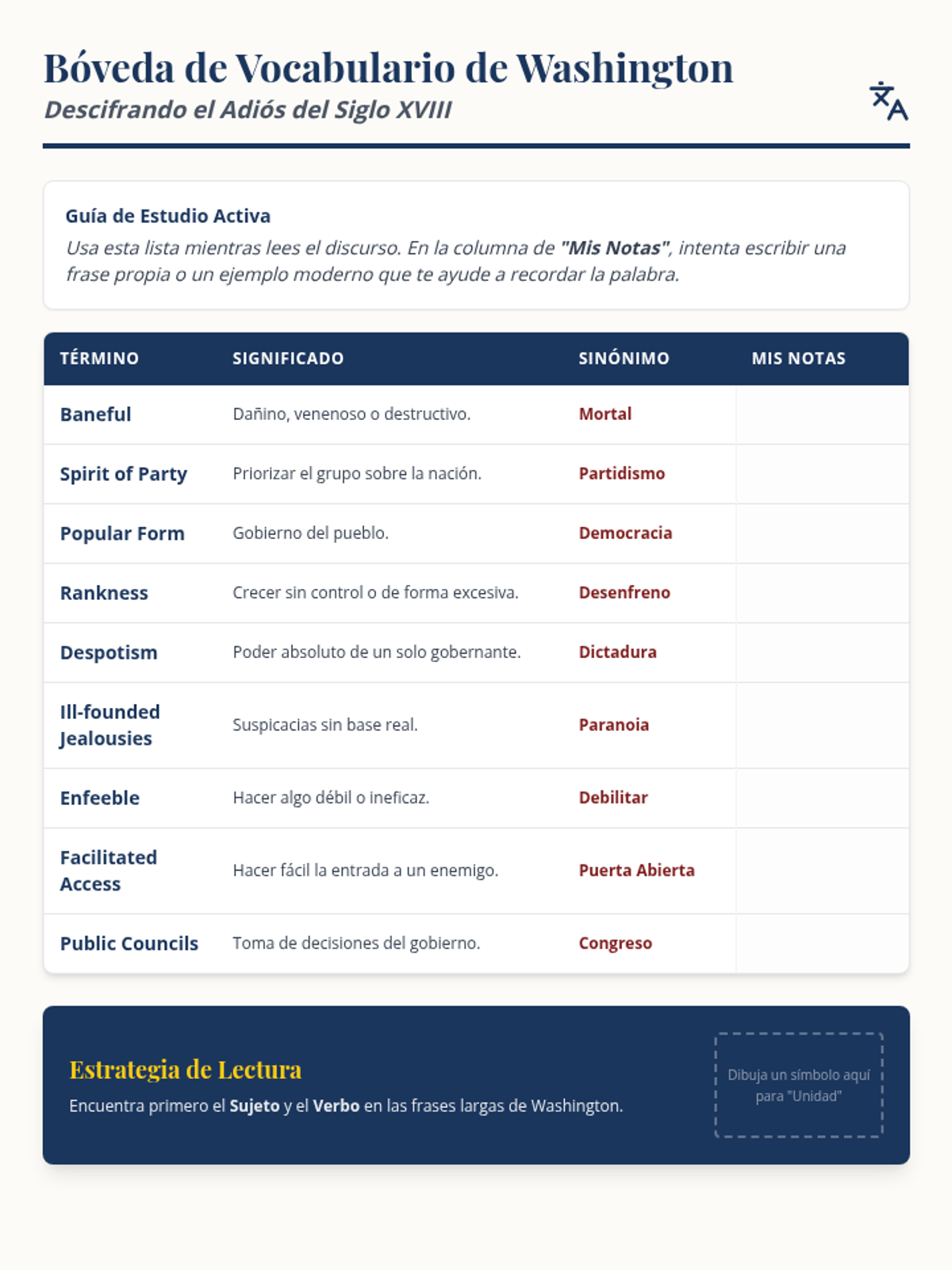
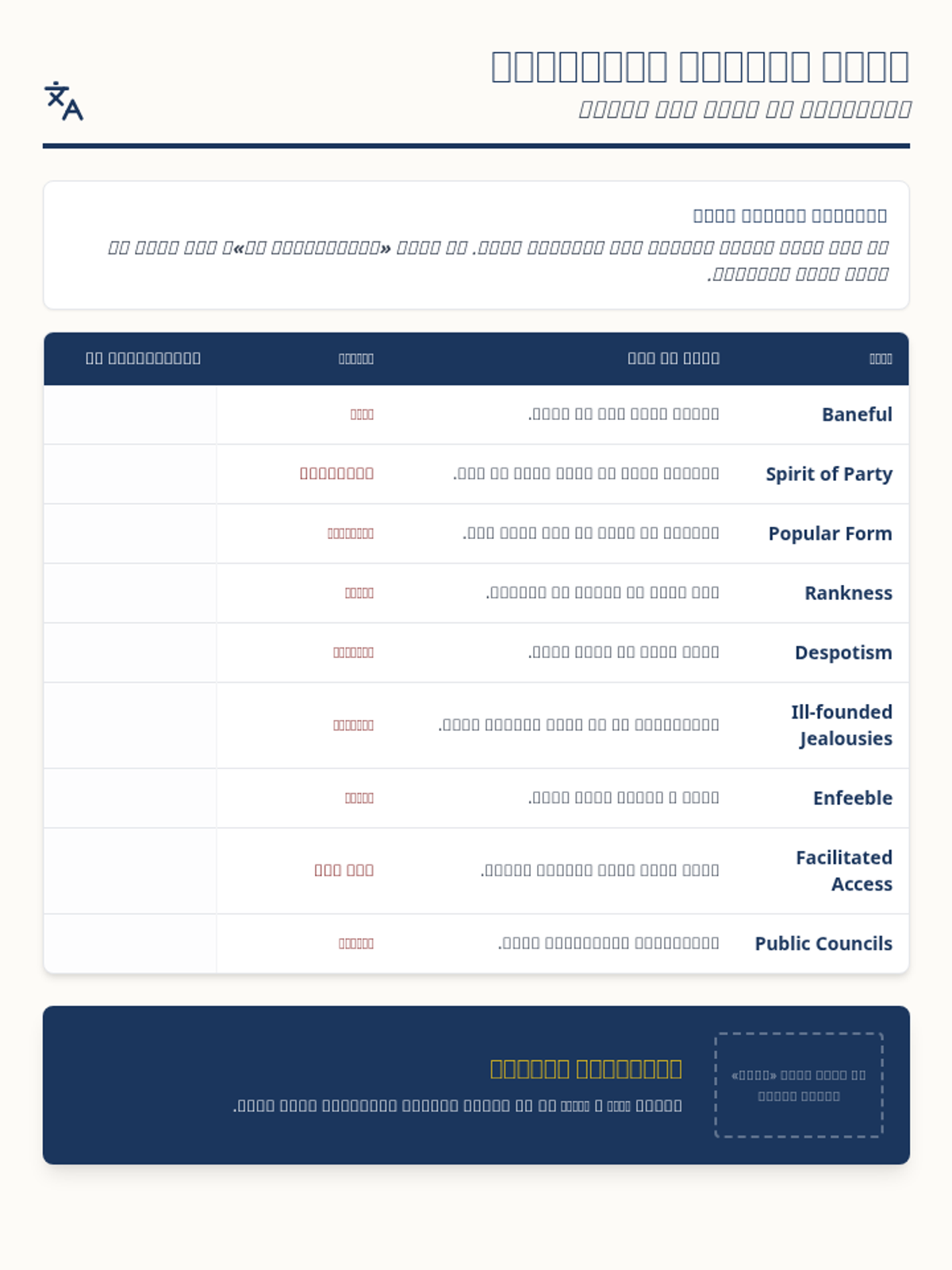
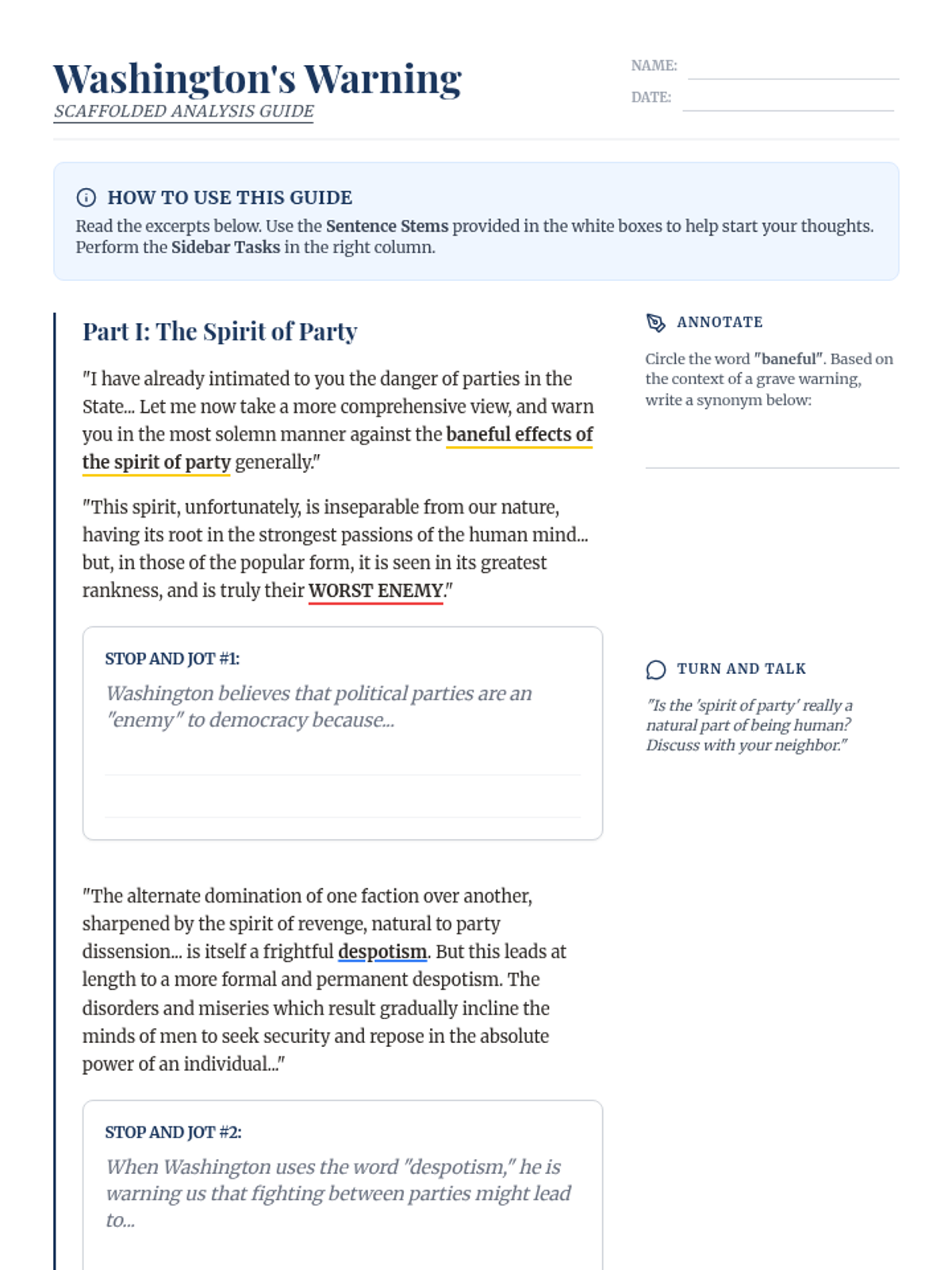
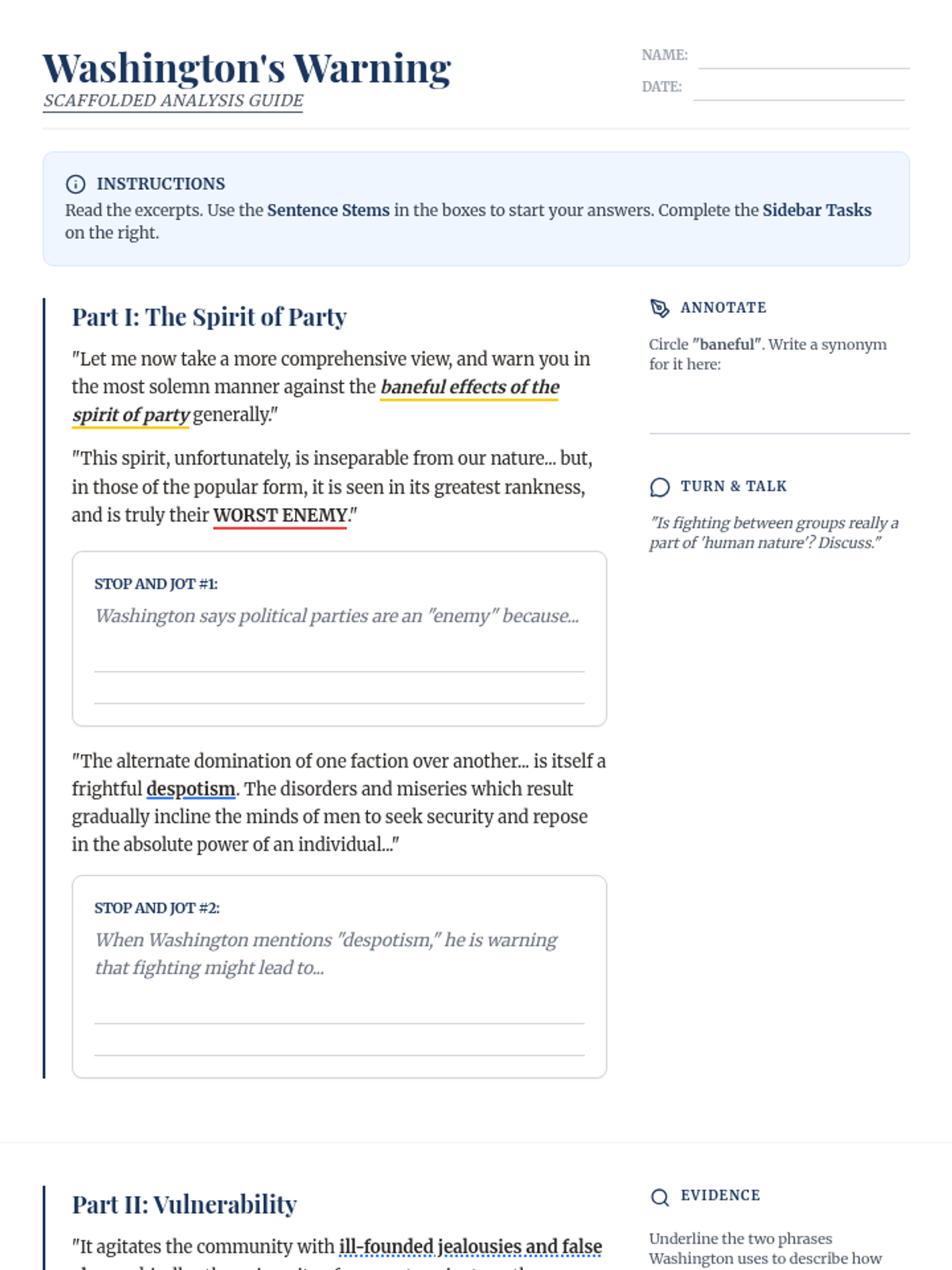
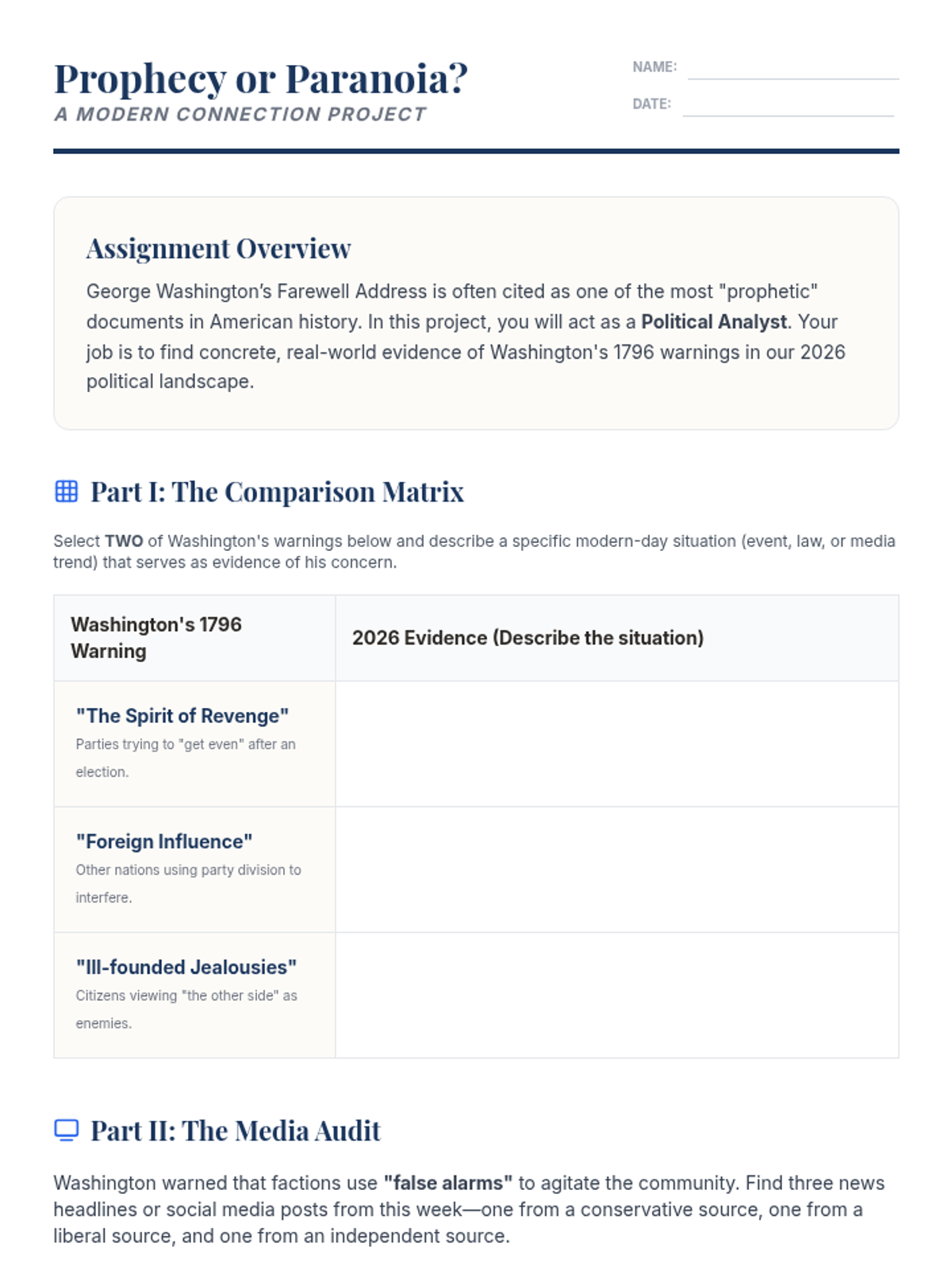
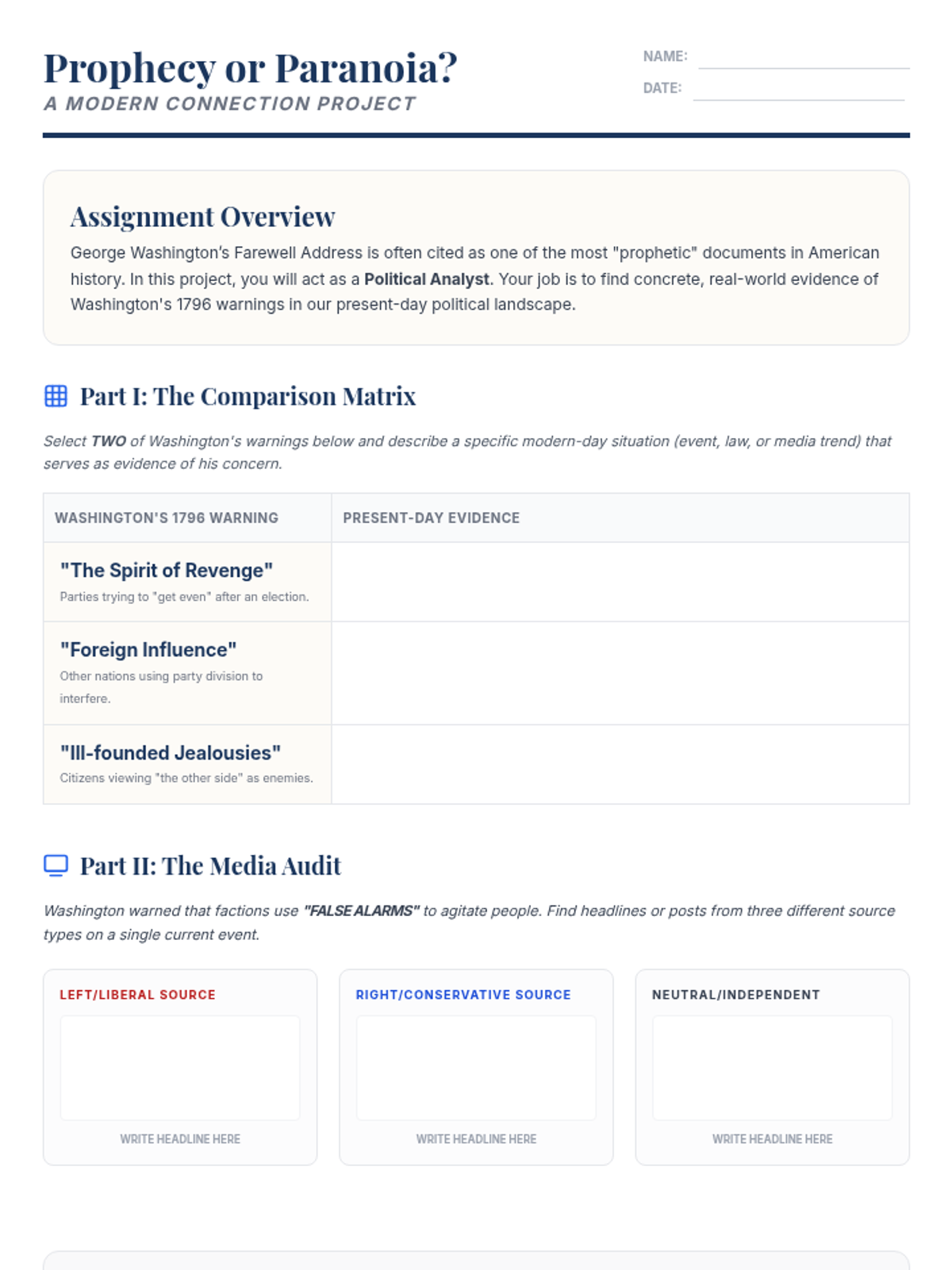
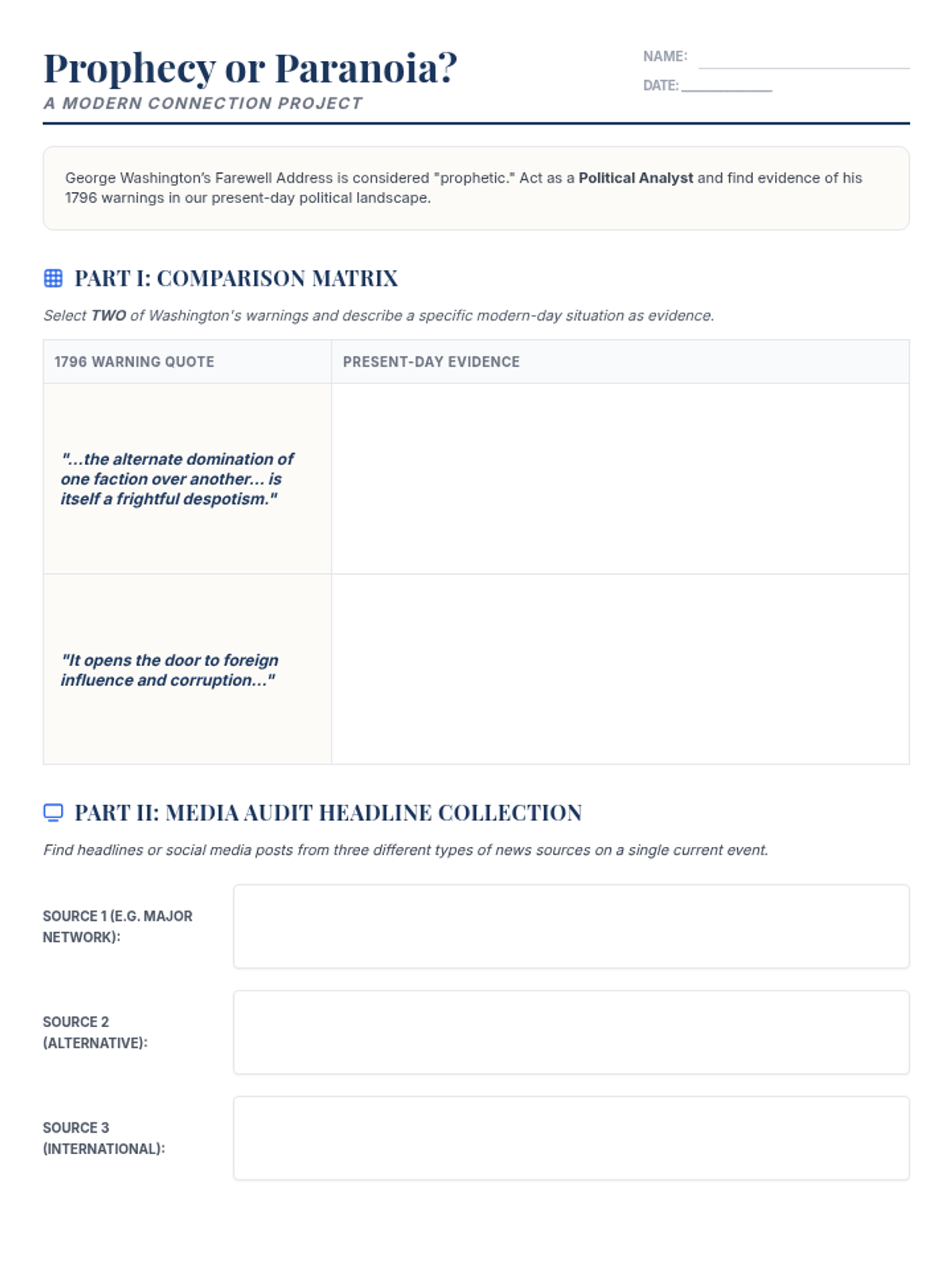
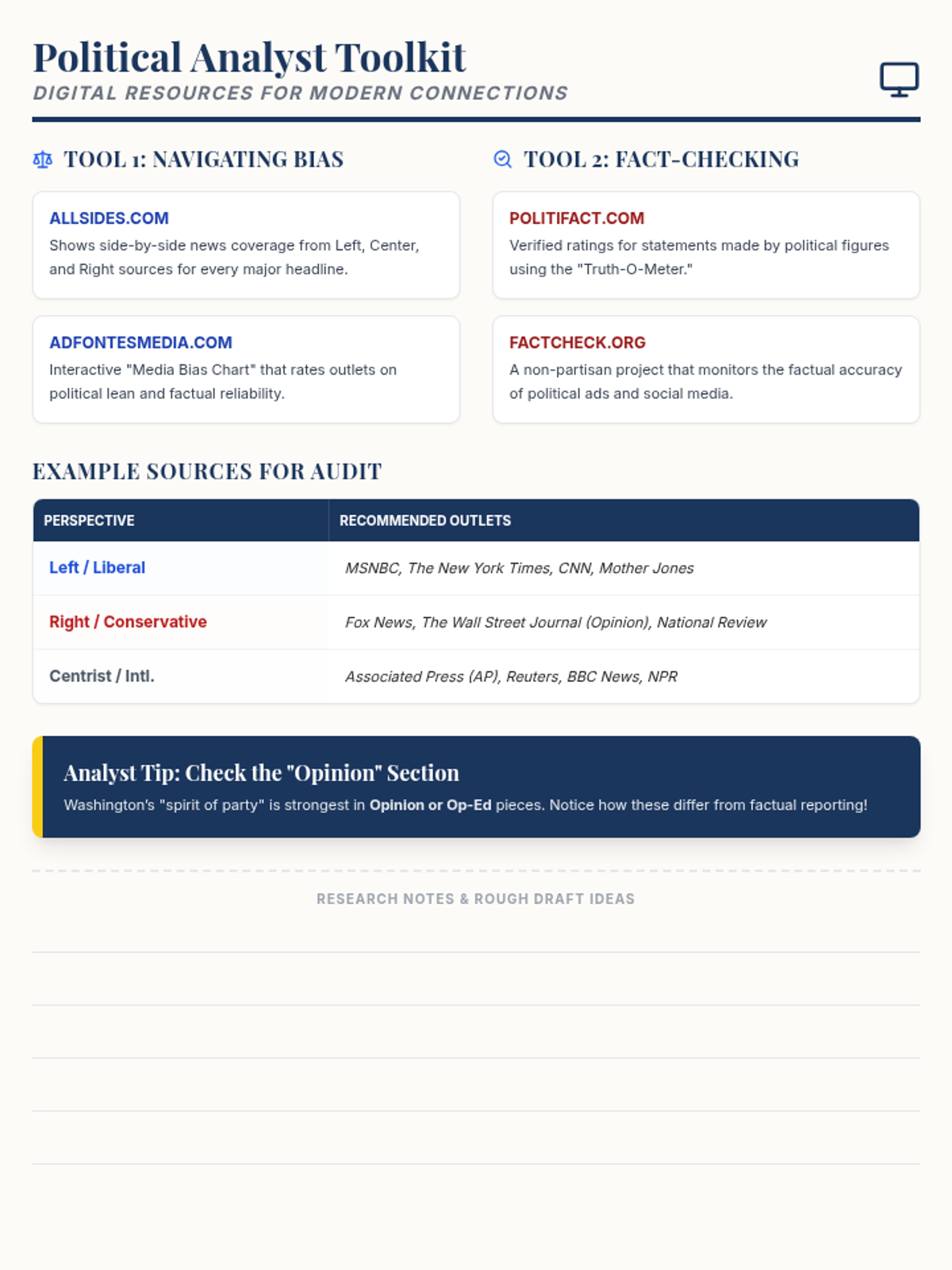
A 45-minute deep dive into George Washington's Farewell Address, focusing on his prophetic warnings regarding the dangers of political factions and their impact on national unity.
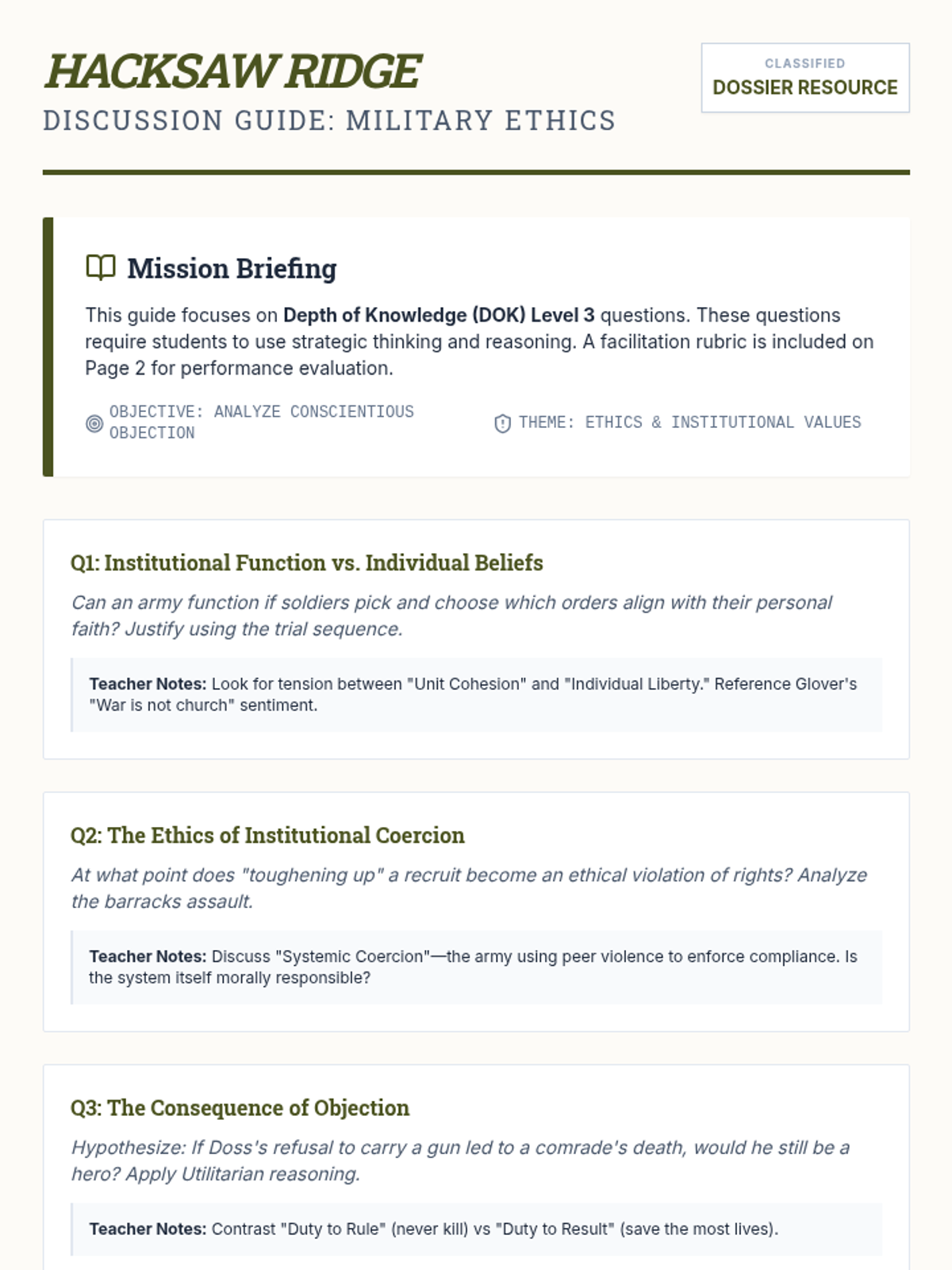
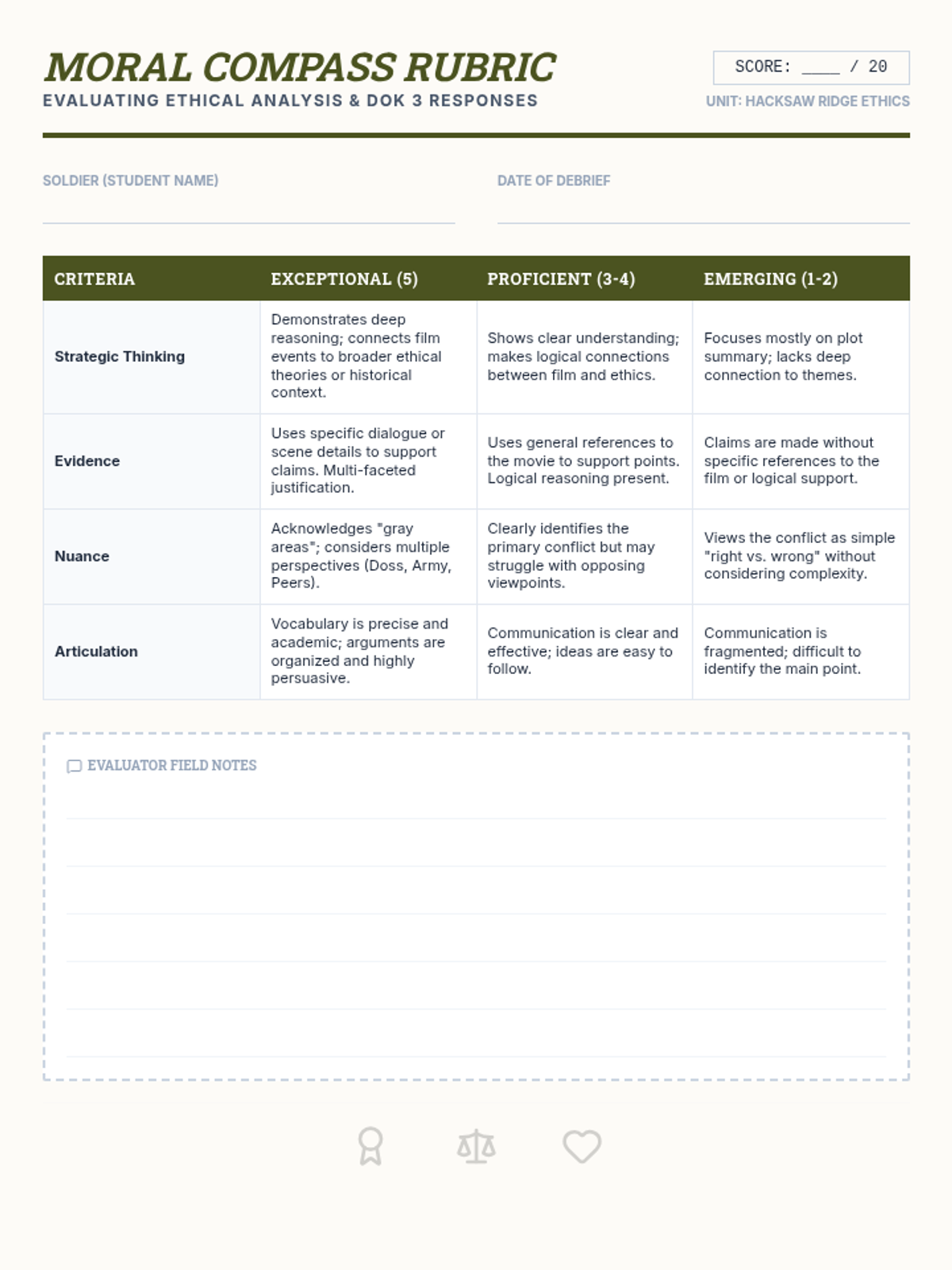
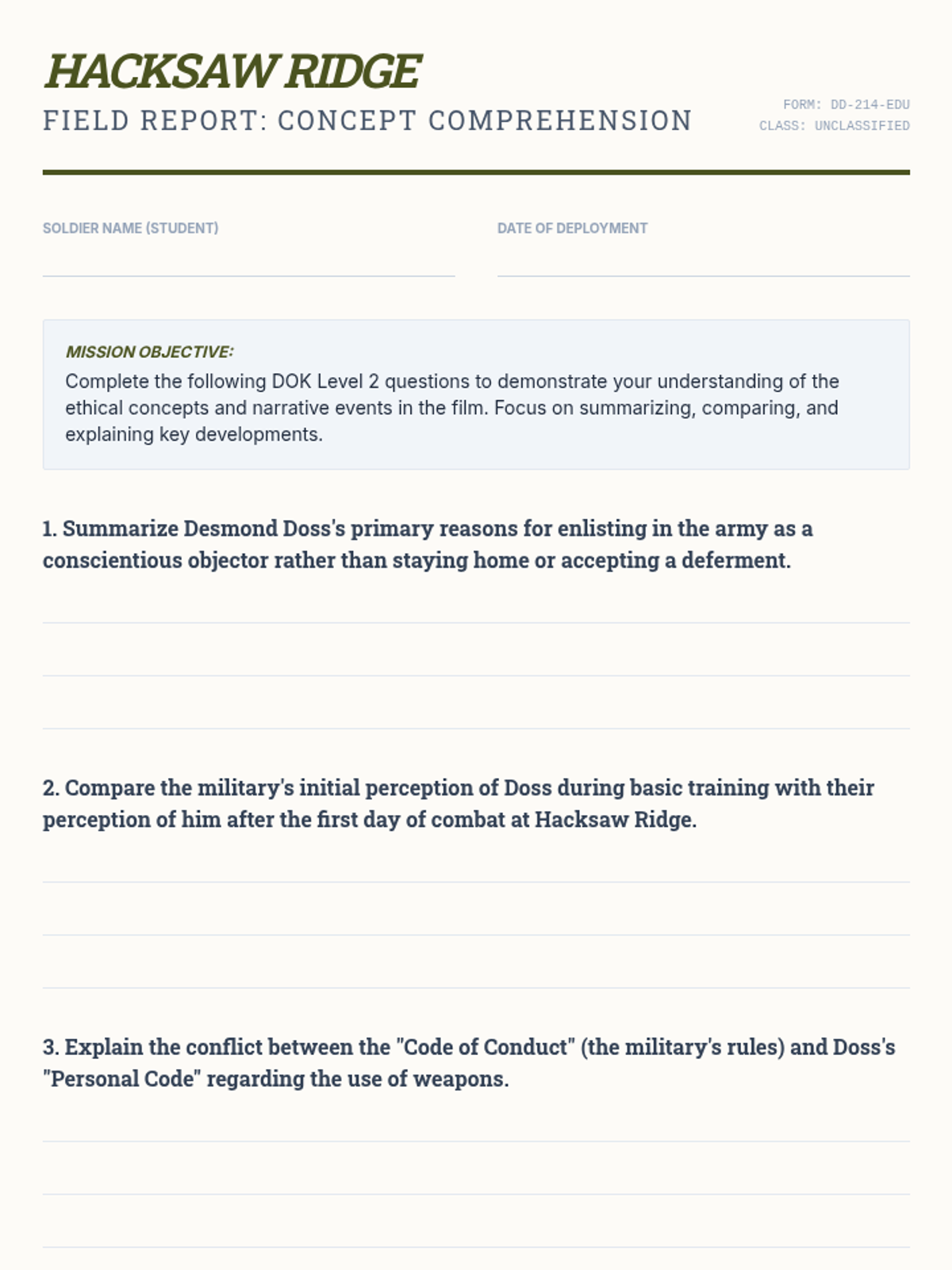
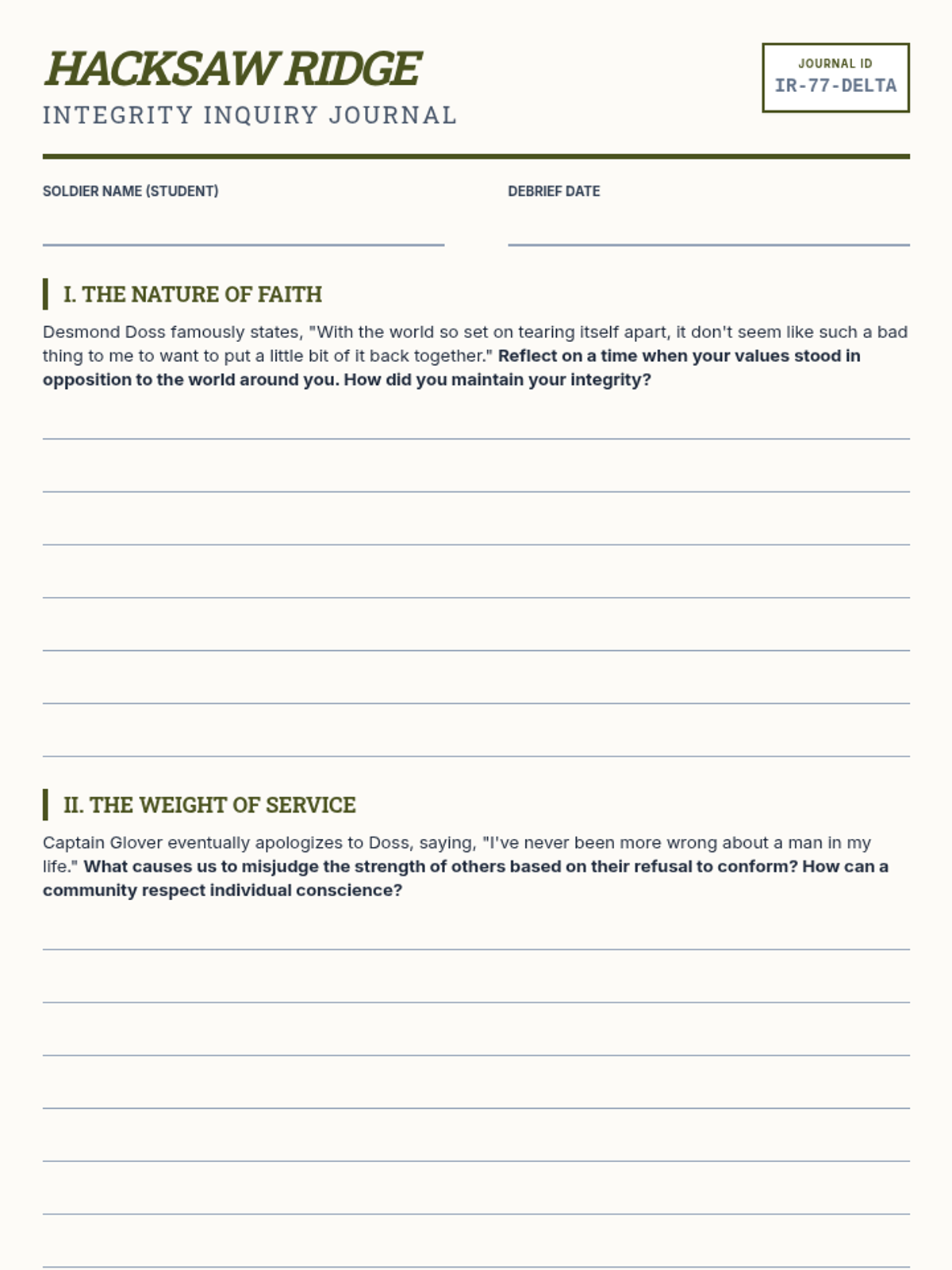
An in-depth exploration of conscientious objection and military ethics through the lens of the film Hacksaw Ridge, featuring DOK Level 3 discussion prompts and evaluation tools.
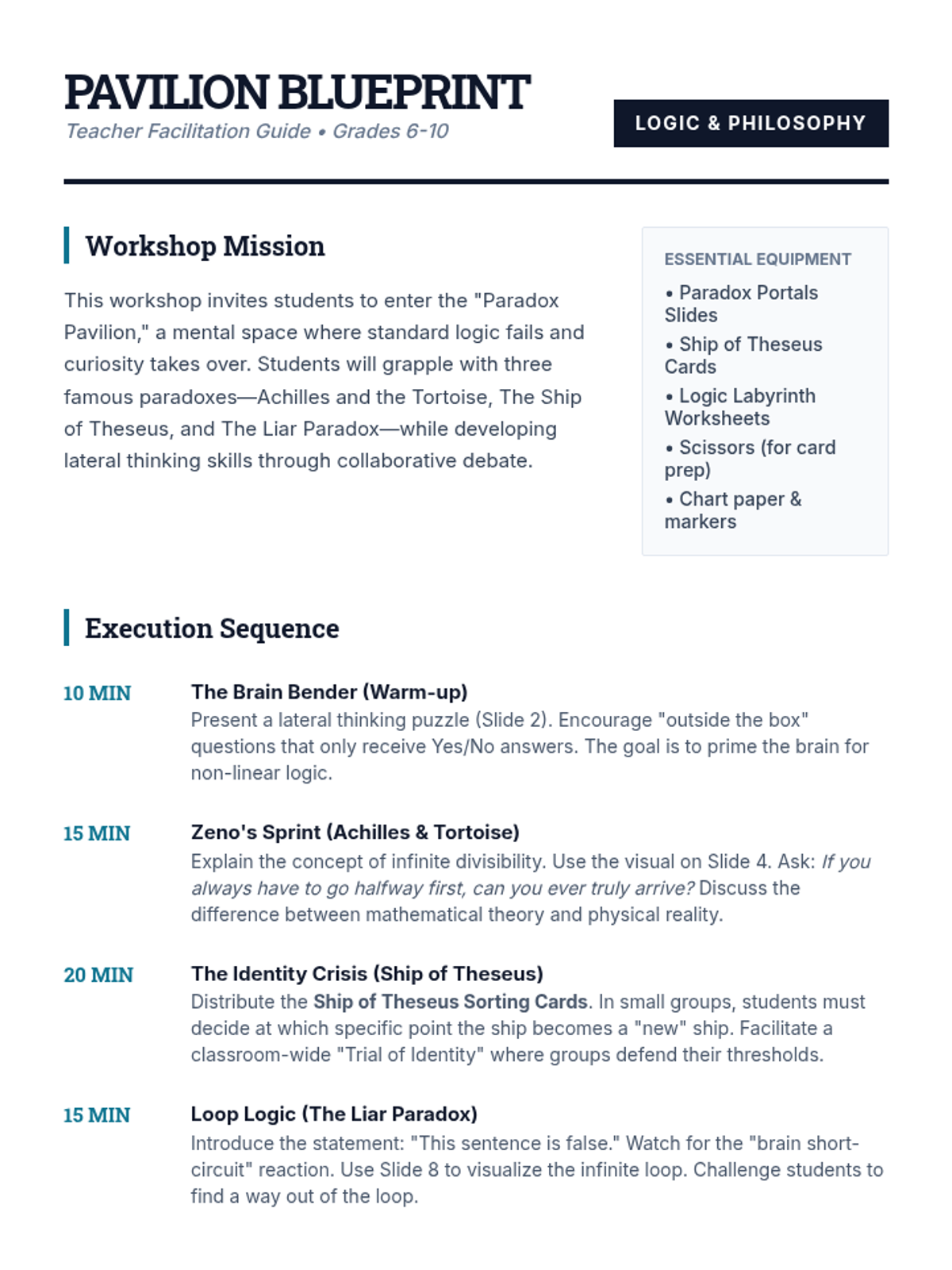
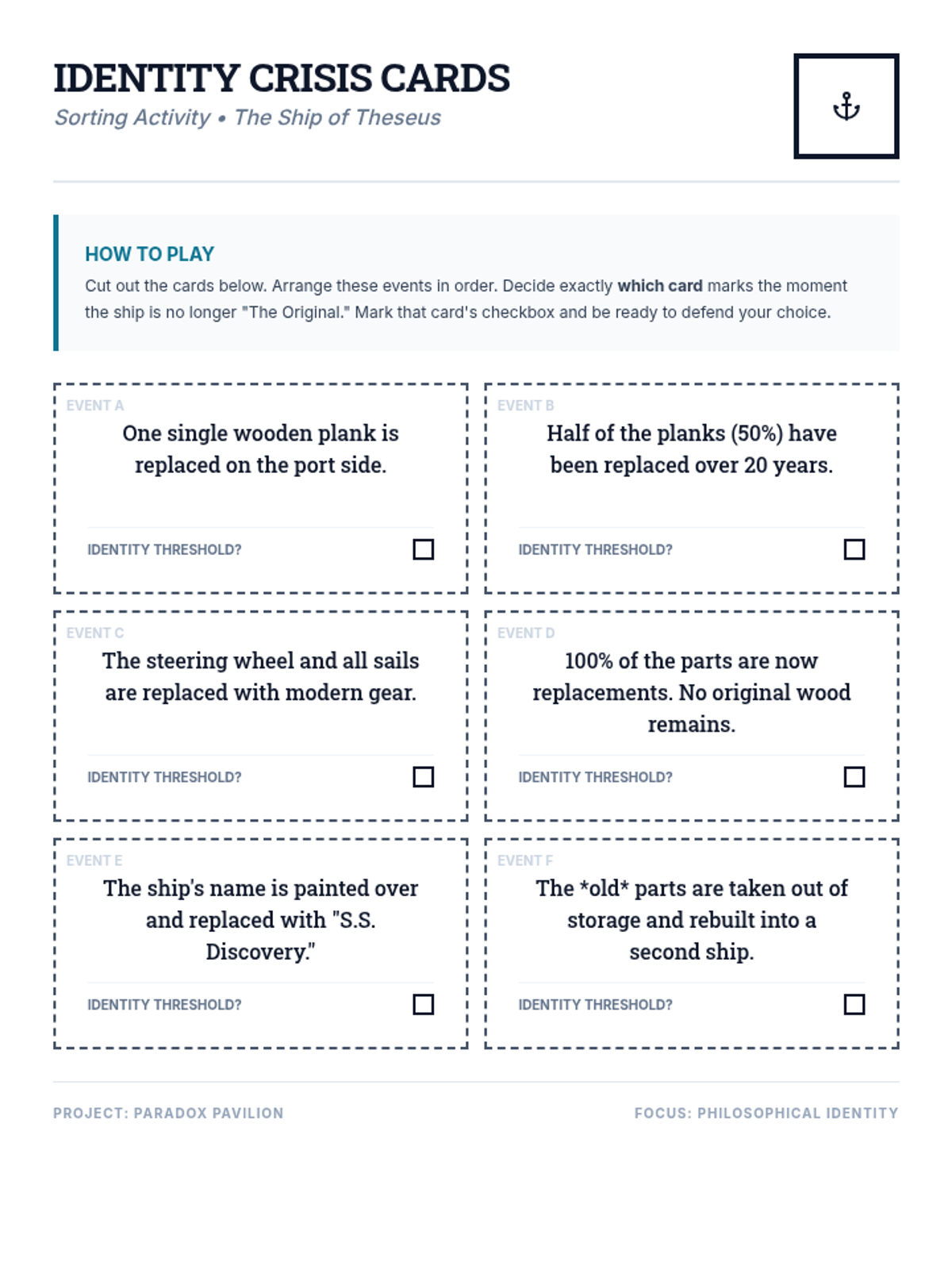
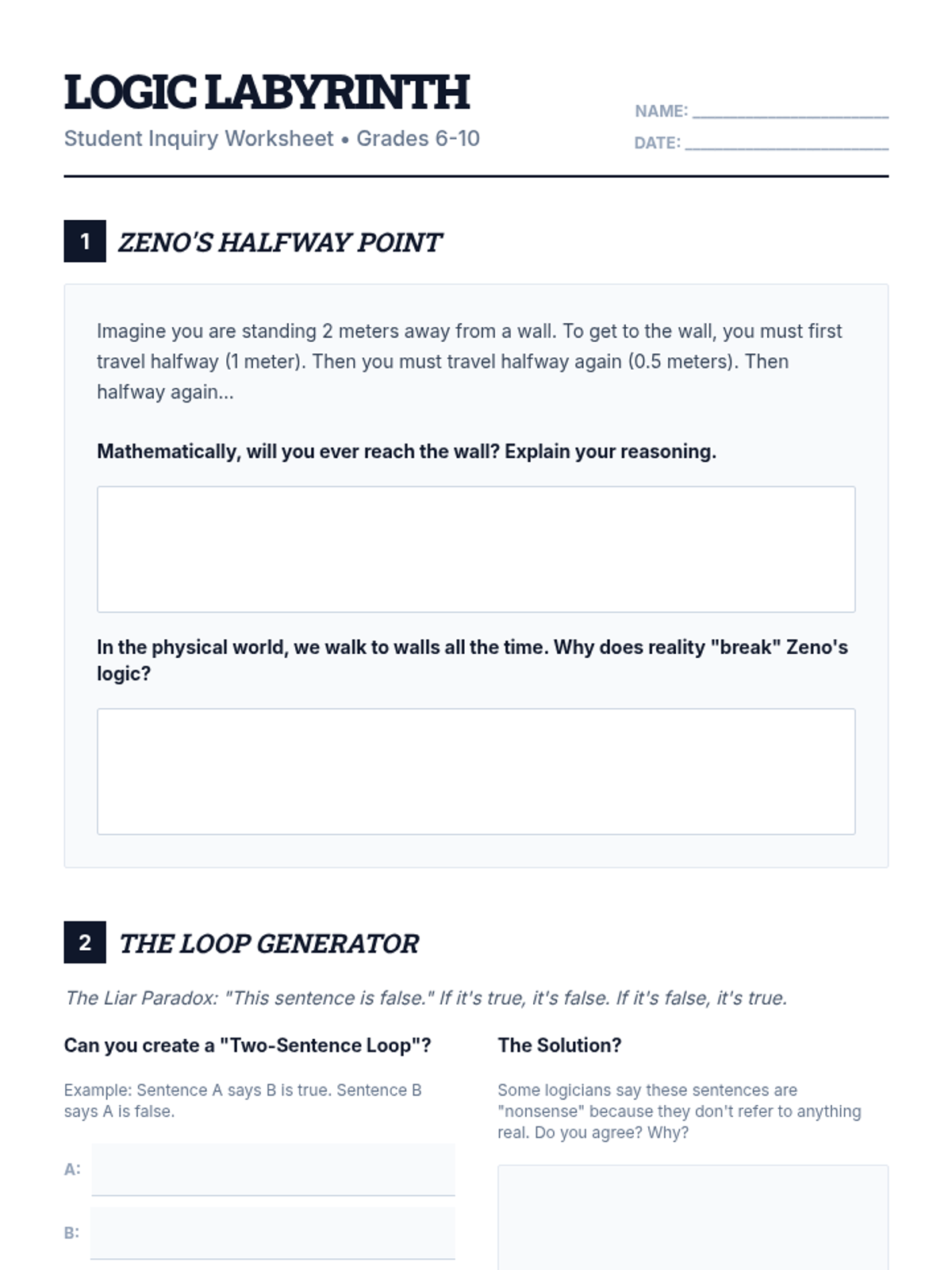
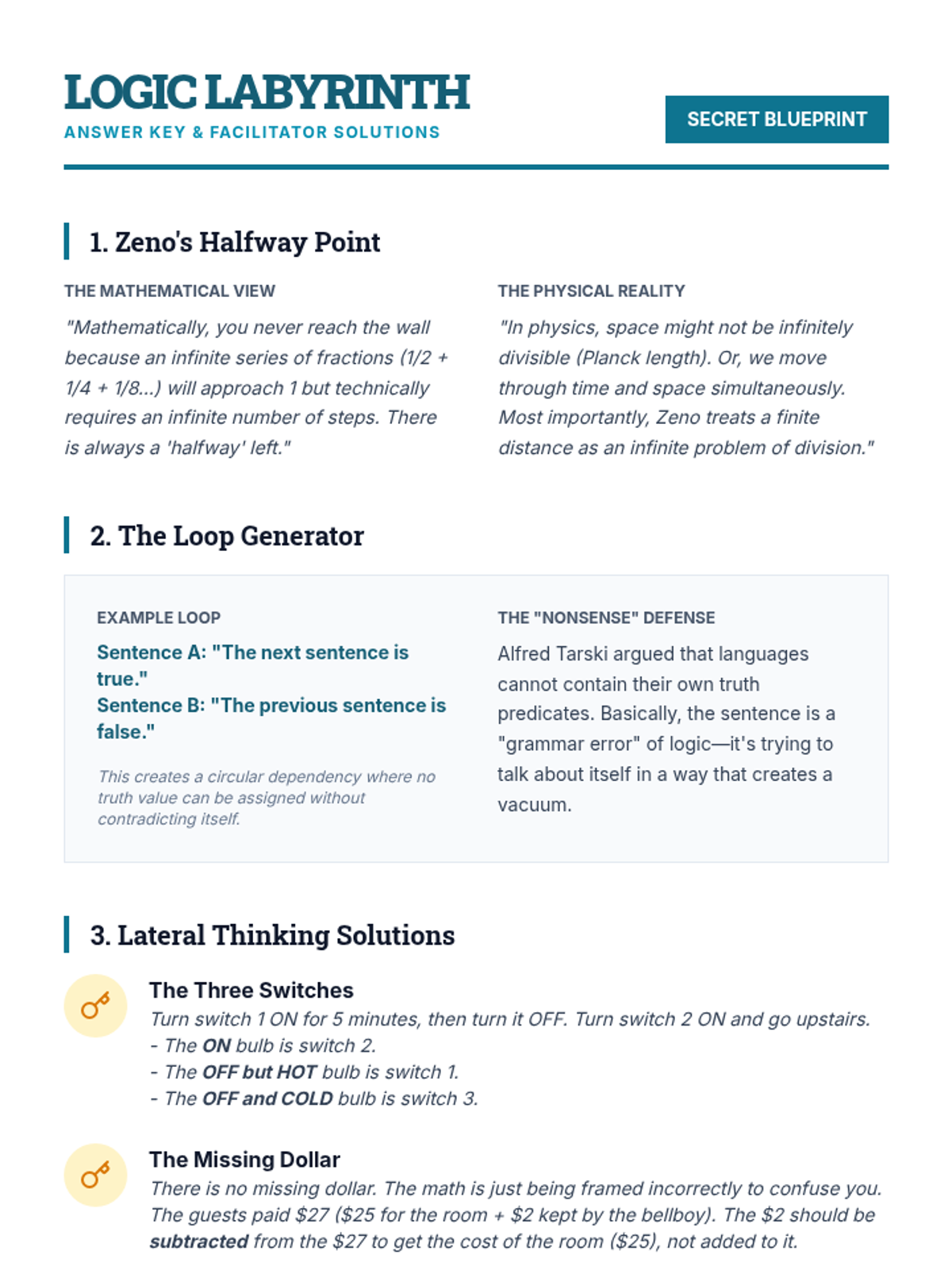
An inquiry-based workshop where students explore philosophical paradoxes and lateral thinking puzzles to sharpen critical reasoning skills.
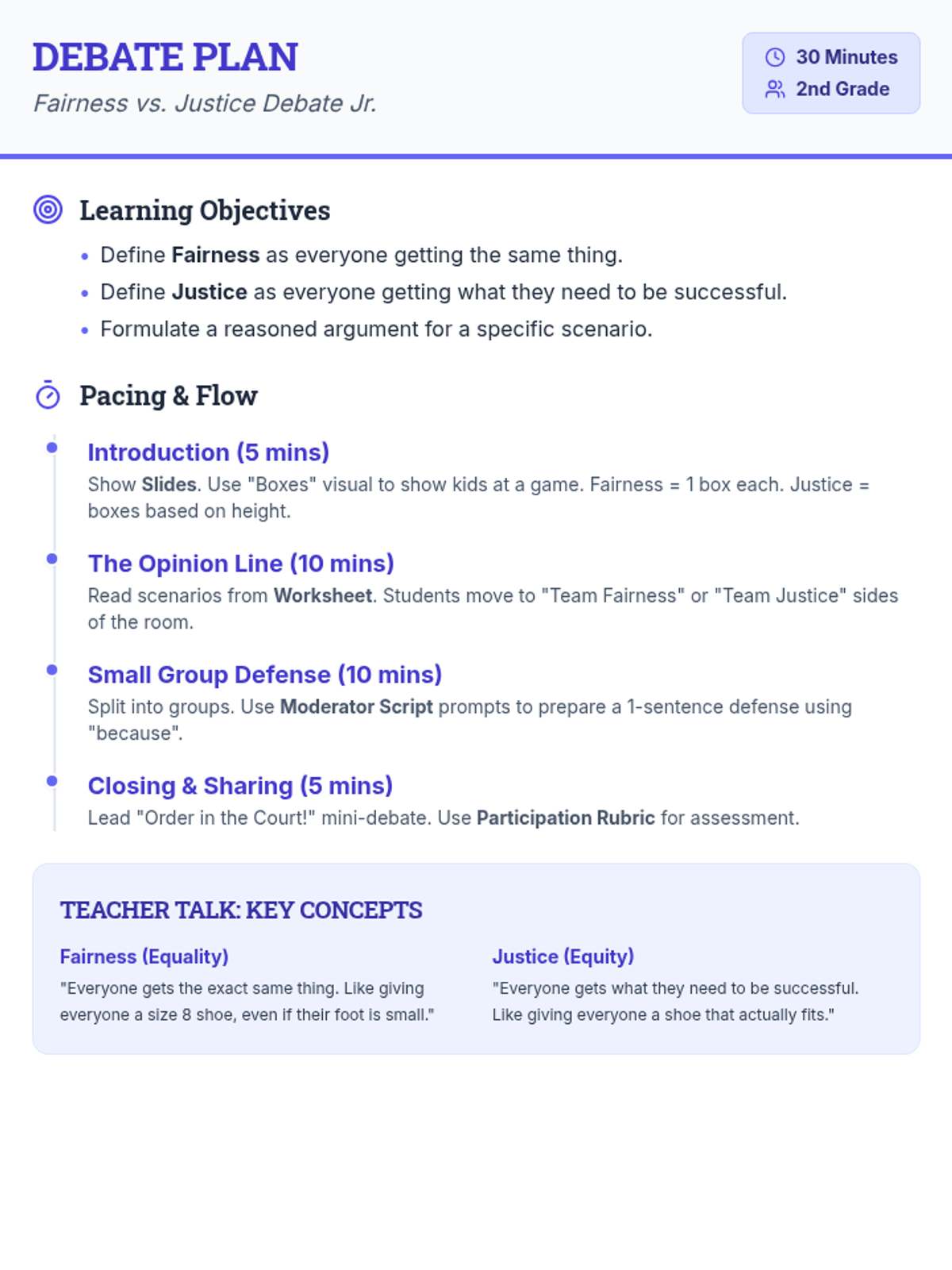
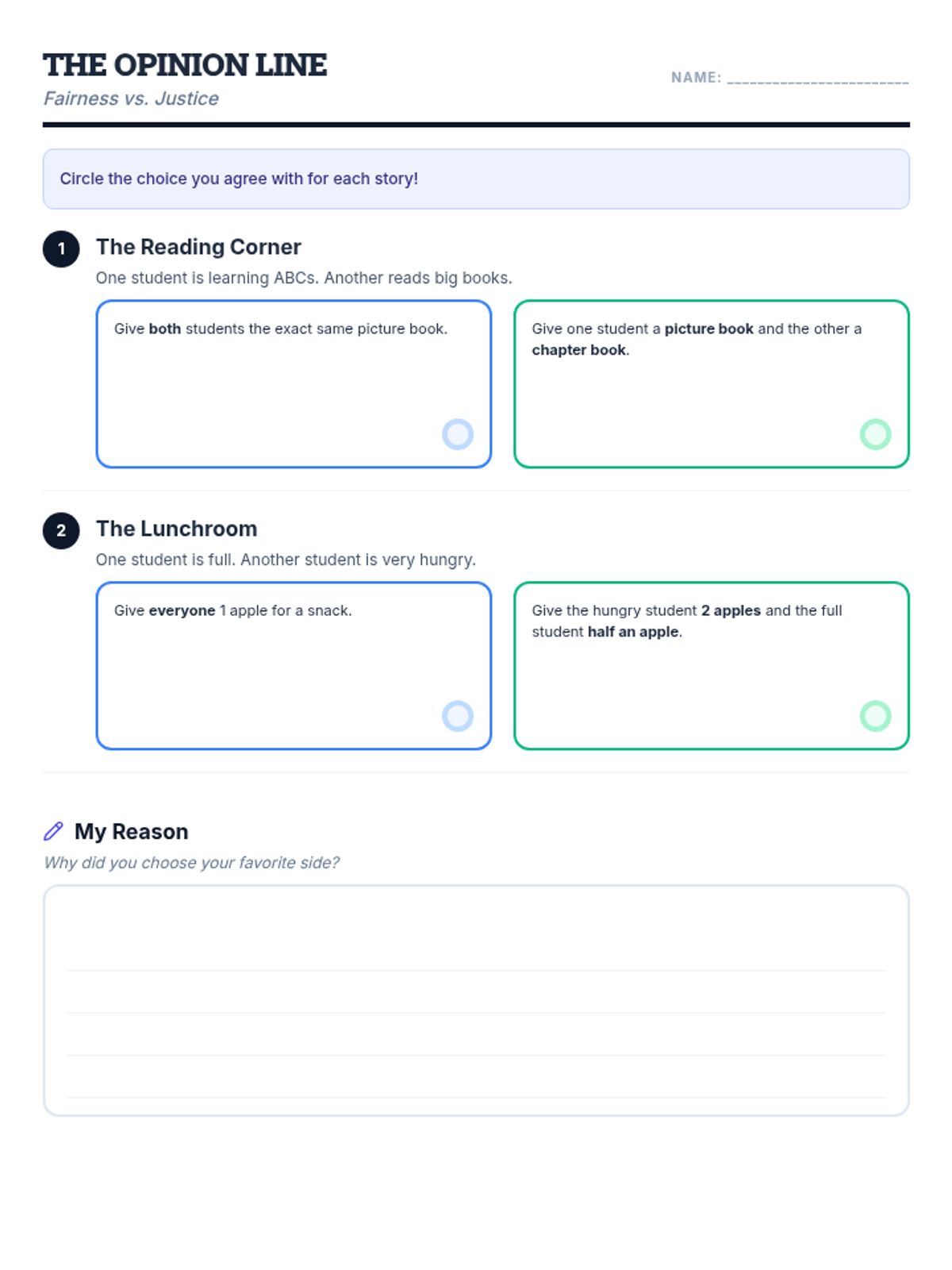
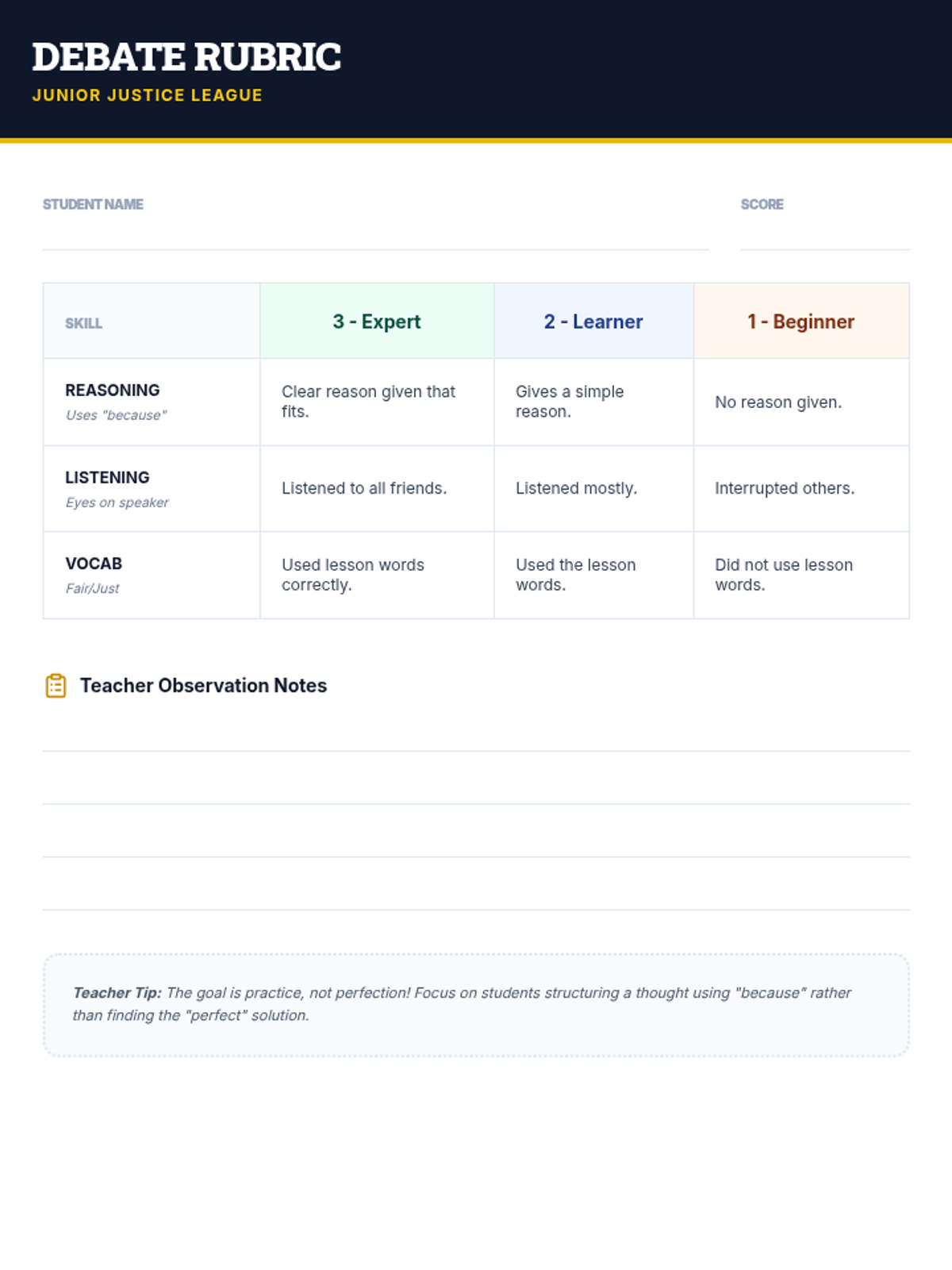
A fast-paced, engaging lesson for 2nd graders to distinguish between equality and equity through the lens of 'Fairness' and 'Justice'. Students engage in a mini-debate to defend their reasoning on real-world scenarios.
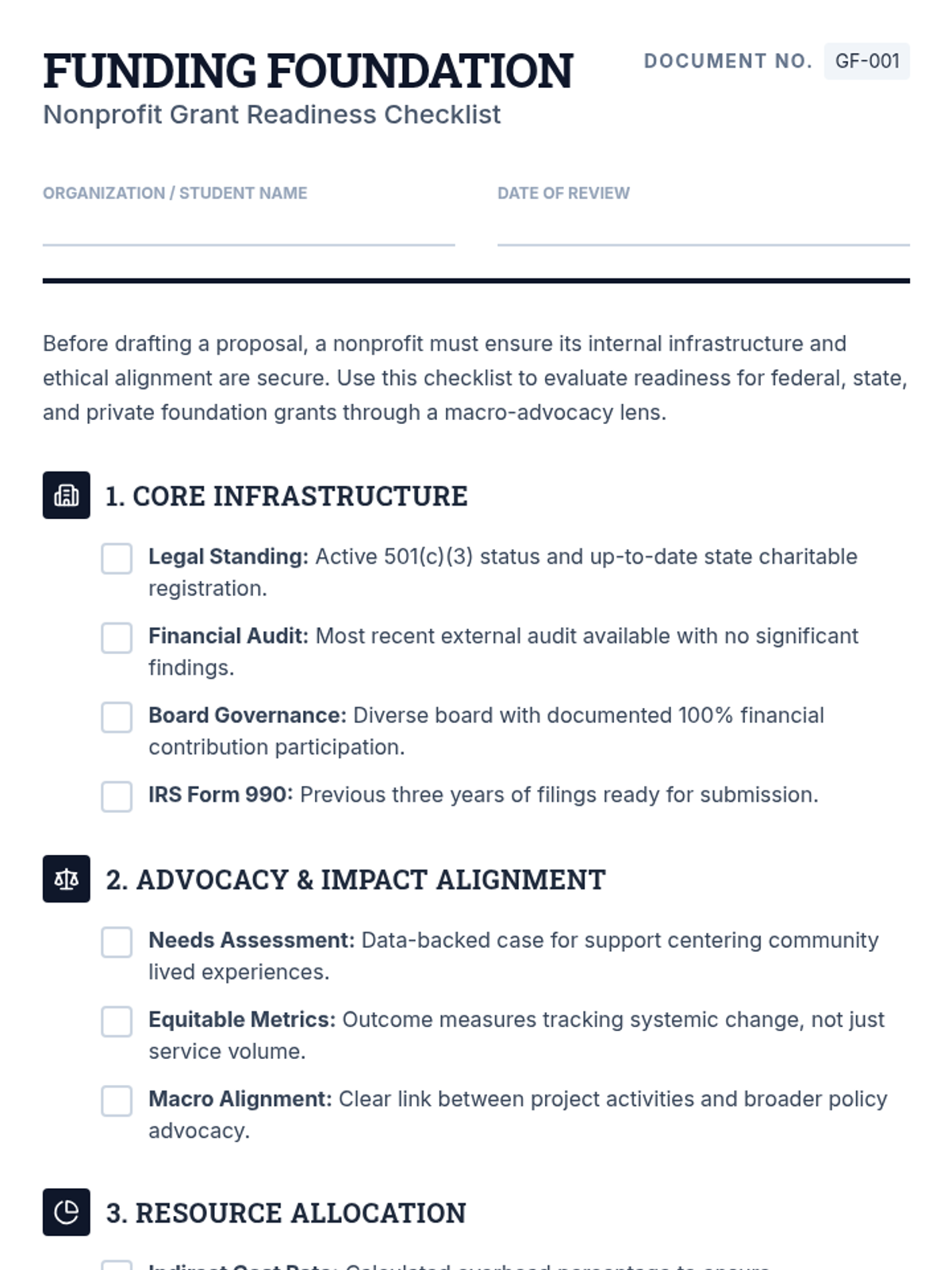
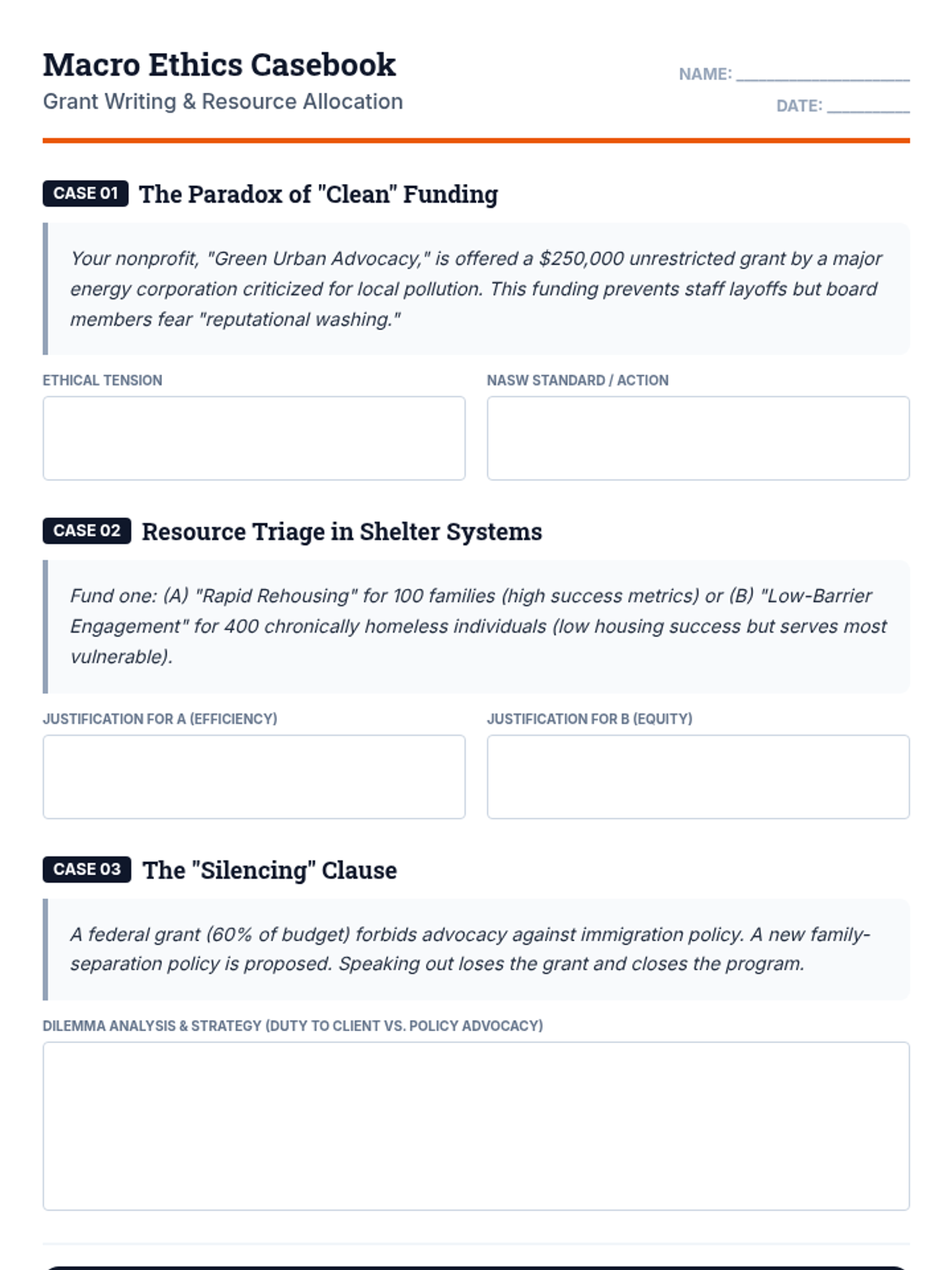
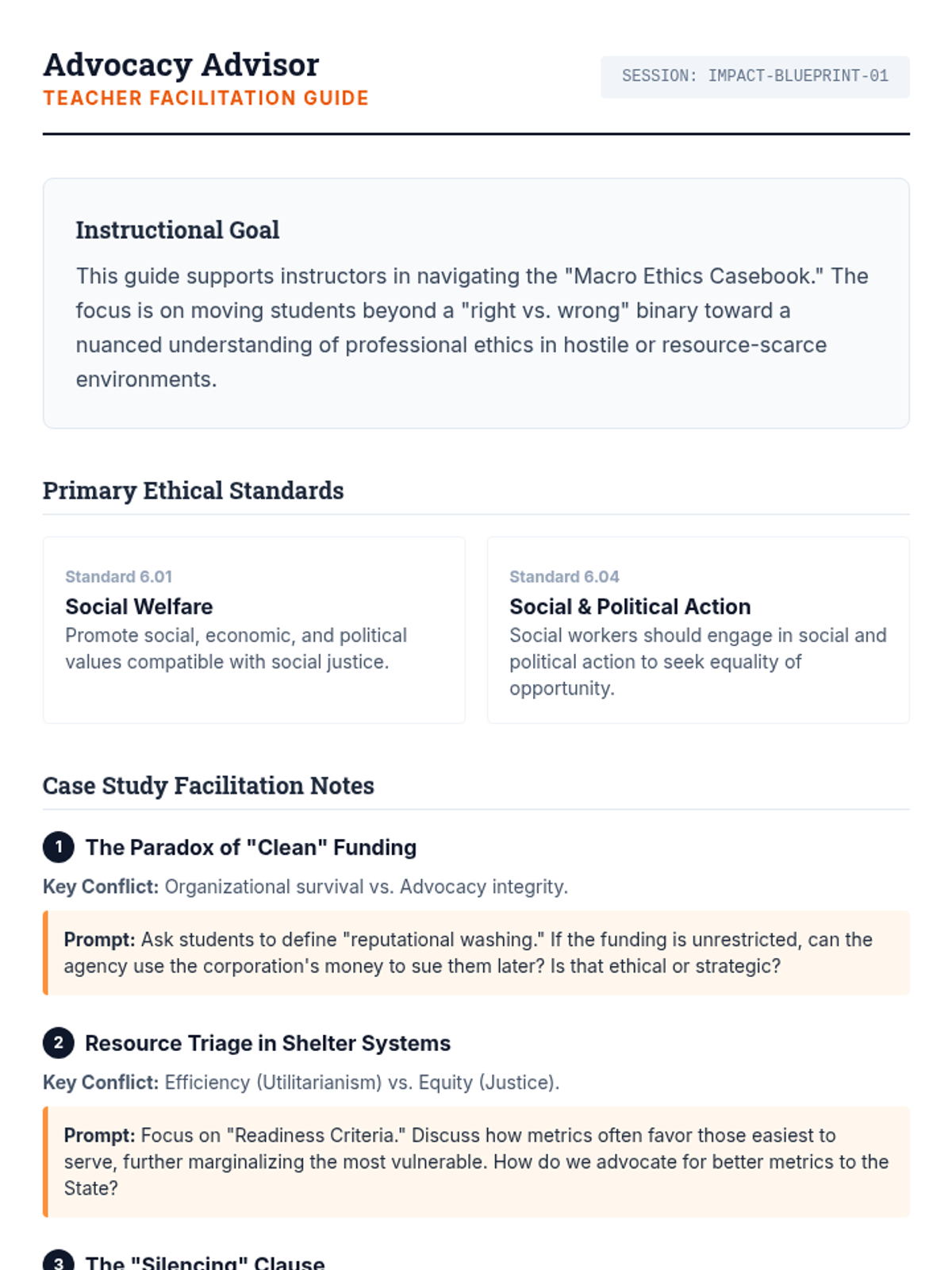
A comprehensive lesson covering the technical aspects of grant writing for nonprofits alongside the ethical complexities of macro-level social work, resource allocation, and advocacy.
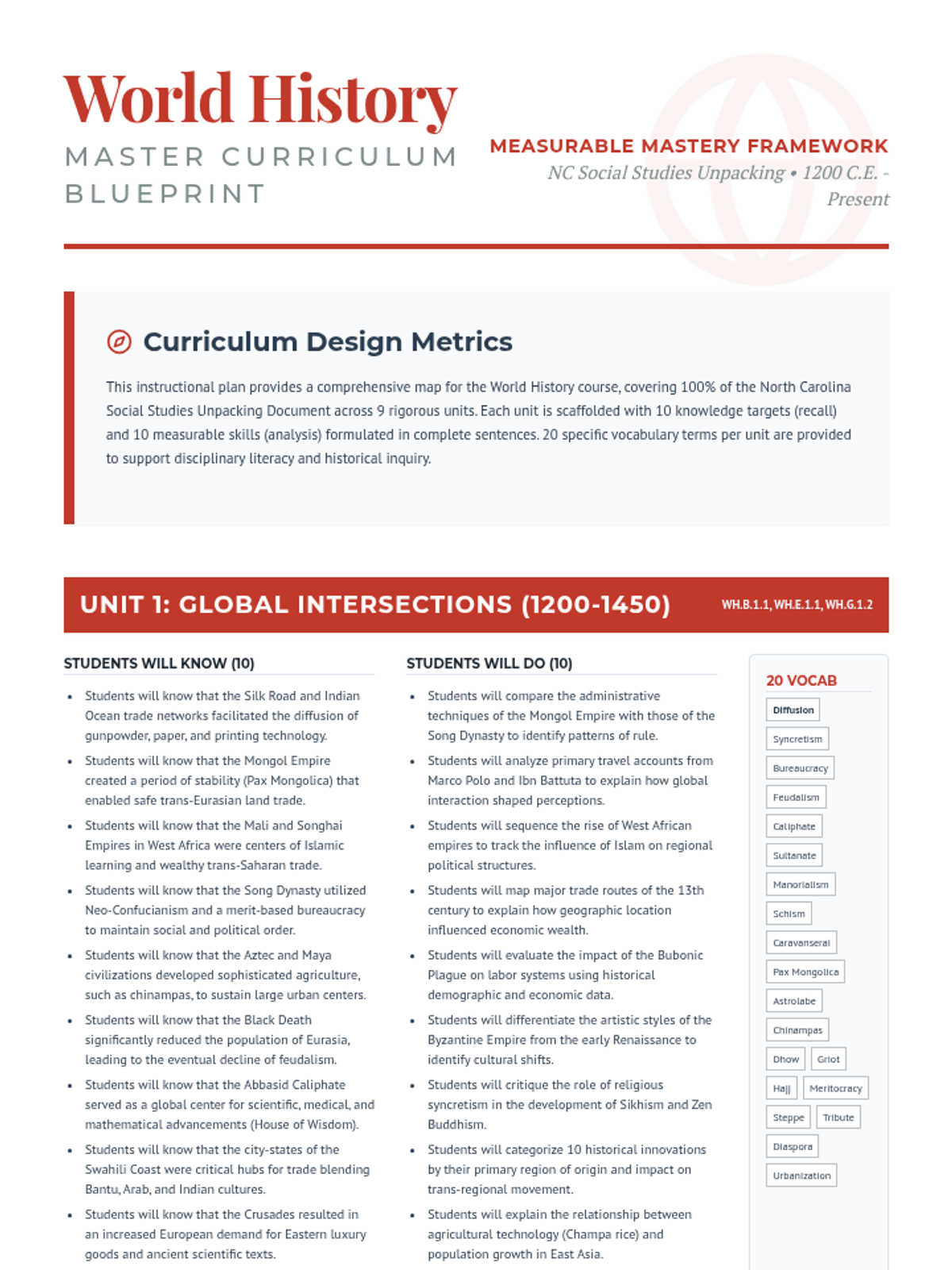
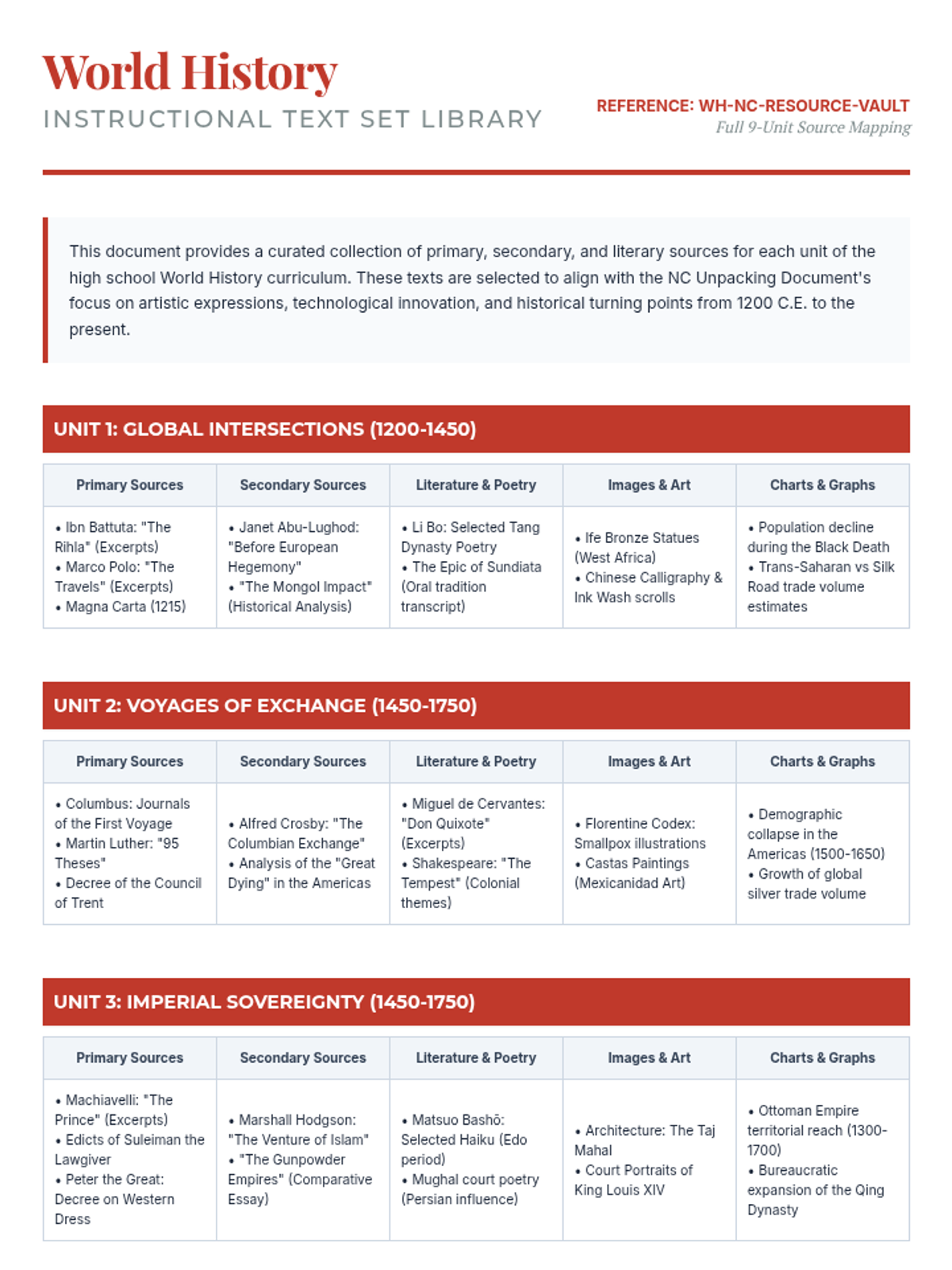
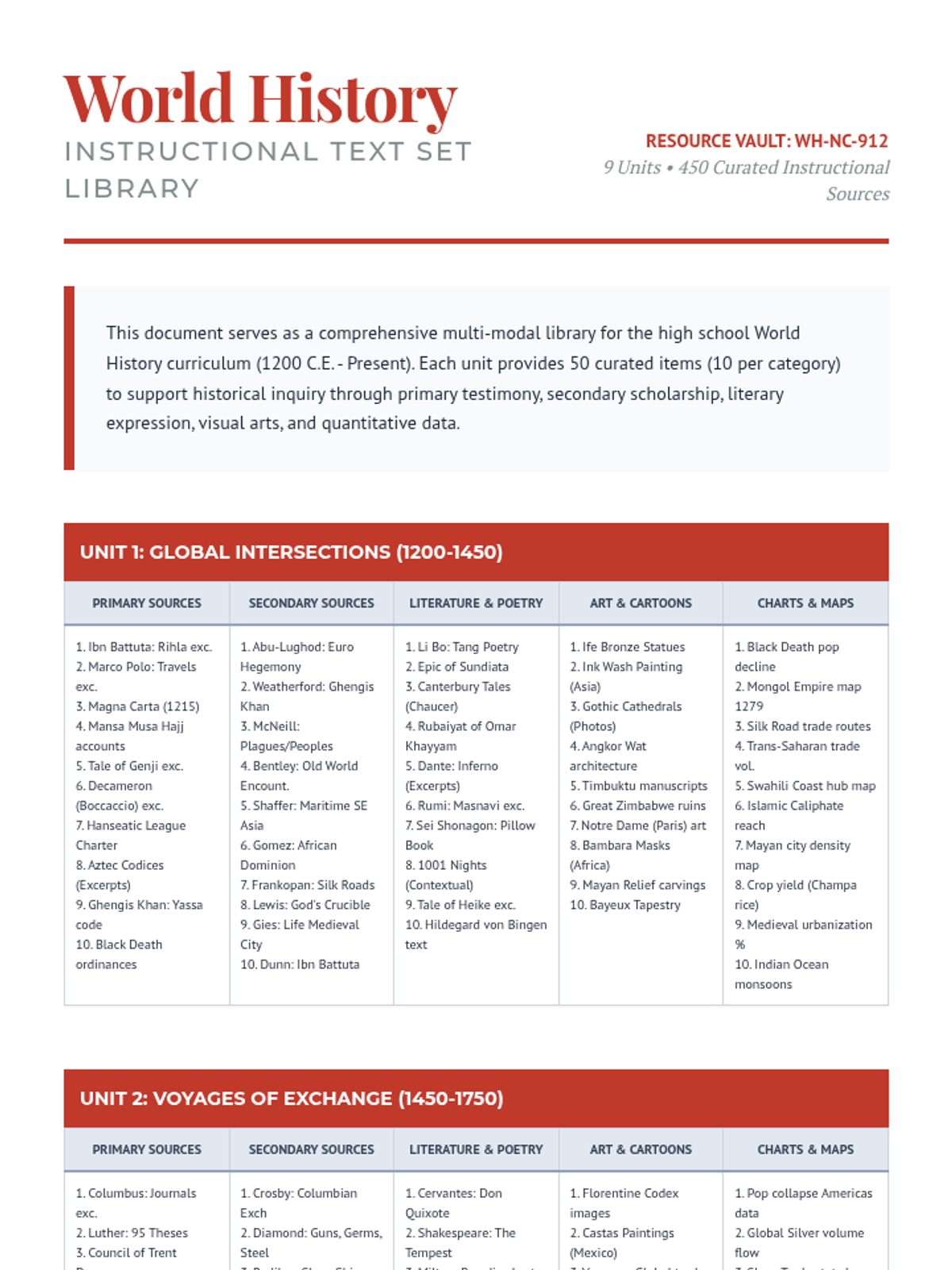
A master curriculum framework for World History that defines standards, objectives, skills, learning goals, and vocabulary for nine instructional units spanning 1200 C.E. to the present.
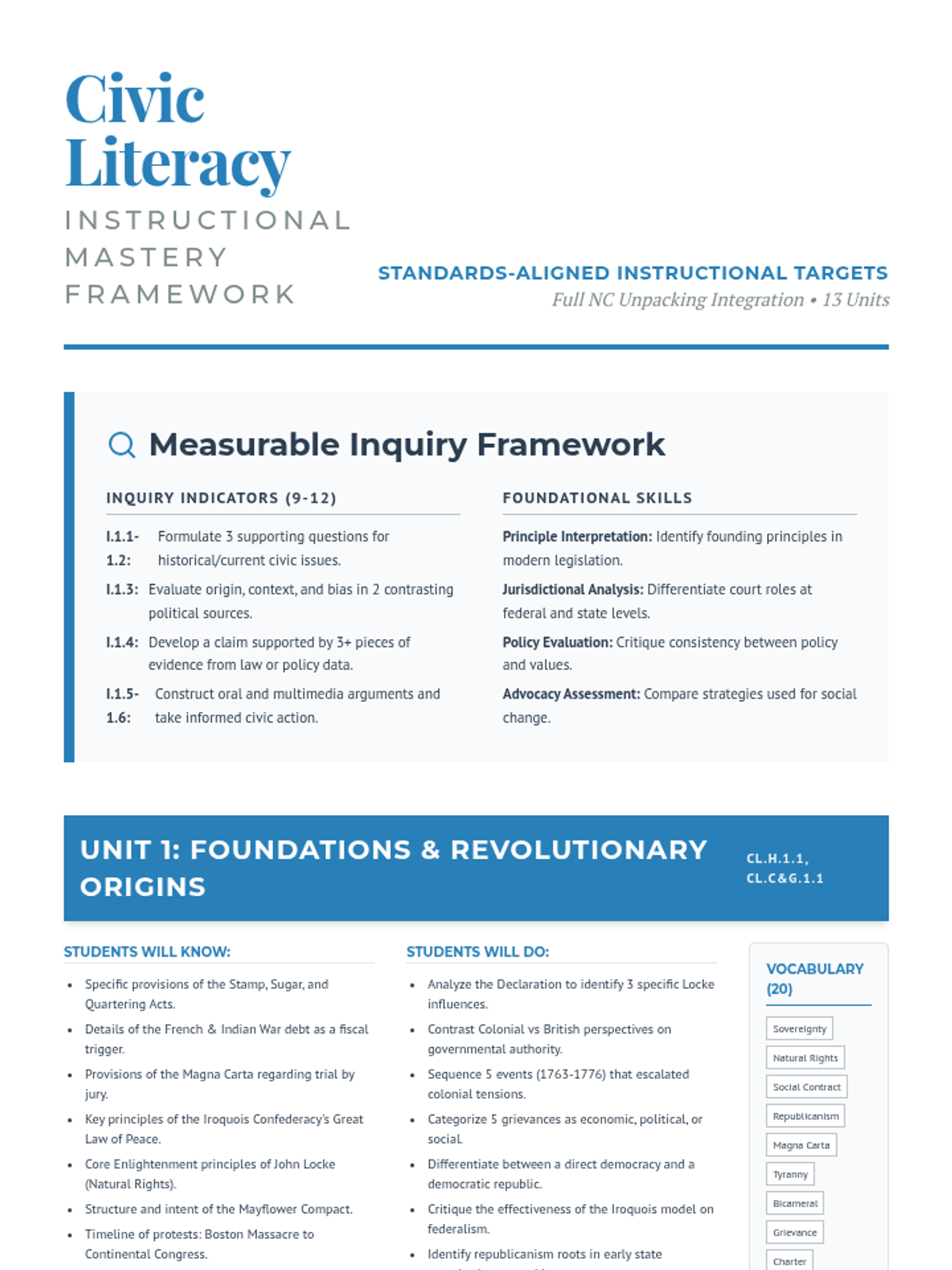
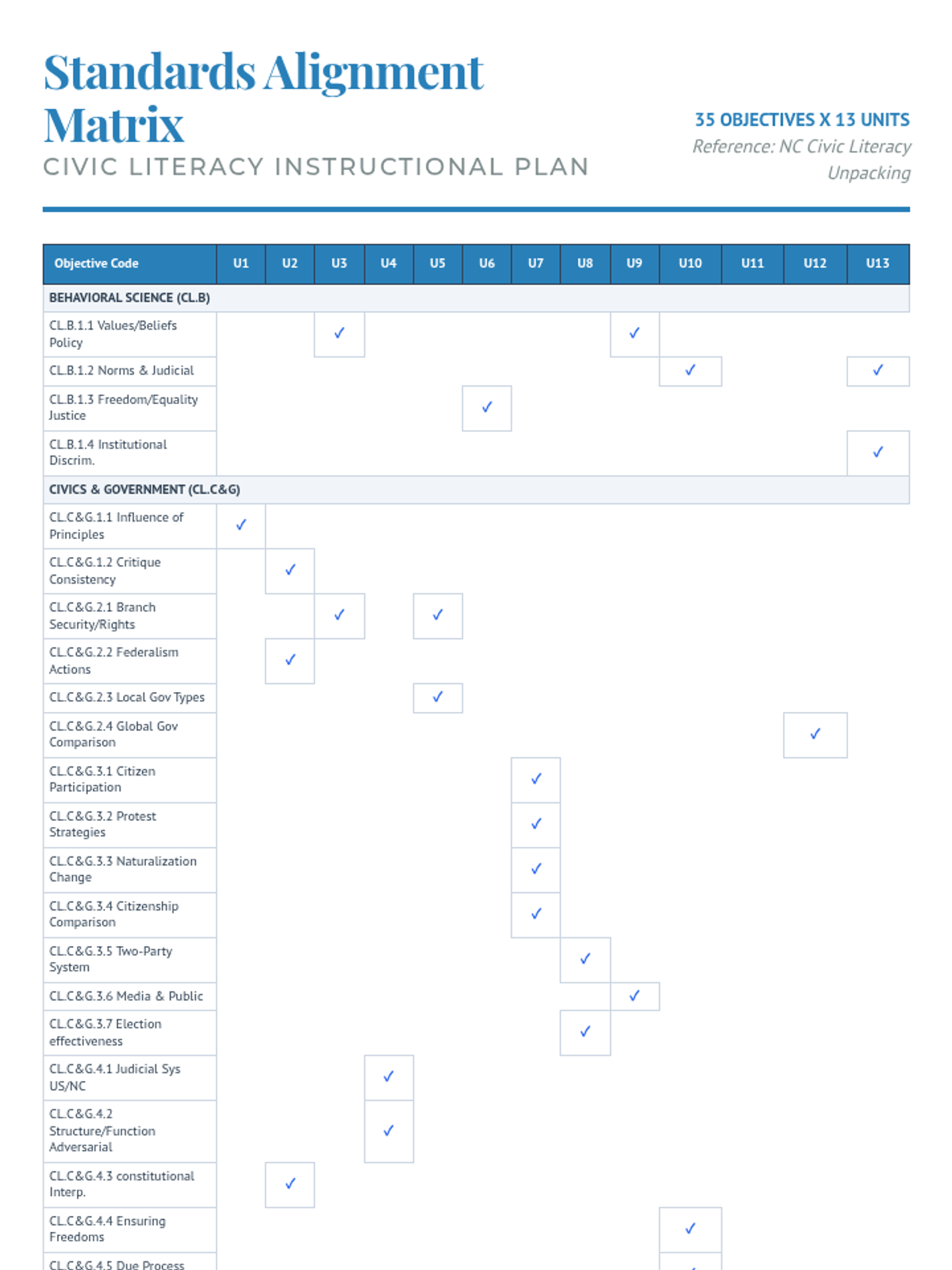
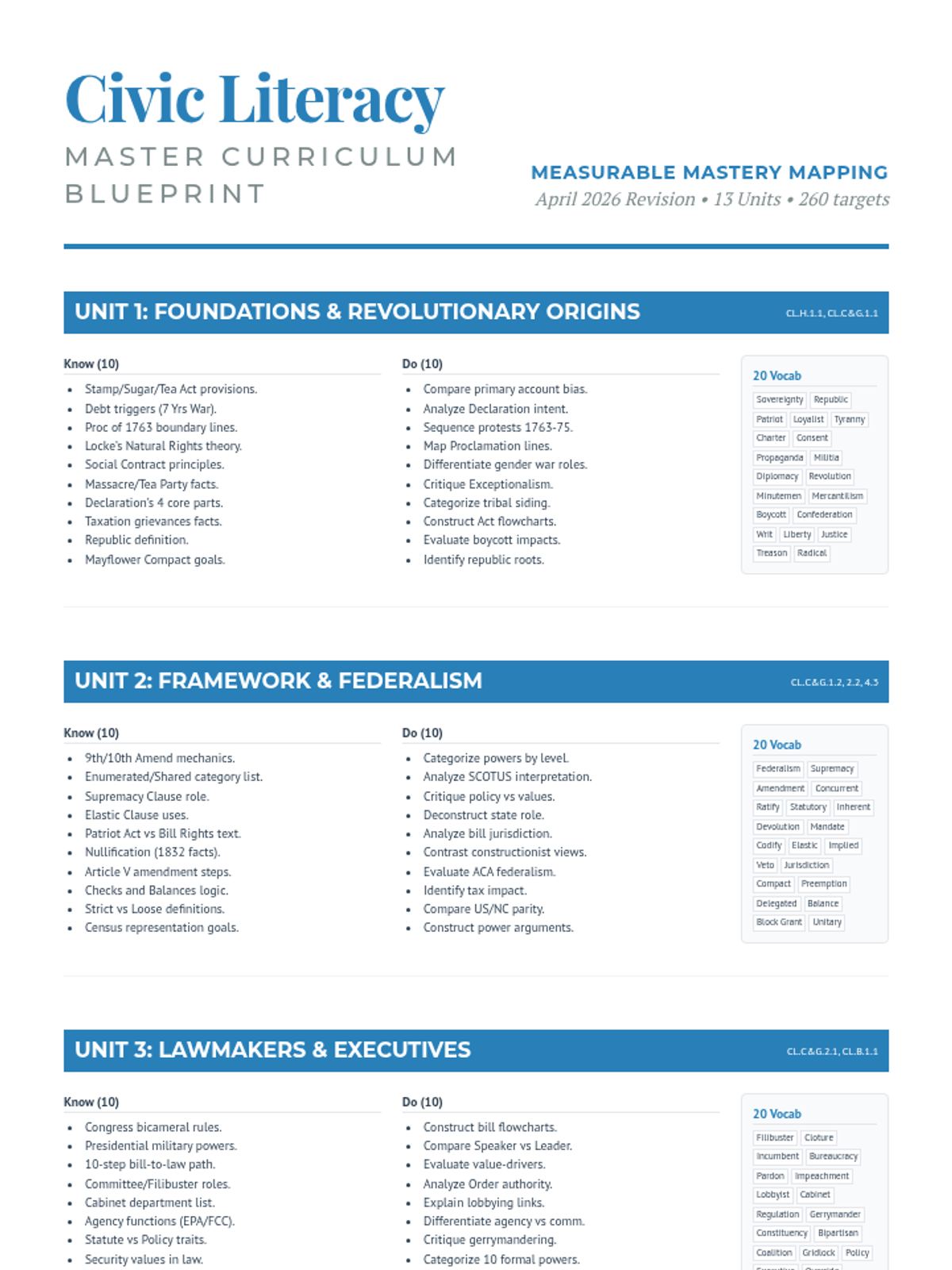
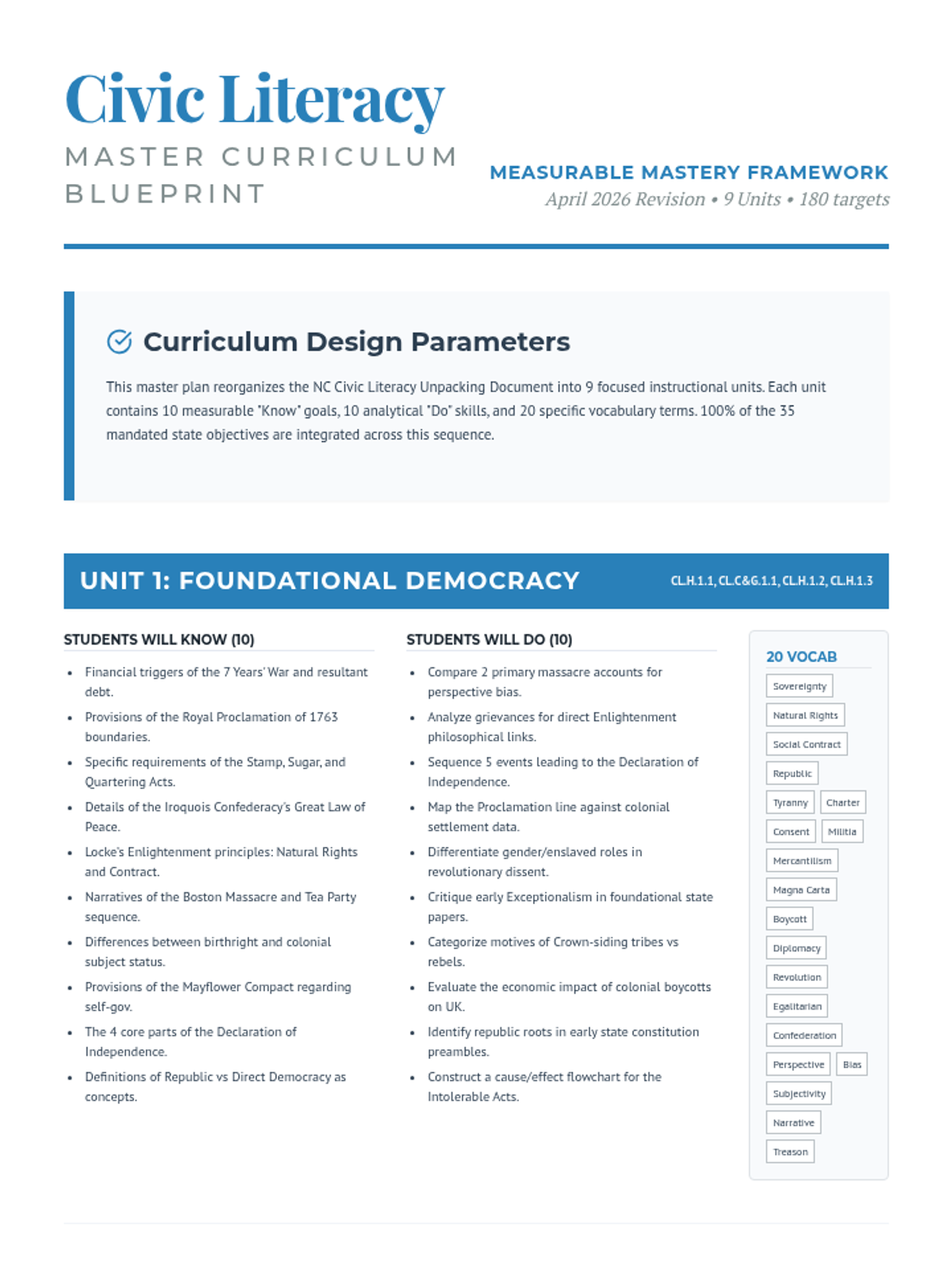
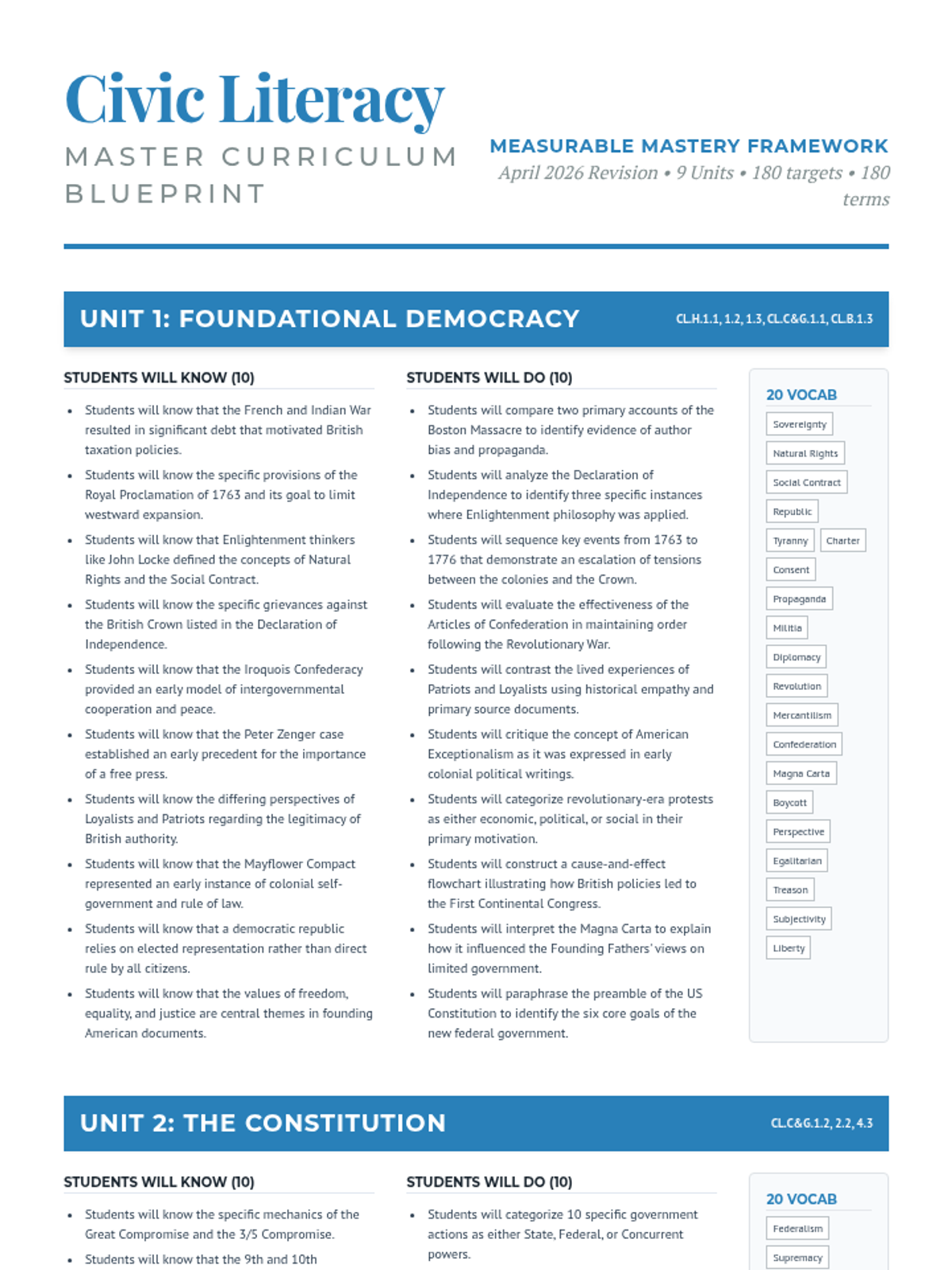
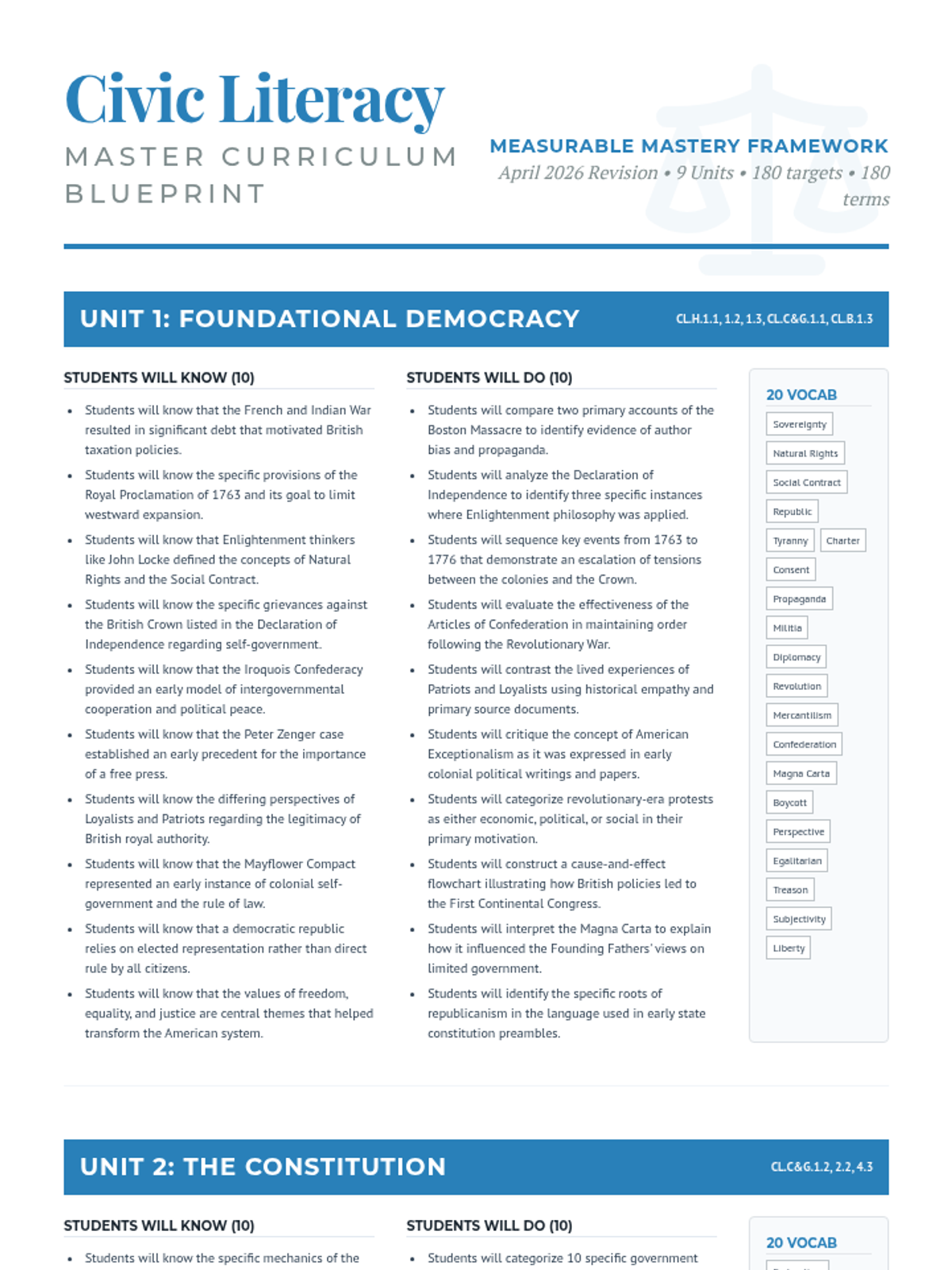
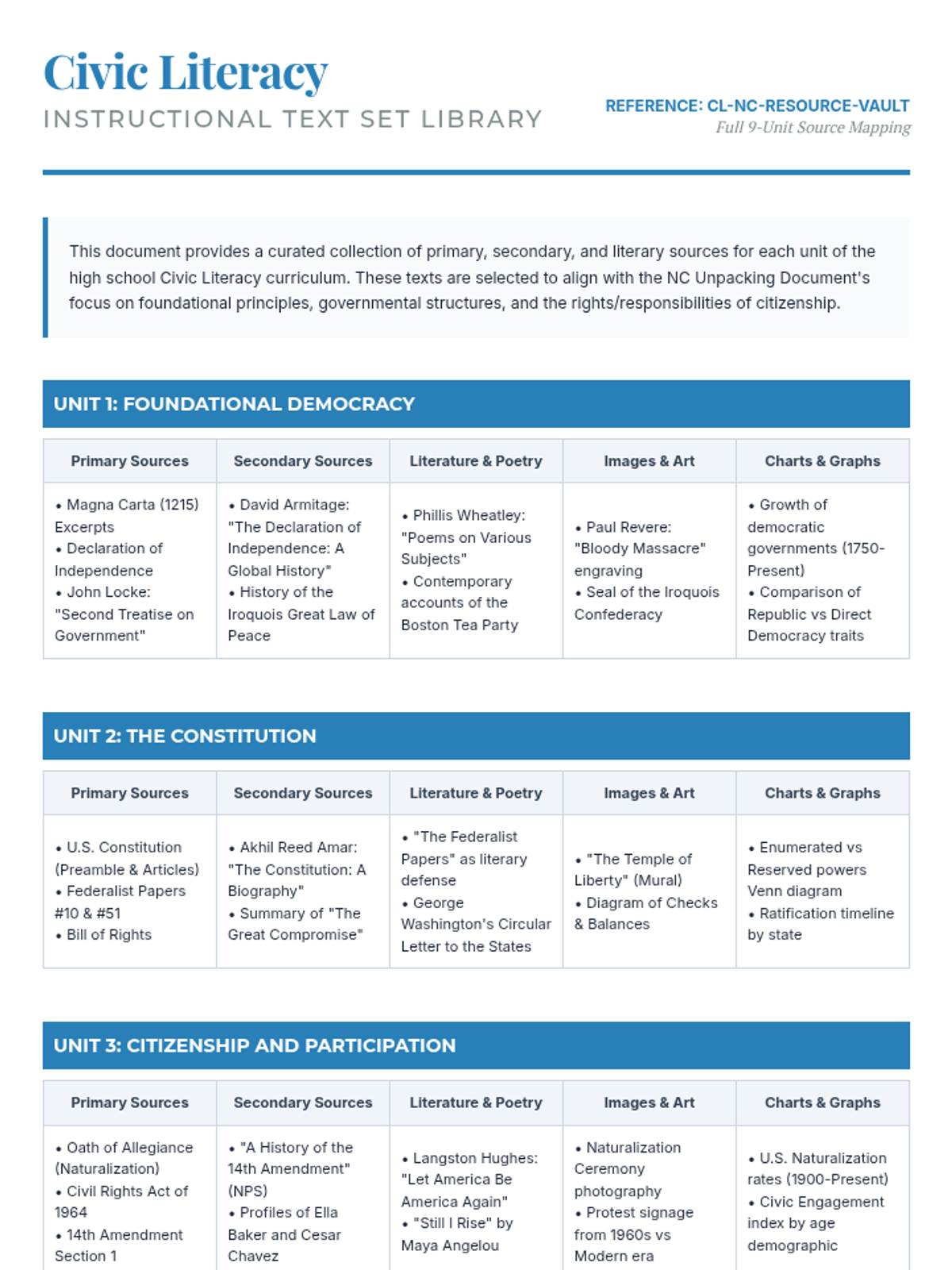
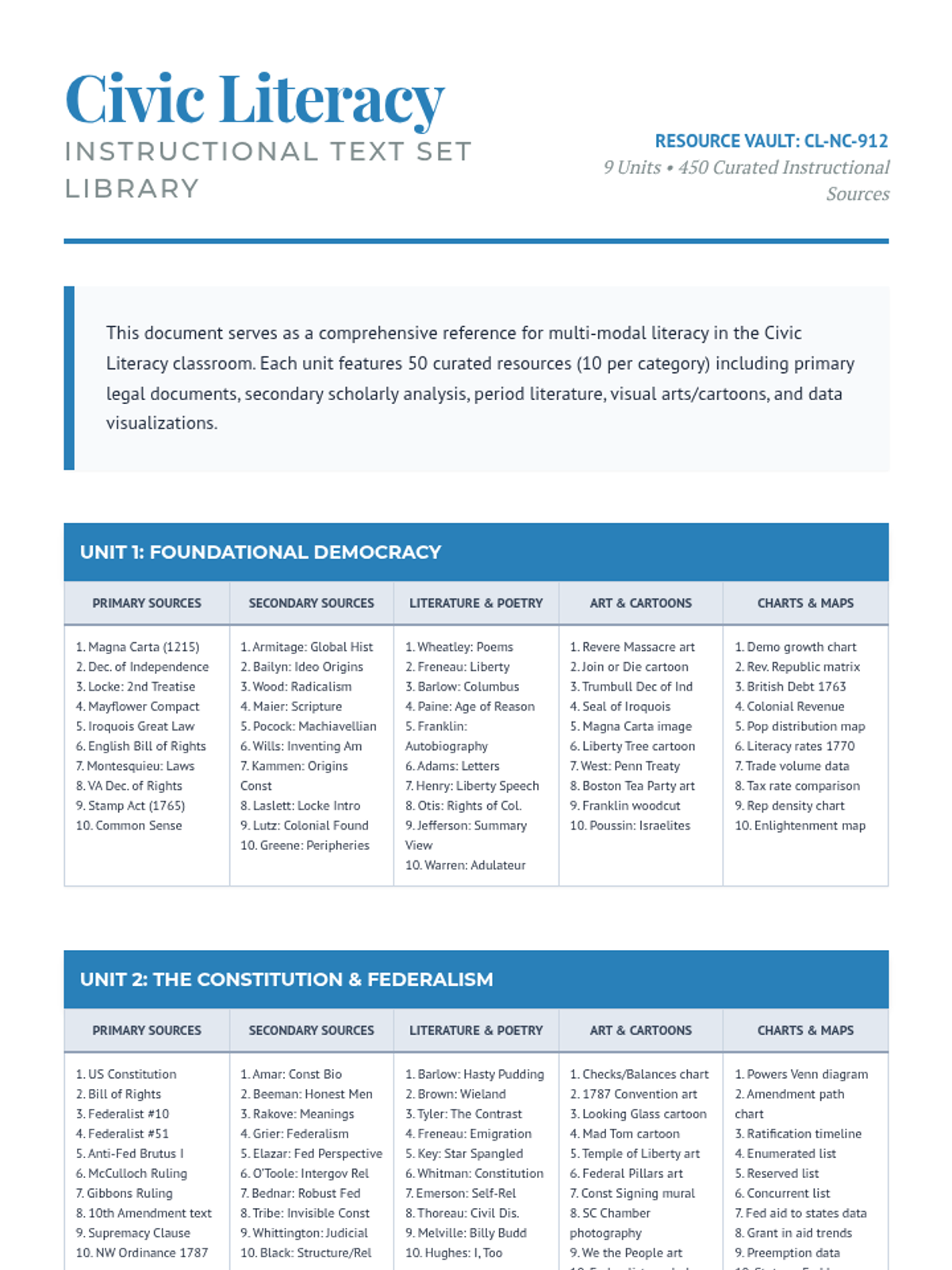
A master curriculum framework for Civic Literacy that defines standards, objectives, skills, learning goals, and vocabulary for thirteen instructional units.
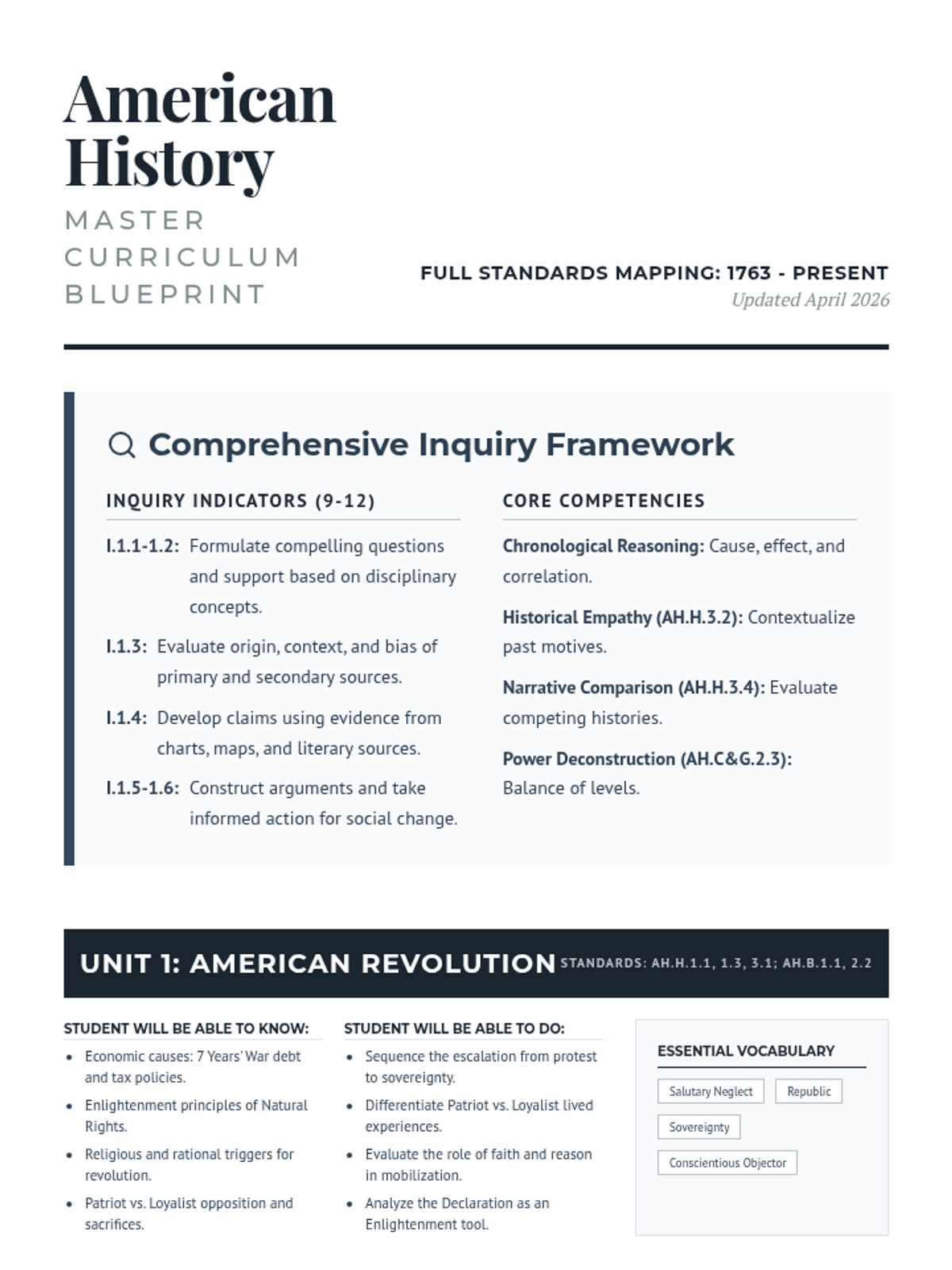
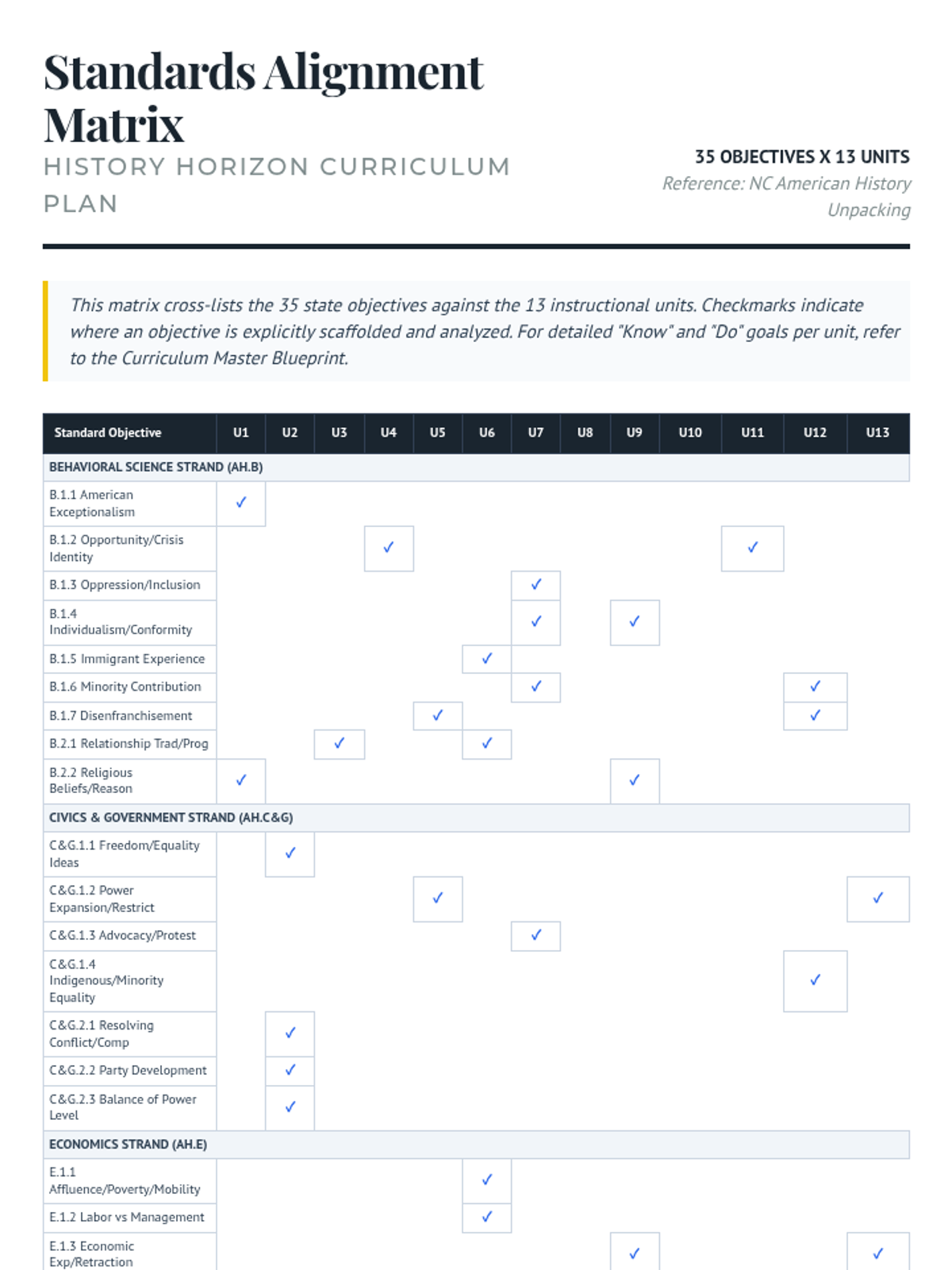
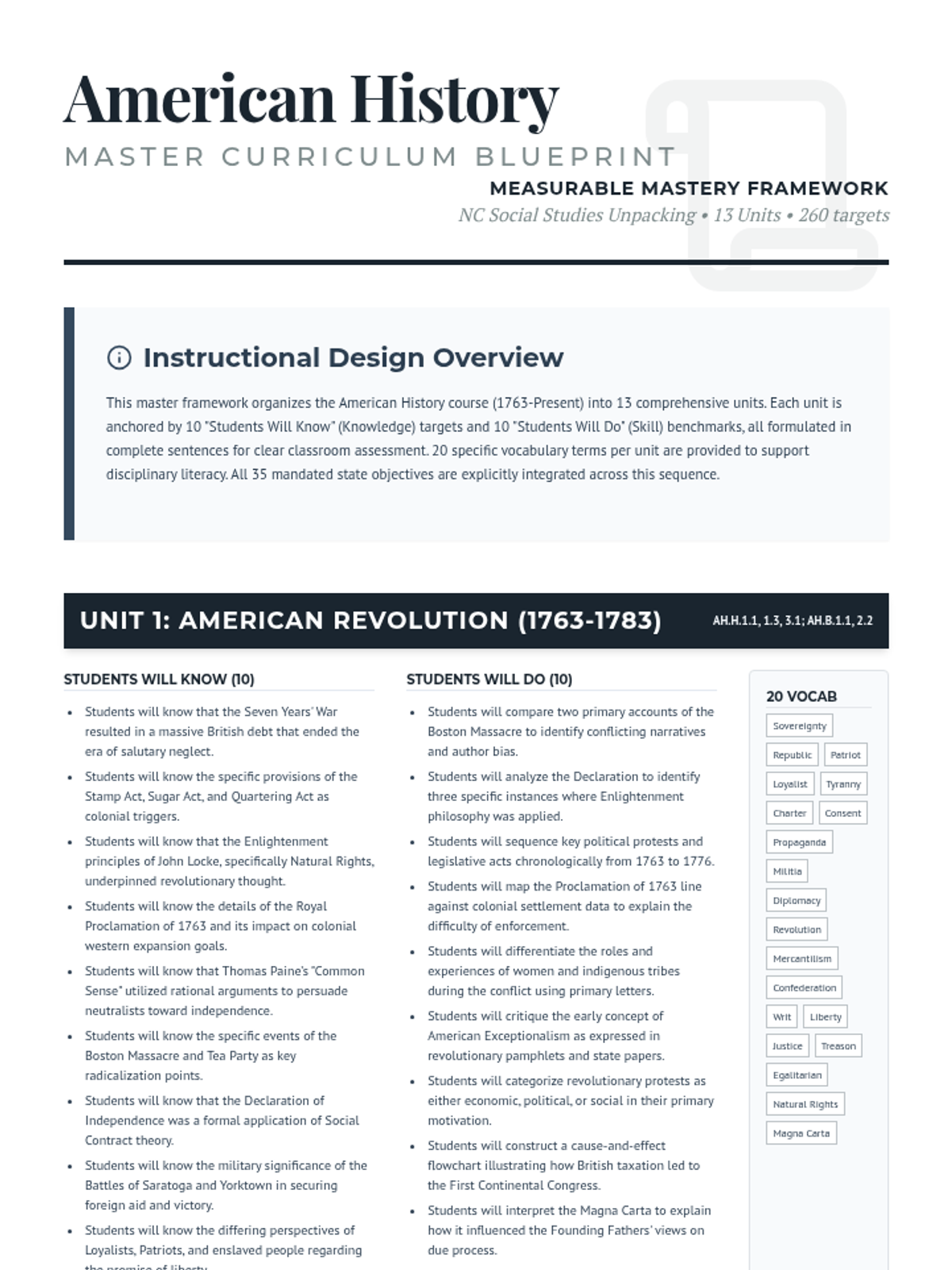
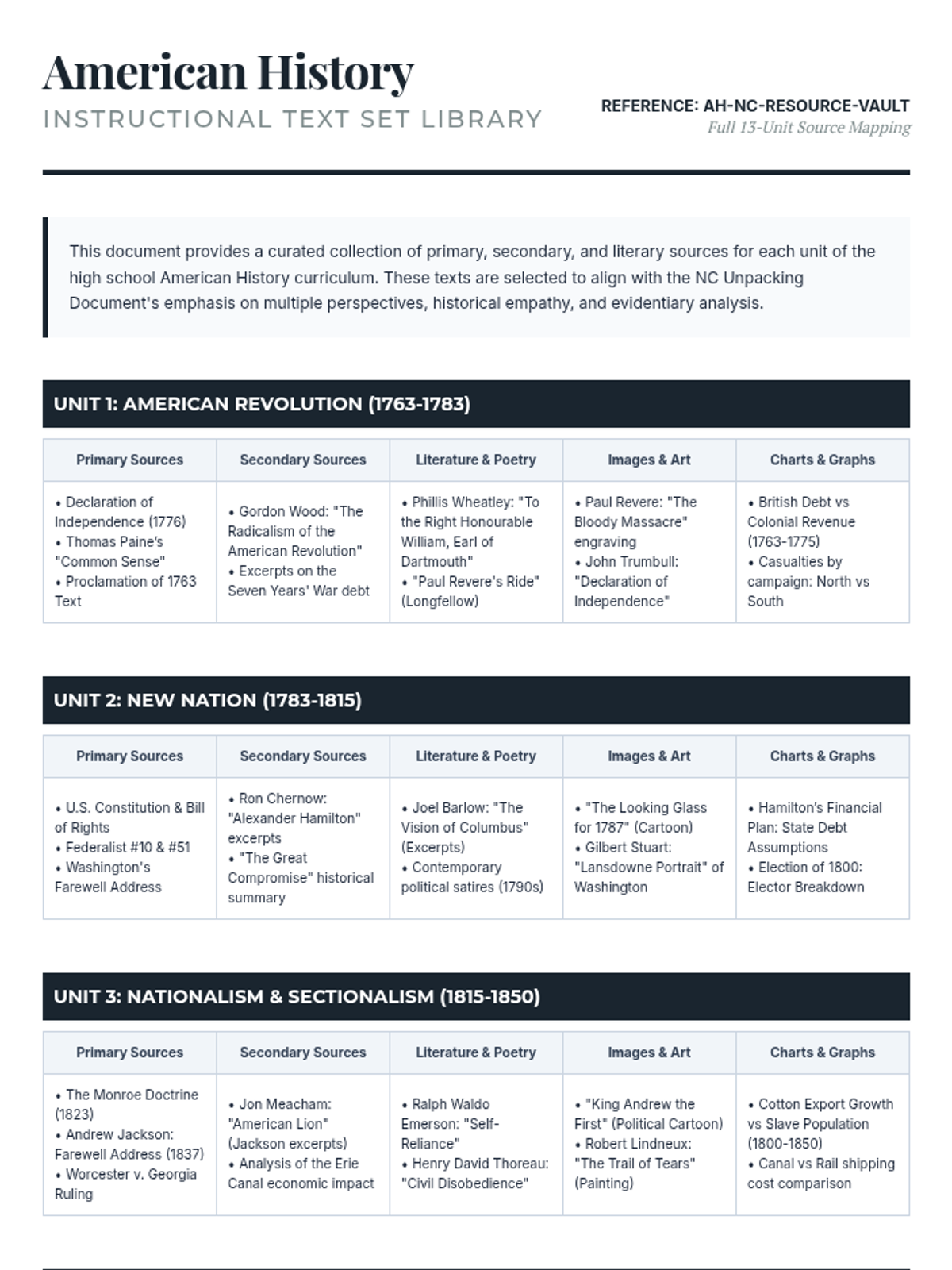
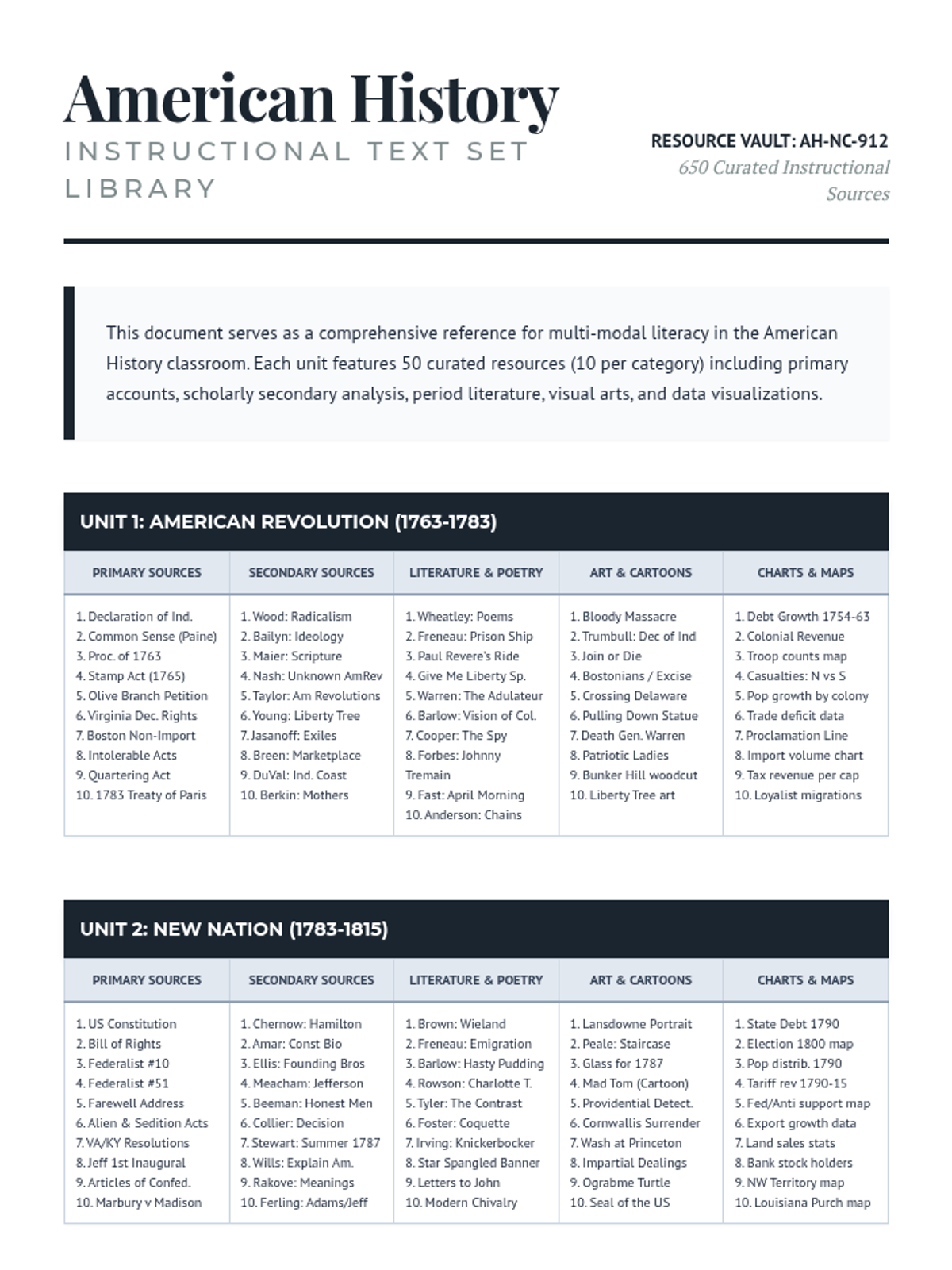
A master curriculum framework for American History that defines standards, objectives, skills, learning goals, and vocabulary for thirteen instructional units.
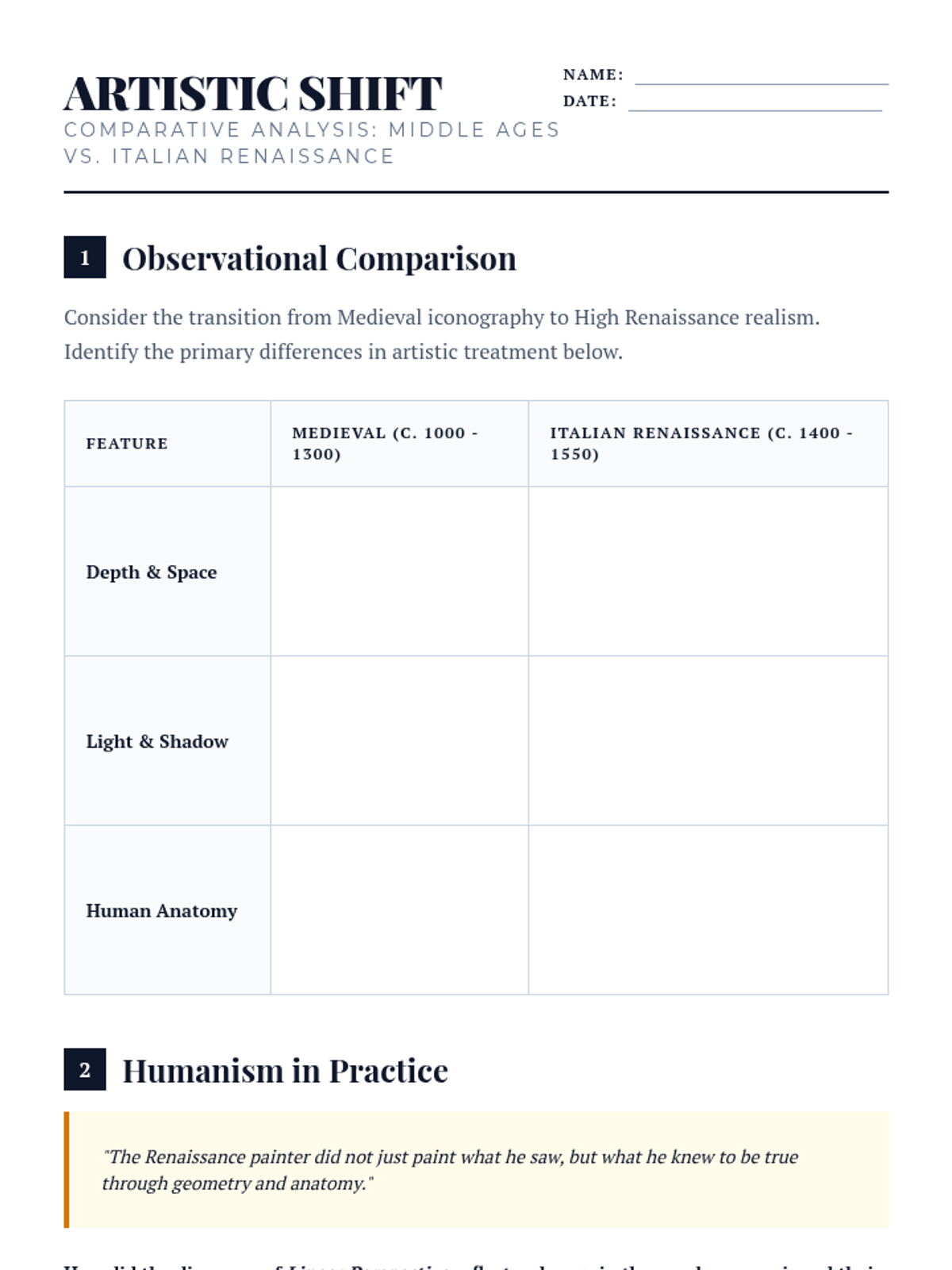
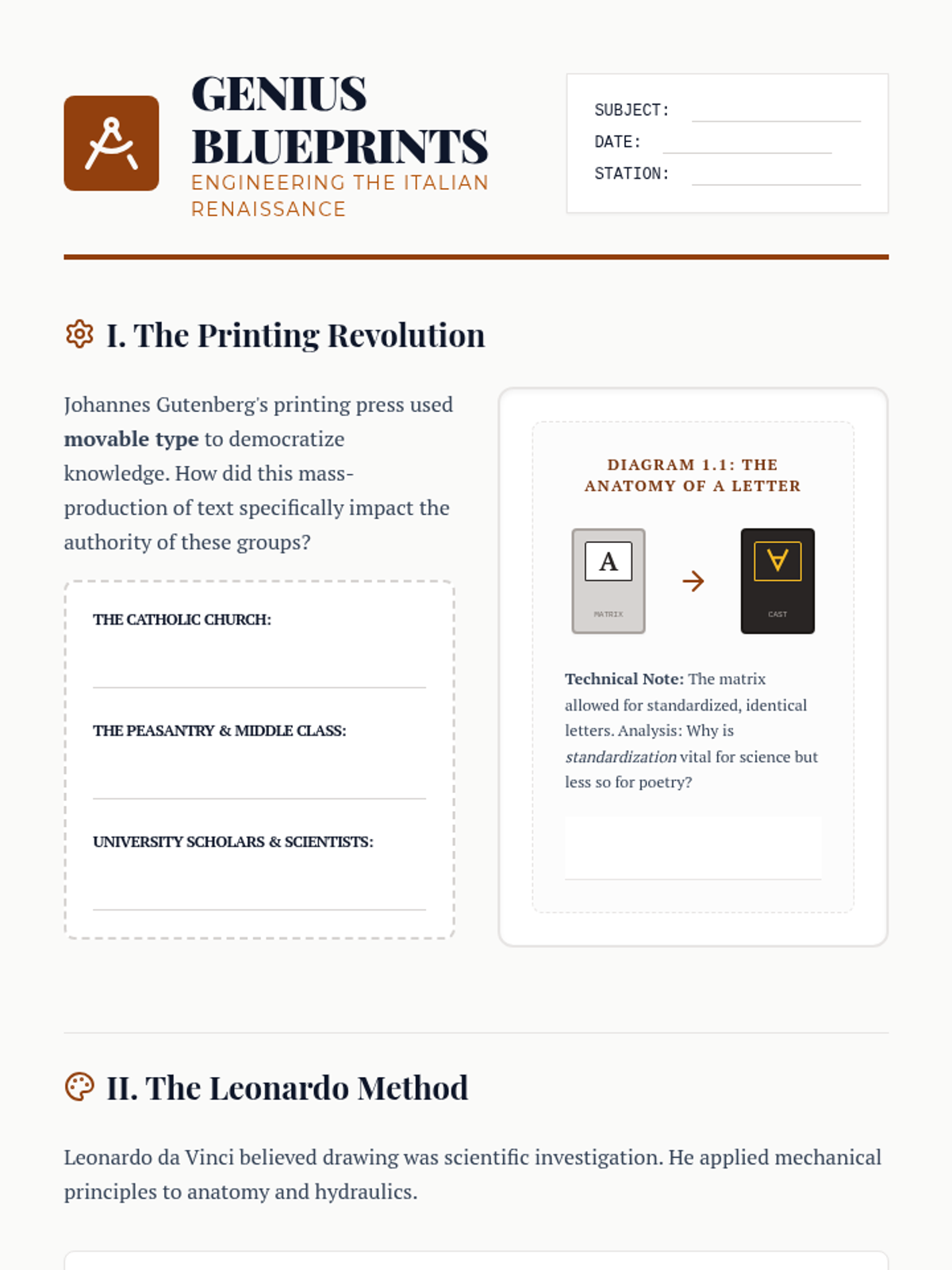
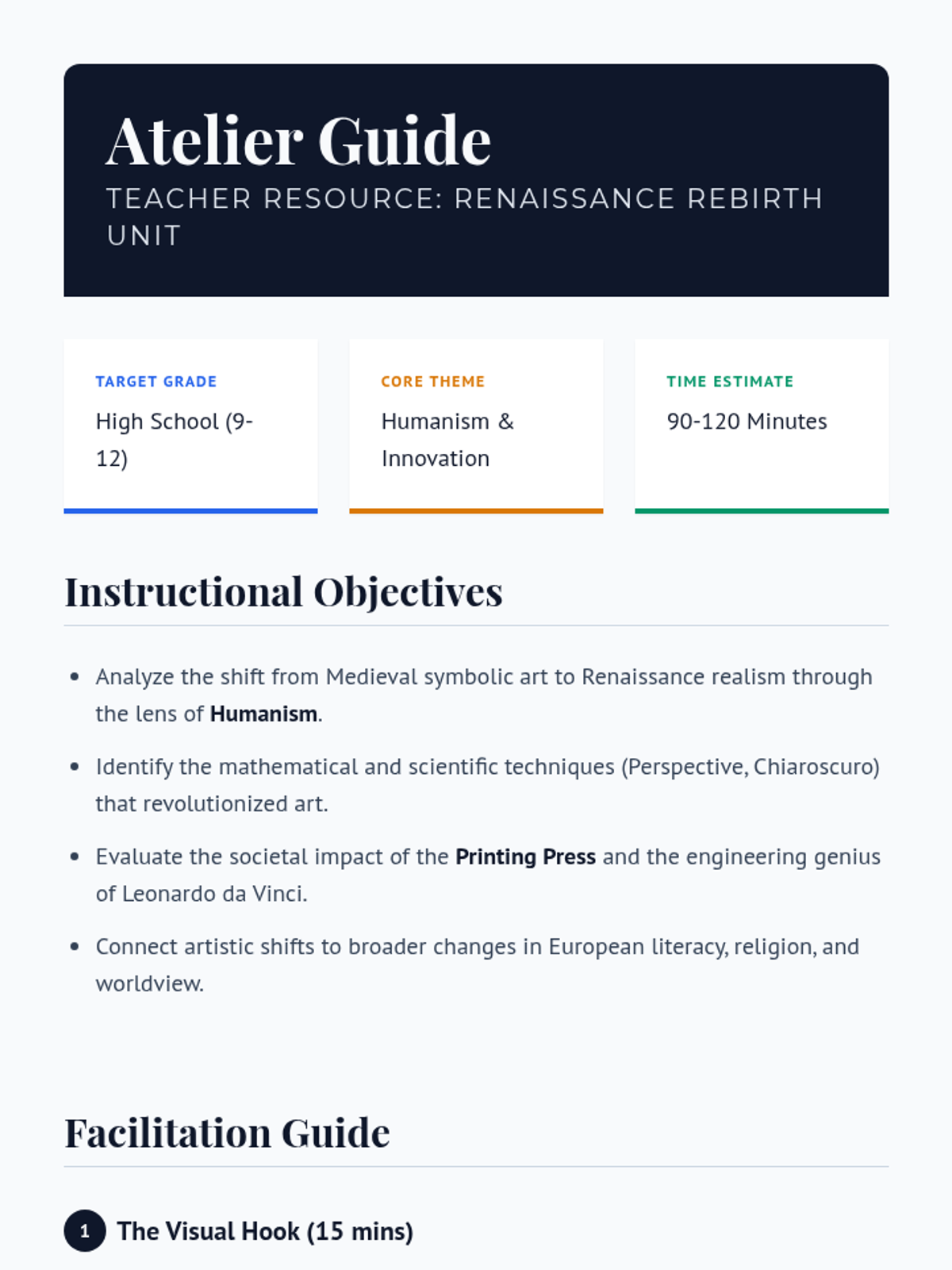
A comprehensive exploration of the transition from Medieval to Renaissance thought, focusing on the revolutionary shifts in artistic technique and the technological innovations that defined the Italian Renaissance.
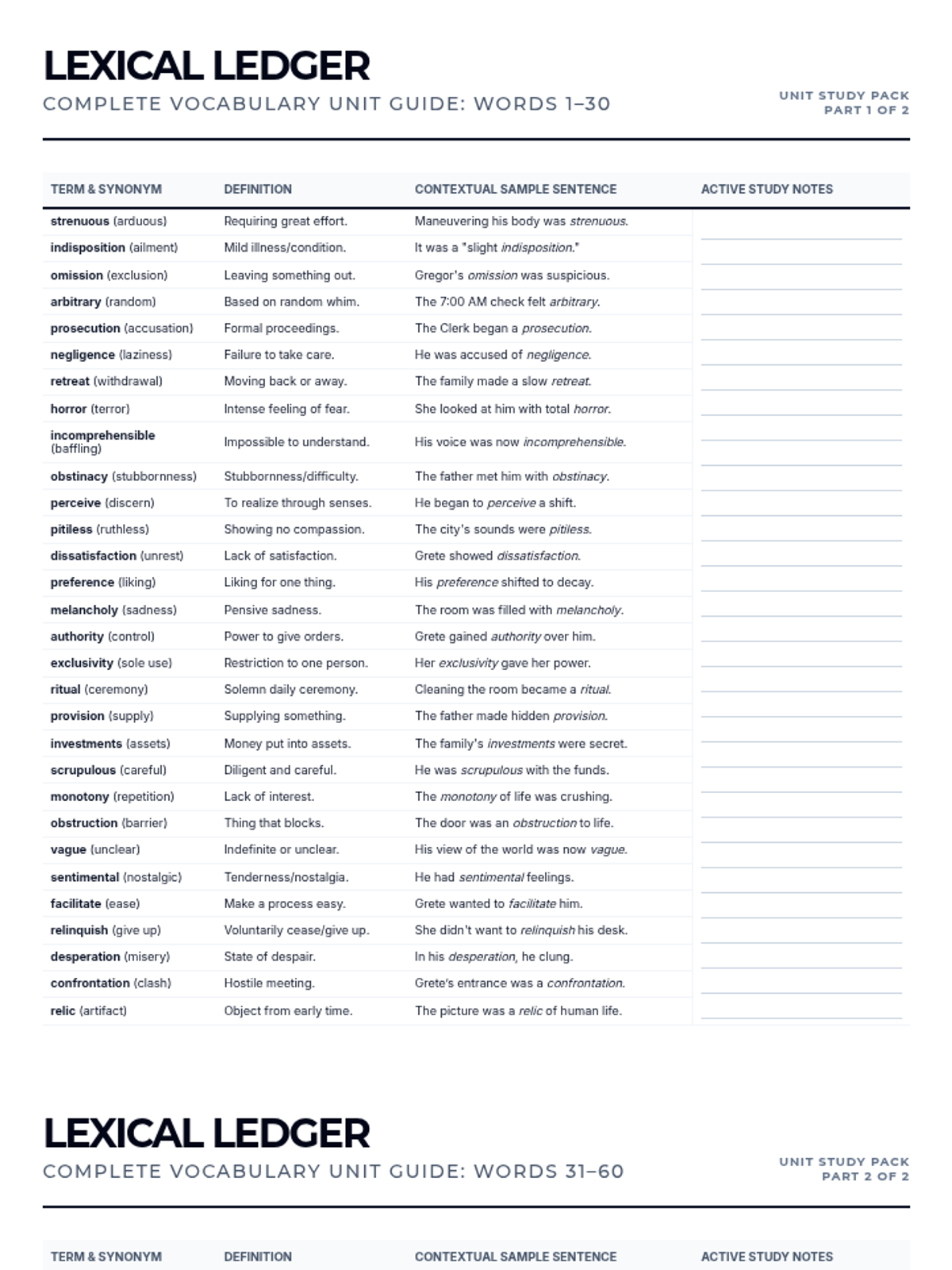
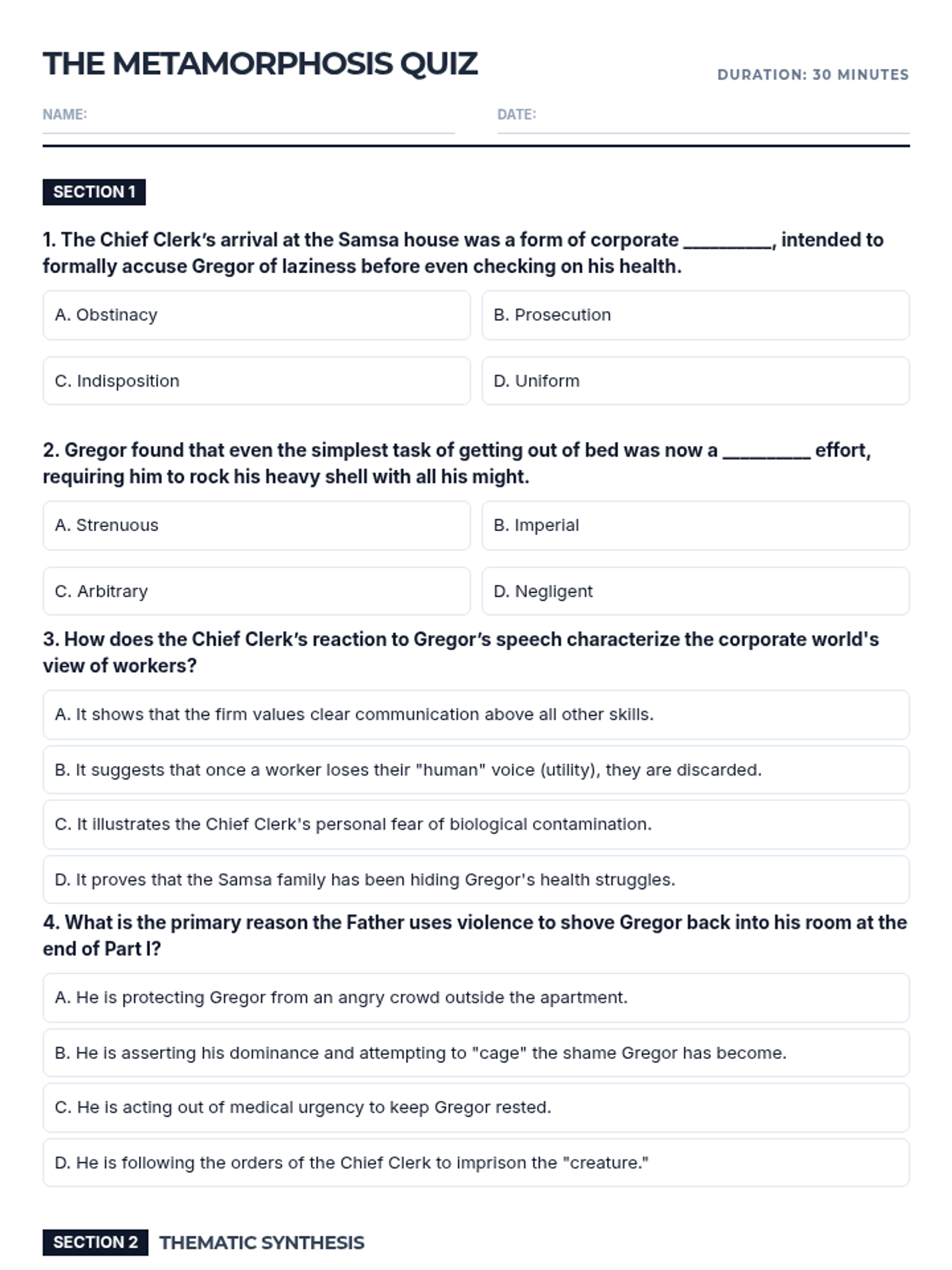
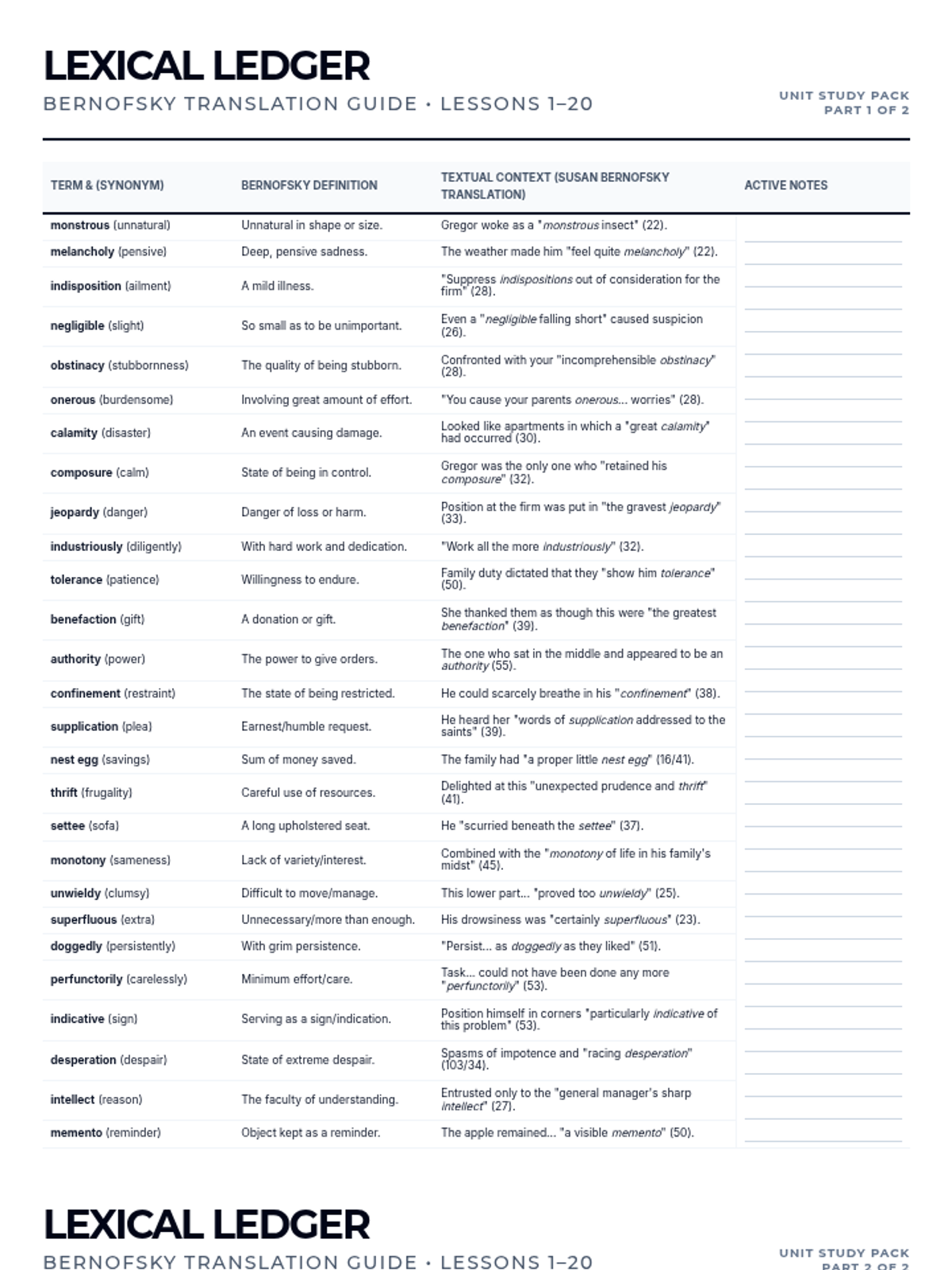
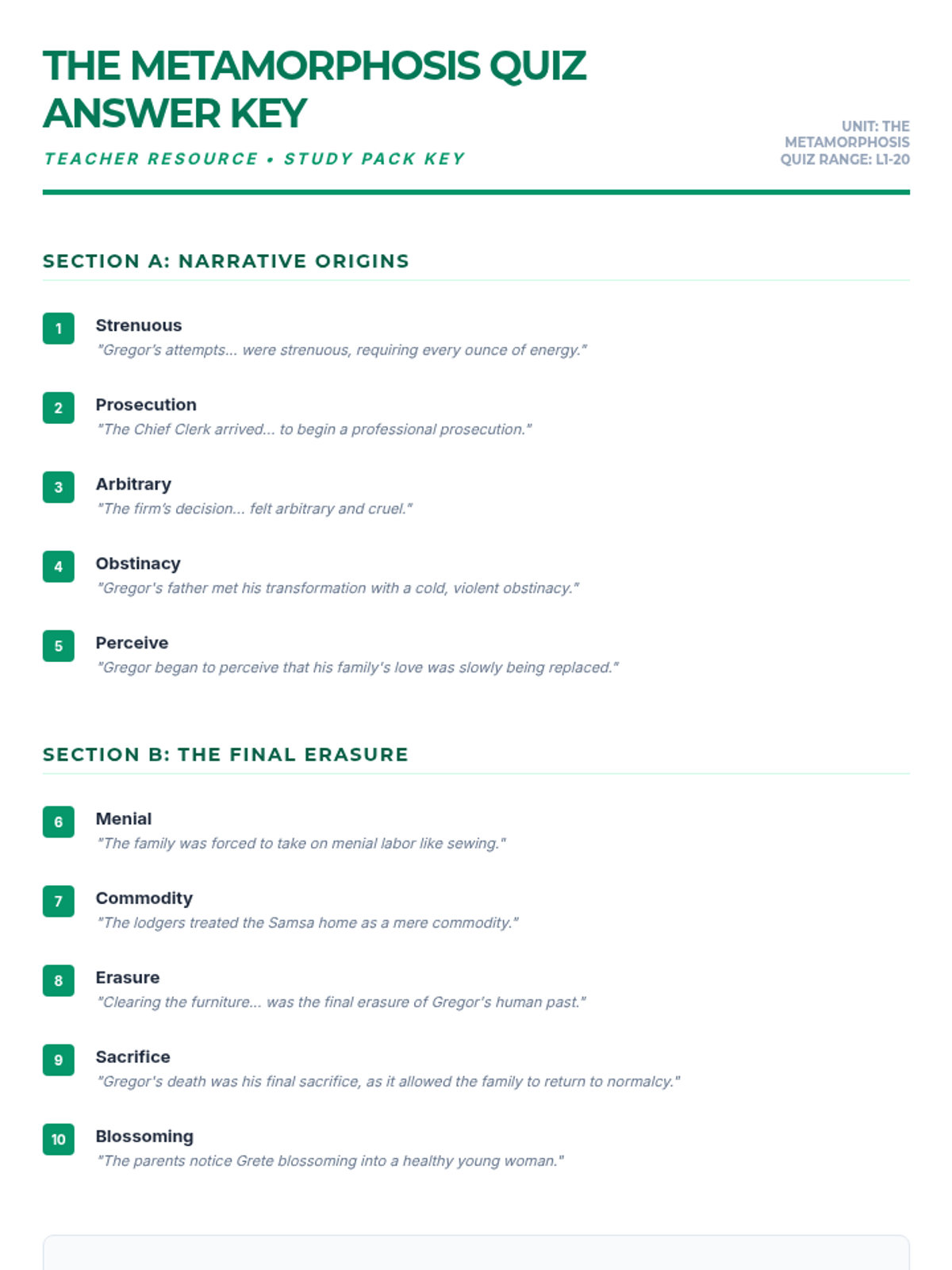
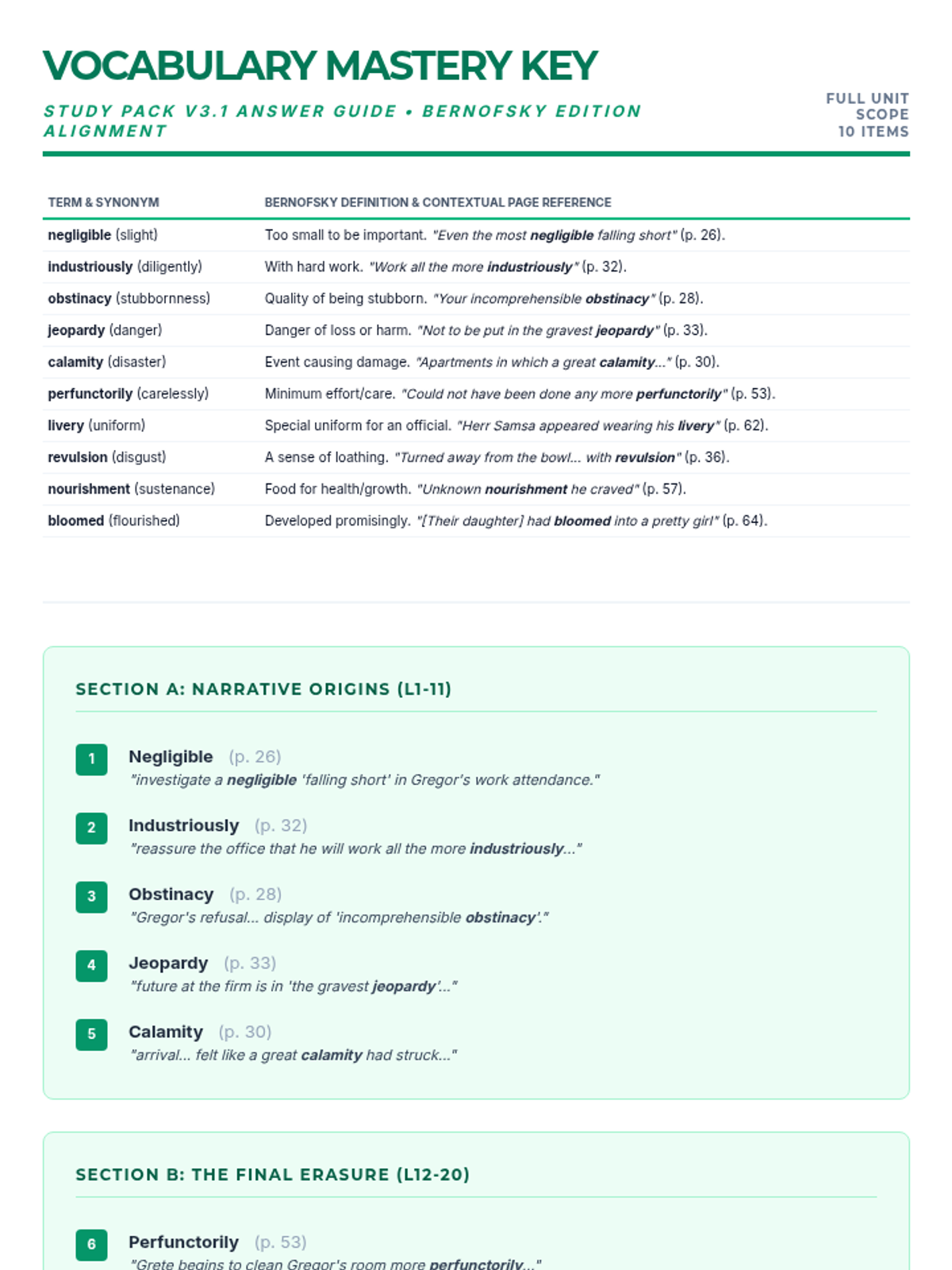
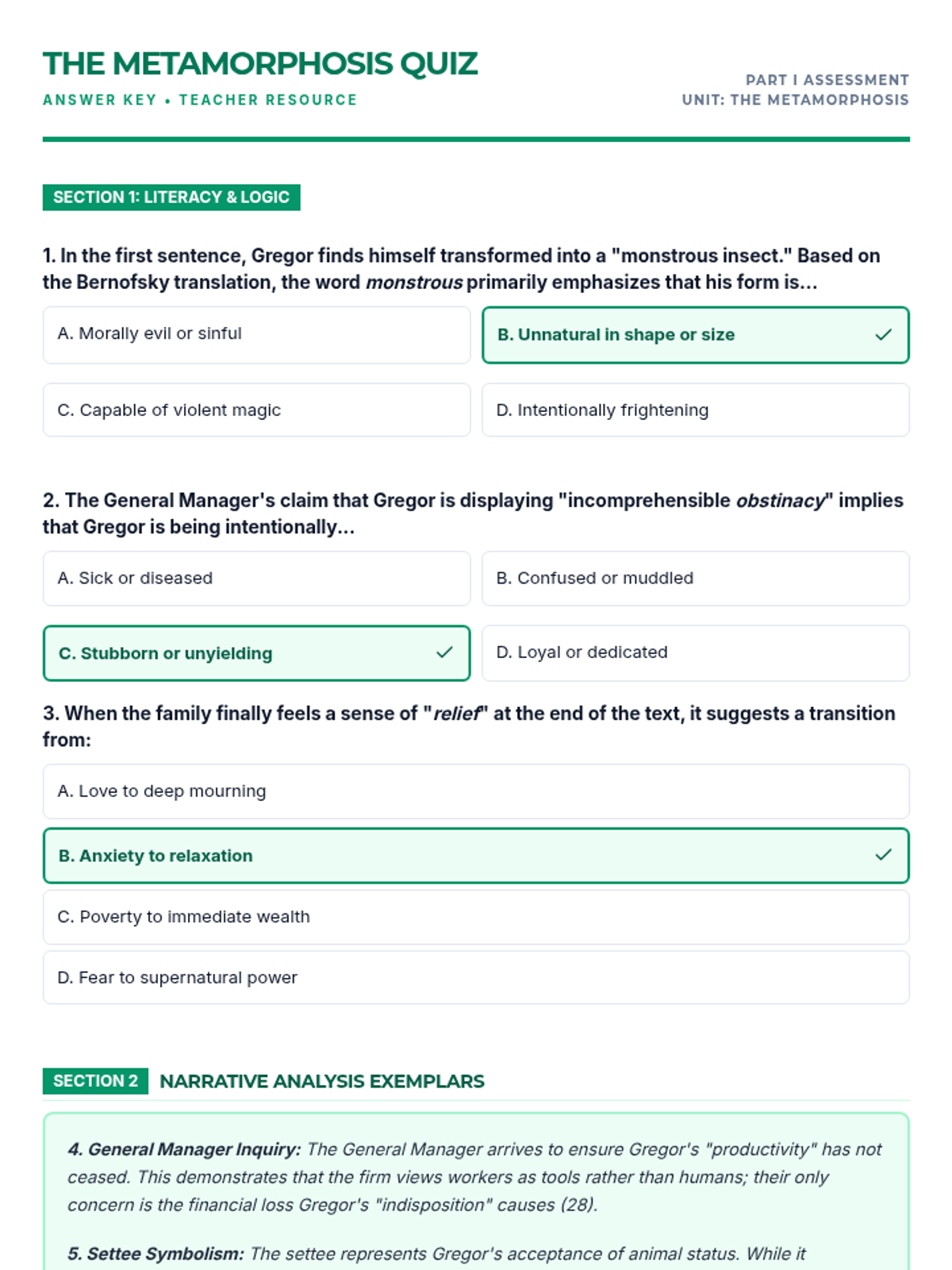
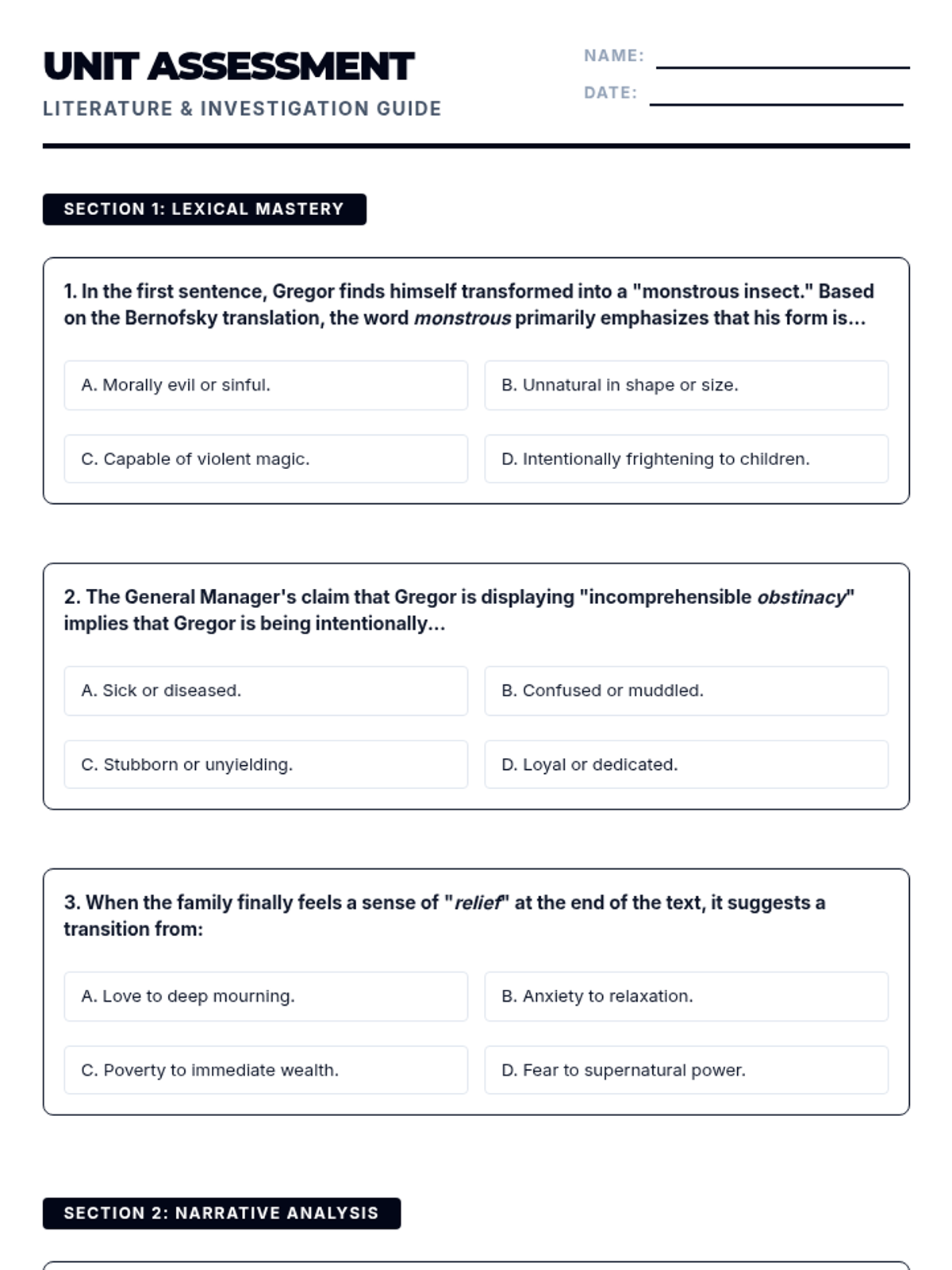
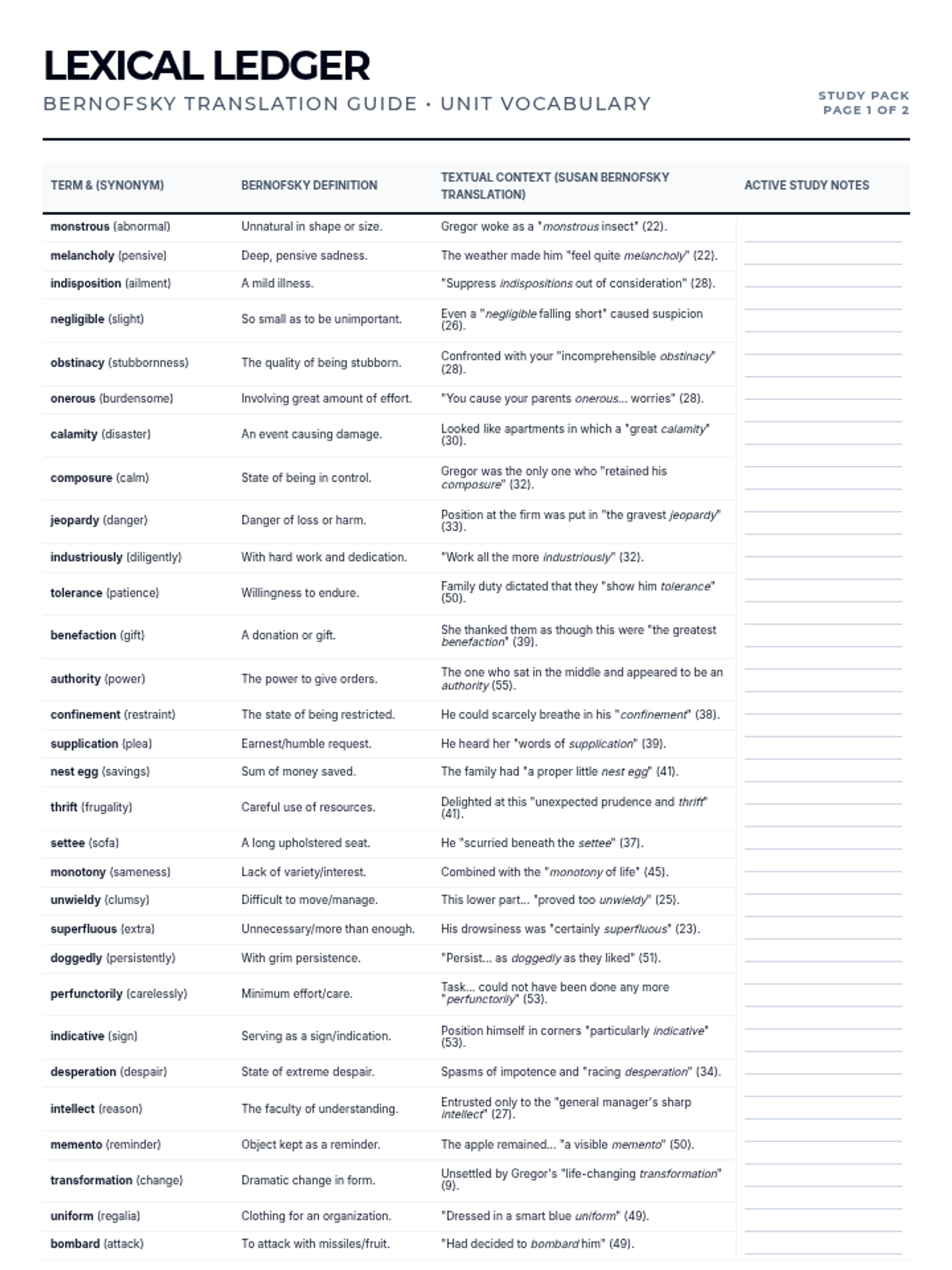
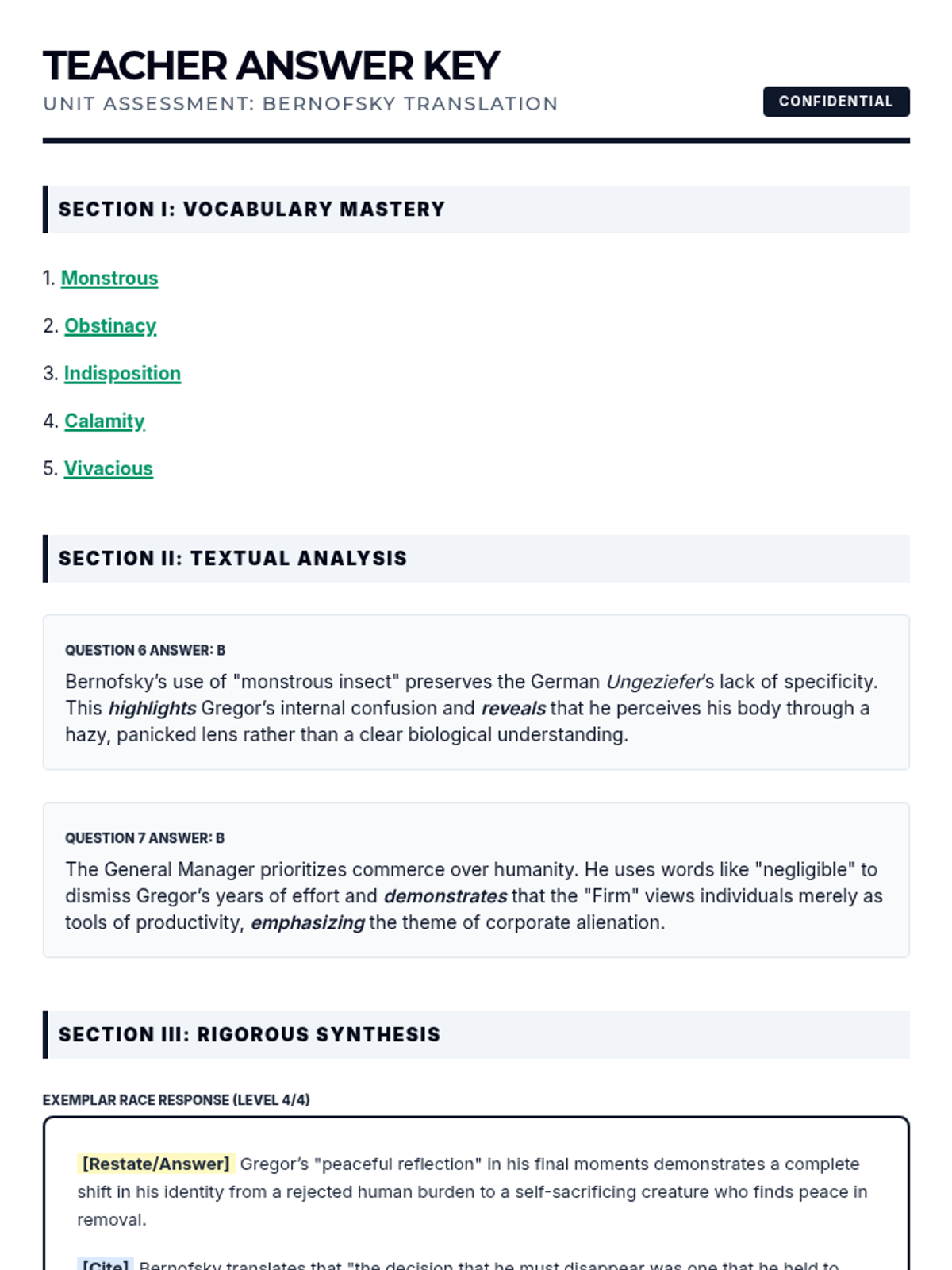
A summative assessment for the first third of the novel. Evaluates student mastery of vocabulary from Lessons 1-11, character motivation, and the central theme of corporate alienation through a mix of multiple choice, short answer, and a rigorous RACE response.
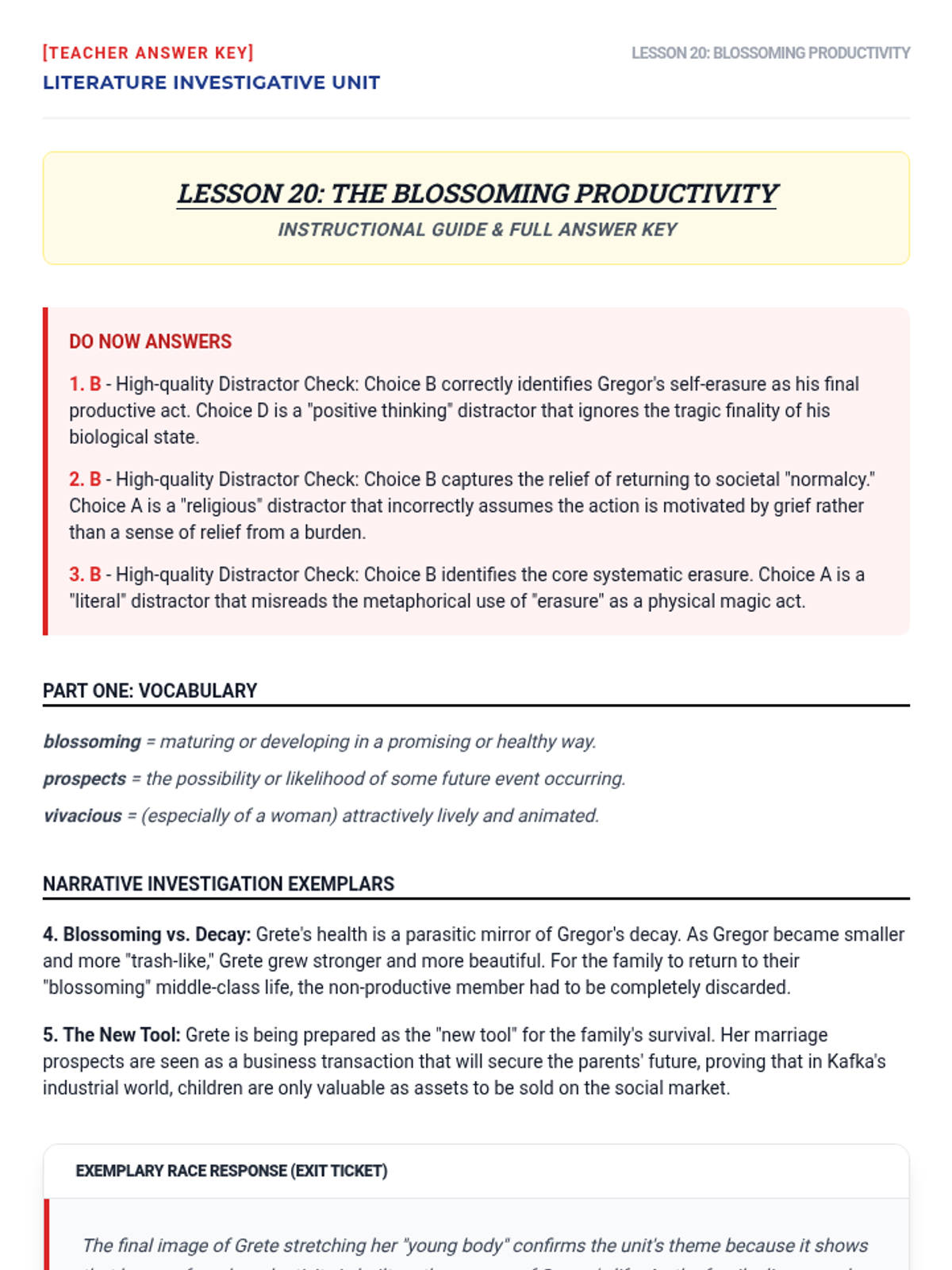
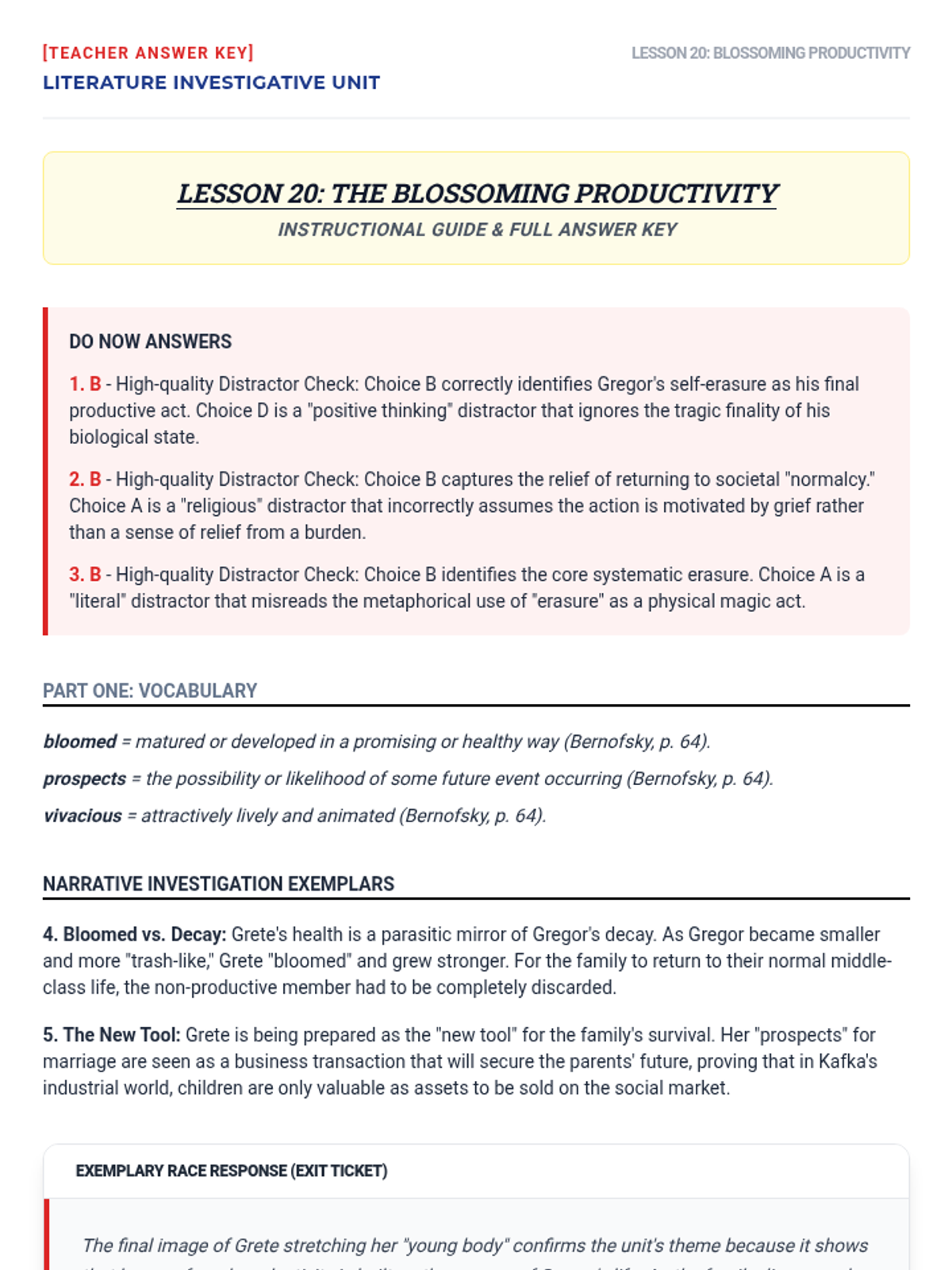
The family's recovery and the transition to a new source of productivity (Grete). Synthesis of the unit's themes.
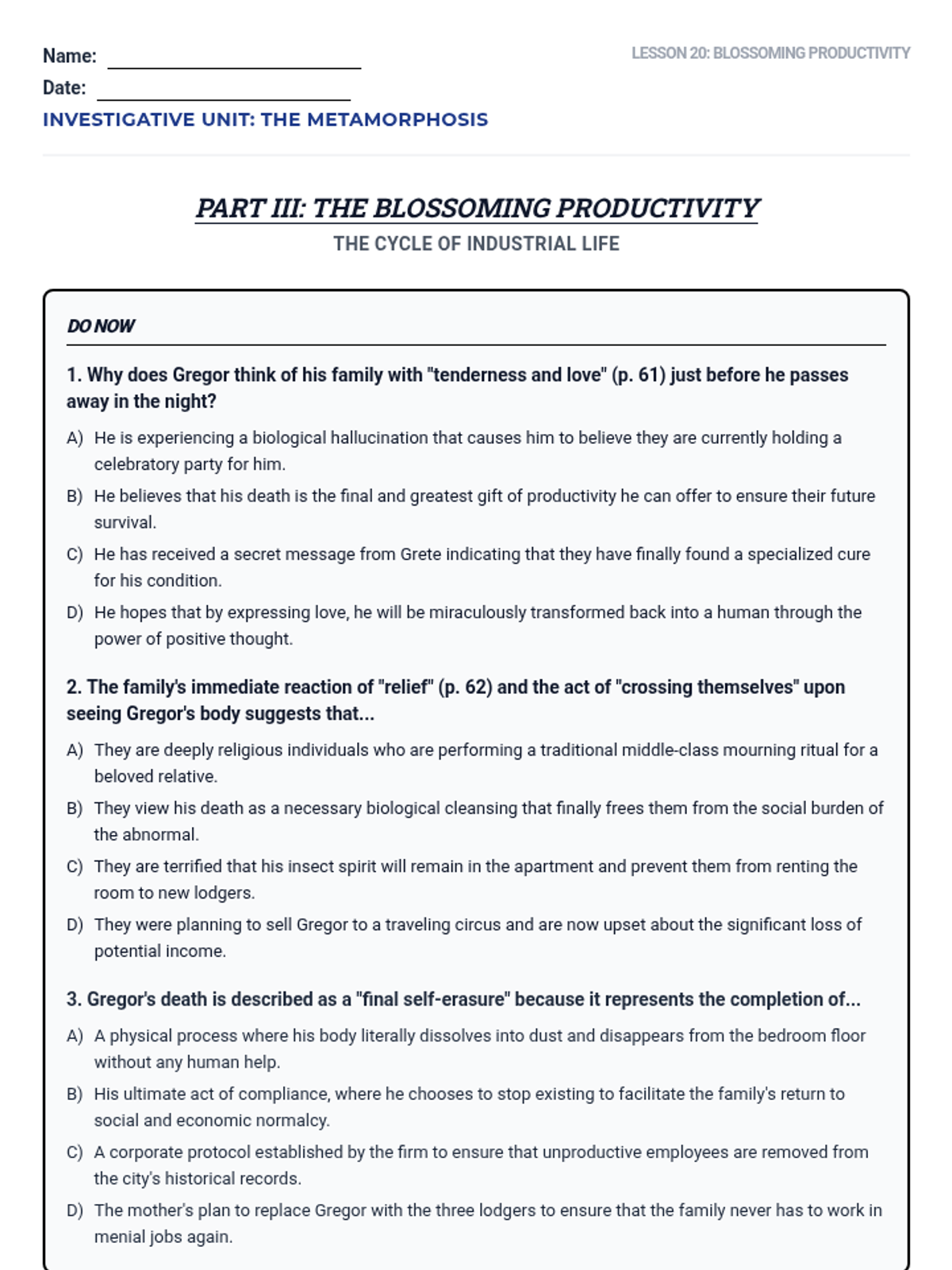
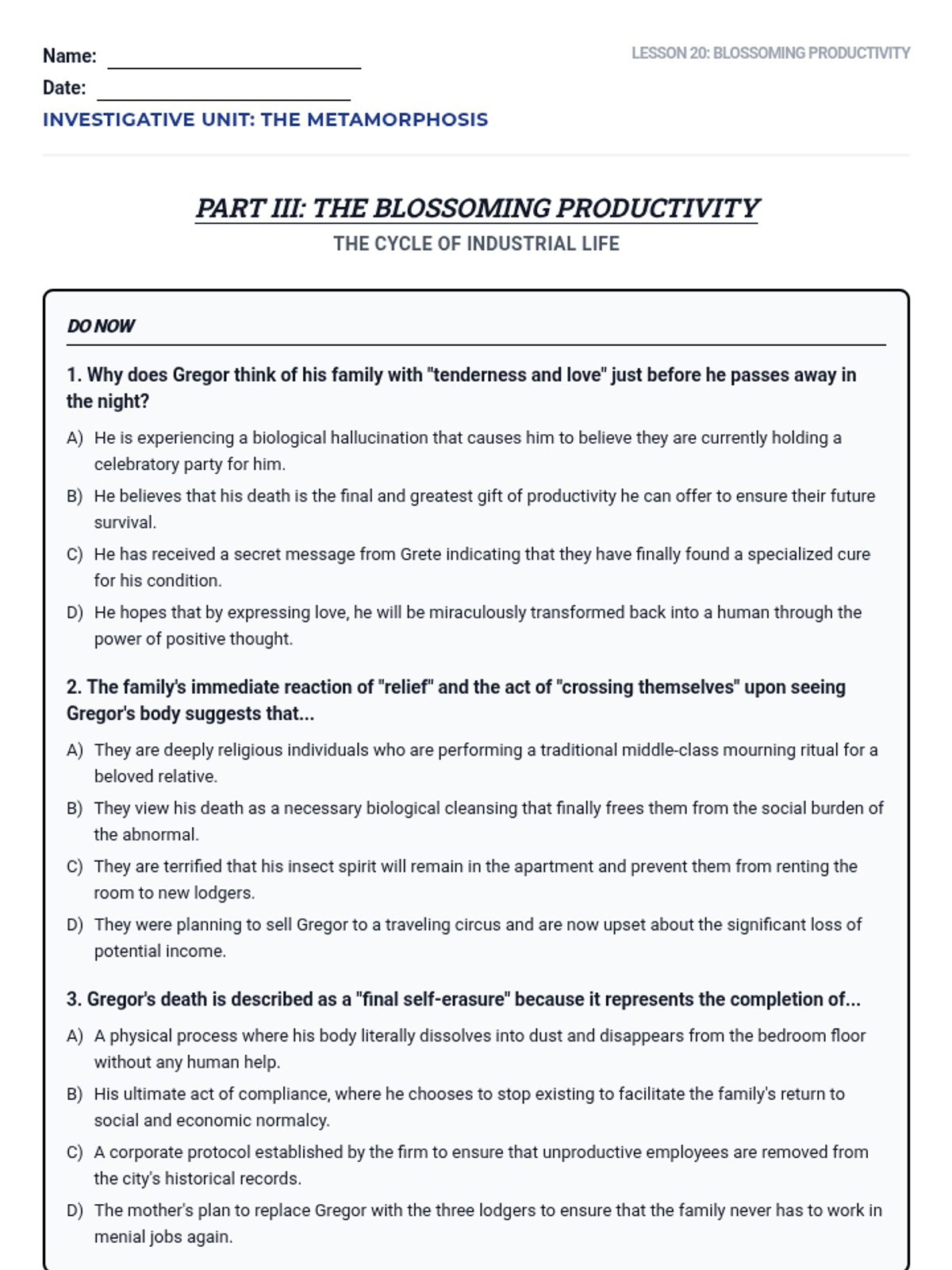
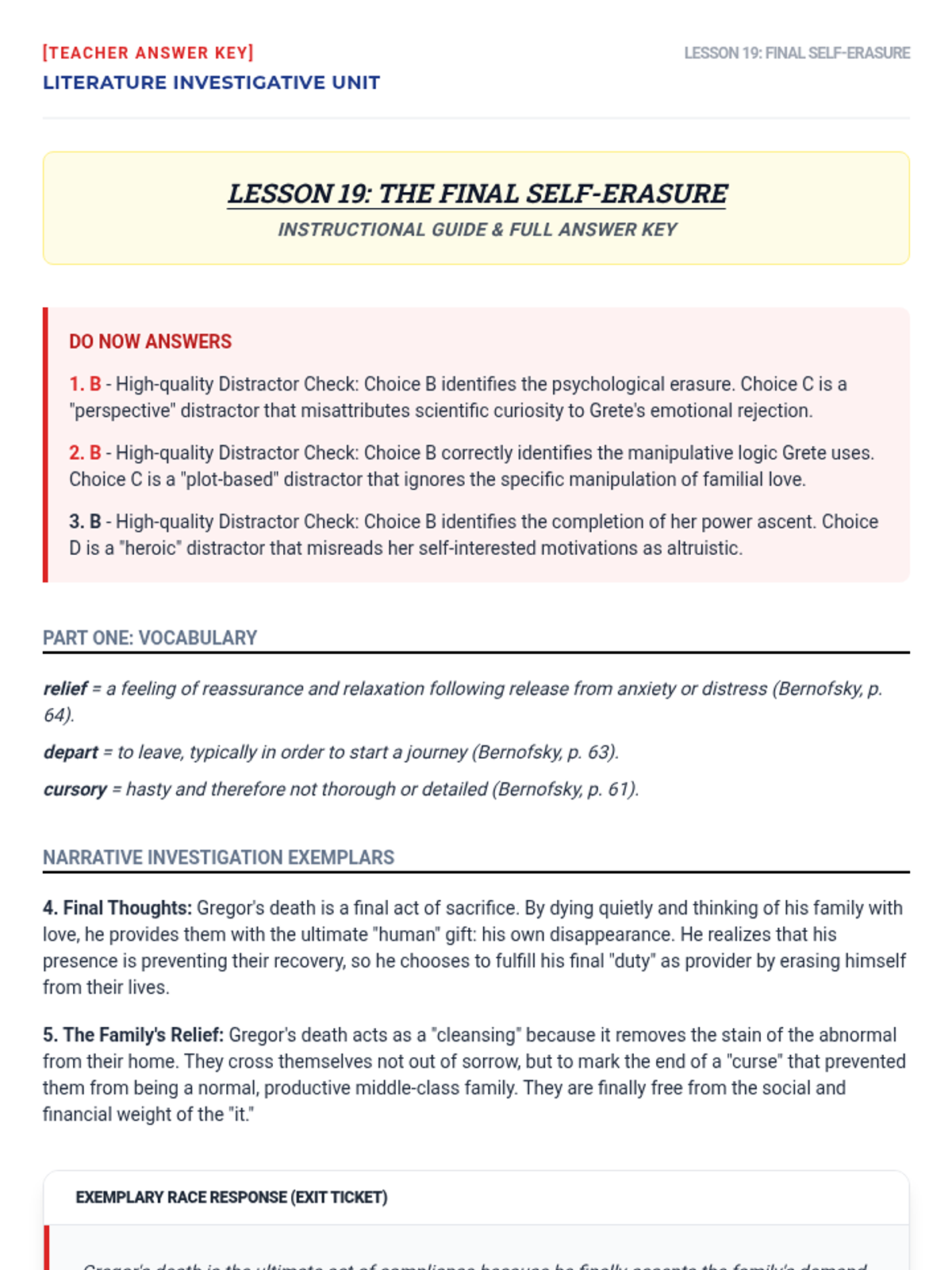
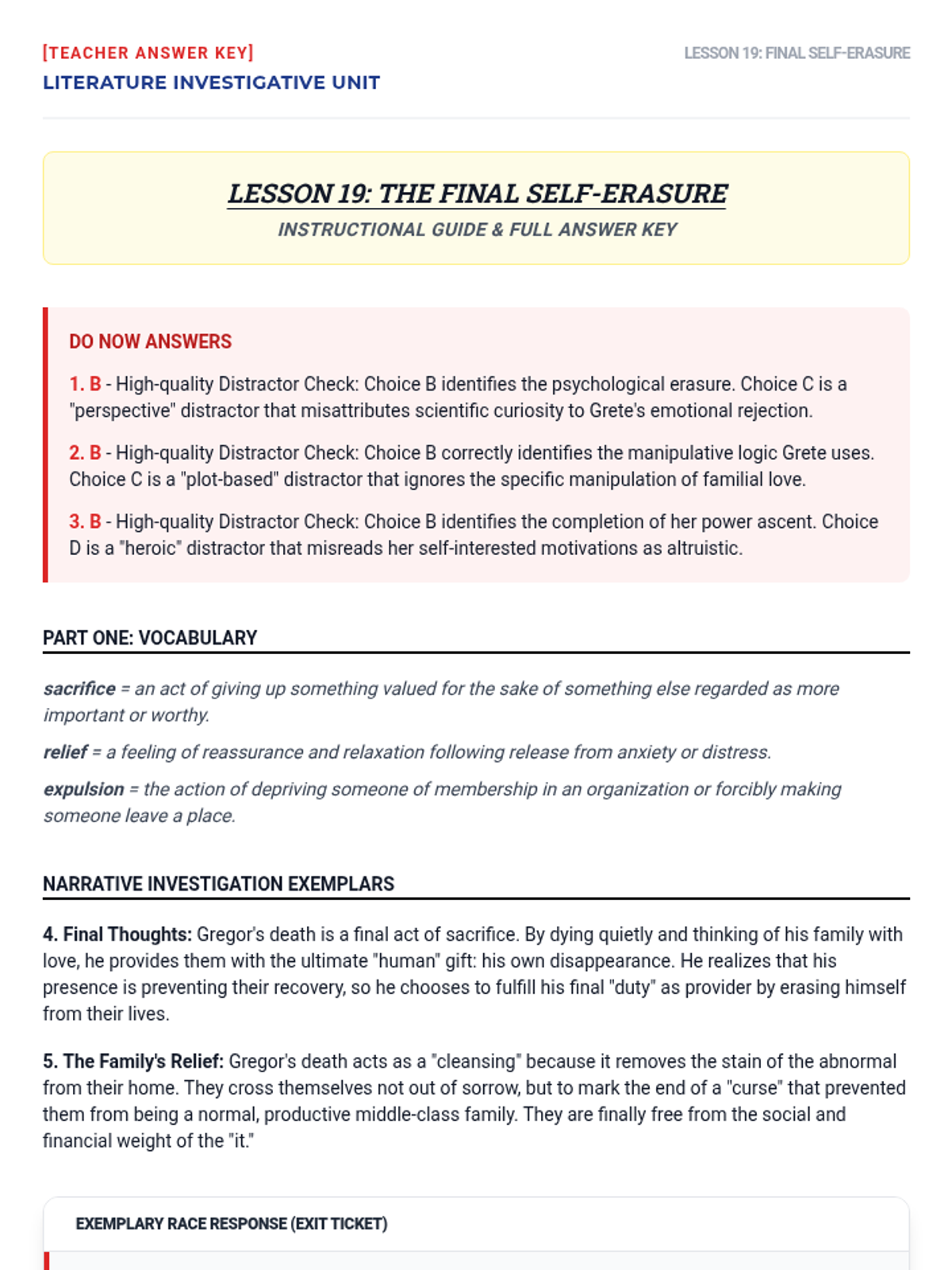
Gregor's death and self-sacrifice. Analysis of the relief of the family and the 'cleansing' of the home.
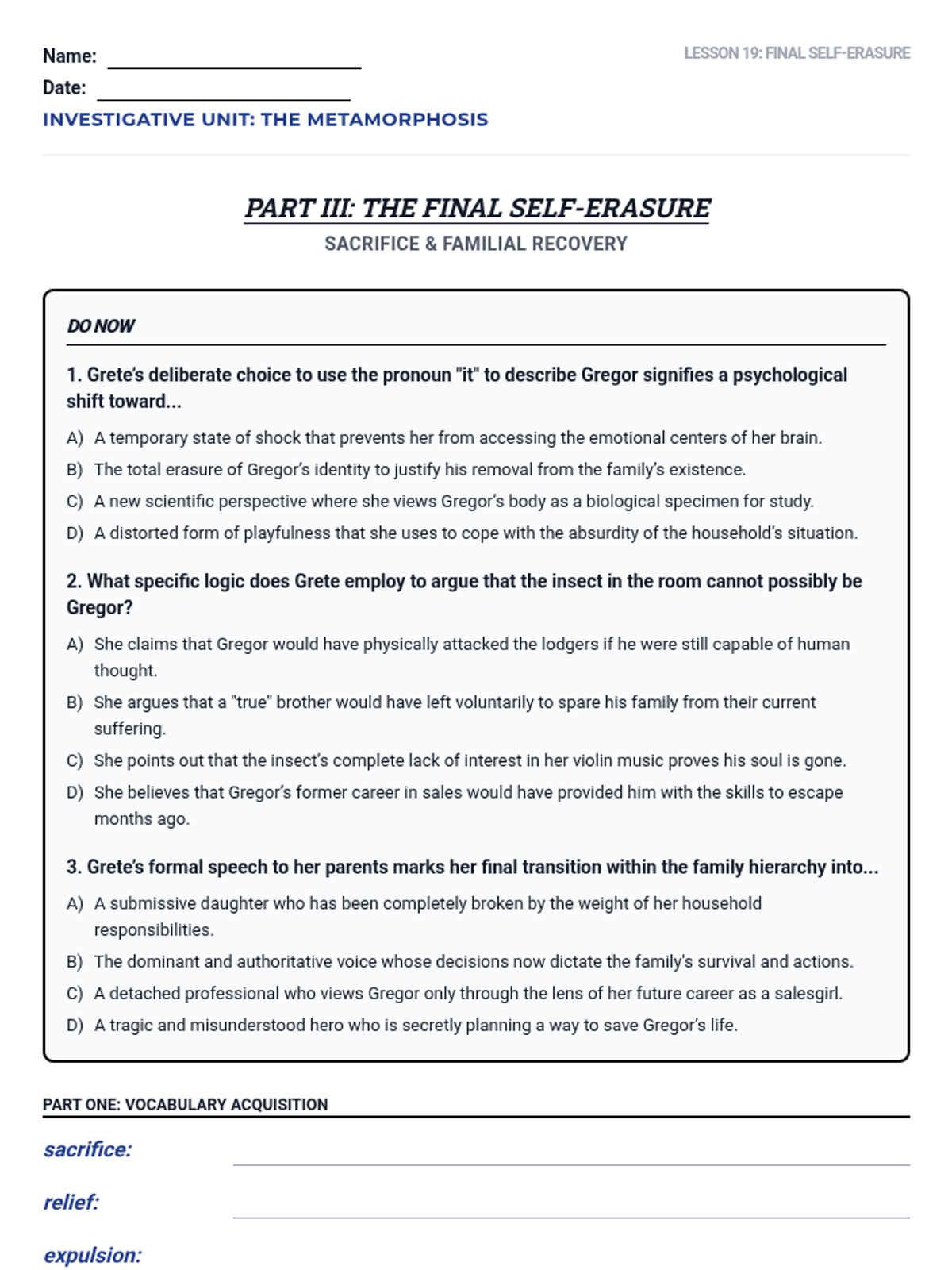
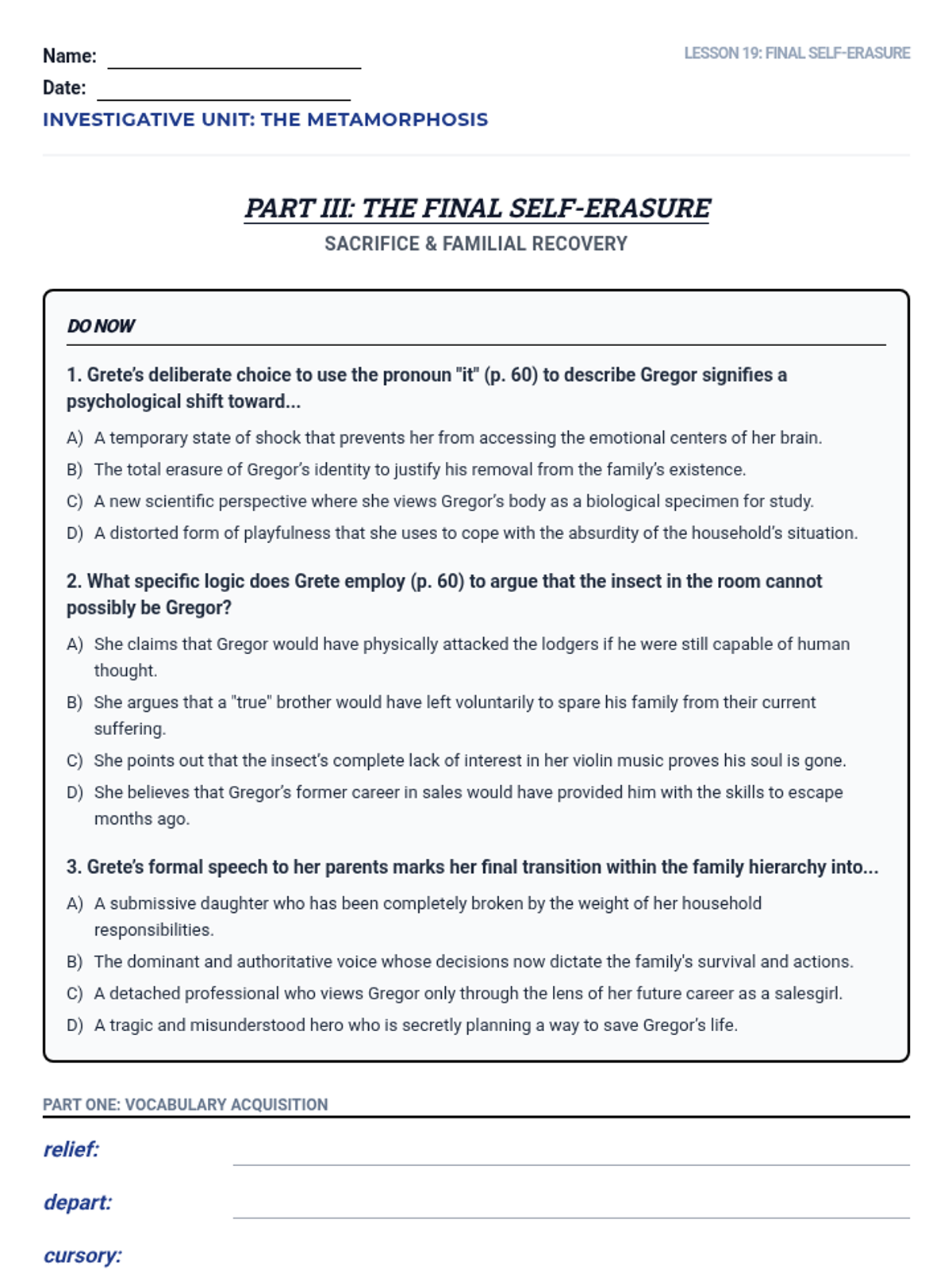
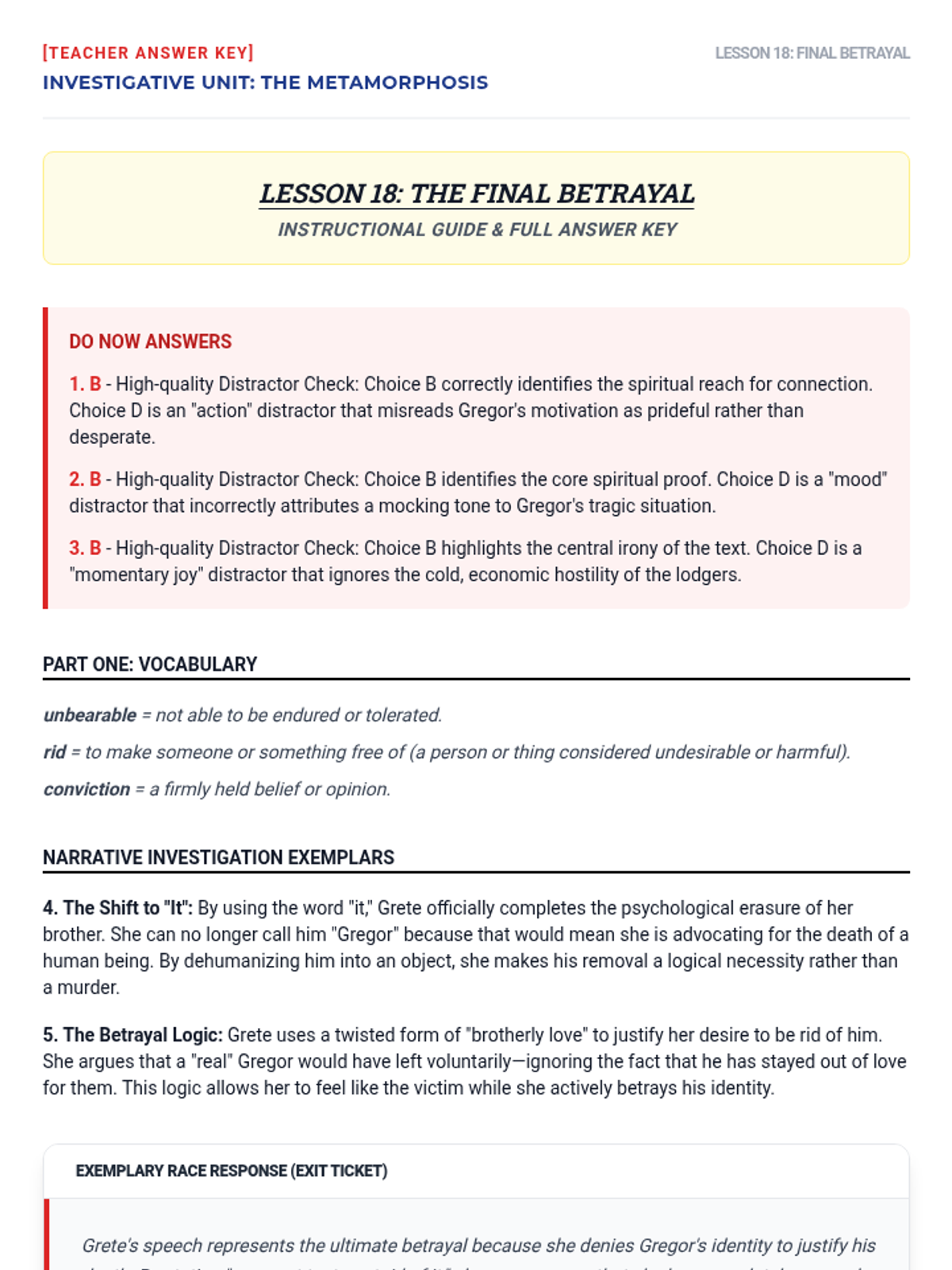
Grete's formal rejection of Gregor's identity. Analysis of the shift from sibling love to the necessity of his removal.
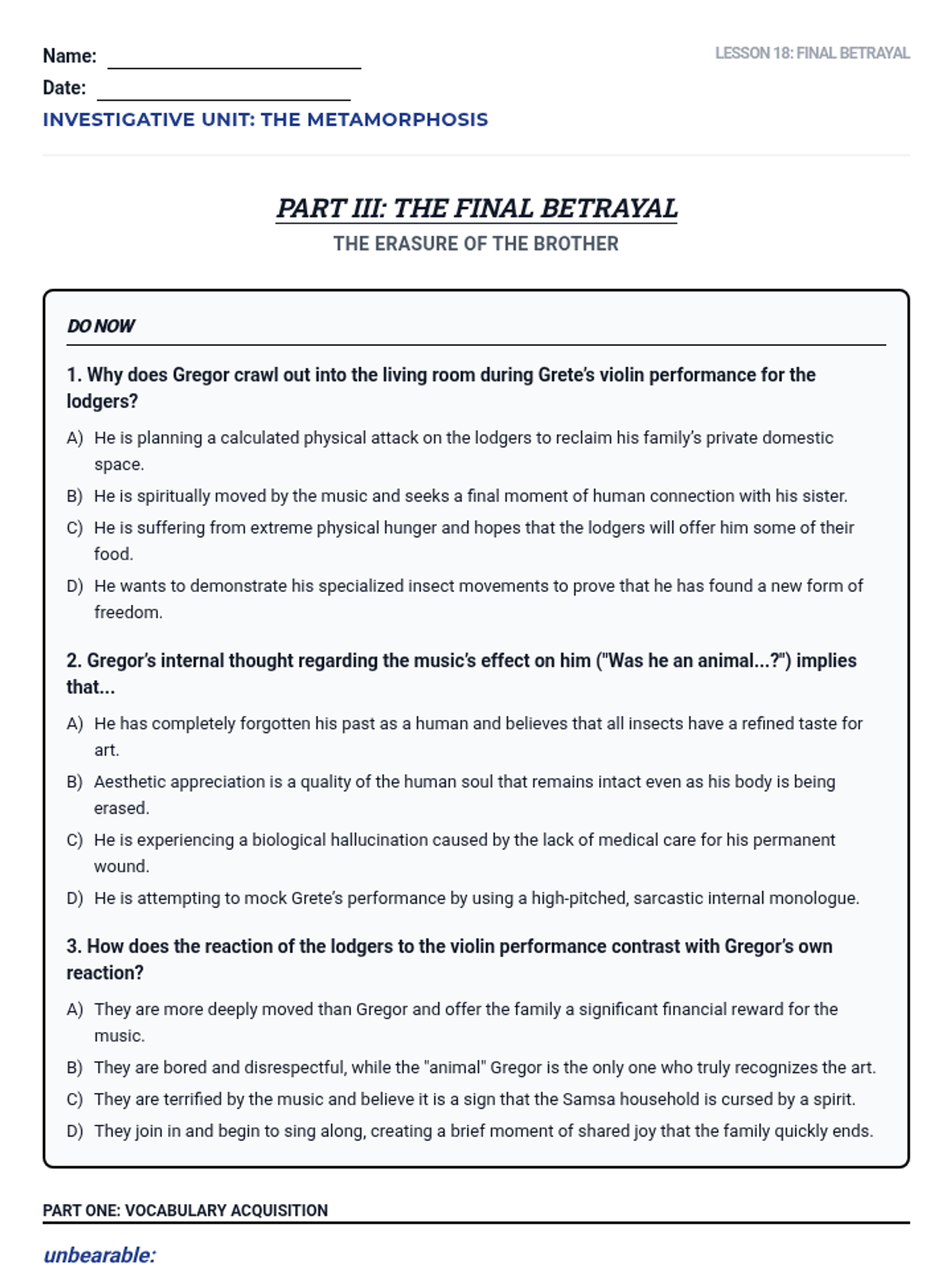
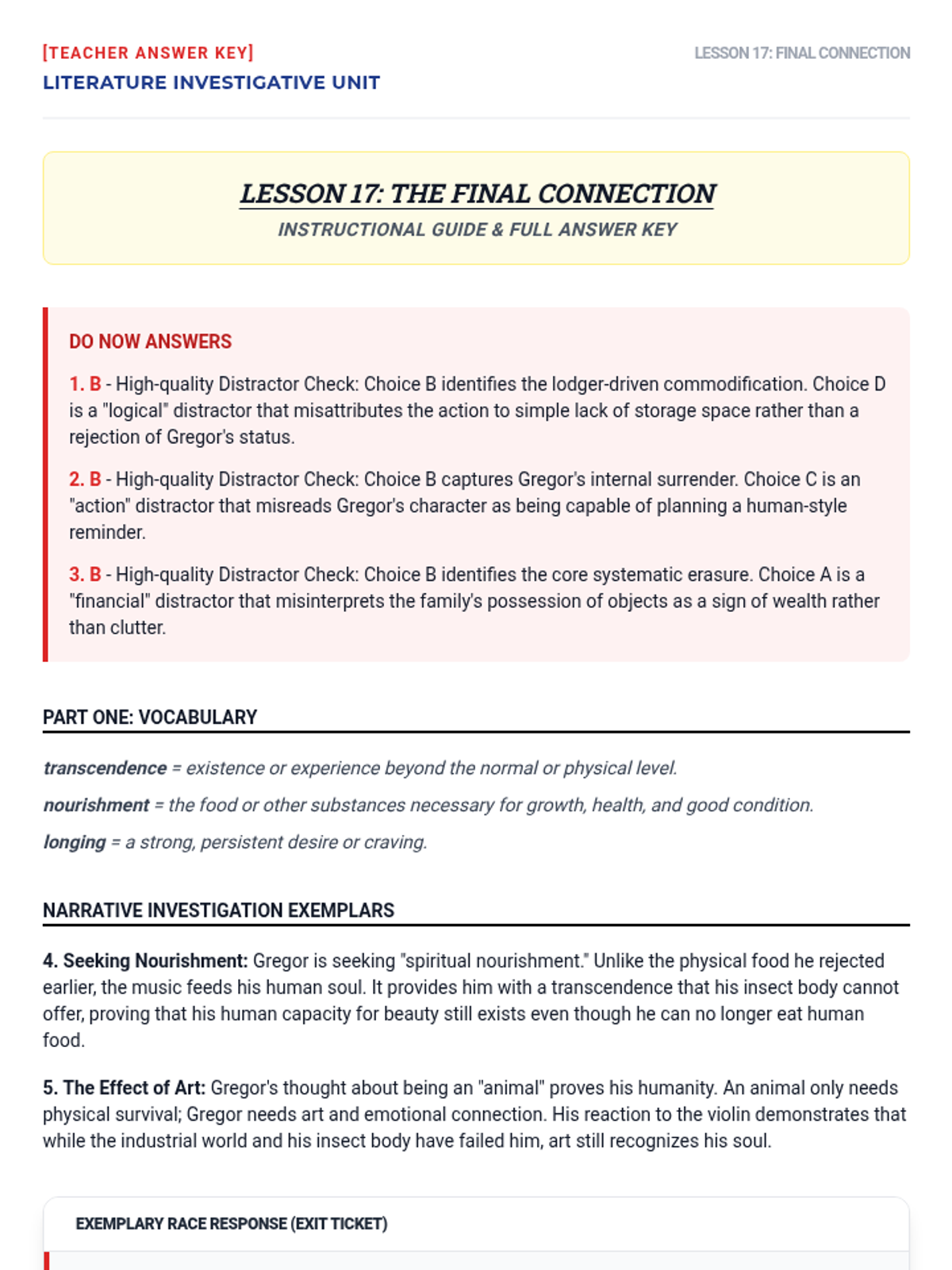
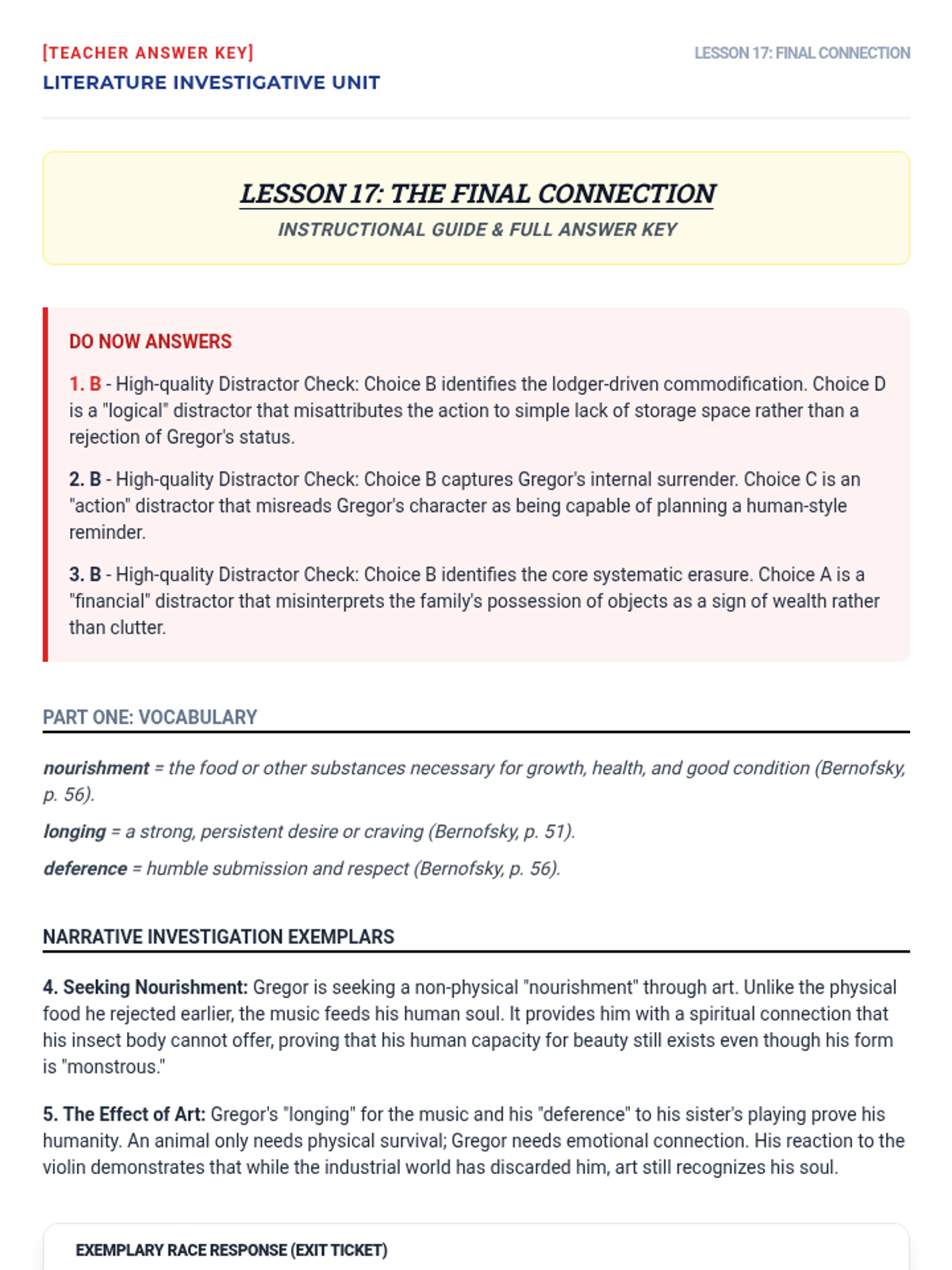
Gregor's reaction to Grete's violin performance. Themes of art, human connection, and the final reach for his human spirit.
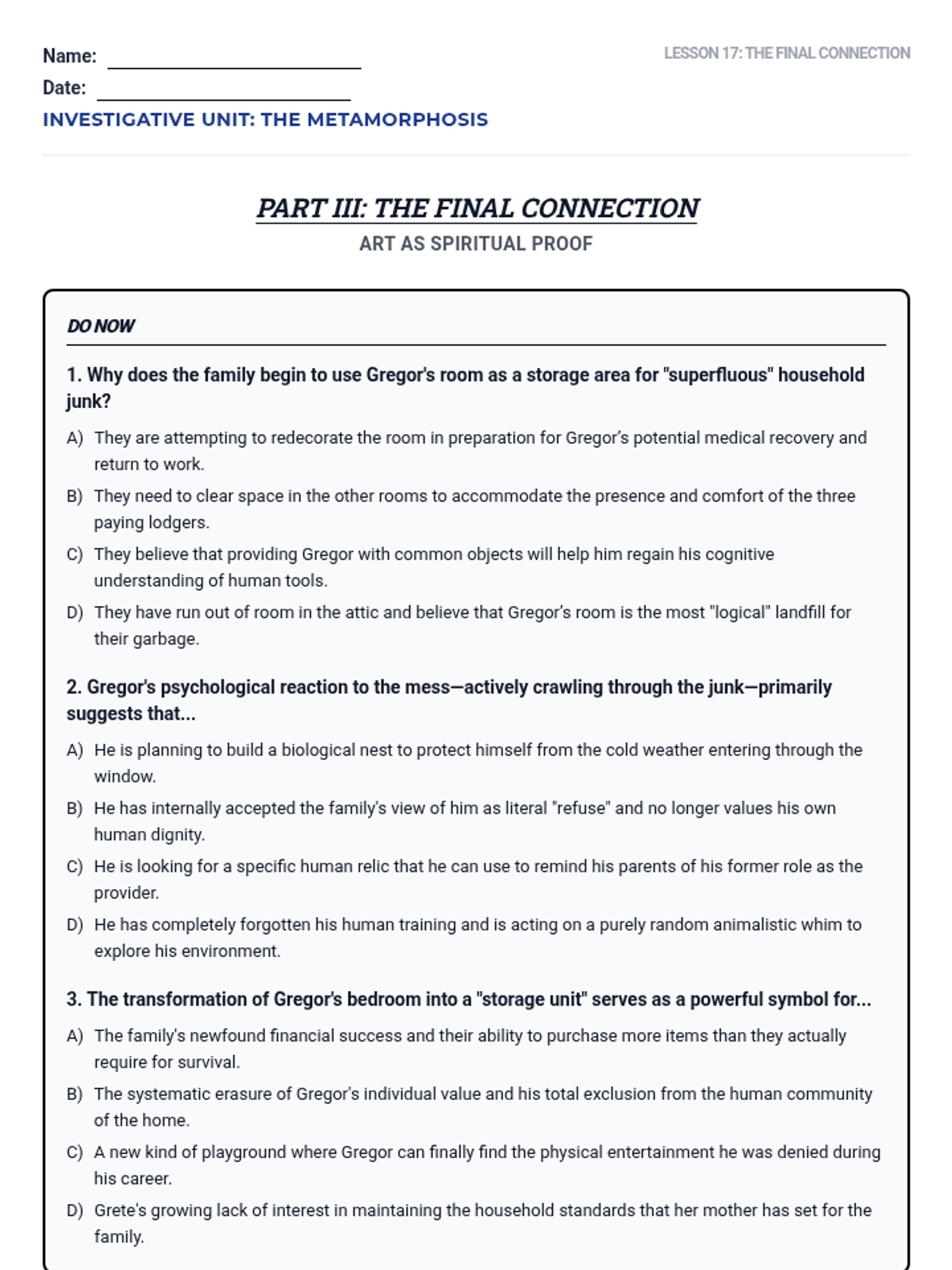
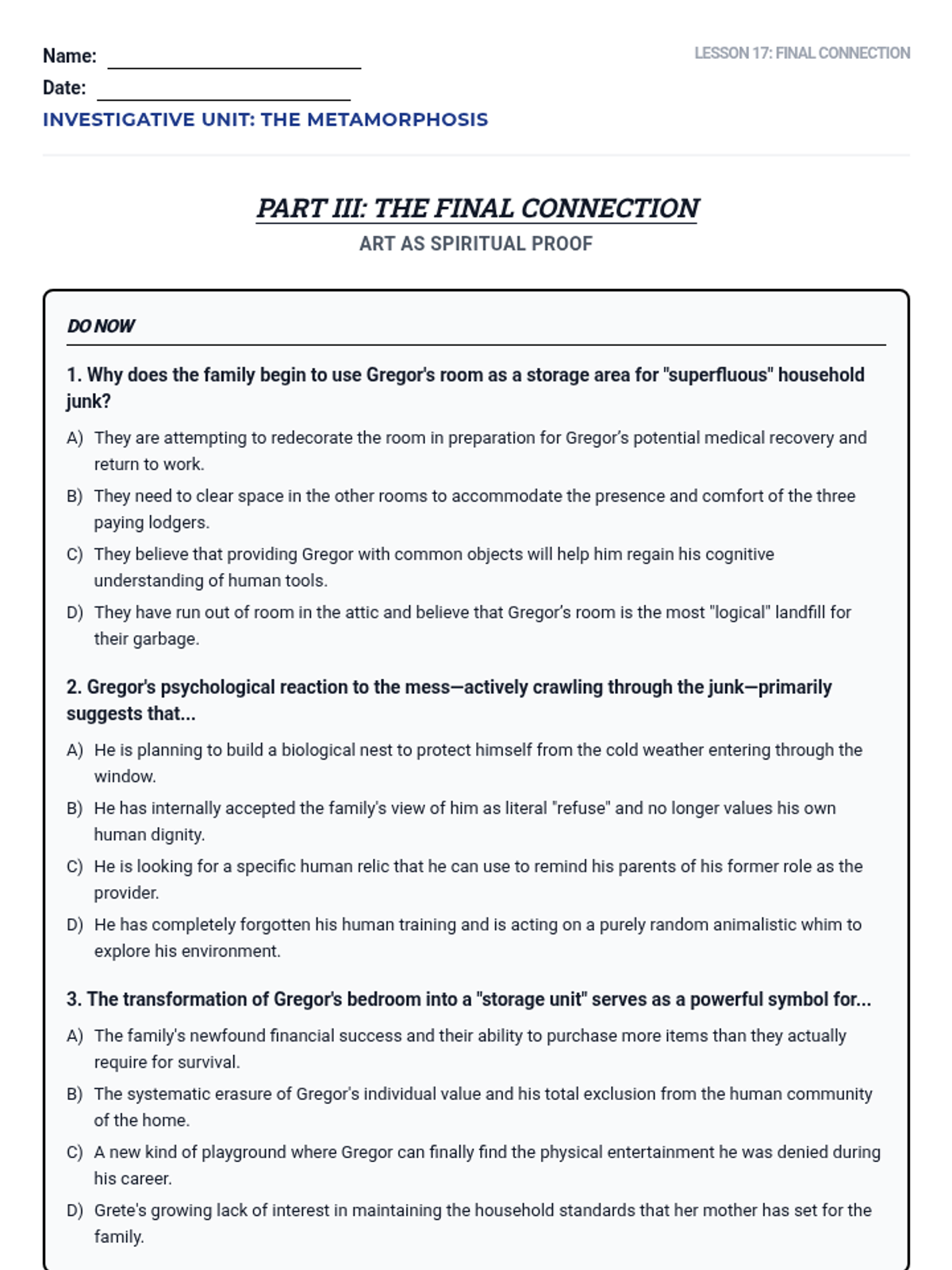
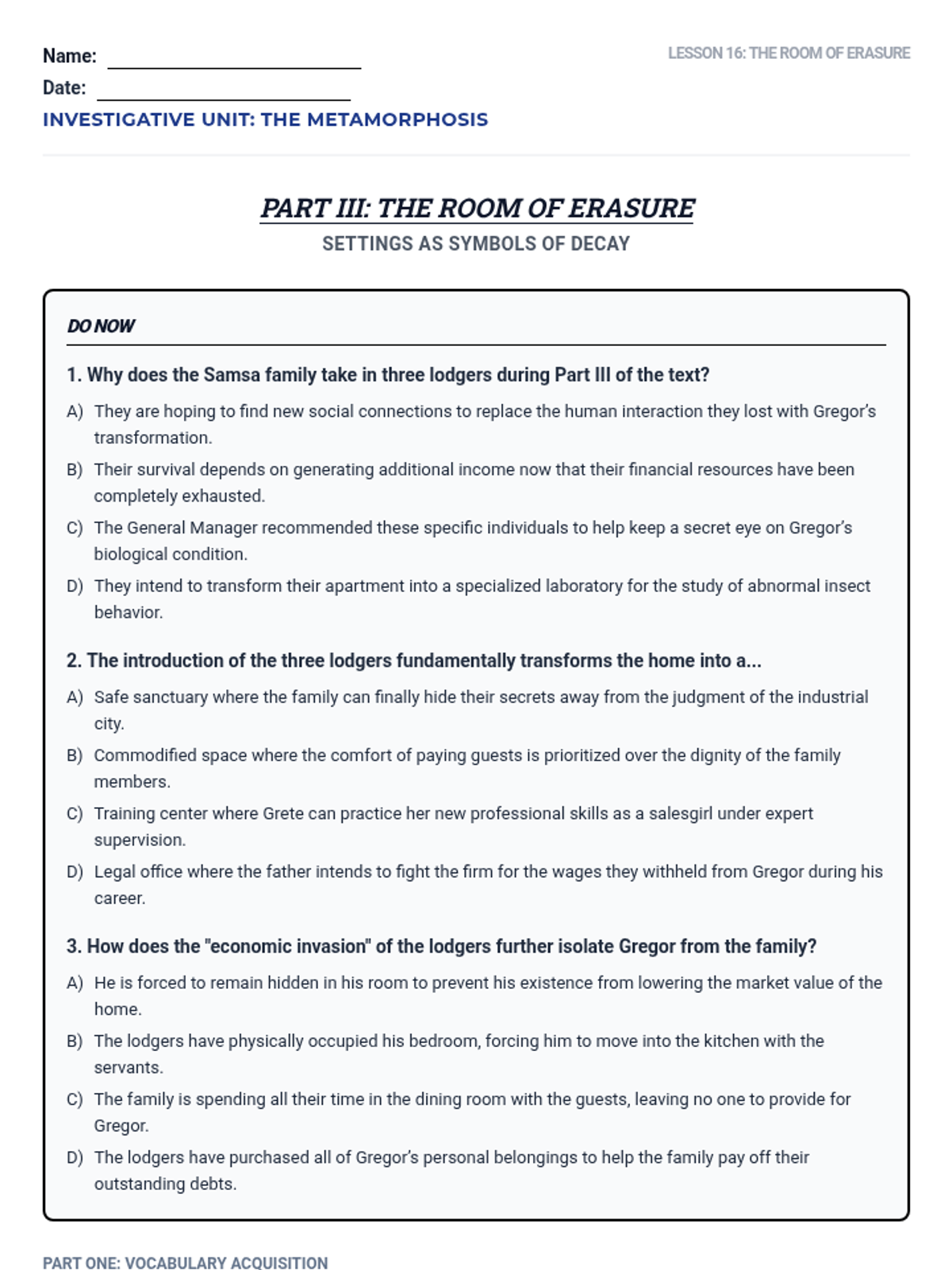
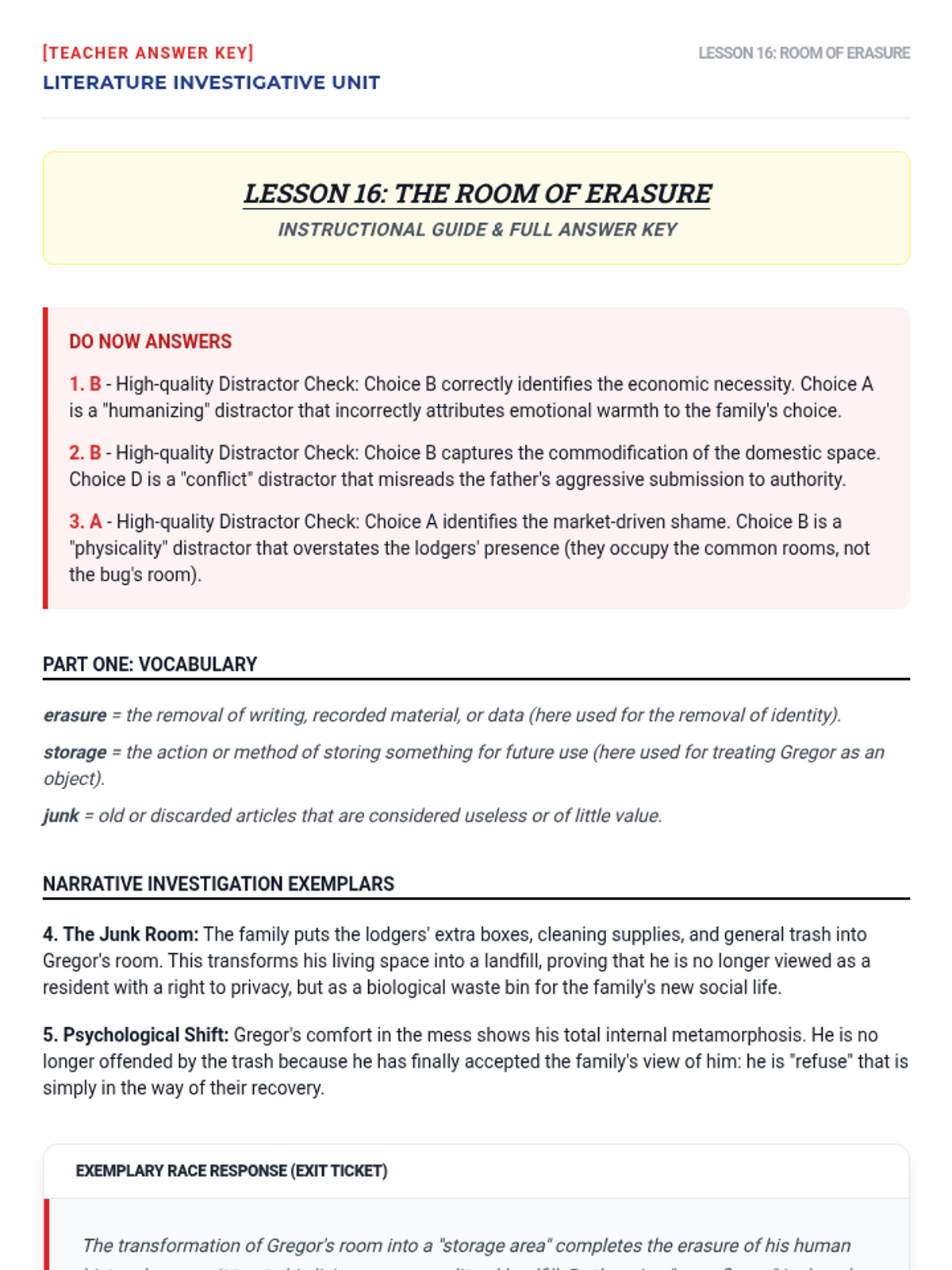
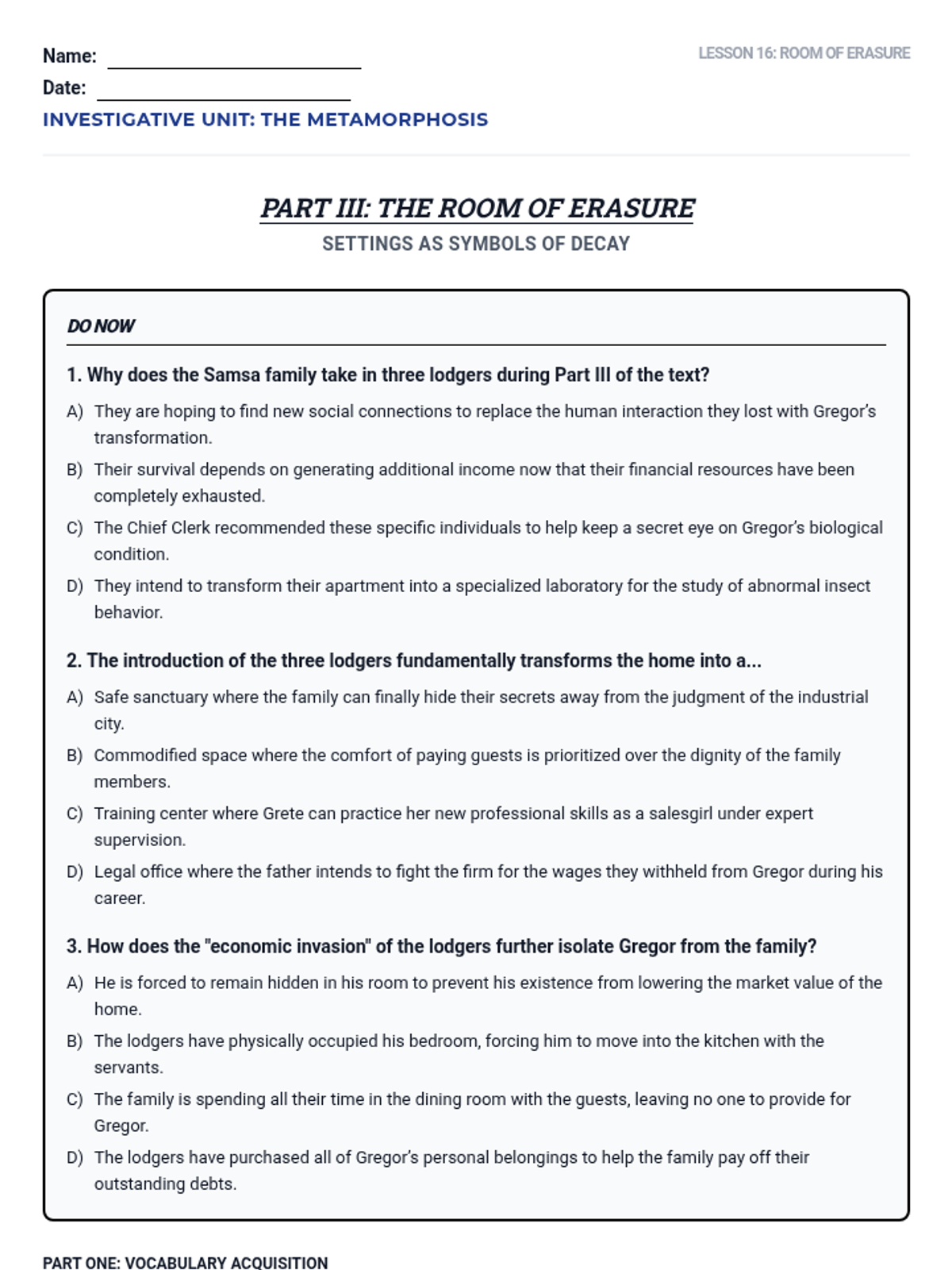
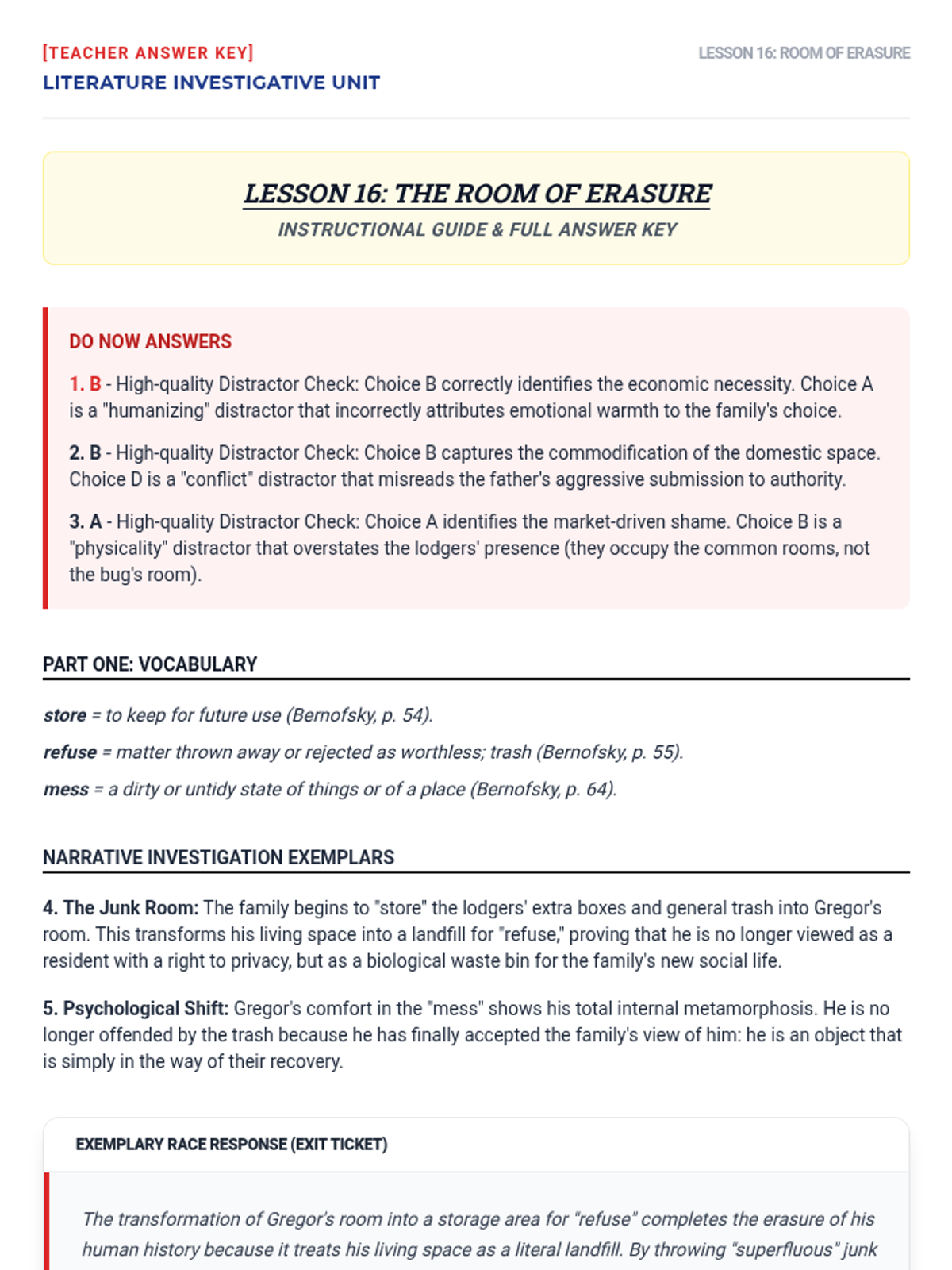
Gregor's room becomes a storage area for trash. Analysis of the complete erasure of his human space and history.
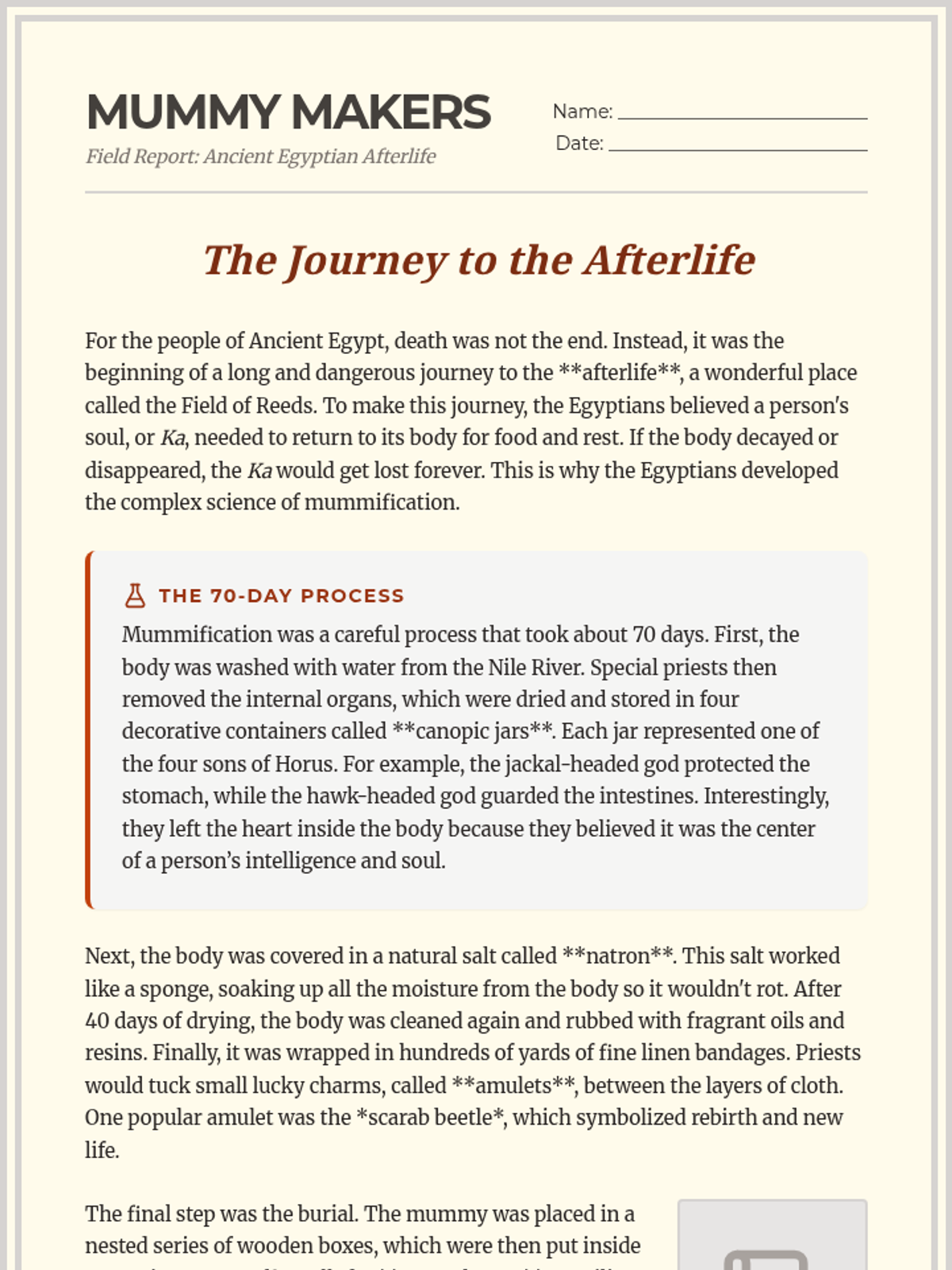
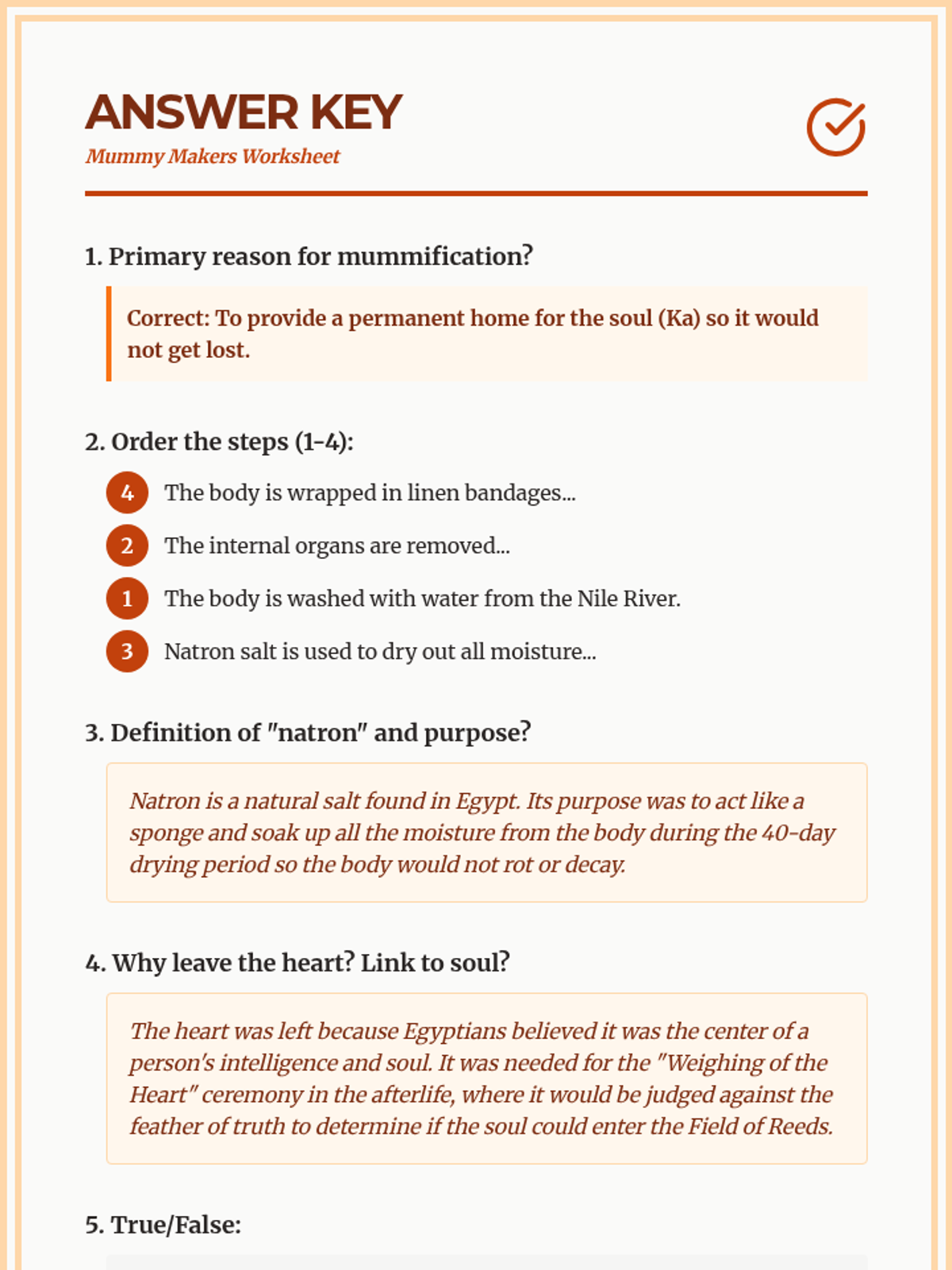
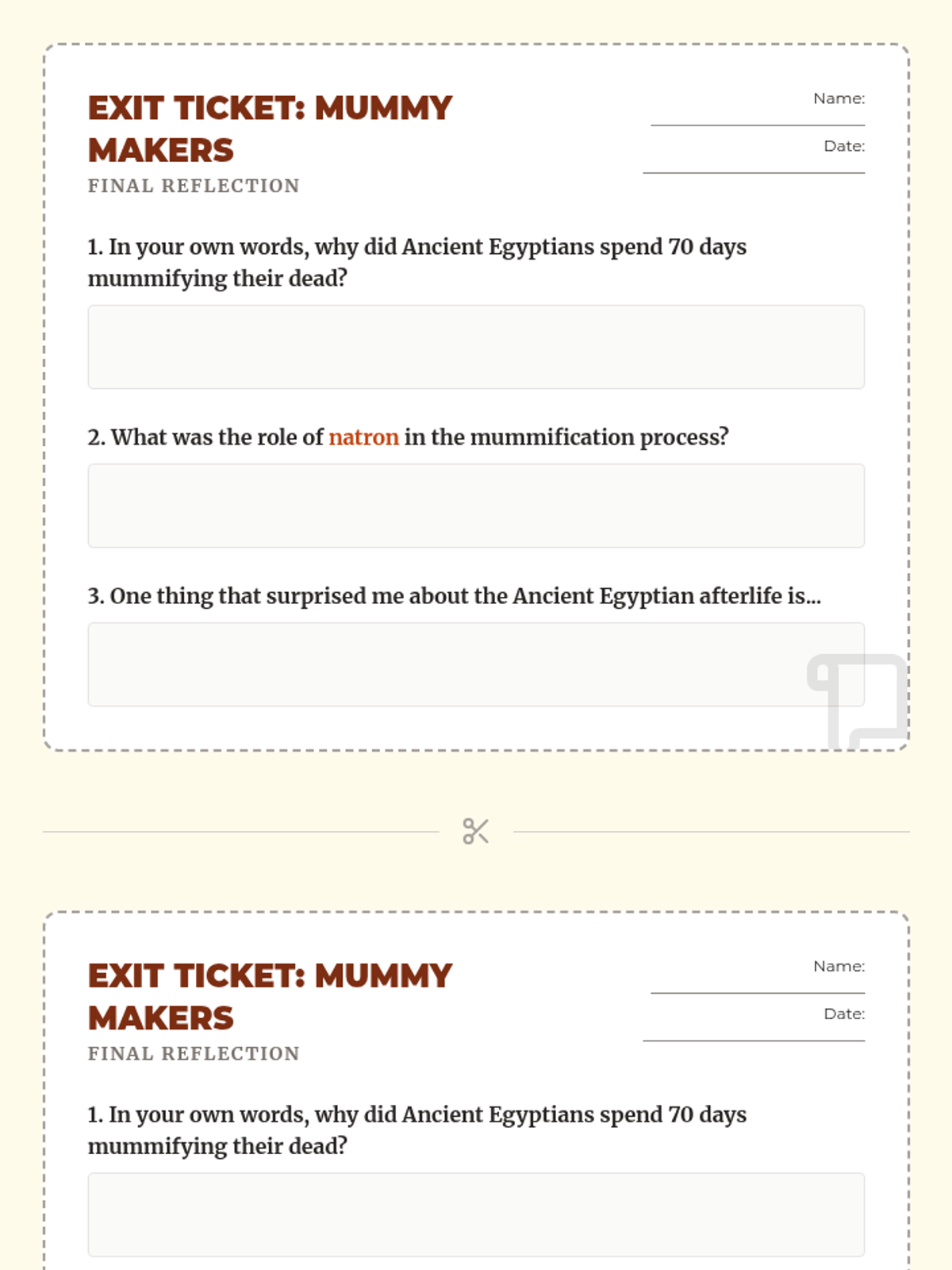
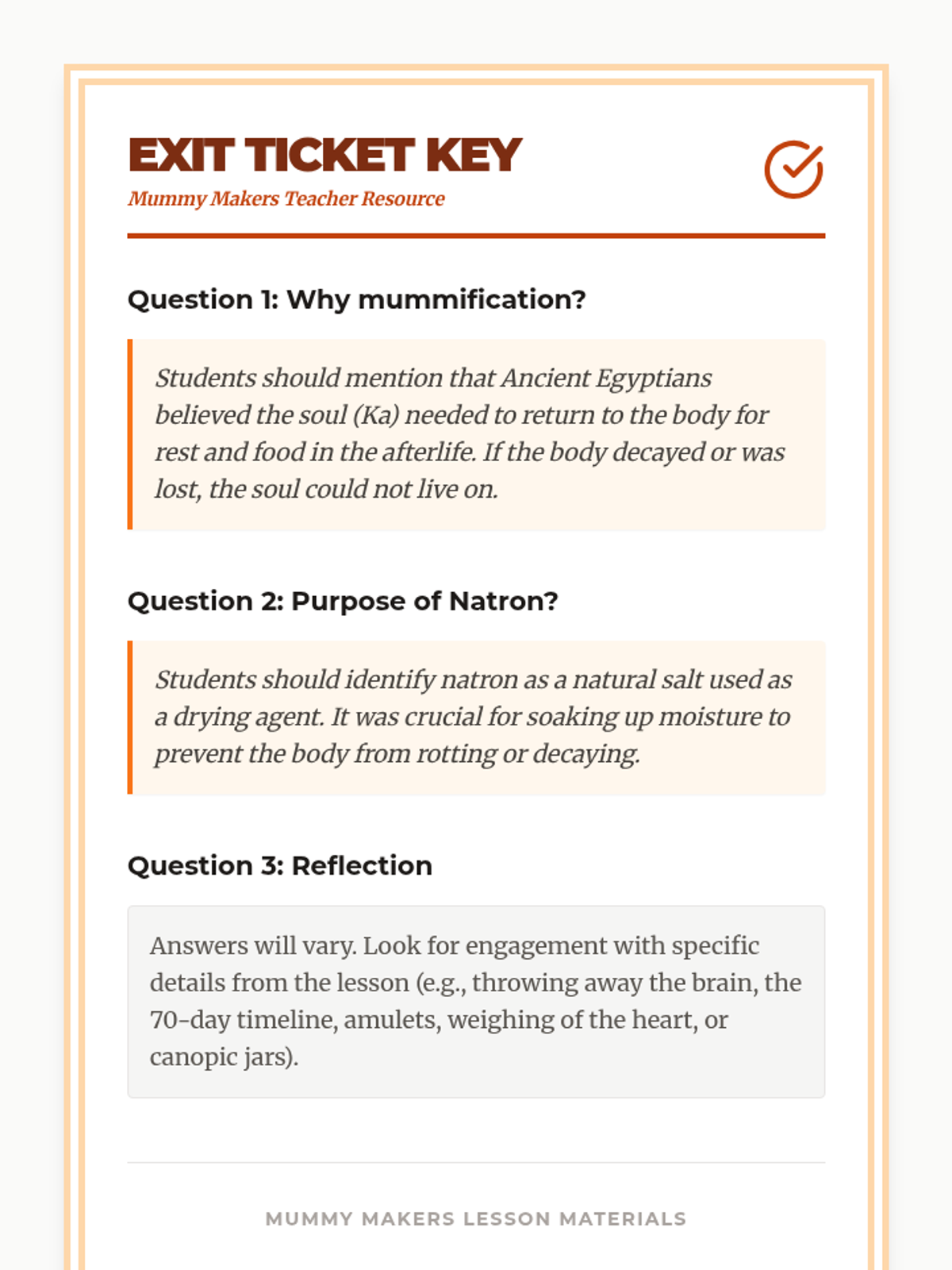
A comprehensive lesson exploring the spiritual beliefs and scientific processes behind Ancient Egyptian mummification, designed for 5th-grade learners.
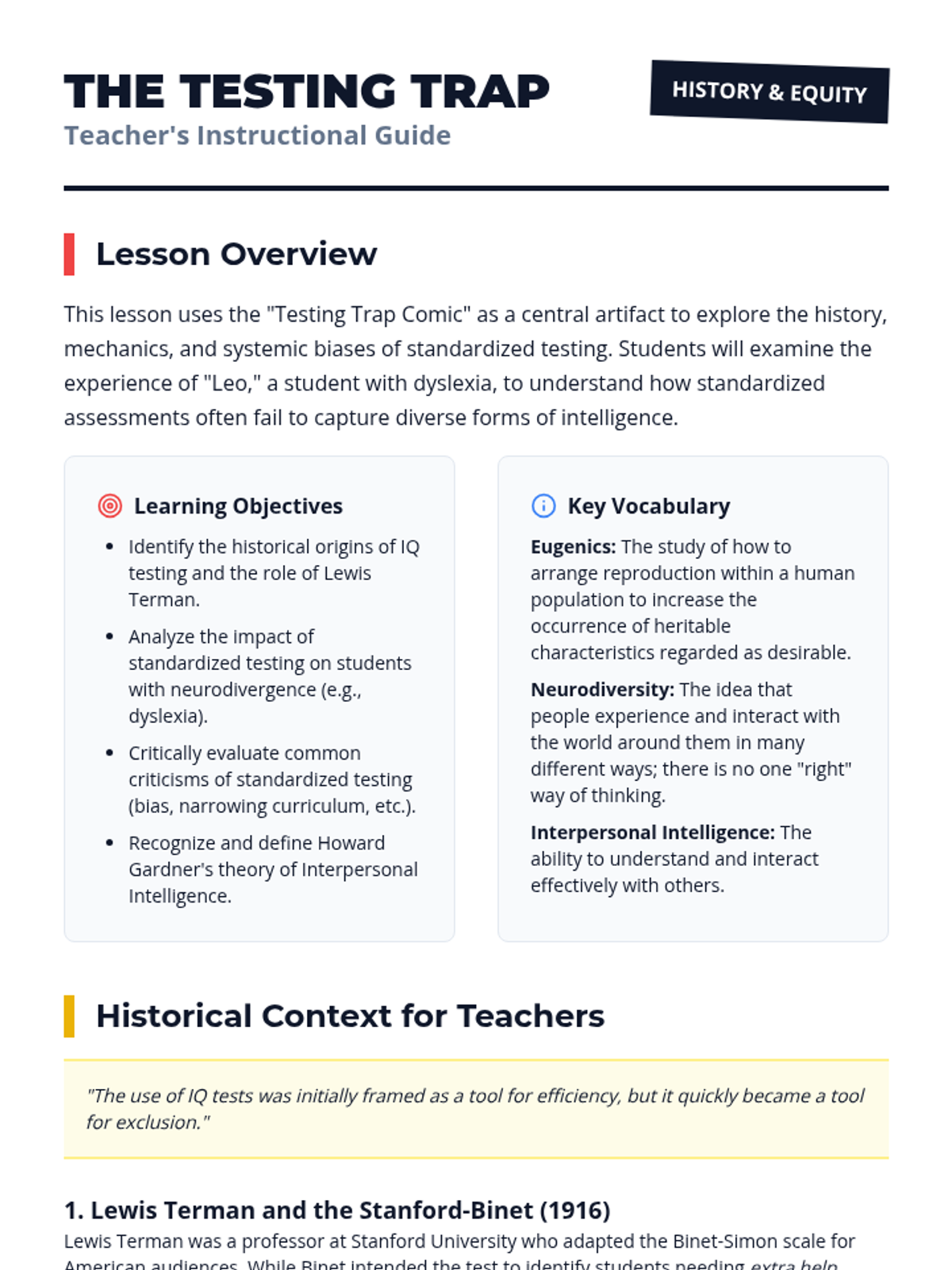
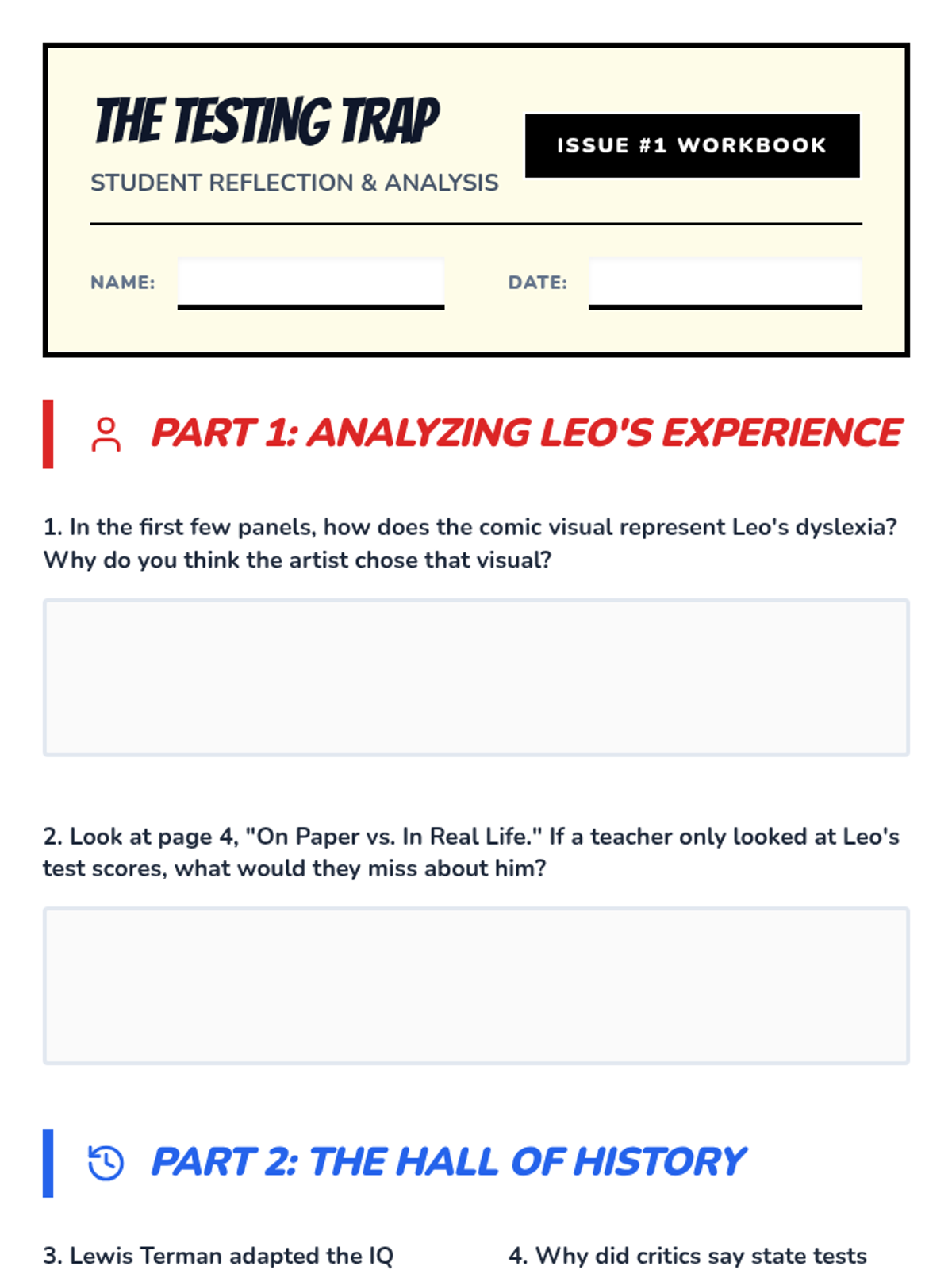
An exploration of the history, mechanics, and fairness of standardized testing through the lens of a neurodivergent student's experience. This lesson uses a retro-style comic to illustrate the disconnect between traditional testing and real-world intelligence.
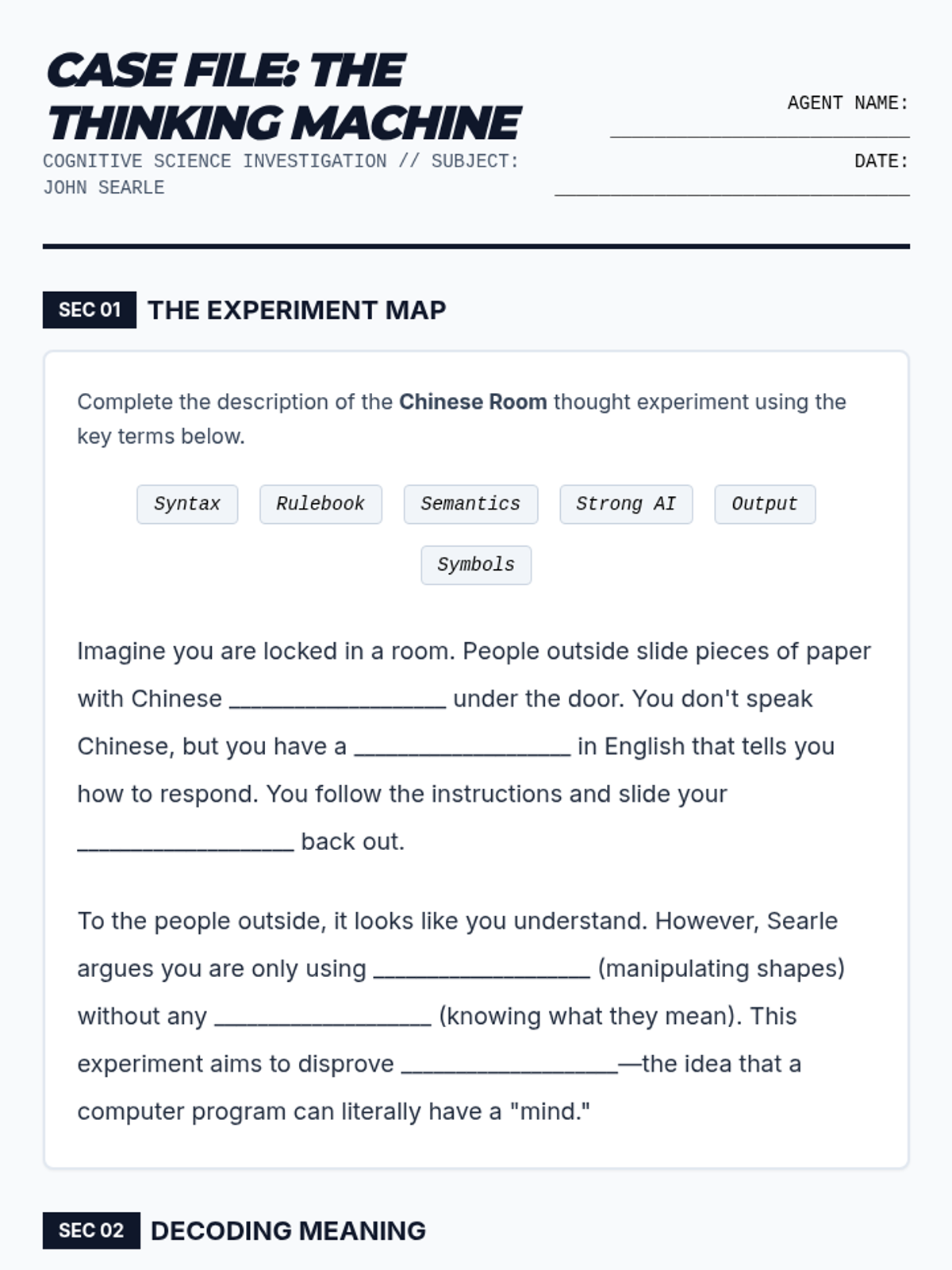
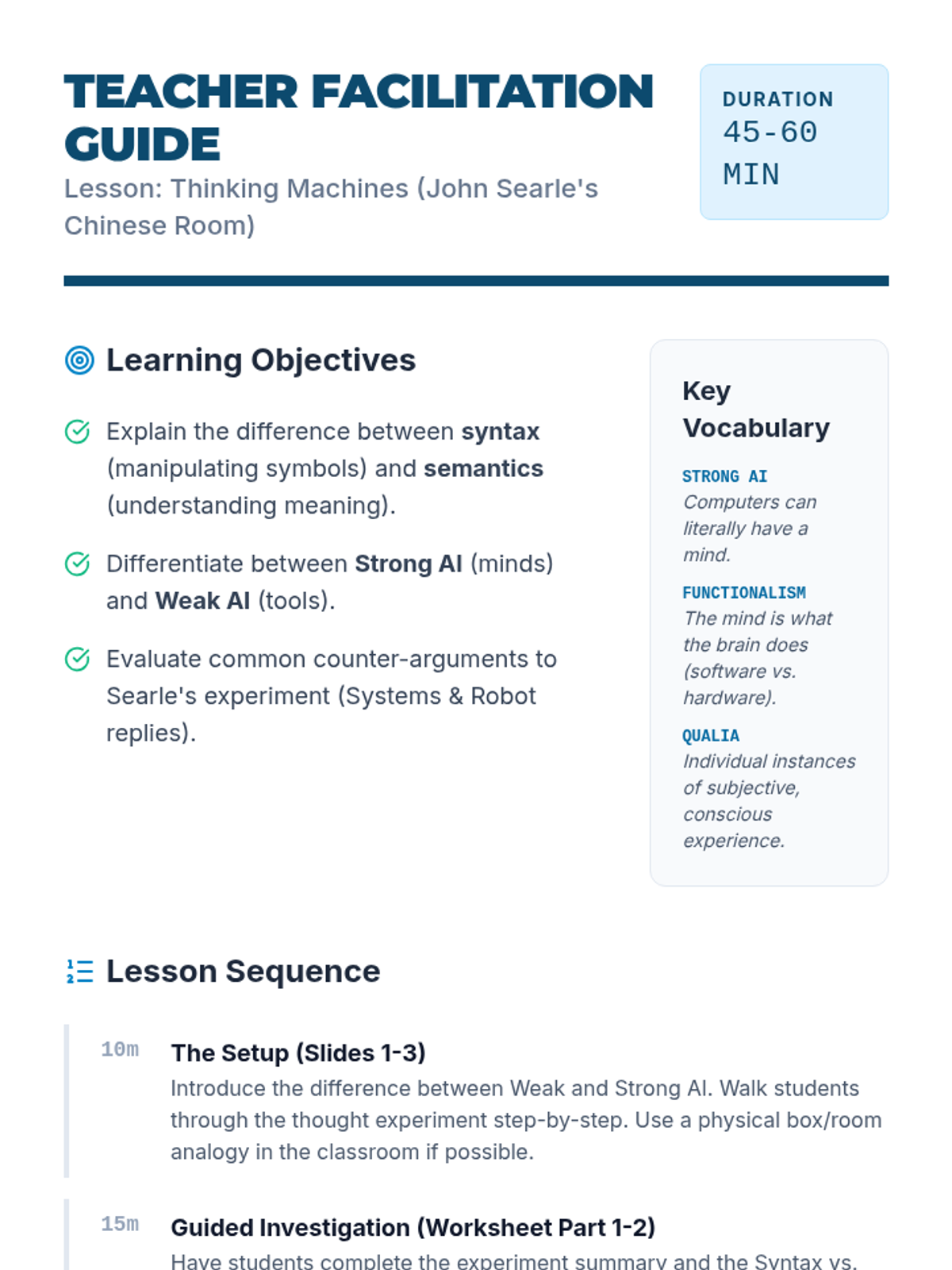
An exploration of John Searle's famous thought experiment, examining the distinction between syntax and semantics and the debate over Strong Artificial Intelligence.
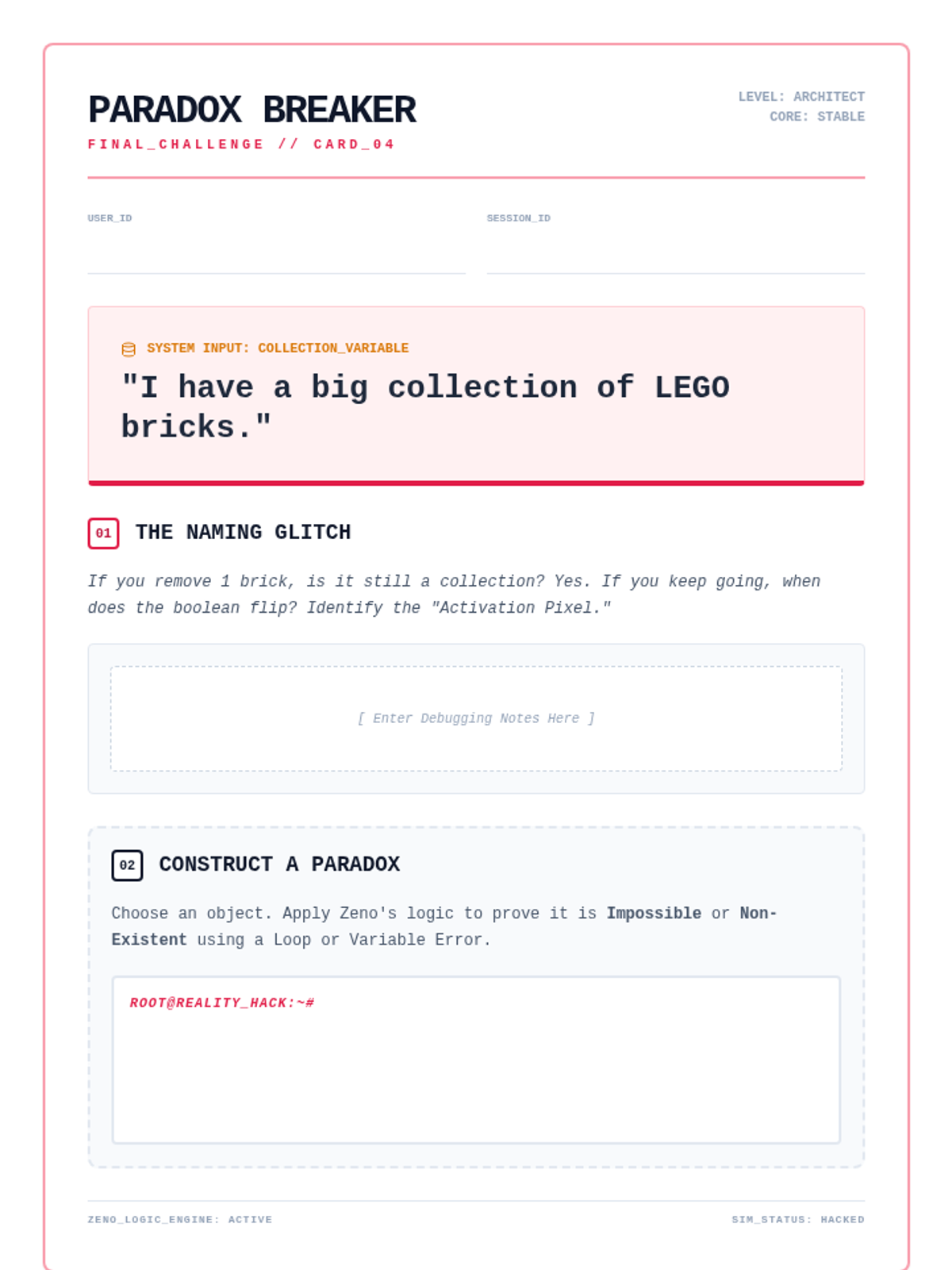
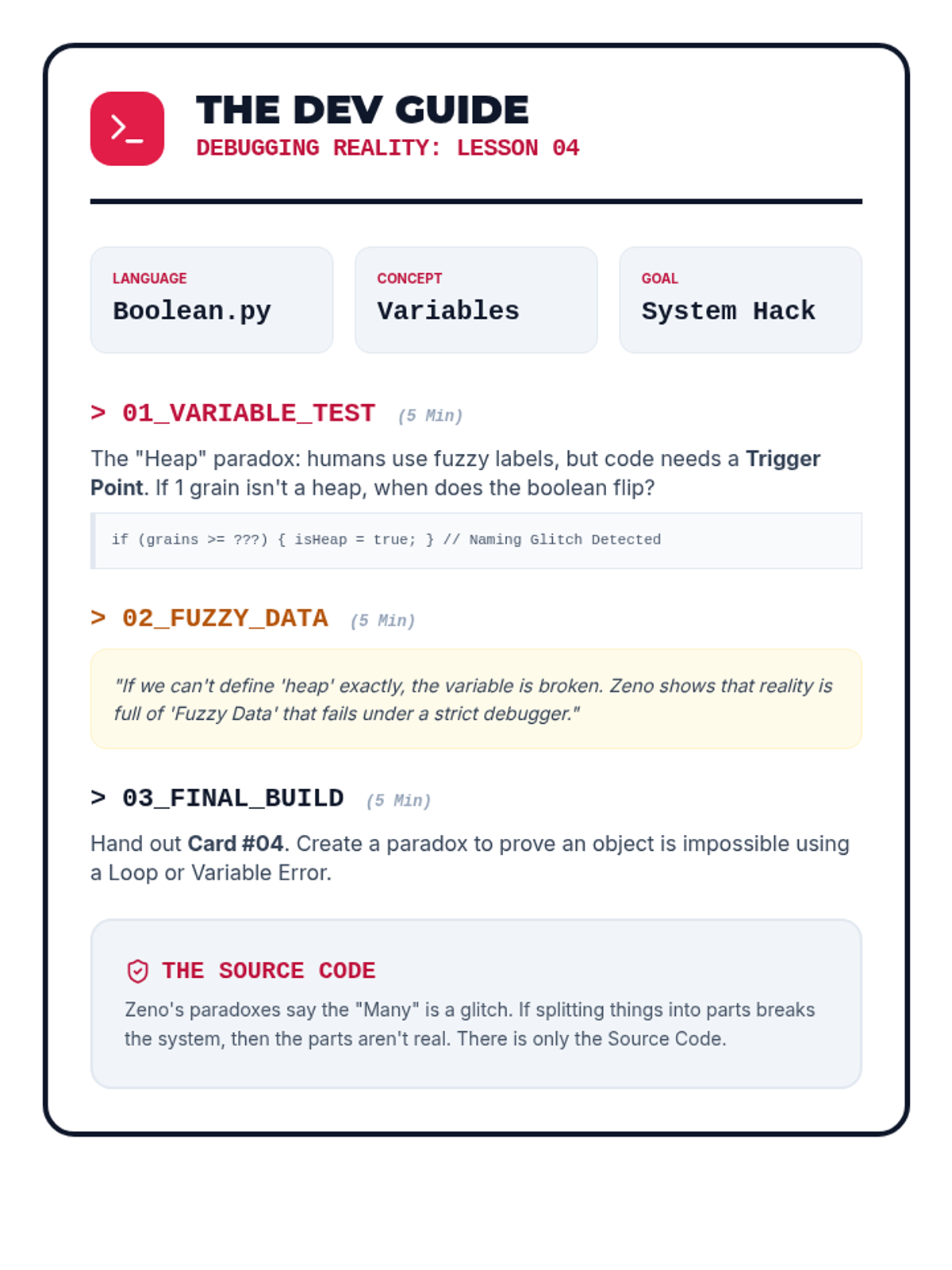
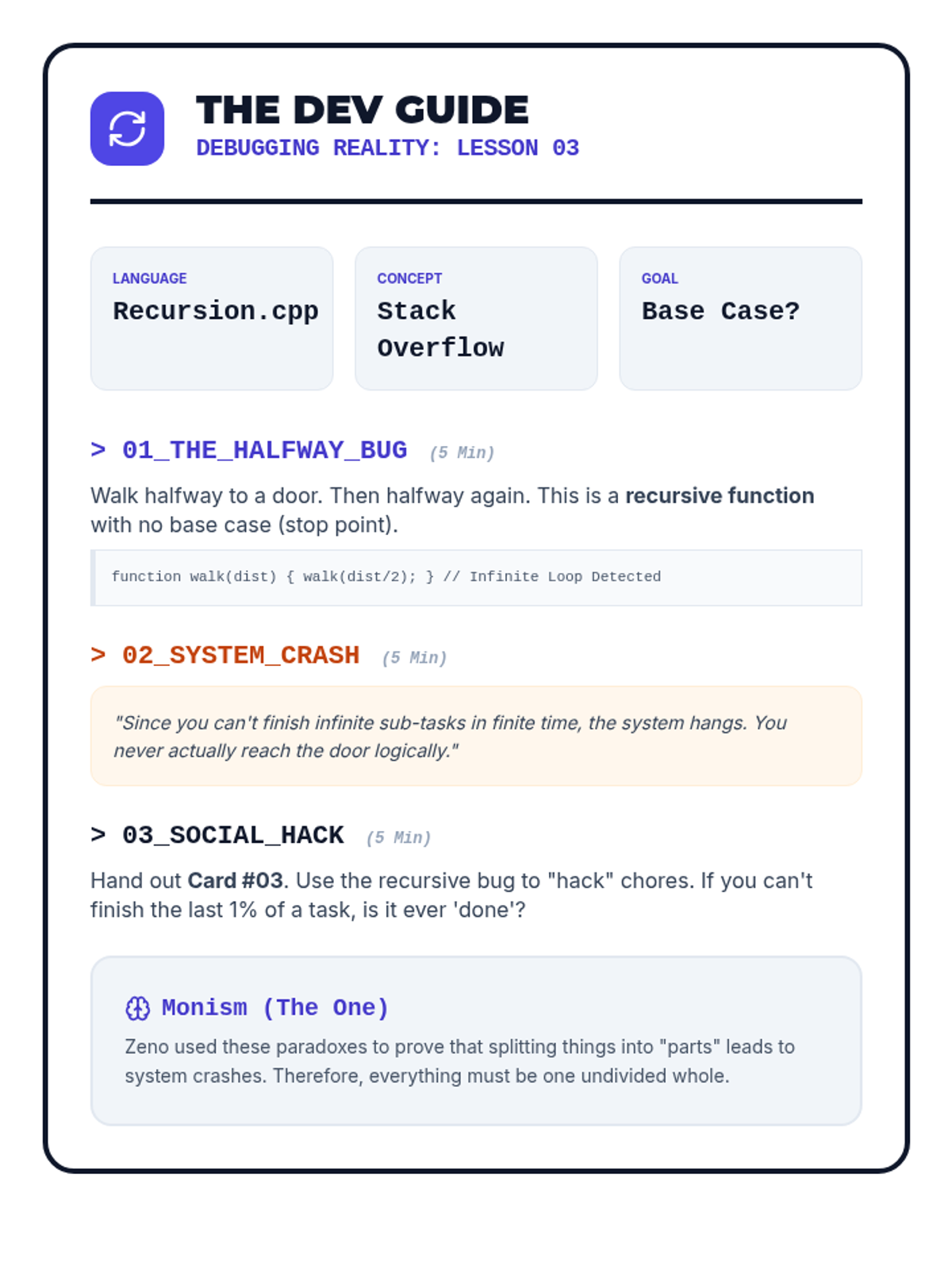
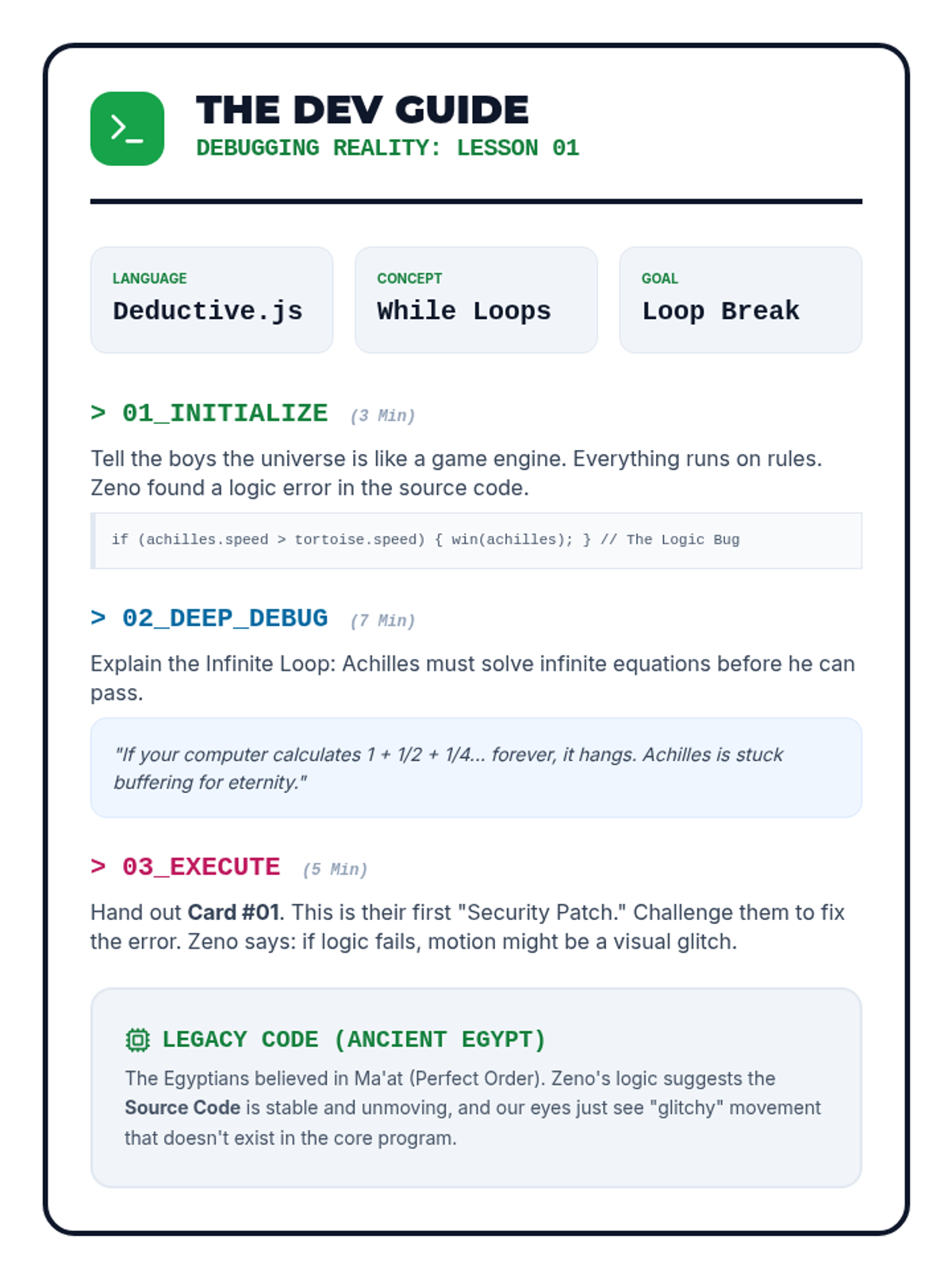
Students apply Zeno's logic to everyday scenarios and learn to use humor and extreme logic to expose flaws in arguments.
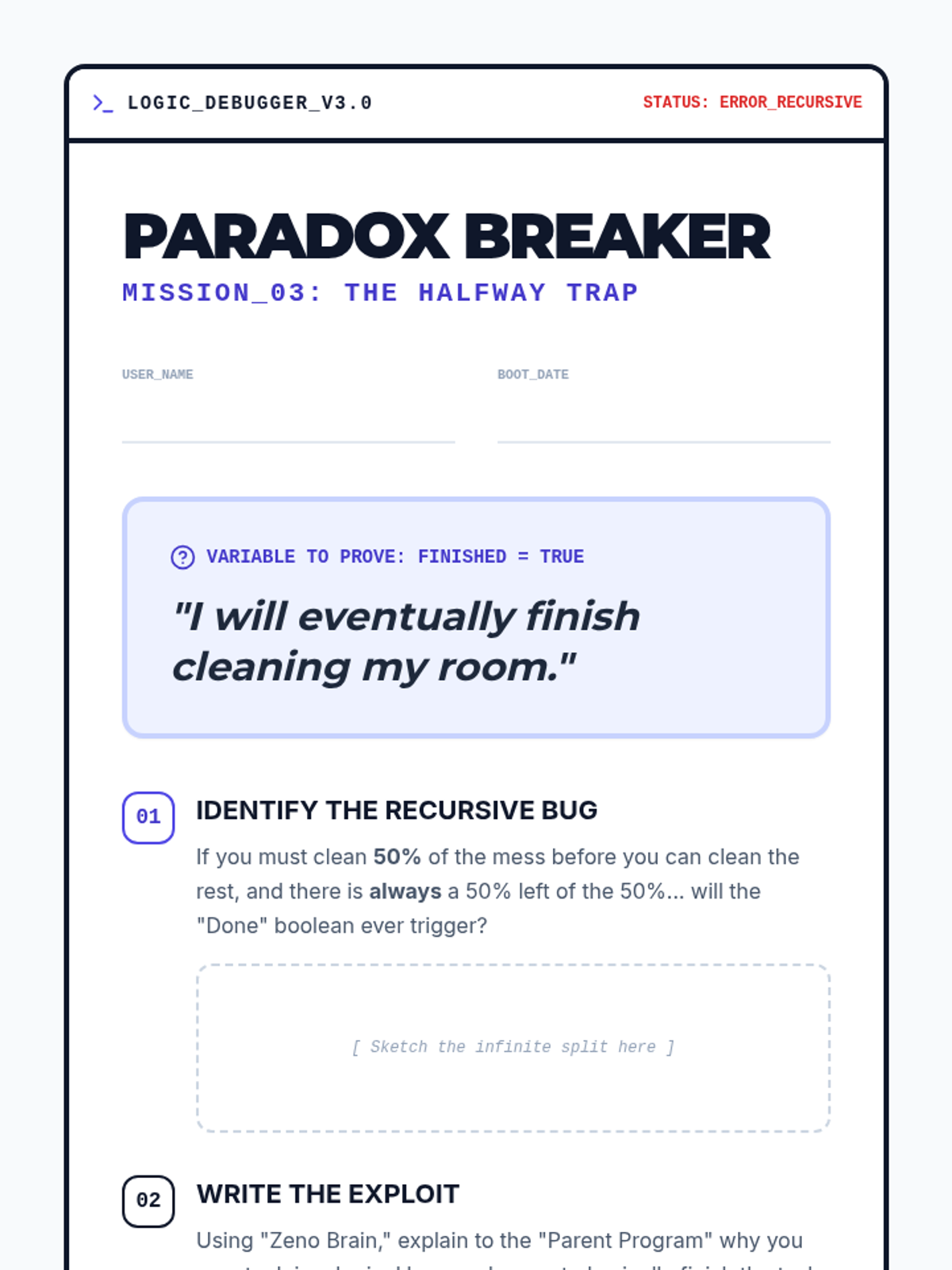
Students tackle the Dichotomy Paradox, learning how to break large goals into infinite tiny steps and the logical hurdles that arise.
Students examine the Arrow Paradox to challenge the concept of motion and the nature of the 'now'.
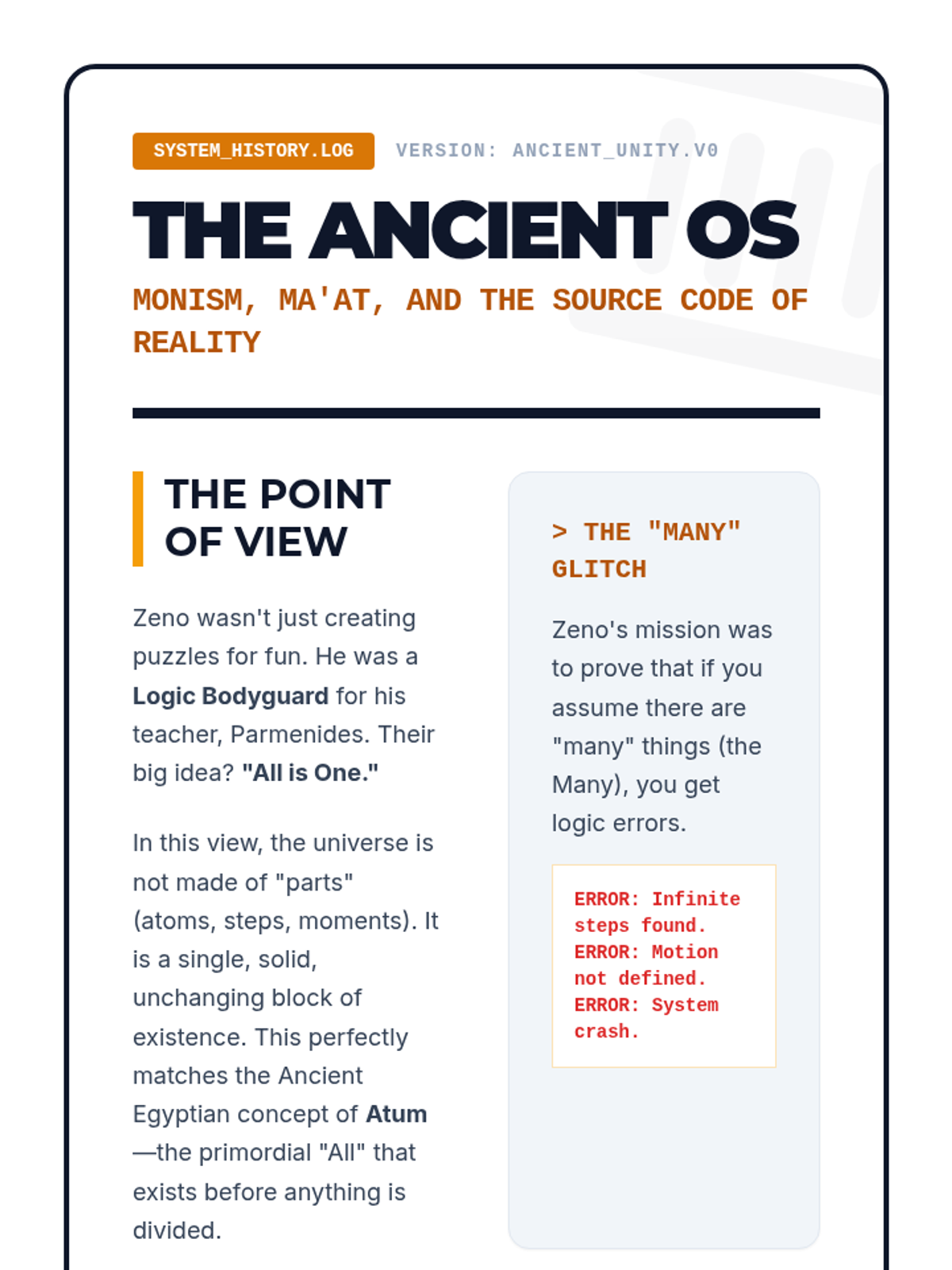
Students explore the famous Achilles and the Tortoise paradox to understand the infinite divisibility of space and time.
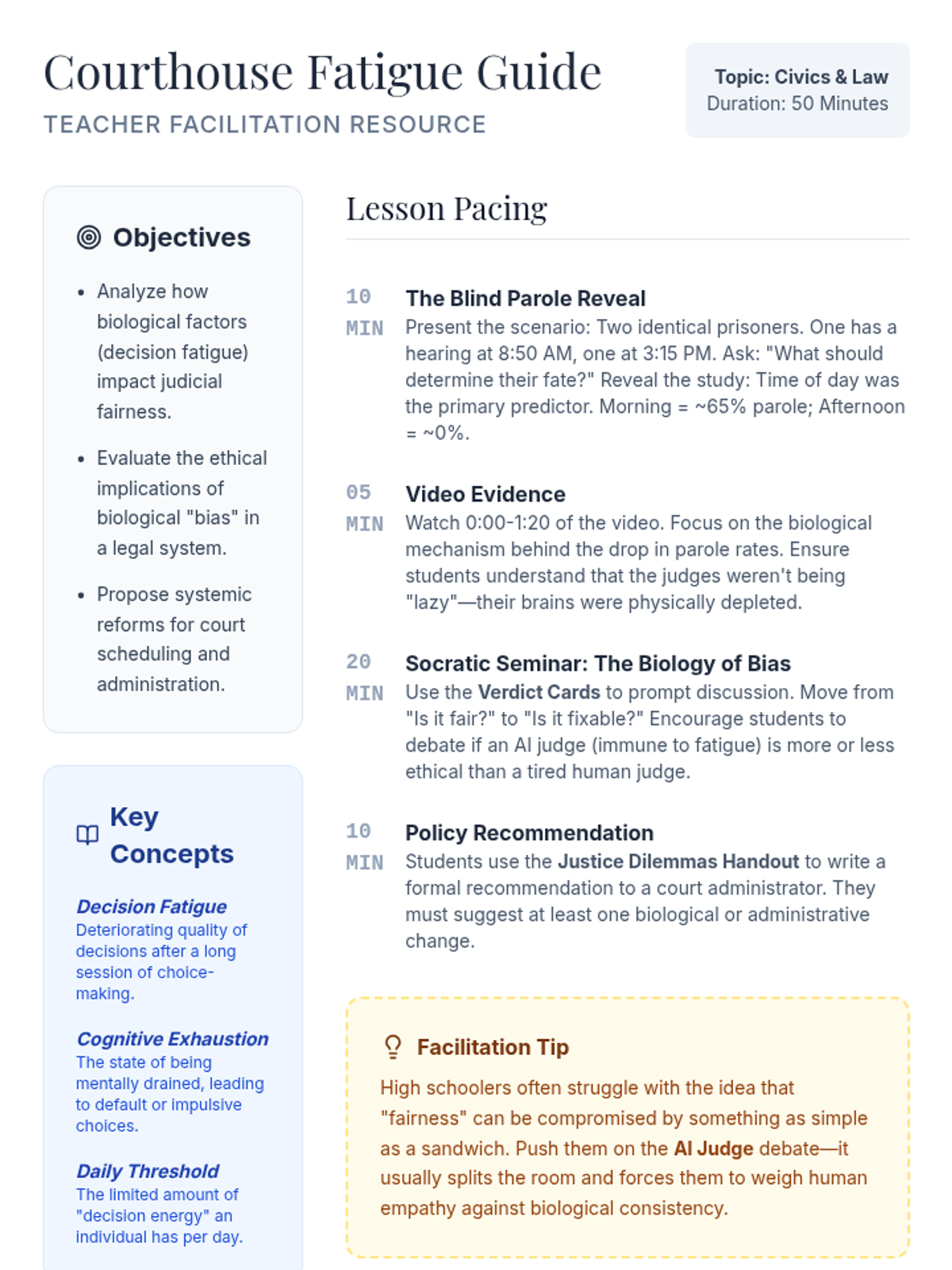
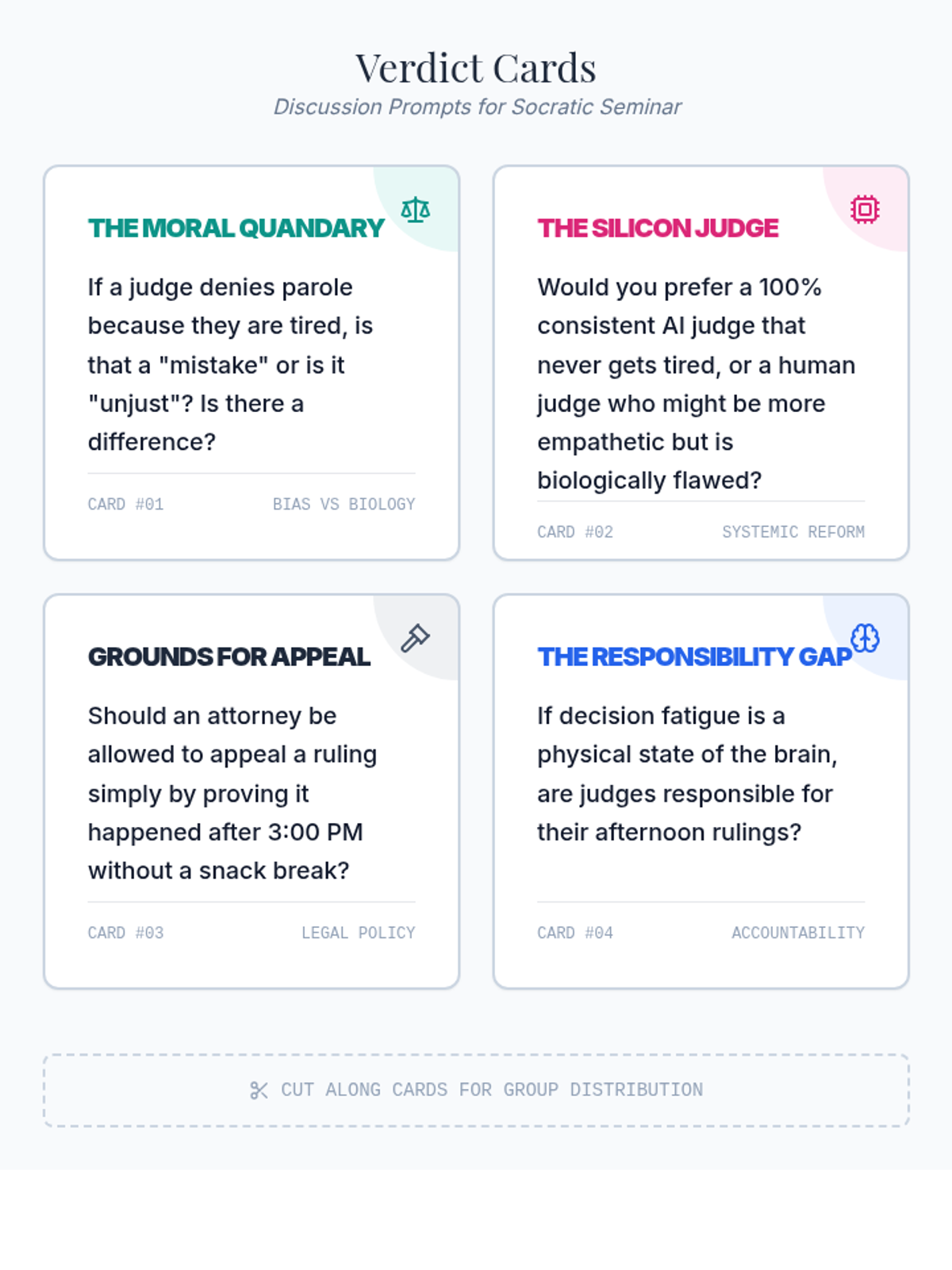
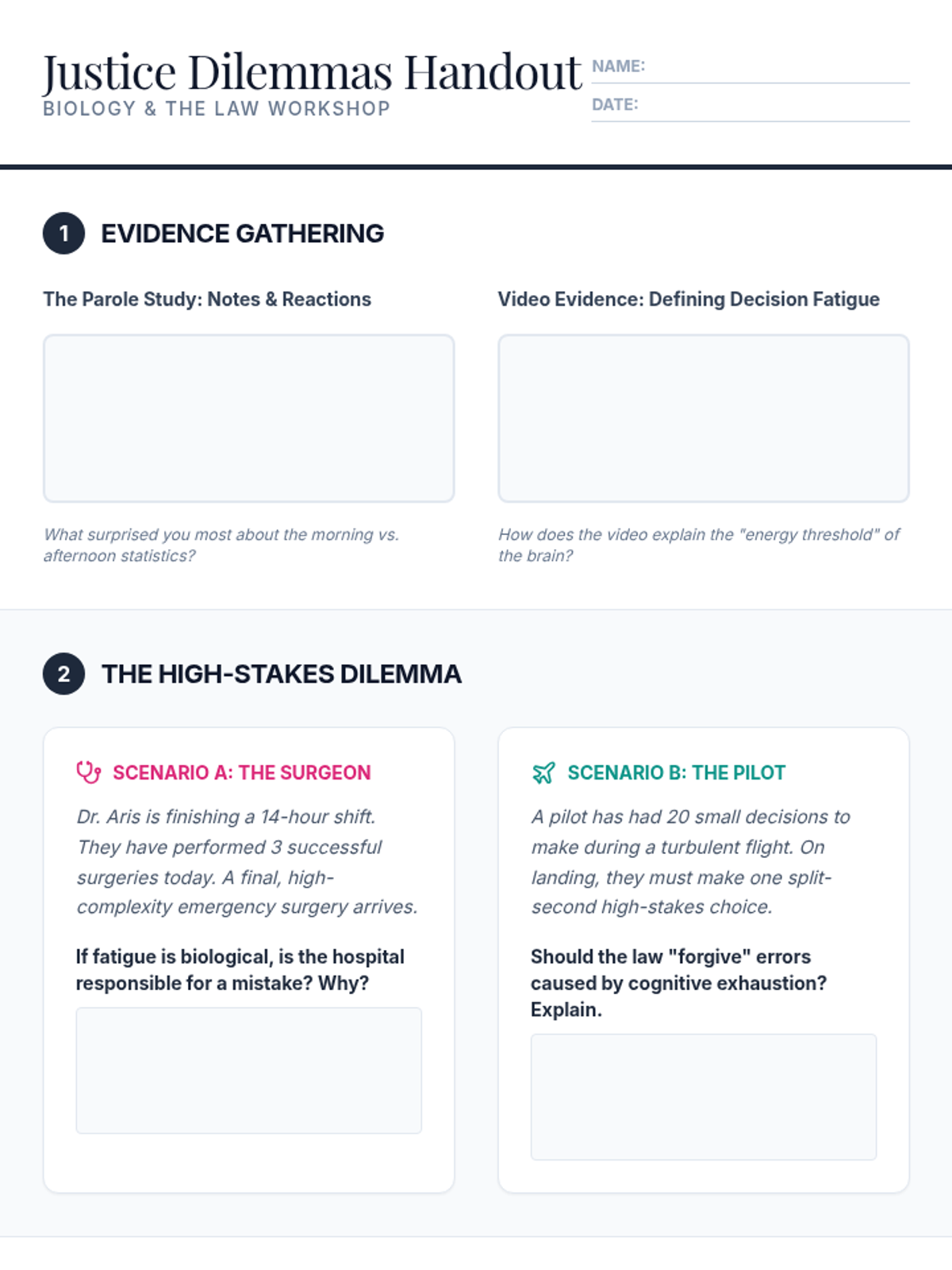
Students explore the intersection of biology and law through the lens of 'decision fatigue' in judicial rulings, culminating in a Socratic seminar and policy proposal for systemic reform.
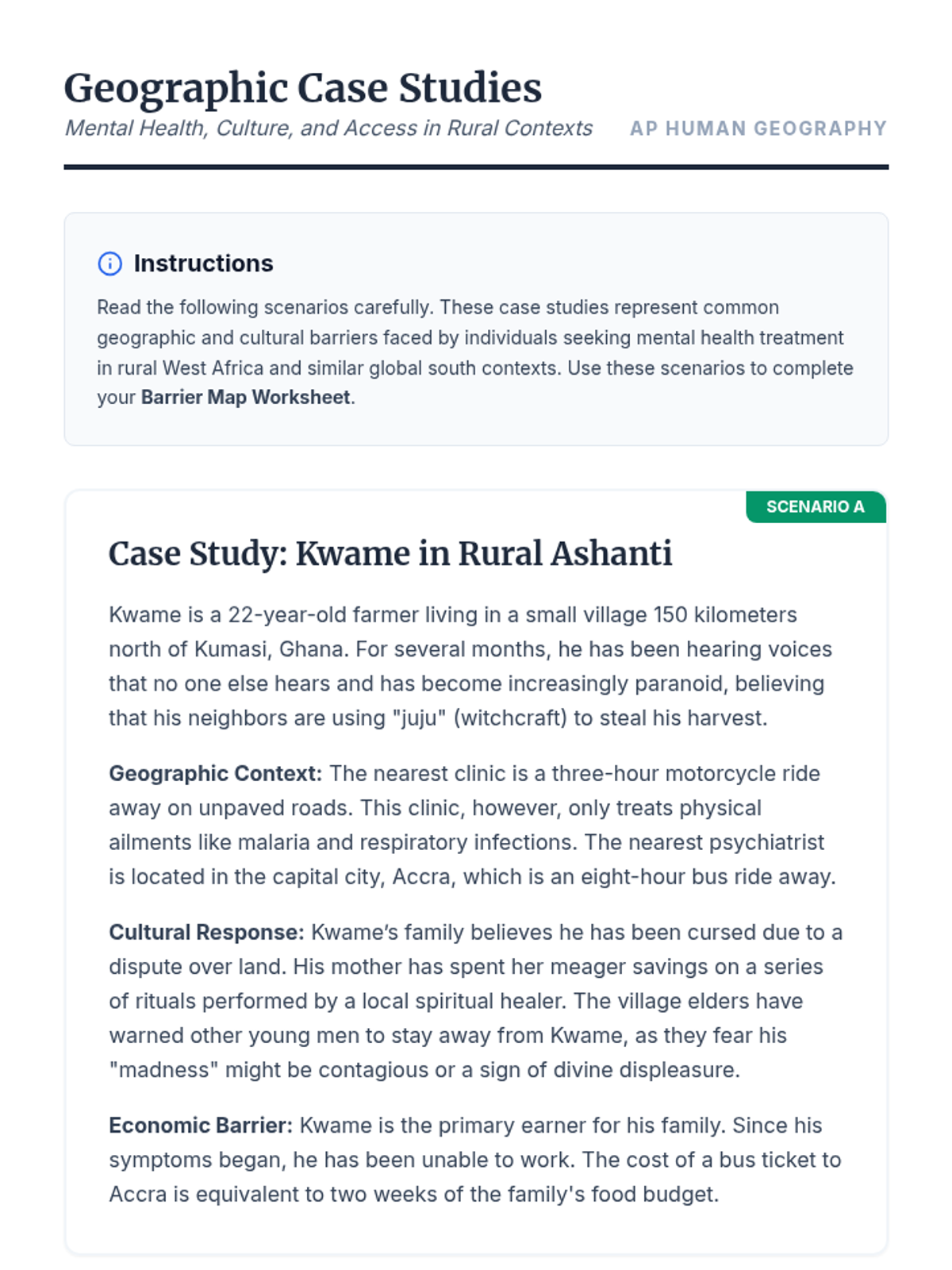
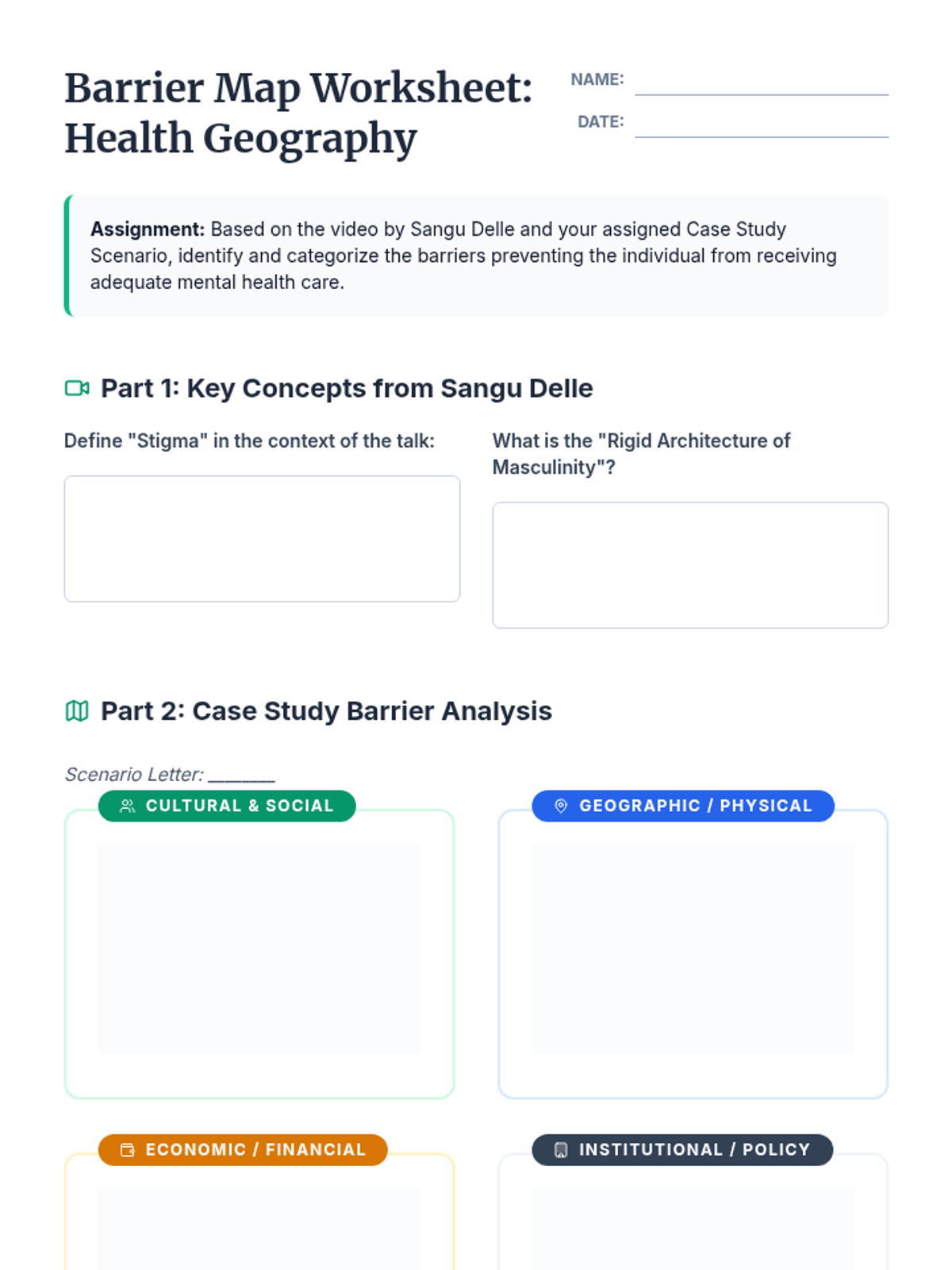
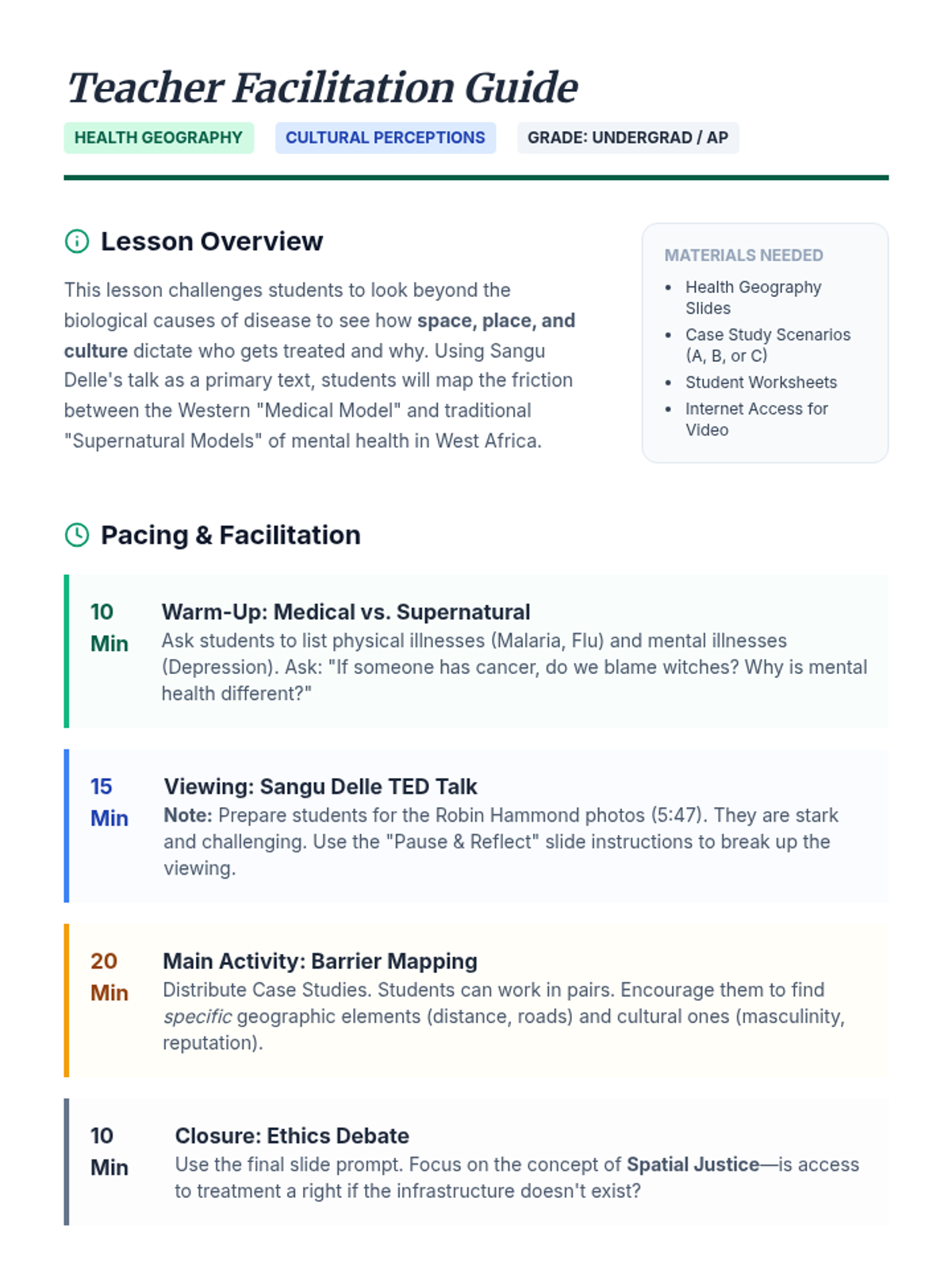
This lesson explores how cultural beliefs and geographic factors shape perceptions of mental health and access to care, using Sangu Delle's TED Talk as a primary case study for West Africa. Students will analyze the 'Medical Model' vs. 'Supernatural Model' and map out barriers to treatment in rural contexts.
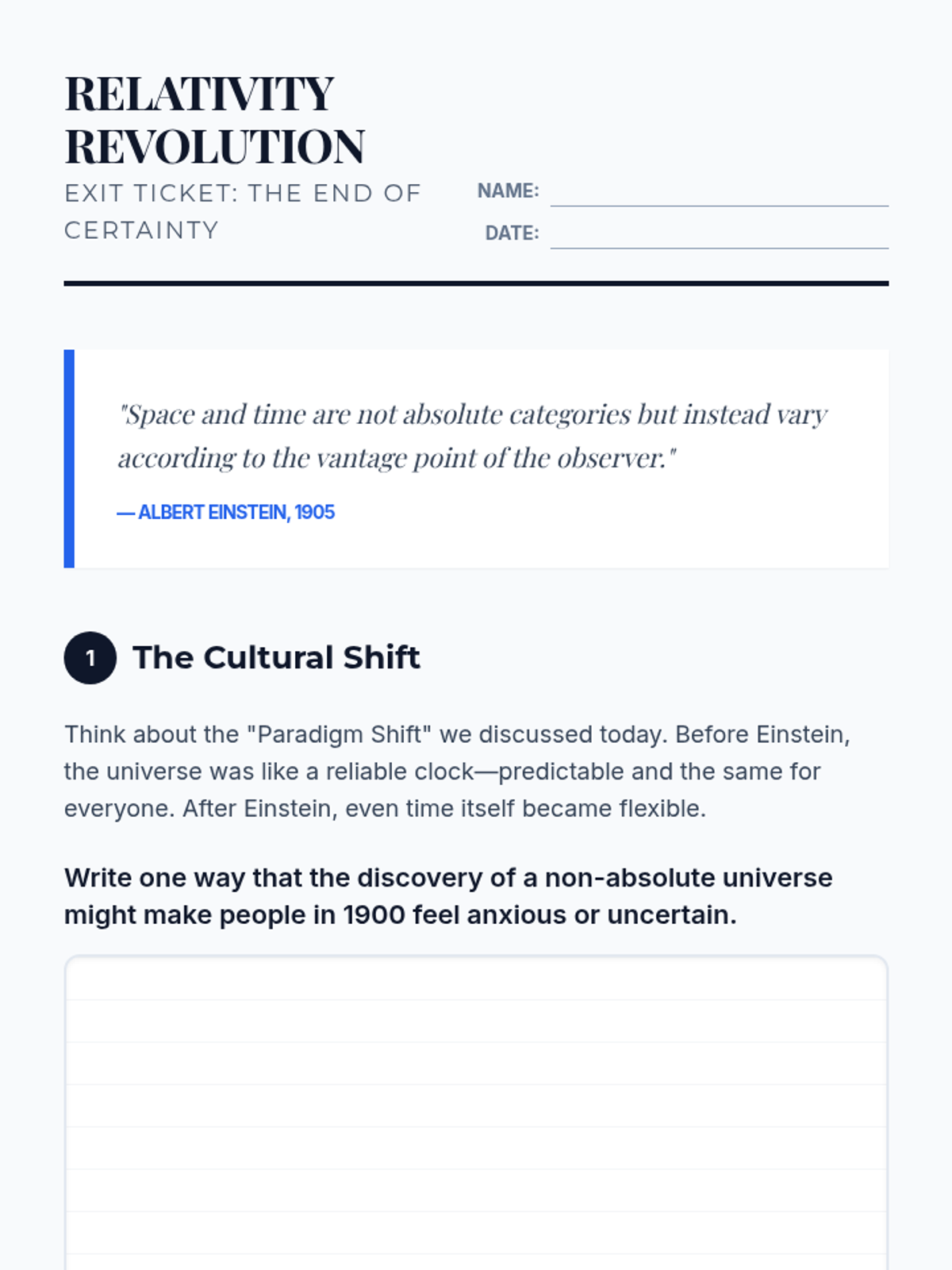
This lesson explores the shift from Newtonian physics to Einstein's relativity, focusing on the cultural anxiety and fragmentation that occurred at the turn of the 20th century. Students analyze the "Train Paradox" and discuss the disconnect between scientific reality and human perception.
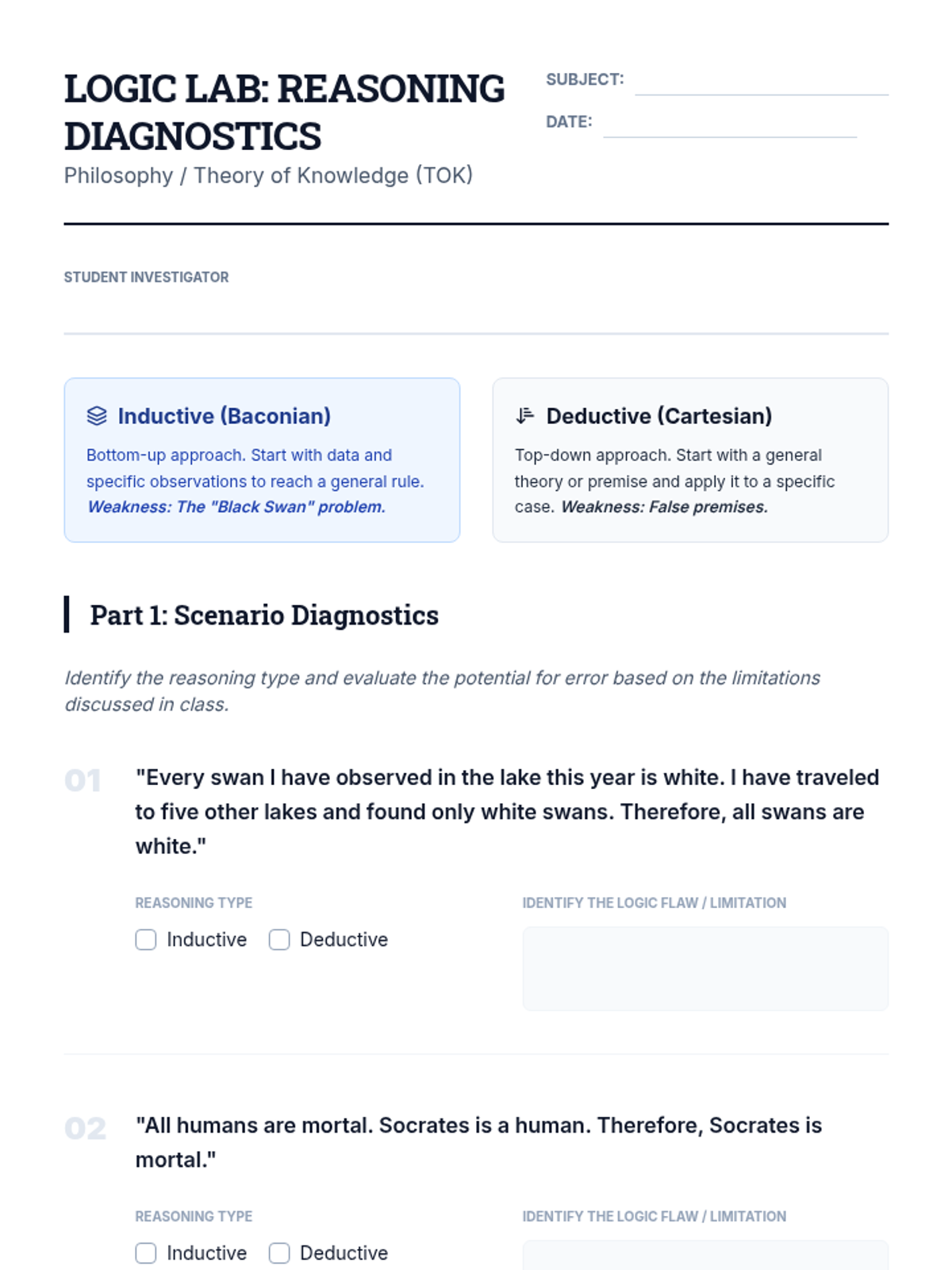
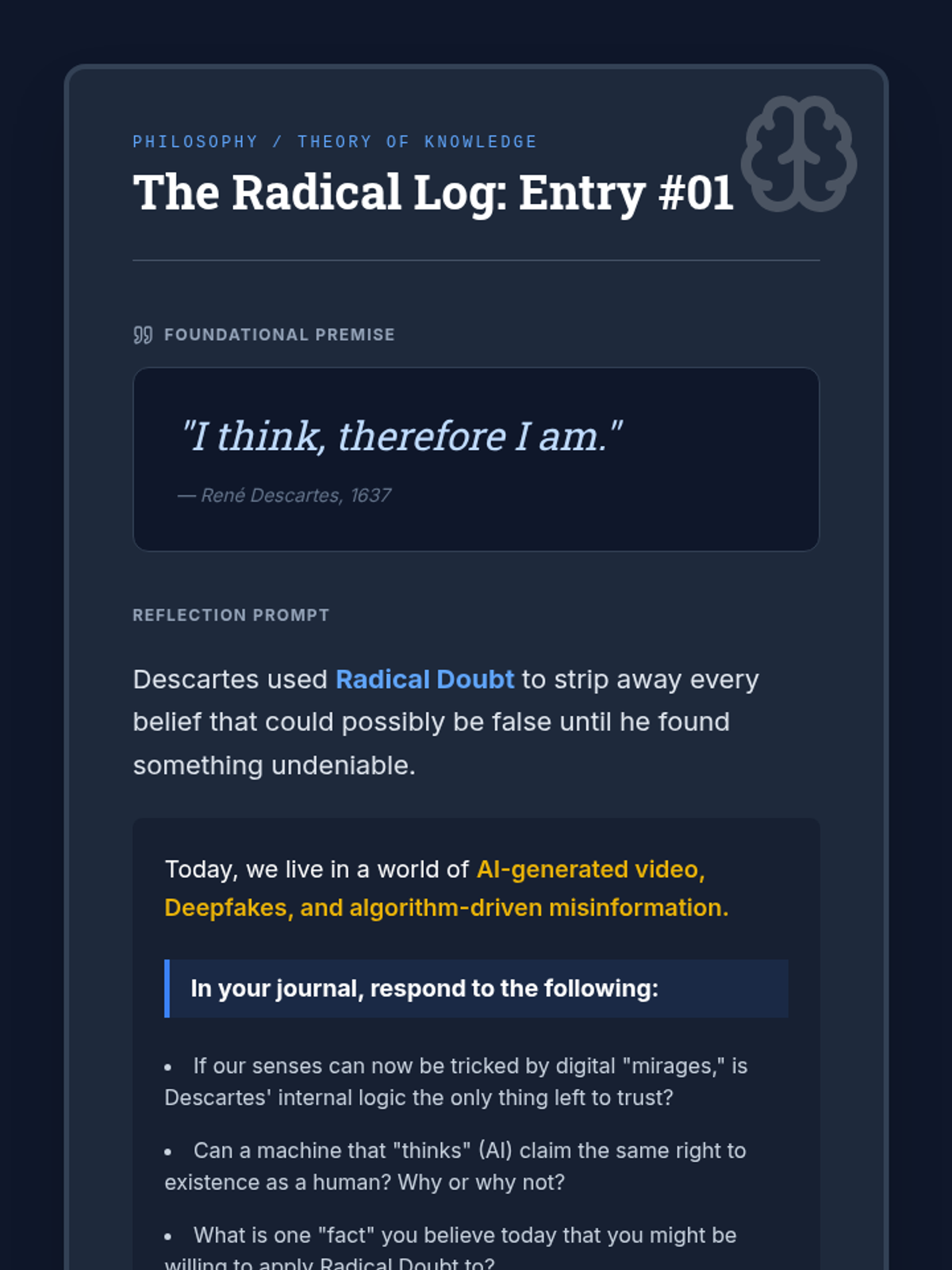
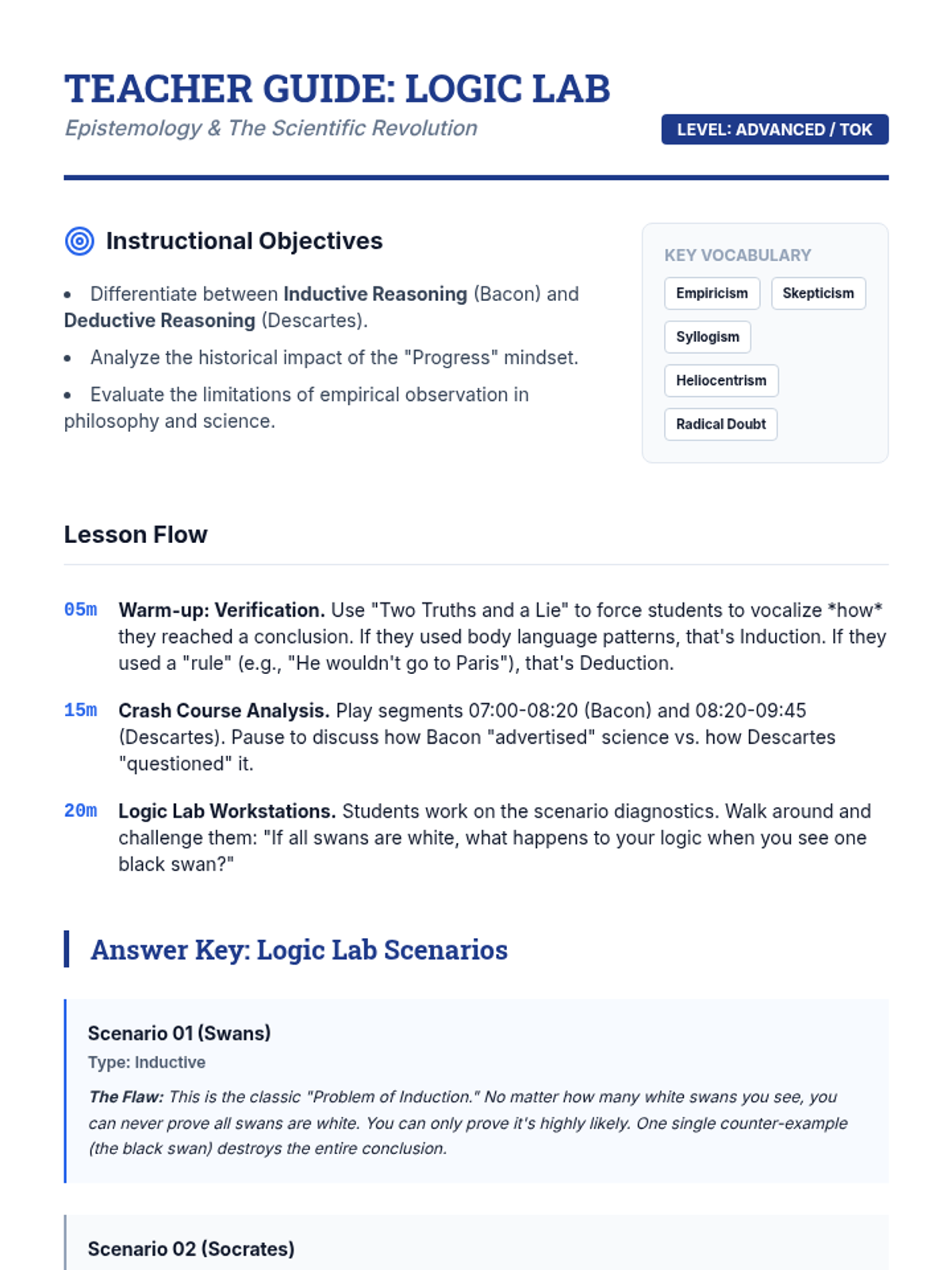
A Philosophy/Theory of Knowledge lesson for high schoolers exploring the foundations of modern thought through the inductive methods of Francis Bacon and the deductive skepticism of Rene Descartes.
A deep dive into Steven Spielberg's 'Lincoln', focusing on the political maneuvers behind the 13th Amendment and the historical figures involved.
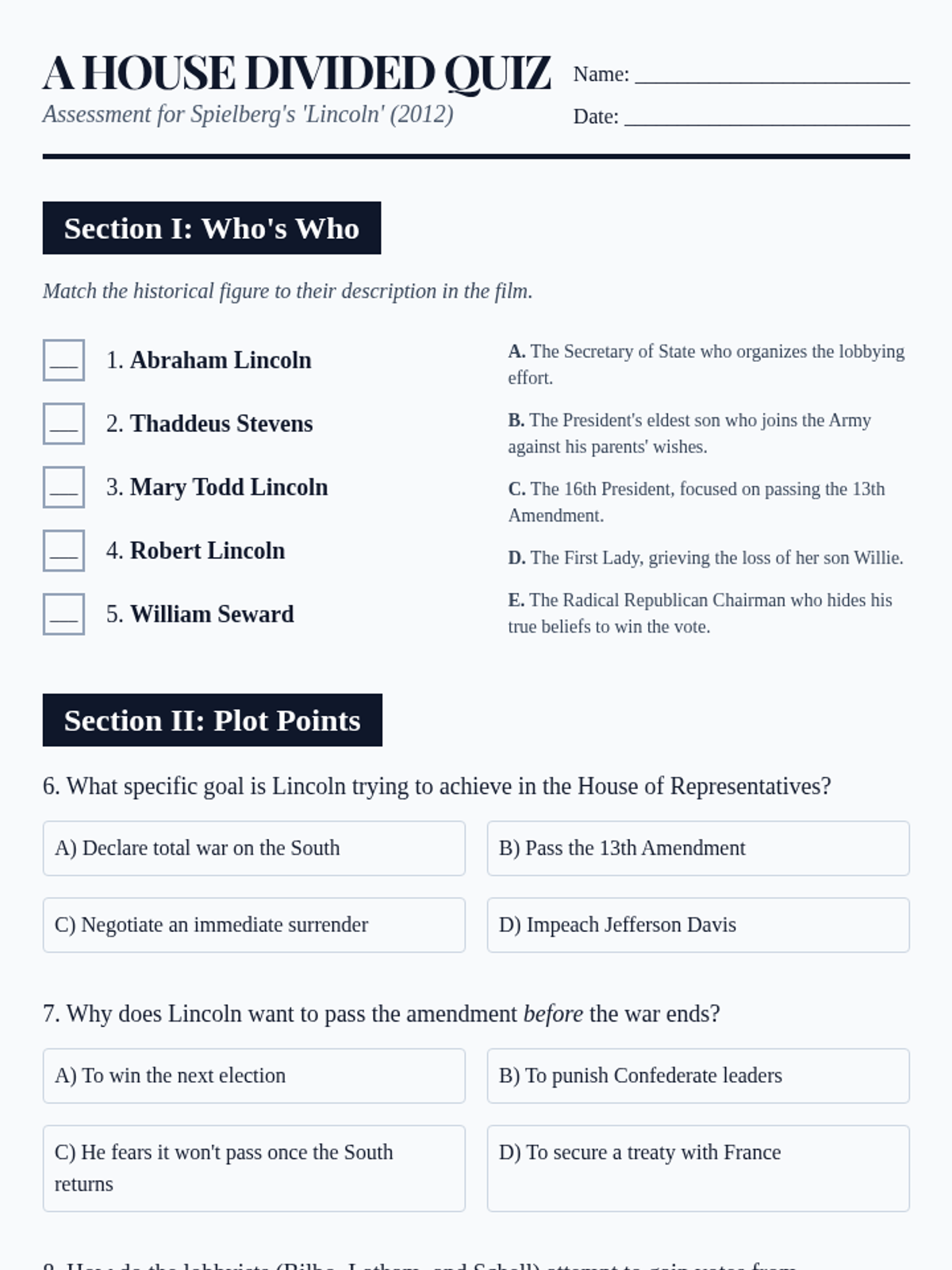
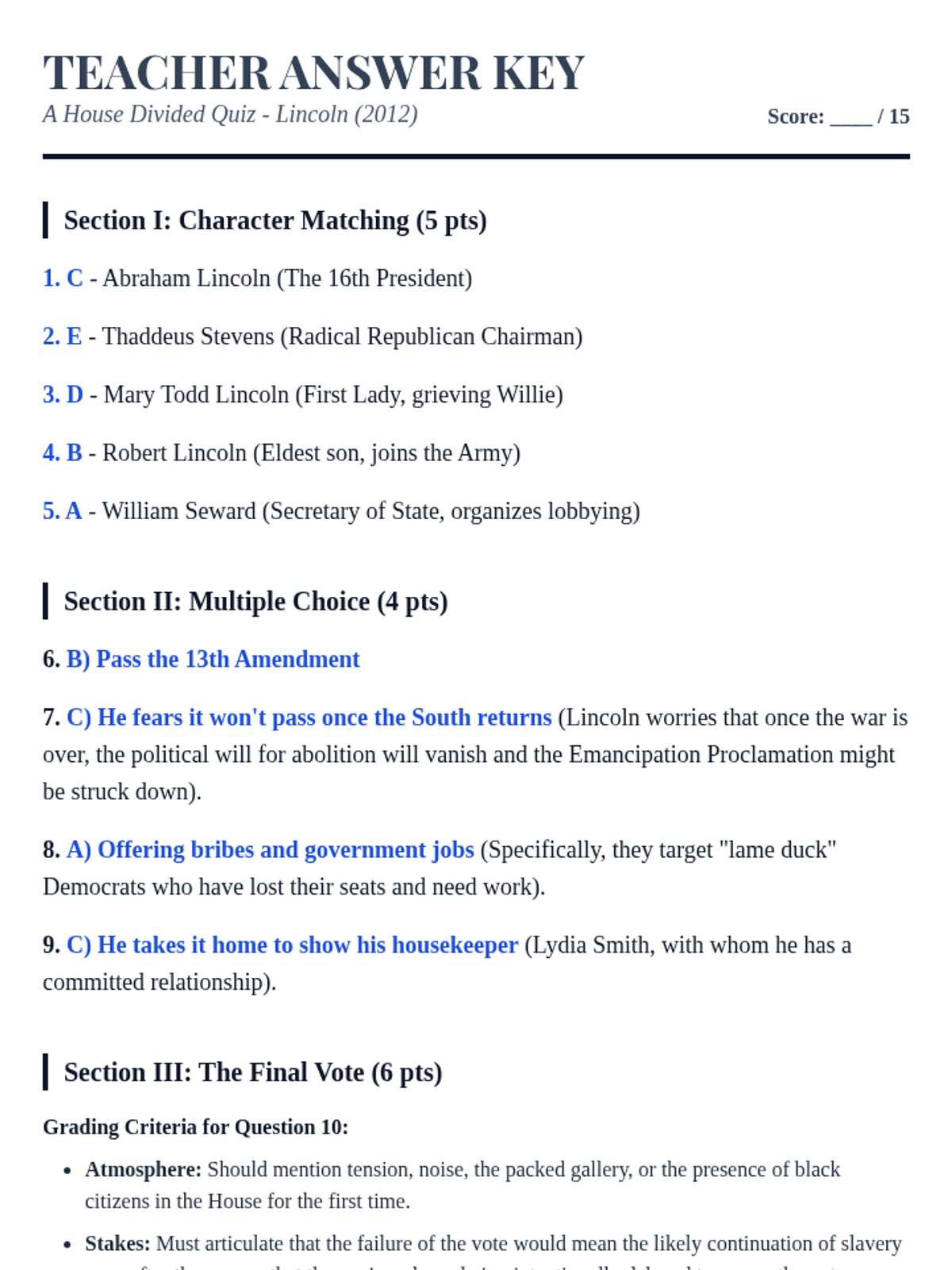
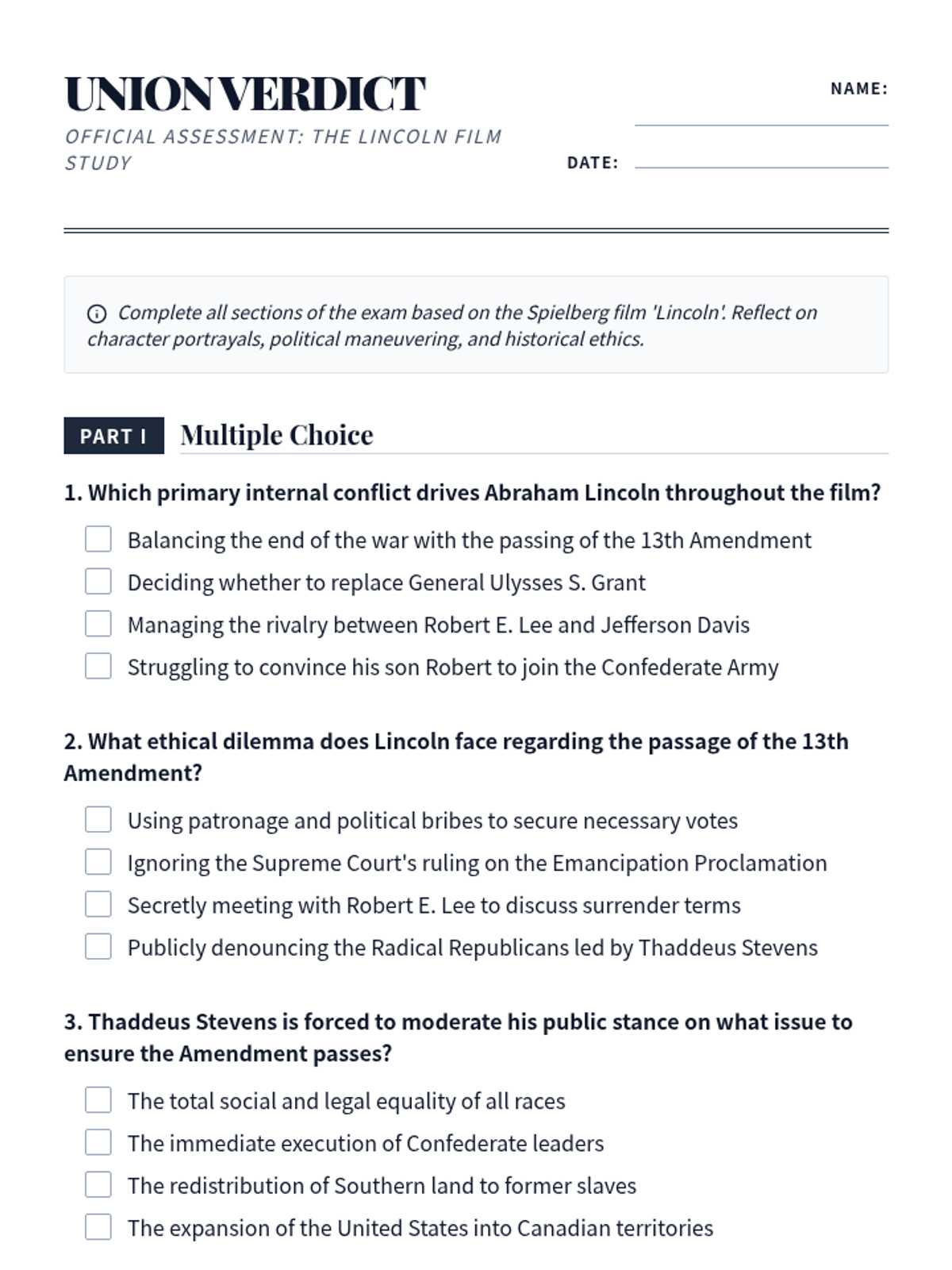
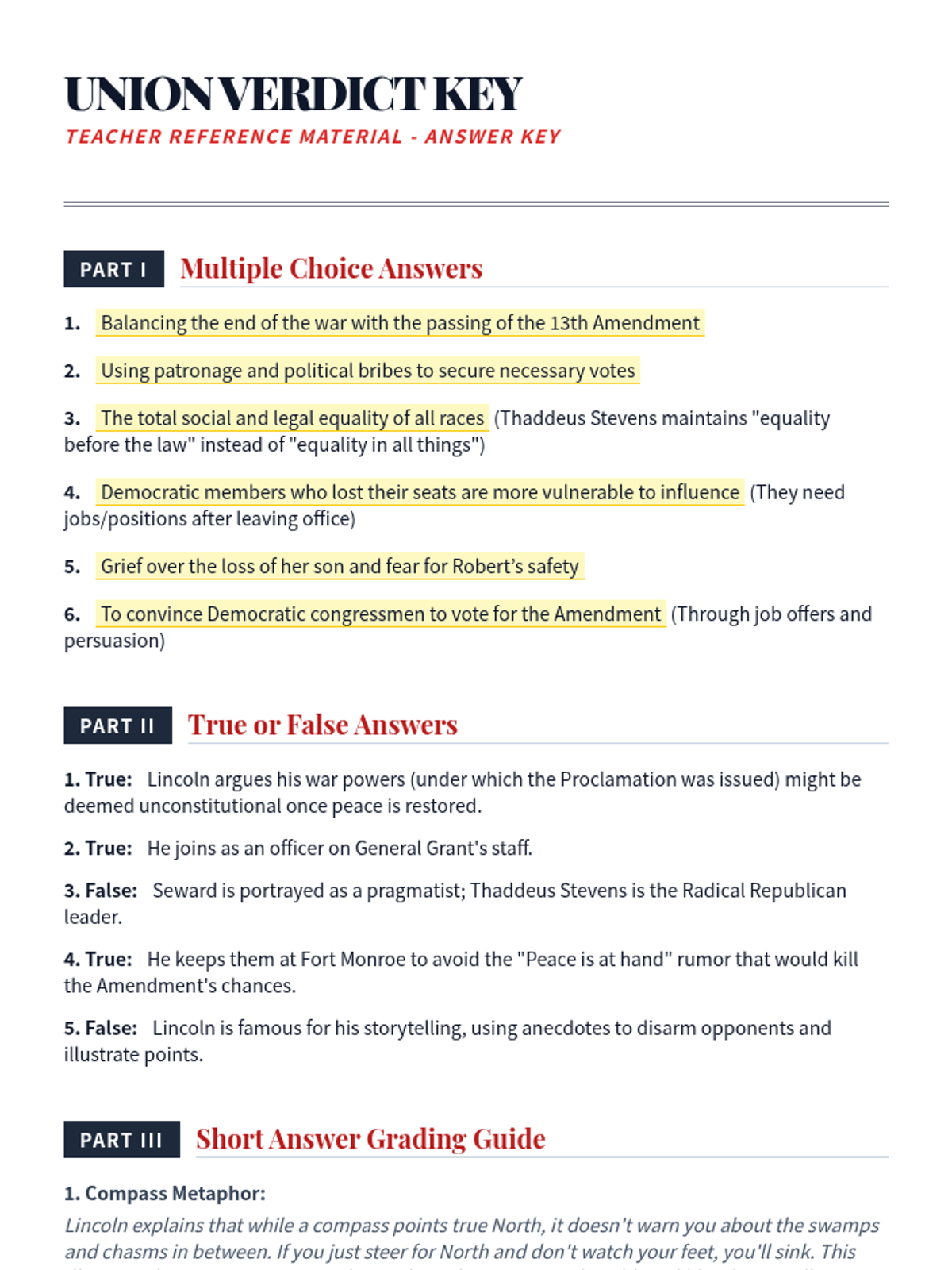
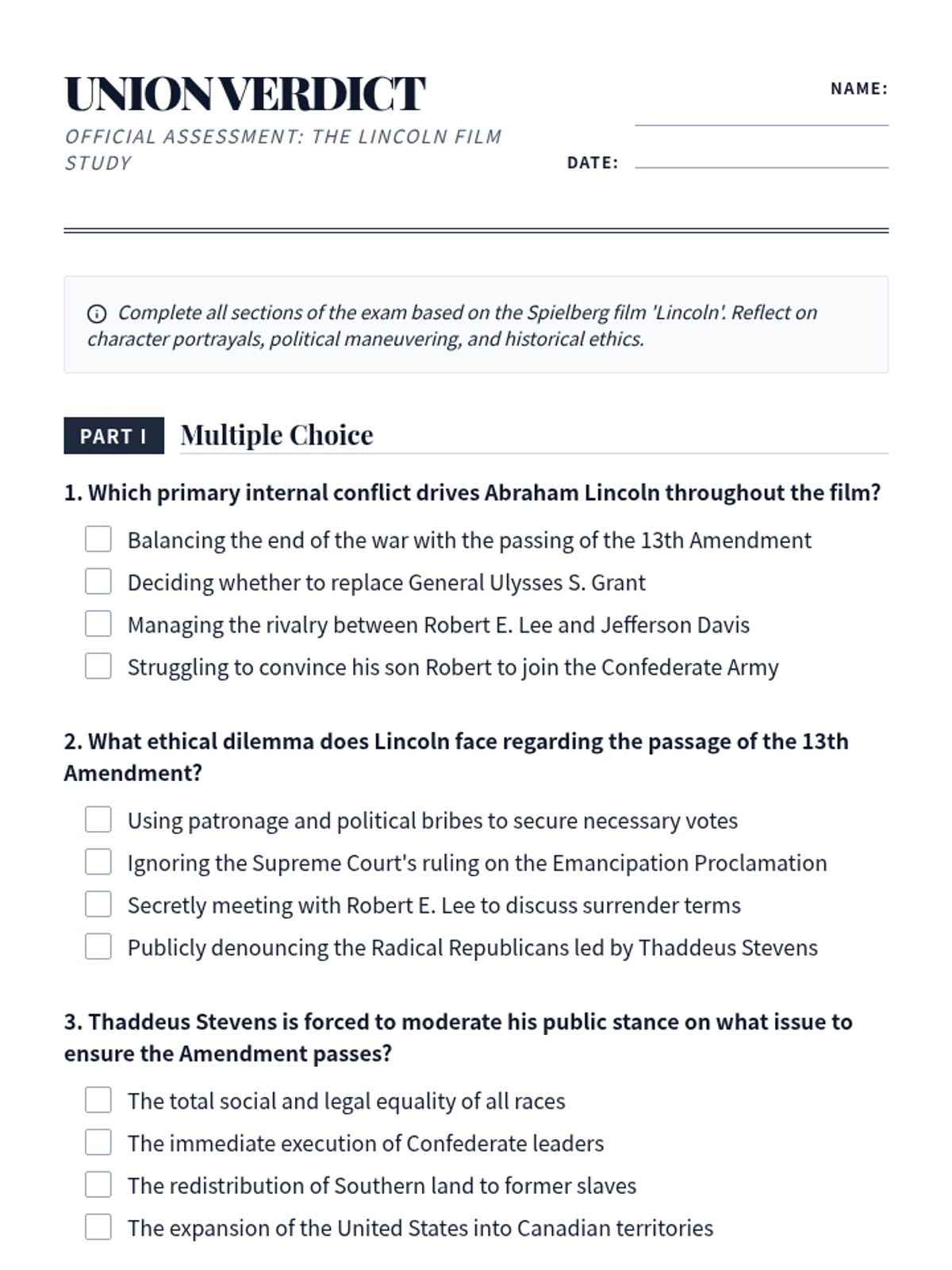
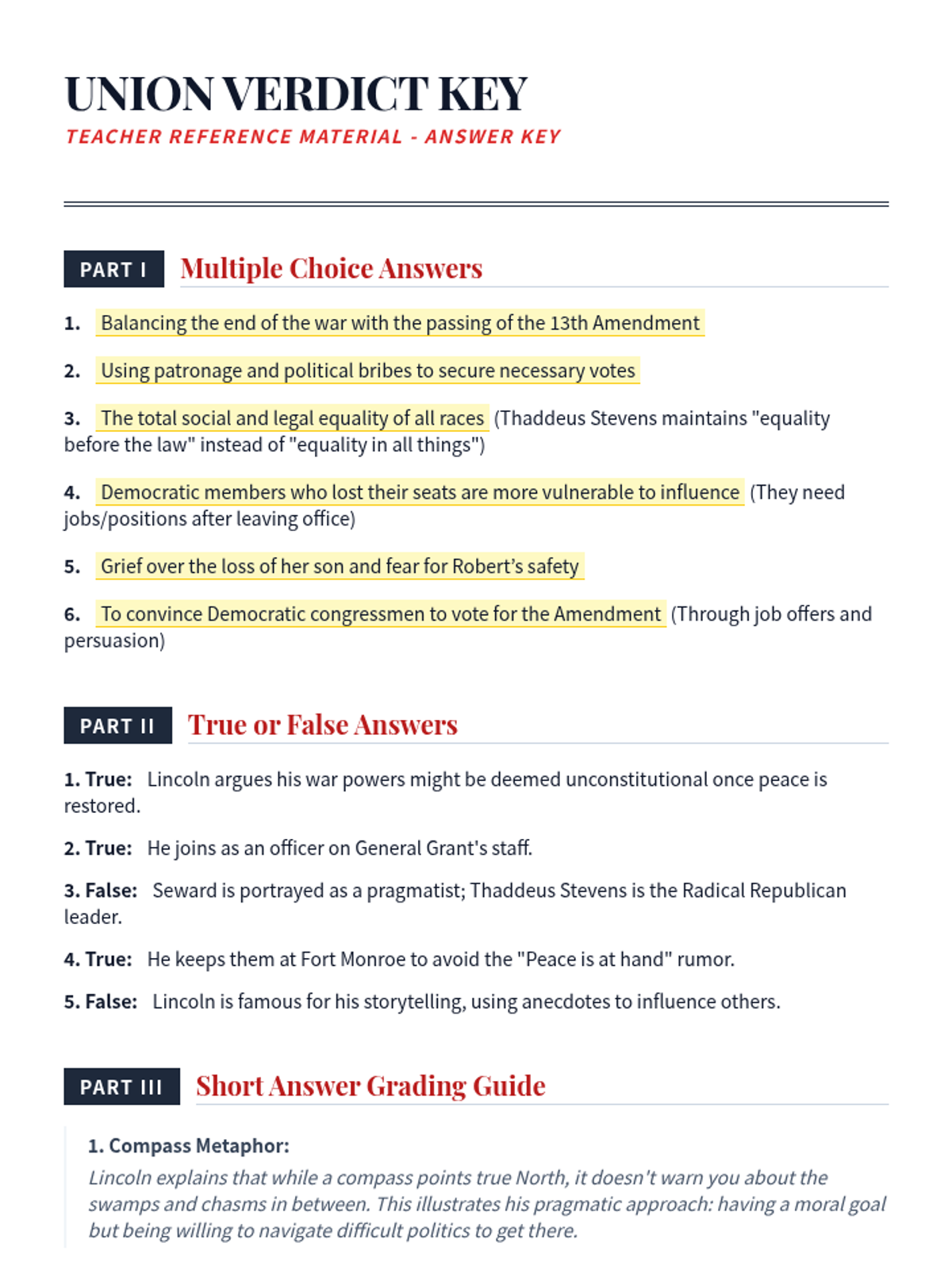
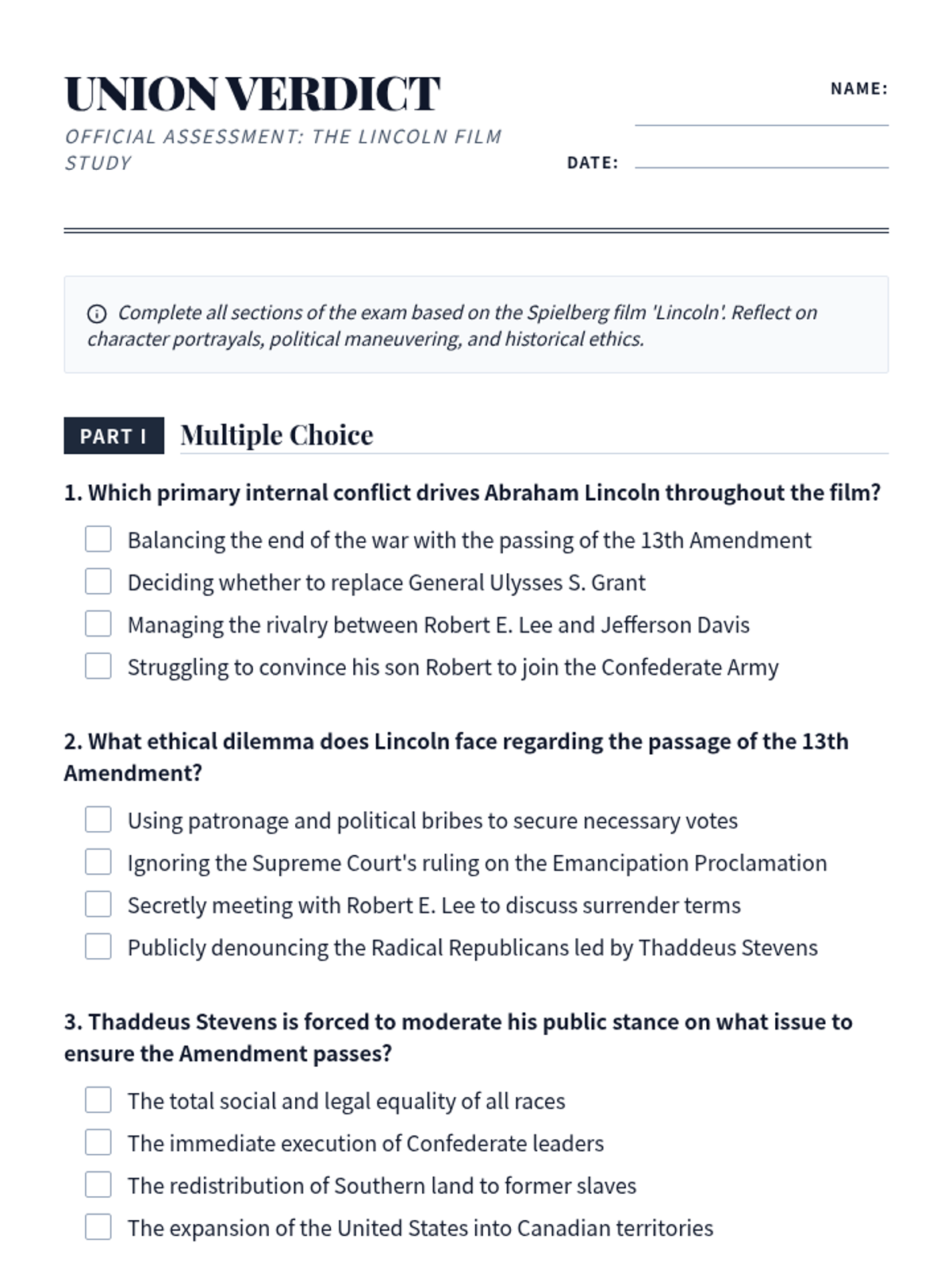
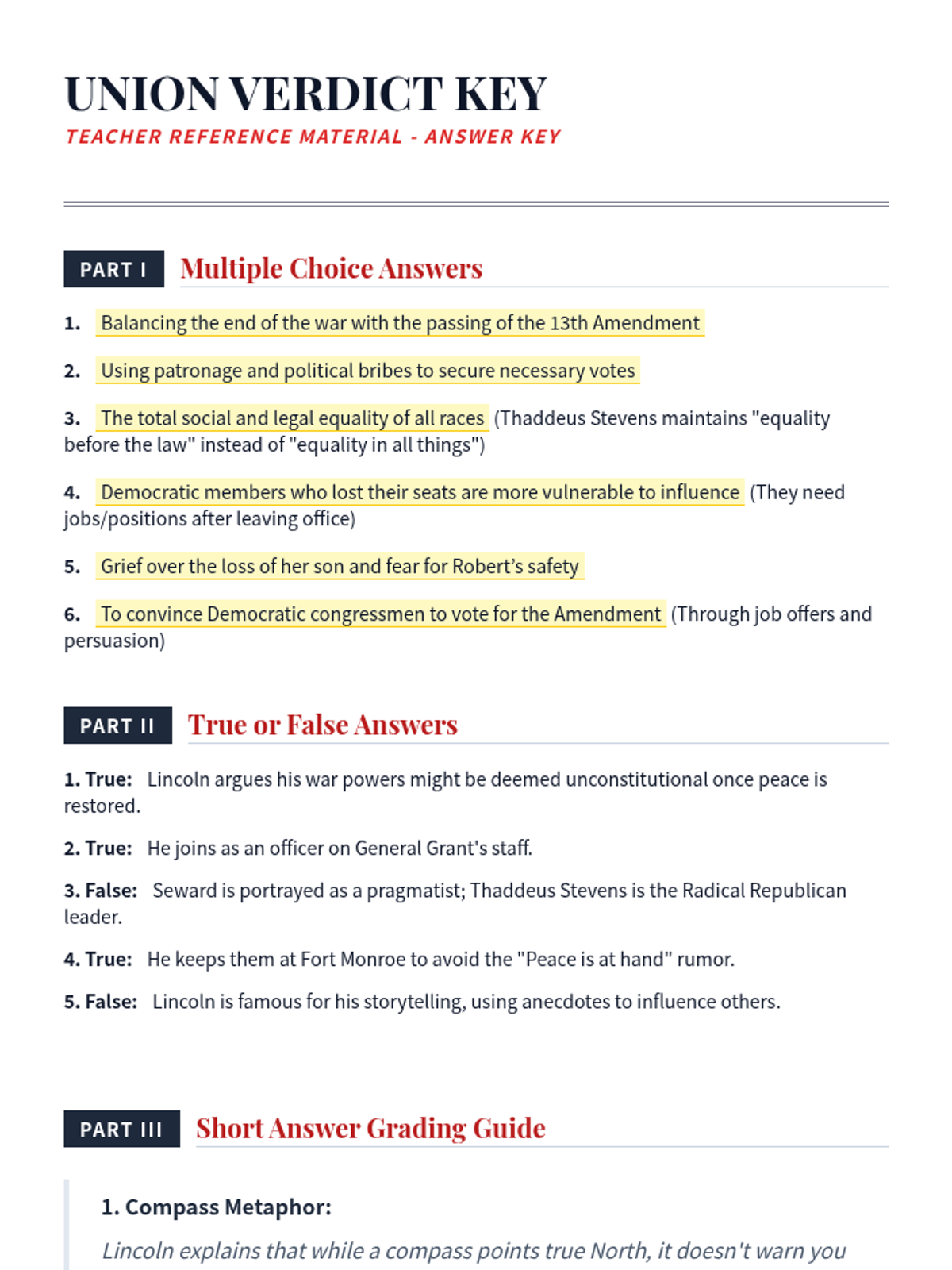
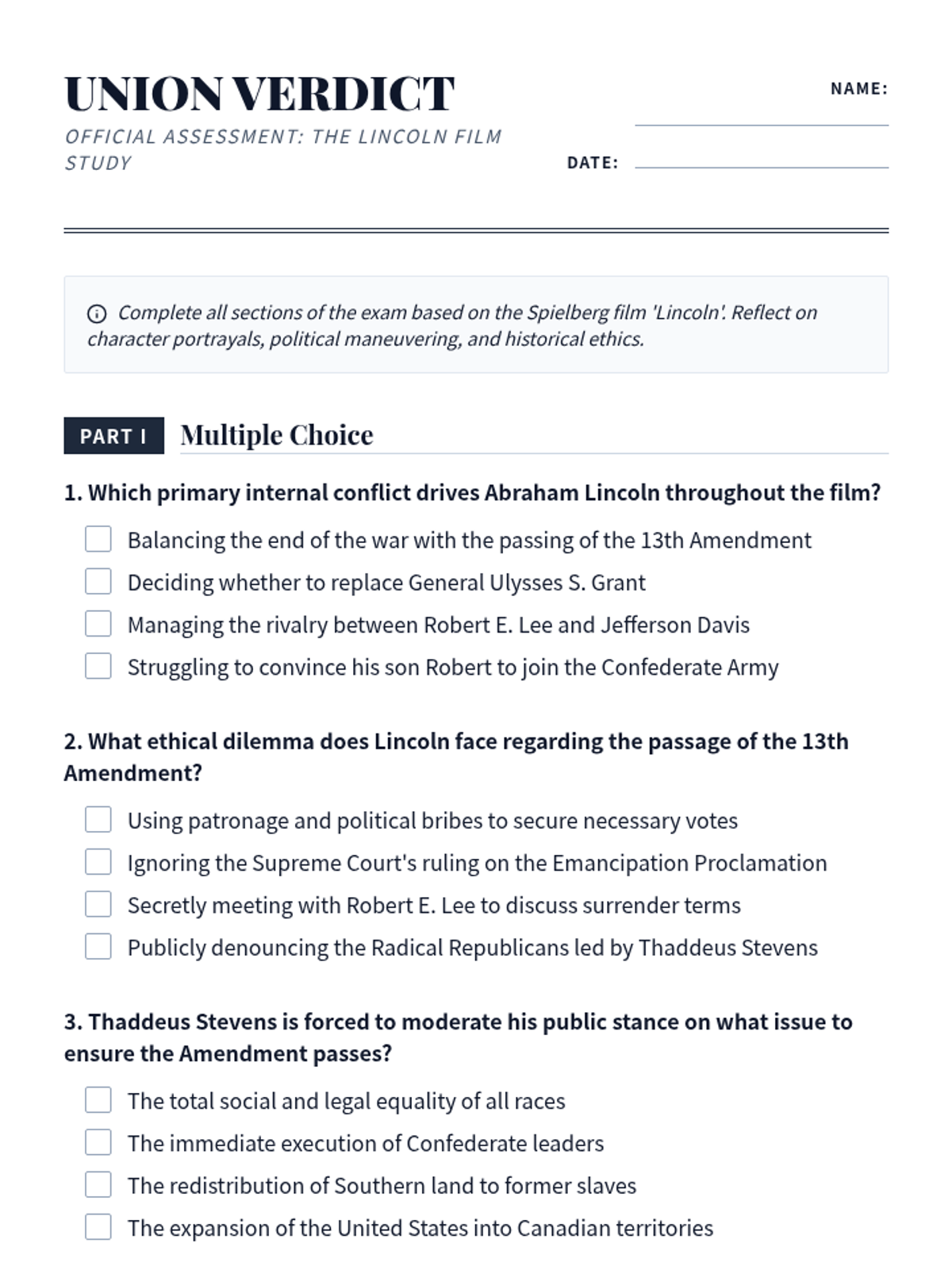
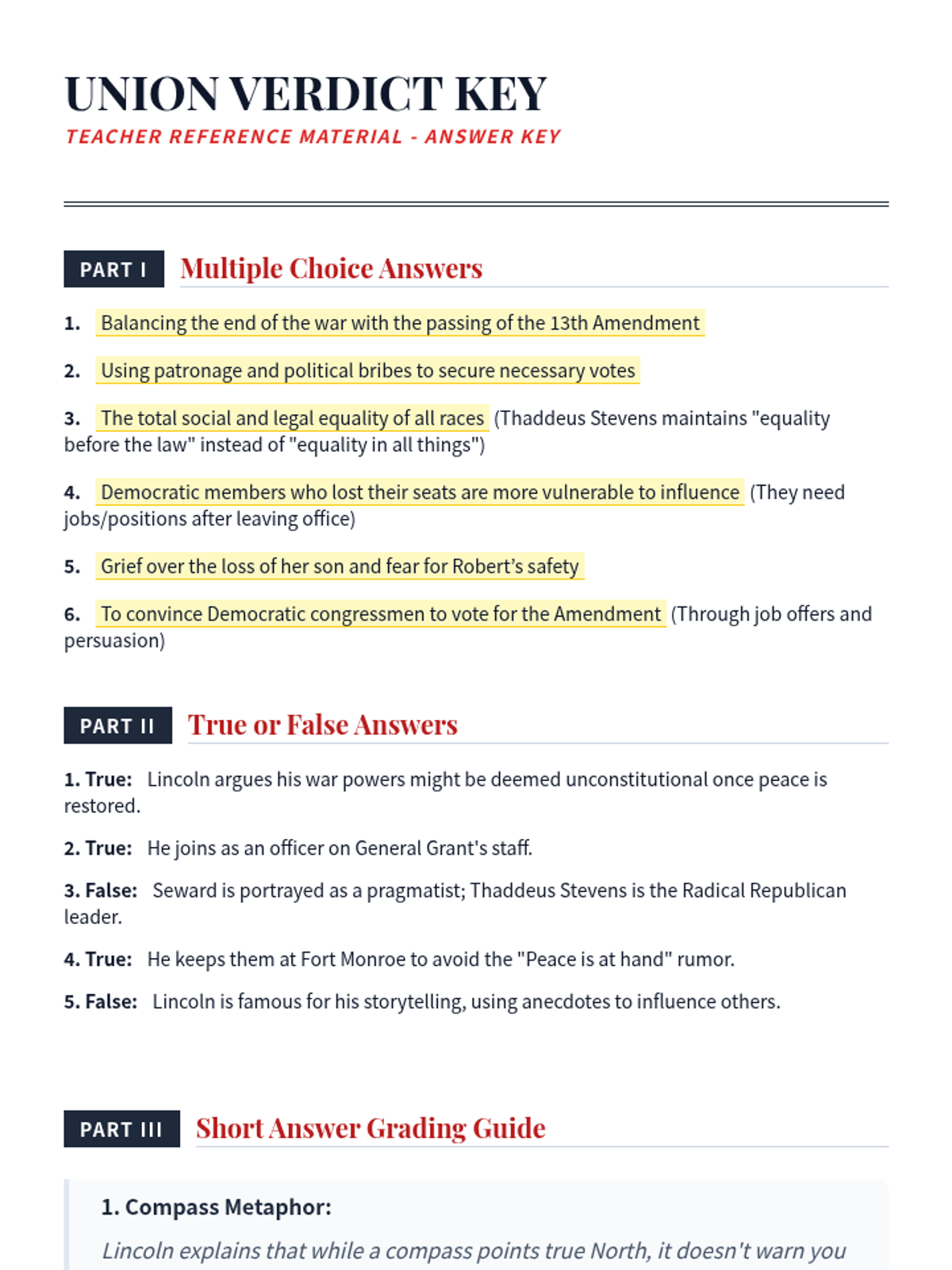
A comprehensive assessment and review of the film Lincoln, focusing on the 16th President's leadership, the ethical dilemmas of the 13th Amendment, and the political strategy of the Civil War era.
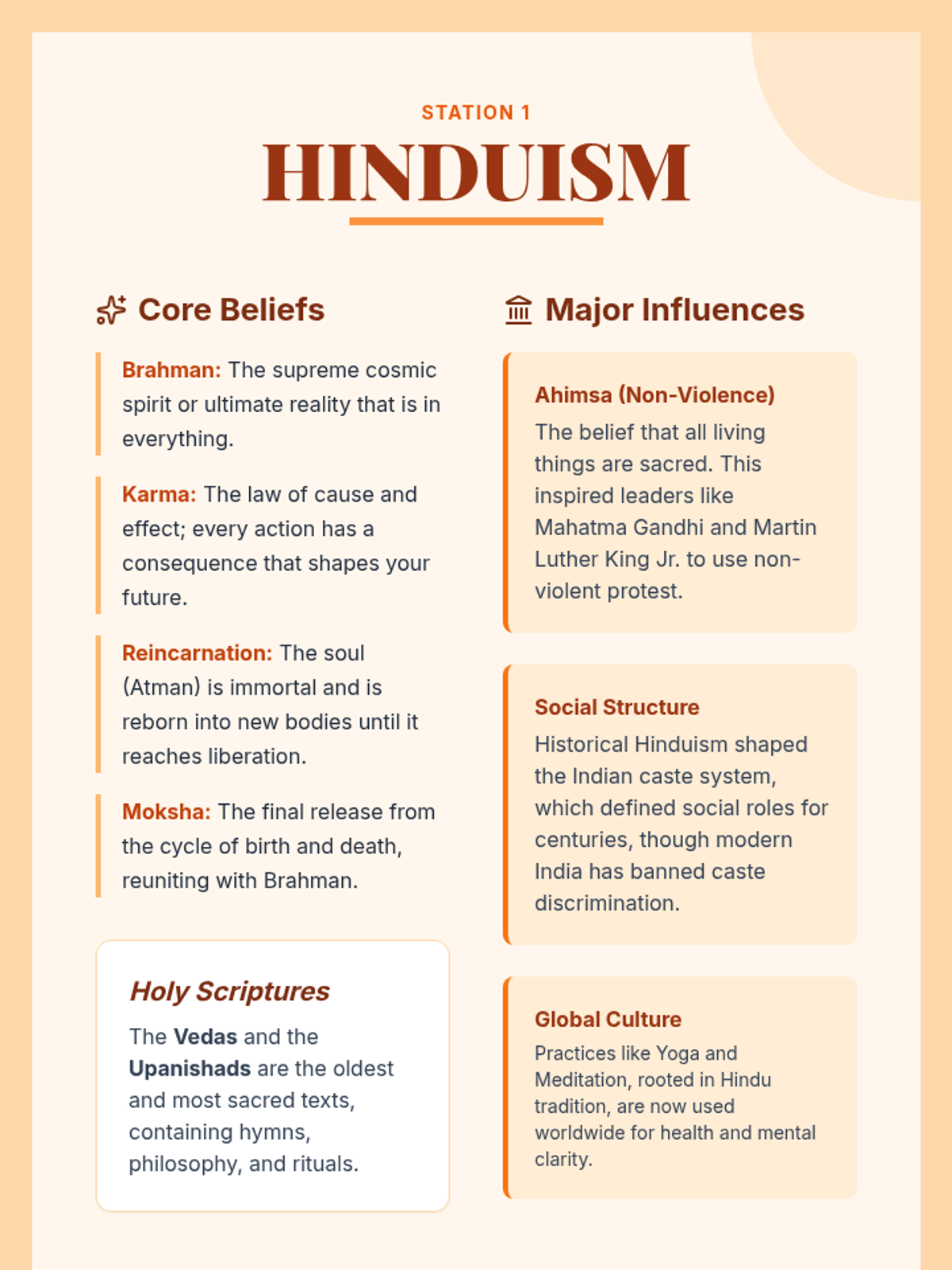
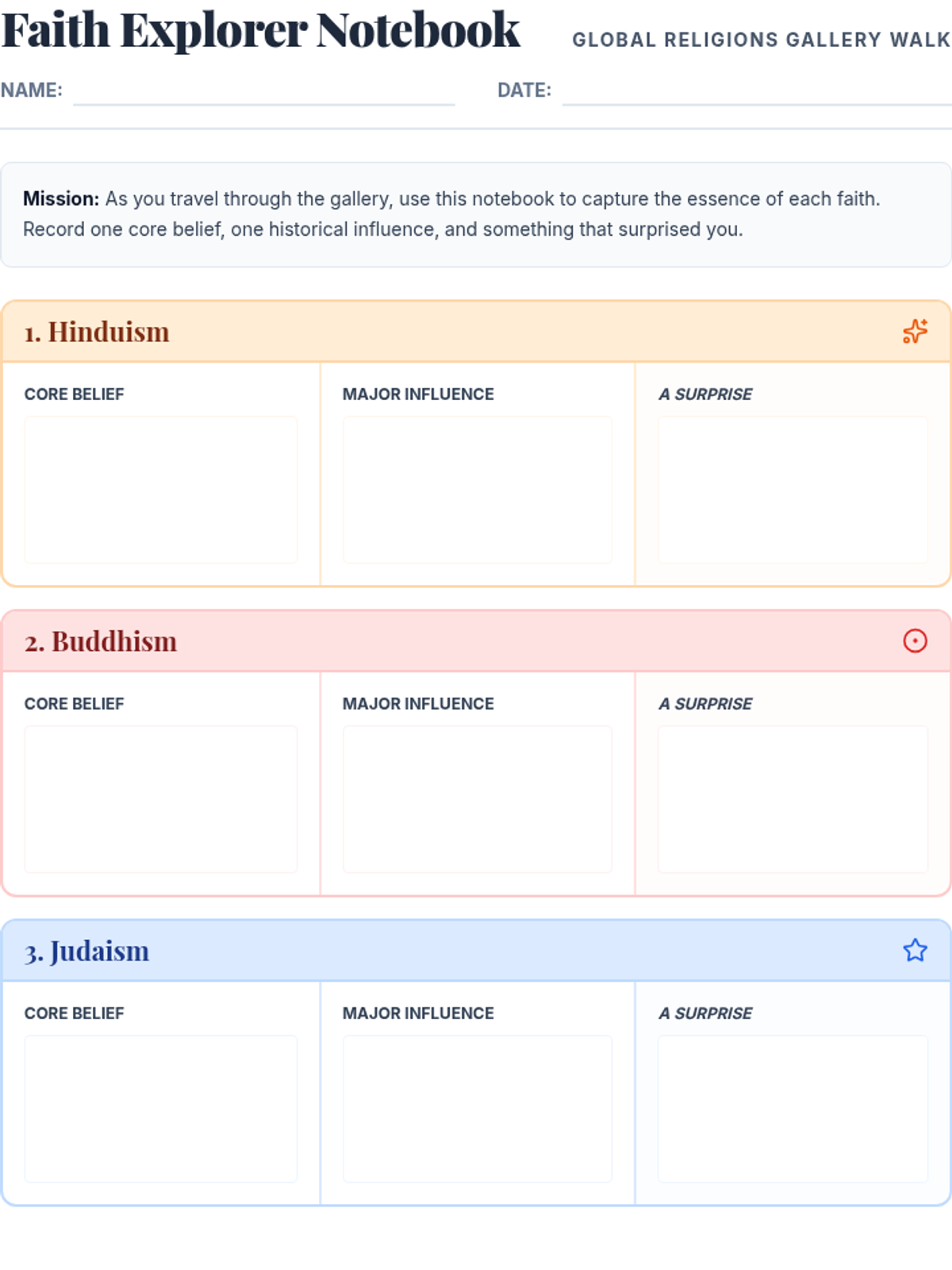
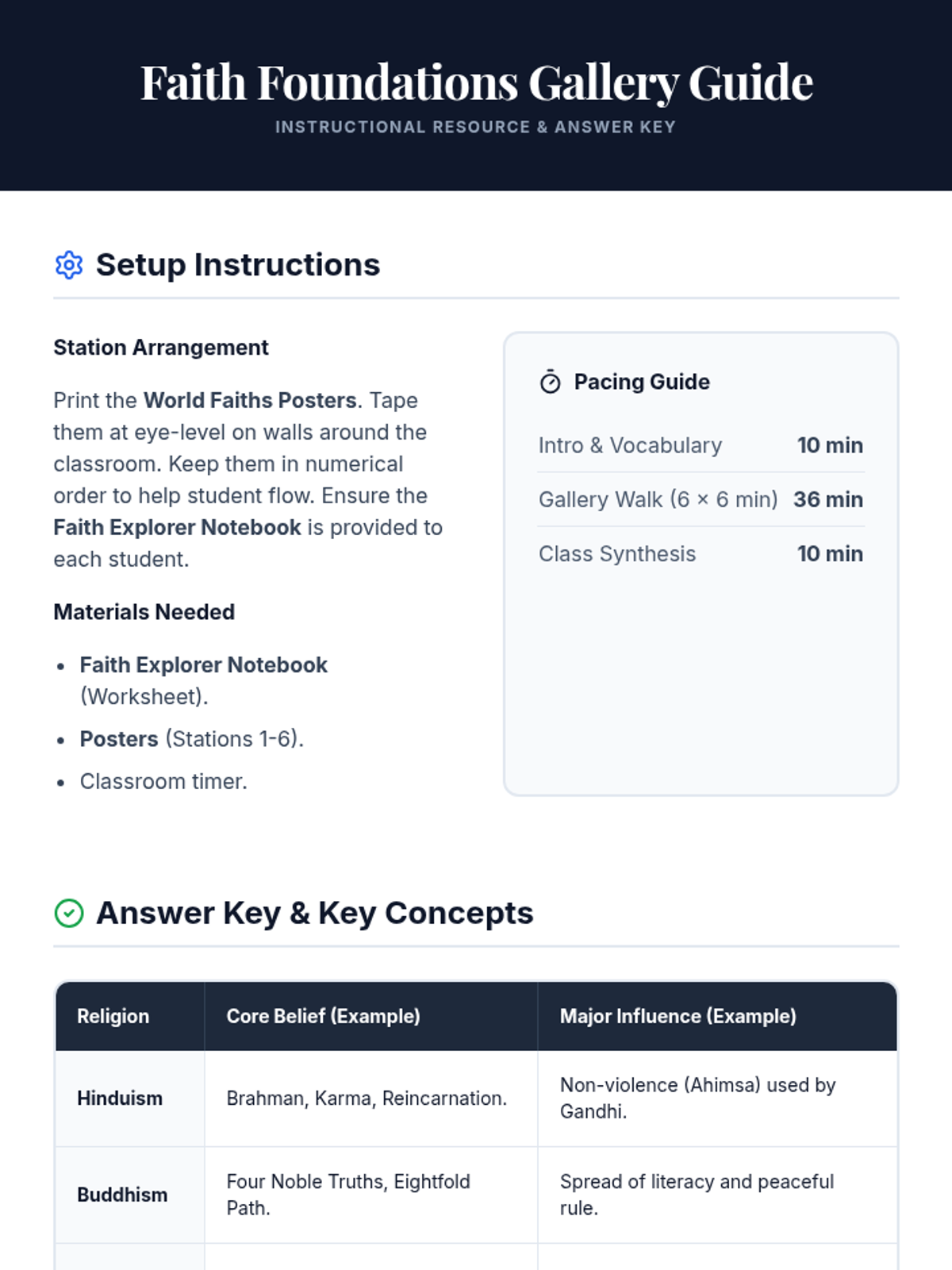
An immersive gallery walk exploring the core beliefs and historical influences of Hinduism, Buddhism, Judaism, Christianity, Islam, and Taoism. Students rotate through visual stations to build a comparative understanding of global spiritual traditions.
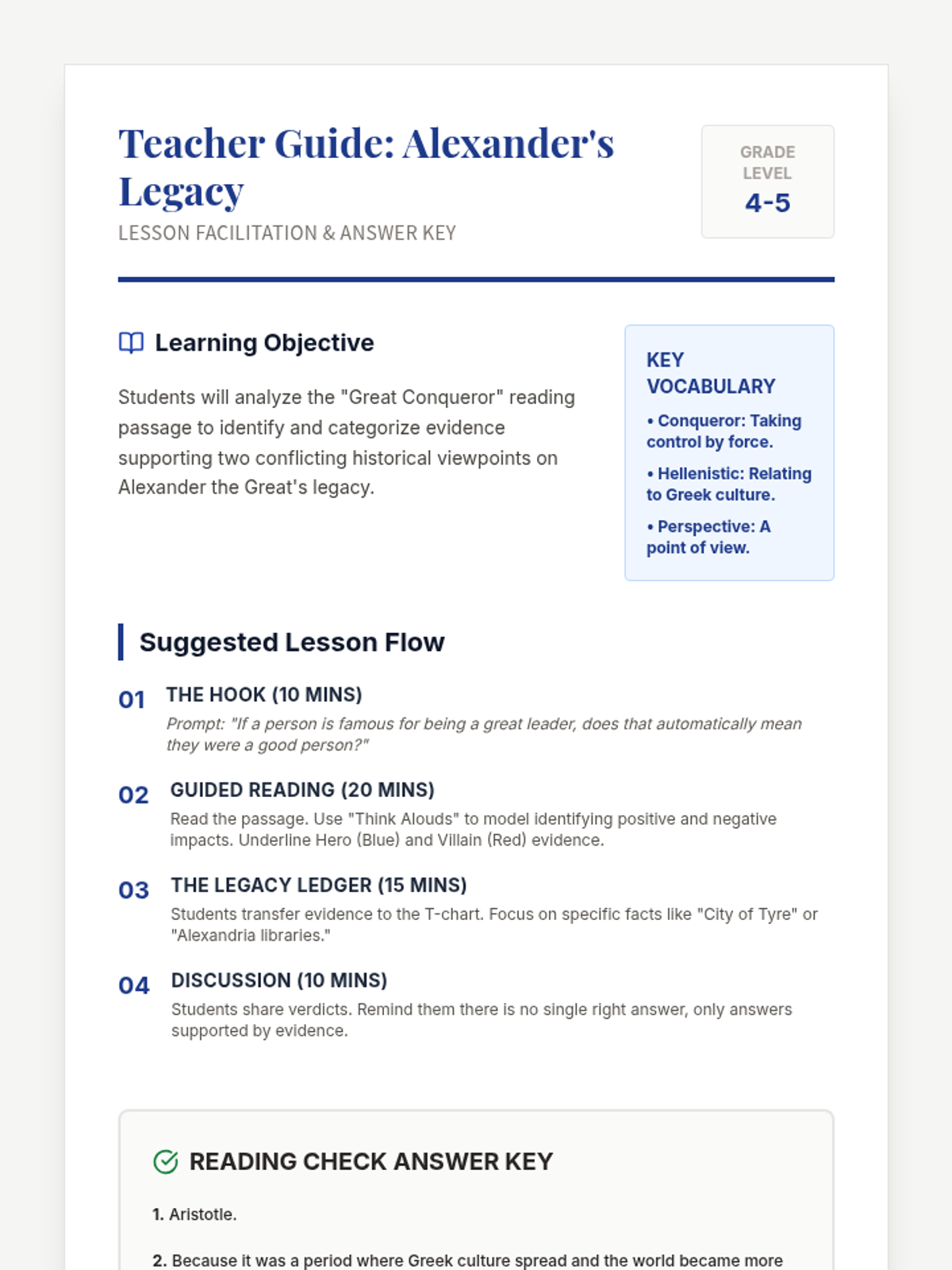
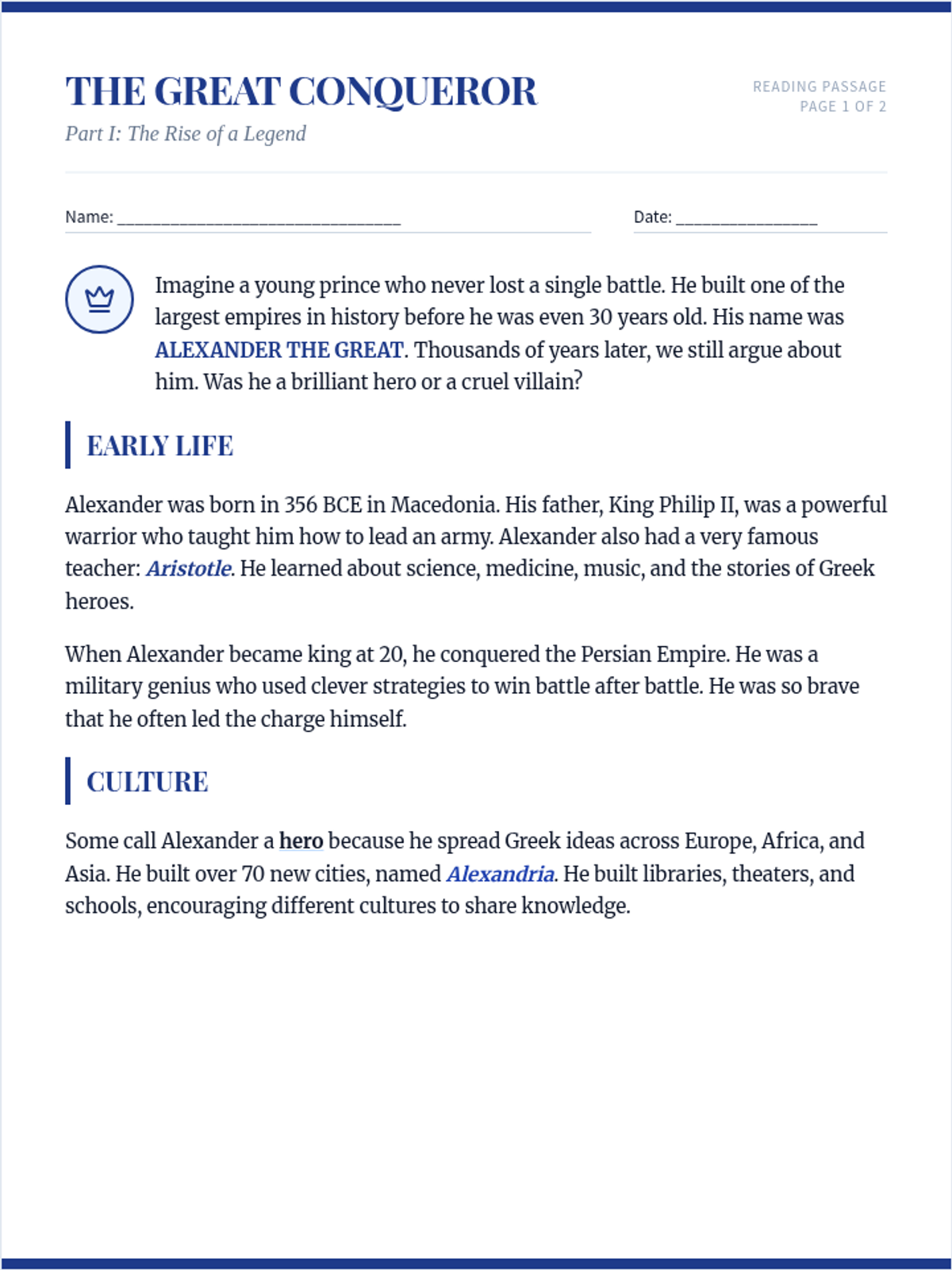
Students explore the complex legacy of Alexander the Great through a guided reading and evidence-based analysis of his actions as either a hero or a villain.
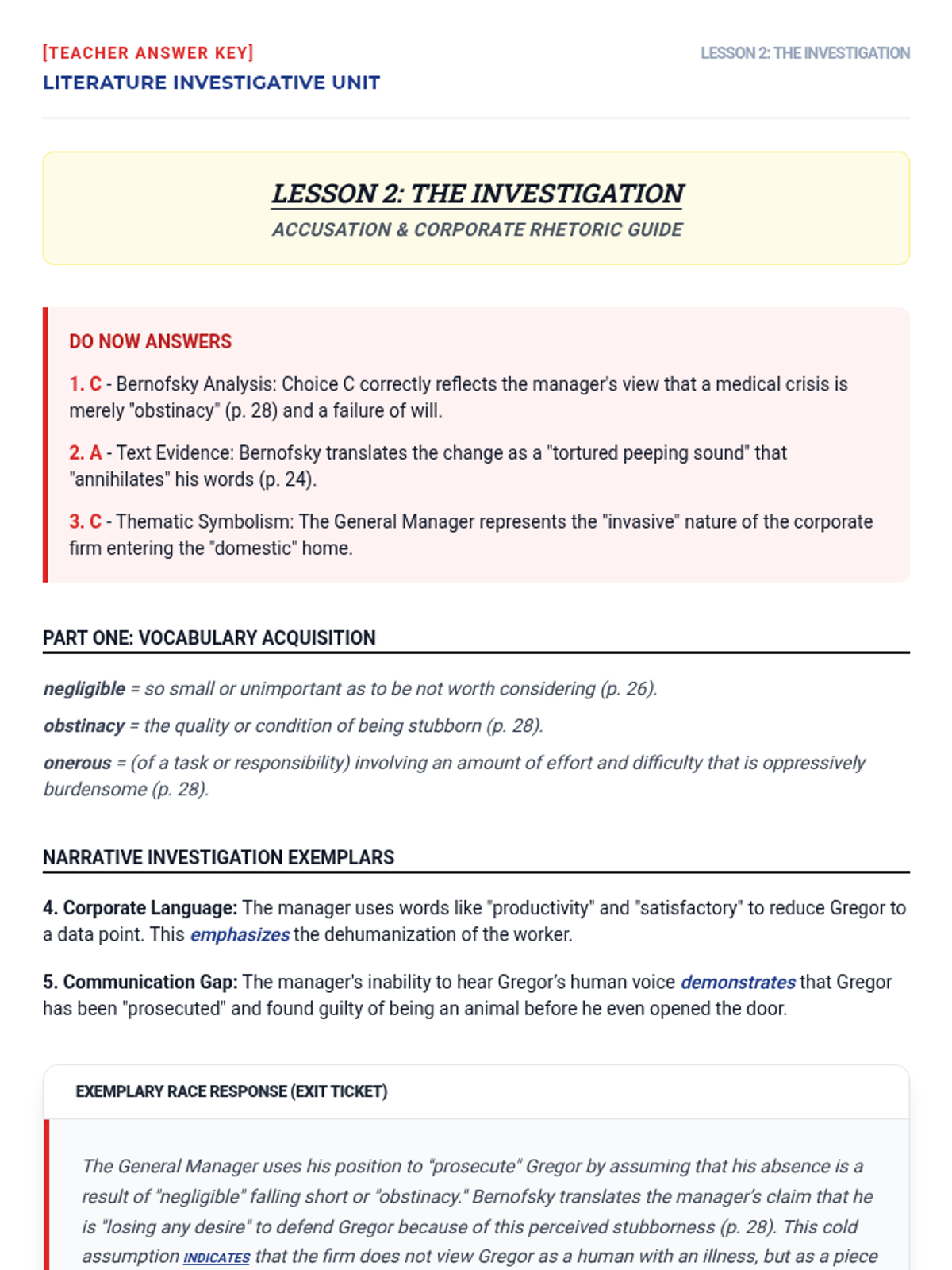
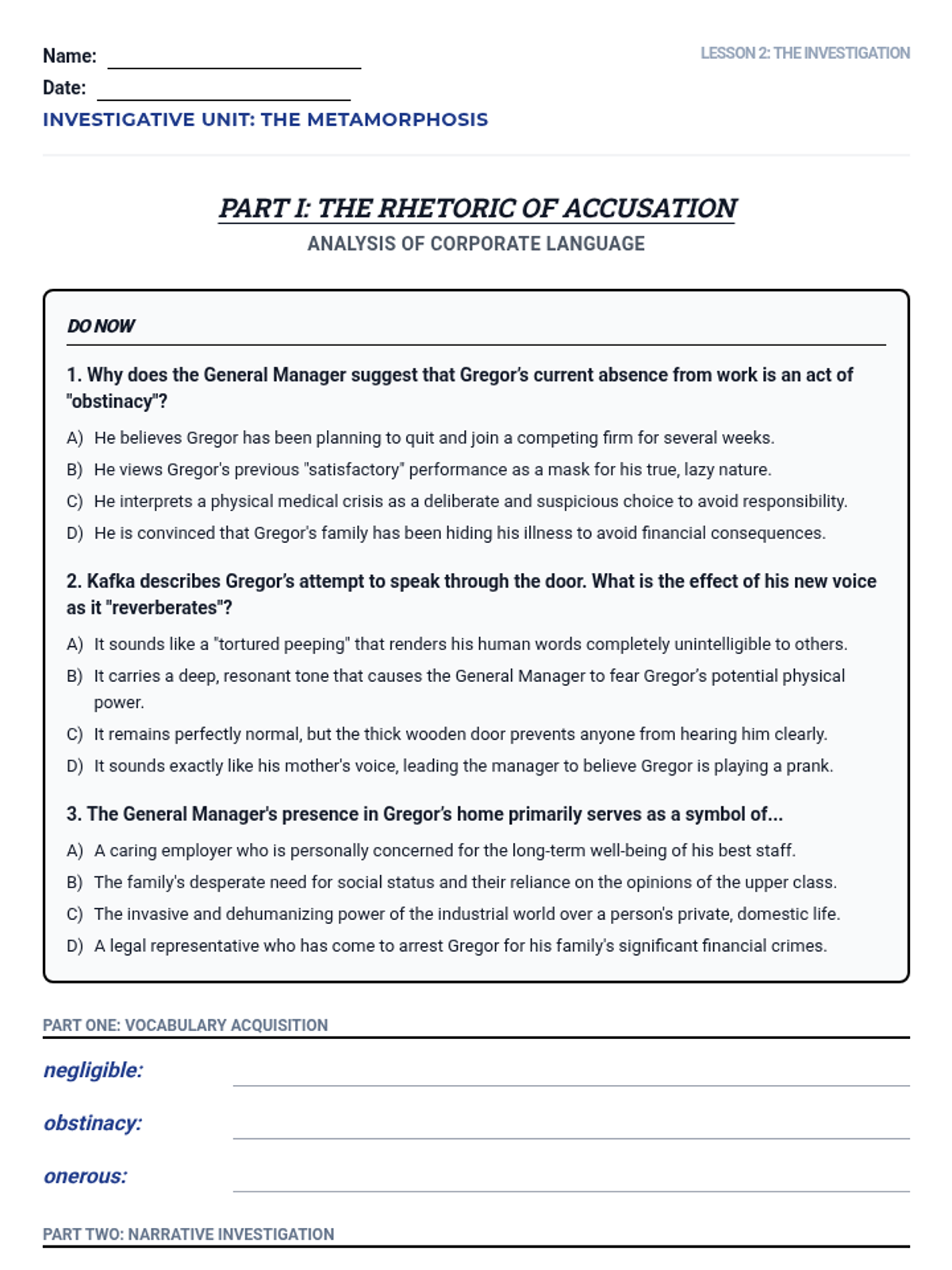
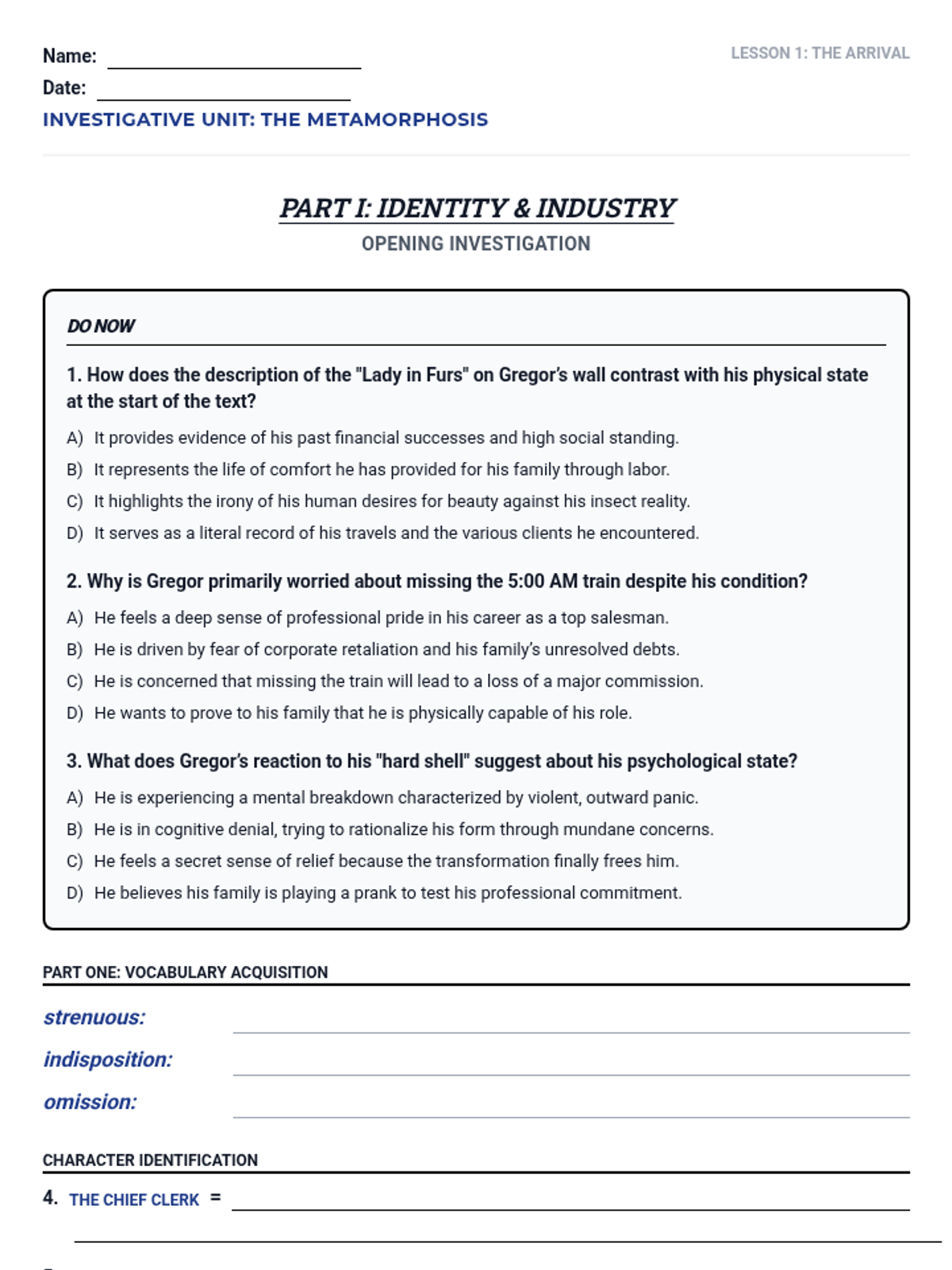
Students analyze the Chief Clerk's dialogue and how he uses corporate language to minimize Gregor's humanity and maximize his perceived 'laziness'.
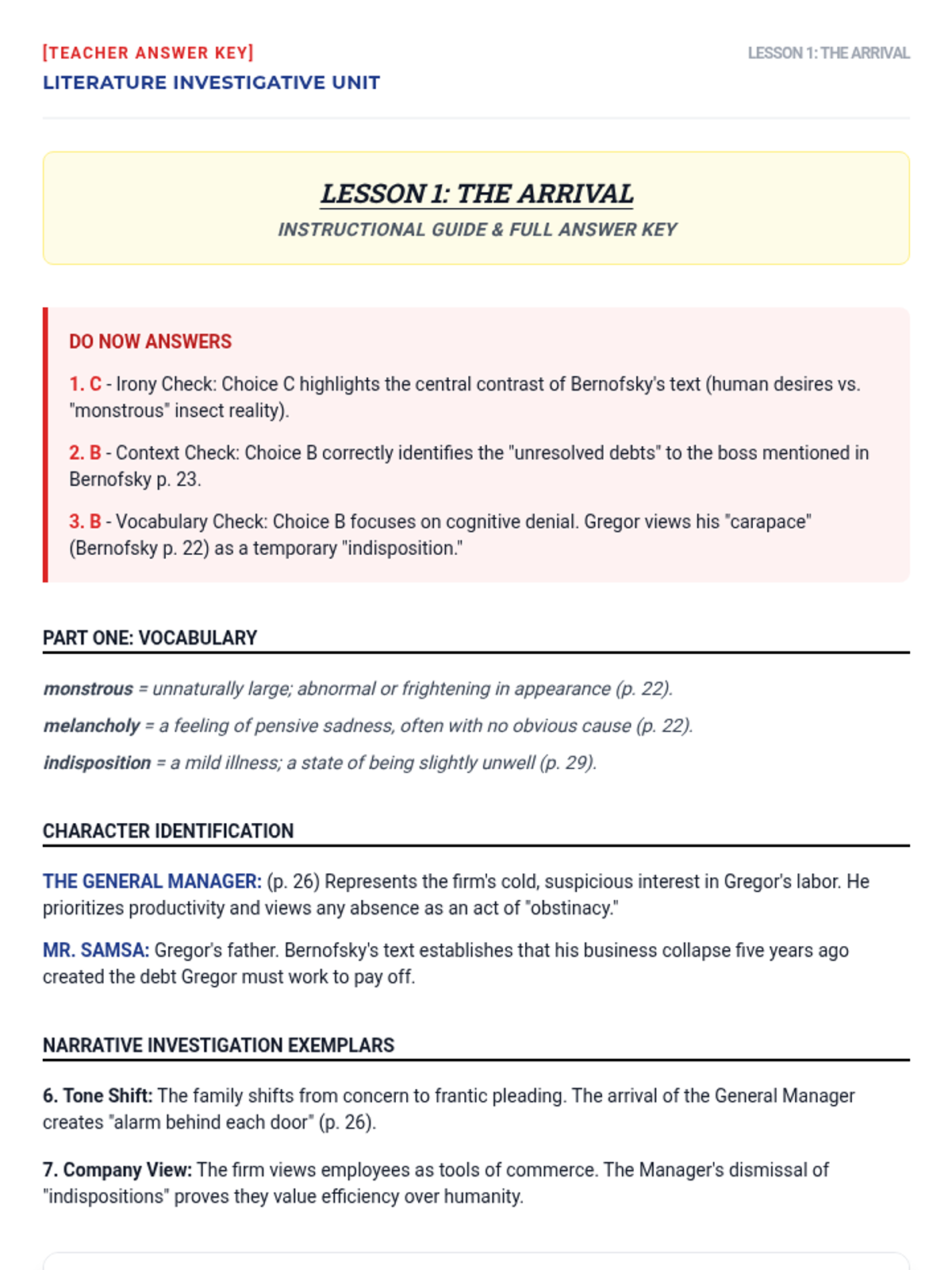
Students analyze the arrival of the Chief Clerk and the immediate shift from familial concern to corporate suspicion. Focus on the theme of 'The Firm' as a dehumanizing force.
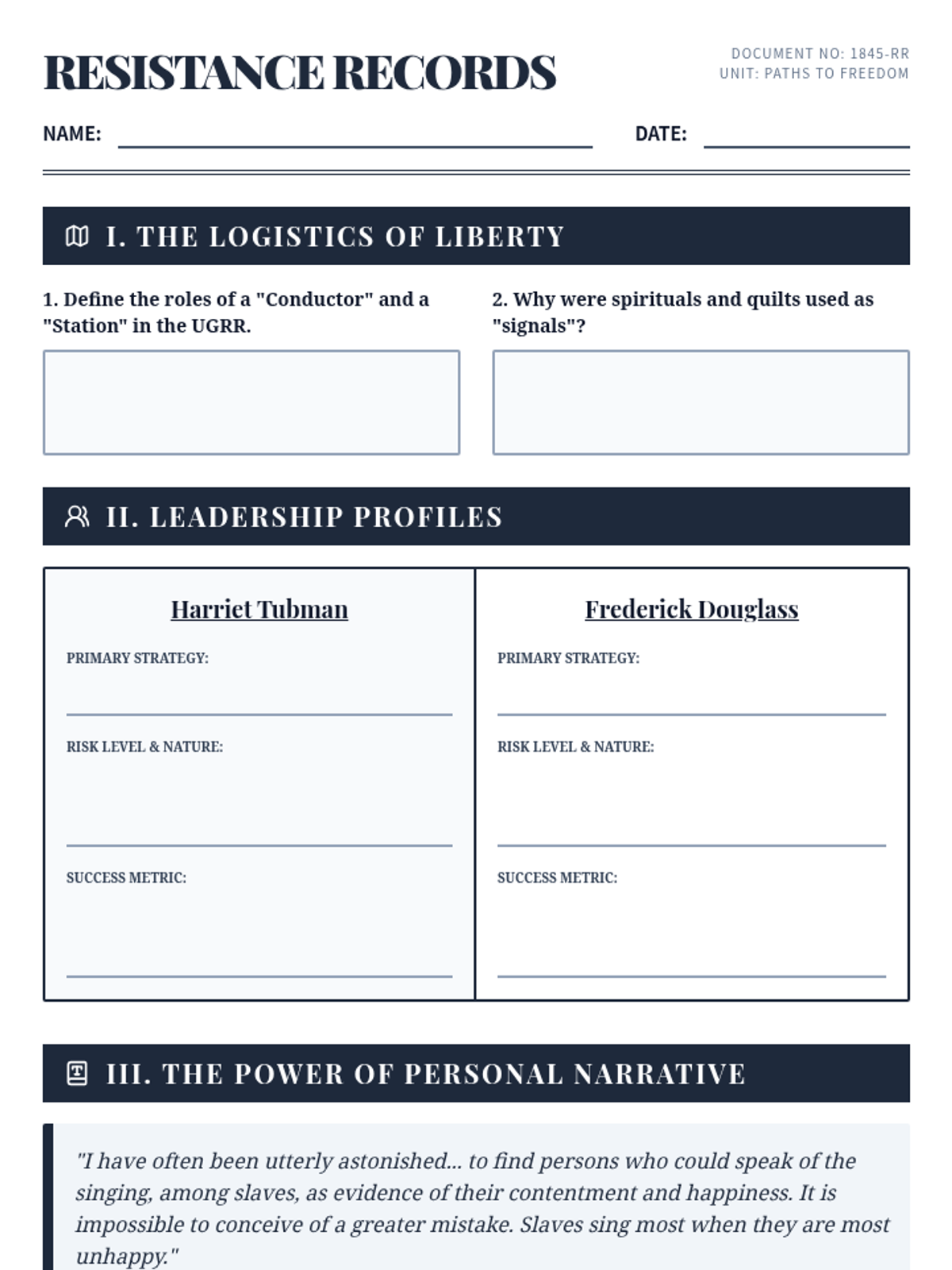
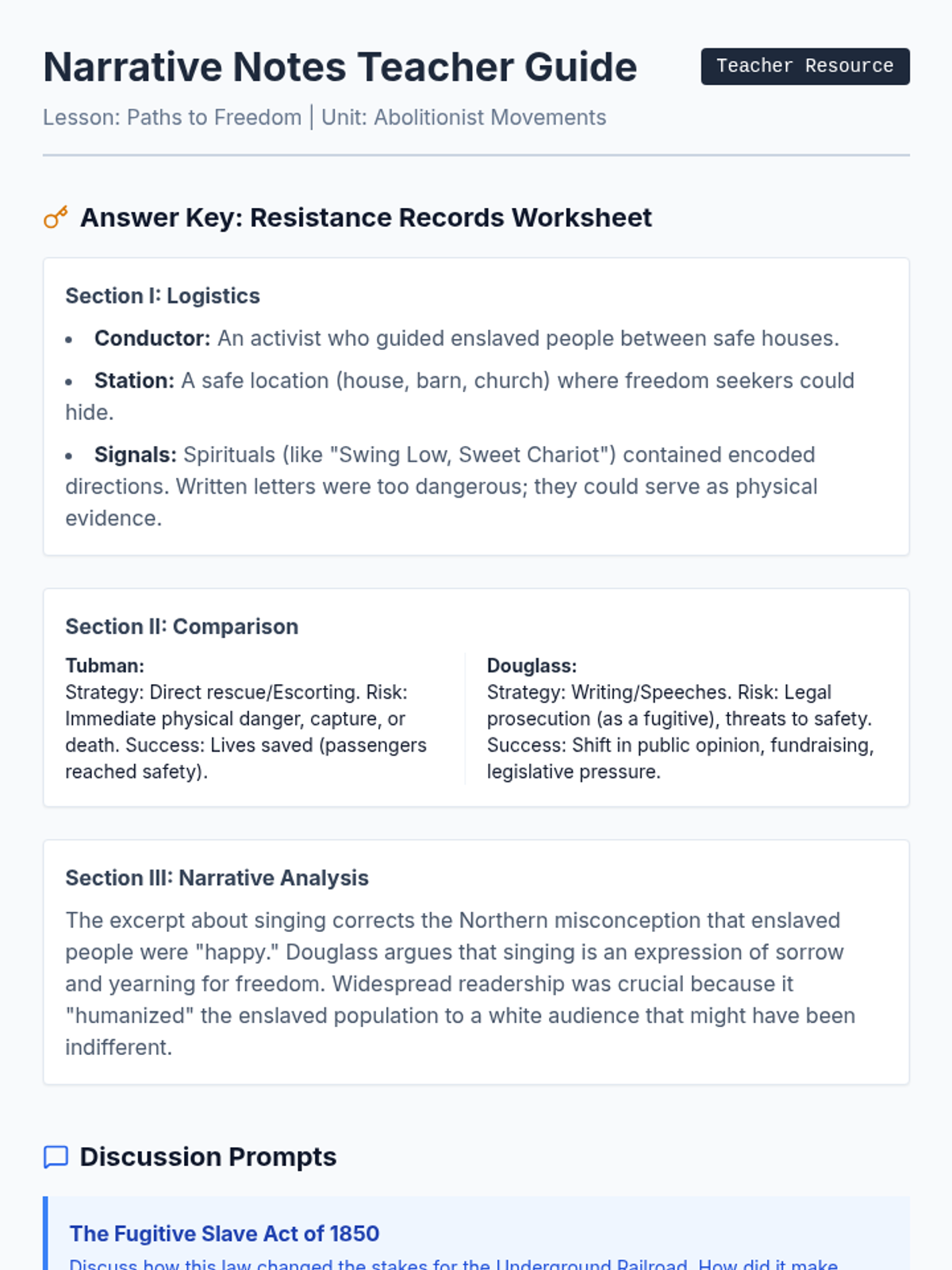
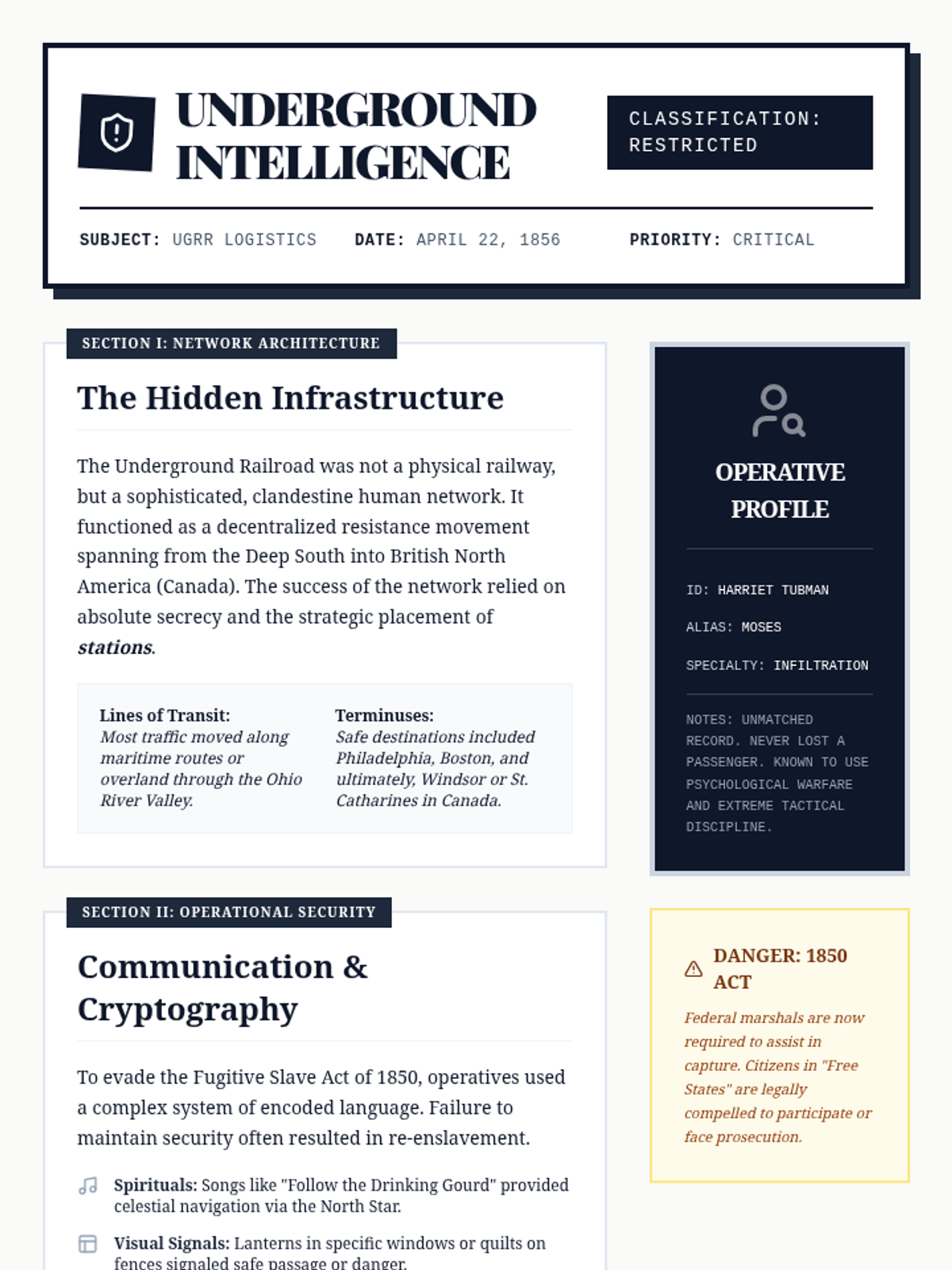
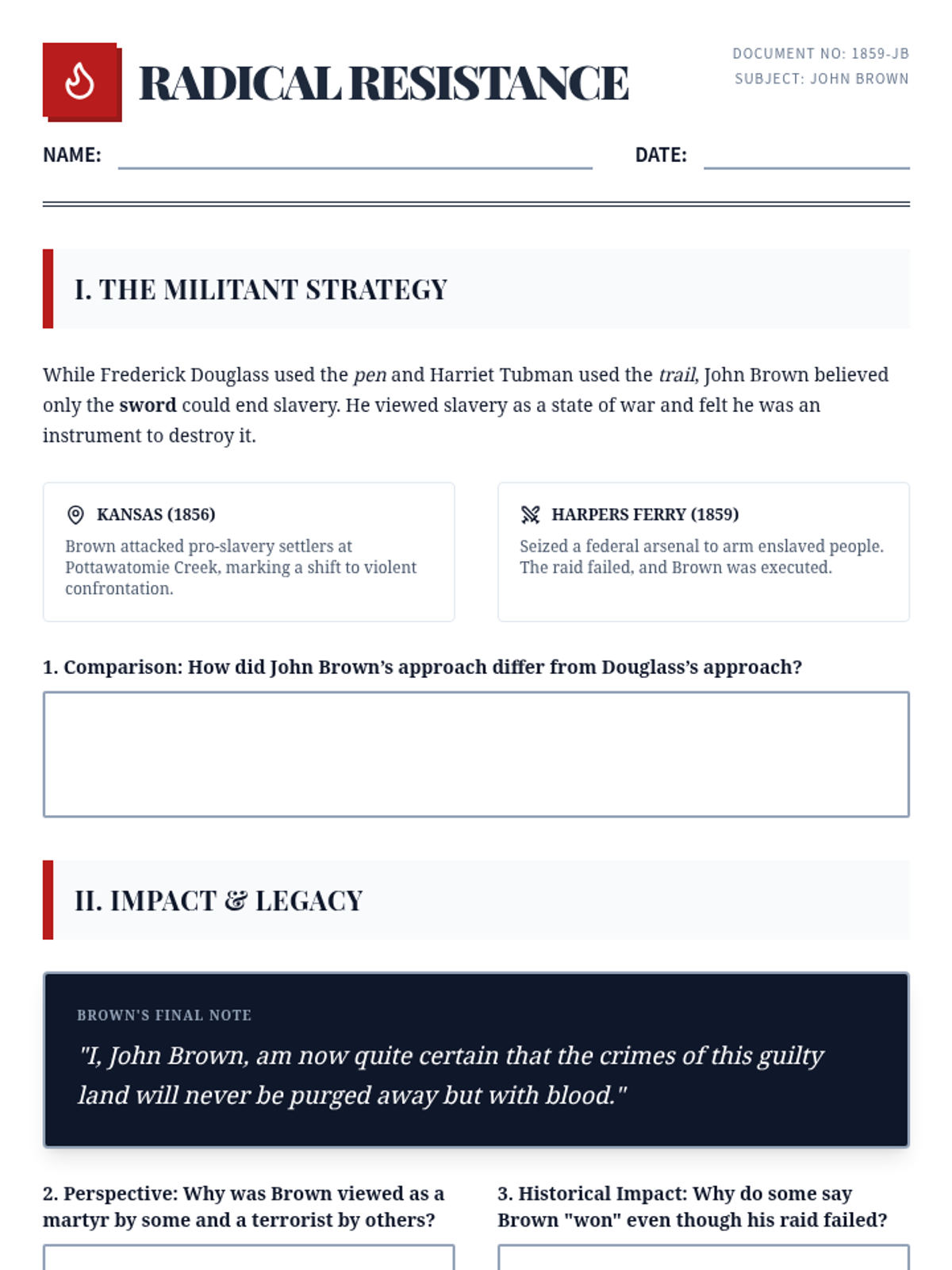
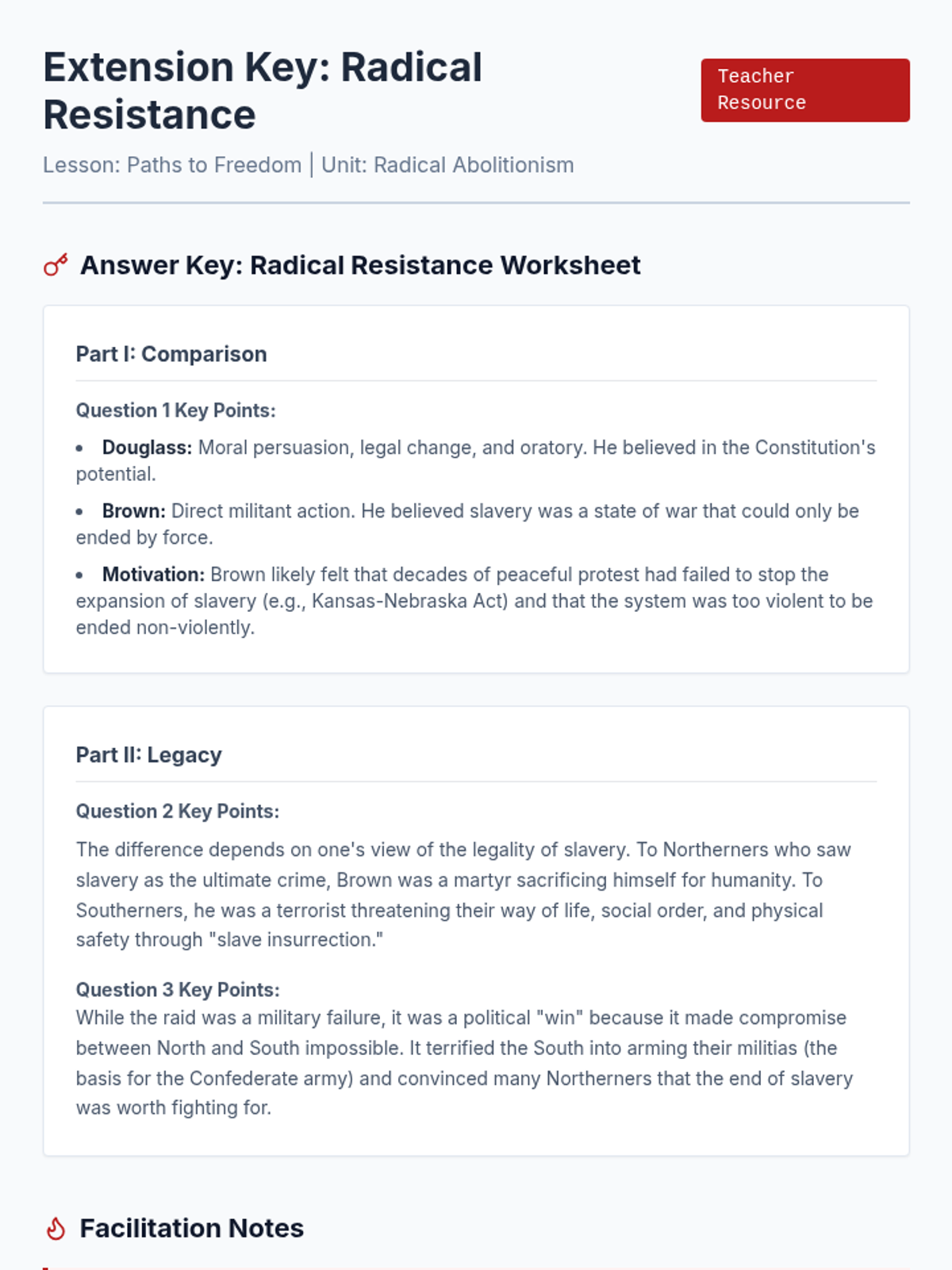
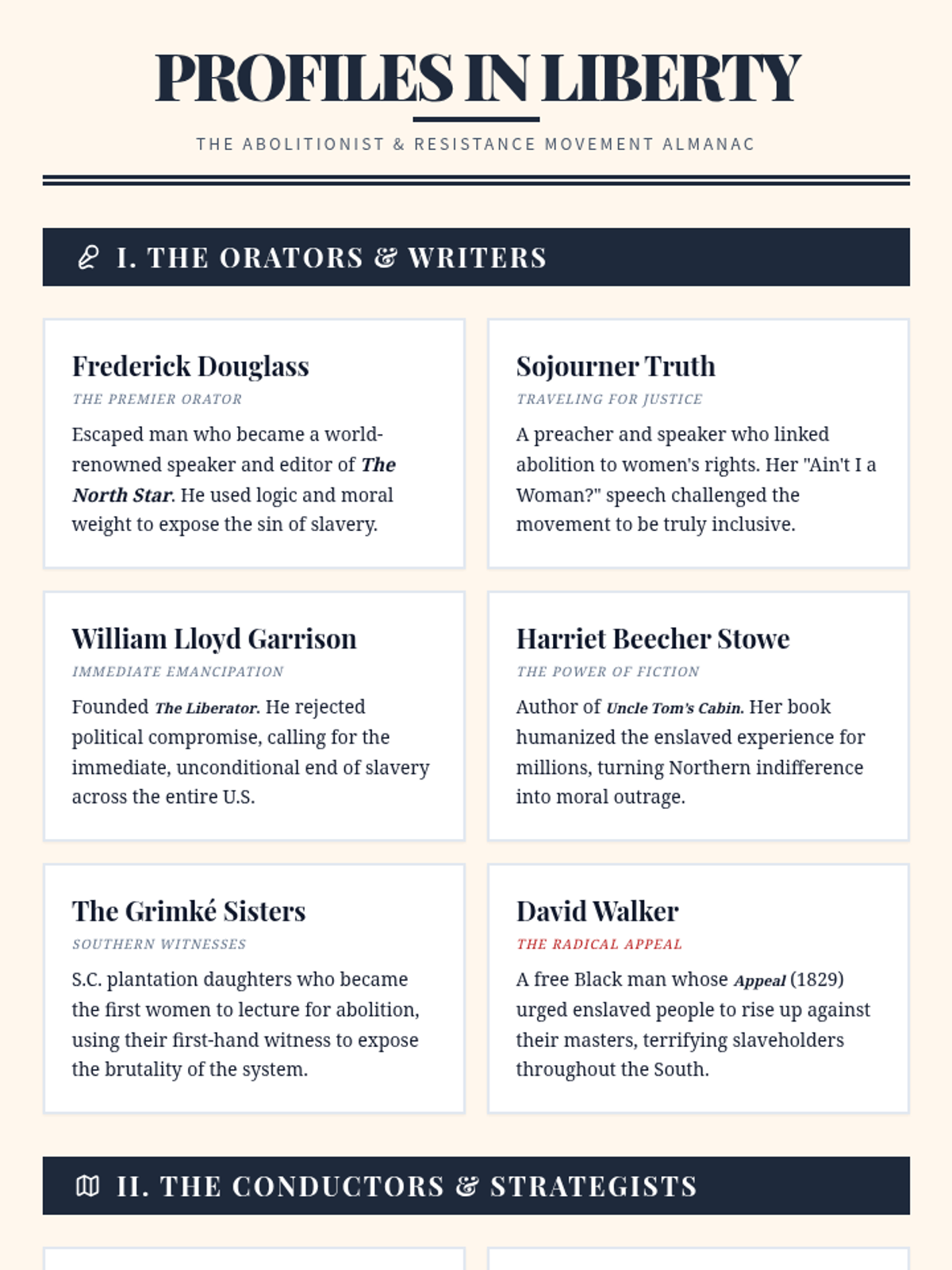
A comprehensive exploration of the Underground Railroad, comparing the leadership styles of Harriet Tubman and Frederick Douglass, and analyzing the impact of abolitionist literature.
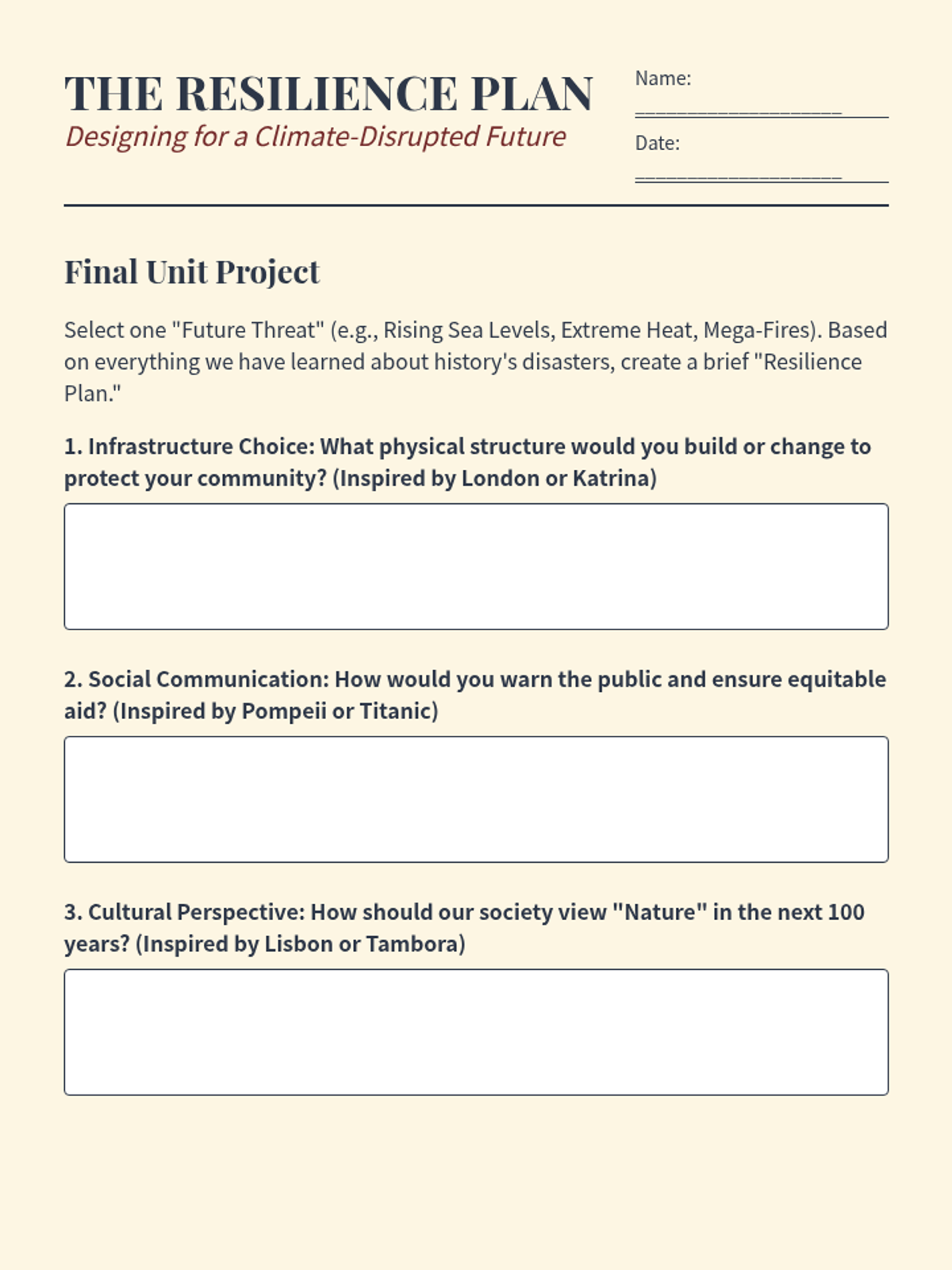
Synthesize the unit by looking at modern climate-related disasters and creating disaster management strategies for the future.
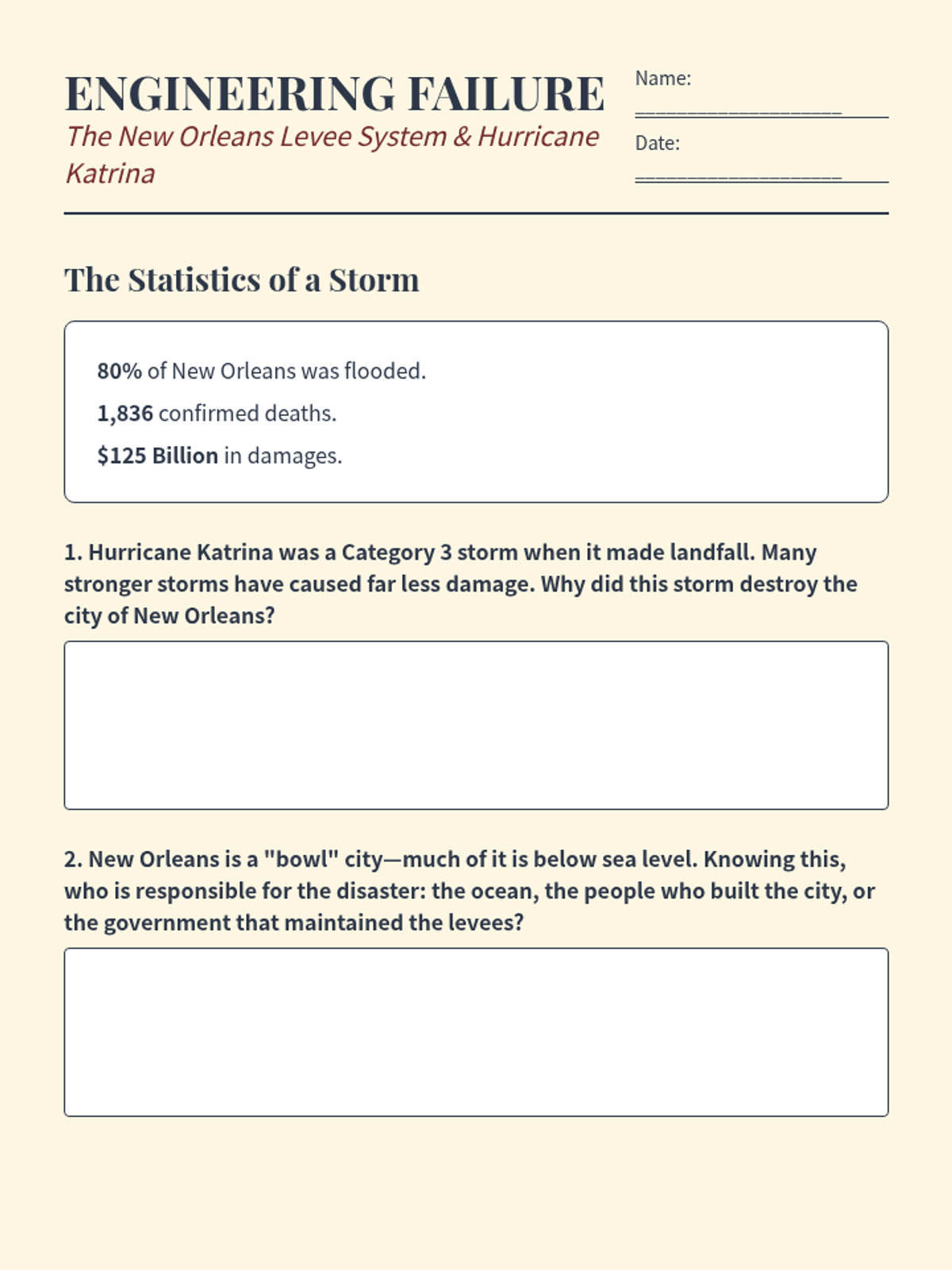
Investigate Hurricane Katrina (2005) as a disaster where natural force met infrastructure failure and socioeconomic inequality.
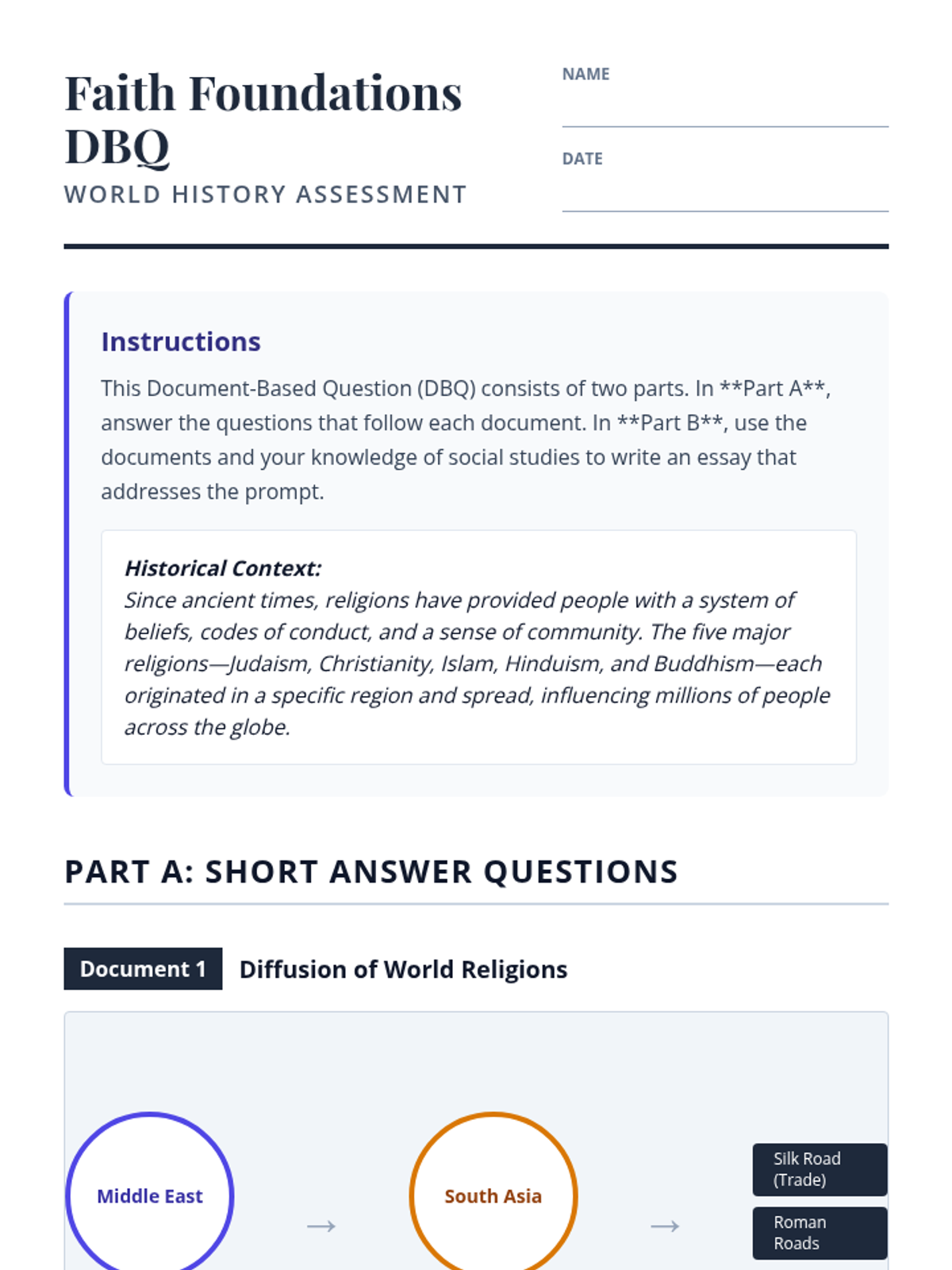
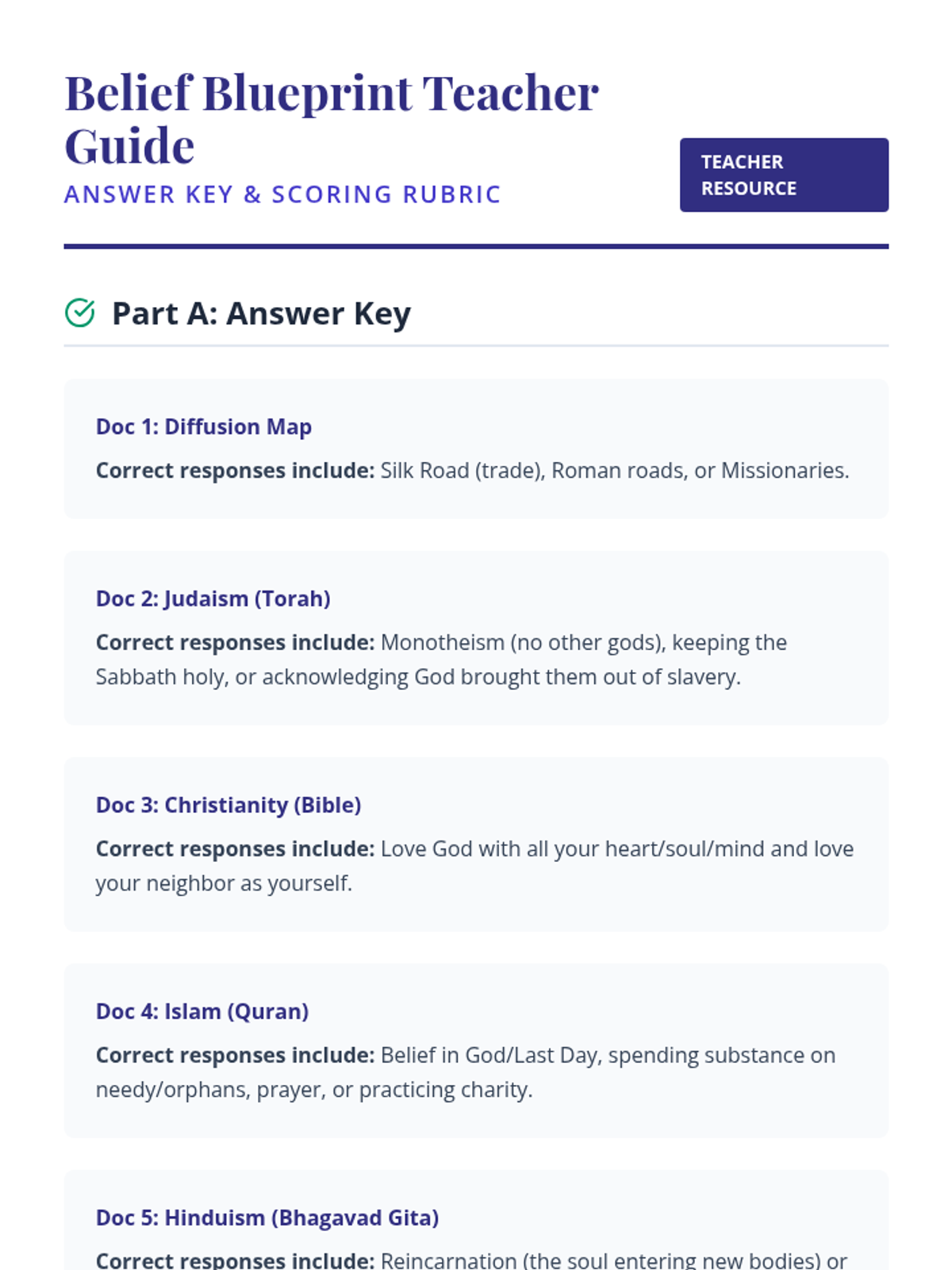
A comprehensive assessment package focused on the Five Major World Religions, utilizing a New York State Document-Based Question (DBQ) format with maps and sacred text analysis.
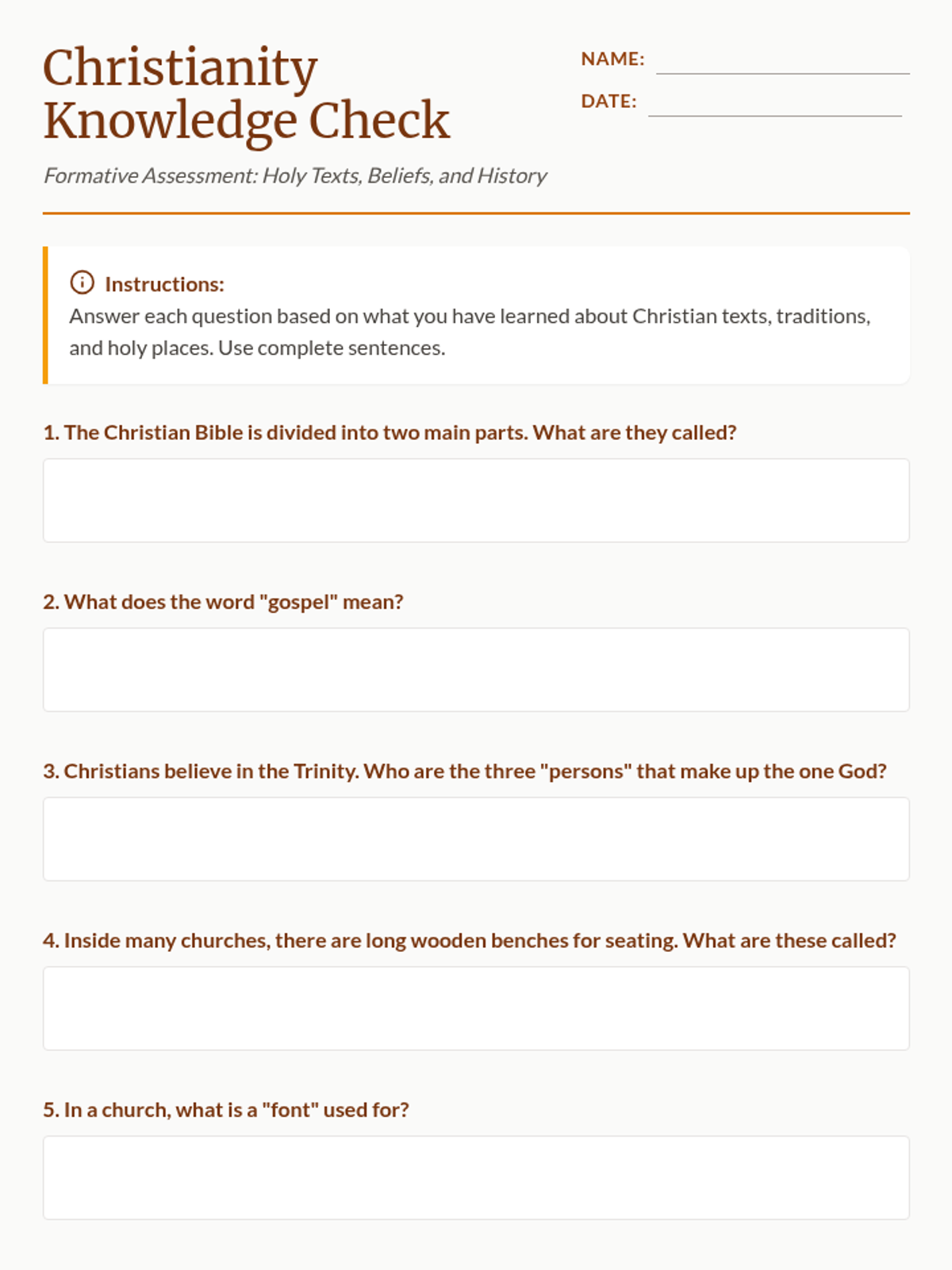
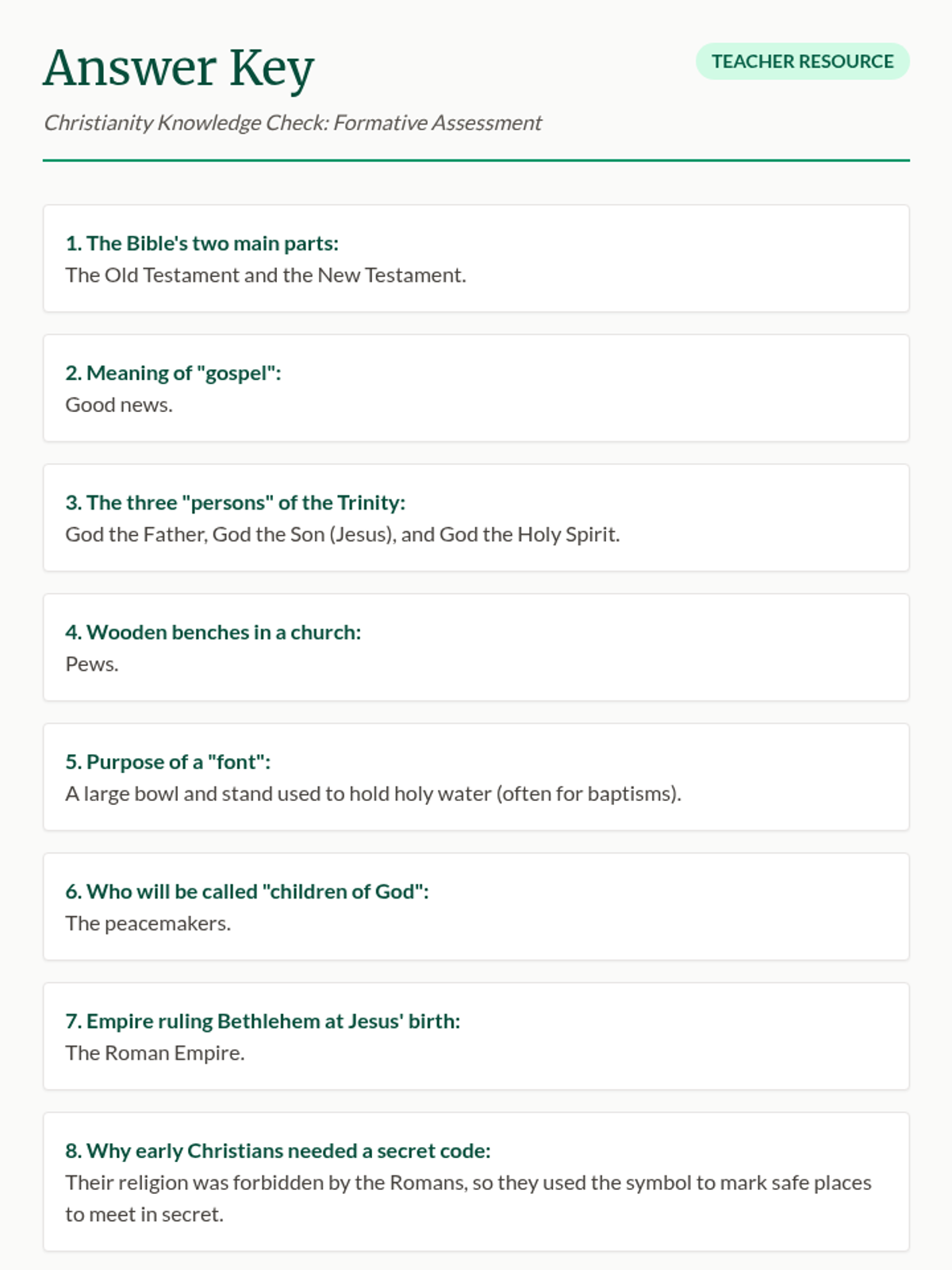
A lesson exploring the foundational texts, beliefs, and history of Christianity through the study of holy texts, sacred spaces, and key historical figures.
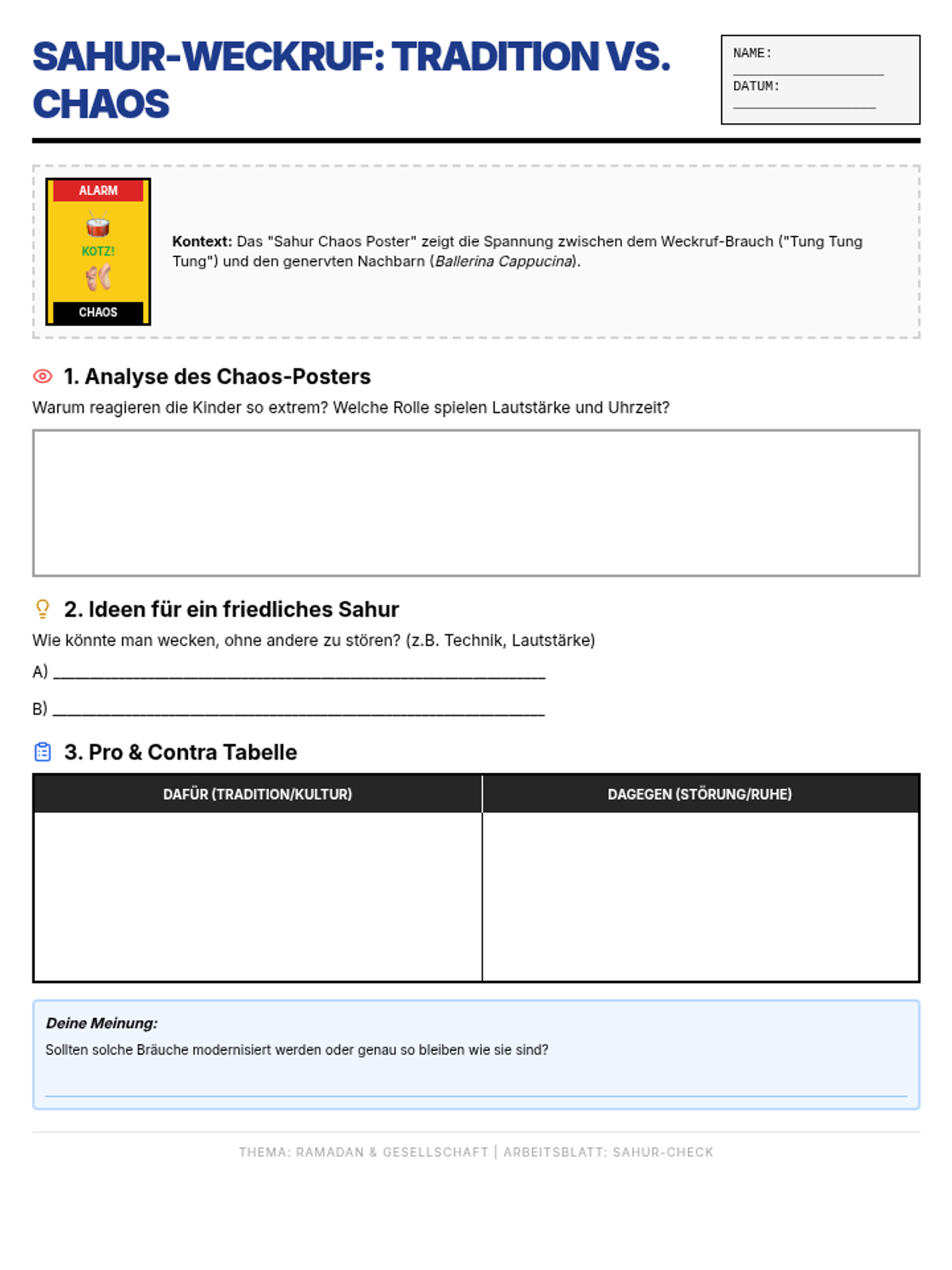
Diese Lektion befasst sich mit der Tradition des "Sahur" im Ramadan, insbesondere mit den lautstarken Weckrufen in Indonesien (Tung Tung Tung). Sie nutzt ein humorvolles (und absichtlich chaotisches) Poster, um die Aufmerksamkeit der Schüler auf kulturelle Bräuche zu lenken.
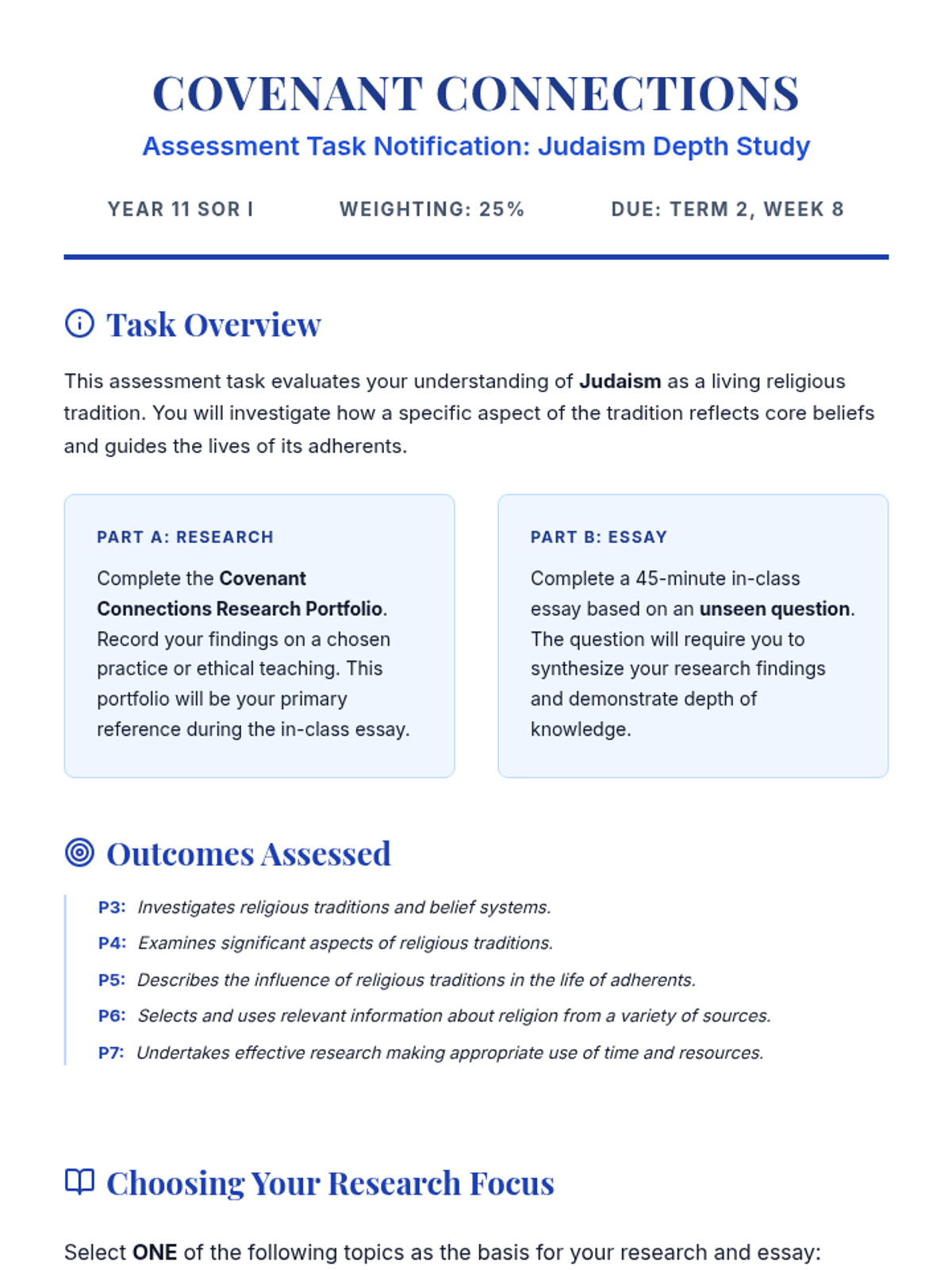
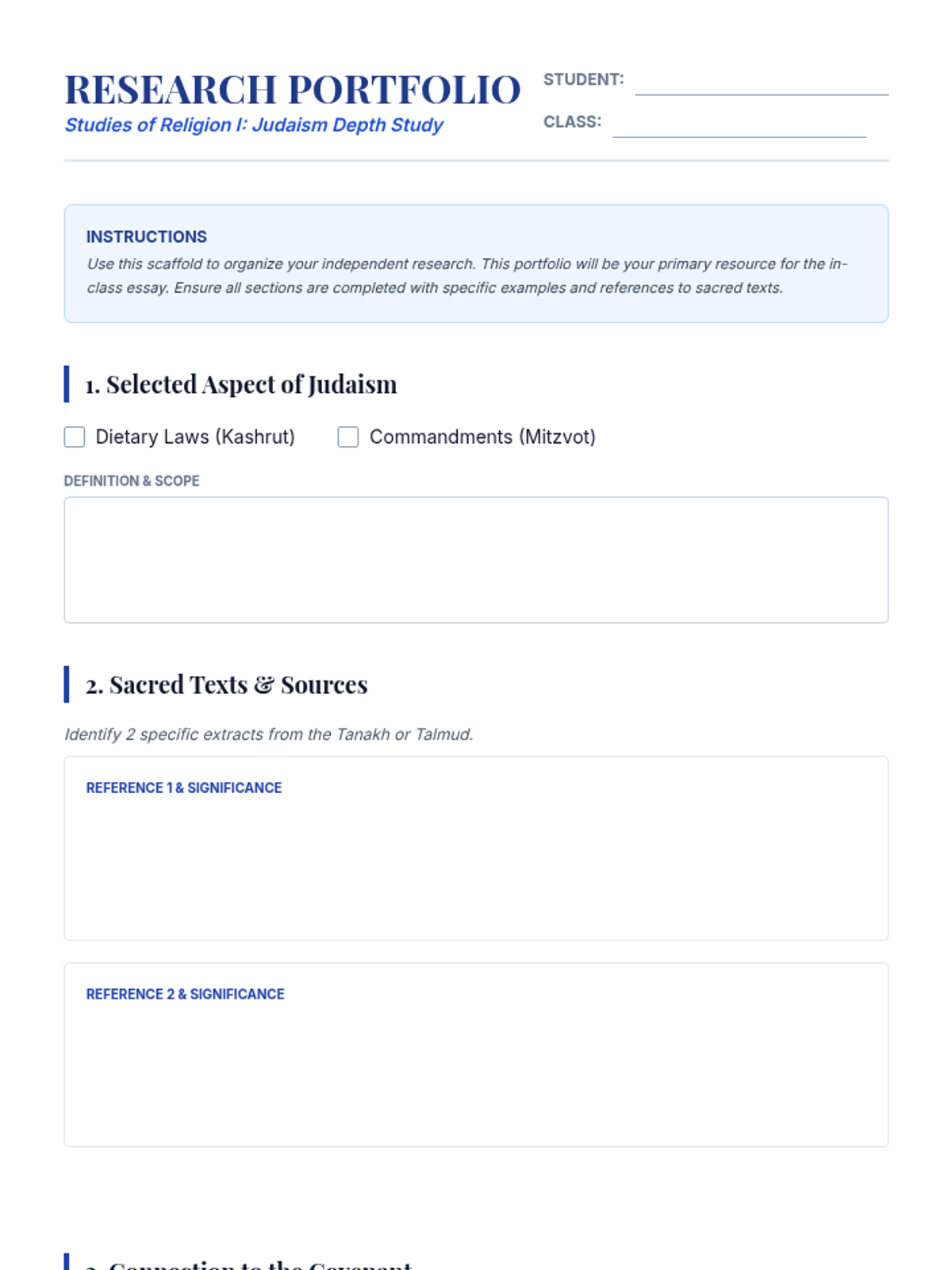
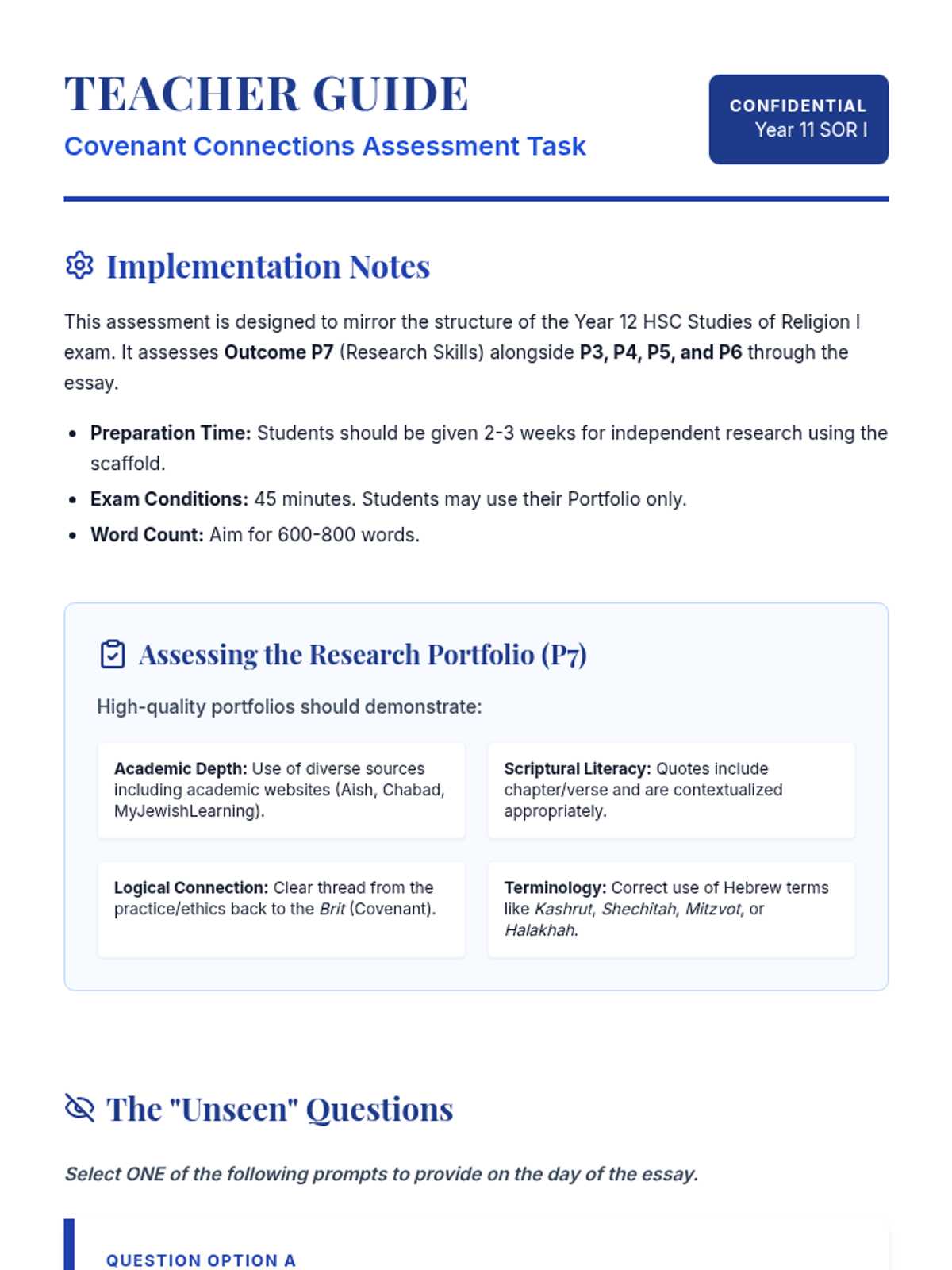
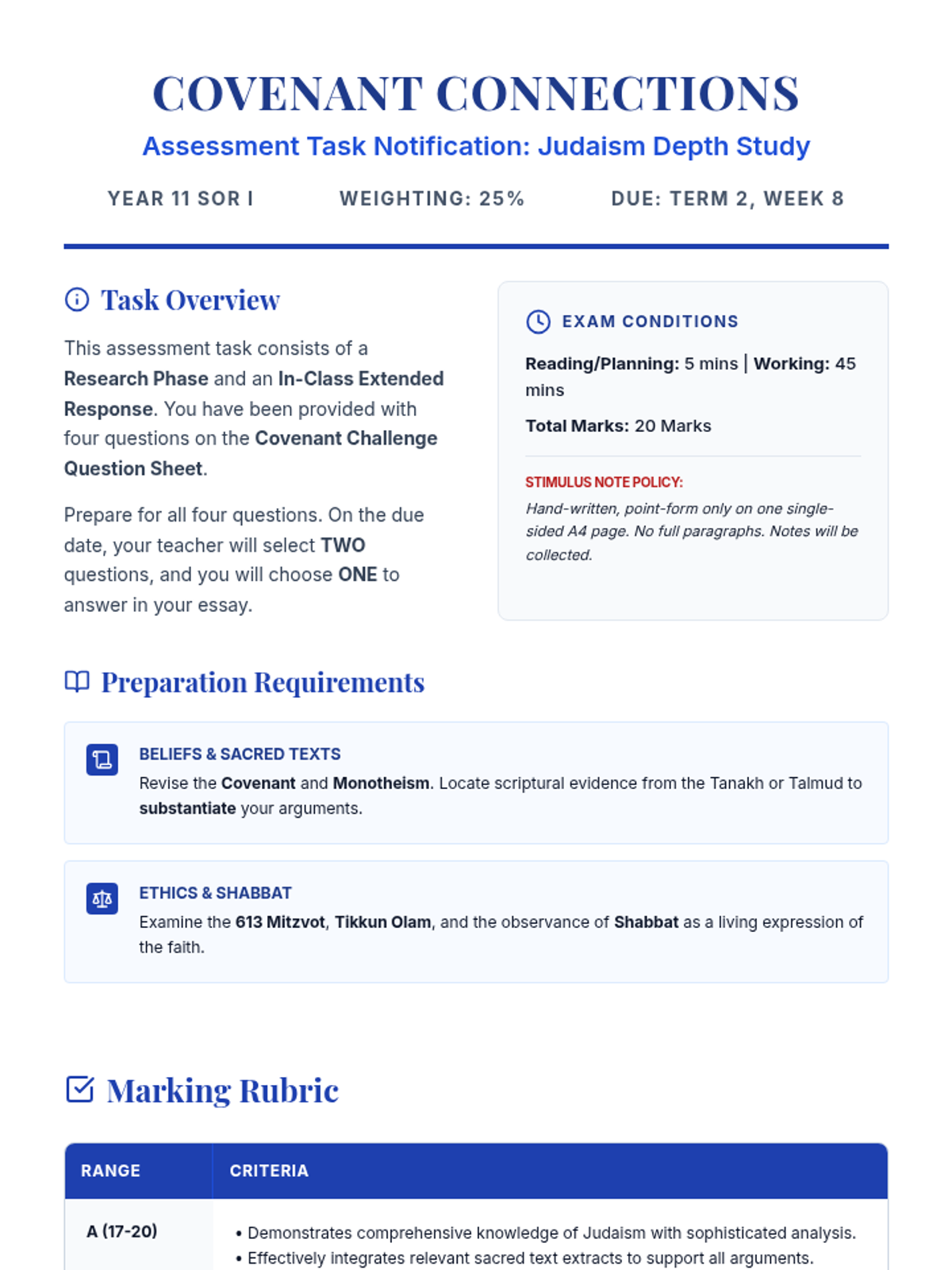
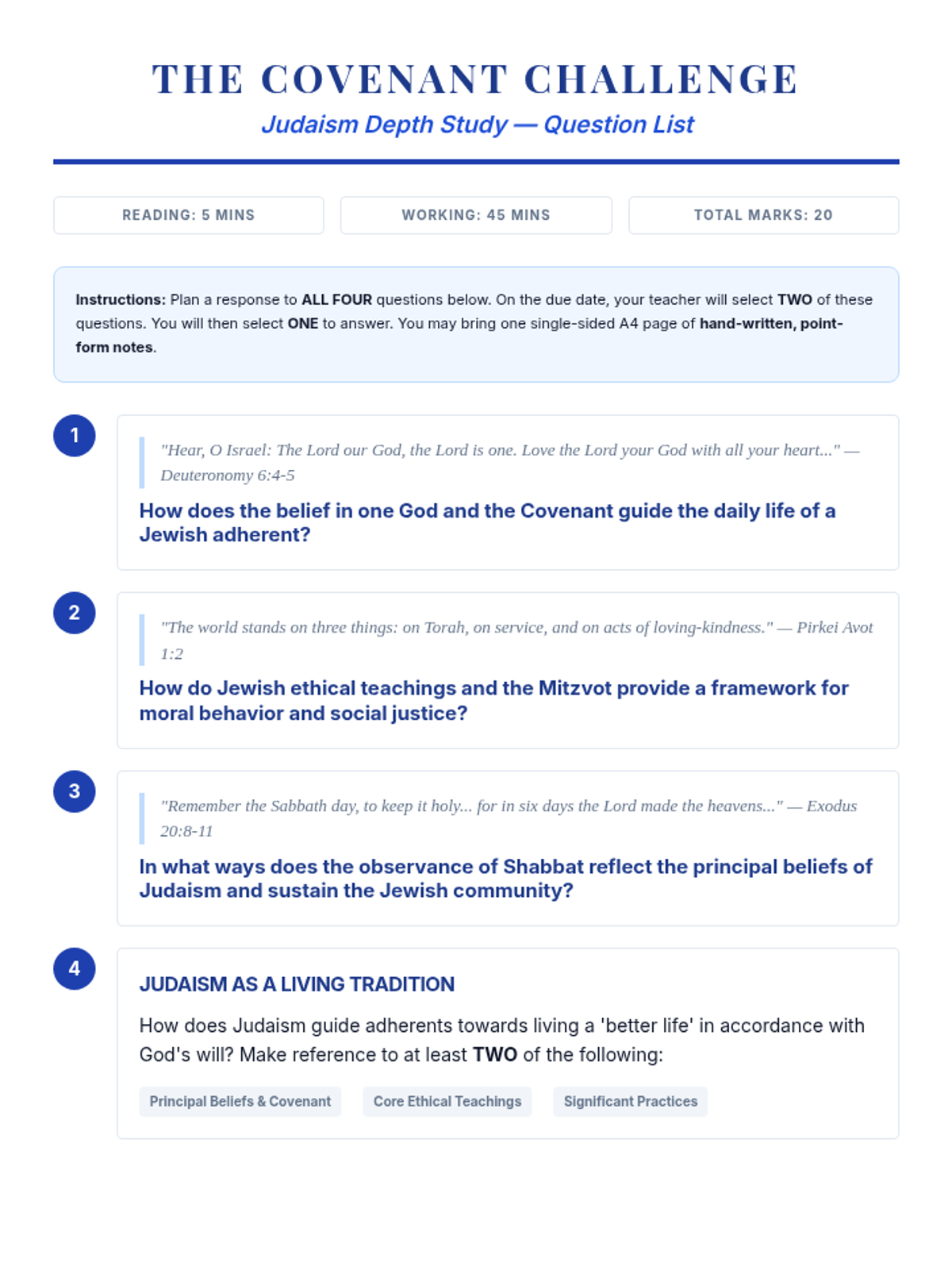
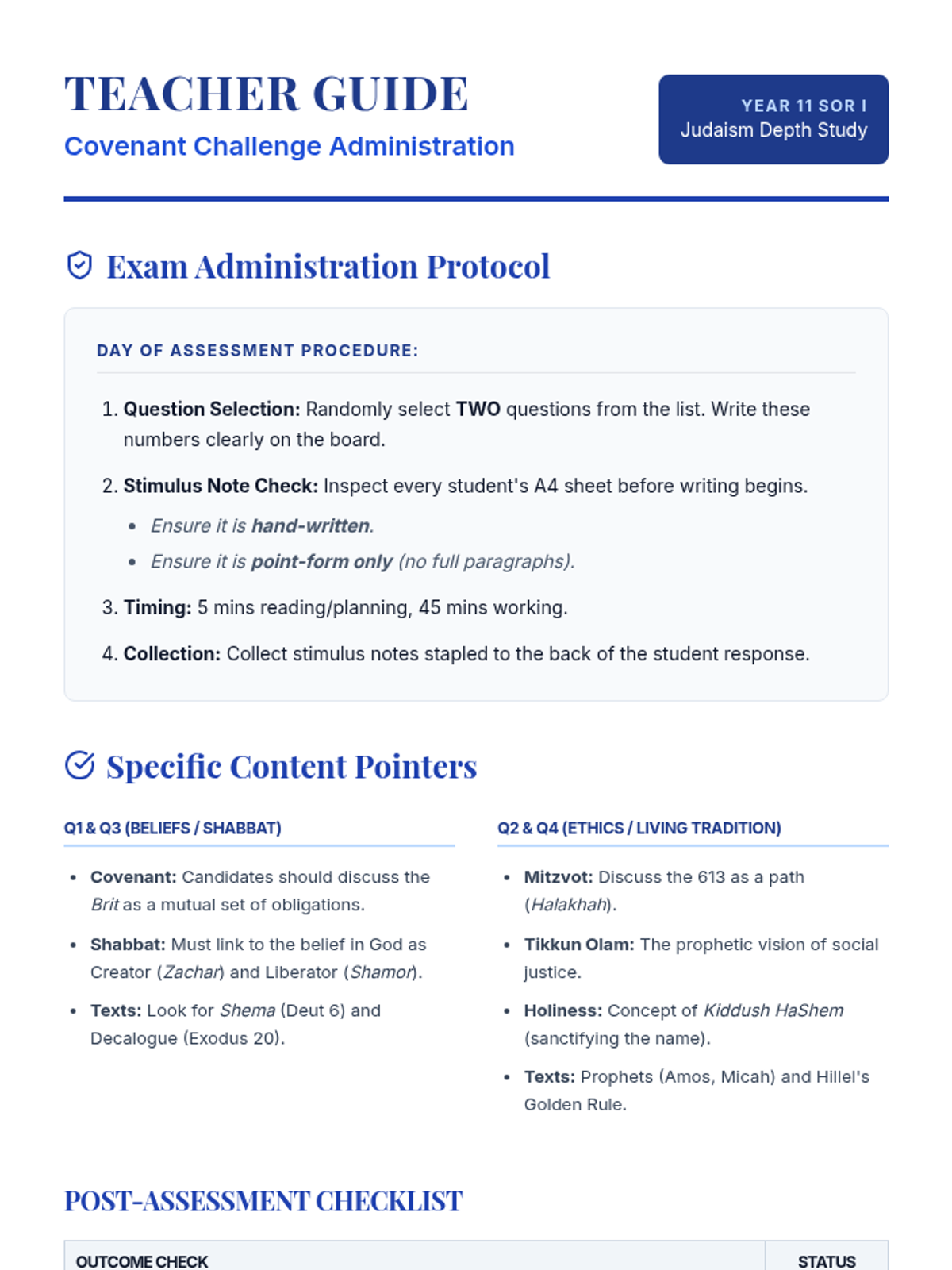
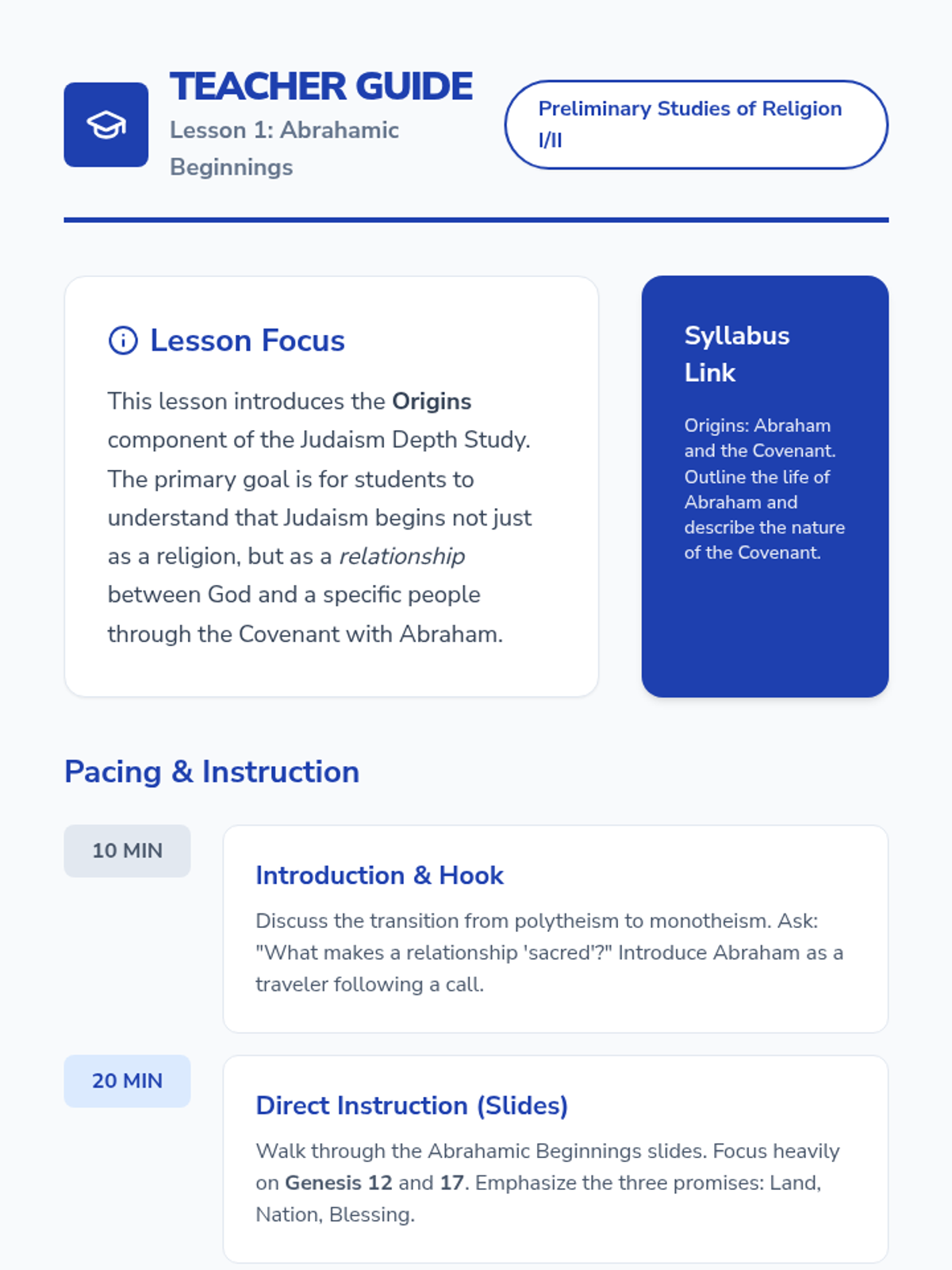
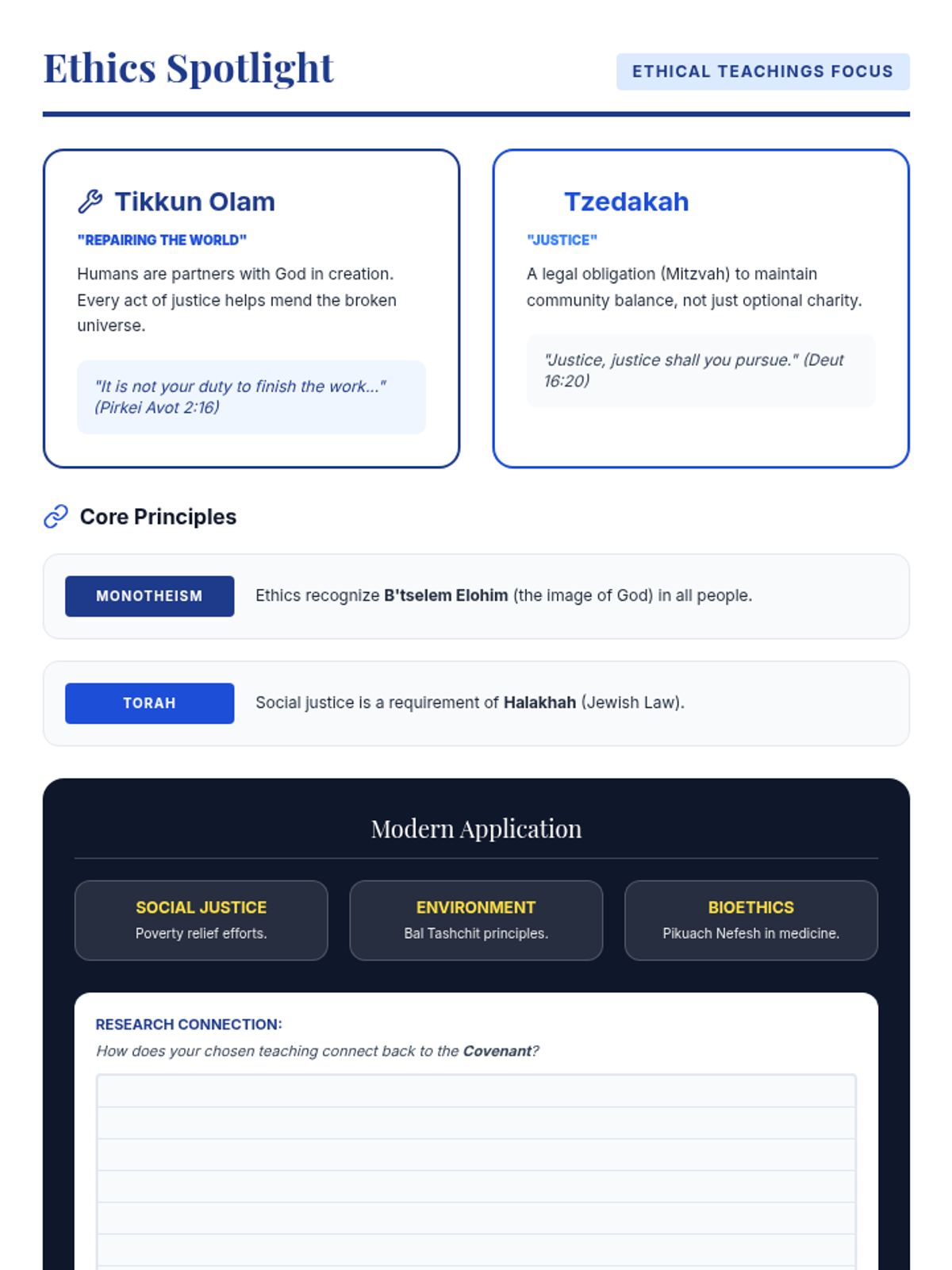
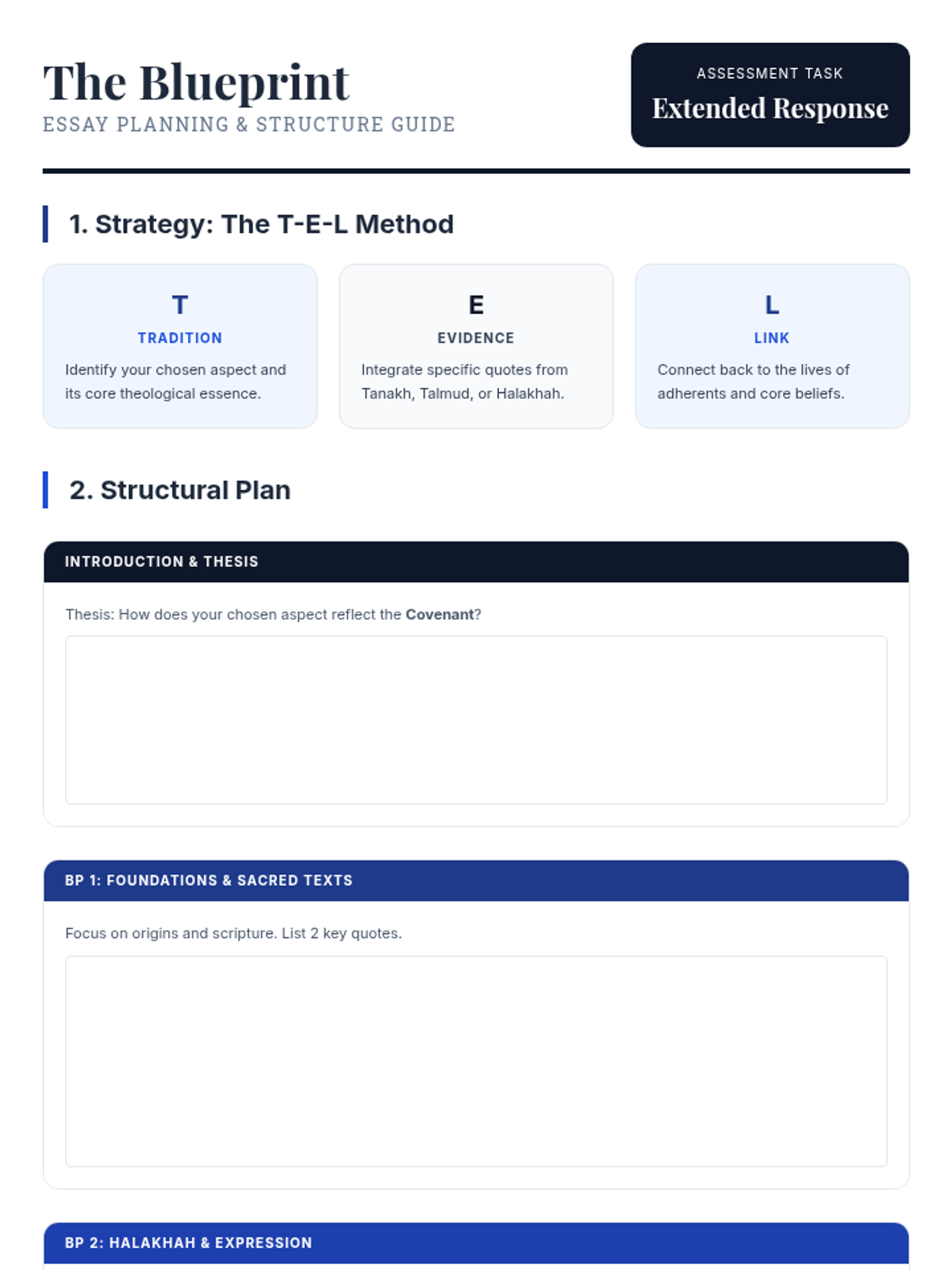
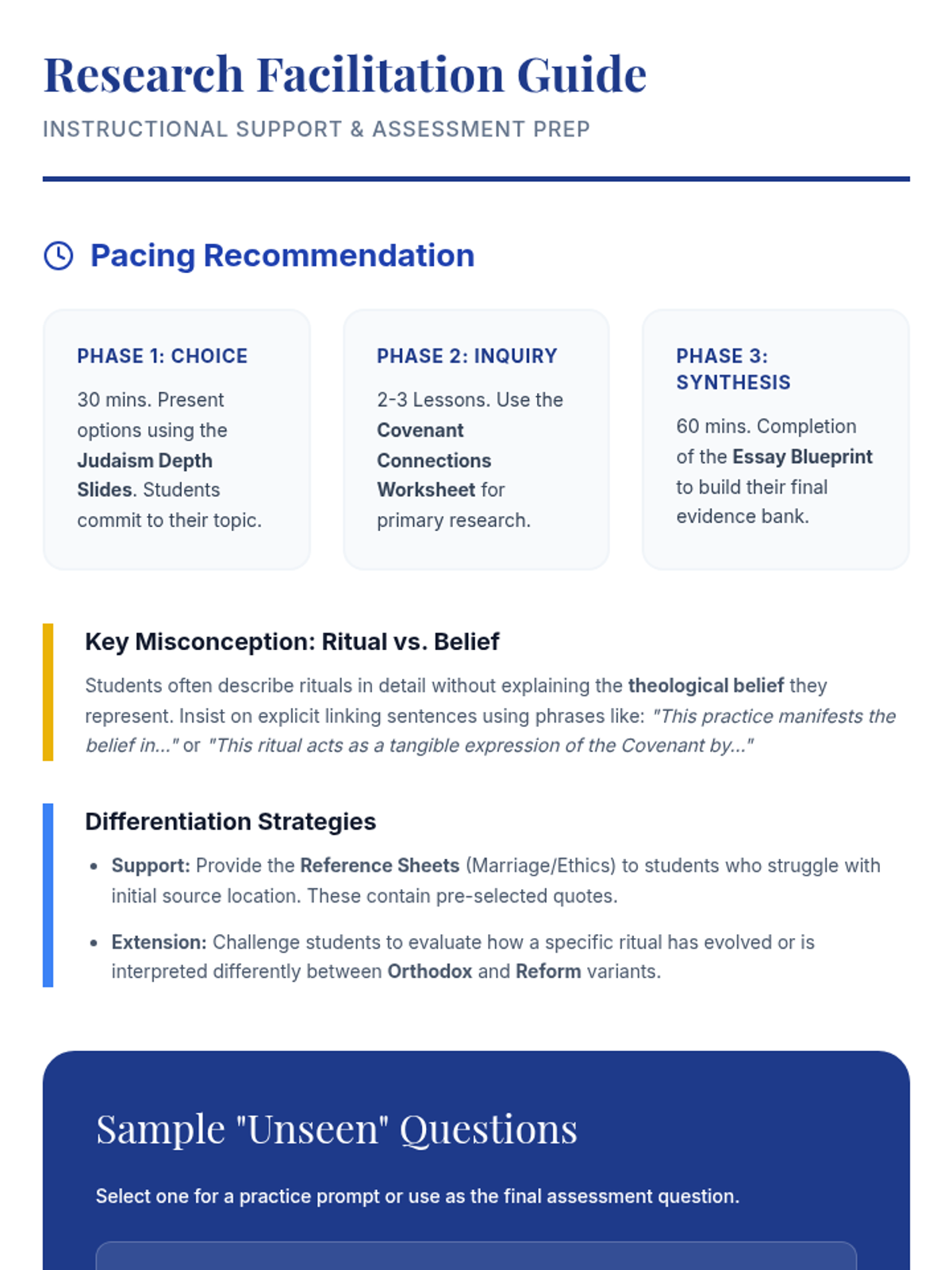
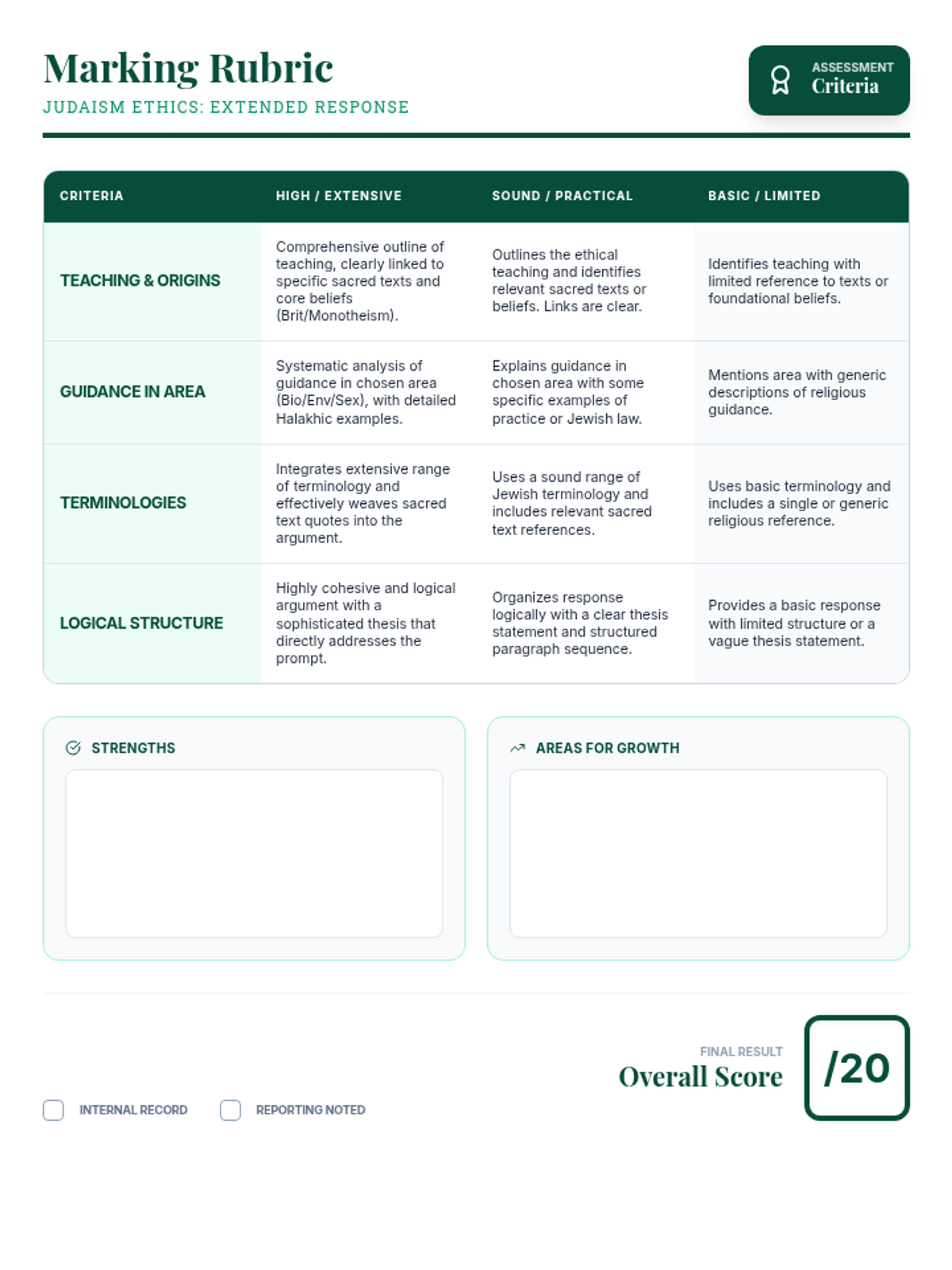
A comprehensive assessment package for Year 11 Studies of Religion I focusing on the Judaism Depth Study, featuring a research task and an in-class essay based on an unseen question.
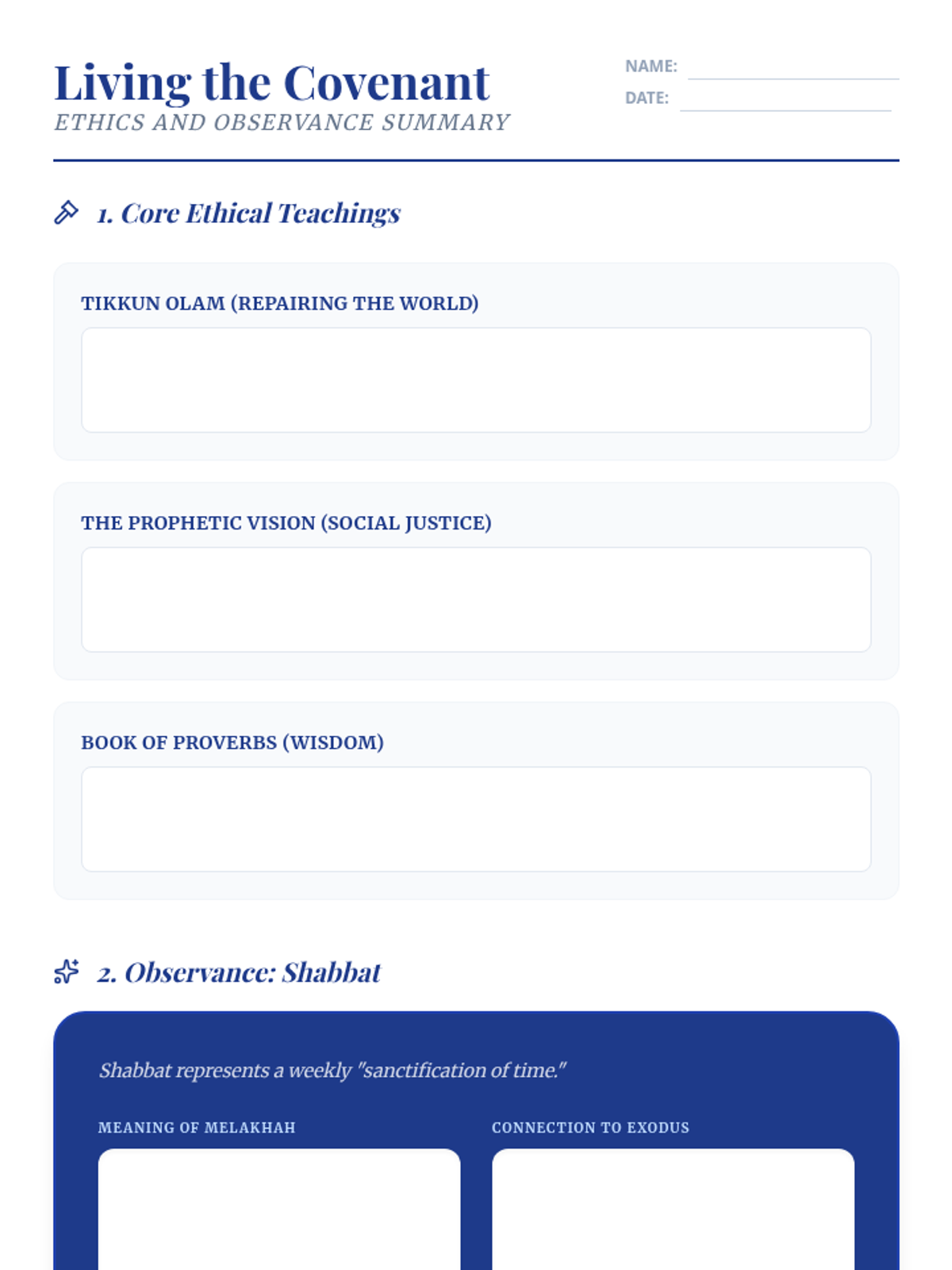
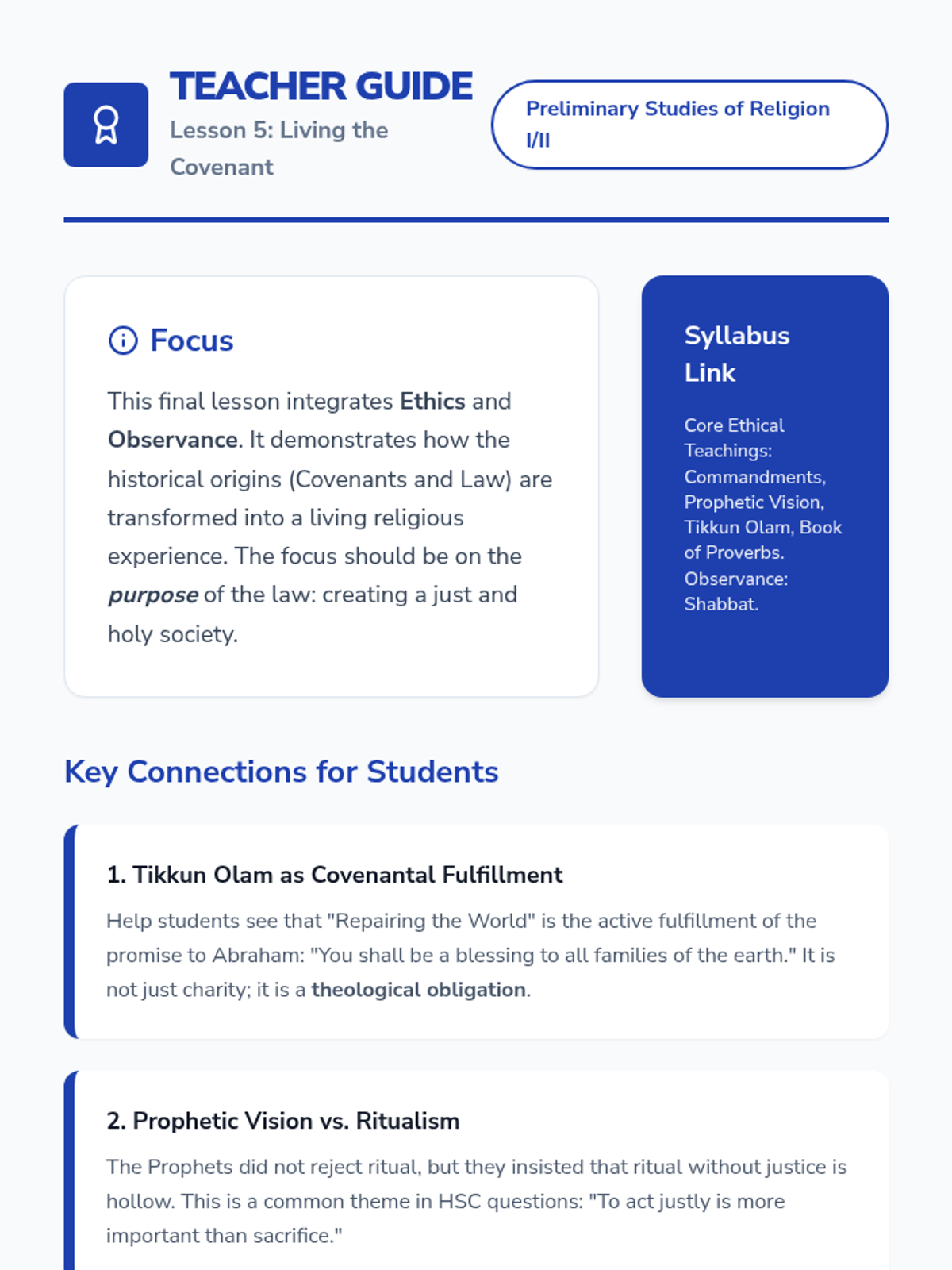
Integrates the study of Jewish ethics (Tikkun Olam, Proverbs) and the practice of Shabbat.
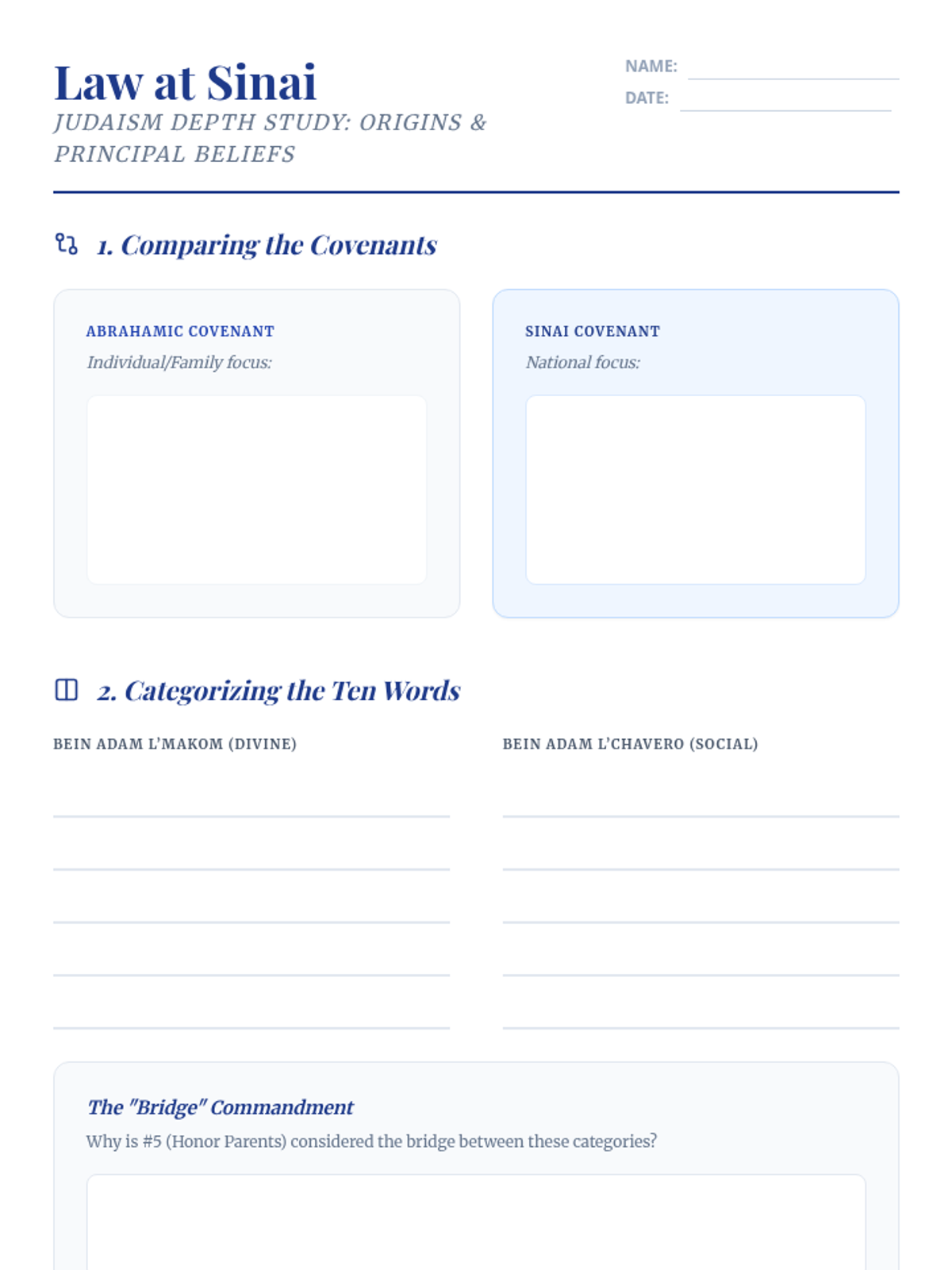
Analyzes the giving of the Law at Mount Sinai, the Ten Commandments, and the 613 Mitzvot.
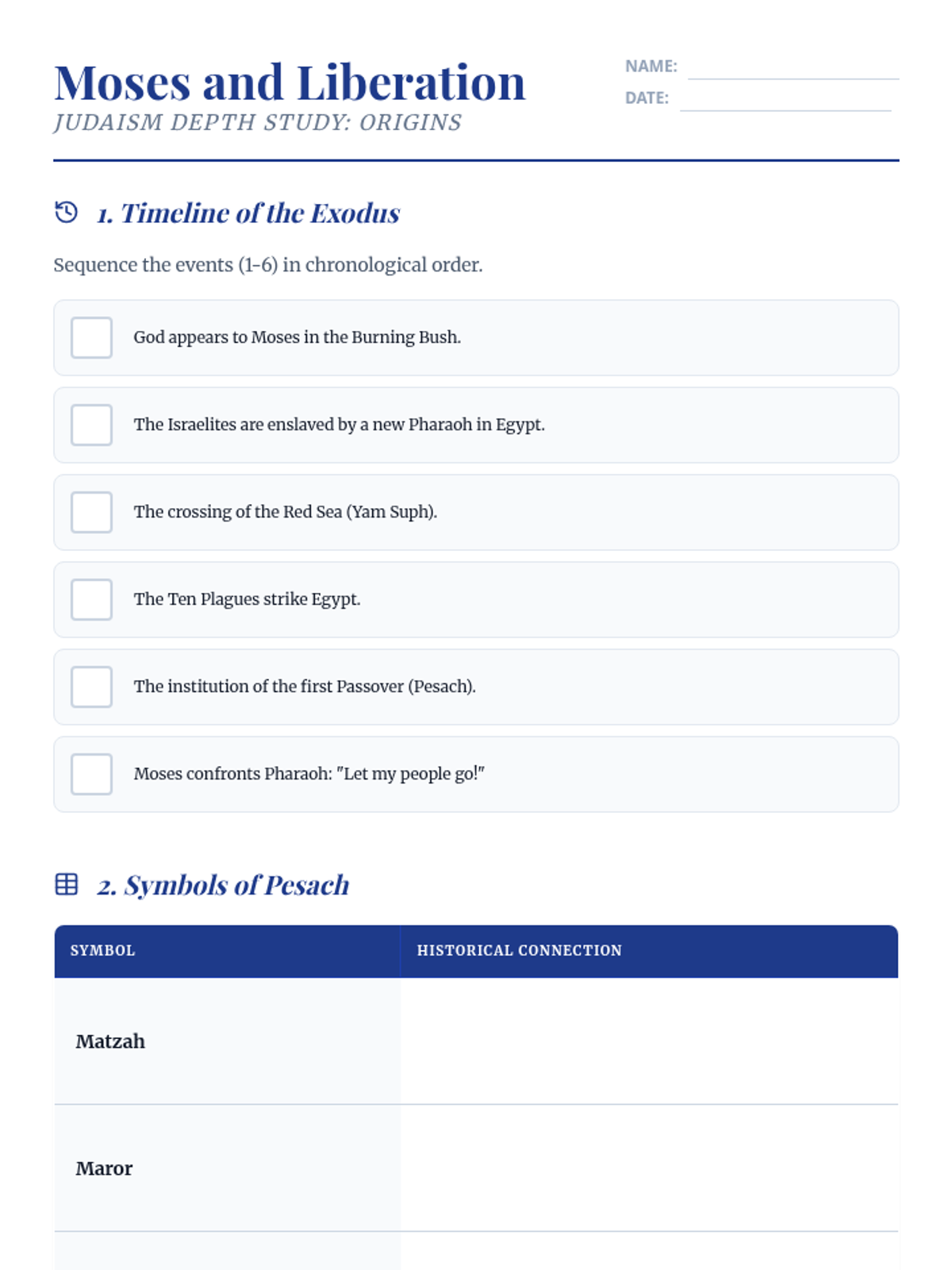
Focuses on the life of Moses, the Exodus from Egypt, and the significance of the Passover.
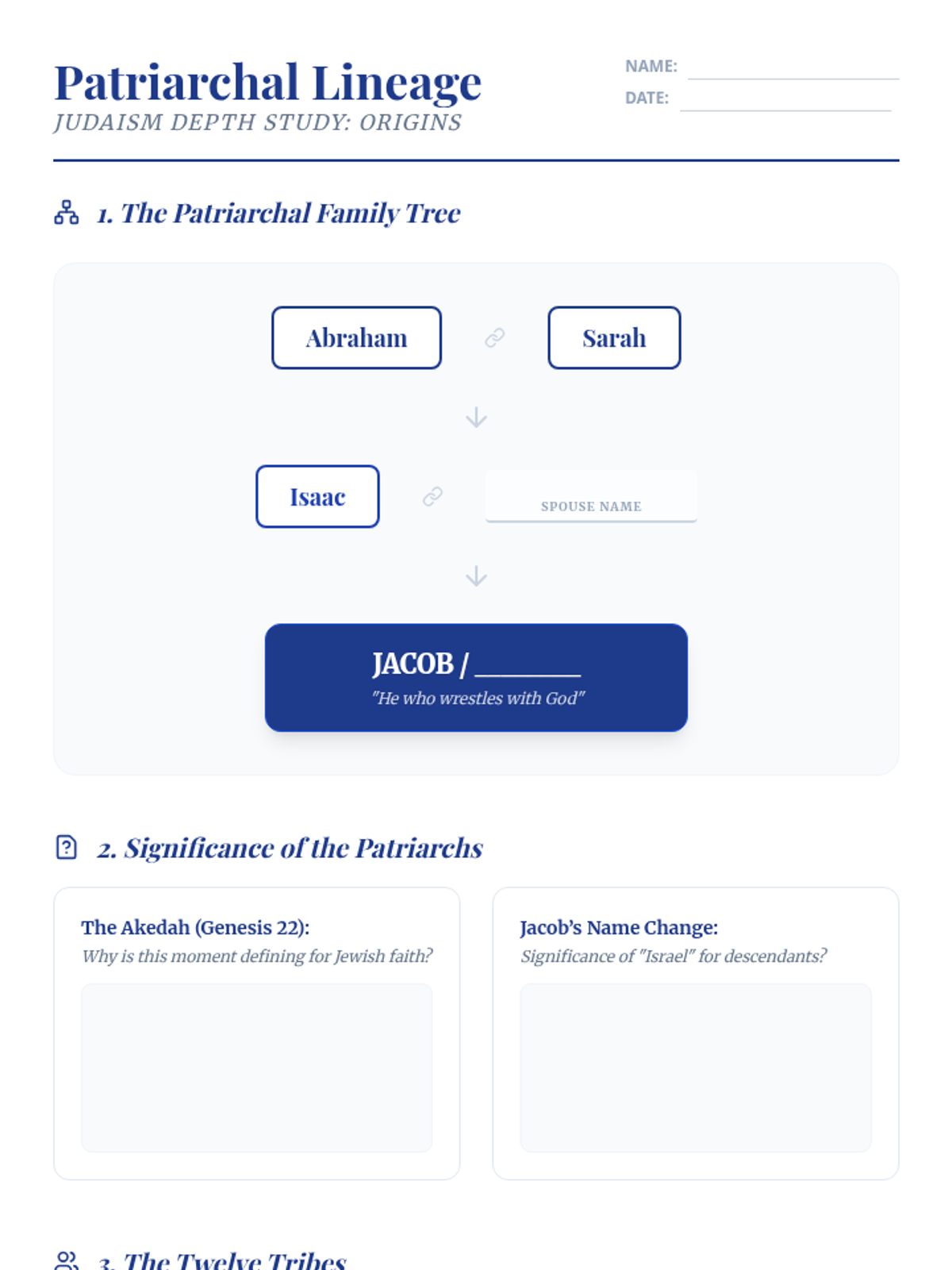
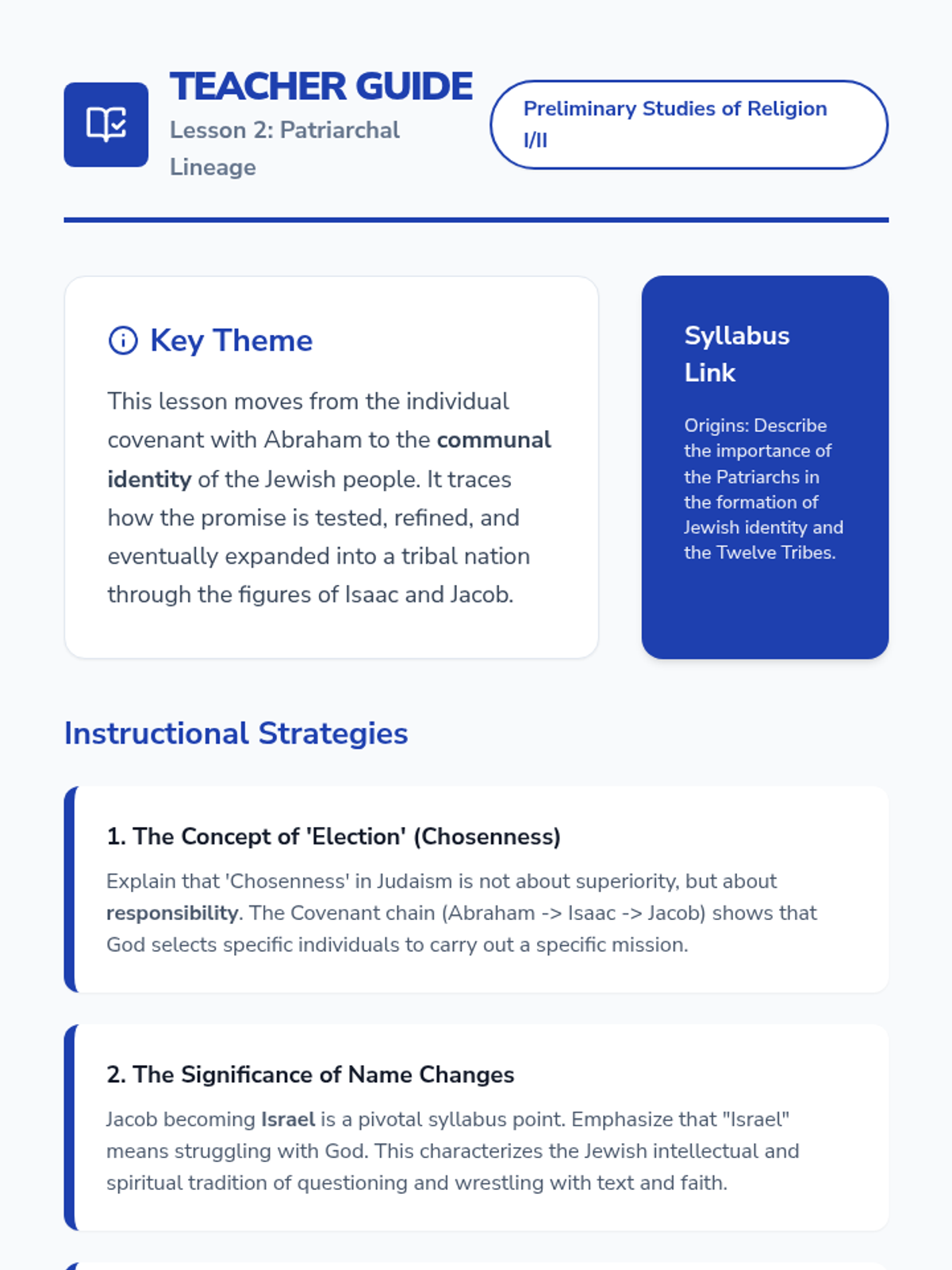
Examines the continuation of the Covenant through Isaac and Jacob and the formation of the Twelve Tribes.
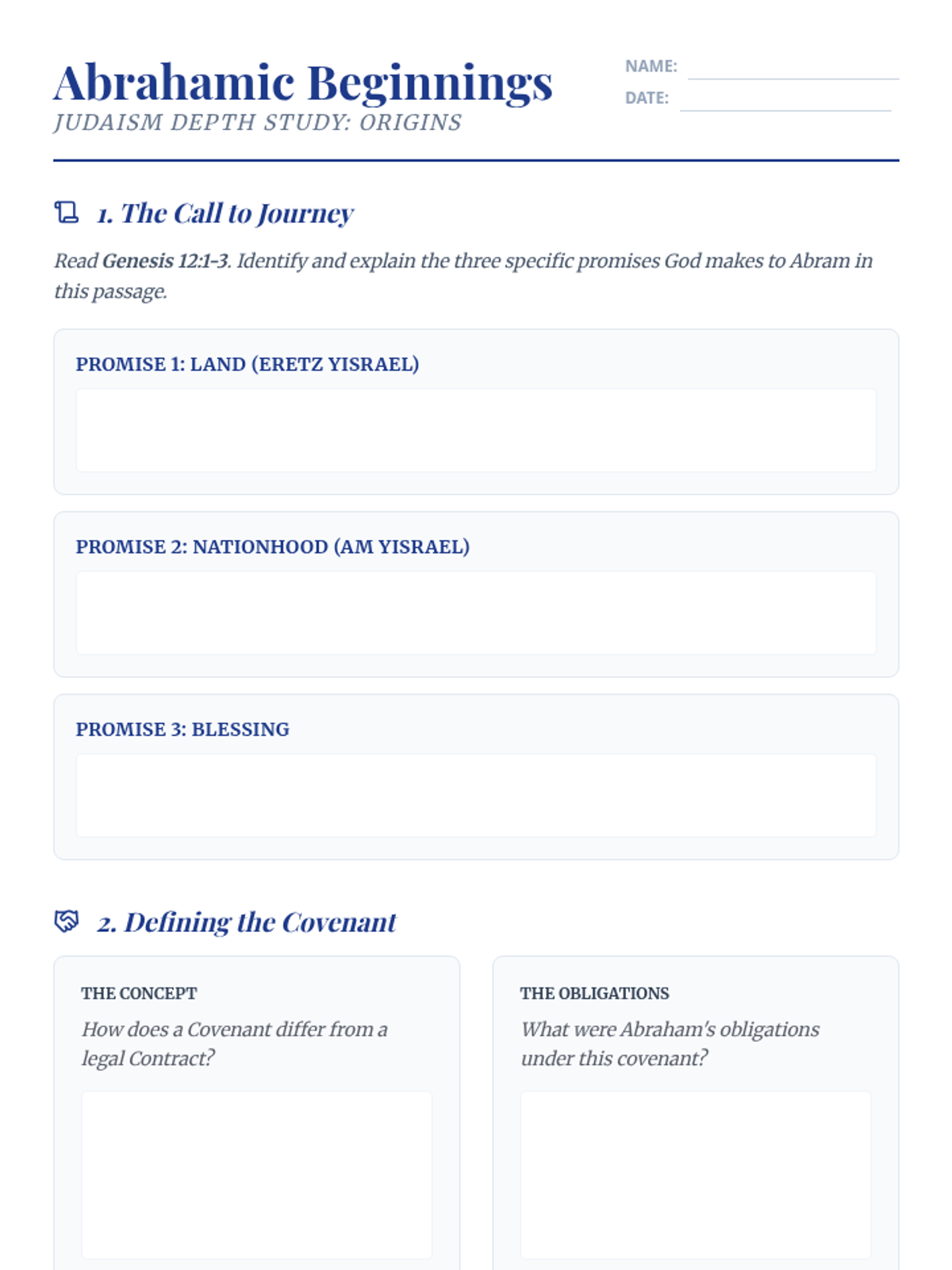
Explores the origins of Judaism through the call of Abraham and the establishment of the first Covenant.
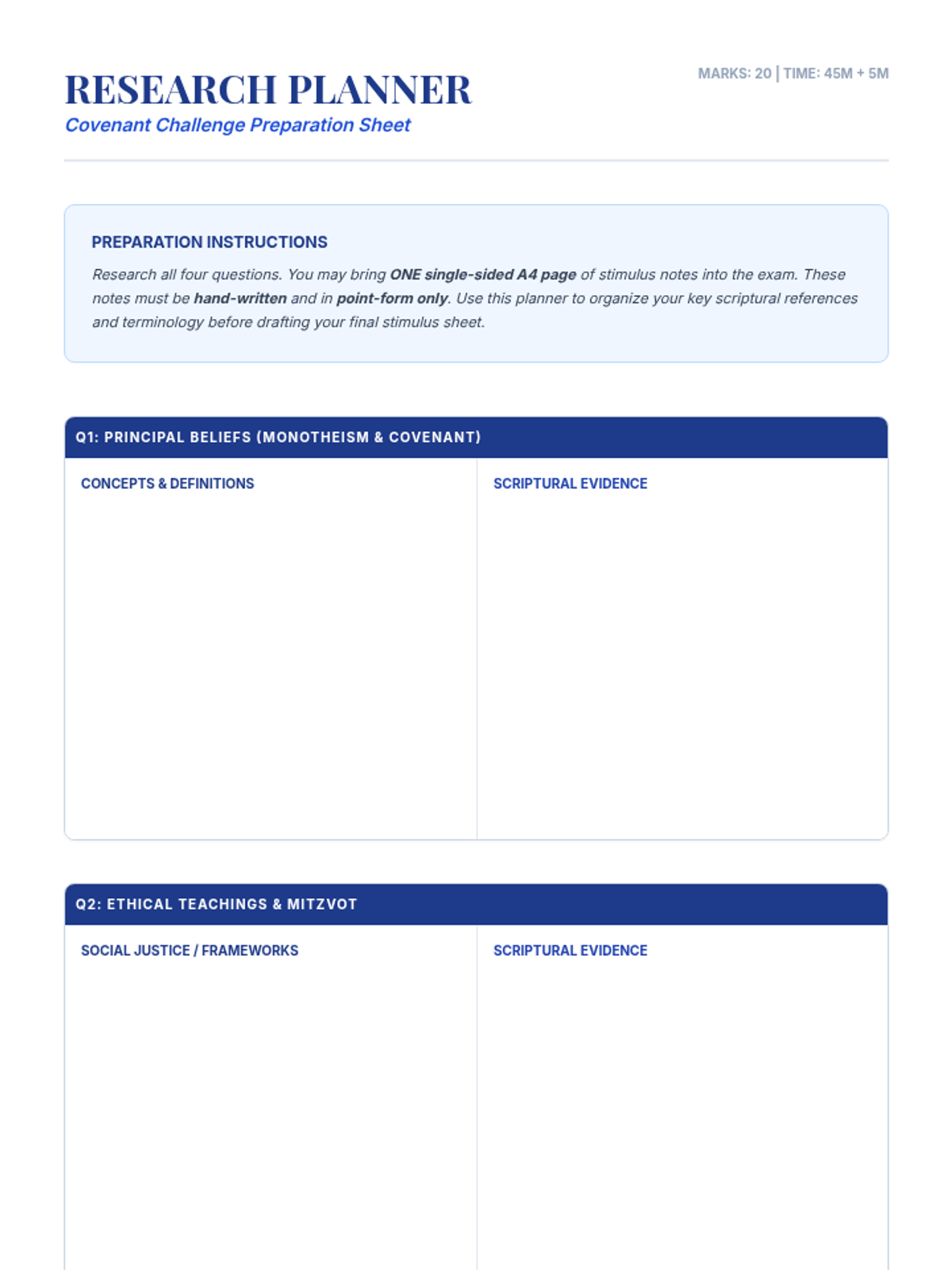
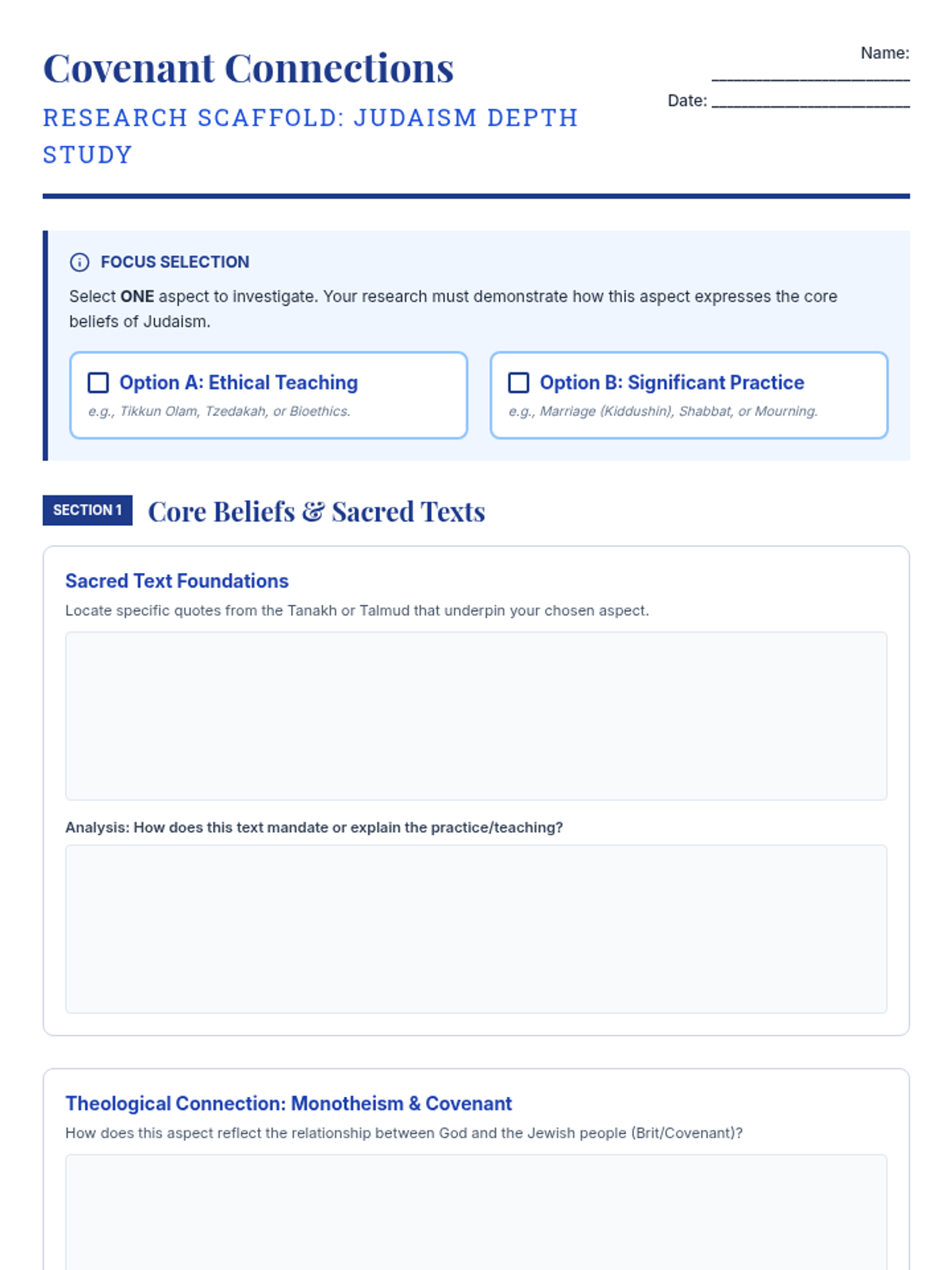
A structured research phase where students choose a focus area—either an ethical teaching or a significant practice—and map its connection to core Jewish tenets and contemporary life.
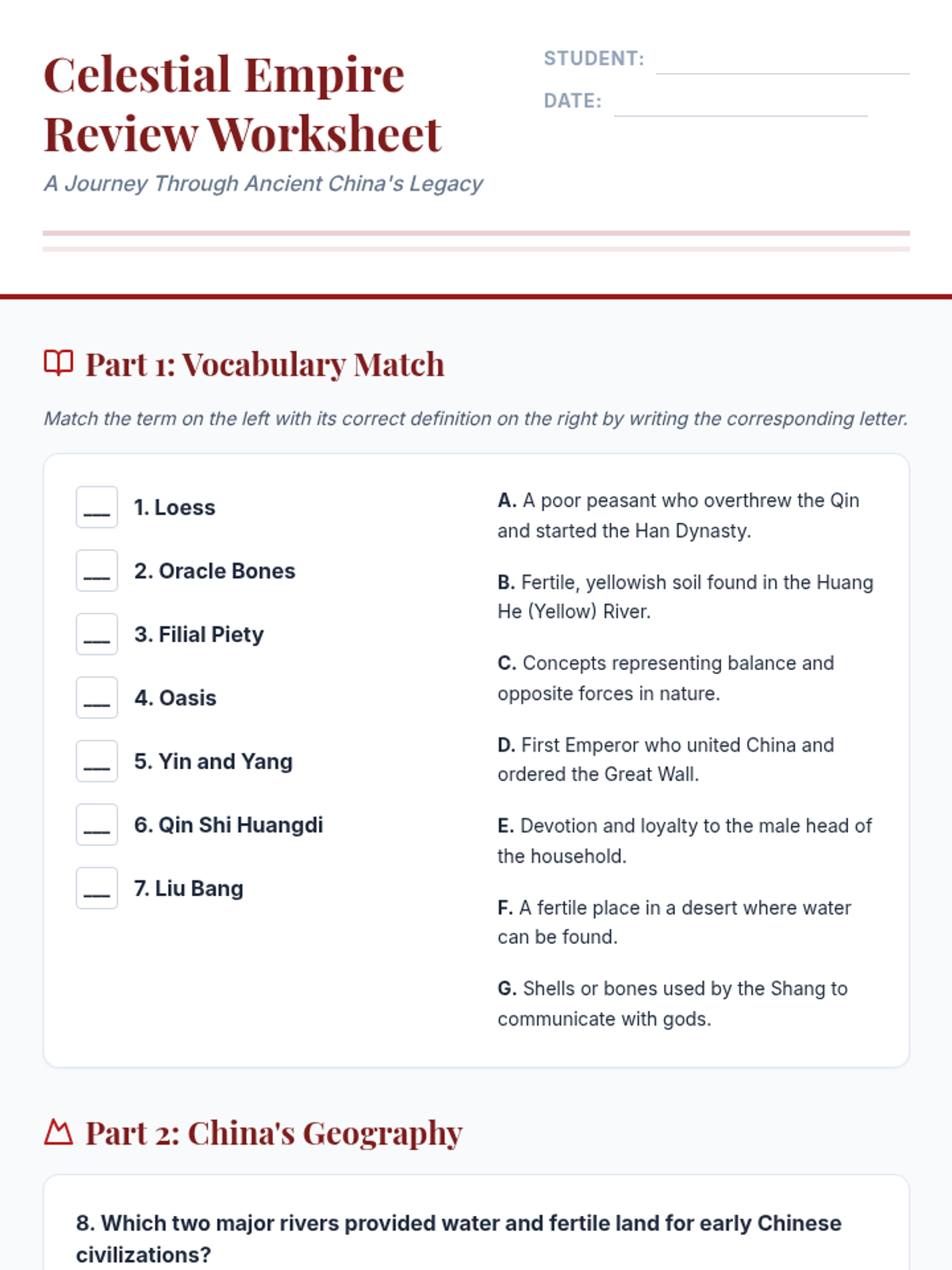
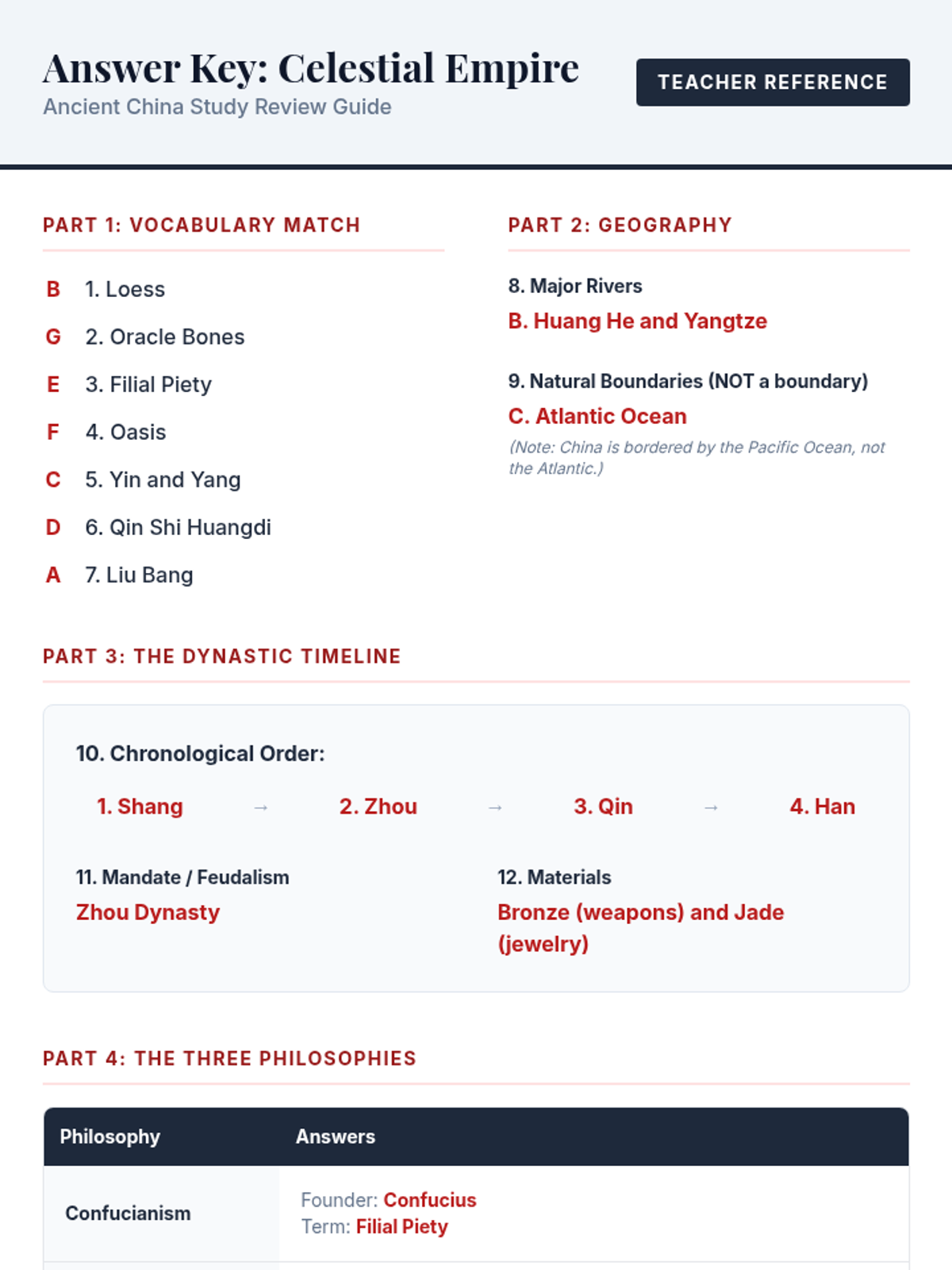
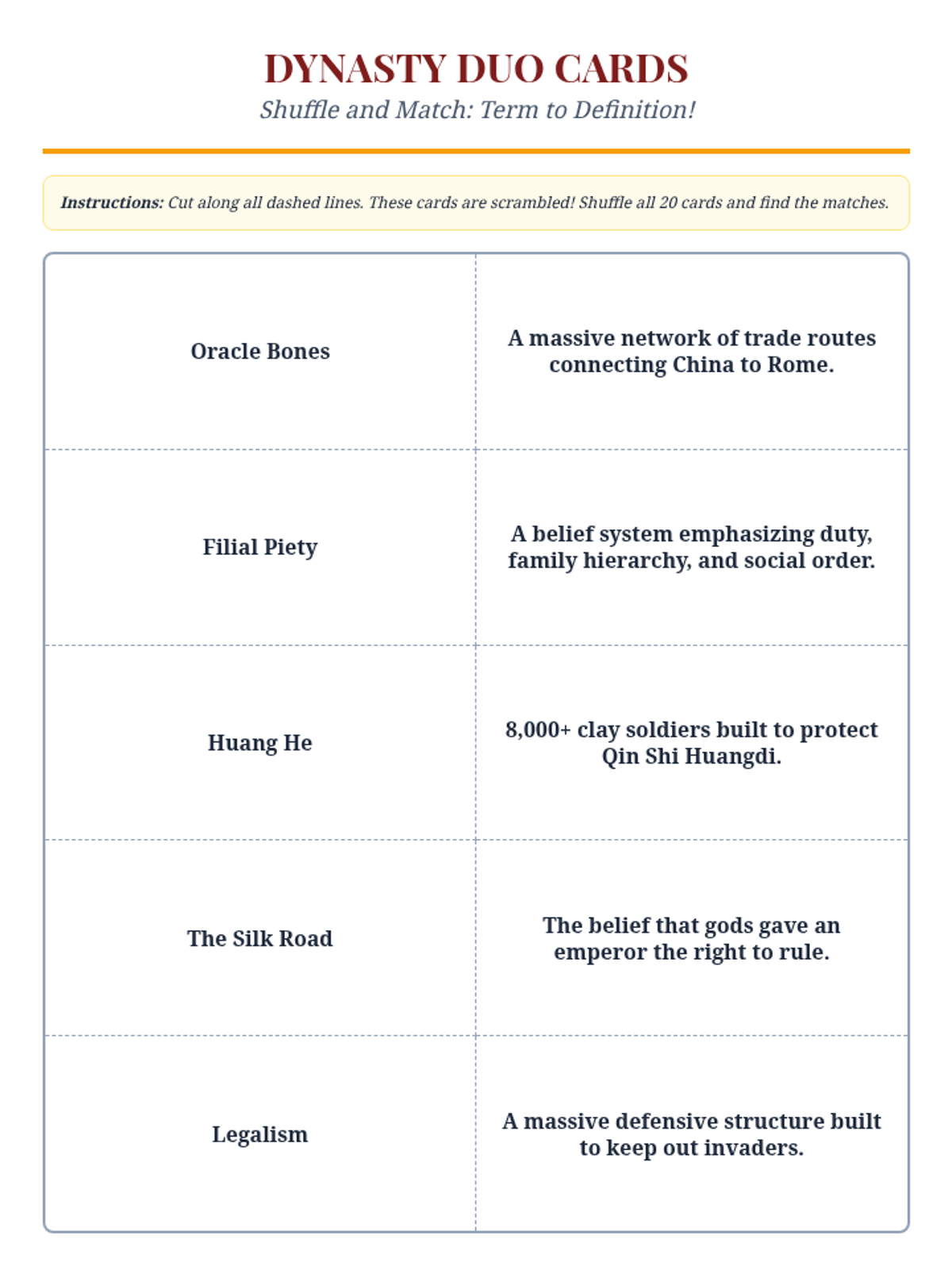
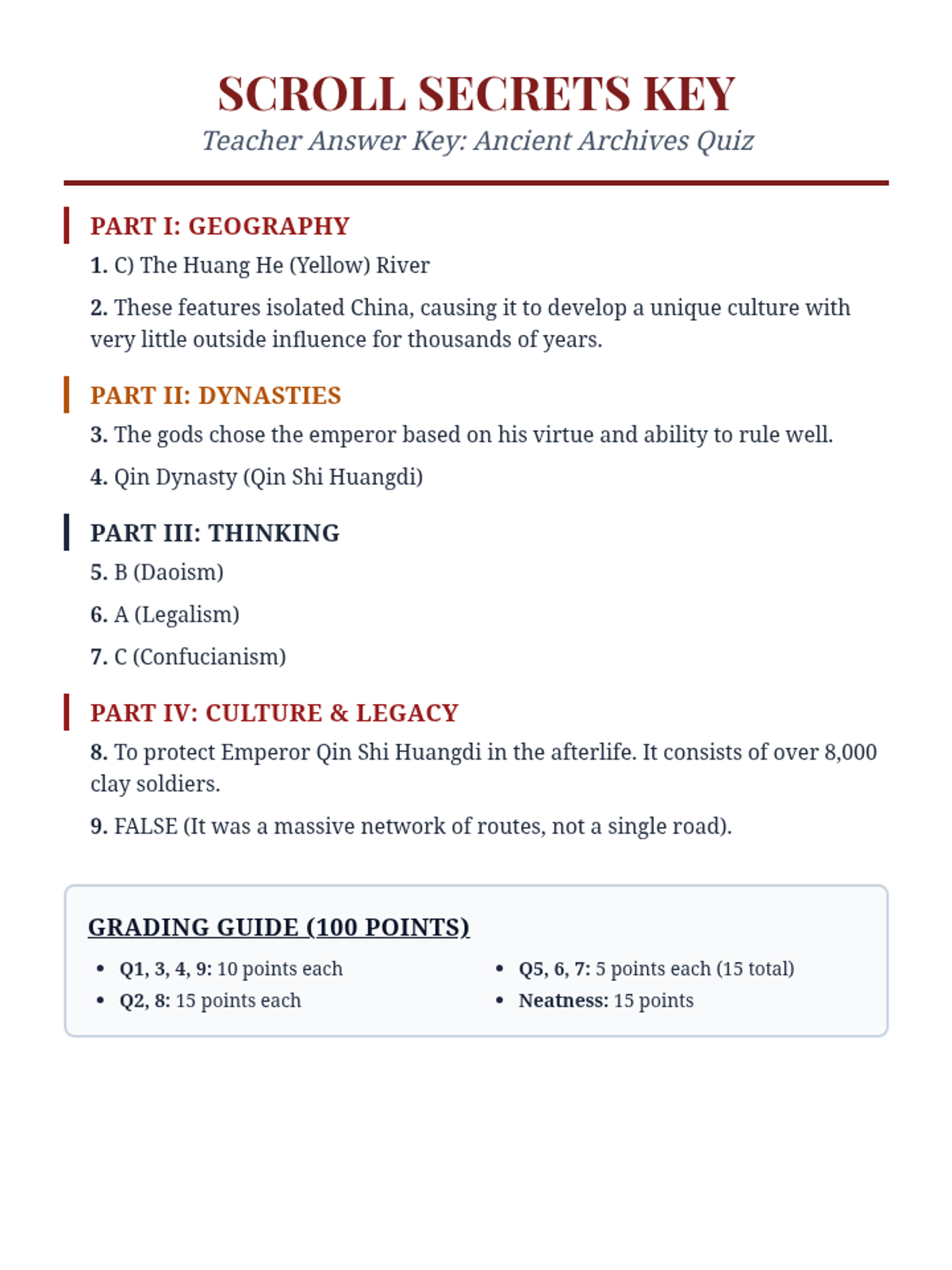
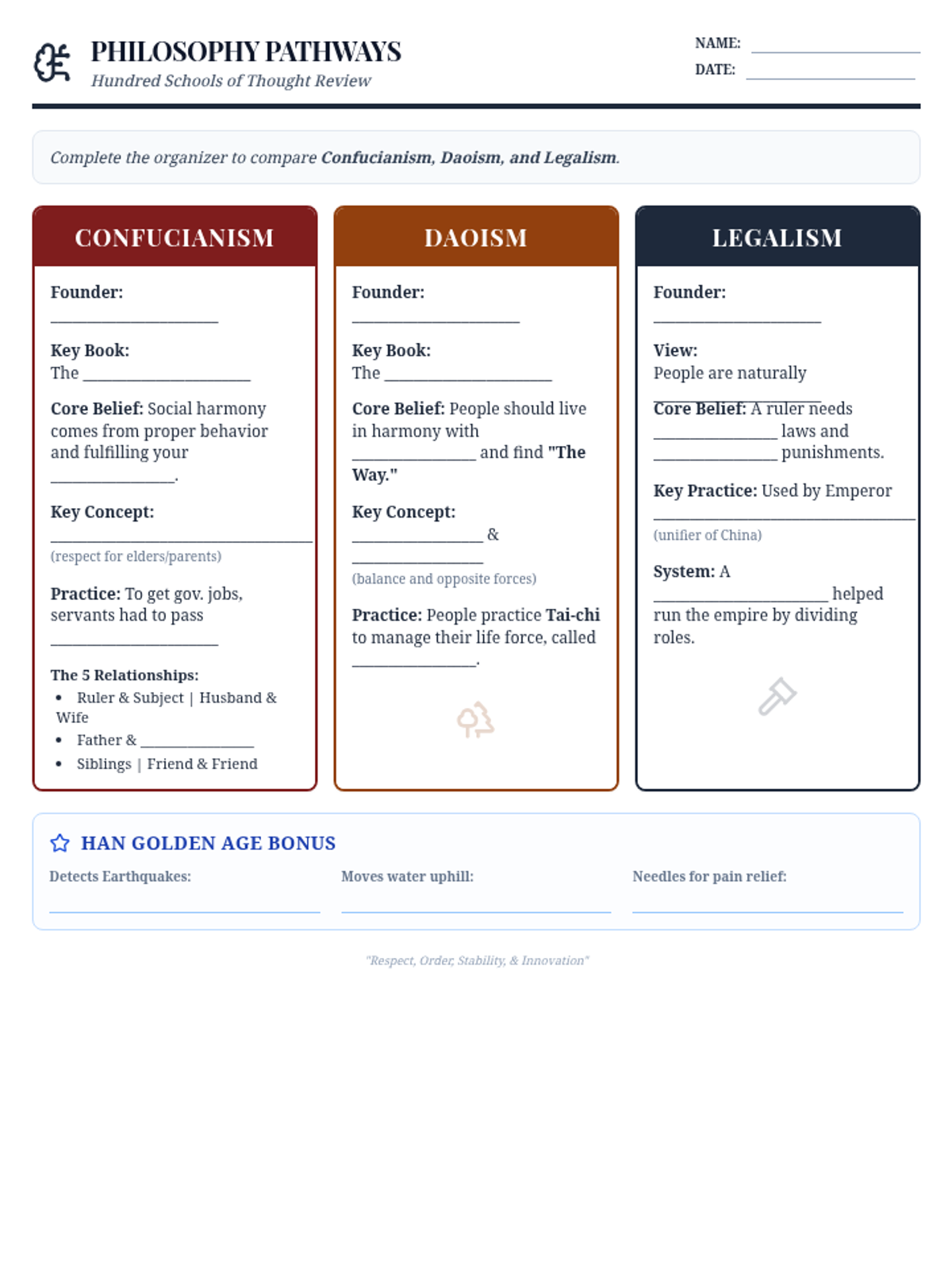
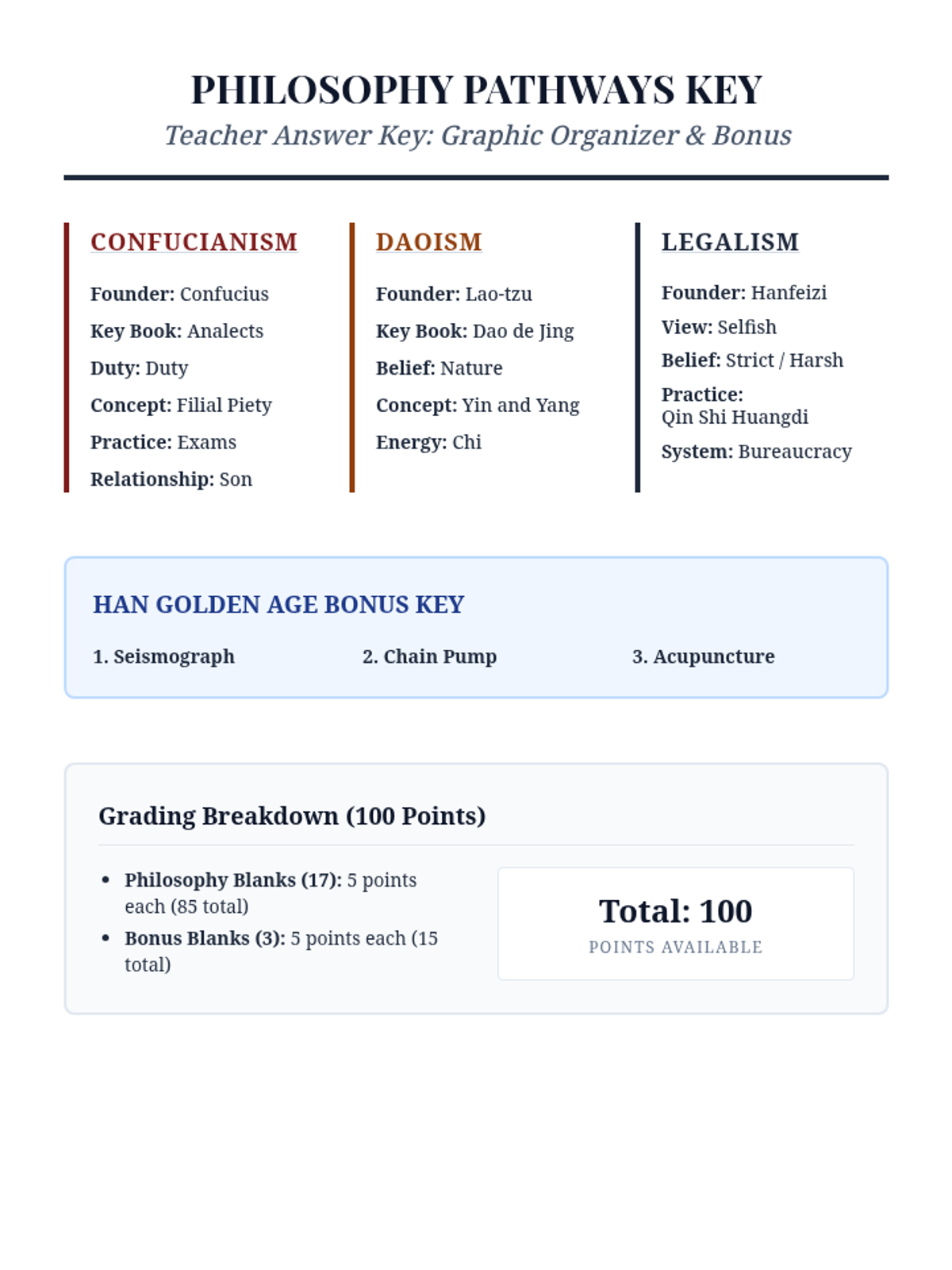
A comprehensive study guide and answer key covering the geography, dynasties, and philosophies of Ancient China, from the Shang to the Han Dynasty.
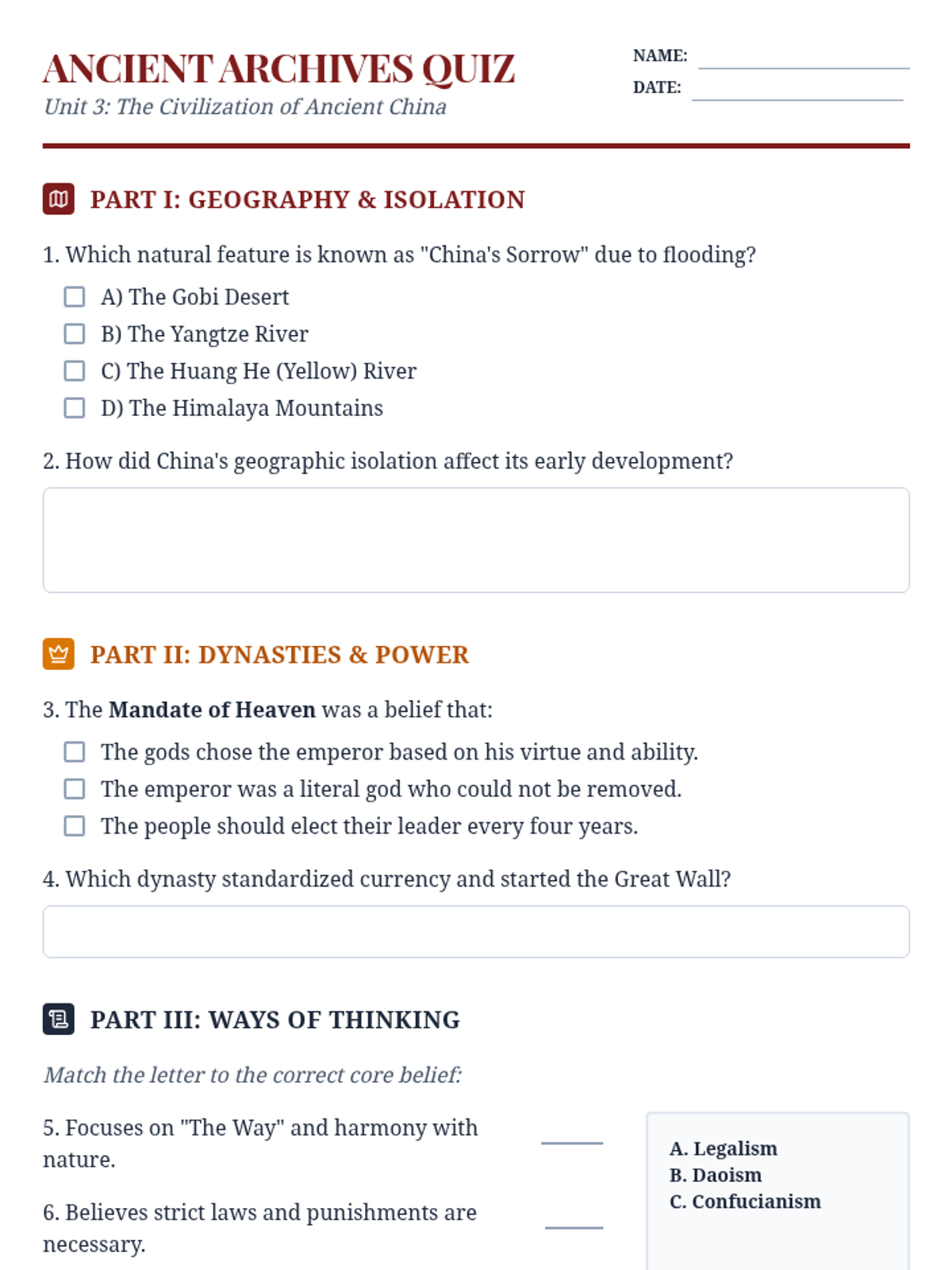
A comprehensive review lesson on Ancient China for 6th grade students, covering geography, dynasties, philosophies, and major historical landmarks.
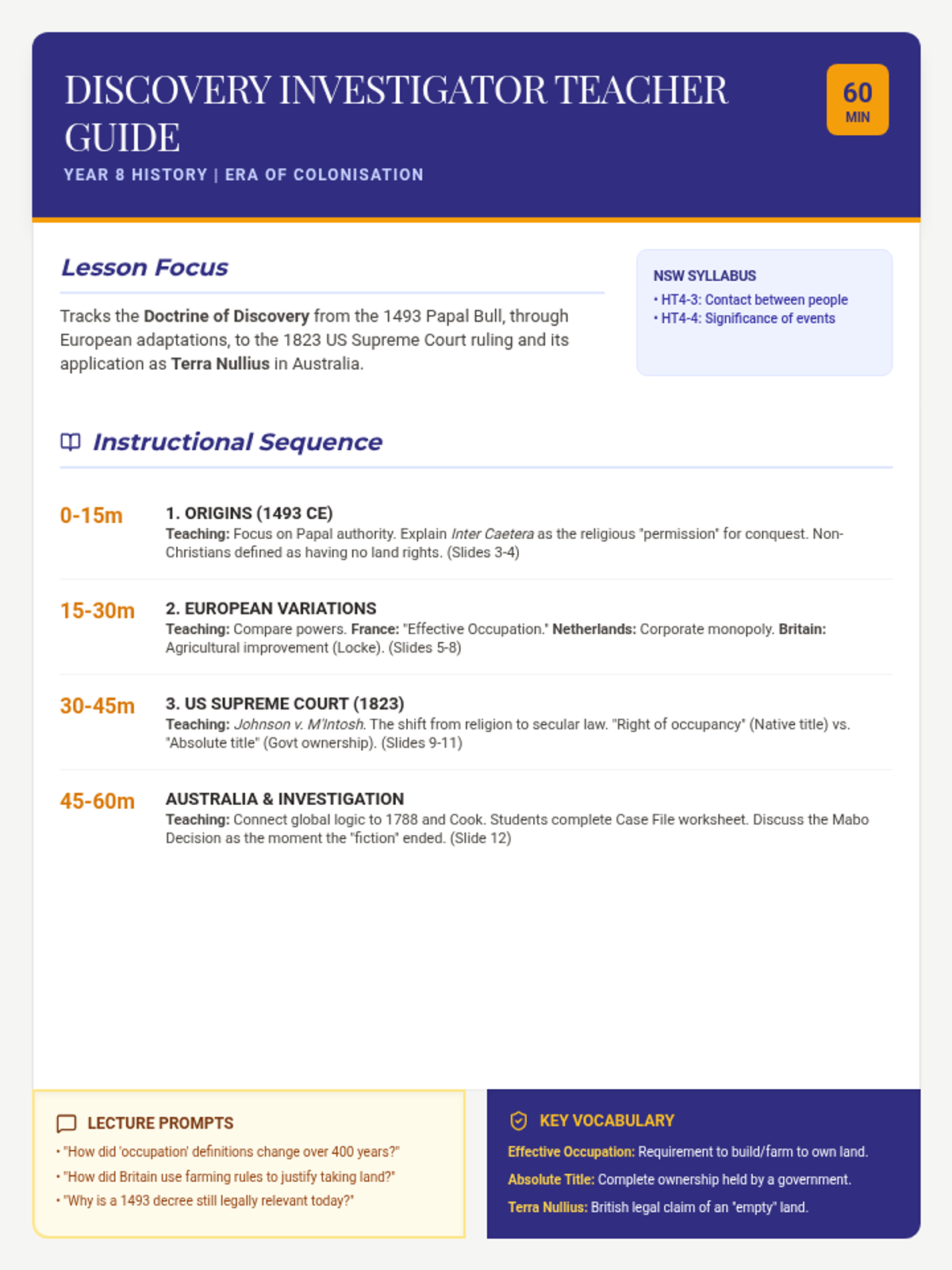
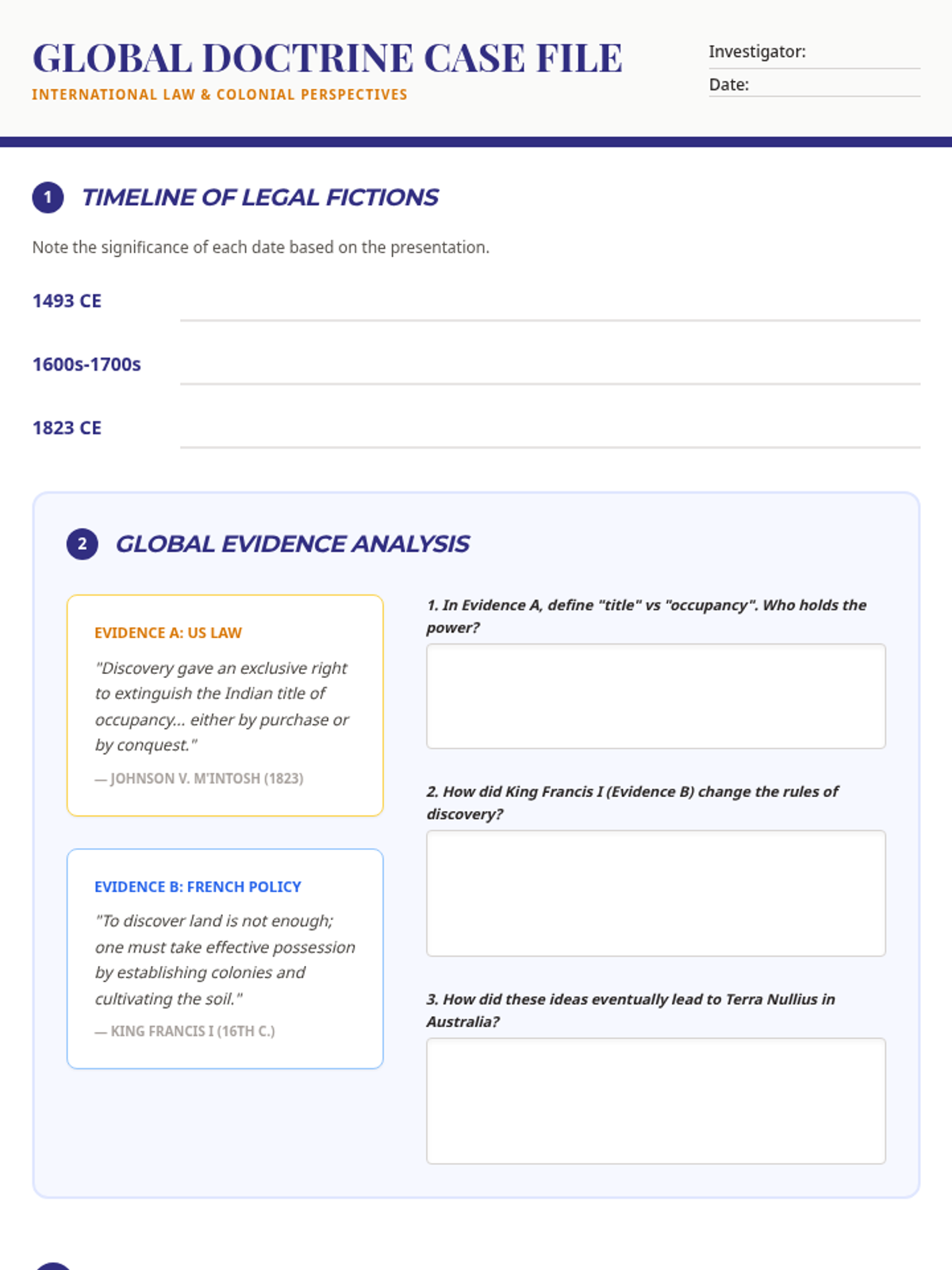
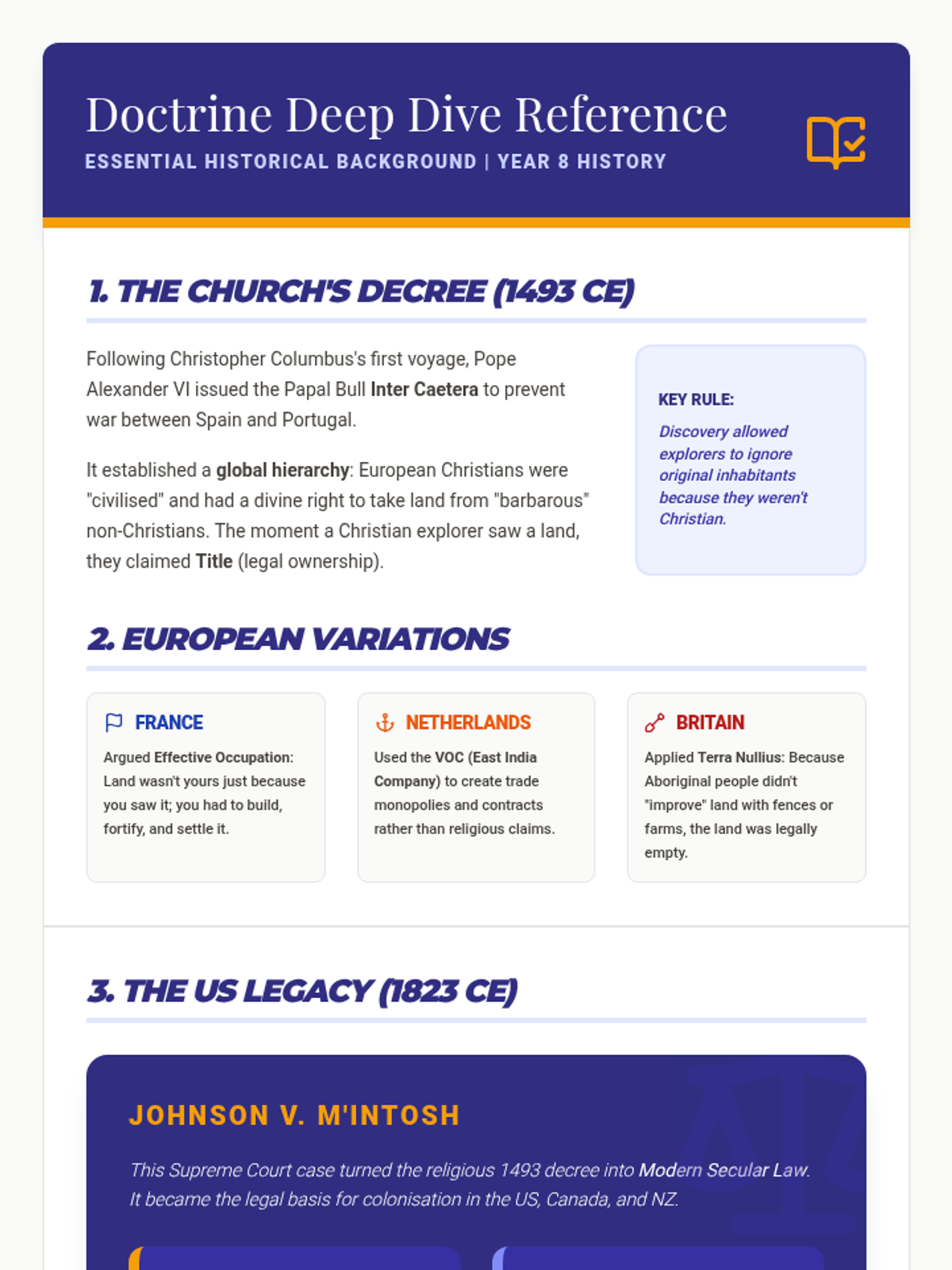
An investigation into the legal and moral frameworks of the Doctrine of Discovery and Terra Nullius, exploring their impact on Aboriginal and Torres Strait Islander Peoples.
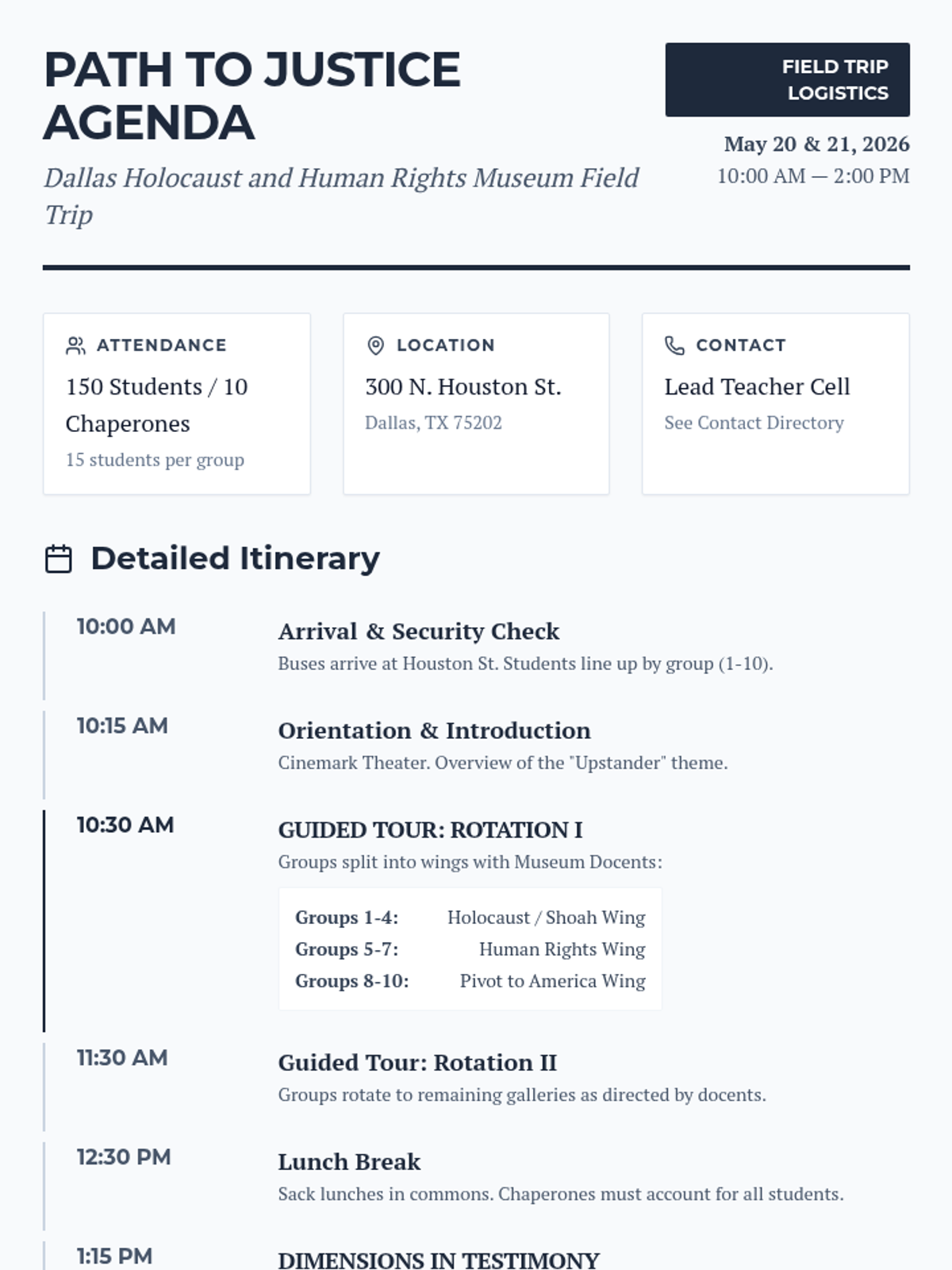
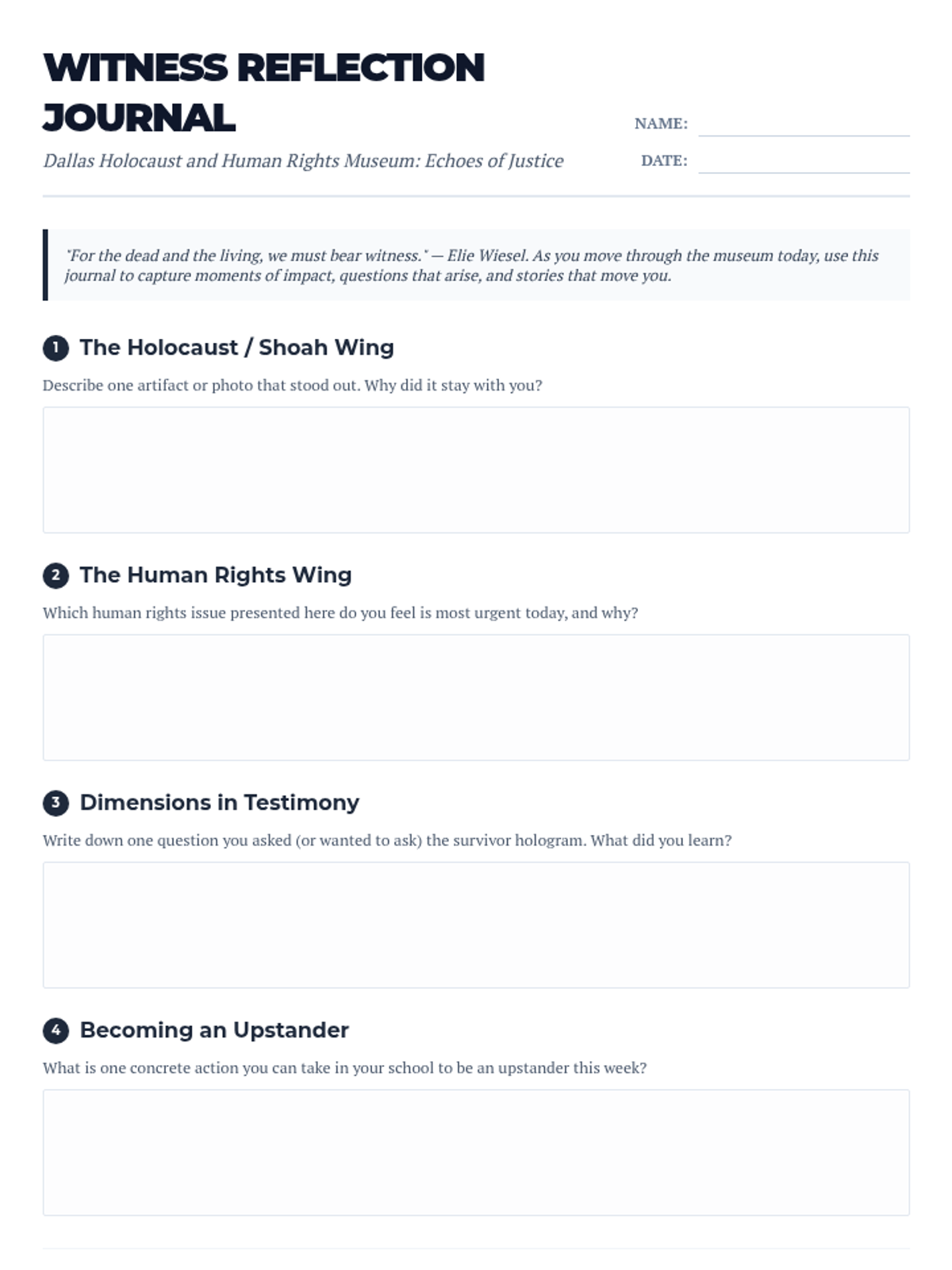
A comprehensive field trip plan for a visit to the Dallas Holocaust and Human Rights Museum, focusing on the history of the Holocaust, human rights struggles, and the importance of upstander behavior.
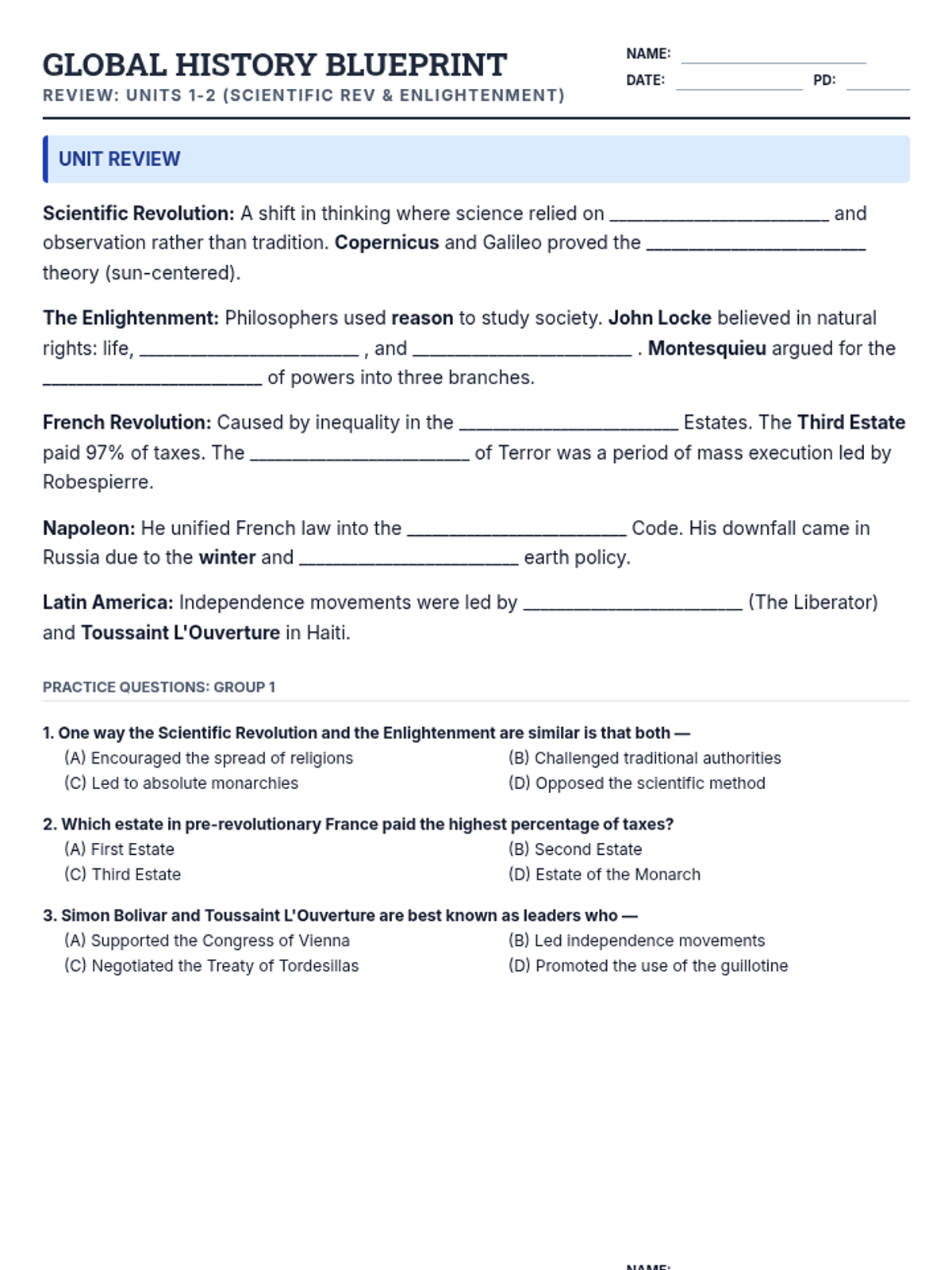
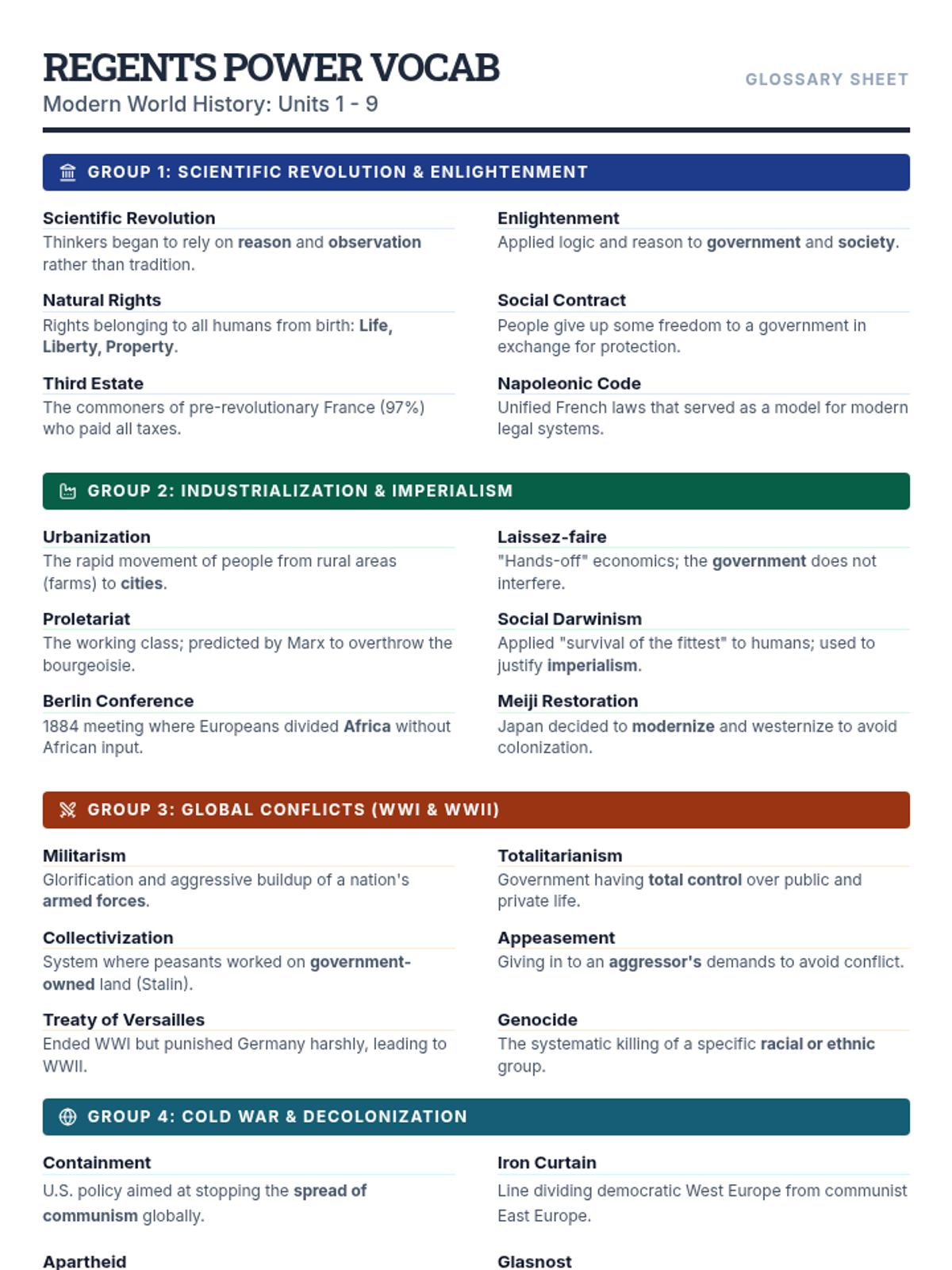
An intensive review session covering the Enlightenment through contemporary global issues (Units 1-9), featuring guided instruction and integrated Regents-style practice.
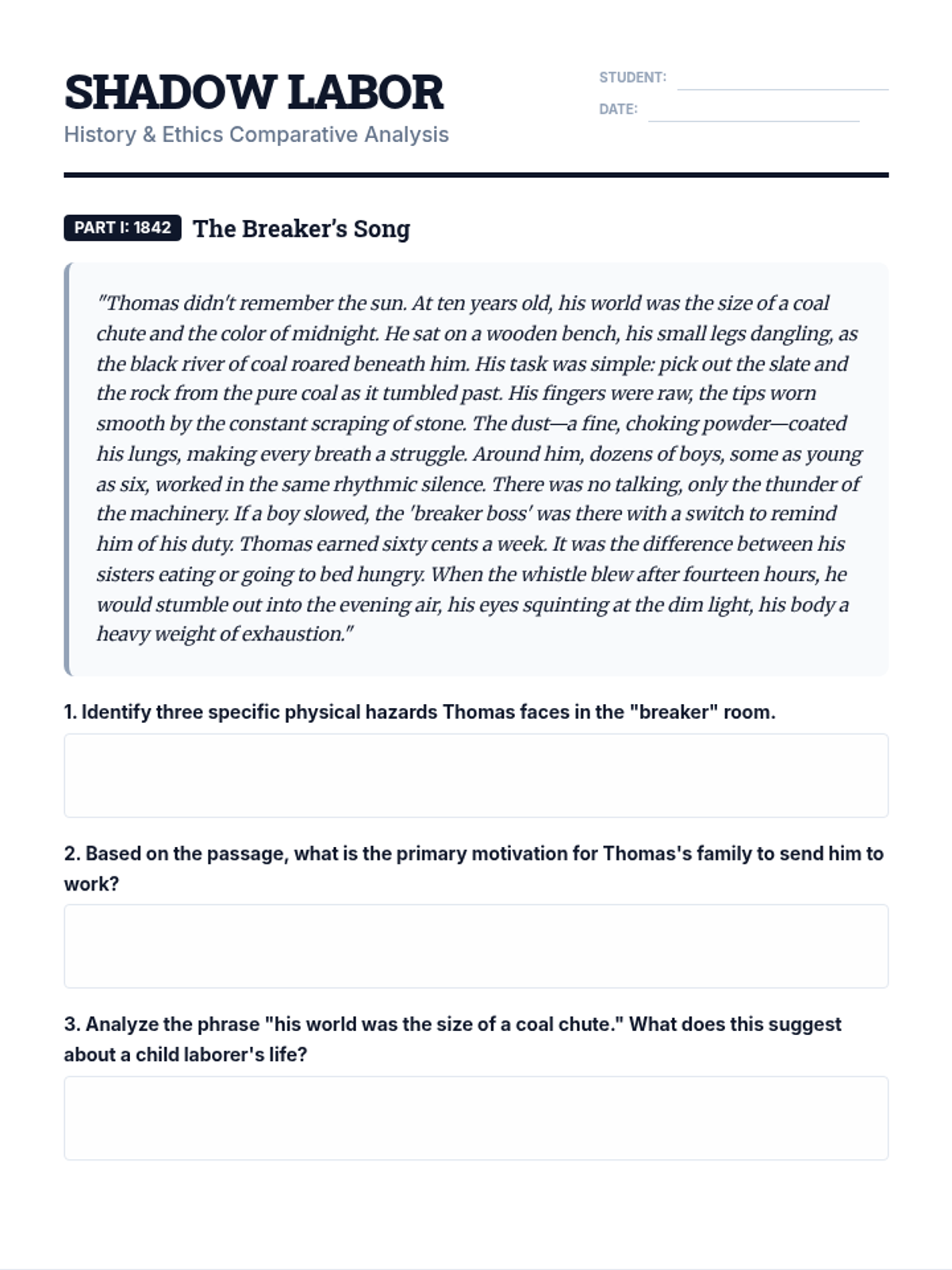
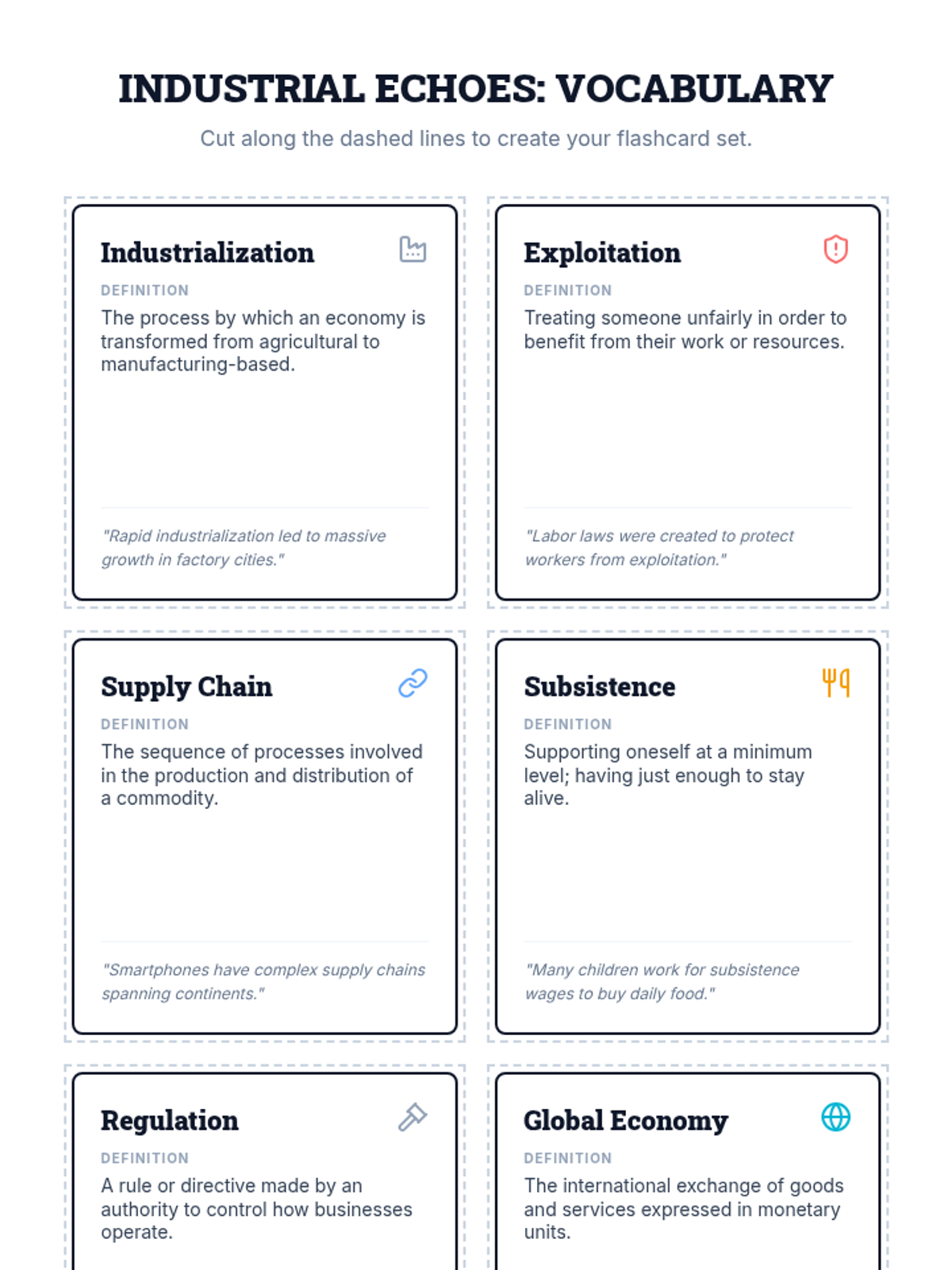
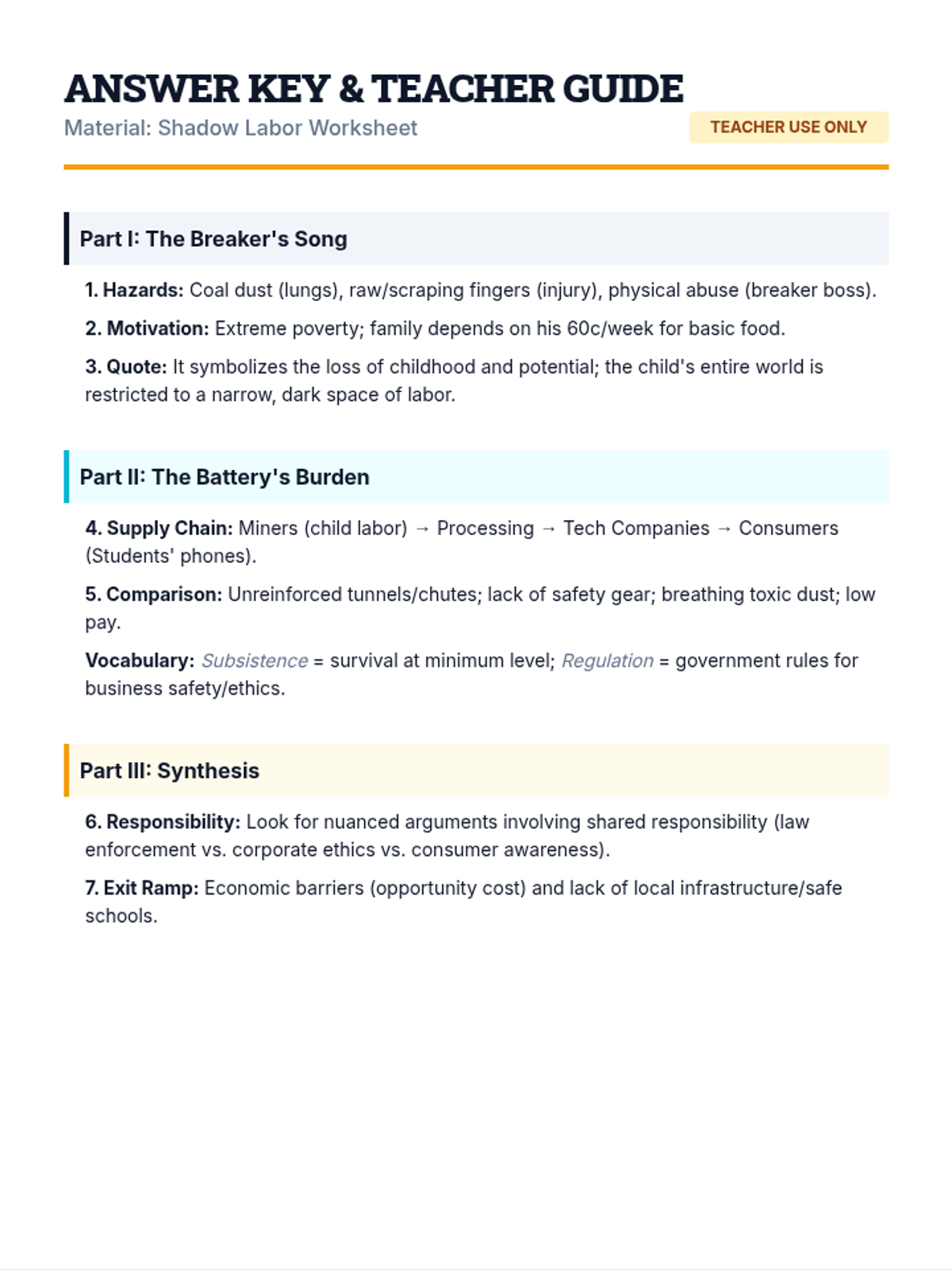
Students compare historical accounts of child labor from the Industrial Revolution with modern-day case studies in global industries. The lesson focuses on identifying patterns of exploitation and the evolution of labor laws.
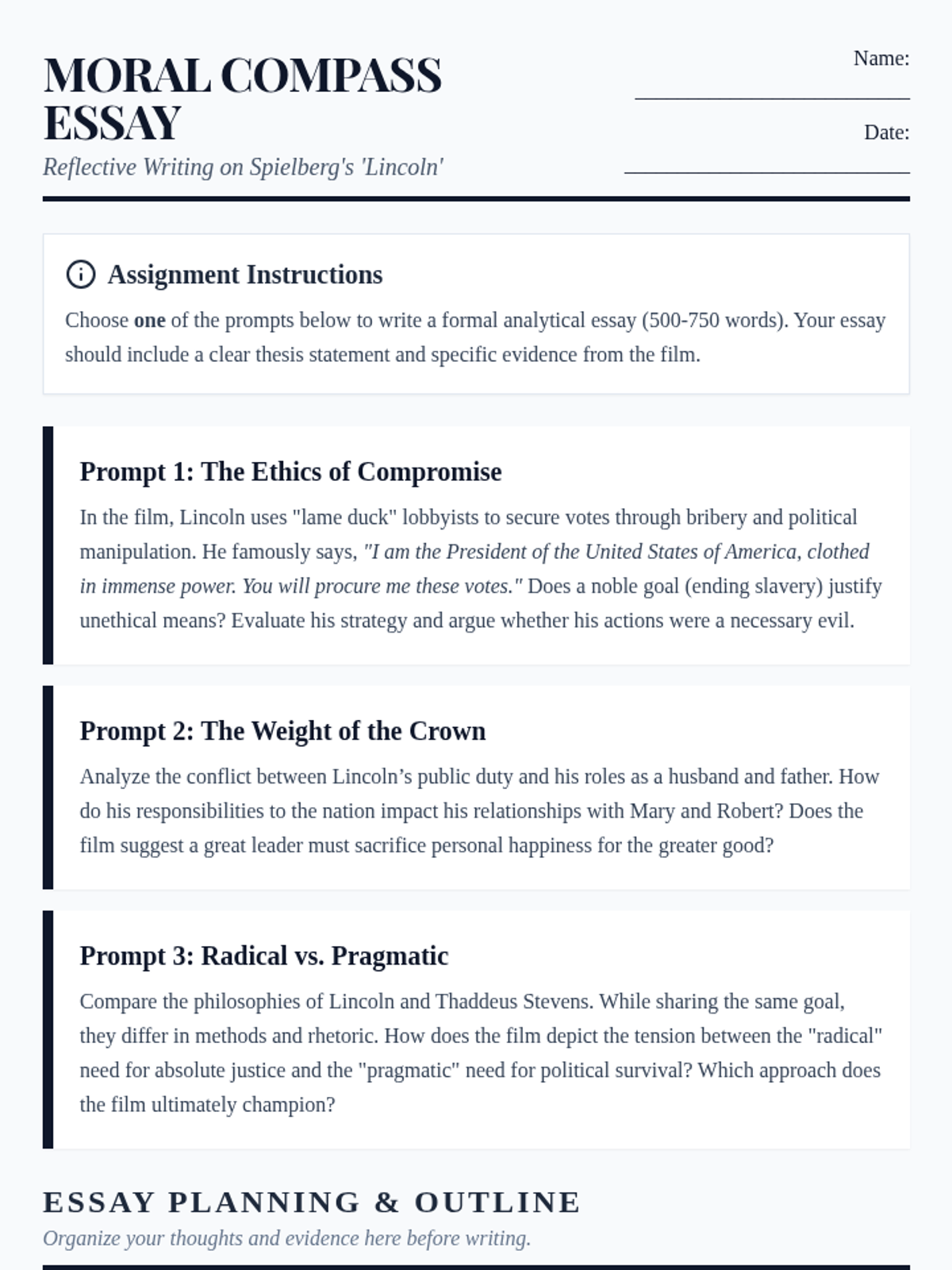
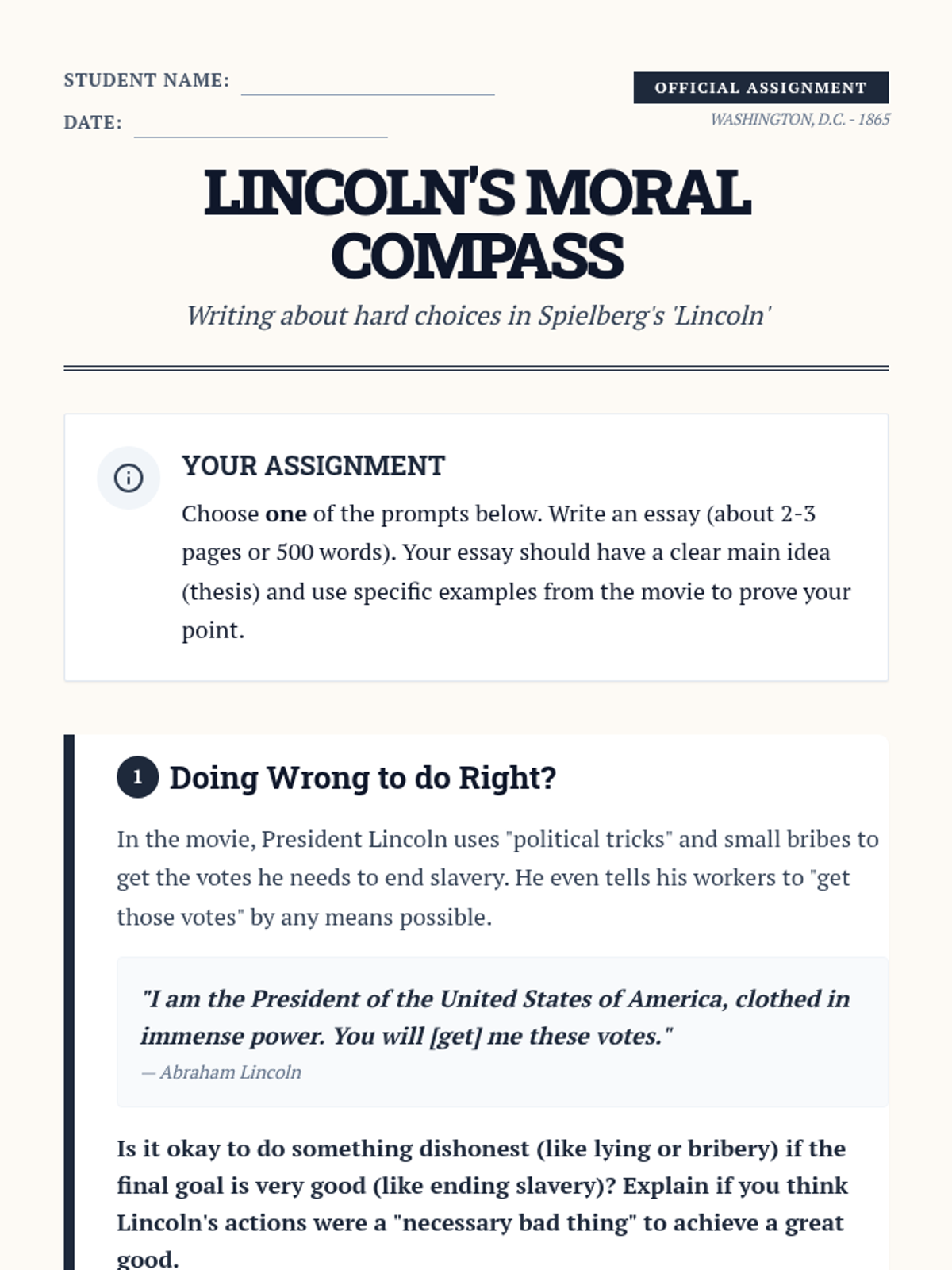
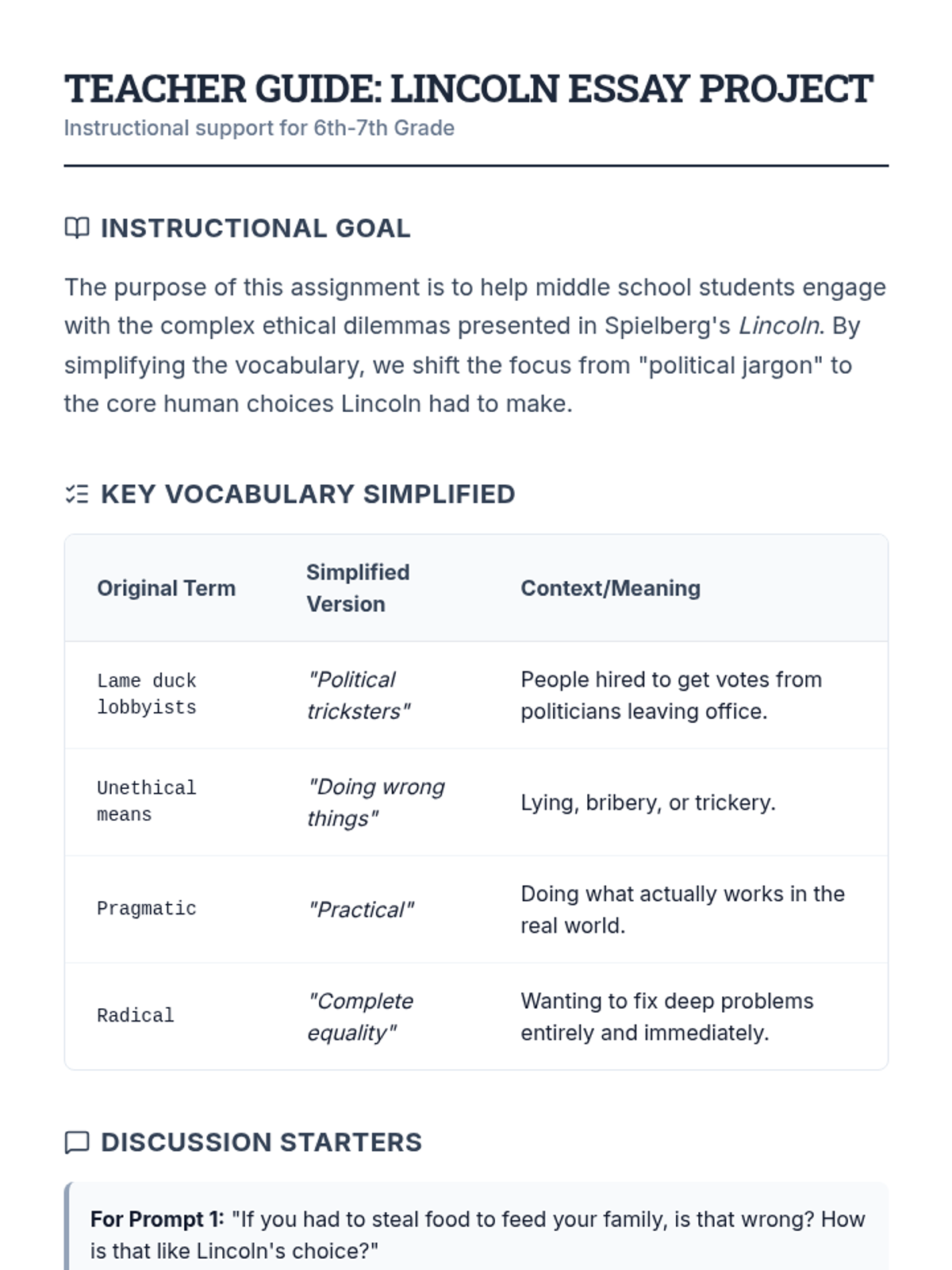
Students explore the ethical and personal challenges faced by Abraham Lincoln during the passage of the 13th Amendment, focusing on simplified versions of complex historical and political themes.
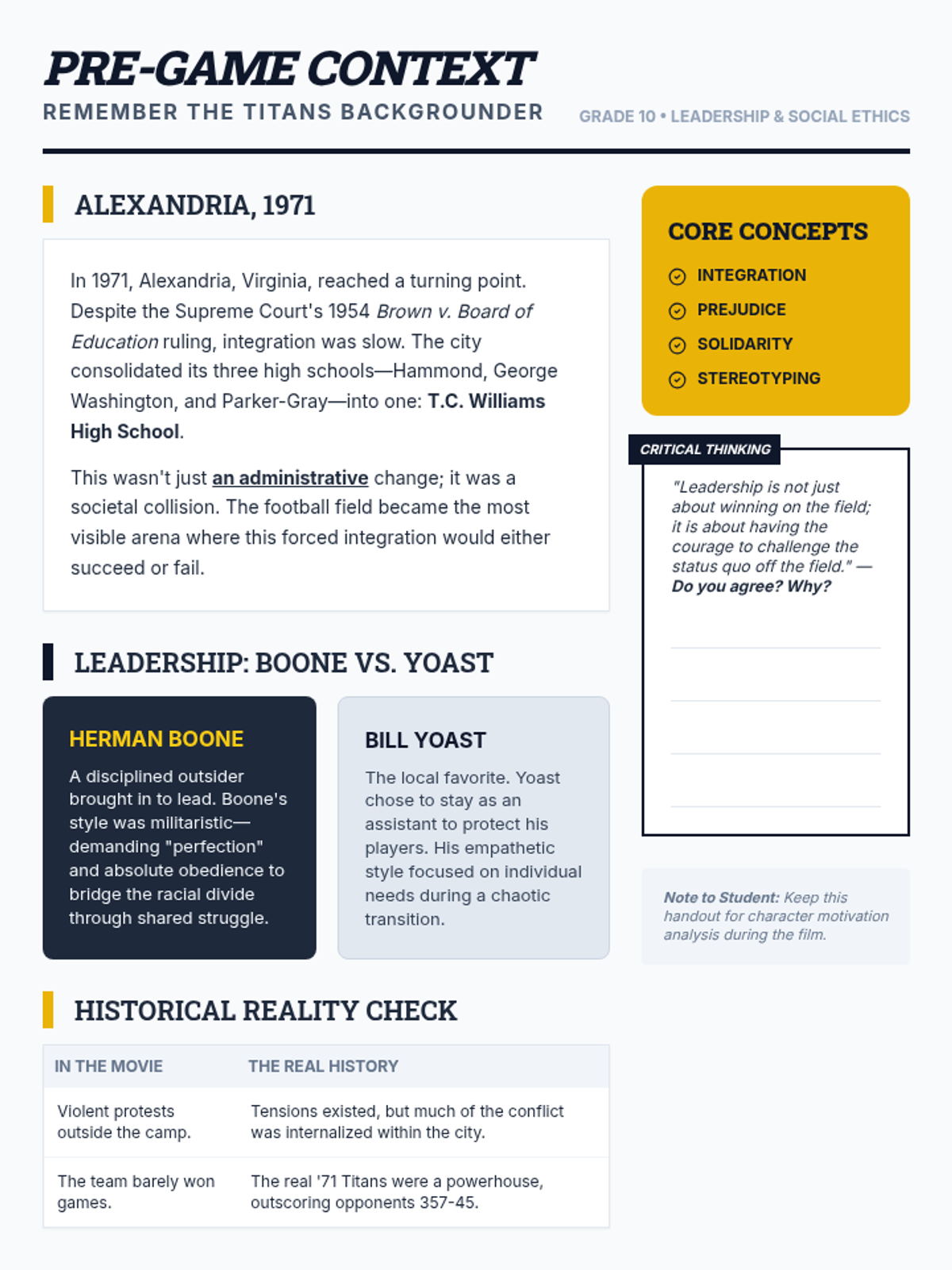
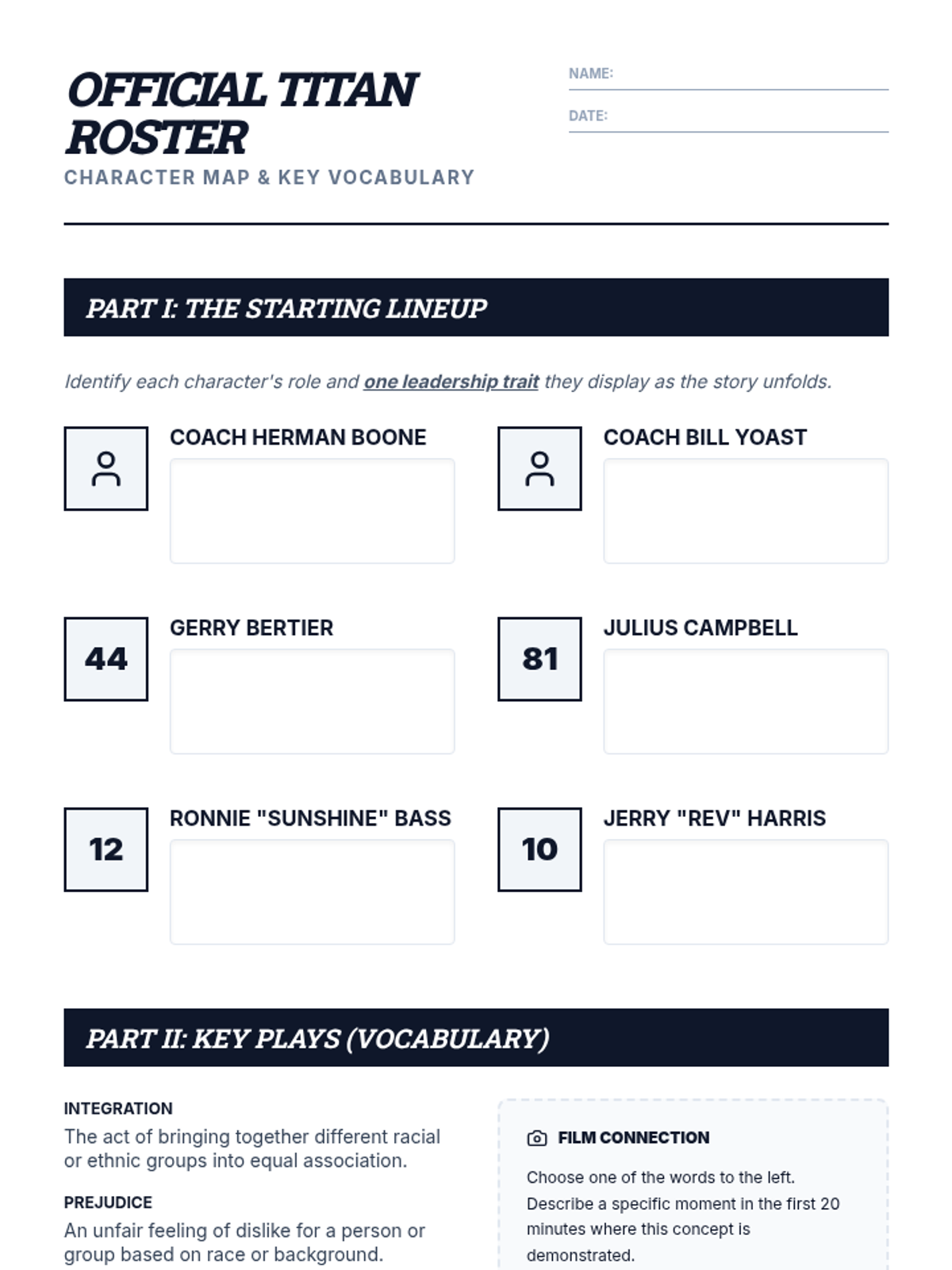
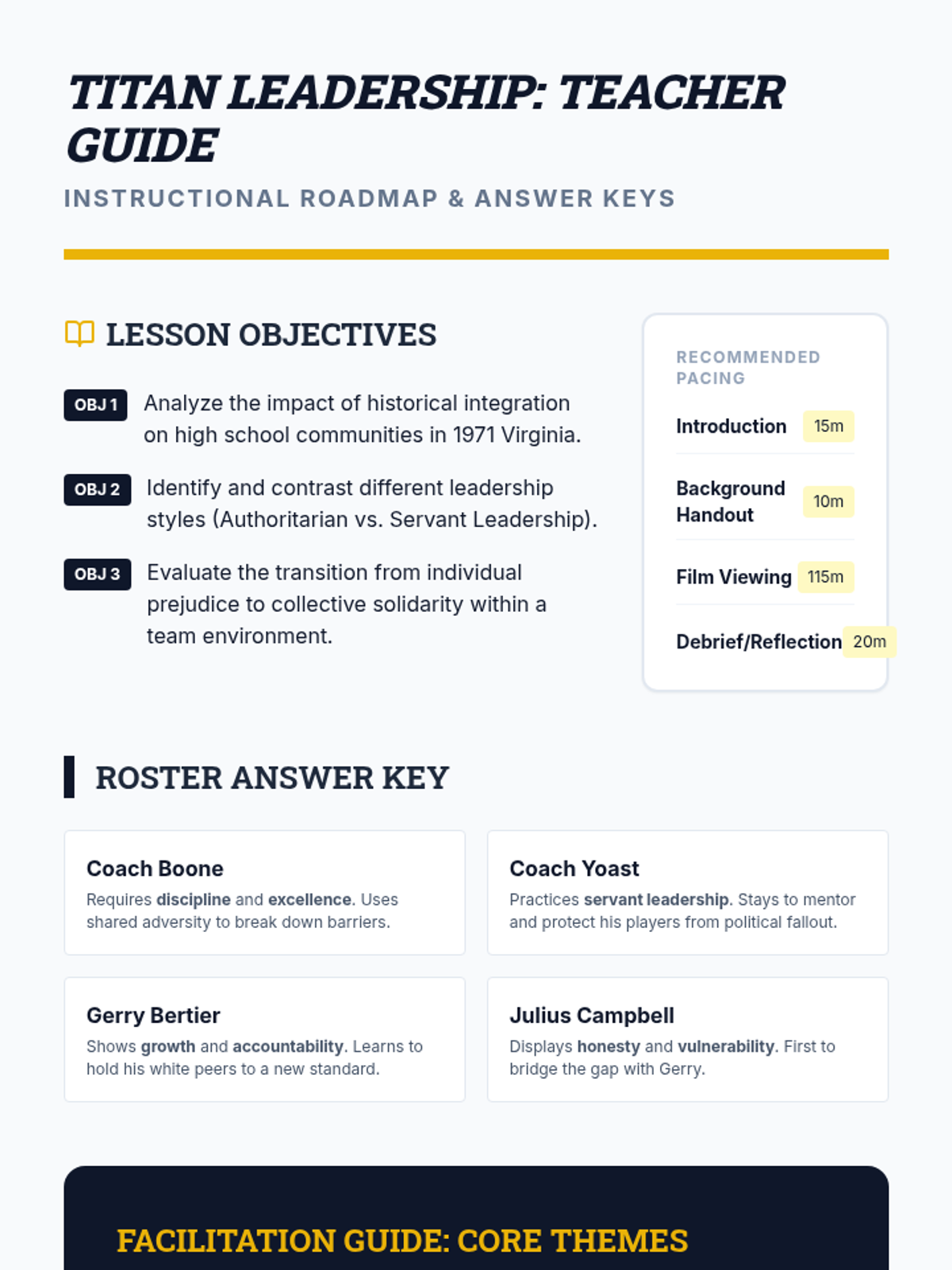
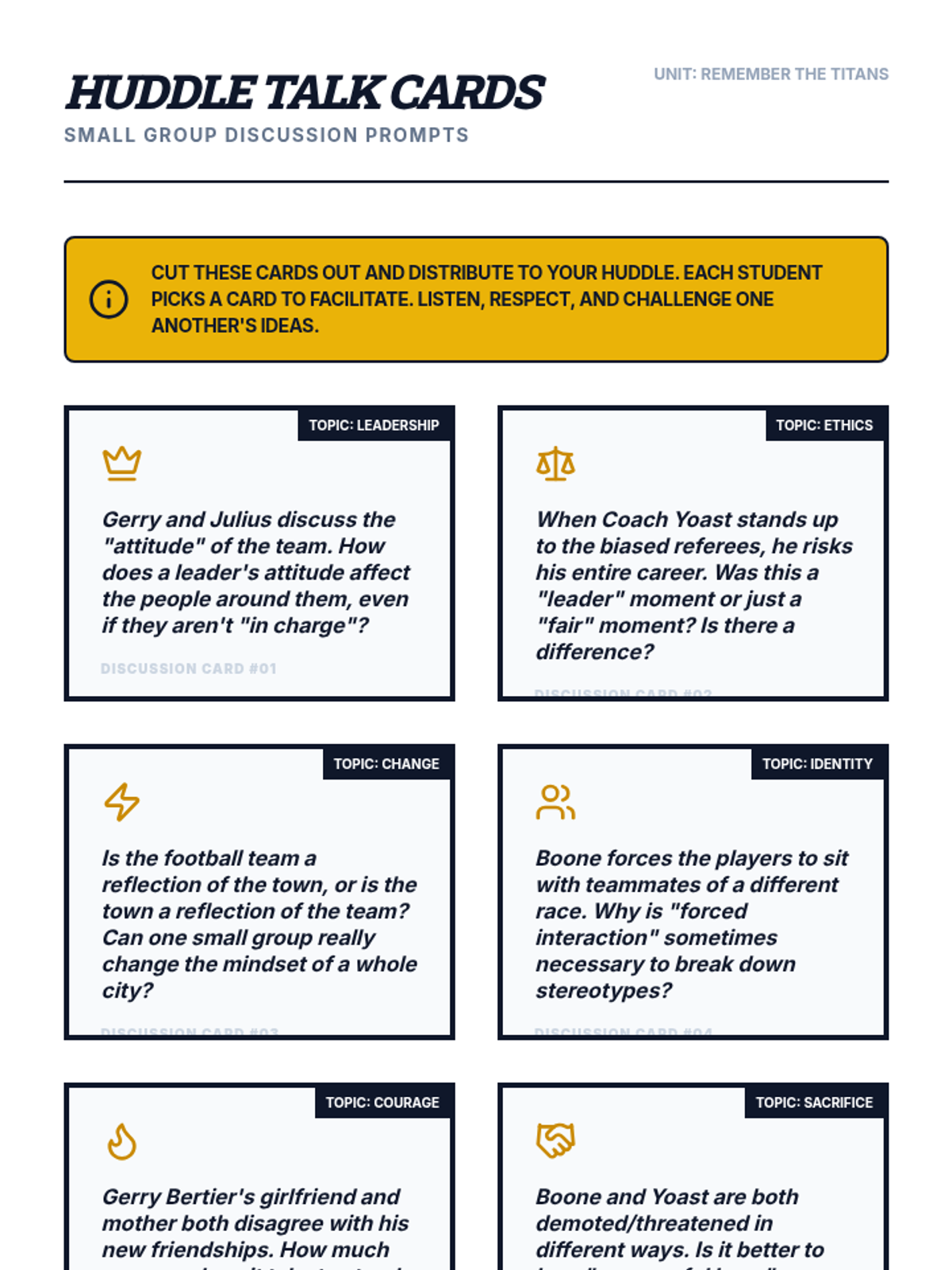
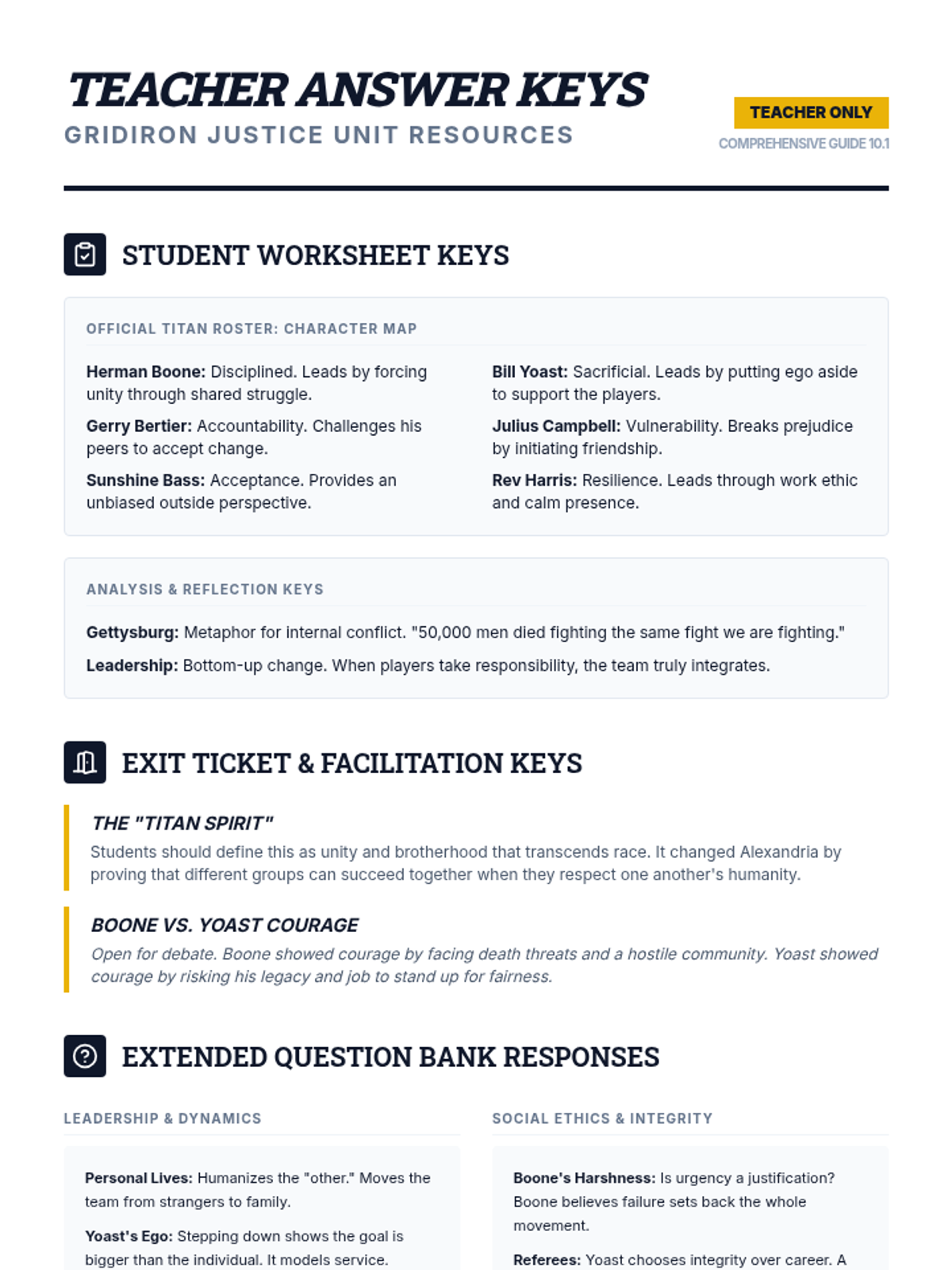
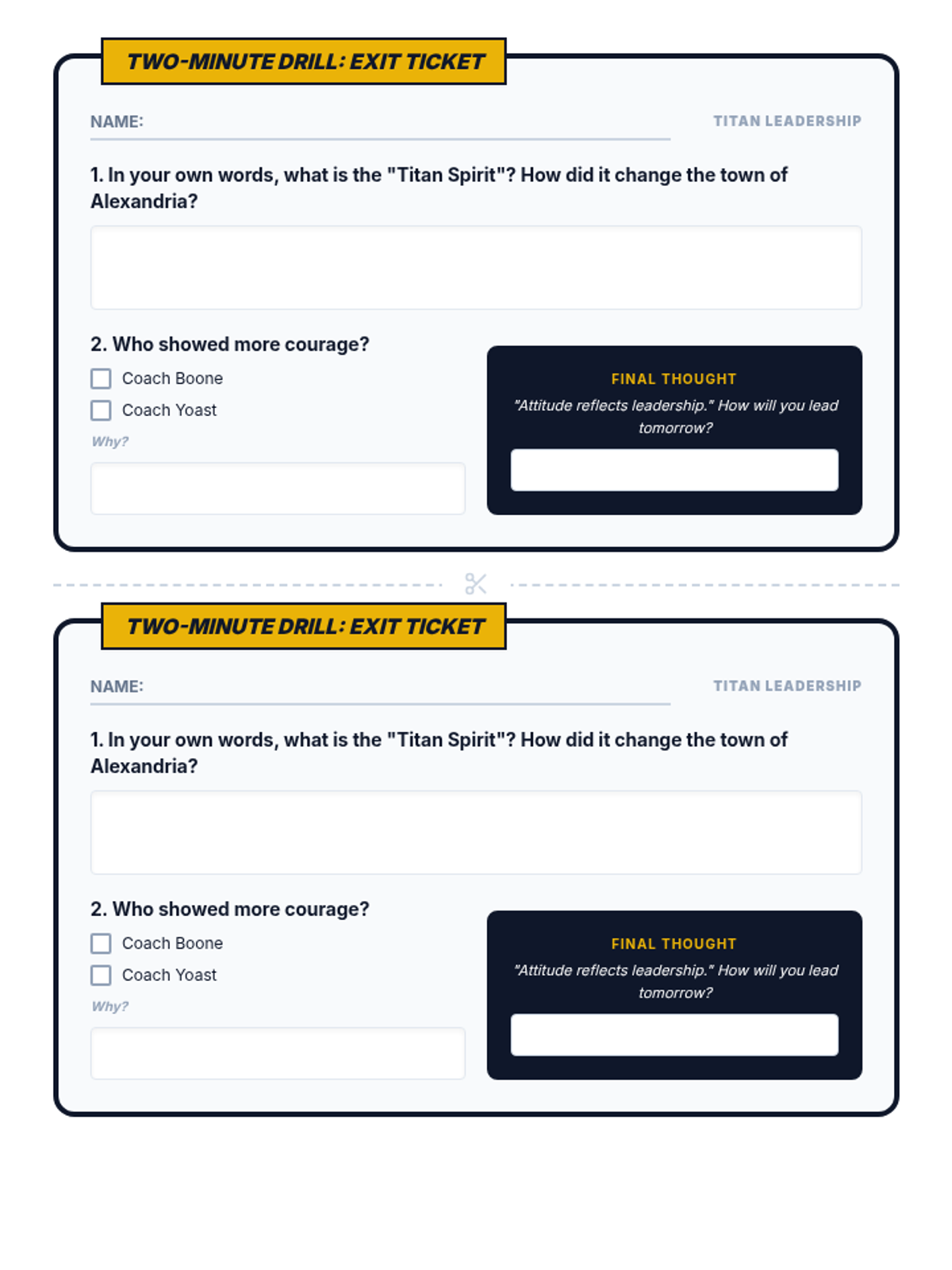
An introductory exploration of the historical and social themes in the film Remember the Titans, focusing on the 1971 integration of T.C. Williams High School and the leadership required to build a unified team.
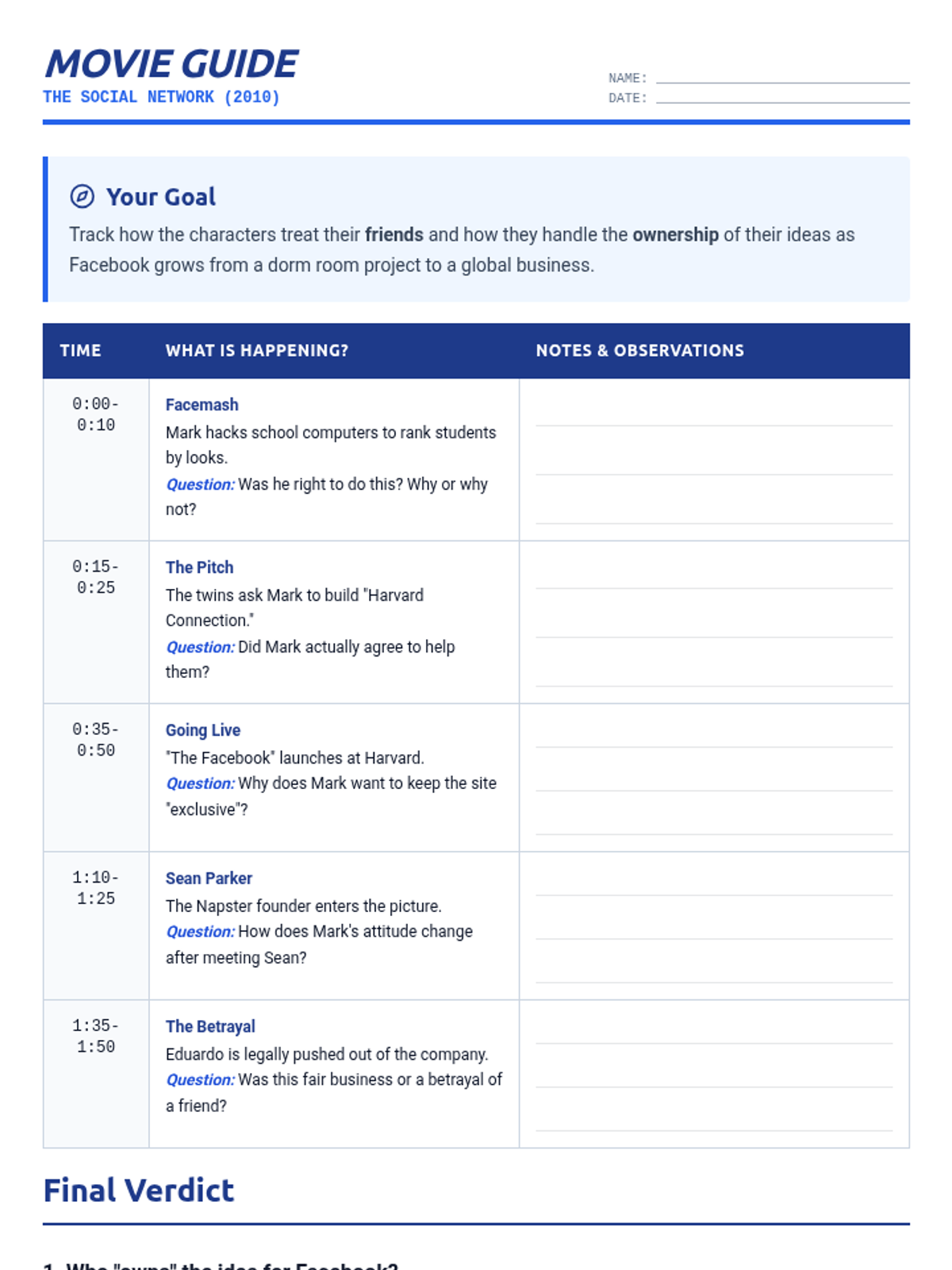
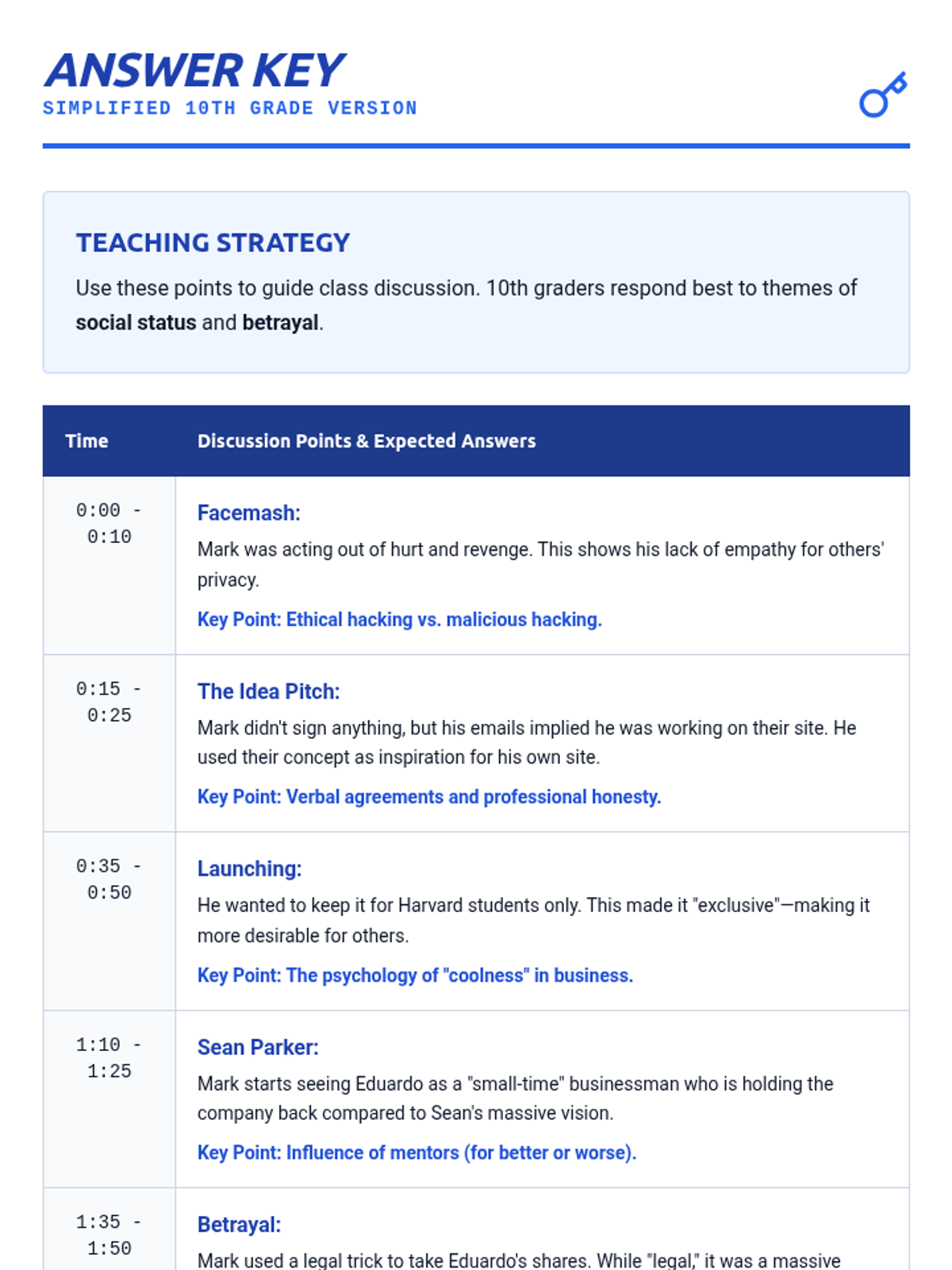
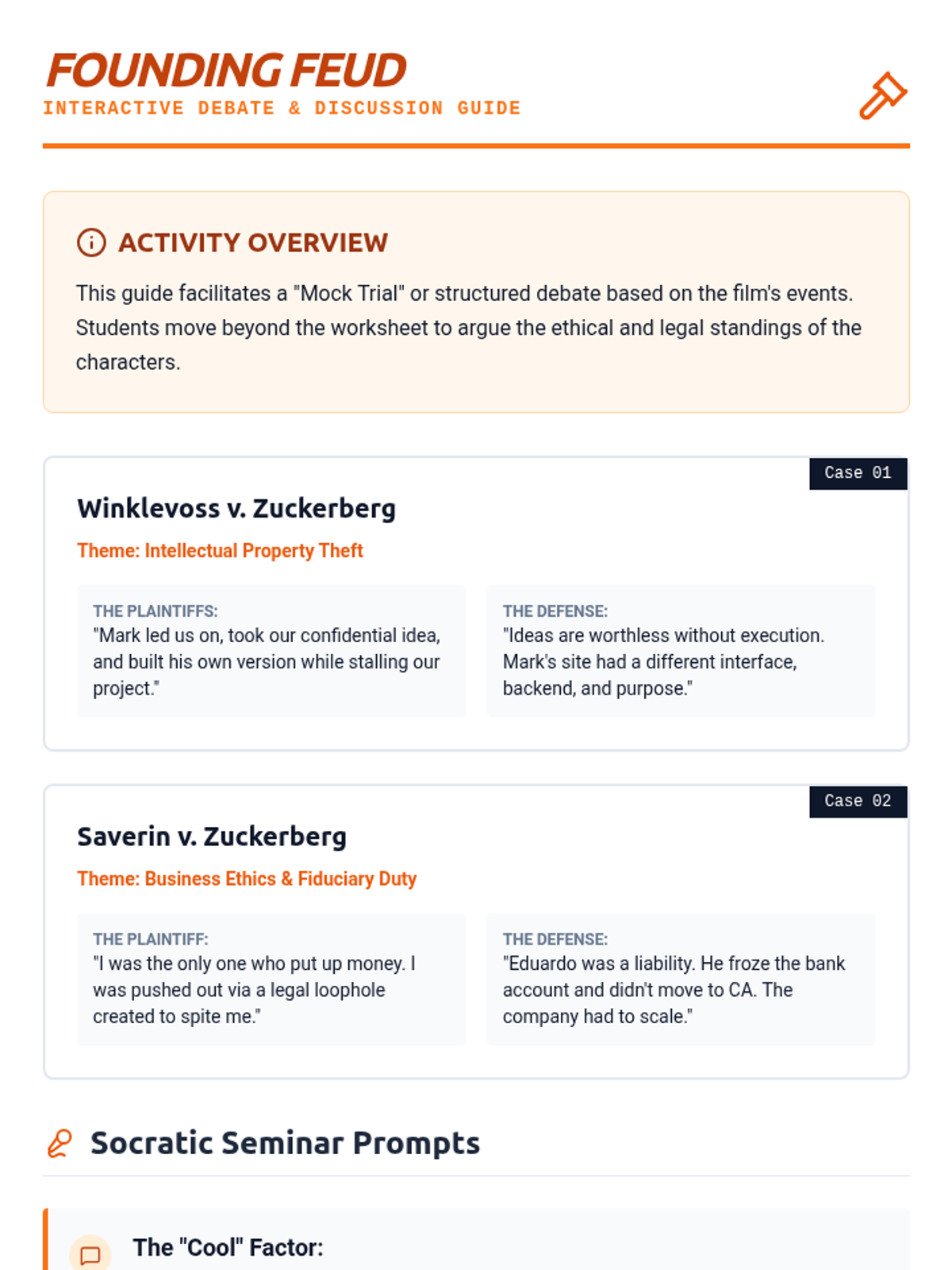
A lesson exploring the legal, ethical, and social ramifications of the creation of Facebook through the film The Social Network. Students analyze intellectual property disputes, business ethics, and the transformative power of social media.
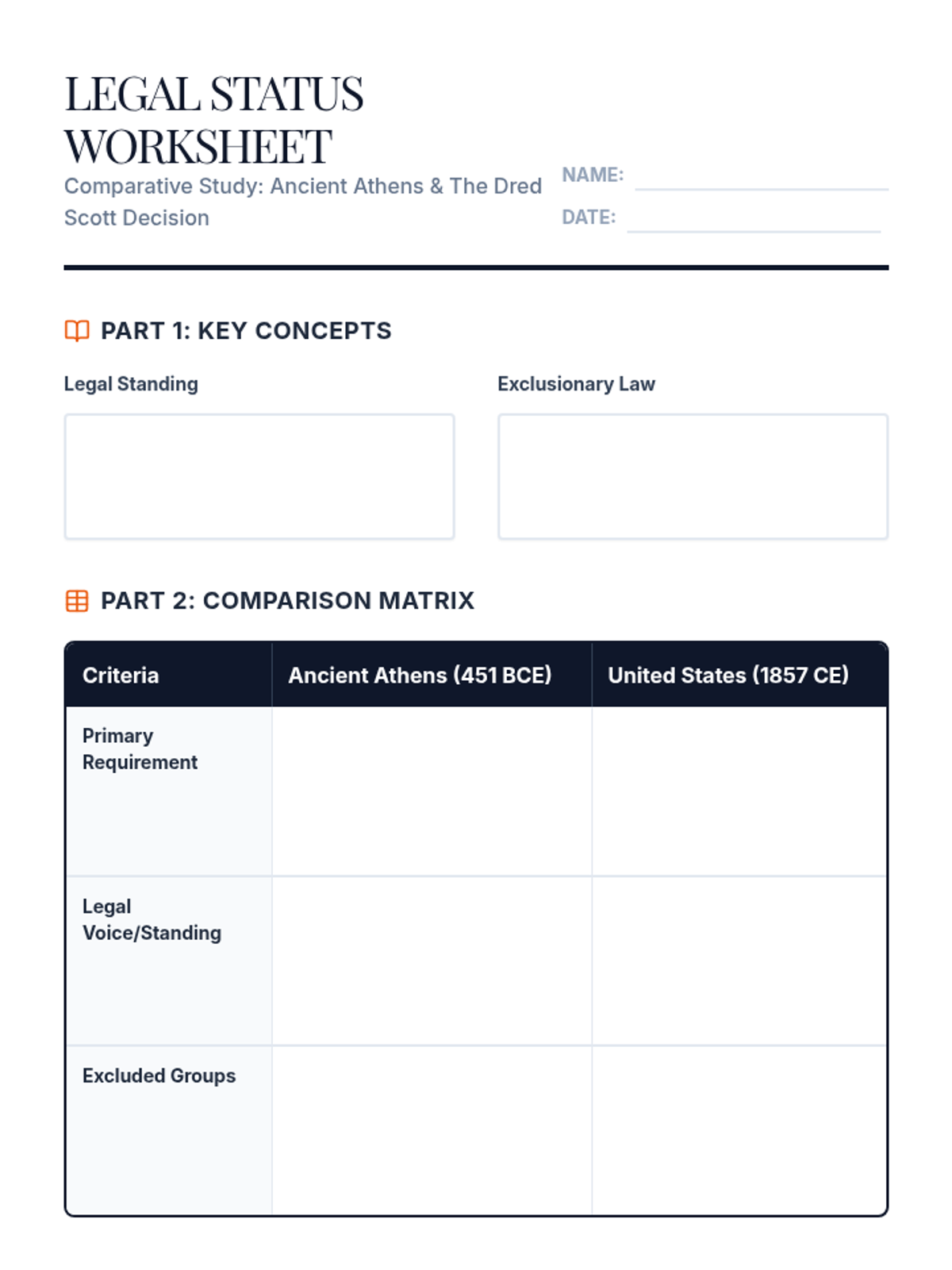
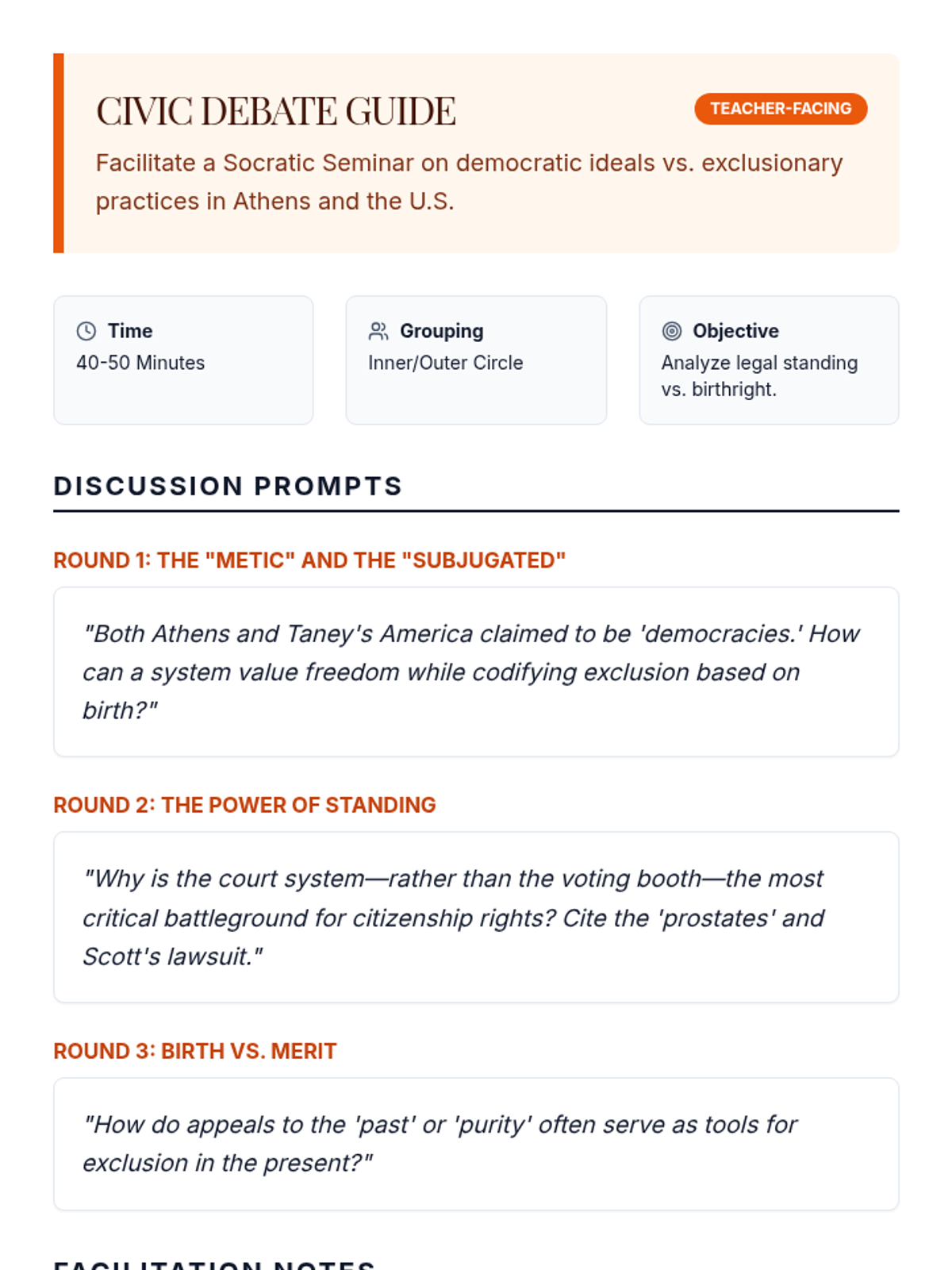
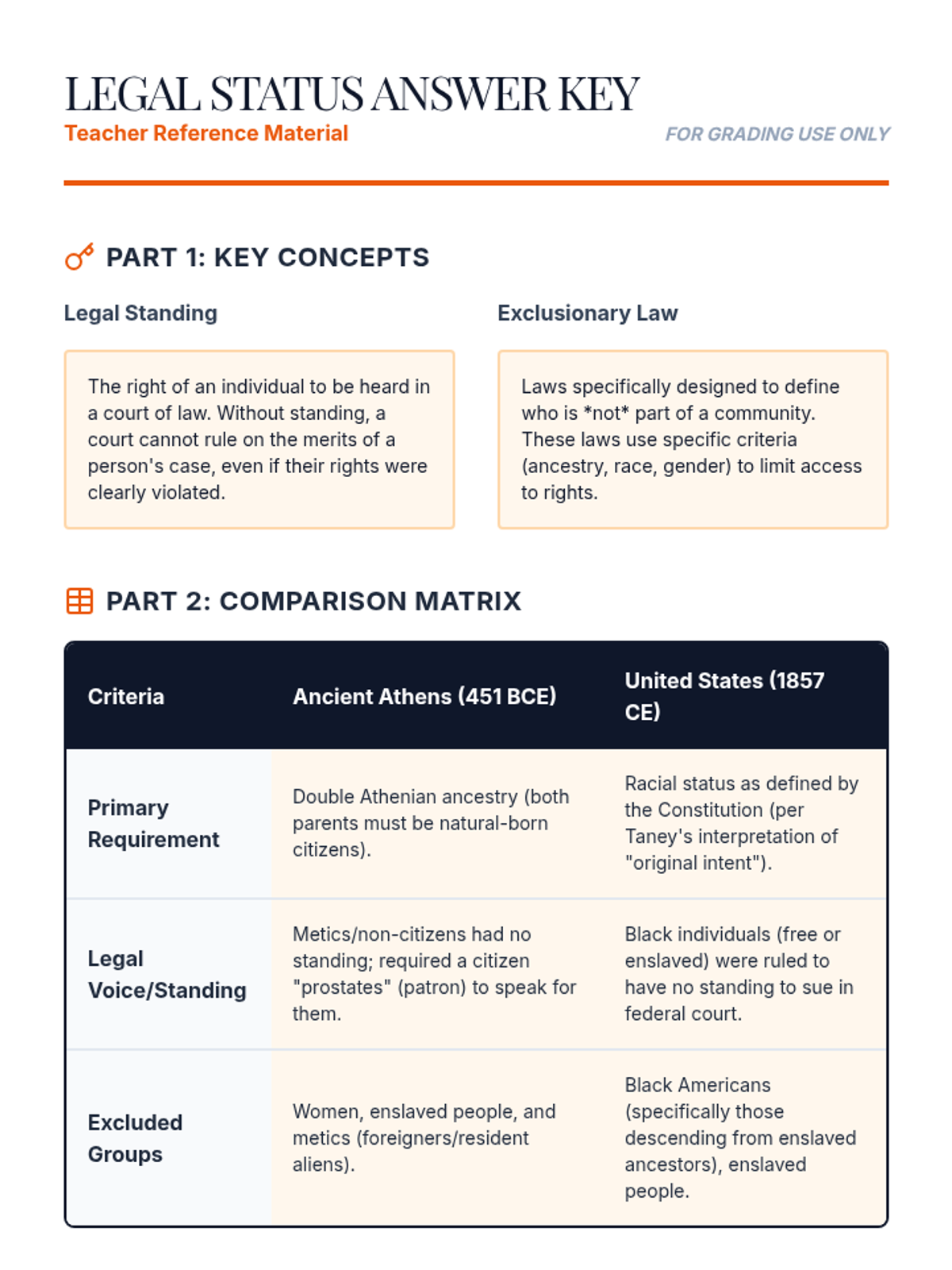
This lesson compares the exclusionary nature of citizenship in Ancient Athens with the 1857 Dred Scott decision, exploring how legal standing and individual rights were historically denied based on birth and status.
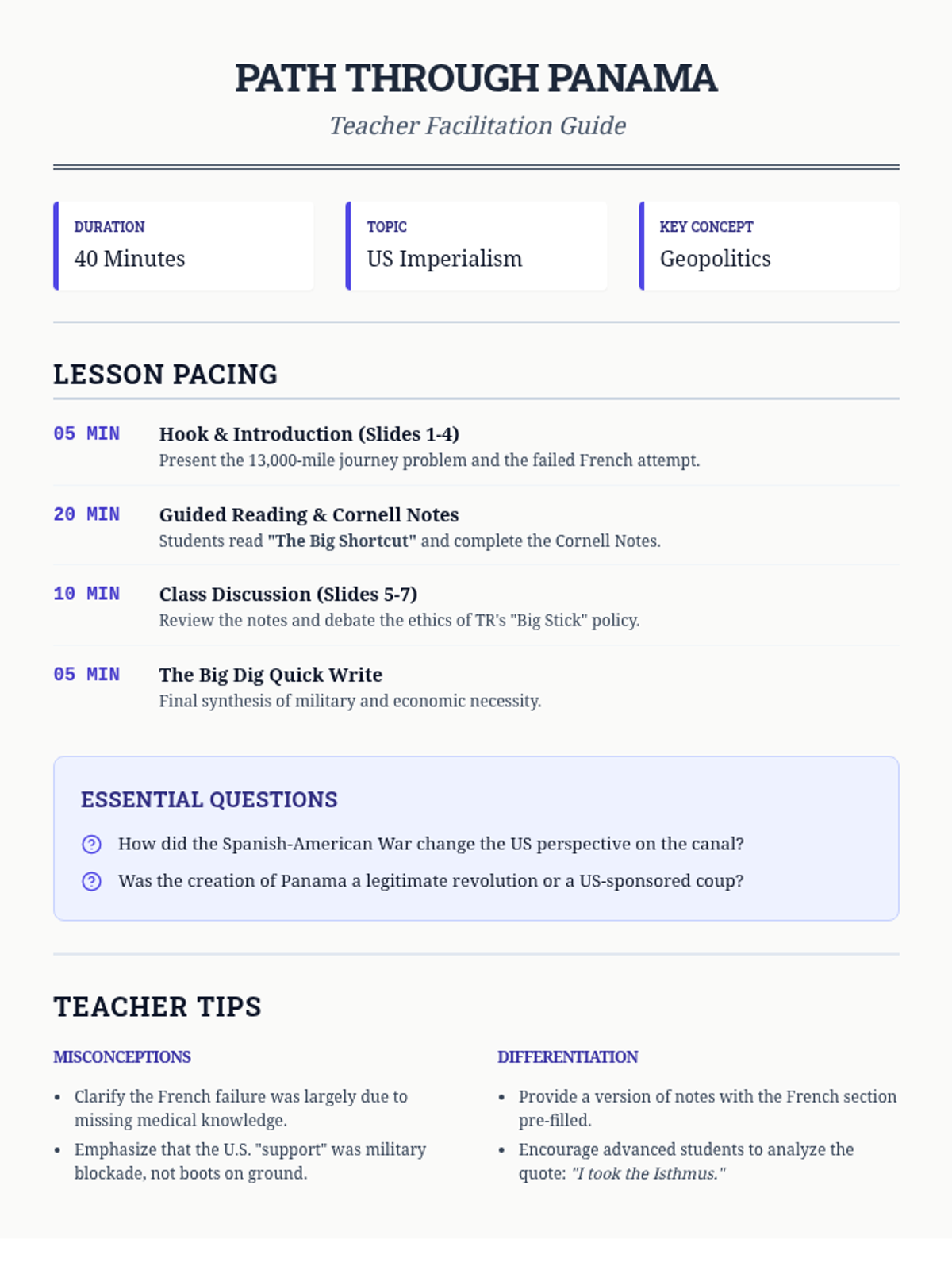
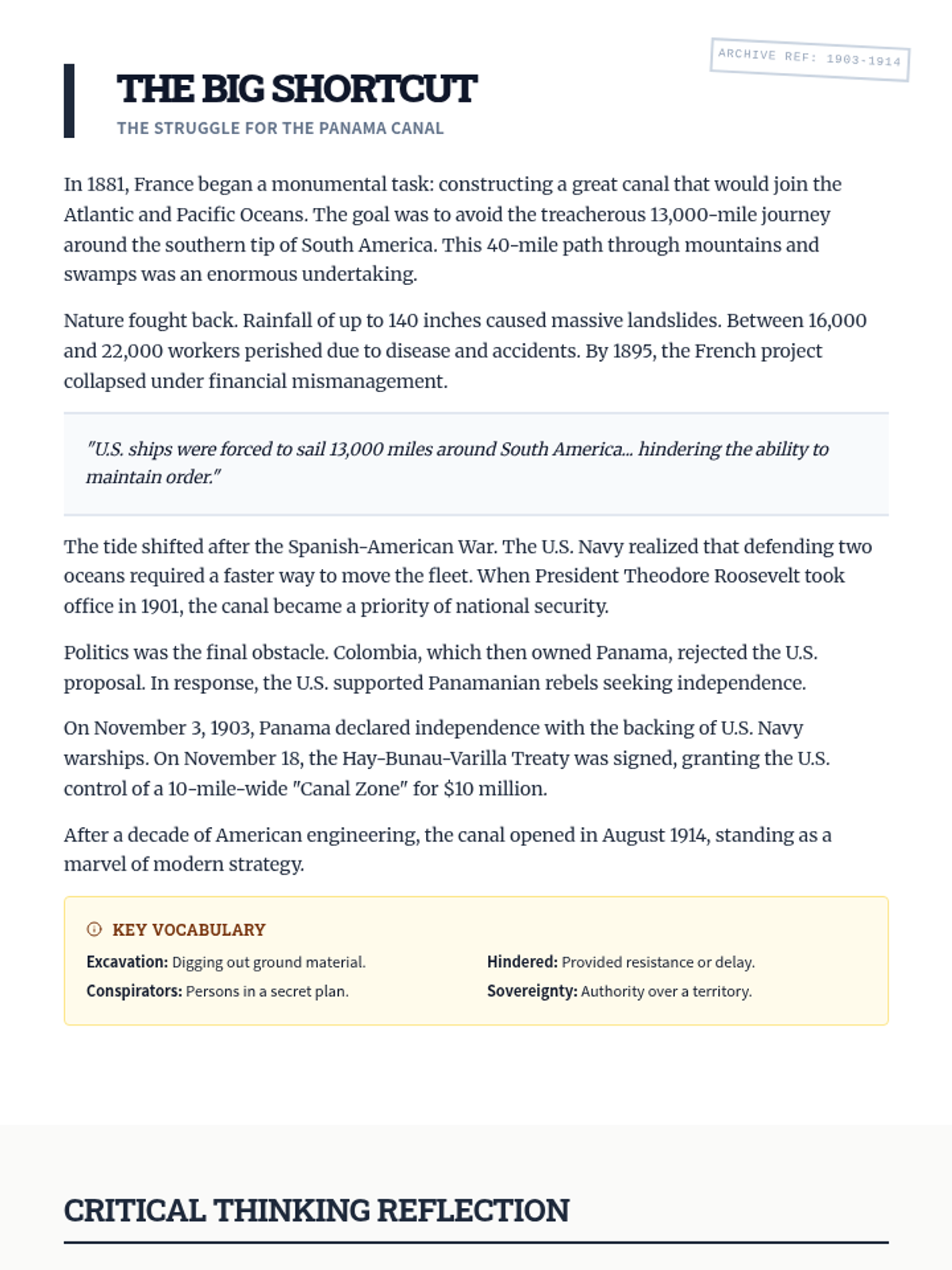
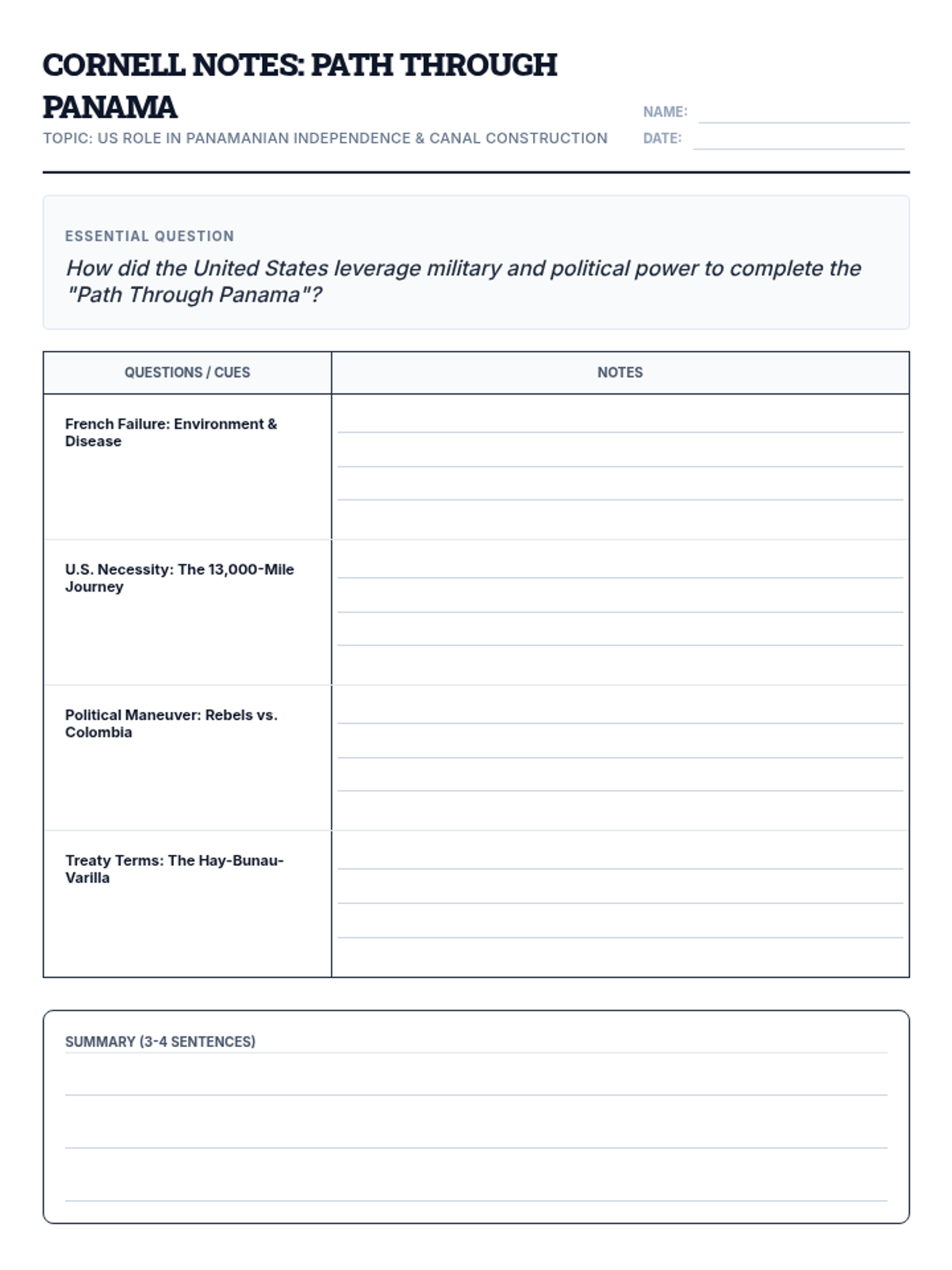
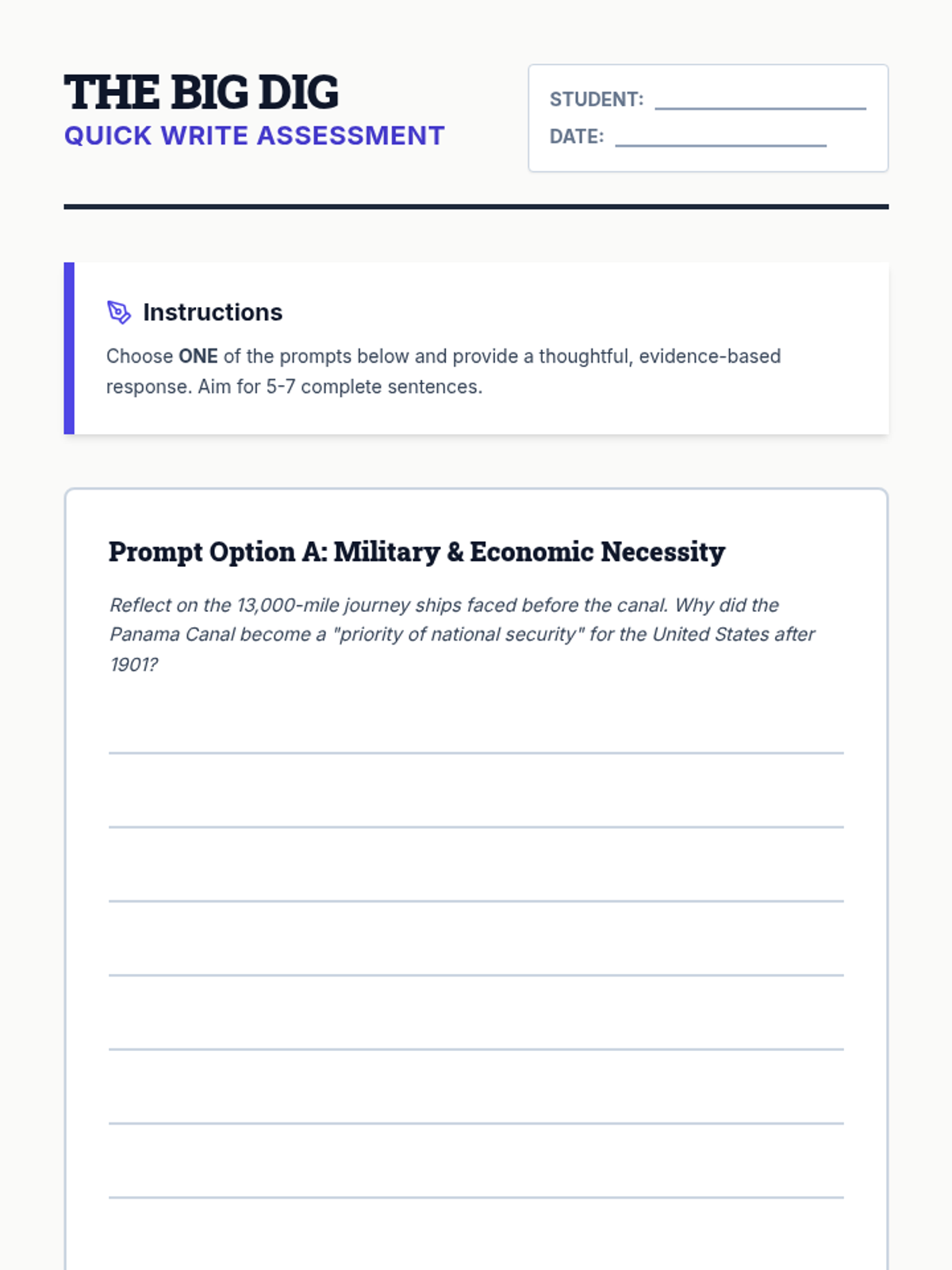
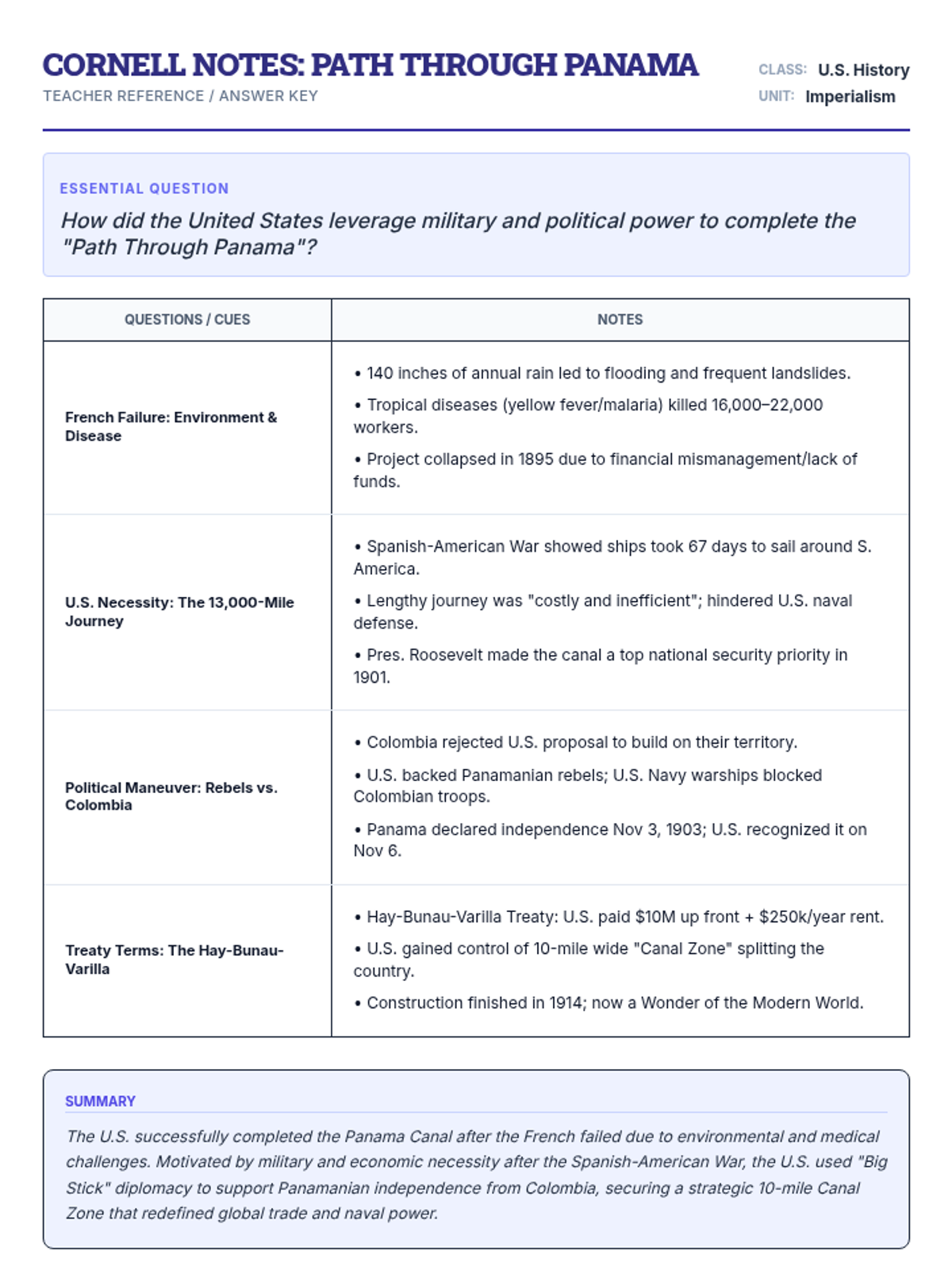
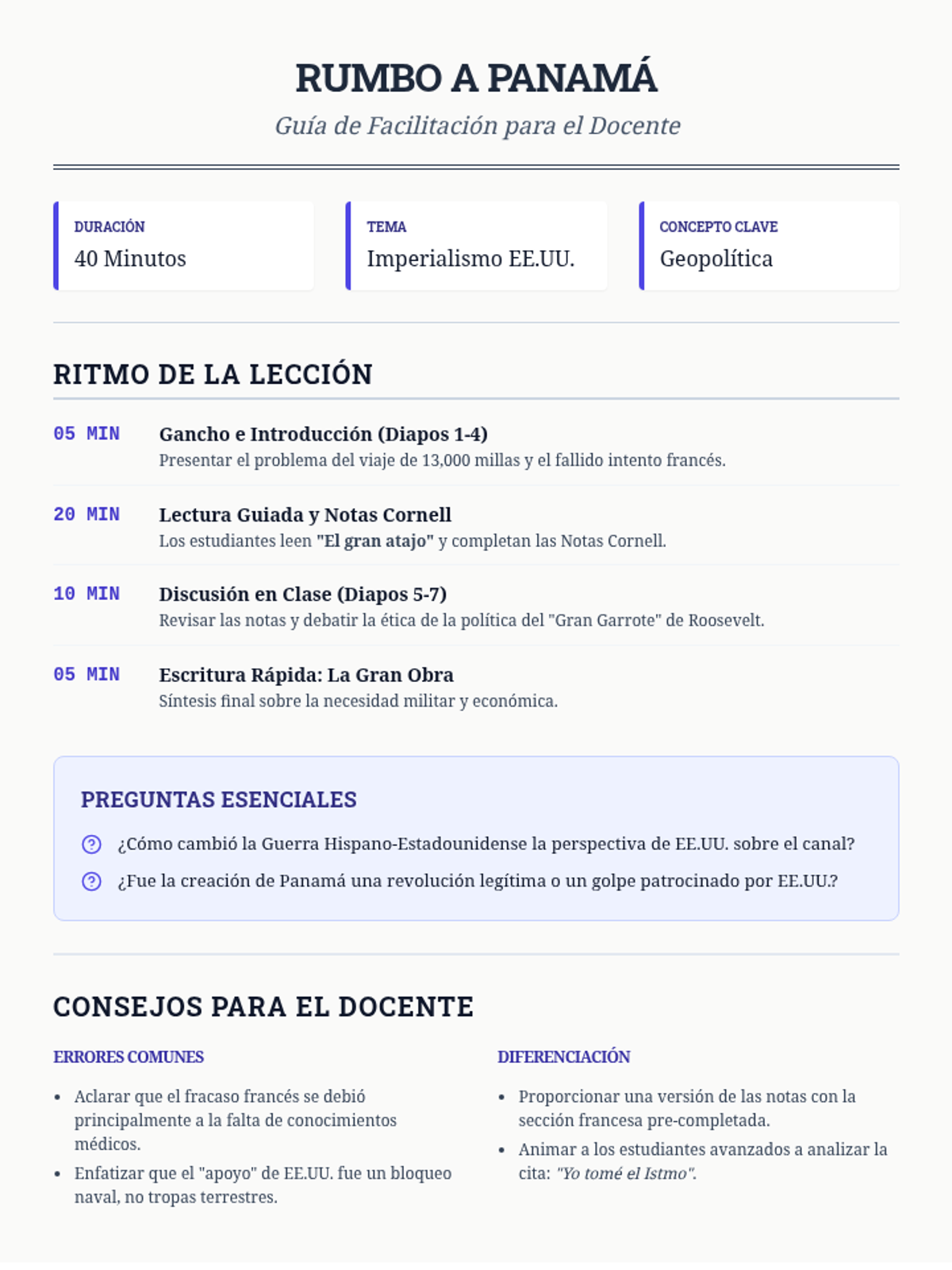
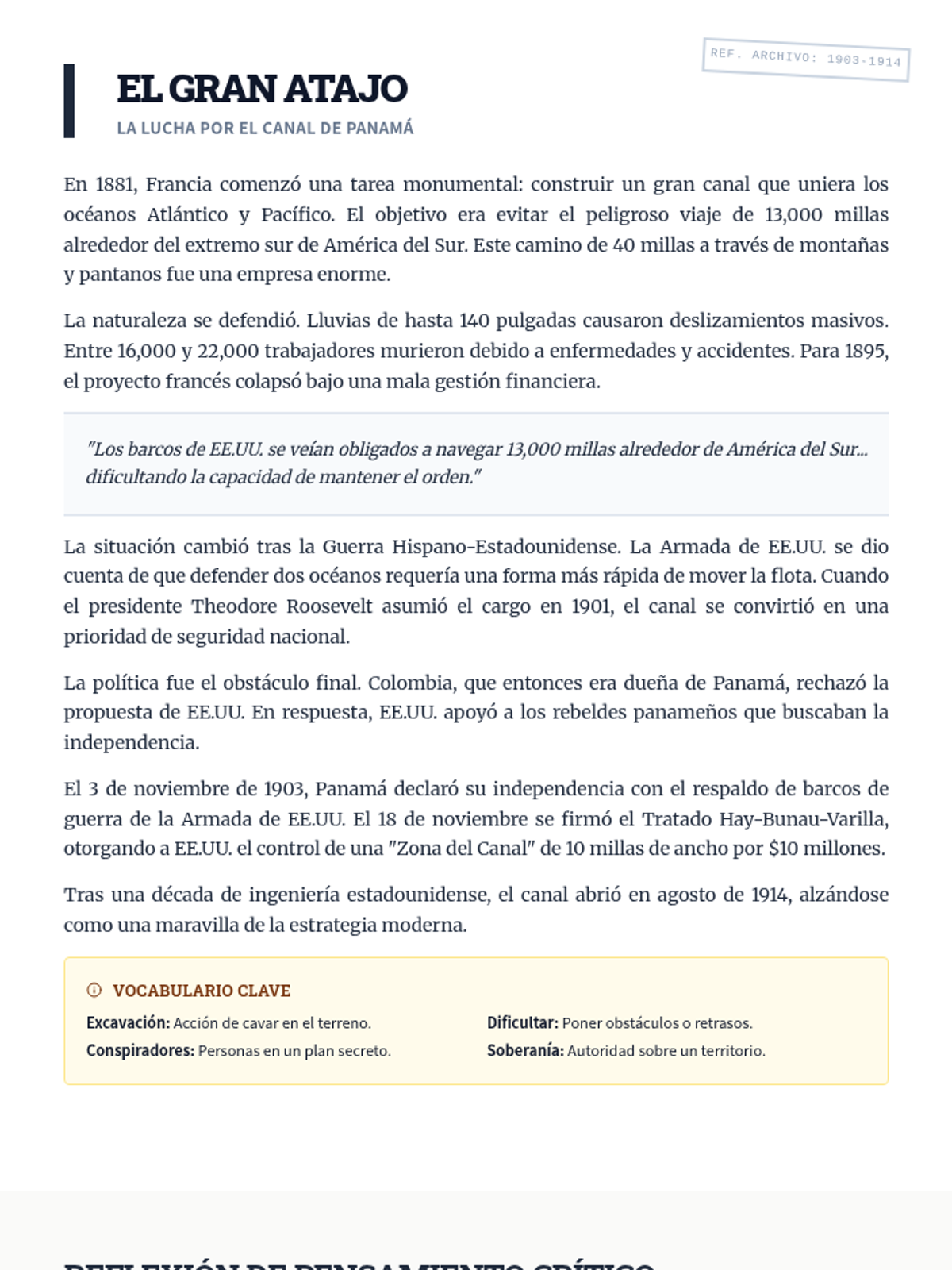
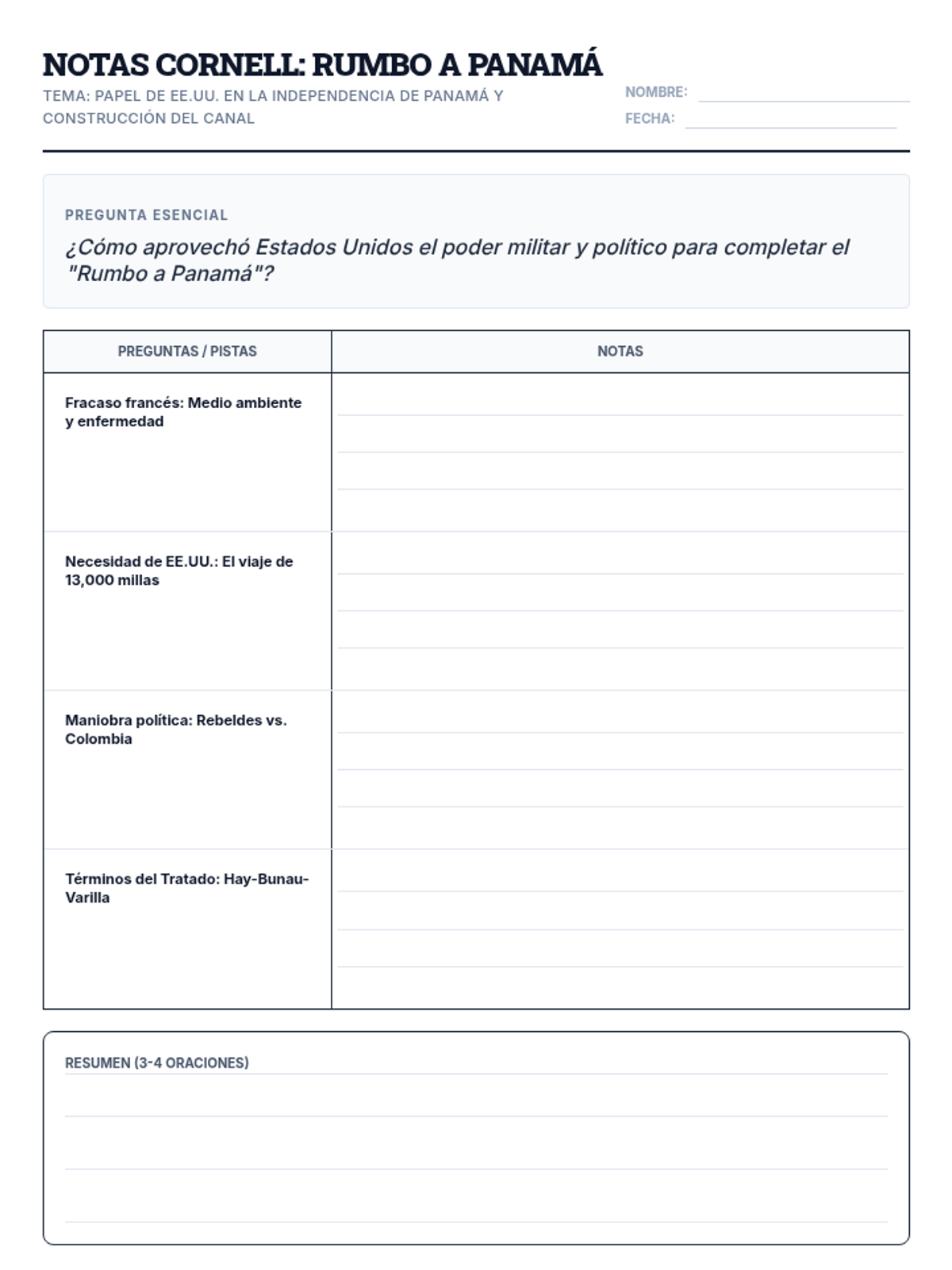
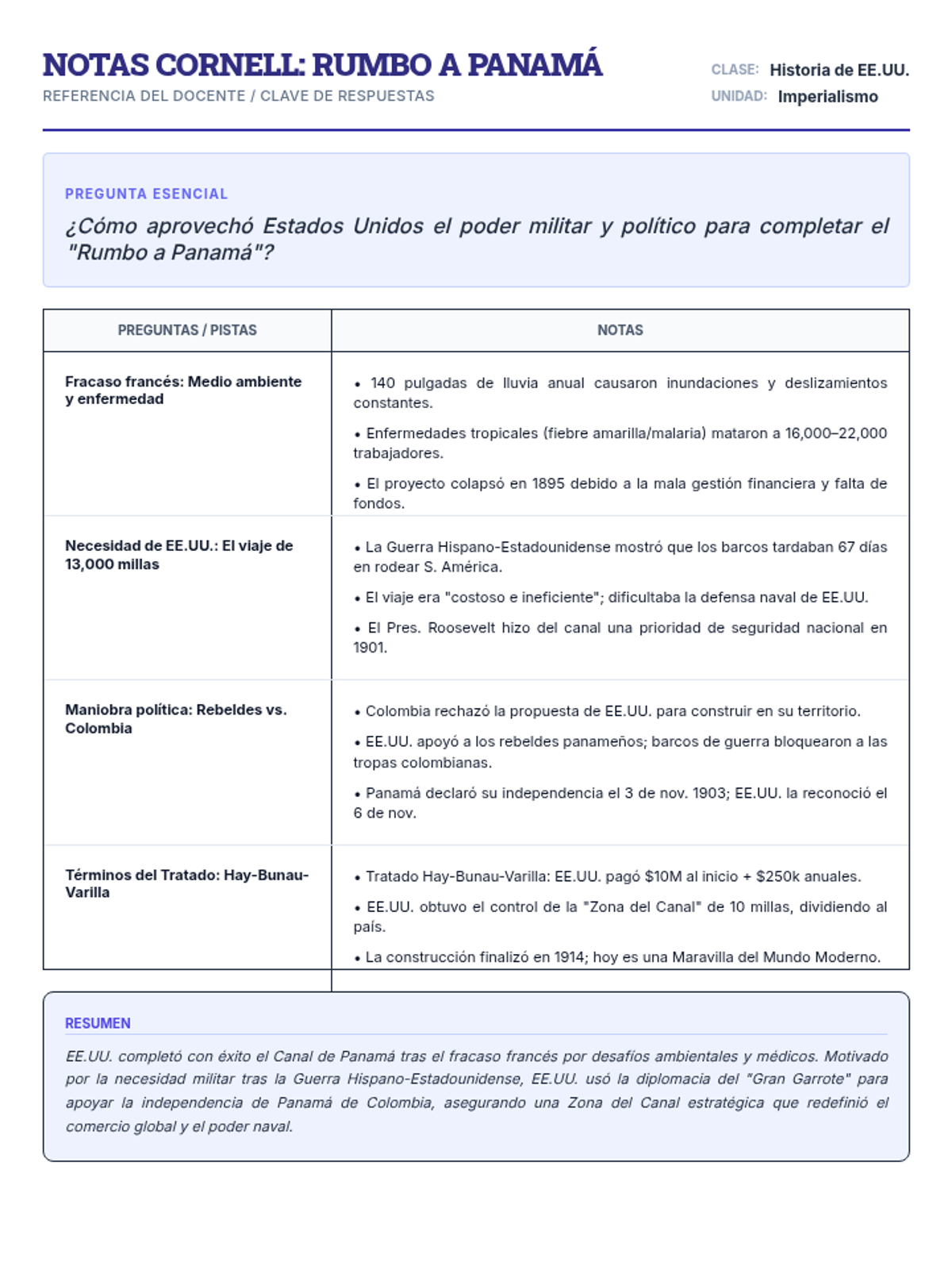
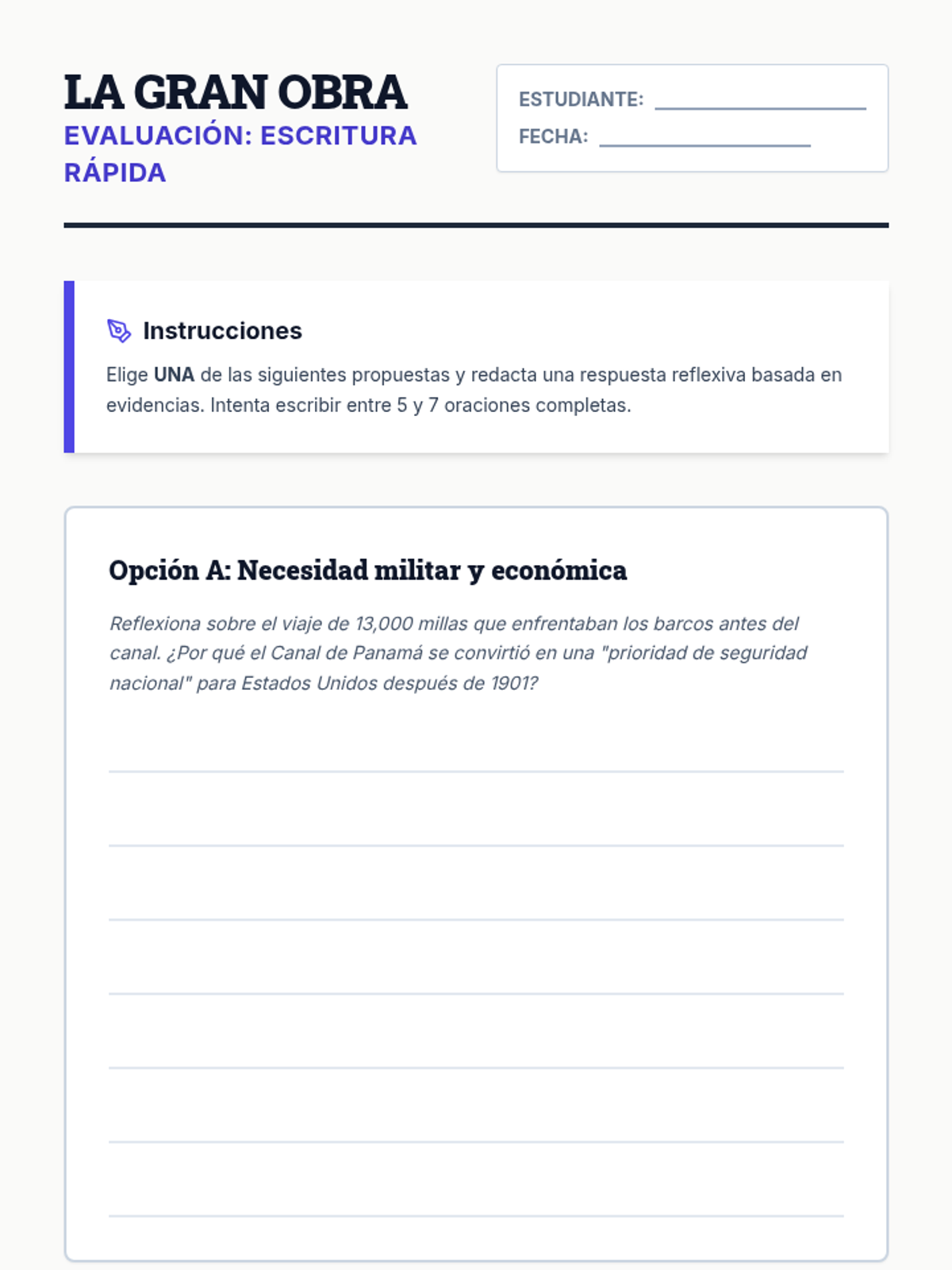
A 40-minute introductory lesson exploring the geopolitical, military, and economic motivations behind the US involvement in the Panama Canal's construction and Panamanian independence.
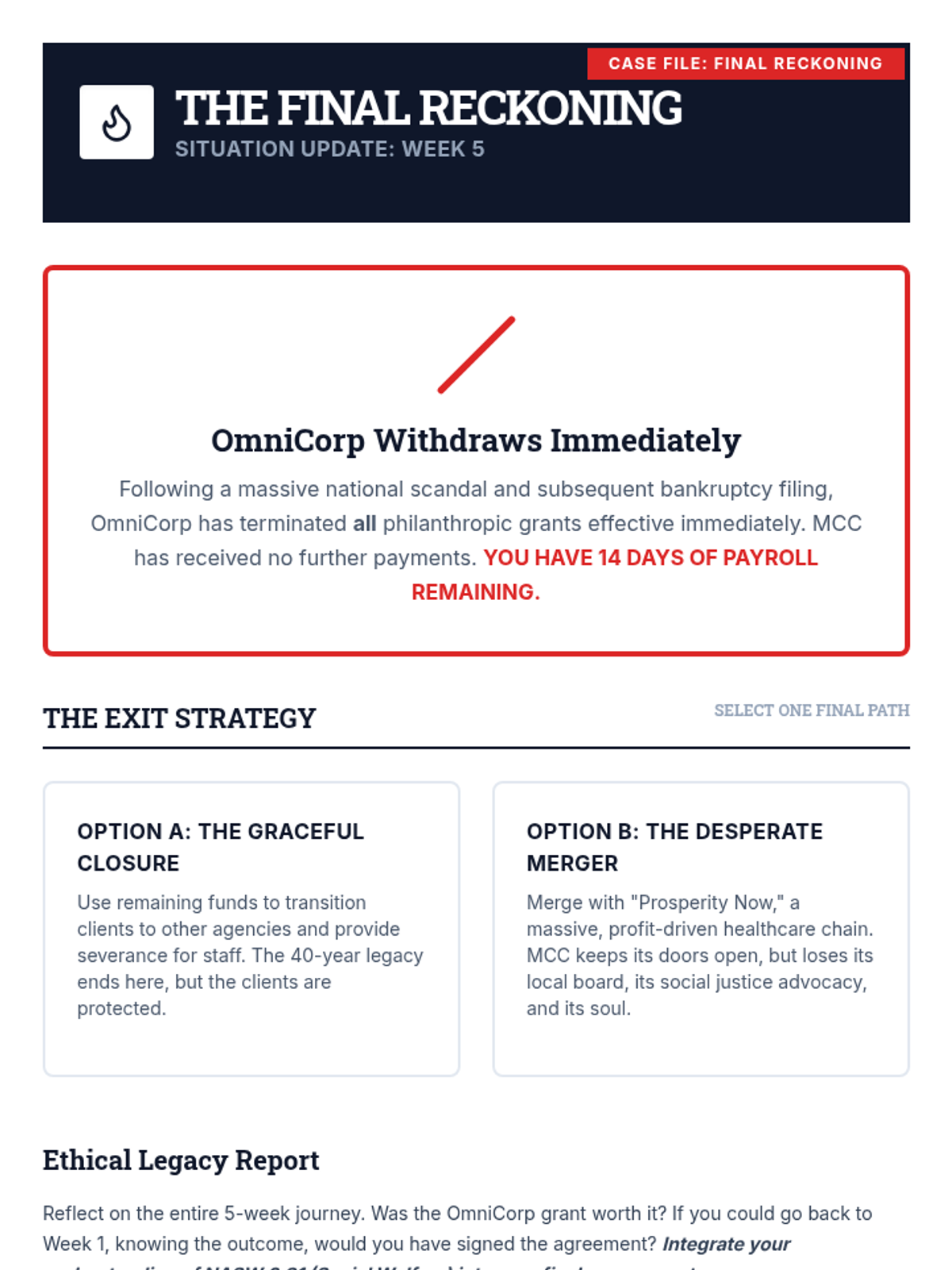
Week 5 of the ethics storyline: The funder unexpectedly withdraws, leaving the organization in a sustainability crisis that forces a final decision on its future and ethical legacy.
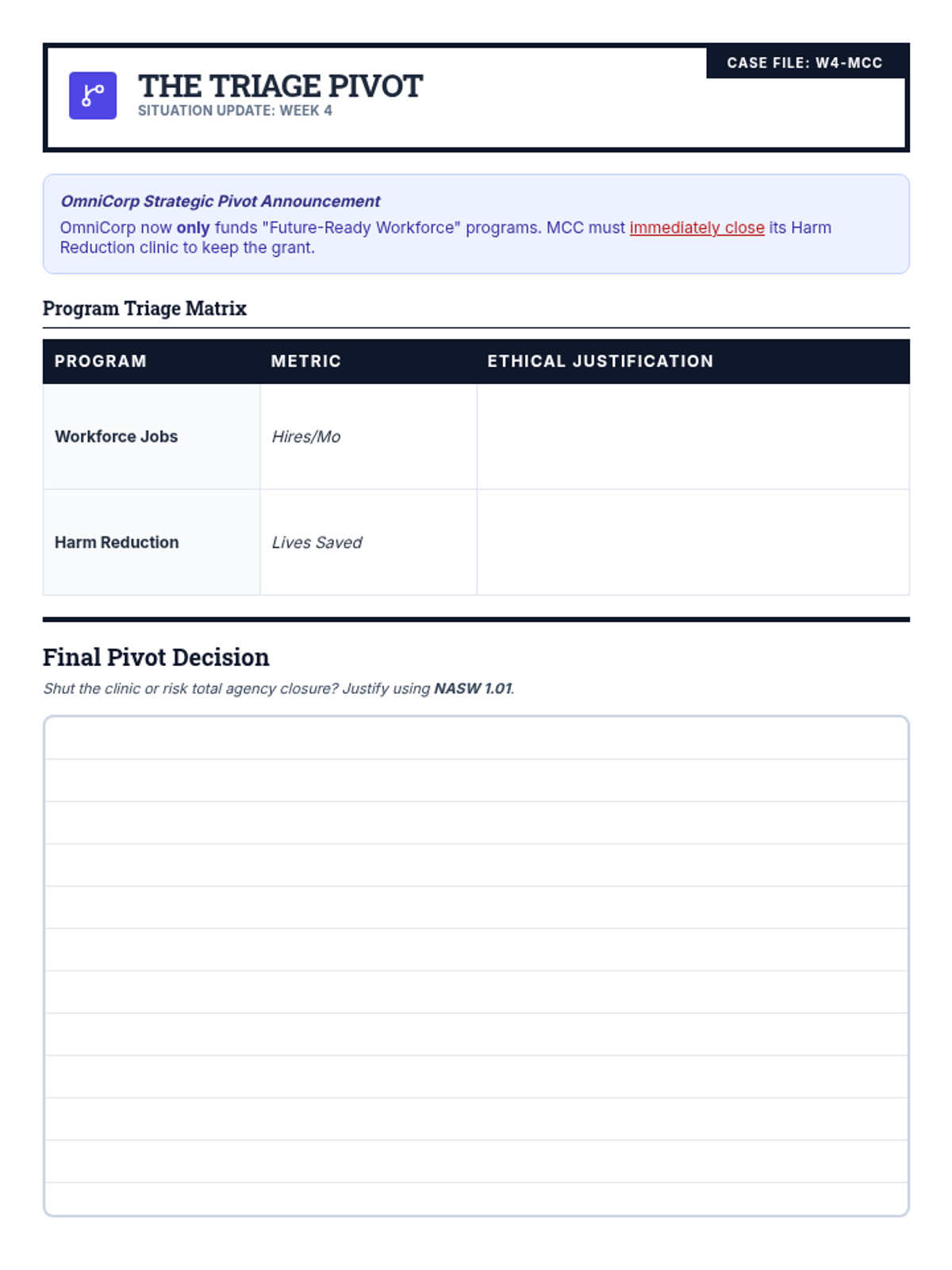
Week 4 of the ethics storyline: The funder mandates a shift toward high-metric 'job training' programs, forcing the organization to defund its 'harm reduction' services for the most vulnerable.
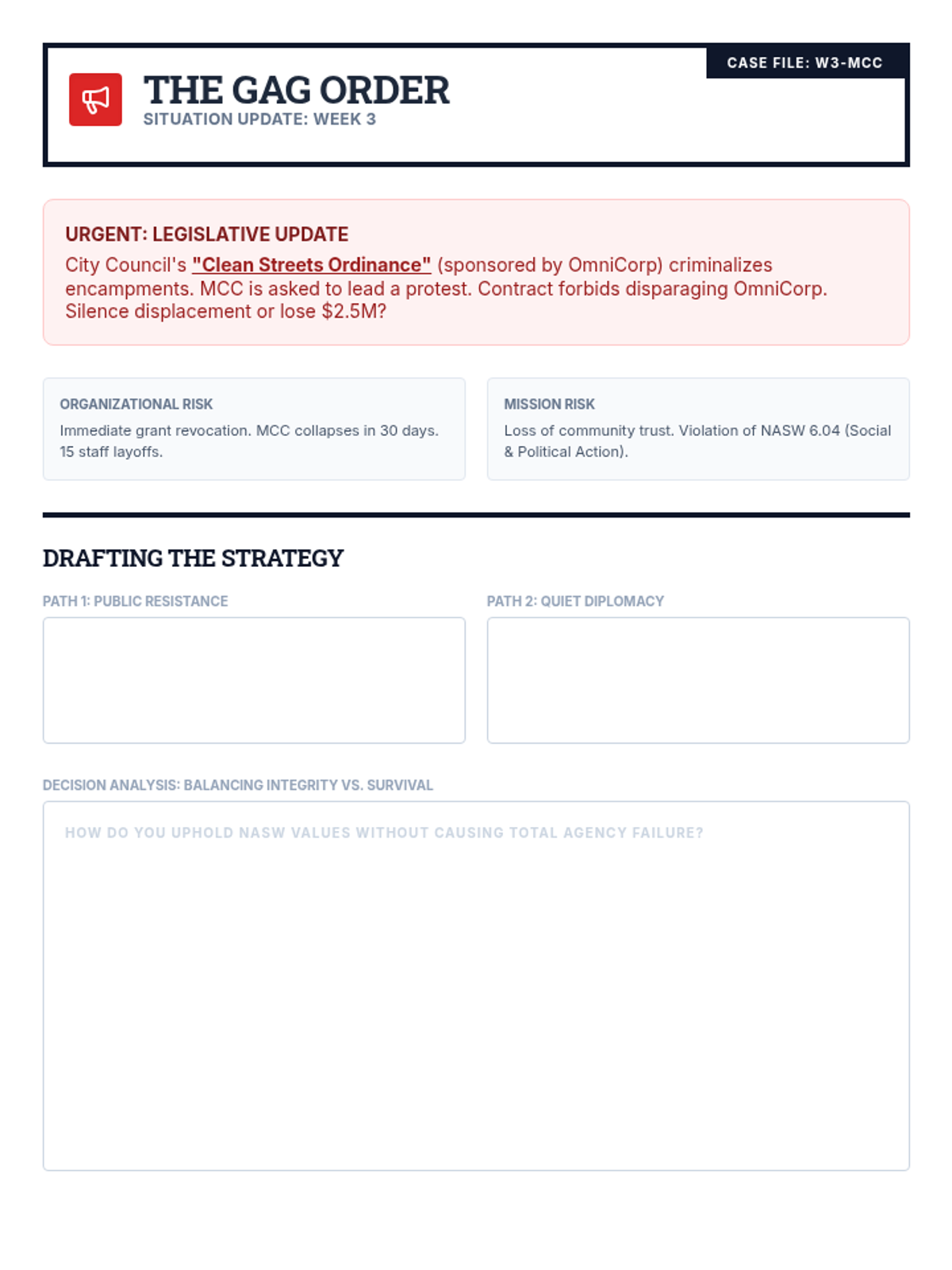
Week 3 of the ethics storyline: A local policy change puts the organization's mission at direct odds with the funder's corporate interests, testing the organization's commitment to advocacy.