A lesson focused on identifying and applying the seven Gifts of the Holy Spirit in daily life, specifically designed for 7th-grade religious education.
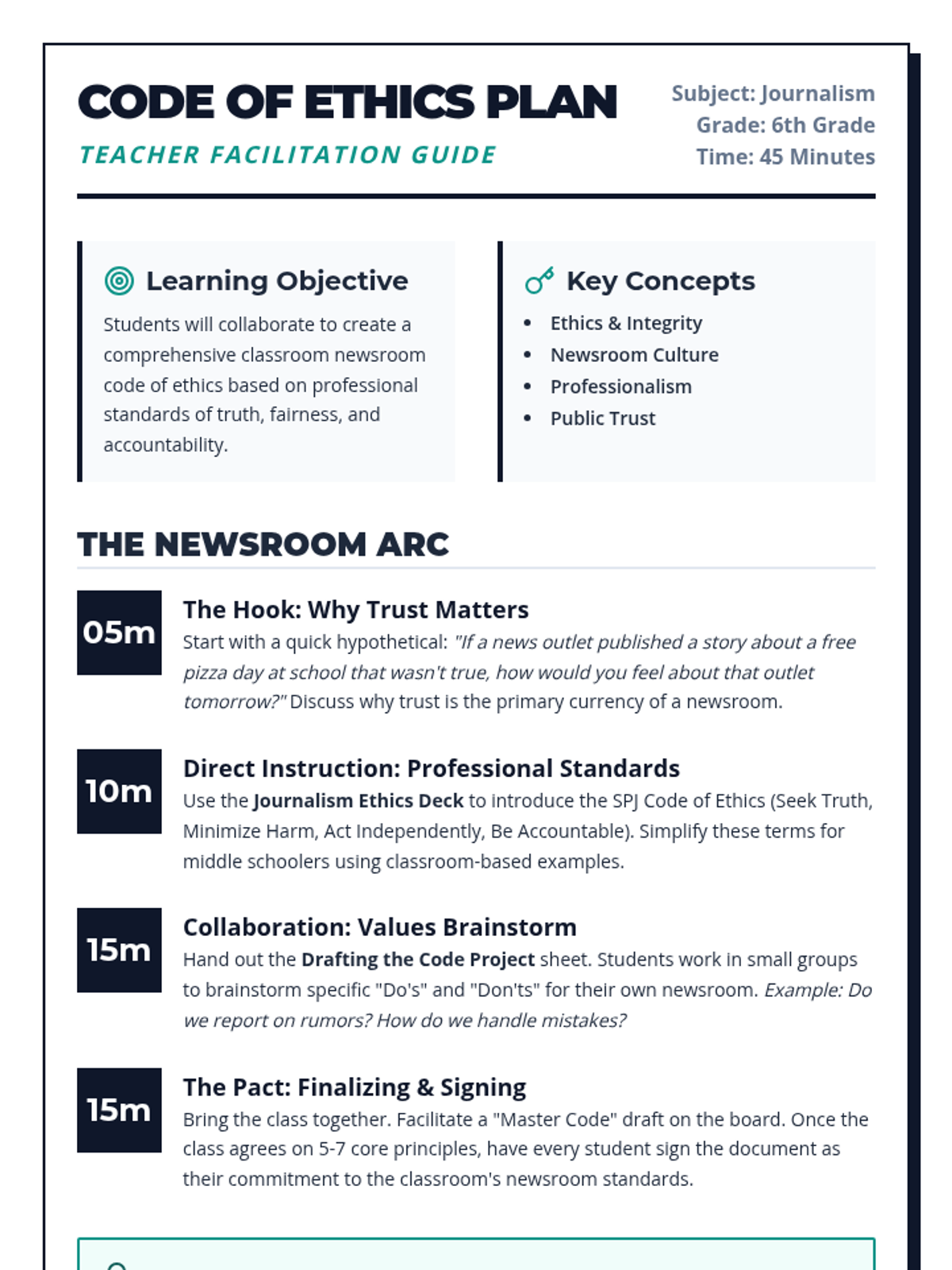
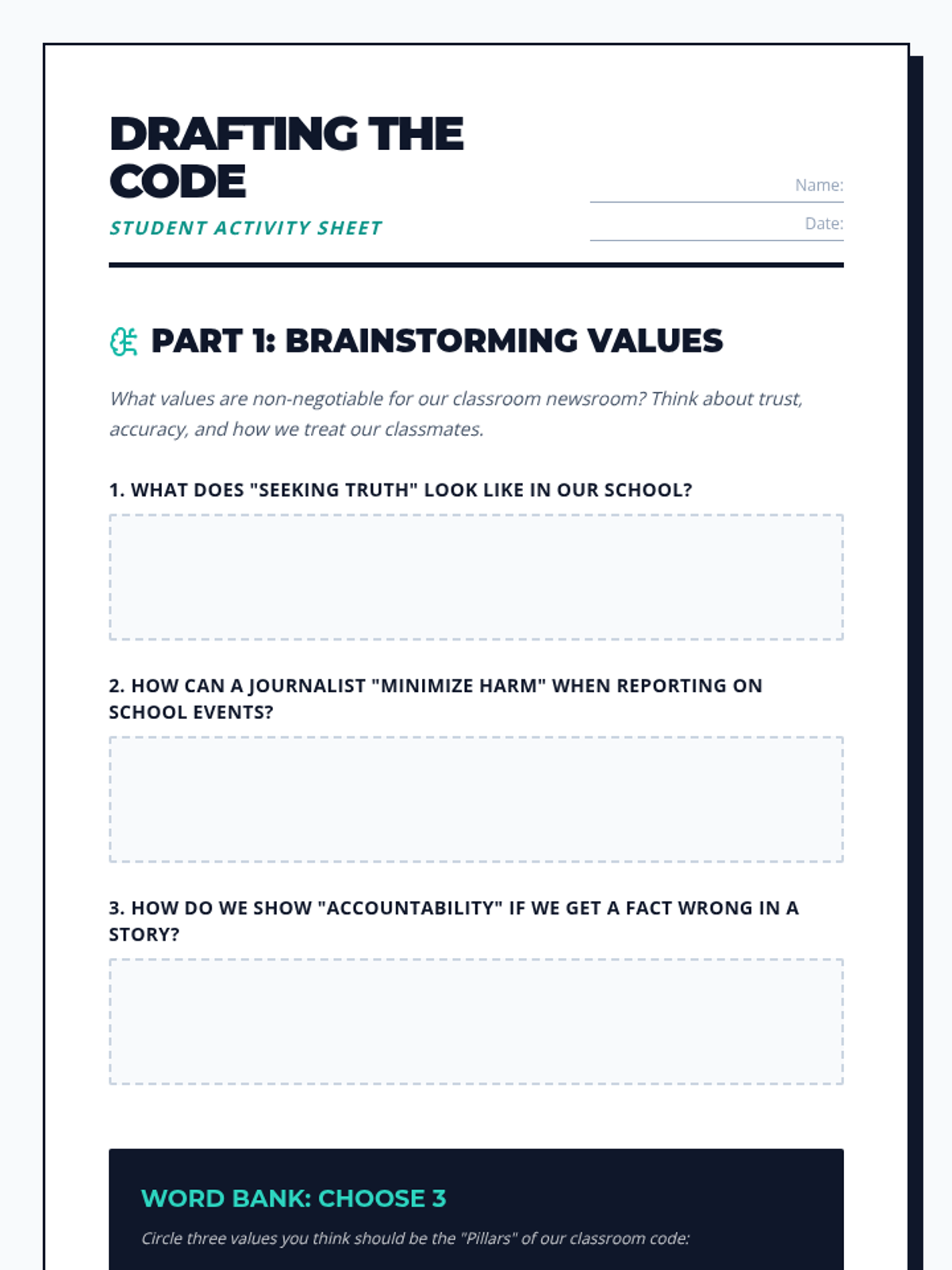
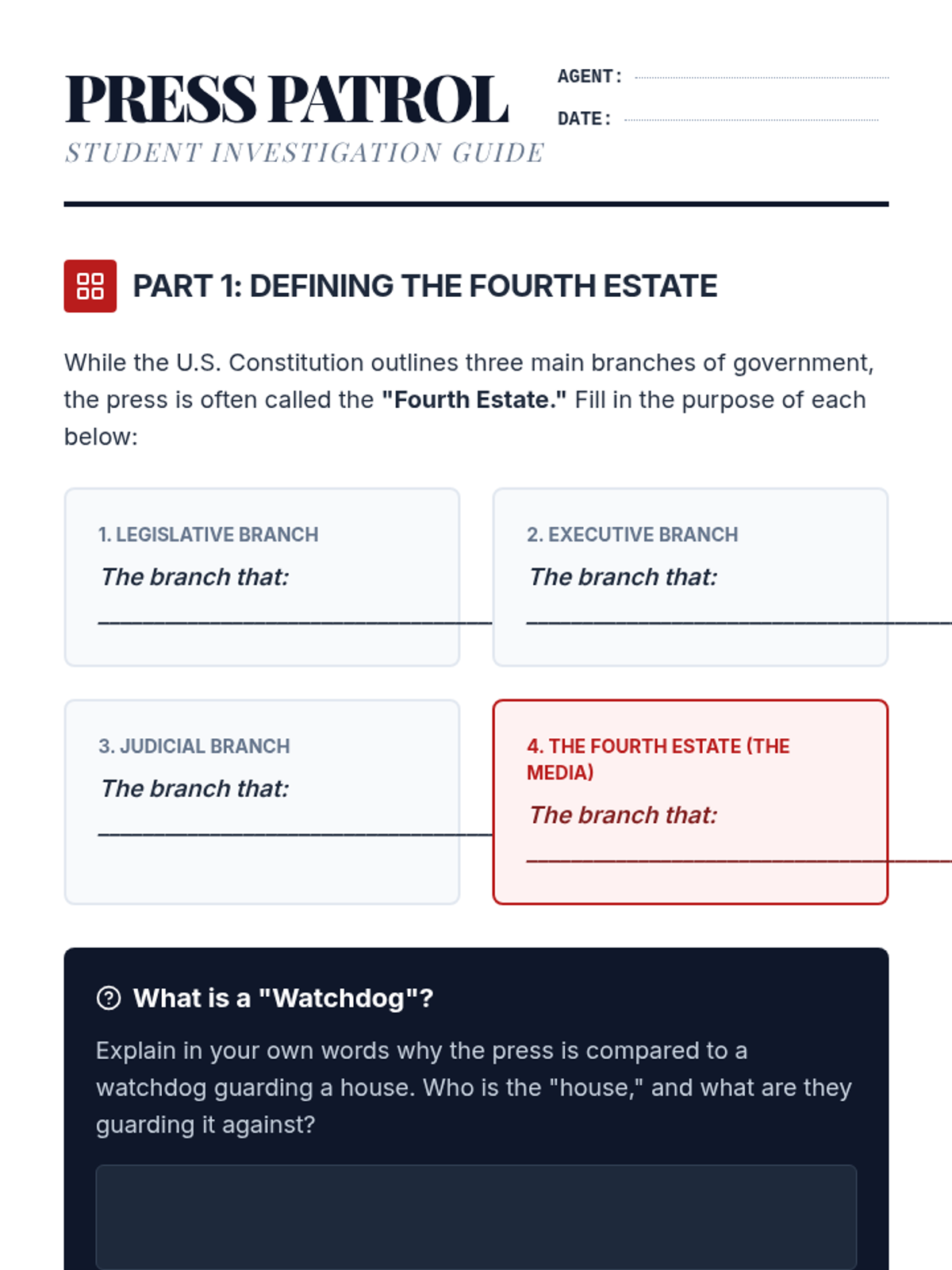
Students explore the foundations of professional journalism ethics to collaboratively build a code of conduct for their classroom newsroom, focusing on truth, fairness, and accountability.
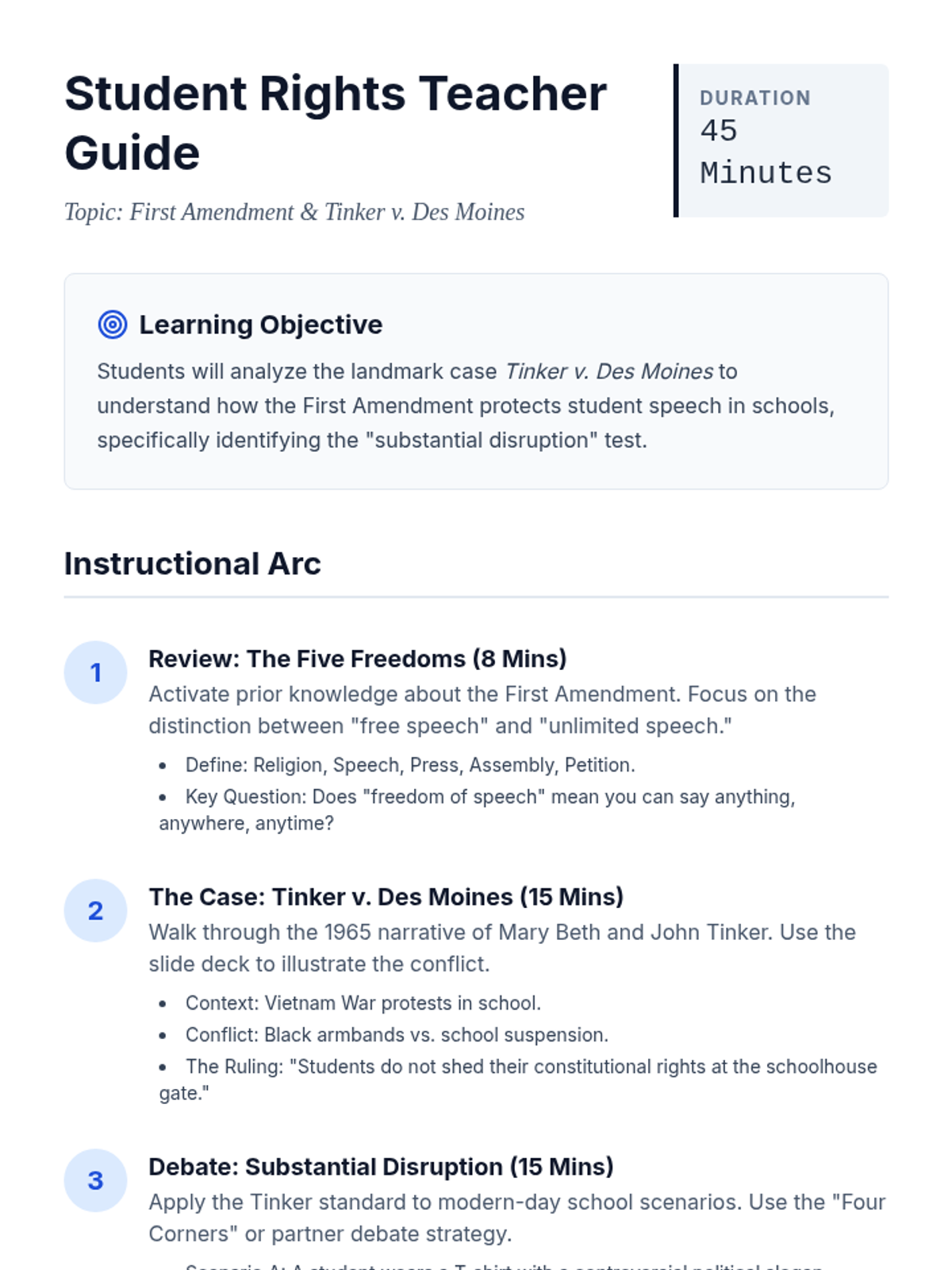
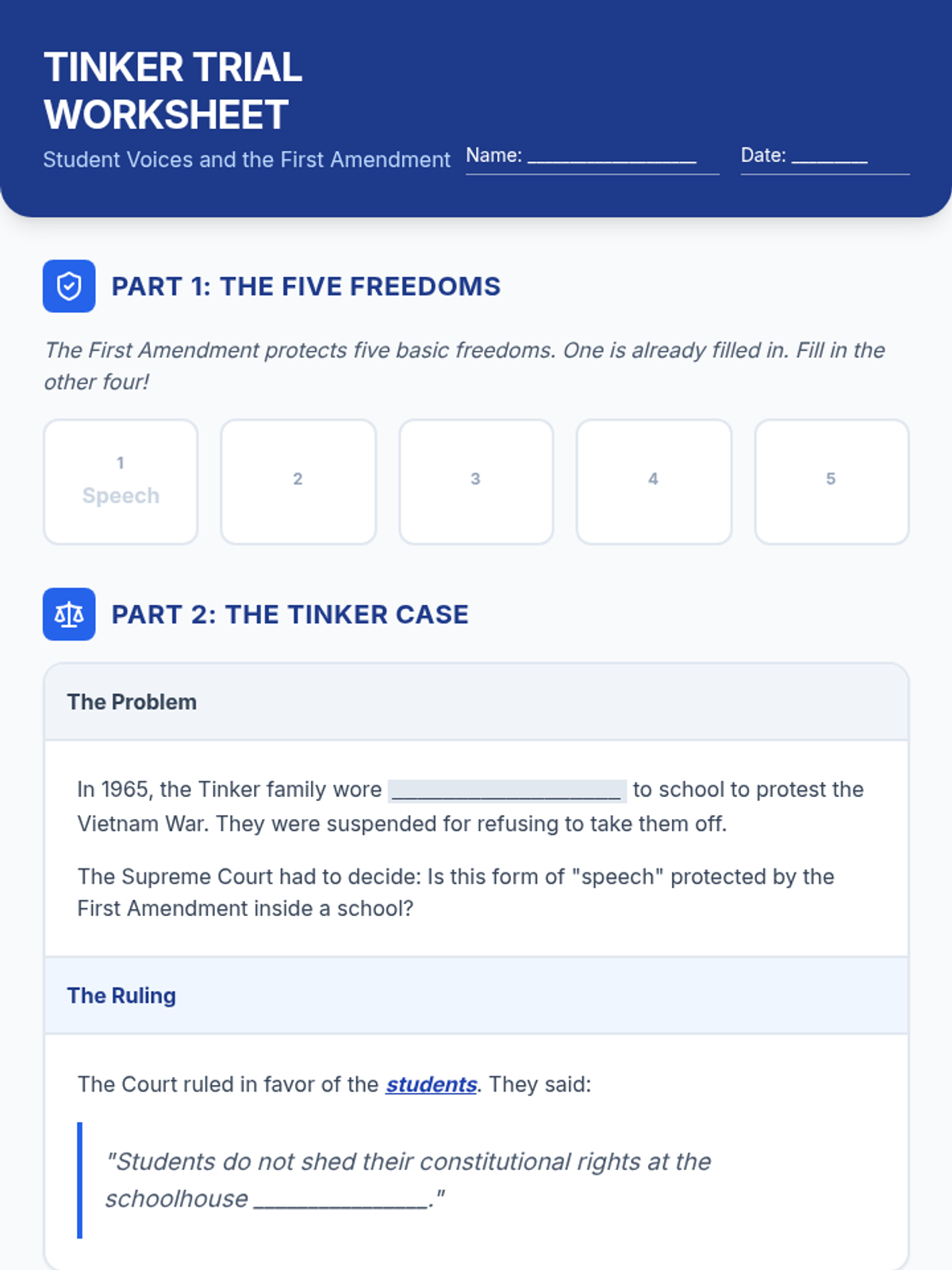
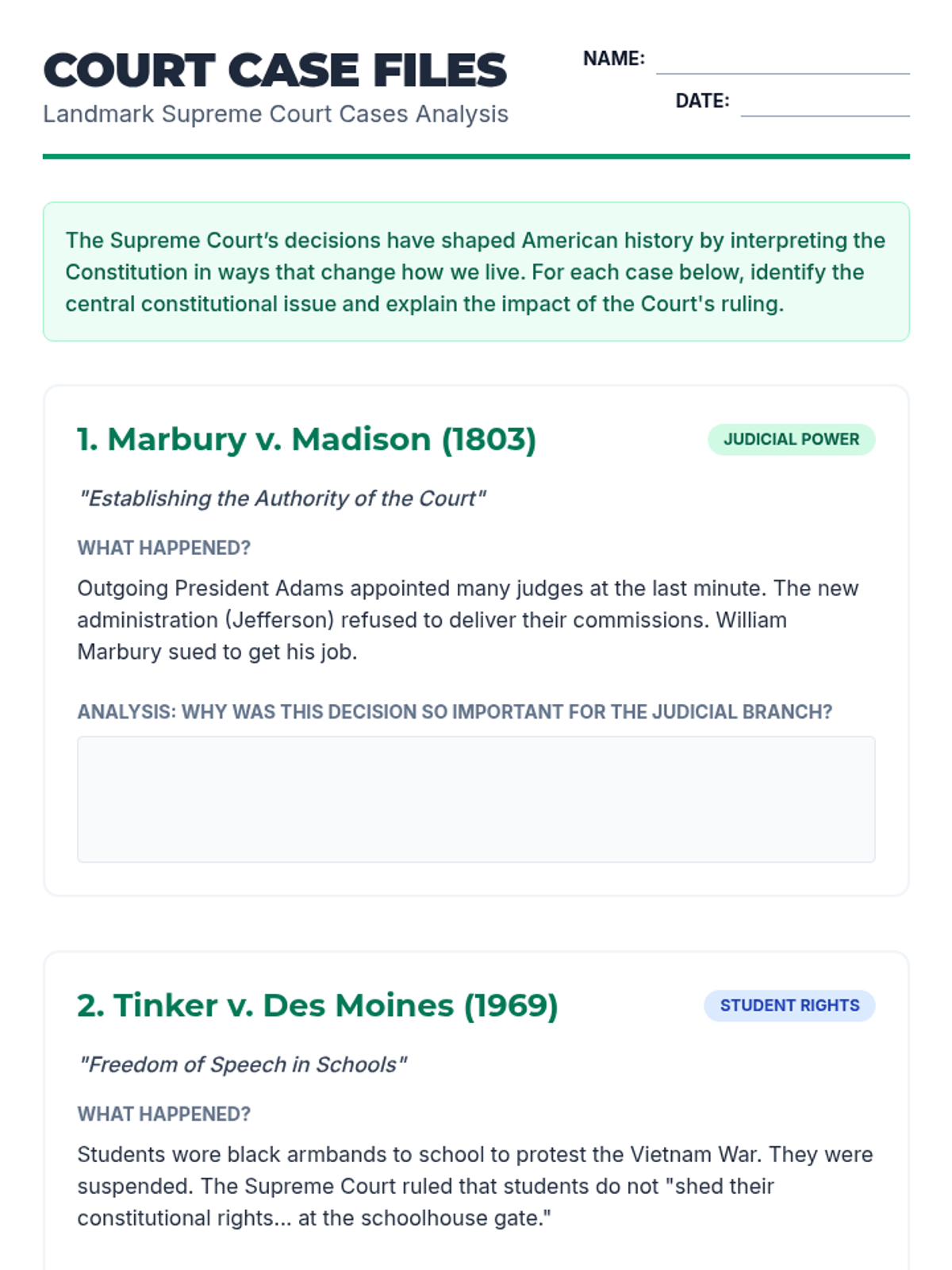
A 45-minute civics lesson exploring the First Amendment through the lens of the landmark Supreme Court case Tinker v. Des Moines, empowering students to understand their rights and responsibilities.
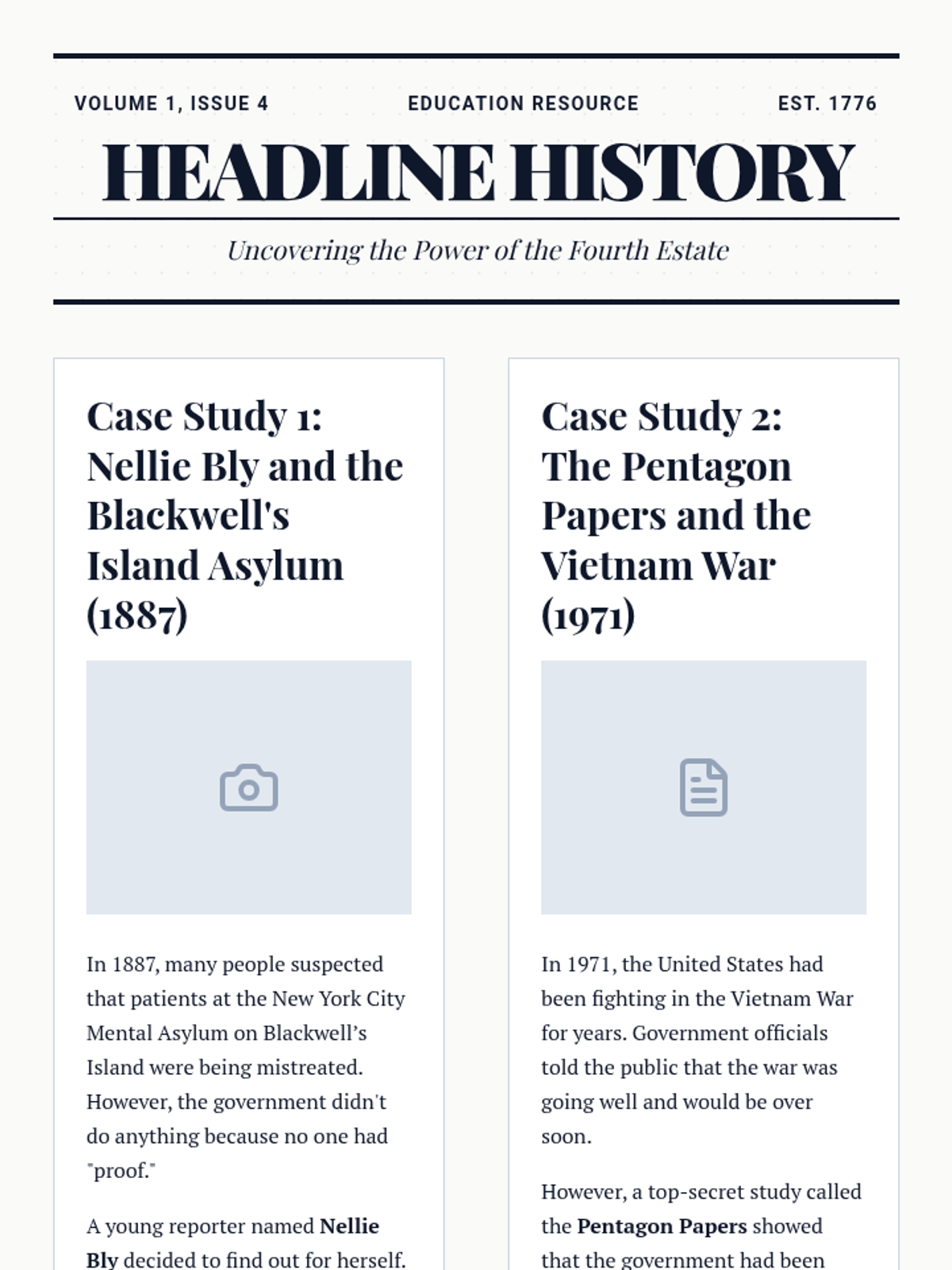
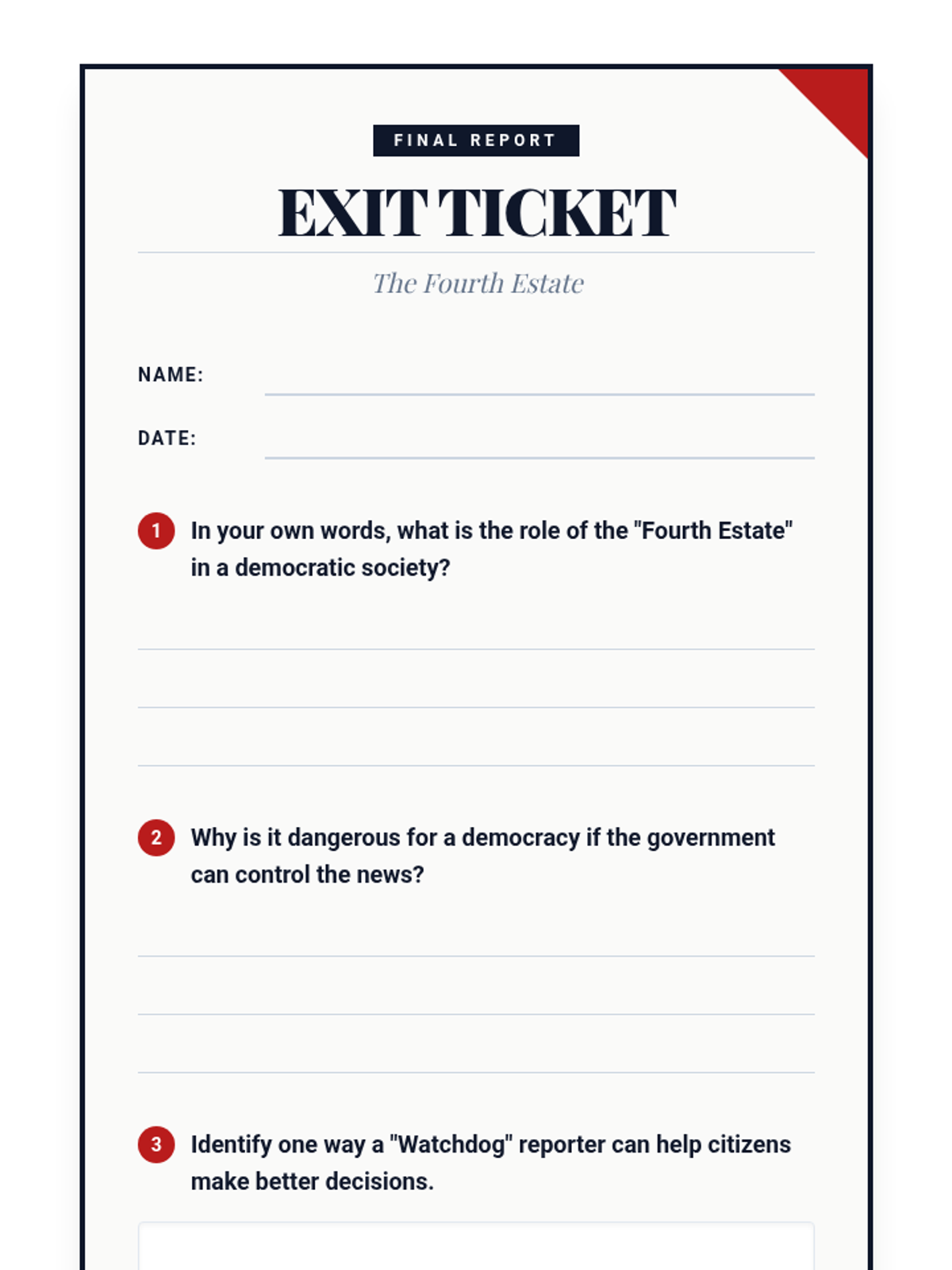
Students explore the vital role of a free press as the 'Fourth Estate' in a democracy, examining historical impact and current relevance through inquiry and analysis.
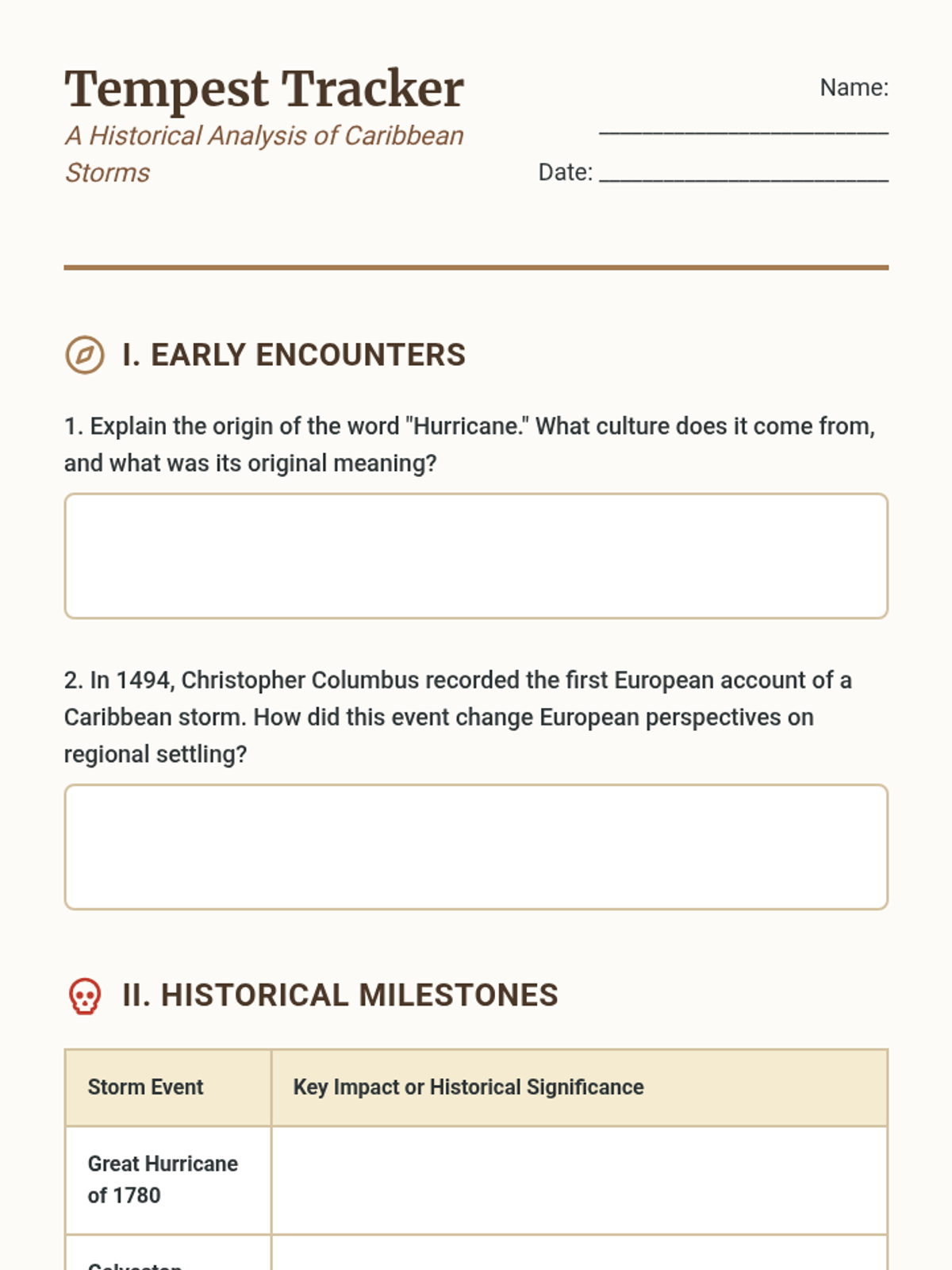
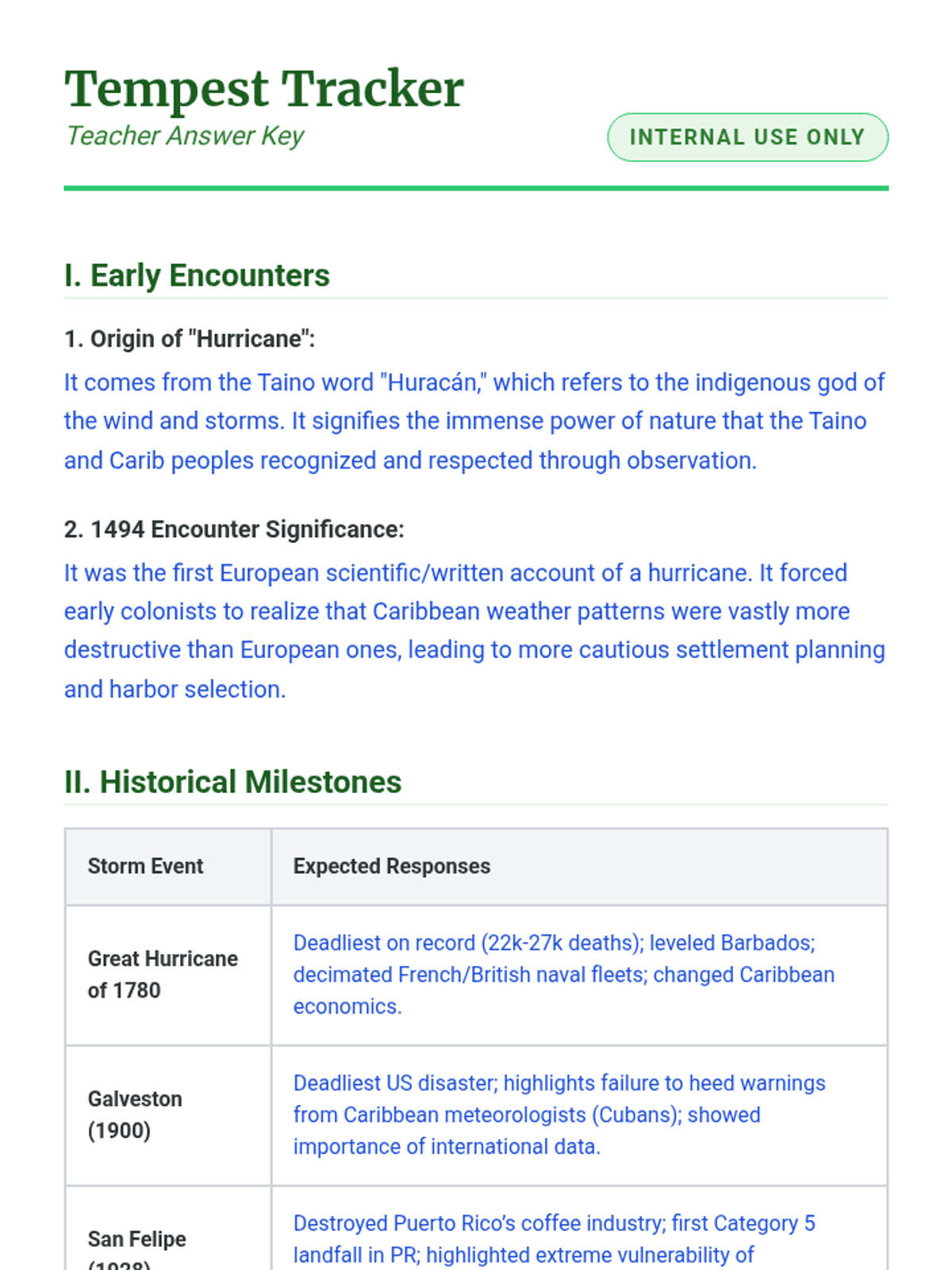
A historical exploration of tropical storms in the Caribbean, focusing on significant events, technological evolution, and the impact on regional history from the colonial era to the late 20th century.
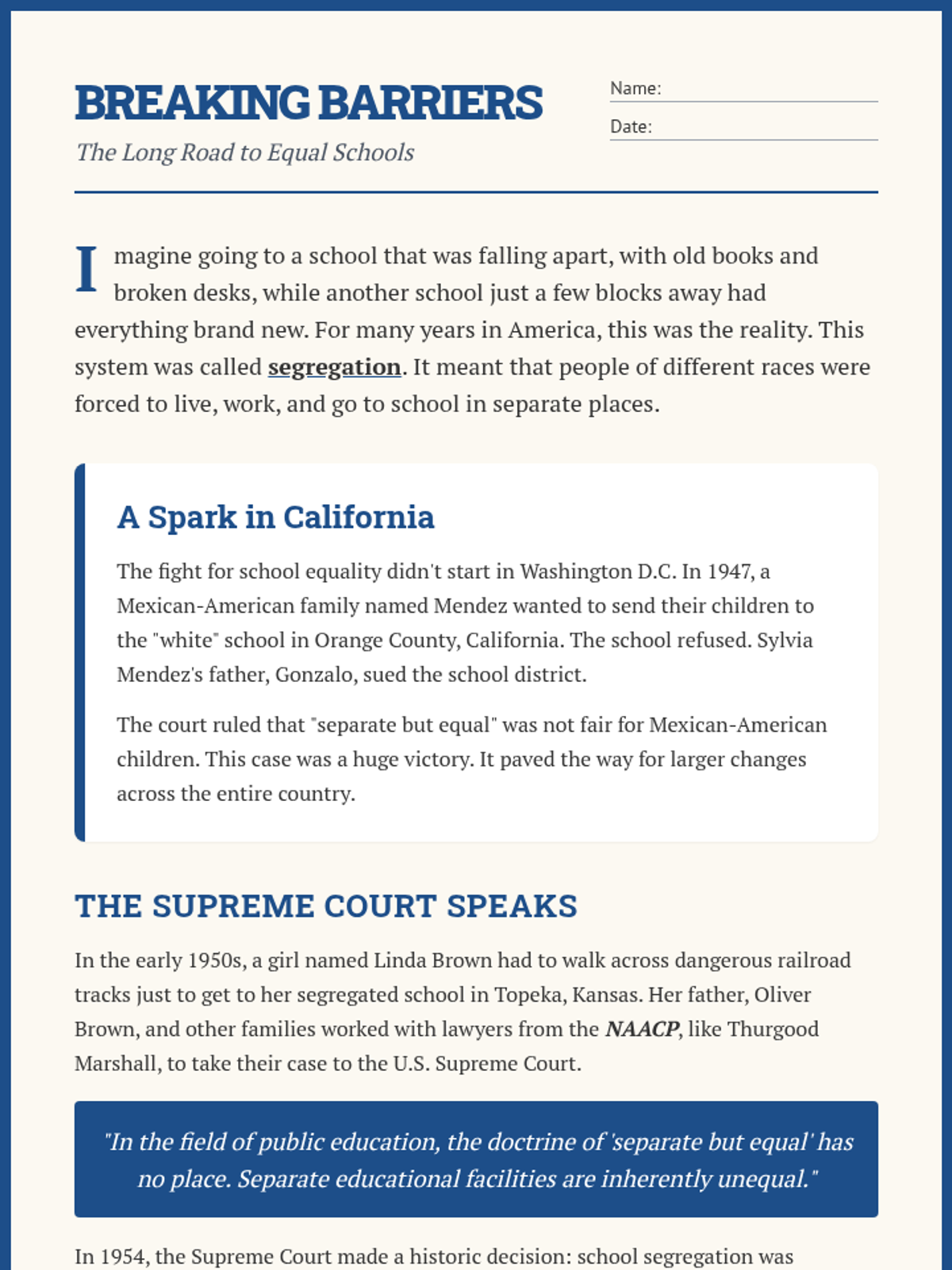
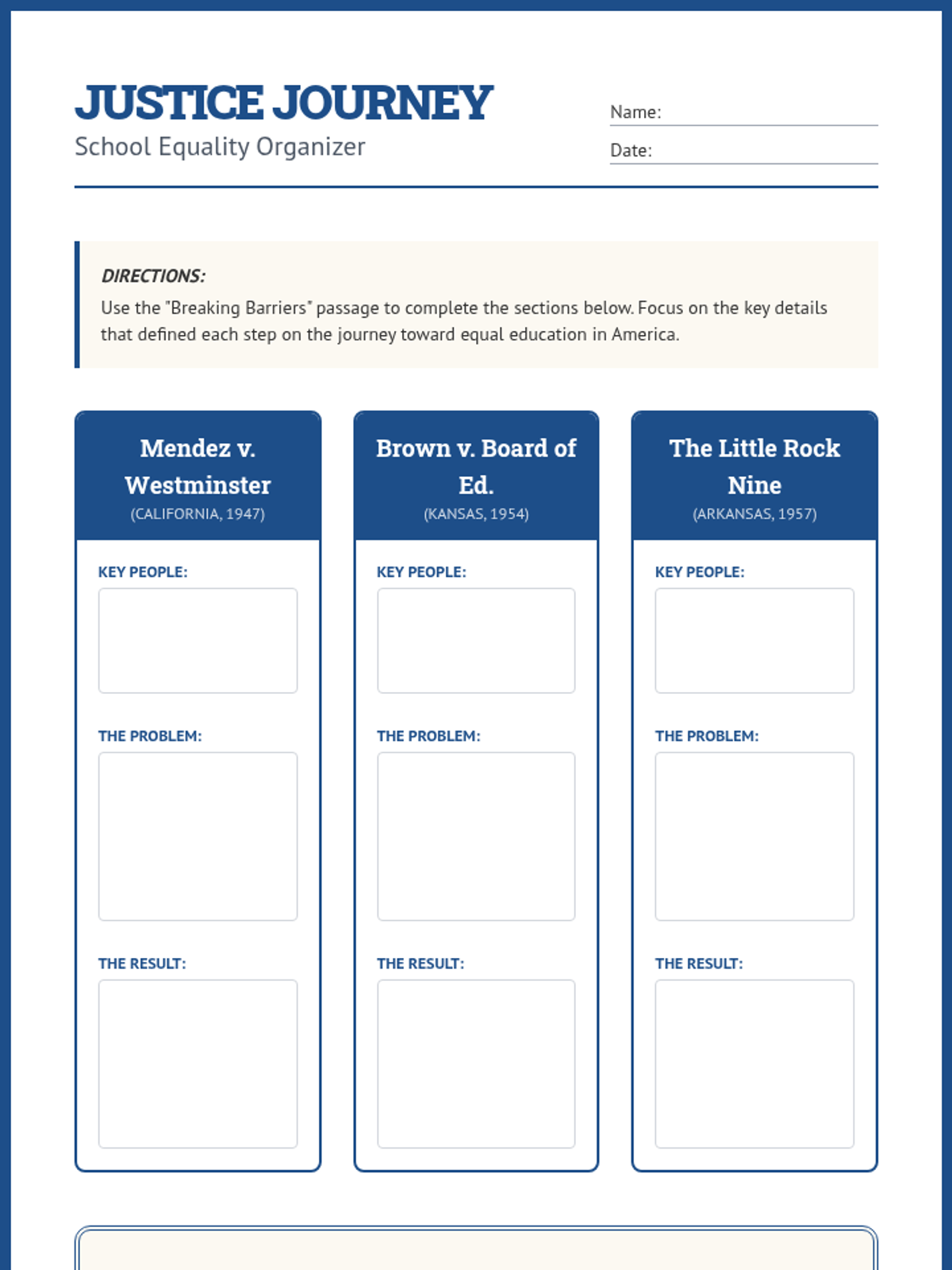
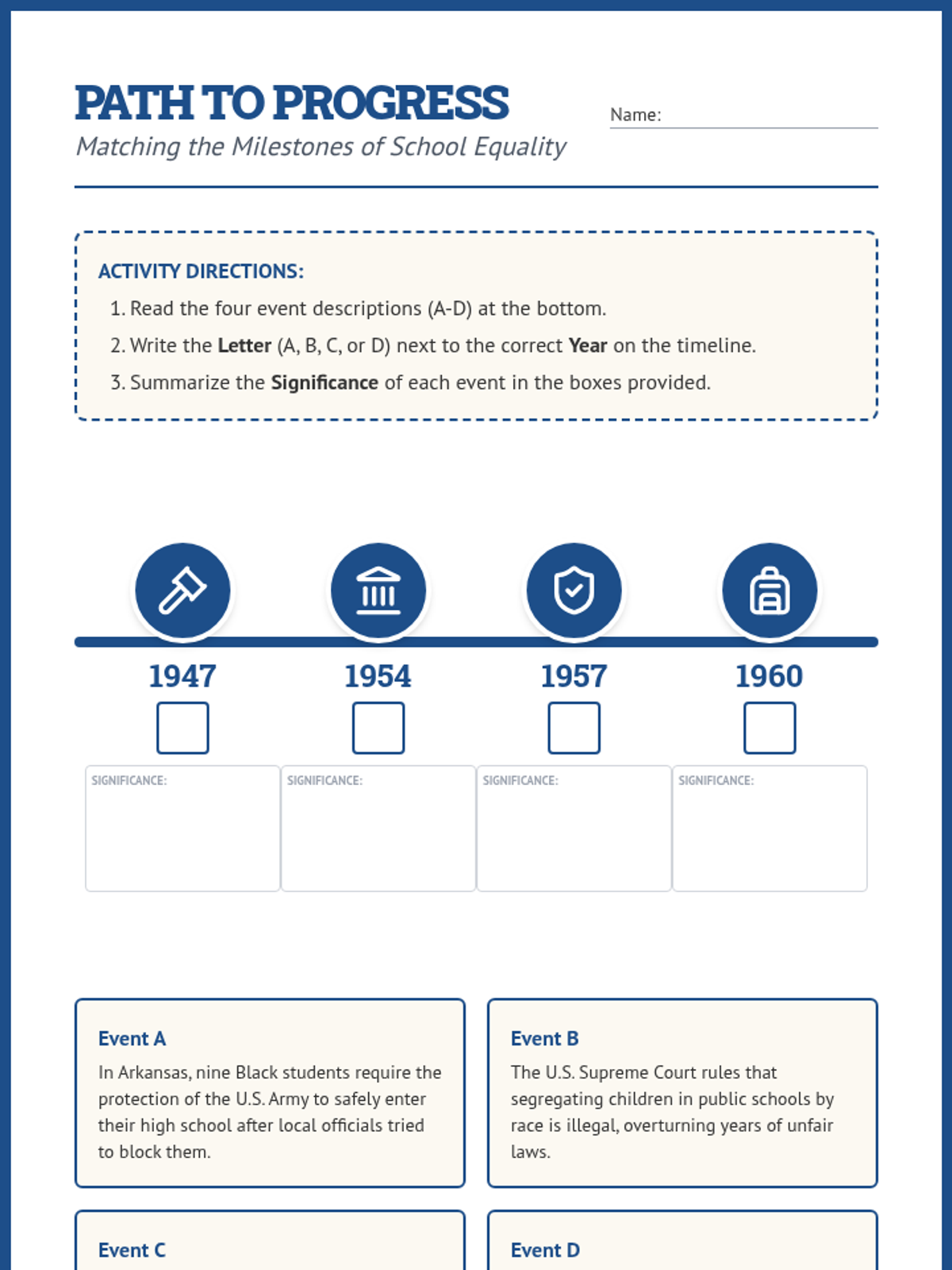
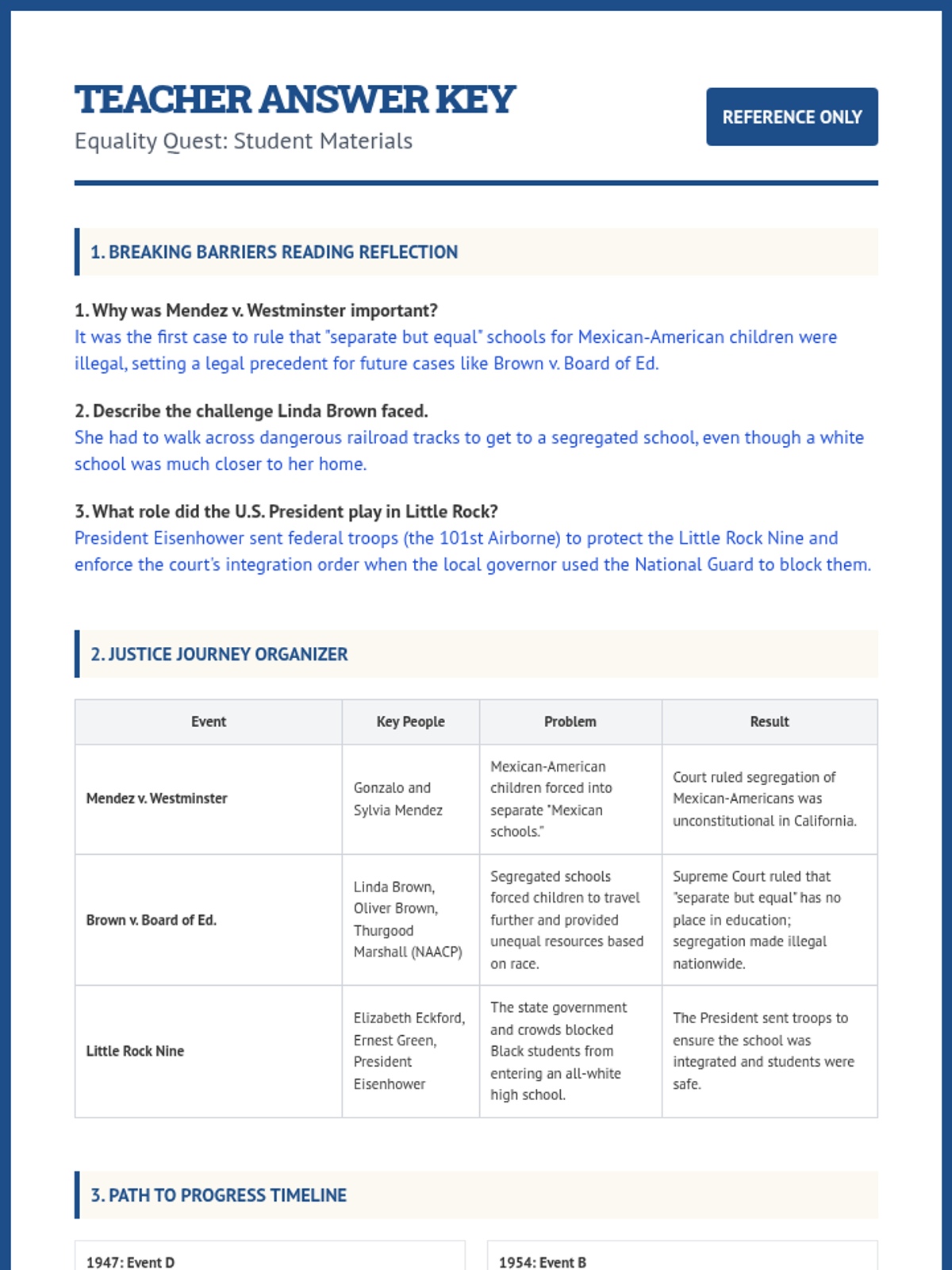
A lesson exploring the struggle for school equality in the United States, focusing on key legal cases and the brave students who led the way for integration.
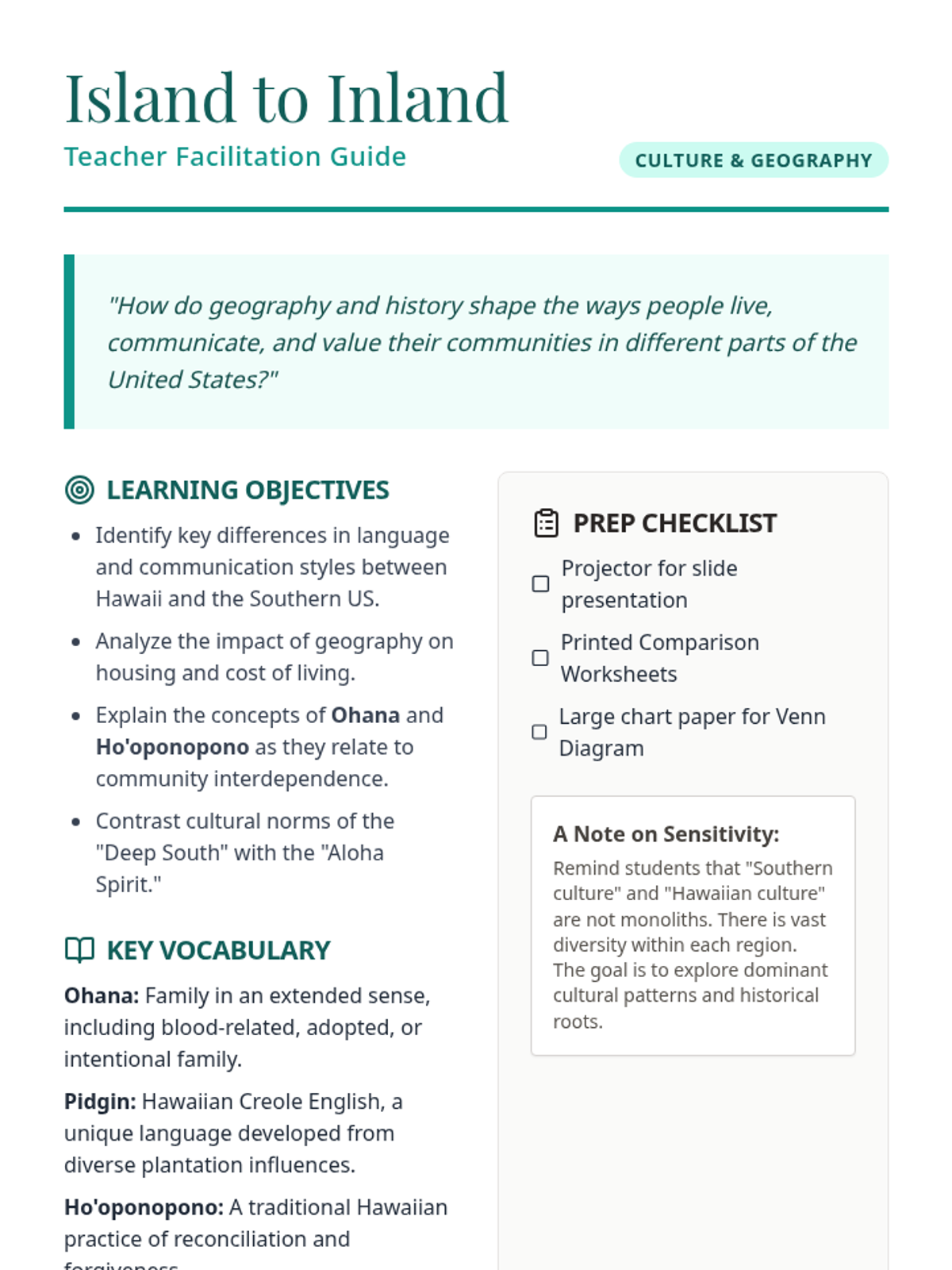
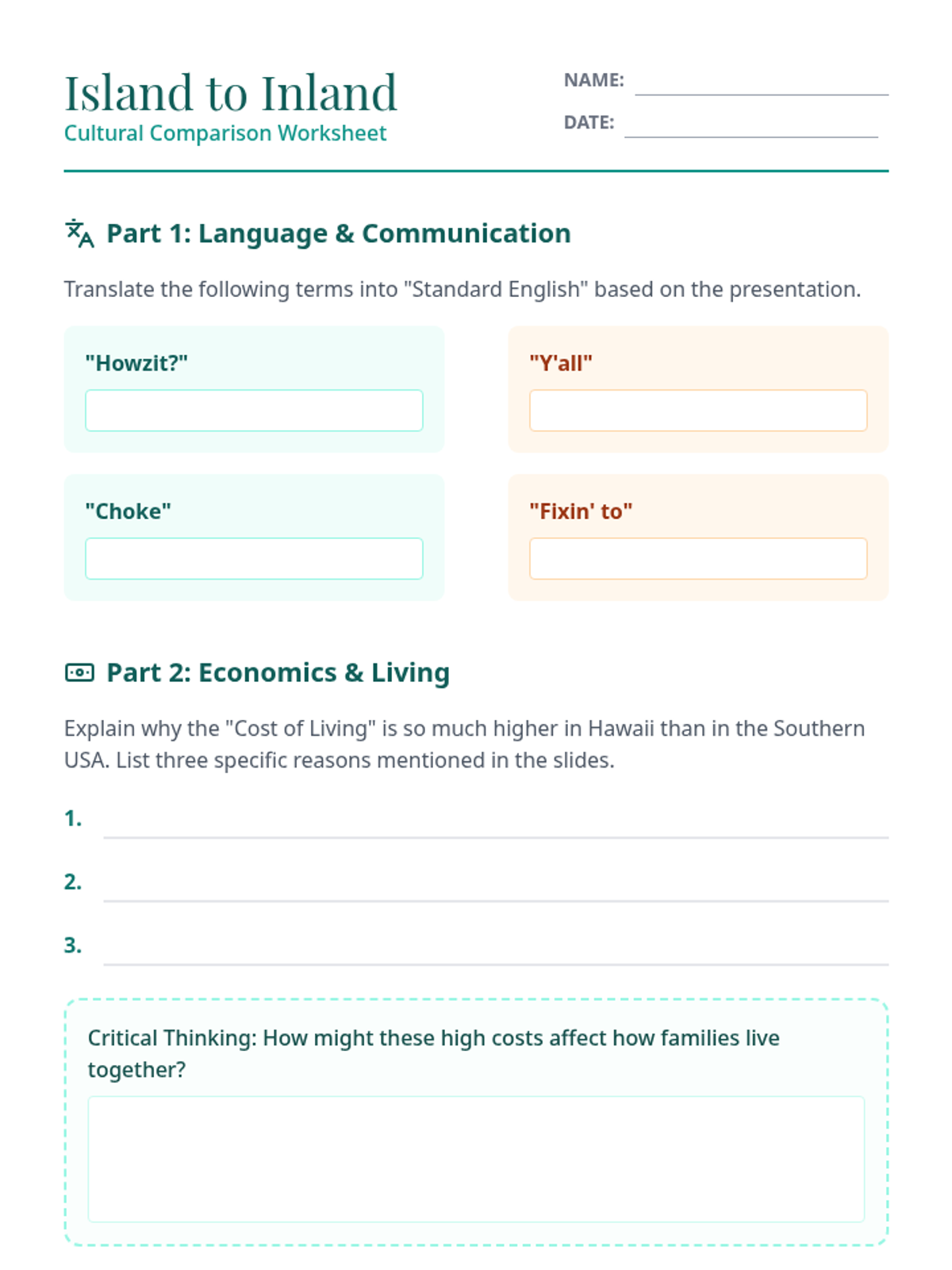
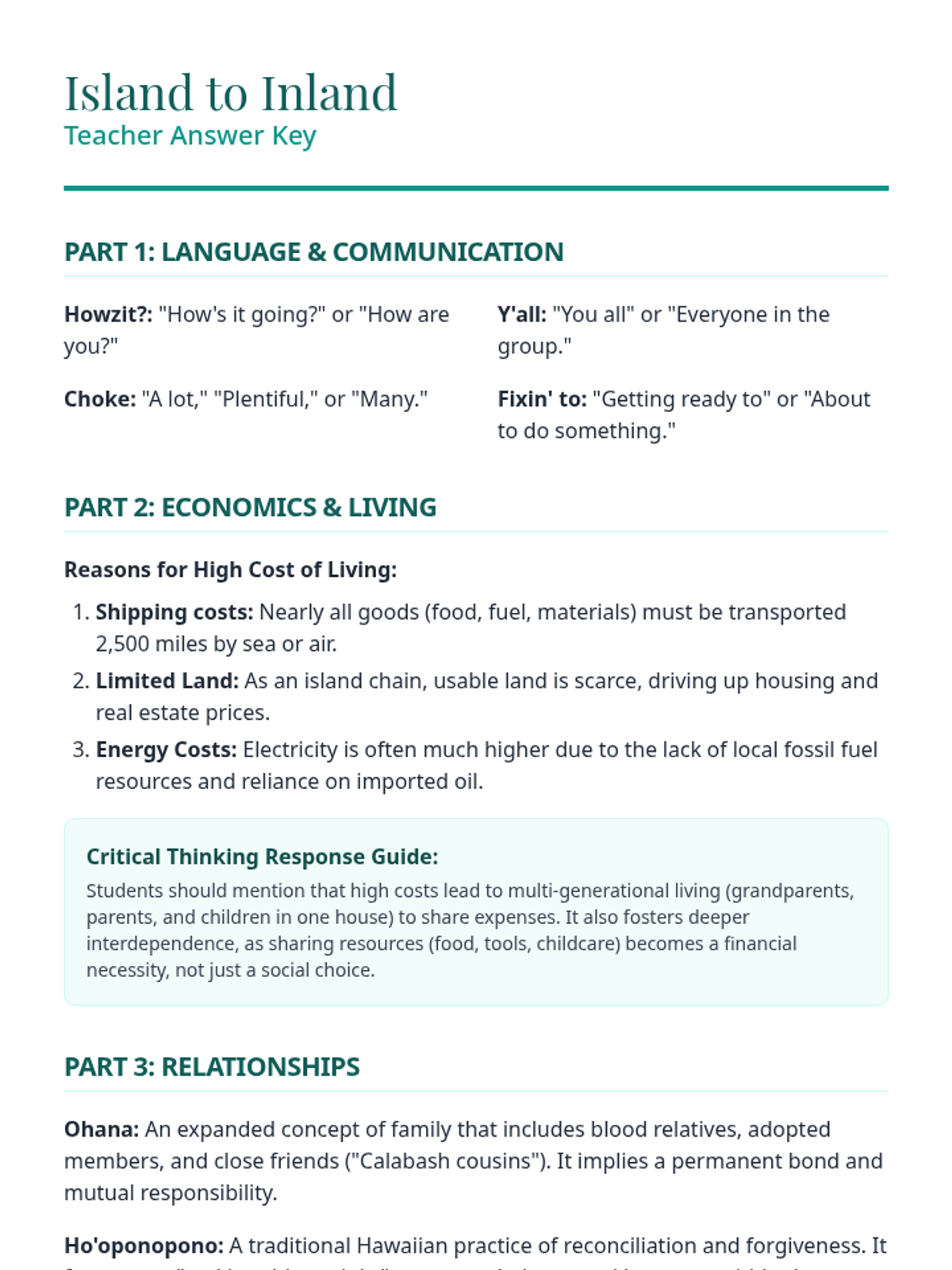
A comparative look at Hawaiian culture and Southern US culture, focusing on language, housing, economics, and deep-rooted family values.
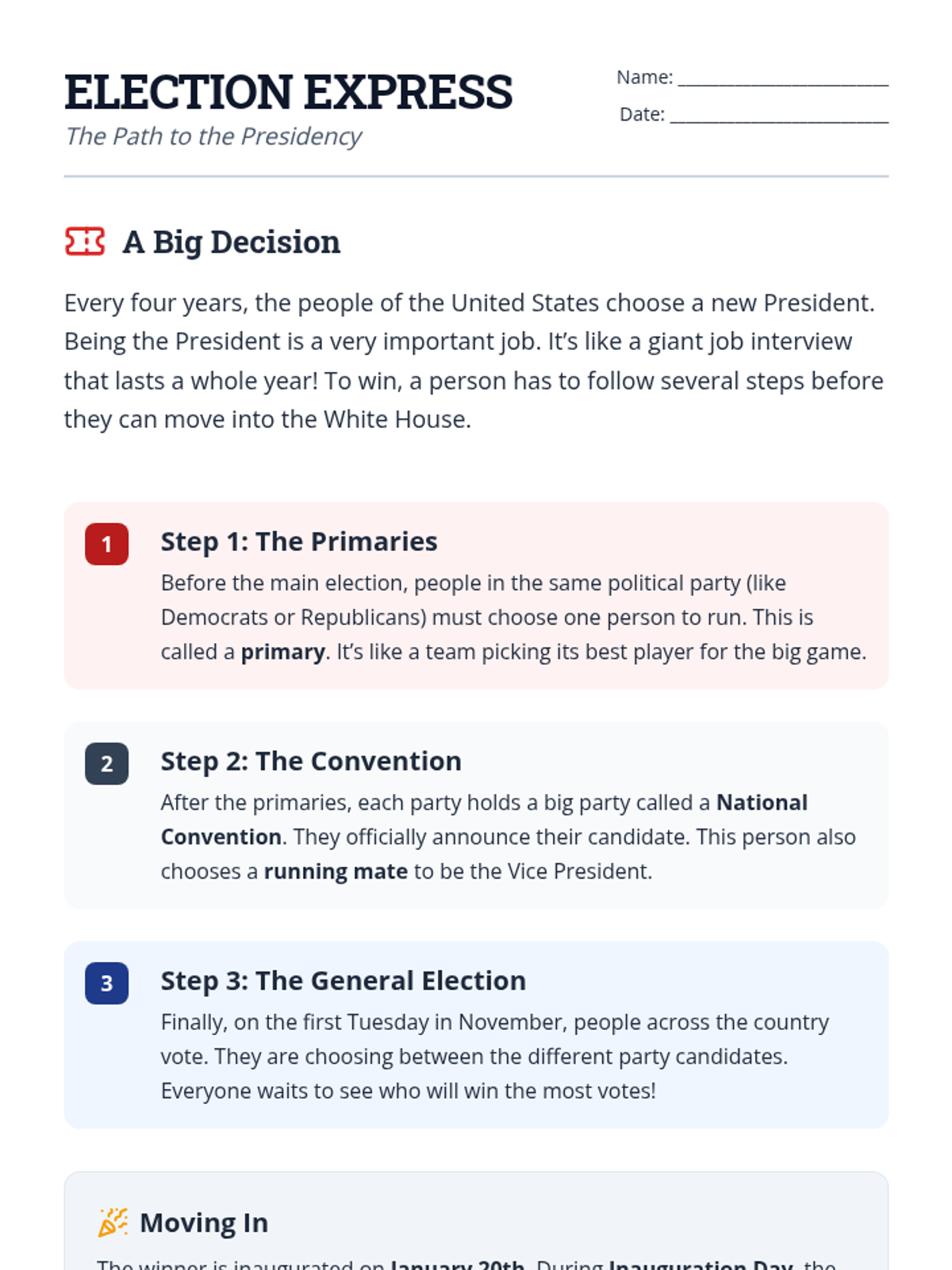
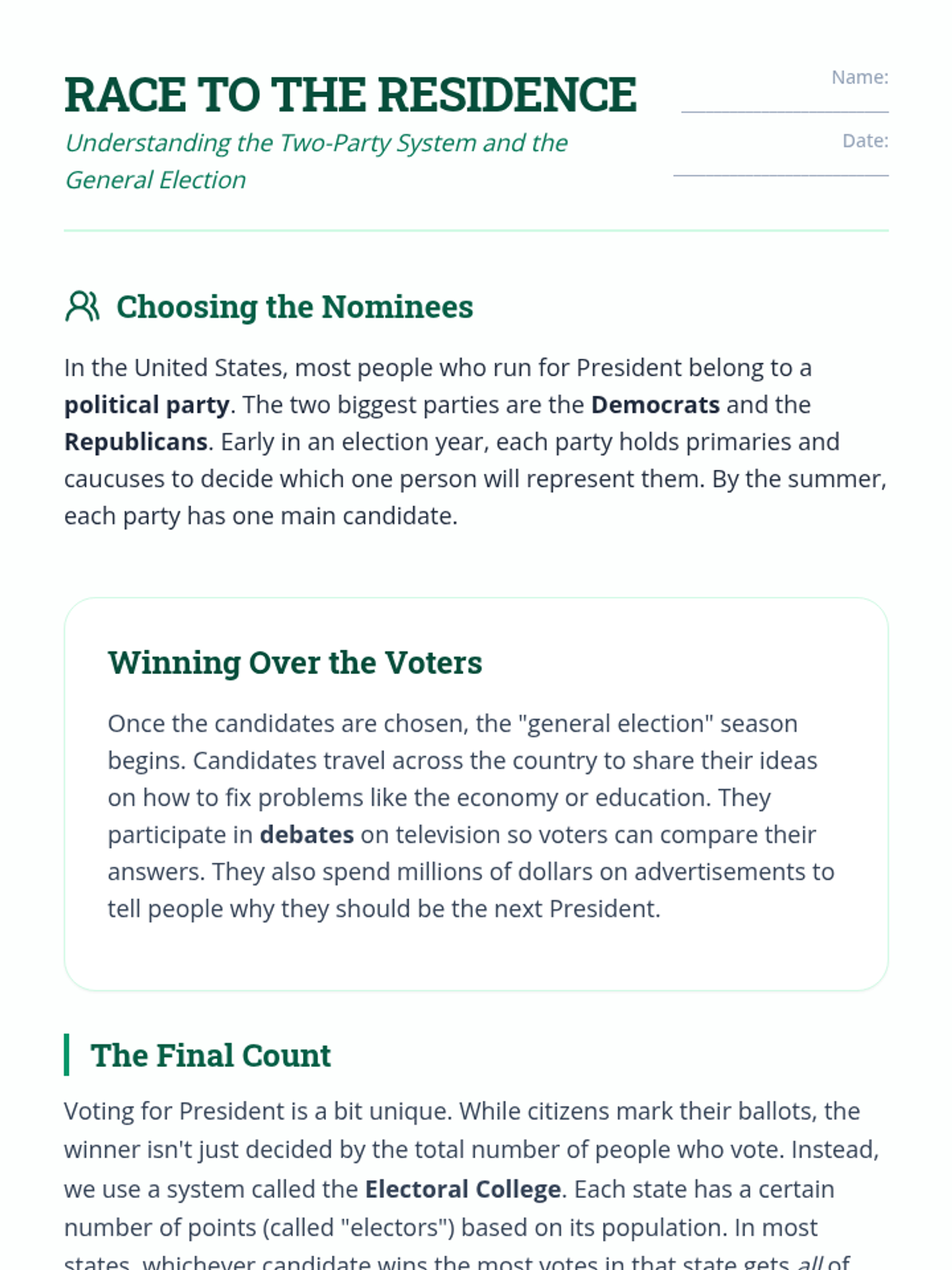
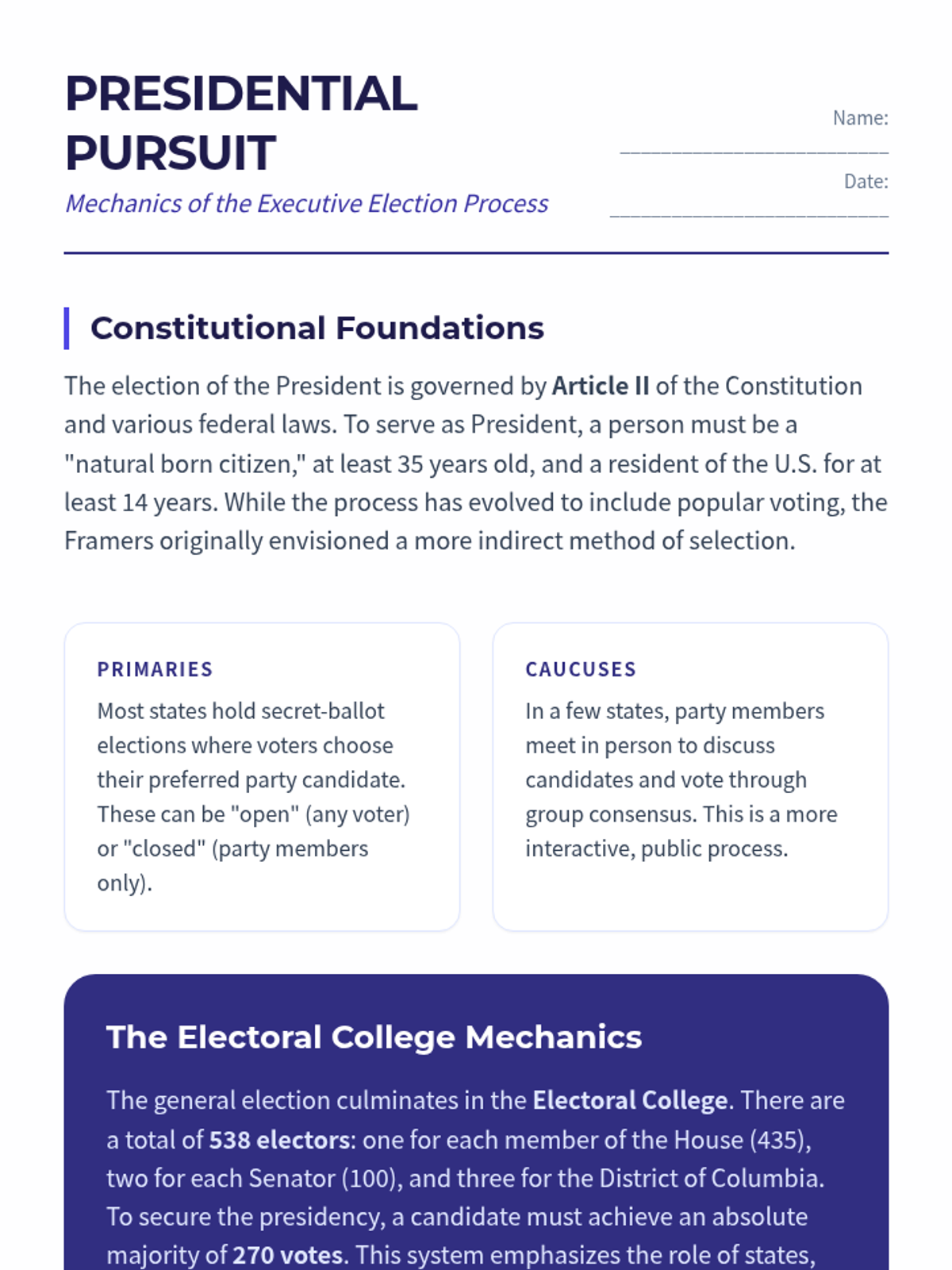
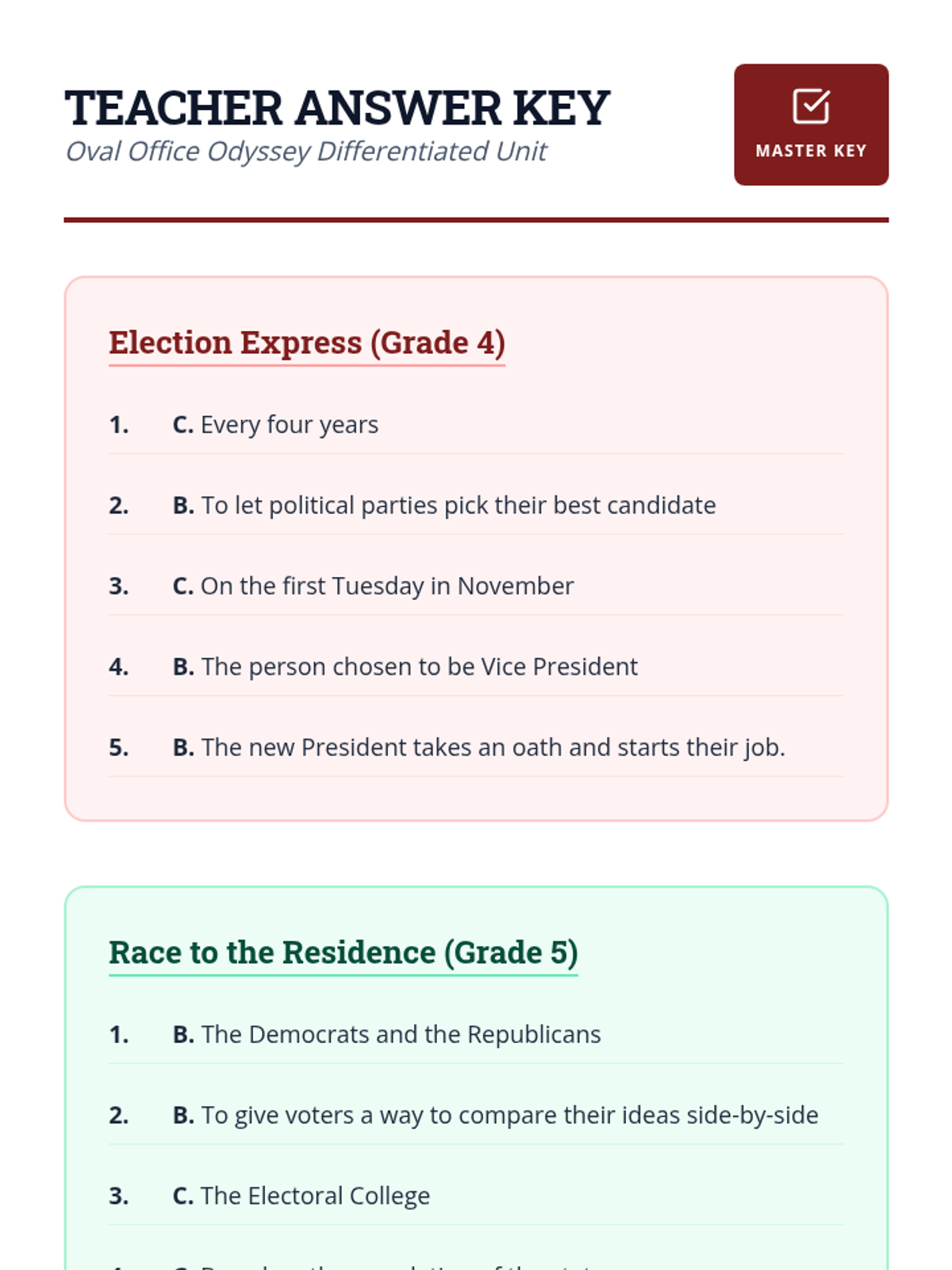
A comprehensive exploration of the United States presidential election process, from primary campaigns and national conventions to the Electoral College and Inauguration Day.
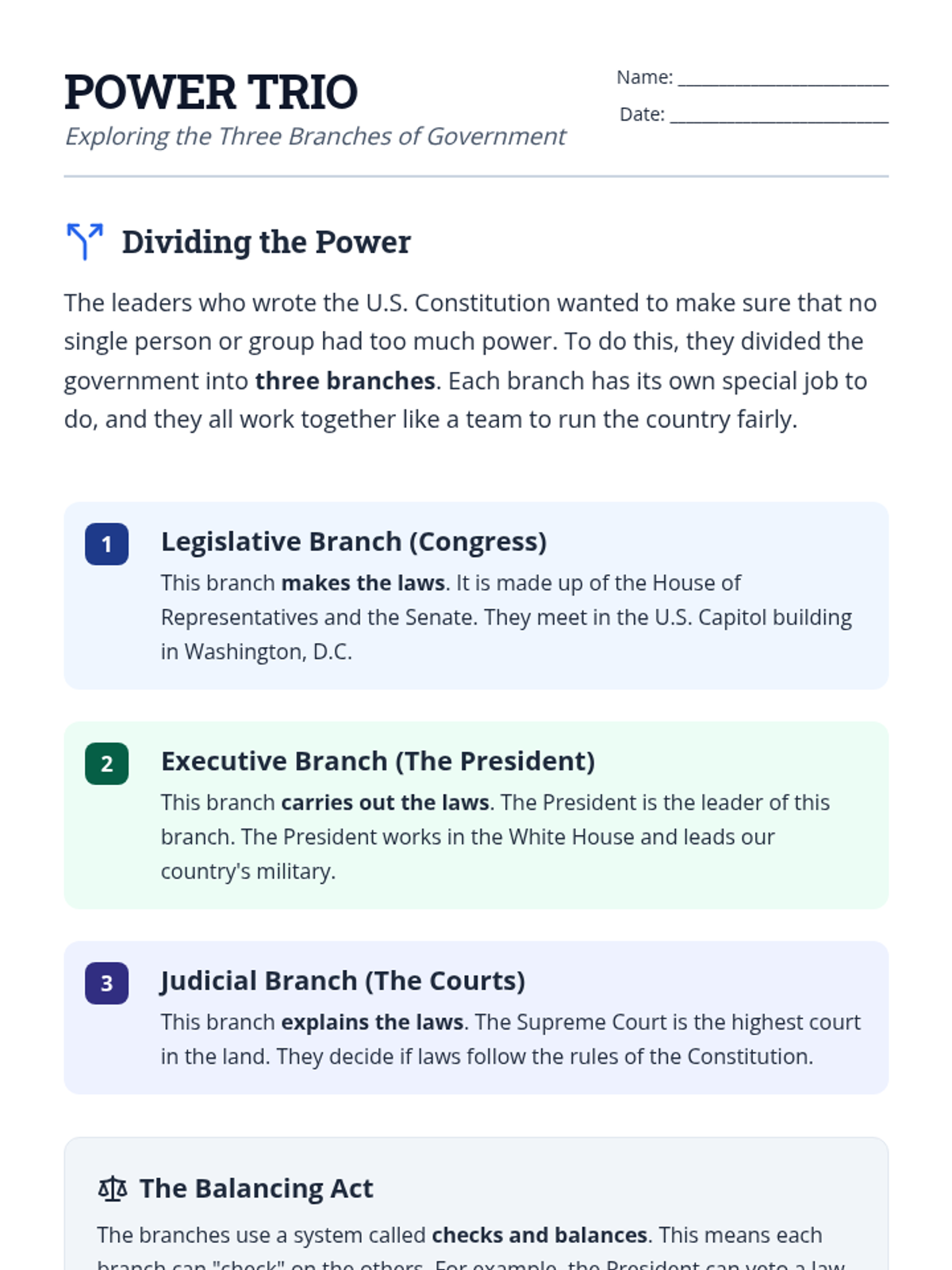
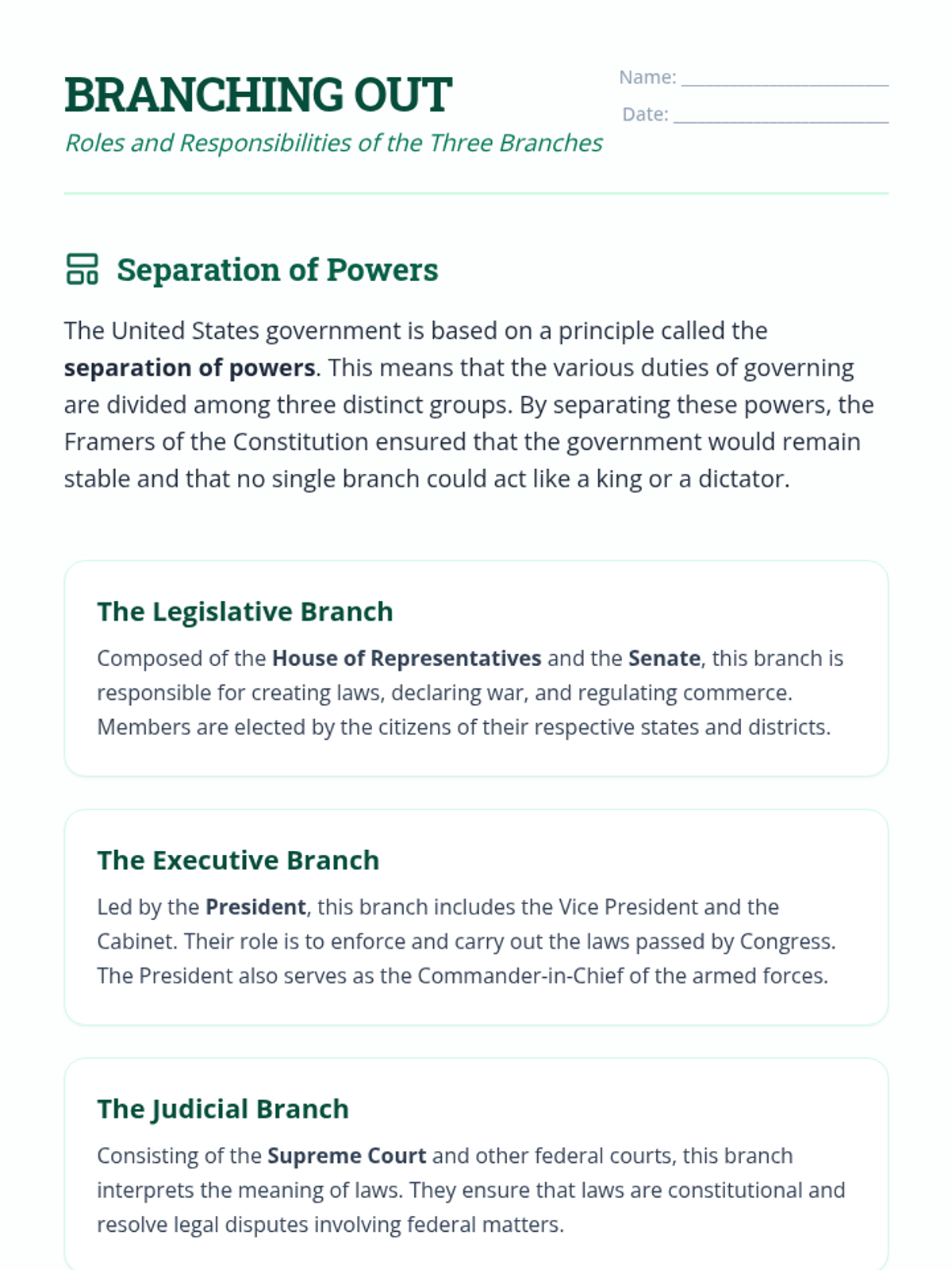
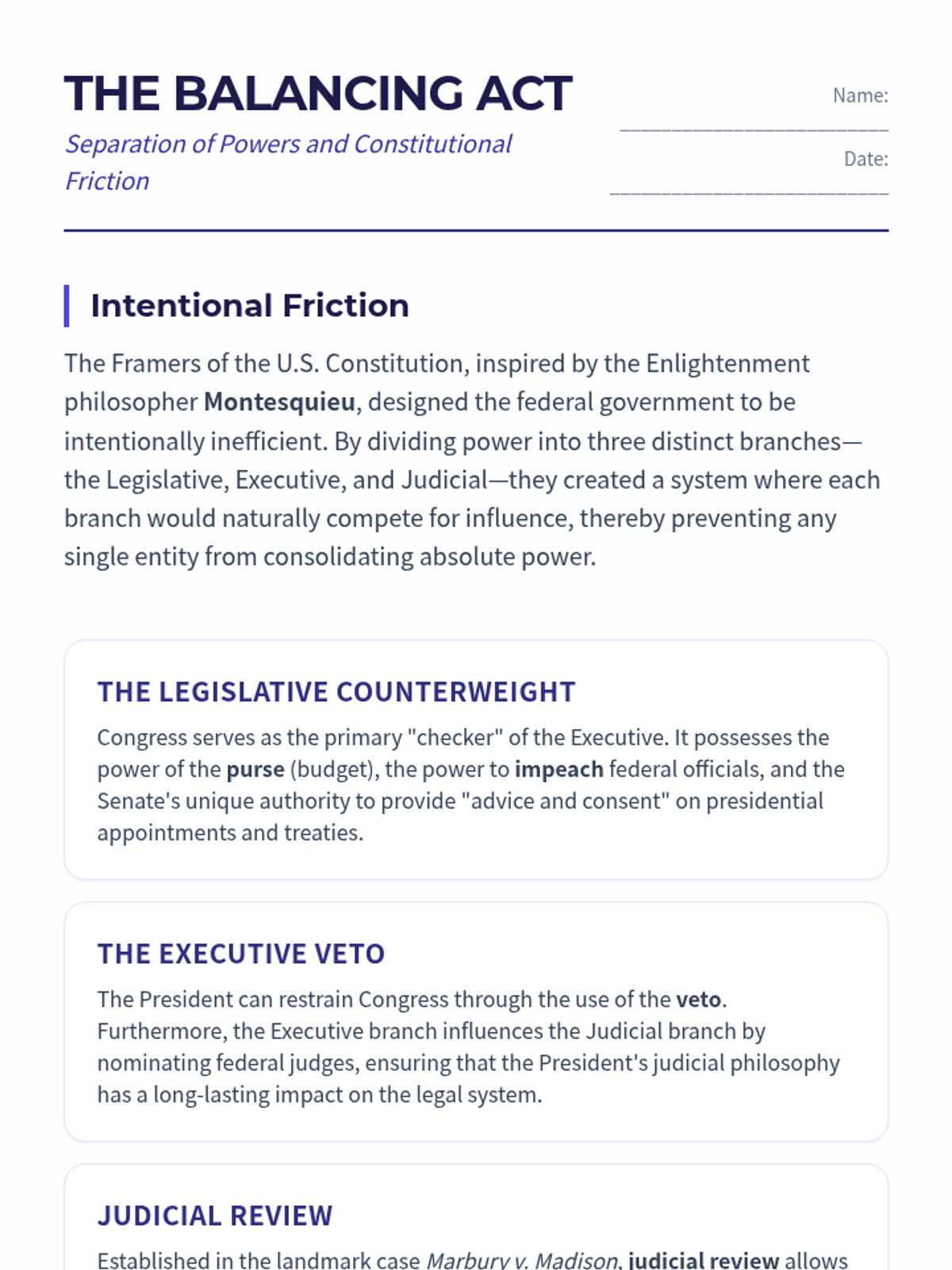
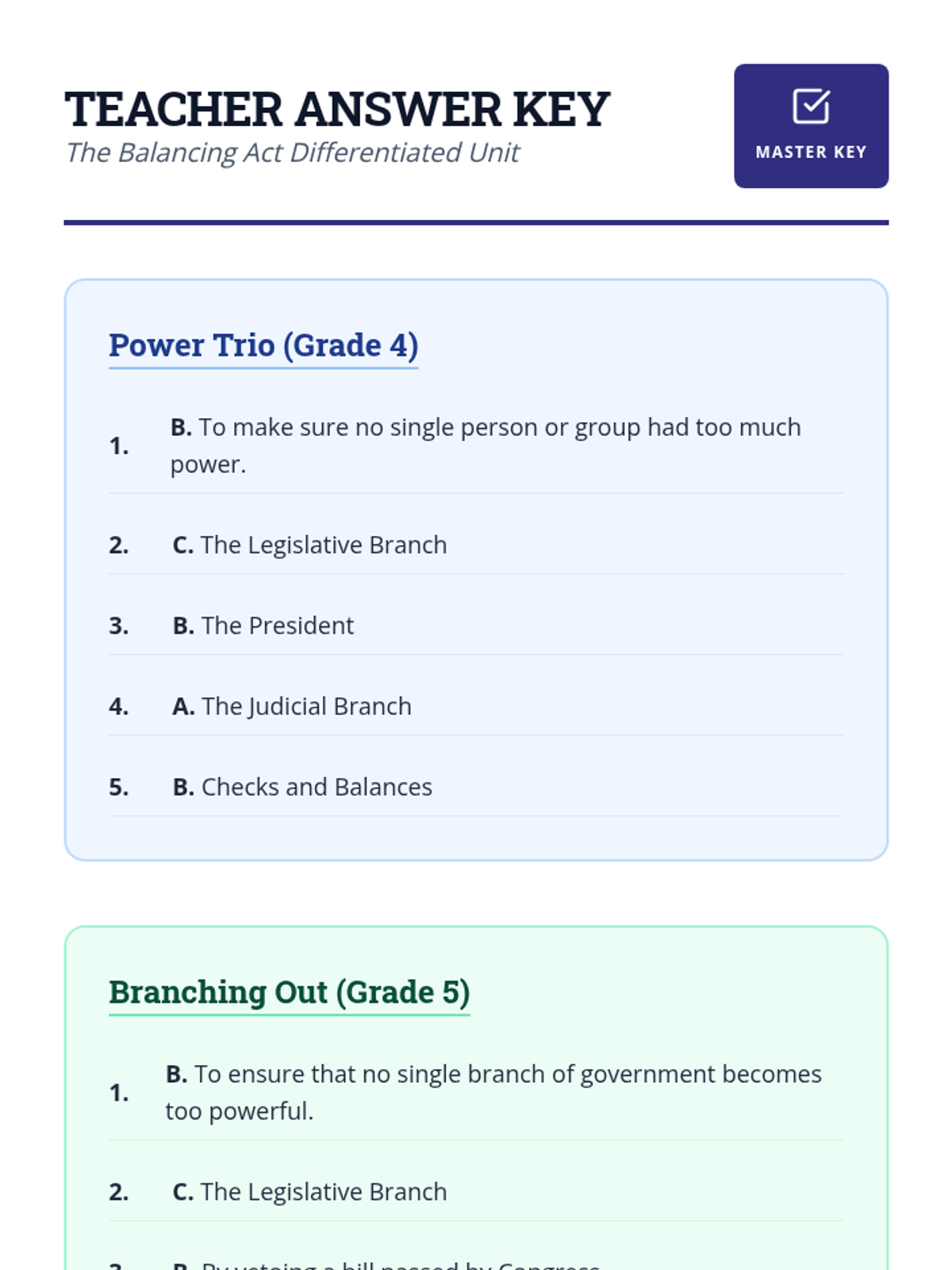
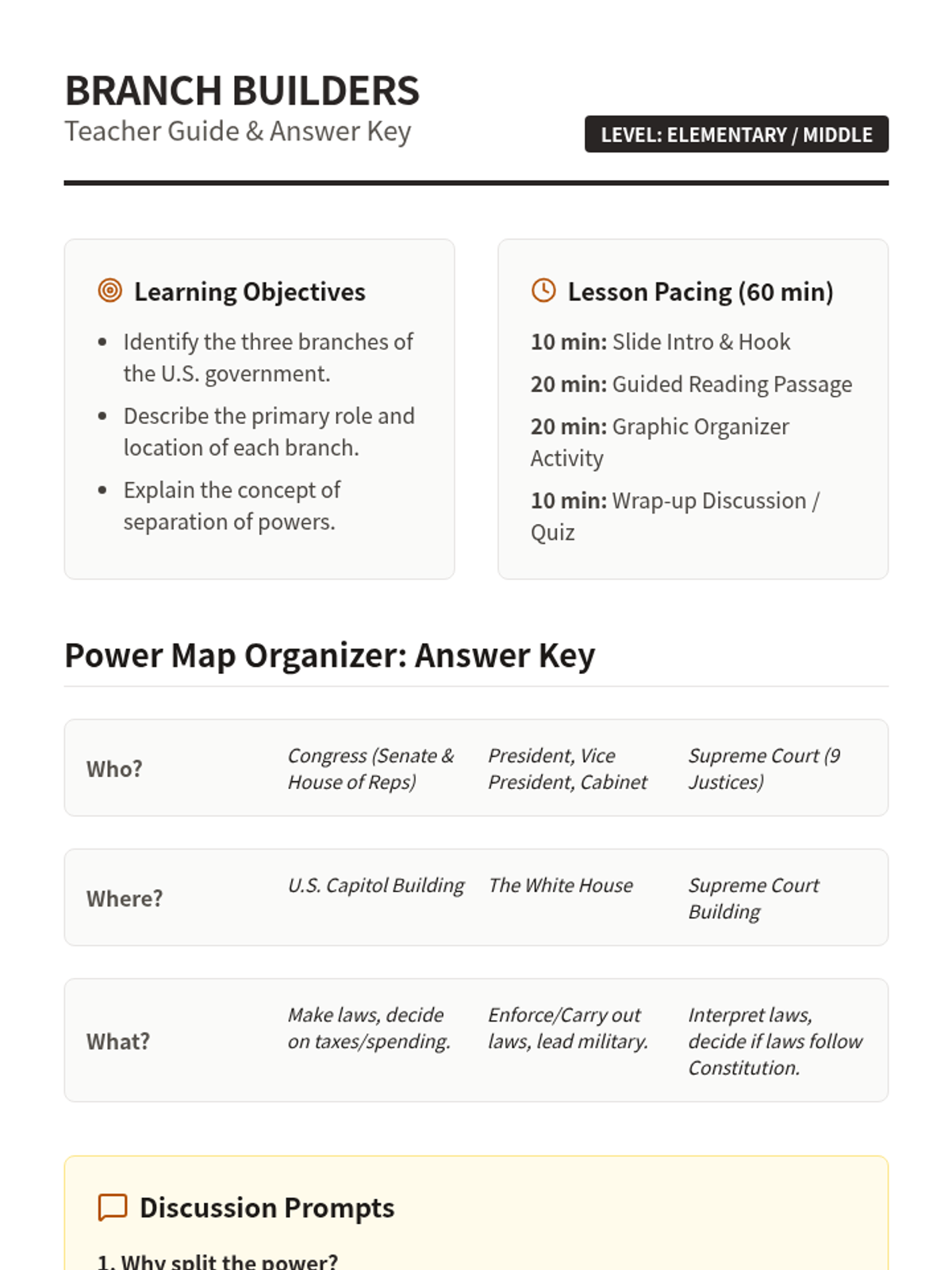
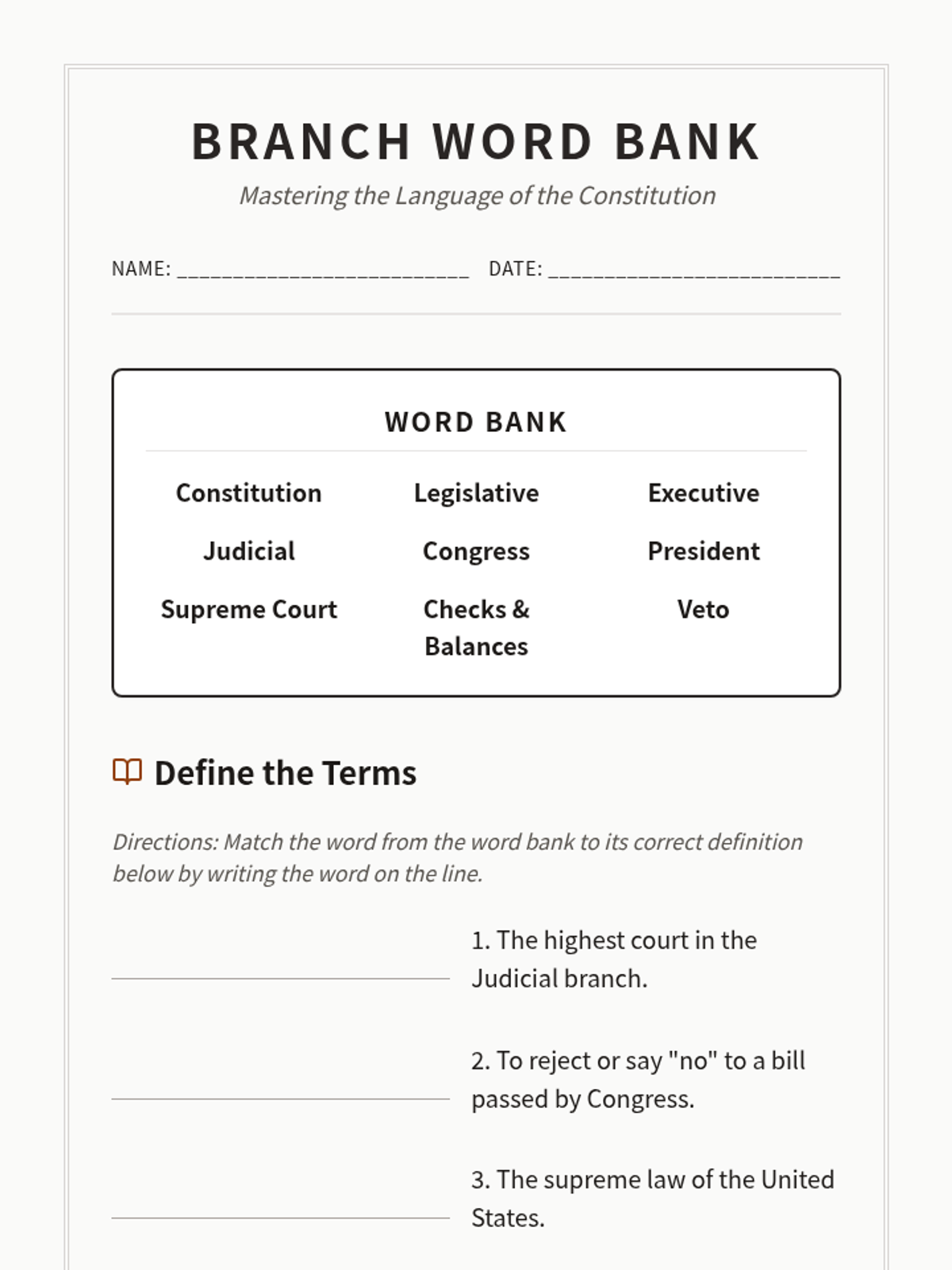
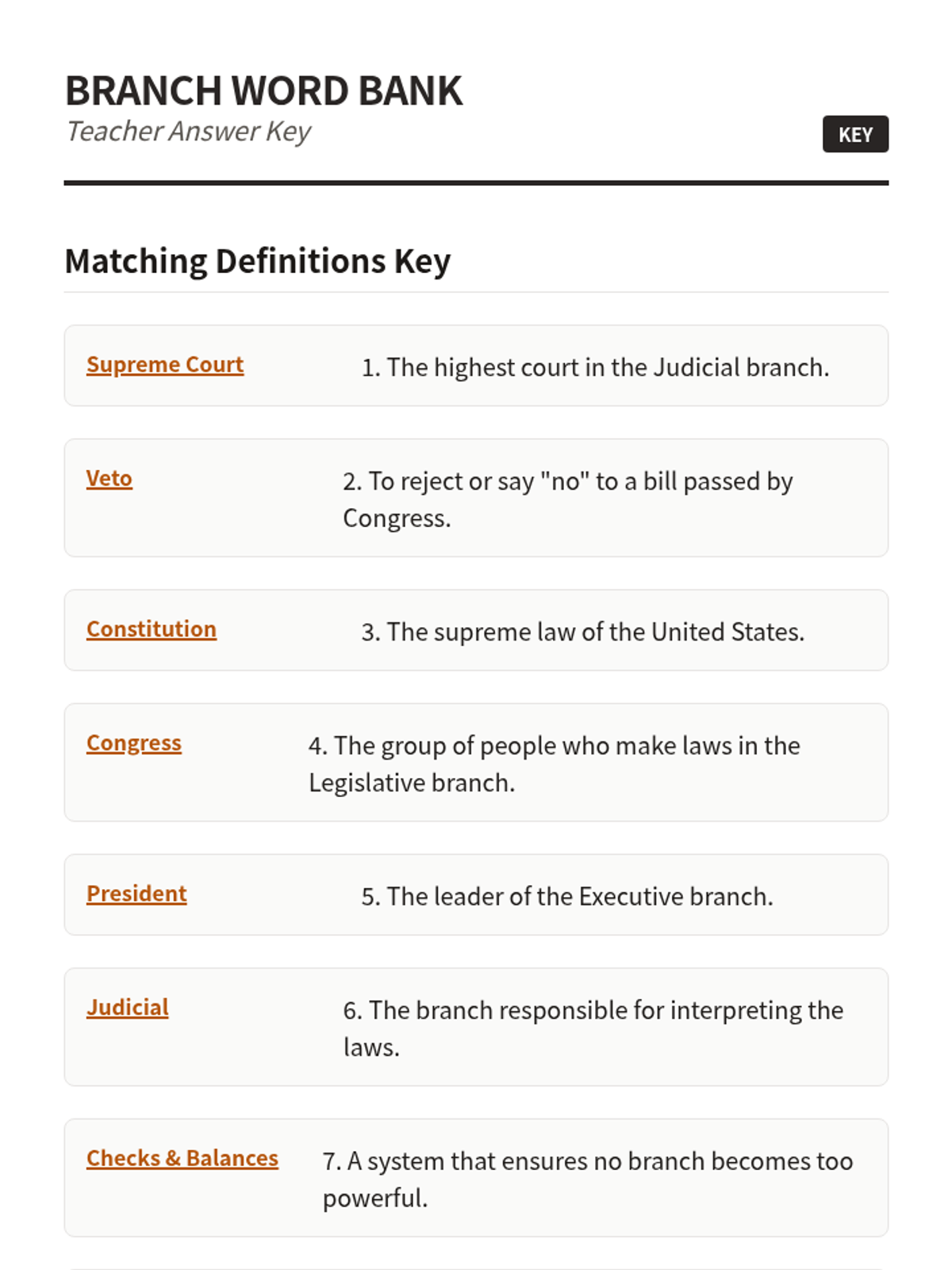
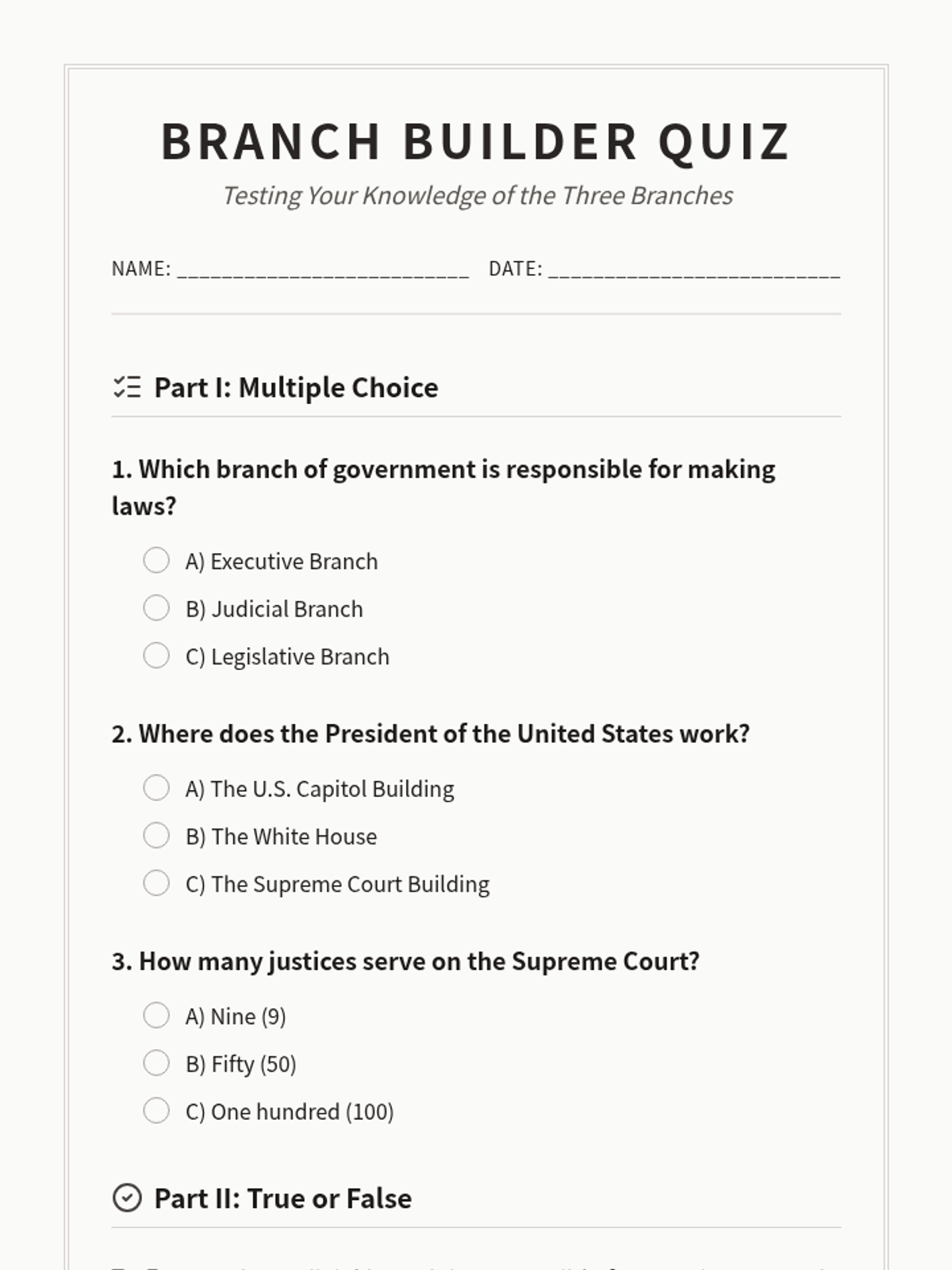
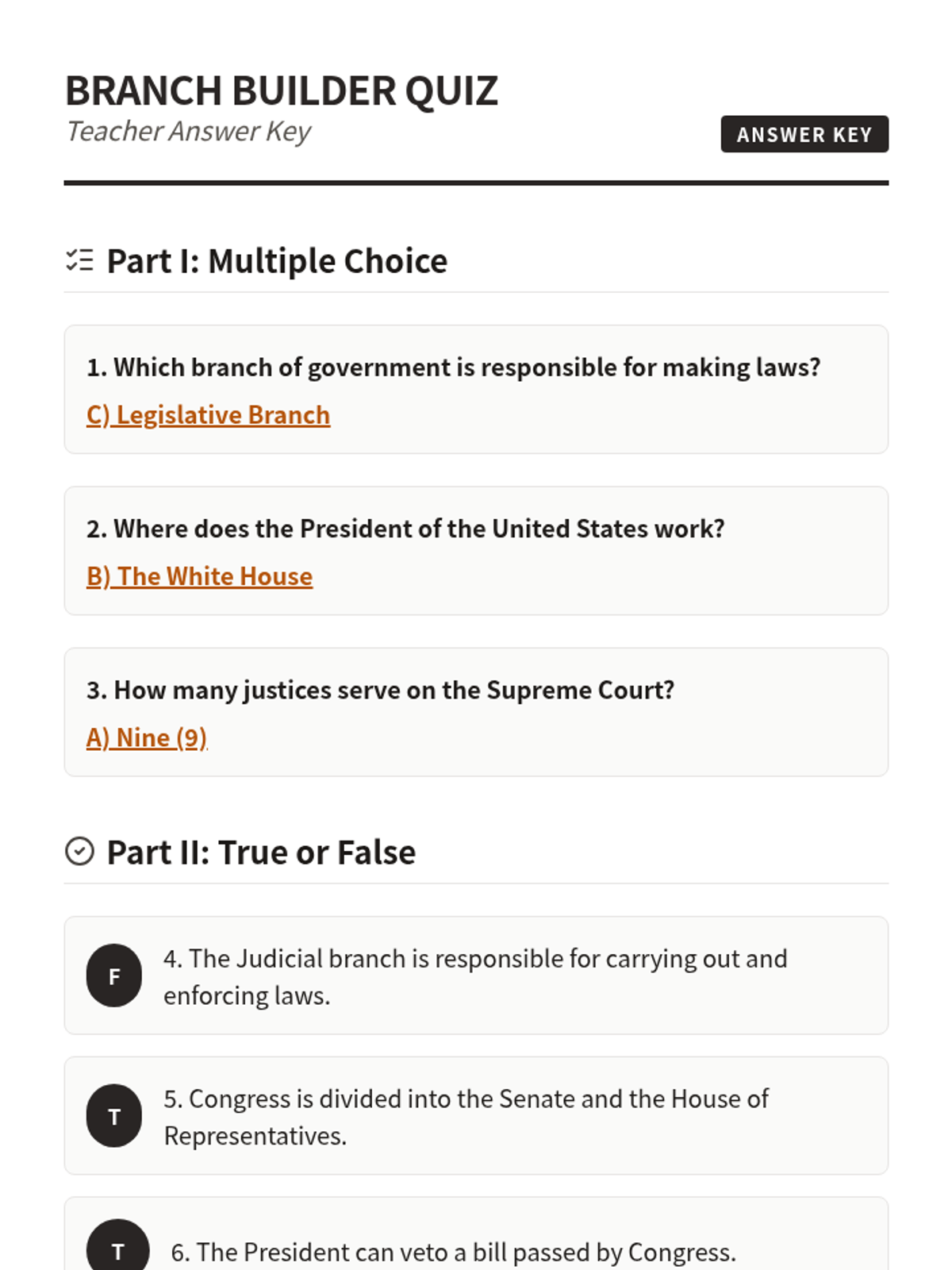
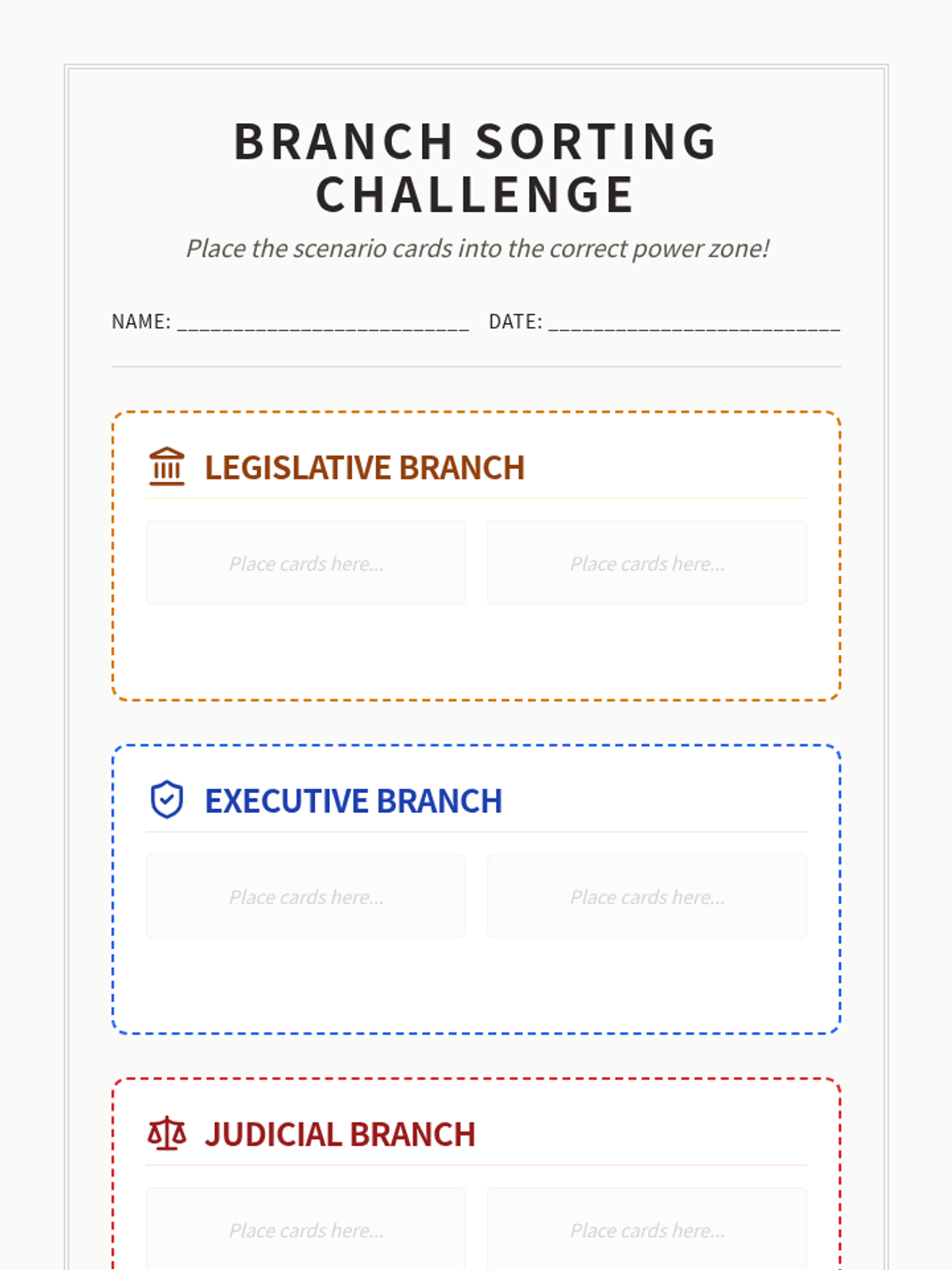
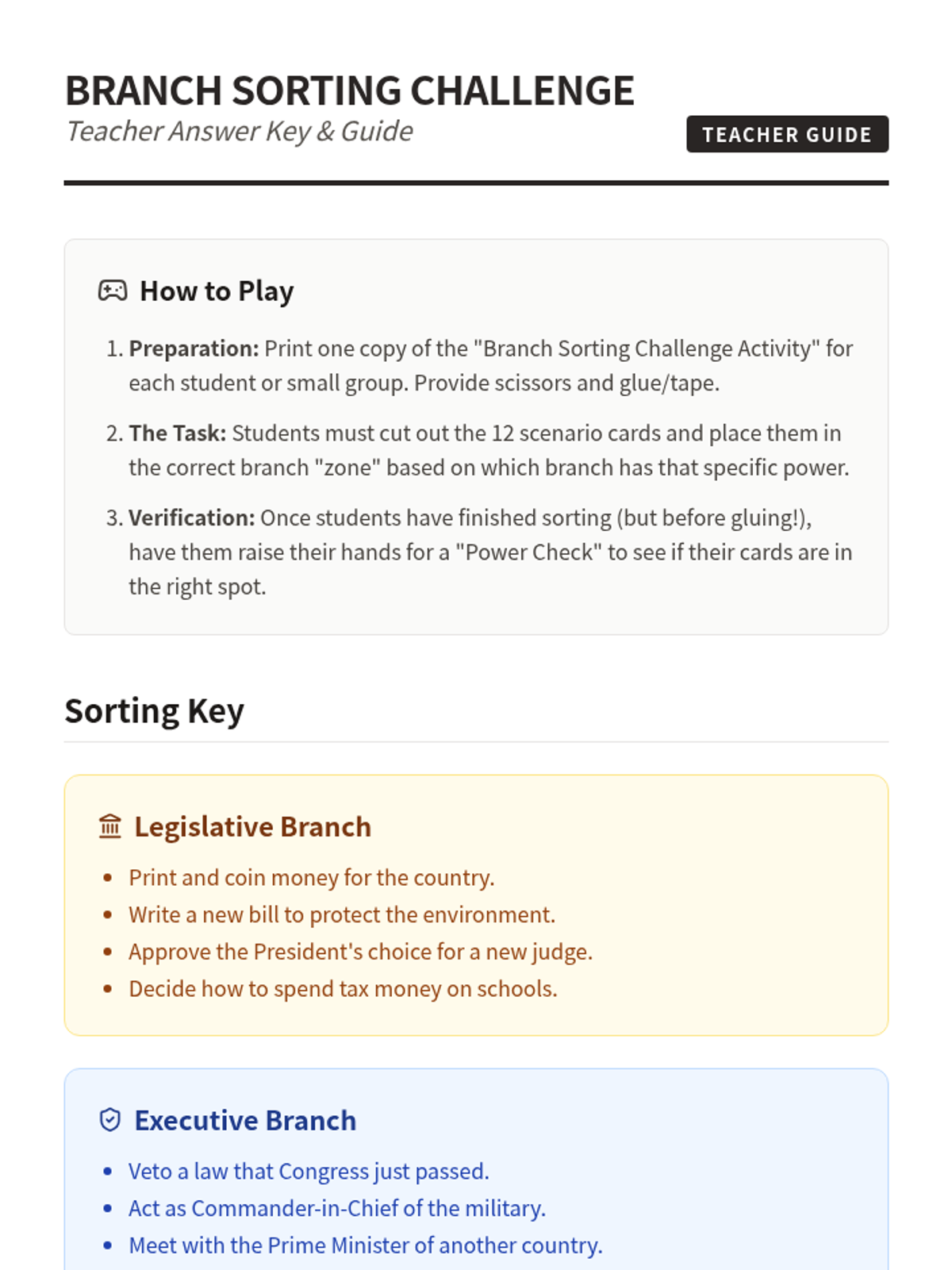
An exploration of the three branches of the United States government—Legislative, Executive, and Judicial—and the system of checks and balances that ensures no single branch becomes too powerful.
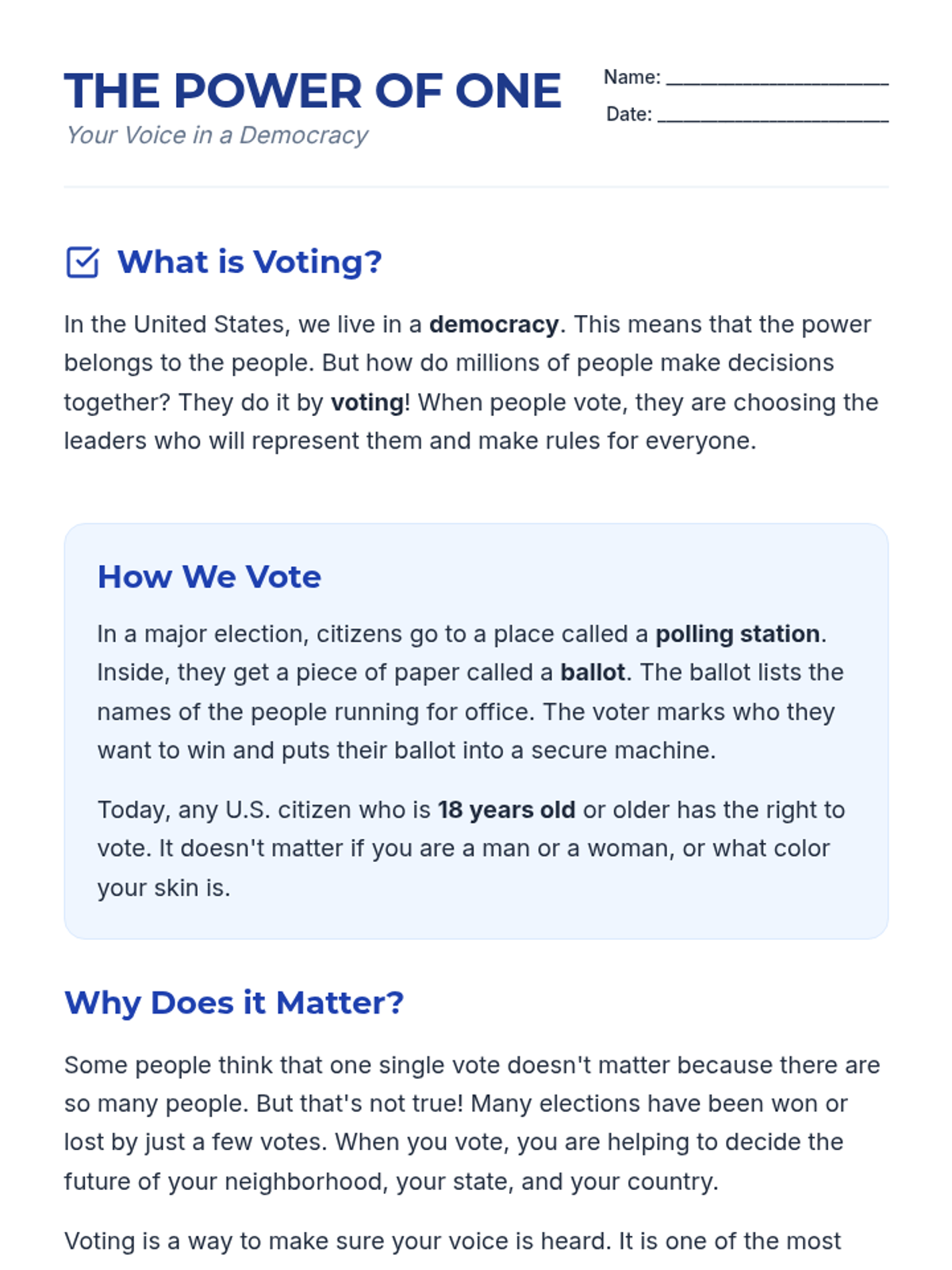
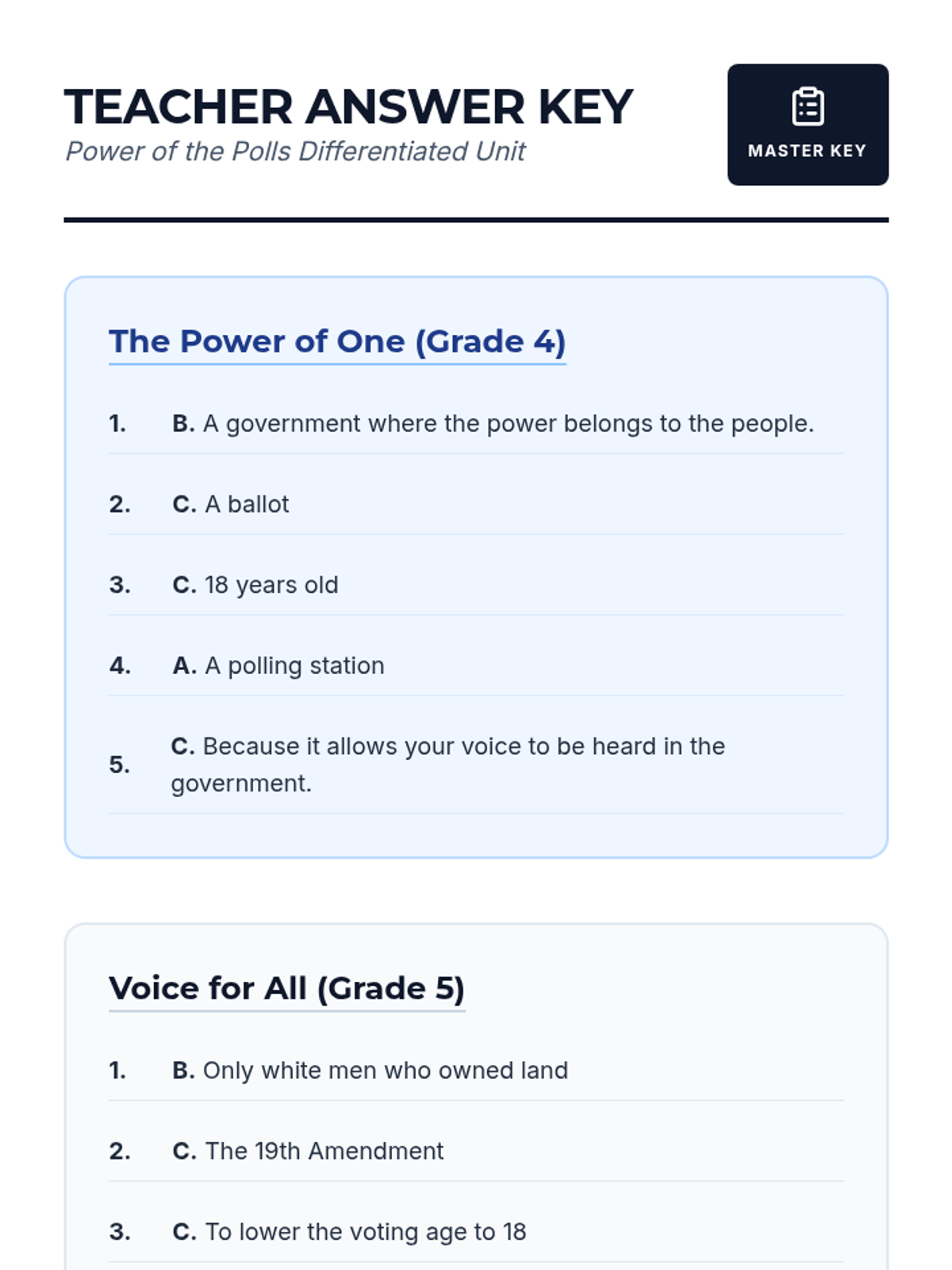
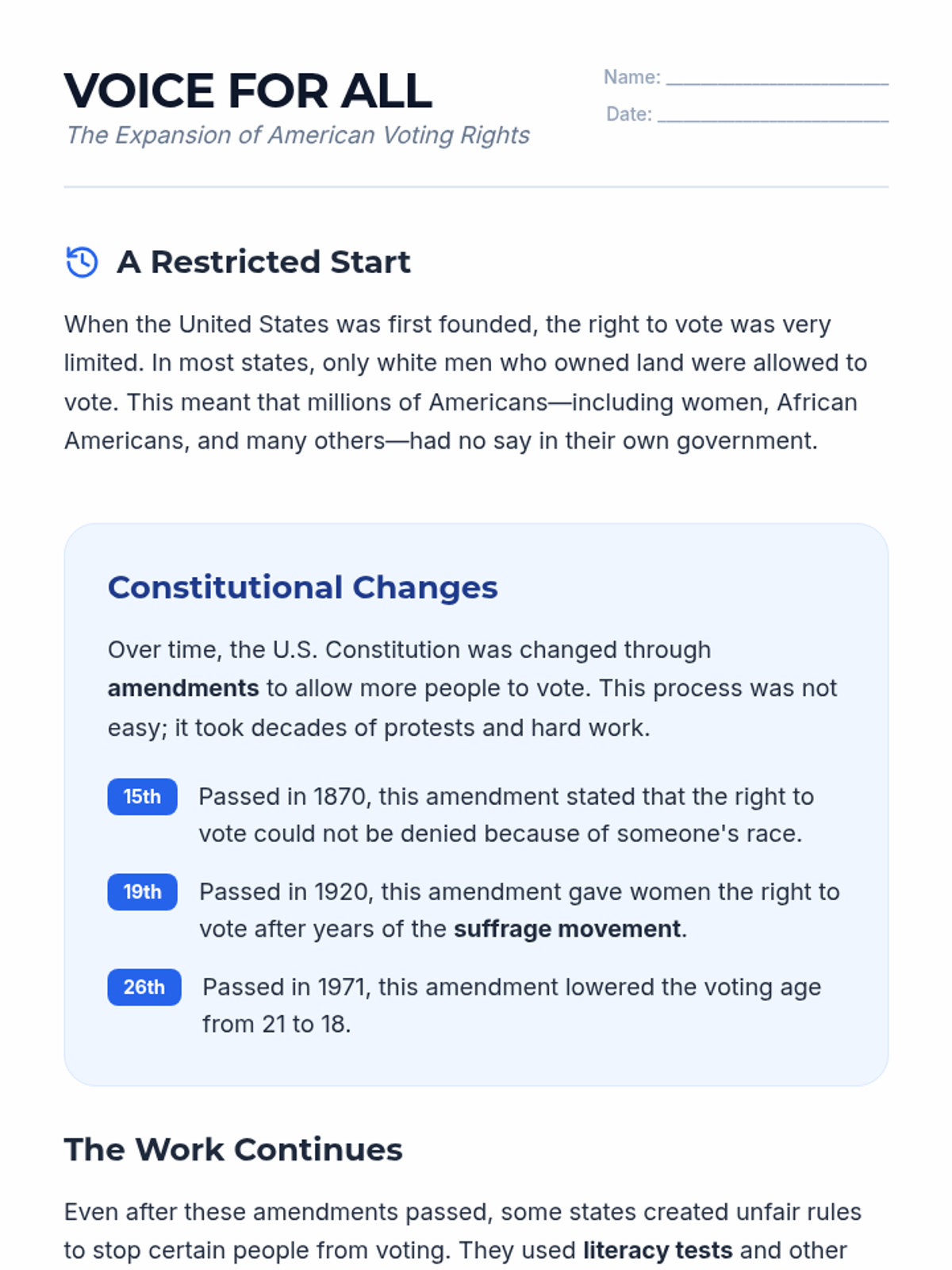
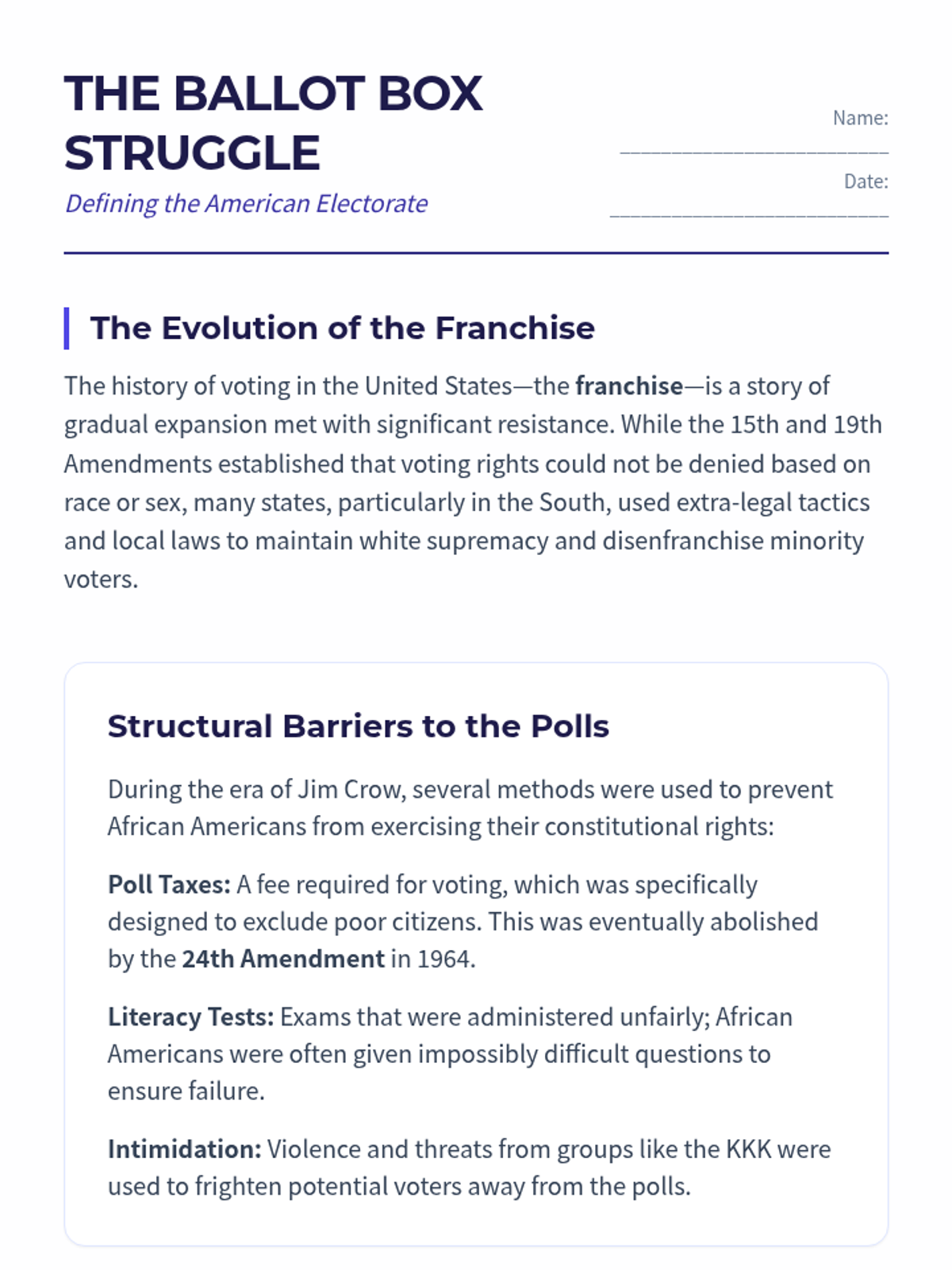
An exploration of voting rights in the United States, tracing the expansion of the franchise through constitutional amendments and the Civil Rights Movement.
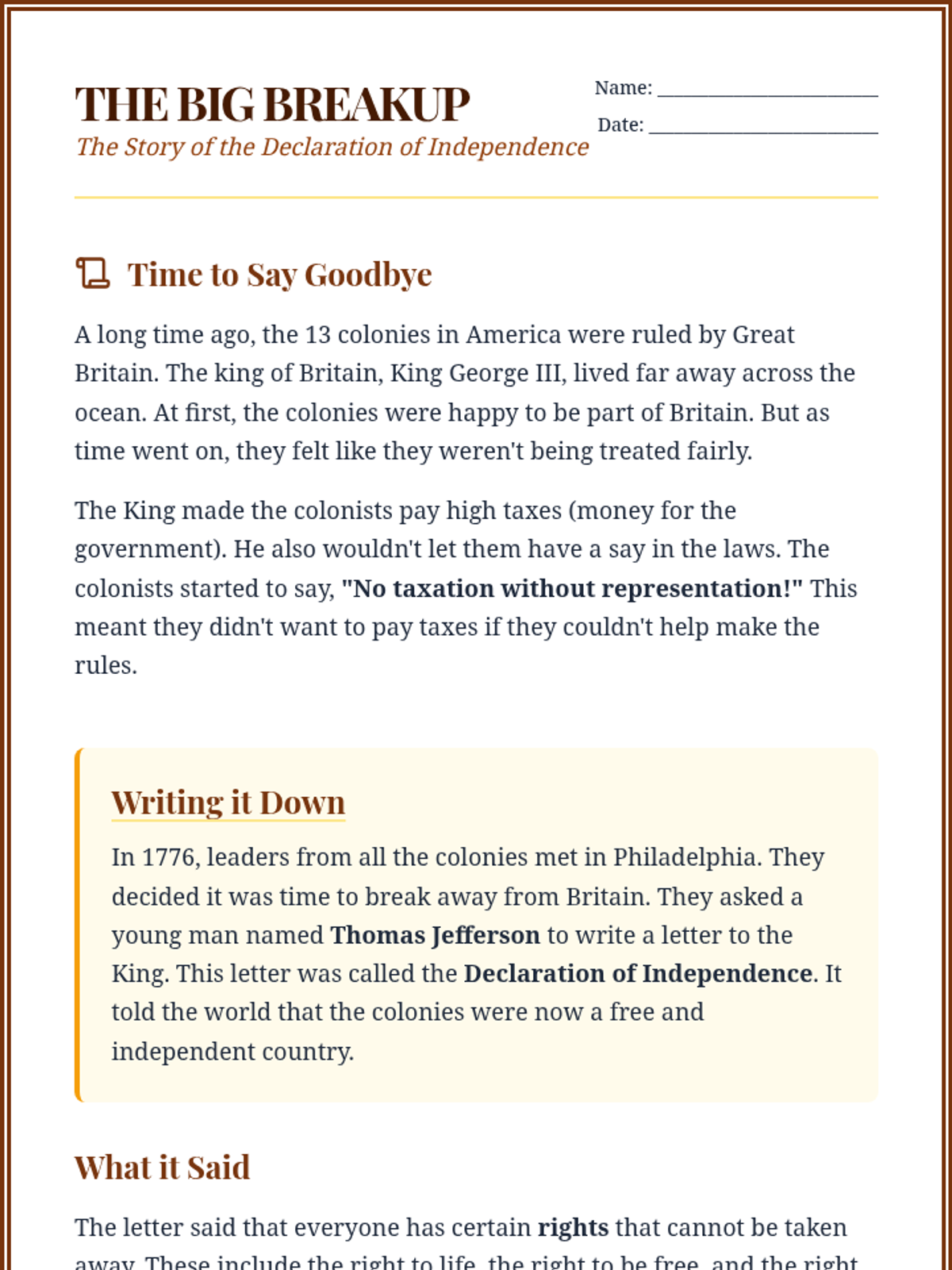
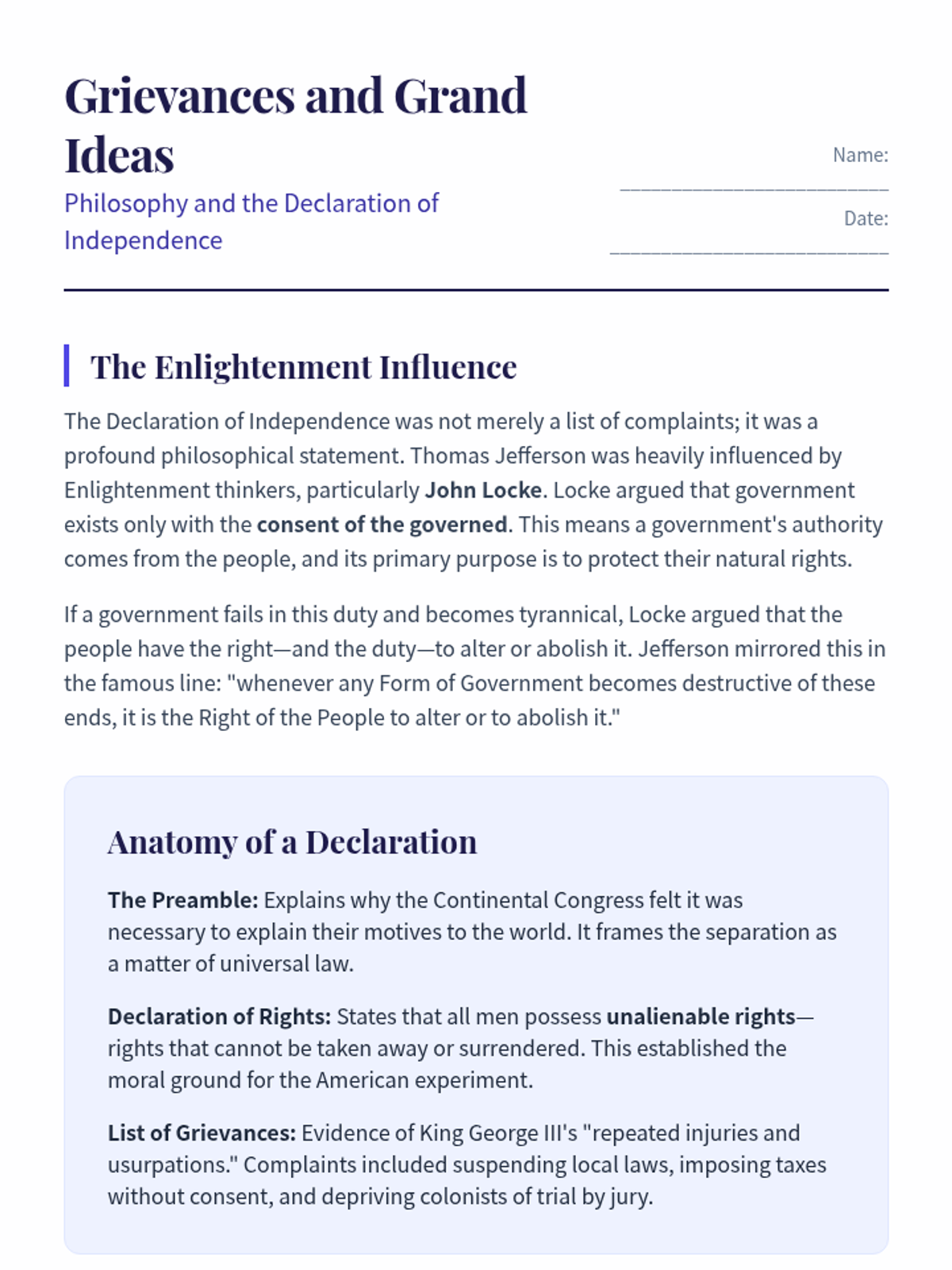
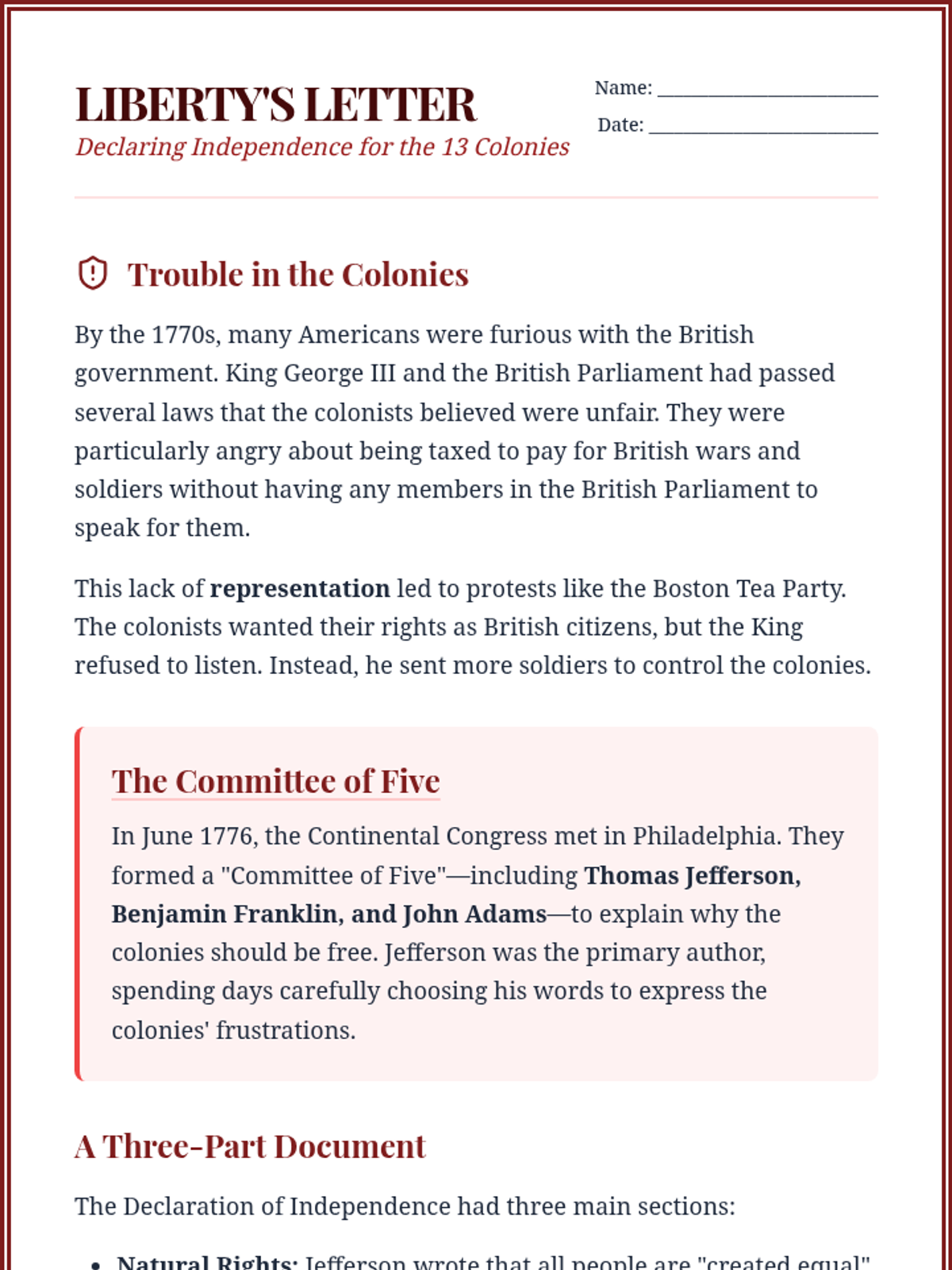
An exploration of the Declaration of Independence, its historical context, key grievances against King George III, and the fundamental principles of American democracy.
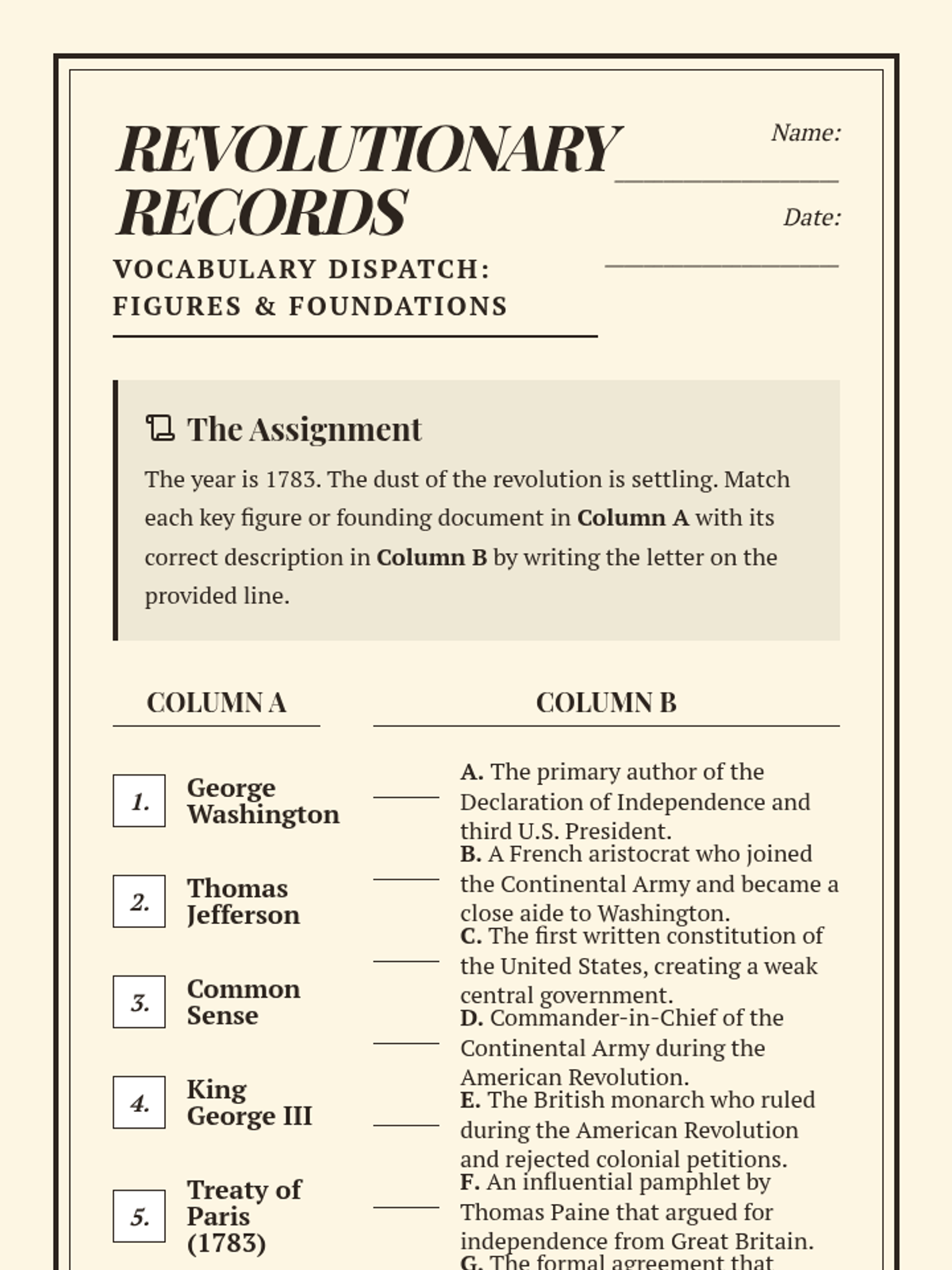
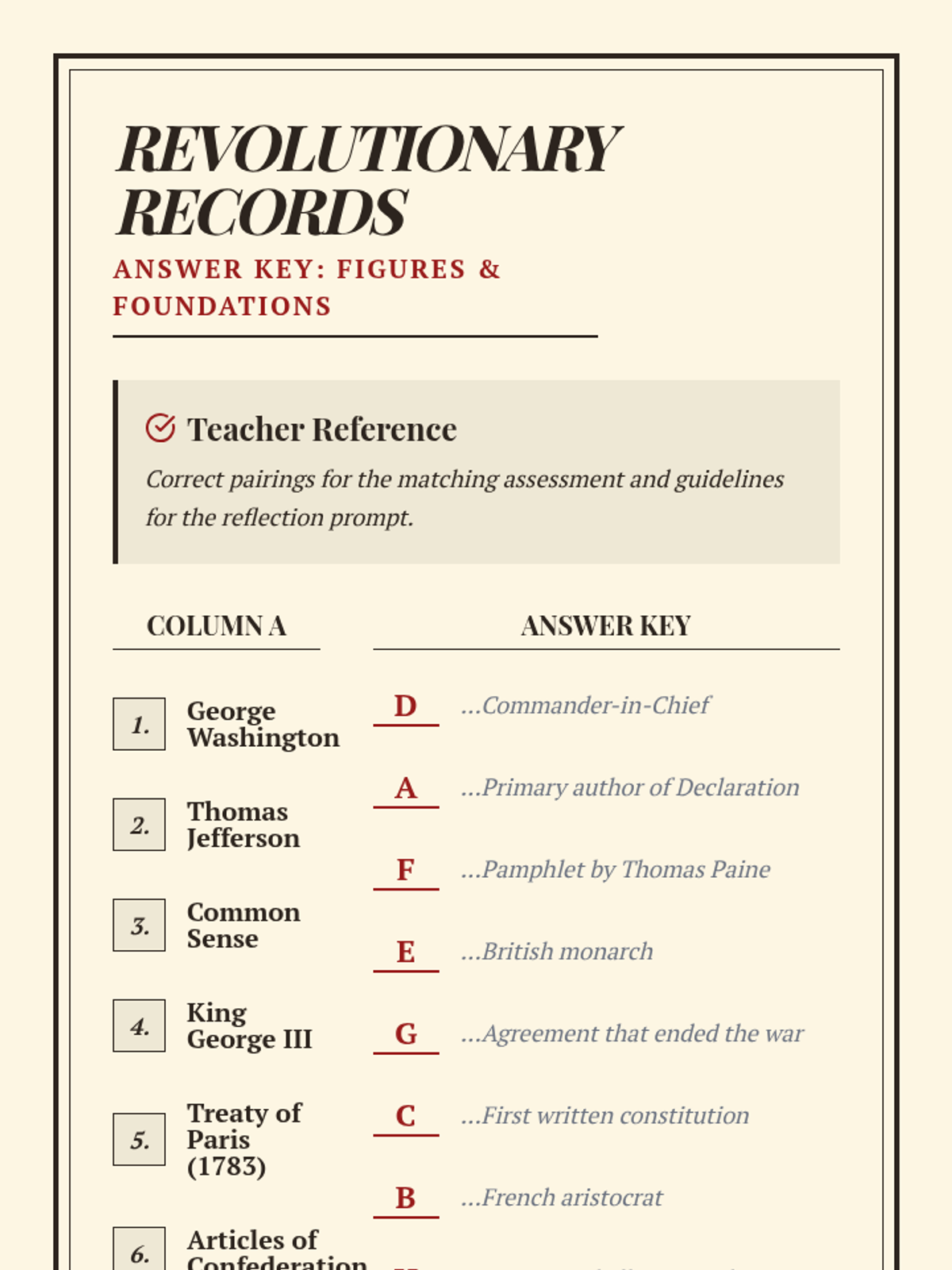
A short lesson focused on mastering key figures and founding documents of the American Revolution through matching and reflection.
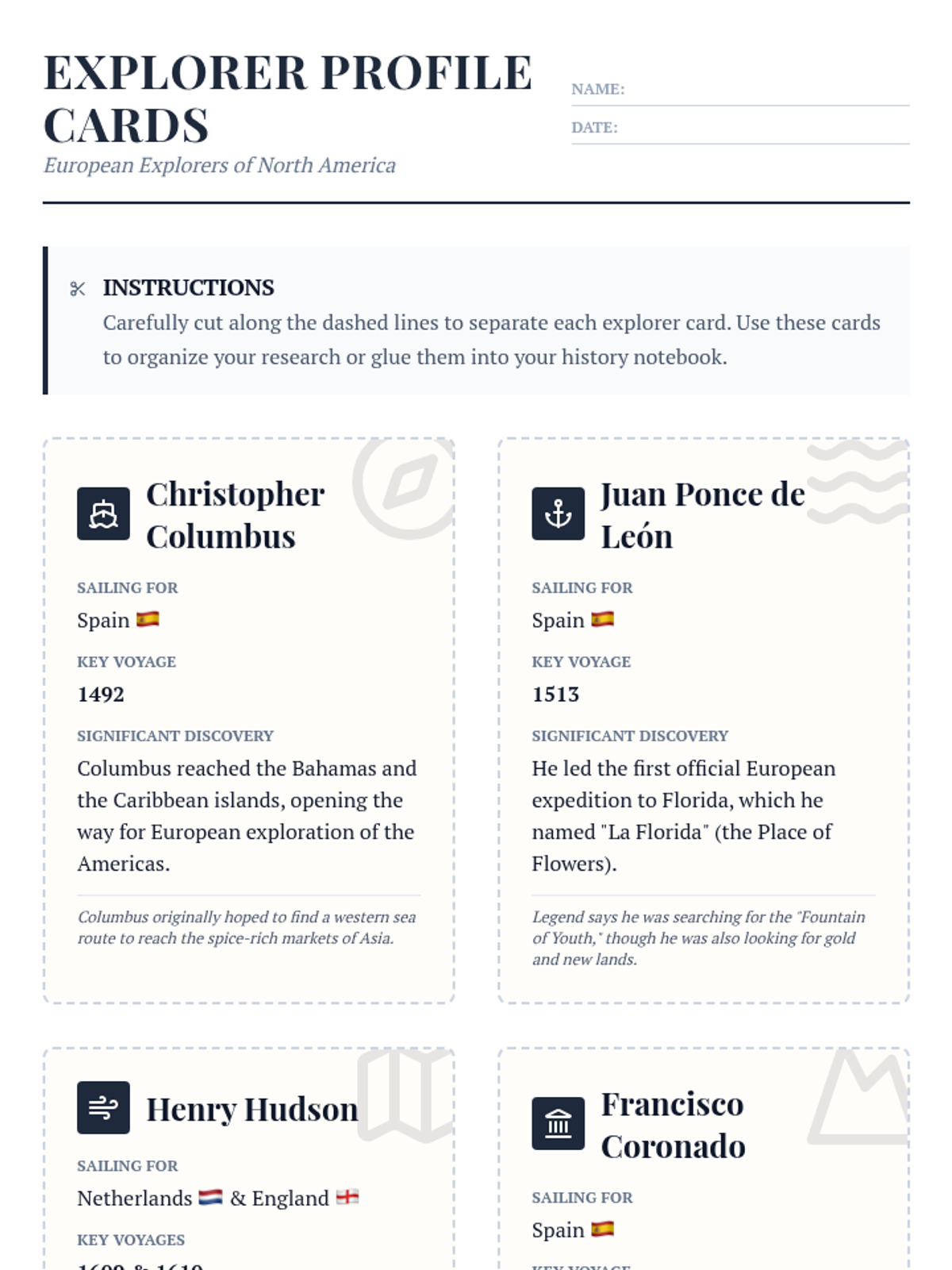
A lesson focused on the key European explorers who reached North America, their motivations, and their discoveries.
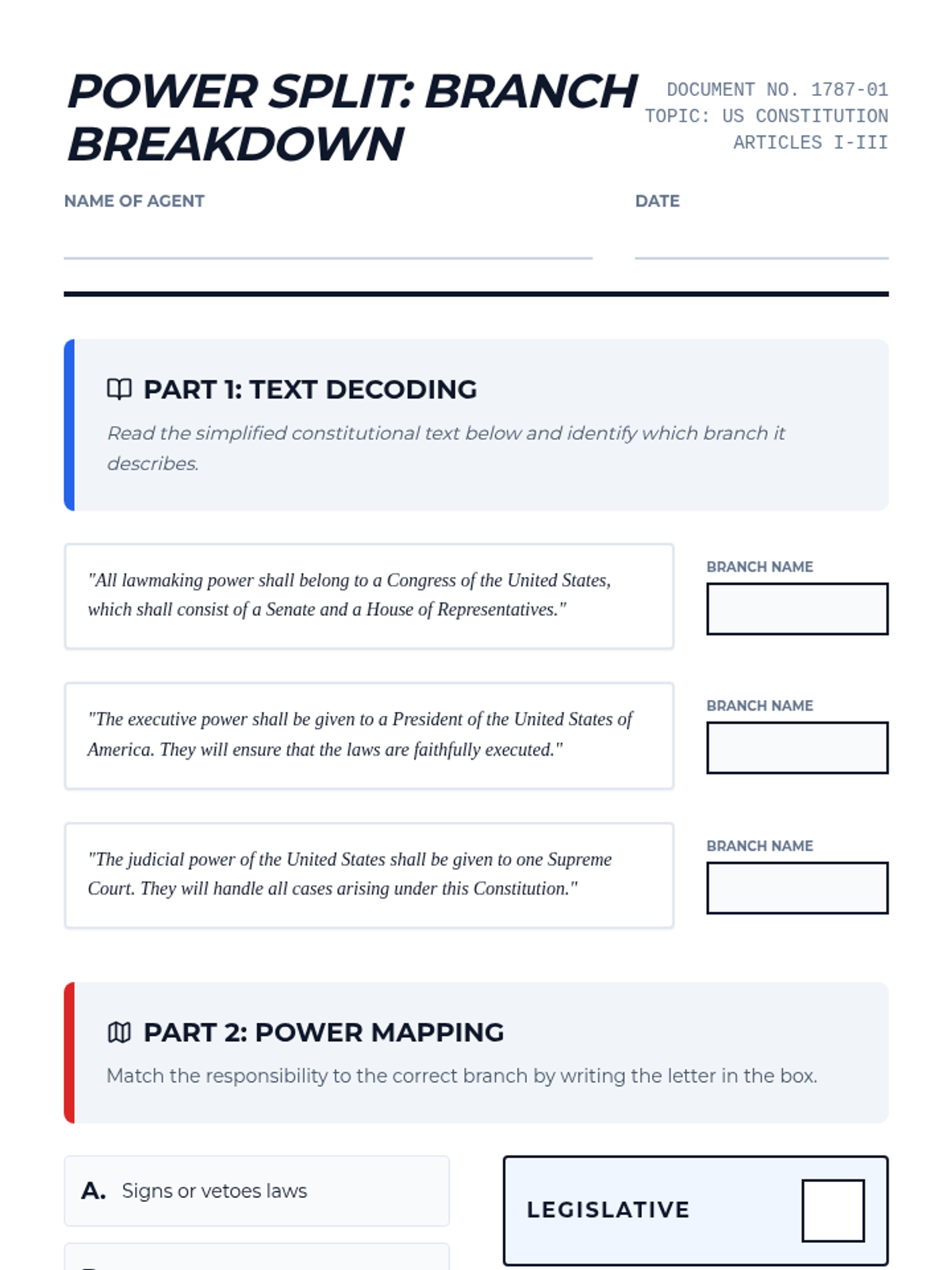
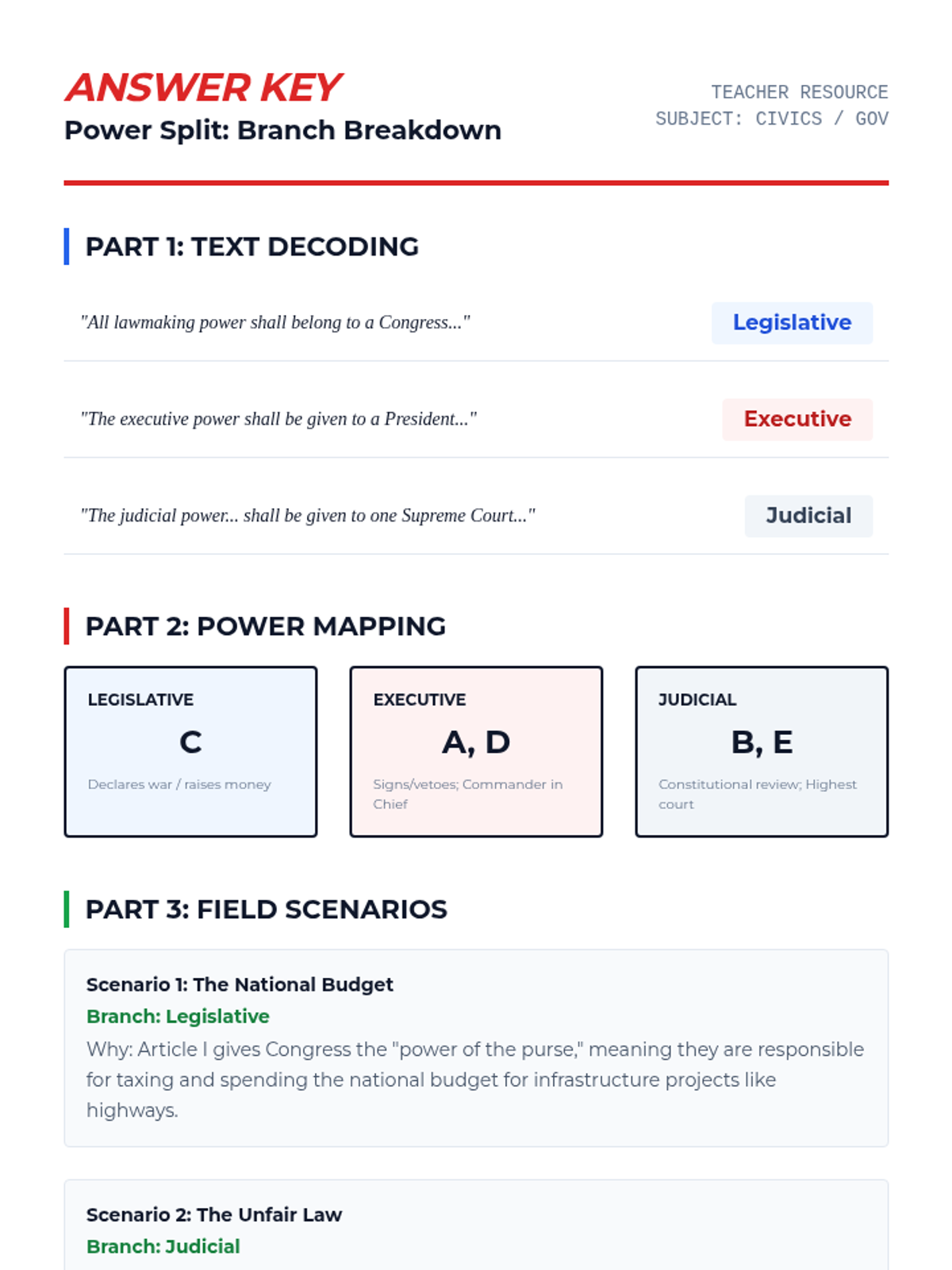
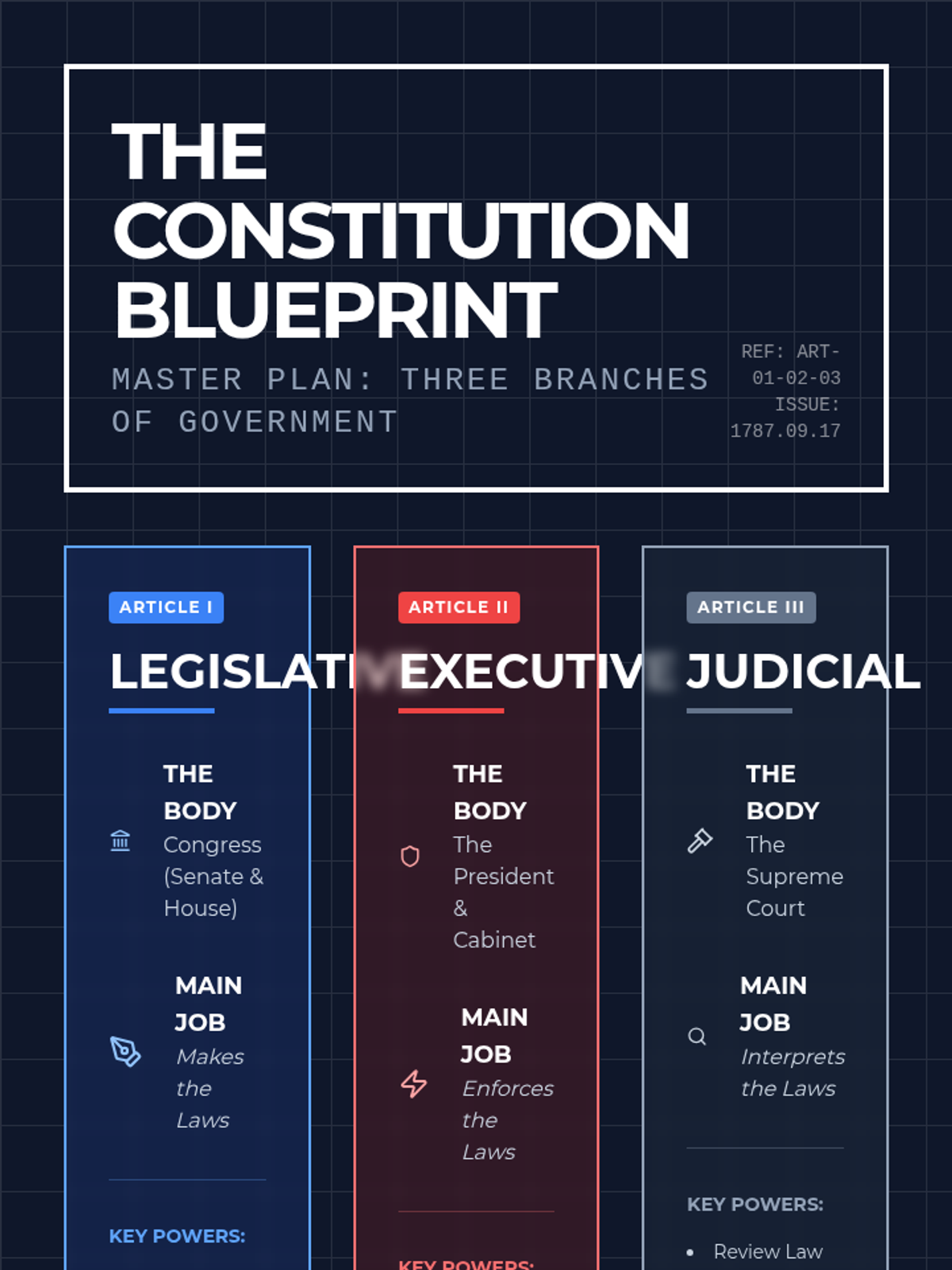
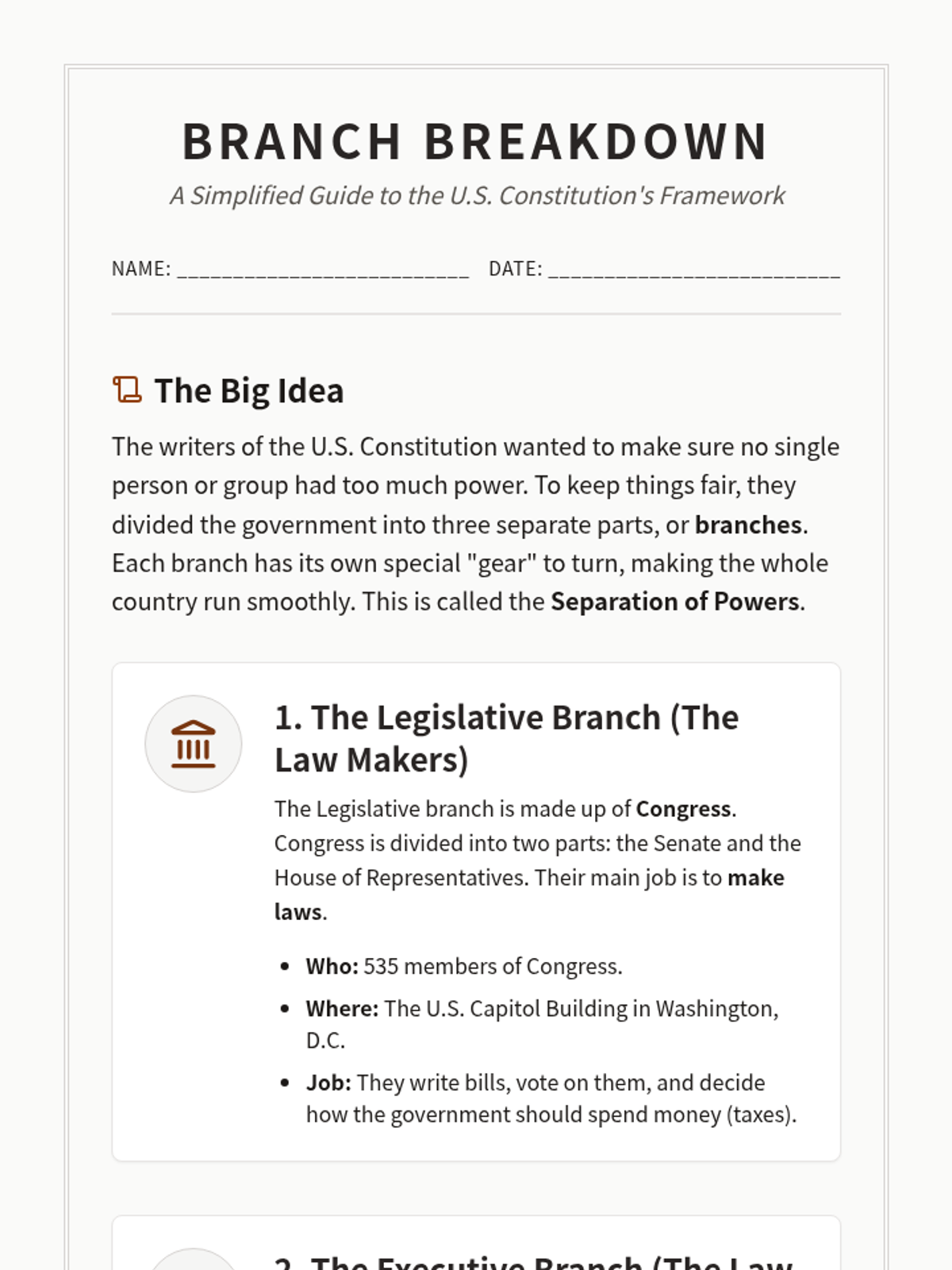
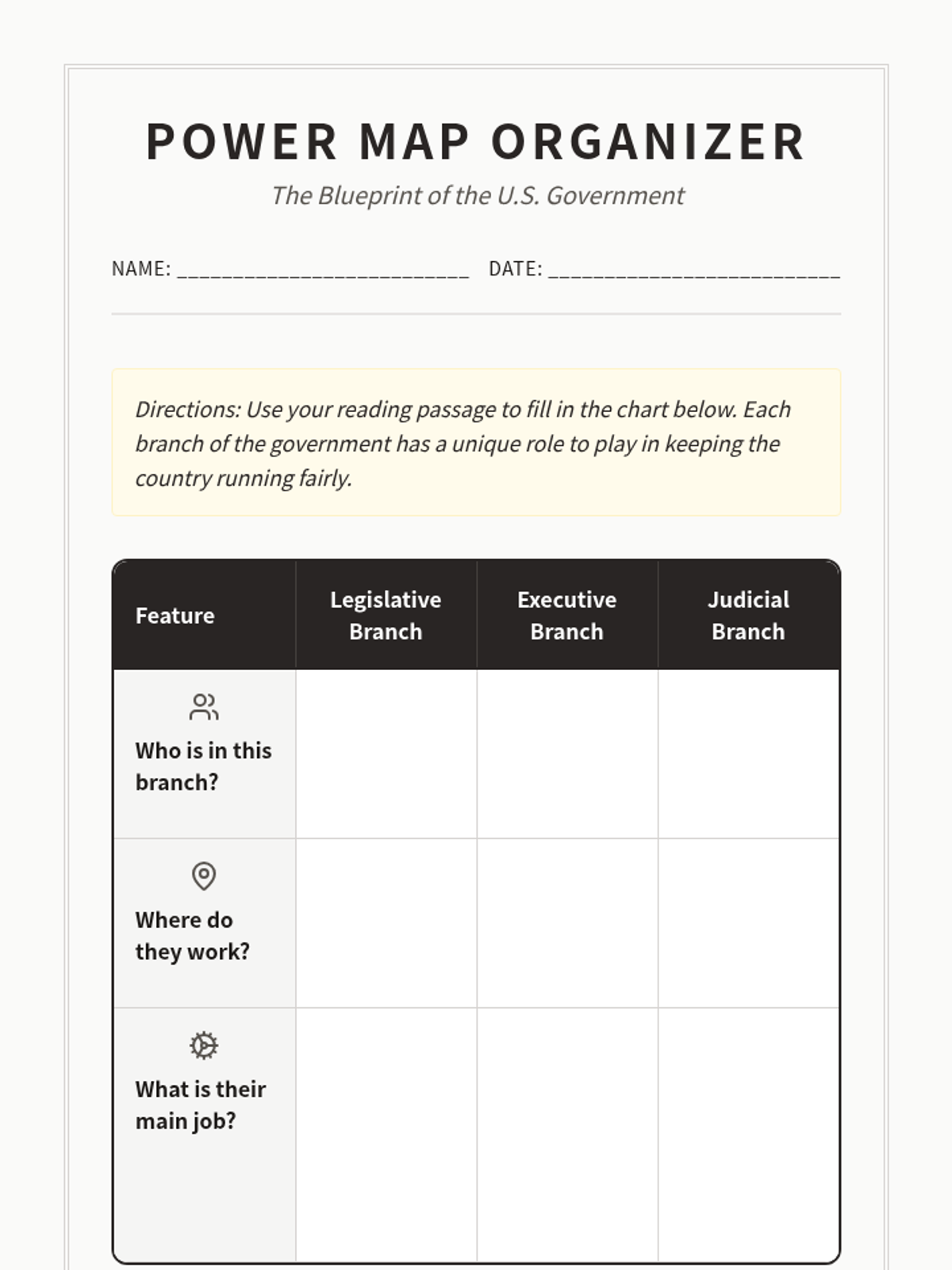
A lesson exploring the first three articles of the U.S. Constitution, focusing on the separation of powers into the Legislative, Executive, and Judicial branches through simplified text and visual breakdowns.
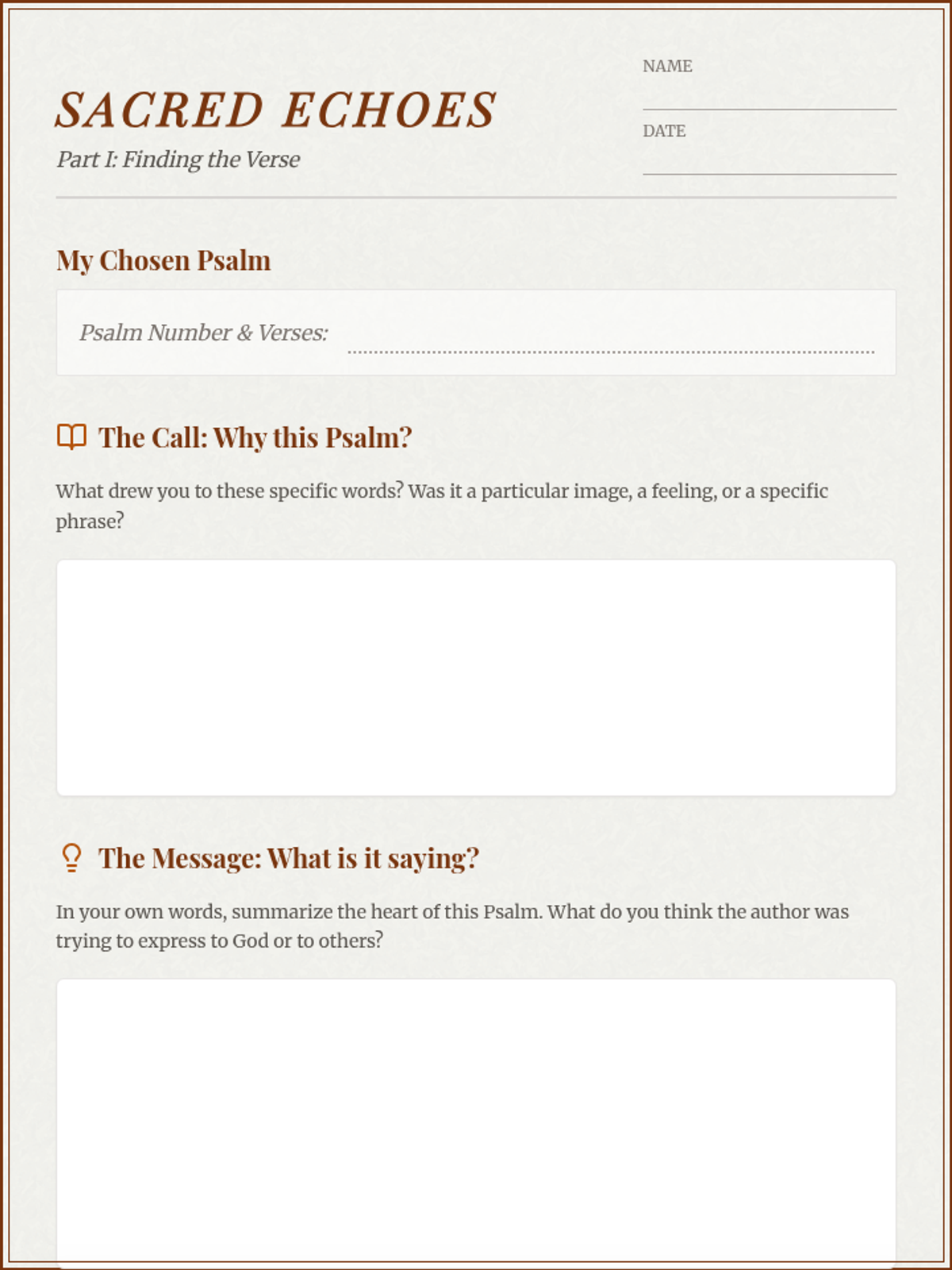
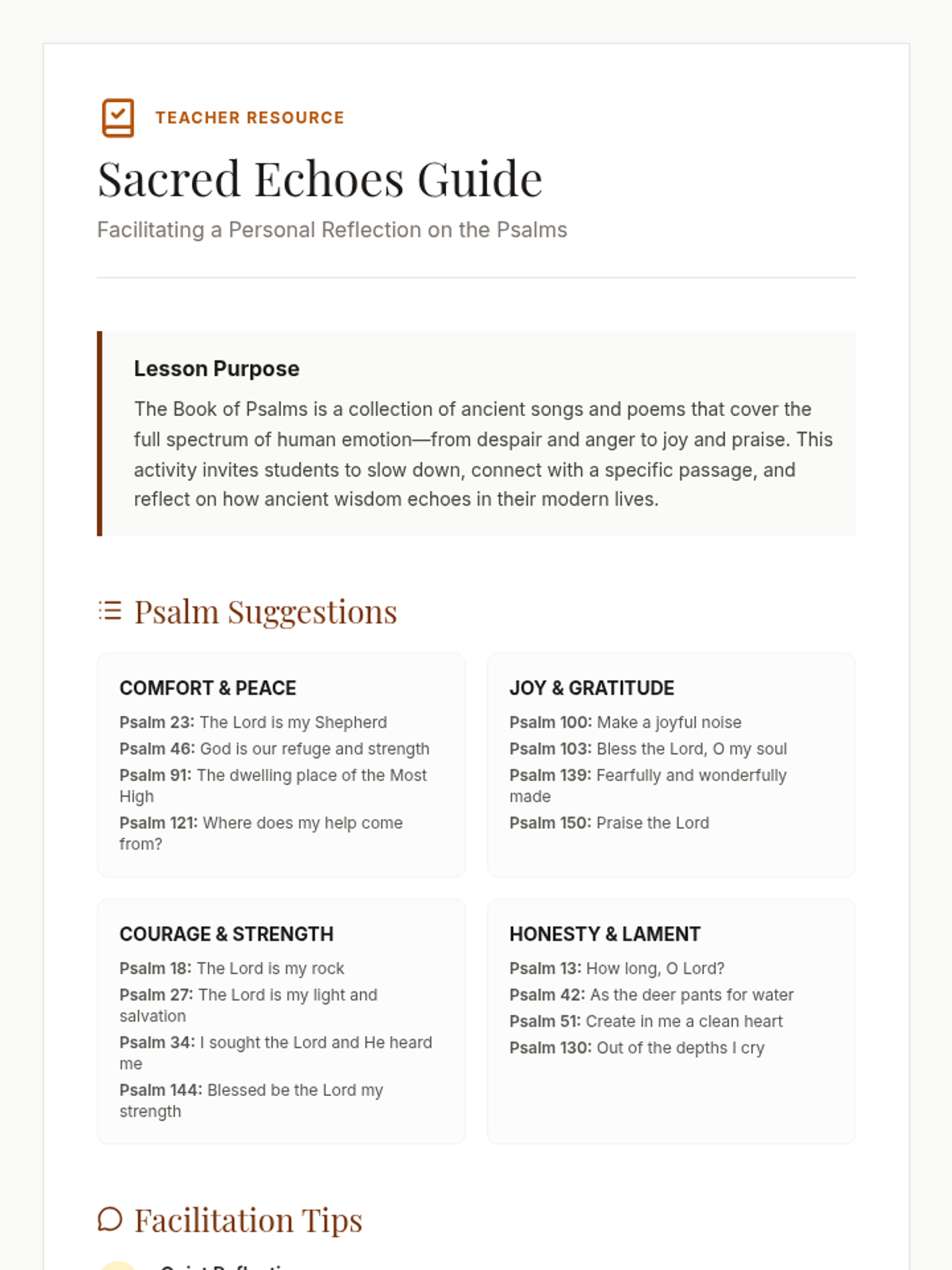
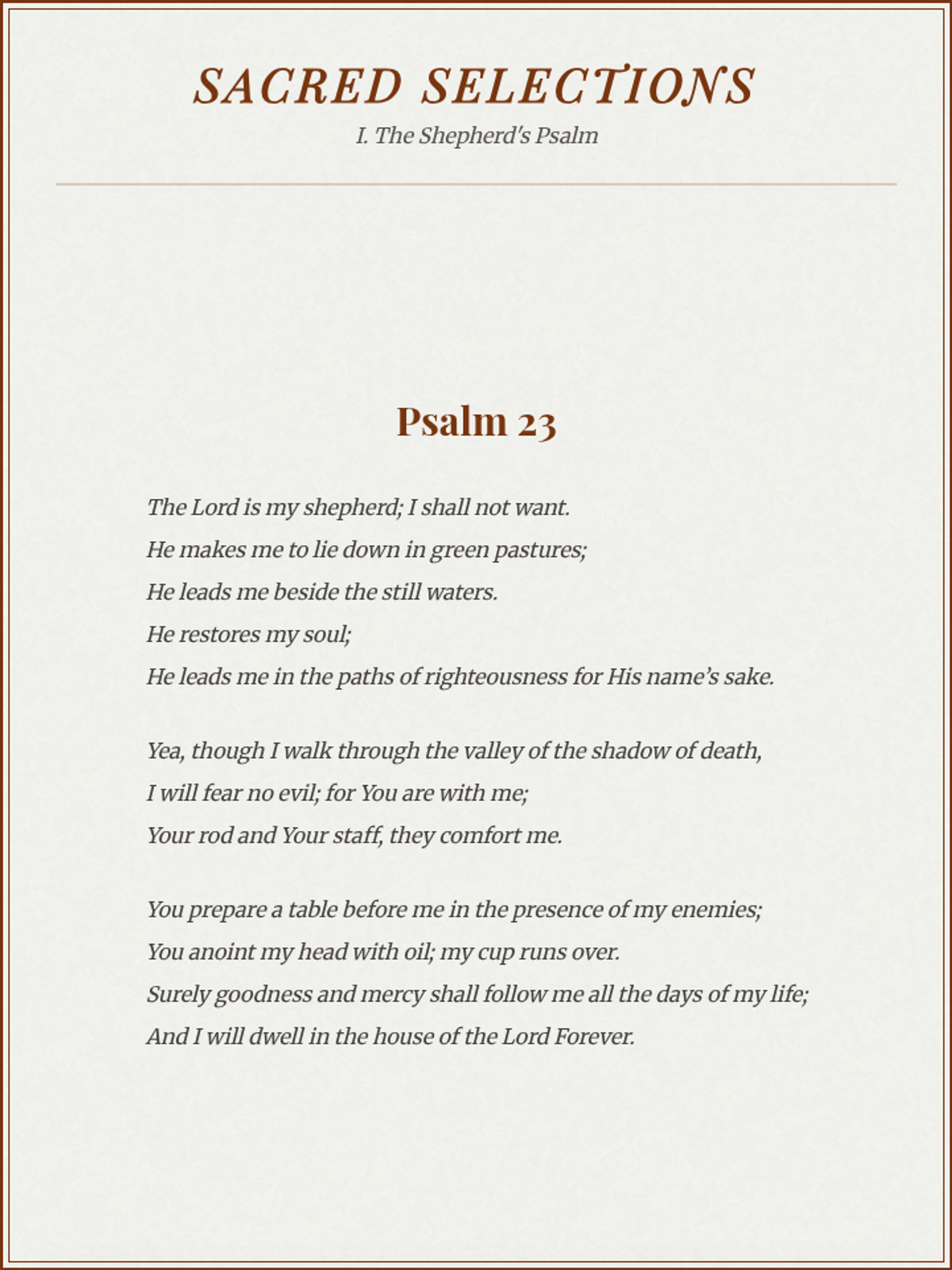
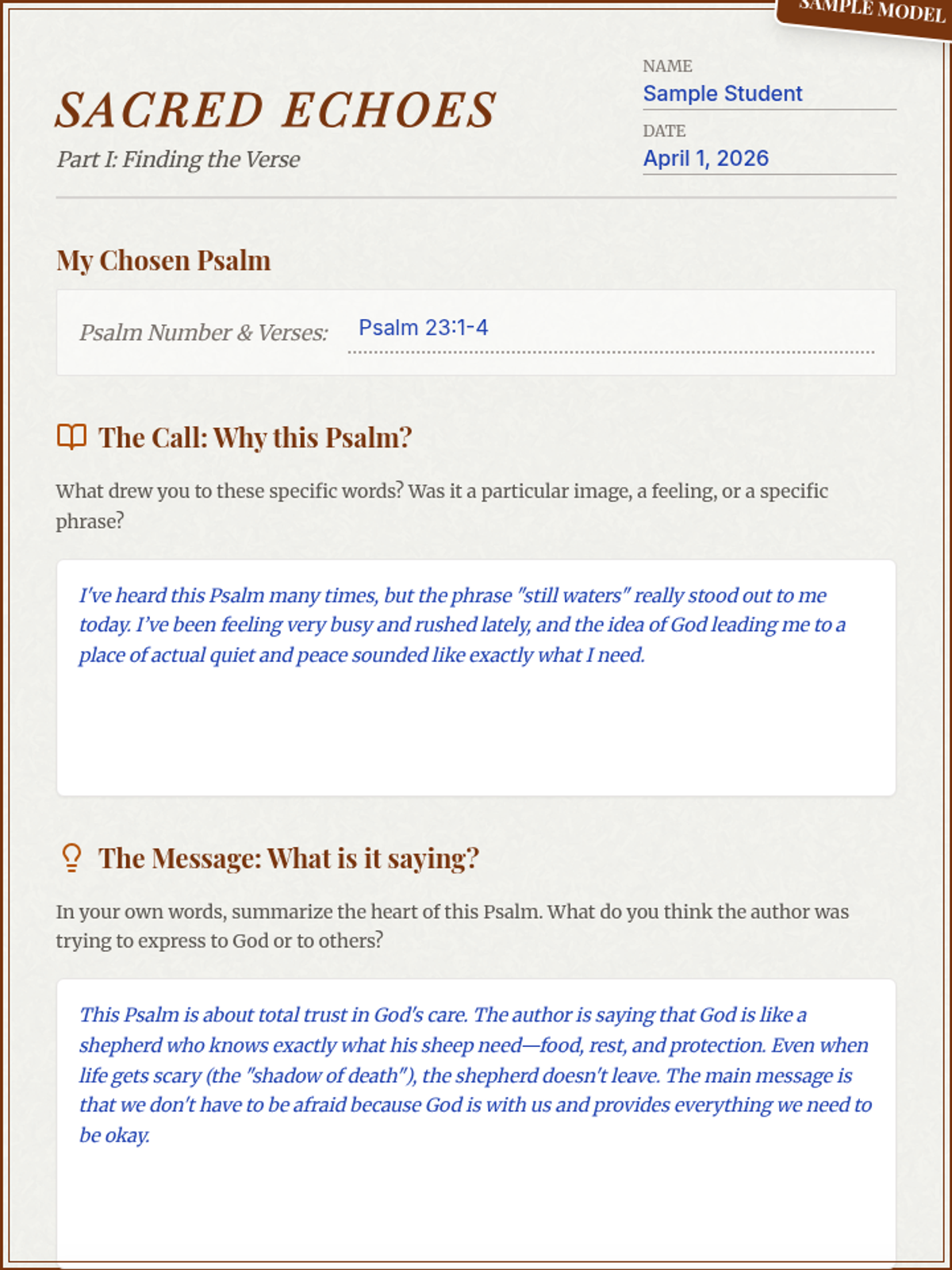
A reflective lesson where students explore the poetic beauty and personal significance of the Psalms, choosing a specific passage to analyze and connect with their own lives.
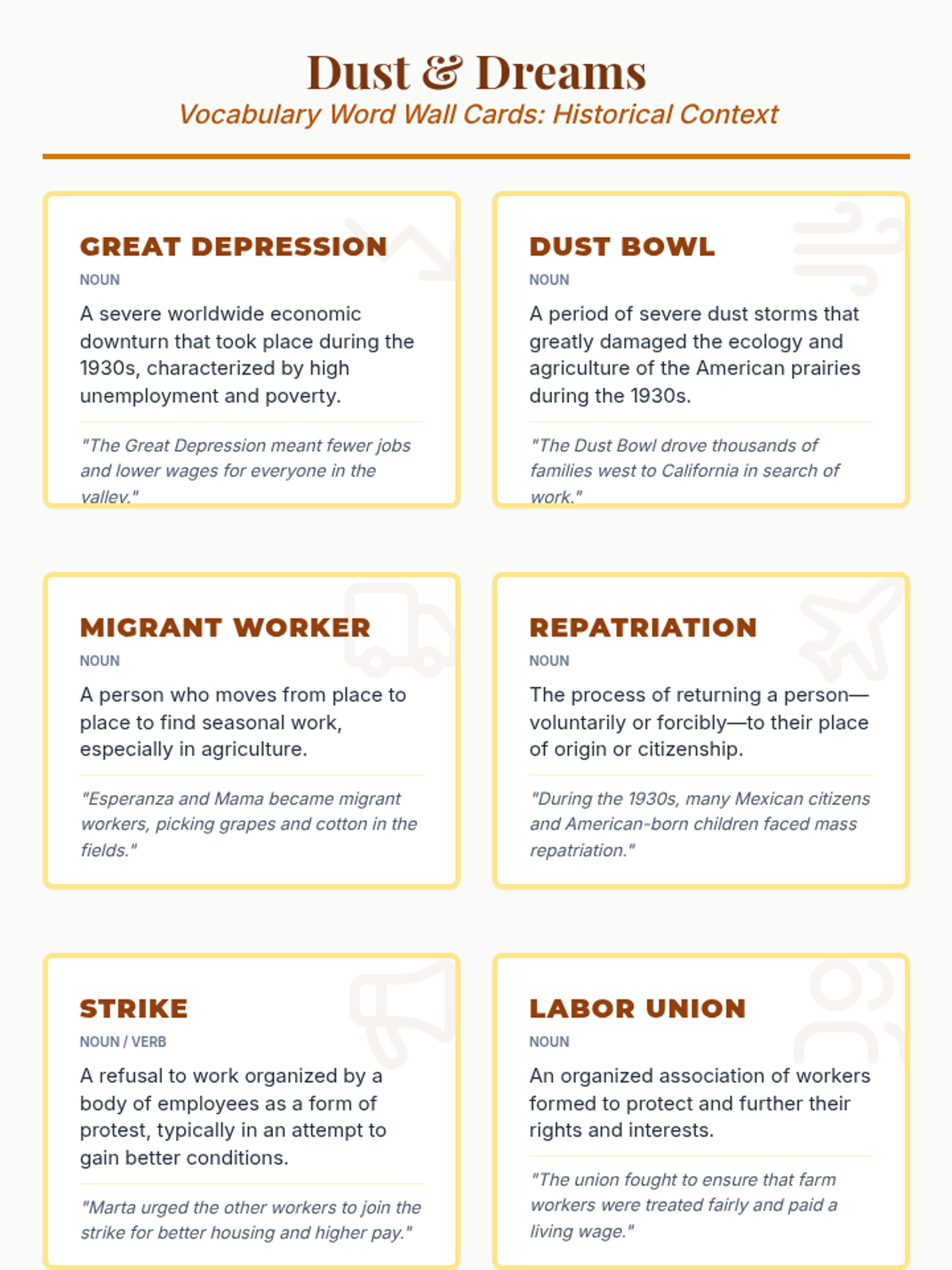
A lesson exploring the historical background of Esperanza Rising, focusing on the Great Depression, the Dust Bowl, and Mexican repatriation.
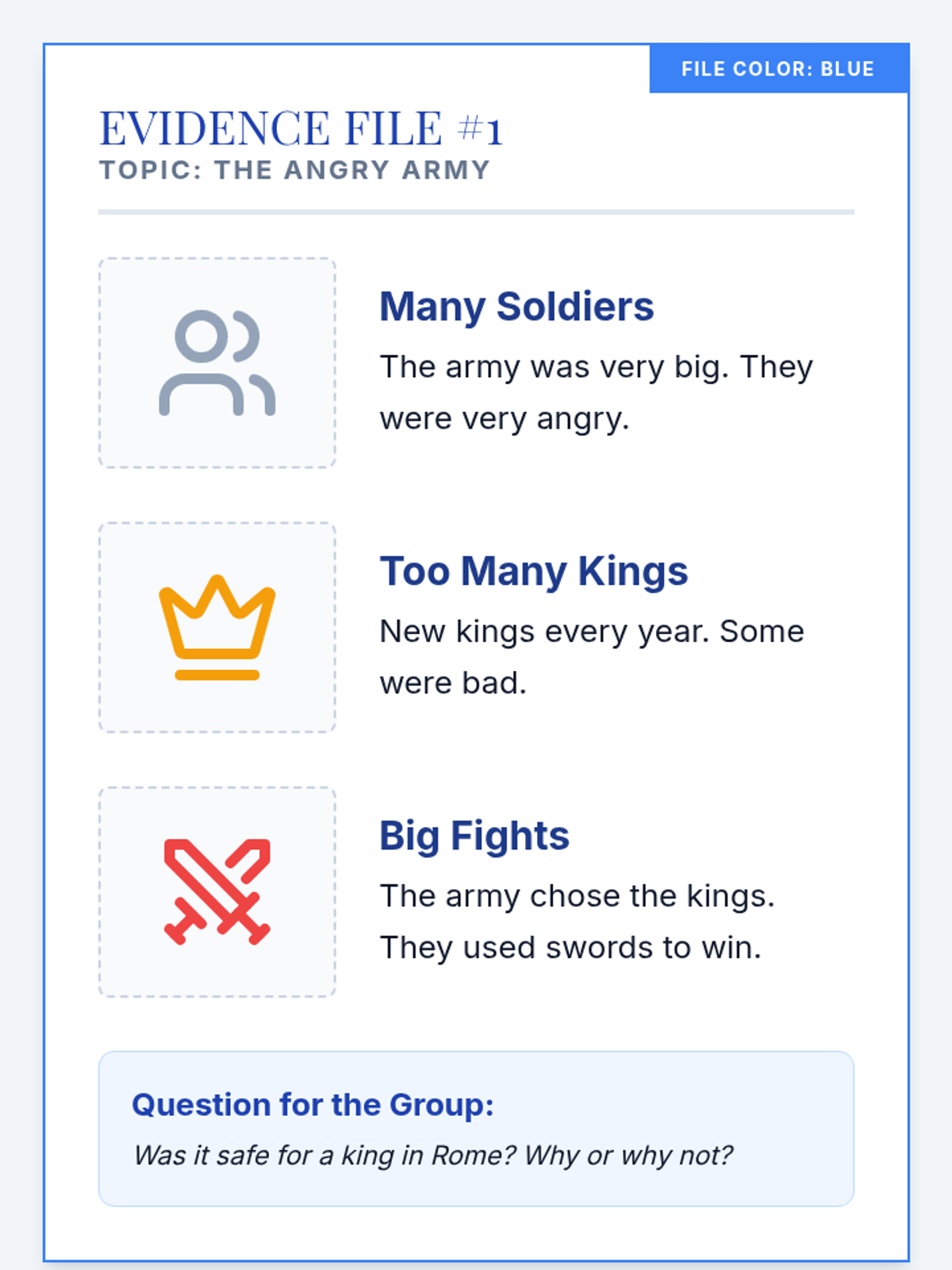
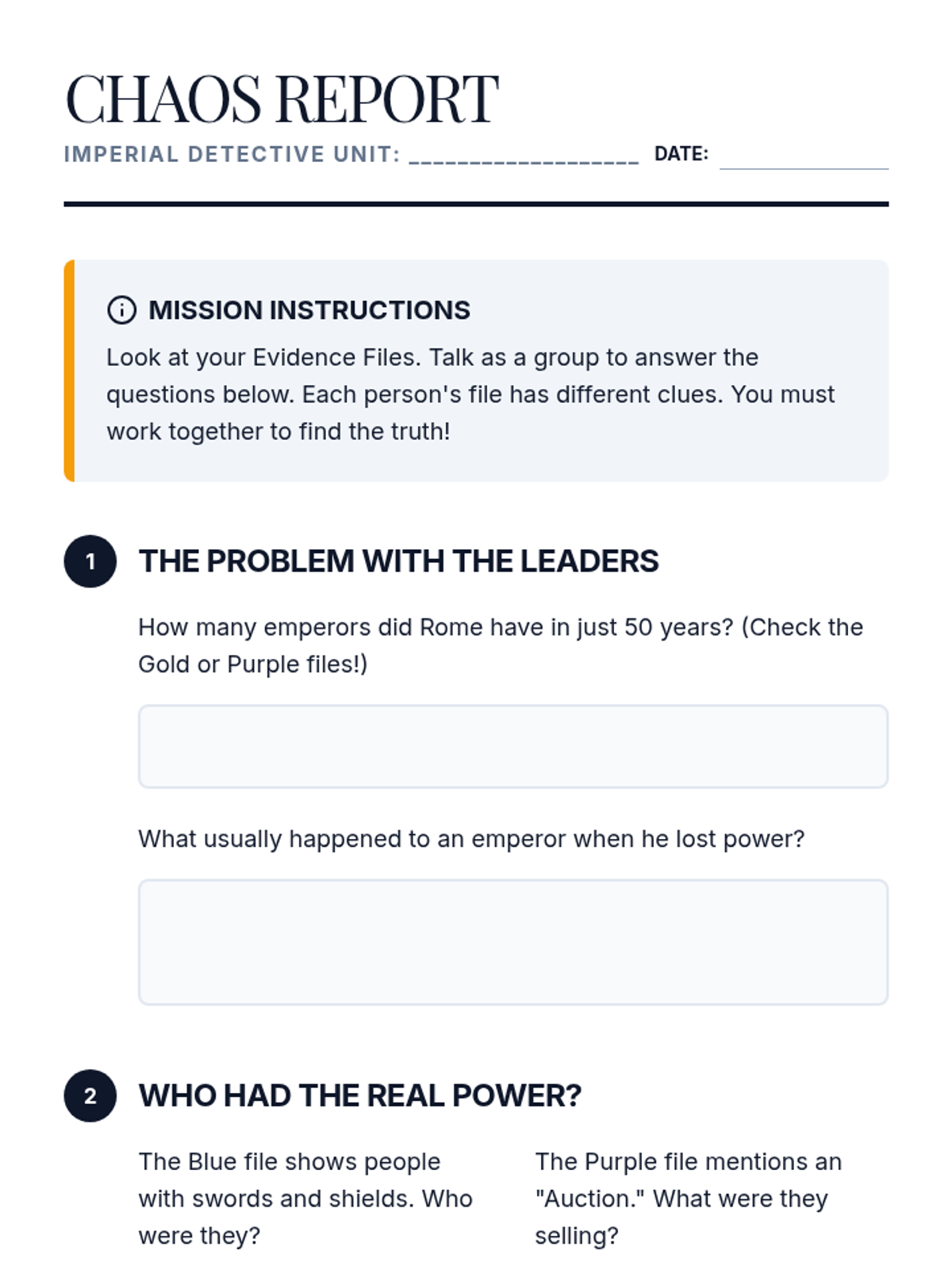
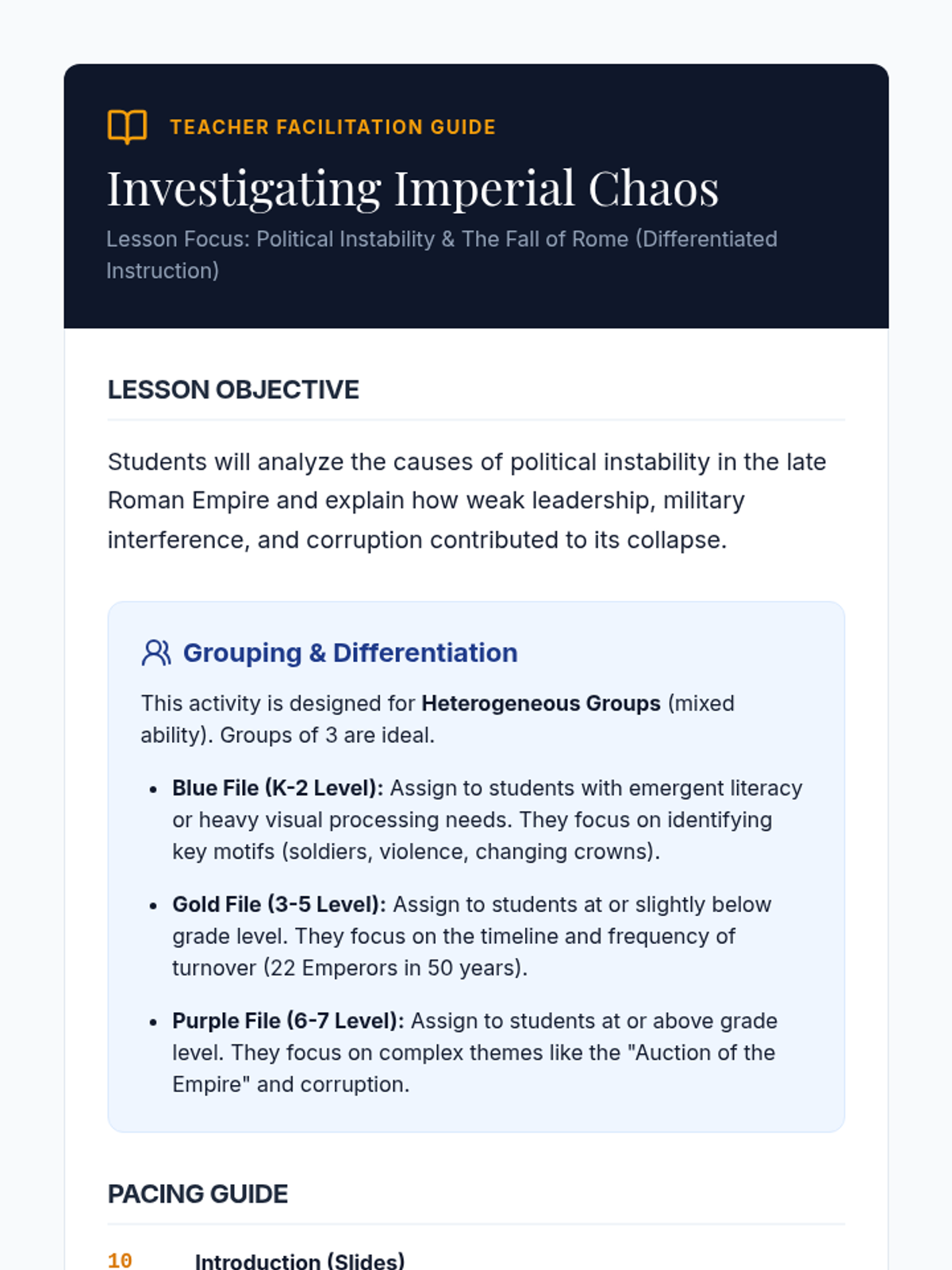
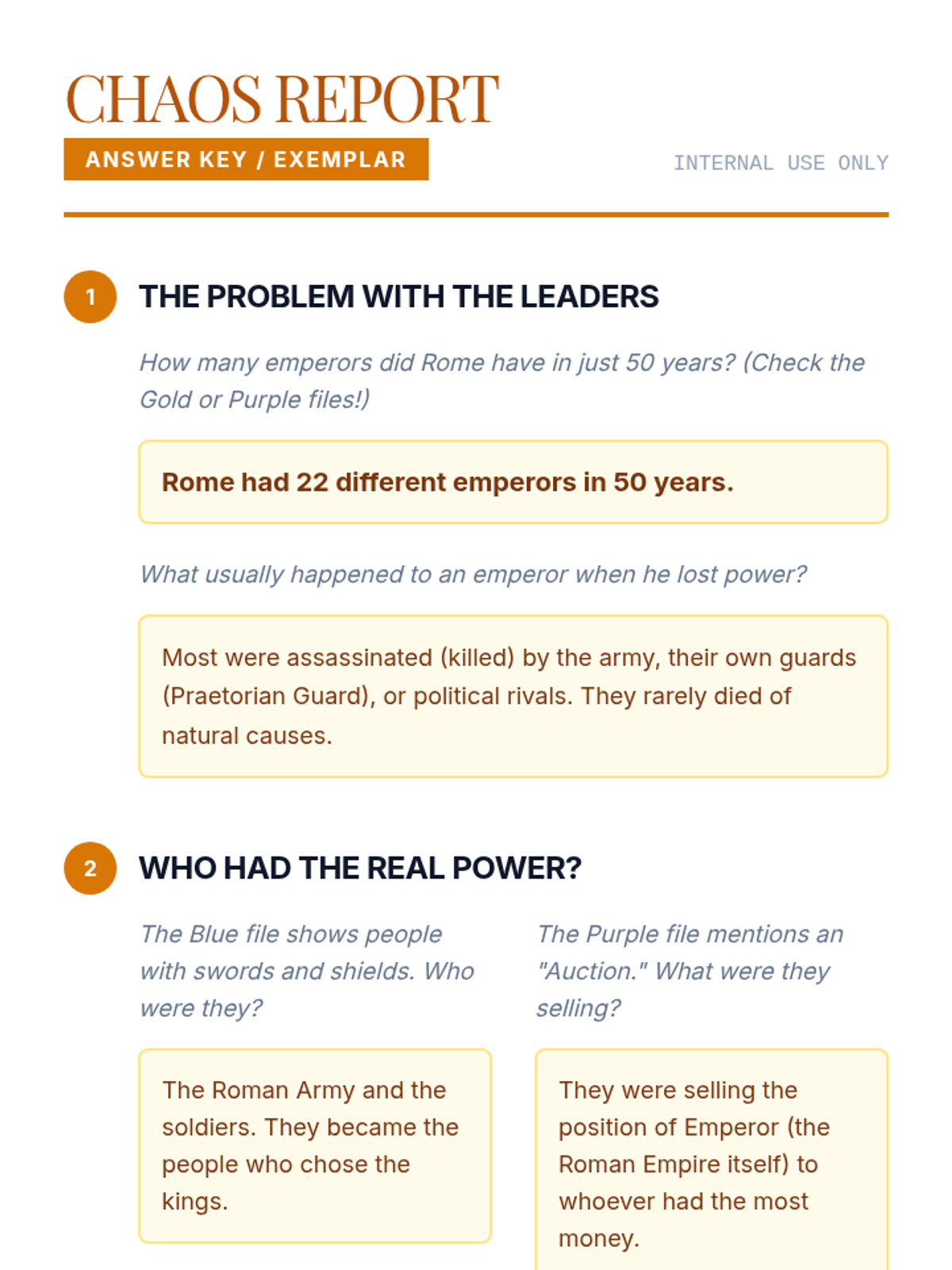
A lesson investigating the political instability that led to the Fall of Rome, featuring differentiated evidence files for diverse reading levels. Students work collaboratively to diagnose the empire's 'political sickness.'
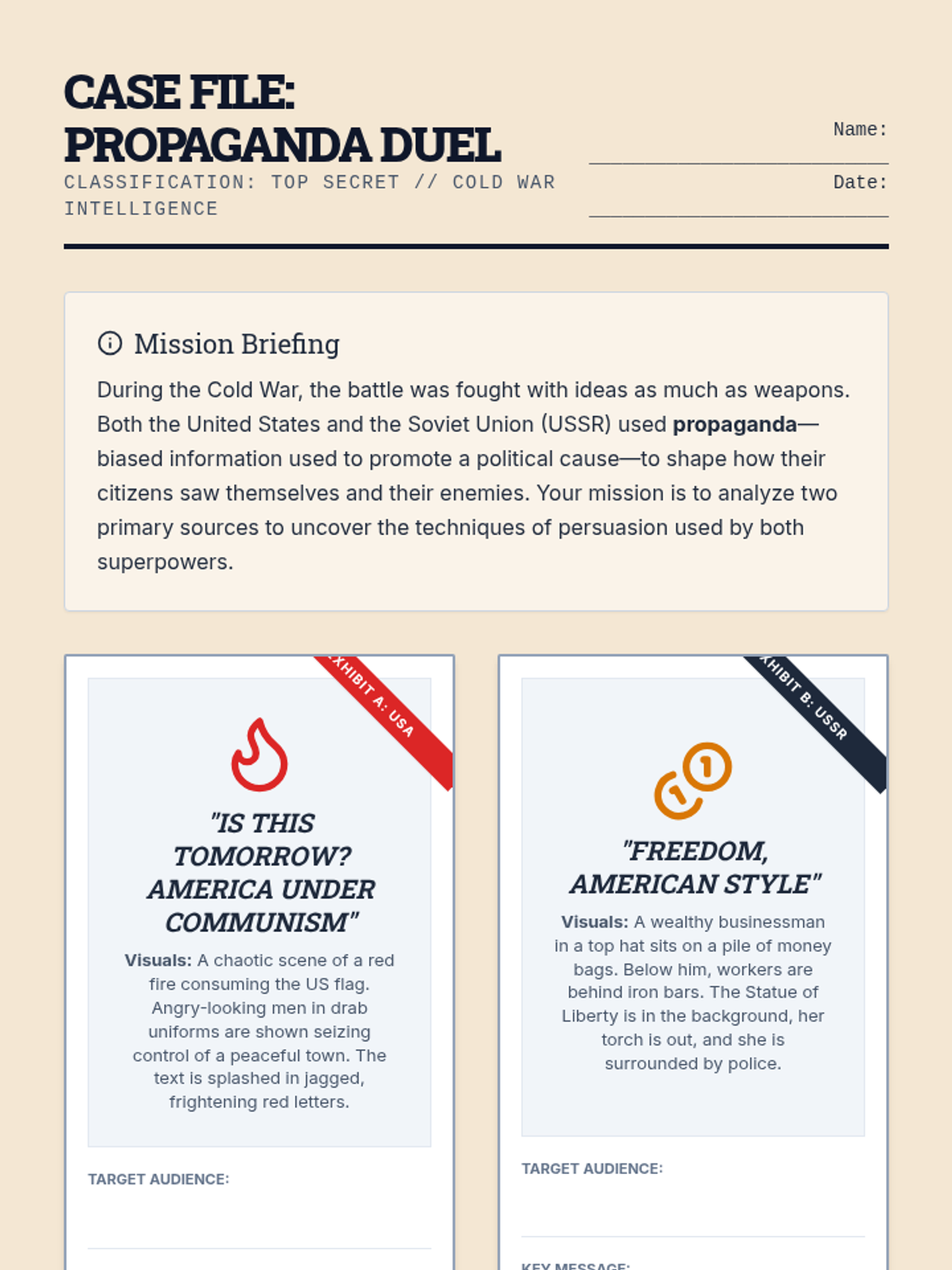
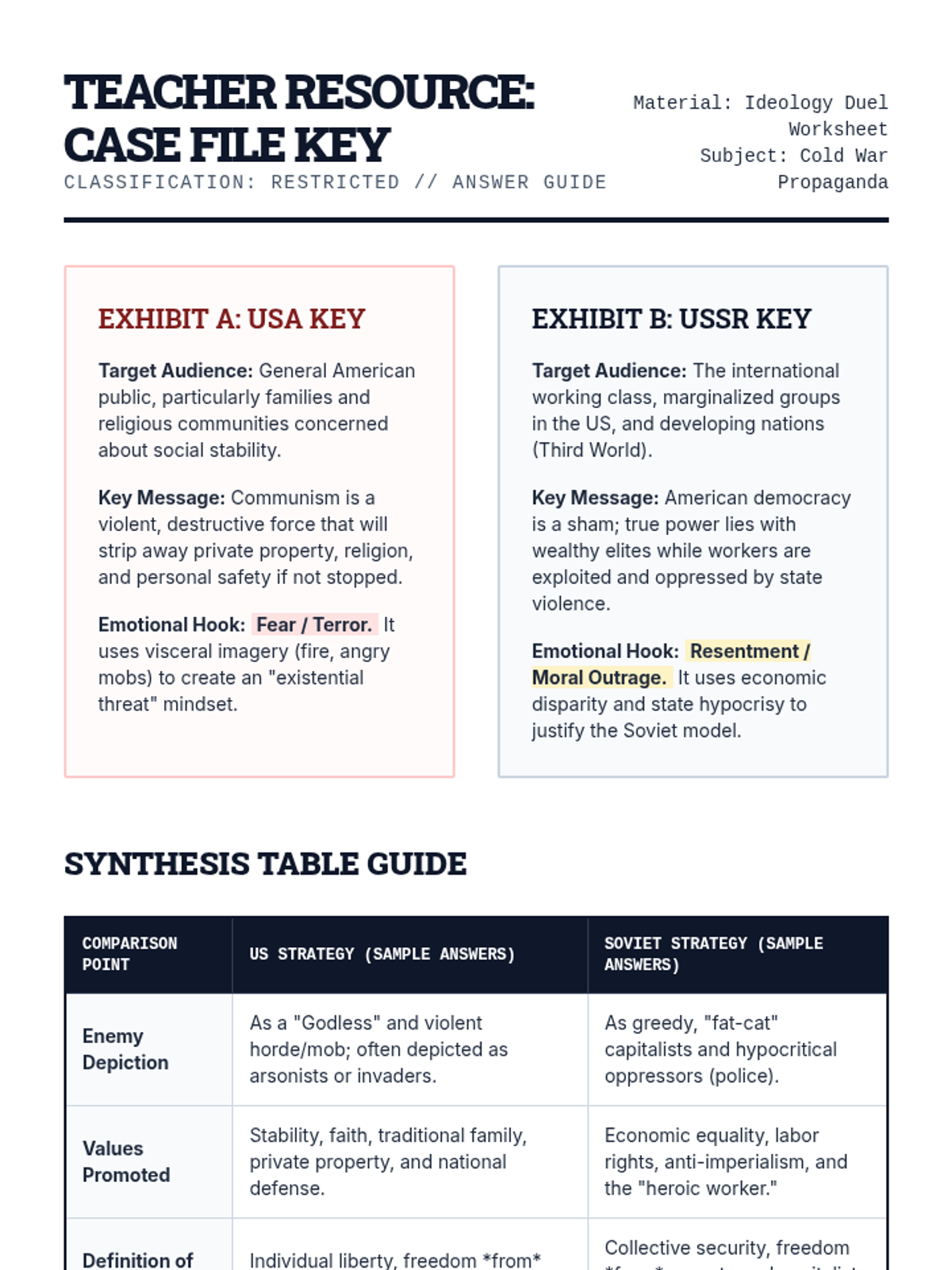
A deep dive into the ideological conflict of the Cold War through the lens of propaganda. Students will analyze techniques used by both the US and the USSR to influence public opinion and contrast their messaging strategies.
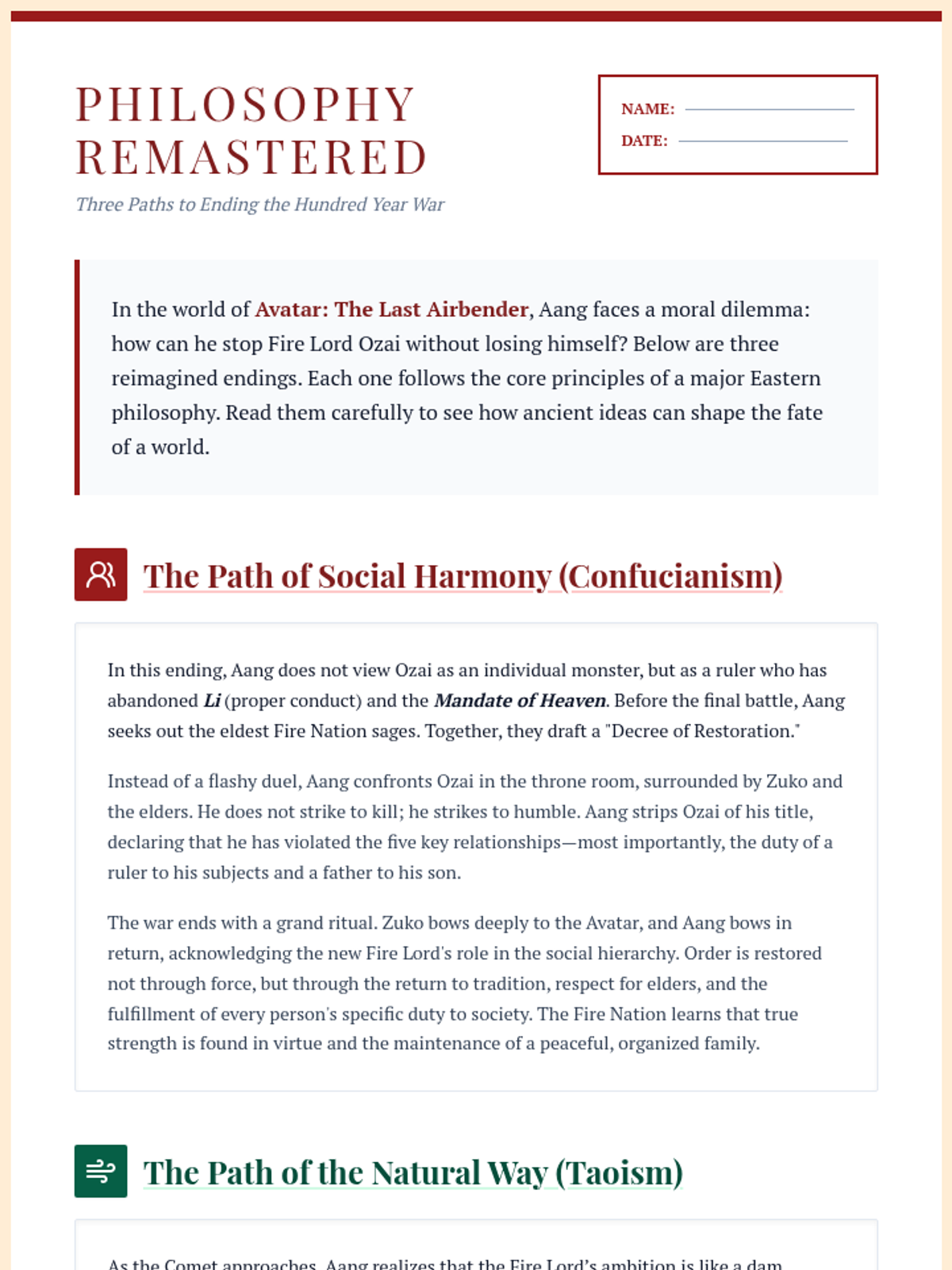
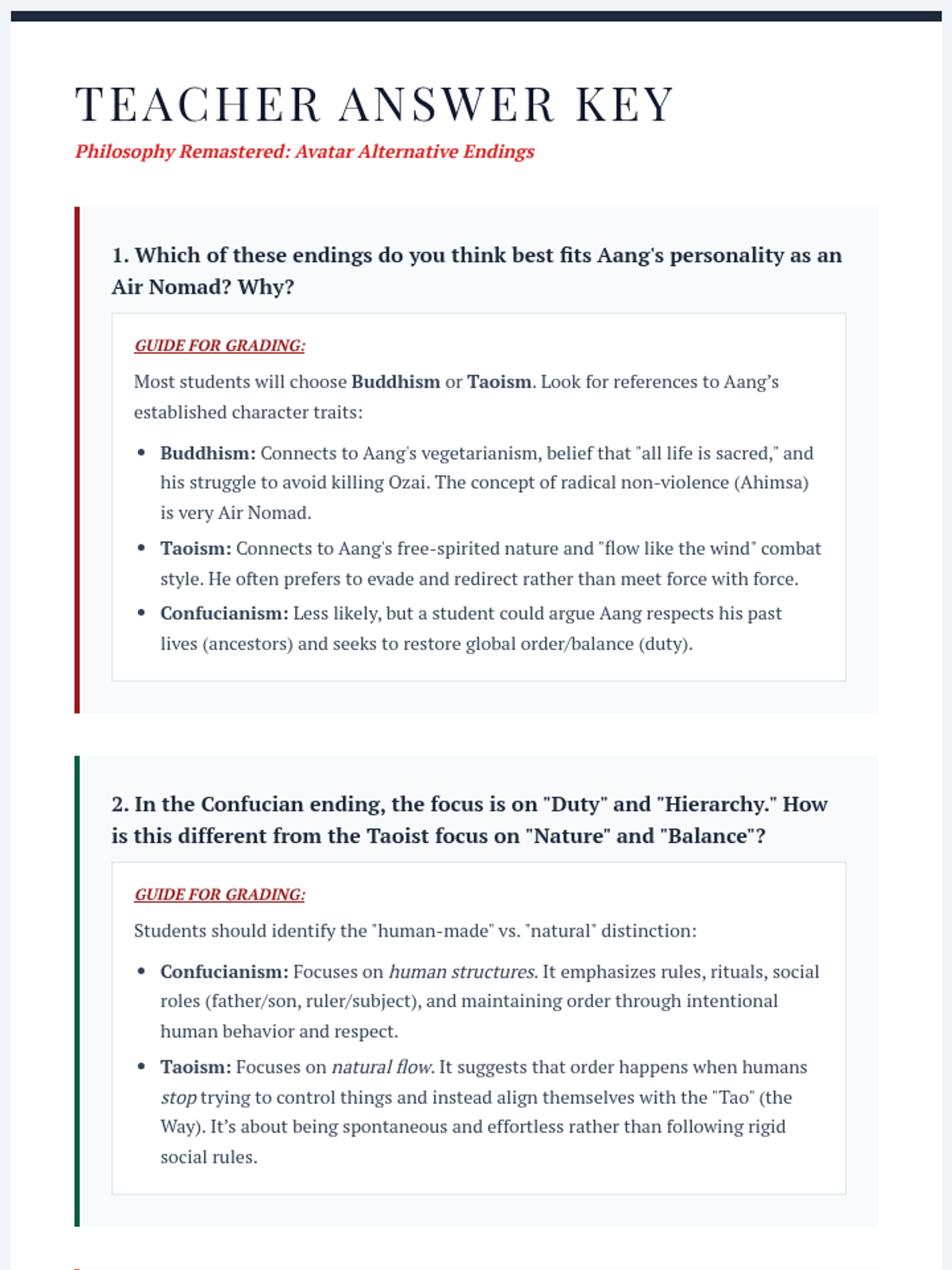
Students explore the core tenets of Confucianism, Taoism, and Buddhism by analyzing three alternative endings to the Avatar: The Last Airbender series, each reflecting a different Eastern philosophy.
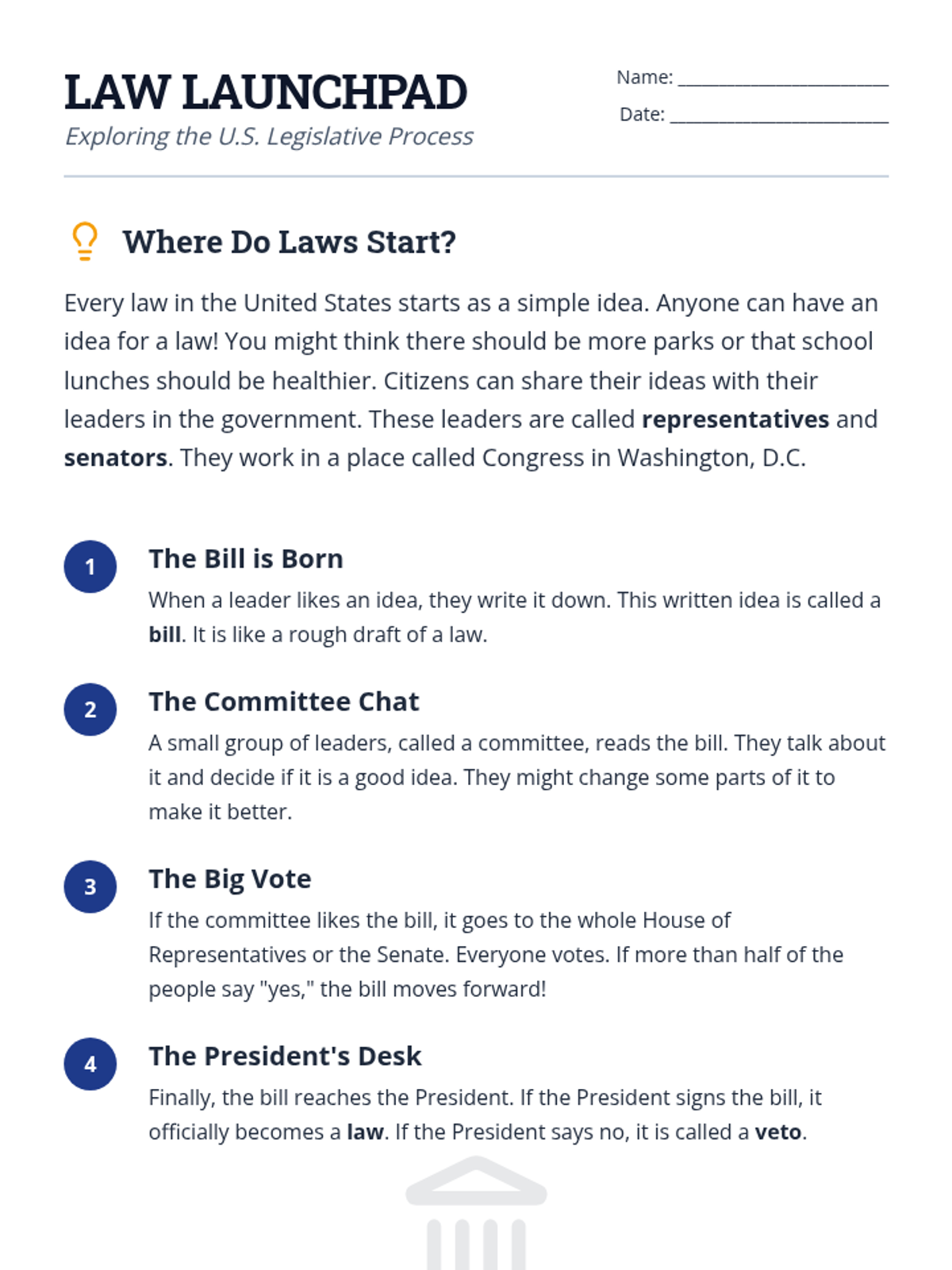
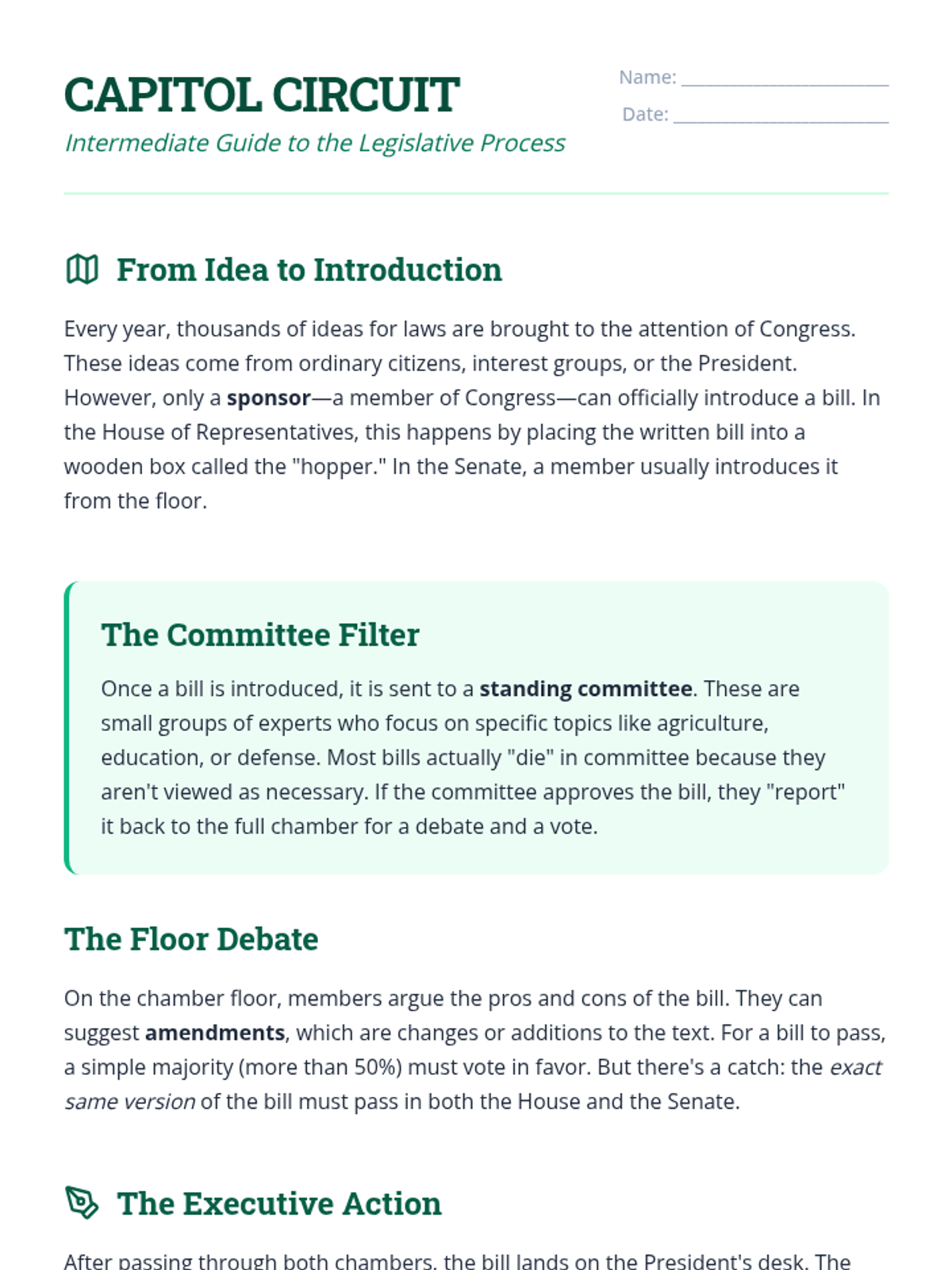
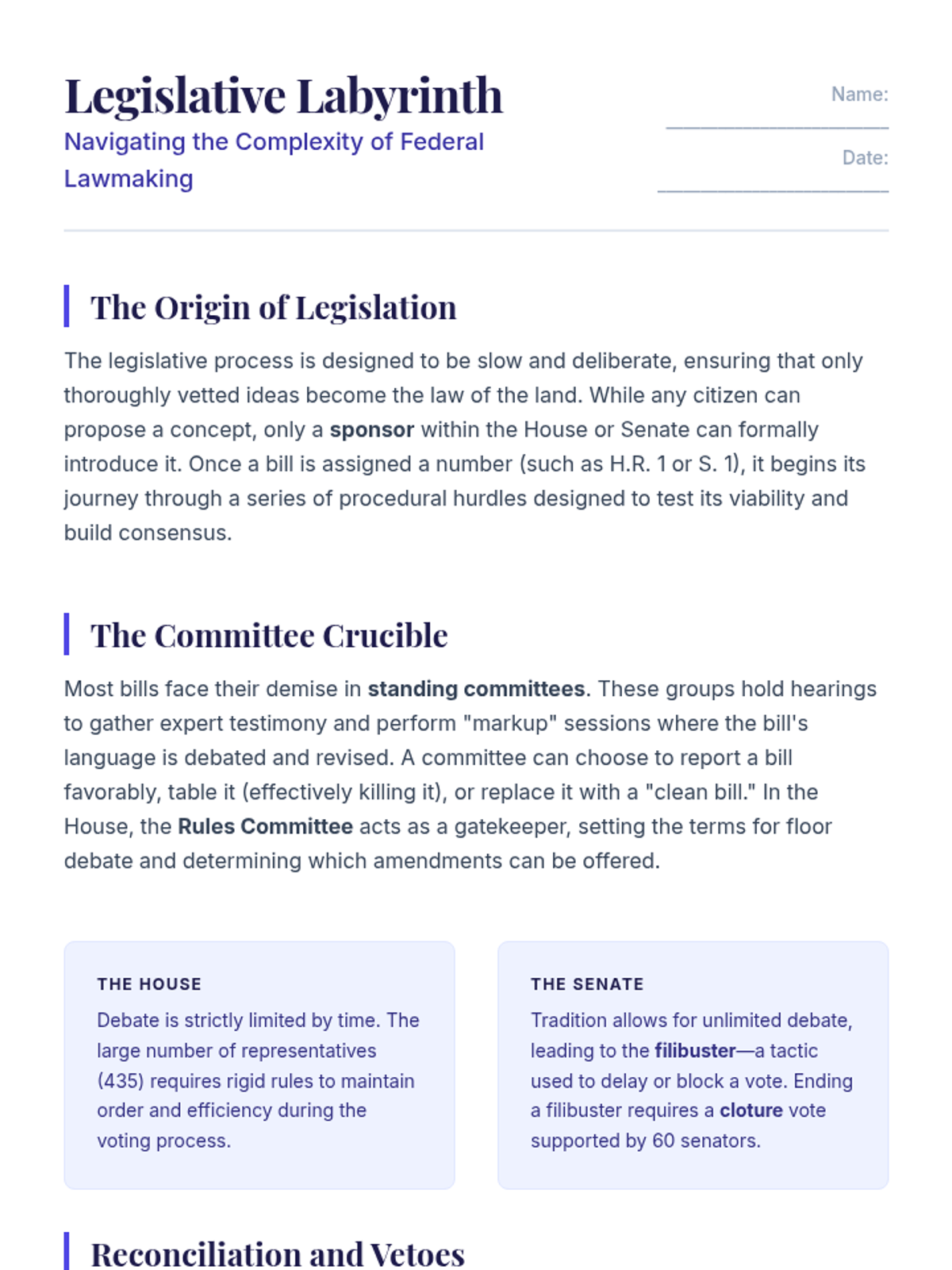
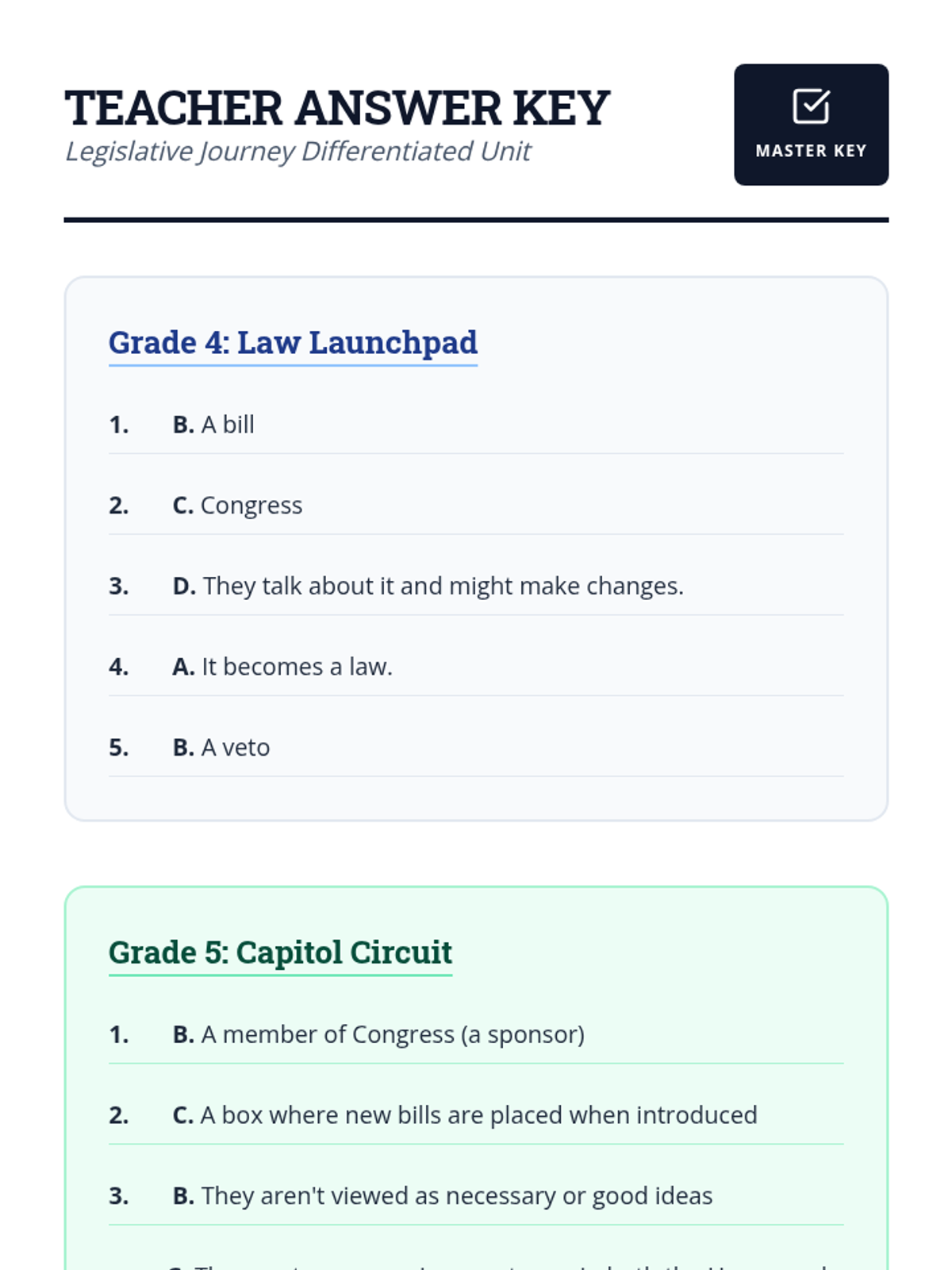
A comprehensive look at the legislative process, providing differentiated reading materials for 4th, 5th, and 7th-grade students to understand how an idea transforms into a federal law.
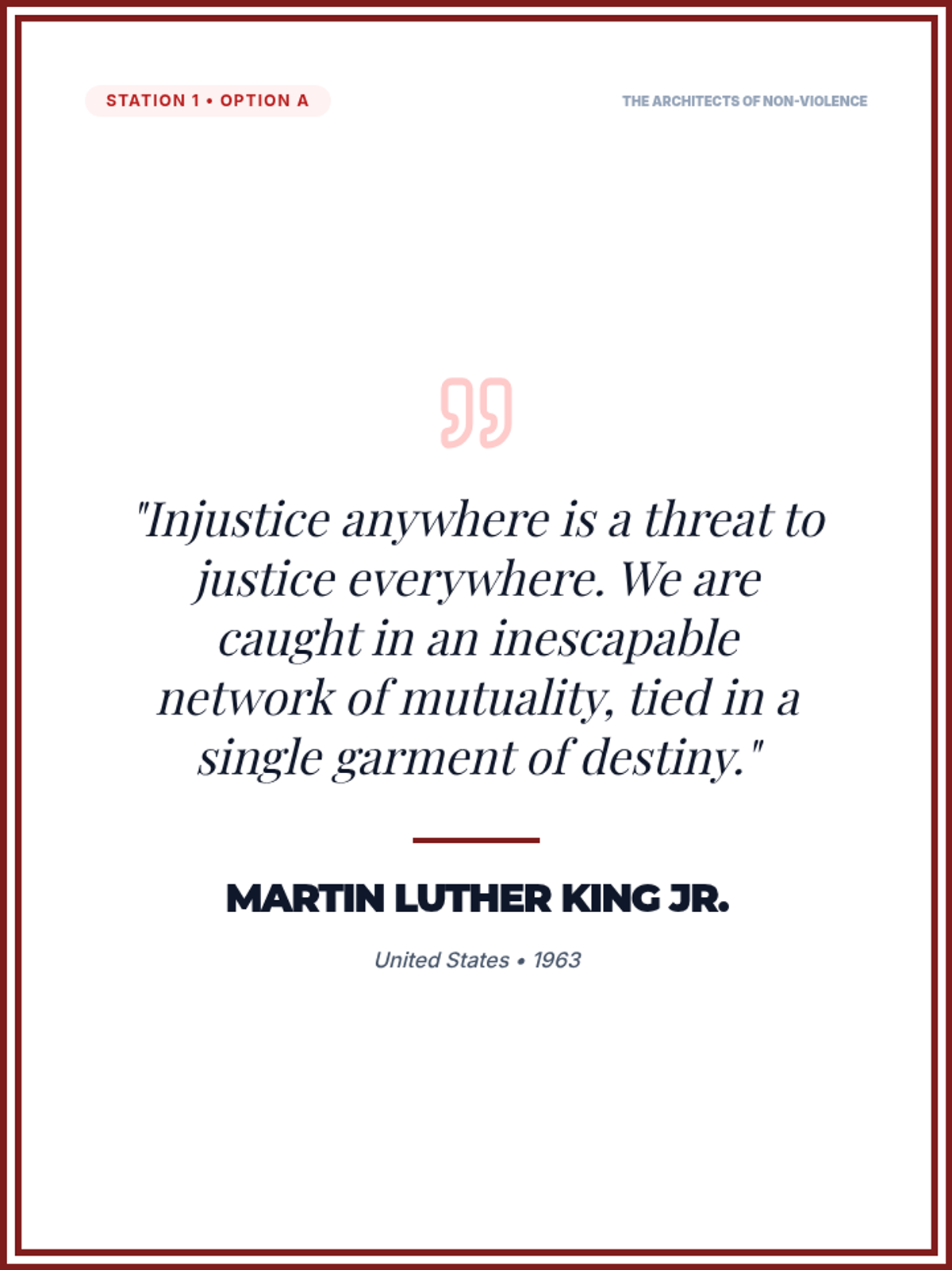
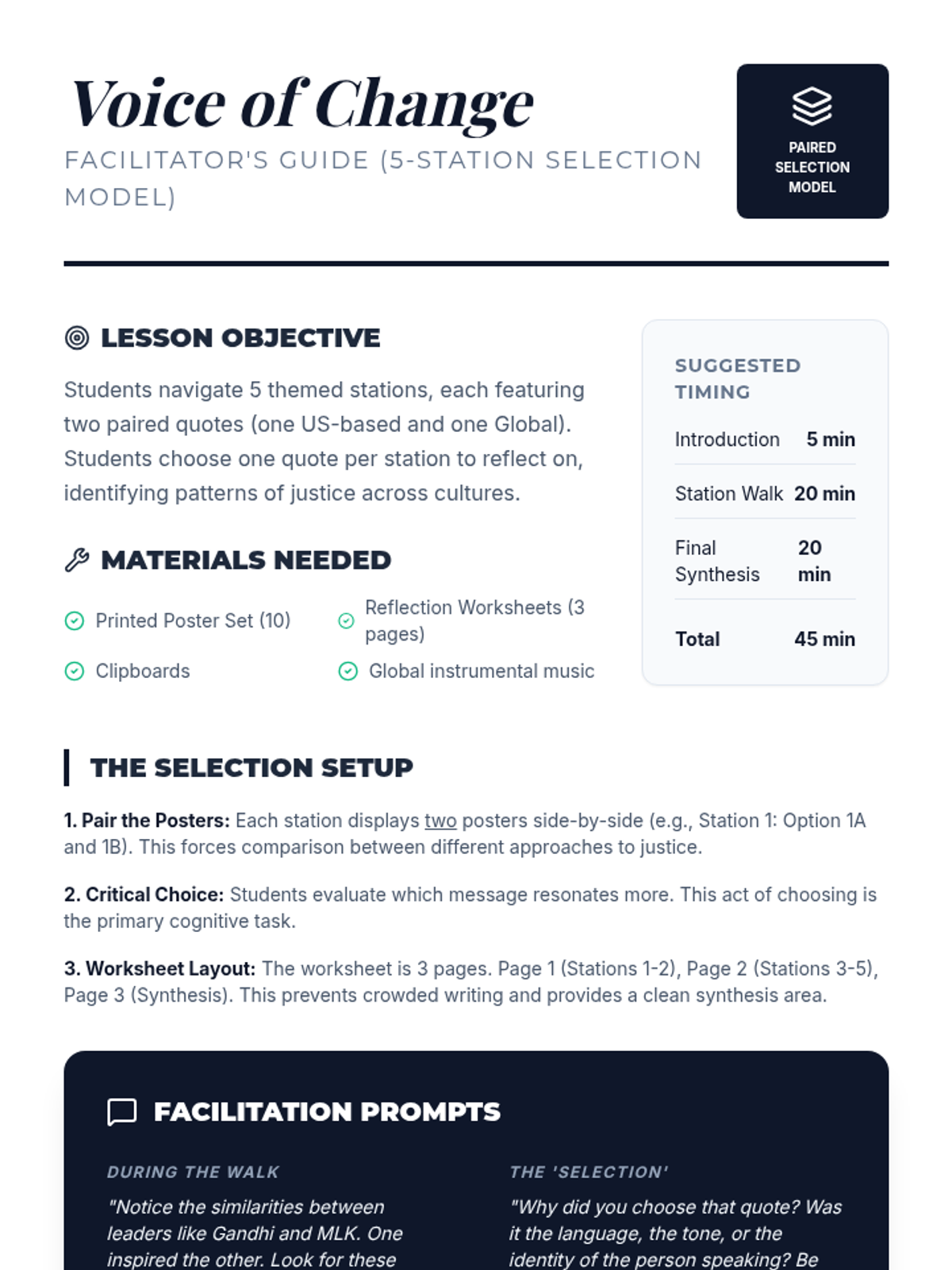
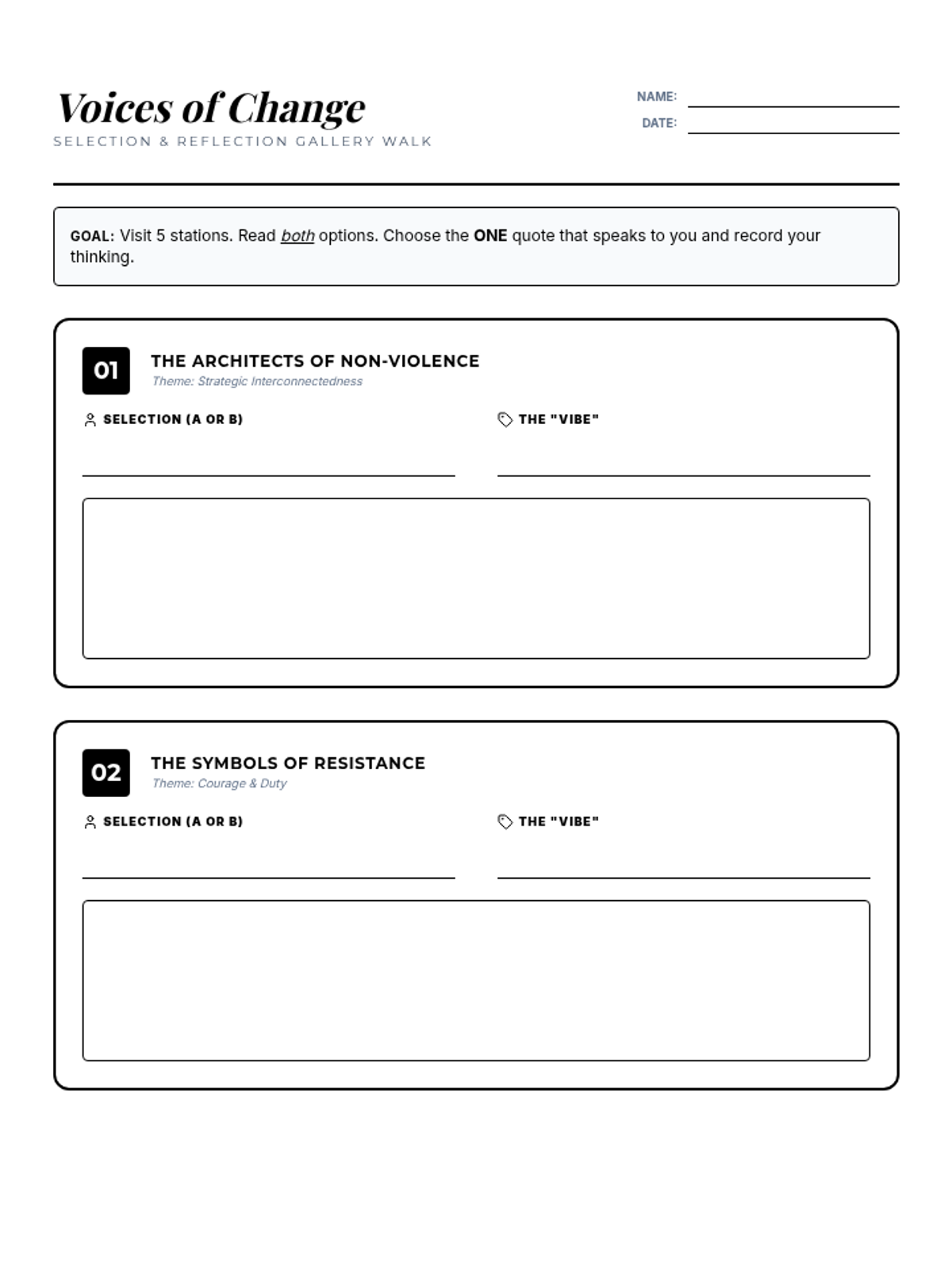
An introductory lesson exploring the Civil Rights Movement through the powerful words of its leaders. Students engage in a gallery walk to analyze quotes, reflect on leadership styles, and connect historical messages to modern contexts.
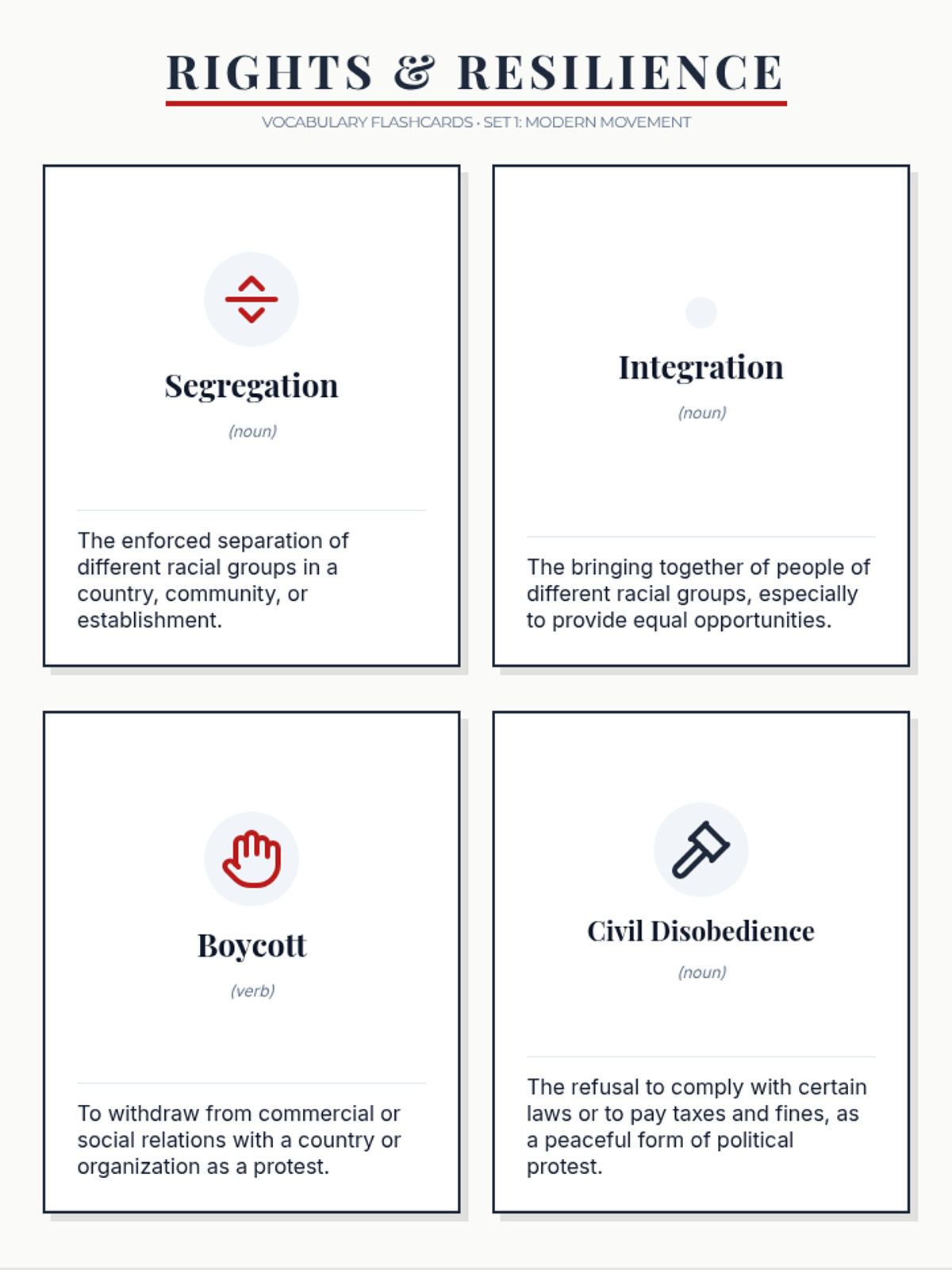
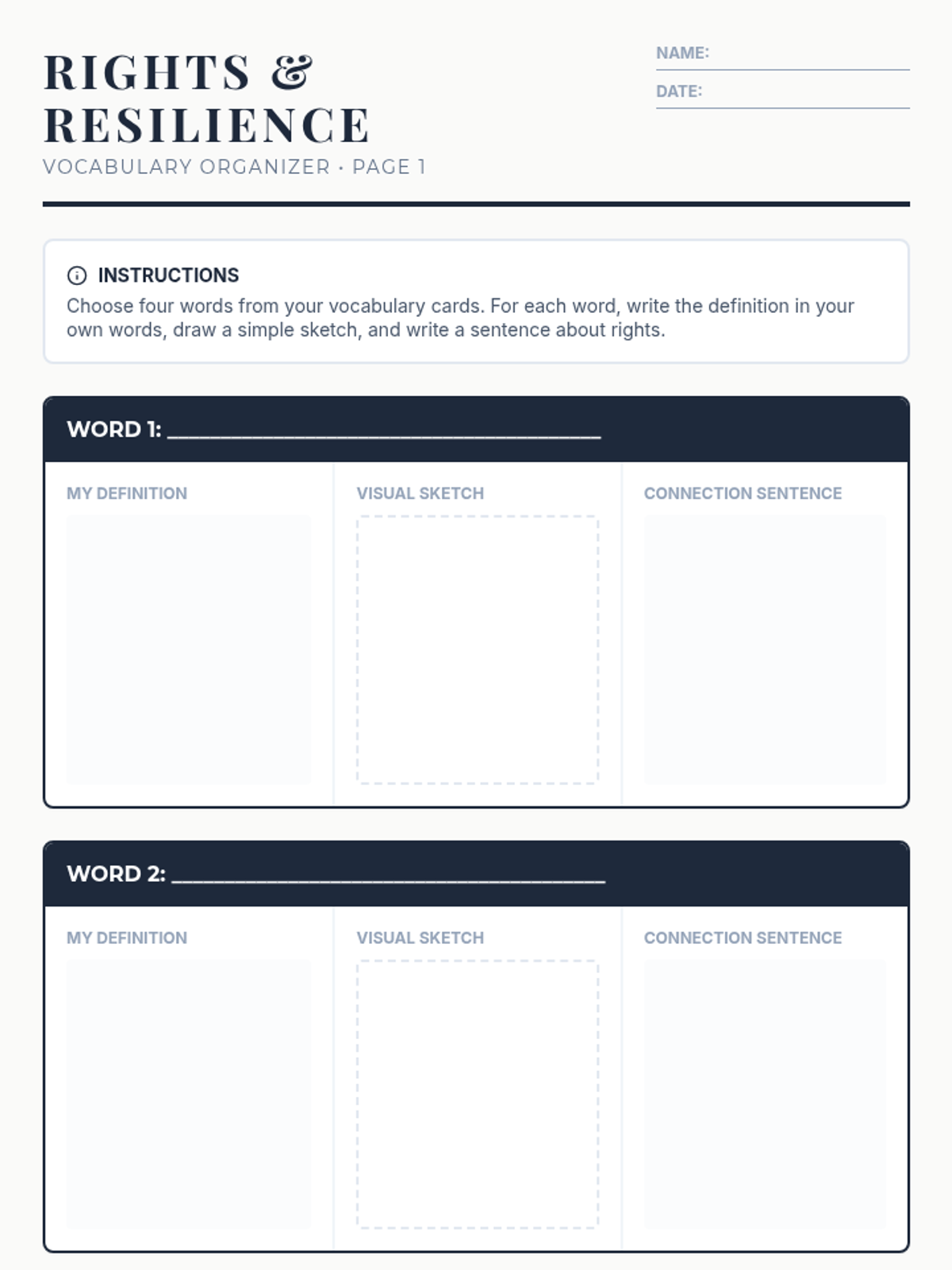
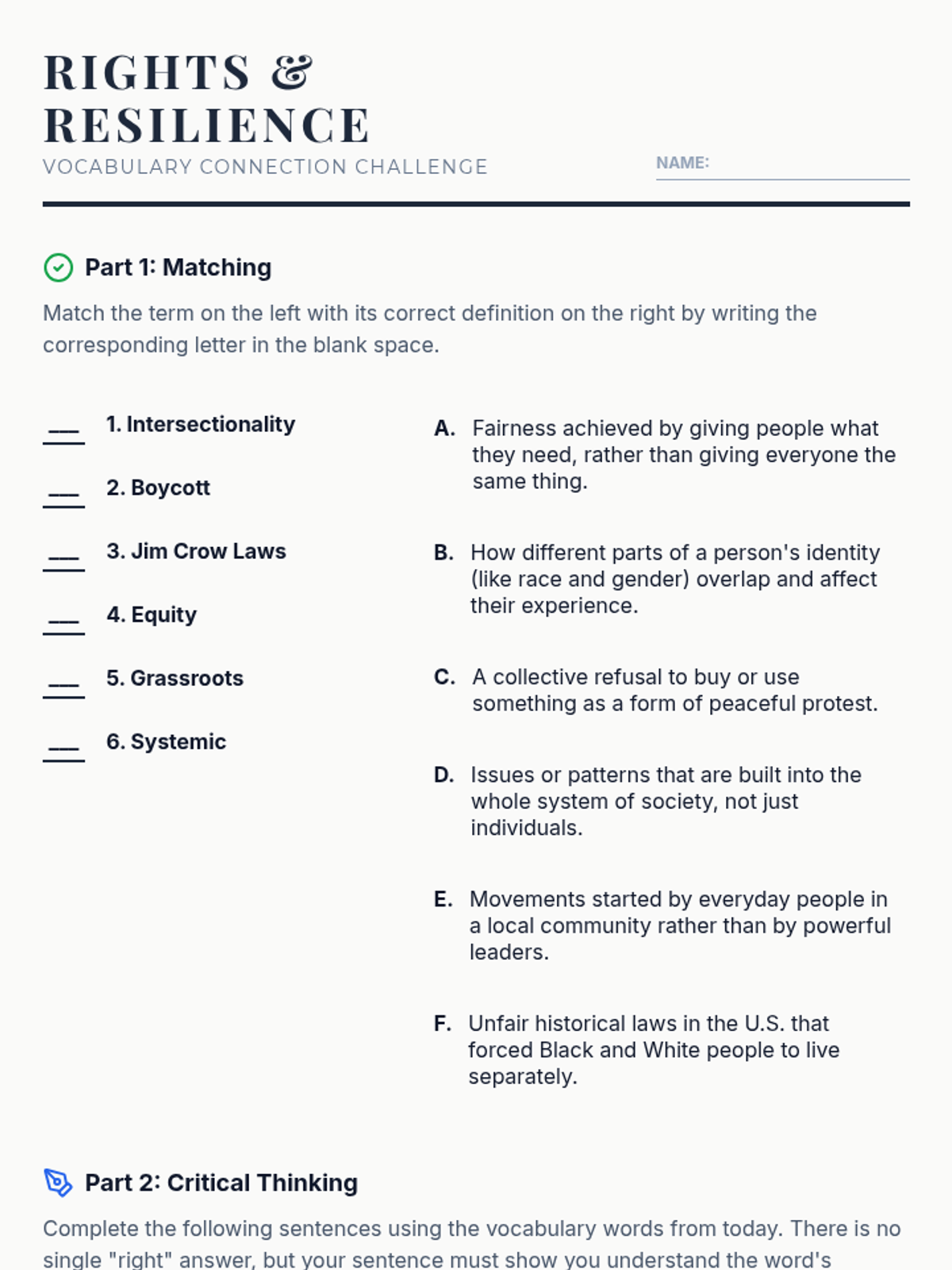
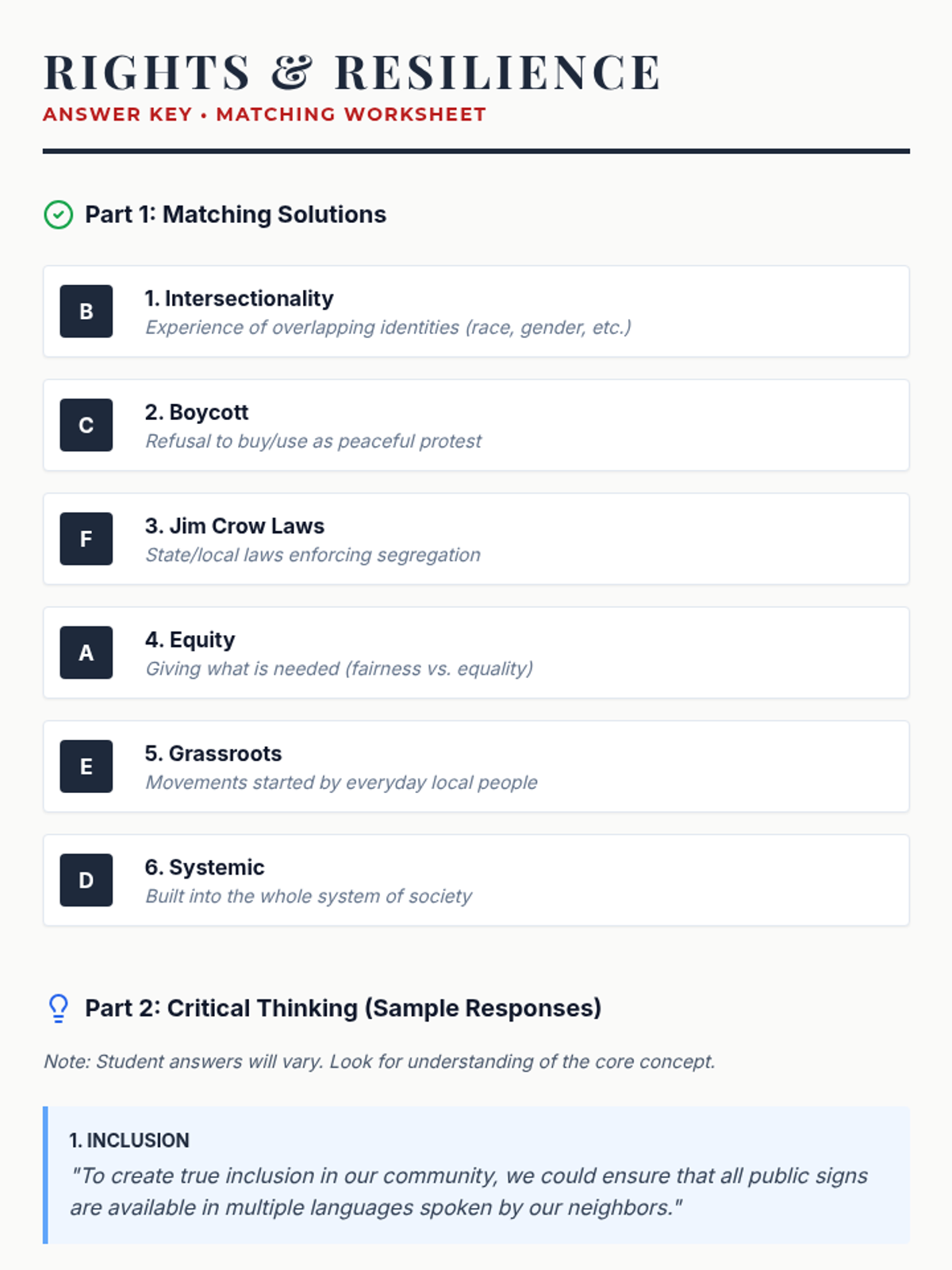
A vocabulary-focused exploration of civil rights, spanning the 1950s/60s Modern Movement through contemporary issues, using visual cards, organizers, and matching exercises.
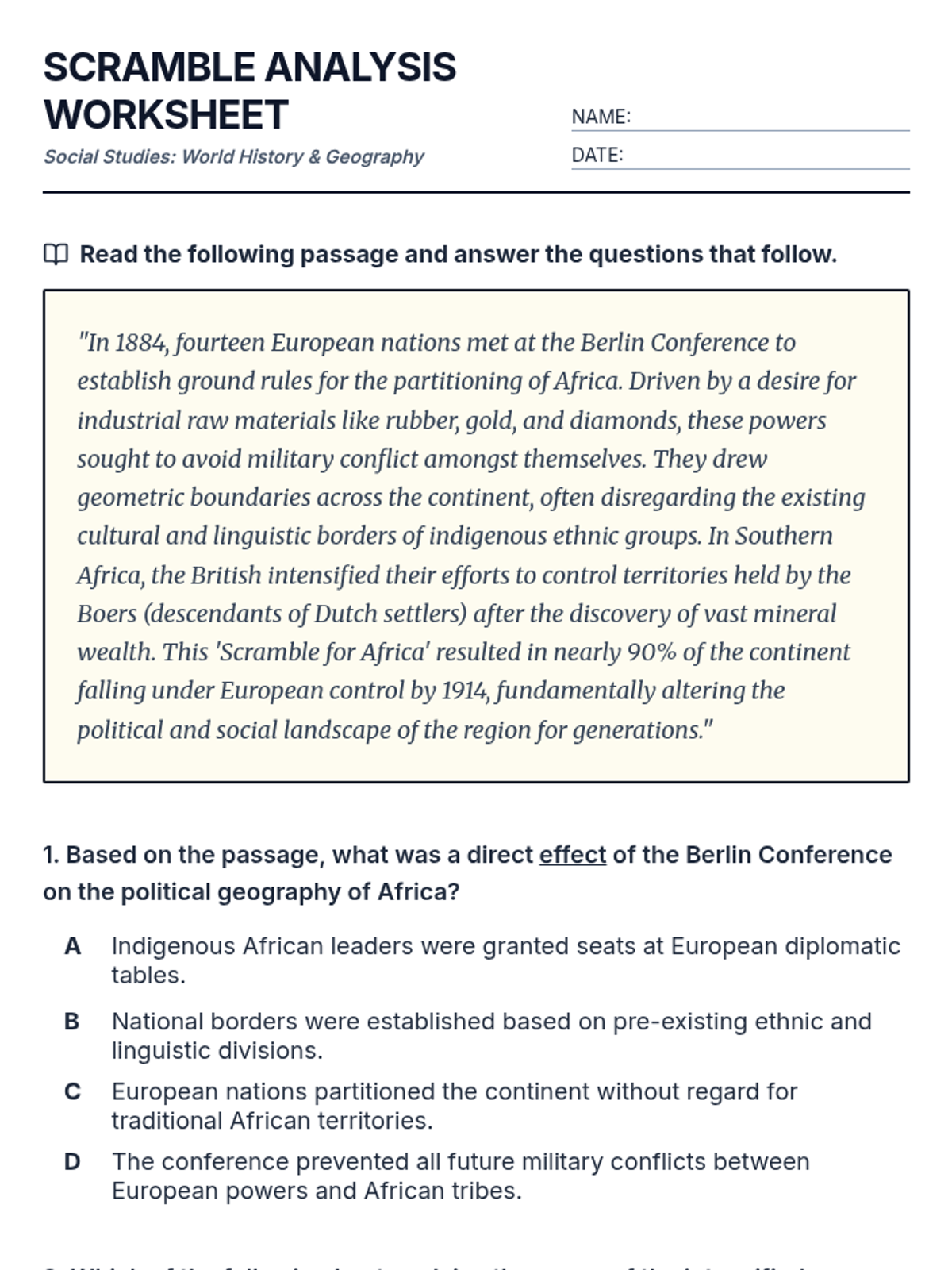
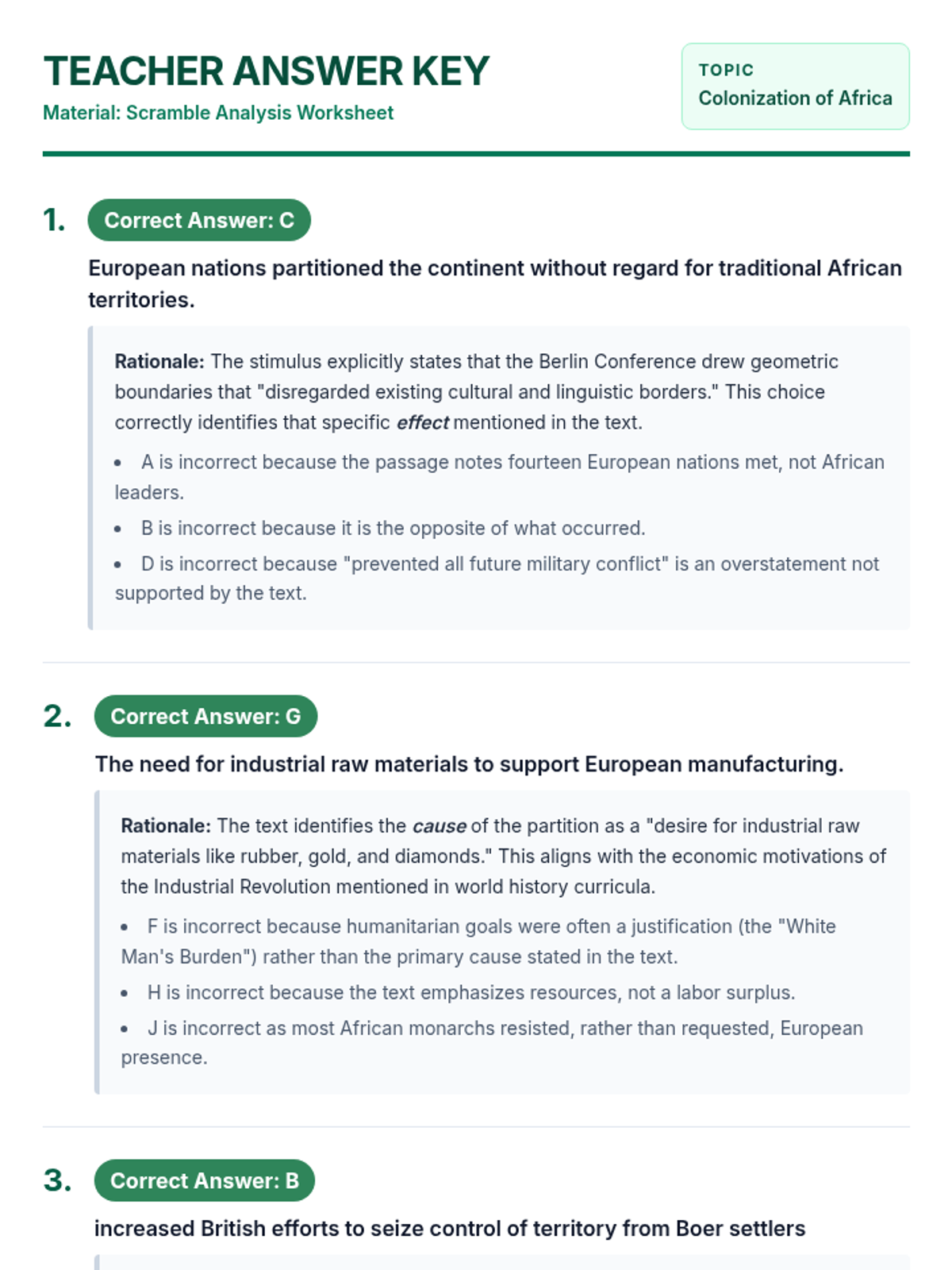
A lesson exploring the motivations, events, and consequences of the European colonization of Africa, focusing on the Berlin Conference and British expansion in South Africa through the lens of cause and effect.
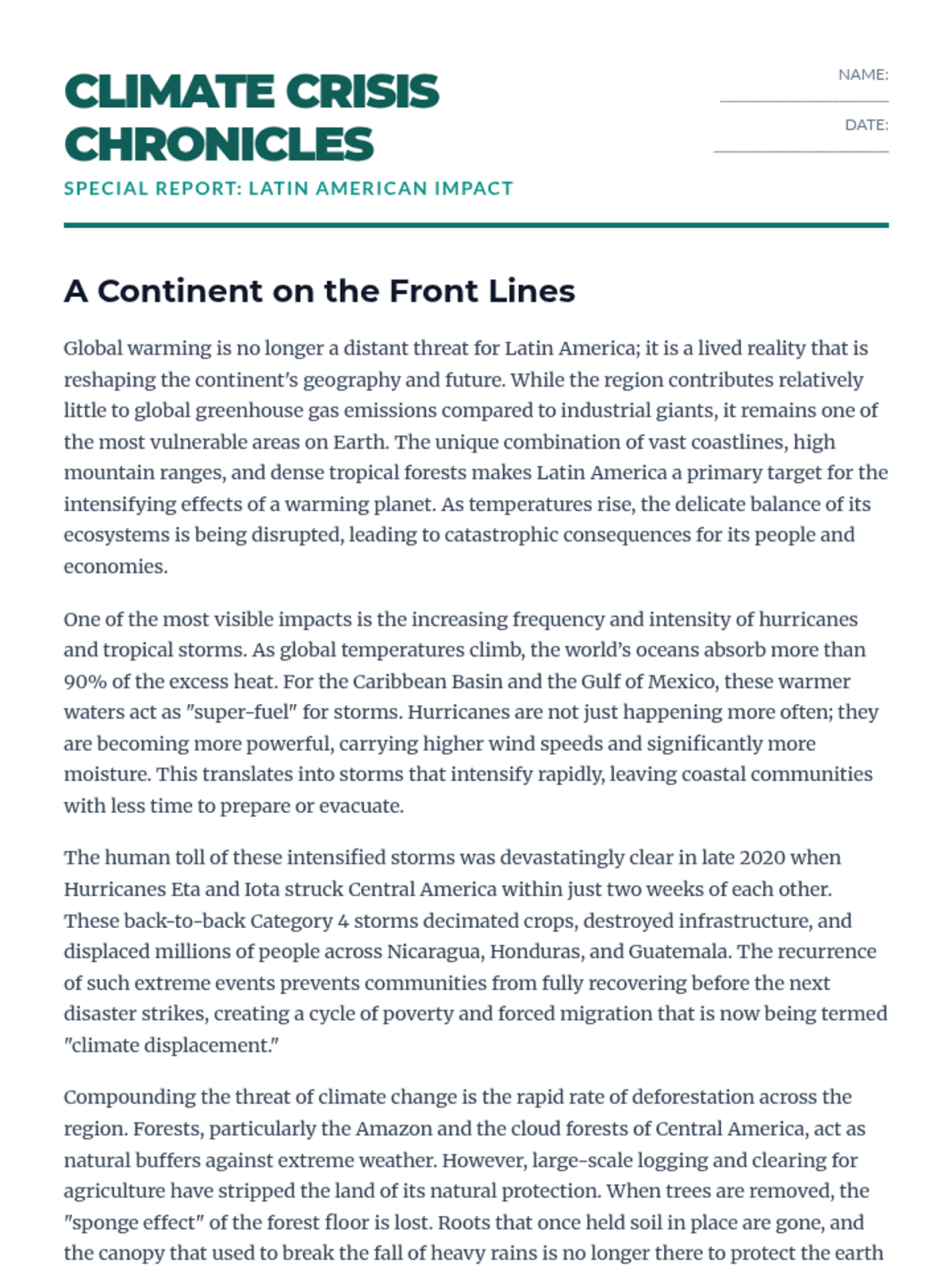
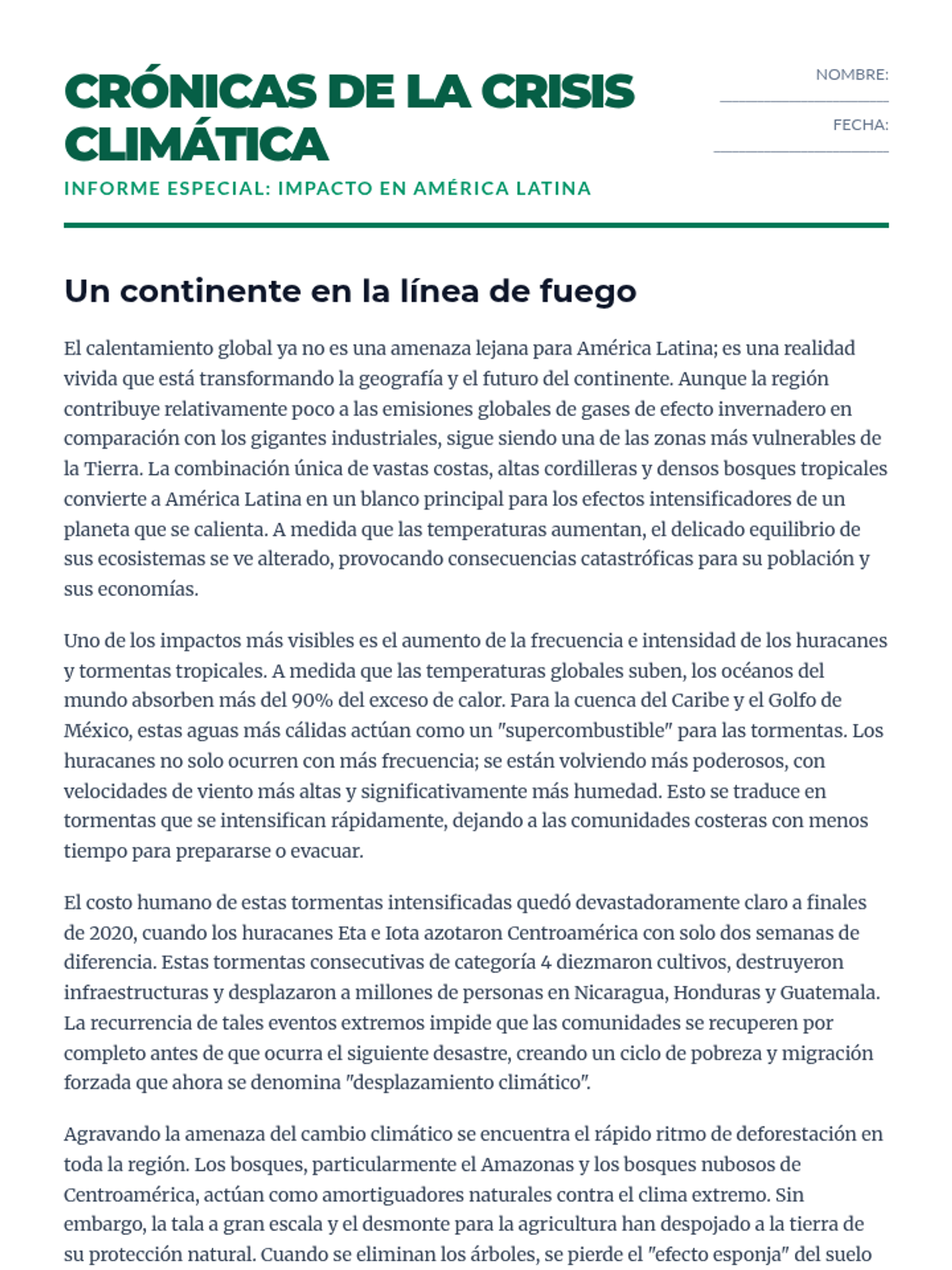
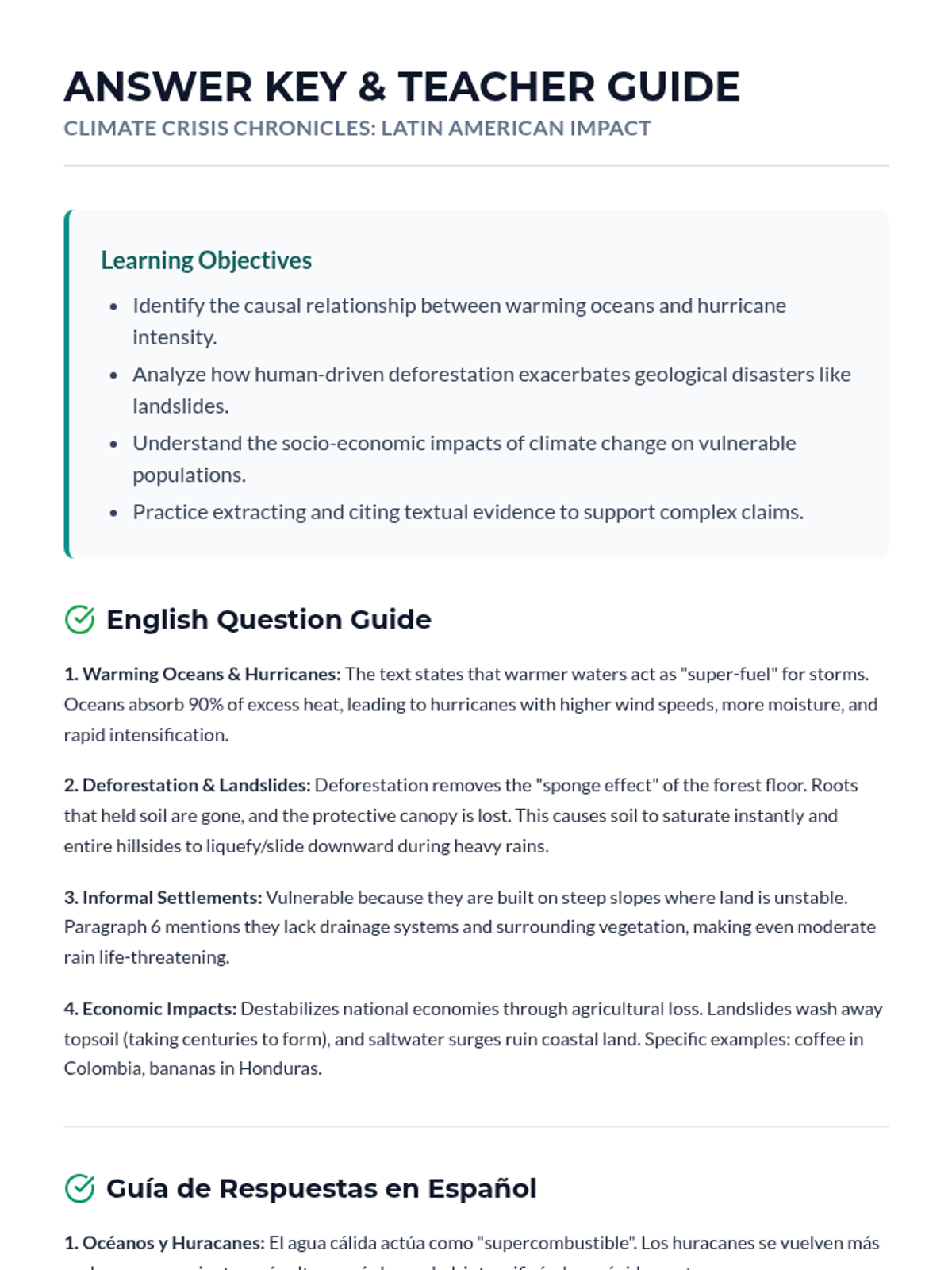
A comprehensive reading and analysis lesson exploring the specific impacts of global warming on Latin America, focusing on hurricanes, deforestation, and landslides.
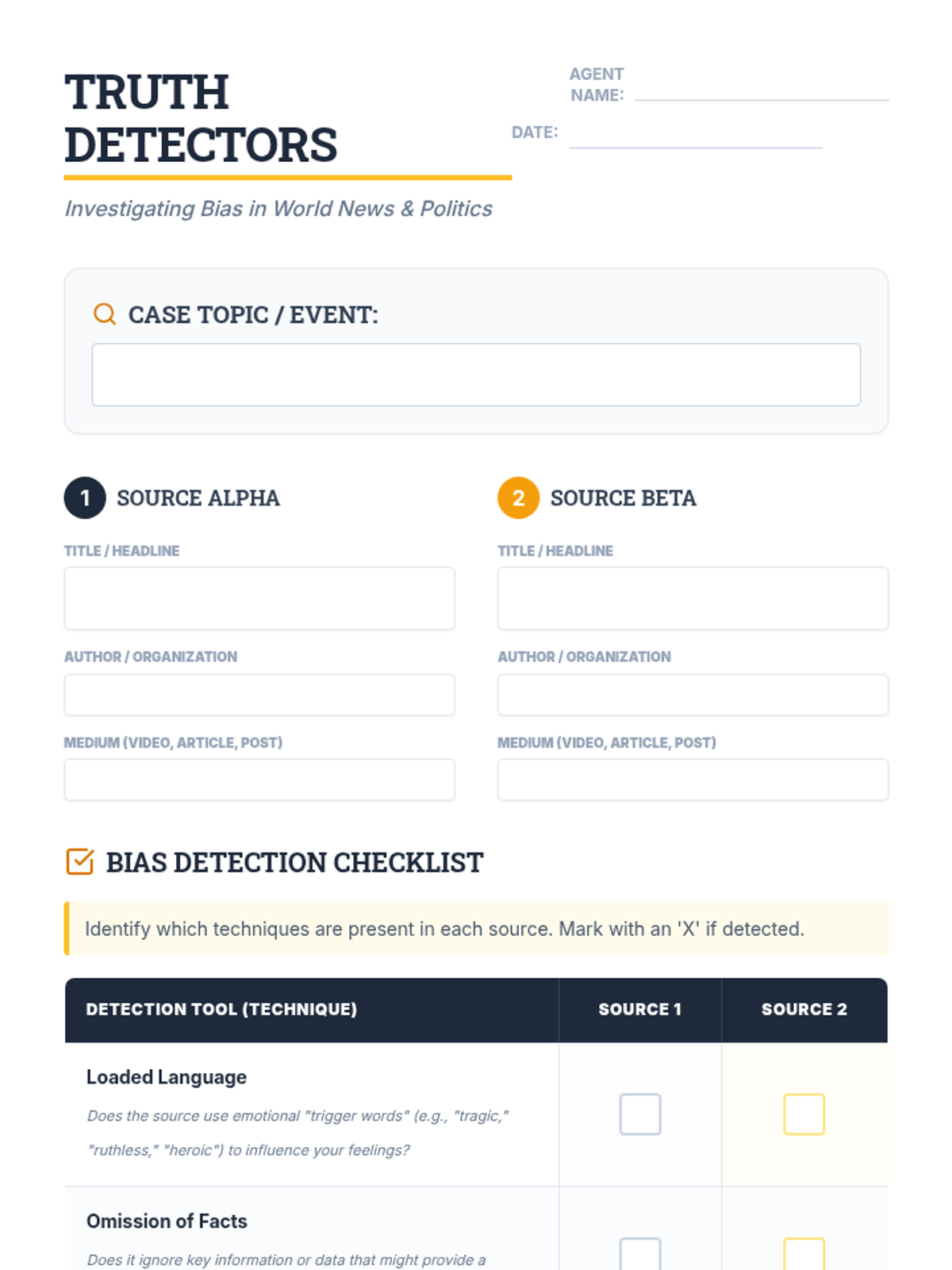
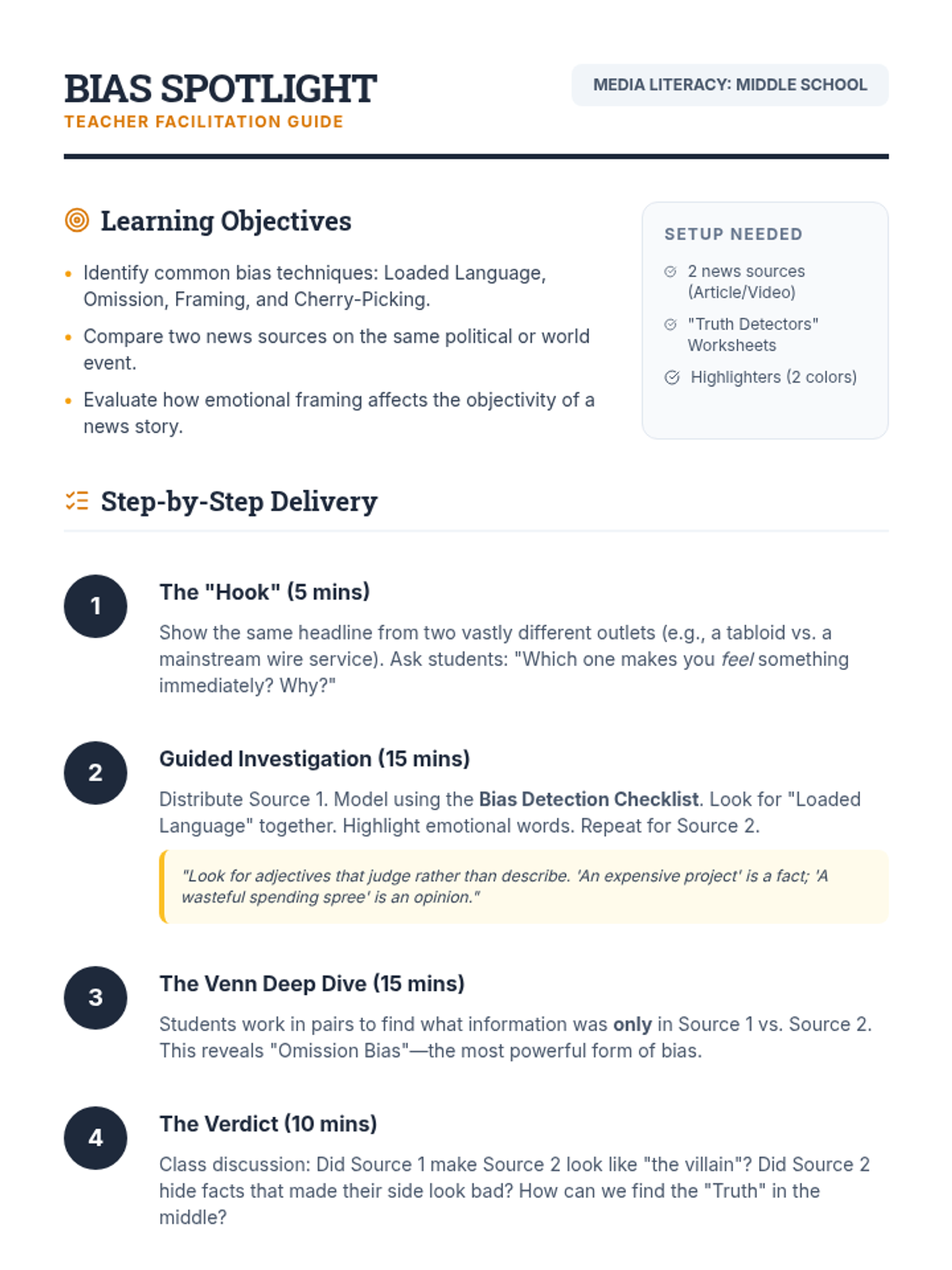
A lesson focused on identifying bias in media sources related to politics and world events, featuring hands-on analysis tools.
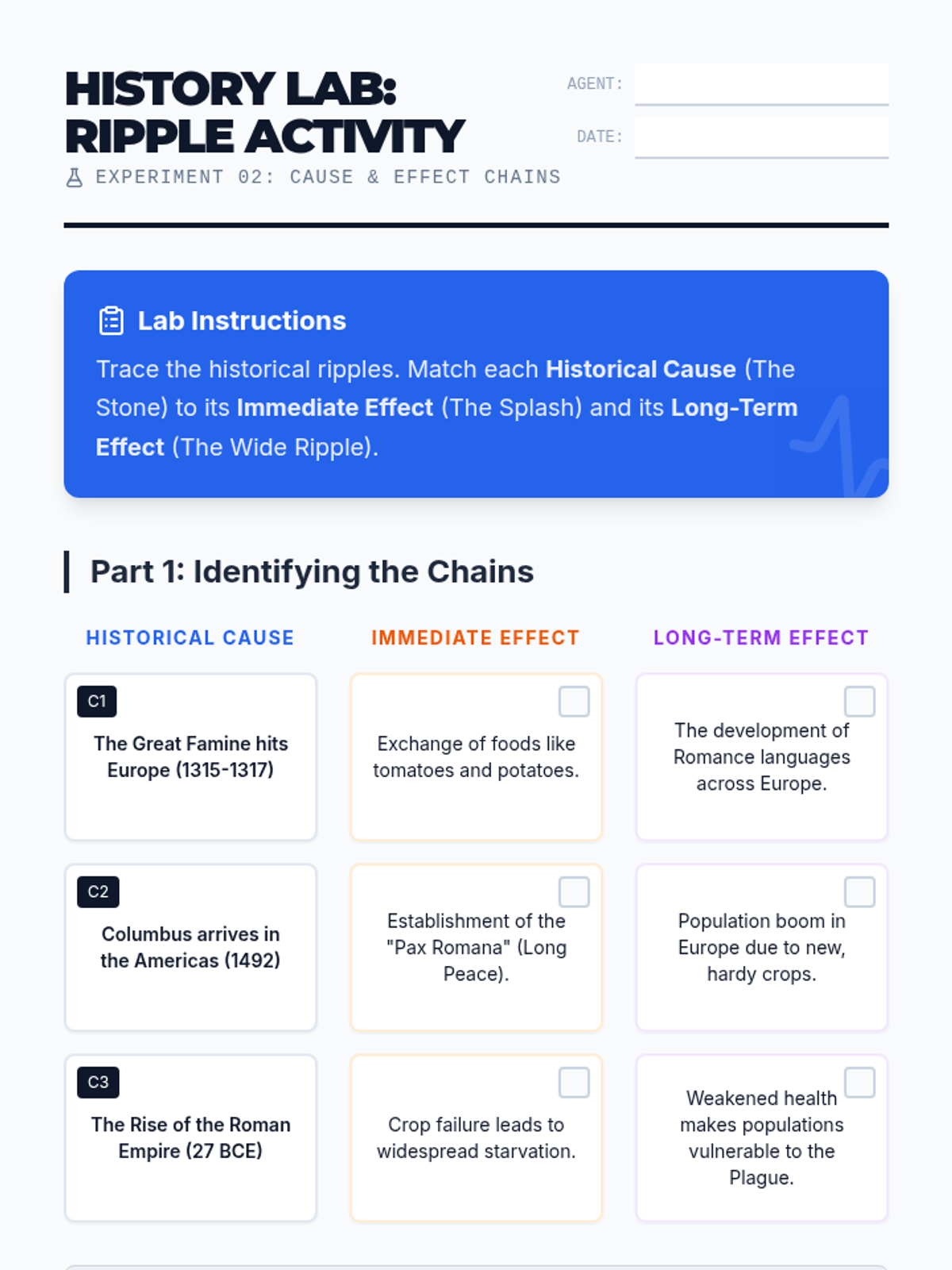
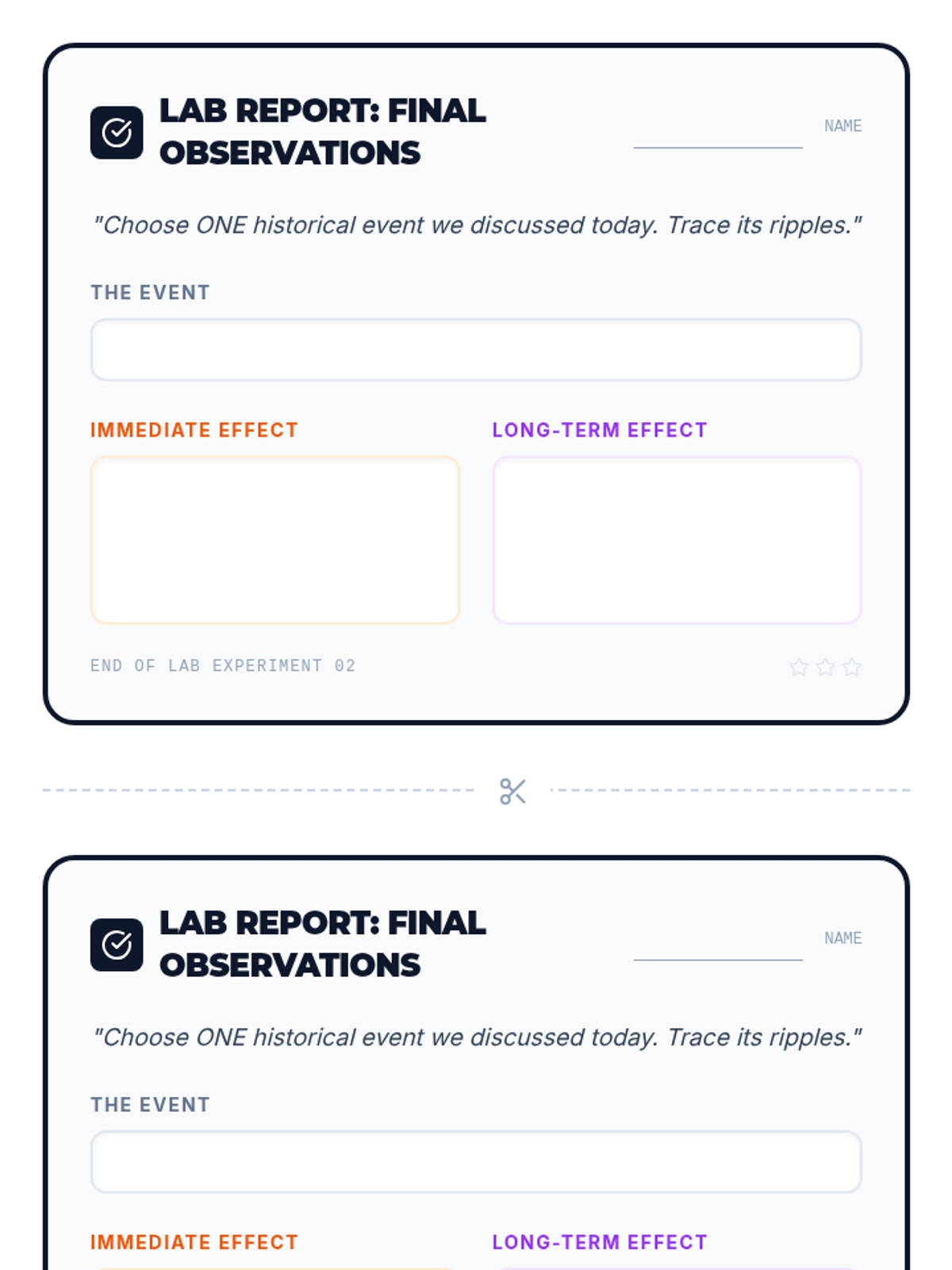
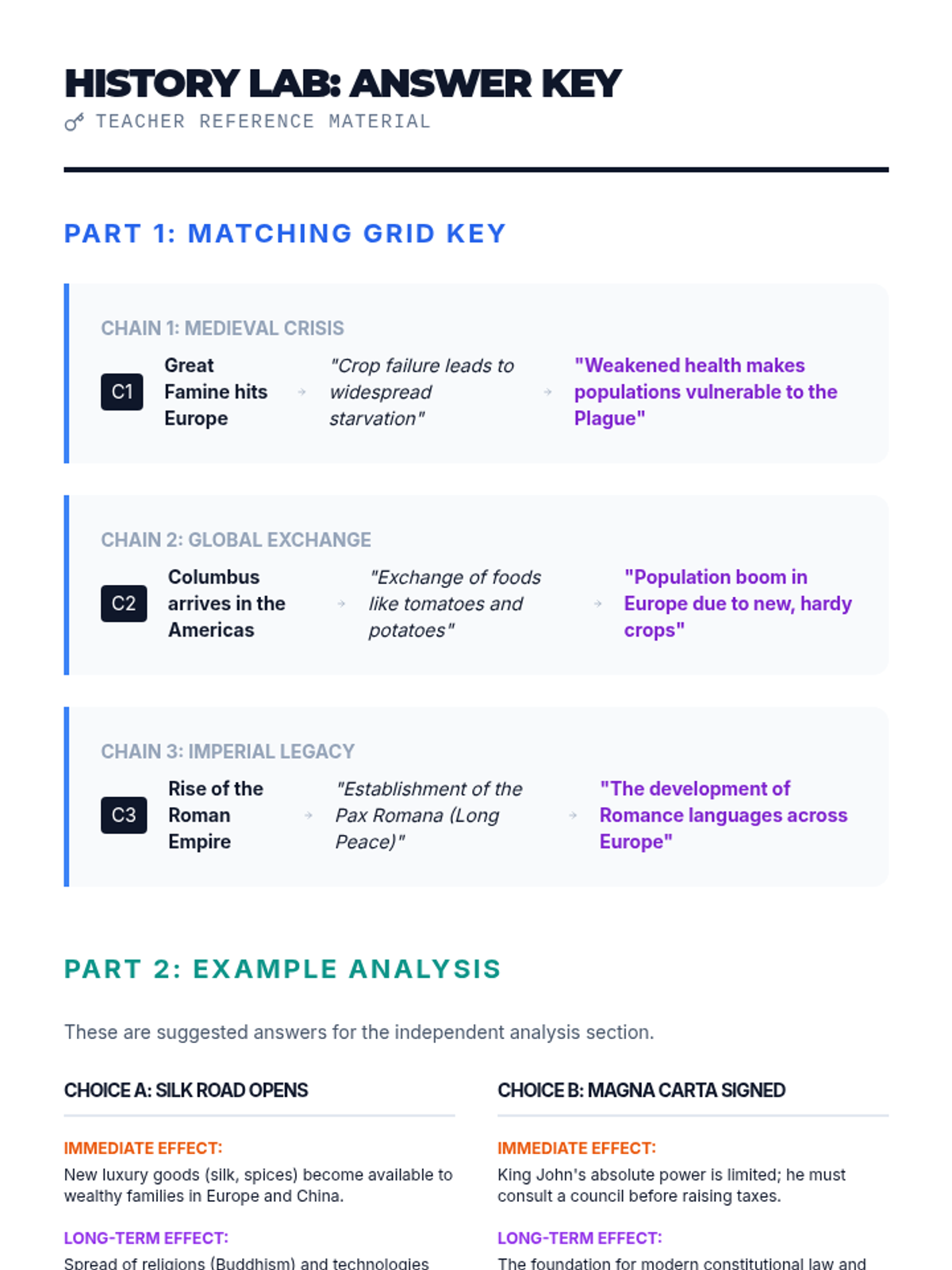
A lesson focused on helping 7th-grade students move beyond simple cause-and-effect pairs to understand complex historical chains and long-term consequences. Students will analyze historical events as 'ripples' that create multiple layers of impact over time.
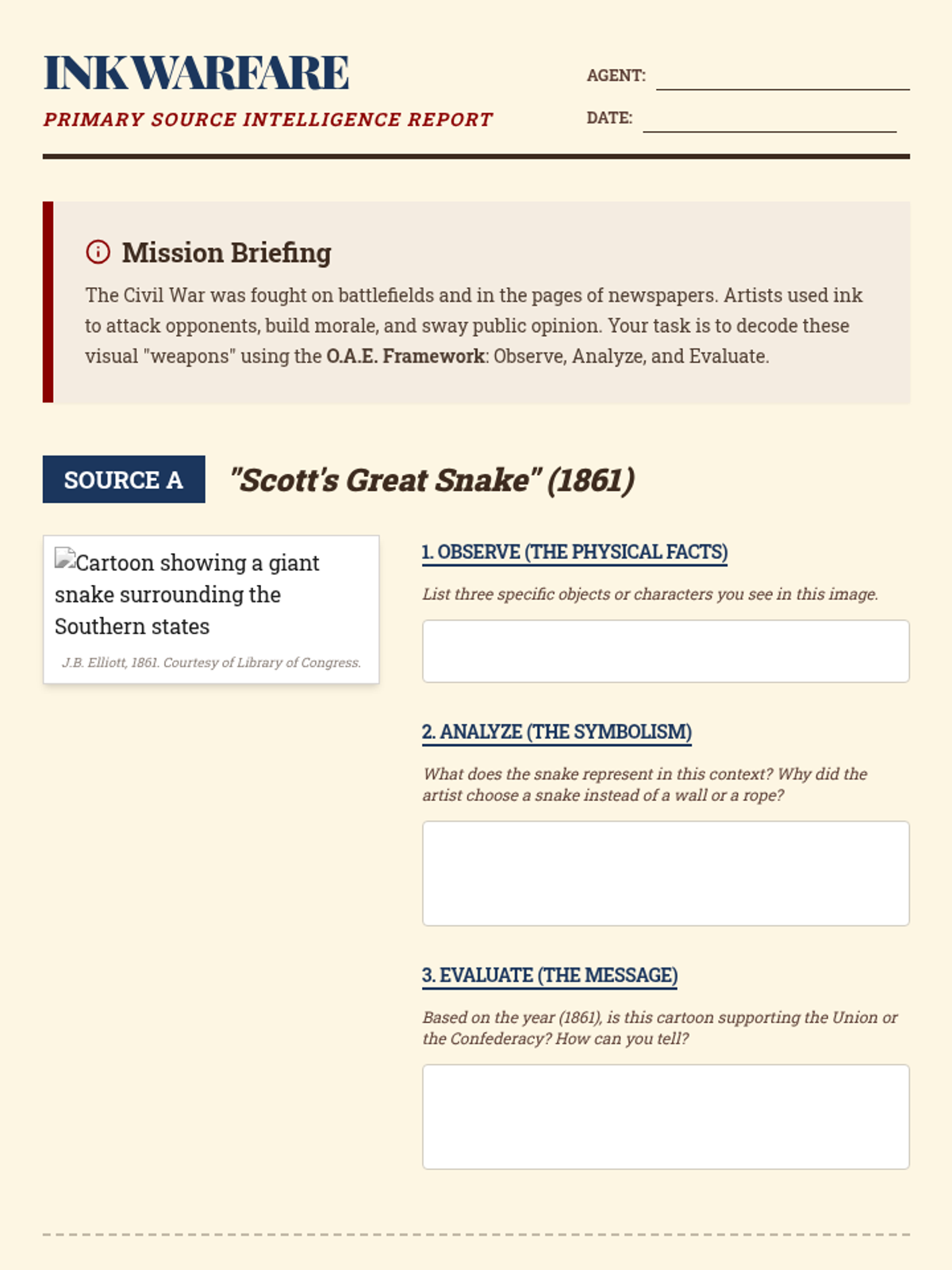
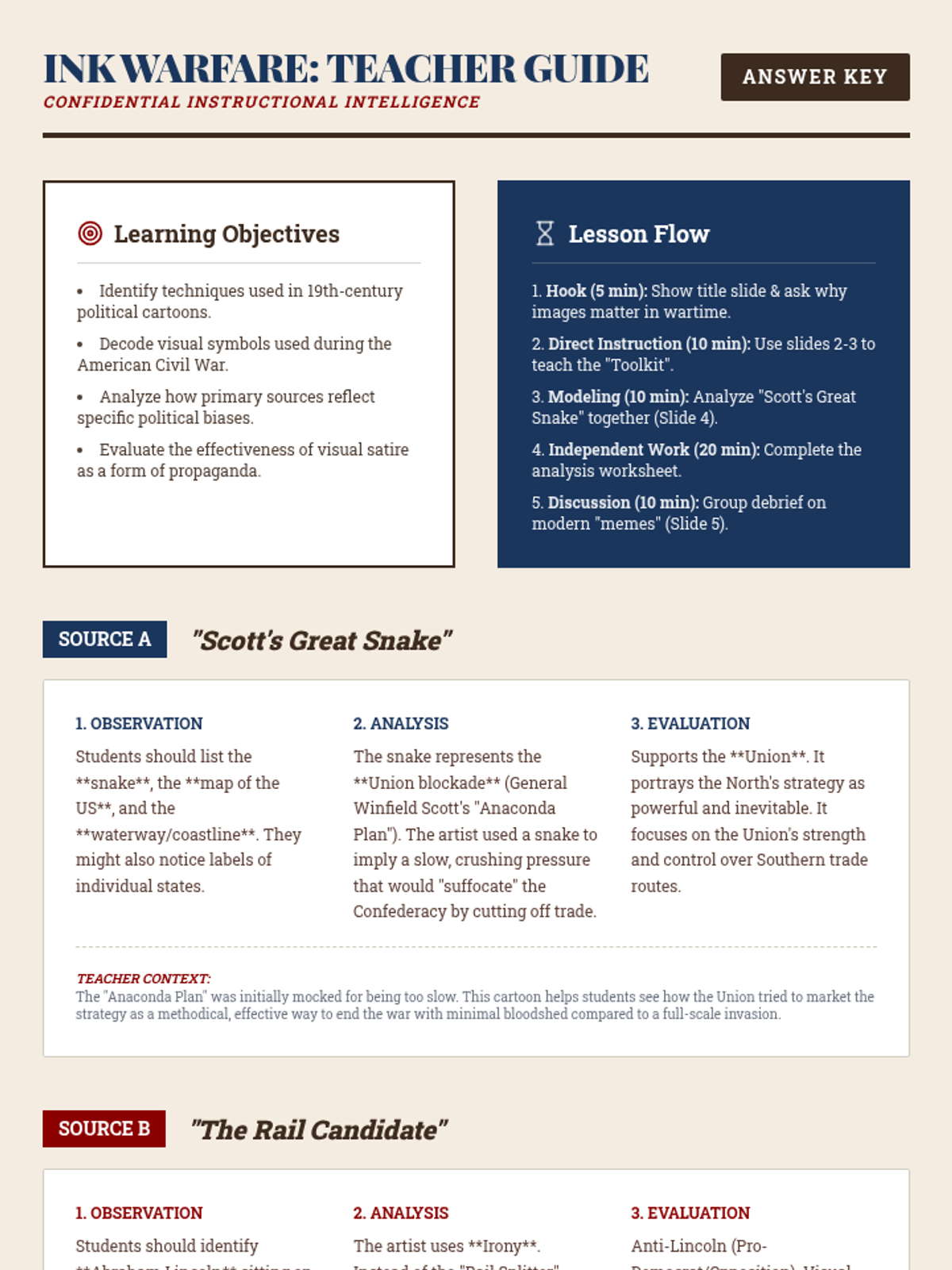
A deep dive into Civil War political cartoons, teaching students how to decode visual satire, symbolism, and propaganda from the 1860s. Students will learn a scaffolded analysis framework to uncover the perspectives and biases of the era.
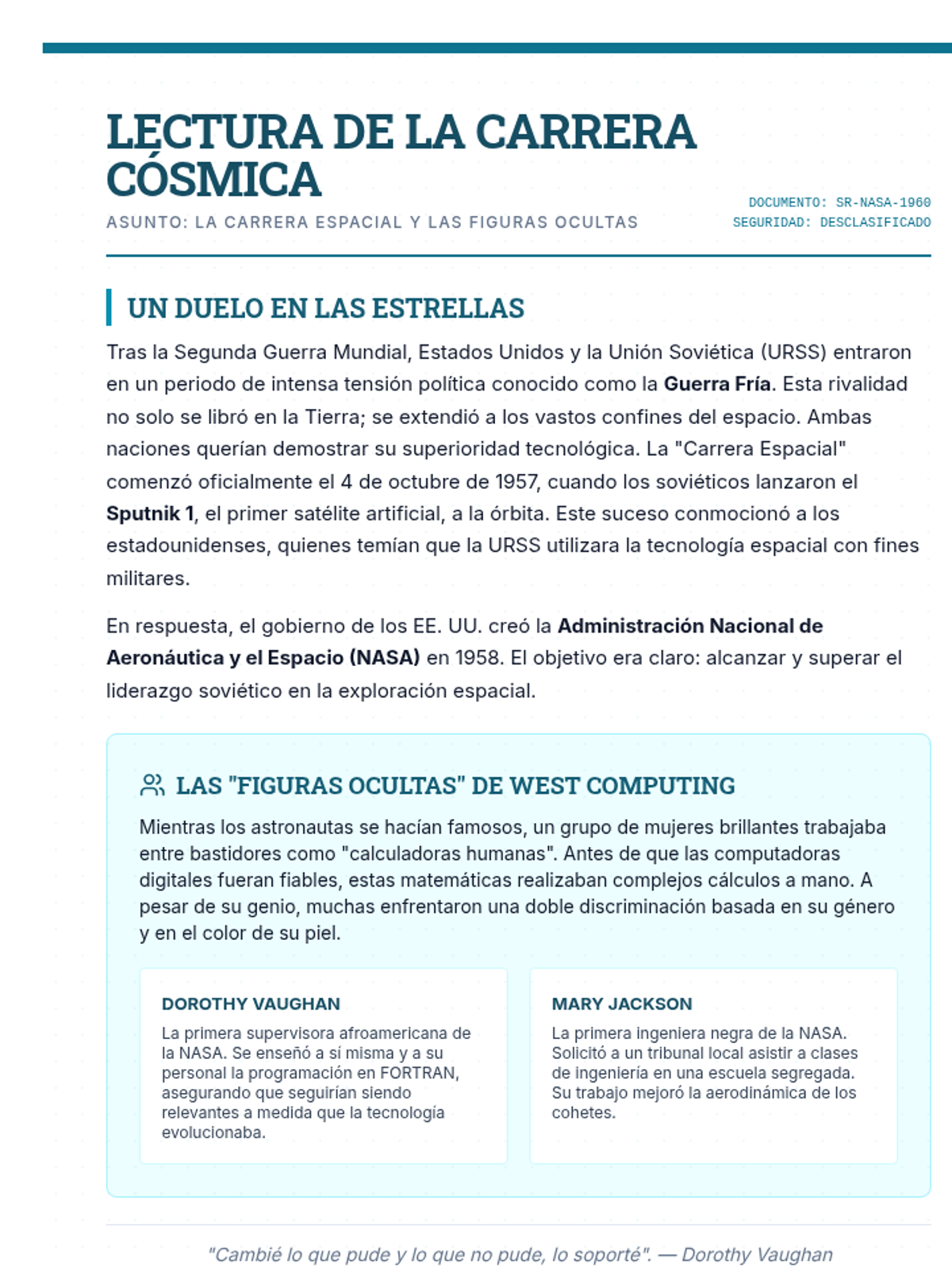
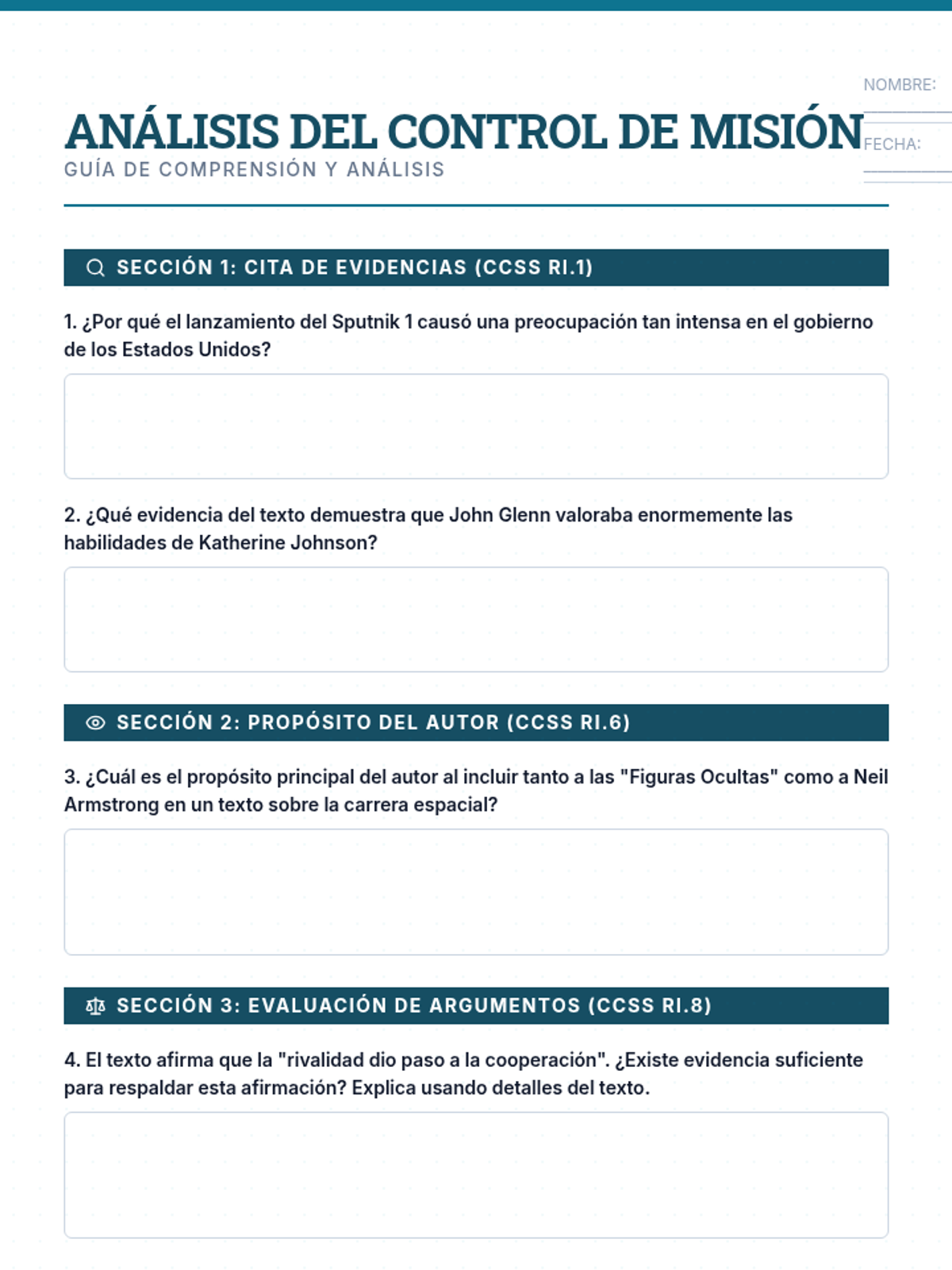
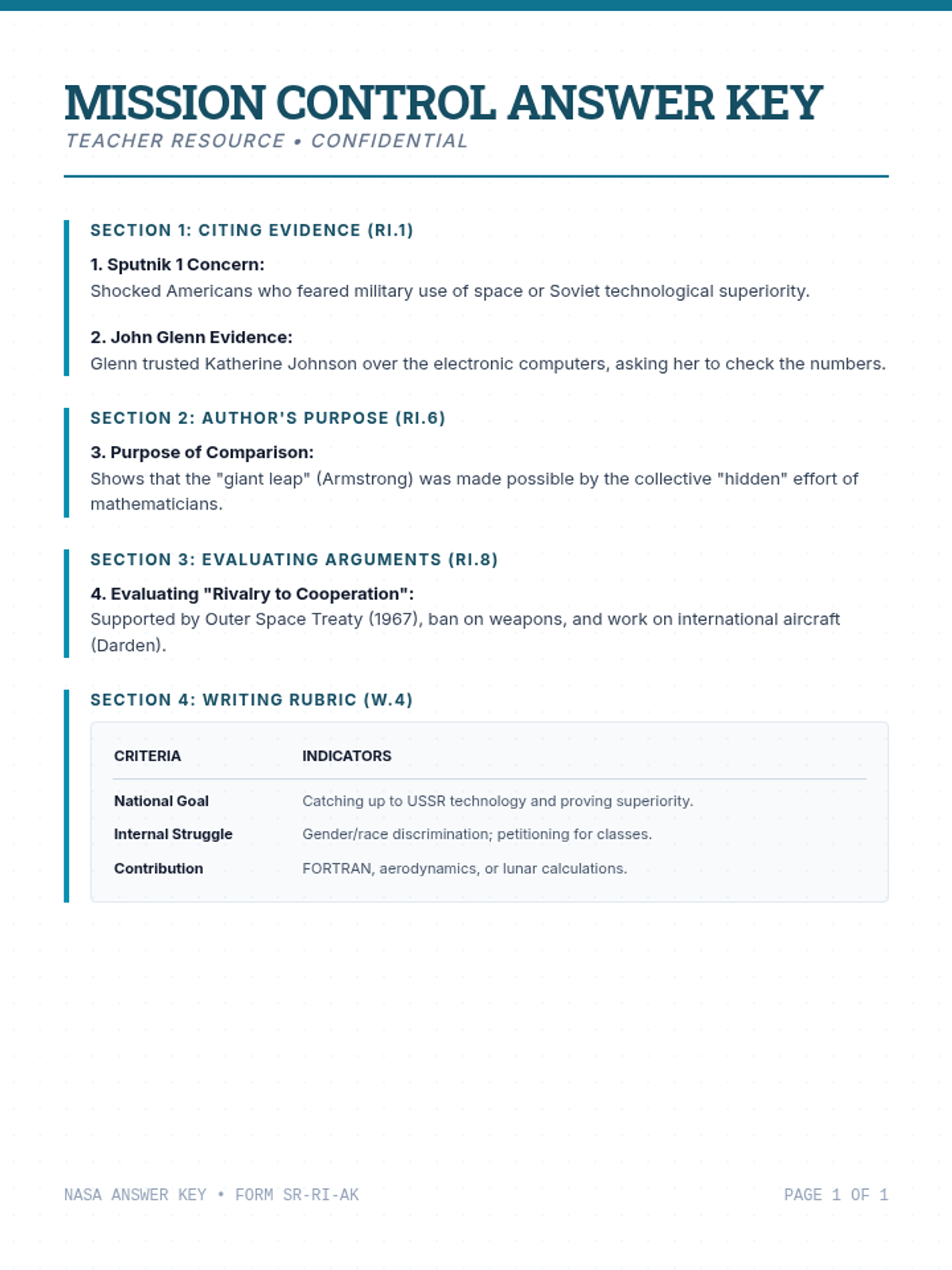
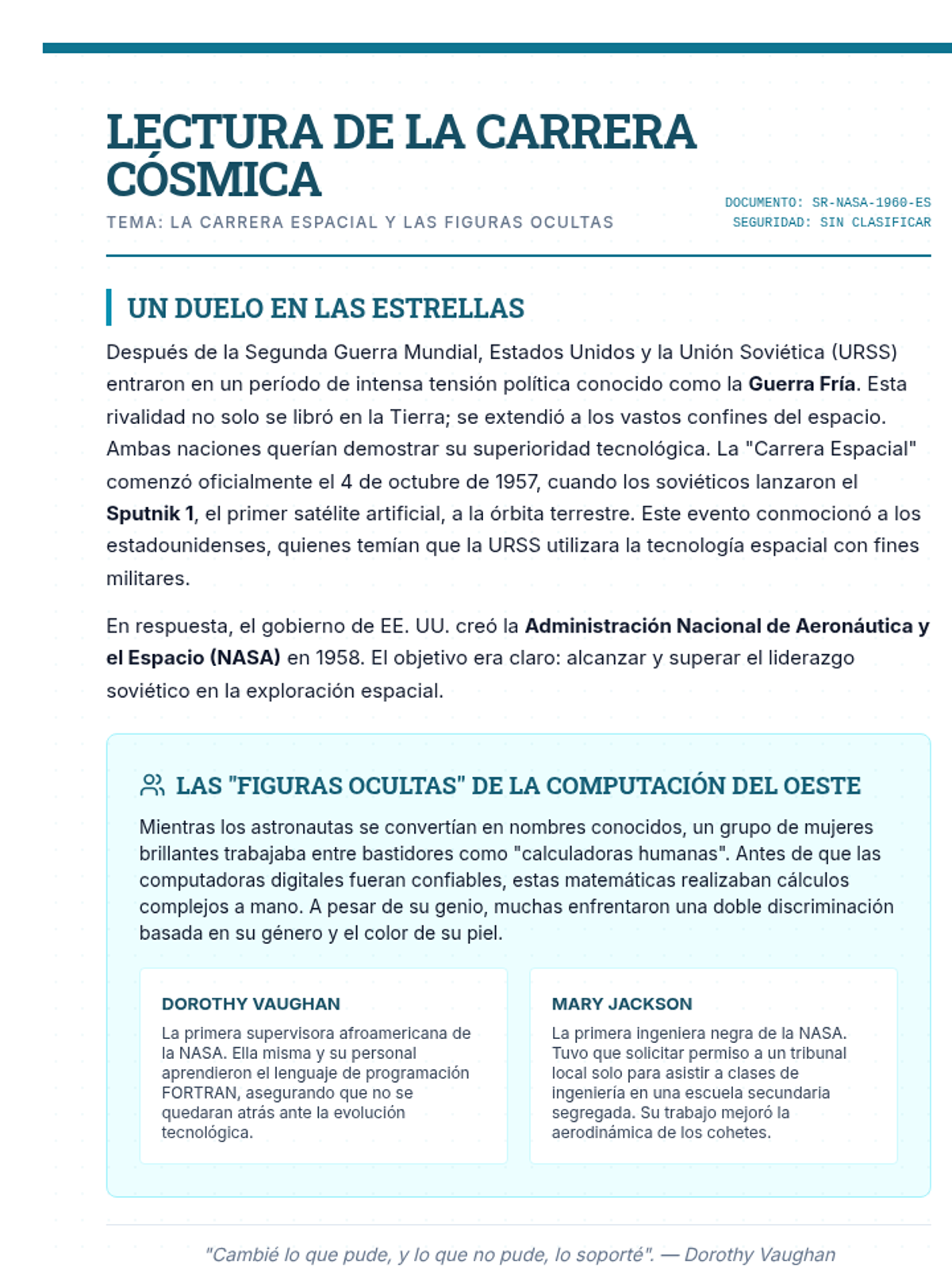
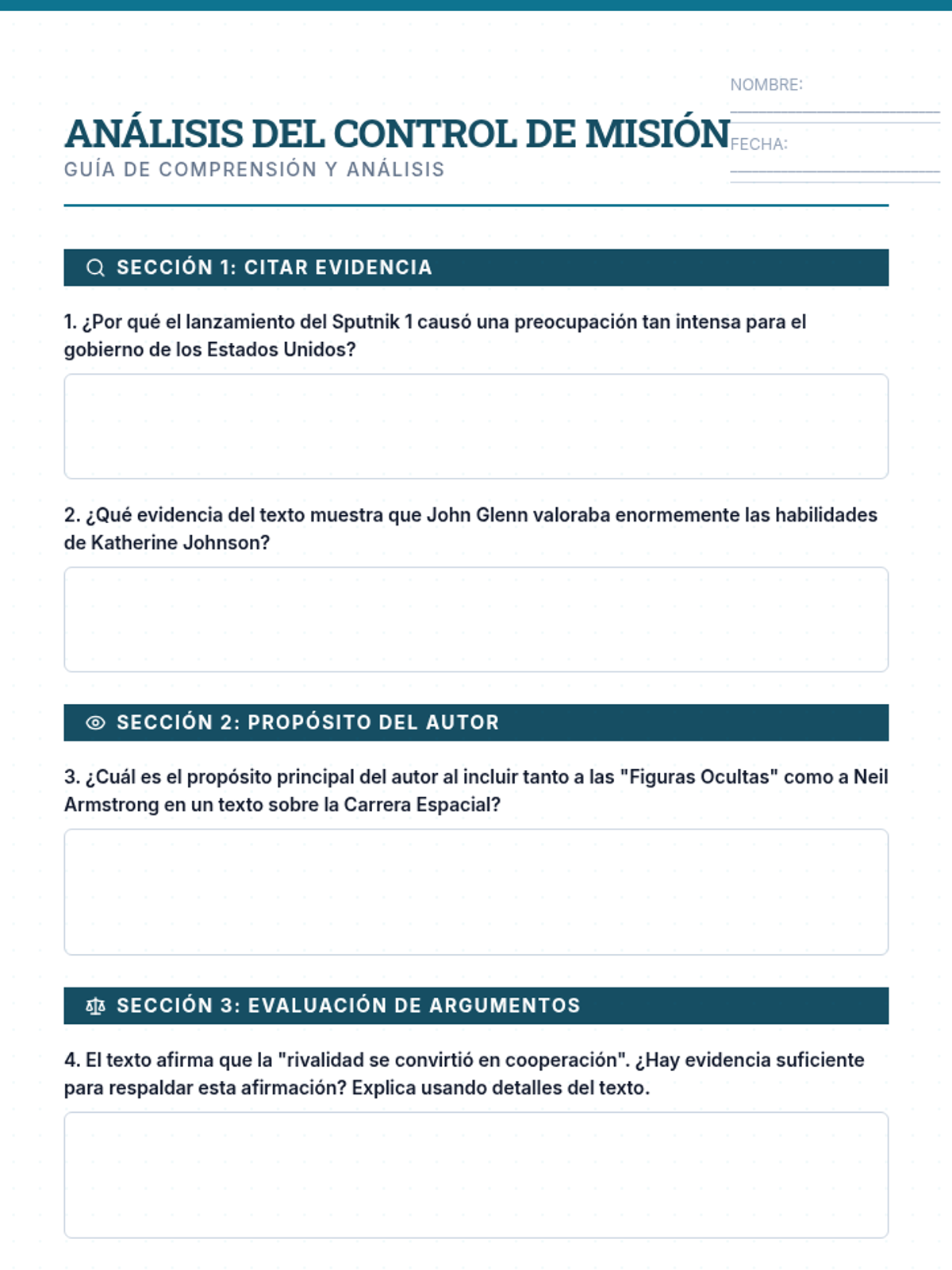
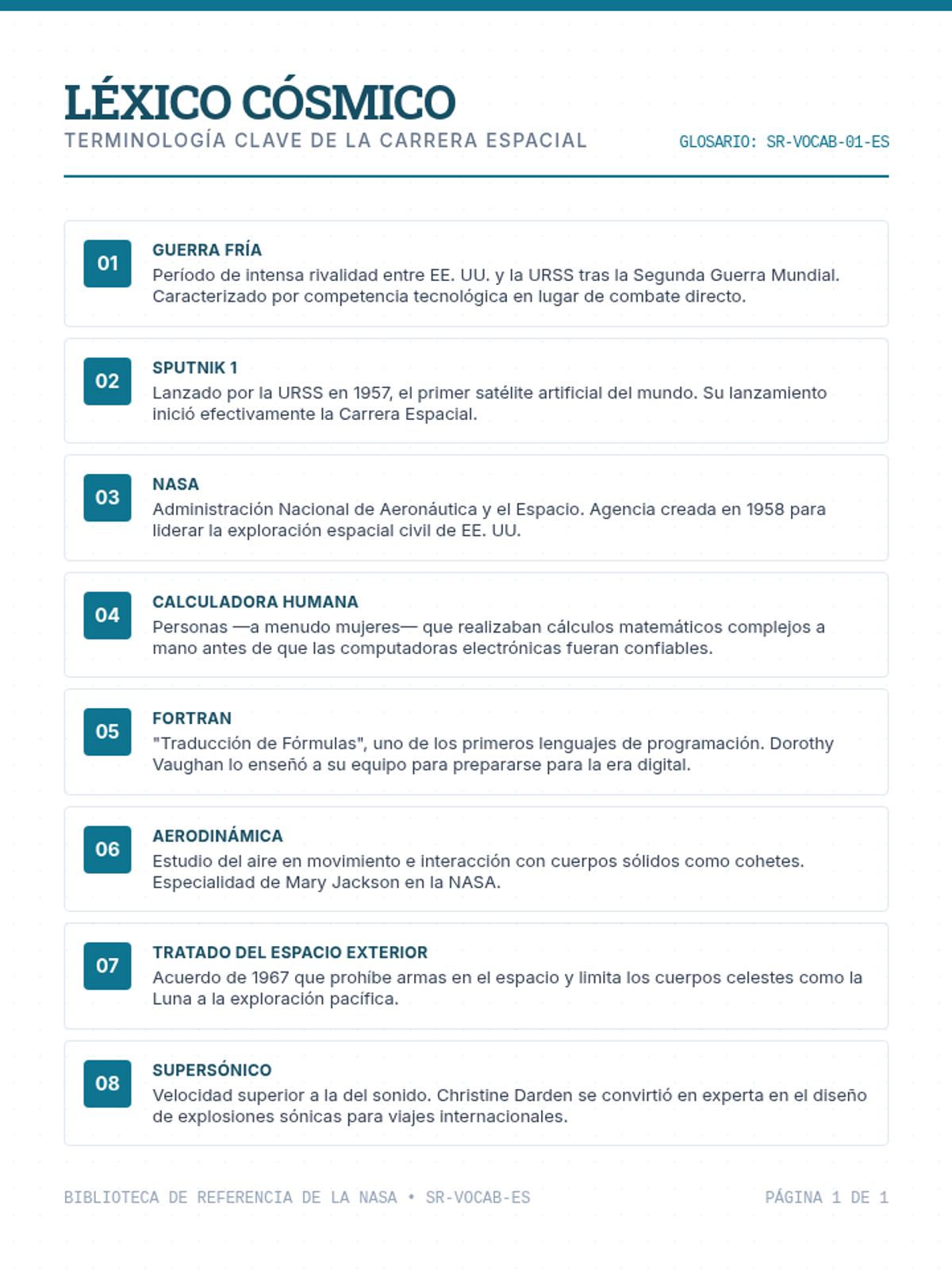
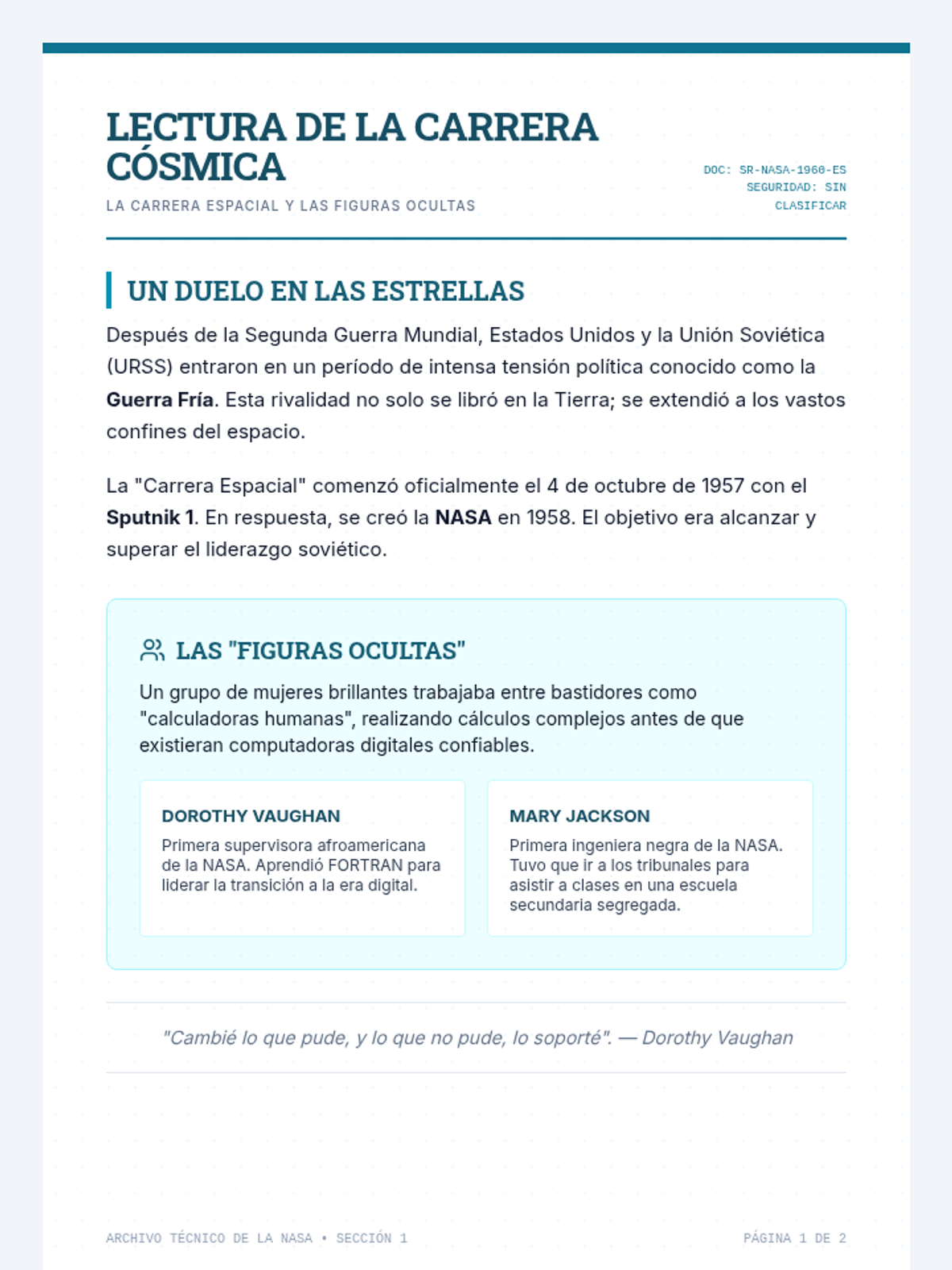
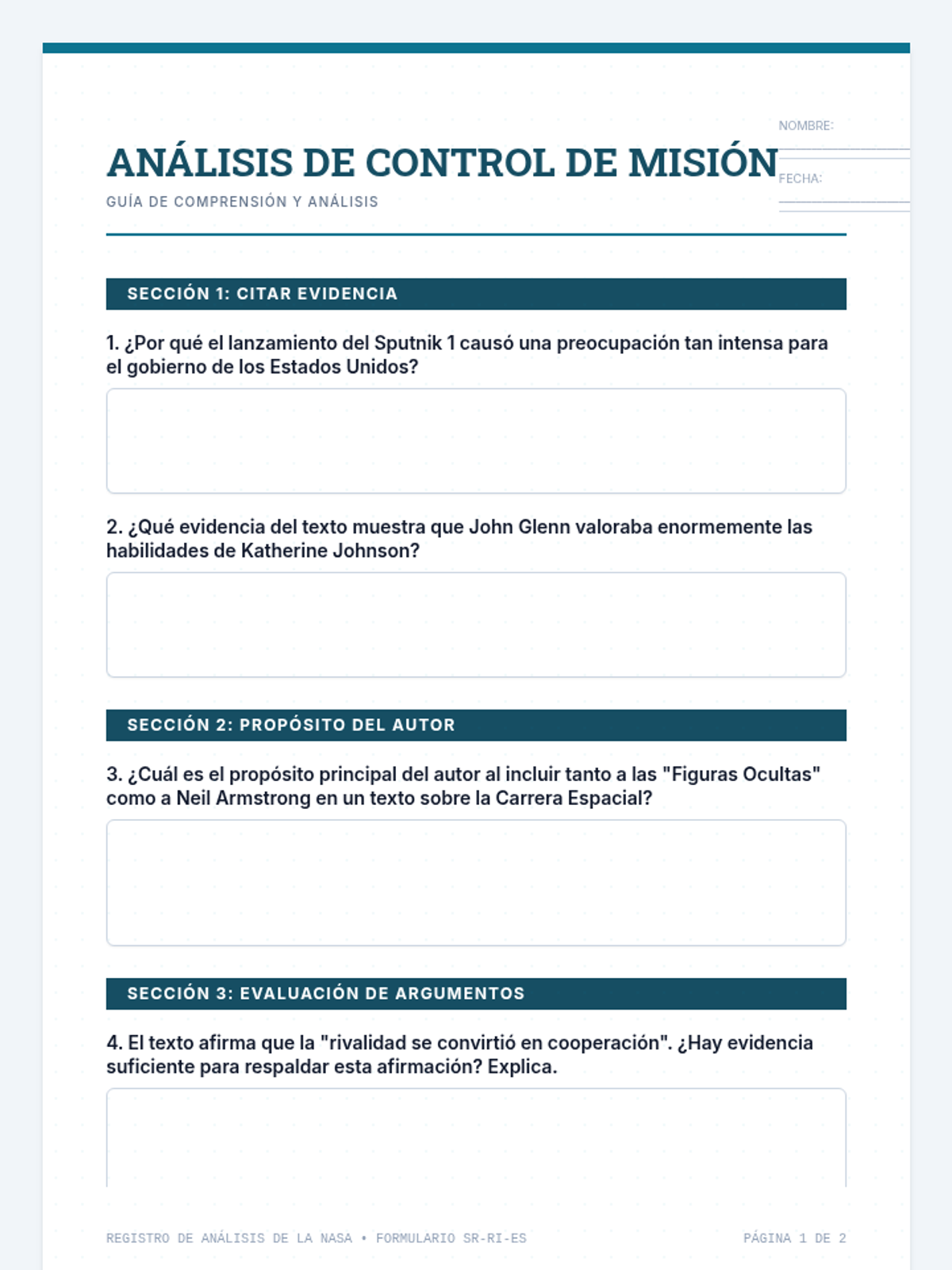
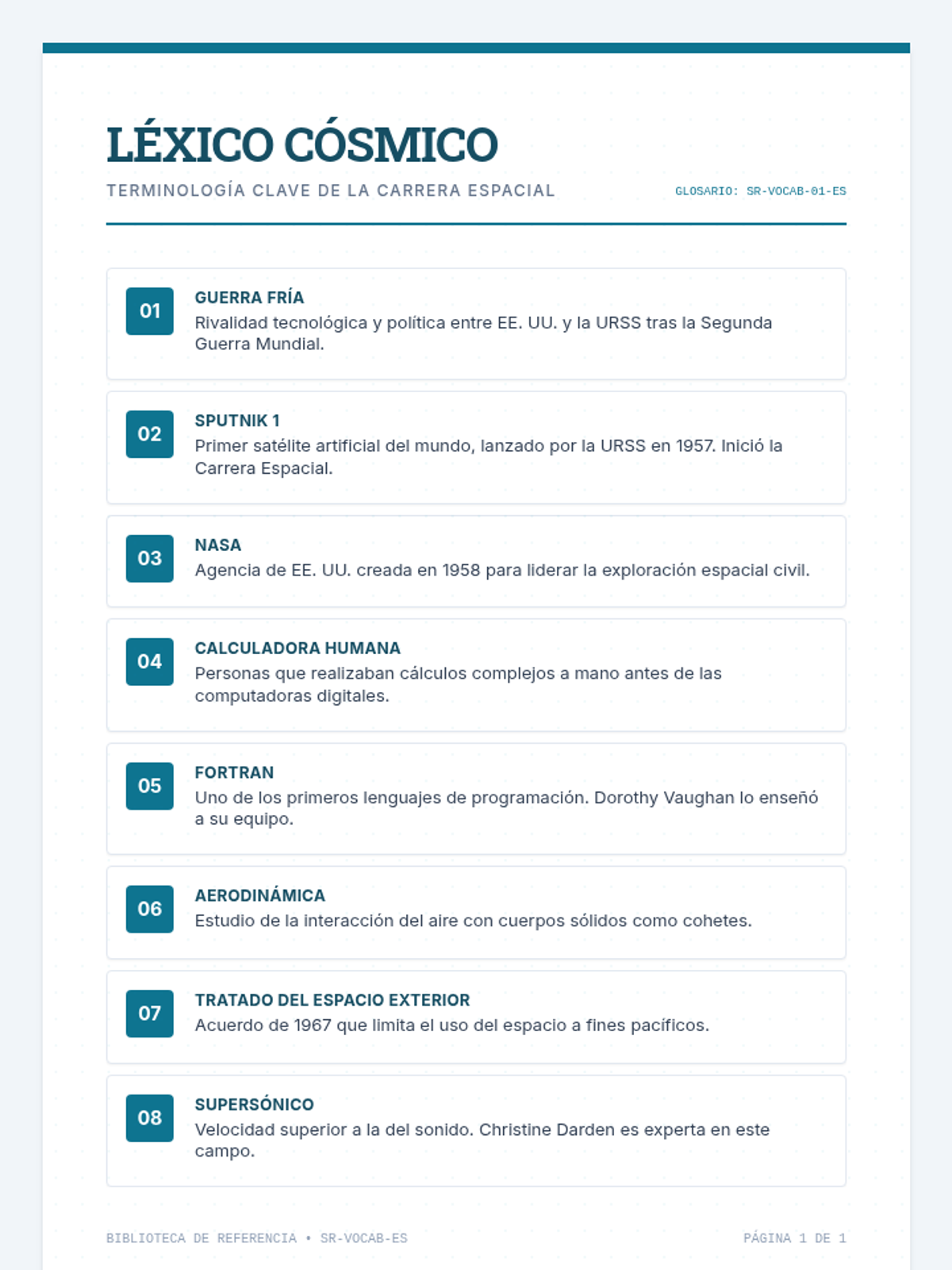
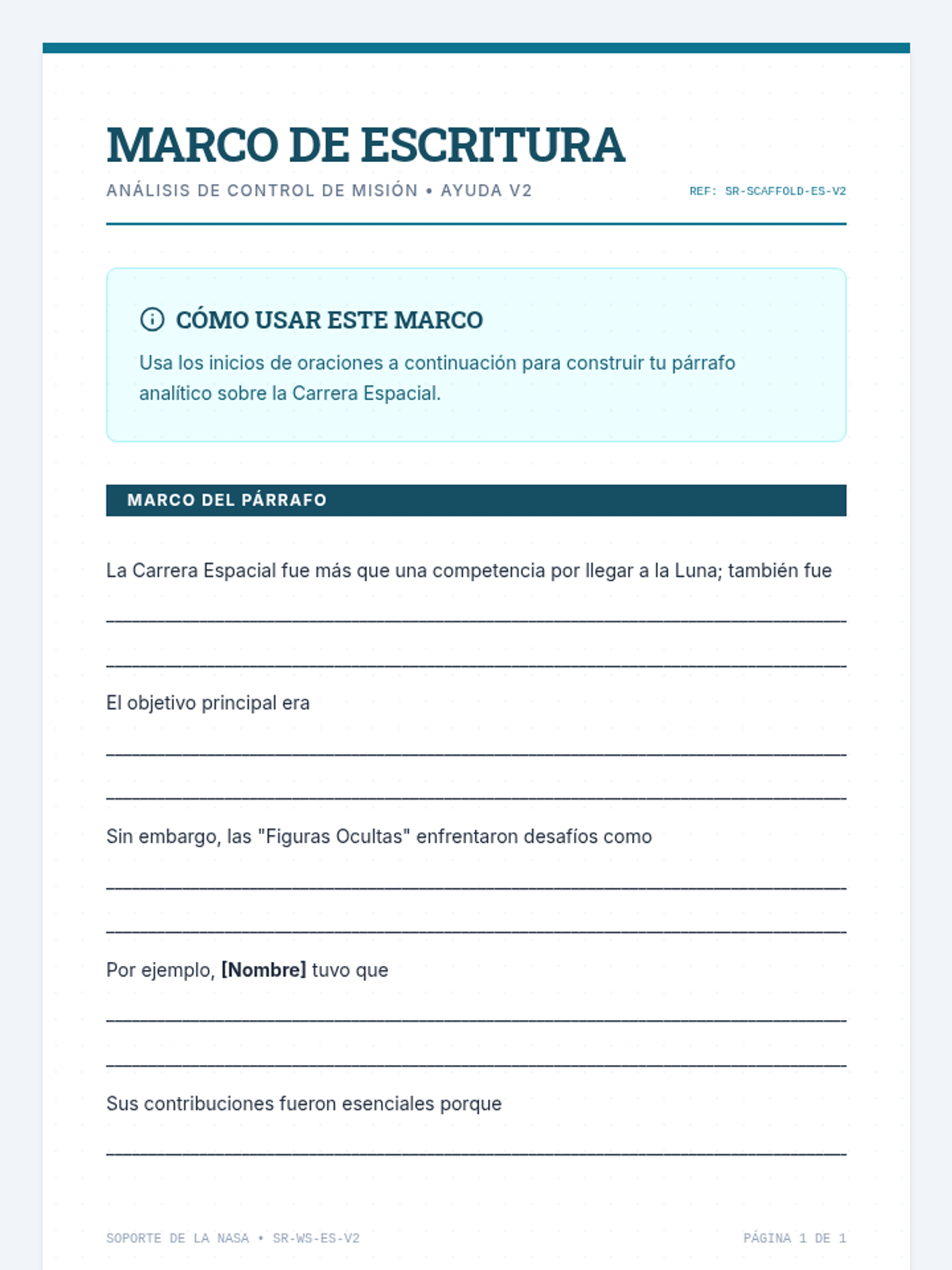
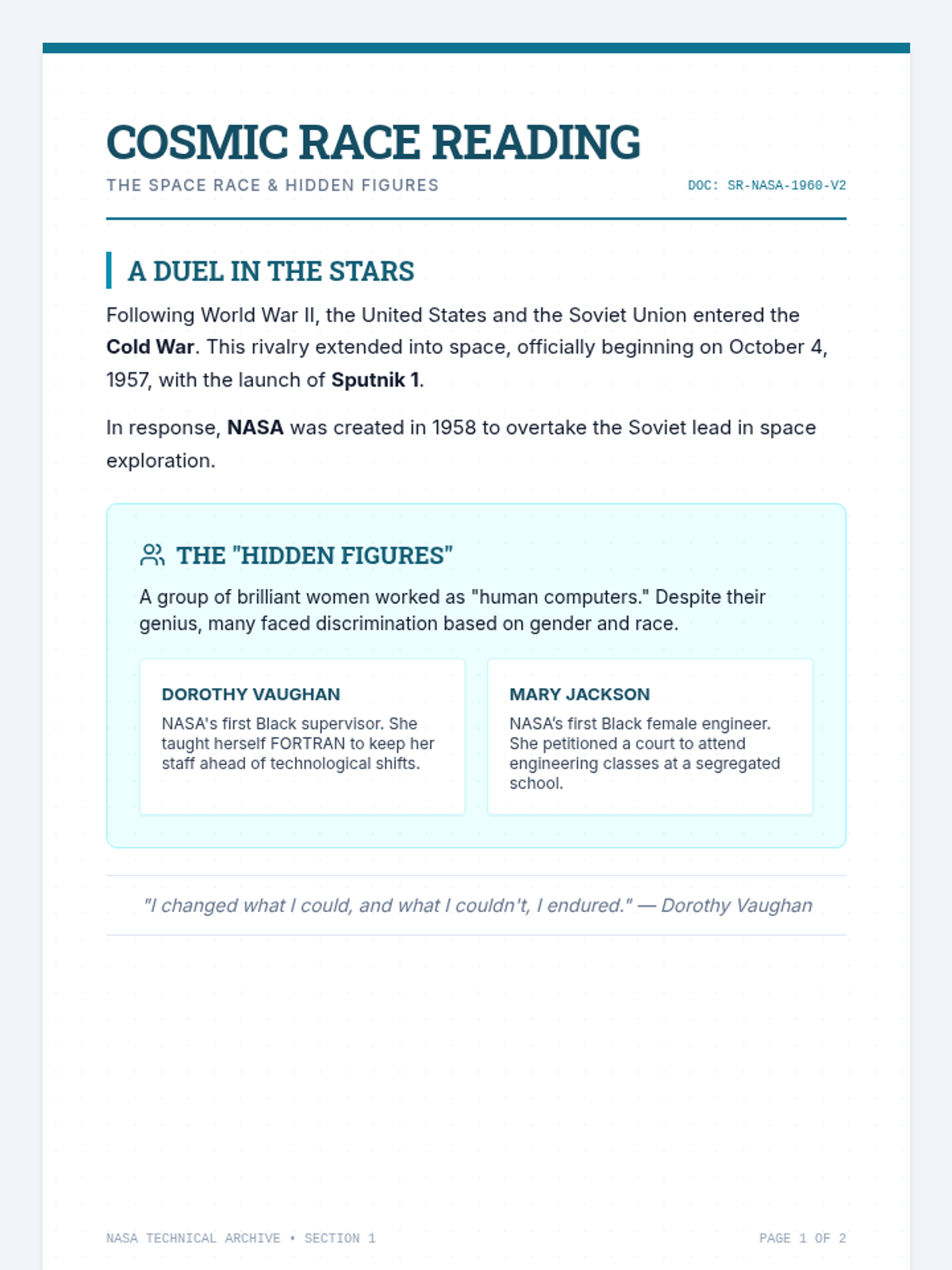
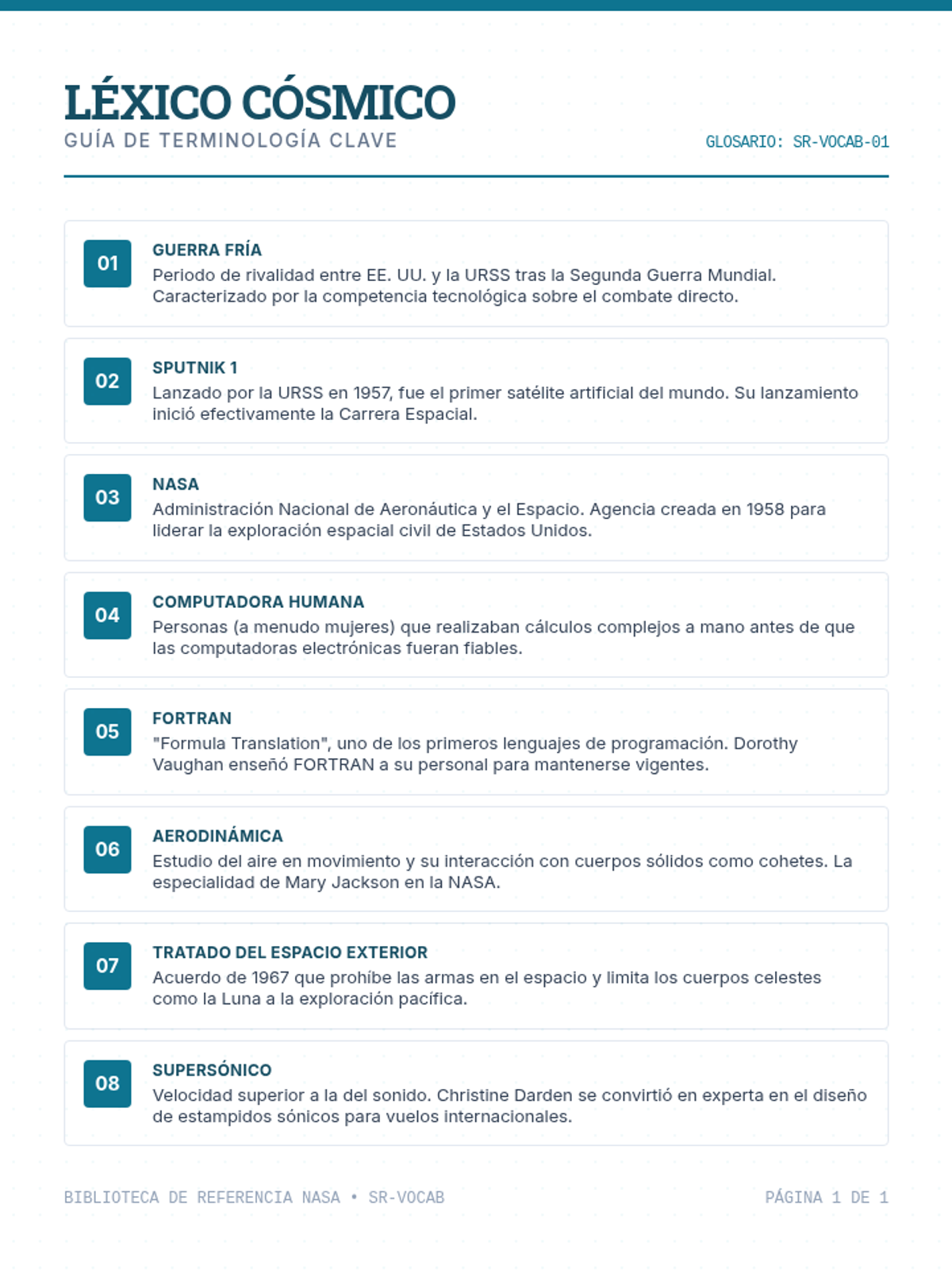
A comprehensive exploration of the Space Race, highlighting the technological competition between the US and USSR, the essential contributions of African American women at NASA, and the international agreements that keep space a peaceful frontier.
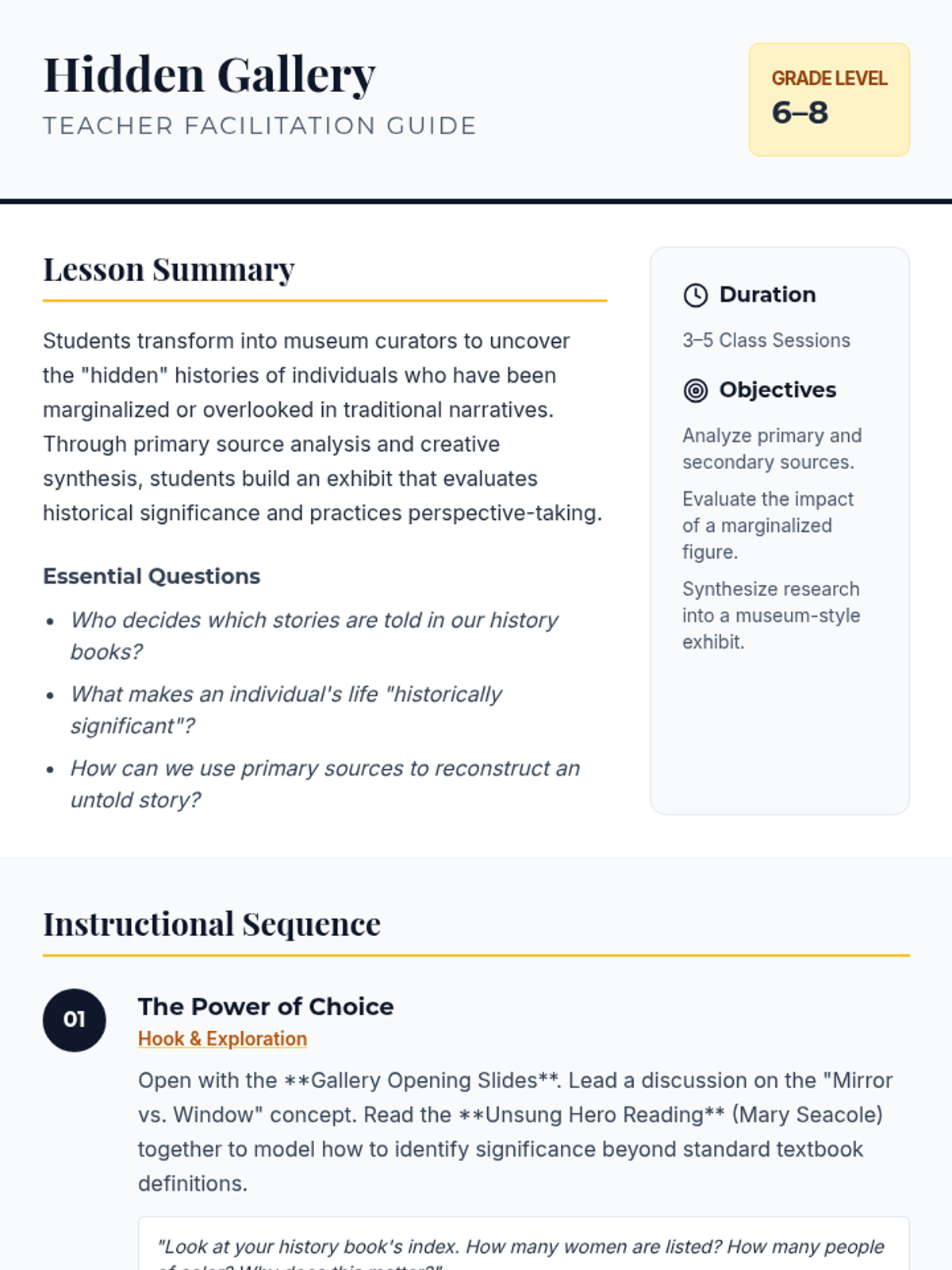
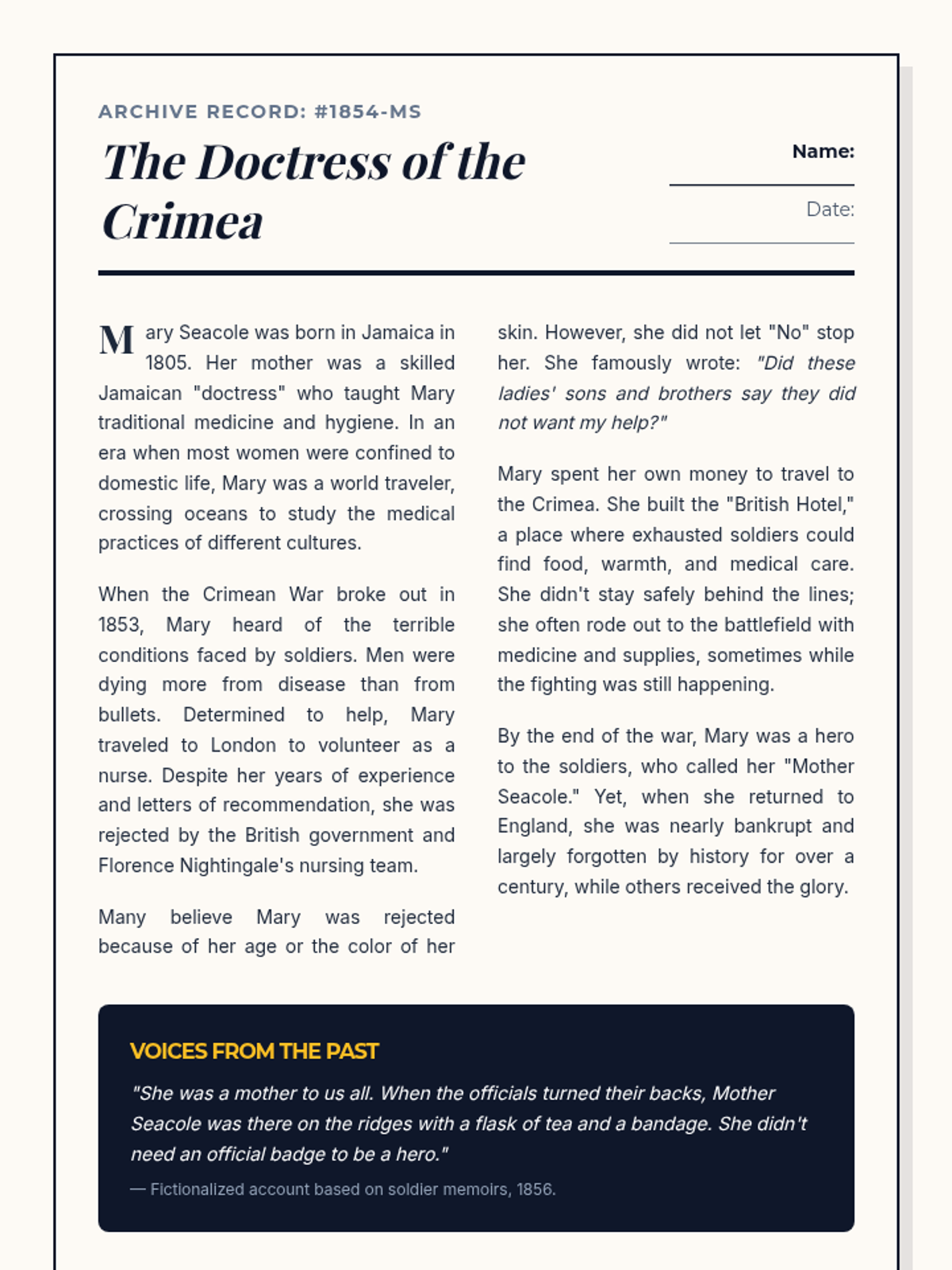
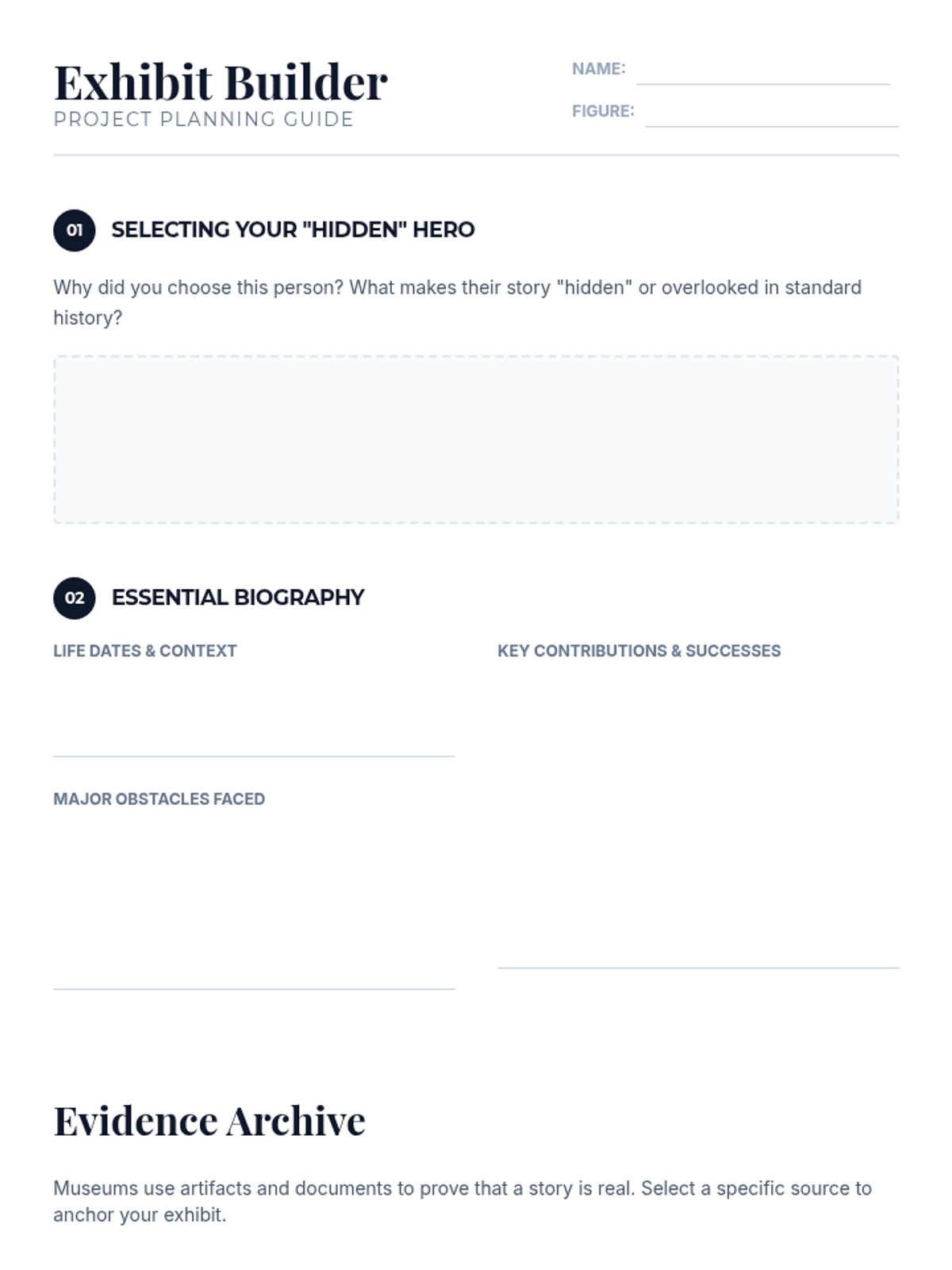
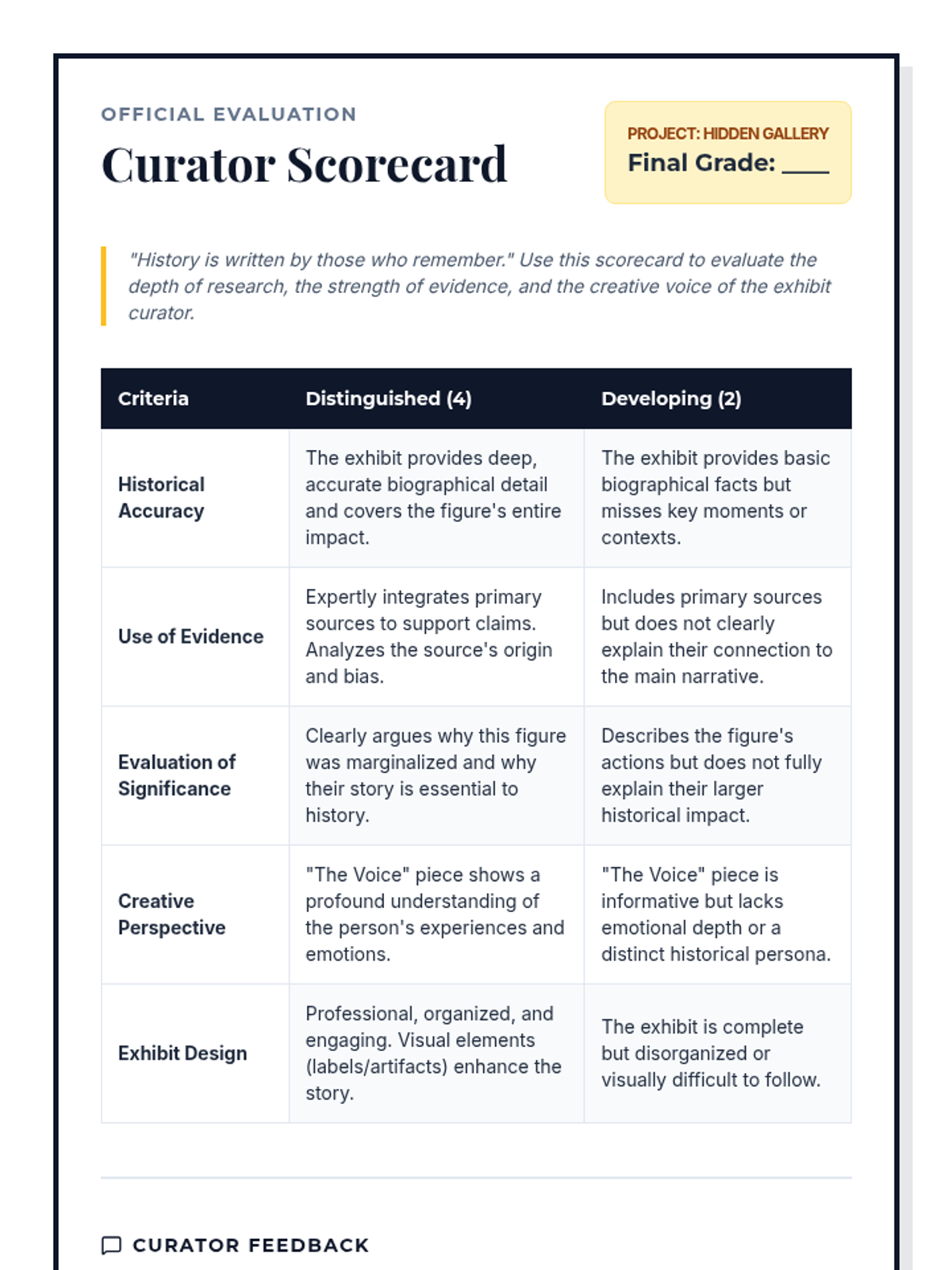
A project-based lesson where students research marginalized historical figures, analyze primary sources, and create a classroom 'museum' exhibit to celebrate untold stories.
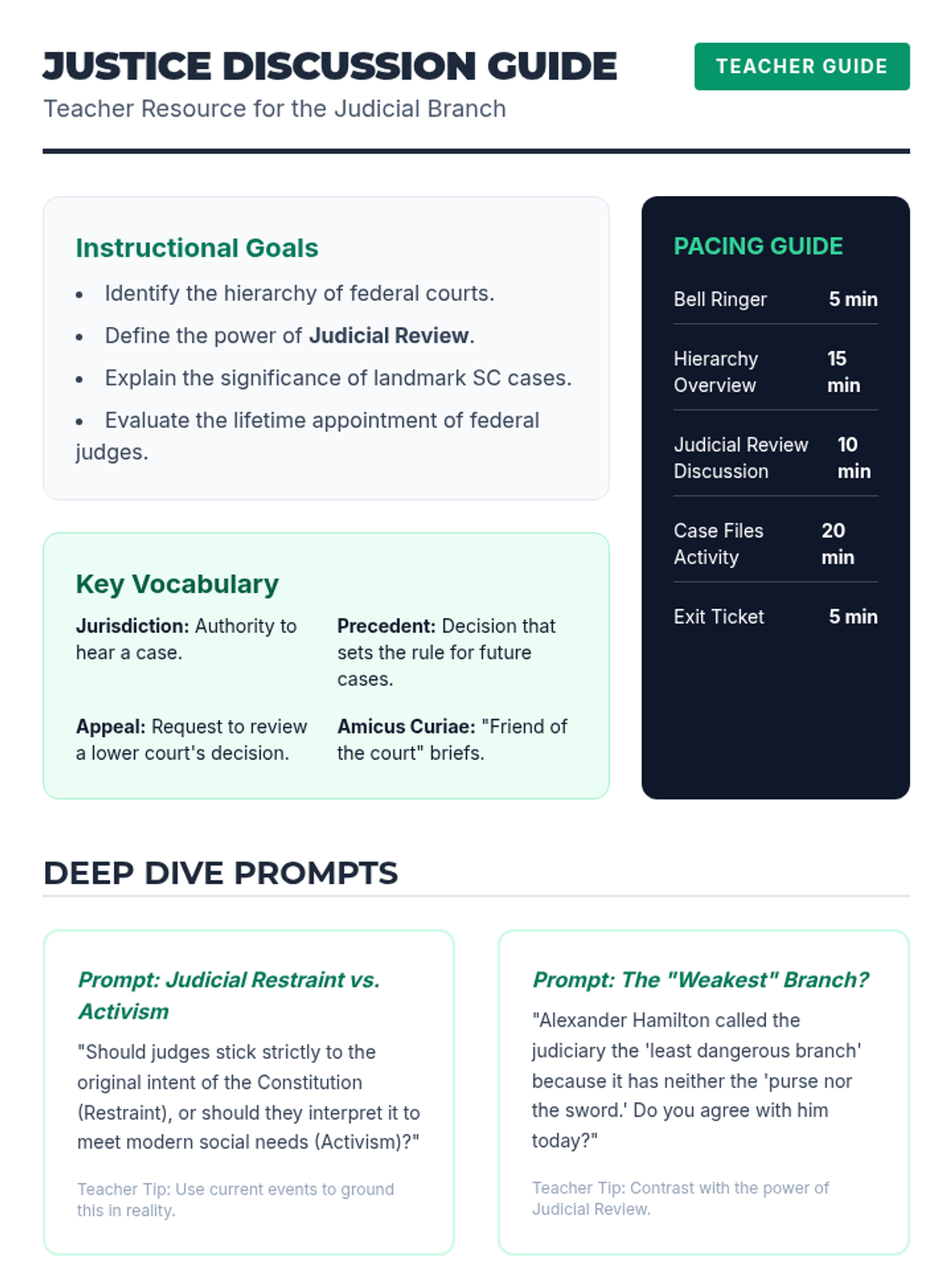
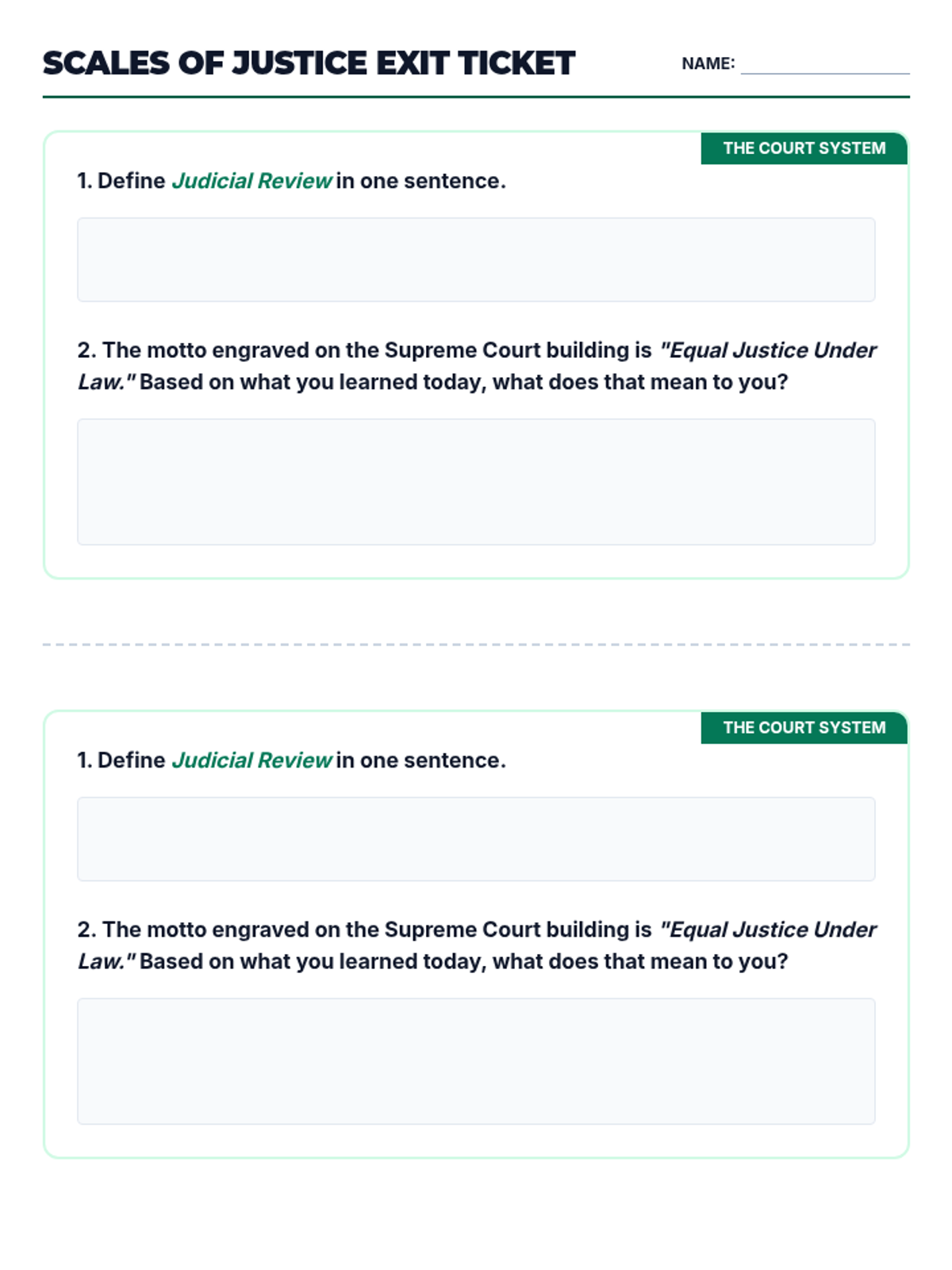
An exploration of the United States judicial branch, covering the structure of the federal court system, the path to the Supreme Court, and the power of judicial review.
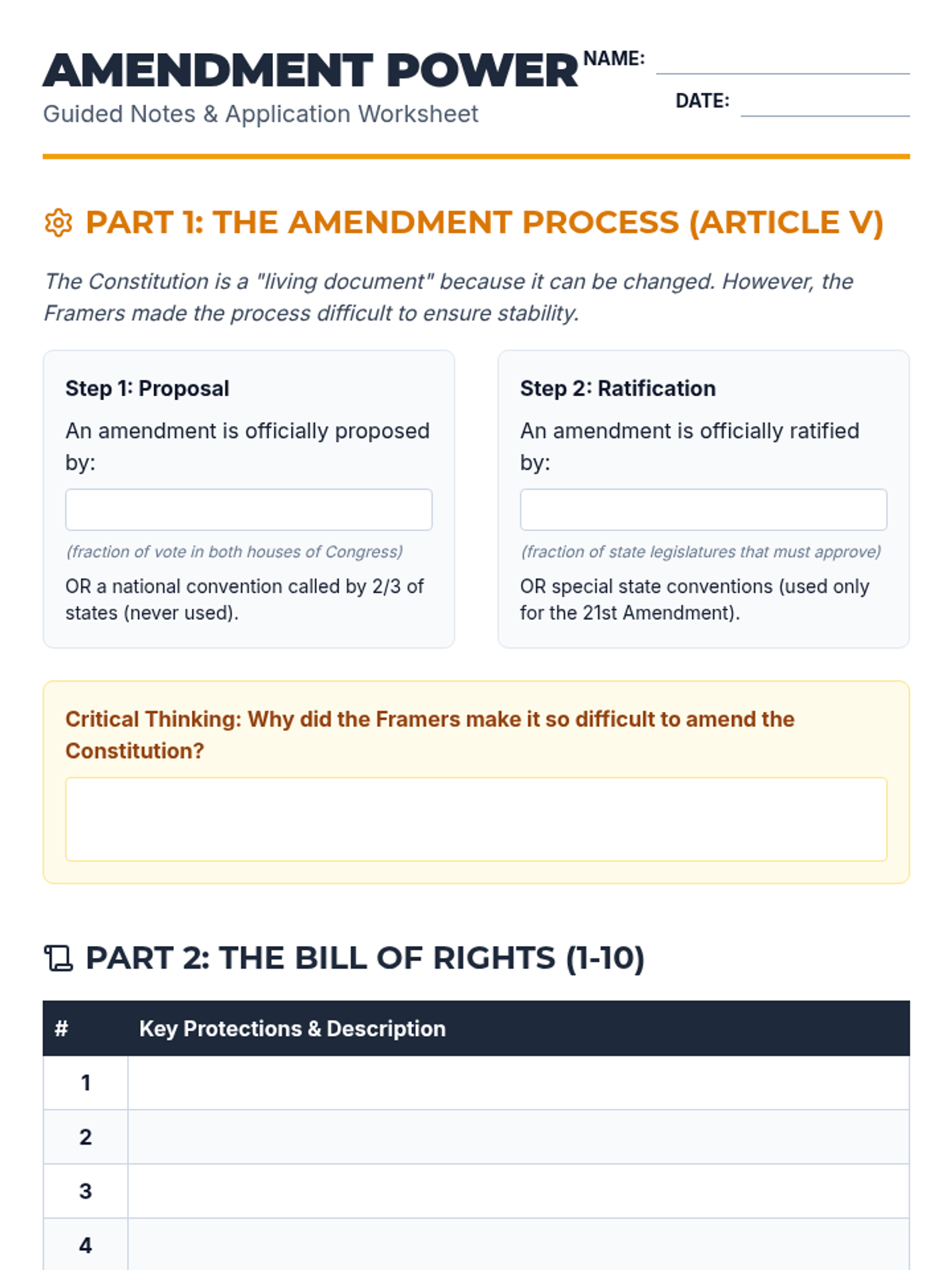
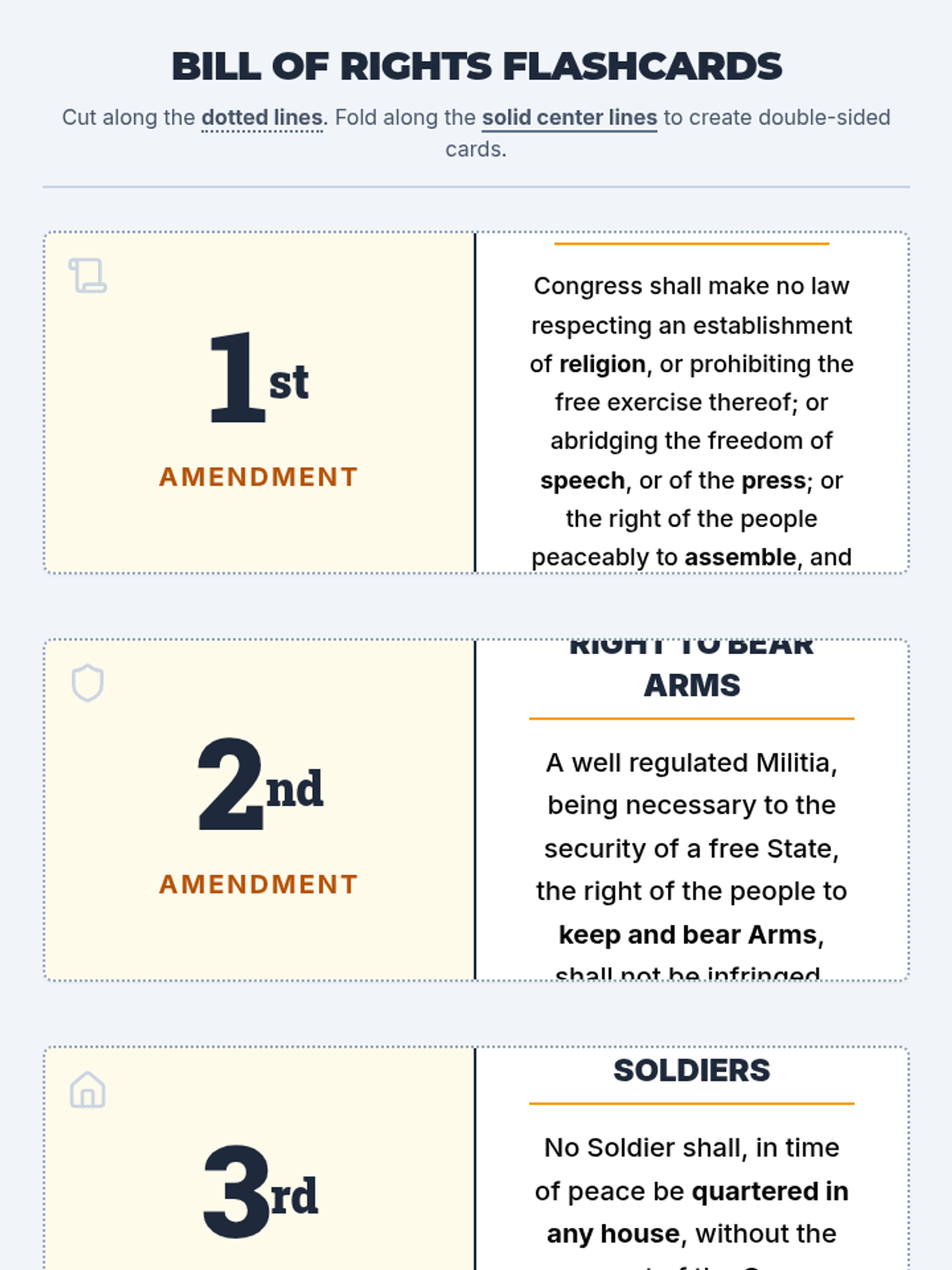
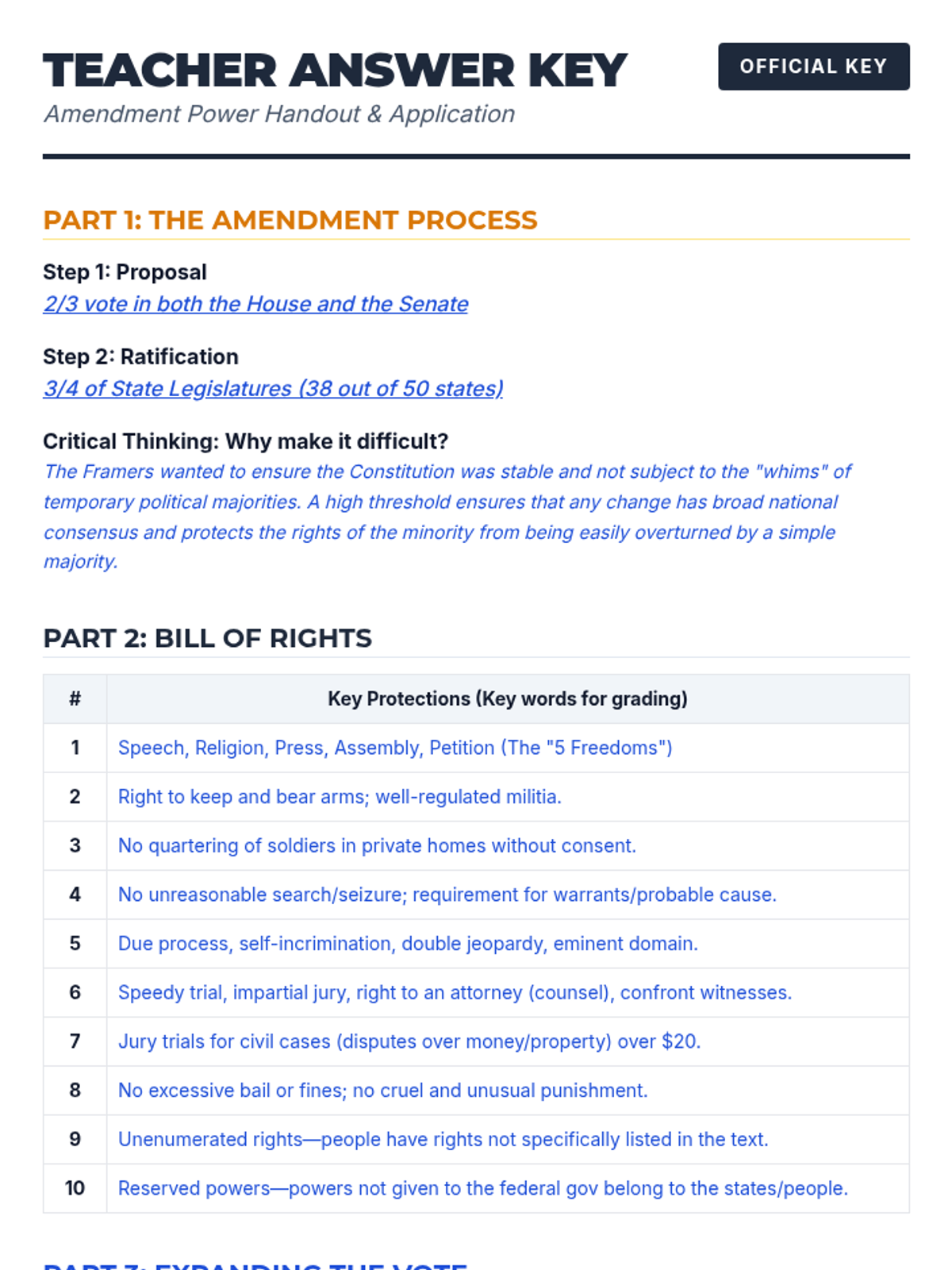
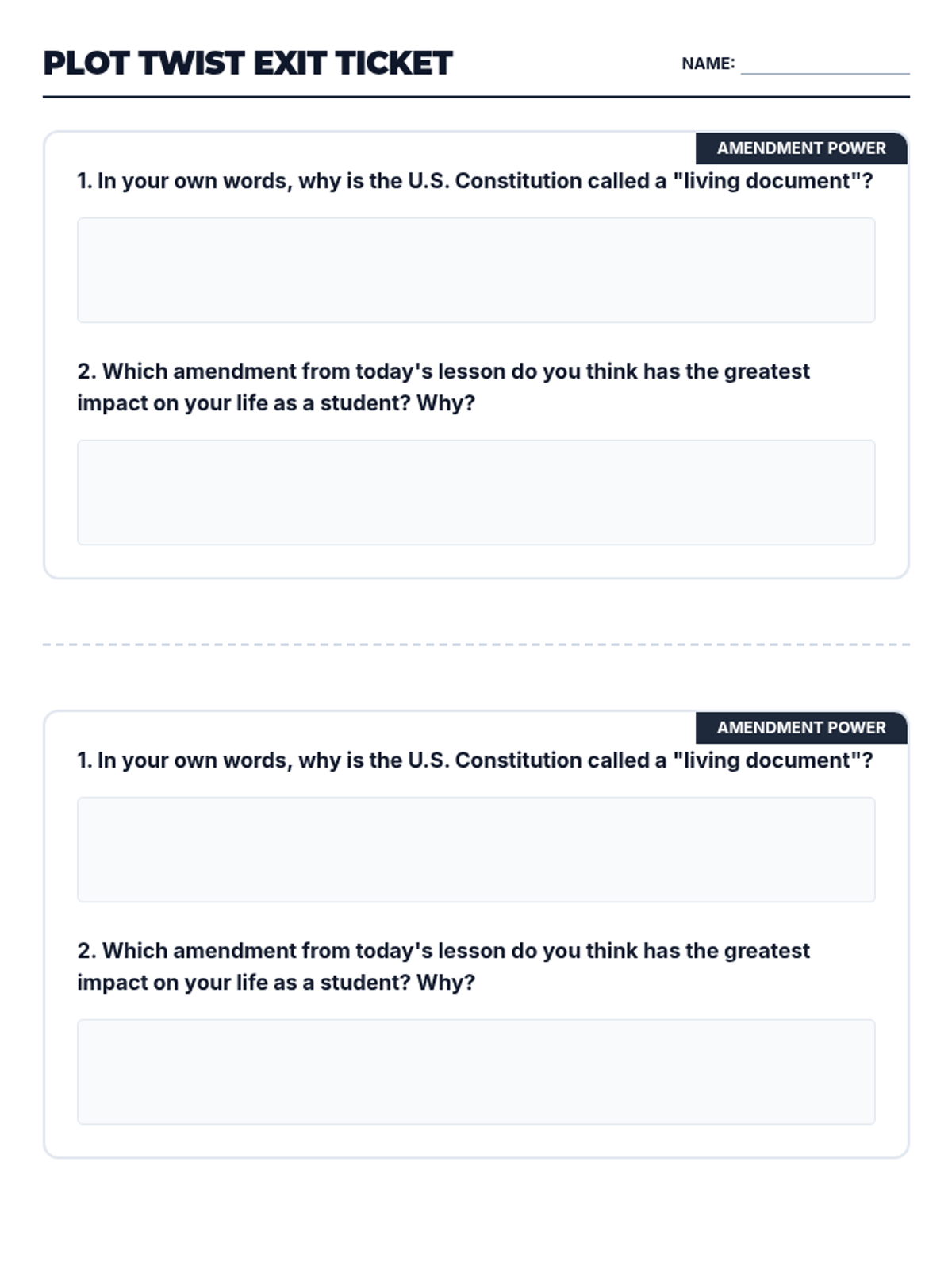
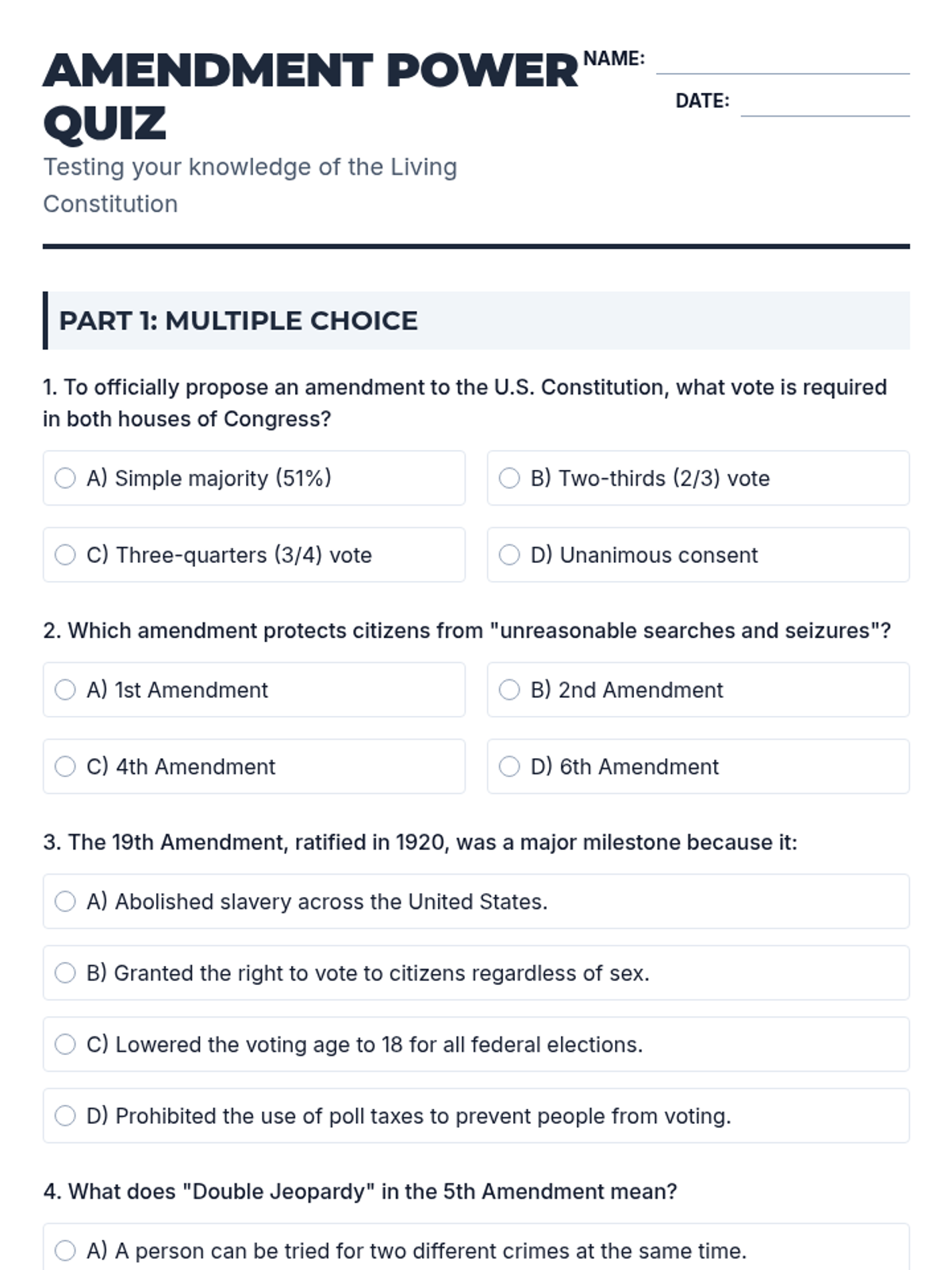
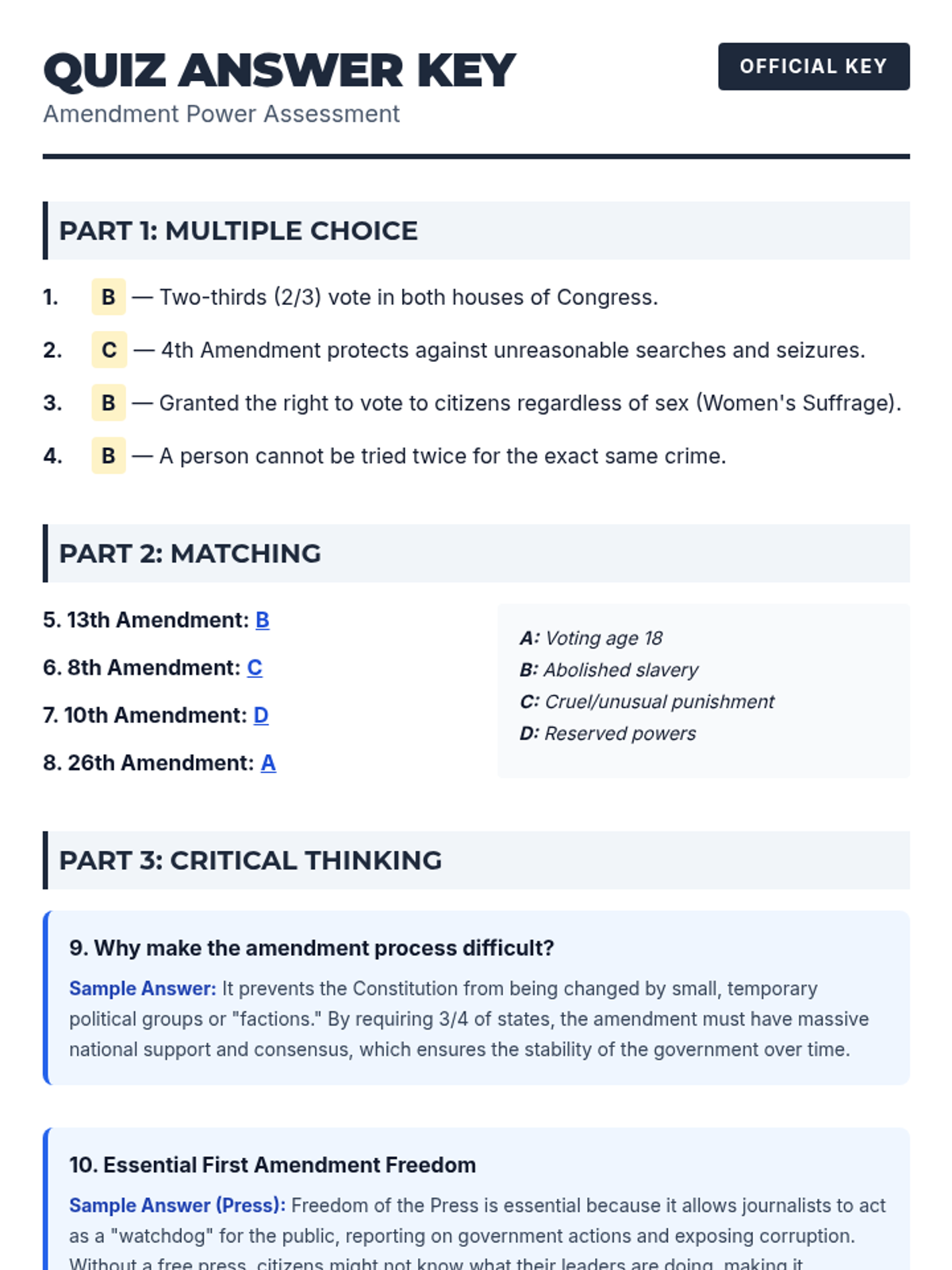
A comprehensive dive into the US Constitution's 27 amendments, exploring the process of change, the protections of the Bill of Rights, and the evolution of American democracy.
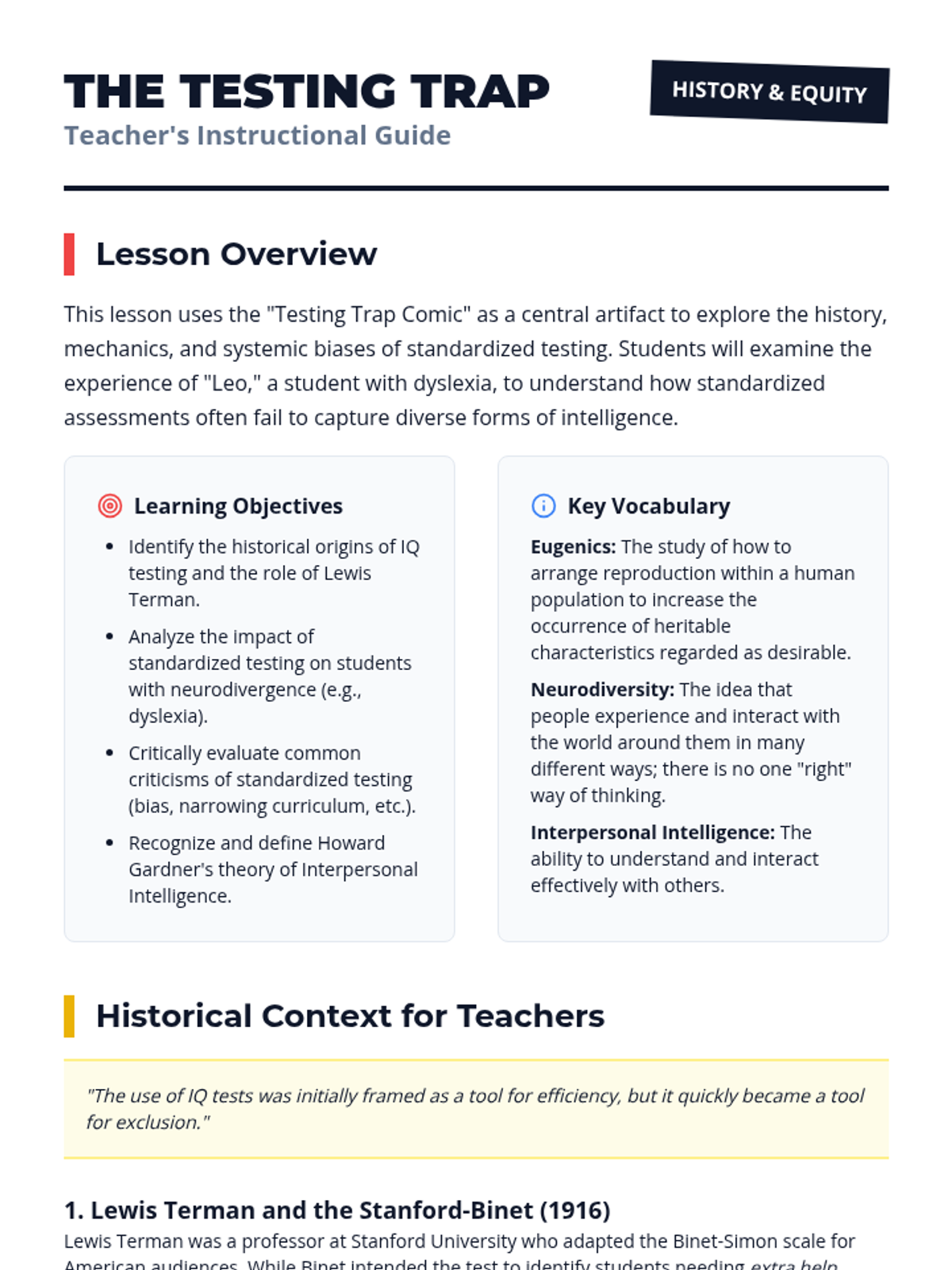
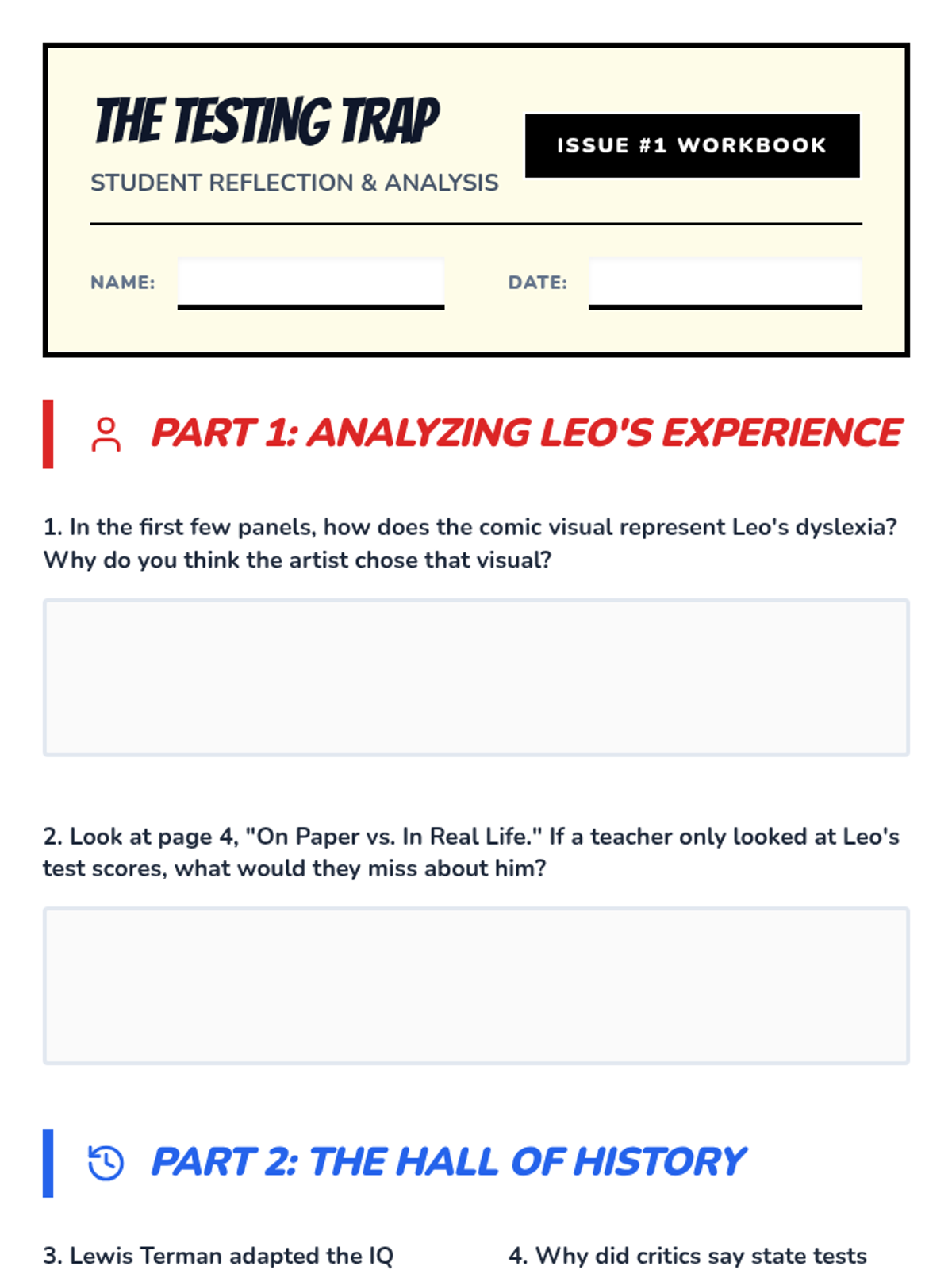
An exploration of the history, mechanics, and fairness of standardized testing through the lens of a neurodivergent student's experience. This lesson uses a retro-style comic to illustrate the disconnect between traditional testing and real-world intelligence.
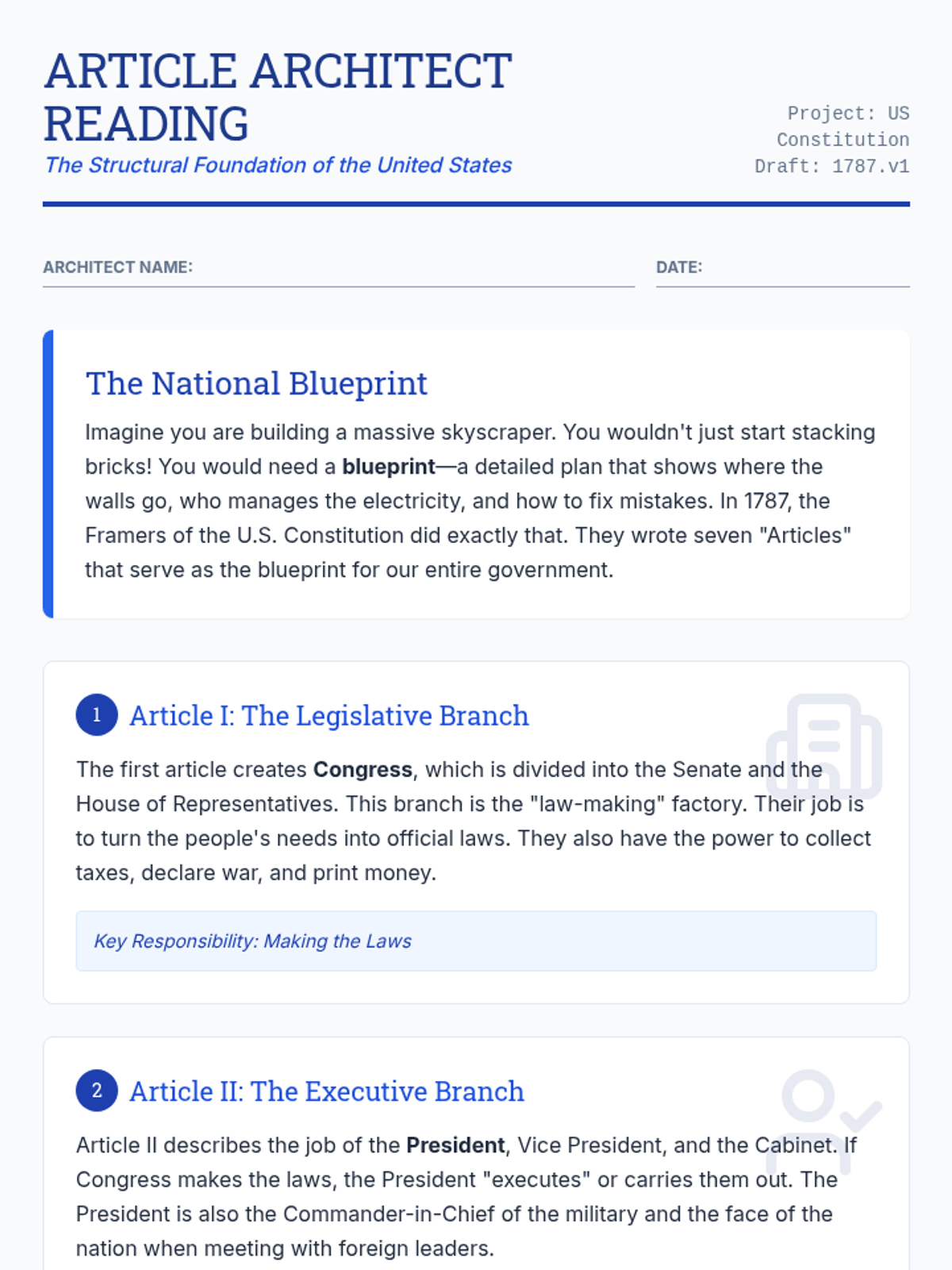
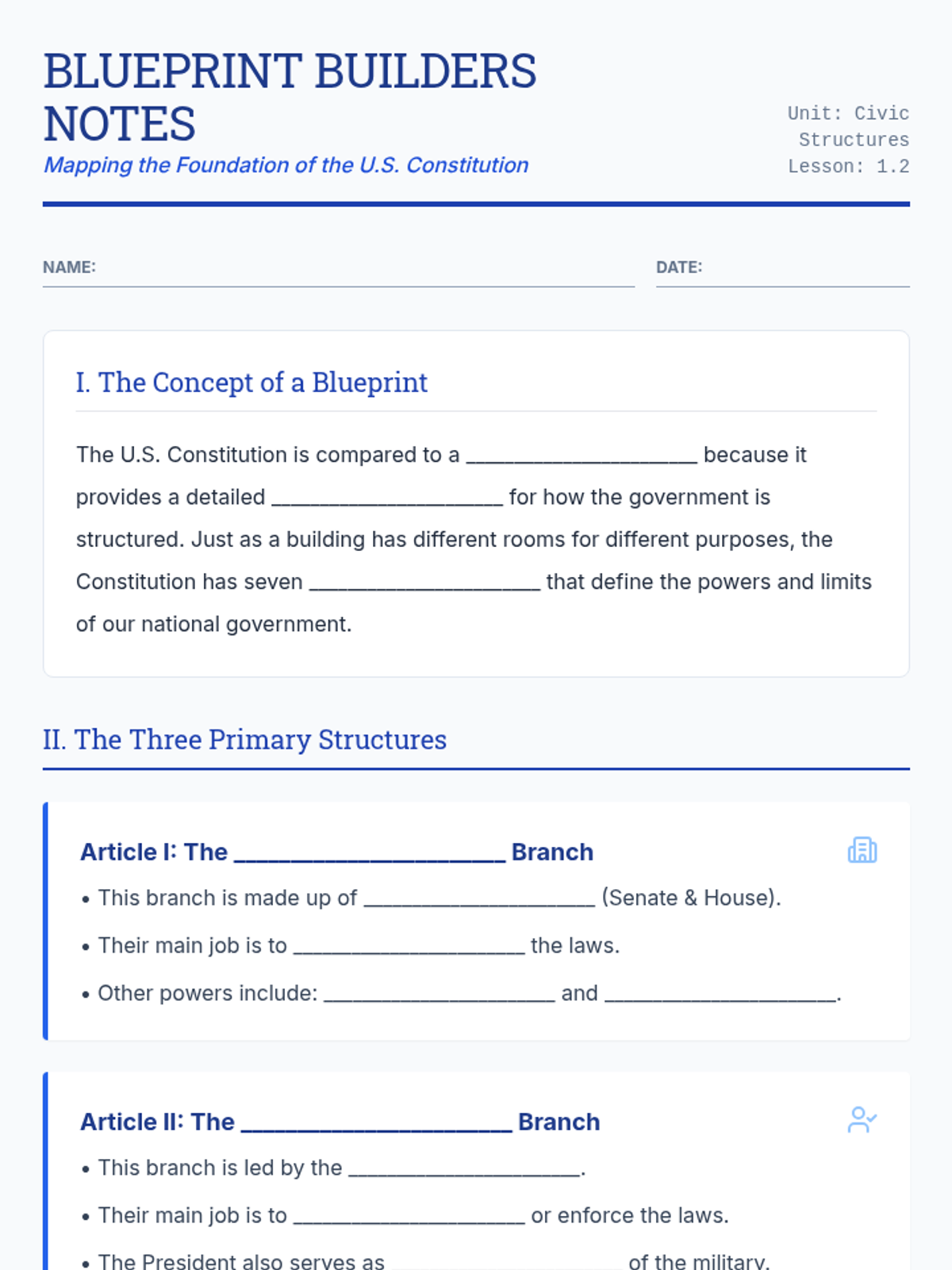
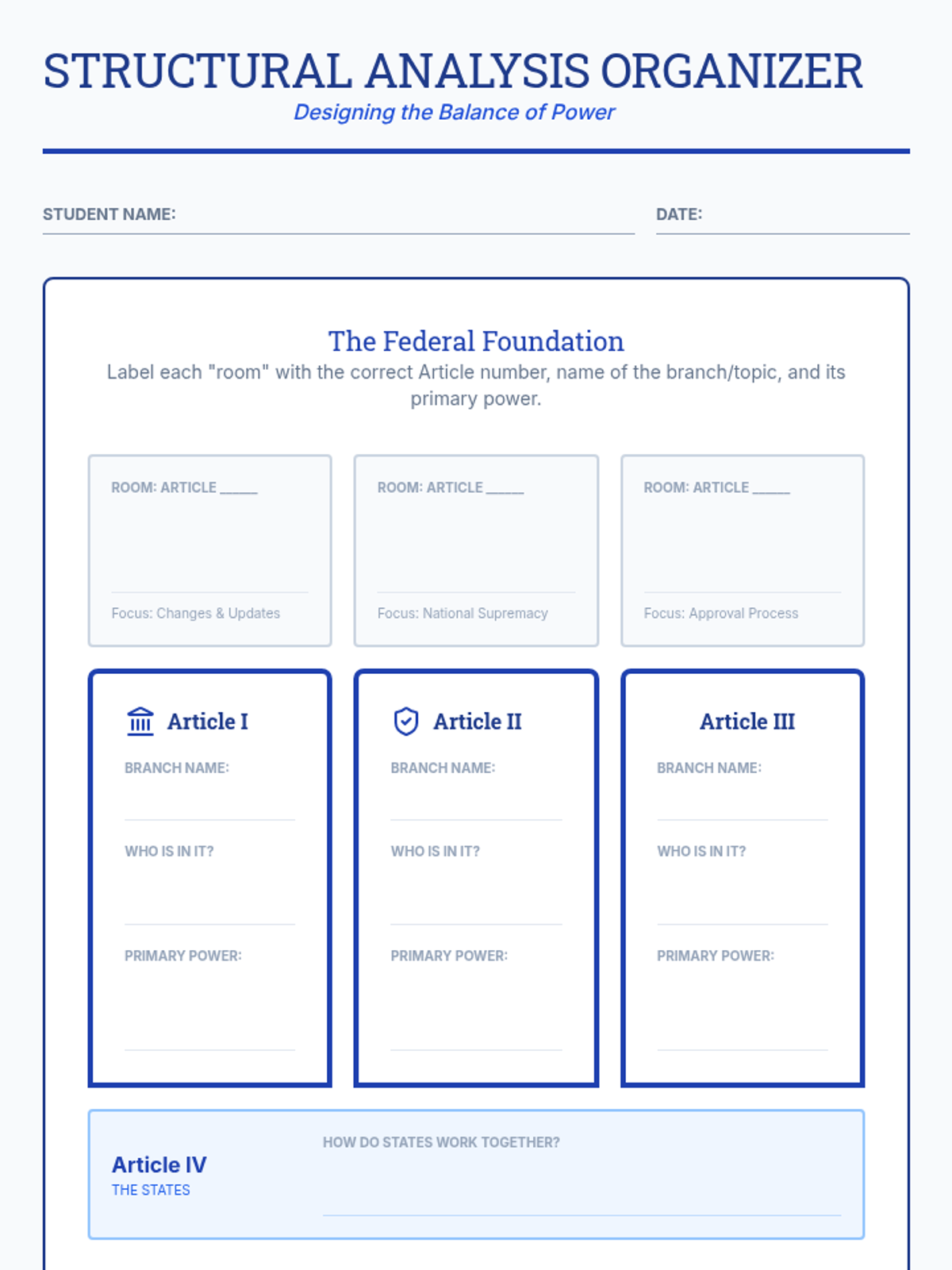
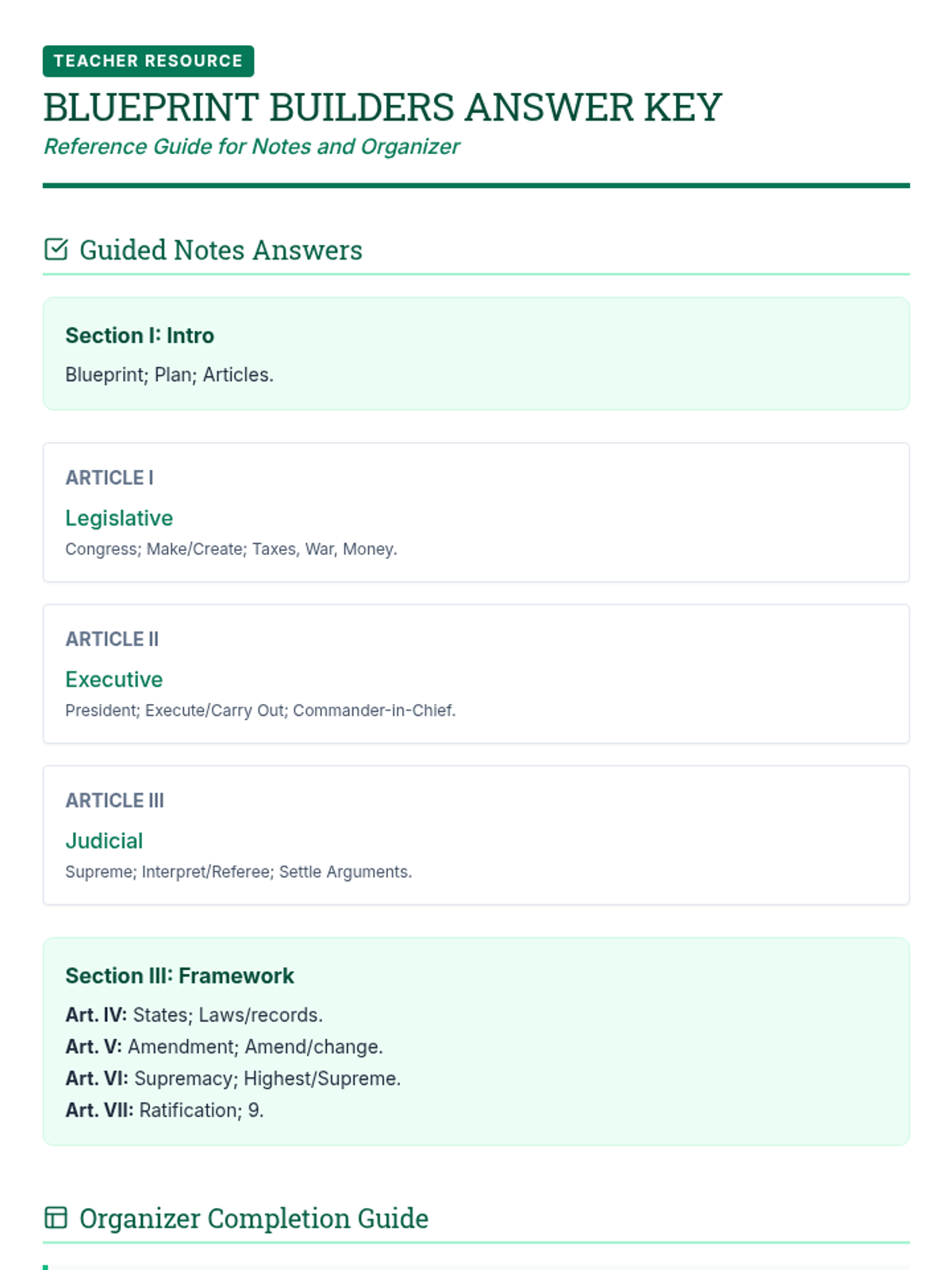
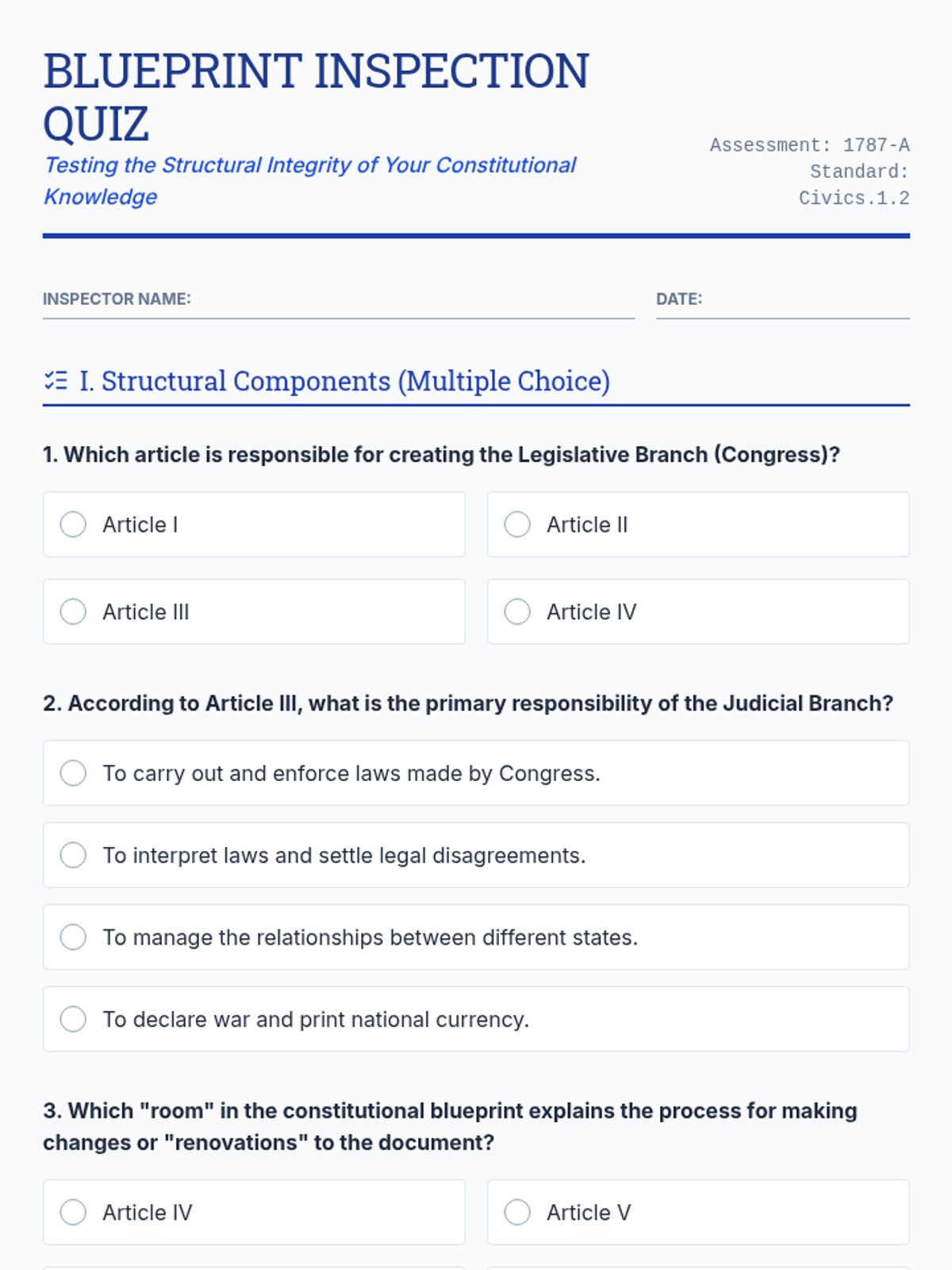
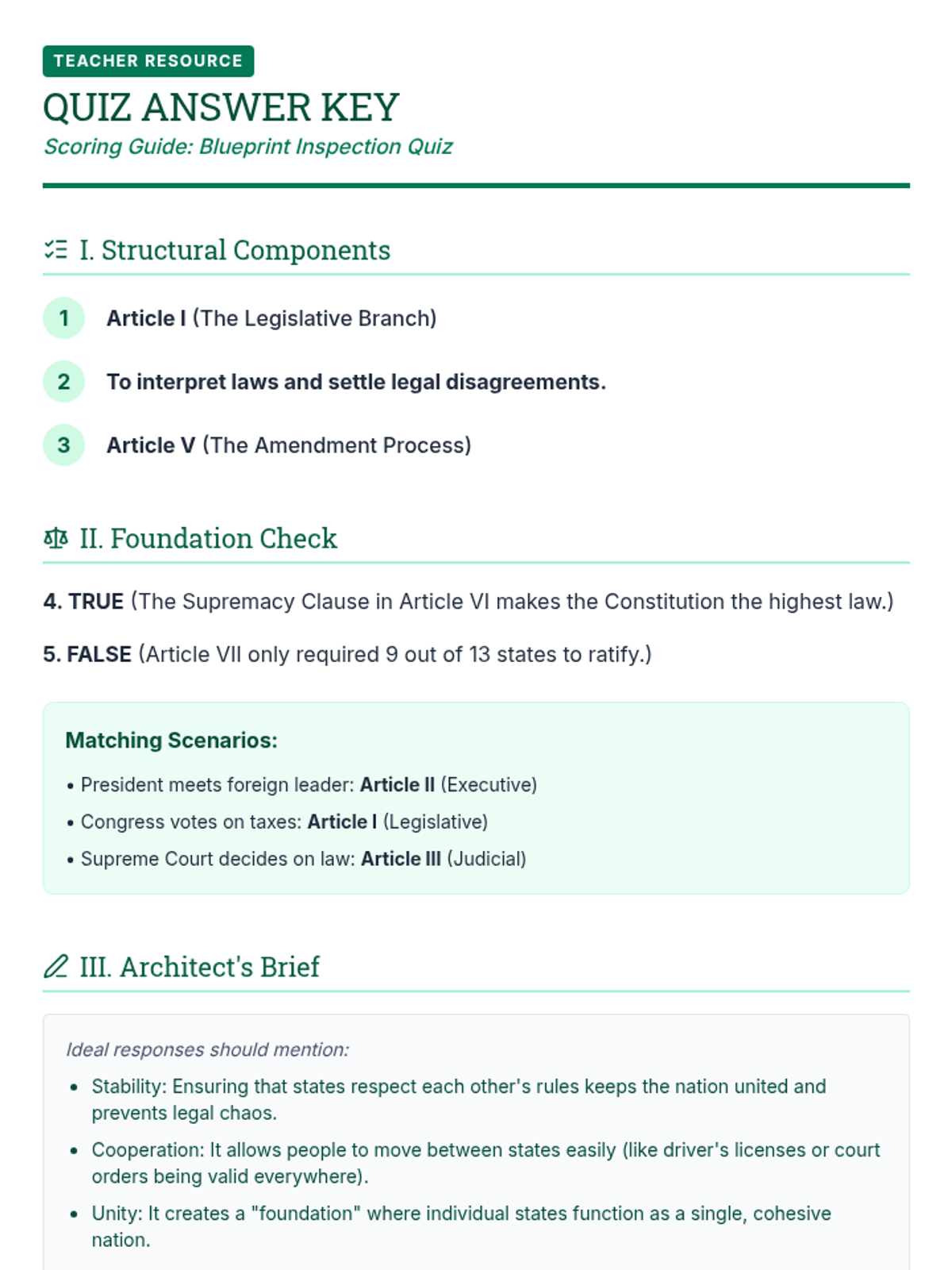
This lesson breaks down the seven articles of the U.S. Constitution using an architectural blueprint theme. Students will explore the structure of the federal government, the powers of each branch, and the process for amending the nation's founding document.
A comprehensive introduction to the three branches of the U.S. government, focusing on the roles and responsibilities of the Legislative, Executive, and Judicial branches.