A 50-minute lesson exploring the history and customs of Valentine's Day, designed for middle school students with K-3 reading levels. Includes a KWL chart, accessible text, and comprehension questions.
Students identify the eleven states of the West region and memorize their capital cities through a matching game and map assessment.
An exploration of the unique culture, major landmarks, and diverse populations that characterize the West region.
Students learn about the natural resources that drive the West's economy, including timber, minerals, fish, and fertile soil for agriculture.
An investigation into the diverse climate zones of the West, from the temperate rainforests of the Northwest to the arid deserts of the Southwest.
Students explore the physical geography of the West region, including the Rocky Mountains, the Sierra Nevada, the Great Basin, and the Pacific Coast.
Students master the states and capitals of the Southwest through interactive matching and map-based activities.
A deep dive into the vibrant cultural history of the Southwest, featuring Native American traditions, Spanish influence, and modern regional life.
Discovery of the Southwest's rich natural resources, including minerals, oil, and the vital importance of water management.
An investigation into the arid climate of the Southwest, examining extreme temperatures, rainfall patterns, and how living things adapt.
Students explore the physical features of the Southwest, focusing on the Colorado River, the Grand Canyon, and the various desert landscapes.
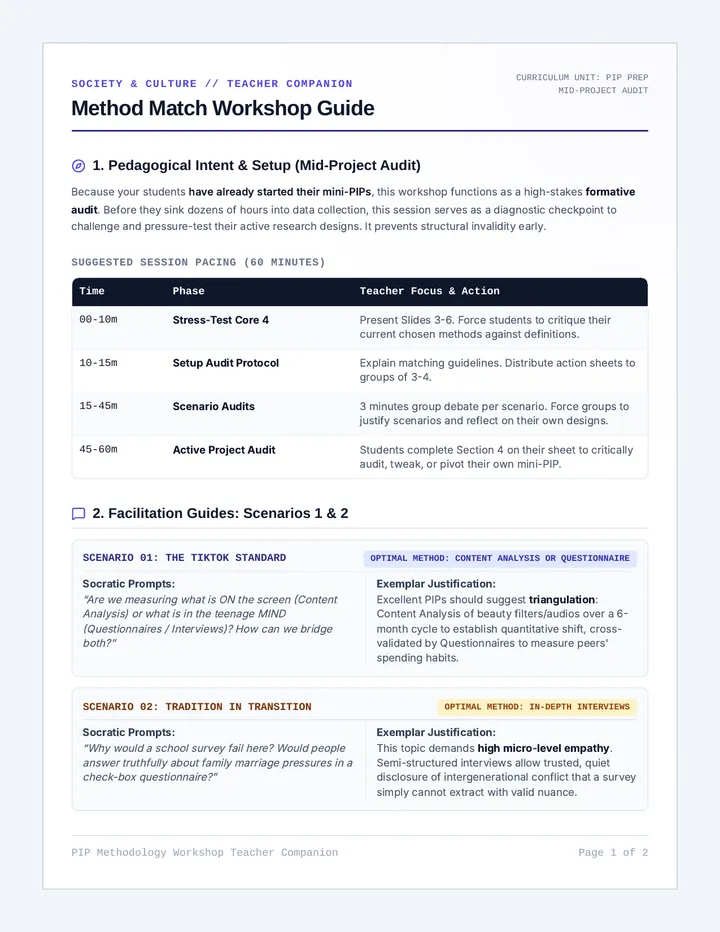
A focused 20-minute analysis of Horace Mann's 12th Annual Report to the Massachusetts Board of Education, exploring the ideals and motivations behind the American Common School Movement.
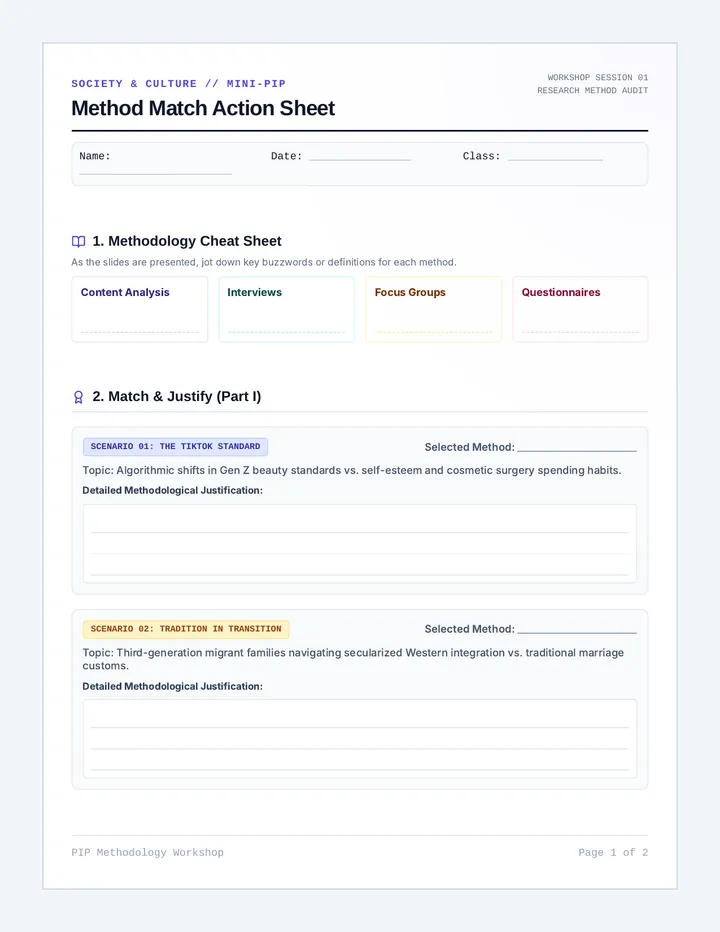
A foundational introductory lesson for a unit on the Harlem Renaissance, designed for students reading at a 2nd-grade level. The lesson focuses on initial vocabulary exposure and self-assessment of prior knowledge.
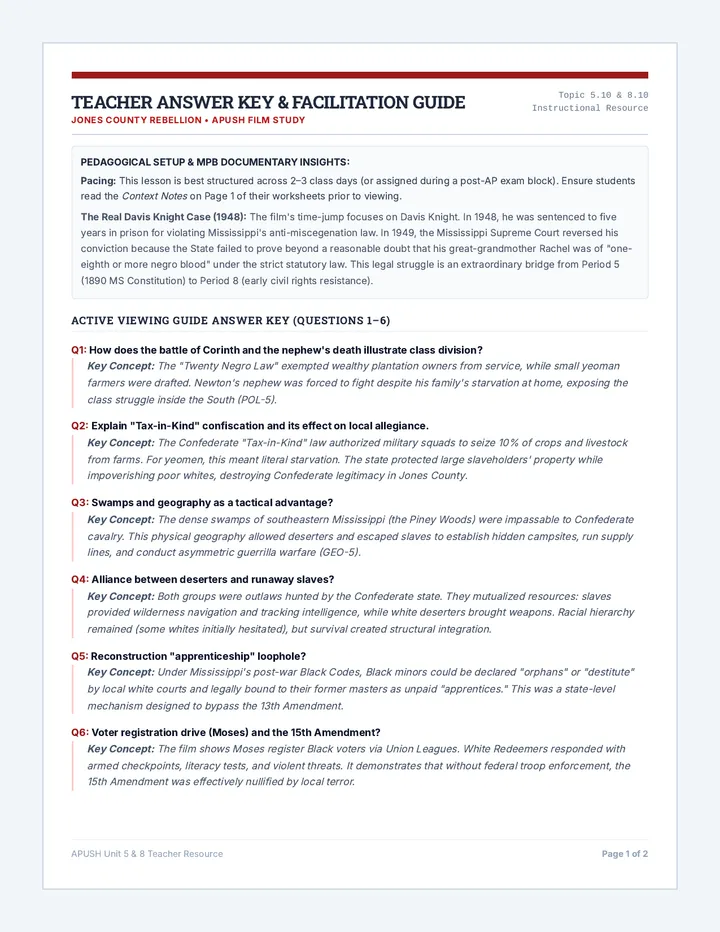
An introduction to the fundamental concepts of political science required for both AP US and Comparative Government, including sovereignty, legitimacy, authority, and the core differences between states, nations, and regimes.
A comprehensive, station-based review lesson covering the Constitutional Convention, key compromises, Federalist vs. Anti-Federalist debates, and analysis of Federalist Papers 10 and 51. Designed for high school US Government students with heavy scaffolding for IEP and LEP learners.
A comprehensive lesson on the ratification of the U.S. Constitution, focusing on the debates between Federalists and Antifederalists, the role of the Bill of Rights, and the contributions of key Founding Fathers.
A comprehensive lesson exploring anxiety disorders, distinguishing between normal stress and clinical diagnoses using the 4 Ds (Deviance, Distress, Dysfunction, Danger), and addressing the stigma of mental health terminology.
A deep dive into the behavioral etiology of anxiety disorders, focusing on how classical conditioning initiates fear and operant conditioning maintains it through the Cycle of Anxiety. Students will map the transition from trigger to reinforcement using specific phobias as case studies.
A high-level AP Psychology lesson exploring the clinical complexities and controversies of diagnosing Dissociative Identity Disorder, featuring a Socratic seminar and differential diagnosis practice.
In this undergraduate psychology lesson, students critique evolutionary perspectives on anxiety and design a behavioral activation intervention for happiness. They analyze Katarina Blom's TEDx talk, explore key studies on negativity bias and social connection, and create a targeted "Happiness Intervention" for college freshmen.
A sociology-focused lesson examining the objectification of women's bodies through the lens of 'Body Image Resilience.' Students analyze how economic systems benefit from self-objectification and explore structural alternatives to beauty-centric social values.
Students investigate the neurobiology of ADHD through metaphorical frameworks, challenging the traditional 'deficit' model of the disorder and exploring the social model of disability.
Students explore the psychological theory of Ego Depletion and decision fatigue through an interactive Stroop test, a video case study on judicial parole decisions, and a collaborative experimental design project. The lesson concludes with a critical look at the replication crisis in psychology.
This lesson explores how cultural beliefs and geographic factors shape perceptions of mental health and access to care, using Sangu Delle's TED Talk as a primary case study for West Africa. Students will analyze the 'Medical Model' vs. 'Supernatural Model' and map out barriers to treatment in rural contexts.