A lesson exploring the lives of Deborah, Samson, and Ruth, focusing on their character traits, the challenges they faced, and their significance in biblical history.
Students identify the eleven states of the West region and memorize their capital cities through a matching game and map assessment.
An exploration of the unique culture, major landmarks, and diverse populations that characterize the West region.
Students learn about the natural resources that drive the West's economy, including timber, minerals, fish, and fertile soil for agriculture.
An investigation into the diverse climate zones of the West, from the temperate rainforests of the Northwest to the arid deserts of the Southwest.
Students explore the physical geography of the West region, including the Rocky Mountains, the Sierra Nevada, the Great Basin, and the Pacific Coast.
Students master the states and capitals of the Southwest through interactive matching and map-based activities.
A deep dive into the vibrant cultural history of the Southwest, featuring Native American traditions, Spanish influence, and modern regional life.
Discovery of the Southwest's rich natural resources, including minerals, oil, and the vital importance of water management.
An investigation into the arid climate of the Southwest, examining extreme temperatures, rainfall patterns, and how living things adapt.
Students explore the physical features of the Southwest, focusing on the Colorado River, the Grand Canyon, and the various desert landscapes.
A comprehensive lesson introducing Lev Vygotsky's sociocultural theory of cognitive development. Students will explore the Zone of Proximal Development, the role of Scaffolding, and the importance of the More Knowledgeable Other through collaborative activities.
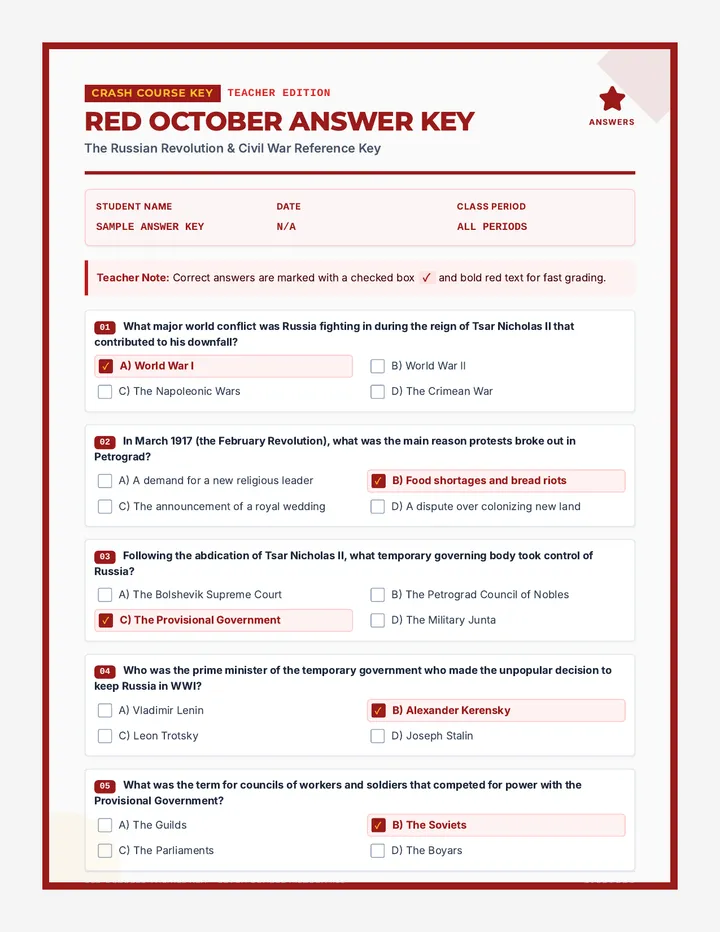
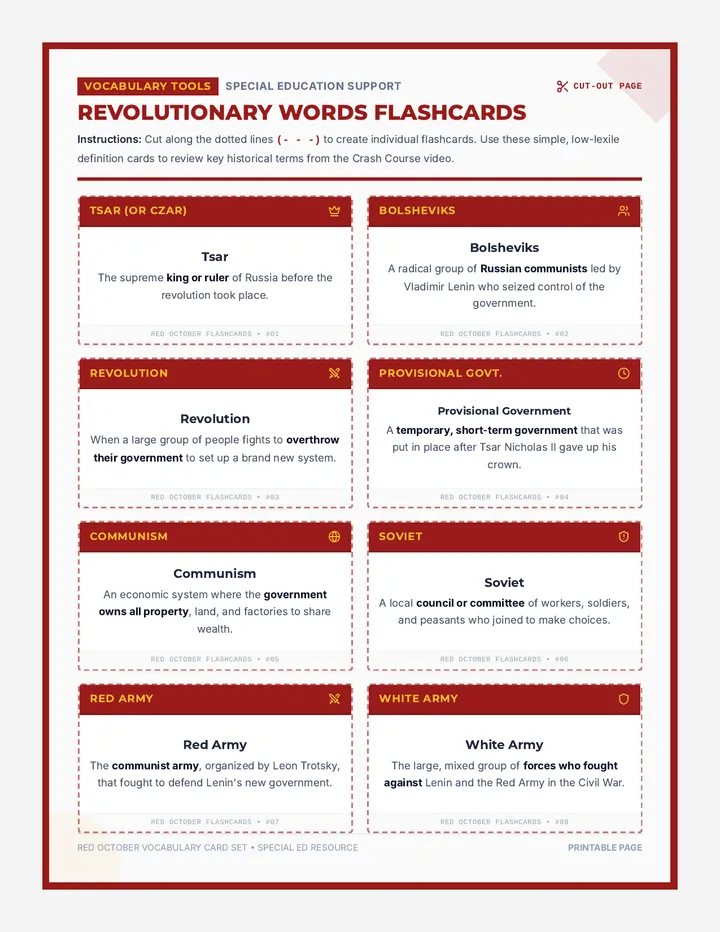
A 45-minute ESOL lesson exploring the Battle of Puebla and Cinco de Mayo. Students analyze informational texts and poetry to answer essential questions about making oneself heard and the value of research, culminating in a sensory writing and speaking activity.
An introductory exploration of Ancient Egypt's core components: the Nile river, social hierarchy, daily life, and the role of the pharaoh.
A focused 20-minute analysis of Horace Mann's 12th Annual Report to the Massachusetts Board of Education, exploring the ideals and motivations behind the American Common School Movement.
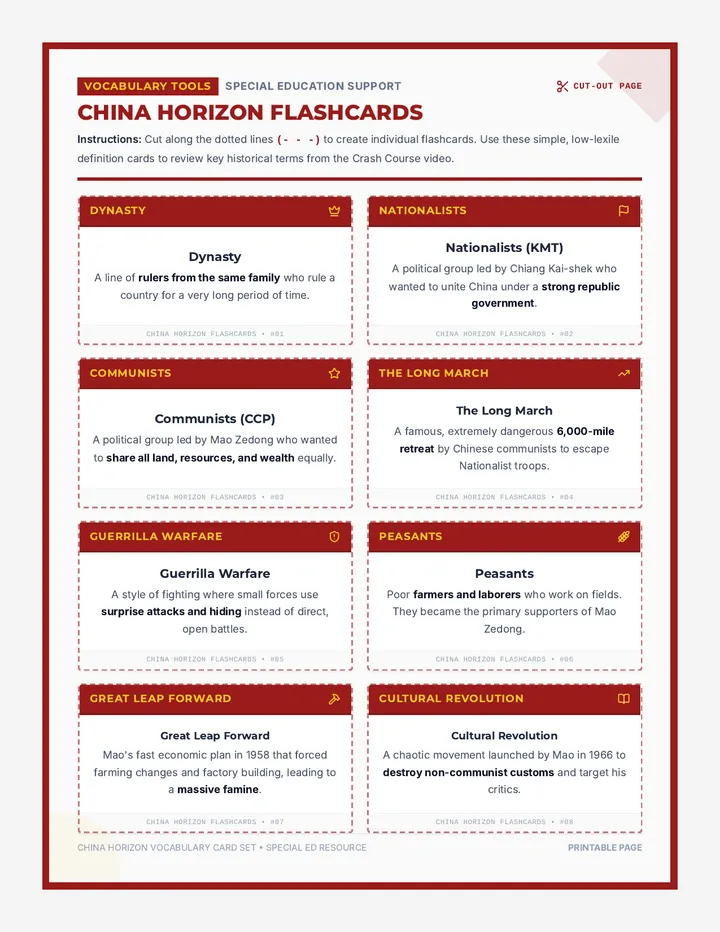
A foundational introductory lesson for a unit on the Harlem Renaissance, designed for students reading at a 2nd-grade level. The lesson focuses on initial vocabulary exposure and self-assessment of prior knowledge.
A comprehensive look at the unique natural and cultural features of the Southwest, including the Sonoran Desert, the Colorado River, and Mesa Verde. Students will explore how geography shapes the environment and human history.
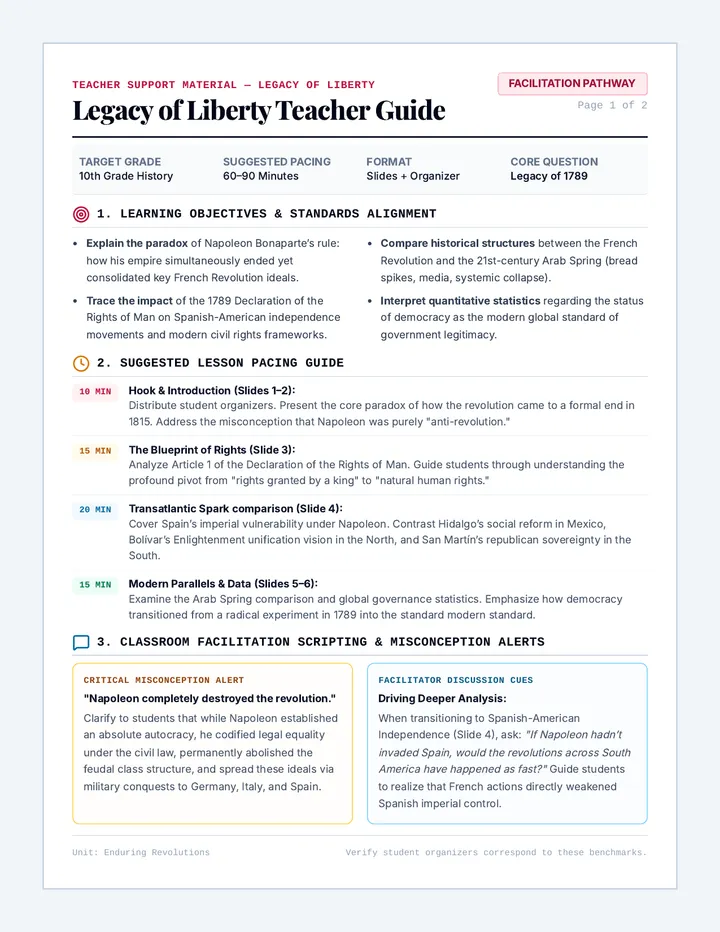
An introduction to the fundamental concepts of political science required for both AP US and Comparative Government, including sovereignty, legitimacy, authority, and the core differences between states, nations, and regimes.
A comprehensive 6-group jigsaw reading activity for 10th-grade history students exploring the social, legal, and political dimensions of the Chinese Exclusion Act through primary sources and case law.
An intensive primary source analysis lesson for AP History students focusing on the diverse perspectives and global scale of WWII using the HIPP analysis framework.
A comprehensive, station-based review lesson covering the Constitutional Convention, key compromises, Federalist vs. Anti-Federalist debates, and analysis of Federalist Papers 10 and 51. Designed for high school US Government students with heavy scaffolding for IEP and LEP learners.
A comprehensive lesson on the ratification of the U.S. Constitution, focusing on the debates between Federalists and Antifederalists, the role of the Bill of Rights, and the contributions of key Founding Fathers.
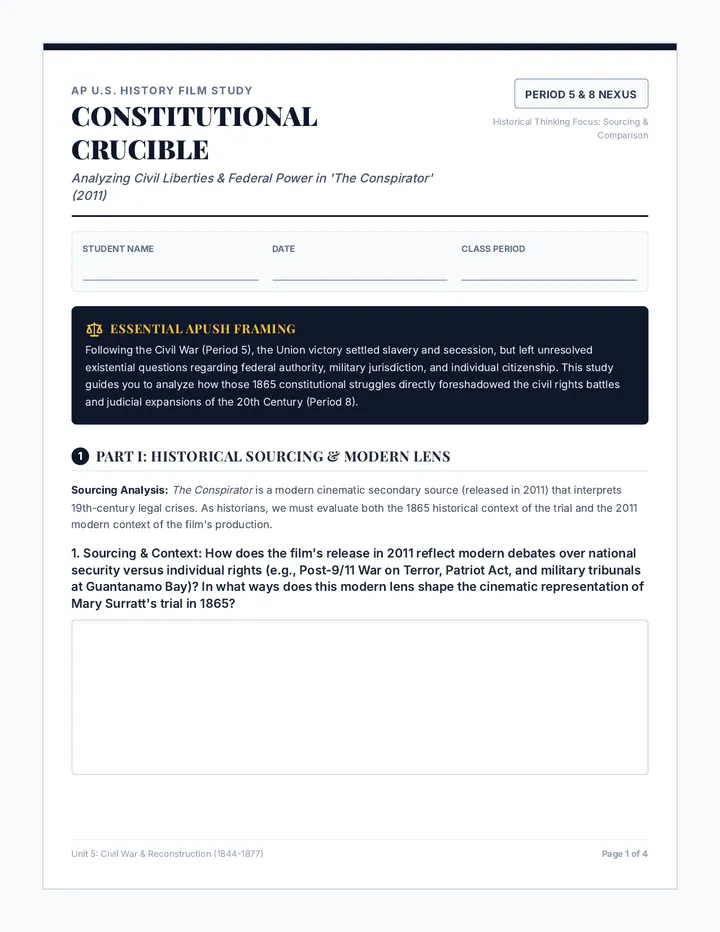
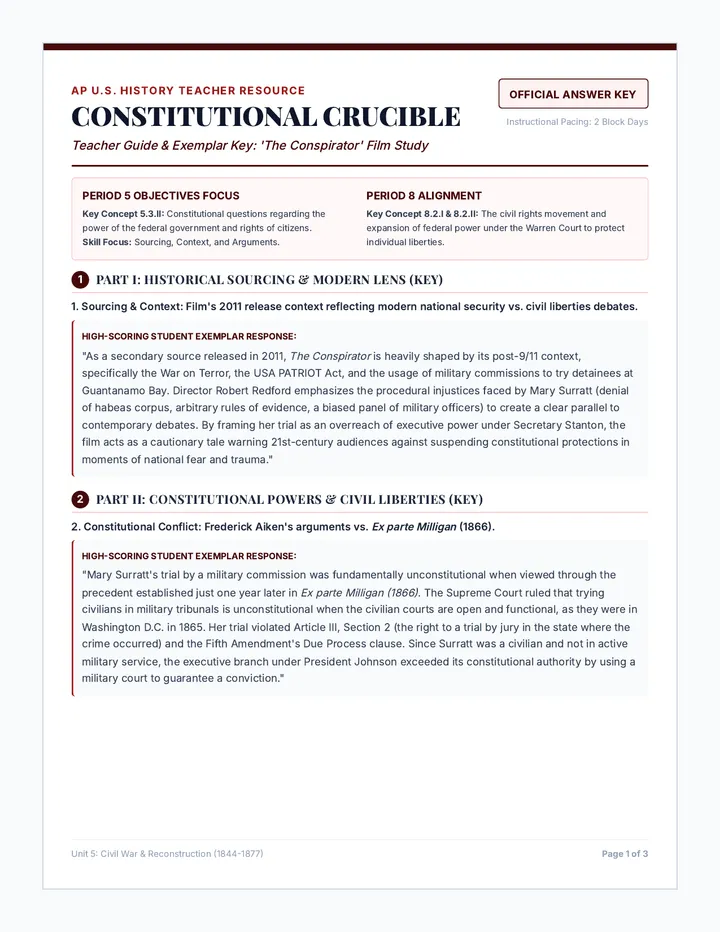
This lesson covers the proceedings of the Constitutional Convention, focusing on the conflicting Virginia and New Jersey Plans and the crucial compromises (Great Compromise, Three-Fifths Compromise, and Commerce/Slave Trade) that shaped the U.S. government. Students will analyze the contributions of key Founding Fathers and evaluate how these debates led to the creation of the Constitution.
A high school psychology lesson exploring somatic markers and how the body stores suppressed emotions, featuring a body-mapping activity and analysis of somatic awareness.
A comprehensive lesson exploring anxiety disorders, distinguishing between normal stress and clinical diagnoses using the 4 Ds (Deviance, Distress, Dysfunction, Danger), and addressing the stigma of mental health terminology.
A deep dive into the behavioral etiology of anxiety disorders, focusing on how classical conditioning initiates fear and operant conditioning maintains it through the Cycle of Anxiety. Students will map the transition from trigger to reinforcement using specific phobias as case studies.
Students evaluate the 'Nature vs. Nurture' debate regarding susceptibility to addiction through a video analysis and a Socratic seminar.
A high-level AP Psychology lesson exploring the clinical complexities and controversies of diagnosing Dissociative Identity Disorder, featuring a Socratic seminar and differential diagnosis practice.
In this undergraduate psychology lesson, students critique evolutionary perspectives on anxiety and design a behavioral activation intervention for happiness. They analyze Katarina Blom's TEDx talk, explore key studies on negativity bias and social connection, and create a targeted "Happiness Intervention" for college freshmen.
A sociology-focused lesson examining the objectification of women's bodies through the lens of 'Body Image Resilience.' Students analyze how economic systems benefit from self-objectification and explore structural alternatives to beauty-centric social values.
Students analyze how institutional policies in schools and workplaces can create systemic barriers for individuals with mental health conditions, culminating in a 'Policy Audit' where they rewrite inequitable rules.
This lesson challenges the 'Inability to Succeed' myth surrounding mental health by having students investigate the achievements and struggles of historical and modern figures. Students engage with media, conduct independent research, and share their findings to demystify mental illness in a social studies context.
A psychology lesson for 11th-12th graders that explores the clinical spectrum of mental health disorders, focusing on the overlap between mood disorders and psychotic disorders through the lens of Schizoaffective Disorder.
Students investigate the neurobiology of ADHD through metaphorical frameworks, challenging the traditional 'deficit' model of the disorder and exploring the social model of disability.