Exploring 'The Other Wes Moore' and a 100-year soundtrack of emotions, students participate in a mediation circle and write letters of hope to younger students.

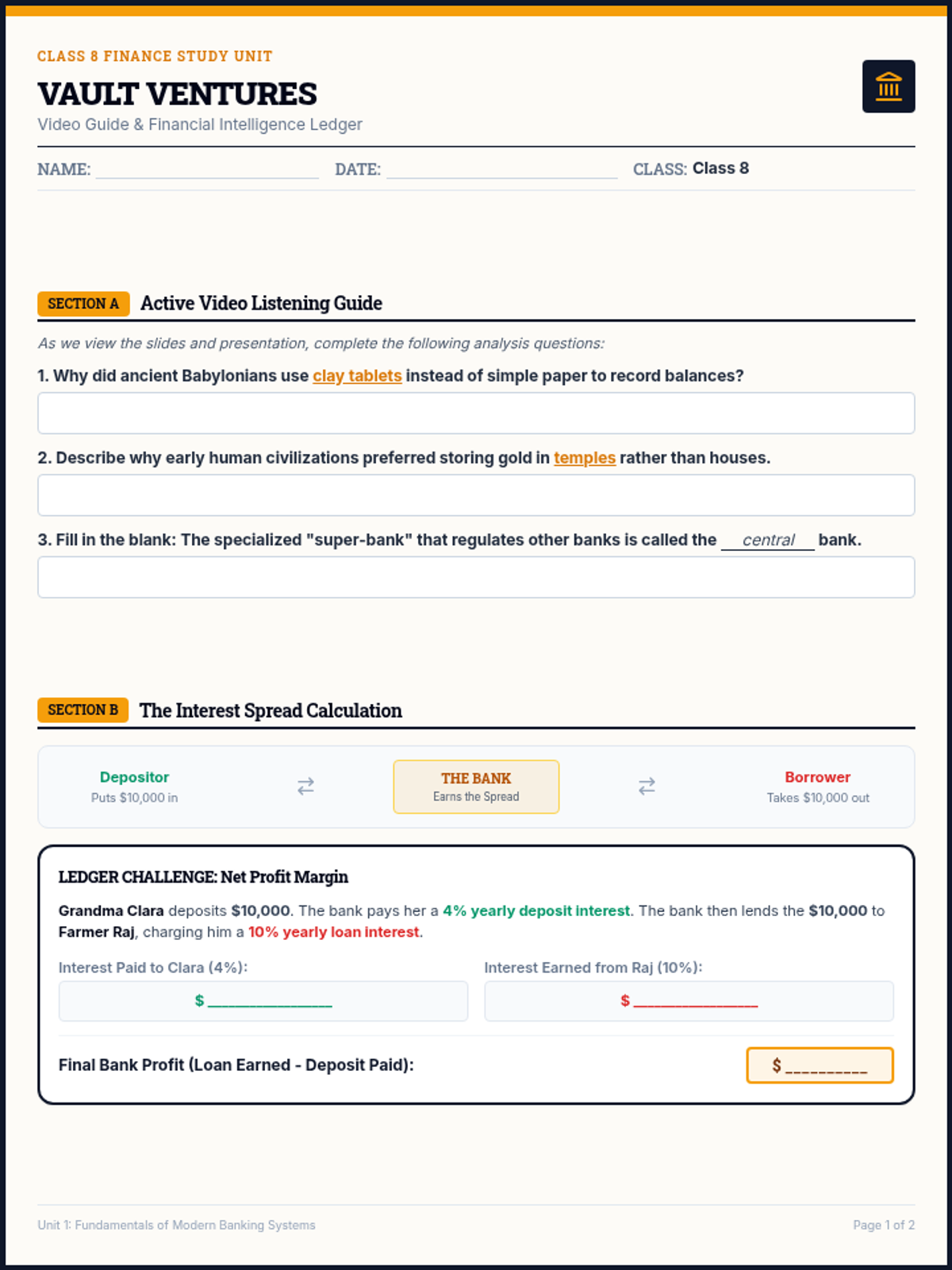
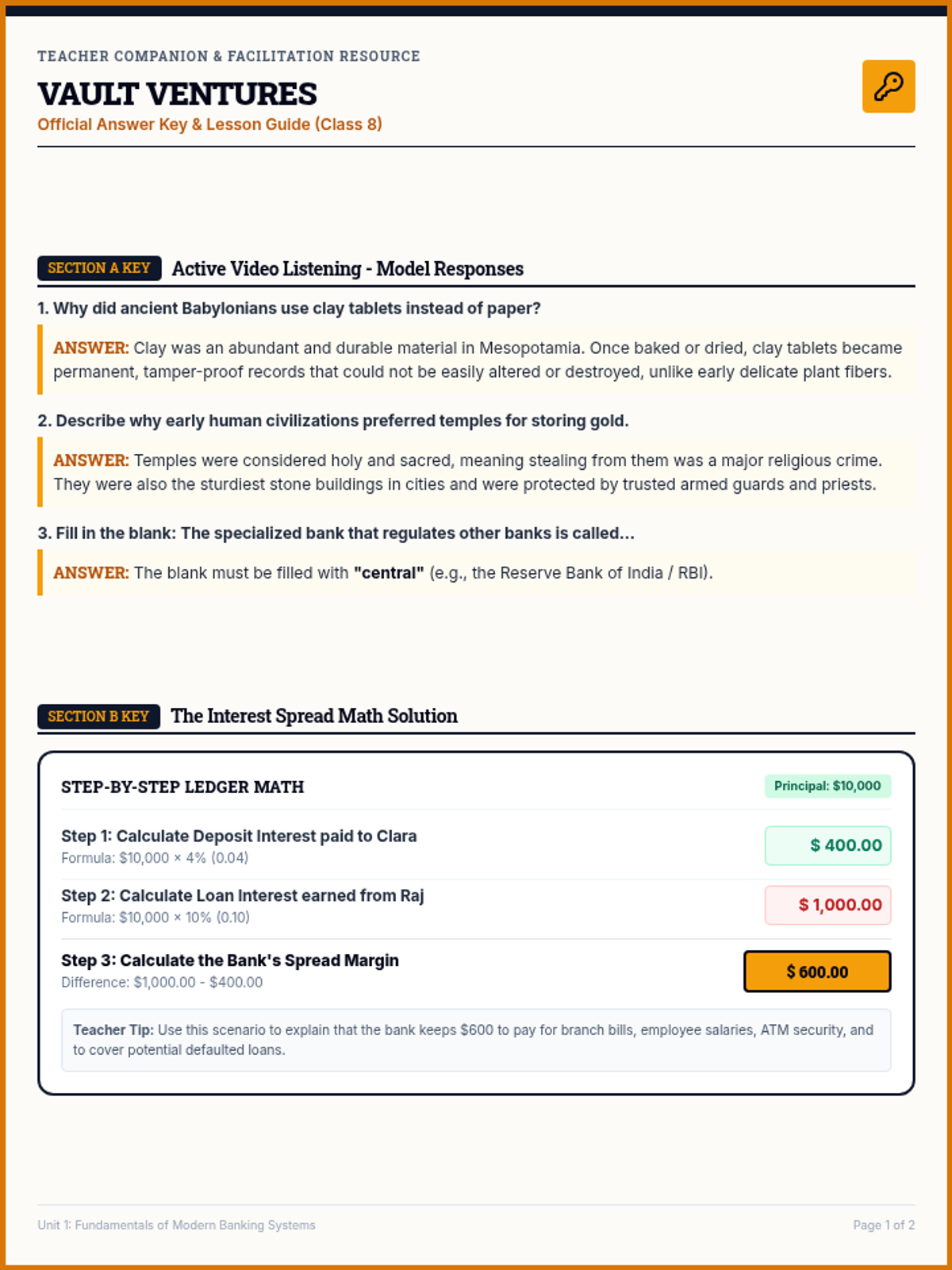
An engaging introduction to banking for Class 8 students, exploring how banks operate, make money, and secure currency, combined with historical trivia and modern digital banking security.
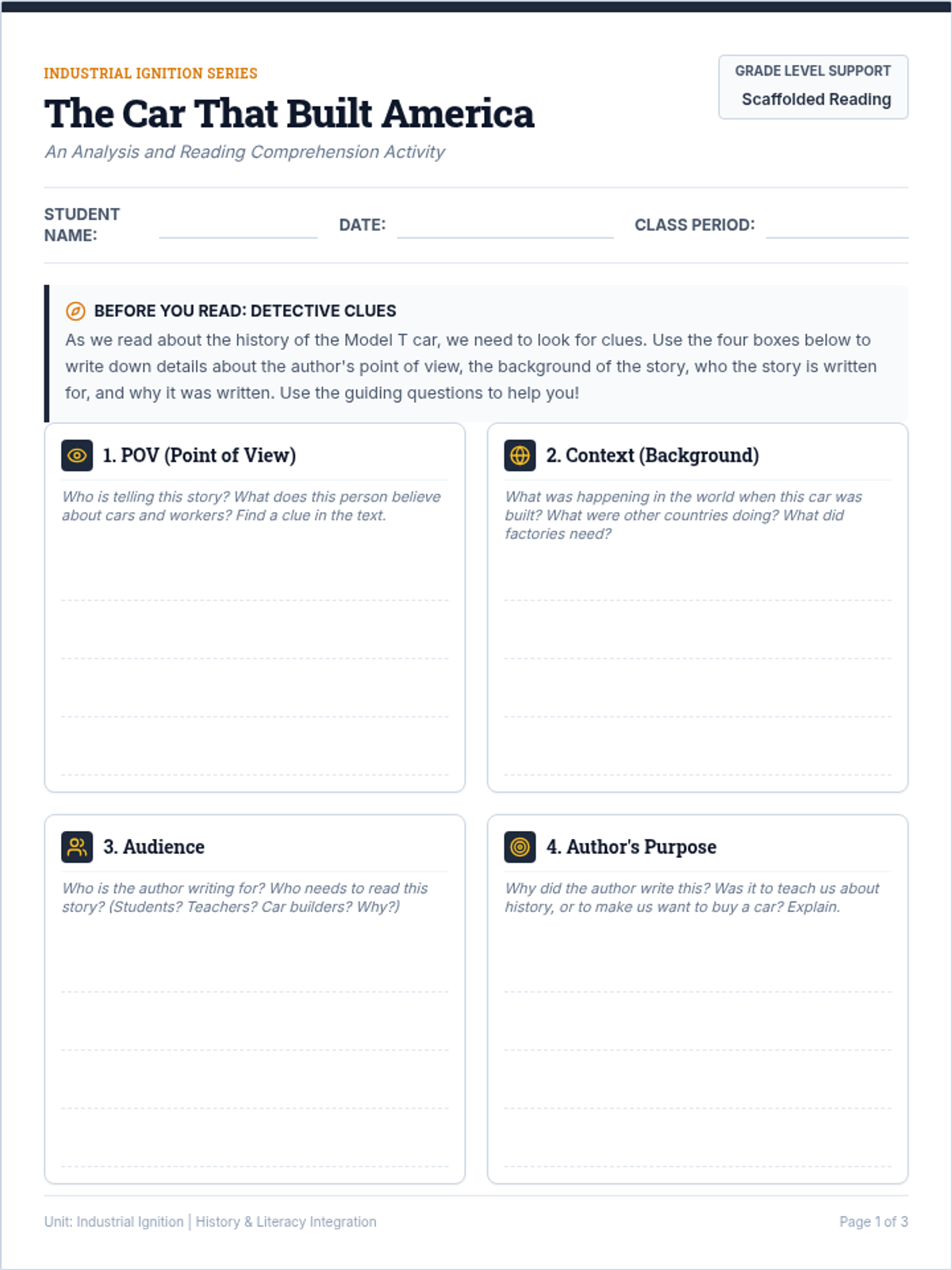
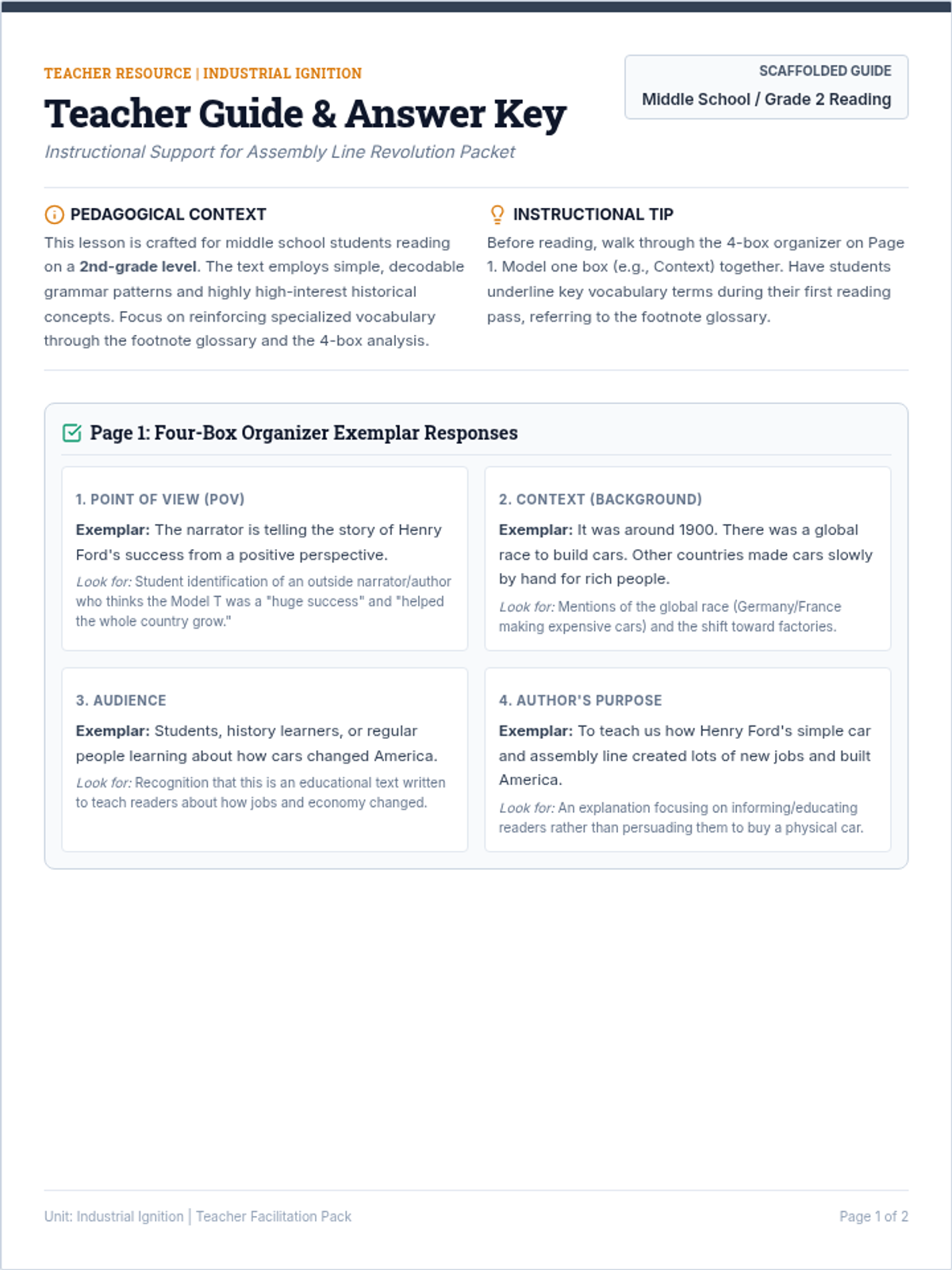
A history and reading comprehension lesson centered on how Henry Ford's Model T and industrial innovations transformed the American economy and labor market.
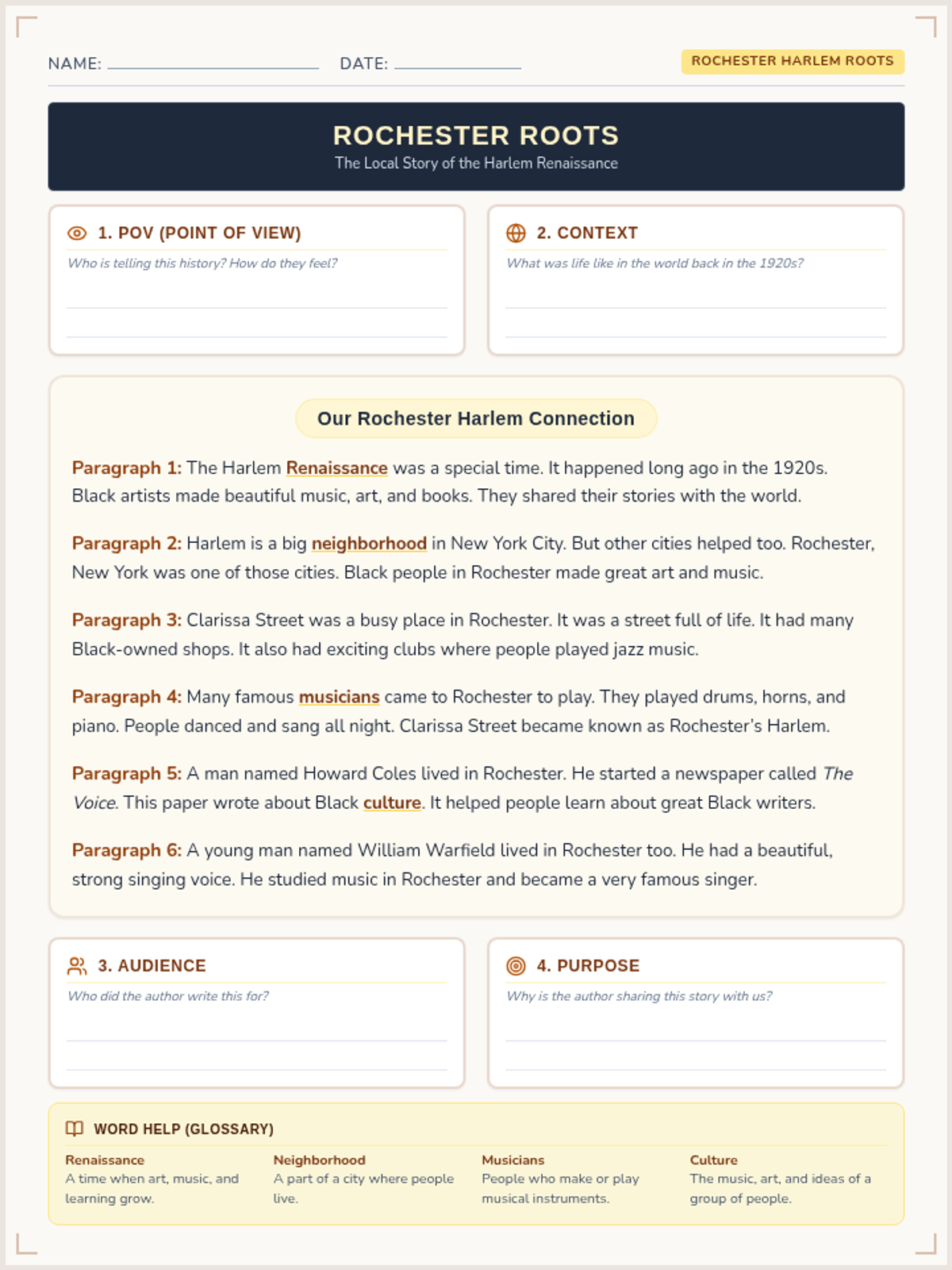
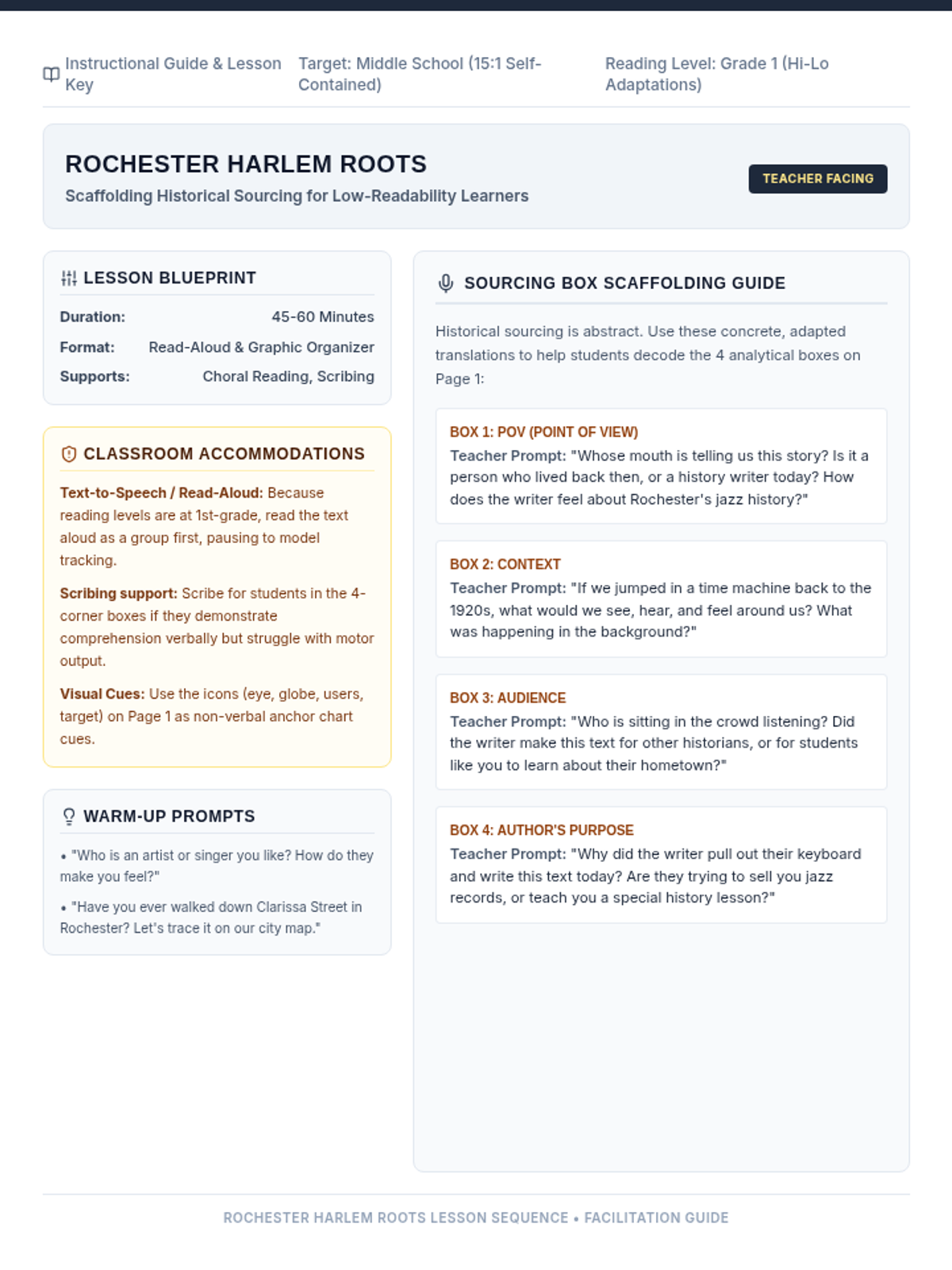
A specialized history and reading comprehension lesson focused on Rochester's local contributions to the Harlem Renaissance, designed with low-readability, high-interest content for middle schoolers reading at a first-grade level.
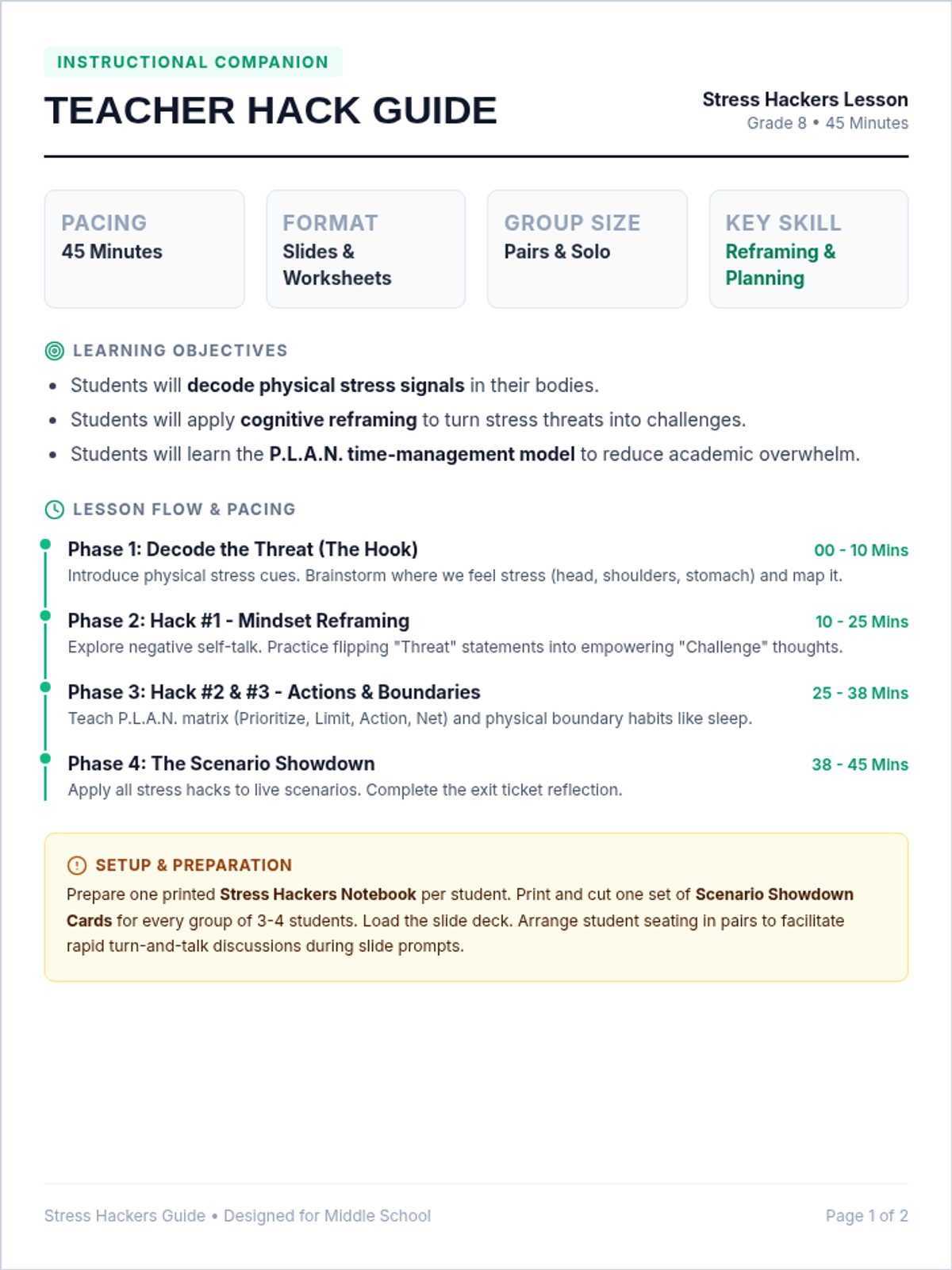
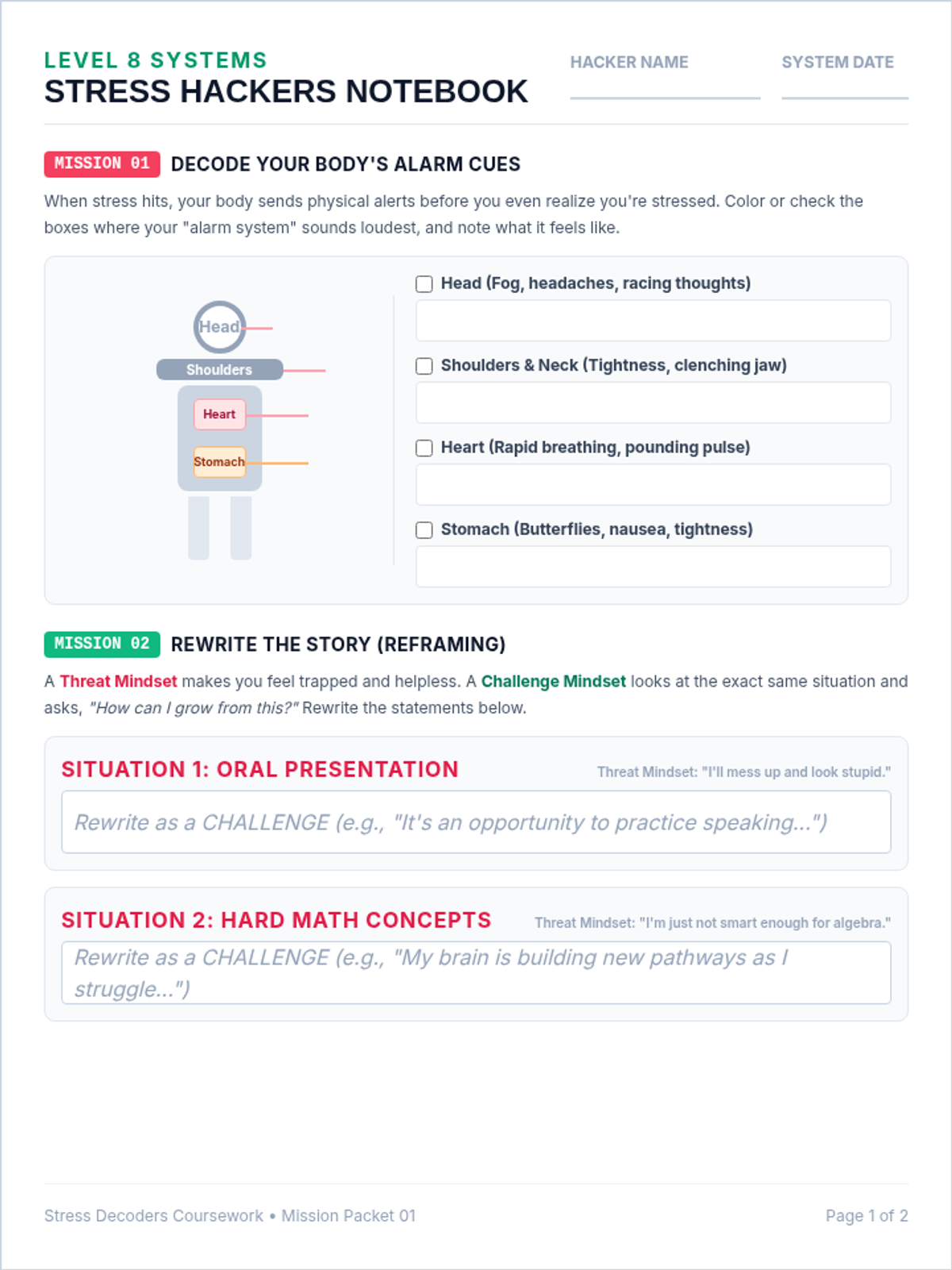
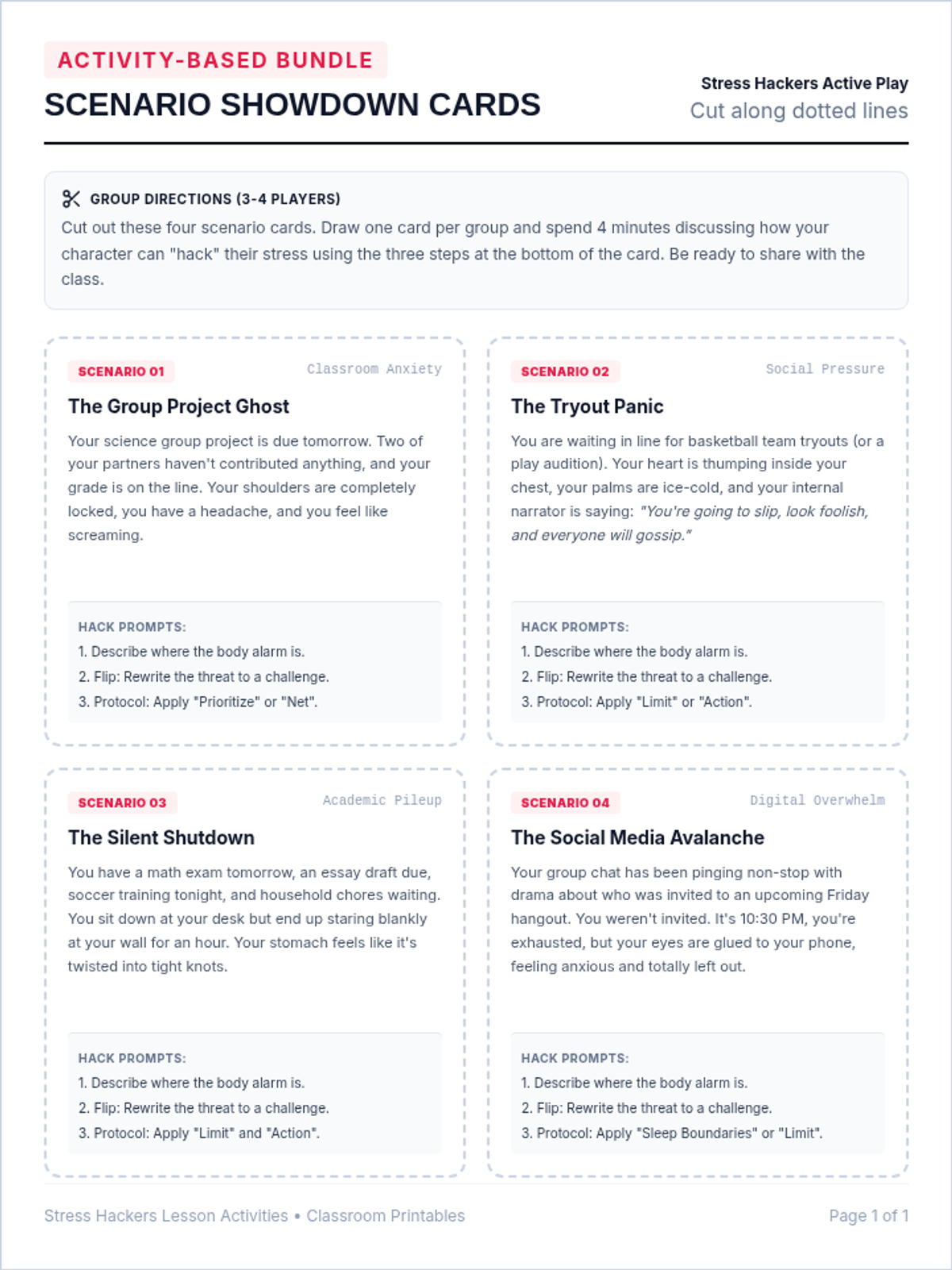
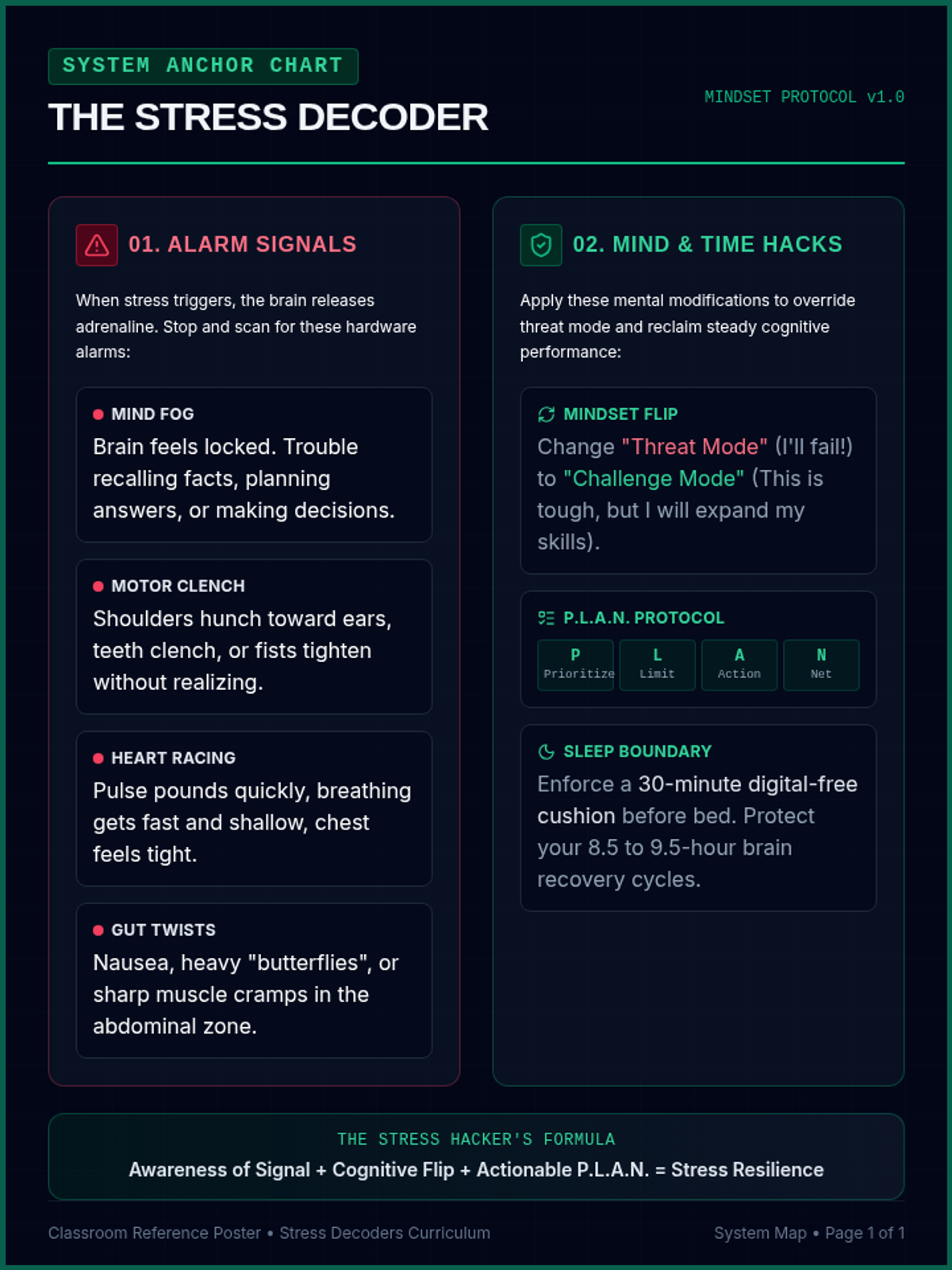
An interactive, comprehensive 45-minute lesson for 8th-grade students on stress management. Students learn to decode stressors, apply cognitive reframing, practice time management, and build boundaries through interactive slides, reflective worksheets, activity cards, and visual maps.
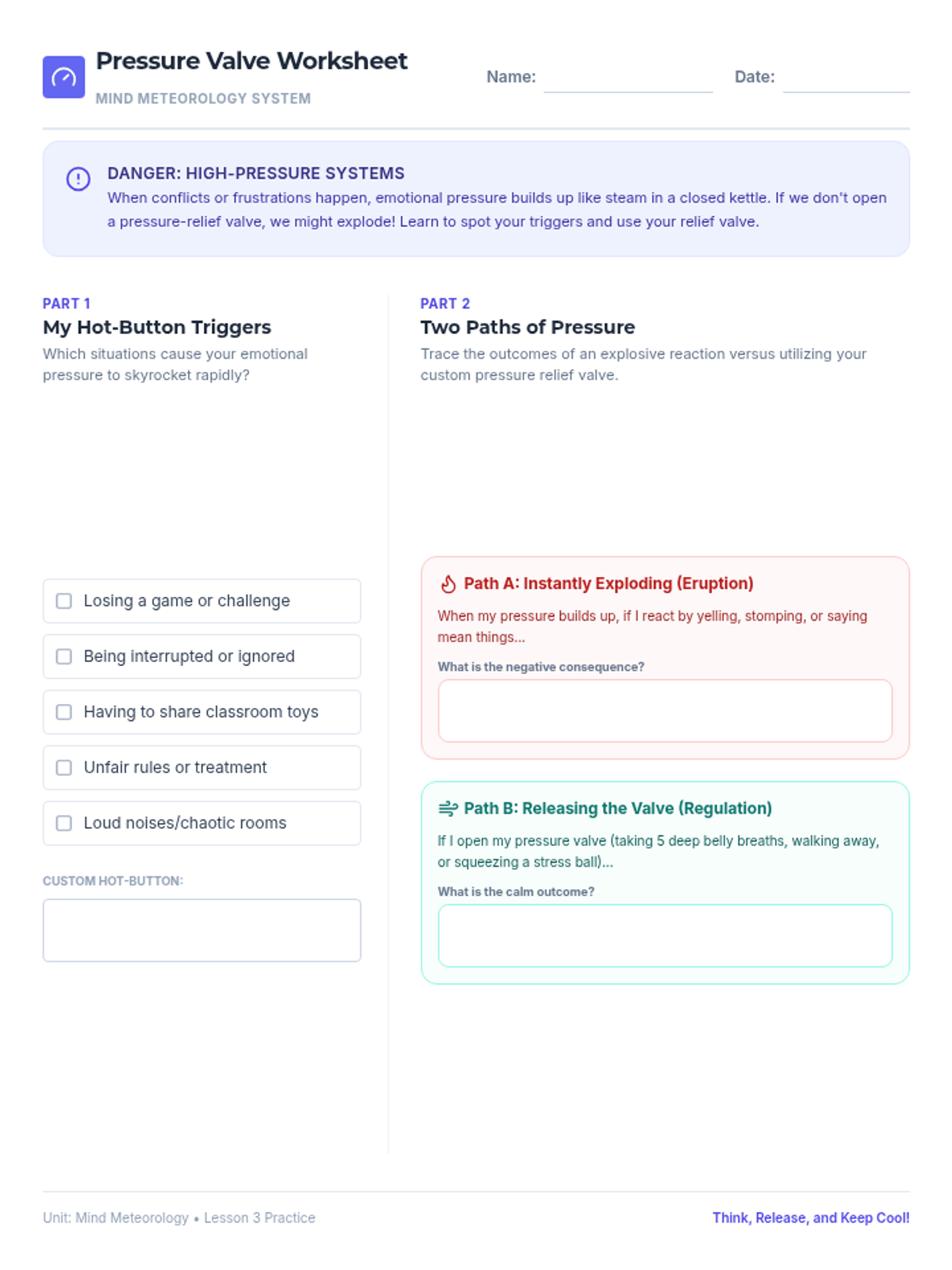
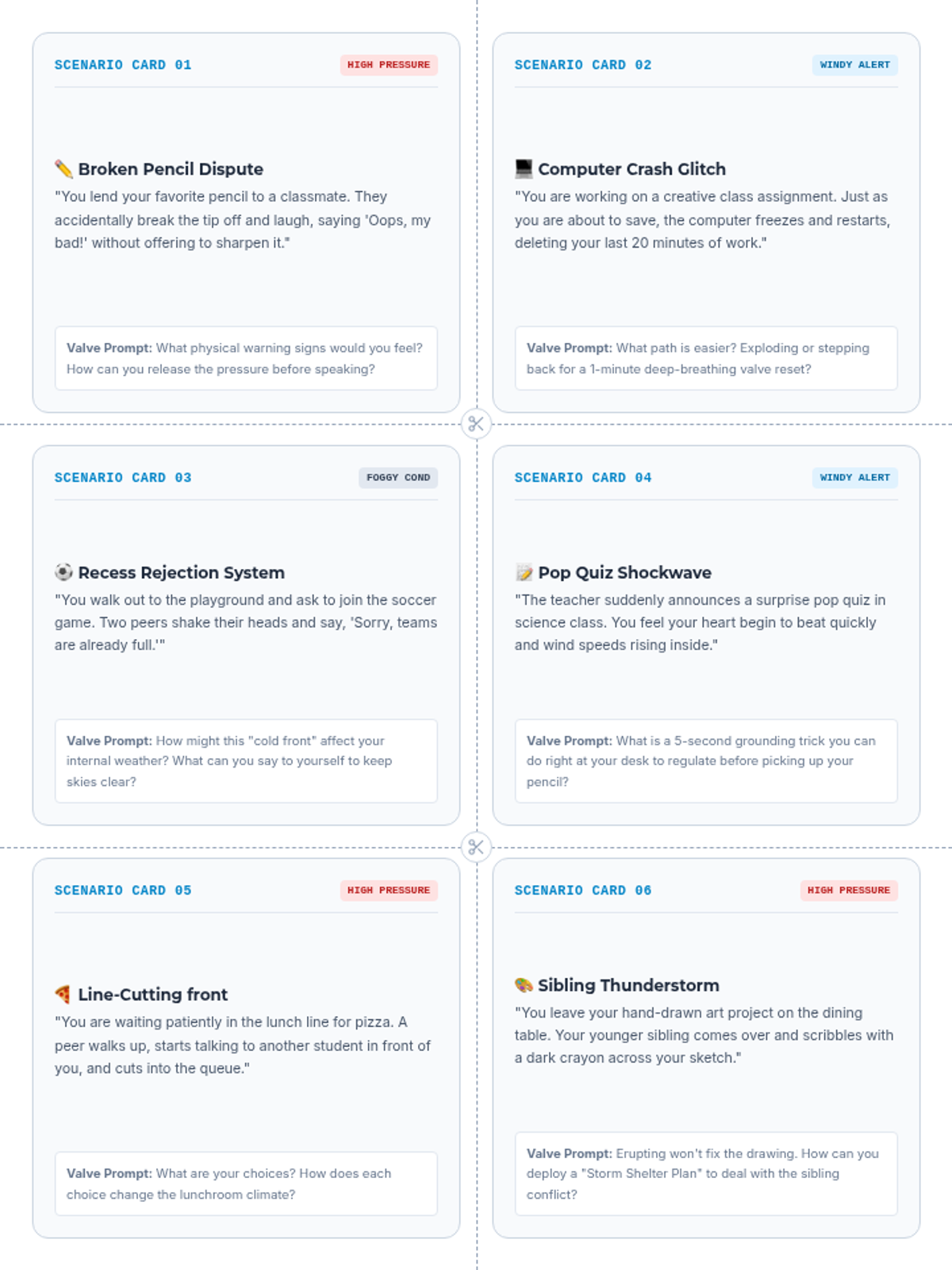
Focuses on responsible decision-making during high-stress conflicts, helping students identify hot-button triggers, evaluate action-consequences, and apply 'pressure relief valve' strategies.
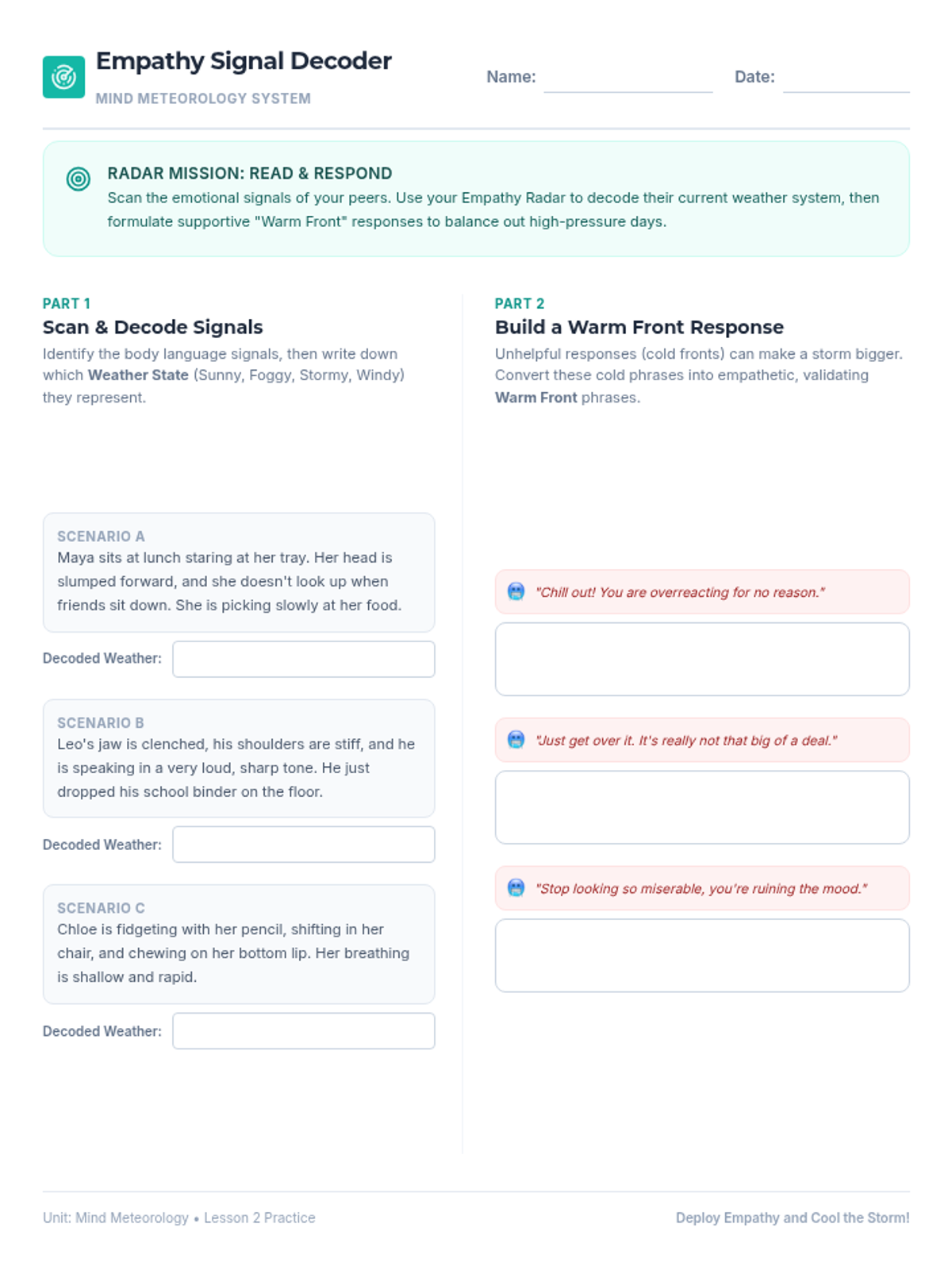
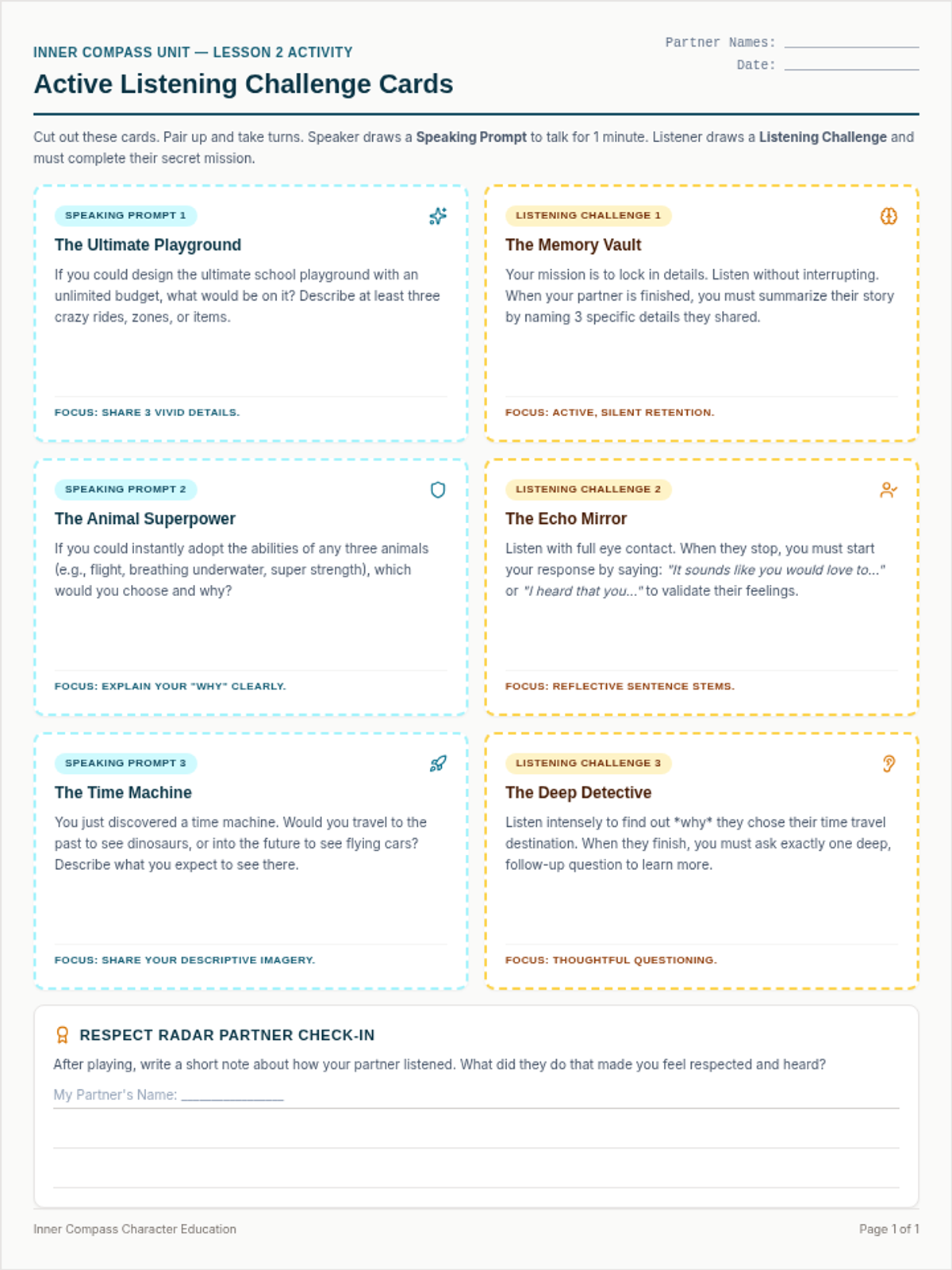
Focuses on active listening, reading other people's emotional signals (body language, tone), and matching our response to their weather state with empathy and validation.
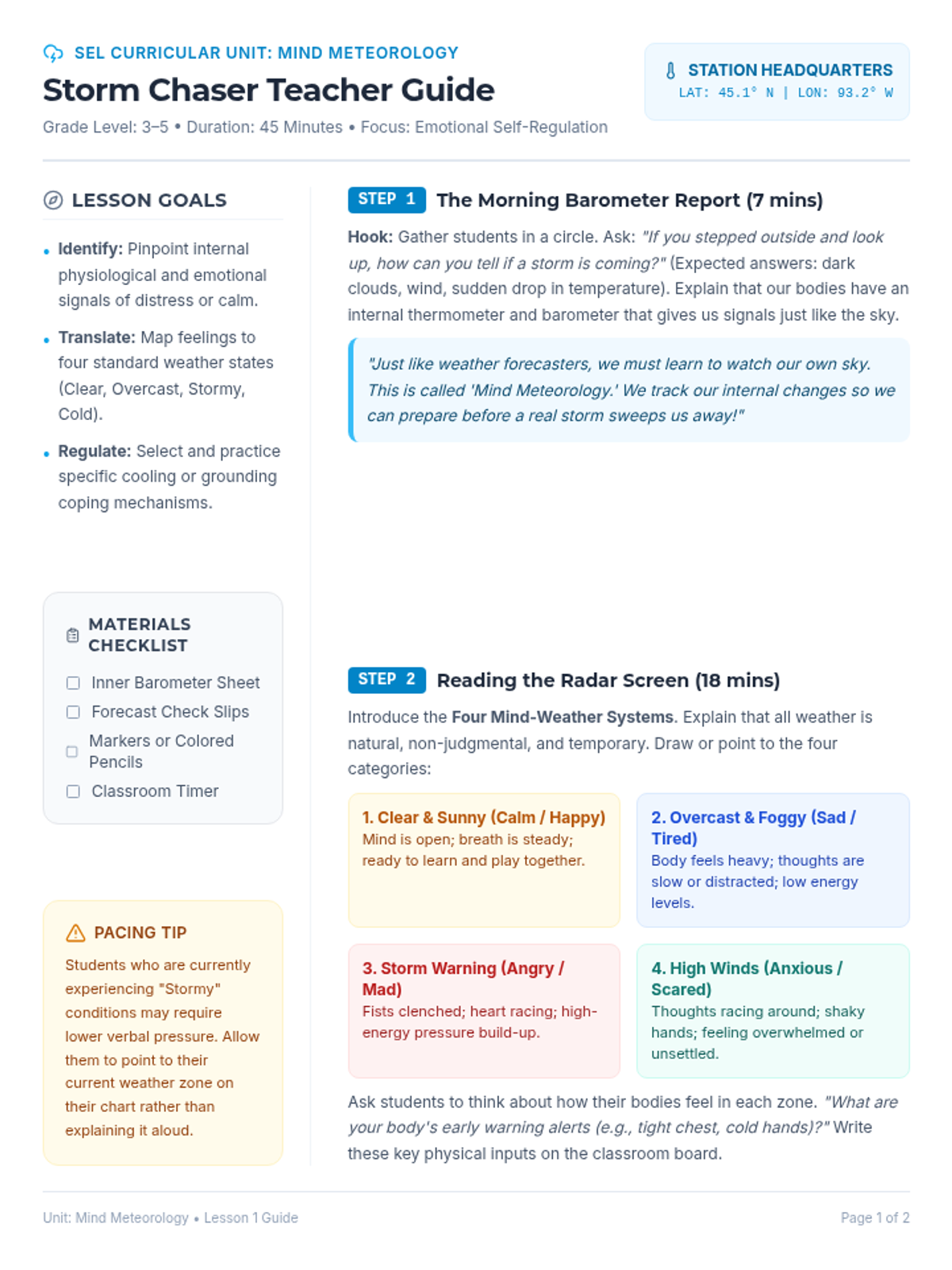
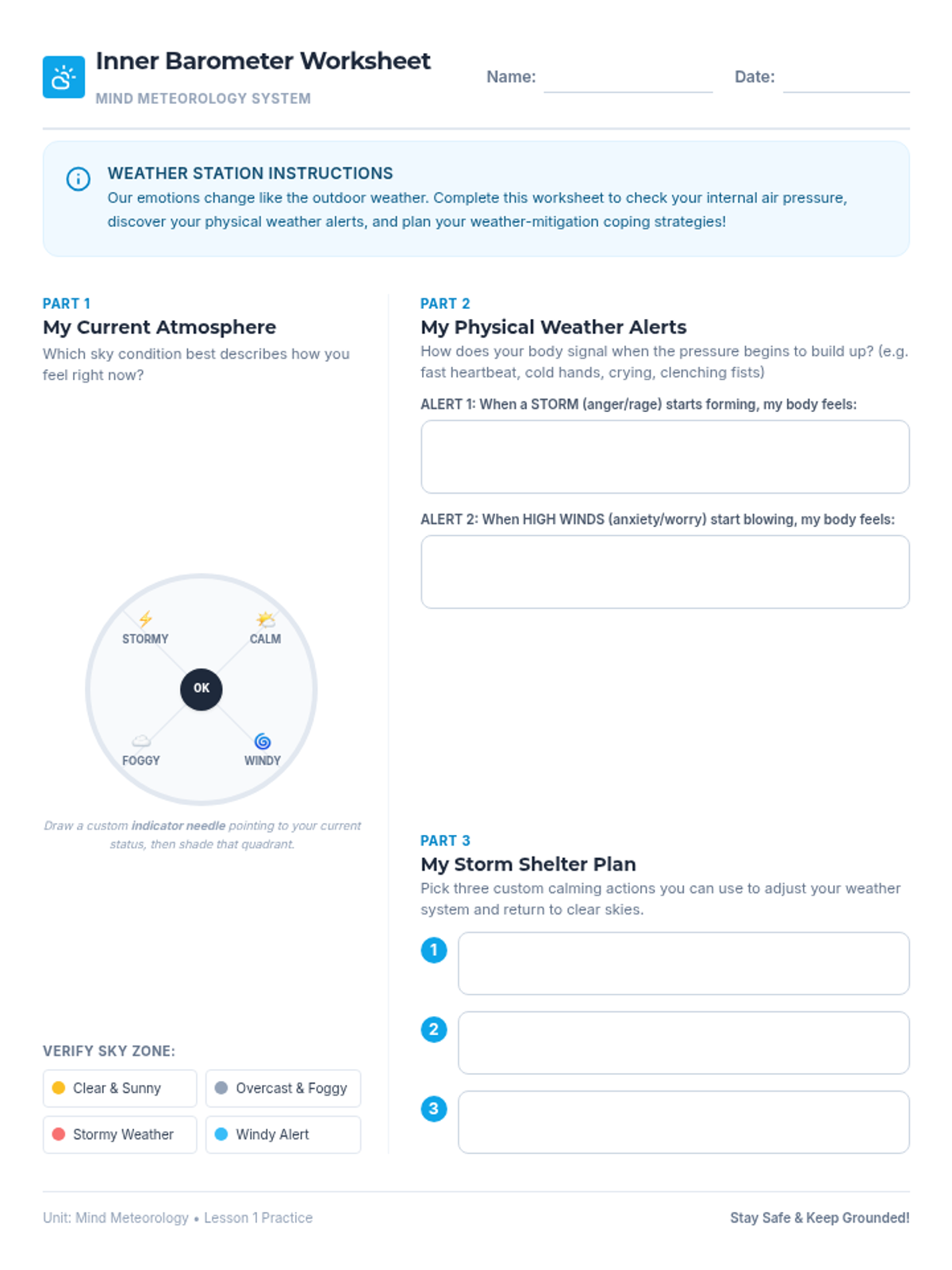
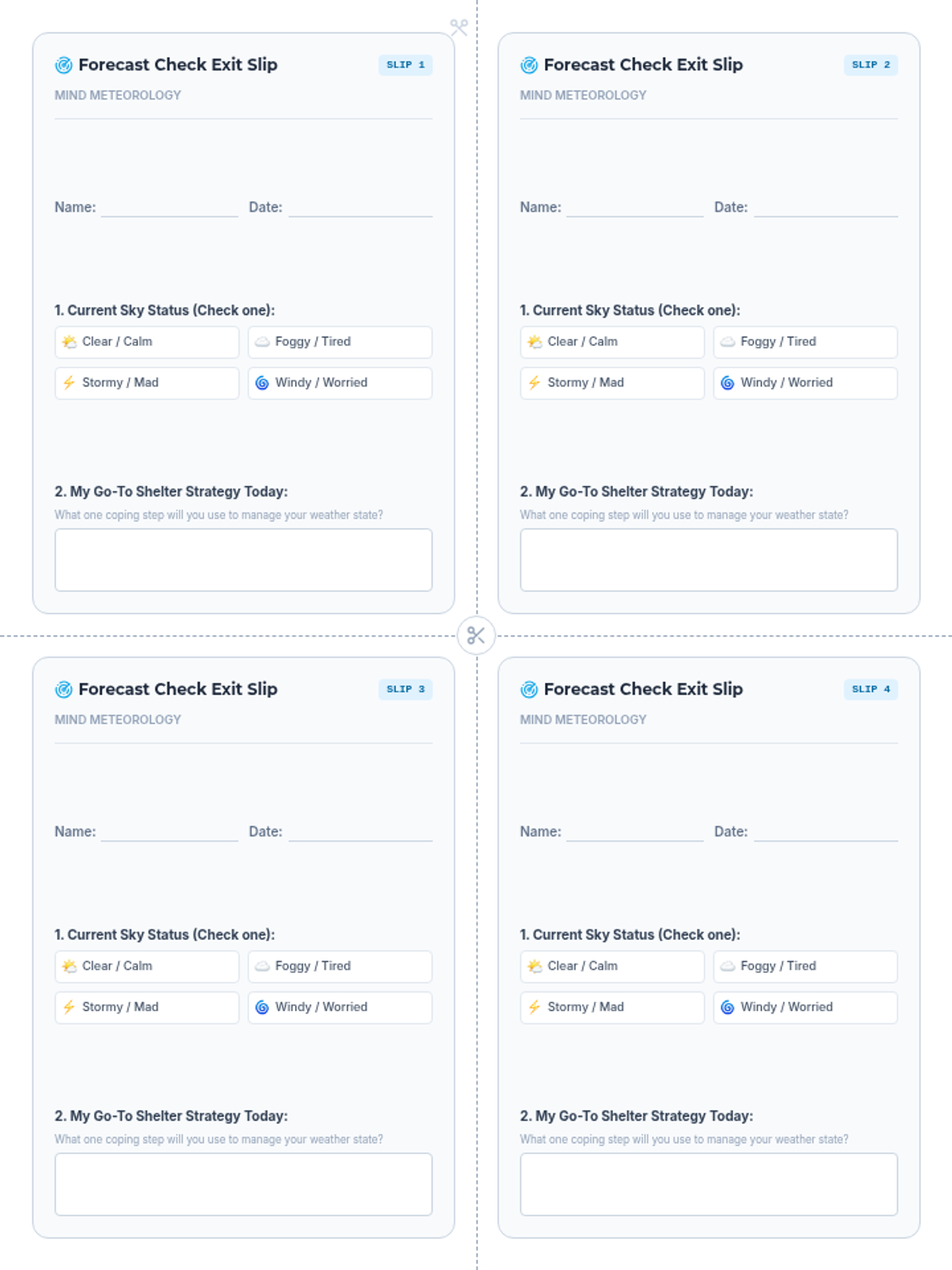
An engaging social-emotional learning lesson that teaches students to identify their emotional states as internal weather patterns and apply self-regulation coping strategies to return to calm, clear skies.
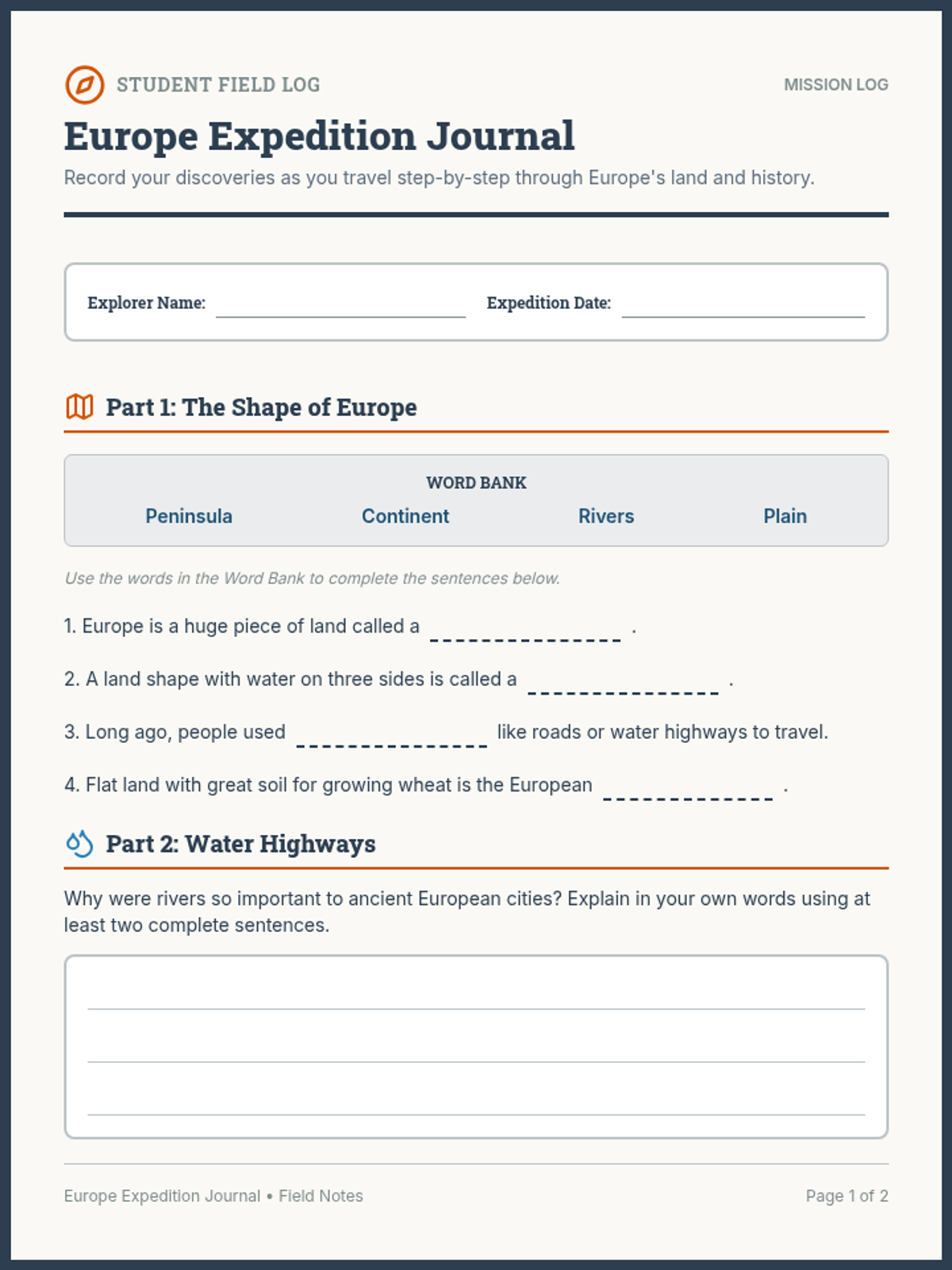
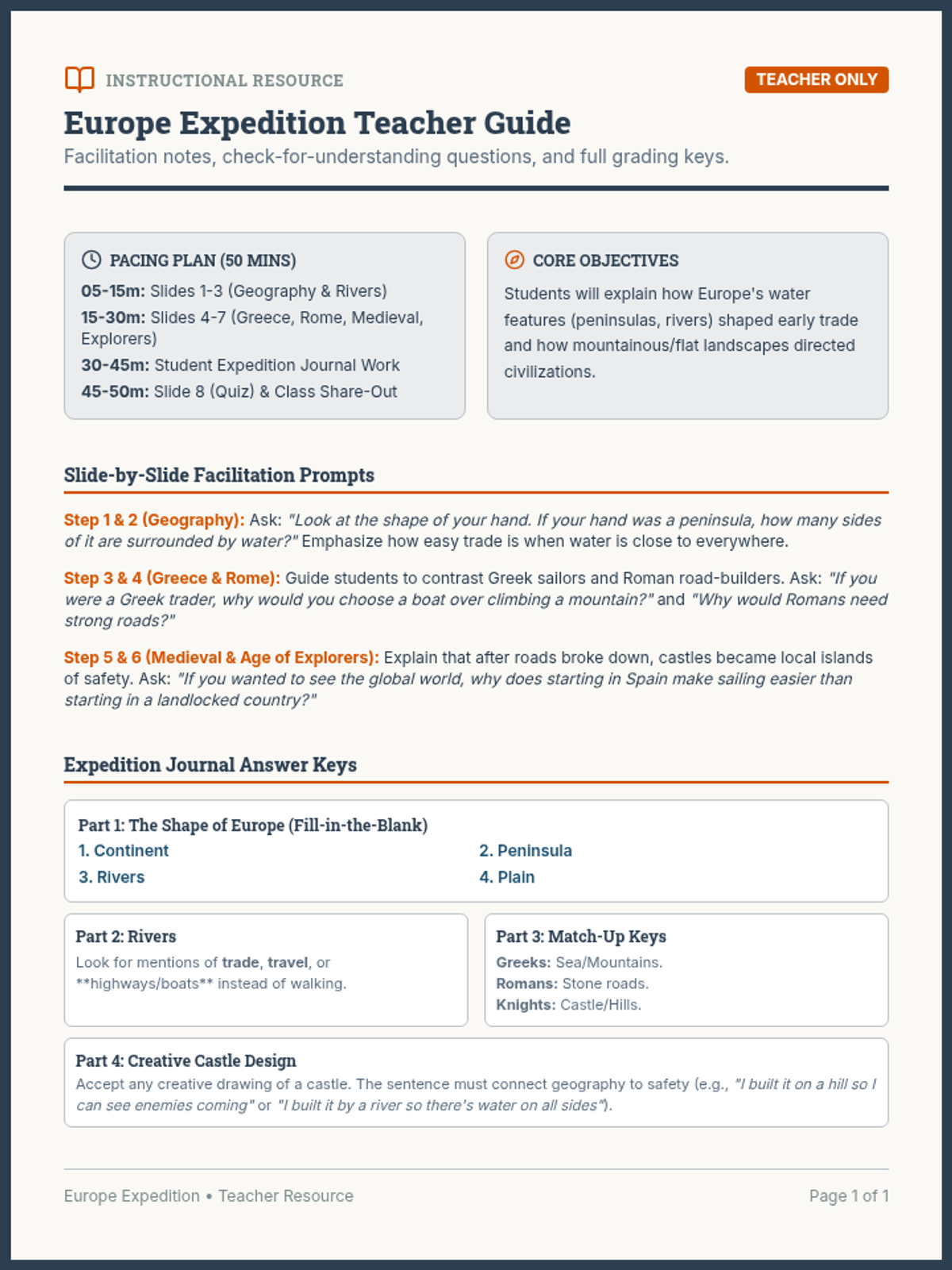
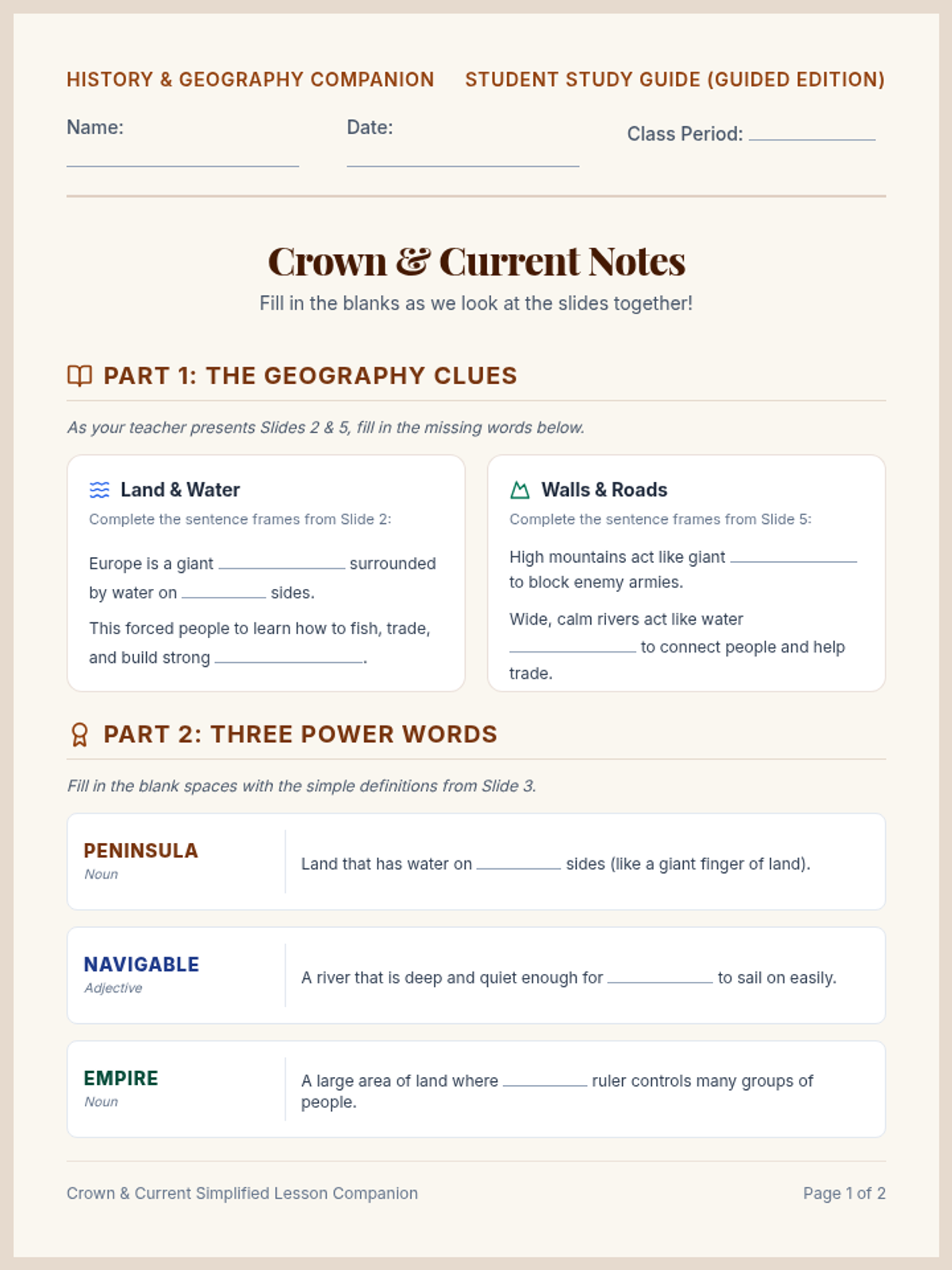
A step-by-step journey through Europe's unique geography and history, written at an accessible 600-700 Lexile level. Students explore how the physical landscape shaped historical civilizations from Ancient Greece to modern Europe.
A lesson exploring the intersection of Europe's unique physical geography and its dramatic history, focusing on how barriers and natural highways shaped civilizations.
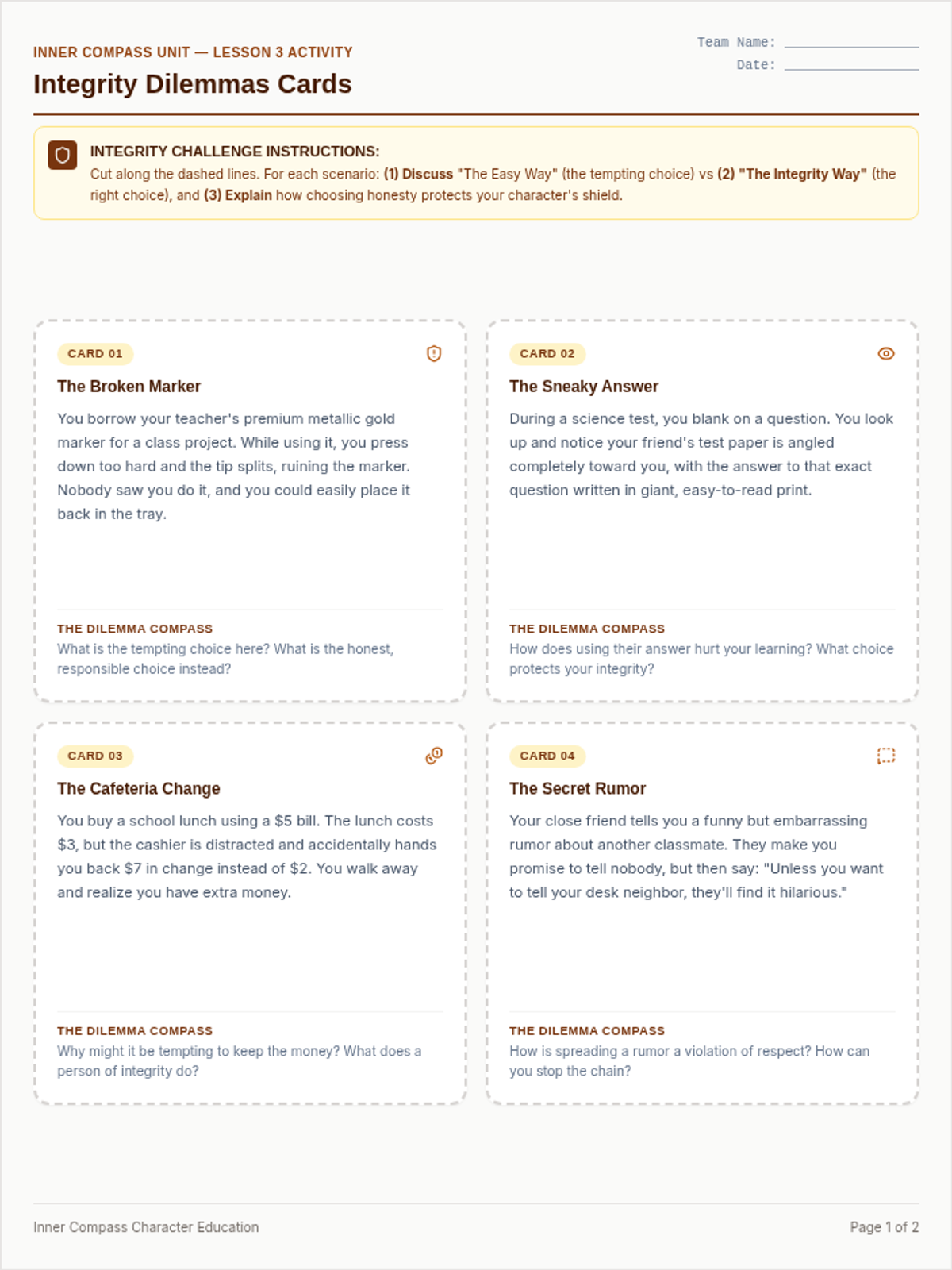
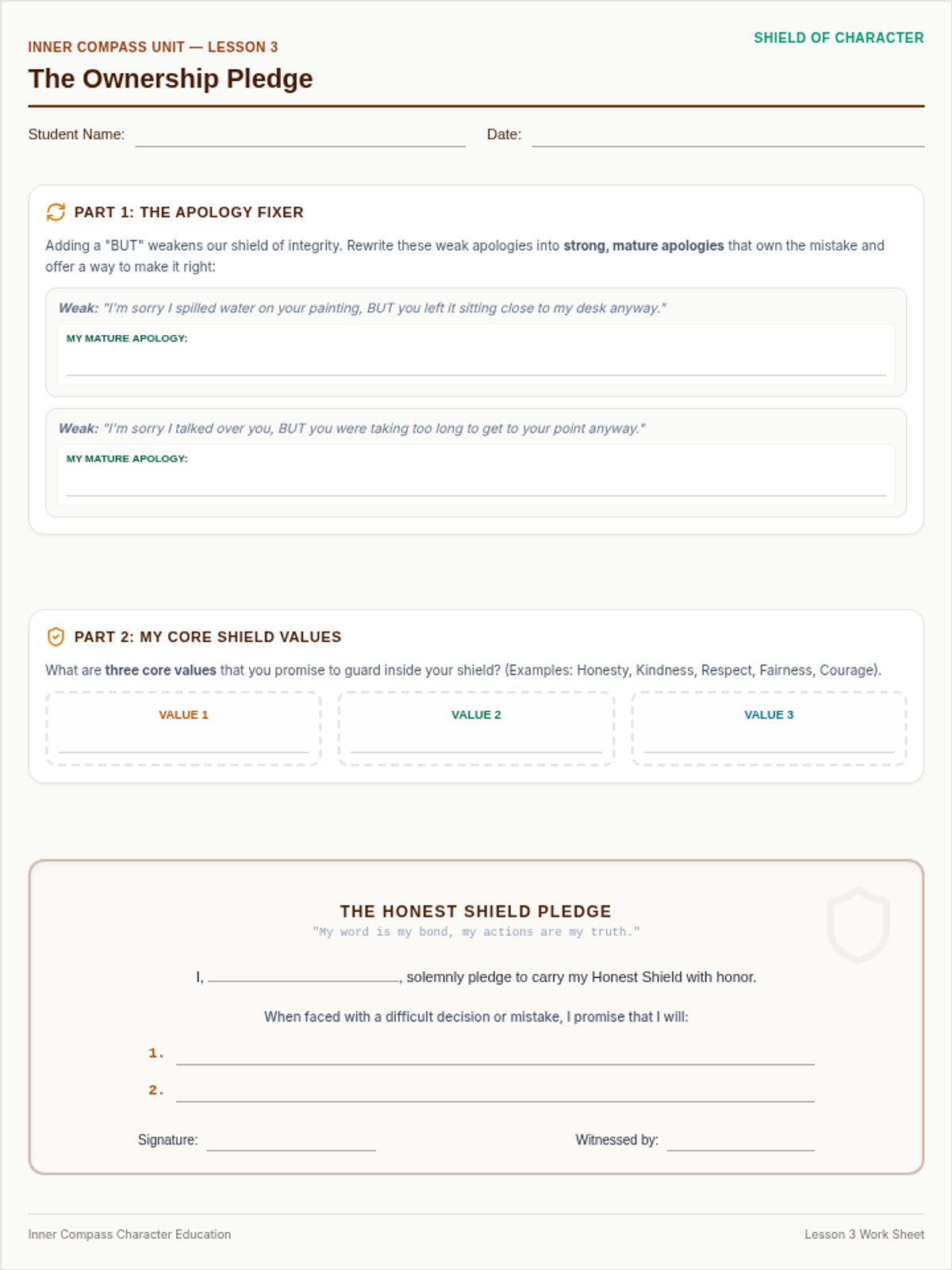
Students investigate responsibility, honesty, and integrity. They learn to make difficult choices, take ownership of mistakes, and construct a personal pledge for moral character.
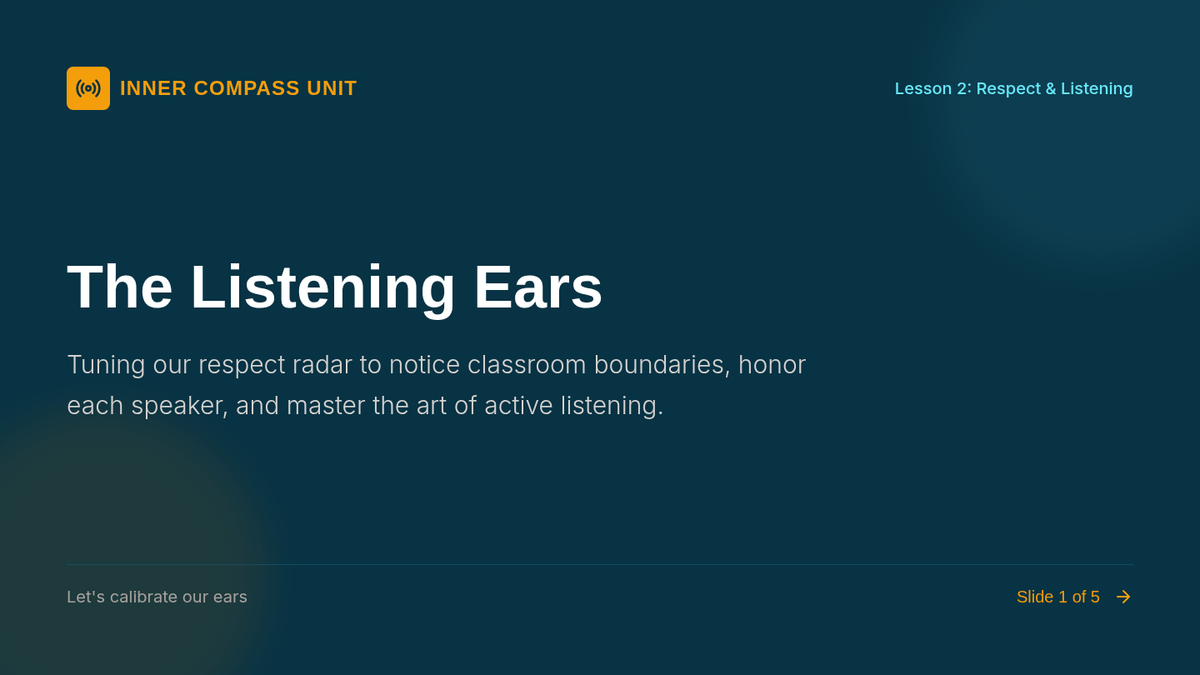
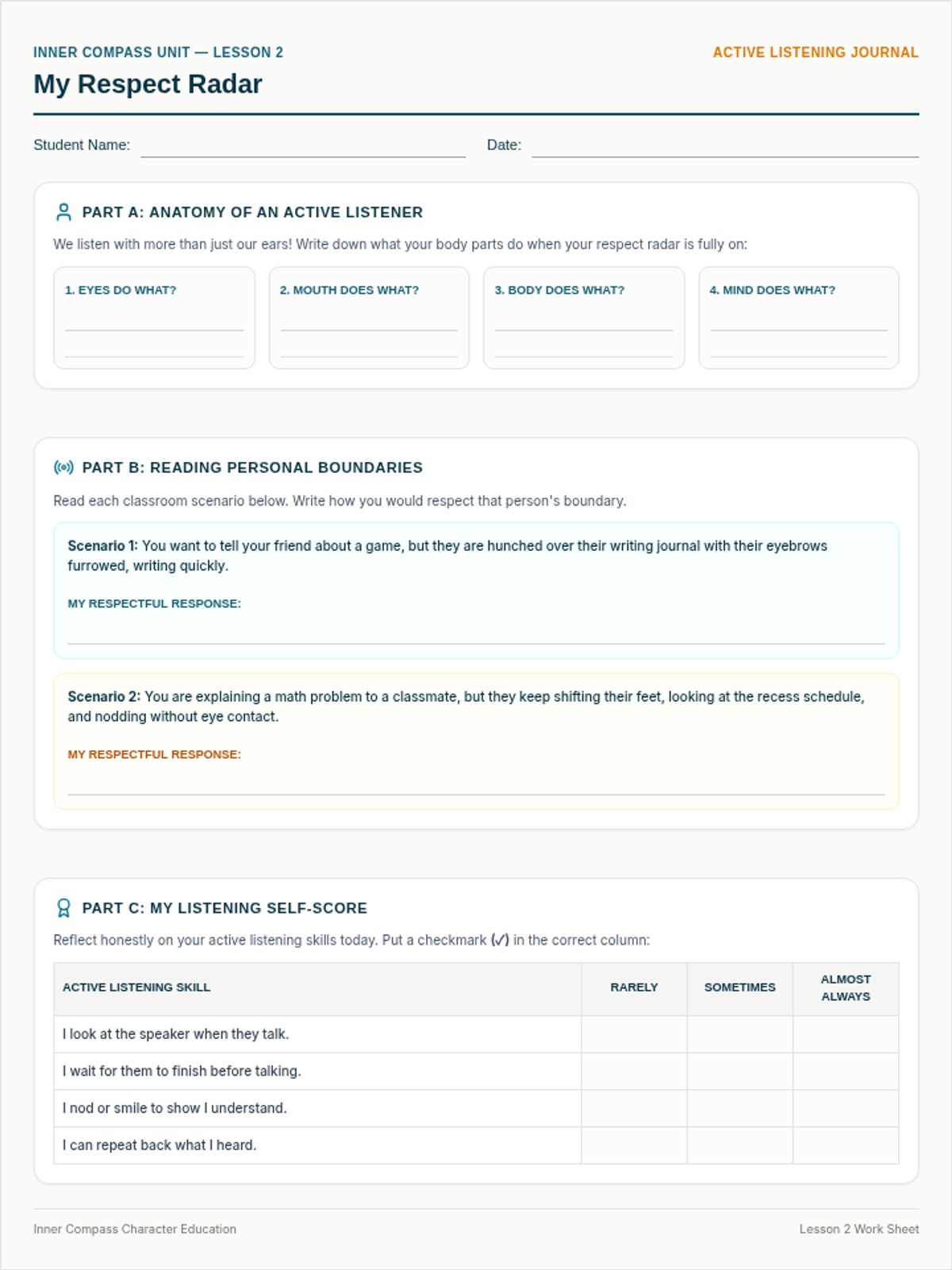
Students learn respect and active listening techniques. They engage in verbal exercises and boundary-setting activities to build effective communication and mutual respect.