An undergraduate-level history lesson analyzing the reign of Charles V through the lens of 'Great Man' theory versus structural history. Students explore the concept of political failure and the limits of imperial power in a globalized context.
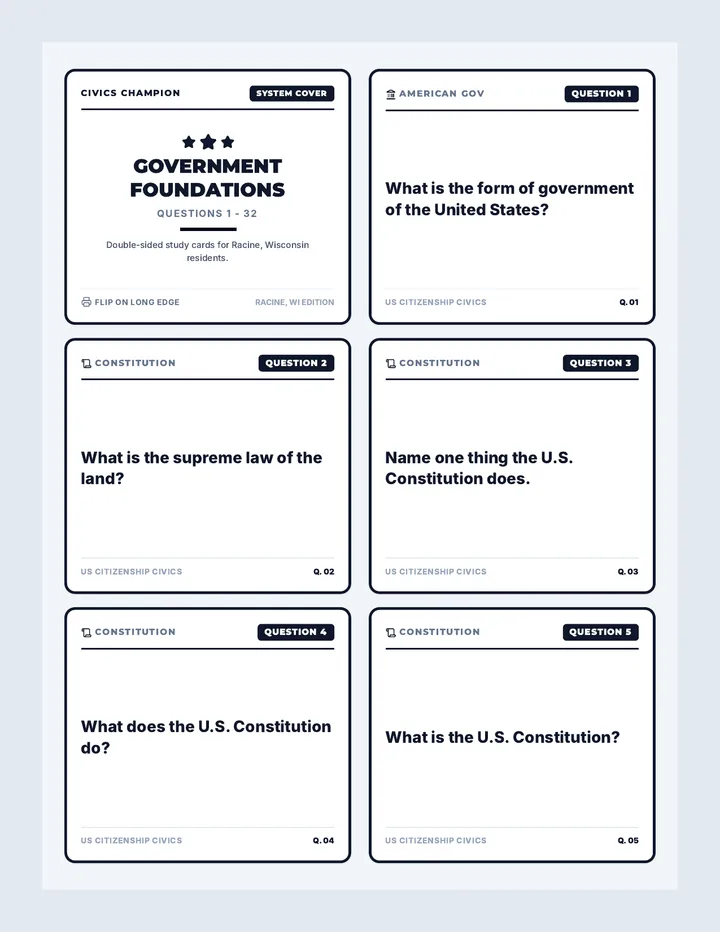
A complete, printable study system of high-contrast, large-print double-sided flashcards covering all 128 questions of the citizenship test, optimized for easy home or classroom printing and maximum readability.
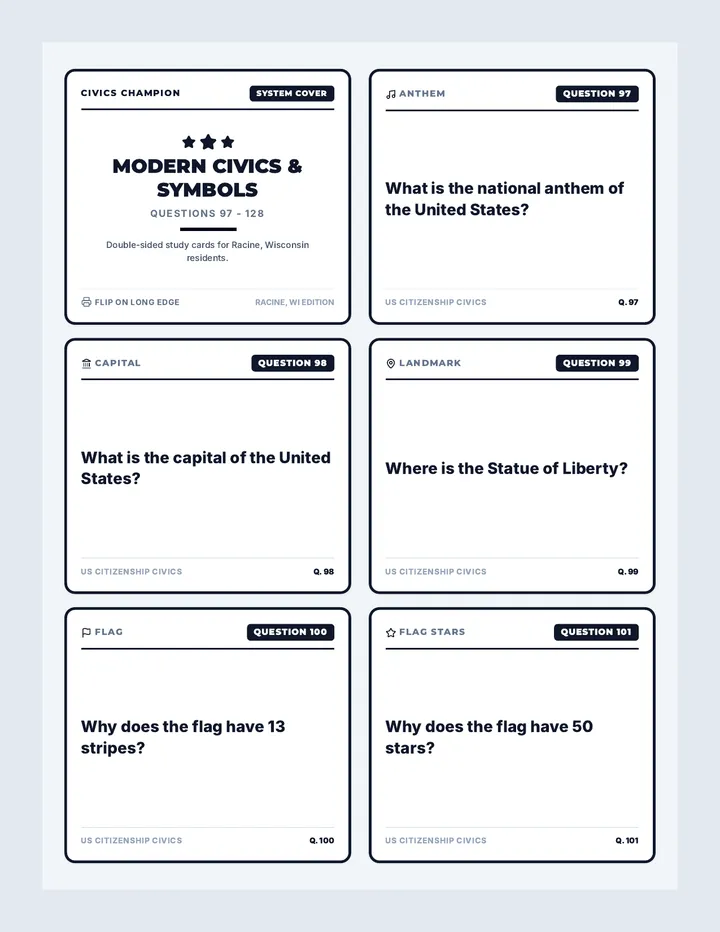
High-contrast, printable double-sided study cards for Questions 97-128 of the citizenship test, covering recent history, geography, symbols, and holidays.
High-contrast, printable double-sided flashcards for Questions 97-128 of the citizenship test. Features a premium 2x3 grid layout with perfect duplex alignment, cover card, study tracker, and progress checklist.
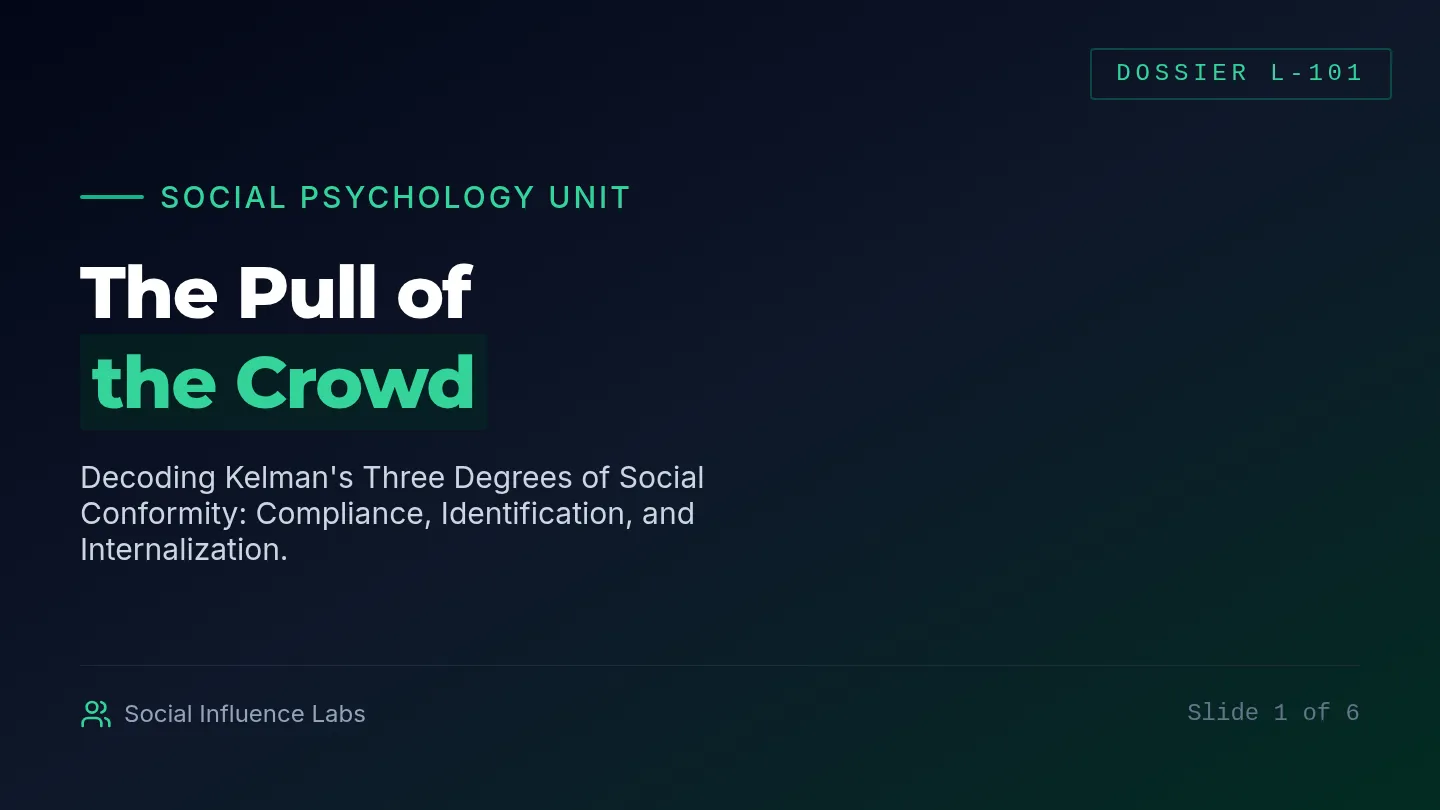
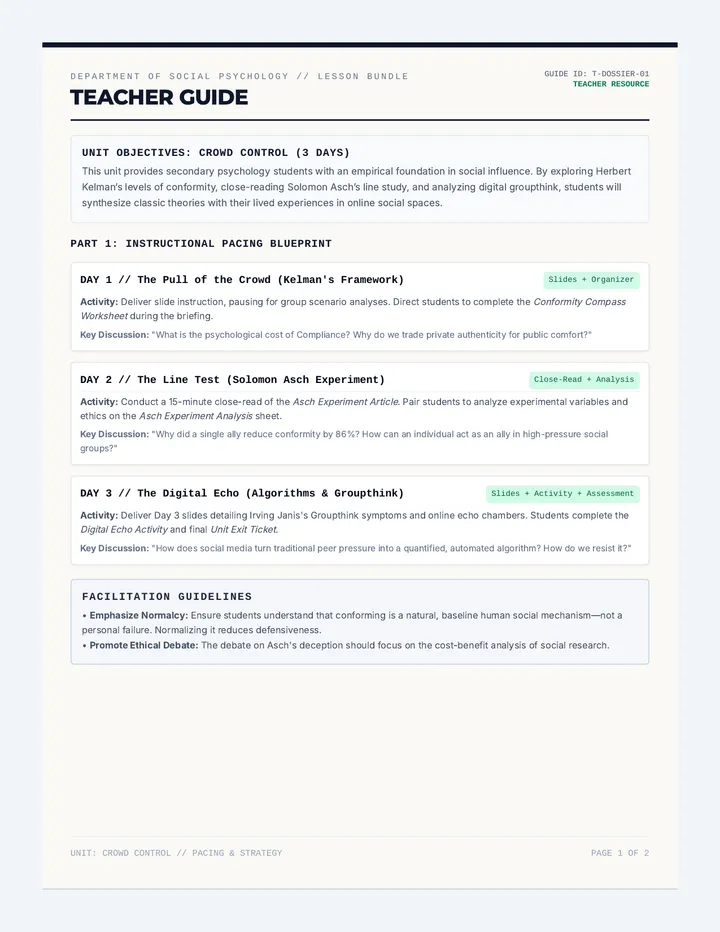
A three-day social psychology sequence exploring conformity, groupthink, and social influence. Students analyze foundational experiments, compare compliance versus internalization, and dissect modern digital peer pressure and media dynamics.
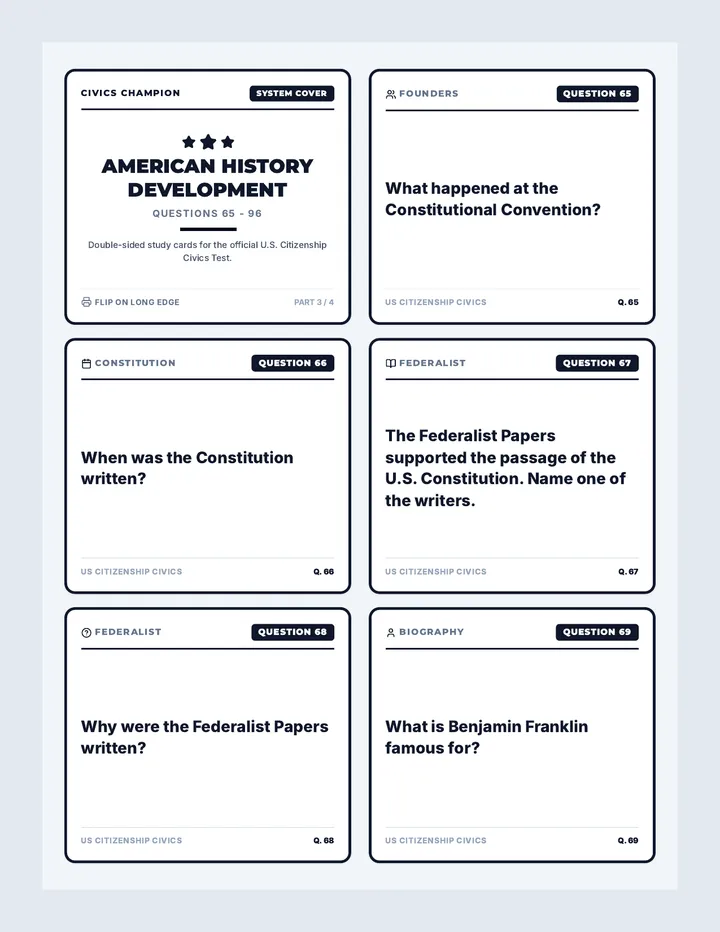
High-contrast, printable double-sided study cards for Questions 65-96 of the citizenship test, covering early colonial times, the Revolutionary War, the Civil War, and the late 1800s.
High-contrast, printable double-sided flashcards for Questions 65-96 of the citizenship test. Features a premium 2x3 grid layout with perfect duplex alignment, cover card, study tracker, and progress checklist.
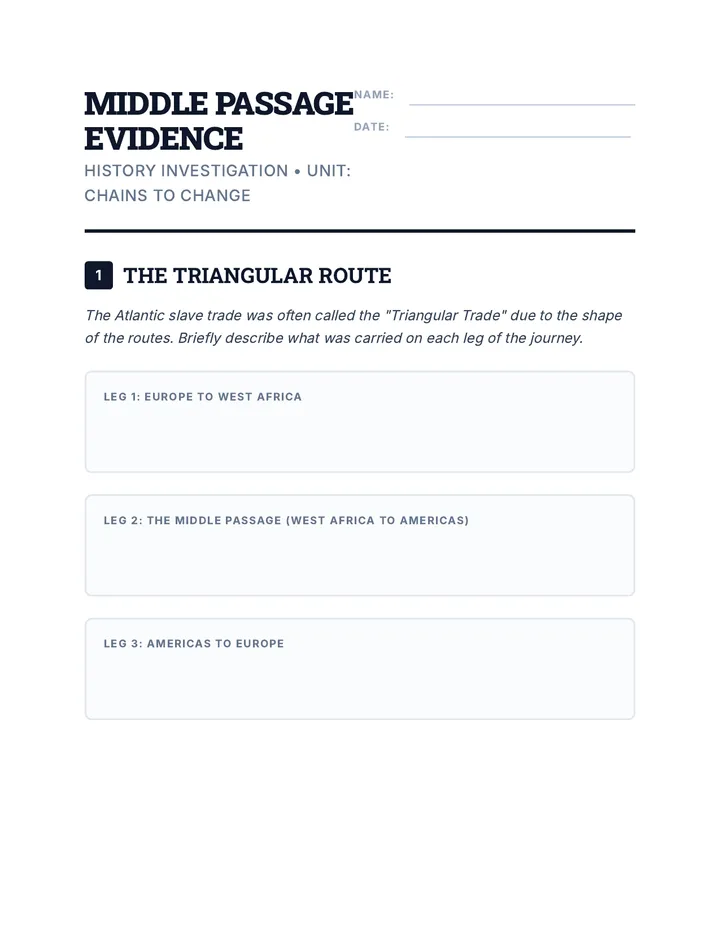
A comprehensive study of the Atlantic slave trade, the plantation economy, forms of resistance, and the eventual path to emancipation.
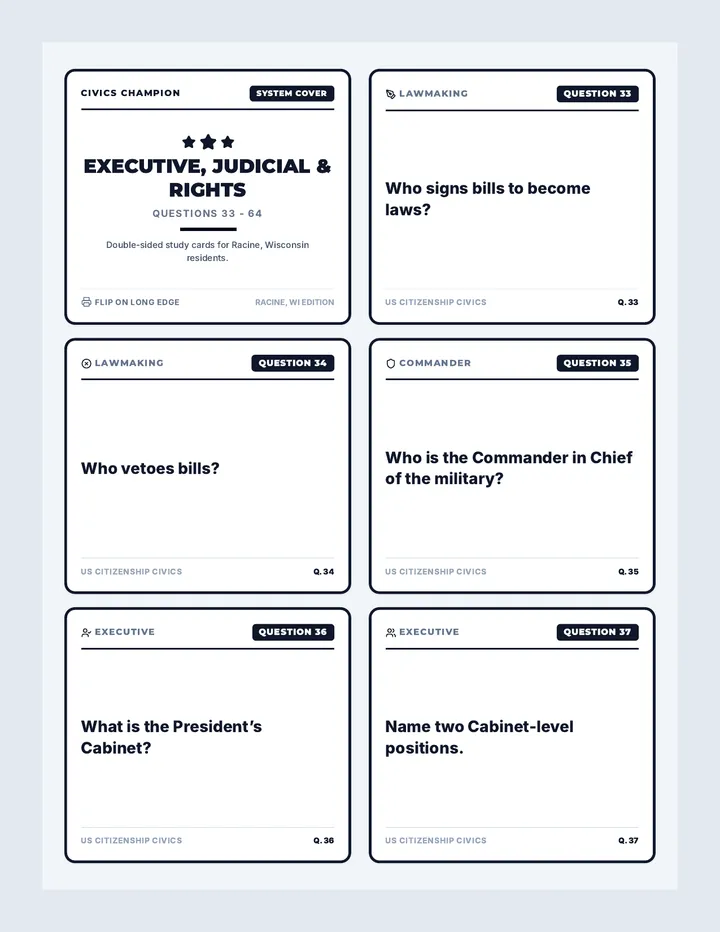
High-contrast, printable double-sided study cards for Questions 33-64 of the citizenship test, covering the Executive and Judicial branches, rights and responsibilities, and early American history.
High-contrast, printable double-sided flashcards for Questions 33-64 of the citizenship test, customized for Racine, Wisconsin. Features Tony Evers (Governor) and Madison (Capital) as specific answers.
A comprehensive multi-day review sequence for psychology units on emotion, motivation, memory, and forgetting, featuring structured study aids, interactive challenges, and practice assessments.
High-contrast, printable double-sided study cards for Questions 1-32 of the citizenship test, focusing on the principles of American democracy, the system of government, and the legislative branch.
High-contrast, printable double-sided flashcards for Questions 1-32 of the citizenship test, customized for Racine, Wisconsin. Features Tammy Baldwin, Ron Johnson, and Bryan Steil as specific representatives.