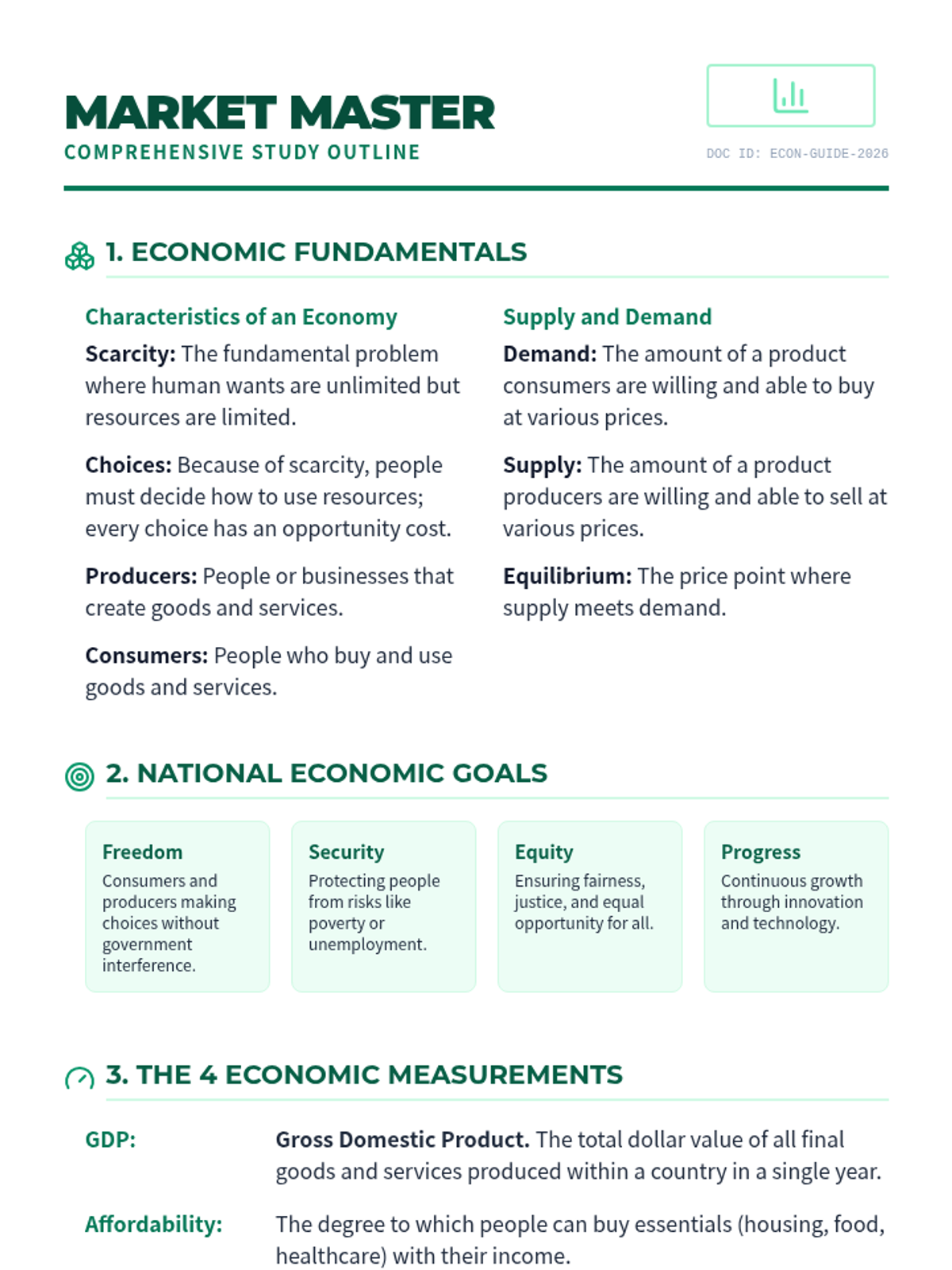
Fundamental principles of supply, demand, and monetary systems alongside micro- and macroeconomic structures. Examines the impact of corporate power, labor market dynamics, and global systems on social mobility and class inequality.
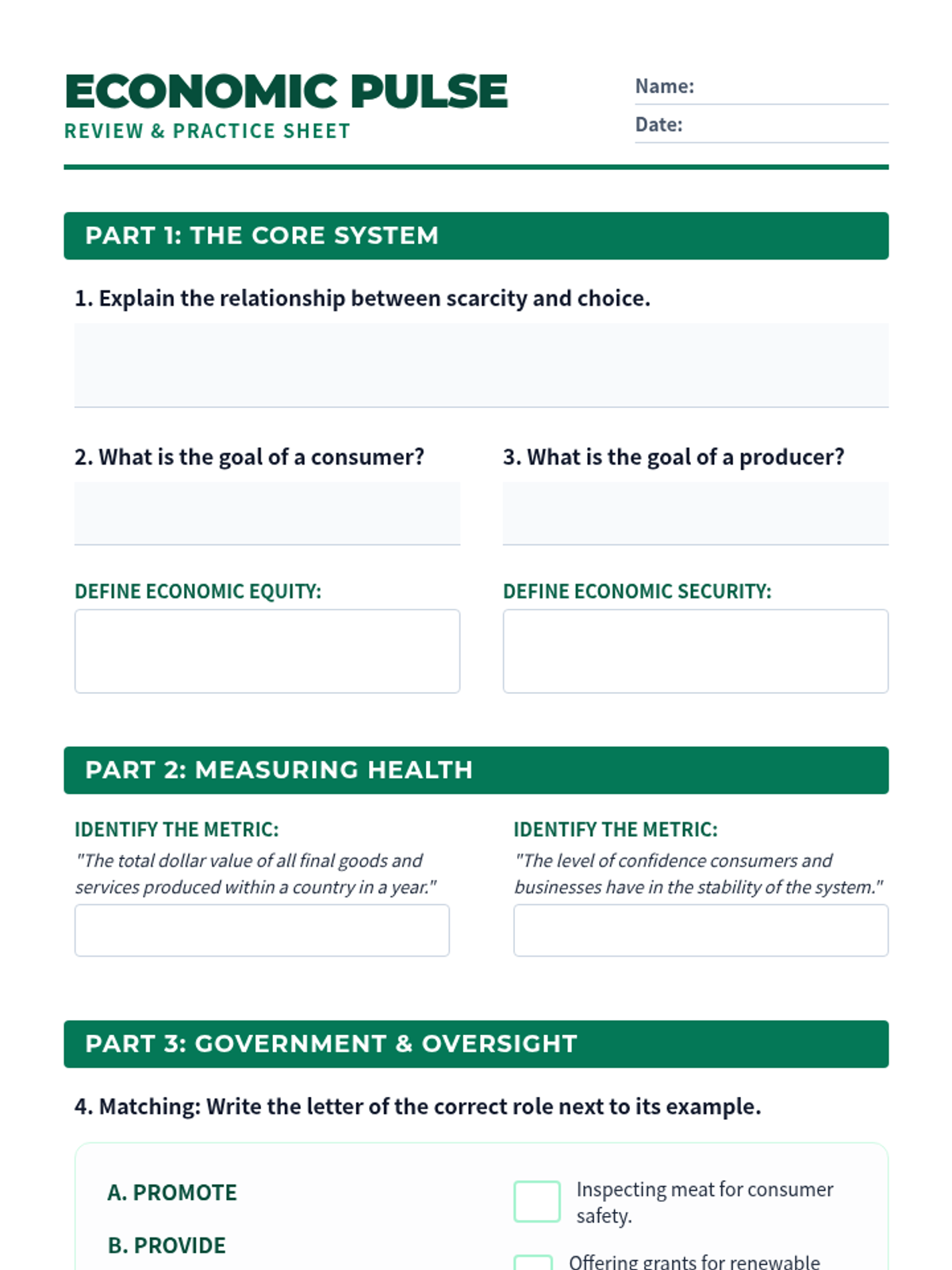
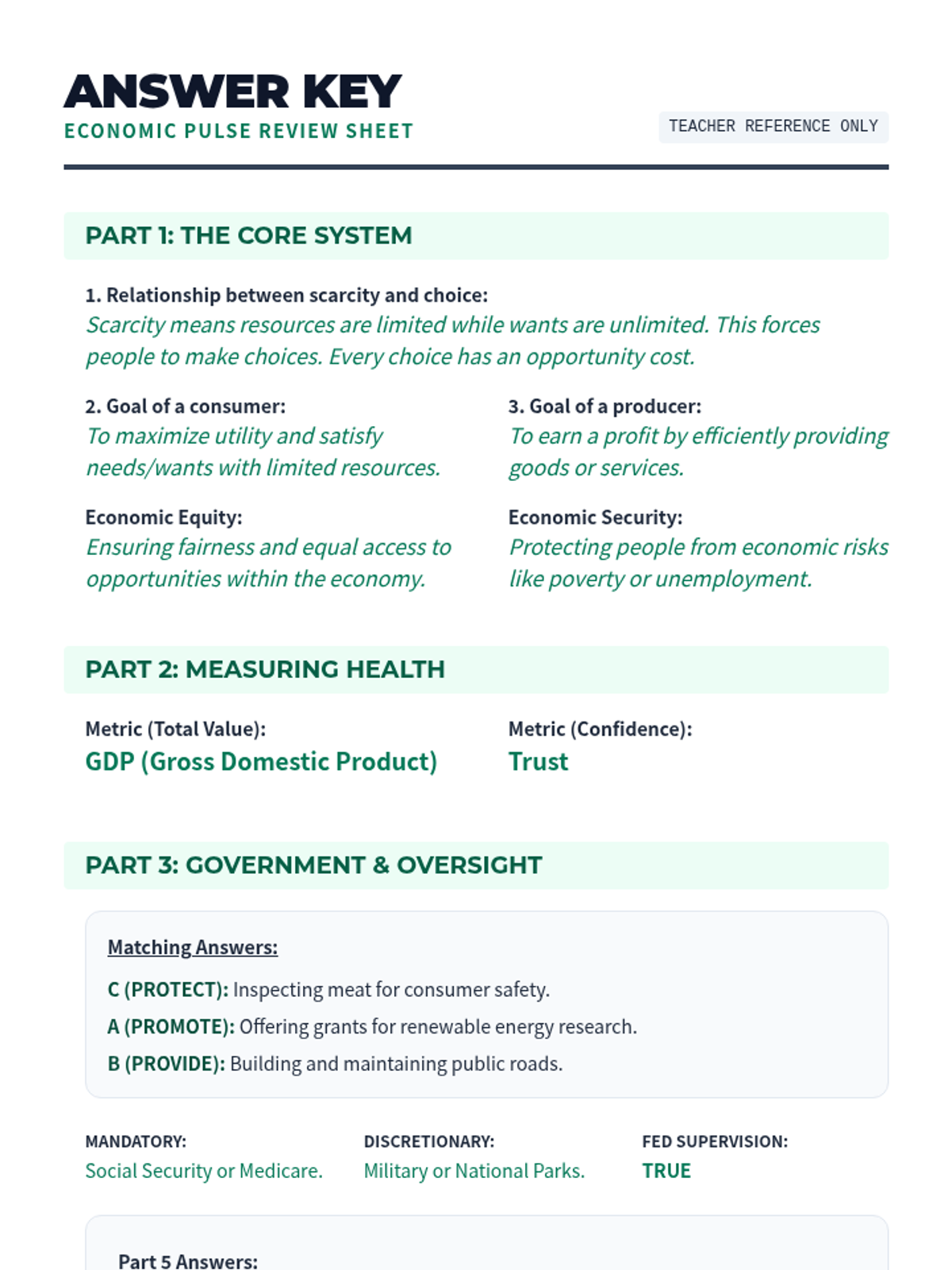
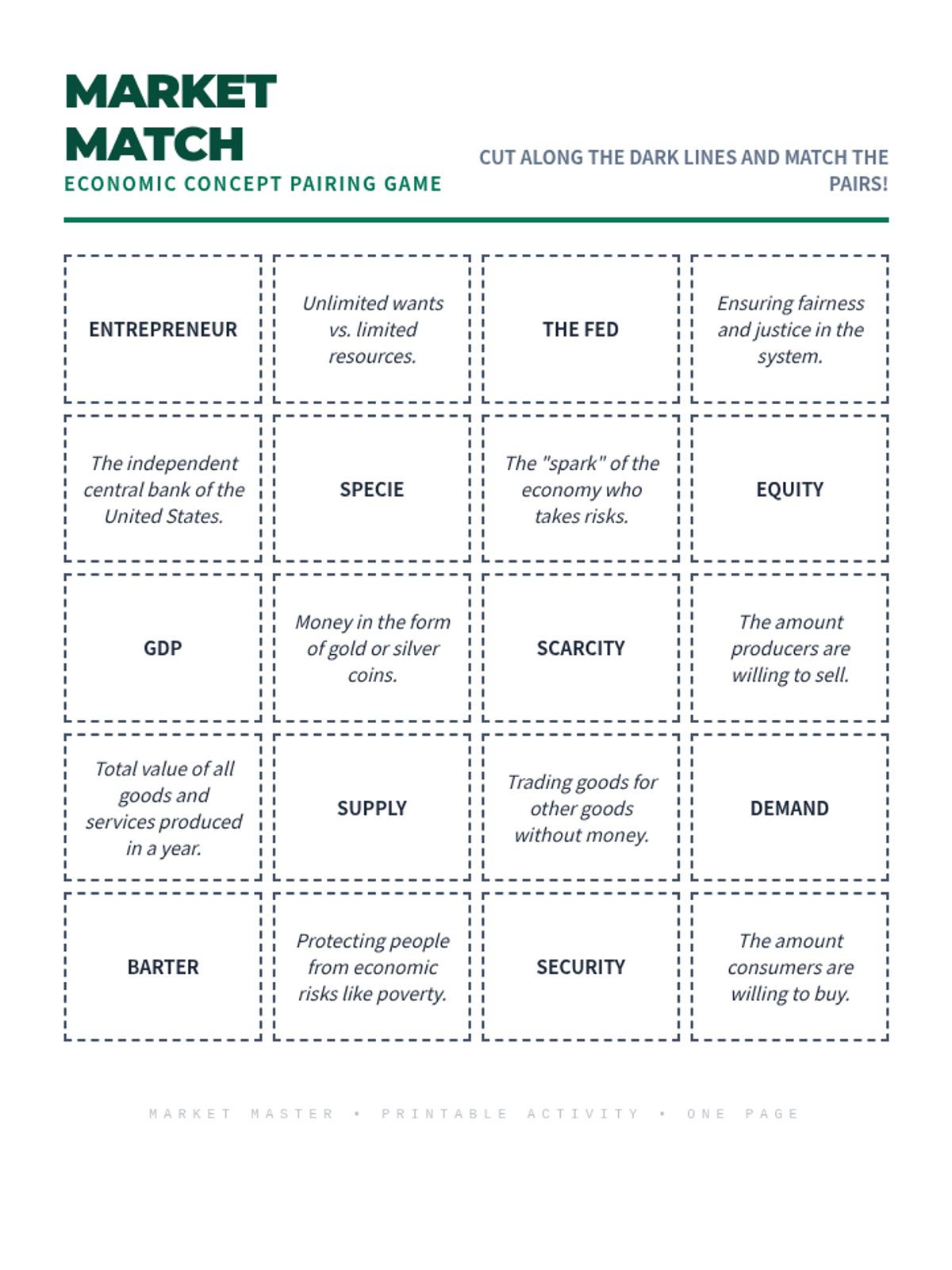
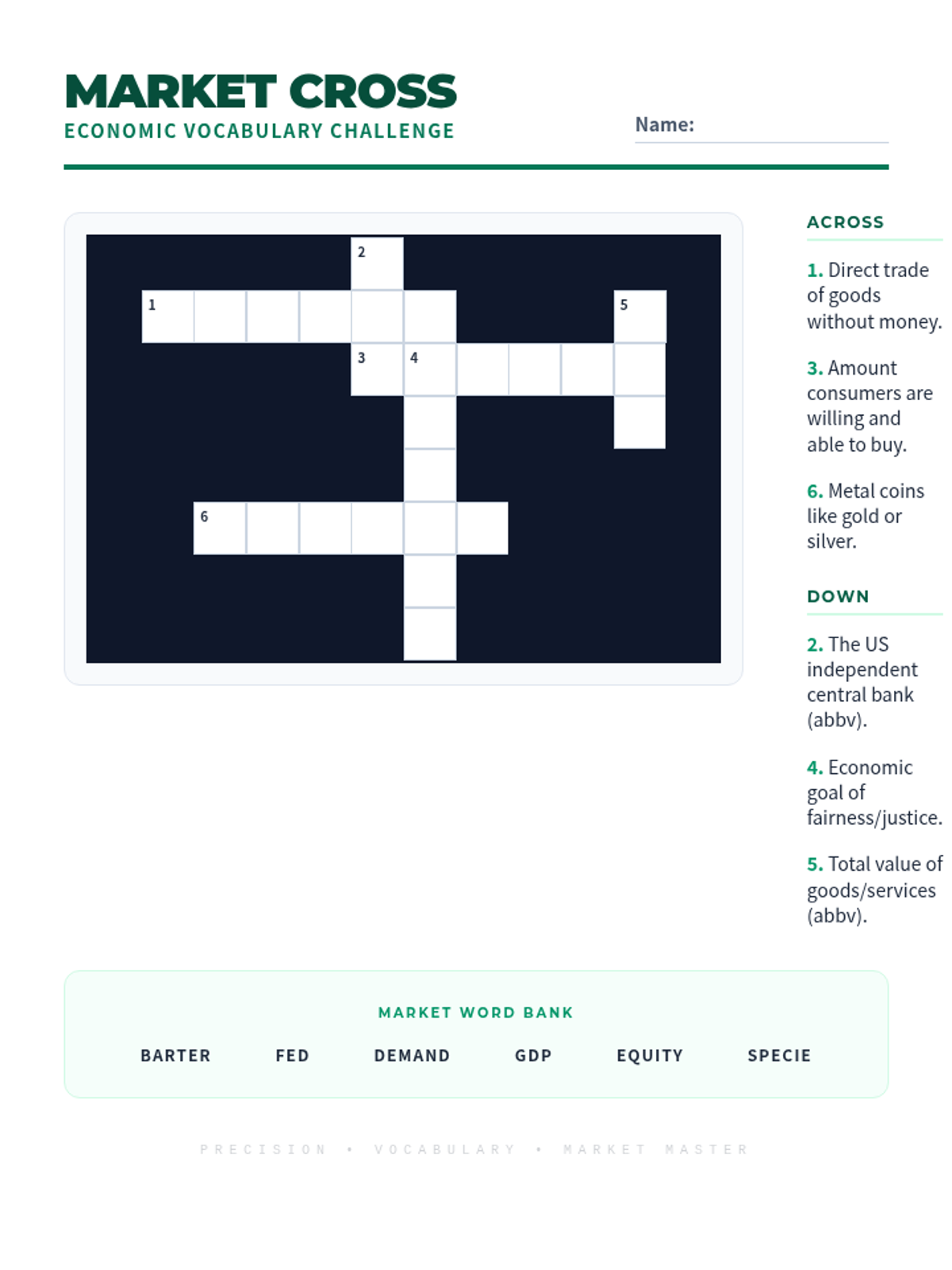
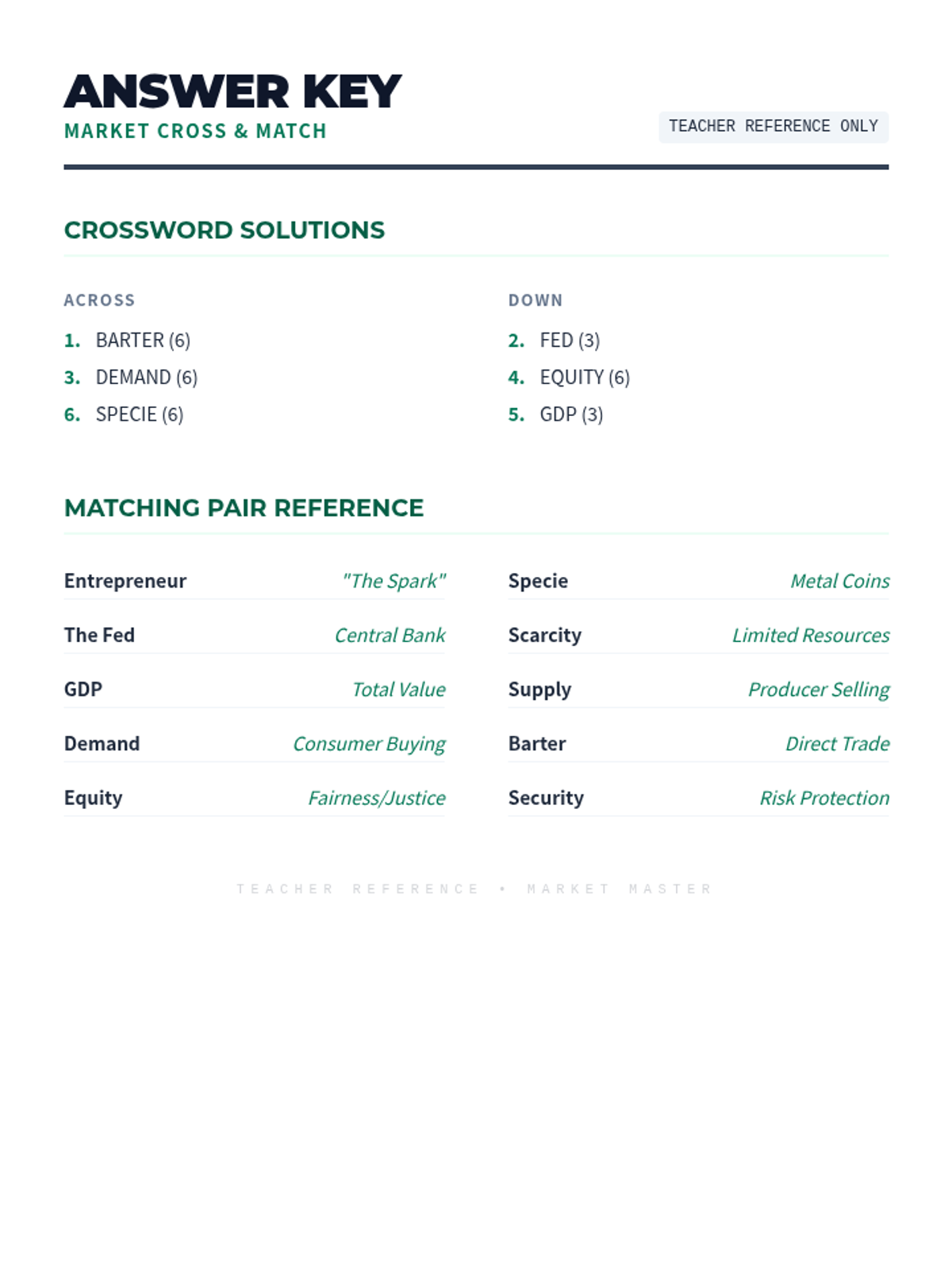
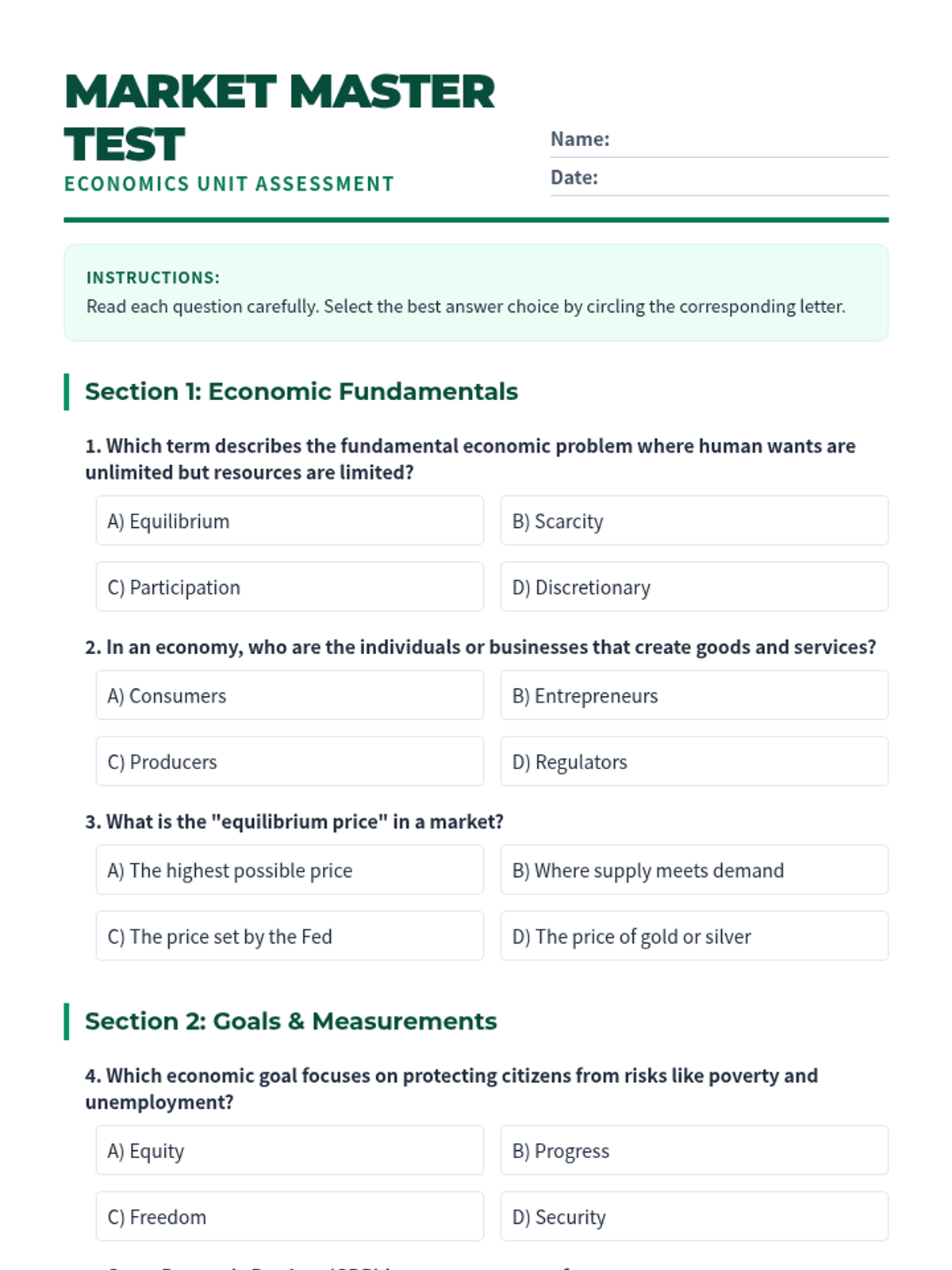
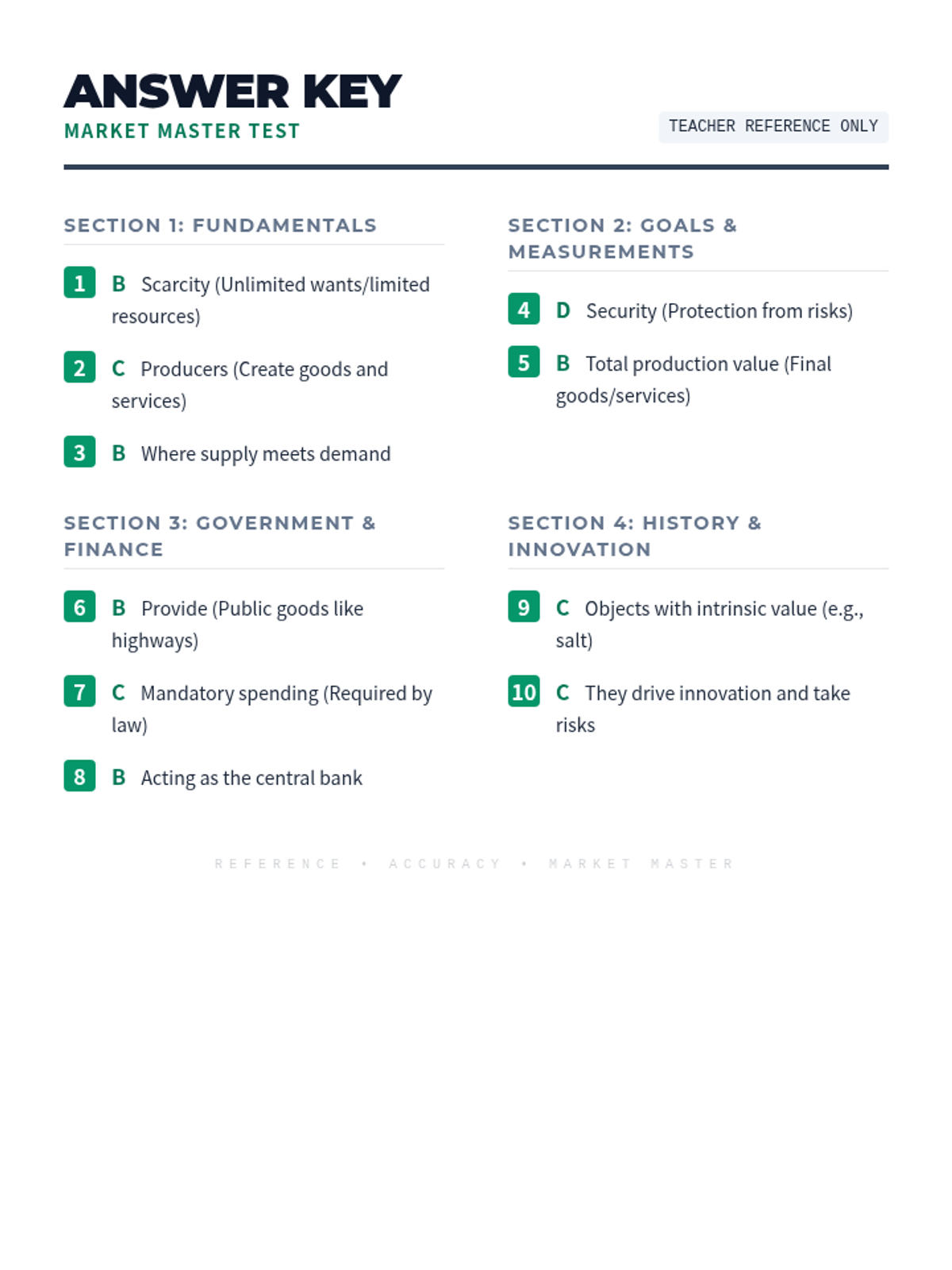
A comprehensive set of study materials covering fundamental economic concepts, government roles, the Federal Reserve, and the history of money.
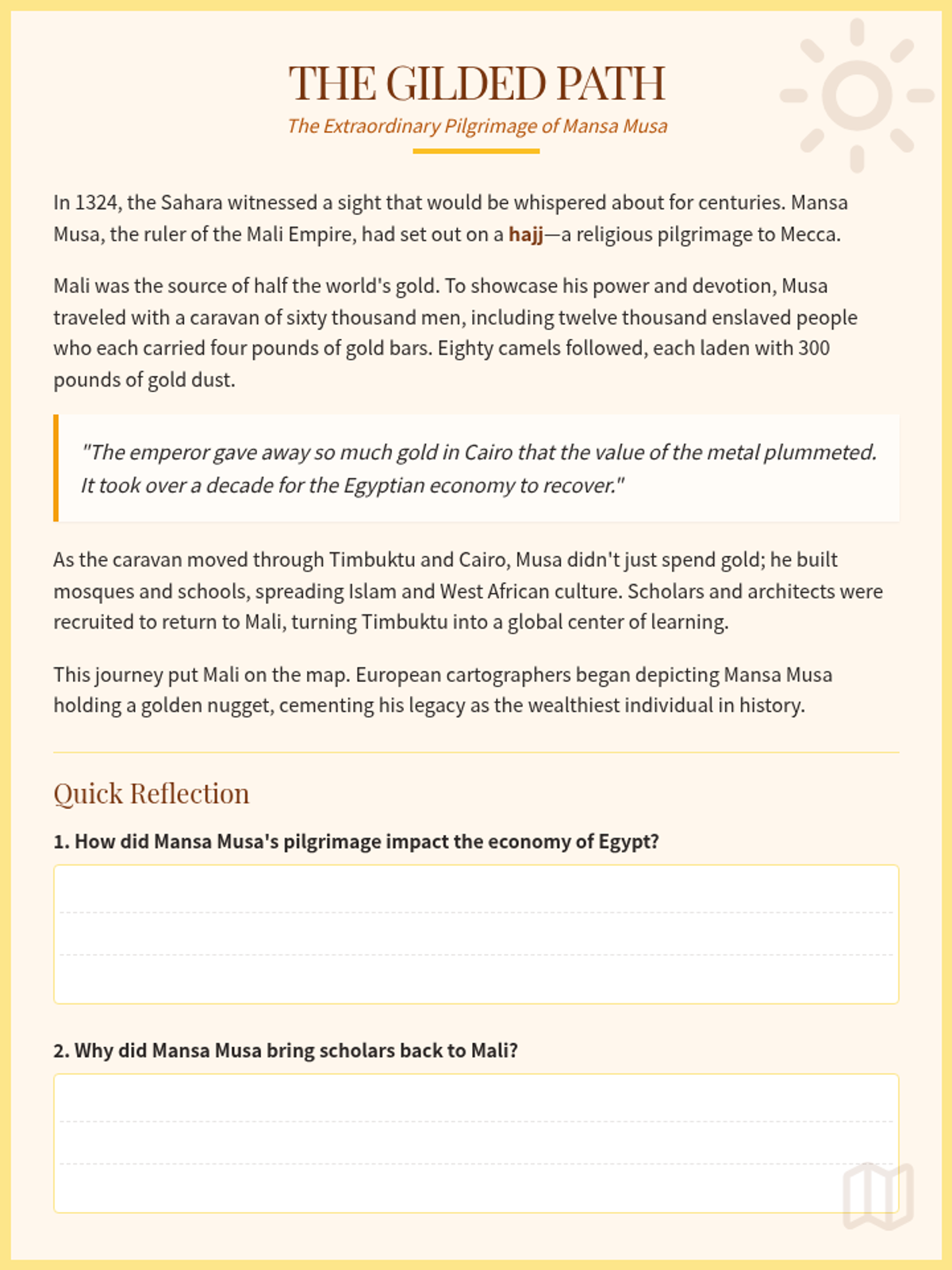
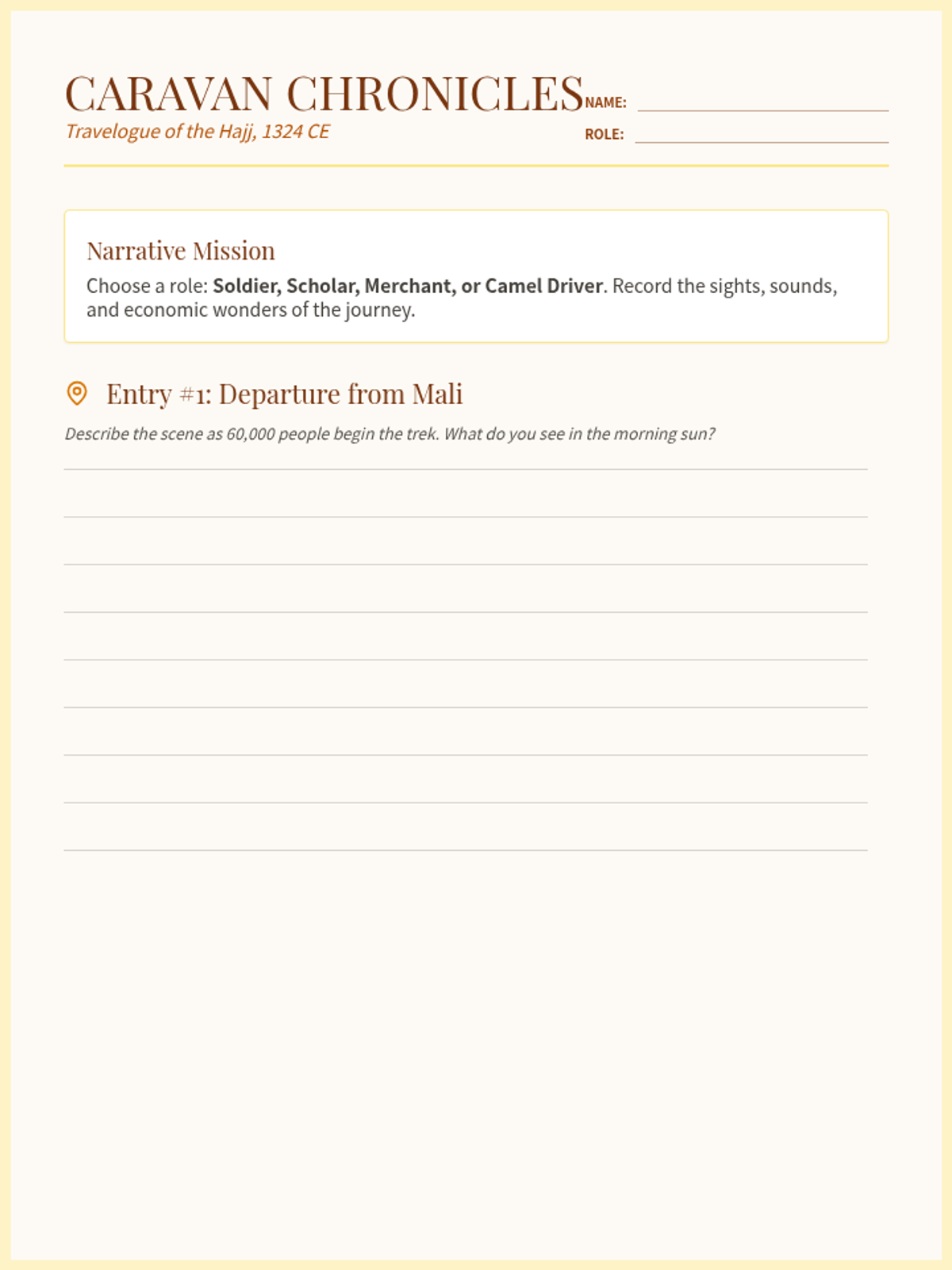
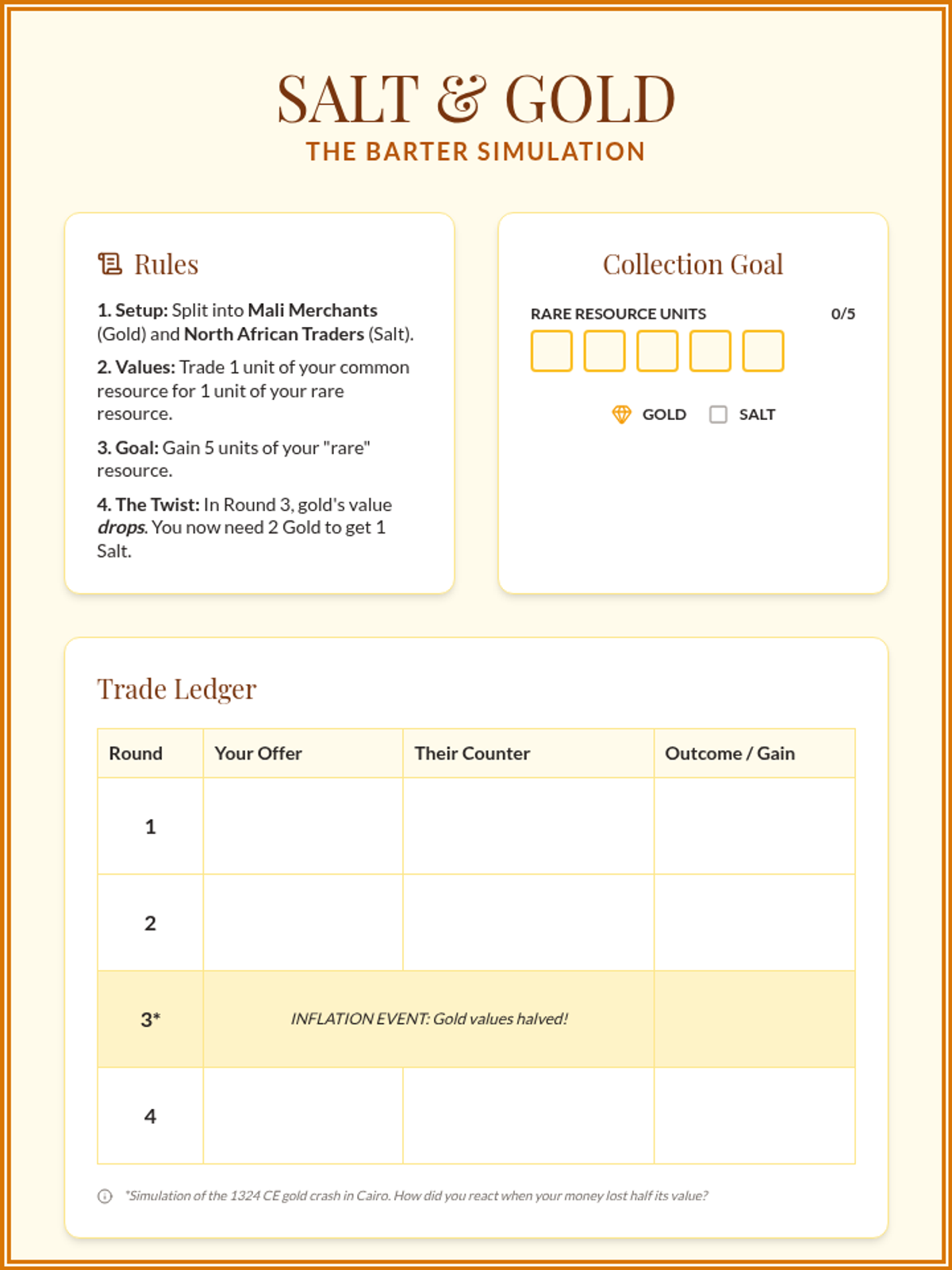
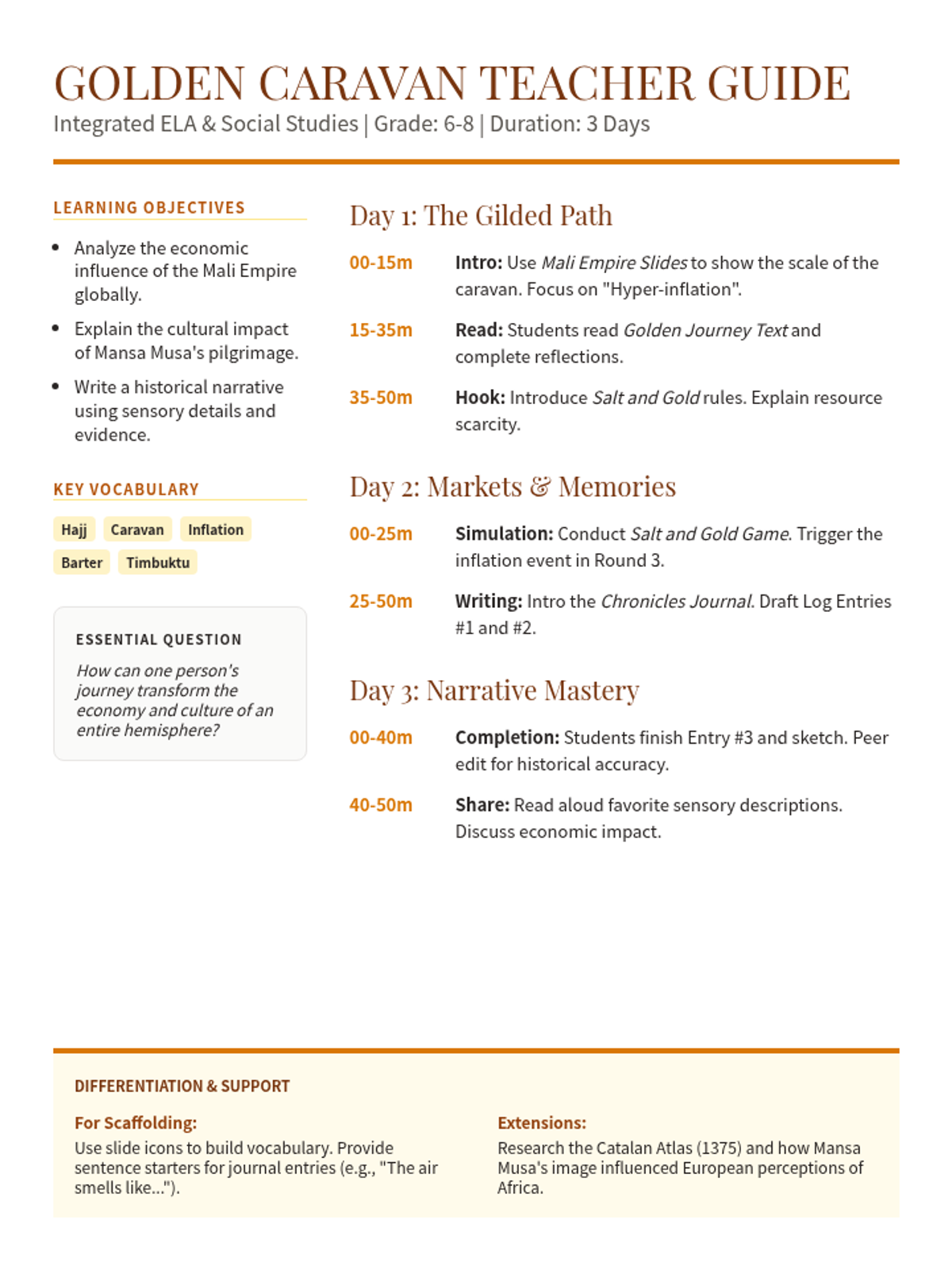
An integrated ELA and Social Studies lesson exploring Mansa Musa's pilgrimage to Mecca, focusing on the wealth of the Mali Empire and narrative writing through travelogues.
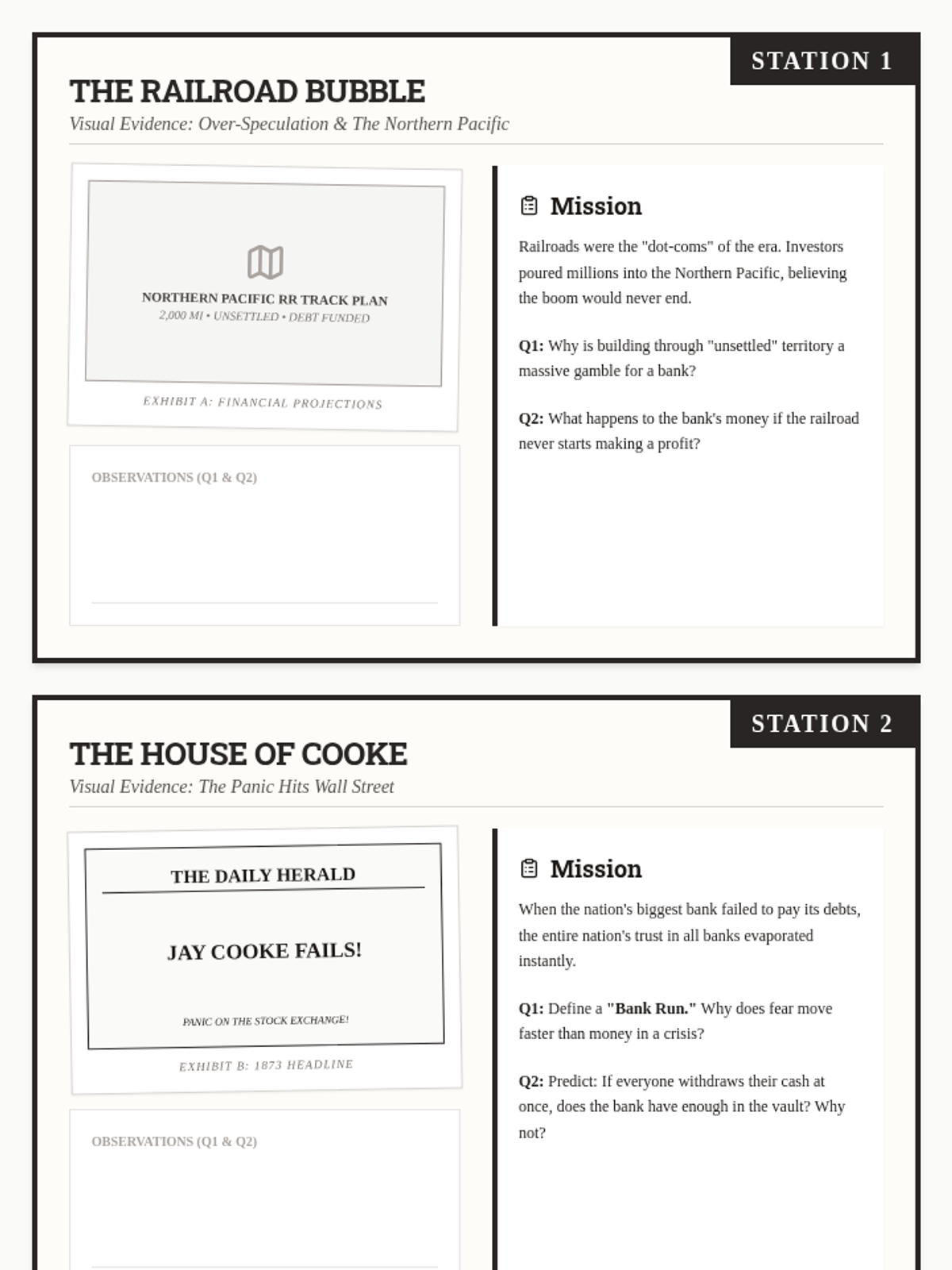
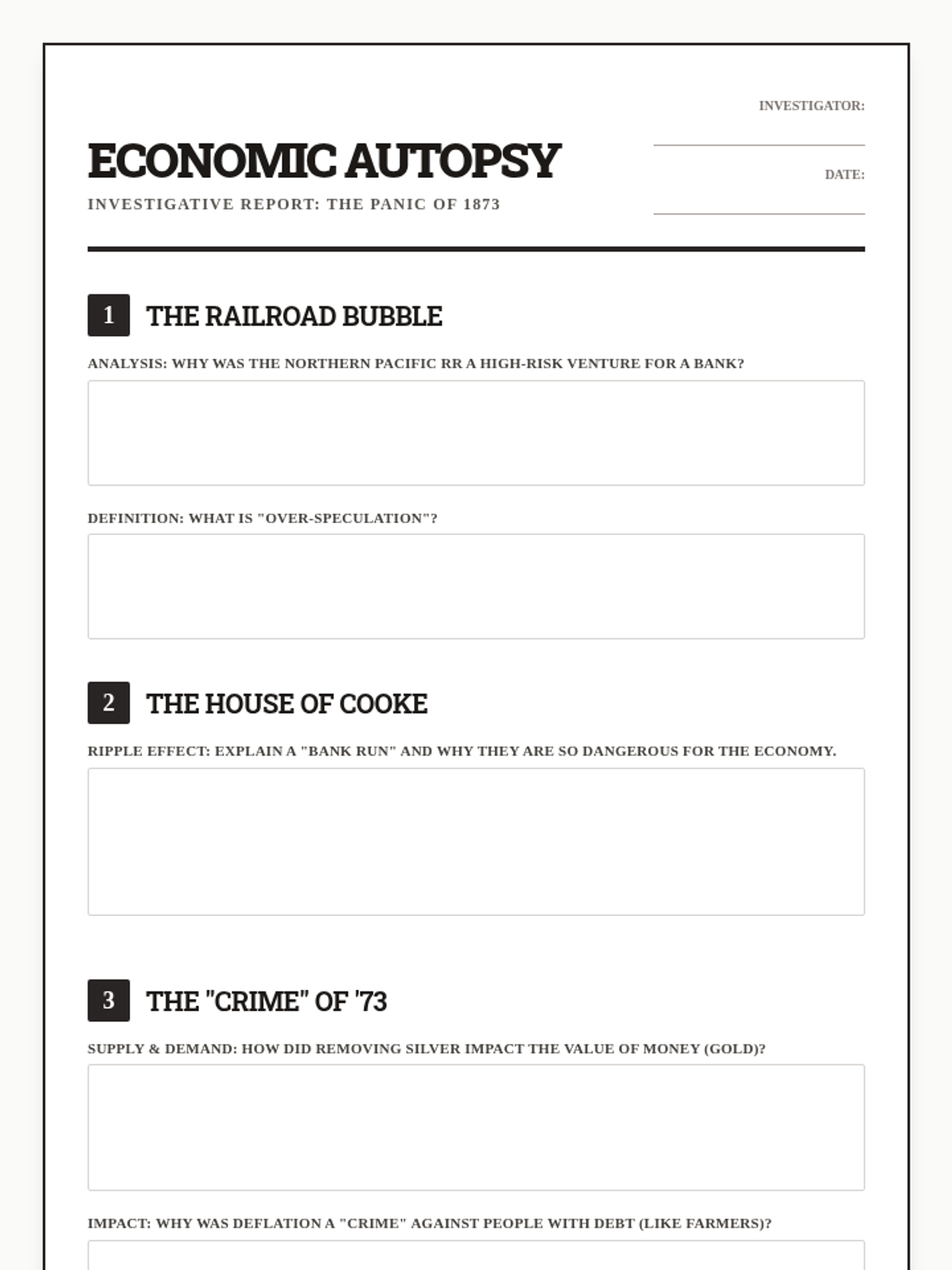
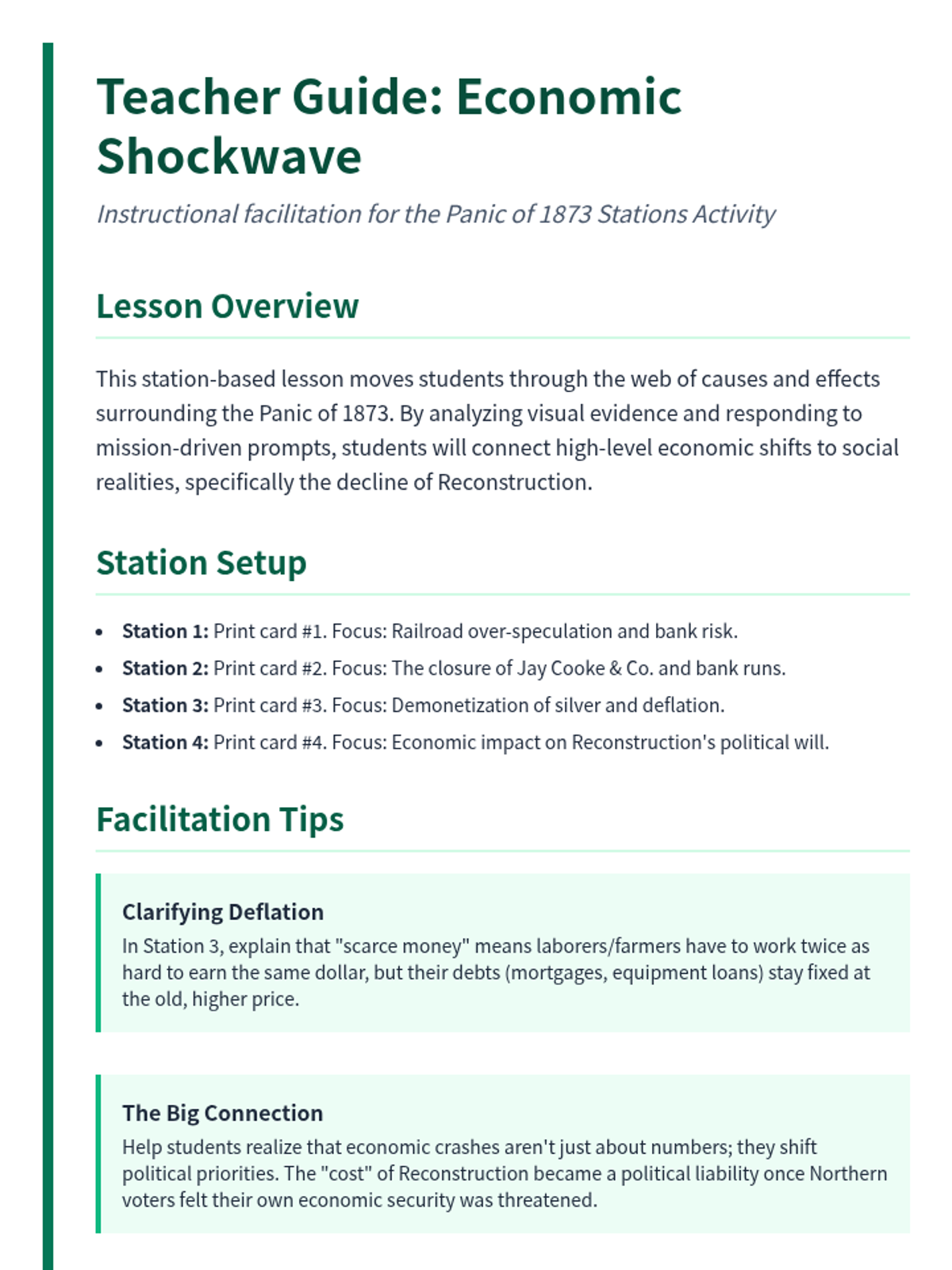
An immersive stations-based lesson exploring the causes and consequences of the Panic of 1873, focusing on railroad over-speculation, banking failures, and its impact on Reconstruction.
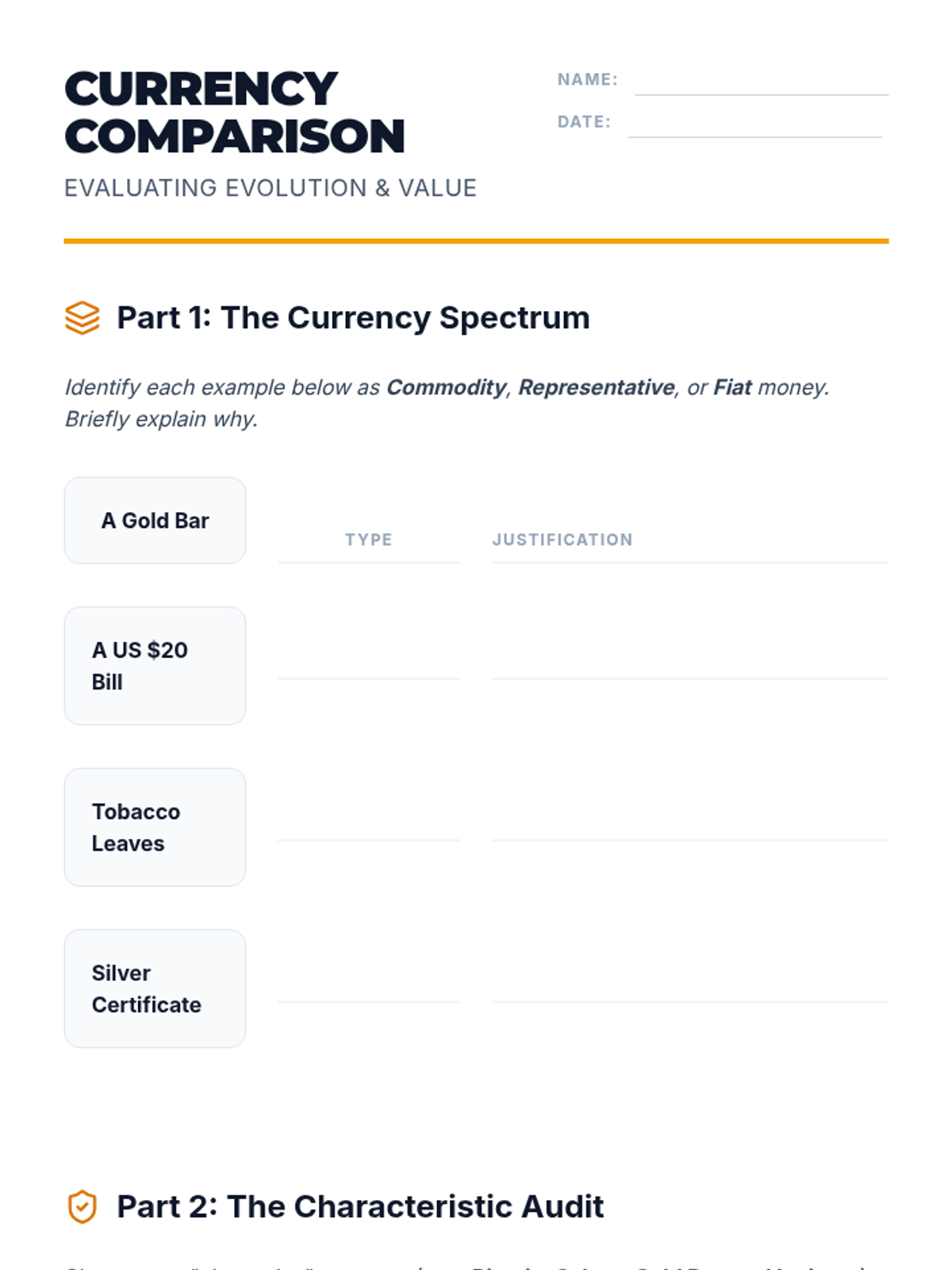
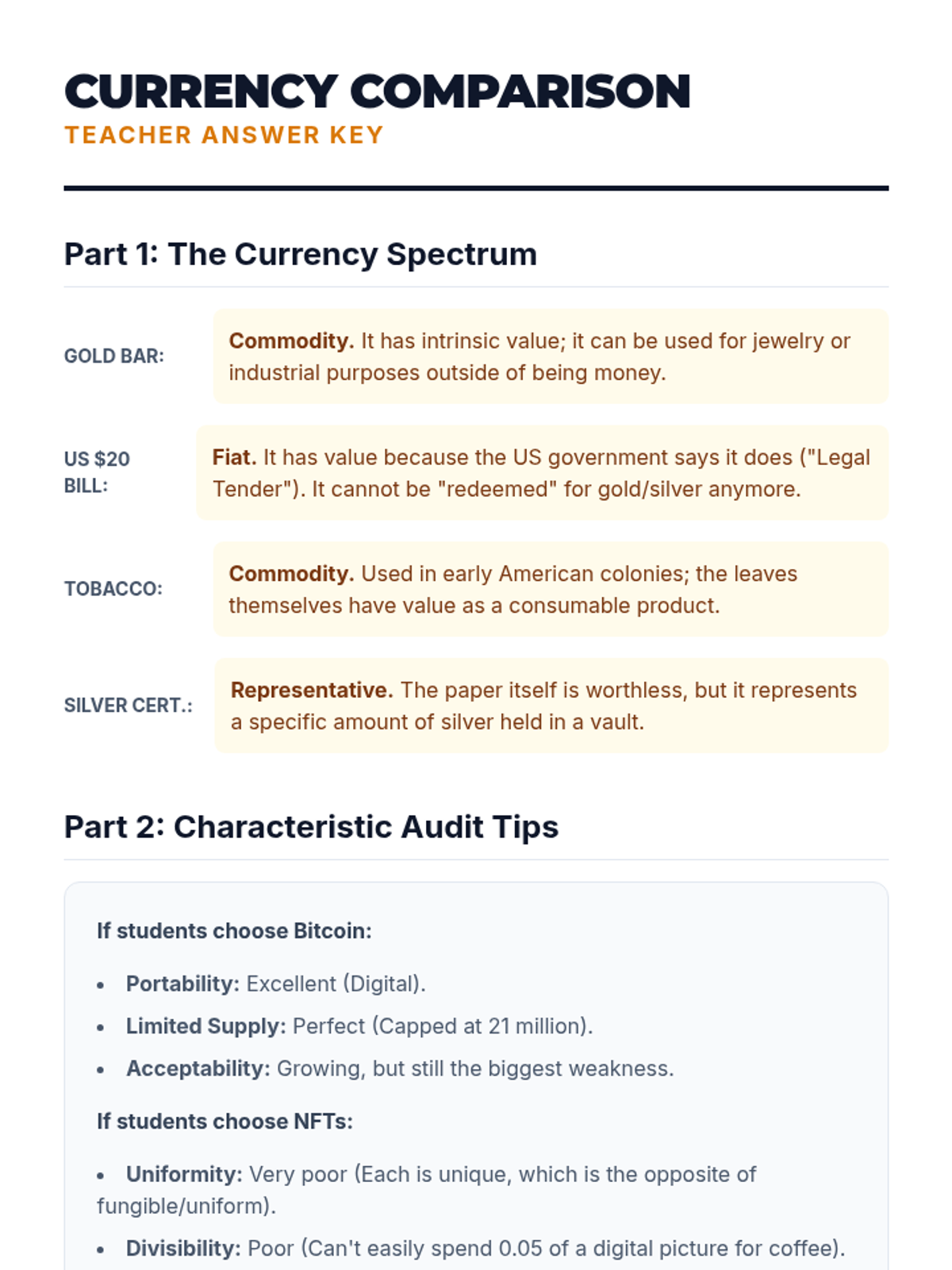
An exploration of the history and types of currency, from commodity money to fiat systems, designed for a 90-minute block.
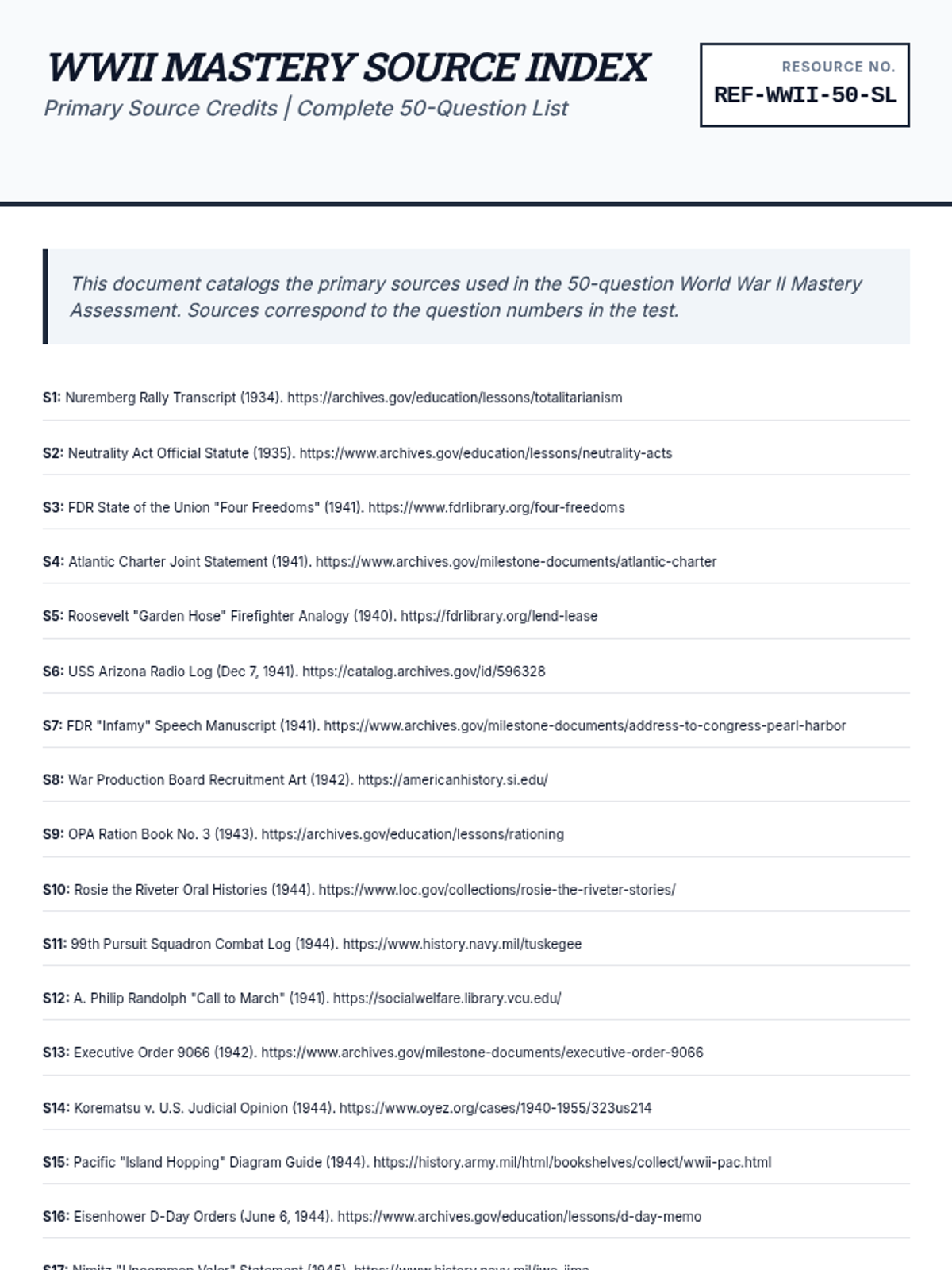
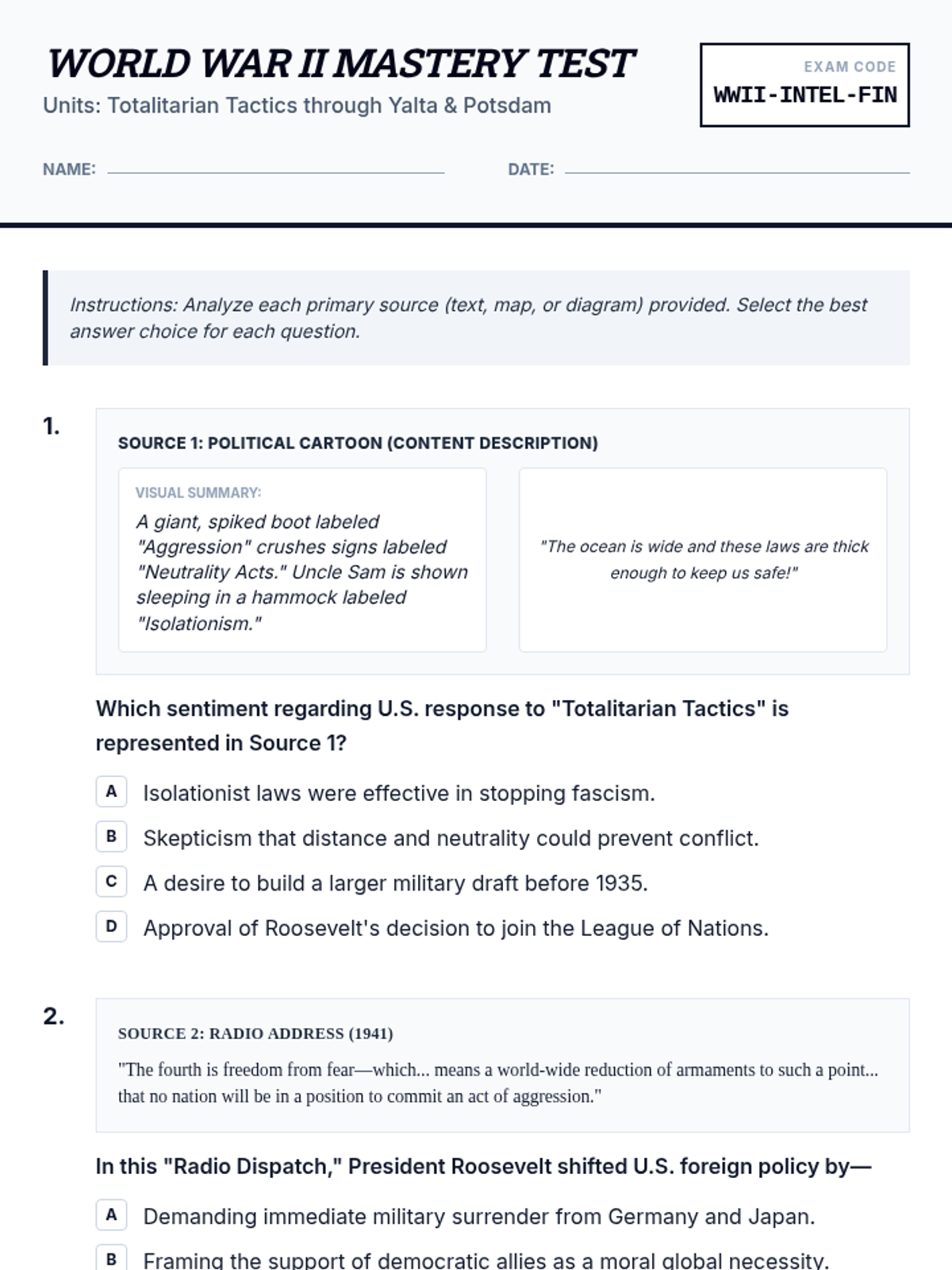
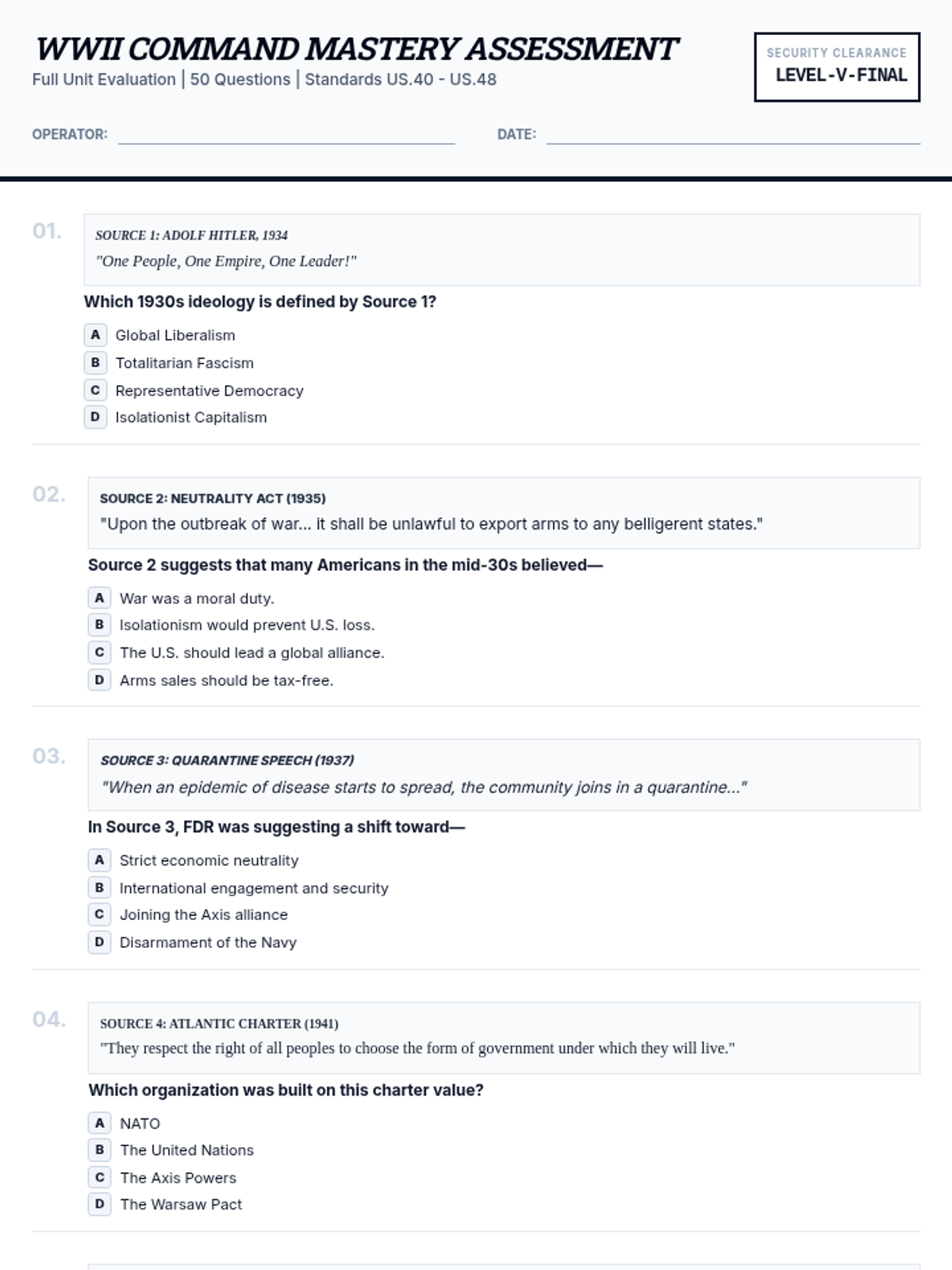
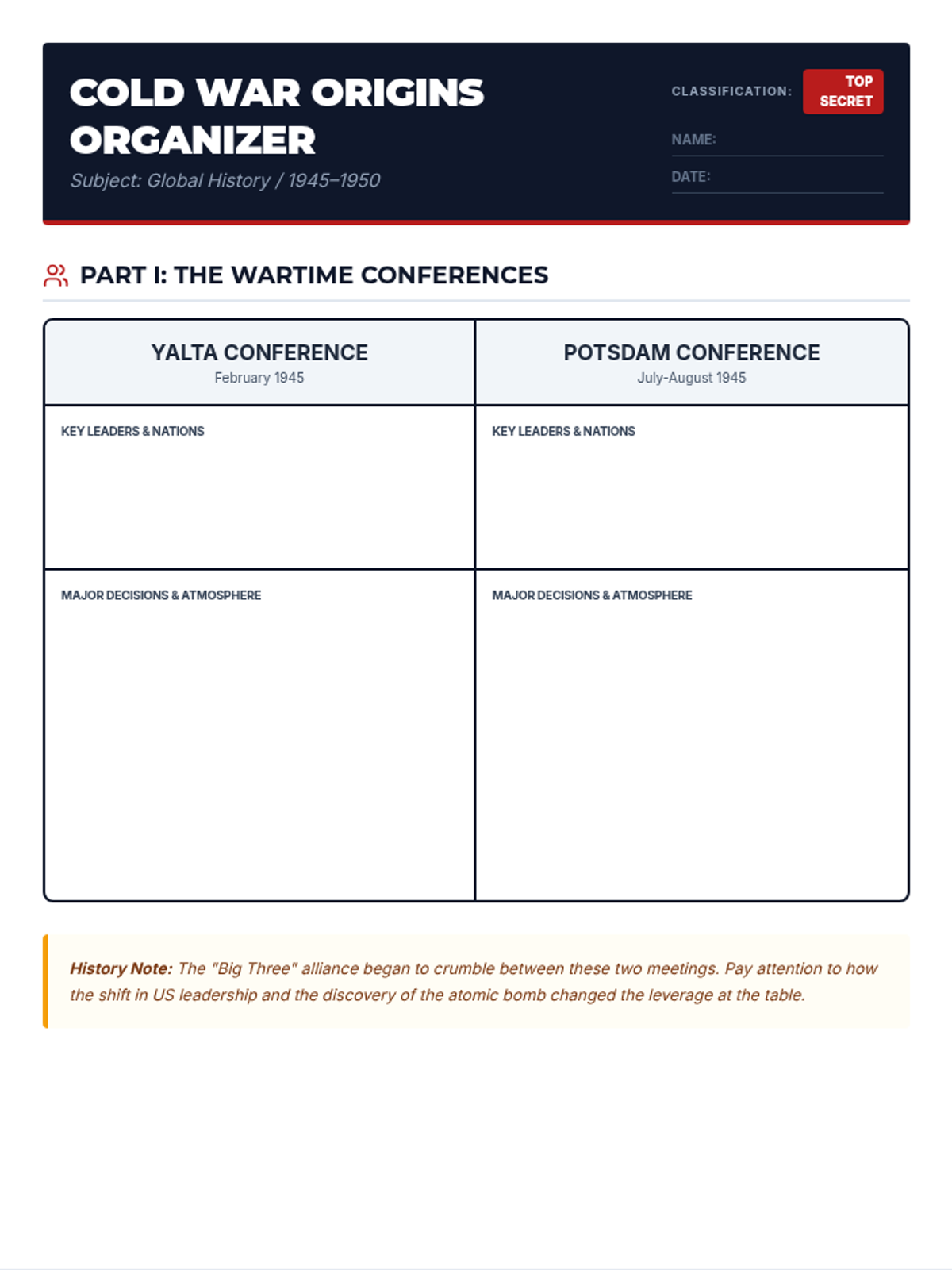
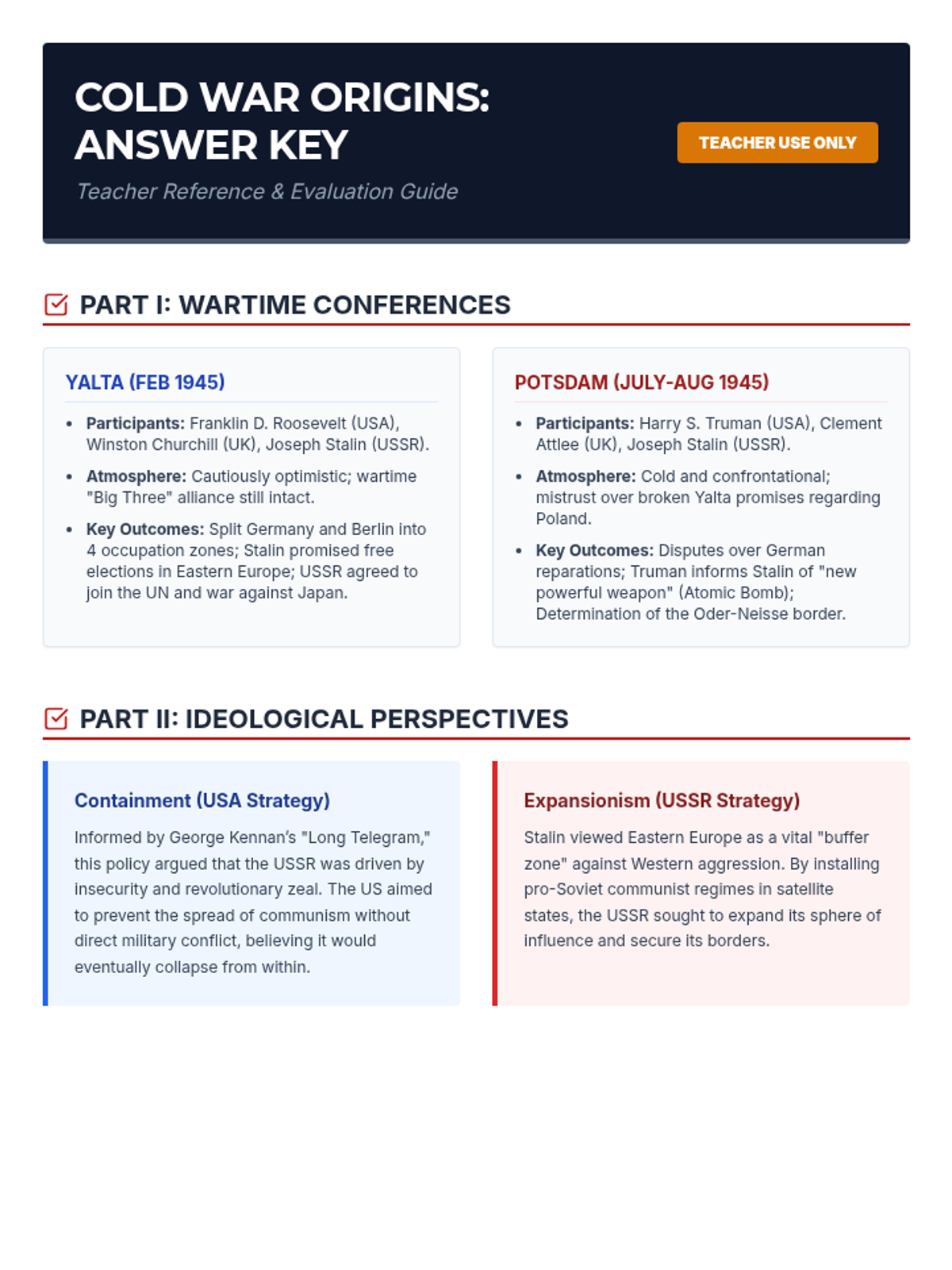
Totalitarian Tactics, Radio Dispatch, Gatekeepers, War Room Briefings, Warrior Spirit, Justice Homefront, Home Front Heroines, Justice Denied, Home Front Heroes, Atomic Ambitions, and Yalta and Potsdam Conferences.
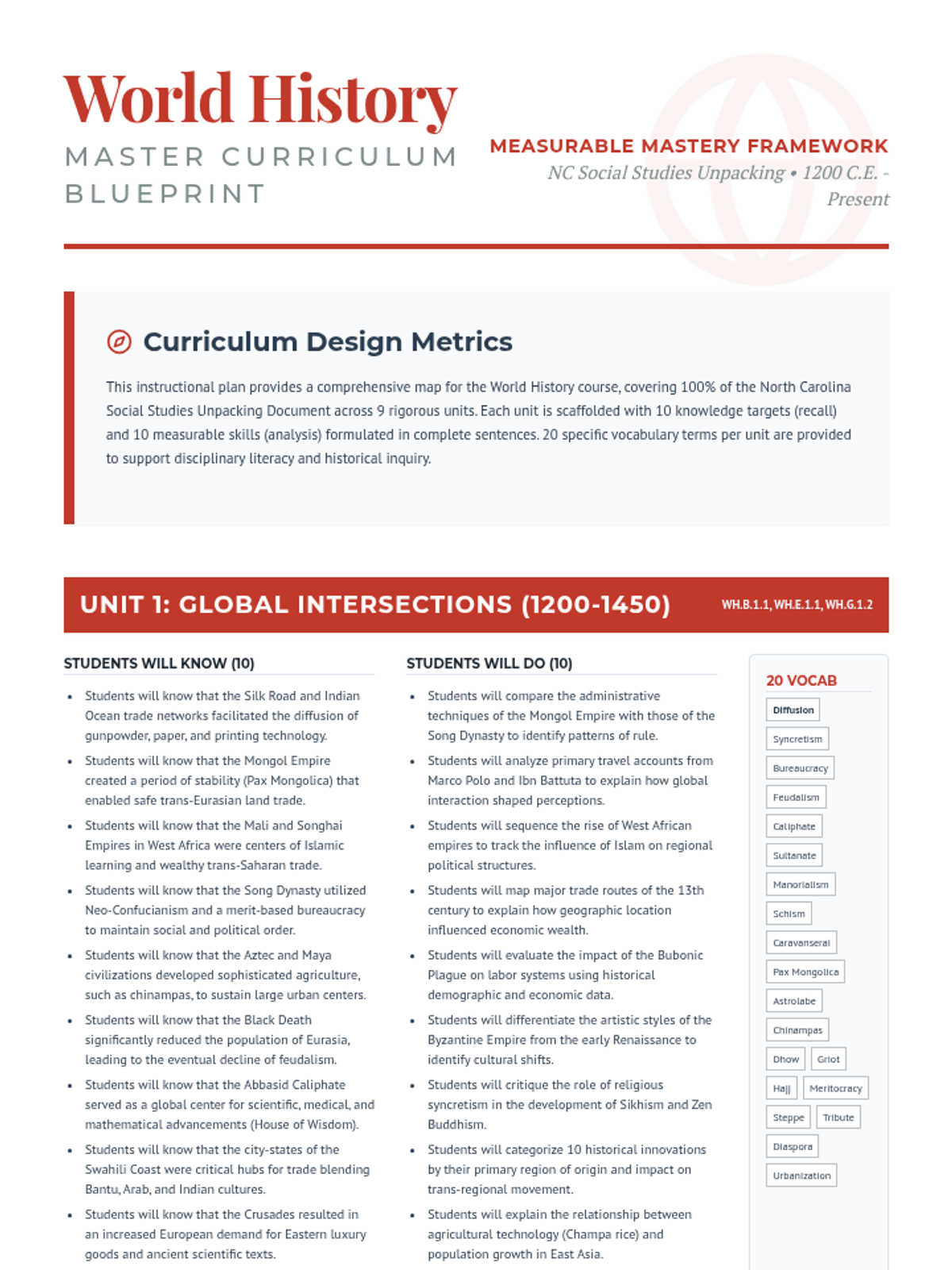
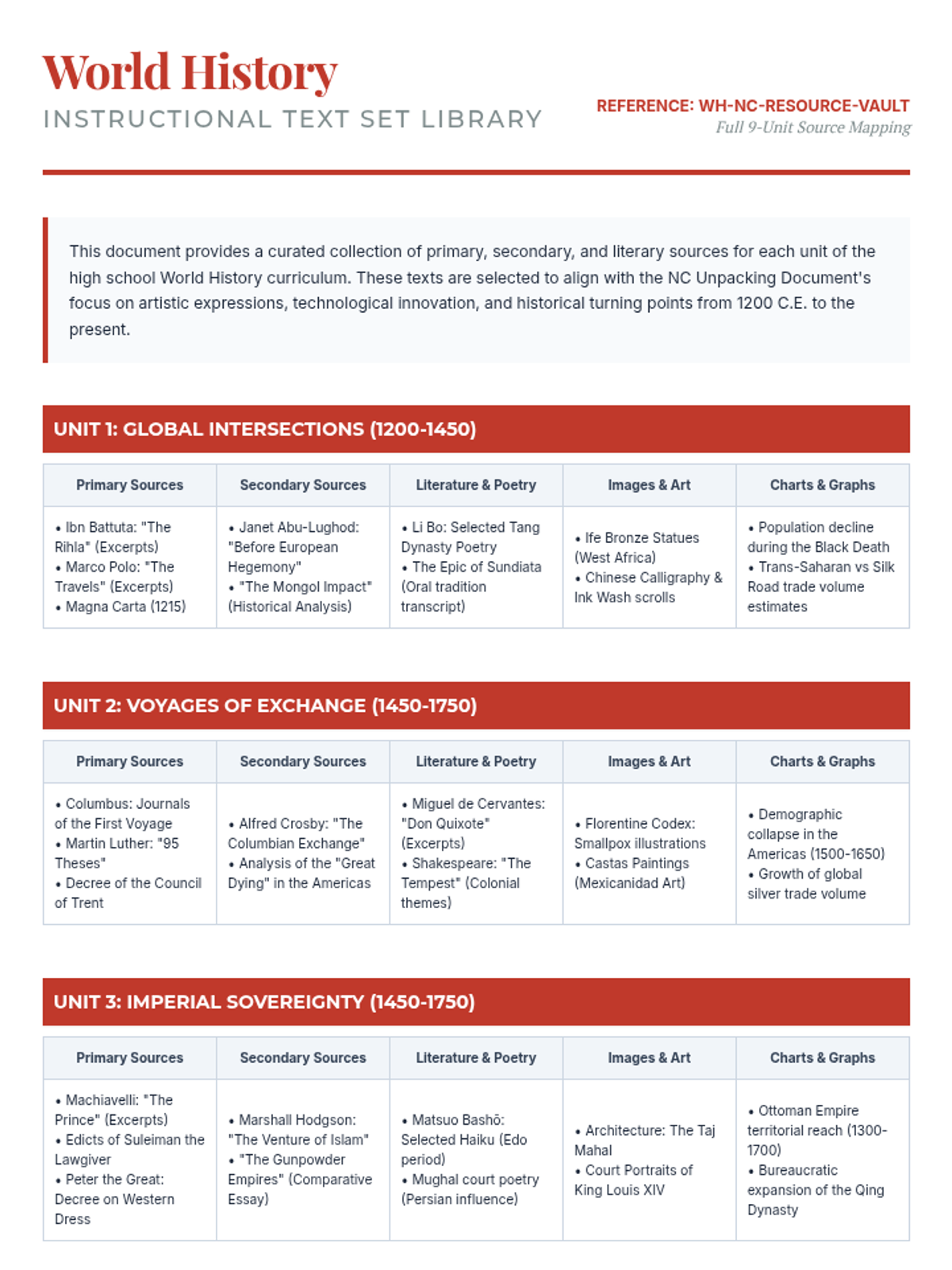
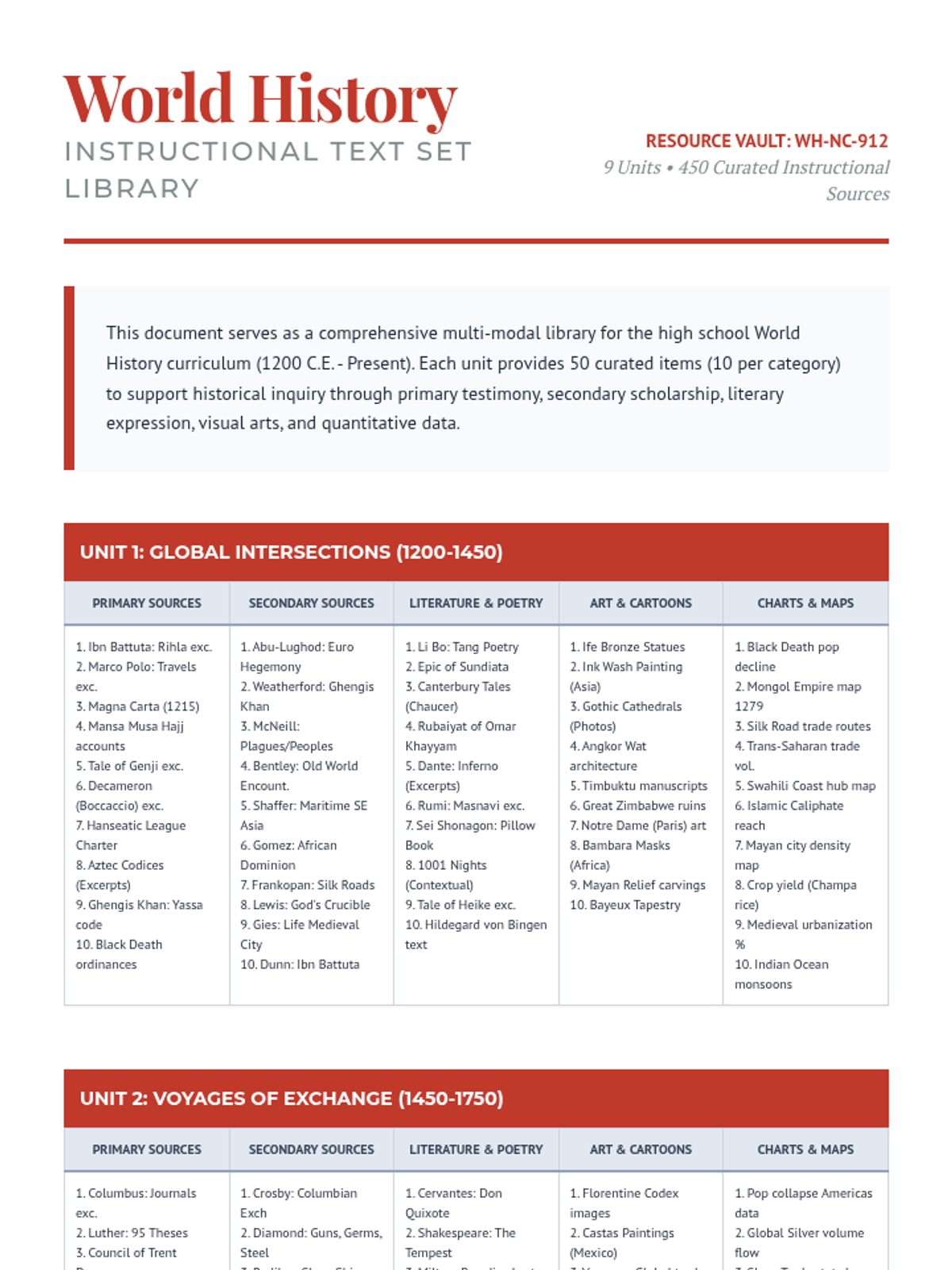
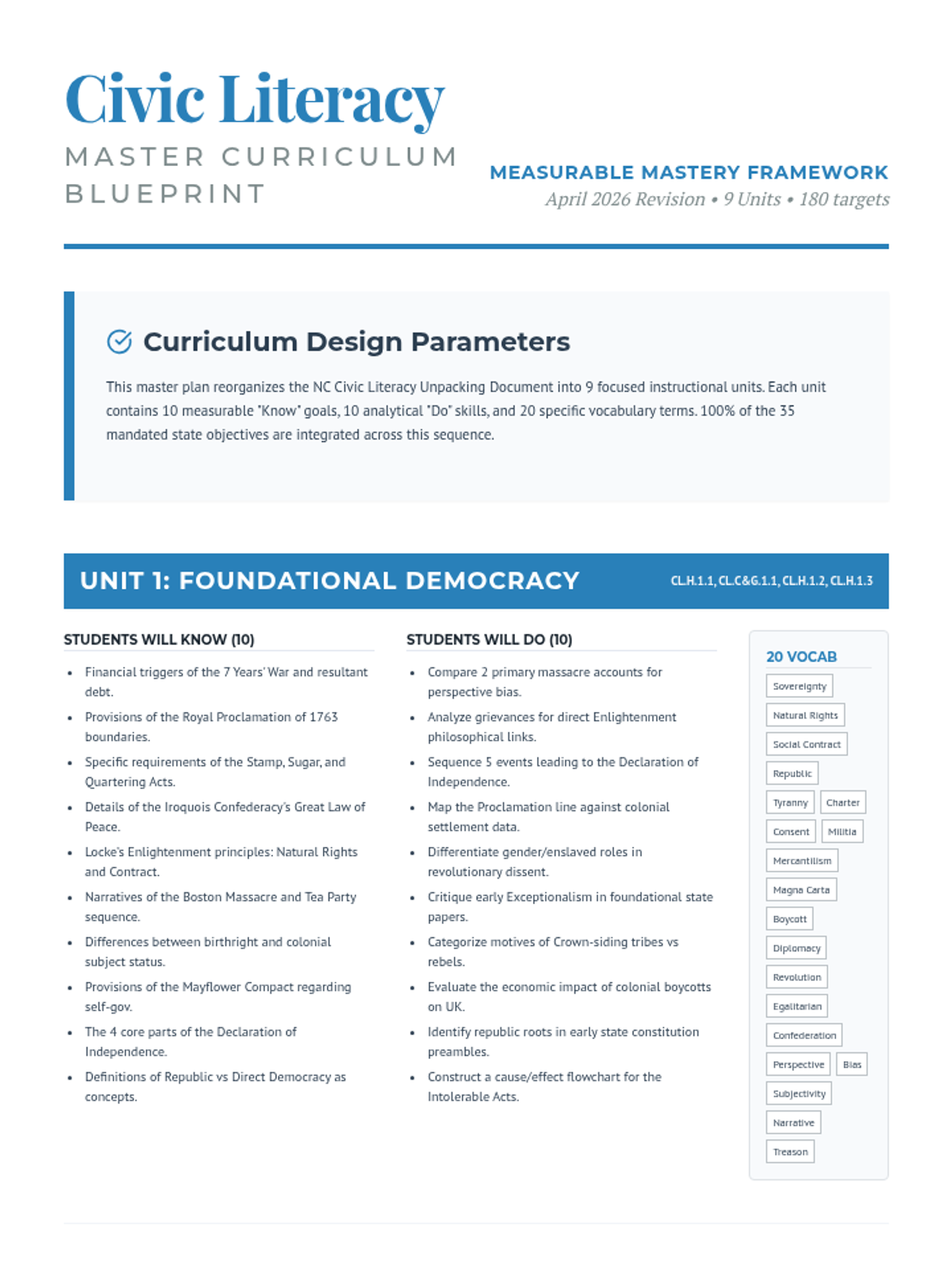
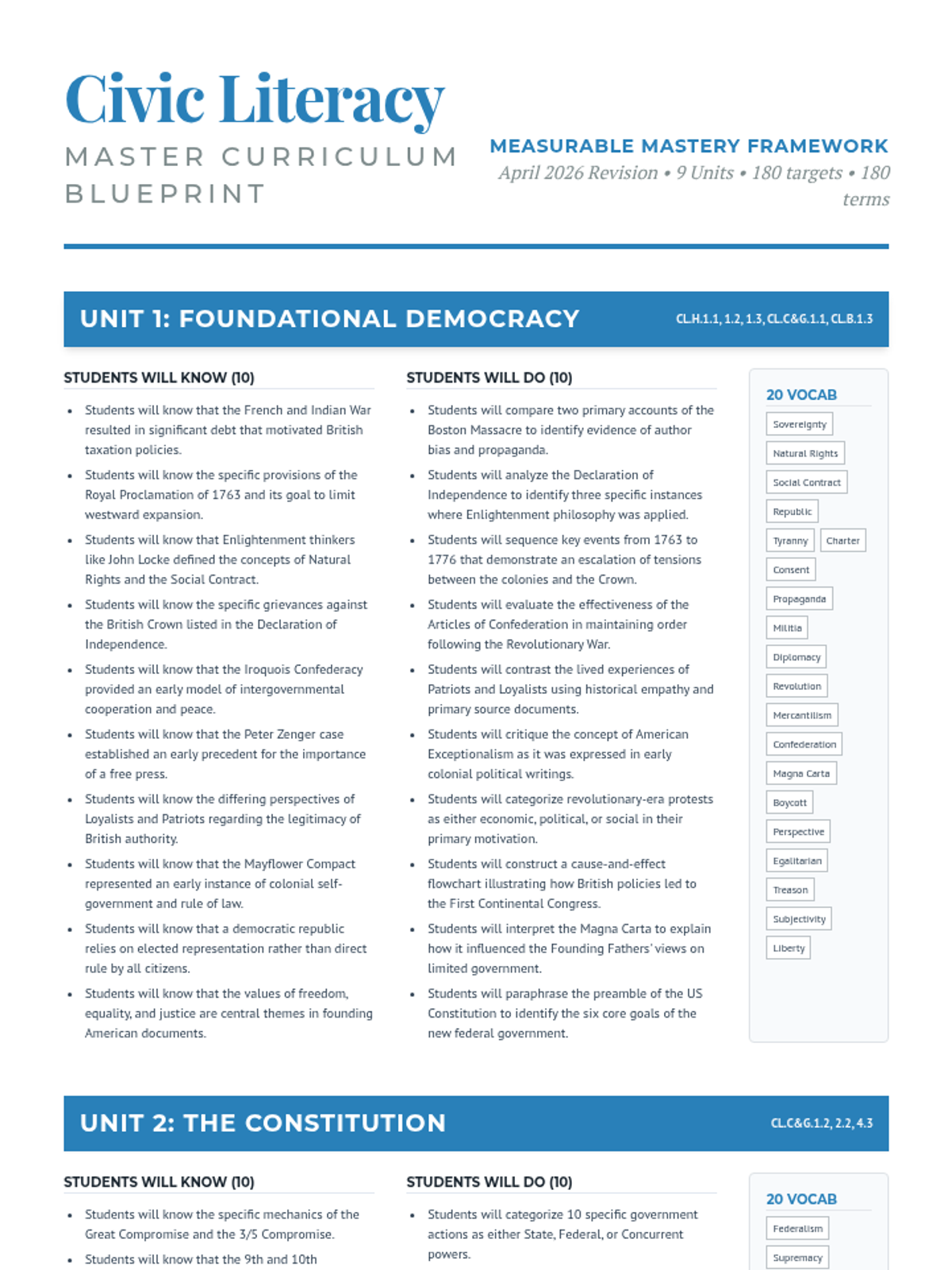
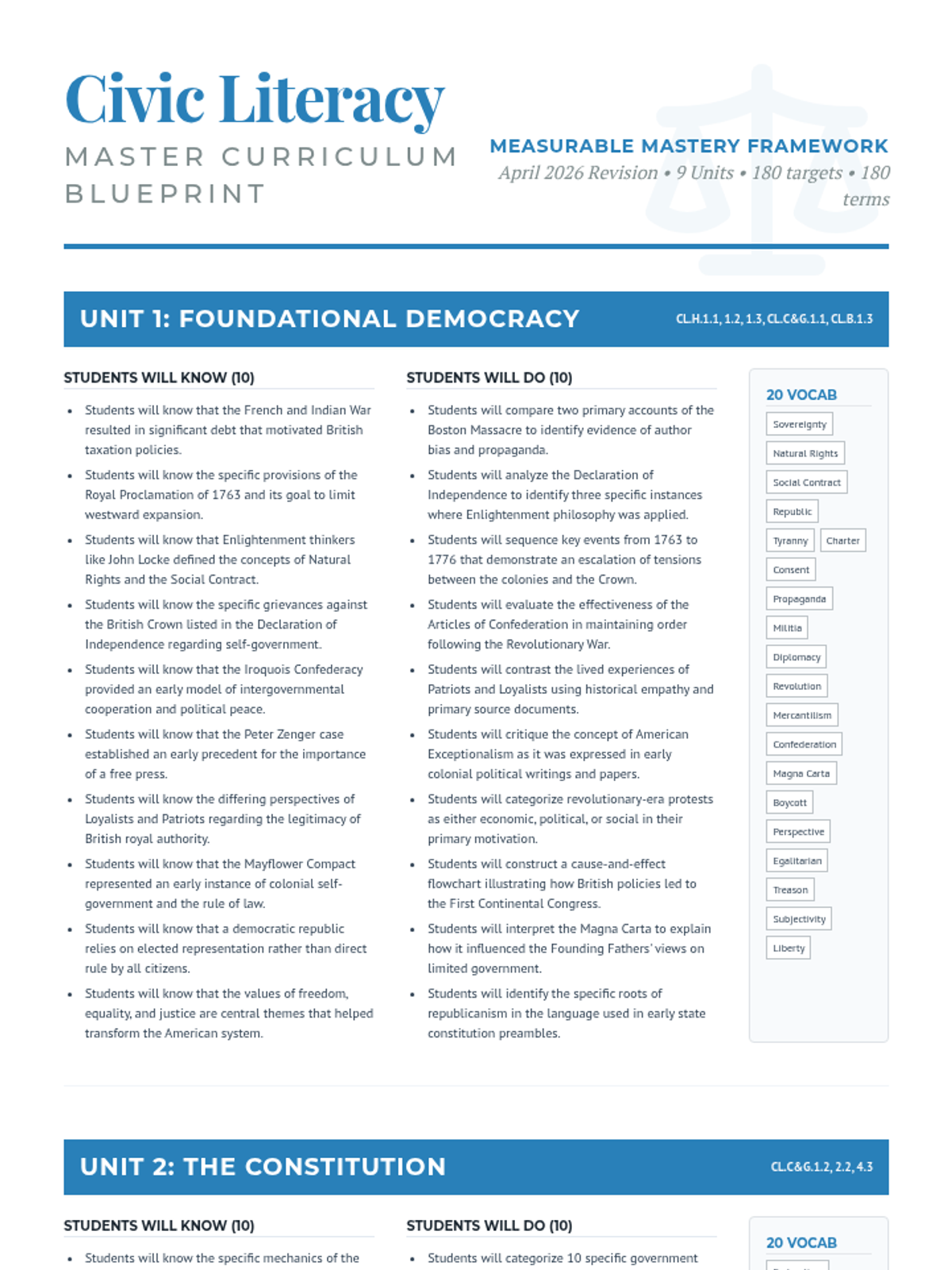
A master curriculum framework for World History that defines standards, objectives, skills, learning goals, and vocabulary for nine instructional units spanning 1200 C.E. to the present.
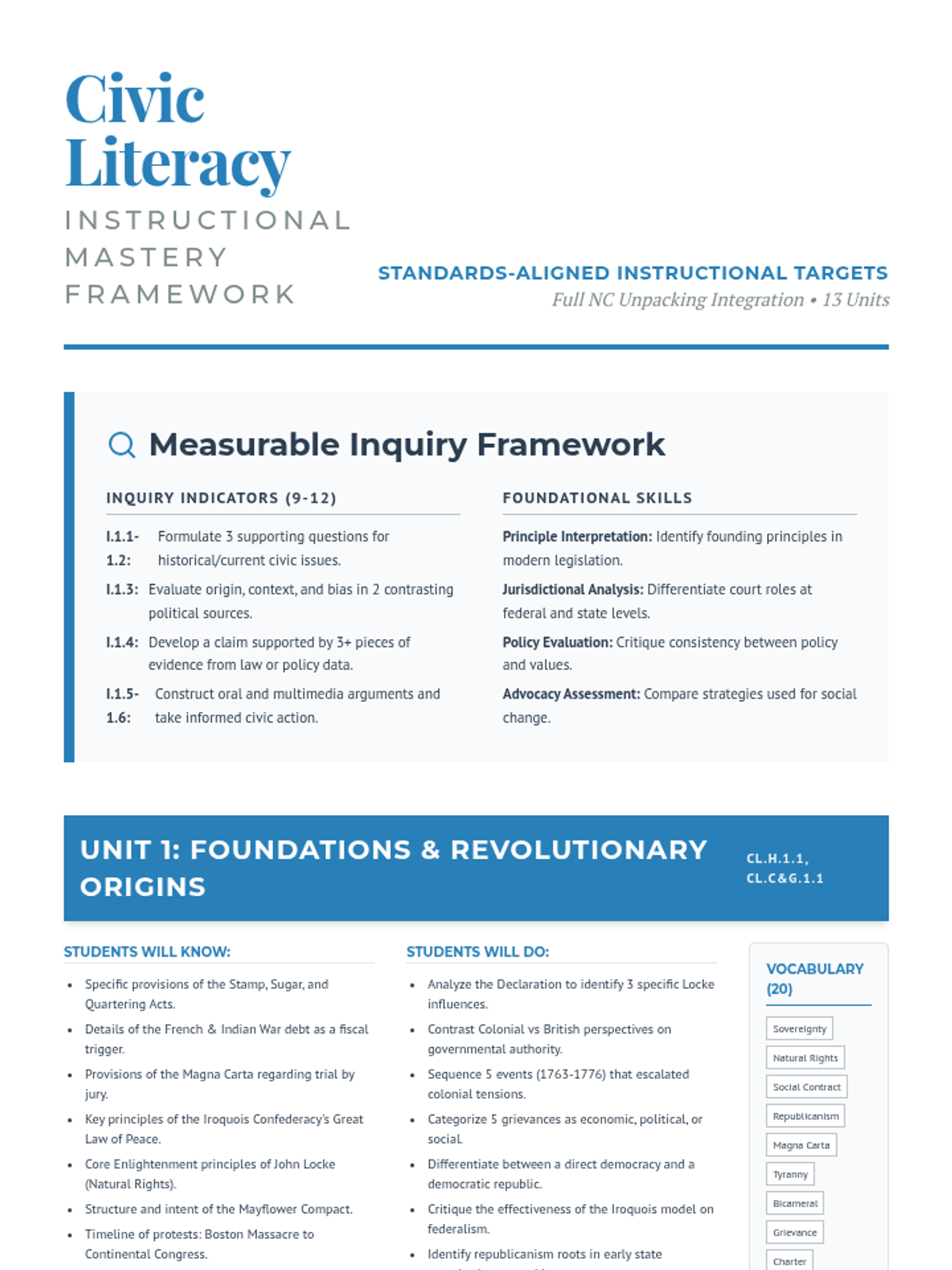
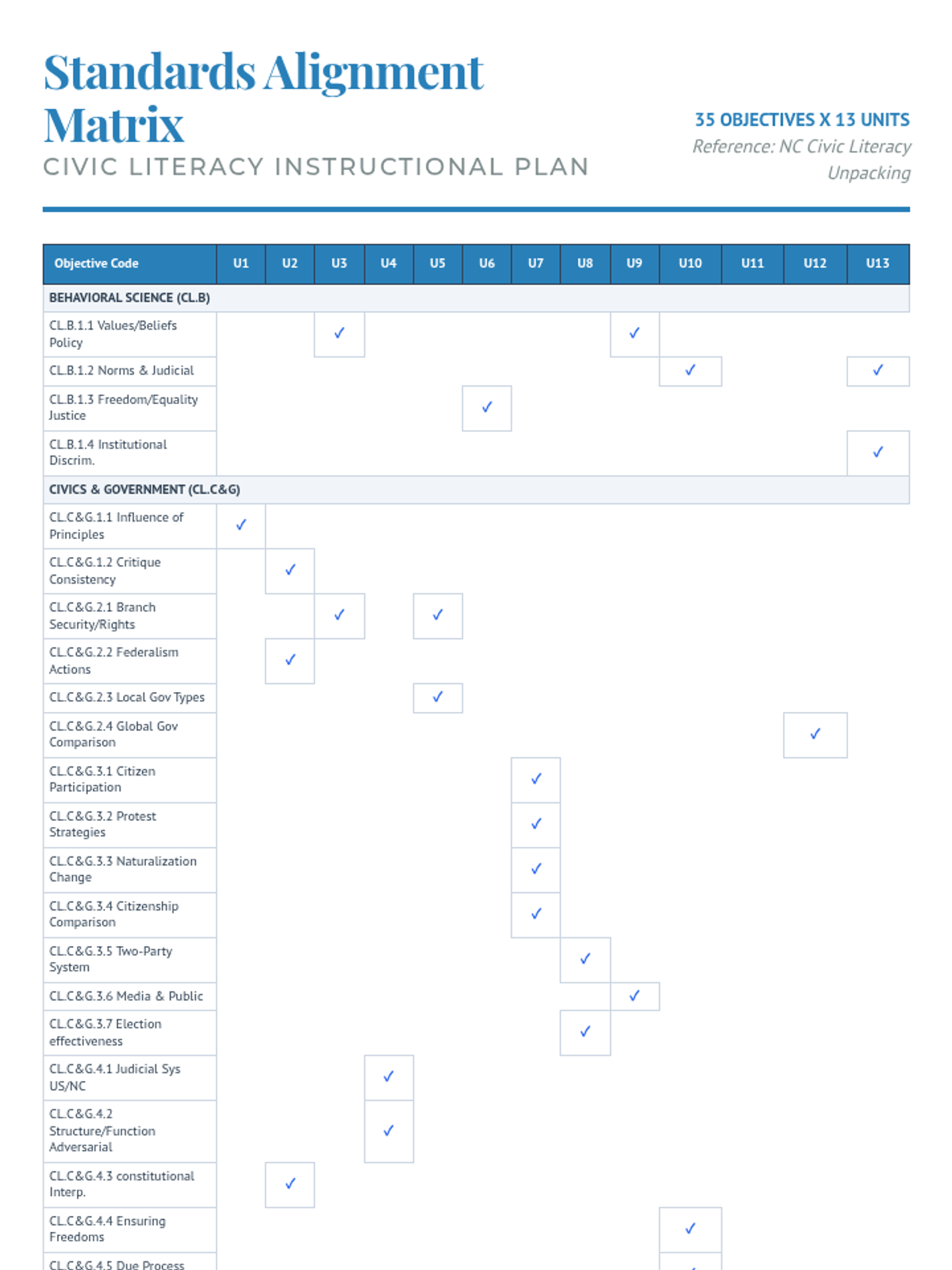
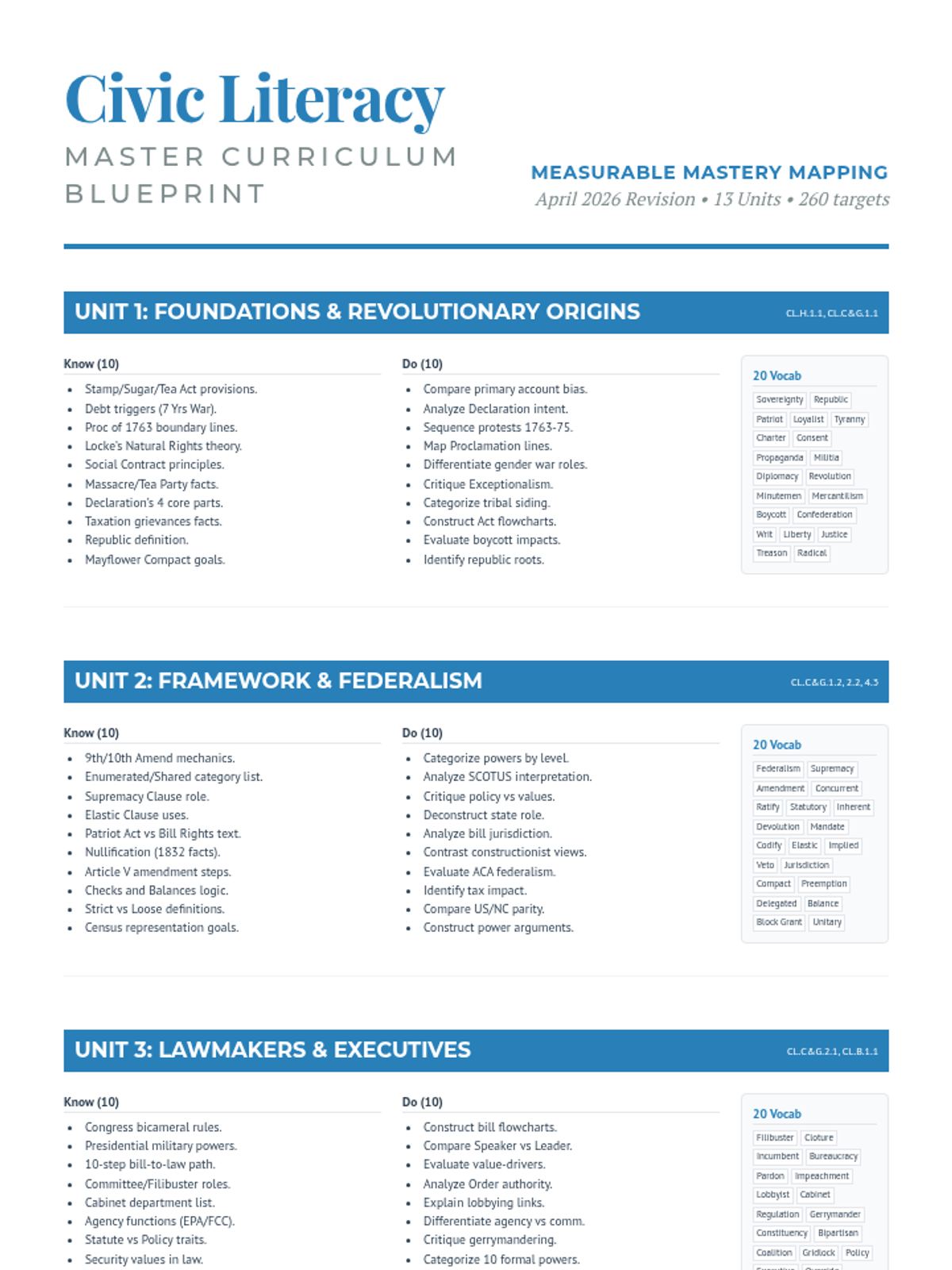
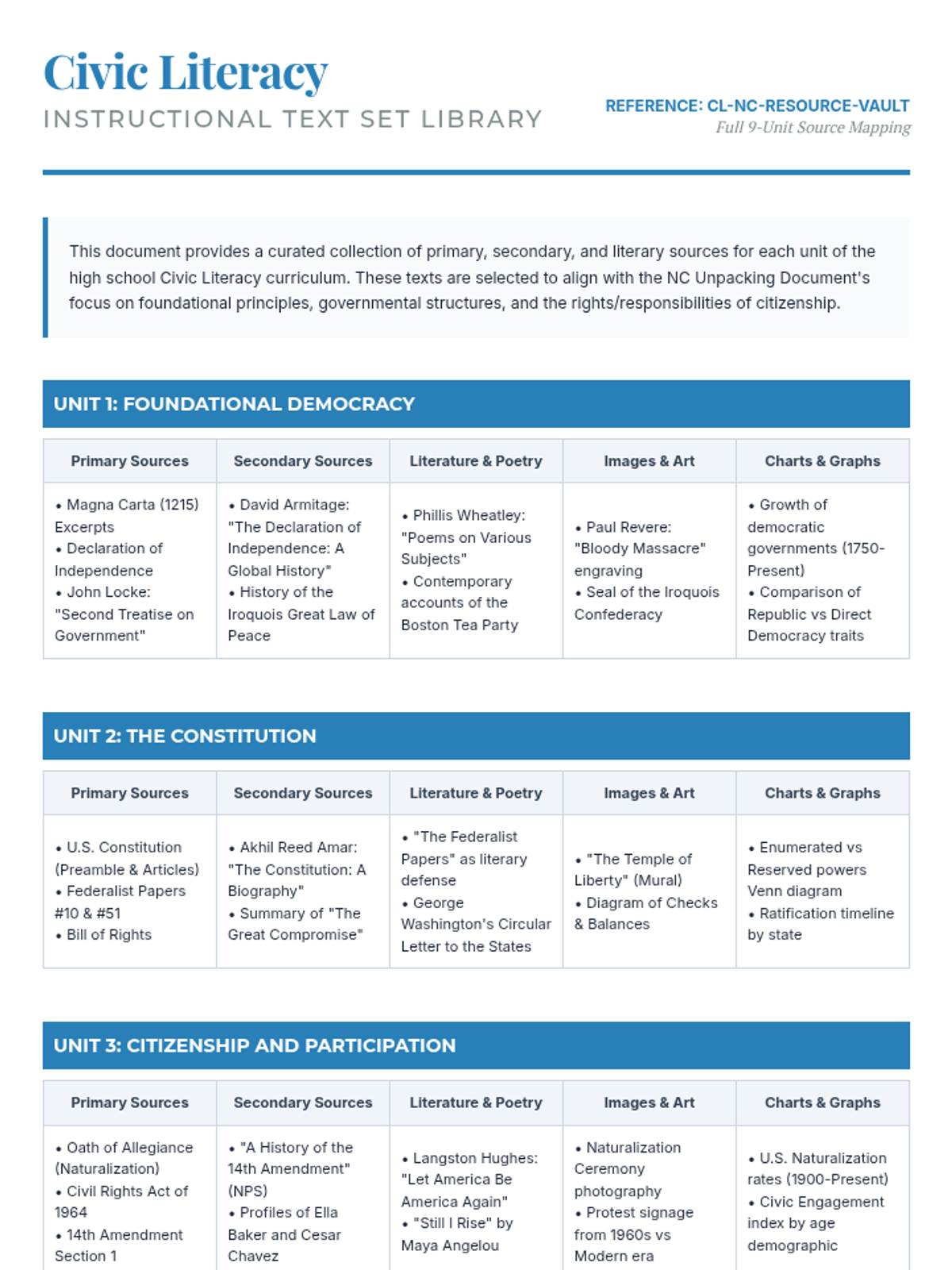
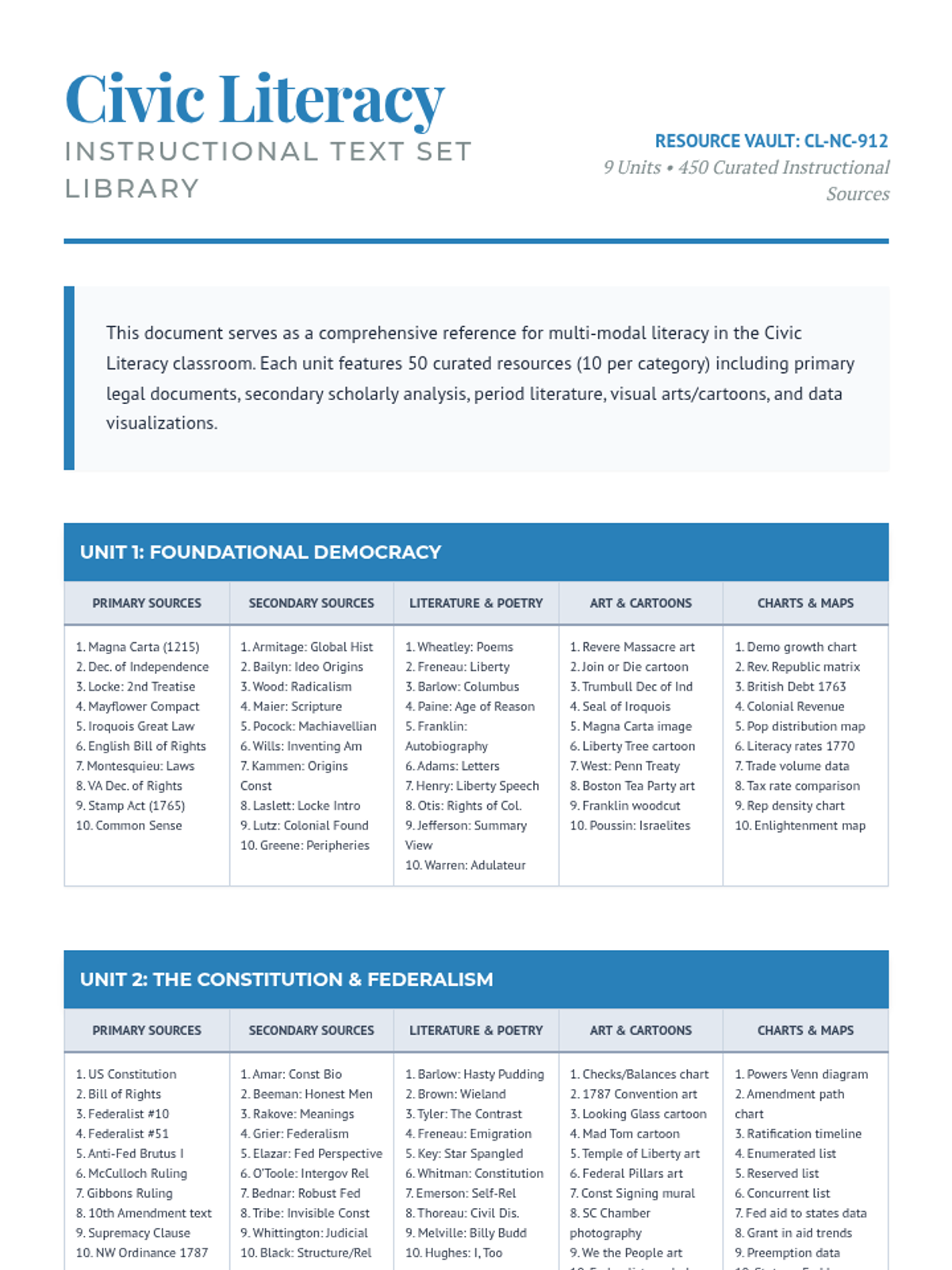
A master curriculum framework for Civic Literacy that defines standards, objectives, skills, learning goals, and vocabulary for thirteen instructional units.
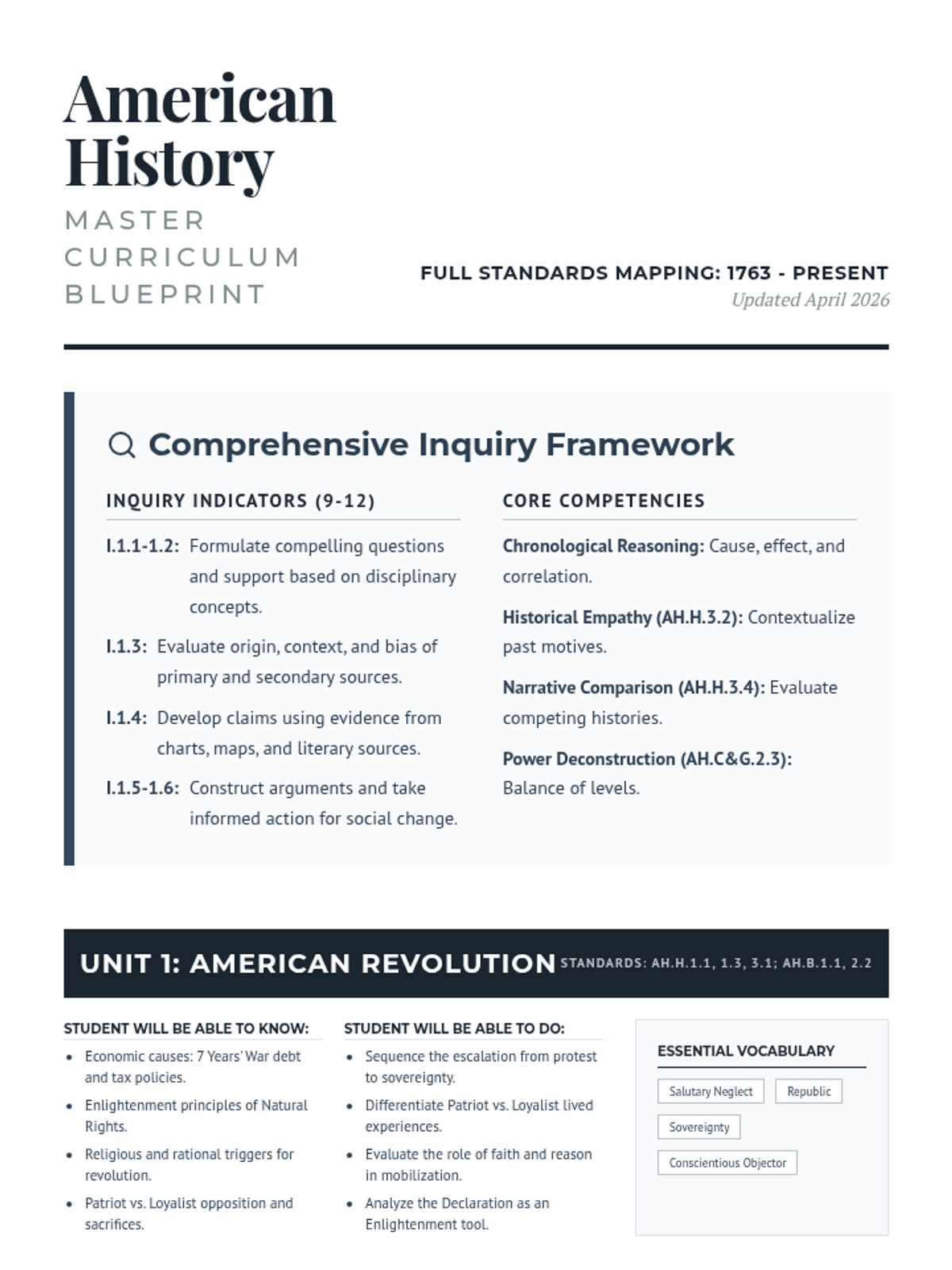
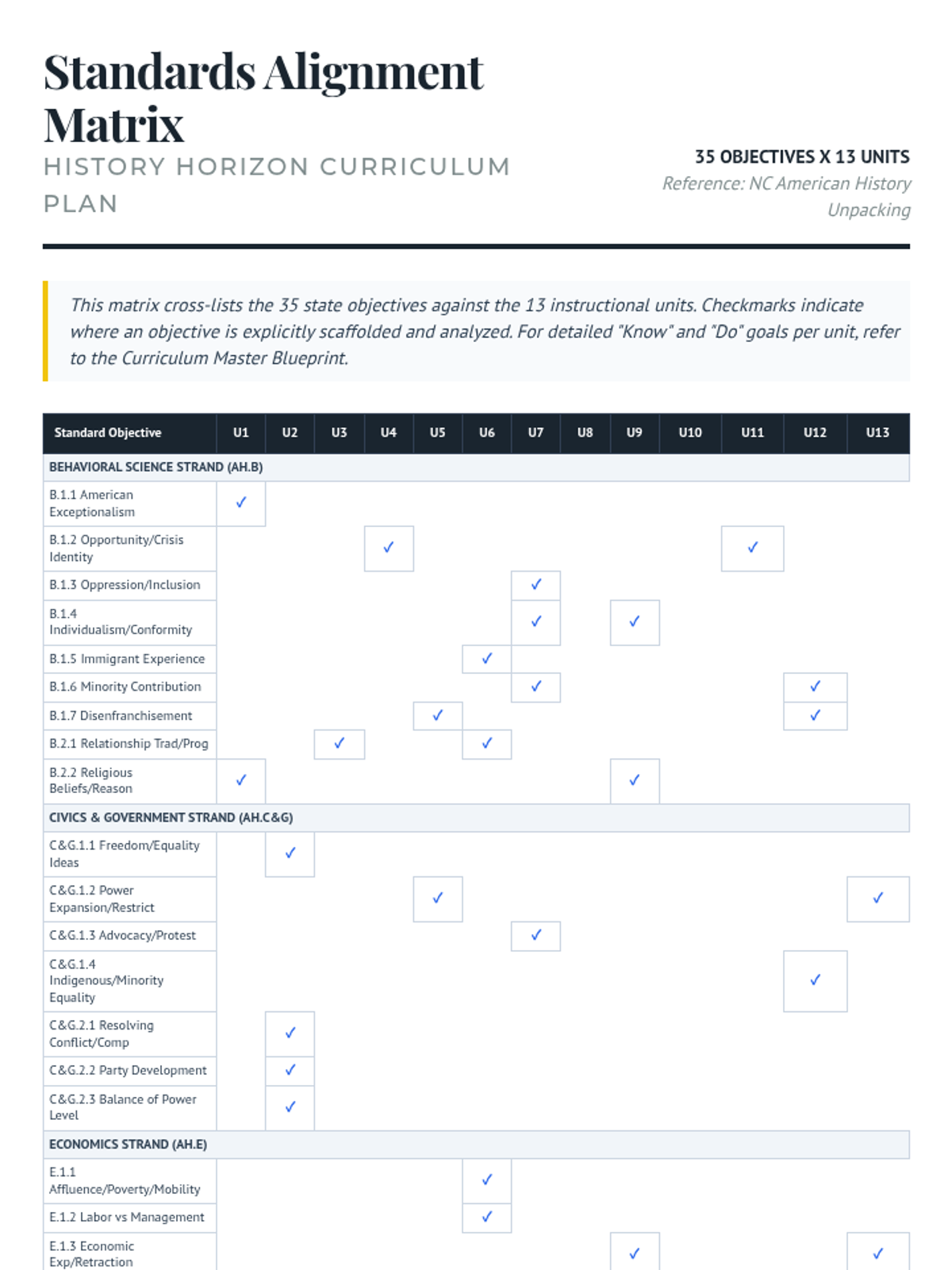
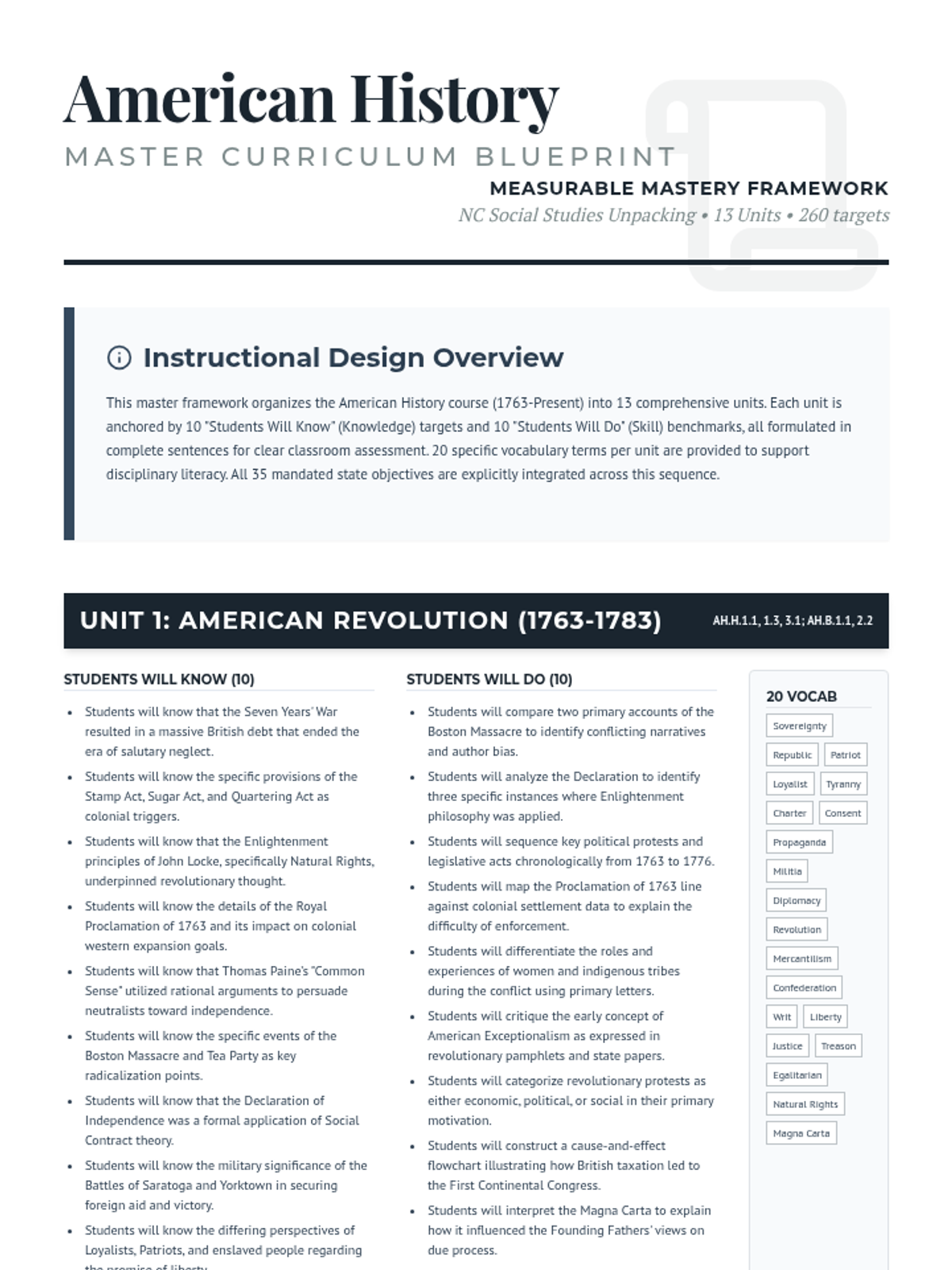
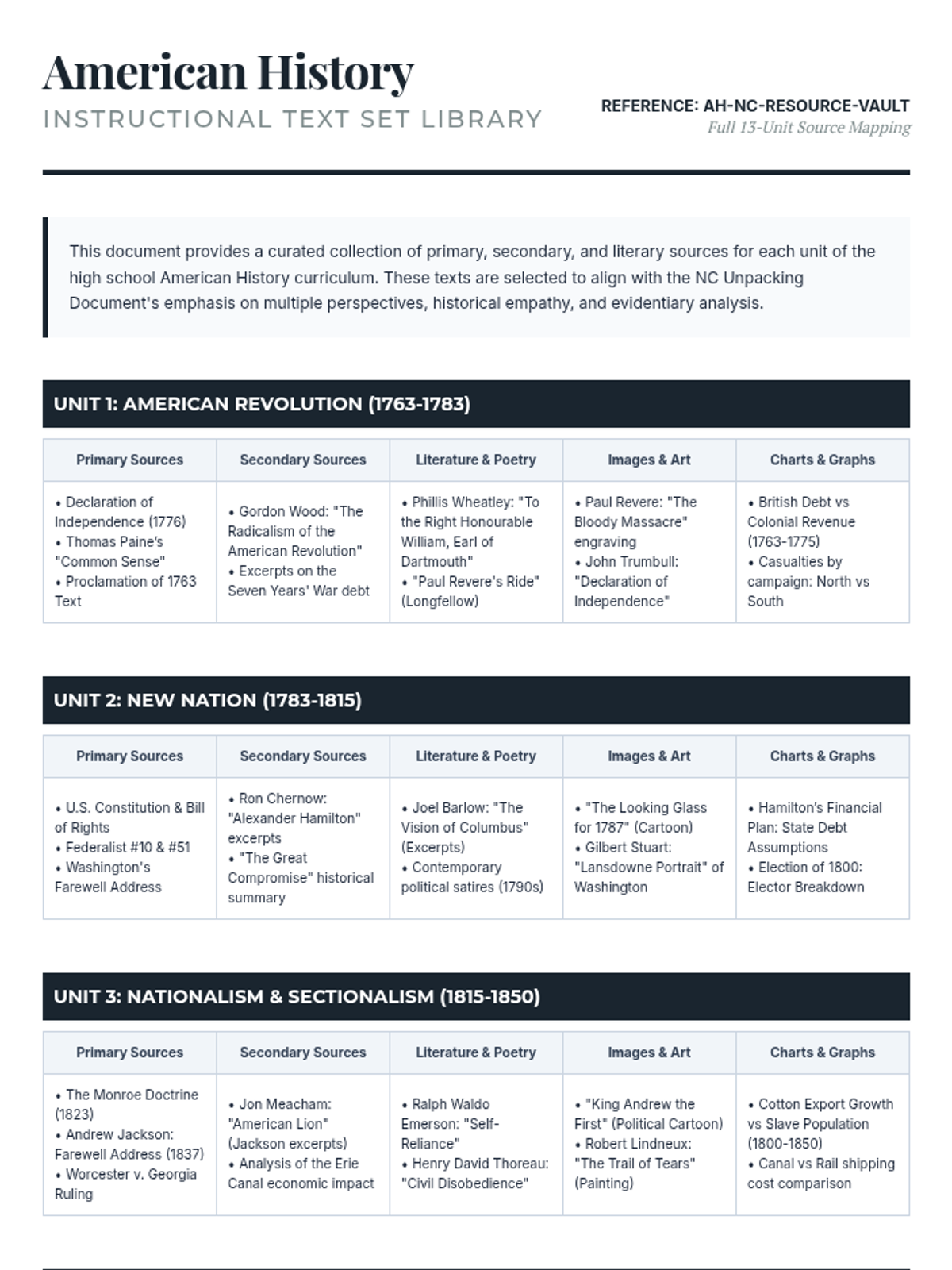
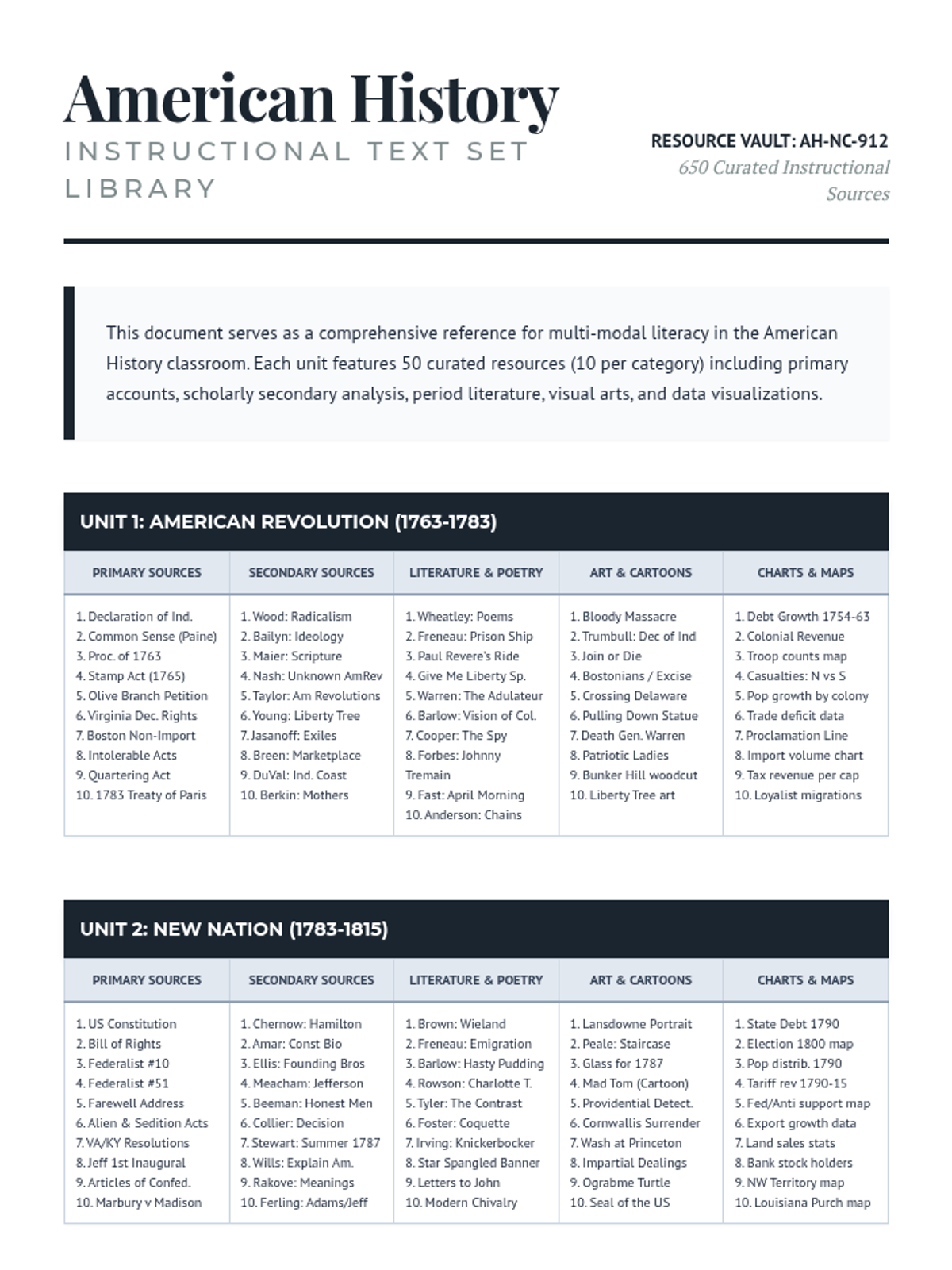
A master curriculum framework for American History that defines standards, objectives, skills, learning goals, and vocabulary for thirteen instructional units.
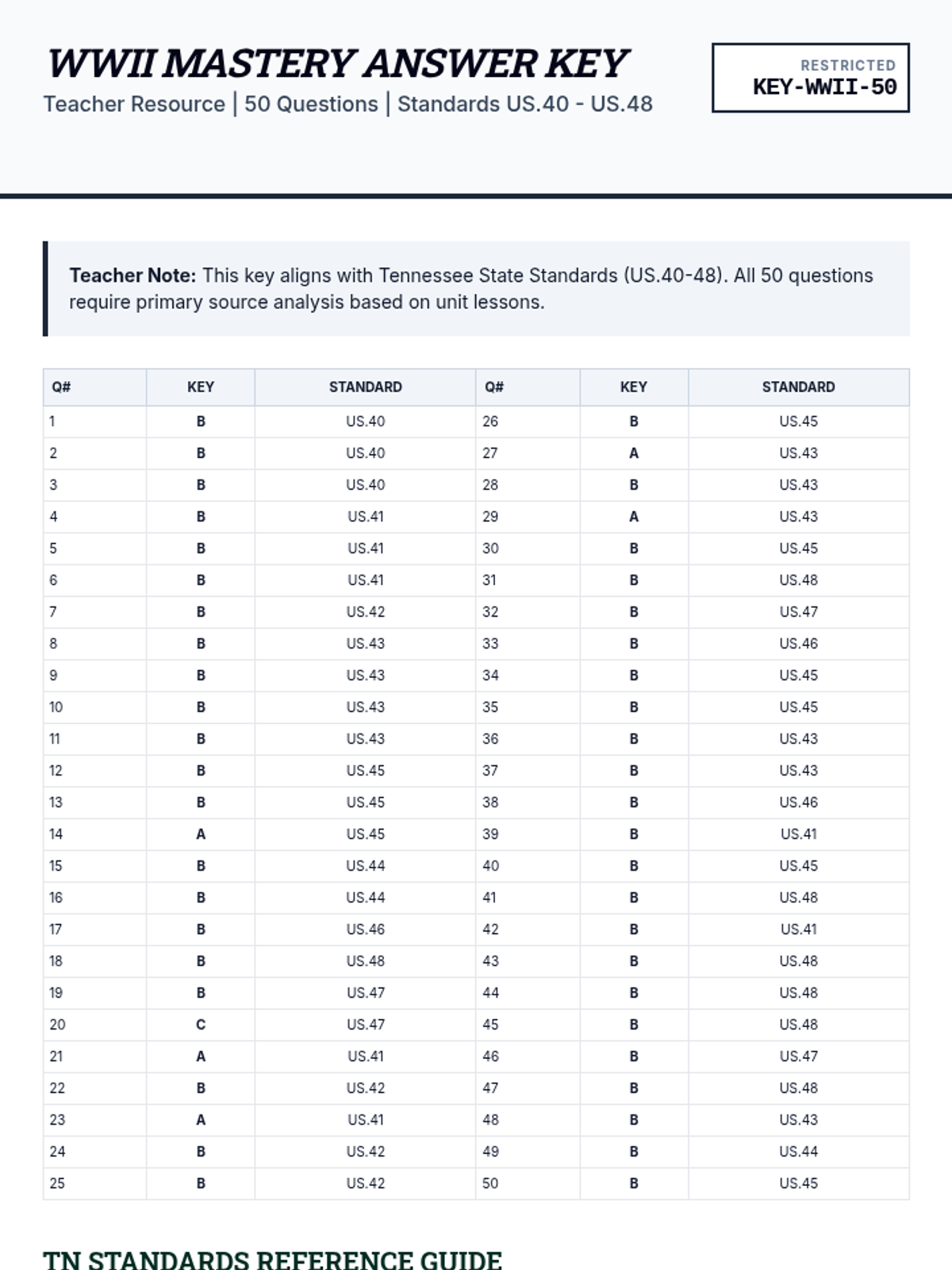
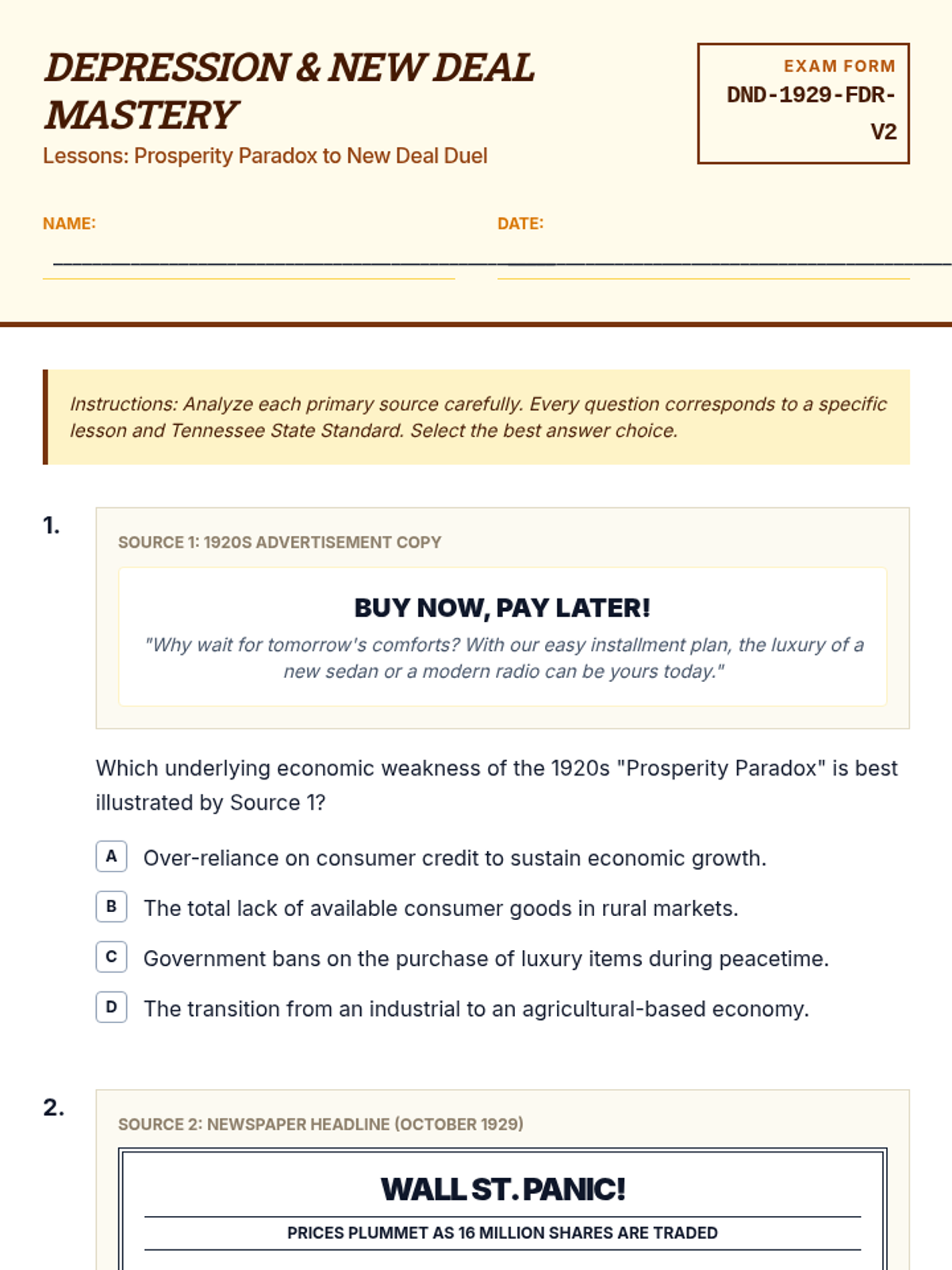
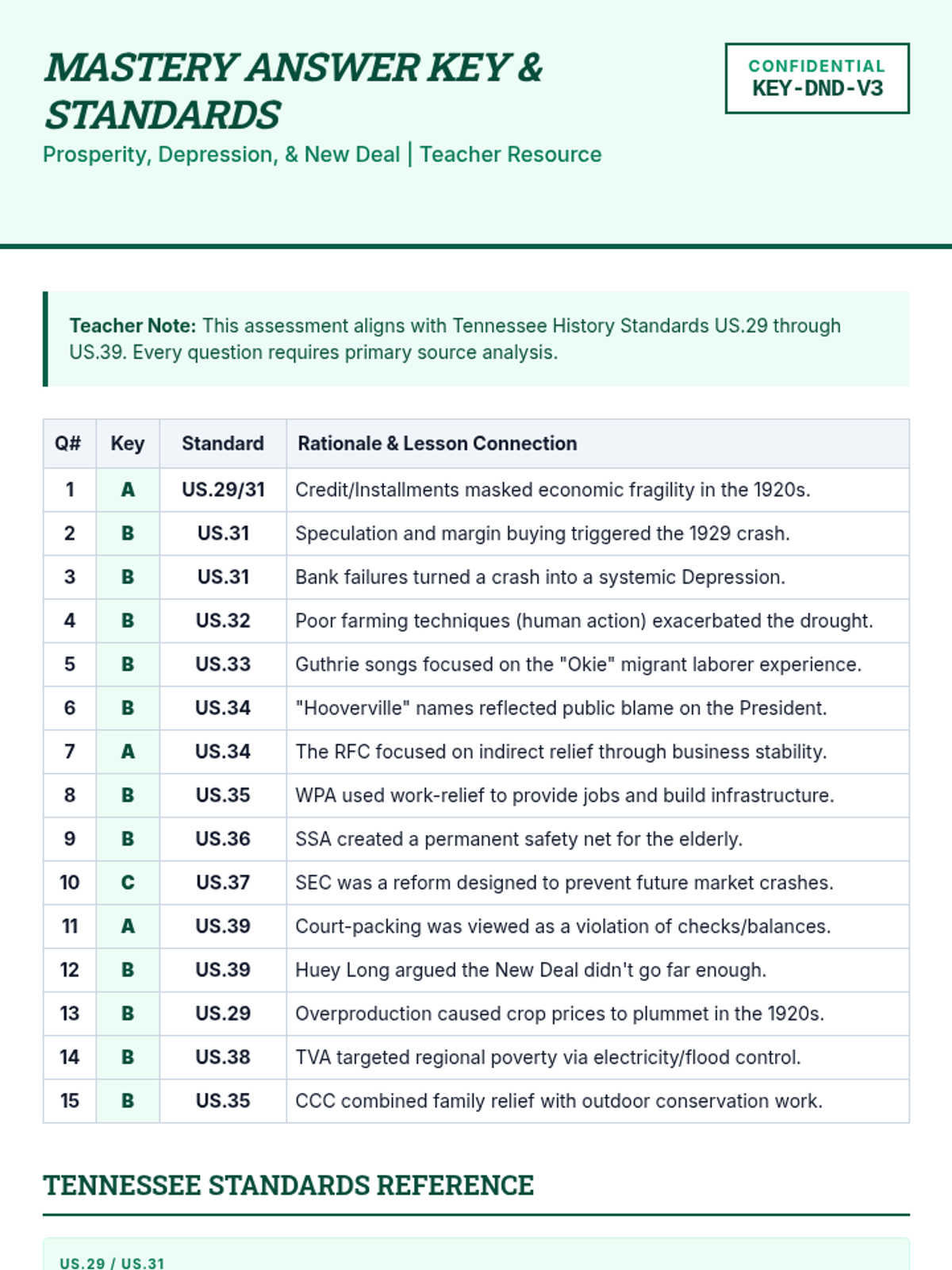
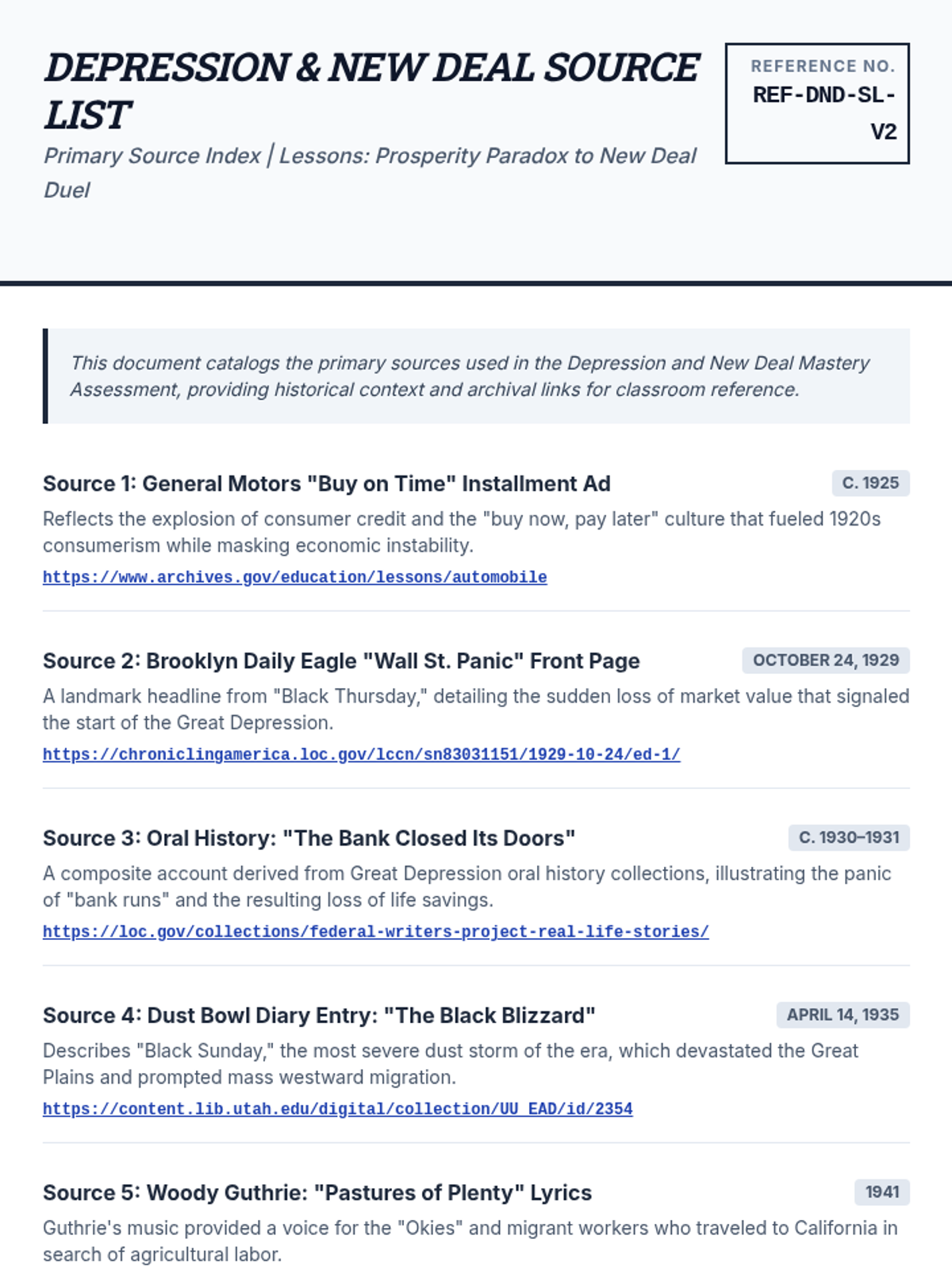
A cumulative assessment covering the Roaring Twenties through the New Deal, focusing on primary source analysis.
A comprehensive overview of AP Macroeconomics Units 3 and 4, focusing on the AD-AS model, fiscal policy, the financial sector, and monetary policy.
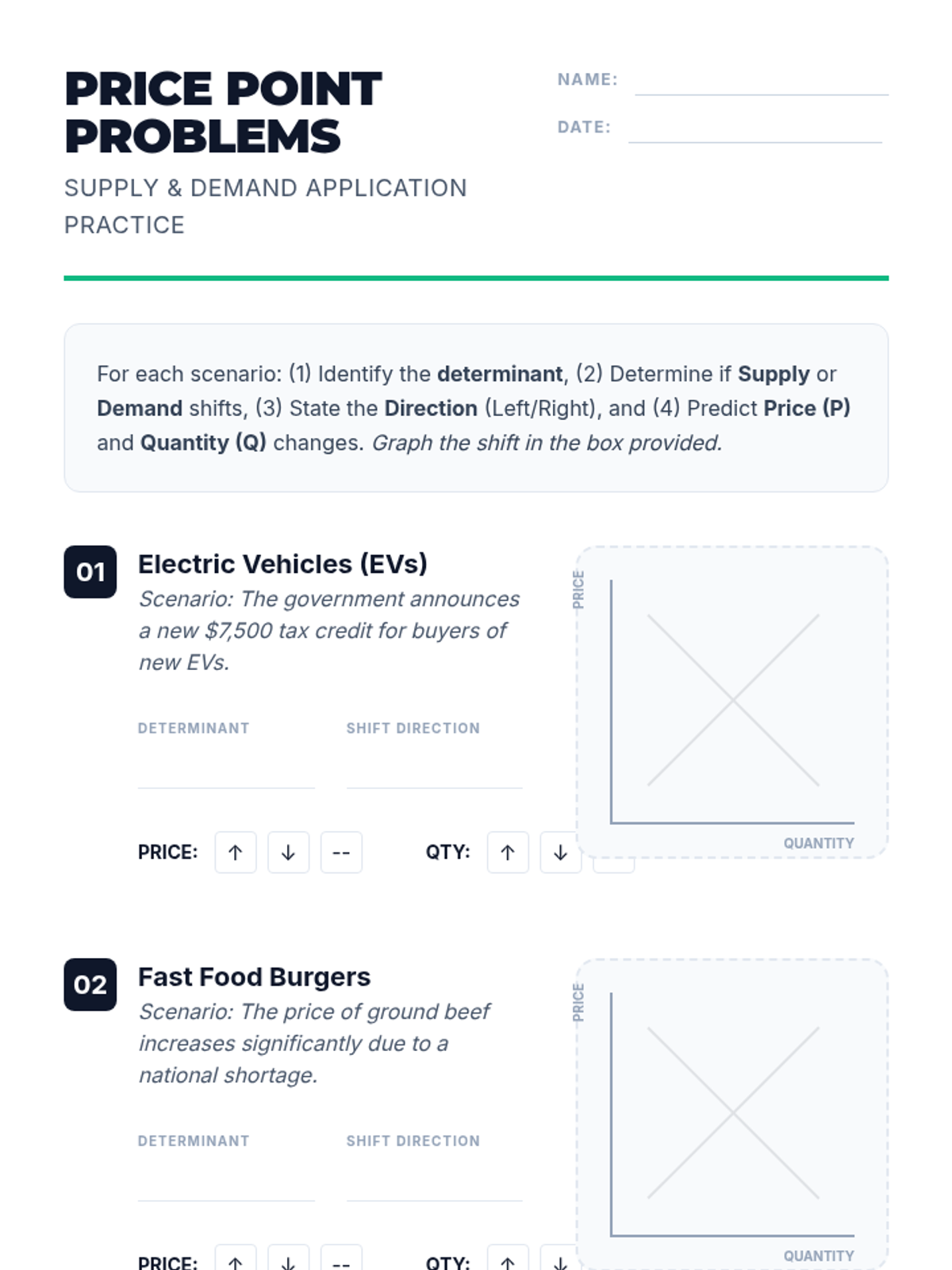
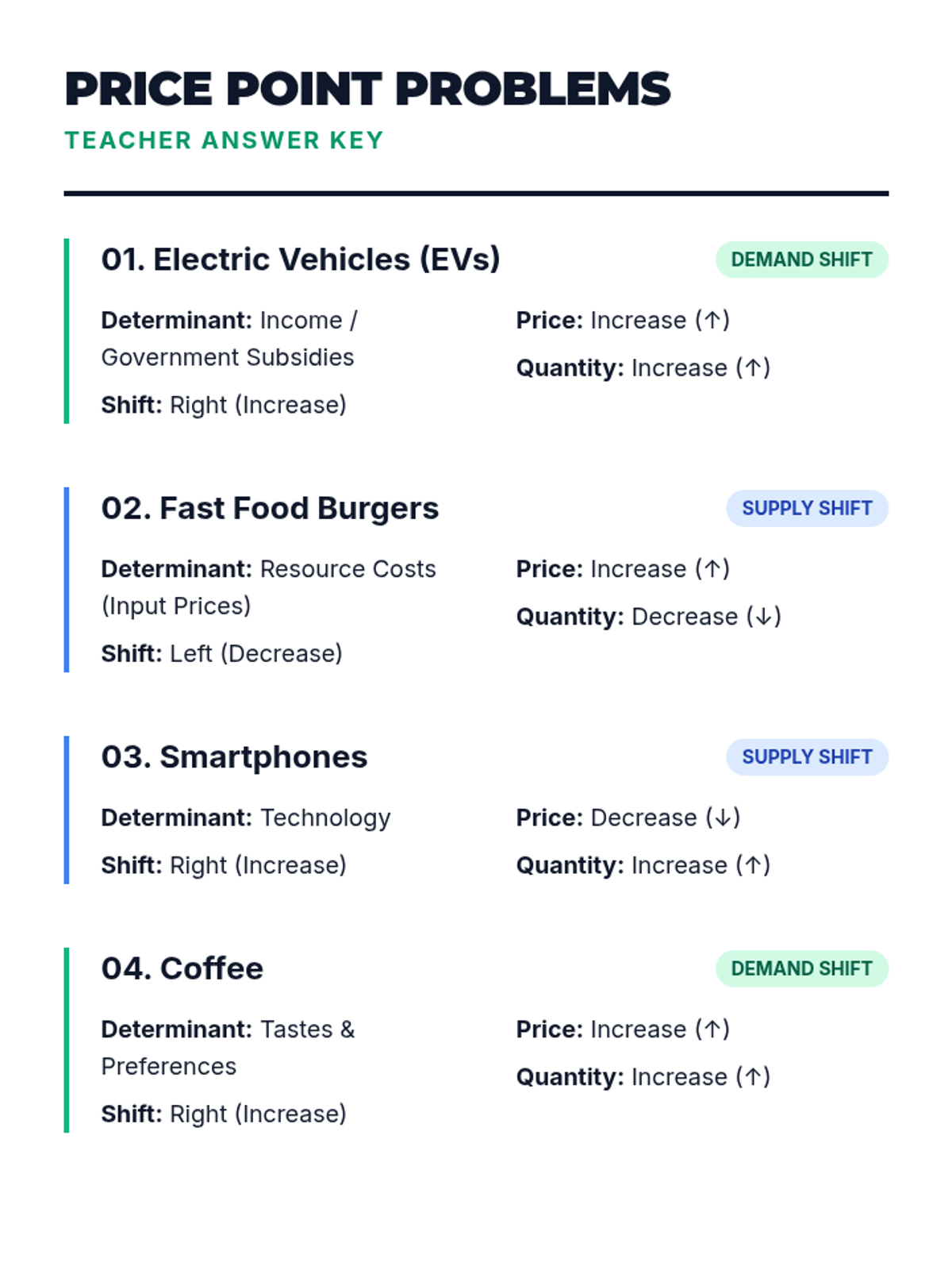
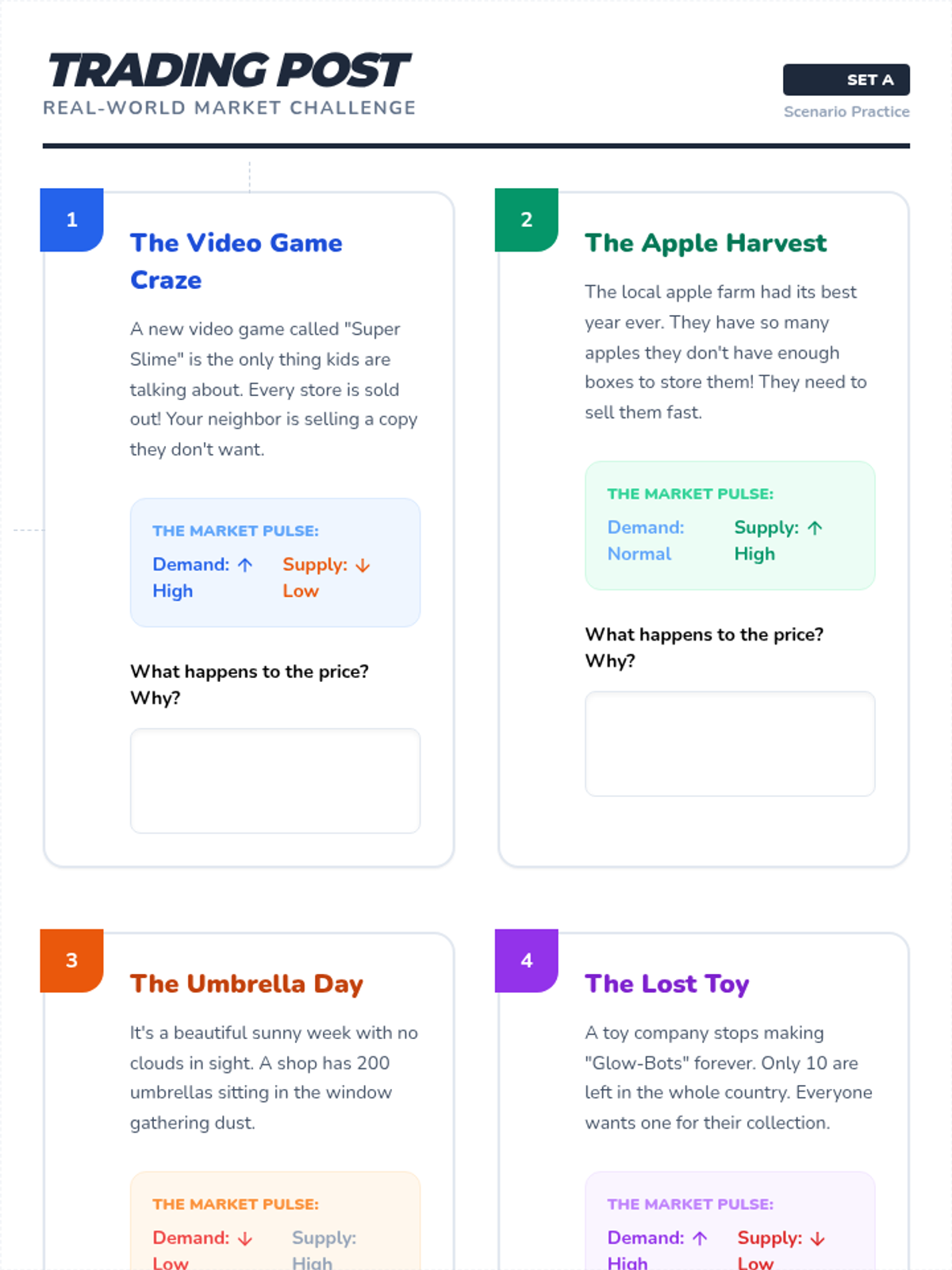
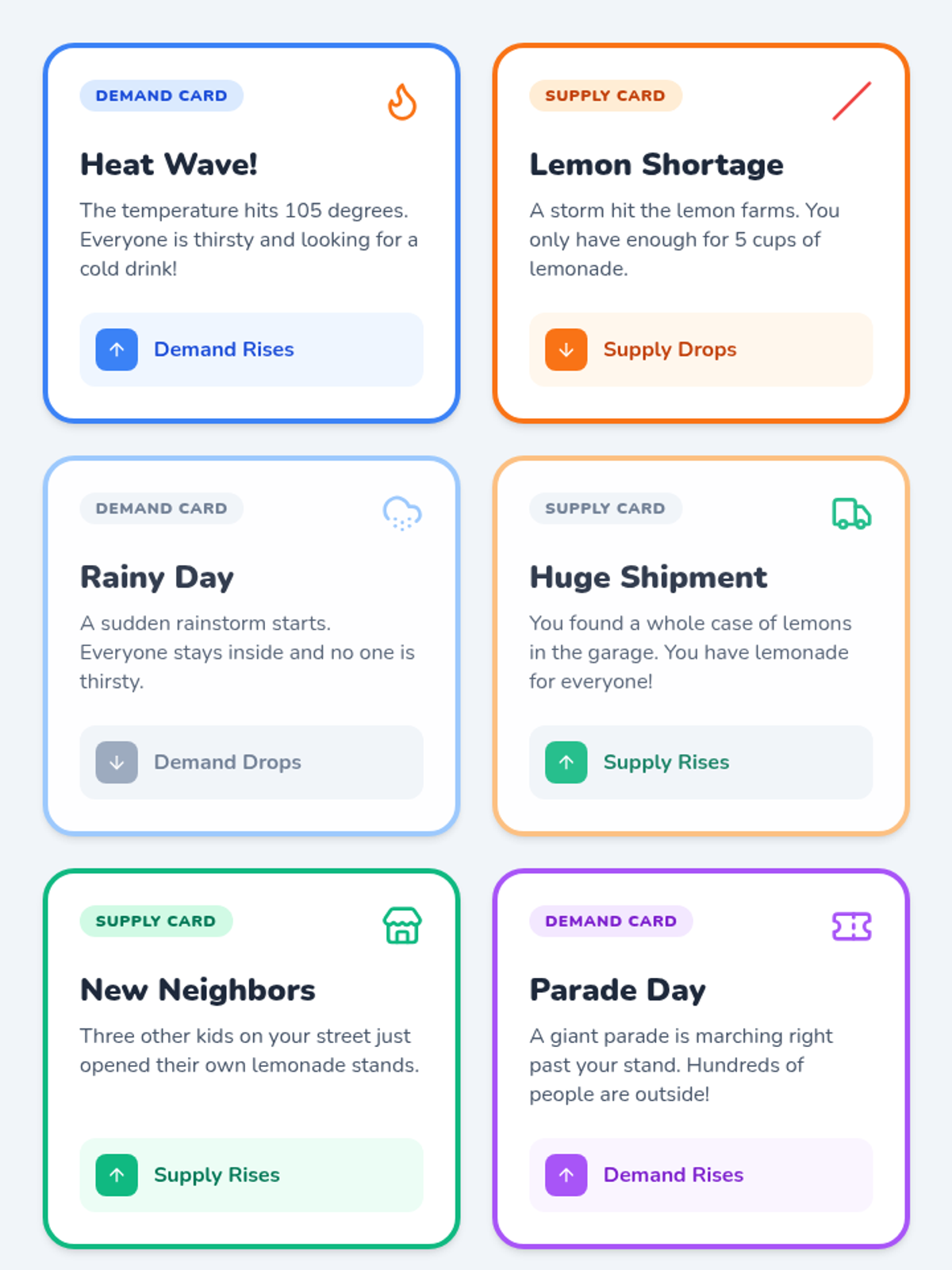
Exploring how changes in supply and demand cause prices to rise and fall, using scenario cards and group discussions to predict market shifts.
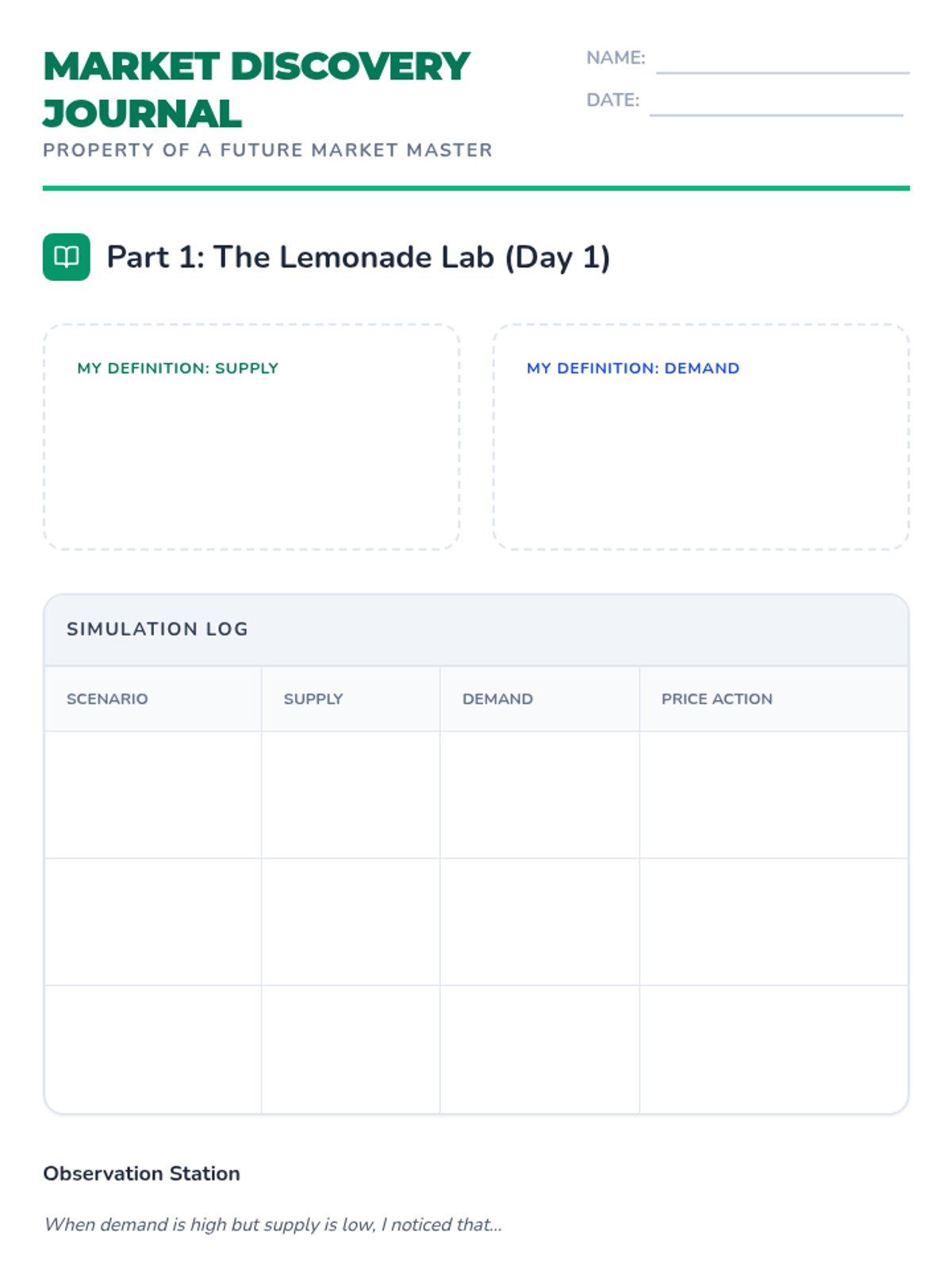
An introduction to the relationship between supply (how much we have) and demand (how much people want), using a hands-on lemonade stand simulation to visualize the concepts.
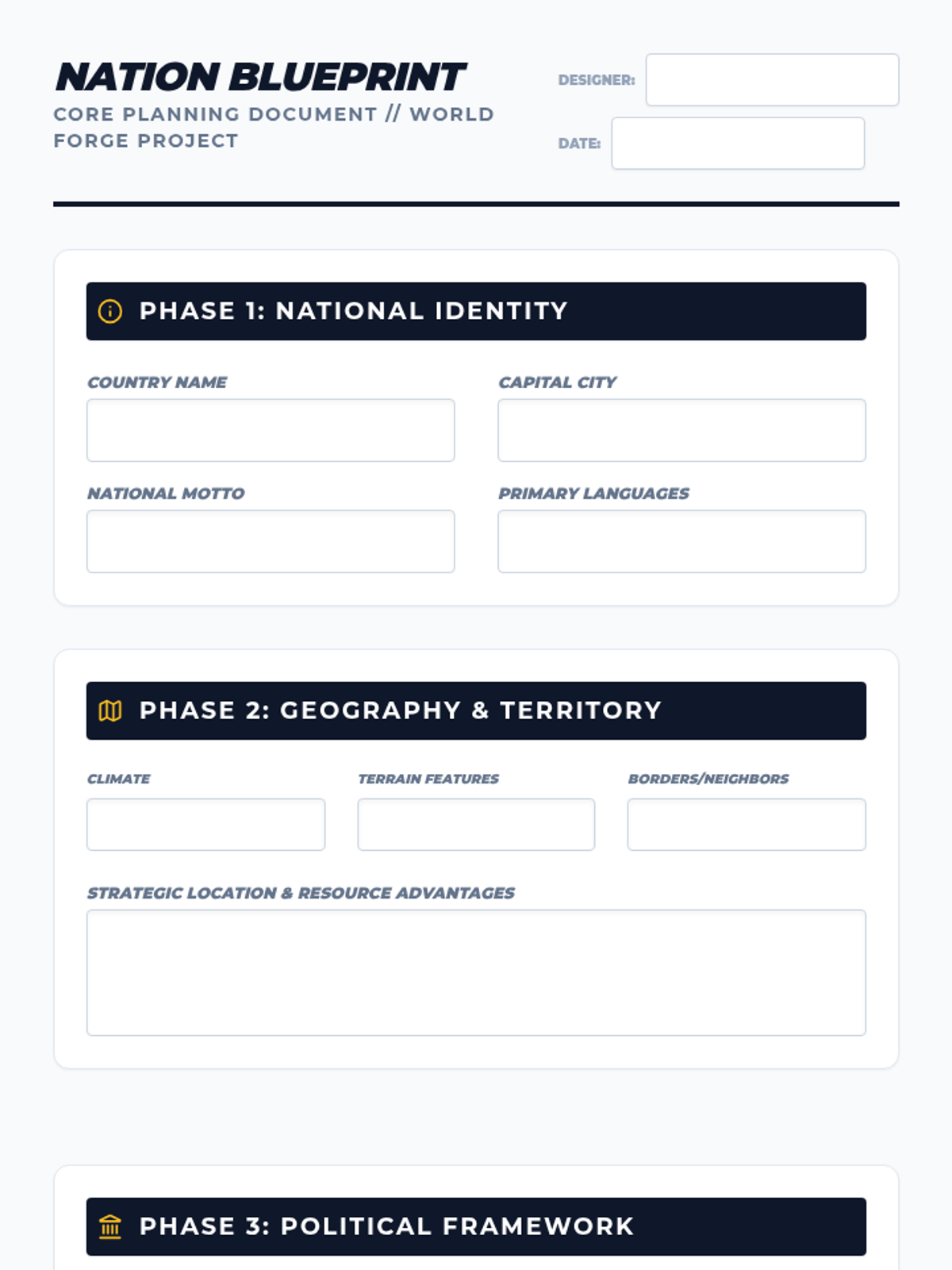
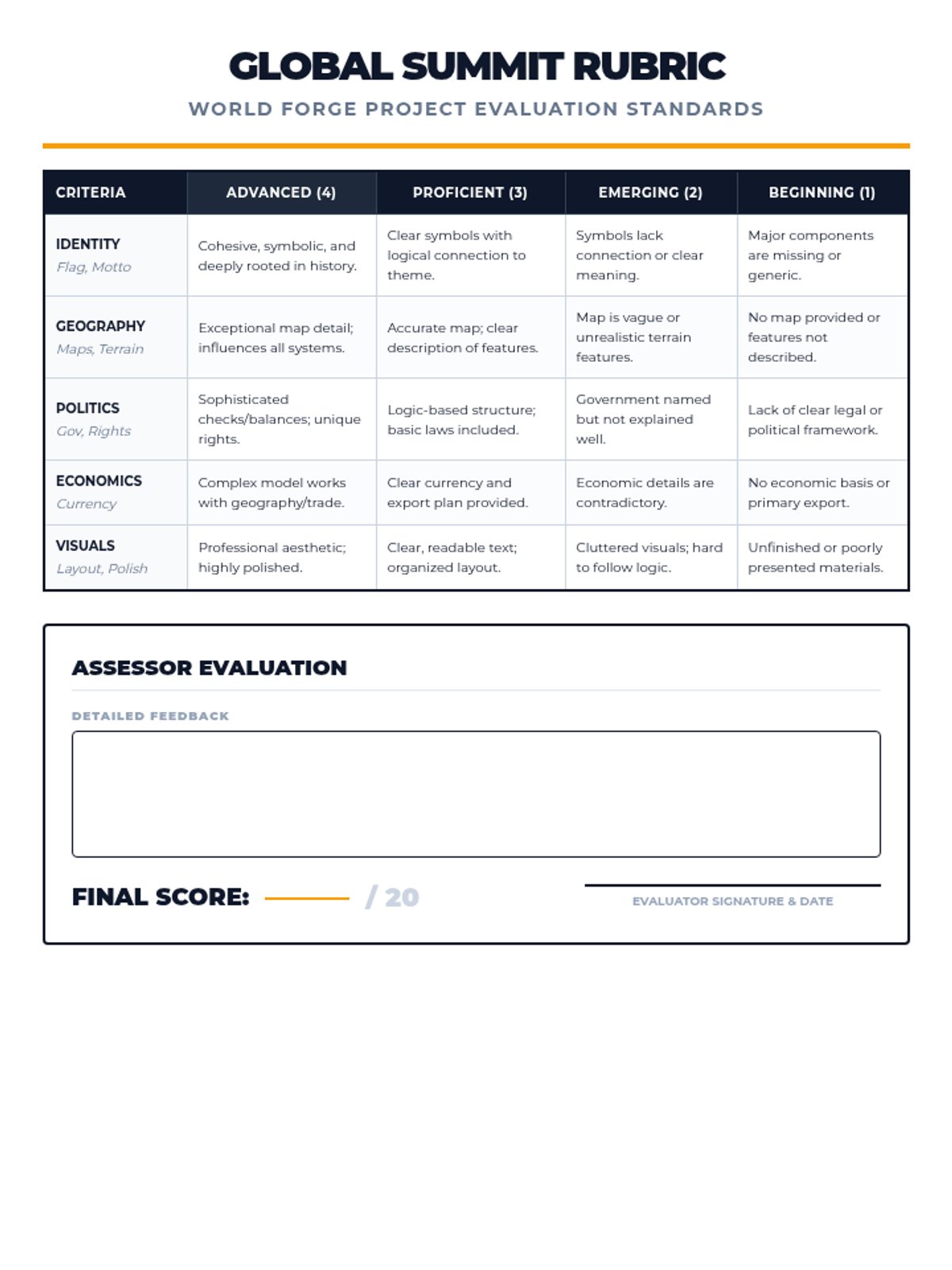
A comprehensive project where students design every aspect of a new nation, from its geography and government to its economy and culture. This lesson provides the instructional framework and examples needed for students to build a logical and cohesive country model.
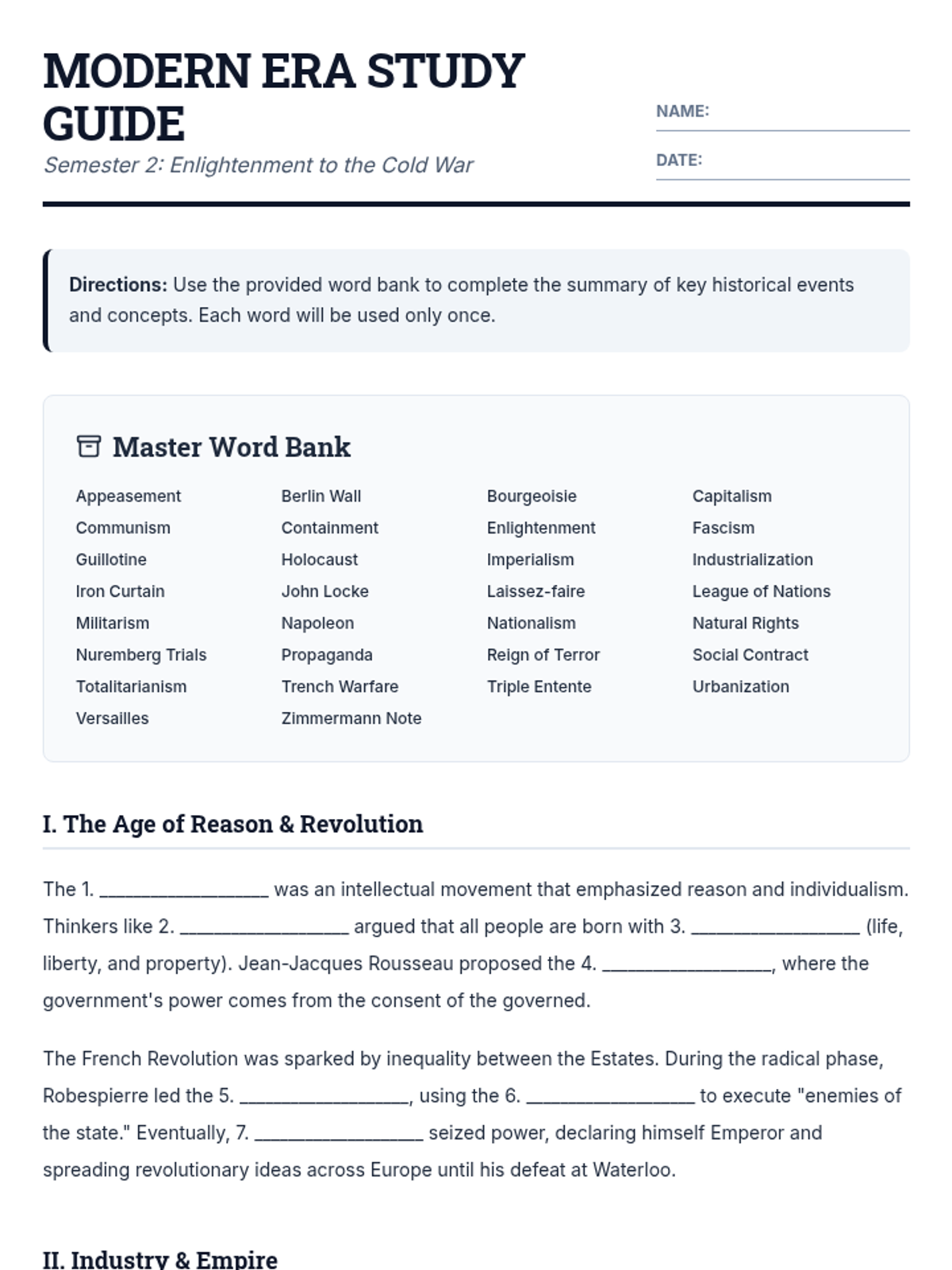
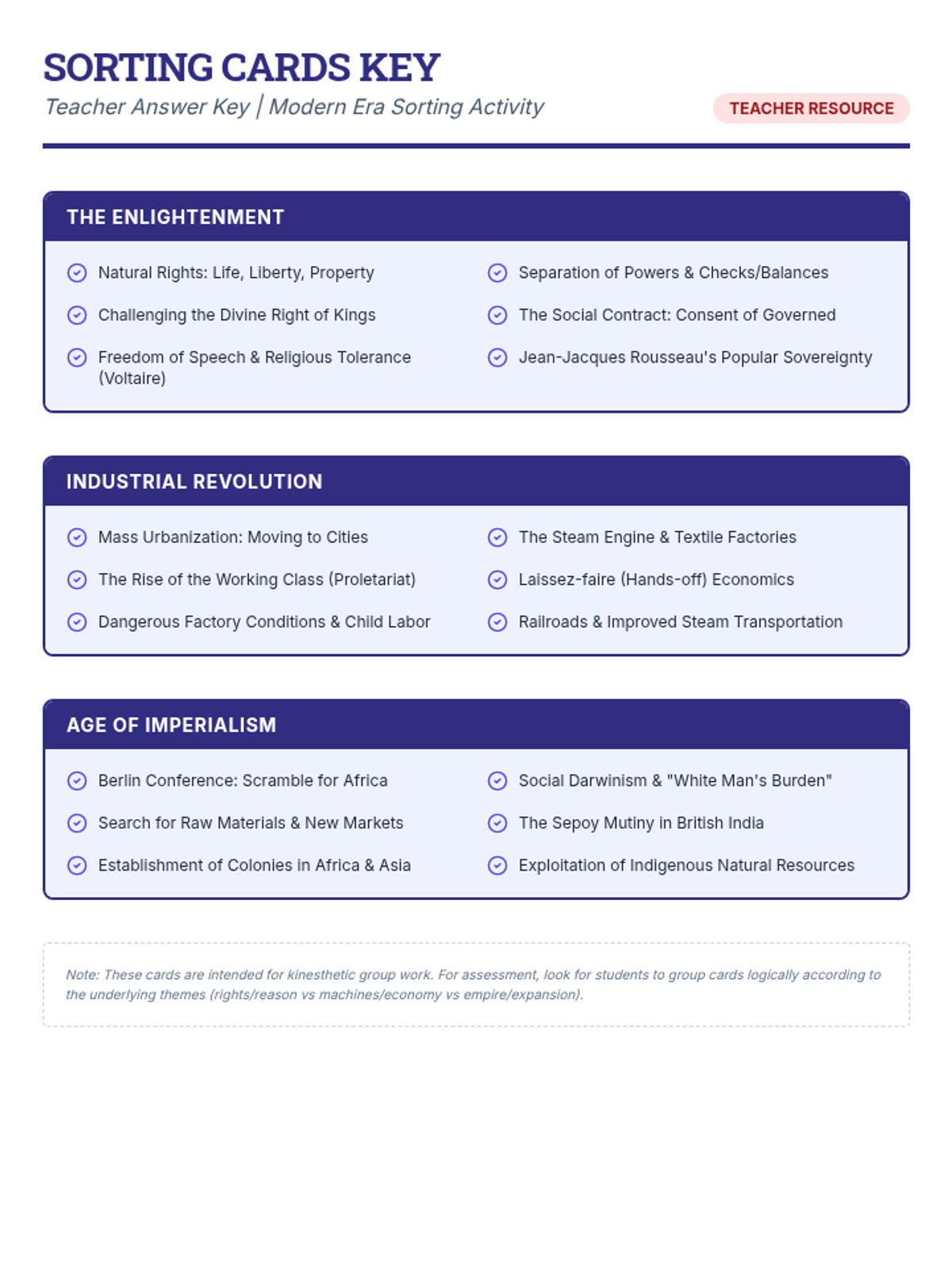
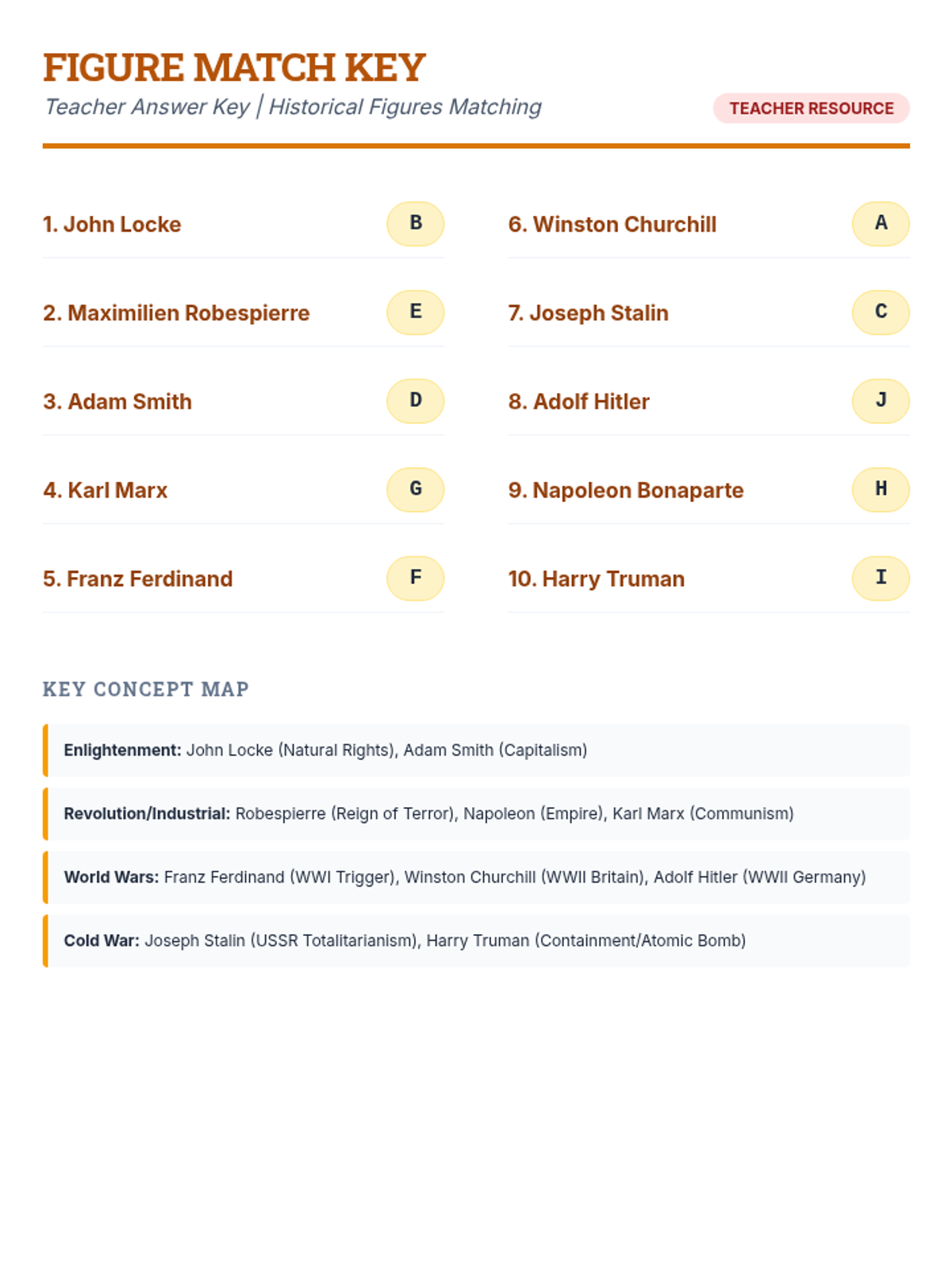
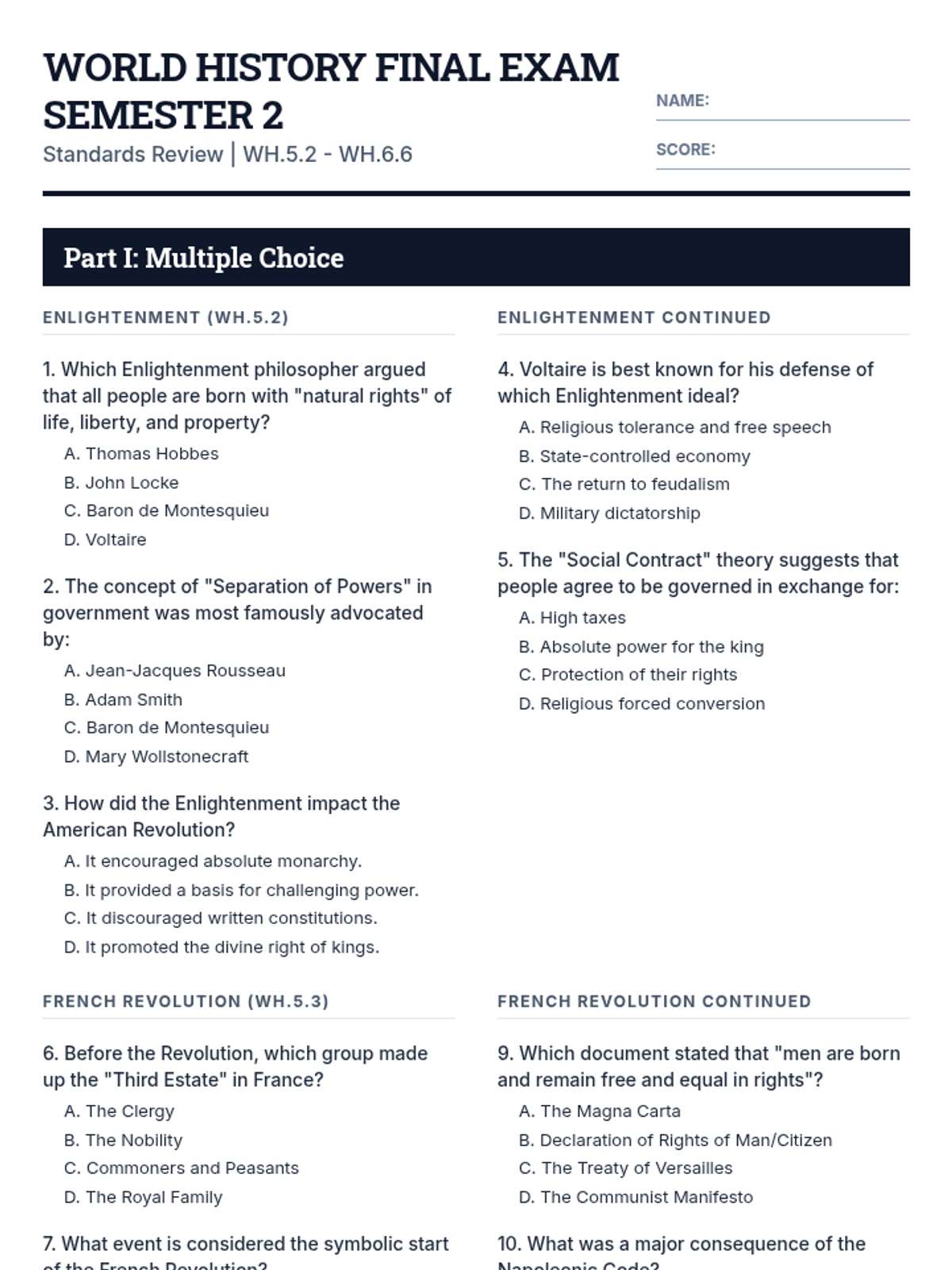
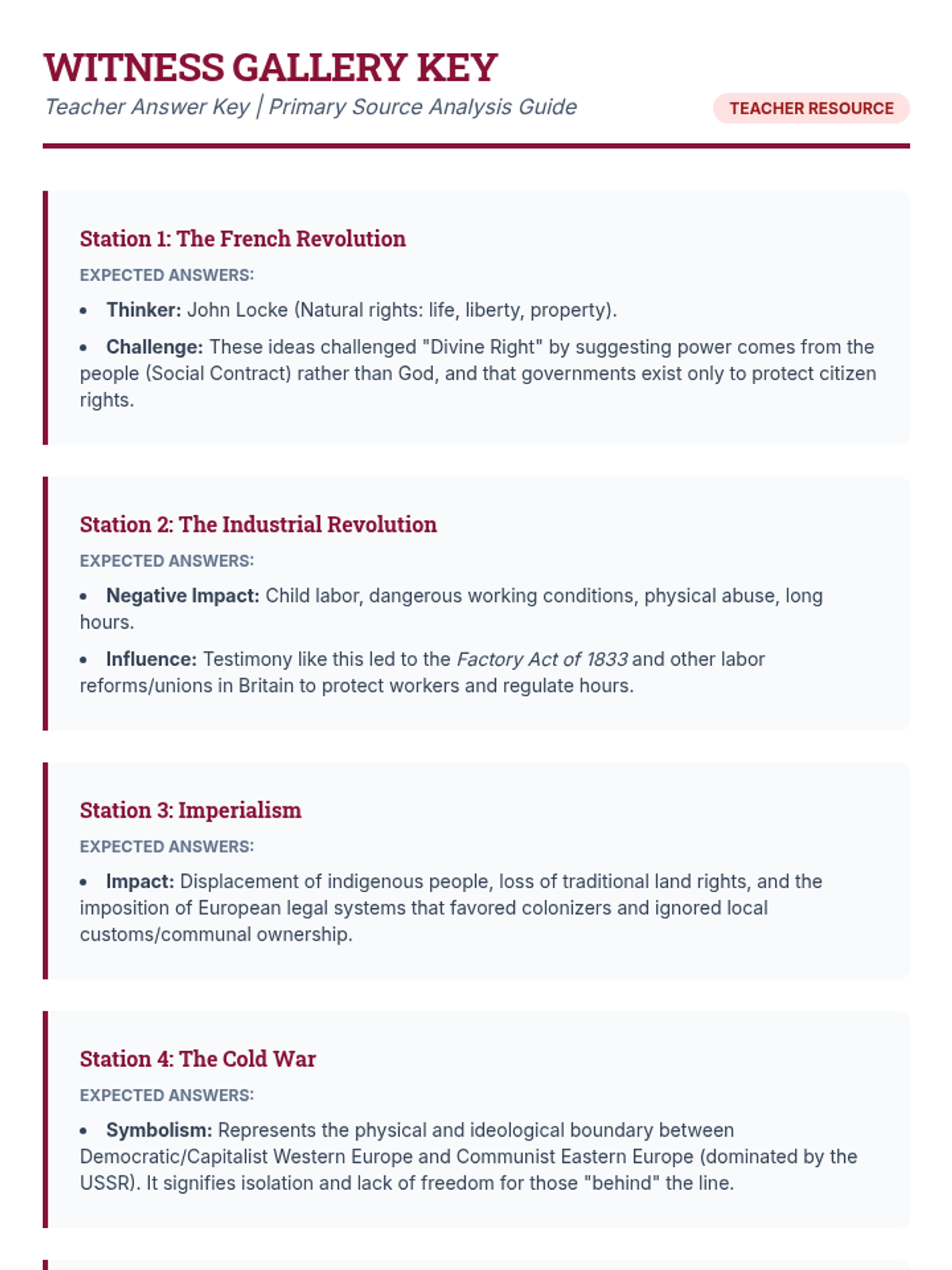
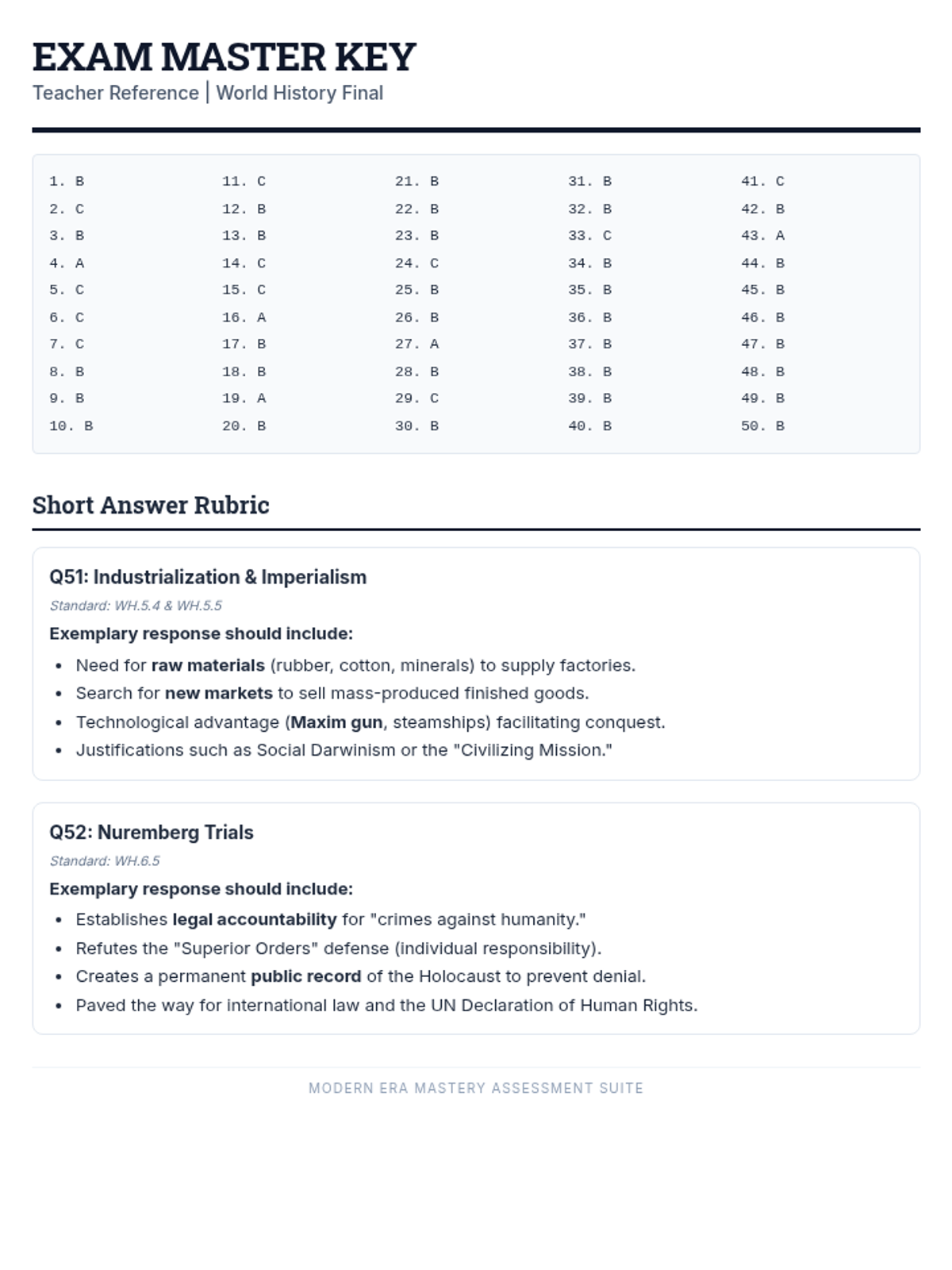
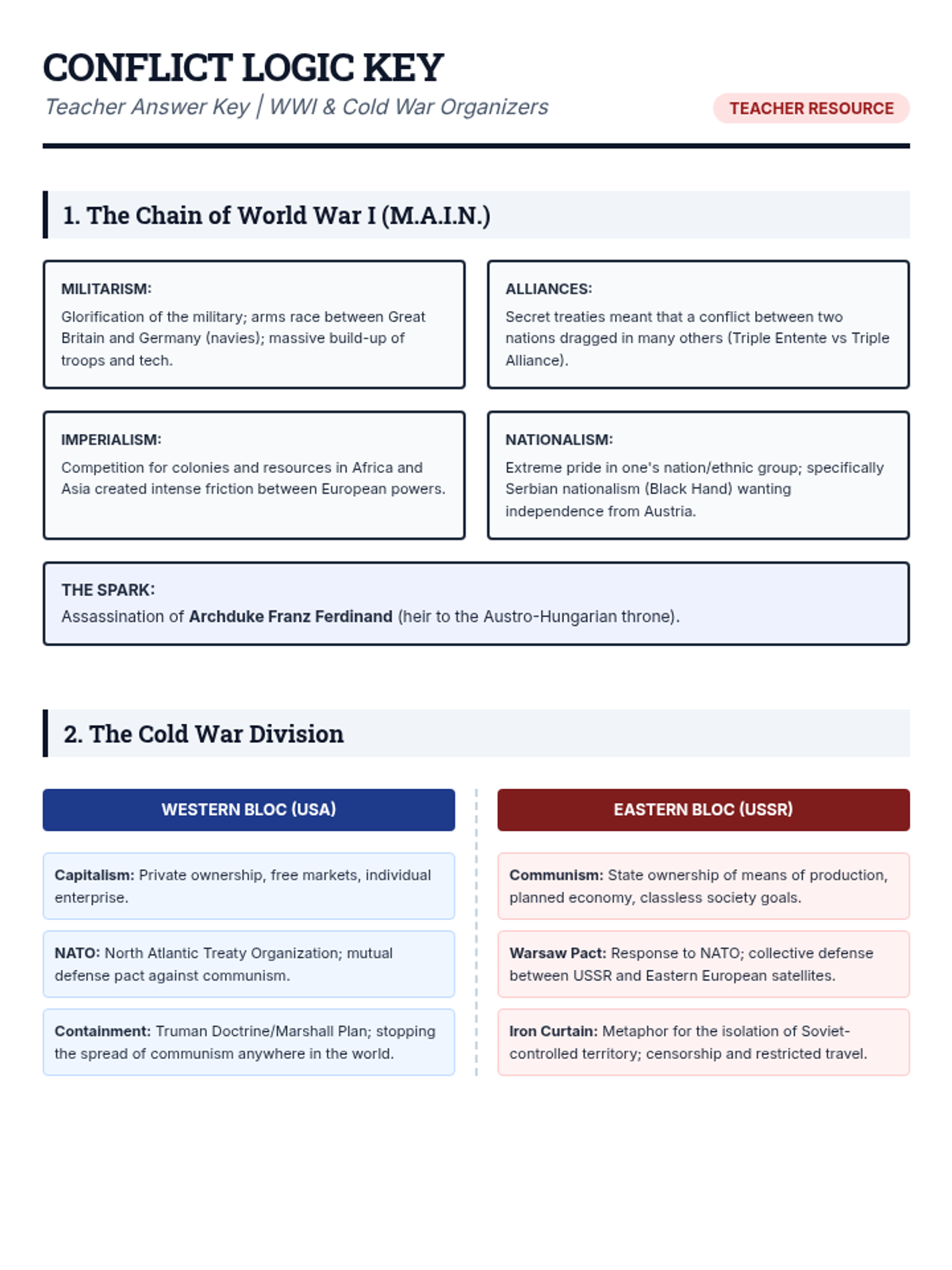
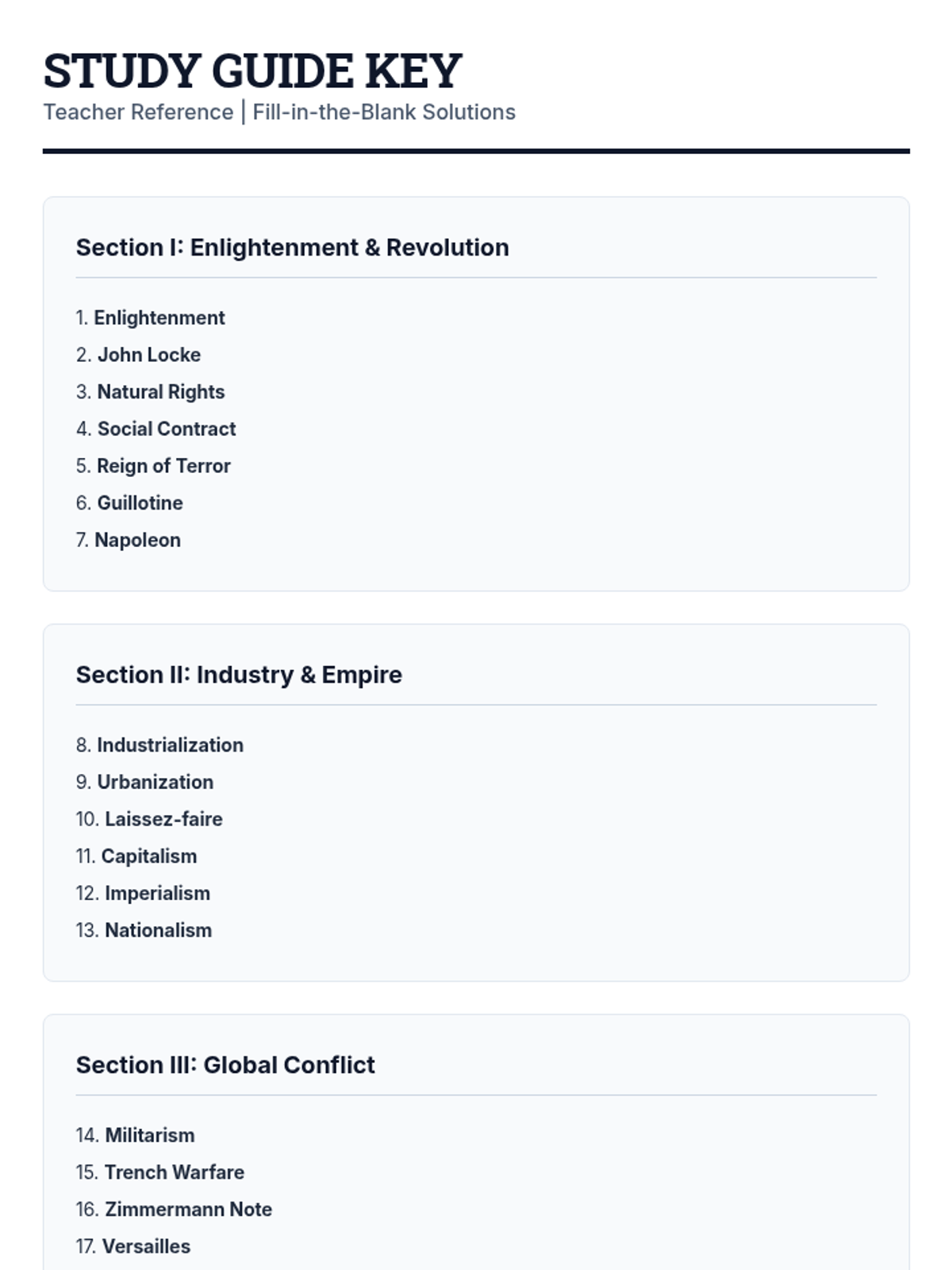
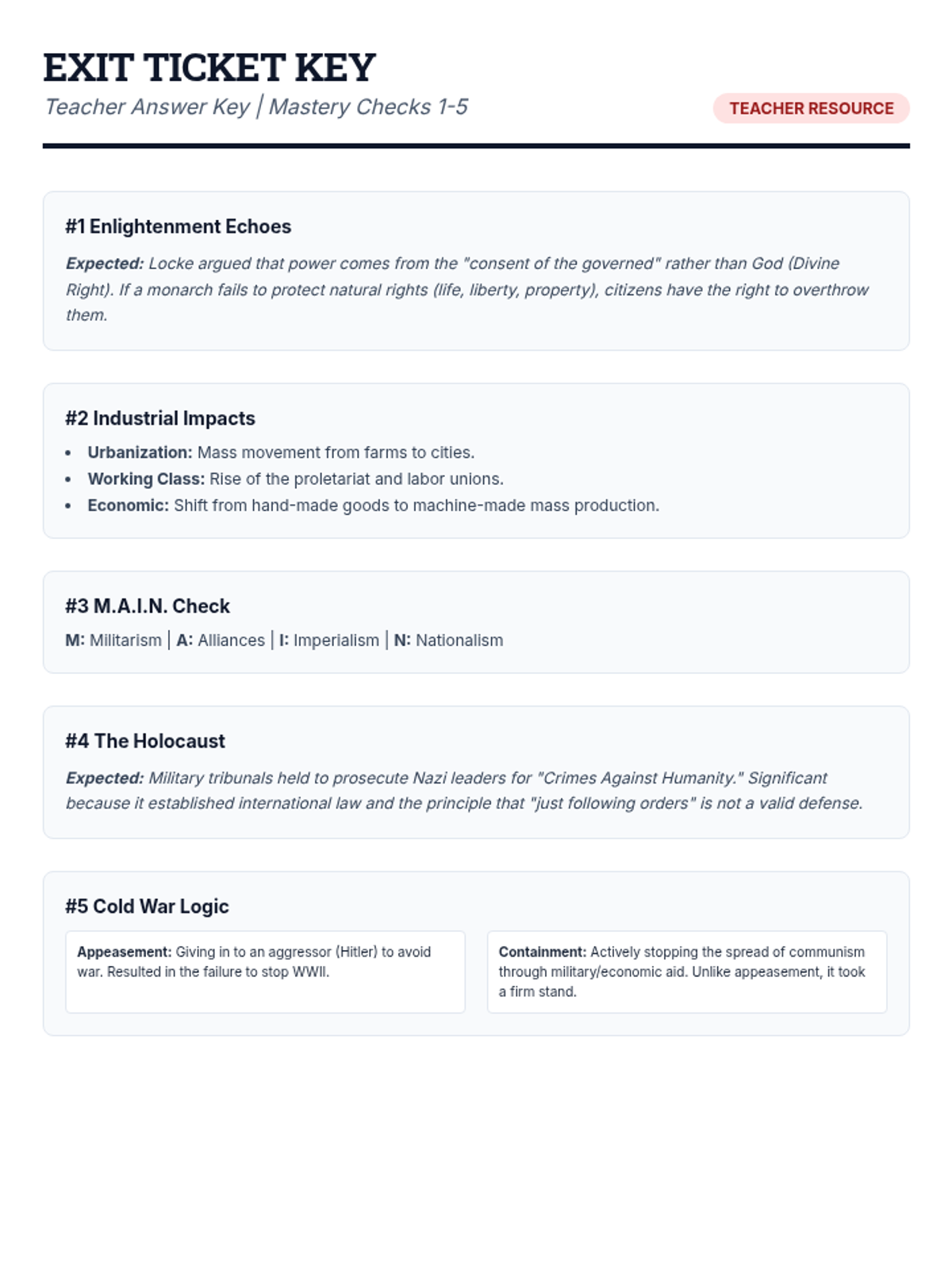
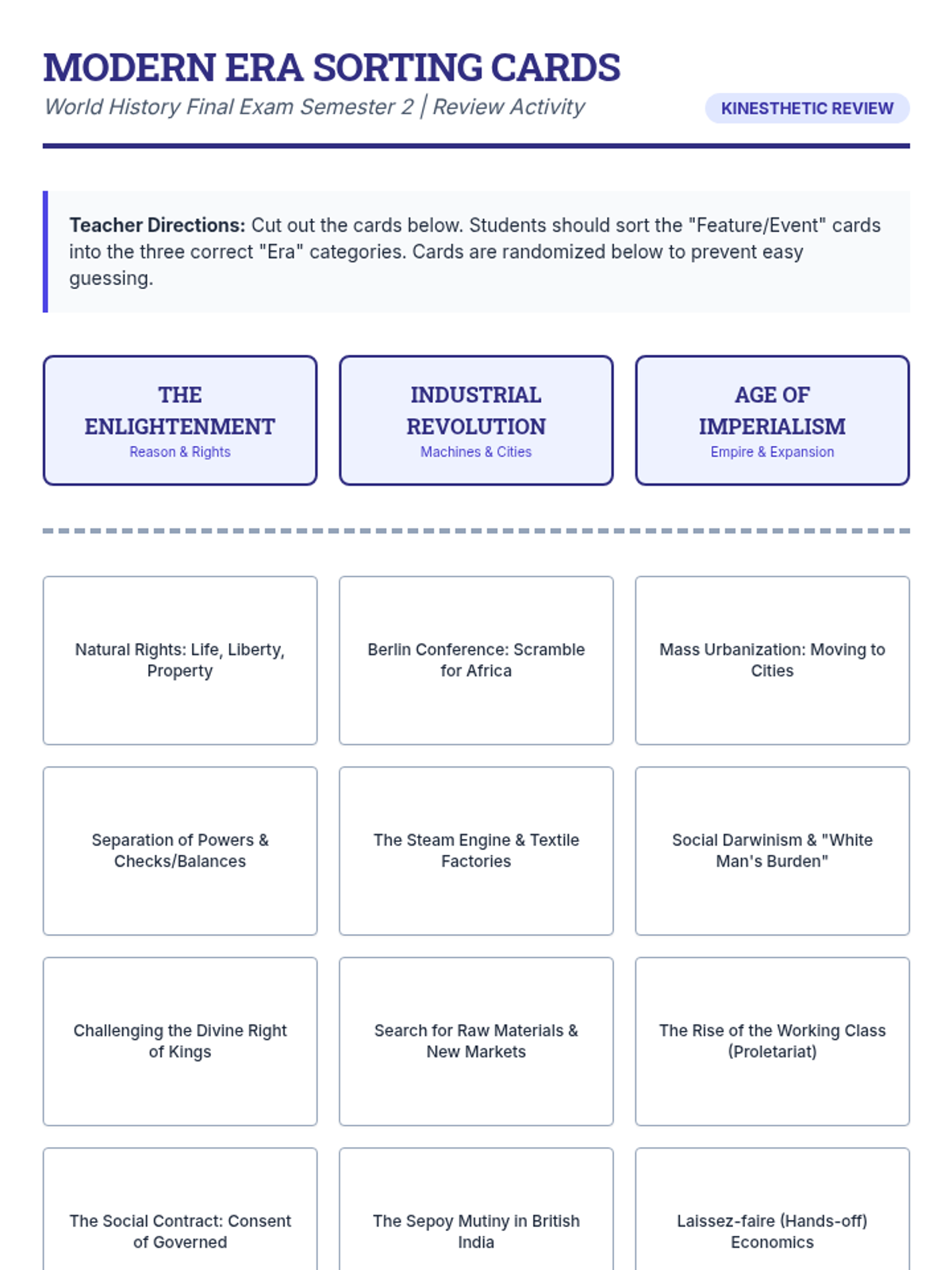
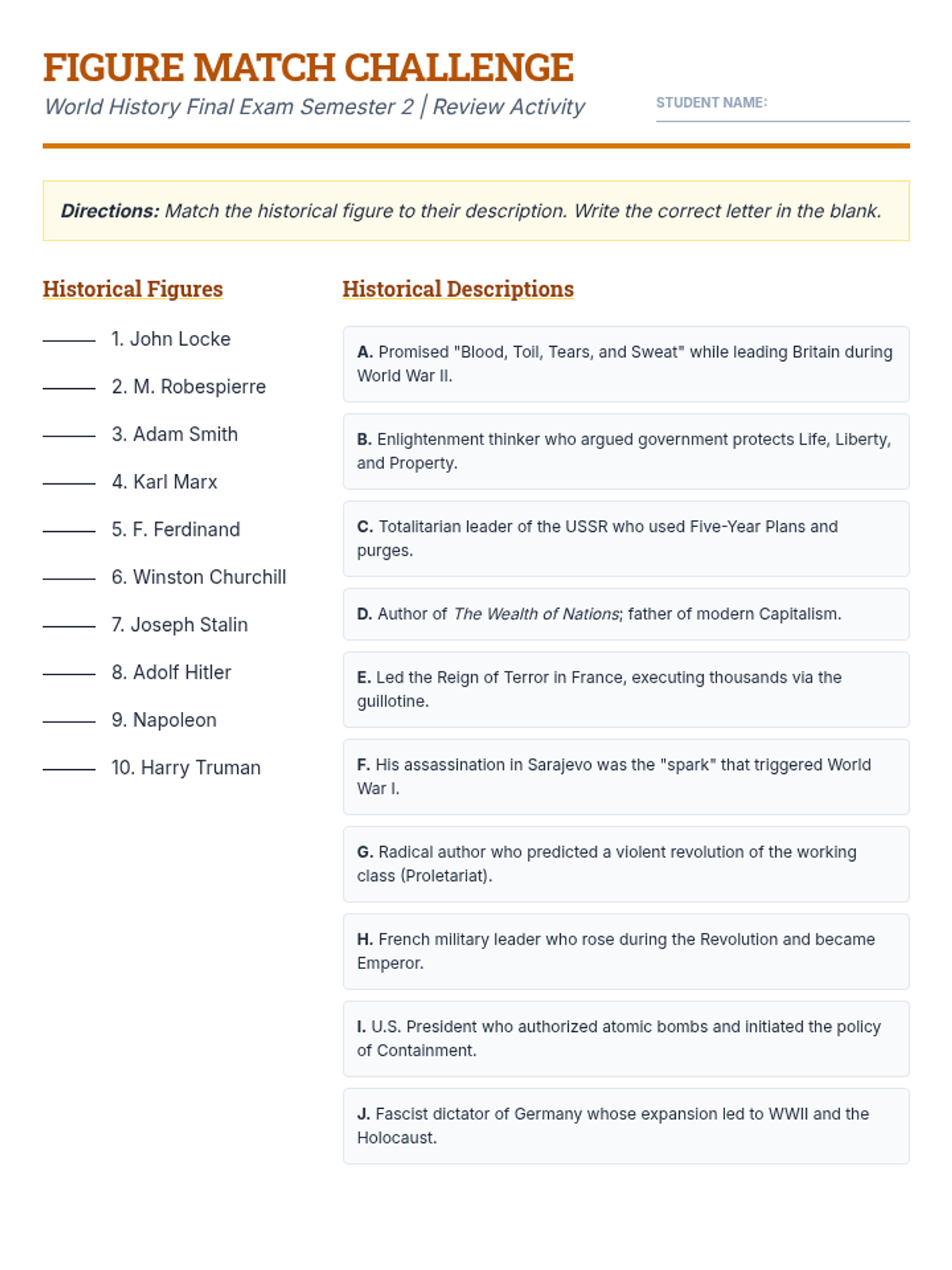
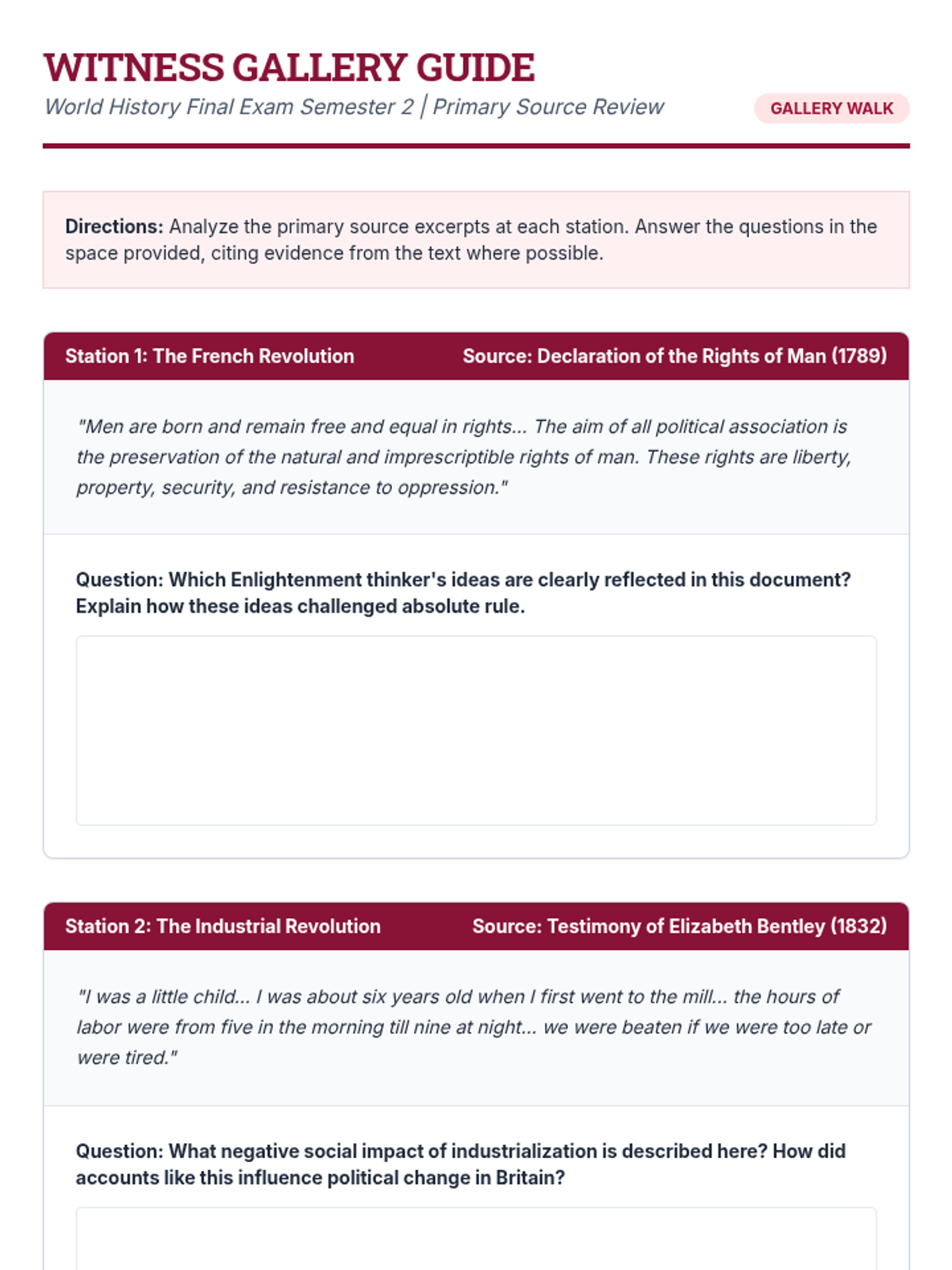
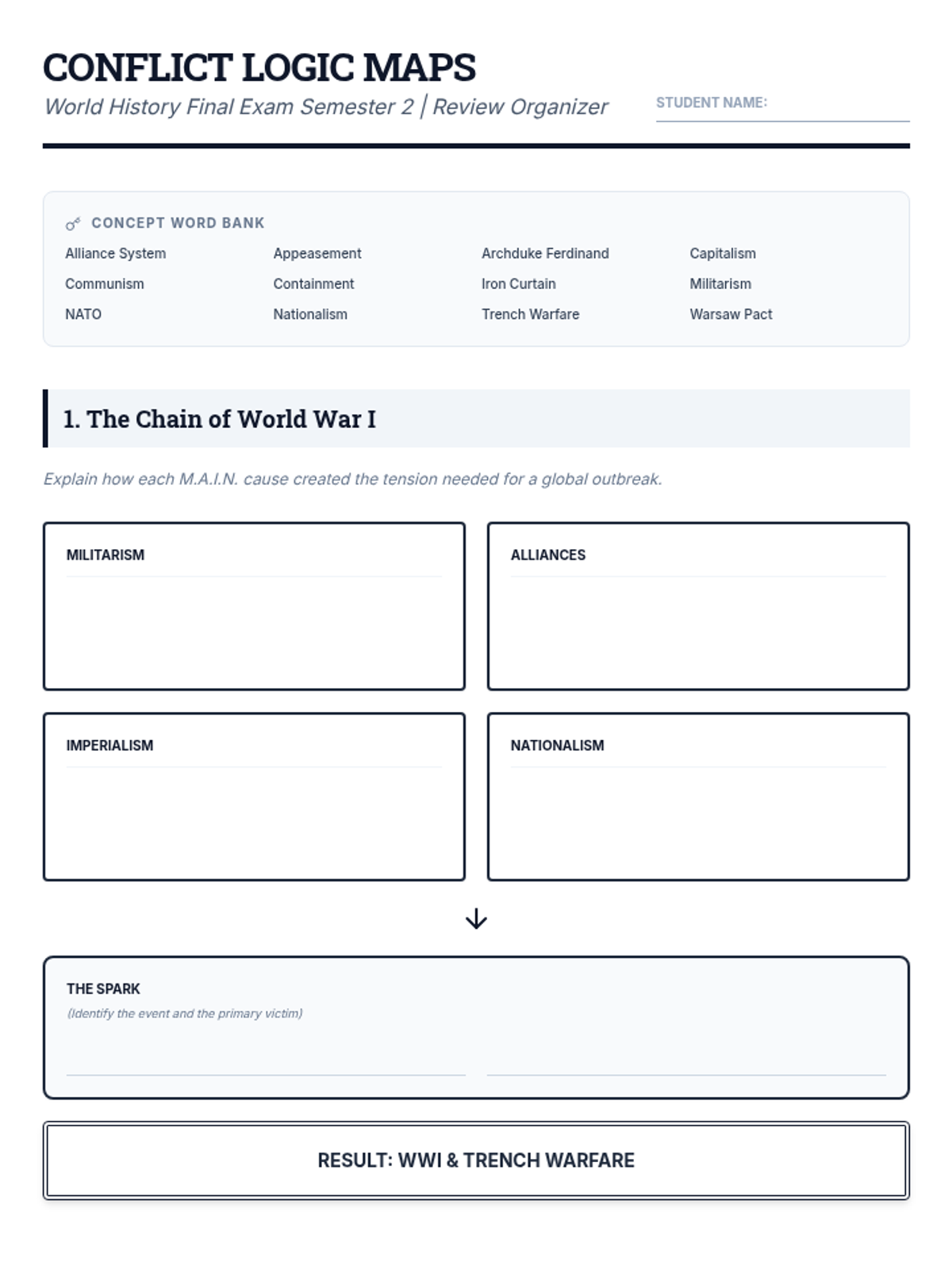
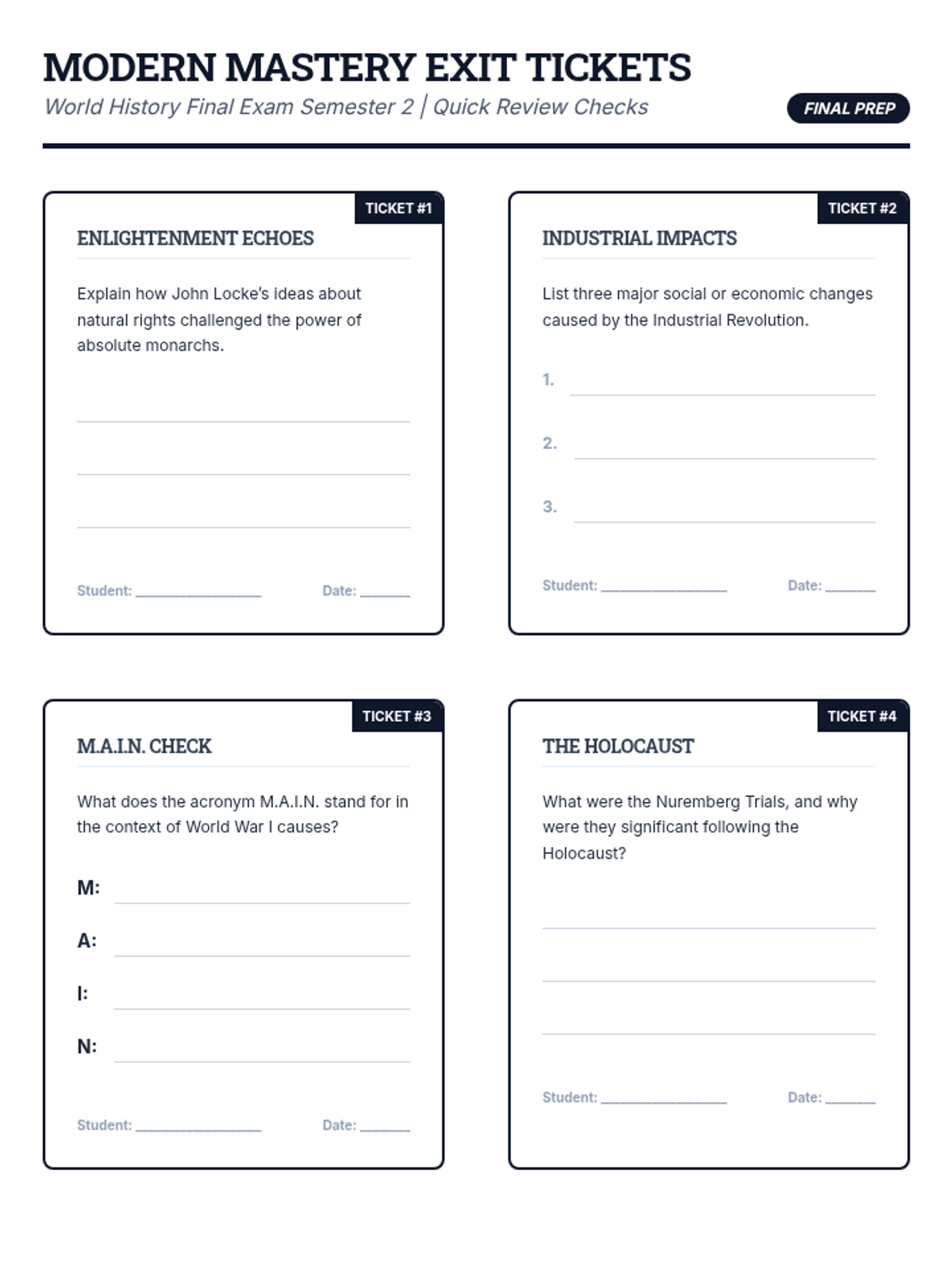
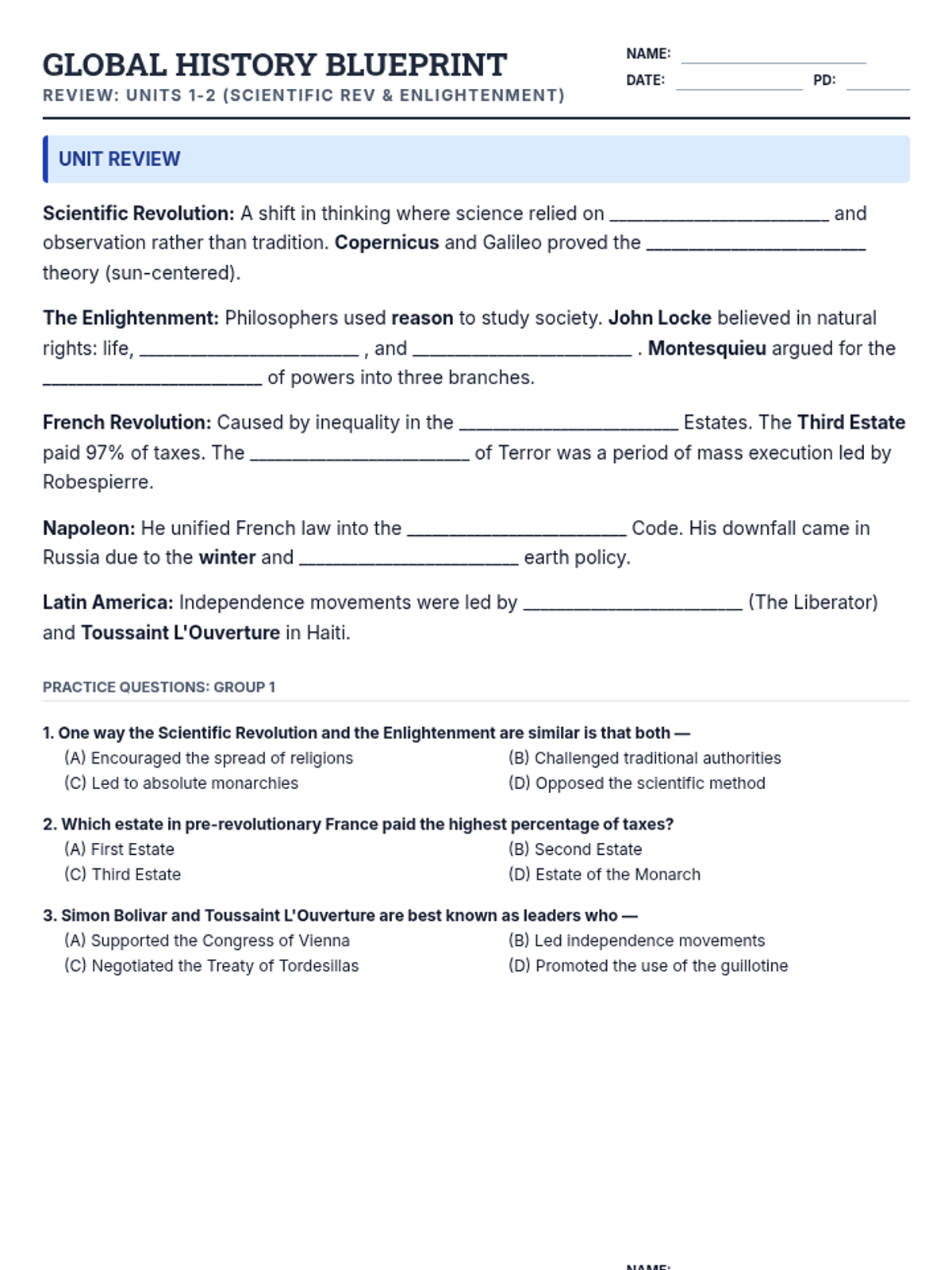
A comprehensive review and assessment package covering World History from the Enlightenment through the Cold War, aligned with state standards.
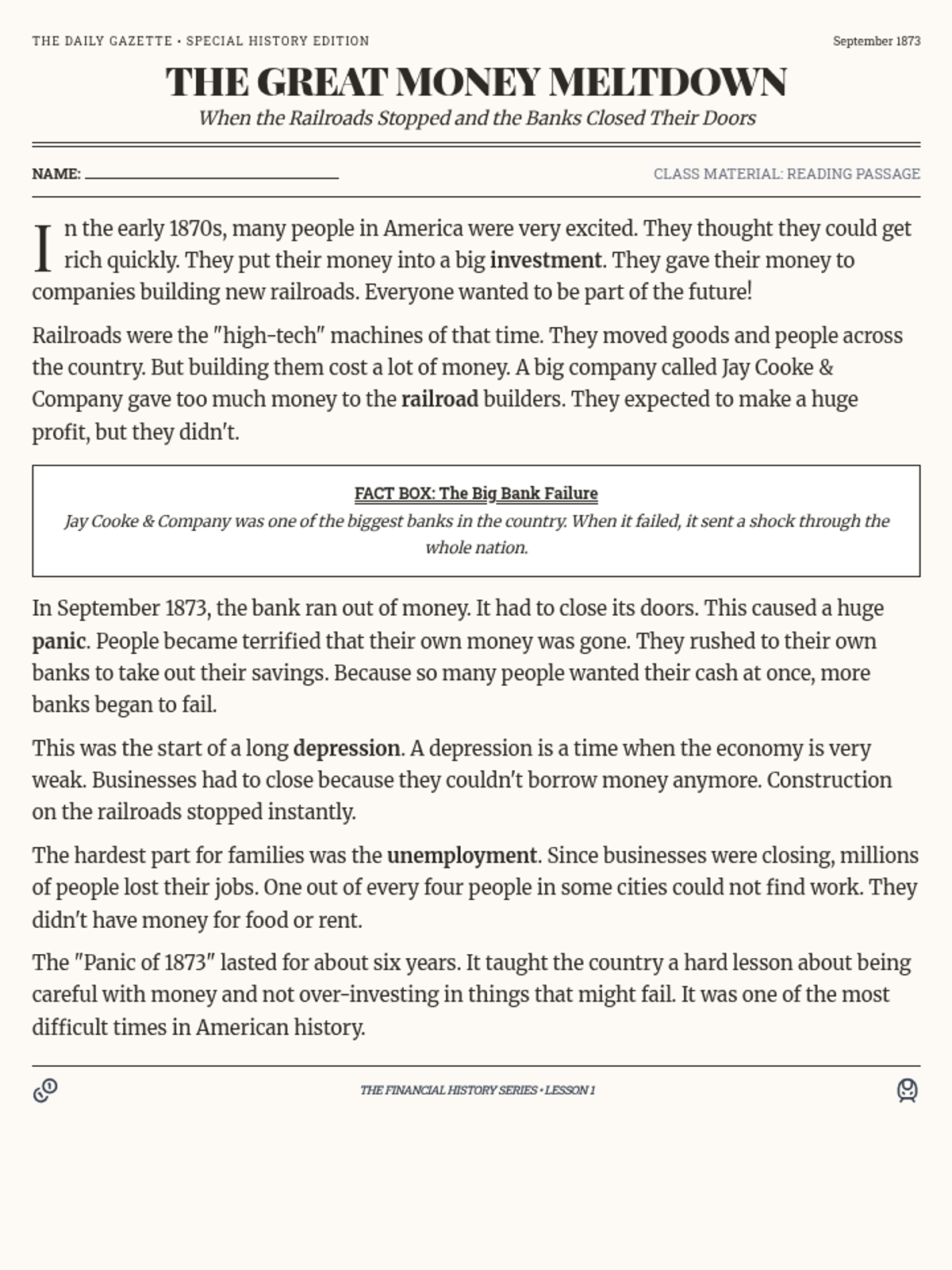
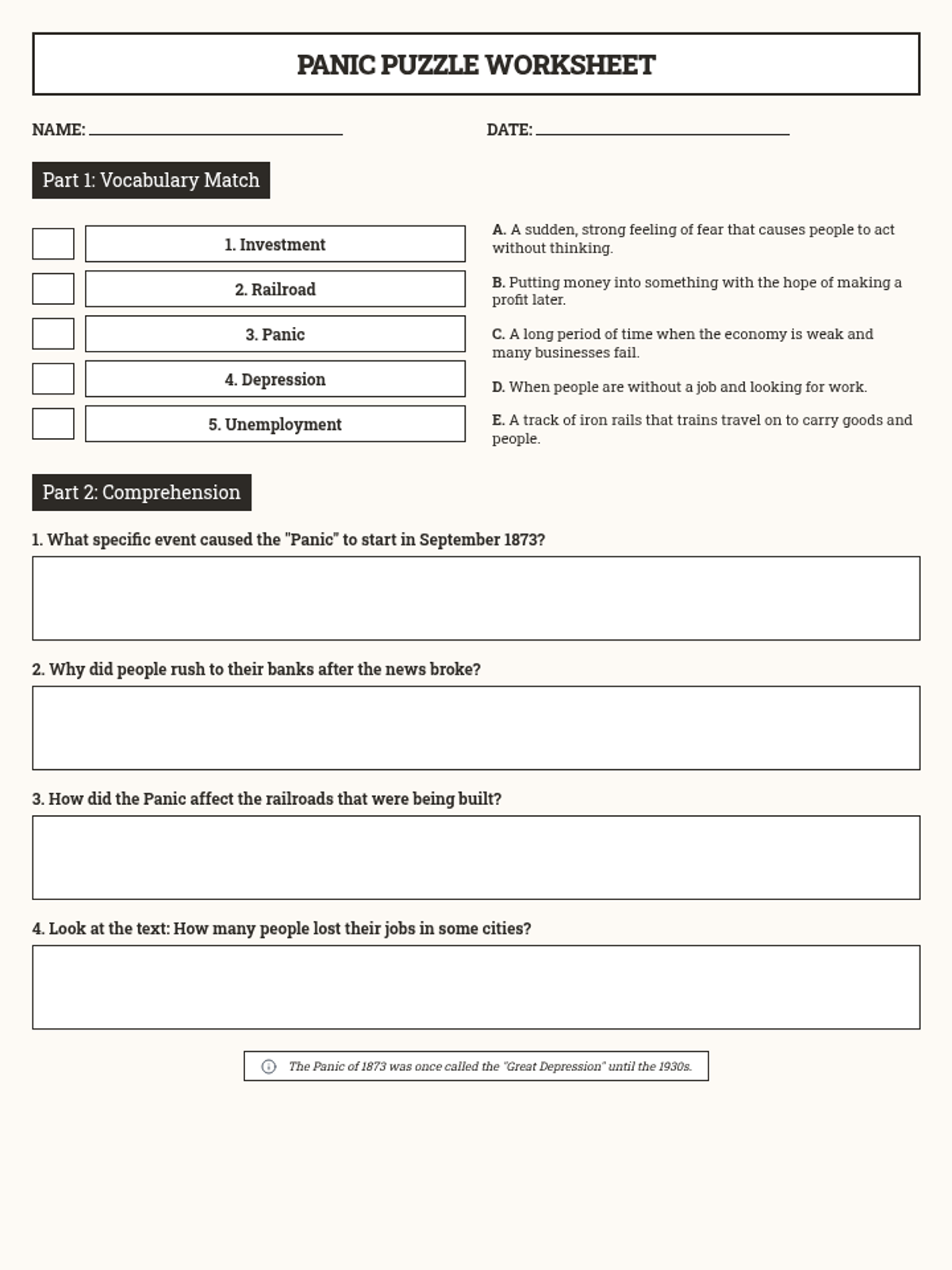
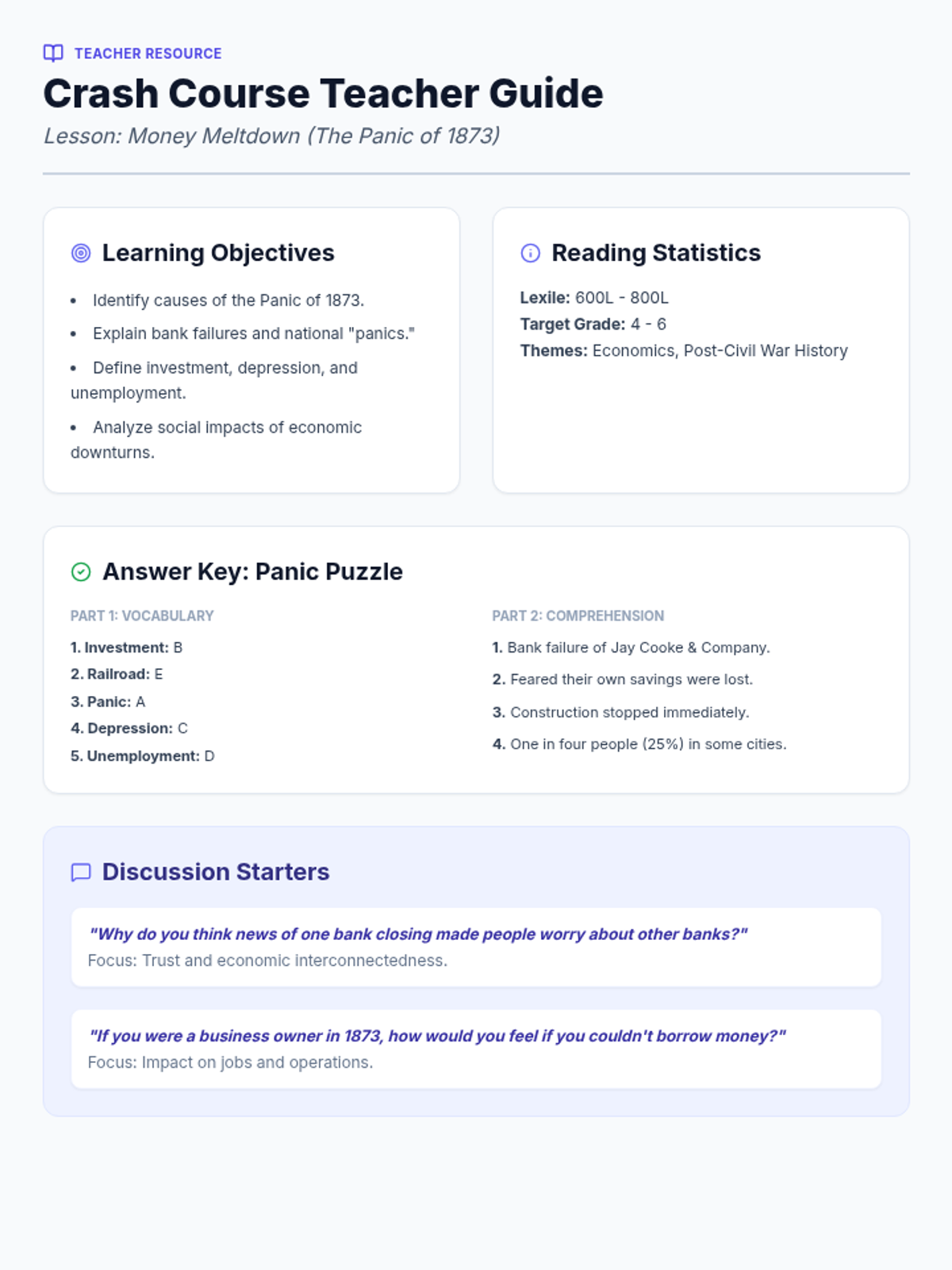
A lesson exploring the causes and effects of the Panic of 1873 through a simplified reading passage and vocabulary activities. Students learn how a railroad investment bubble led to a national economic crisis.
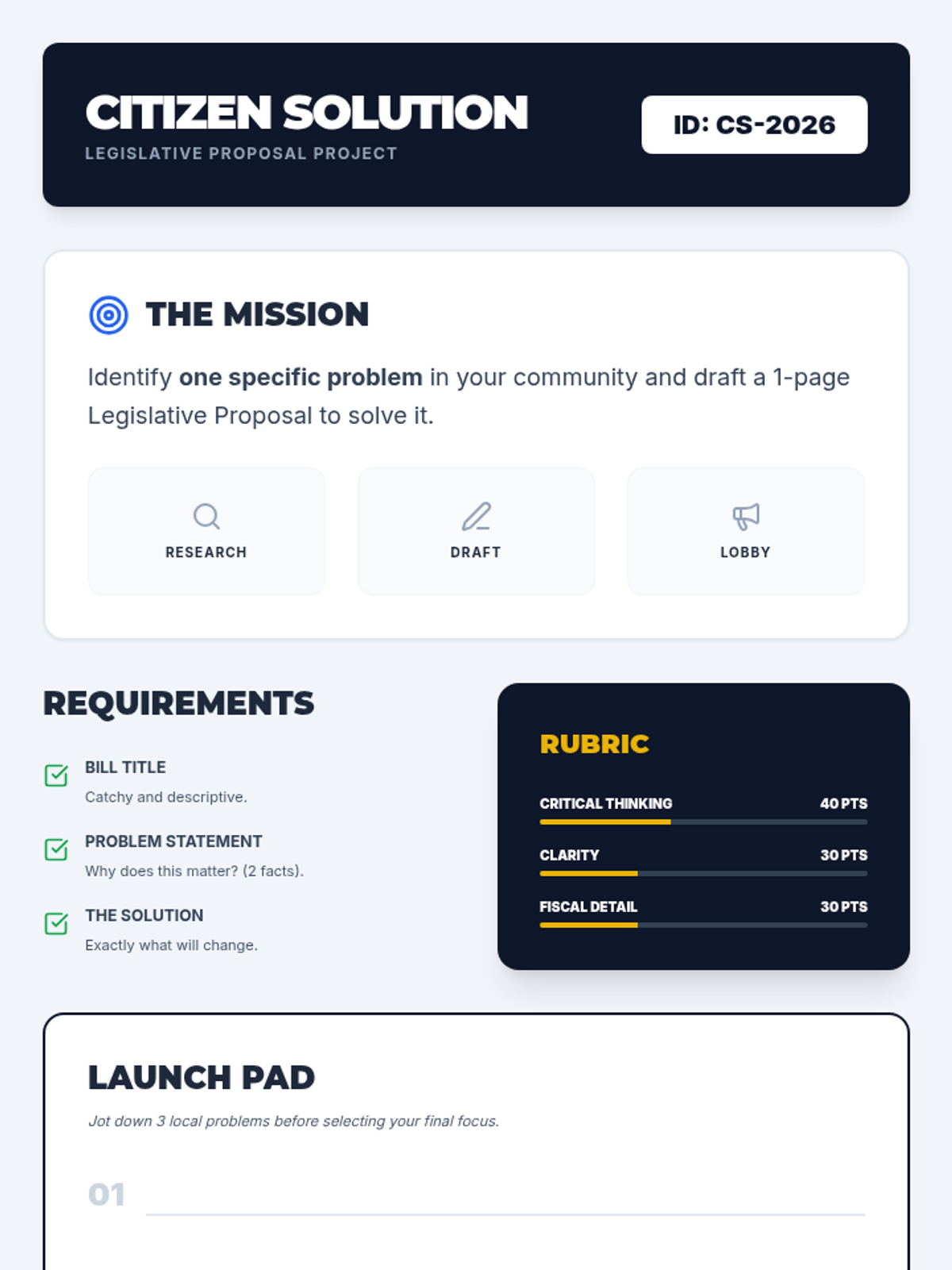
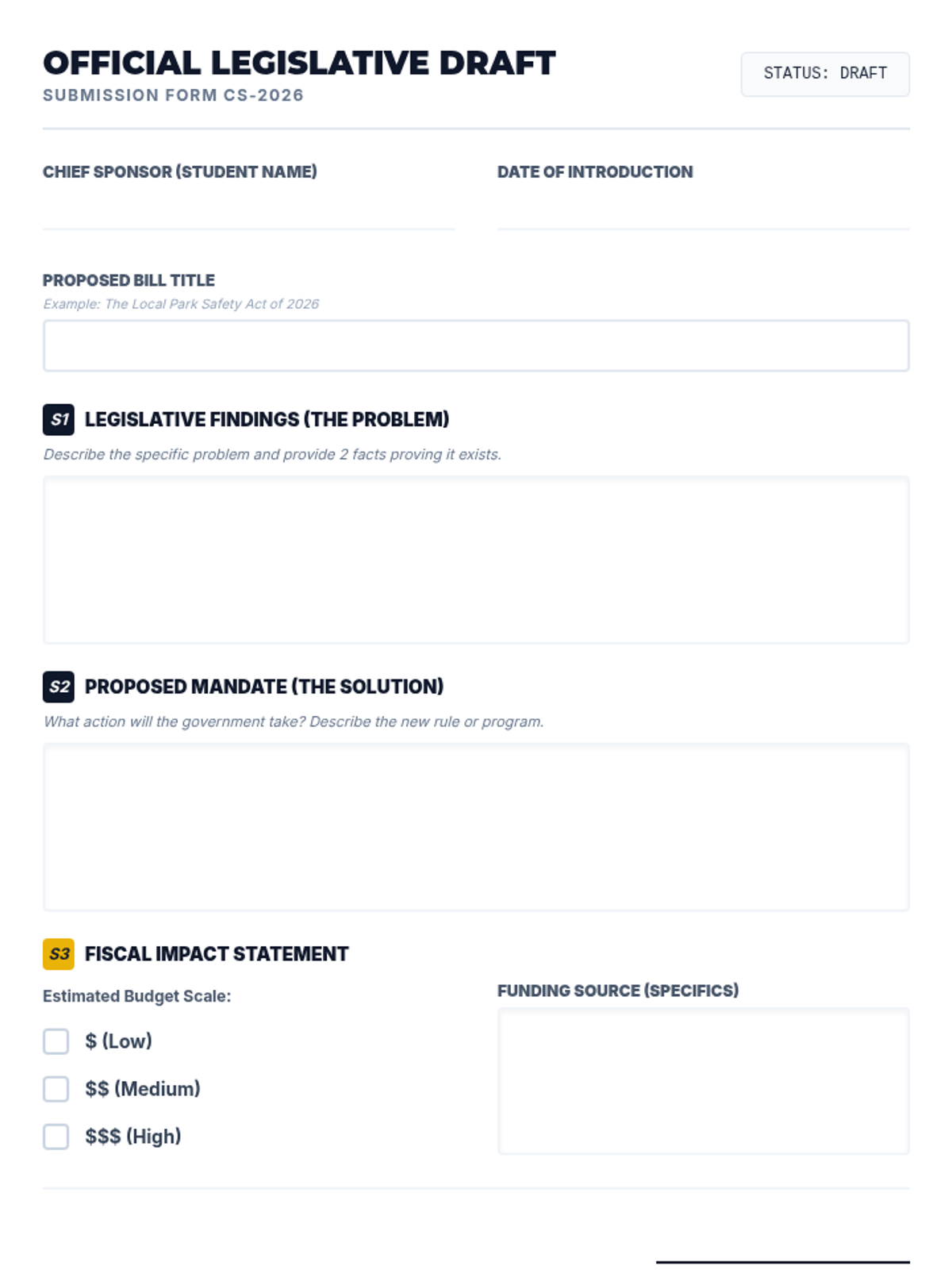
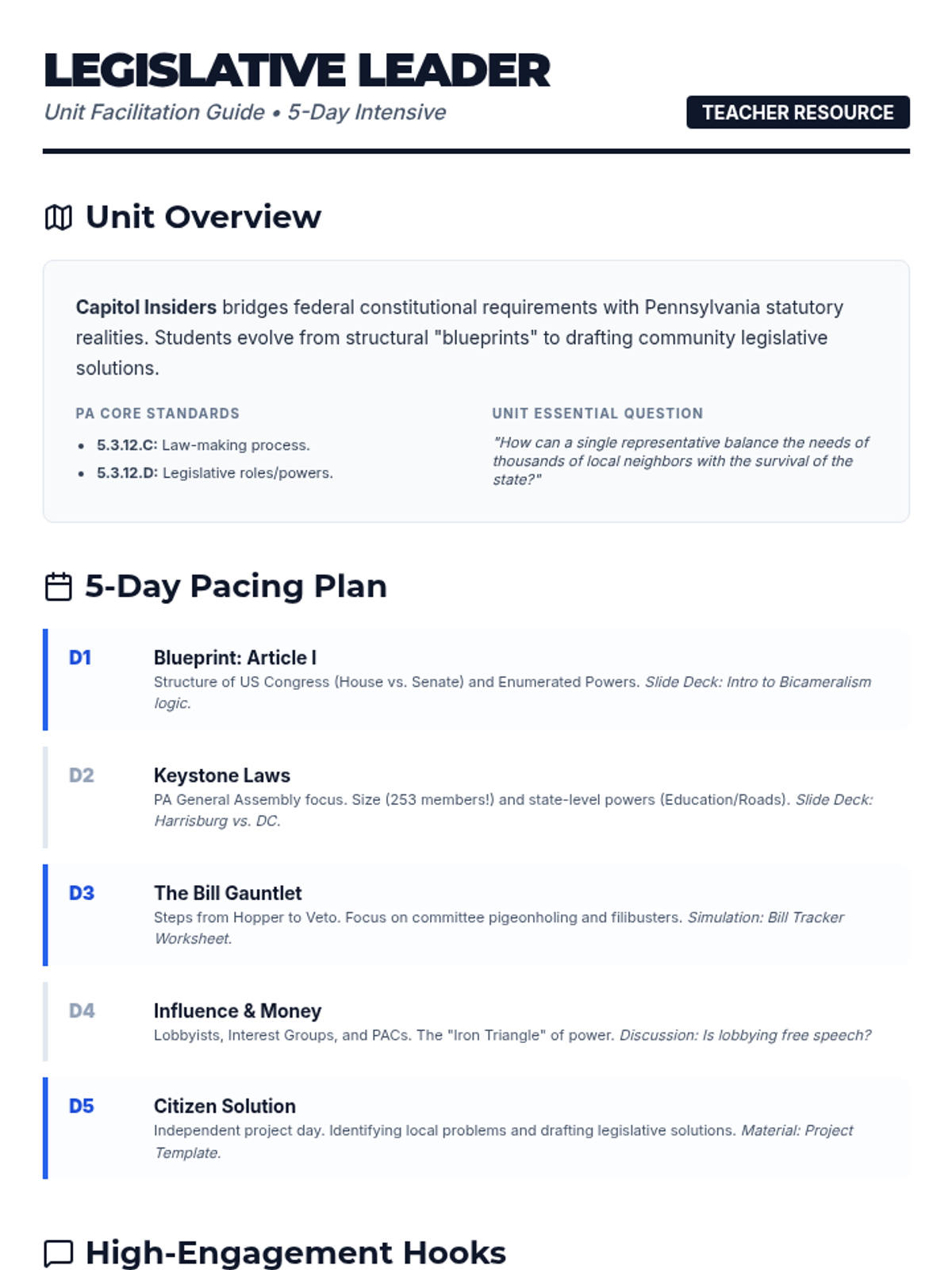
A culminating lesson where students apply their knowledge to identify a local problem and draft a simple legislative solution.
Examines the external forces that shape legislation, including lobbying, special interest groups, and constituent pressure.
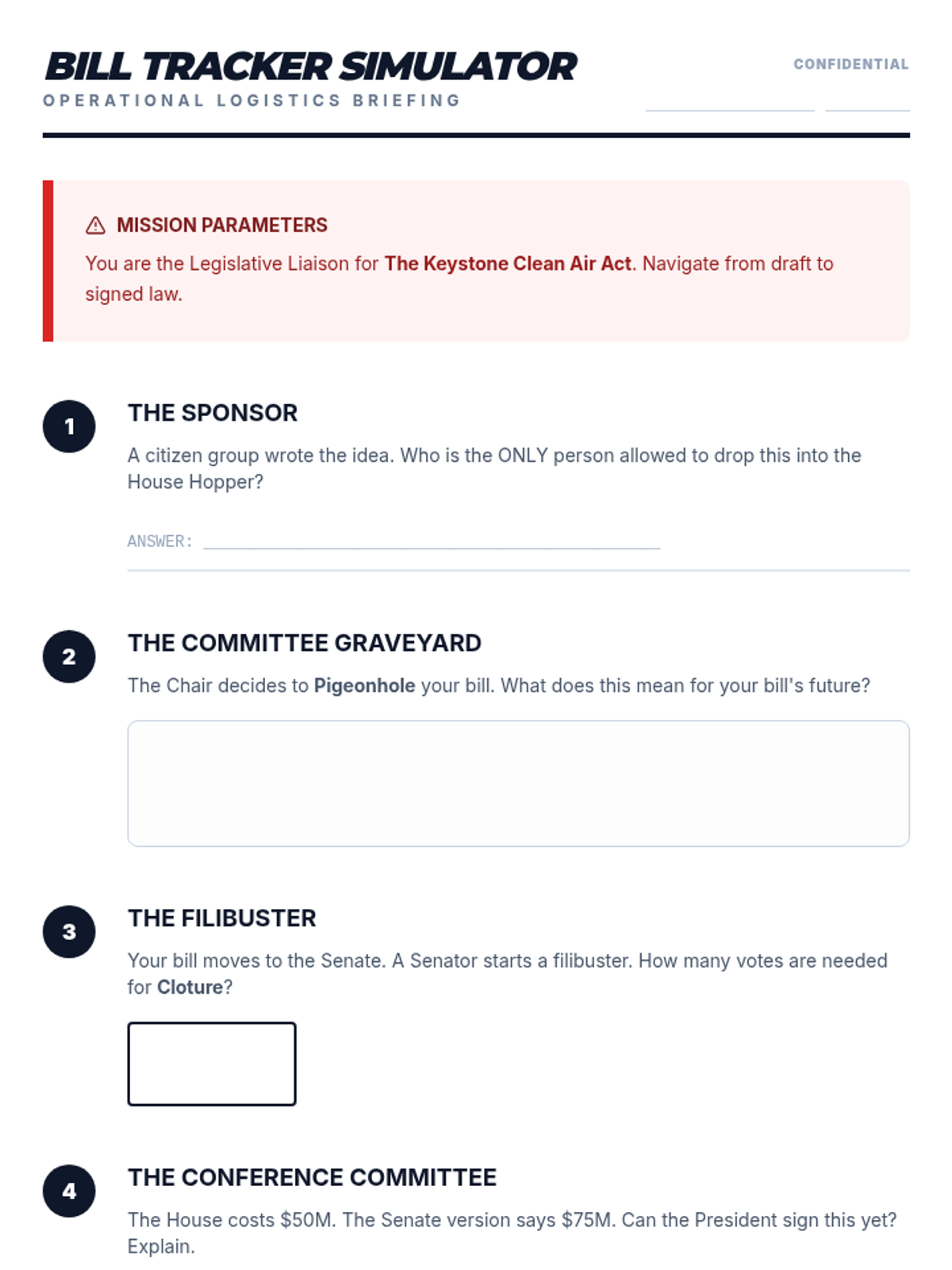
A deep dive into the complex journey of a bill from introduction to presidential or gubernatorial signature, including the role of committees and filibusters.
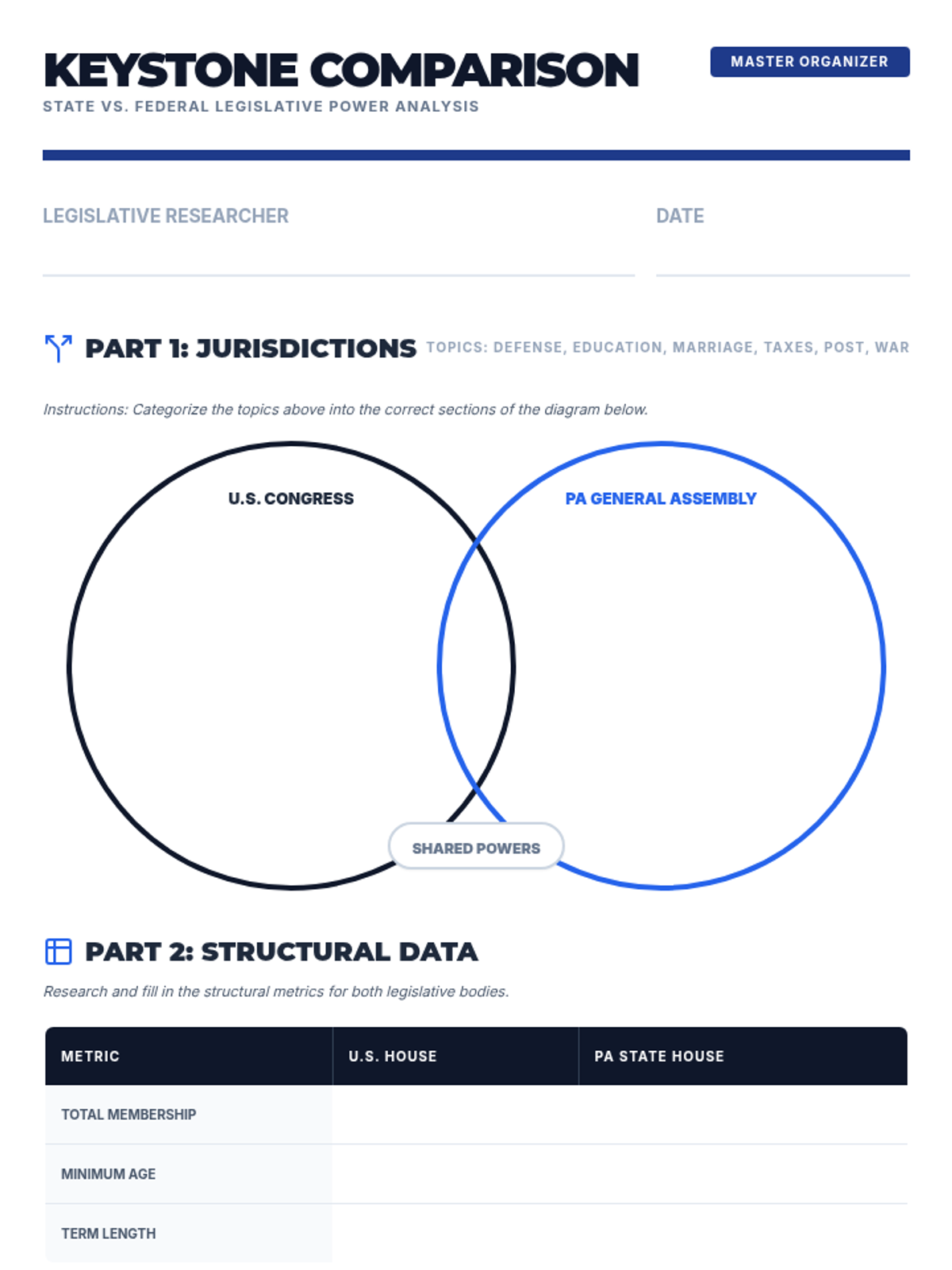
Explores the specific structure and functions of the Pennsylvania General Assembly, comparing and contrasting it with the federal system to meet PA state standards.
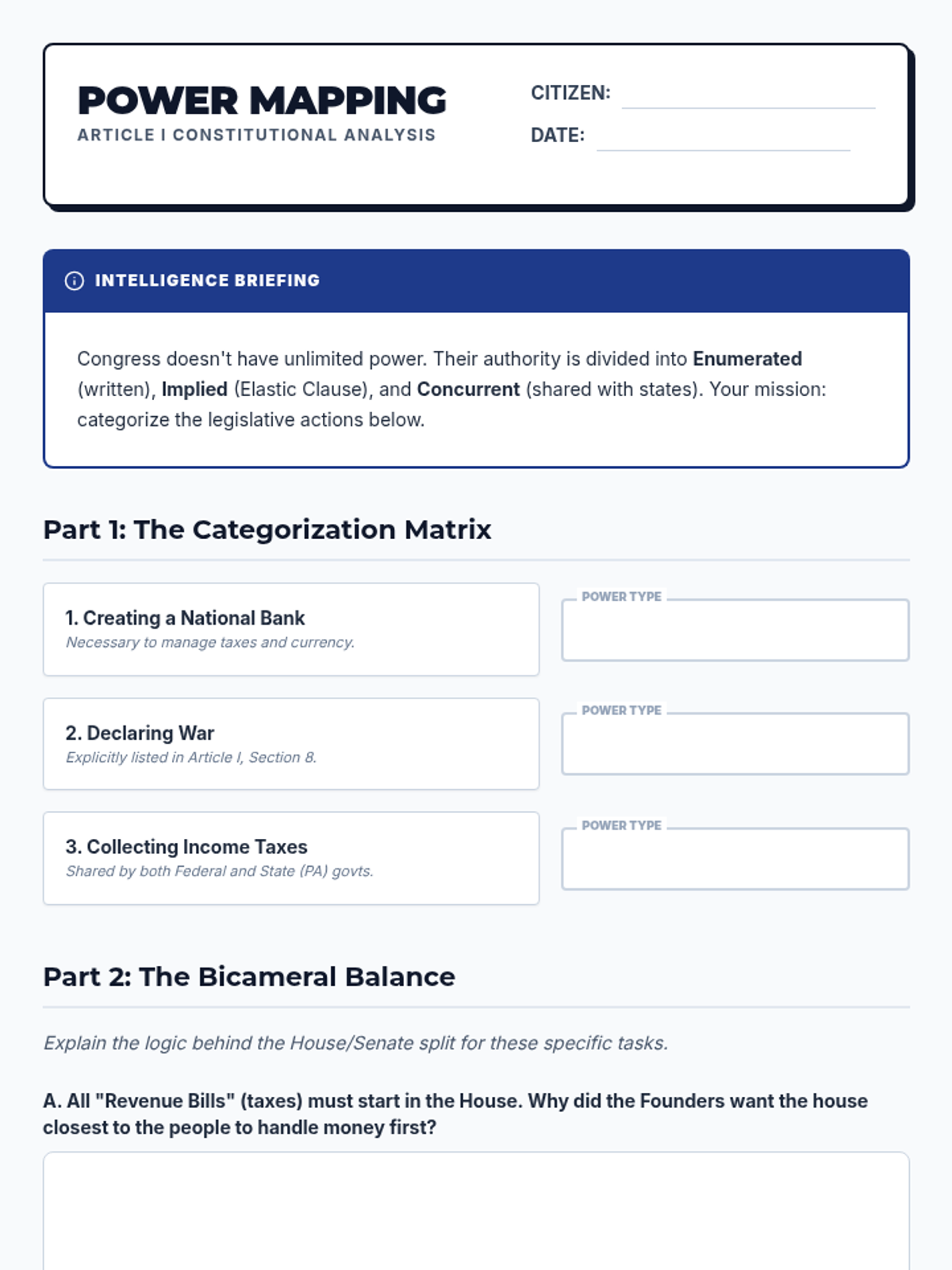
Focuses on the structure, bicameralism, and enumerated powers of the United States Congress as outlined in Article I of the Constitution.
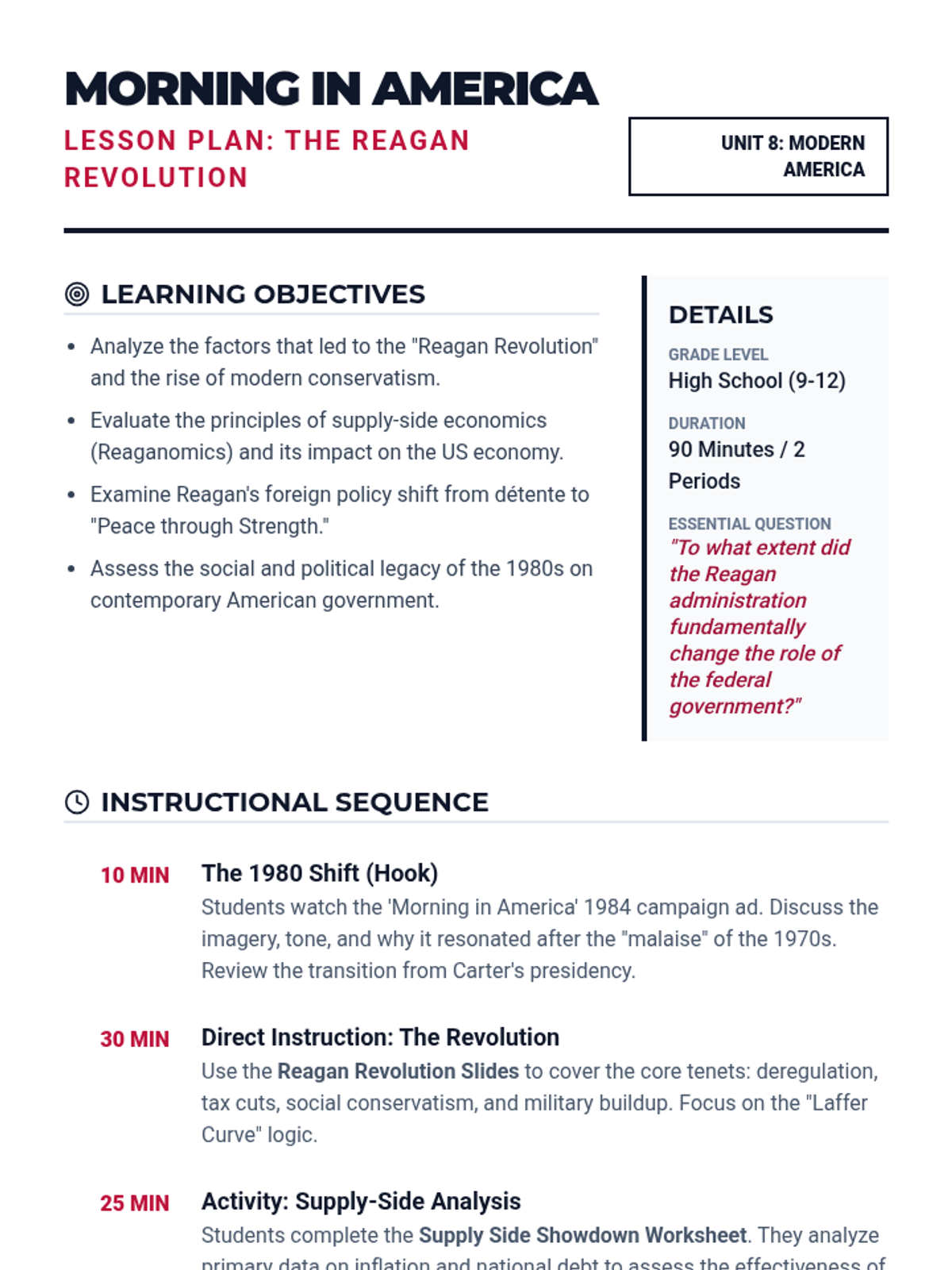
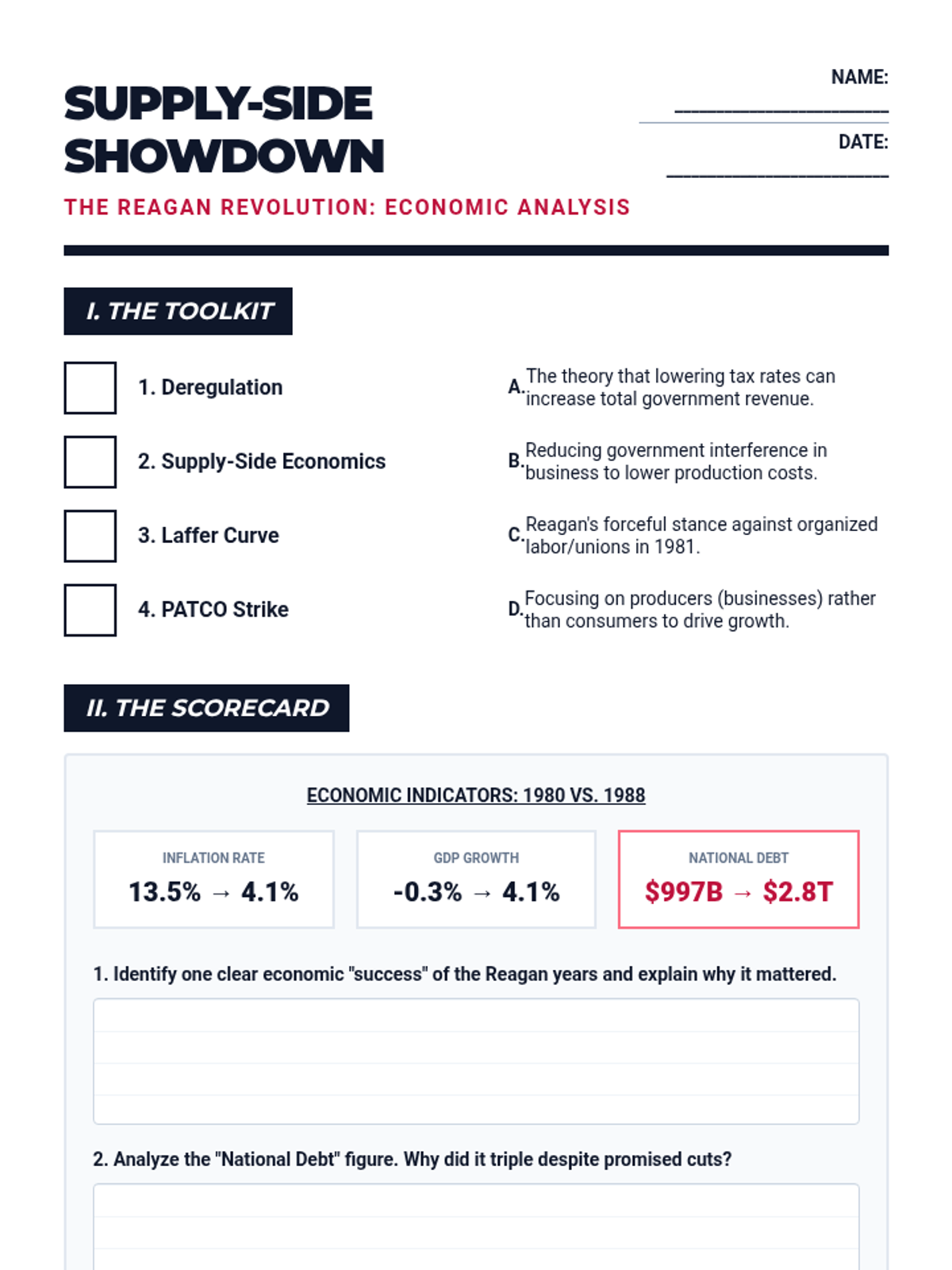
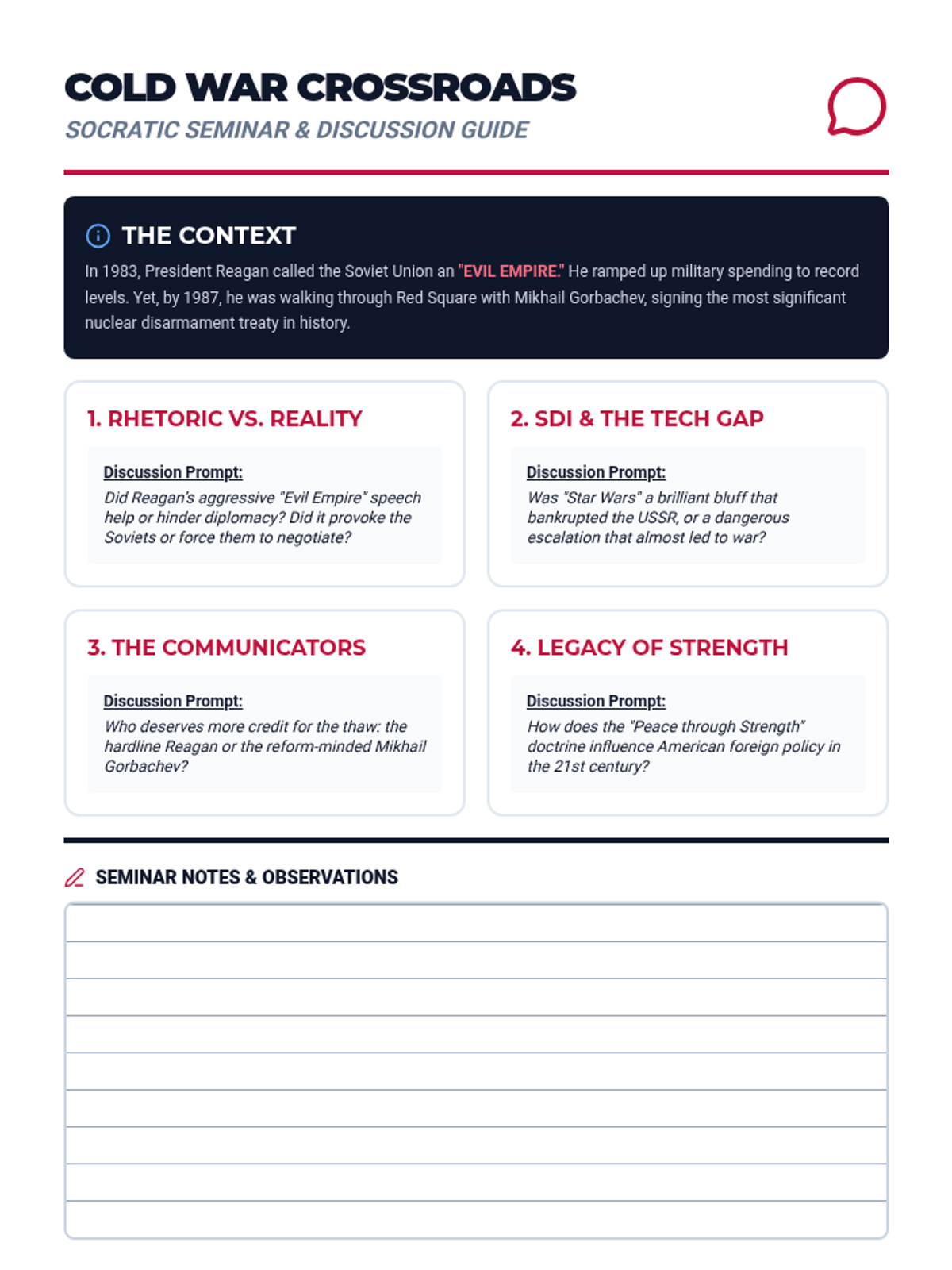
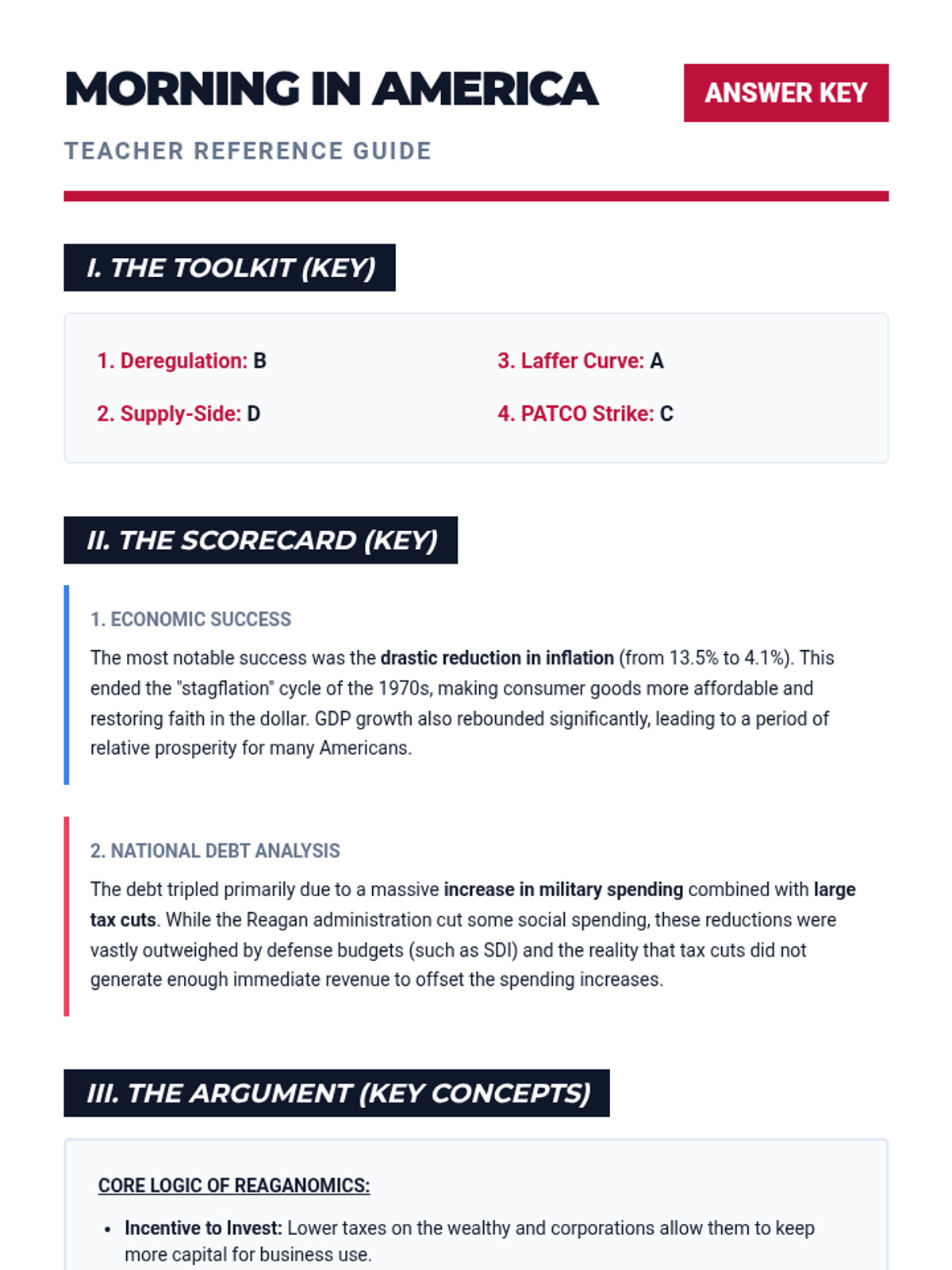
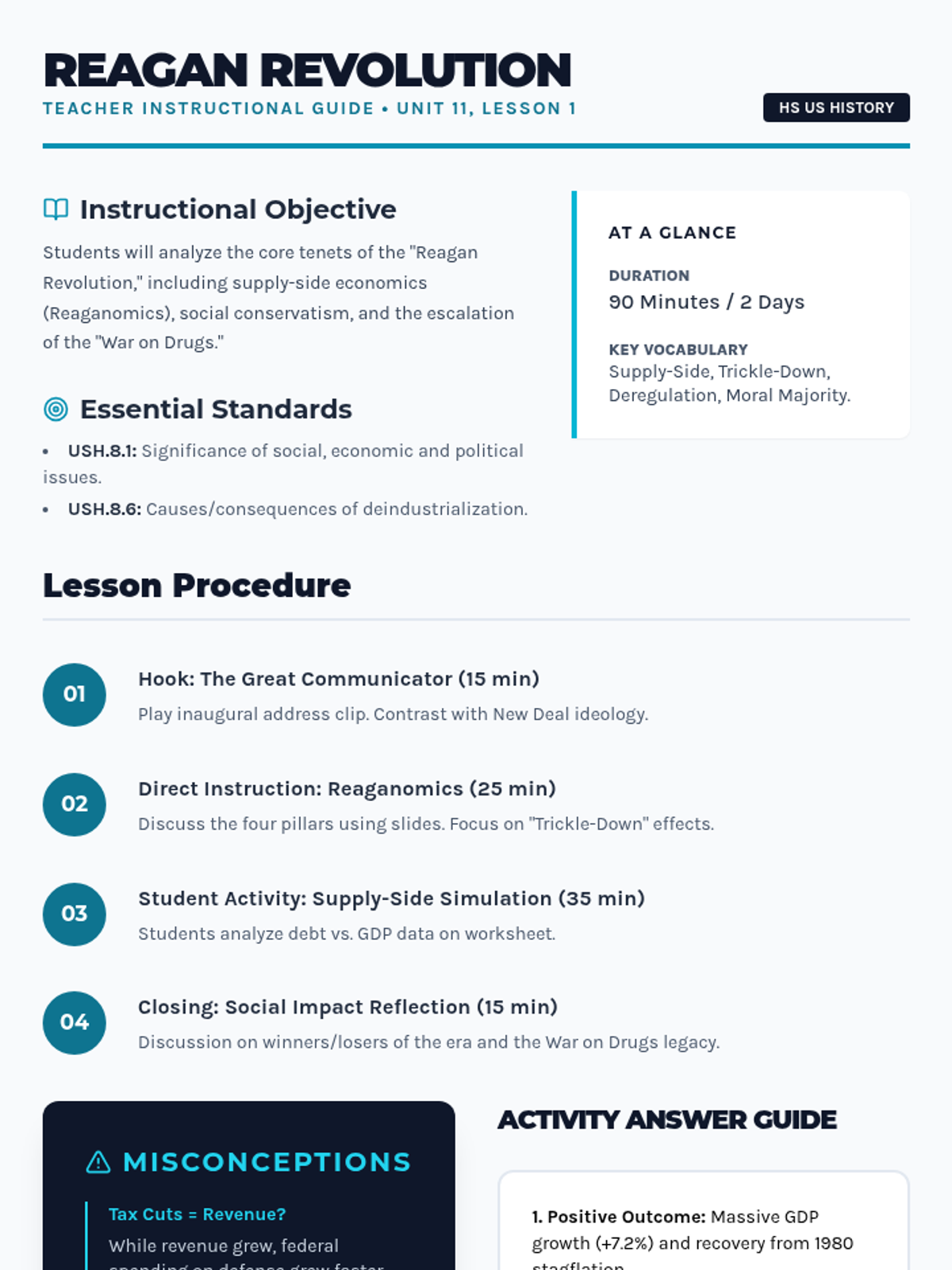
A comprehensive look at the Reagan Revolution, exploring the shift toward modern conservatism, supply-side economics, and the escalations of the late Cold War. Students analyze the 'Morning in America' campaign and its lasting impact on American politics.
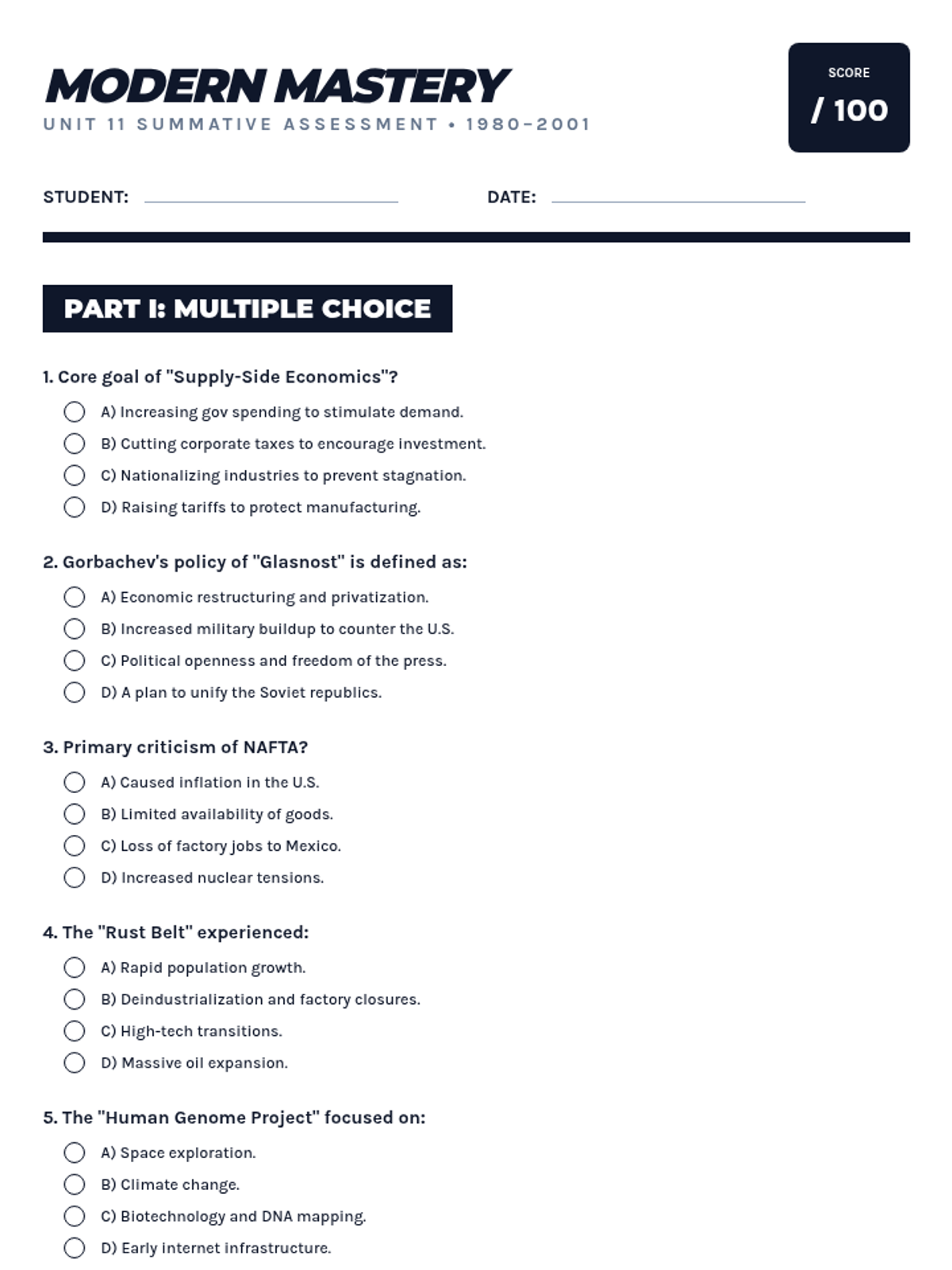
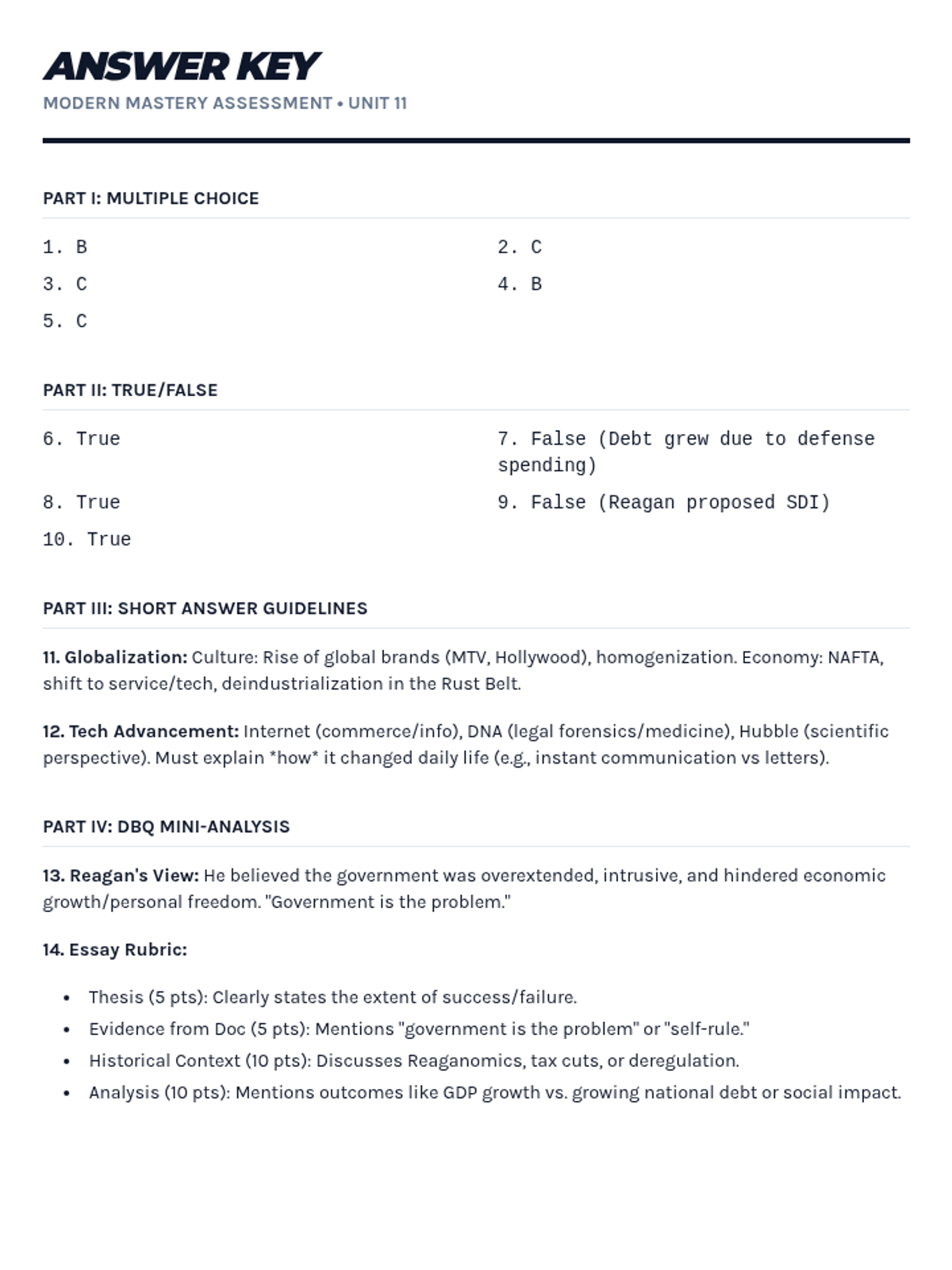
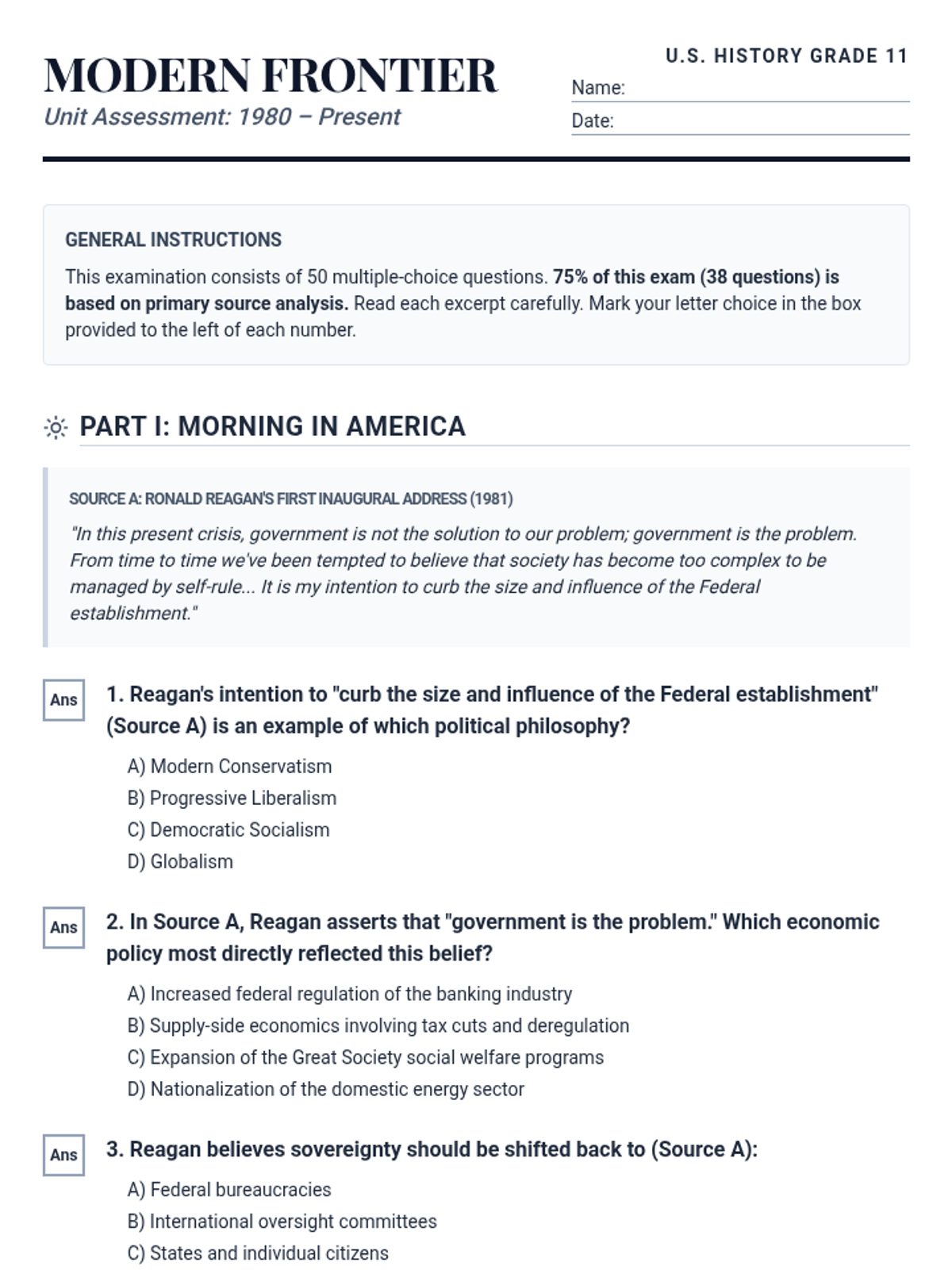
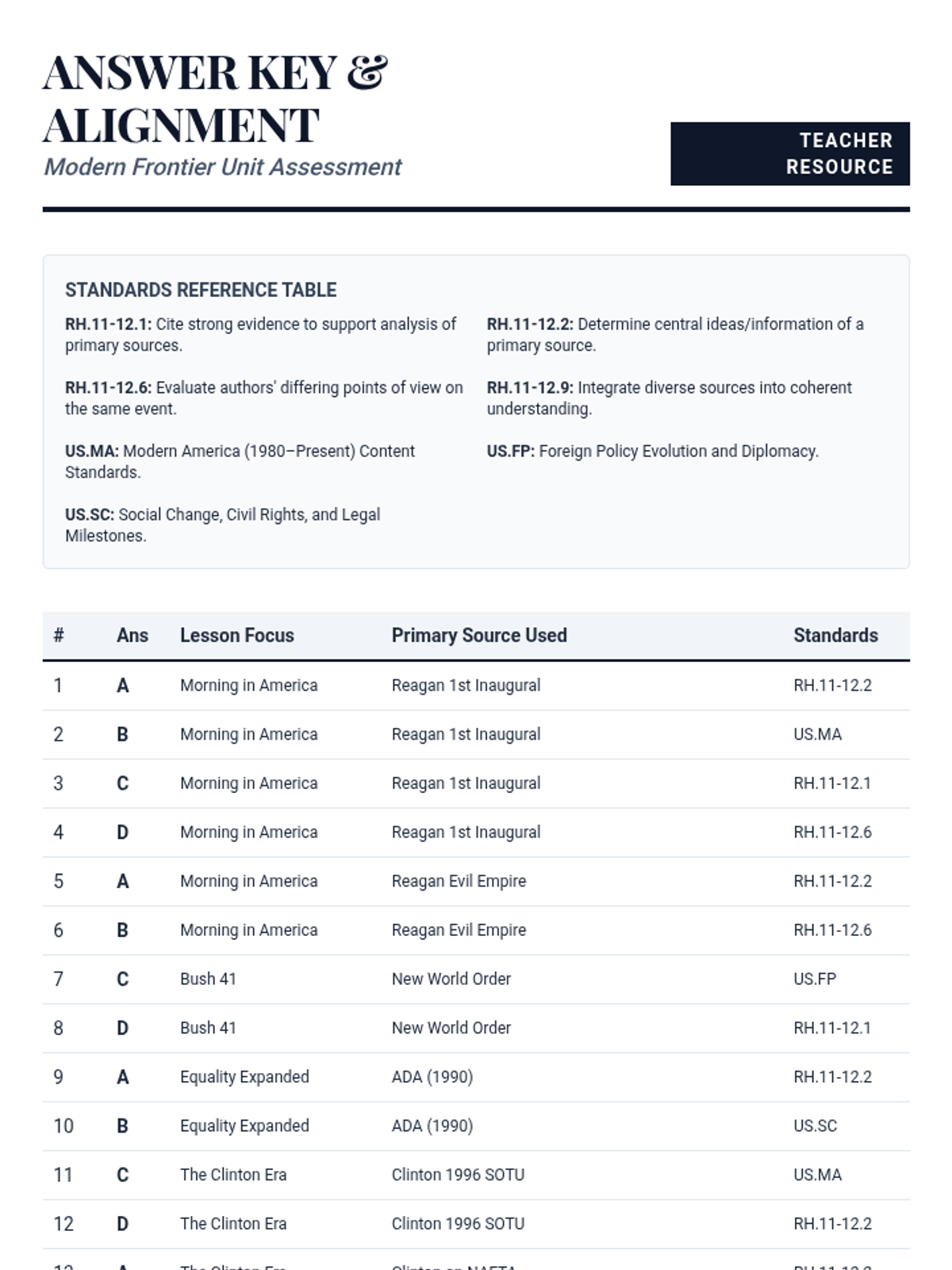
A summative assessment evaluating student mastery of the 1980s and 90s through multiple-choice, true/false, short answer, and DBQ questions.
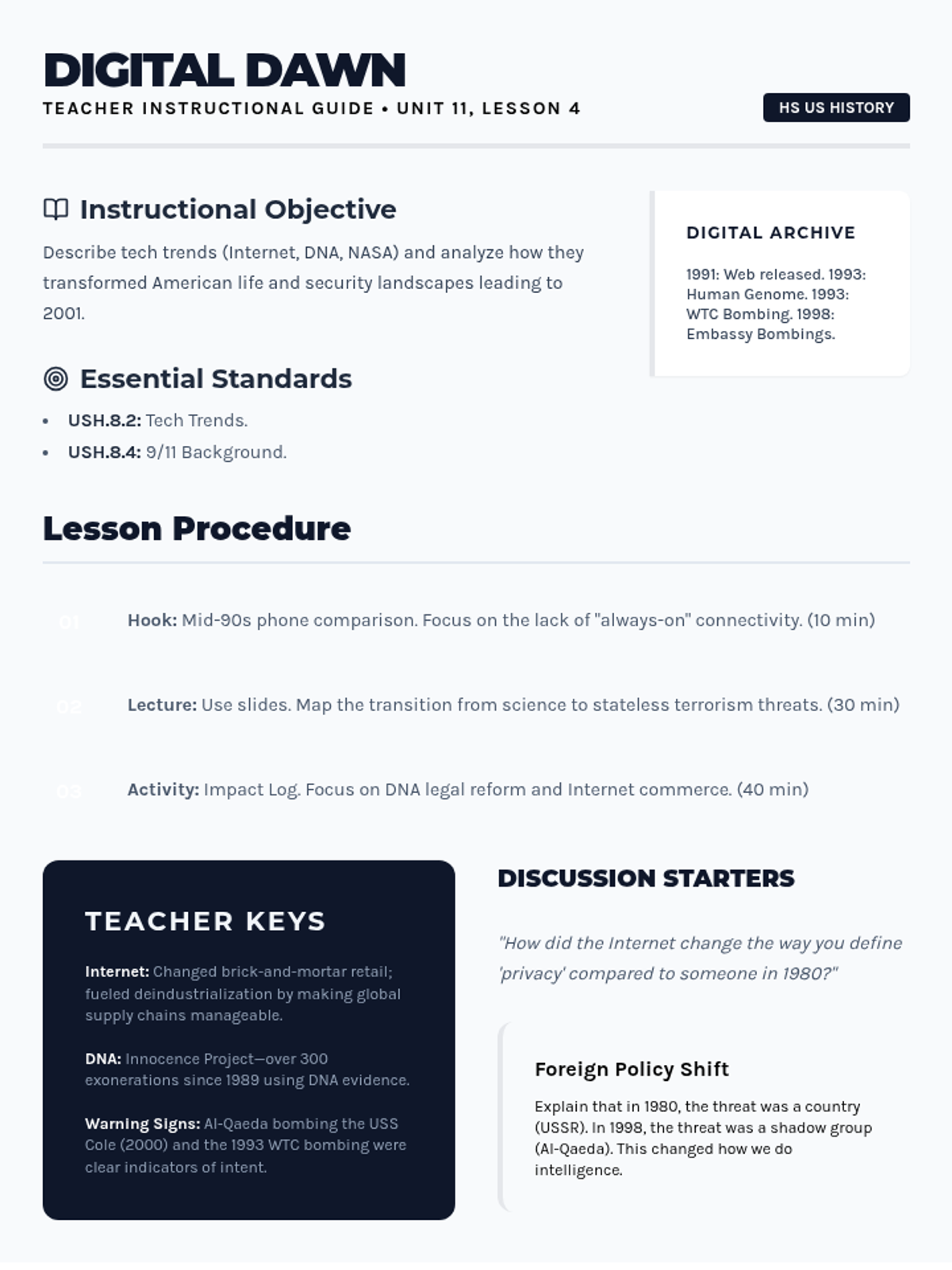
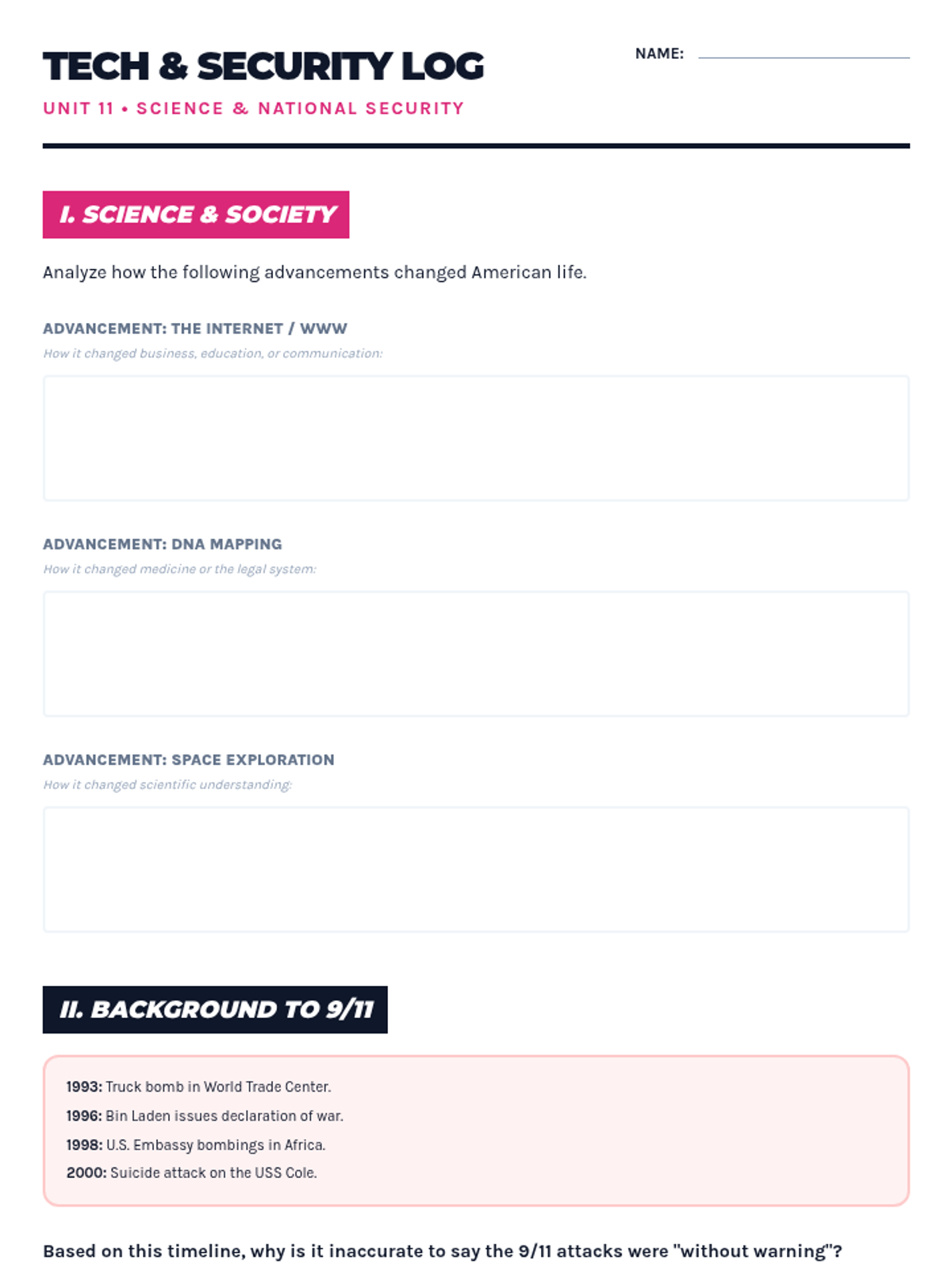
Investigate the technological revolution of the Internet, advancements in DNA, and the shifting landscape of global security leading toward 2001.
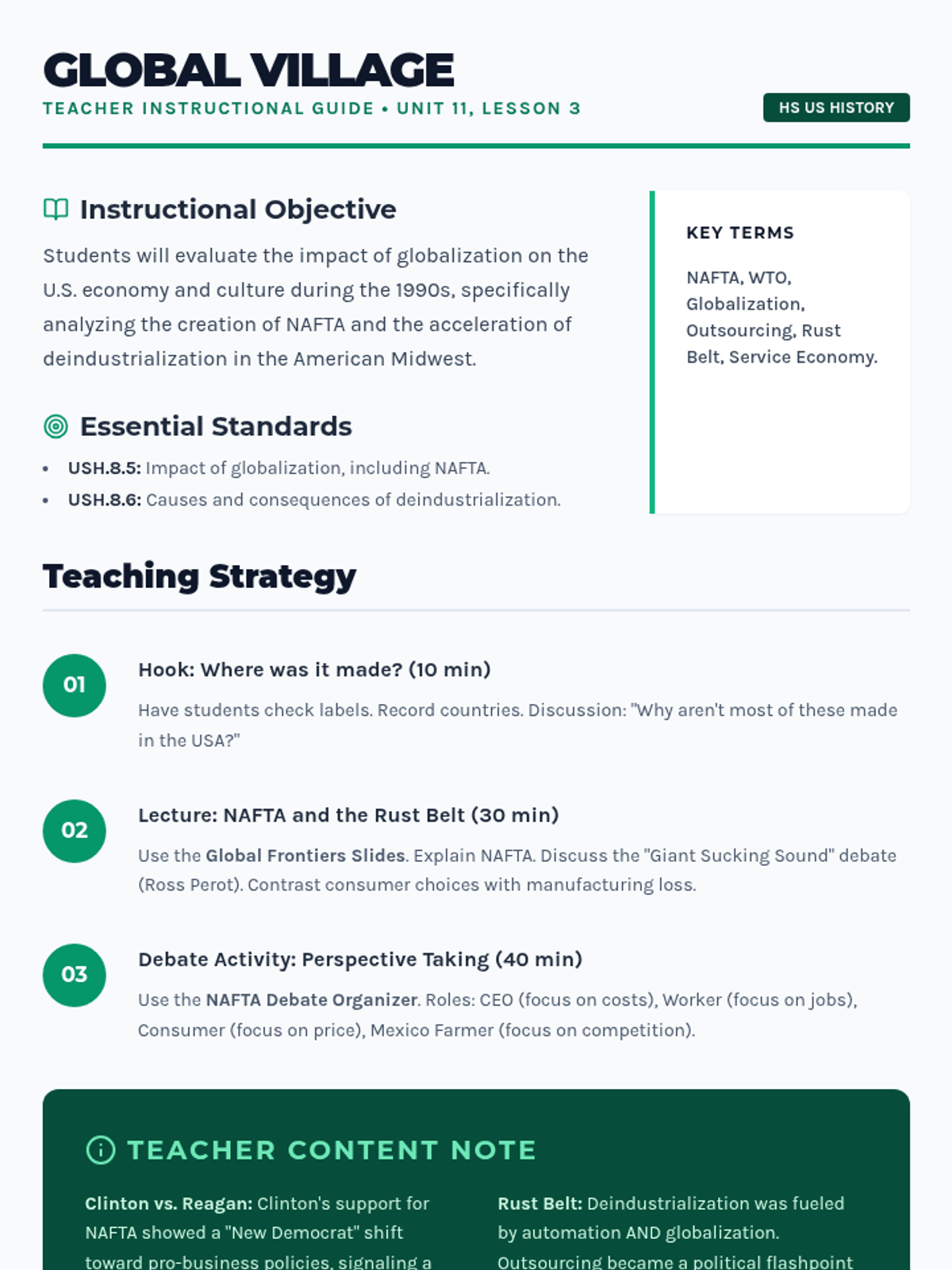
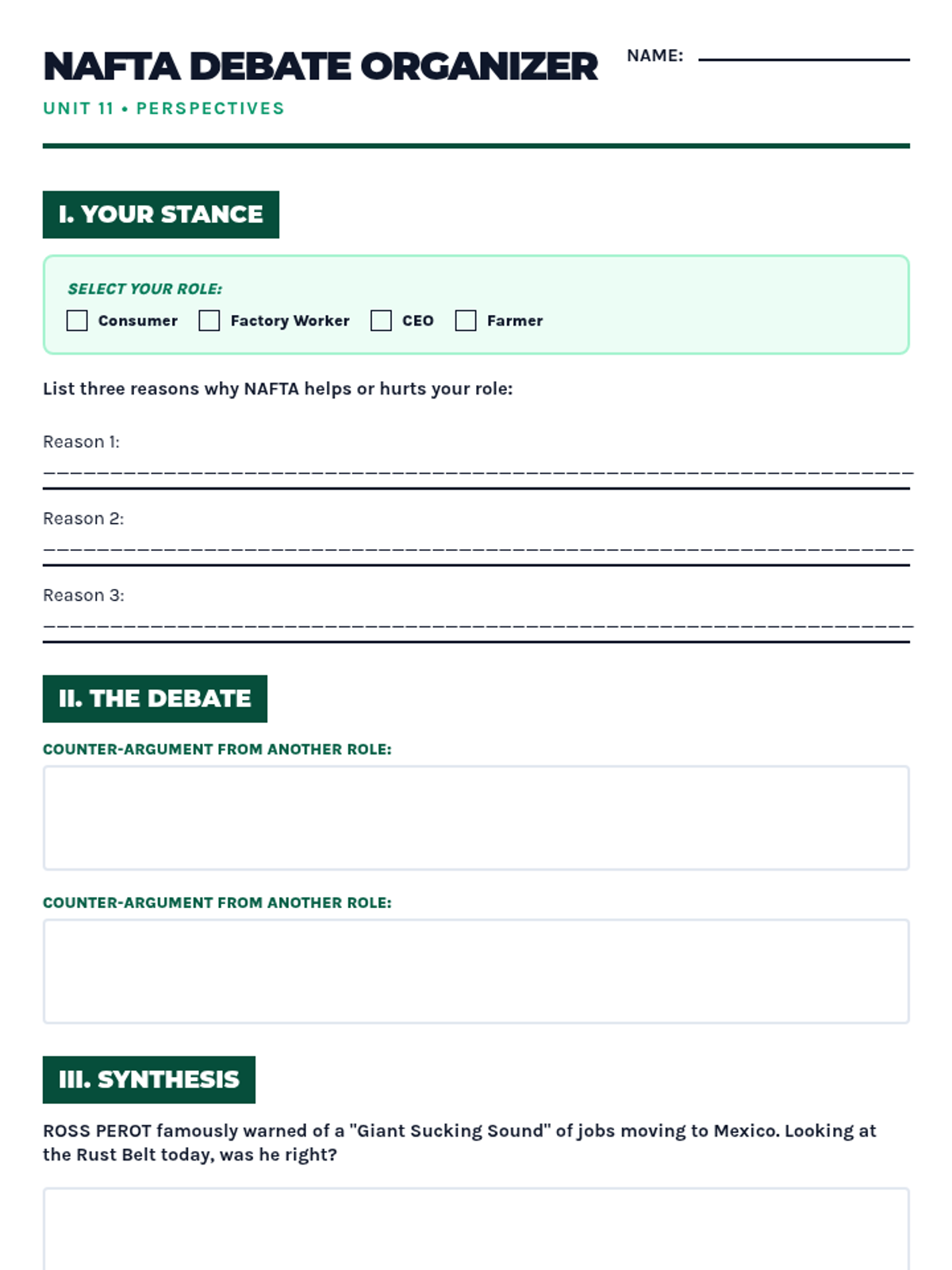
Examine the economic boom of the 90s, the impacts of NAFTA, and the process of deindustrialization.
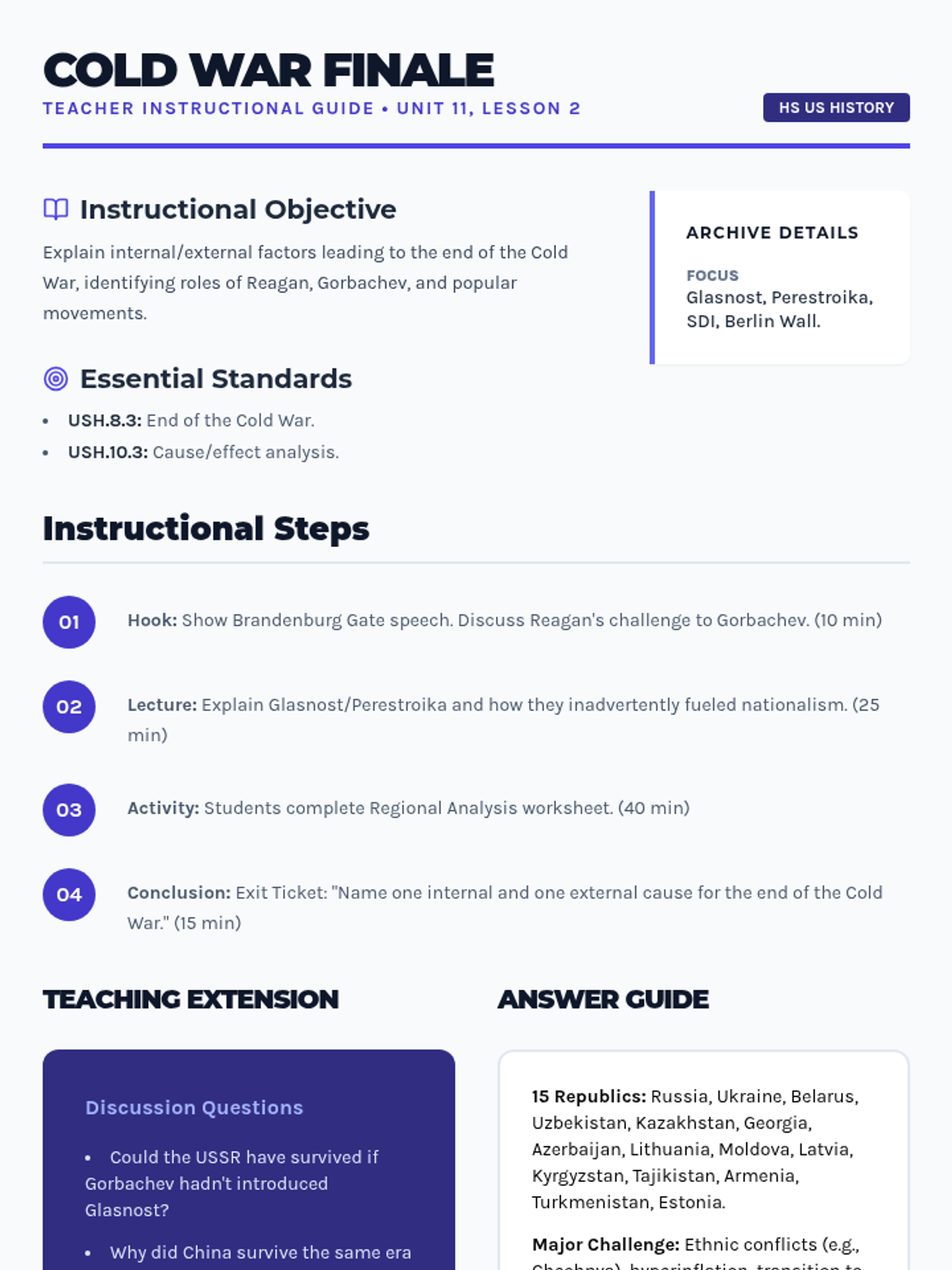
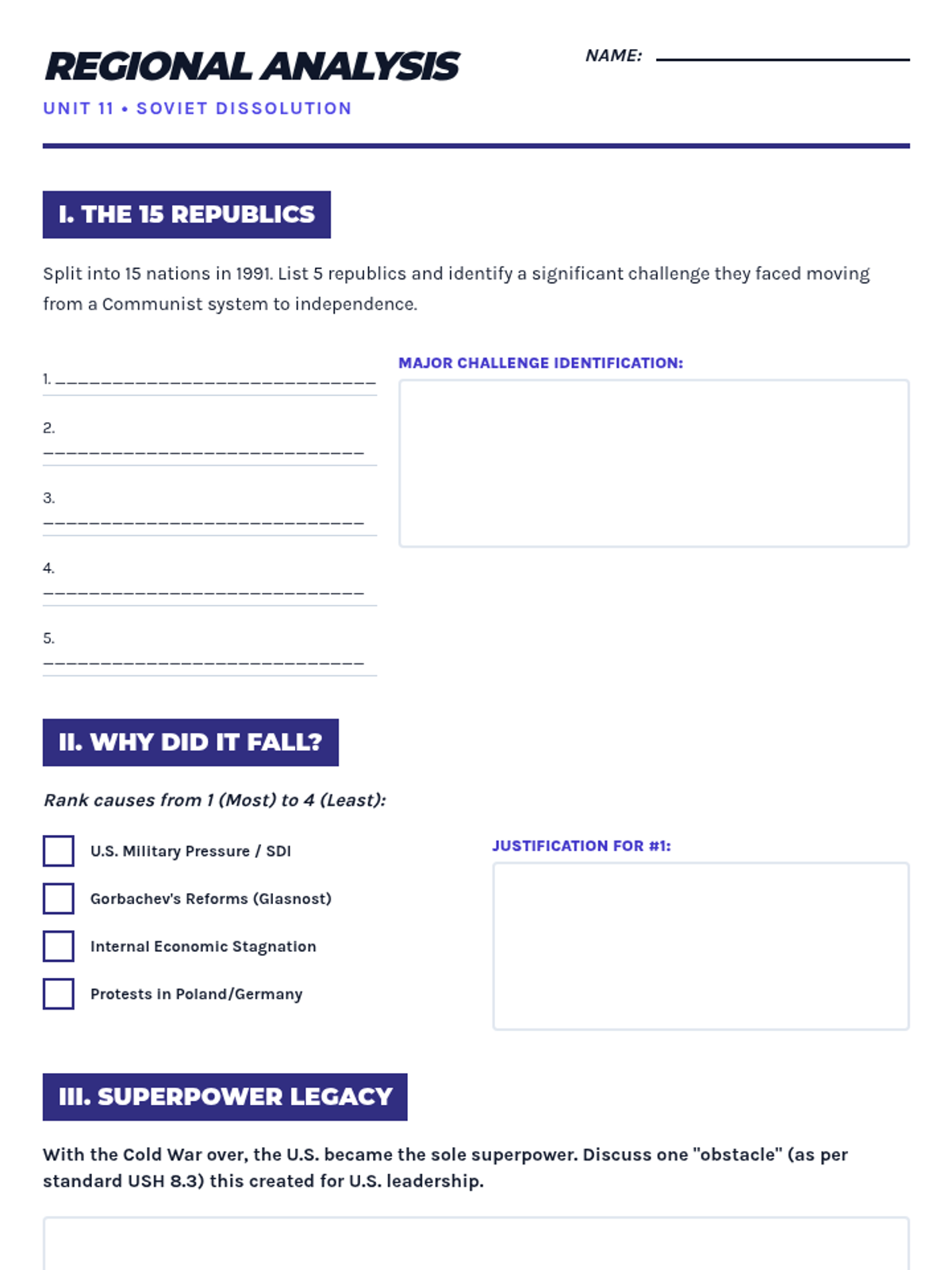
Analyze the collapse of the Soviet Union, the fall of the Berlin Wall, and the end of the Cold War.
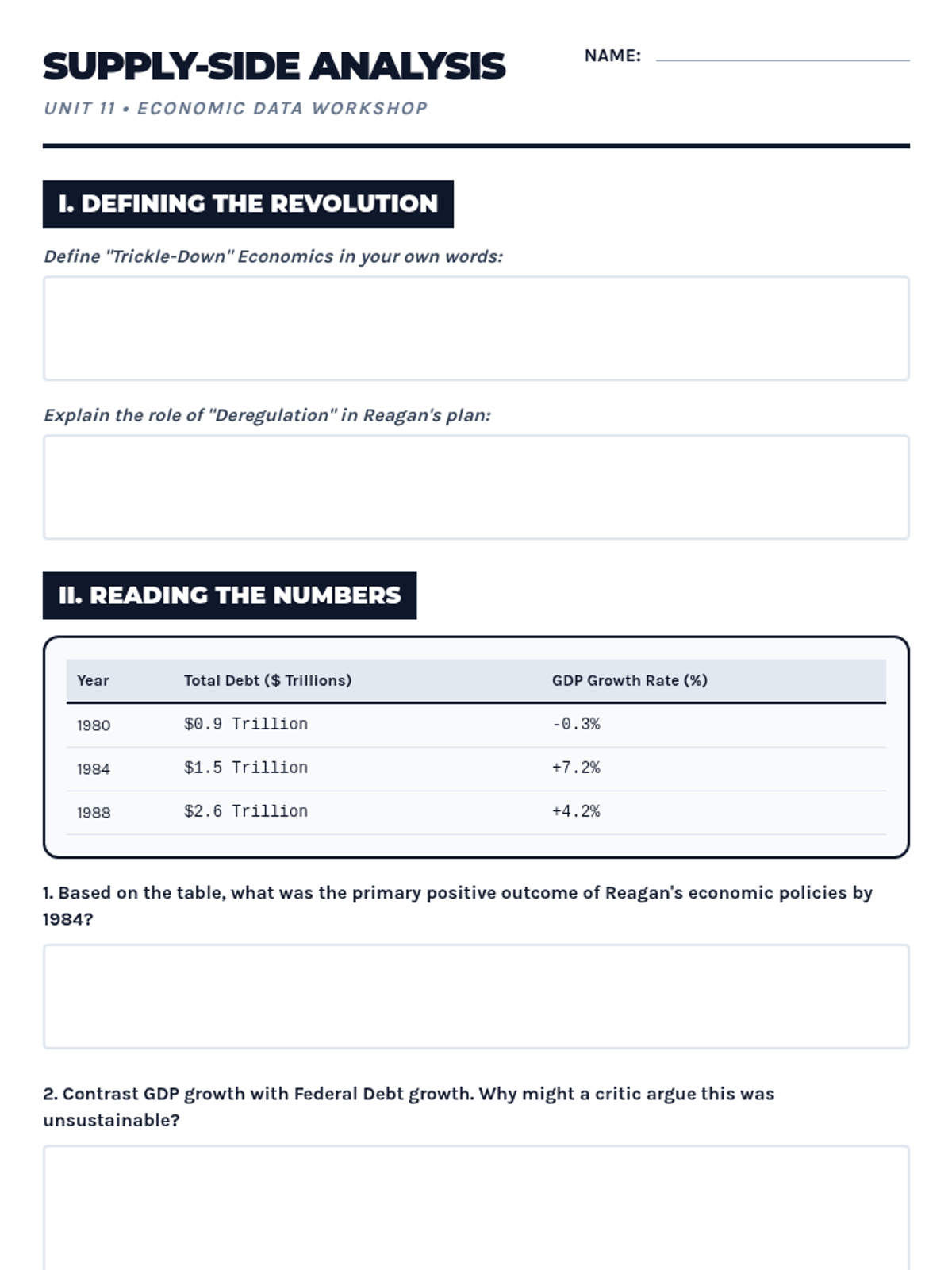
Explore the rise of conservatism, 'Reaganomics', and the social shifts of the 1980s.
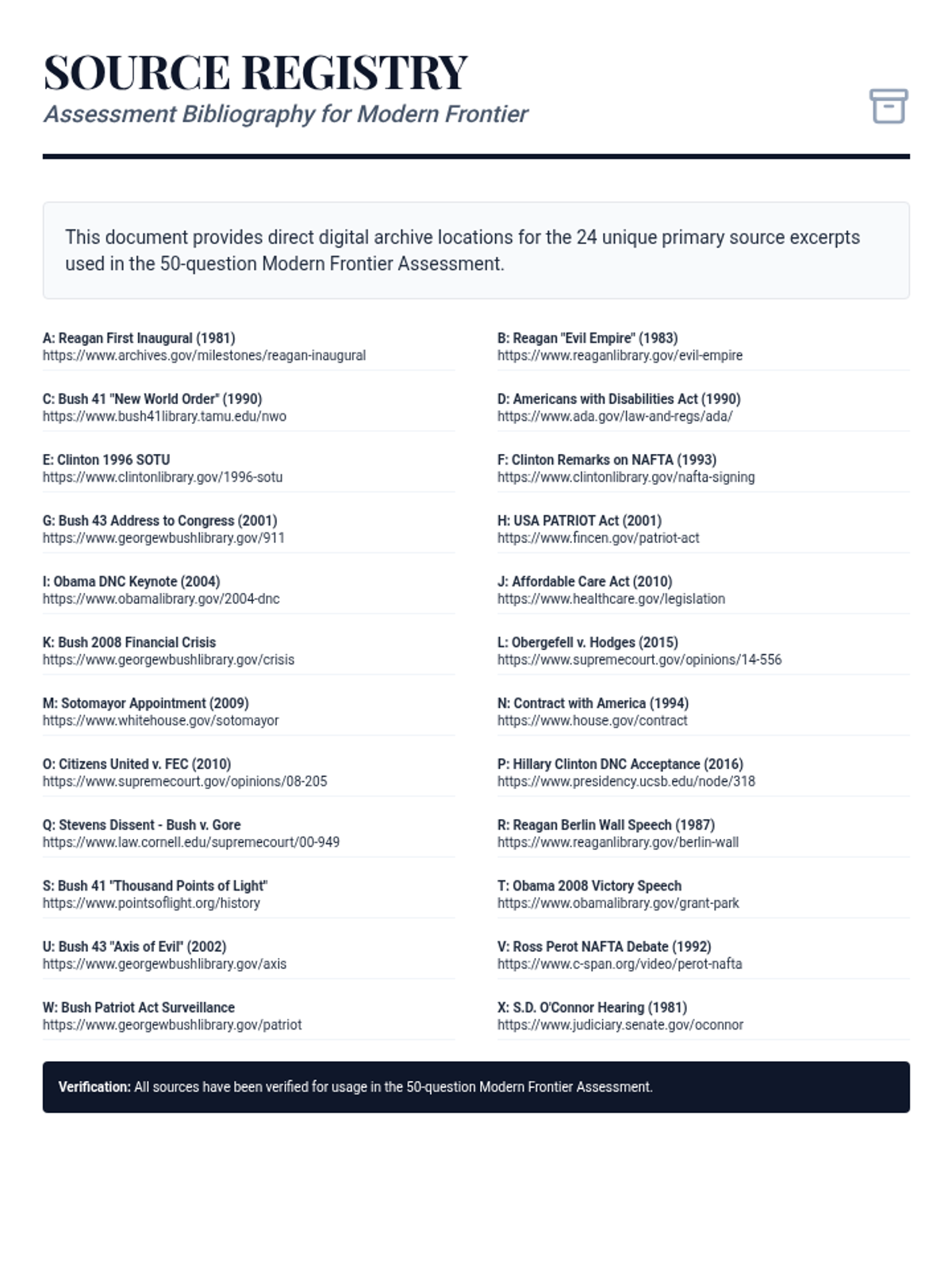
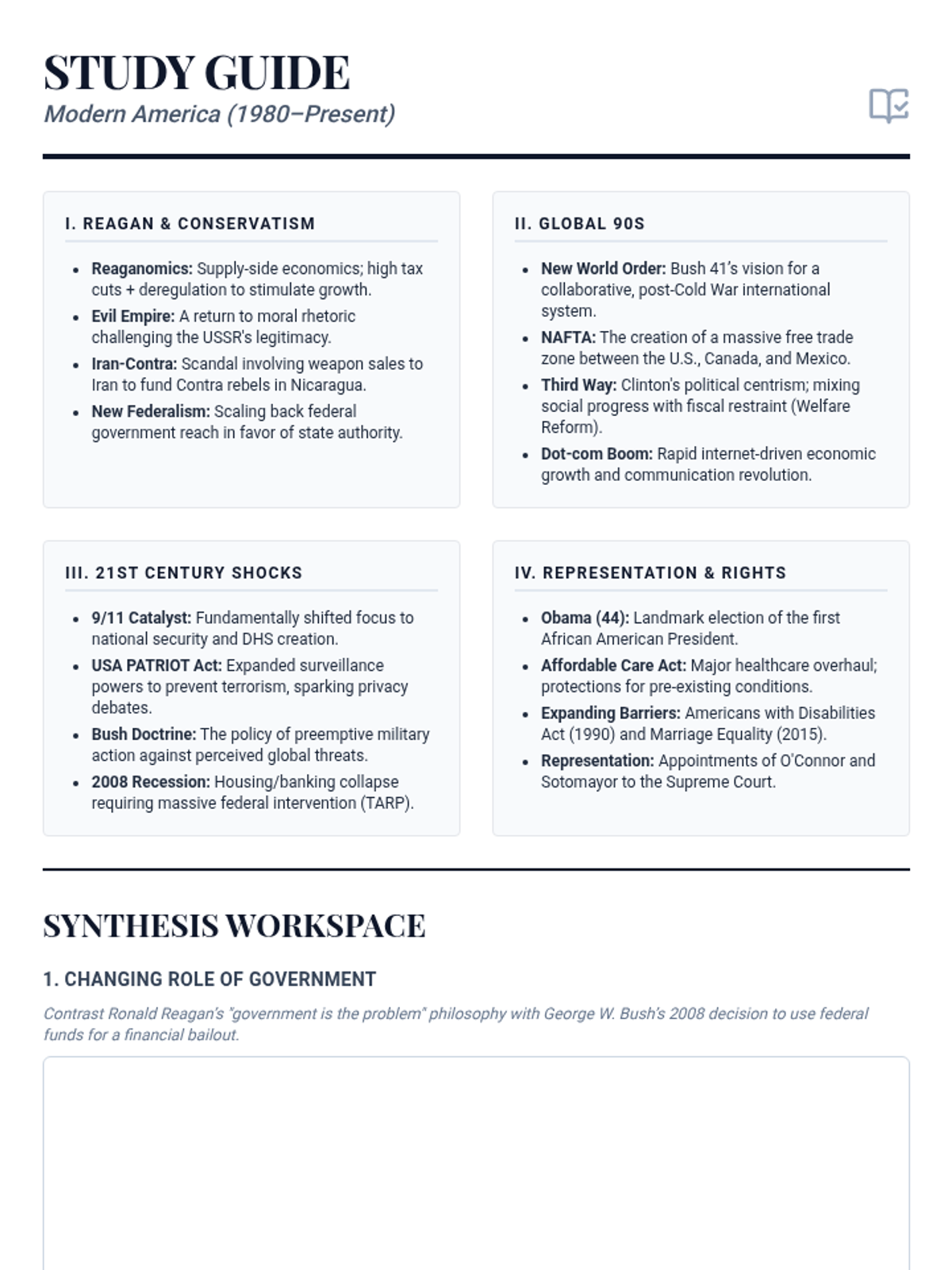
The final assessment for the modern American history unit, evaluating student understanding of late 20th and early 21st-century domestic and foreign policy.
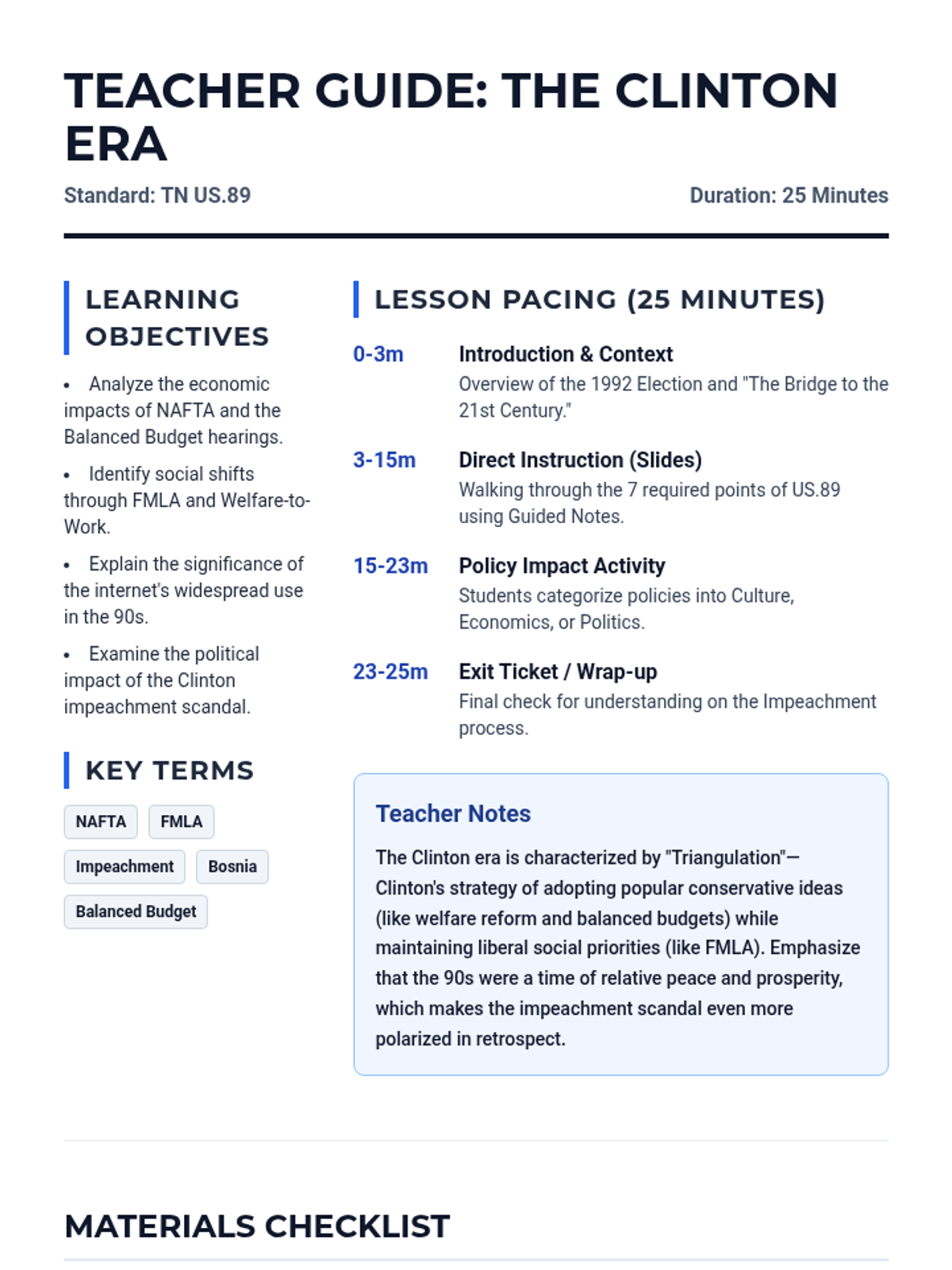
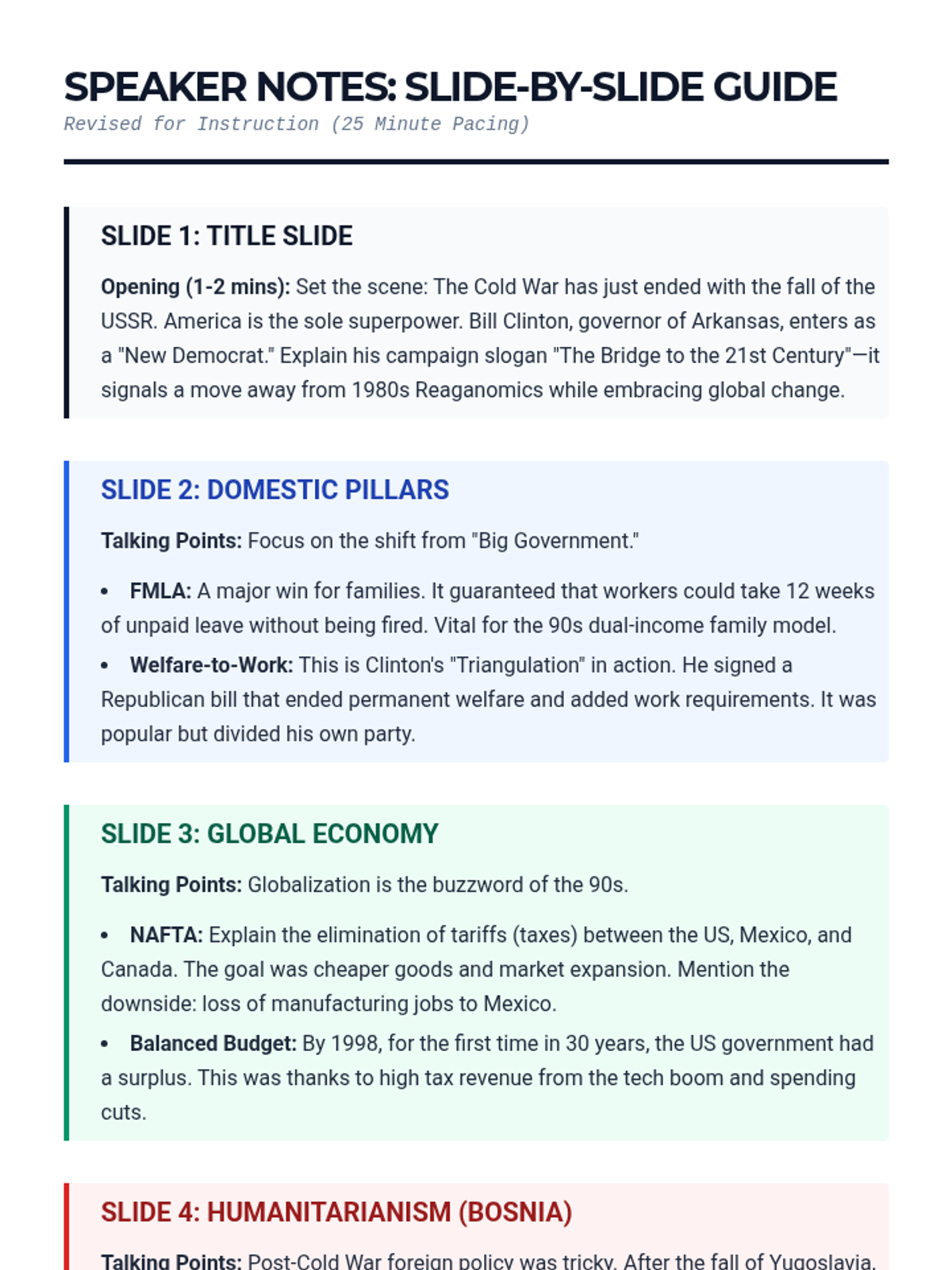
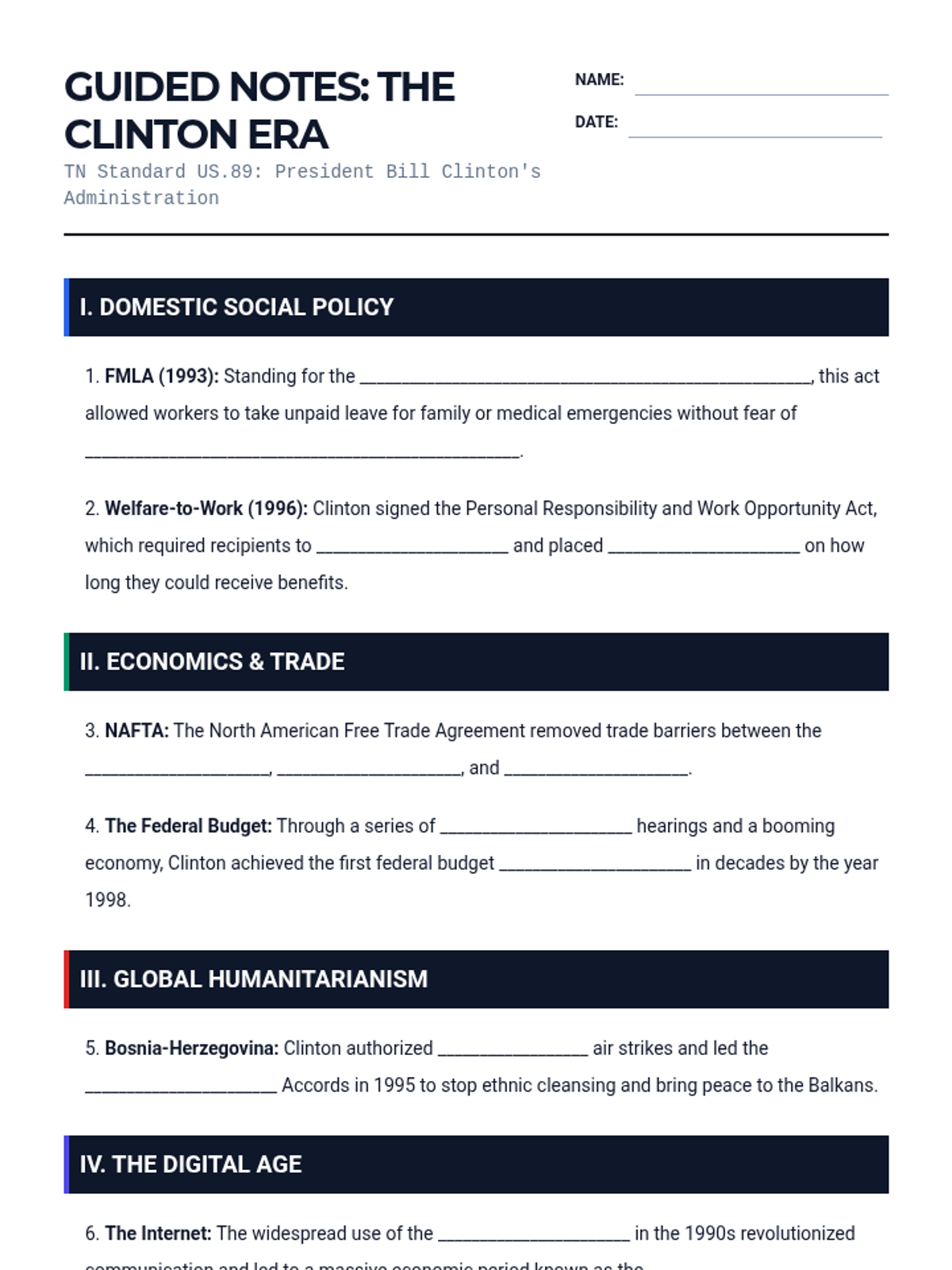
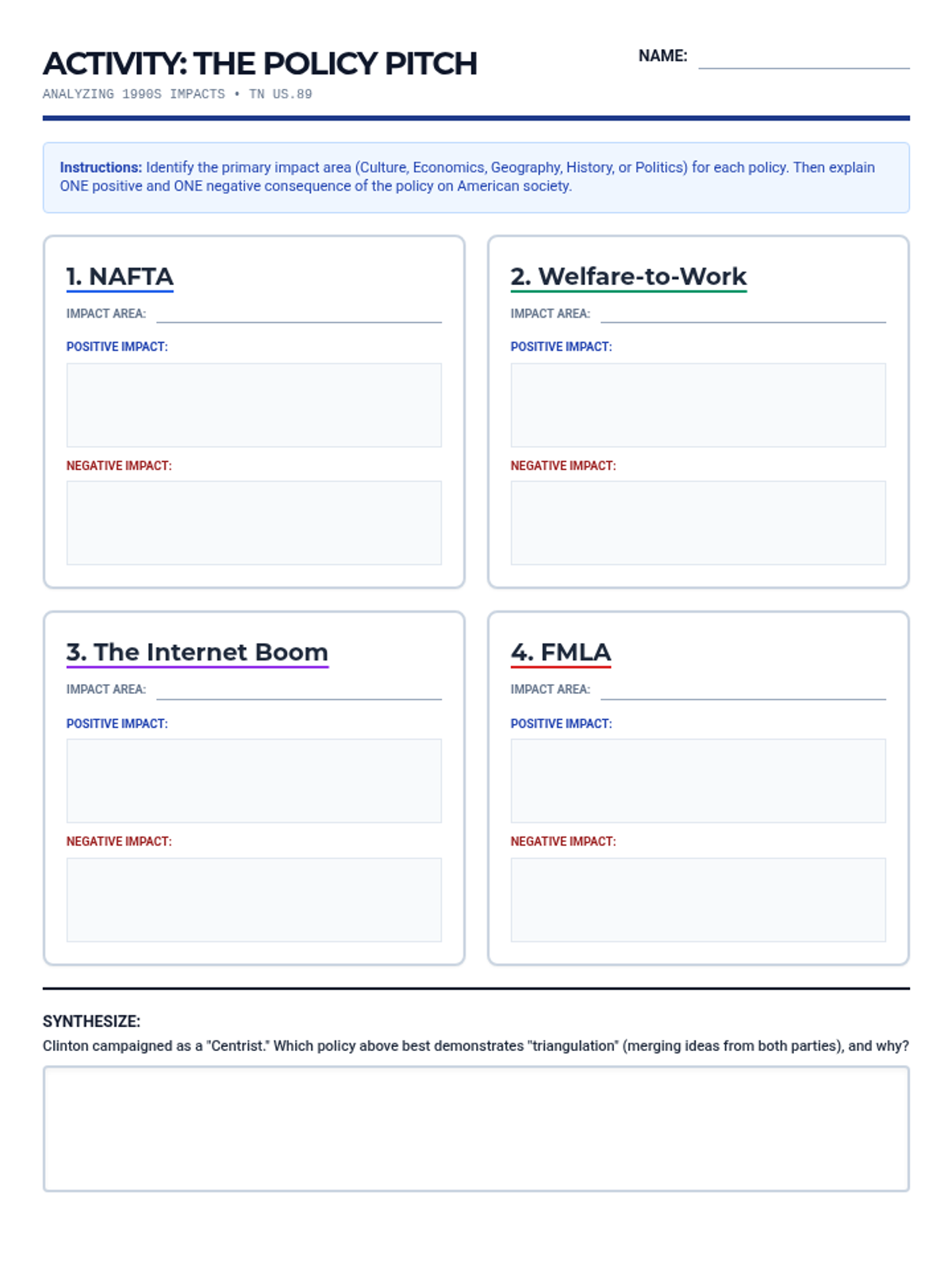
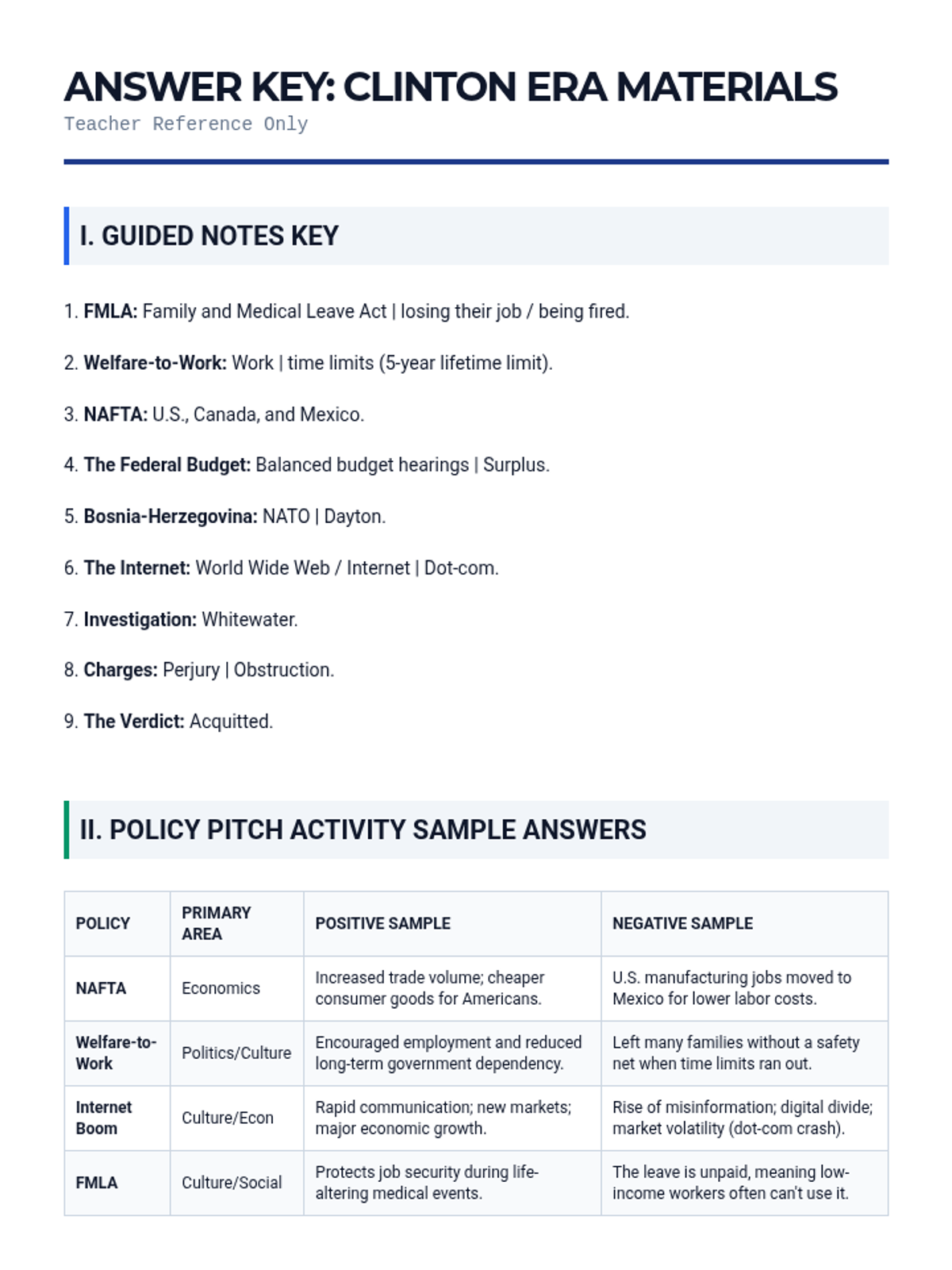
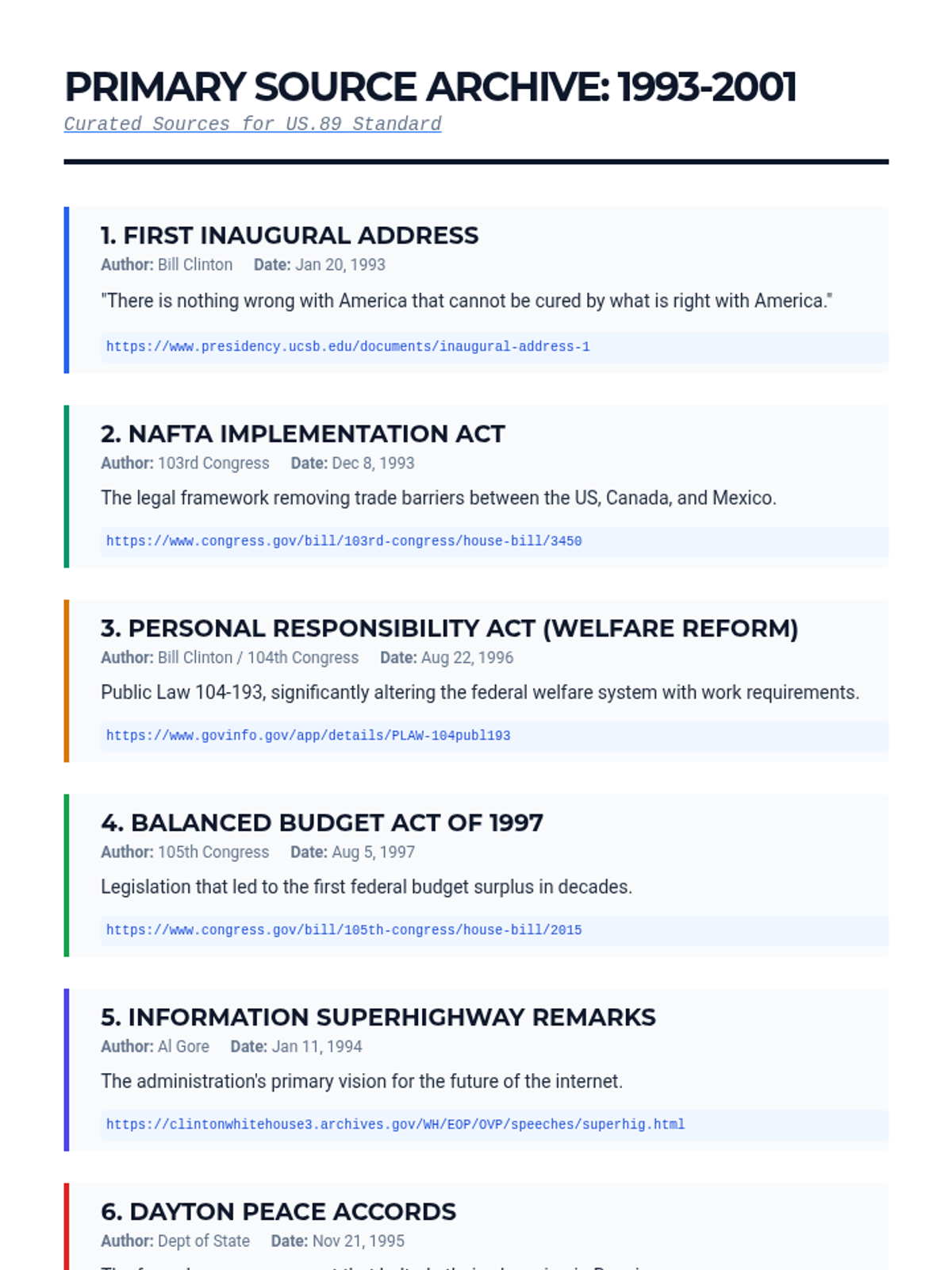
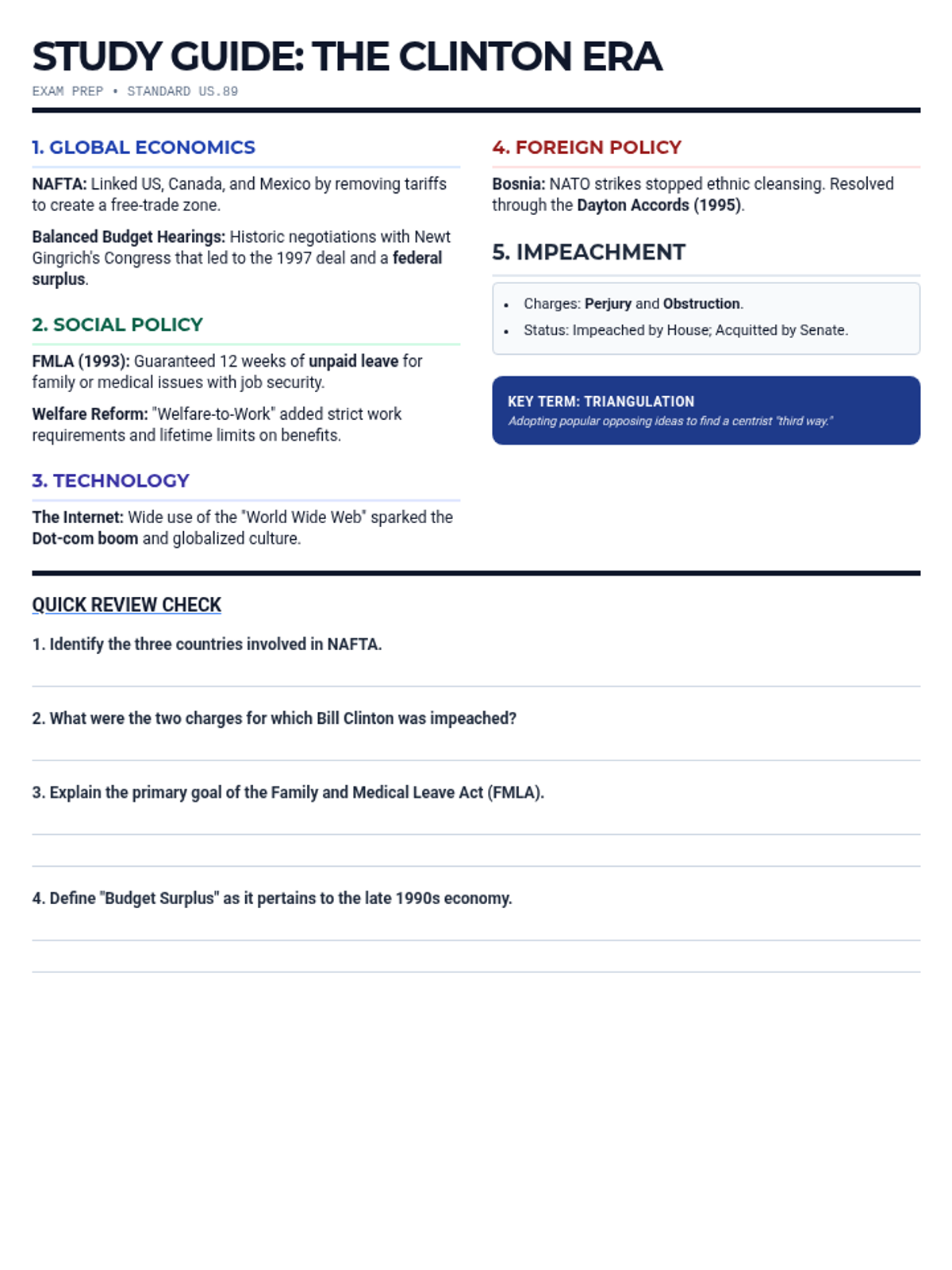
A 25-minute deep dive into the Clinton Administration, covering major domestic policies, foreign interventions, and the technological boom of the 1990s. This lesson addresses TN Standard US.89 through direct instruction and a policy-impact activity.
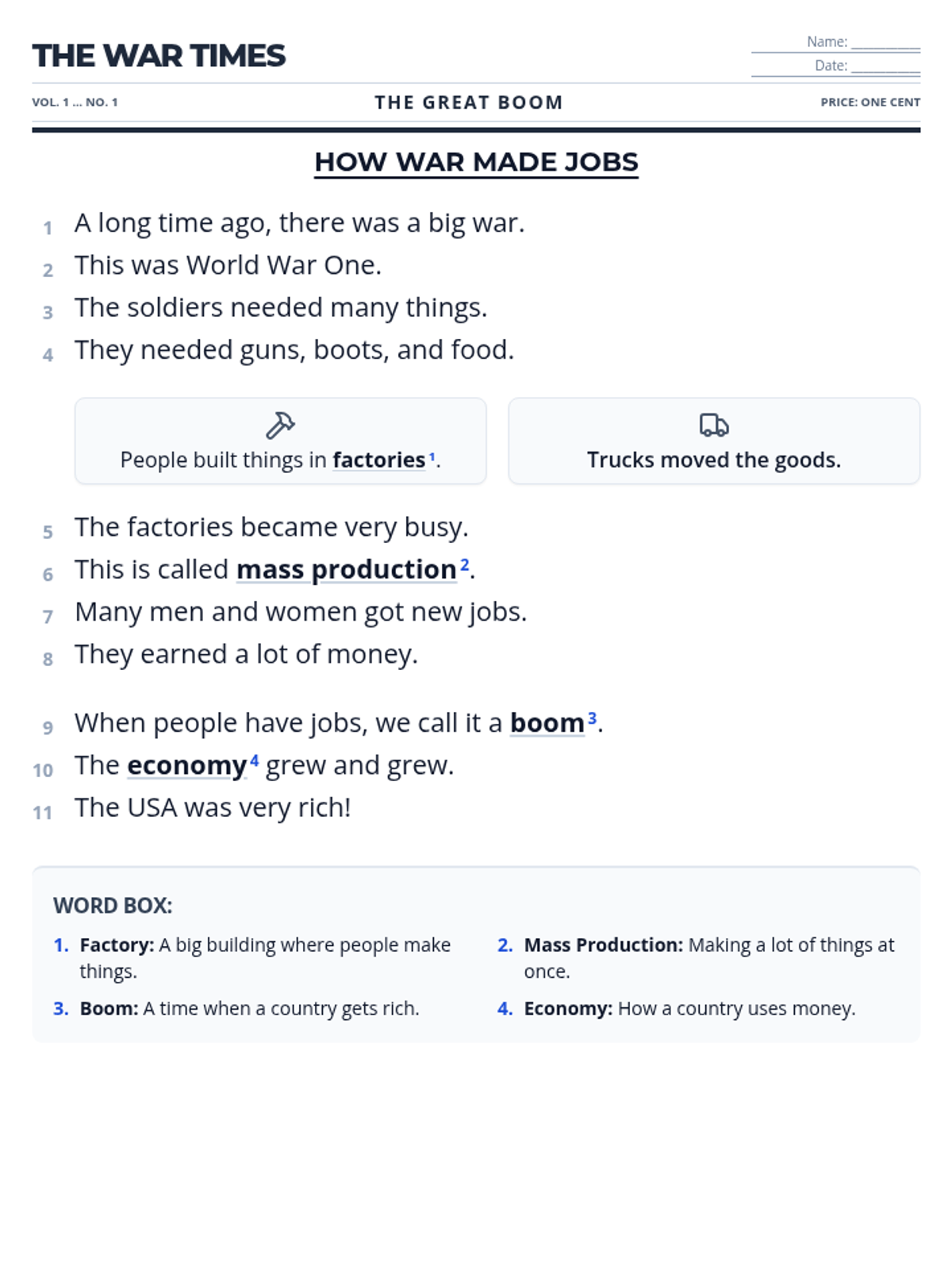
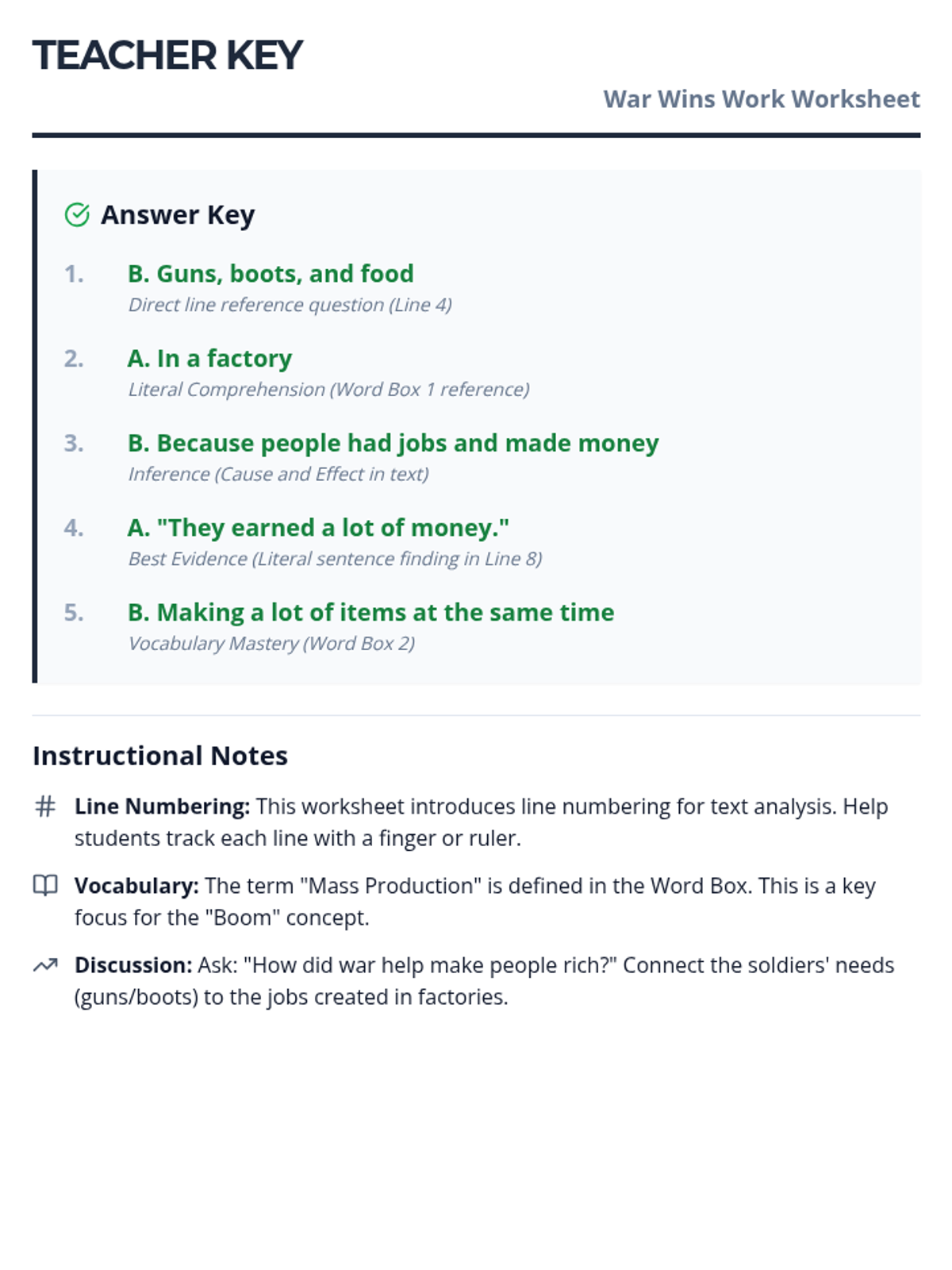
A lesson exploring the economic boom during World War I, focusing on how mass production for the war effort created jobs and wealth in the United States. Designed for students reading at a 1st-grade level with high-interest, simplified text and glossary support.
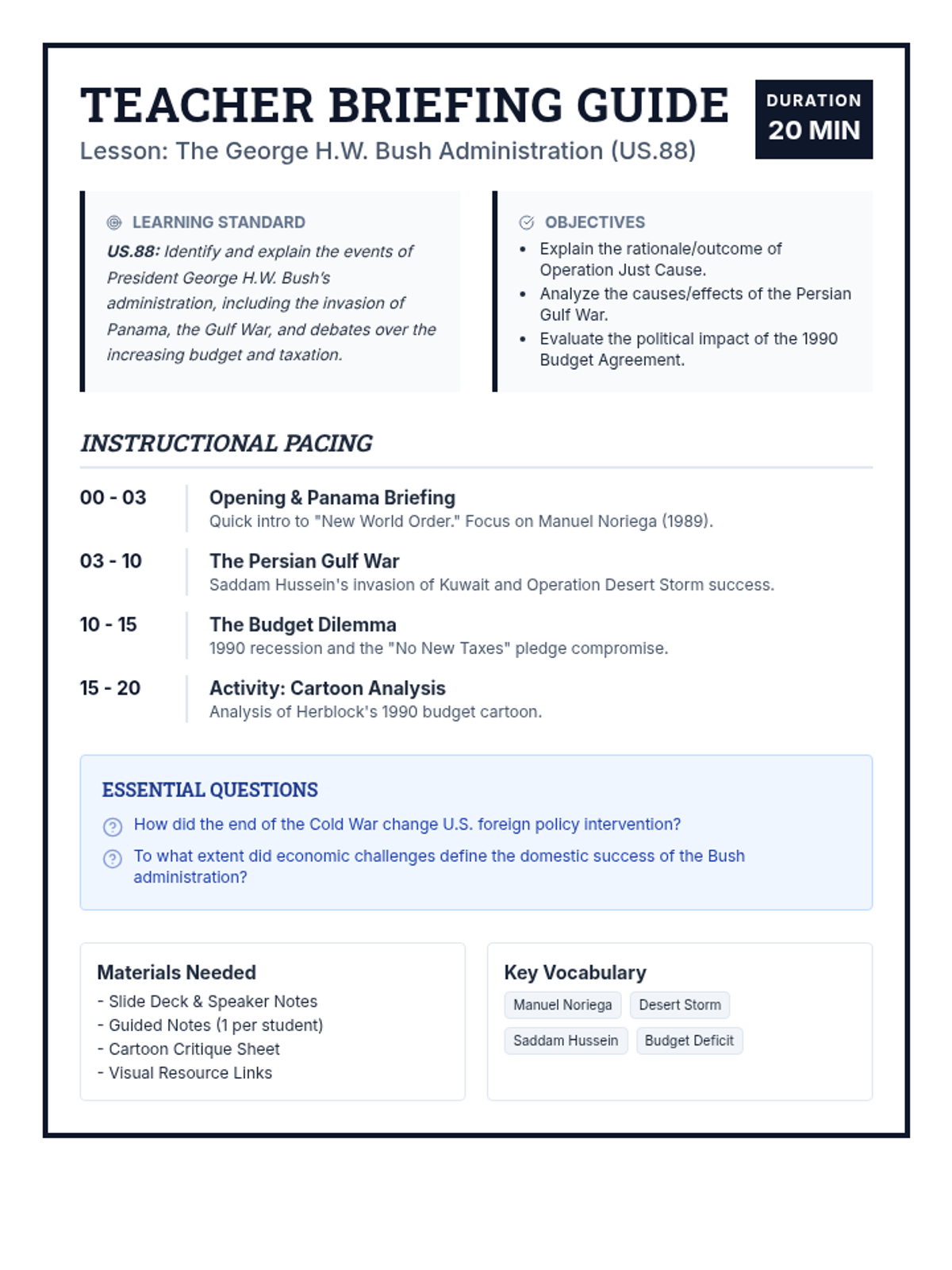
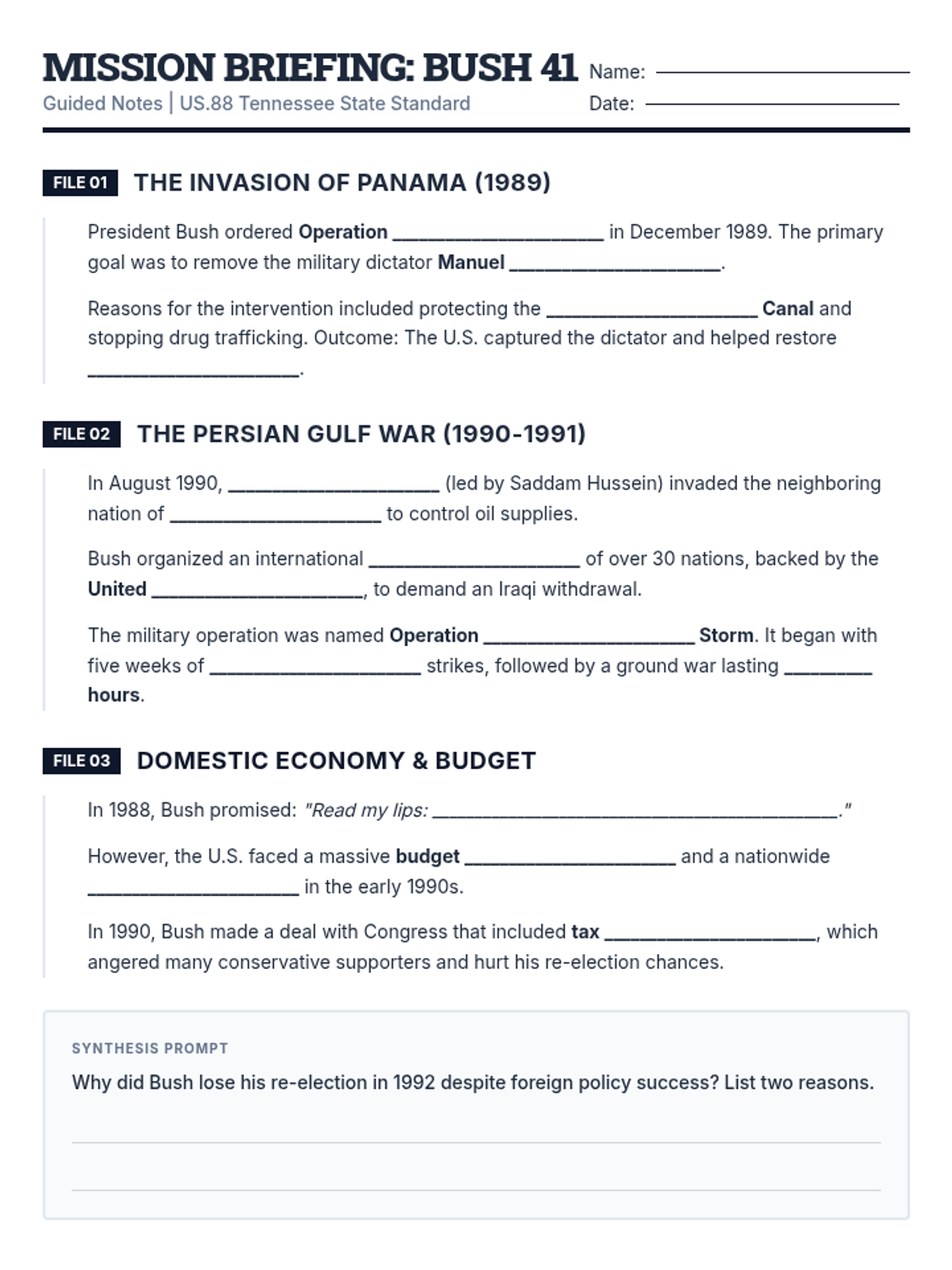
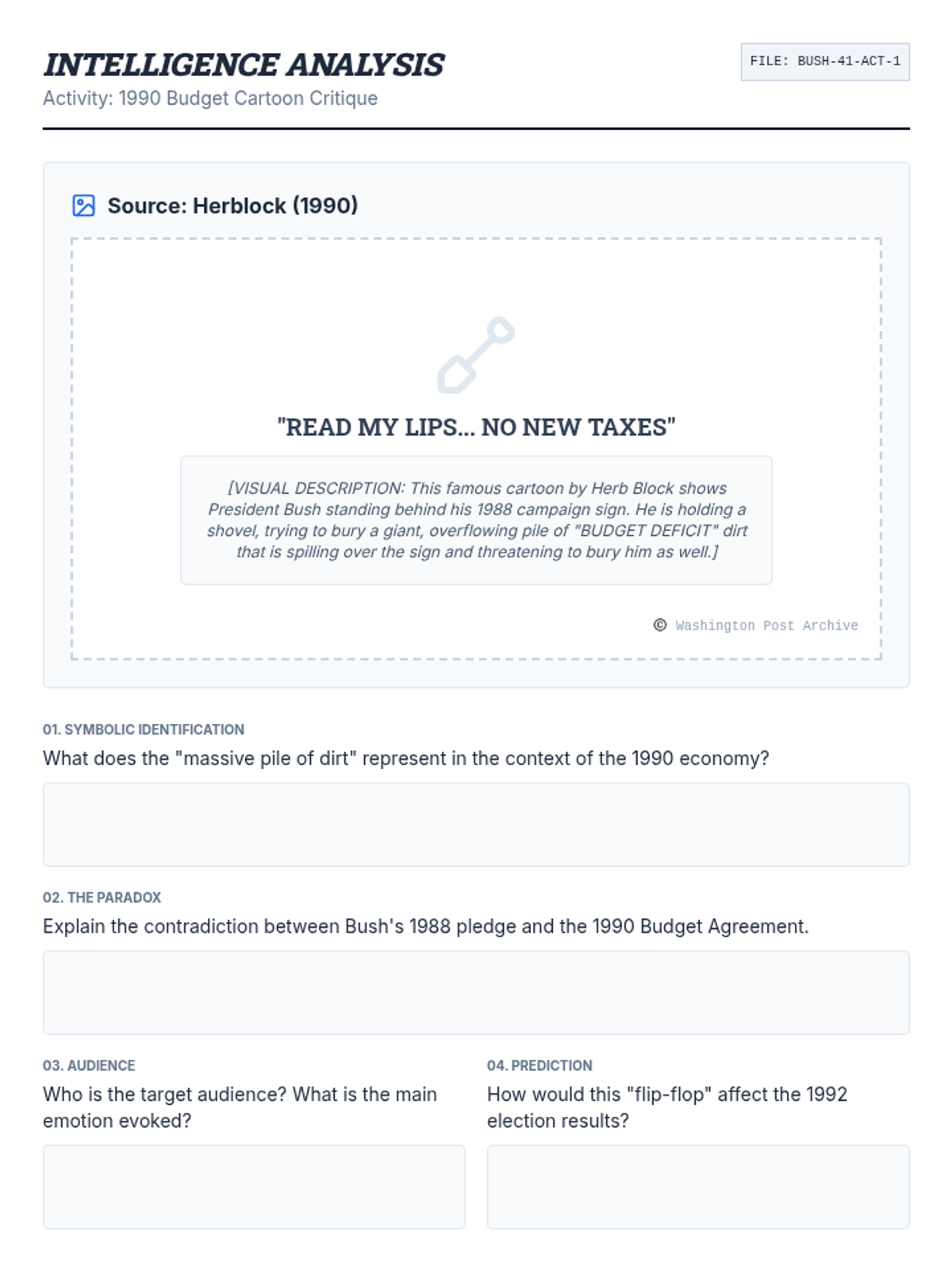
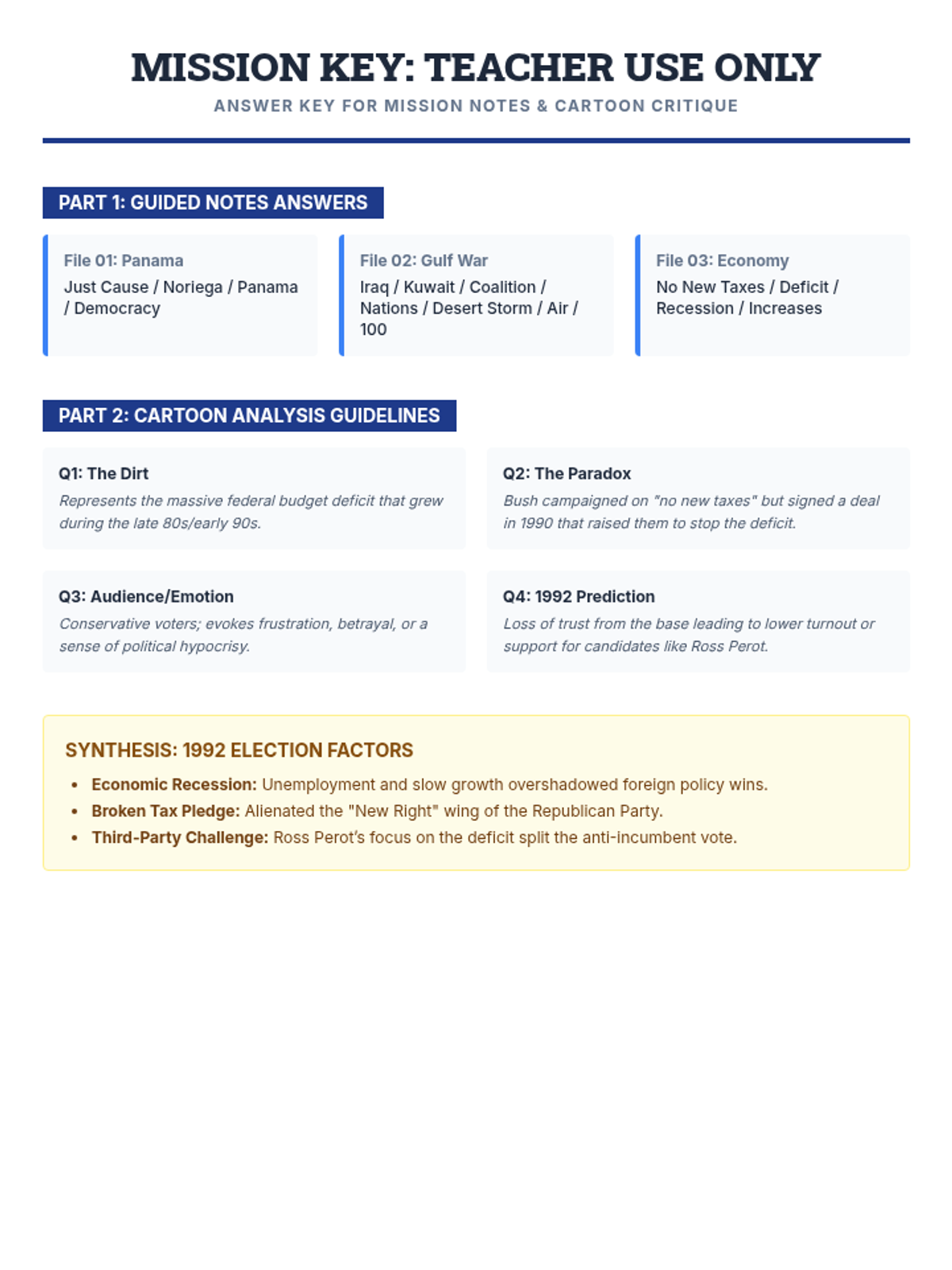
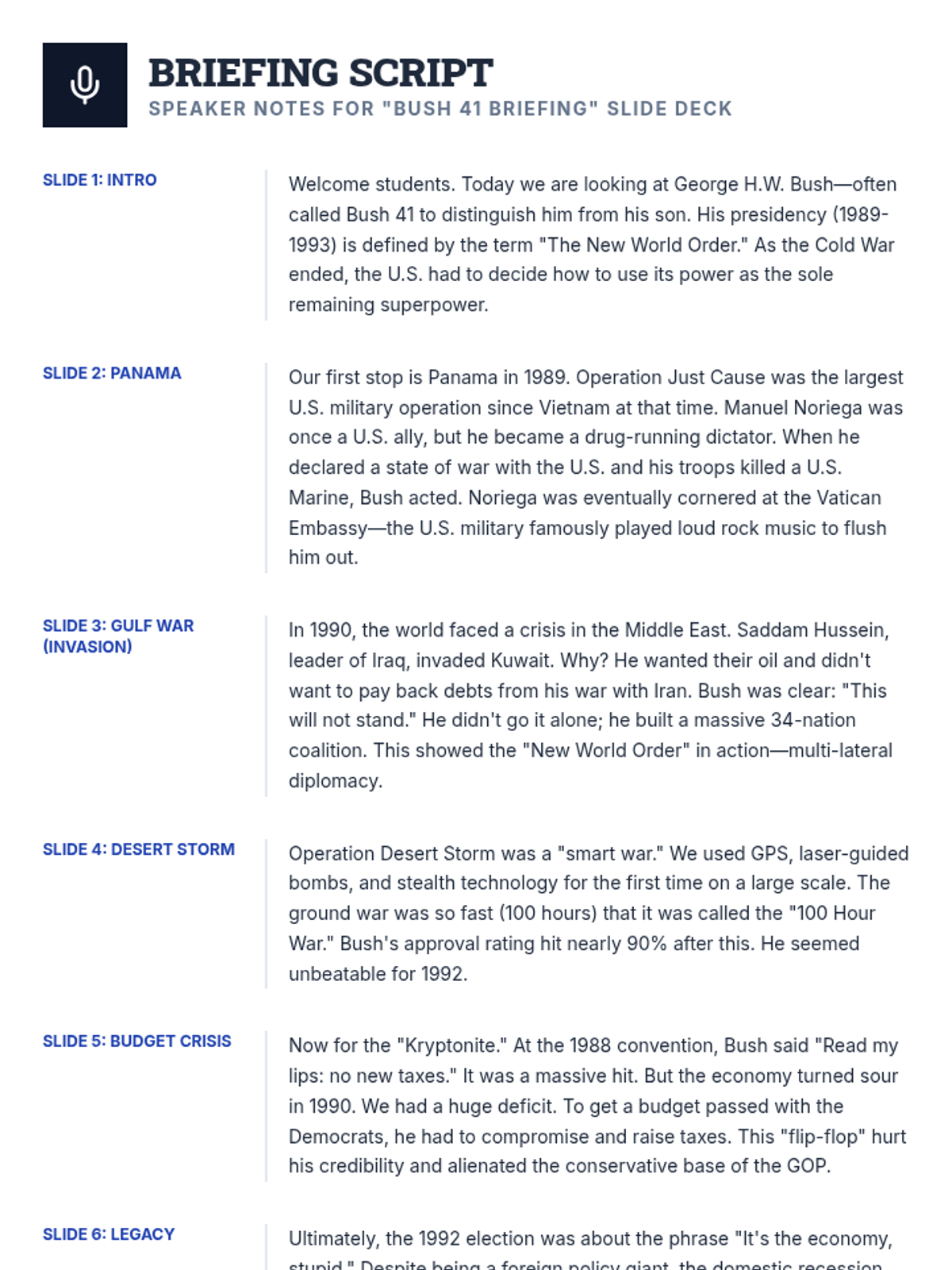
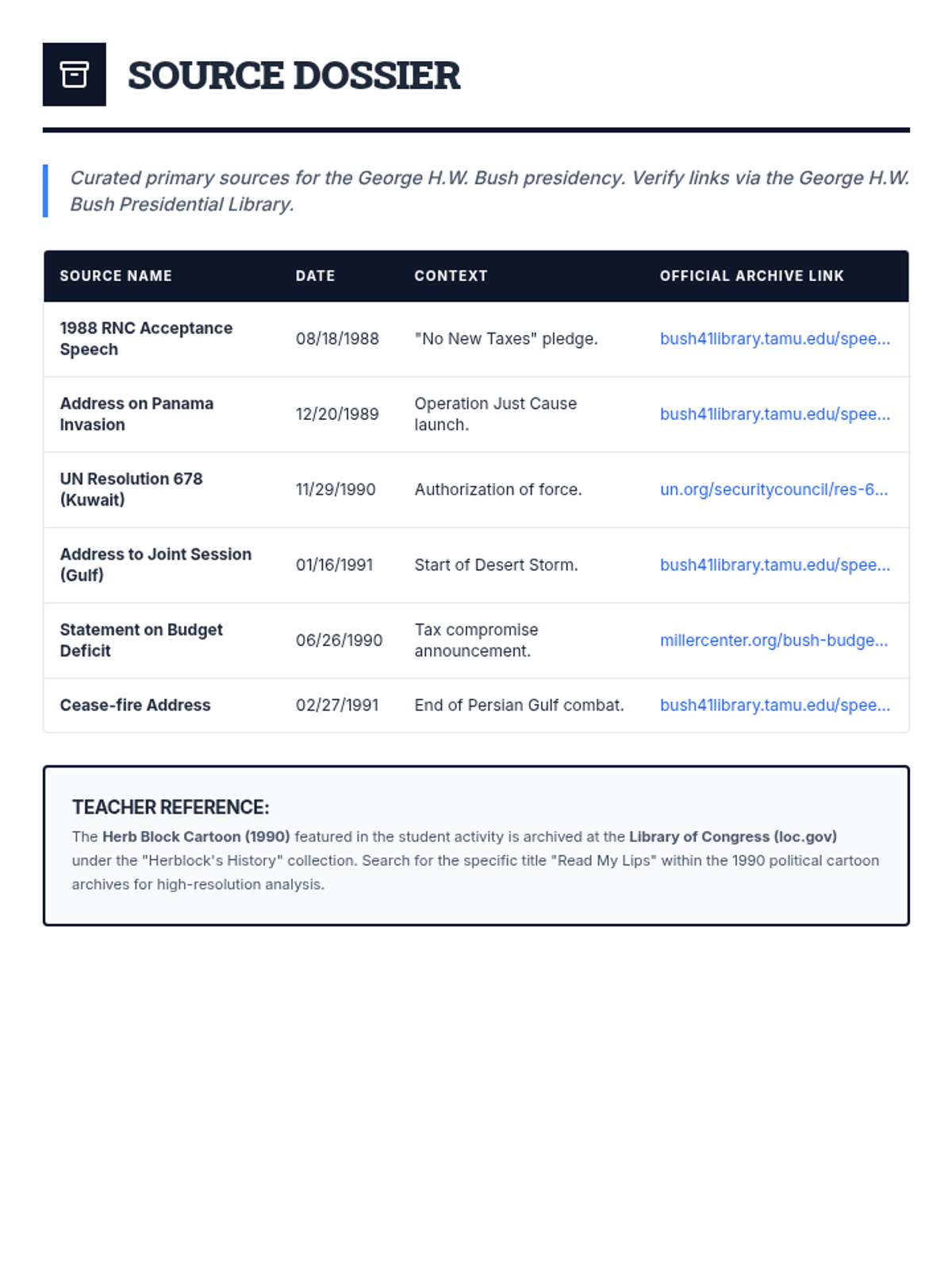
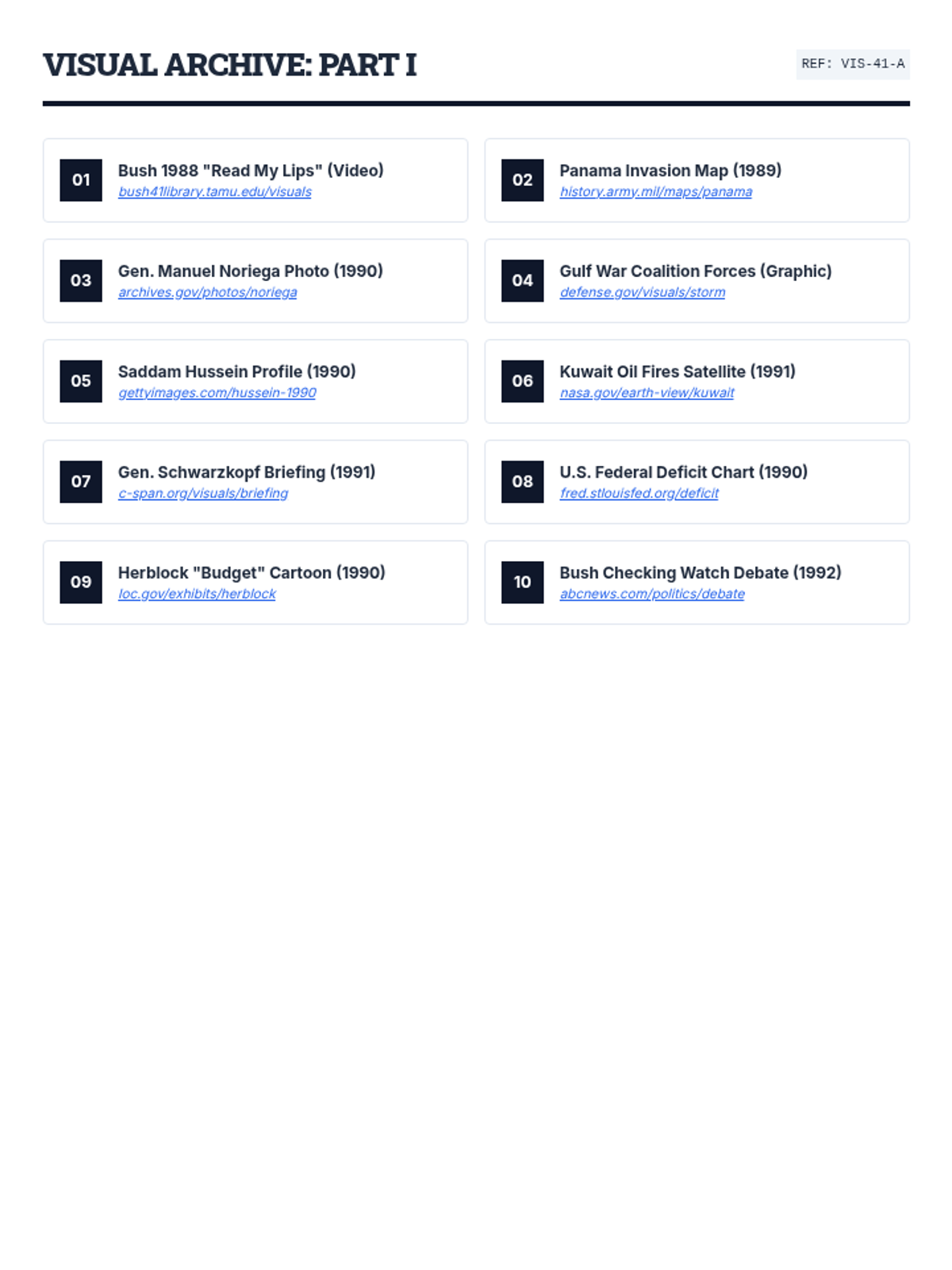
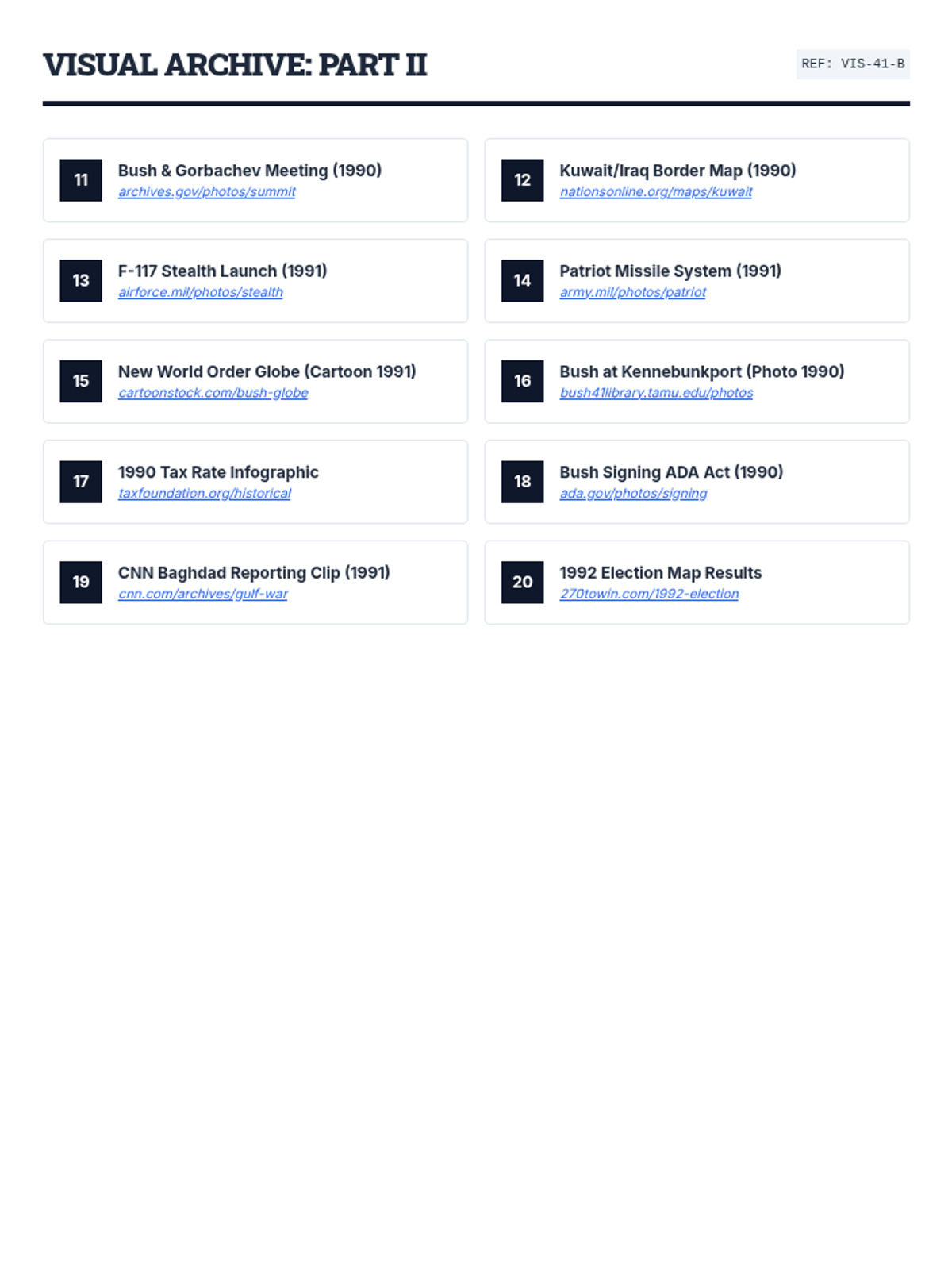
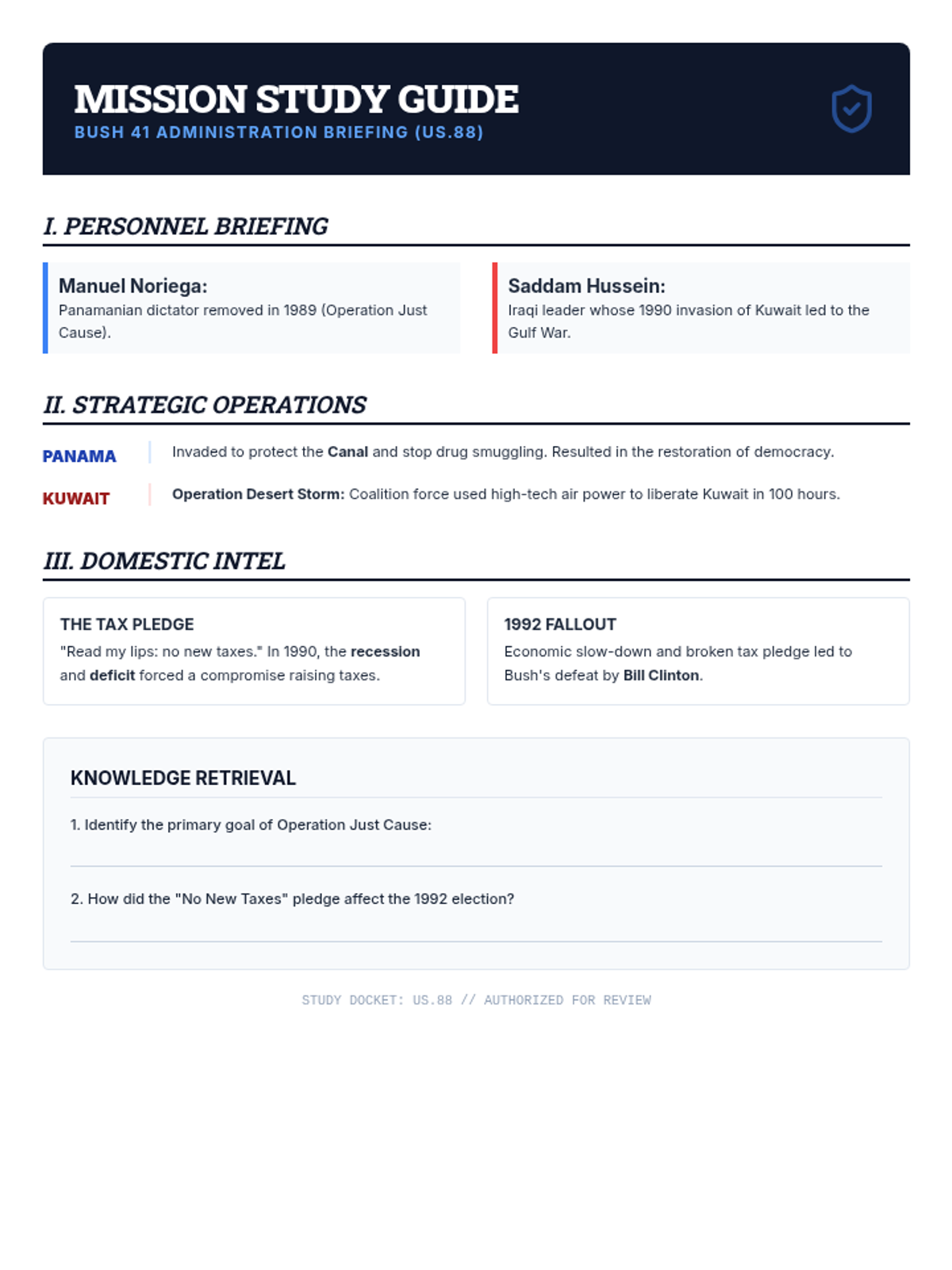
A focused 20-minute lesson covering the George H.W. Bush administration, specifically the invasion of Panama, the Gulf War, and the domestic budget debates.
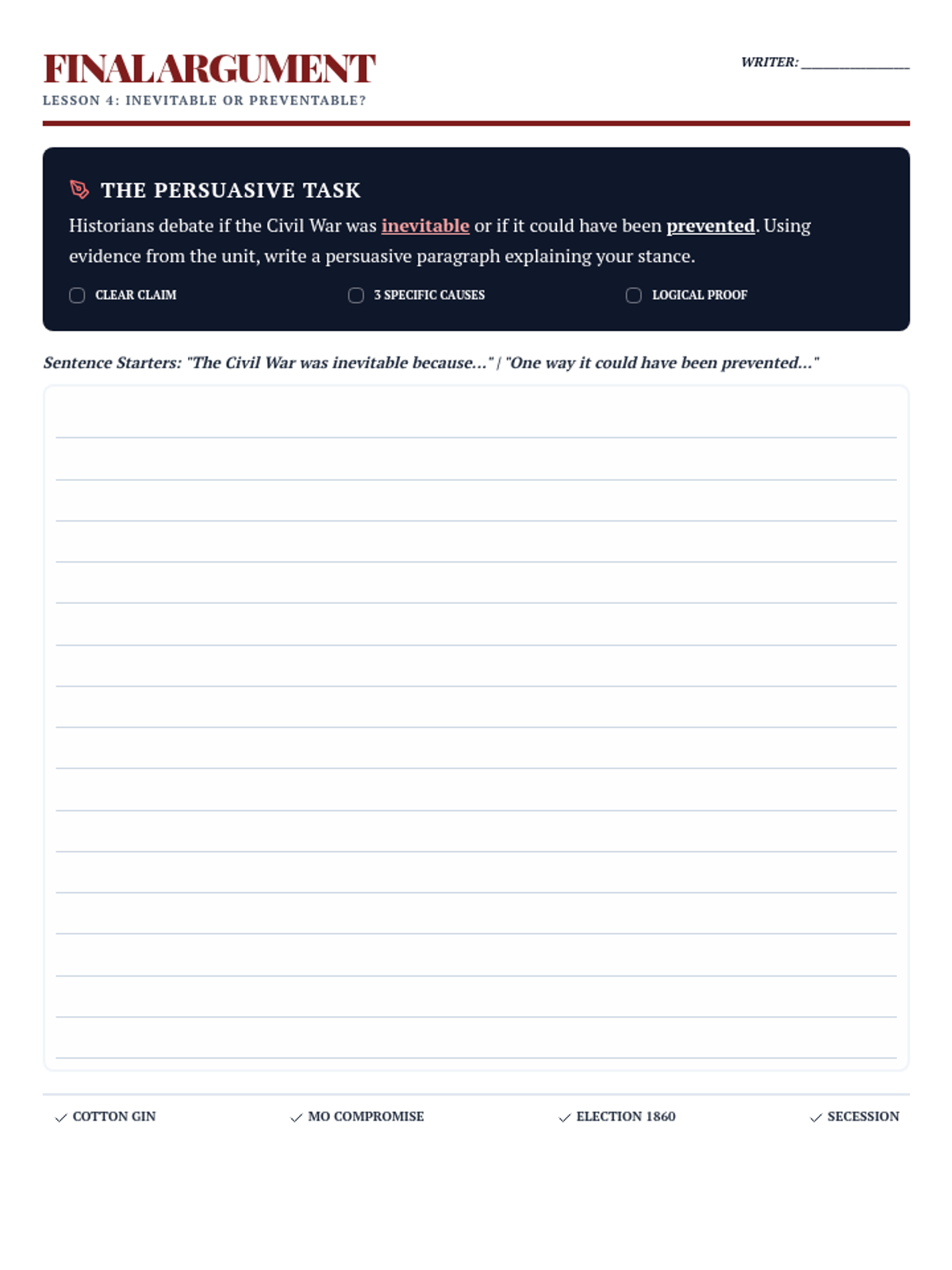
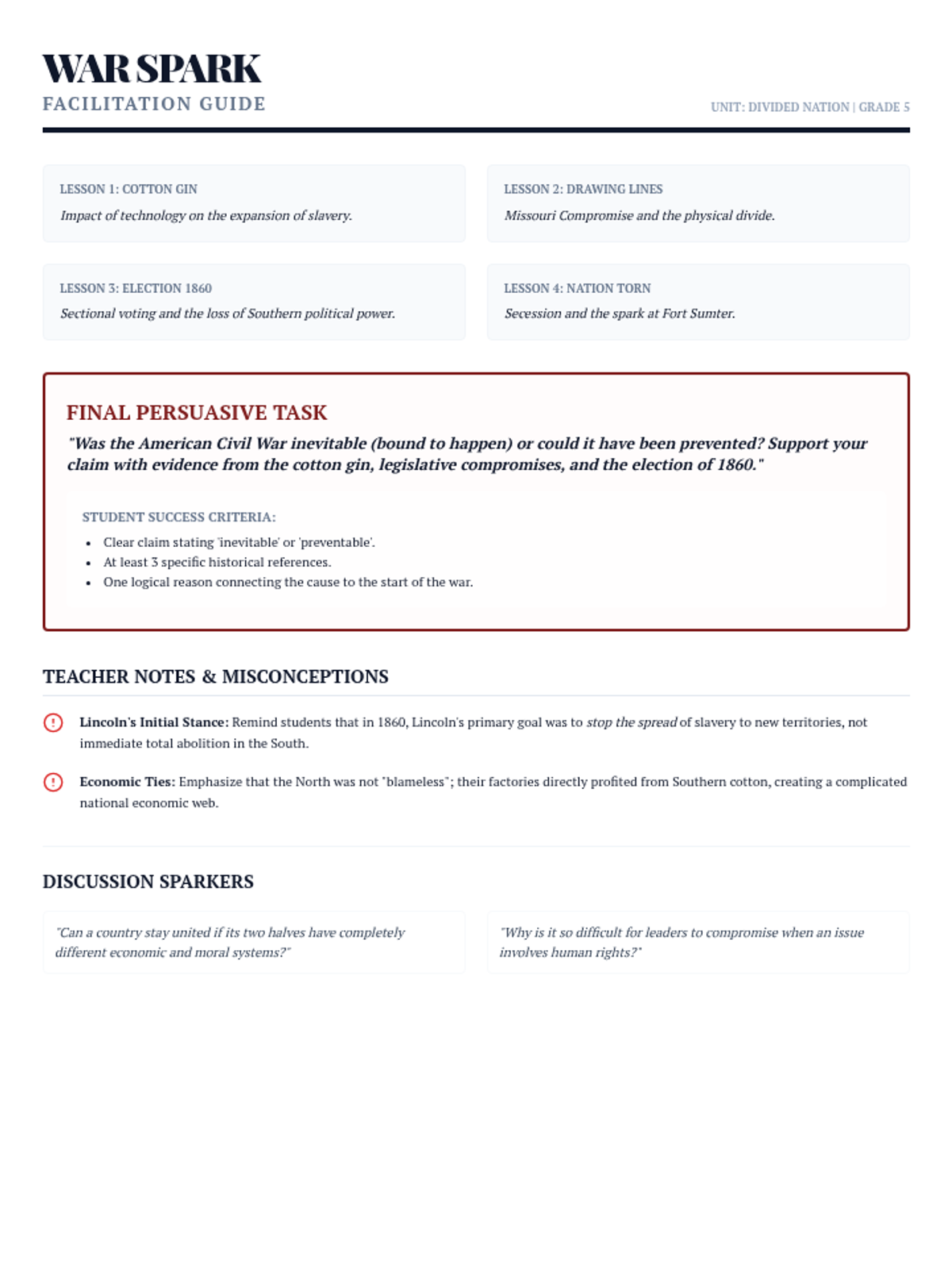
Analyzes the formal withdrawal of Southern states from the Union and culminates in a persuasive writing task about the inevitability of the conflict.
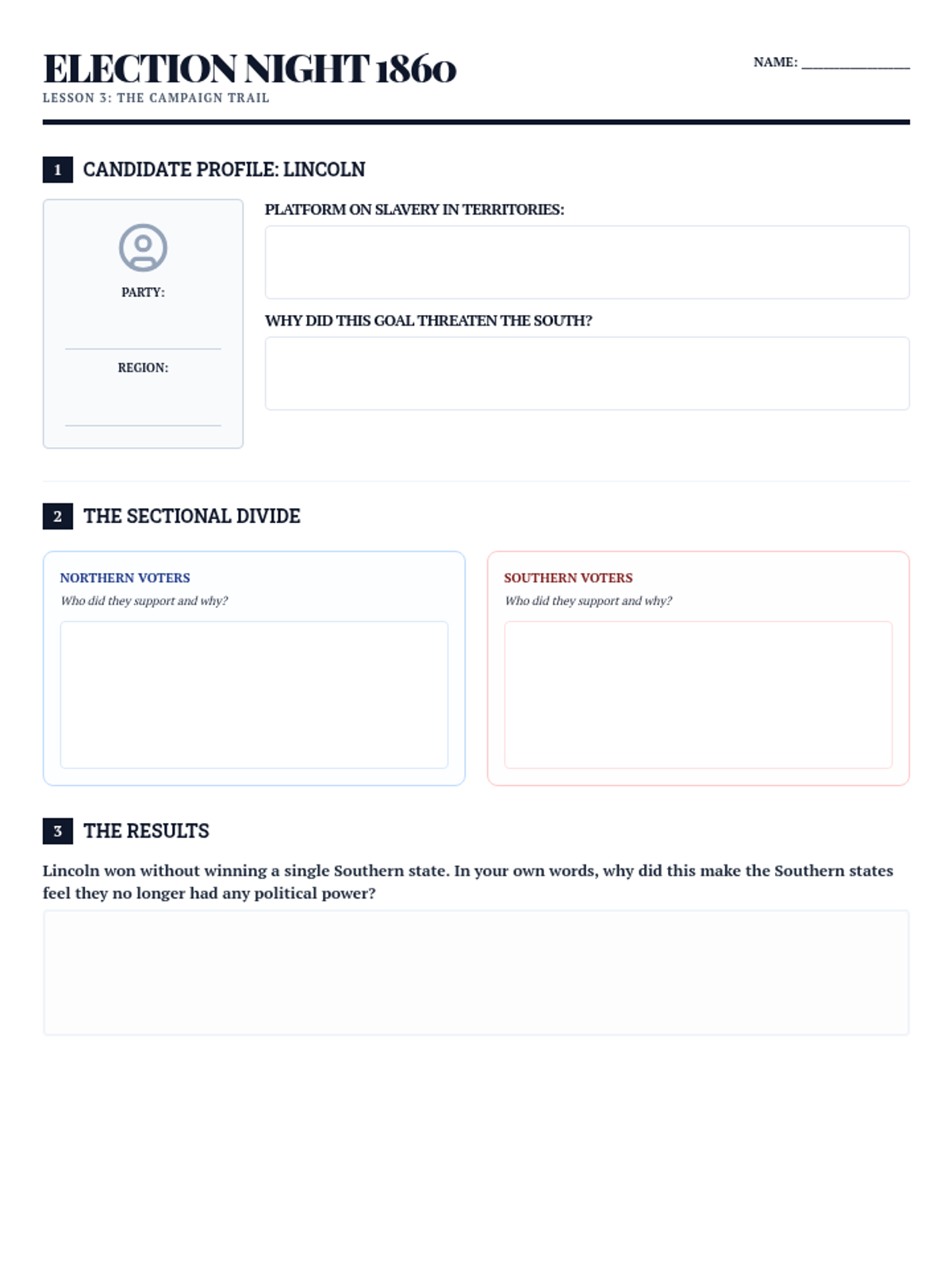
Explores the high-stakes election of Abraham Lincoln and how it served as the final straw for many Southern states.
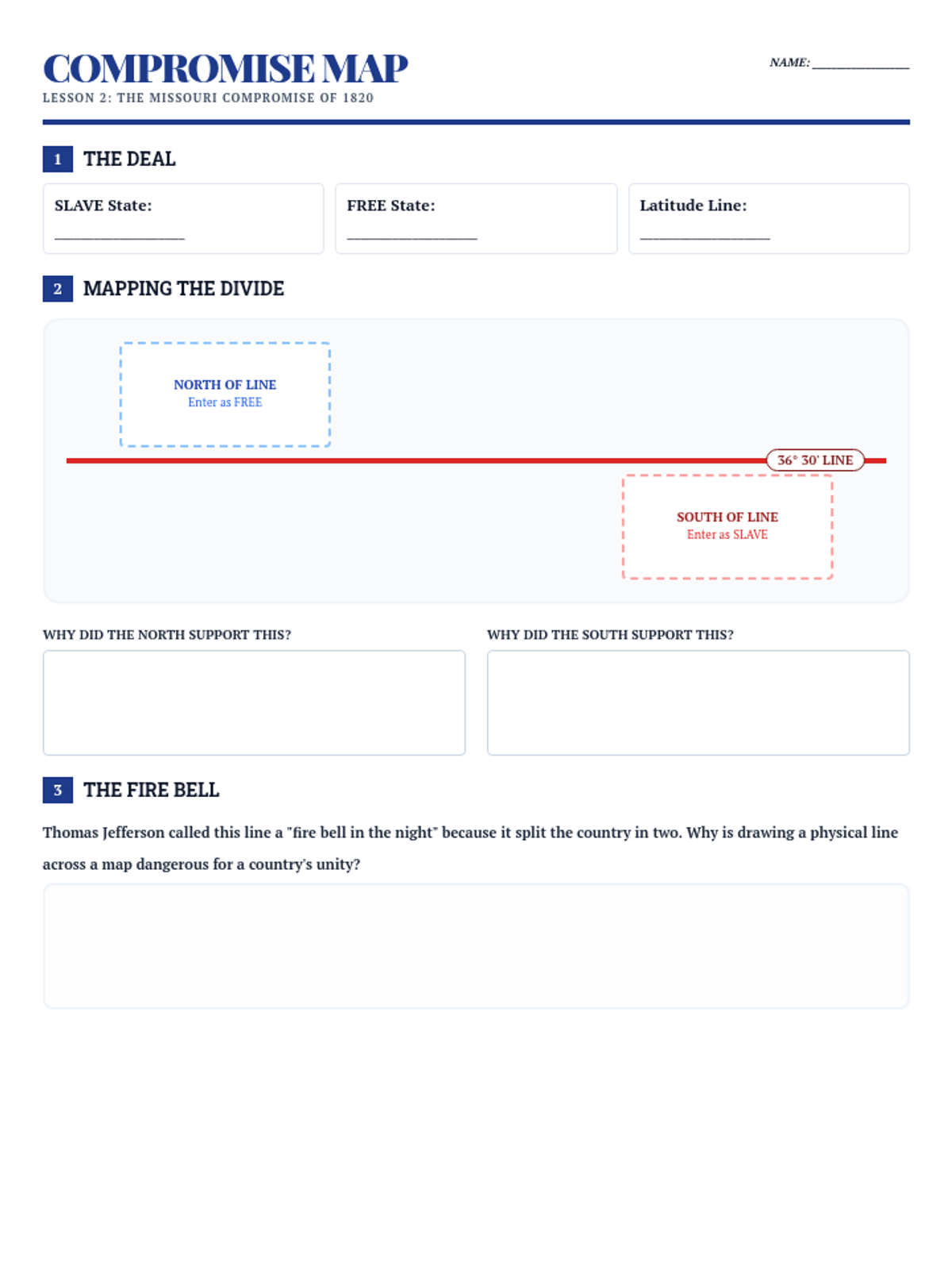
Investigates the legislative attempts to balance power between free and slave states, focusing on the 36°30′ line and its long-term consequences.
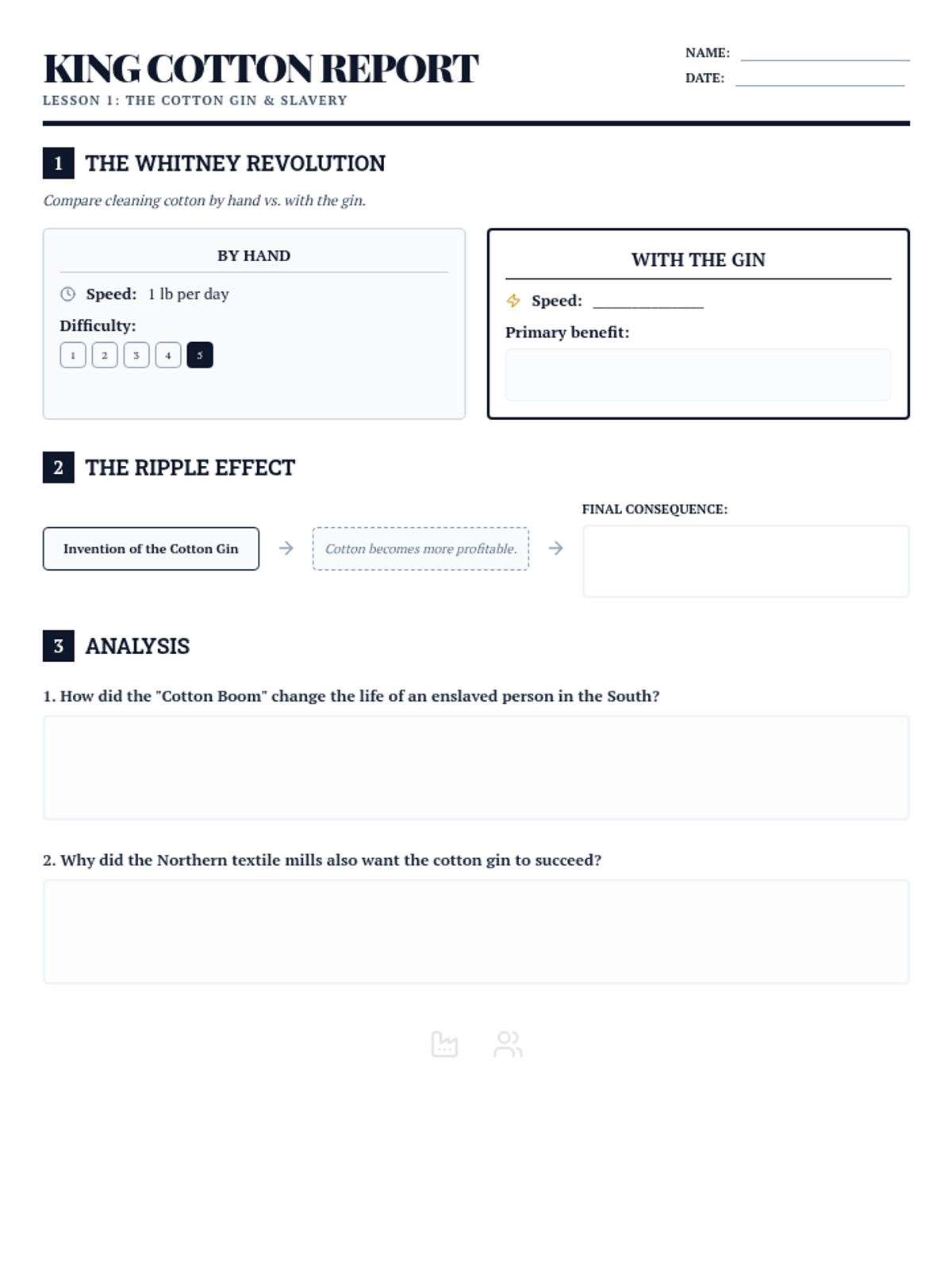
Examines how Eli Whitney's invention of the cotton gin revolutionized the Southern economy and deeply entrenched the institution of slavery.
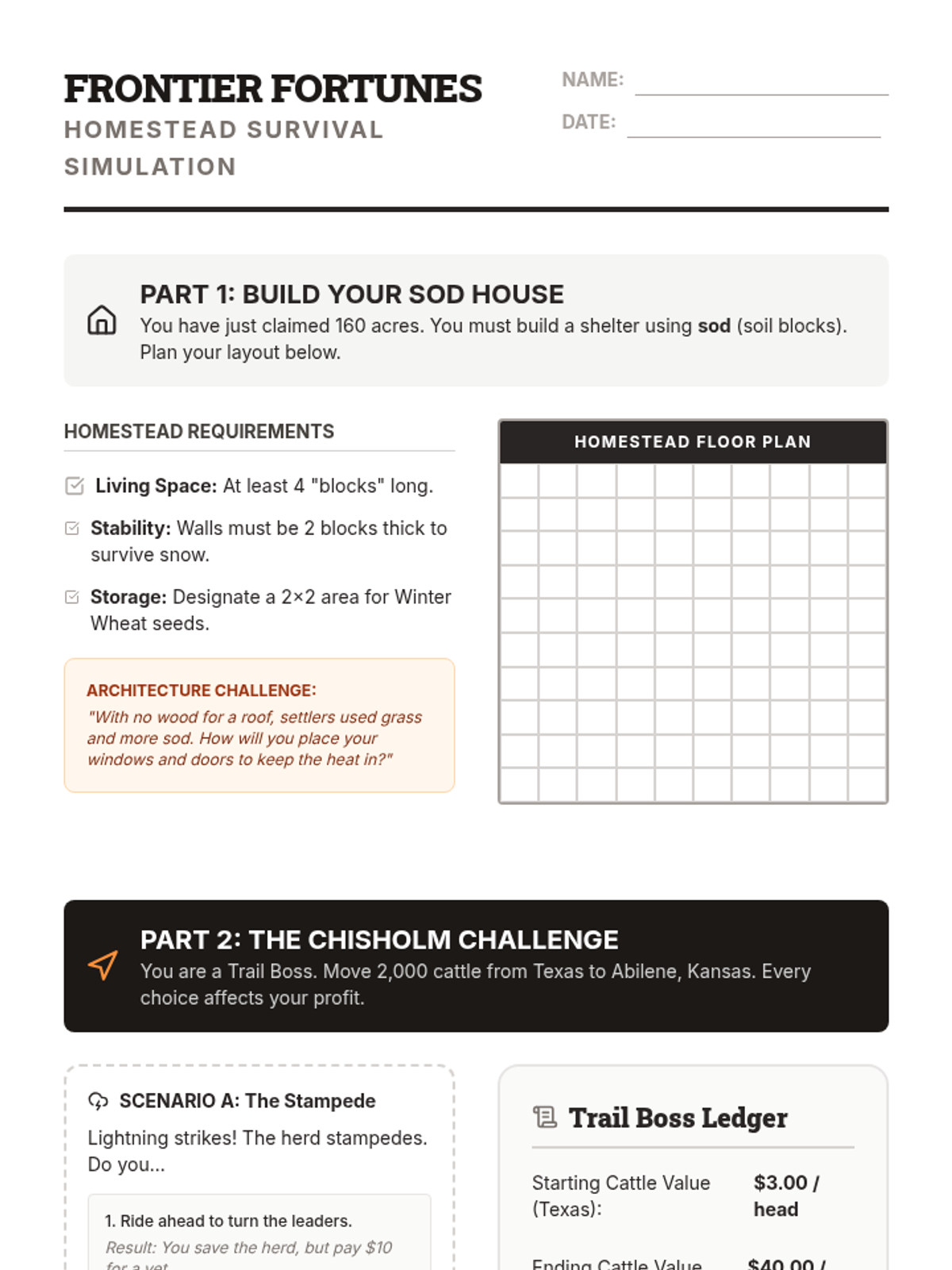
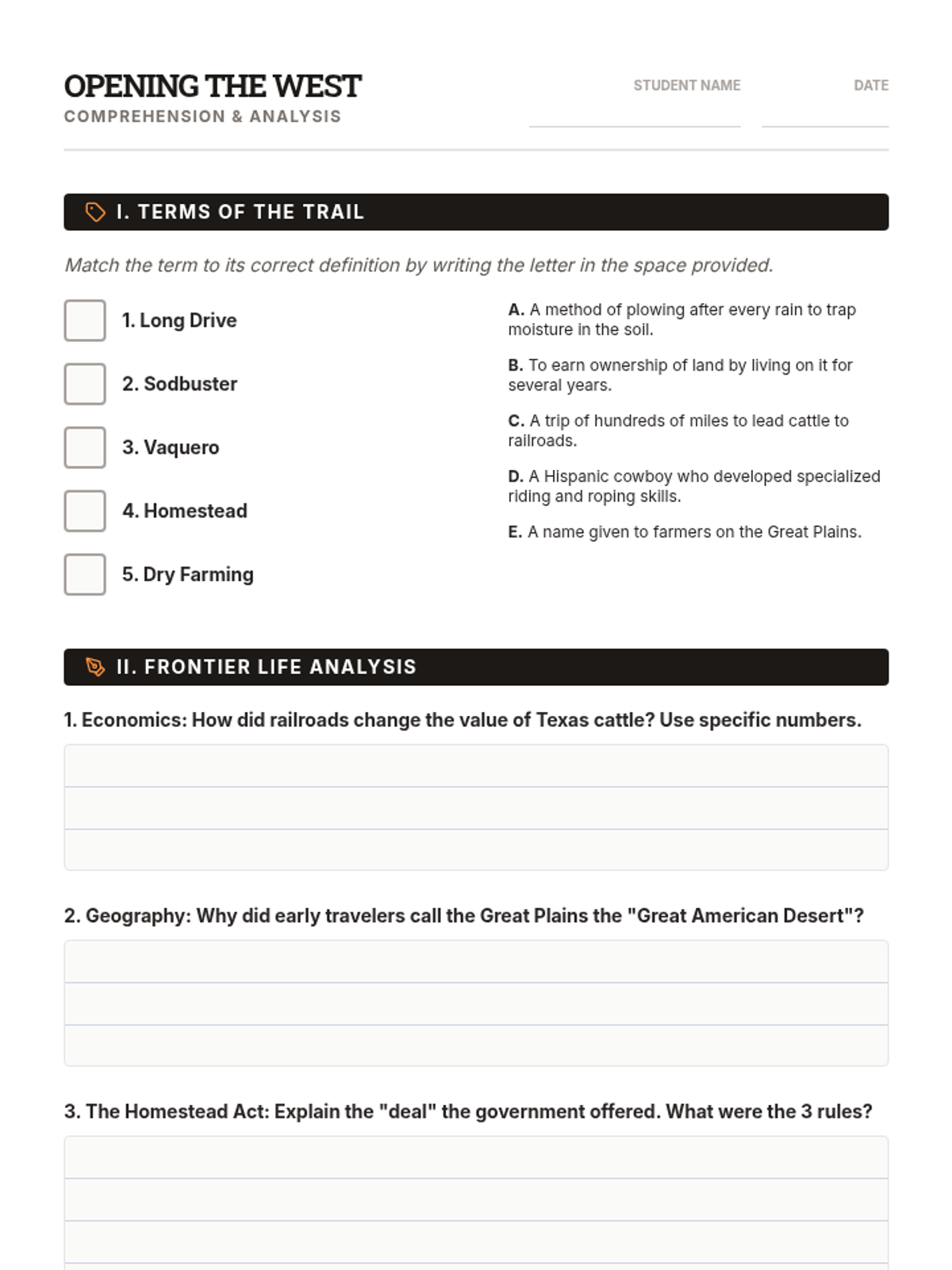
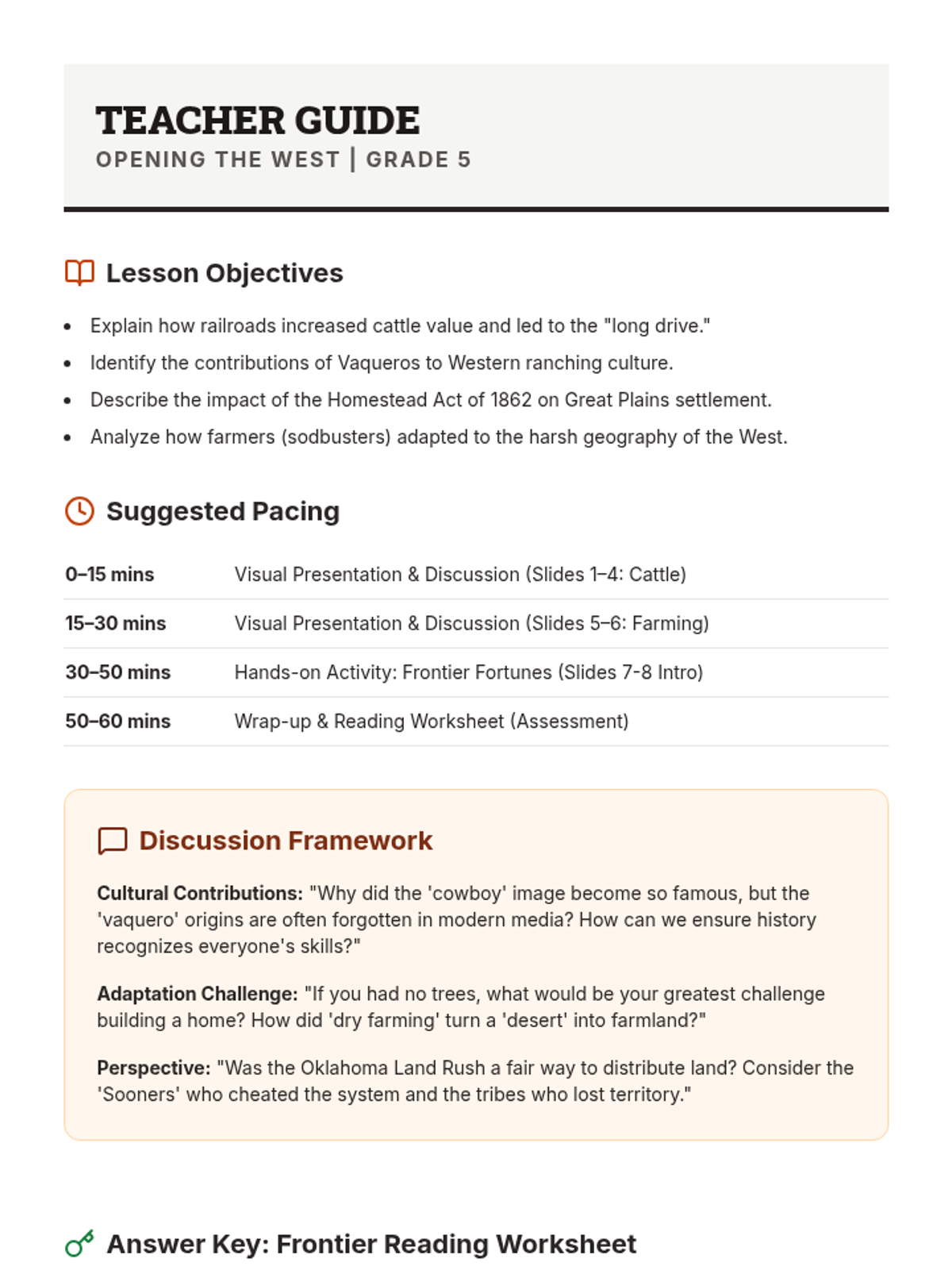
An interactive lesson exploring the expansion into the American West, focusing on the lives of ranchers and farmers. Includes a visual presentation, a hands-on 'Frontier Fortunes' simulation, and a comprehension worksheet.
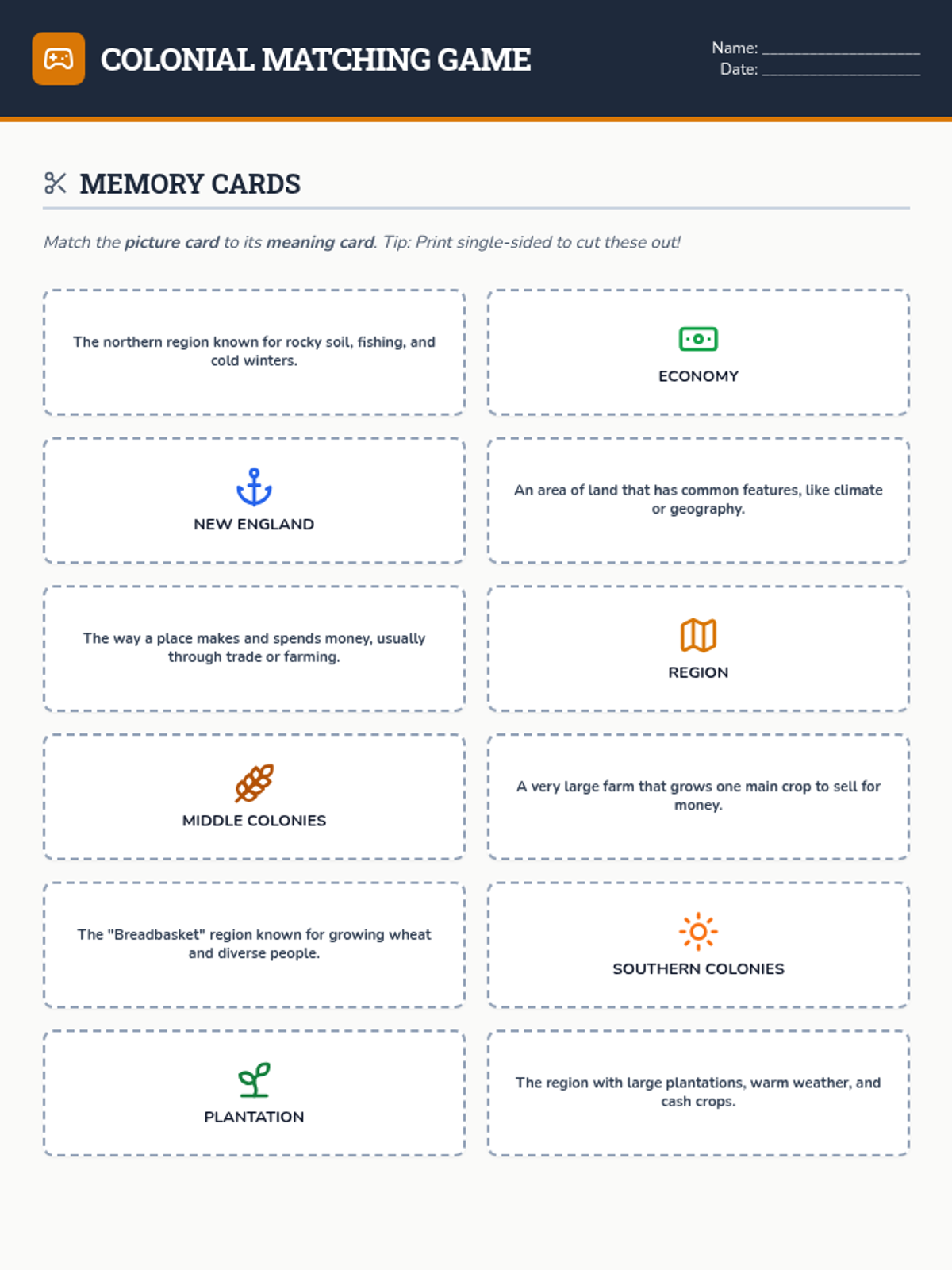
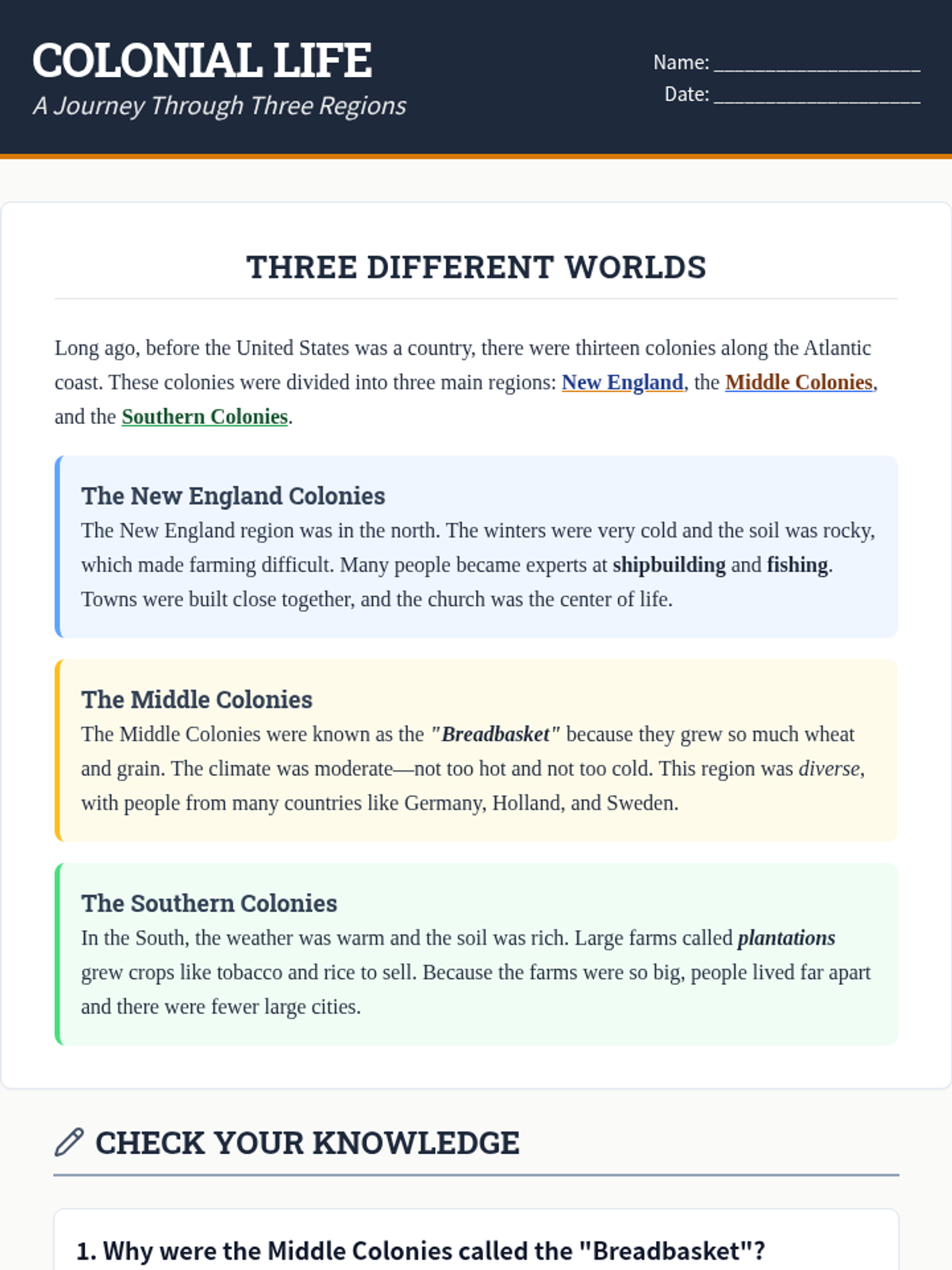
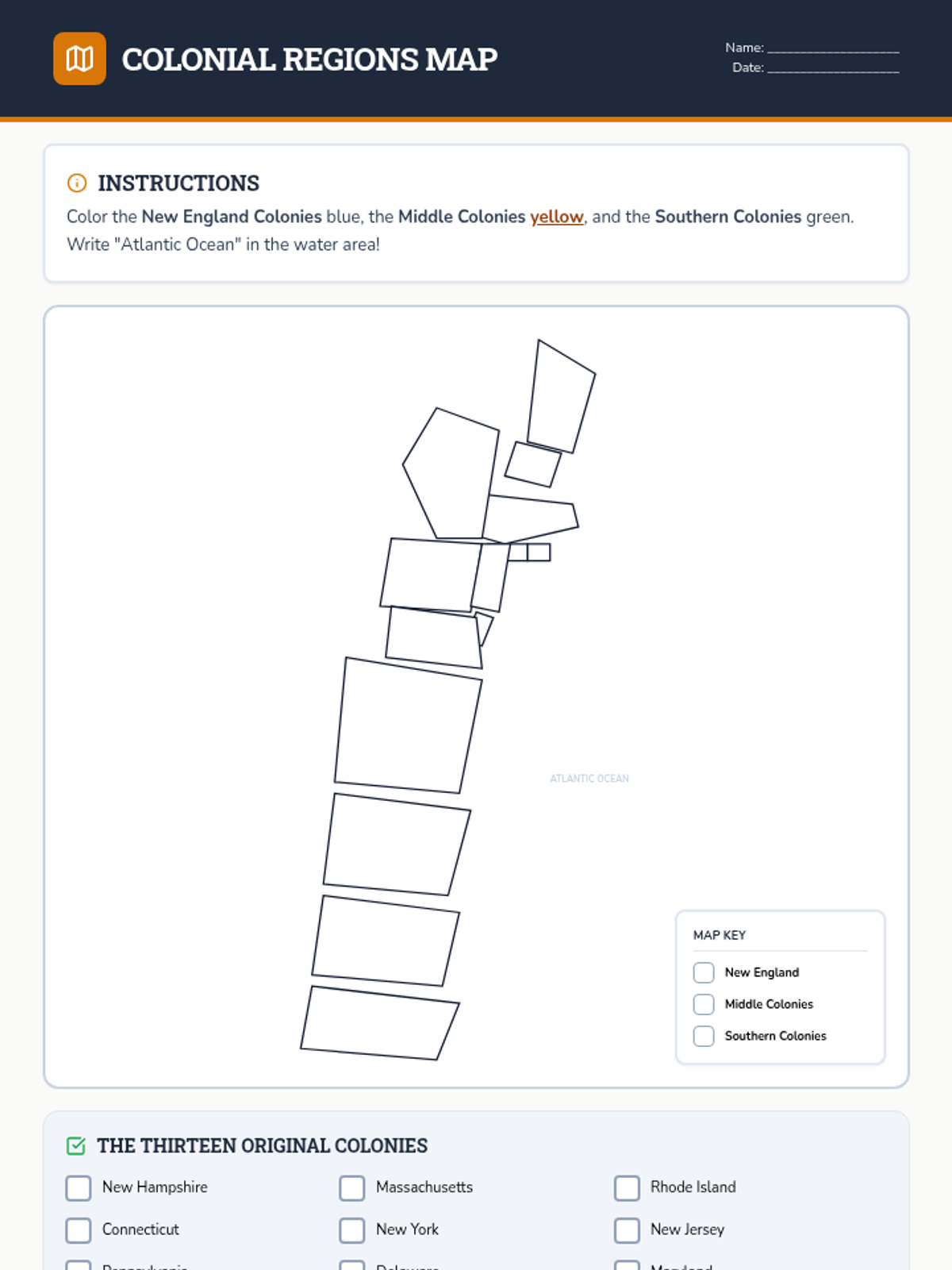
An introductory lesson for third graders to explore the distinct regions of the original thirteen colonies, focusing on geography, climate, and daily life.
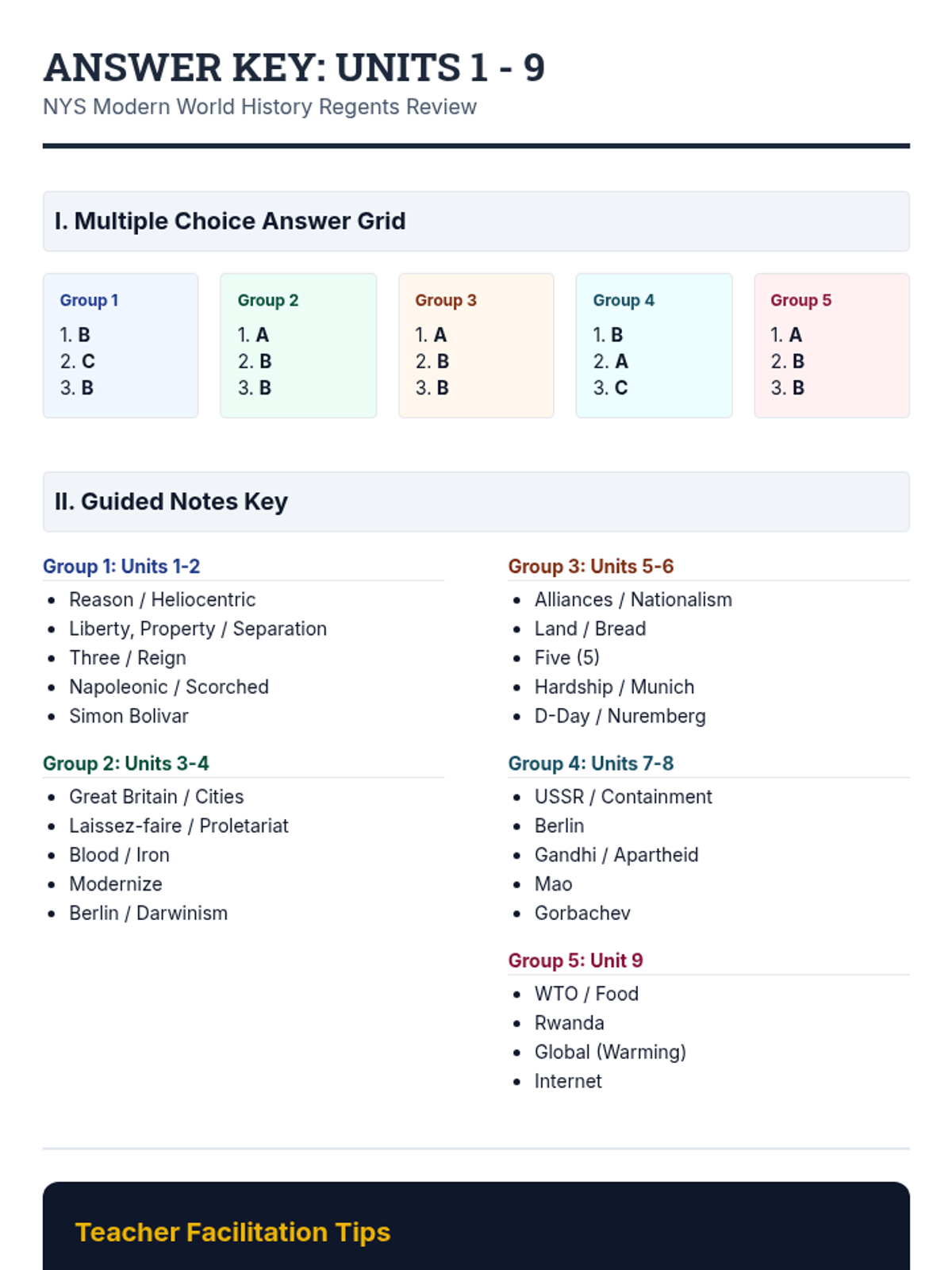
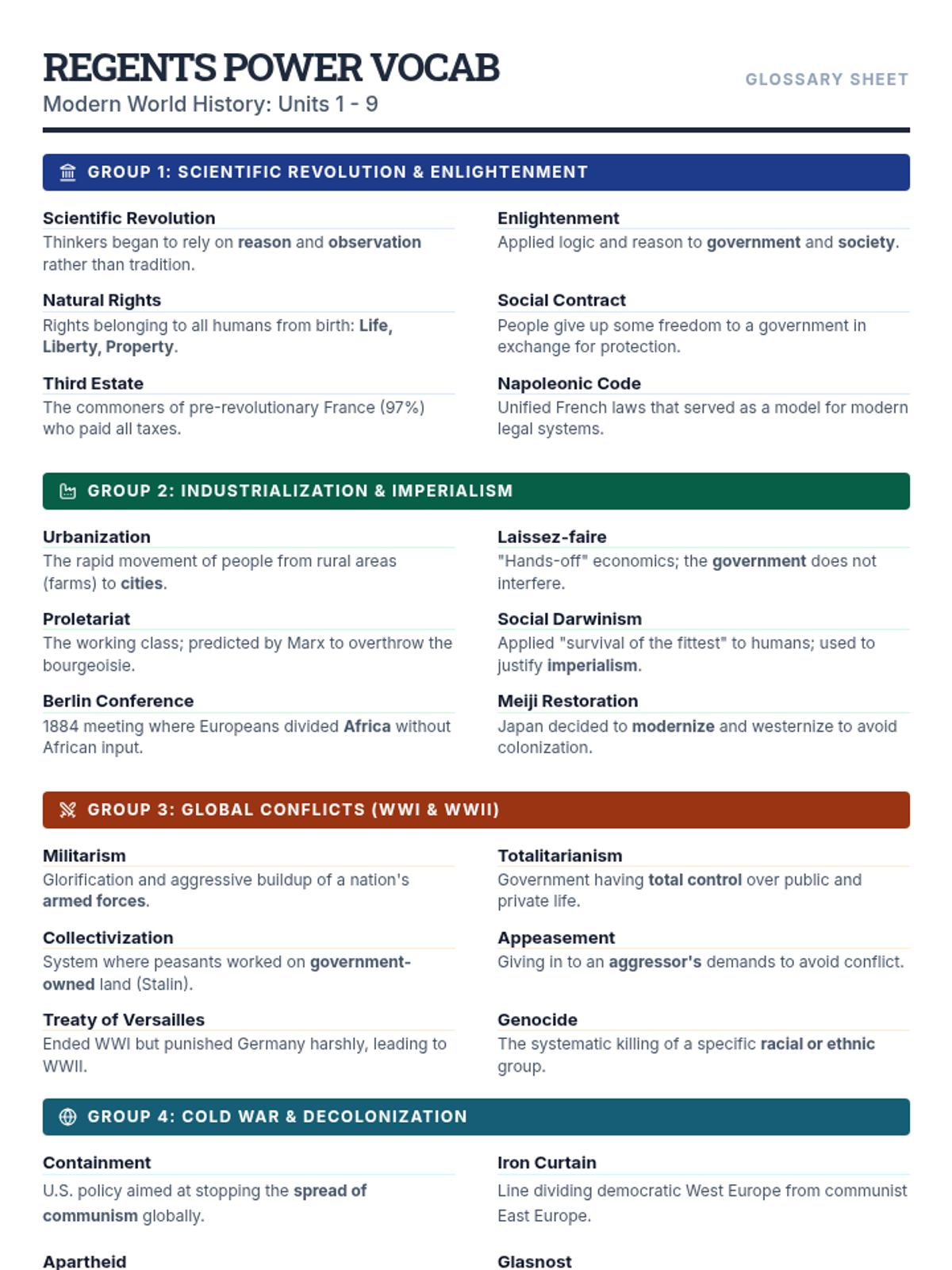
An intensive review session covering the Enlightenment through contemporary global issues (Units 1-9), featuring guided instruction and integrated Regents-style practice.
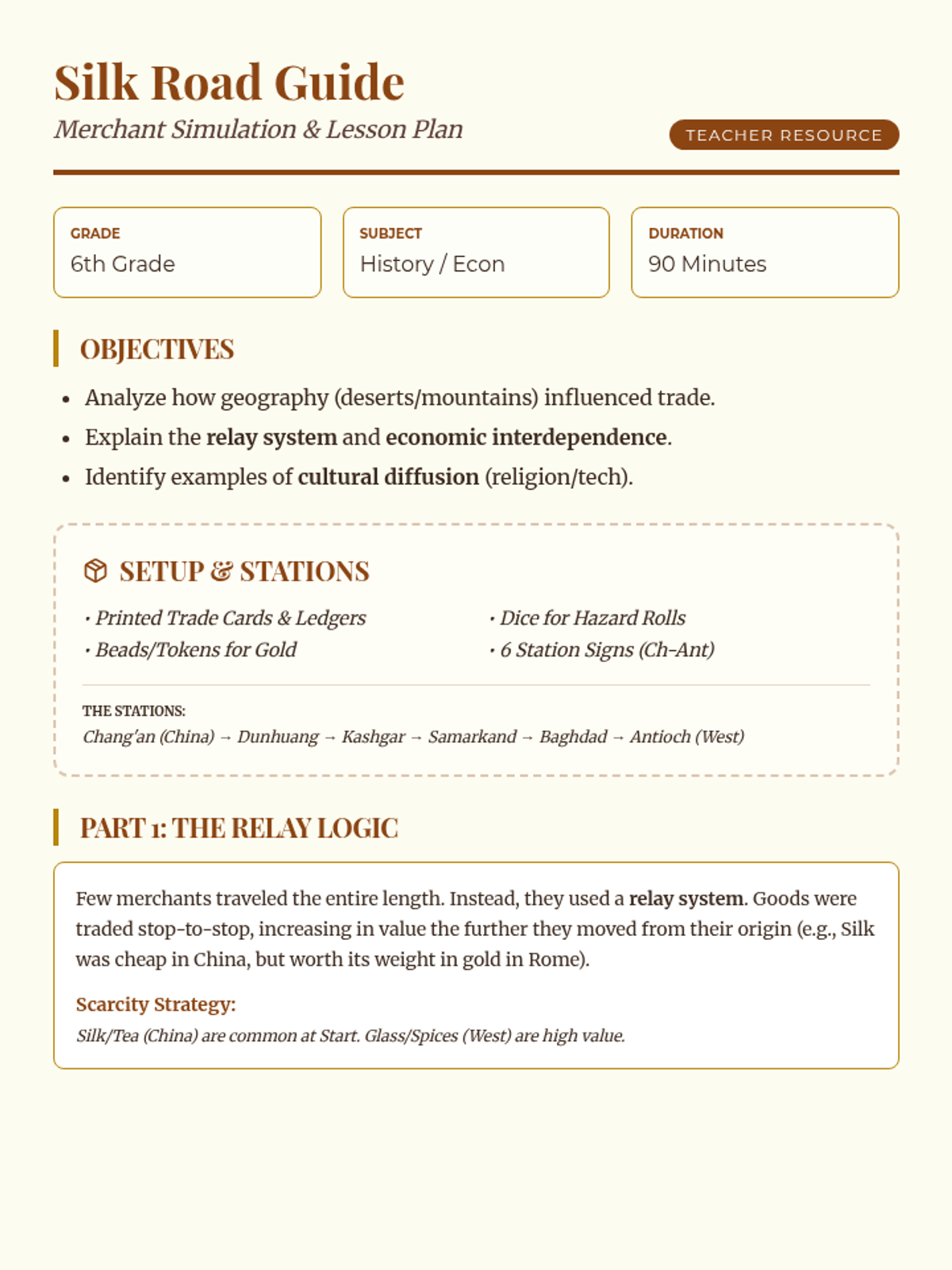
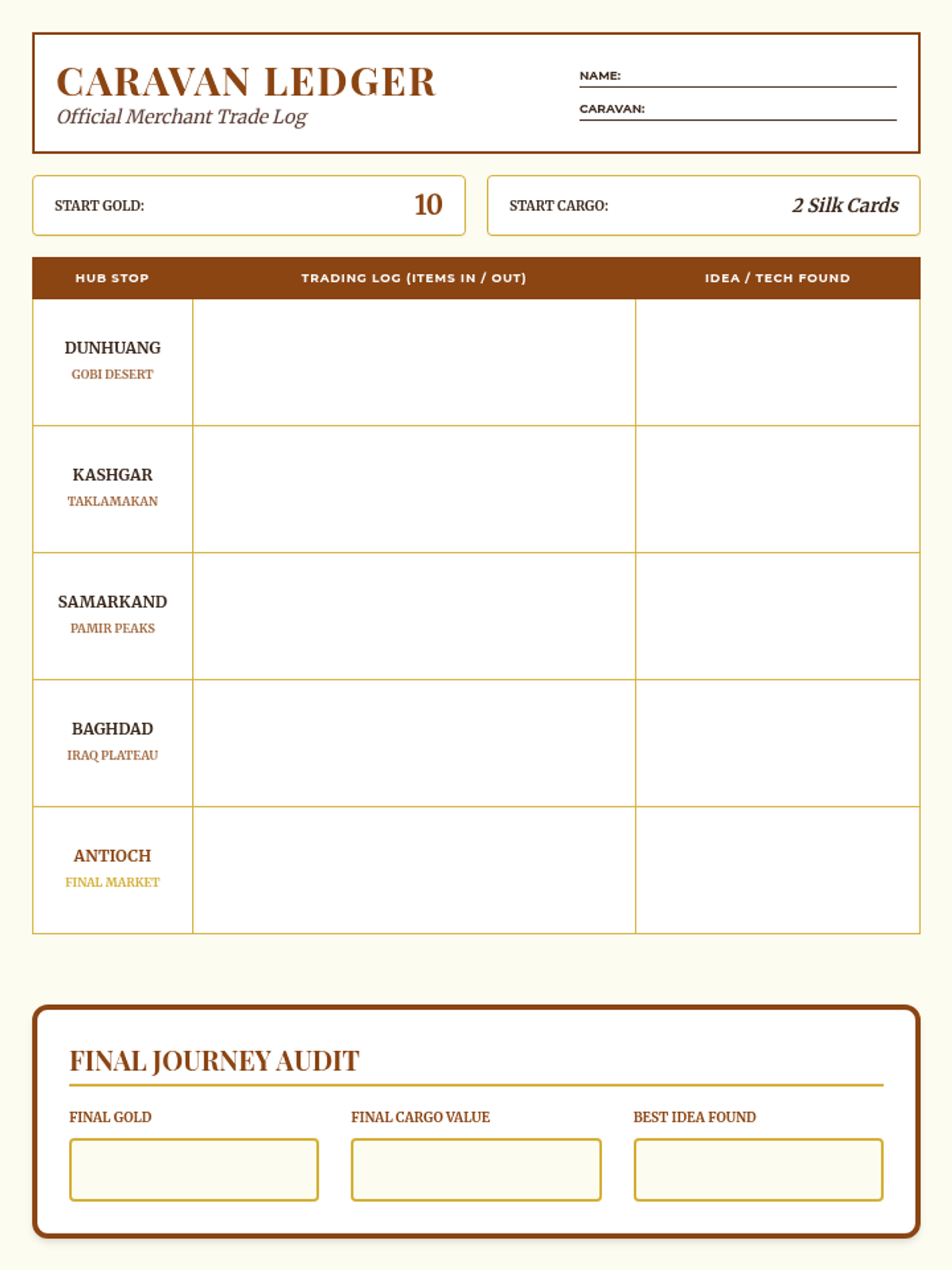
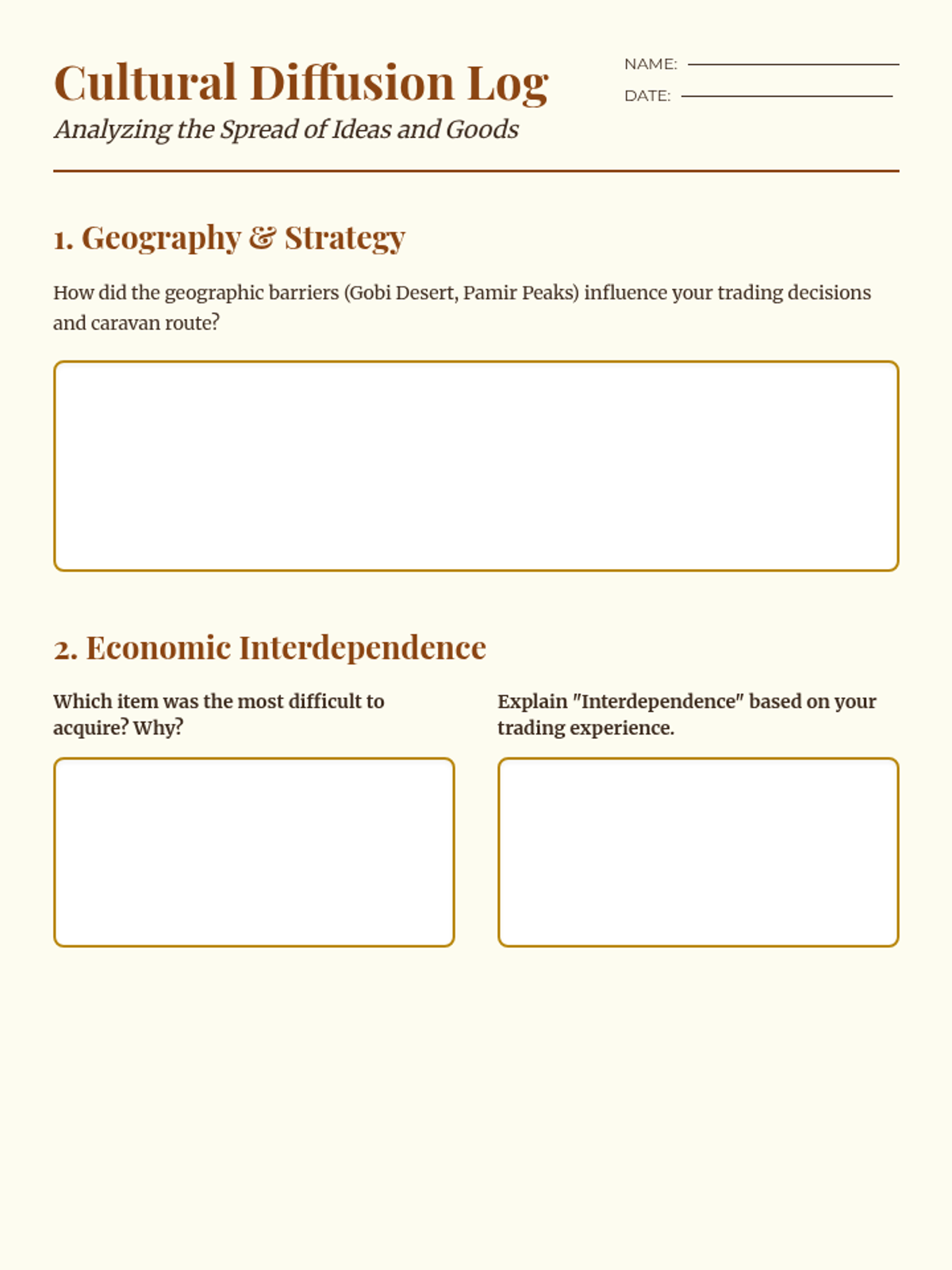
An immersive economic simulation where students act as merchants on the Silk Road, navigating geographic challenges and engaging in cultural exchange. Students will analyze the interdependence of ancient economies and the lasting impact of cultural diffusion.
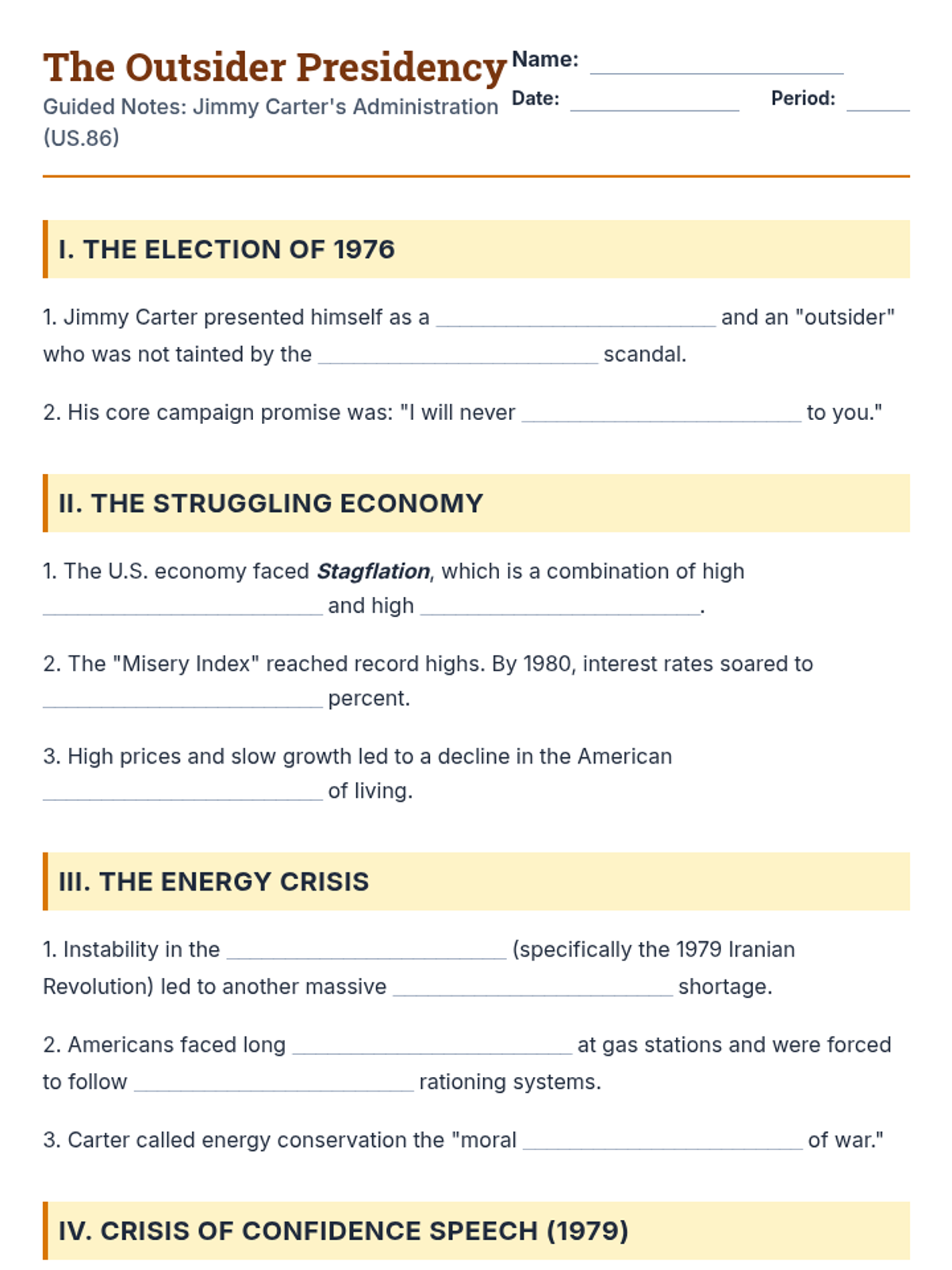
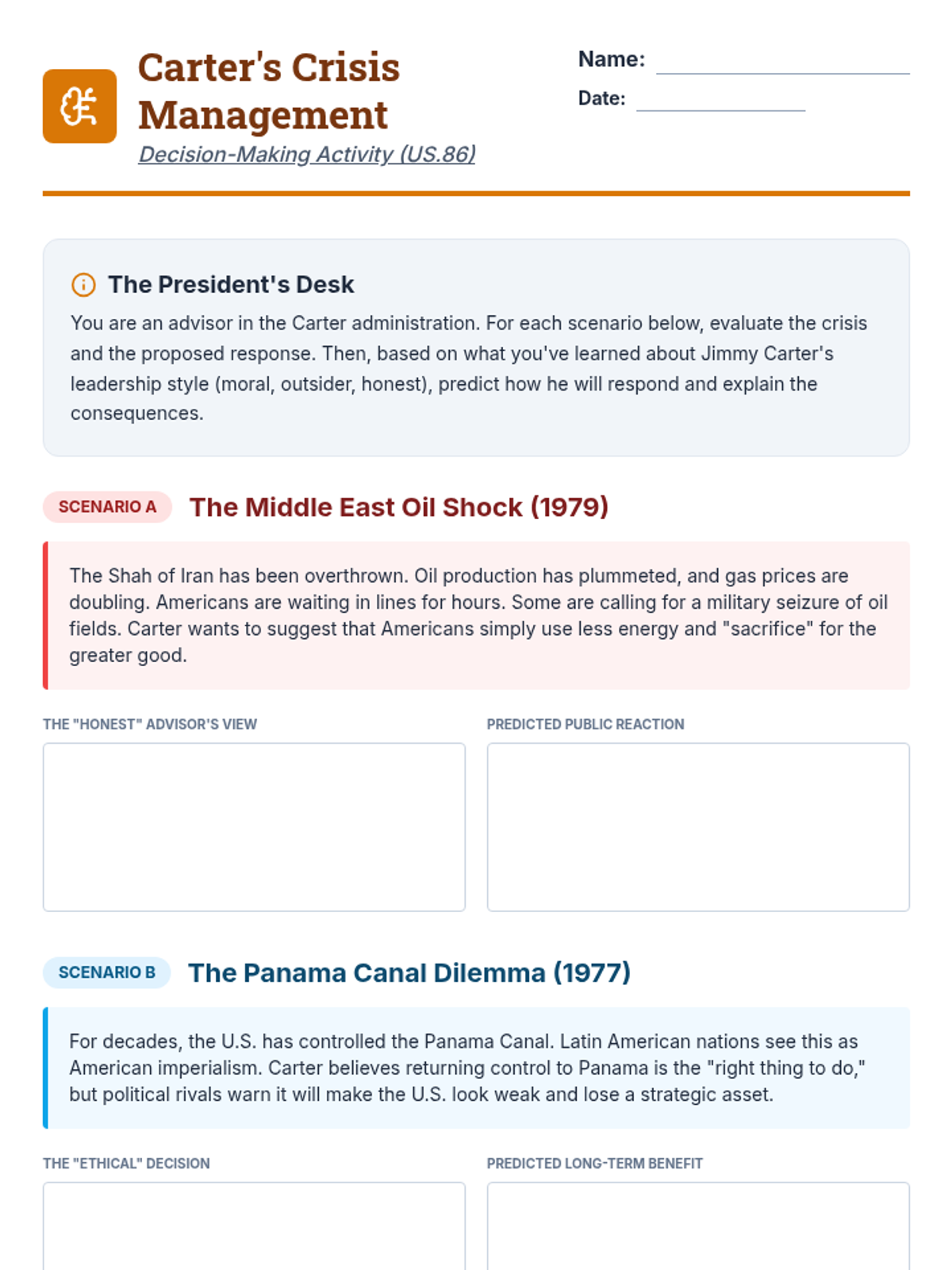
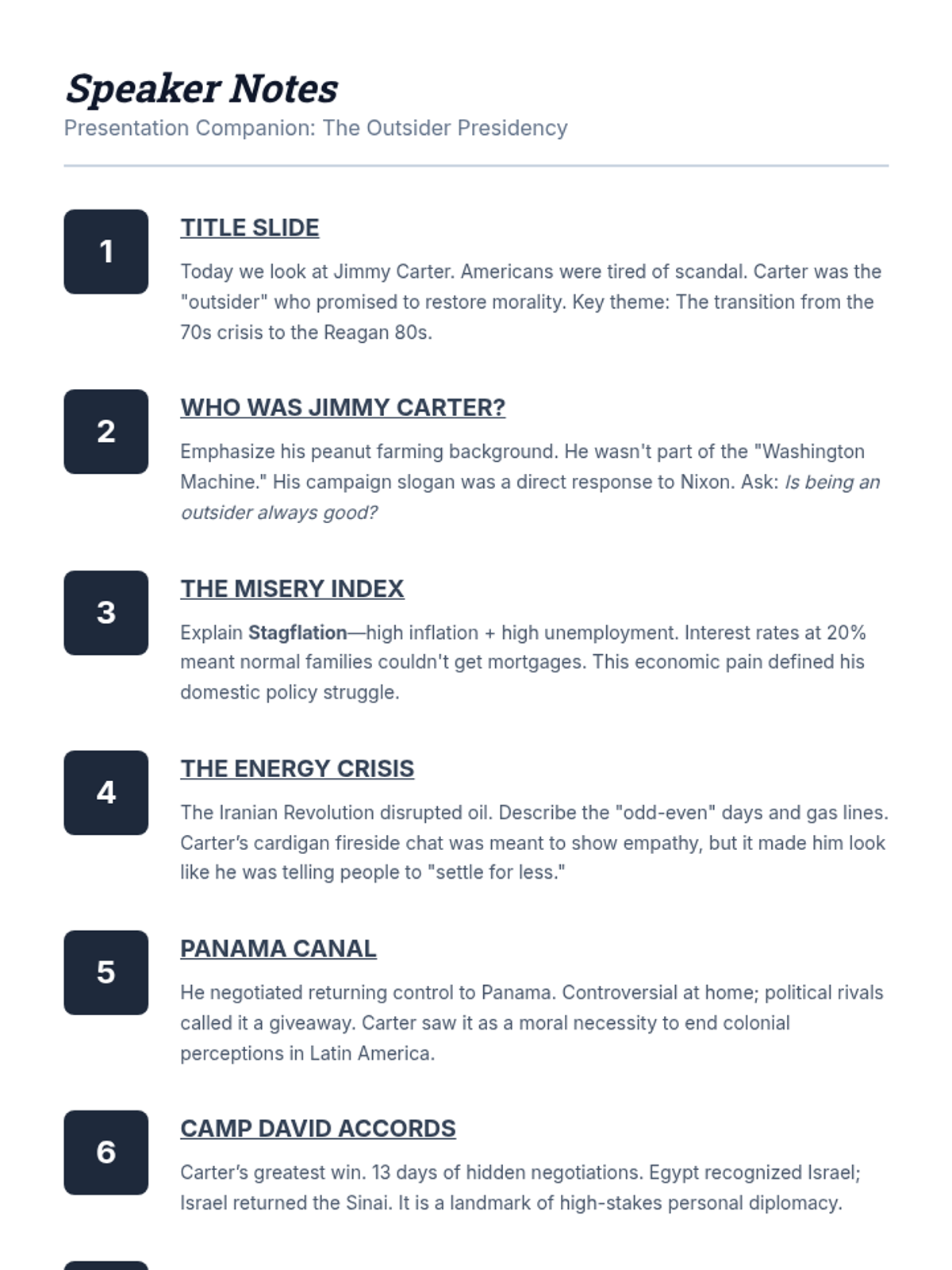
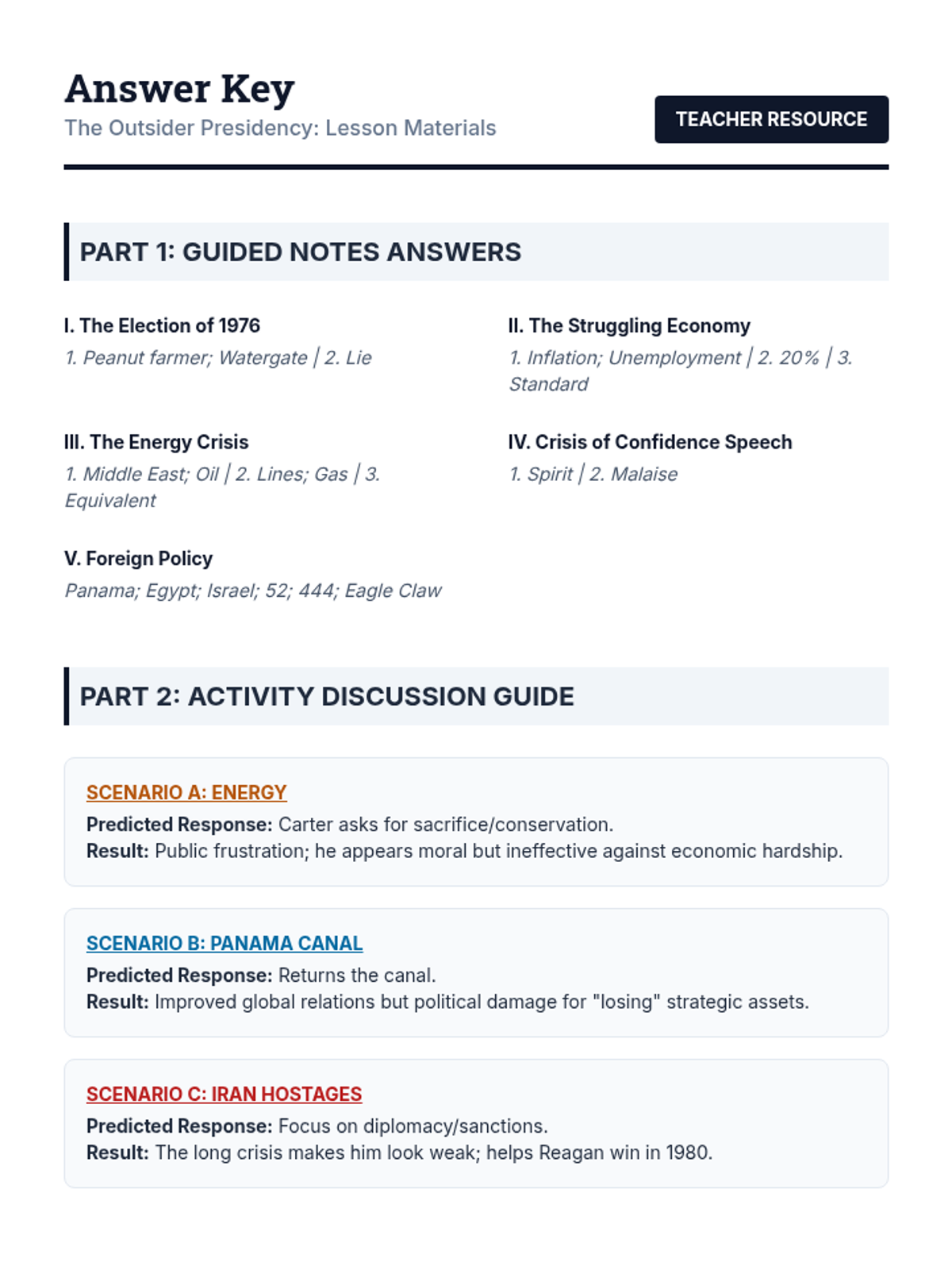
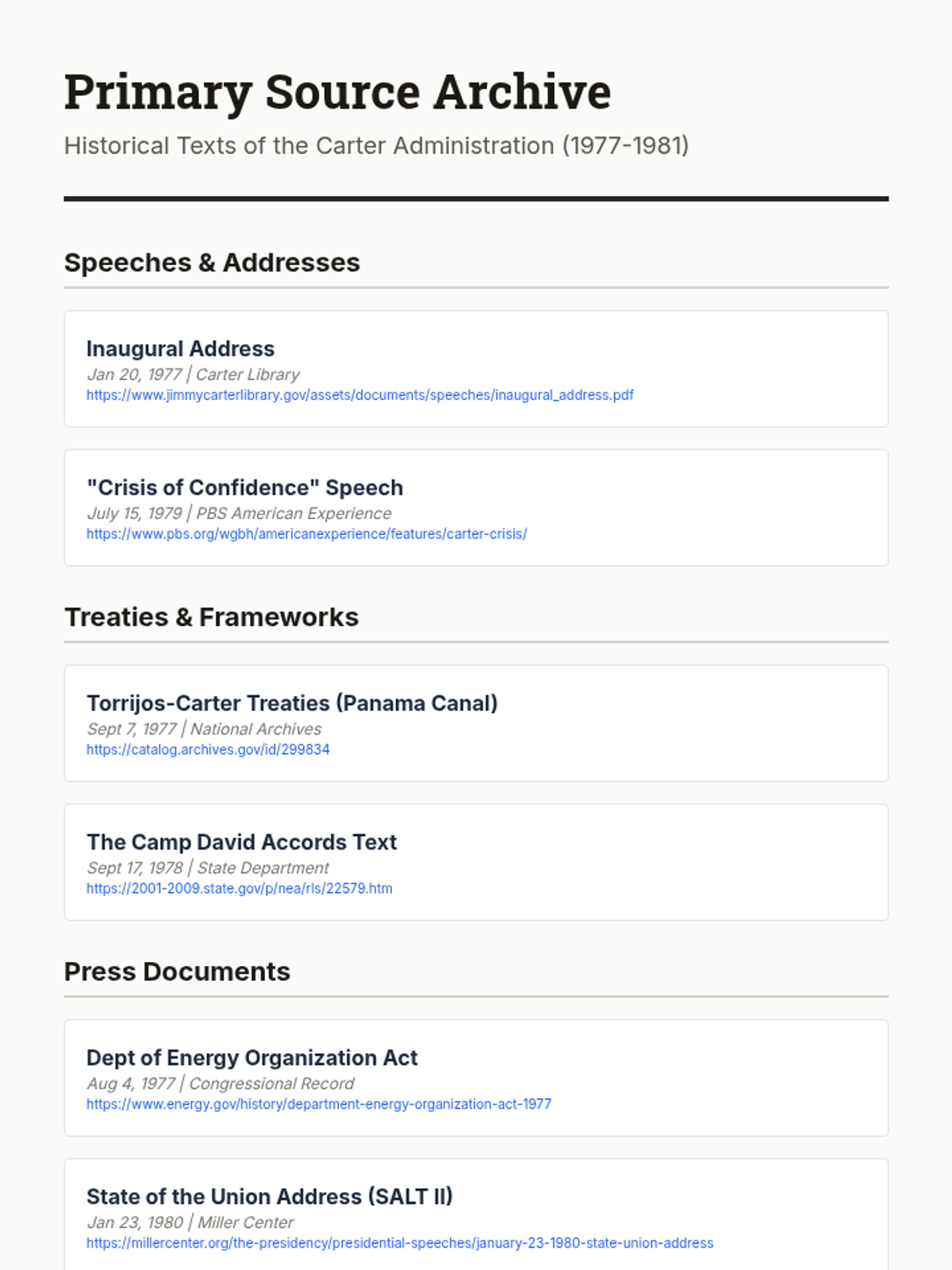
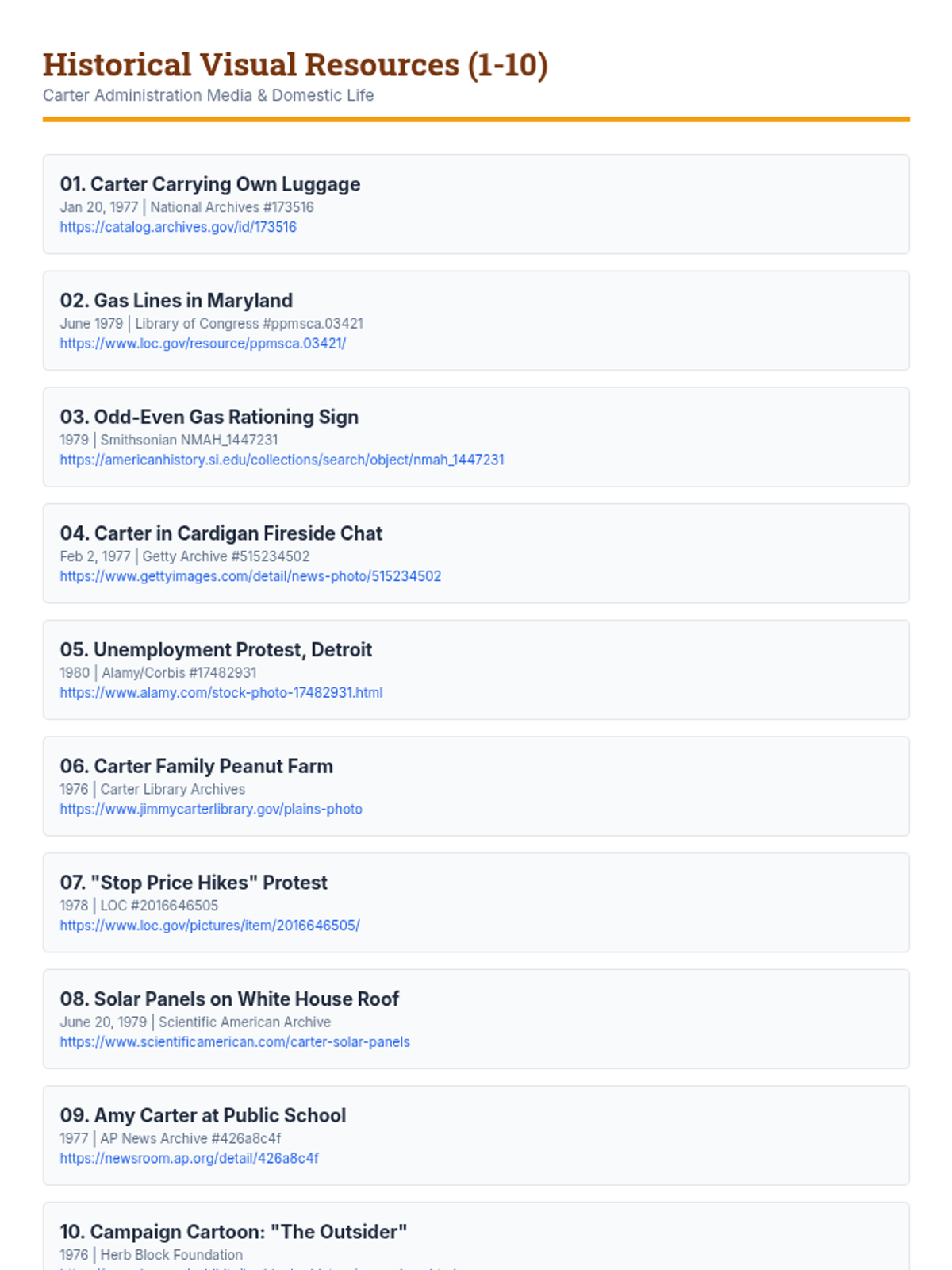
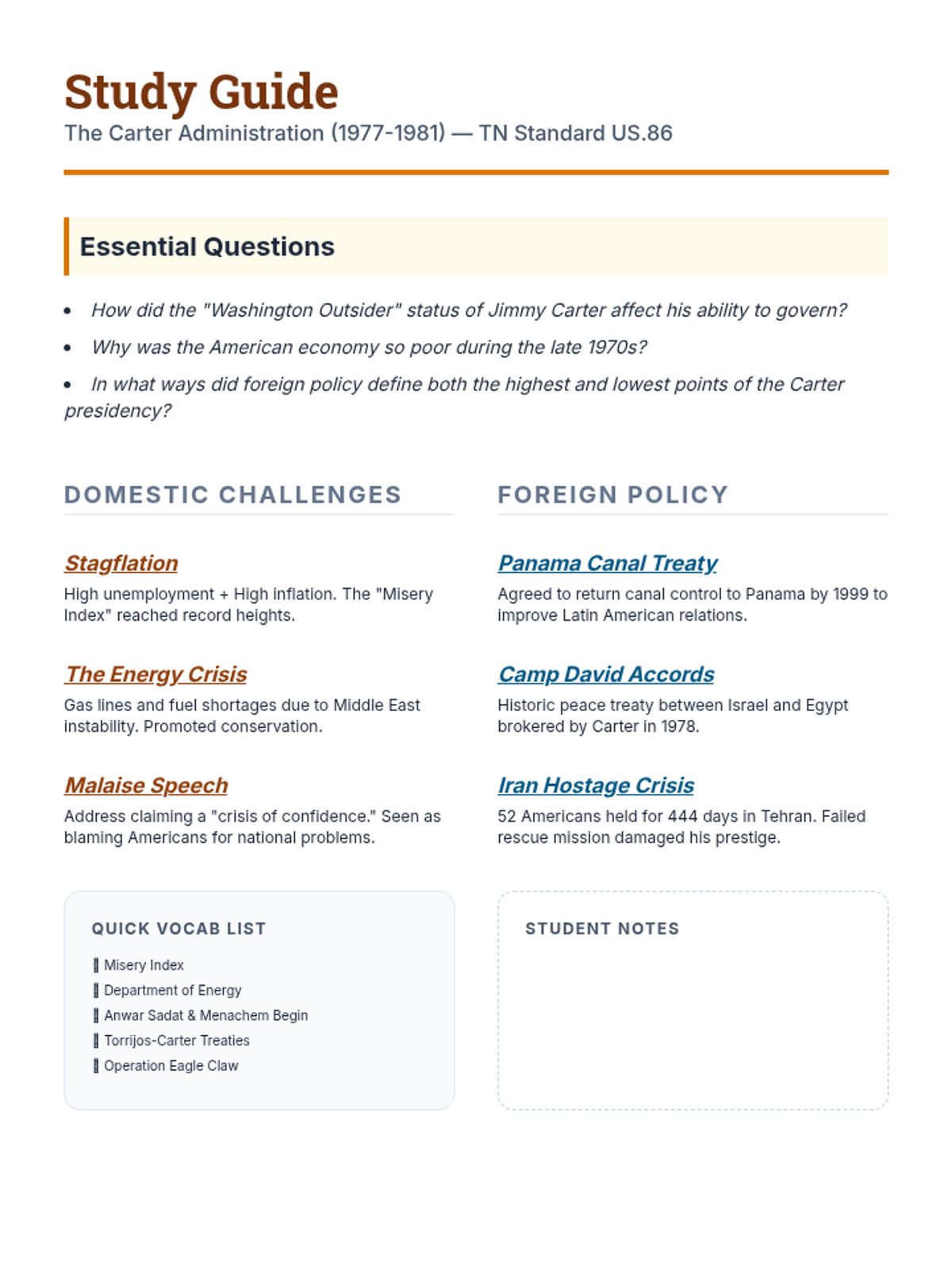
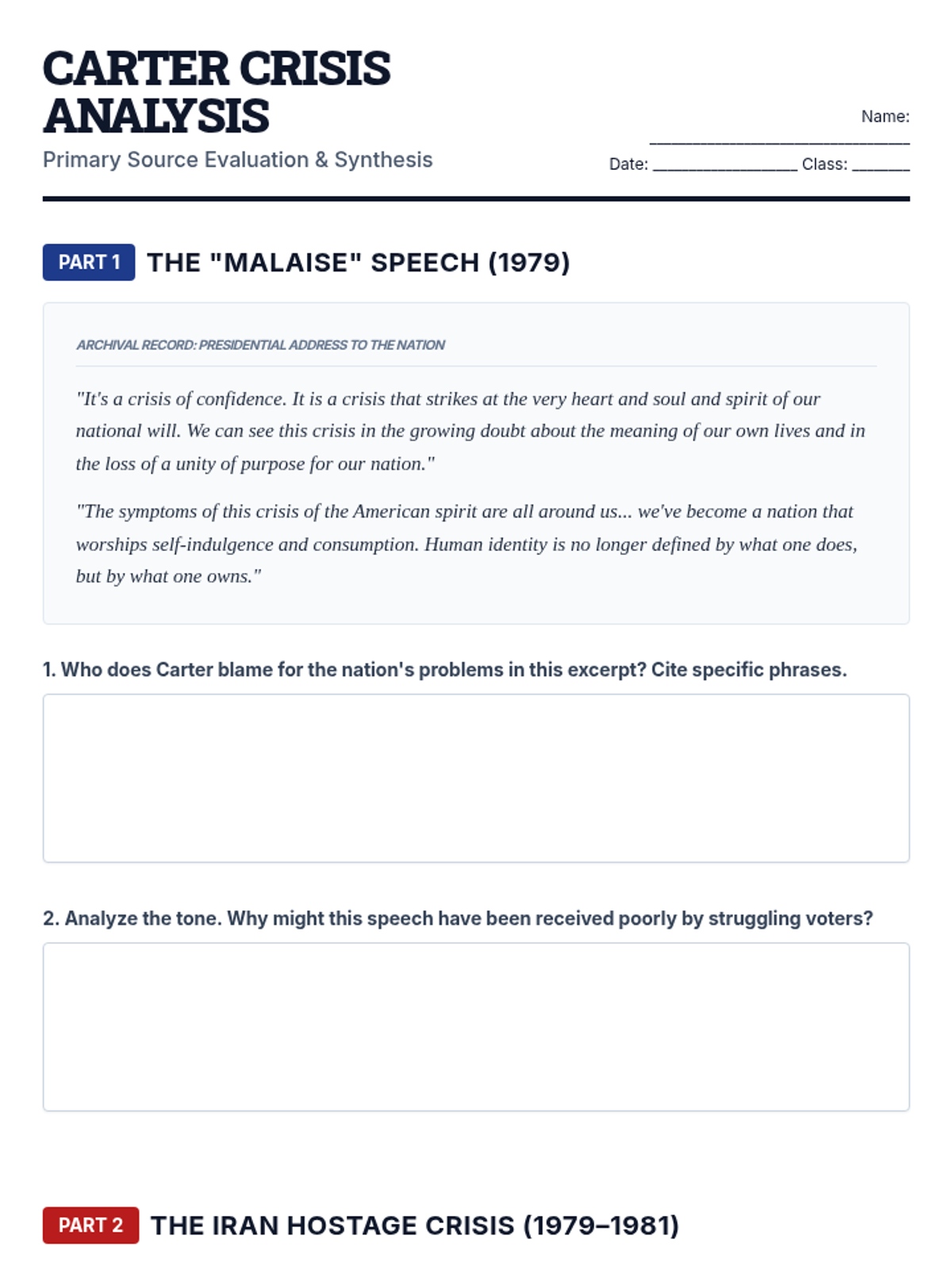
A comprehensive lesson on Jimmy Carter's administration, covering the economic challenges, foreign policy triumphs and failures, and the cultural shift of the late 1970s. Includes slides, notes, activities, and extensive primary/visual resources.
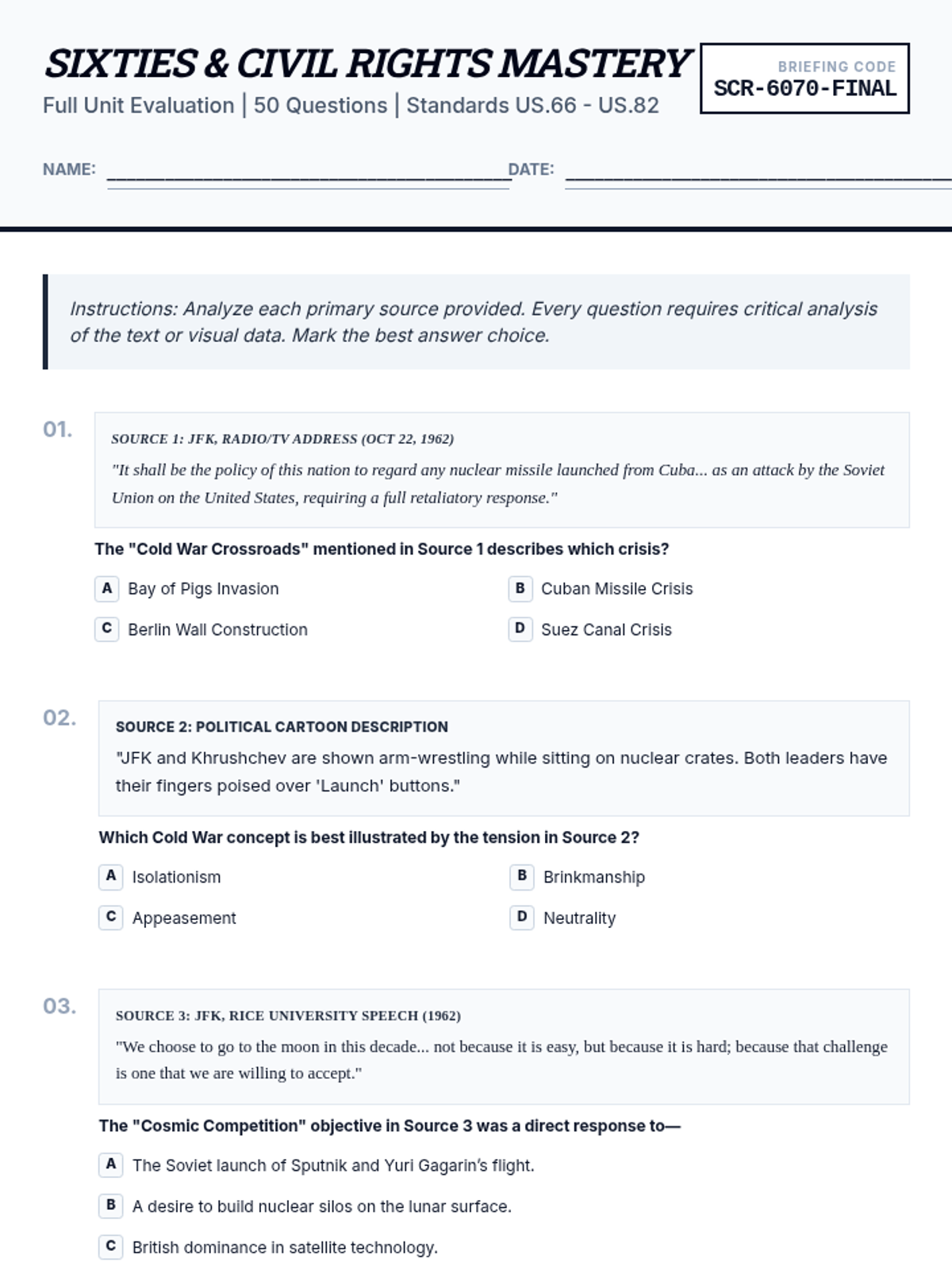
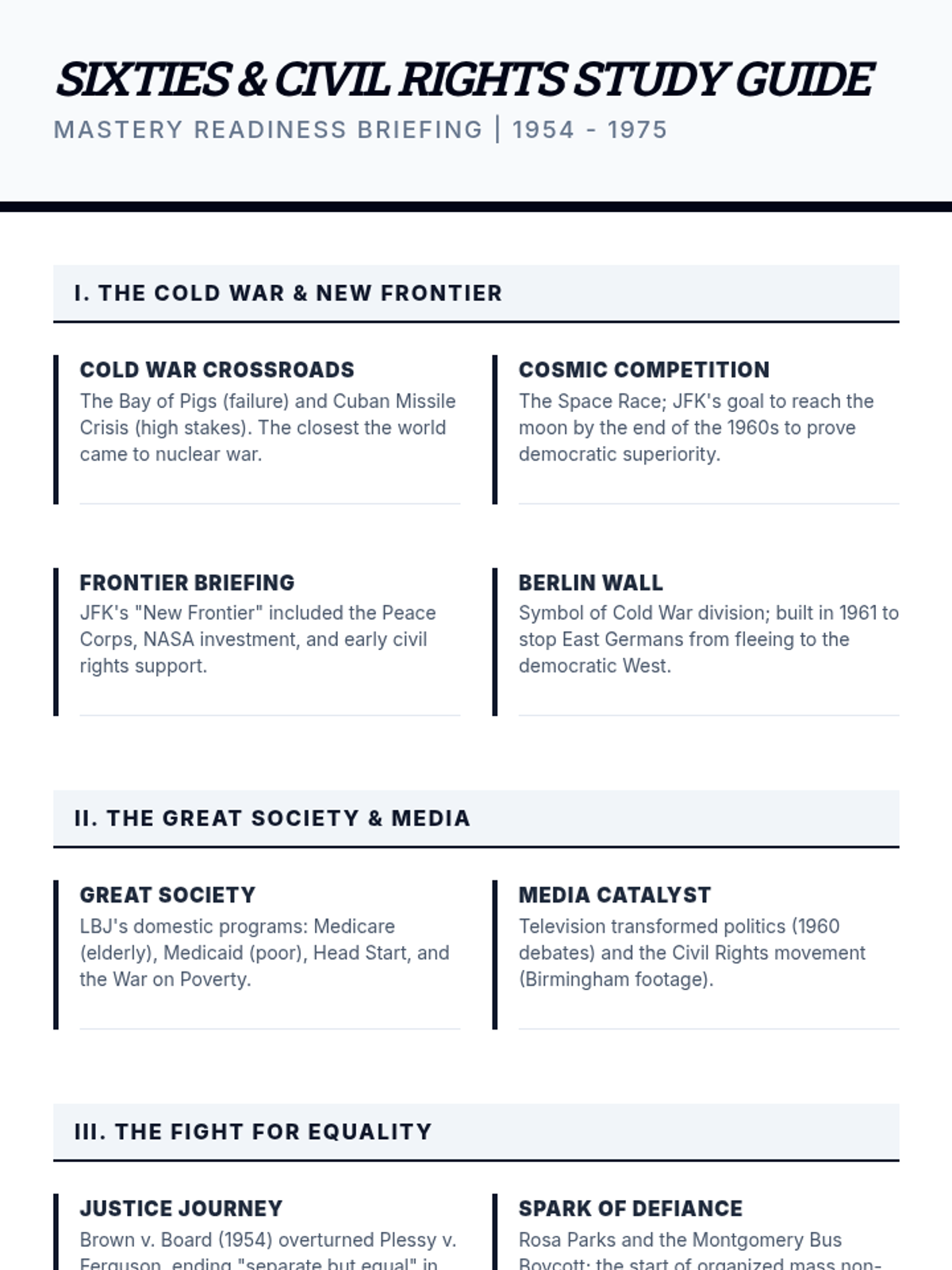
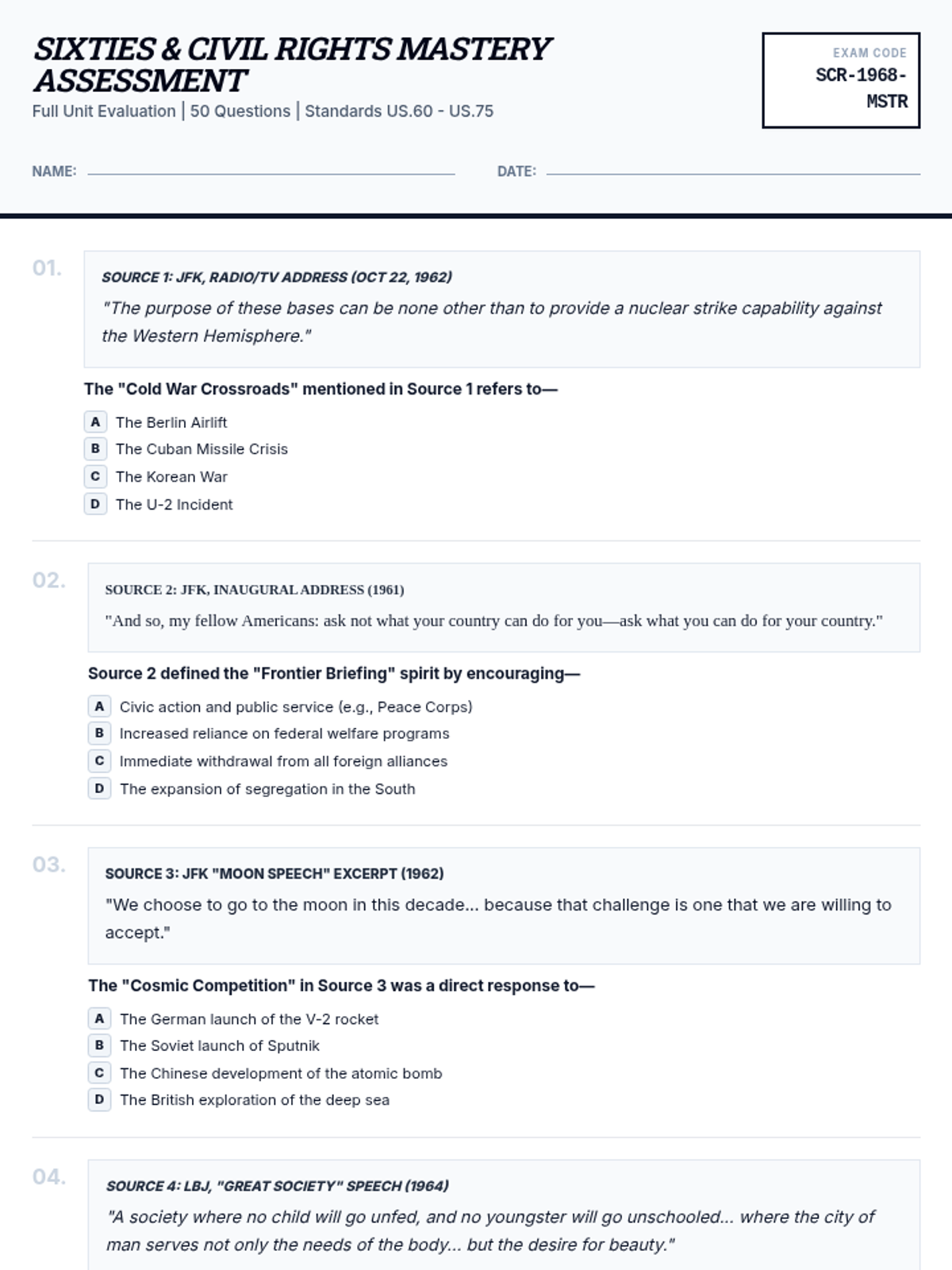
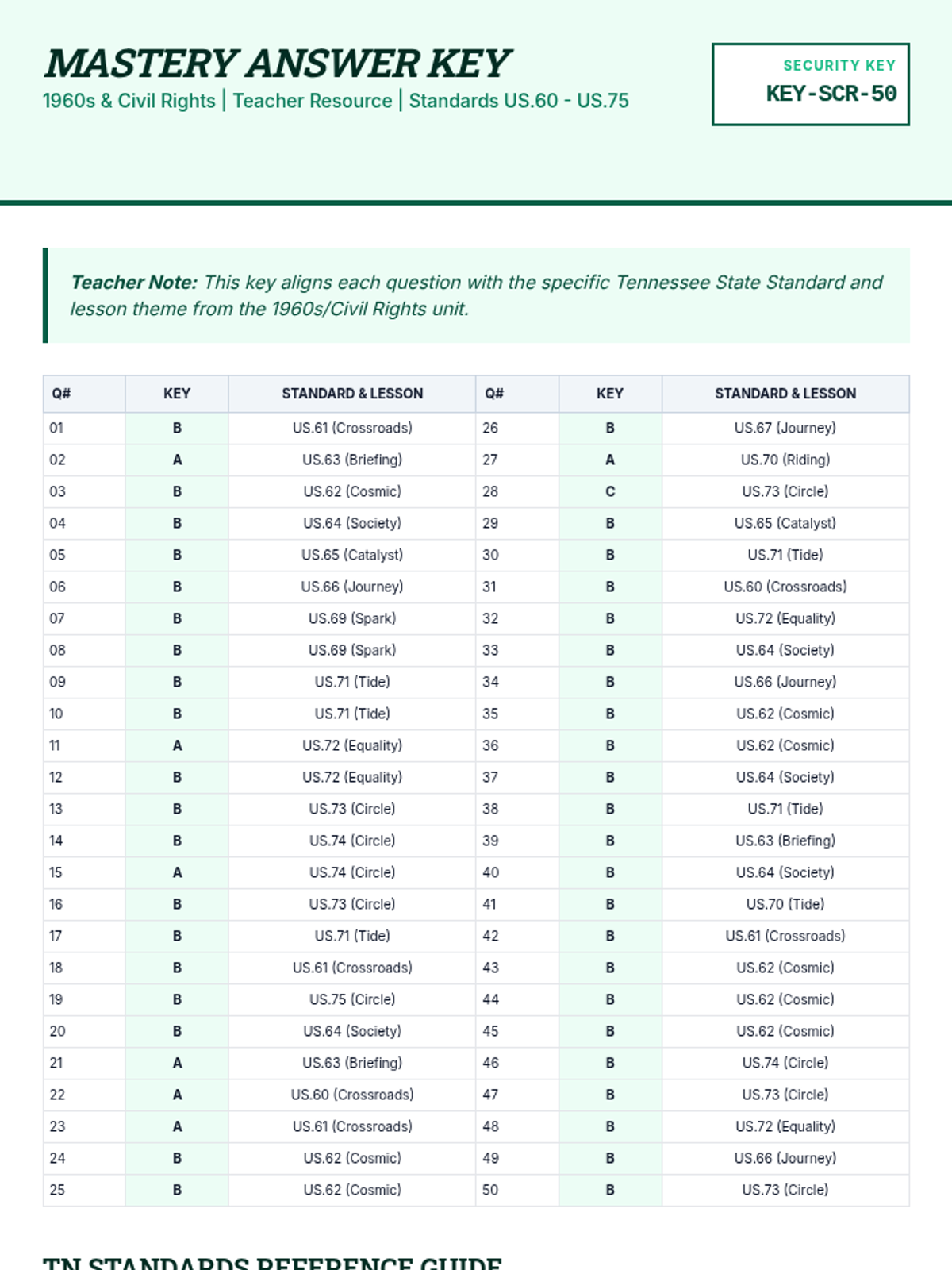
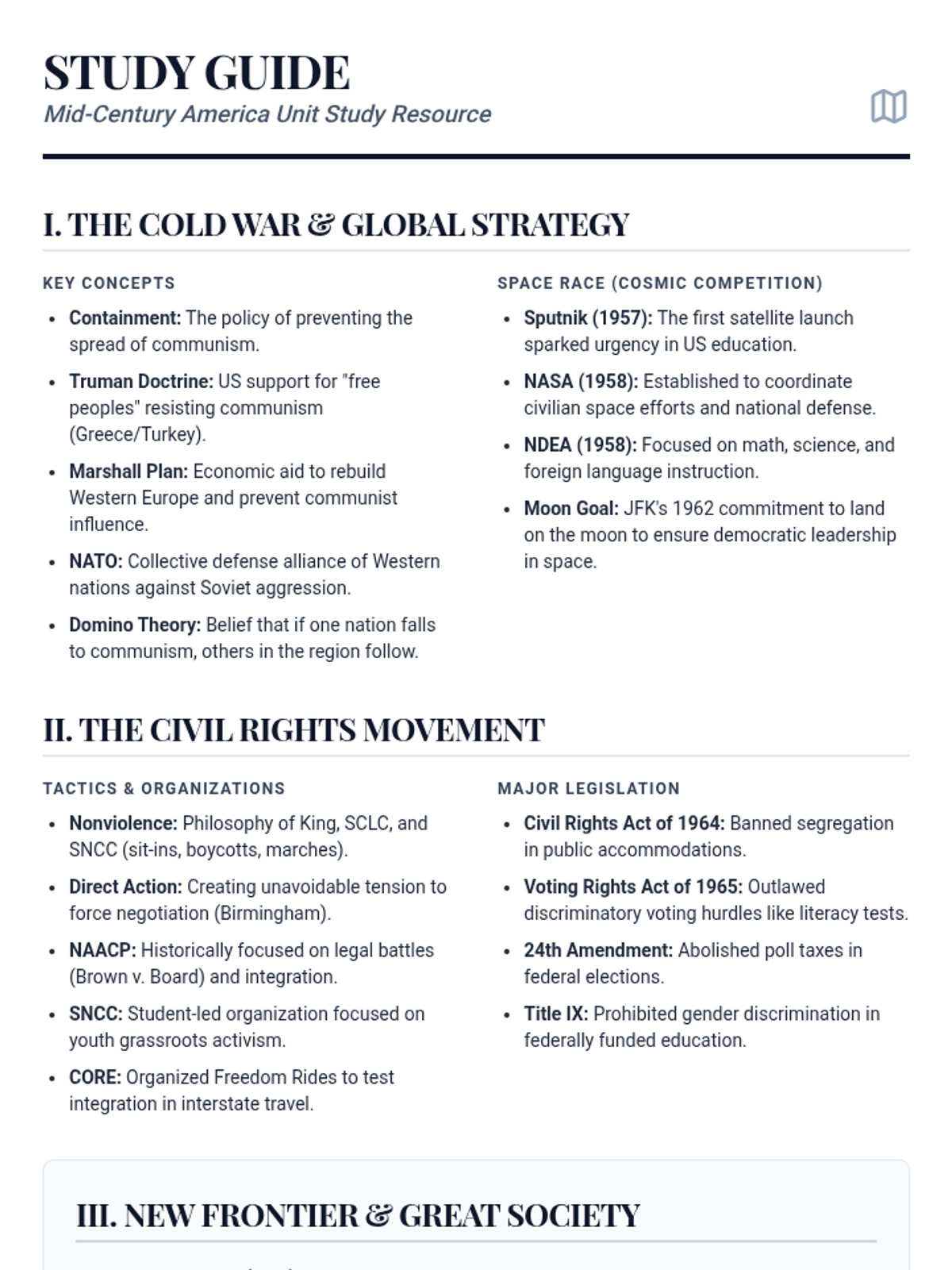
Mastery assessment for the 1960s and Civil Rights Era, covering JFK, LBJ, the Space Race, and the various movements for equality.
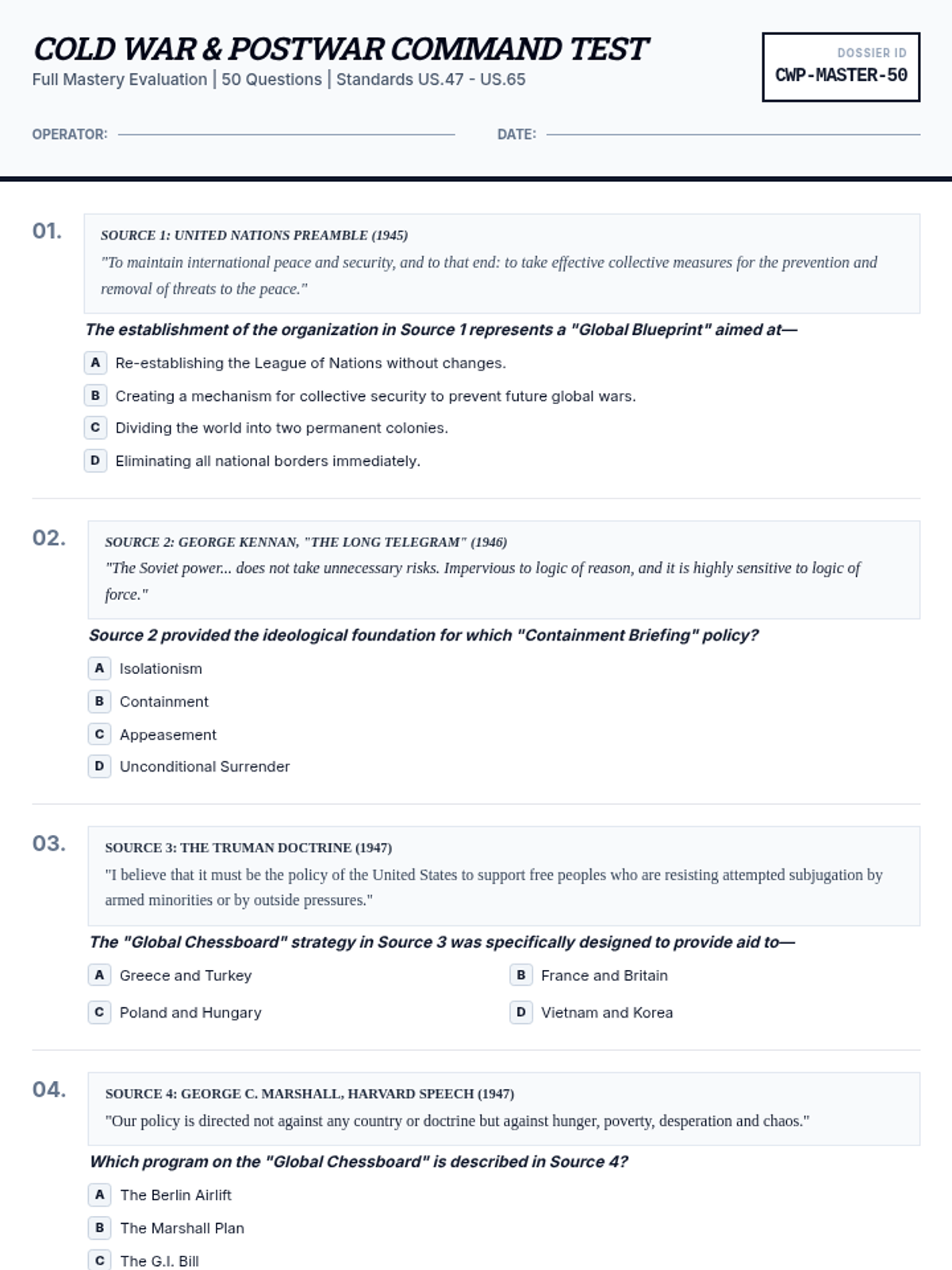
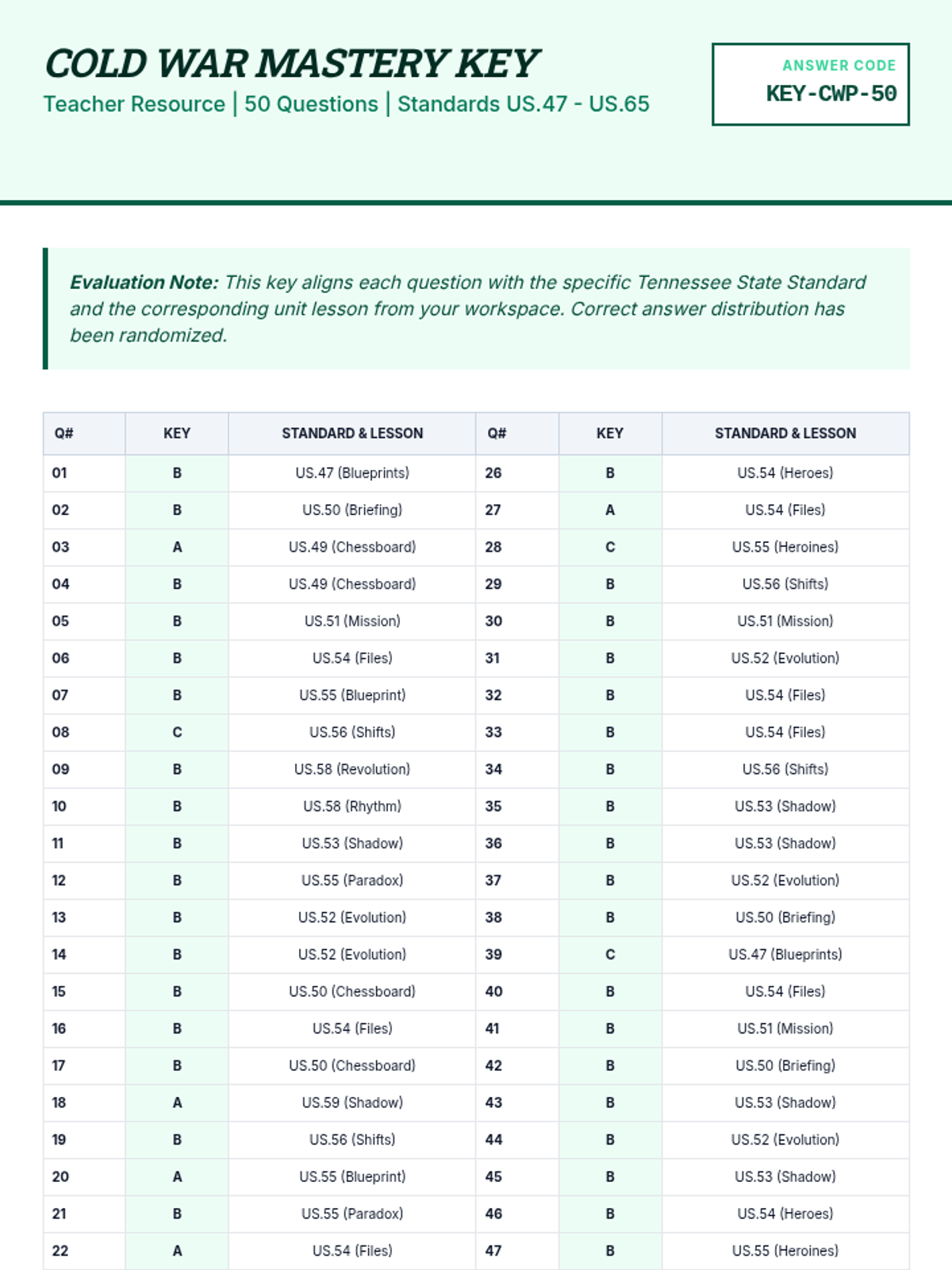
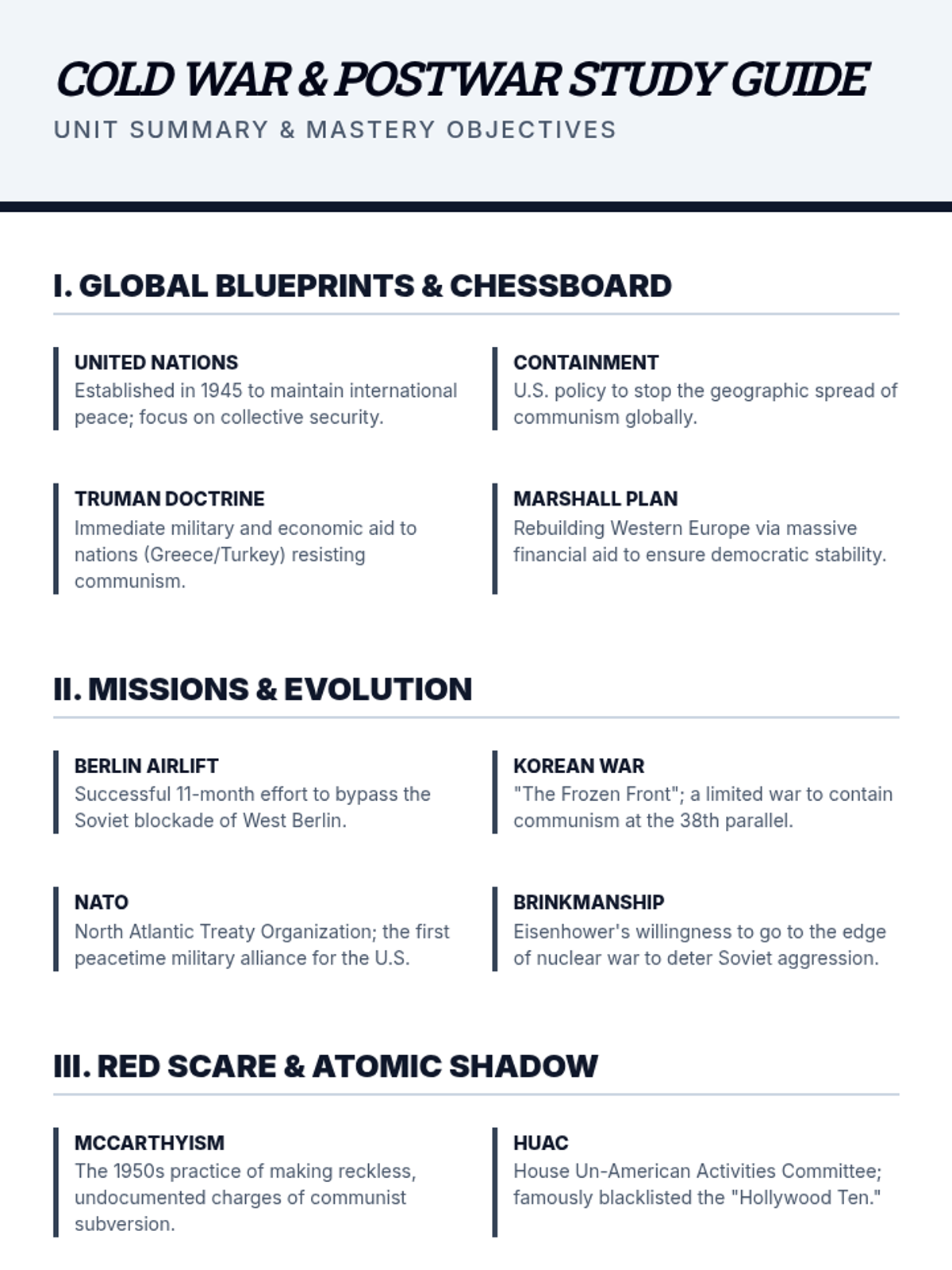
Global Blueprints, Global Chessboard, Containment Briefing, Frozen Front Mission, Containment Evolution, Red Scare Files, Prosperity Paradox, Boomer Blueprint, Suburban Shifts, Living Room Revolution, Rhythm Revolution, and Atomic Shadow.
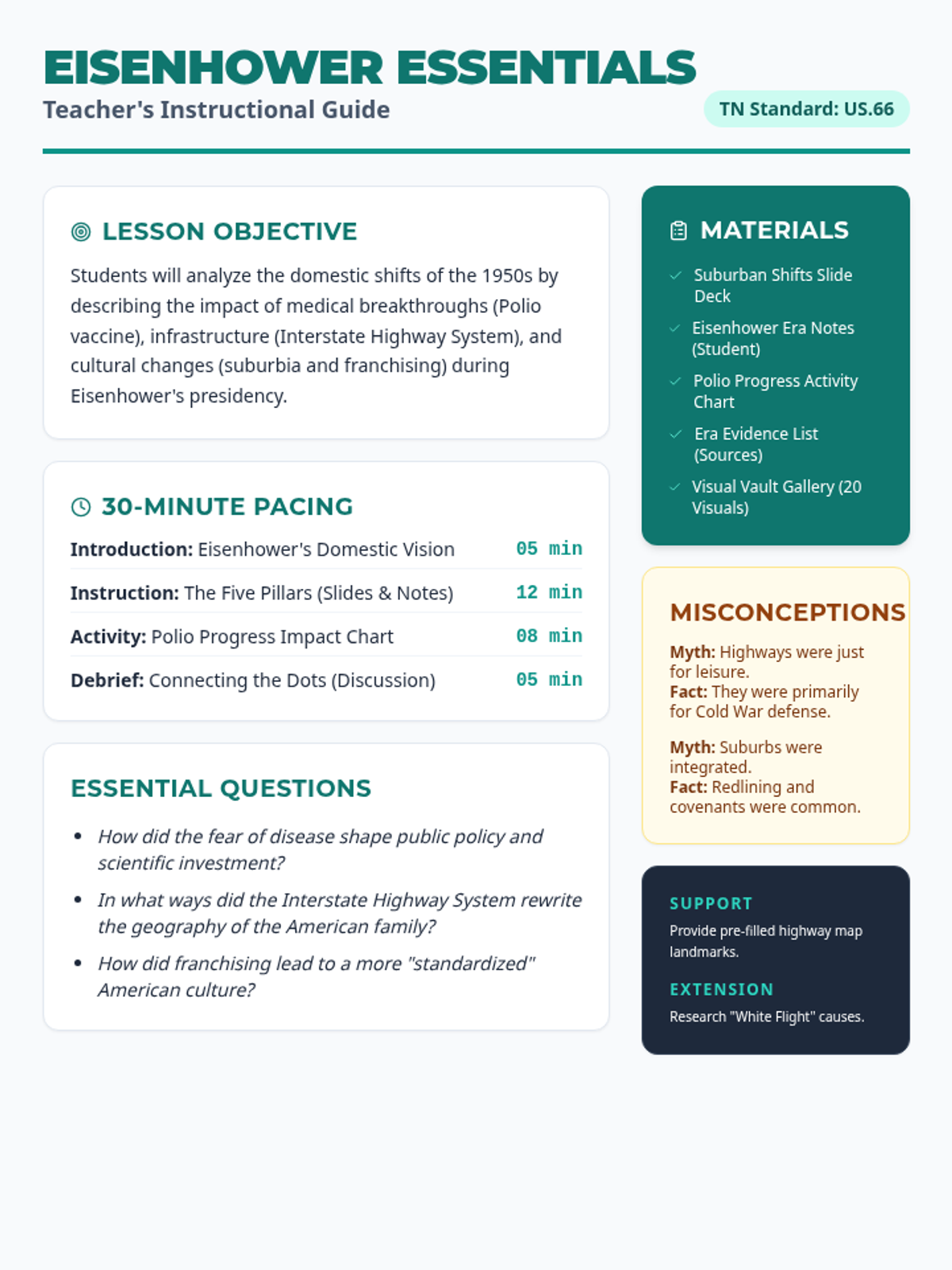
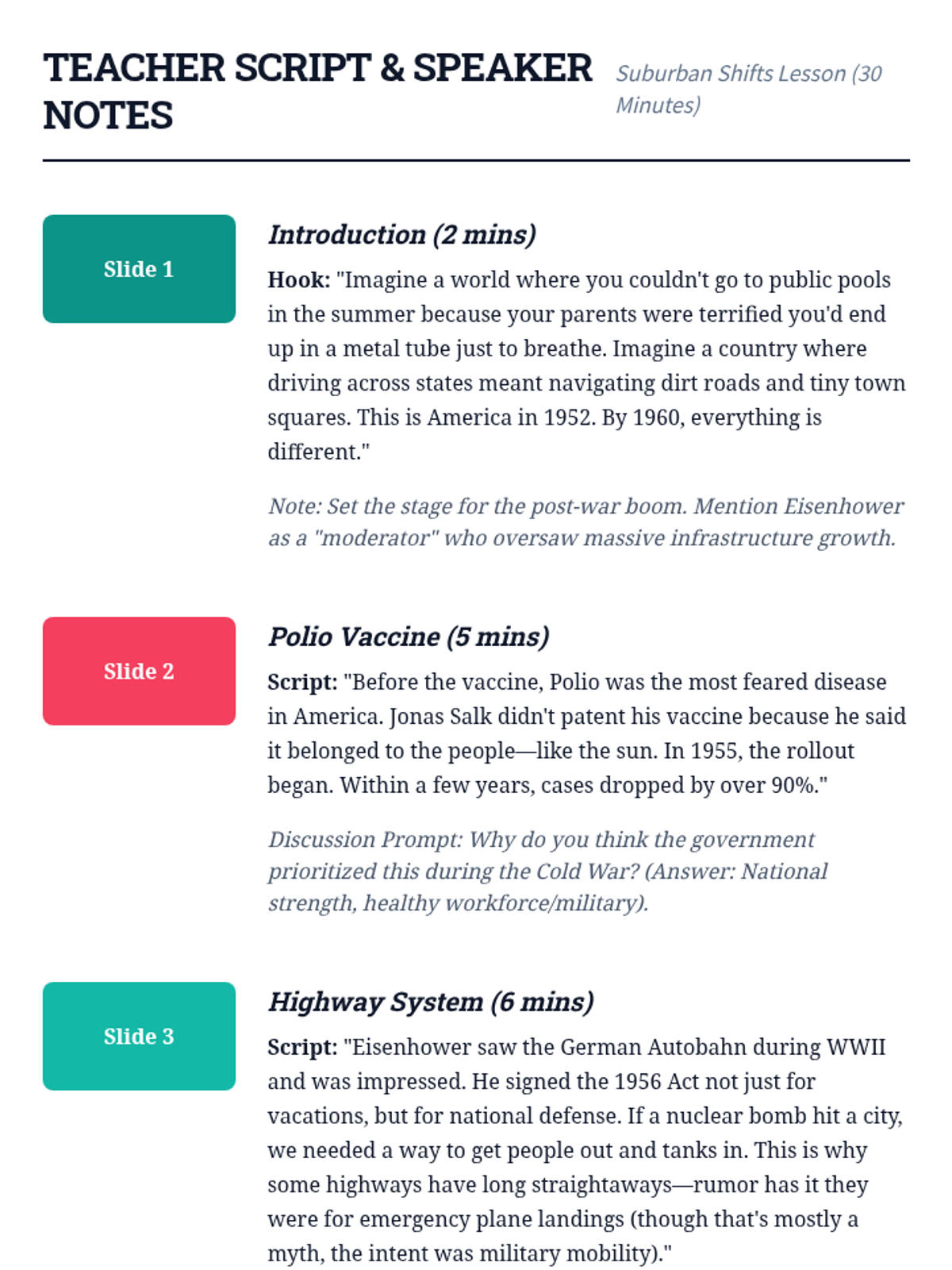
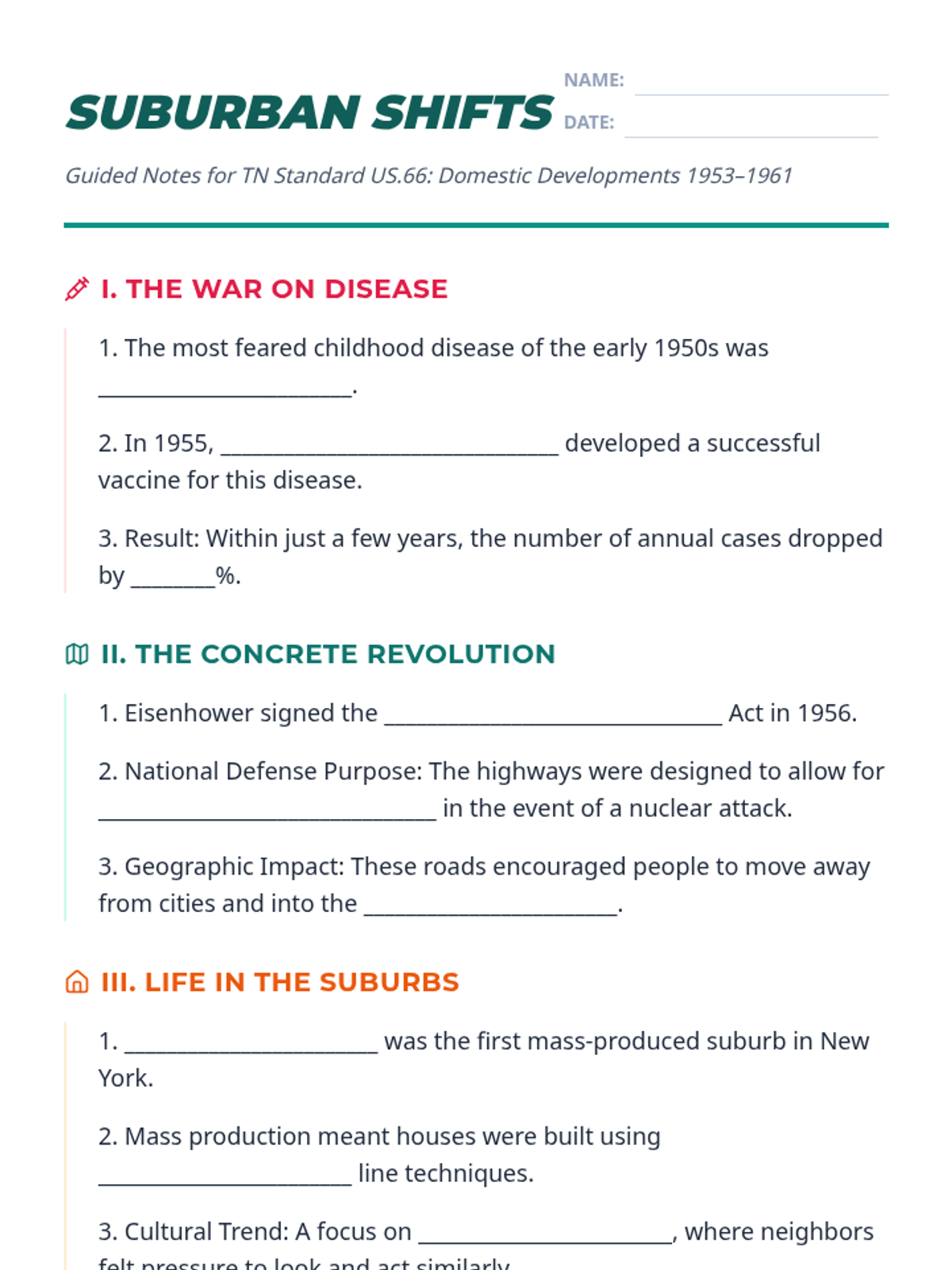
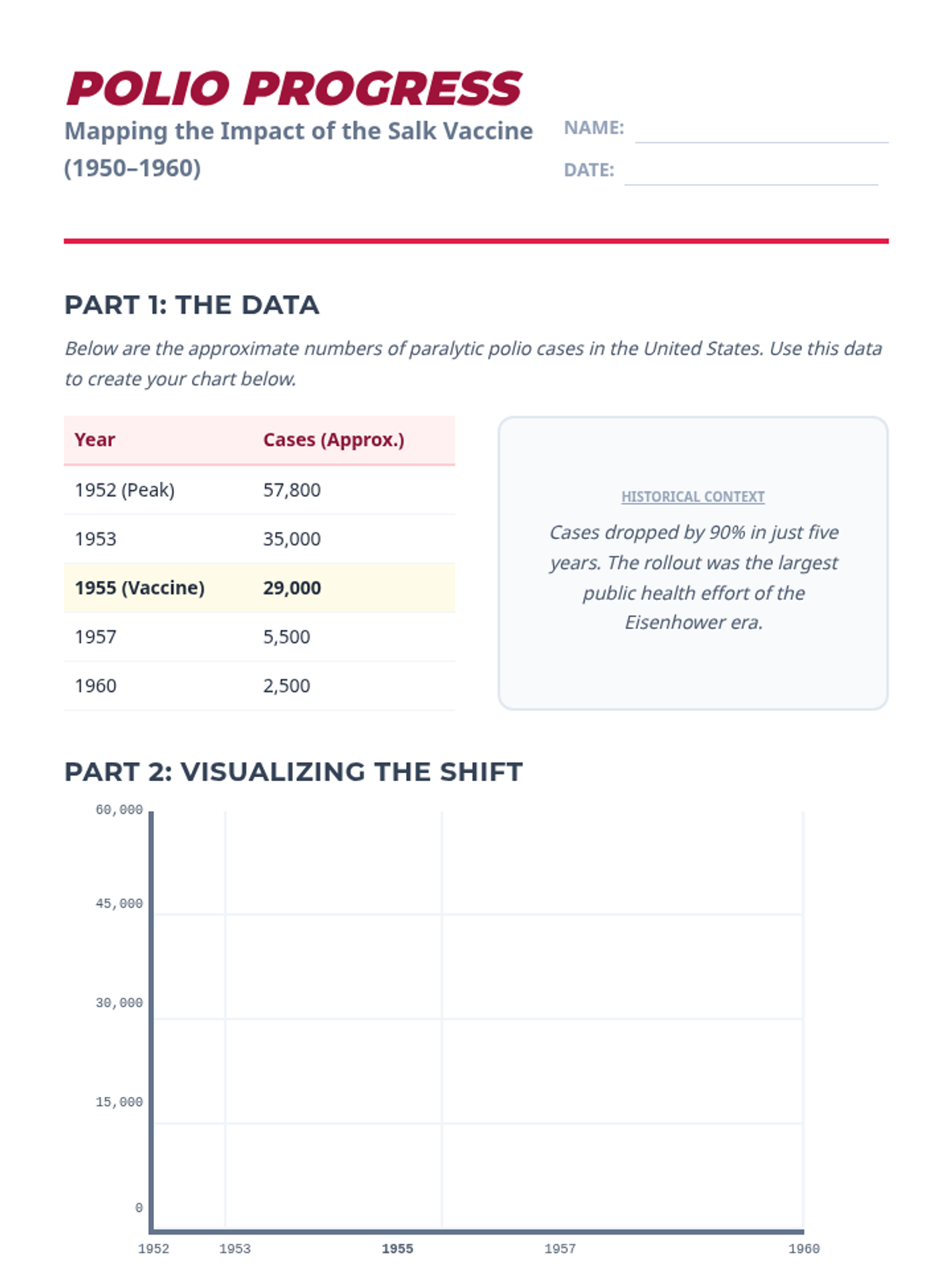
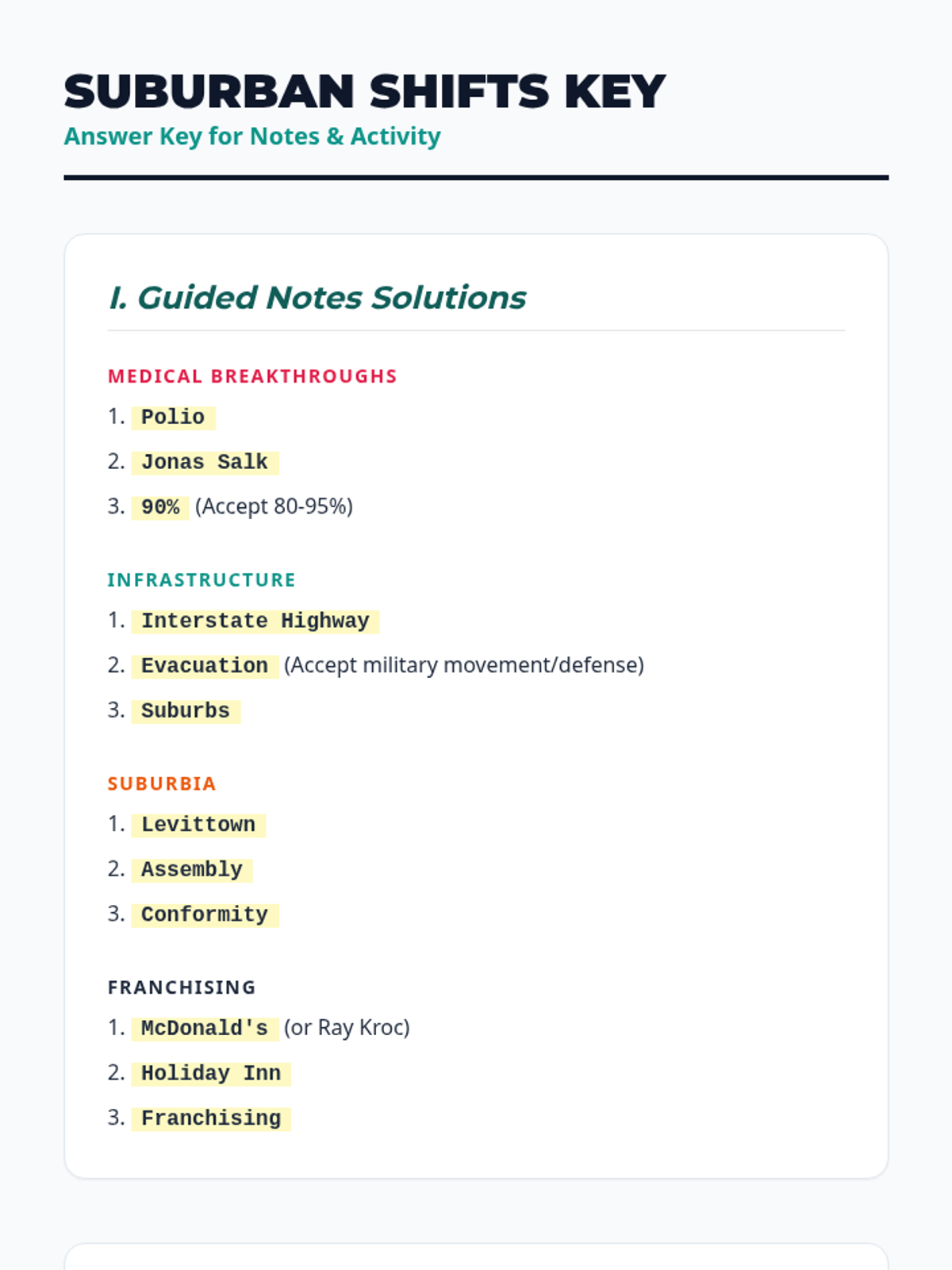
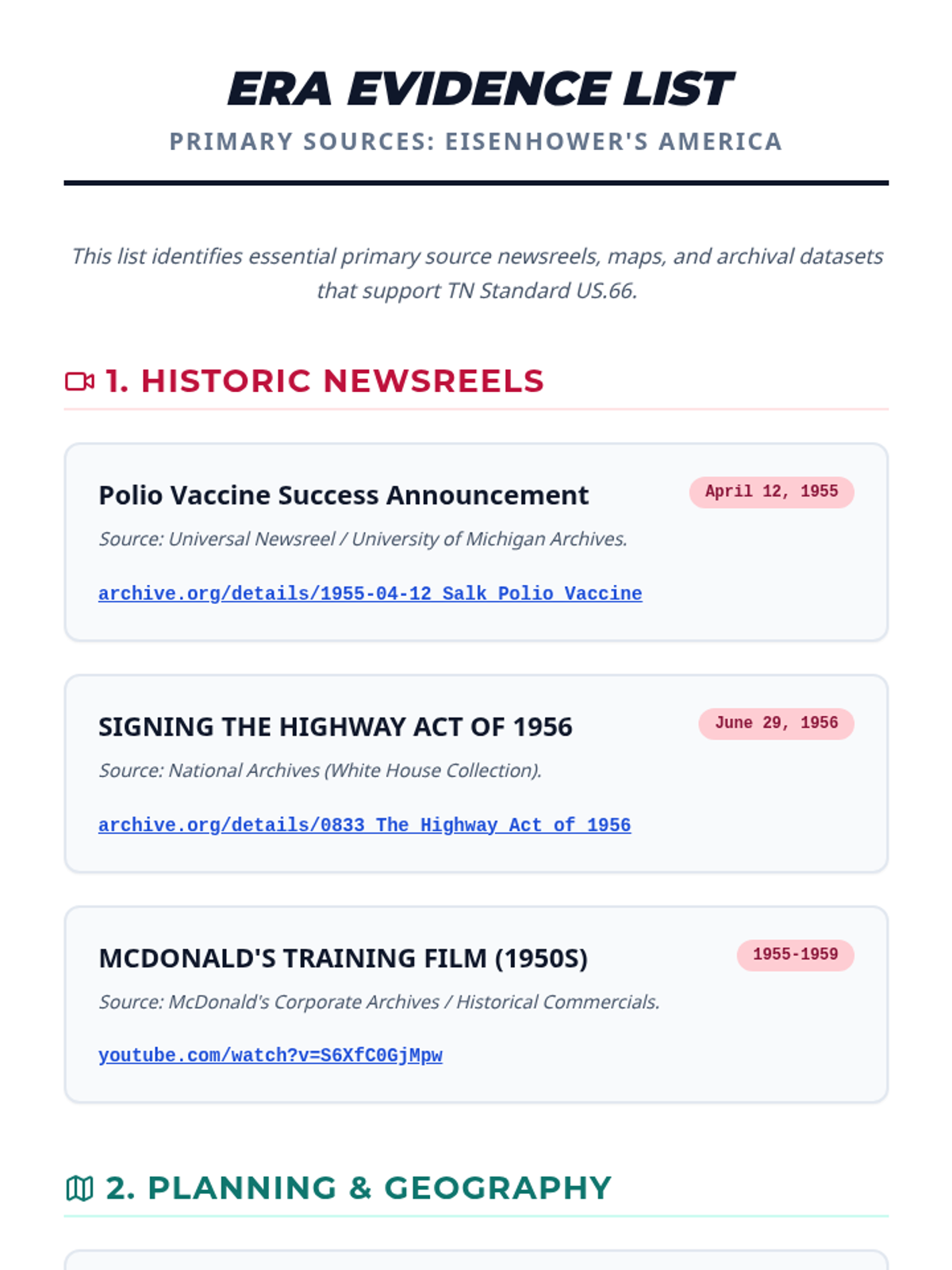
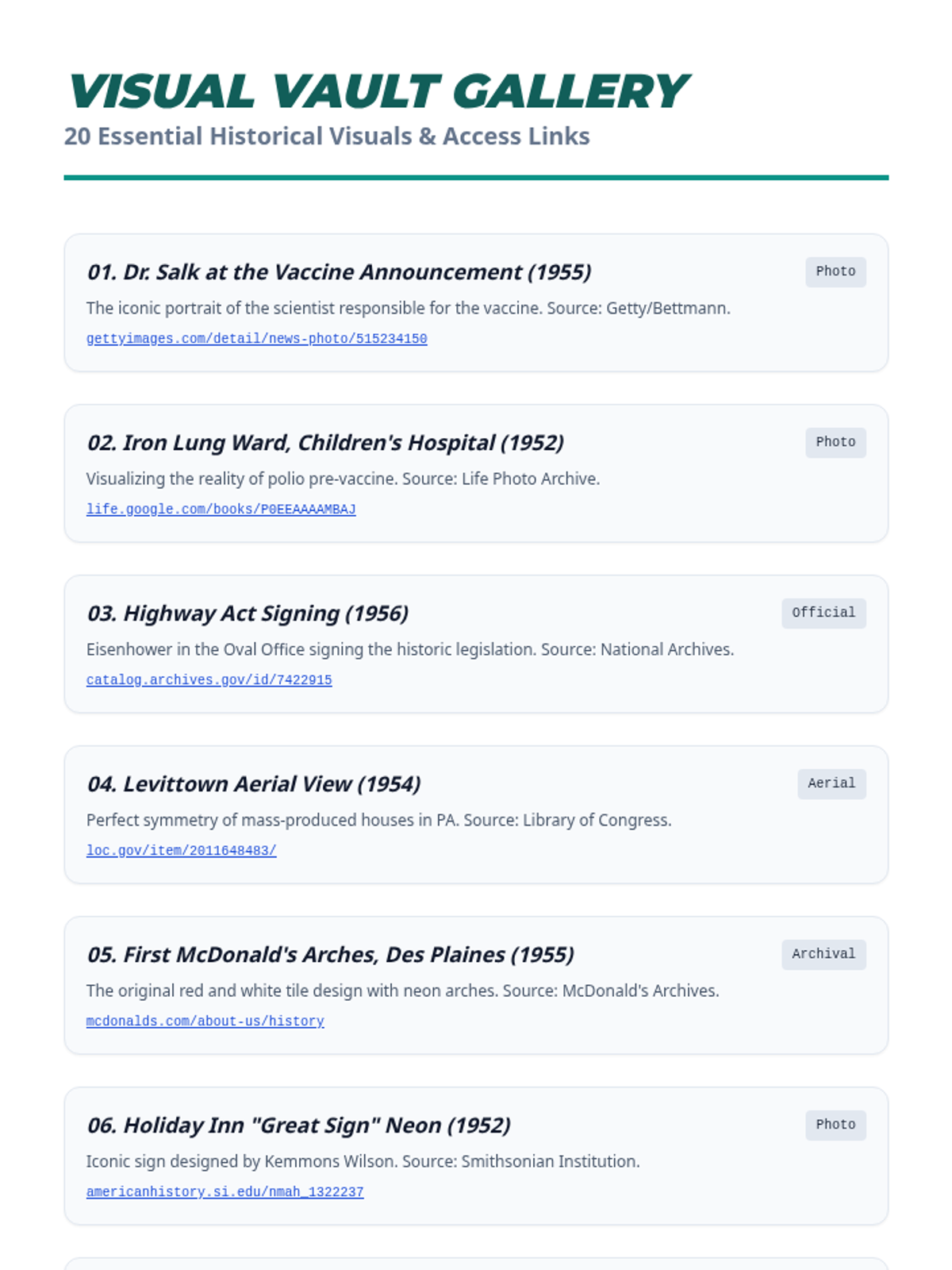
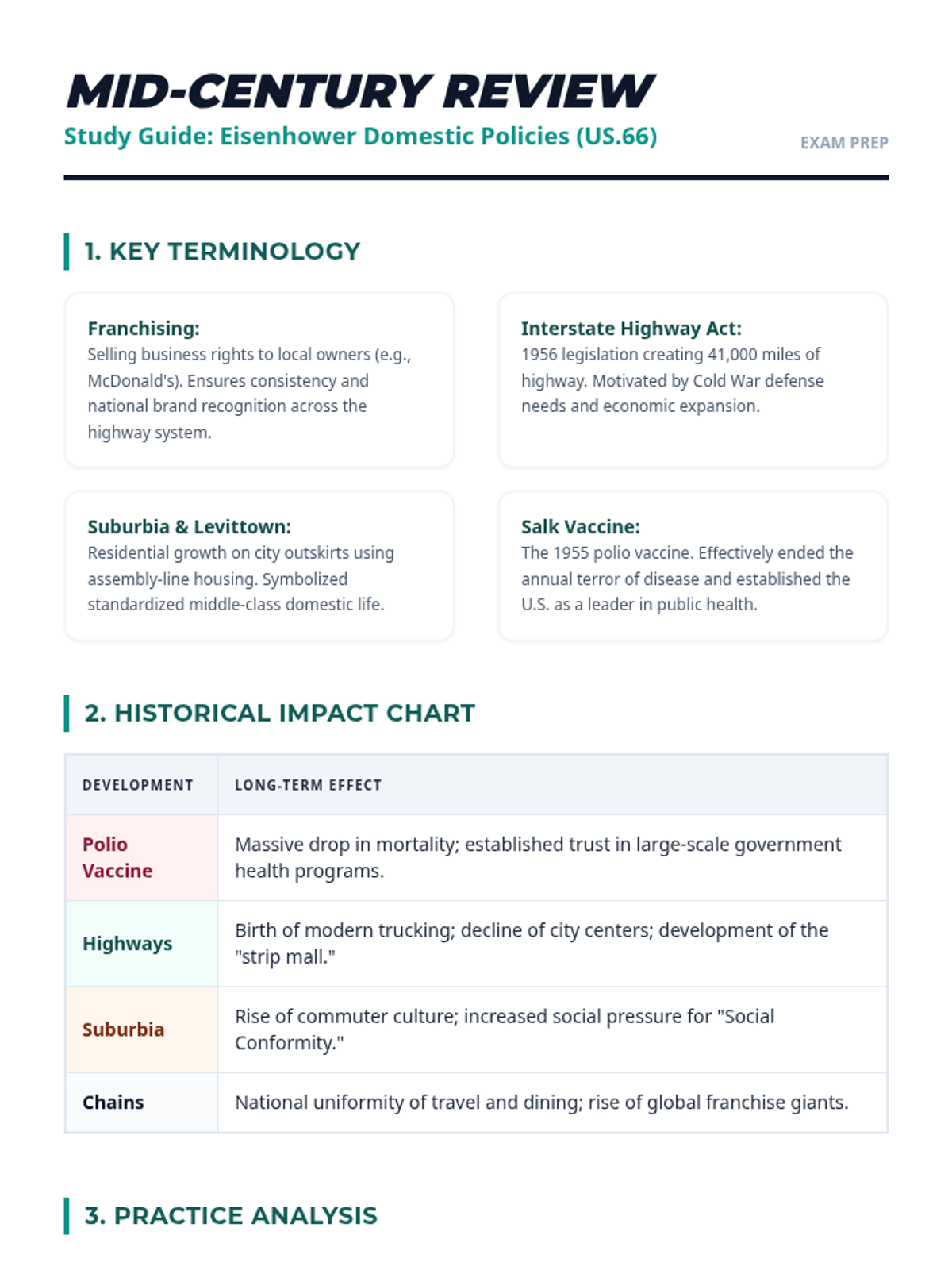
A comprehensive 30-minute lesson on domestic developments during the Eisenhower administration, covering the polio vaccine, interstate highways, suburbia, and the rise of franchising.
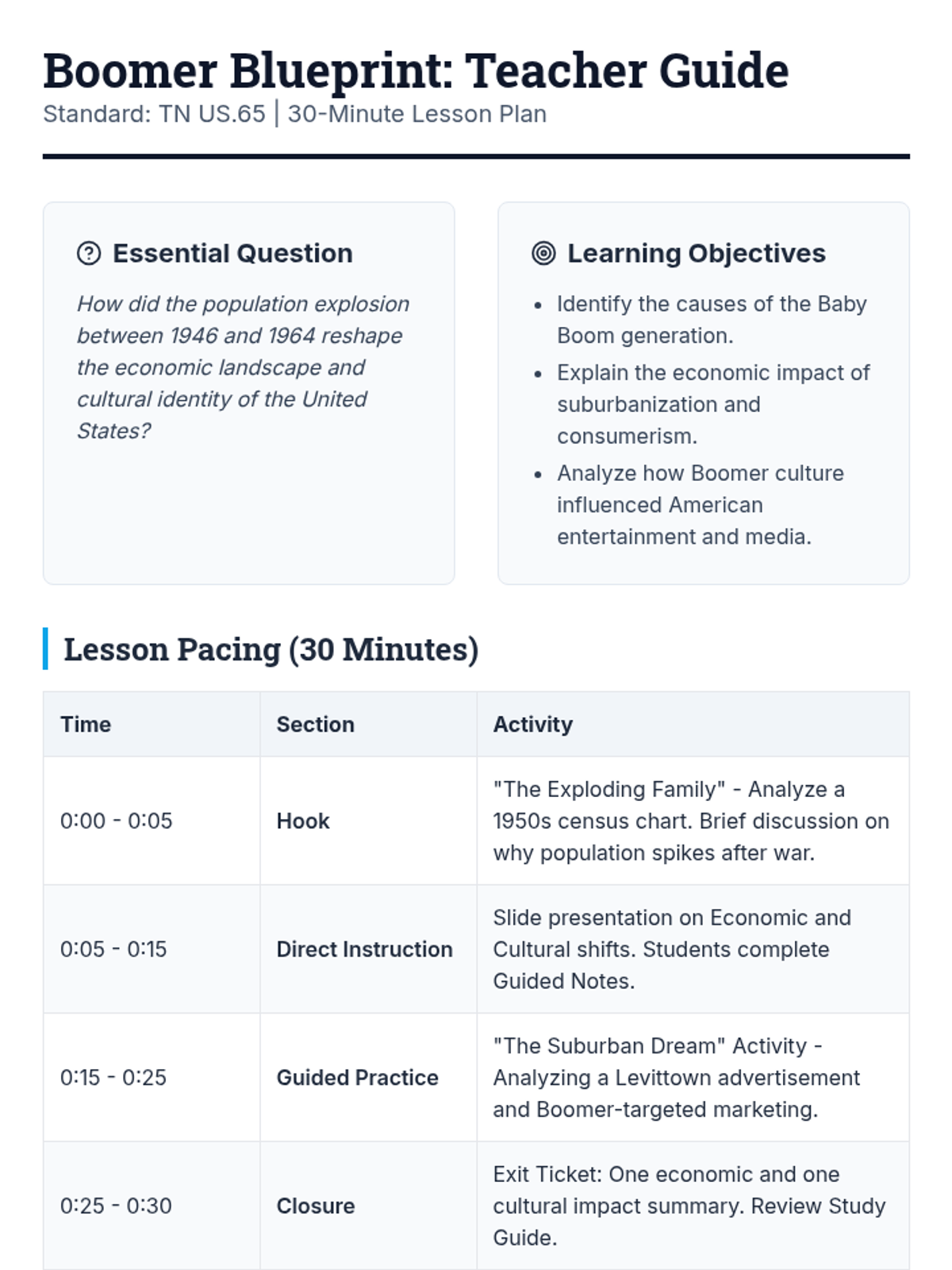
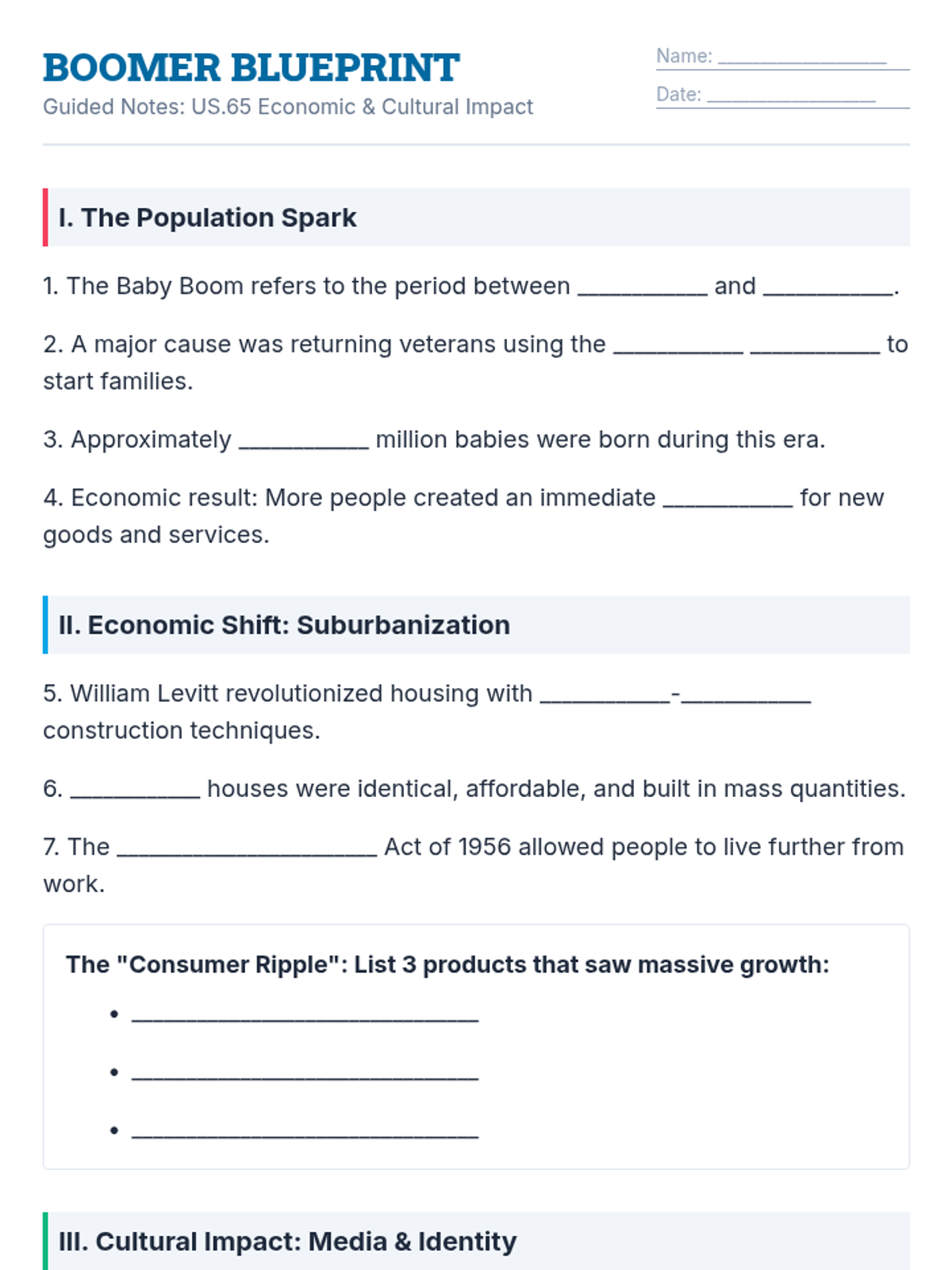
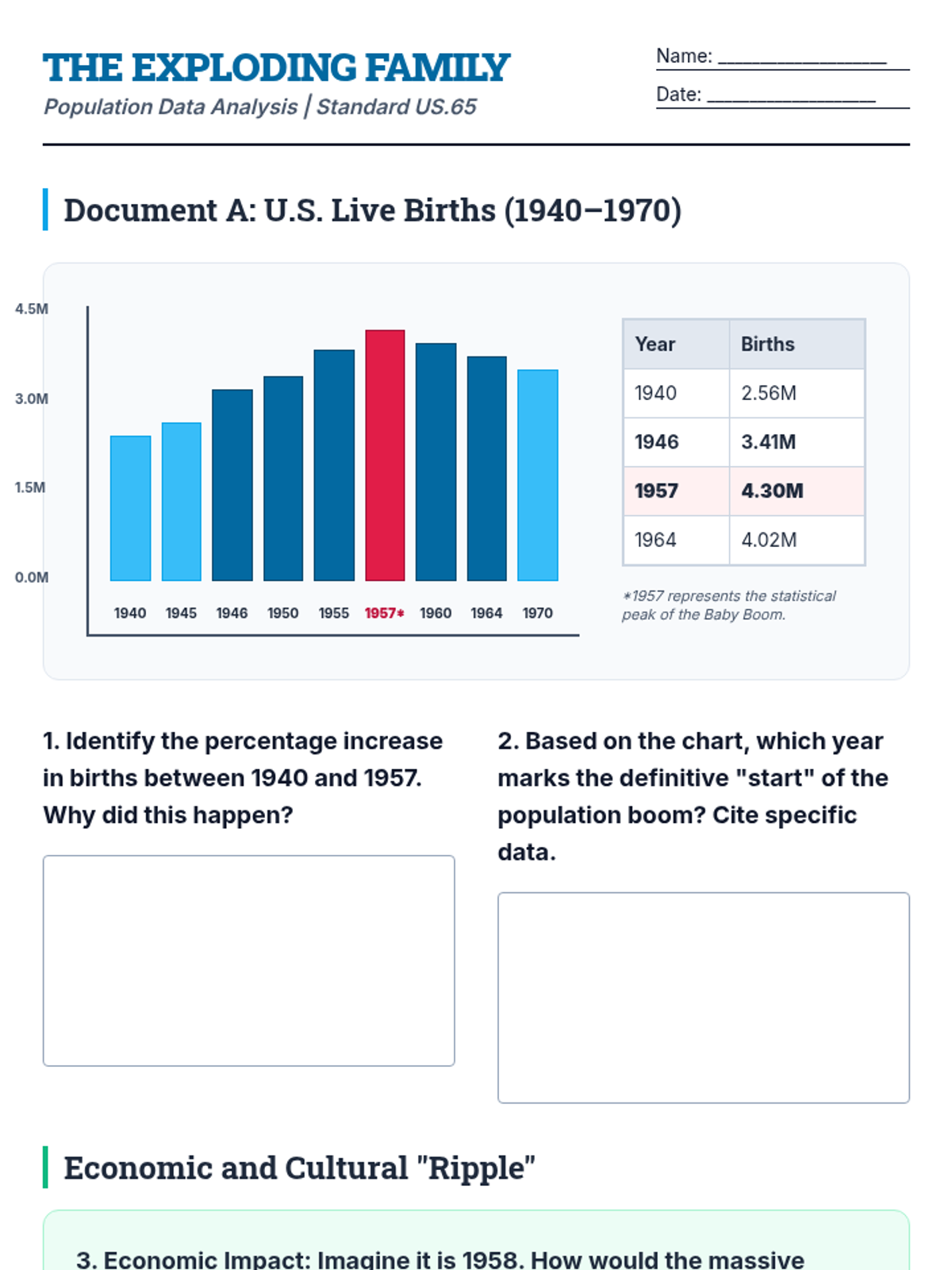
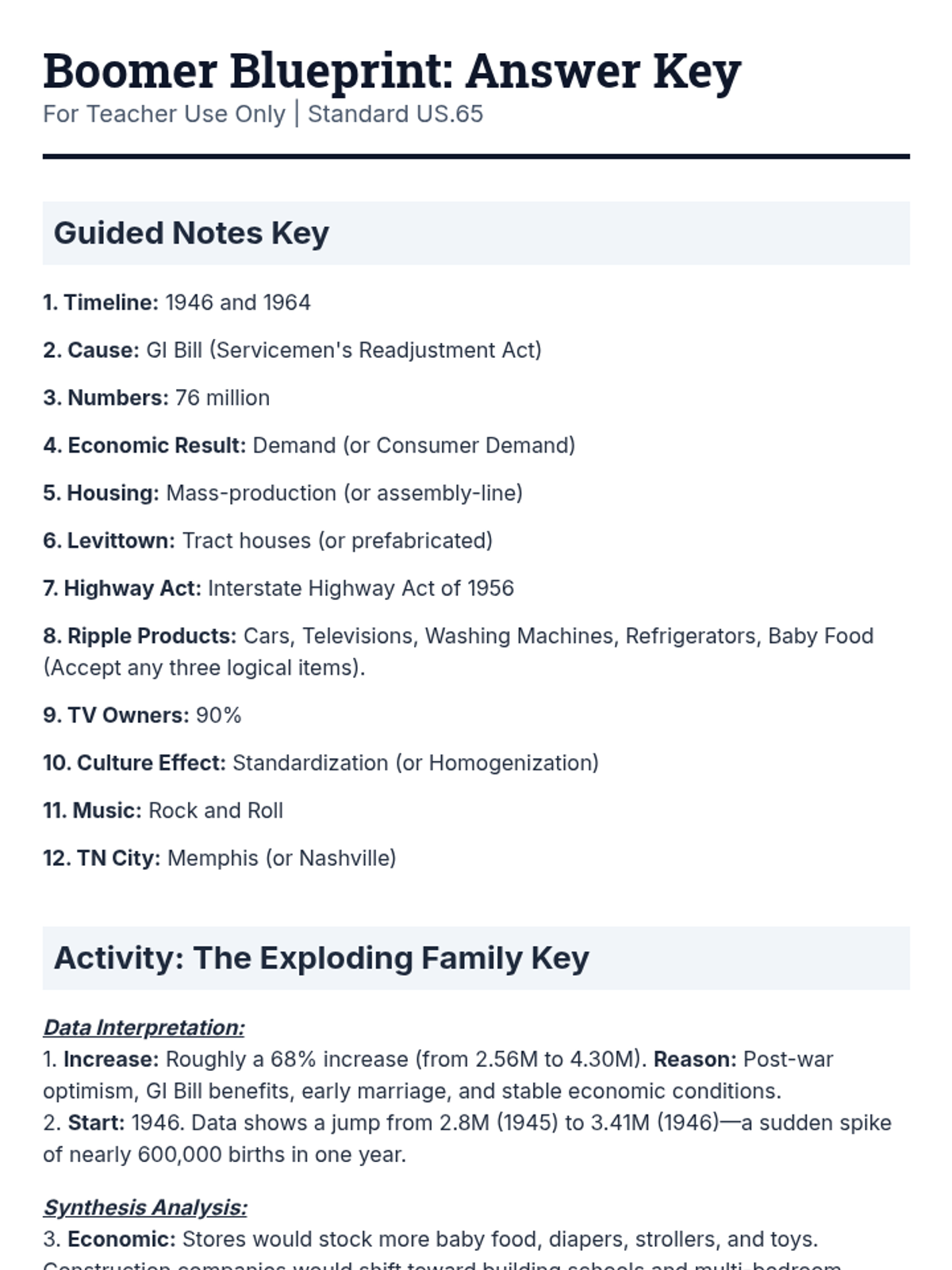
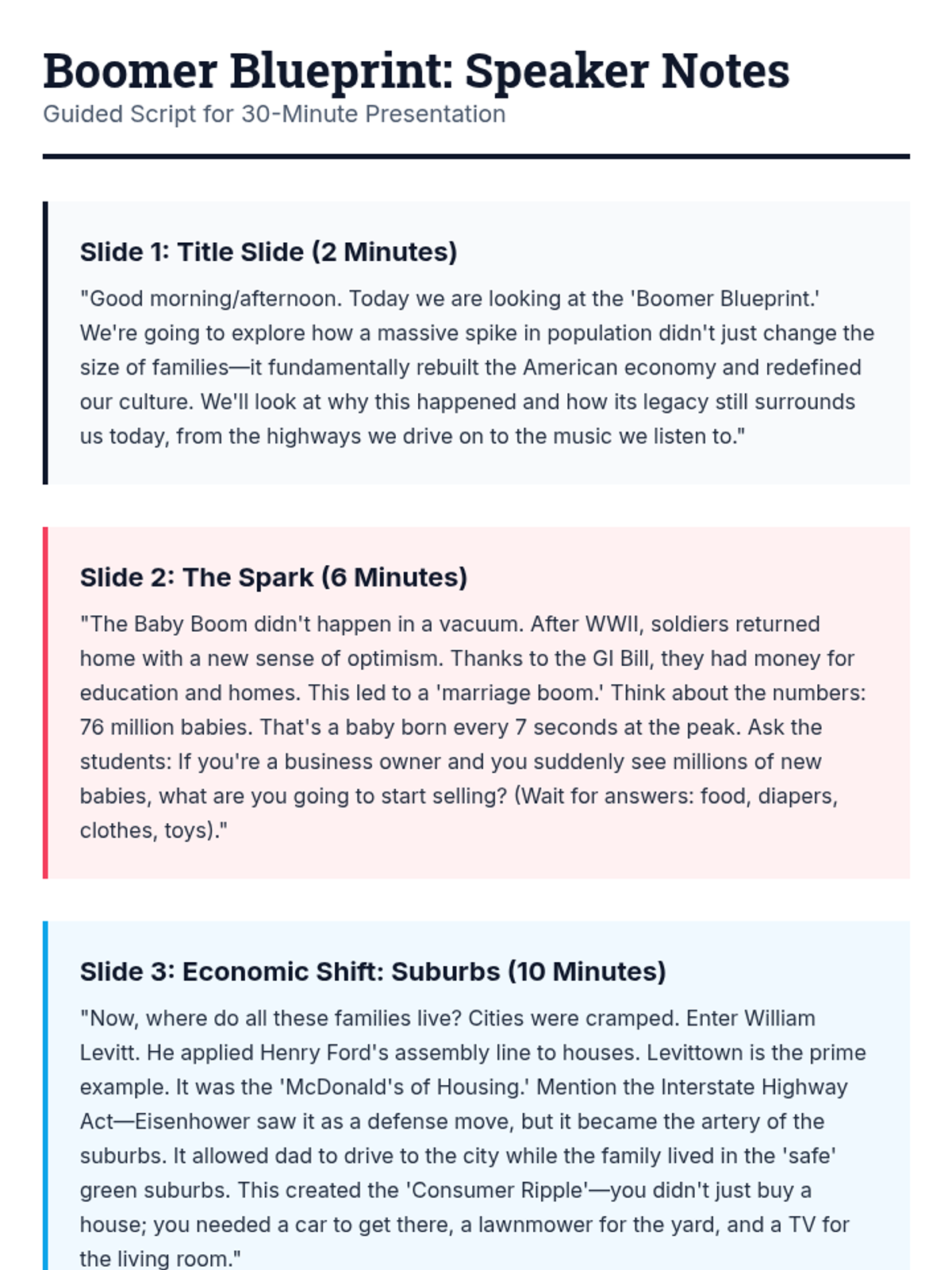
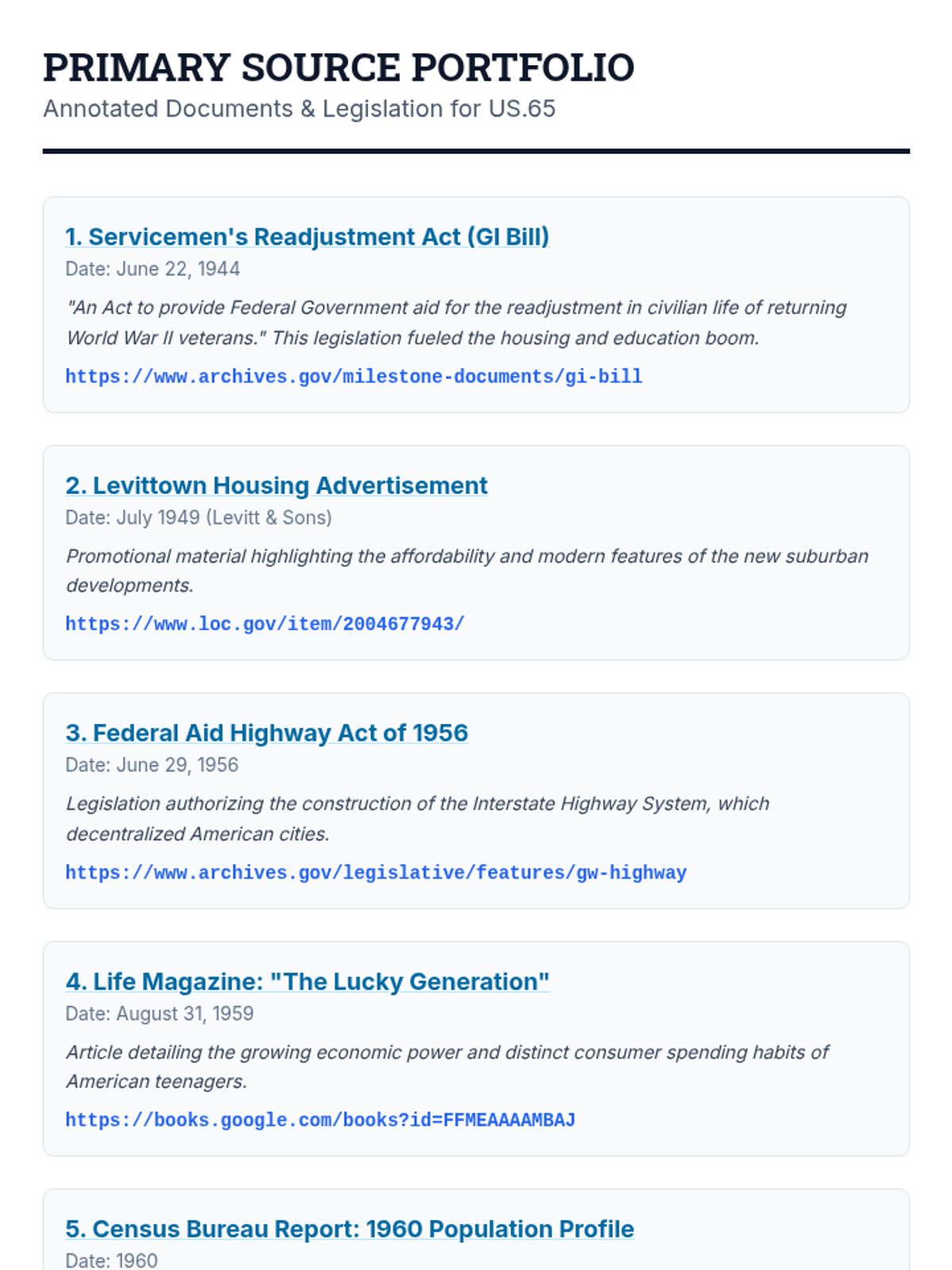
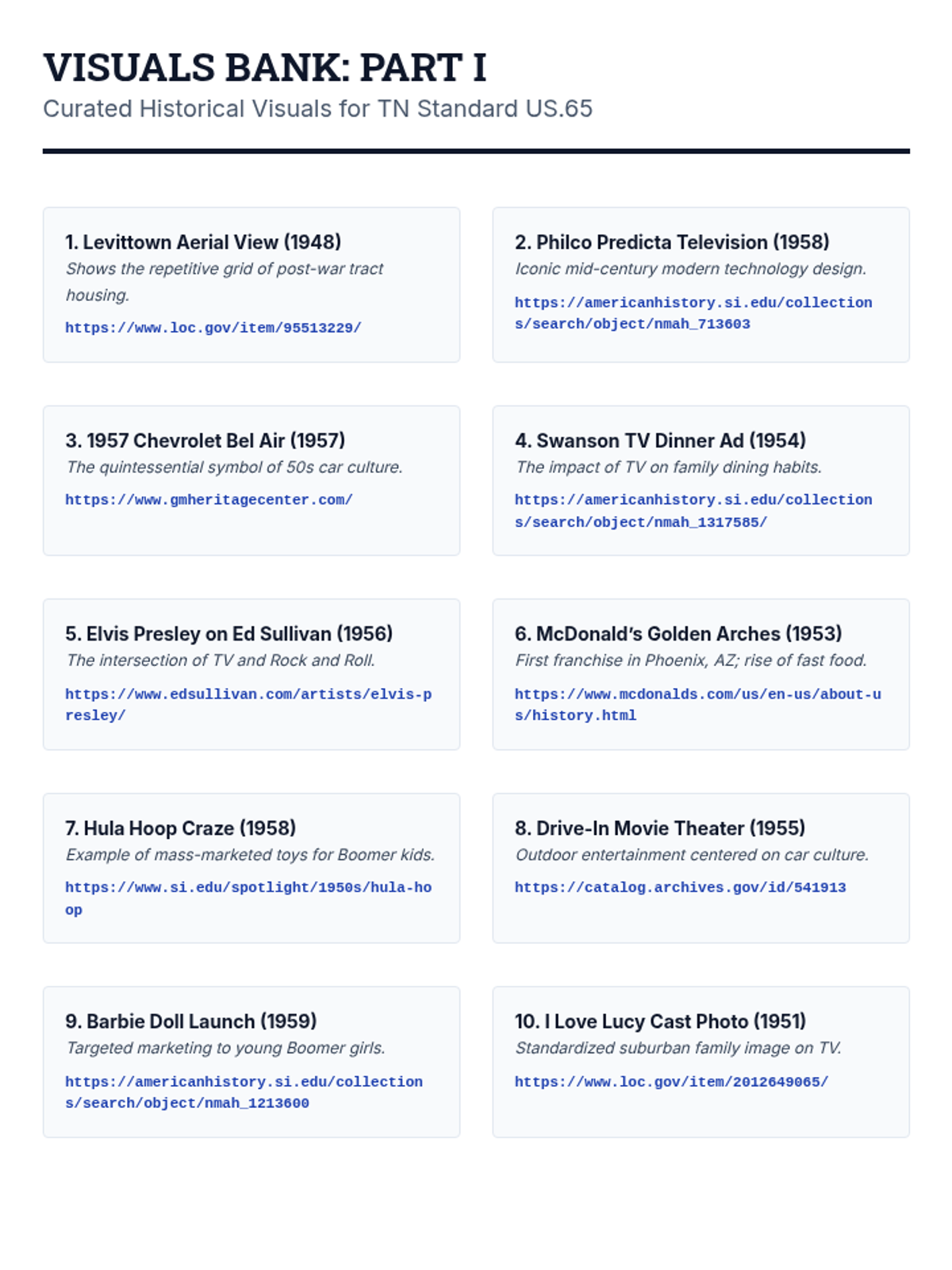
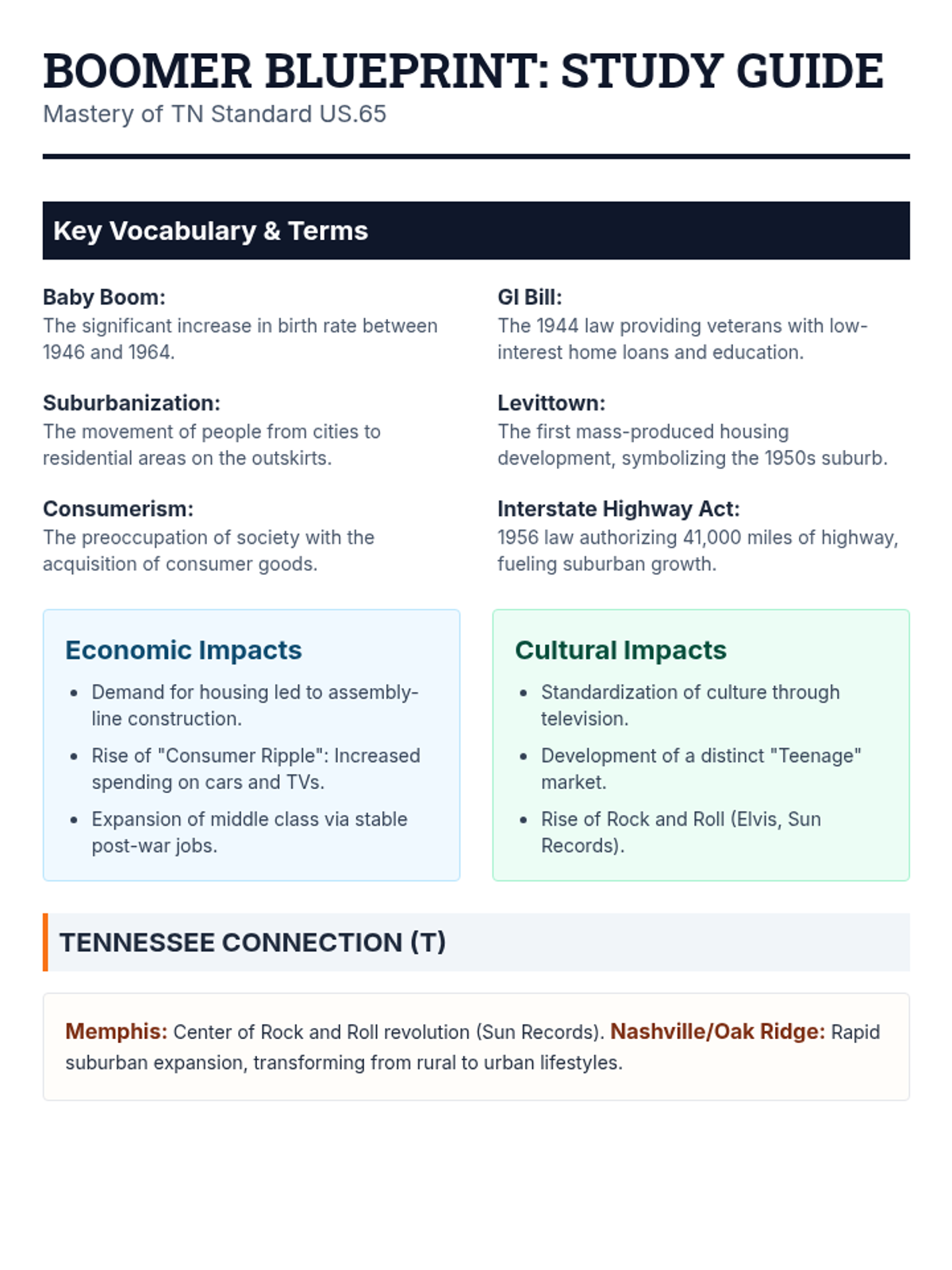
A comprehensive 30-minute lesson exploring the economic and cultural impact of the Baby Boomer generation on mid-century America, aligned with Tennessee US.65.
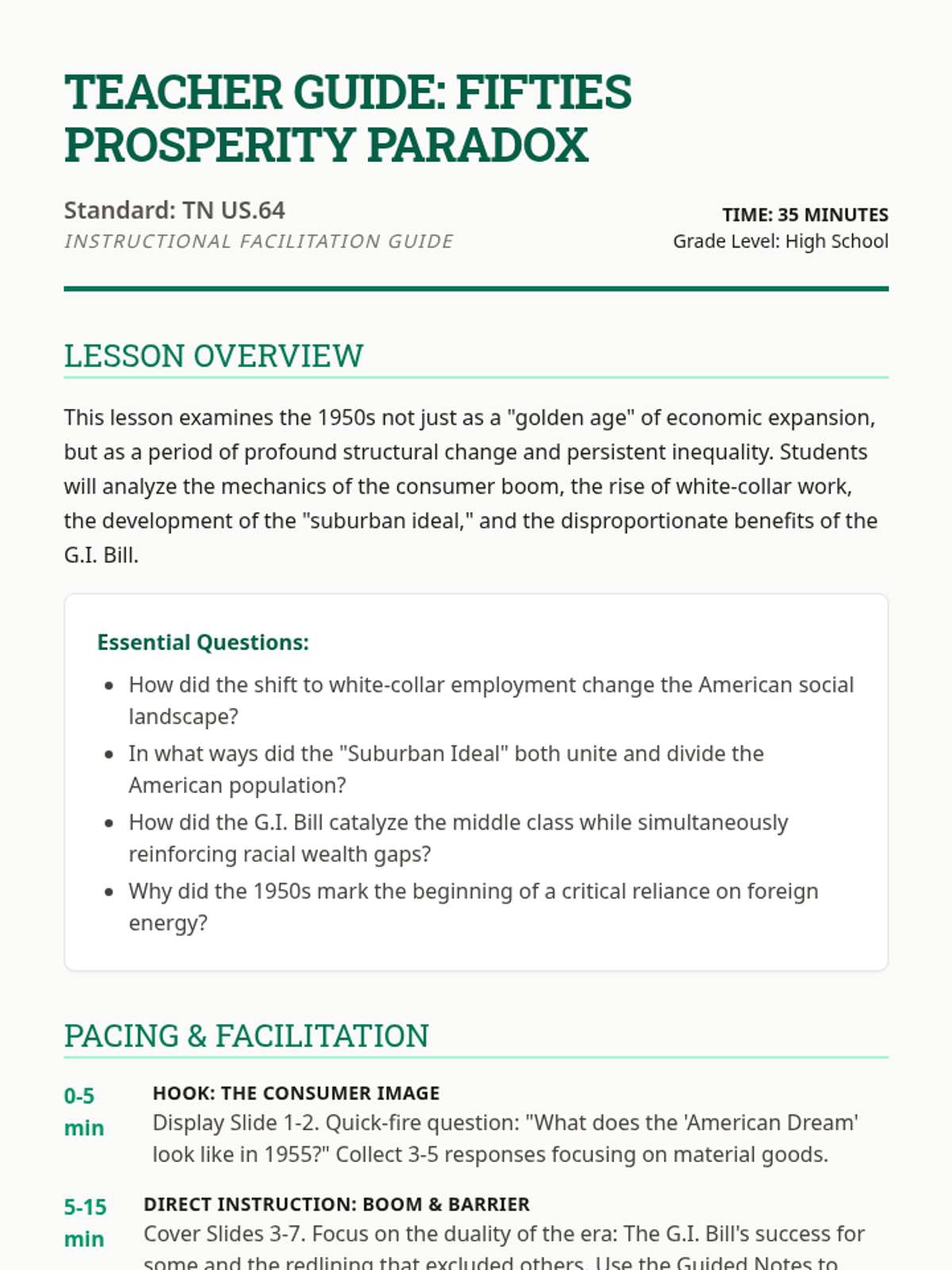
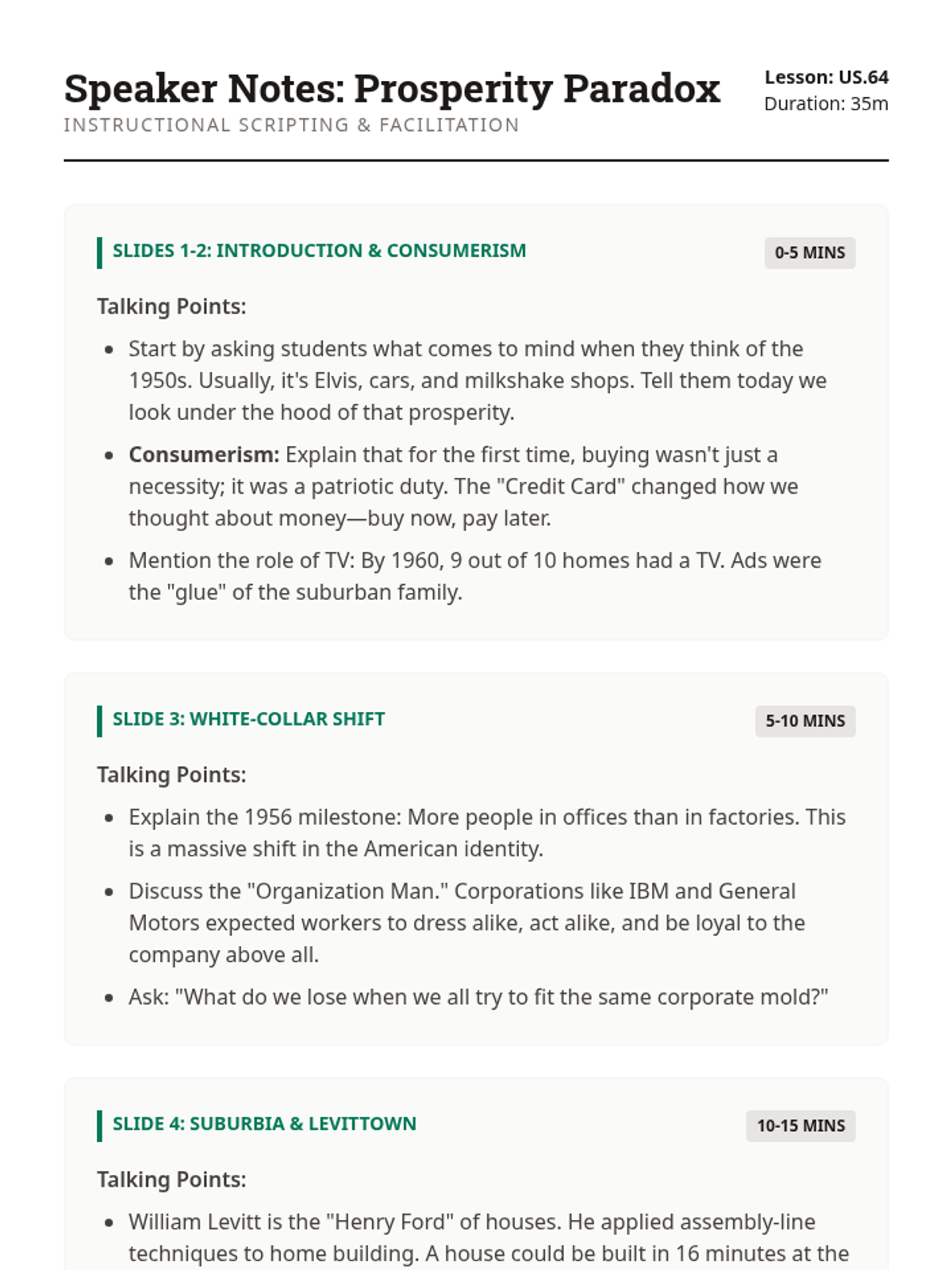
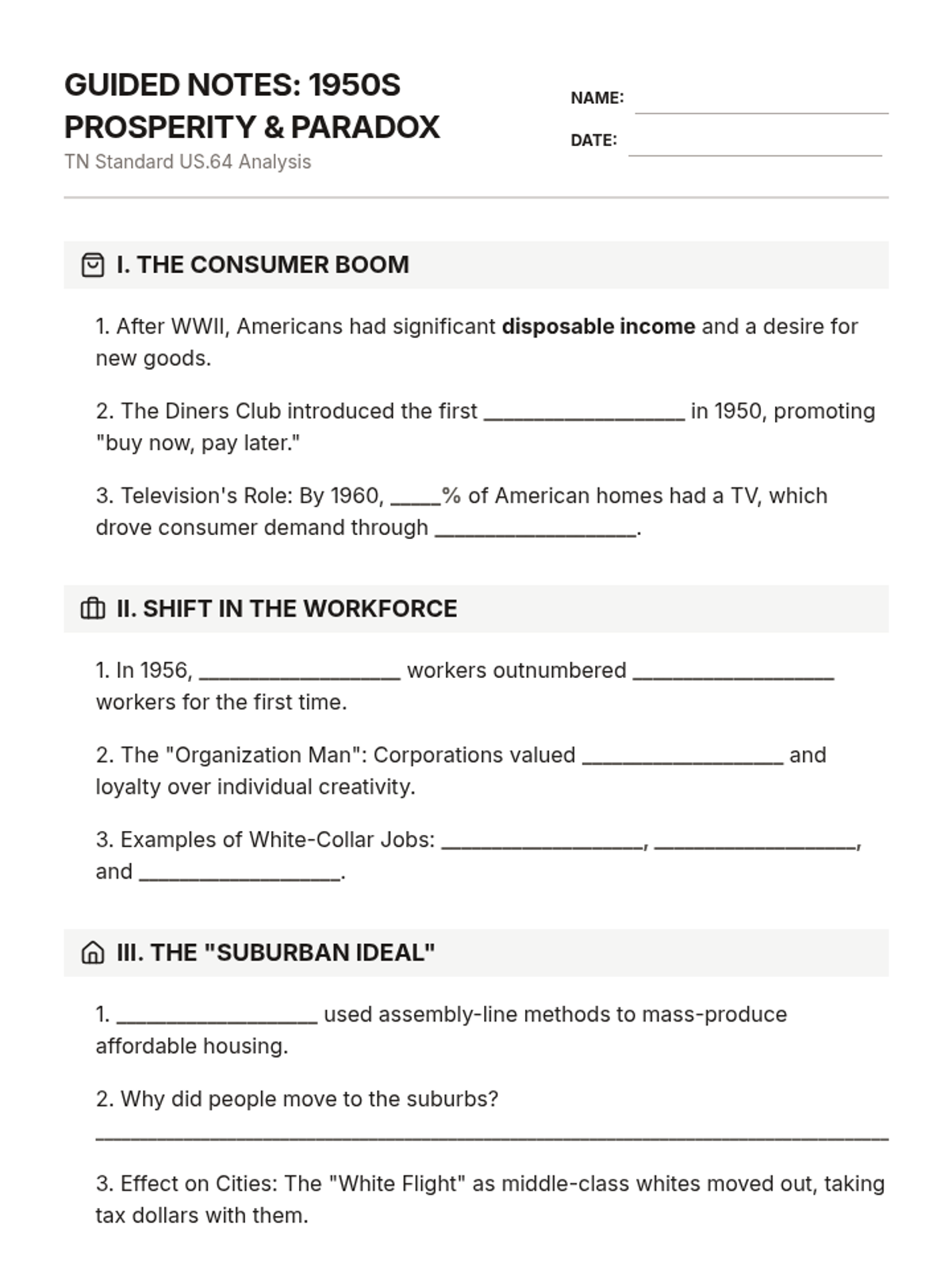
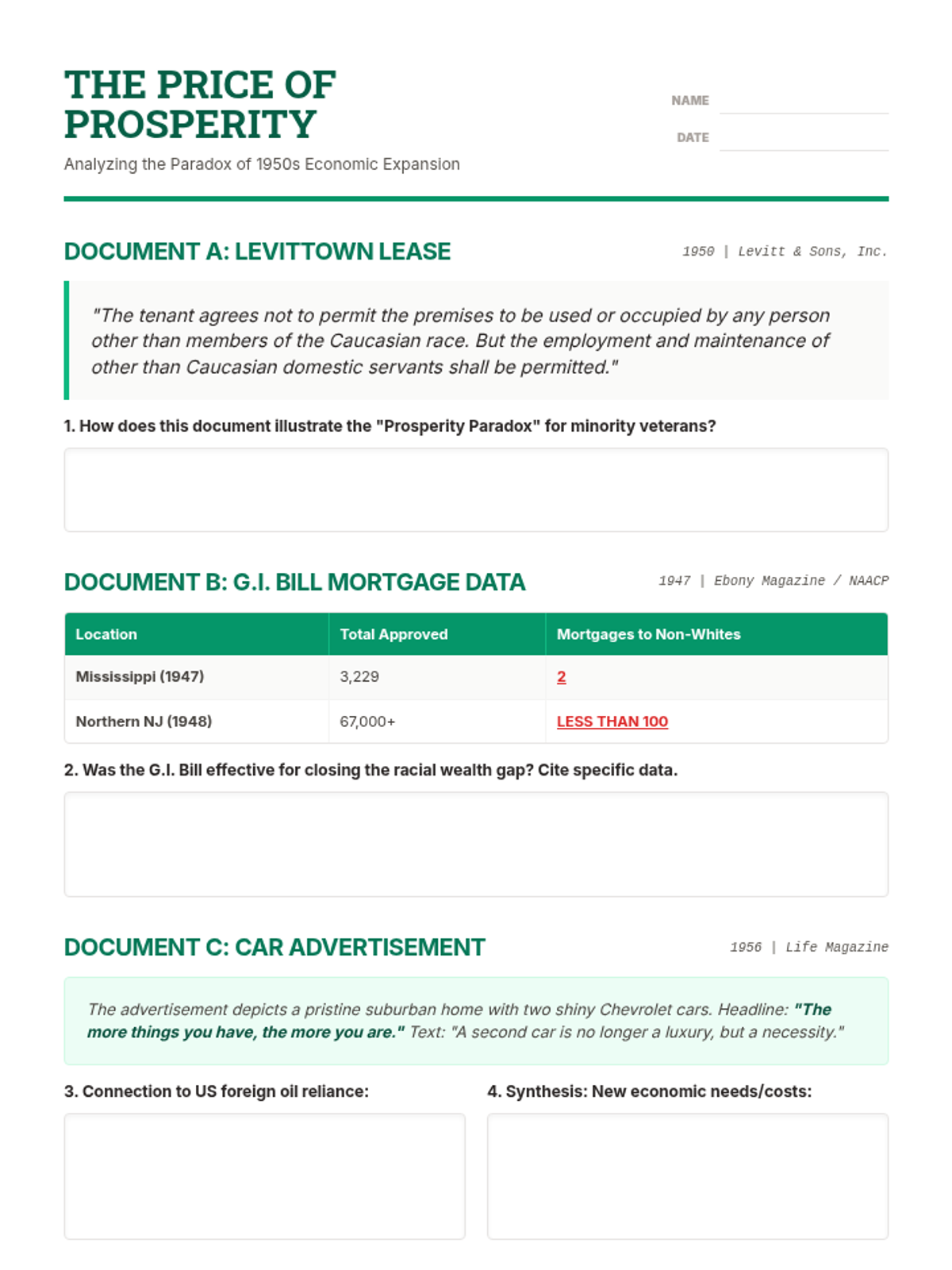
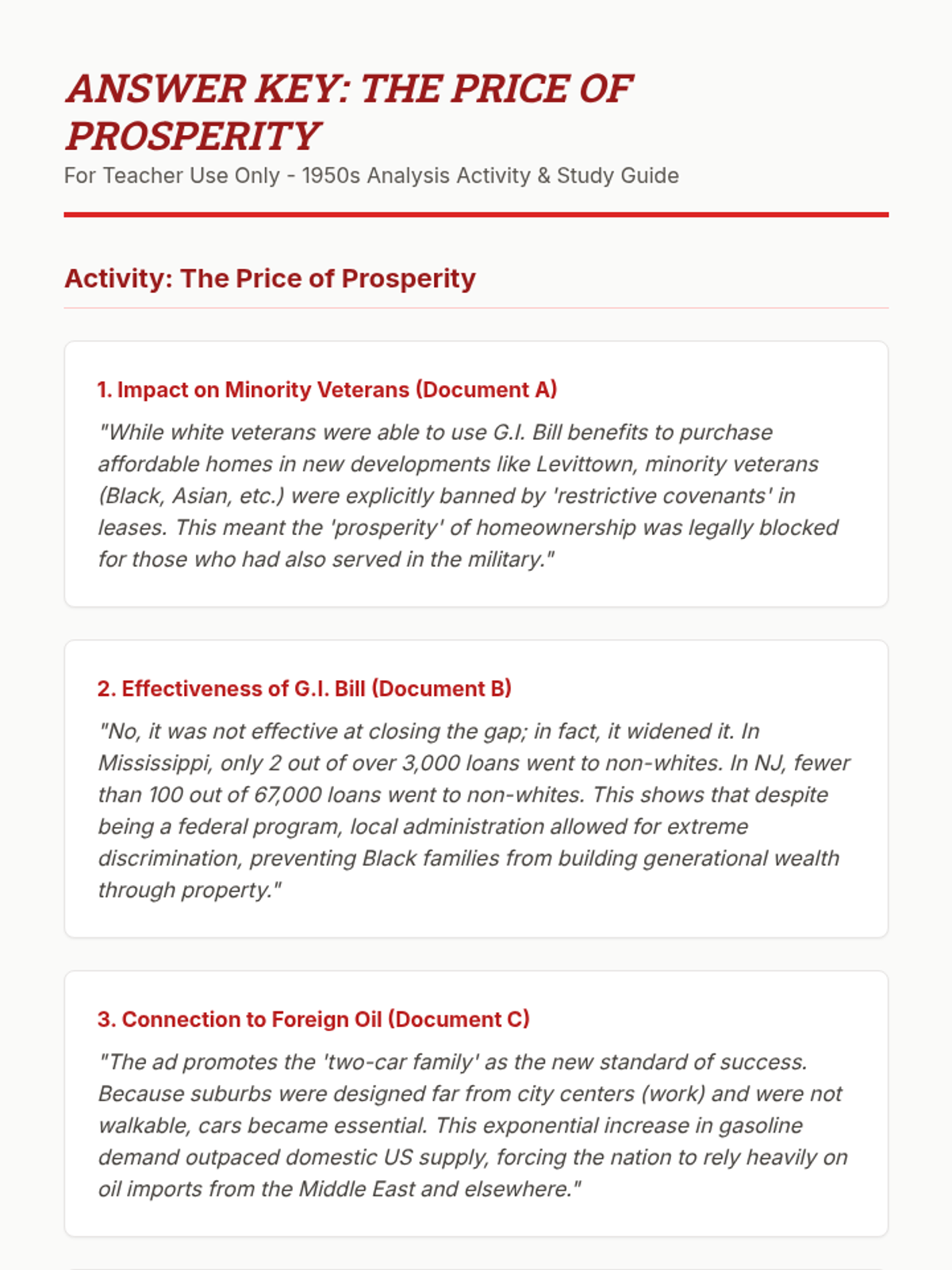
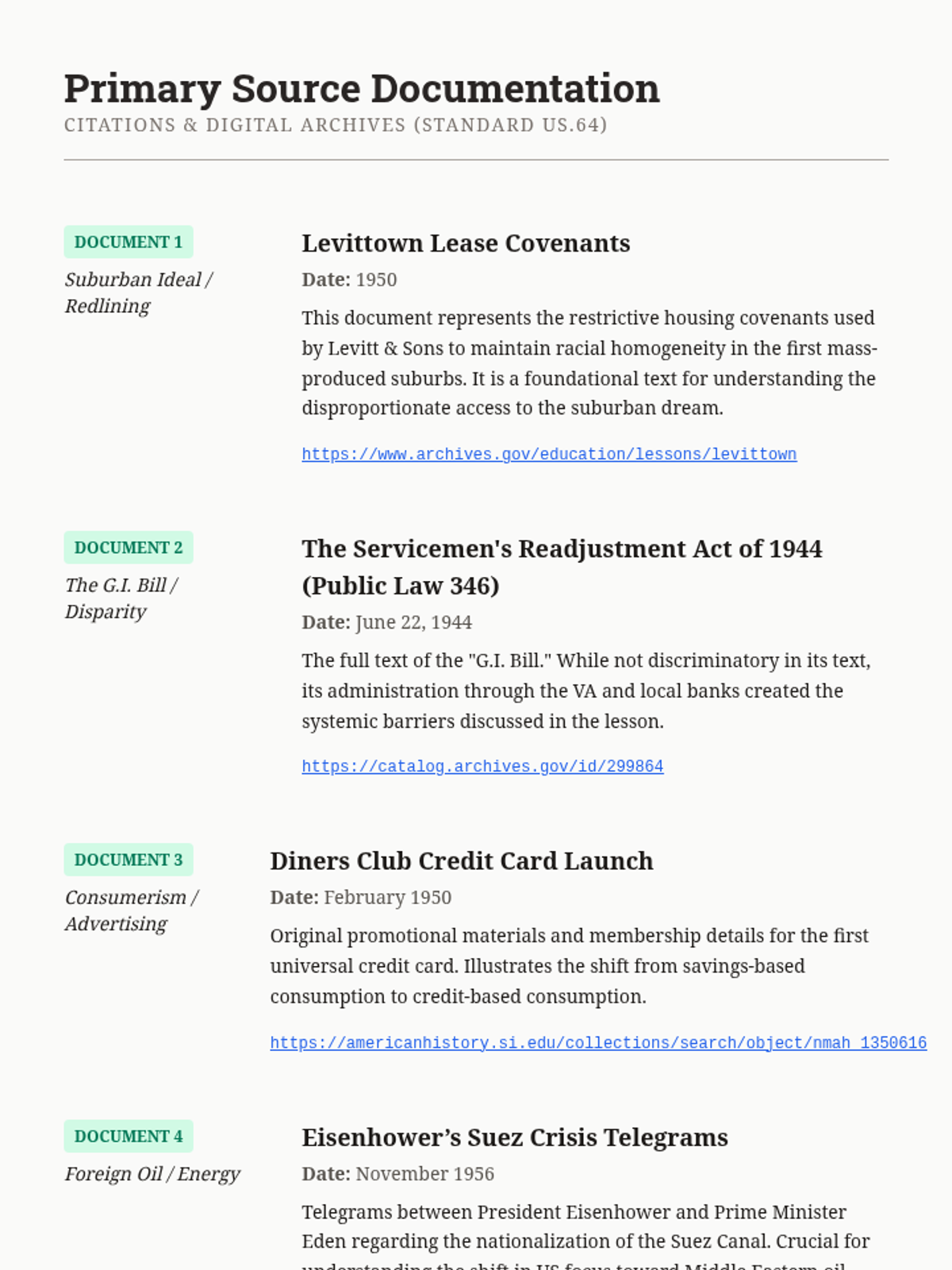
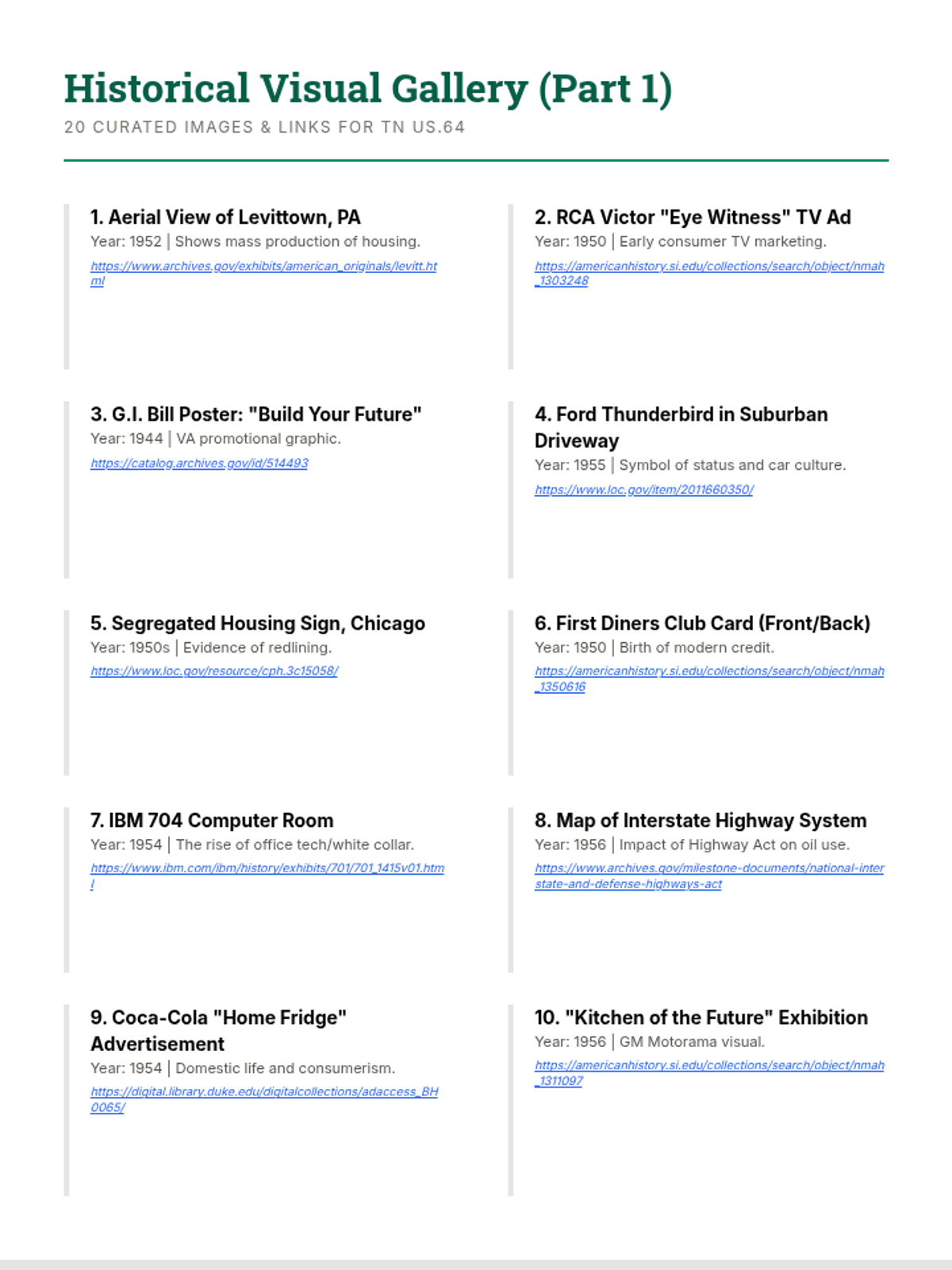
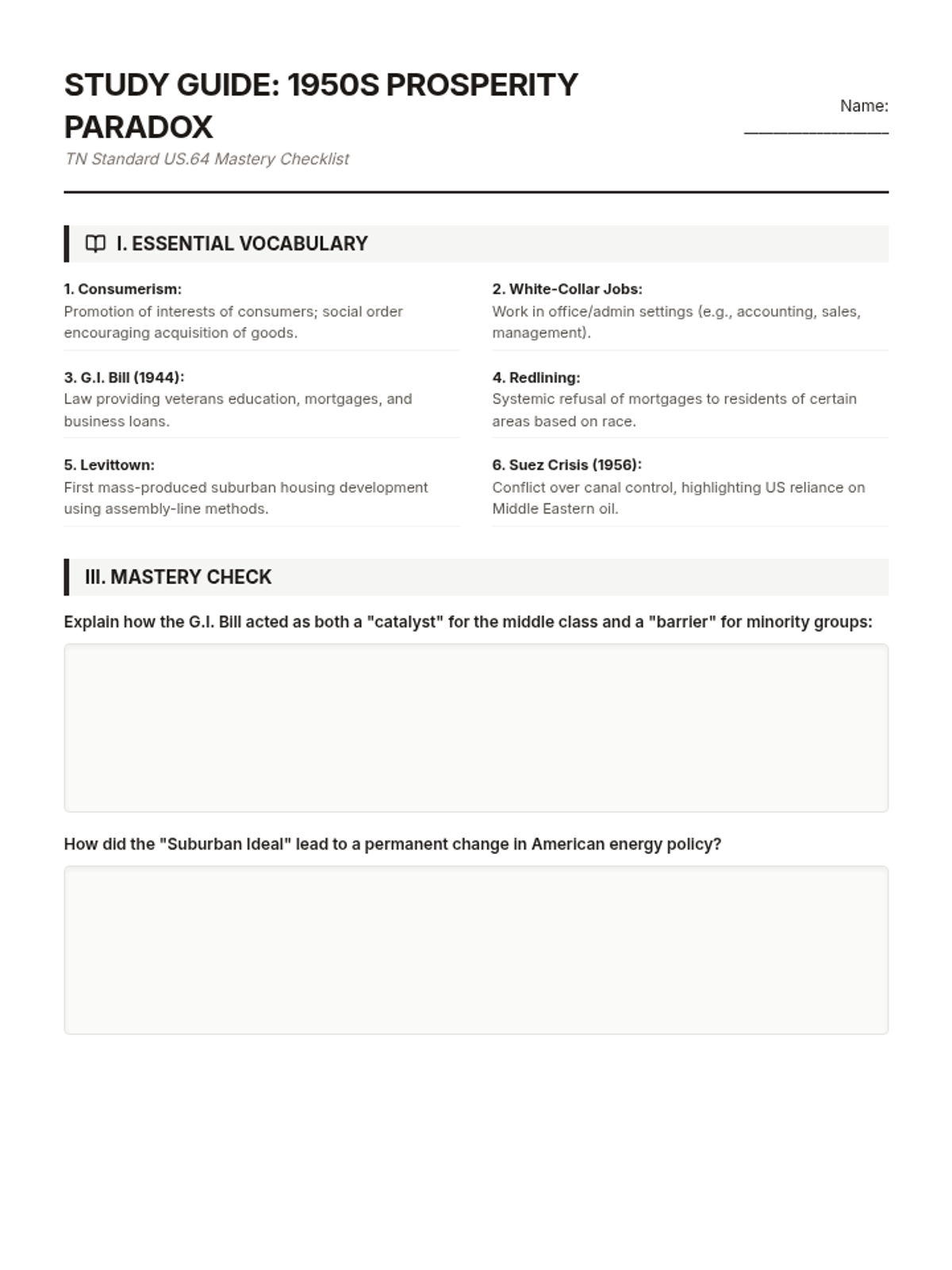
A comprehensive lesson exploring the economic boom, social shifts, and systemic inequalities of 1950s America, covering consumerism, suburbia, the G.I. Bill, and energy dependence.
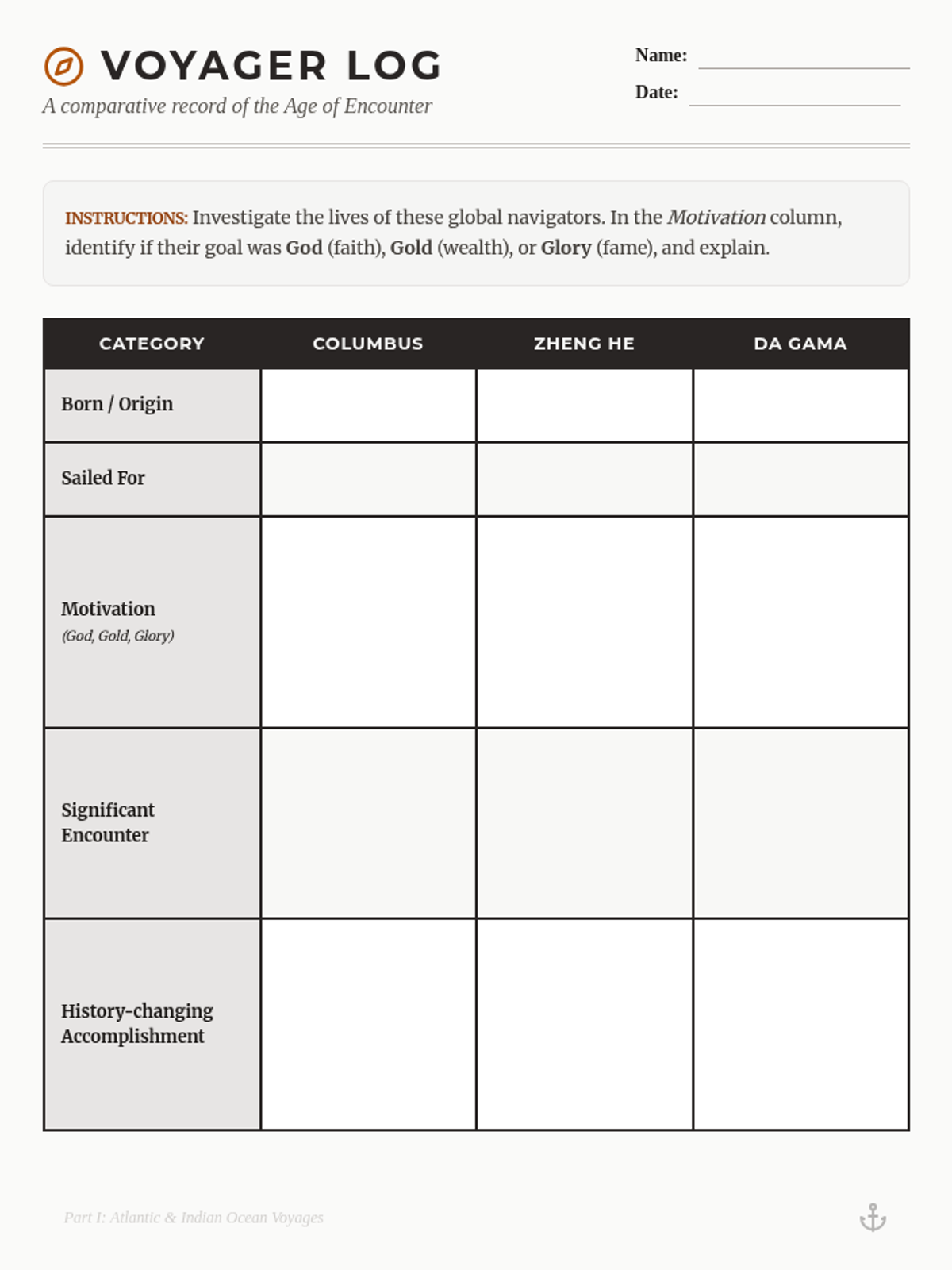
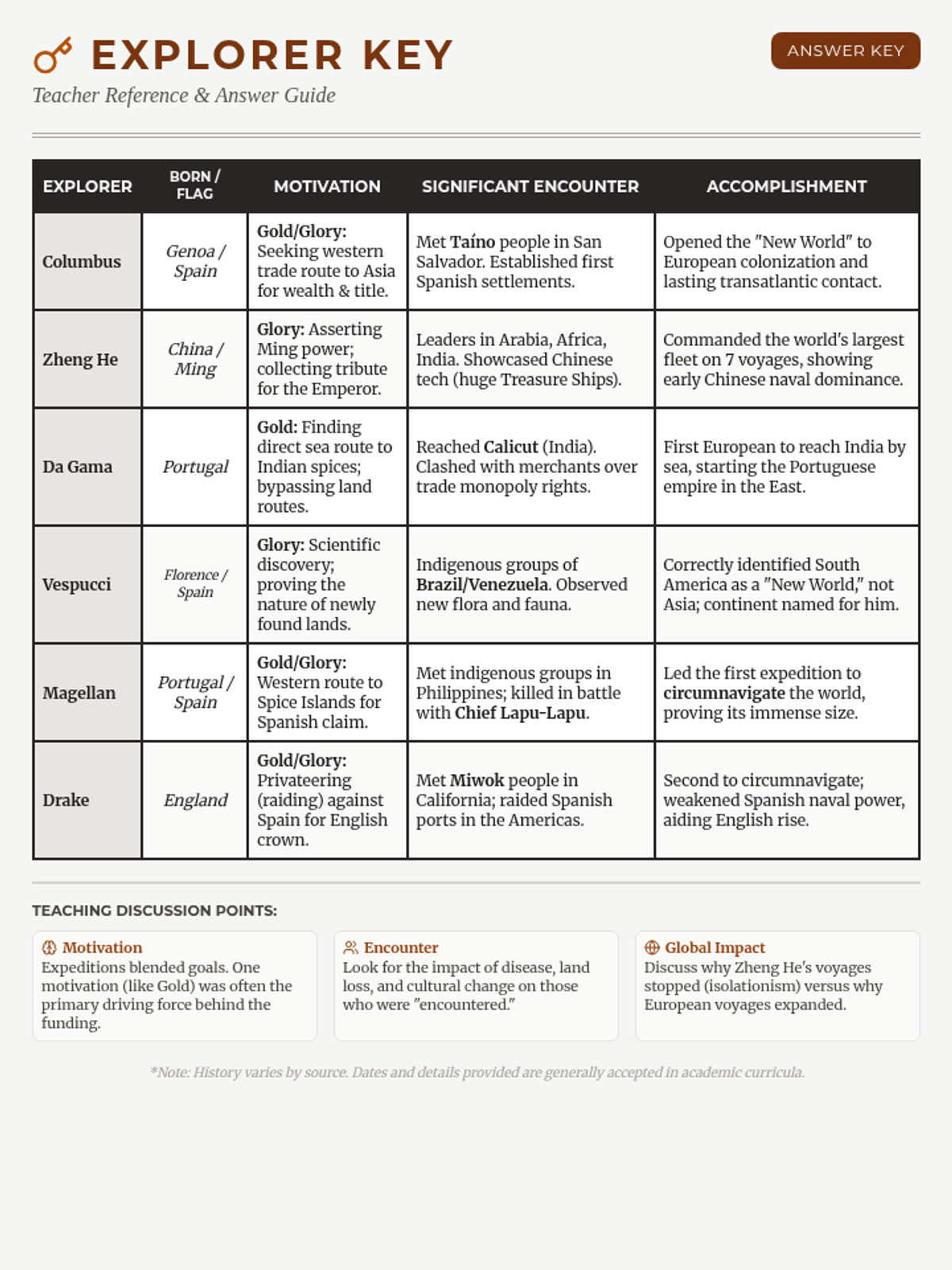
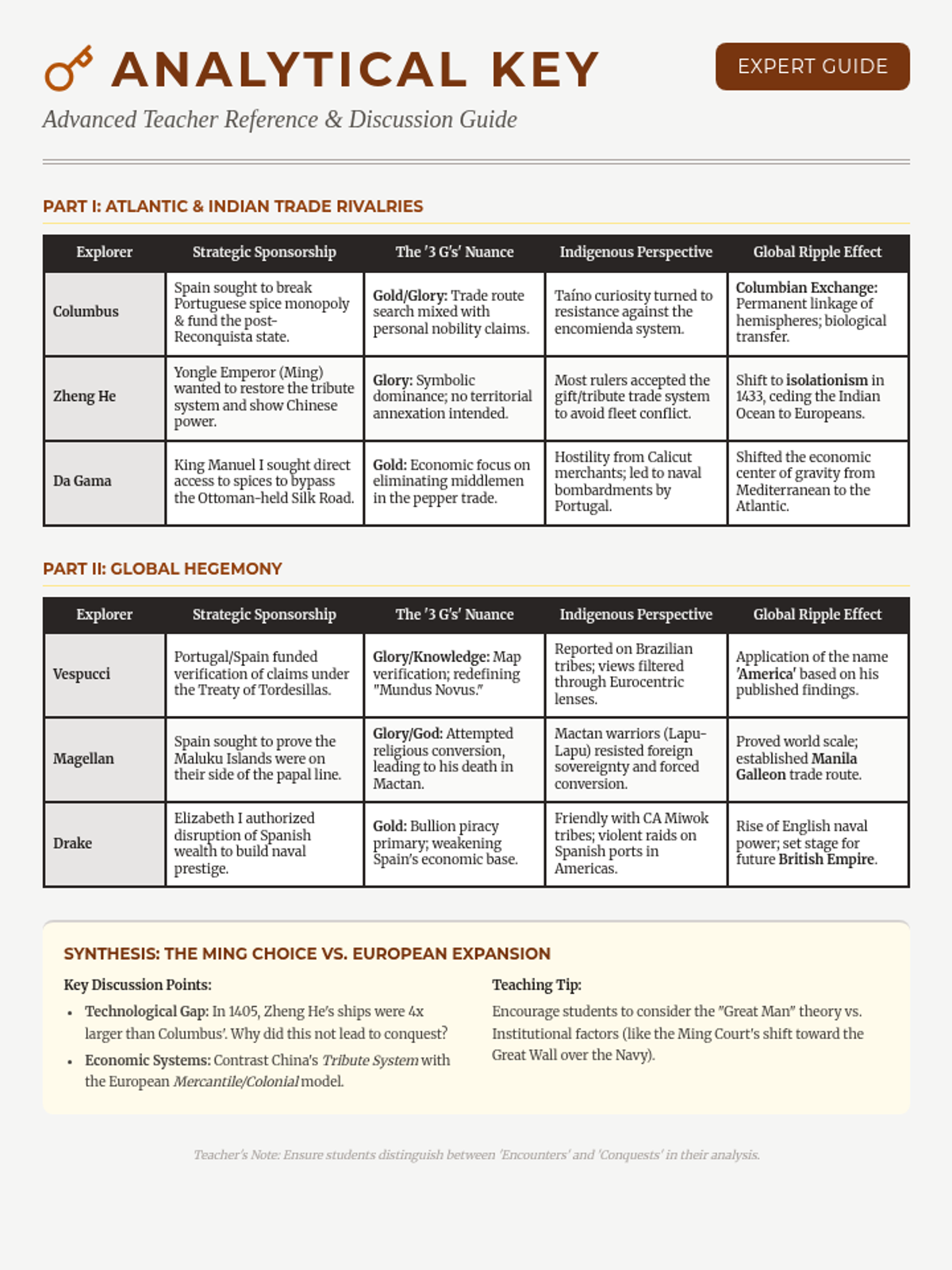
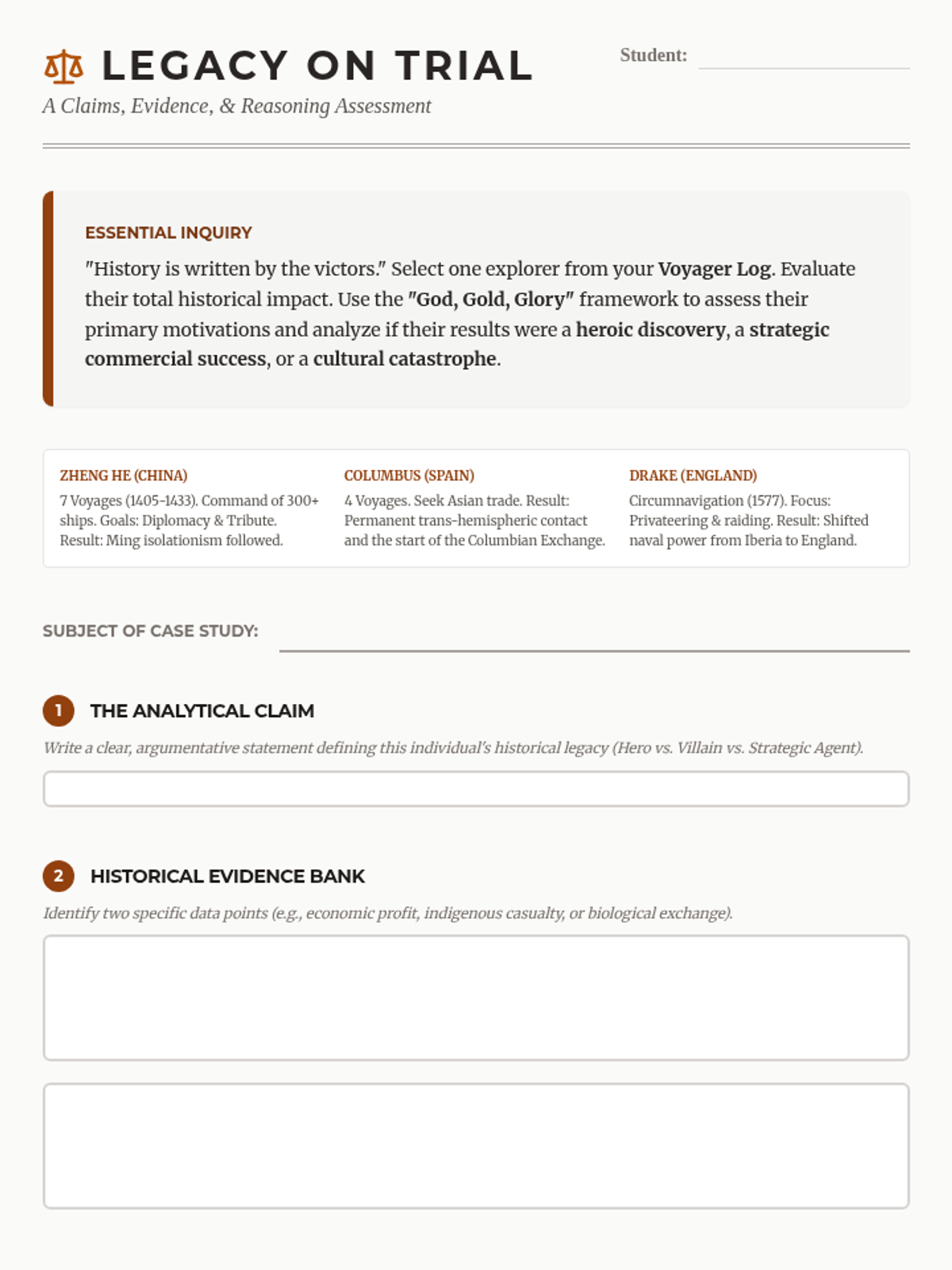
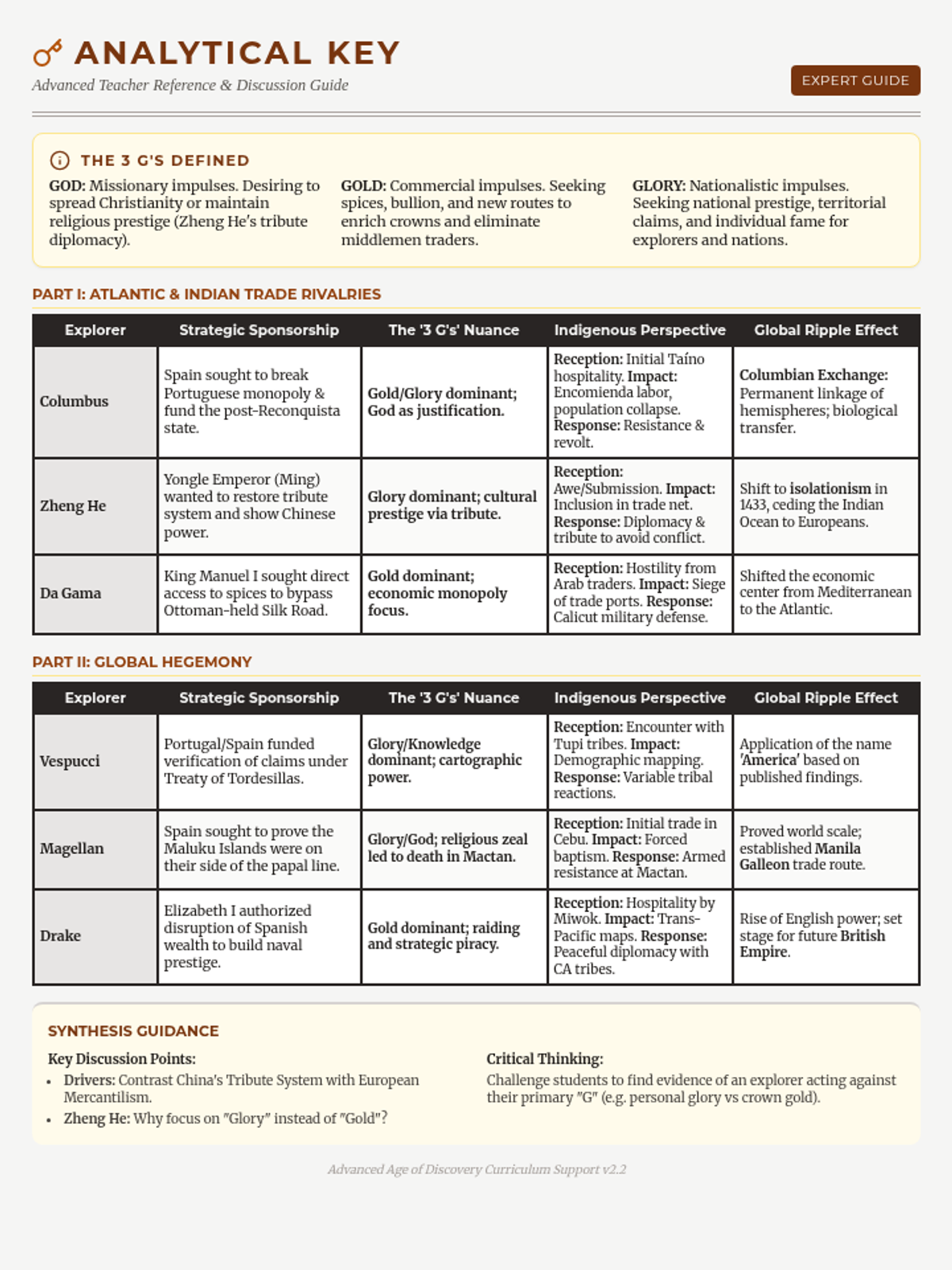
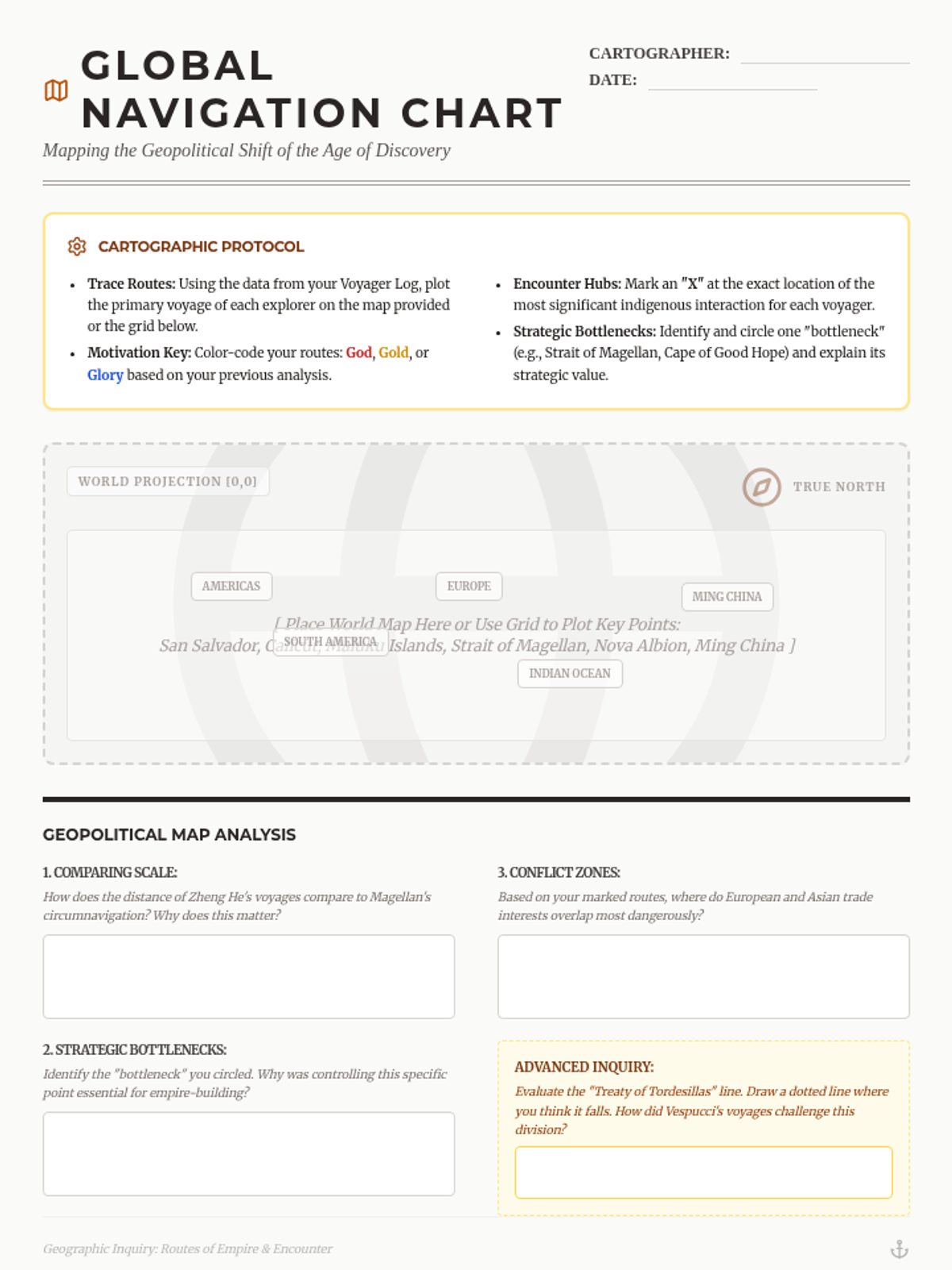
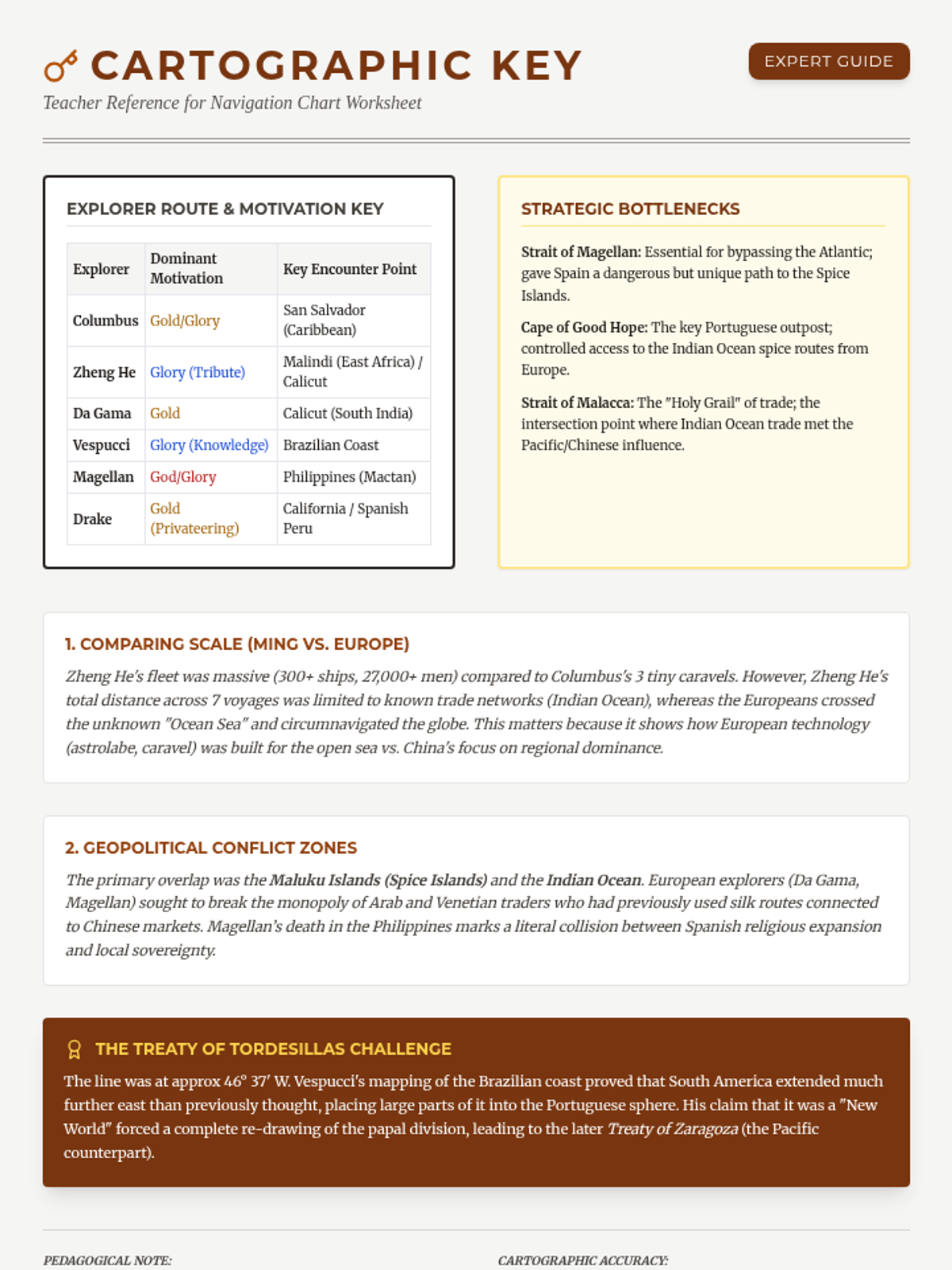
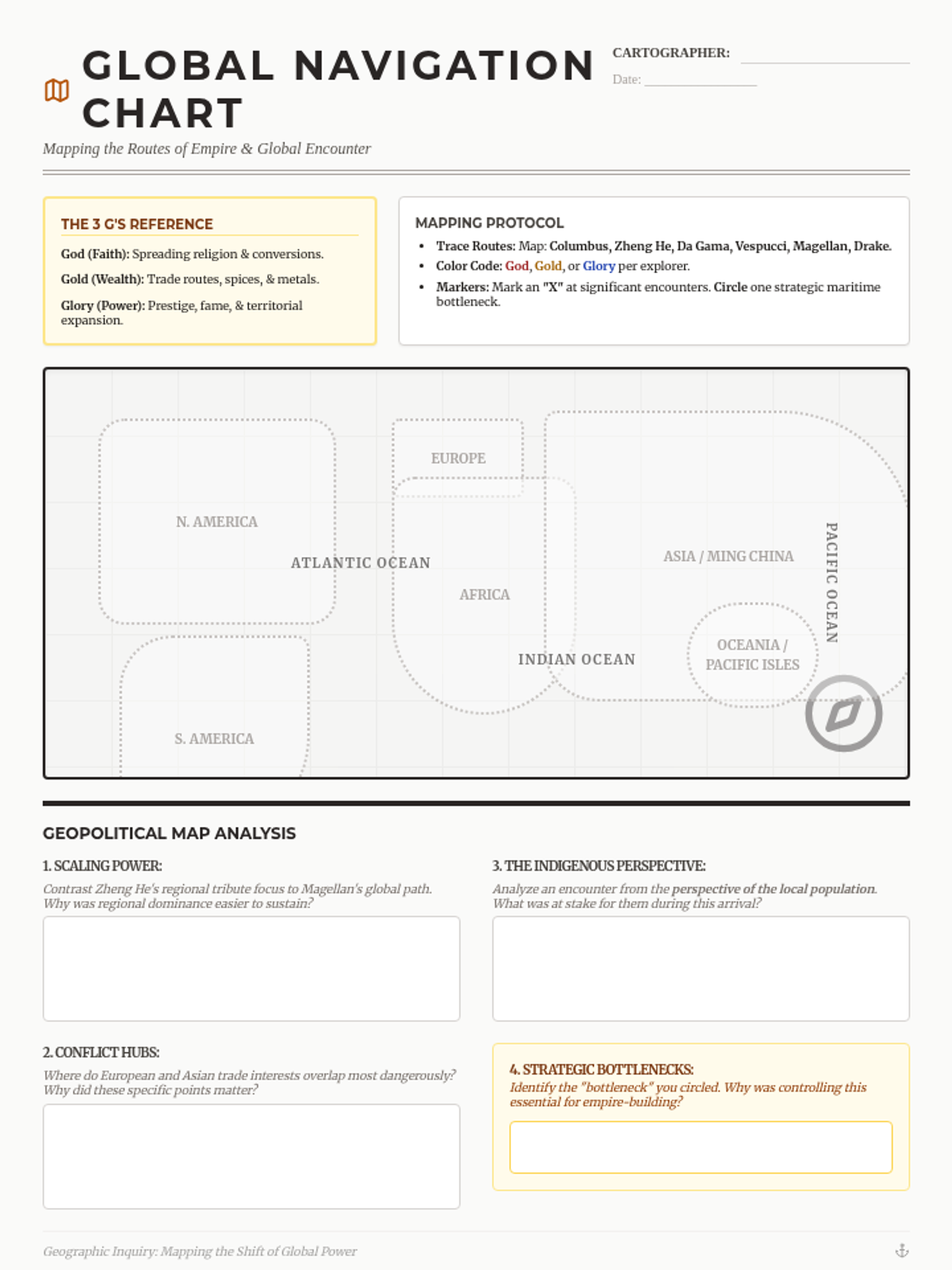
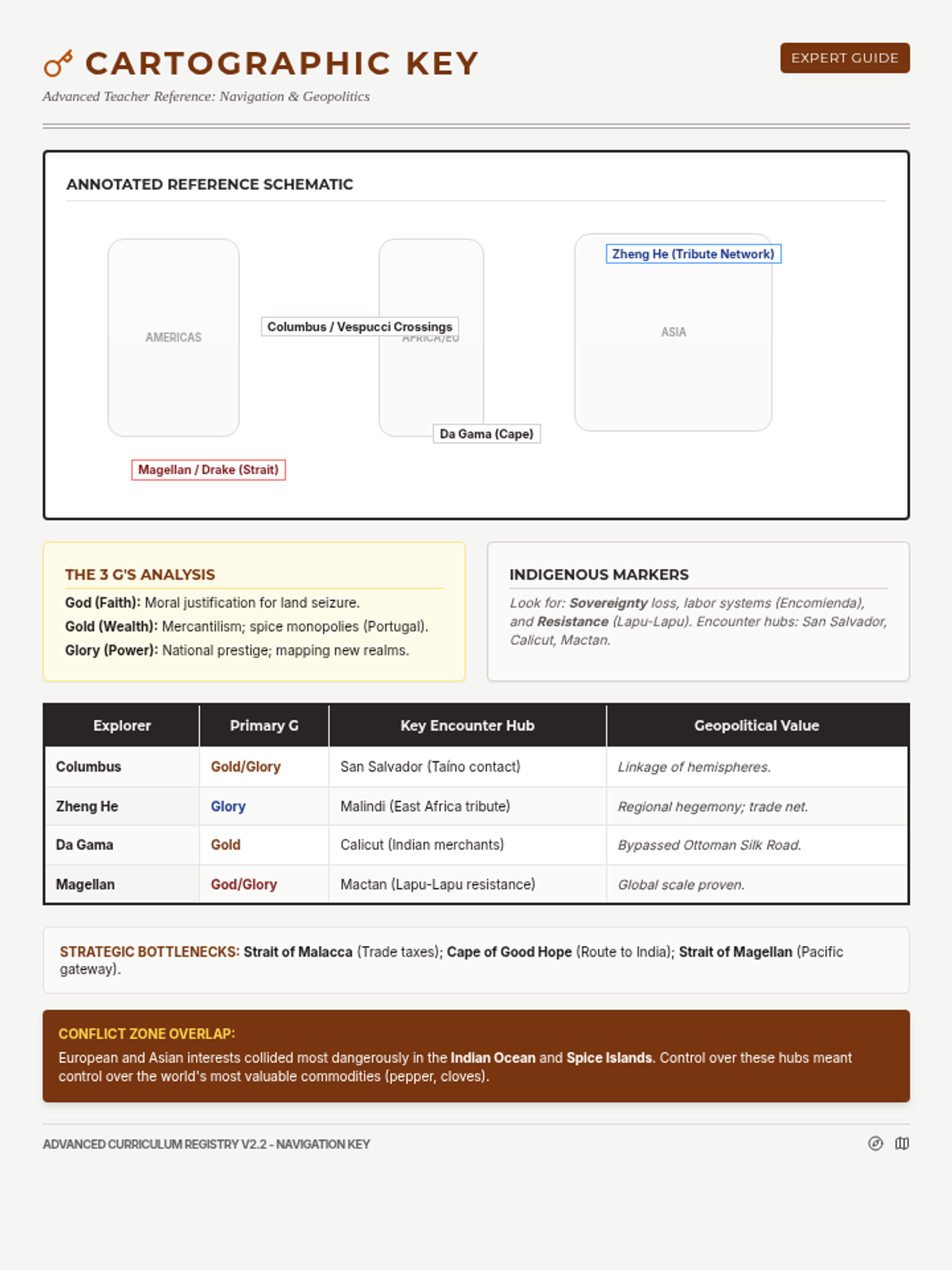
A deep dive into the Age of Exploration, comparing the motivations, encounters, and global impact of famous maritime explorers from around the world.
A lesson exploring the dual nature of digital advancements, focusing on their potential to either bridge social gaps or widen inequalities based on UN reports.
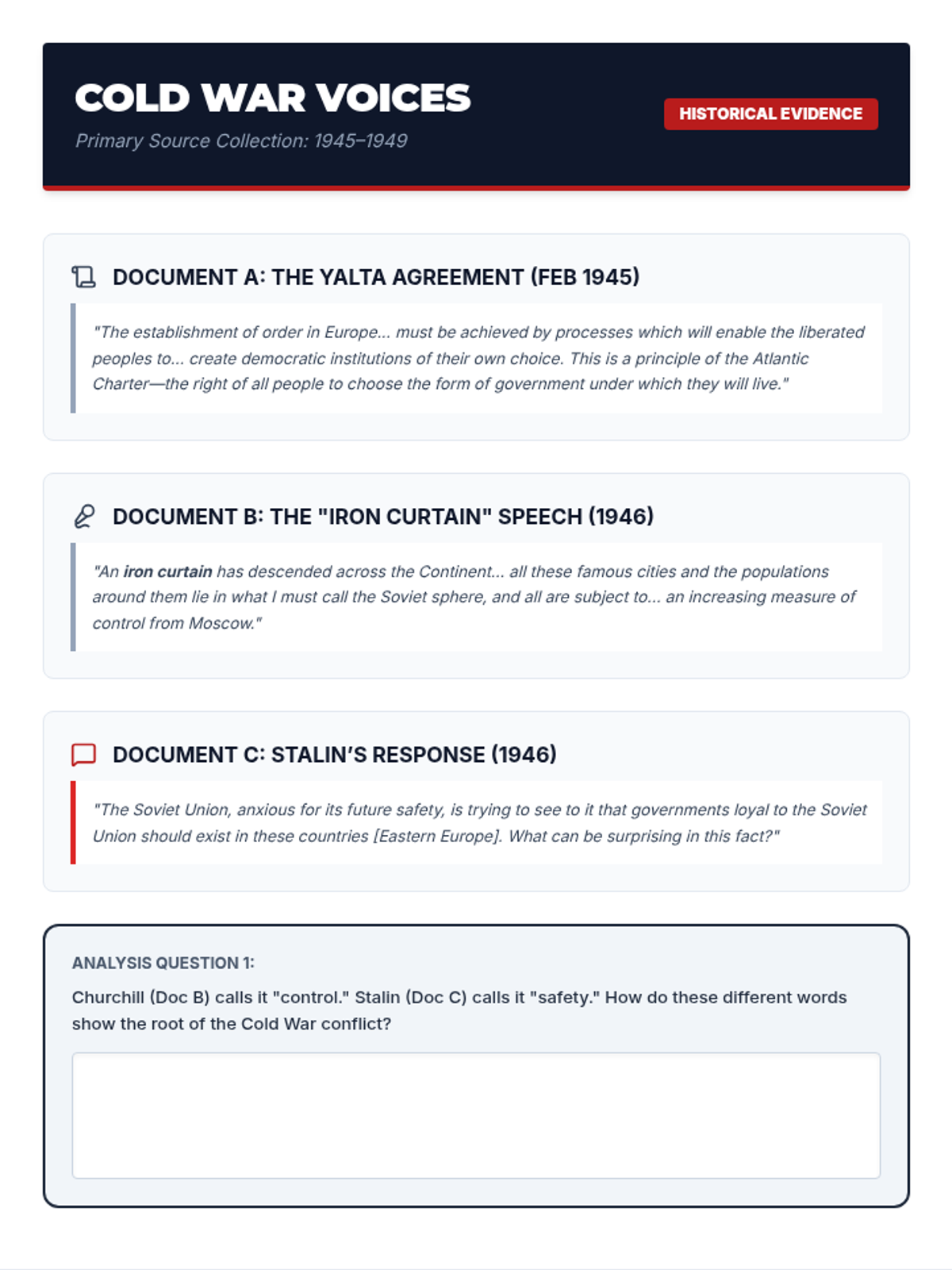
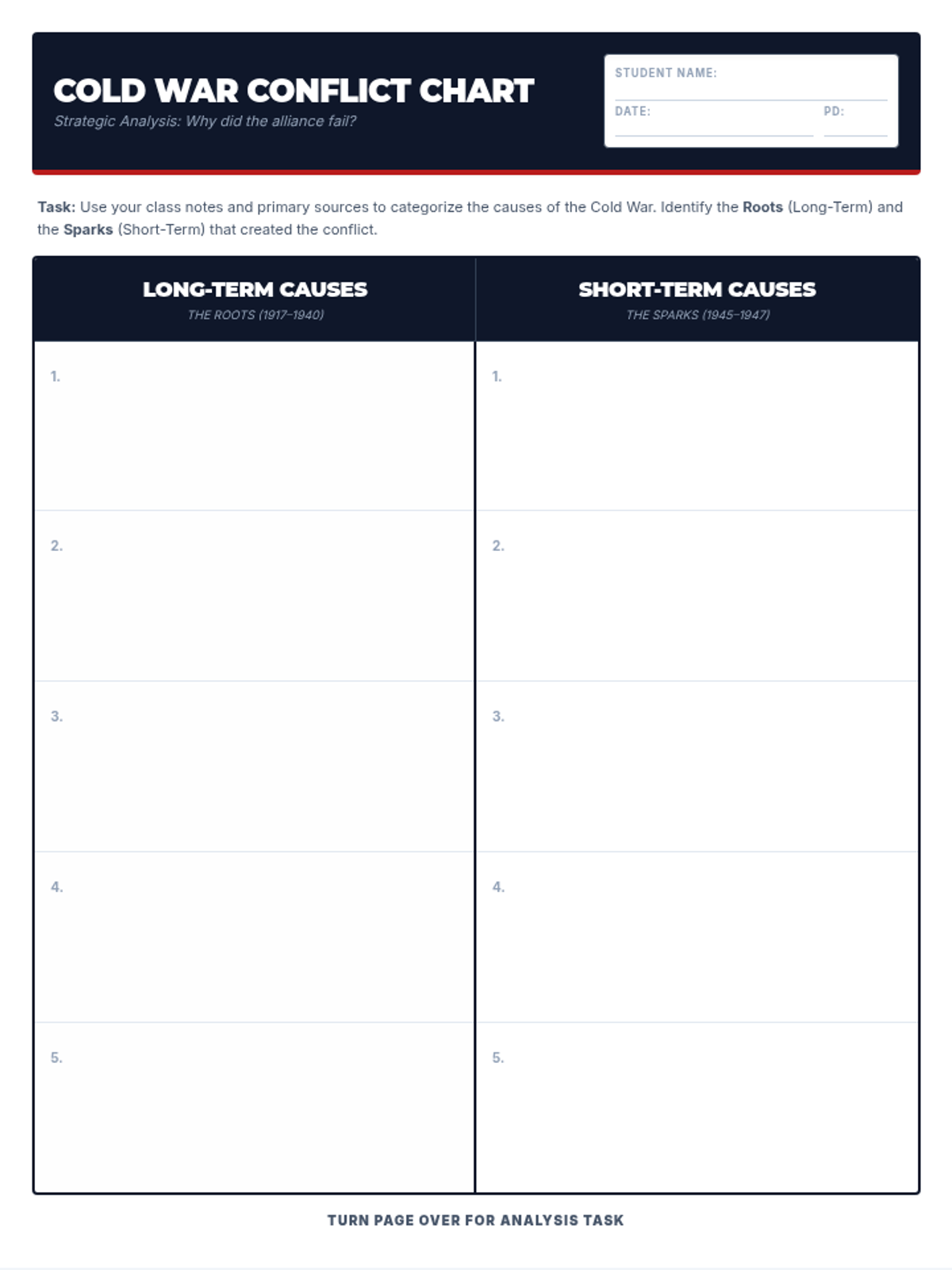
A lesson exploring the ideological, economic, and military causes of the Cold War, focusing on the shift from wartime cooperation to global rivalry.
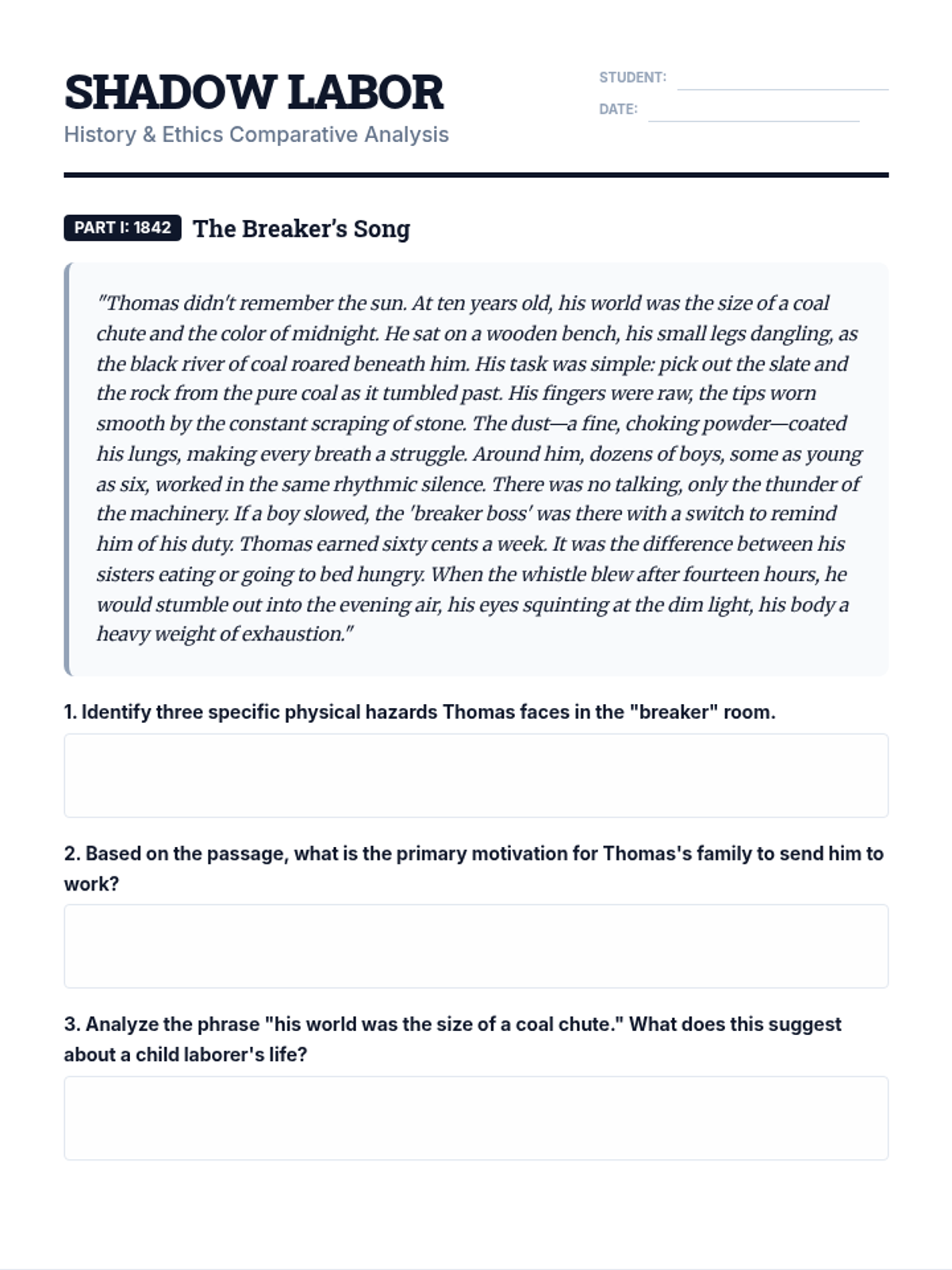
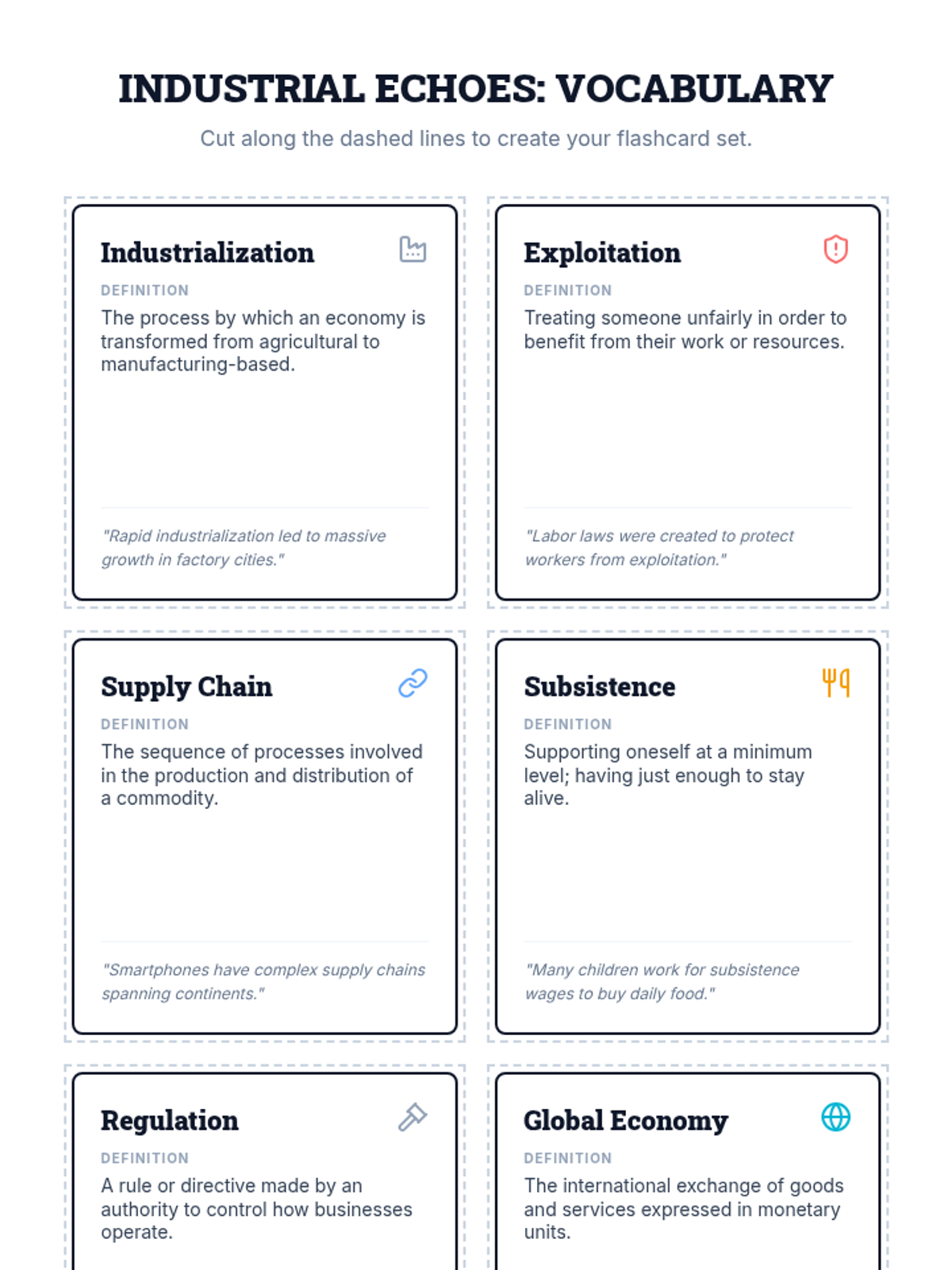
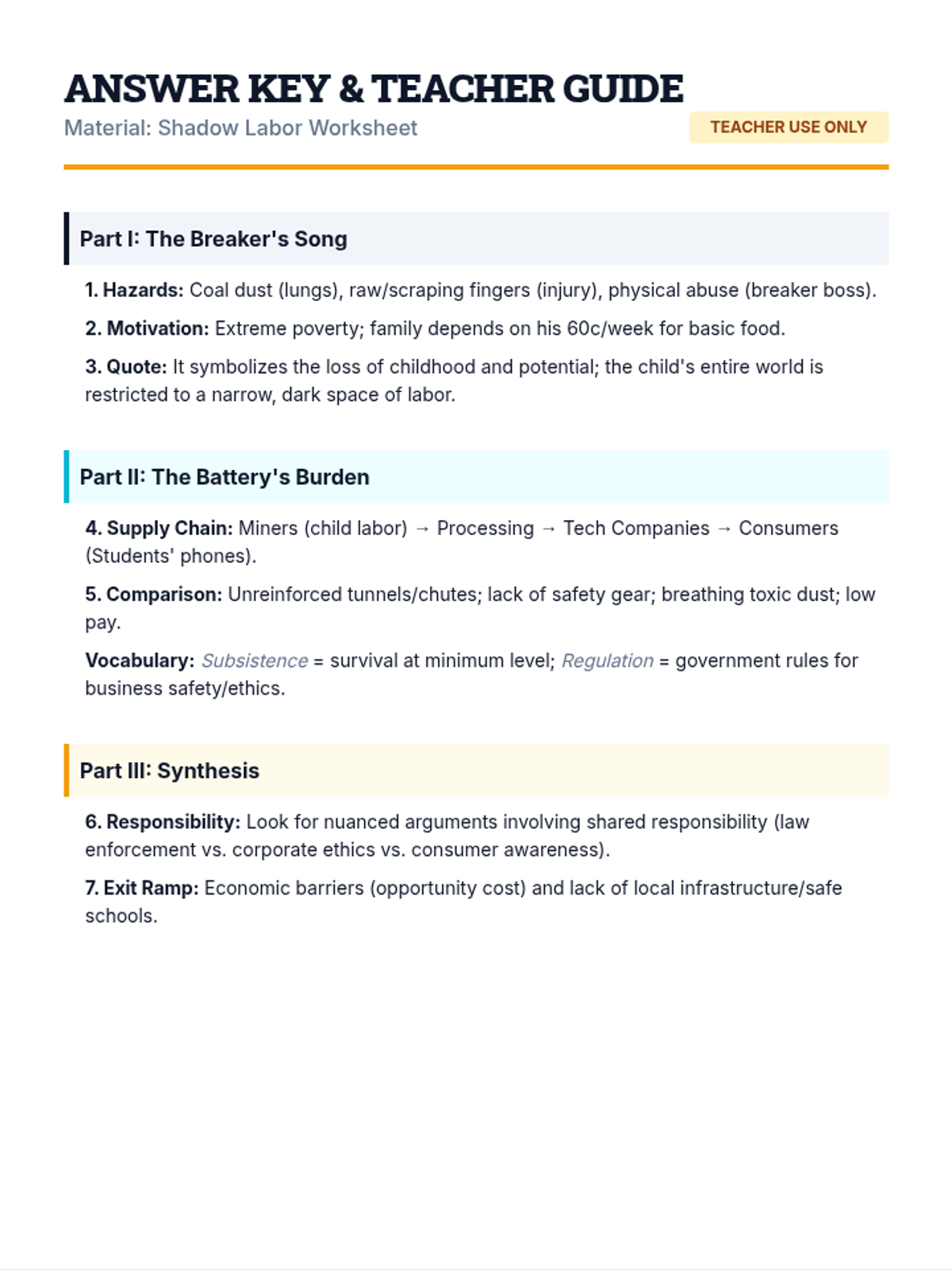
Students compare historical accounts of child labor from the Industrial Revolution with modern-day case studies in global industries. The lesson focuses on identifying patterns of exploitation and the evolution of labor laws.
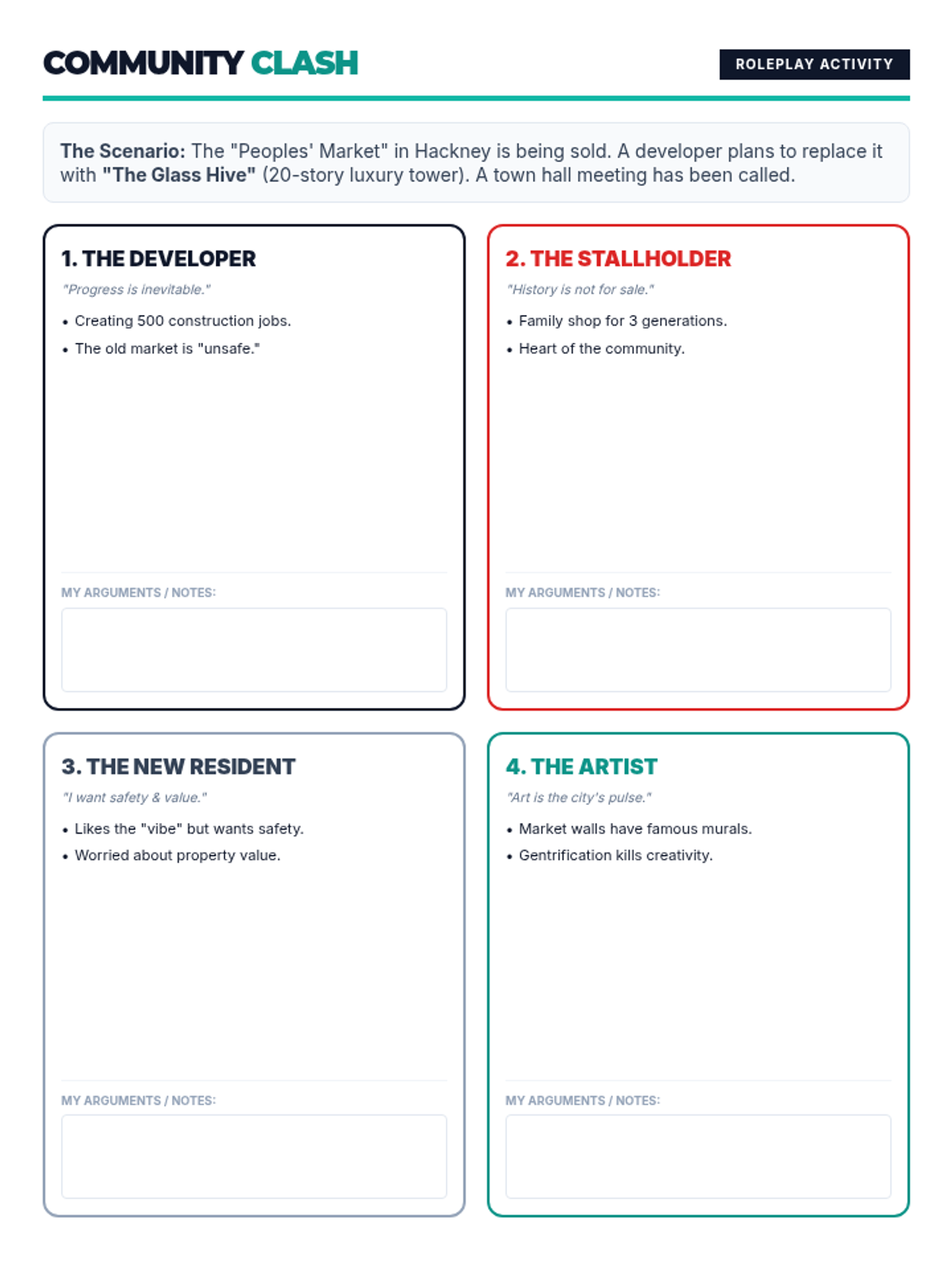
A speaking-focused lesson exploring the human cost of urban change through a role-play debate regarding the redevelopment of a local community market.
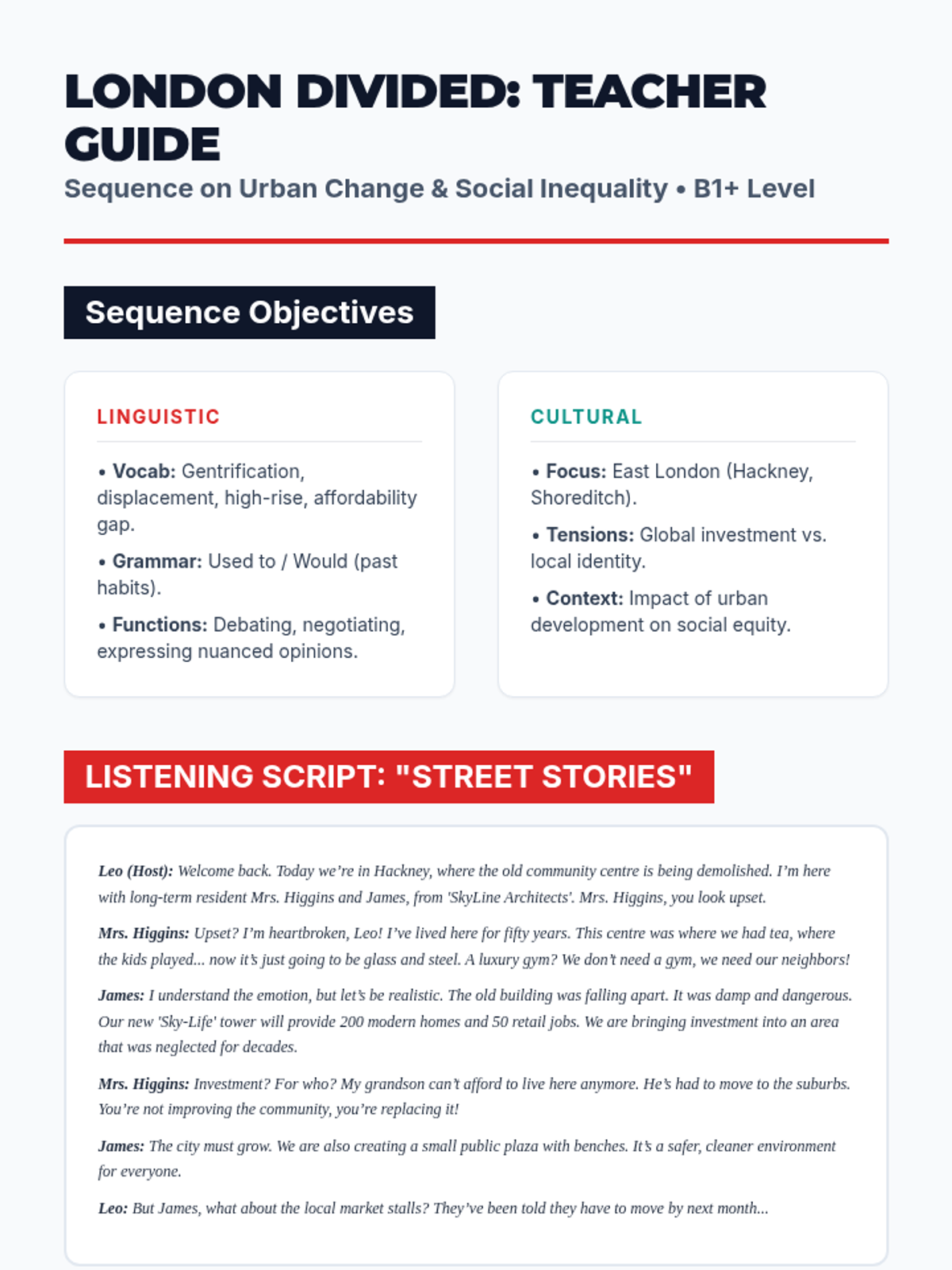
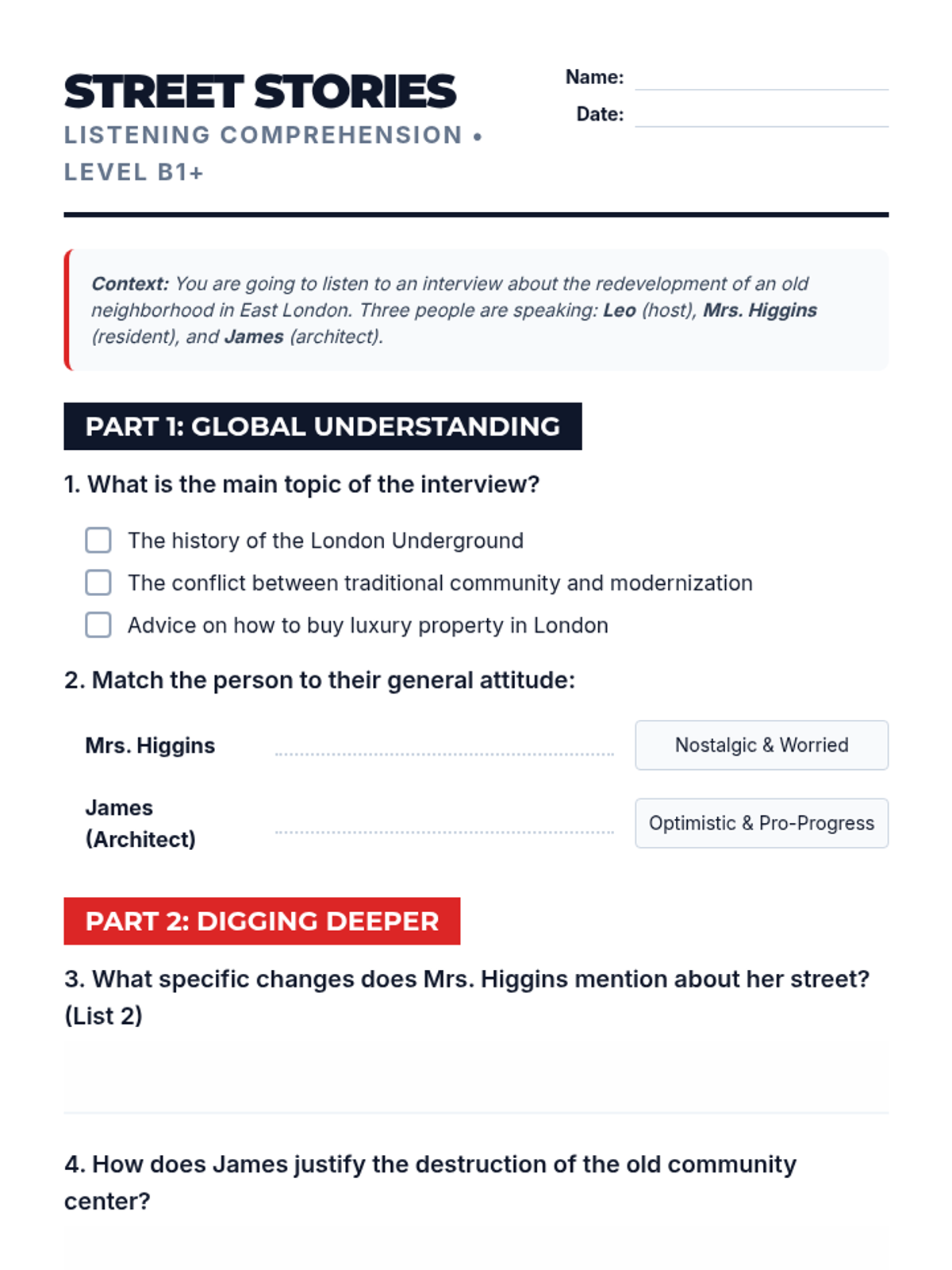
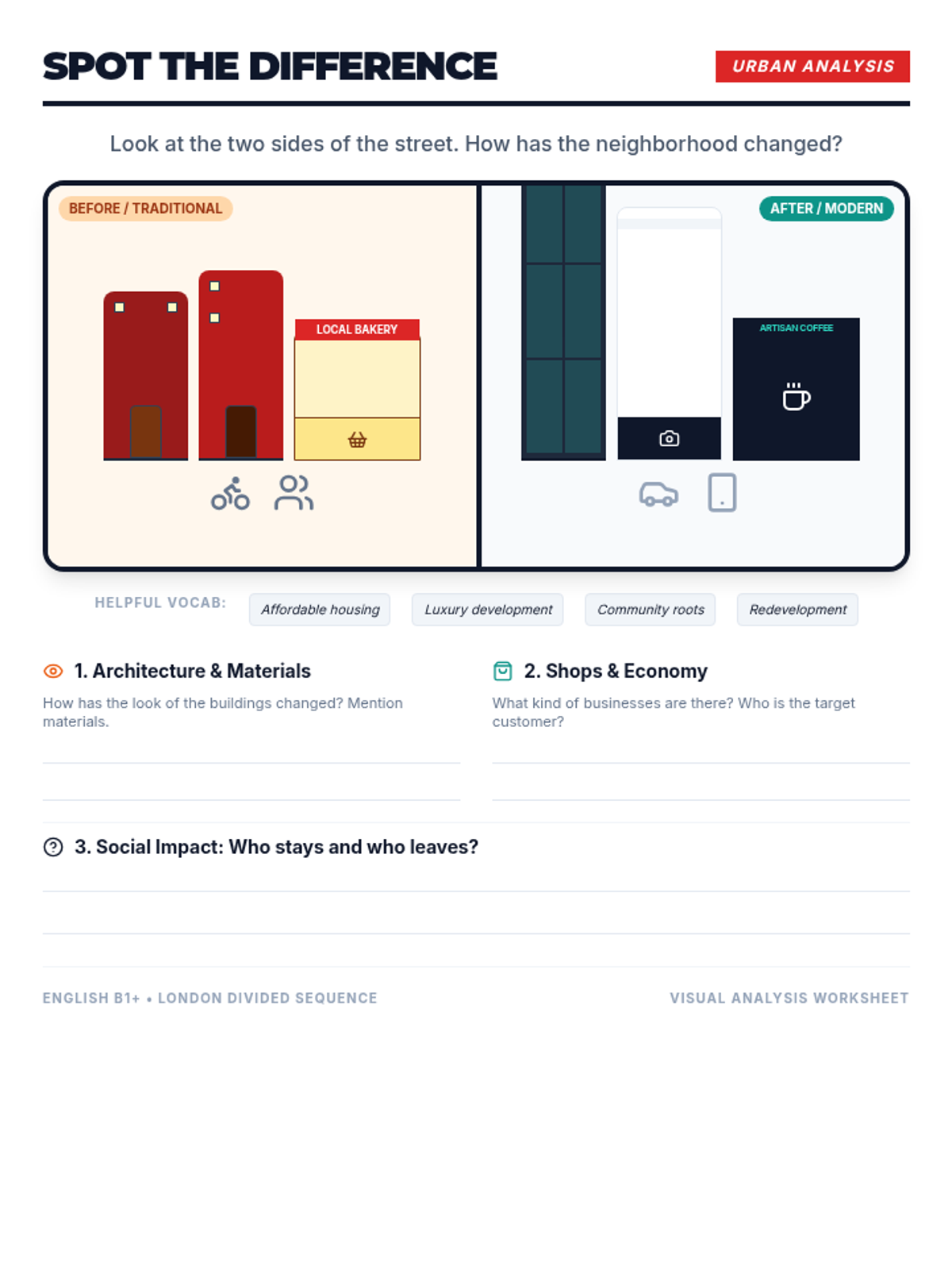
Introduction to the concept of gentrification through visual analysis and a 'live listening' exercise focusing on the transformation of East London neighborhoods.
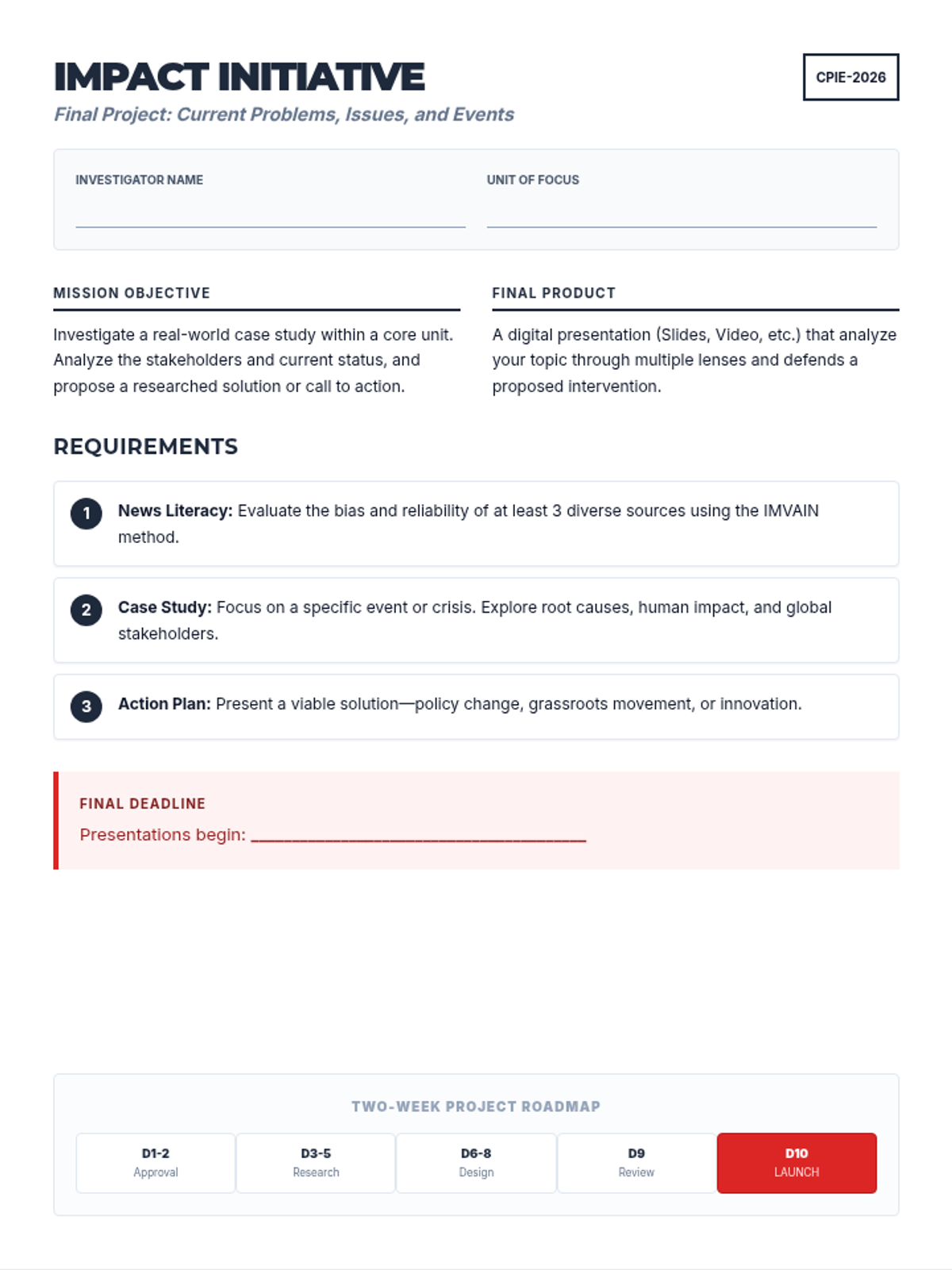
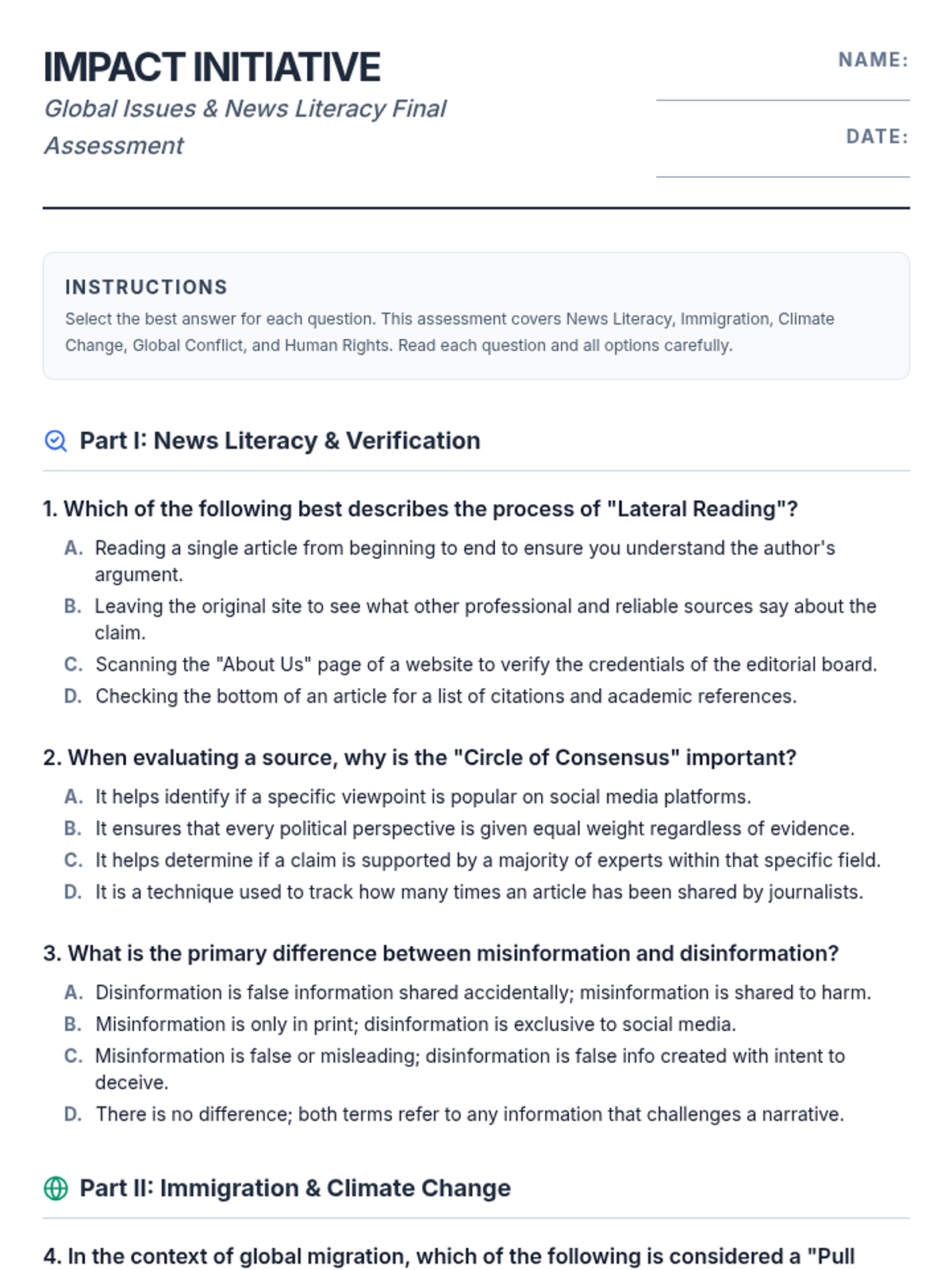
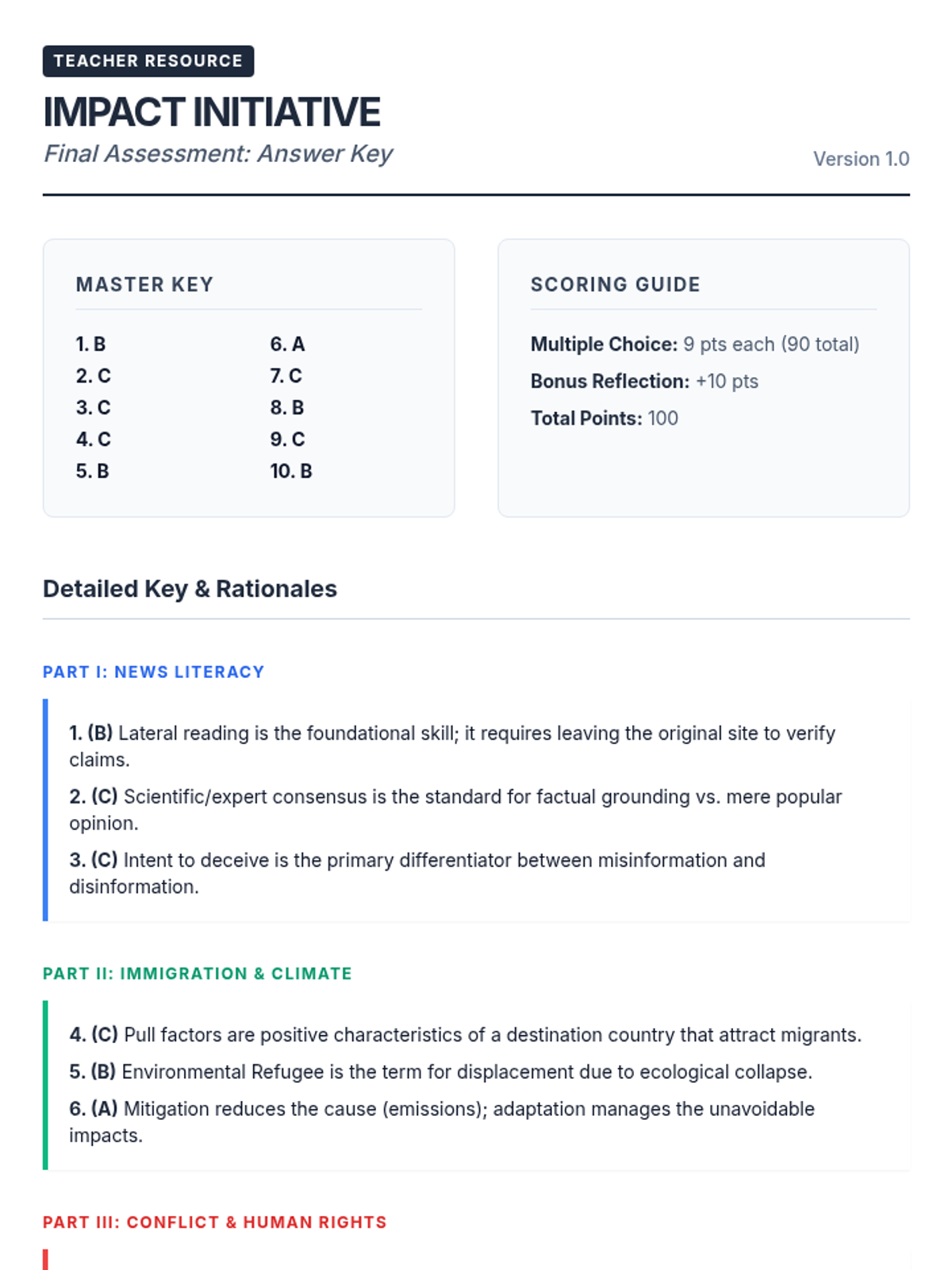
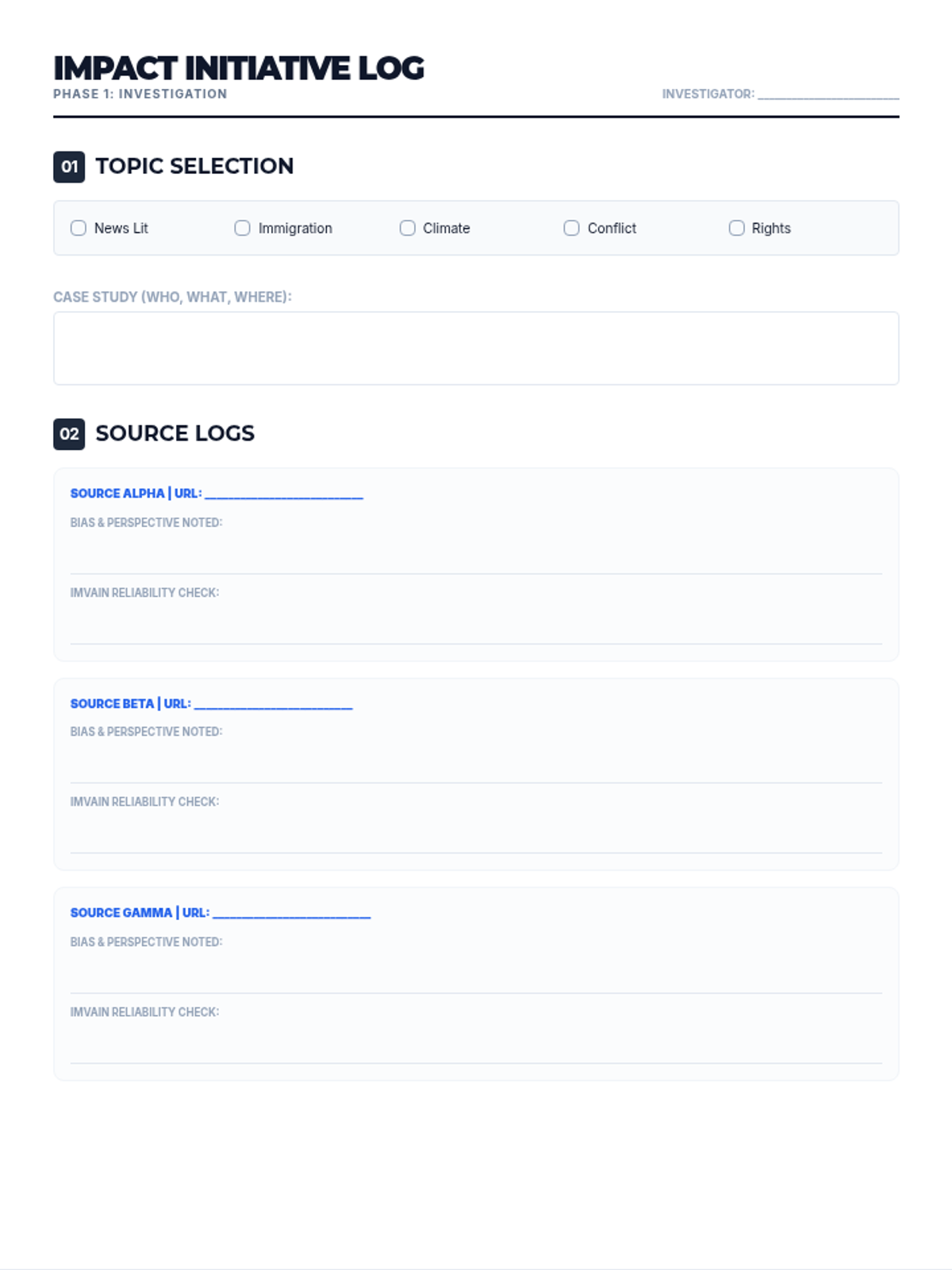
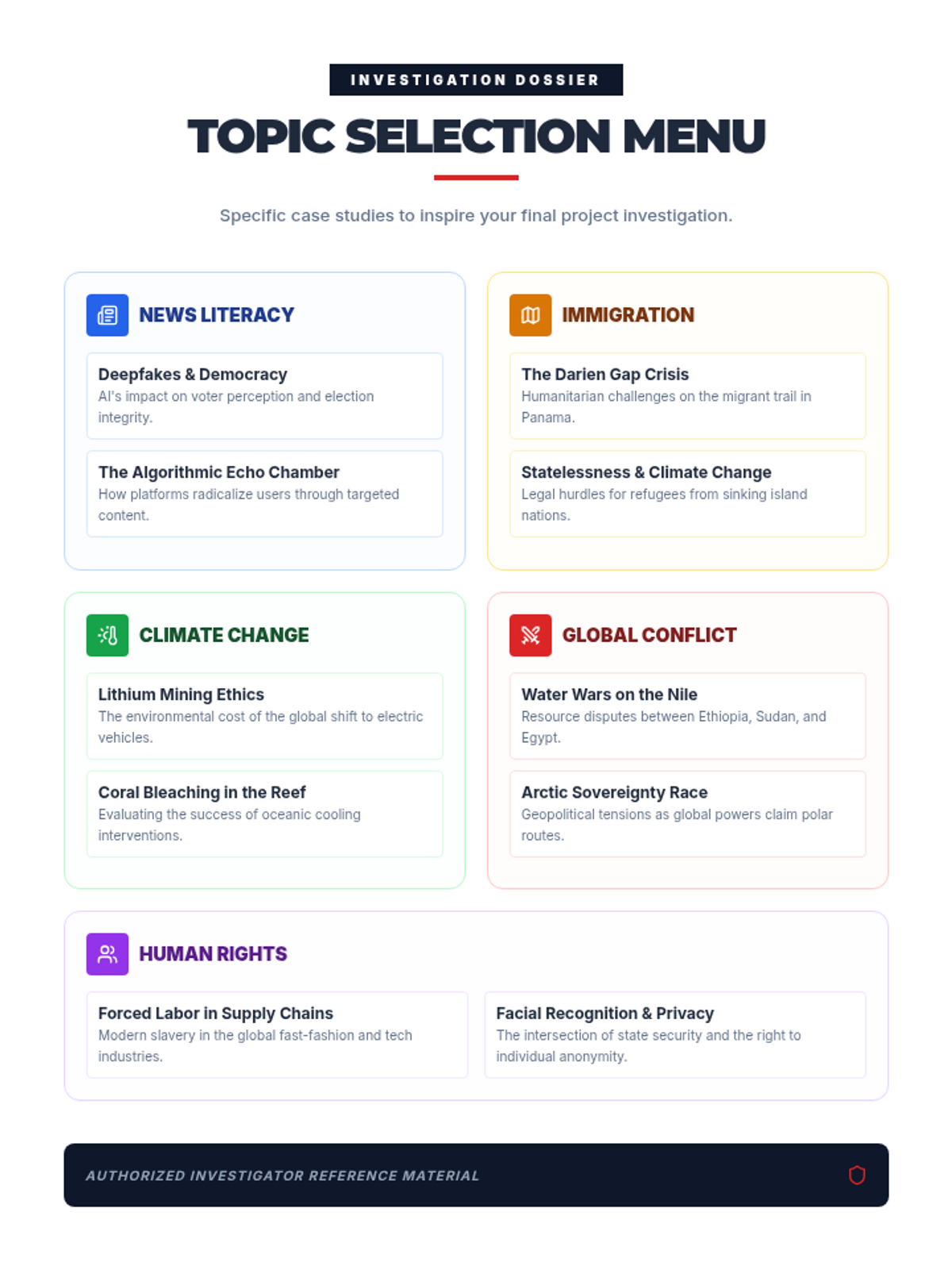
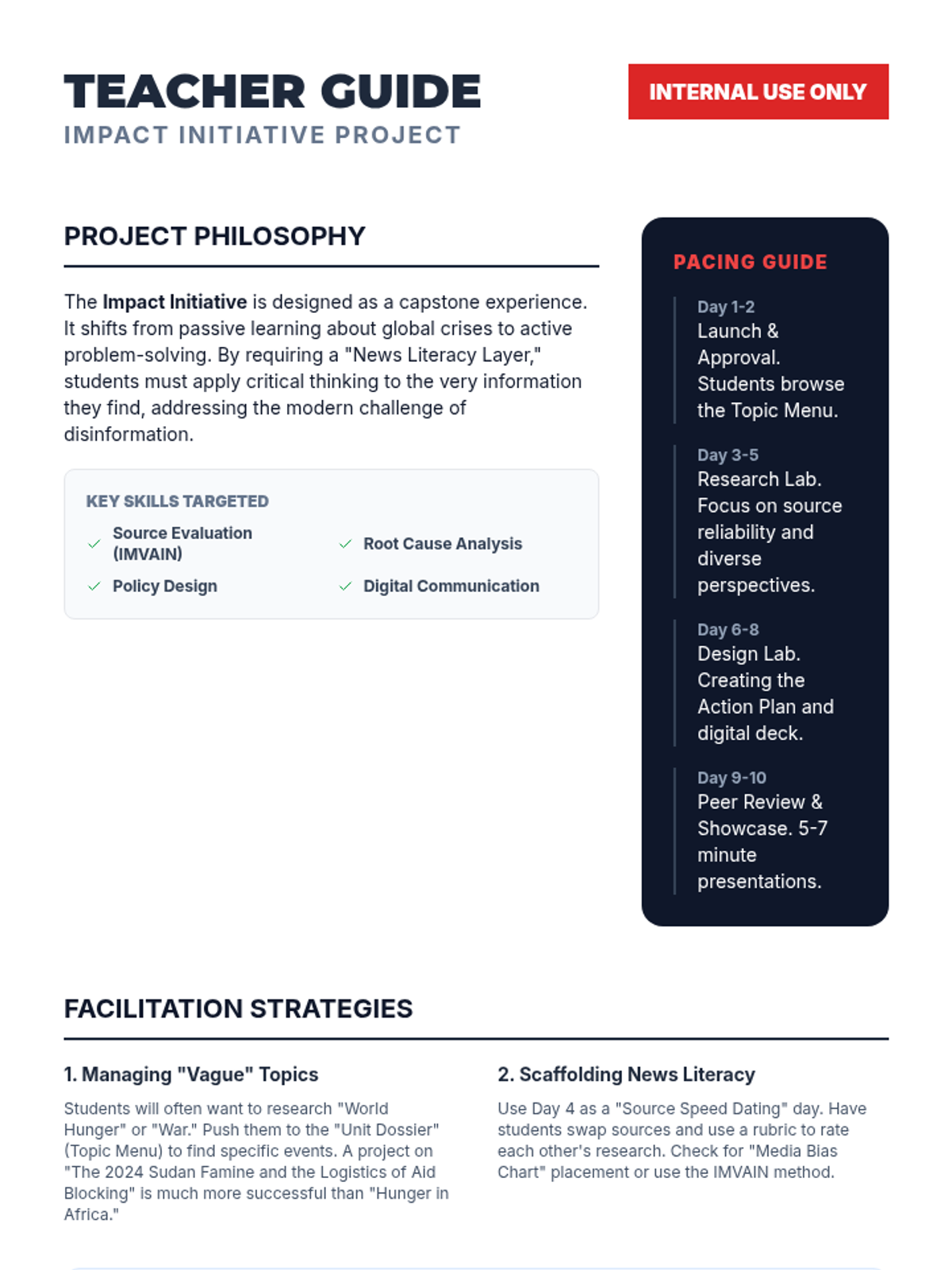
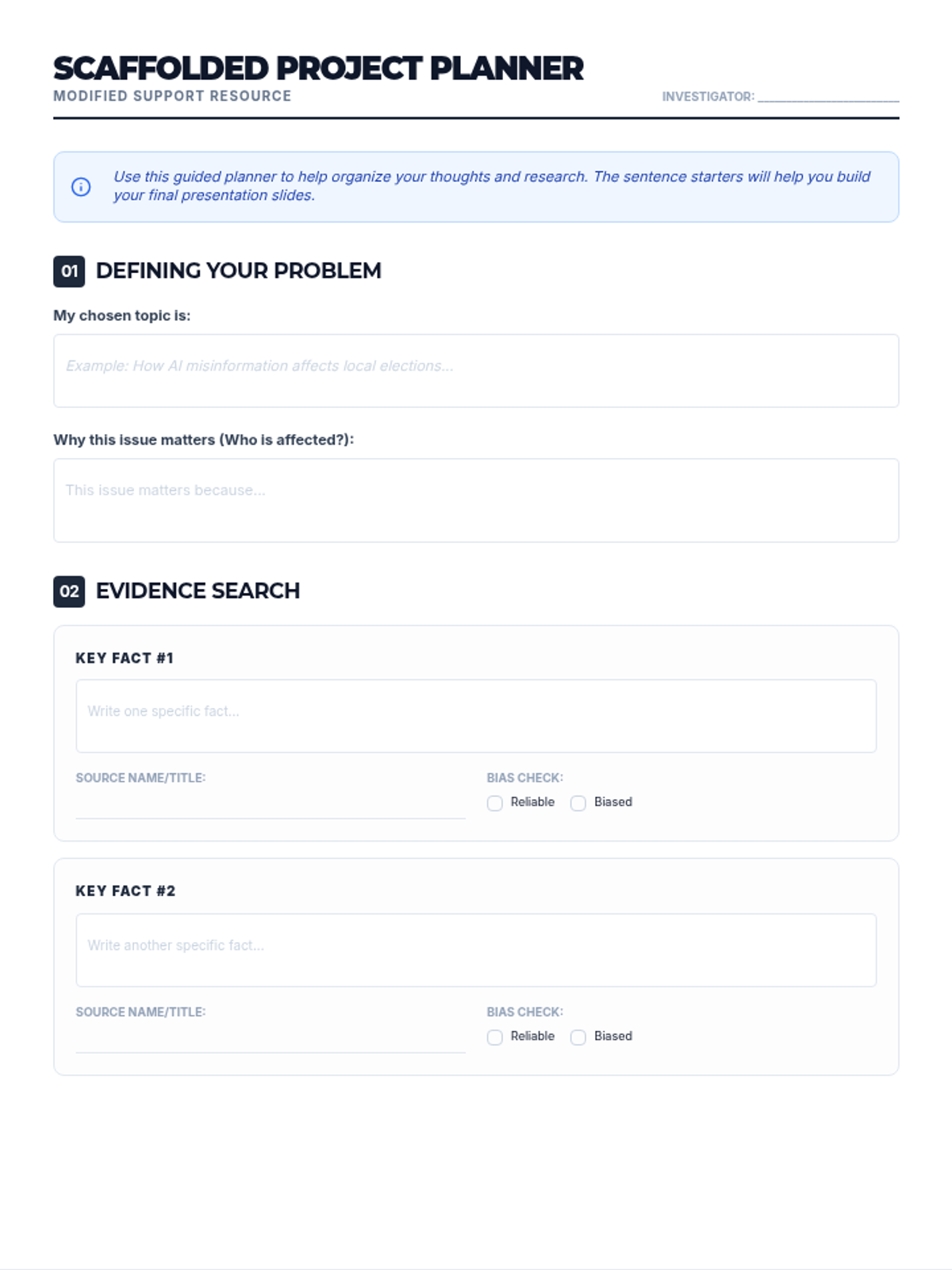
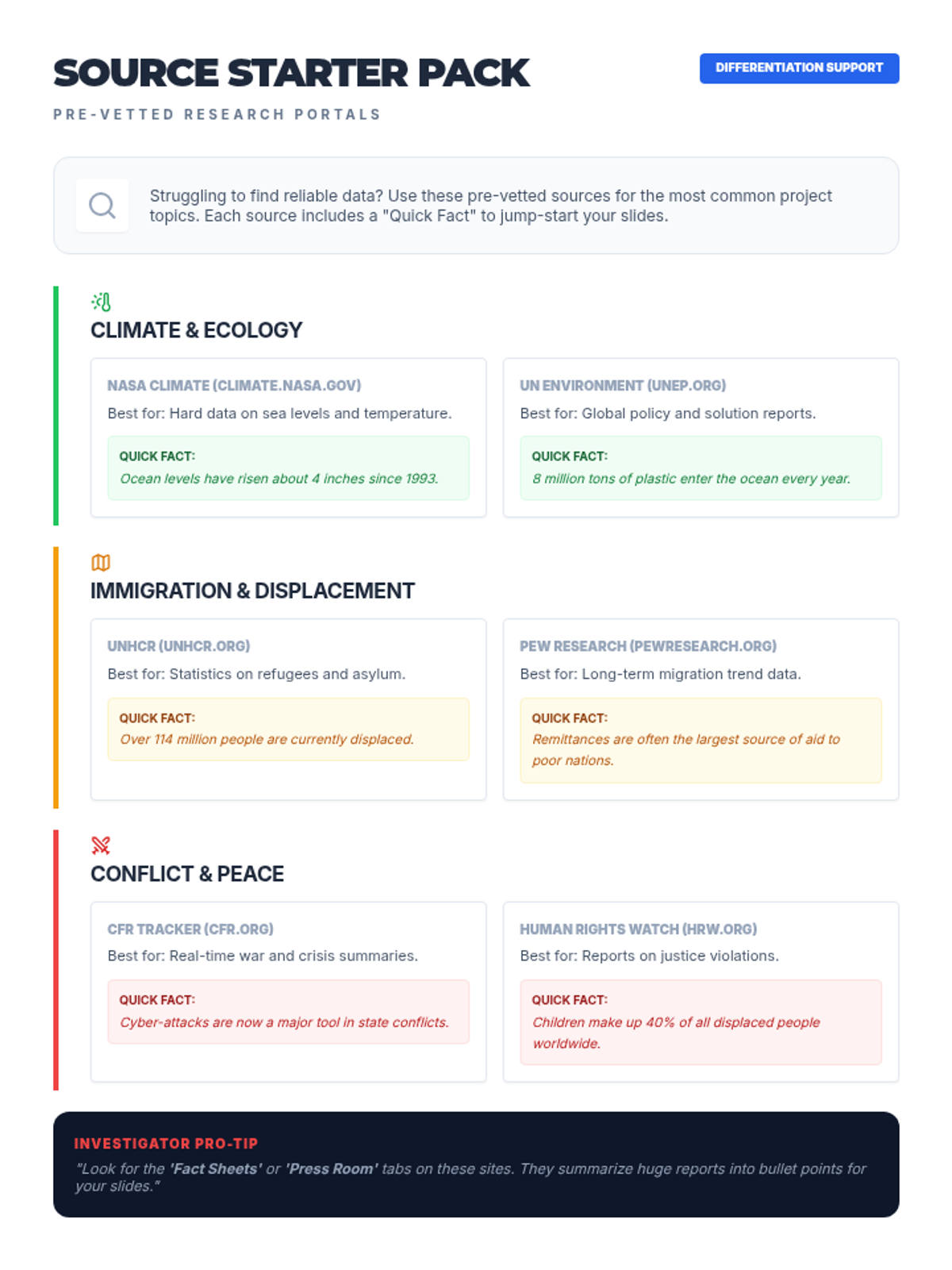
A comprehensive two-week final project for high school students to investigate and propose solutions for a major global issue from one of five core units: News Literacy, Immigration, Climate Change, Global Conflict, or Human Rights.
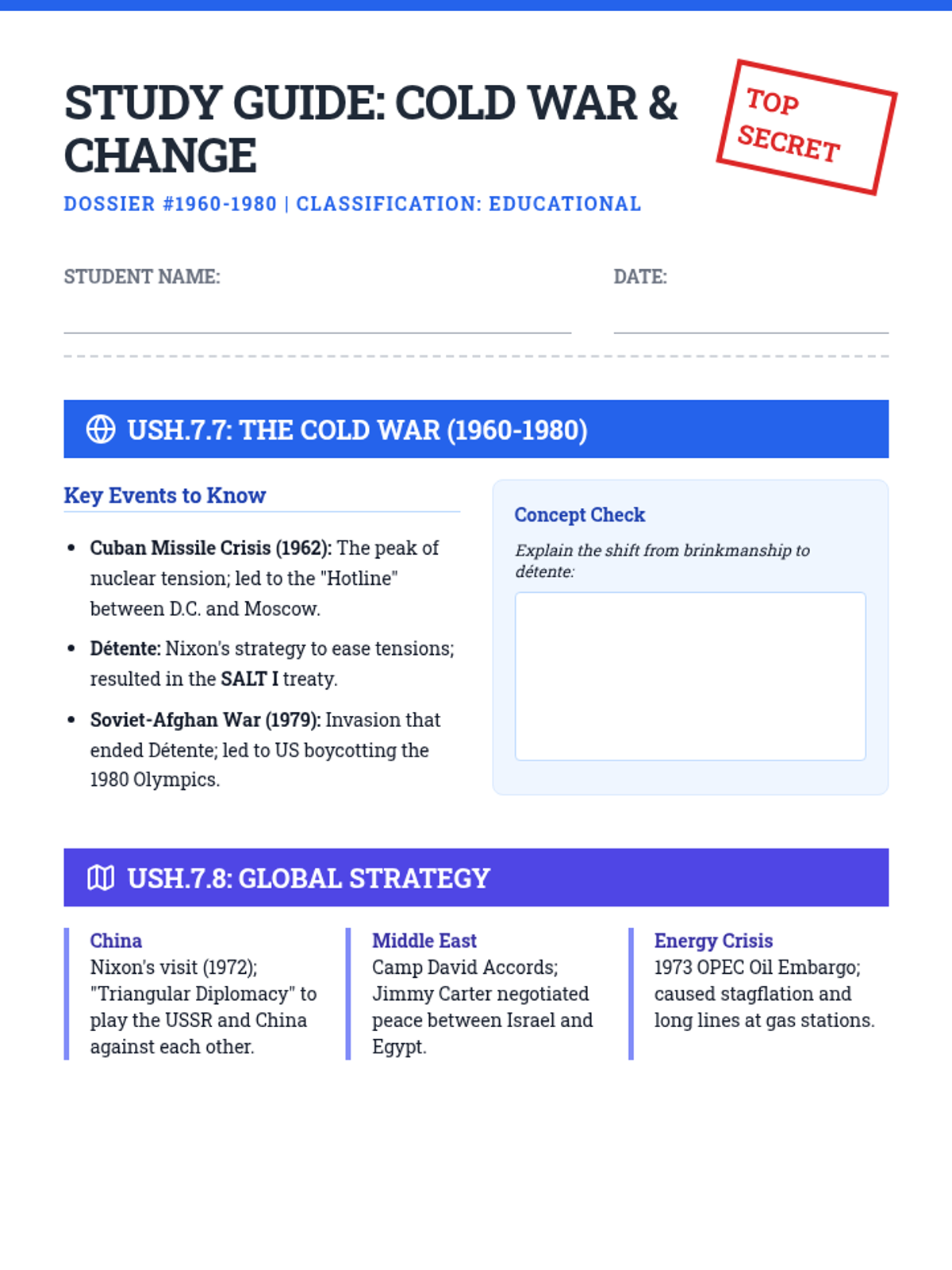
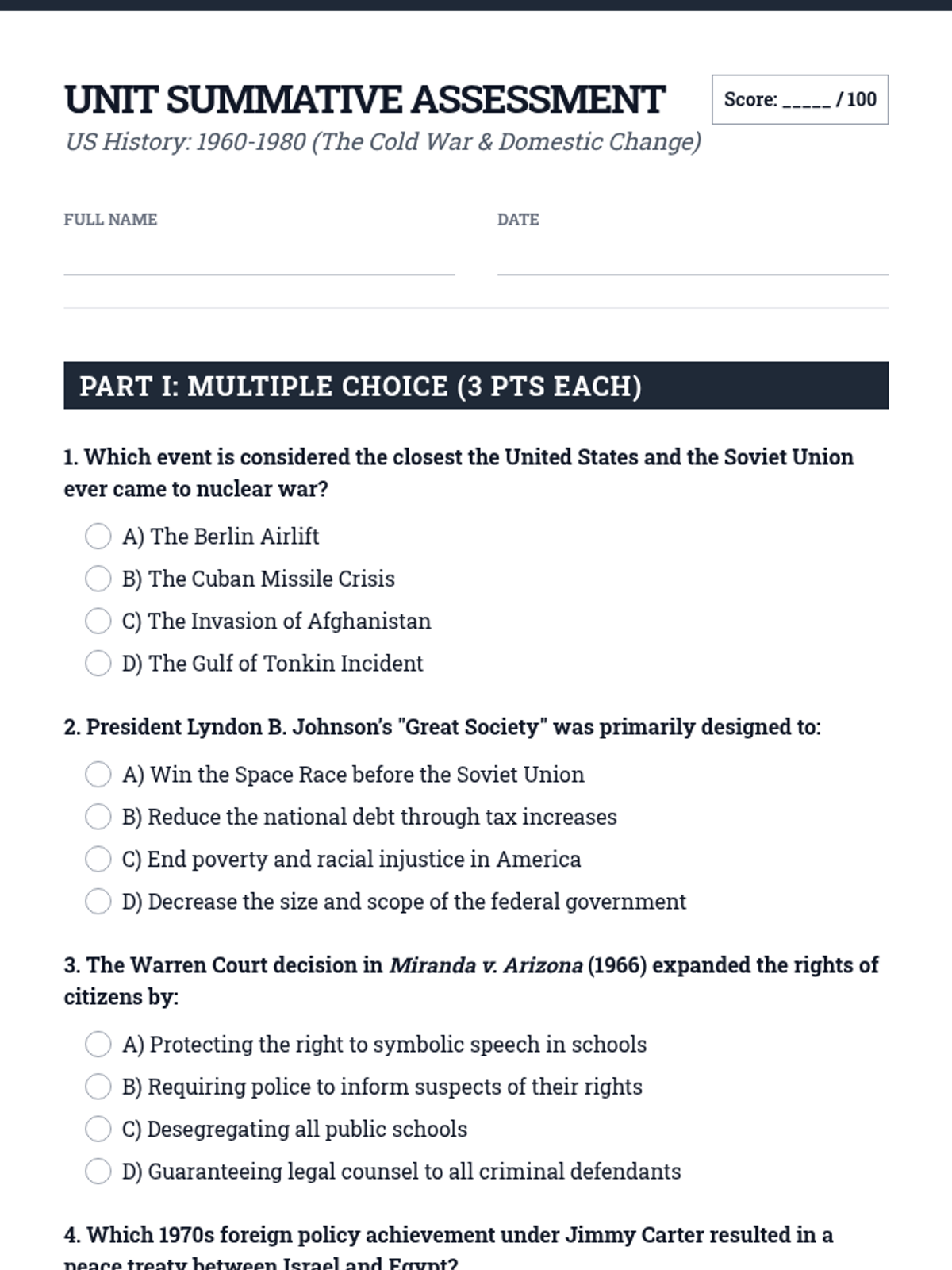
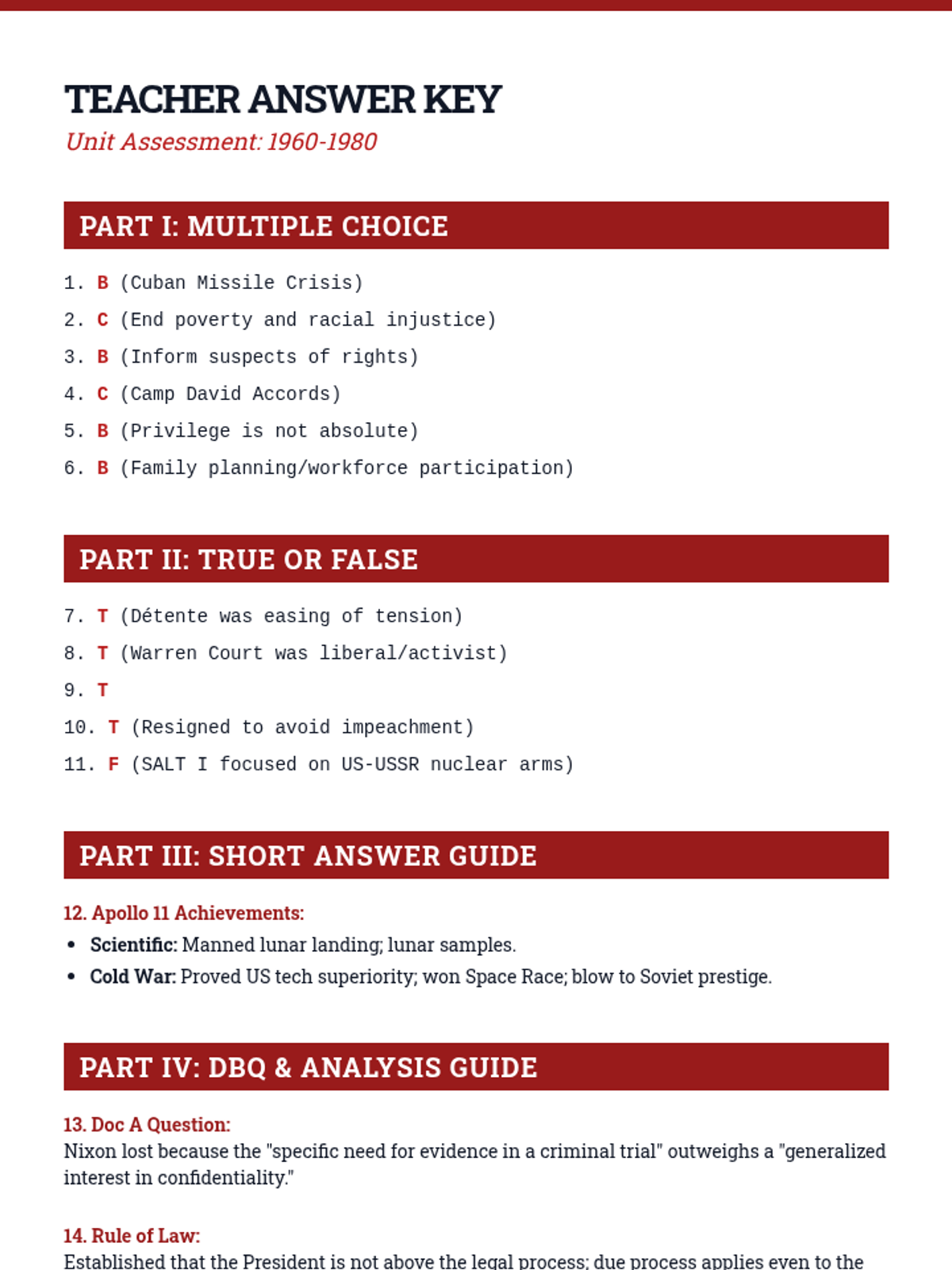
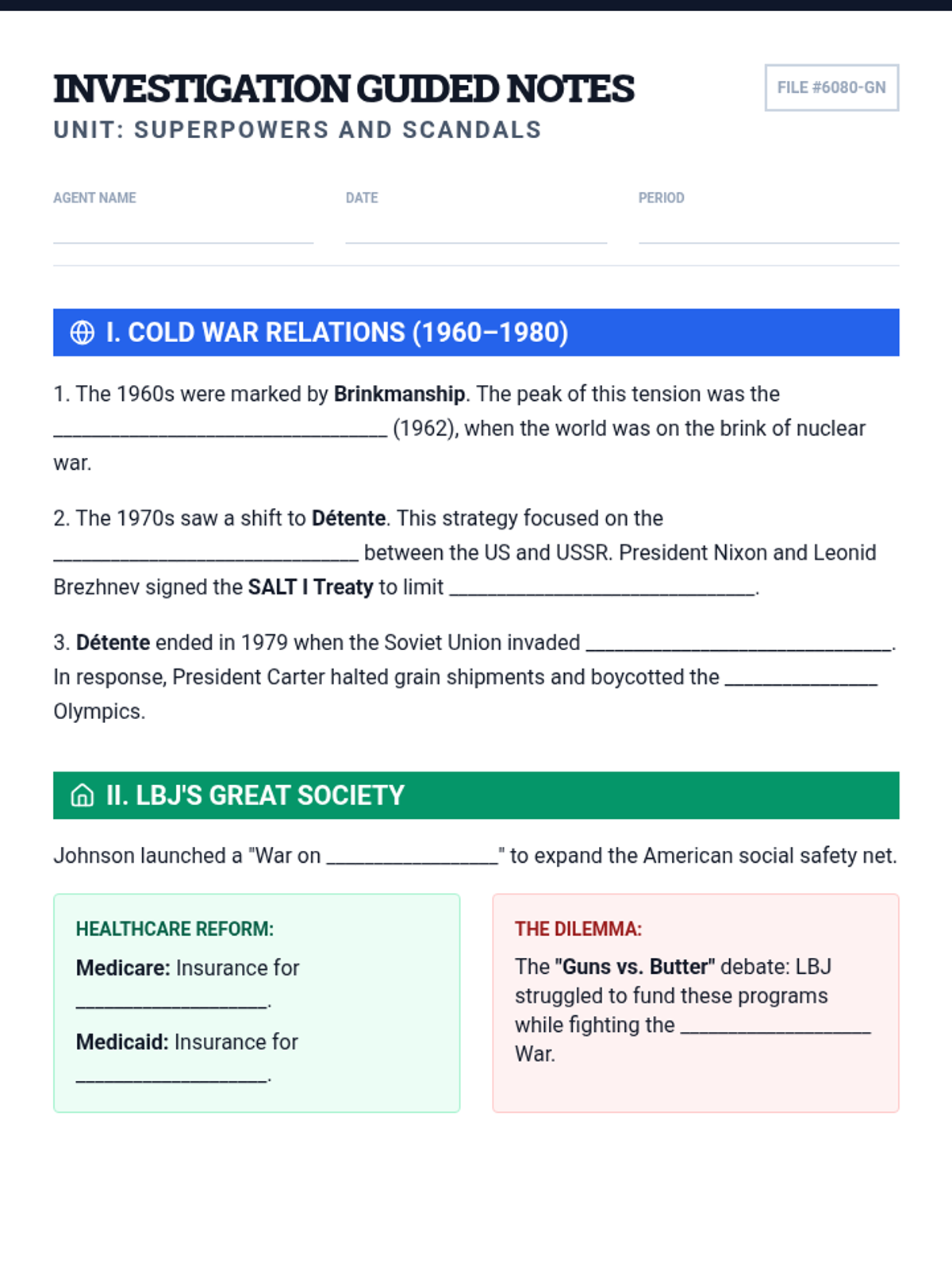
The final assessment and preparation materials for the unit on 1960-1980 US History.
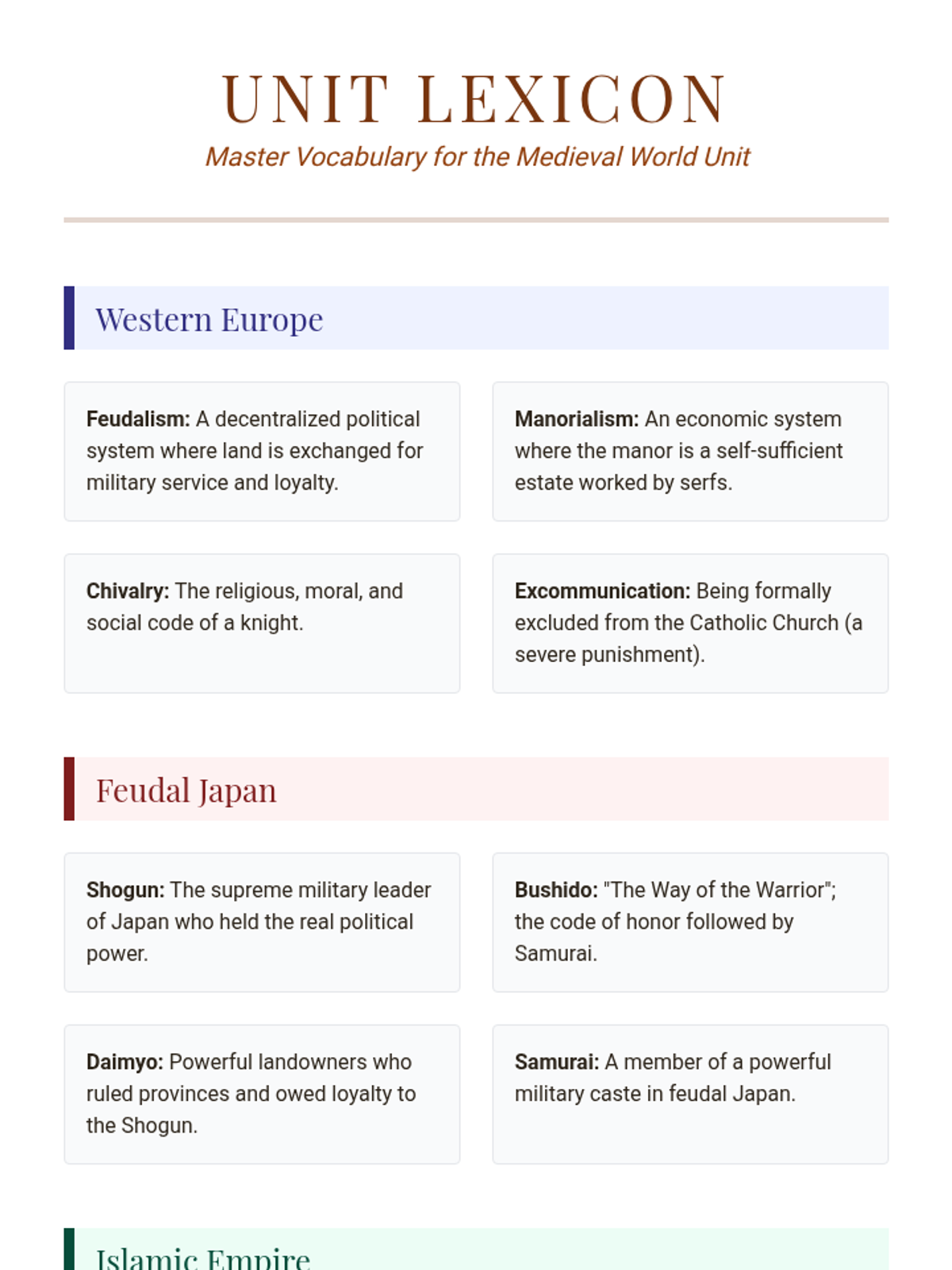
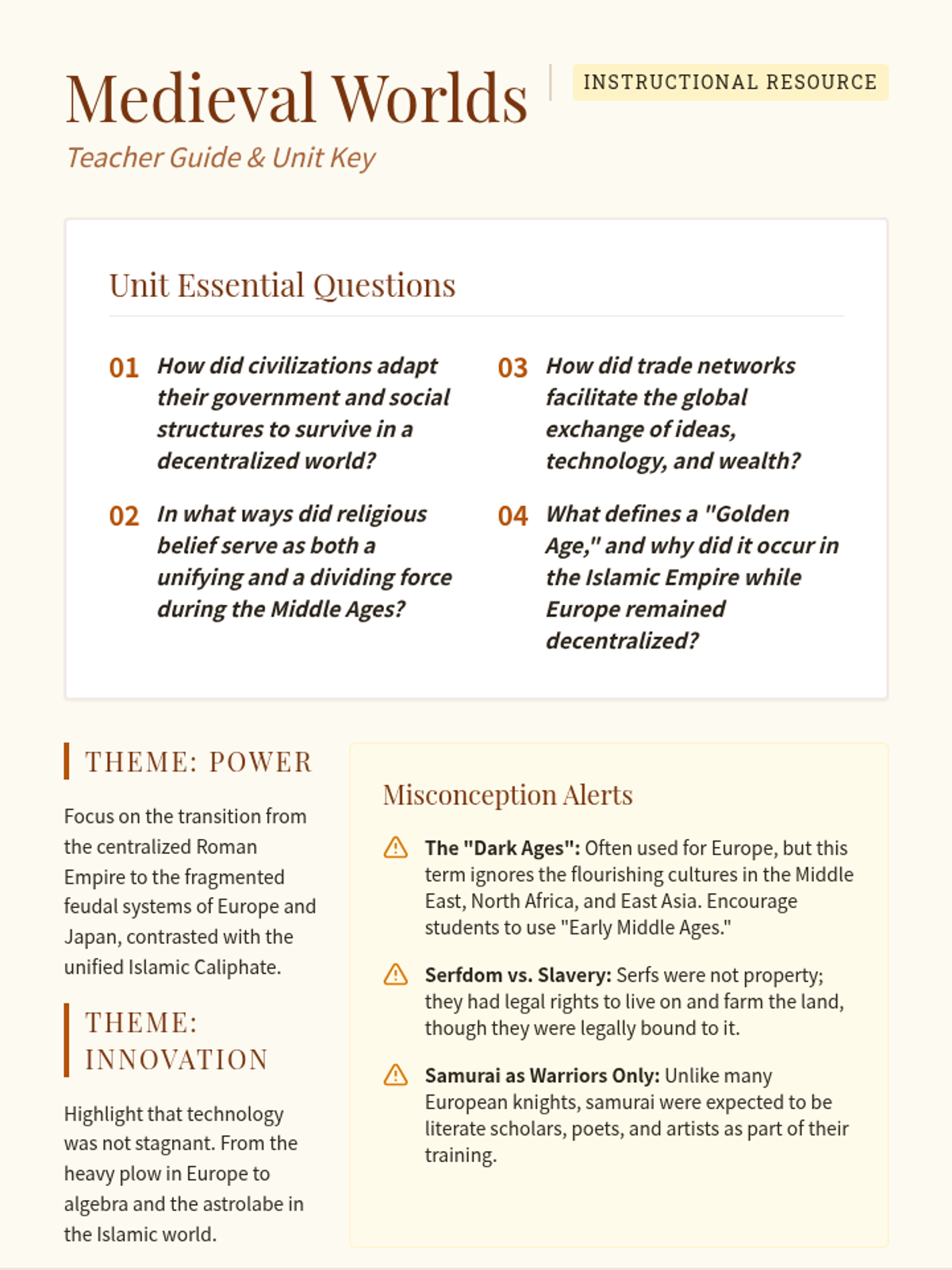
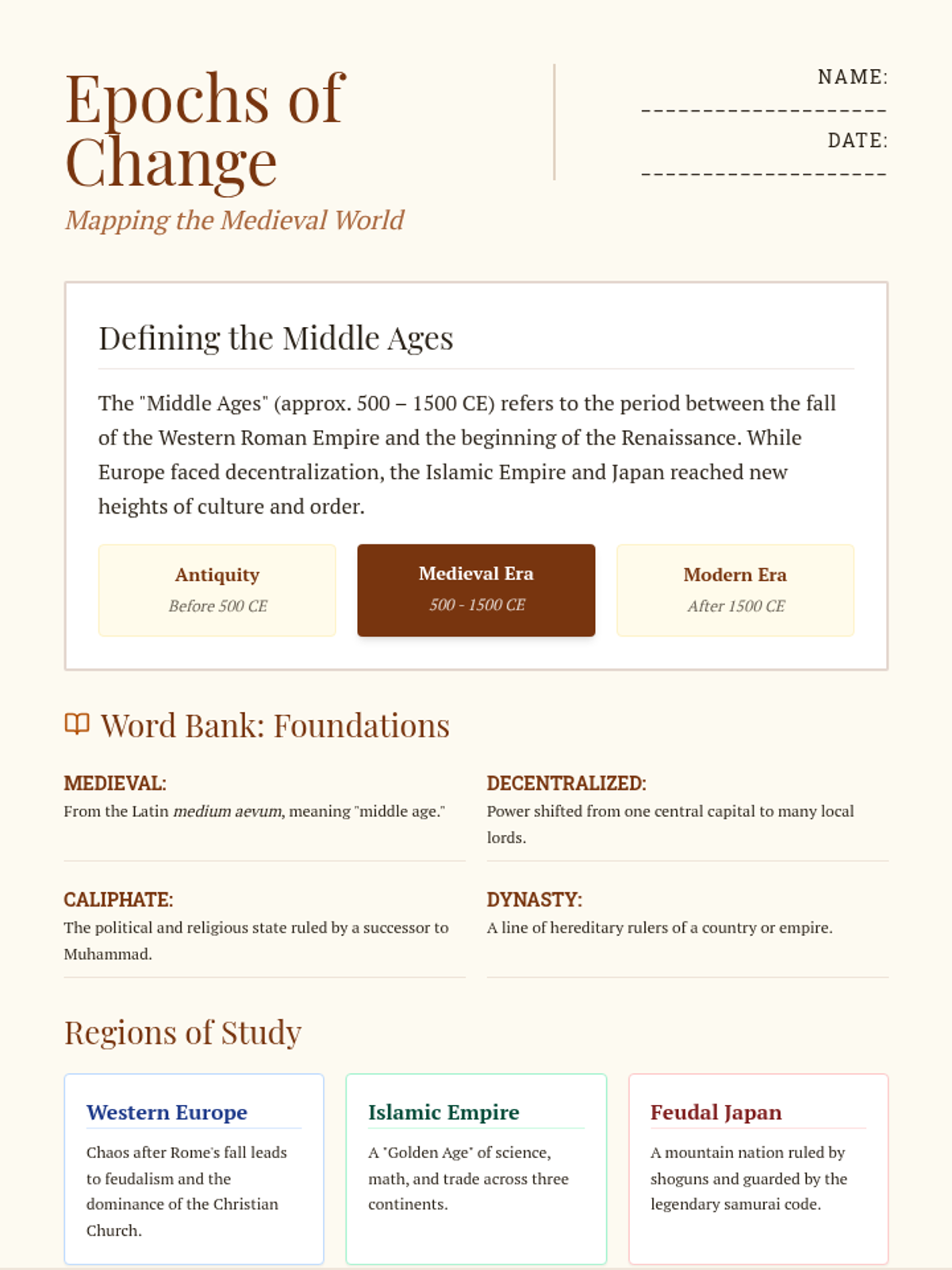
A review of the unit's key concepts and a final assessment on the shared characteristics and unique contributions of medieval civilizations.
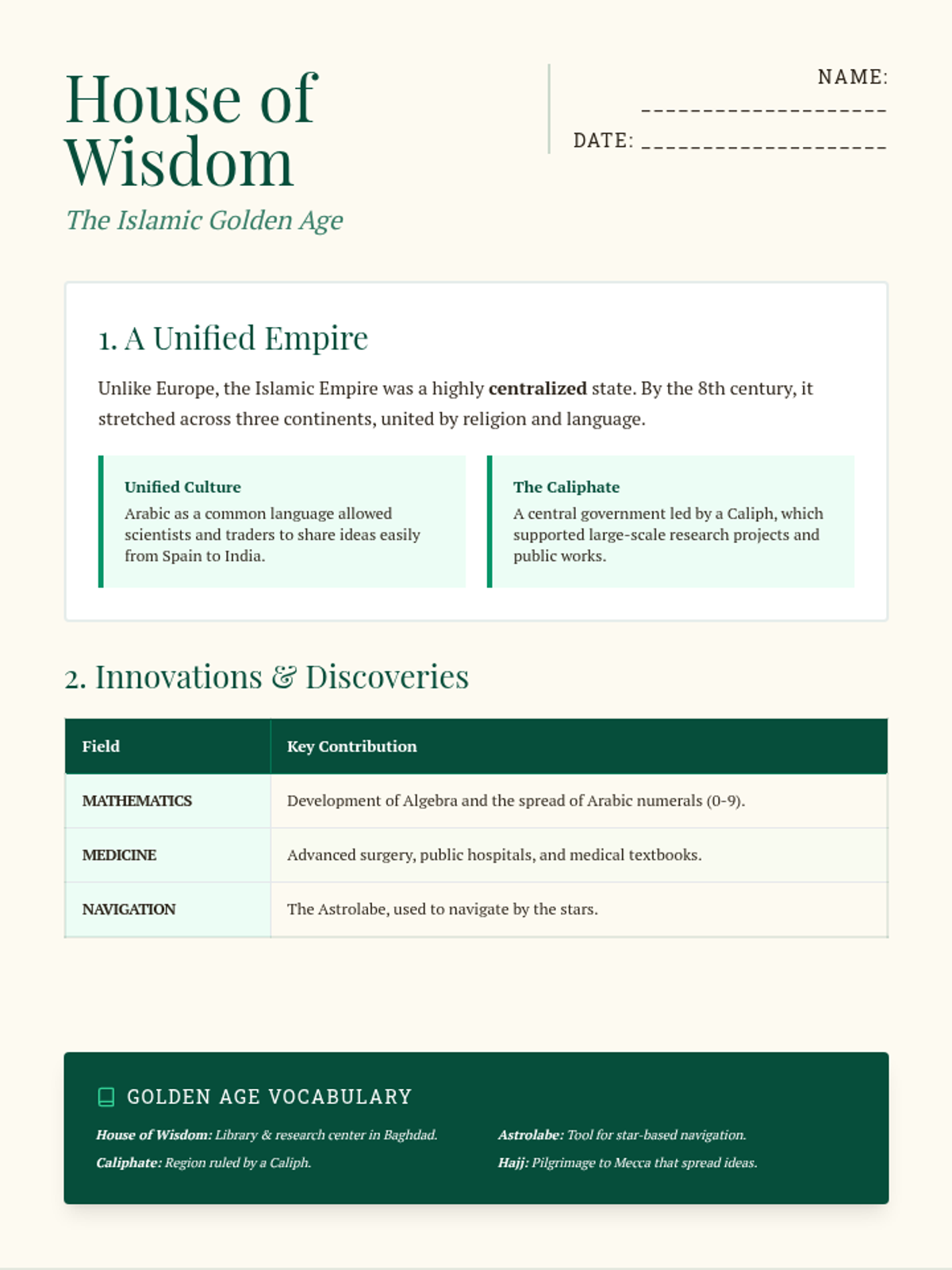
Exploring the Golden Age of the Islamic Empire, focusing on advancements in science, math, and the role of Islam in unifying a diverse caliphate.
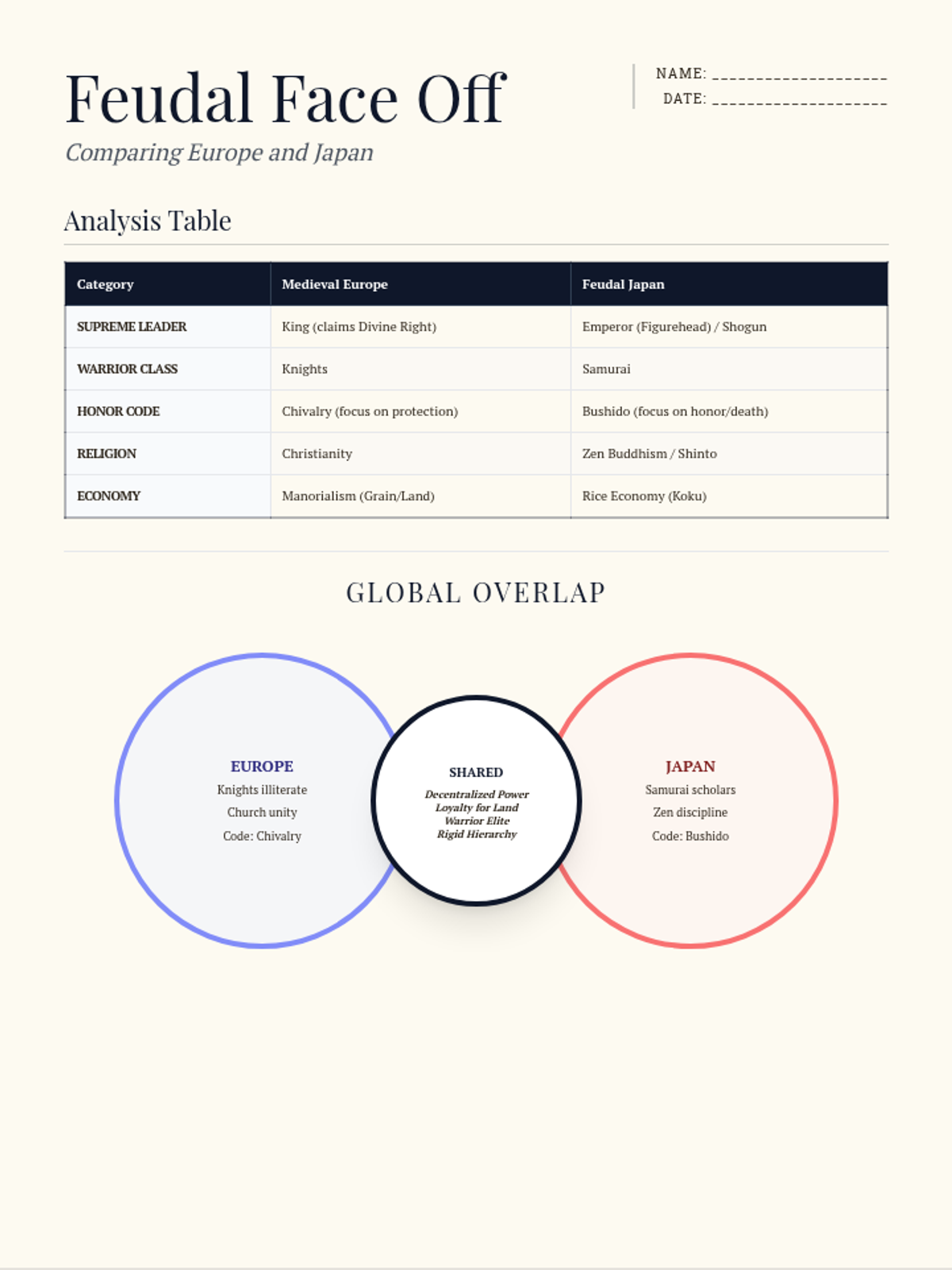
A comparative study of European and Japanese feudalism, highlighting similarities in social structures and differences in culture and technology.
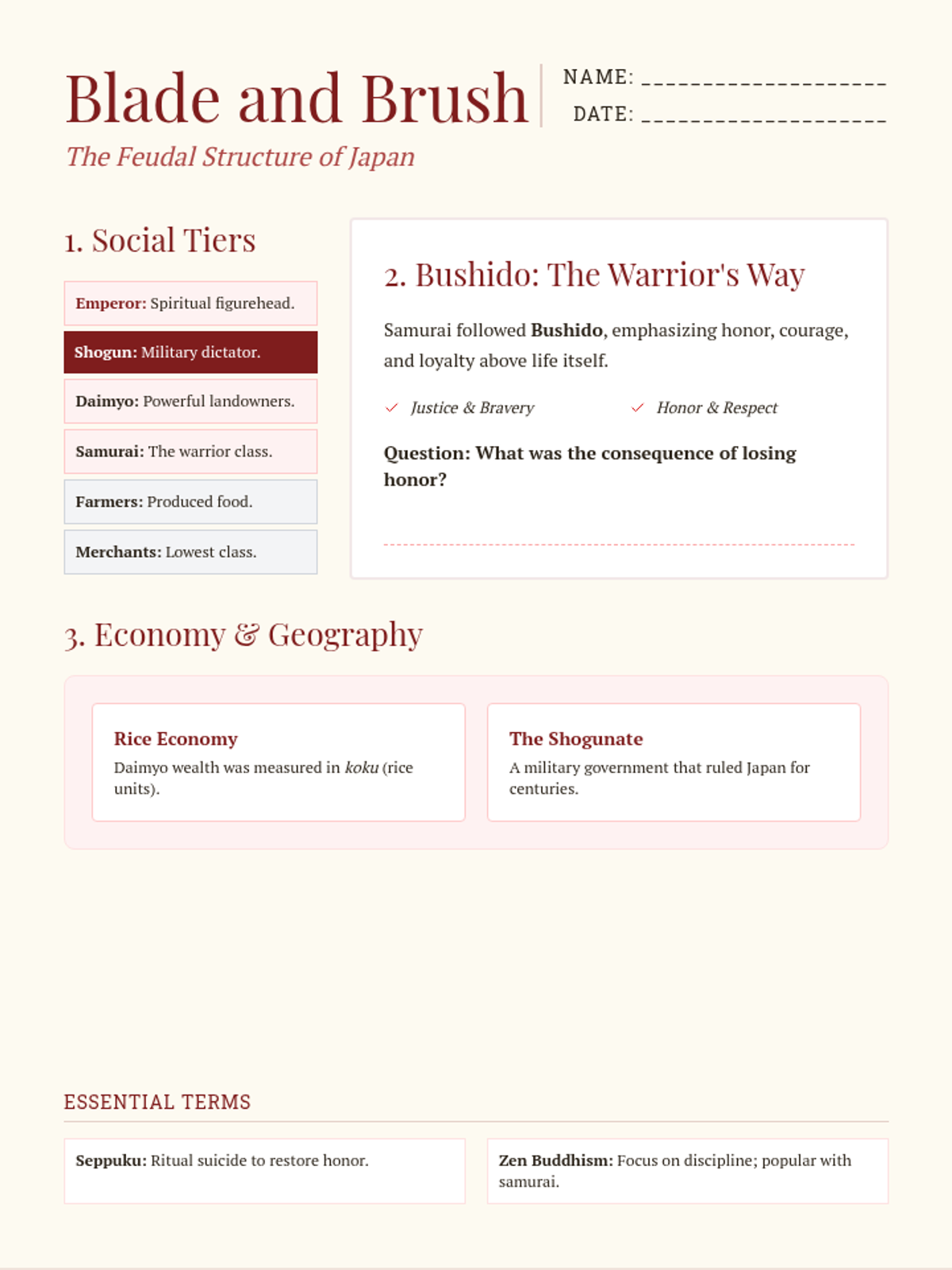
An analysis of Japan's feudal government, the role of the Shogun, and the code of the Samurai.
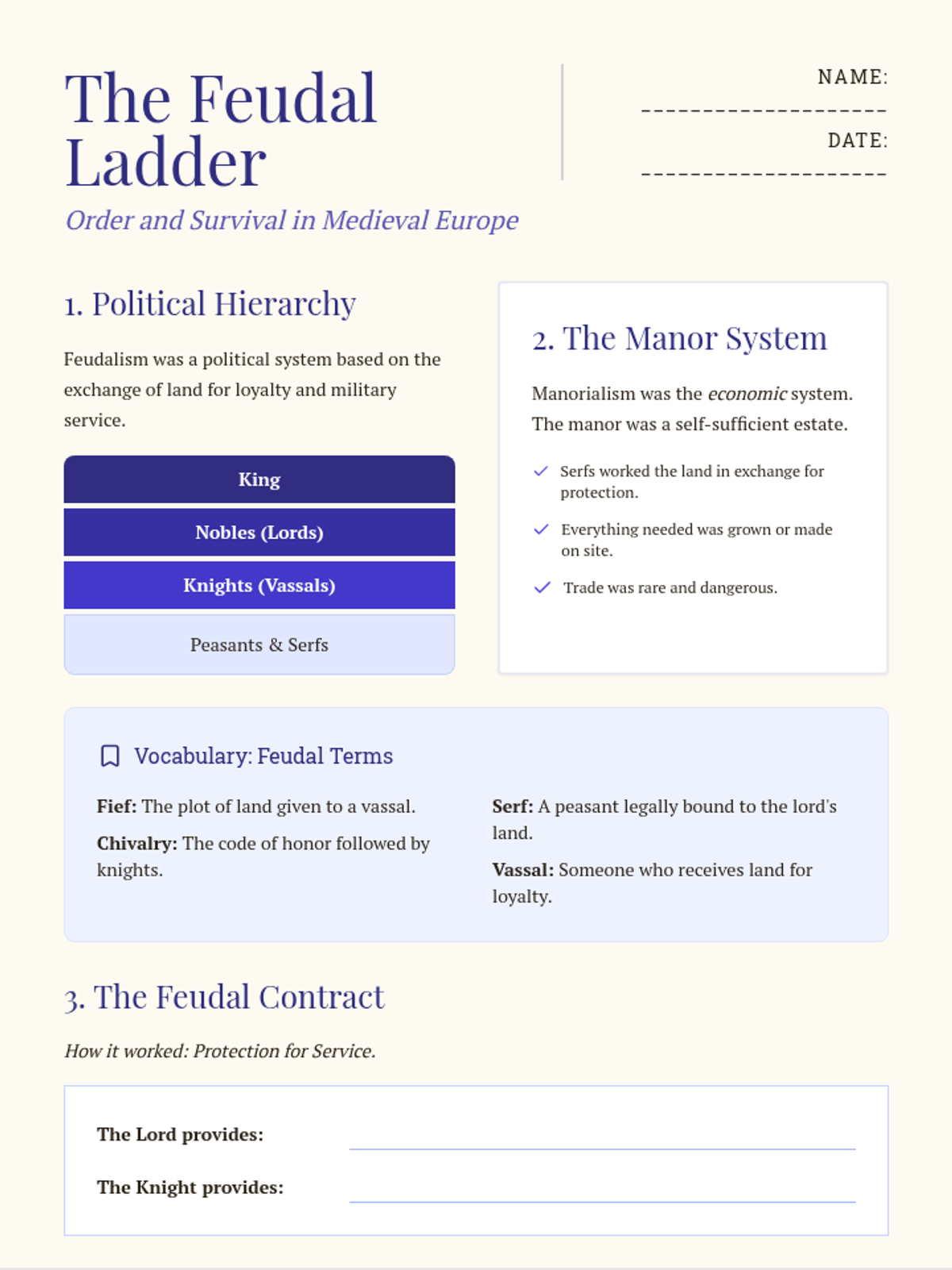
An exploration of the feudal system and manorialism in Western Europe, focusing on the social hierarchy and agrarian economy.
An introduction to the global Middle Ages, defining the time period and setting the stage for the rise of regional powers in Europe, Japan, and the Islamic world.
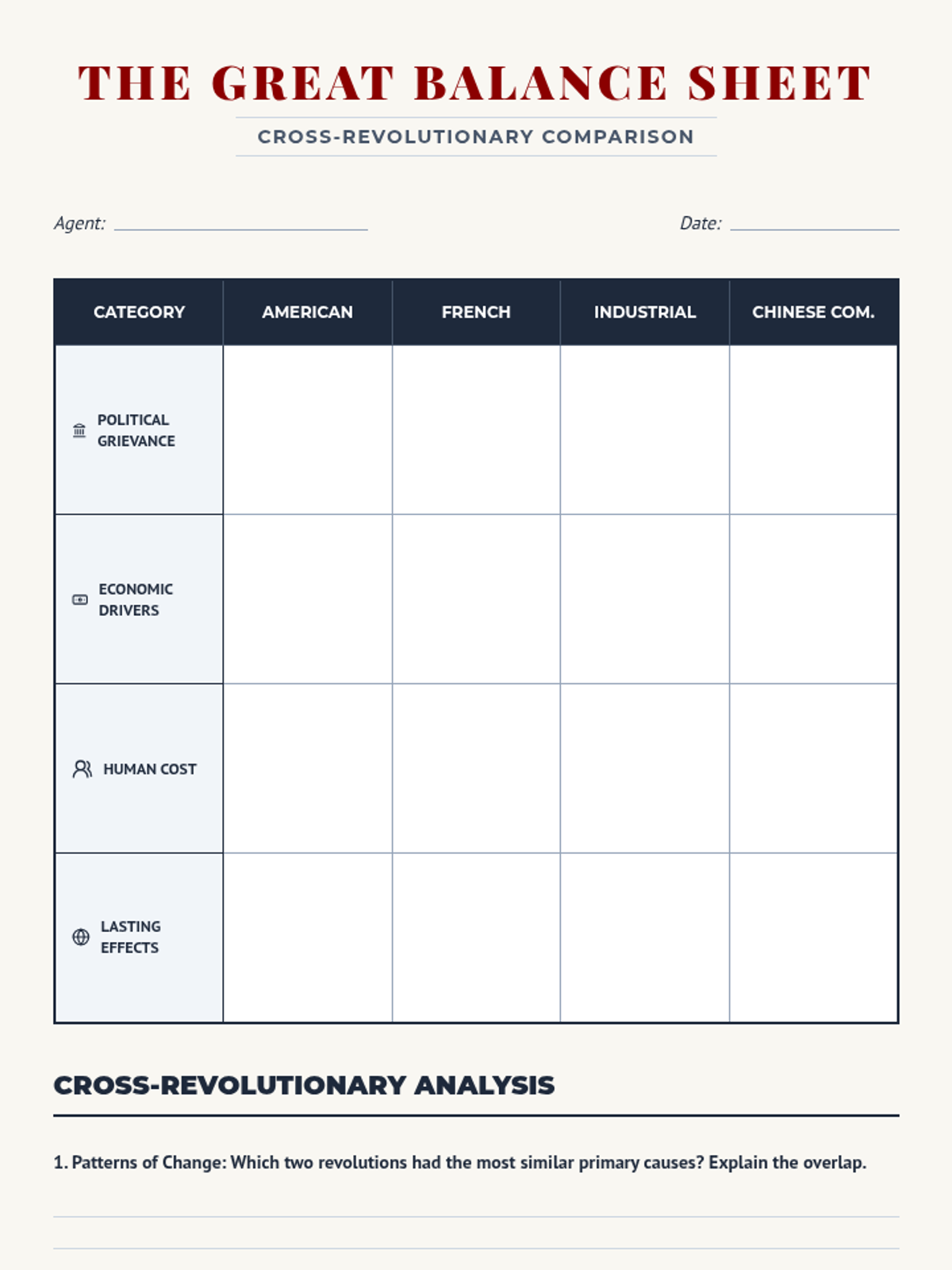
A synthesis lesson where students compare and contrast all four revolutions using comprehensive graphic organizers and critical thinking prompts.
Traces the fall of the Qing Dynasty, the rise of Mao Zedong, and the radical restructuring of Chinese society under Communism.
Explores the shift from agrarian economies to manufacturing hubs, the rise of urbanization, and the profound social changes of the 18th and 19th centuries.
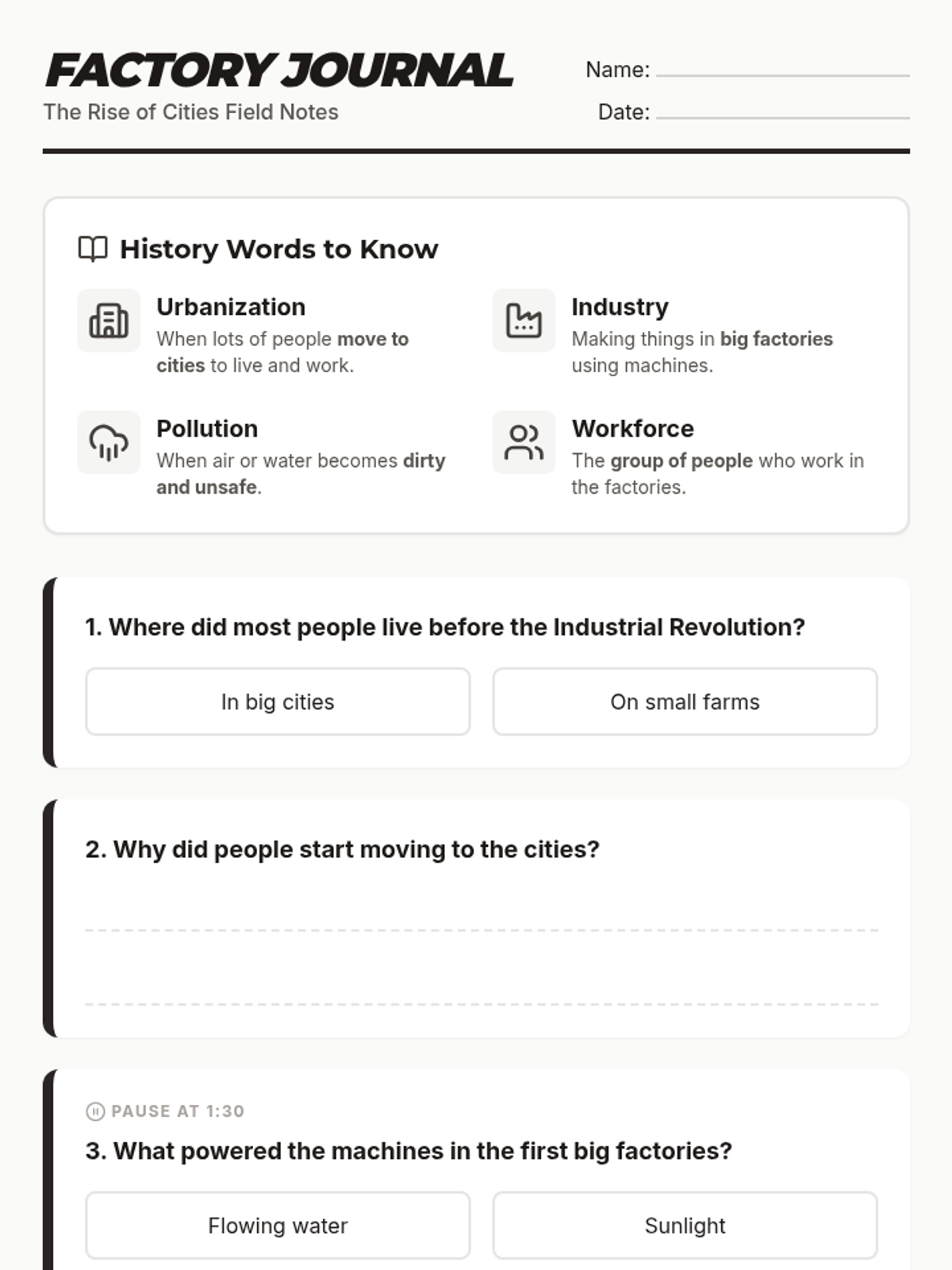
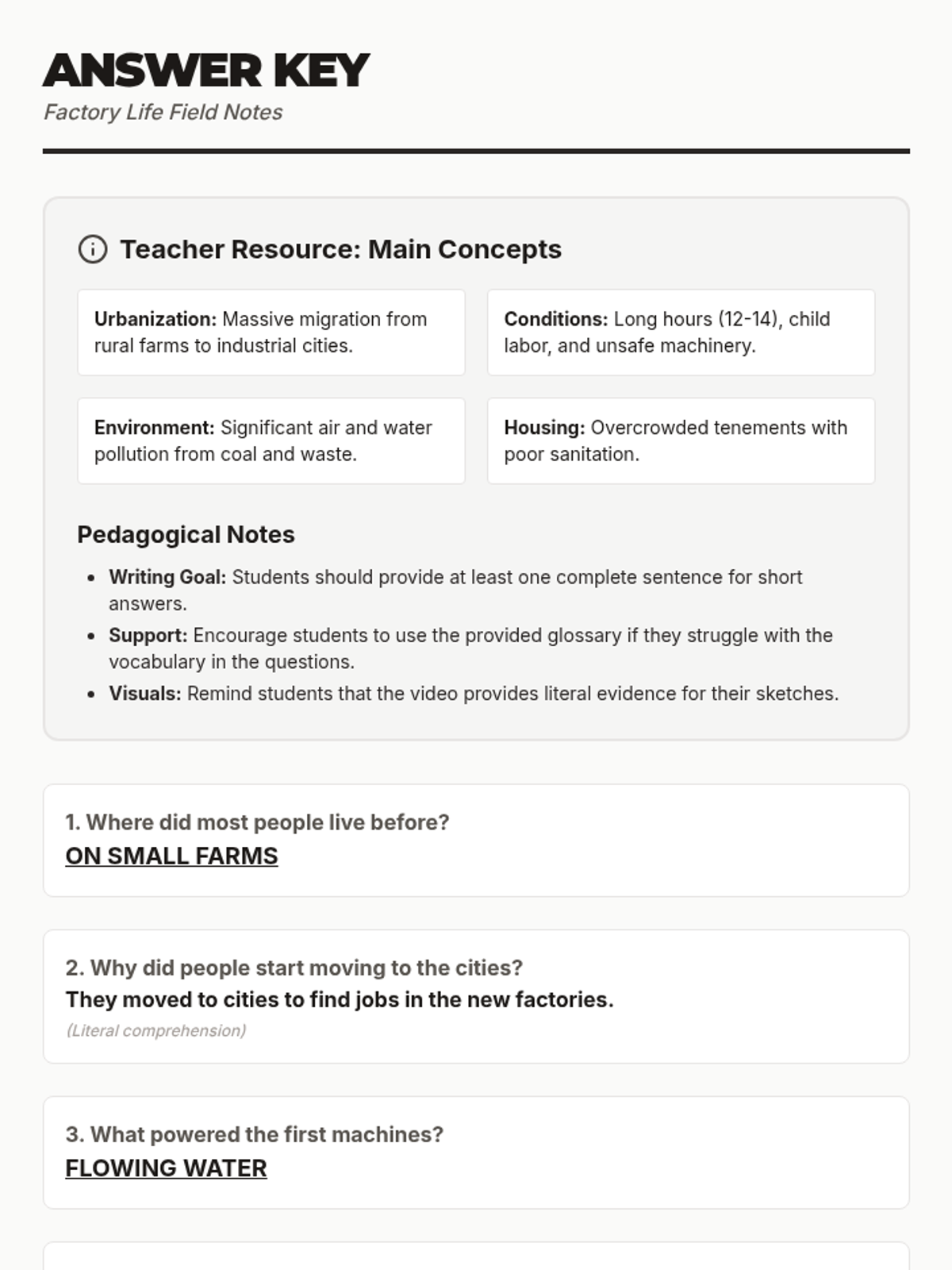
A guided video investigation into how factories changed where people lived and worked. Students analyze the working conditions in mills and the environmental impact of early urbanization.
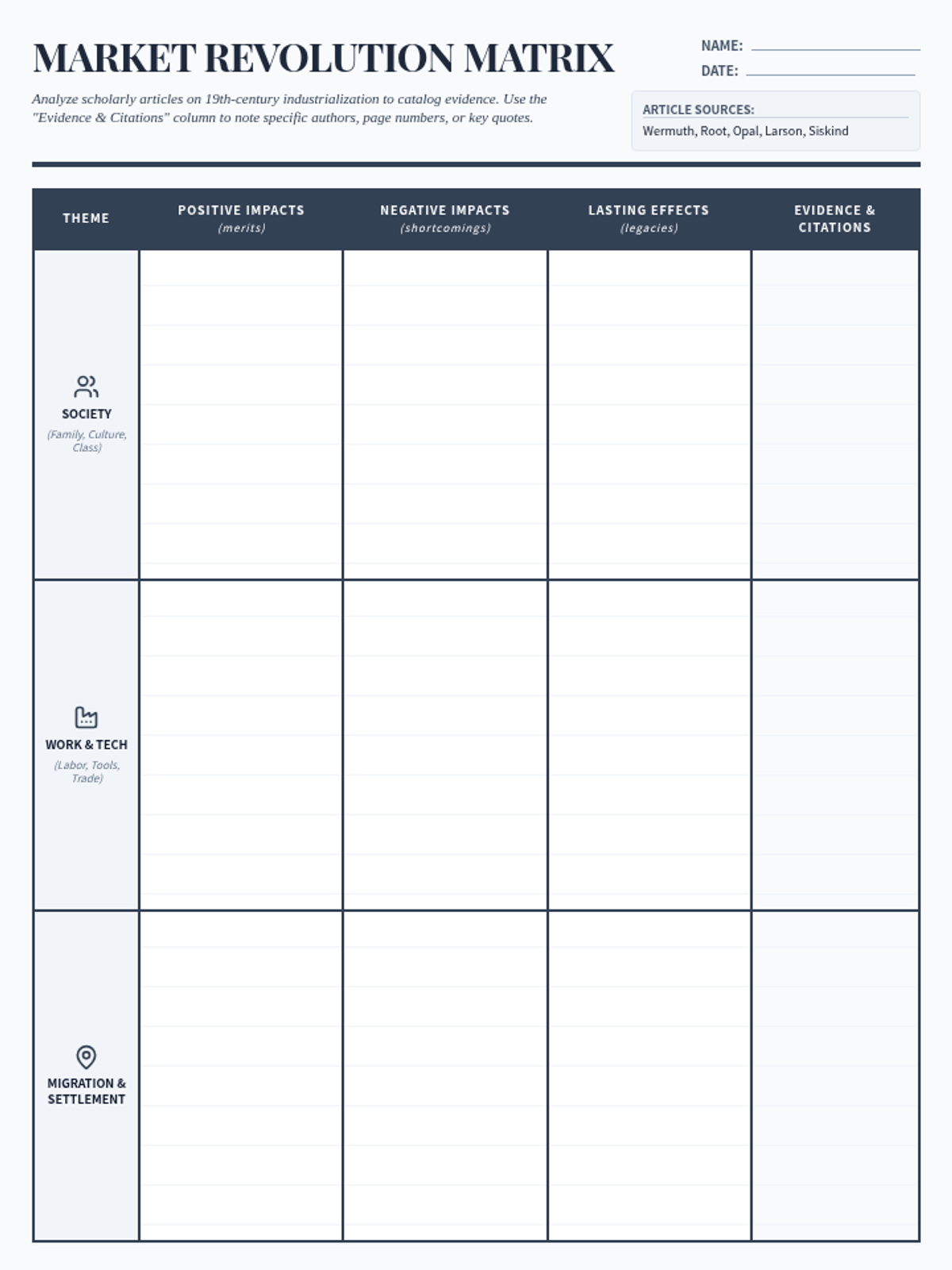
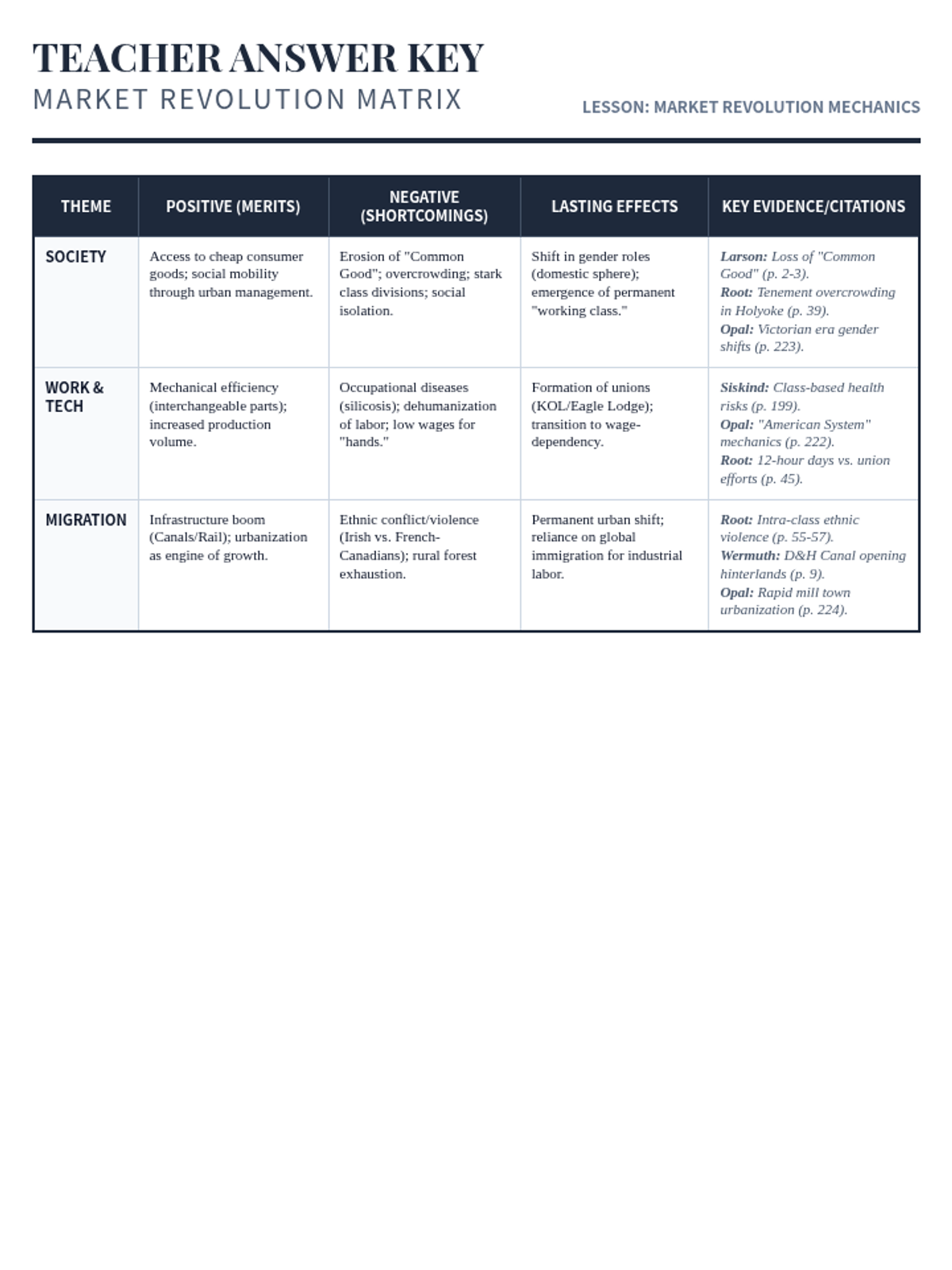
Students analyze the transformative period of industrialization and the market revolution in the 19th-century United States through scholarly articles, exploring the complex balance of economic progress against social and human costs.
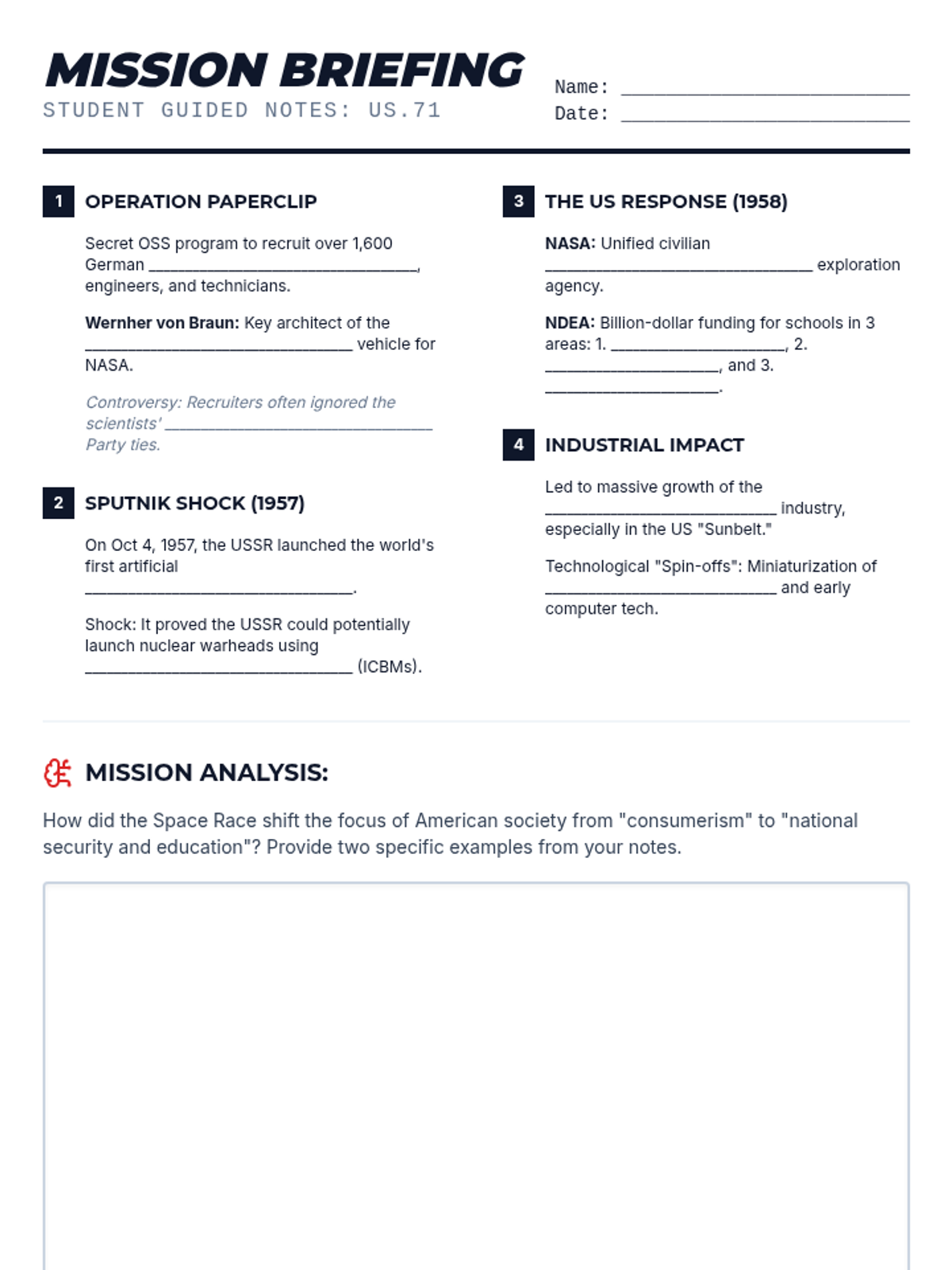
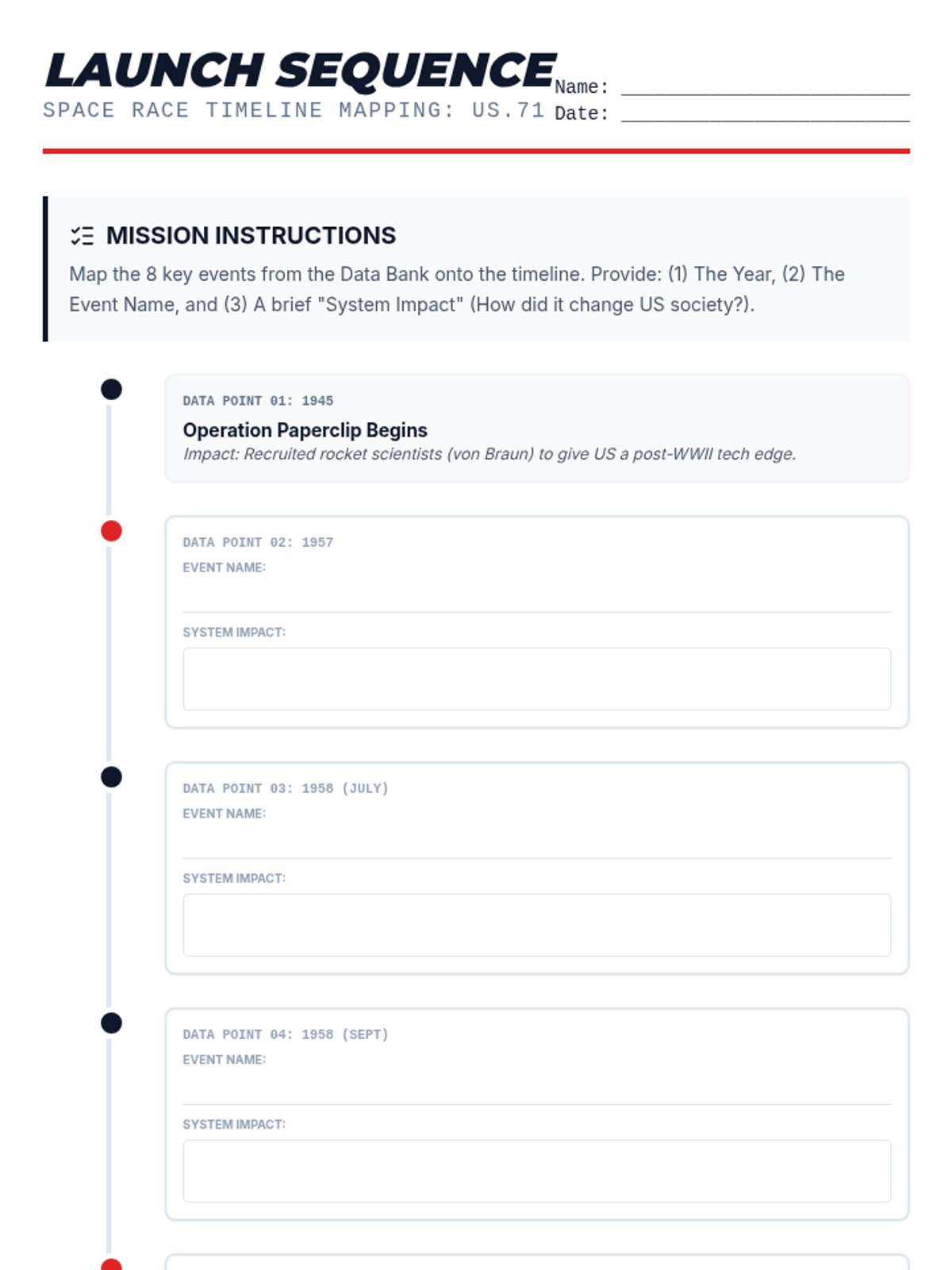
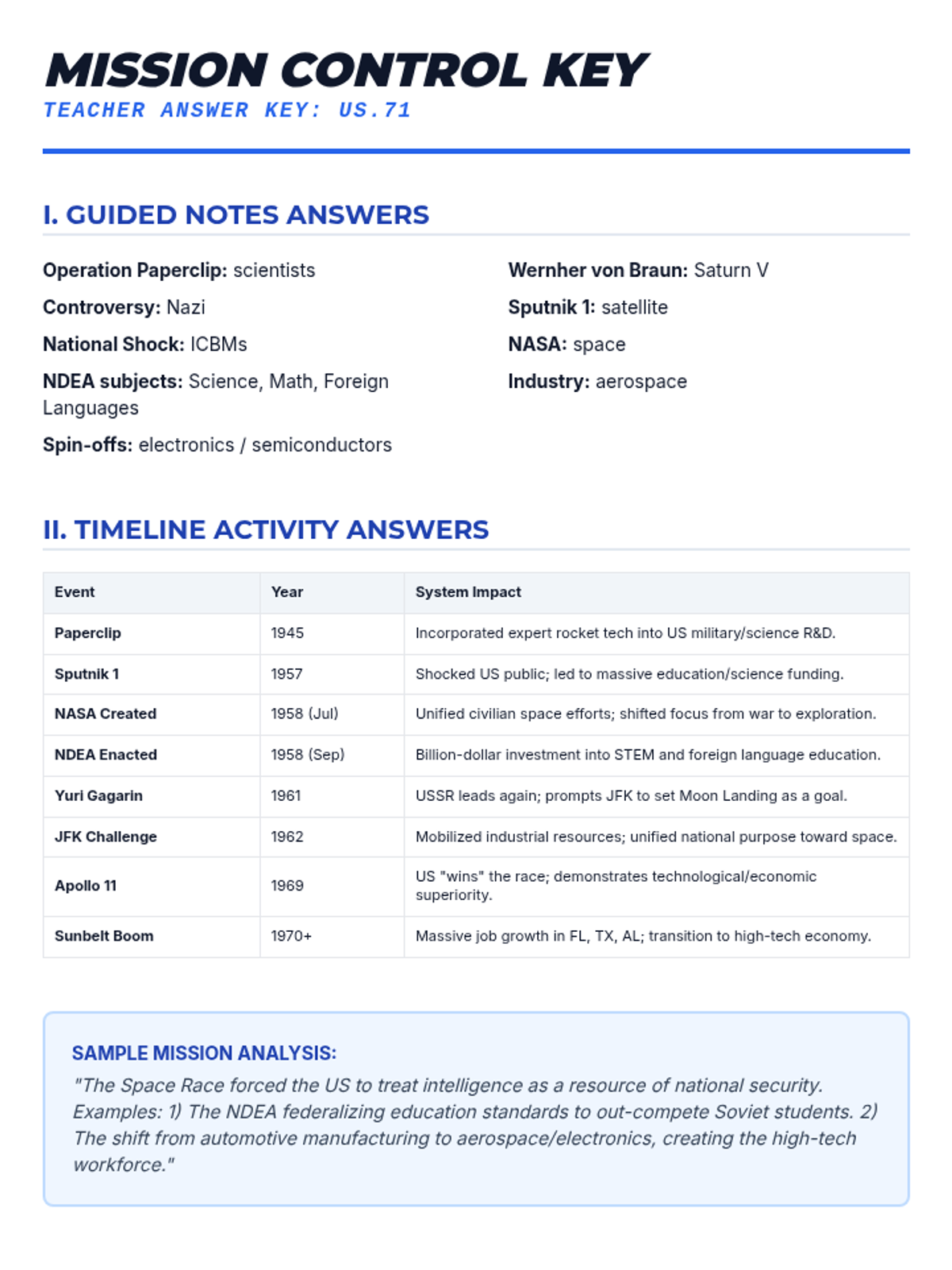
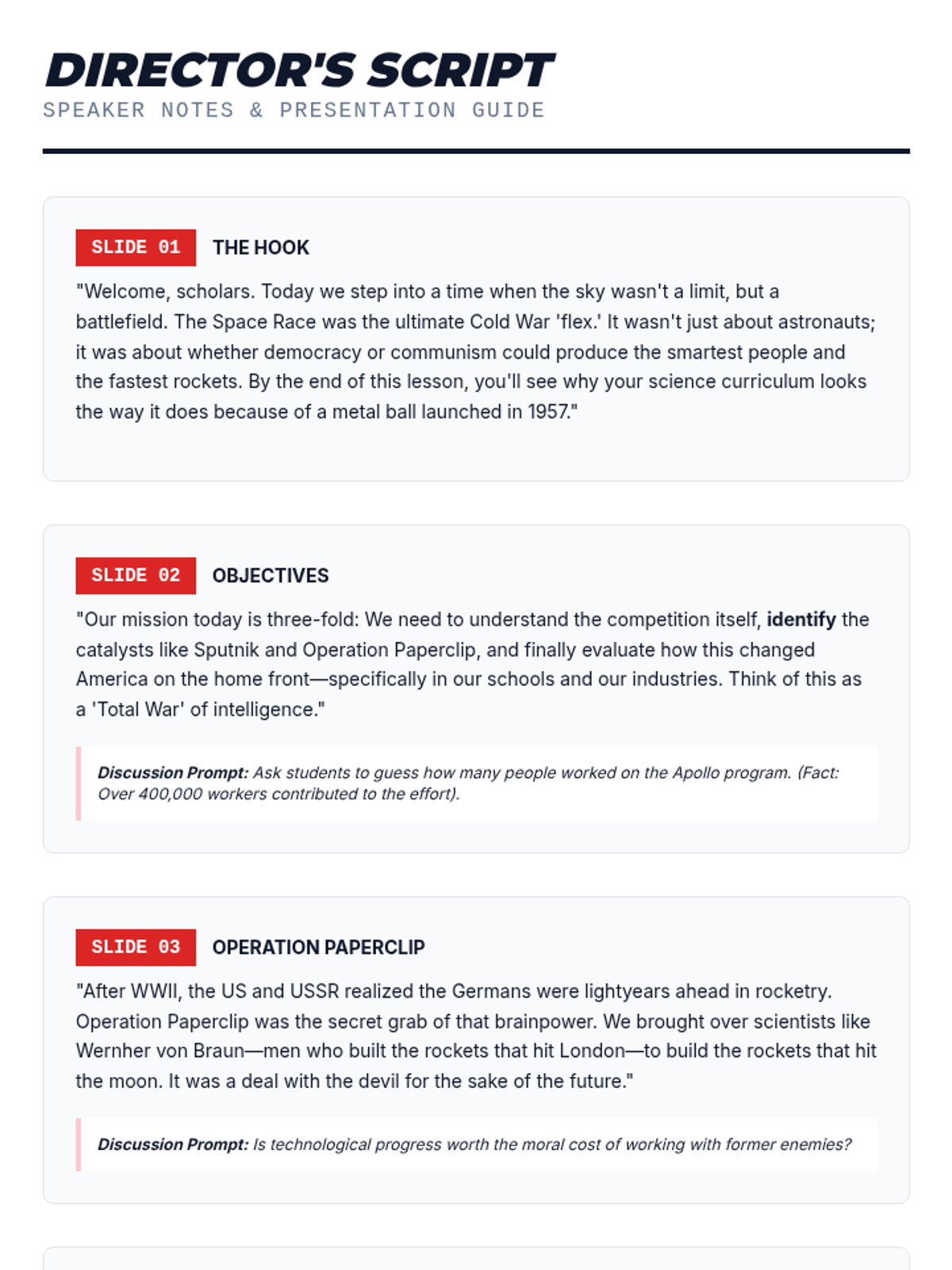
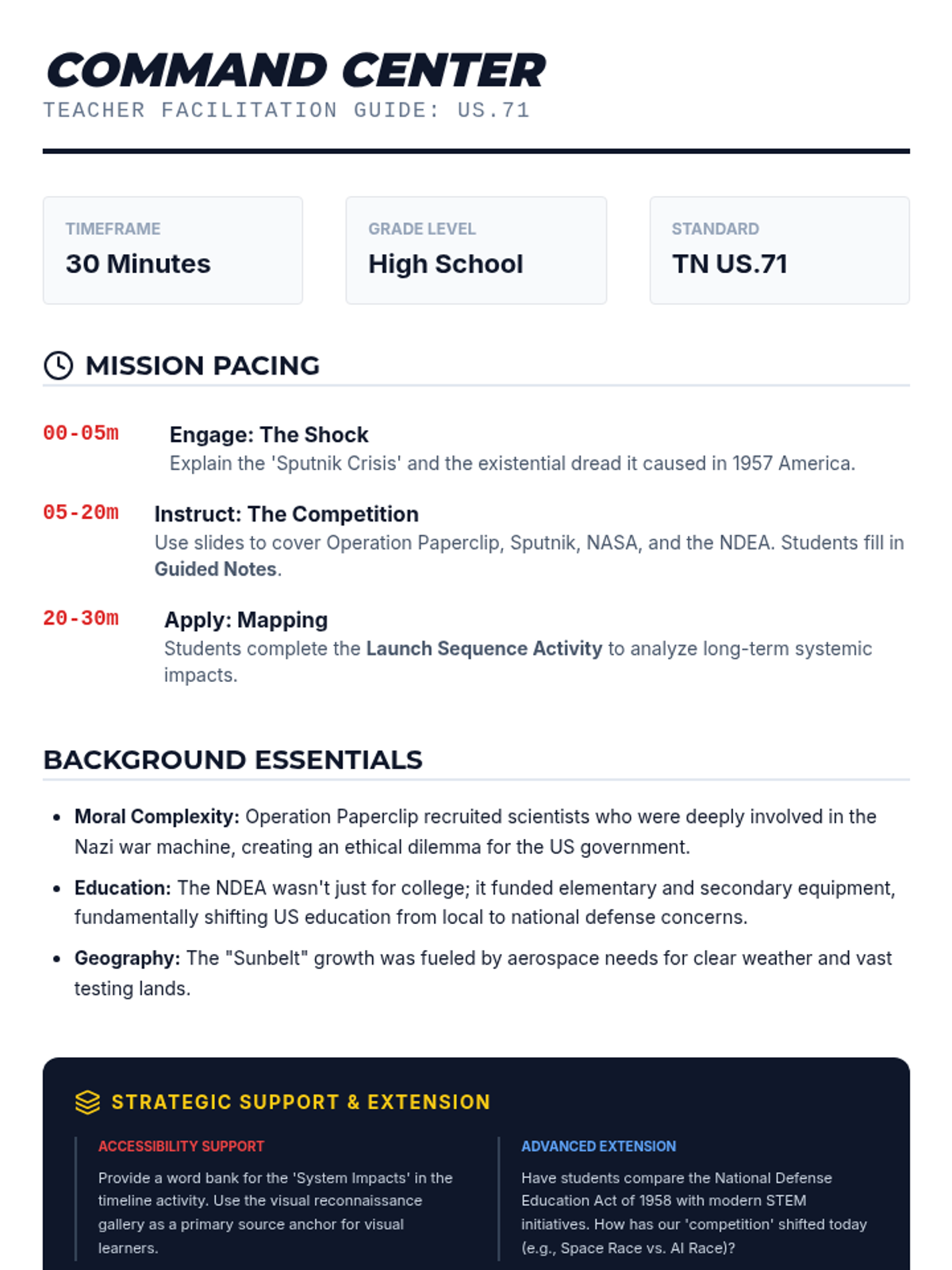
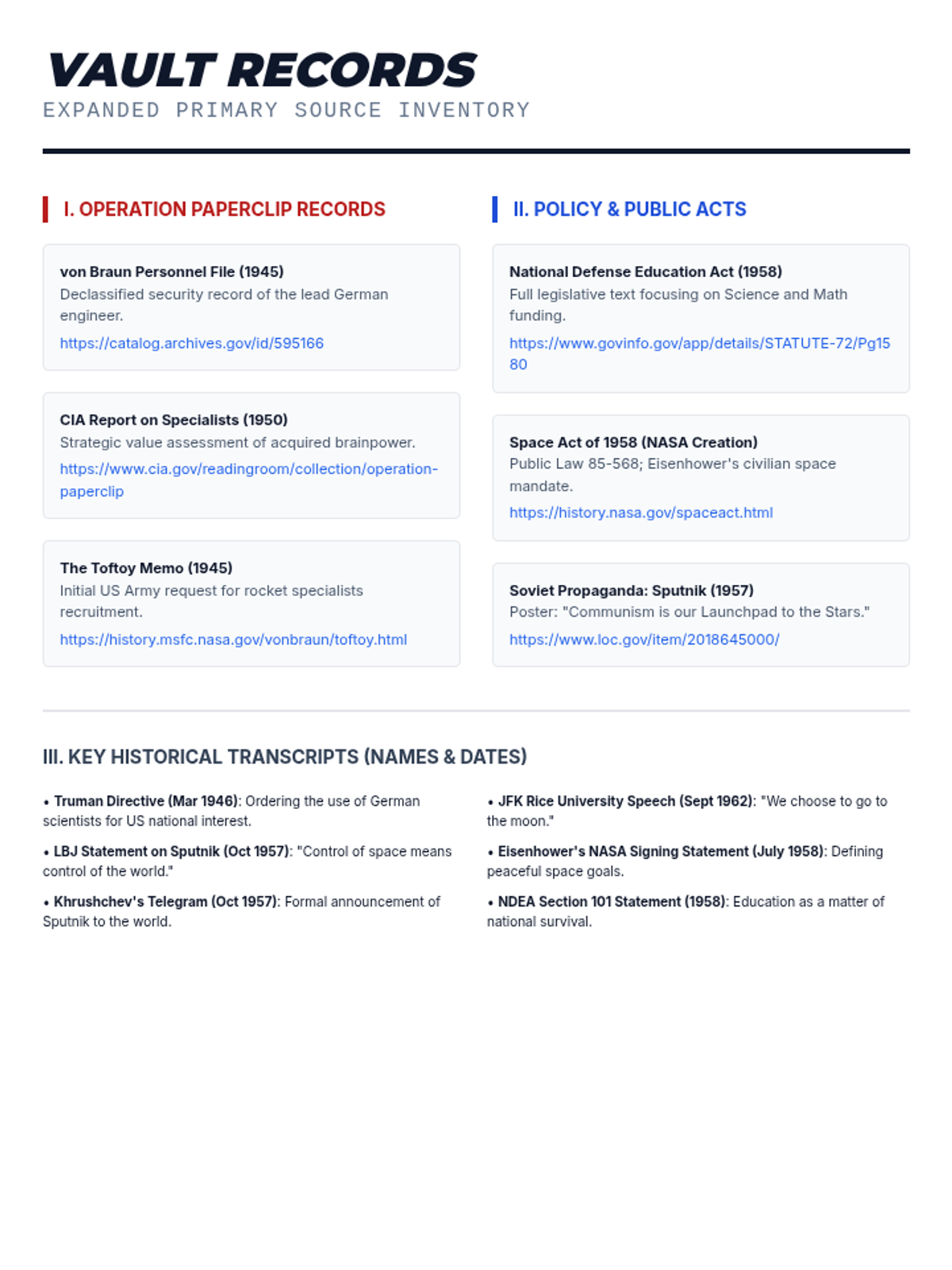
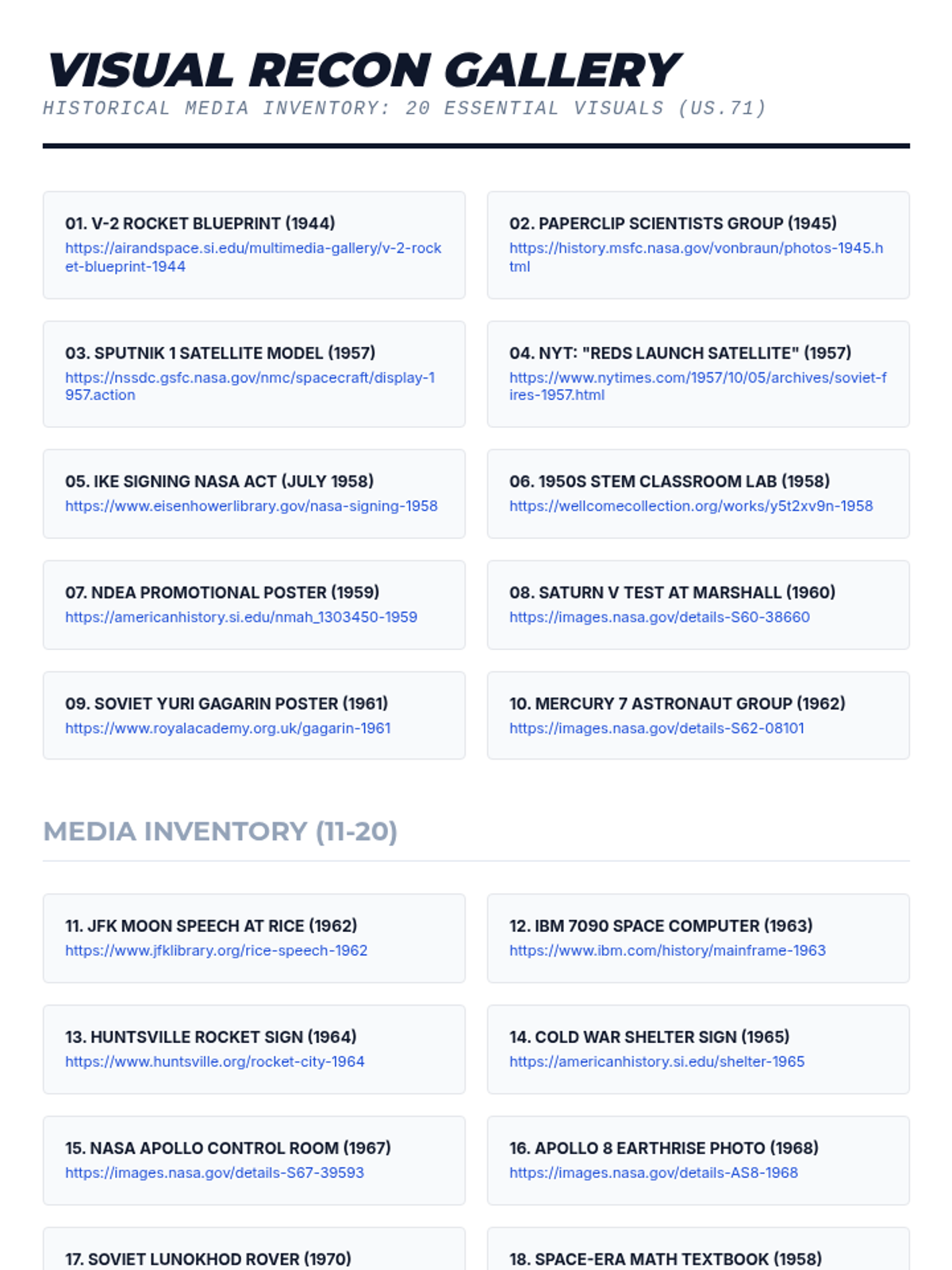
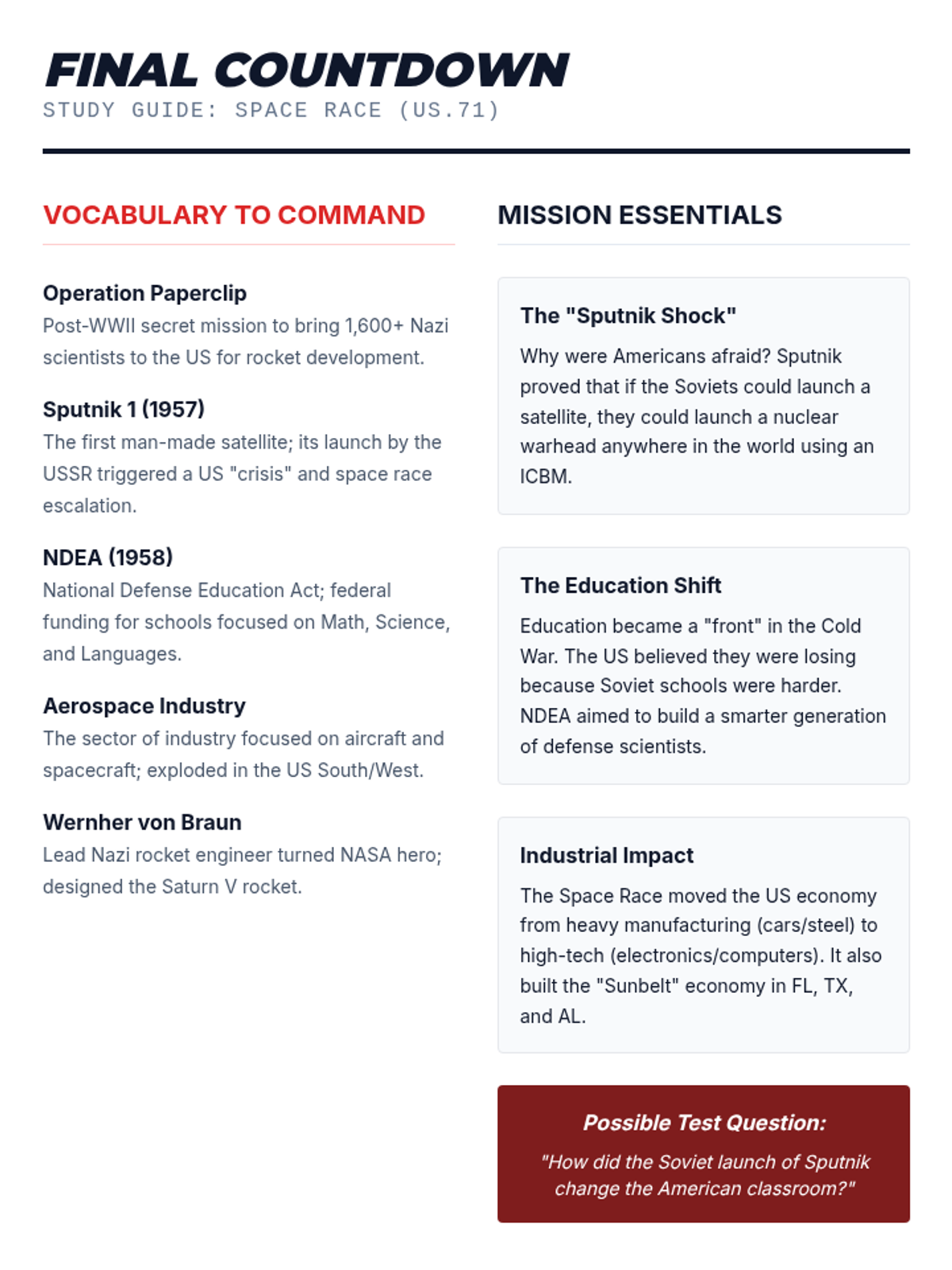
A 30-minute exploration of the Space Race, focusing on the competition between the US and USSR, Operation Paperclip, and the resulting transformation of American education and industry.
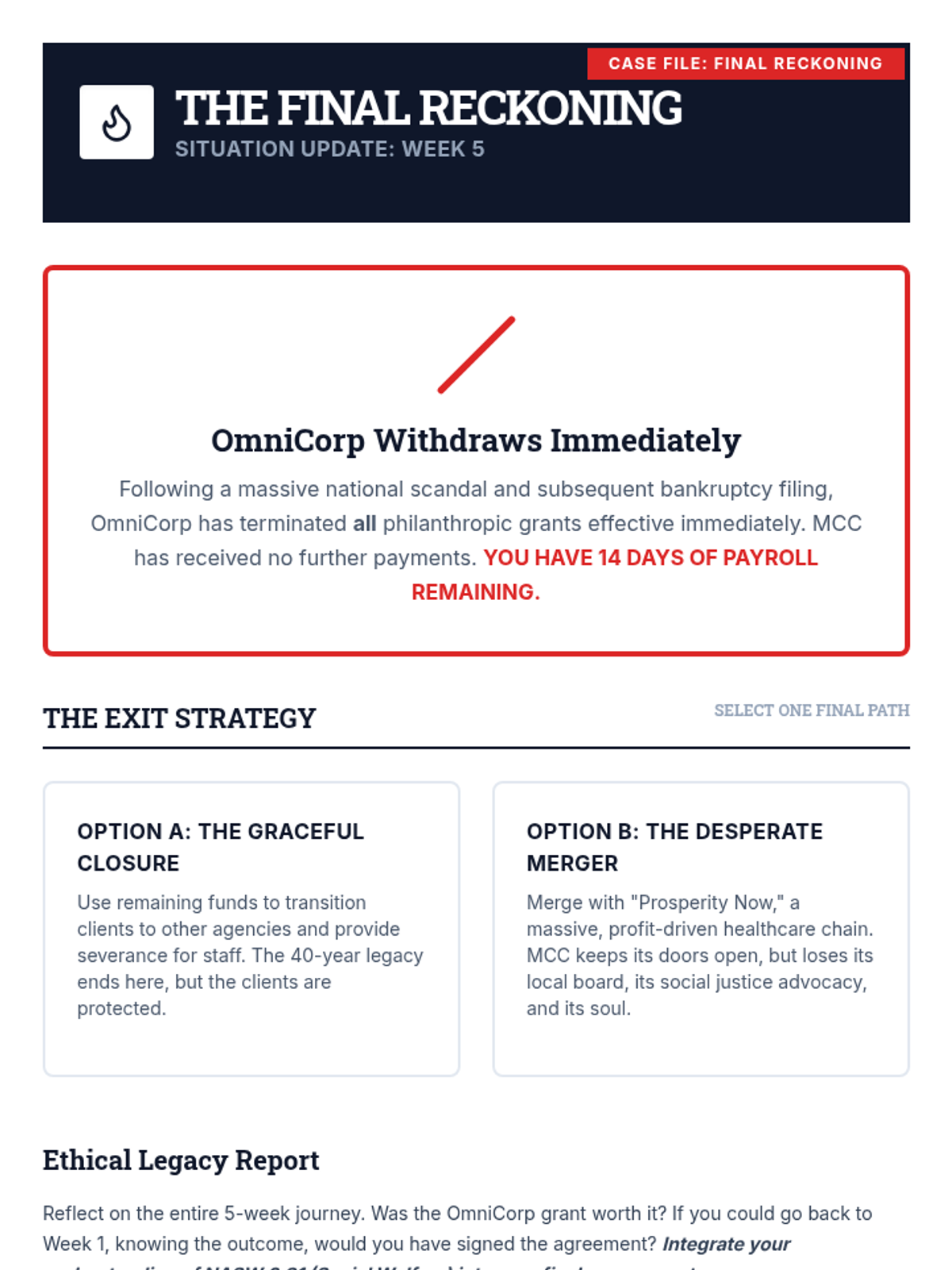
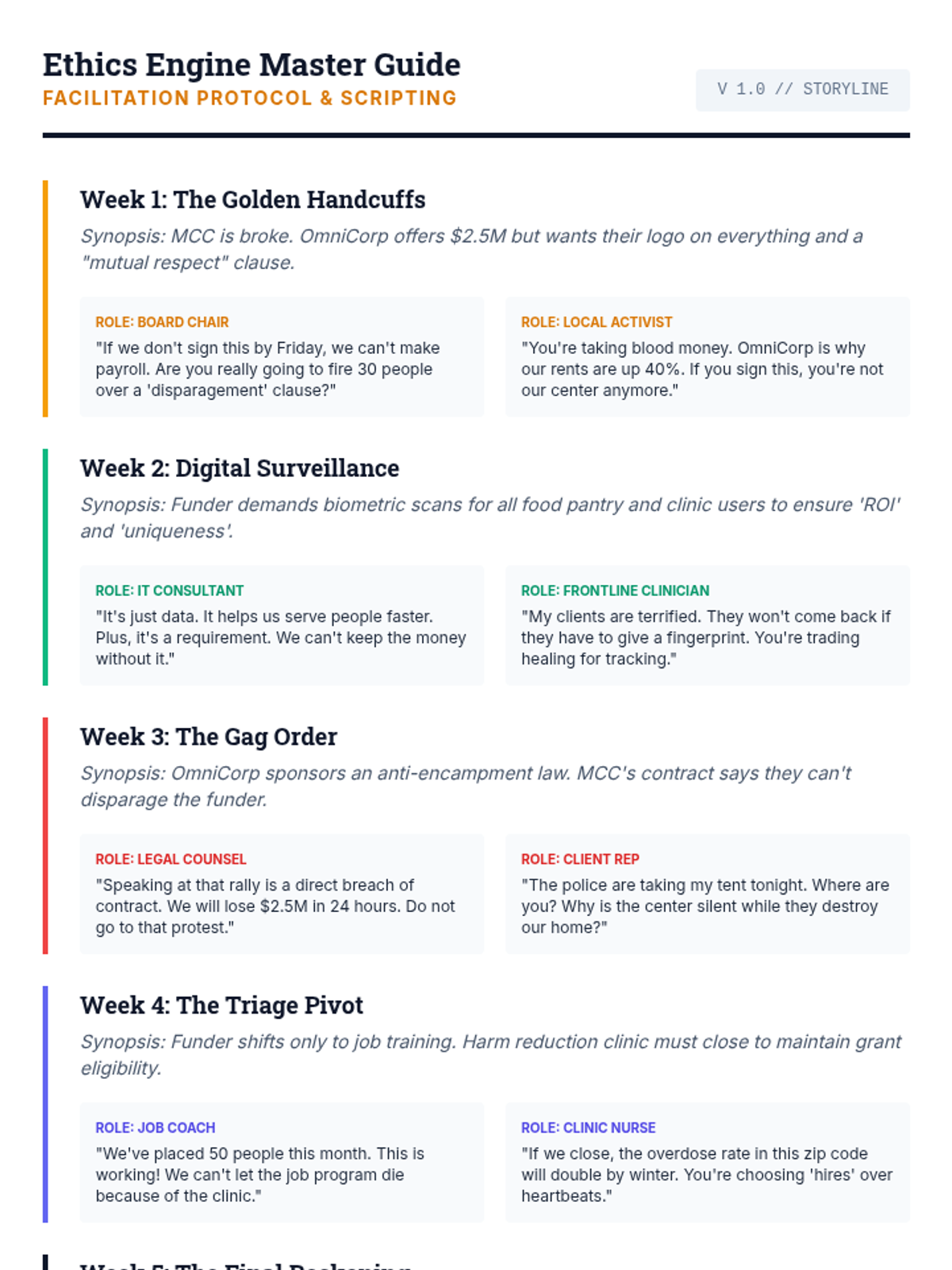
Week 5 of the ethics storyline: The funder unexpectedly withdraws, leaving the organization in a sustainability crisis that forces a final decision on its future and ethical legacy.
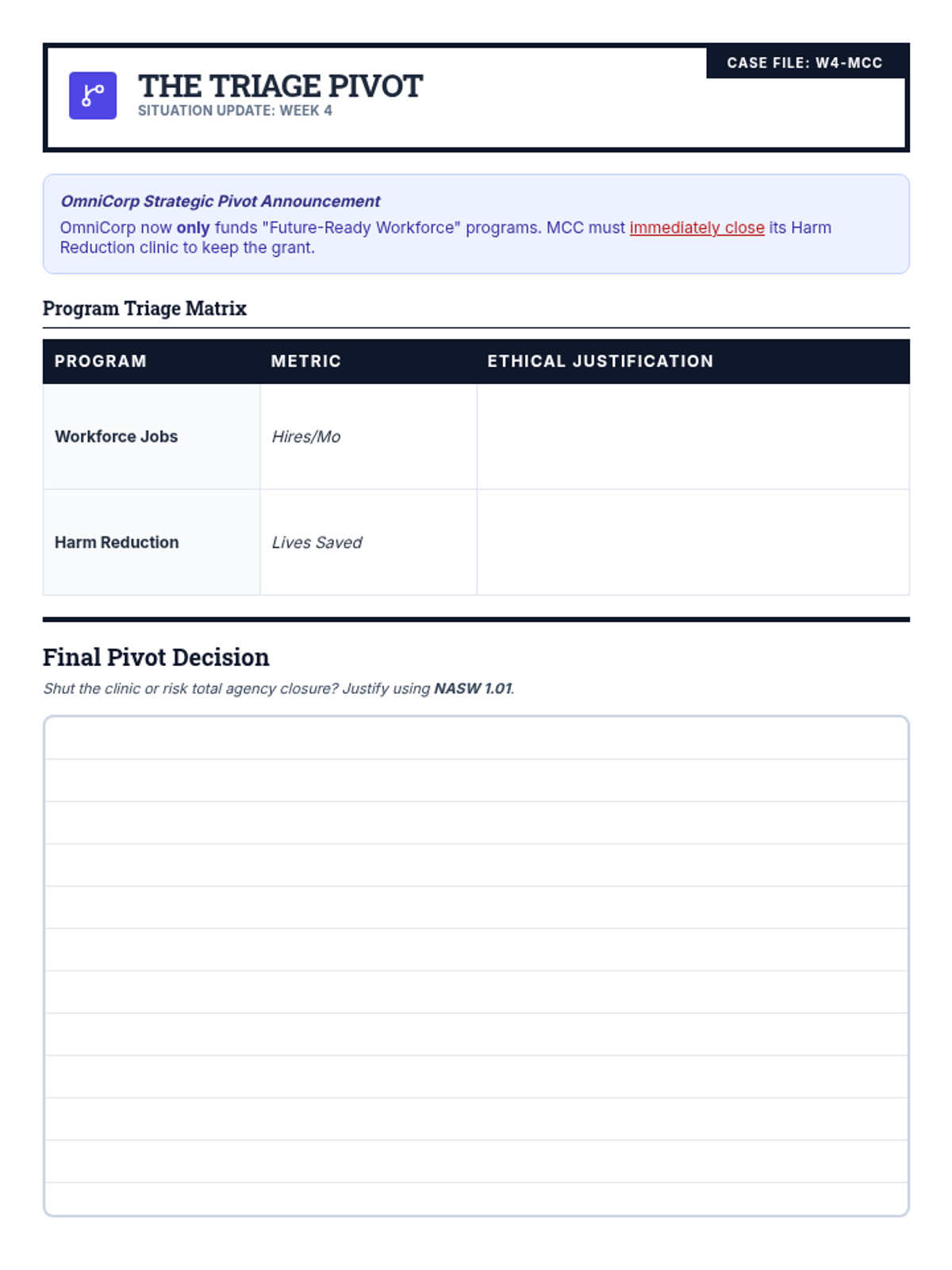
Week 4 of the ethics storyline: The funder mandates a shift toward high-metric 'job training' programs, forcing the organization to defund its 'harm reduction' services for the most vulnerable.
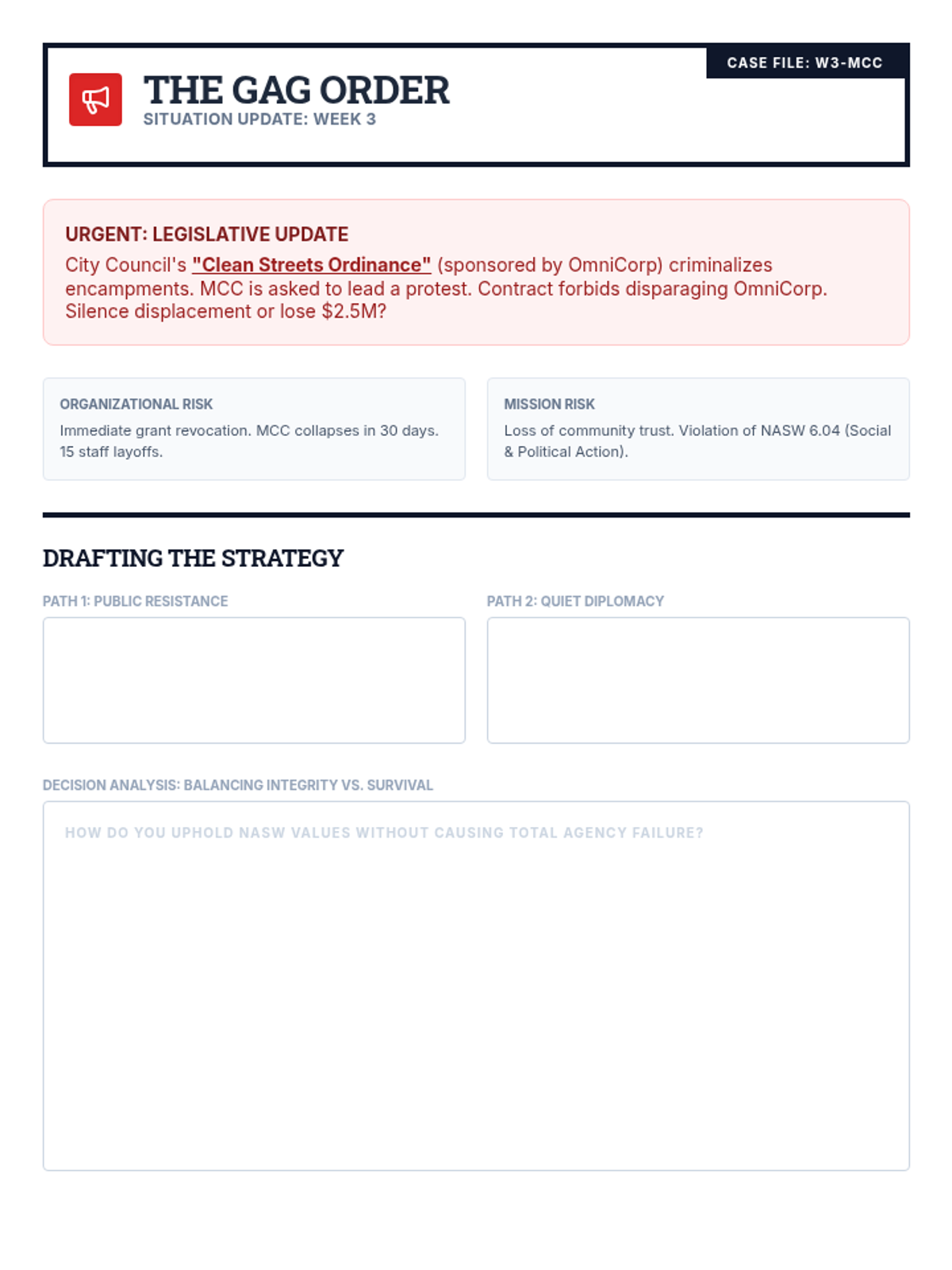
Week 3 of the ethics storyline: A local policy change puts the organization's mission at direct odds with the funder's corporate interests, testing the organization's commitment to advocacy.
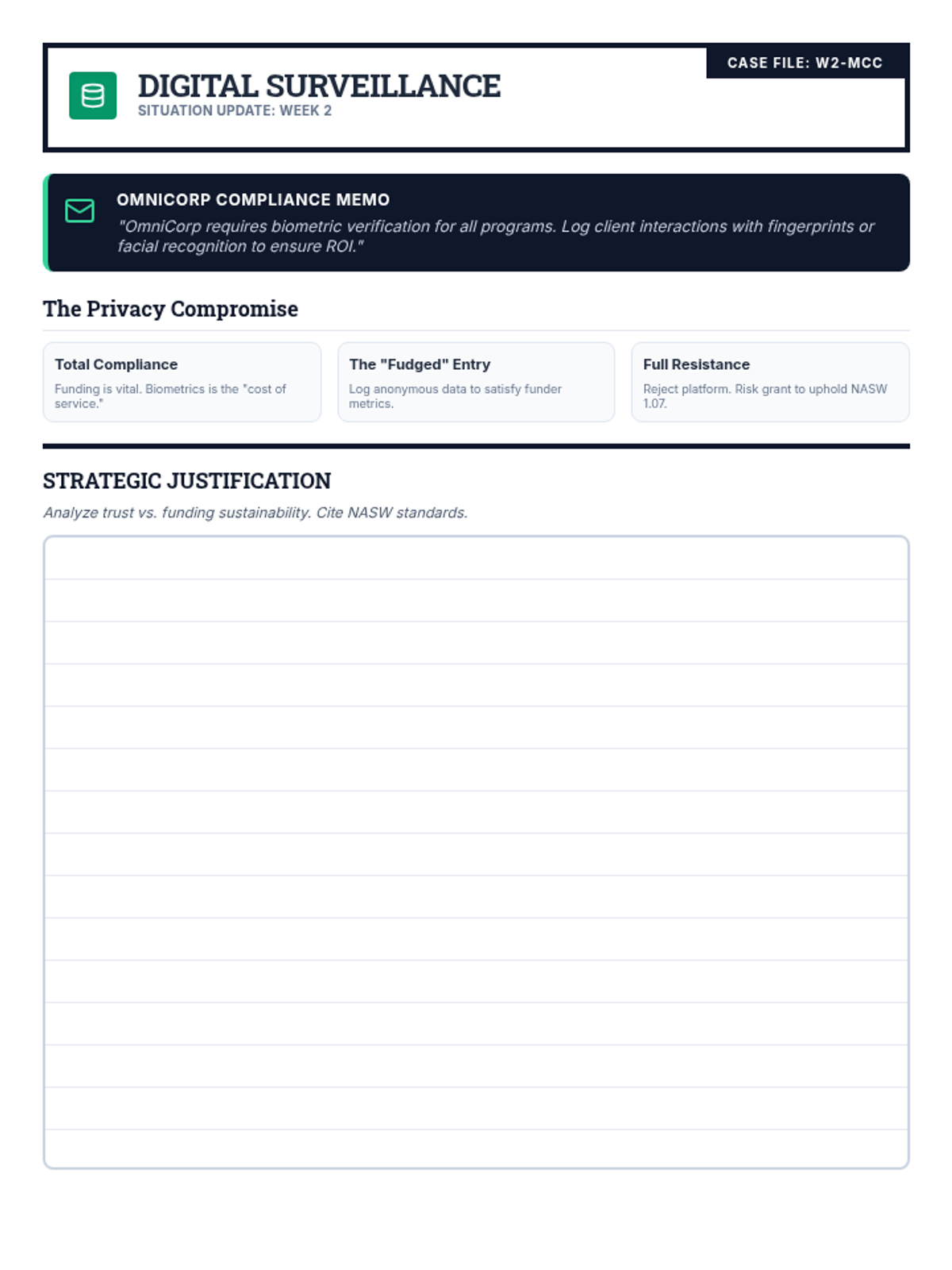
Week 2 of the ethics storyline: The funder demands real-time data tracking of all program participants, creating a conflict between technical efficiency and participant privacy/dignity.
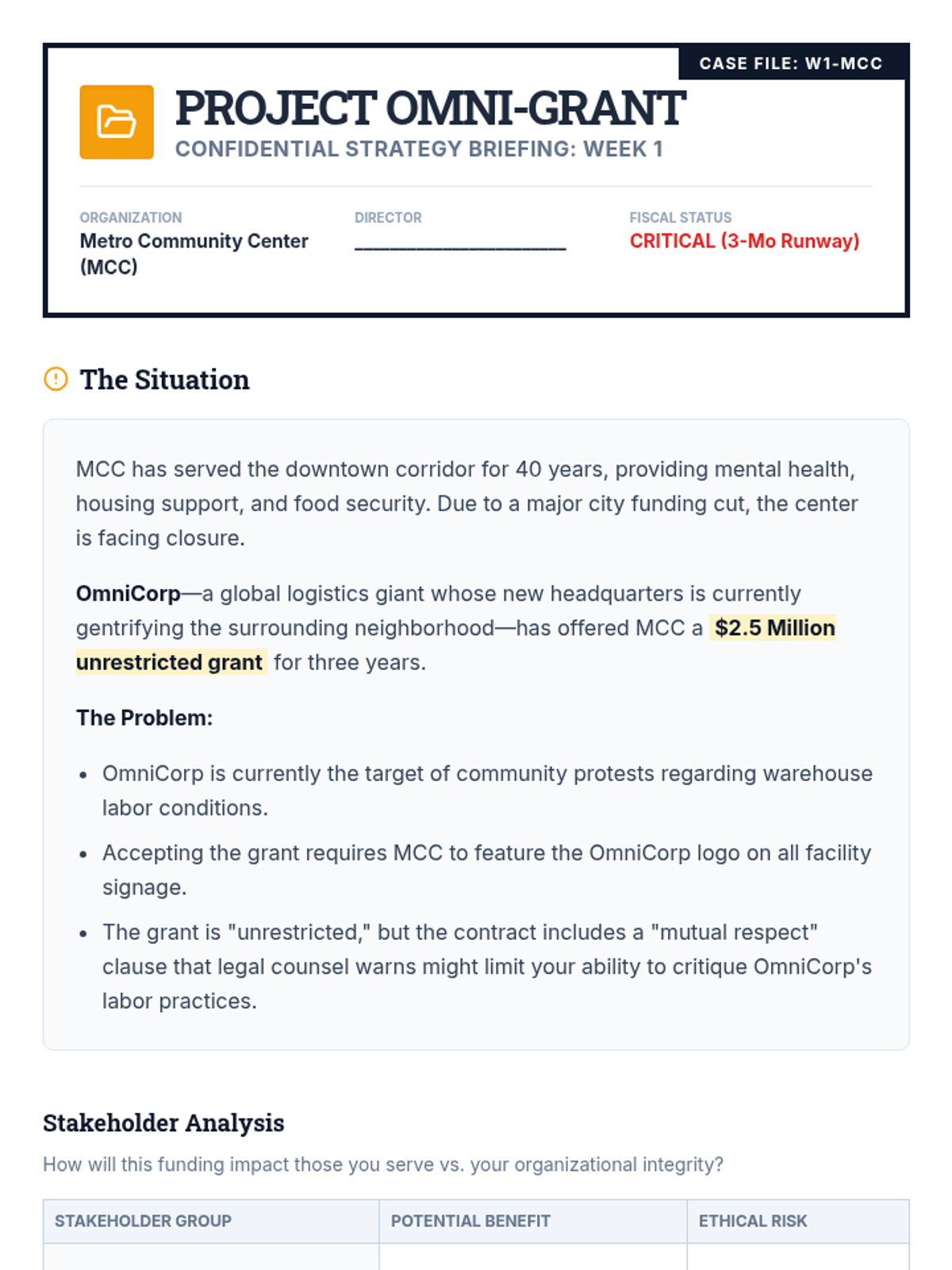
The opening phase of a 5-week ethics simulation where a struggling nonprofit must decide whether to accept transformative funding from a controversial corporate donor.
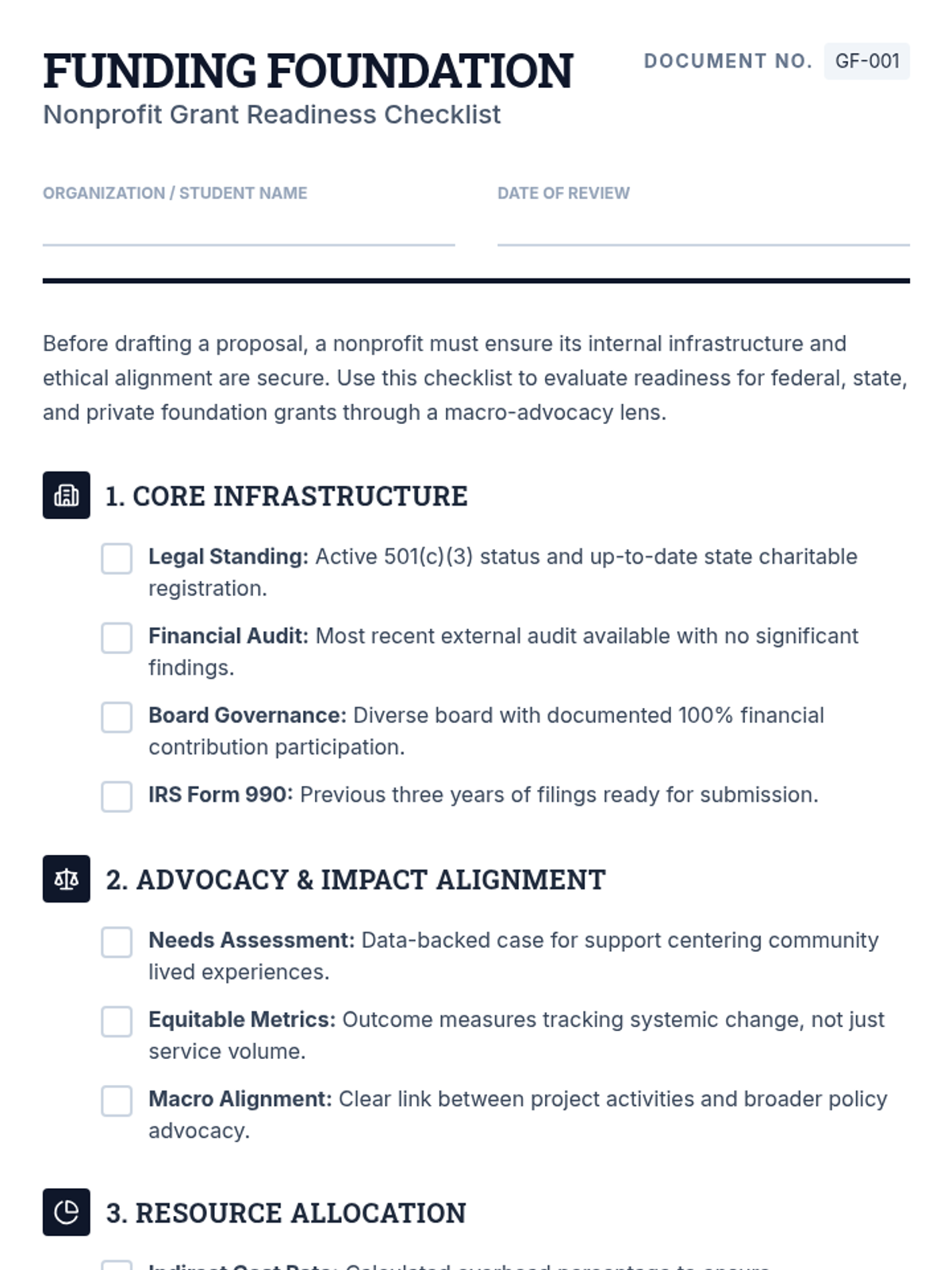
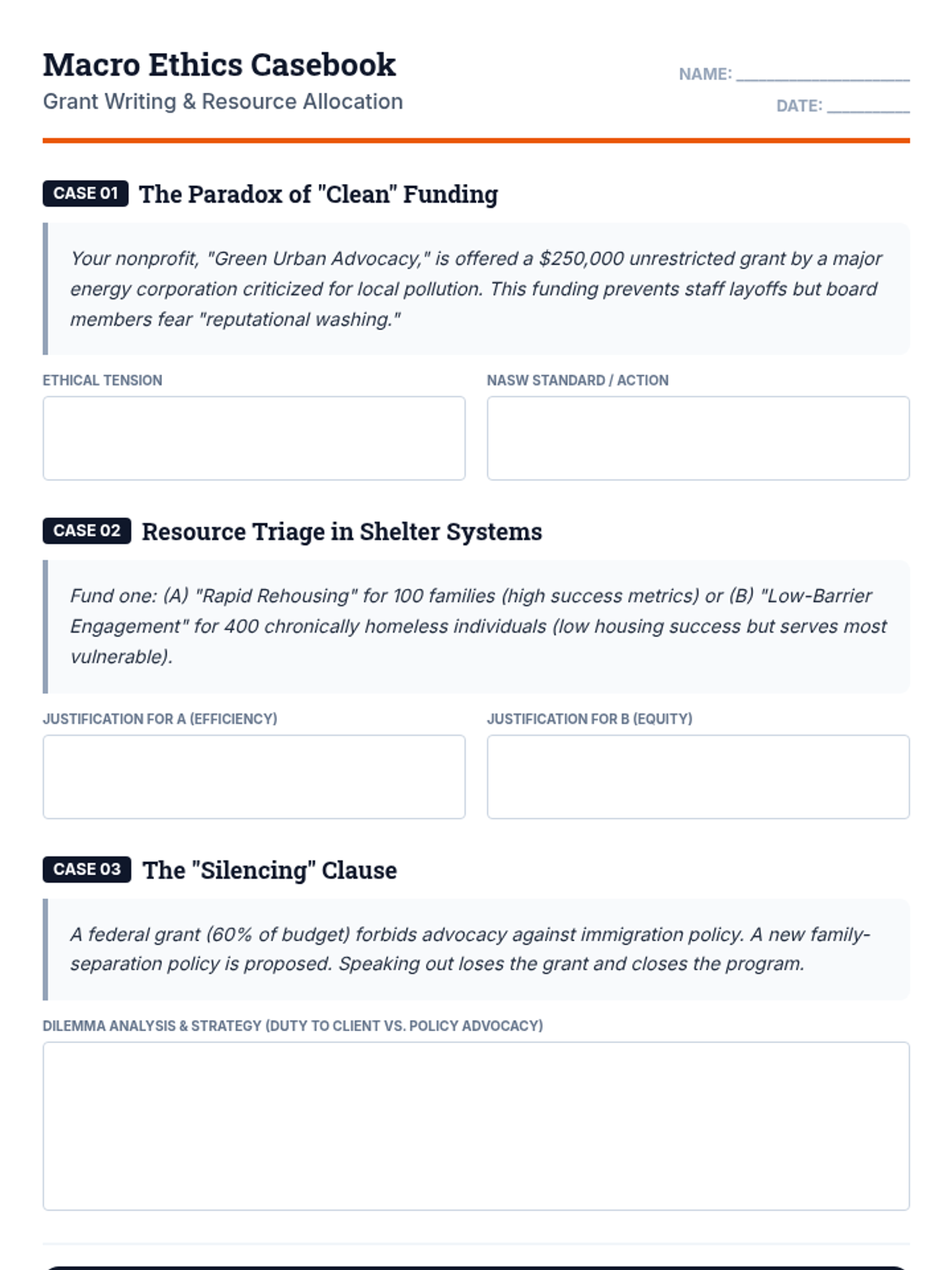
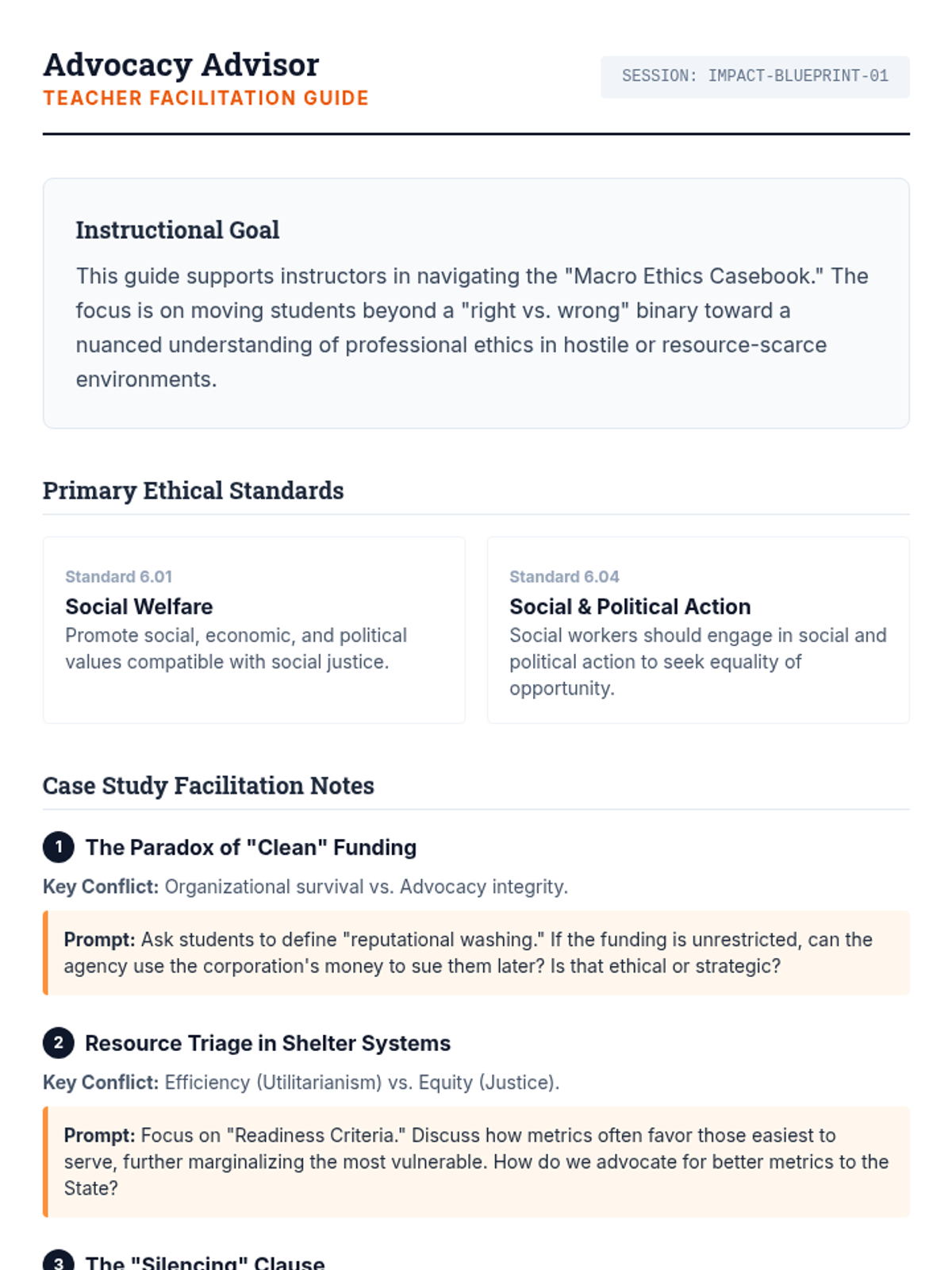
A comprehensive lesson covering the technical aspects of grant writing for nonprofits alongside the ethical complexities of macro-level social work, resource allocation, and advocacy.
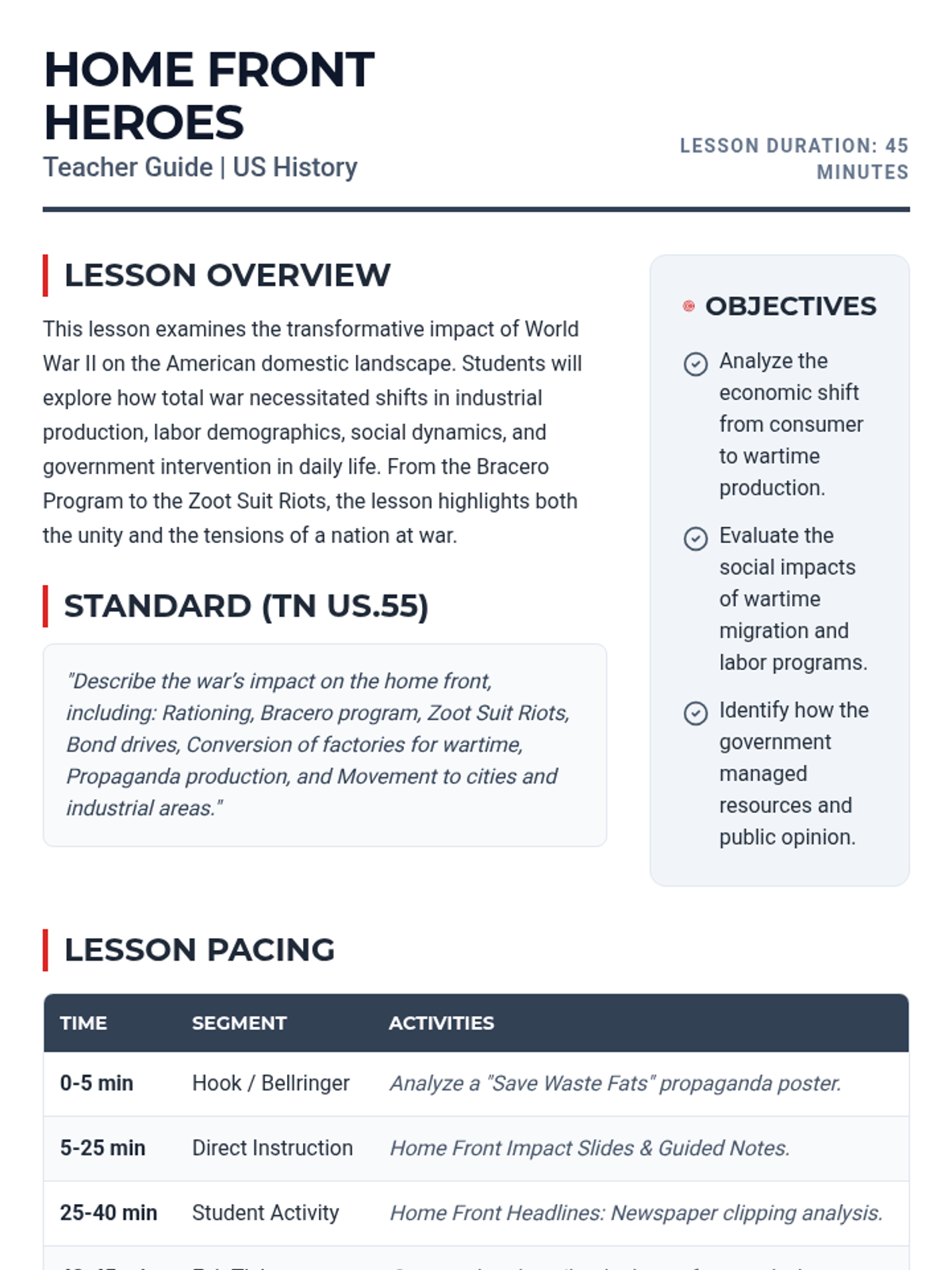
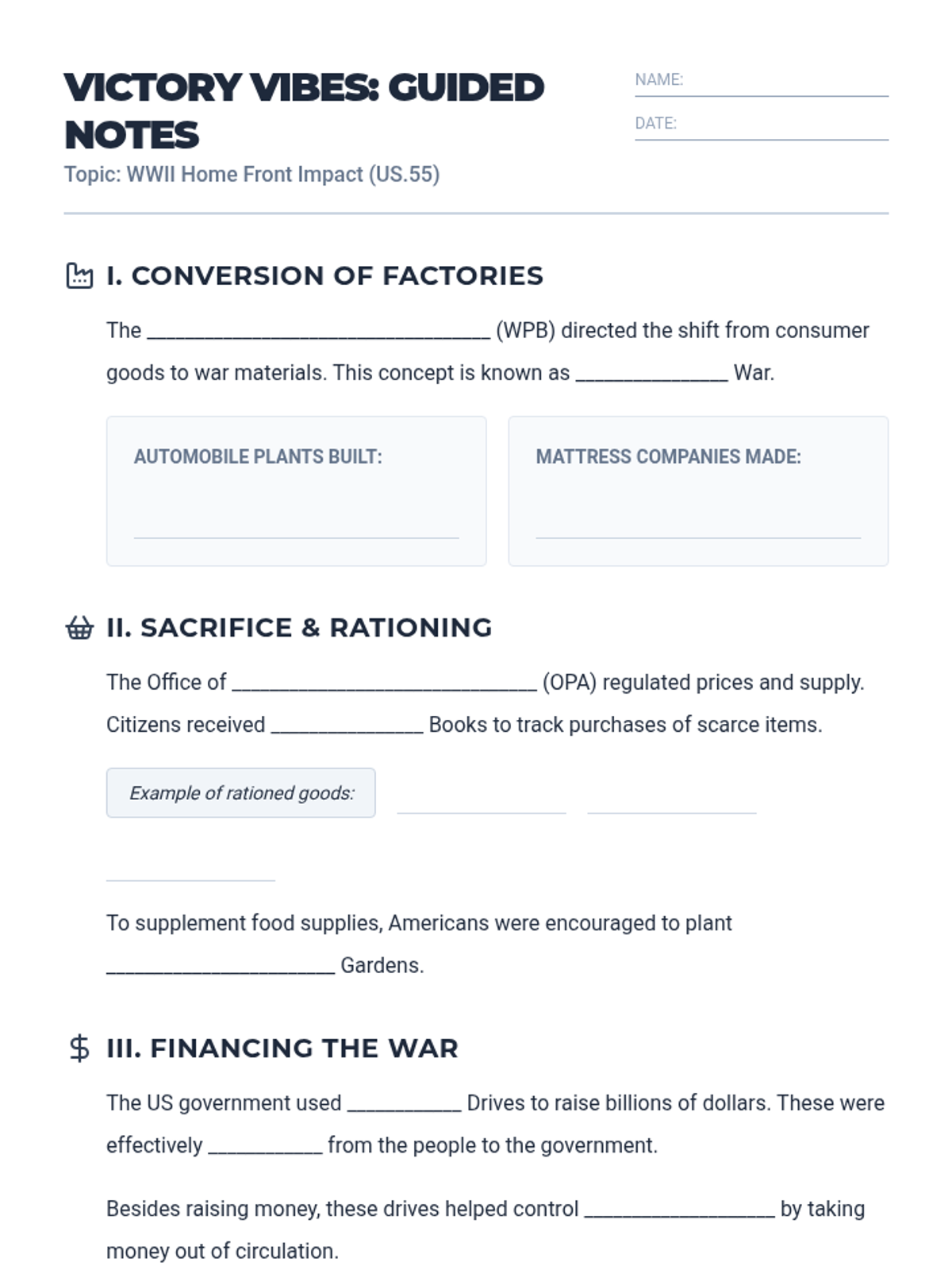
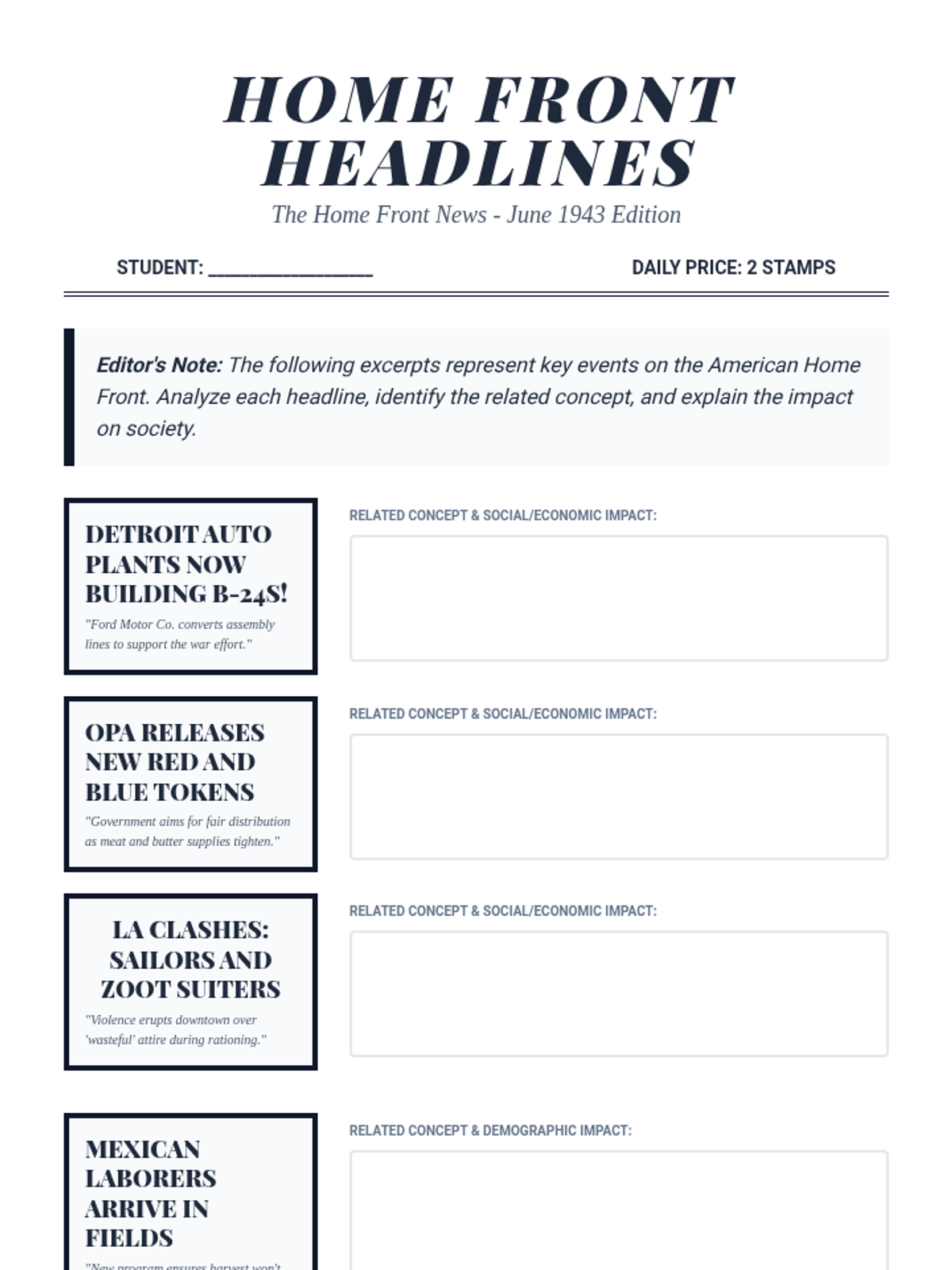
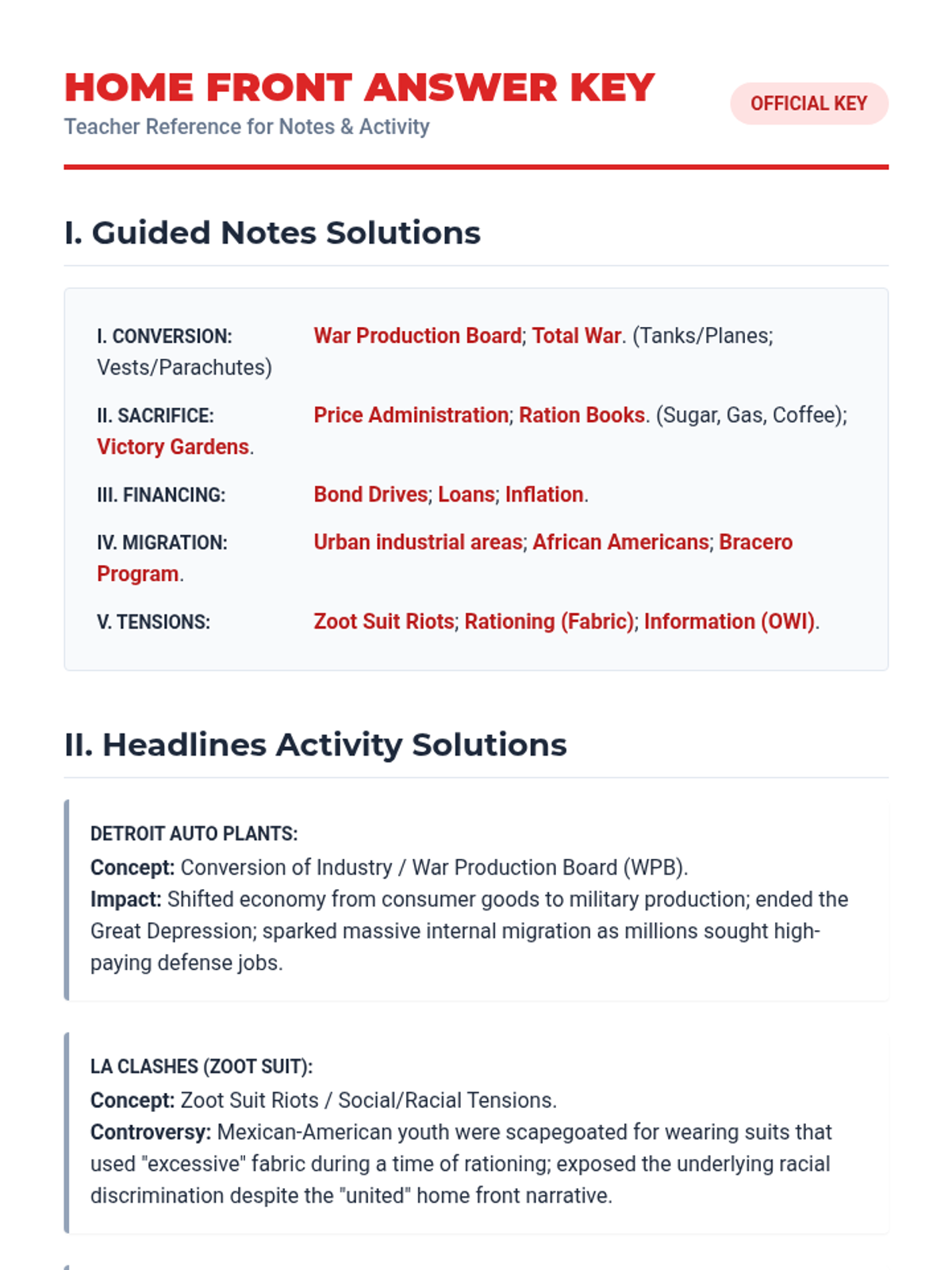
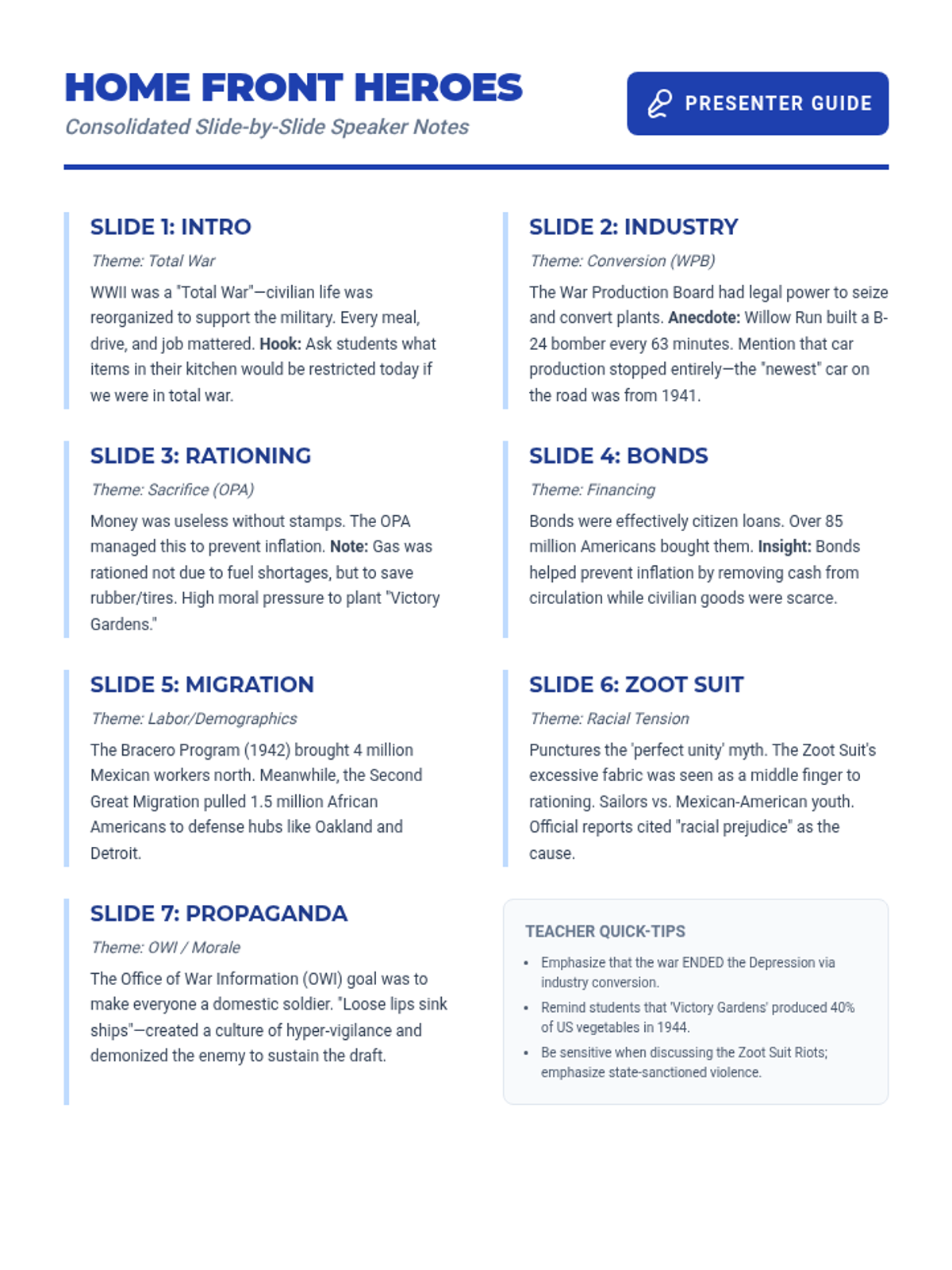
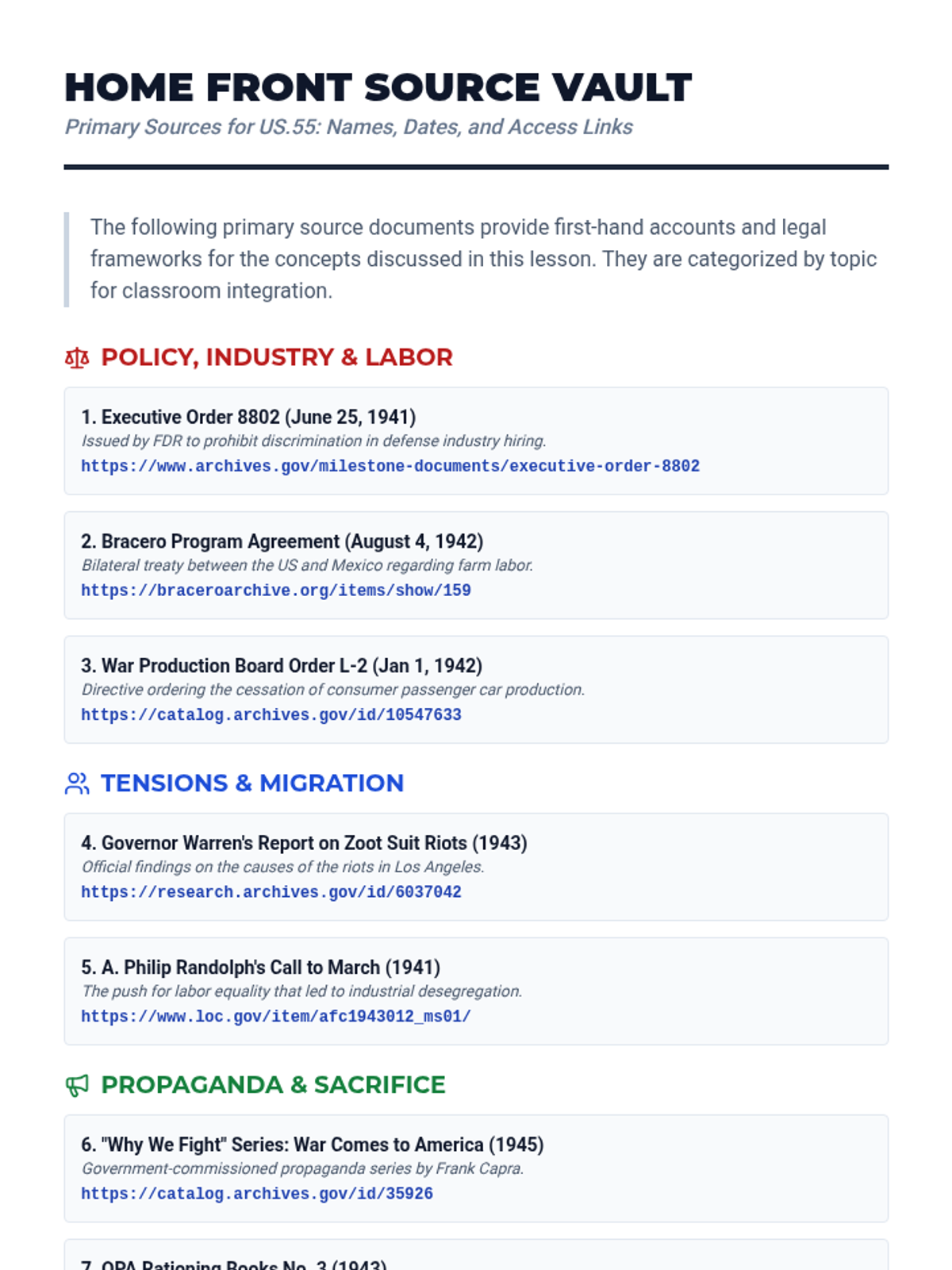
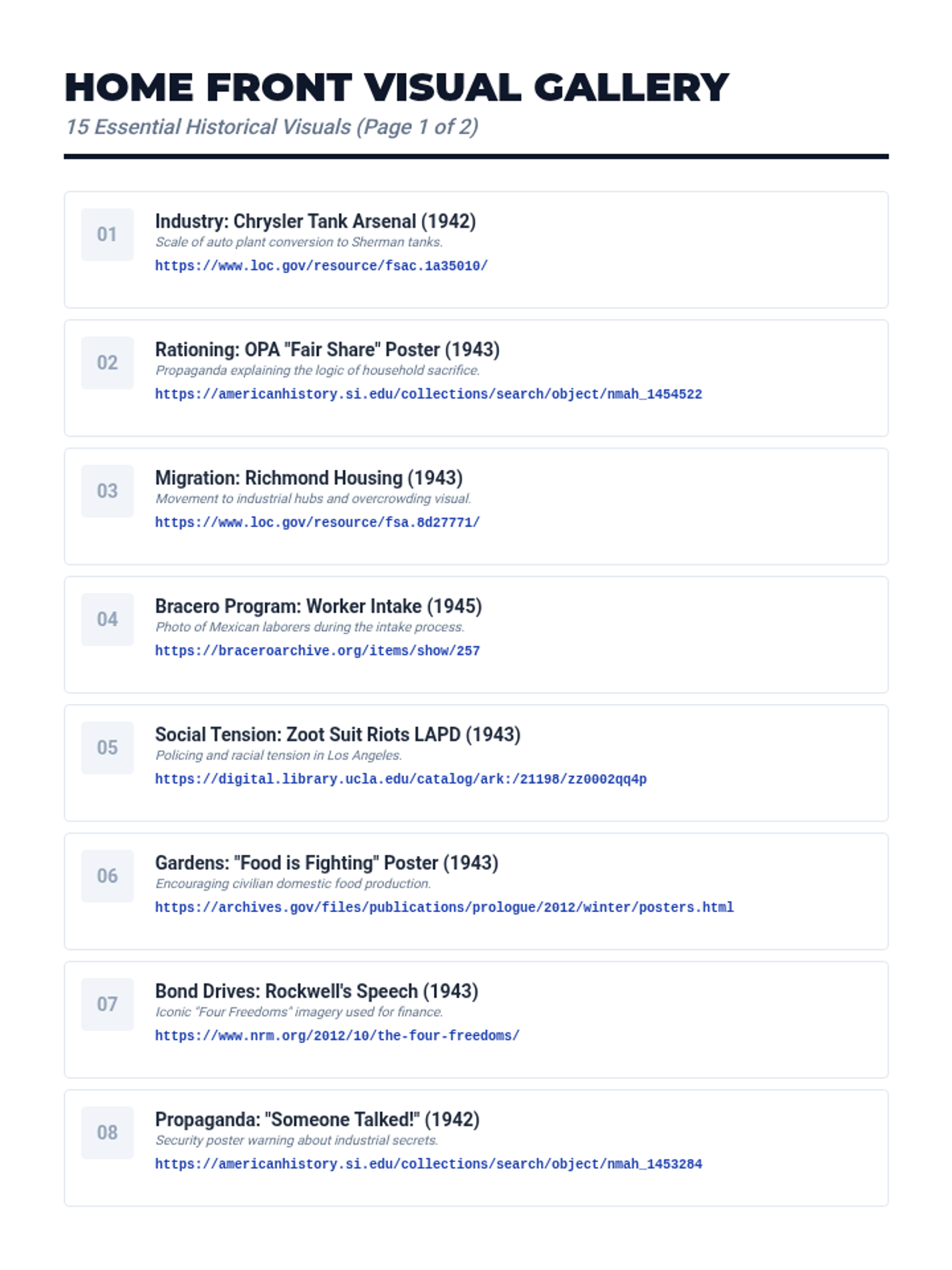
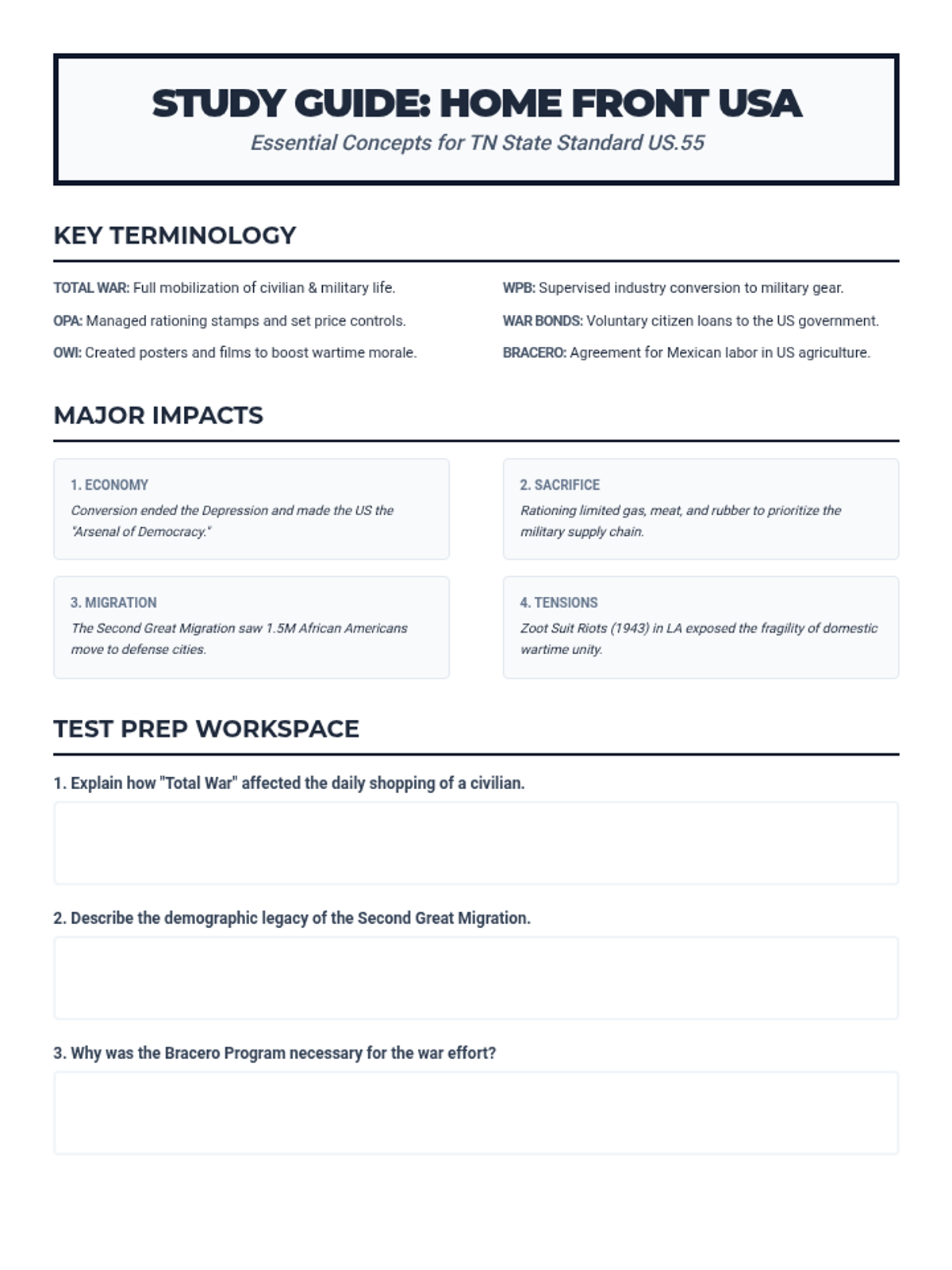
A comprehensive lesson exploring the social, economic, and political impacts of World War II on the United States home front, covering rationing, industry, labor shifts, and civil unrest.
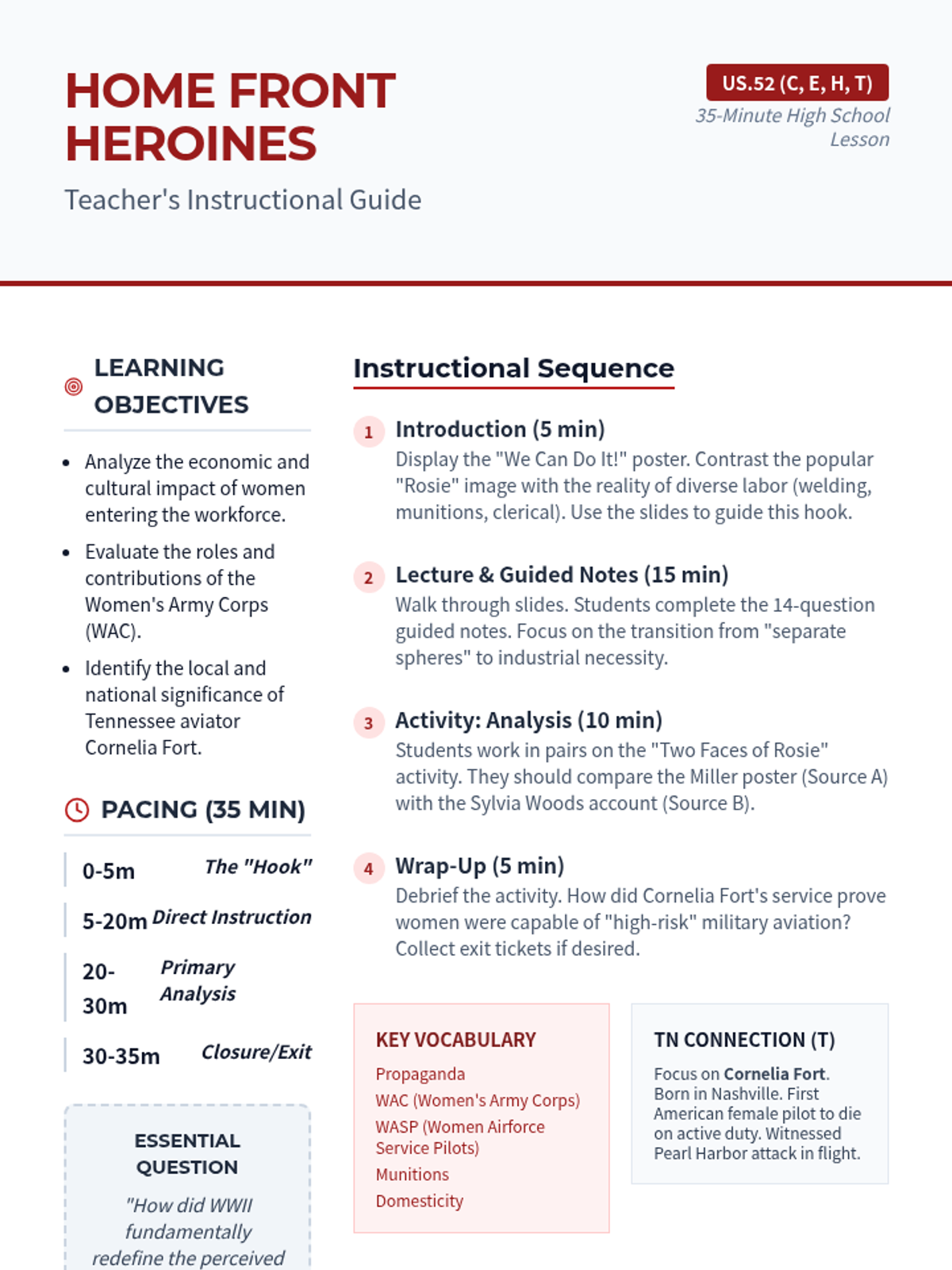
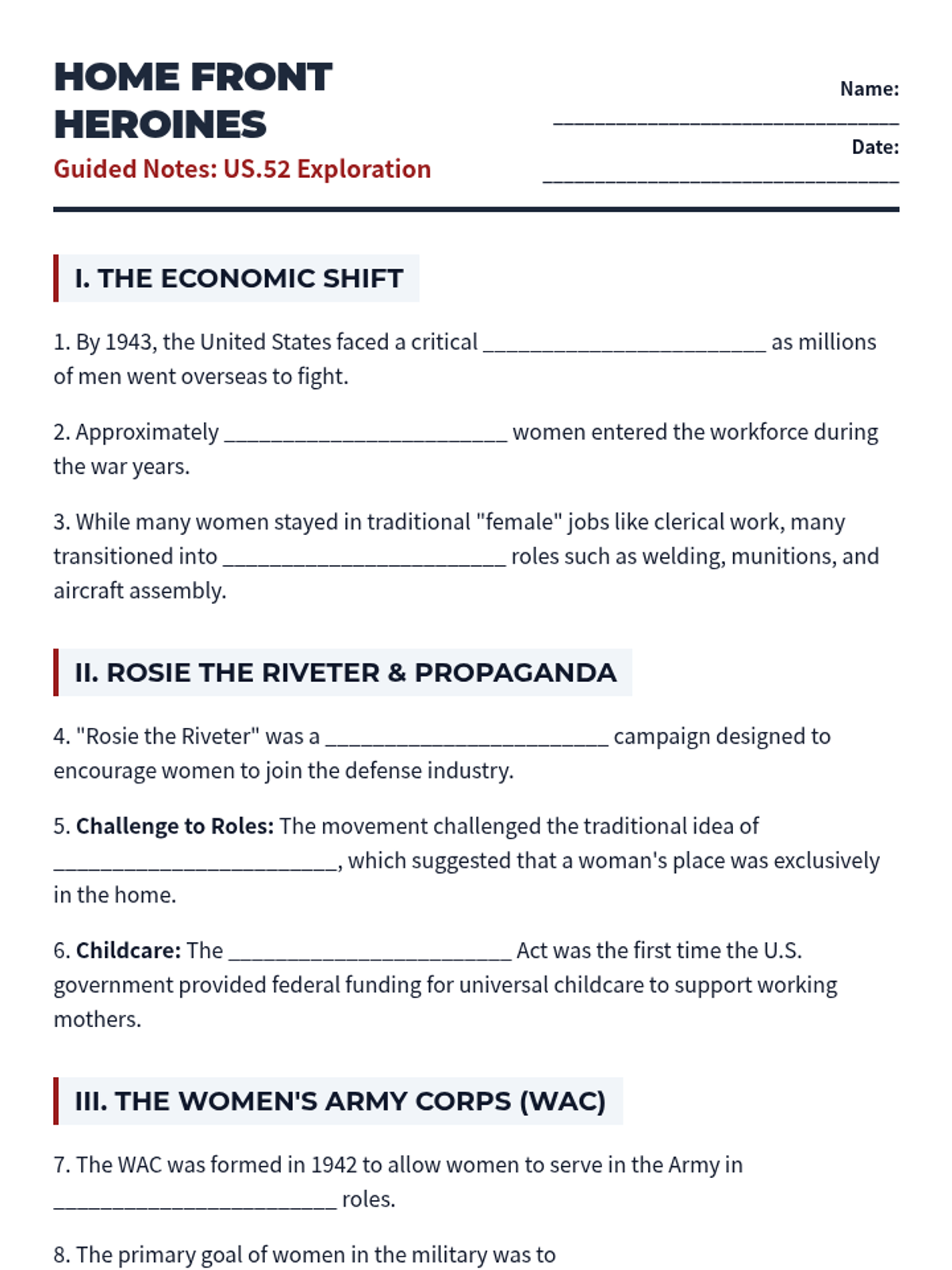
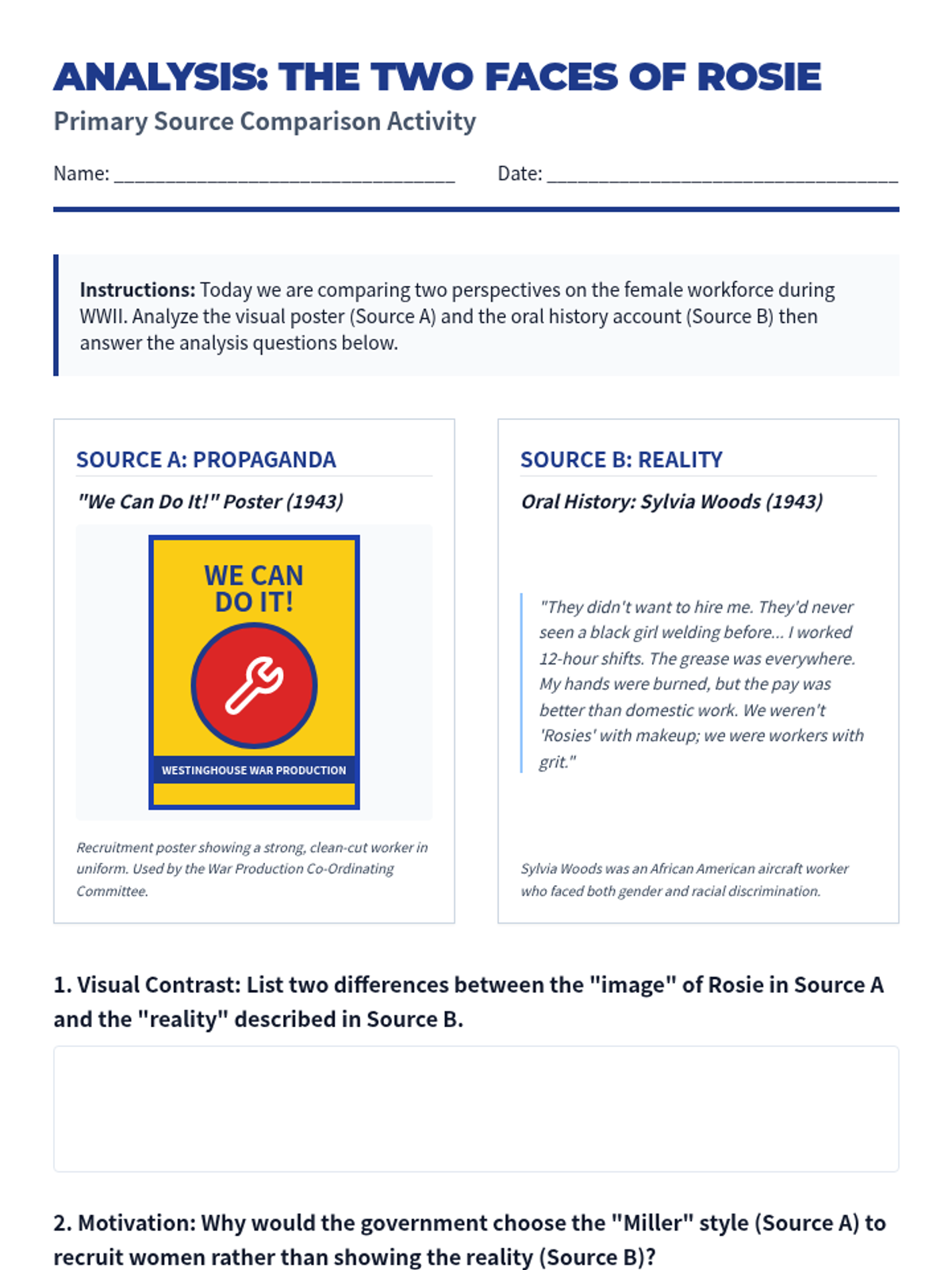
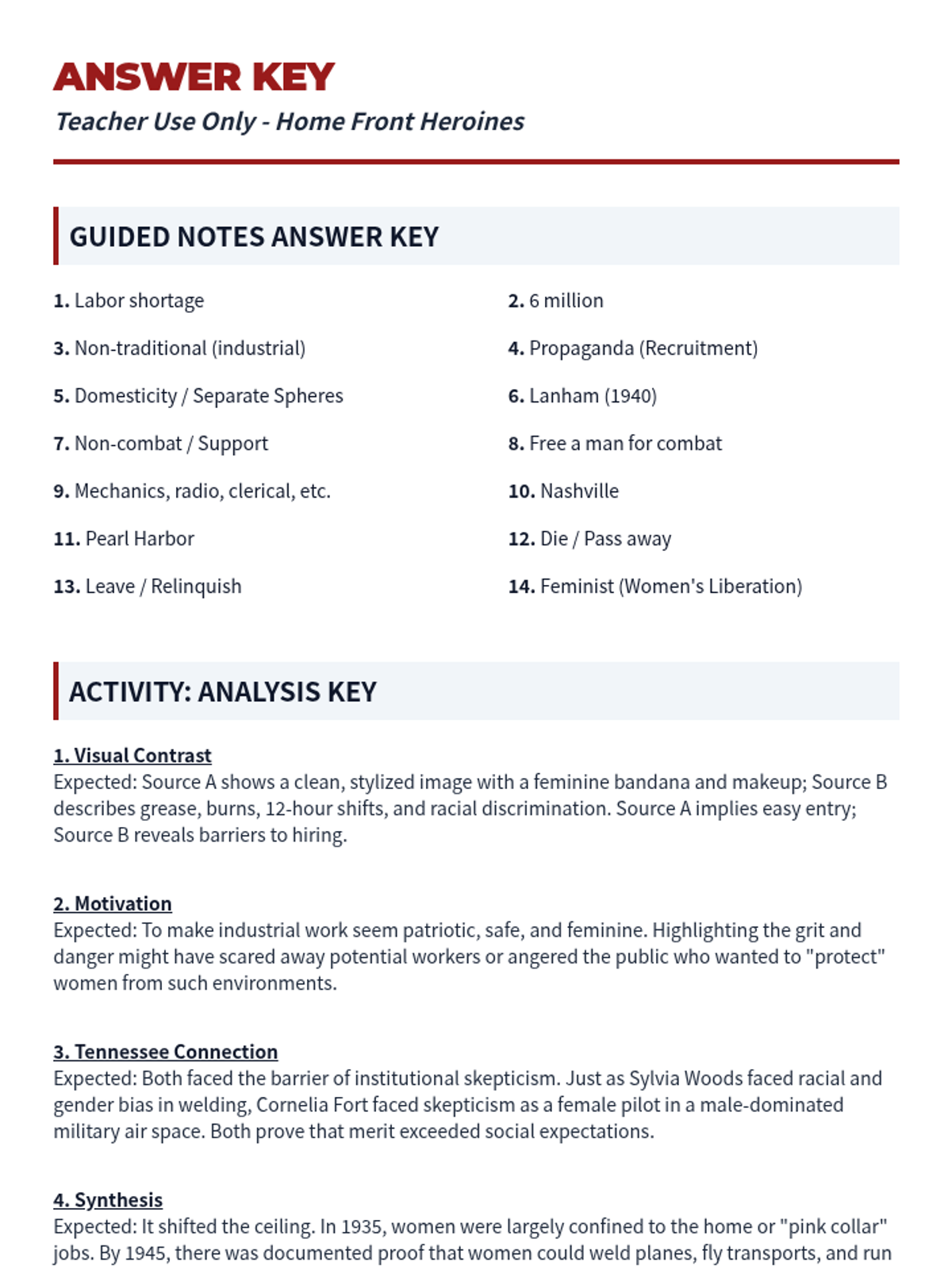
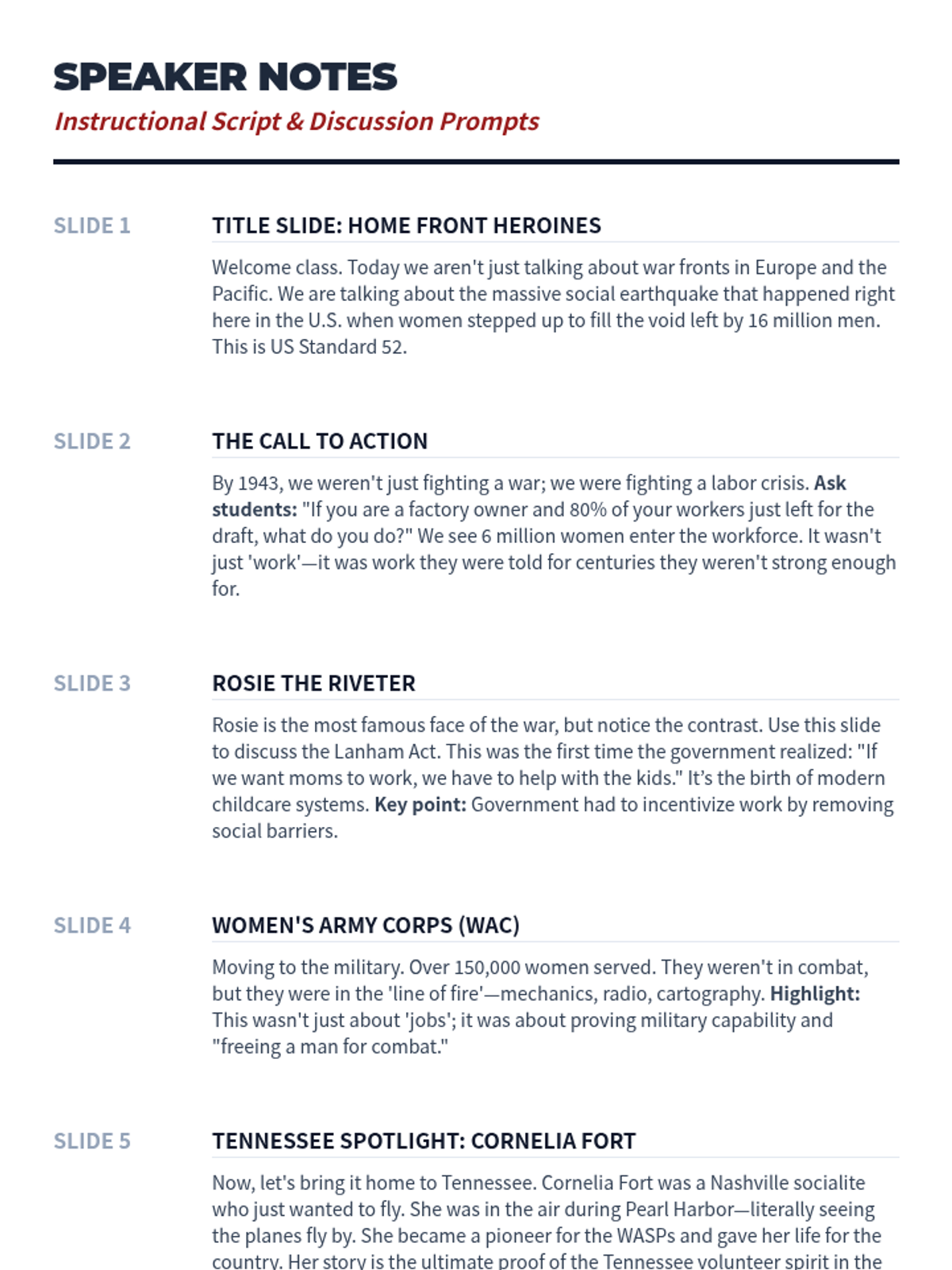
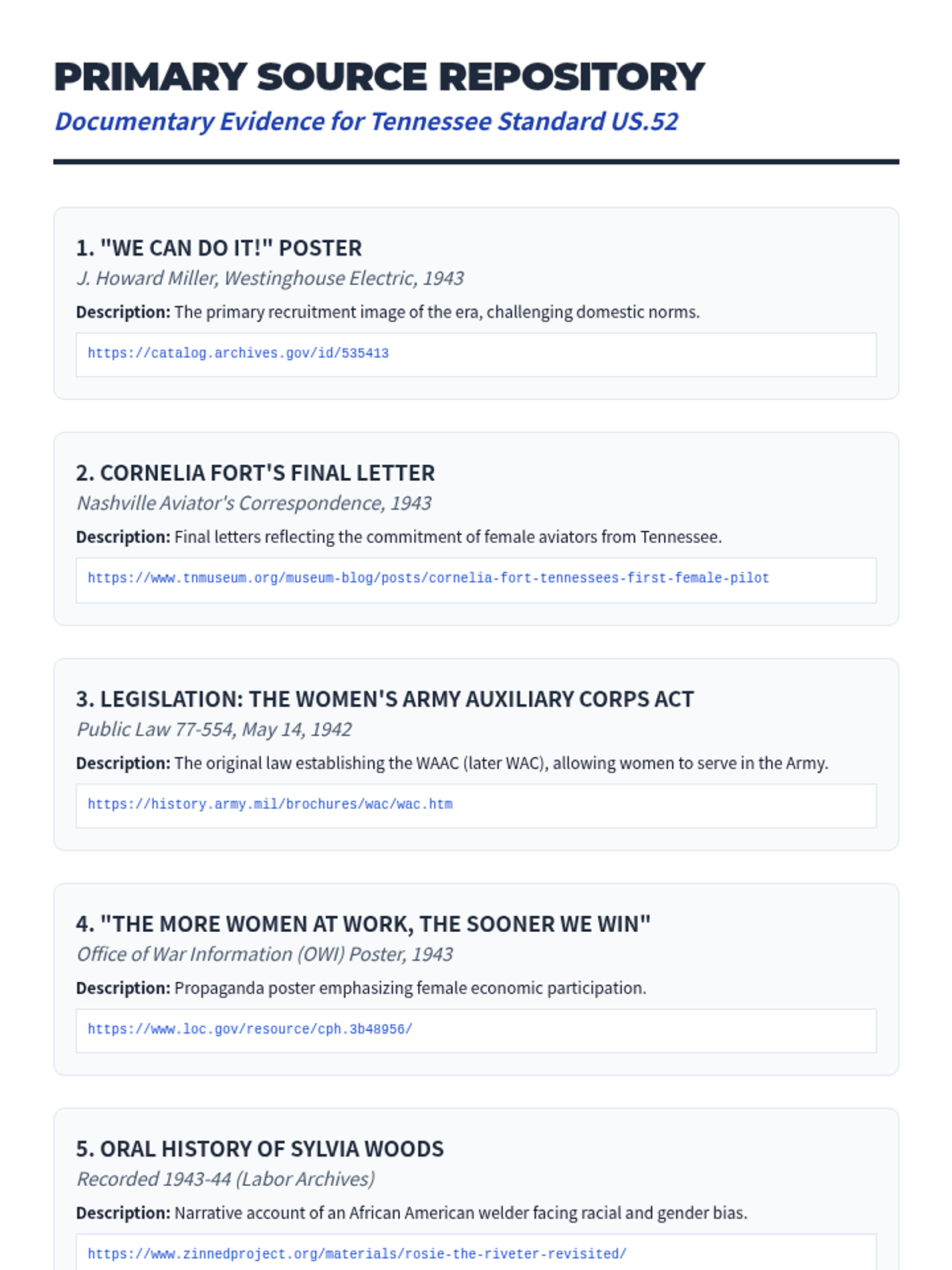
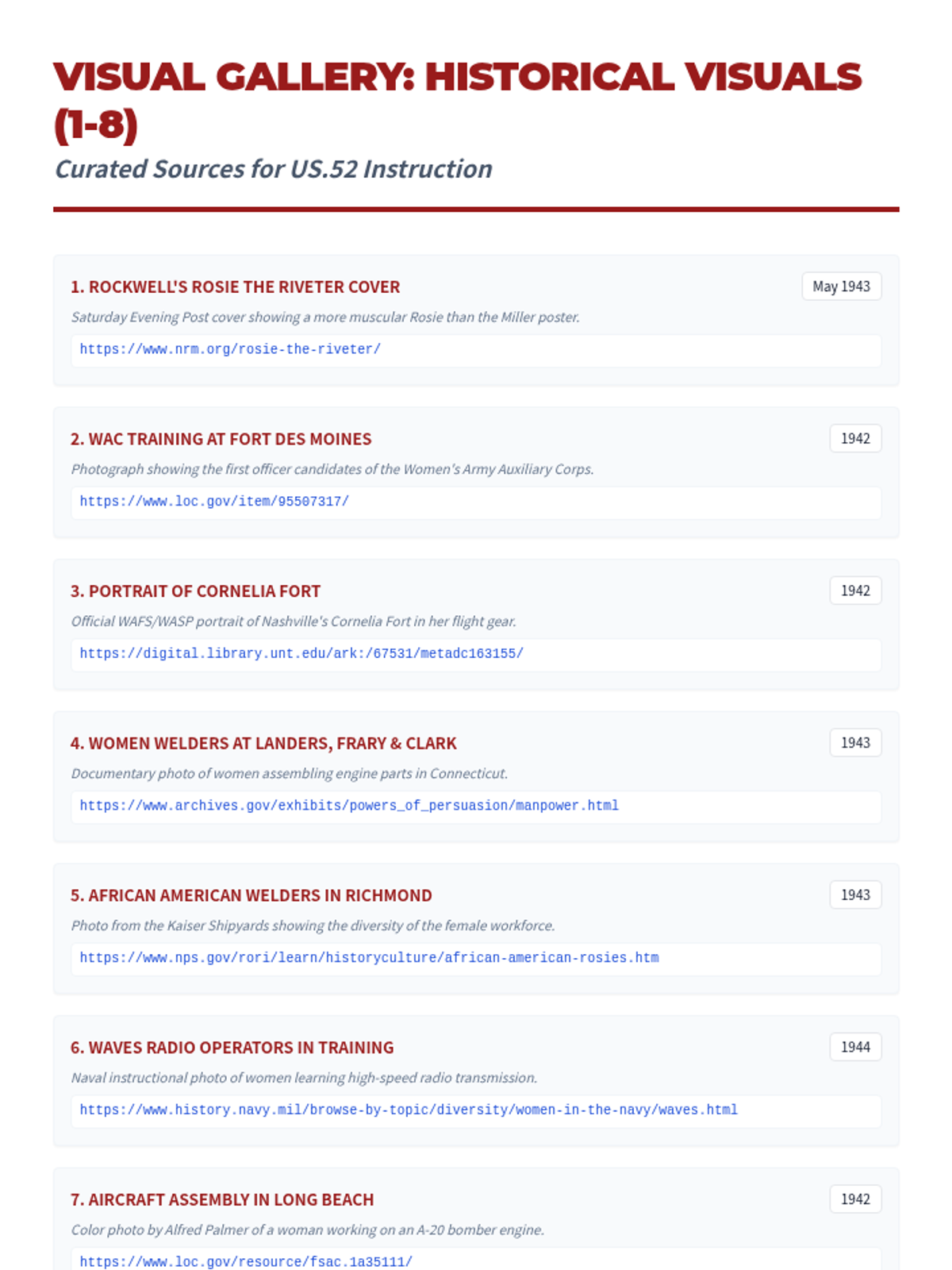
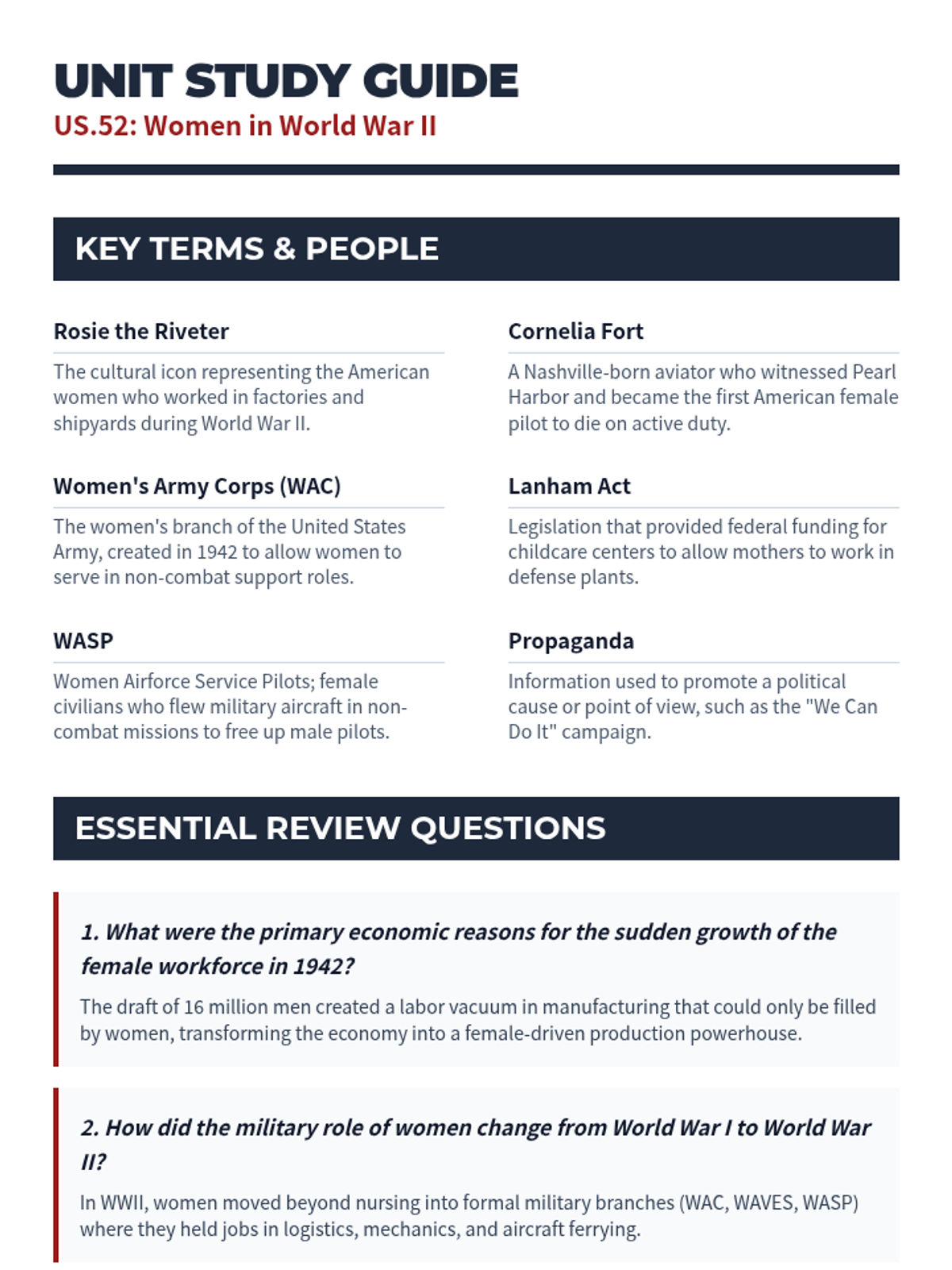
A comprehensive 35-minute lesson exploring the massive shift in American society as women entered the workforce and military during WWII, with a specific focus on Rosie the Riveter, Cornelia Fort, and the Women's Army Corps.
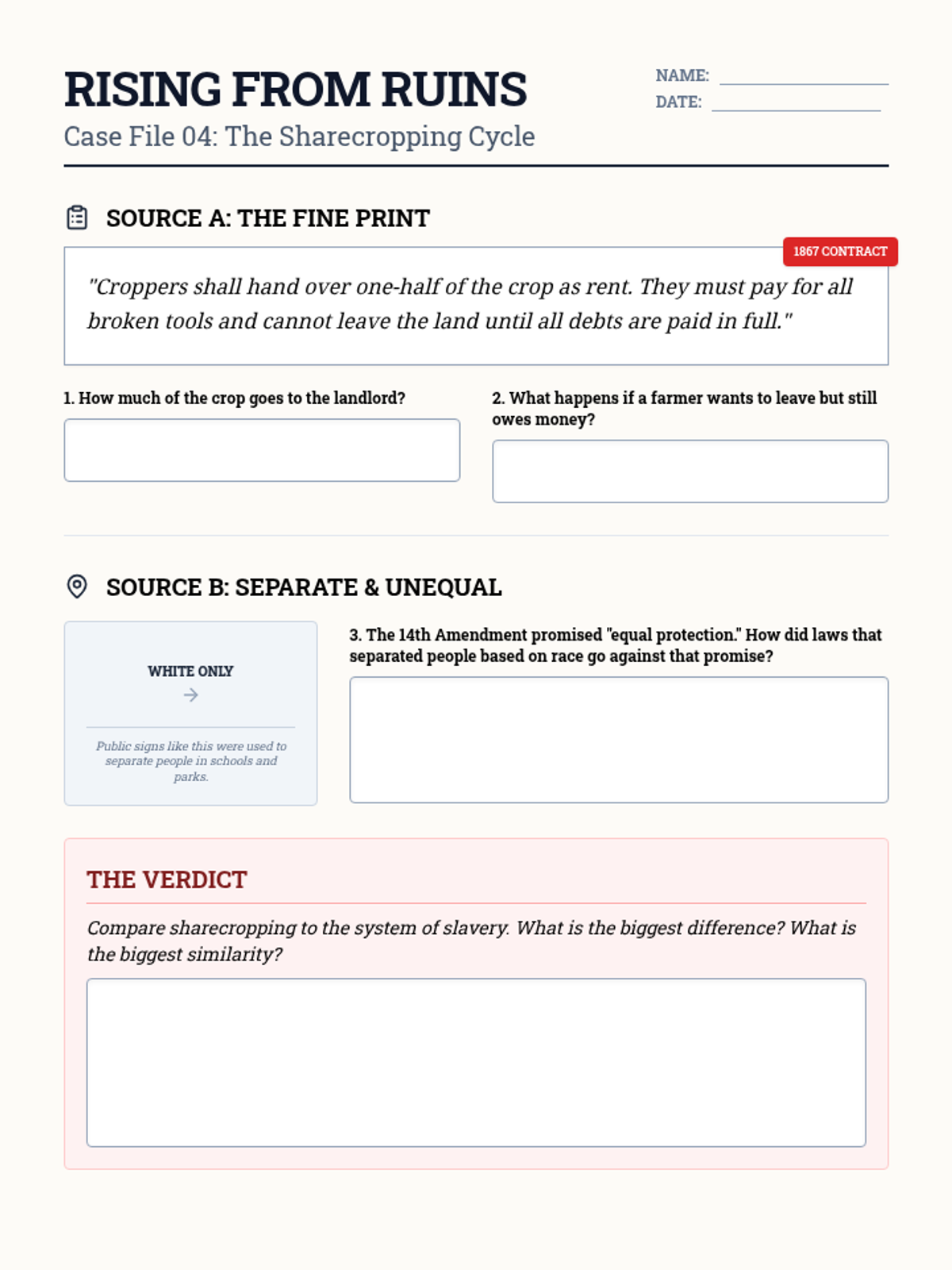
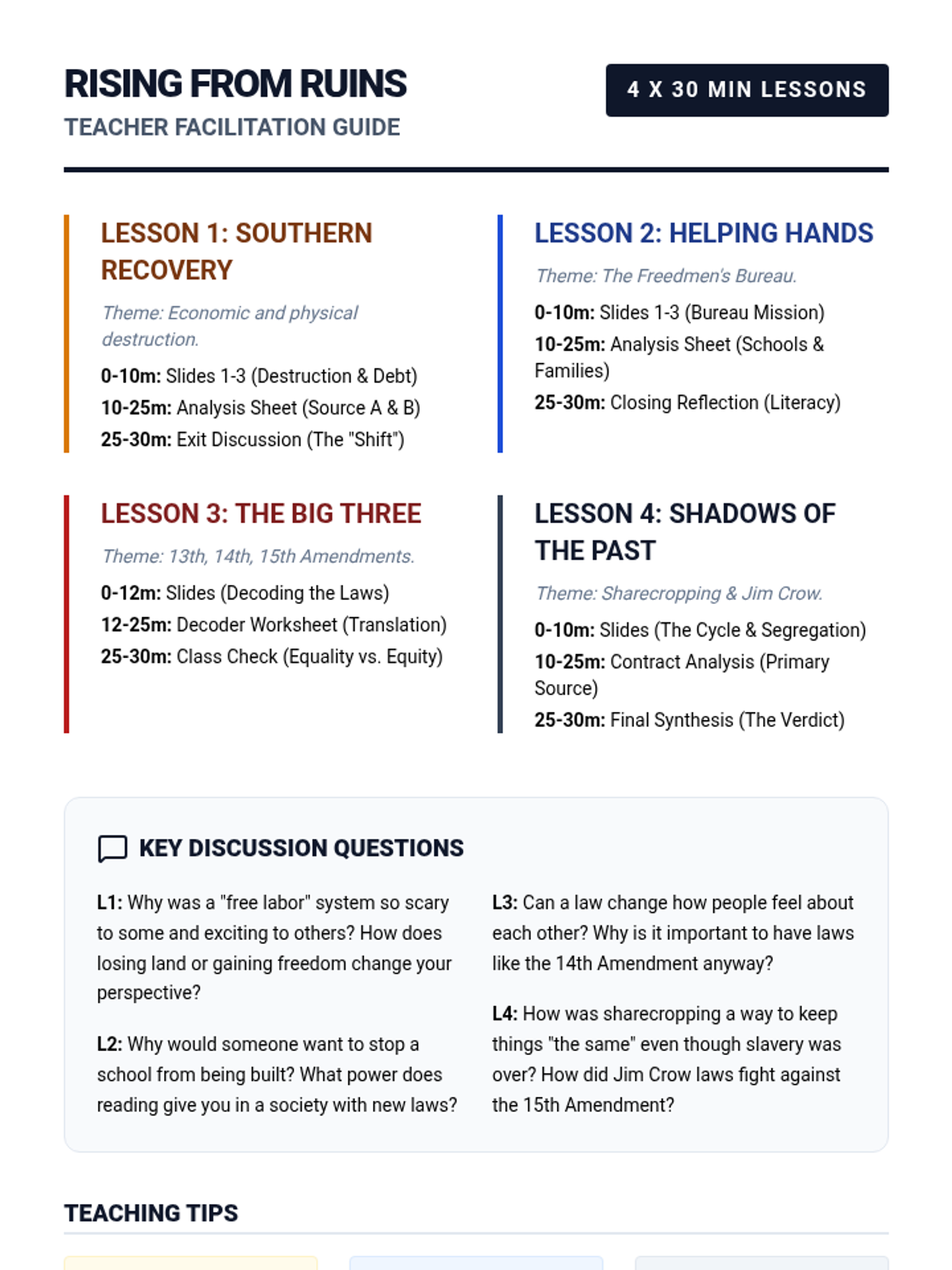
Students explore the limitations of Reconstruction through the lens of sharecropping and the emergence of Jim Crow laws.
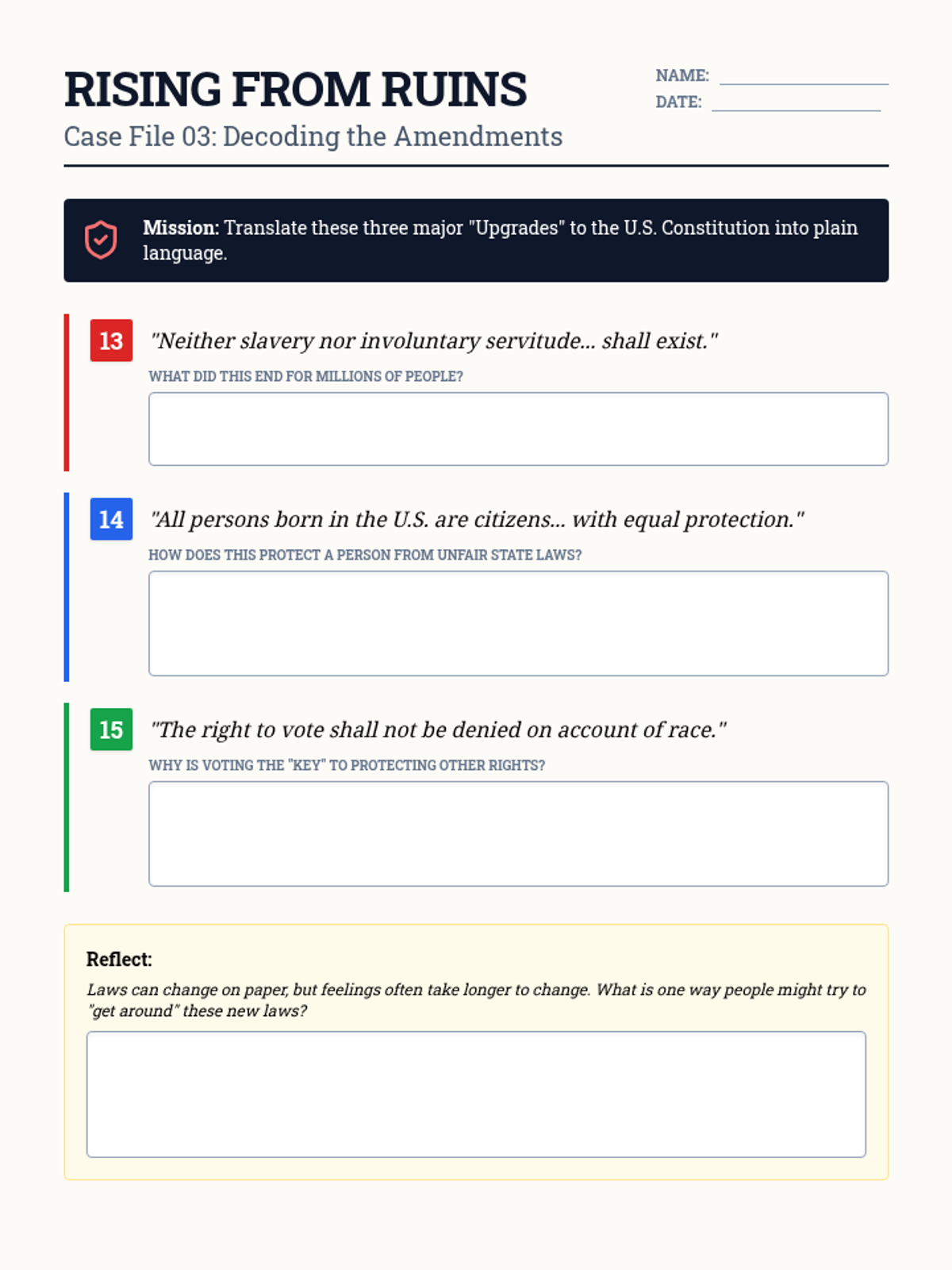
A deep dive into the 13th, 14th, and 15th Amendments and how they aimed to redefine American citizenship and rights.
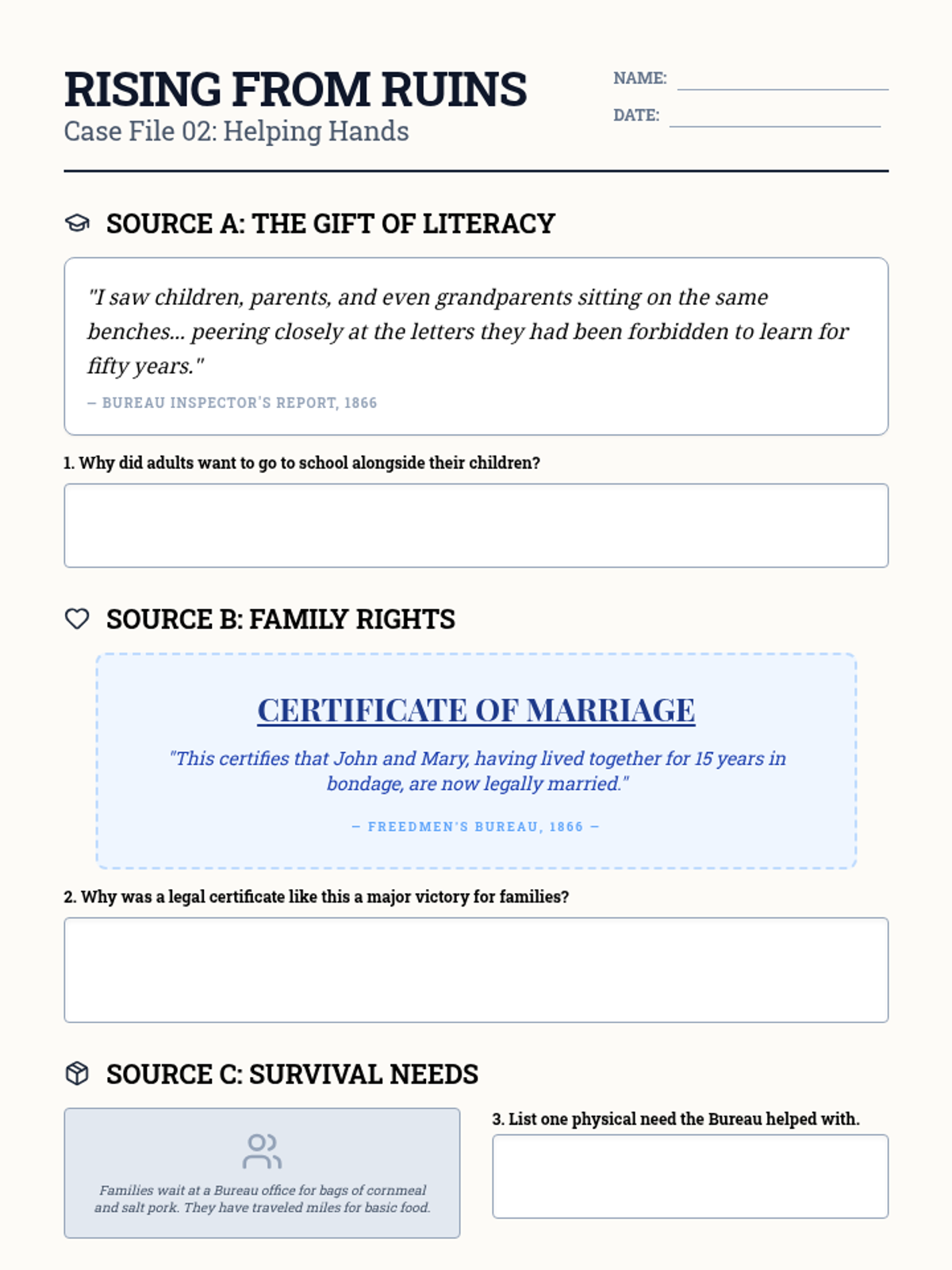
An investigation into the Freedmen's Bureau and its role in providing education, healthcare, and legal assistance to formerly enslaved people.
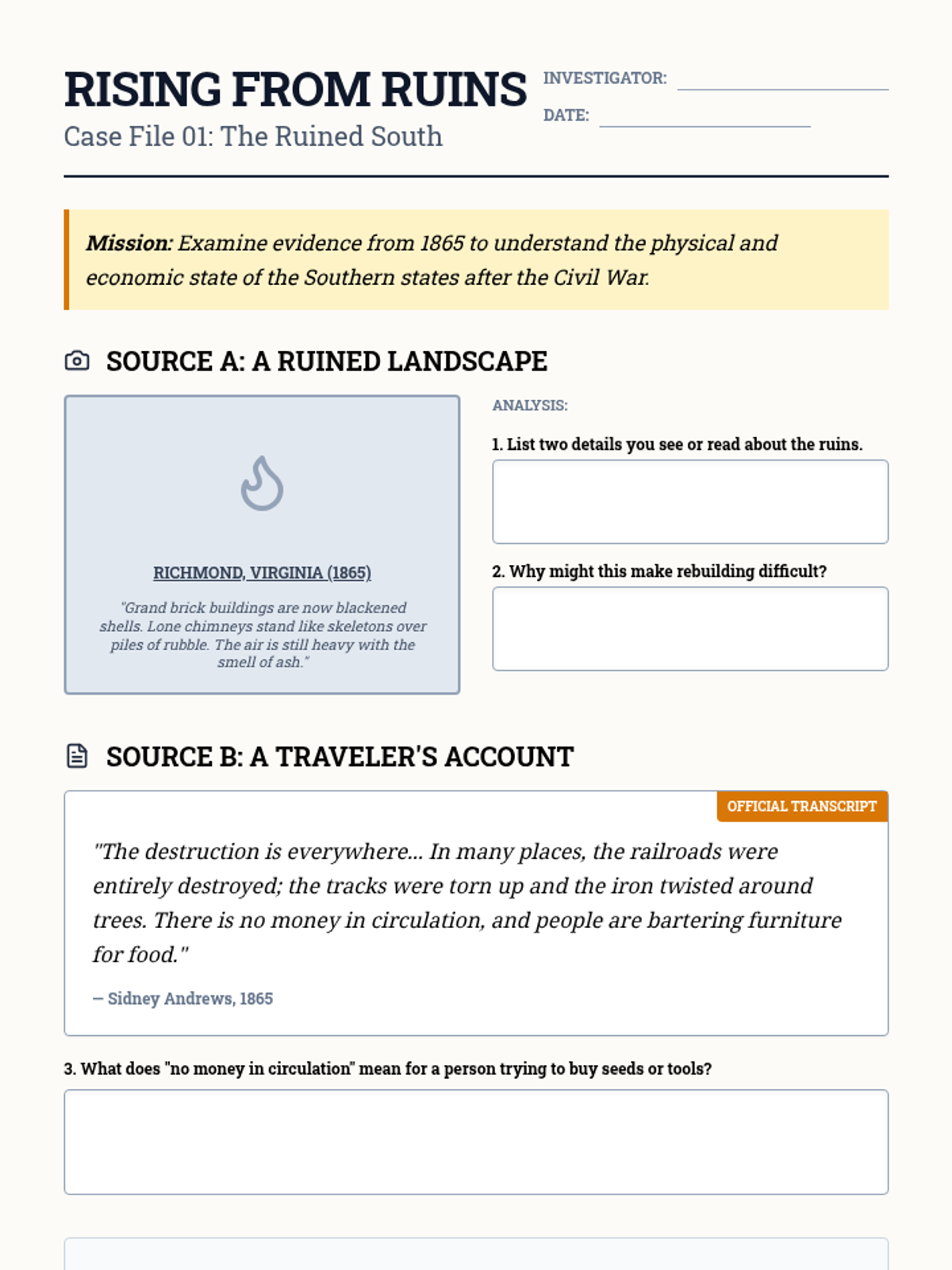
Students examine the physical and economic destruction of the South and the initial challenges of transitioning to a free labor system.
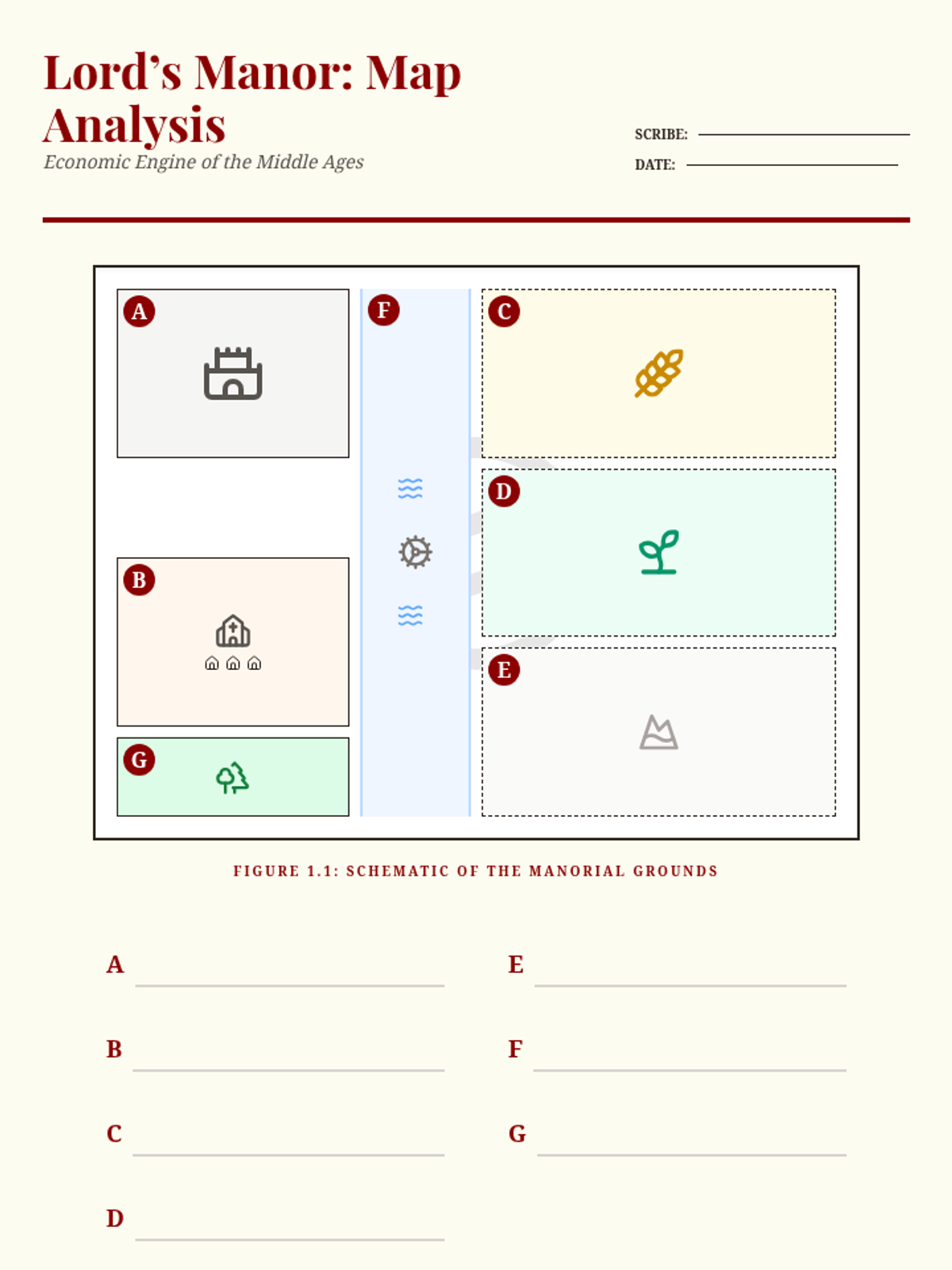
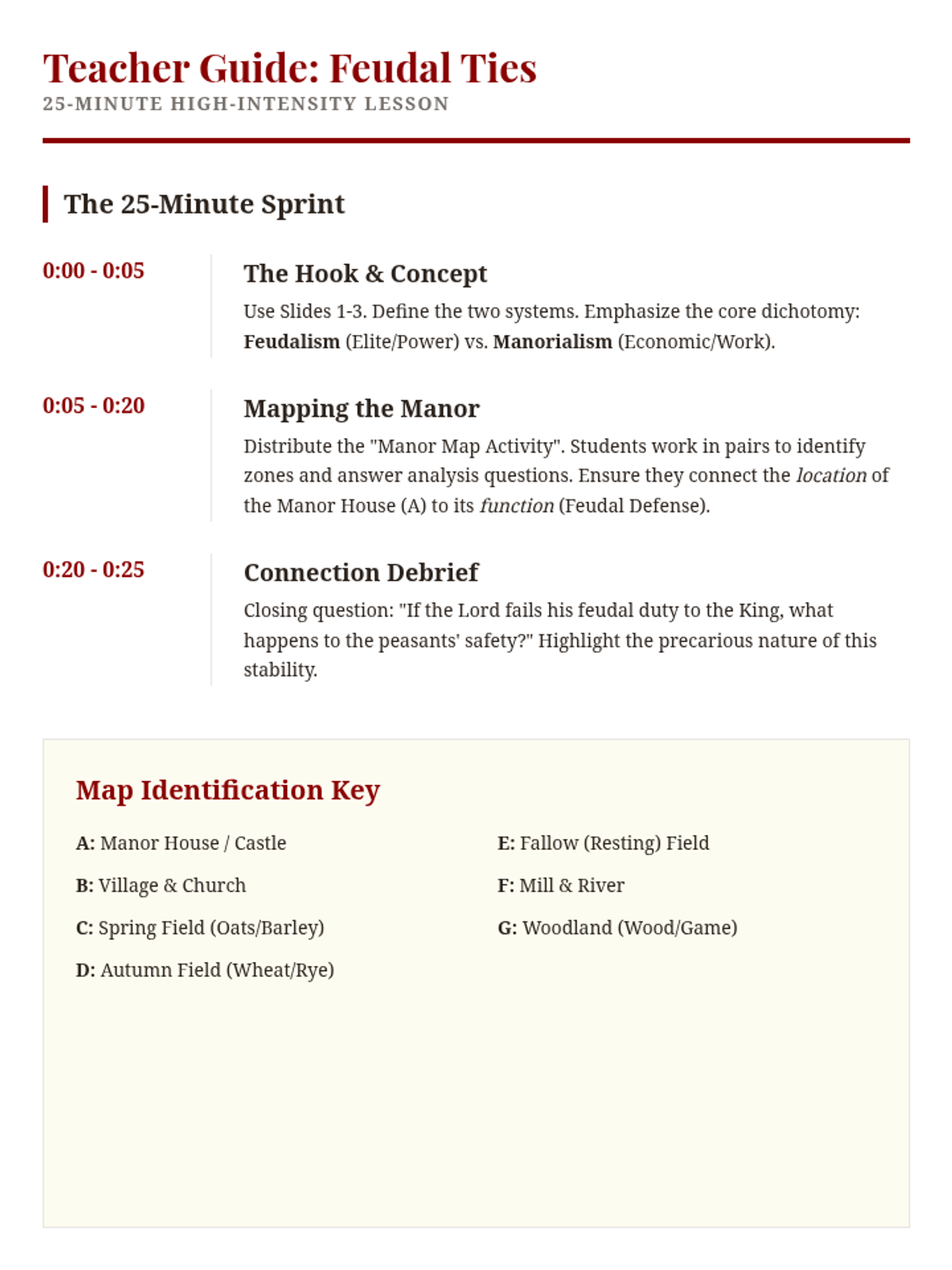
A high-intensity look at the interconnected systems of Feudalism and Manorialism, focusing on the physical and economic structure of the medieval manor.
This lesson explores the Homestead Act of 1862, focusing on the economic motivations that drove settlers to the Great Plains and the resulting transformation of the American Midwest into an agricultural powerhouse. Students will analyze the requirements of the act, the challenges of frontier life, and the long-term impact on national growth.
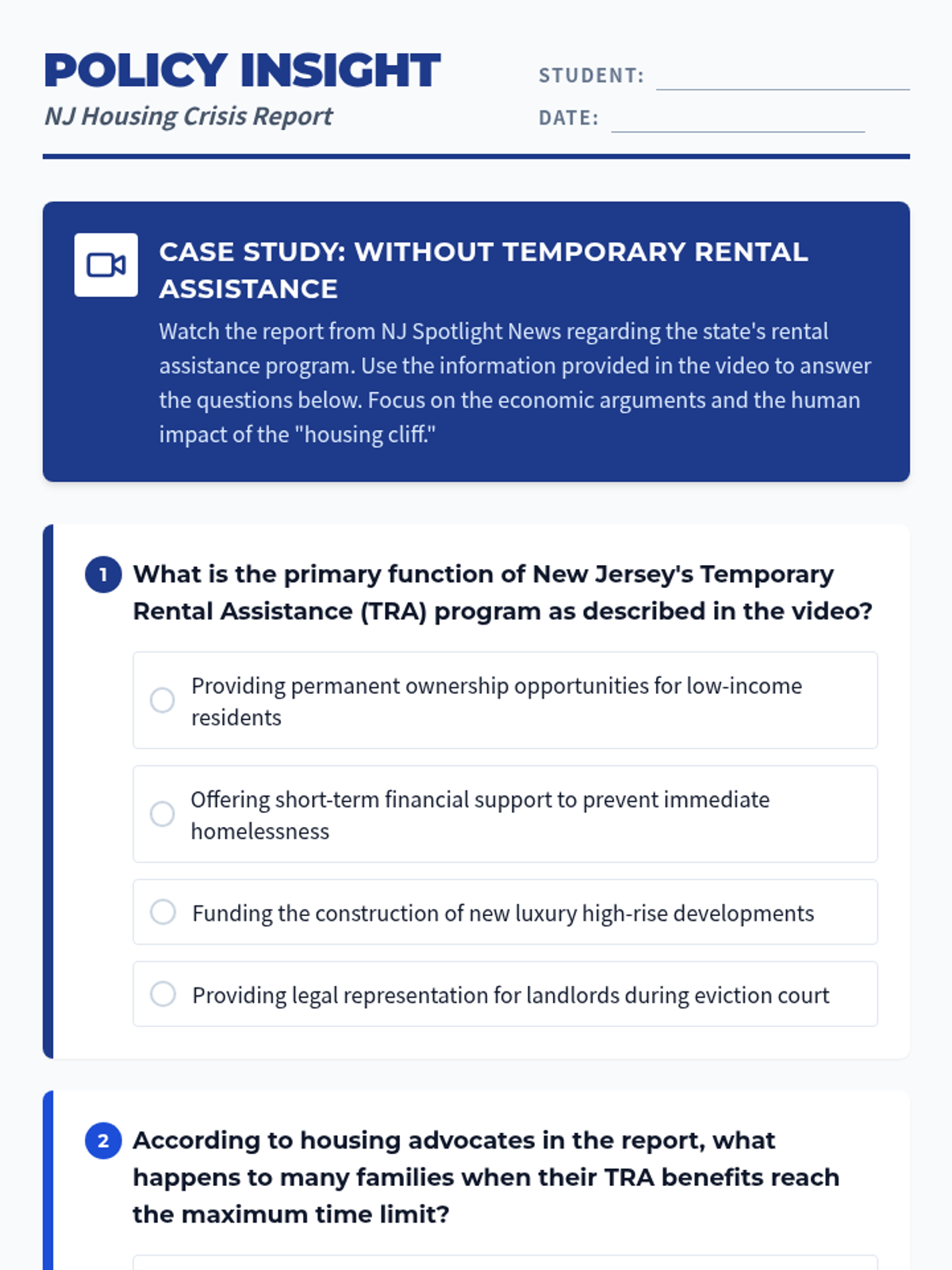
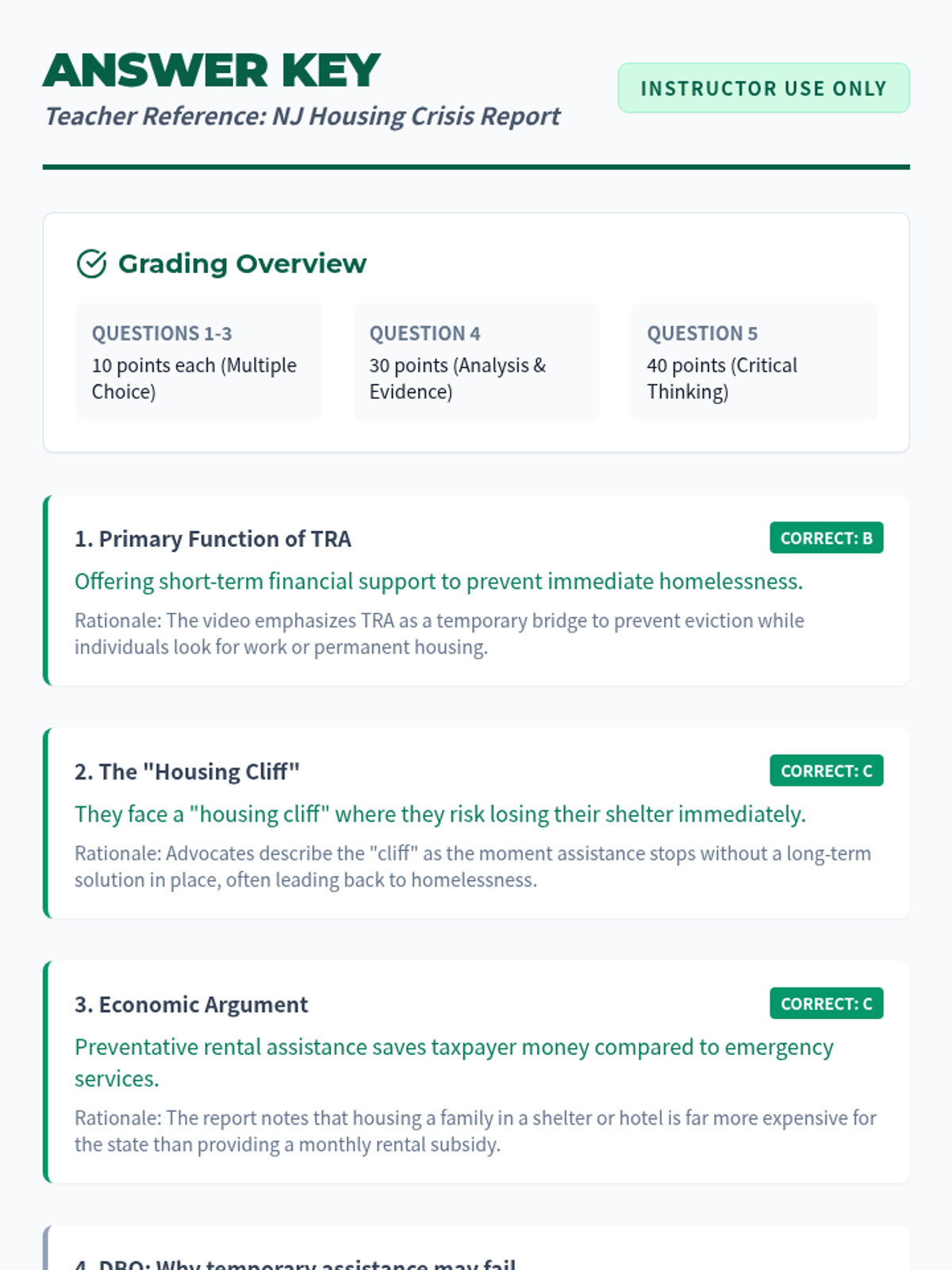
This lesson explores the impact of New Jersey's Temporary Rental Assistance (TRA) program on preventing homelessness, analyzing the economic and social benefits of housing stability through a news report lens.
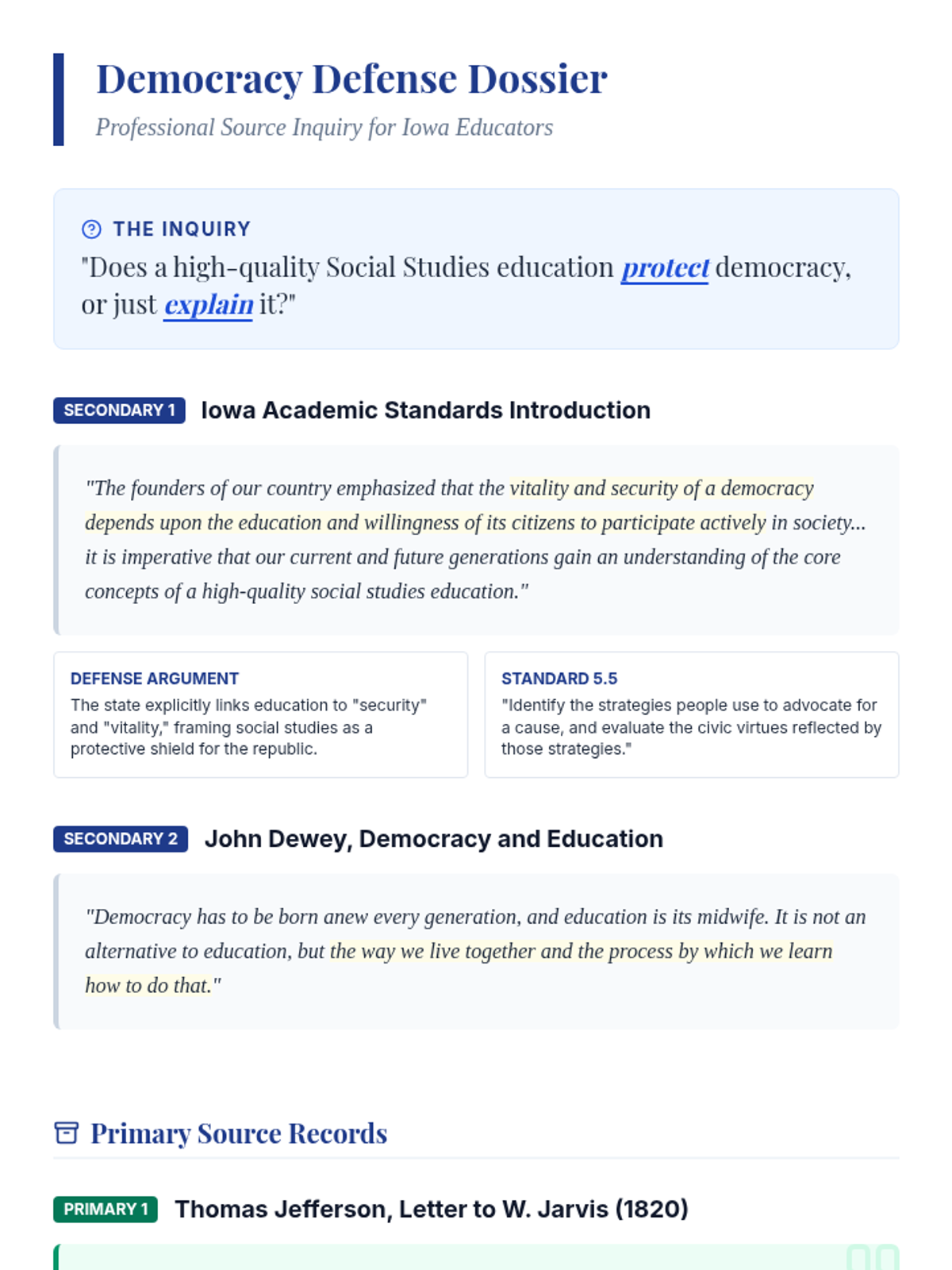
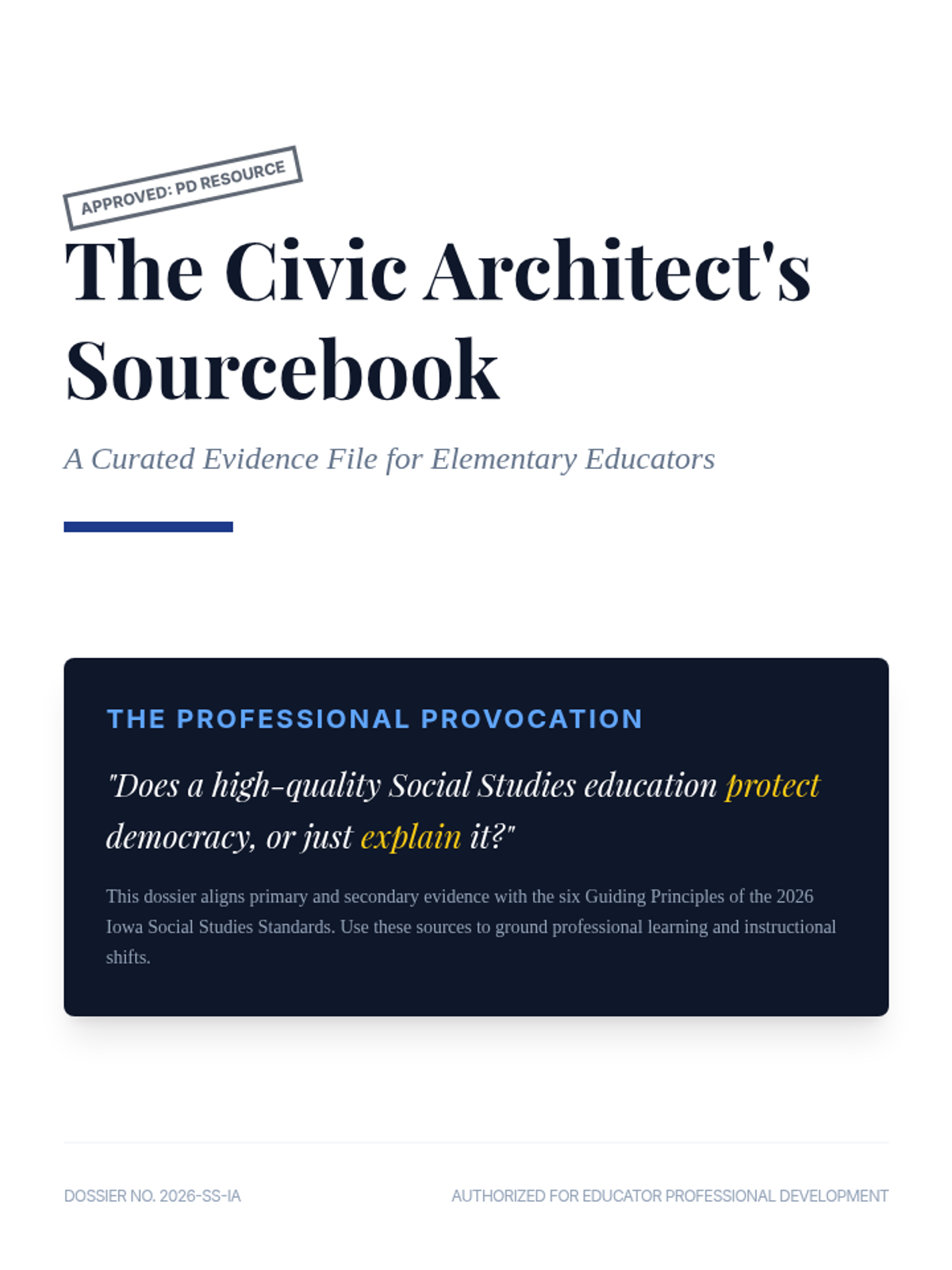
A professional development resource set for elementary teachers to examine the role of social studies in democracy using primary and secondary sources aligned to the 2026 Iowa Social Studies Standards.
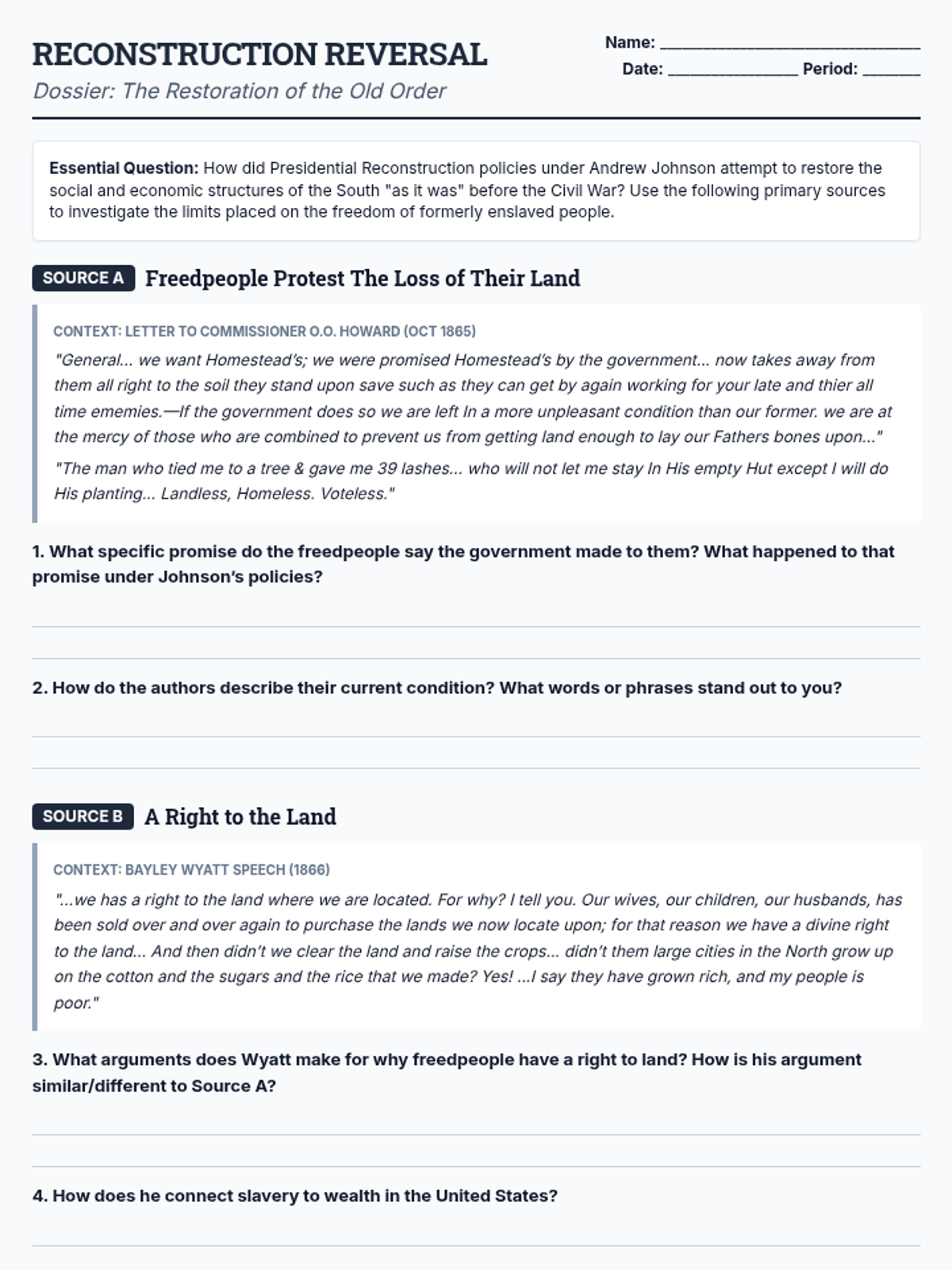
A deep dive into the policies of Presidential Reconstruction and how they systematically returned power to white Southerners while limiting the freedom of formerly enslaved people through land seizure, sharecropping, and Black Codes.
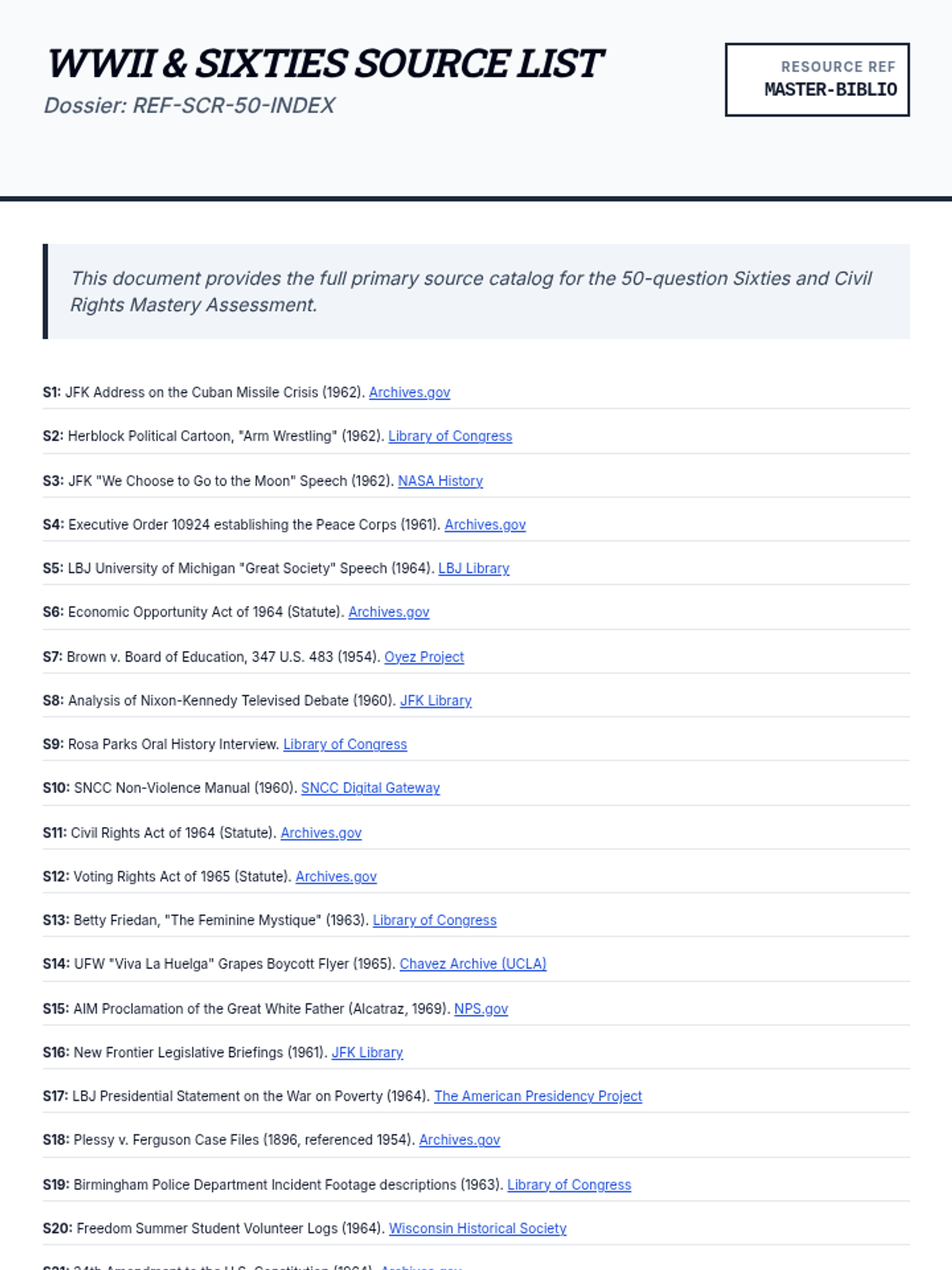
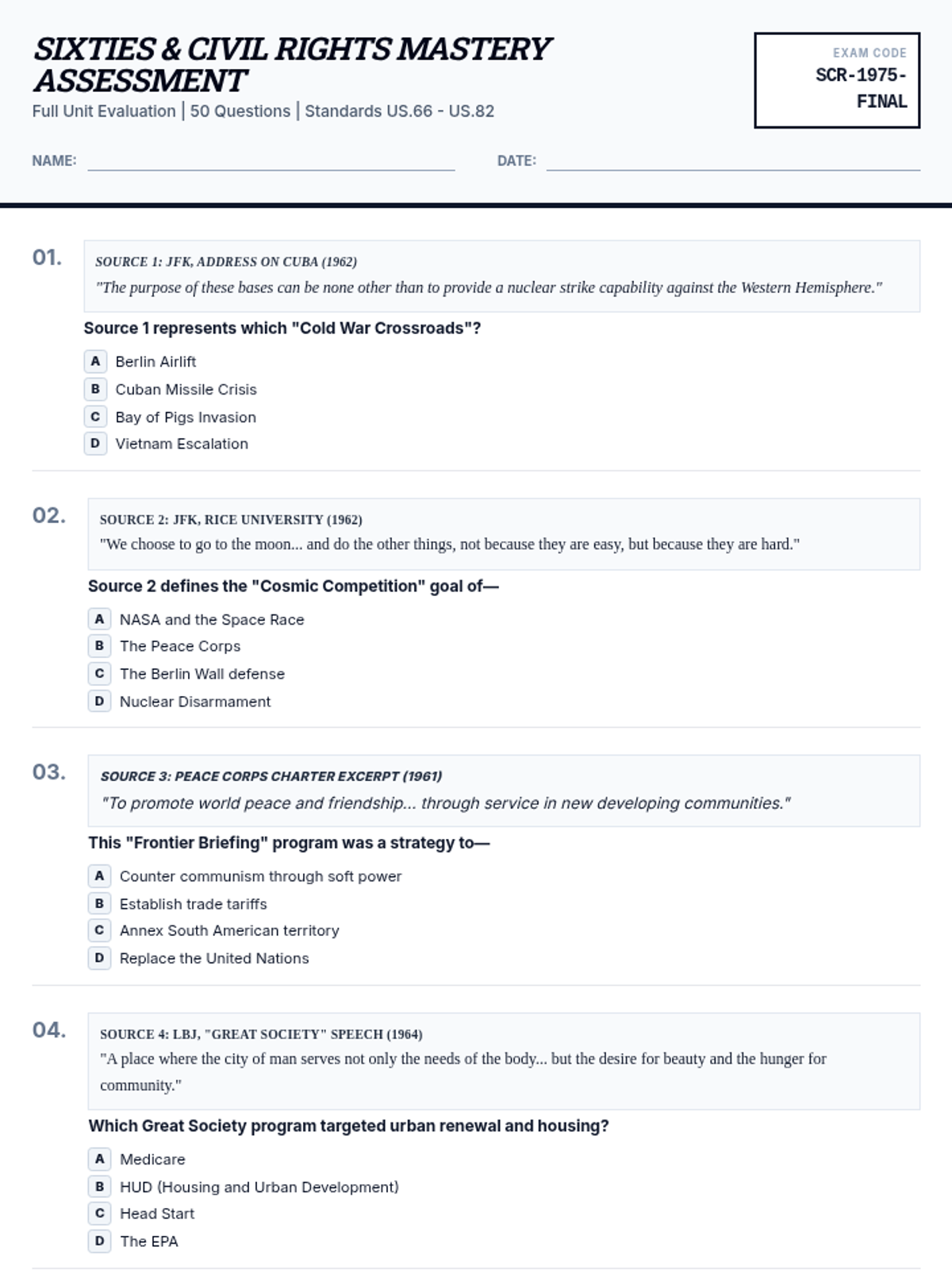
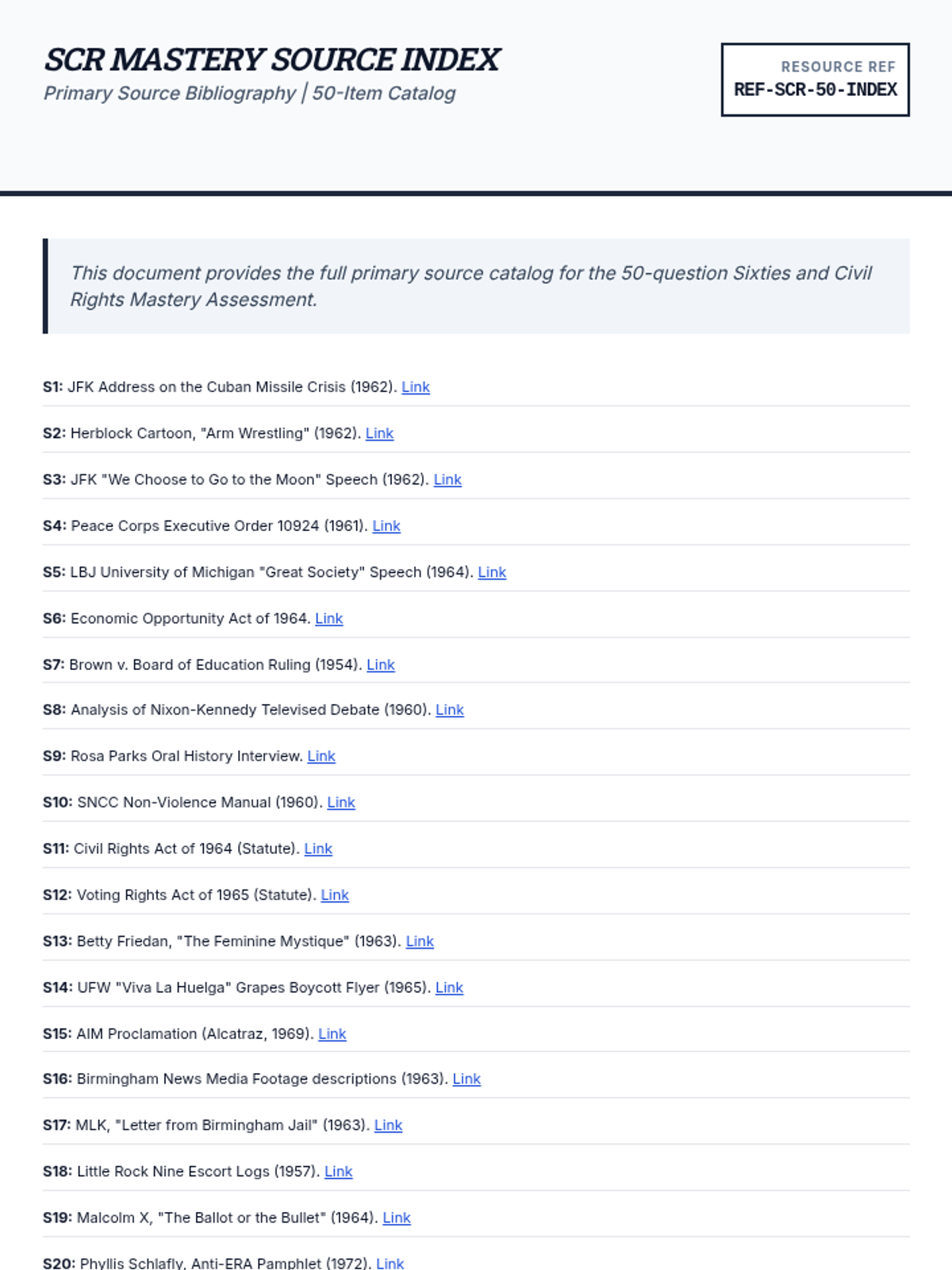
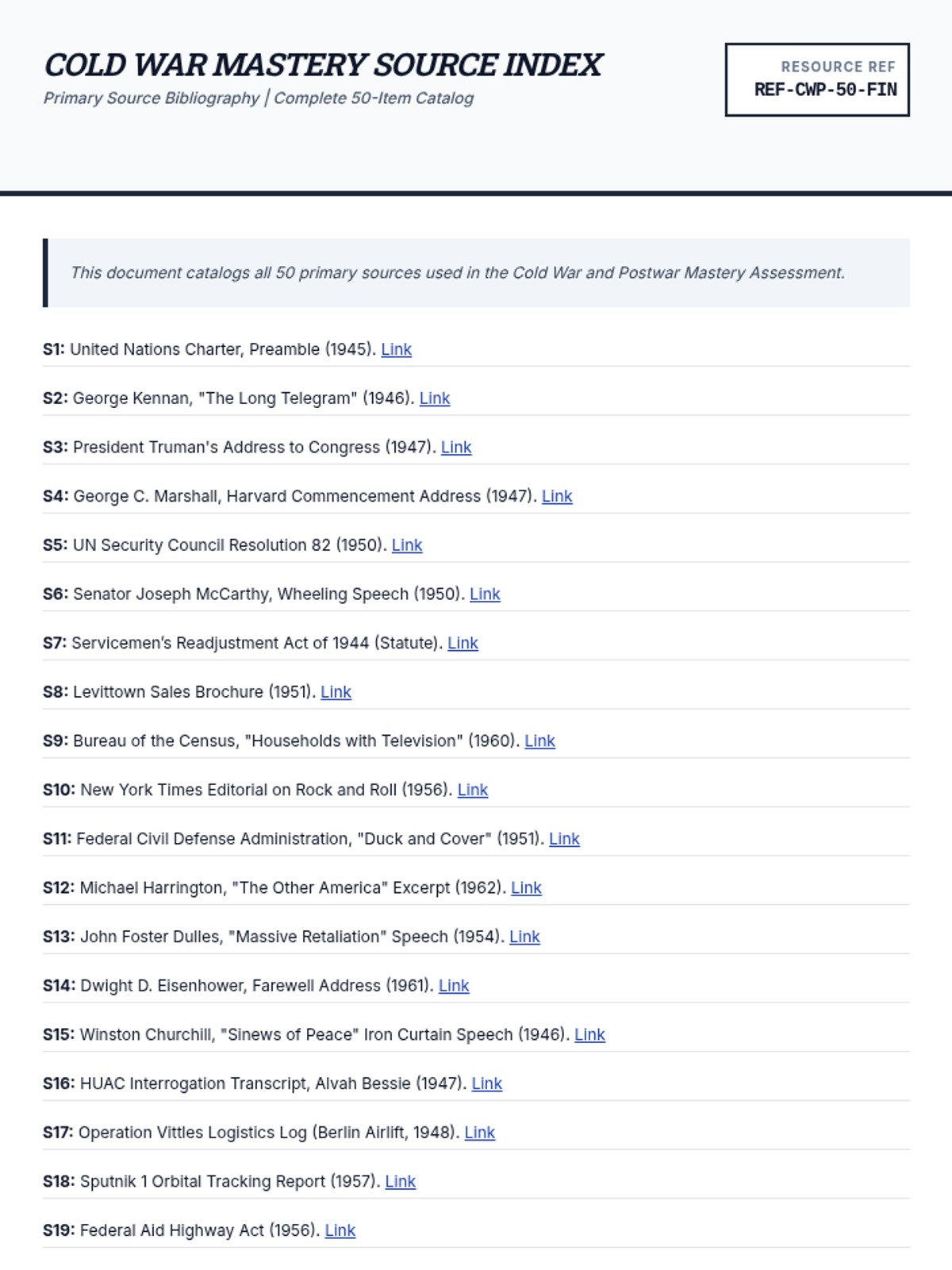
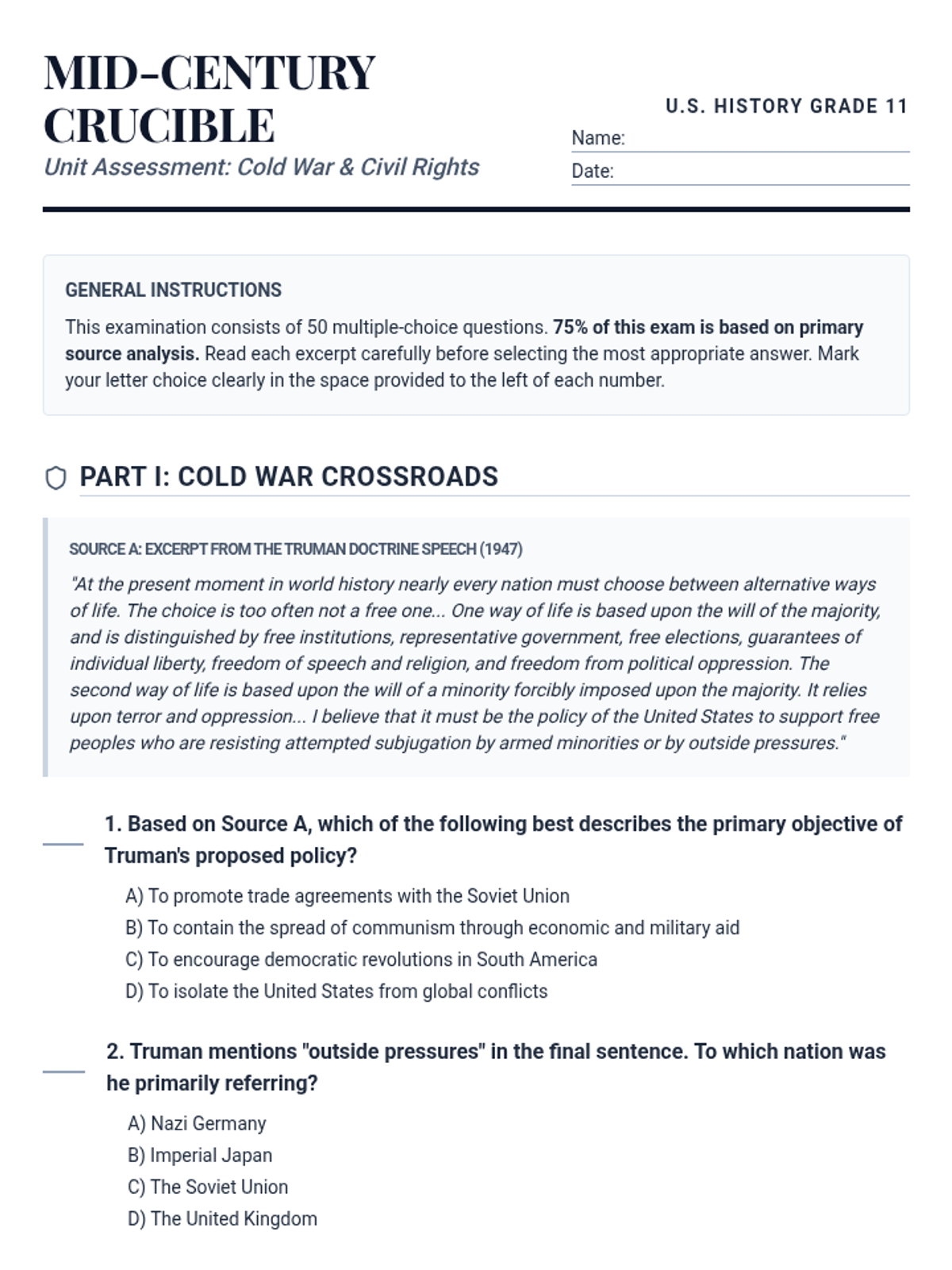
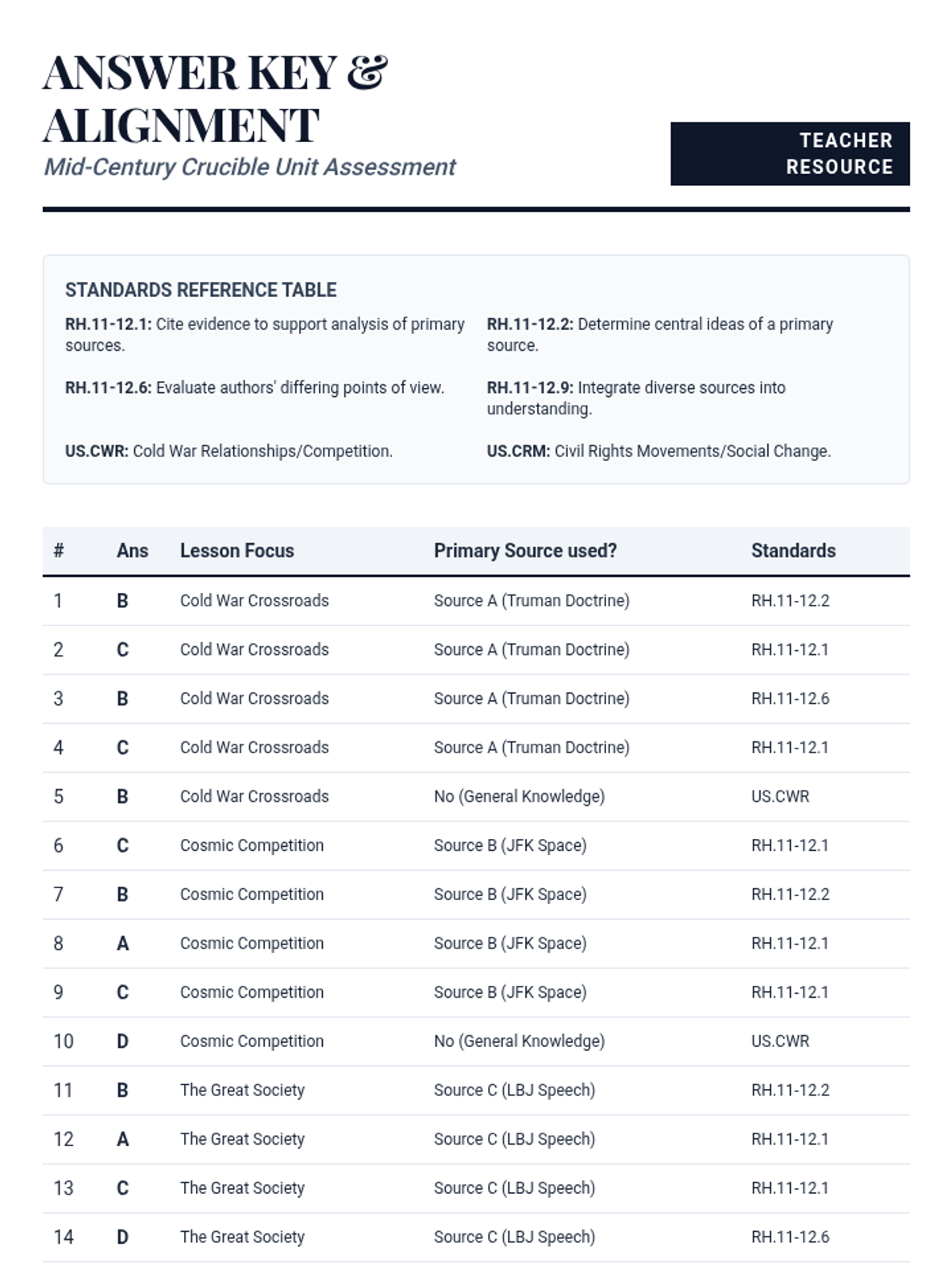
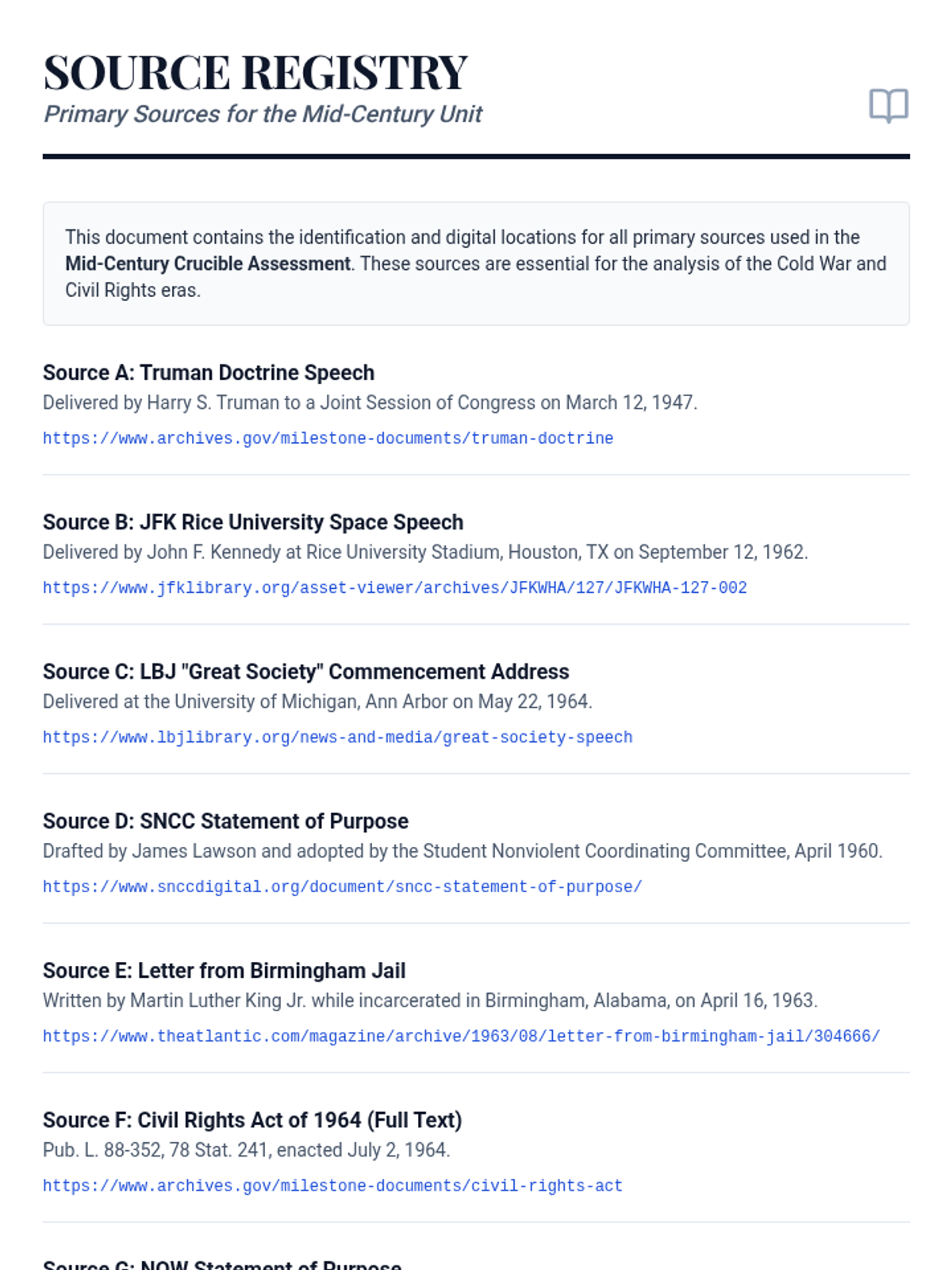
The final assessment for the unit covering the Cold War and Civil Rights eras through primary source analysis and content mastery.
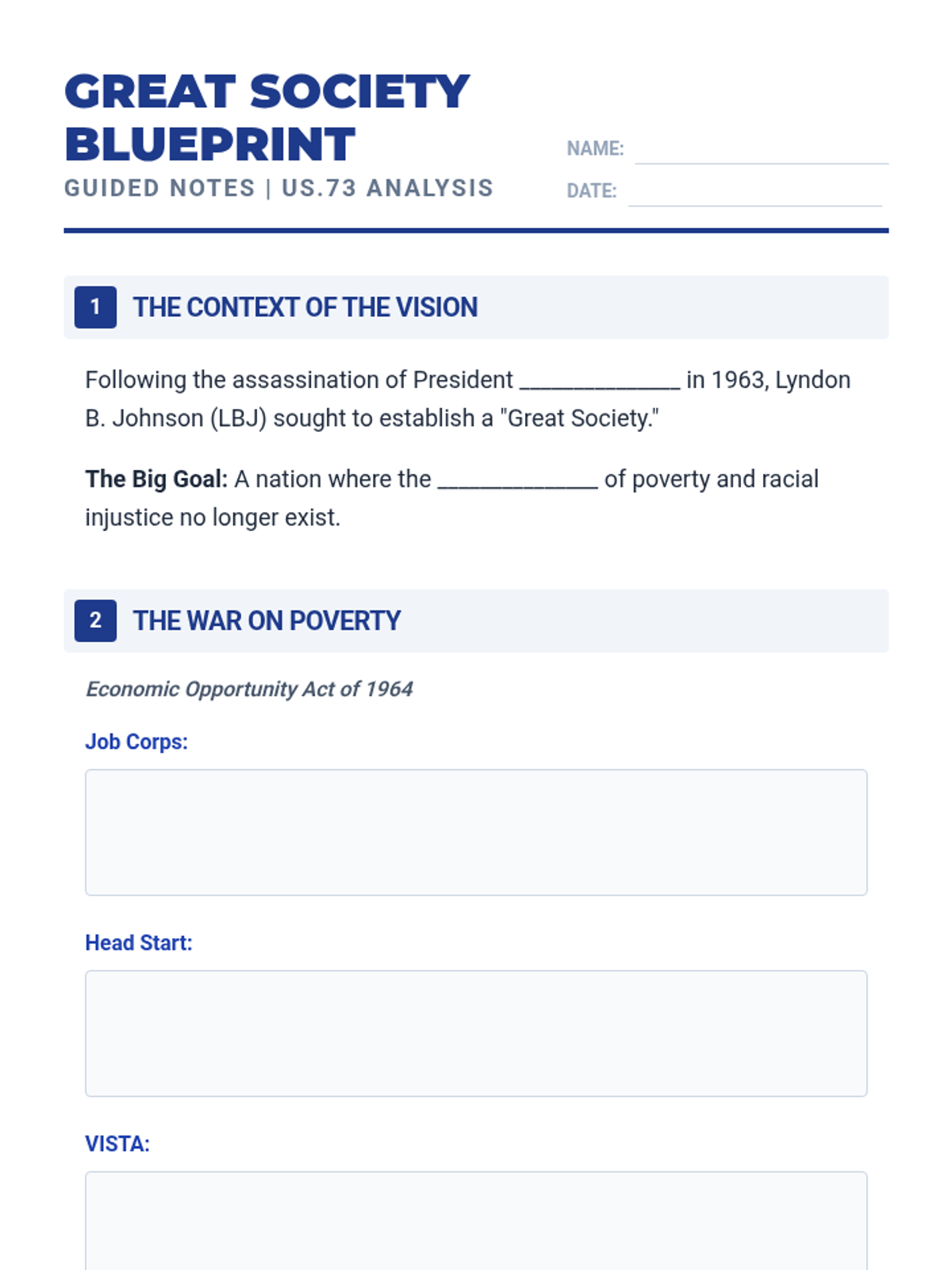
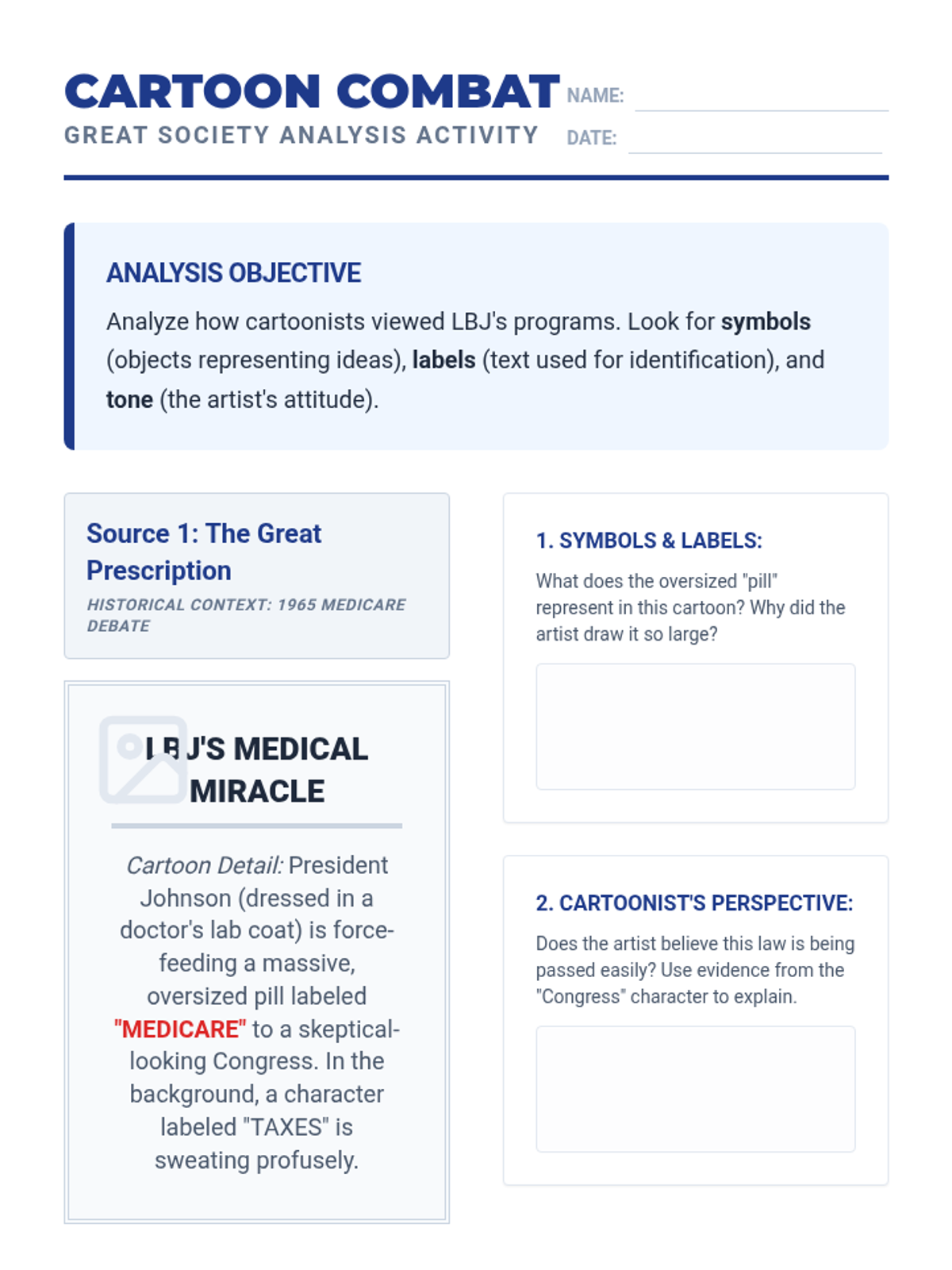
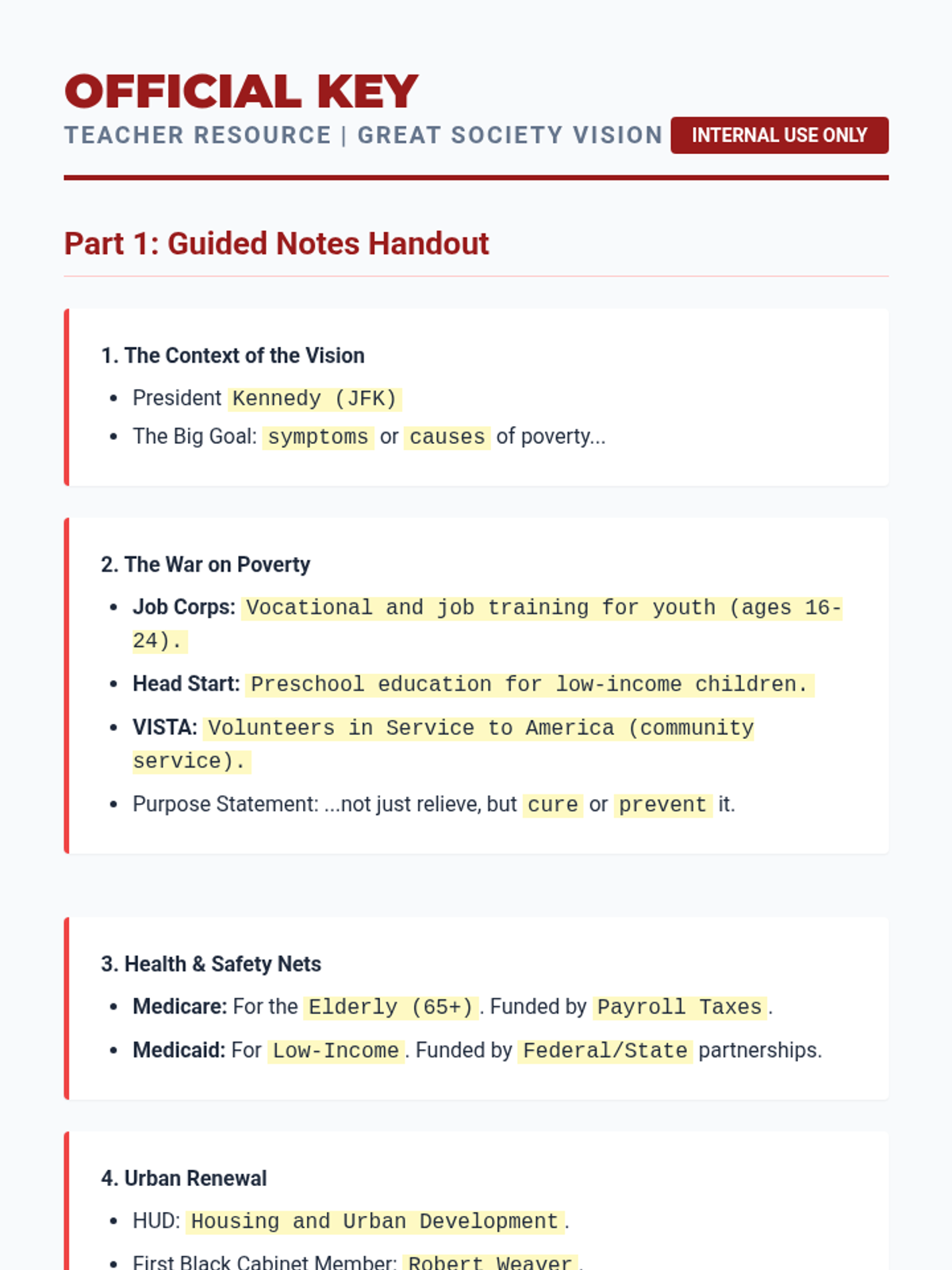
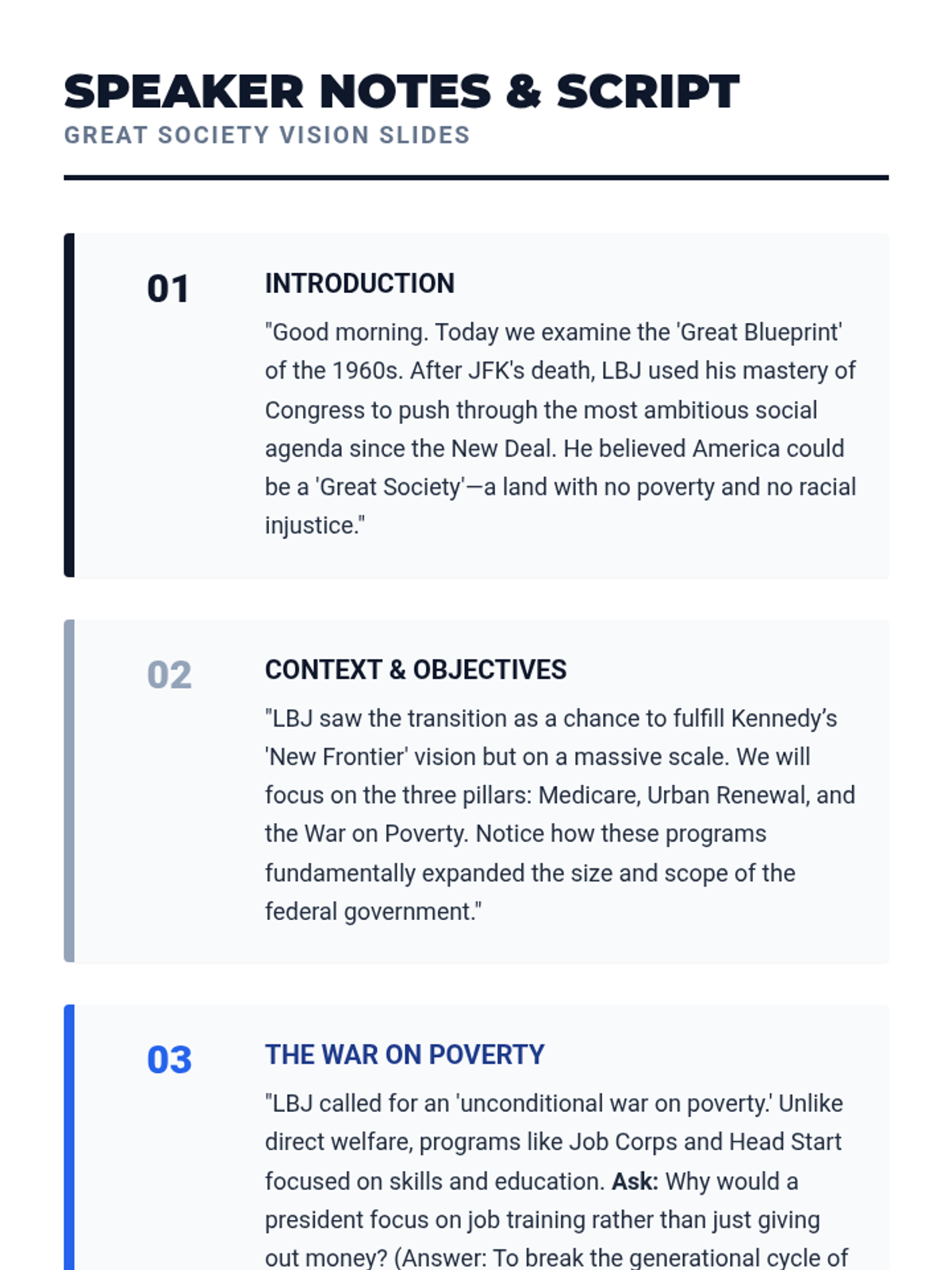
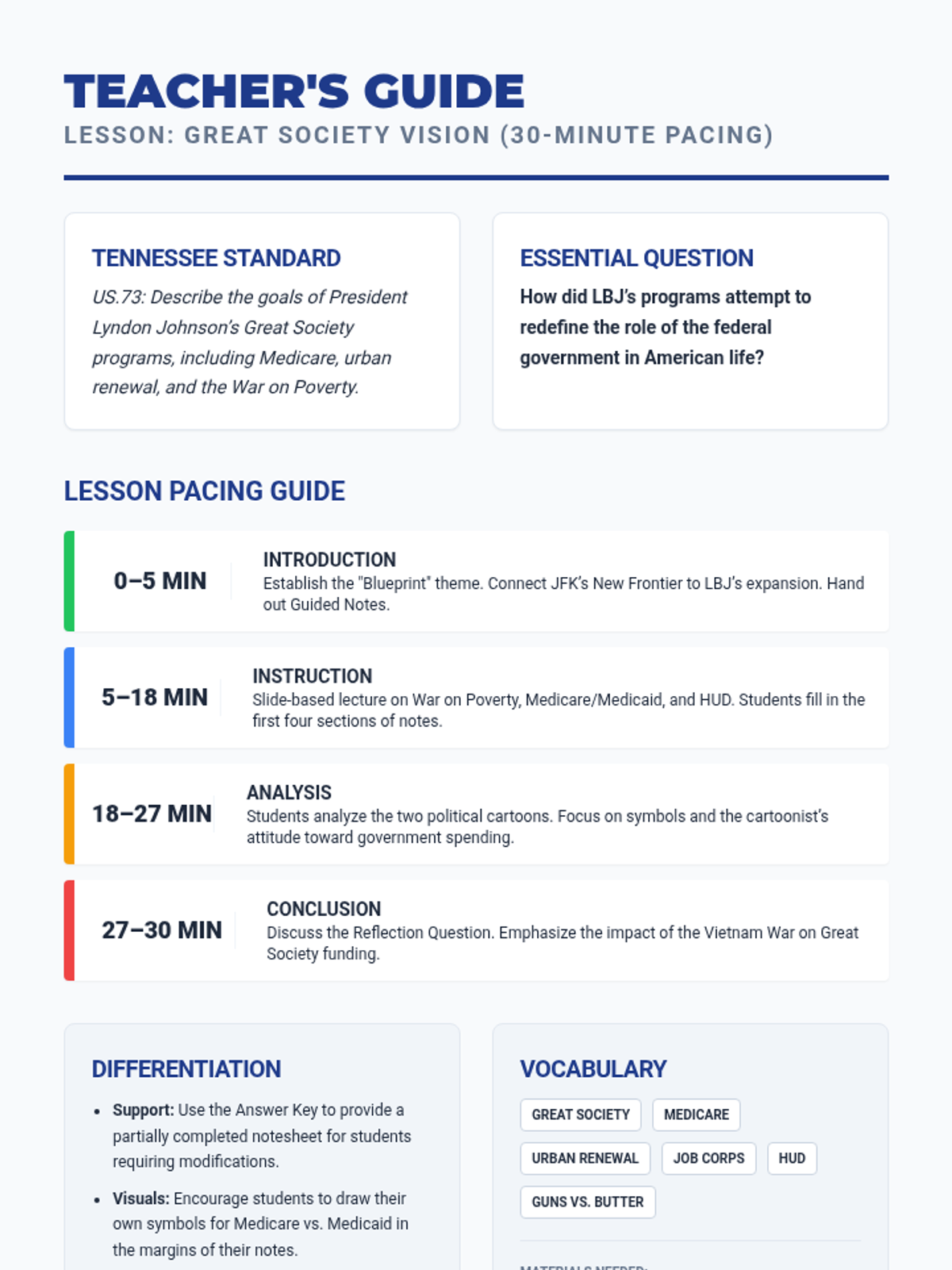
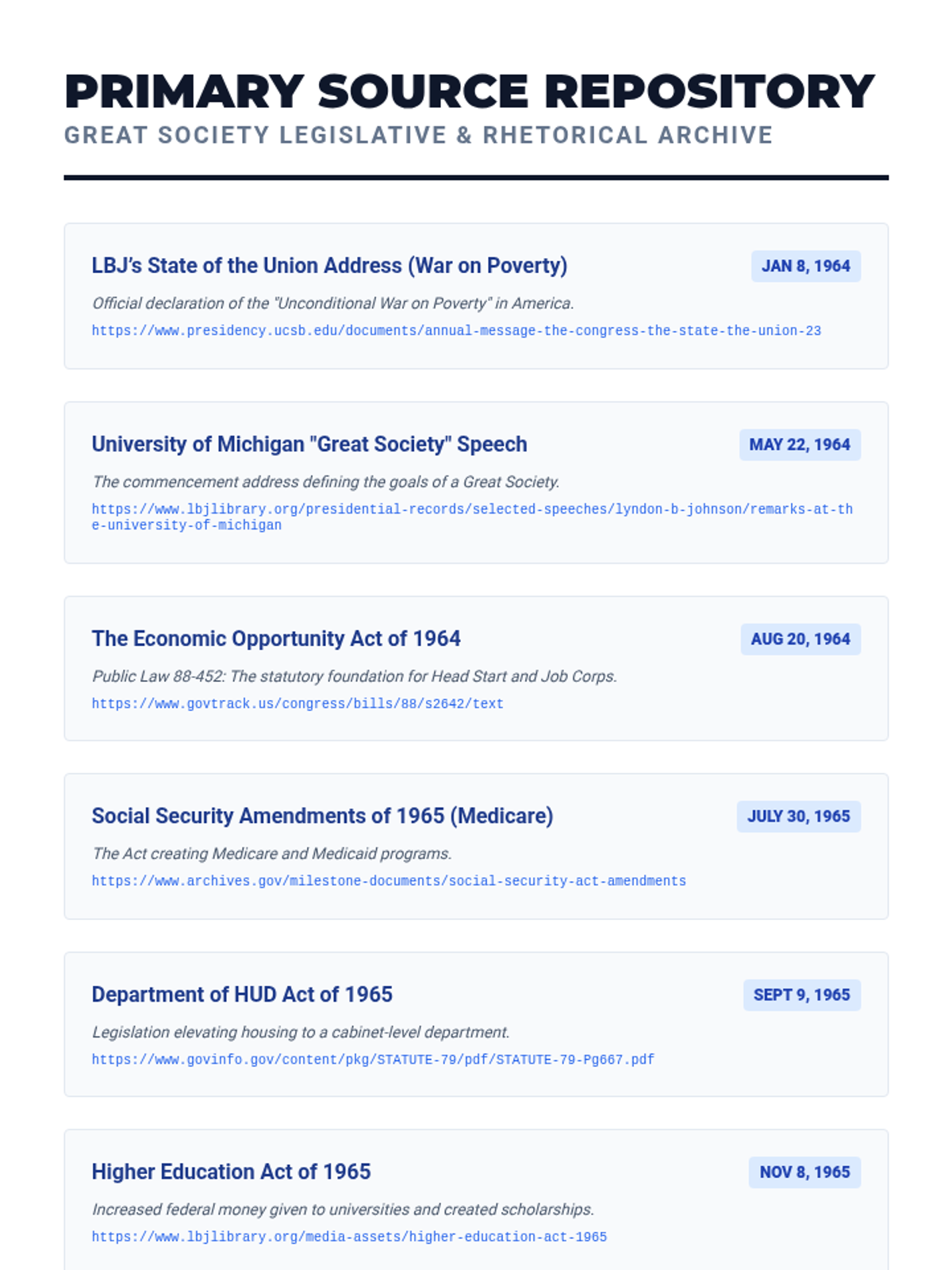
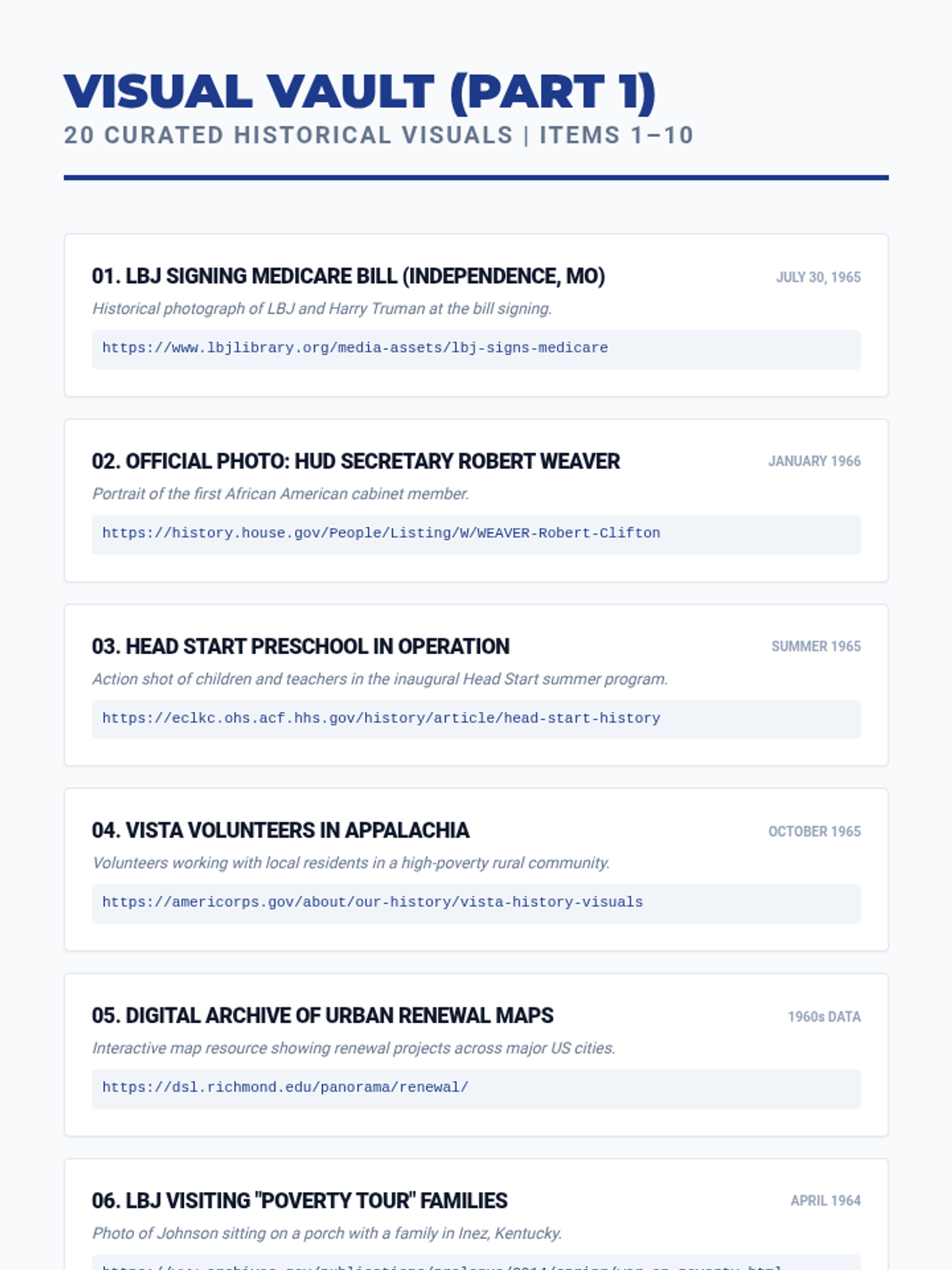
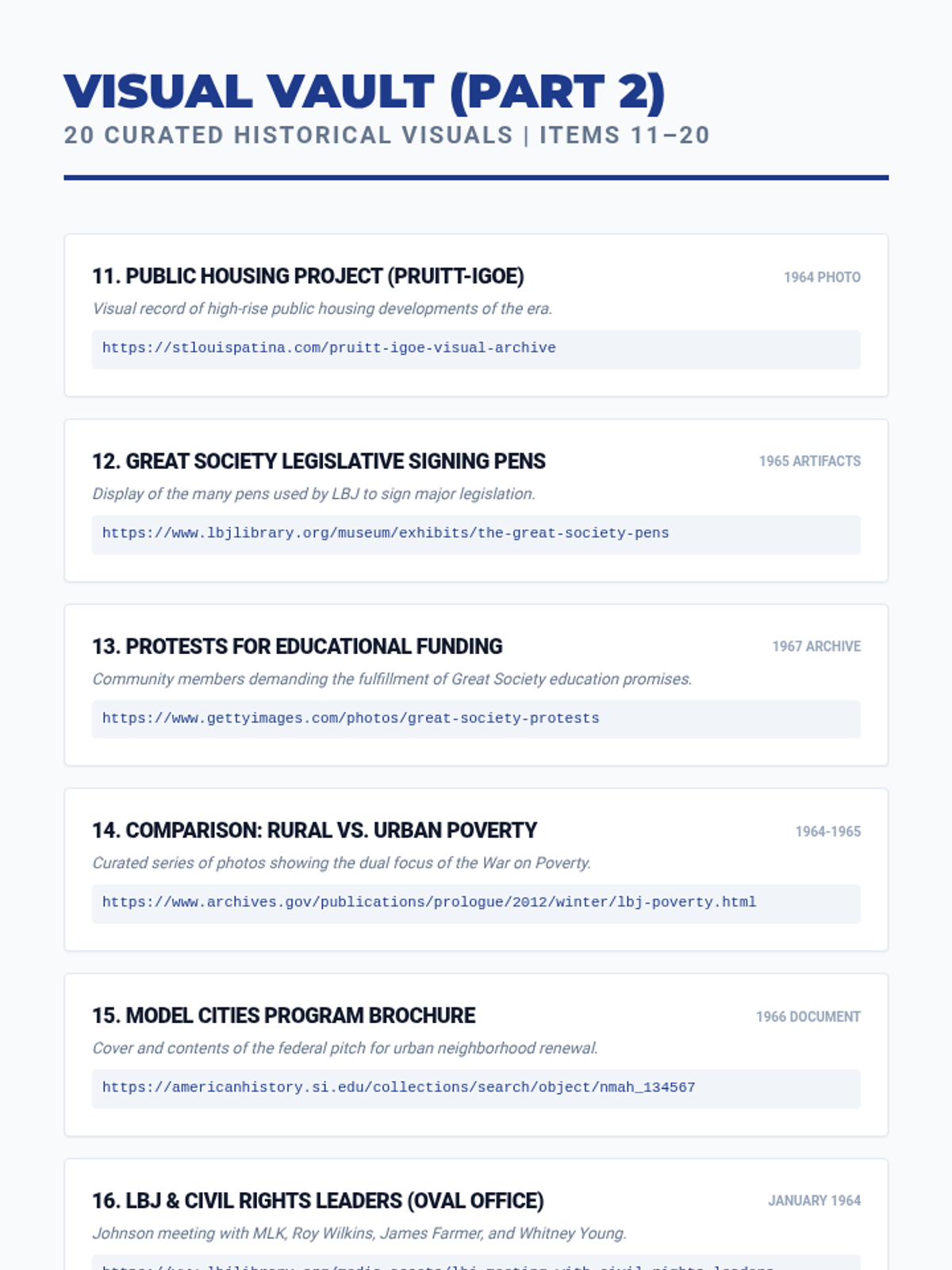
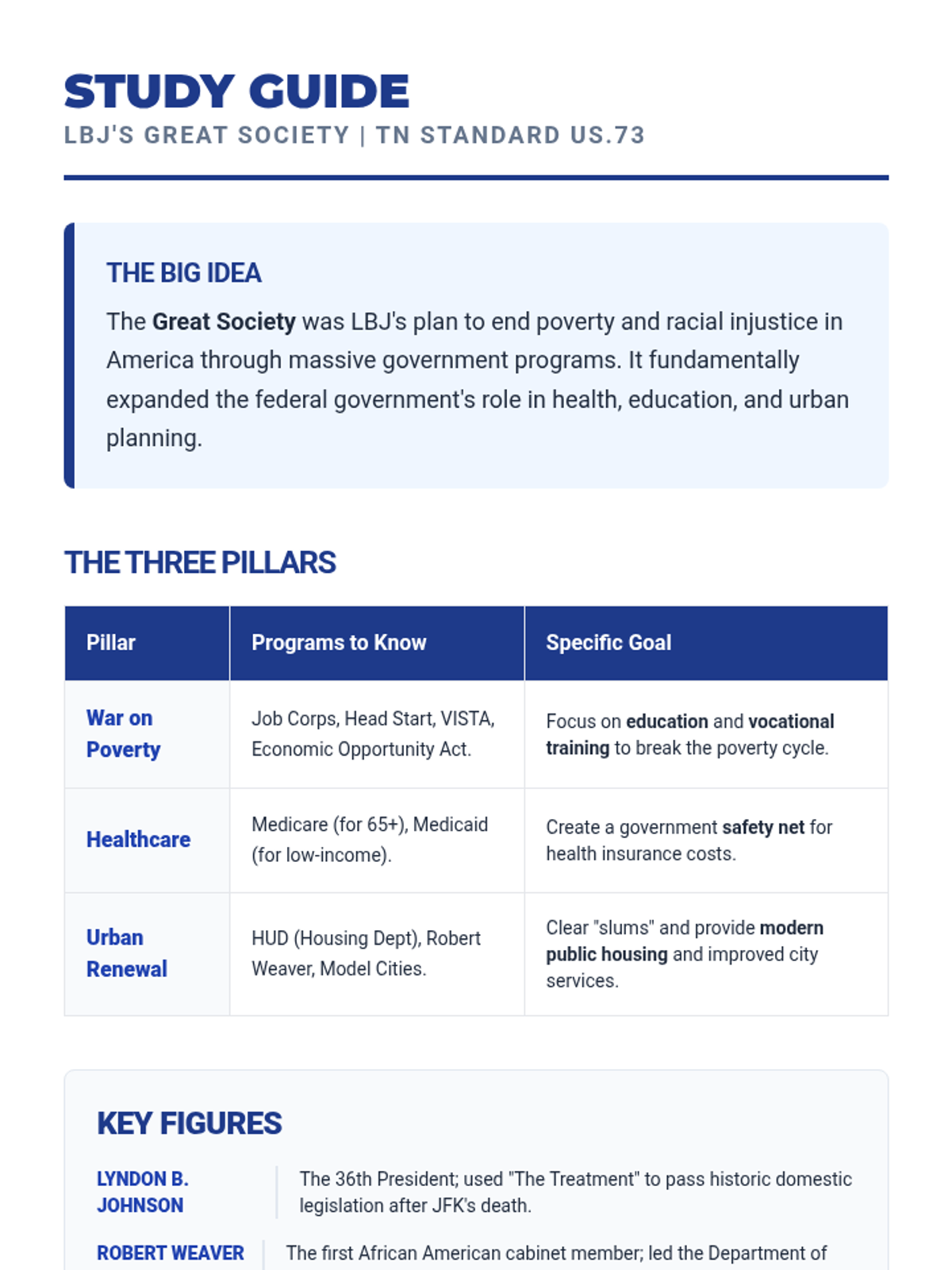
This lesson explores the key components of LBJ's Great Society, specifically Medicare, urban renewal, and the War on Poverty, through direct instruction and primary source analysis.
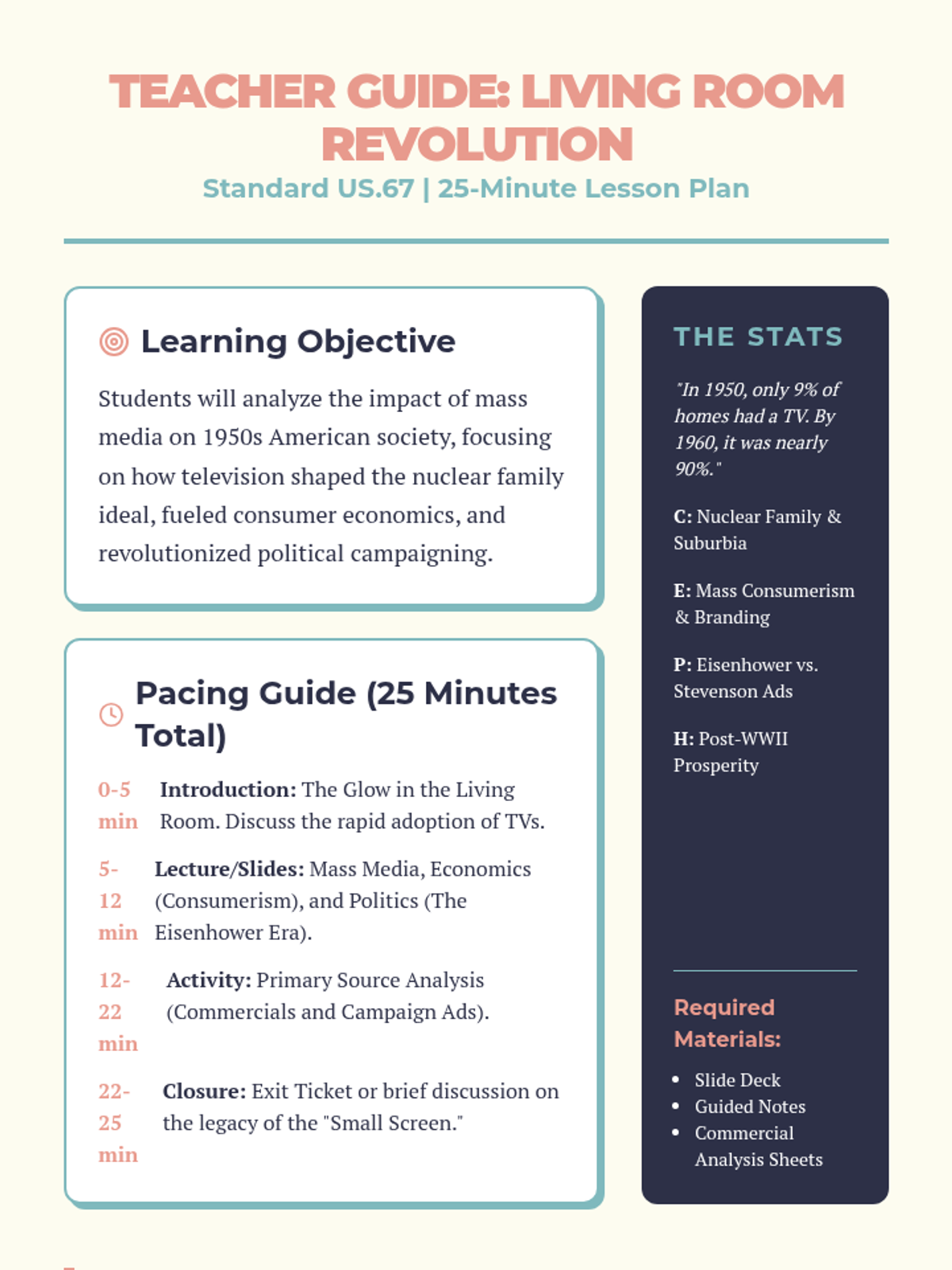
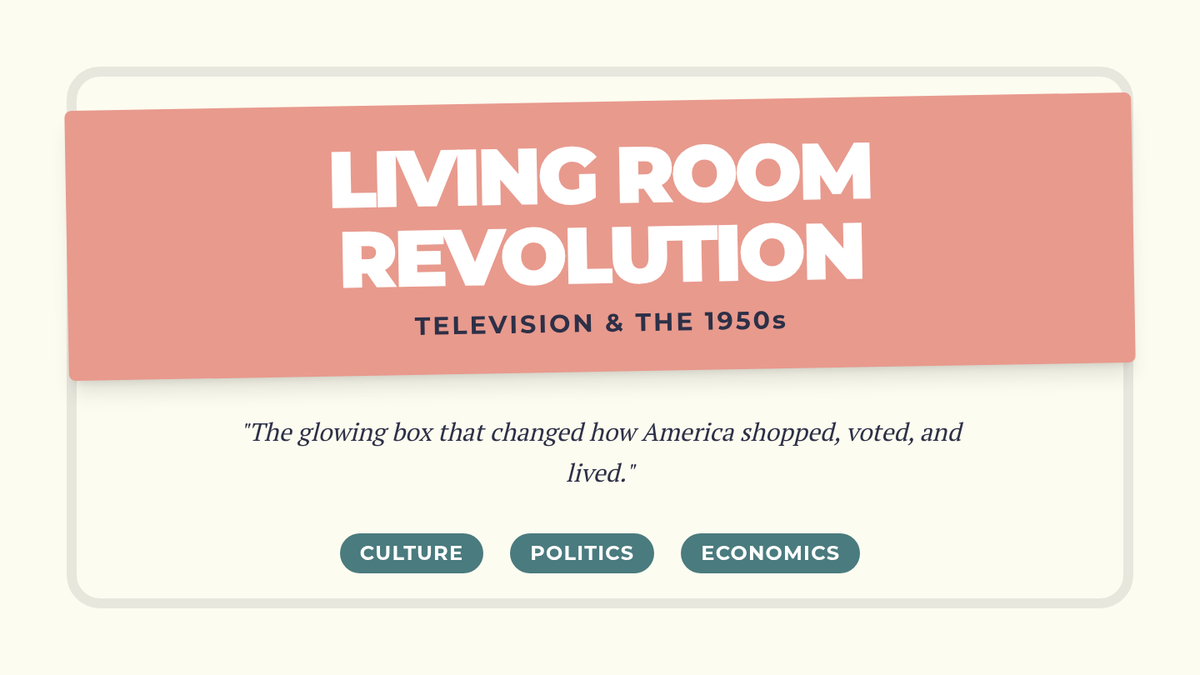
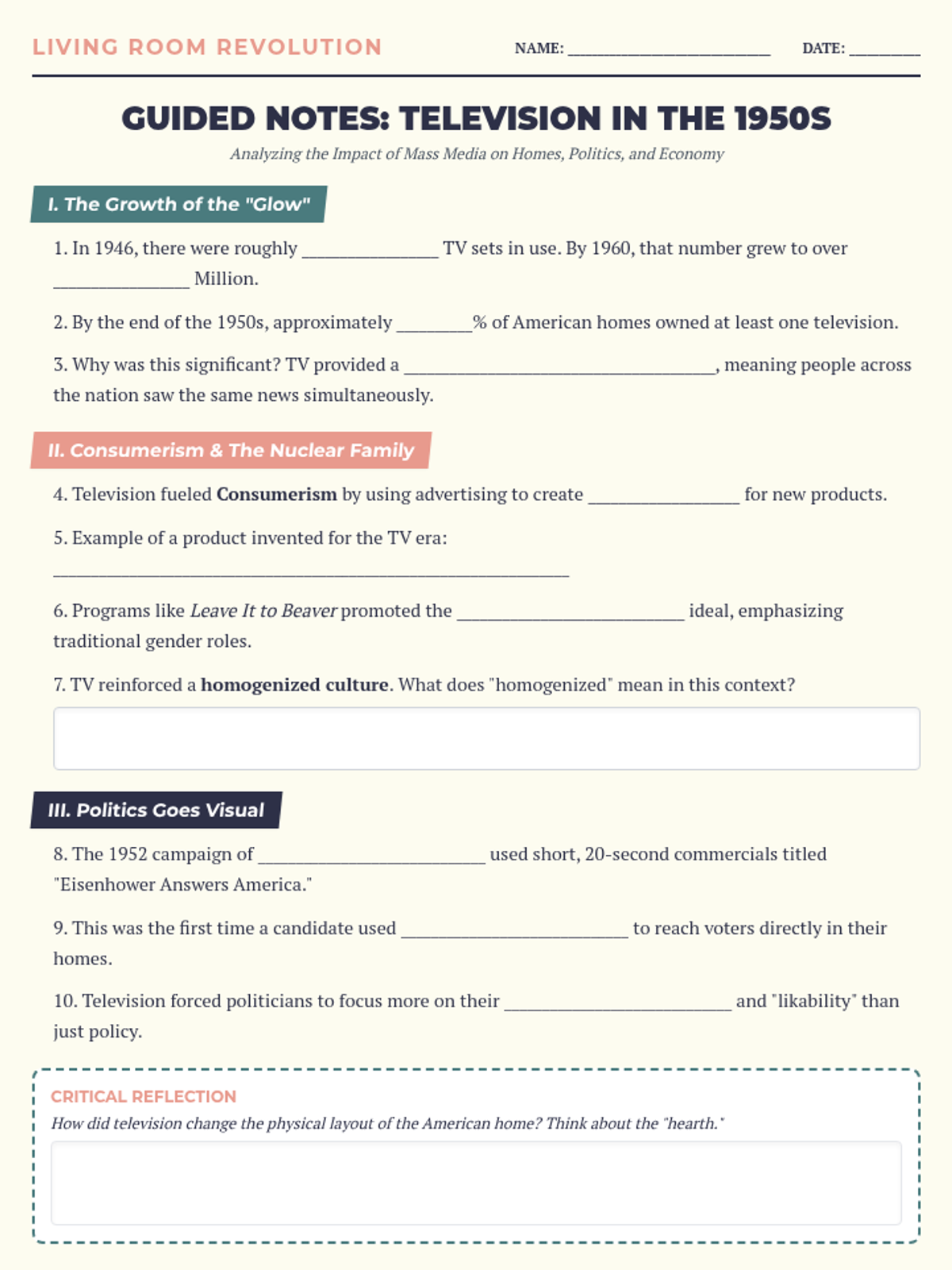
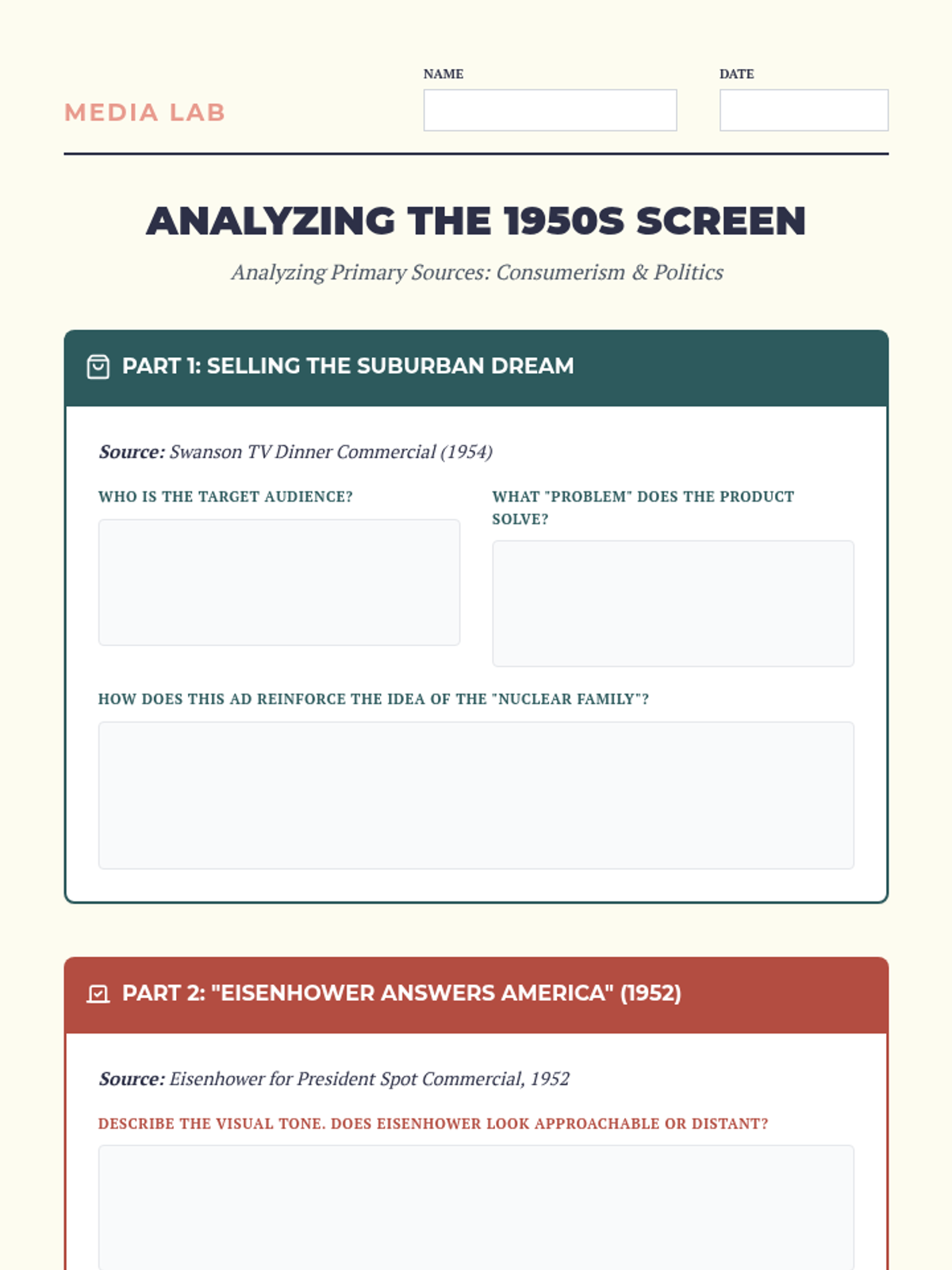
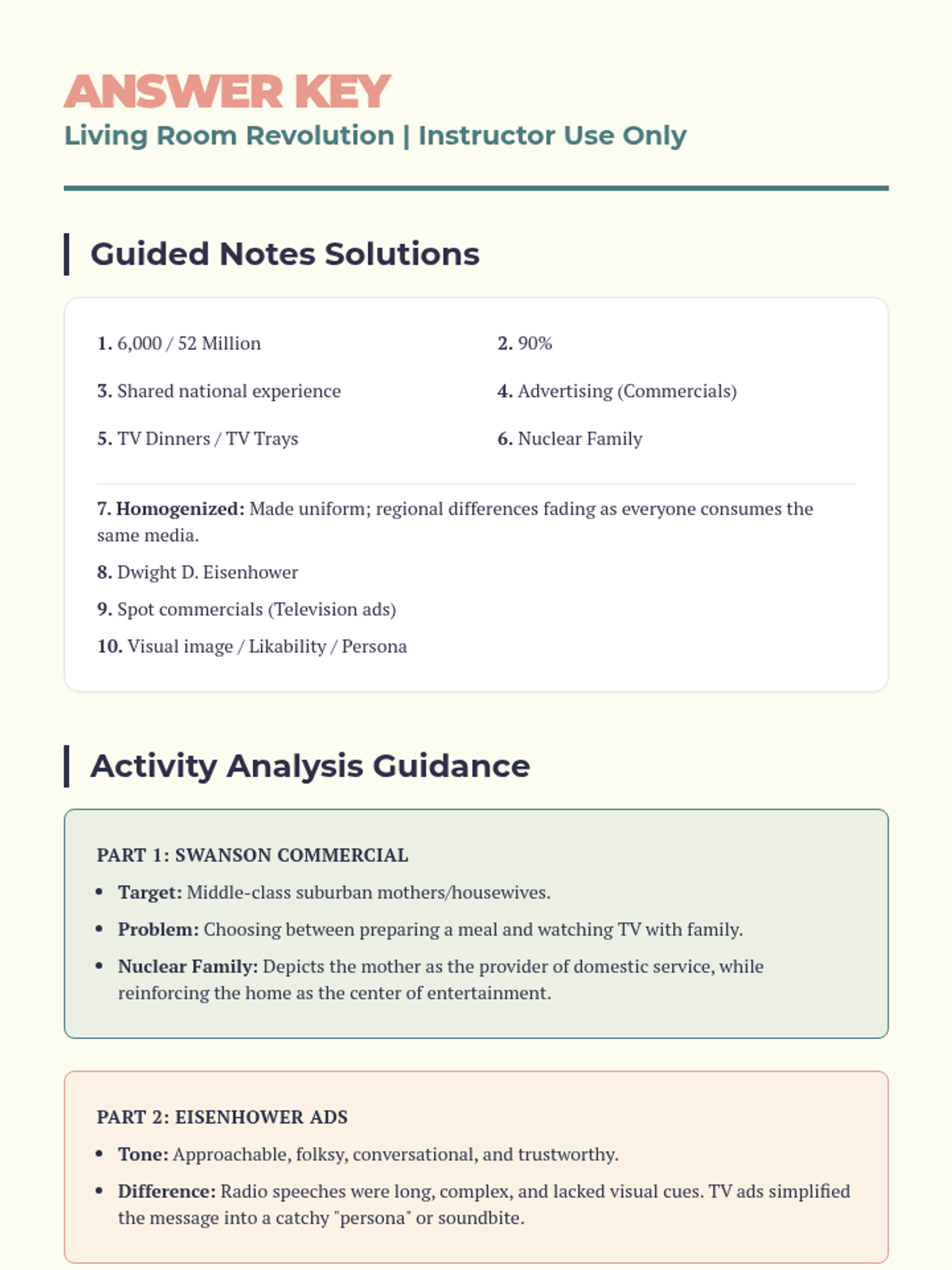
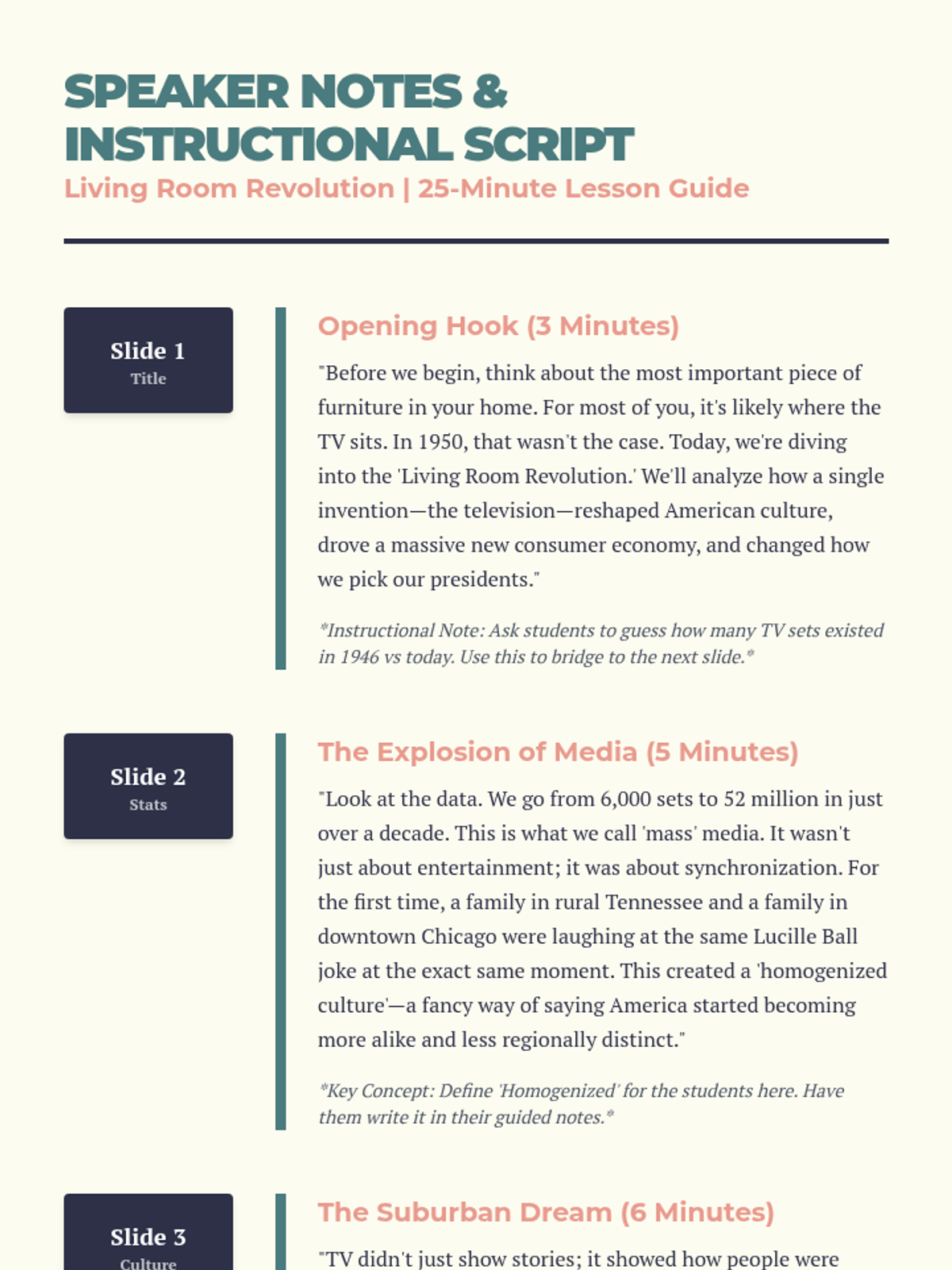
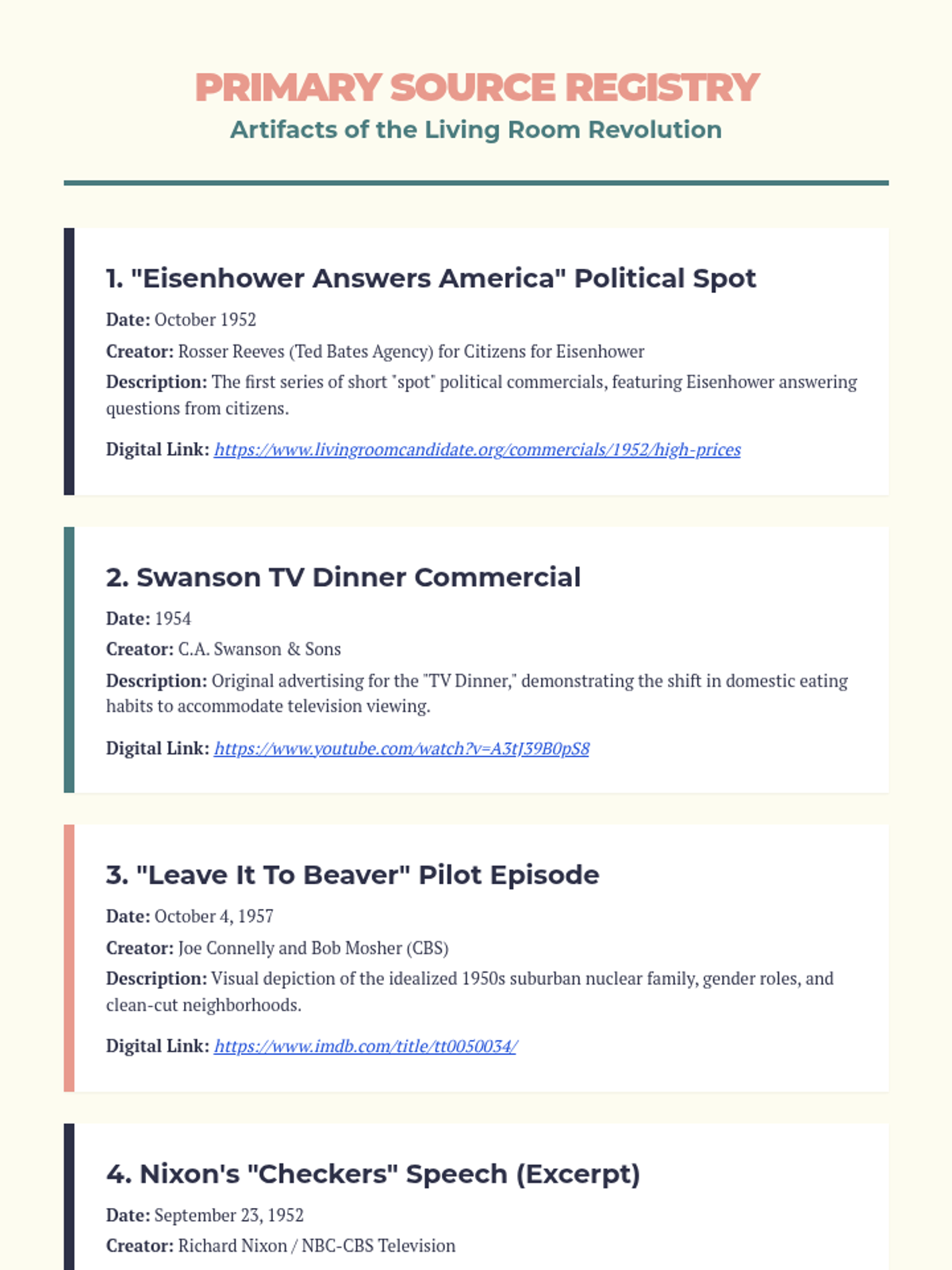
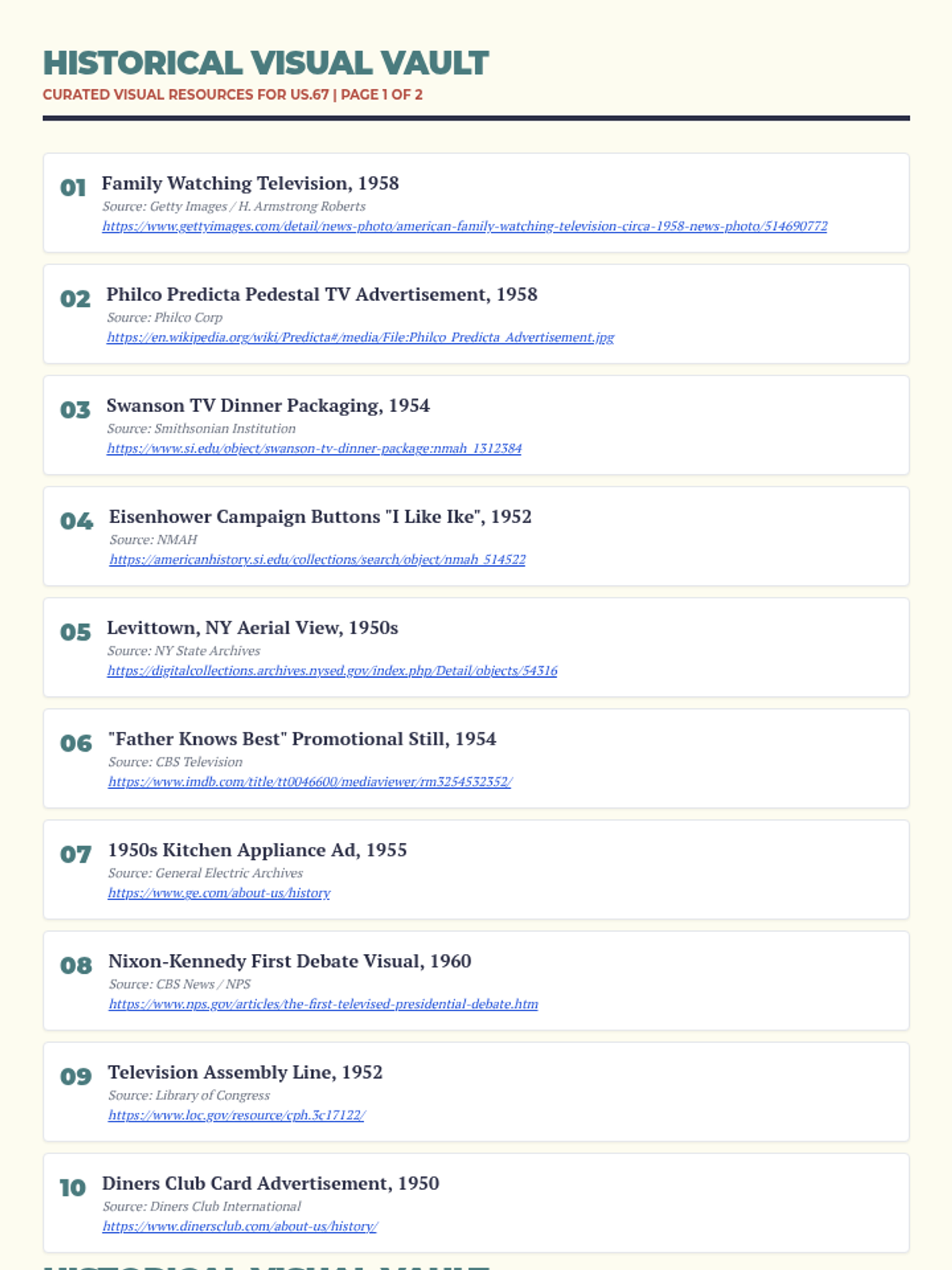
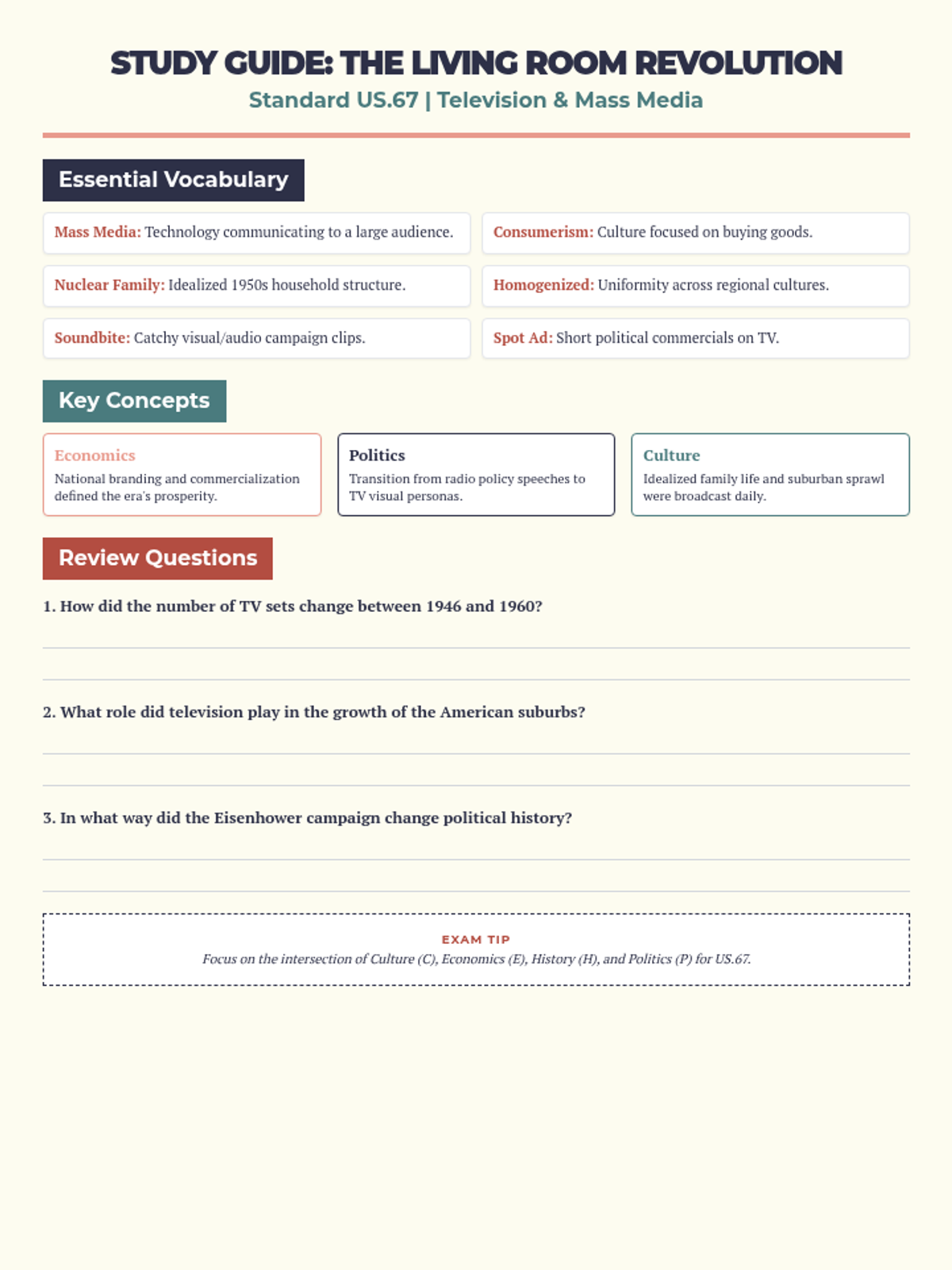
A 25-minute exploration of how television transformed American life in the 1950s, focusing on consumer culture, the nuclear family ideal, and the shift in political campaigning.
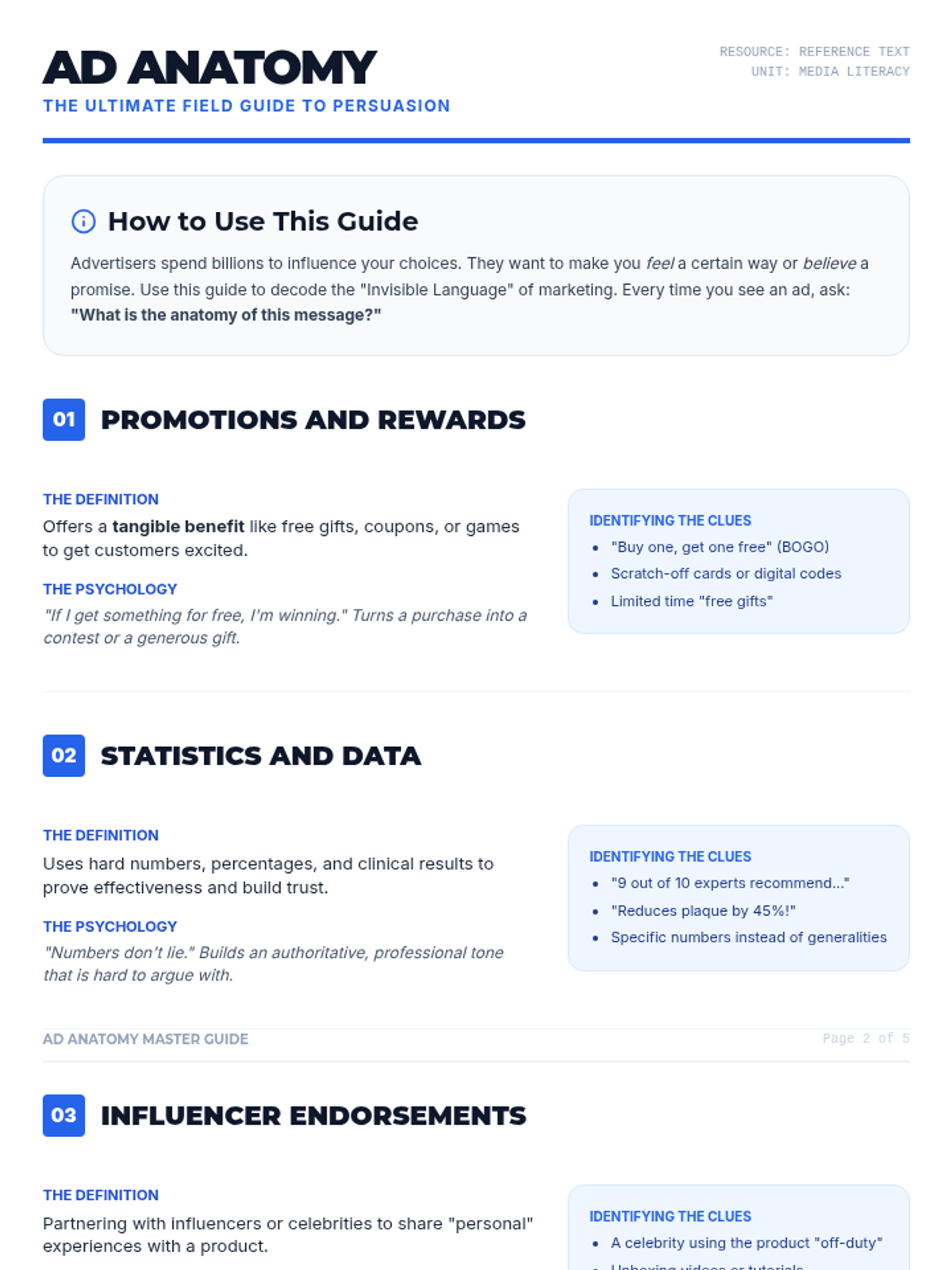
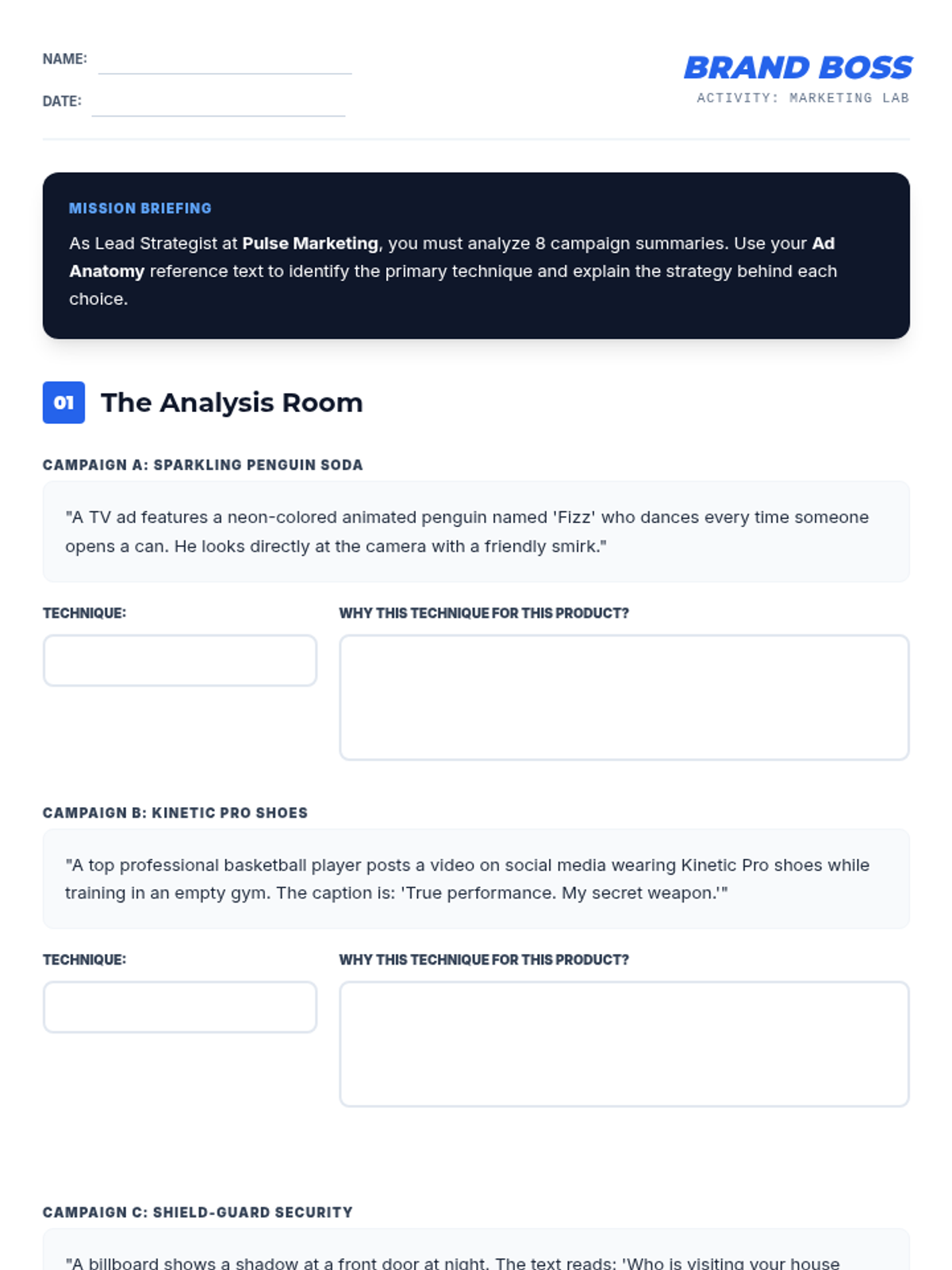
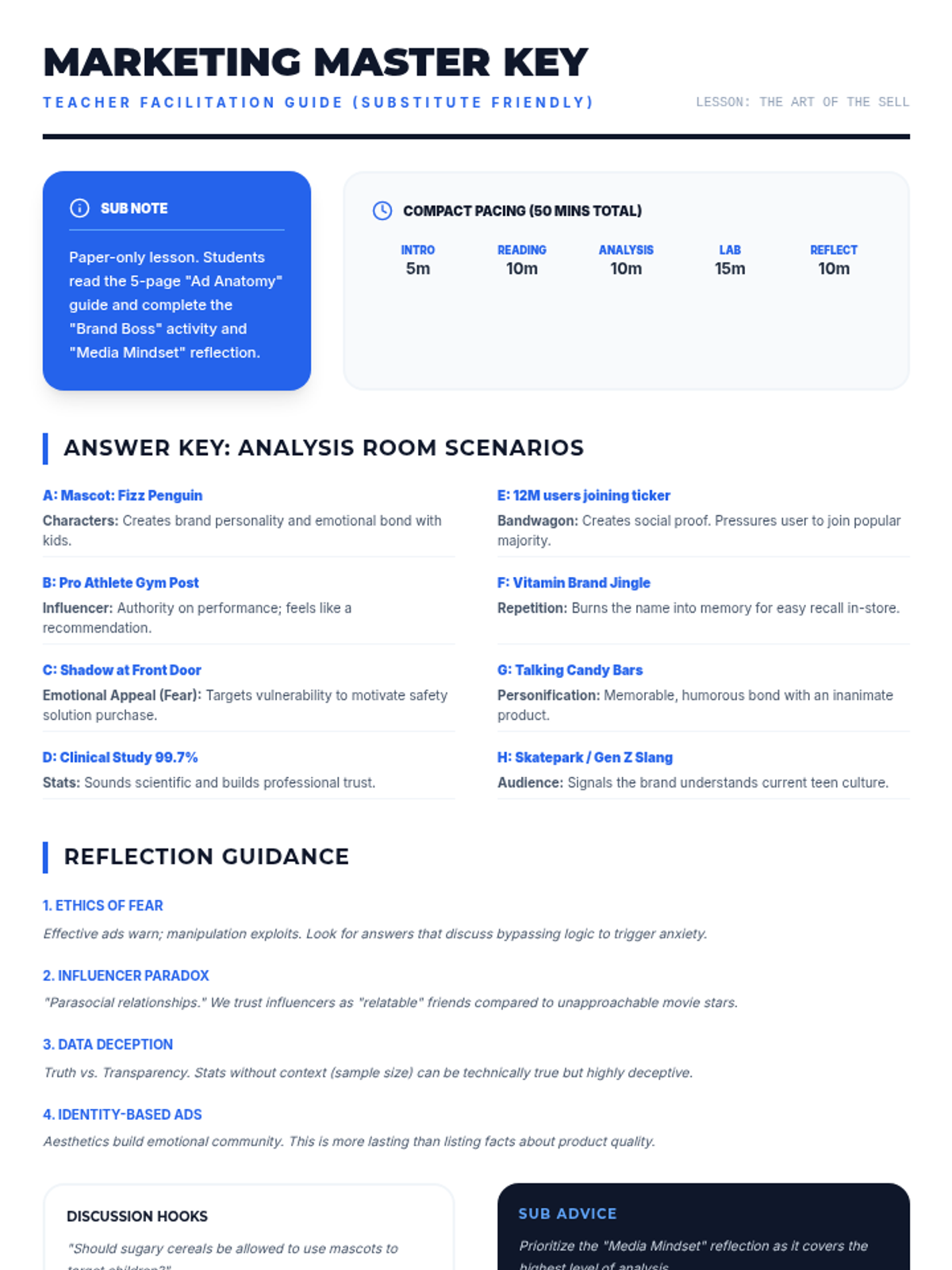
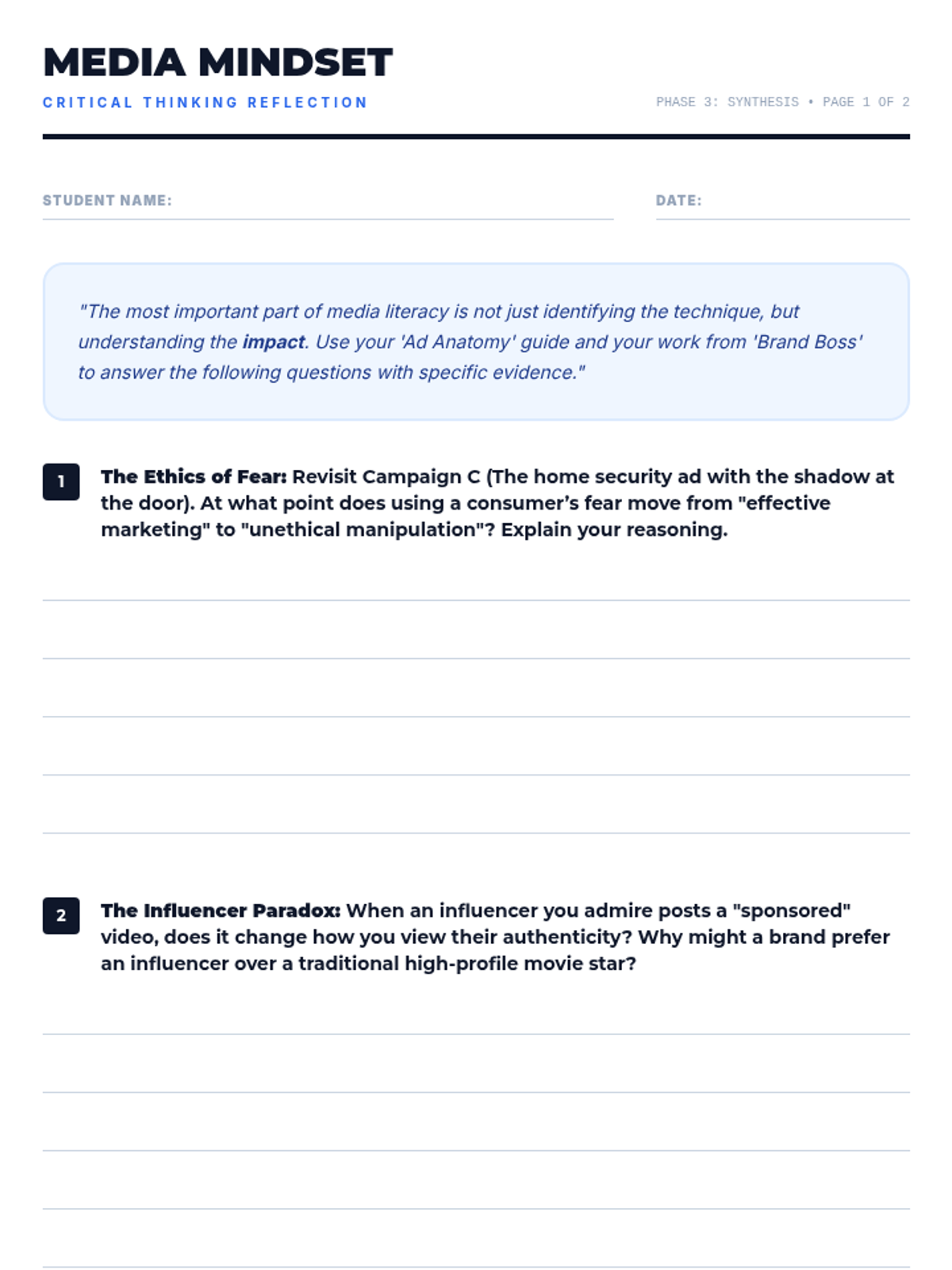
A comprehensive lesson on media literacy and advertising strategies, teaching students to identify and apply ten key persuasive techniques used in modern marketing.
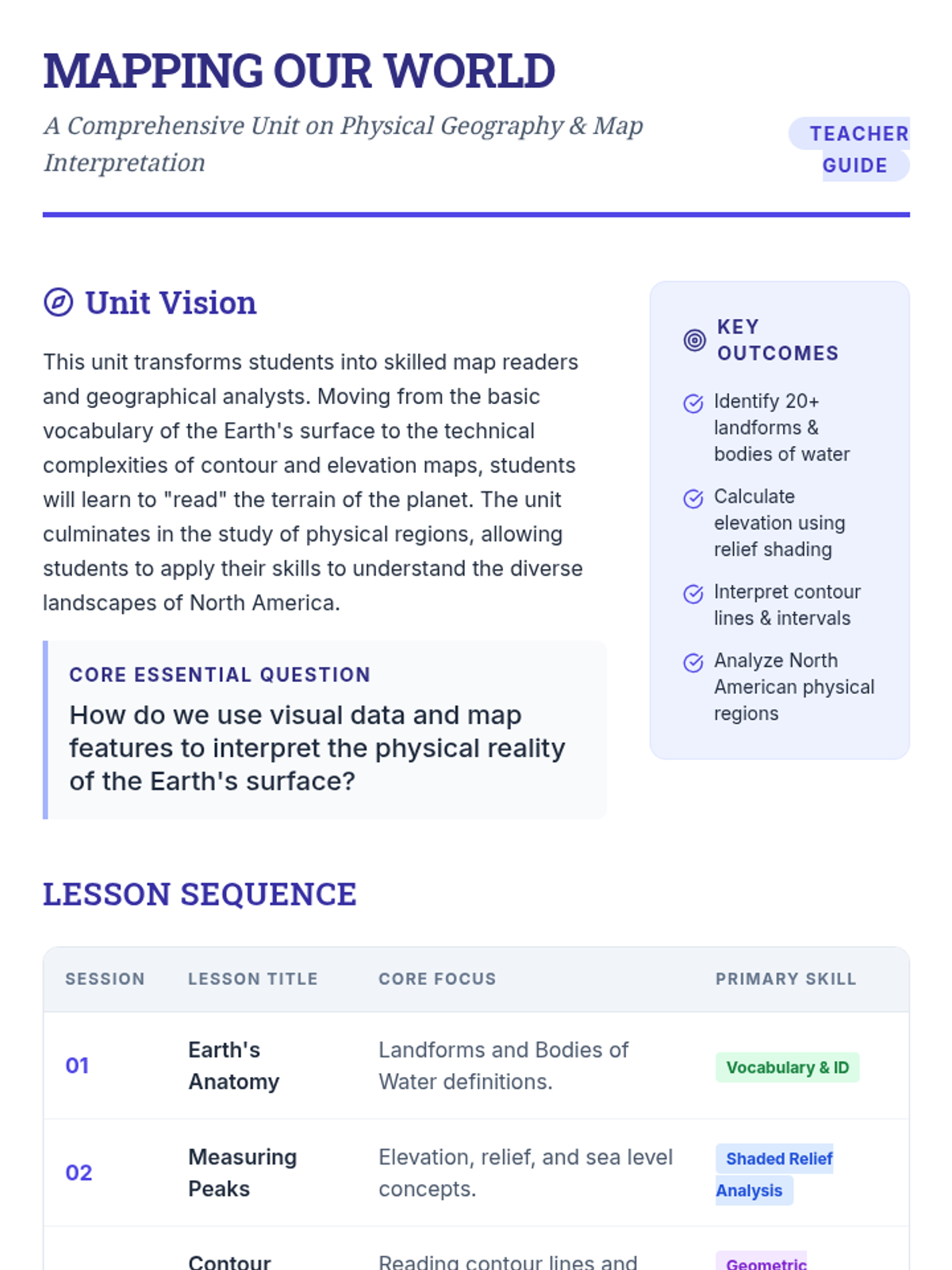
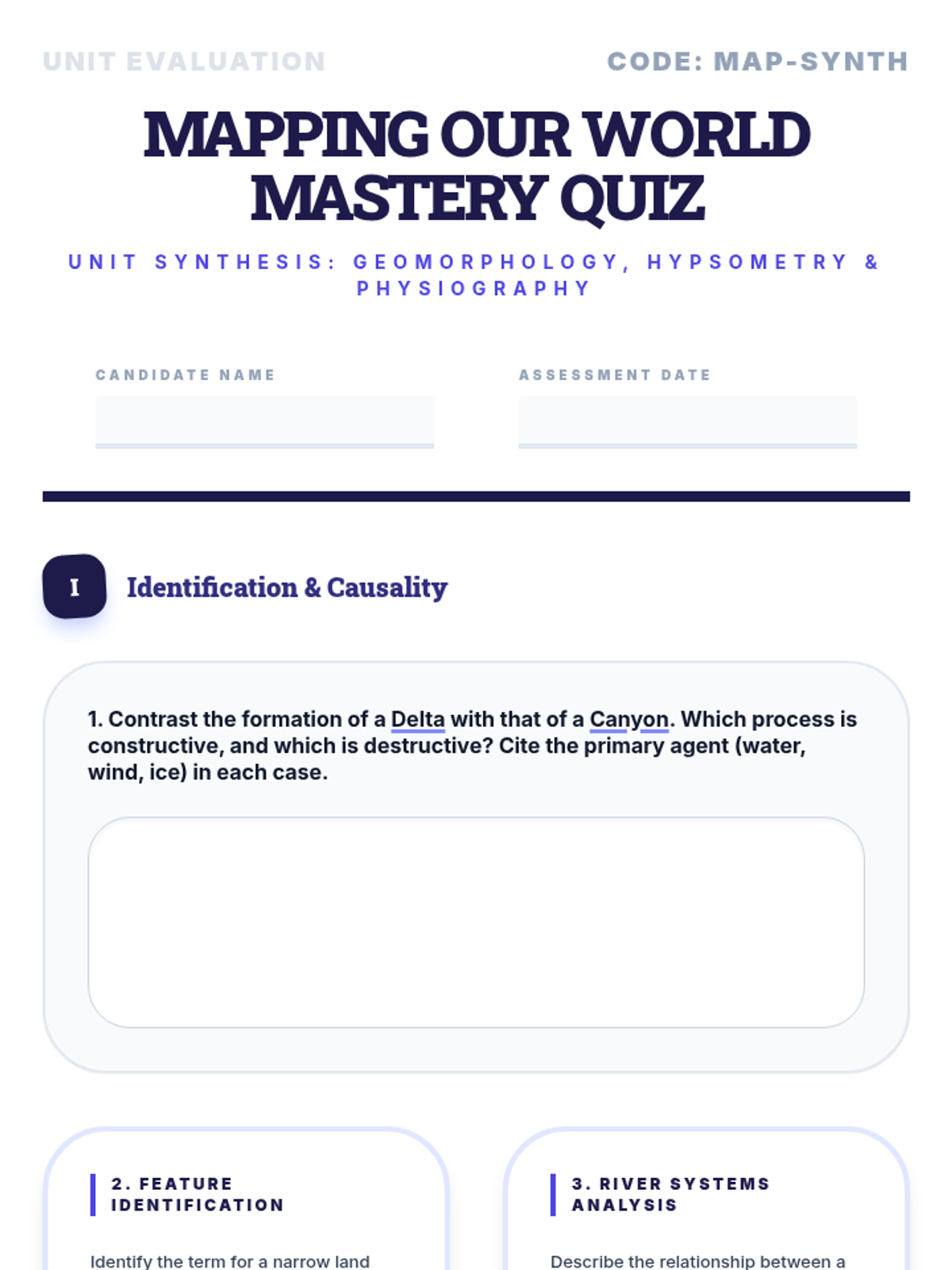
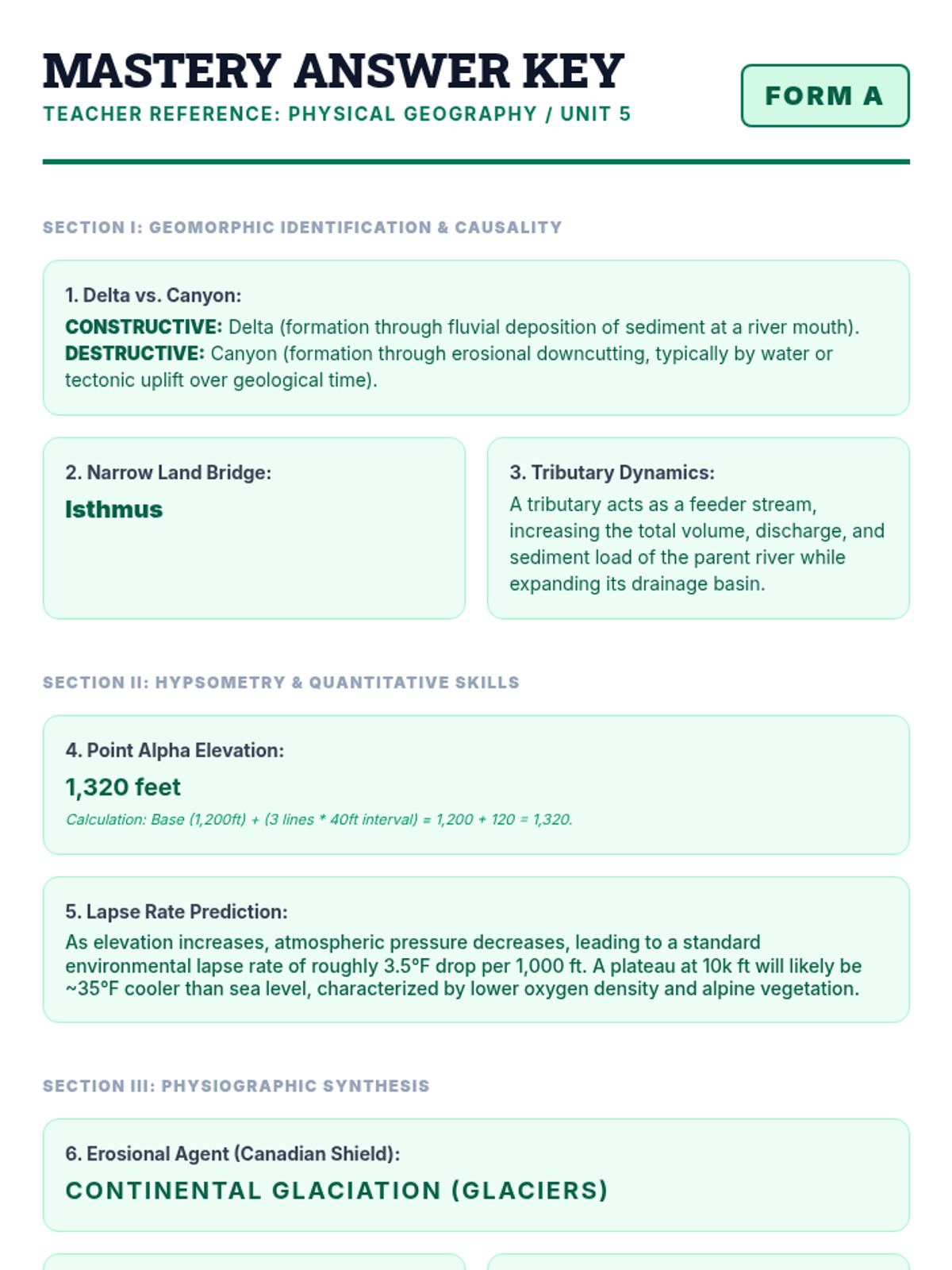
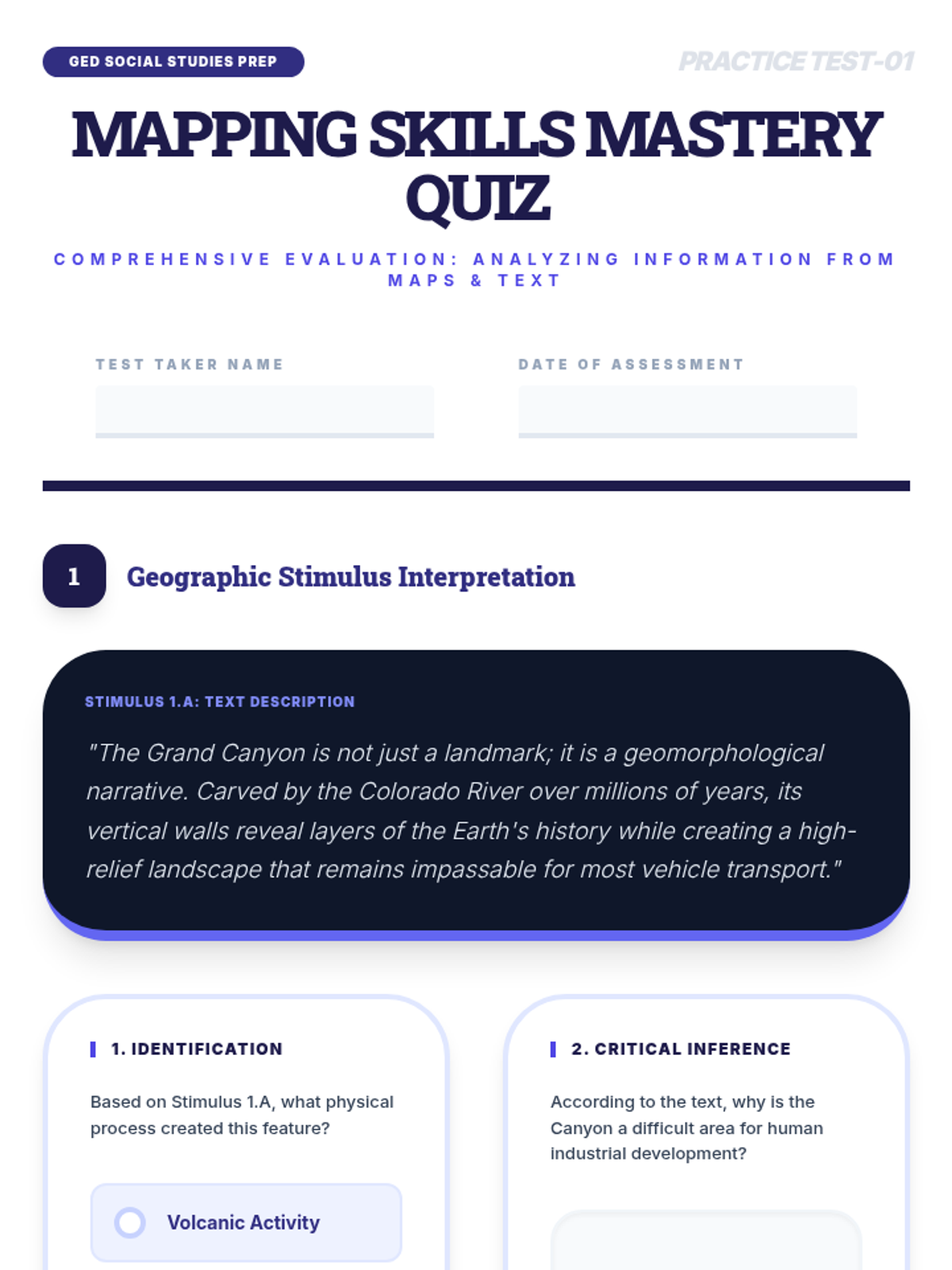
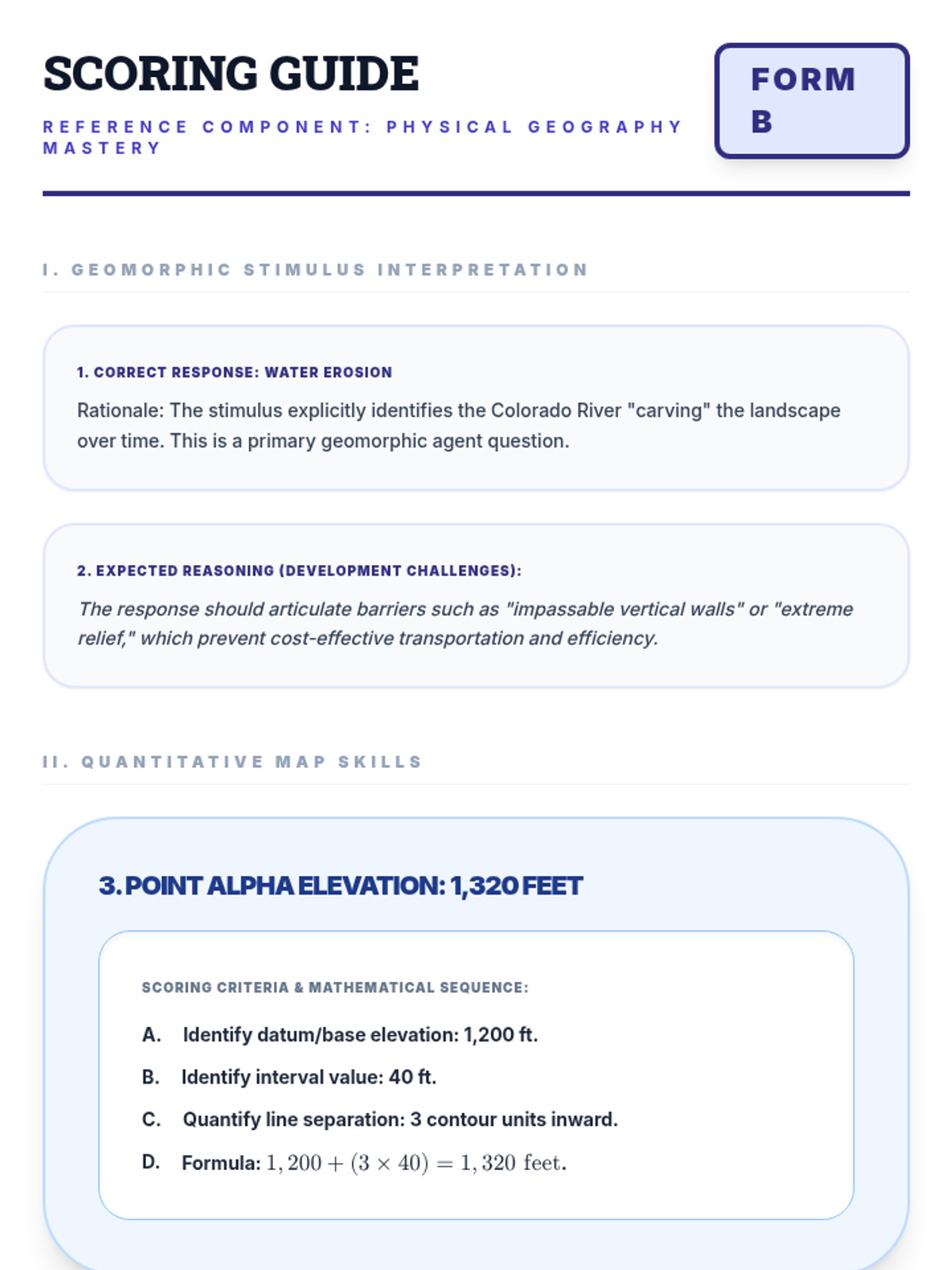
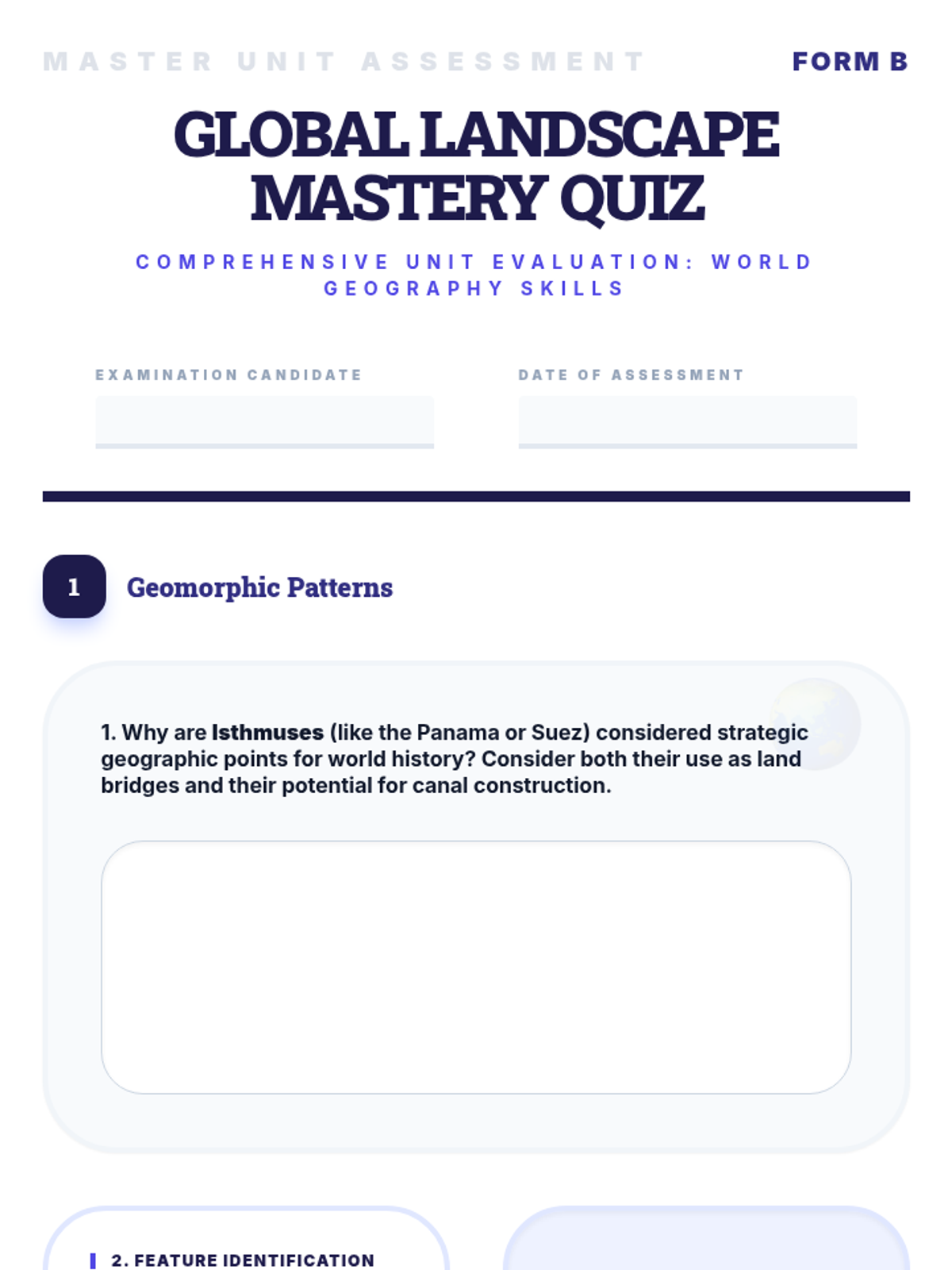
A final assessment and review lesson to verify student mastery of the unit's geography skills.
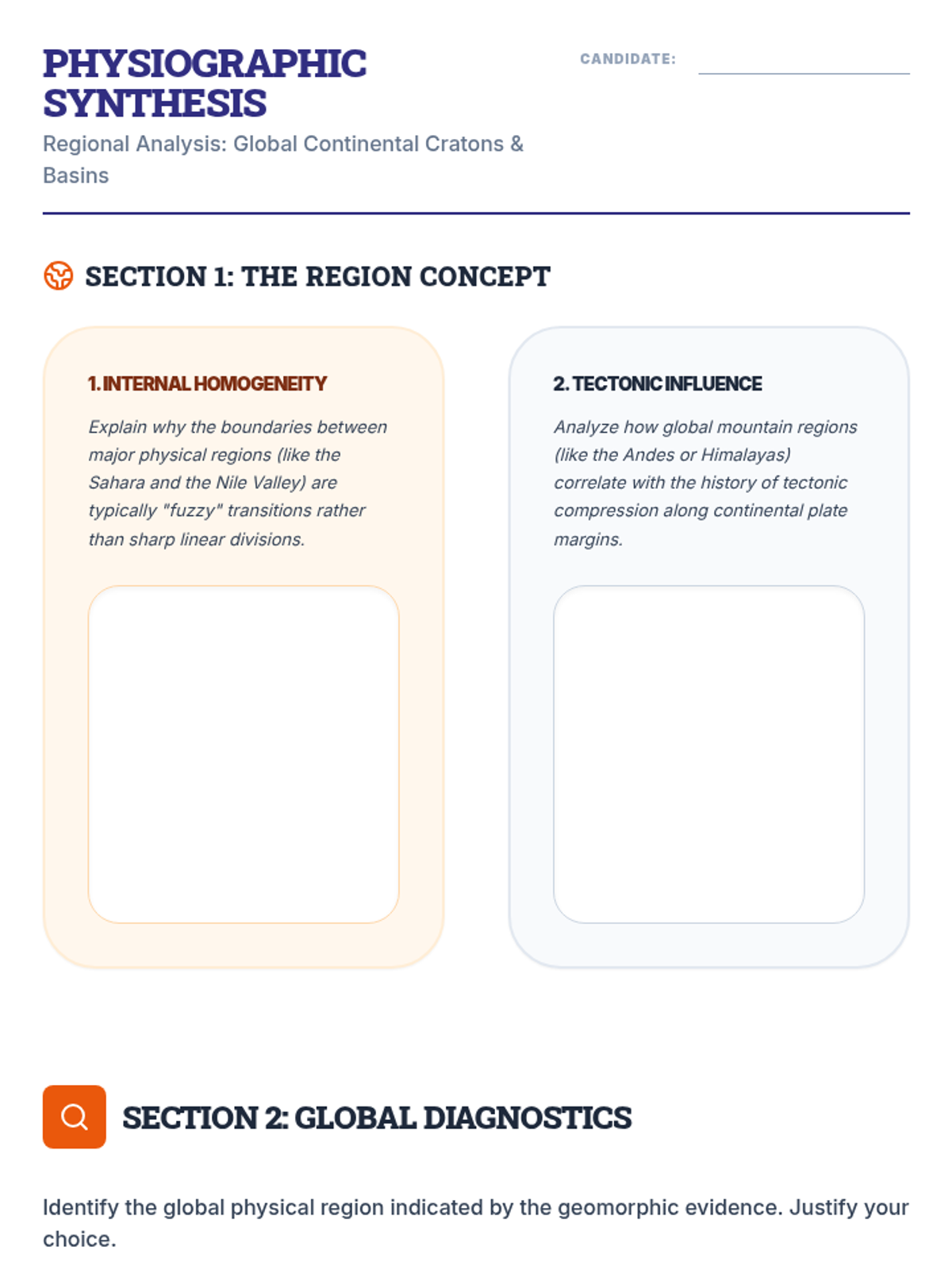
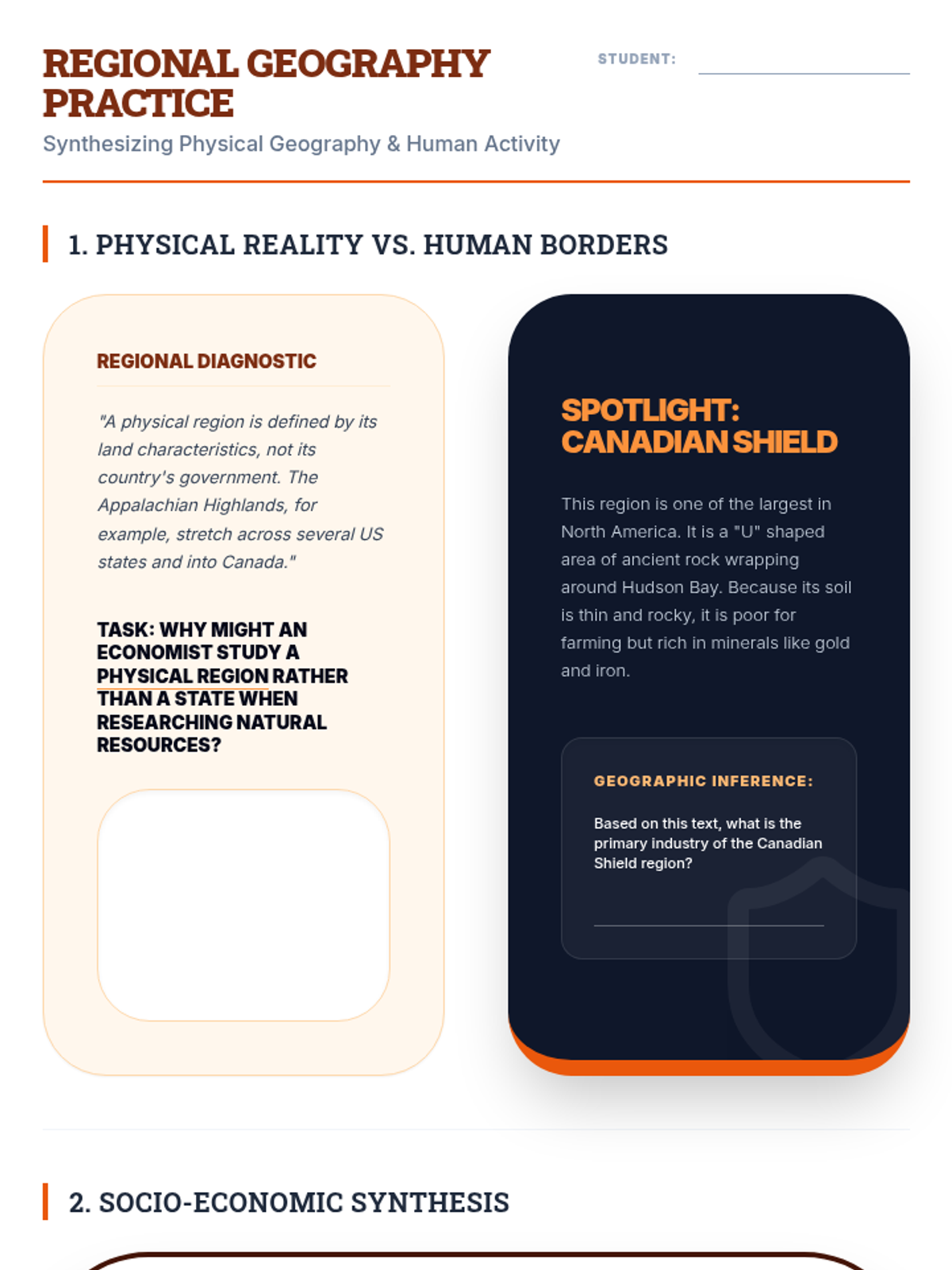
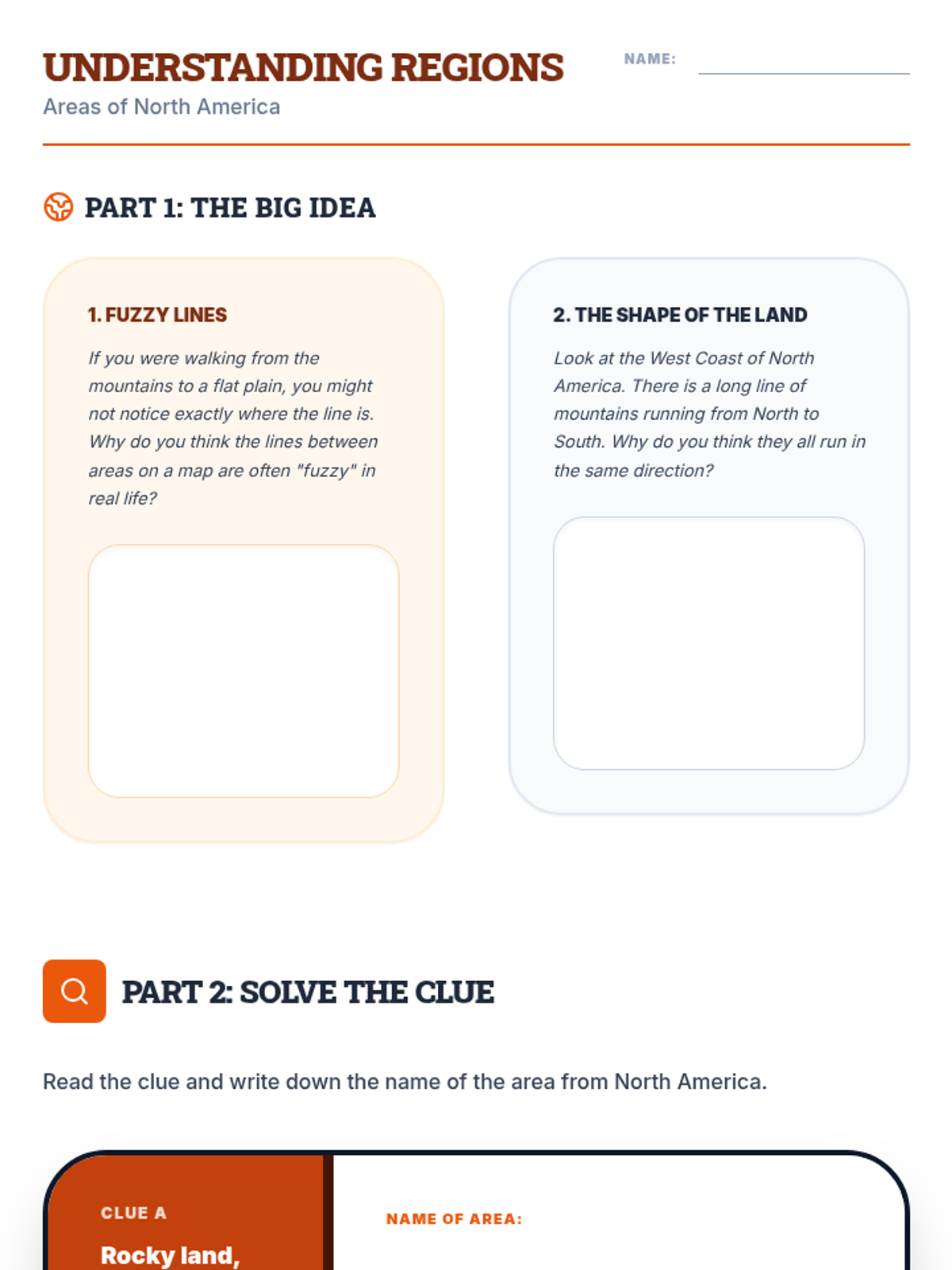
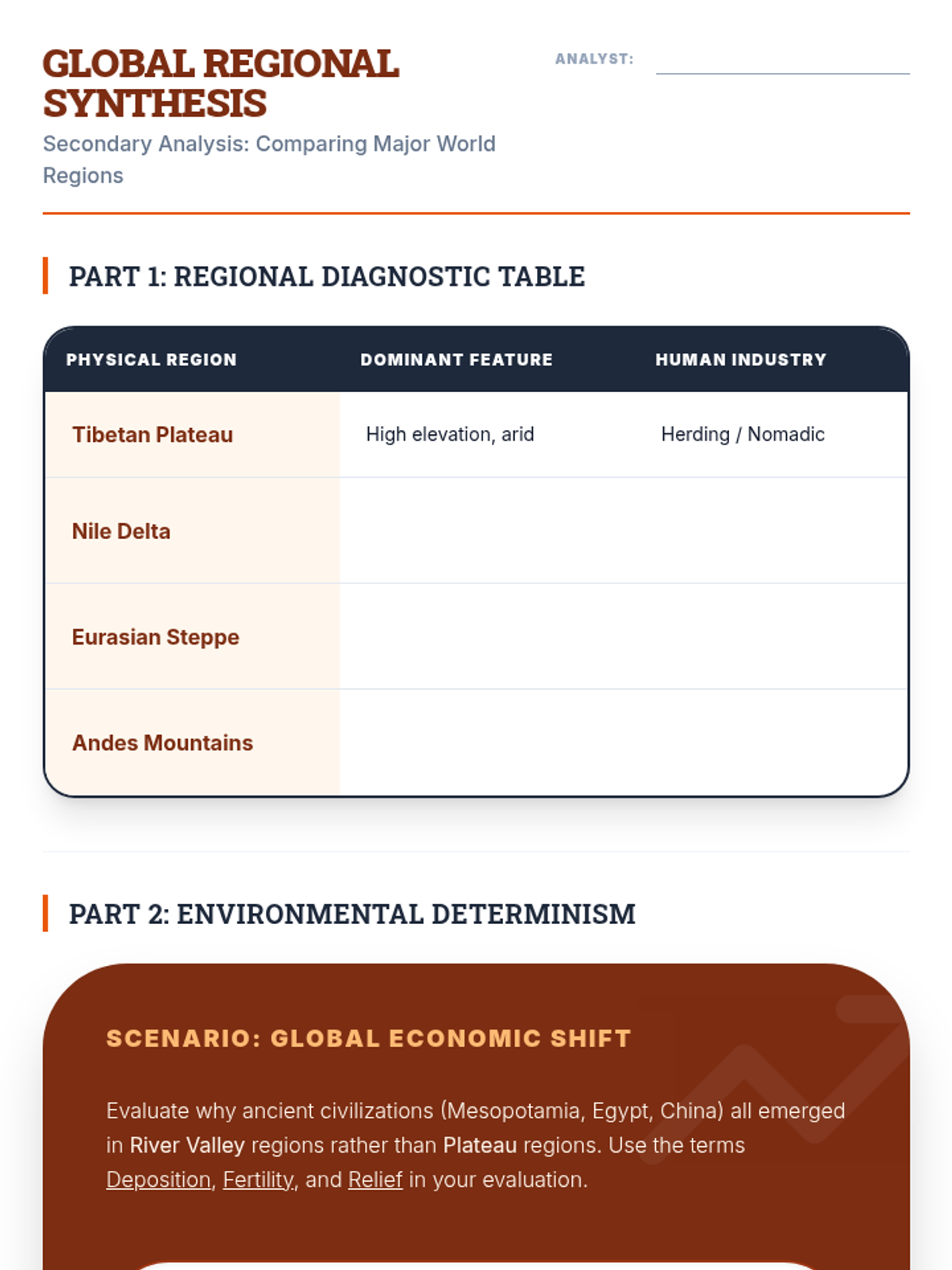
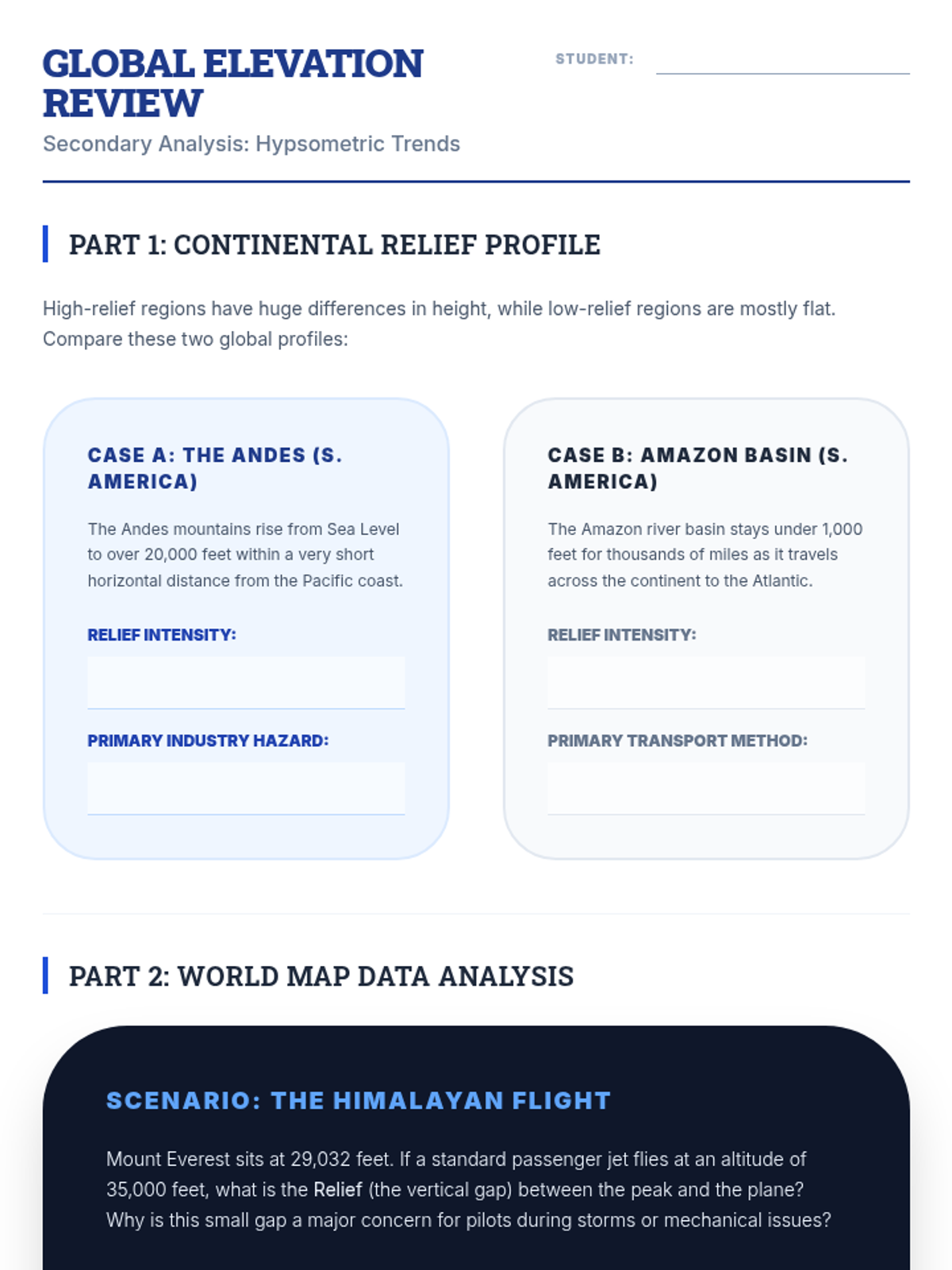
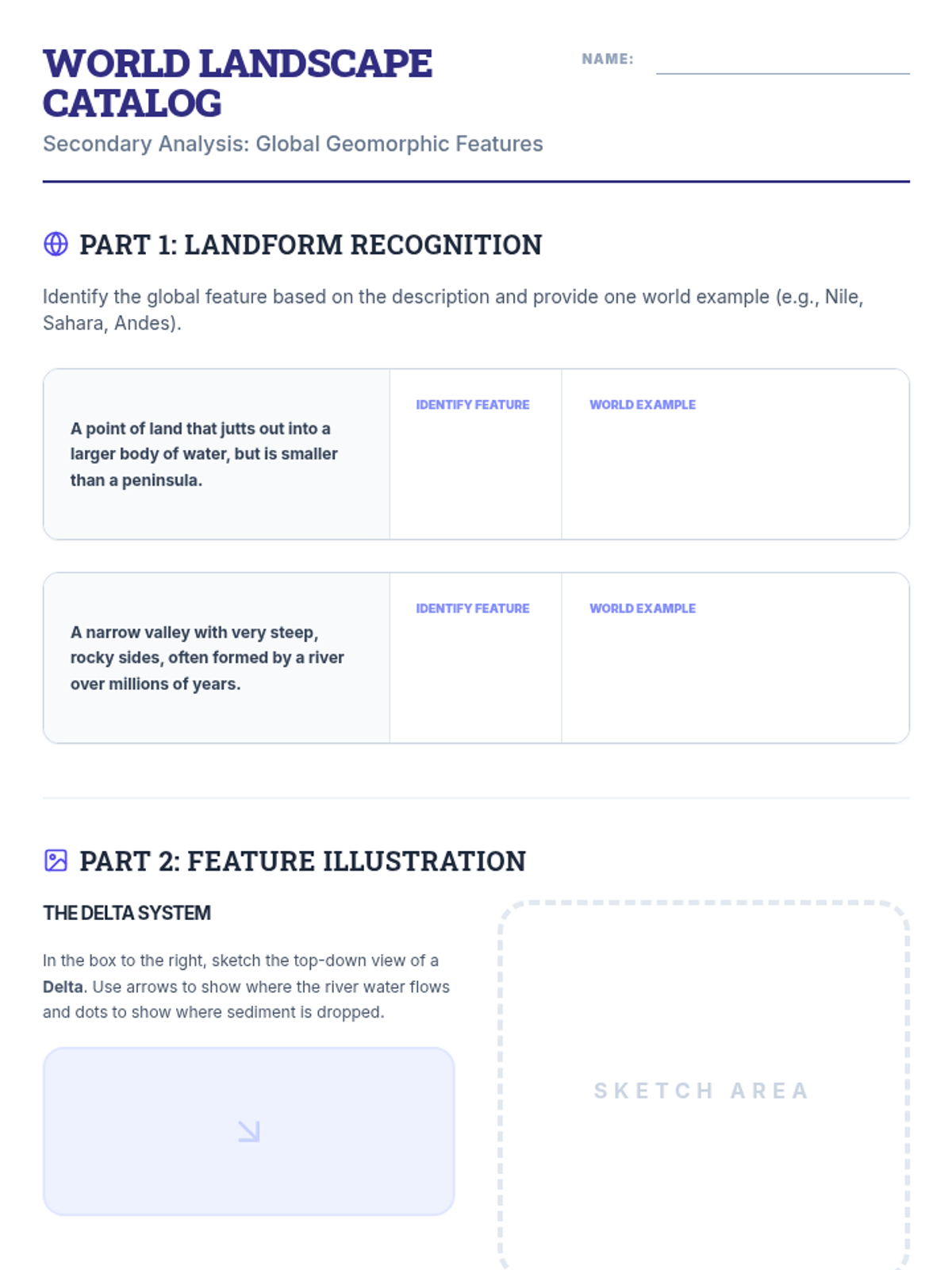
Analyzing the major physical regions of the world and their impact on human settlement and activity.
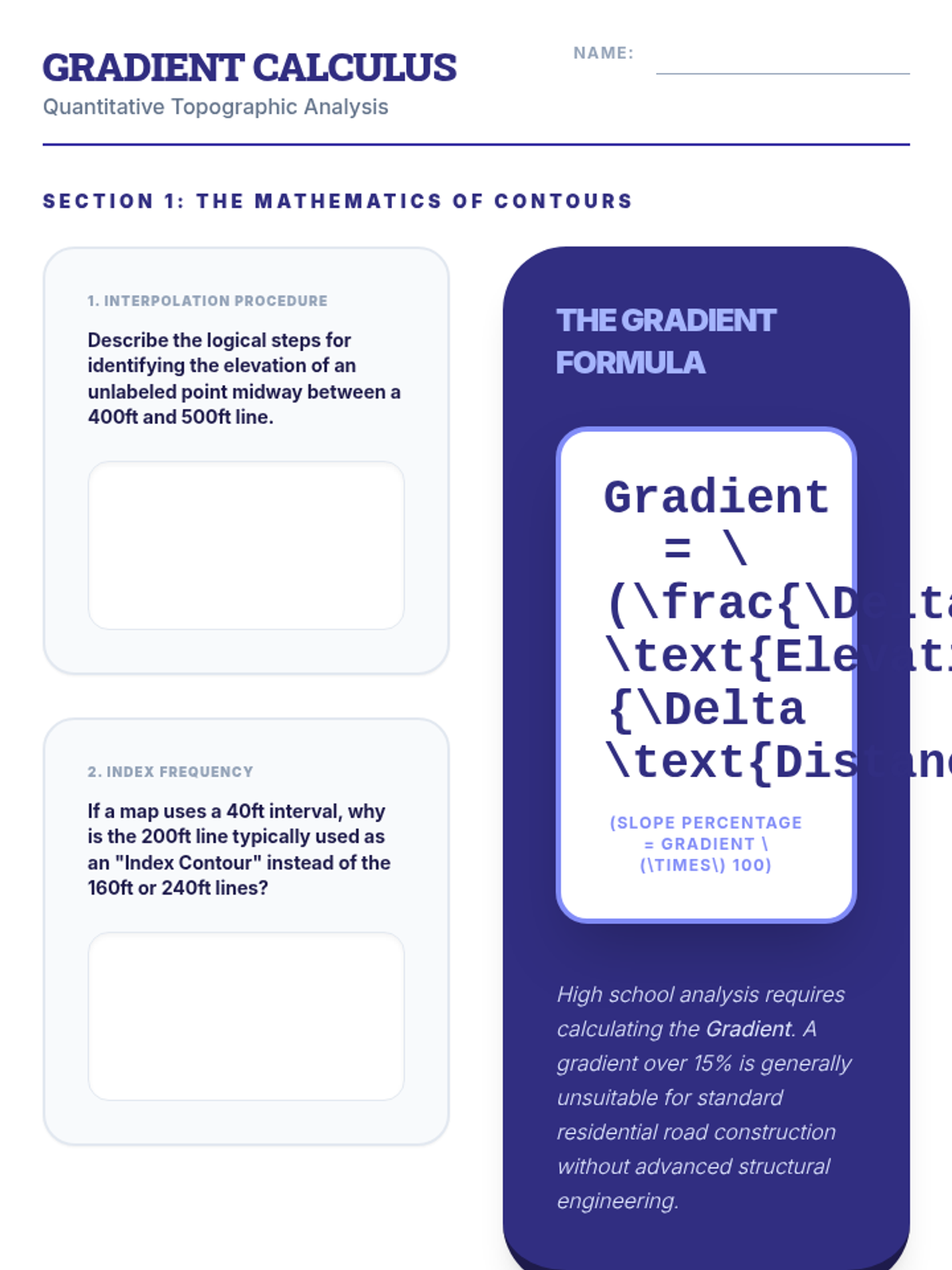
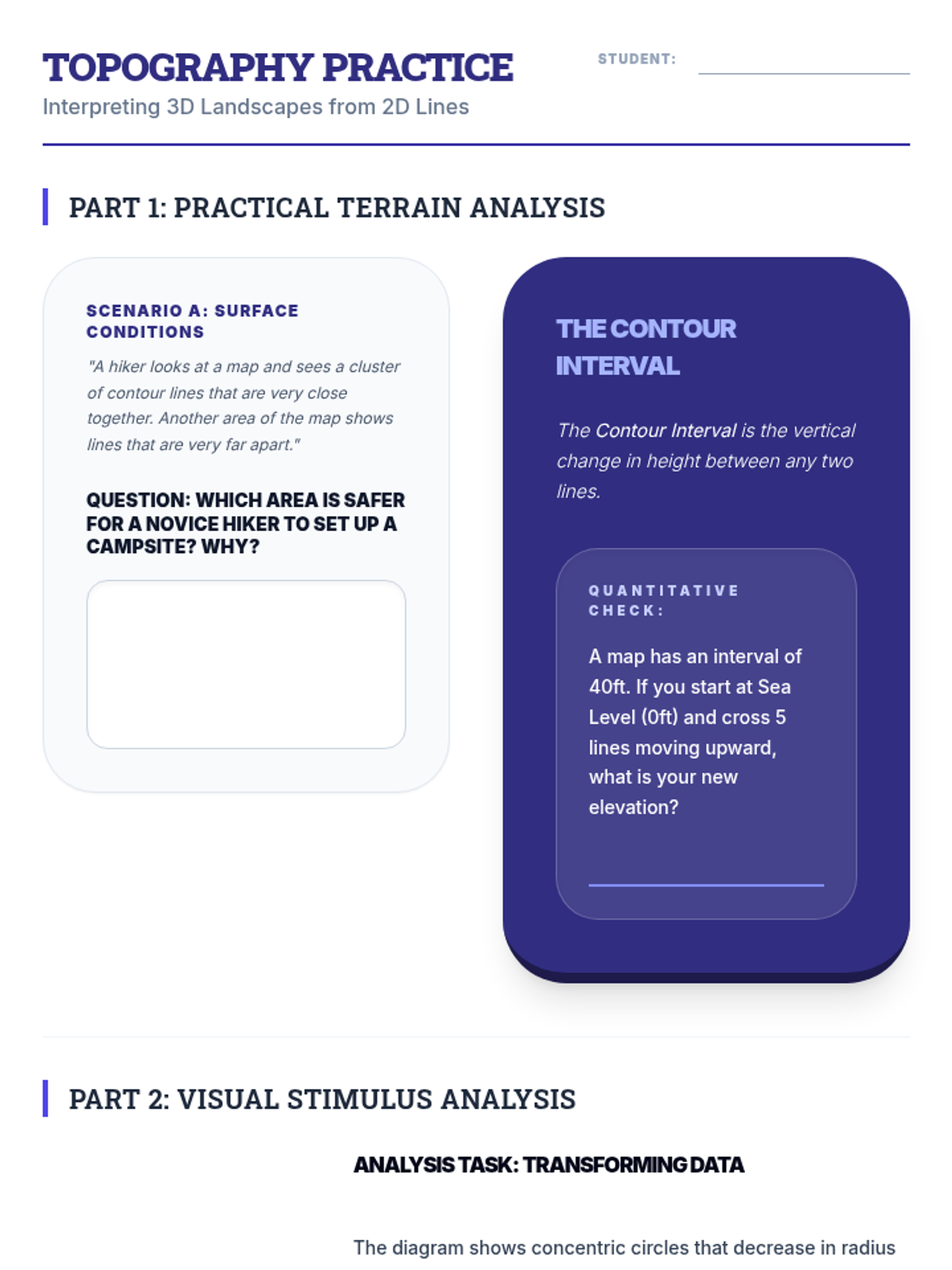
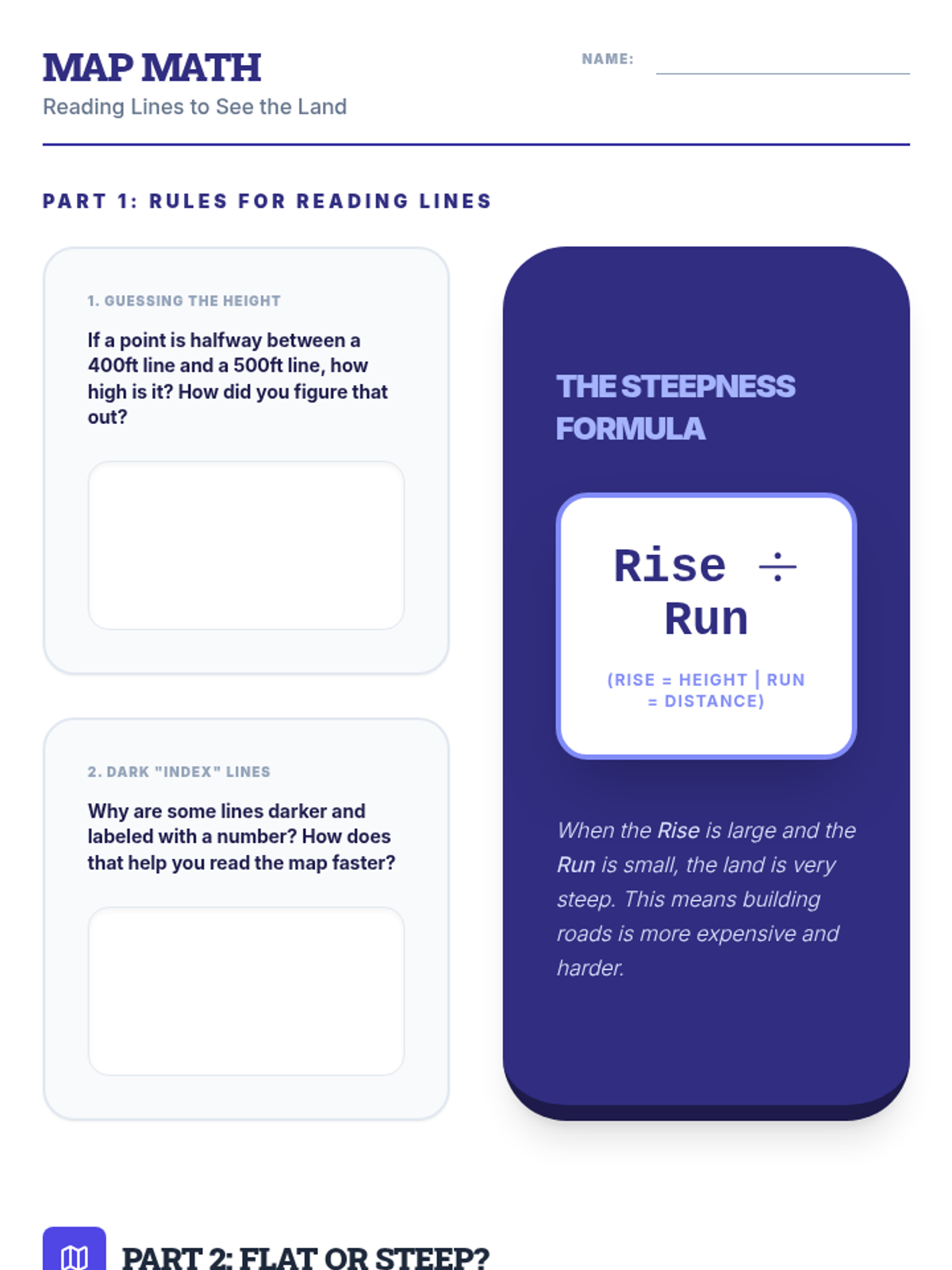
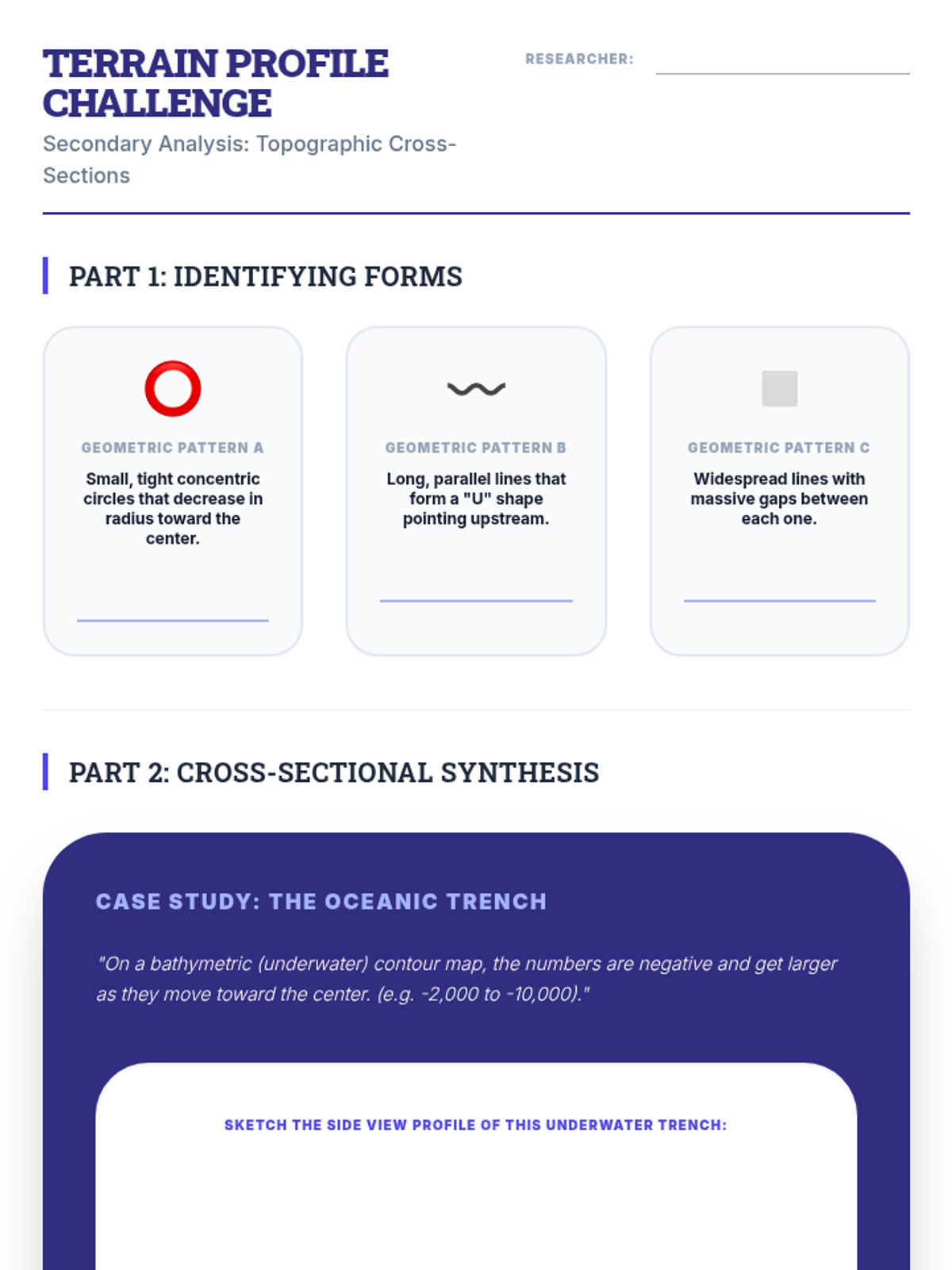
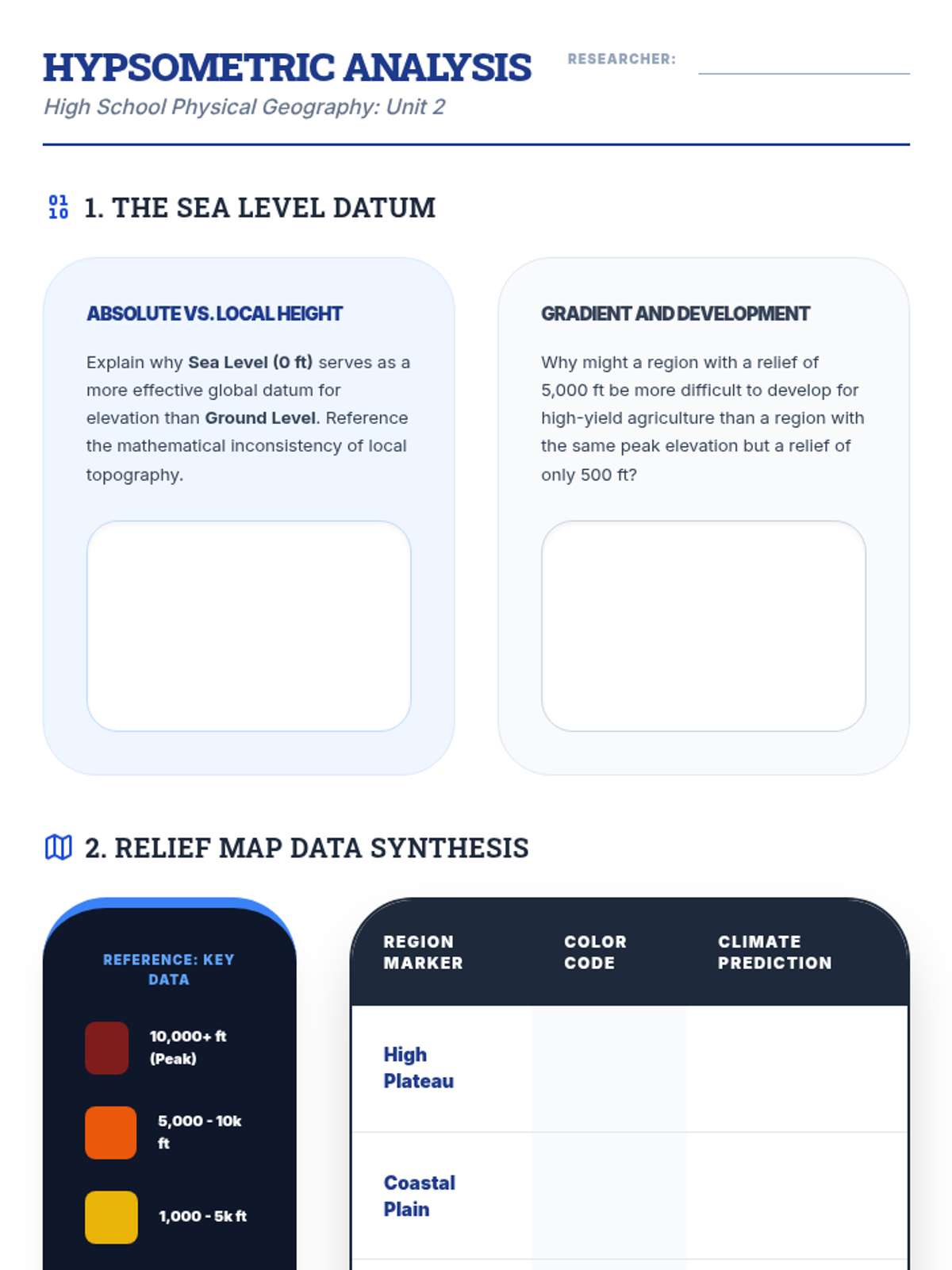
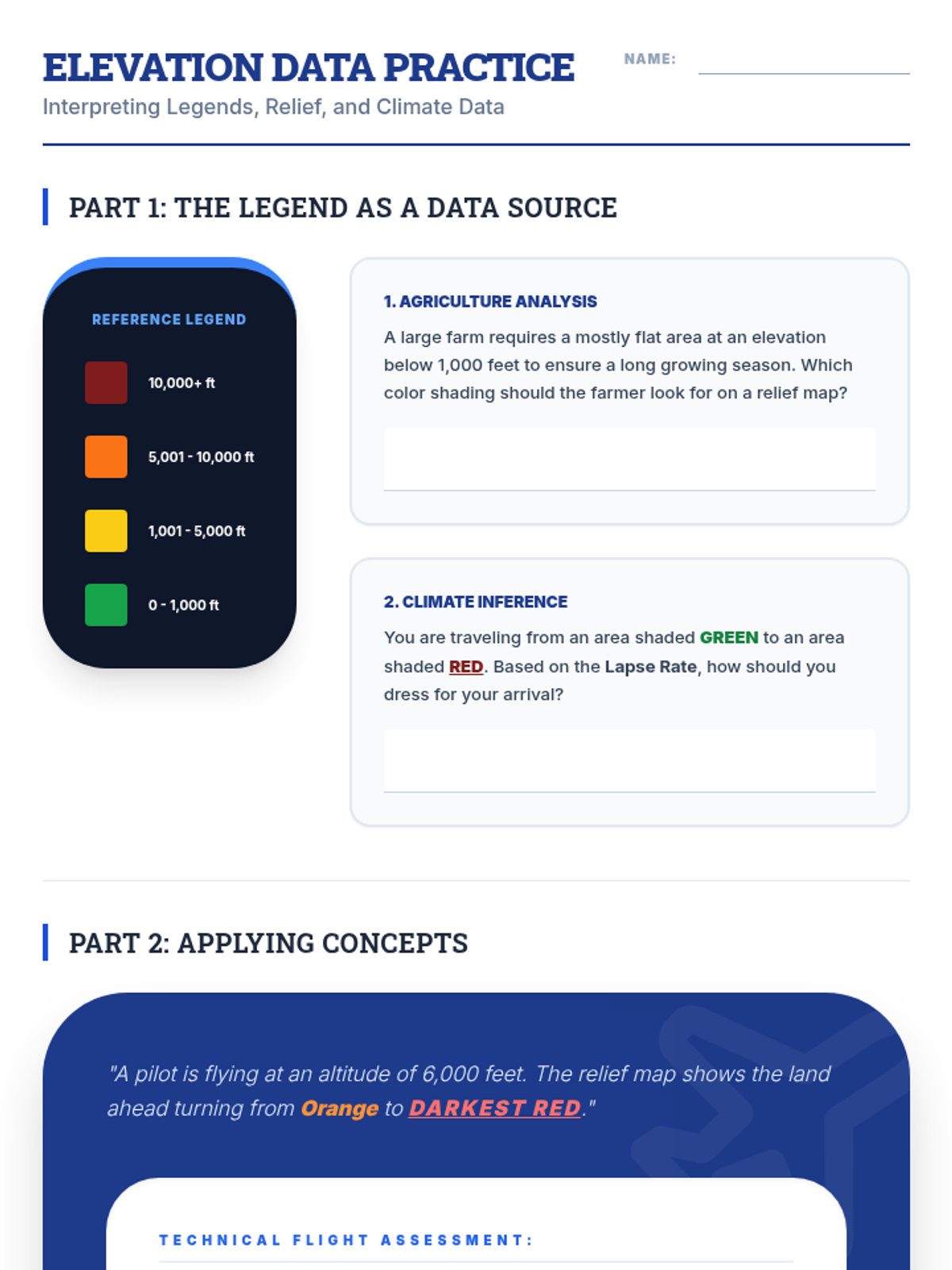
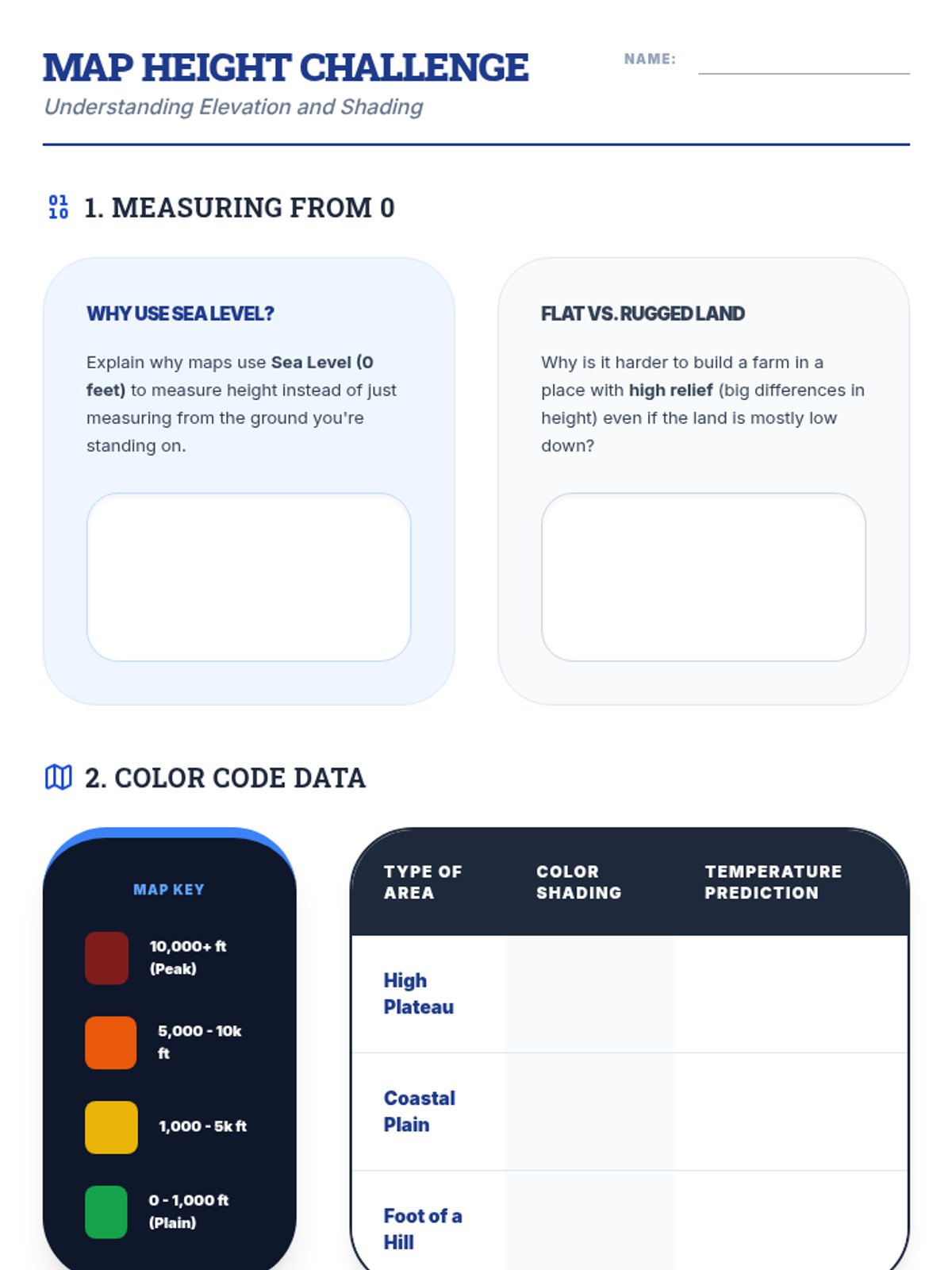
Using contour maps to visualize 3D terrain and calculate gradients across various global landscapes.
Mastering the use of relief shading and elevation data to interpret global mountain ranges and basins.
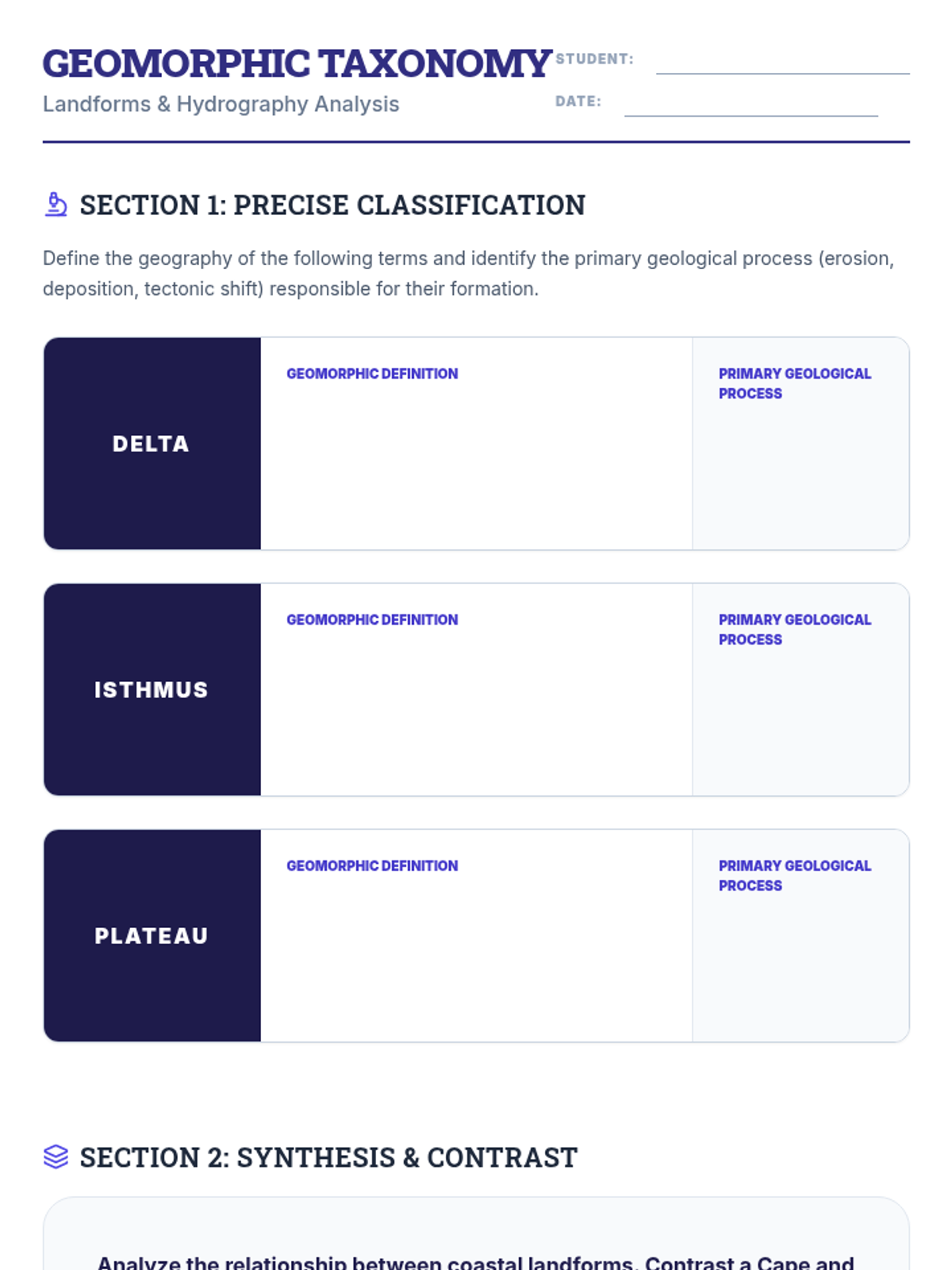
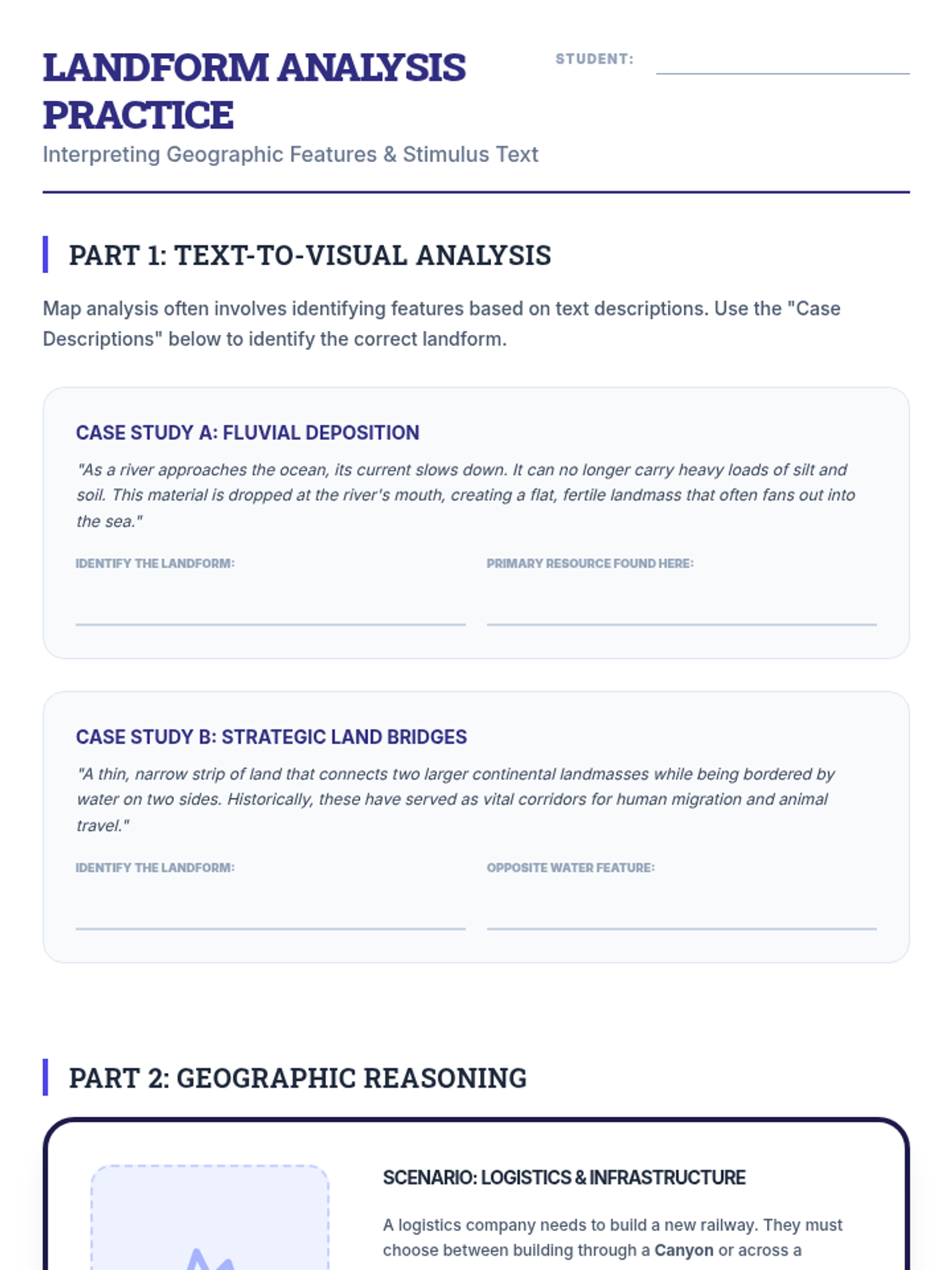
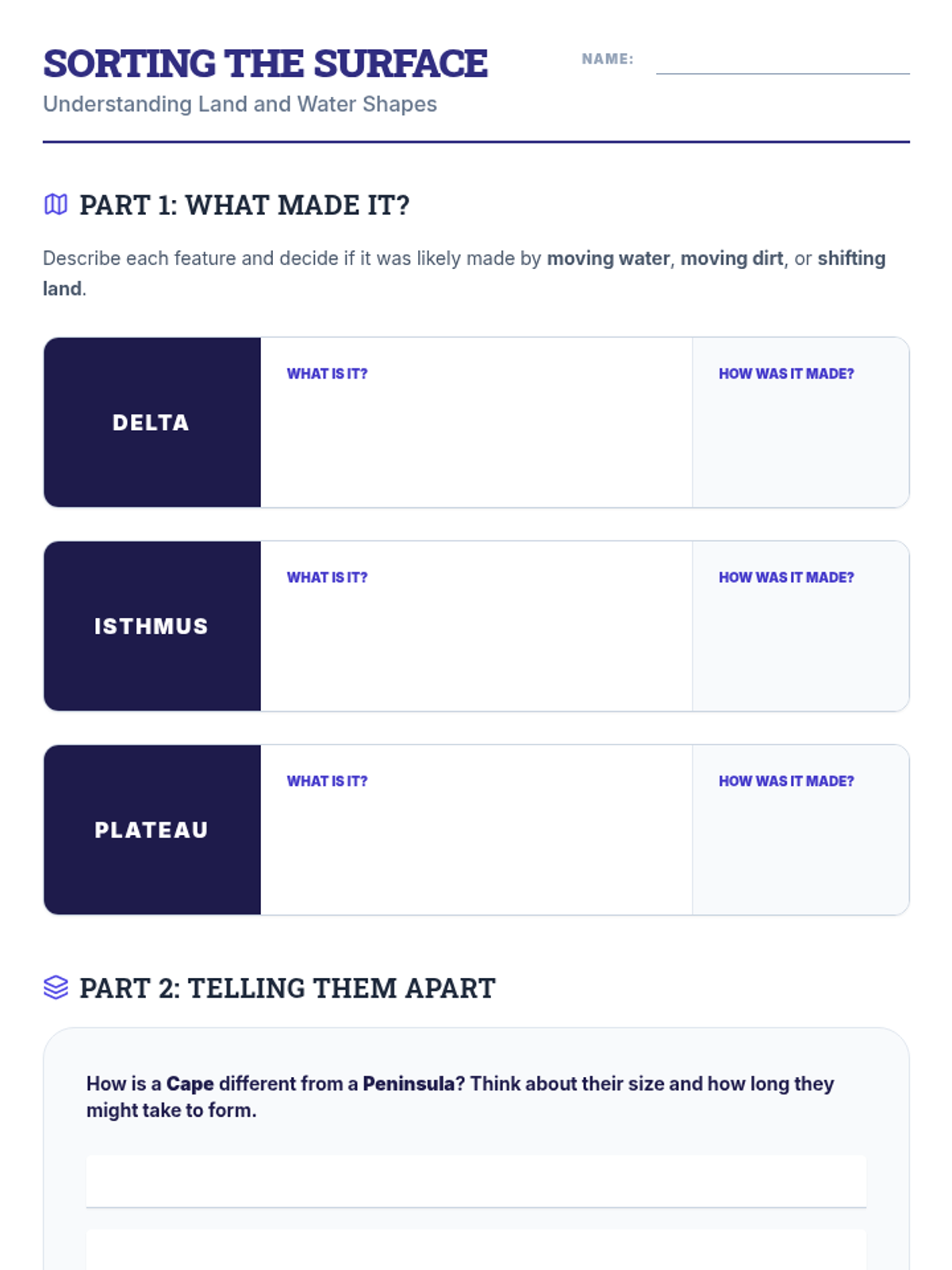
Identification of major landforms and bodies of water found across the seven continents.
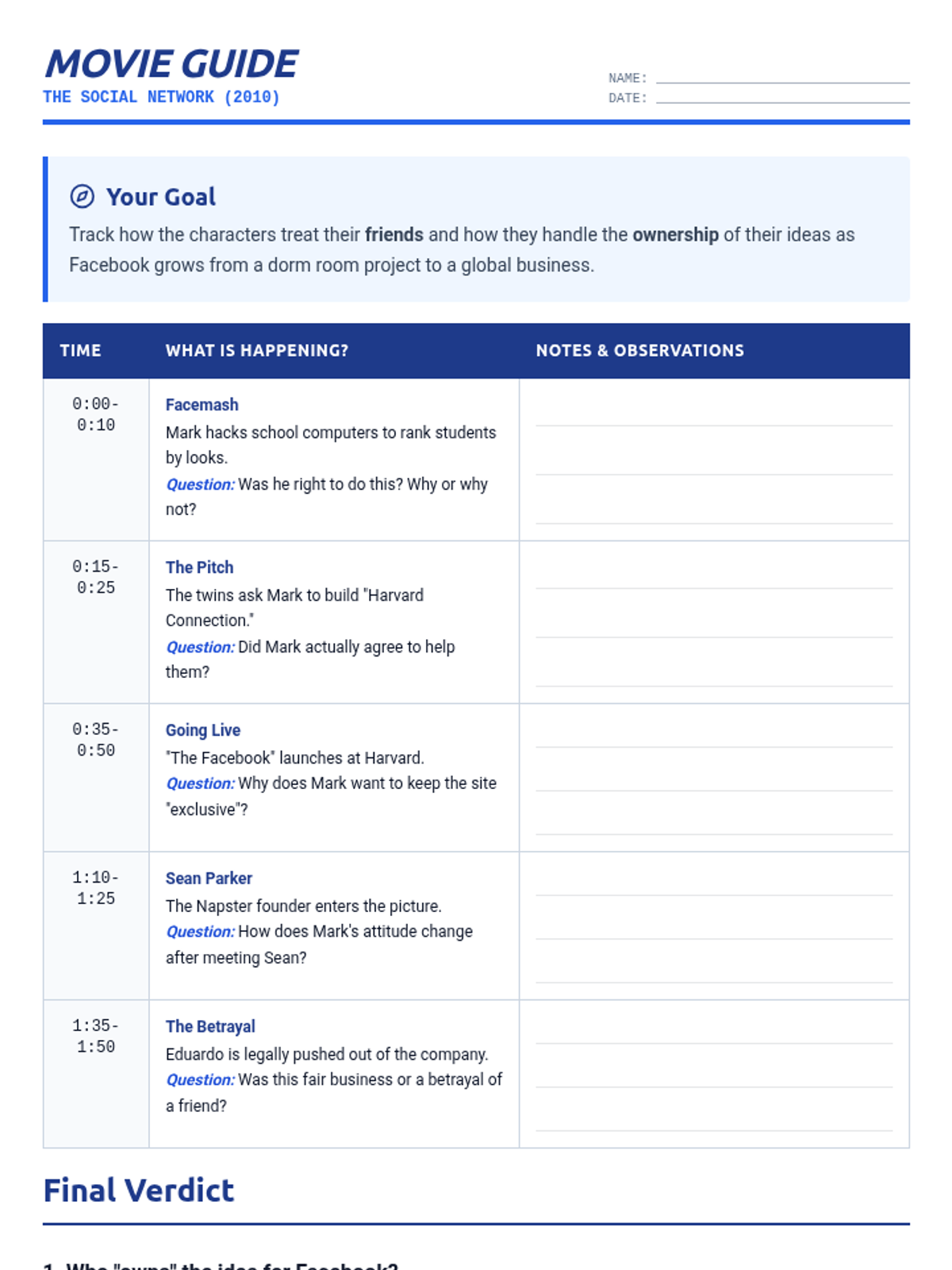
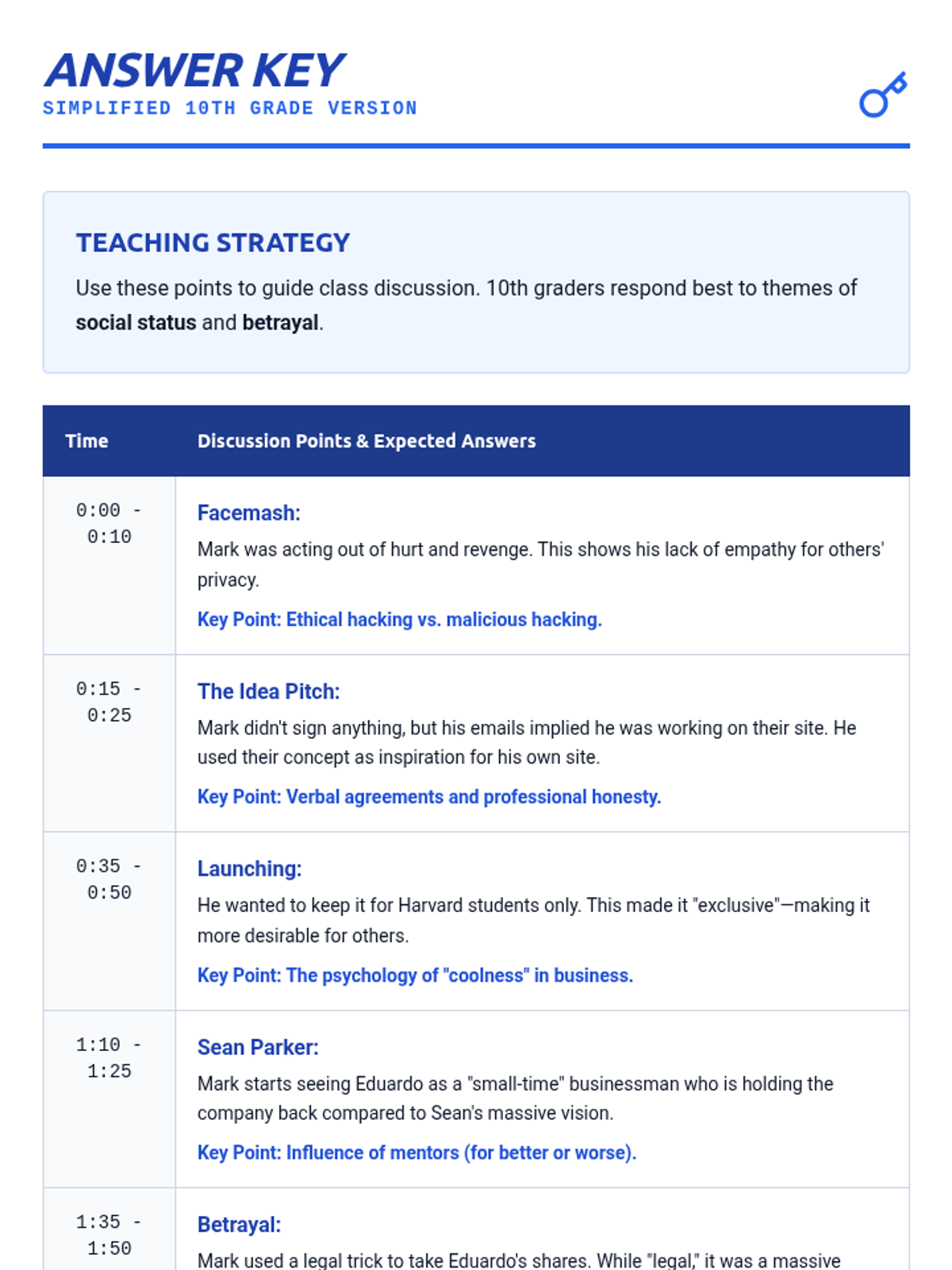
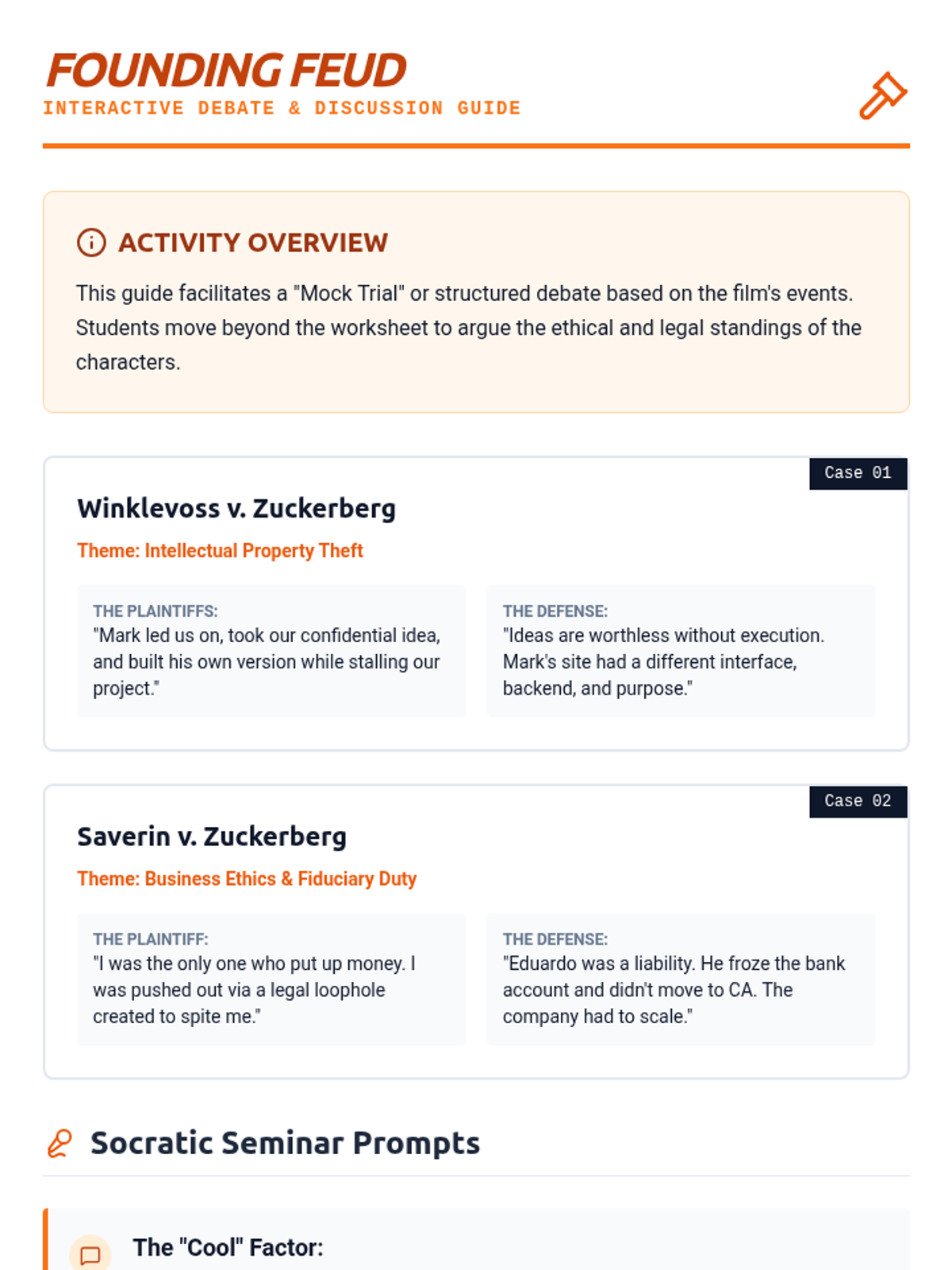
A lesson exploring the legal, ethical, and social ramifications of the creation of Facebook through the film The Social Network. Students analyze intellectual property disputes, business ethics, and the transformative power of social media.
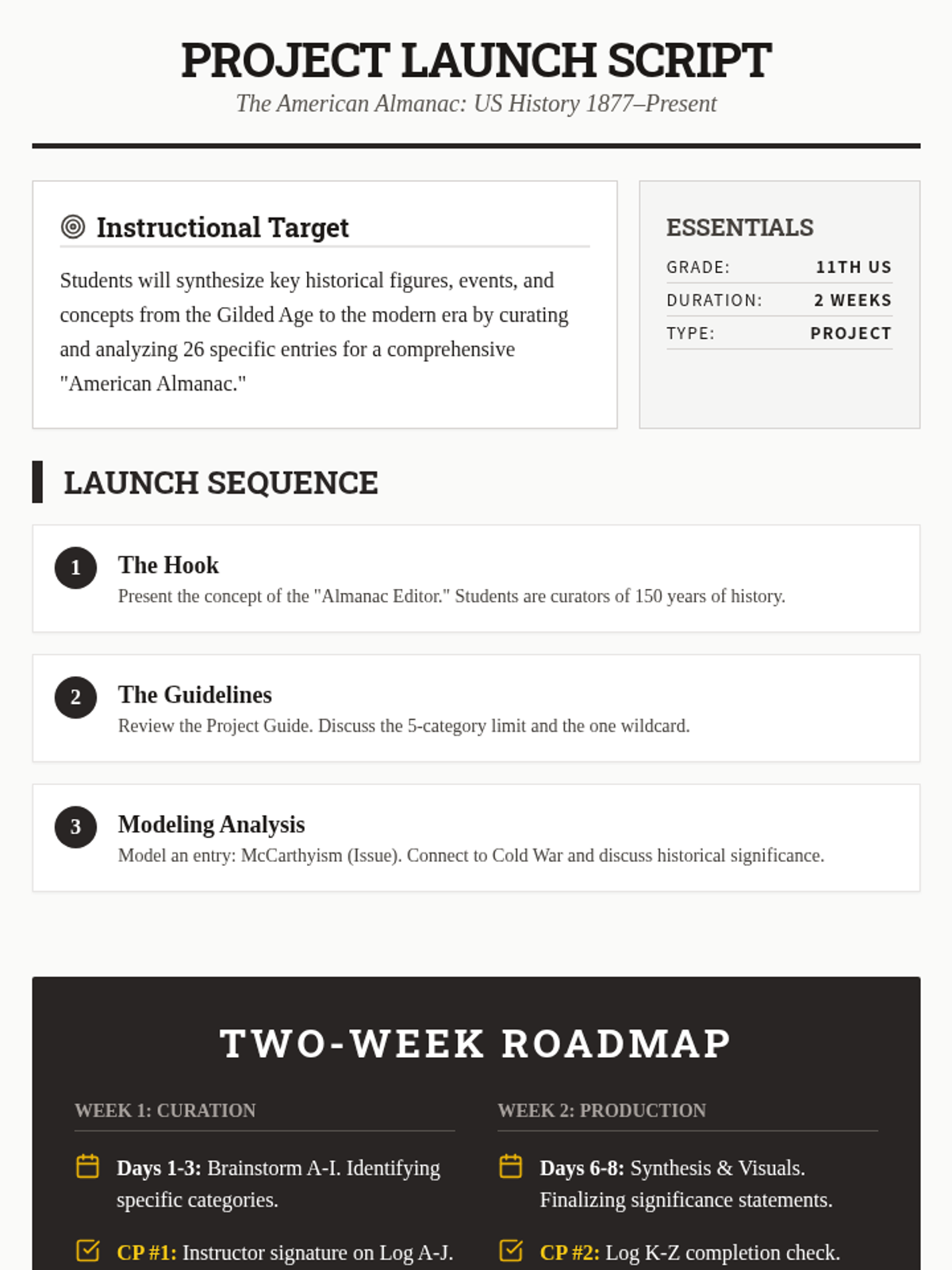
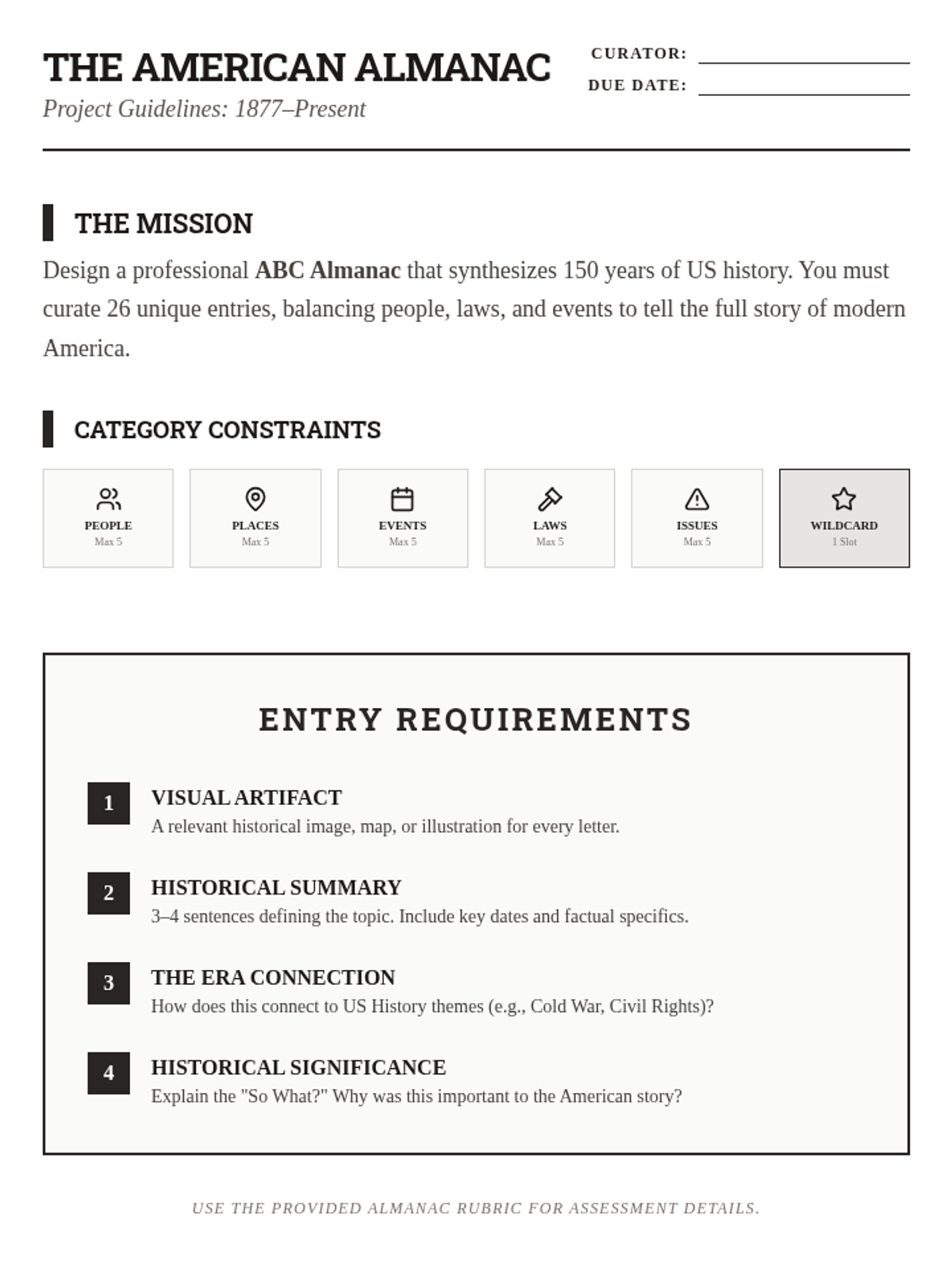
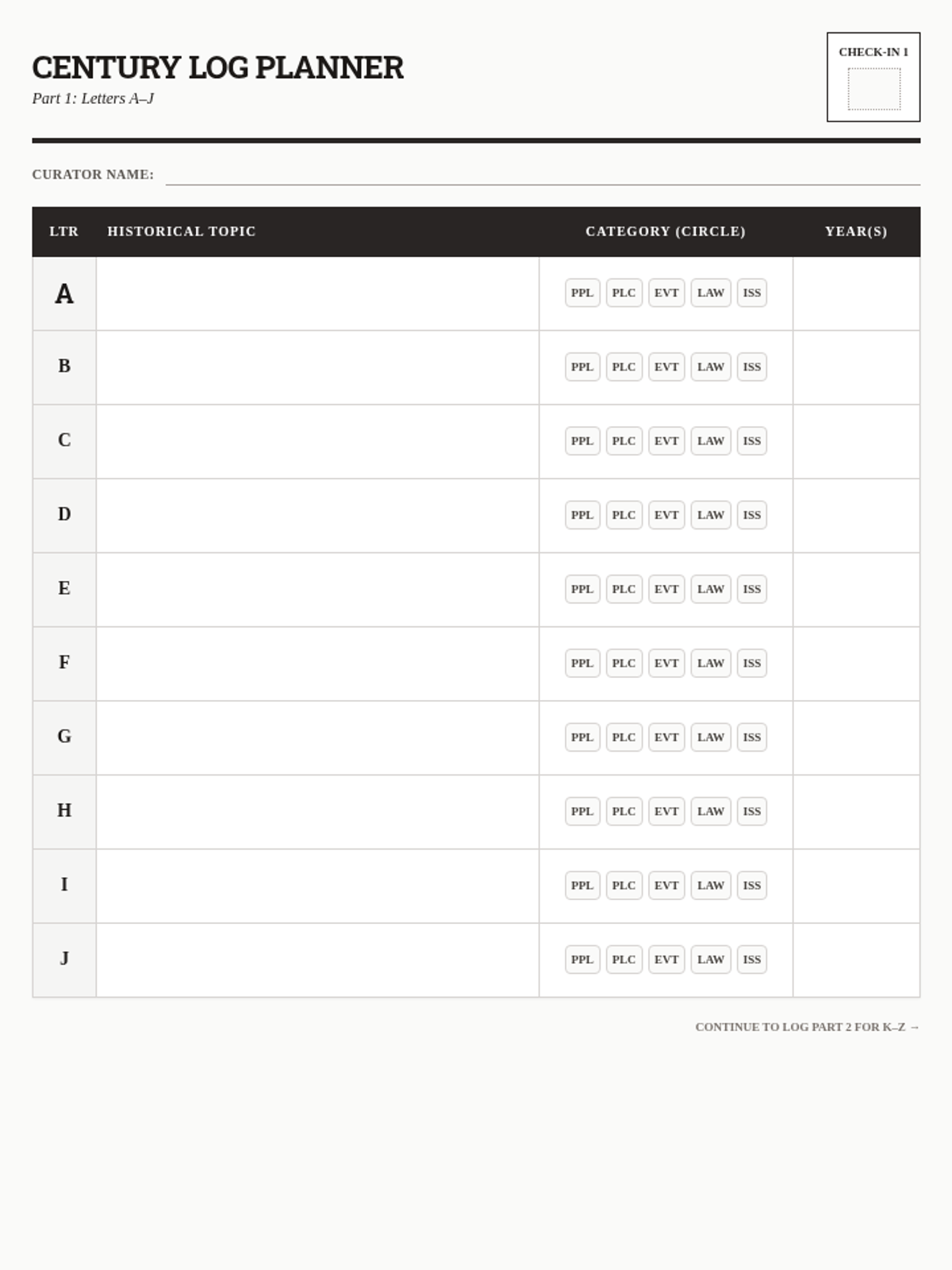
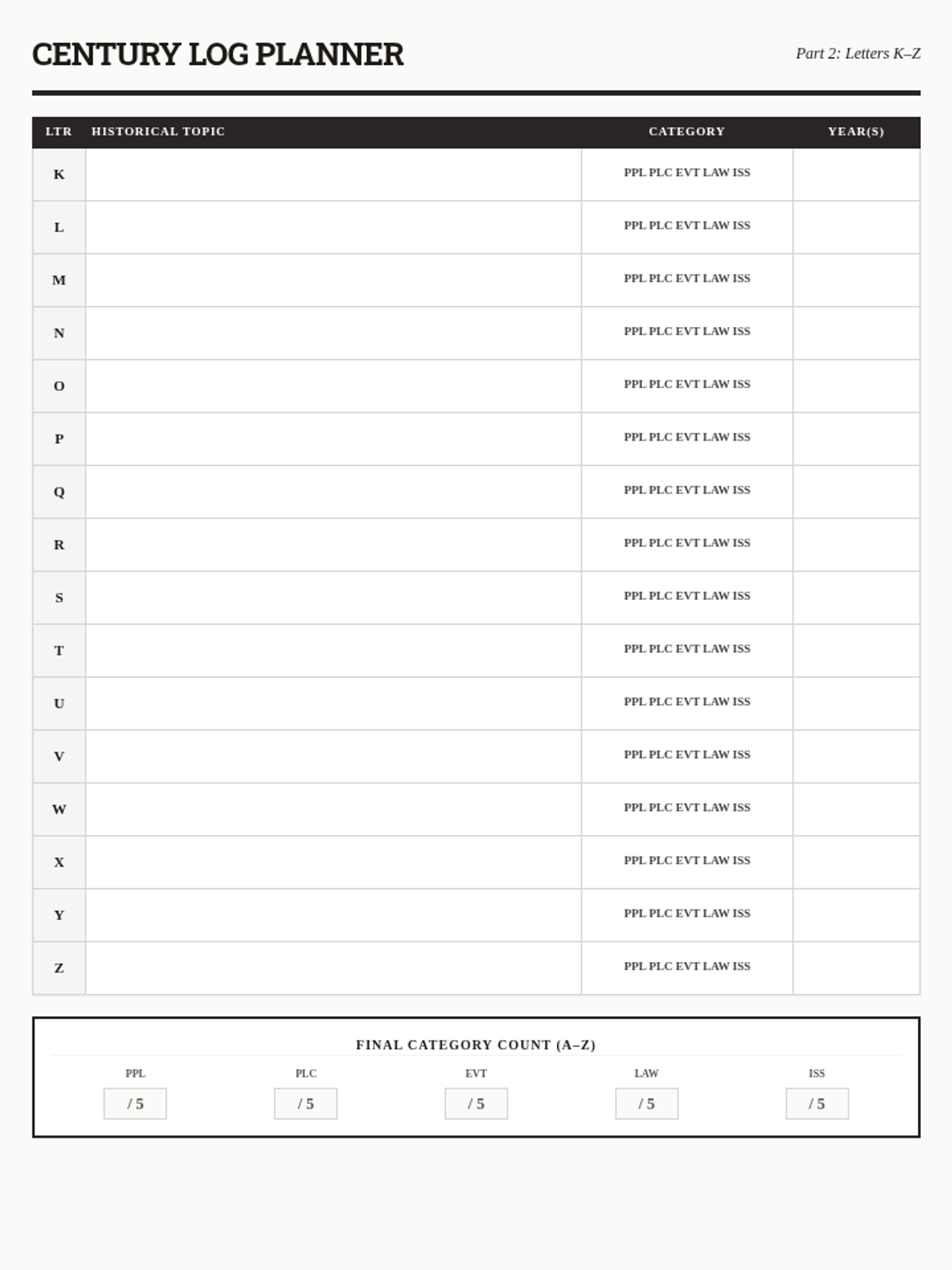
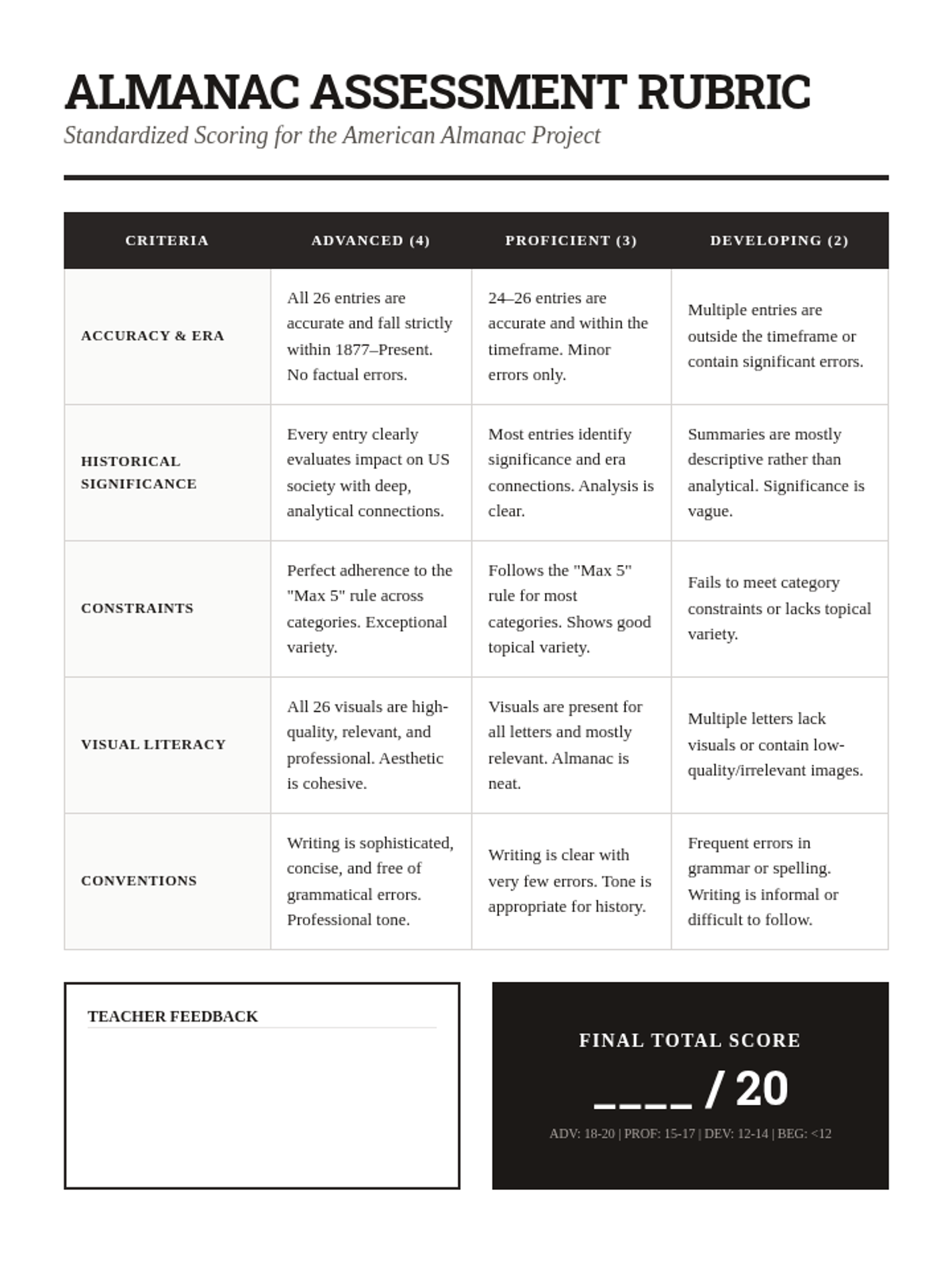
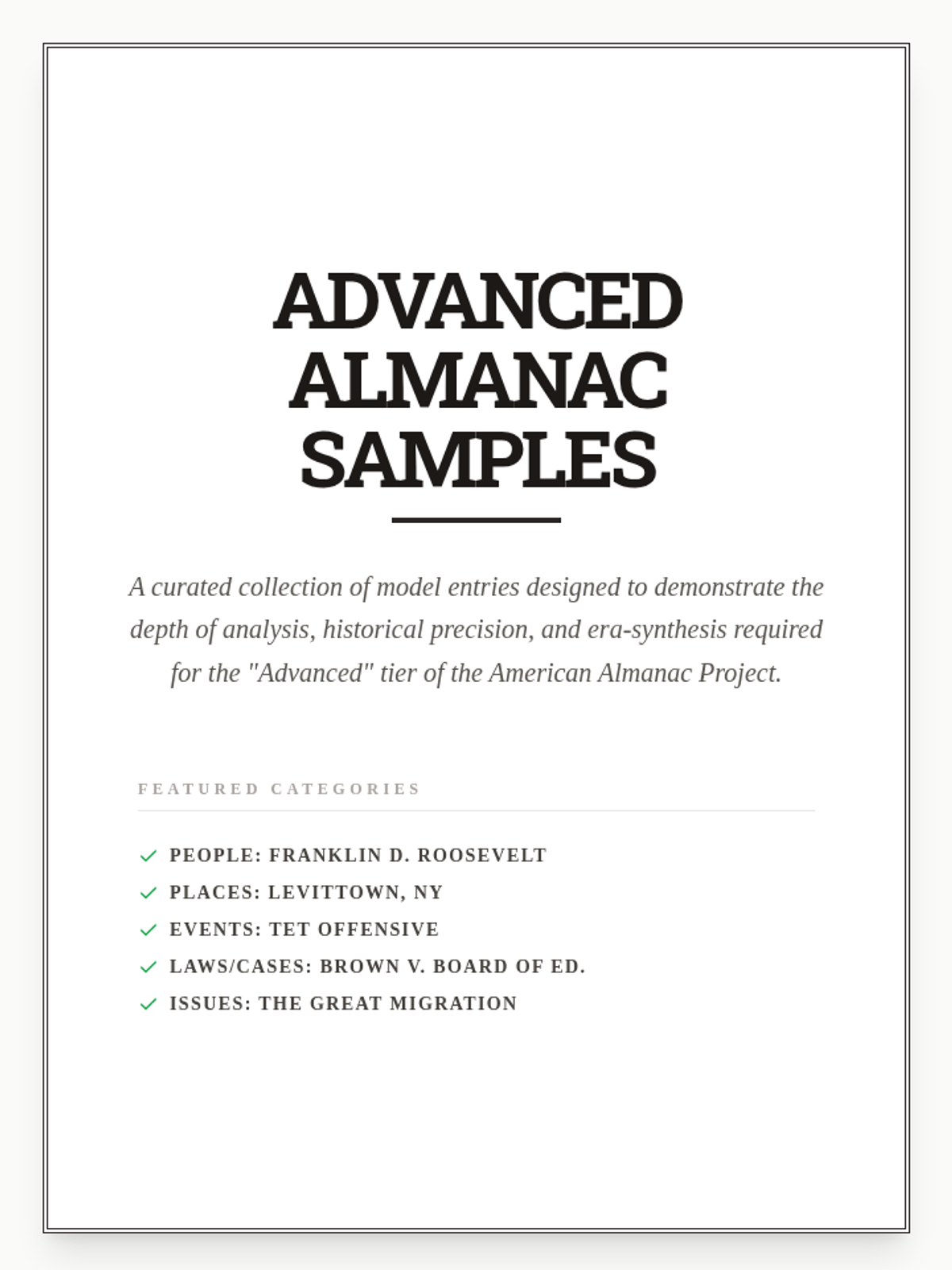
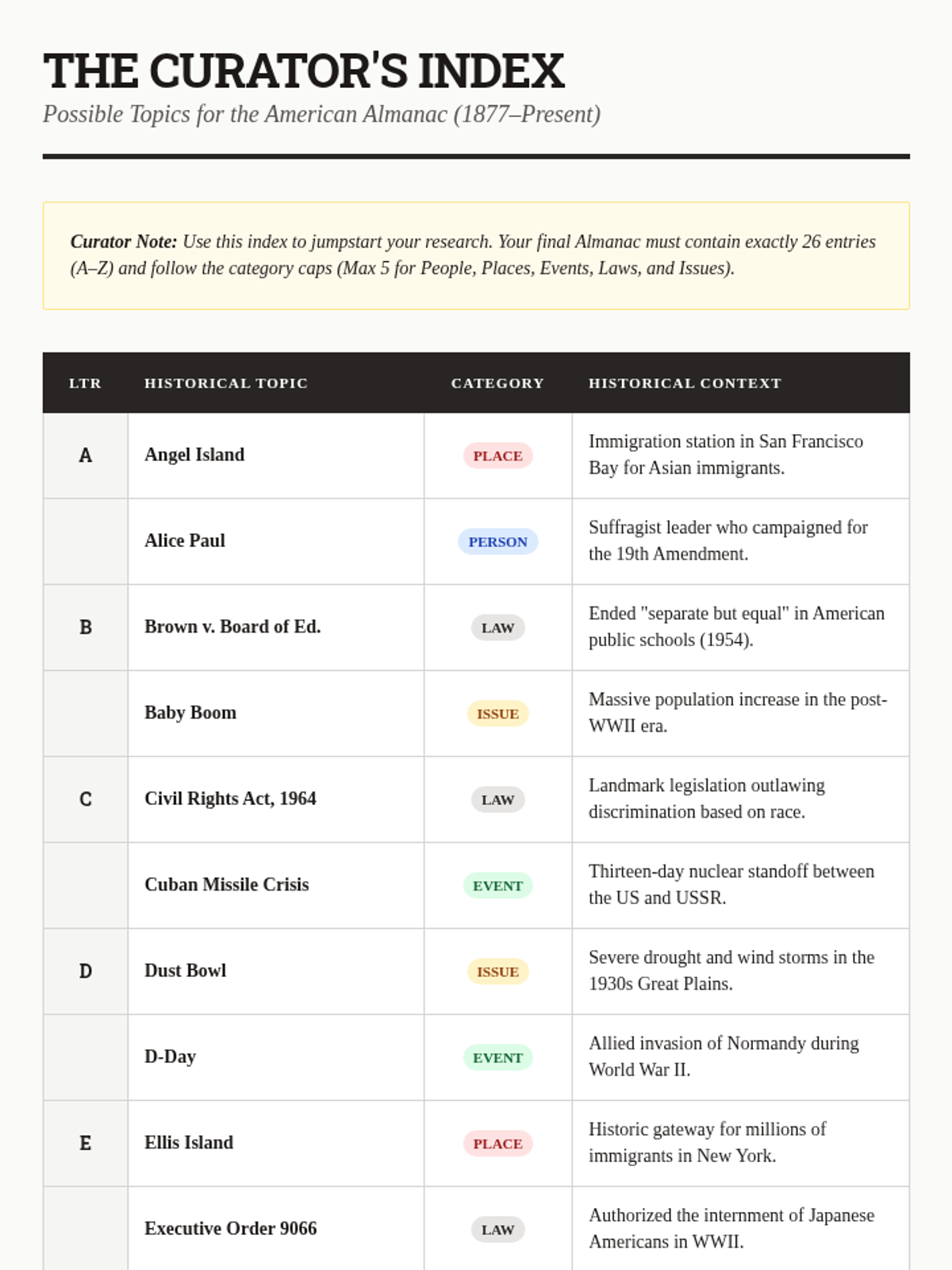
A comprehensive project-based lesson for 11th-grade students to synthesize US history from 1877 to the present through a creative ABC book. This lesson includes the initial project launch, a two-week implementation schedule with checkpoints, and a detailed planning template.
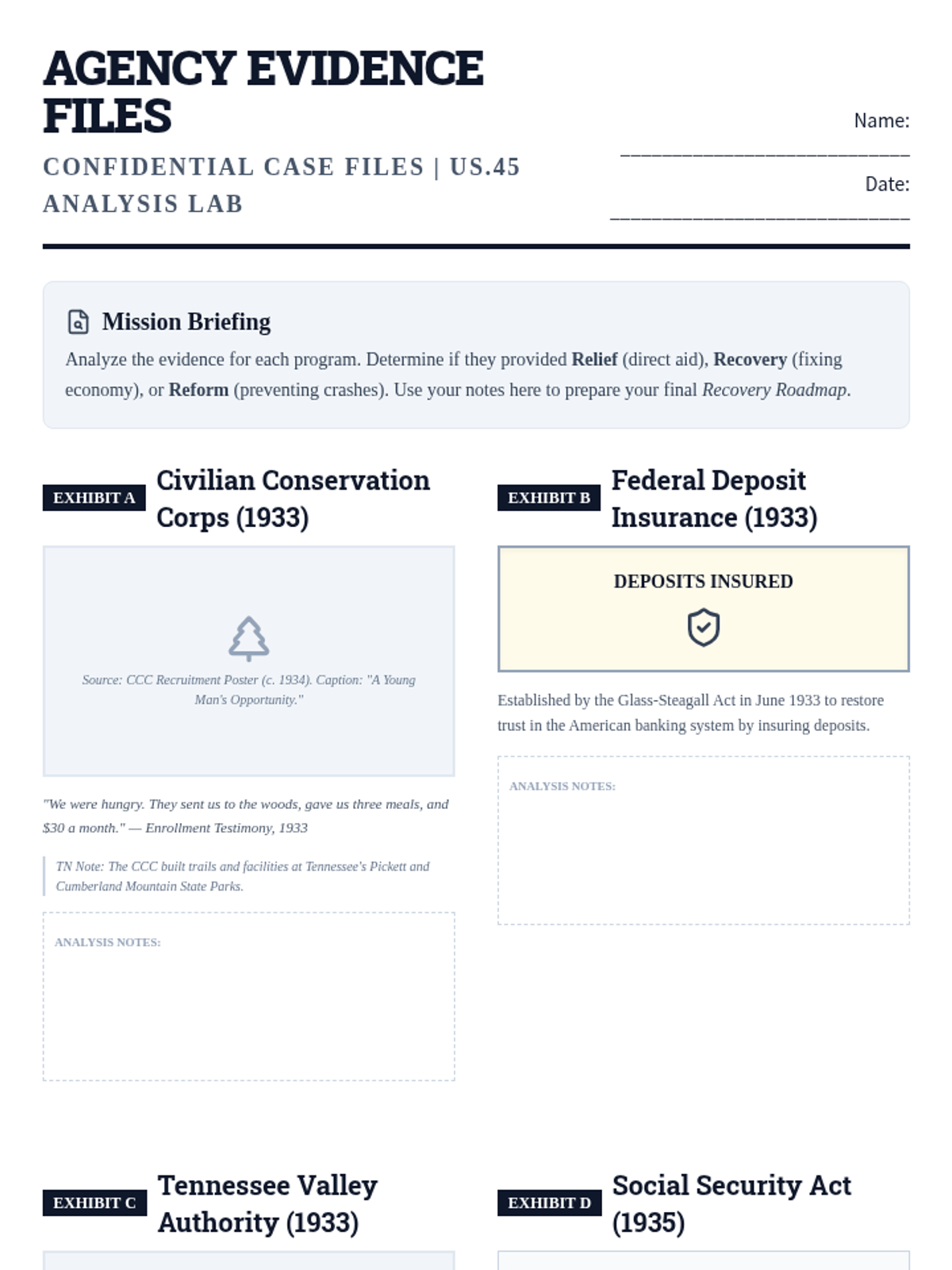
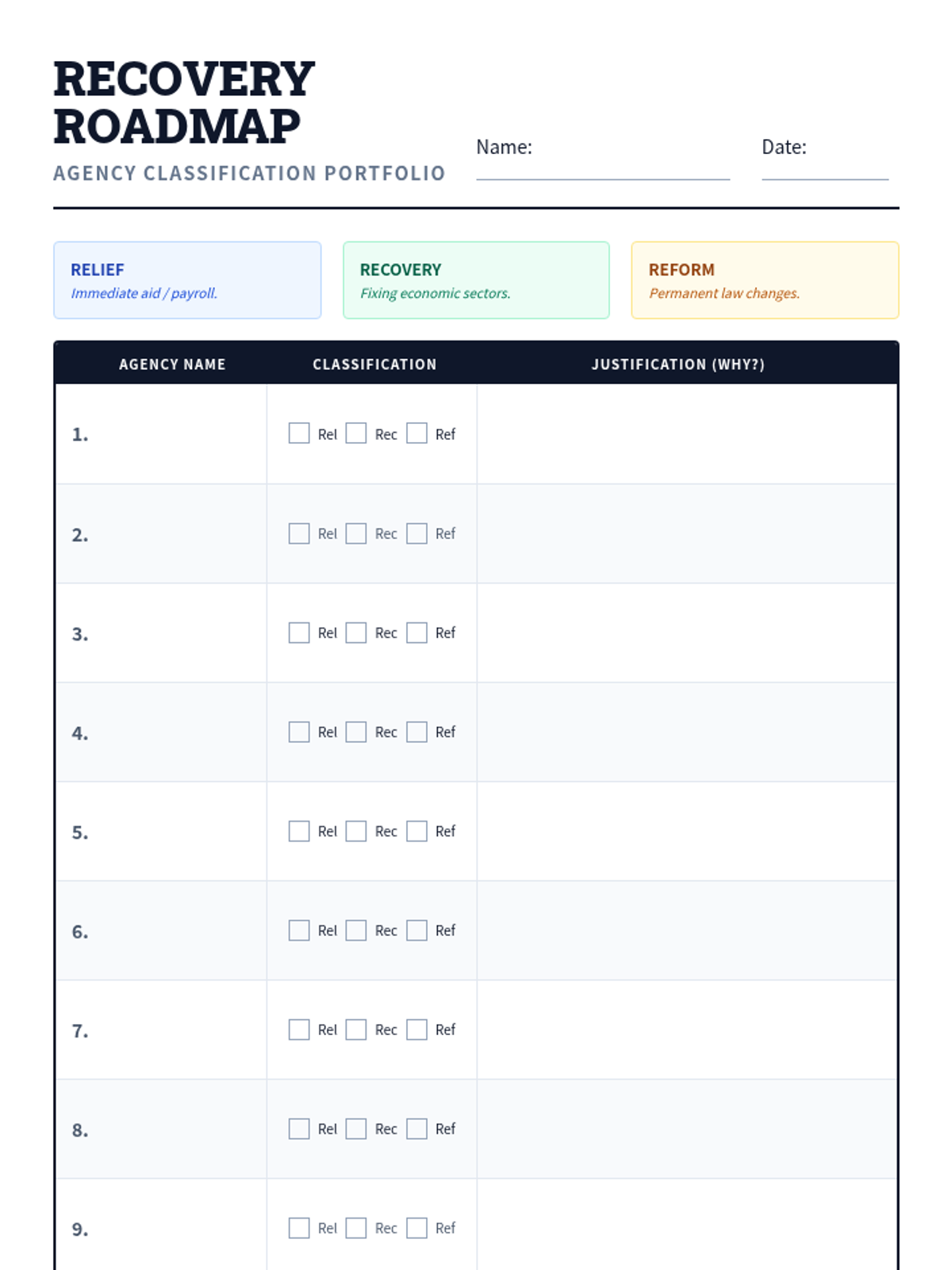
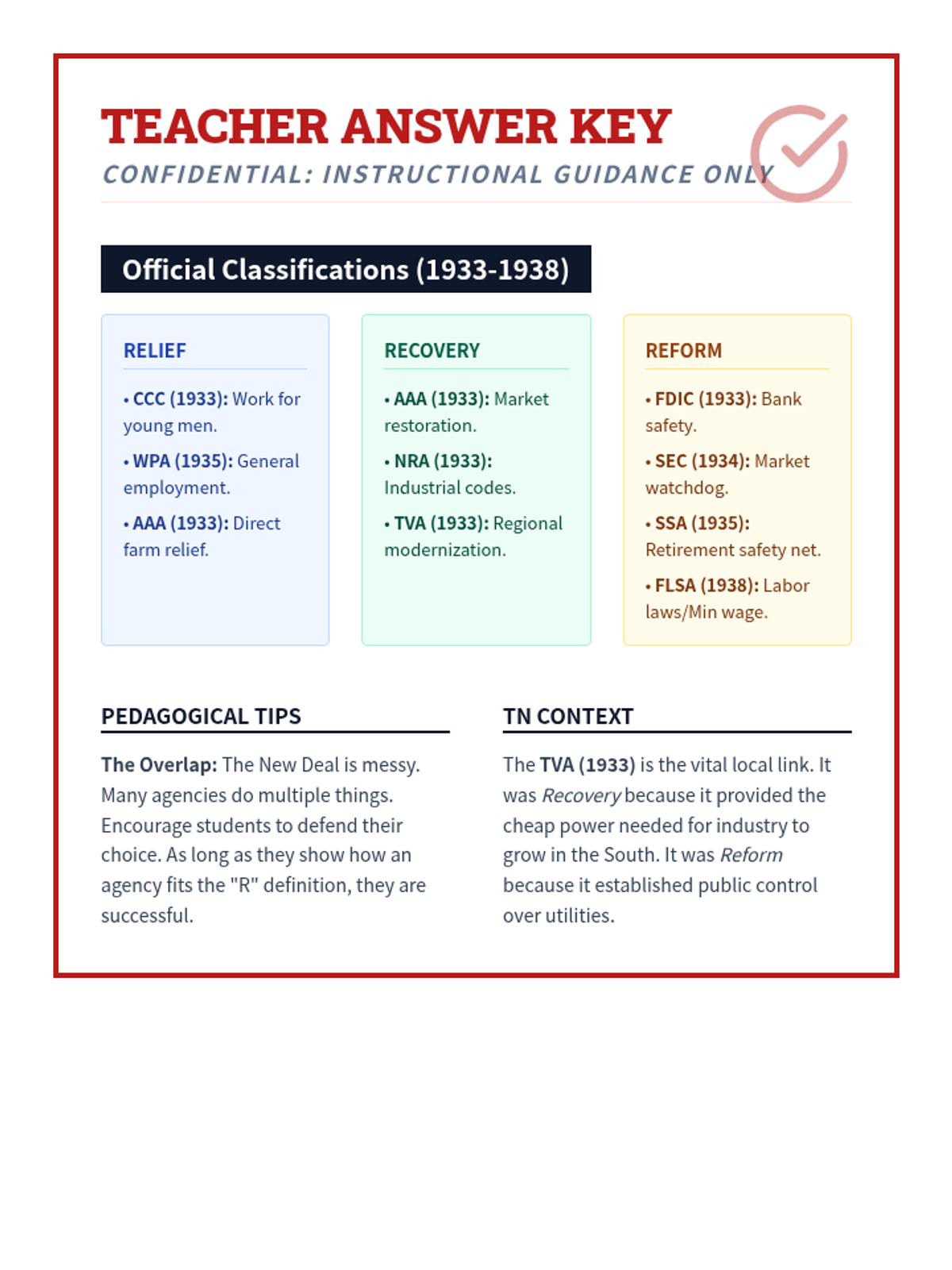
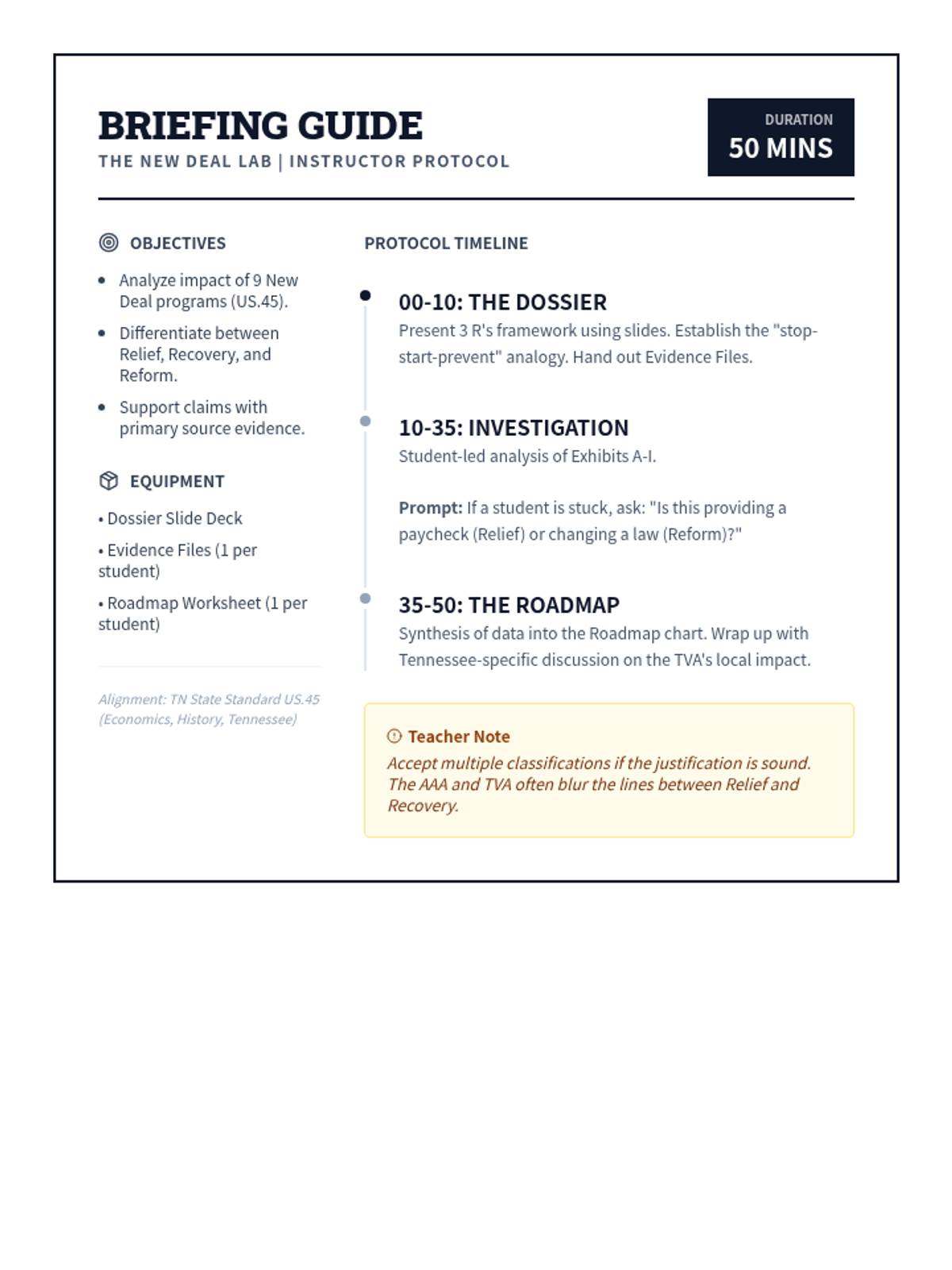
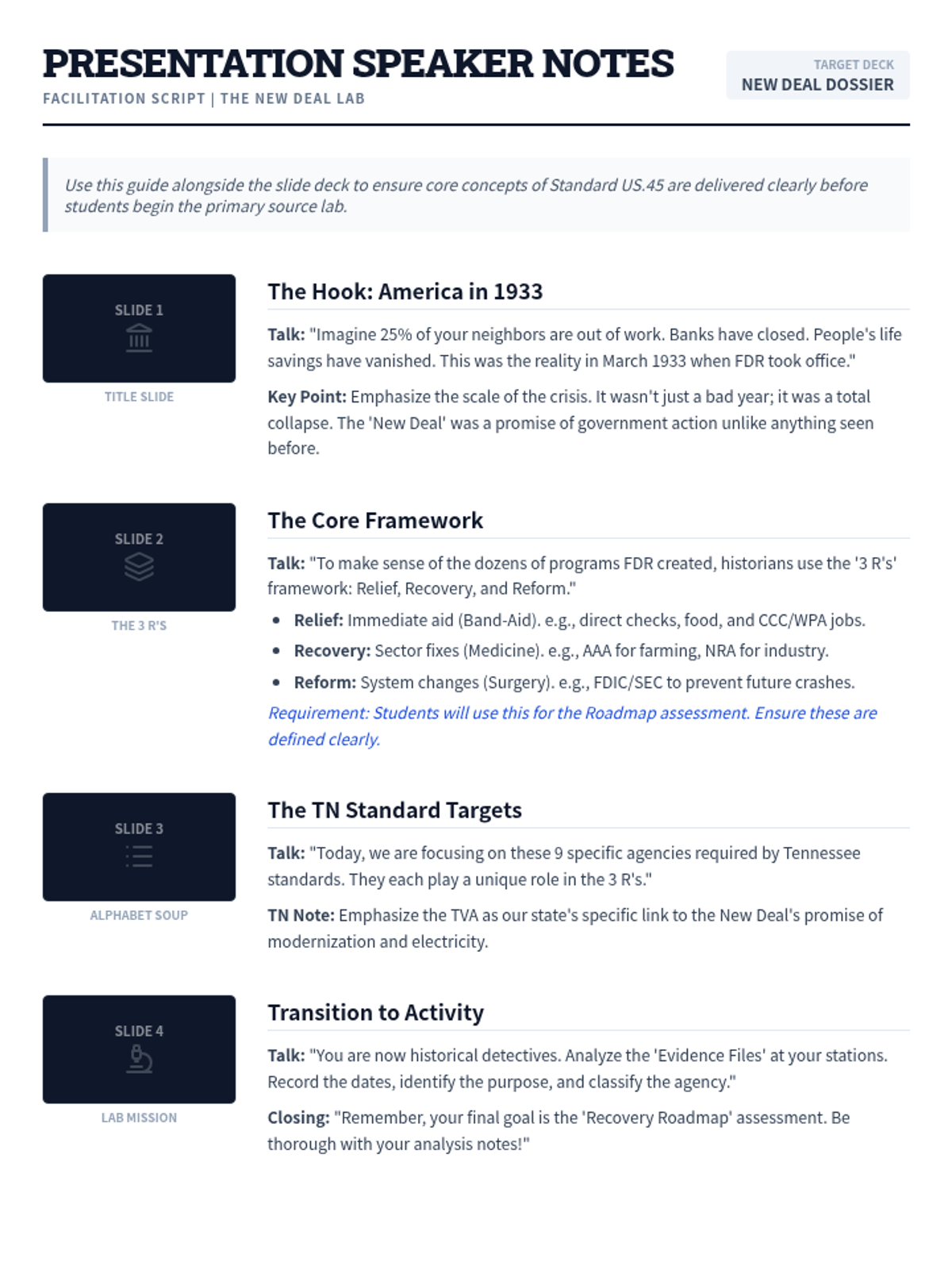
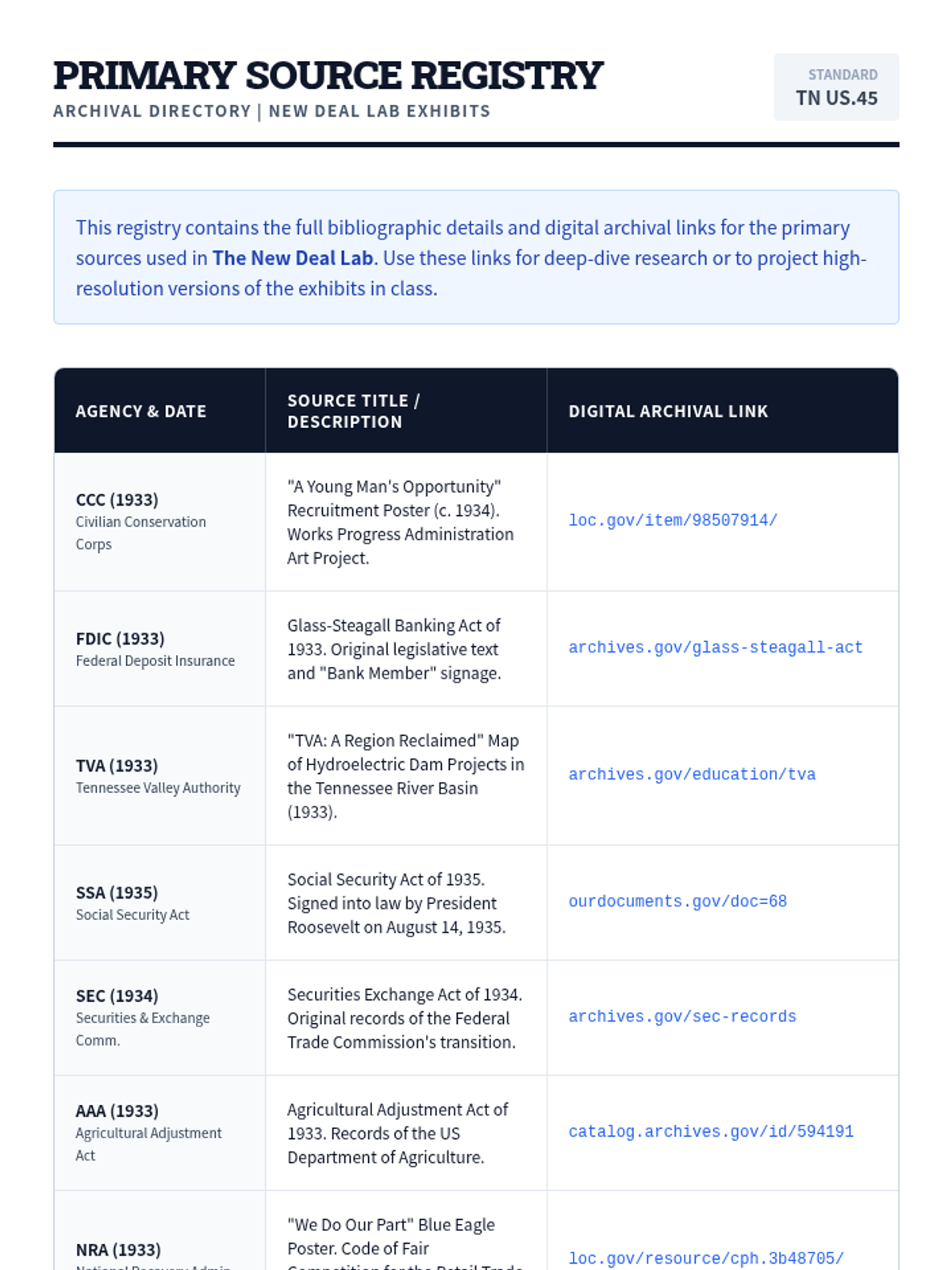
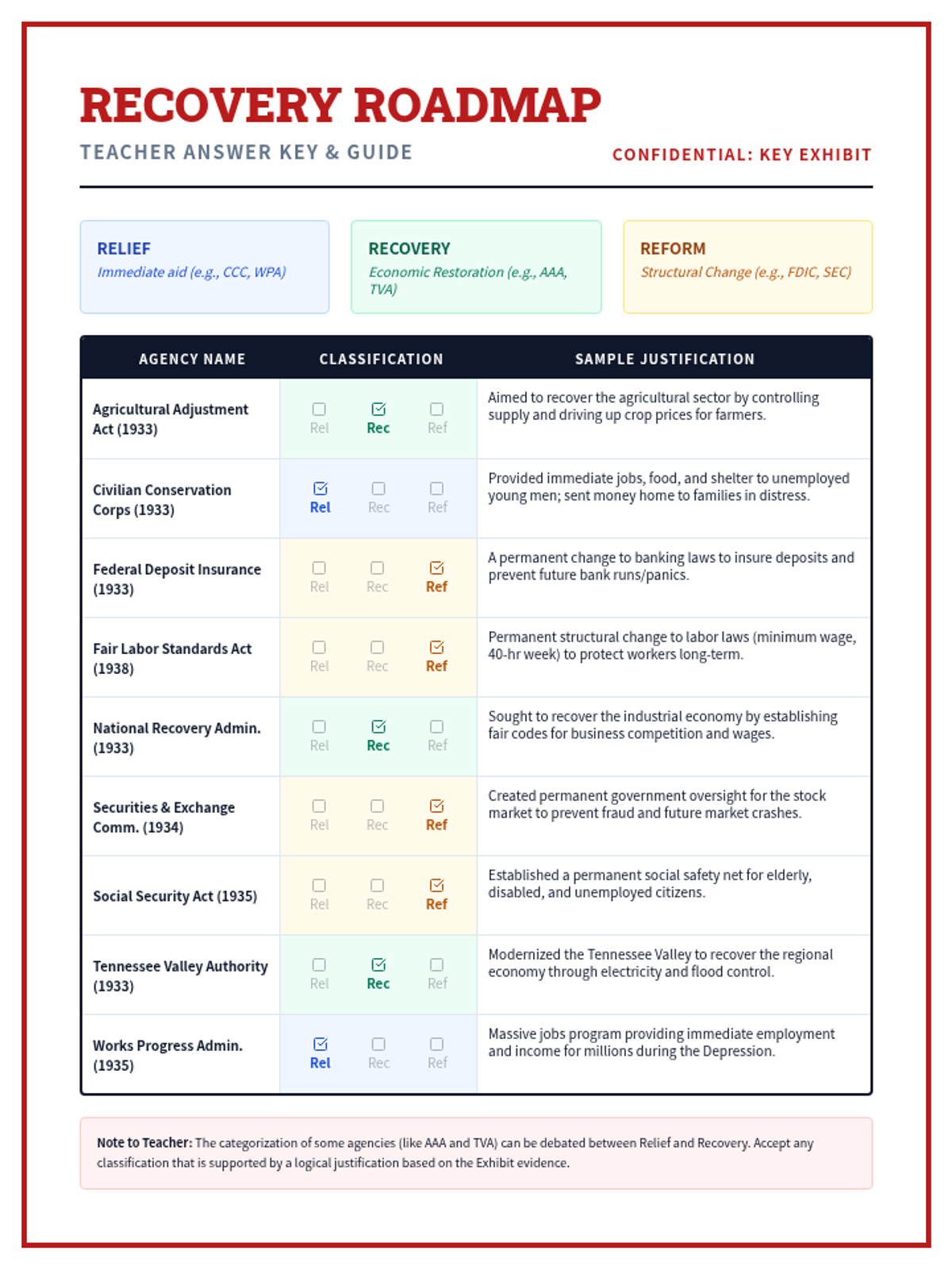
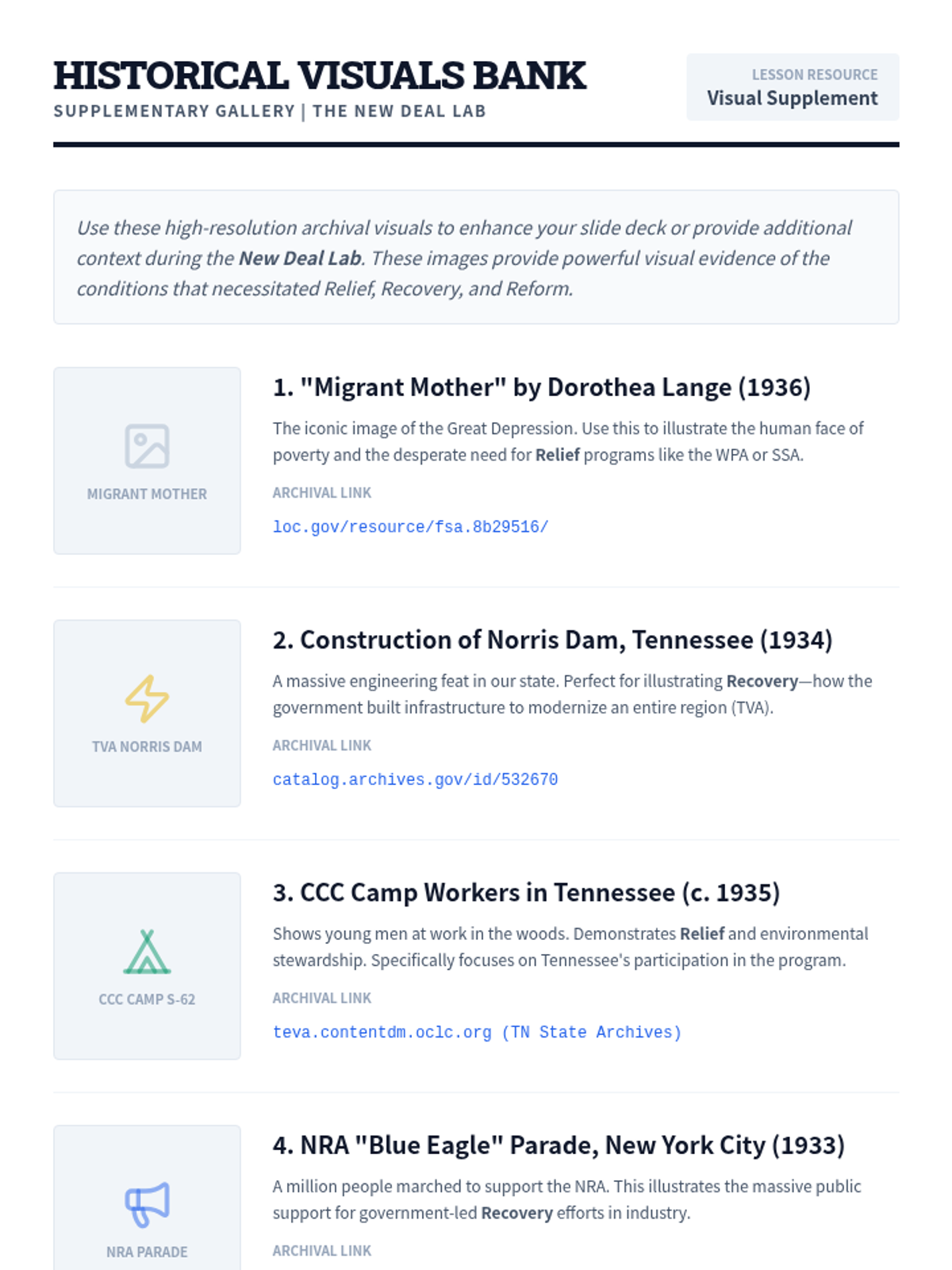
A 50-minute deep dive into FDR's New Deal programs through primary source analysis, categorizing the 'alphabet soup' of agencies into Relief, Recovery, and Reform. Students will examine original posters, photographs, and legislation snippets to understand the massive scale of government intervention during the Great Depression.
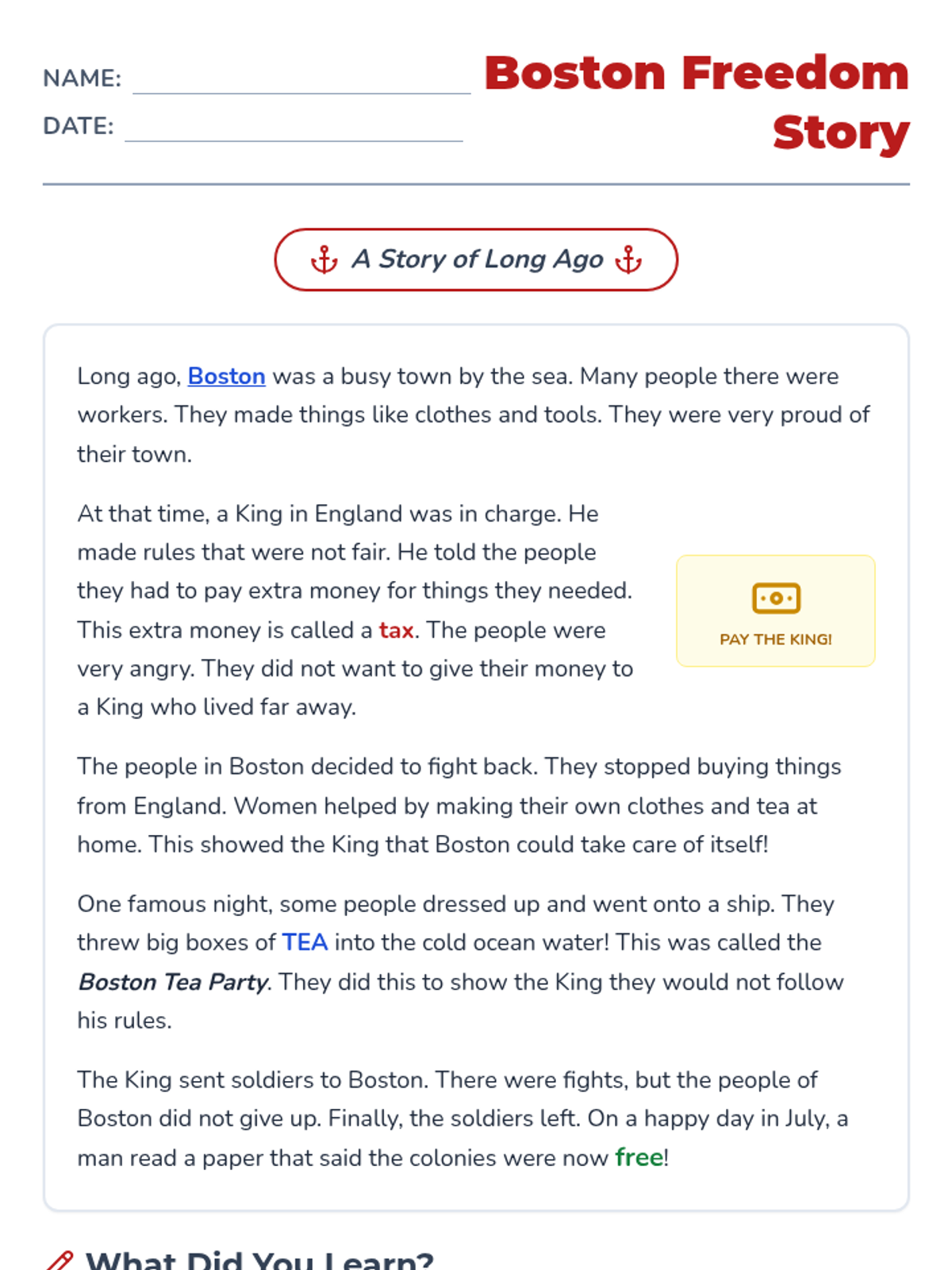
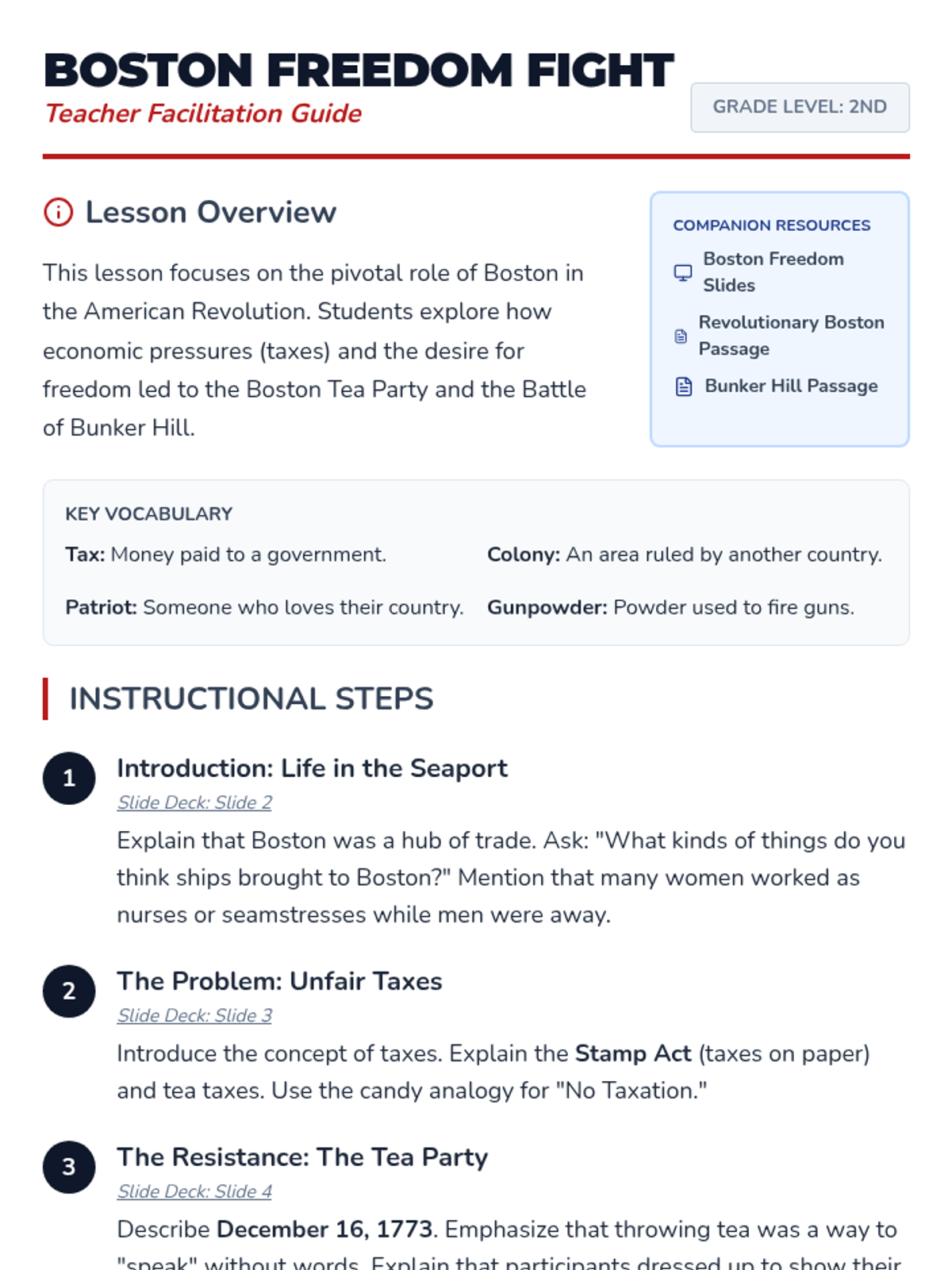
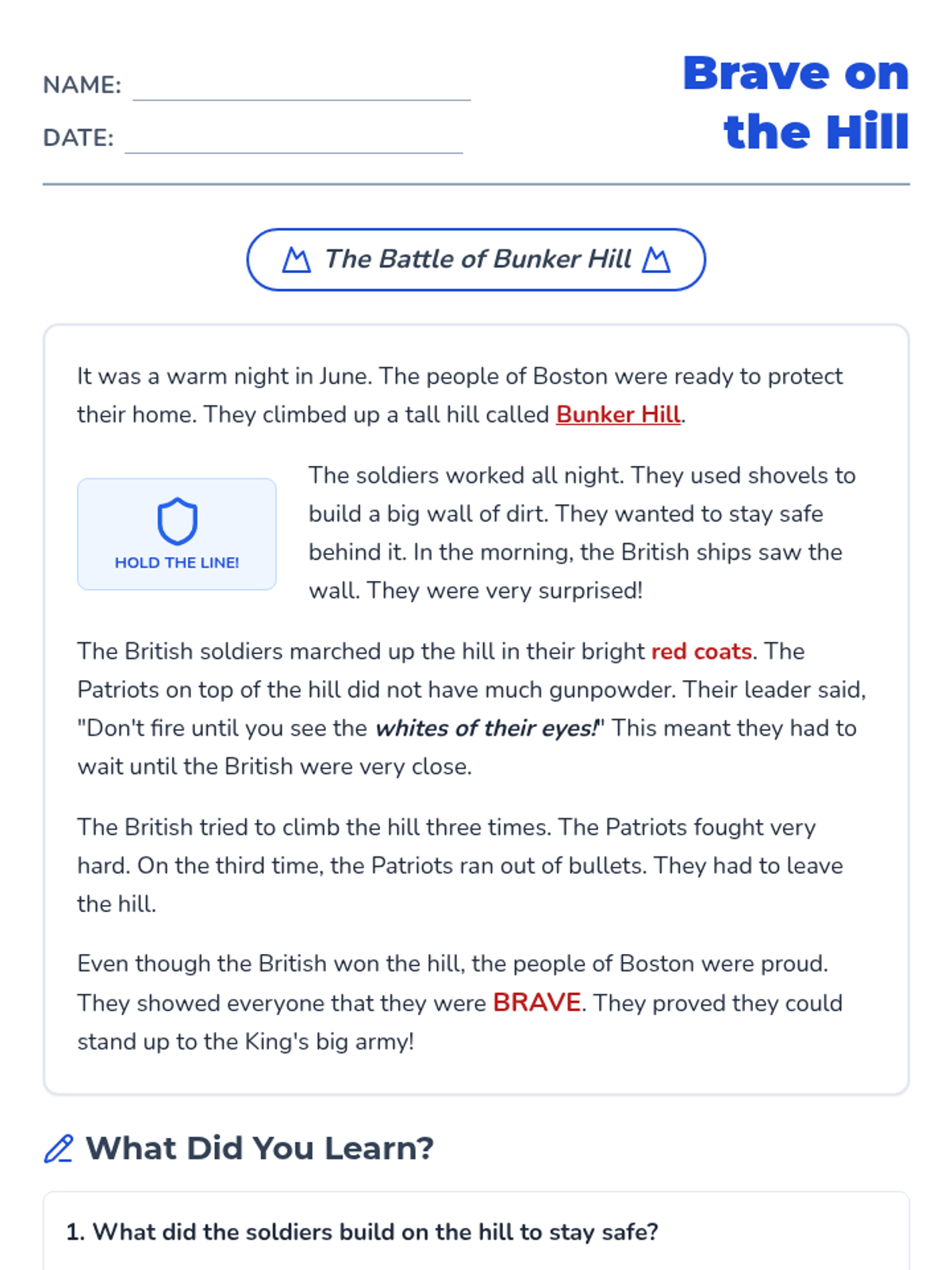
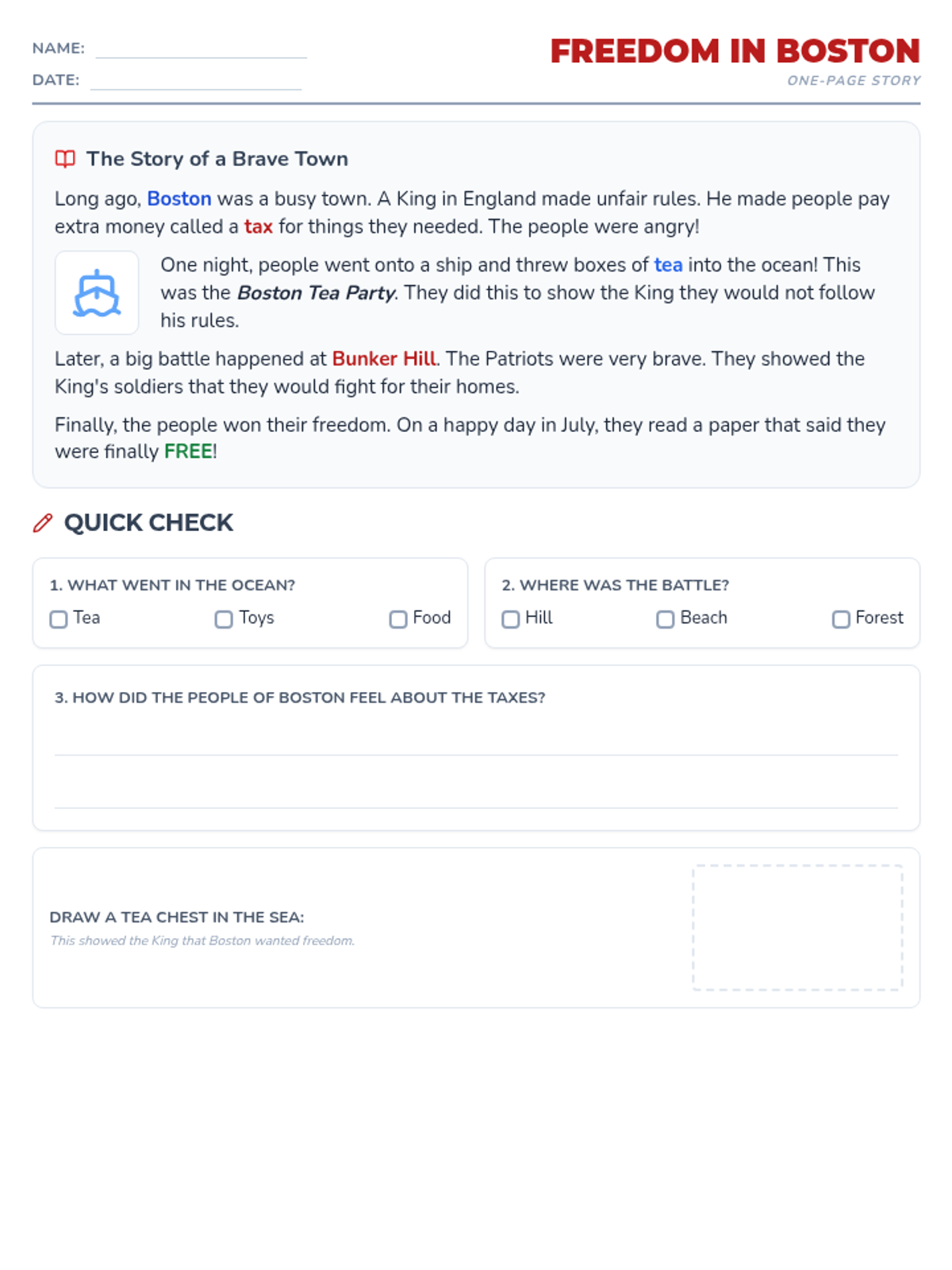
This lesson introduces students to the key events of the American Revolution in Boston, focusing on the Boston Tea Party, the Stamp Act, and the fight for independence. it simplifies complex historical concepts for early elementary learners.
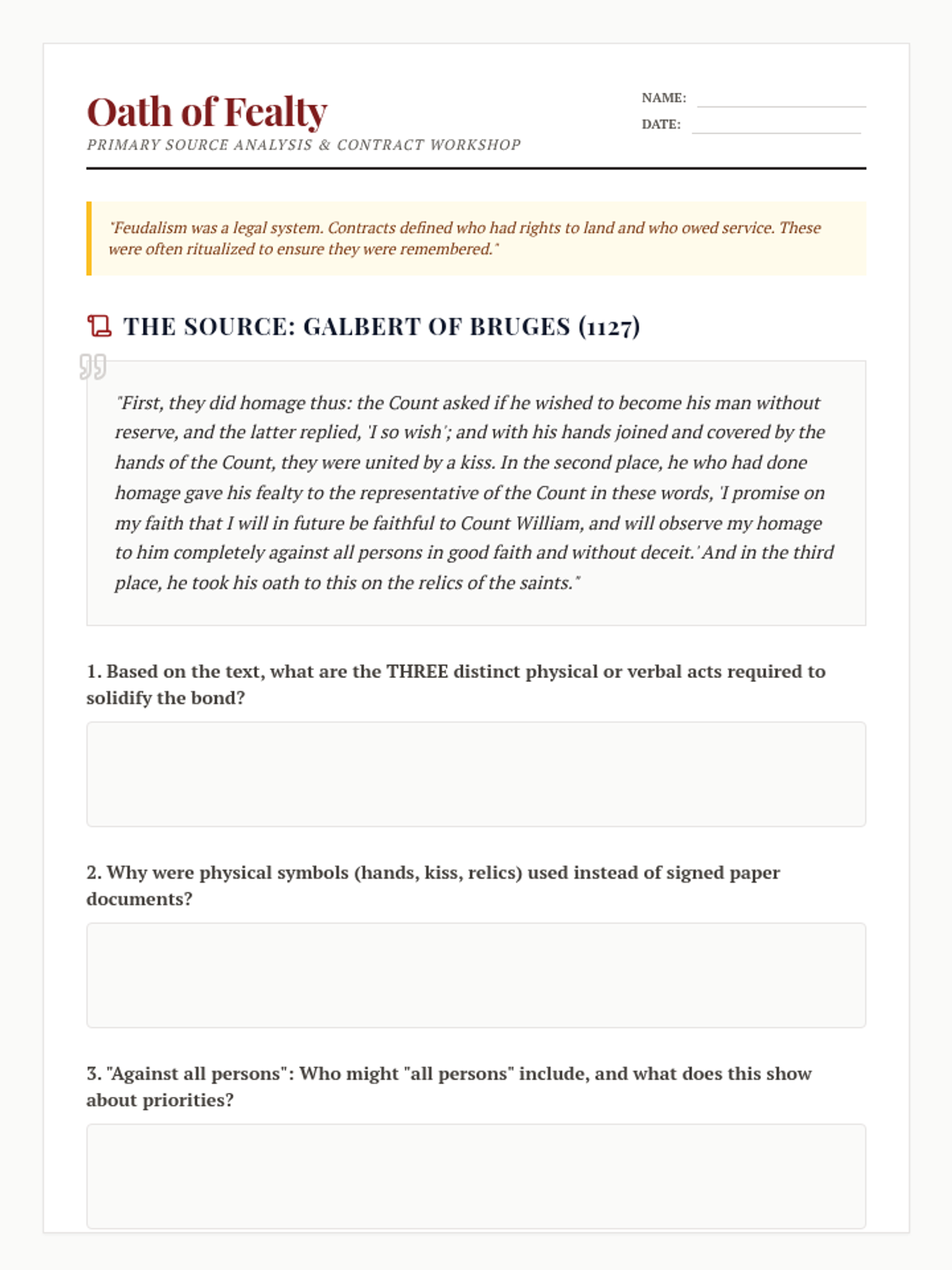
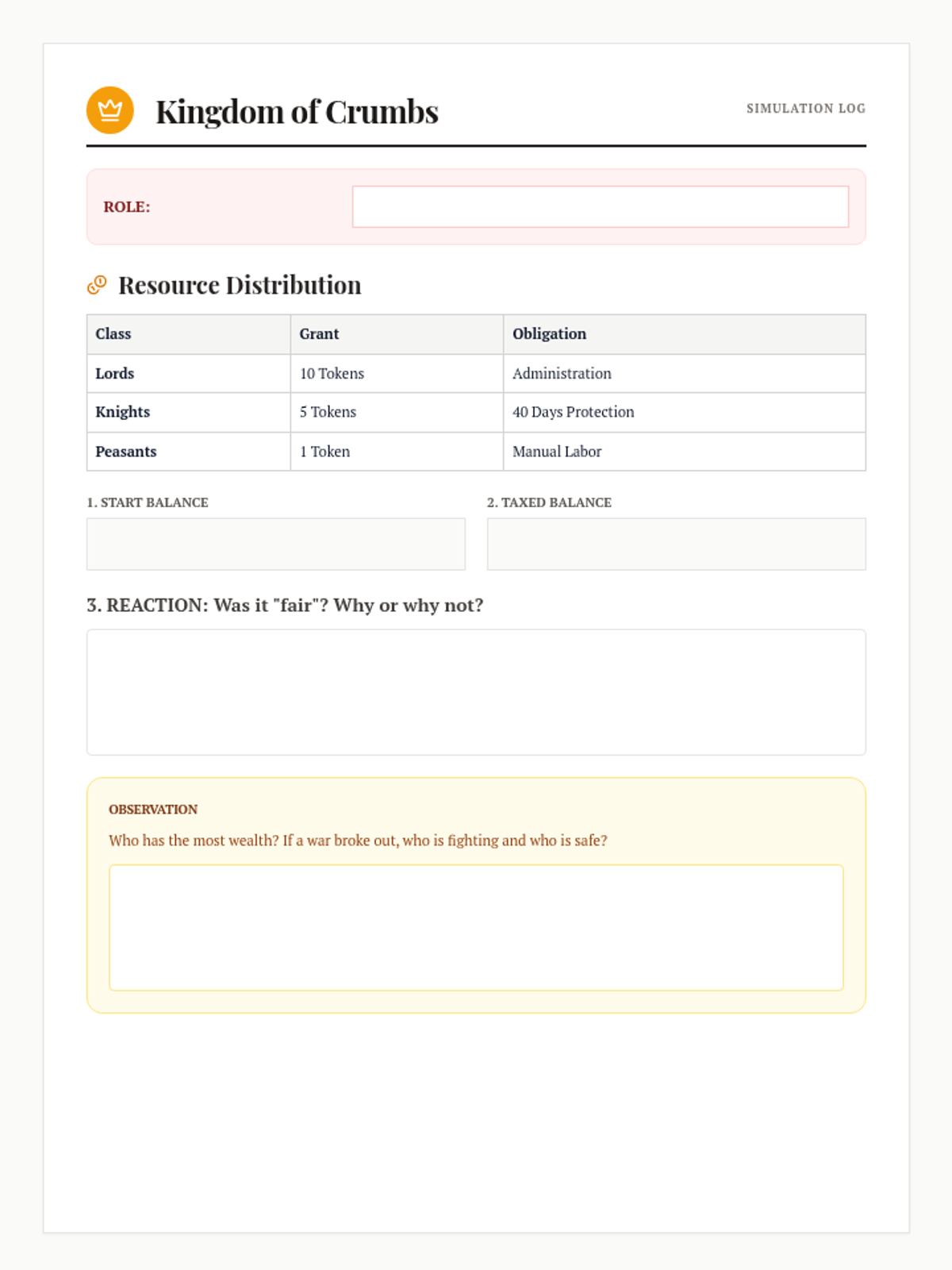
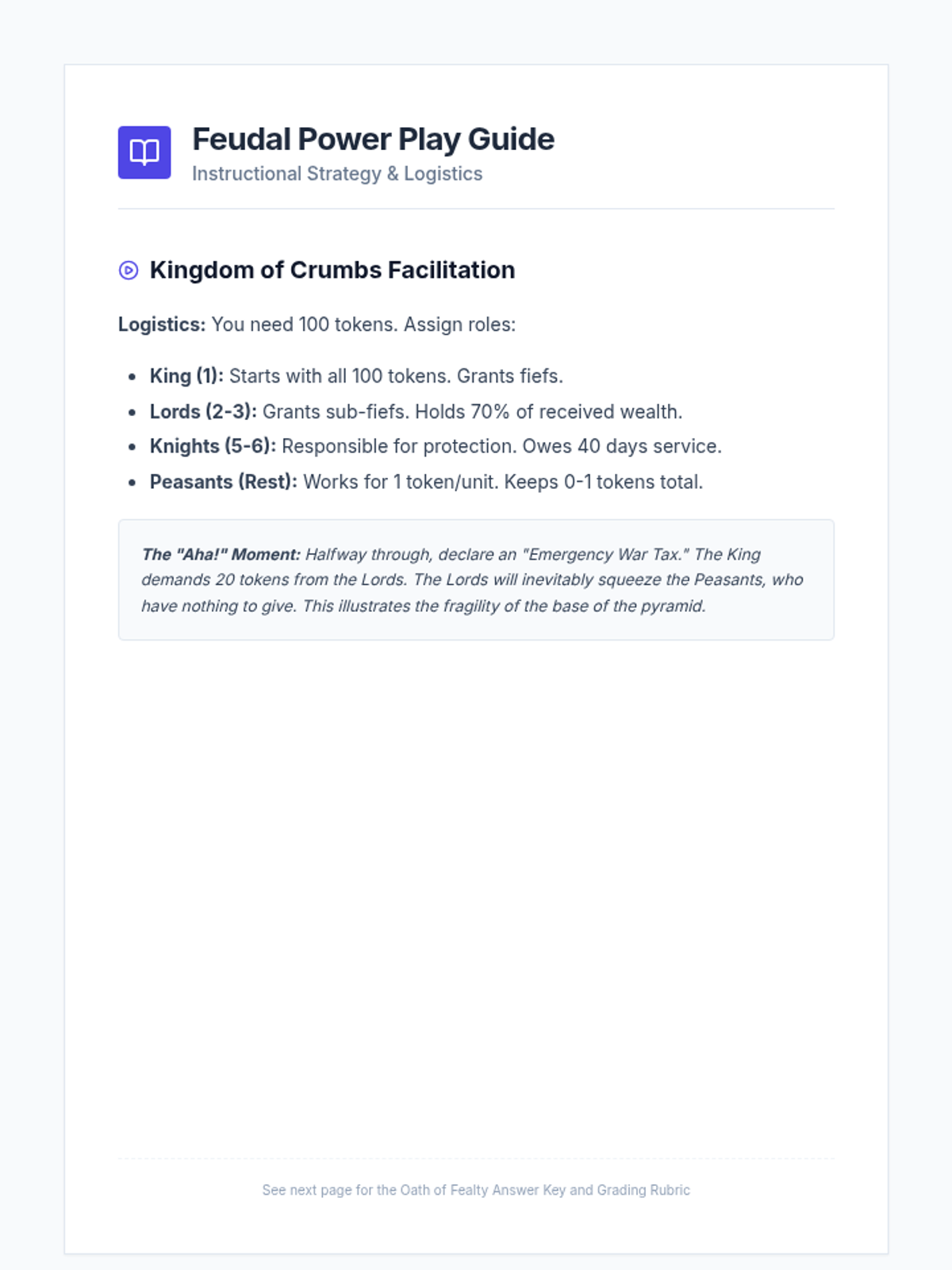
A deep dive into the reciprocal obligations of the feudal system through primary source analysis and a hands-on power dynamics simulation. Students explore how land, loyalty, and labor fueled the Middle Ages.
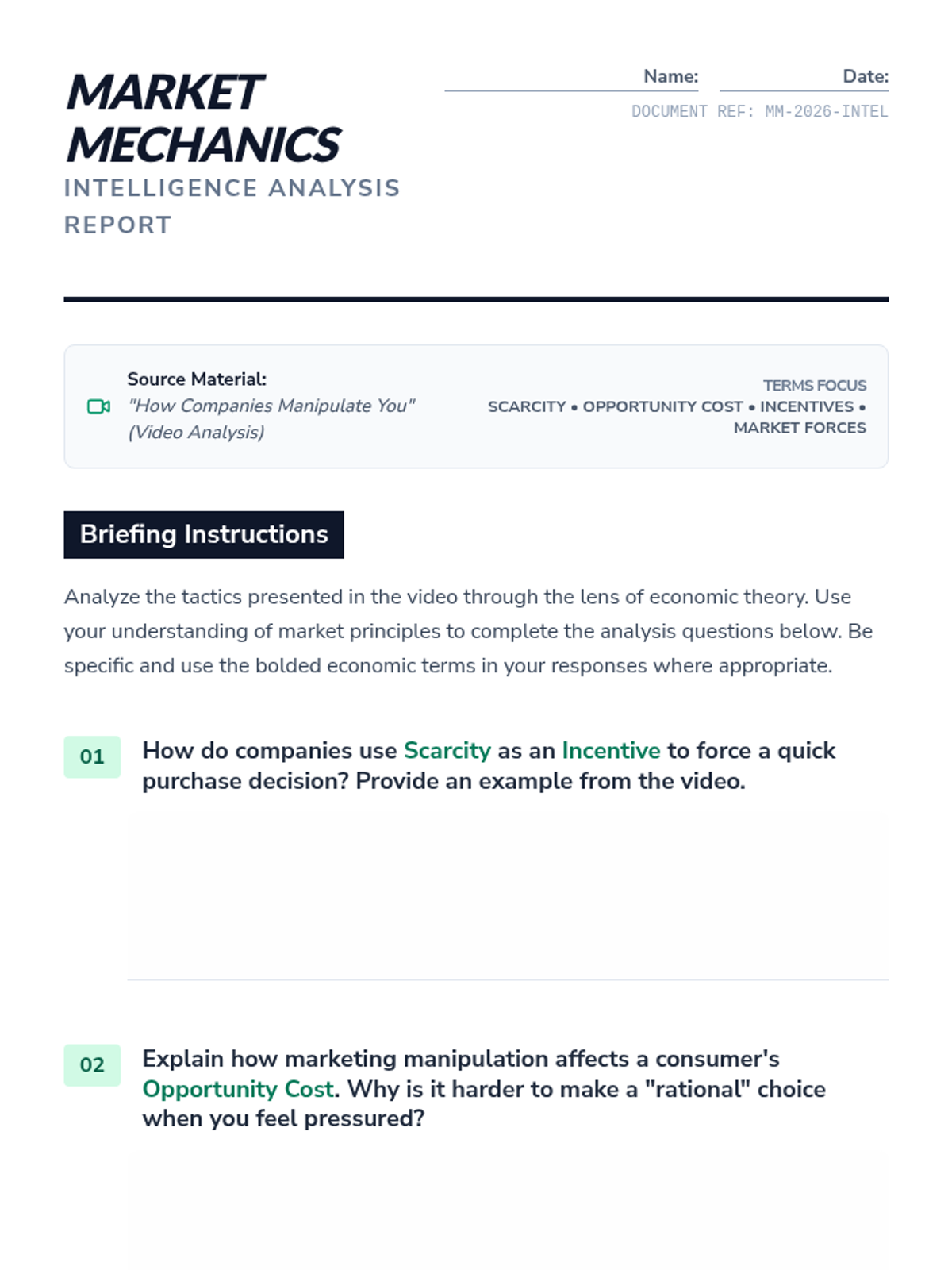
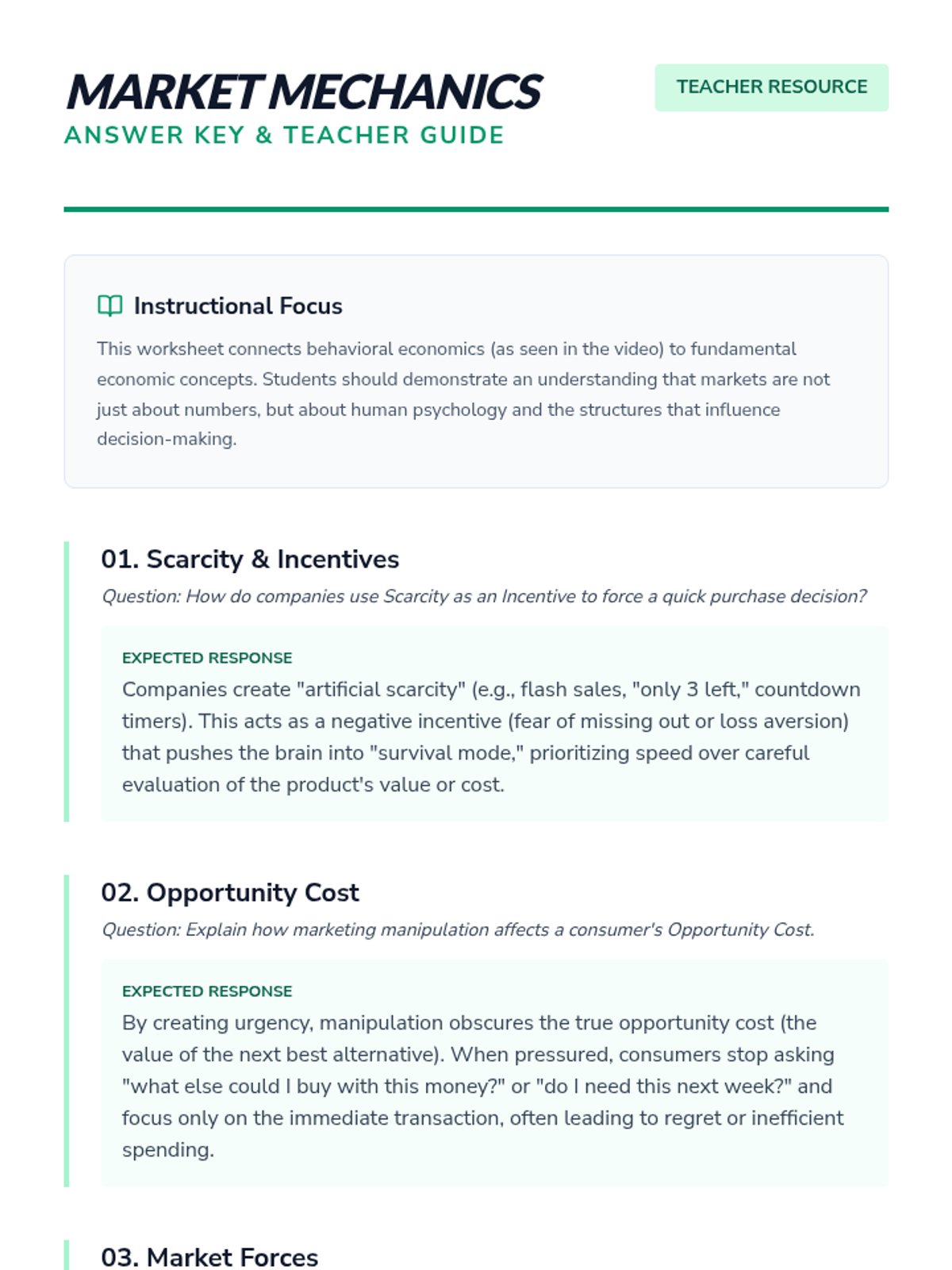
A deep dive into how economic principles like scarcity, incentives, and market forces shape consumer behavior and market structures. Students analyze real-world marketing tactics through the lens of economic theory.
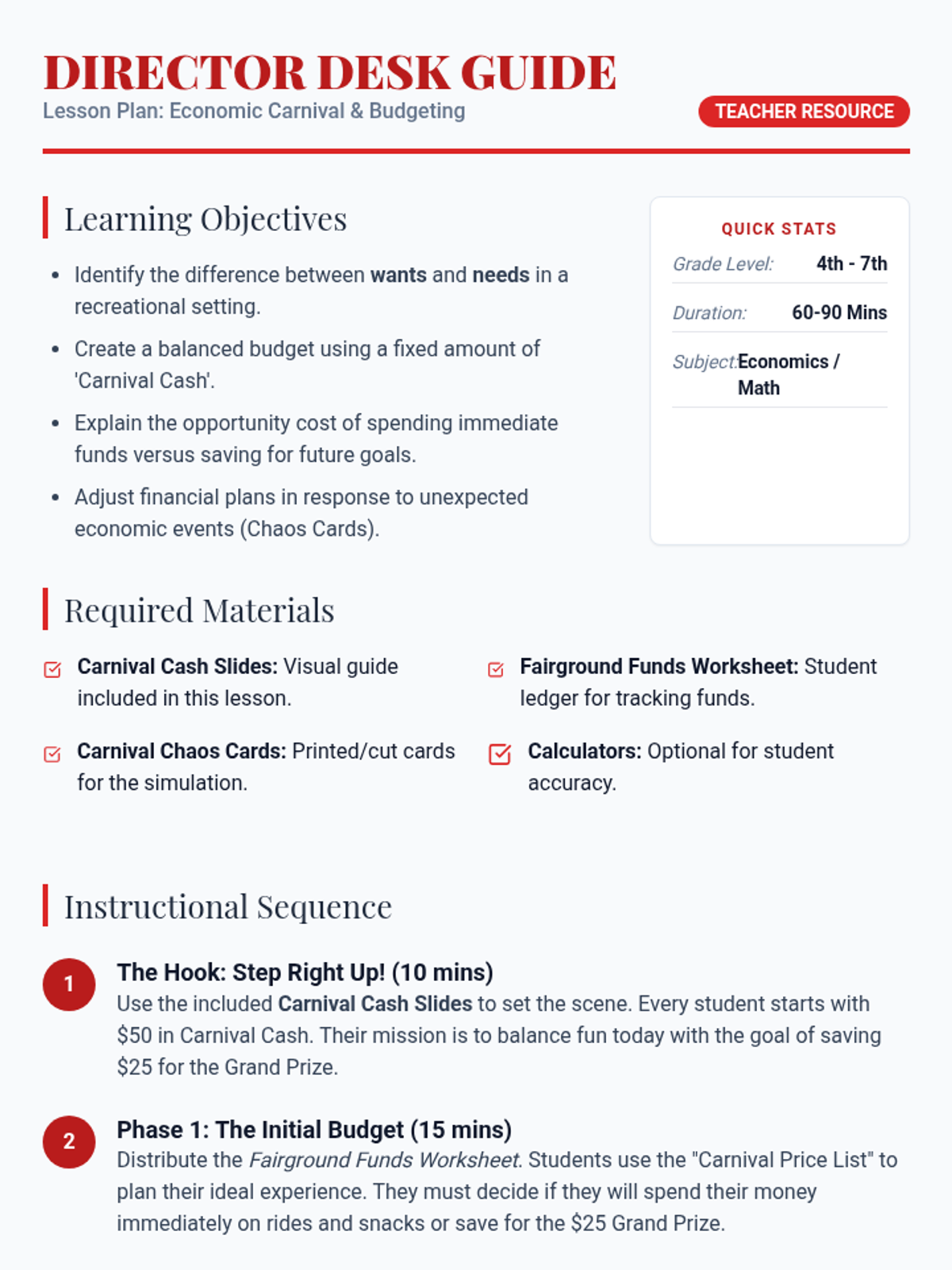
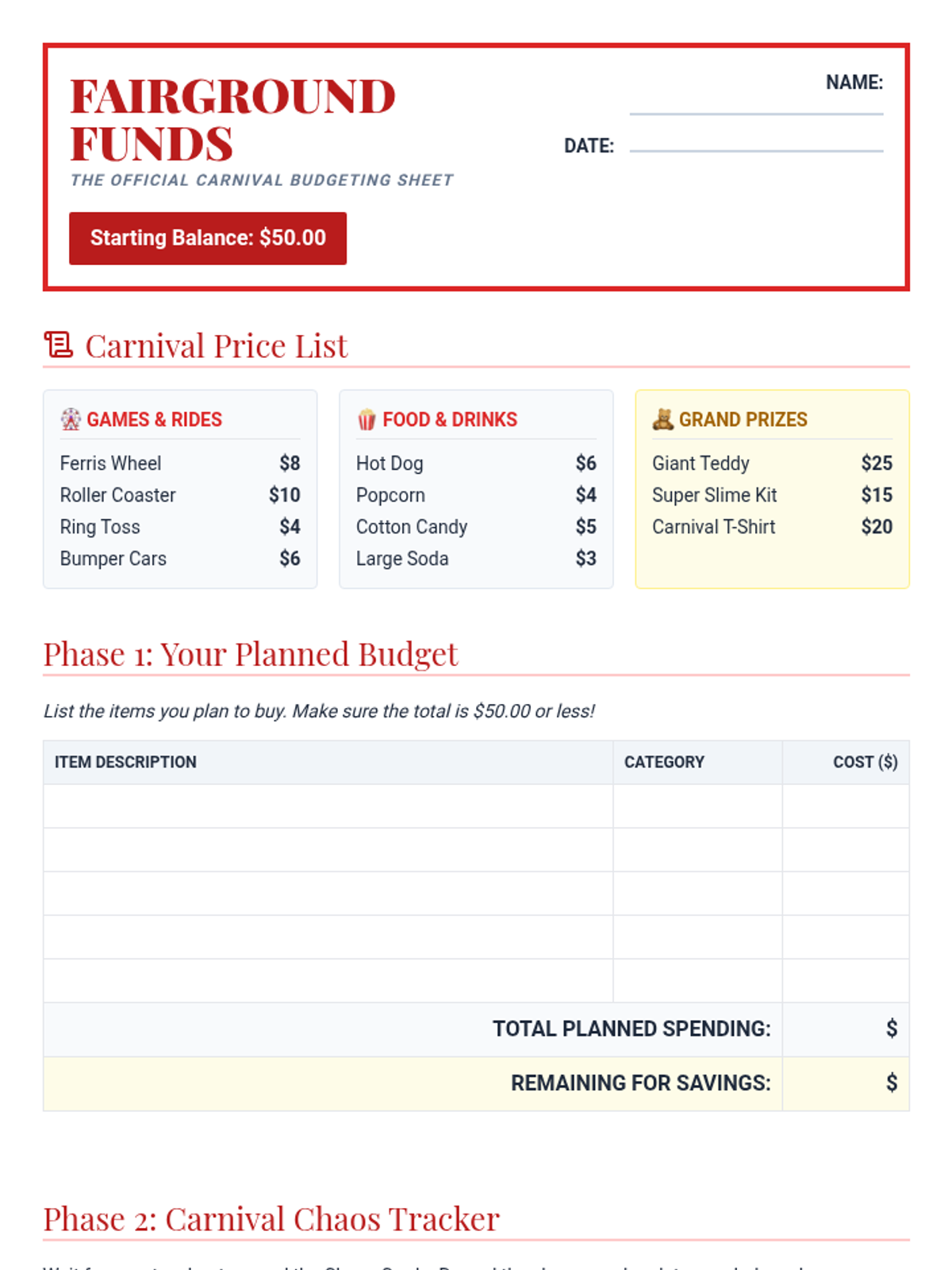
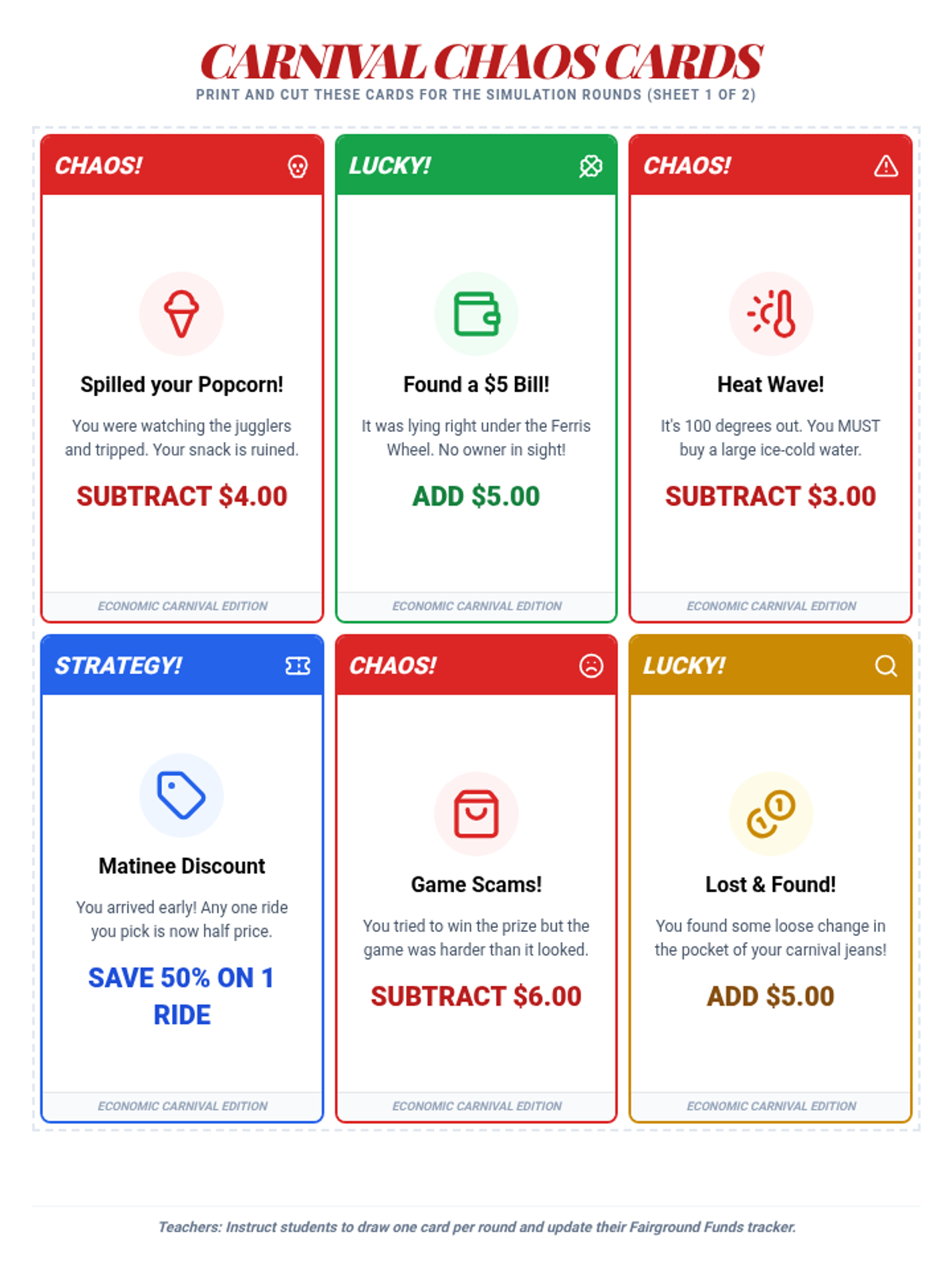
A high-energy simulation where students manage a budget at a carnival, making decisions about spending on games and treats versus saving for a grand prize. Students navigate unexpected 'chaos cards' that test their financial planning.
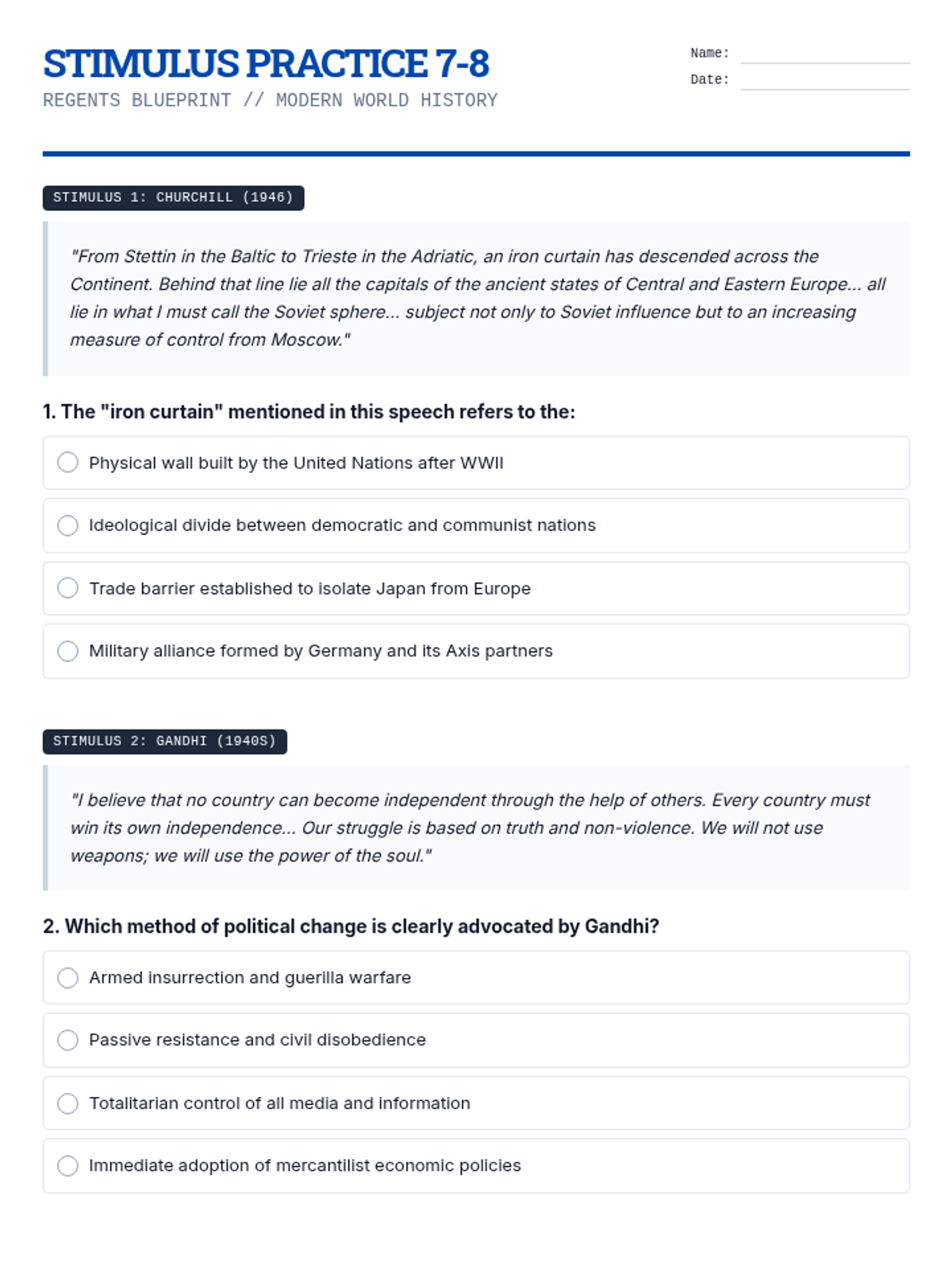
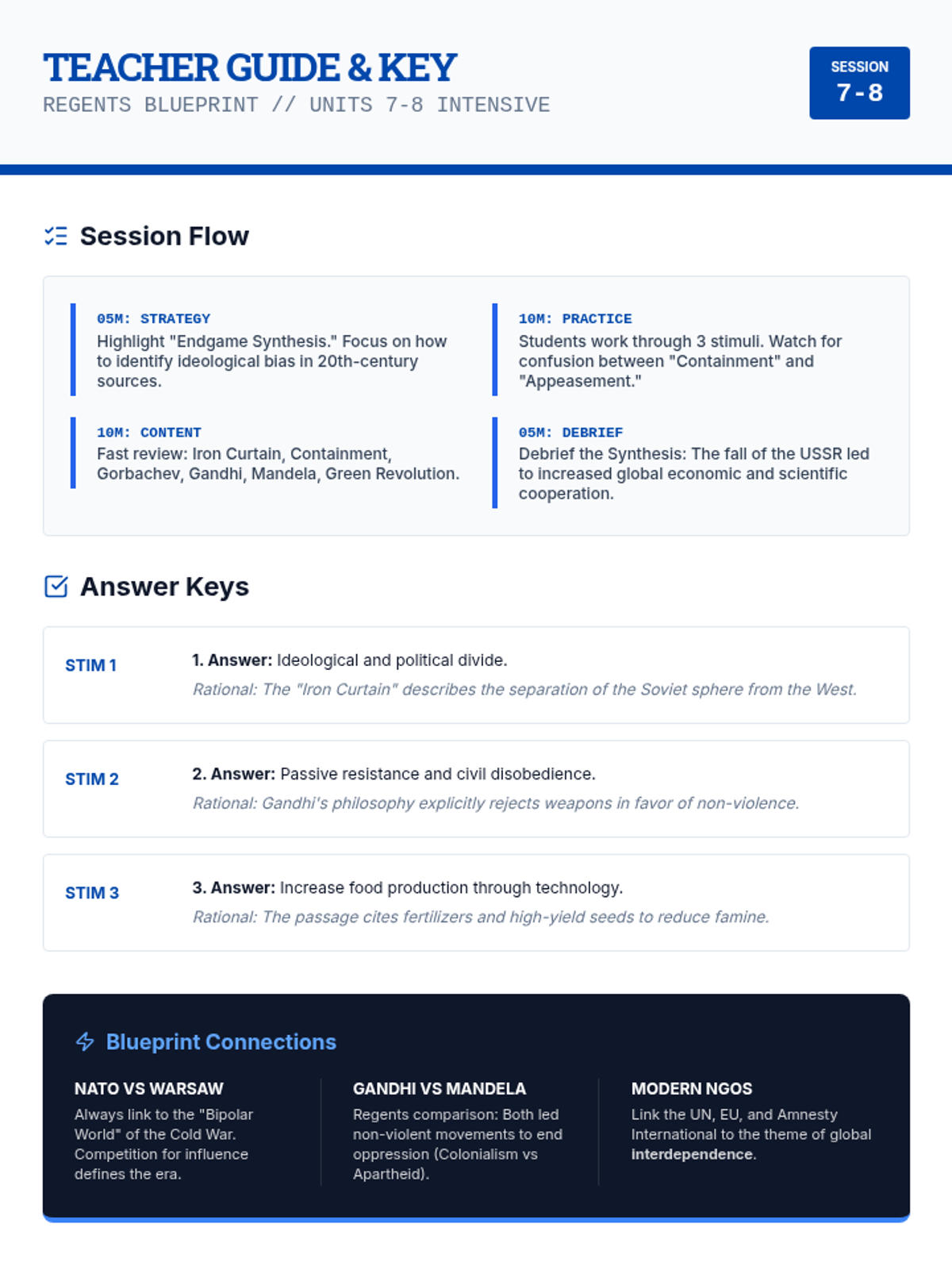
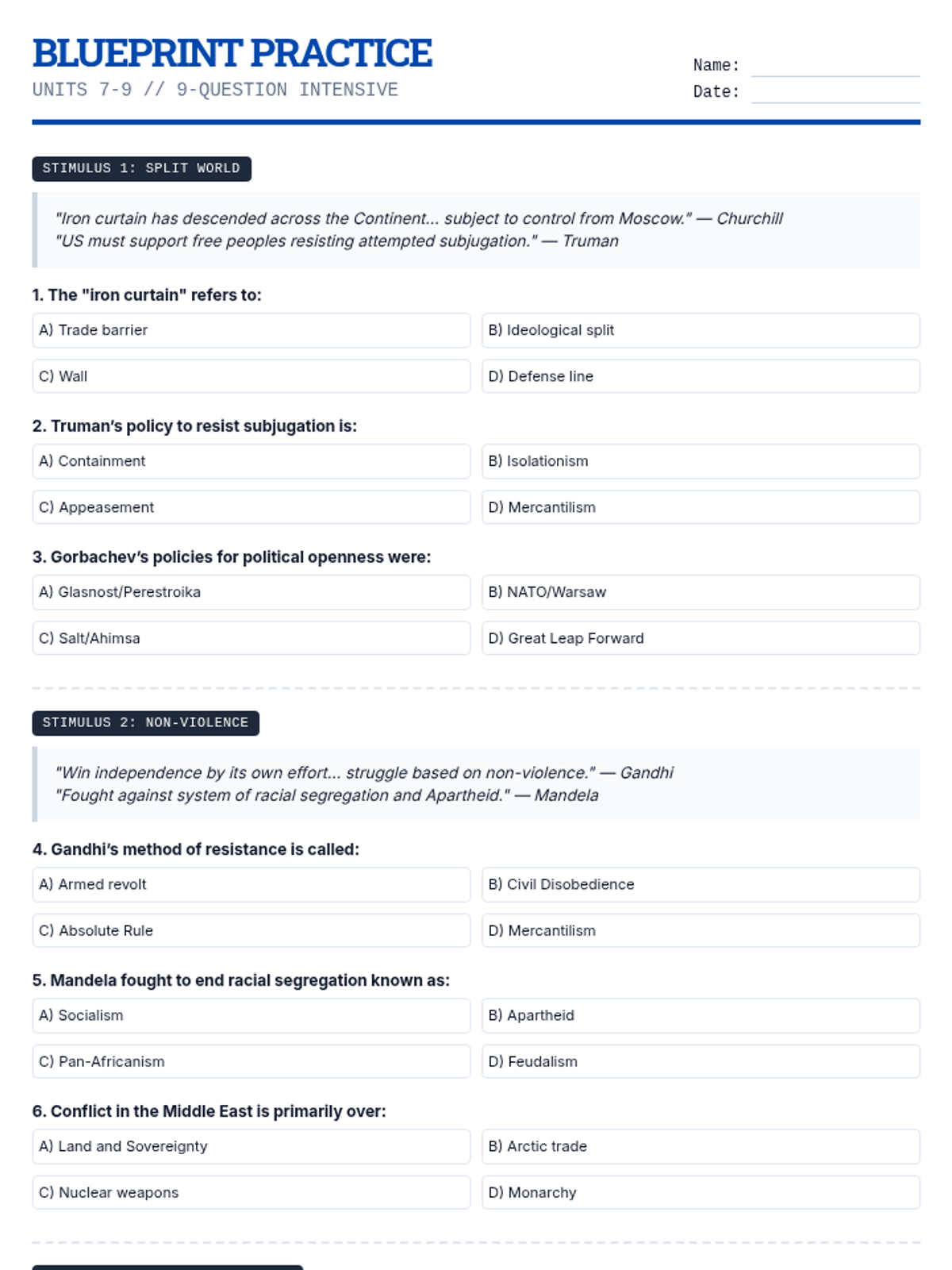
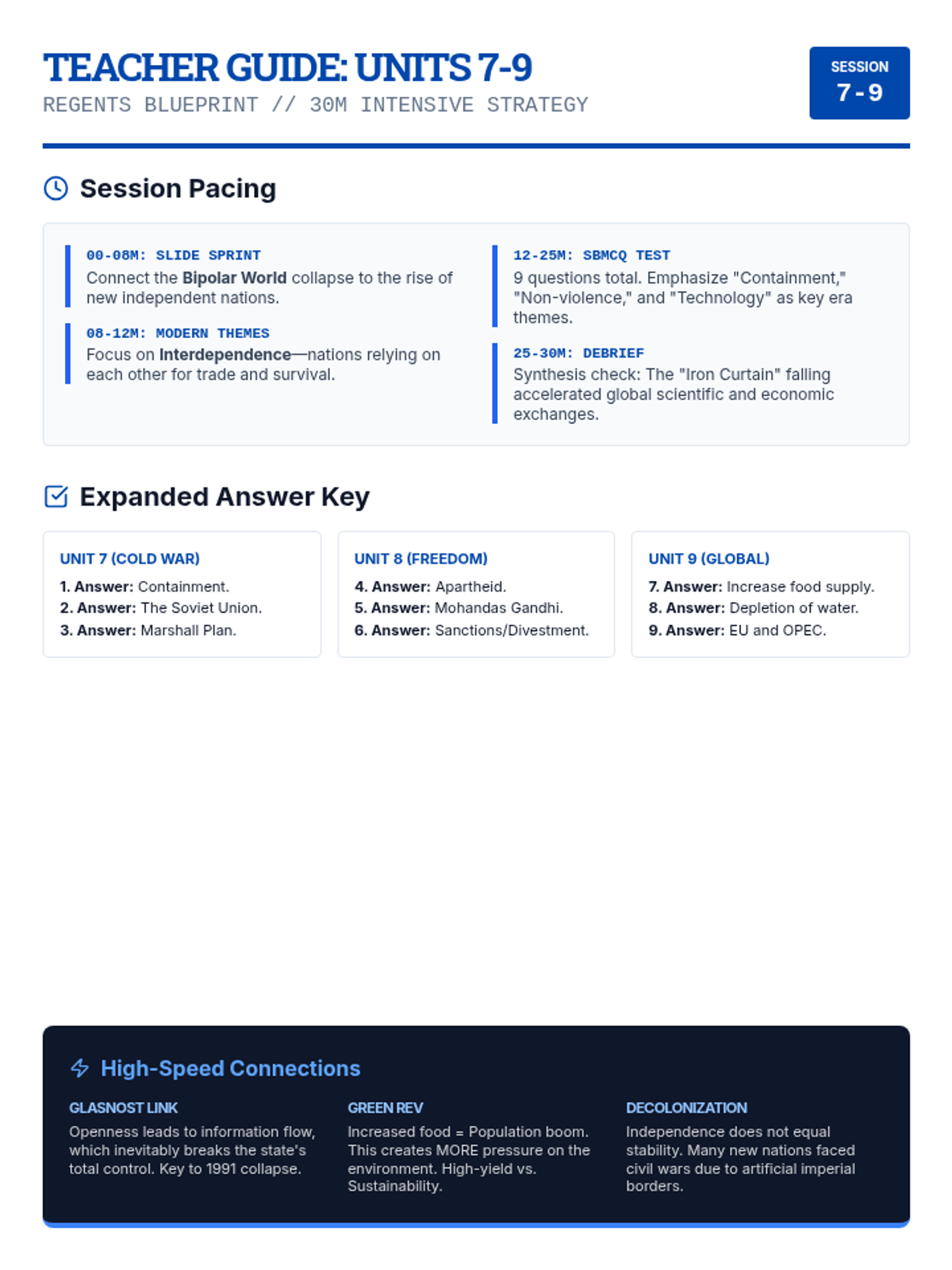
A high-impact 30-minute Regents review session focusing on Units 7-8 of the Modern World History curriculum, covering the Cold War, Decolonization, and Global Issues.
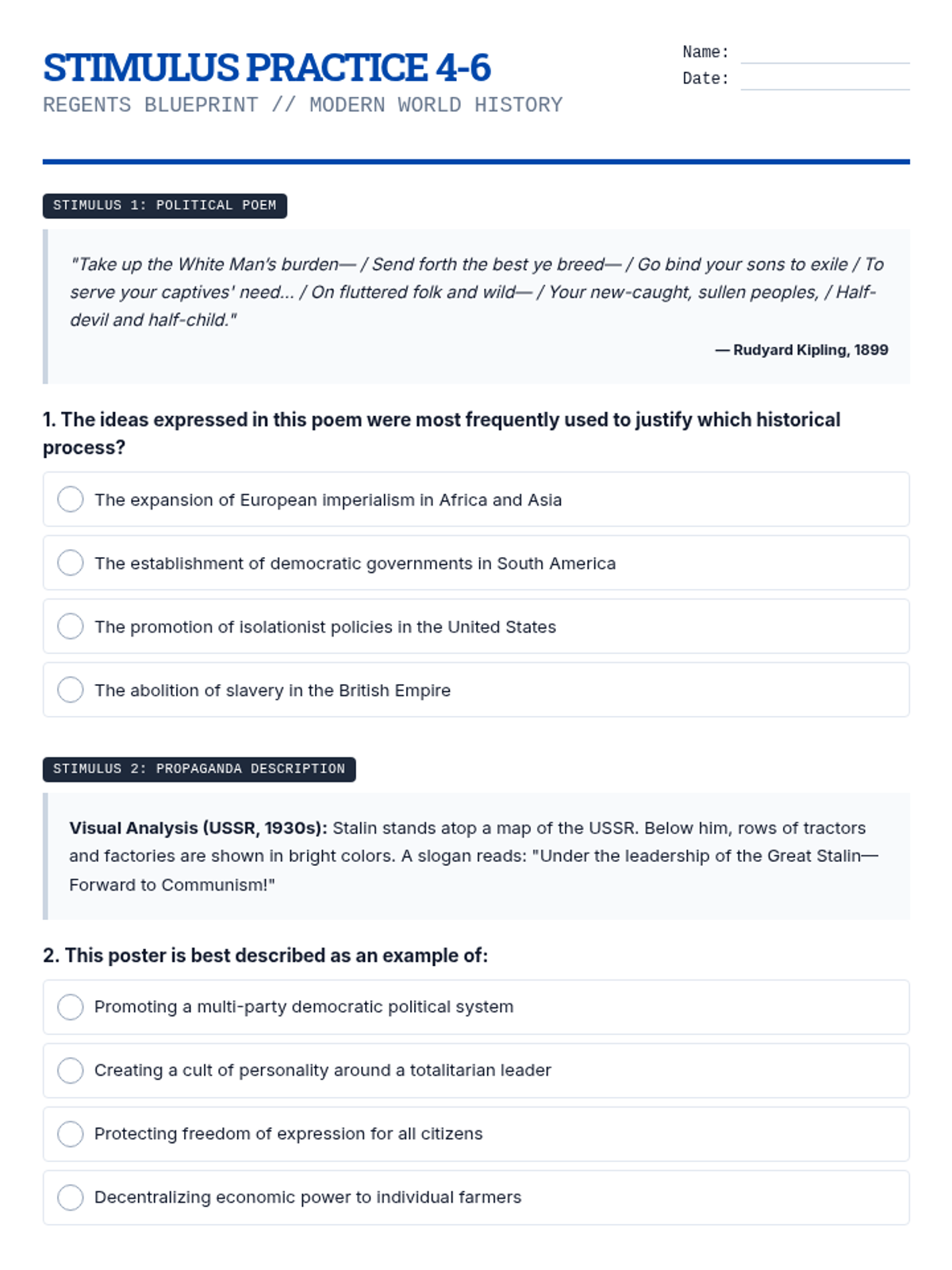
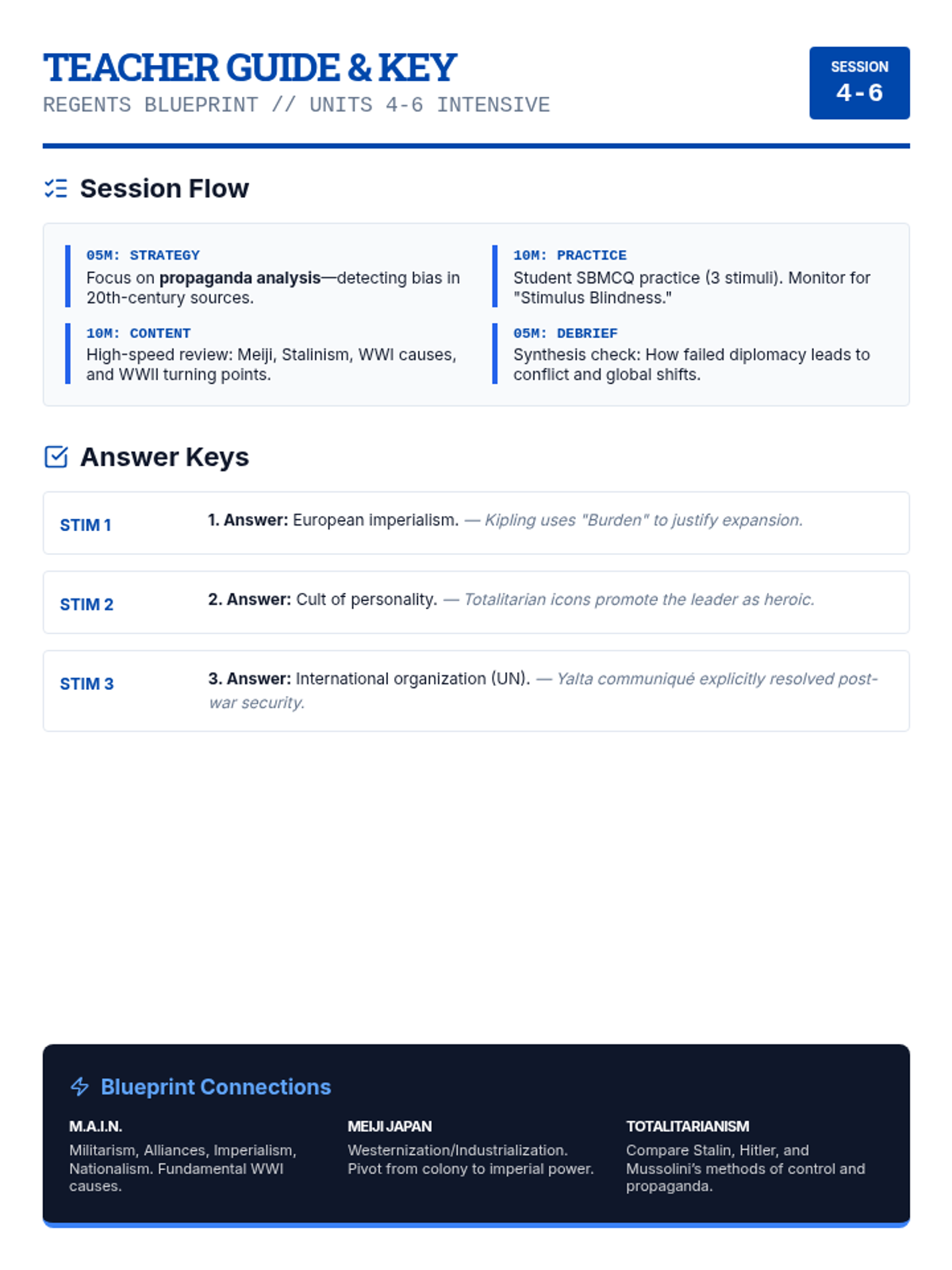
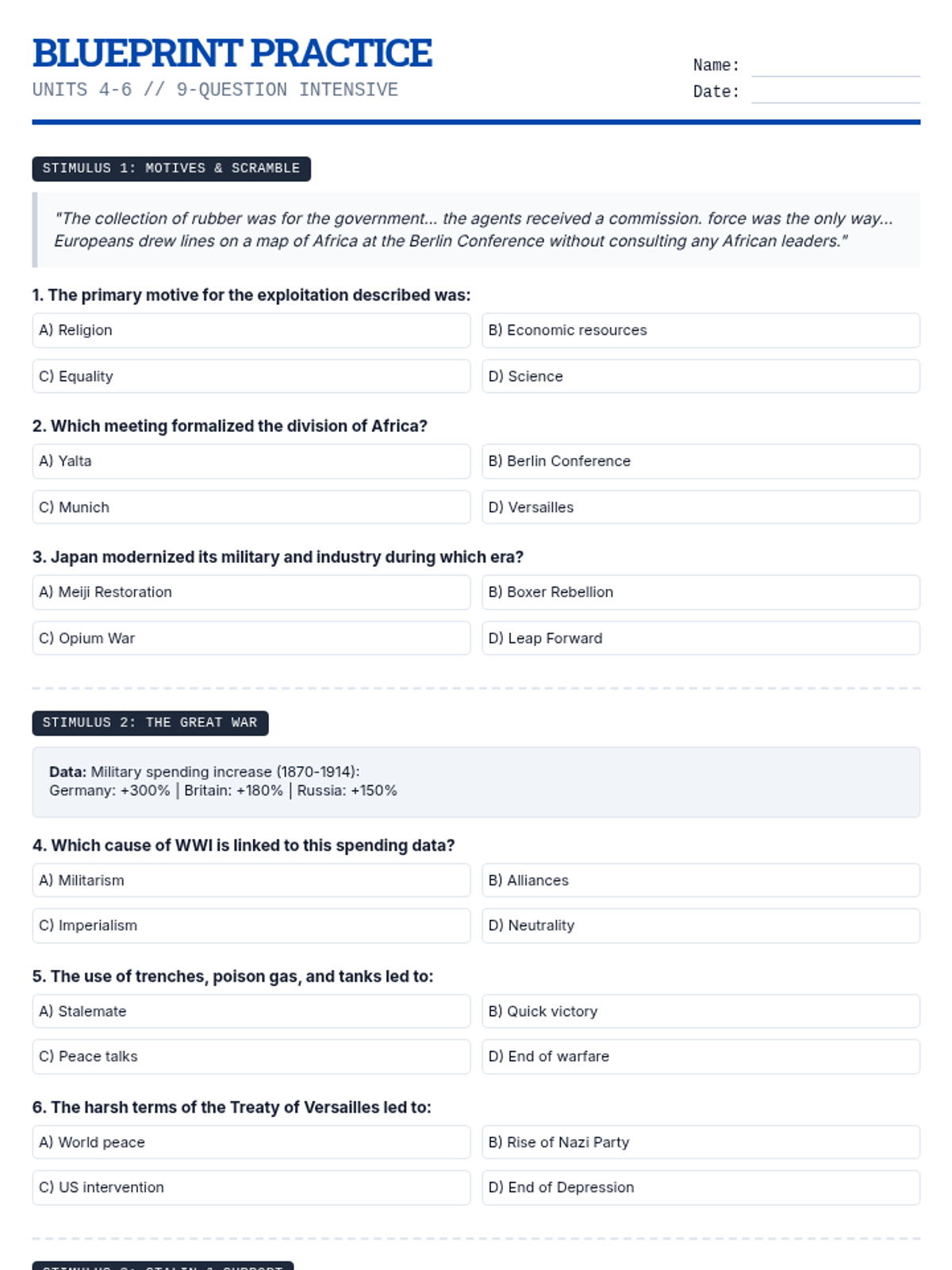
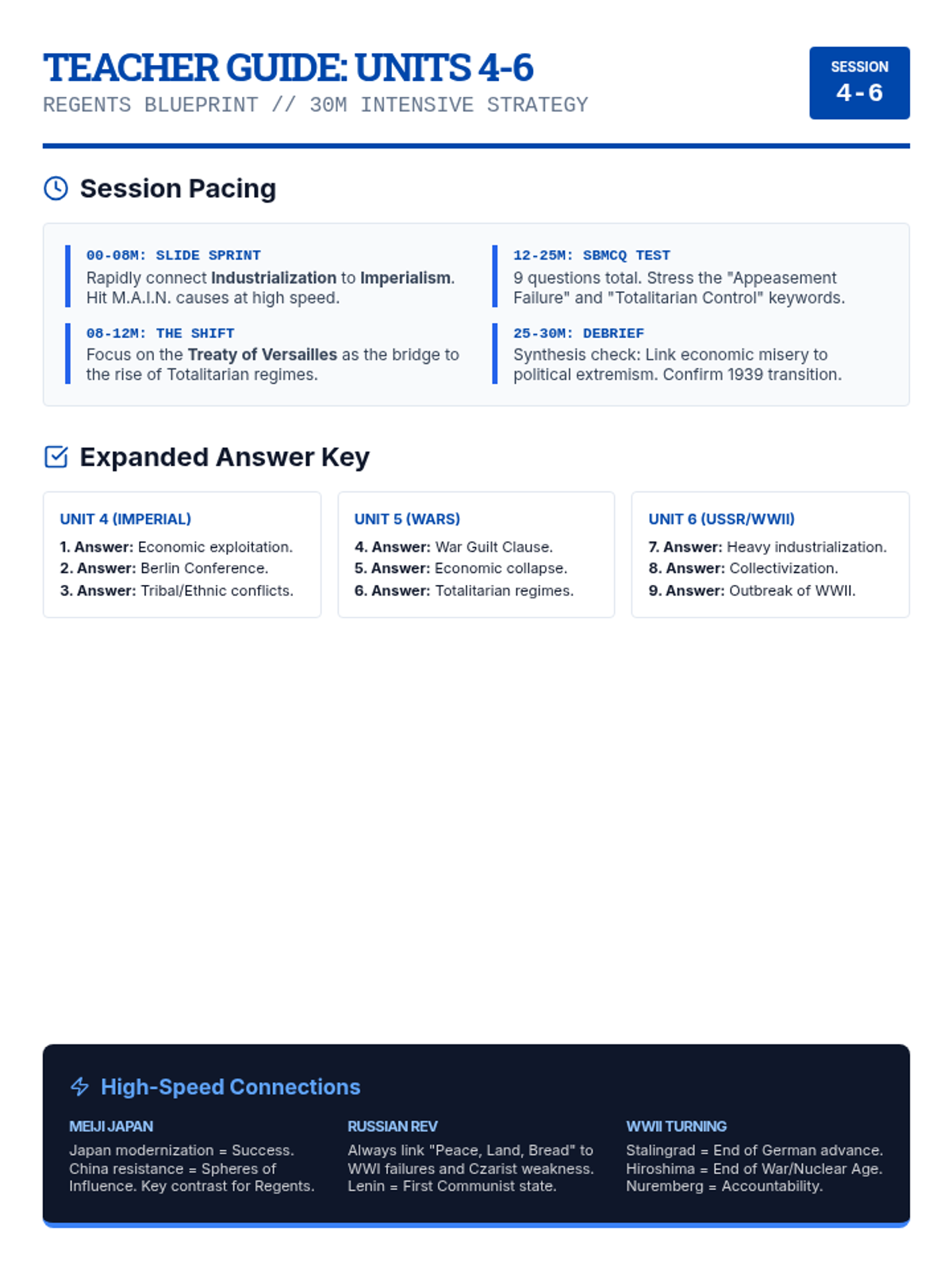
A 30-minute Regents review session for Units 4-6 of the Modern World History curriculum, covering Imperialism, WWI, the Russian Revolution, and WWII.
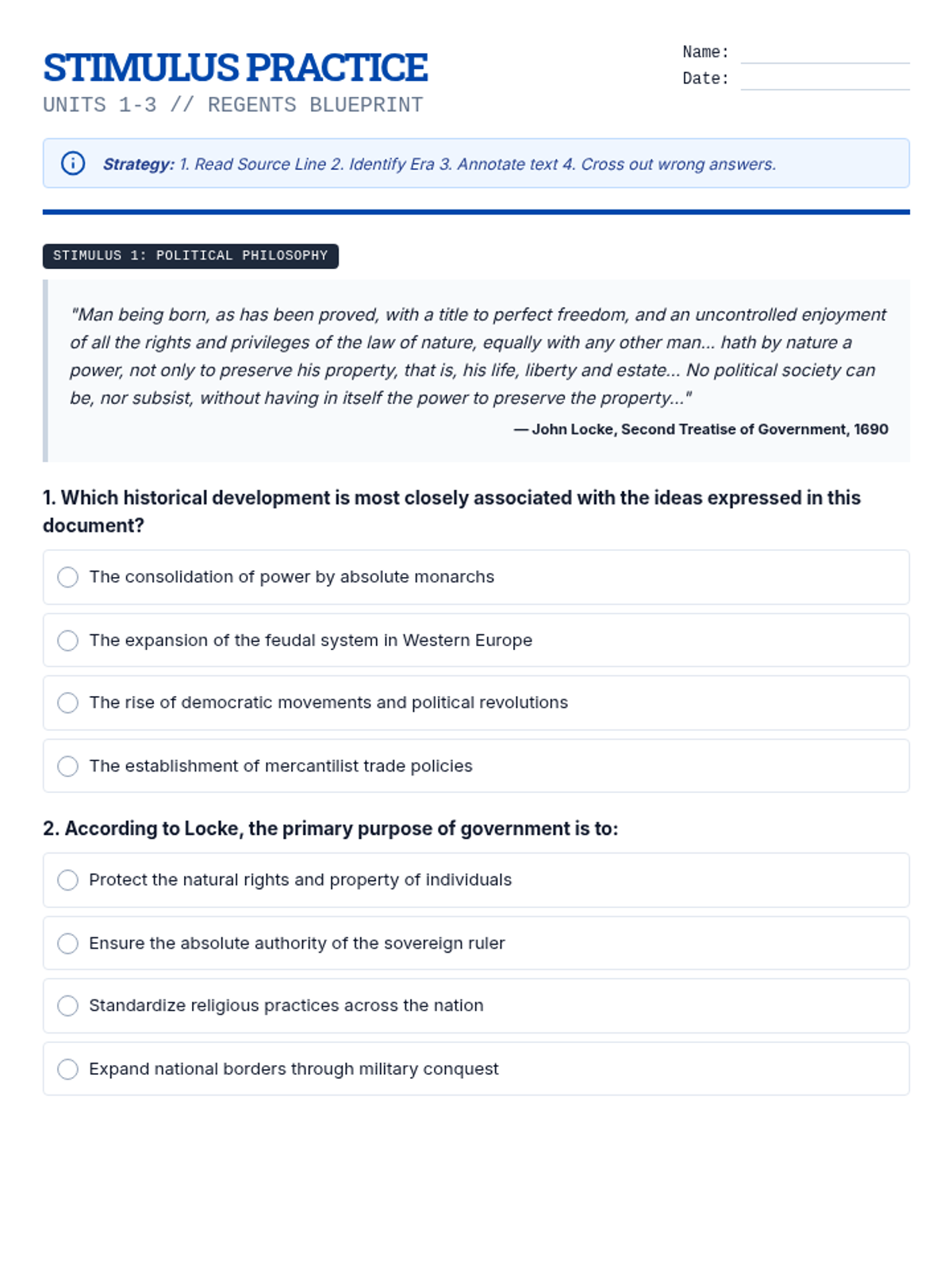
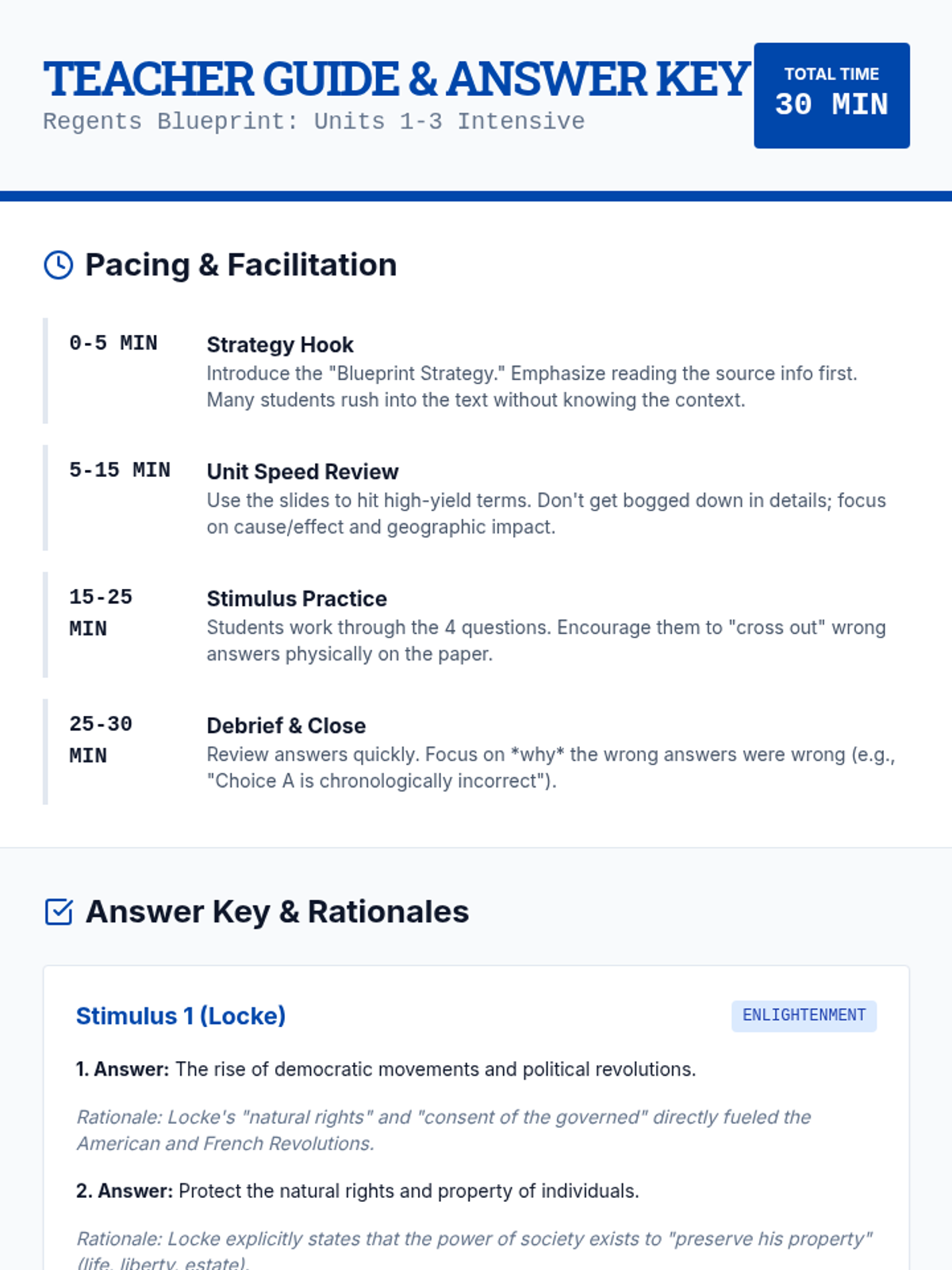
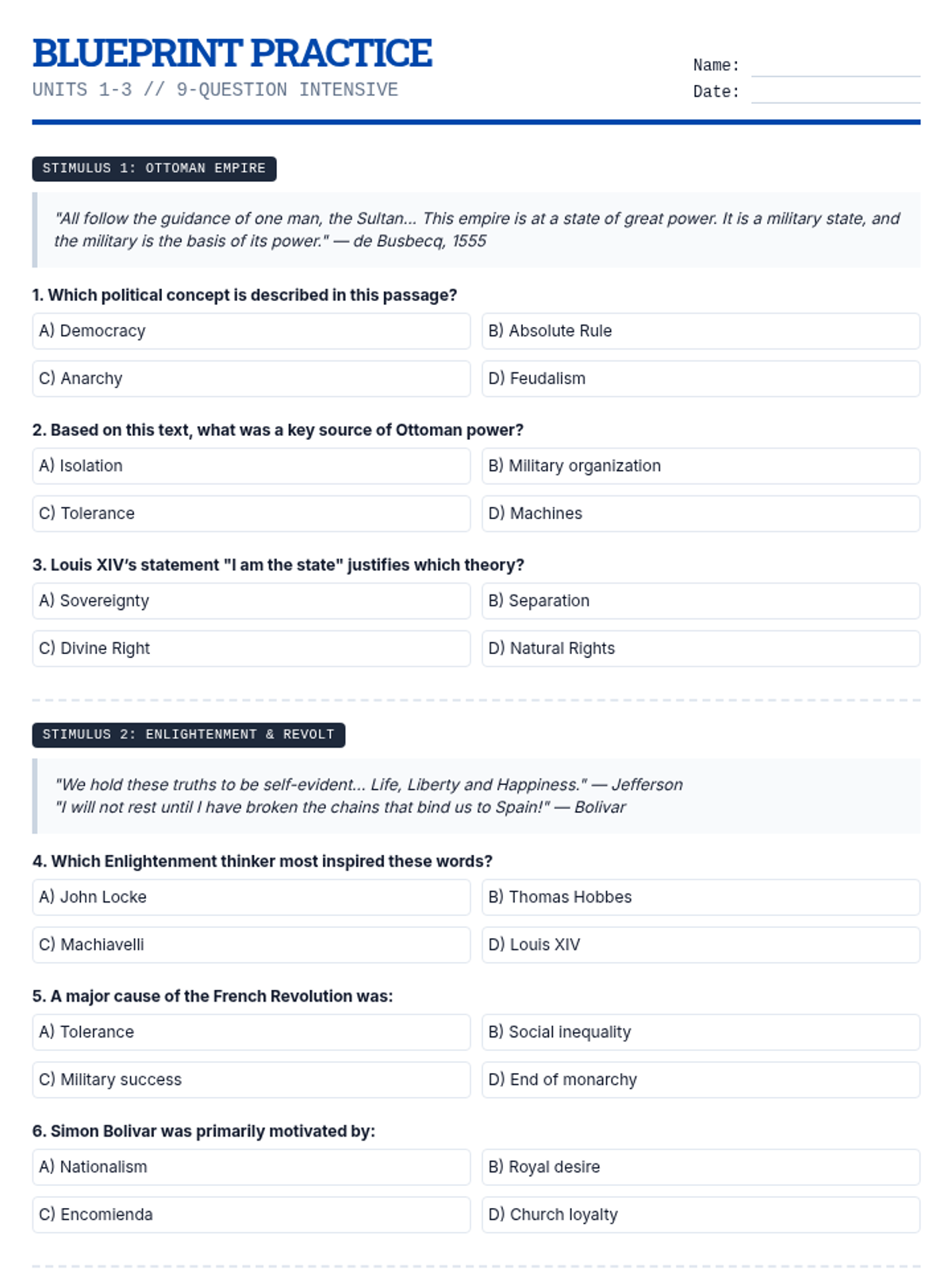
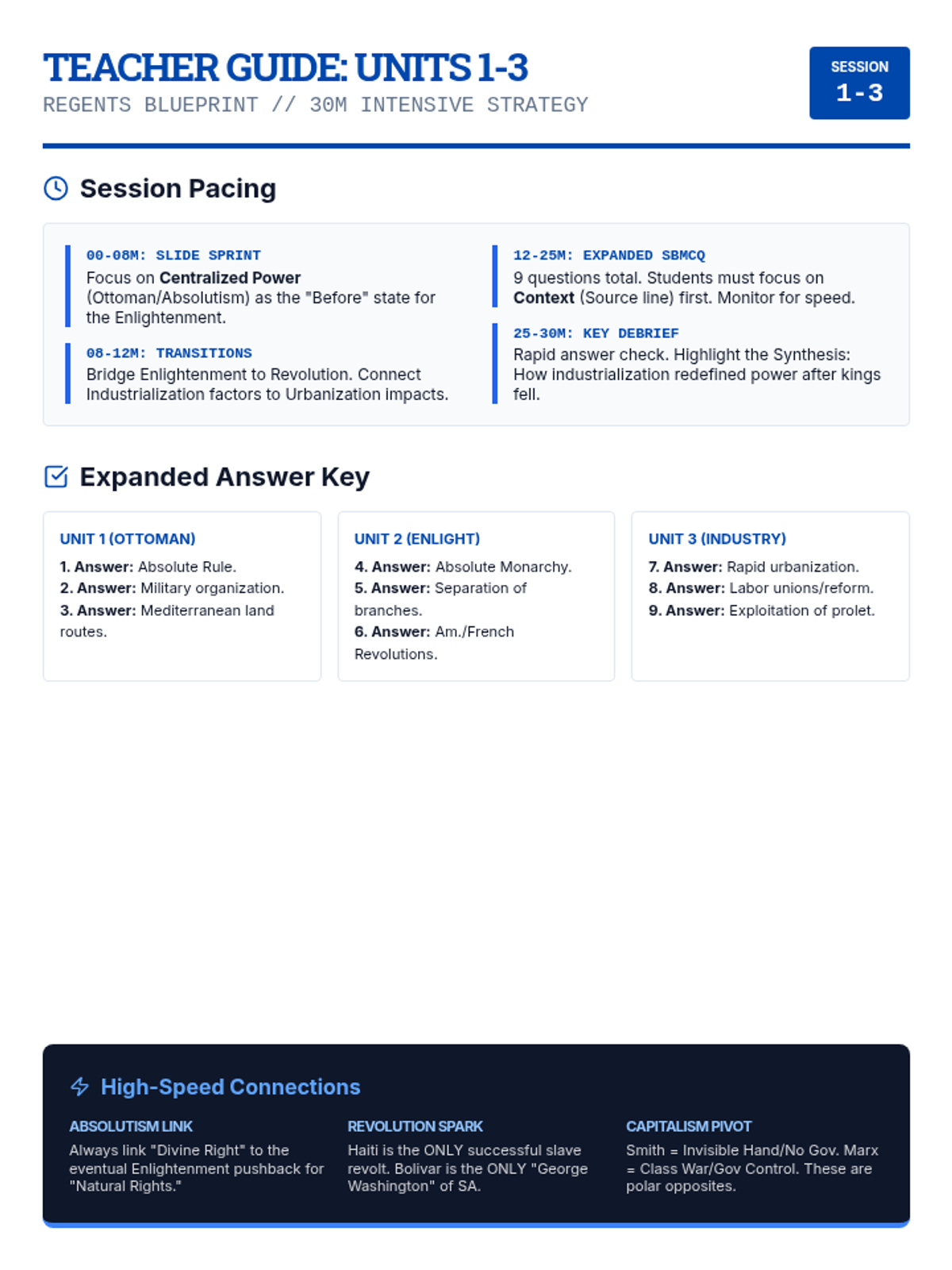
A high-impact 30-minute Regents review session focusing on Units 1-3 of the Modern World History curriculum, featuring stimulus-based multiple choice practice and test-taking strategies.
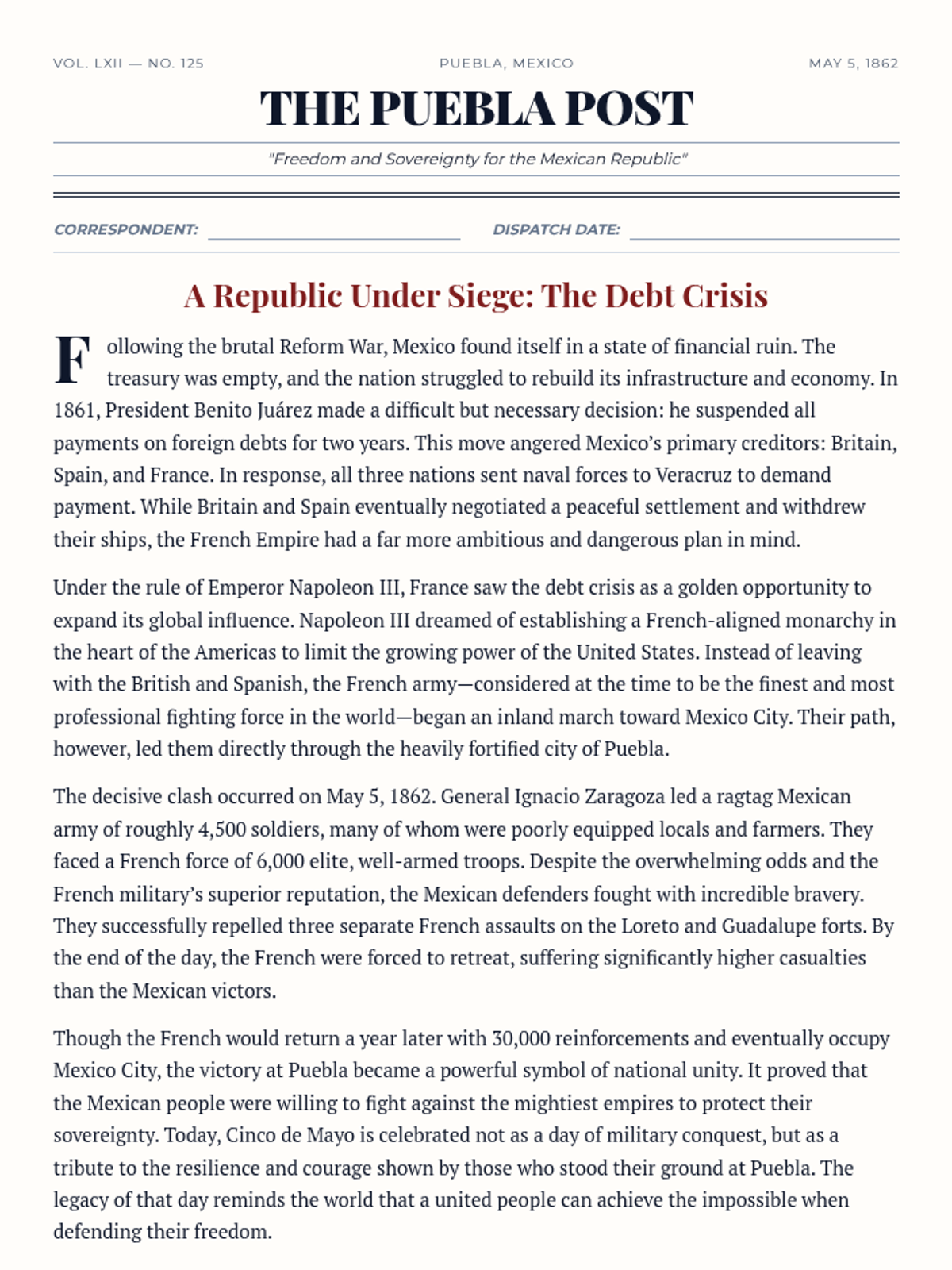
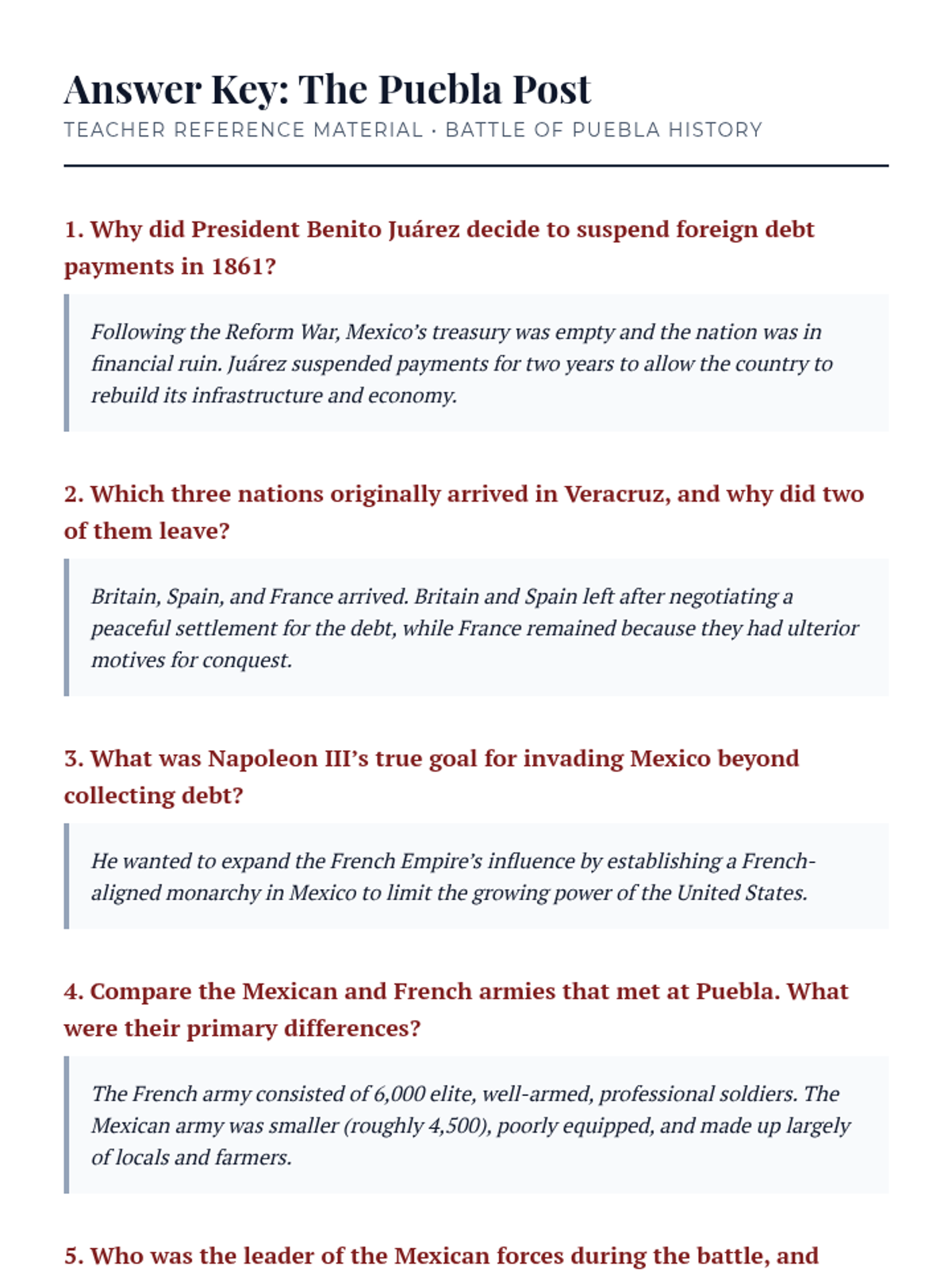
A lesson exploring the historical roots of Cinco de Mayo, focusing on the debt crisis and the Battle of Puebla.
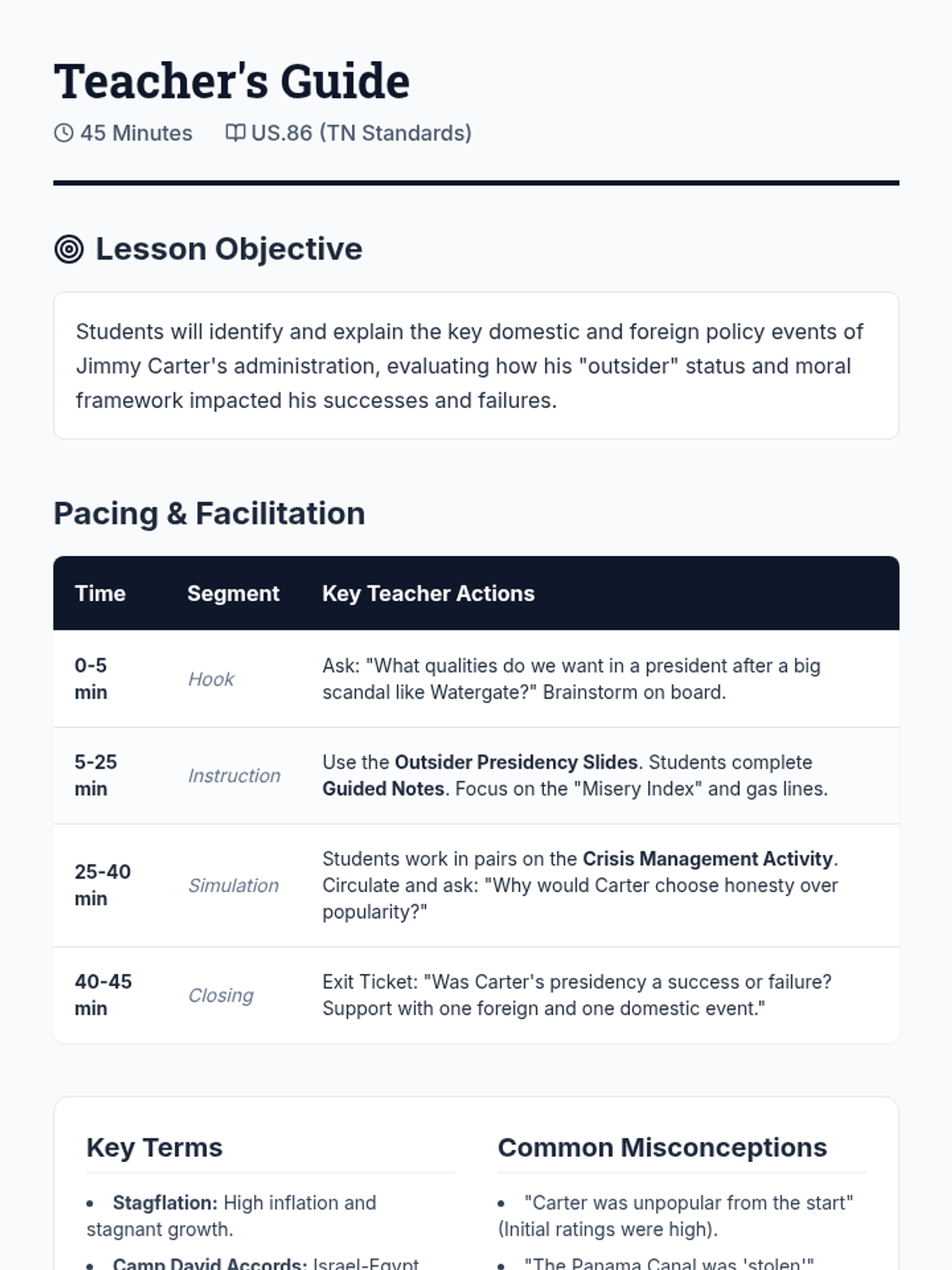
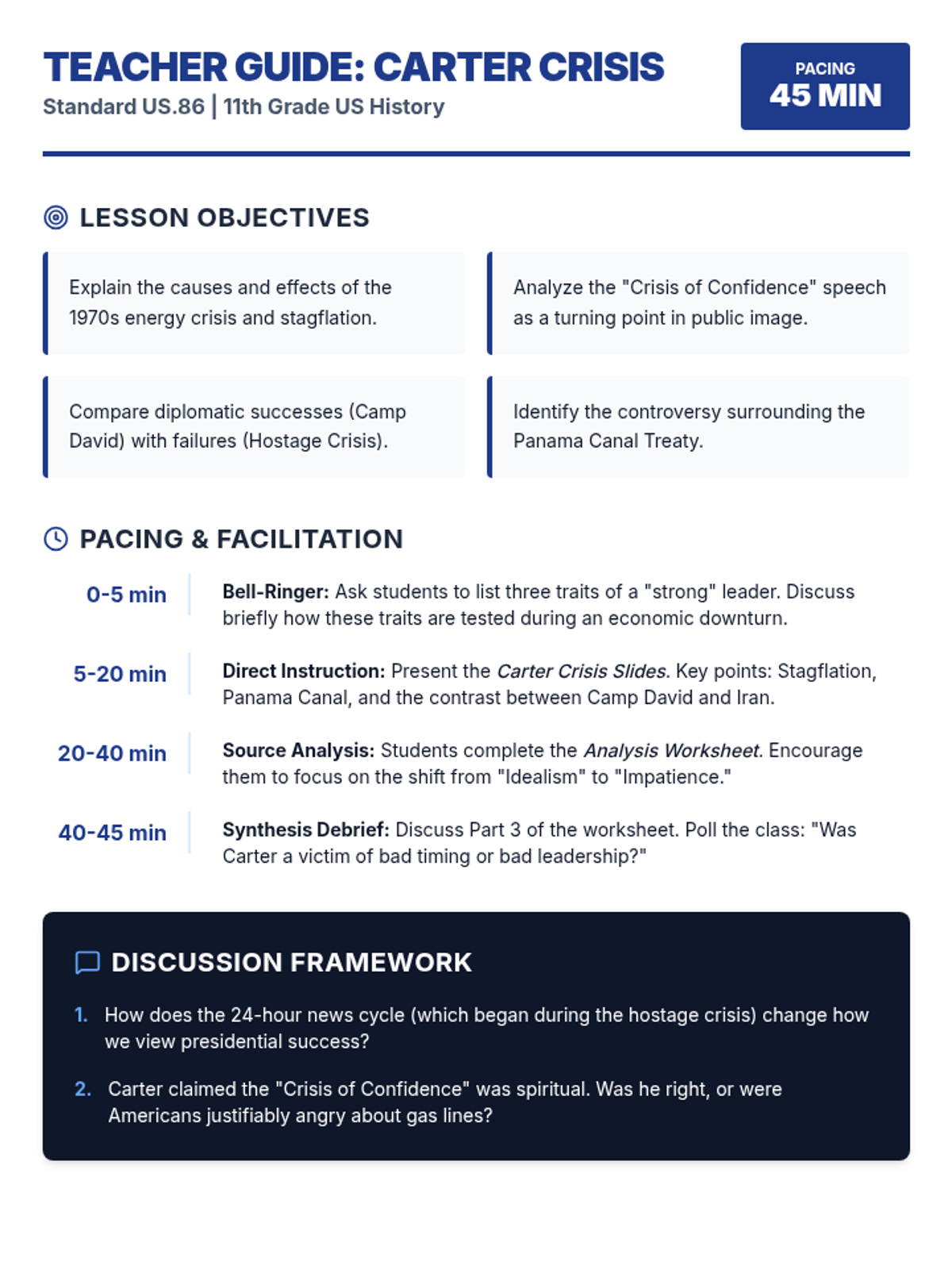
A comprehensive 45-minute history lesson on Jimmy Carter's presidency, focusing on the domestic and foreign challenges that defined his administration through primary source analysis.
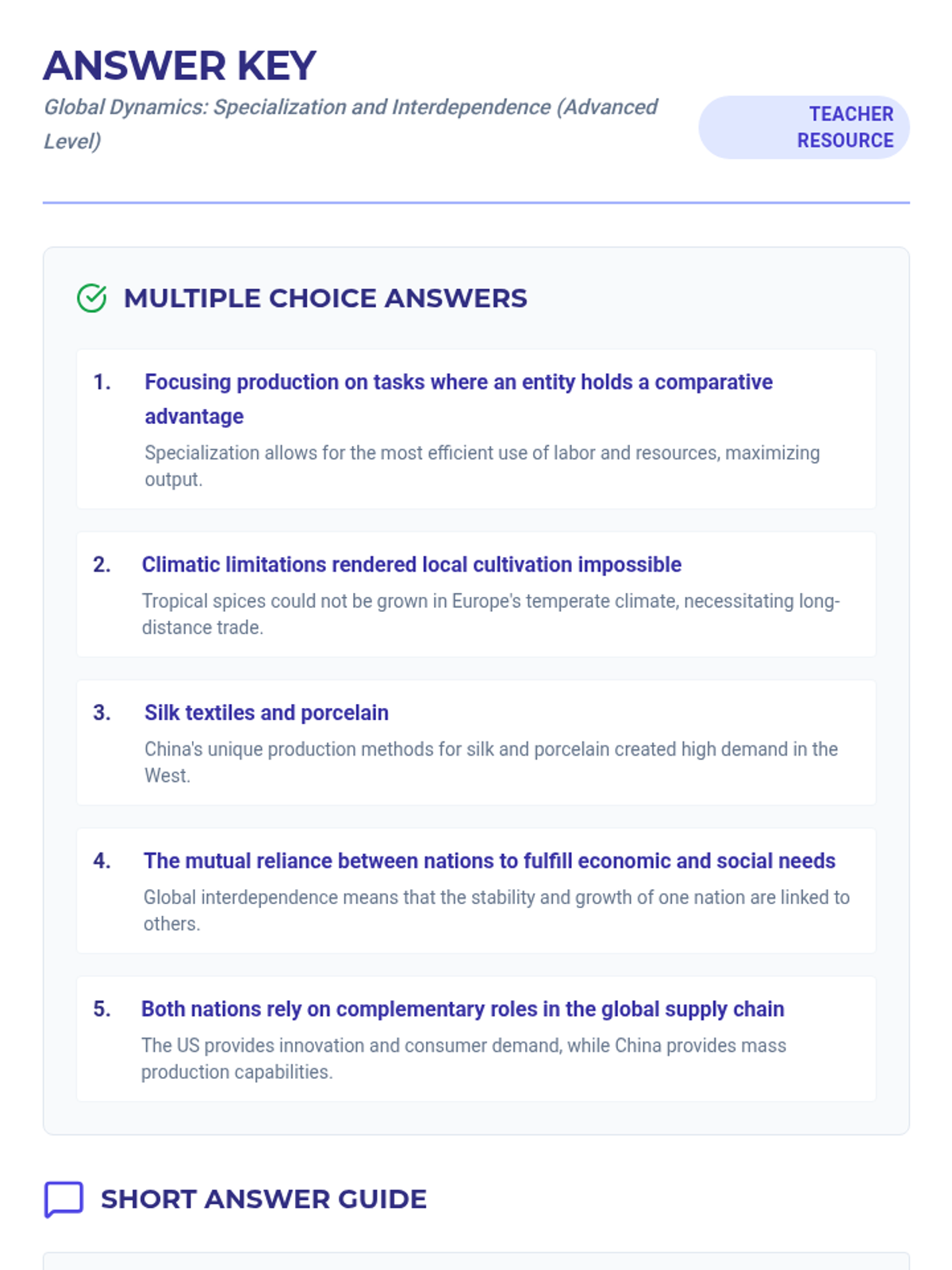
This lesson introduces students to the concepts of specialization, trade, and economic interdependence using historical and modern examples. Students will explore how individuals and nations rely on each other to fulfill their needs and wants.
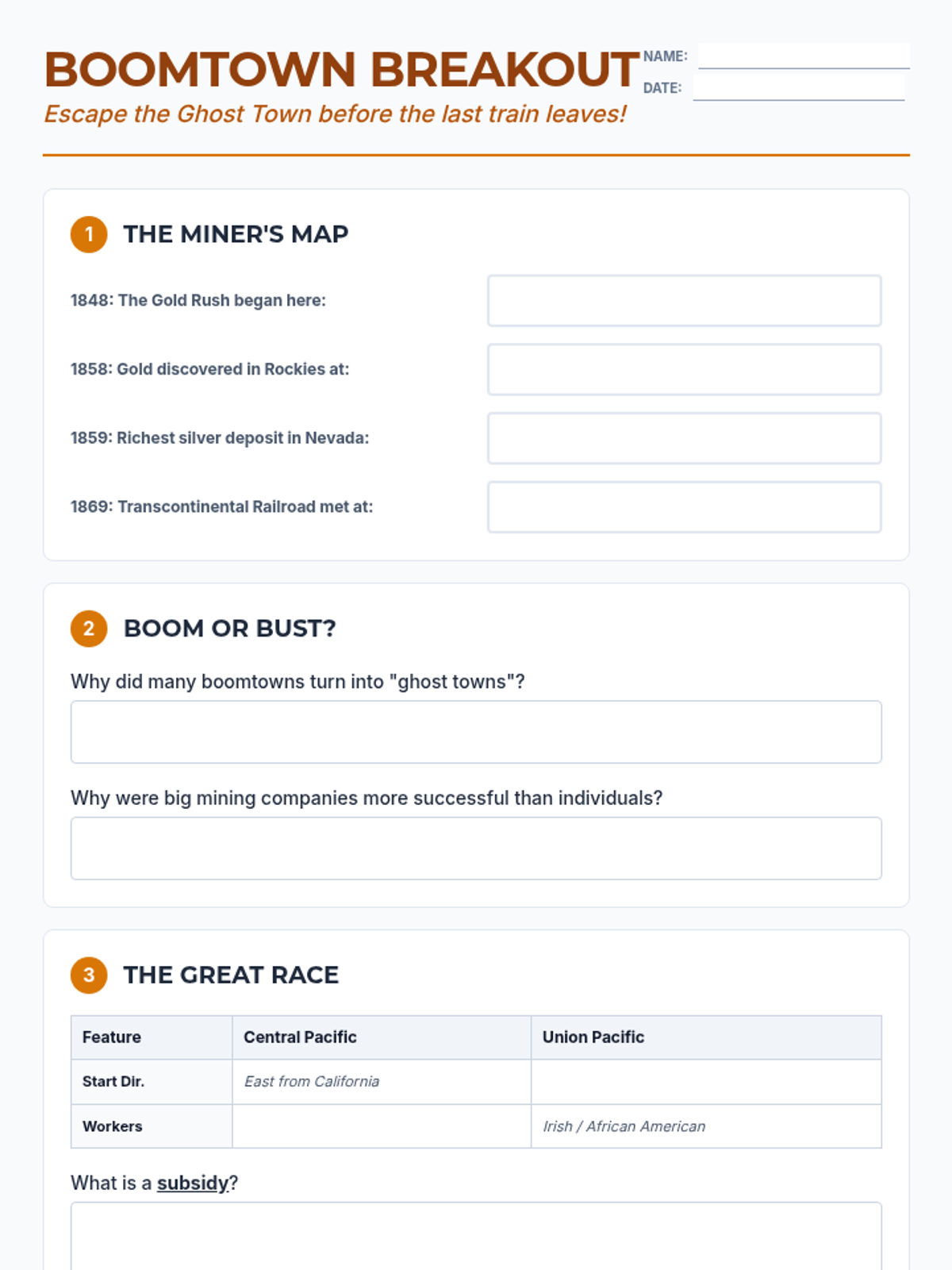
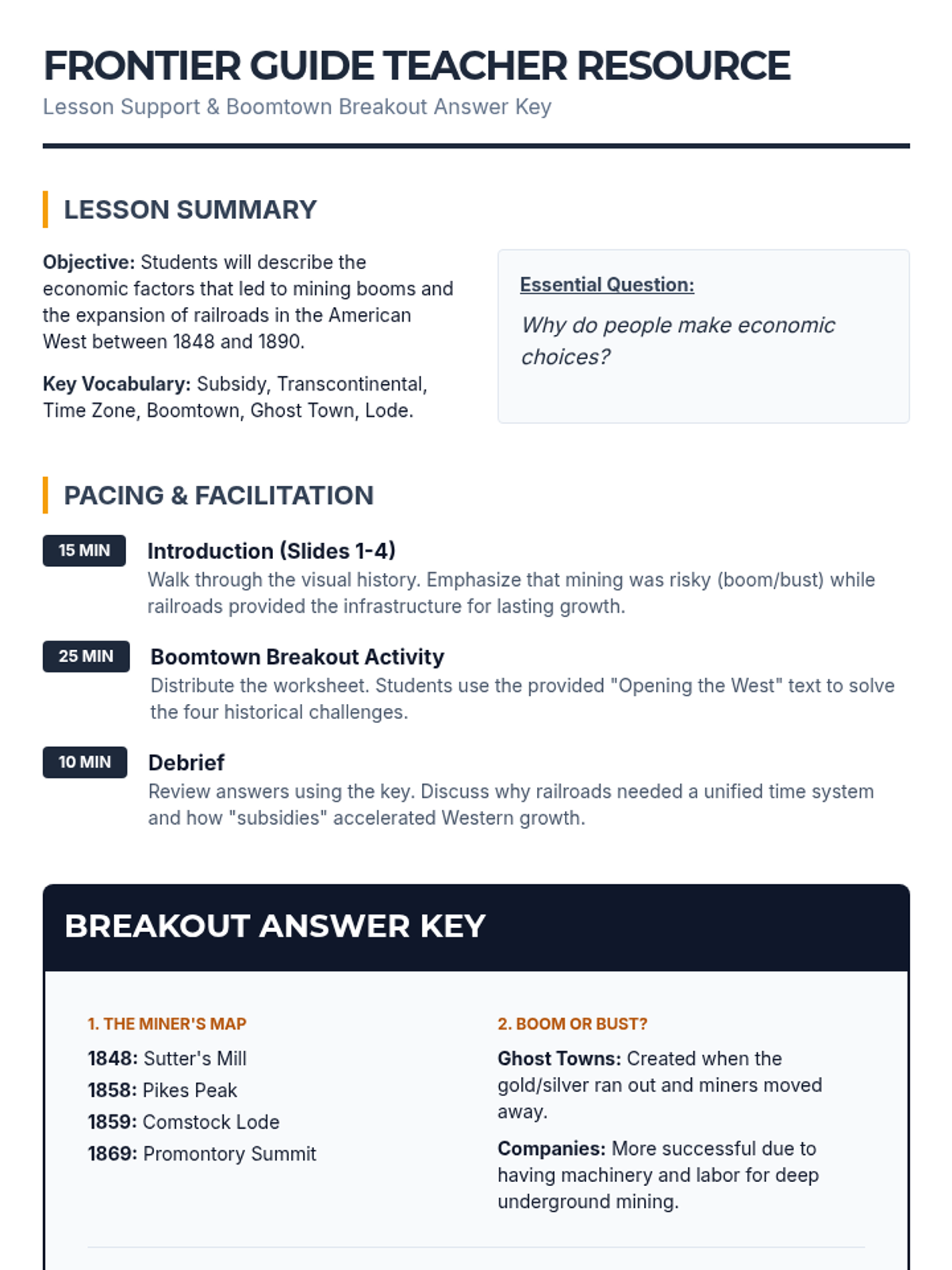
A high-energy lesson on the expansion of the American West, featuring an interactive escape room activity and a visual guide to the mining boom and railroad expansion.
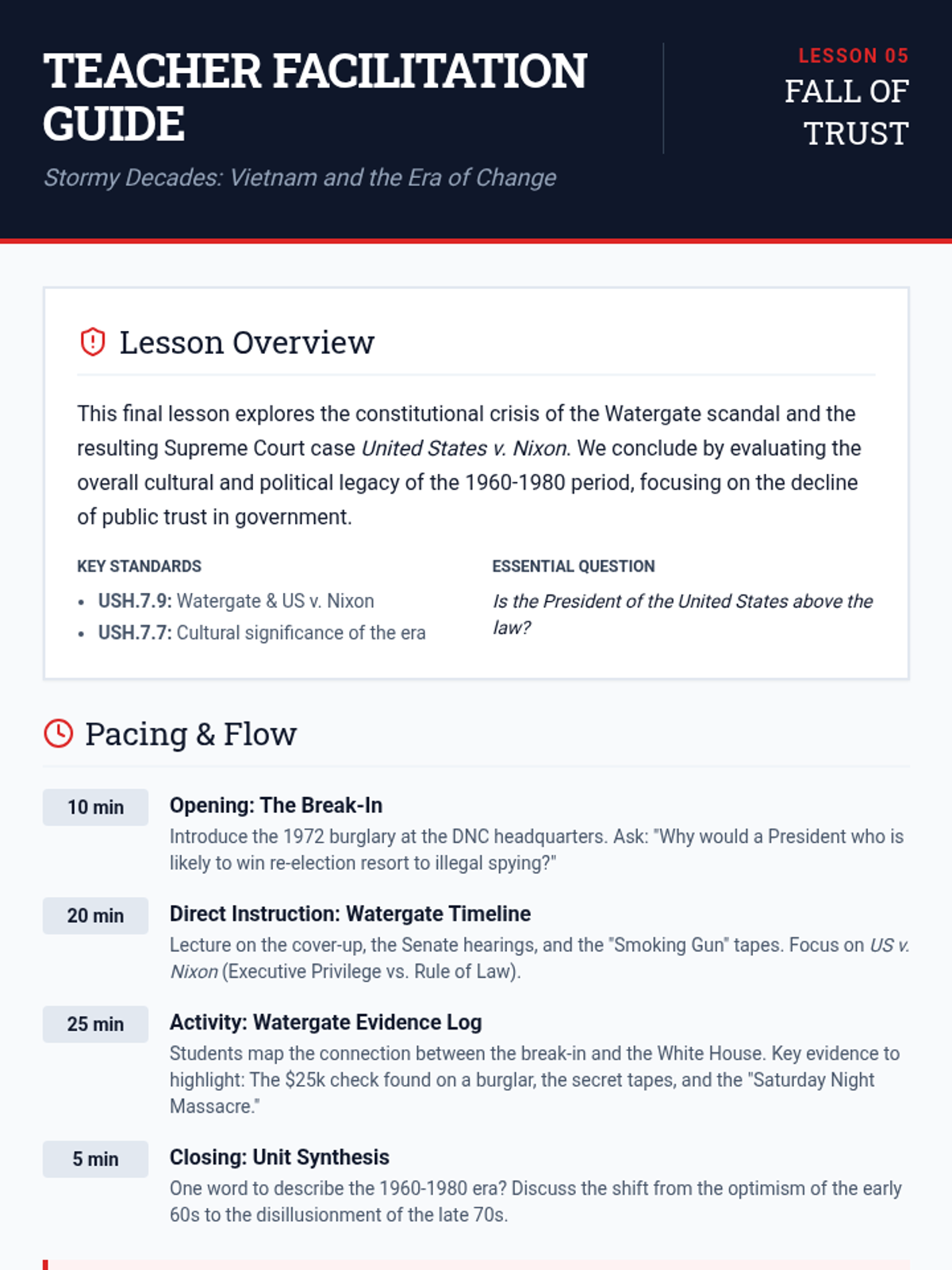
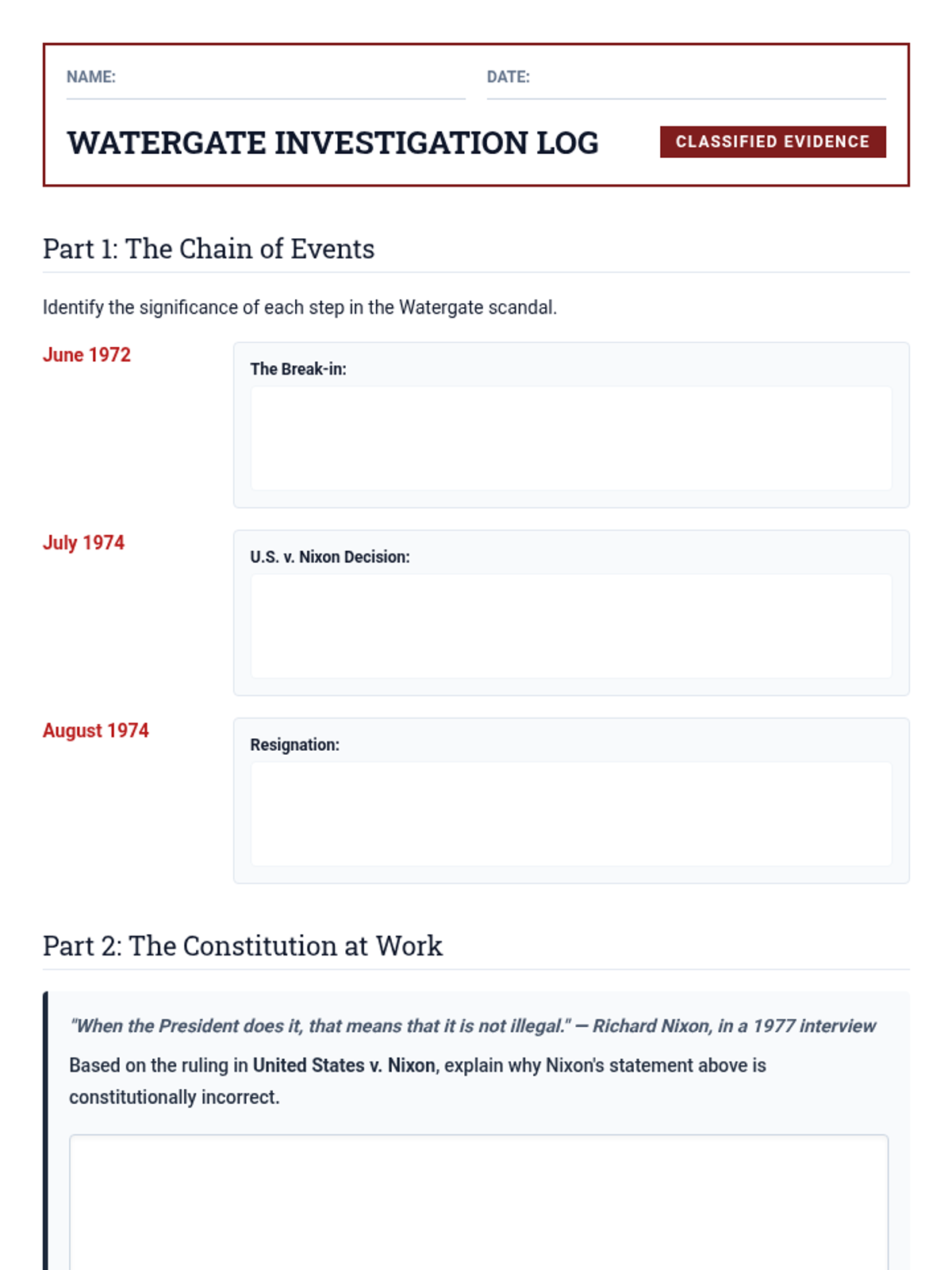
Analyze the Watergate scandal, the Supreme Court's ruling in US v. Nixon, and the resulting shift in American trust in government and the presidency.
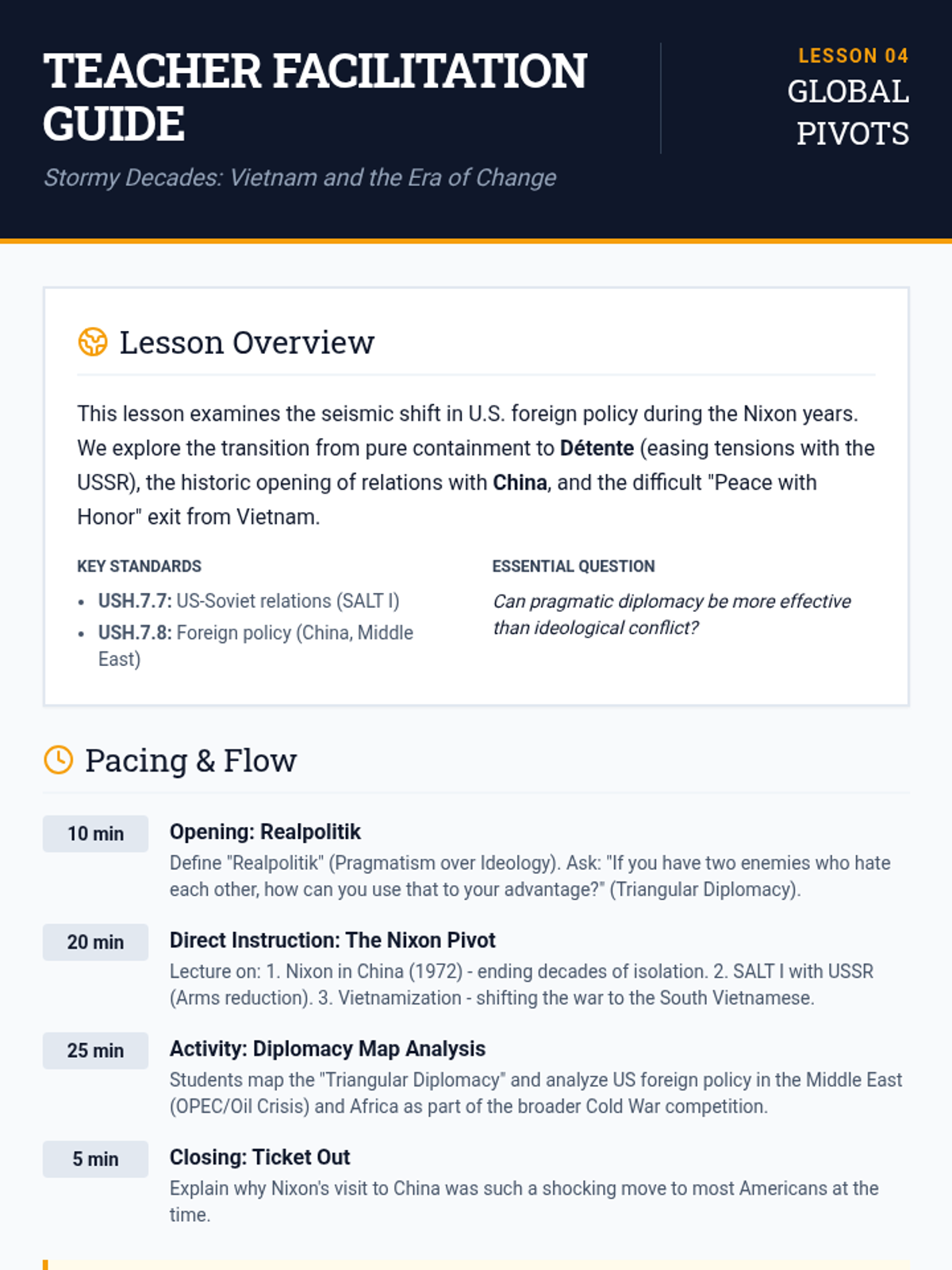
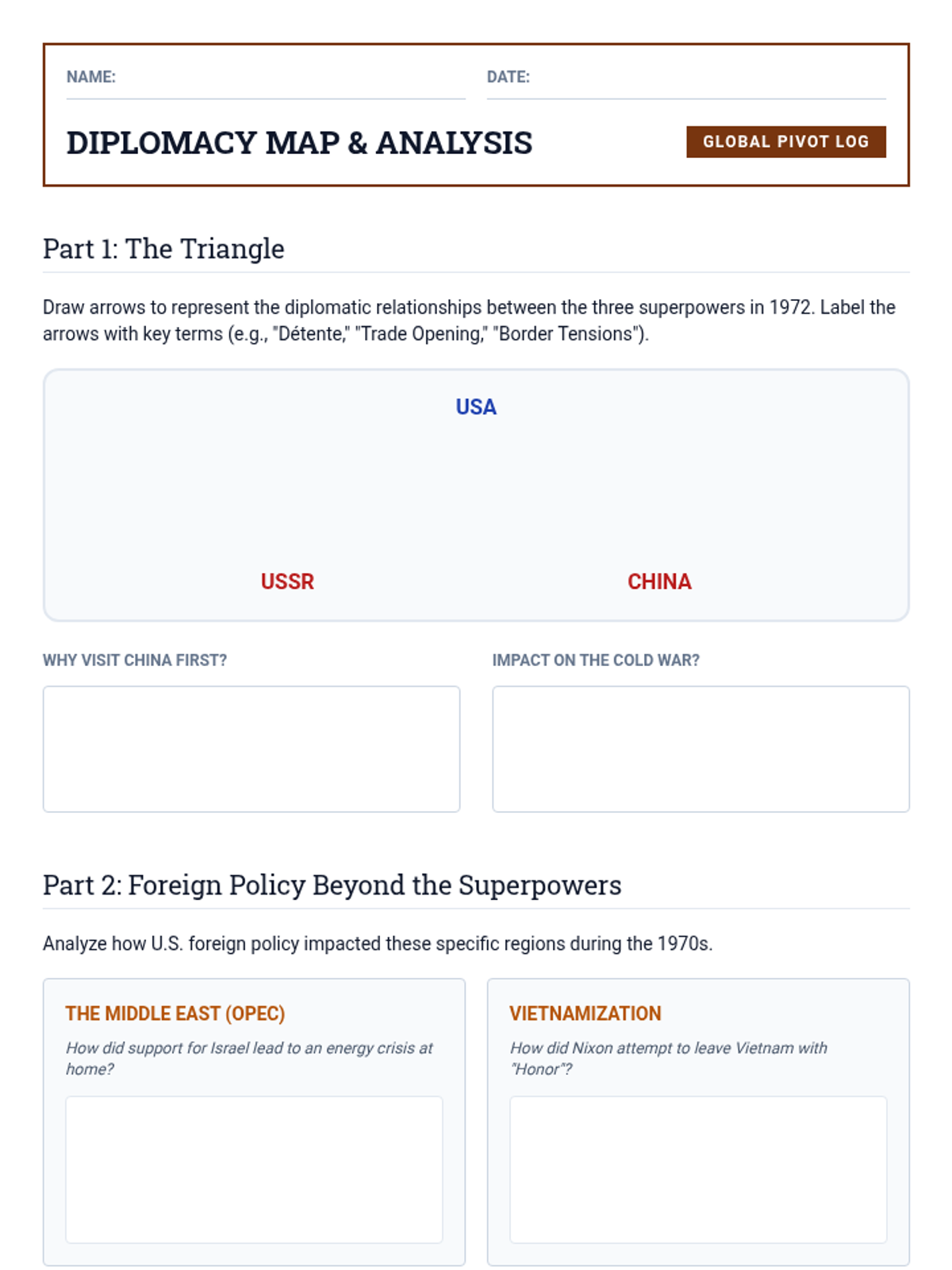
Investigate the shift in U.S. foreign policy under Richard Nixon, including the policy of détente with the Soviet Union, the opening of relations with China, and the complex path to exiting Vietnam.
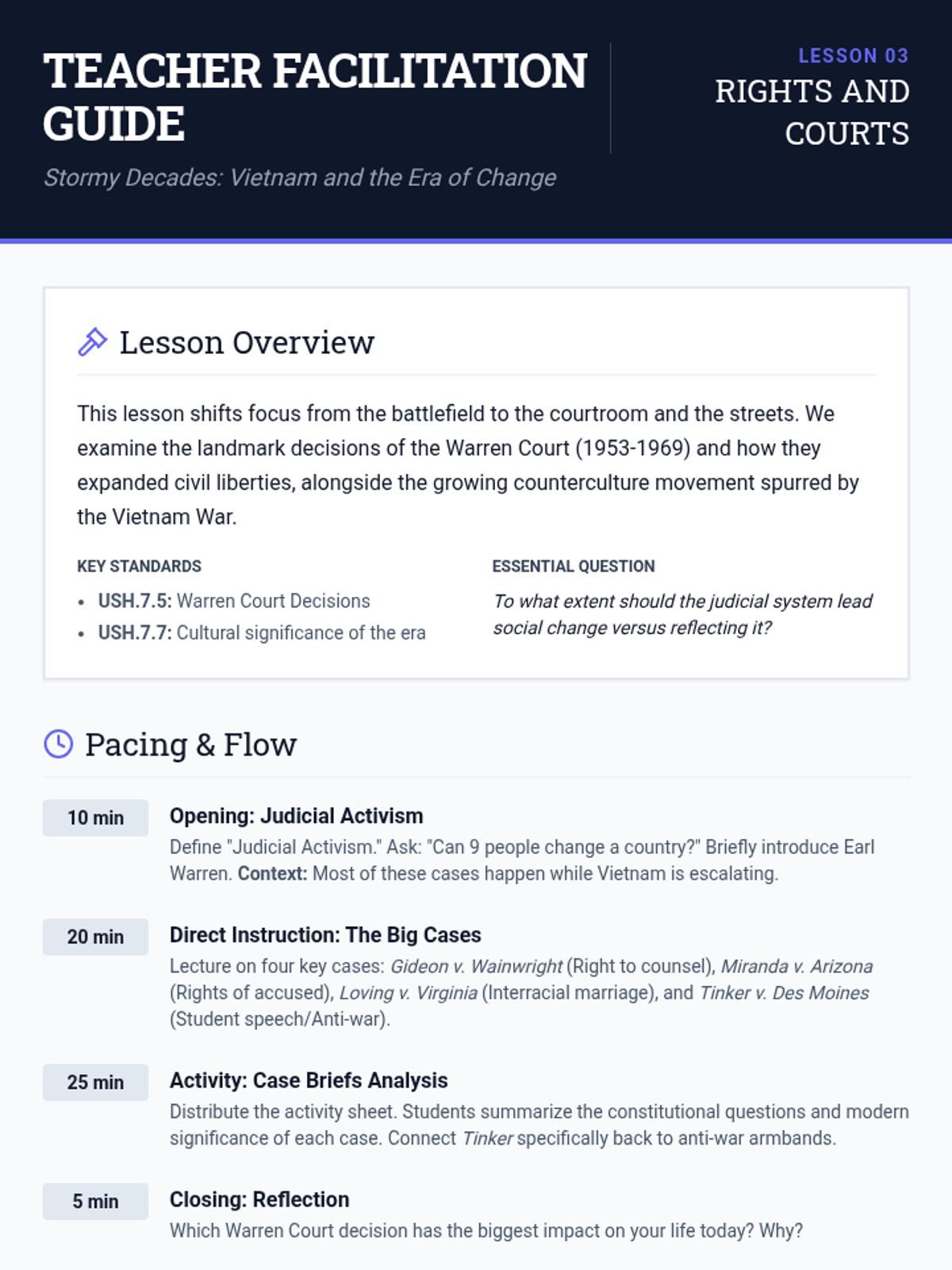
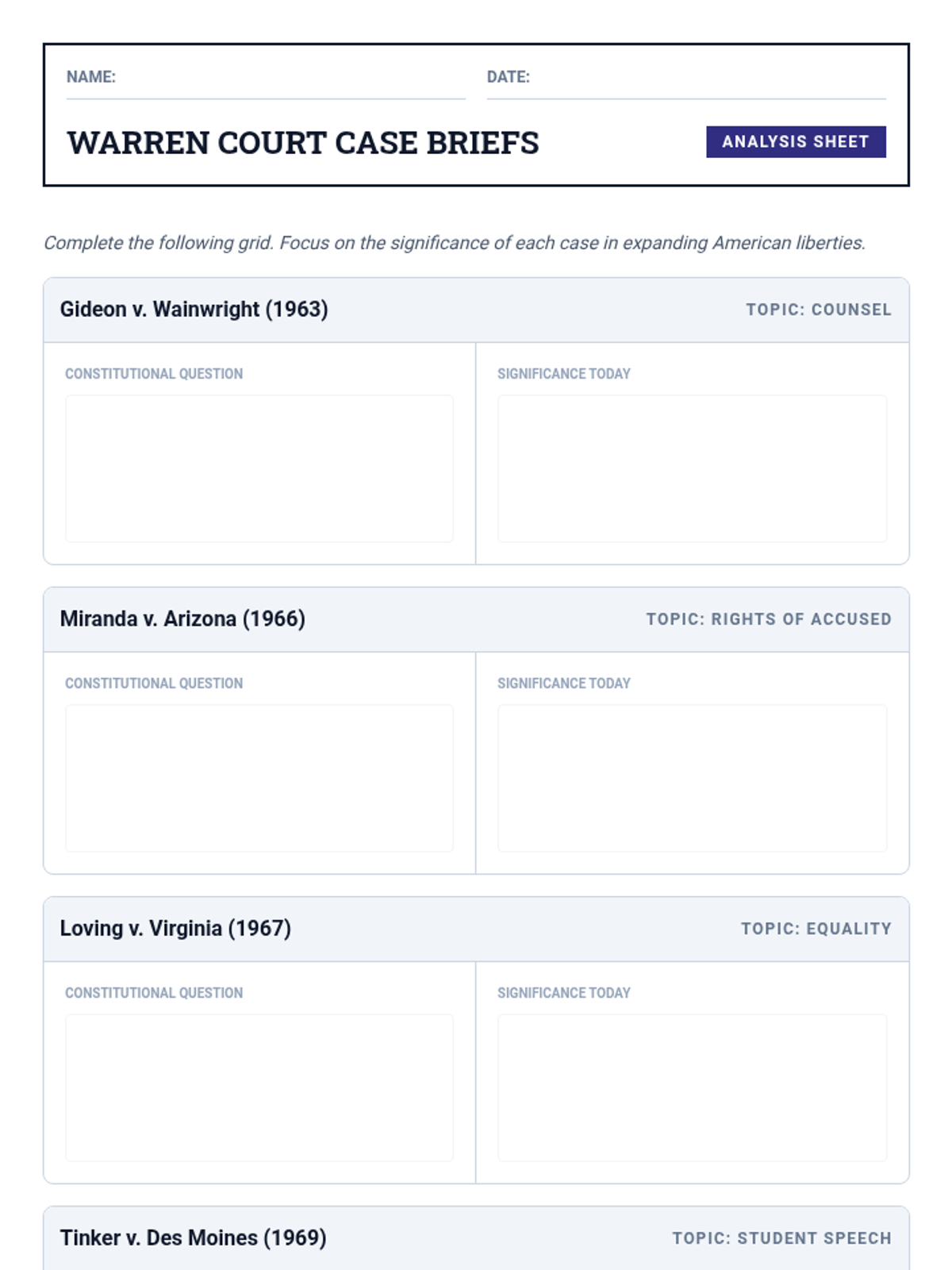
Examine the transformative legal landscape of the 1960s through the key decisions of the Warren Court and the rise of the counterculture movement during the Vietnam era.
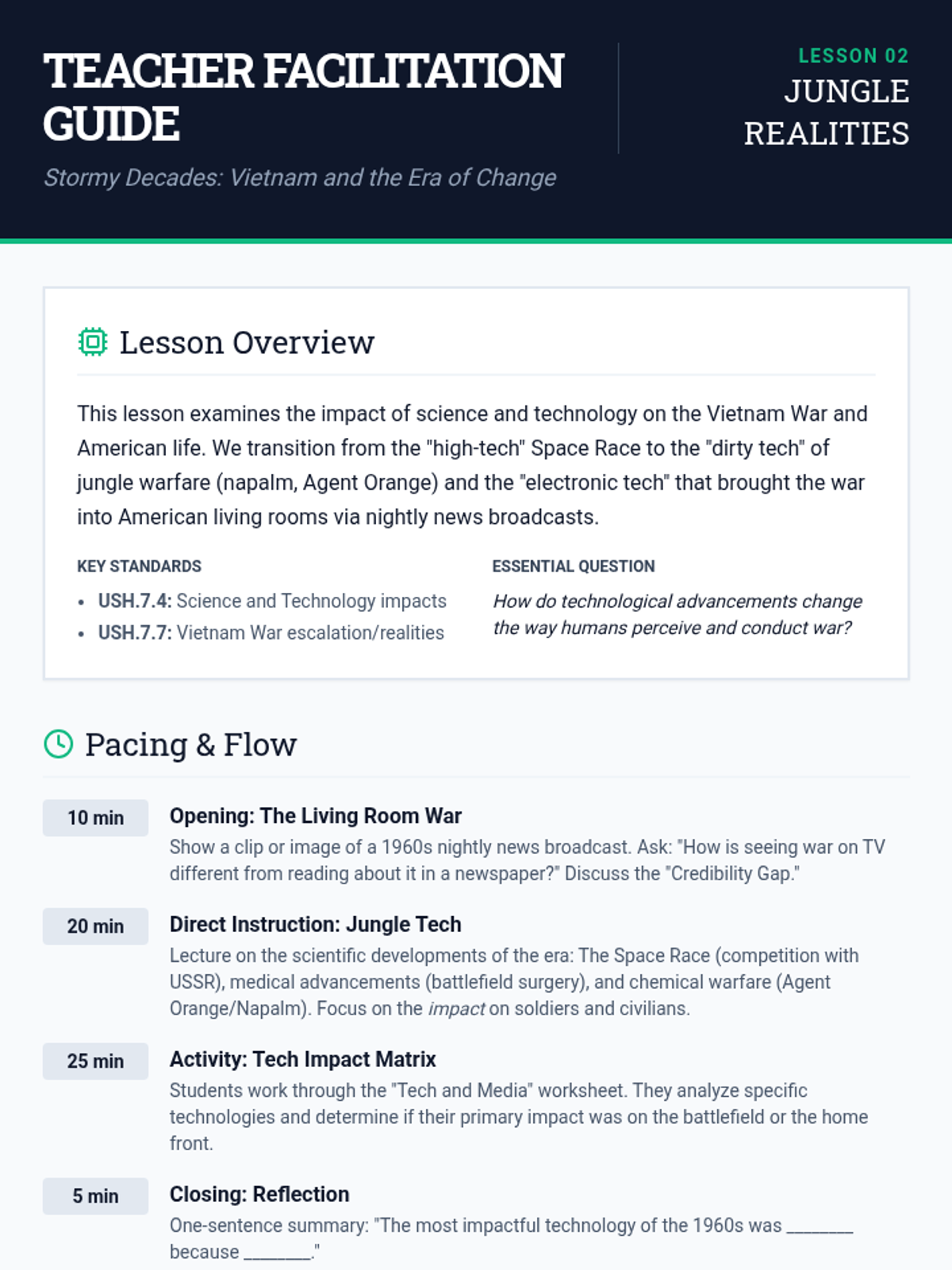
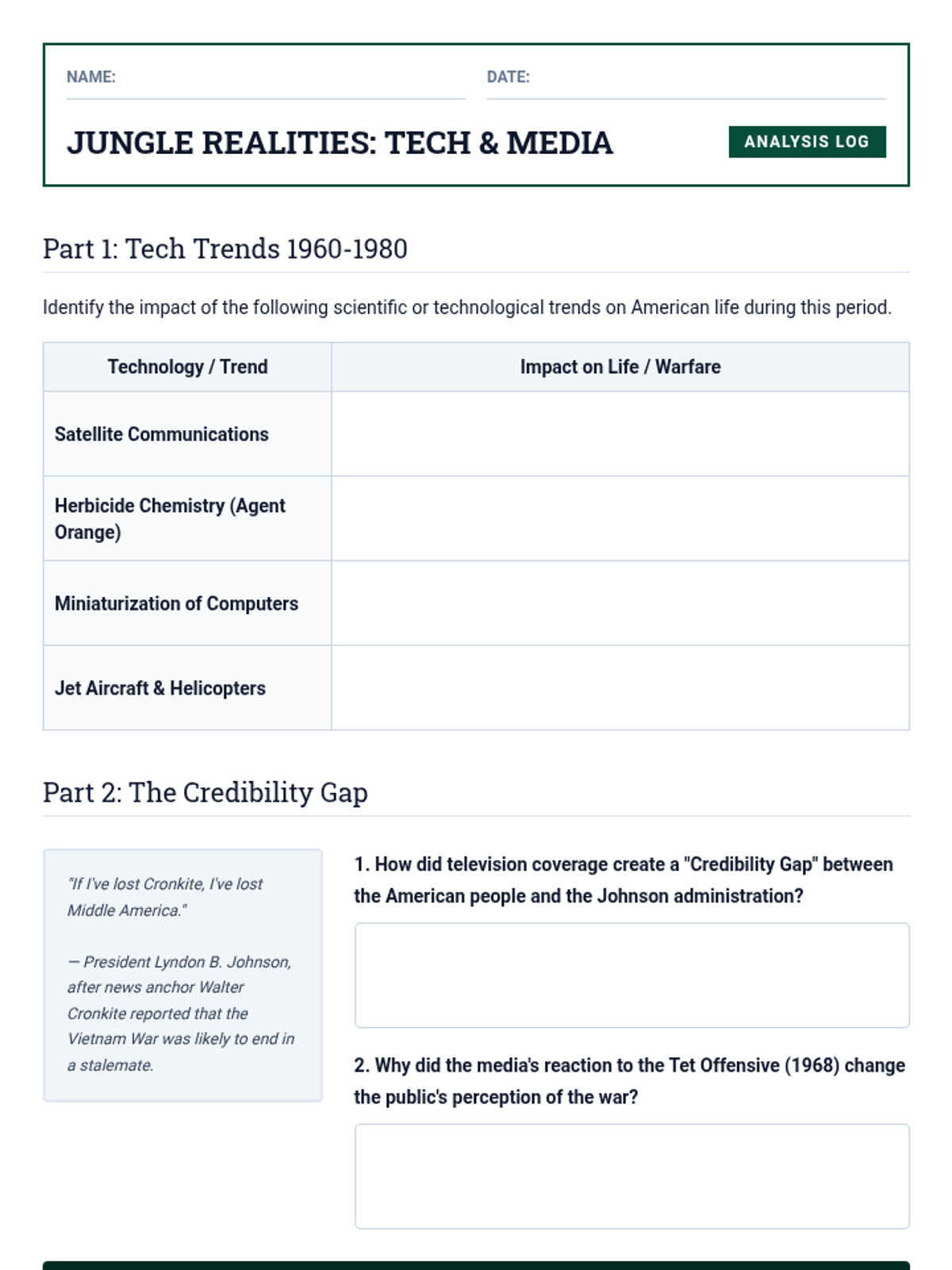
Analyze how scientific and technological advancements, from satellite communications to chemical weaponry like Agent Orange, transformed the American experience of the Vietnam War and the Space Race.
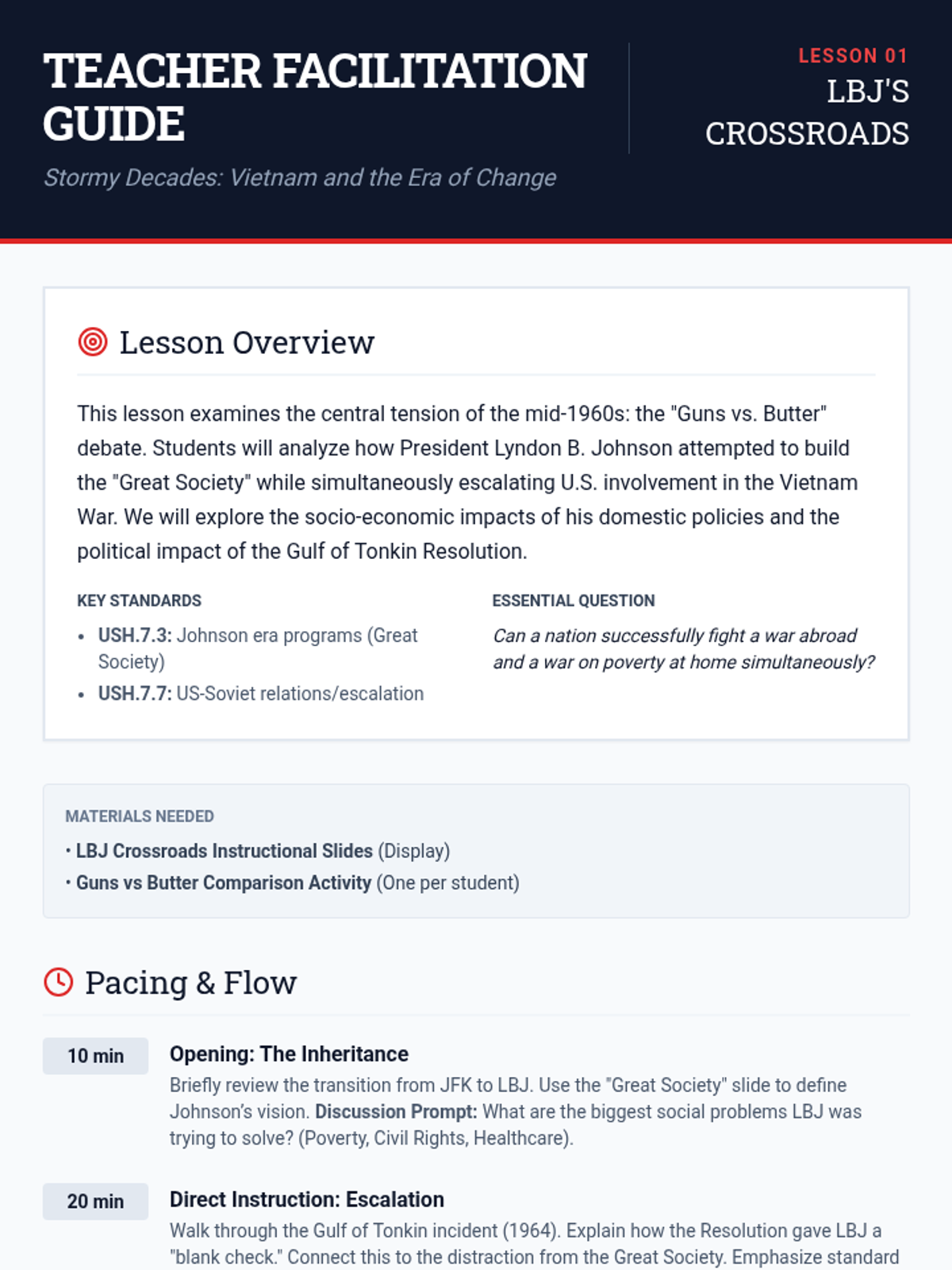
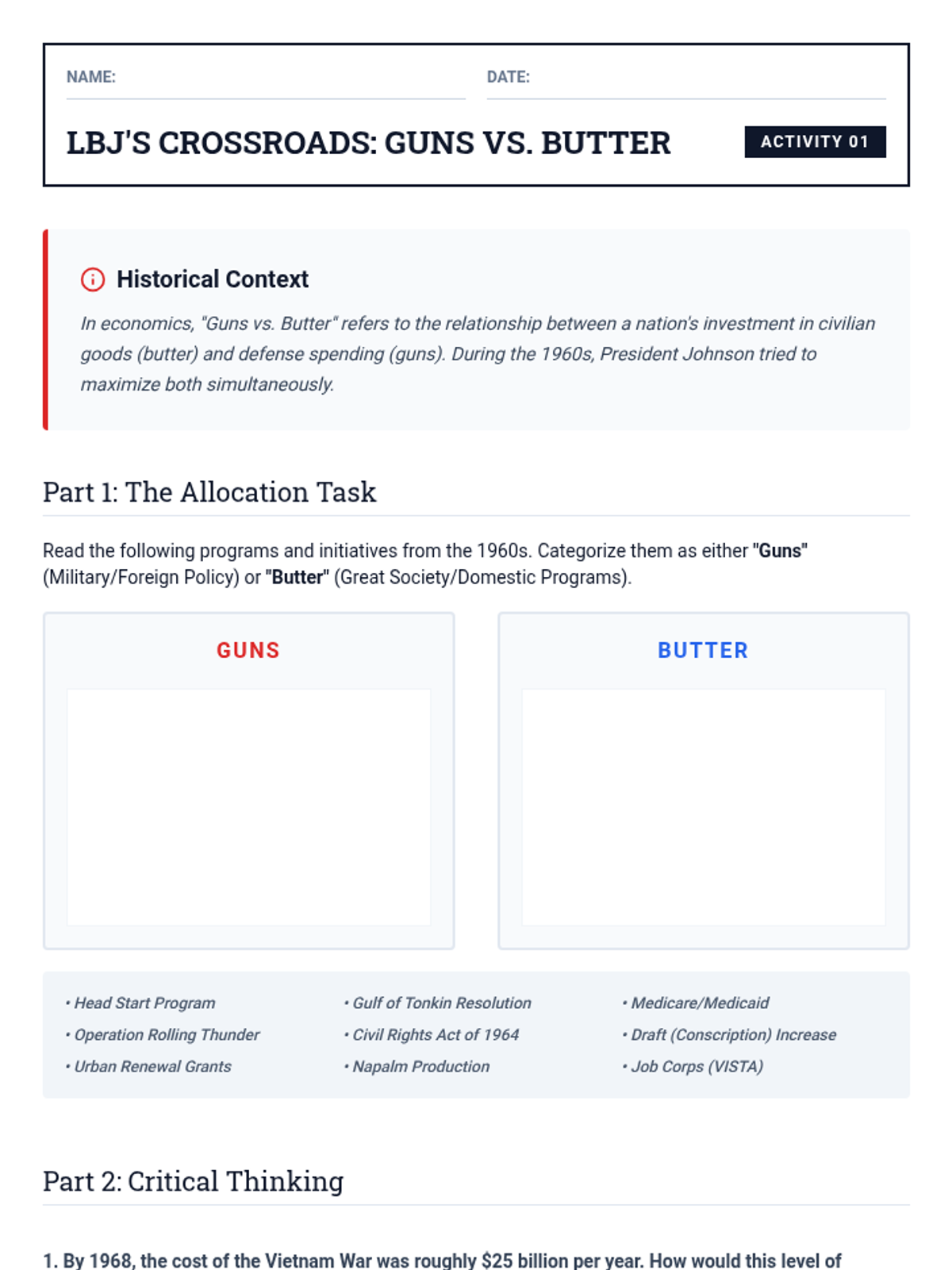
Explore the dual priorities of Lyndon B. Johnson's presidency: the ambitious 'Great Society' domestic programs and the escalating commitment to the Vietnam War following the Gulf of Tonkin Resolution.
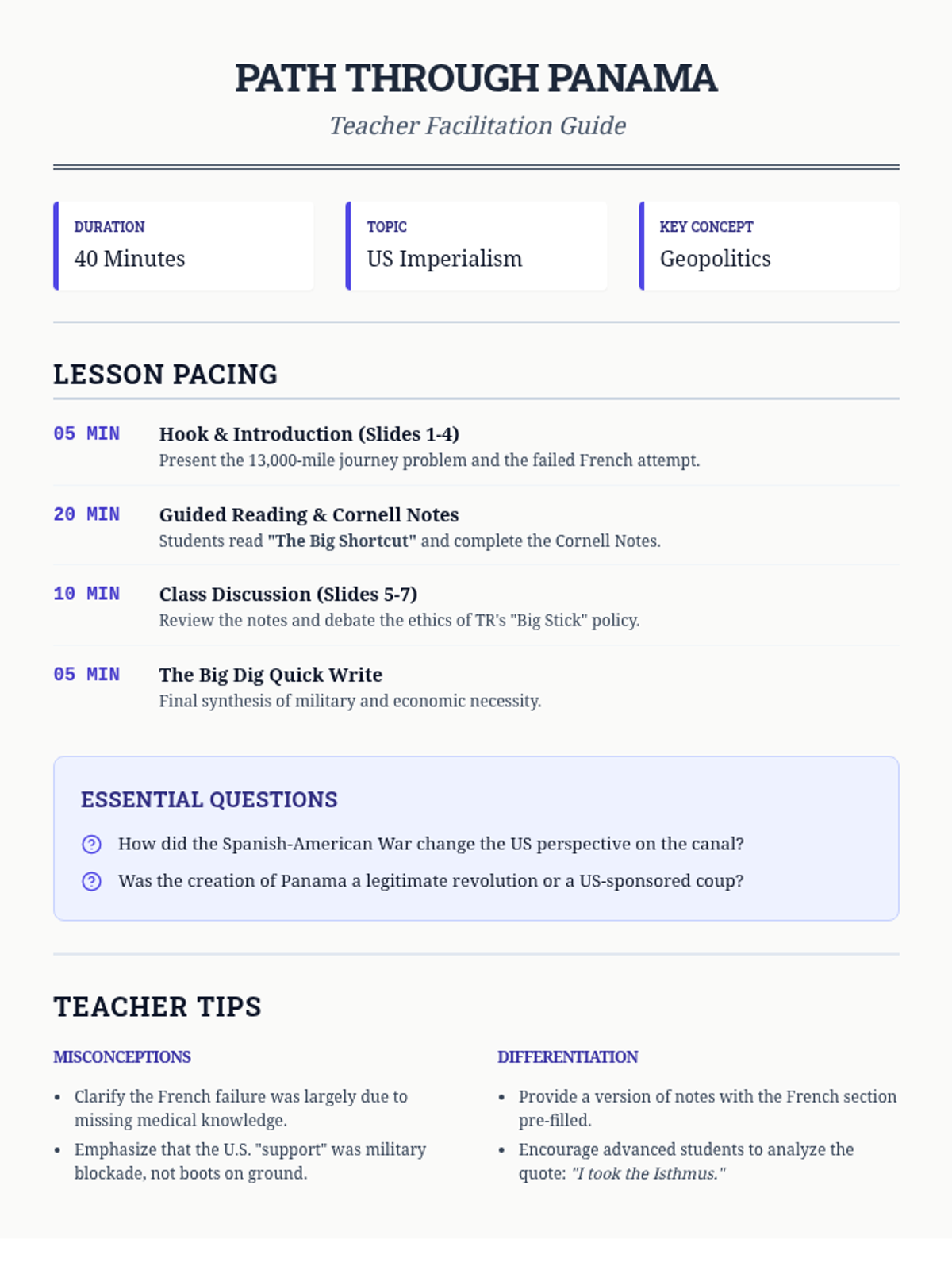
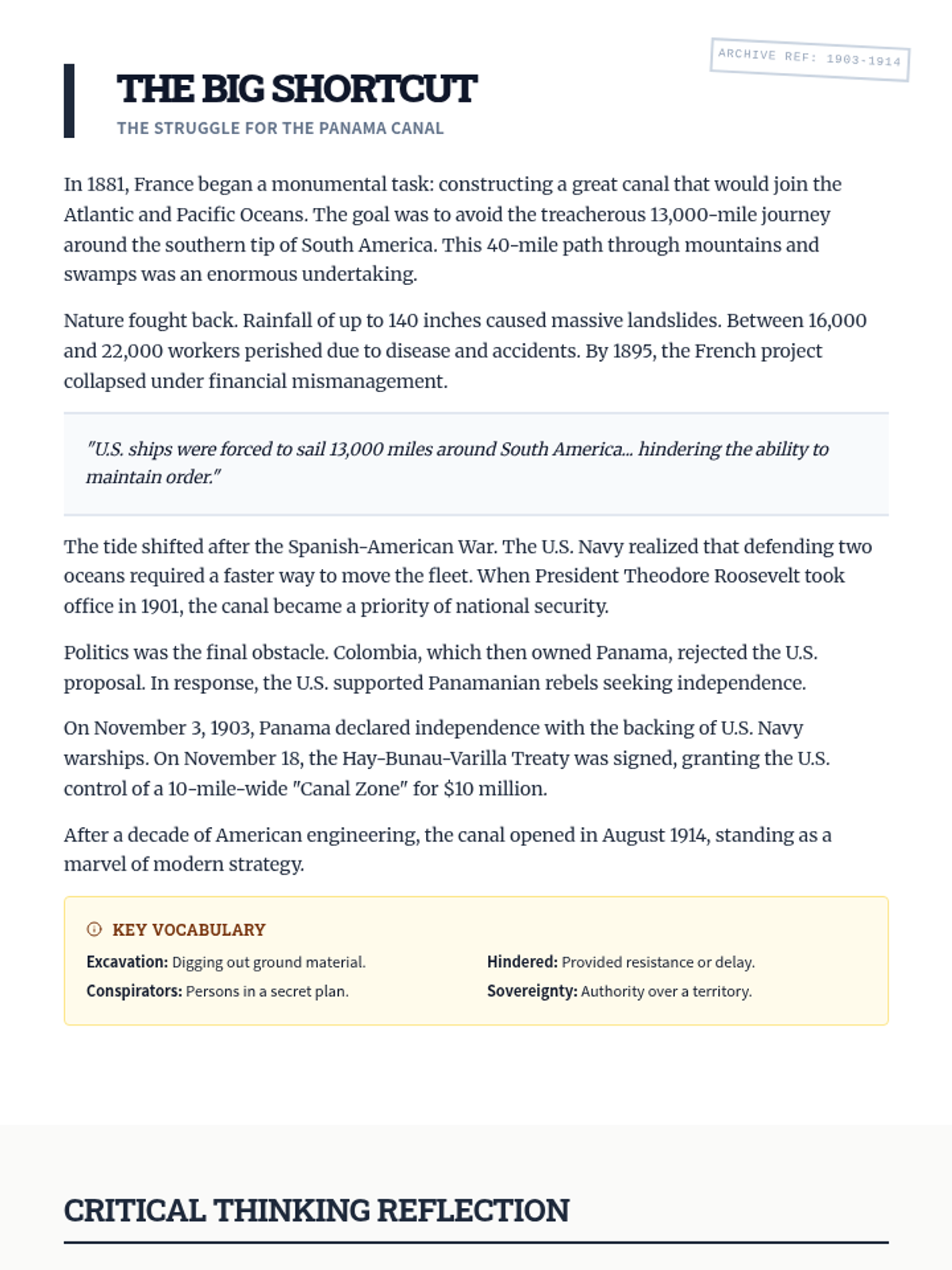
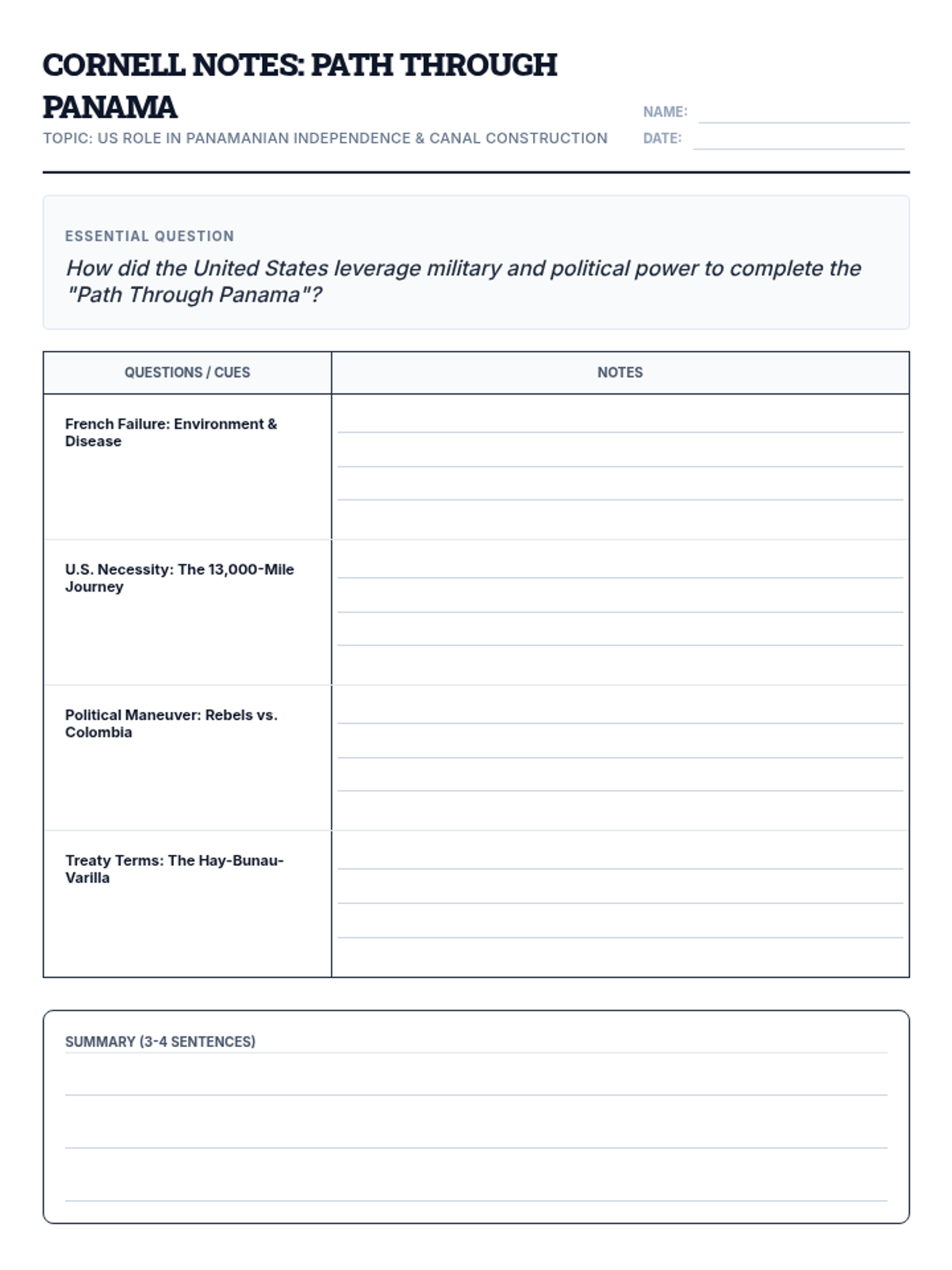
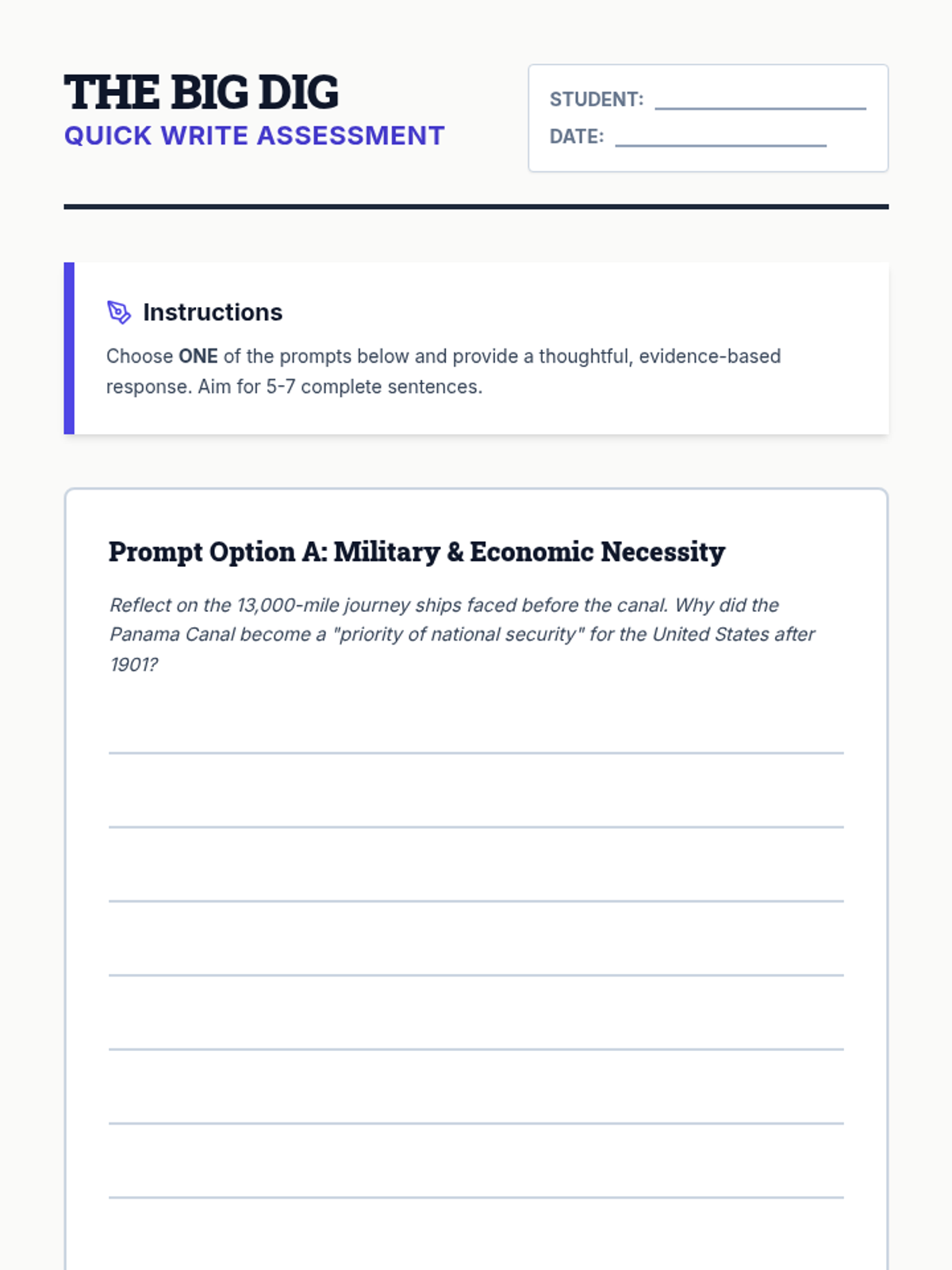
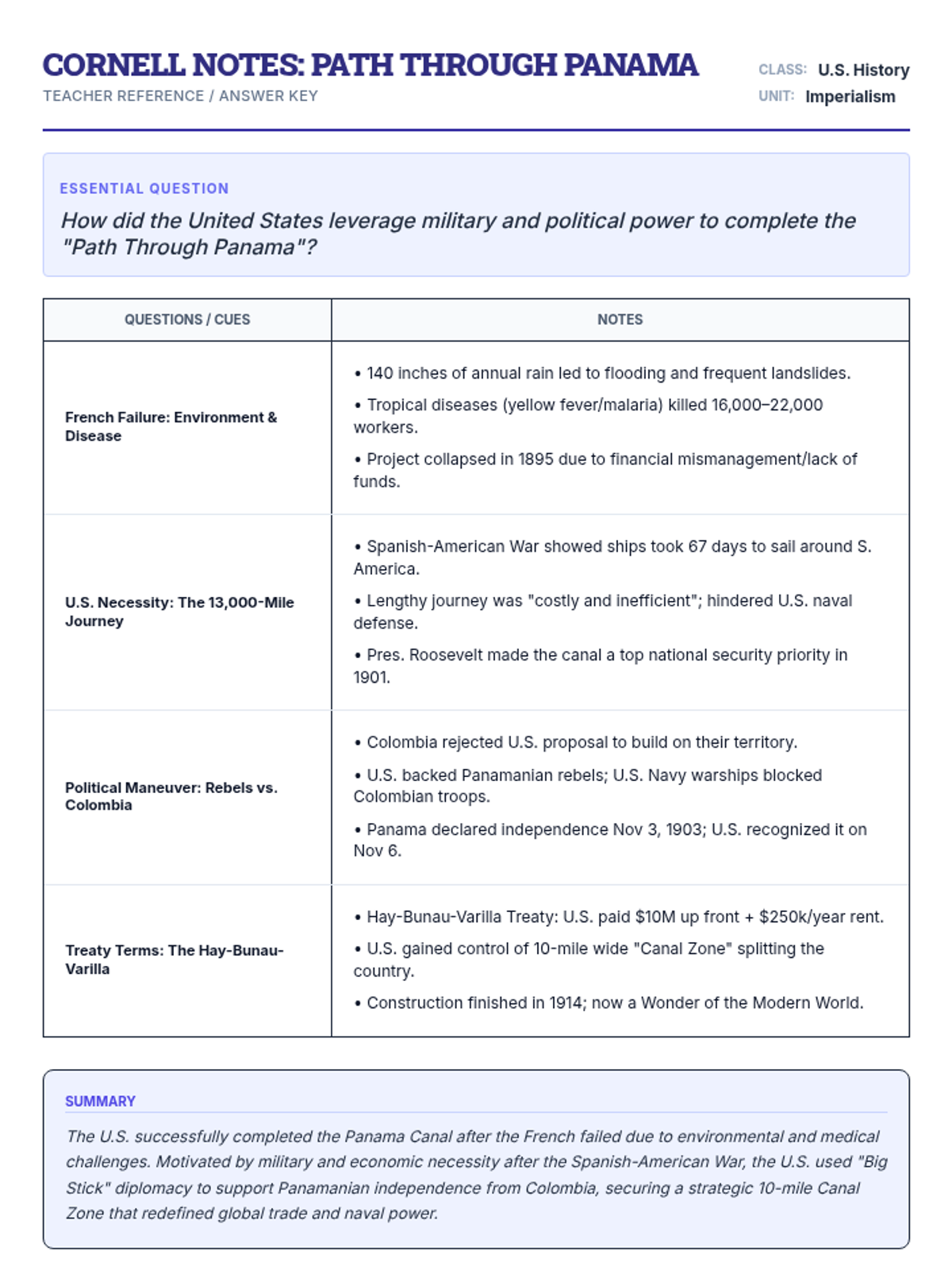
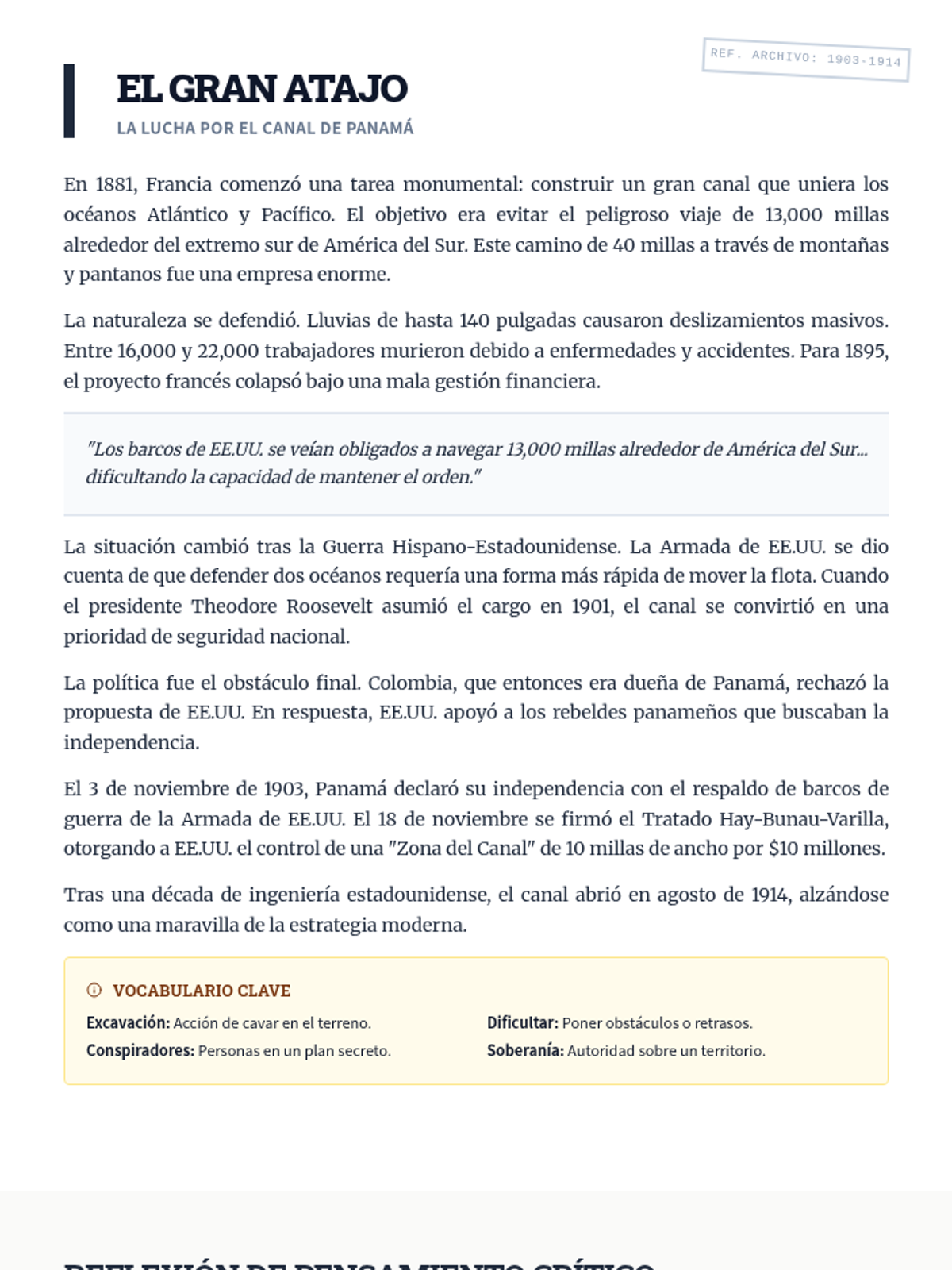
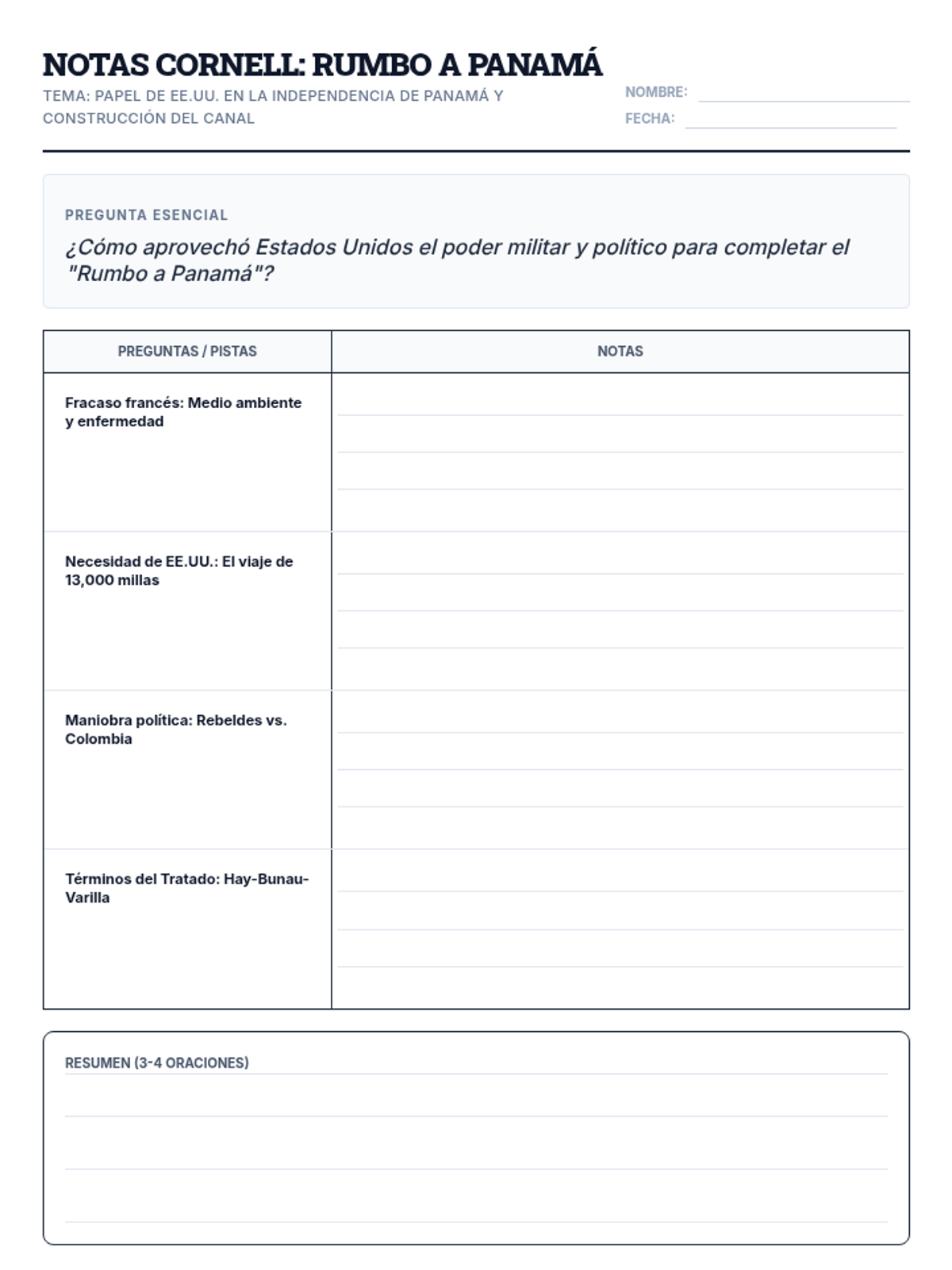
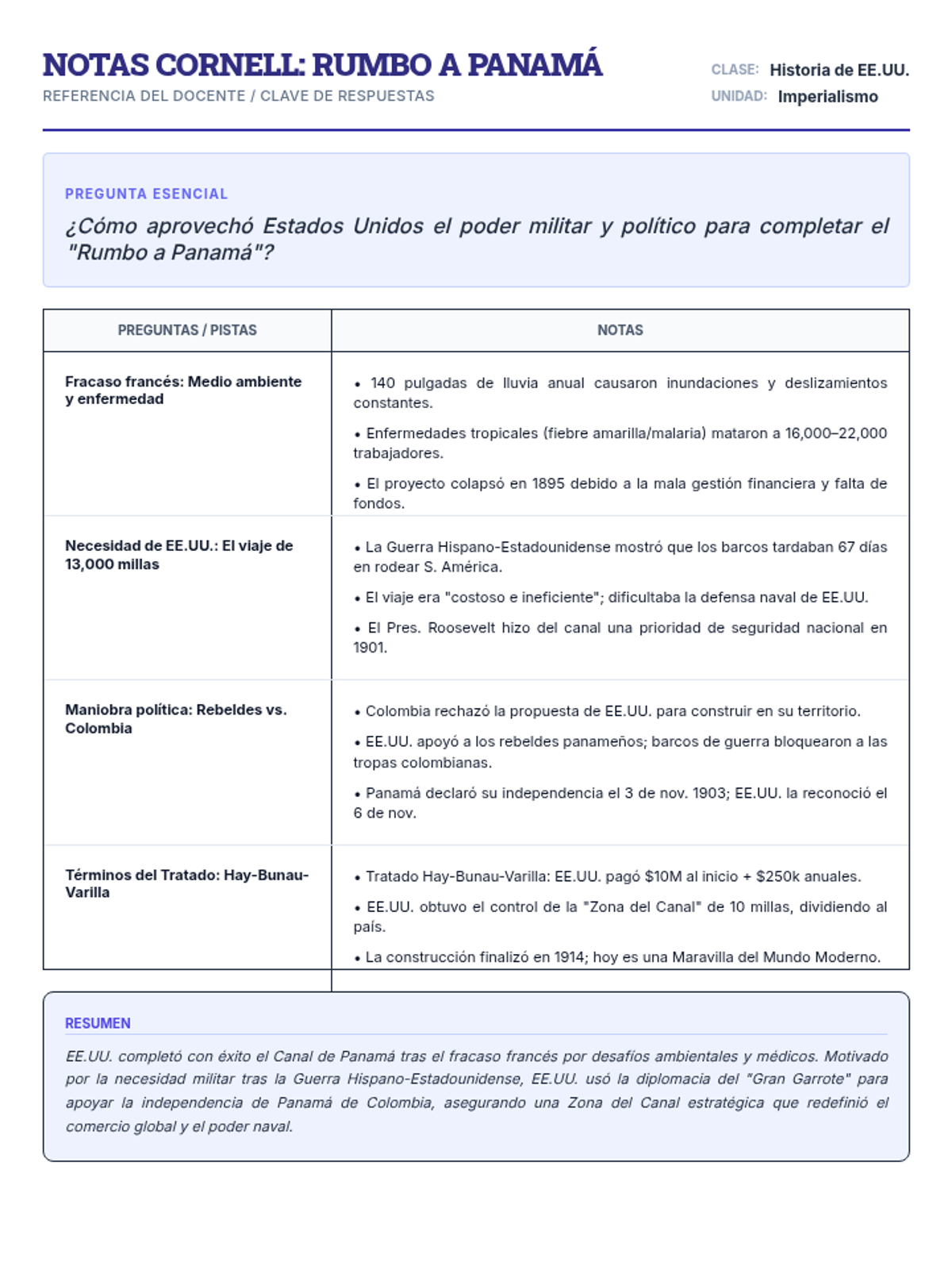
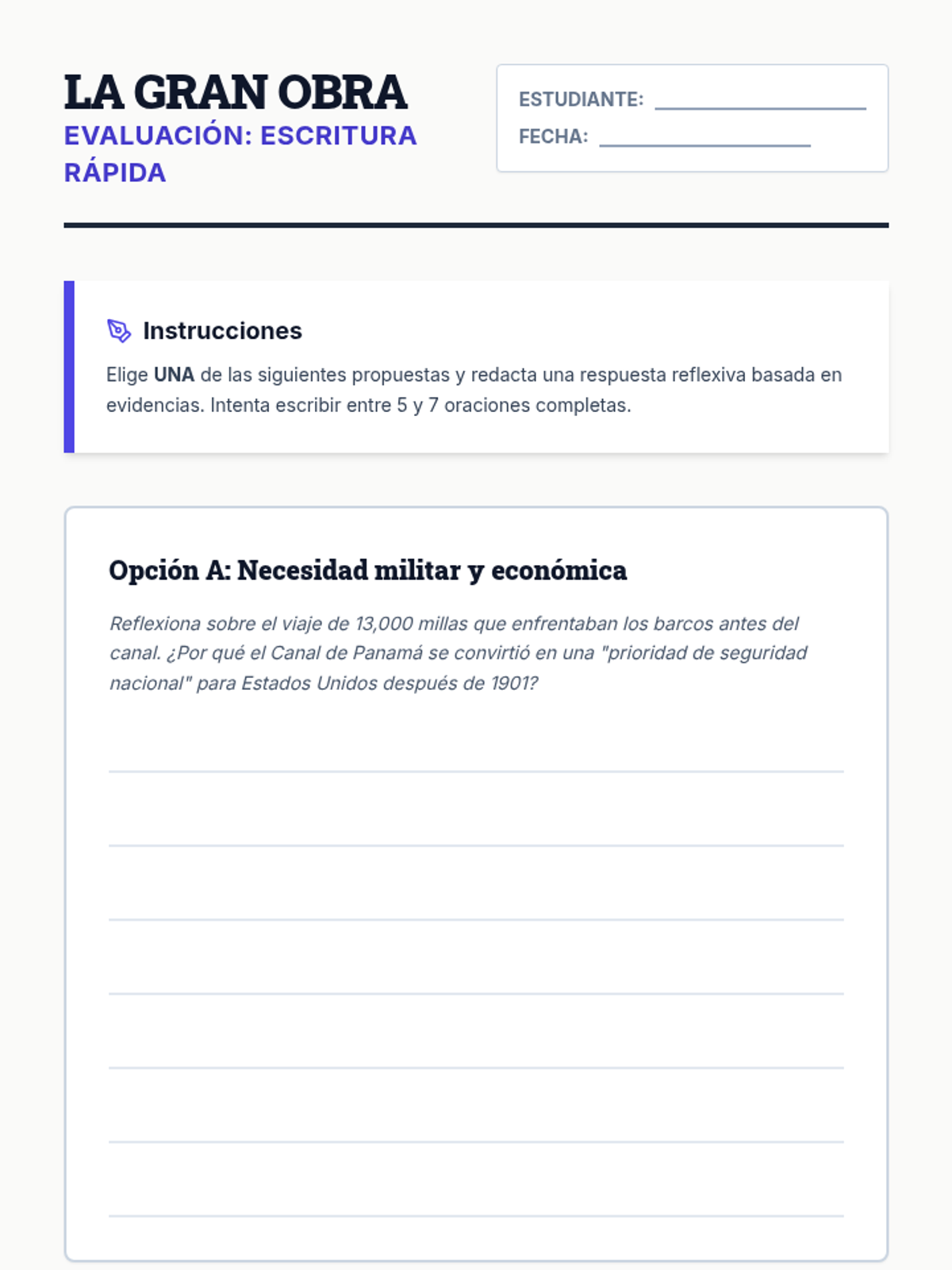
A 40-minute introductory lesson exploring the geopolitical, military, and economic motivations behind the US involvement in the Panama Canal's construction and Panamanian independence.
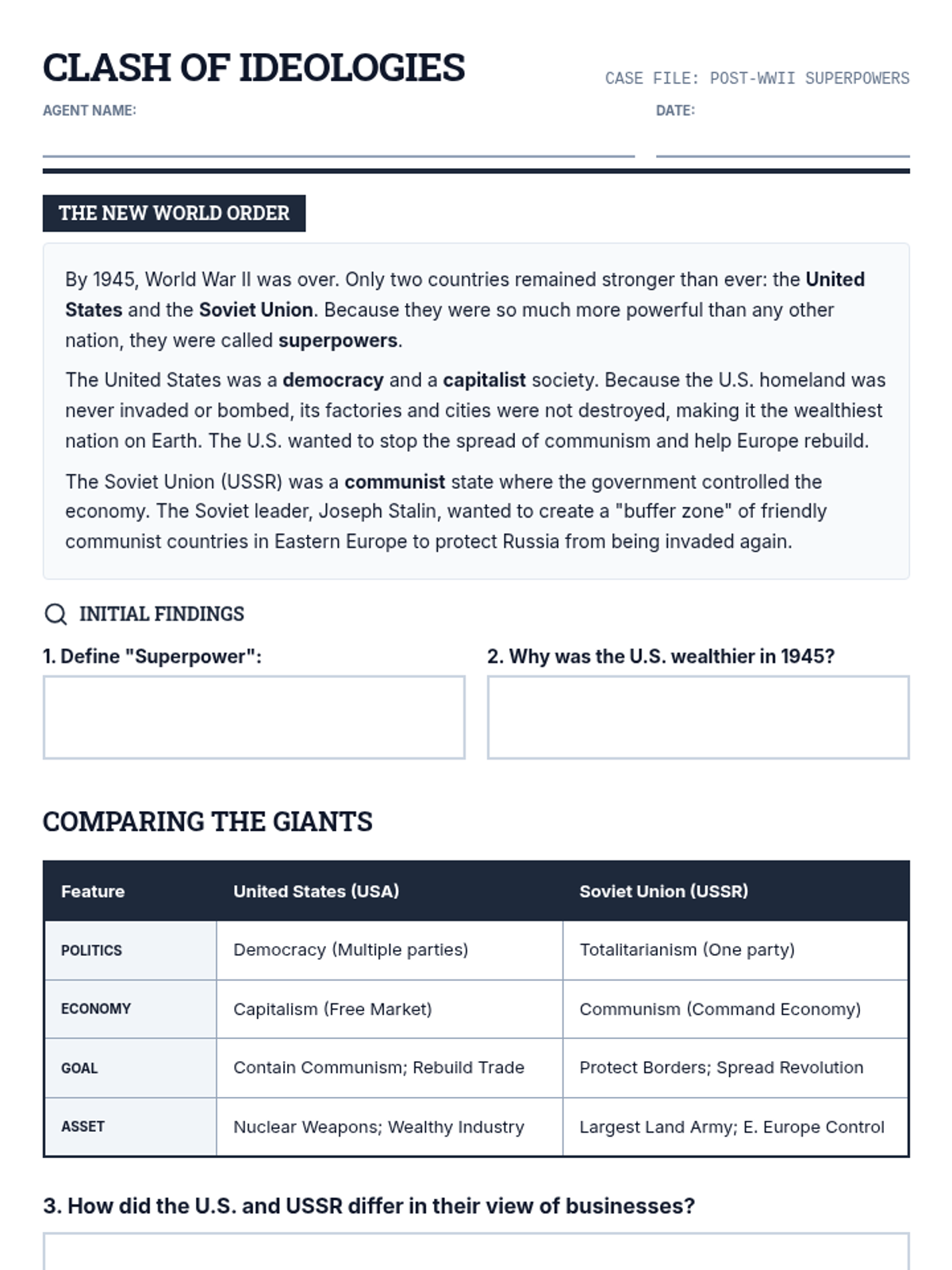
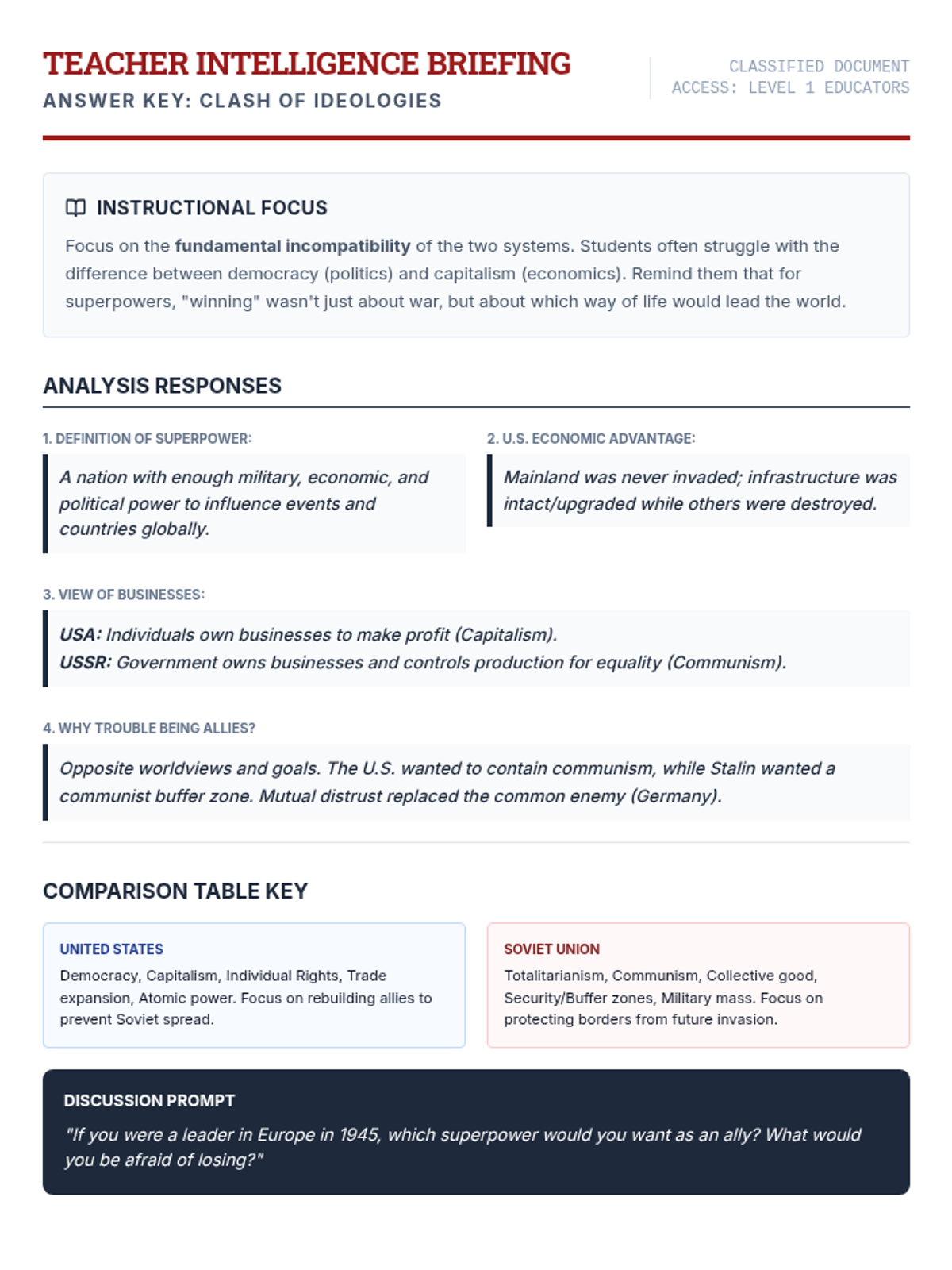
A middle-school lesson exploring the rise of the United States and the Soviet Union as rival superpowers following World War II, focusing on their competing ideologies and world influence.