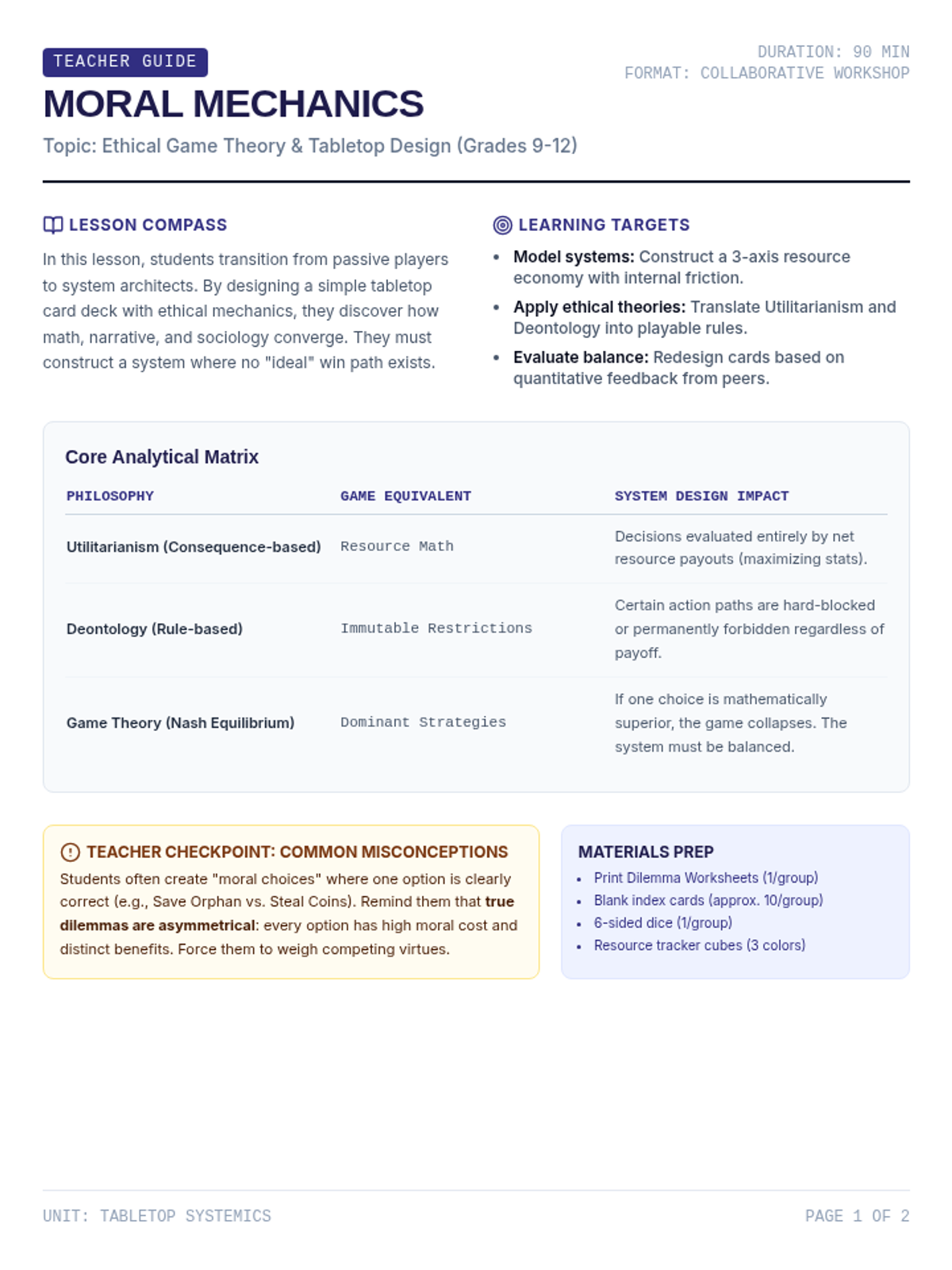
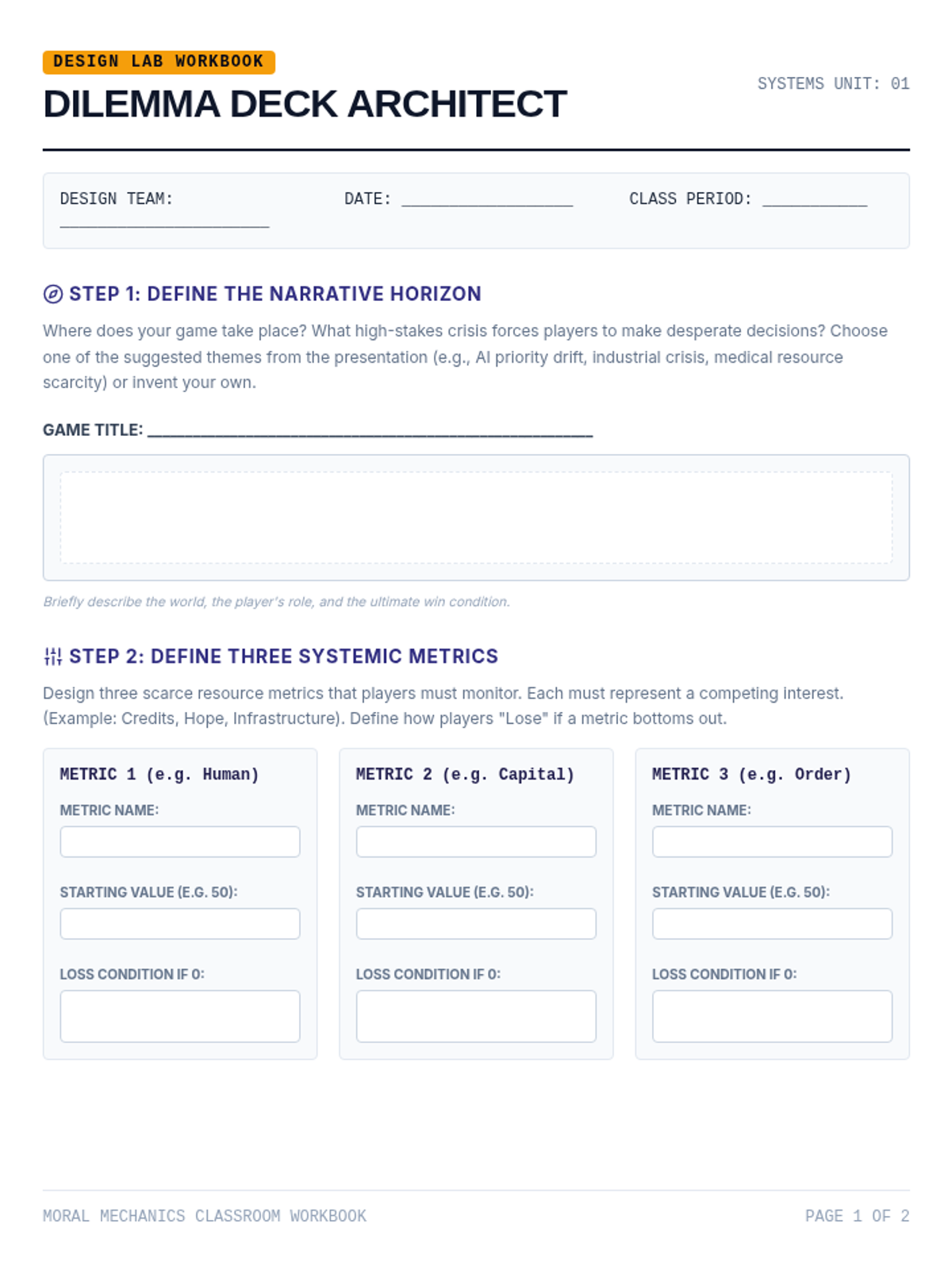
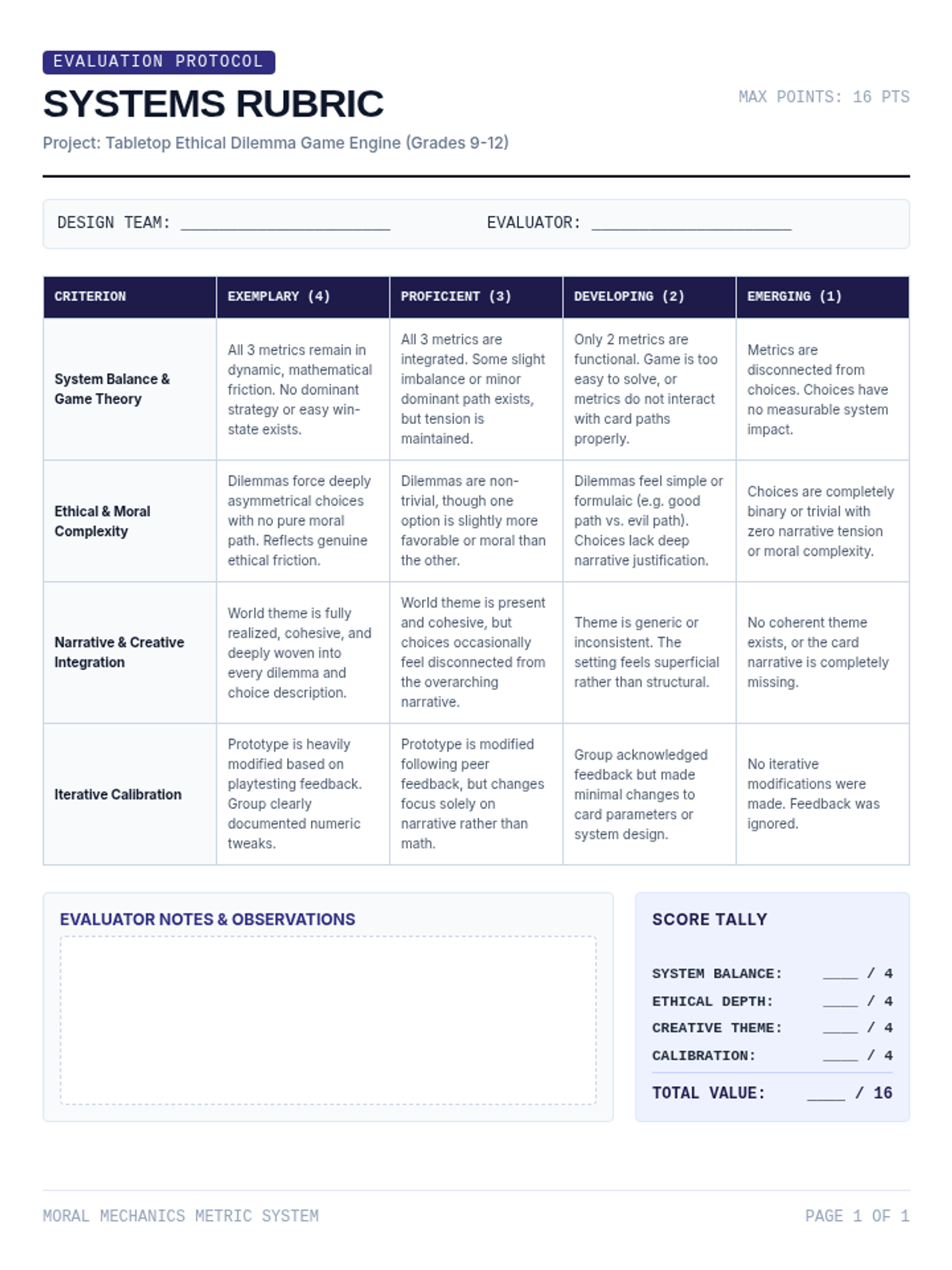
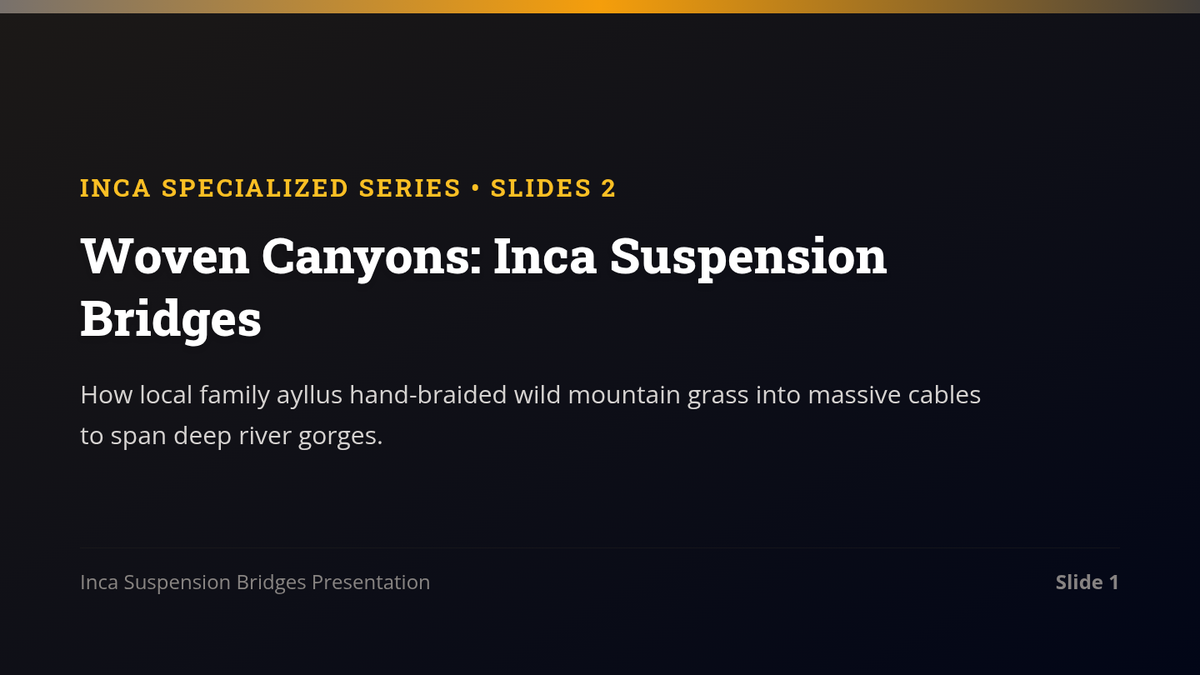
Students analyze the economic incentives behind unrealistic beauty standards, calculating the financial 'cost of perfection' and exploring the concept of the 'motivated consumer.'
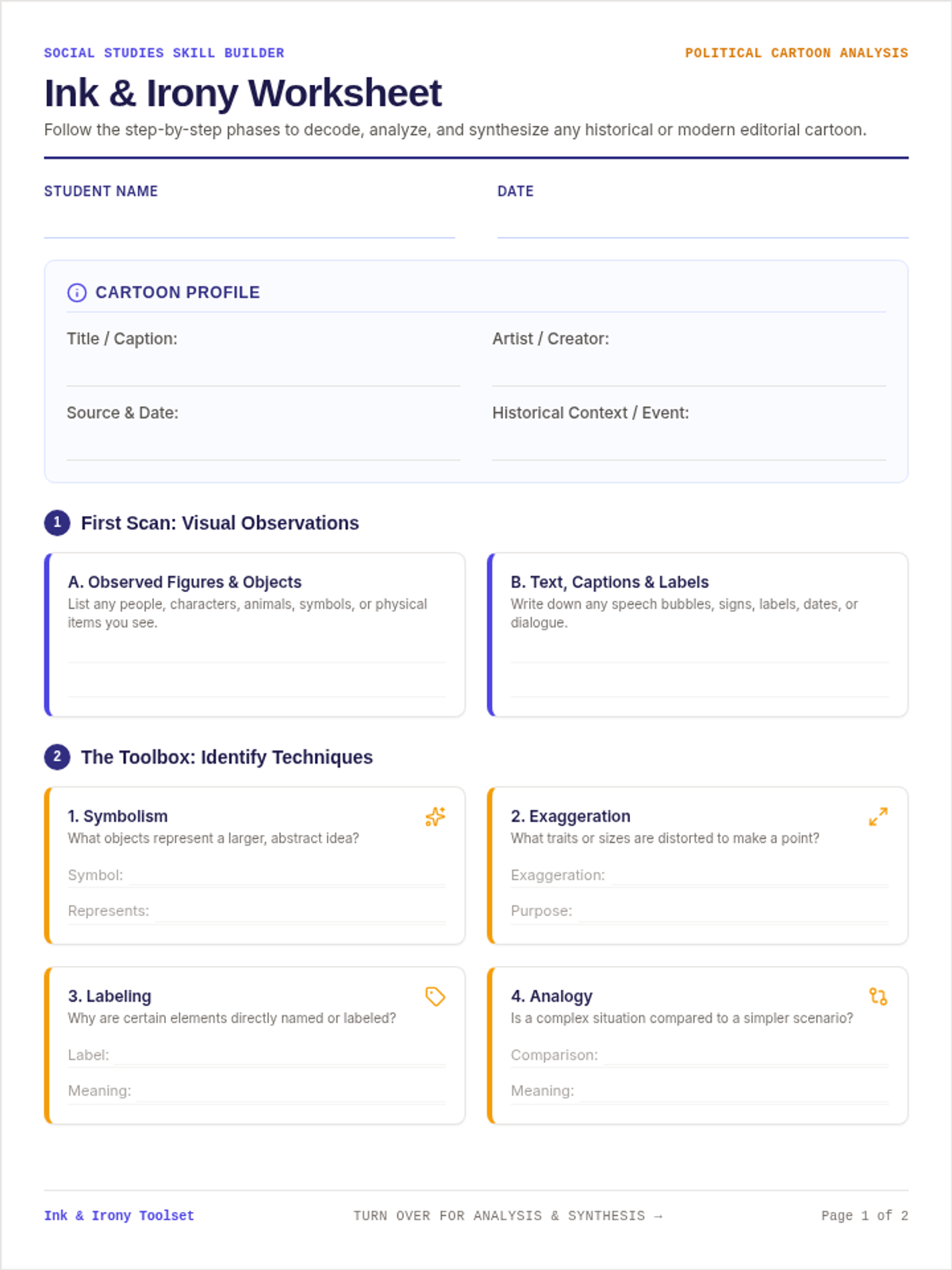
This lesson explores the disputed election of 1876 and the subsequent Compromise of 1877, analyzing how this 'Great Betrayal' ended Reconstruction and led to the era of Jim Crow in the American South.
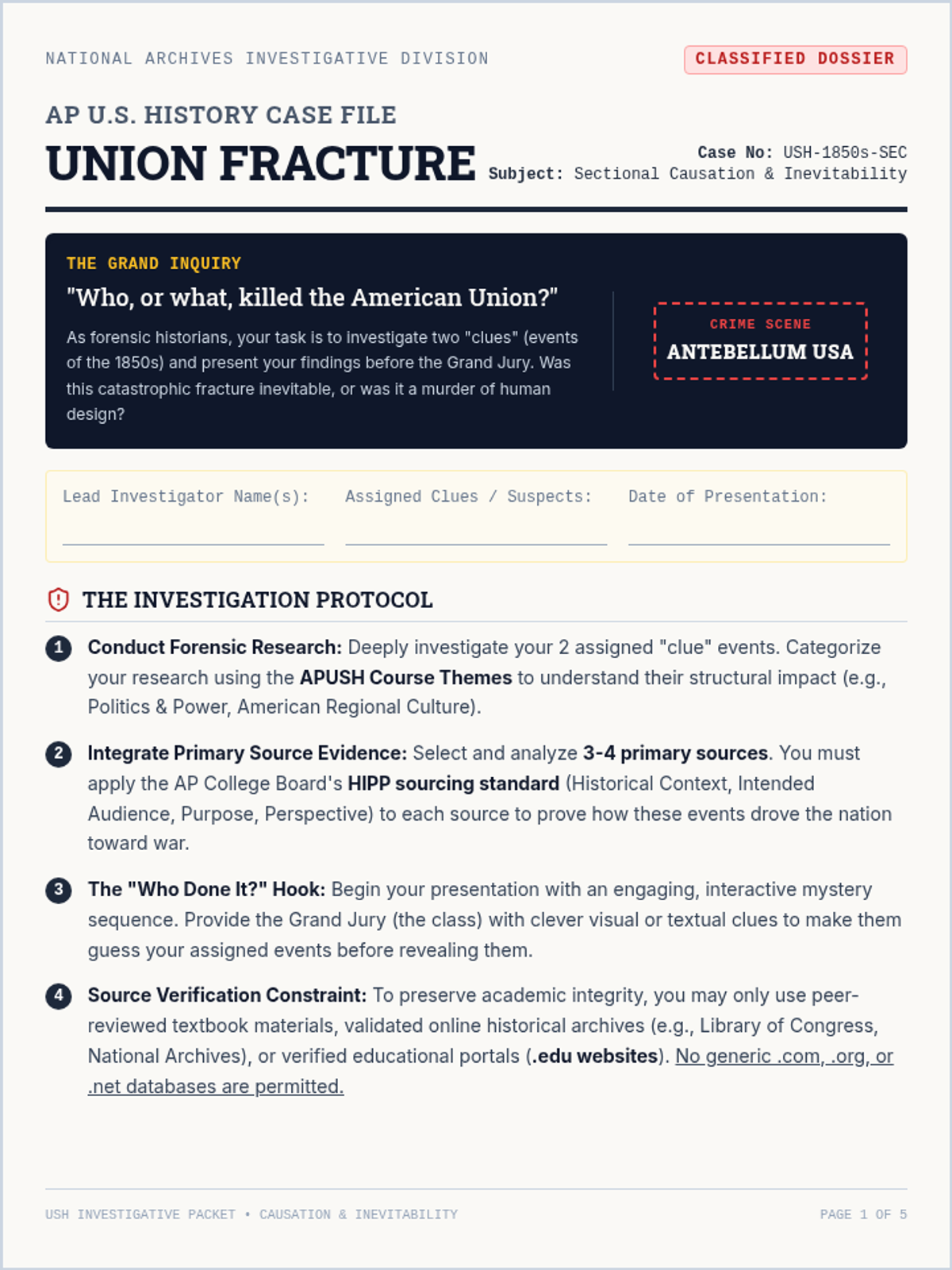
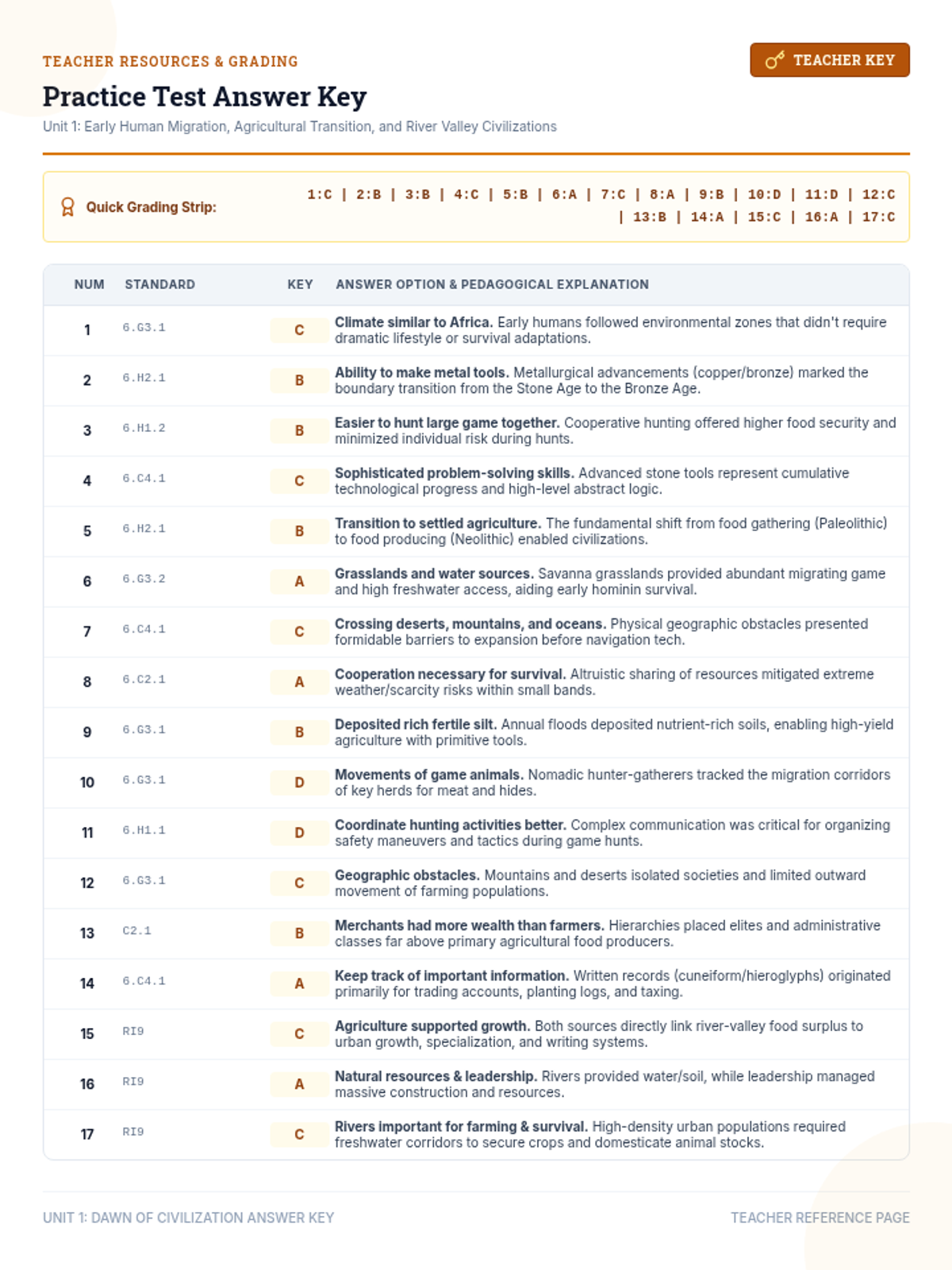
A high-impact STAAR EOC prep lesson covering U.S. History from Reconstruction through the Civil Rights Movement, focusing on primary source analysis and civic participation.
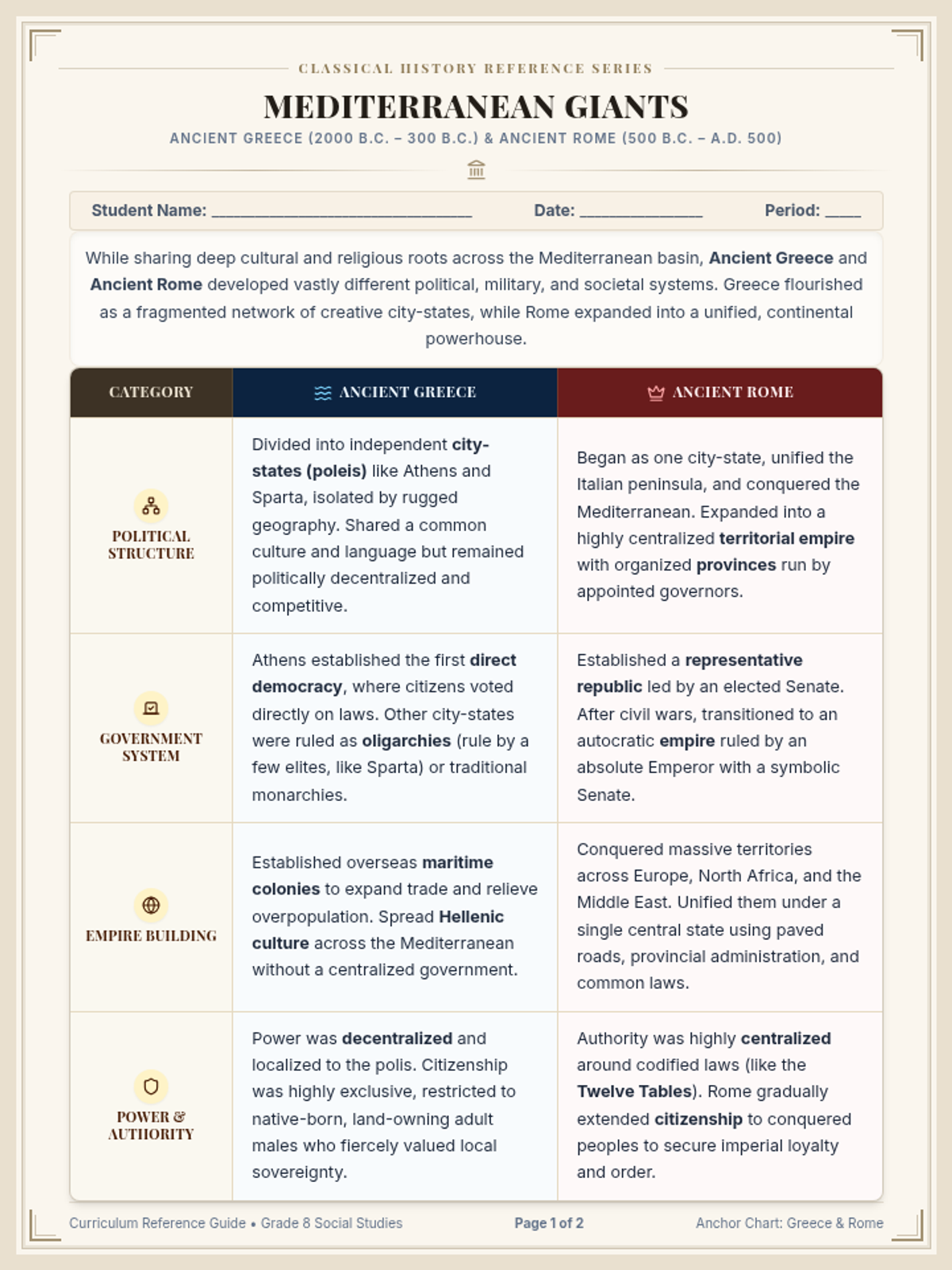
A comprehensive STAAR-aligned lesson for Grade 8 Social Studies focusing on the most challenging TEKS: government principles, geographic factors of settlement, and economic systems. Using the SHEG 'Reading Like a Historian' approach, students analyze primary sources and map historical developments to master high-stakes concepts.
A practical media literacy lesson designed to empower high school students to identify misinformation, bias, and clickbait. The lesson focuses on "street-smart" verification techniques that work even with limited data and internet access.
A 3-day immersive simulation where students represent competing industrial powers carving up the fictional continent of Orynthia. Students analyze strategic resources, negotiate borders, and reflect on the historical impact of the Berlin Conference.
A practical guide designed for neurodivergent high school students experiencing housing instability in Colorado to navigate the voter registration process with confidence.
A practical guide for high school students experiencing housing instability to navigate the voter registration process in Colorado, featuring a visual roadmap and educator support materials.
A focused practice session on the Industrial Revolution, targeting STAAR-aligned cause-and-effect skills regarding urbanization, technology, labor, and economic shifts.
Ce module introductif permet d'appréhender les notions fondamentales de l'information, de comprendre l'évolution des médias et d'analyser les enjeux démocratiques liés à l'accès et à la consommation de l'information.
A comprehensive guide for students experiencing homelessness to navigate voter registration, understand their residency rights, and practice informed voting through research and mock ballots.
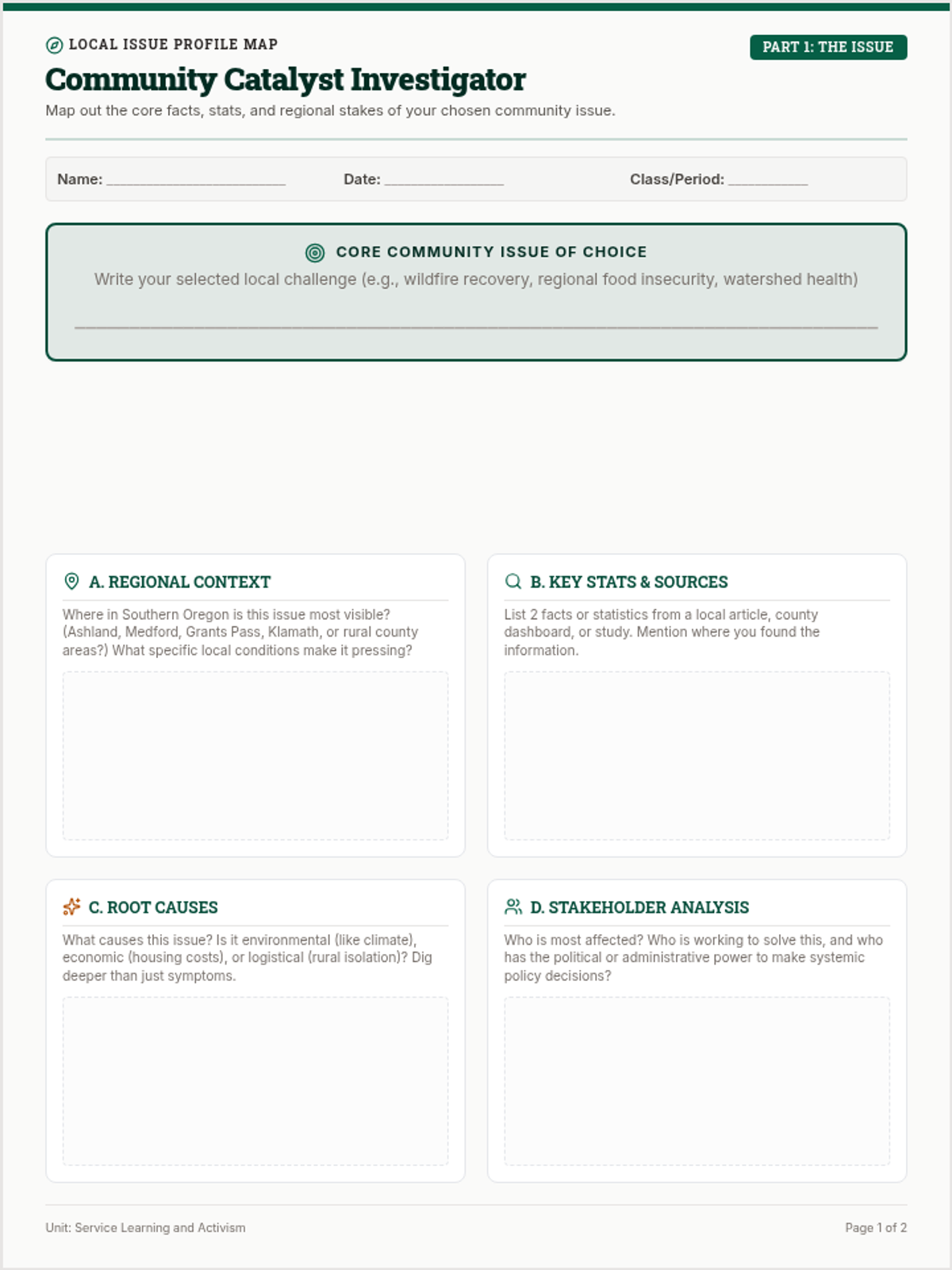
A comprehensive lesson designed for high school students to master the art of advocacy, moving from issue identification to crafting professional, research-backed advocacy plans for real-world impact.
Foundational literacy activities focusing on CVC word families through tactile sorting and visual identification.
An in-depth exploration of Ancient Egyptian civilization for sixth-grade students. This lesson covers geography, social structures, religious practices, and daily life, utilizing visual slides and interactive guided notes.
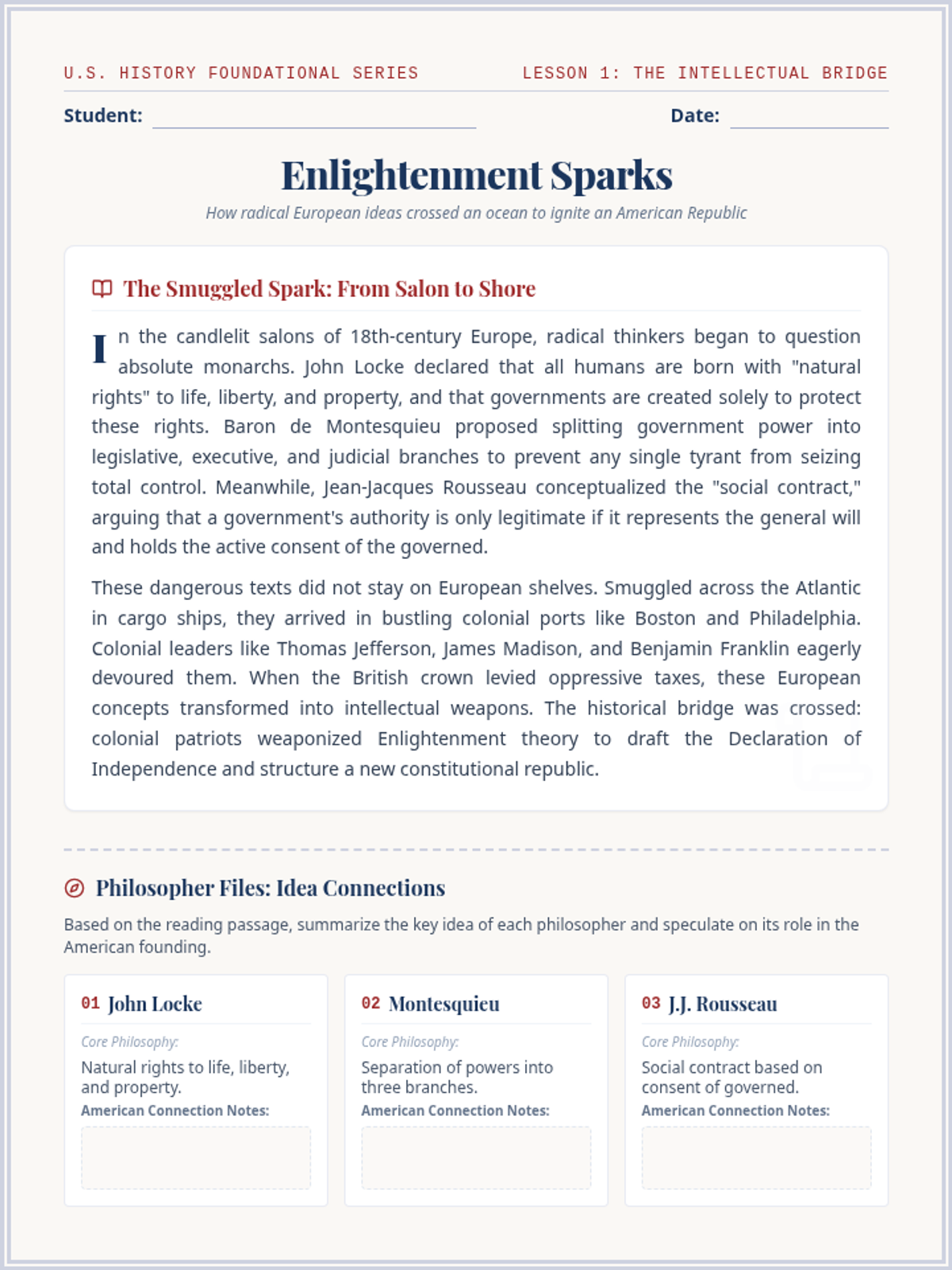
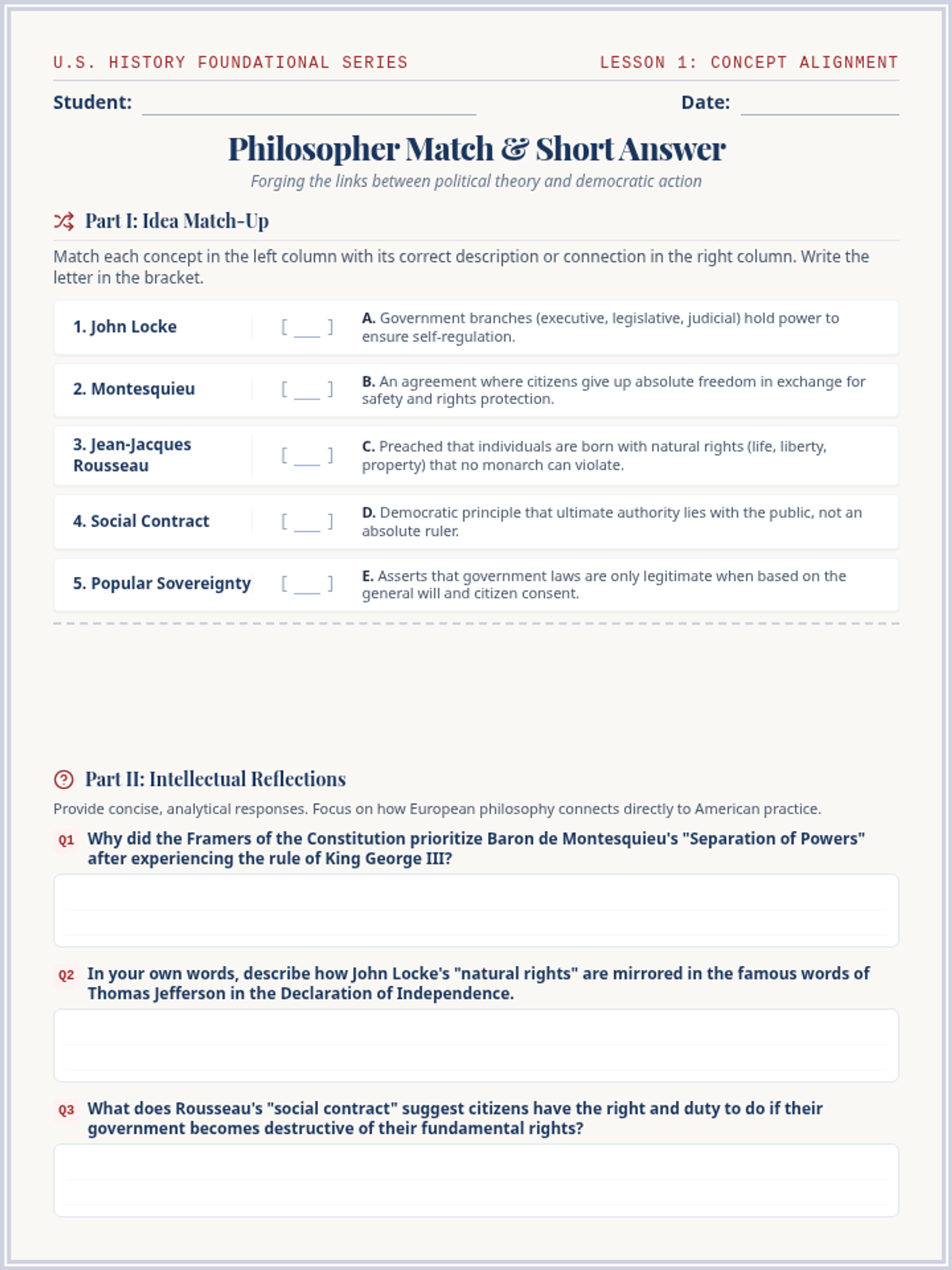
A lesson exploring the social and political causes of Latin American independence movements, with a focus on the leadership of the Creole class and the influence of Enlightenment ideals.
A hands-on project where students analyze the six essential elements of a crime through case studies and create visual anchor charts to map legal liability.
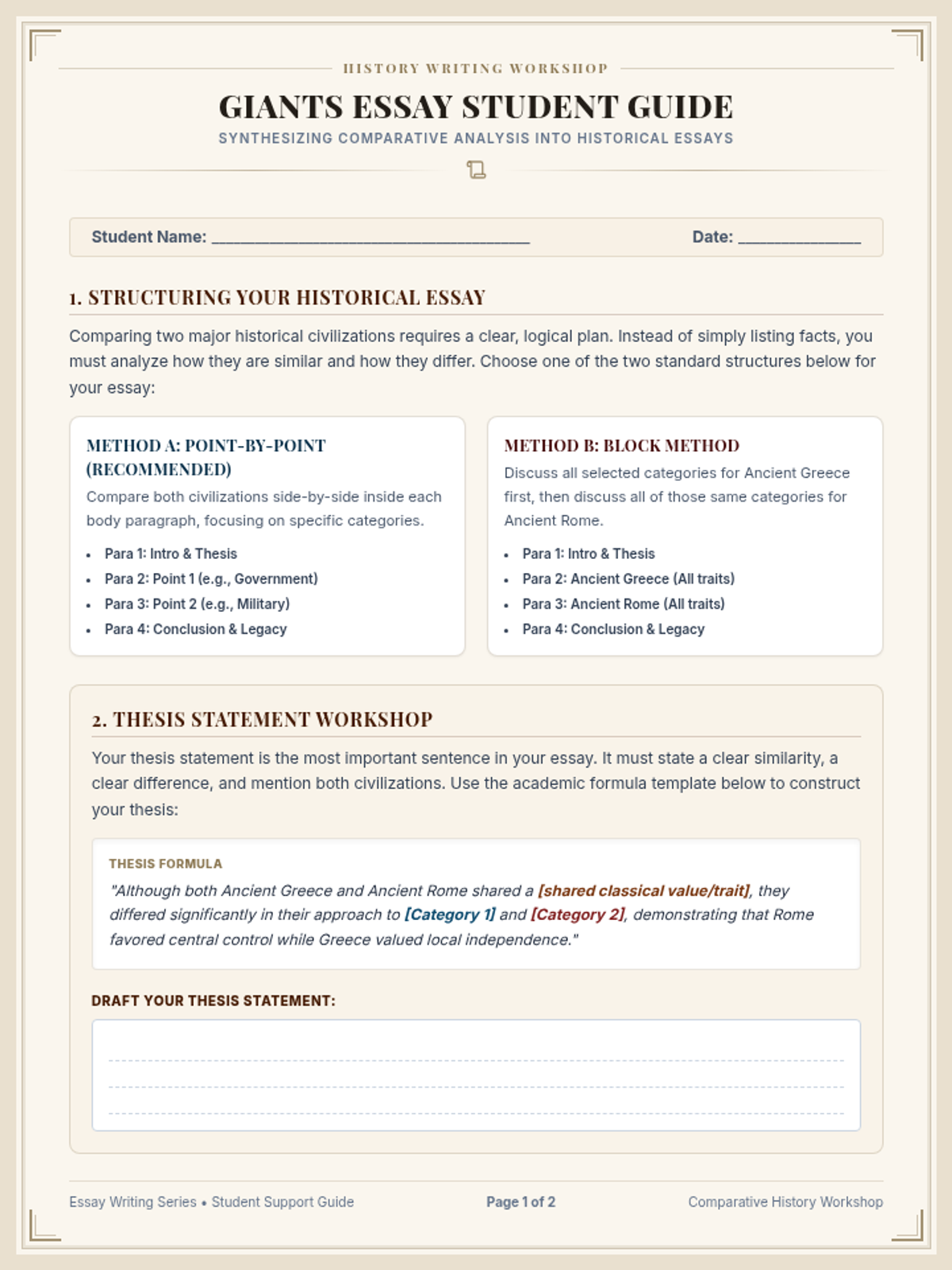
A comprehensive exploration of the mid-to-late Tudor monarchs (Edward VI, Mary I, and Elizabeth I), focusing on how their reigns reflect shifting religious, social, and political dynamics. Students use the ALARM matrix to analyze historical significance and prepare for an in-class essay.
A fast-paced Bingo game featuring influential women in politics and pop culture from 2015 to the present day. Students learn about the achievements of figures like Michelle Obama and Cardi B while competing to fill their cards.
An exploration of the Korean War's origins, major events, and lasting global impact through visual analysis and critical thinking.
A summative assessment project where students research, select, and analyze eight pivotal events from the first decade of the Cold War (1945-1955) to create an annotated timeline.
A high-leverage mixed review session featuring stimulus-based questions across the Civil Rights Movement, the Cold War, and the Vietnam War to reinforce critical STAAR EOC concepts.
Students analyze the global fallout of the failed invasion from US, Cuban, and Soviet perspectives to produce a multi-perspective 1961 newspaper report.
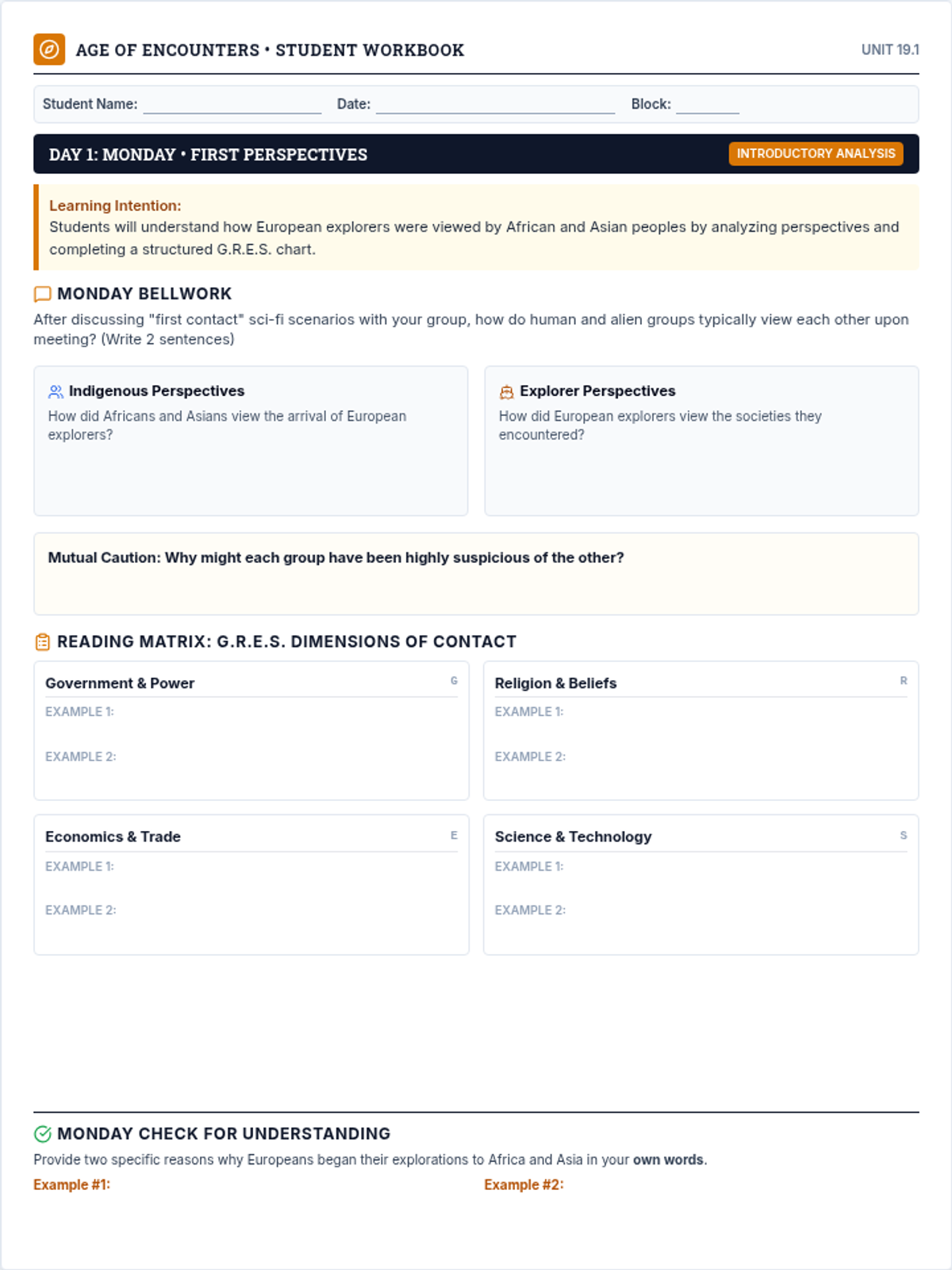
Students explore the background of the Bay of Pigs invasion, the CIA's covert plan, and the execution of the operation within the context of Cold War containment.
An introductory look at the Bay of Pigs invasion, focusing on the Cold War tensions between the U.S. and Cuba, the rise of Fidel Castro, and the failed CIA-backed mission.
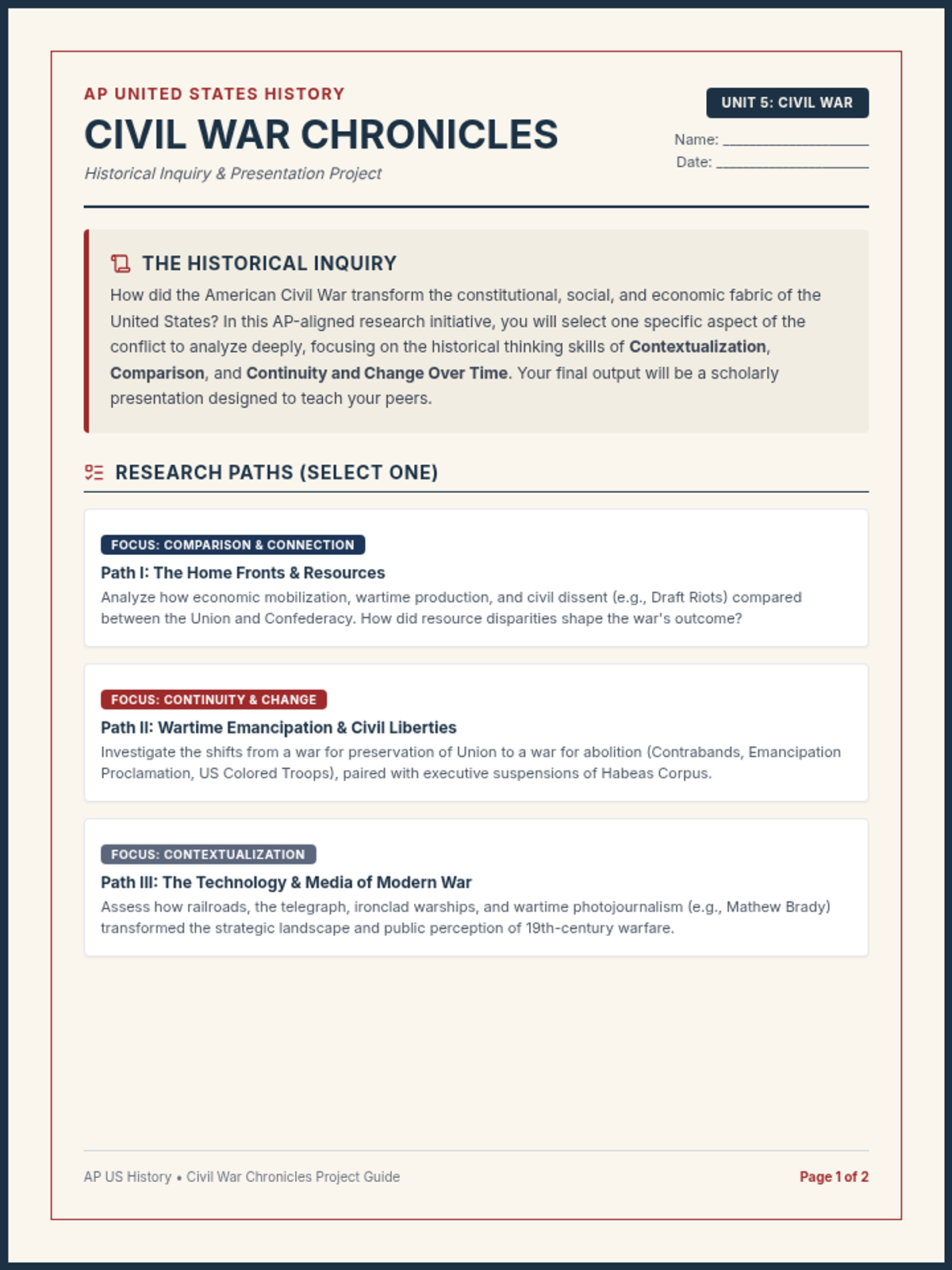
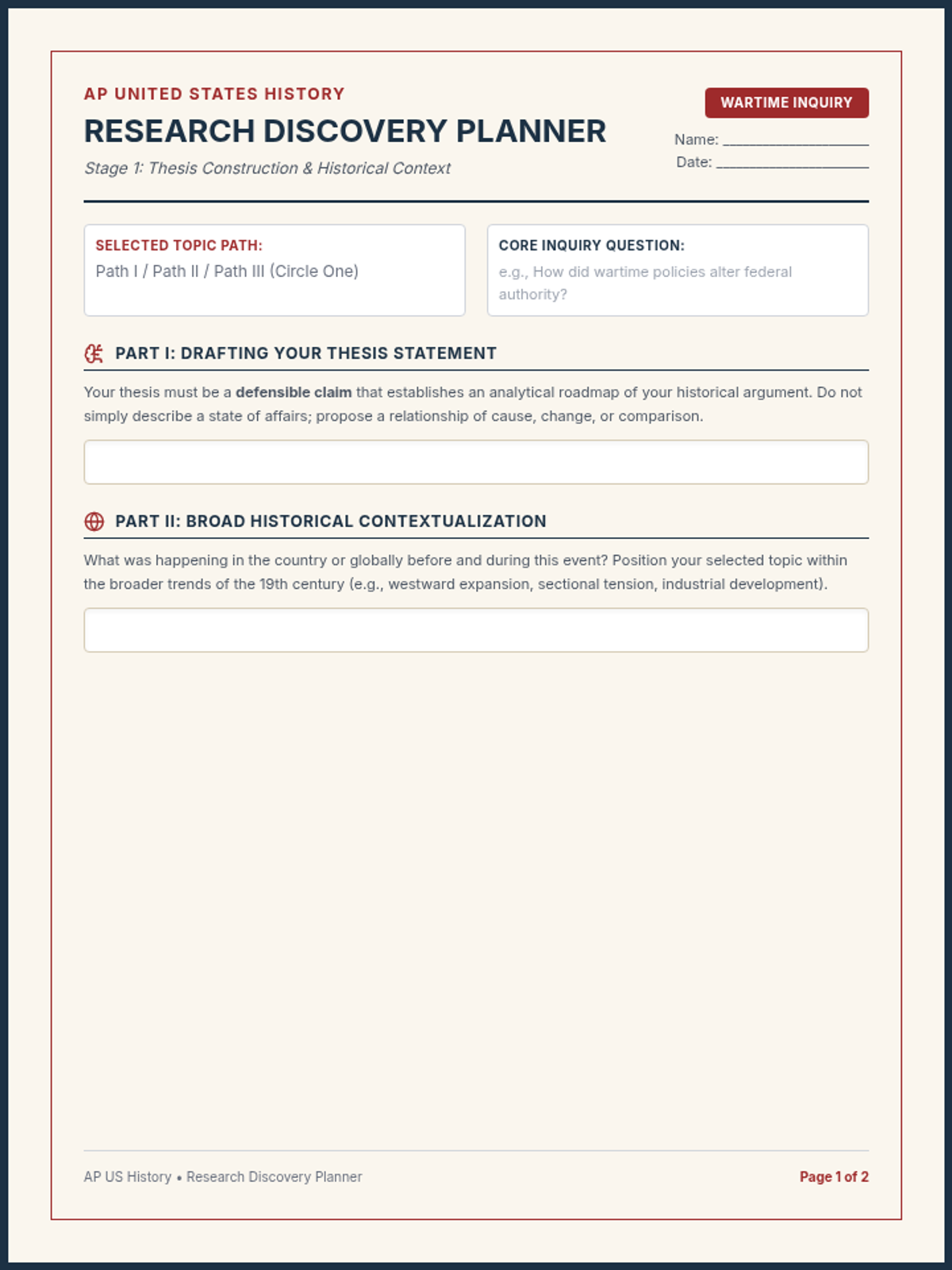
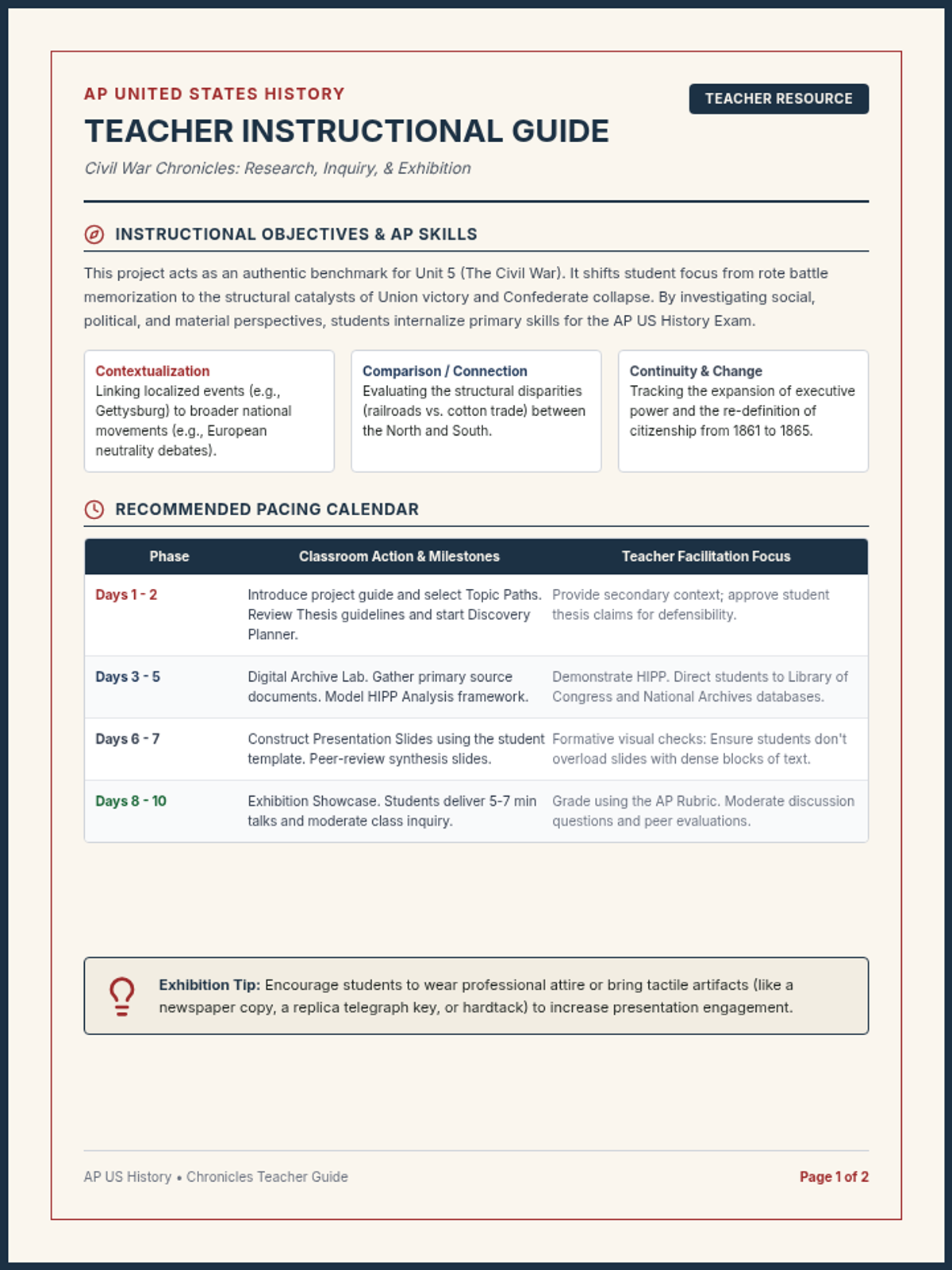
A lesson covering the major turning points and battles of the American Civil War (1861-1865), including a student-facing dispatch report activity and teacher-led instruction.
A comprehensive introduction to the Roman Colosseum, exploring its revolutionary engineering, social purpose, and the nature of gladiatorial games through visual aids and primary source analysis.
Une leçon interactive pour maîtriser huit concepts fondamentaux de la philosophie à travers des révisions visuelles et un quiz d'évaluation.
Une ressource complète pour évaluer et consolider les connaissances des élèves de Terminale sur les notions clés du programme de philosophie en vue du Baccalauréat.
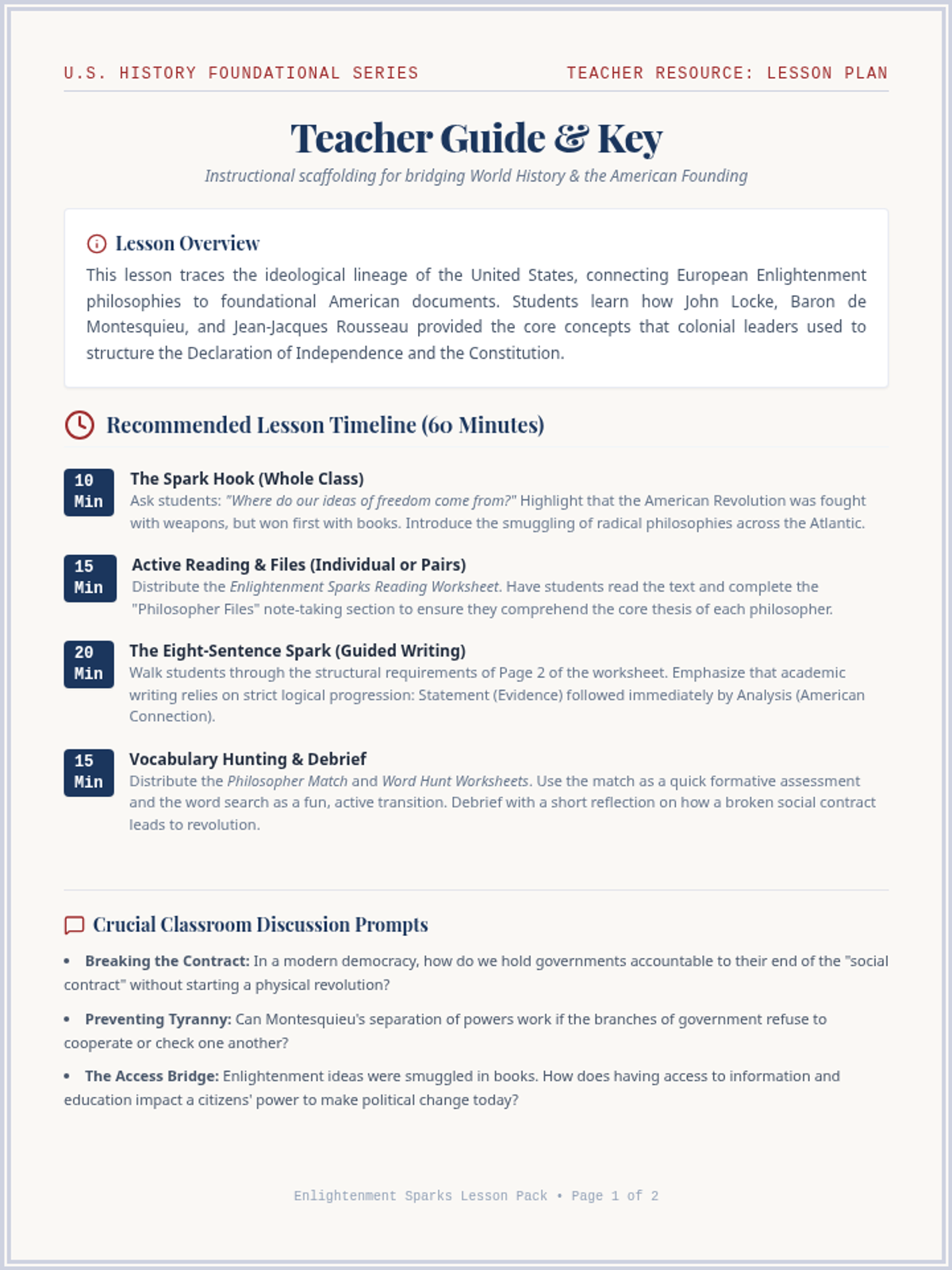
A mid-unit lesson exploring the ideological roots of Manifest Destiny and the strategic impact of the Louisiana Purchase on American growth. Students analyze primary source texts and visual evidence to understand the justifications for Westward Expansion.
An expert-level analytical exploration of the Icarus myth through the lens of Jungian archetypes, focusing on the Over-reacher and the Puer Aeternus. Includes studies on Daedalus as the Artifex and the symbolism of flight and fall.
A lesson exploring the complex causes of World War II, focusing on the Treaty of Versailles, the Great Depression, and the rise of totalitarian leaders across the globe. Students will analyze primary-source-style dossiers and map the territorial changes leading up to the conflict.
A lesson exploring the impact of industrialization on warfare during World War I, focusing on the introduction of tanks, chemical weapons, and aircraft.