A Middle School Social Studies lesson exploring Traditional, Command, Market, and Mixed economic systems through a 'Nation Builder' lens. Students analyze the three fundamental economic questions and design their own country's constitution.
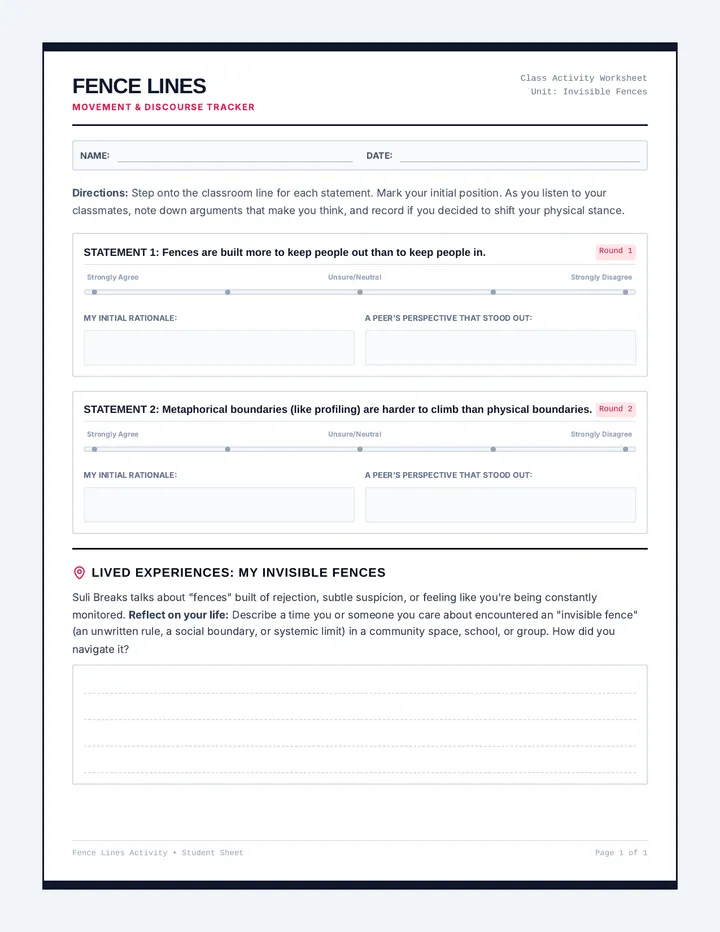
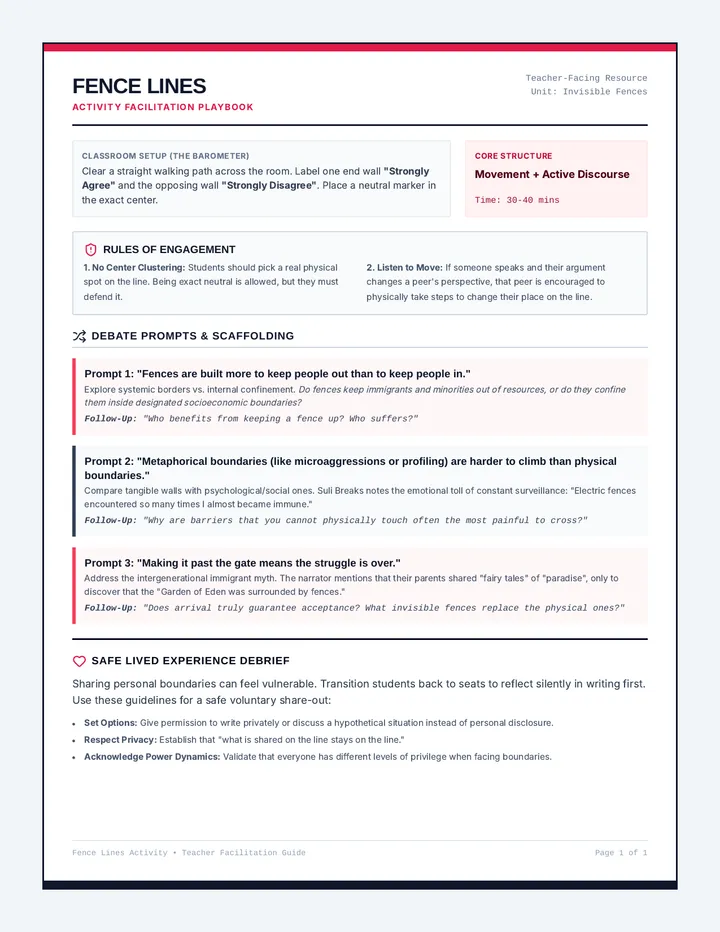
An introductory lesson exploring the immigrant experience and systemic barriers through Suli Breaks' spoken word poem 'Fences'. Students engage in a structured movement and discourse activity to analyze literal and metaphorical barriers, connecting themes to their own lived experiences.
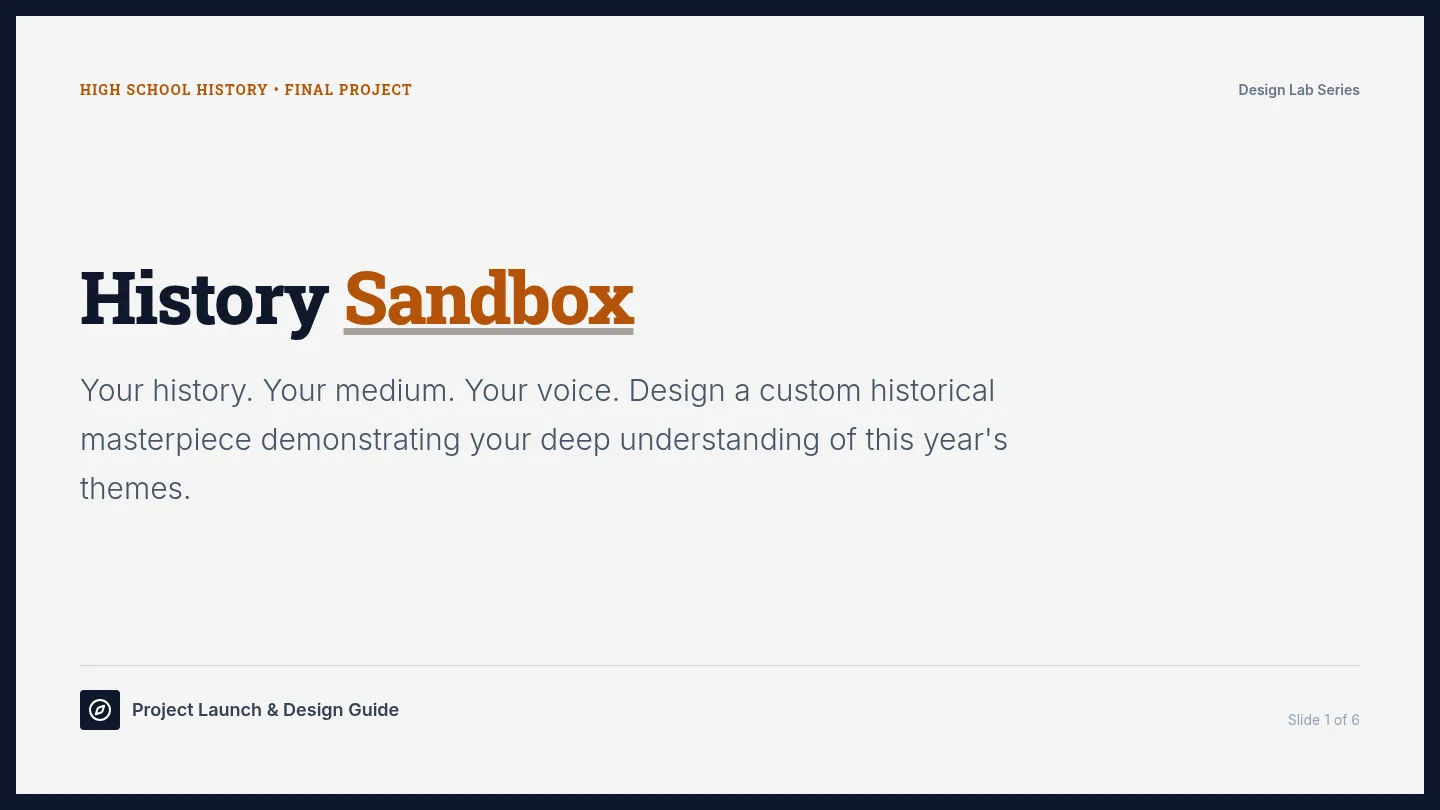
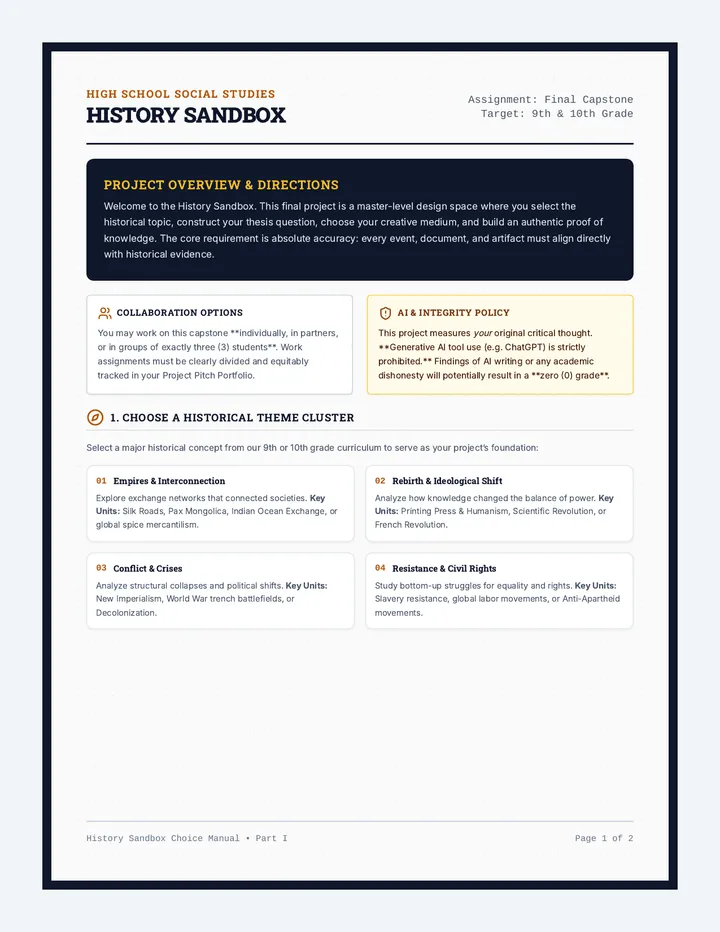
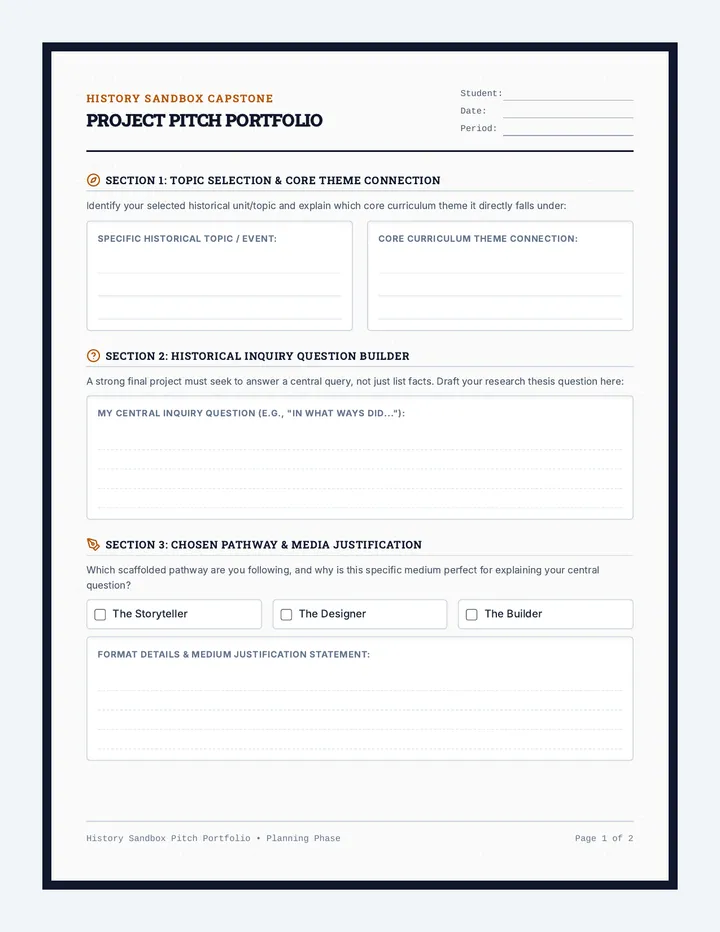
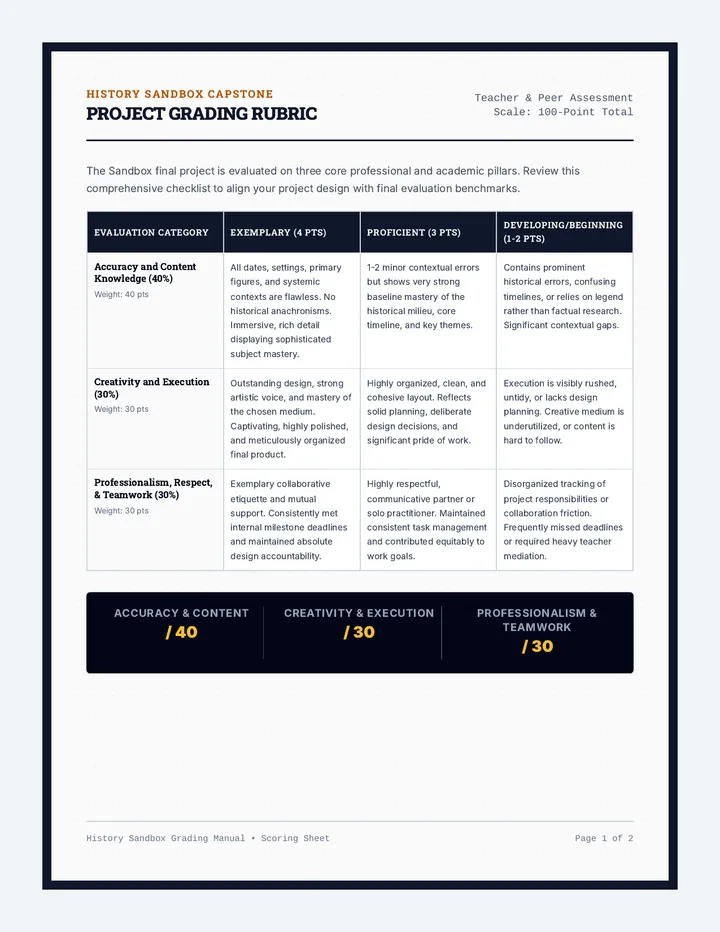
A highly flexible, scaffolded final project workspace for 9th and 10th-grade history classes, allowing students to demonstrate their historical knowledge through creative channels. It includes structured pathways, a comprehensive graphic organizer pitch sheet, a grading rubric, reflection prompts, and introductory slides.
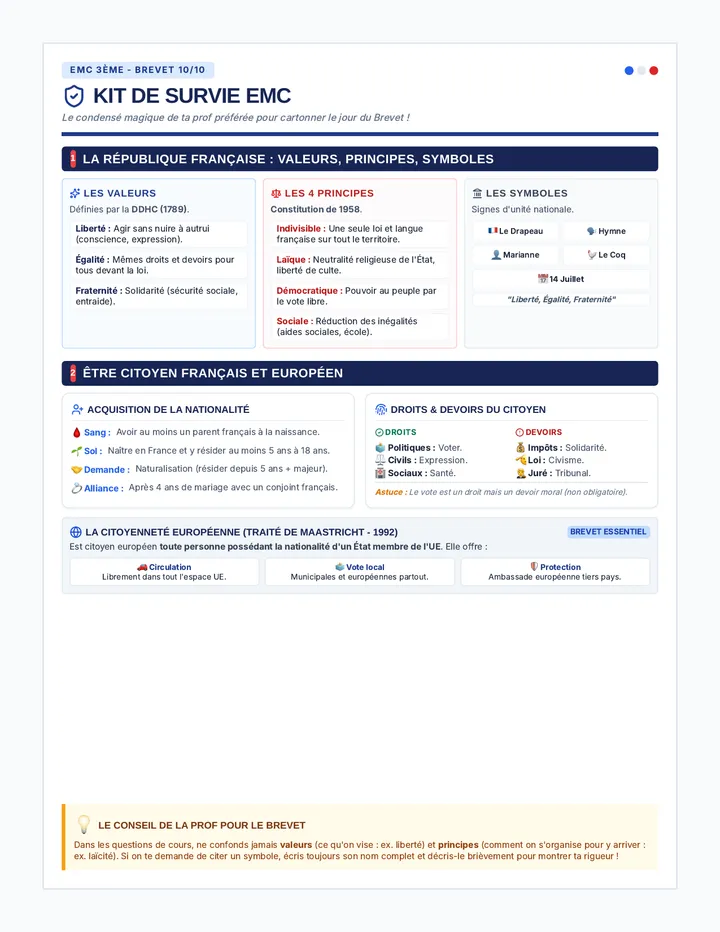
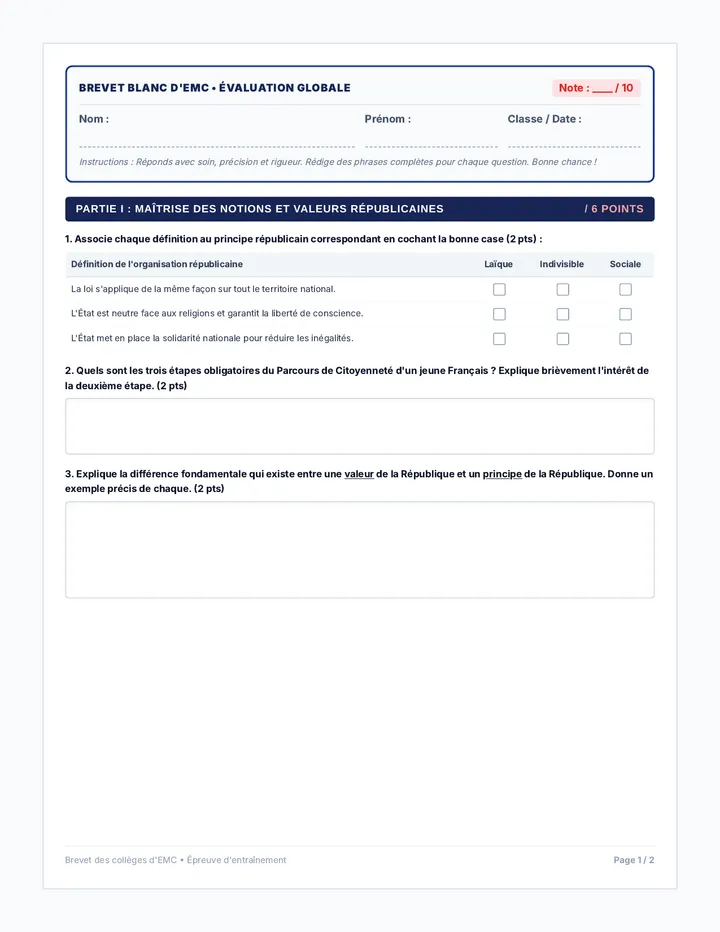
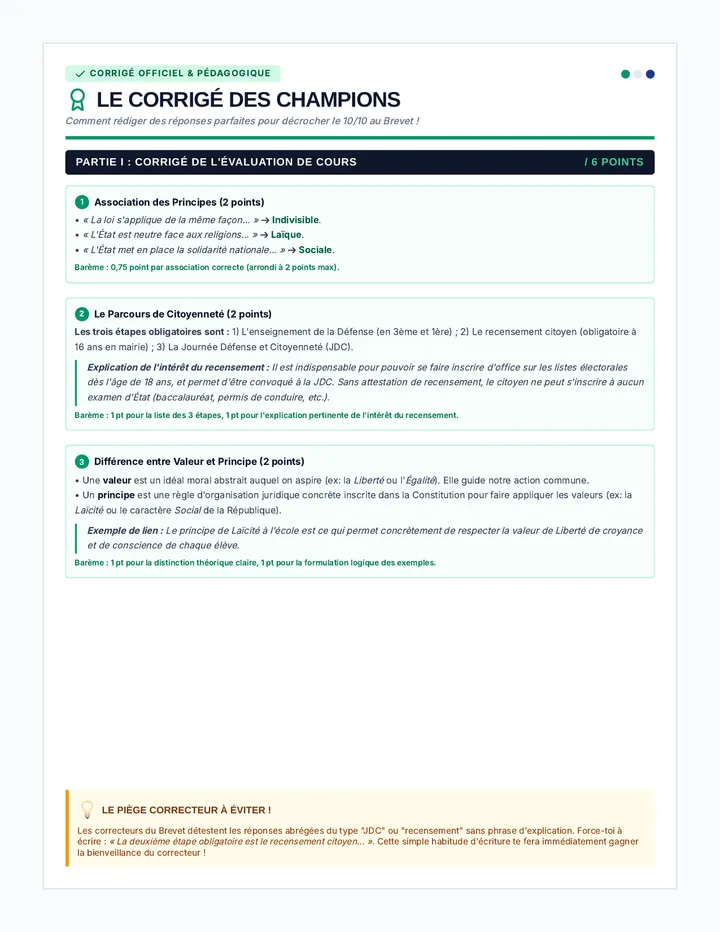
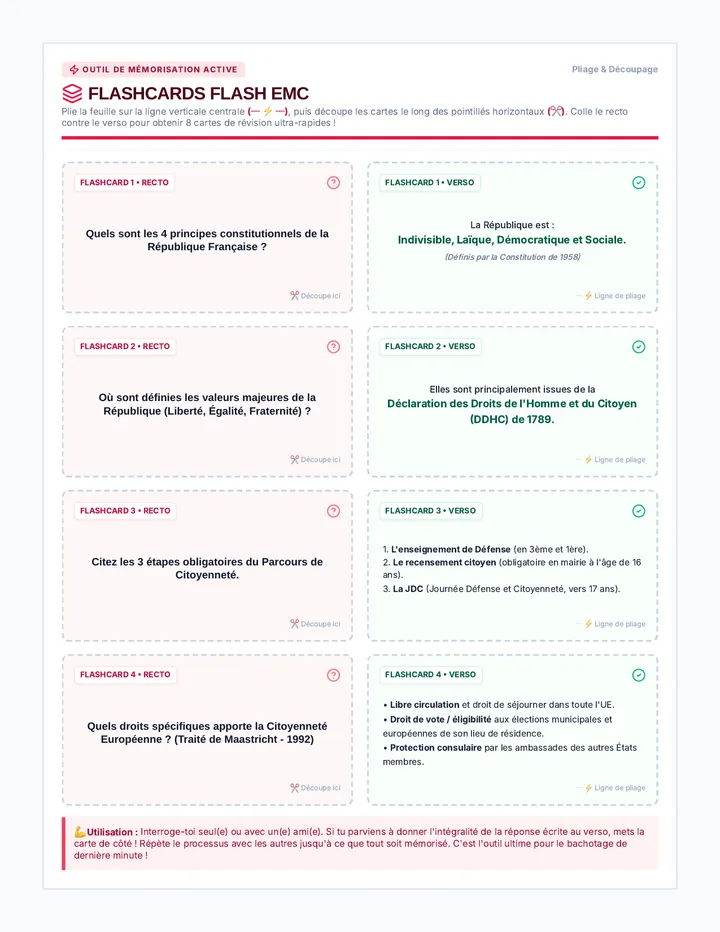
Un parcours de révision ultra-complet, engageant et pédagogique couvrant l'intégralité du programme d'EMC de 3ème. Conçu par une enseignante passionnée pour aider les élèves de 3ème à obtenir un 10/10 parfait au Brevet des collèges à travers des fiches de synthèse, un grand entraînement blanc, son corrigé méthodologique détaillé et des flashcards de mémorisation active.
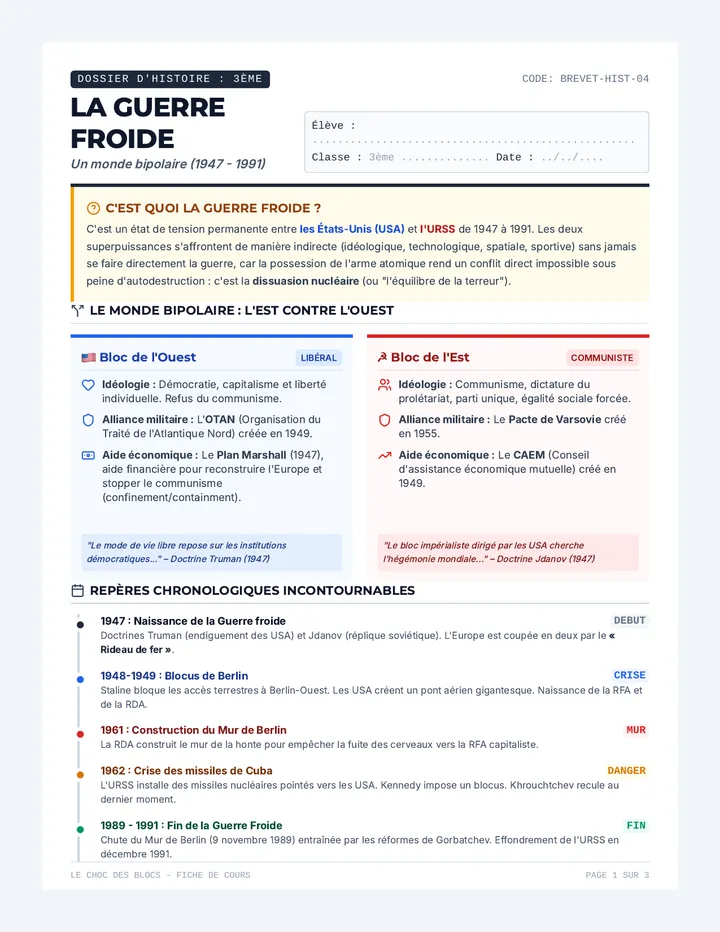
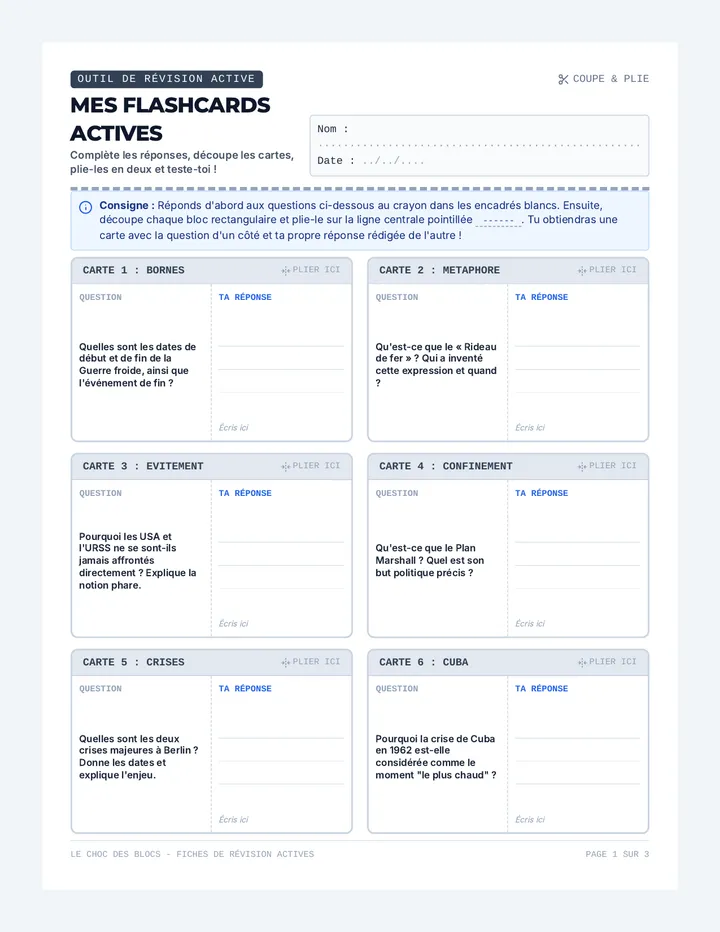
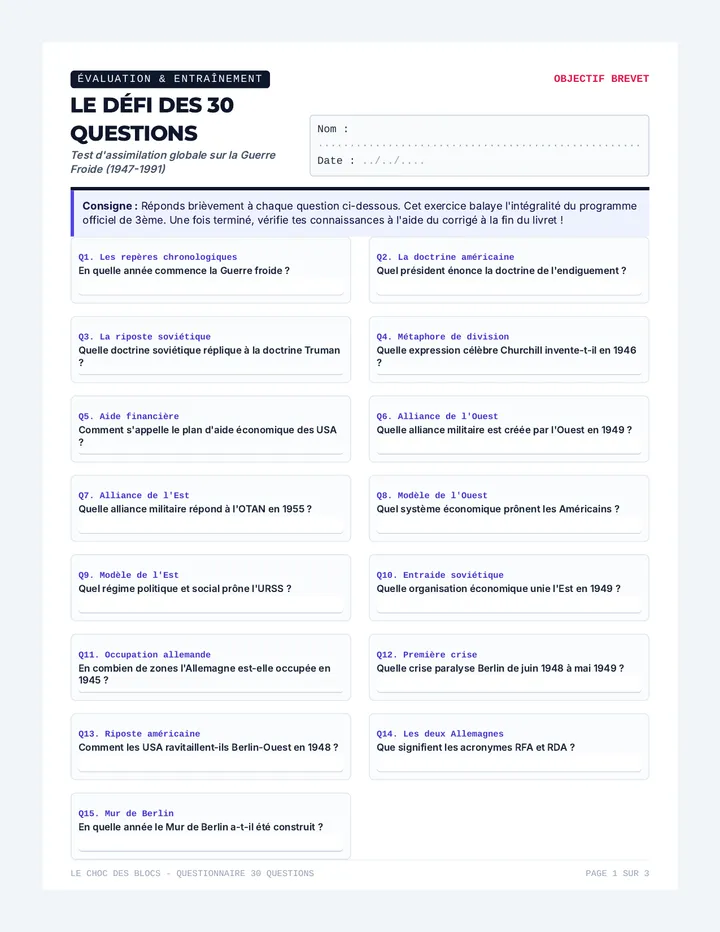
Une leçon complète sur la guerre froide (1947-1991) pour les élèves de 3ème, alliant fiches de cours visuelles, mémorisation active et entraînement intensif pour le Brevet.
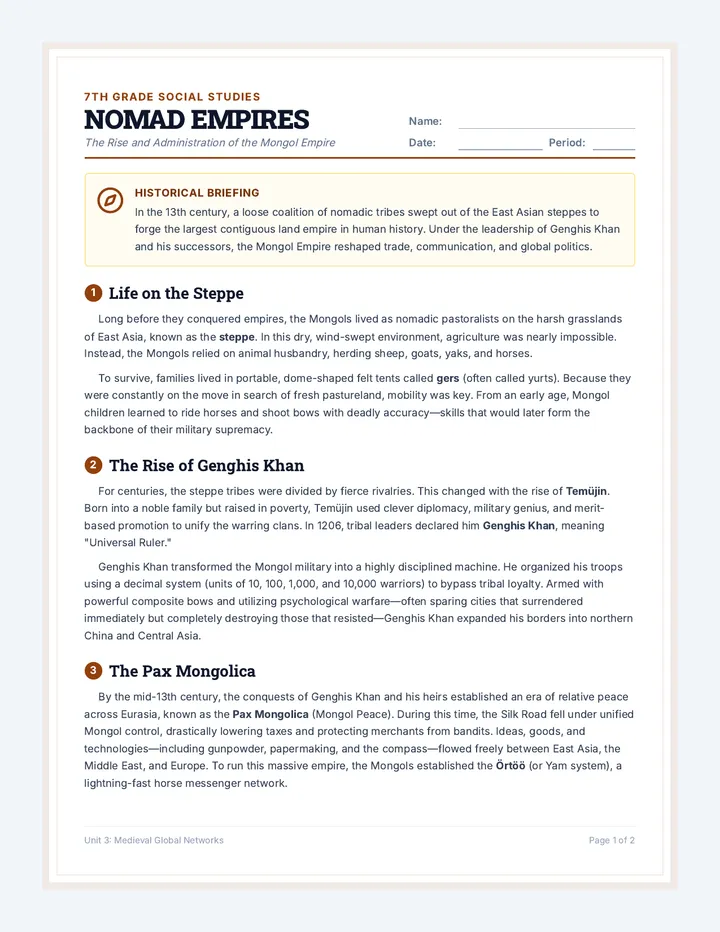
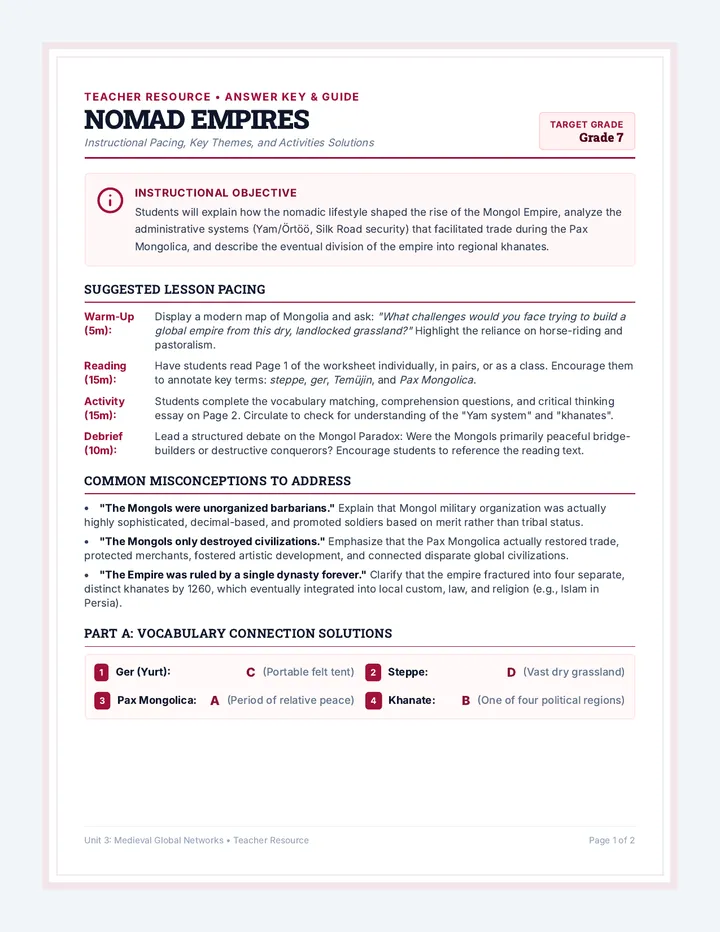
A comprehensive history lesson for 7th grade social studies exploring the rapid rise, administration, and ultimate division of the Mongol Empire. Includes a student reading worksheet and a corresponding teacher guide and answer key.
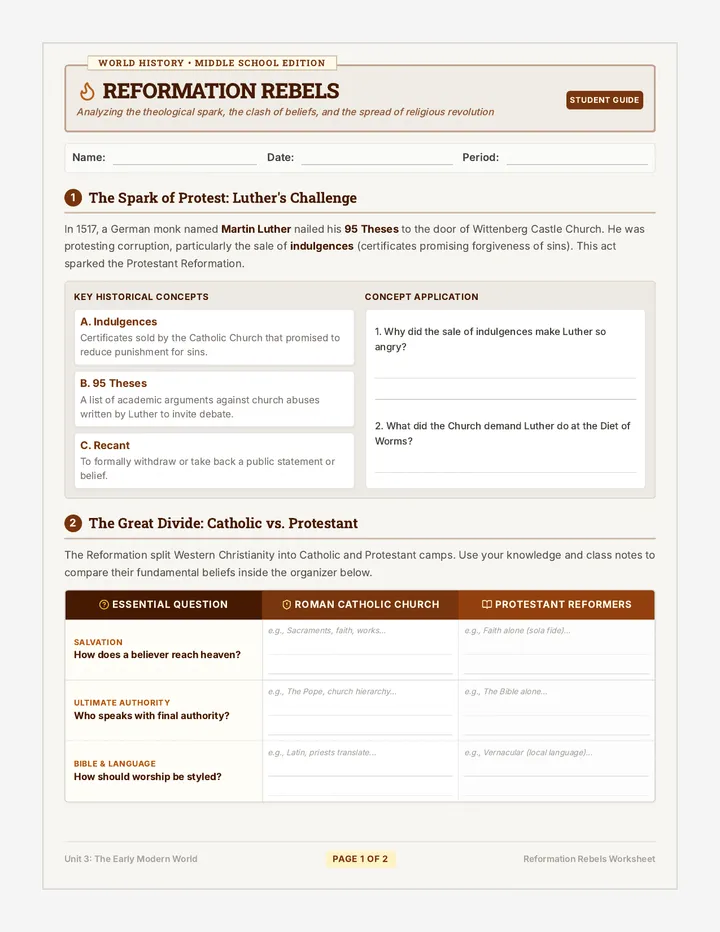
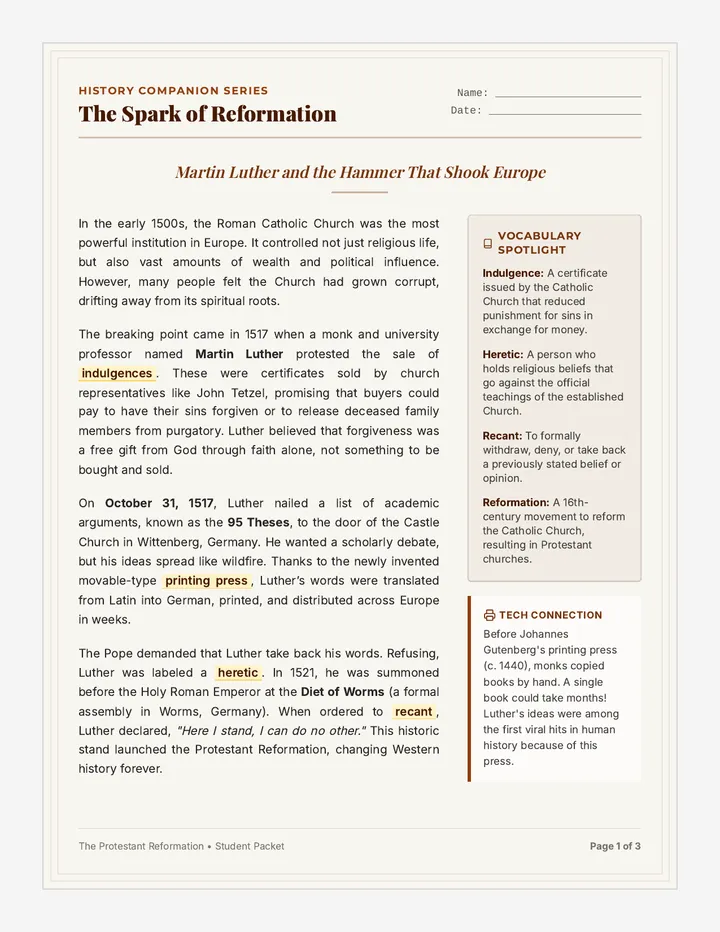
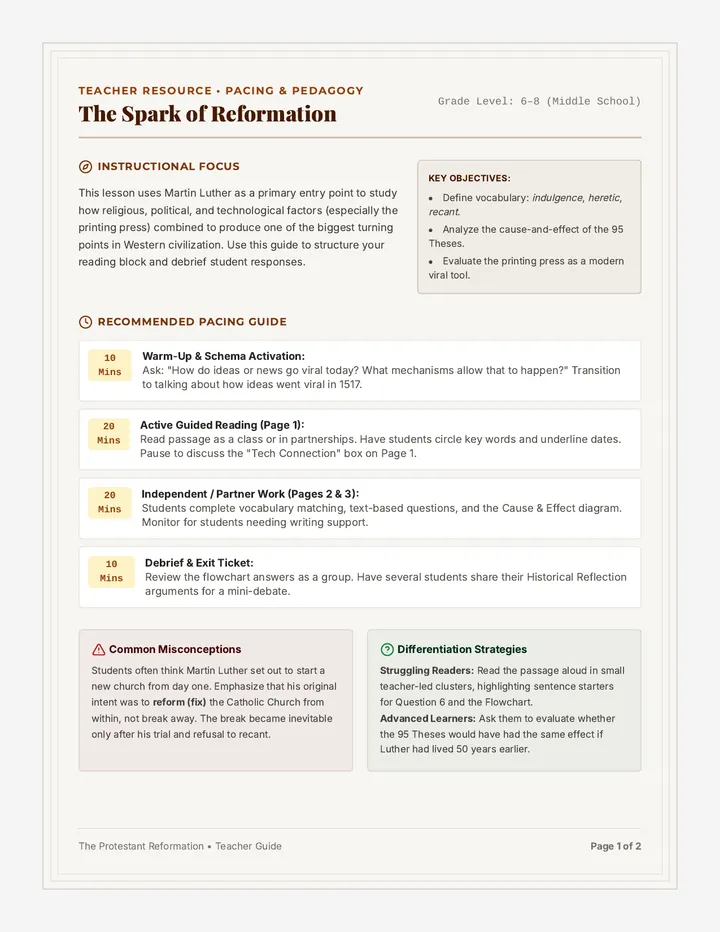
A middle school history lesson introducing the Protestant Reformation, focusing on Martin Luther's protest, the fundamental theological clashes, and the visual spread of Protestantism across Europe.
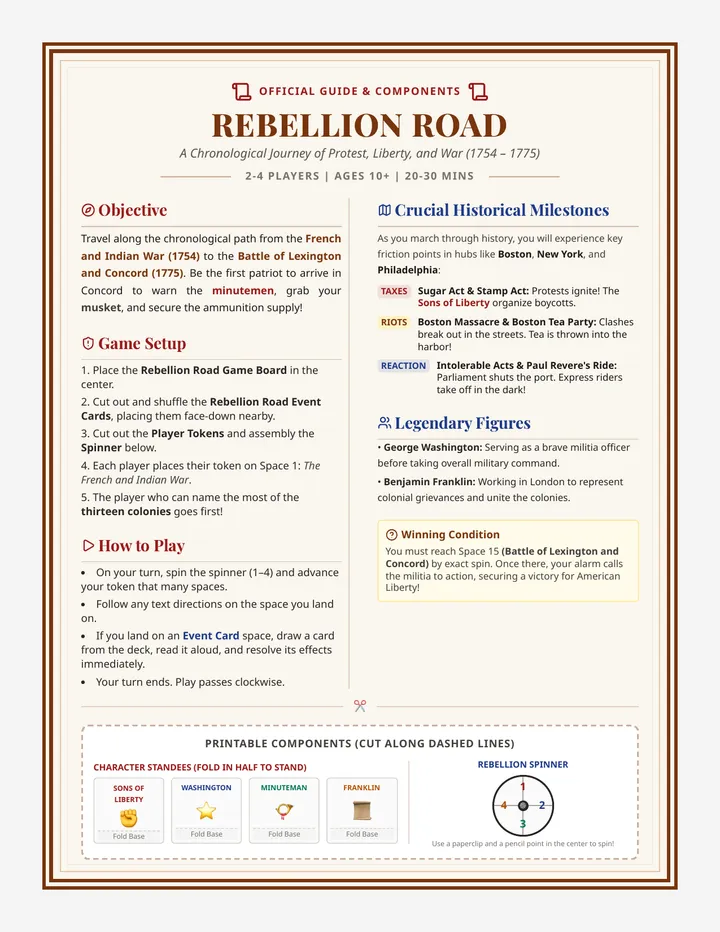
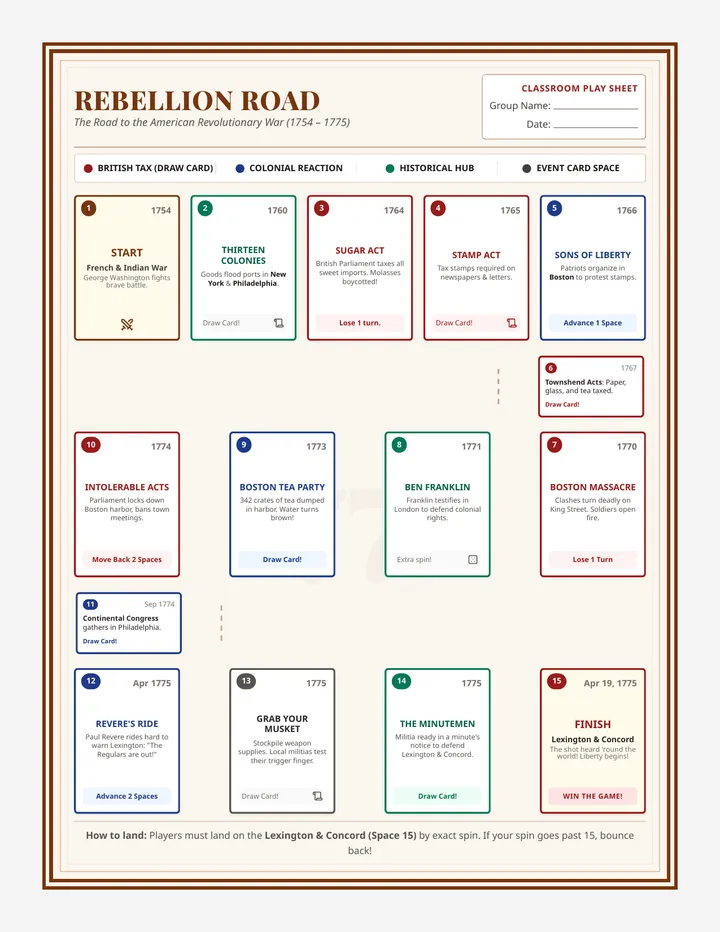
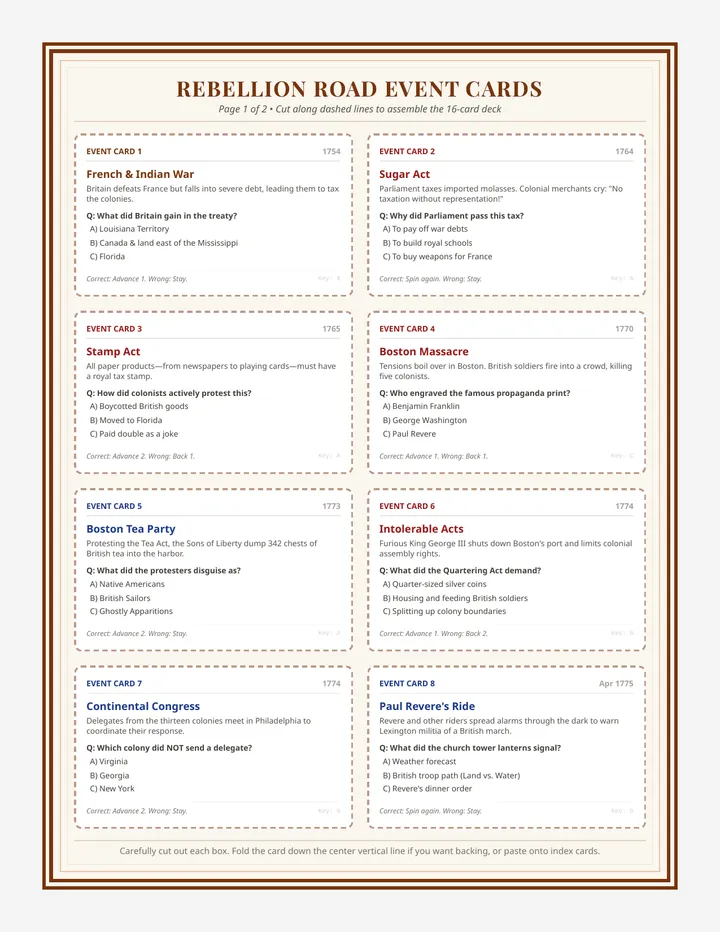
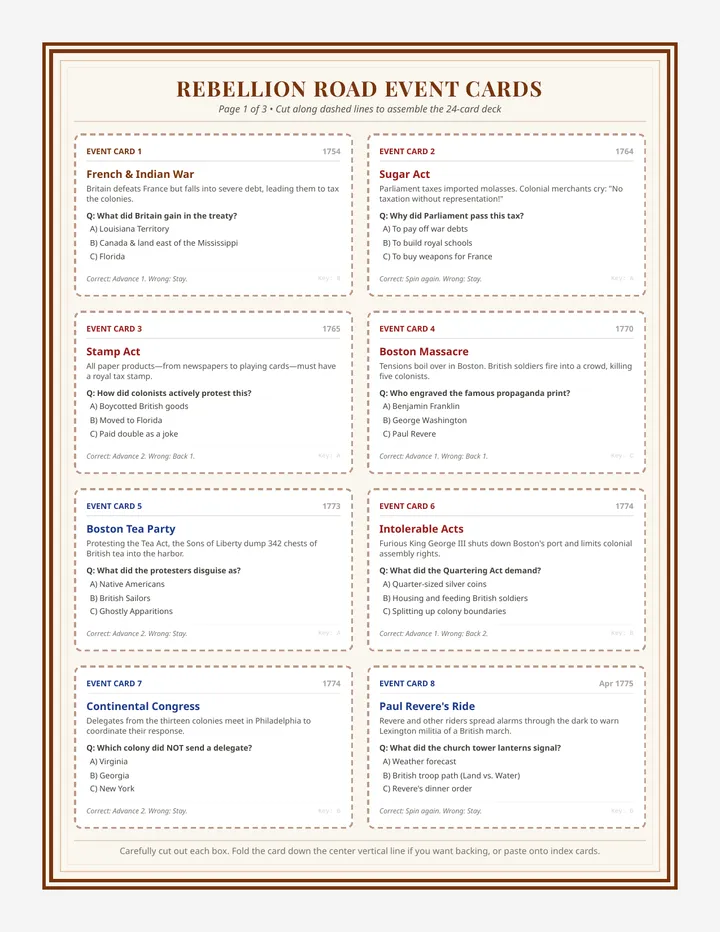
An immersive, print-ready educational board game teaching the major events, key figures, and critical concepts leading up to the American Revolutionary War from 1754 to 1775.
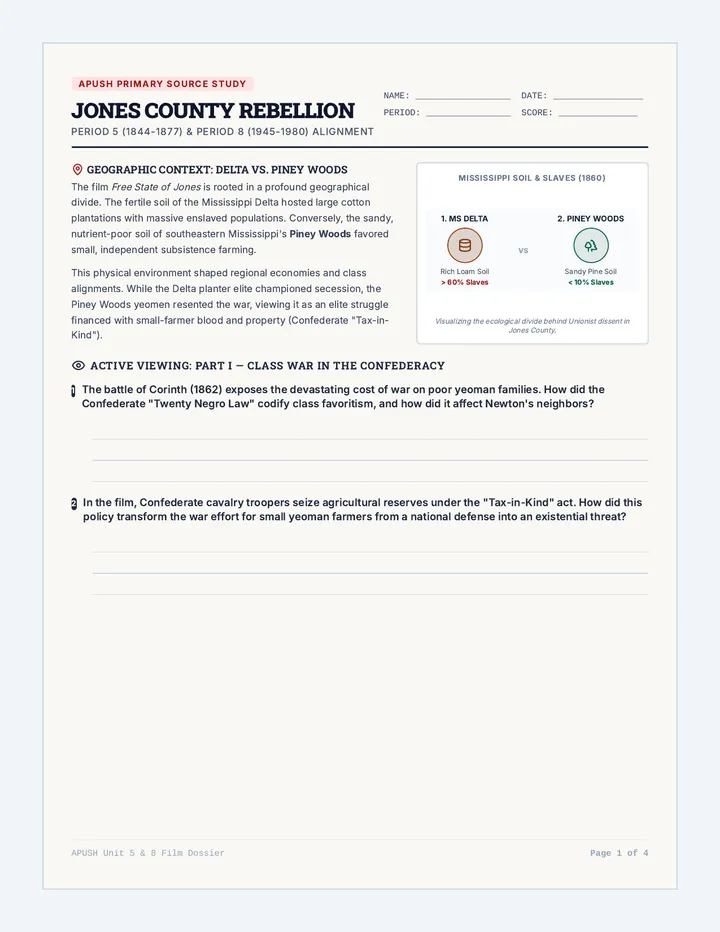
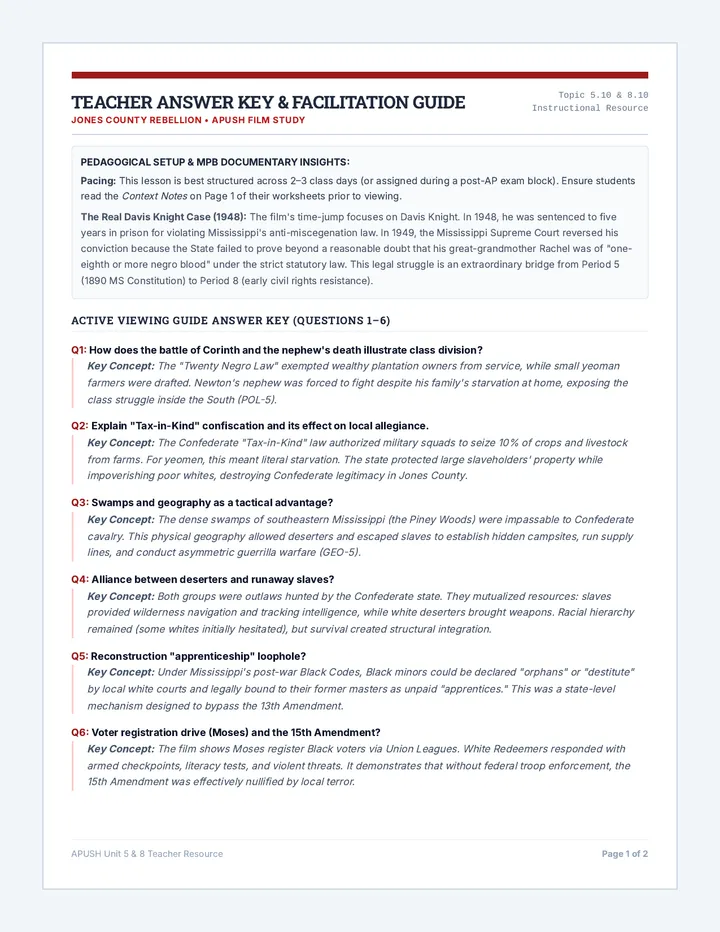
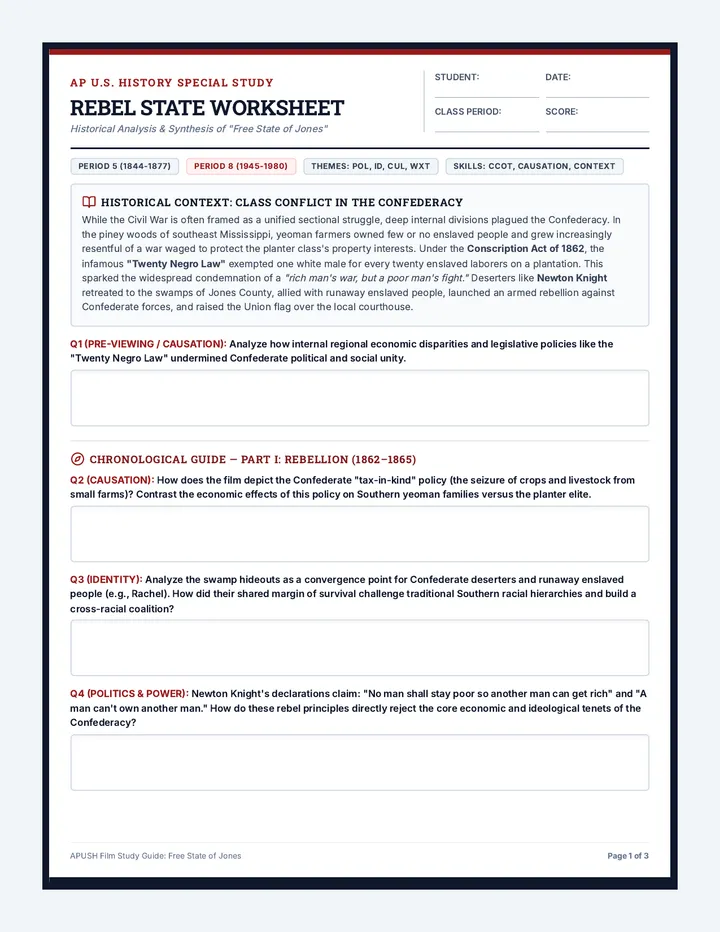
An AP U.S. History film study lesson on 'Free State of Jones' exploring Civil War dissent, Reconstruction failures (Period 5), and their long-term legacy in 20th-century Jim Crow courts (Period 8).
A comprehensive AP U.S. History study of the internal conflicts of the Confederacy, the legal boundaries of Reconstruction, and the long struggle for civil rights in Mississippi, structured around the historical events depicted in the film Free State of Jones.
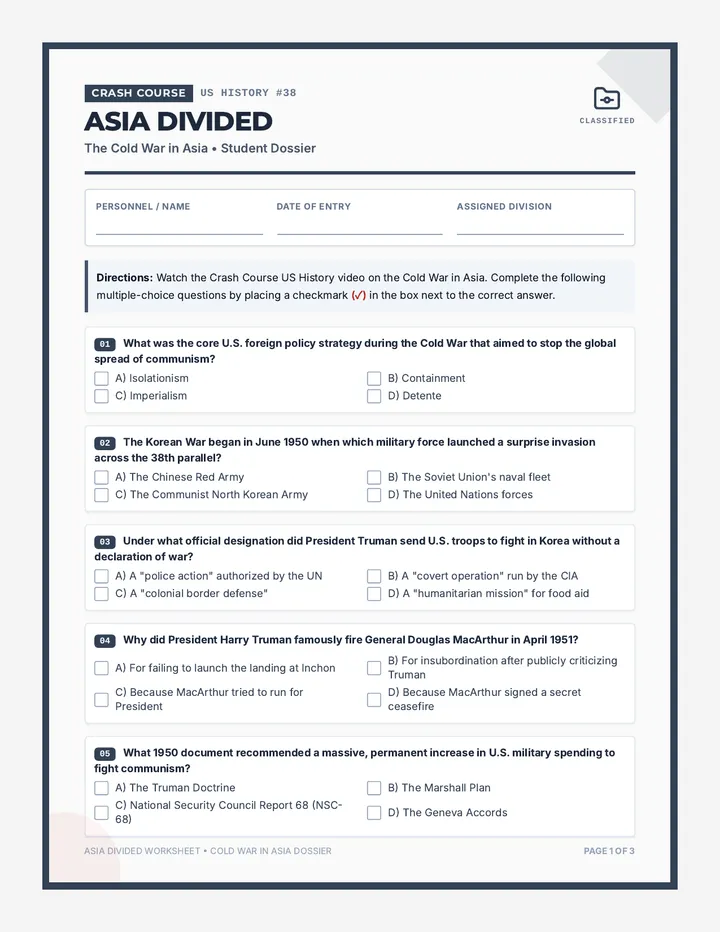
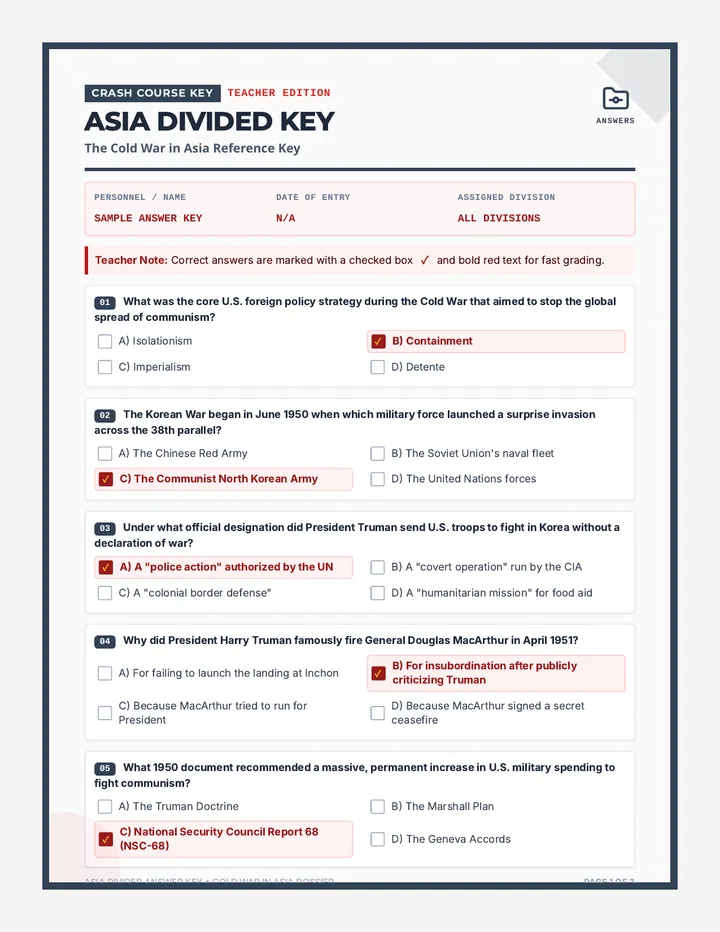
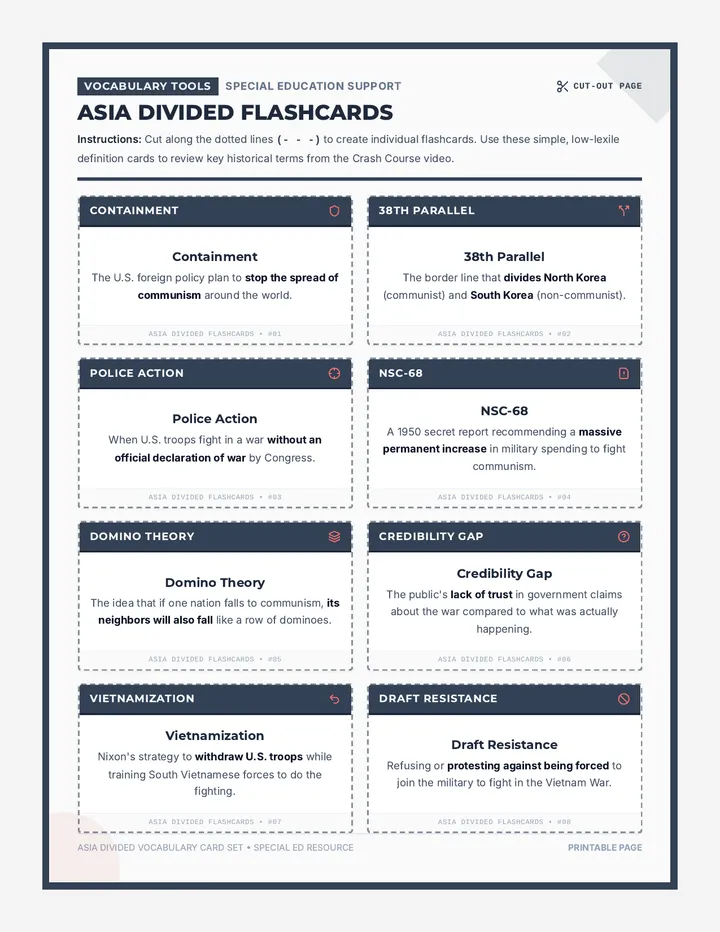
A deep-dive lesson exploring the Cold War in Asia (focusing on the Korean and Vietnam Wars) using Crash Course US History #38. This lesson includes a 15-question comprehension worksheet, a complete teacher answer key, and specialized low-lexile definition flashcards for special education.
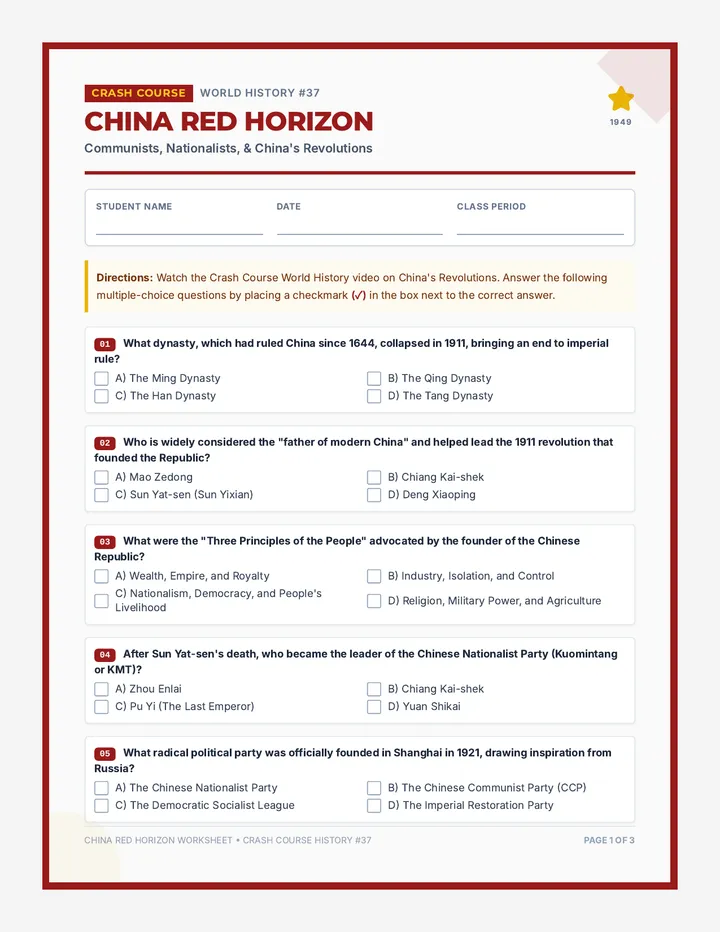
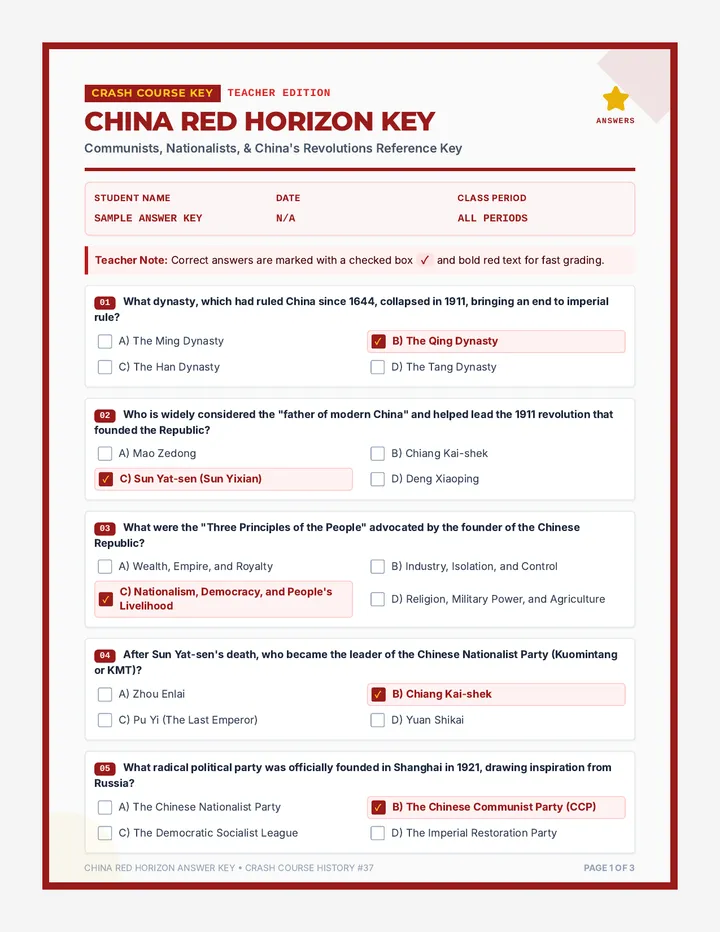
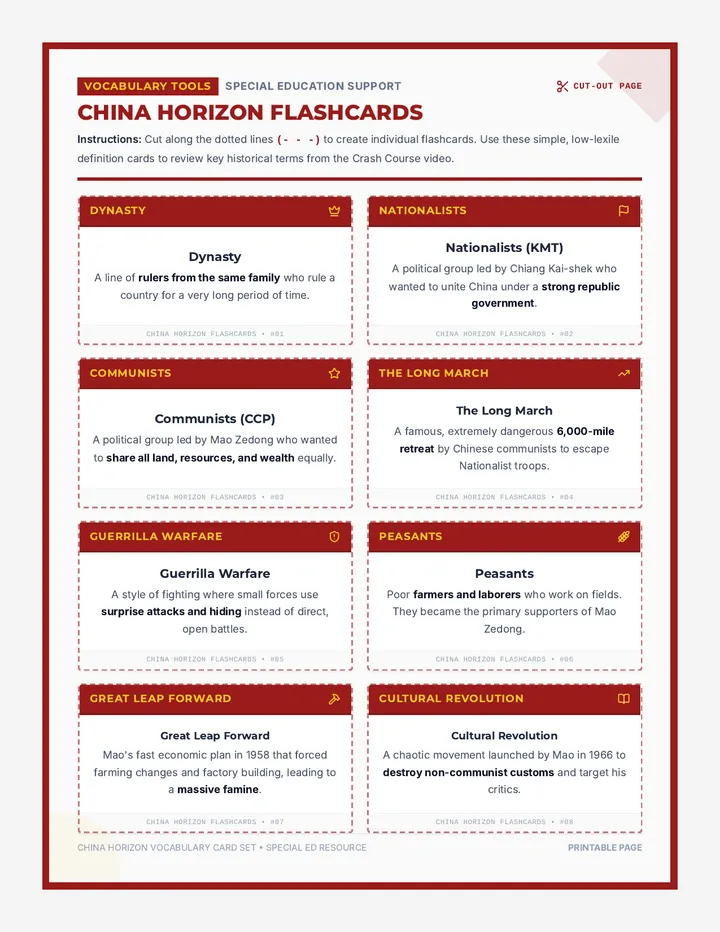
A deep-dive lesson exploring the Chinese revolutions of the 20th century using Crash Course World History #37. Includes a 15-question comprehension worksheet, a complete teacher answer key, and specialized low-lexile definition flashcards for special education.
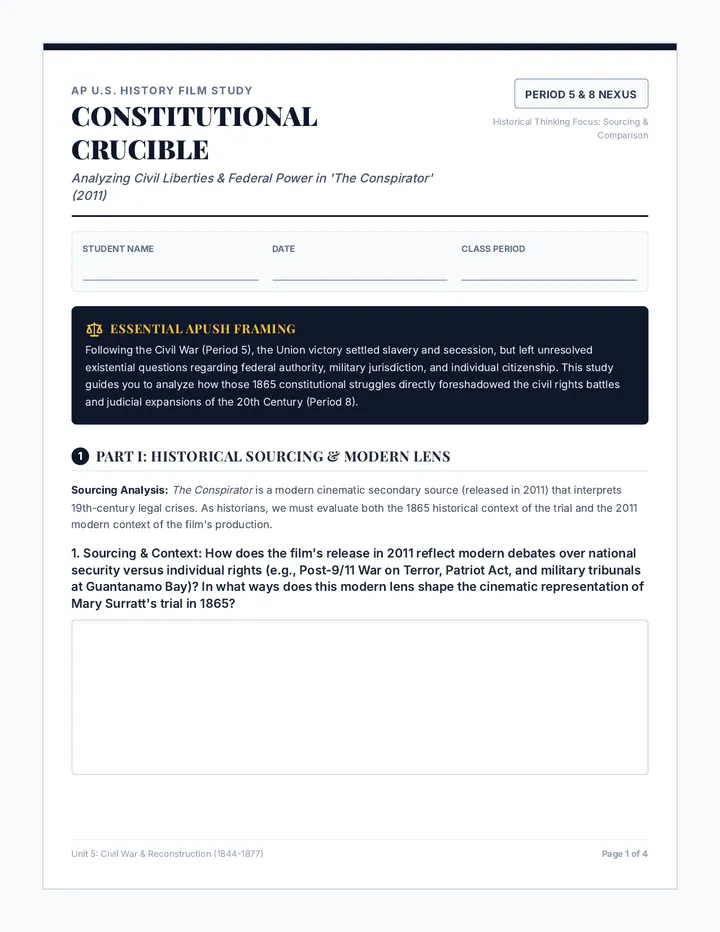
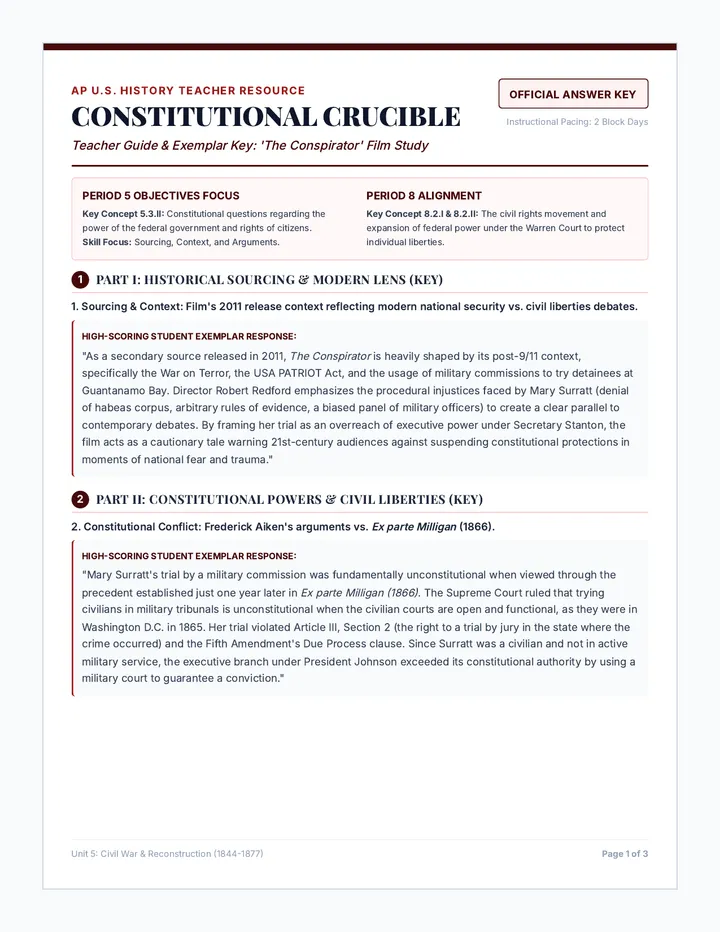
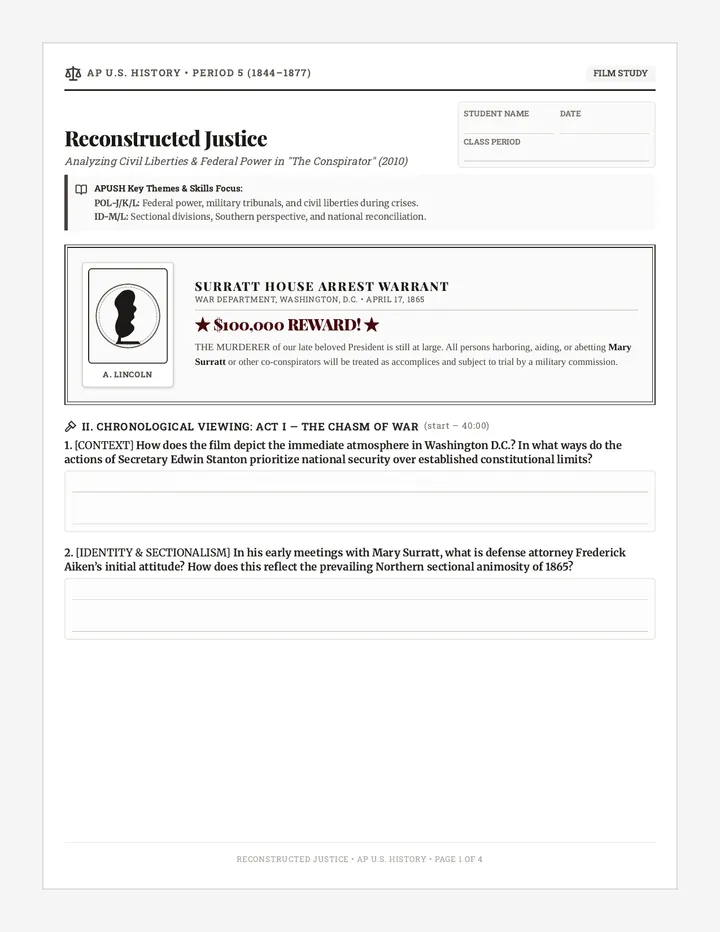
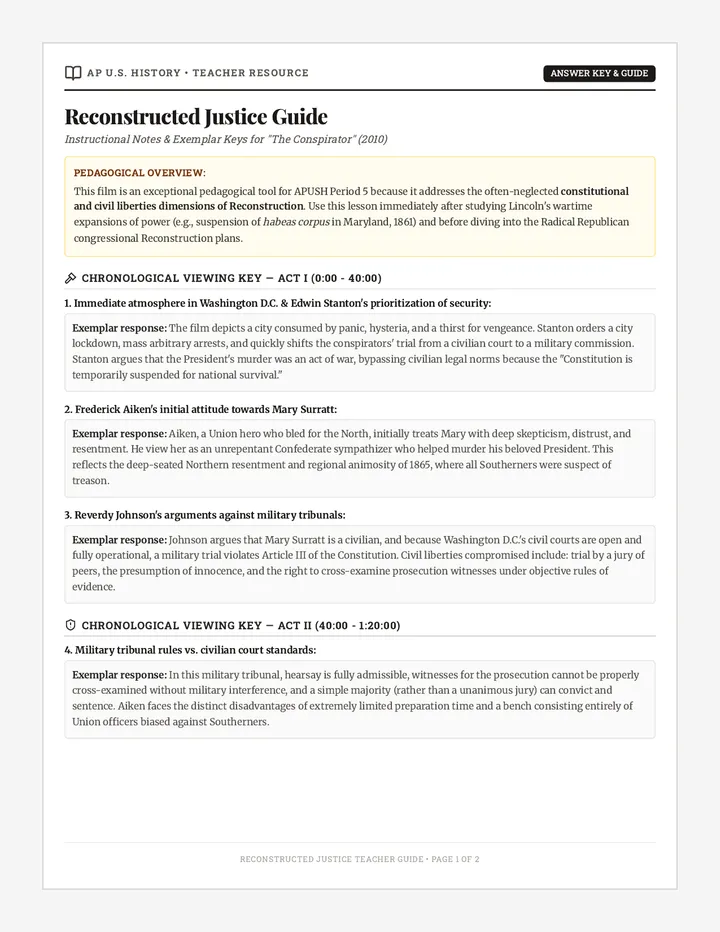
An AP U.S. History film study and constitutional analysis of 'The Conspirator'. Students explore Period 5 legal precedents, executive authority, and civil liberties, while tracing long-term continuities in civil rights into the 20th century.
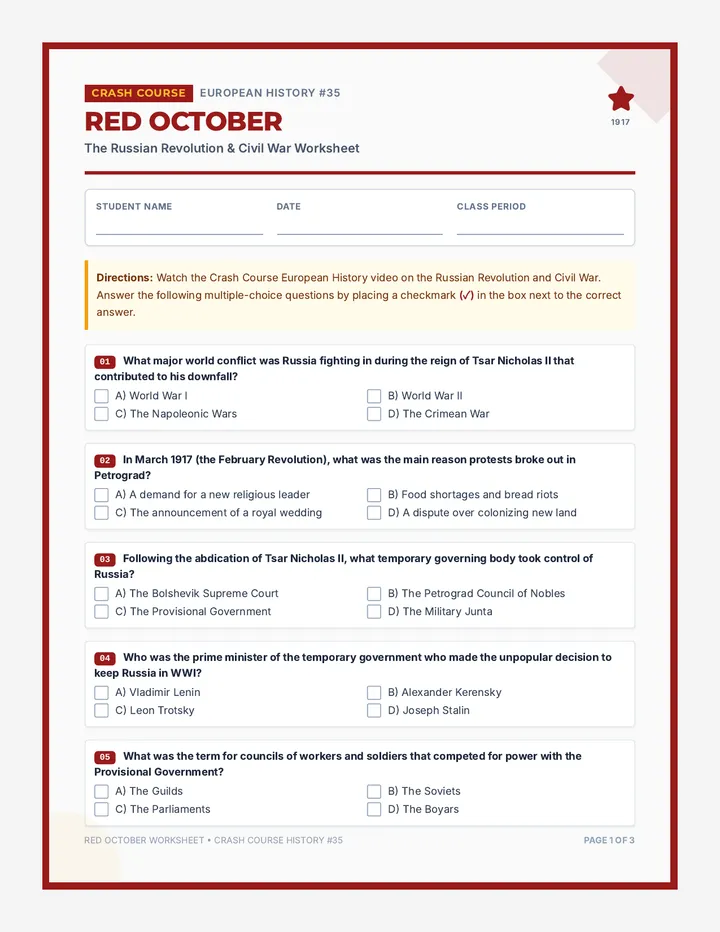
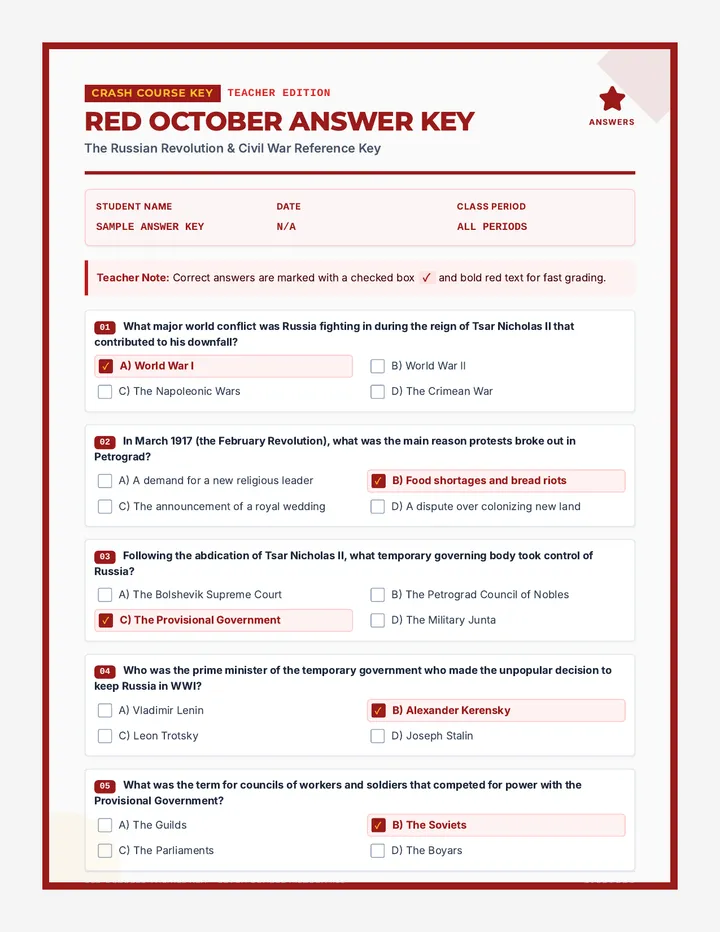
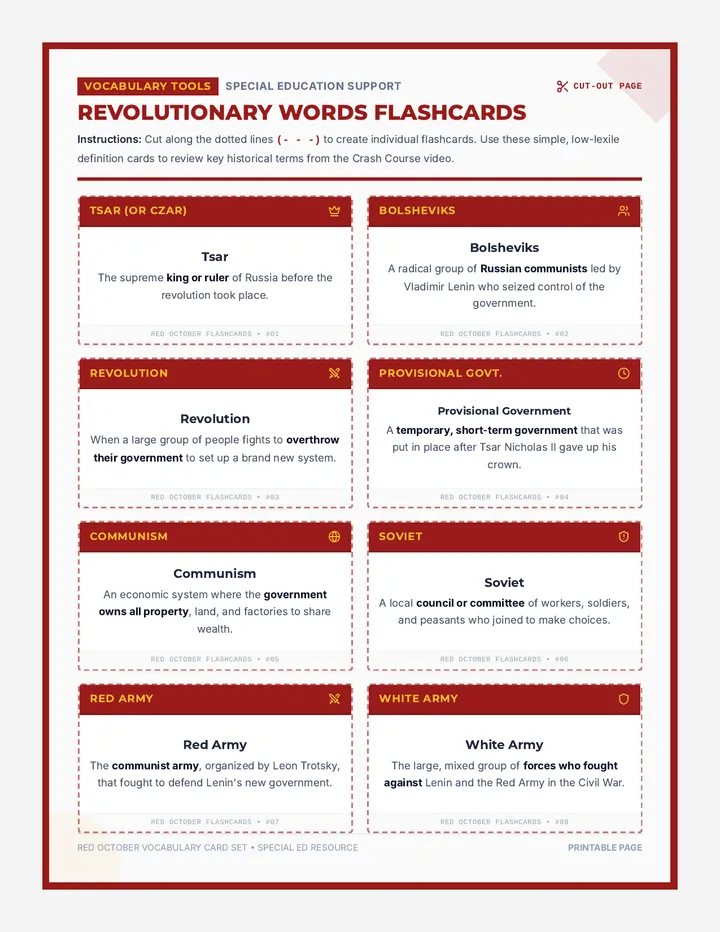
A comprehensive lesson focused on the Russian Revolution and Civil War, utilizing Crash Course European History #35. This lesson includes a 15-question comprehension worksheet, a complete teacher answer key, and specialized low-lexile definition flashcards for special education support.
A highly targeted lesson analyzing the film 'The Conspirator' (2010) through the lens of AP U.S. History Period 5 objectives. It explores the constitutional crises, civil liberties, and regional animosities surrounding the trial of the Lincoln assassination co-conspirators in 1865.
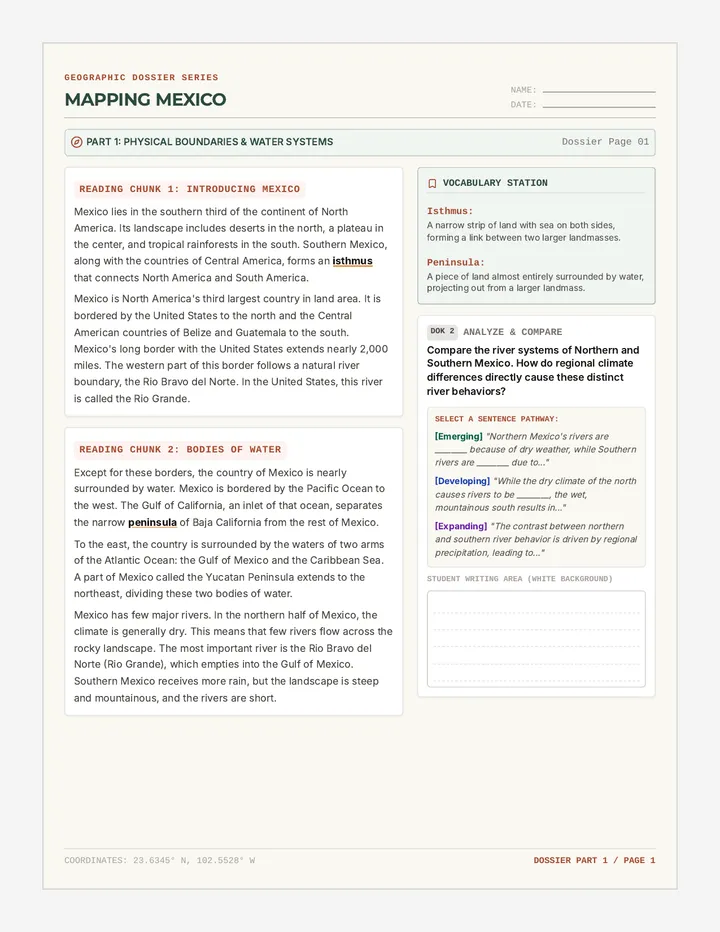
A comprehensive lesson exploring Mexico's physical geography, diverse climates, and distinct economic regions. Students engage in structured side-by-side reading, vocabulary analysis, and DOK2/DOK3 text-dependent analysis.
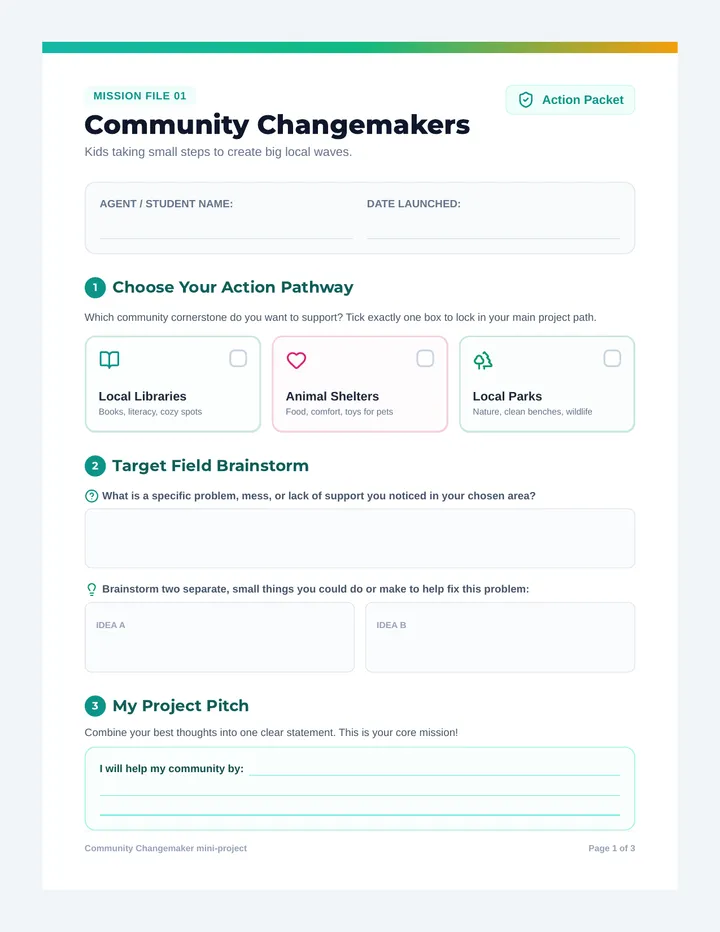
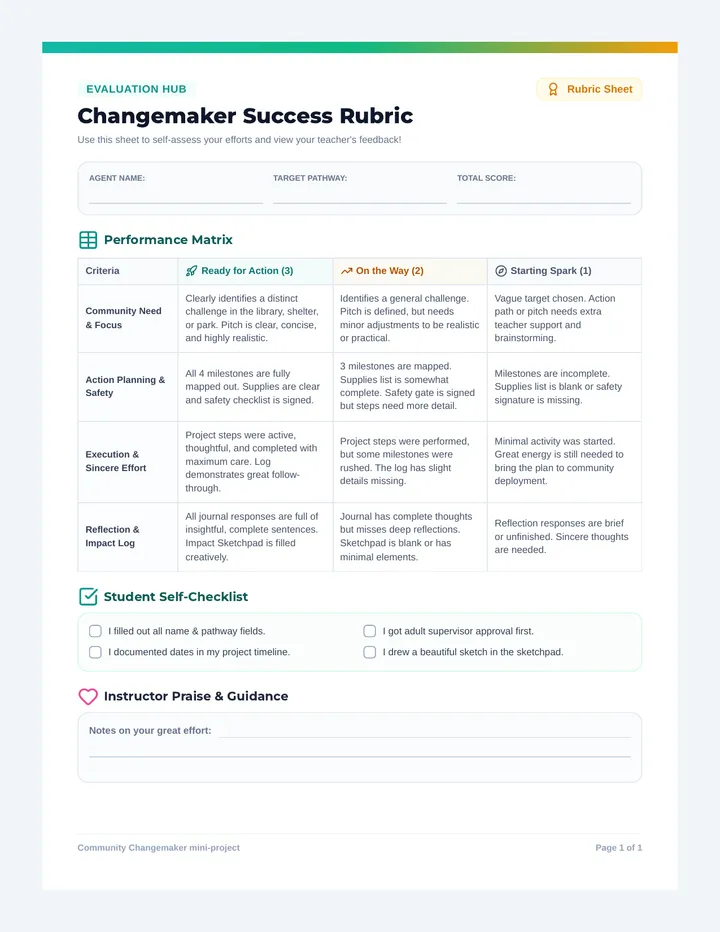
A mini-project curriculum designed to empower young students to become local community changemakers. It guides them through brainstorming, planning, and executing simple, impactful action projects for local libraries, animal shelters, or parks.
A foundational civics lesson on incumbency, electoral advantages, and media literacy. Students explore why current politicians usually win reelection and learn to distinguish between objective news reports and opinion articles.
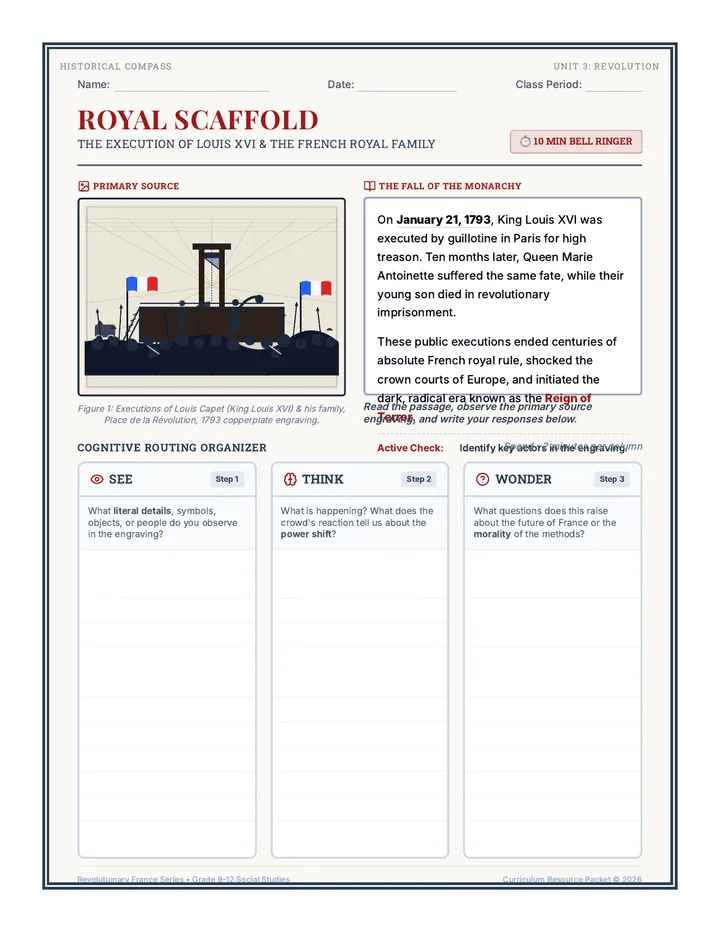
A quick, high-impact bell ringer lesson exploring the execution of King Louis XVI and the French royal family through a primary source engraving and a See-Think-Wonder cognitive routing activity.
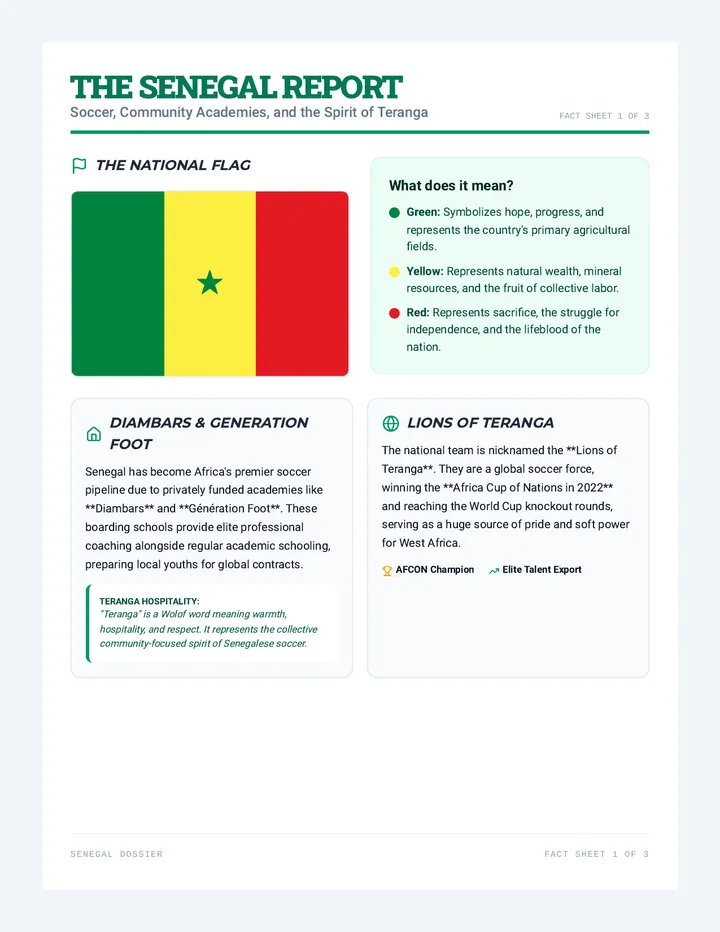
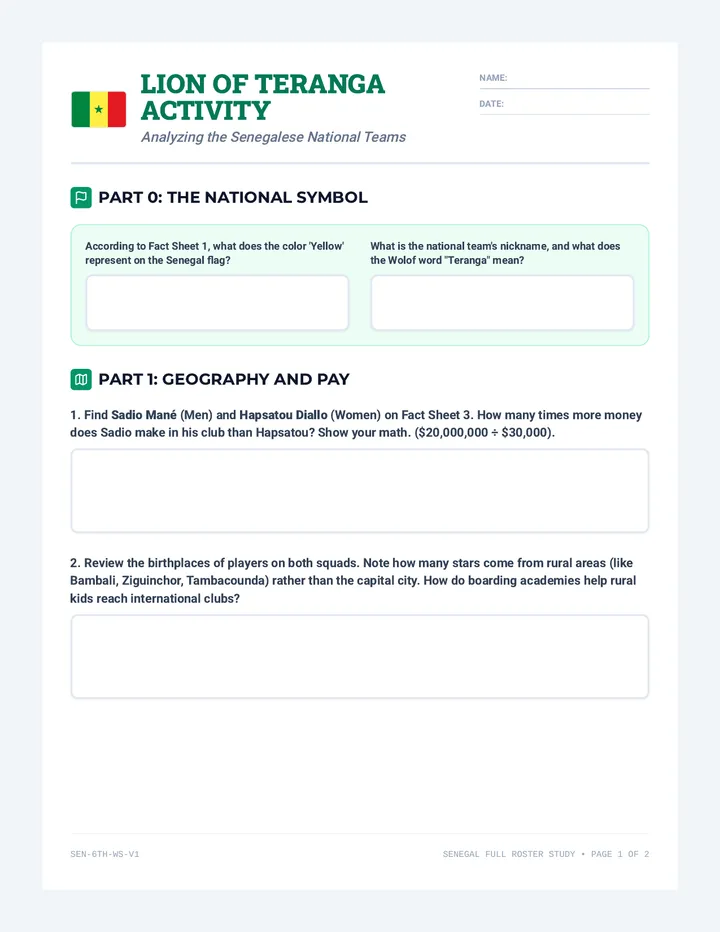
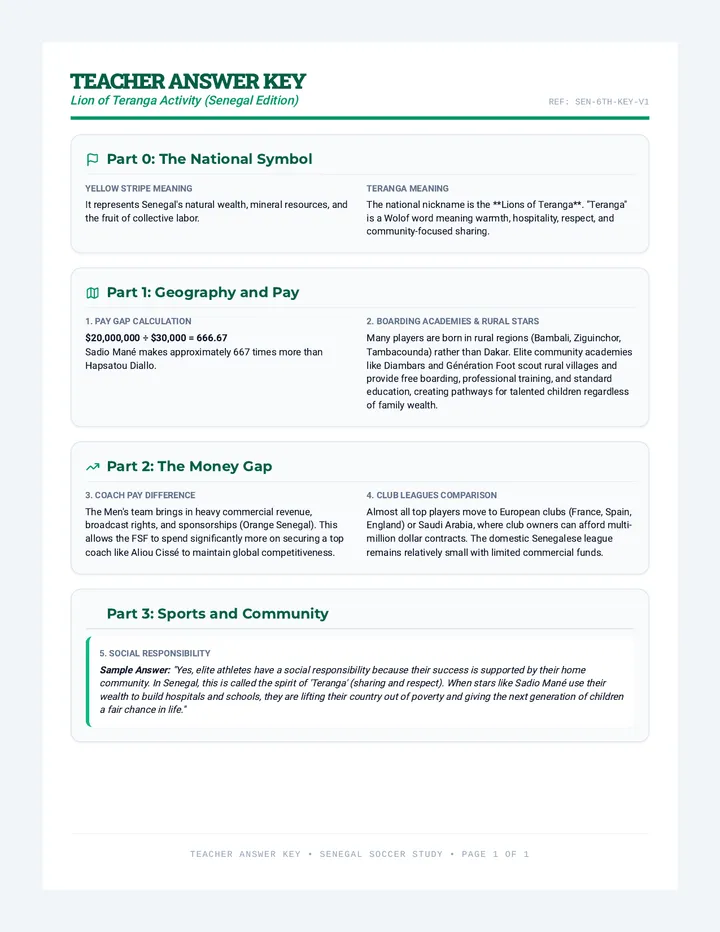
An investigation of Senegal's national soccer program (Lions of Teranga), French-African economic ties, and community soccer academies.
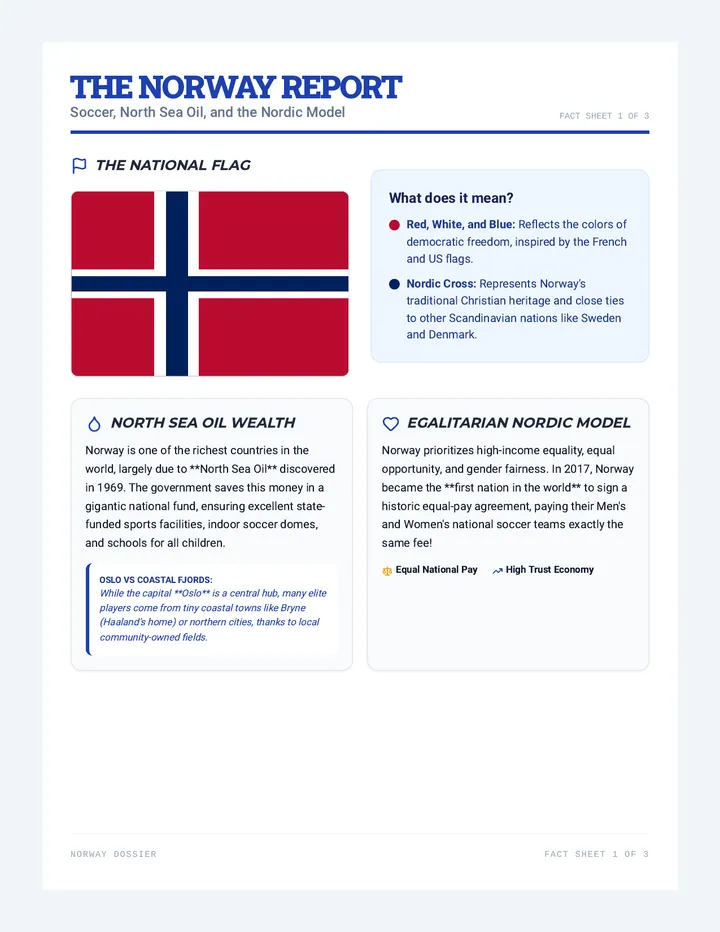
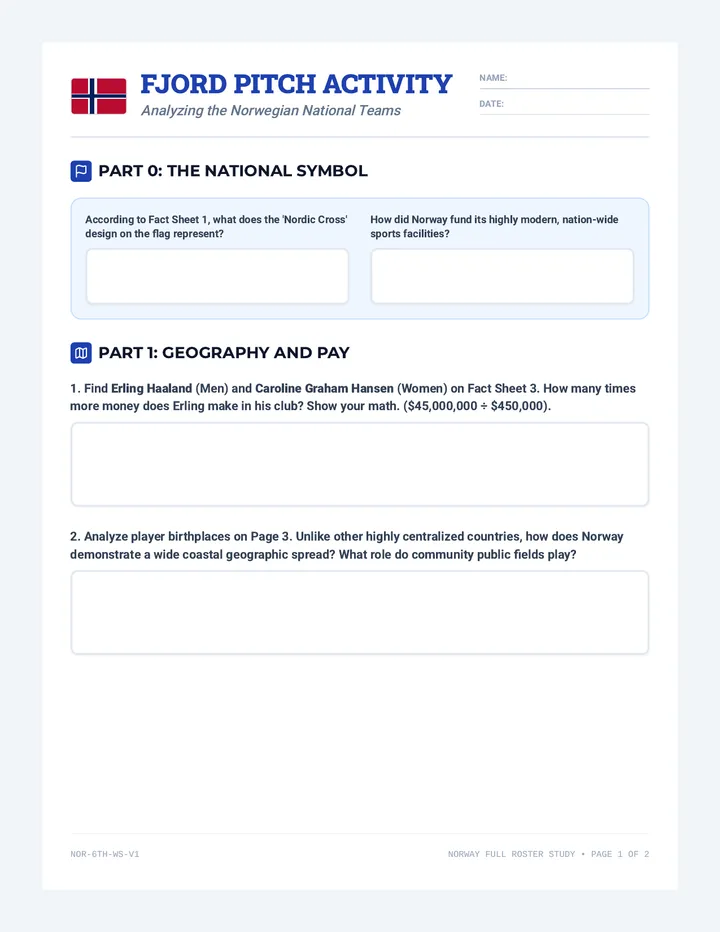
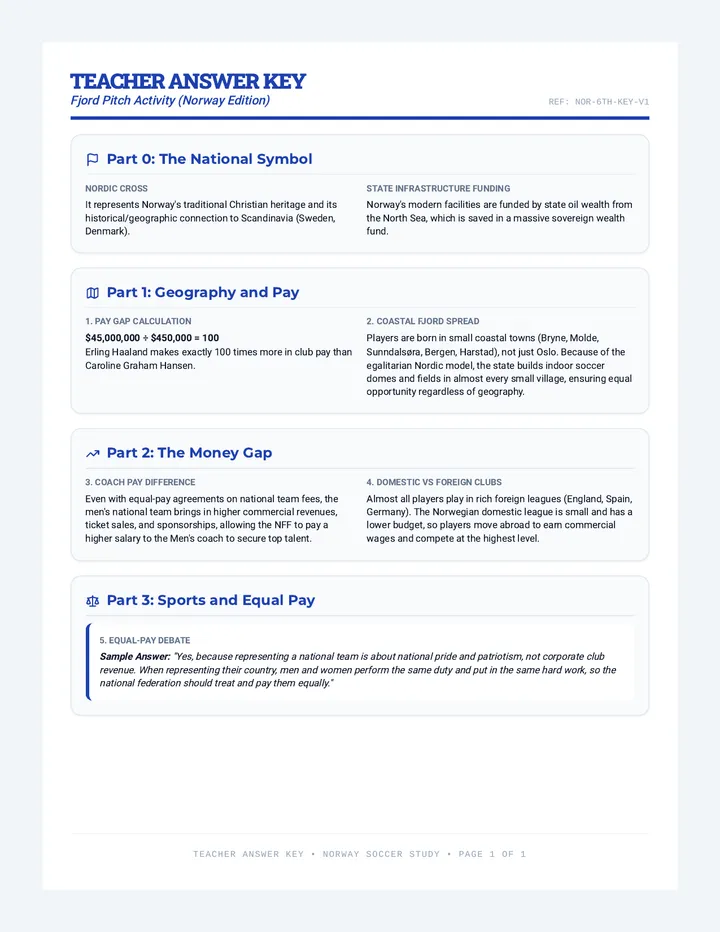
An exploration of Norway's soccer renaissance, wealth from North Sea oil, and its high-income equality model in professional sports.
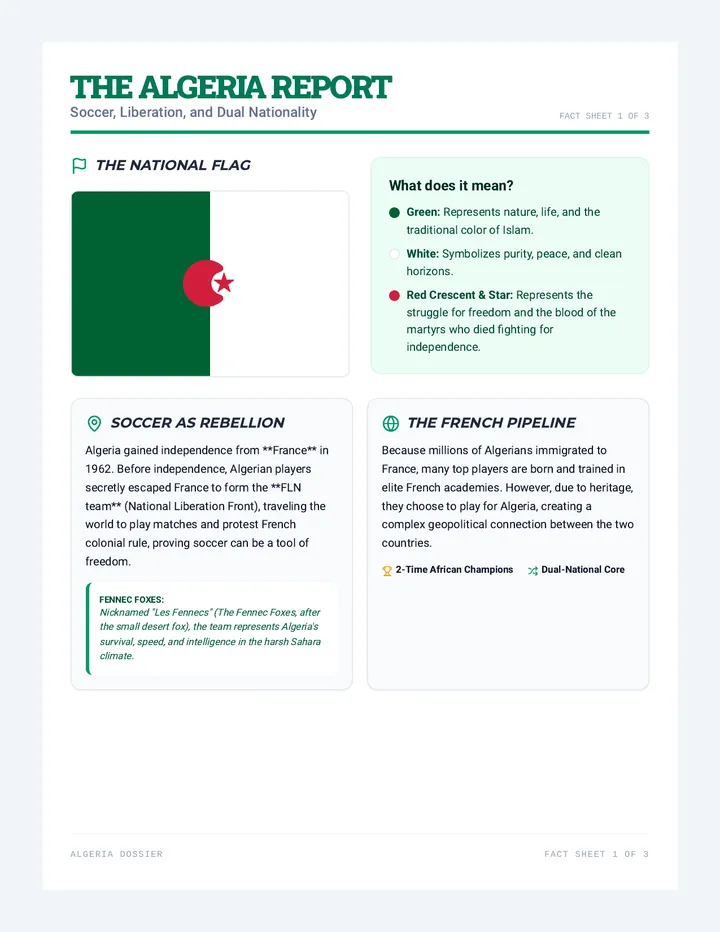
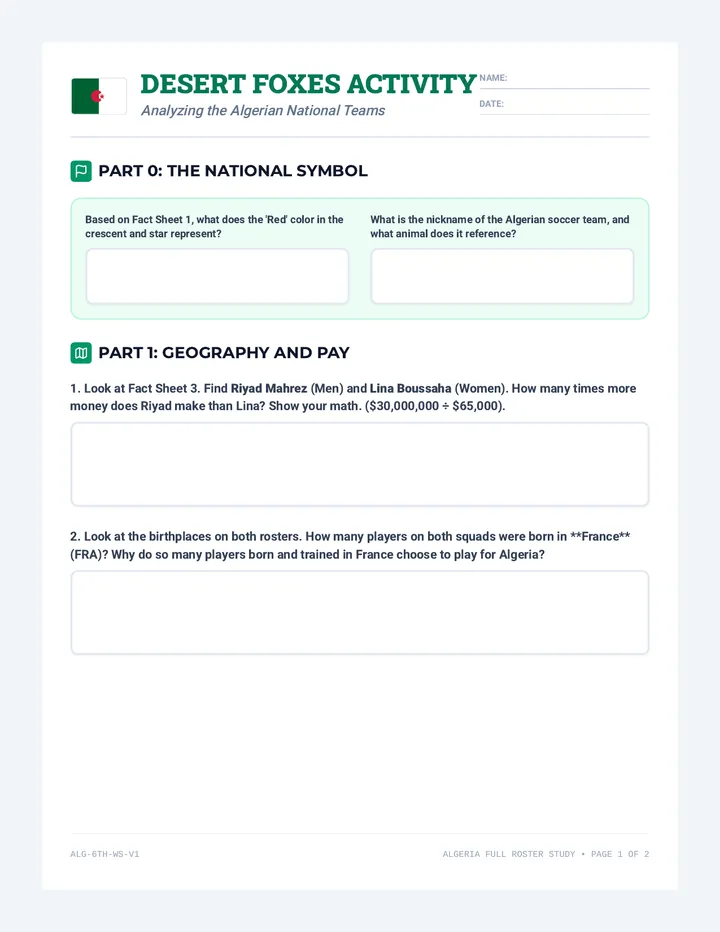
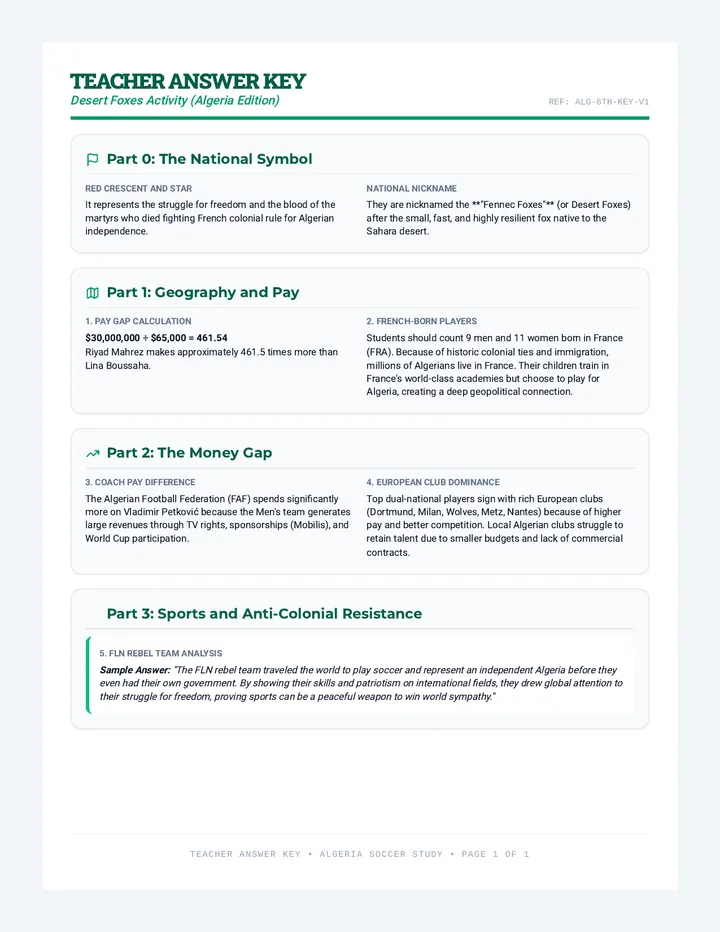
An investigation of Algerian soccer (Fennec Foxes), the geopolitics of French-Algerian dual citizenship, and soccer as a historic symbol of anti-colonial resistance.
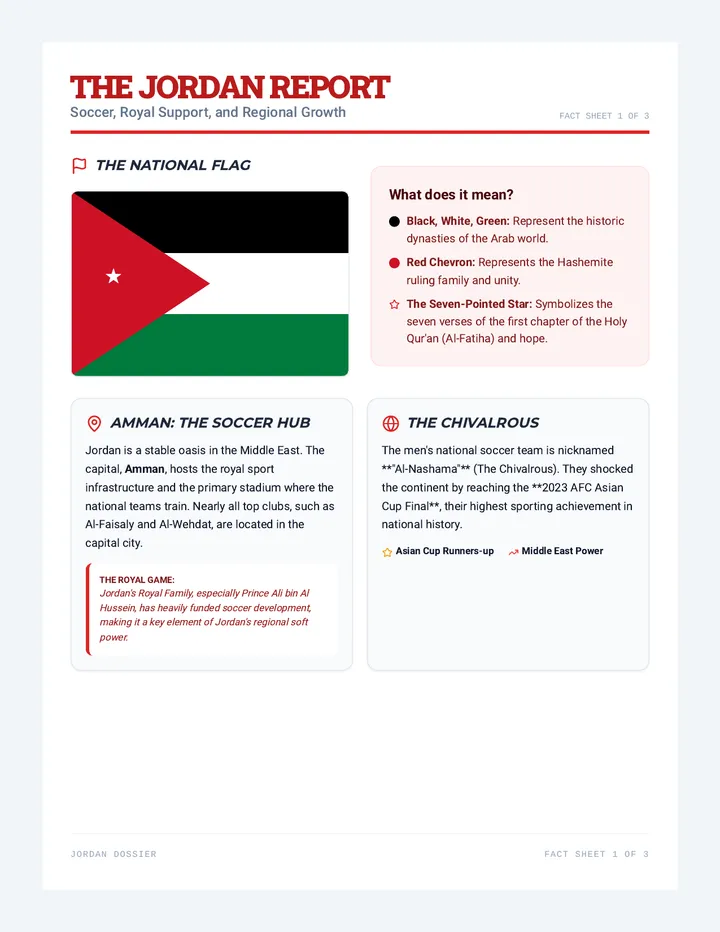
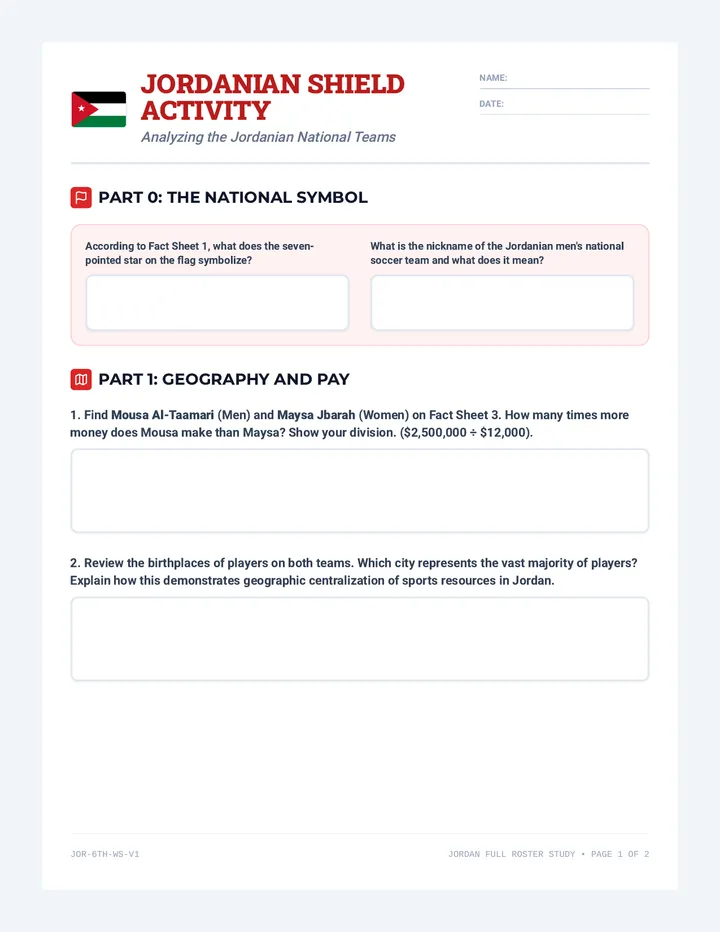
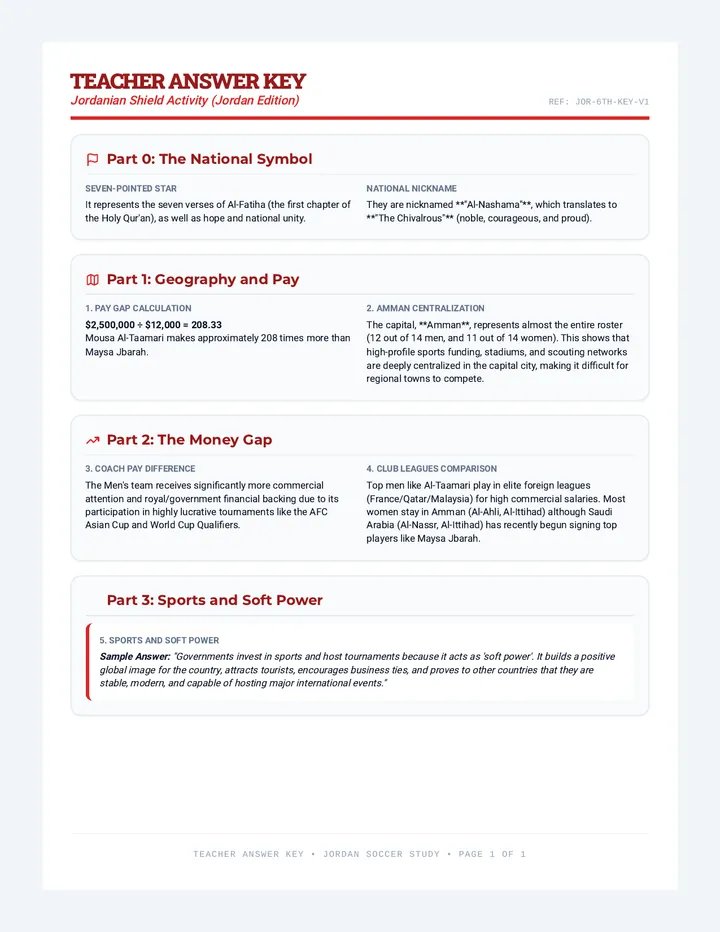
An exploration of Jordan's rise in Asian soccer, regional development, and the geopolitical role of sports infrastructure in the Middle East.
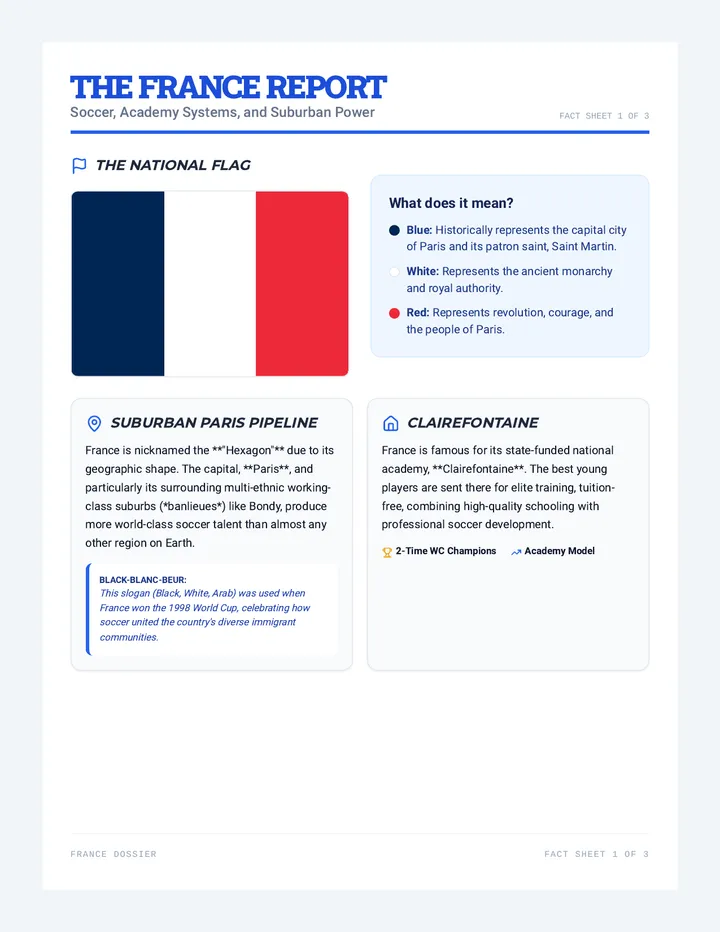
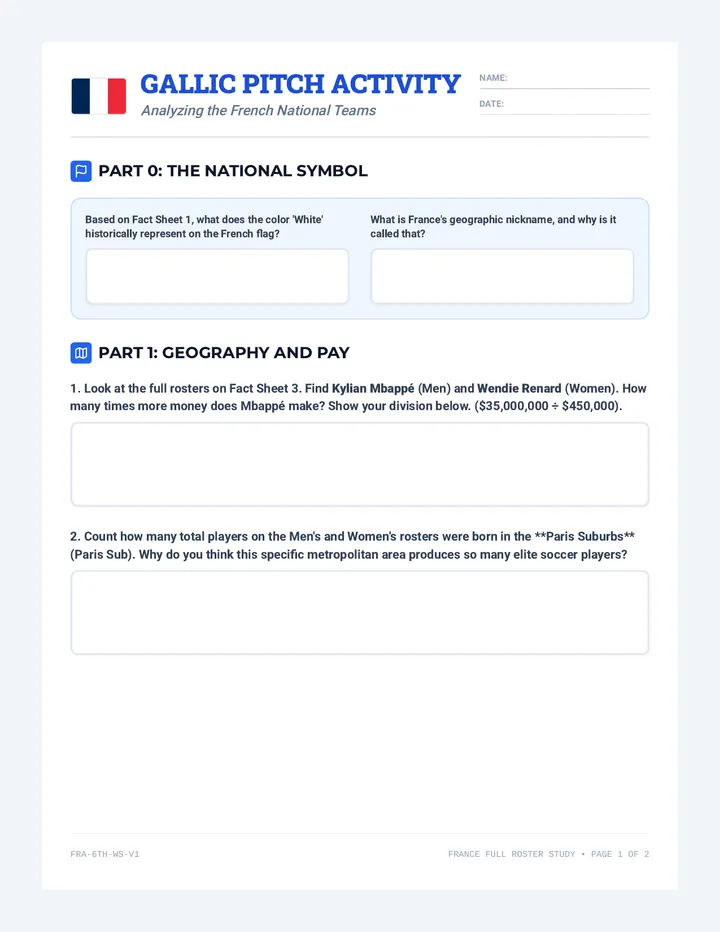
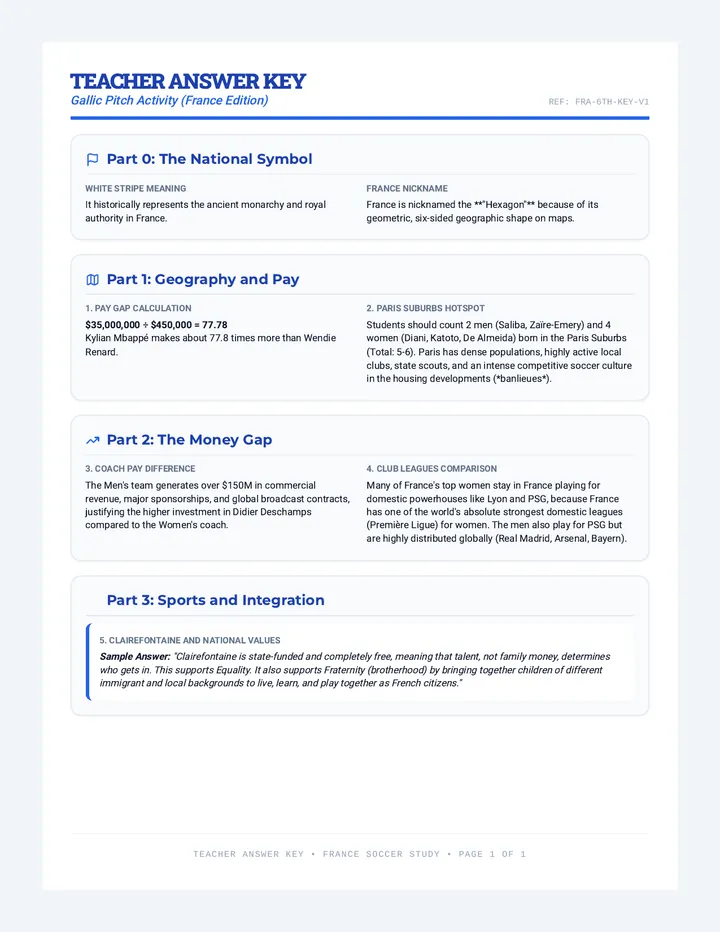
An investigation of France's elite soccer academies, the economics of Ligue 1, and the geopolitics of suburban Paris soccer.
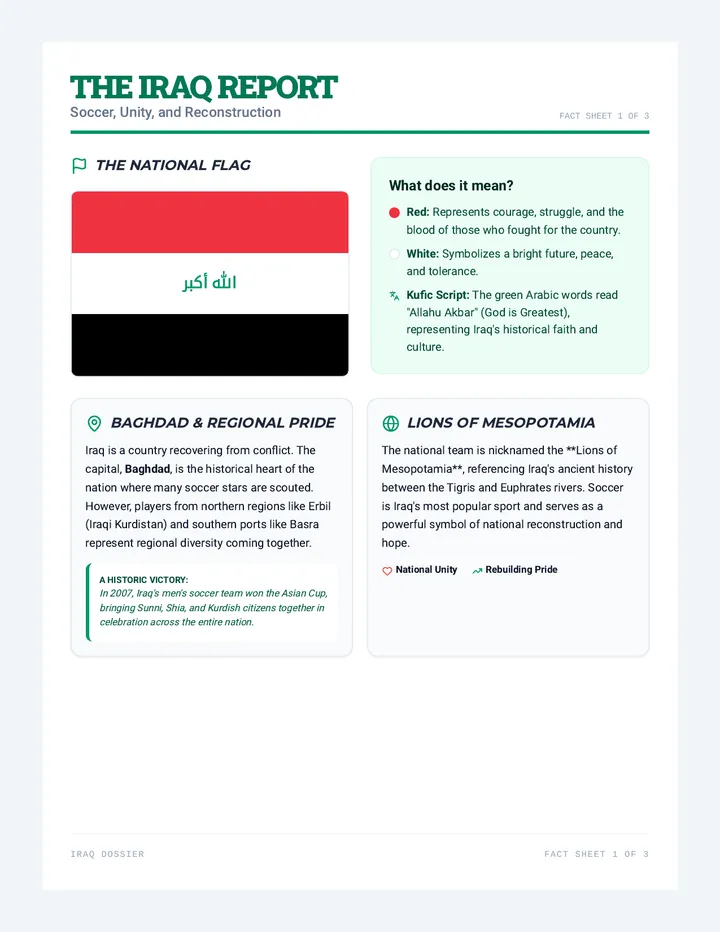
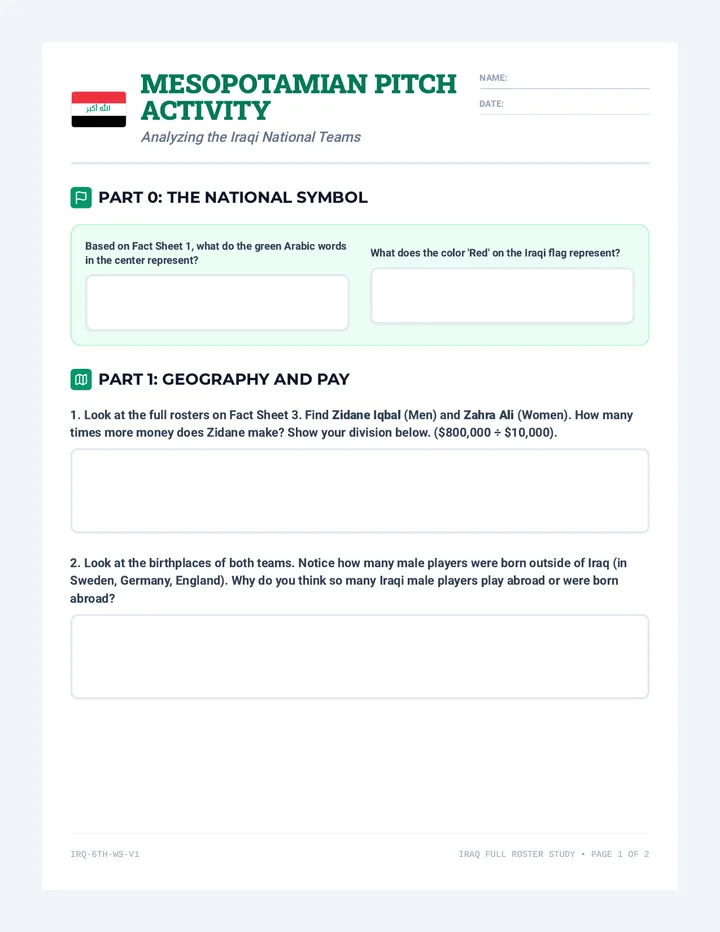
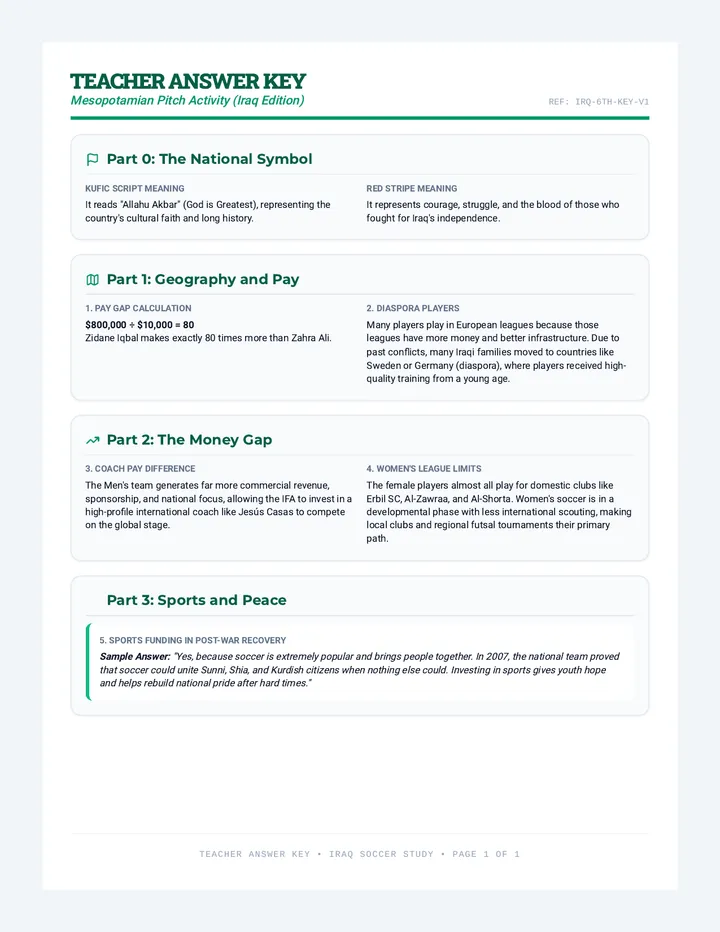
An exploration of soccer, national identity, and post-war reconstruction in Iraq, analyzing the Lions of Mesopotamia national soccer program.
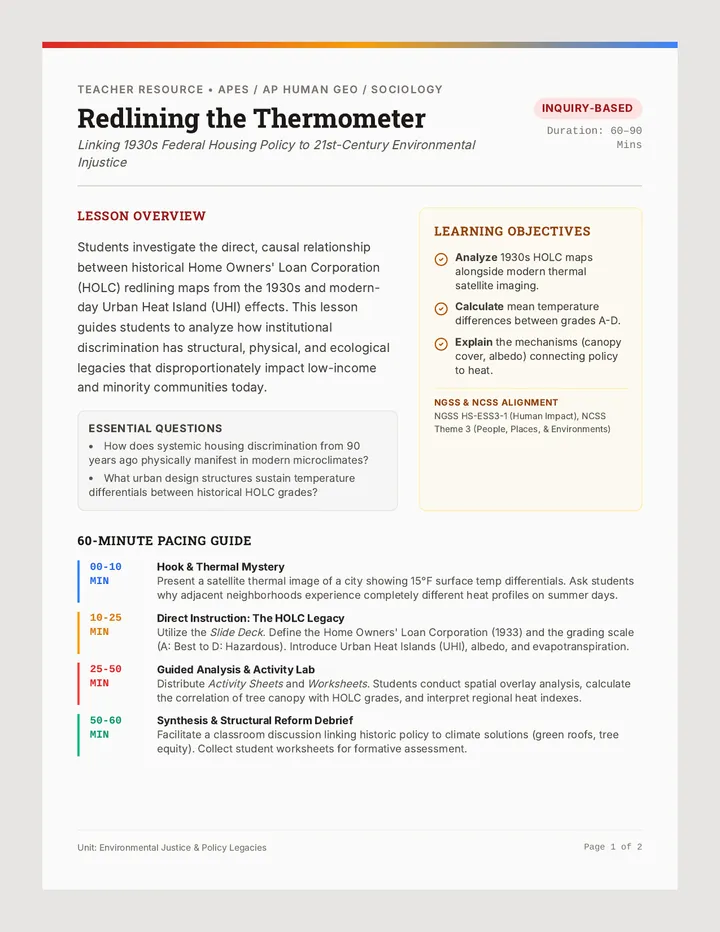
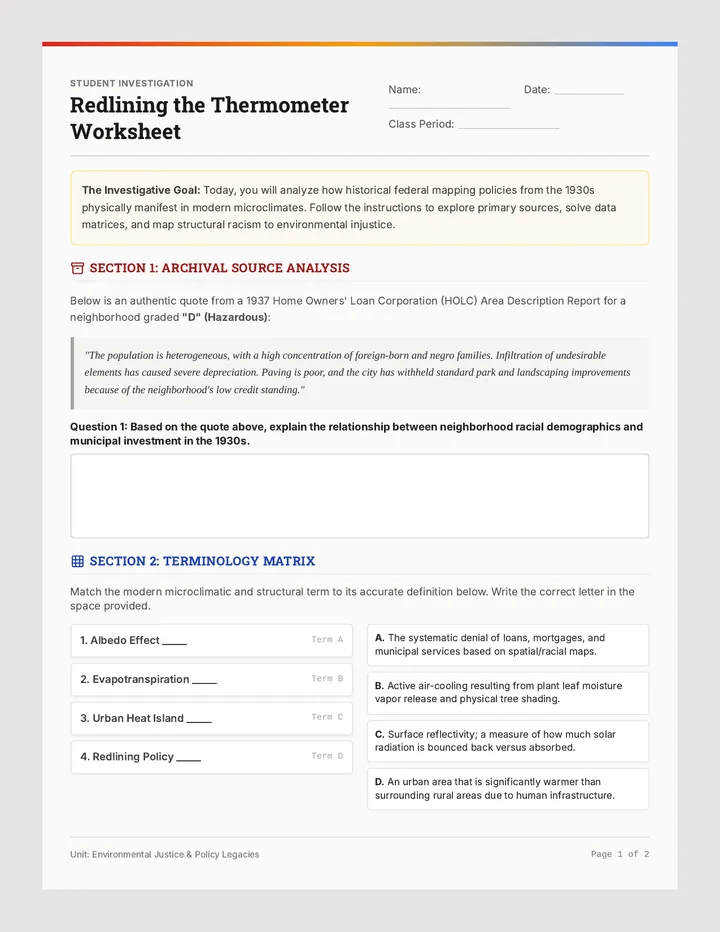
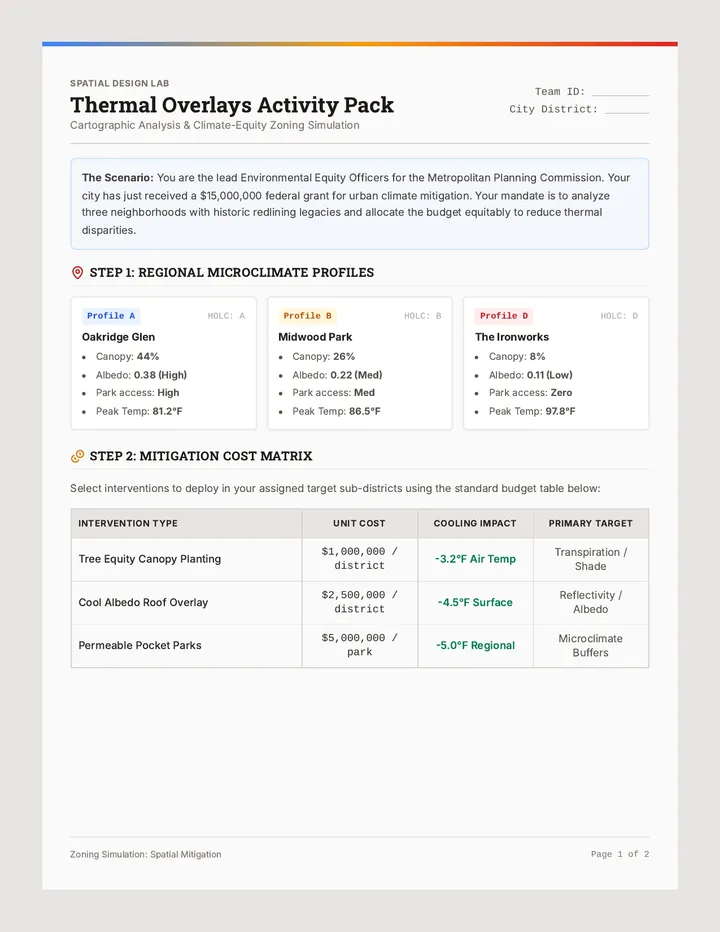
An advanced, interdisciplinary lesson for high school and undergraduate students exploring the causal relationship between 1930s Home Owners' Loan Corporation (HOLC) redlining maps and modern-day urban heat island (UHI) effects, analyzing systemic racism and environmental injustice.
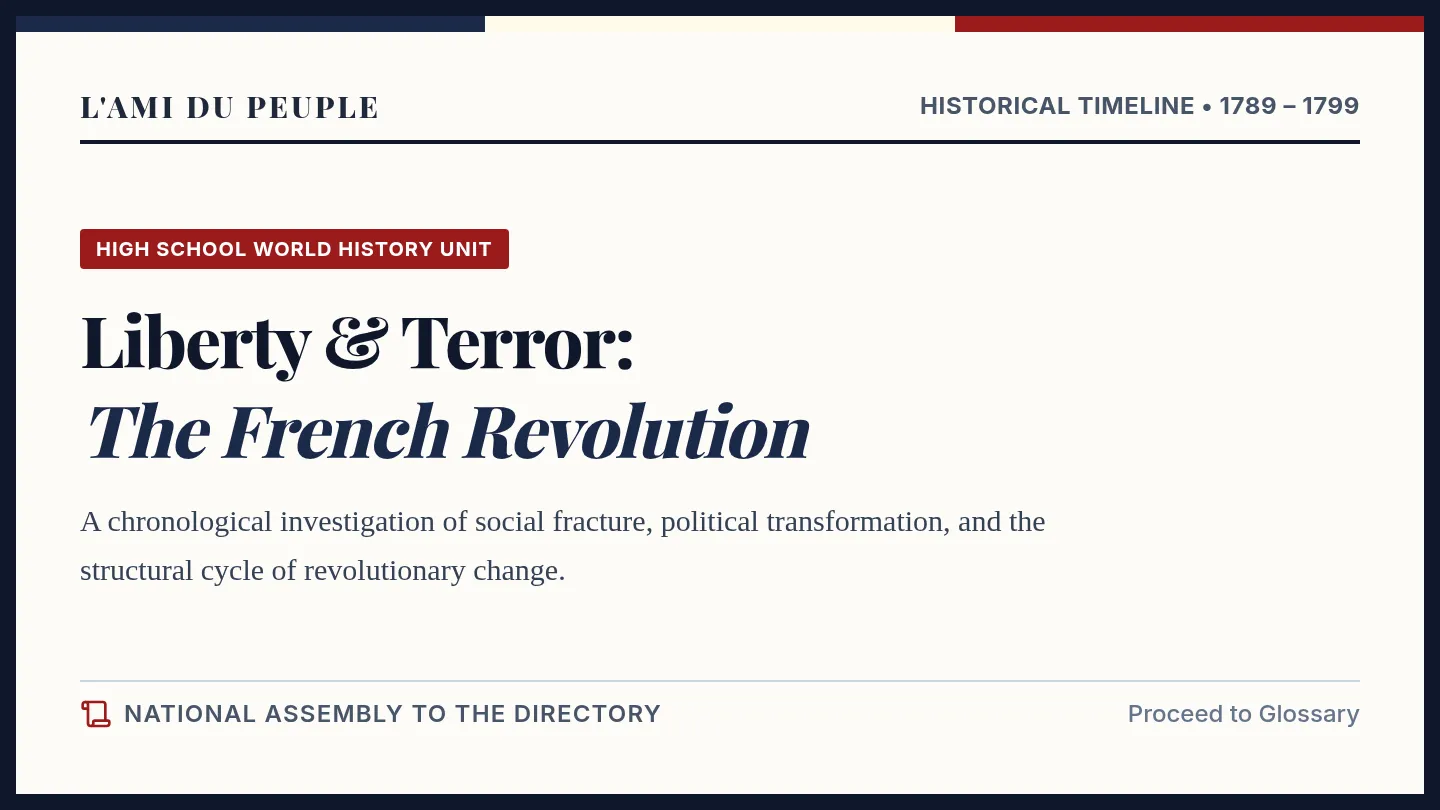
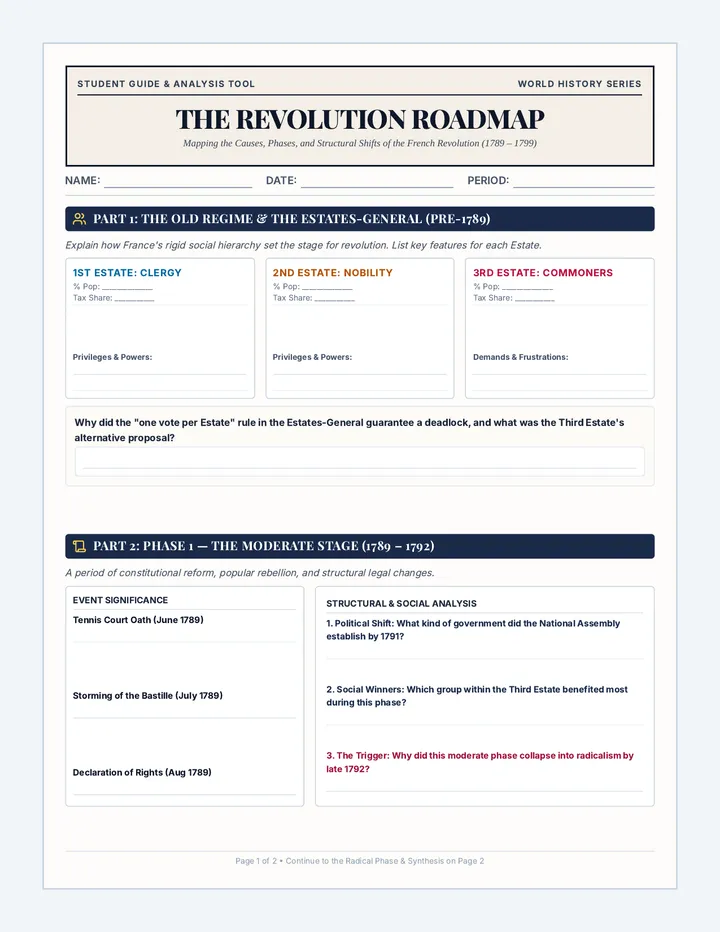
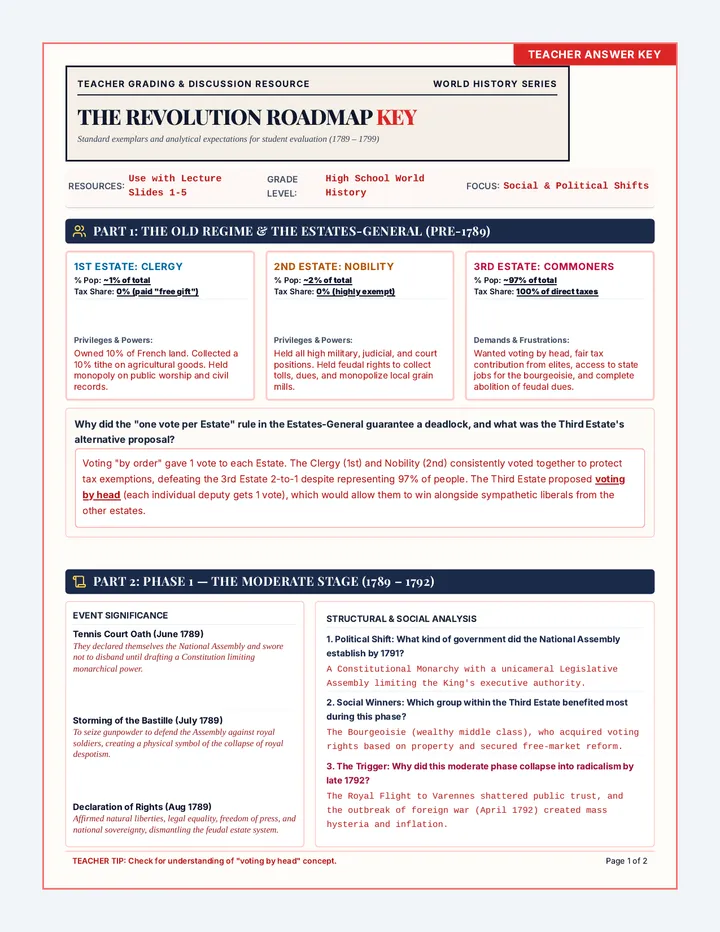
A lesson that contextualizes the key phases of the French Revolution (1789-1799) from the National Assembly to the Directory, guiding students to analyze social dynamics, political shifts, and cause-and-effect relationships.
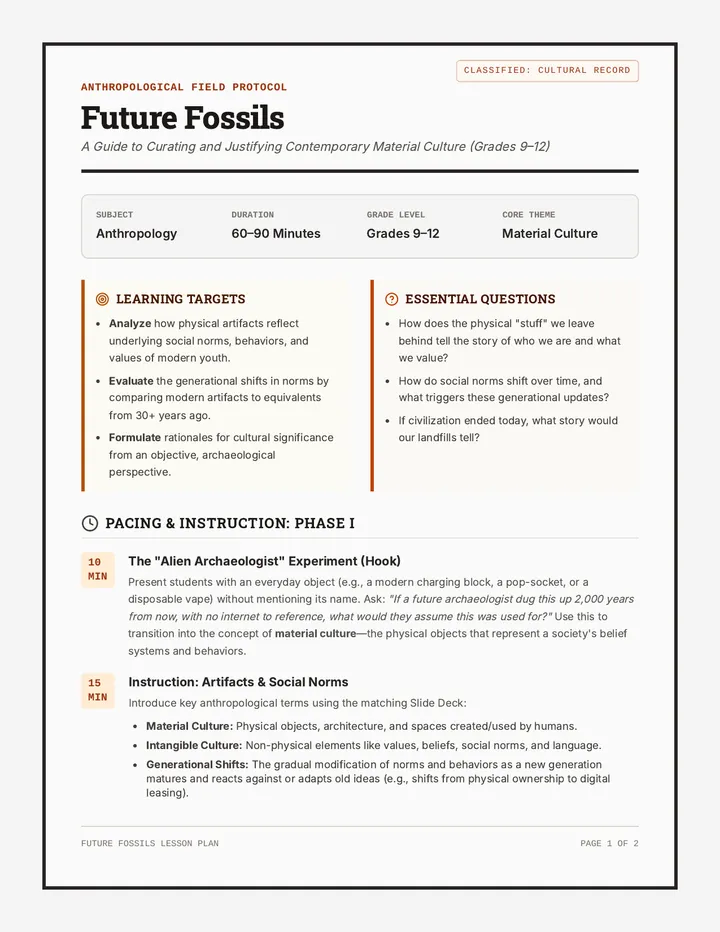
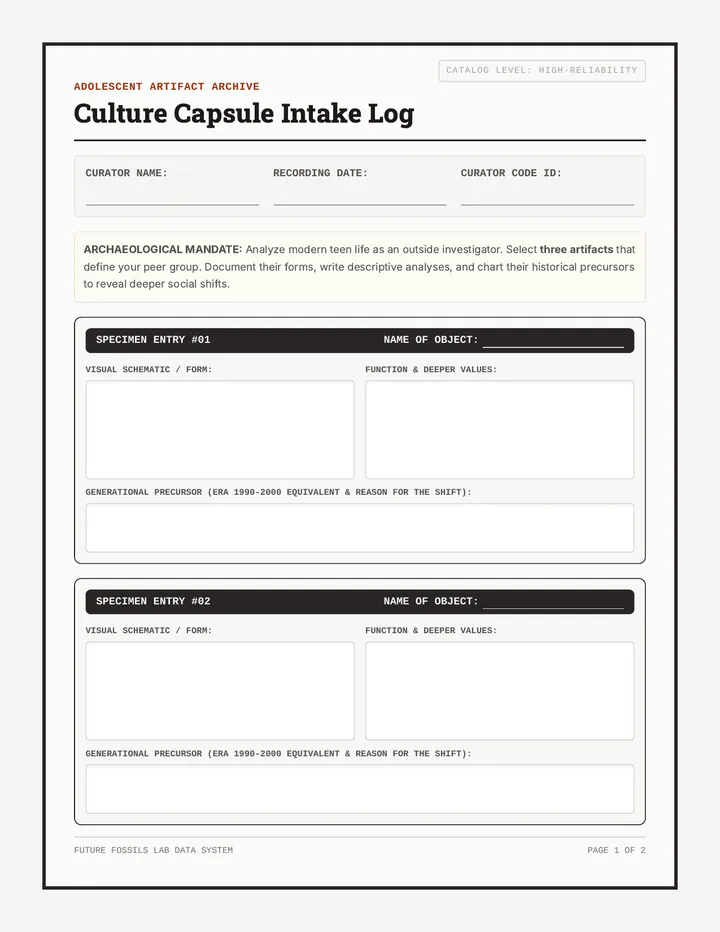
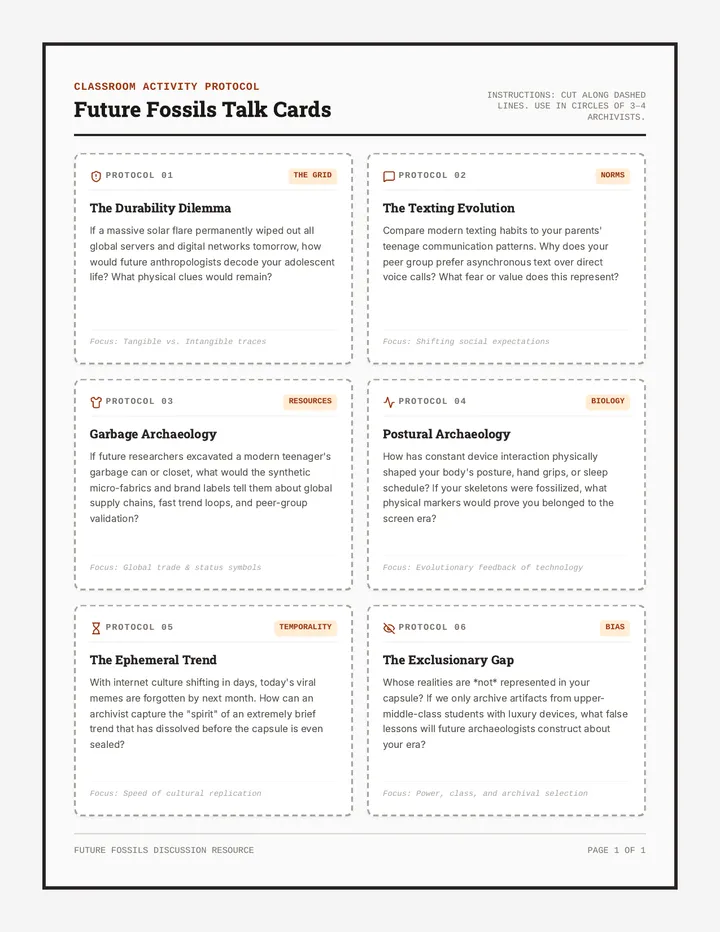
An anthropology lesson where high school students curate and analyze contemporary artifacts that represent modern adolescent culture, exploring generational shifts in social norms and material culture.
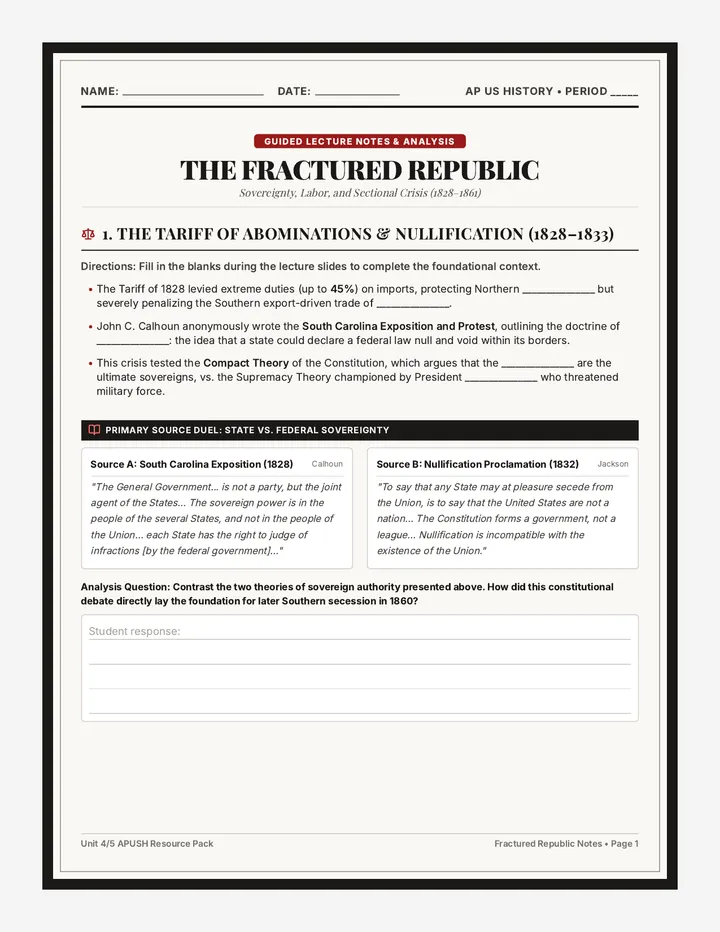
An advanced AP US History lesson exploring the constitutional, economic, and political crises that fractured the United States between 1828 and 1861. Students analyze key events including the Tariff of Abominations, State v. Mann, the Wilmot Proviso, and the rise of the Know-Nothing Party through lectures and structured primary sources.
An advanced AP US History lecture series exploring the constitutional, economic, and political crises that fractured the United States between 1833 and 1861. This lesson highlights key legislative compromises, executive decisions, and judicial rulings that made sectional conflict and the Civil War inevitable.
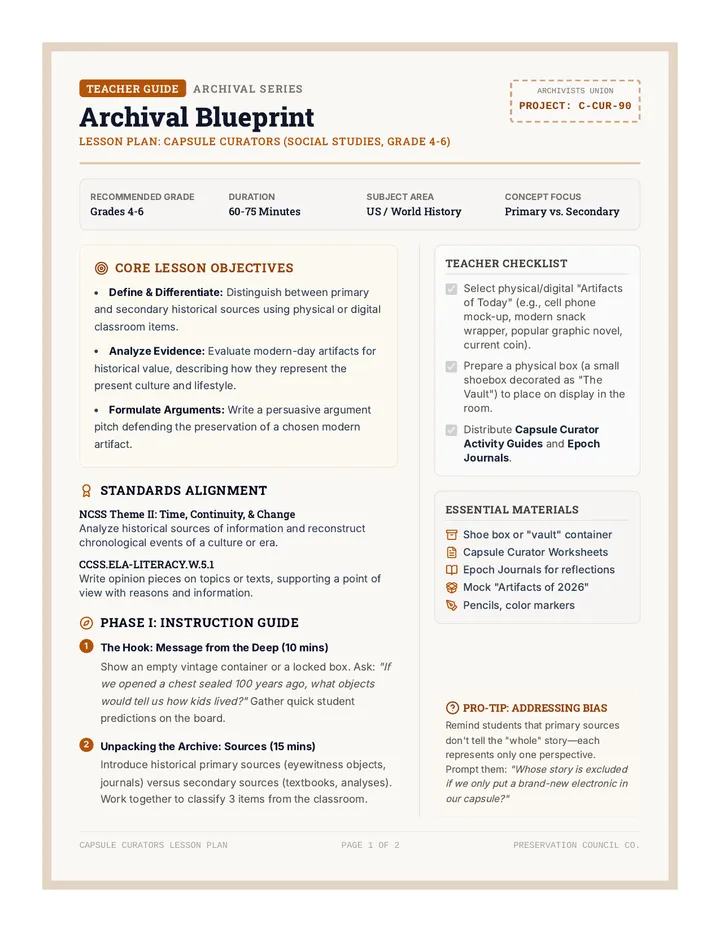
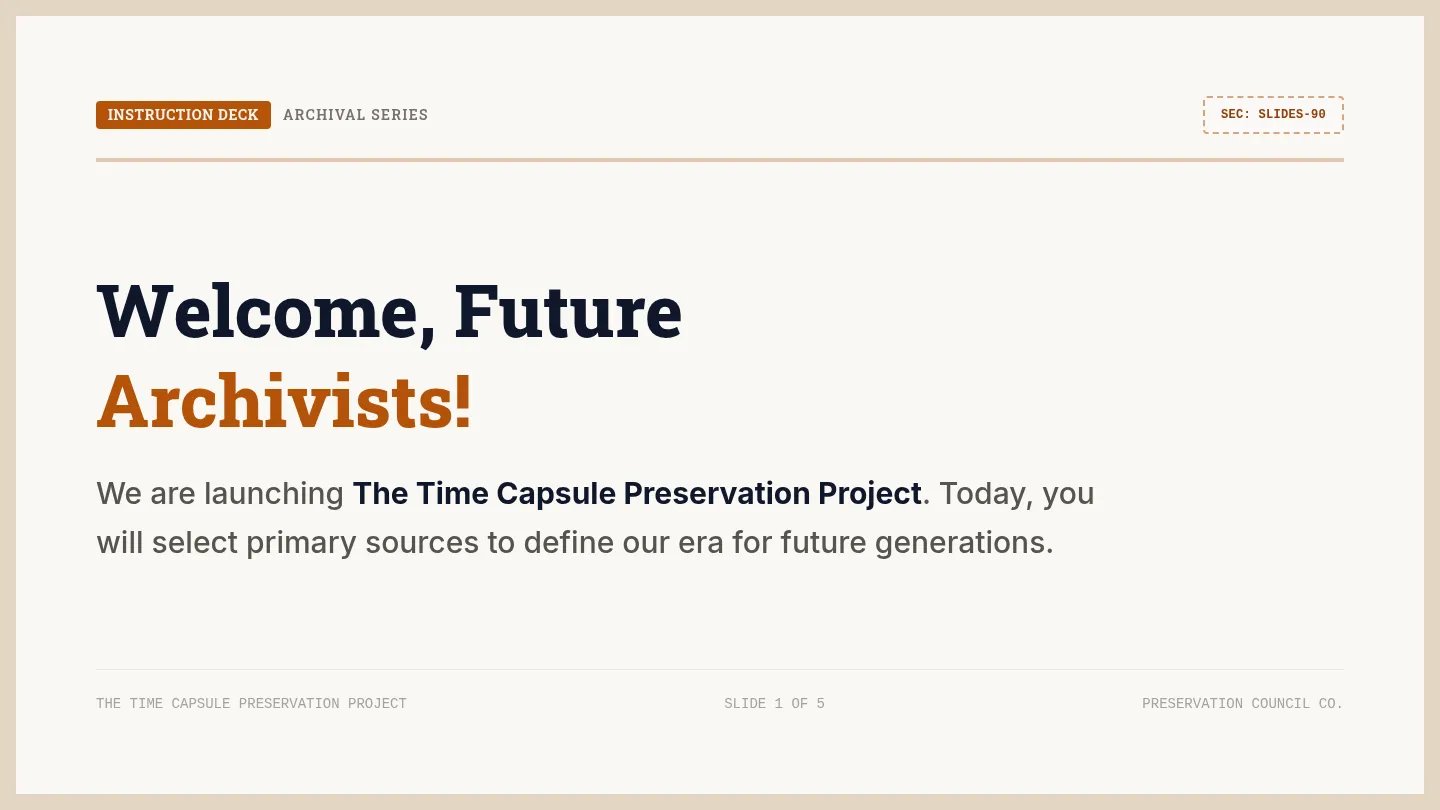
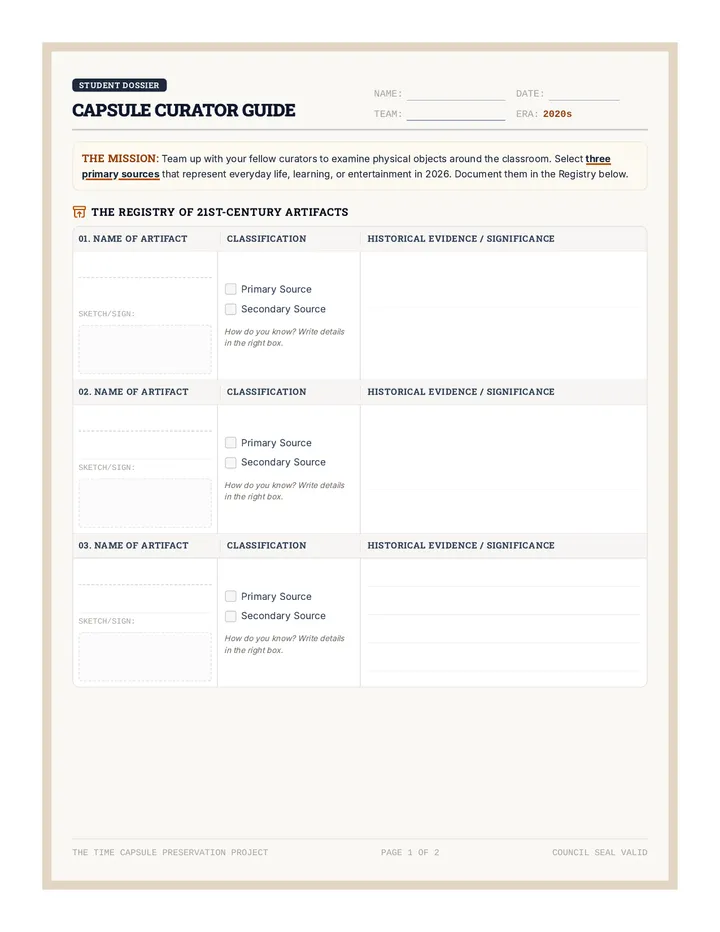
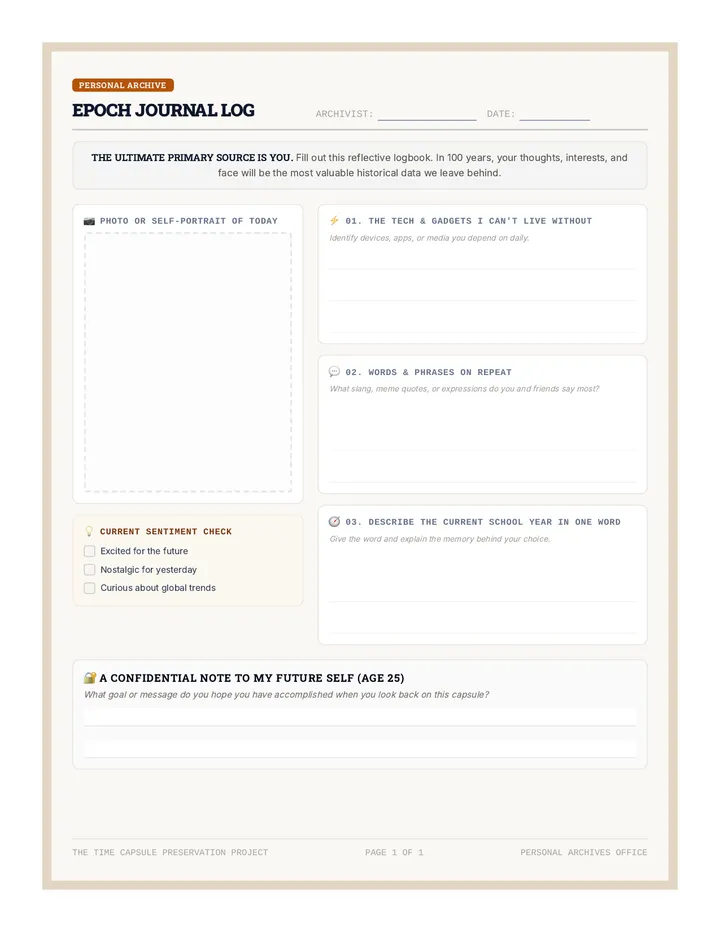
An inquiry-based social studies lesson where students explore primary and secondary sources by curating a classroom time capsule. Students analyze modern artifacts, select items representing their epoch, and write persuasive letters to future historians.
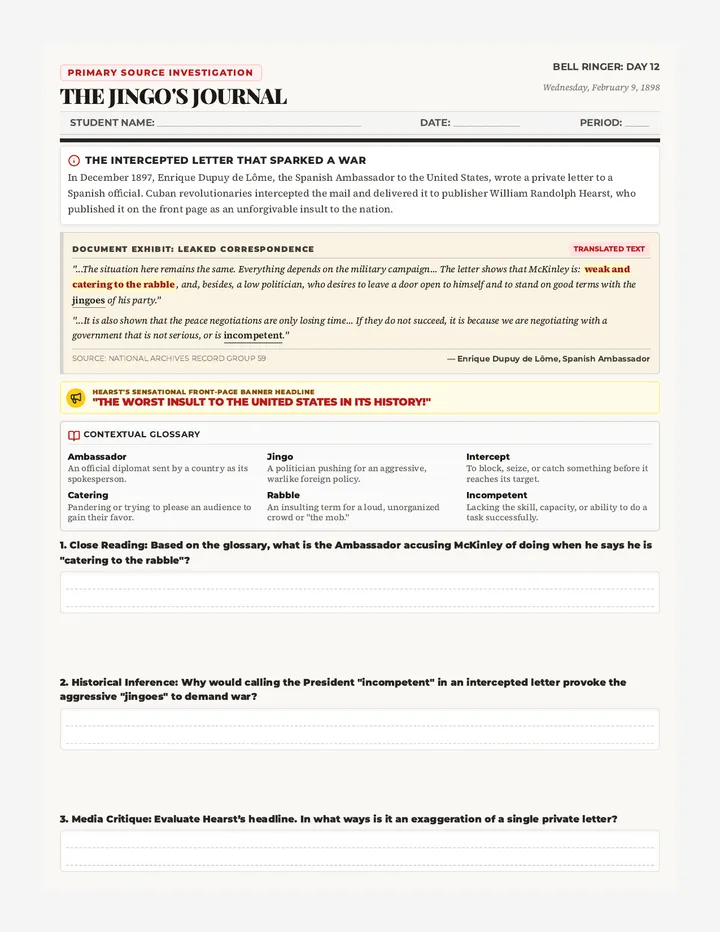
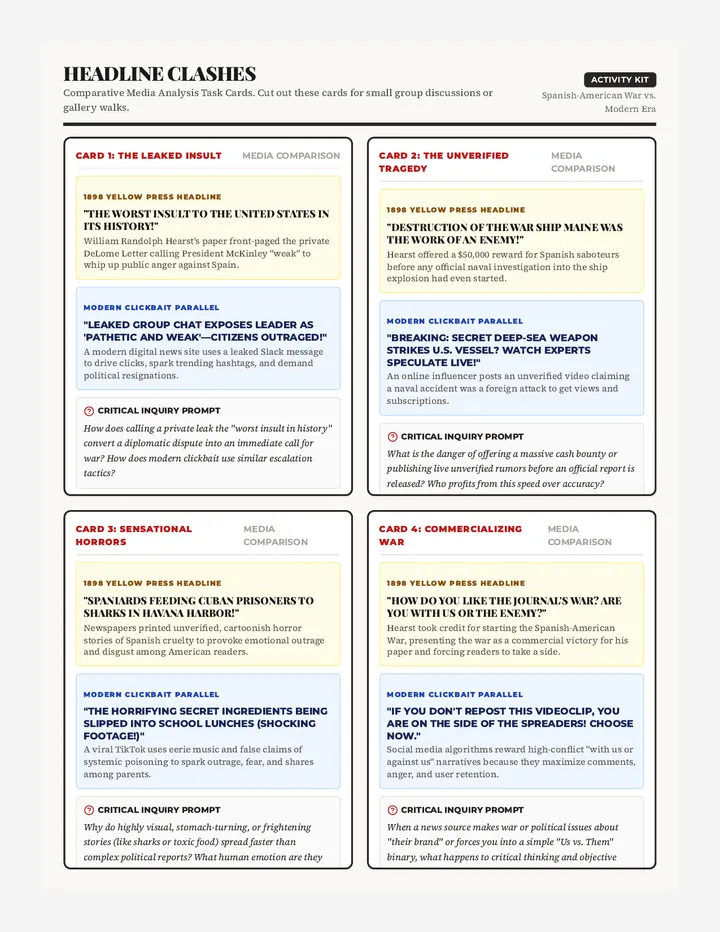
Students examine yellow journalism through the lens of the historical DeLome Letter leak of 1898. They analyze sensationalized media, understand the historical context of the Spanish-American War, and draw parallels to modern media.
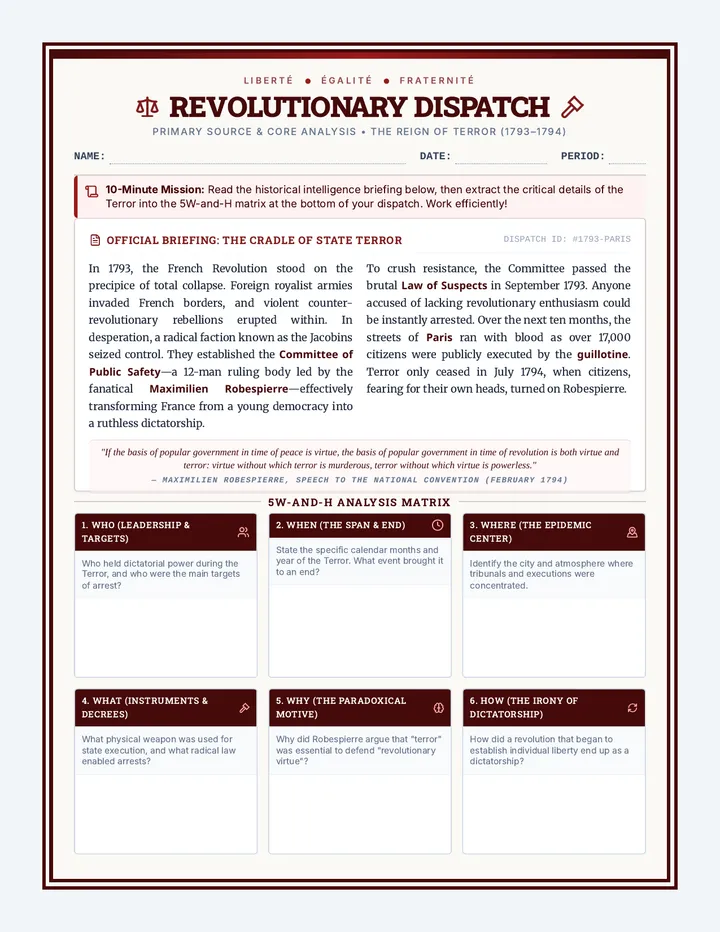
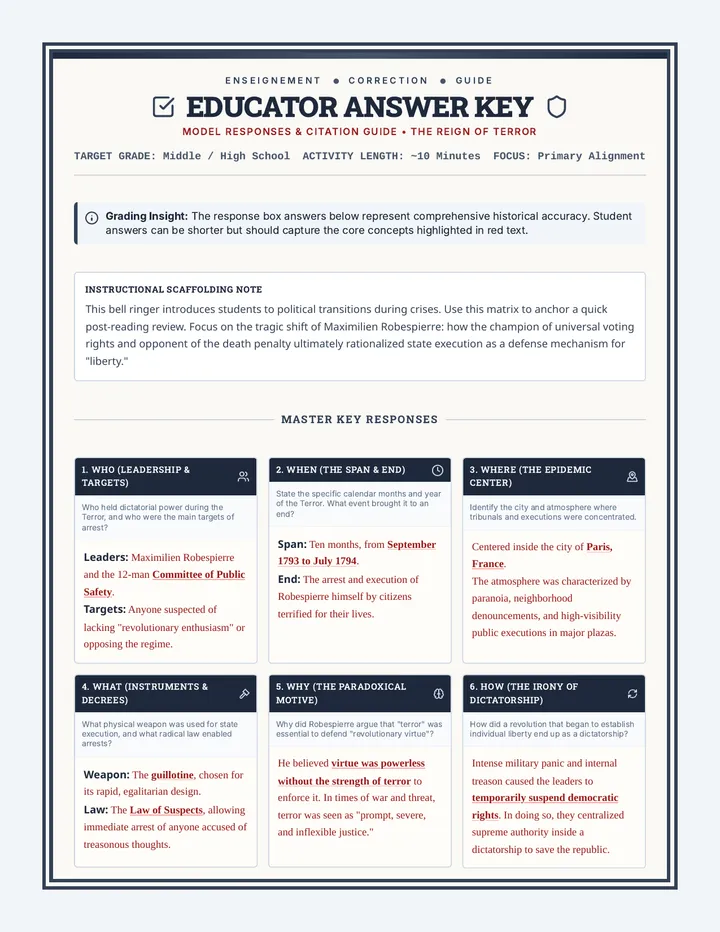
A deep dive into the French Revolution's bloodiest phase, analyzing how revolutionary ideals twisted into state-sponsored terror under Robespierre.
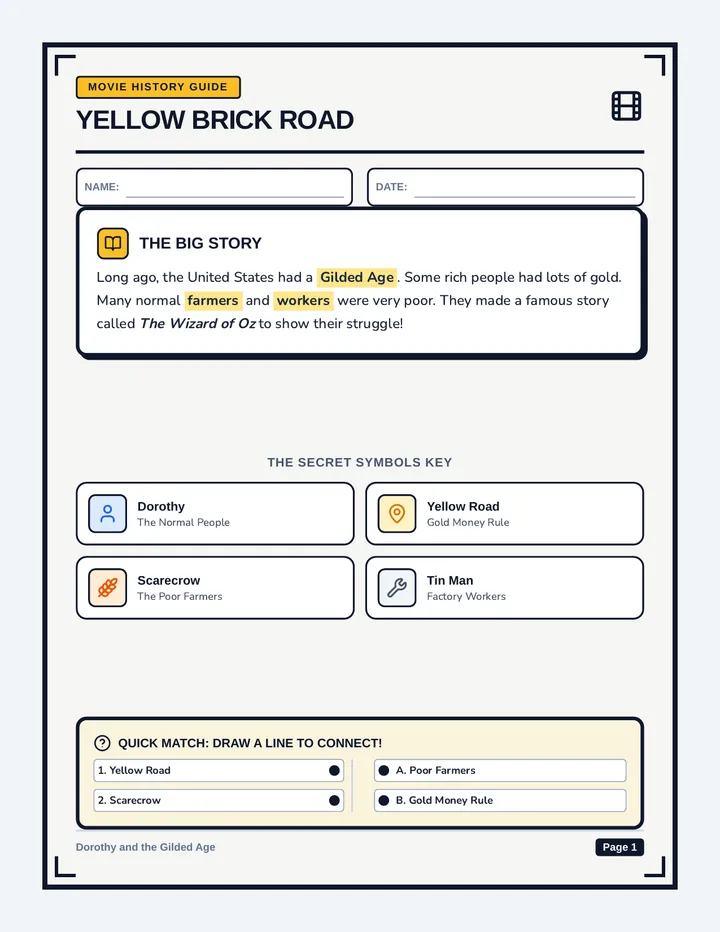
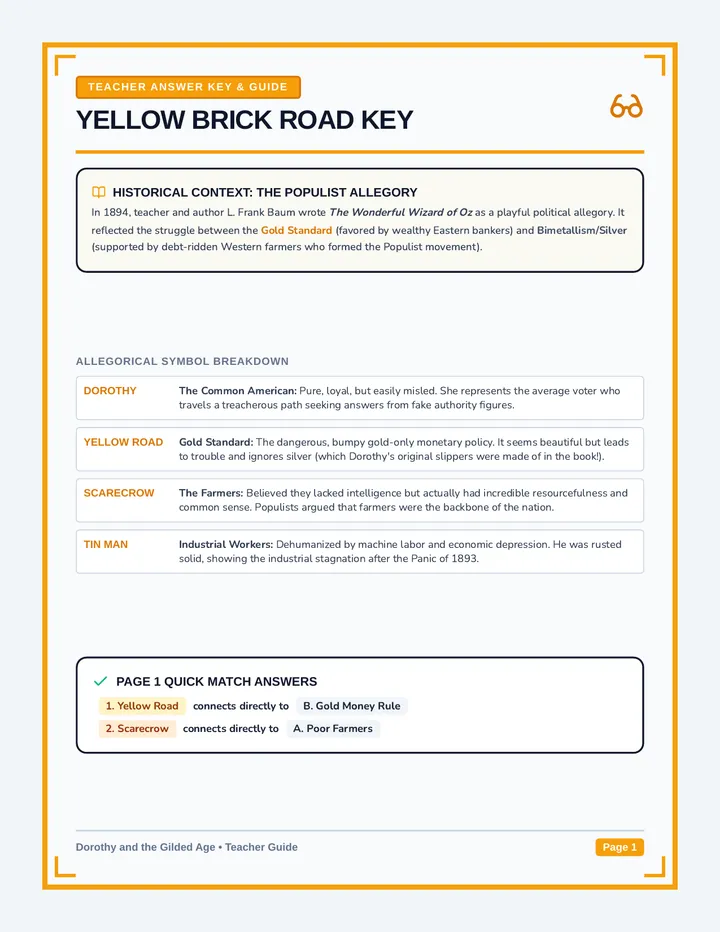
A highly accessible watch guide lesson linking The Wizard of Oz (1939) to Gilded Age politics (Populism, the Gold Standard, and industrial workers), designed specifically for middle school students reading at a 1st-grade level using visual matching, word banks, and literal multiple-choice questions.
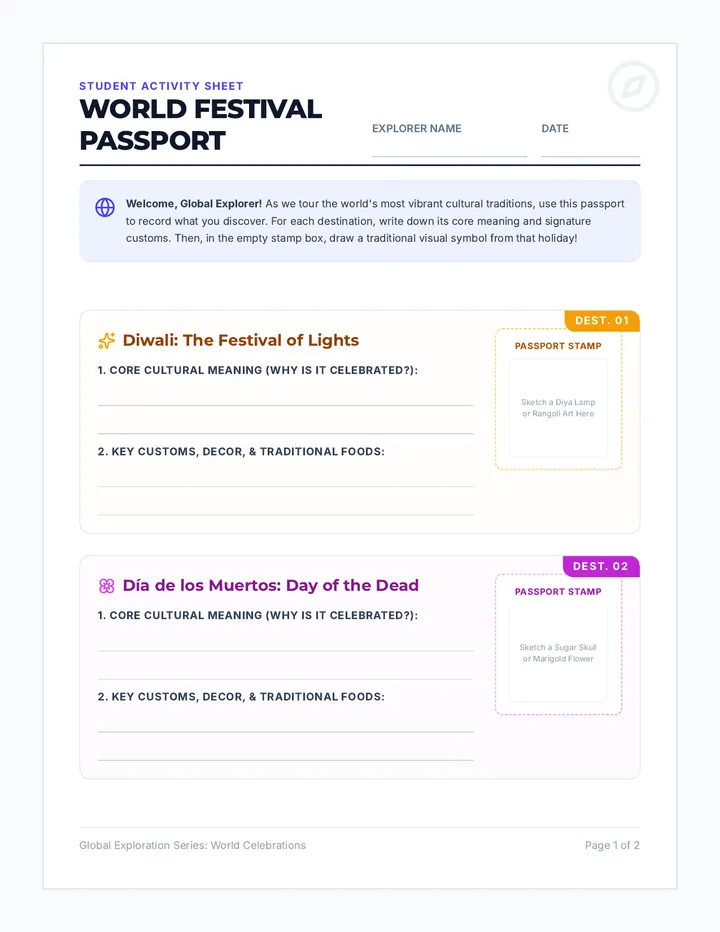
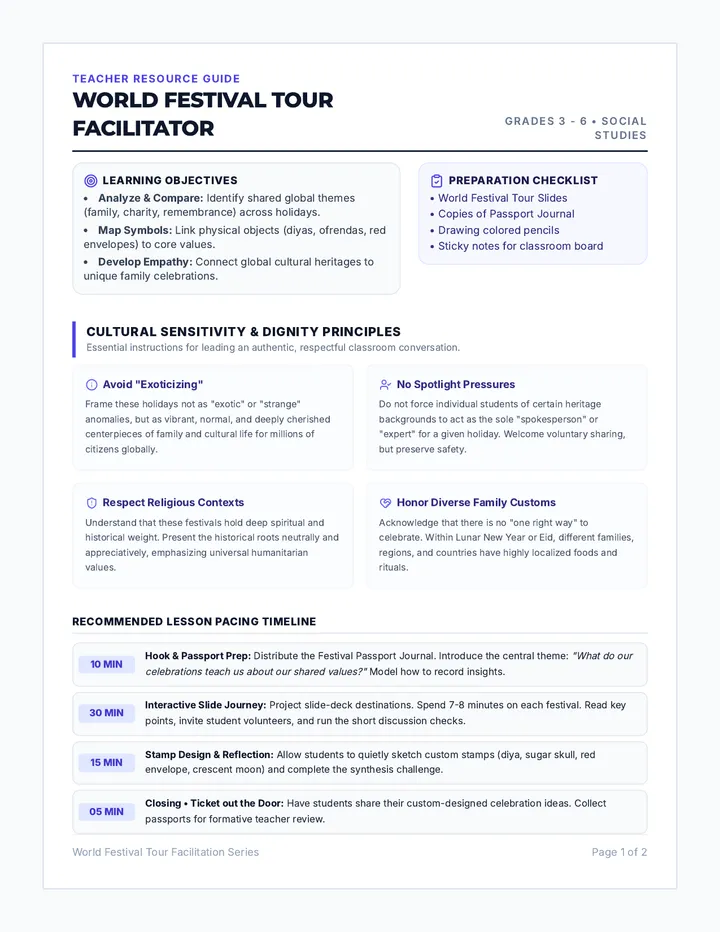
An engaging, multicultural lesson introducing students to four rich global celebrations: Diwali, Día de los Muertos, Lunar New Year, and Eid al-Fitr. The lesson explores cultural significance, seasonal customs, symbols, and values, supporting global citizenship and empathy.
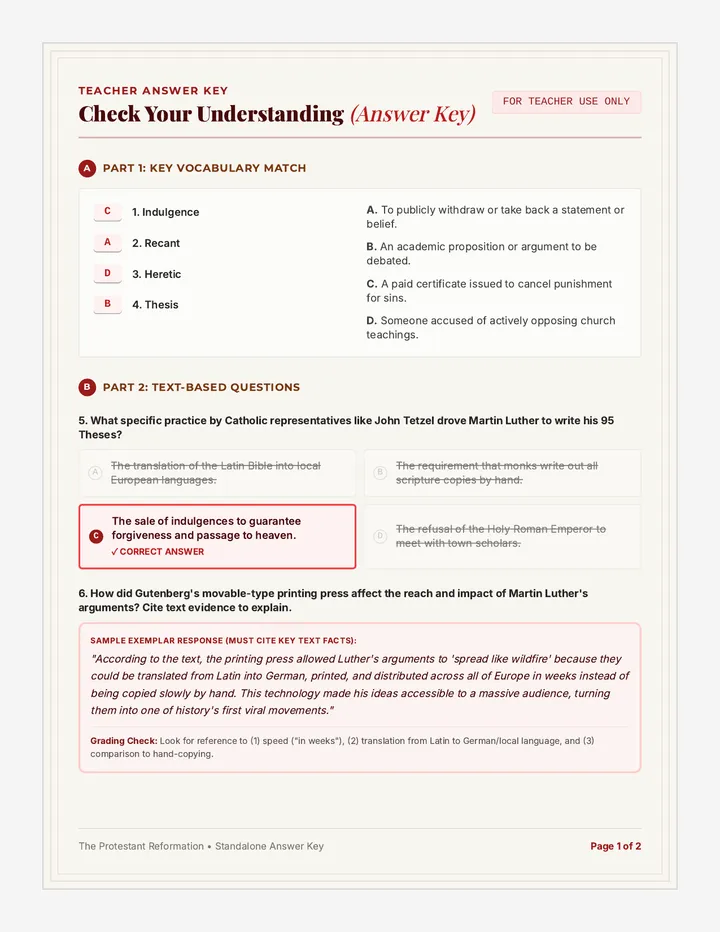
A middle school history lesson exploring Martin Luther's role in the Protestant Reformation, focusing on key biographical events, critical vocabulary, and cause-and-effect historical analysis.
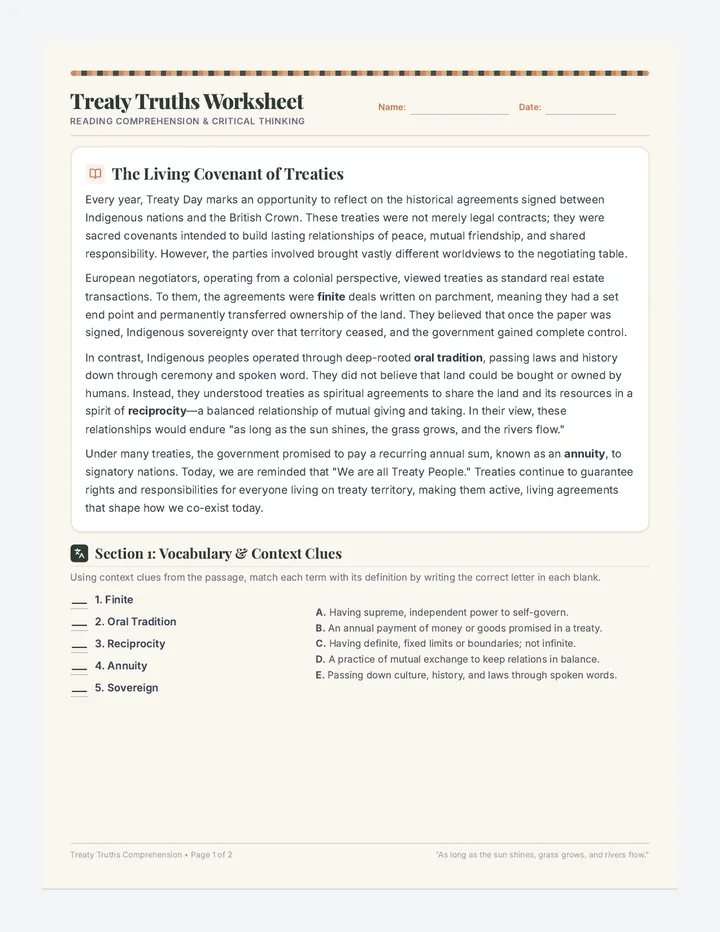
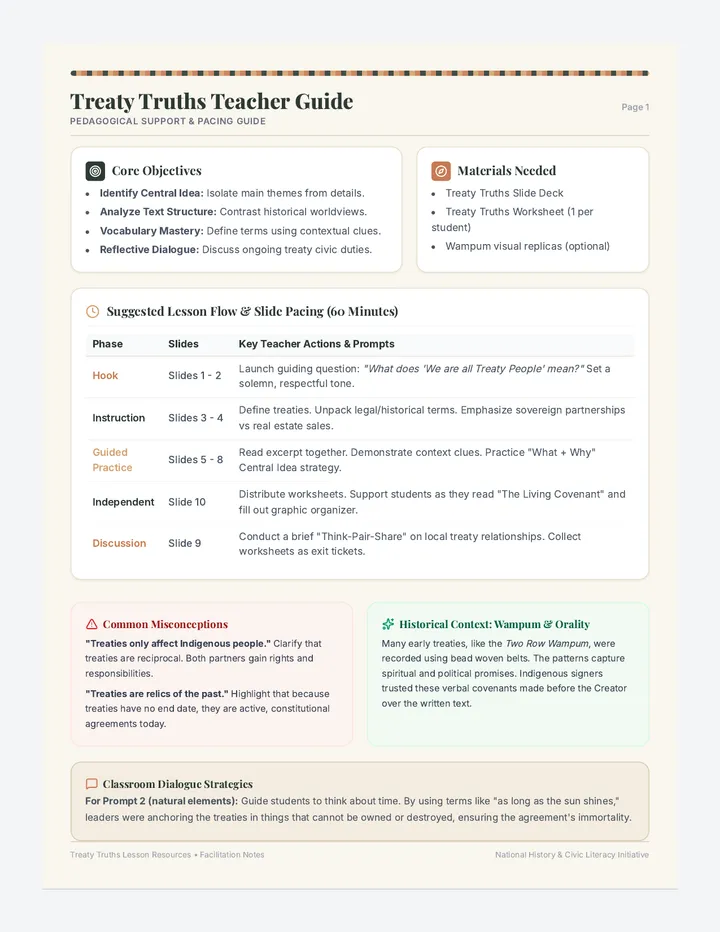
An interactive, historically grounded lesson exploring the significance of Treaty Day, focusing on central ideas, summarizing, and historical vocabulary. Students analyze the nature of treaties as sacred, ongoing agreements and practice identifying key themes and context clues.
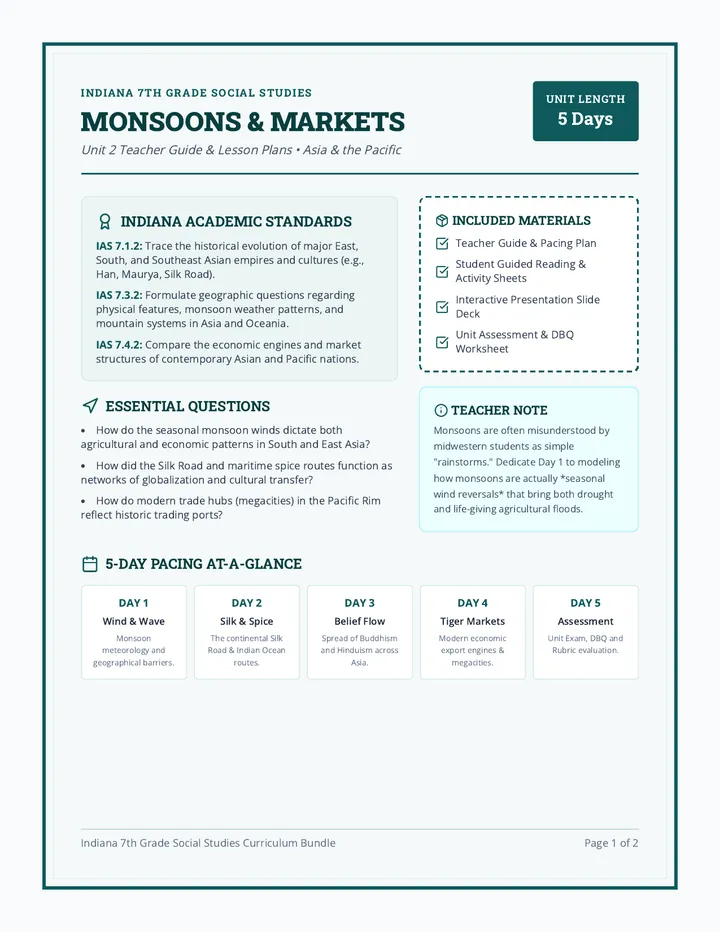
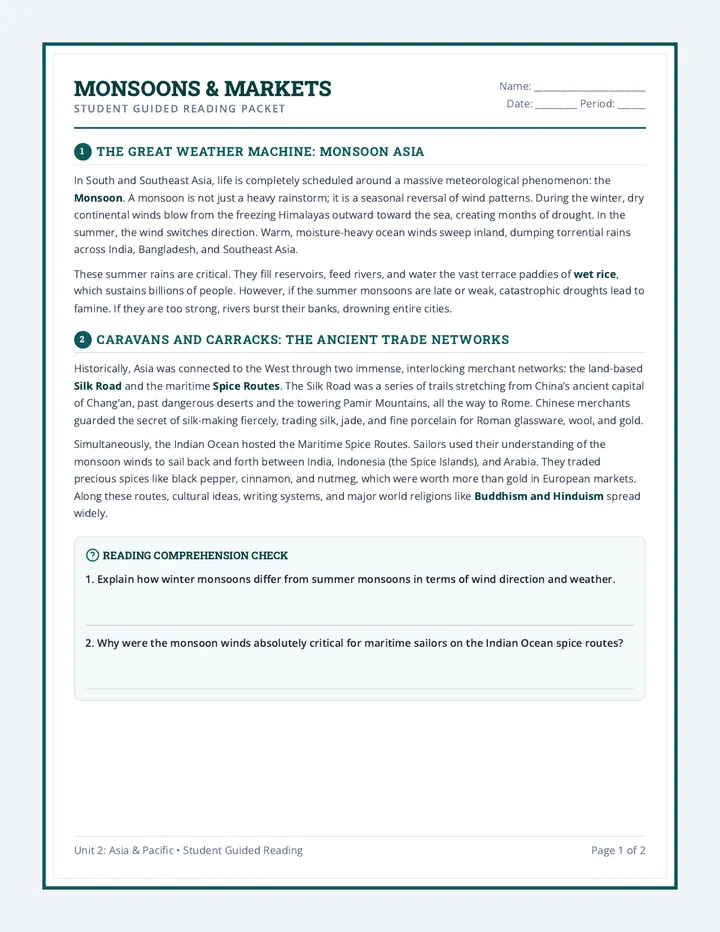
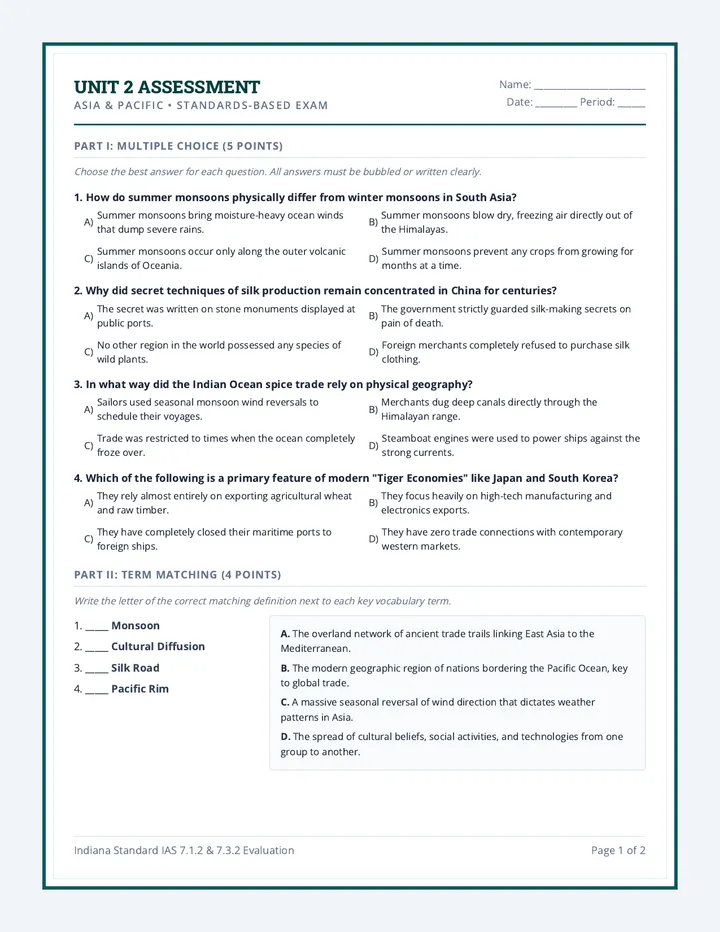
An exploration of Asia and the Pacific, focusing on diverse cultural traditions, physical features, and the economic engines of the modern world.
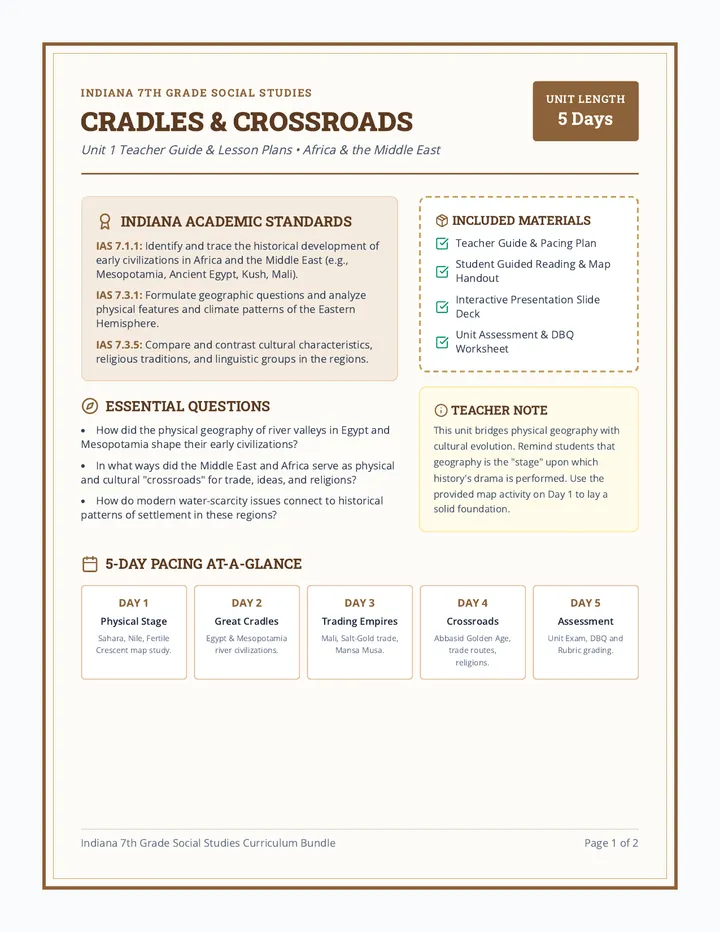
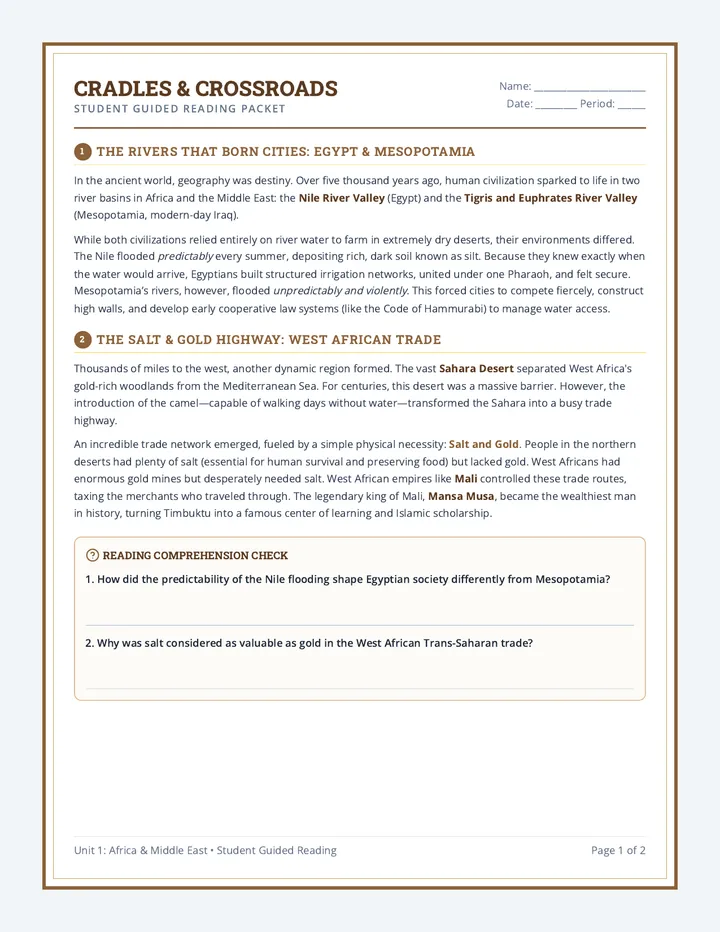
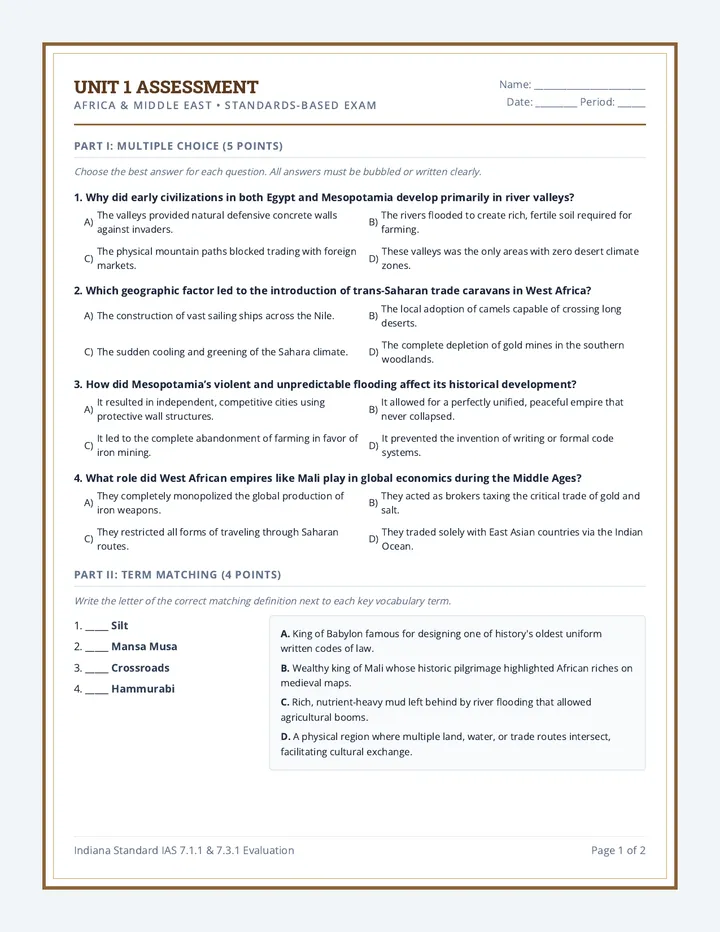
An in-depth exploration of Africa and the Middle East, covering physical geography, historical civilizations, and diverse cultures aligned with Indiana 7th Grade Academic Standards.