Students produce a capstone forecast or position paper predicting the future of observational learning in an era of deepfakes and virtual reality. They must propose theoretical updates to Bandura’s model to accommodate non-human models.

A focused 20-minute analysis of Horace Mann's 12th Annual Report to the Massachusetts Board of Education, exploring the ideals and motivations behind the American Common School Movement.
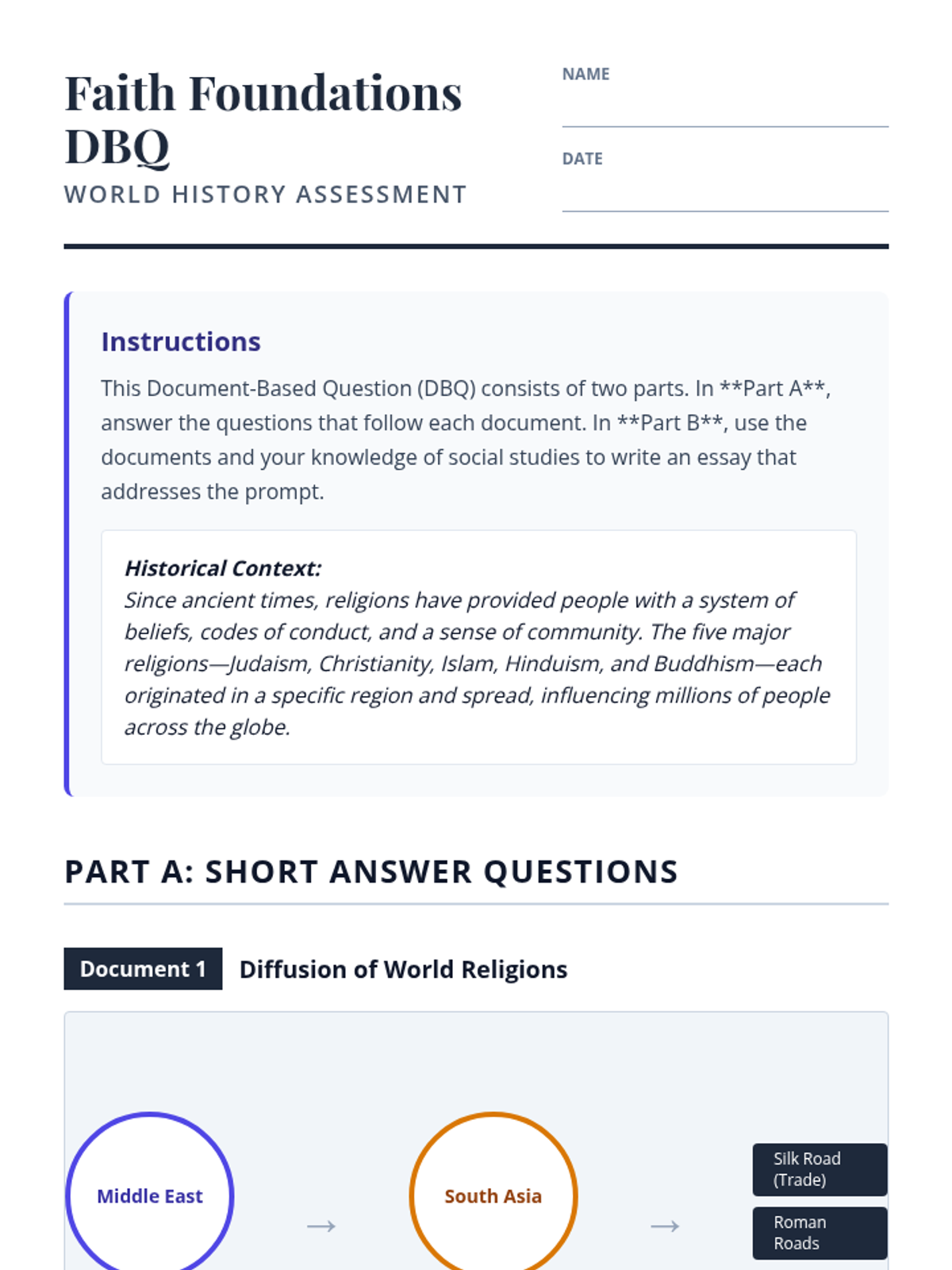
An introduction to the fundamental concepts of political science required for both AP US and Comparative Government, including sovereignty, legitimacy, authority, and the core differences between states, nations, and regimes.
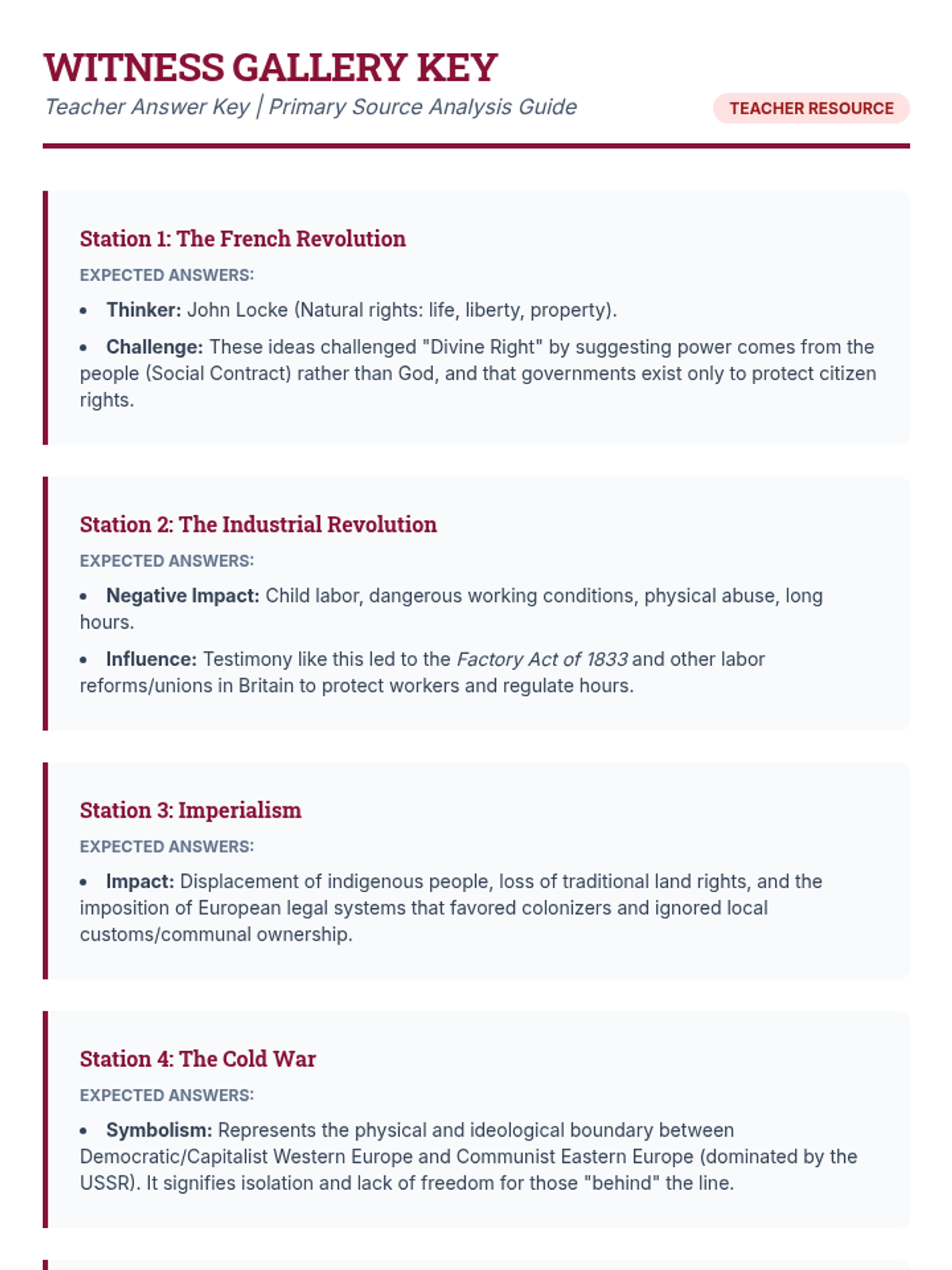
An intensive primary source analysis lesson for AP History students focusing on the diverse perspectives and global scale of WWII using the HIPP analysis framework.
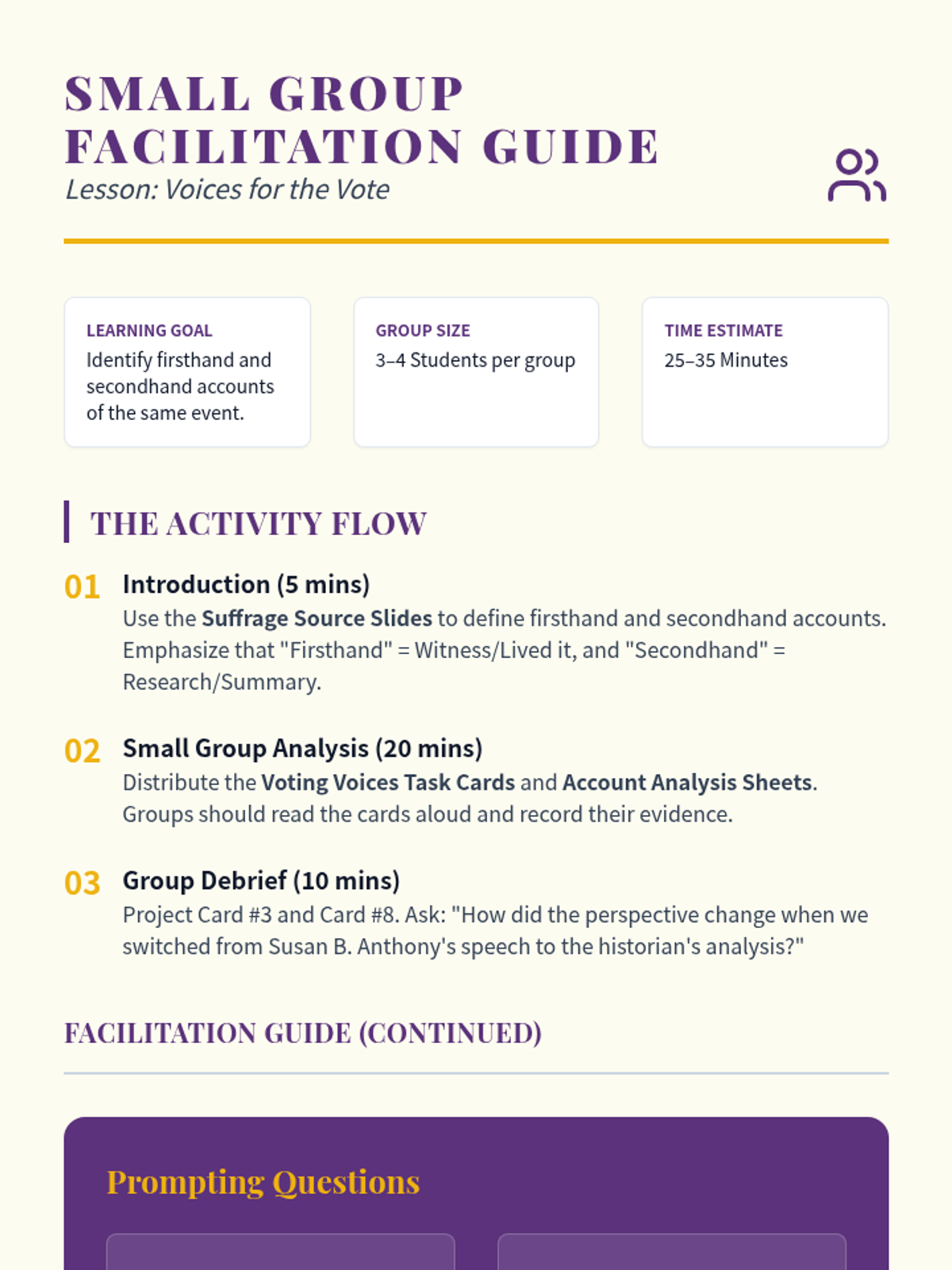
A comprehensive lesson on the ratification of the U.S. Constitution, focusing on the debates between Federalists and Antifederalists, the role of the Bill of Rights, and the contributions of key Founding Fathers.

A comprehensive lesson exploring anxiety disorders, distinguishing between normal stress and clinical diagnoses using the 4 Ds (Deviance, Distress, Dysfunction, Danger), and addressing the stigma of mental health terminology.
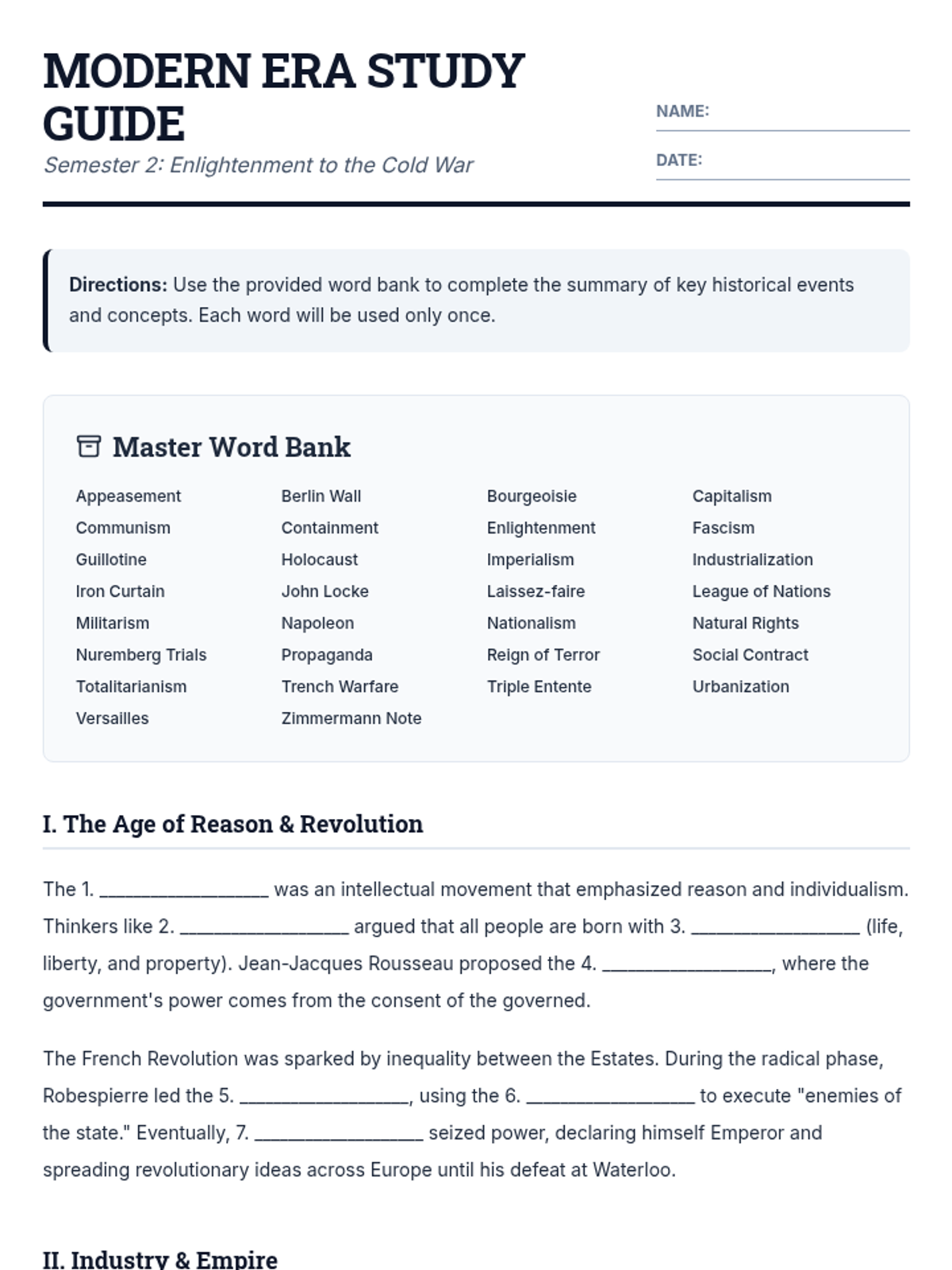
A deep dive into the behavioral etiology of anxiety disorders, focusing on how classical conditioning initiates fear and operant conditioning maintains it through the Cycle of Anxiety. Students will map the transition from trigger to reinforcement using specific phobias as case studies.
This lesson challenges undergraduate psychology students to debunk myths surrounding dissociative disorders. Students analyze a video on common misconceptions, differentiate between pharmacological and therapeutic treatments, and design a treatment plan for a hypothetical patient using research on EMDR and psychotherapy.
A high-level AP Psychology lesson exploring the clinical complexities and controversies of diagnosing Dissociative Identity Disorder, featuring a Socratic seminar and differential diagnosis practice.
An undergraduate psychology lesson exploring the cognitive mechanisms of 'choking' under pressure, focusing on Distraction Theory and Explicit Monitoring Theory. Students will analyze these theories and design an original experiment to test the effects of pressure on non-sport tasks.
In this undergraduate psychology lesson, students critique evolutionary perspectives on anxiety and design a behavioral activation intervention for happiness. They analyze Katarina Blom's TEDx talk, explore key studies on negativity bias and social connection, and create a targeted "Happiness Intervention" for college freshmen.
A sociology-focused lesson examining the objectification of women's bodies through the lens of 'Body Image Resilience.' Students analyze how economic systems benefit from self-objectification and explore structural alternatives to beauty-centric social values.
A psychology lesson for 11th-12th graders that explores the clinical spectrum of mental health disorders, focusing on the overlap between mood disorders and psychotic disorders through the lens of Schizoaffective Disorder.
An undergraduate-level abnormal psychology lesson focusing on the long-term outcomes and diagnostic distinctions between mood disorders, schizoaffective disorder, and schizophrenia. Students analyze risk factors and visualize clinical trajectories through a predictive graphing activity.
Students investigate the neurobiology of ADHD through metaphorical frameworks, challenging the traditional 'deficit' model of the disorder and exploring the social model of disability.
Students explore the intersection of biology and law through the lens of 'decision fatigue' in judicial rulings, culminating in a Socratic seminar and policy proposal for systemic reform.
Students explore the psychological theory of Ego Depletion and decision fatigue through an interactive Stroop test, a video case study on judicial parole decisions, and a collaborative experimental design project. The lesson concludes with a critical look at the replication crisis in psychology.
A sociology lesson exploring the intersection of cultural expectations, masculinity, and mental health, centered on Sangu Delle's TED Talk. Students analyze the 'rigid architecture' of traditional masculinity and redefine strength through emotional vulnerability.