An advanced graduate seminar sequence exploring the social, political, and ideological forces that shape Western Art Music history. Students move from deconstructing 19th-century canon-building to proposing new, inclusive curricular frameworks.
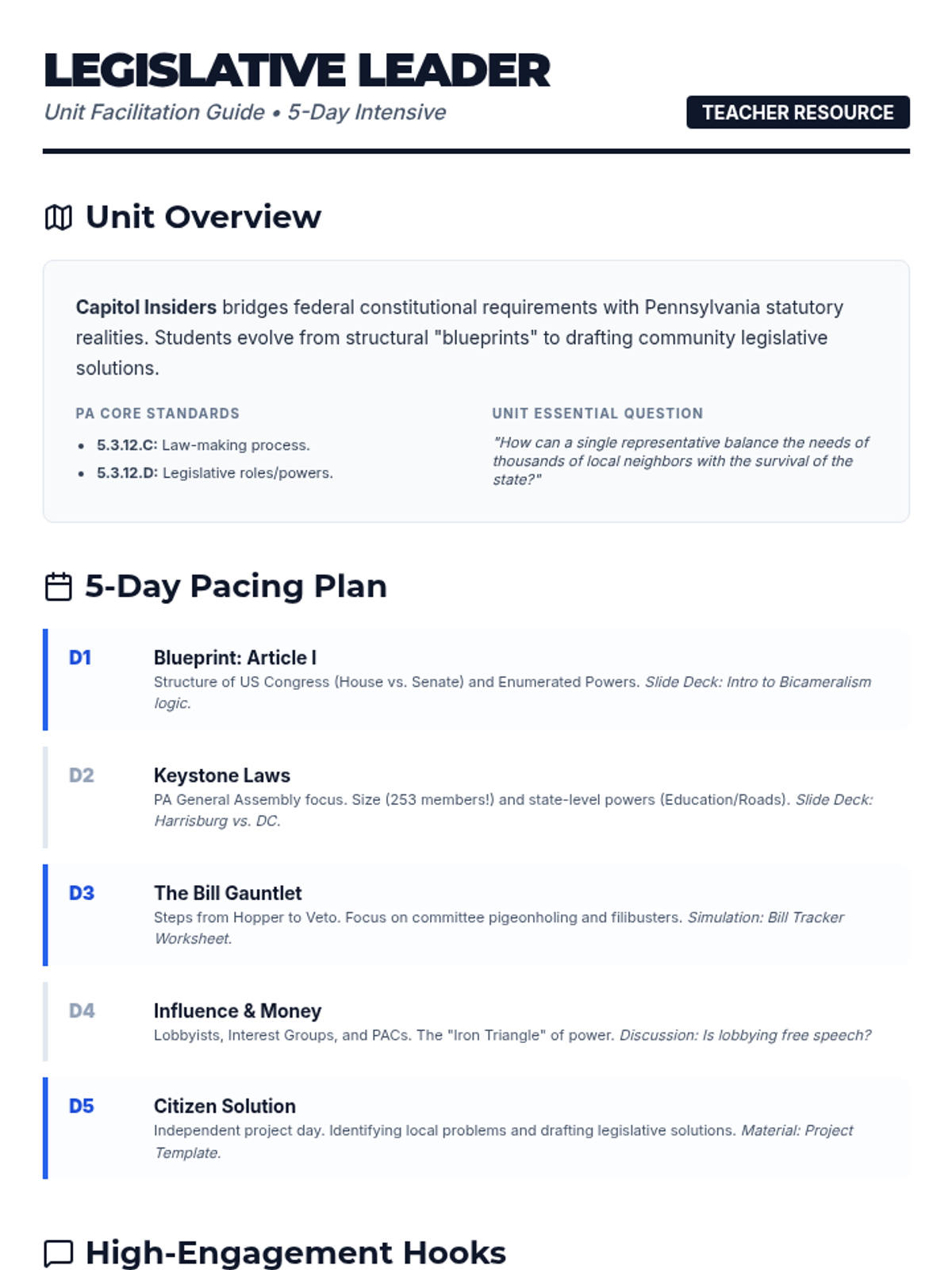
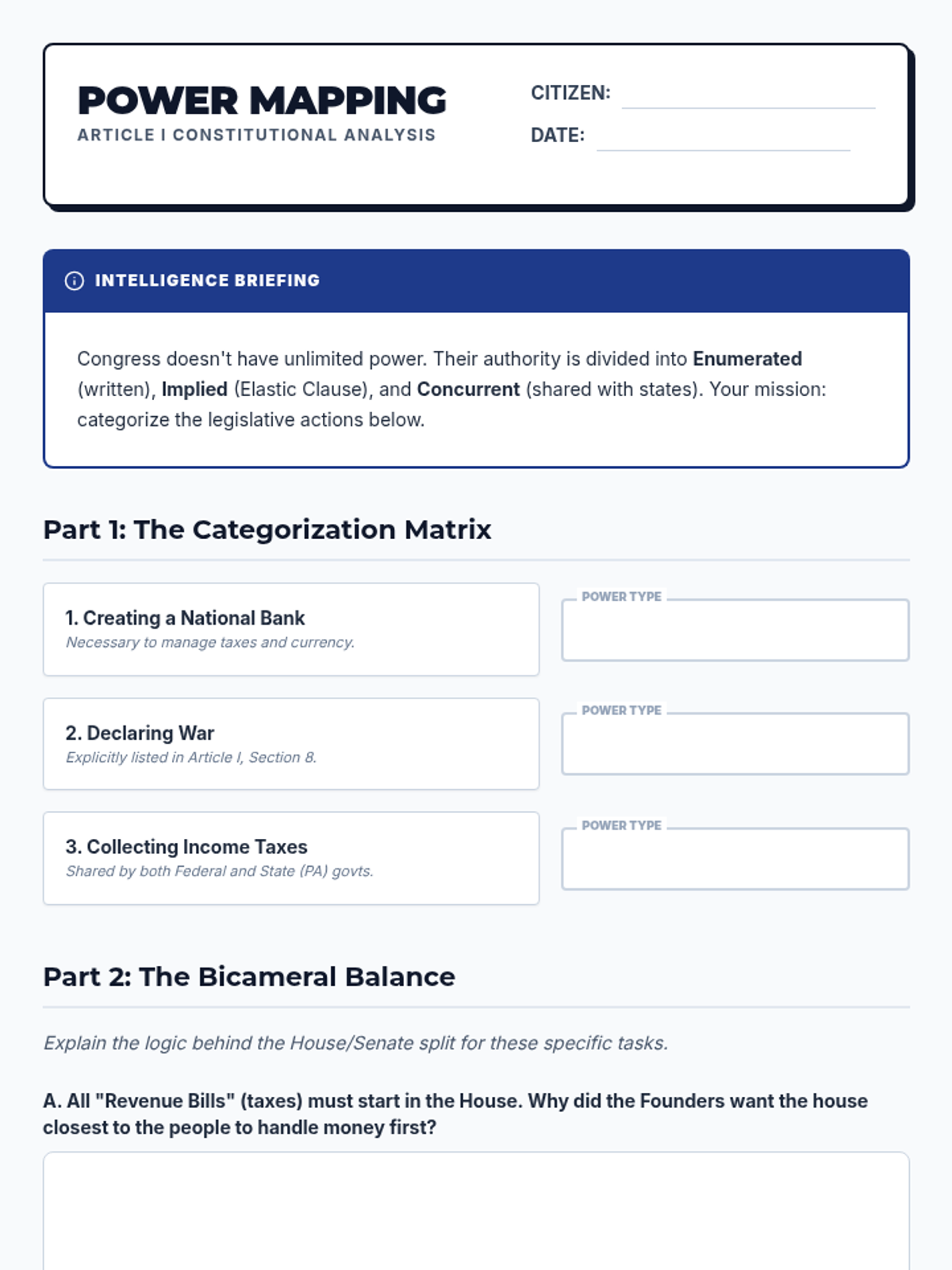
A comprehensive dual-course sequence covering all units for both AP Comparative Government and AP US Government & Politics. The sequence bridges domestic and international political concepts, from foundational structures to civil liberties and participation.
A High School Civics lesson focused on neurodiversity as a civil rights and workforce inclusion issue, featuring a design-thinking activity to create inclusive environments.
A comprehensive unit focused on the psychological debate of Nature vs. Nurture, culminating in a major literature review research paper. Students will explore theoretical frameworks and synthesize existing research.
An undergraduate psychology lesson centered on critiquing the Biopsychosocial Model of depression through video analysis and gap identification. Students categorize clinical findings and propose expanded educational content to address systemic and environmental complexities.
Une formation pour les professeurs-documentalistes centrée sur la médiation culturelle et l'accompagnement des pratiques de lecture des adolescents. L'objectif est de concilier la réalité de l'édition actuelle avec les missions pédagogiques du CDI.
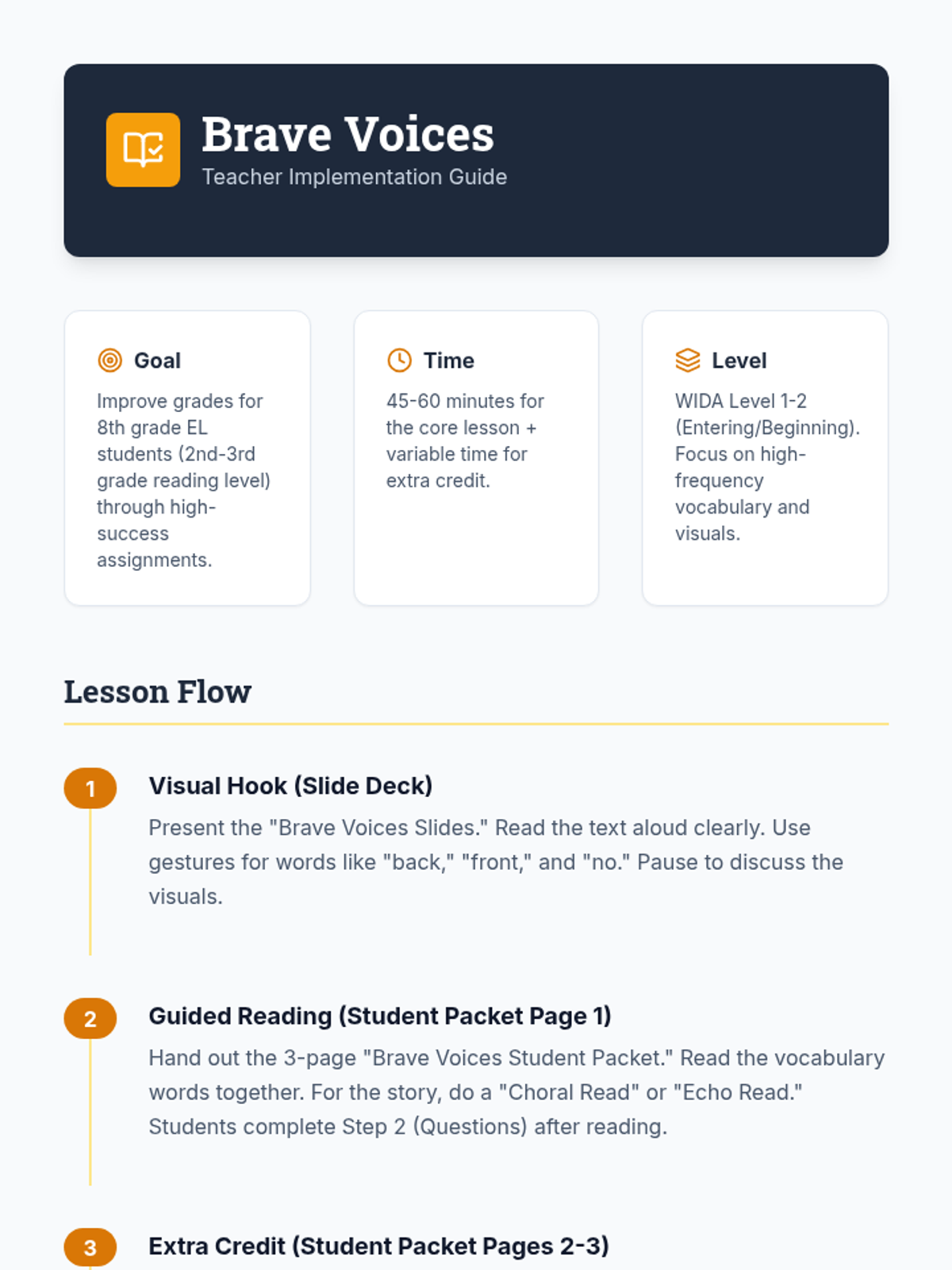
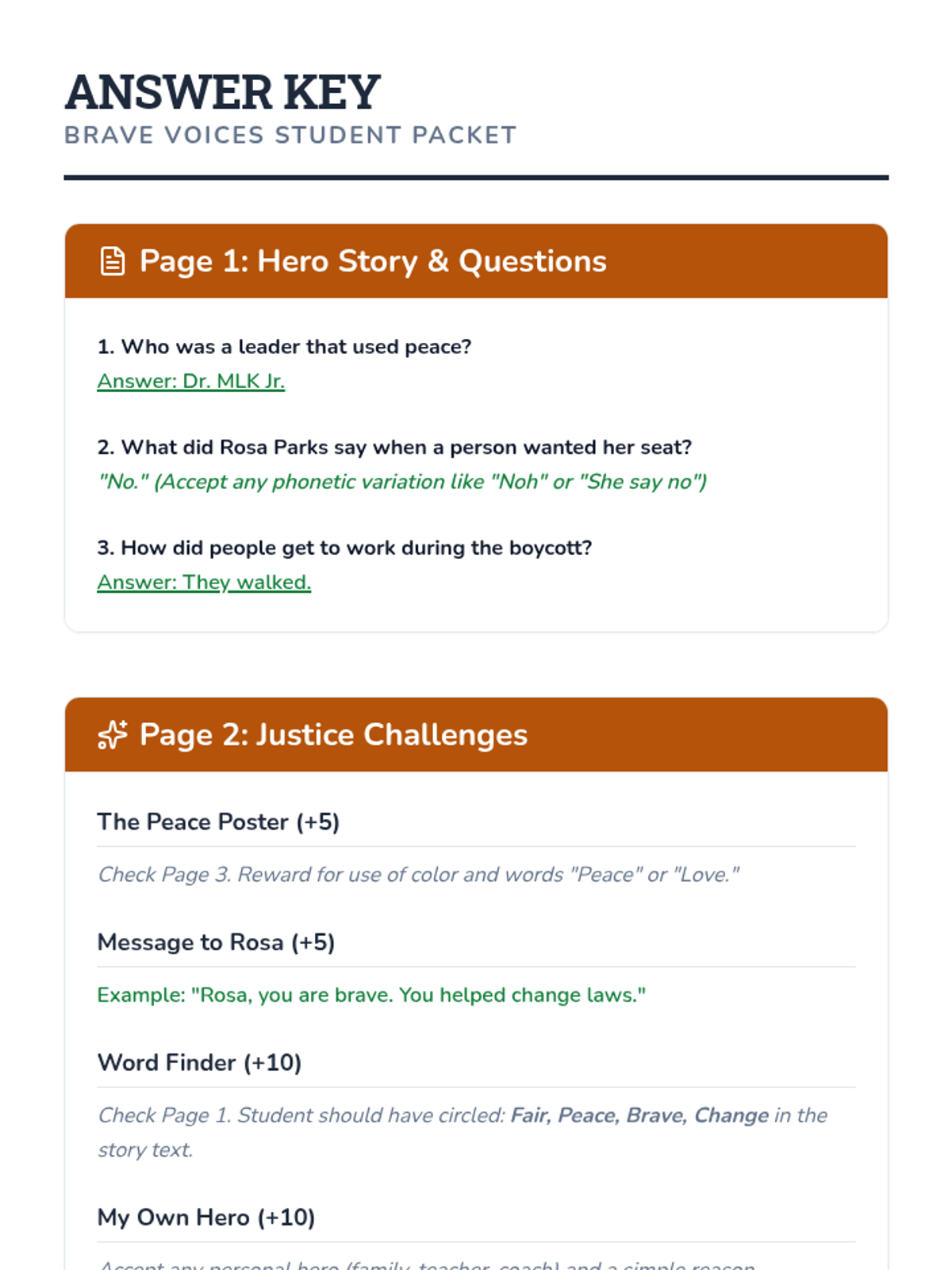
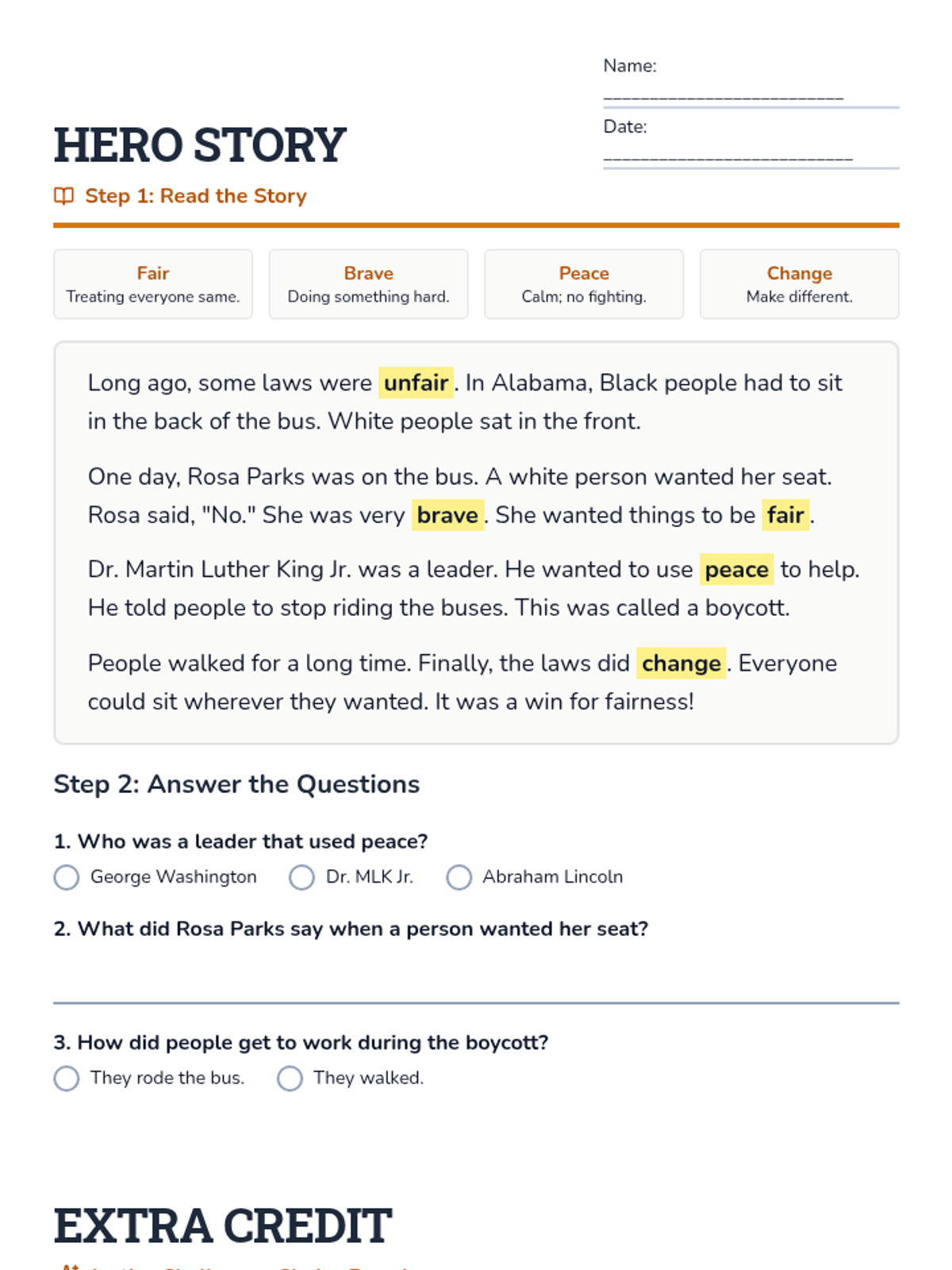
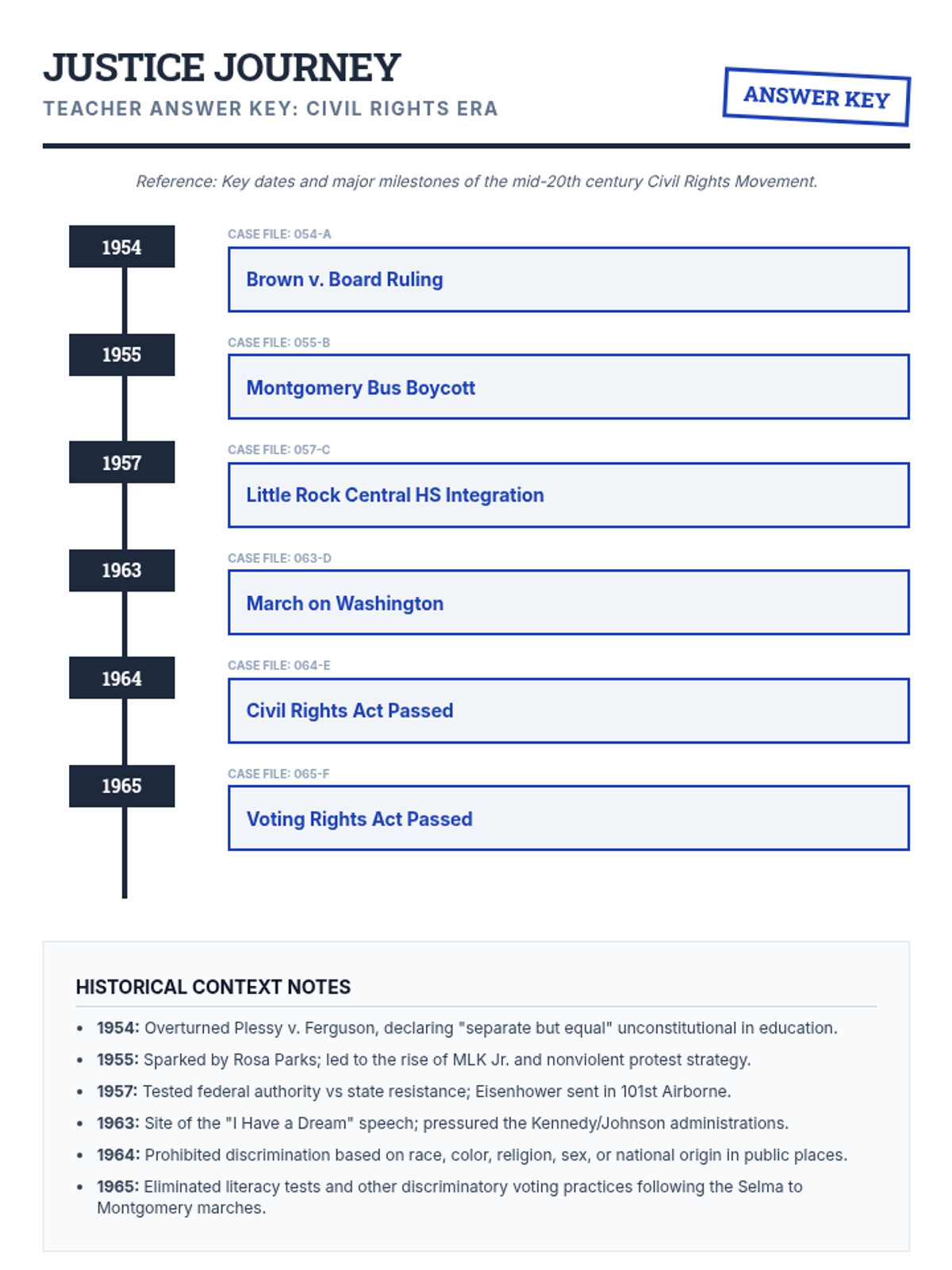
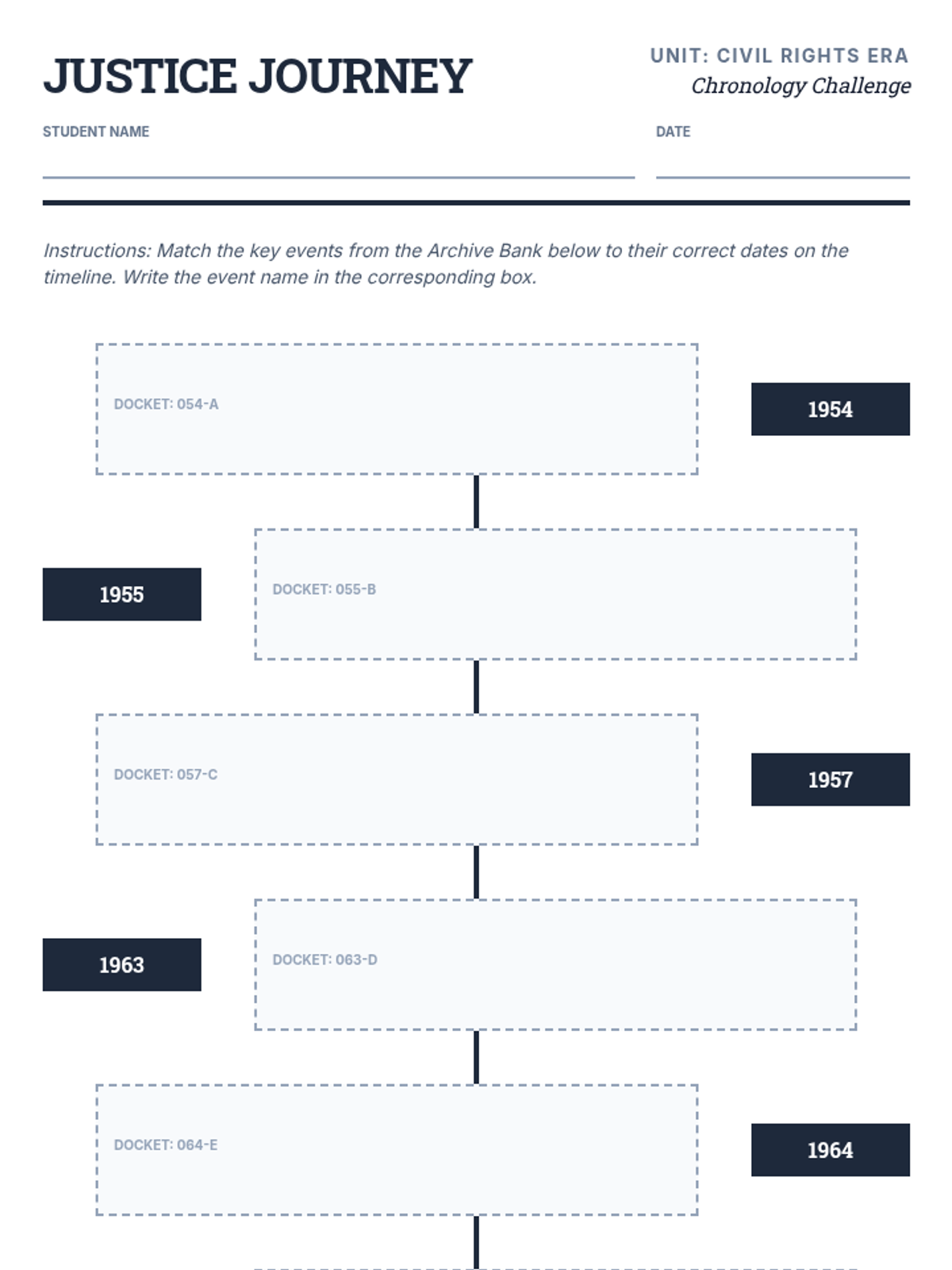
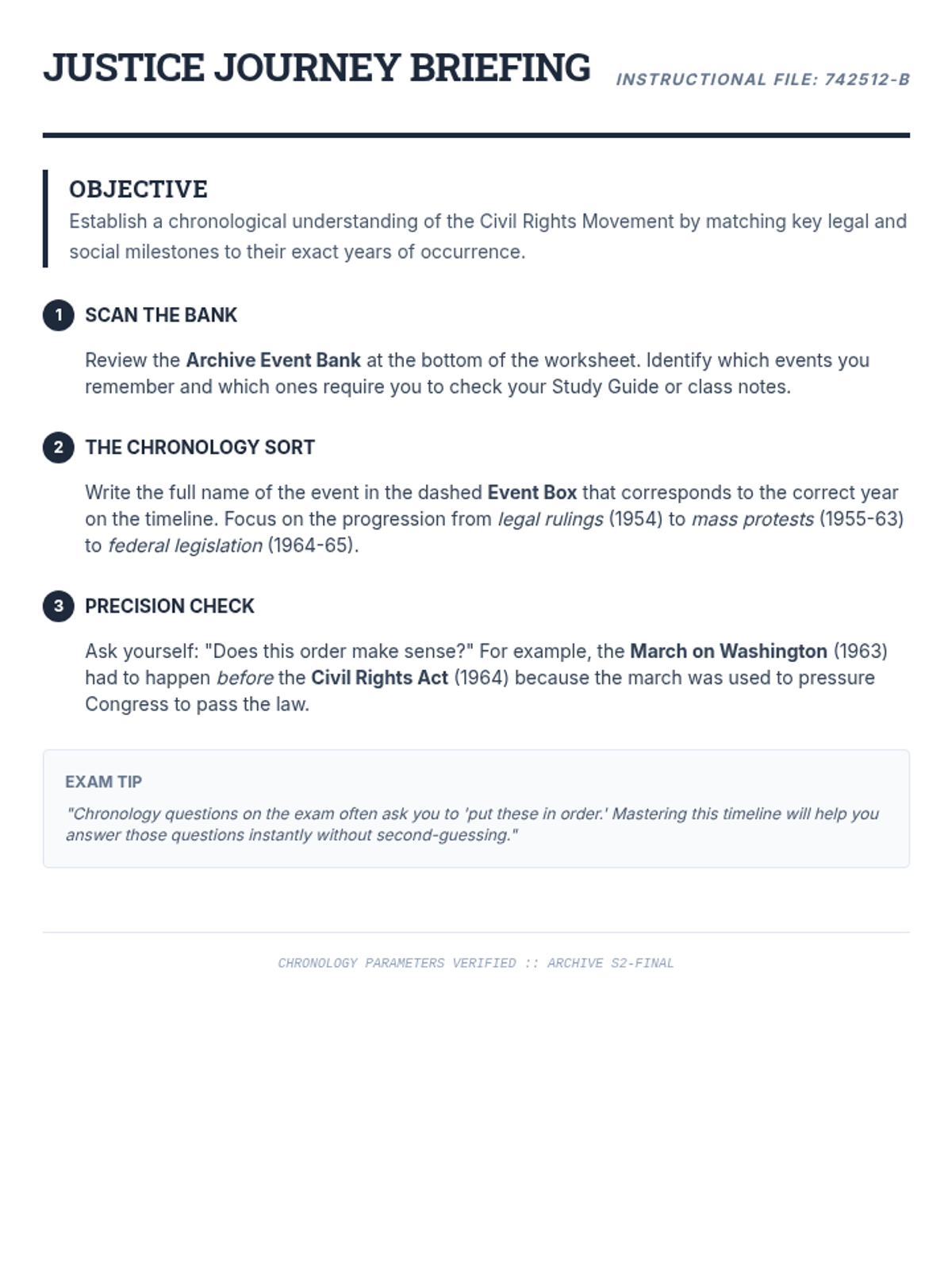
A comprehensive 5-lesson unit on the American Civil Rights Movement, covering the legal battles, non-violent protests, key legislation, and the evolving strategies for racial justice.
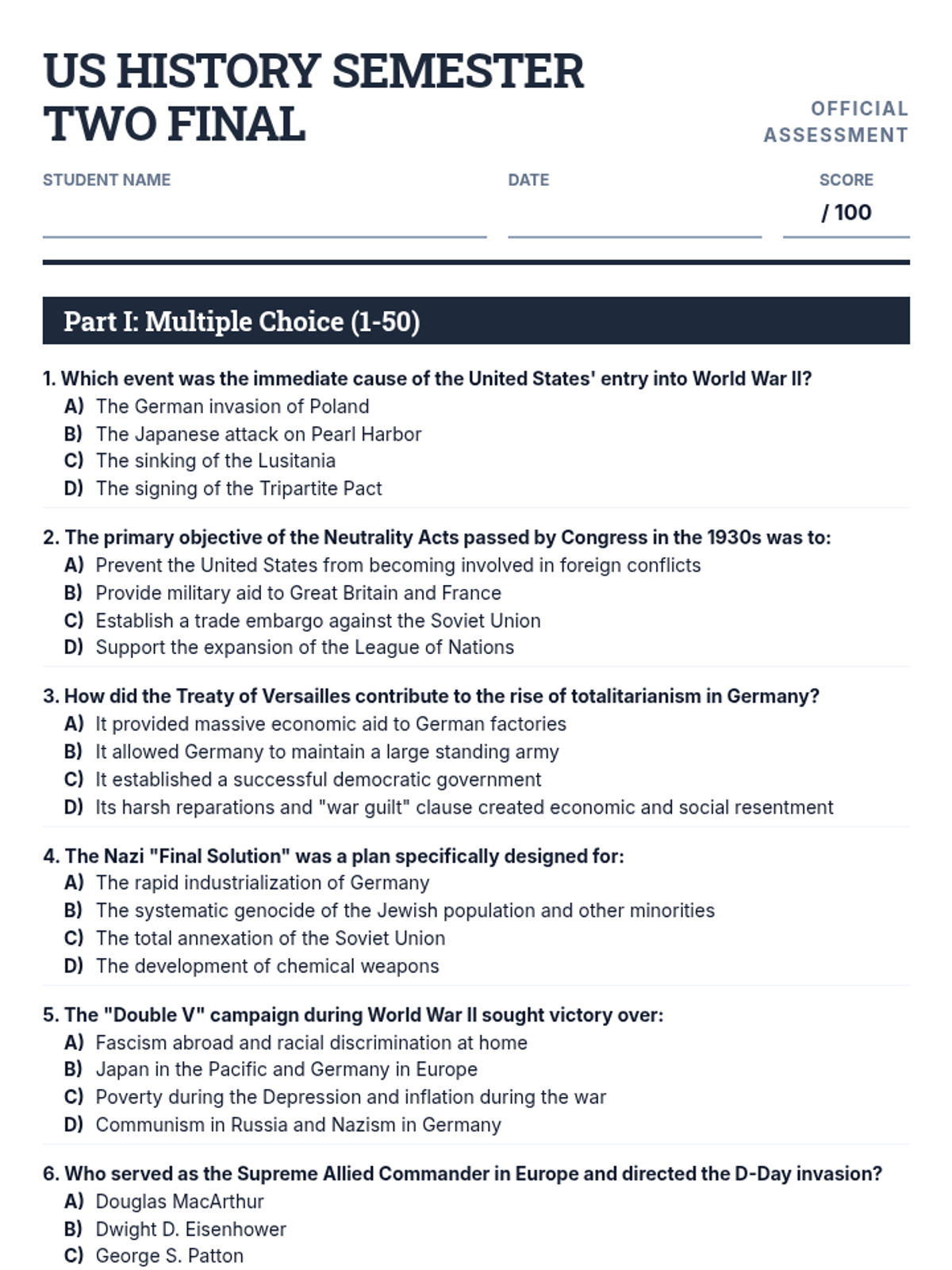
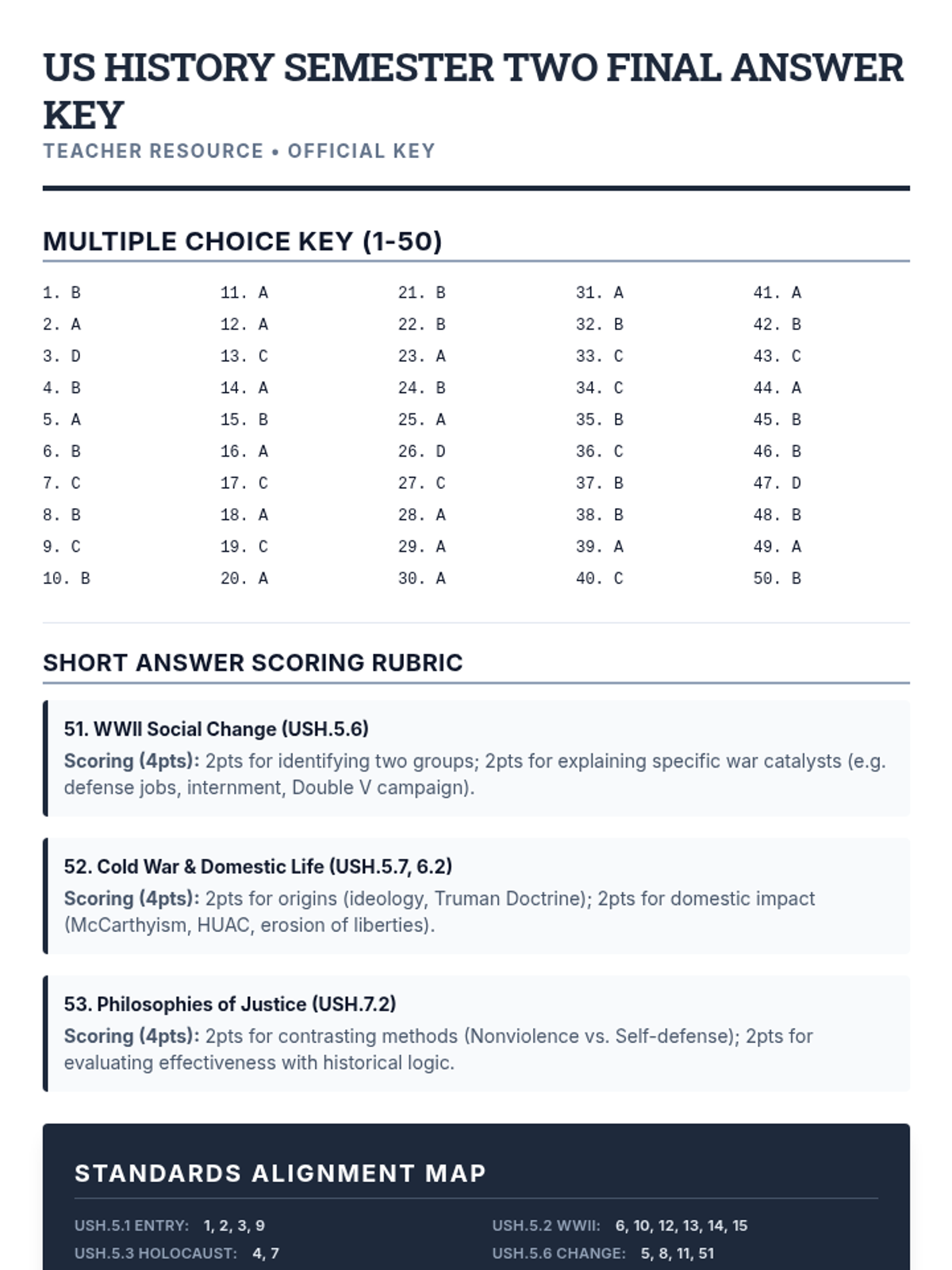
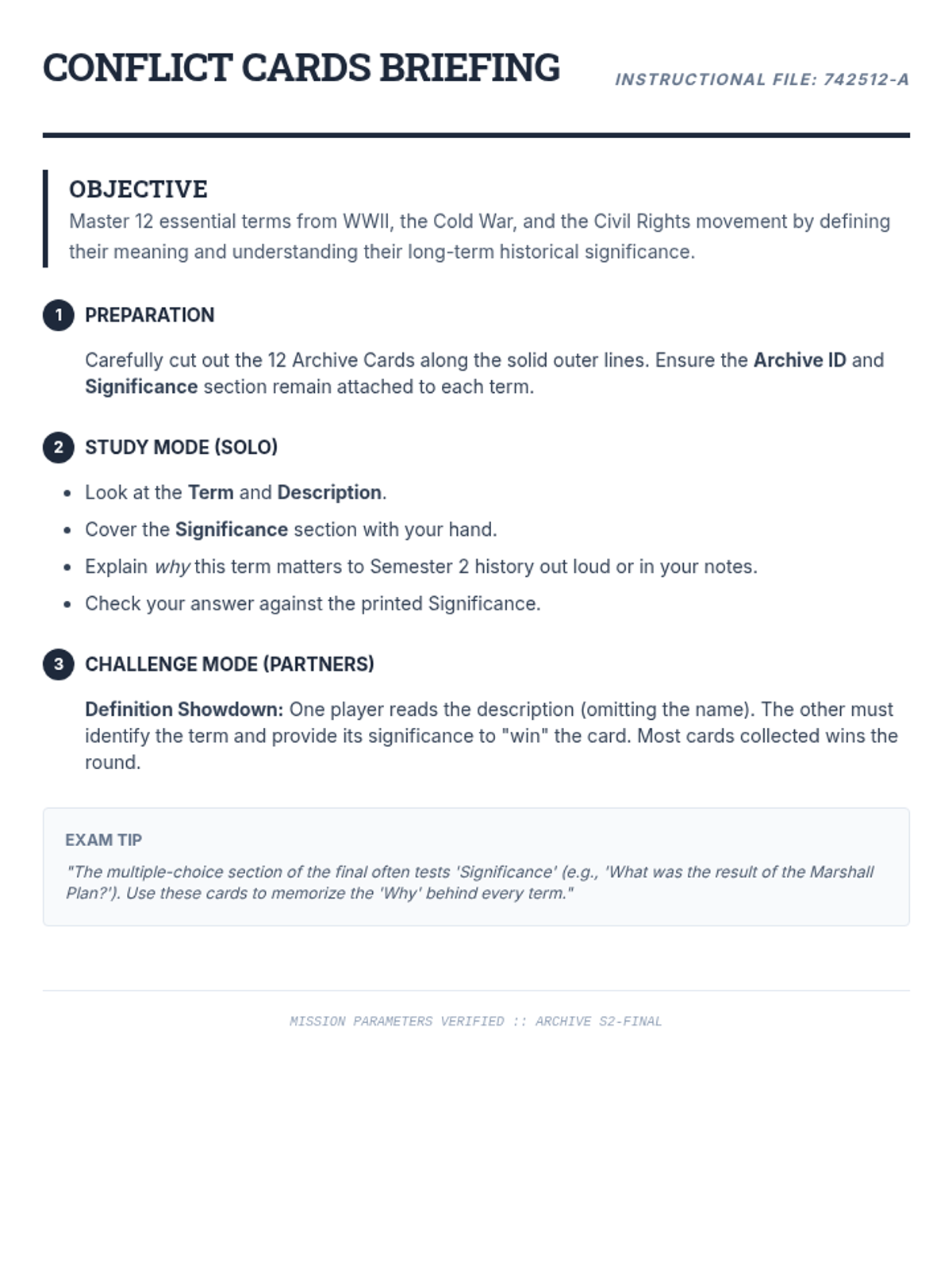
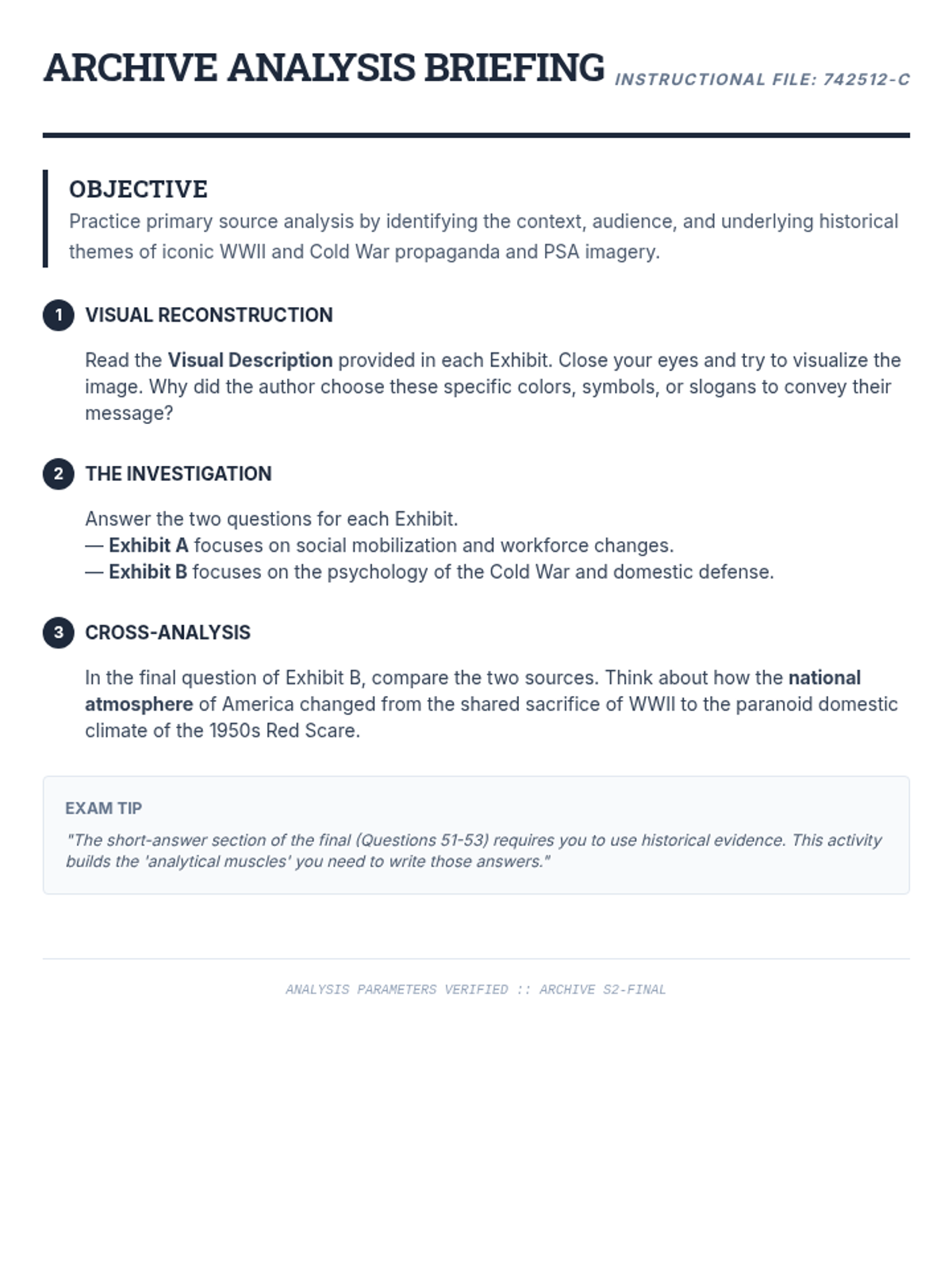
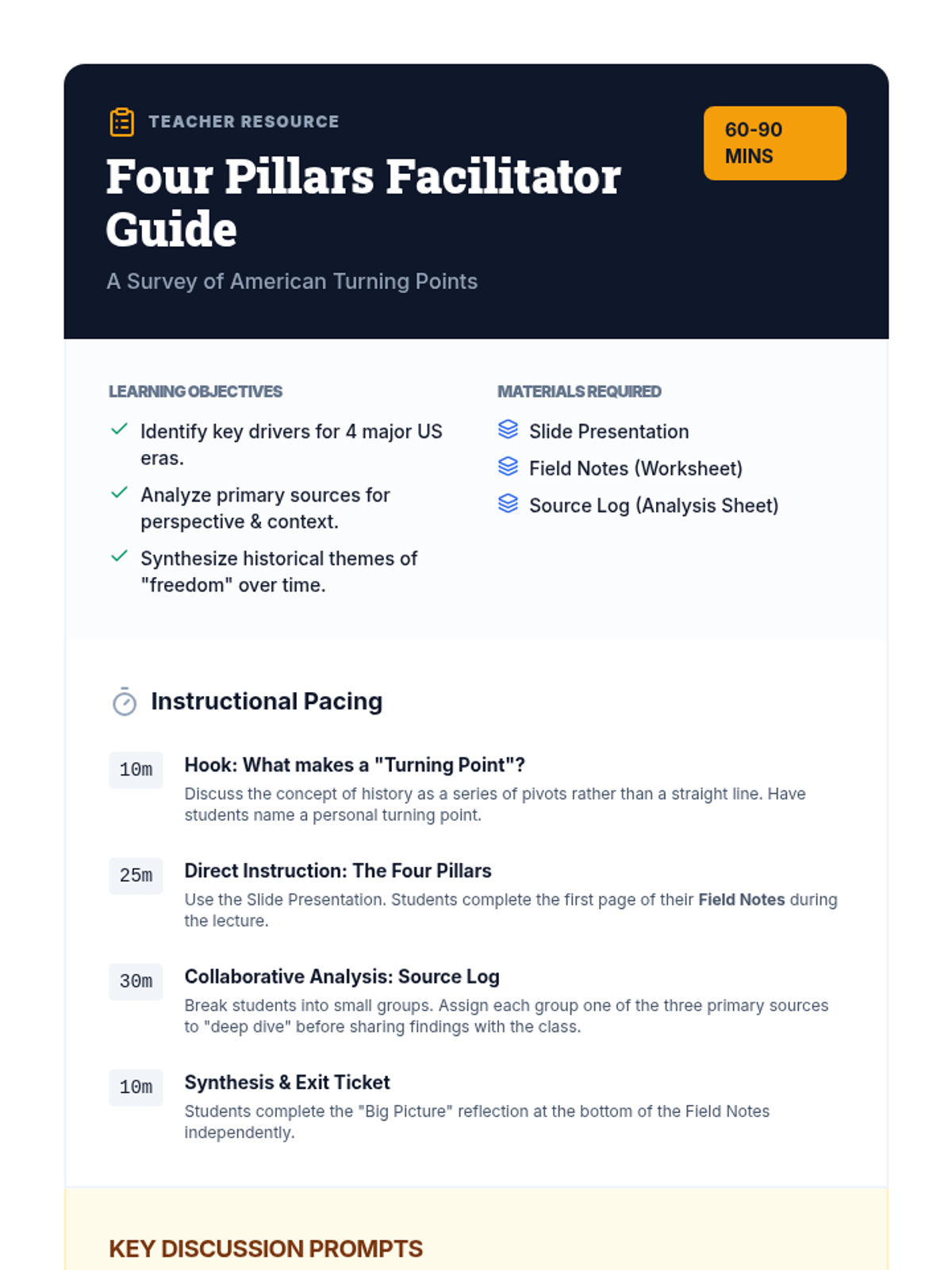
A comprehensive 2-day unit covering World War II for 11th Grade US History, aligned with TEKS. It focuses on the transition from isolationism to total war, the home front experience, major turning points in both the European and Pacific theaters, and the strategic decisions that ended the conflict.
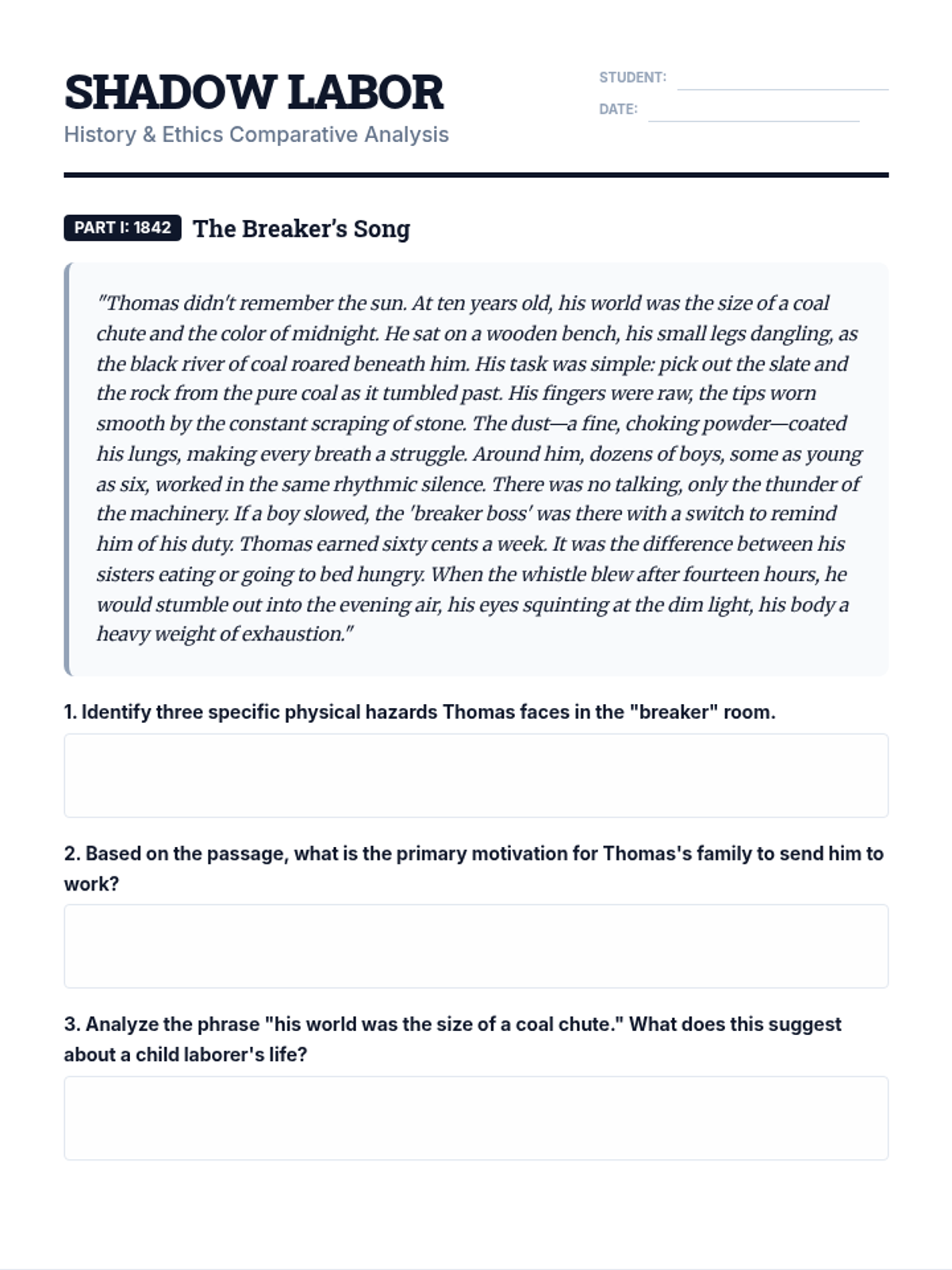
A 4th-grade unit focused on kindness, fairness, and understanding how our words can make everyone feel like they belong, regardless of their background or skin color.
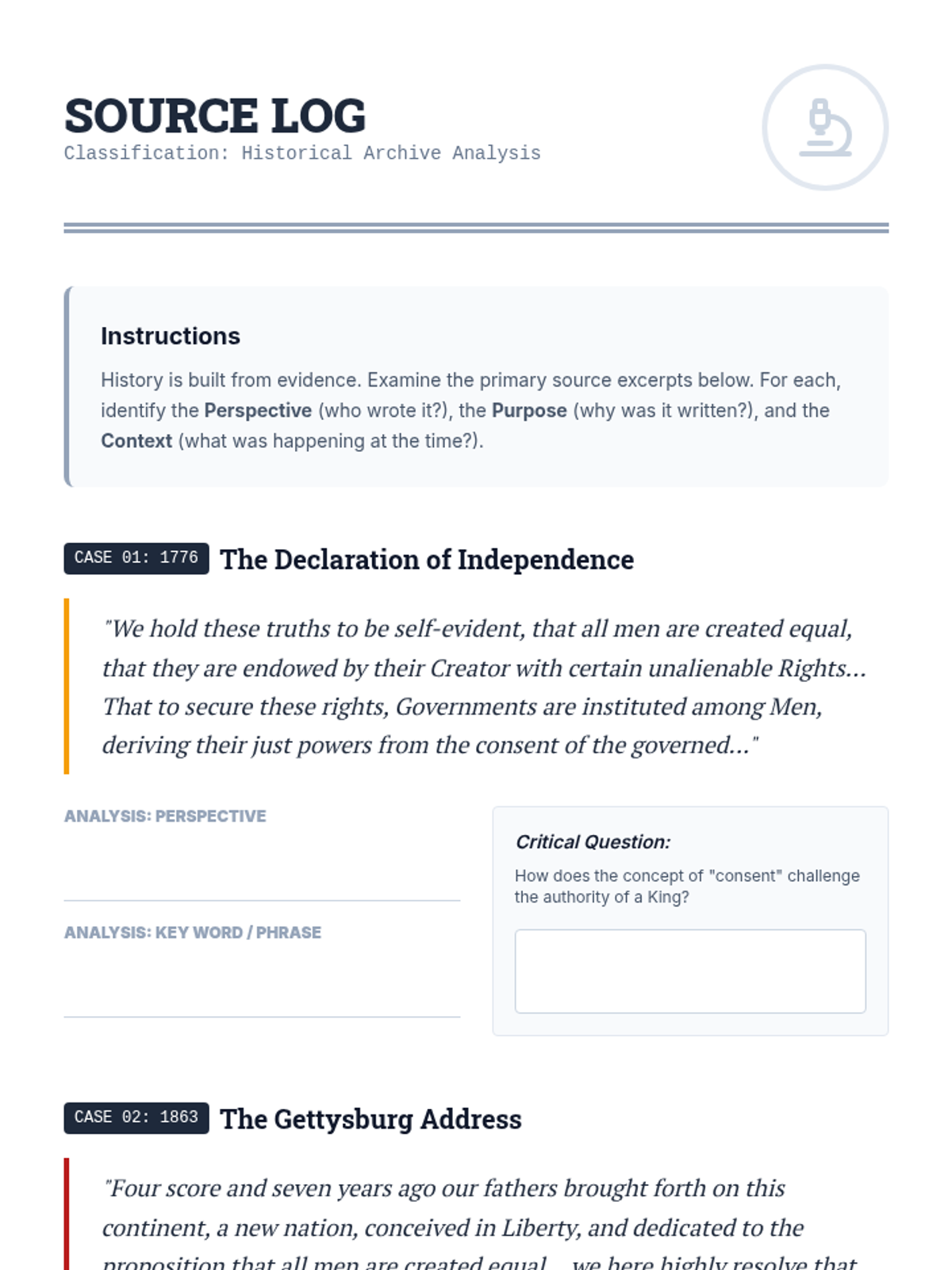
A comprehensive unit on the American Abolitionist movement, examining the rhetorical strategies, diverse perspectives, and historical impact of leading abolitionist voices through primary source analysis.
A lesson sequence exploring the early American debate over federal vs. state power, focusing on the Alien and Sedition Acts and the Kentucky Resolutions.
A lesson examining the Populist Party's Omaha Platform of 1892, its agrarian roots, and its long-term impact on American political and economic policy through the Progressive Era.
A deep dive into the tensions between classical philosophy and modern democratic practice, focusing on Plato's critiques and contemporary responses.