A social history sequence for 10th grade students that examines Ancient Egypt and Kush through the lens of labor systems, social stratification, and the daily lives of non-elites, centered on evidence from Deir el-Medina.
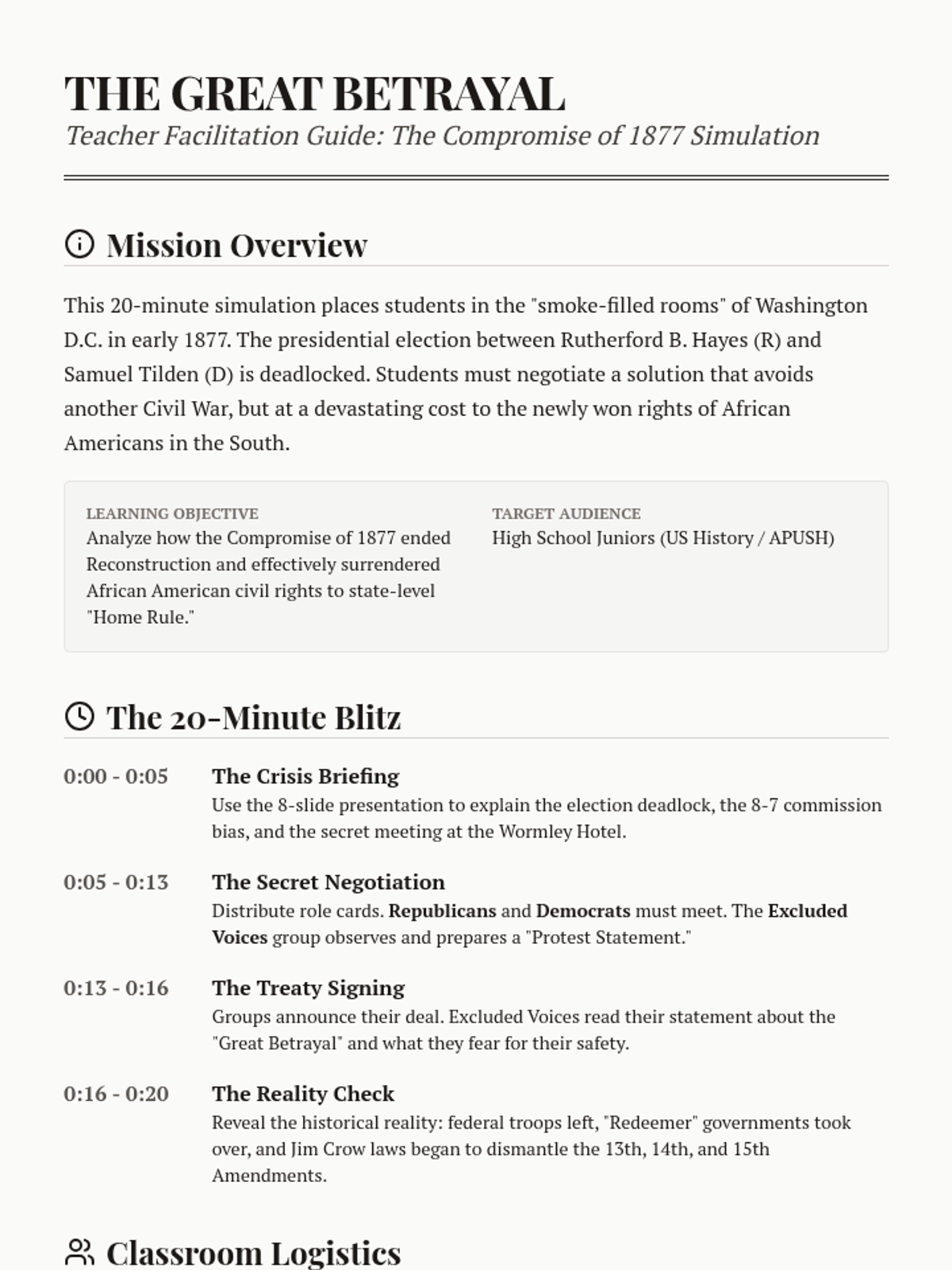
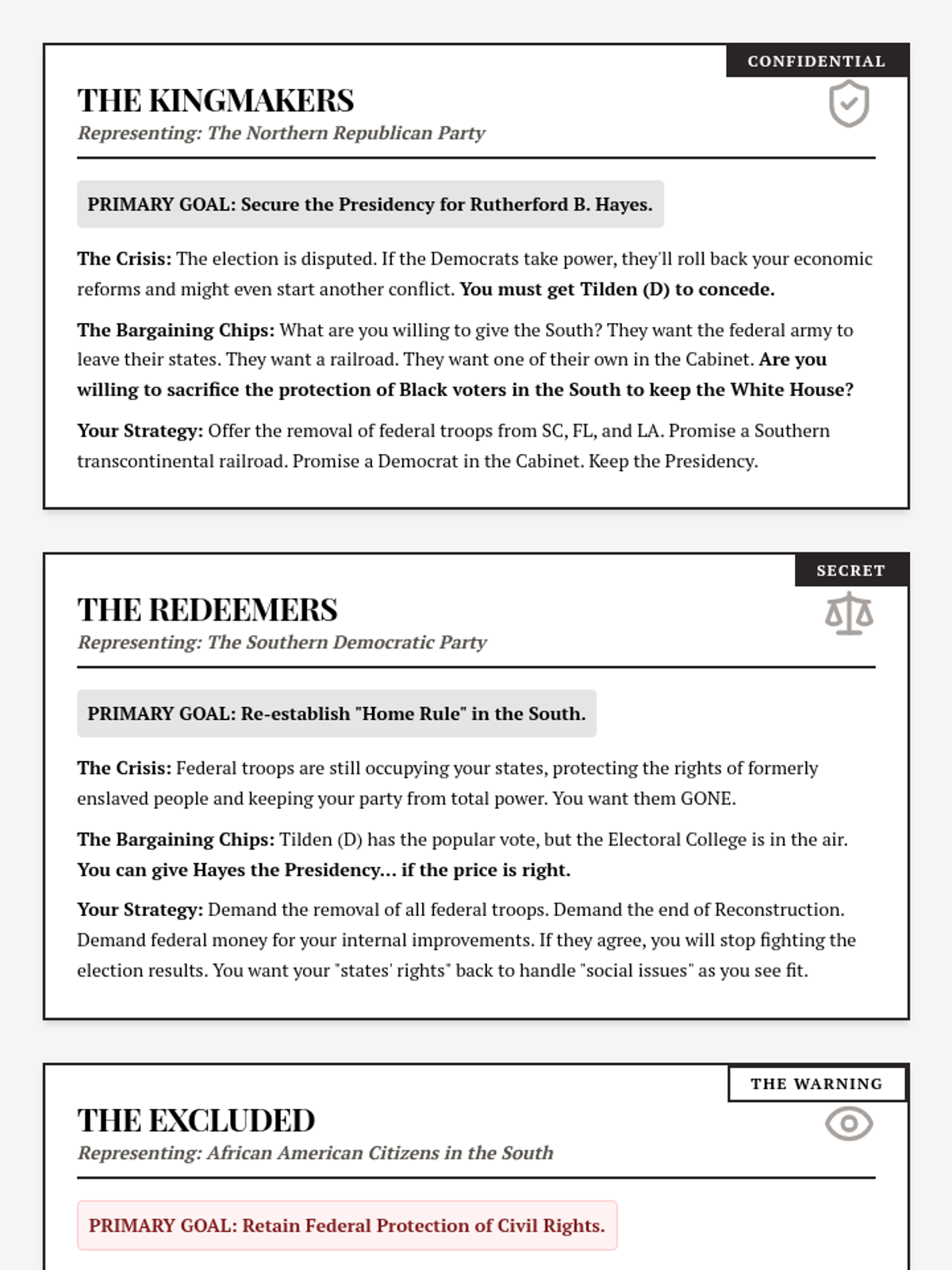
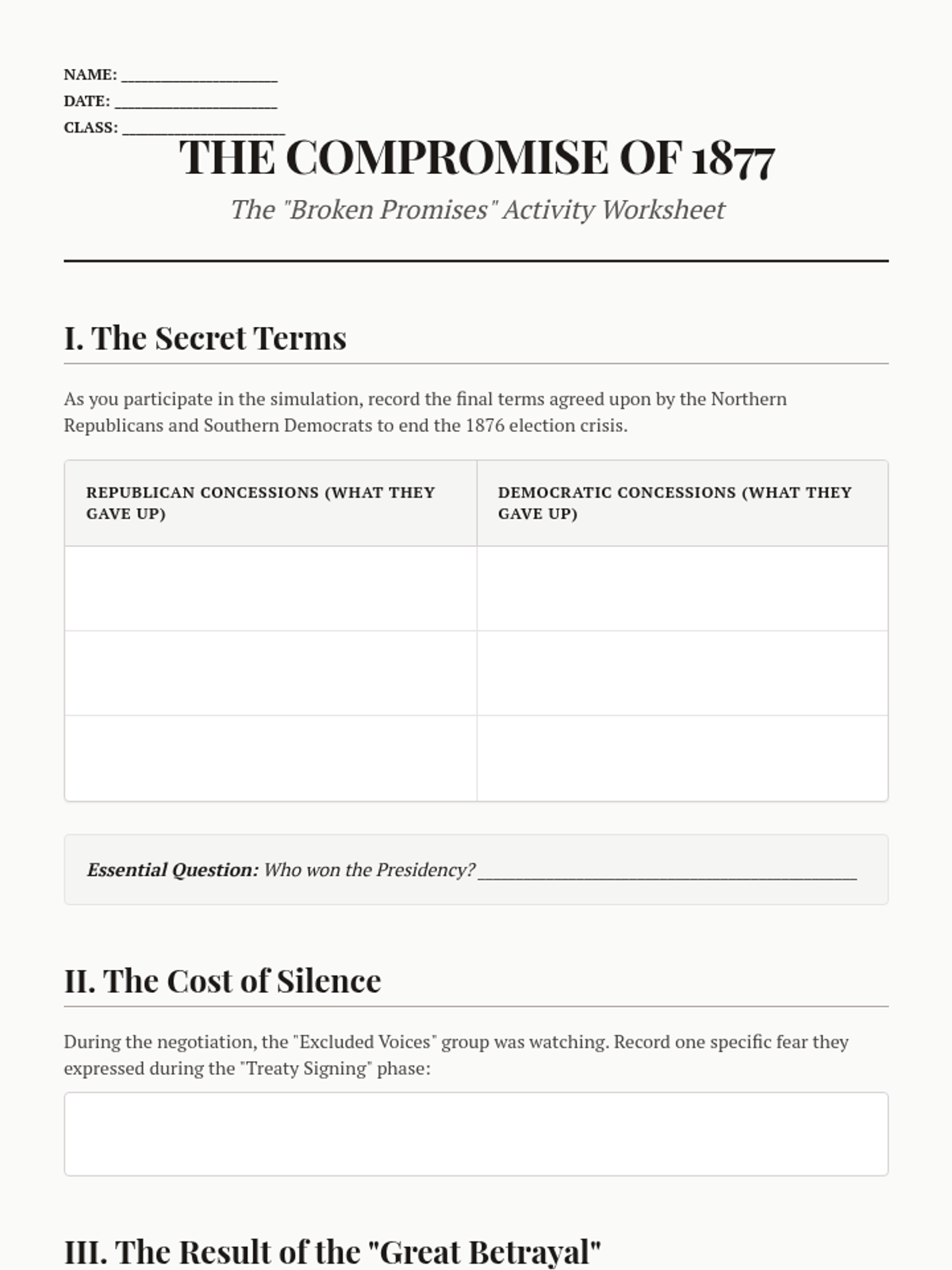
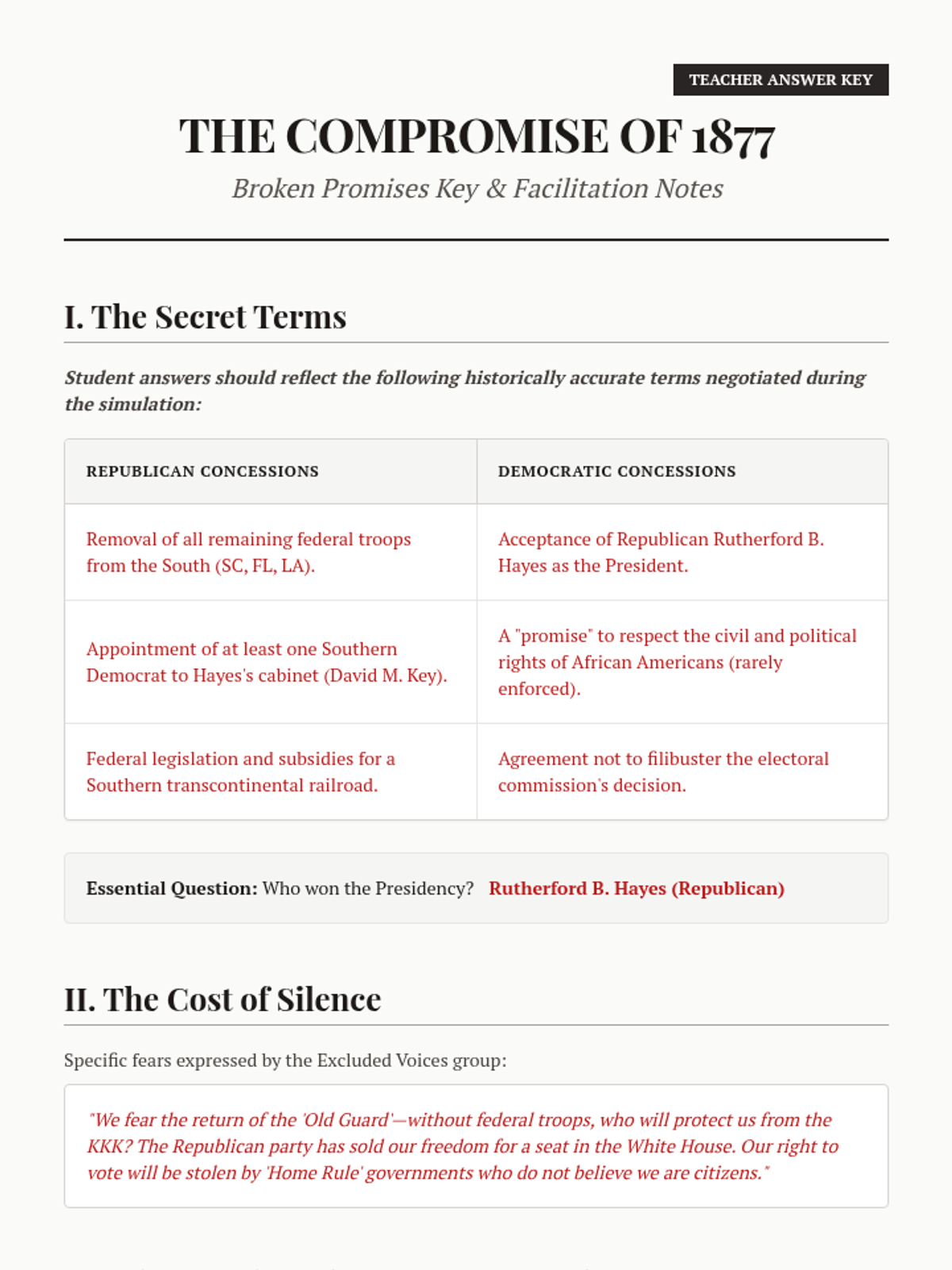
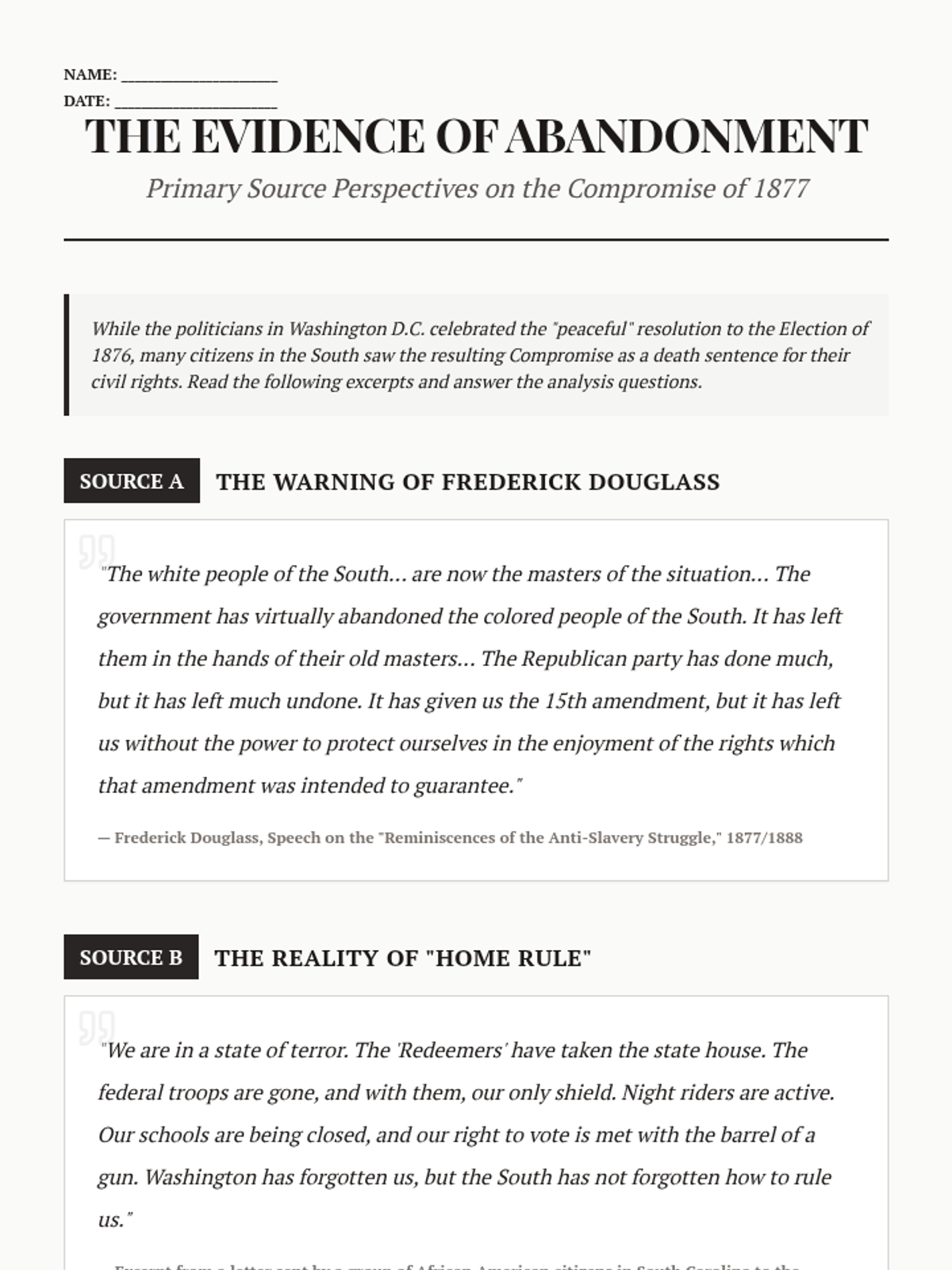
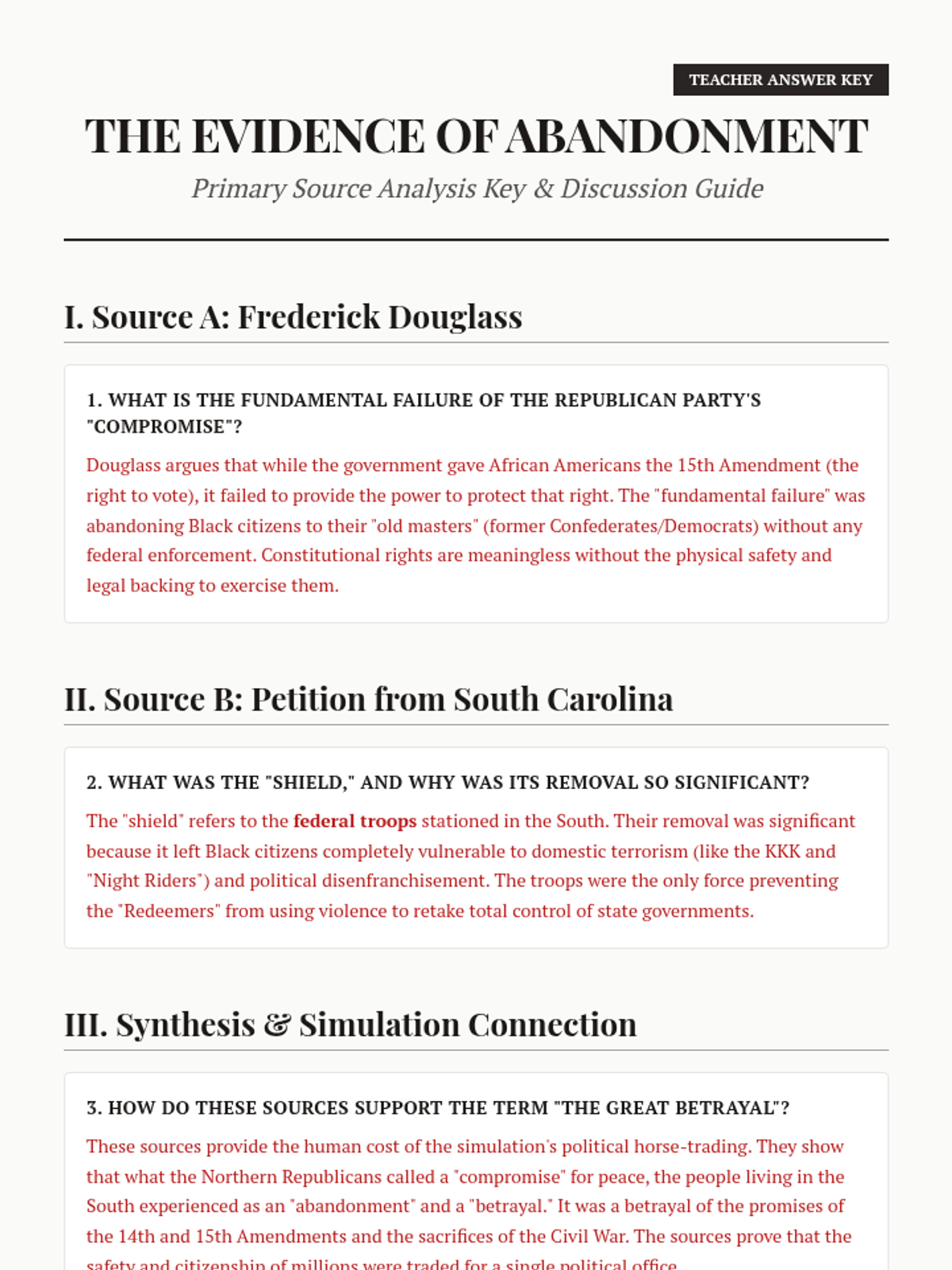
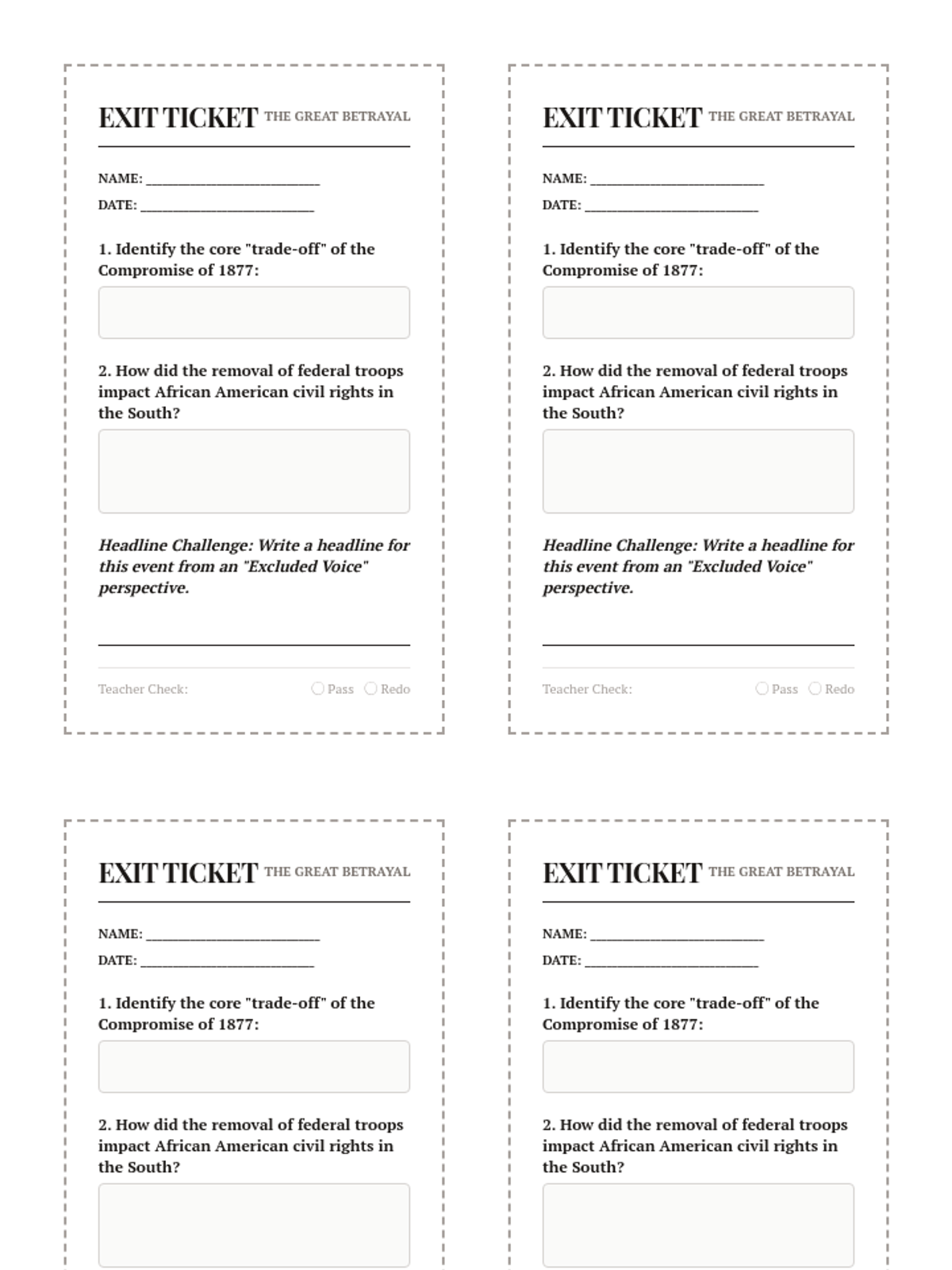
This sequence explores the aftermath of the Compromise of 1877, detailing the systematic dismantling of Reconstruction-era progress and the establishment of the Jim Crow South. Students analyze the political, social, and legal mechanisms used to disenfranchise African Americans.
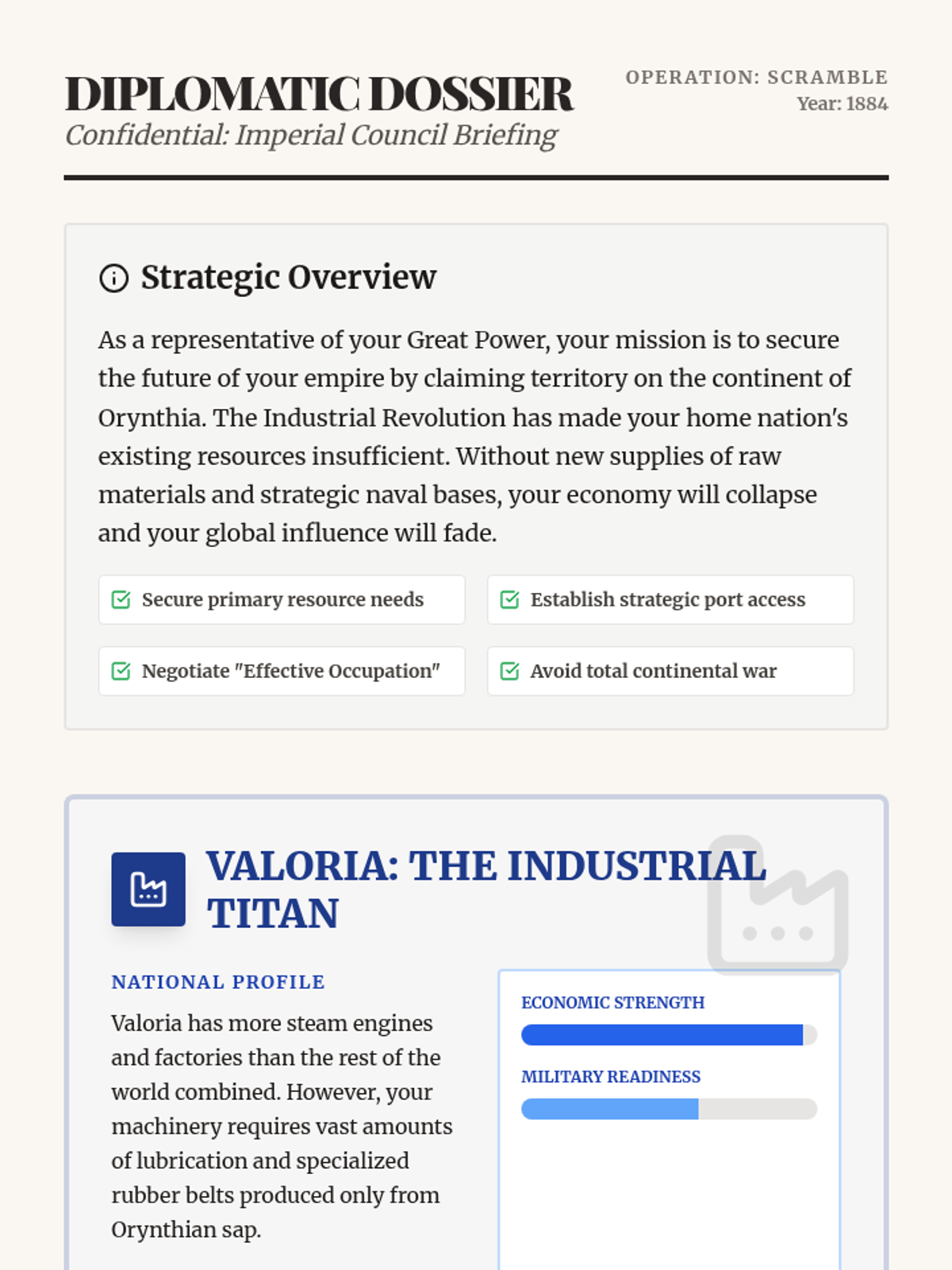
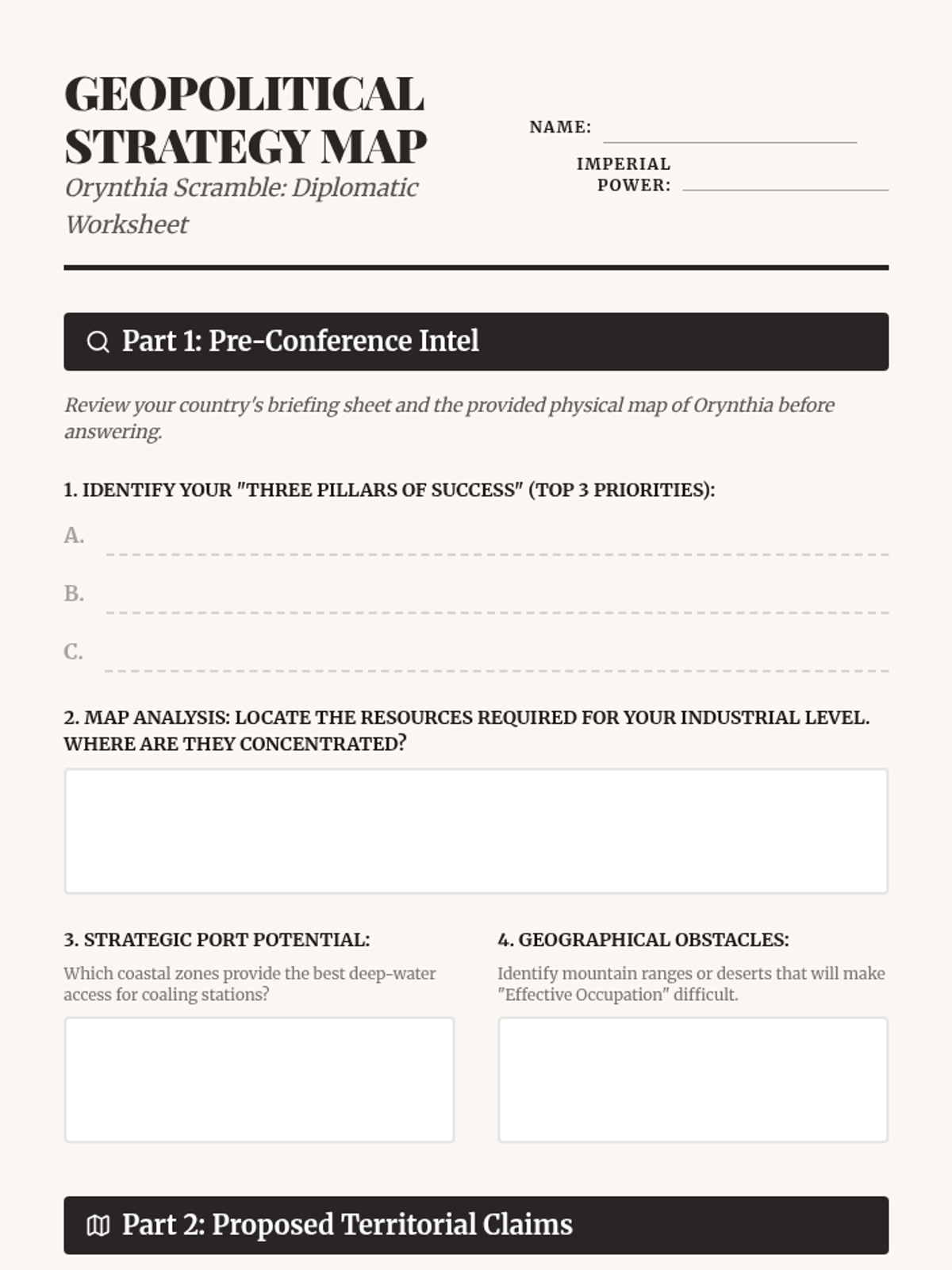
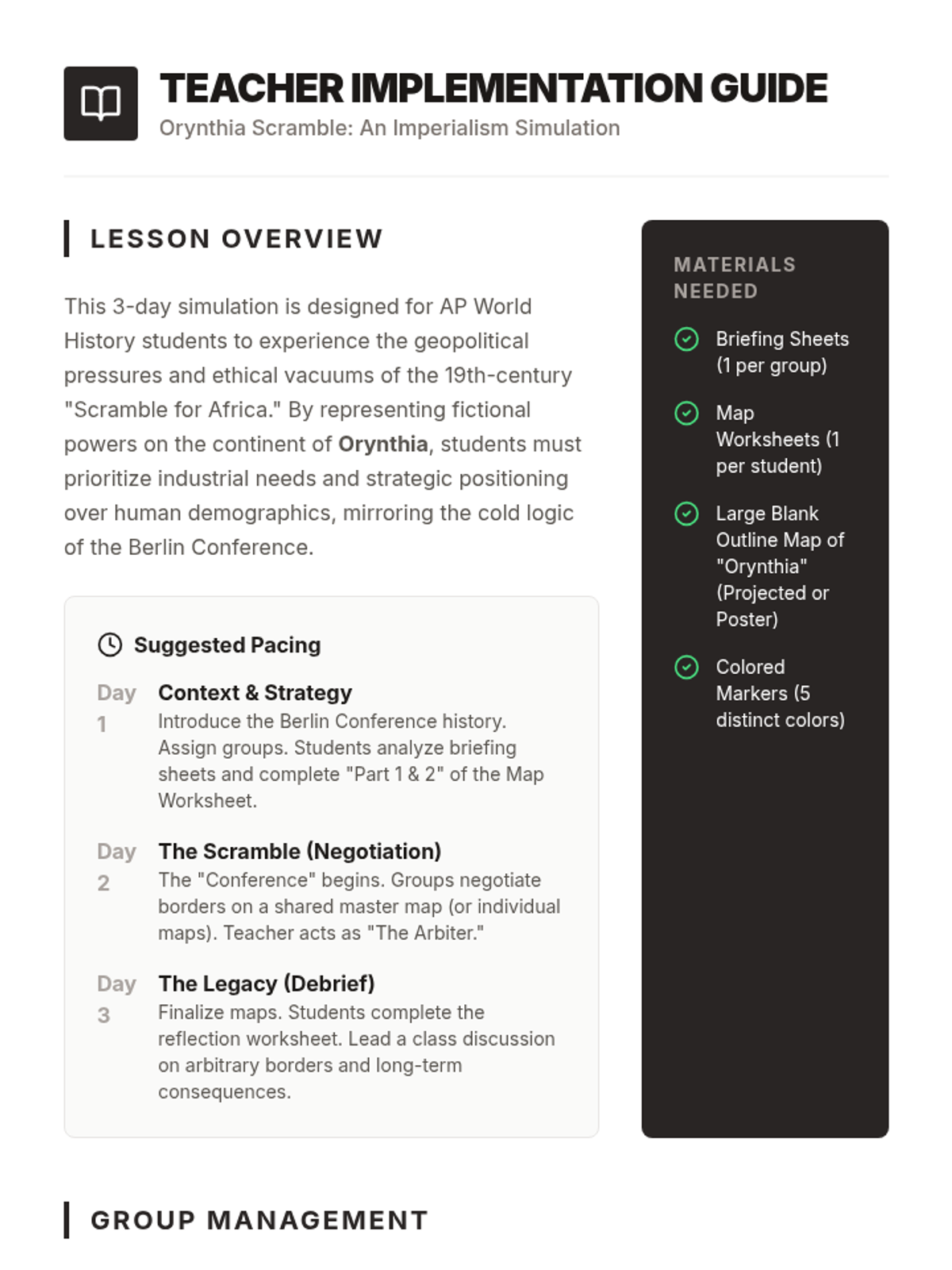
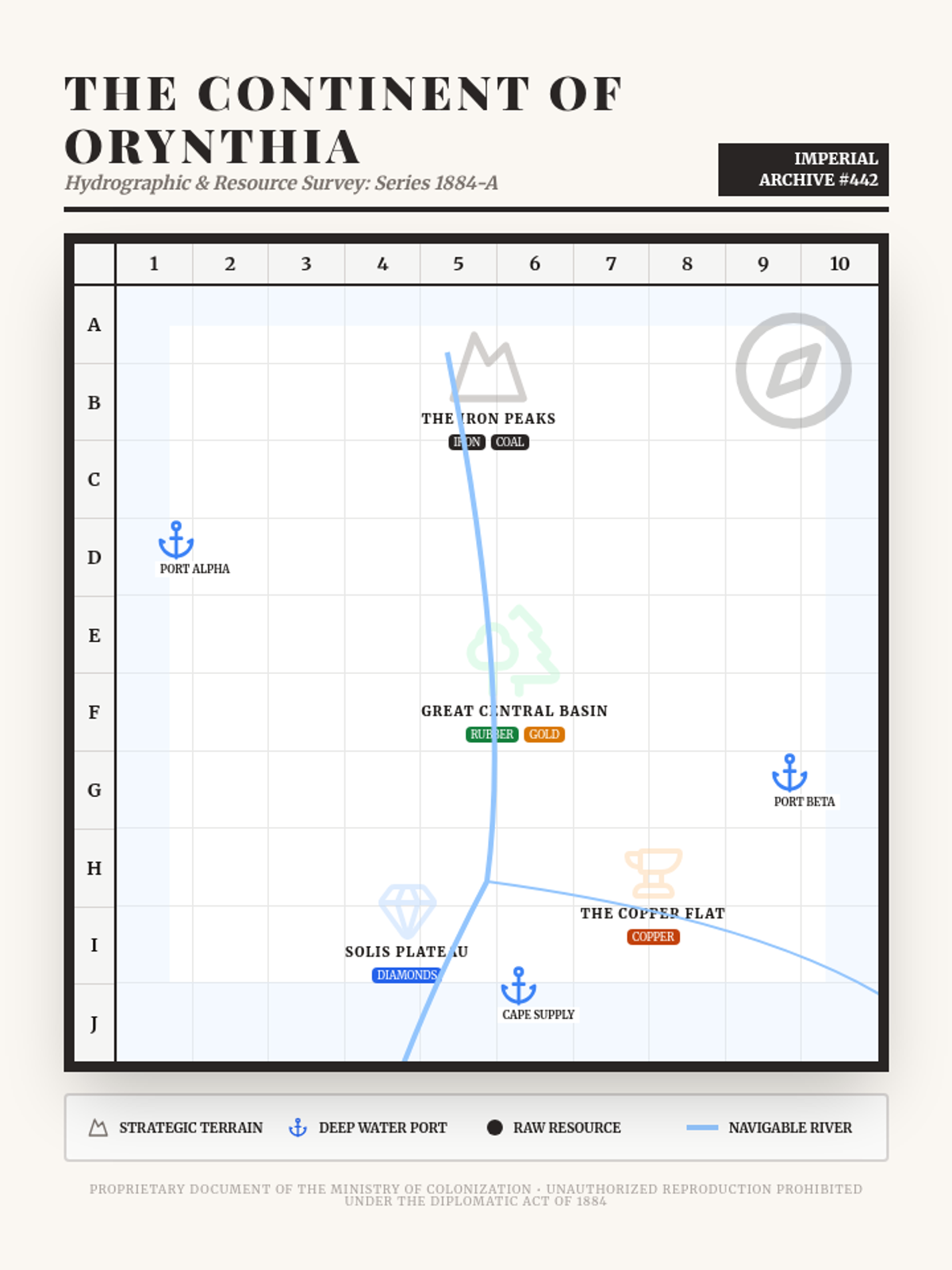
An exploration of 19th-century Imperialism through the lens of a high-stakes geopolitical simulation. Students take on the roles of industrial nations to understand the economic, social, and political motivations behind the Scramble for Africa.
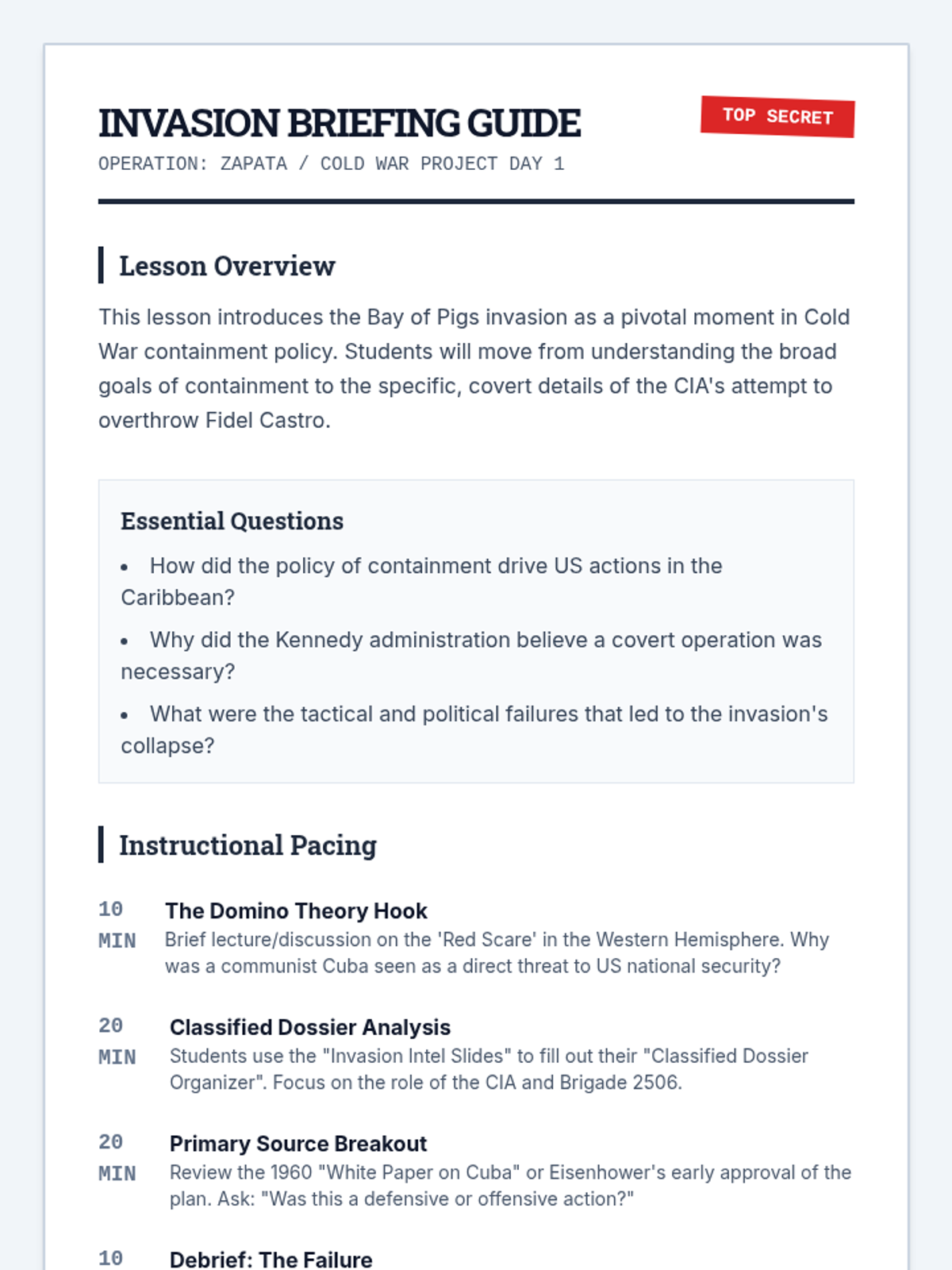
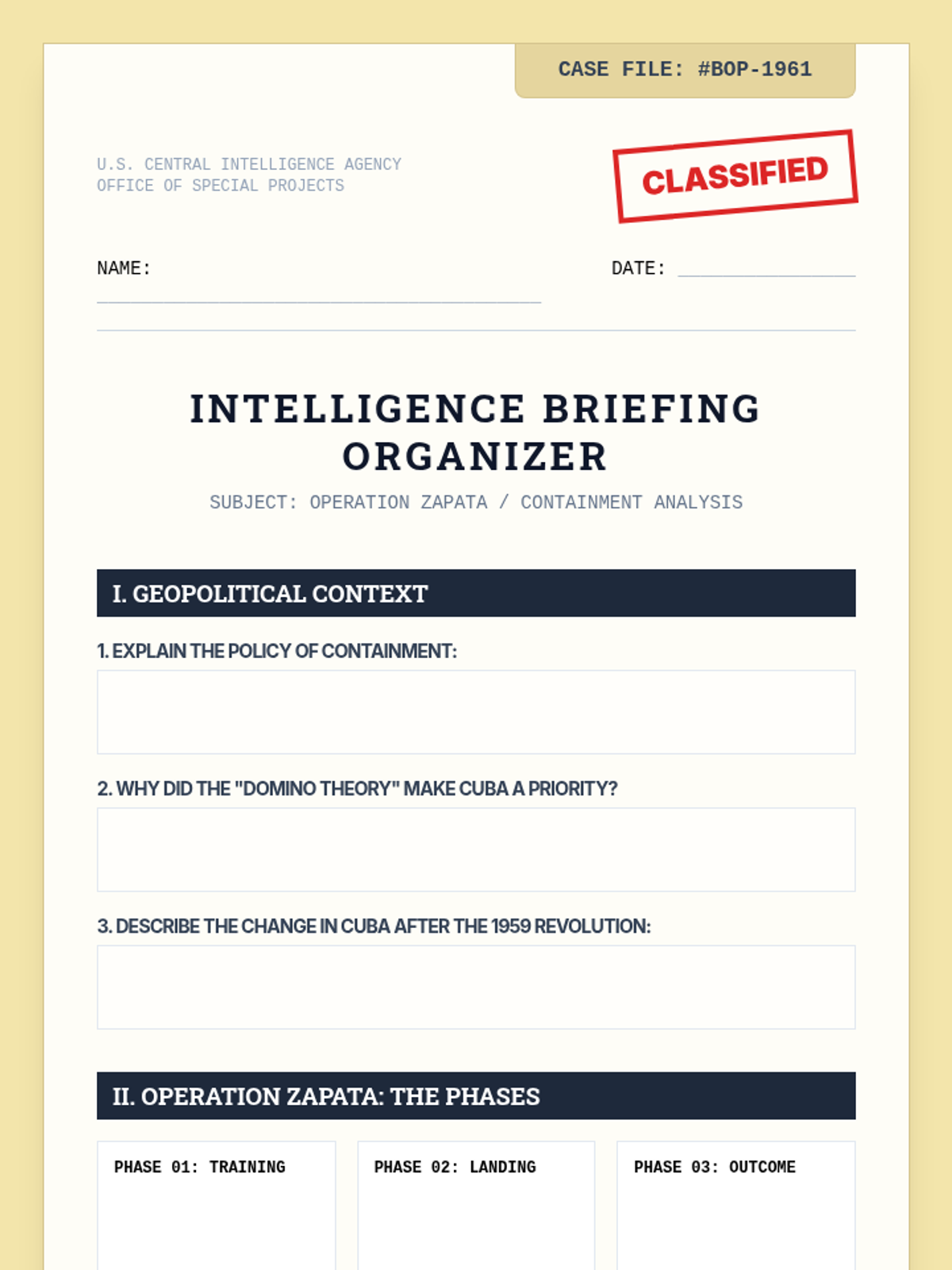
A two-day historical simulation and project focused on the Bay of Pigs invasion, Cold War containment strategies, and multi-perspective journalism. Students analyze primary sources and government documents to create a 1961 newspaper report.
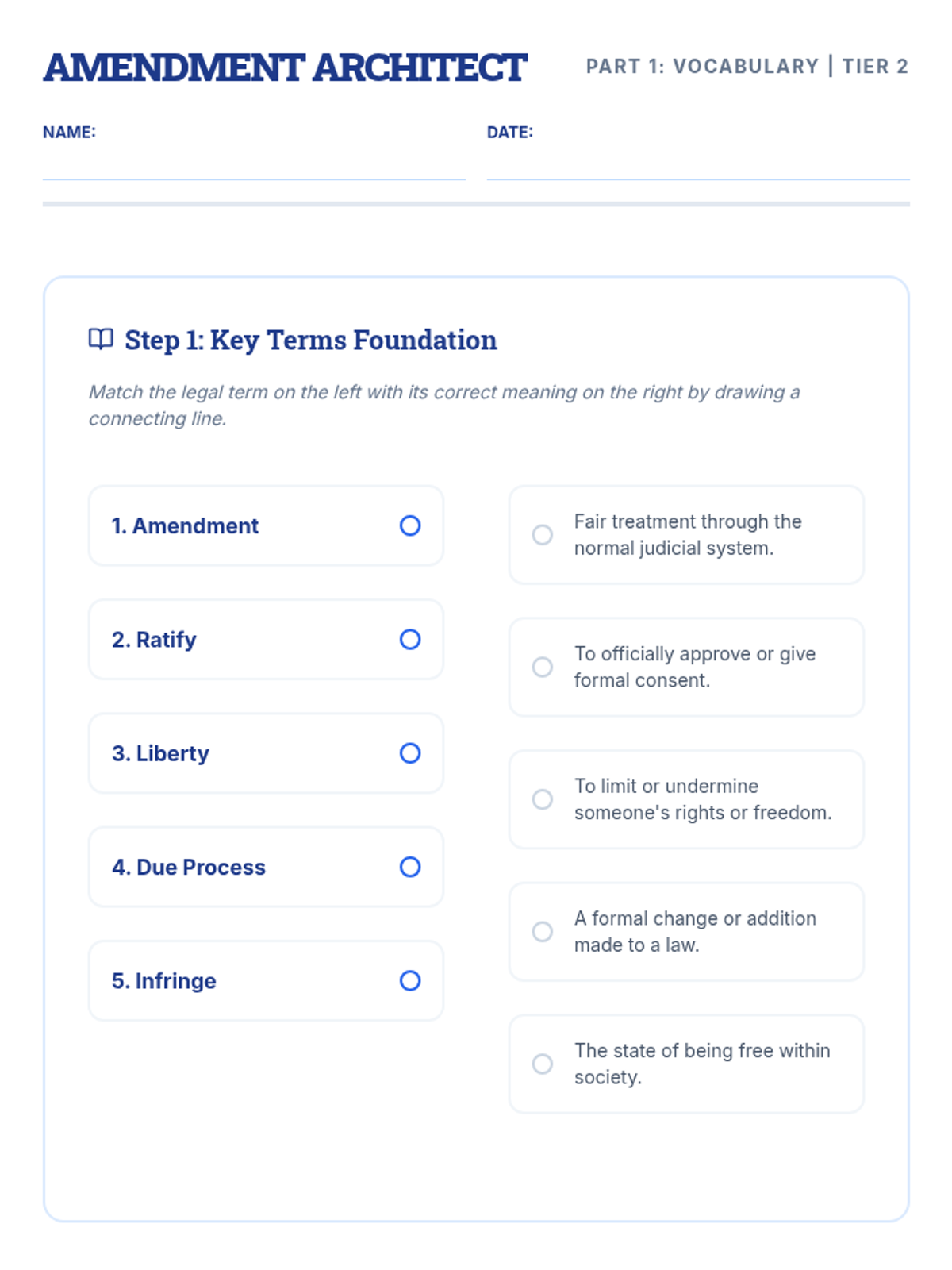
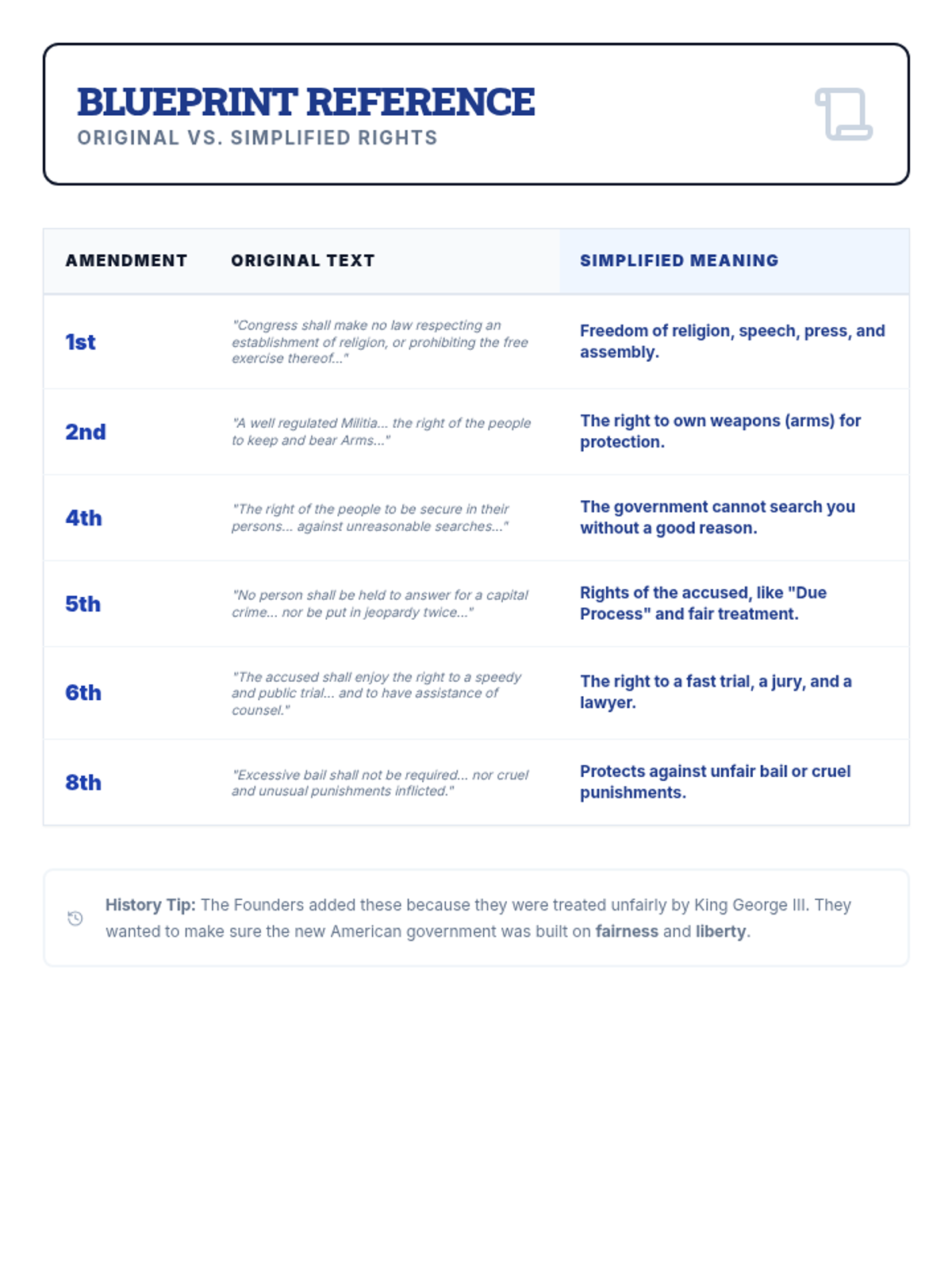
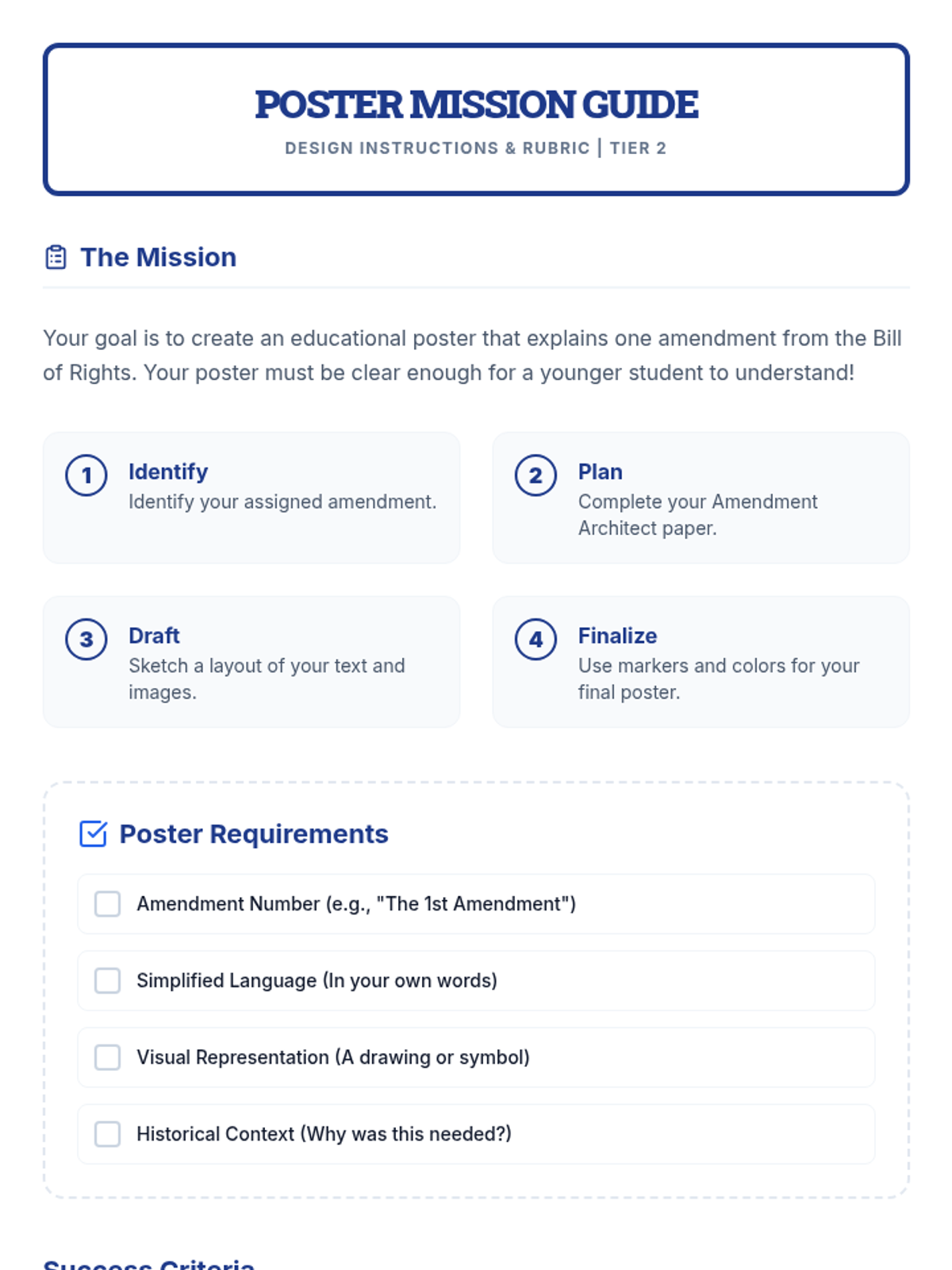
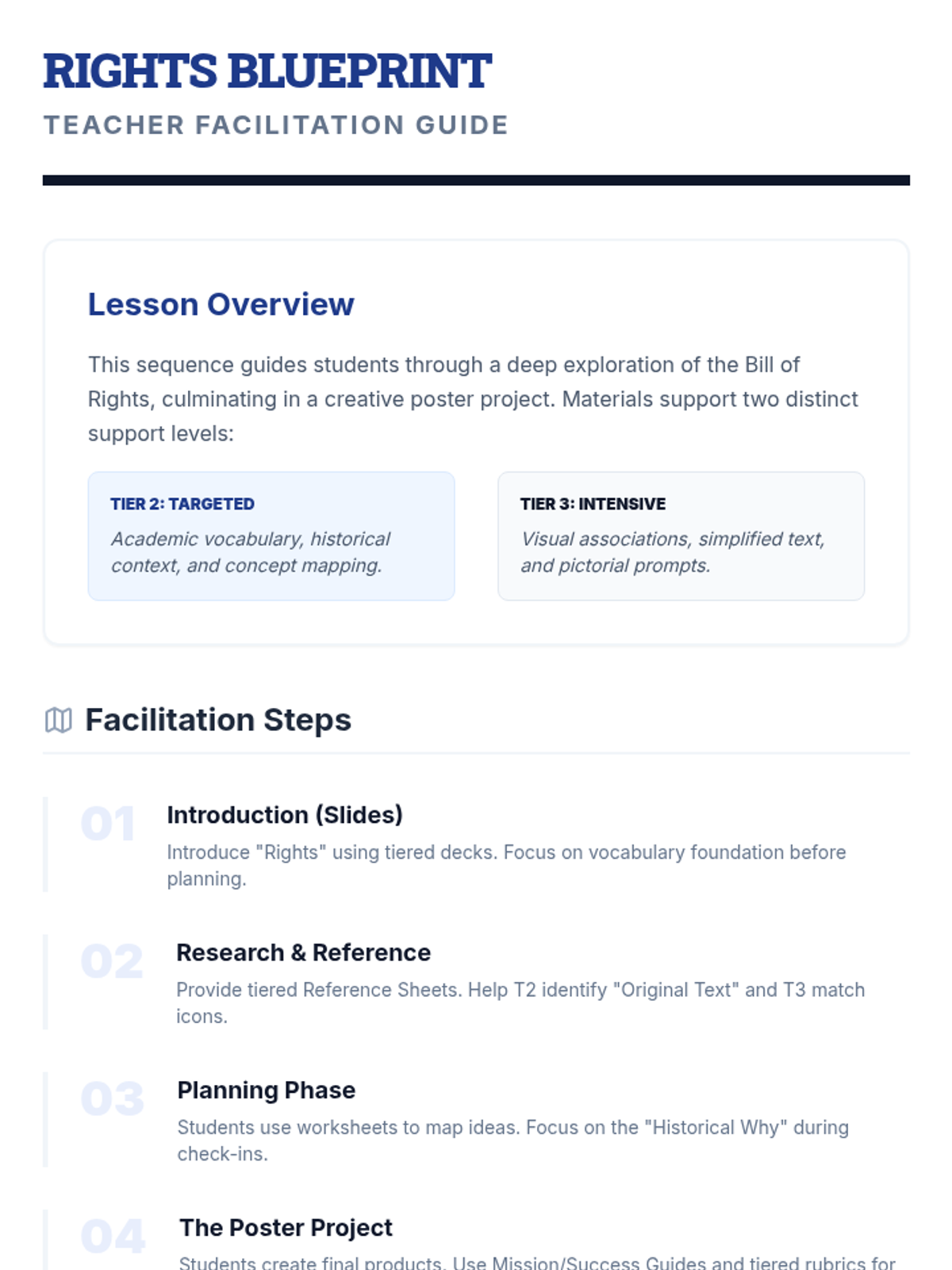
A comprehensive guide to the Bill of Rights designed for different learning needs. Students explore the first ten amendments through visual planning, vocabulary building, and a creative poster project.
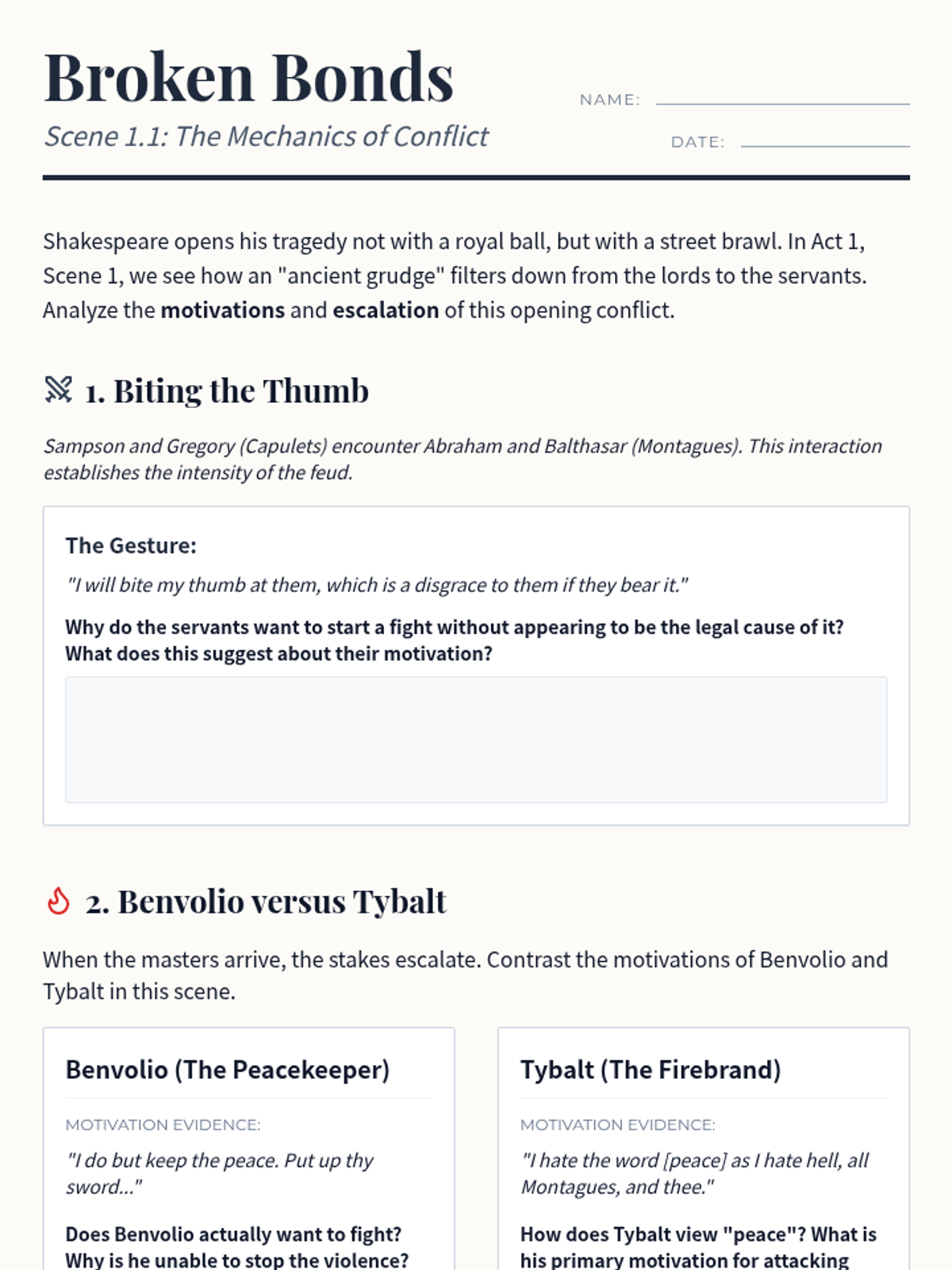
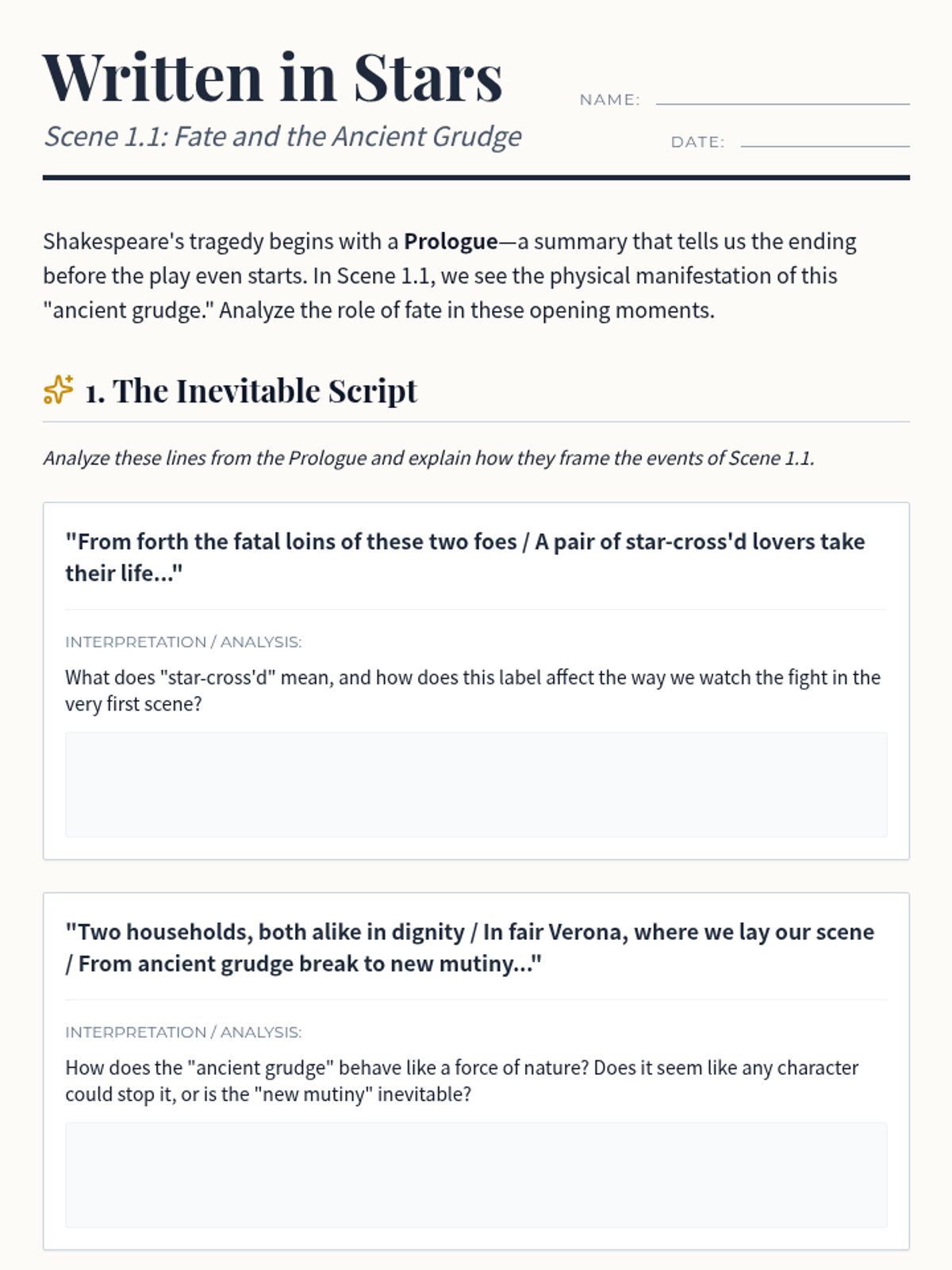
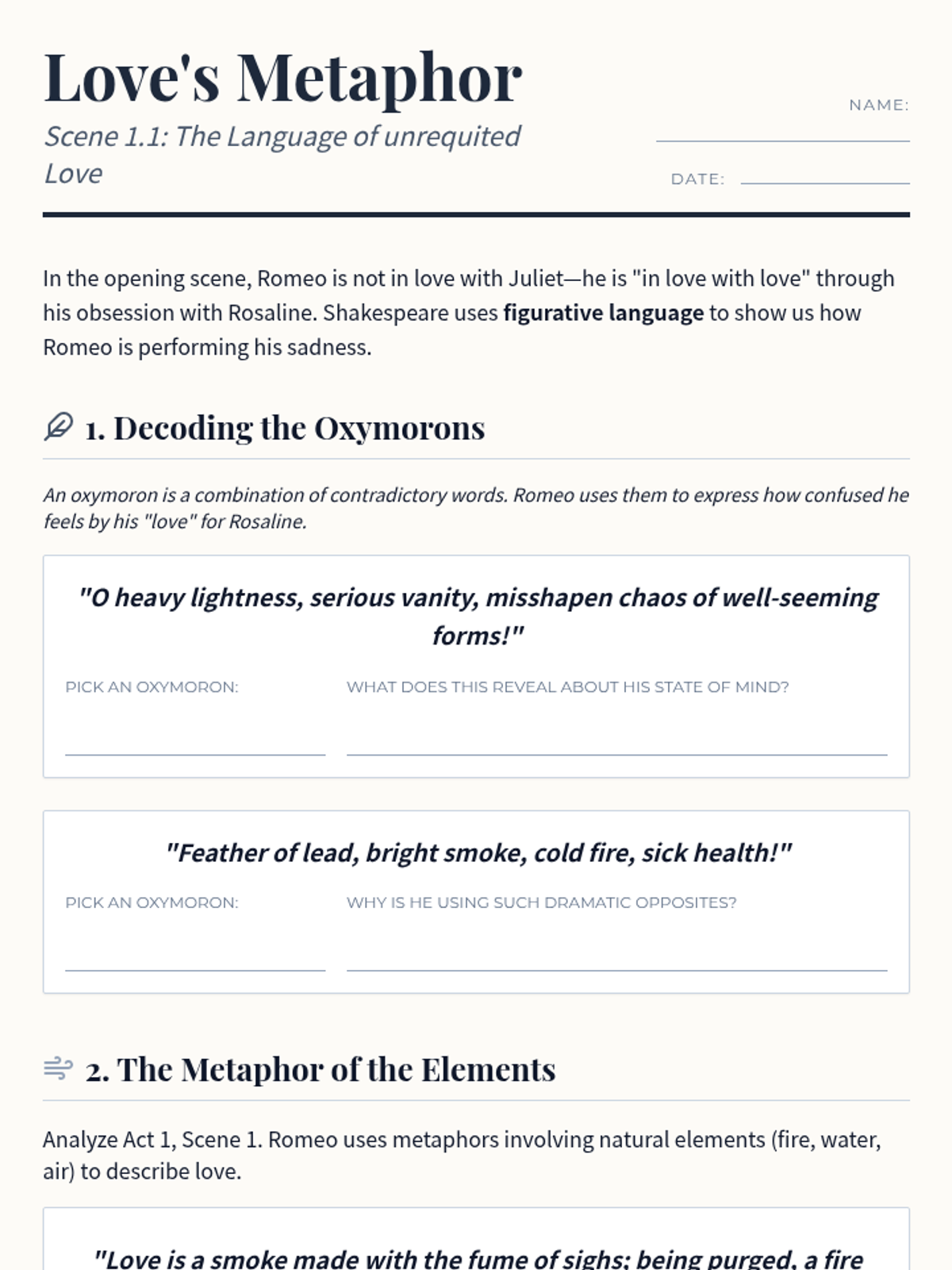
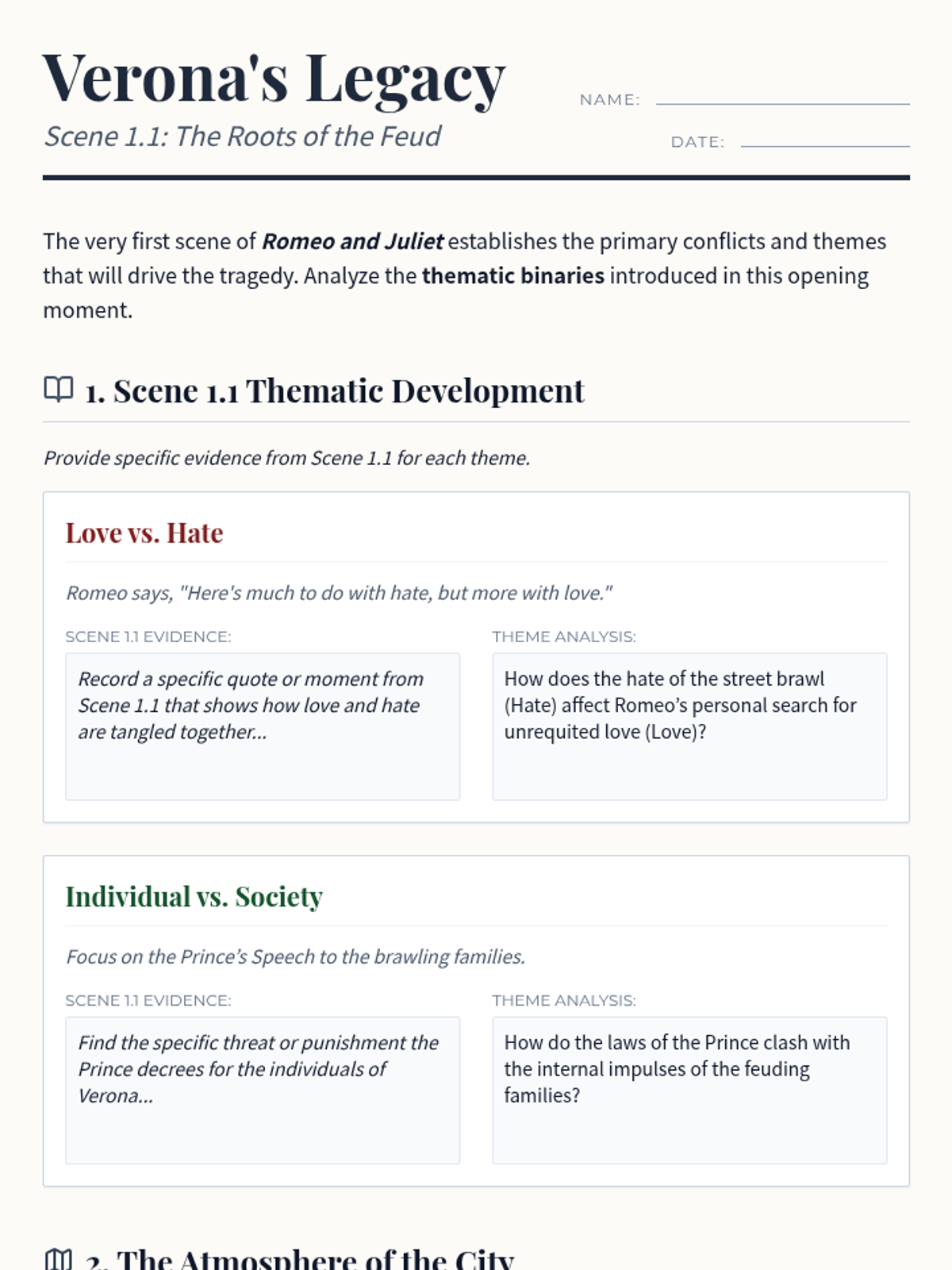
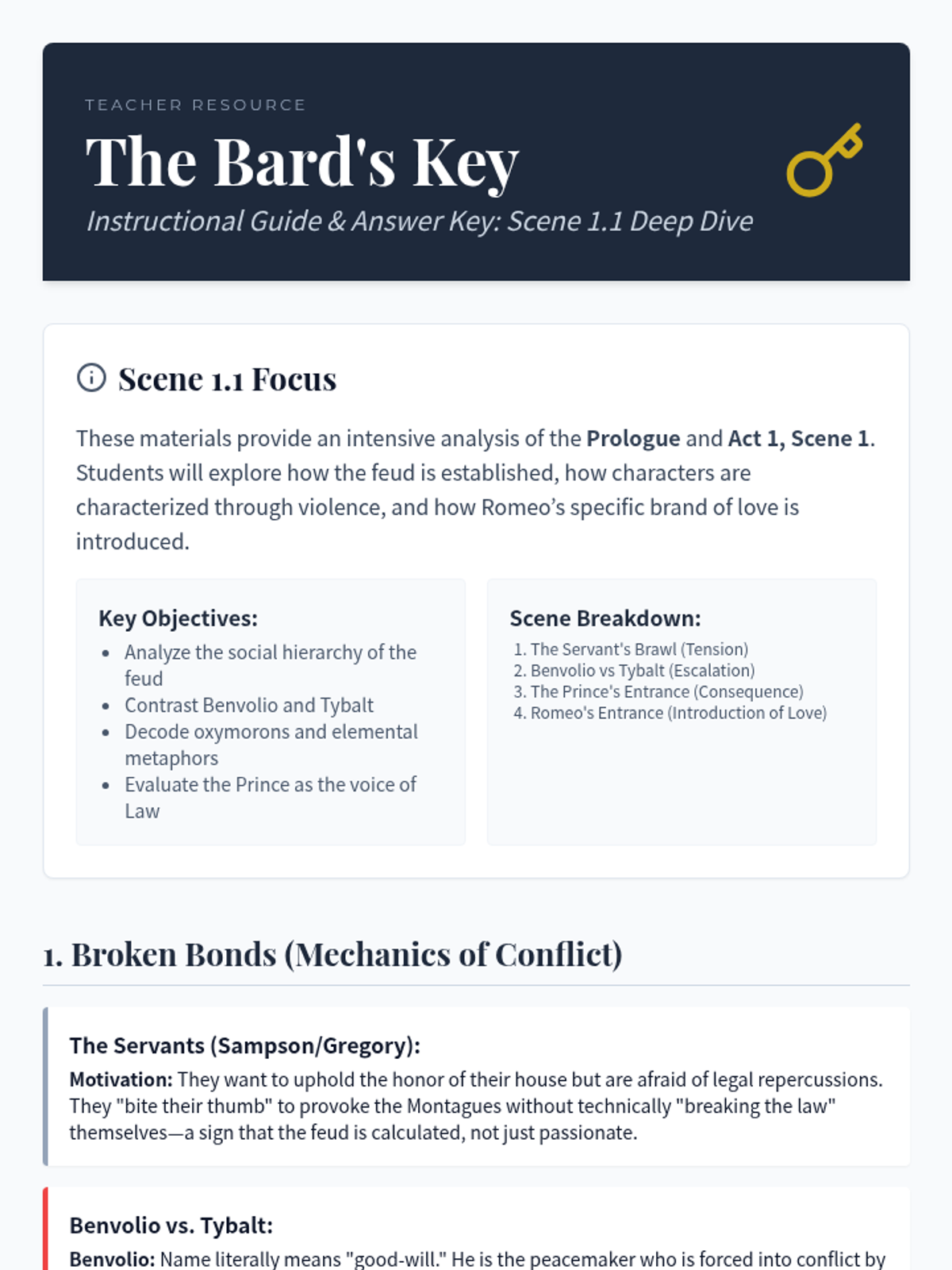
A comprehensive deep-dive into Shakespeare's Romeo and Juliet, focusing on Act 1. Students will analyze character dynamics, the tension between destiny and choice, and the rich poetic language of the play across individual scenes.
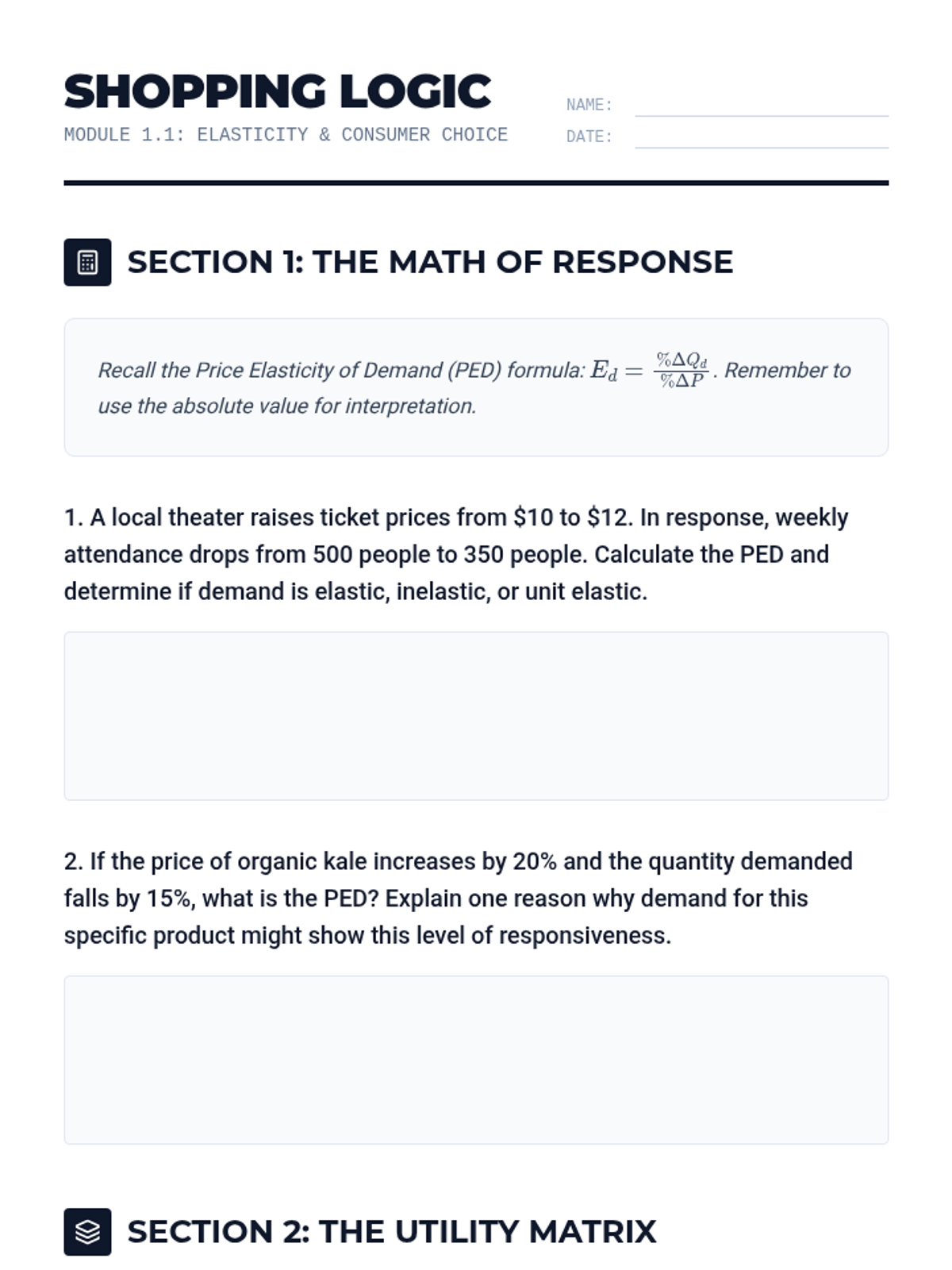
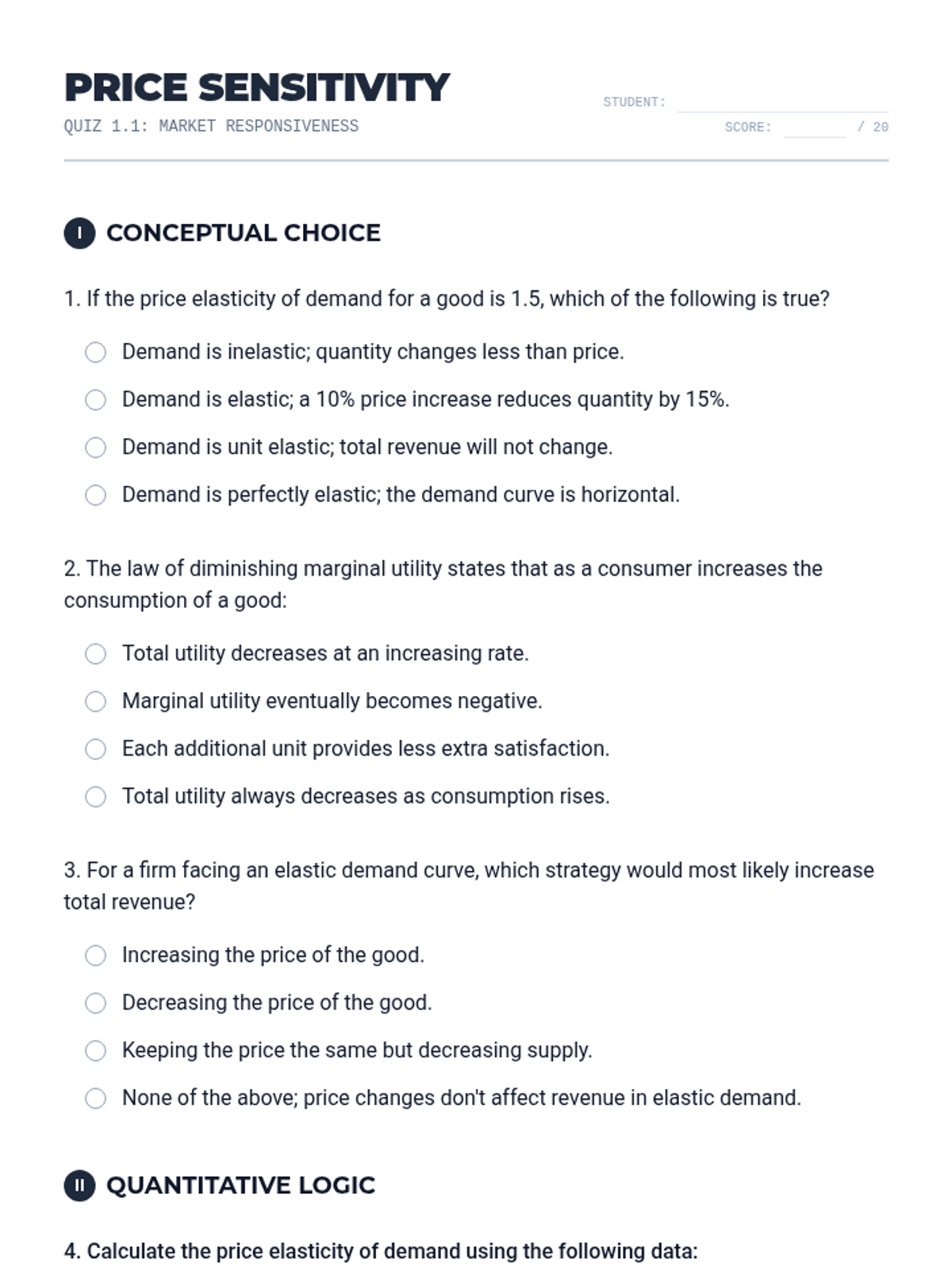
A comprehensive 4-week microeconomics unit covering elasticity, consumer behavior, production theory, market failures, and labor economics. This sequence blends theoretical models with real-world applications and quantitative analysis.
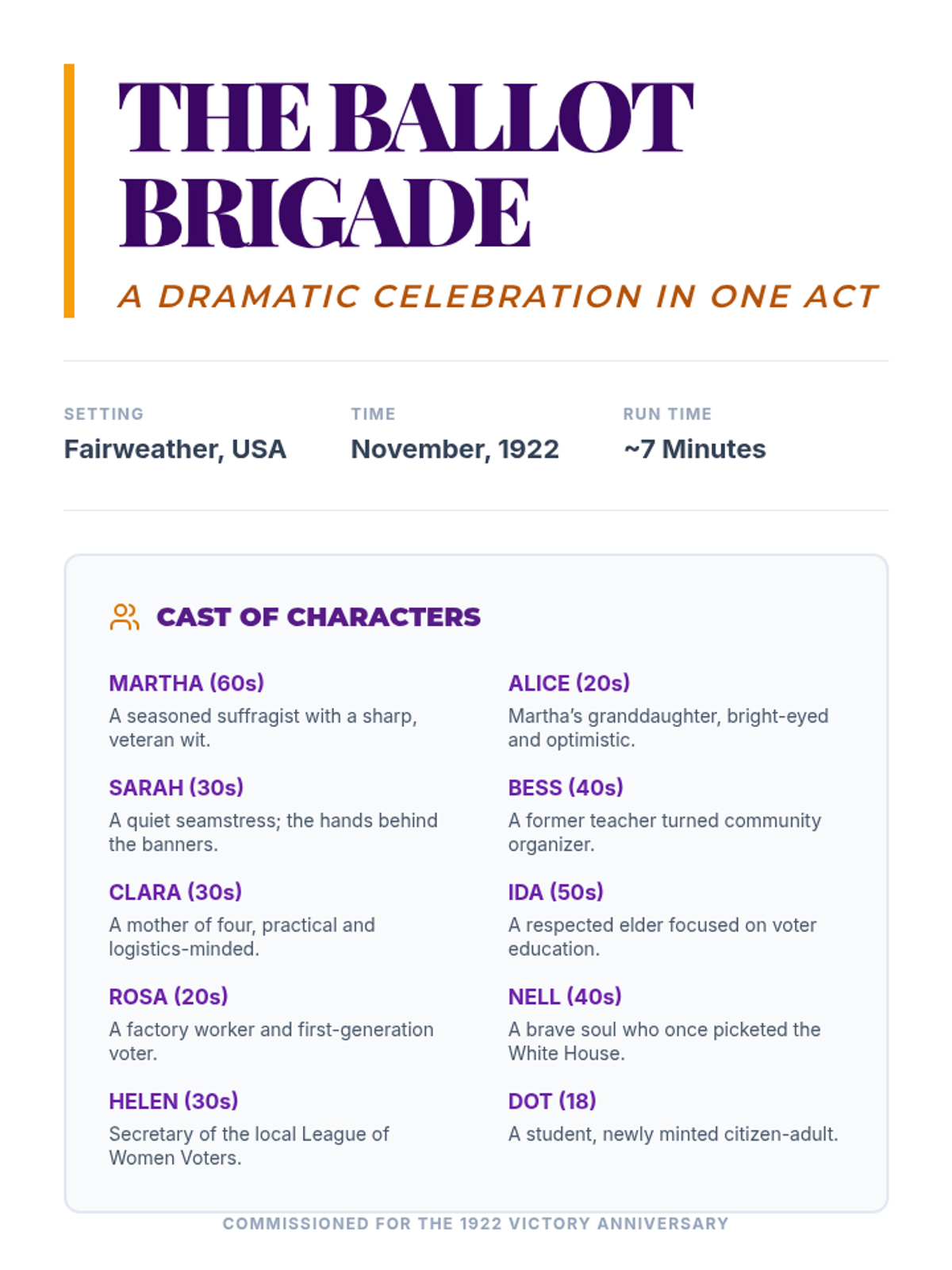
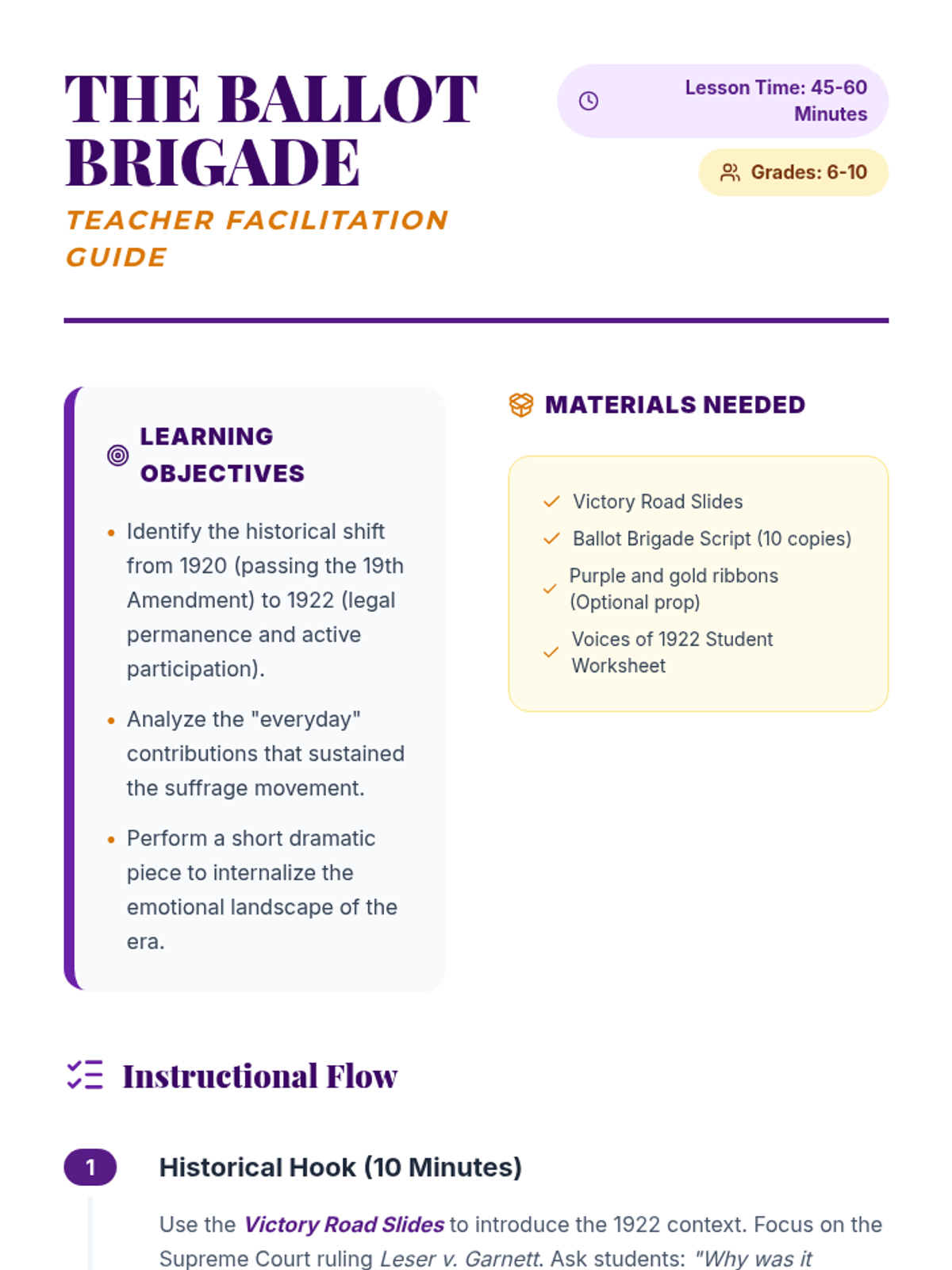
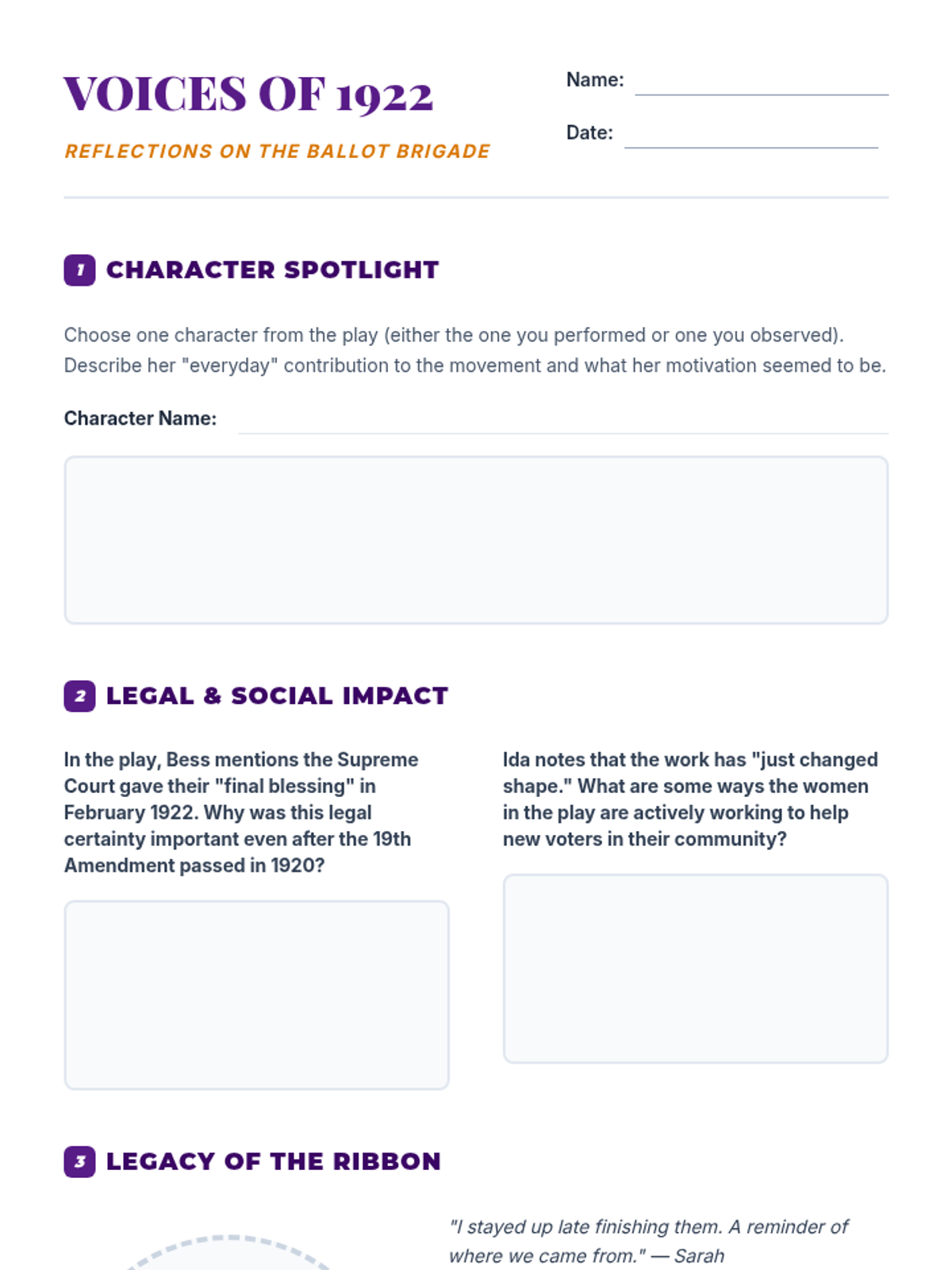
A short dramatic unit exploring the impact of the women's suffrage movement in the early 1920s, focusing on the transition from protest to political participation.
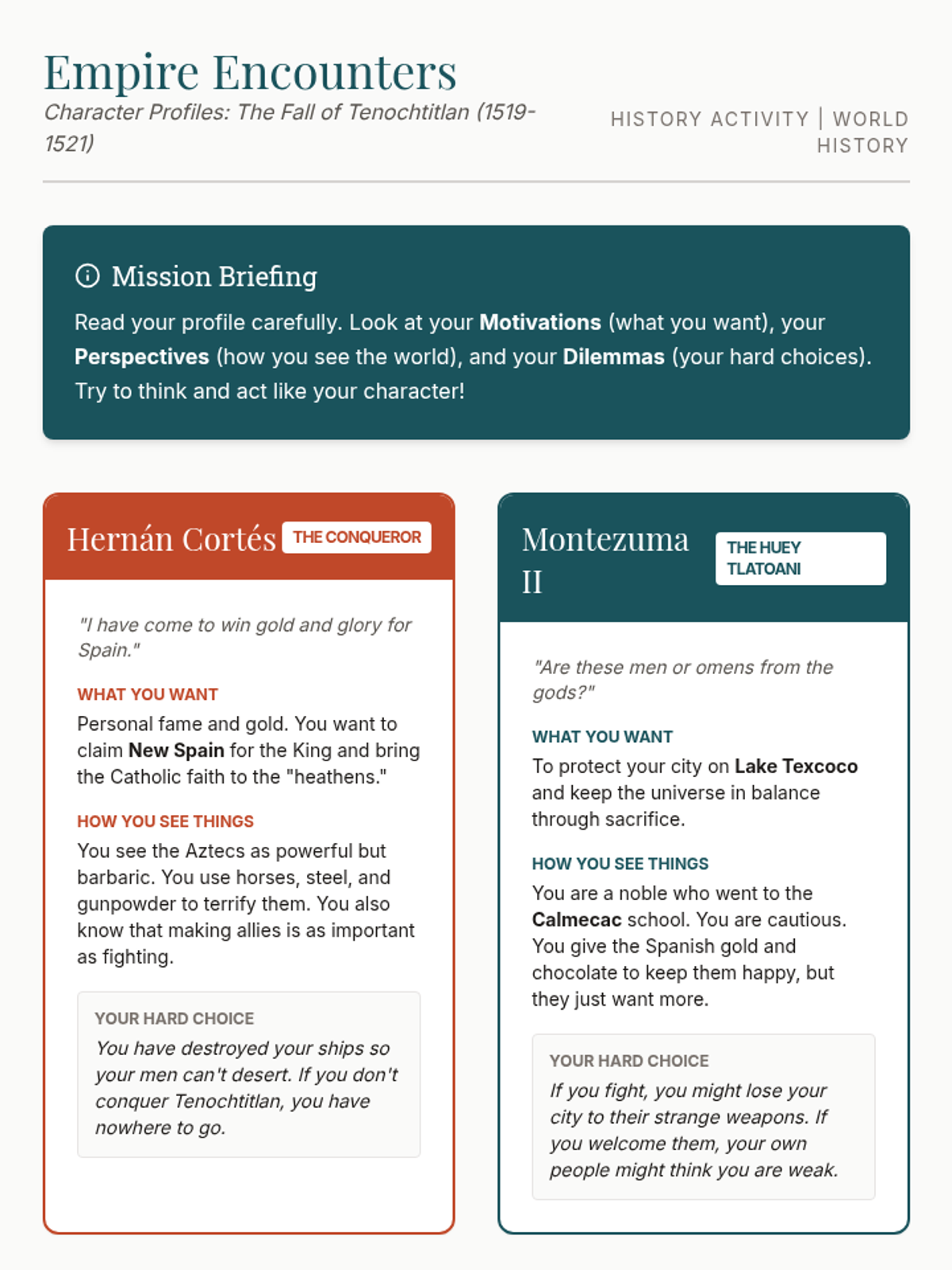
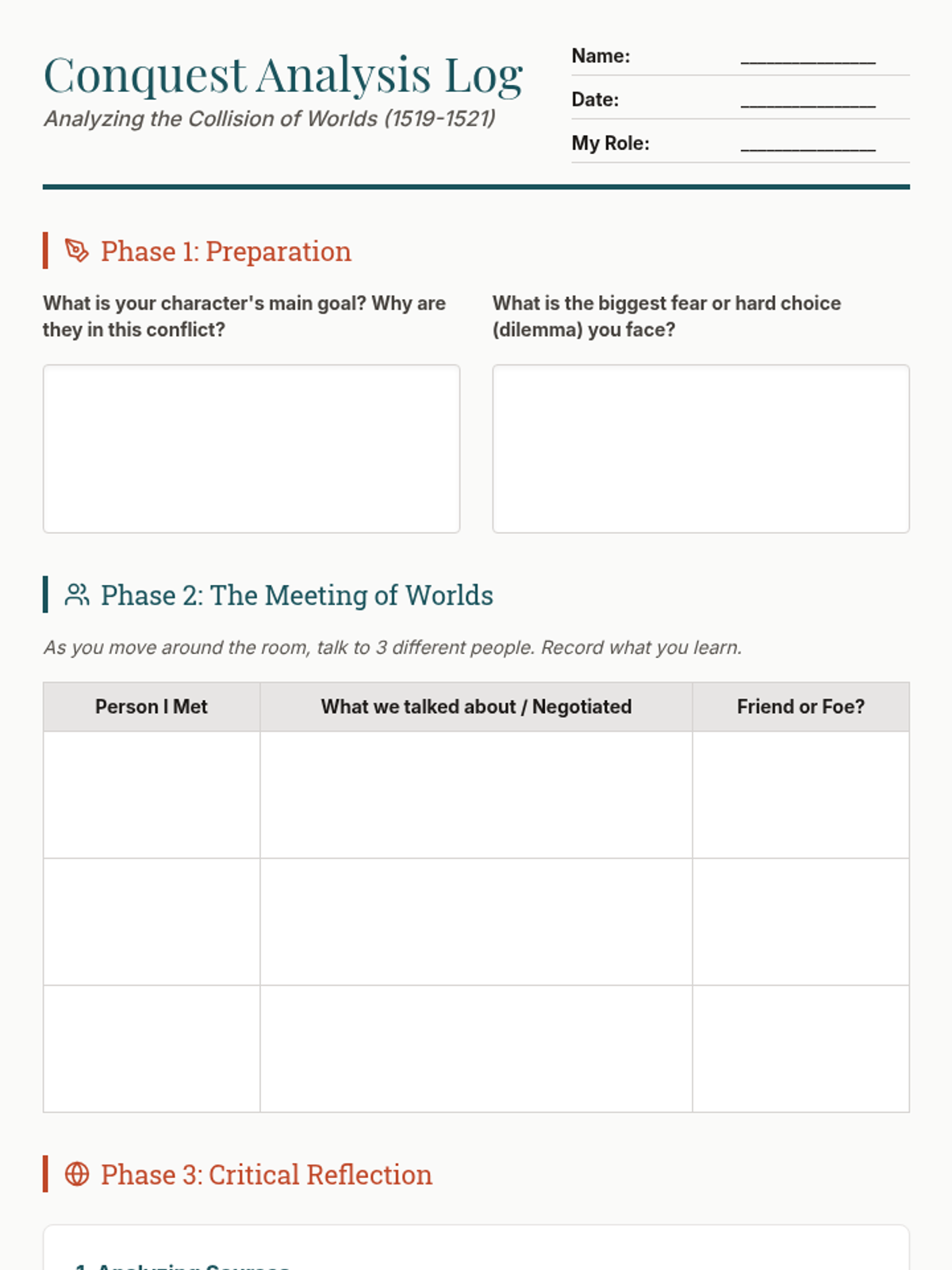
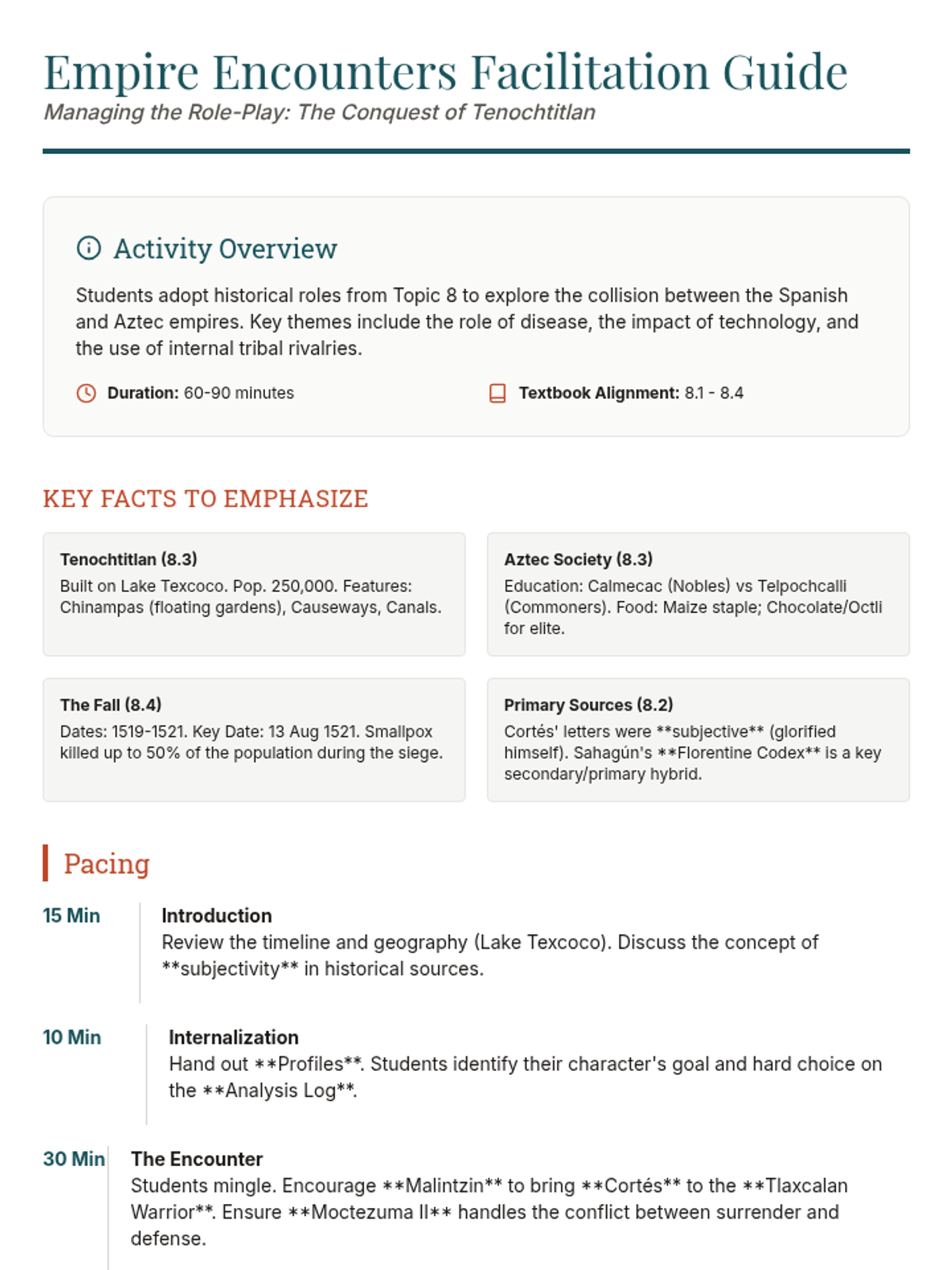
A deep dive into the 16th-century contact between European powers and indigenous American civilizations, exploring the complexities of conquest, resistance, and the emergence of a new global order.
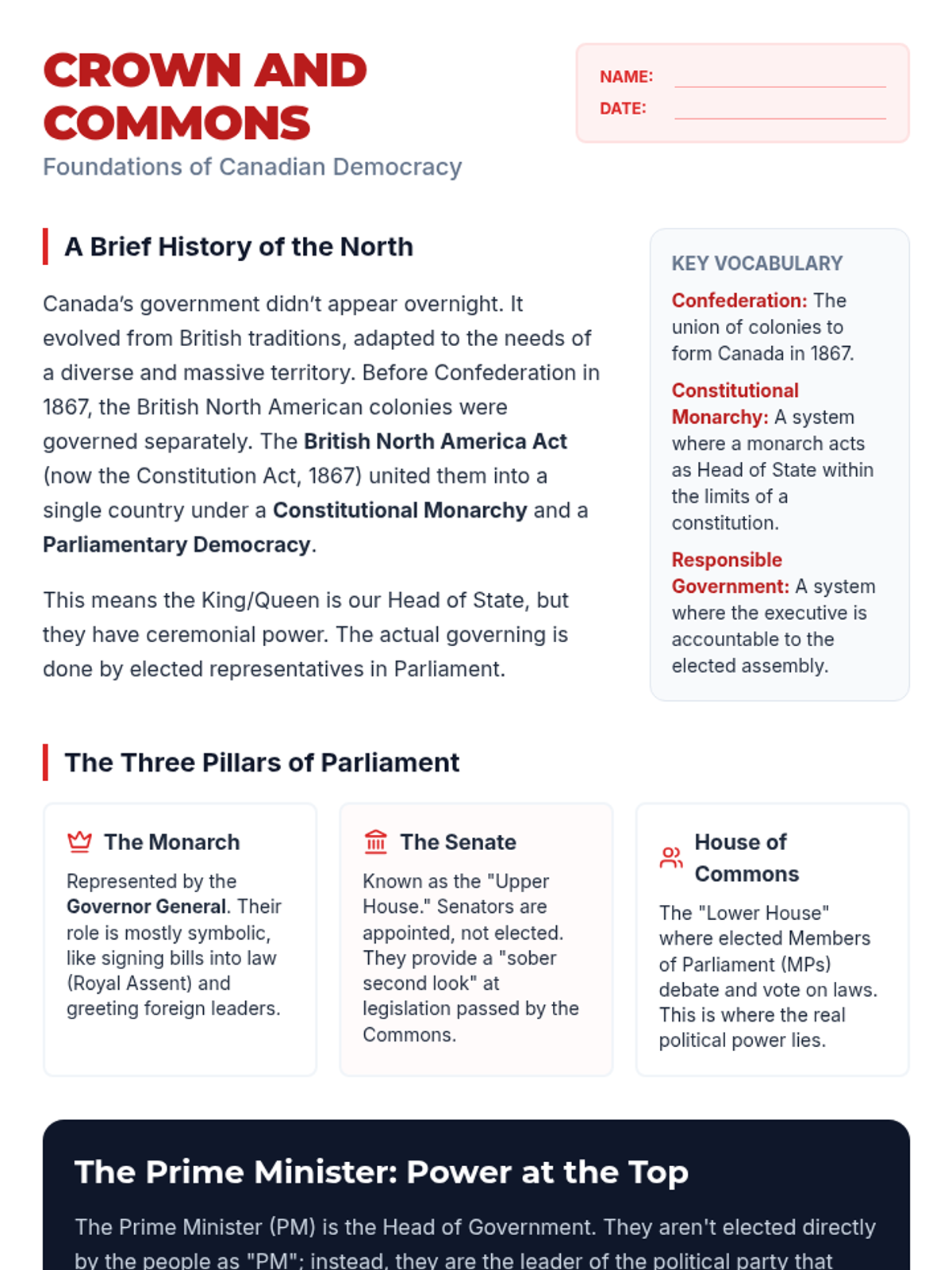
A comprehensive unit on the Canadian government, exploring its historical roots, the division of powers between levels of government, the mechanics of different voting systems, and the creation of political parties.
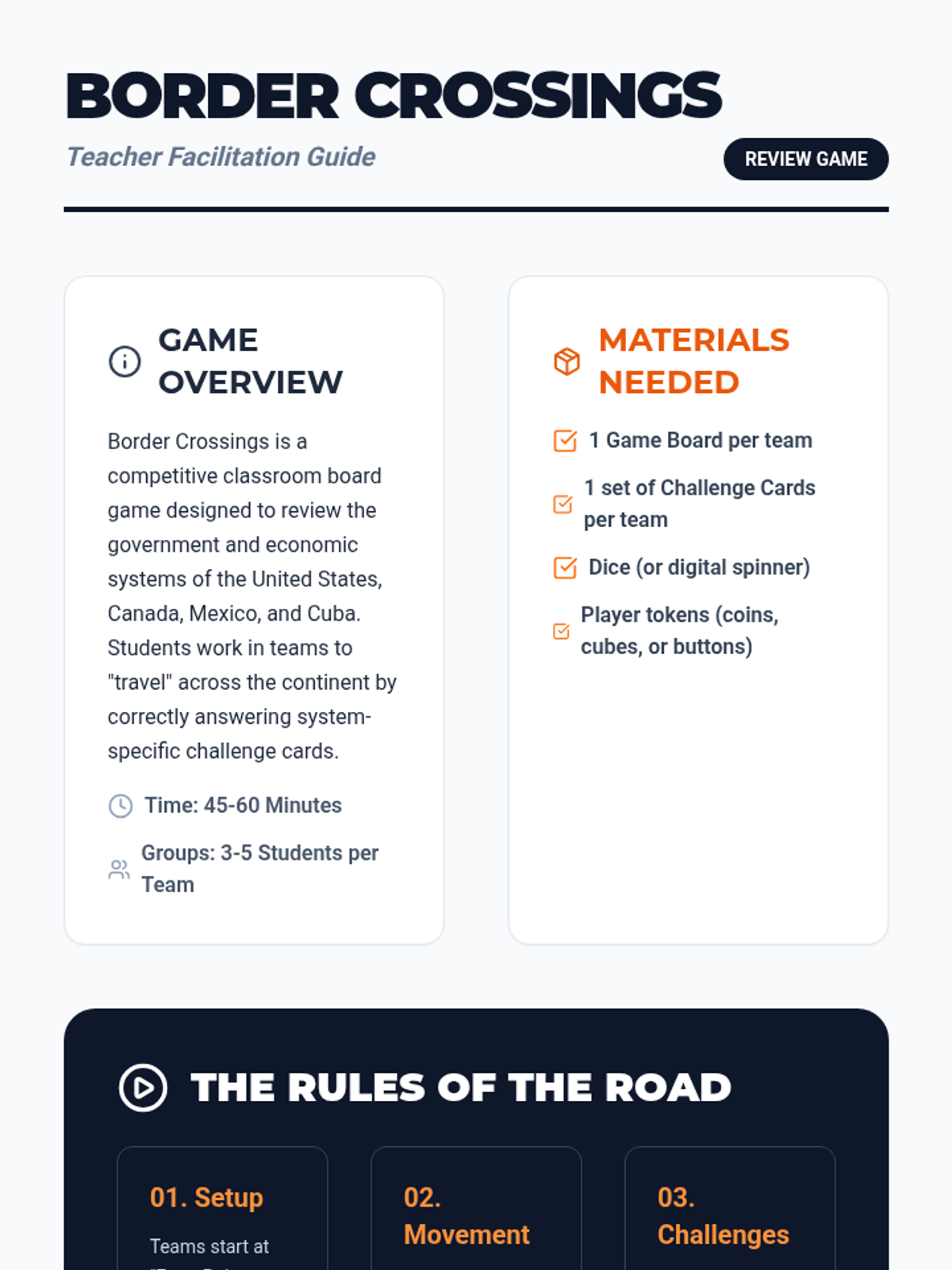
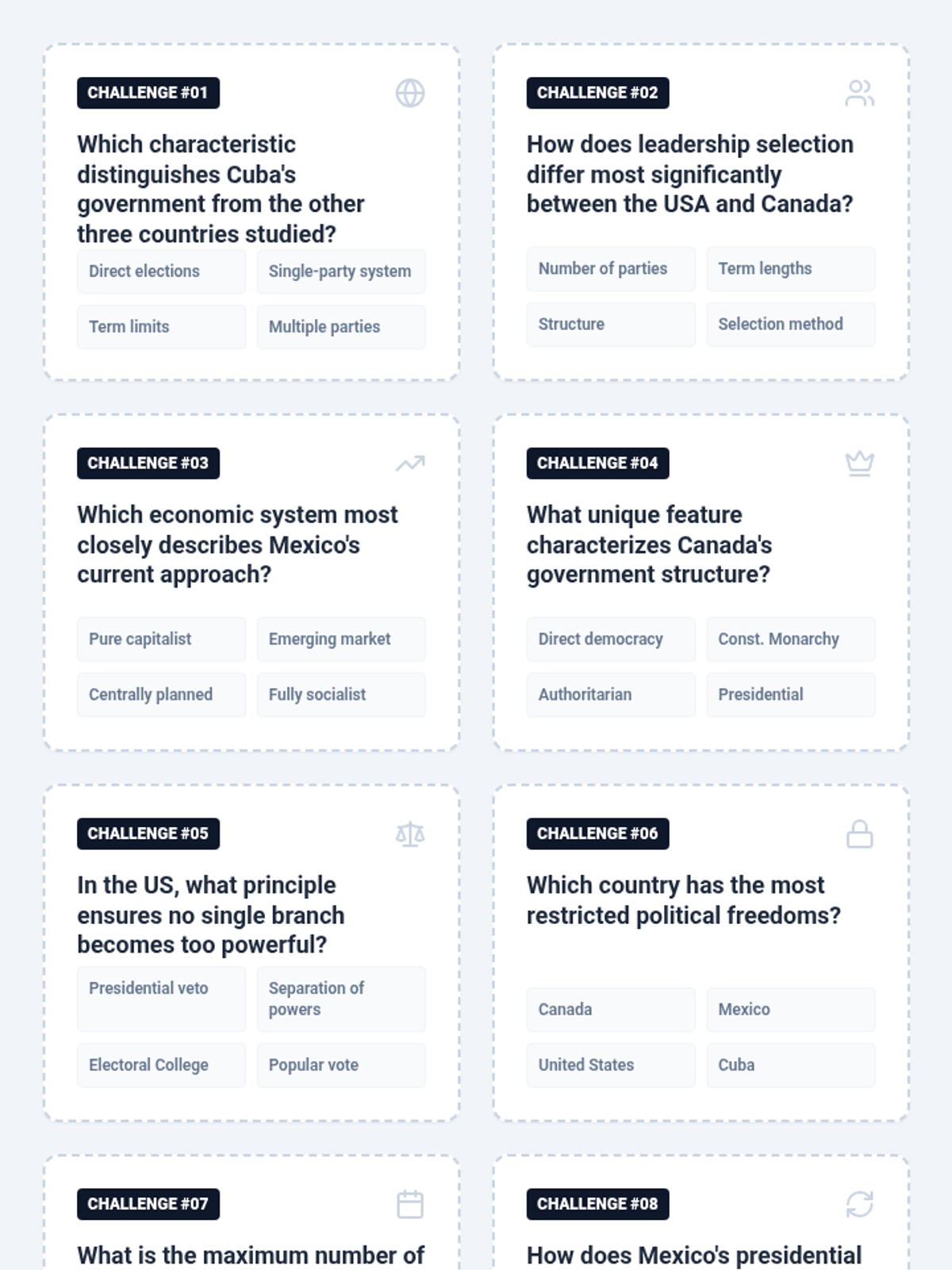
A comprehensive unit exploring the diverse political and economic structures of North American and Caribbean nations.
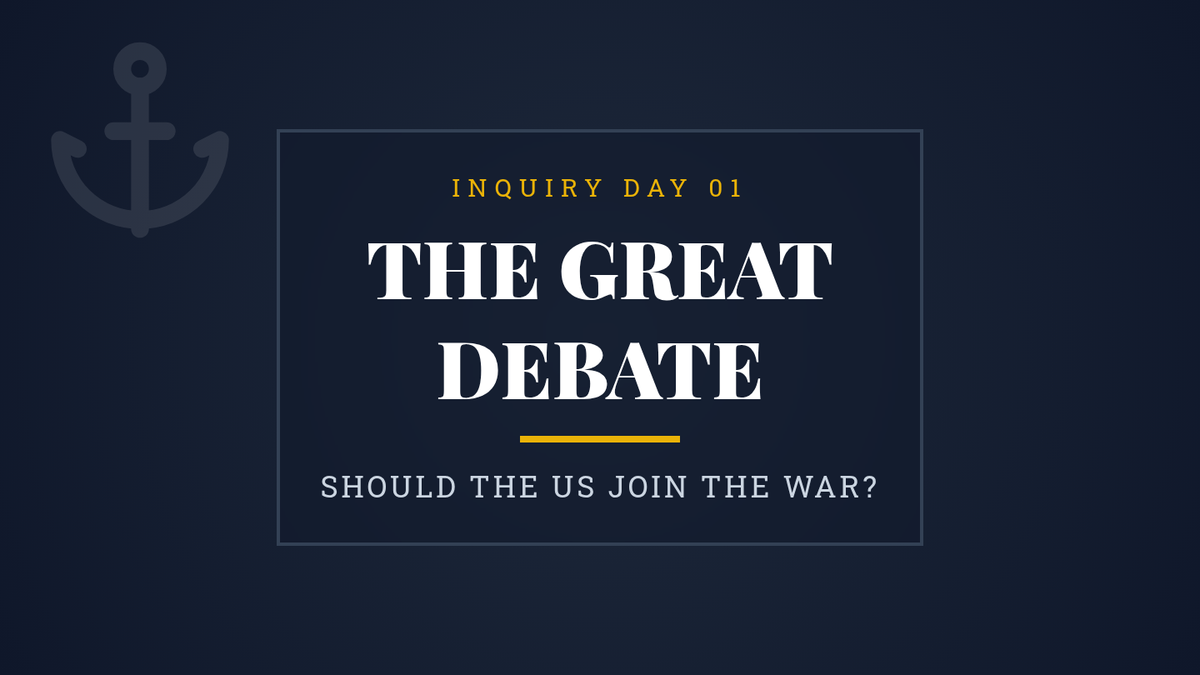
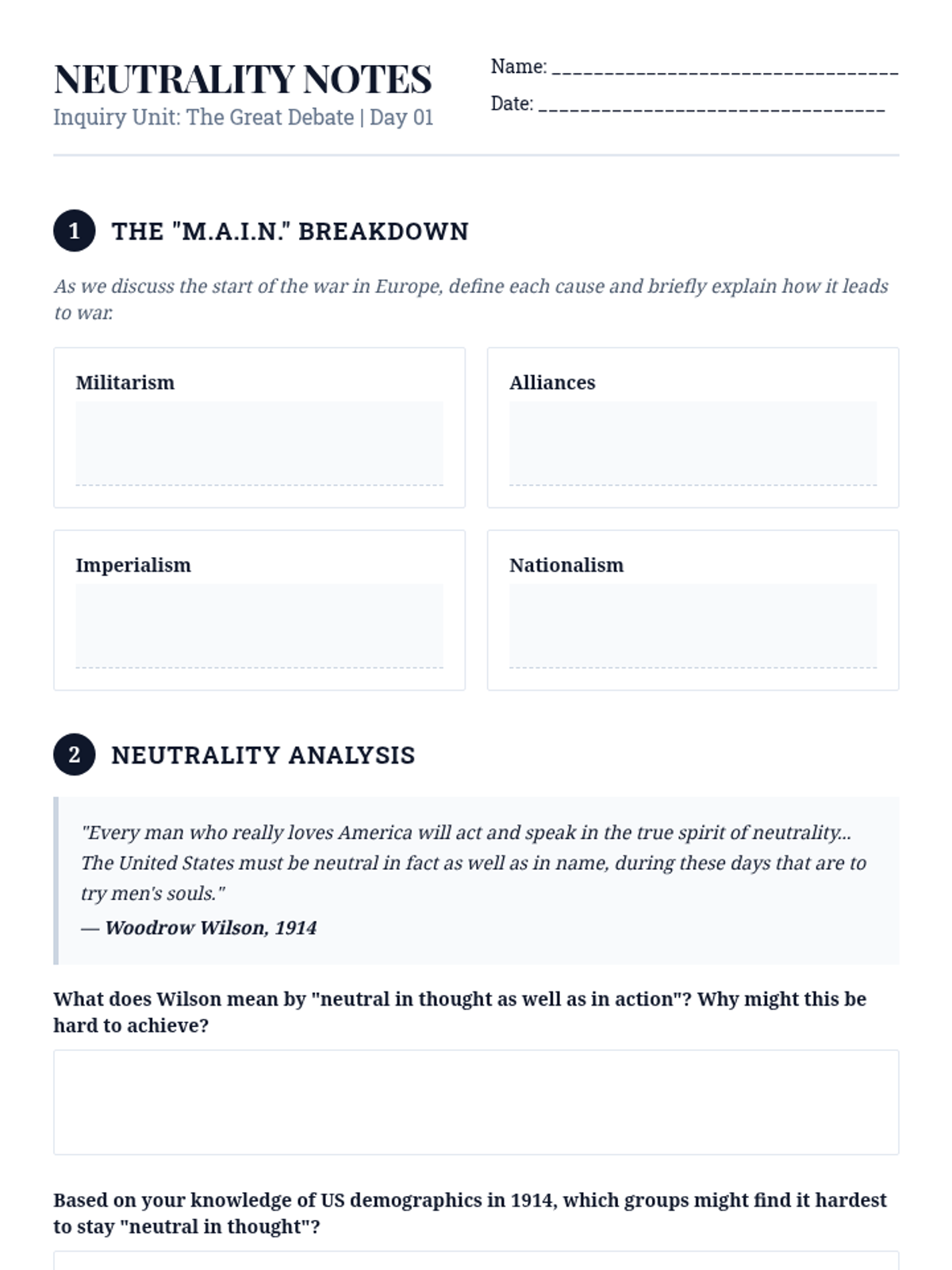
A 5-day inquiry-based unit for 10th grade US History exploring the central question: "Should the US have gotten involved in WWI?" Students analyze primary sources, economic ties, and diplomatic shifts to form their own evidence-based conclusion.