This unit explores the complex and often violent expansion of the United States in the late 19th century, focusing on the impact on Indigenous populations and the conflicting ideologies of progress and preservation.
A high school psychology unit exploring the biological and environmental underpinnings of addiction, focusing on the nature vs. nurture debate and the brain's capacity for adaptation.
A comprehensive psychology lesson for high schoolers analyzing the biological and psychosocial components of depression, focusing on clinical definitions, the medical model of mental health, and providing supportive communication.
A High School Civics lesson focused on neurodiversity as a civil rights and workforce inclusion issue, featuring a design-thinking activity to create inclusive environments.
A comprehensive 4-day station rotation covering US history from the 1970s to the 2000s, aligned with TEKS 10 and 11. Students explore major political, economic, and social shifts through primary sources, data analysis, and interactive tasks.
A 4th-grade unit focused on kindness, fairness, and understanding how our words can make everyone feel like they belong, regardless of their background or skin color.
A high-stakes review series for the U.S. History STAAR exam, focusing on major eras, turning points, and key figures using a 'Mission-Based' archival theme.
A comprehensive unit on the American Abolitionist movement, examining the rhetorical strategies, diverse perspectives, and historical impact of leading abolitionist voices through primary source analysis.
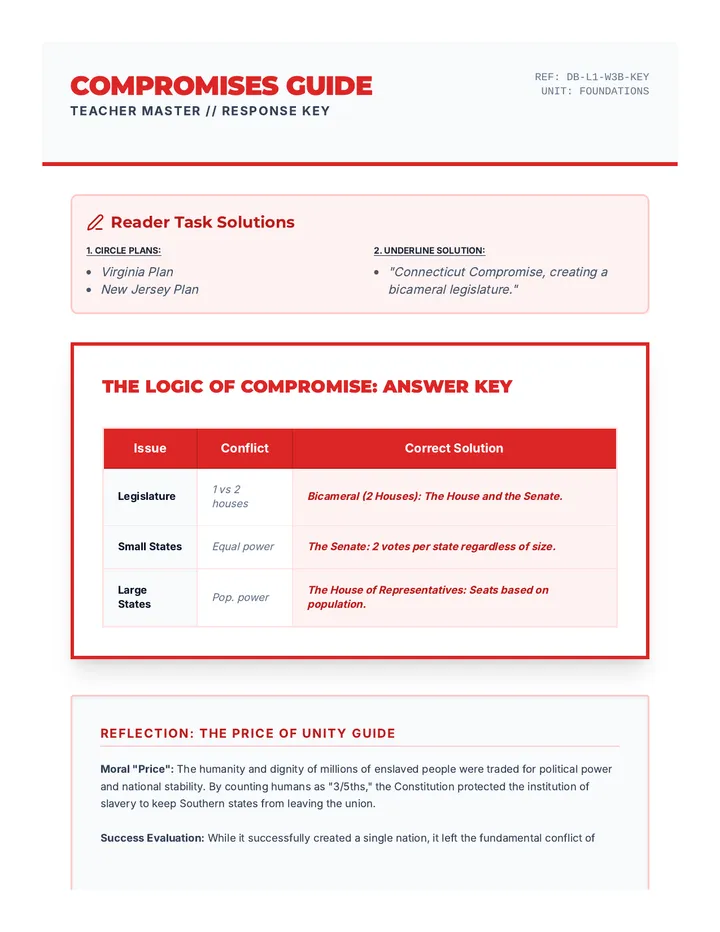
A lesson sequence exploring the early American debate over federal vs. state power, focusing on the Alien and Sedition Acts and the Kentucky Resolutions.
This Economics lesson investigates the causes and consequences of hyperinflation in Weimar Germany following World War I. Students will analyze historical data to understand how printing money led to one of the most famous economic collapses in history.
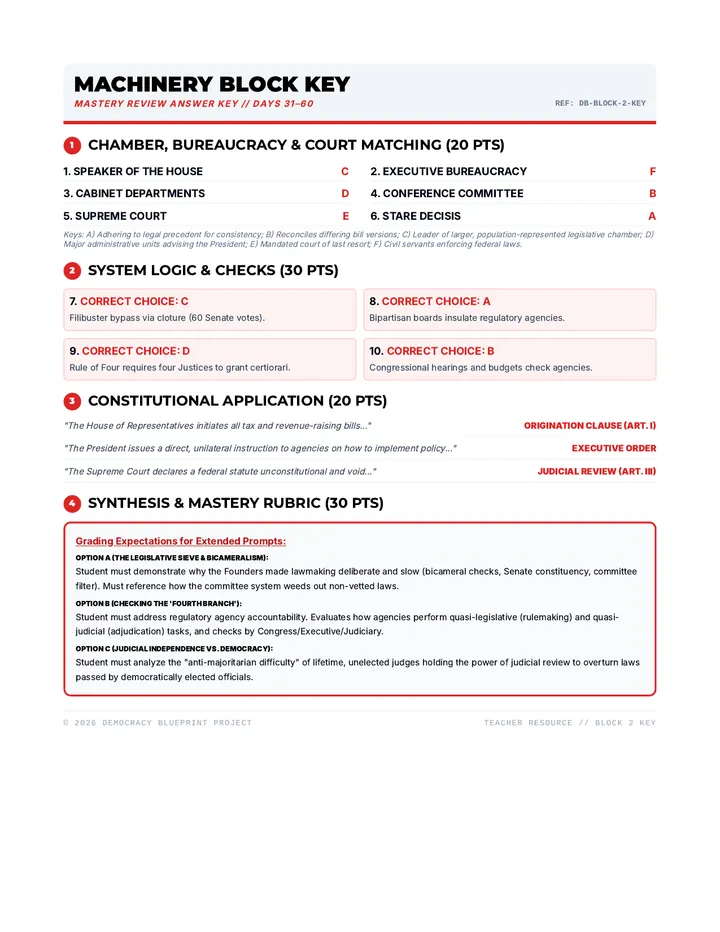
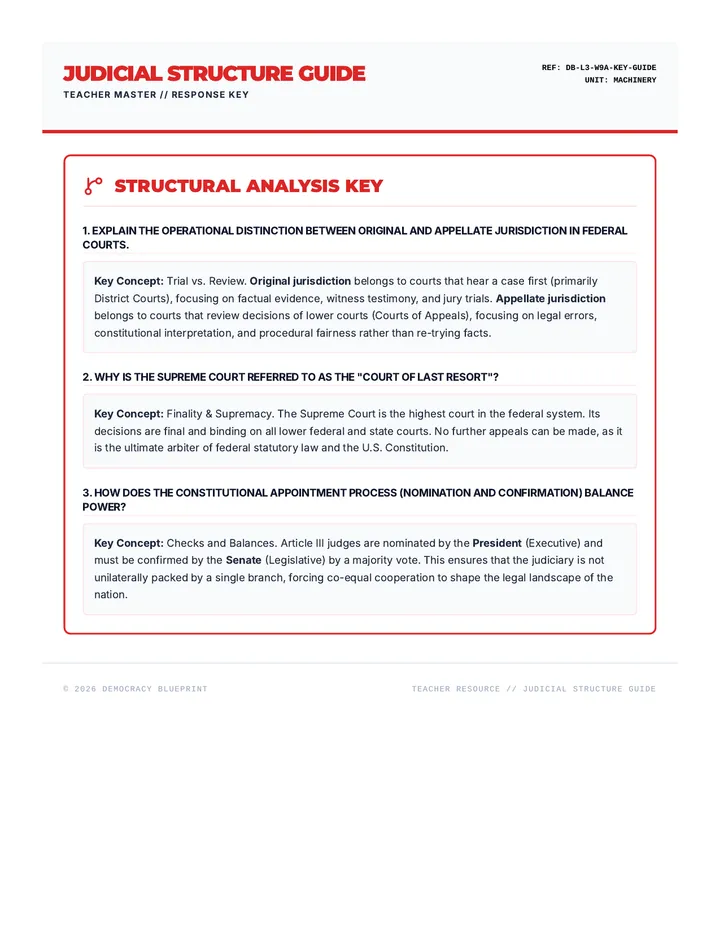
A high school social studies sequence focused on the dynamics of domestic policy, federalism, and the 'tug-of-war' between state and federal jurisdictions. Students explore how policy is created, categorized, and contested in the American system.
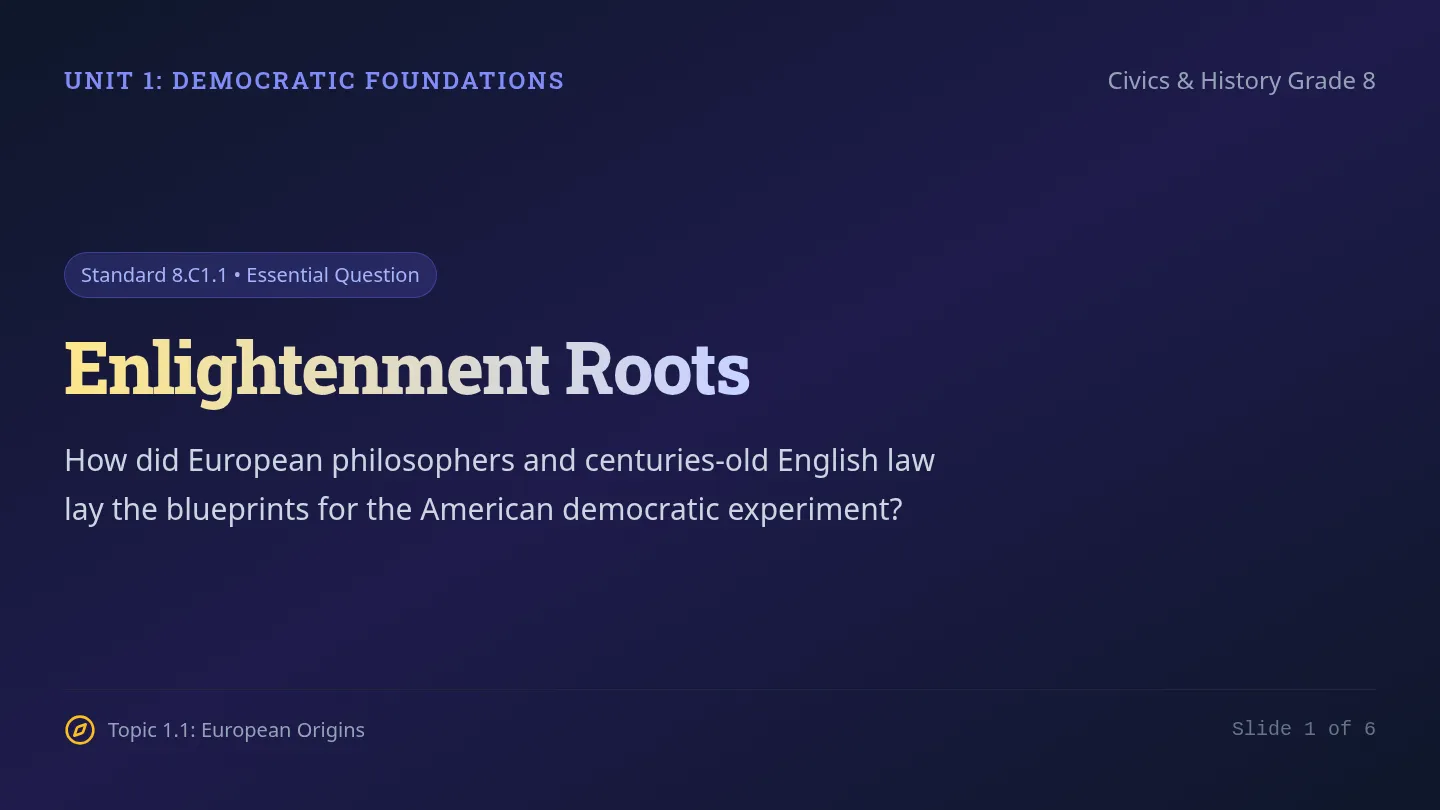
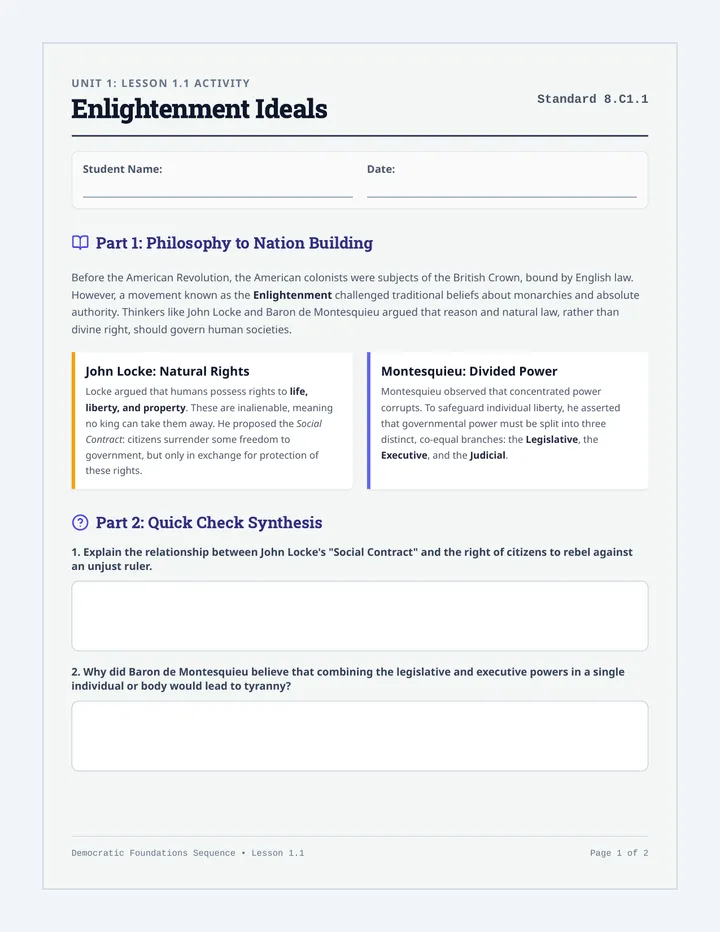
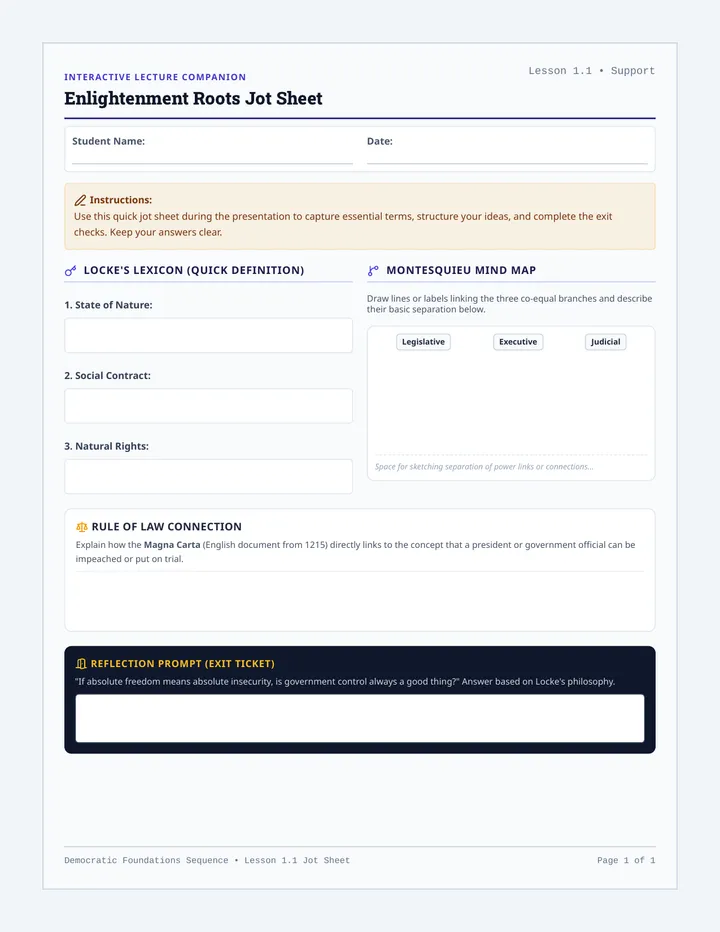
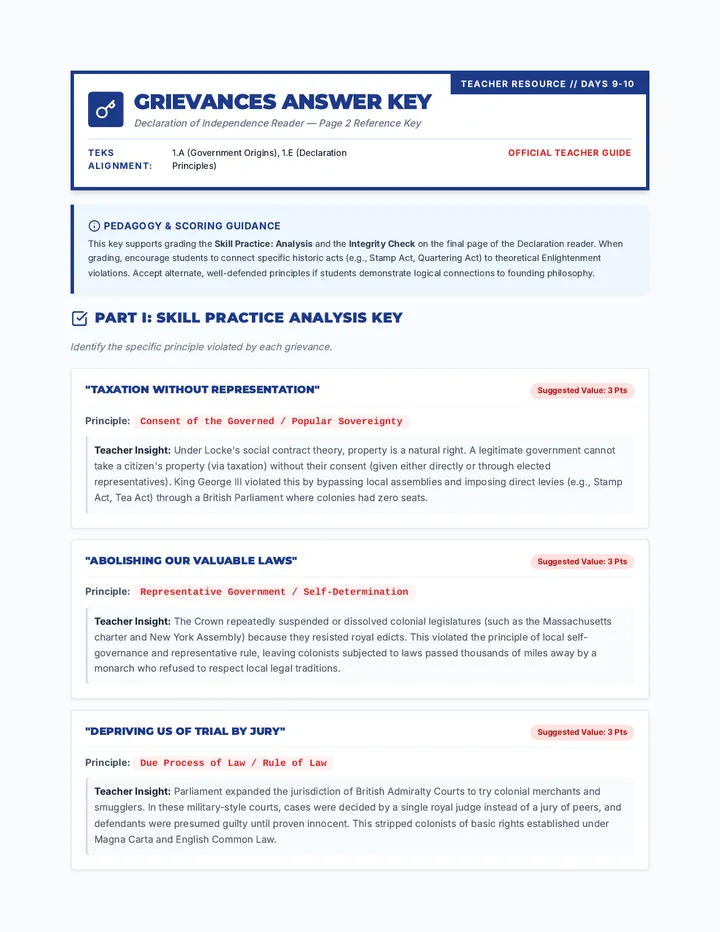
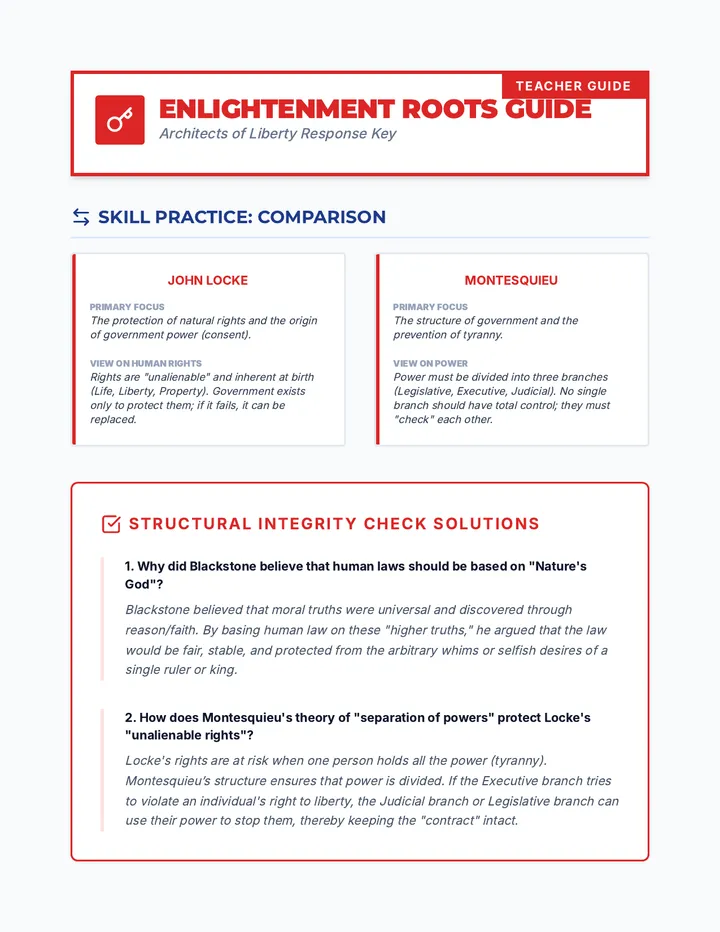
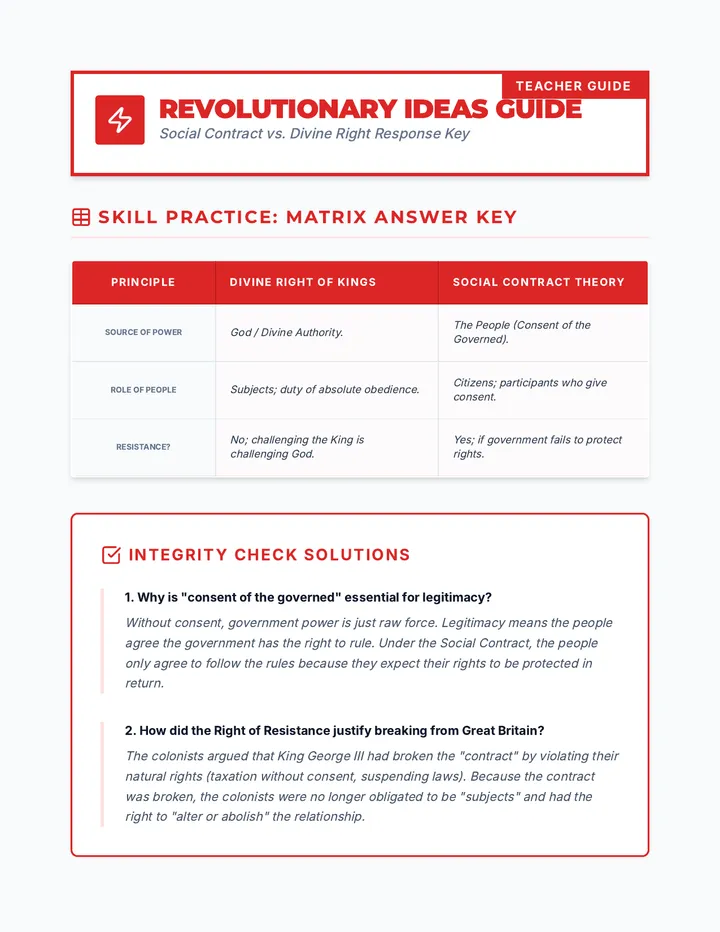
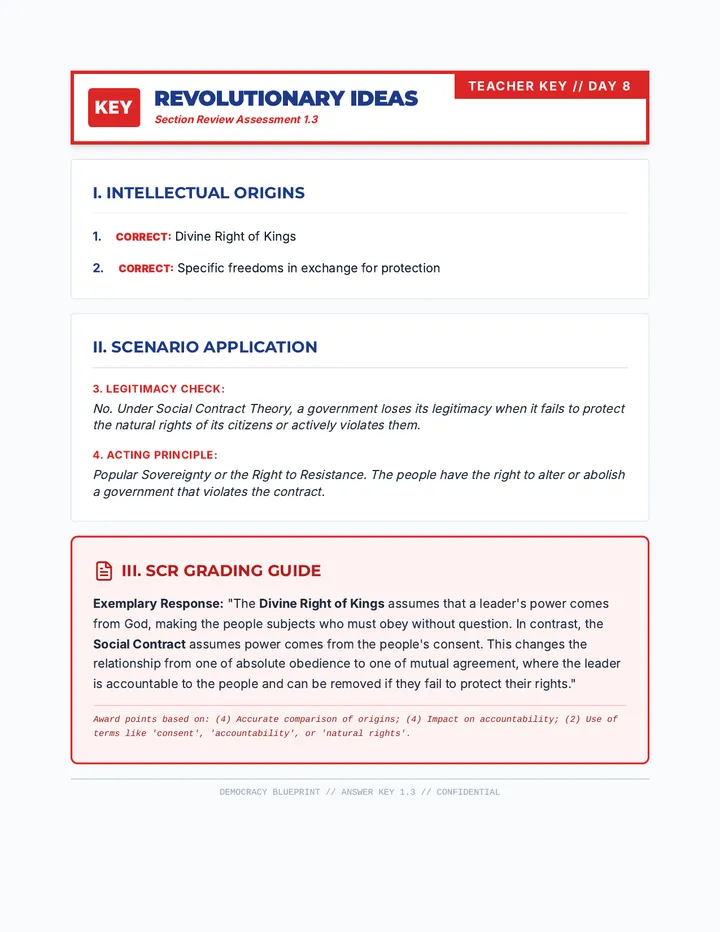
A 10th-grade Government lesson exploring John Locke's Social Contract theory, the justification for revolution, and its historical applications in the American and French Revolutions. Students engage in a Socratic Seminar to analyze when a government loses its legitimacy.
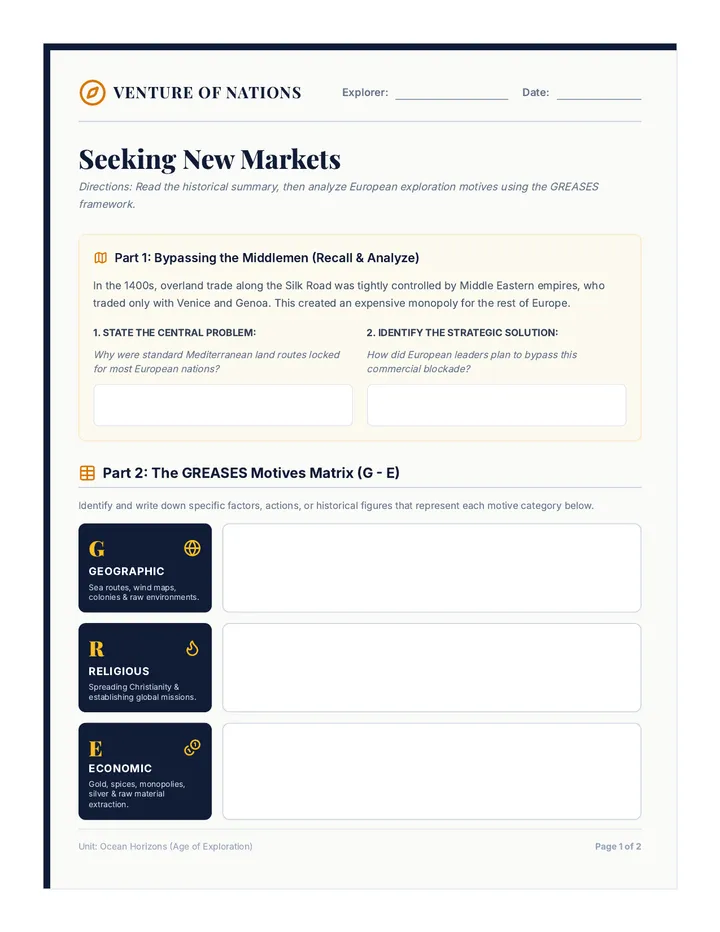
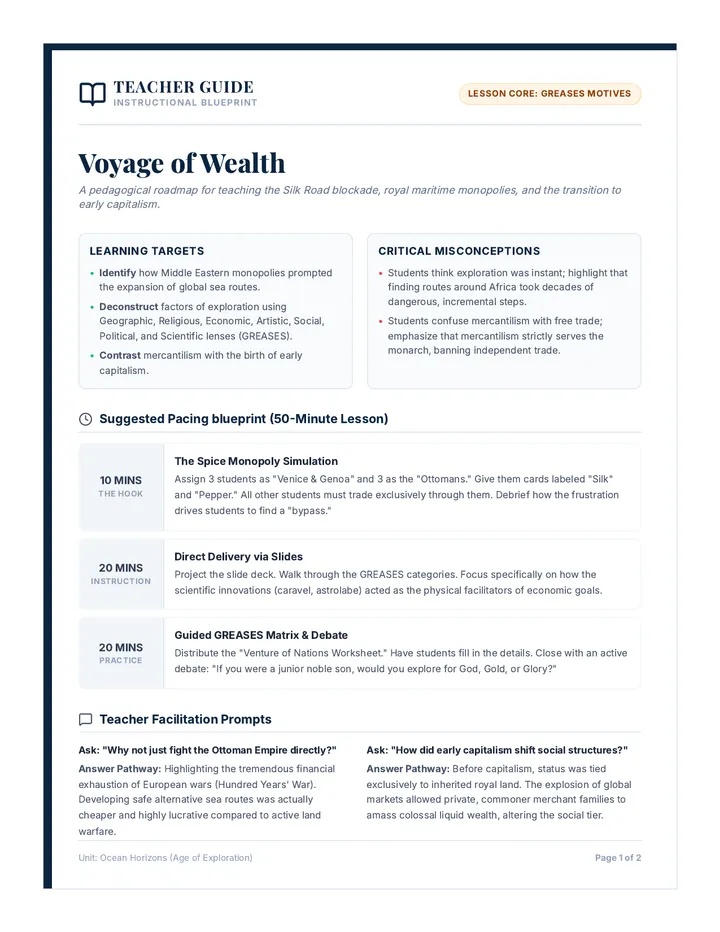
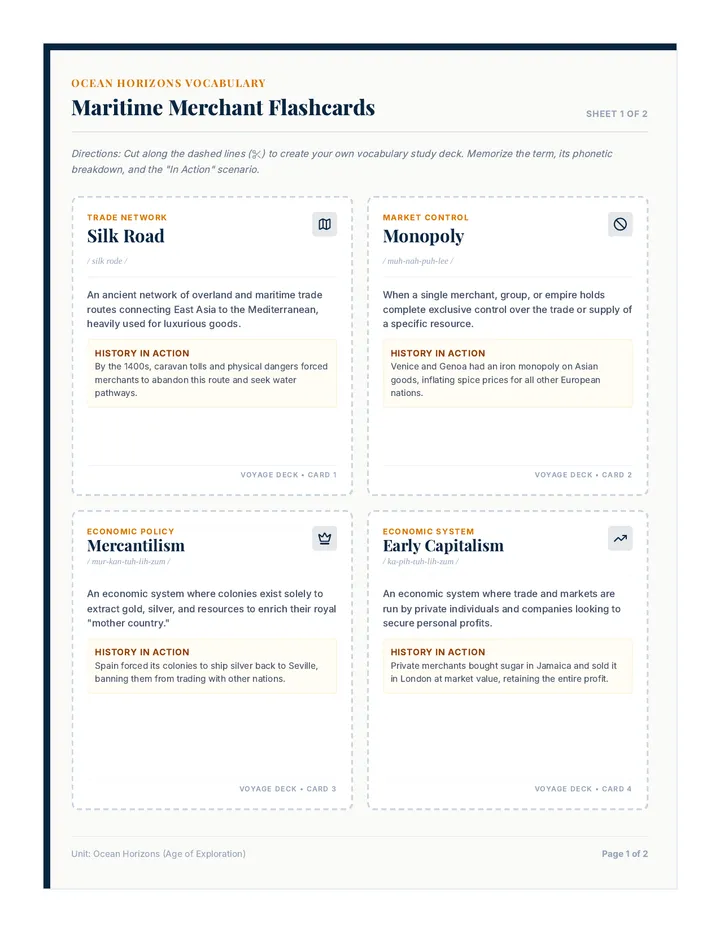
A lesson examining the symbiotic relationship between Venice and the Ottoman Empire, focusing on how geography shaped their economic and political power. Students analyze trade networks, resource interdependence, and the eventual shift in global exploration.
A lesson examining the Populist Party's Omaha Platform of 1892, its agrarian roots, and its long-term impact on American political and economic policy through the Progressive Era.
A comprehensive unit exploring the geopolitical shifts, ideological conflicts, and strategic failures that led the world into the Second World War.
A high school history unit exploring the underlying economic and resource-driven motivations of World War II, moving beyond purely ideological narratives to understand the role of scarcity and expansionism.