A lesson sequence for 2nd graders to learn the difference between weekdays and weekends, focusing on how calendars help us make decisions about scheduling activities.
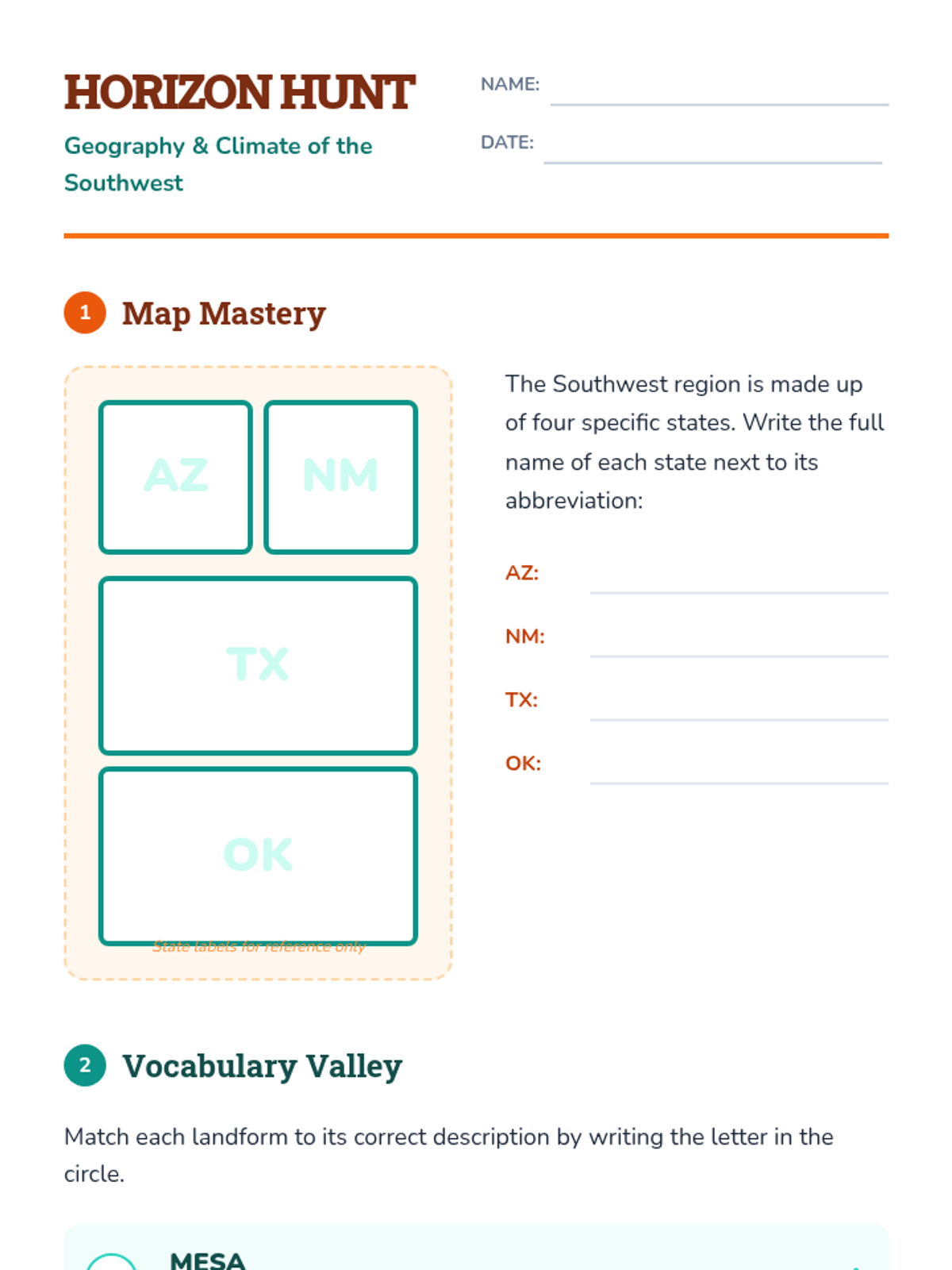
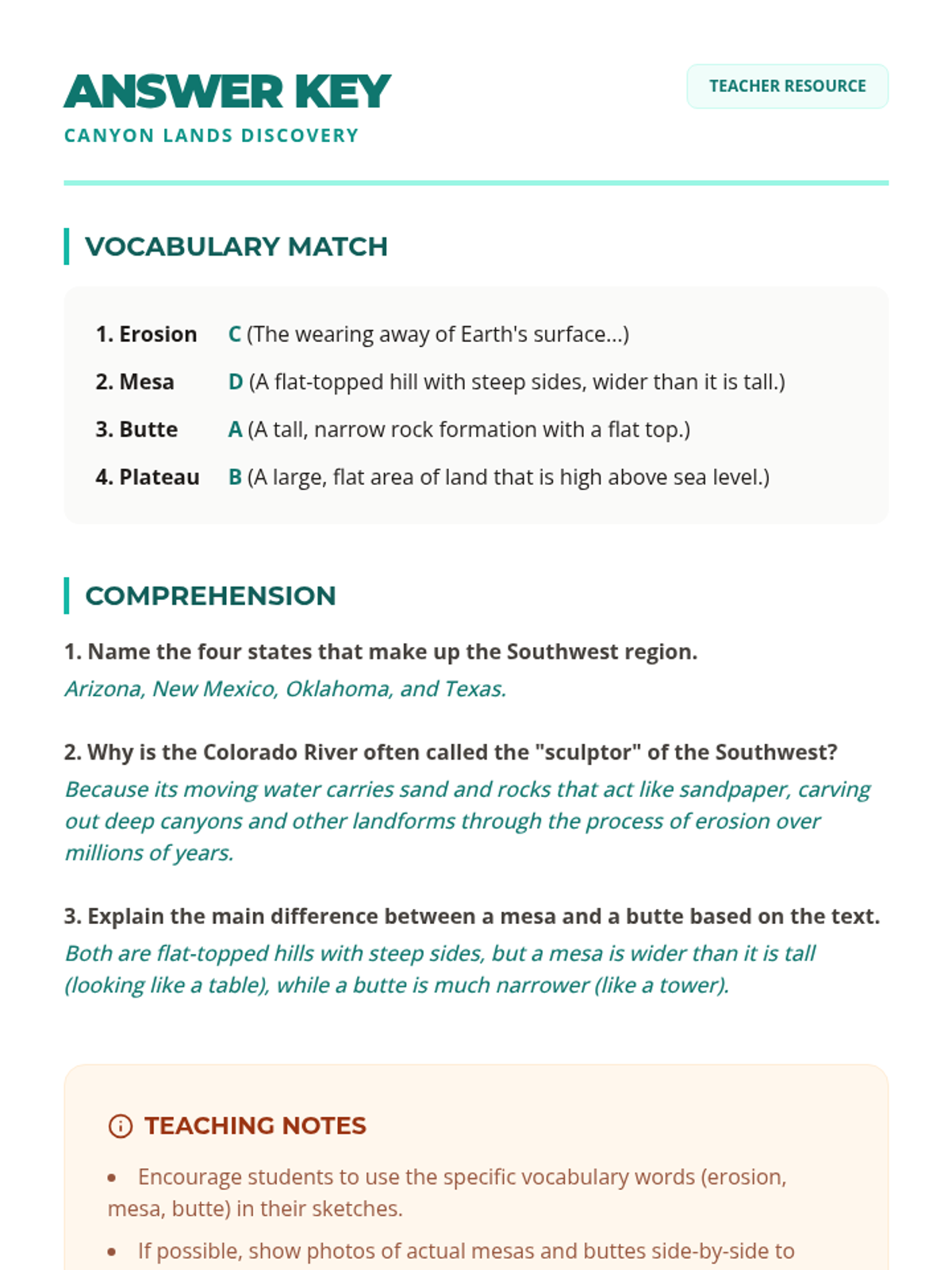
A 5-day immersive unit exploring the Southwestern United States, covering geography, climate, indigenous cultures (Pueblo, Navajo, Apache, Comanche), and the transition from historic to modern life in AZ, NM, TX, and OK.
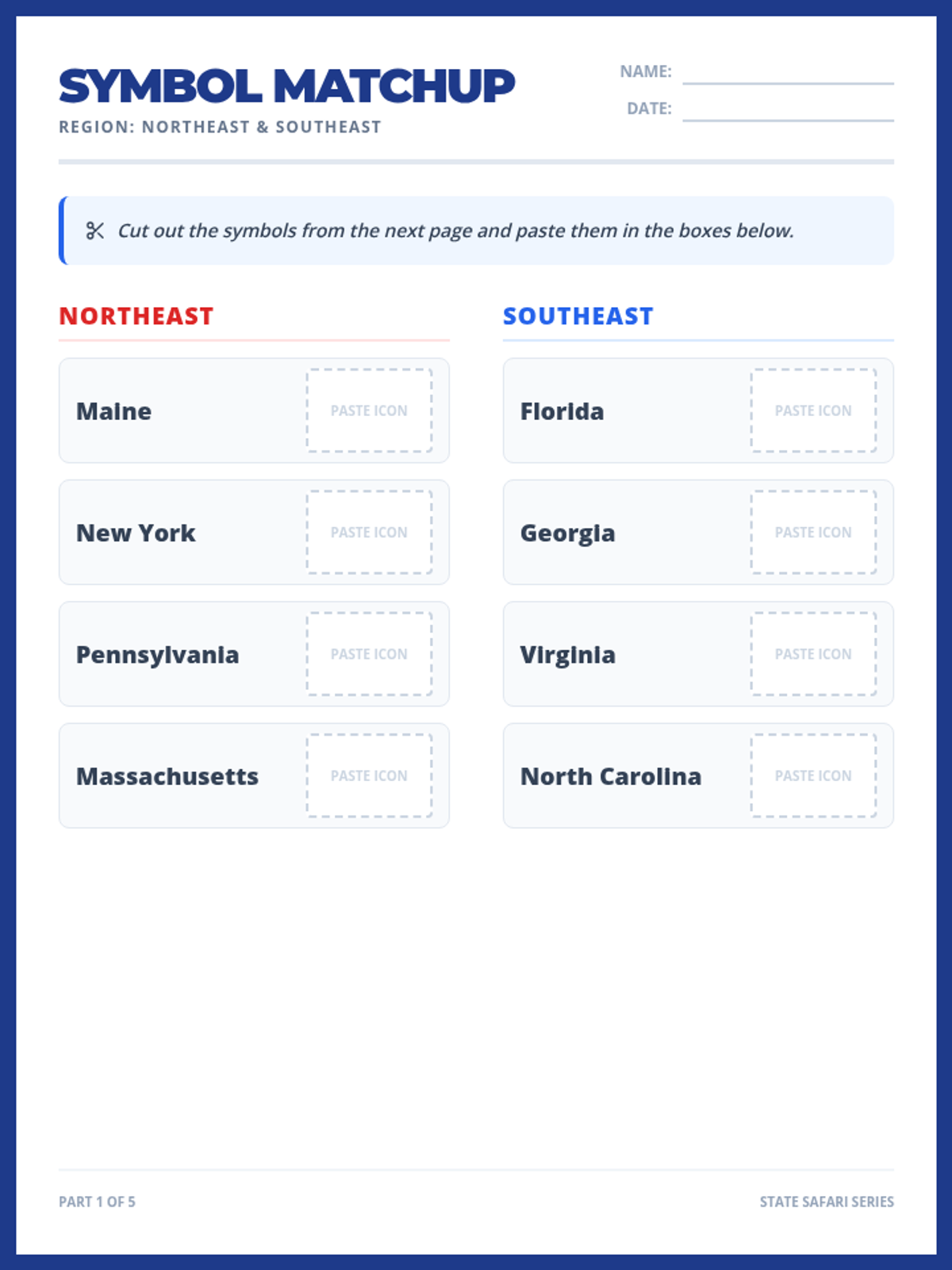
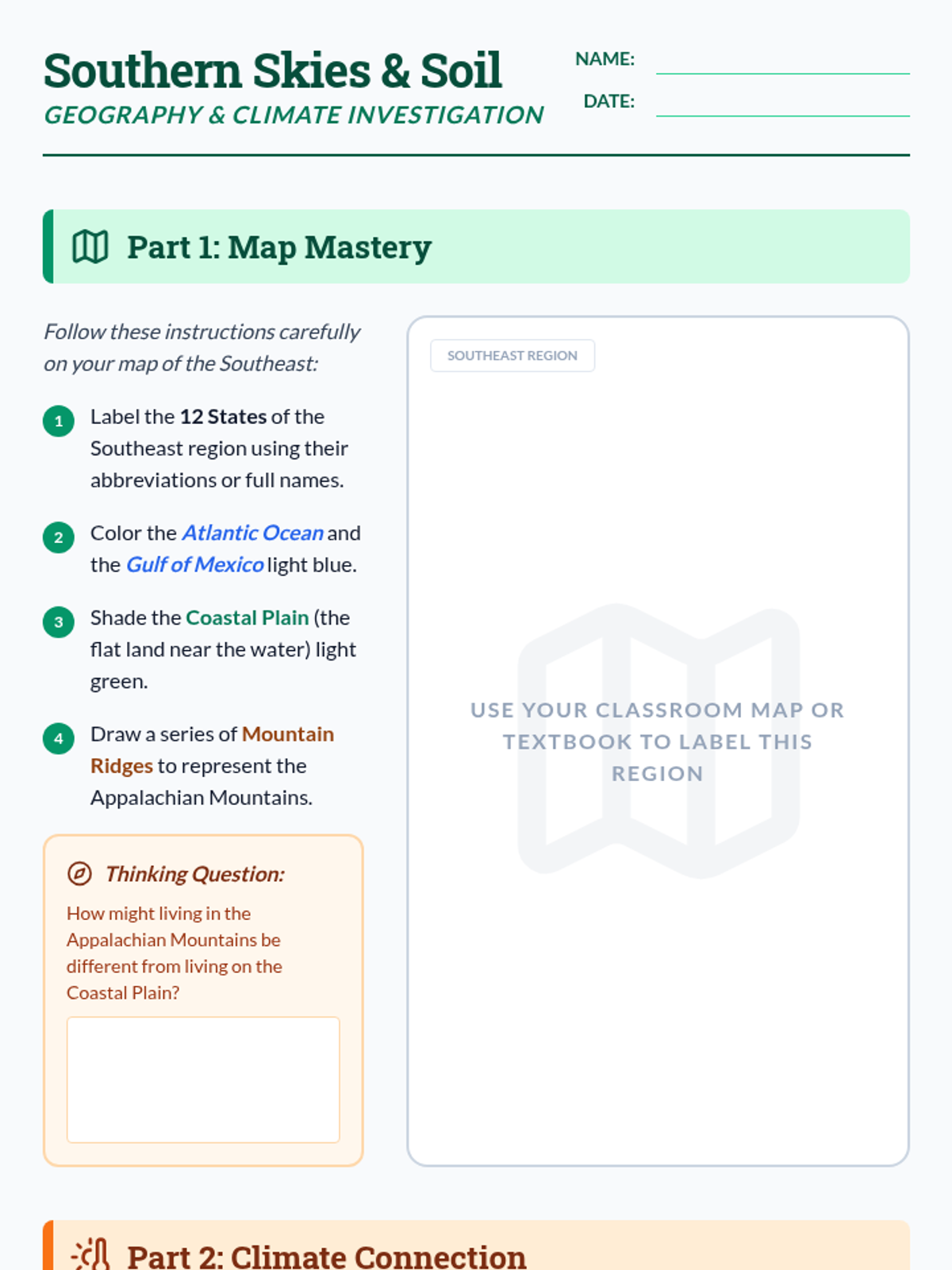
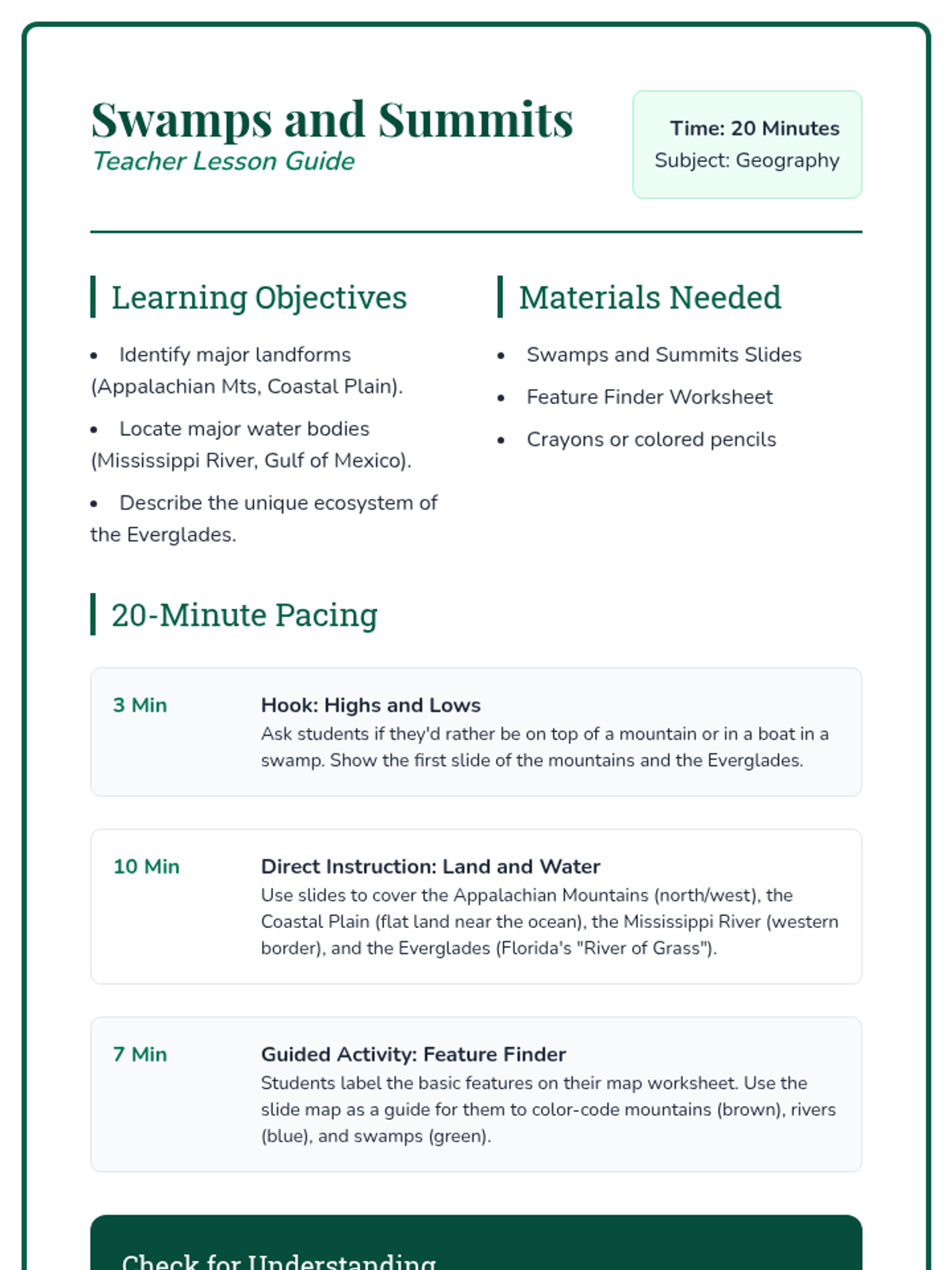
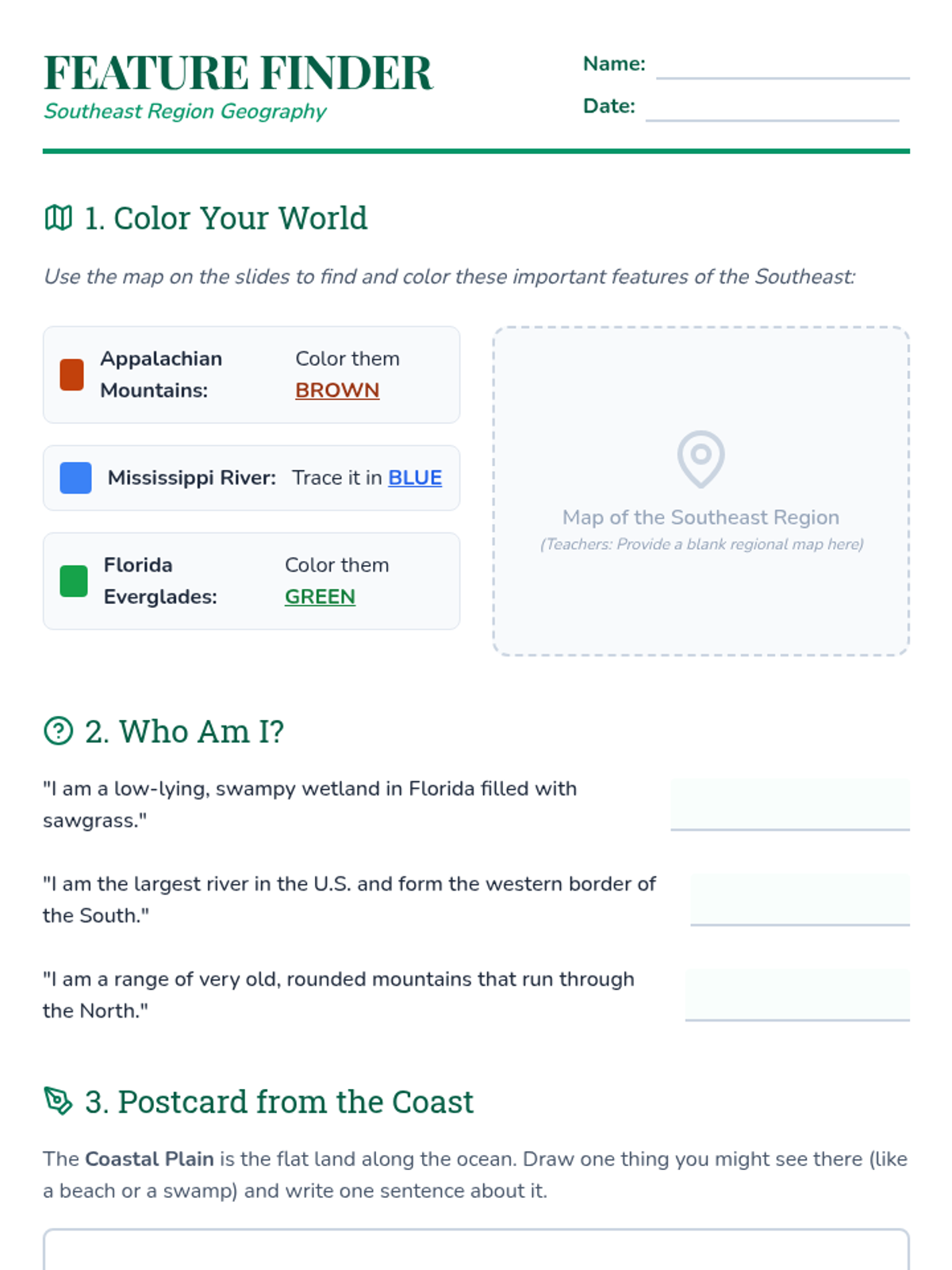
An immersive 5-day unit exploring the Southeastern United States, covering geography, climate, the Powhatan, Seminole, Cherokee, and Creek nations, and modern-day cultural traditions.
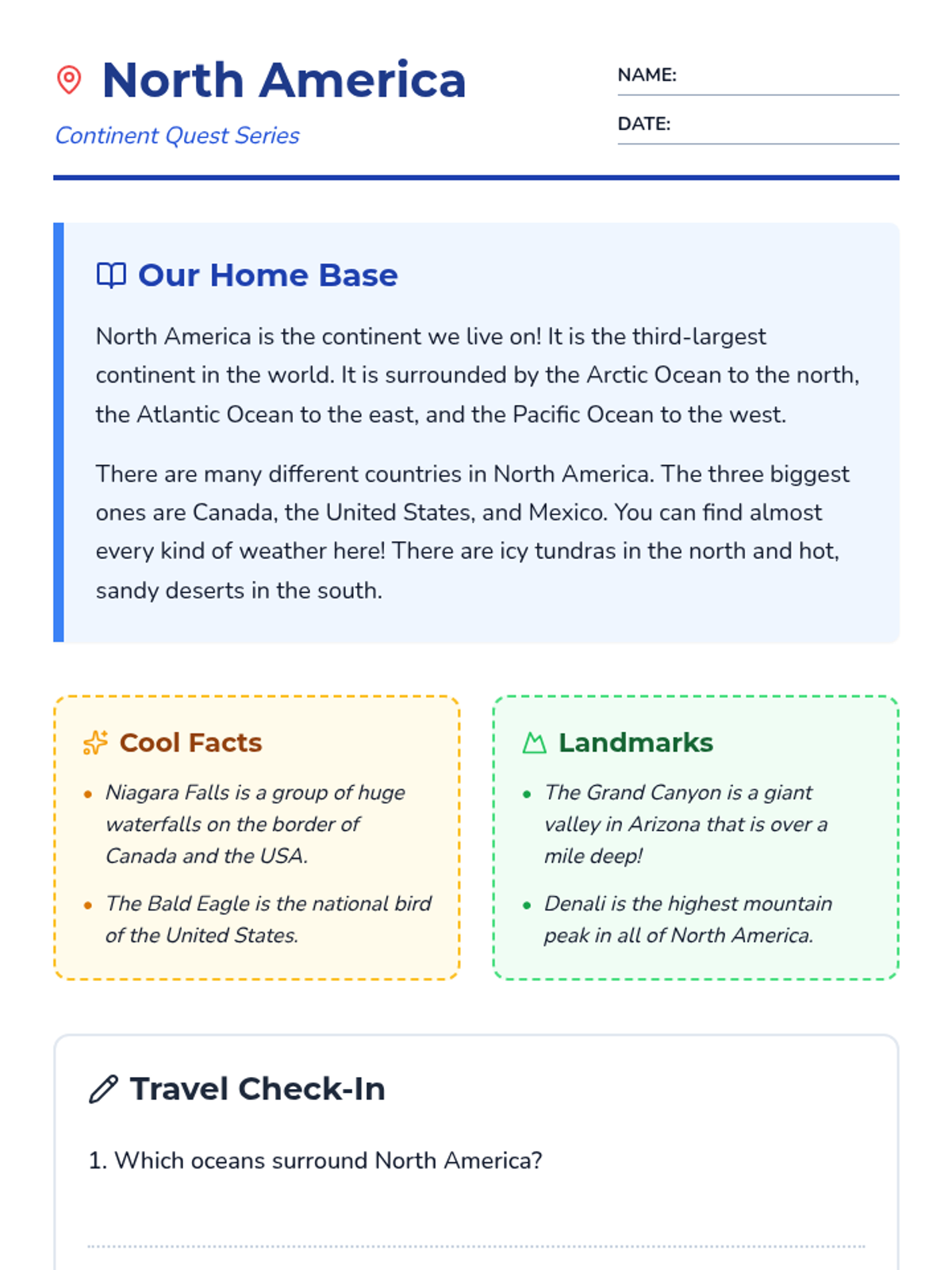
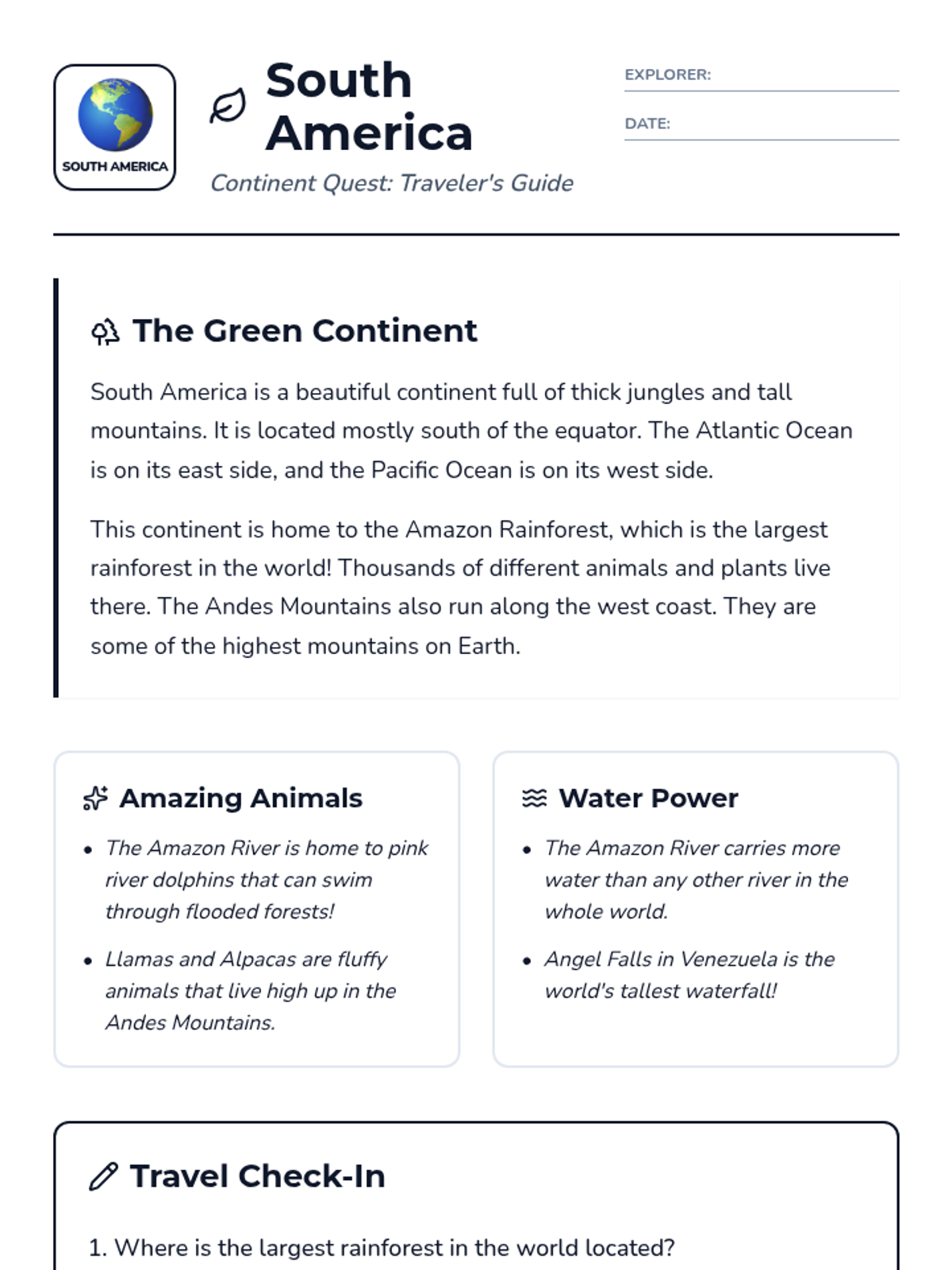
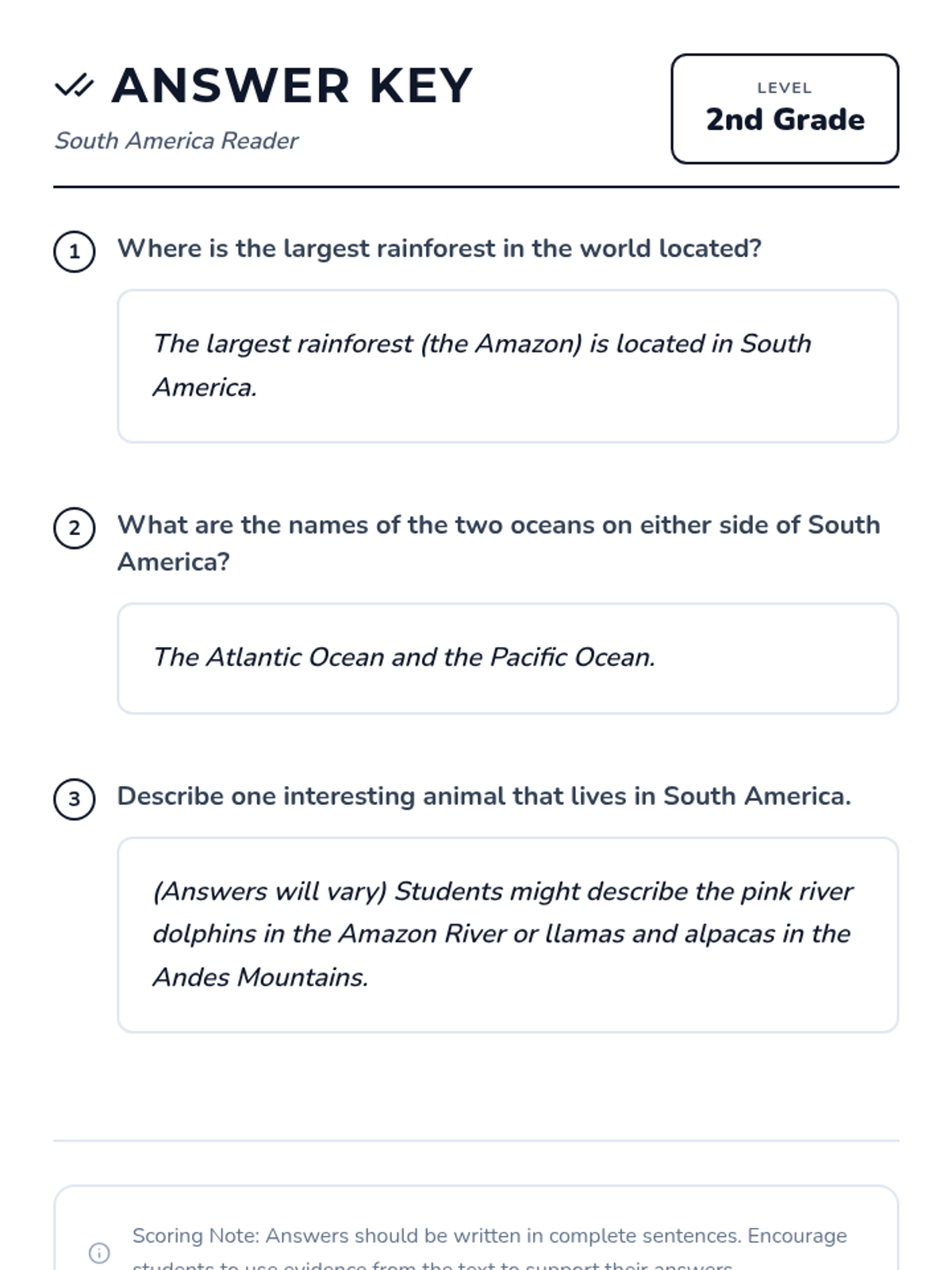
A comprehensive series of reading and comprehension activities covering each of the seven continents, designed for second-grade students to build global awareness.
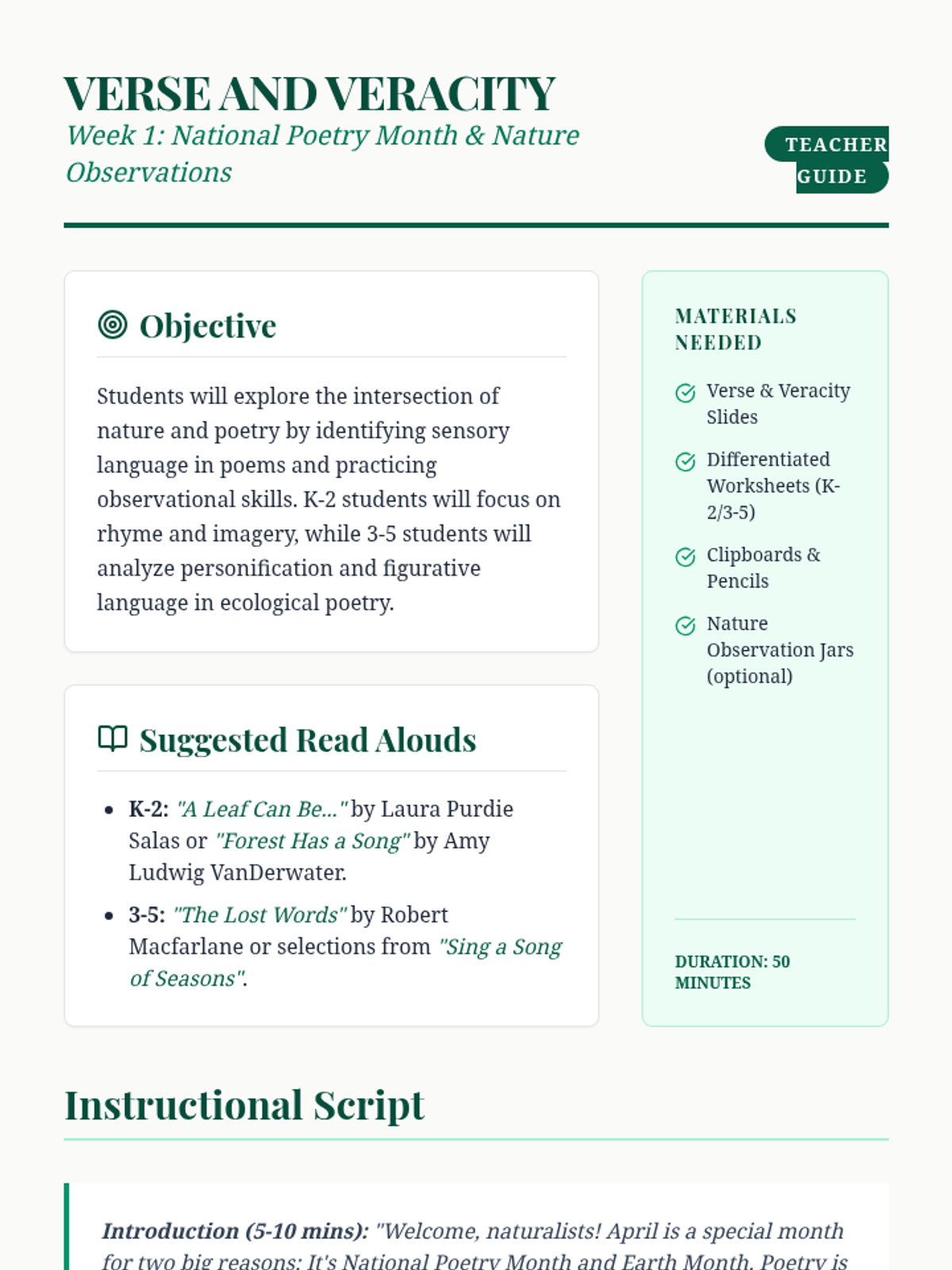
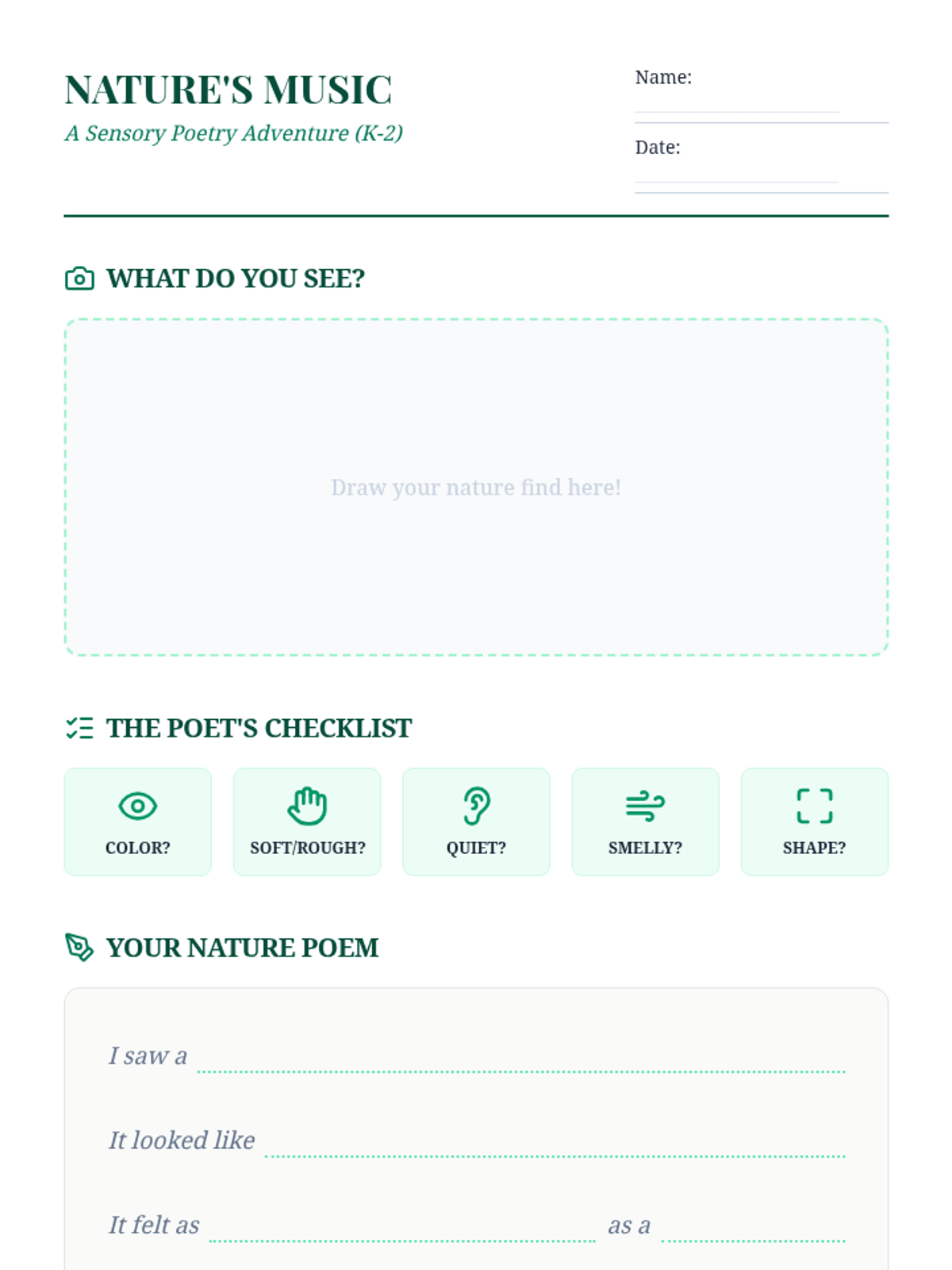
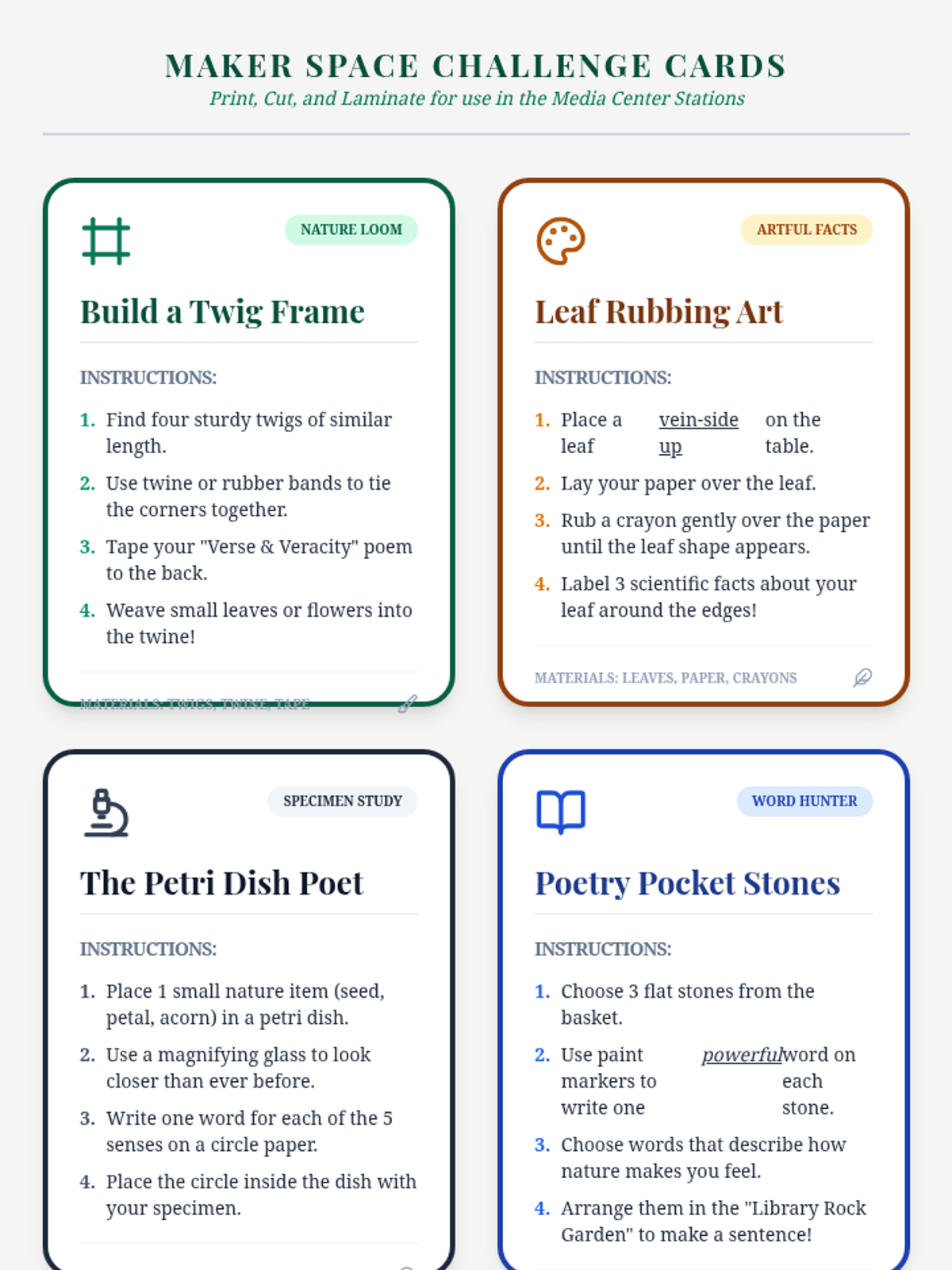
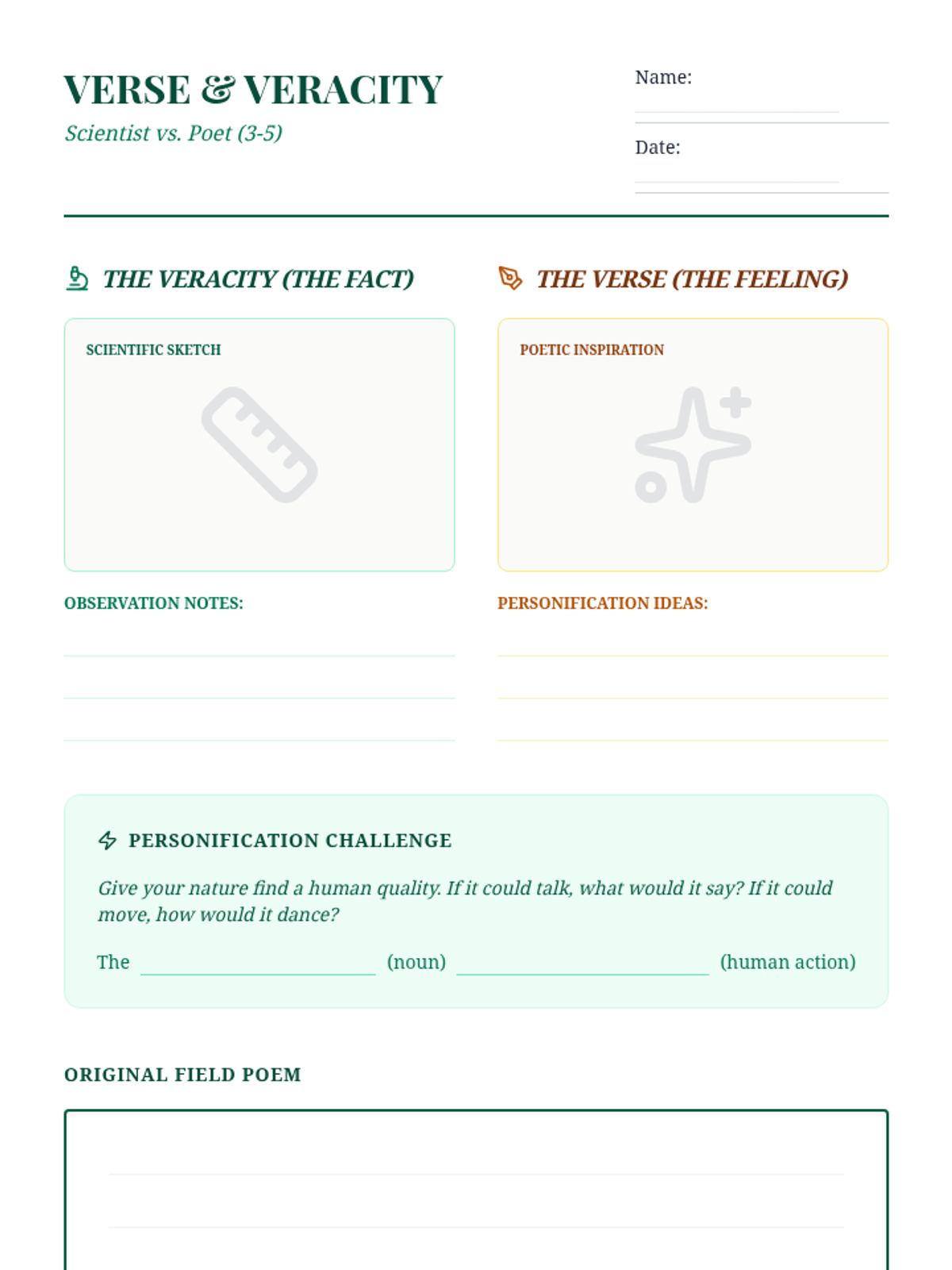
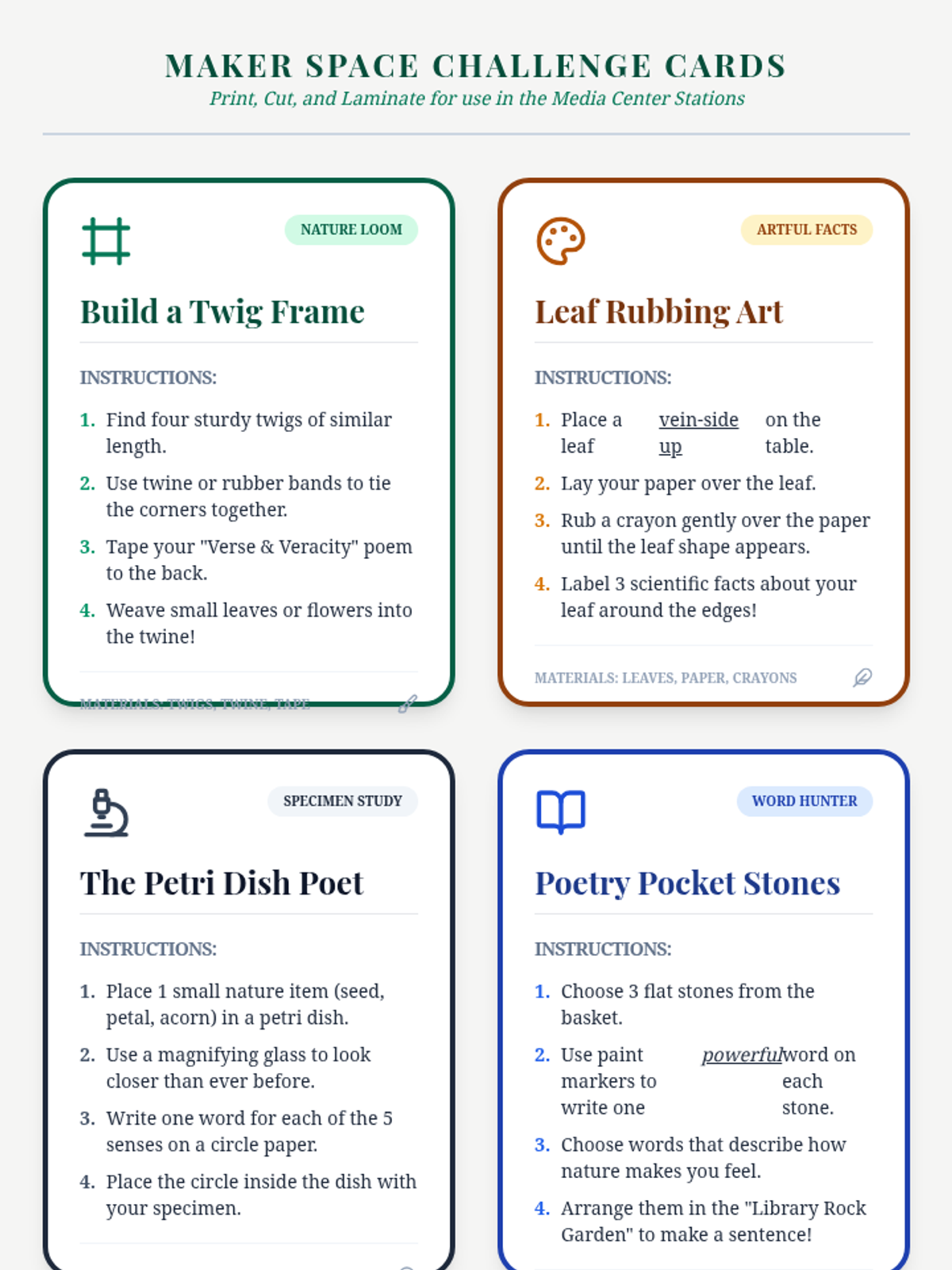
A comprehensive K-5 Media Center curriculum spanning August to May. Each month features a thematic unit integrating library skills (Dewey Decimal System, research, digital citizenship), literacy (poetry, biographies, informational texts), and STEM/Maker Space challenges. Resources are differentiated for K-2 and 3-5.
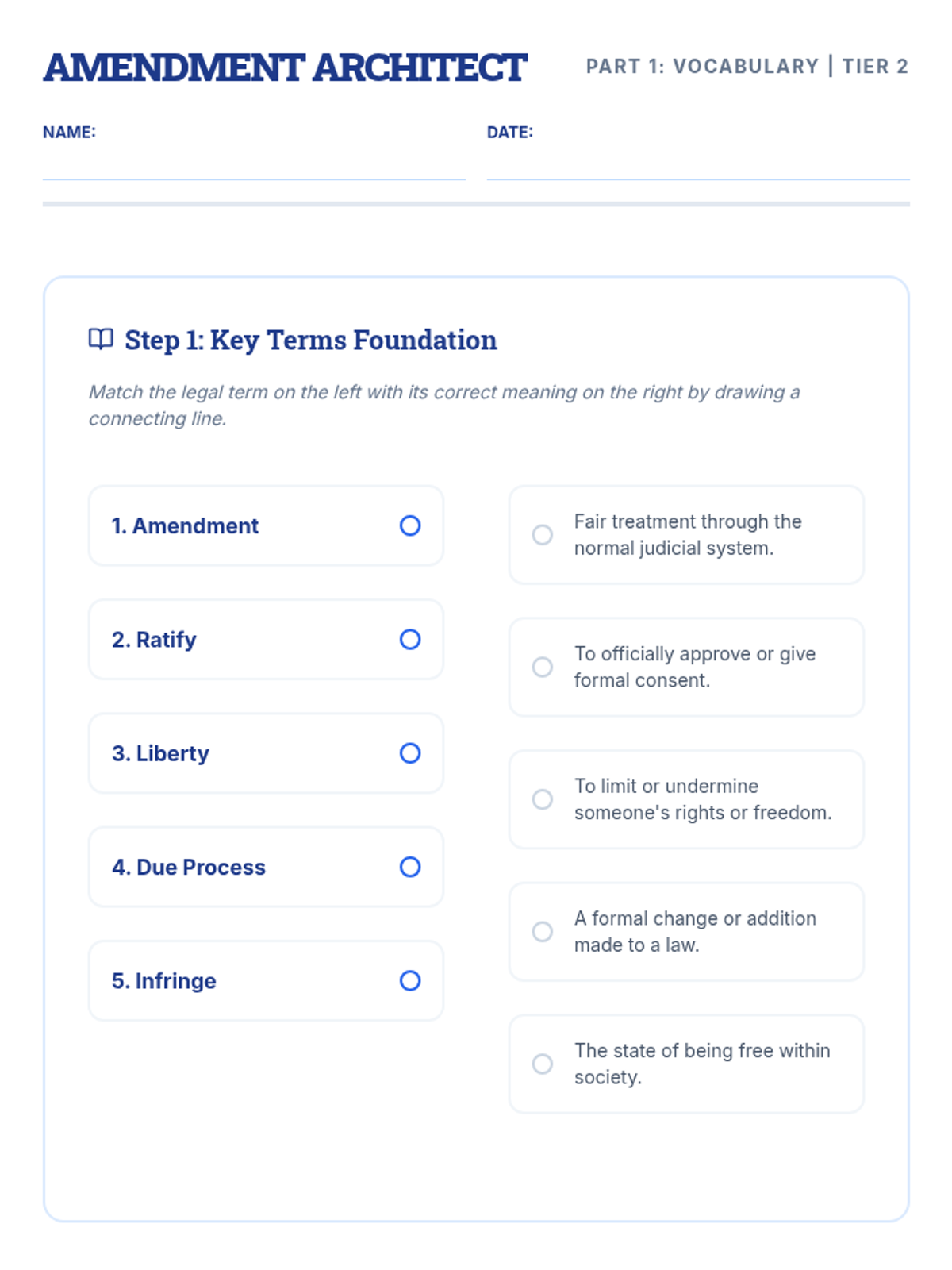
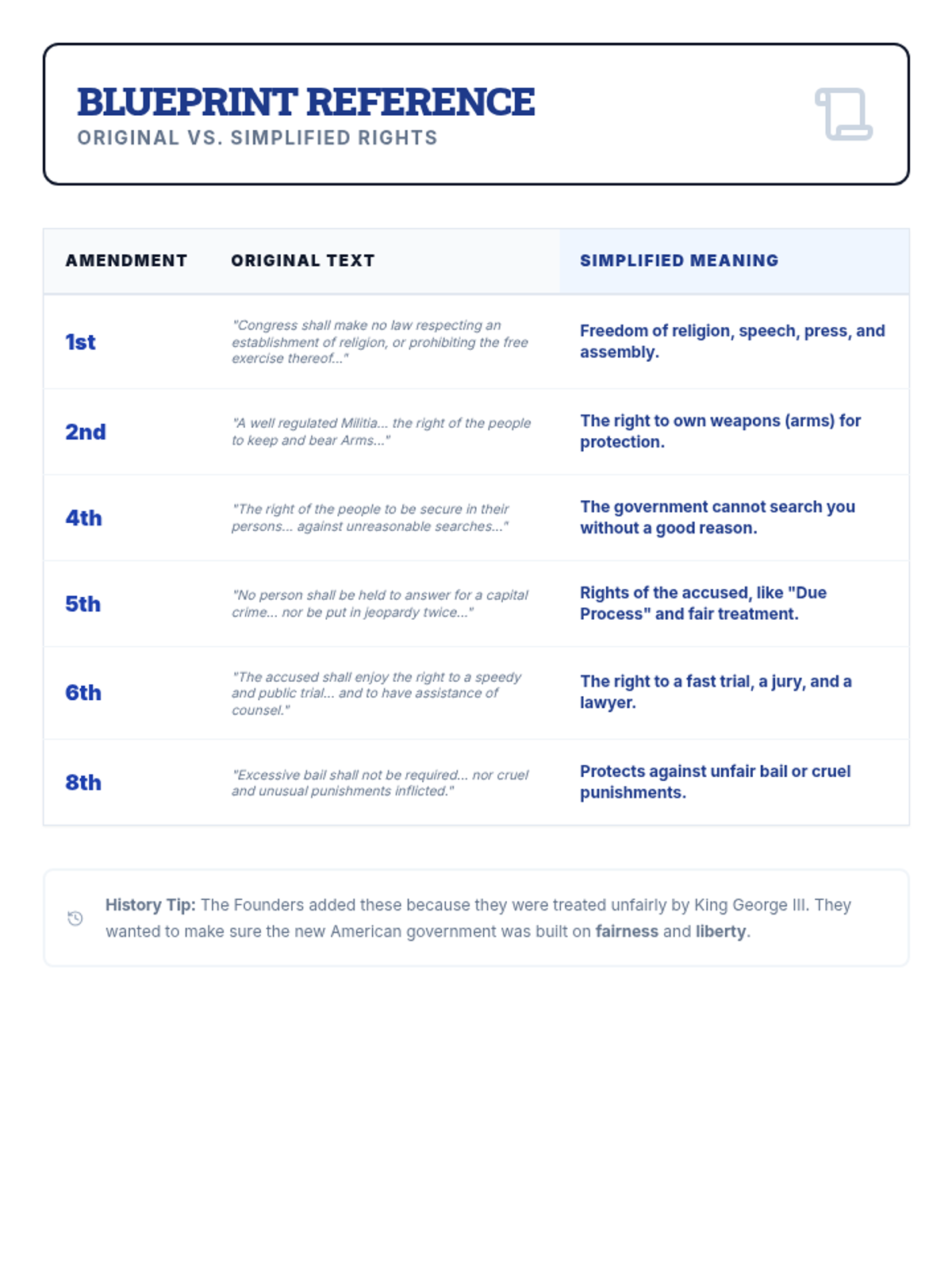
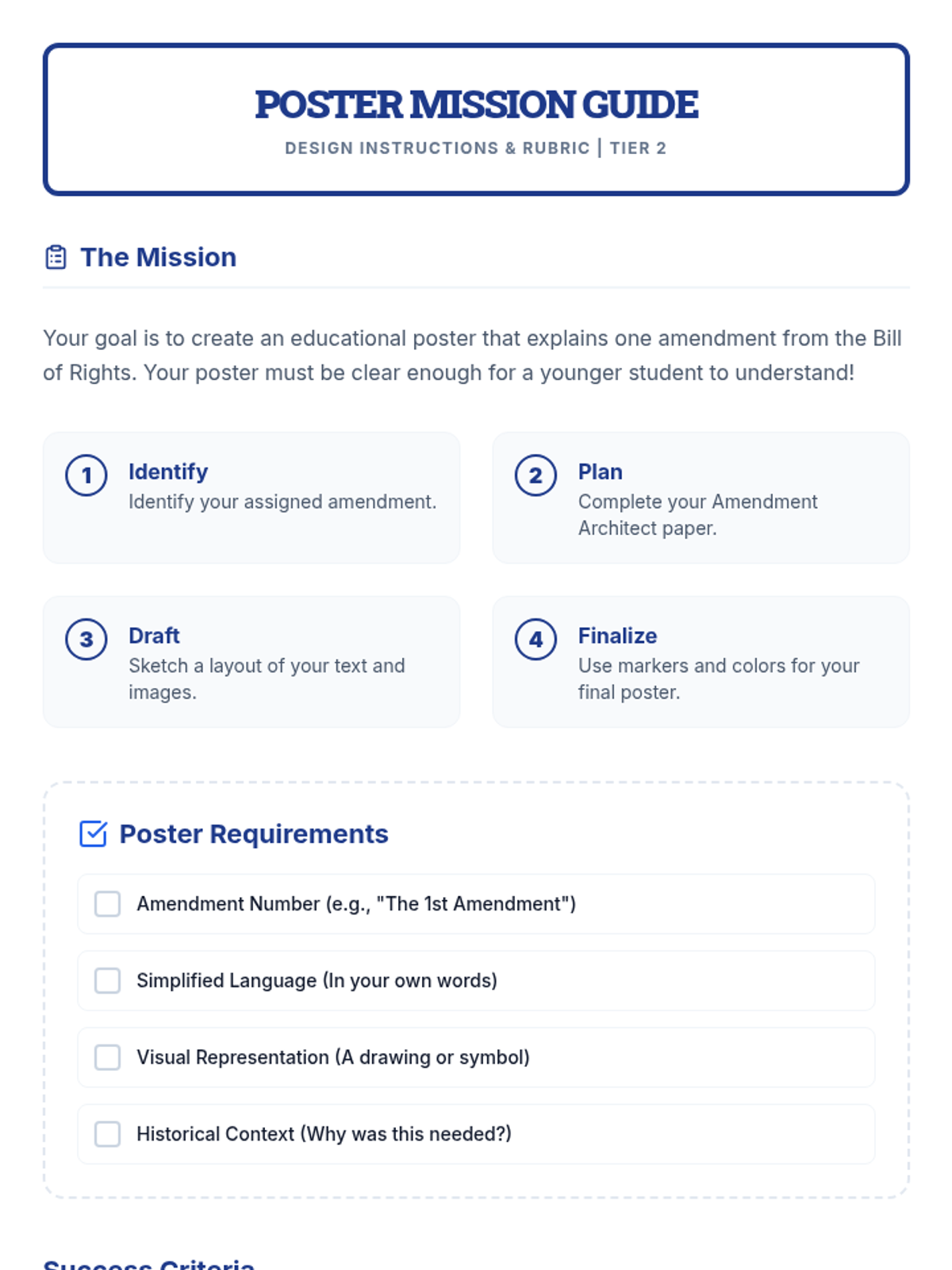
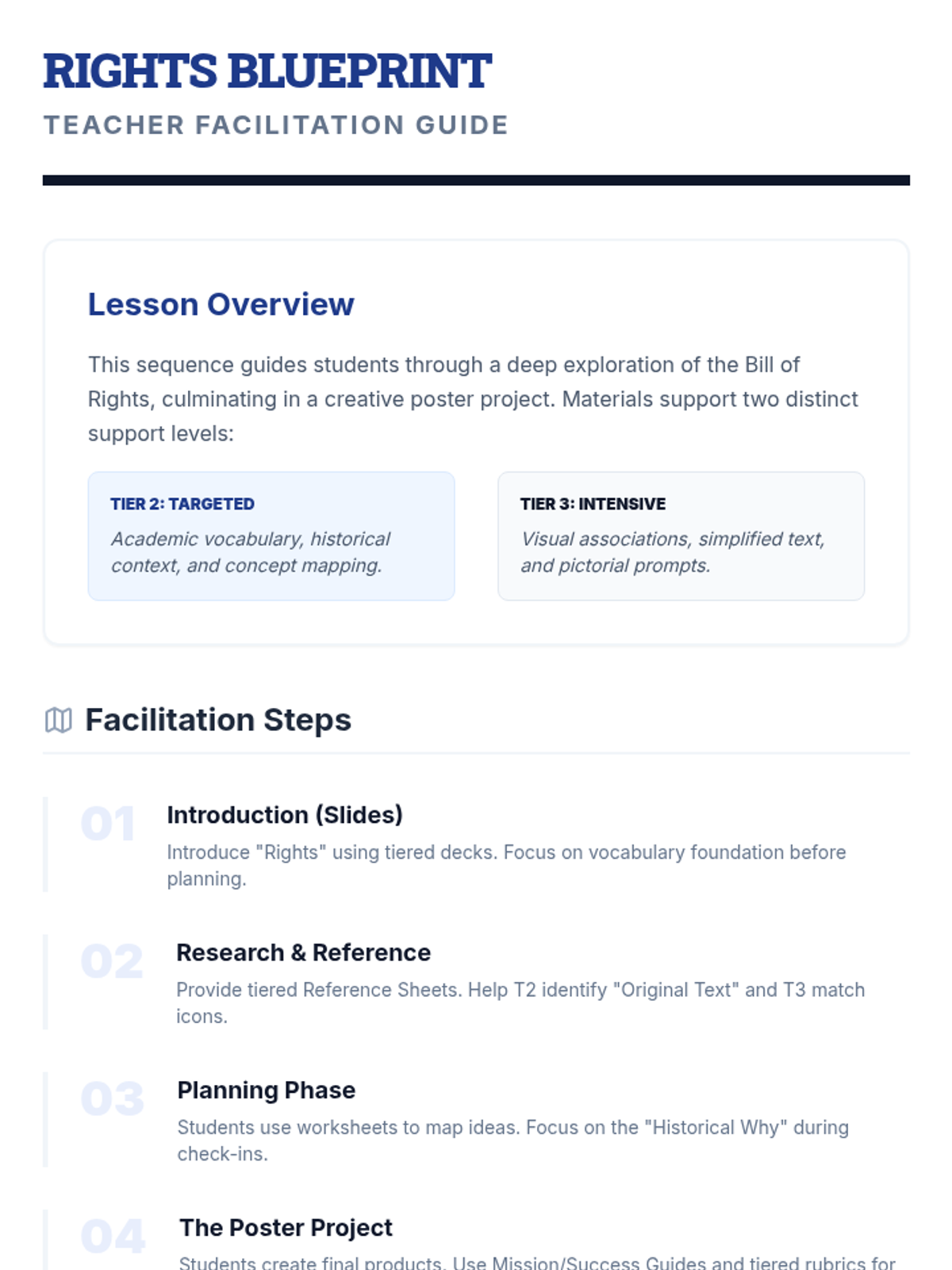
A comprehensive guide to the Bill of Rights designed for different learning needs. Students explore the first ten amendments through visual planning, vocabulary building, and a creative poster project.
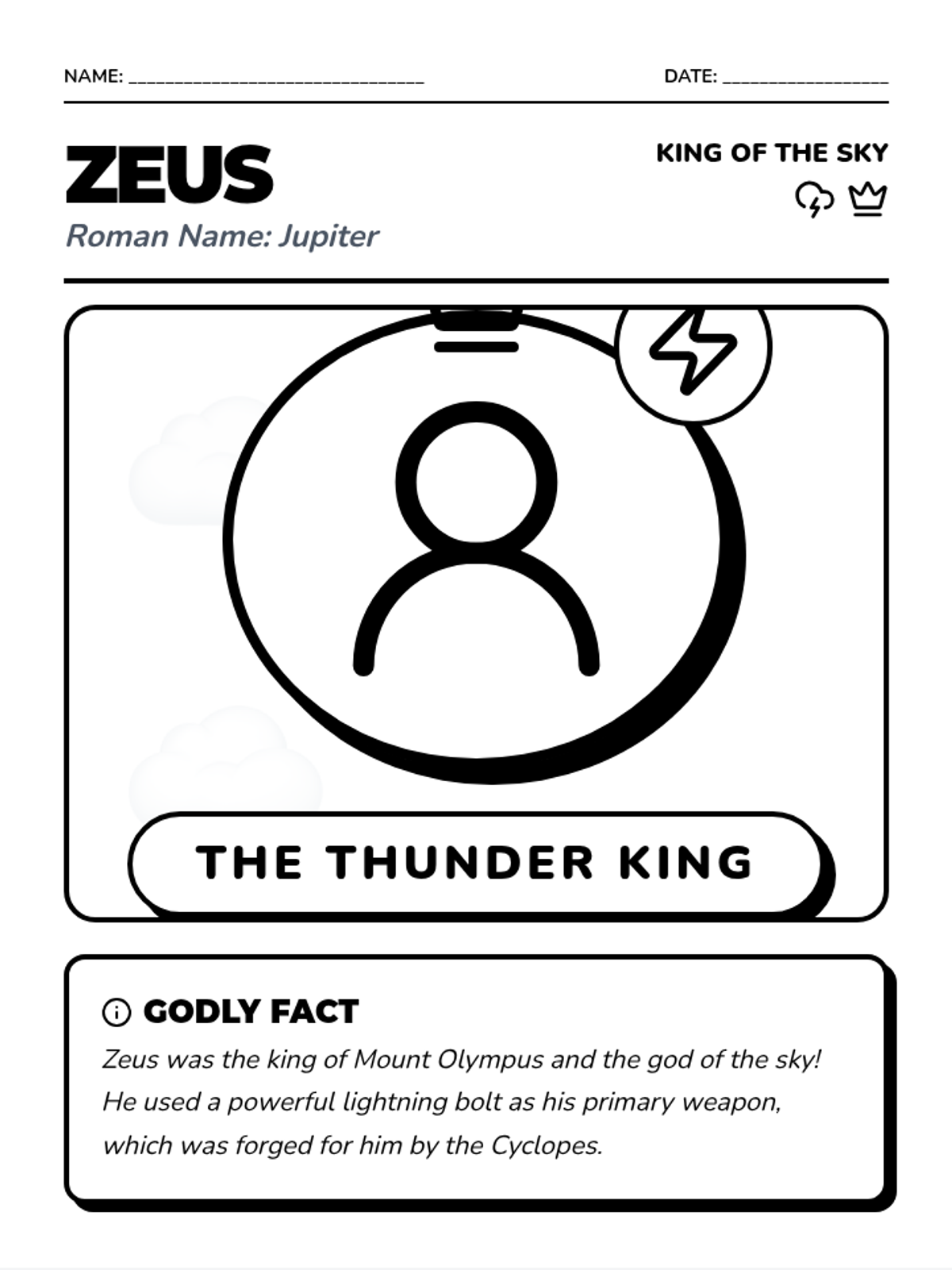
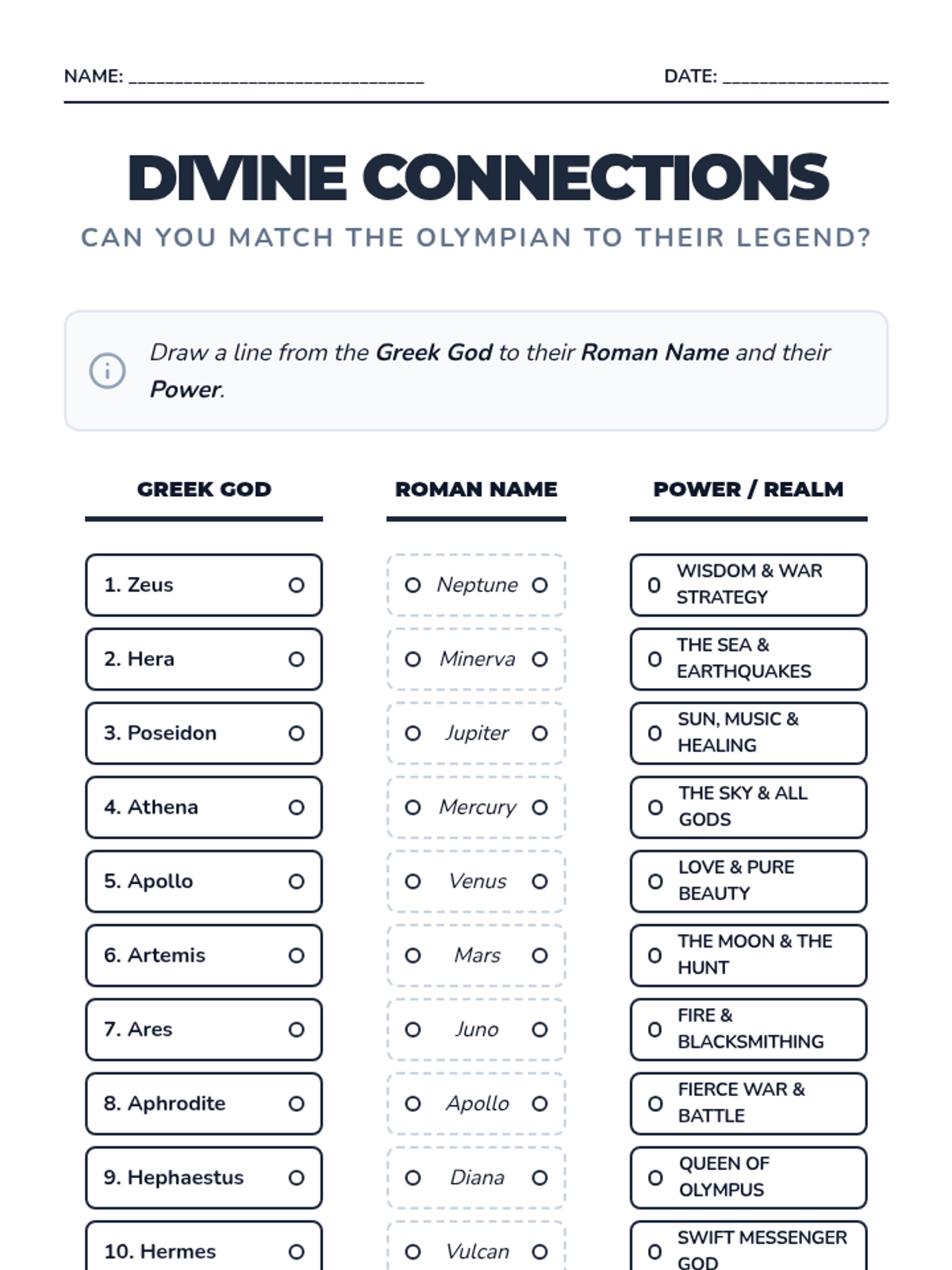
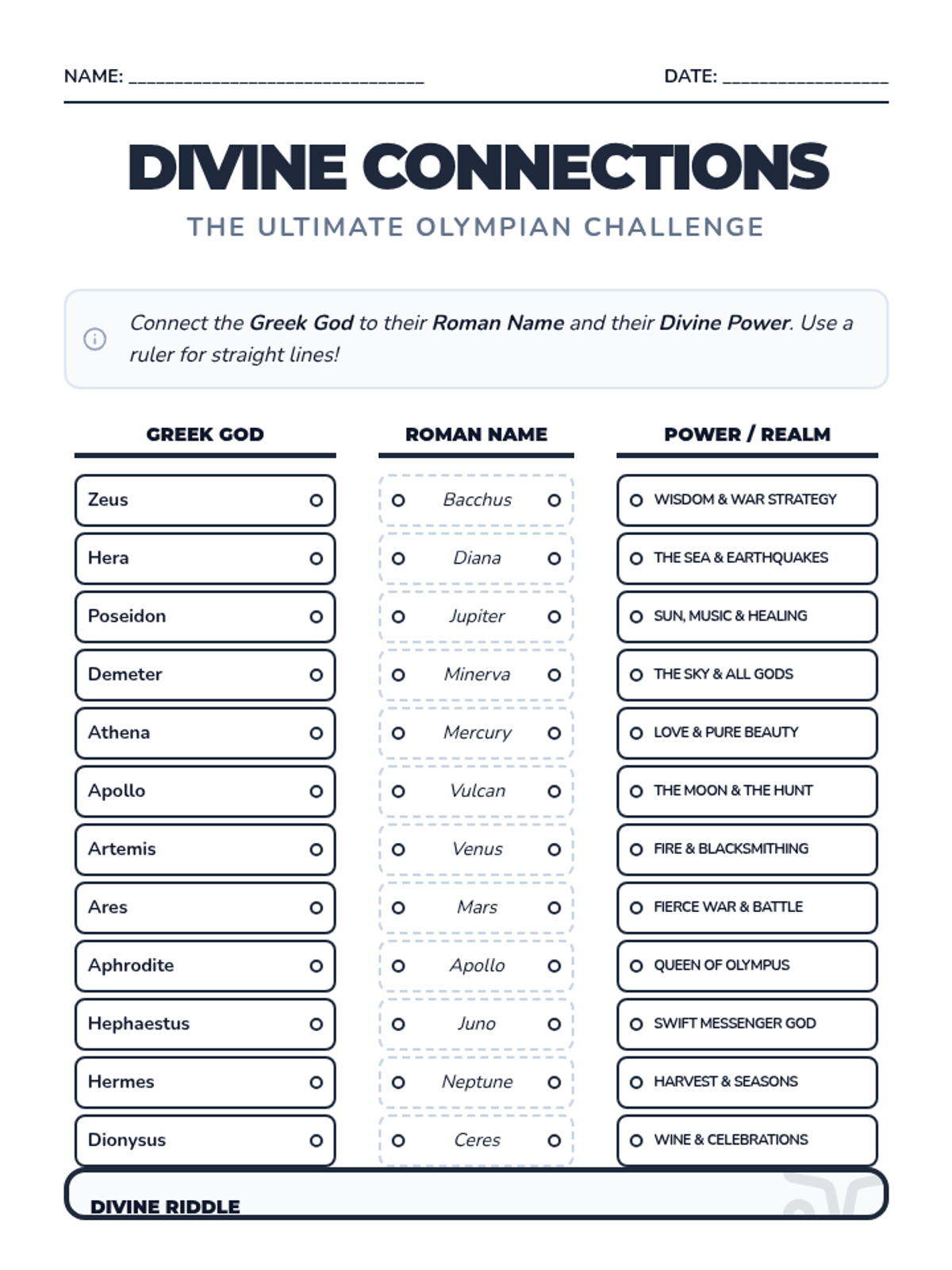
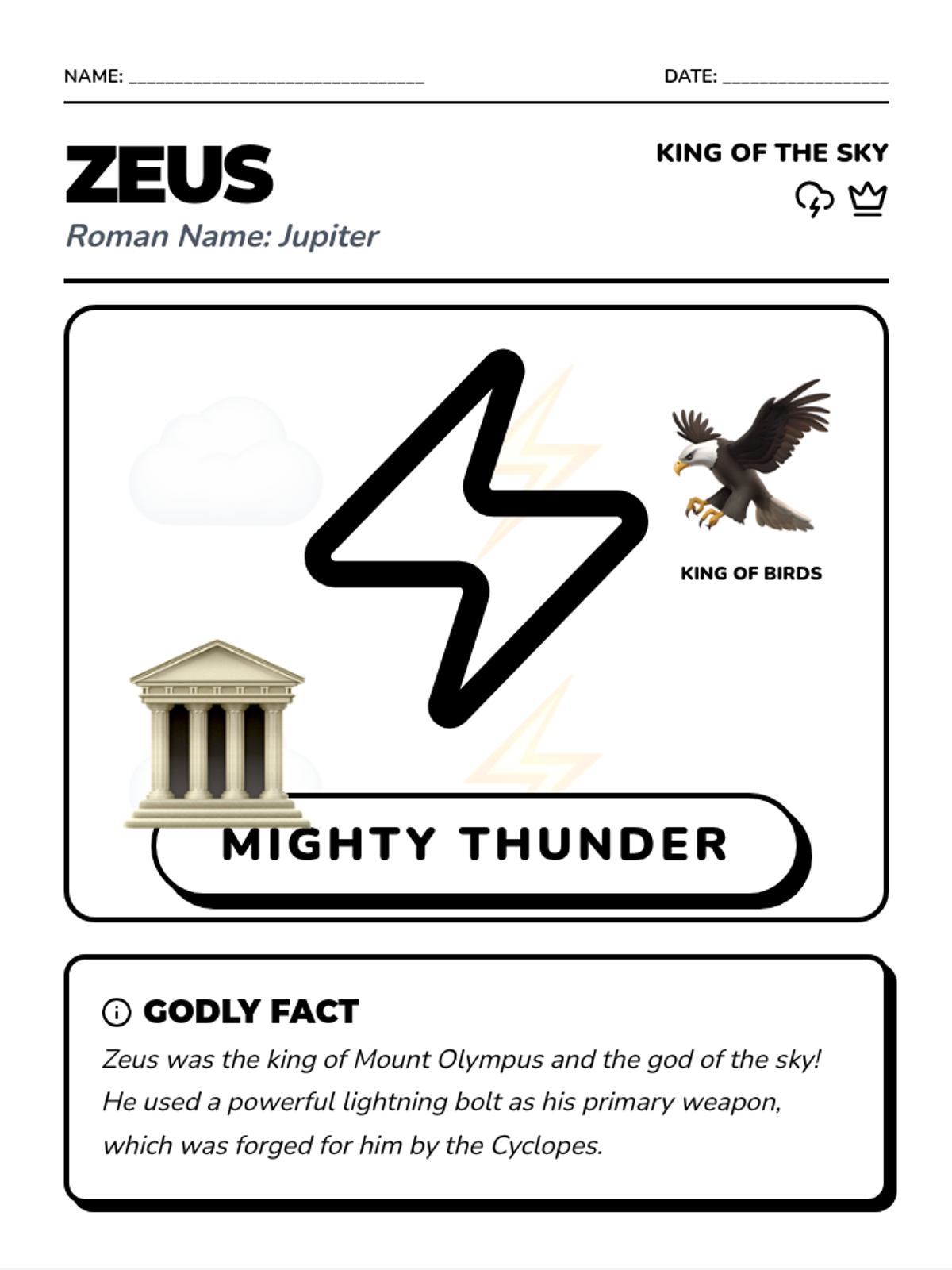
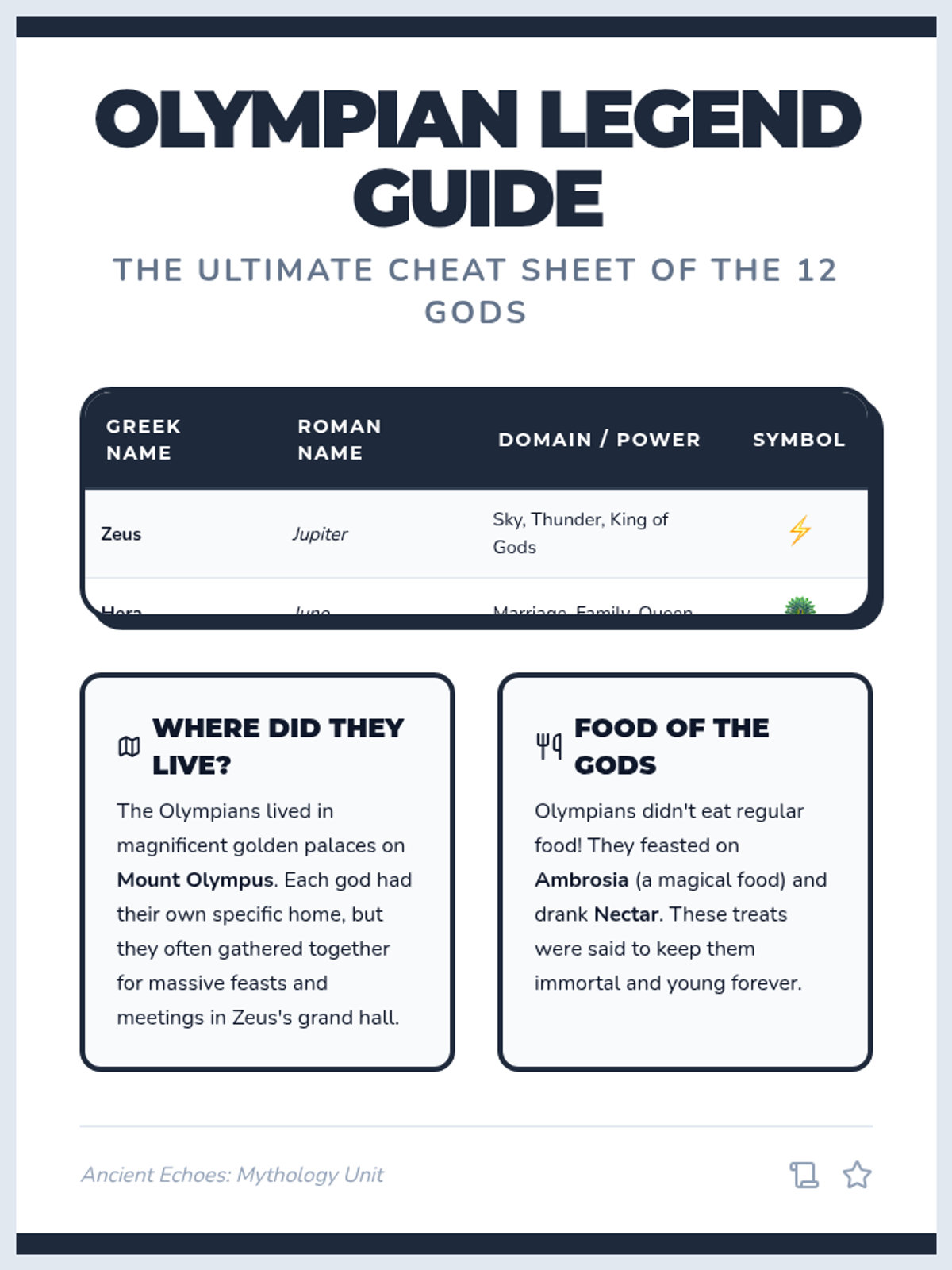
A journey into the myths and culture of Ancient Greece, focusing on the powerful deities that ruled Mount Olympus and their influence on the classical world.
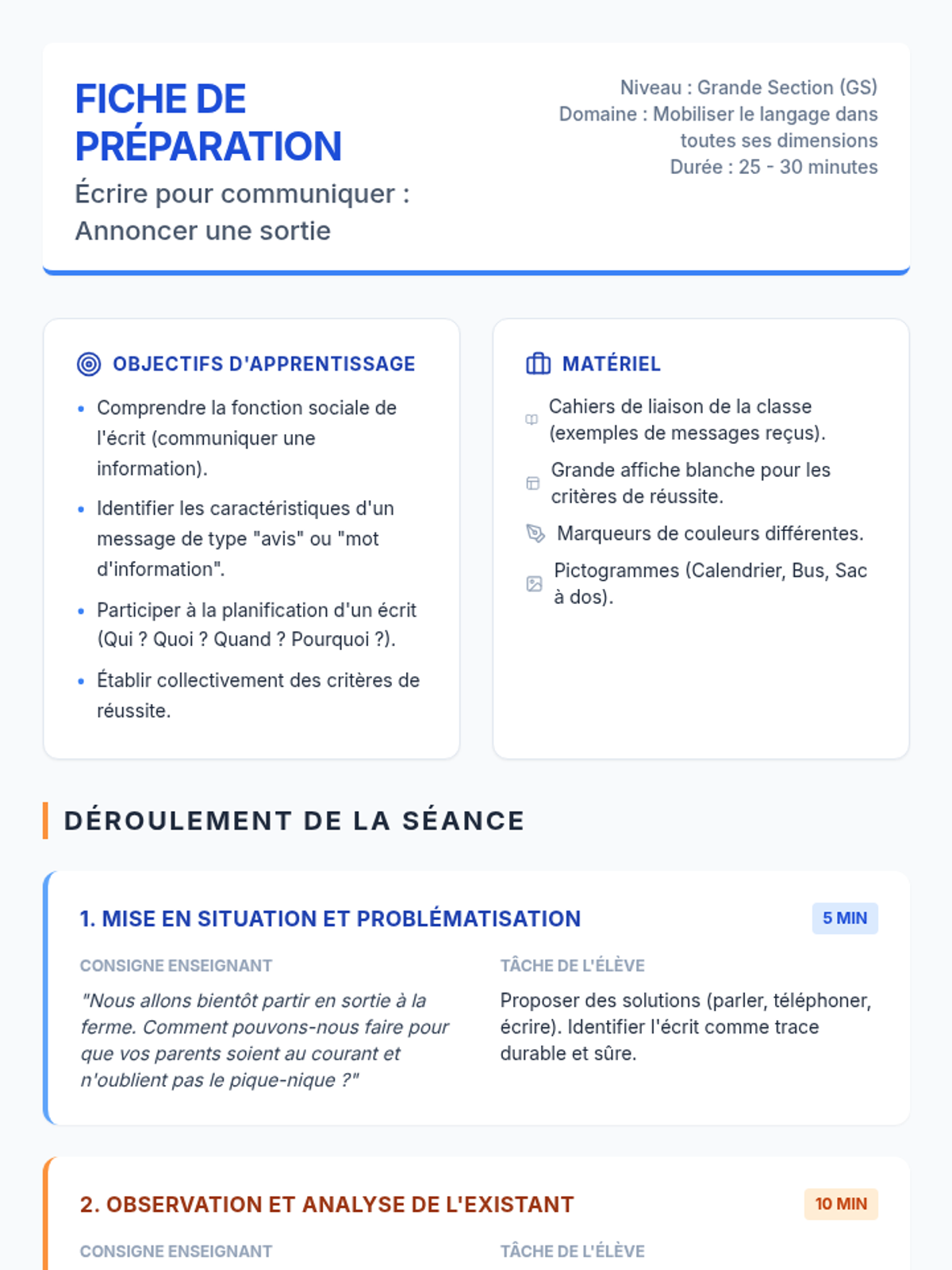
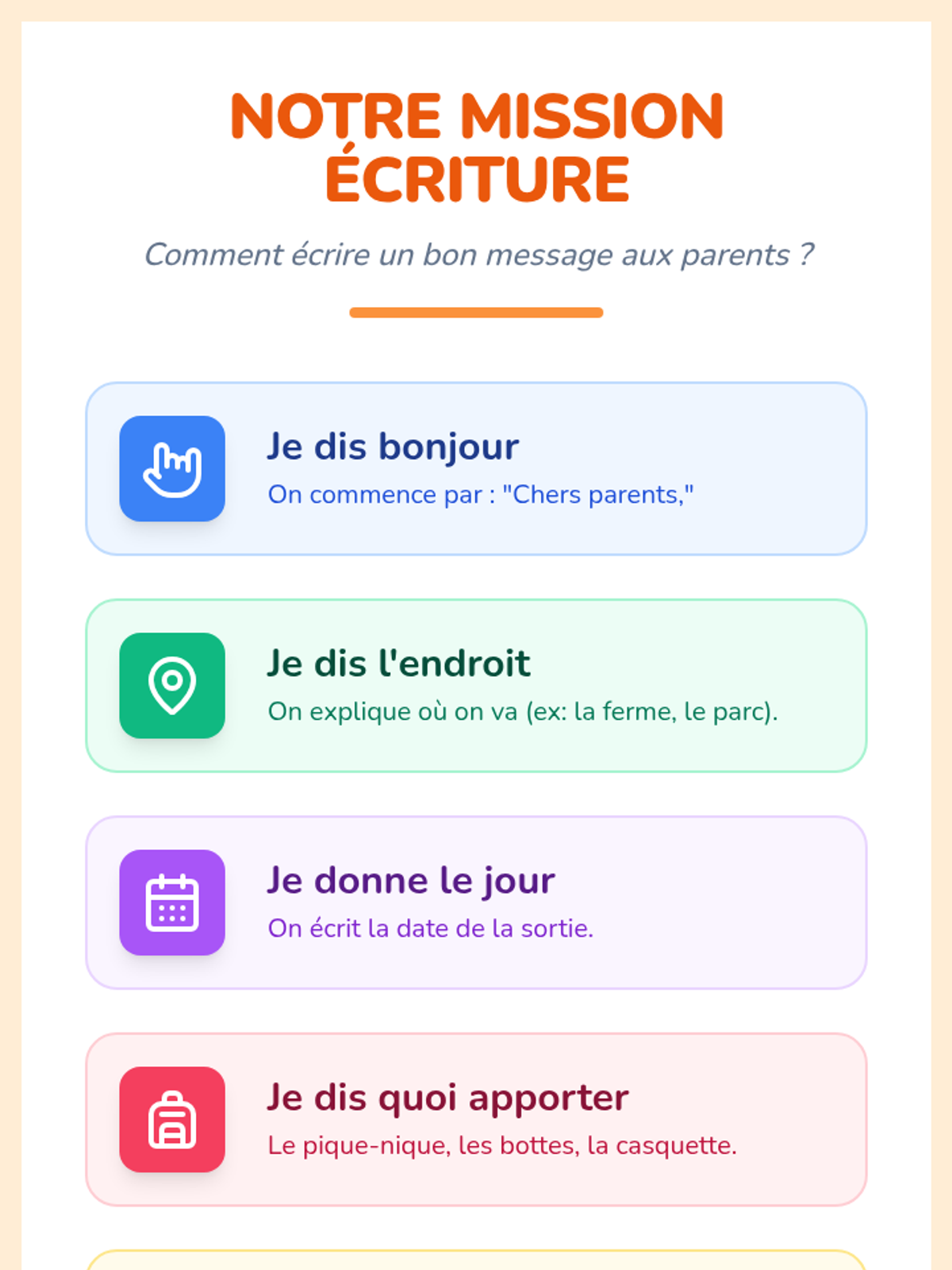
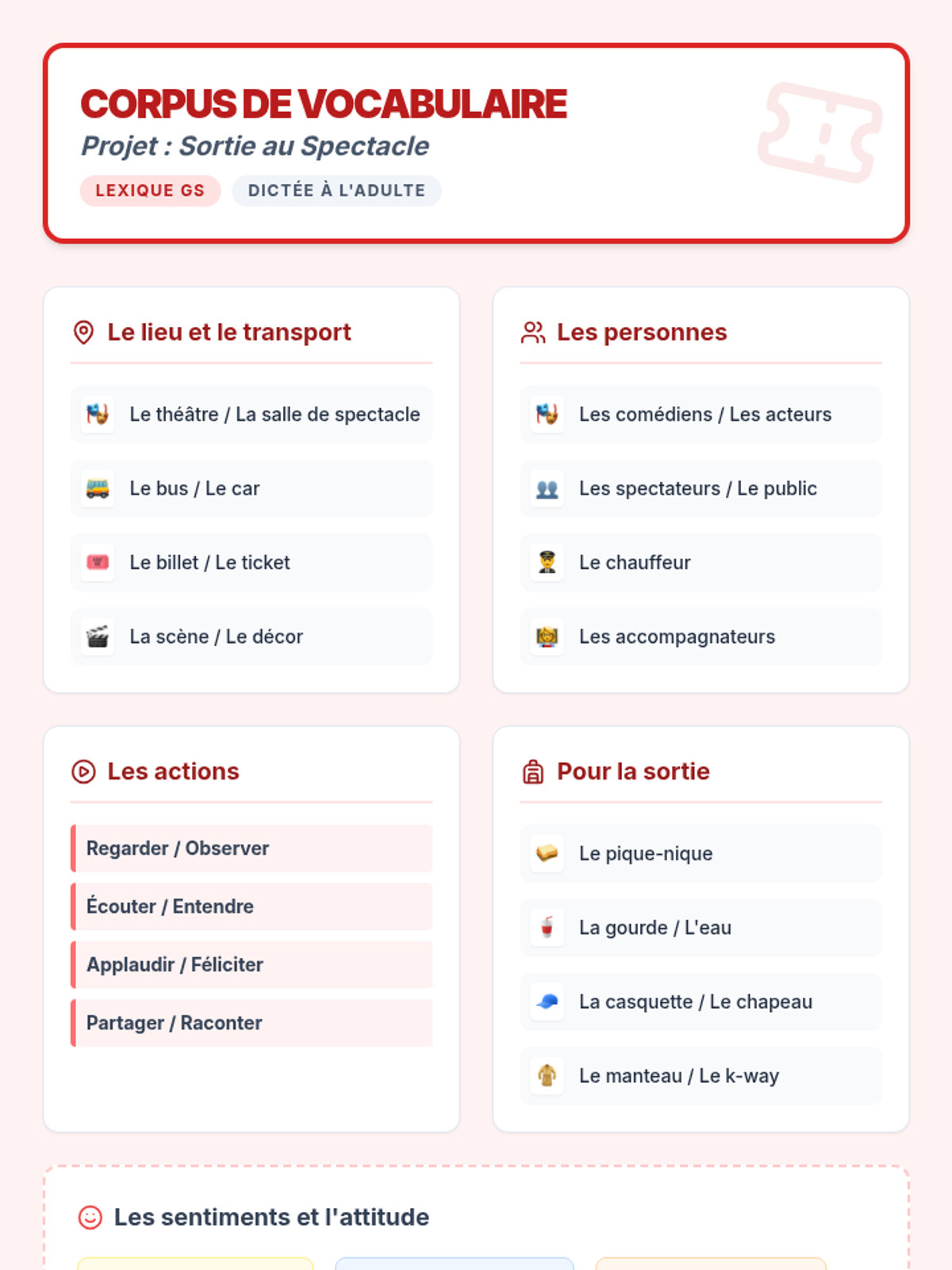
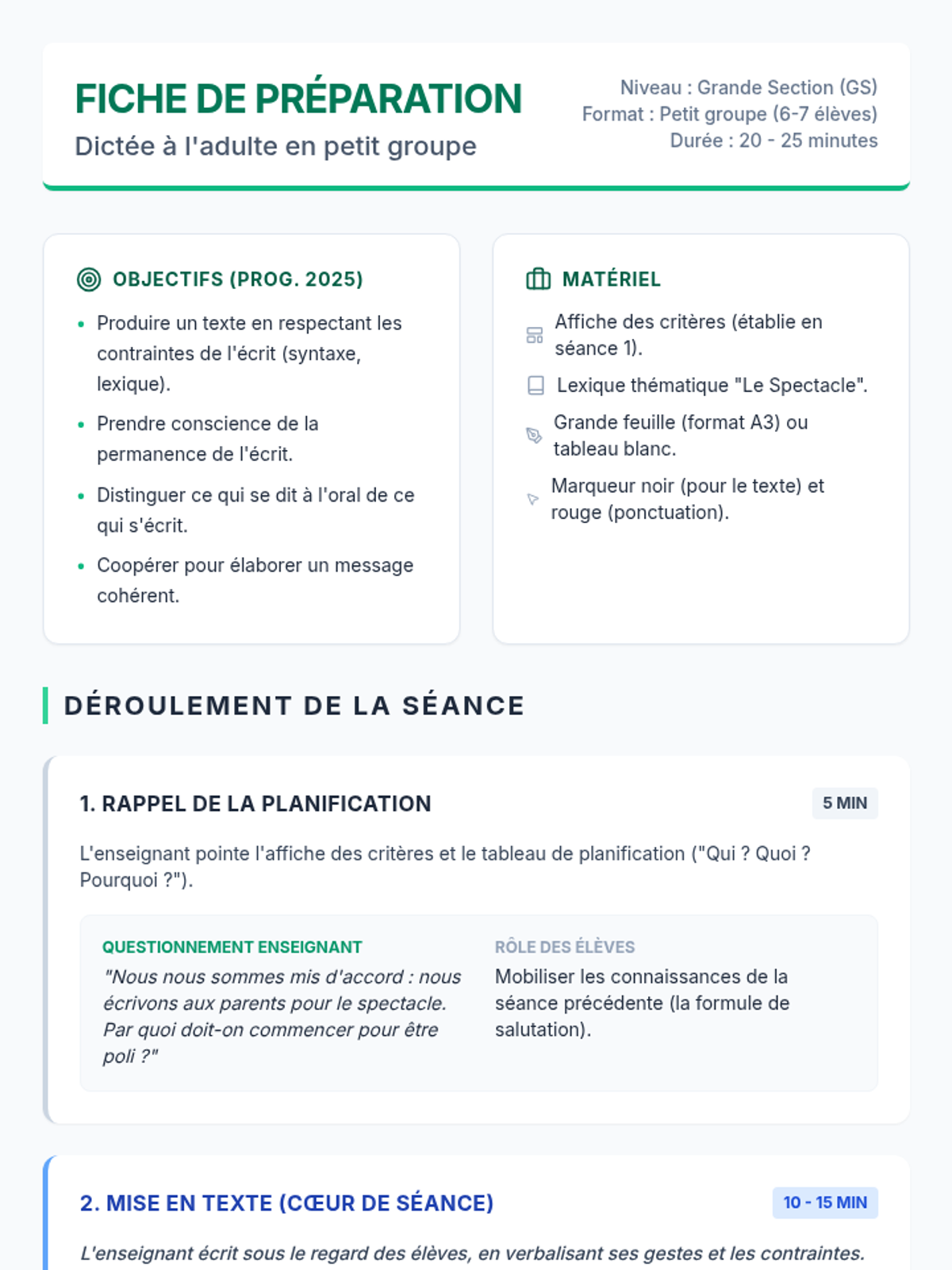
Une série de modules de formation destinés aux conseillers pédagogiques pour renforcer leur expertise en ingénierie de formation continue, spécifiquement appliquée à l'enseignement du français à l'école primaire.
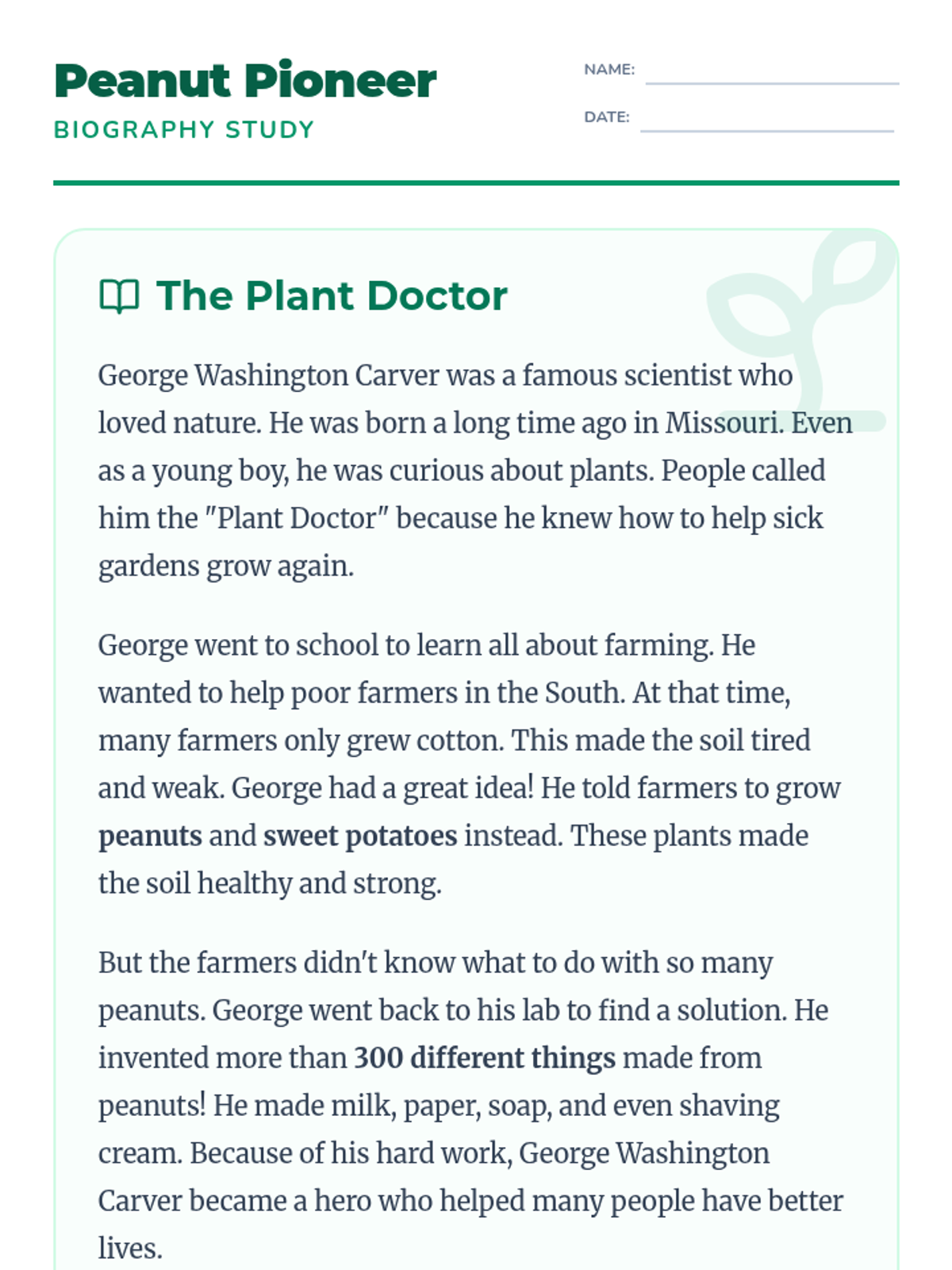
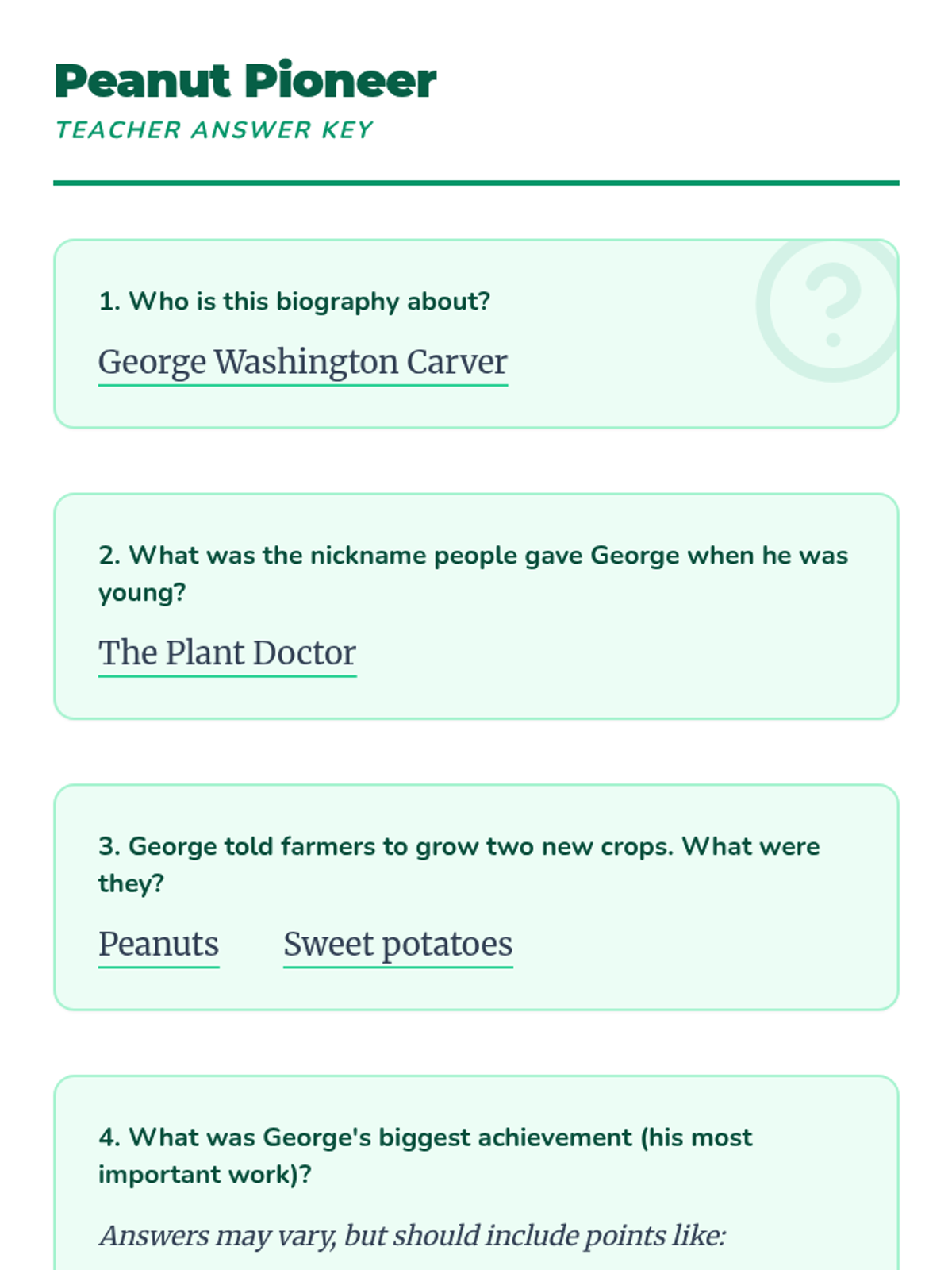
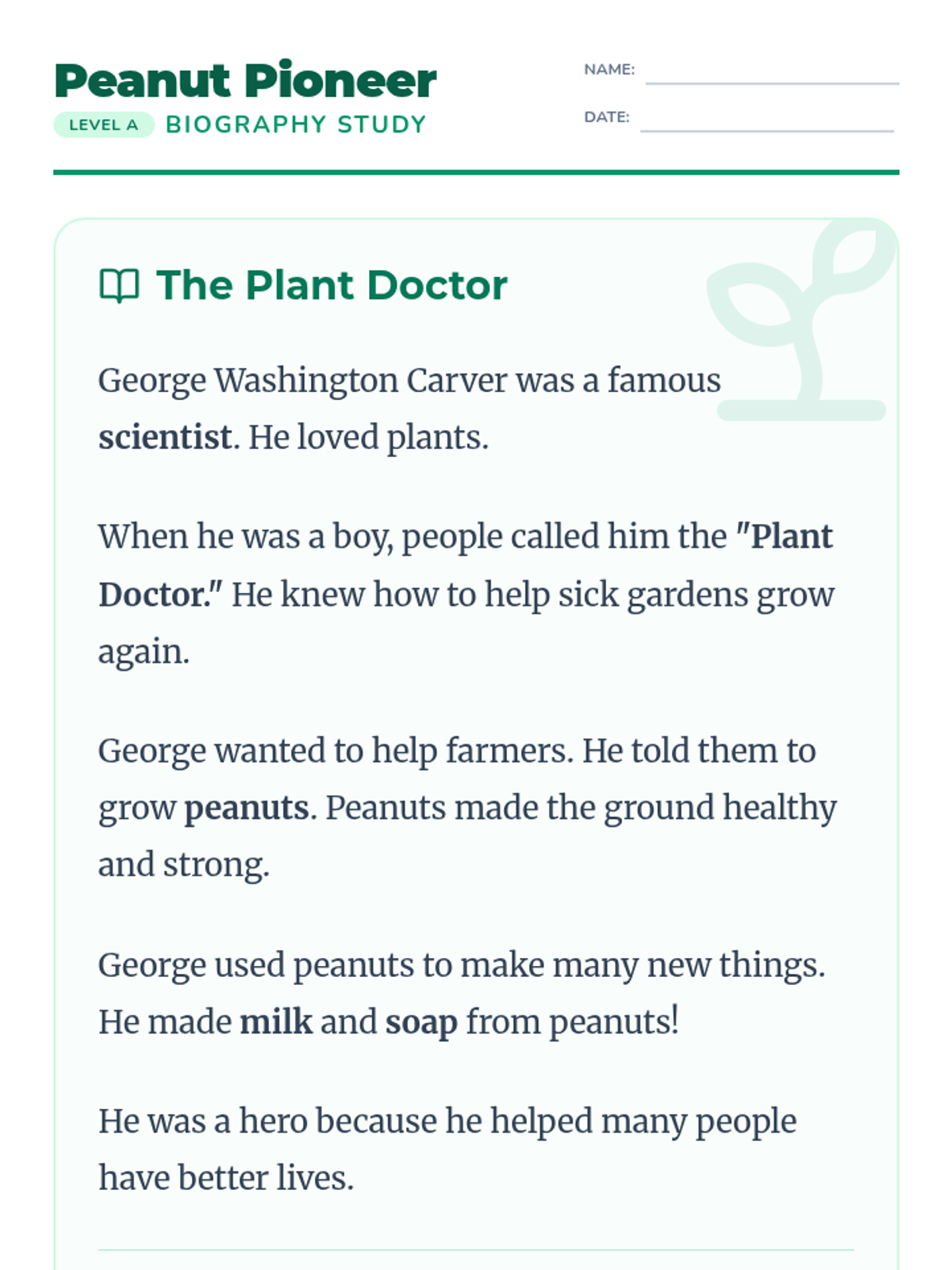
A series of 2nd-grade biography lessons exploring the lives and achievements of diverse trailblazers in science, aviation, innovation, and math. Each lesson focuses on identifying the person and their key contributions to the world.
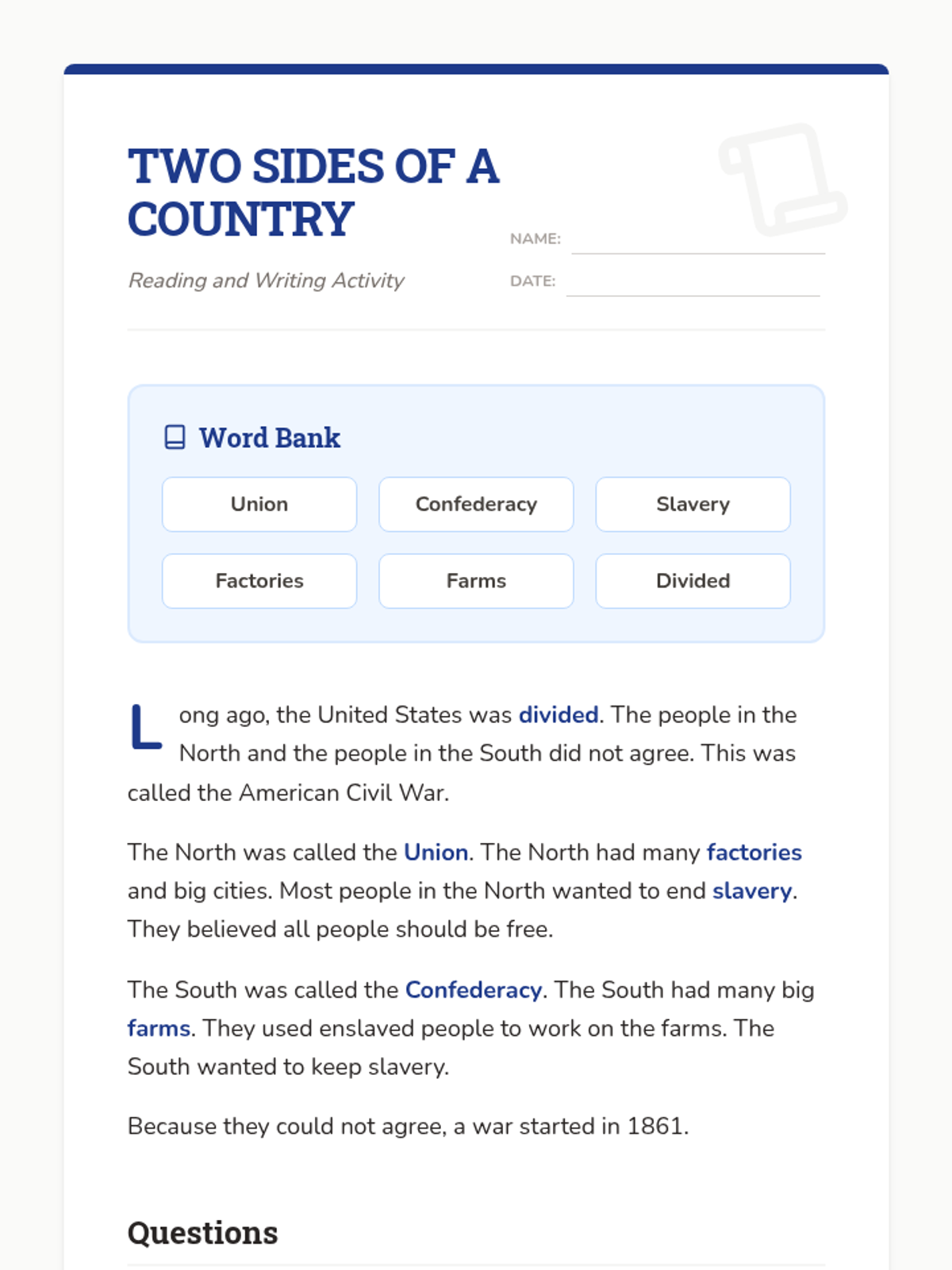
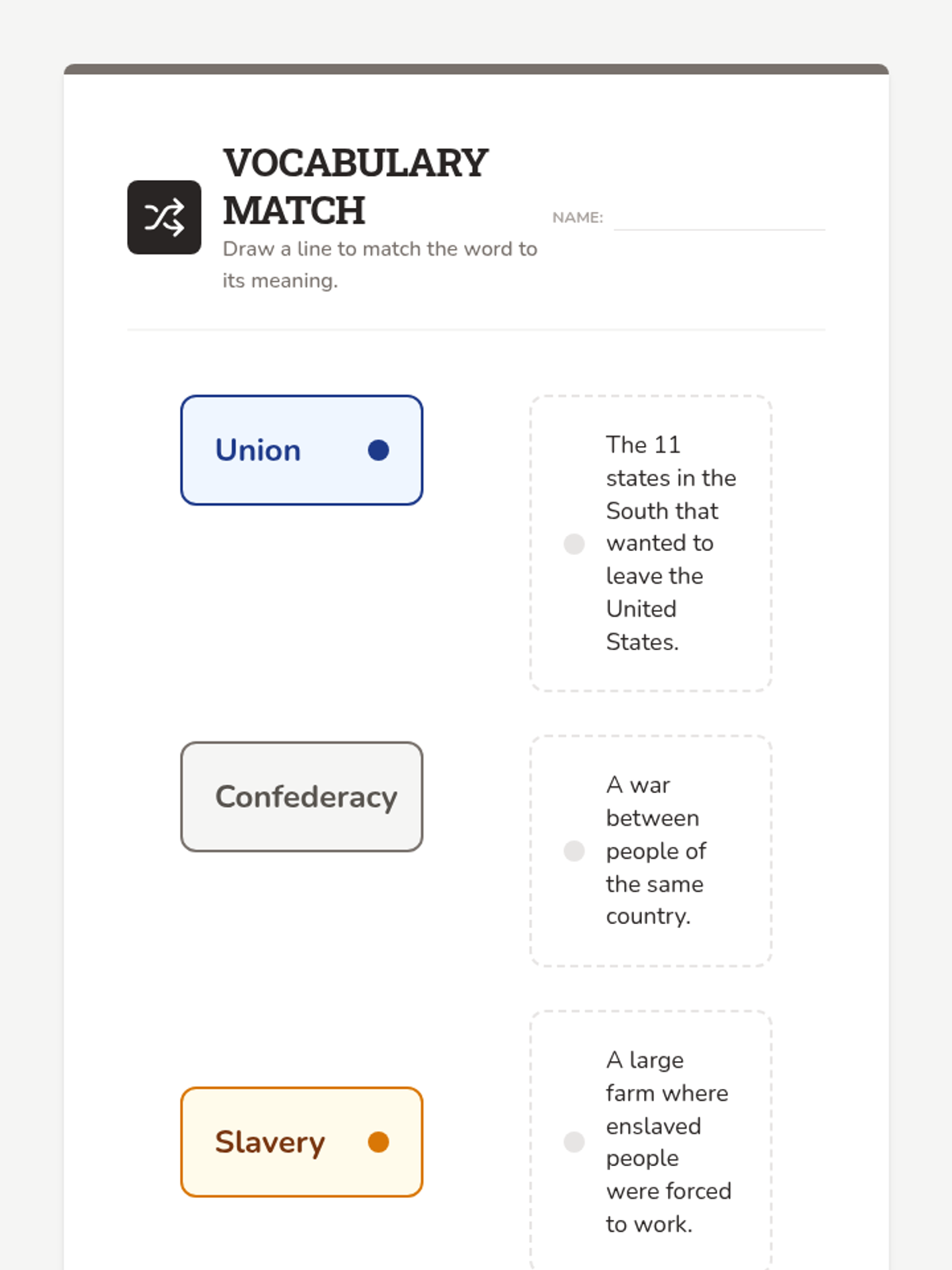
An ESL-friendly introduction to the American Civil War for 2nd graders, focusing on key figures like Lincoln and Tubman, major events, and foundational sentence-building skills. The unit uses visual scaffolding, word banks, and sentence stems to help students develop complex writing abilities.
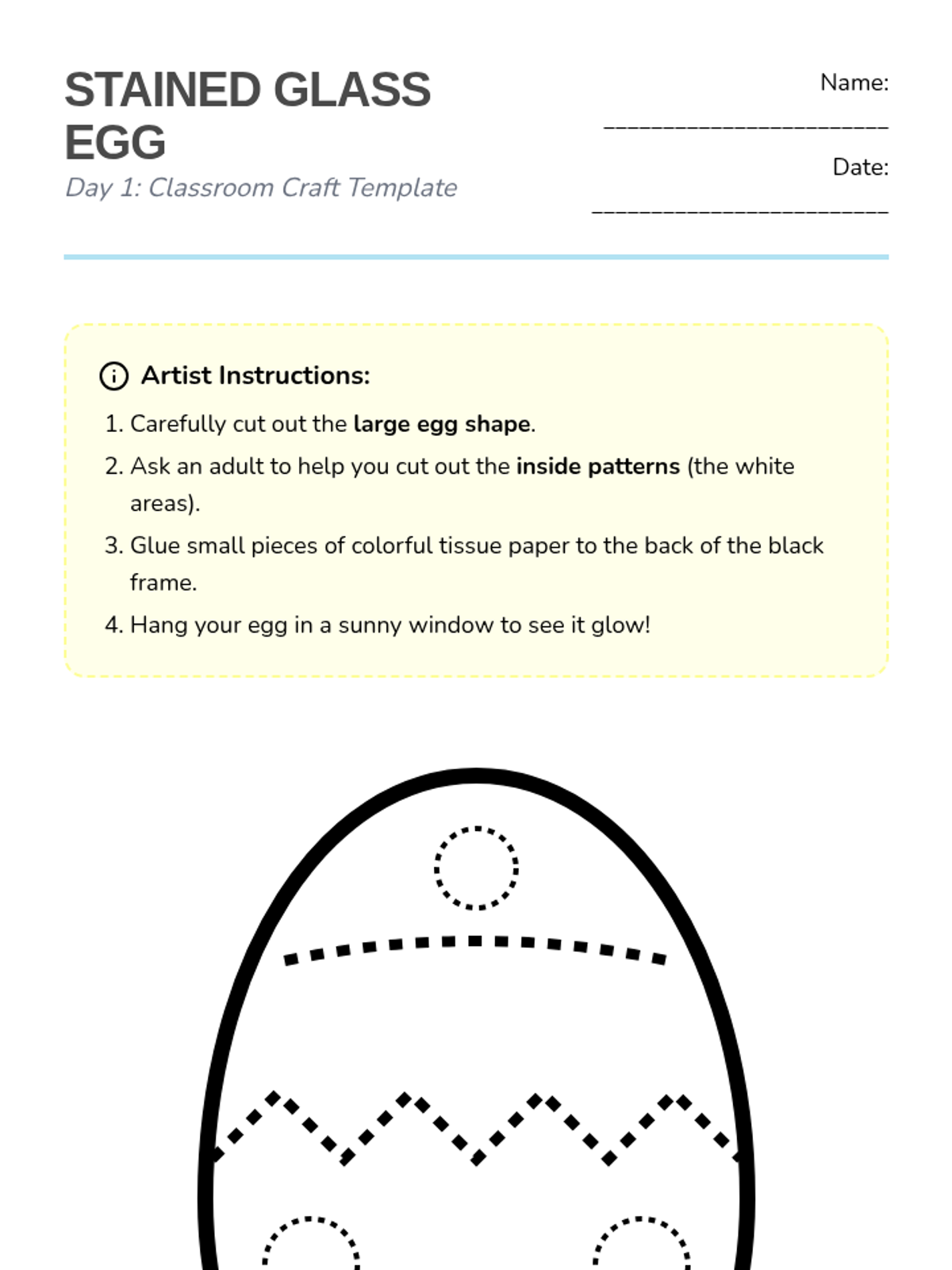
A four-day Easter unit for K-3 students exploring the history and symbols of Easter through hands-on crafts and outdoor movement activities. Each day focuses on a different tradition: eggs, bunnies, flowers, and community celebration.
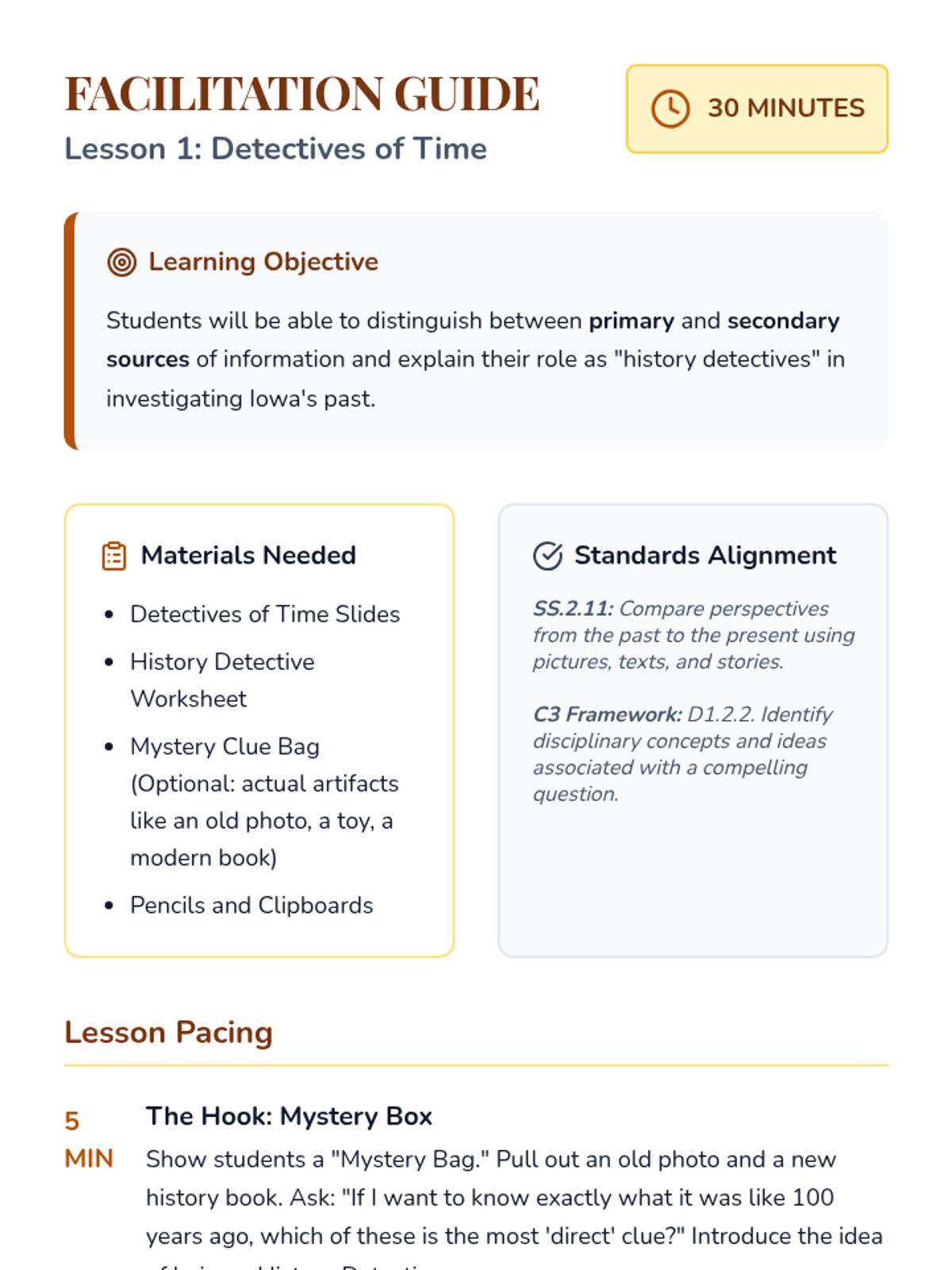
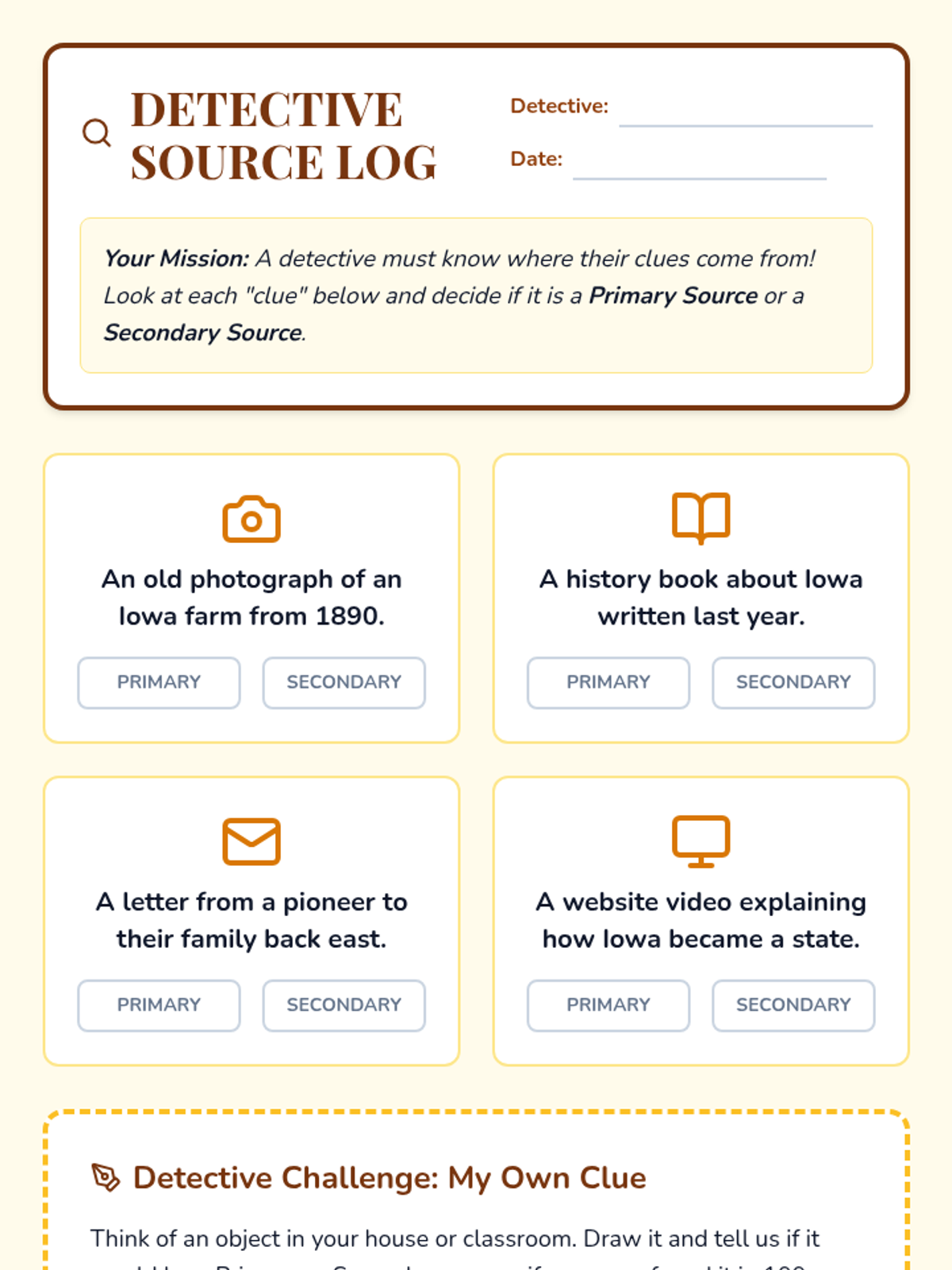
A comprehensive 20-lesson inquiry unit for 2nd grade exploring Iowa's history, focusing on changes in daily life, significant individuals, and community celebrations using the C3 Framework.
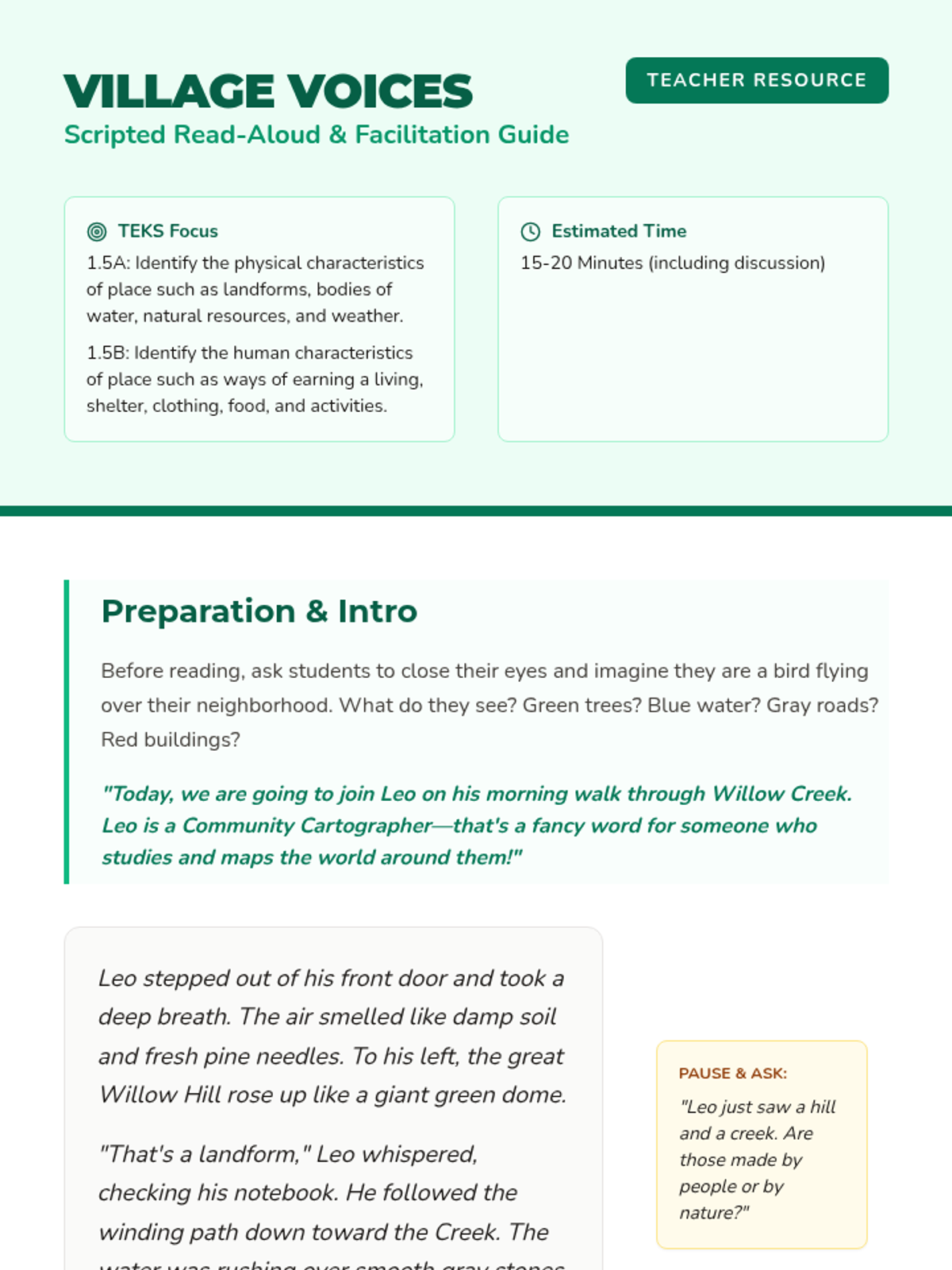
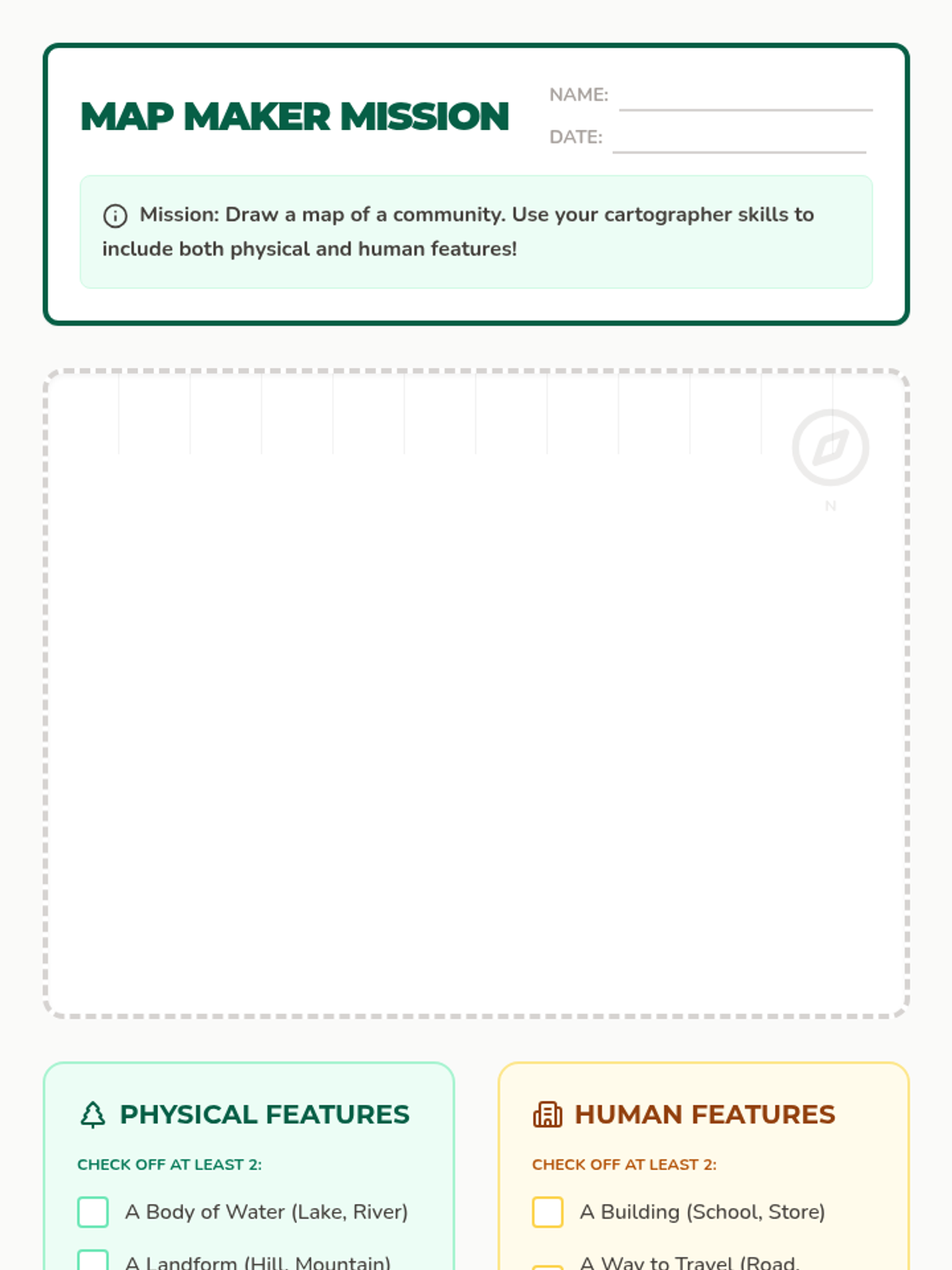
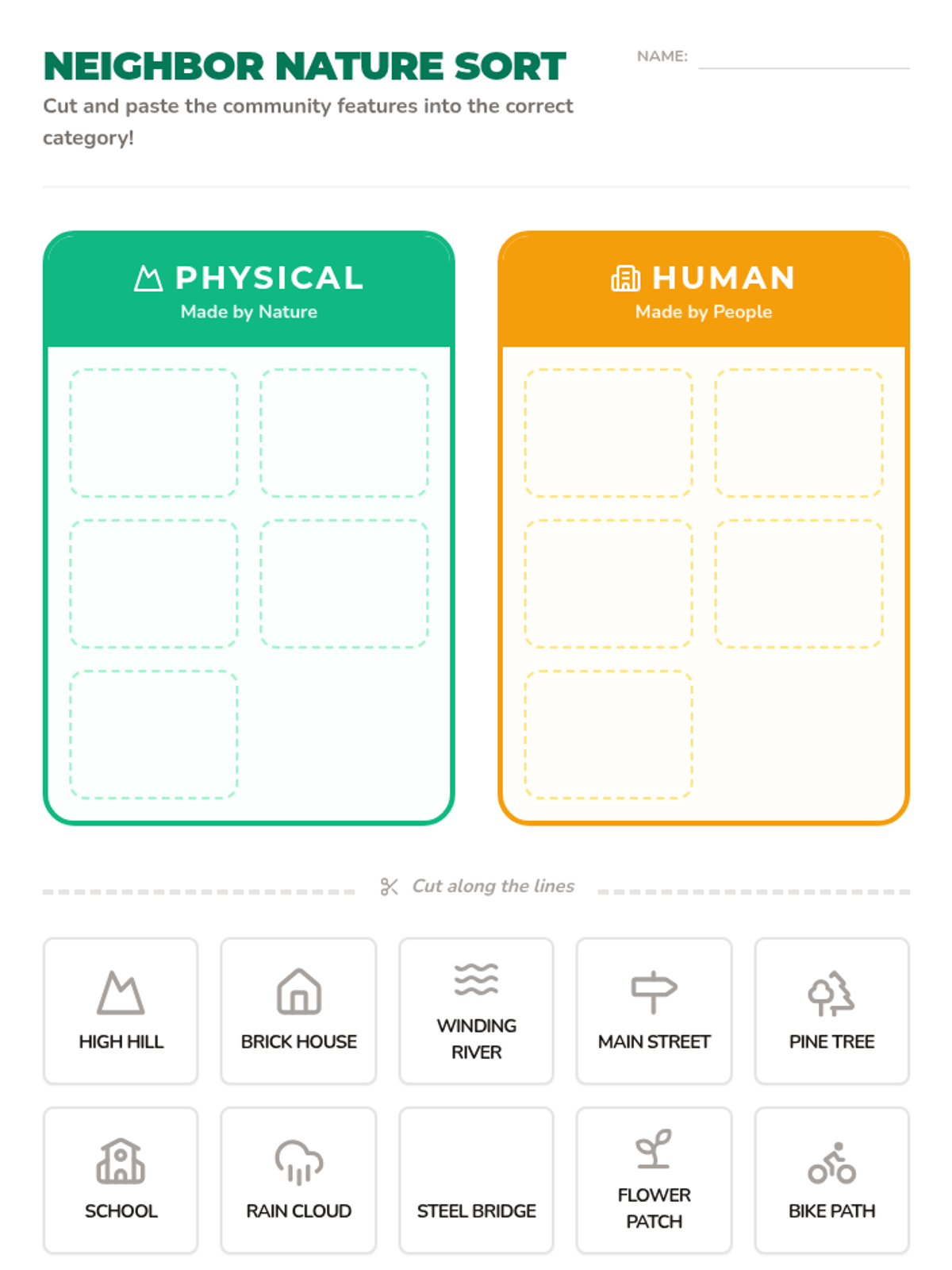
A geography and community unit where students explore their surroundings, learn map skills, and understand the difference between physical and human characteristics in their local area.
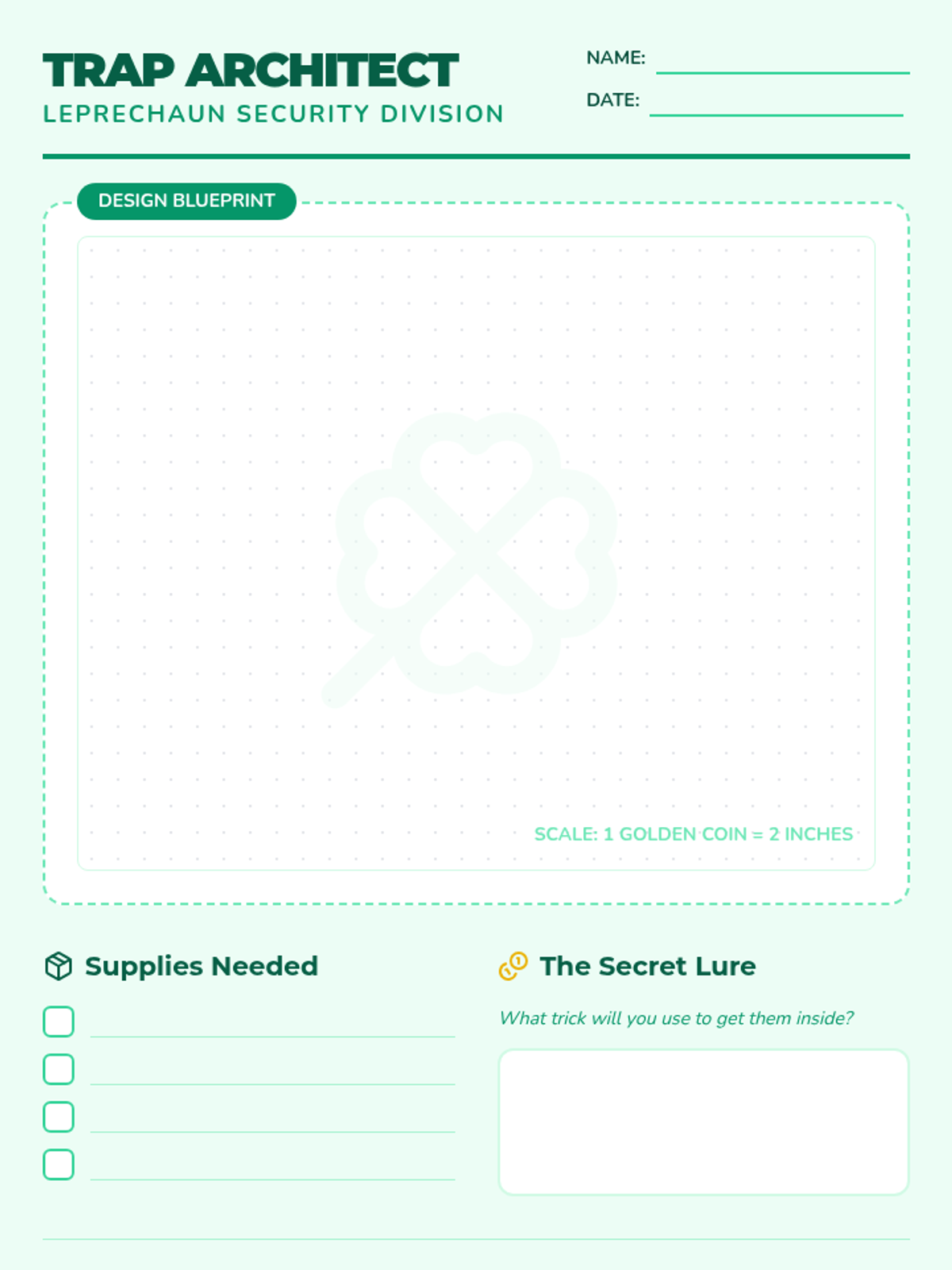
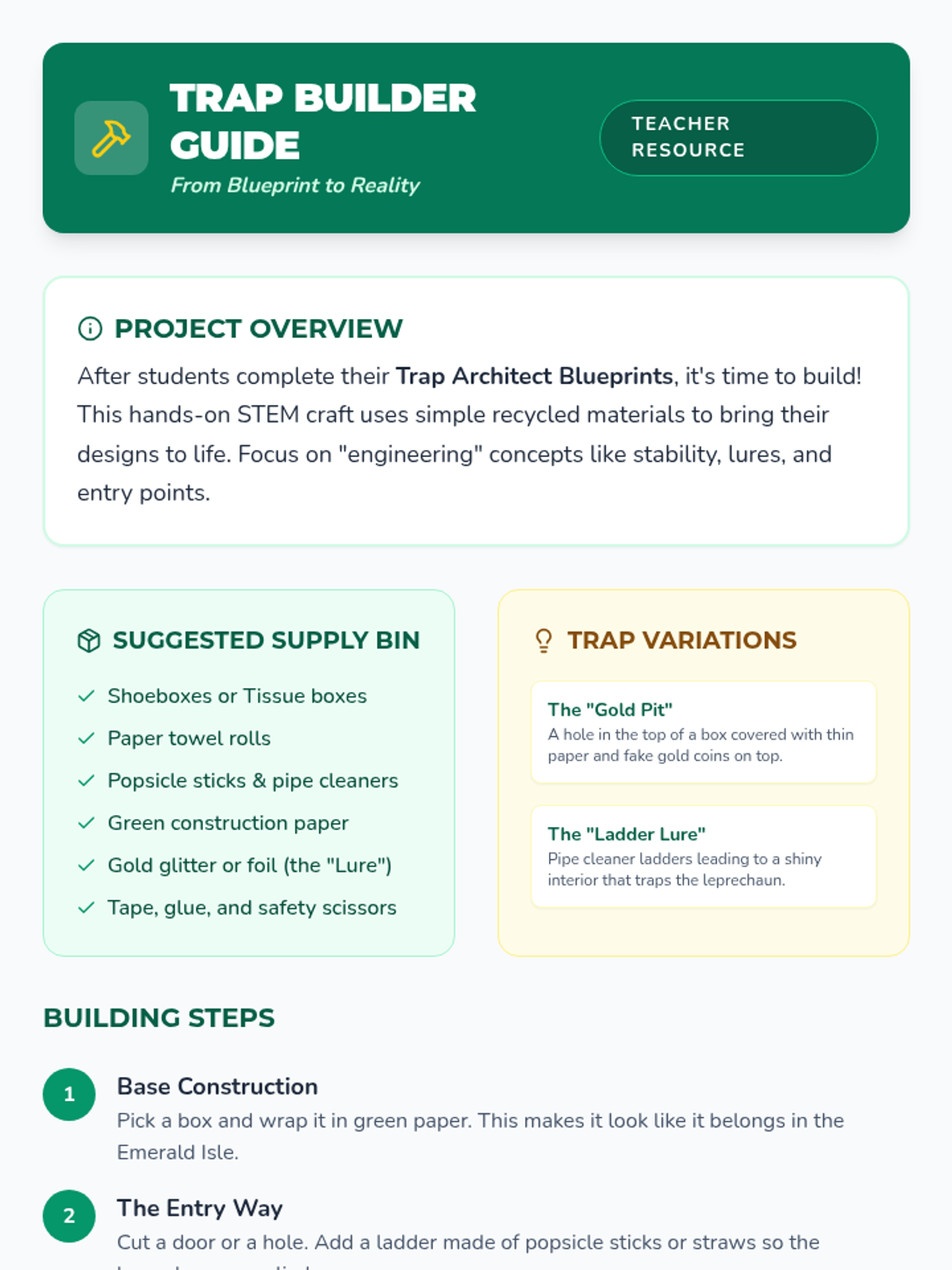
A four-day mini-unit for grades K-3 exploring the history, symbols, and culture of St. Patrick's Day through engaging storytelling and hands-on activities.
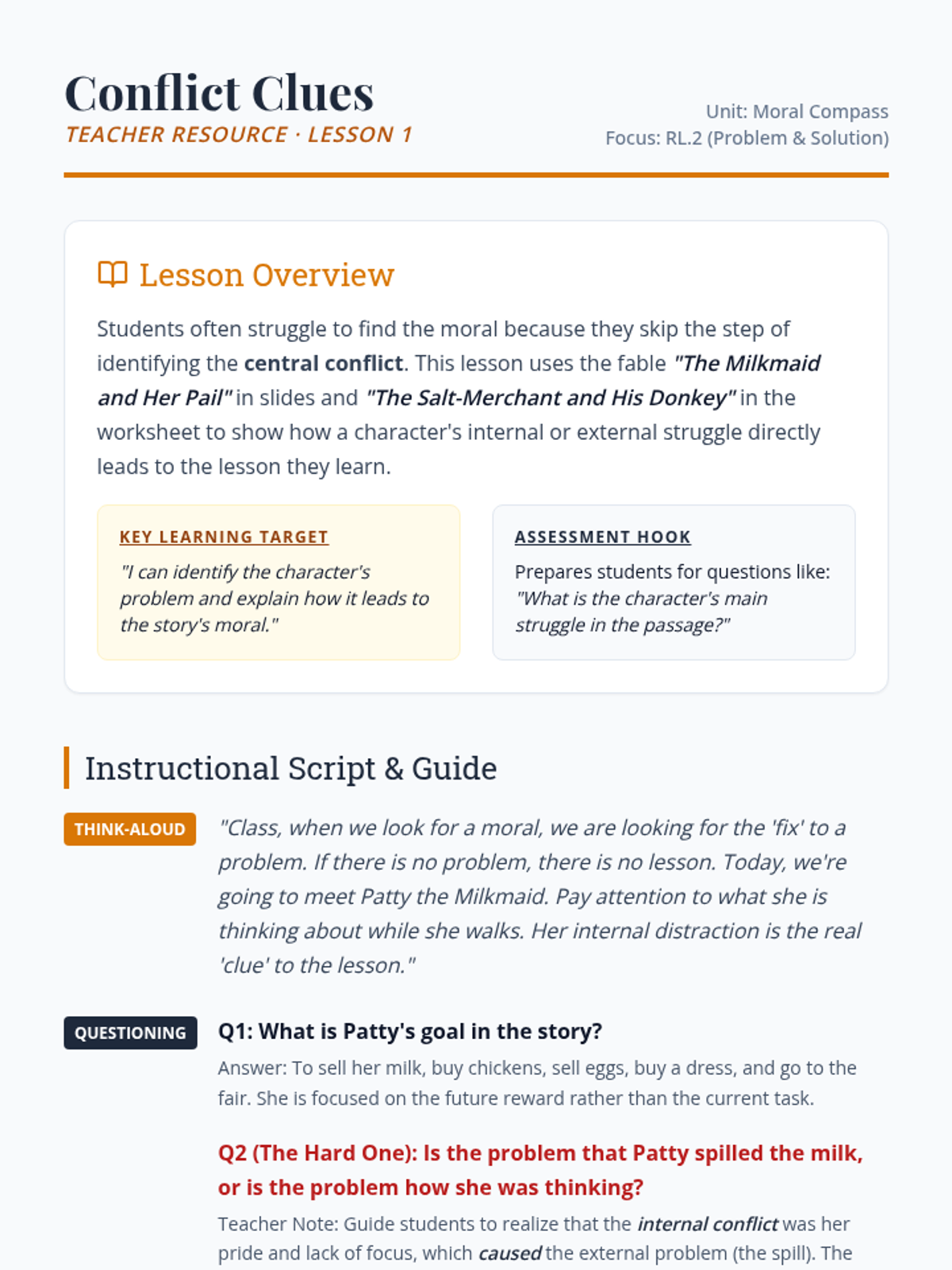
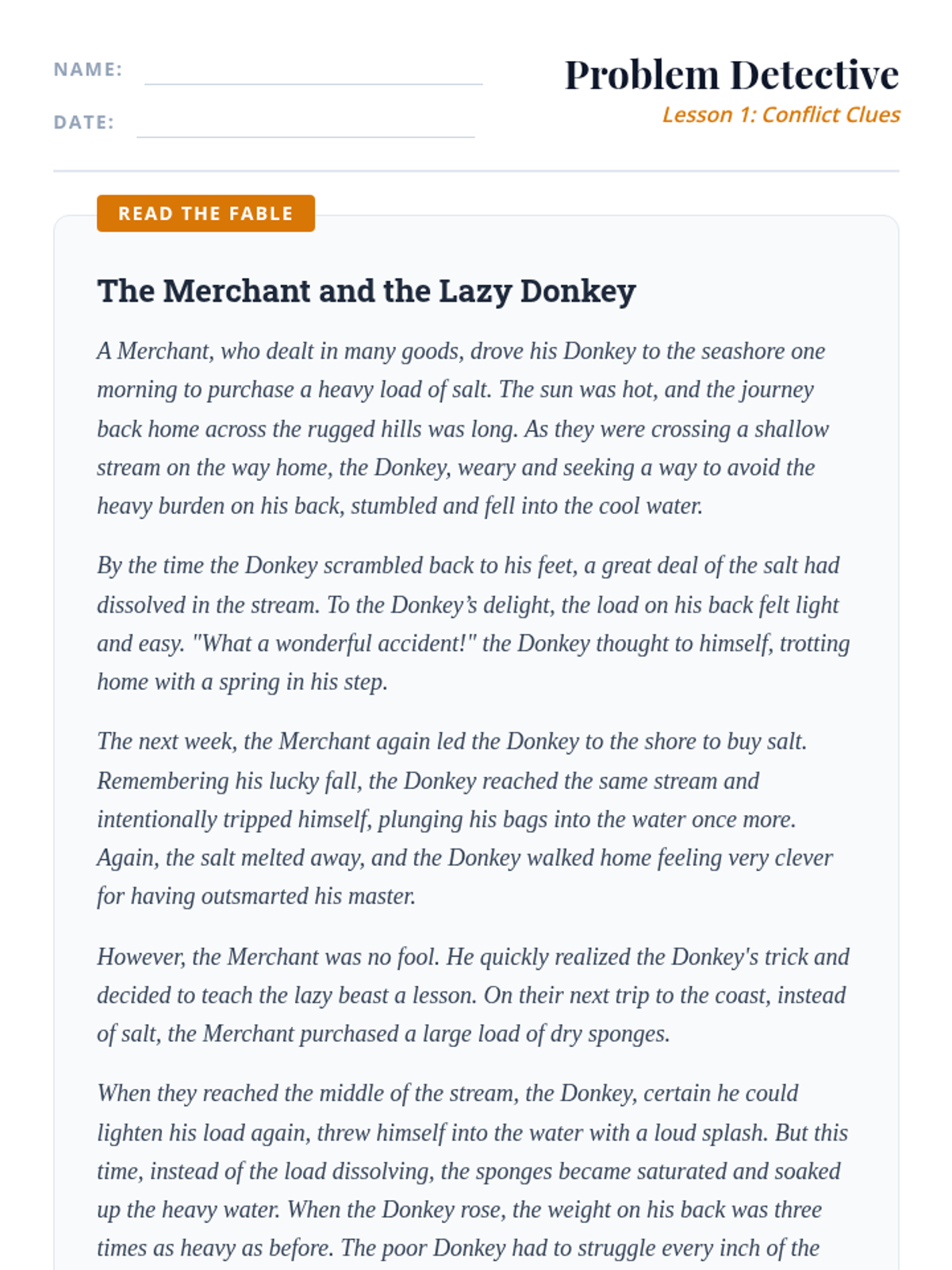
A comprehensive remediation unit designed to master RL.2 through fables and folktales. This sequence targets high-rigor question types, including Part A/Part B evidence questions, character motivation analysis, and proverb-based moral identification.
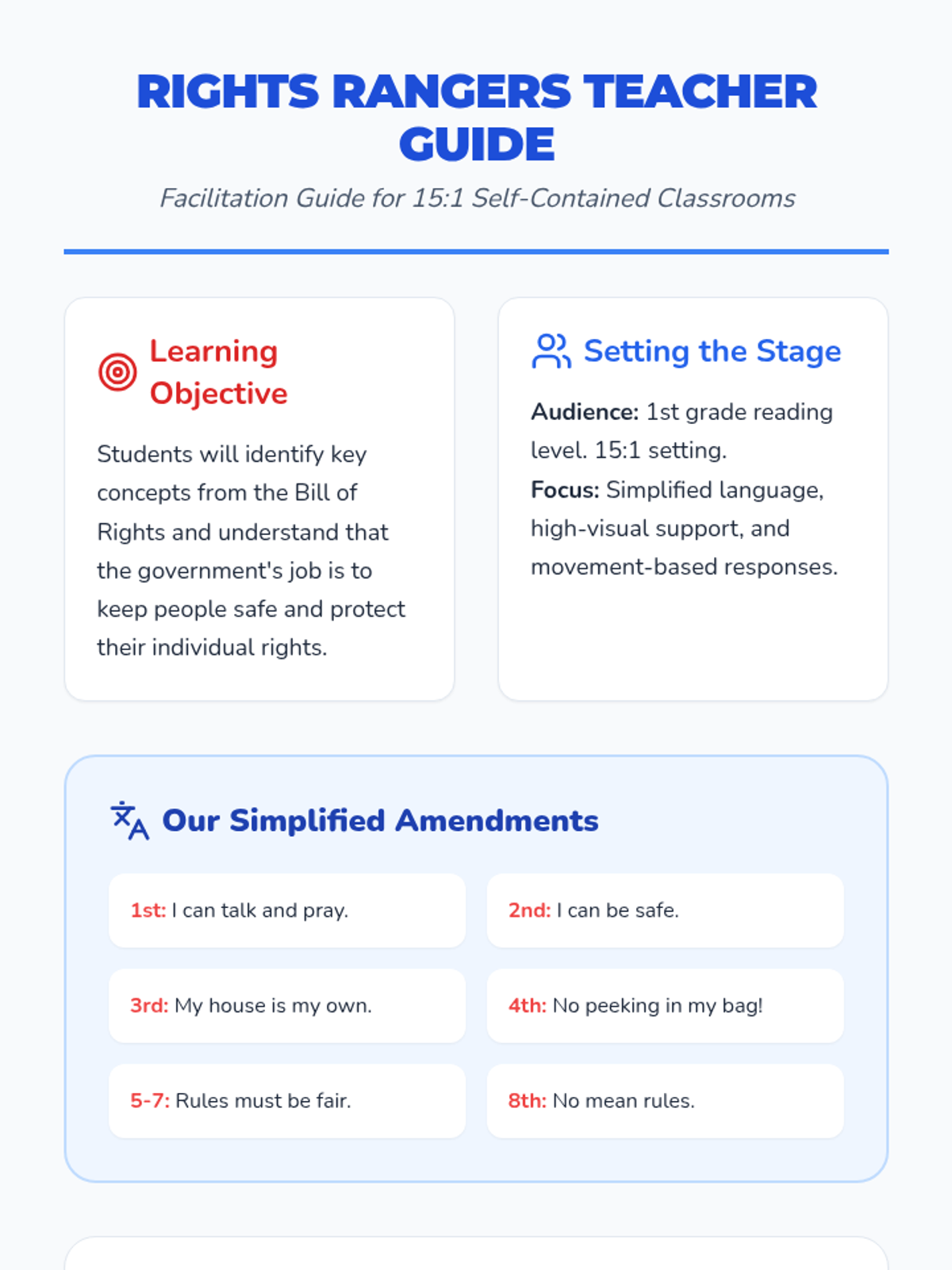
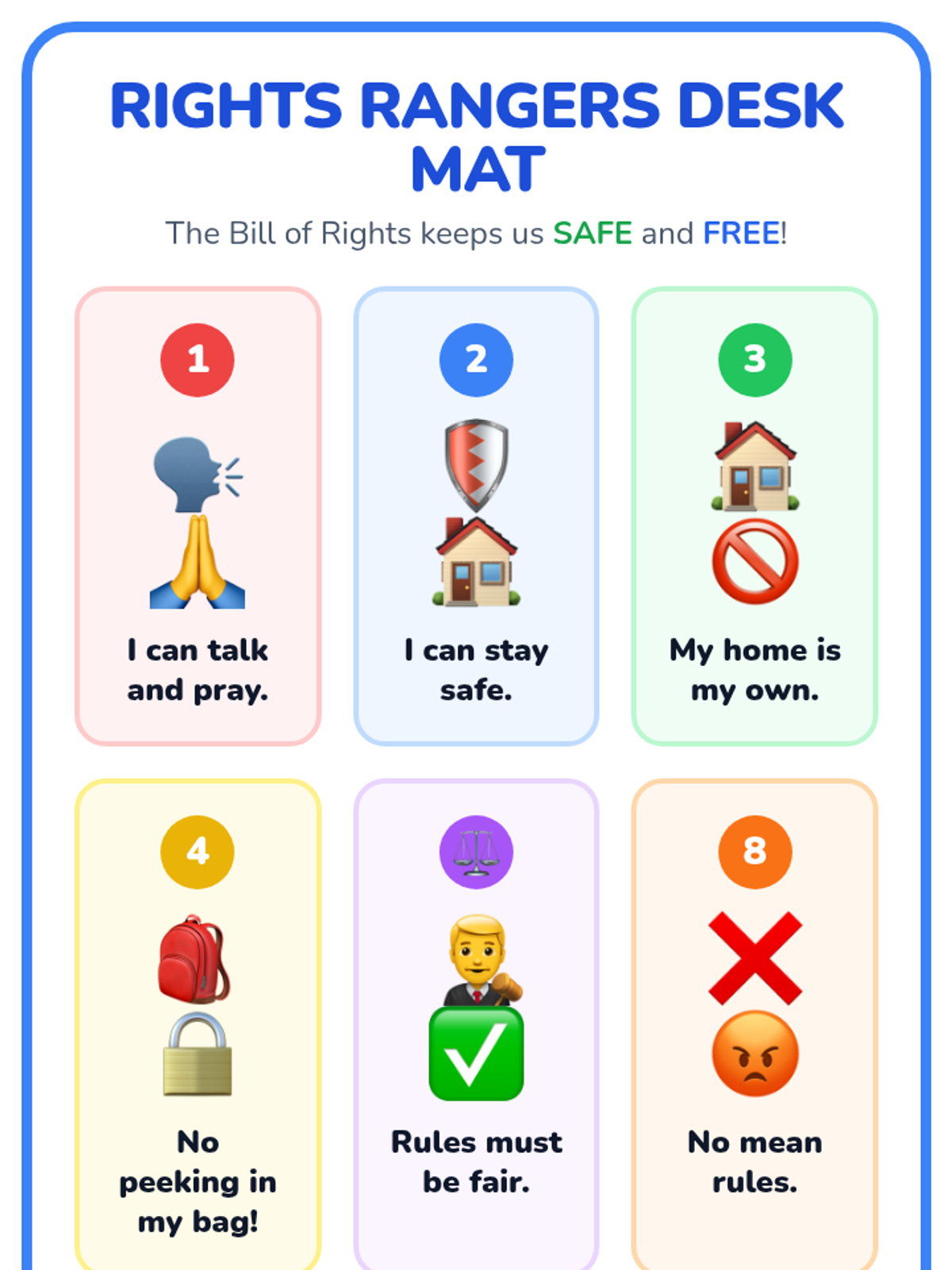
A social studies unit designed for 15:1 self-contained classrooms with a 1st-grade reading level, focusing on the Bill of Rights and the government's role in protecting citizen safety and freedom through interactive, low-management activities.
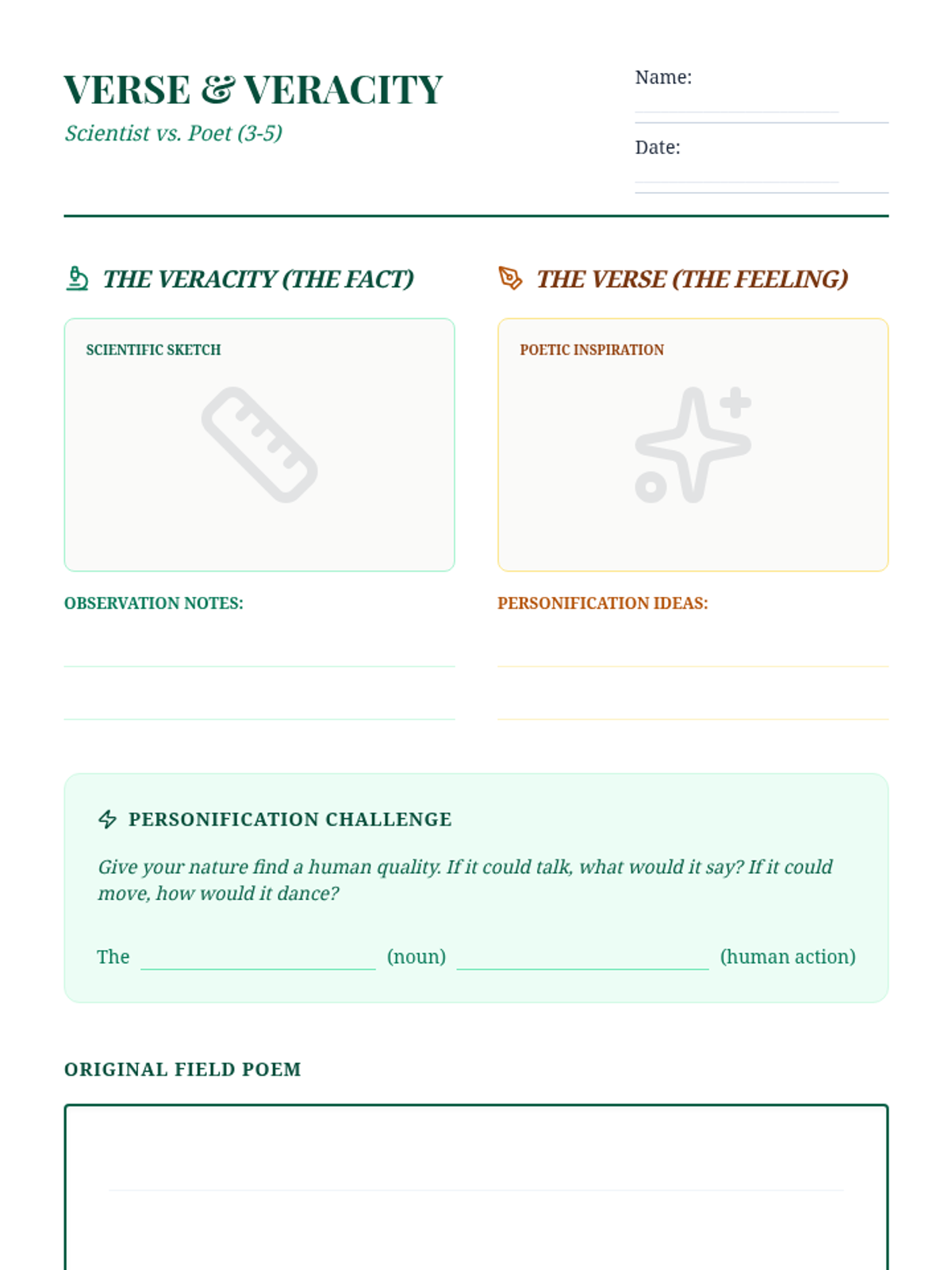
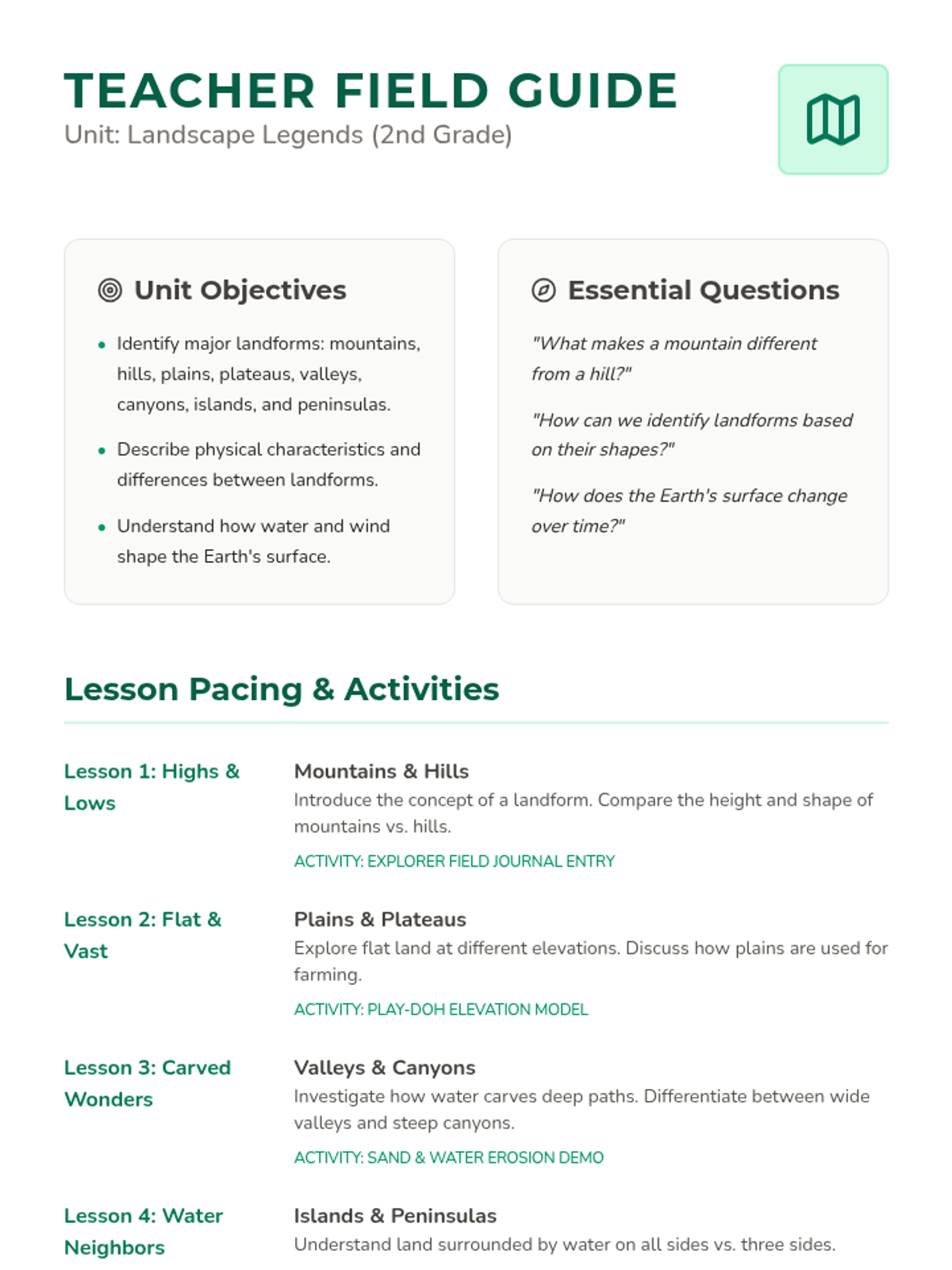
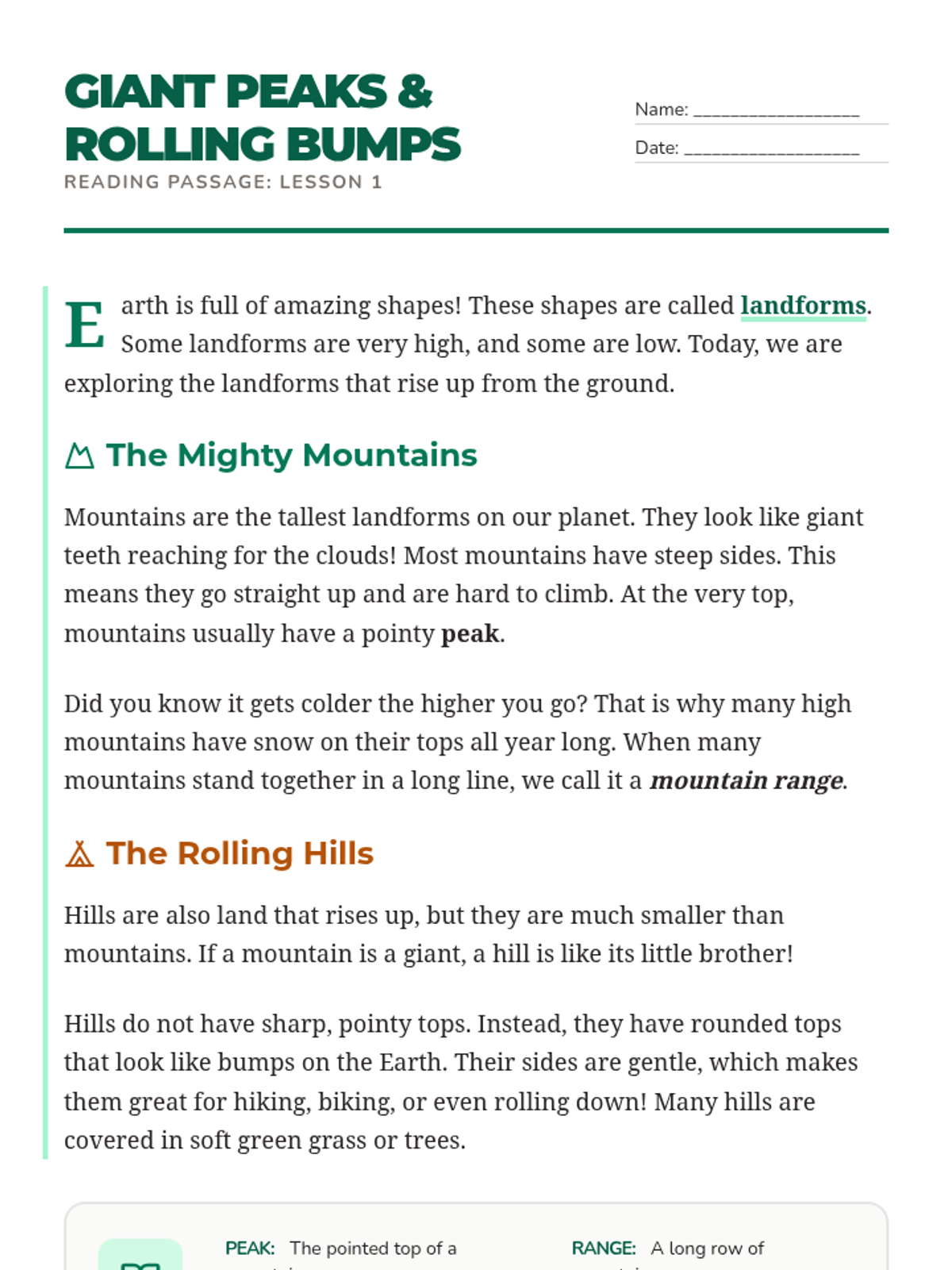
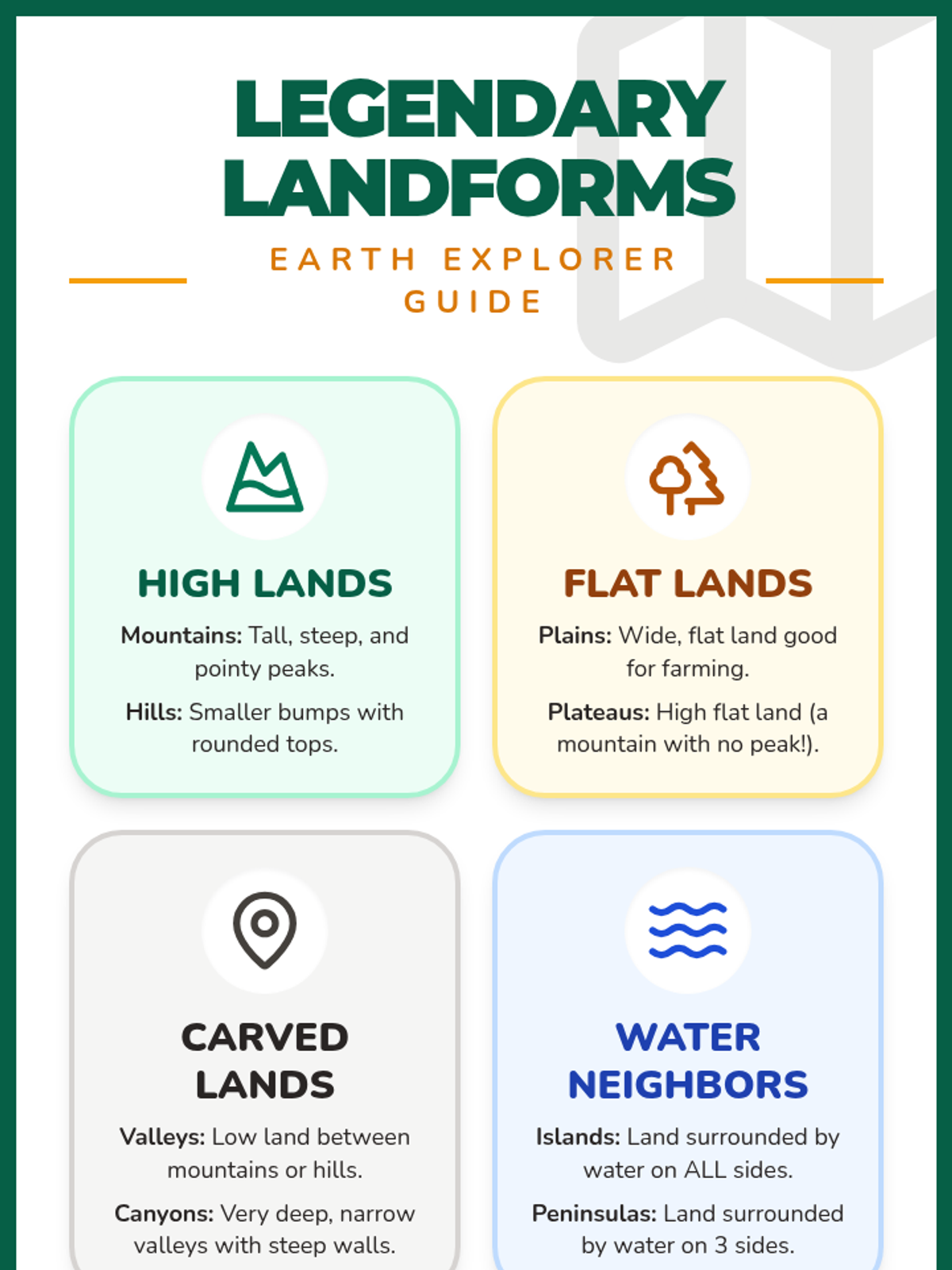
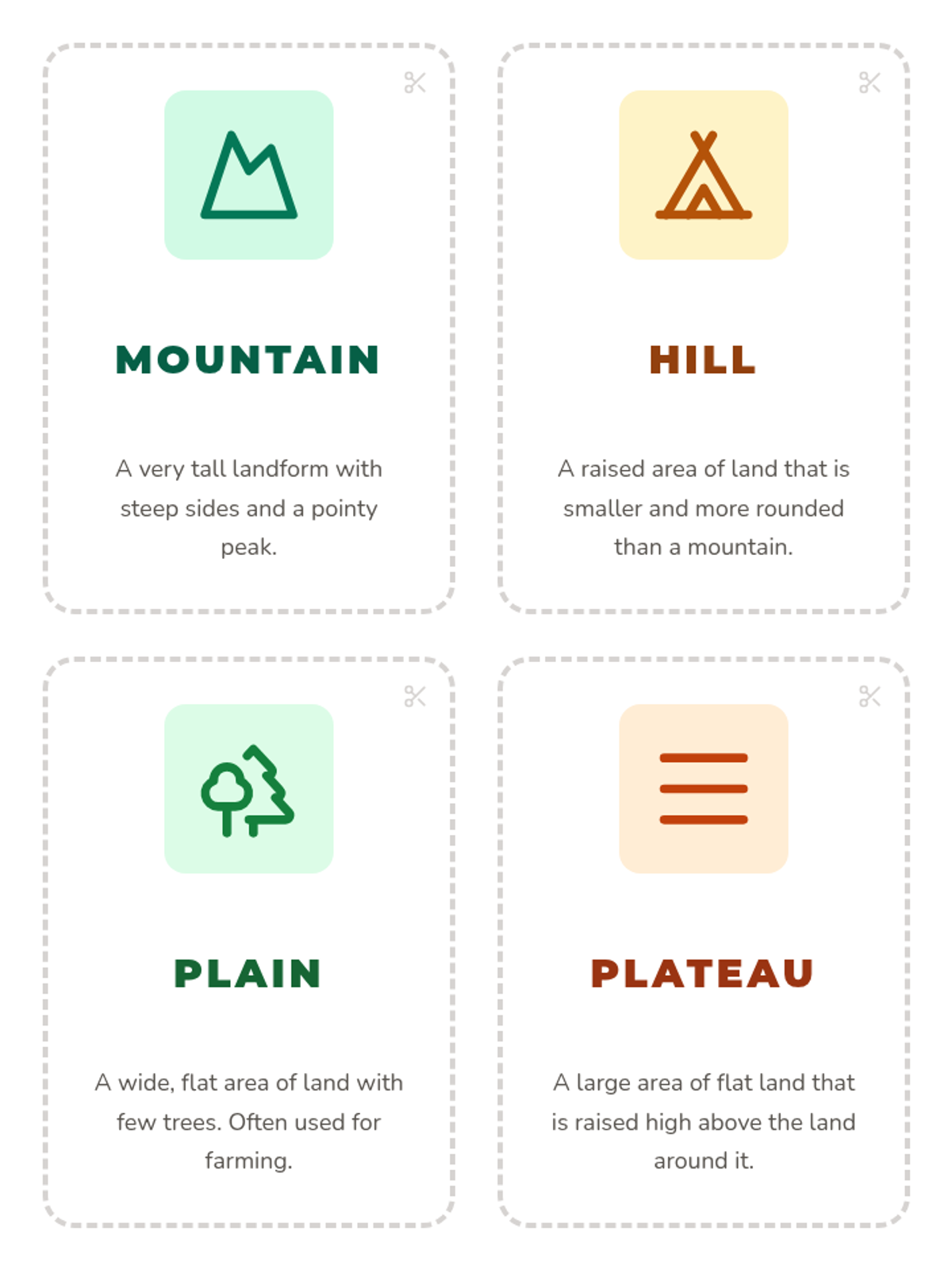
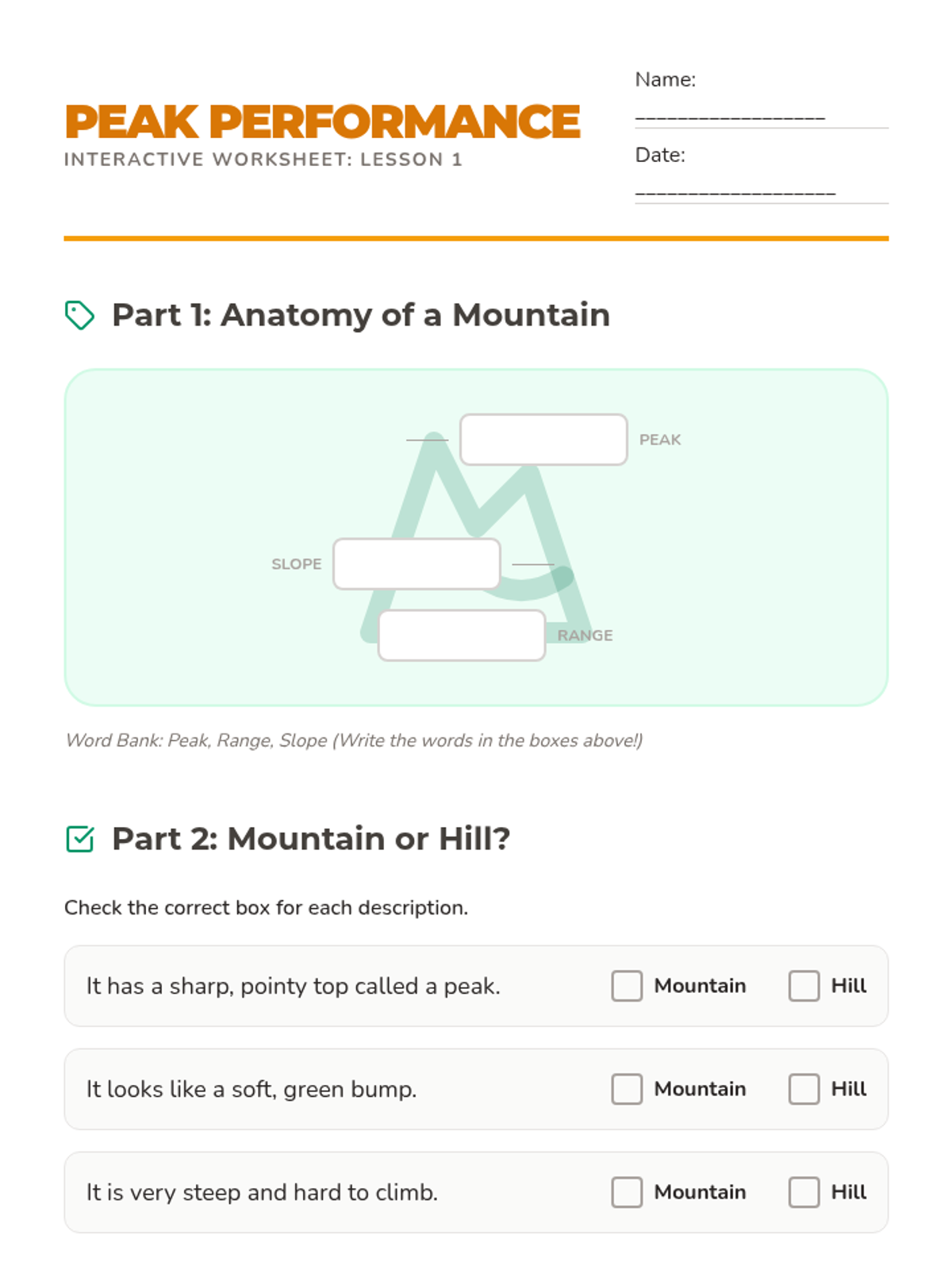
A comprehensive second-grade unit exploring the diverse shapes of the Earth's surface, featuring mountains, plains, plateaus, valleys, canyons, islands, and peninsulas through field-journal styled materials.
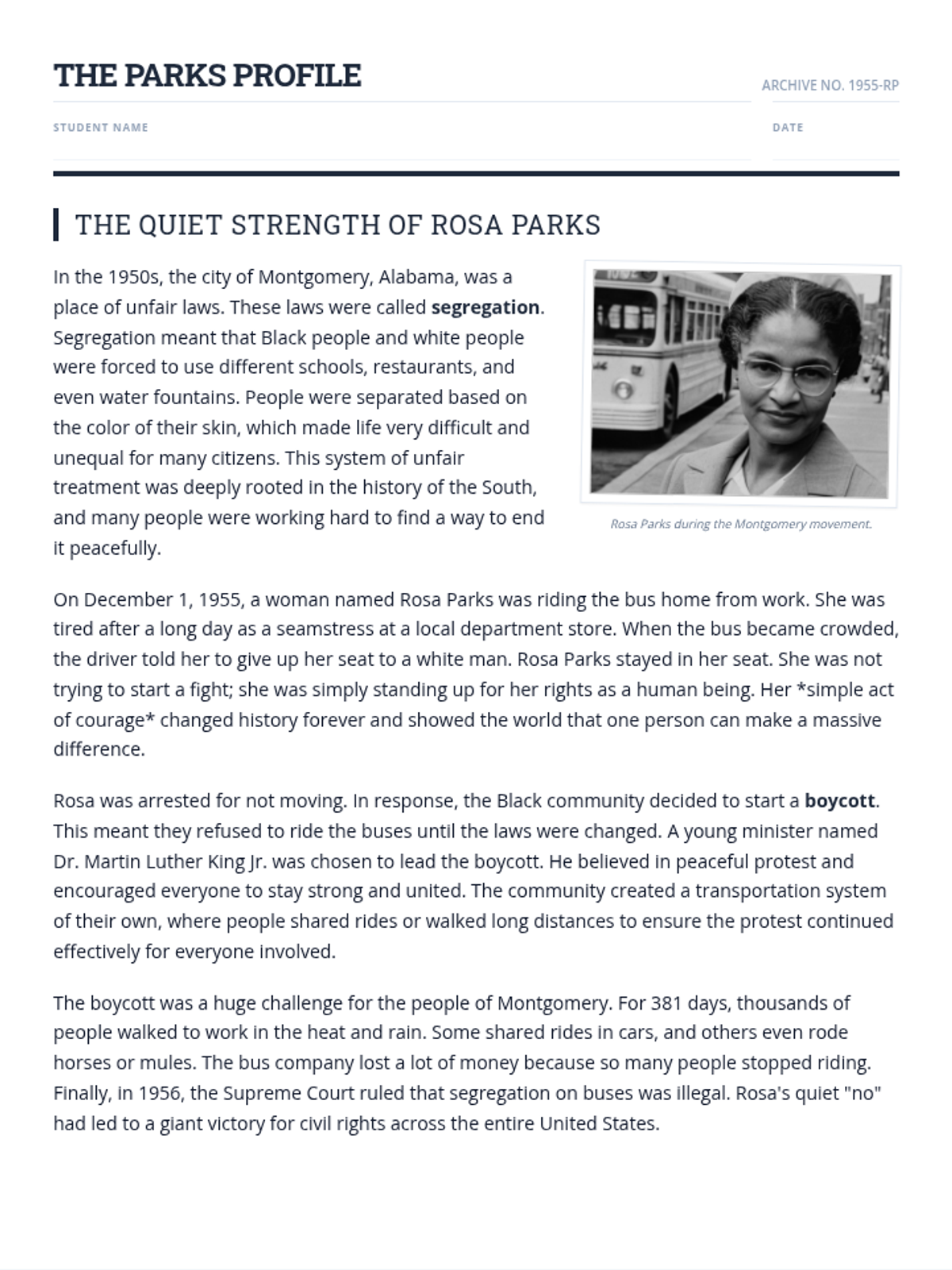
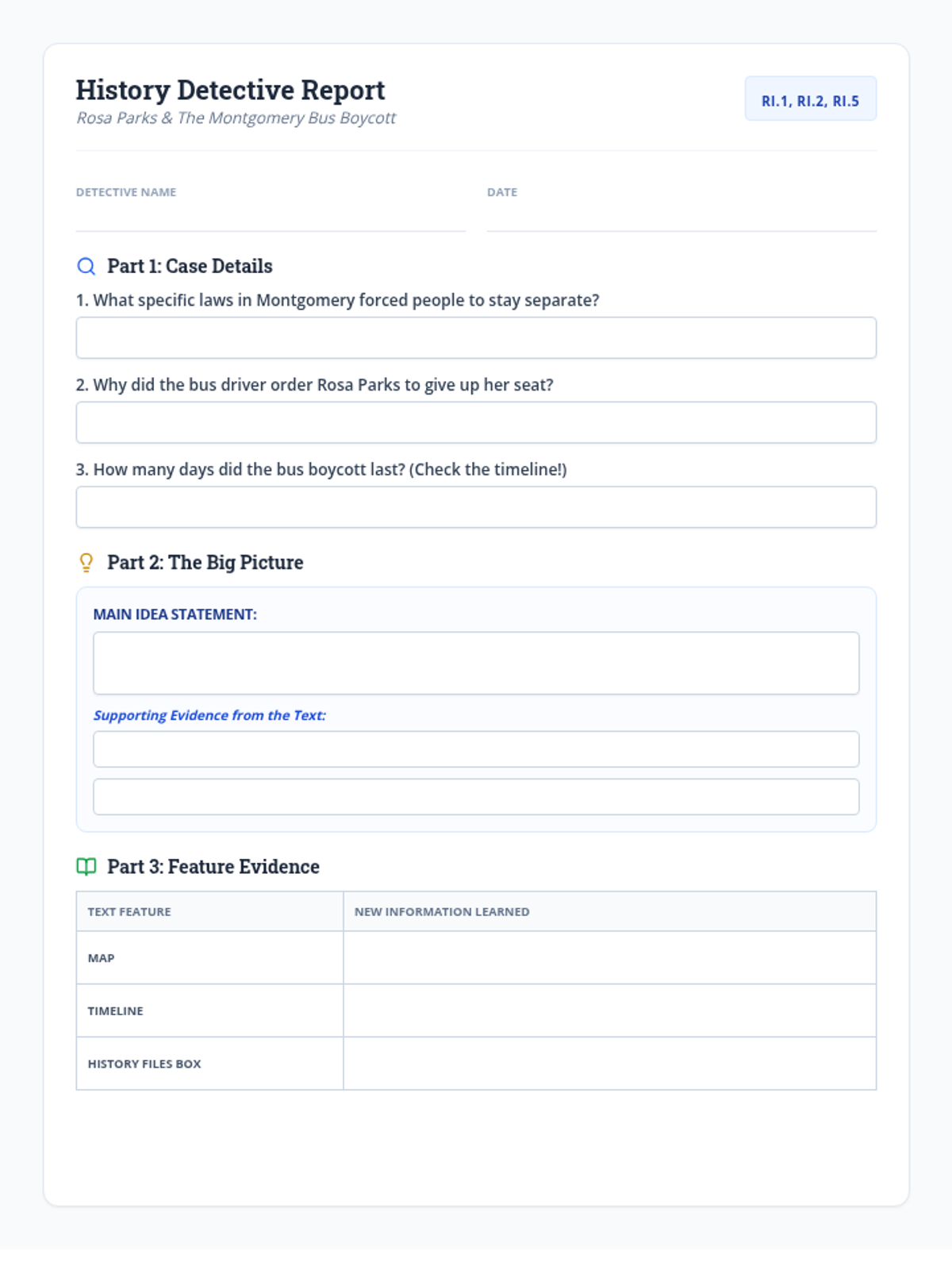
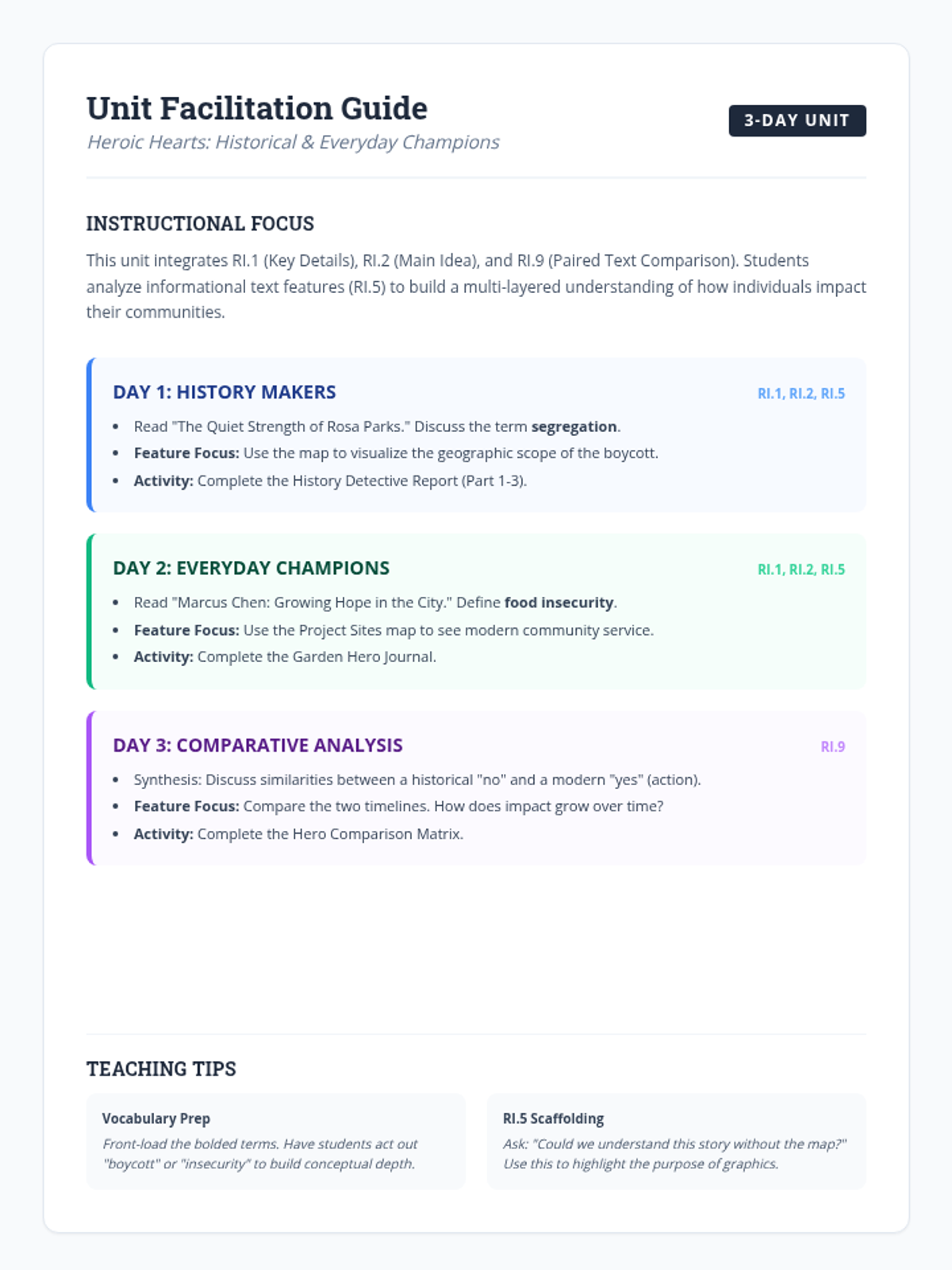
A three-day exploration of heroism comparing historical figures and modern-day community leaders, focusing on informational text features and identifying main ideas.
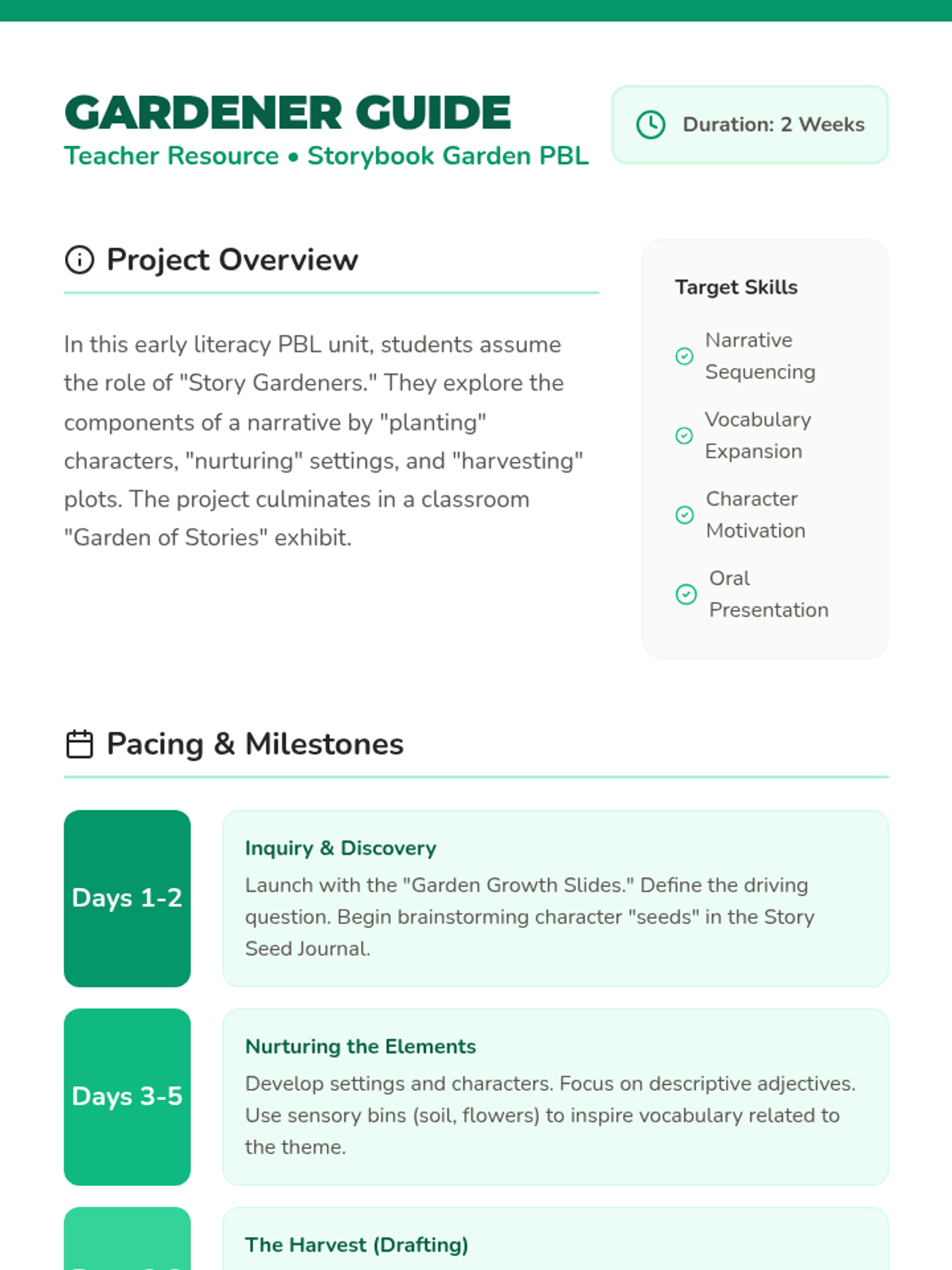
A comprehensive collection of Project-Based Learning (PBL) units spanning early childhood literacy, elementary math and science, and middle school social studies. Each unit guides students through inquiry, creation, and presentation within a themed 'Discovery Files' framework.
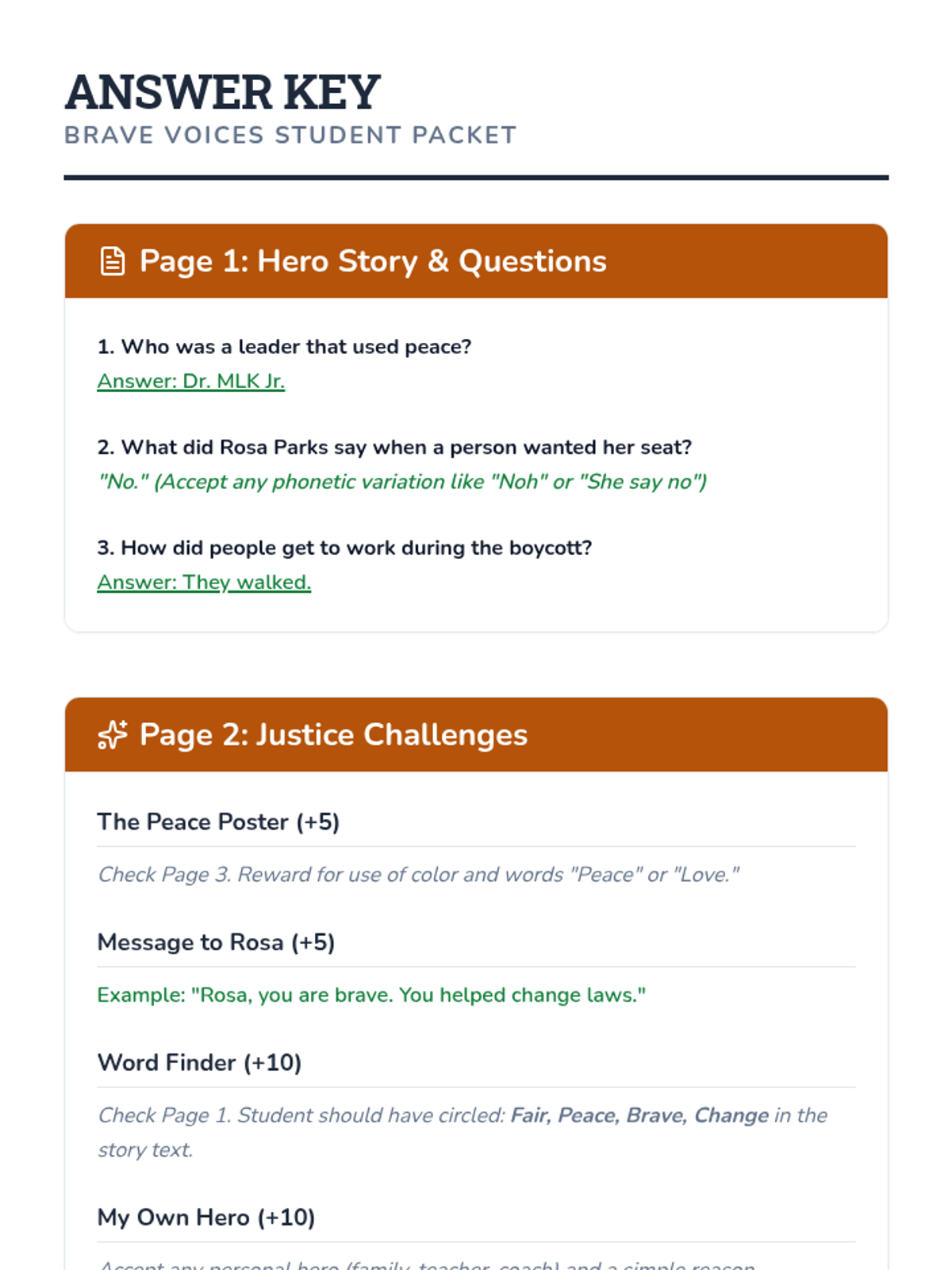
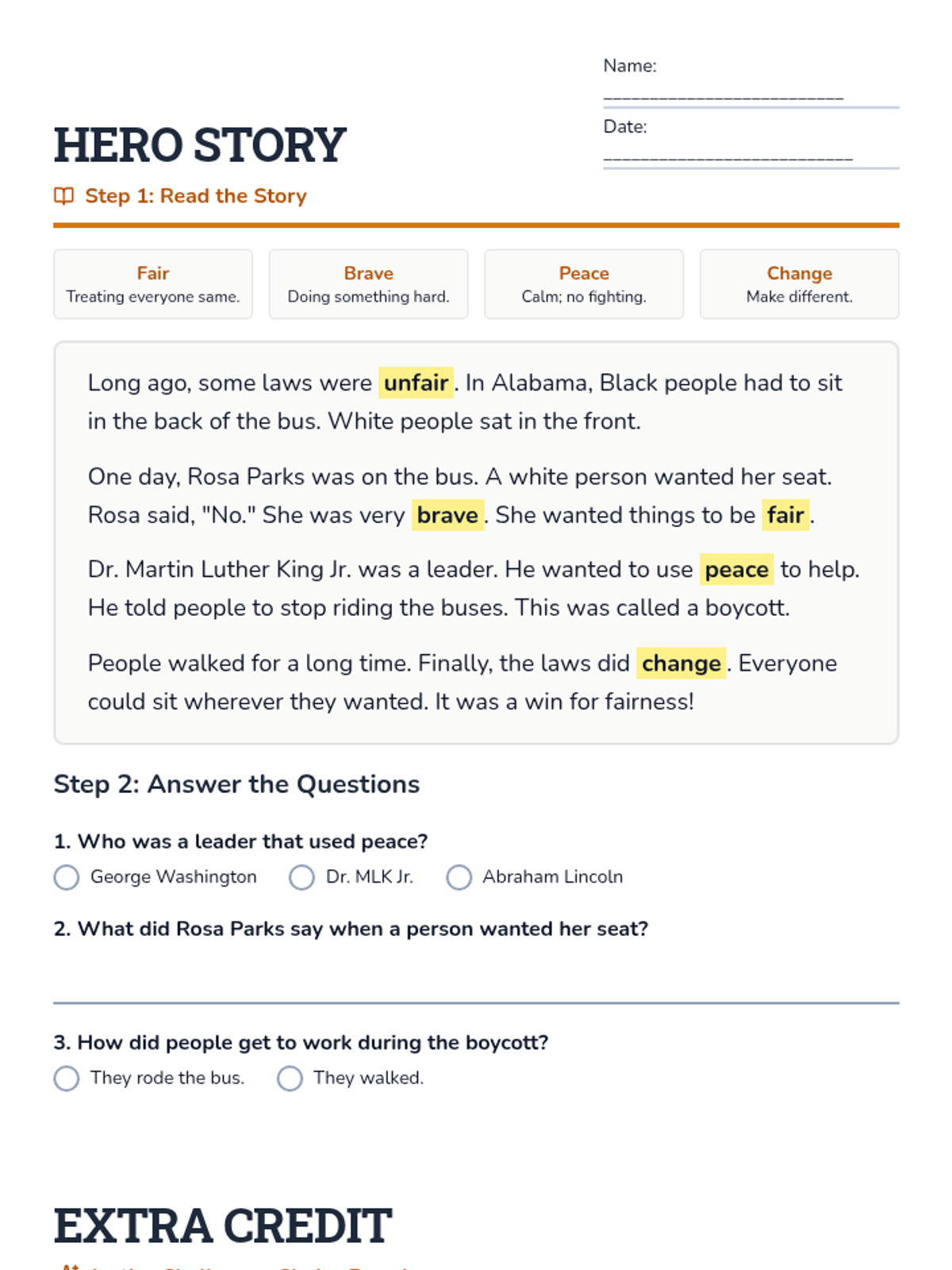
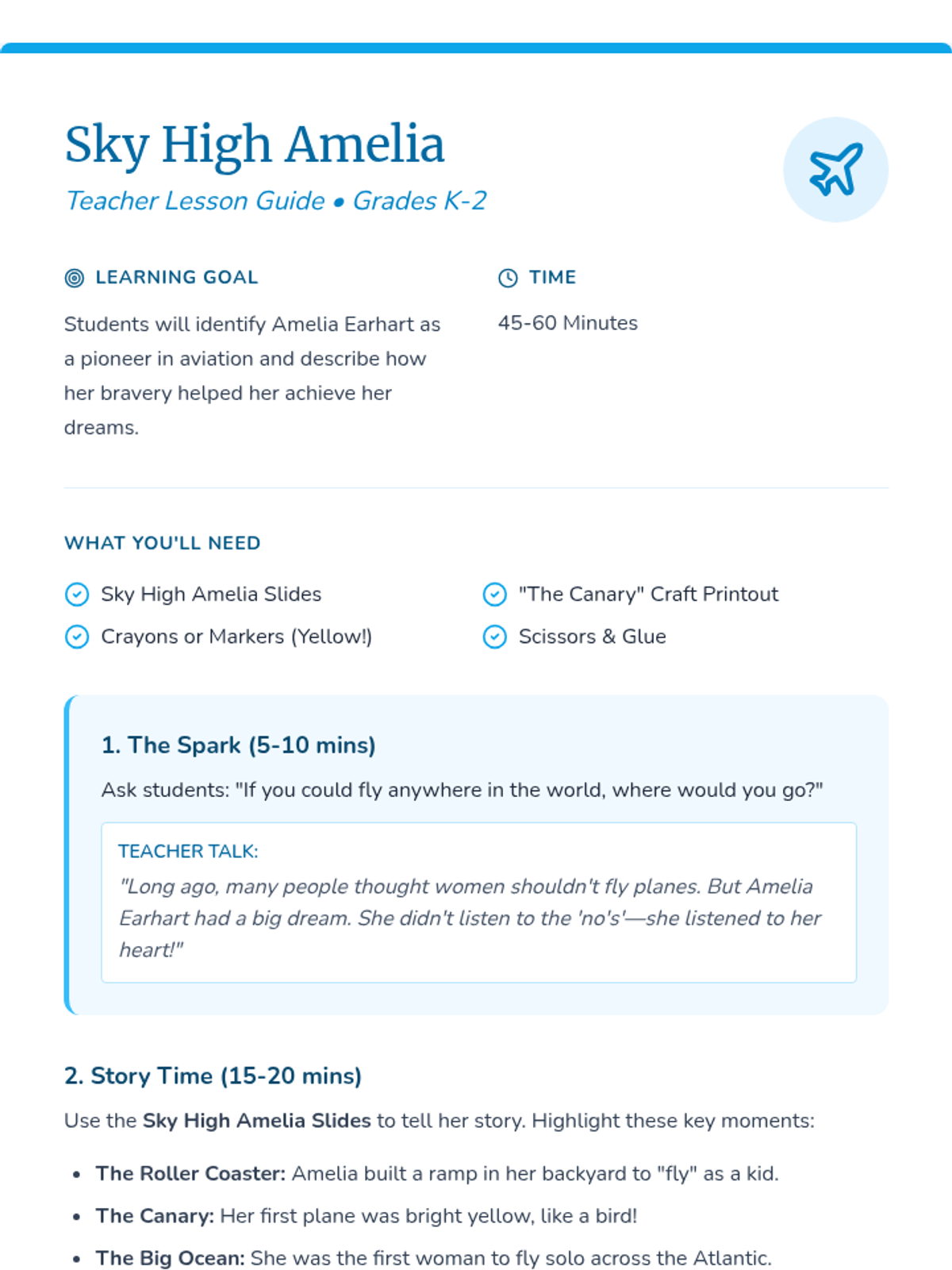
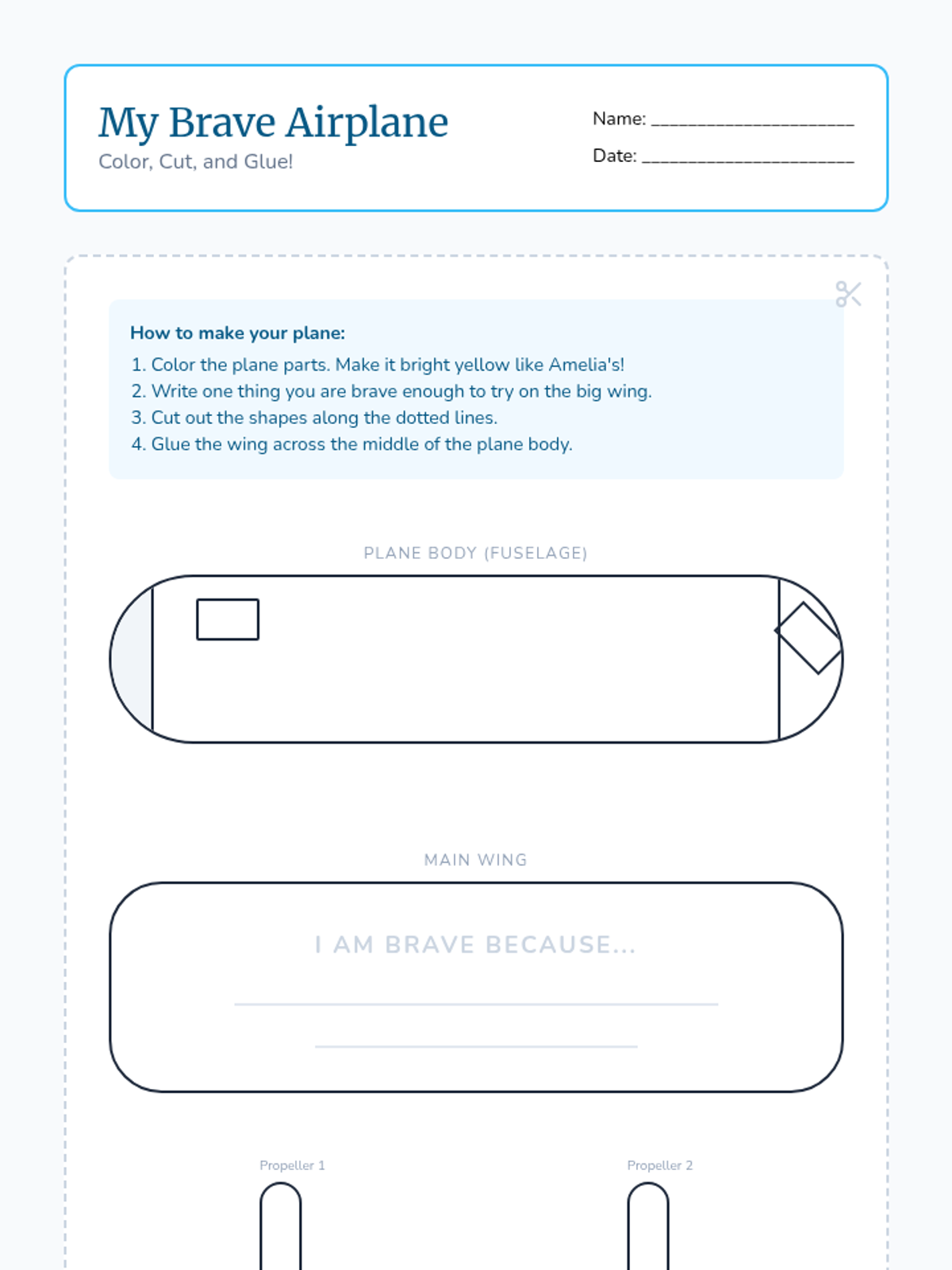
A series of lessons for K-2 students celebrating Women's History Month through the lives of Amelia Earhart, Rosa Parks, and Simone Biles. Students will explore bravery, fairness, and perseverance through storytelling, coloring, and hands-on crafts.
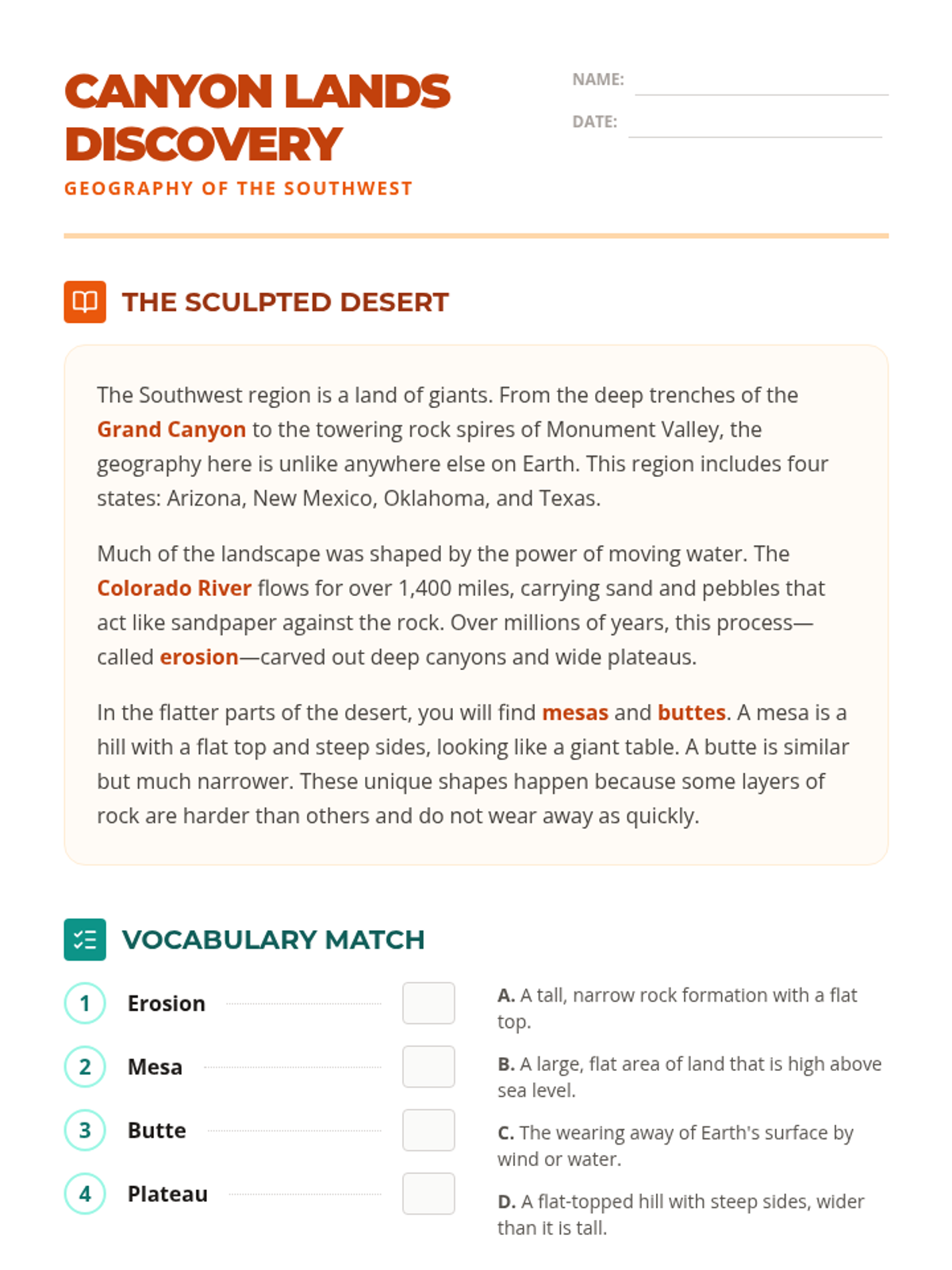
A comprehensive 5-lesson unit exploring the unique geography, climate, natural resources, diverse cultures, and political boundaries of the Southwest region of the United States.
A 5-lesson unit exploring the geography, climate, resources, and culture of the Southeast United States, concluding with a states and capitals challenge.
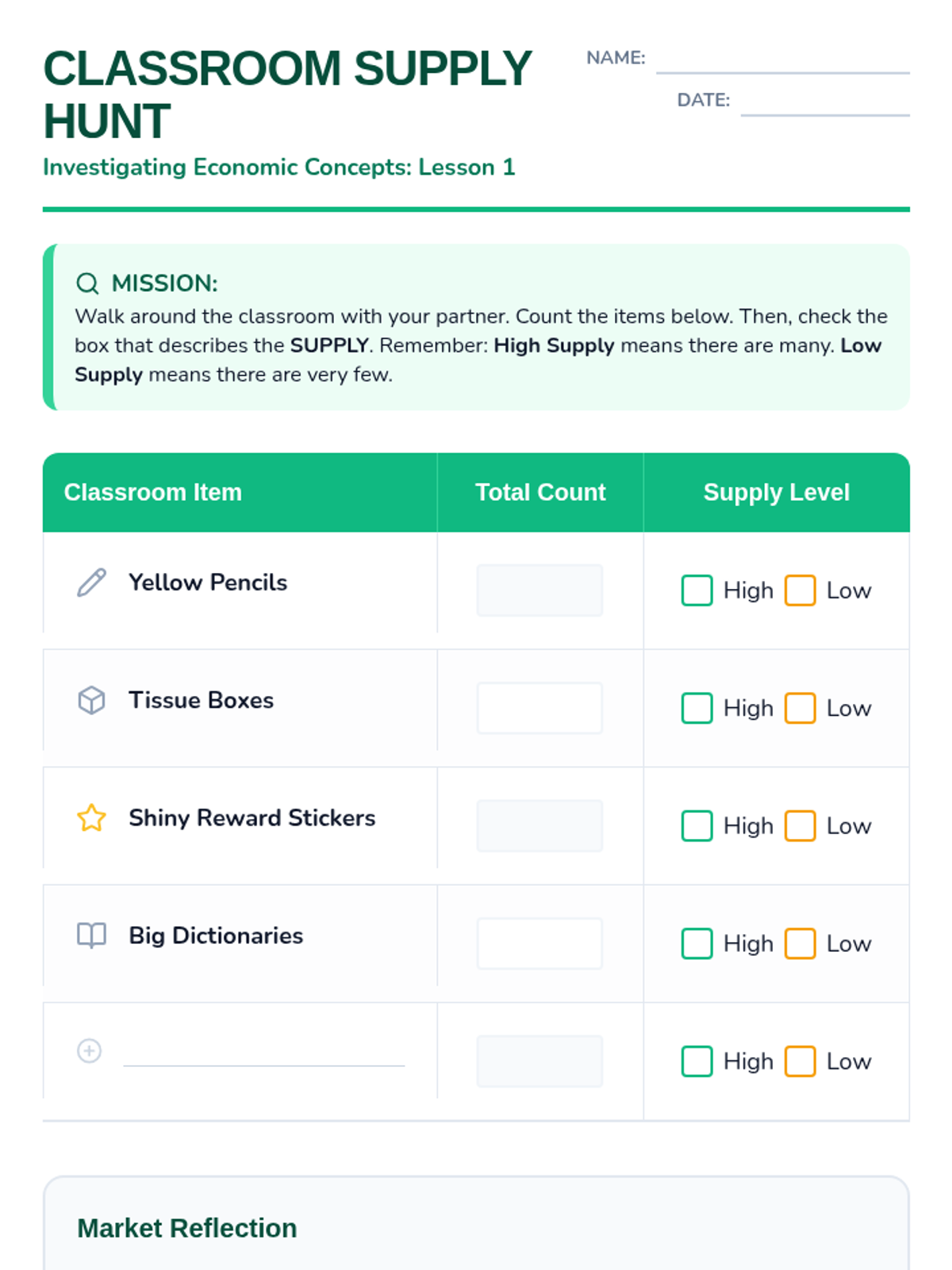
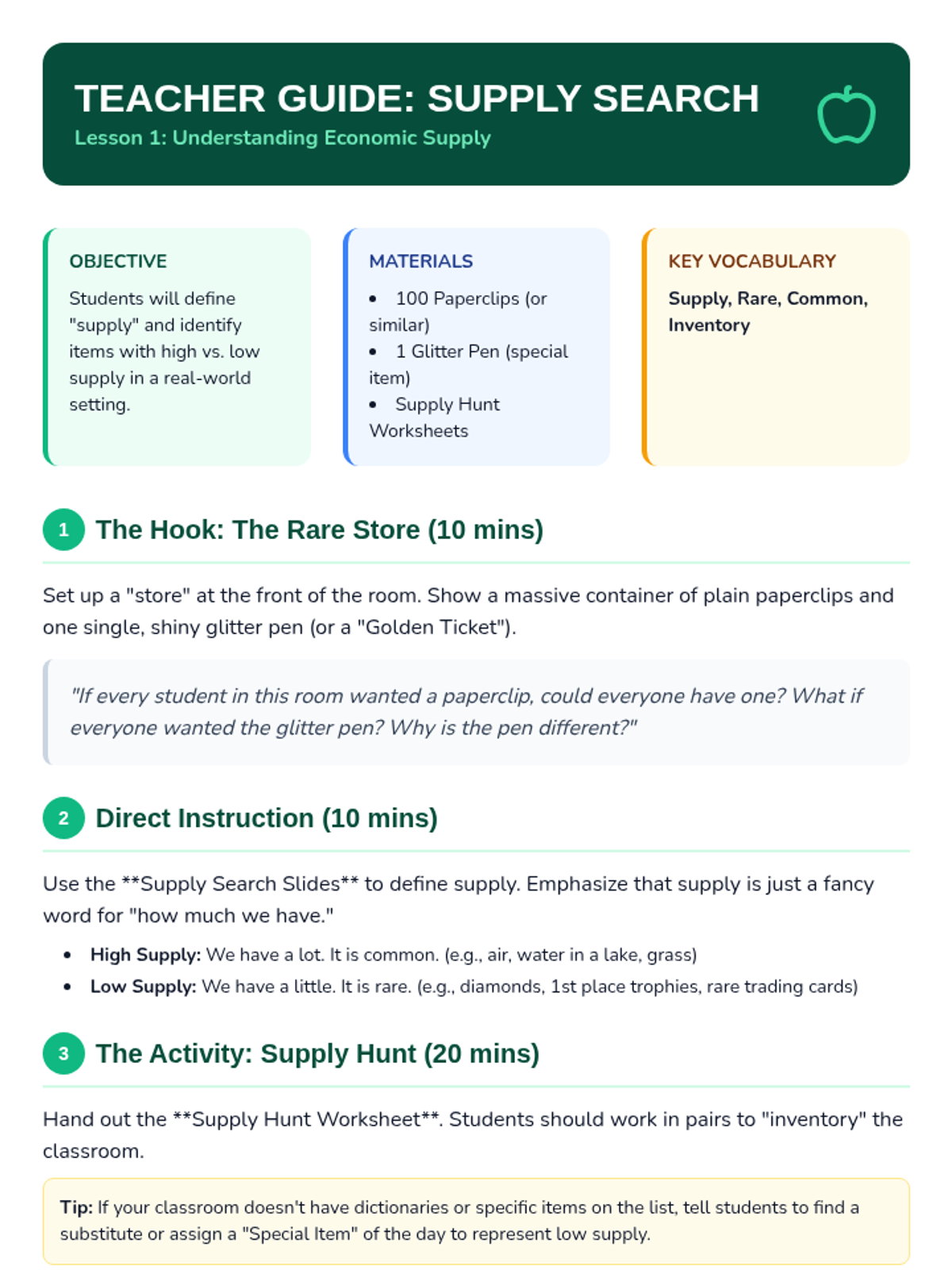
This sequence introduces 2nd-grade students to basic economic principles like supply, demand, and value. Through classroom inventories, auctions, and a marketplace simulation, students explore how the availability of items and people's desire for them influence price and trade.
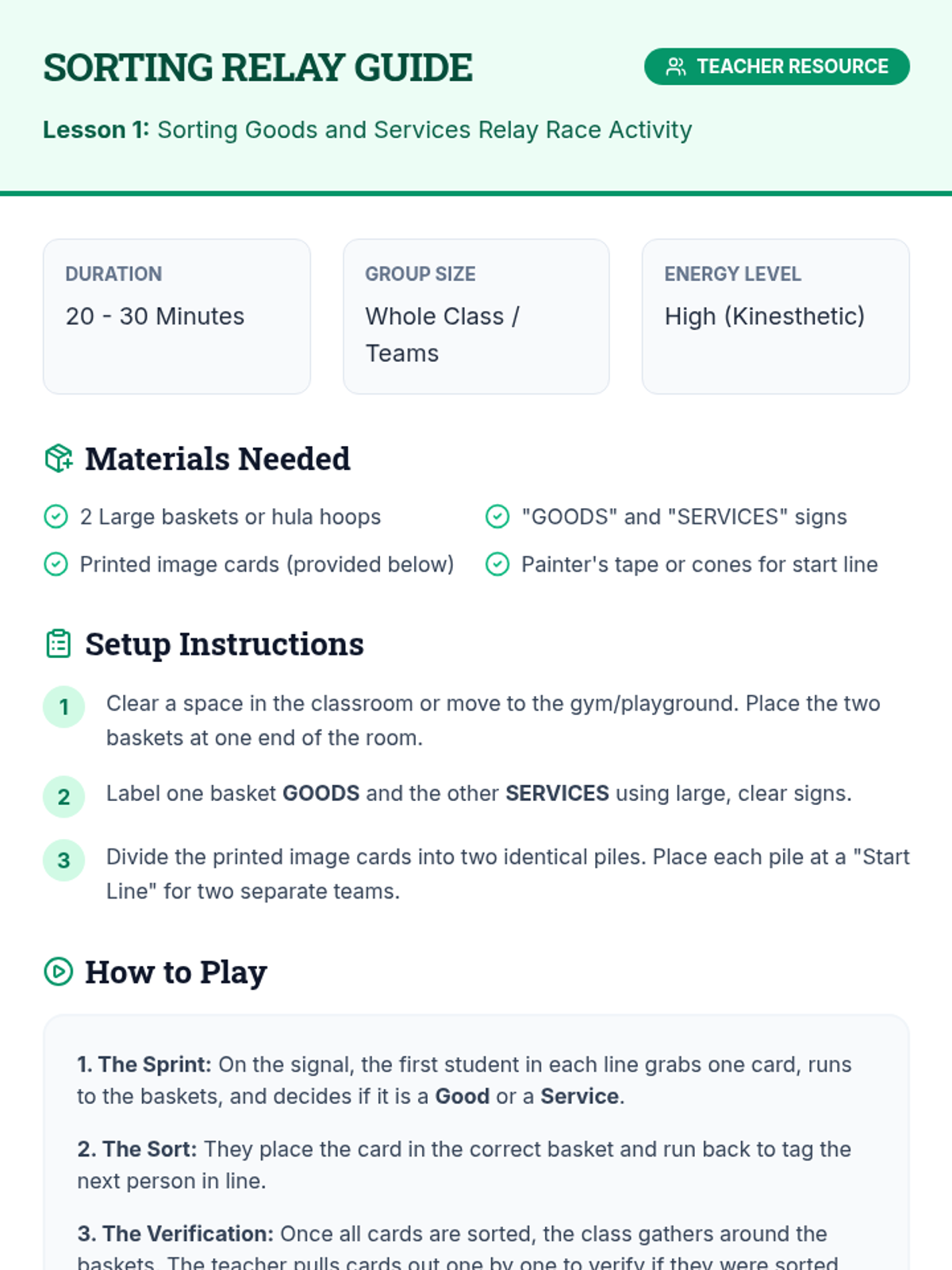
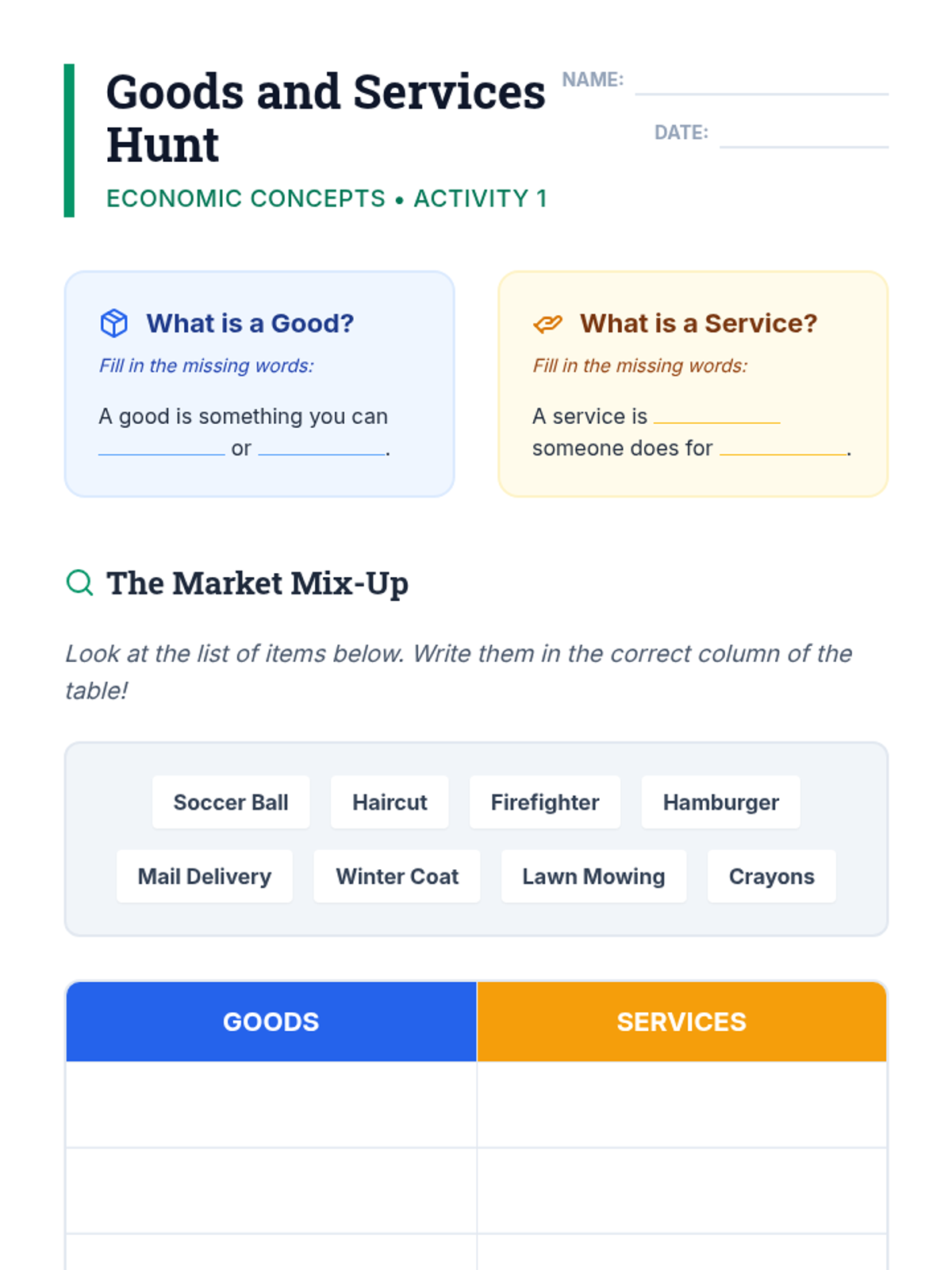
This sequence introduces 2nd-grade students to fundamental economic concepts including the difference between goods and services, the roles of producers and consumers, the history of trade/barter, and the function of money in a community.
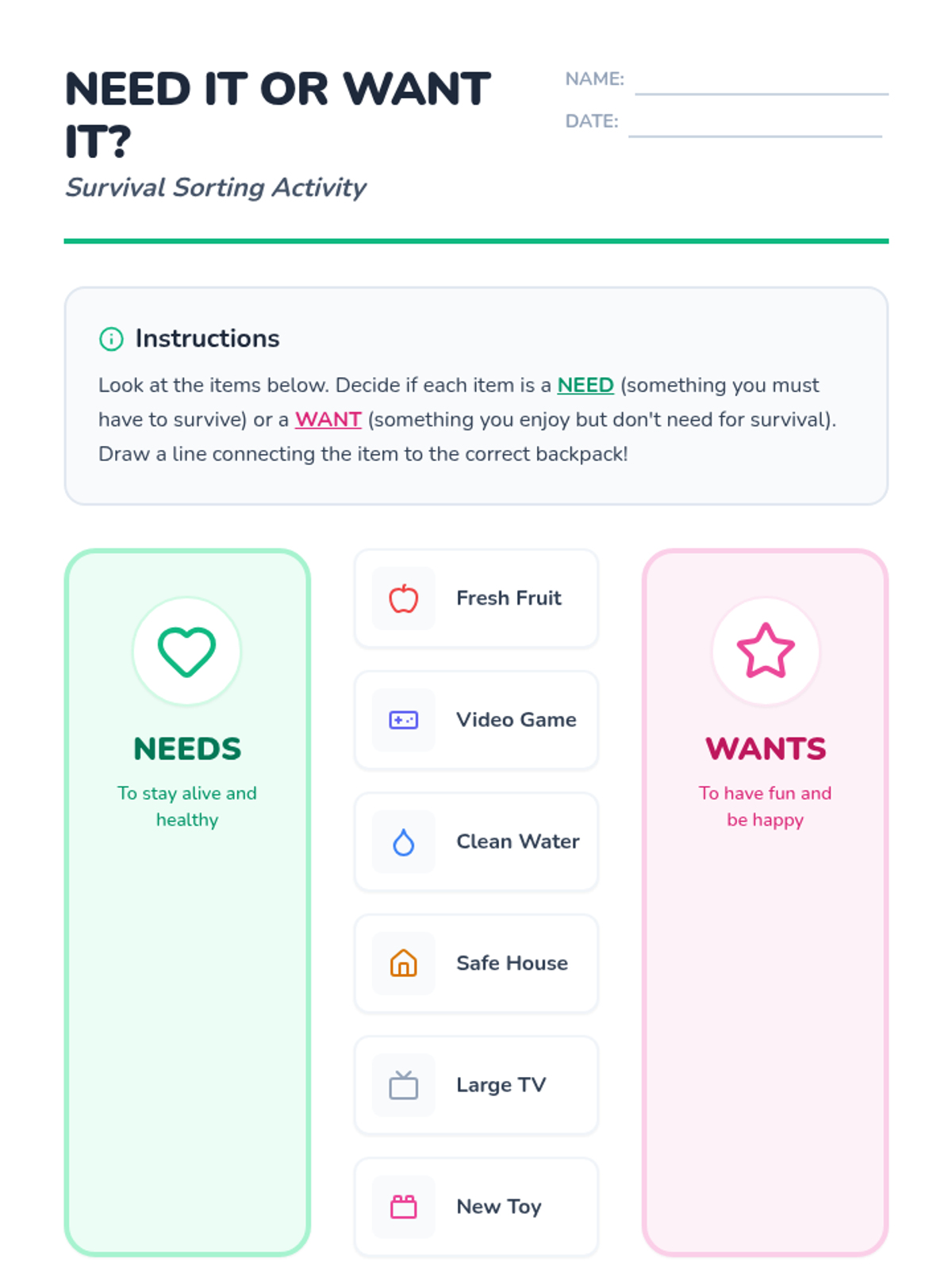
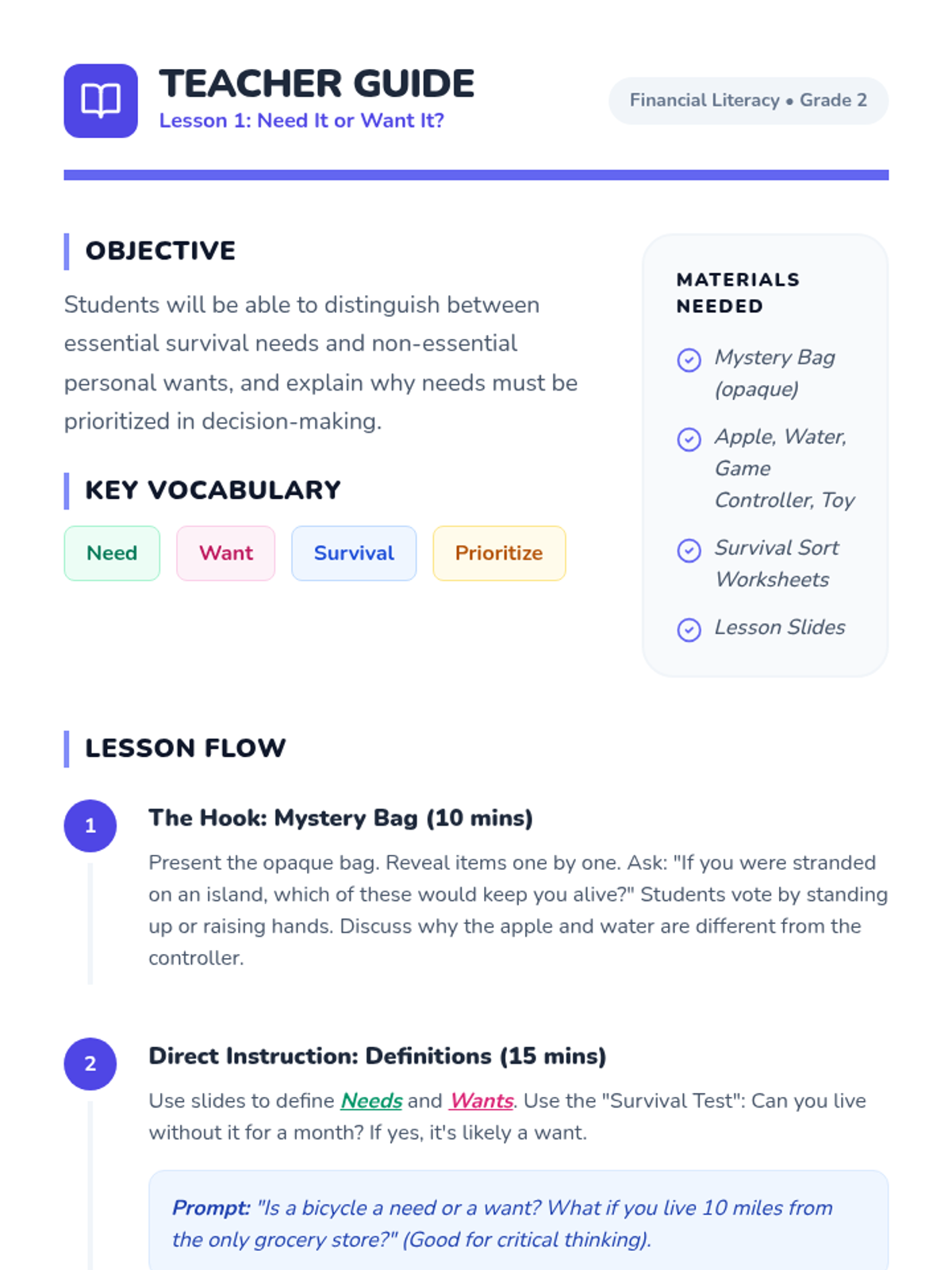
An introductory sequence for 2nd-grade students on economic concepts, focusing on the difference between needs and wants, the reality of scarcity, and the concept of opportunity cost through hands-on simulations and creative projects.
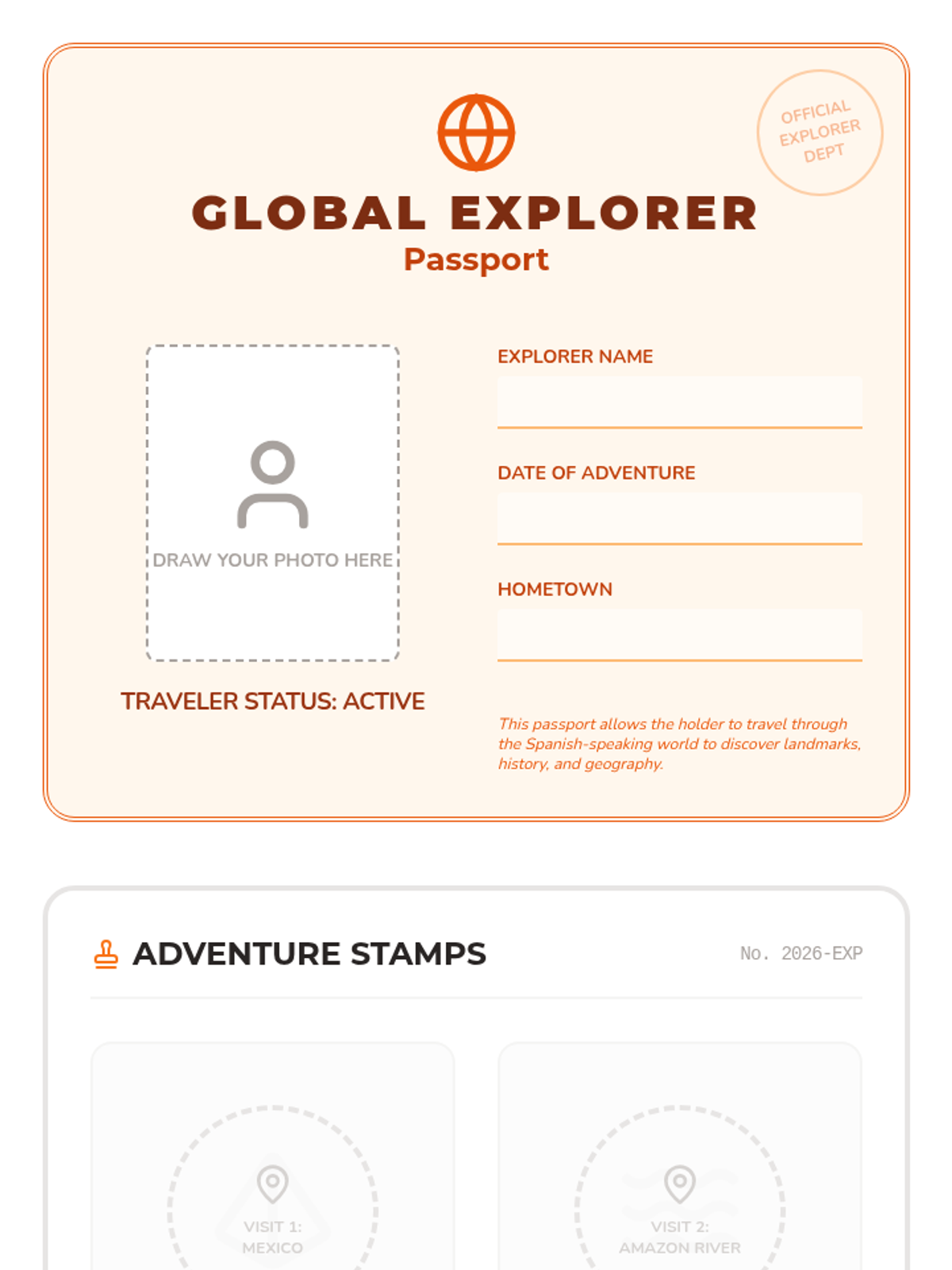
A 2nd-grade social studies sequence where students become world travelers, exploring the geography, landmarks, and cultures of the Spanish-speaking world across Latin America and Spain.
This immersive sequence guides second-grade students through the evolution of trade, from bartering to modern currency. Students participate in simulations to discover the inefficiencies of direct trade and the necessity of money as a medium of exchange, unit of account, and store of value.
Students explore the evolution of money from the barter system to digital currency, identifying the three primary functions of money: medium of exchange, unit of account, and store of value. through hands-on simulations and creative workshops.
This inquiry-based sequence explores how different societies choose their leaders through elections, inheritance, and appointments. Students compare local and global systems to understand the sources of political power.
A 5-lesson sequence for 2nd graders exploring how family, culture, and traditions shape individual identity. Students investigate their own backgrounds through inquiry and interviews, culminating in a 'Culture Box' project.
Students navigate a simulated classroom economy to learn budgeting, opportunity cost, and the difference between needs and wants through games and real-world scenarios.
A 5-lesson sequence for 2nd-grade students exploring the basics of earning, banking, interest, and setting personal savings goals. Students transition from physical currency to understanding financial institutions and long-term planning.
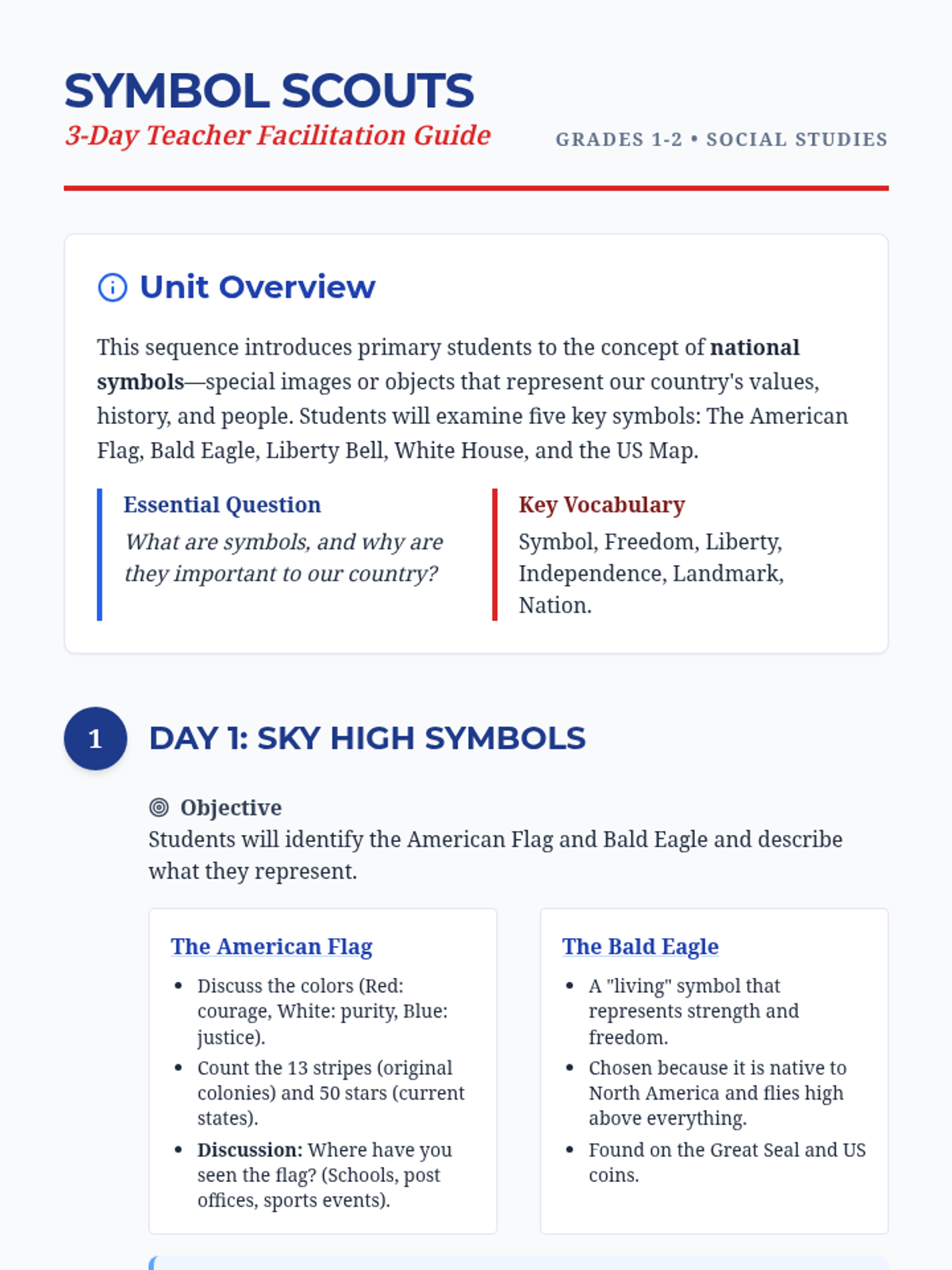
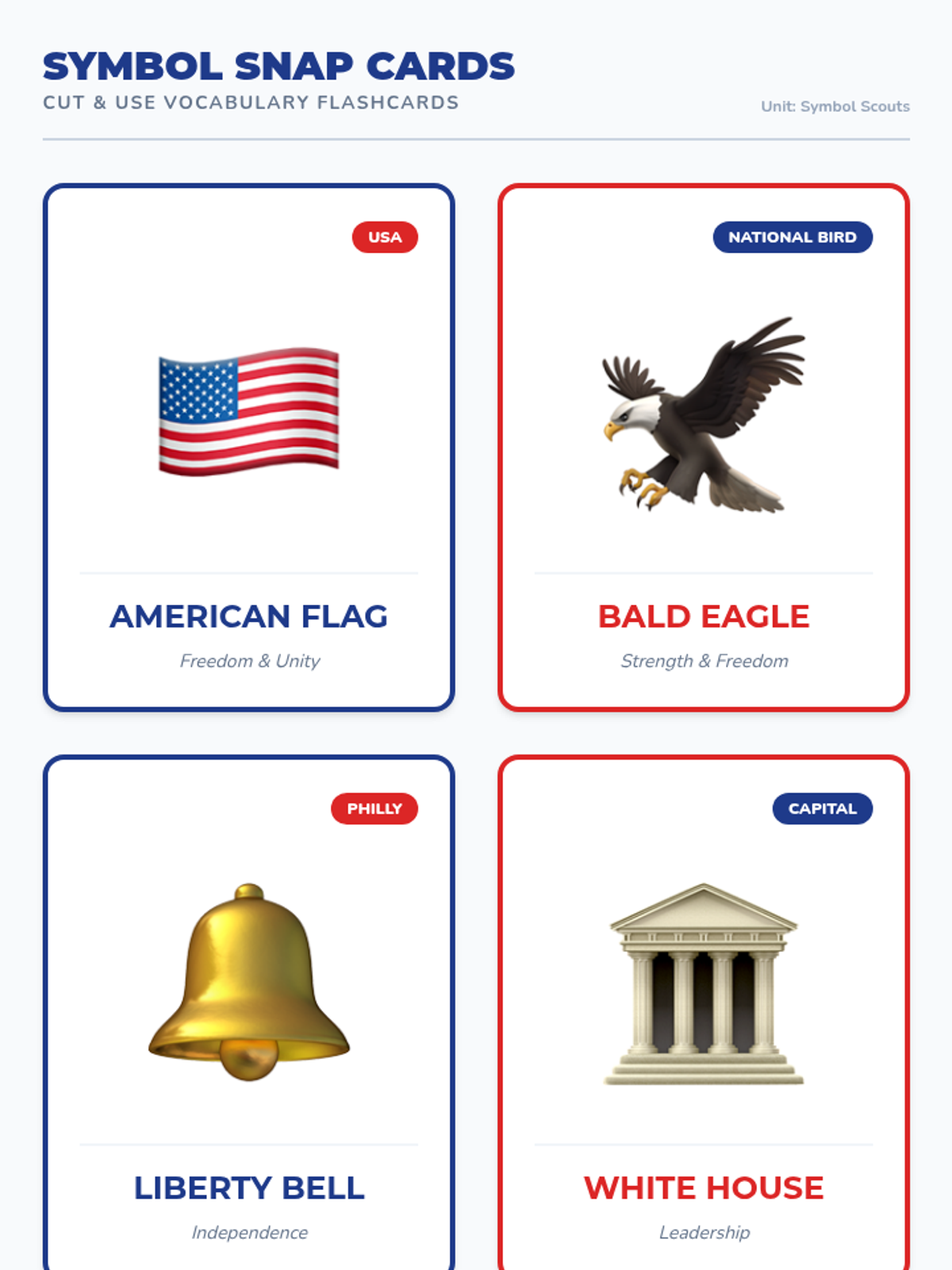
An inquiry-based journey for 2nd graders to investigate the meanings behind America's famous symbols and landmarks through a detective-themed lens.
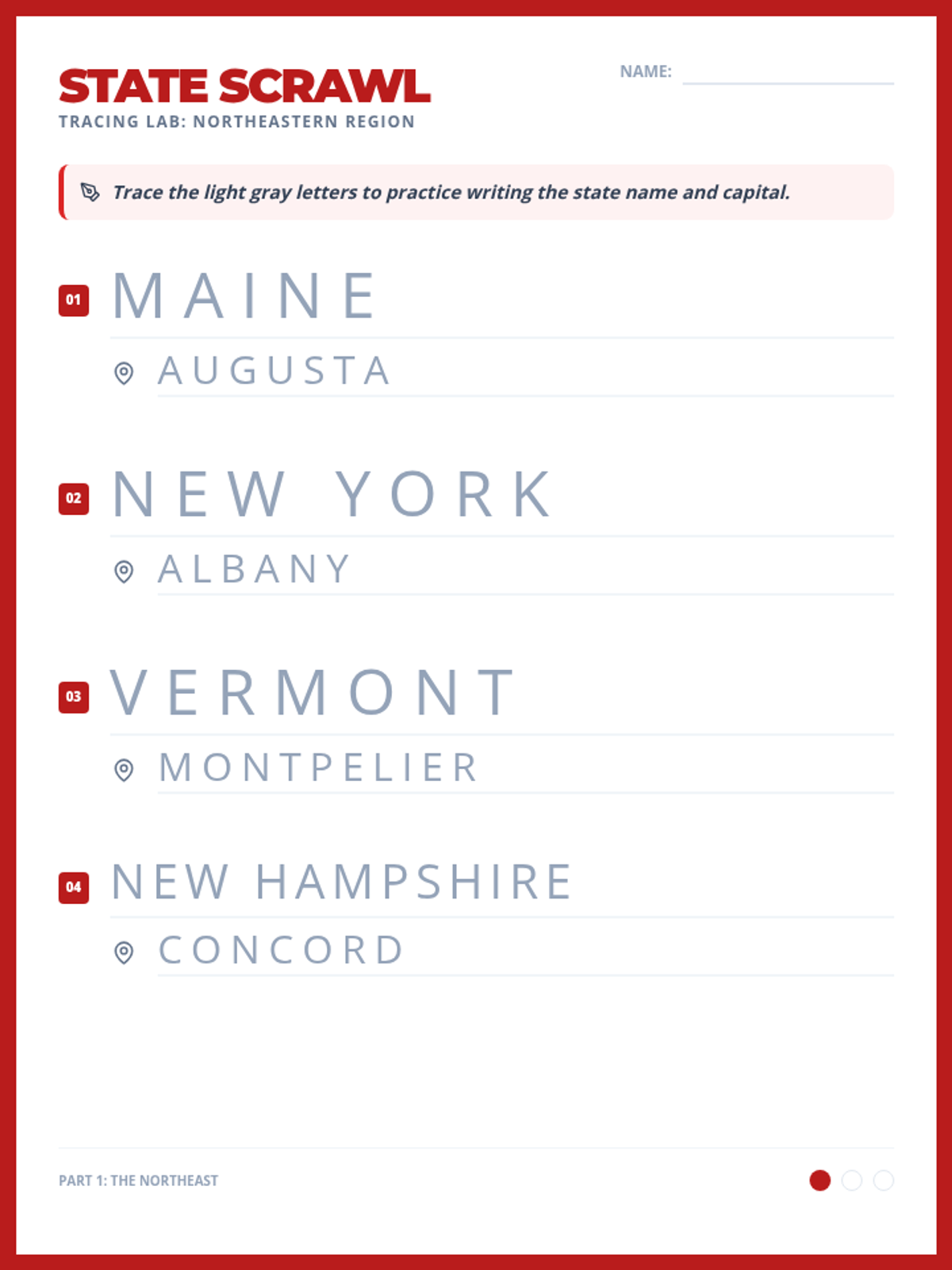
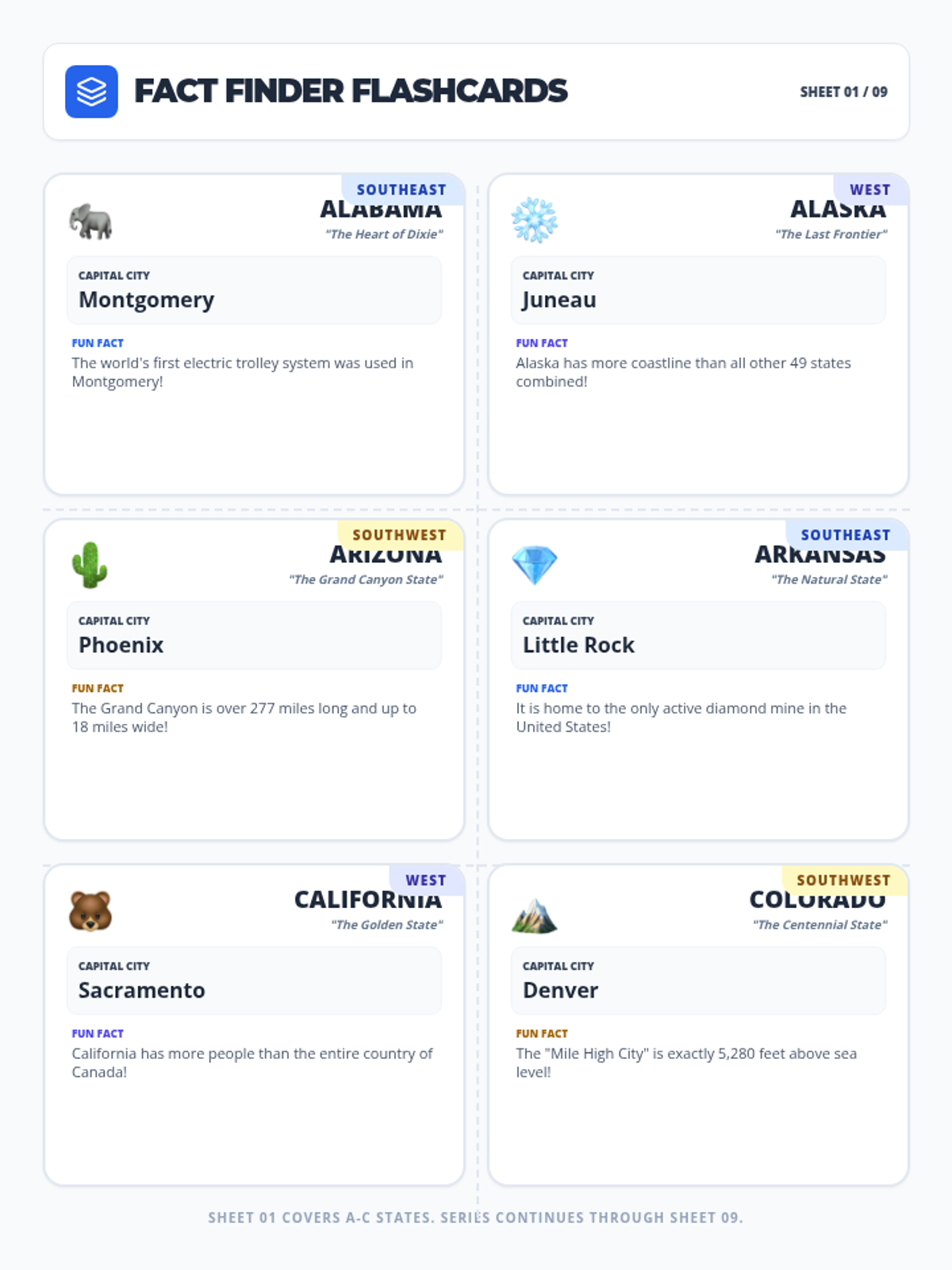
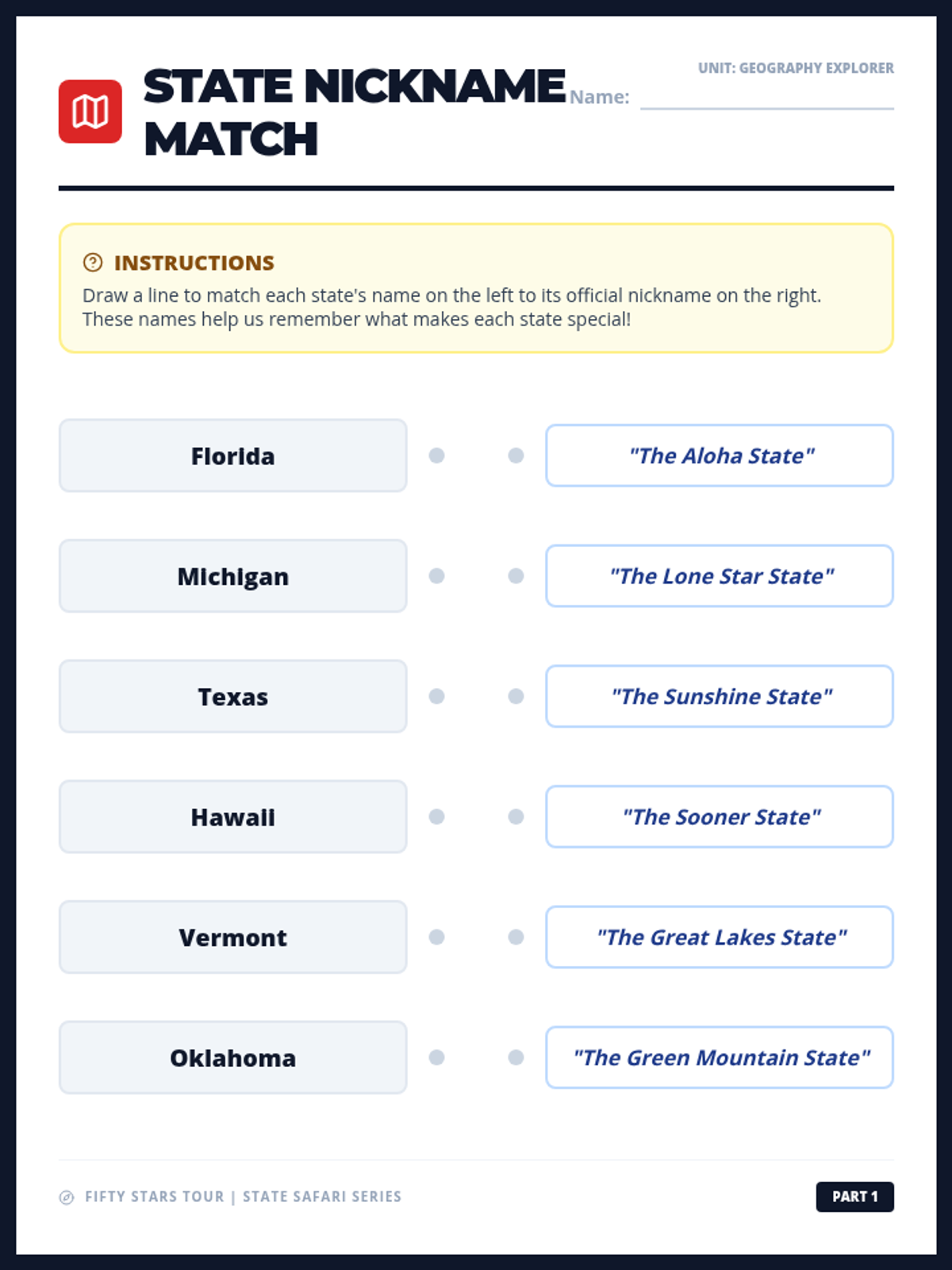
Students explore the concept of a 'state' as a distinct geographic and political entity. They learn to locate their state on a map, understand the hierarchy of city/state/country, identify official symbols, and recognize important regional landmarks.