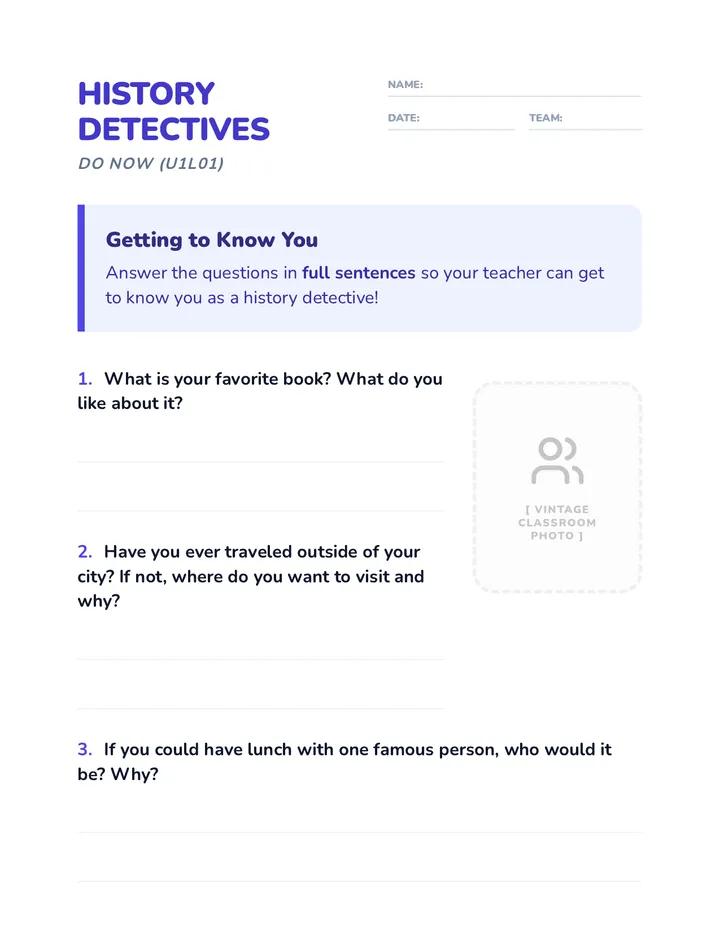
A social studies unit designed for 15:1 self-contained classrooms with a 1st-grade reading level, focusing on the Bill of Rights and the government's role in protecting citizen safety and freedom through interactive, low-management activities.
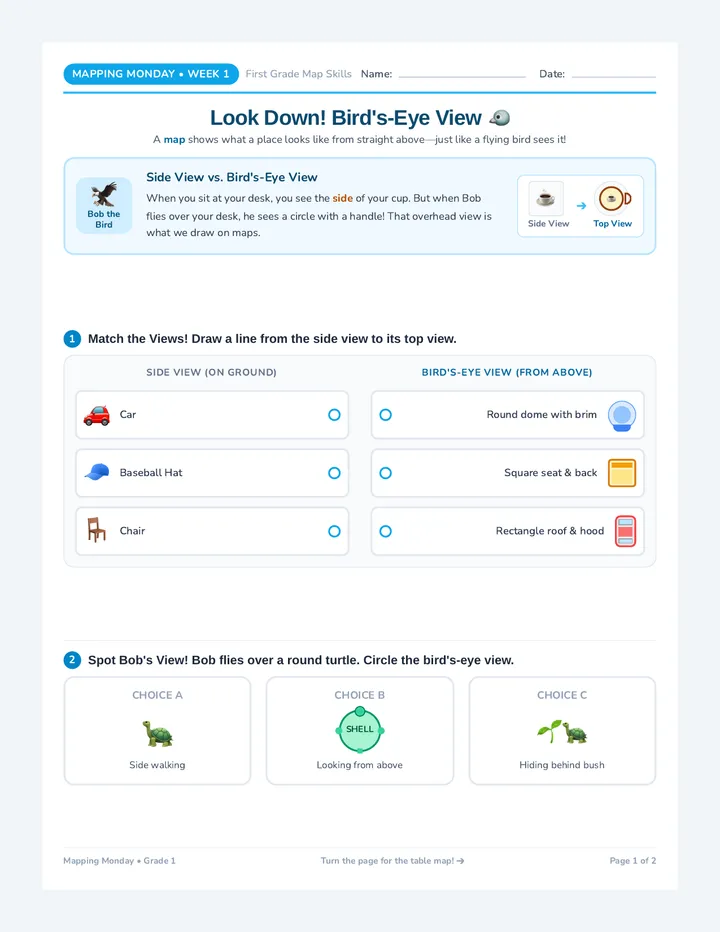
An 8-lesson geography unit for 1st graders focused on map skills, including titles, symbols, compass roses, and legends. Students progress from understanding bird's-eye views to constructing their own maps of familiar places, aligned with Wisconsin Social Studies standards.
A comprehensive set of historical skits and supporting materials for 4th-grade students to explore Idaho's past through performance. Students engage with the lives of pioneers, trappers, miners, sheepherders, and indigenous peoples.
A comprehensive second-grade unit exploring the diverse shapes of the Earth's surface, featuring mountains, plains, plateaus, valleys, canyons, islands, and peninsulas through field-journal styled materials.
A comprehensive exploration of Winter Olympics host cities through history, geography, and reading comprehension for 5th-grade students.
A three-day exploration of heroism comparing historical figures and modern-day community leaders, focusing on informational text features and identifying main ideas.
A comprehensive collection of Project-Based Learning (PBL) units spanning early childhood literacy, elementary math and science, and middle school social studies. Each unit guides students through inquiry, creation, and presentation within a themed 'Discovery Files' framework.
A comprehensive exploration of all 63 United States National Parks, divided by geographic region. Students will discover the history, wildlife, and unique features of each park while recording key data in their field logs.
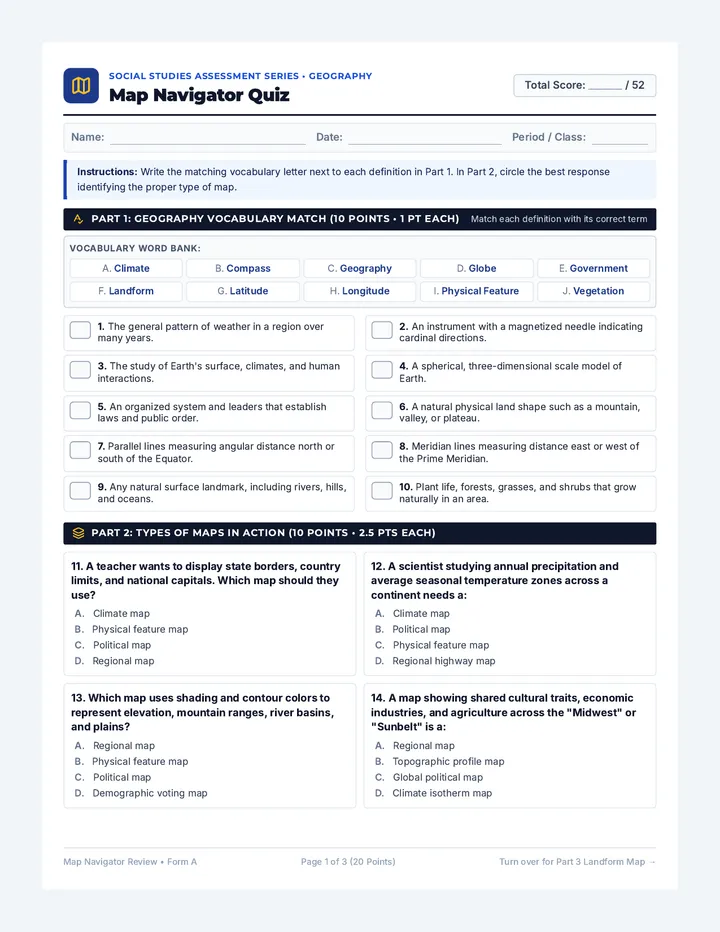
A differentiated social studies unit covering the geography, cultures, and empires of the Middle East and North Africa, adapted for 3rd-grade readability based on the DESE Investigating History Grade 6 curriculum.
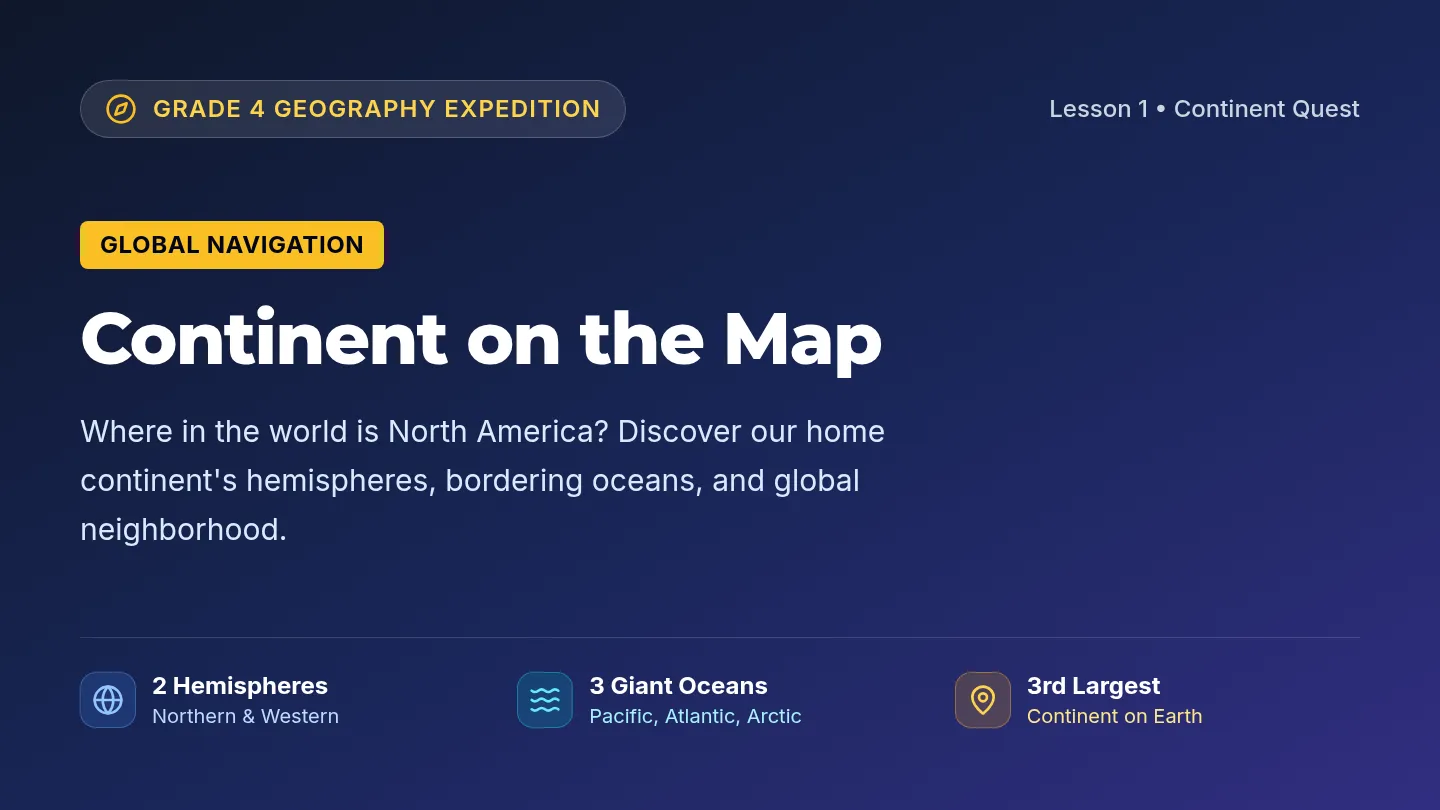
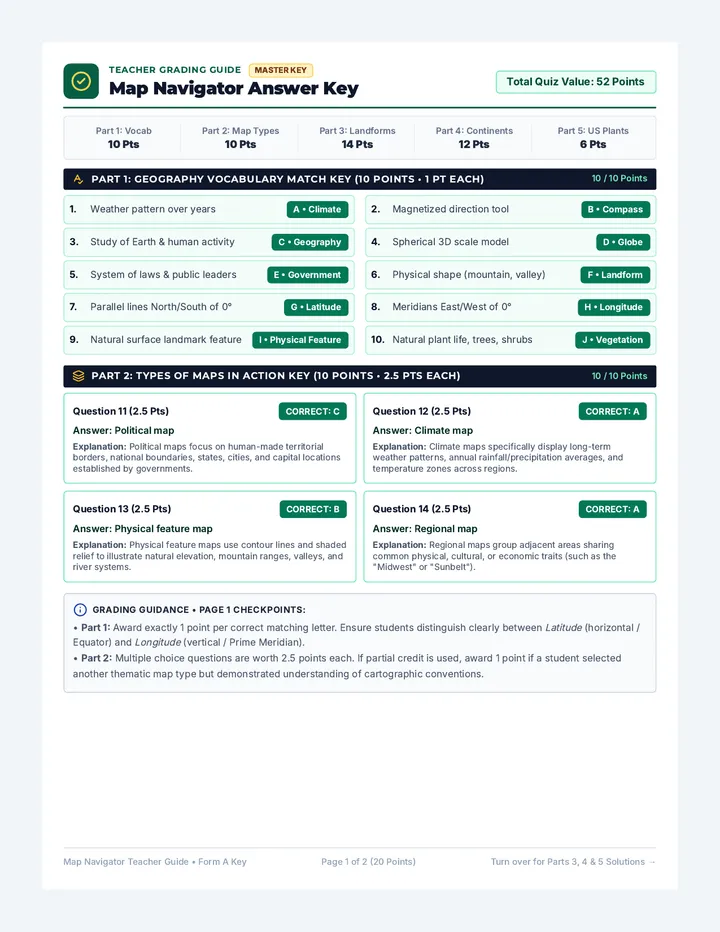
A deep dive into United States regional geography, starting with the Western region's states and capitals. This unit focuses on spatial recognition and memorization through varied active learning strategies.
A comprehensive introduction to the Reformation for 5th-grade students, focusing on key figures like Martin Luther and John Calvin, and the revolutionary impact of the printing press.
A comprehensive sequence exploring the life of Nelson Mandela, focusing on key milestones from his early years to his presidency. Designed for Grade 5 ELL students with accessible language and visual supports.
A series of lessons for K-2 students celebrating Women's History Month through the lives of Amelia Earhart, Rosa Parks, and Simone Biles. Students will explore bravery, fairness, and perseverance through storytelling, coloring, and hands-on crafts.
A comprehensive 5-lesson exploration of the West region of the United States, covering geography, climate, resources, culture, and states/capitals through reading passages and interactive activities.
A comprehensive 5-lesson unit exploring the unique geography, climate, natural resources, diverse cultures, and political boundaries of the Southwest region of the United States.
A comprehensive unit on Ancient Egypt covering the civilization's social structure, religious beliefs, and architectural wonders. Students explore the Nile's importance, the process of mummification, the pantheon of gods, and the lives of famous pharaohs.
A comprehensive 6-lesson Black History Month curriculum for 5th-8th graders, exploring historical excellence, emotional expression, and community through the lens of five core values: Virtus, Kenkyo, Sankofa, Ubuntu, and Ganas. Inspired by a century of resilience and brilliance.
A 6-lesson sequence divided by grade level (5th, 6th, and 7th), celebrating 100 years of Black history through school values. Each grade explores two distinct lessons focusing on community joy, personal excellence, and mental health advocacy.
A 4th-grade unit focused on kindness, fairness, and understanding how our words can make everyone feel like they belong, regardless of their background or skin color.
A comprehensive journey through the Midwest region, covering its geography, economy, and culture in bite-sized 20-minute sessions.
A 5-lesson unit exploring the geography, climate, resources, and culture of the Southeast United States, concluding with a states and capitals challenge.
A 5-lesson sequence exploring the geography, climate, resources, culture, and states of the Northeast region of the United States. Students will engage with reading passages, comprehension activities, and a states-and-capitals matching game.
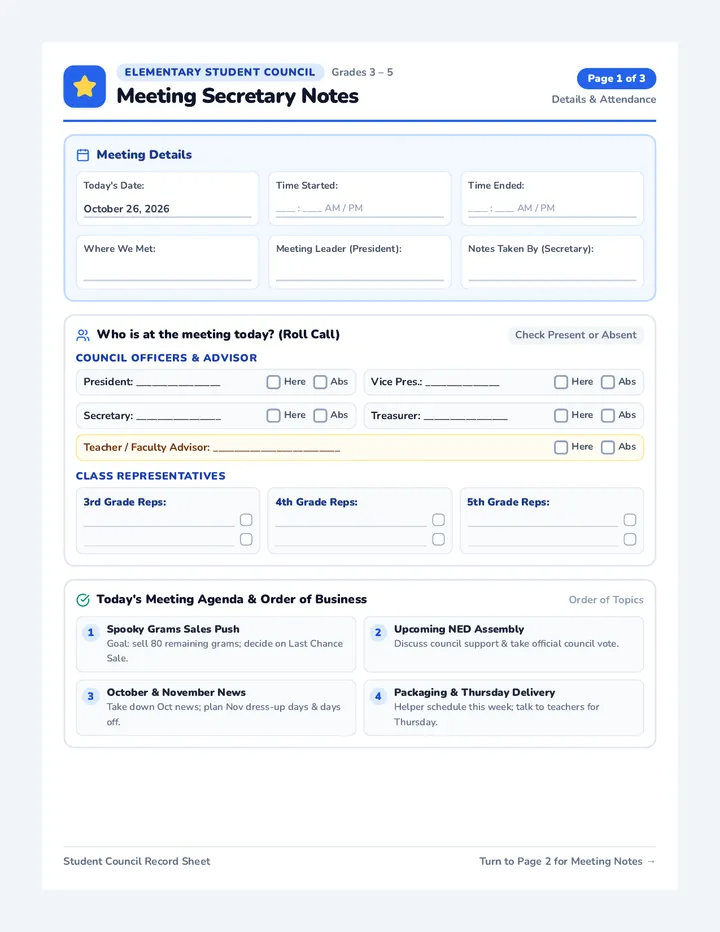
A comprehensive unit exploring social-emotional learning and civic responsibility, connecting the concepts of personal relationships and the systems of government that bind a community together.
A lesson sequence for 2nd graders to learn the difference between weekdays and weekends, focusing on how calendars help us make decisions about scheduling activities.
A hands-on introduction to economics for 1st graders, covering goods, services, producers, consumers, and the basic forces of supply and demand through a classroom 'Market Town' simulation.
A 1st Grade financial literacy unit exploring the origins of money, the concept of value, why prices change (inflation), and the connection between work and purchasing power. Students move from understanding barter systems to planning their own purchases.
A 1st Grade sequence introducing economic decision-making and the concept of opportunity cost. Students explore trade-offs through interactive games, a token shop simulation, and reflective journaling.
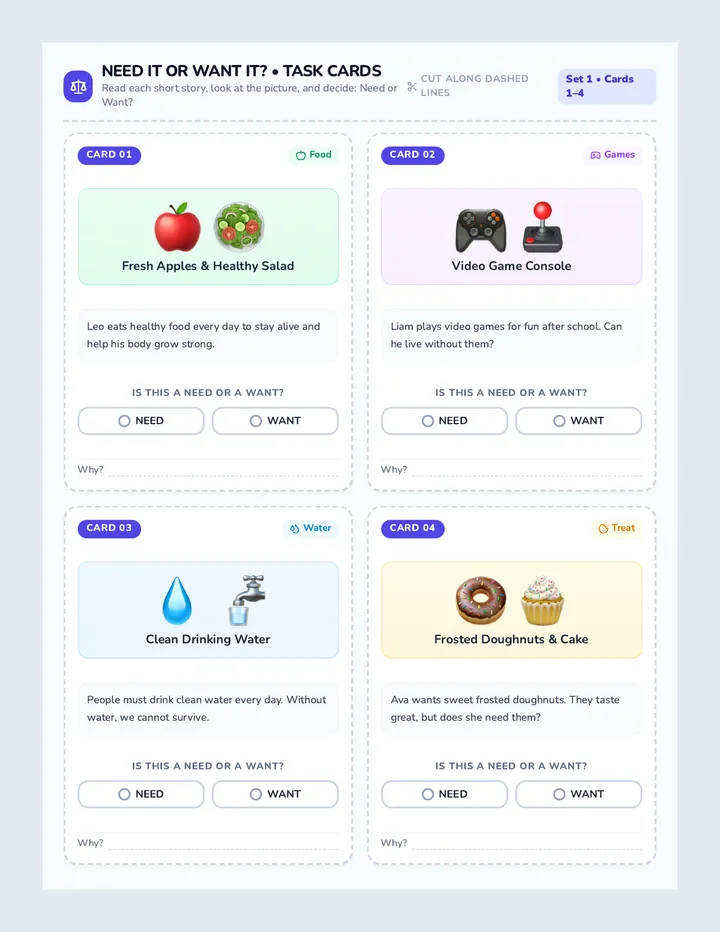
A foundational sequence for 1st graders exploring needs, wants, and scarcity. Students learn to differentiate survival essentials from desires and understand why resources are limited through simulations, games, and creative projects.
A comprehensive sequence for 1st-grade students to understand financial decision-making, covering scarcity, needs versus wants, and the fundamental concept of opportunity cost through relatable scenarios and creative projects.
This sequence introduces 2nd-grade students to basic economic principles like supply, demand, and value. Through classroom inventories, auctions, and a marketplace simulation, students explore how the availability of items and people's desire for them influence price and trade.
This sequence introduces 2nd-grade students to fundamental economic concepts including the difference between goods and services, the roles of producers and consumers, the history of trade/barter, and the function of money in a community.
An introductory sequence for 2nd-grade students on economic concepts, focusing on the difference between needs and wants, the reality of scarcity, and the concept of opportunity cost through hands-on simulations and creative projects.
A comprehensive unit for 4th graders exploring how the geography and climate of the New England, Middle, and Southern colonies shaped their unique economies and ways of life. Through map analysis, simulations, and creative projects, students connect physical environments to human industry.
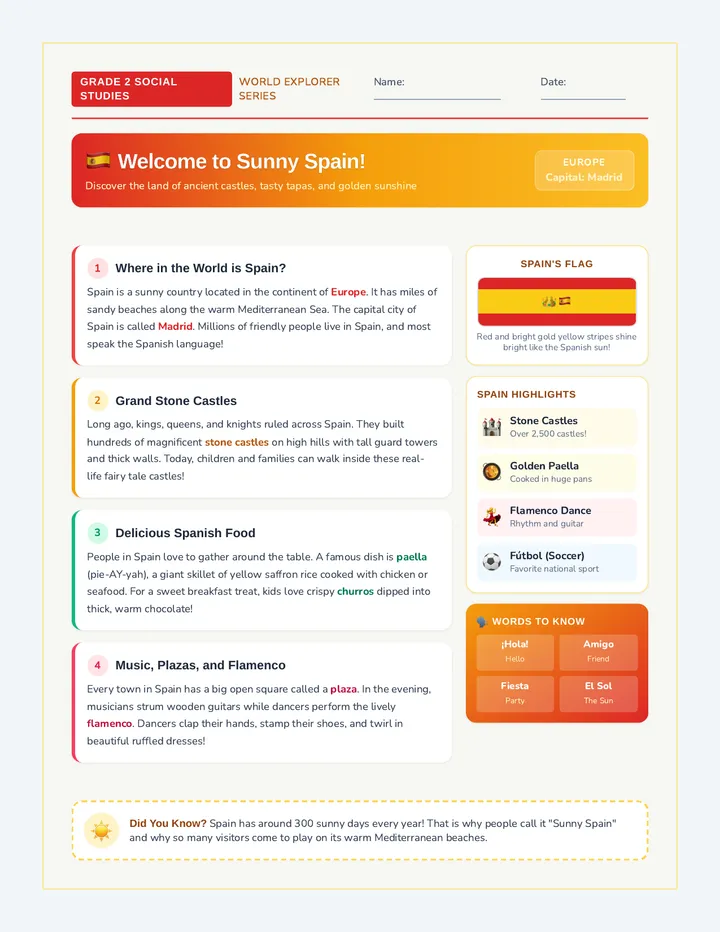
A 2nd-grade social studies sequence where students become world travelers, exploring the geography, landmarks, and cultures of the Spanish-speaking world across Latin America and Spain.
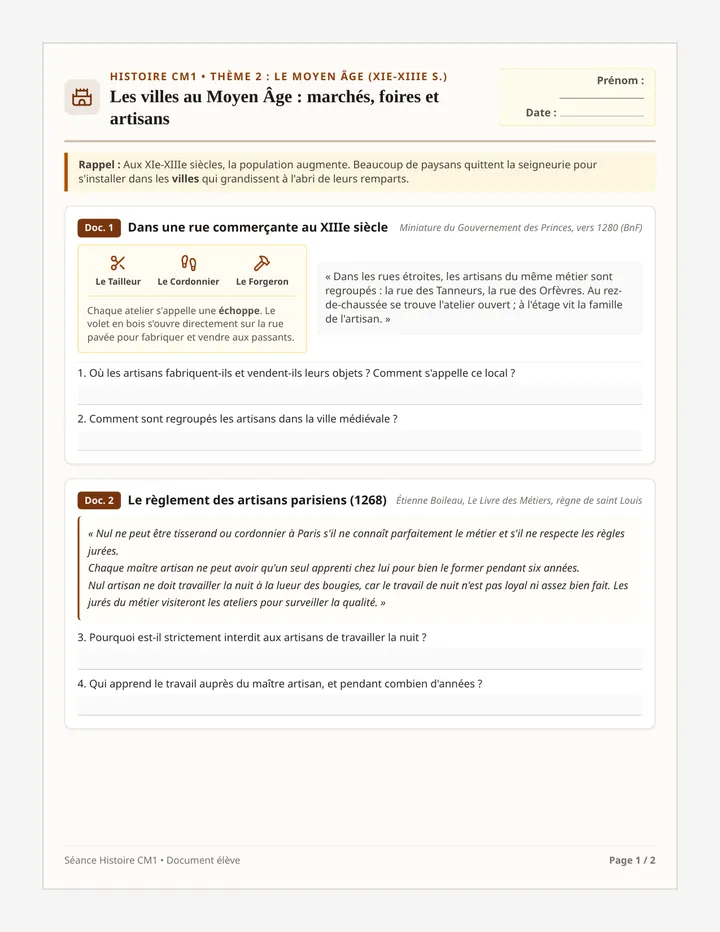
A 5th-grade history sequence exploring the transition from the feudal Middle Ages to the early modern period. Students analyze how the devastation of the Black Death triggered economic shifts, the rise of the merchant class, and the growth of towns, setting the stage for the Renaissance.