Students participate in memory challenges to distinguish between working memory limits and long-term storage, analyzing the 'bottleneck' of information processing.
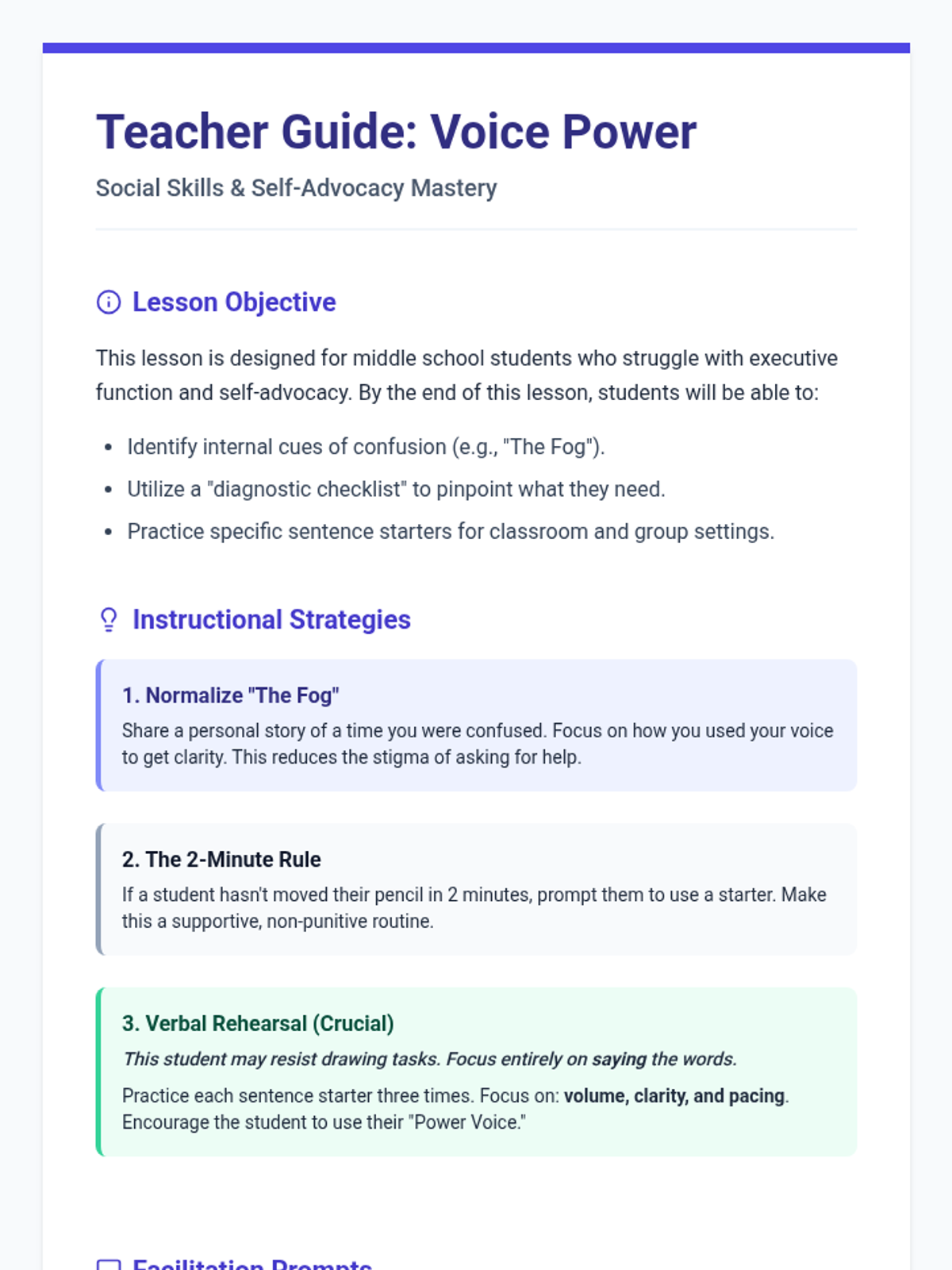
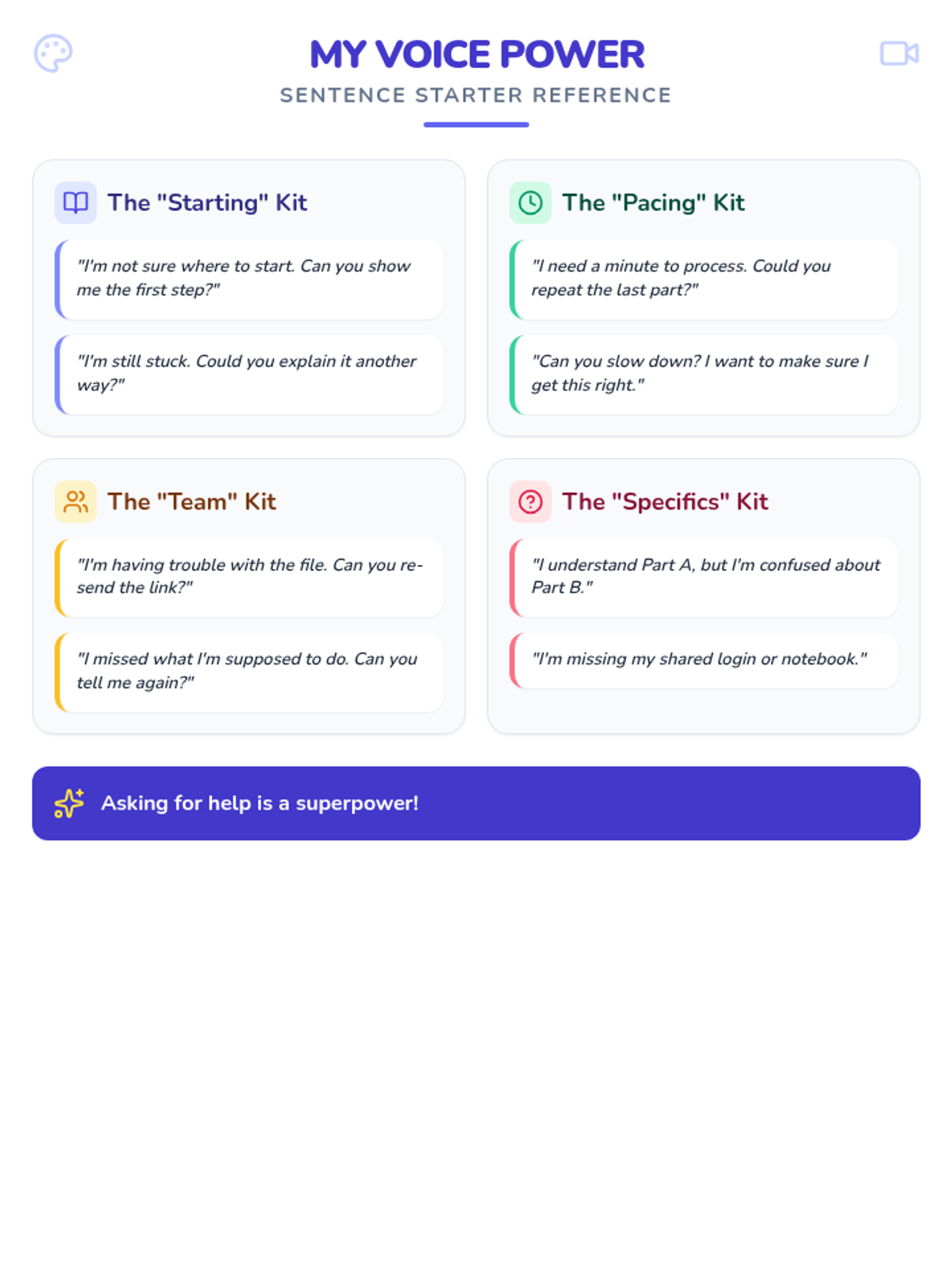
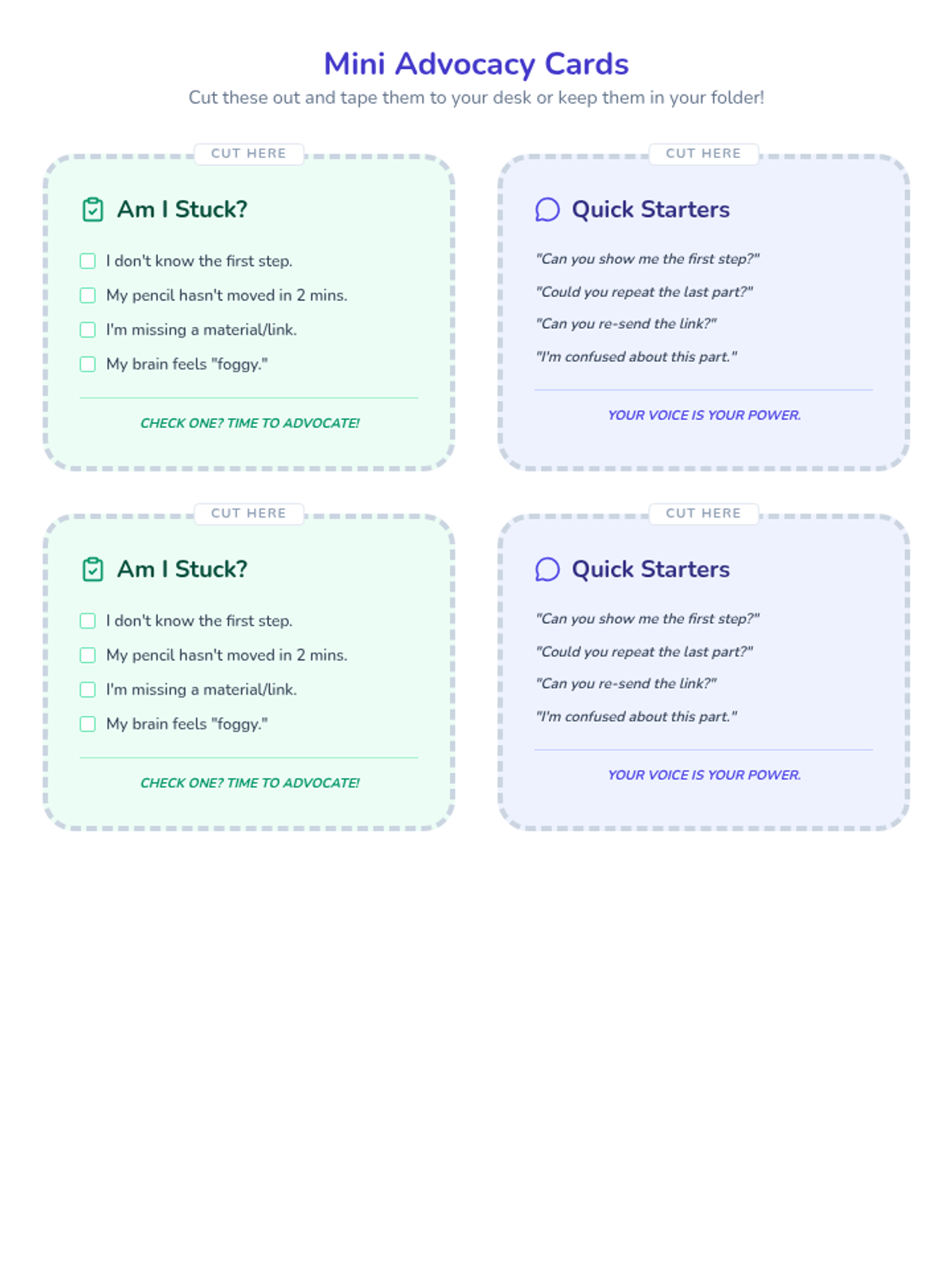
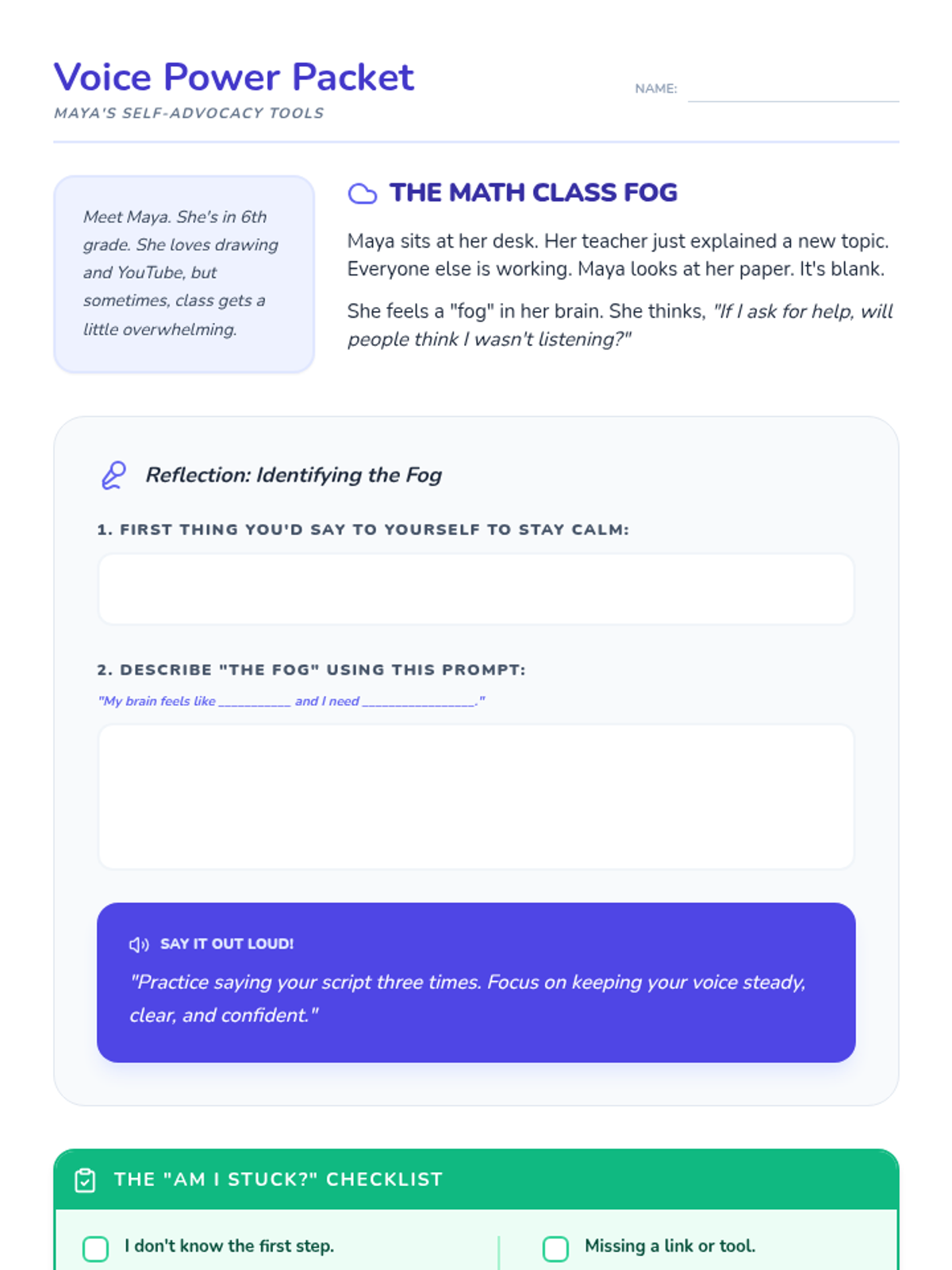
This lesson helps middle school students identify when they need help and practice self-advocacy through a relatable social story, checklists, and sentence starters.
Connects financial literacy with stress management, teaching students how to handle money-related anxiety through basic budgeting and awareness.
Teaches communication skills and conflict resolution as vital tools for navigating social stress and maintaining support networks.
Covers physical and mental wellness strategies, including breathing exercises and healthy habits, to maintain a resilient body and mind.
Explores how effective scheduling and prioritization can reduce stress and prevent burnout.
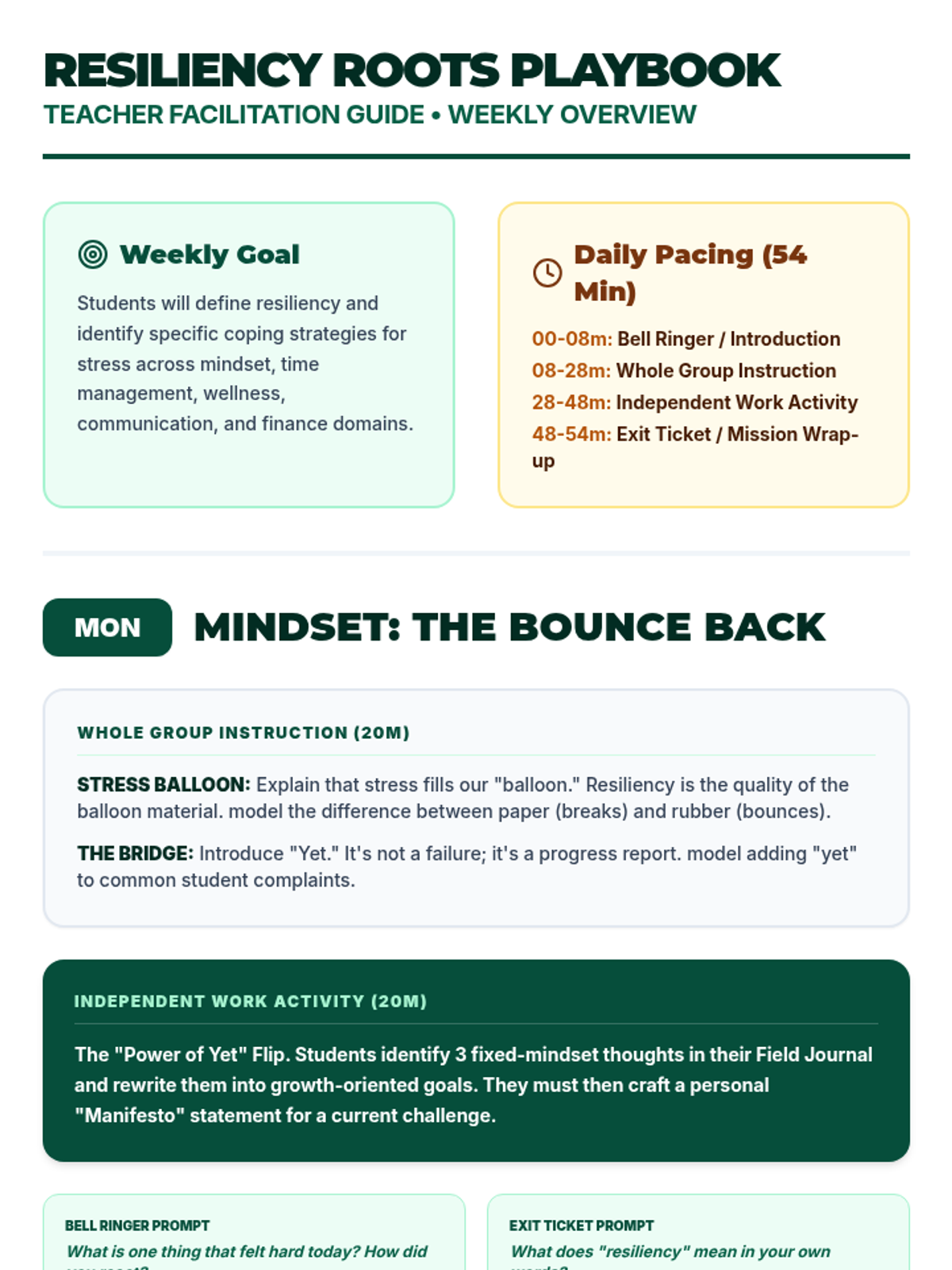
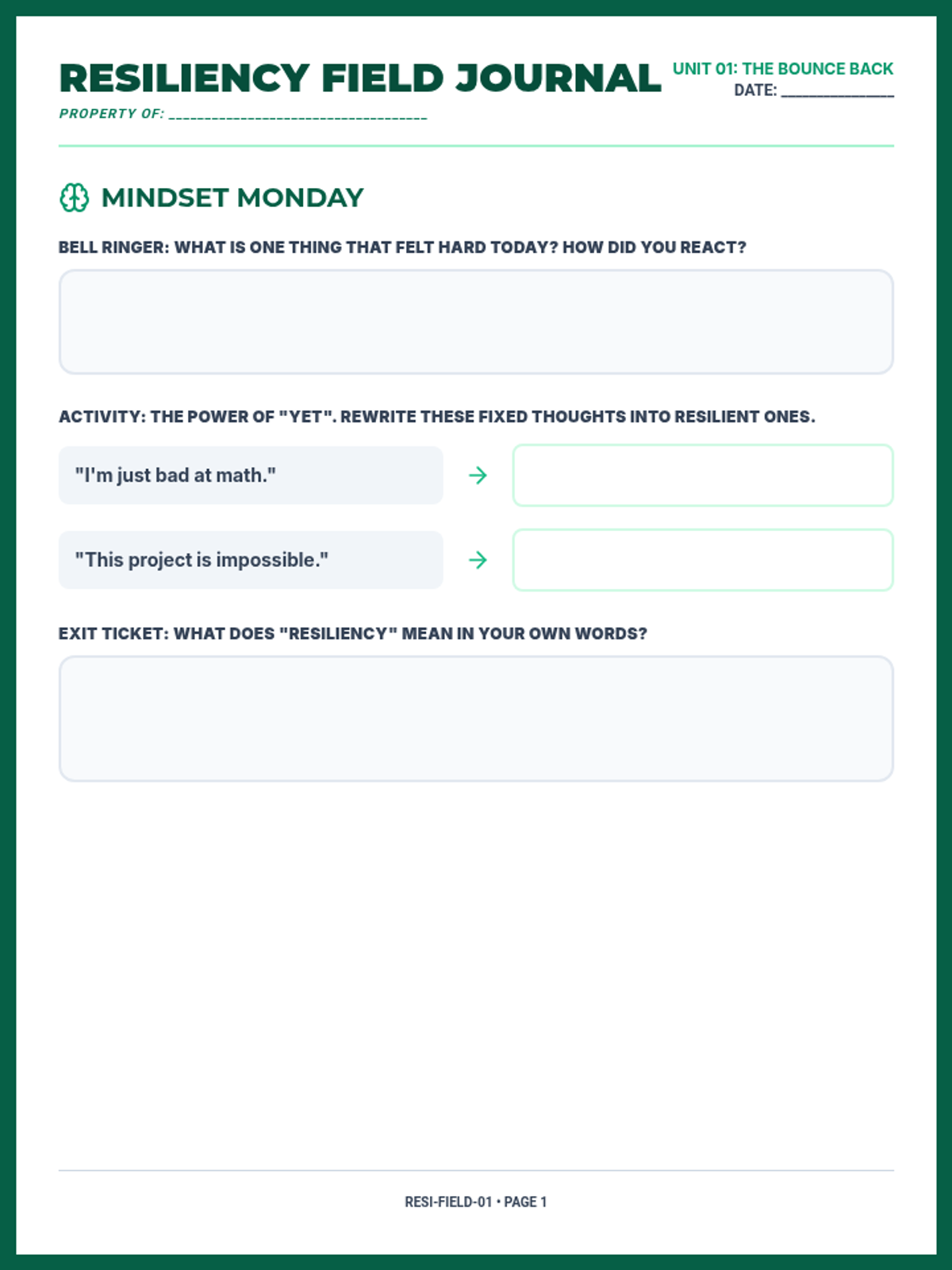
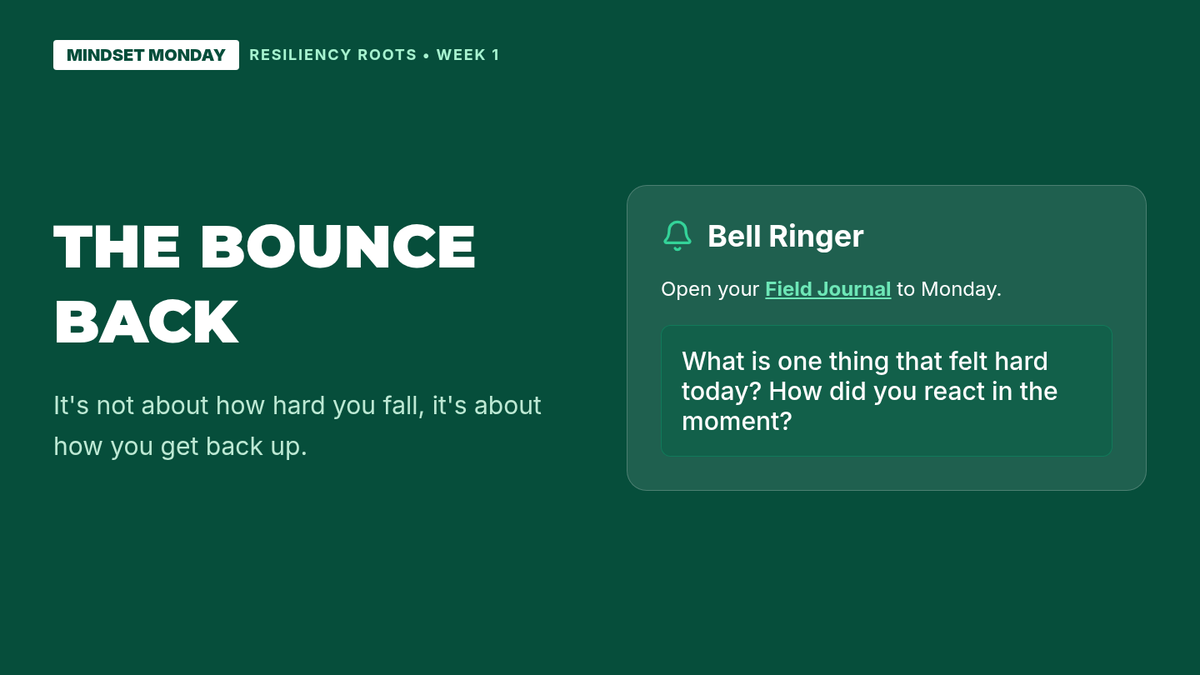
Focuses on developing a growth mindset and the 'Power of Yet' to build mental toughness and perspective when facing setbacks.
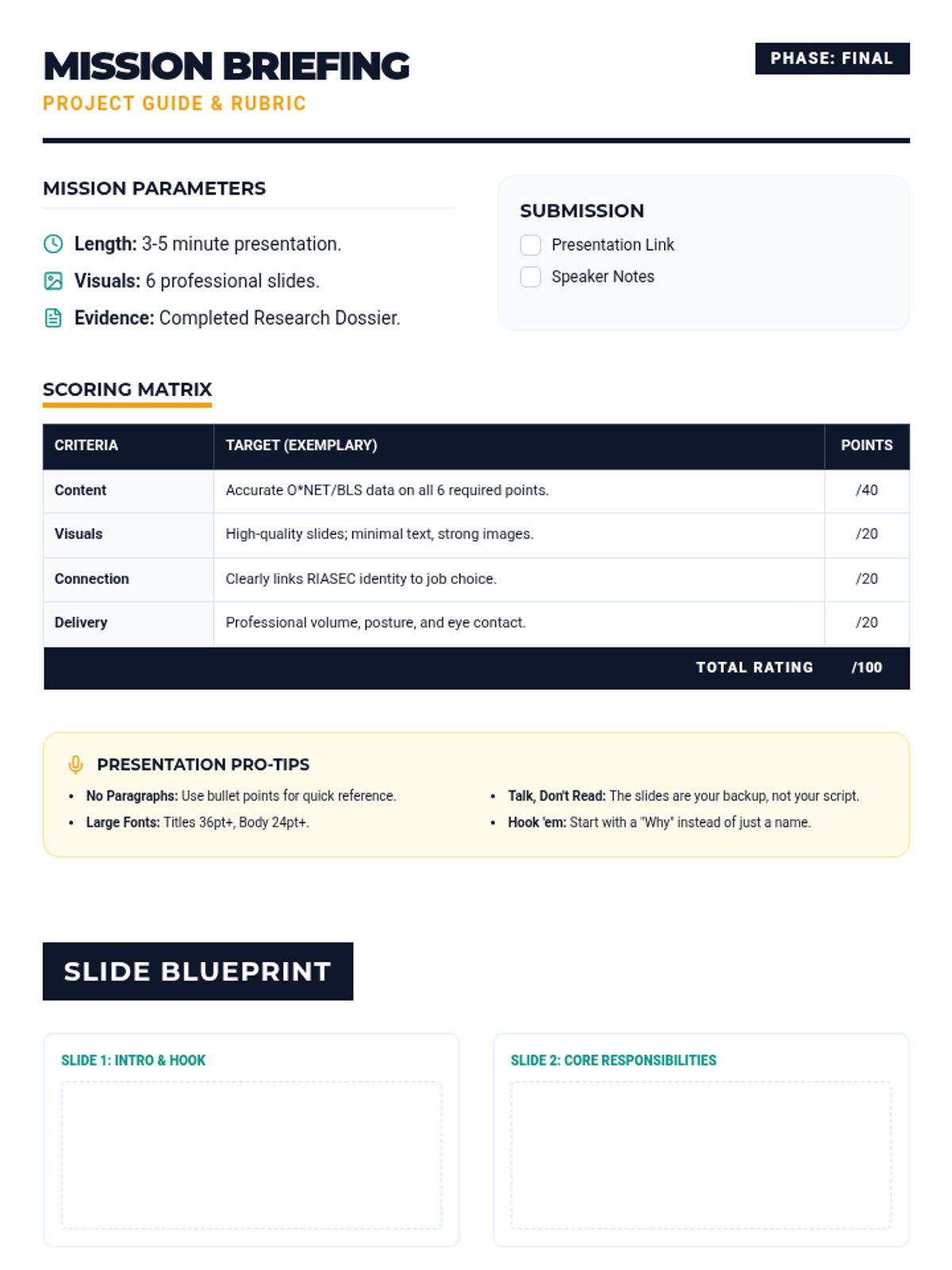
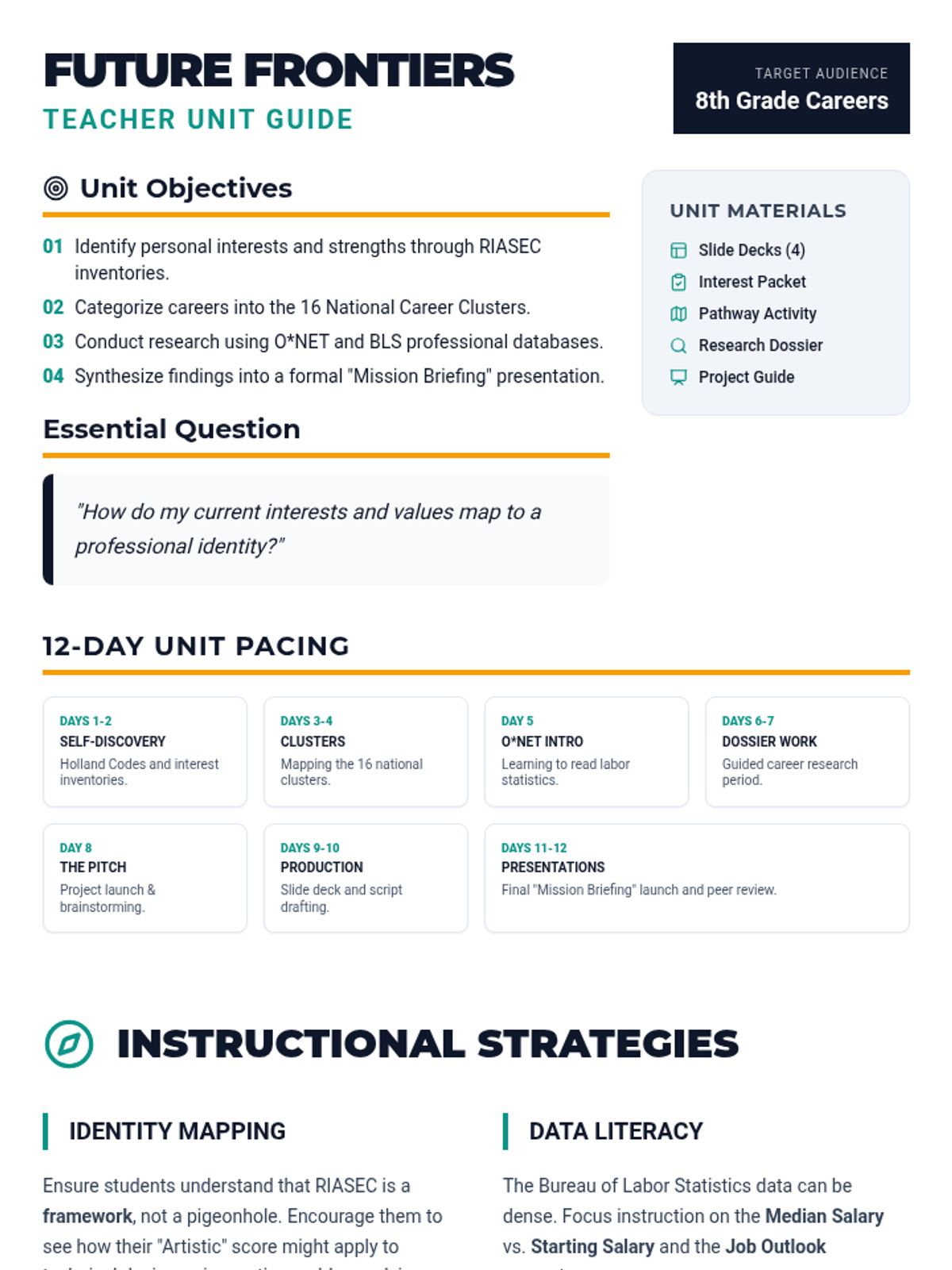
The culminating project where students synthesize their research into a presentation about their future career choice.
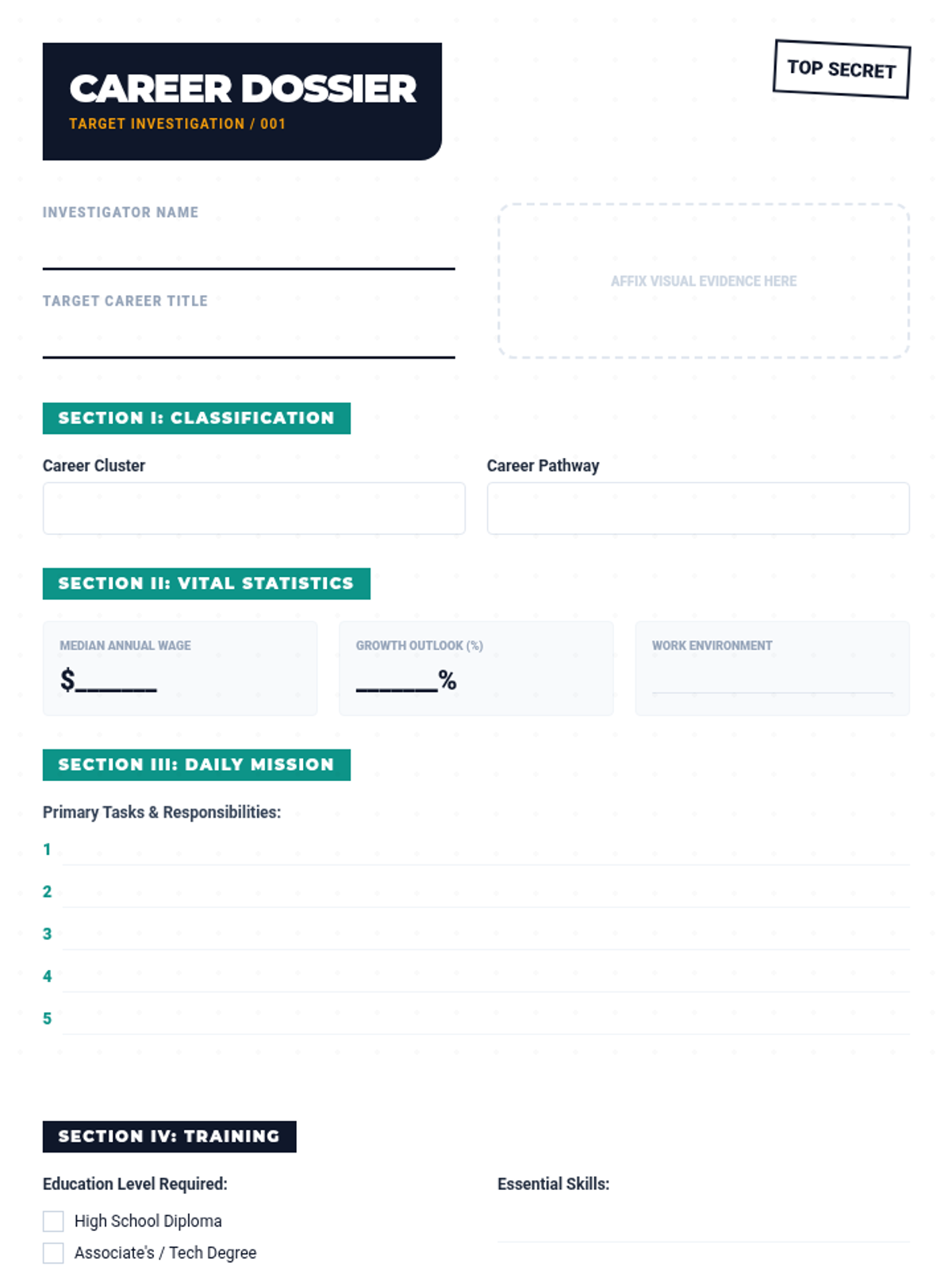
Guided research using various tools to understand the day-to-day duties, education requirements, and salary of specific careers.
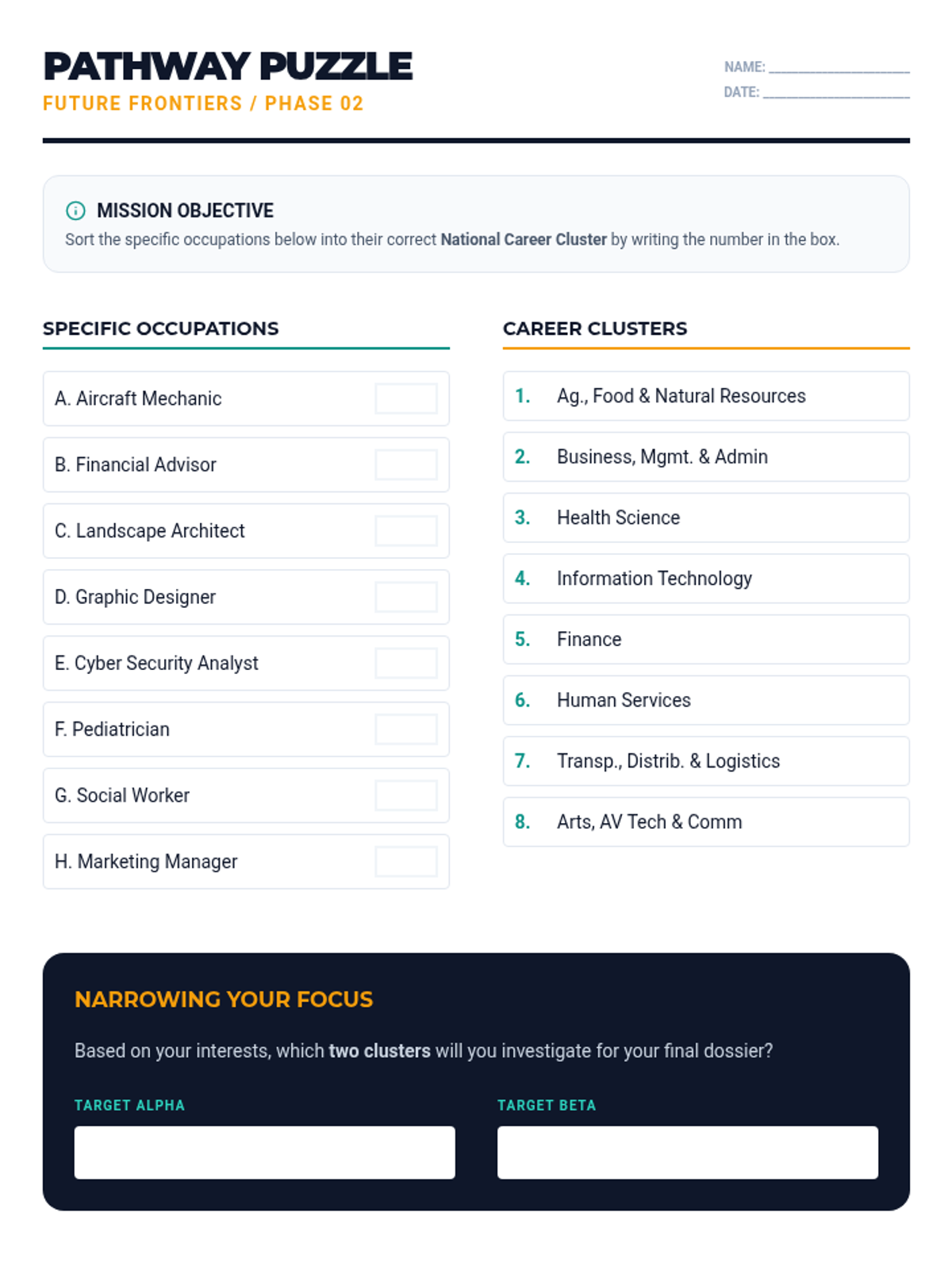
An exploration of the 16 national career clusters and how different jobs fit into specific pathways.
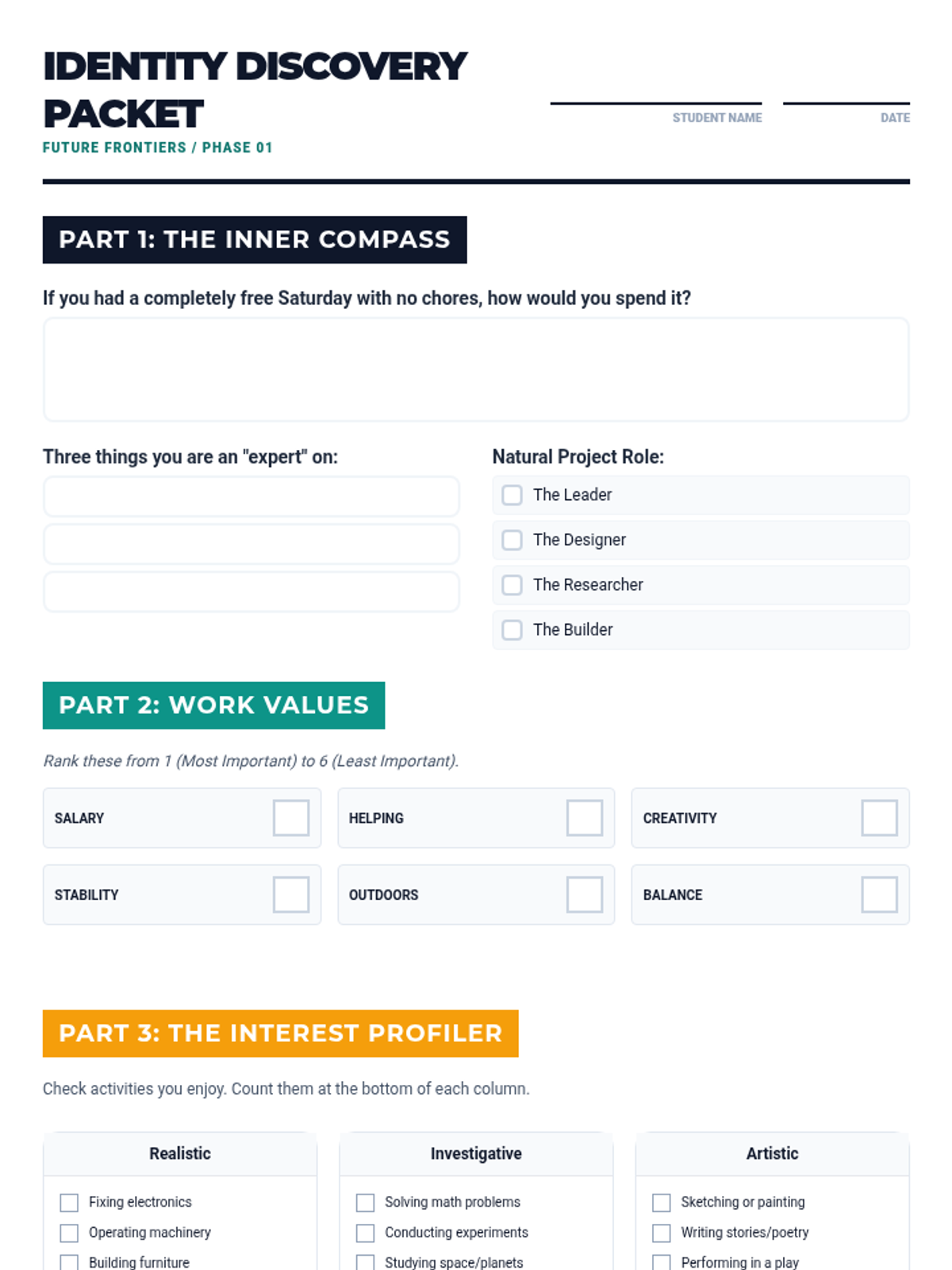
Students will complete interest inventories to identify their strengths, values, and potential career matches.
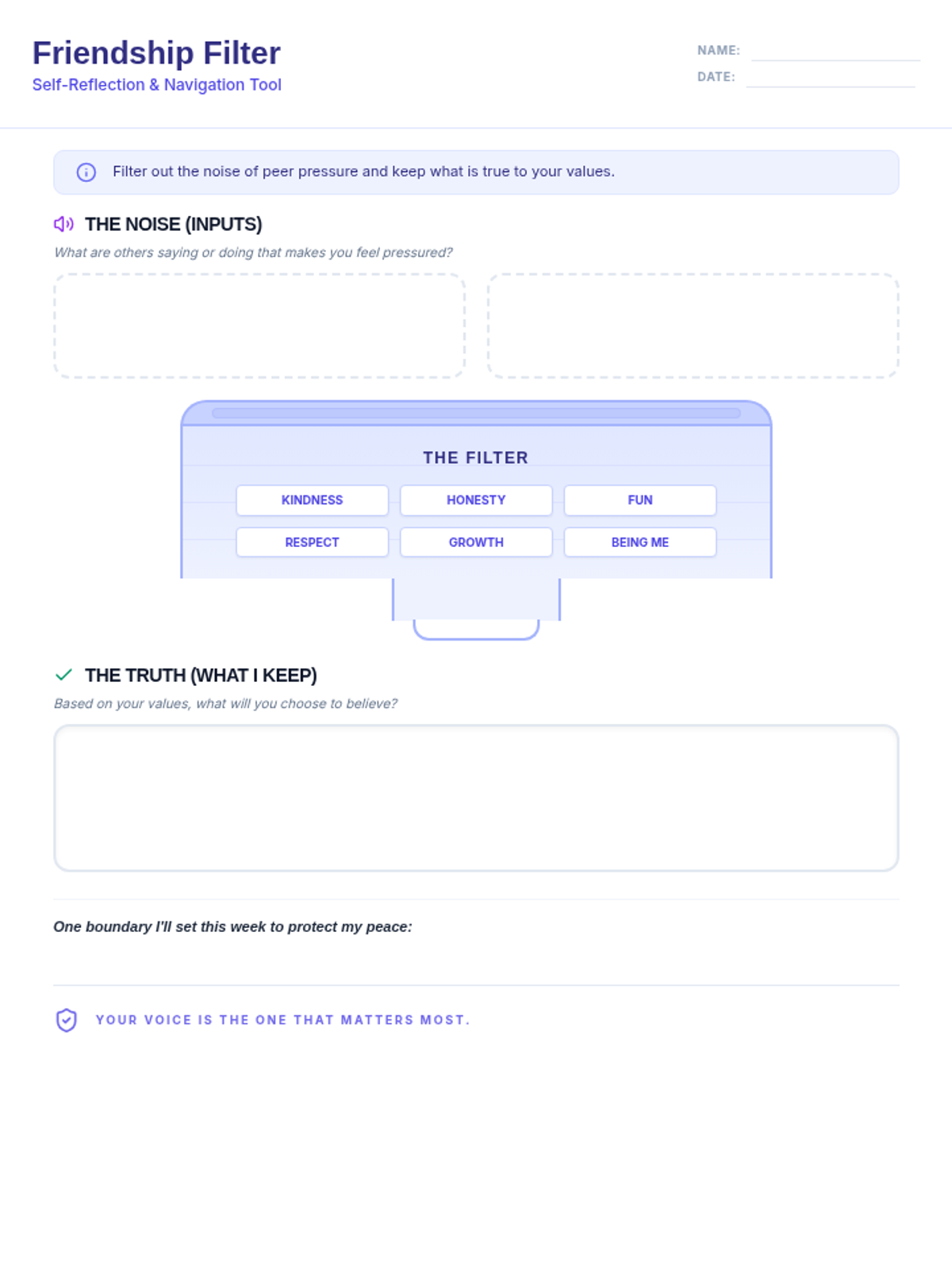
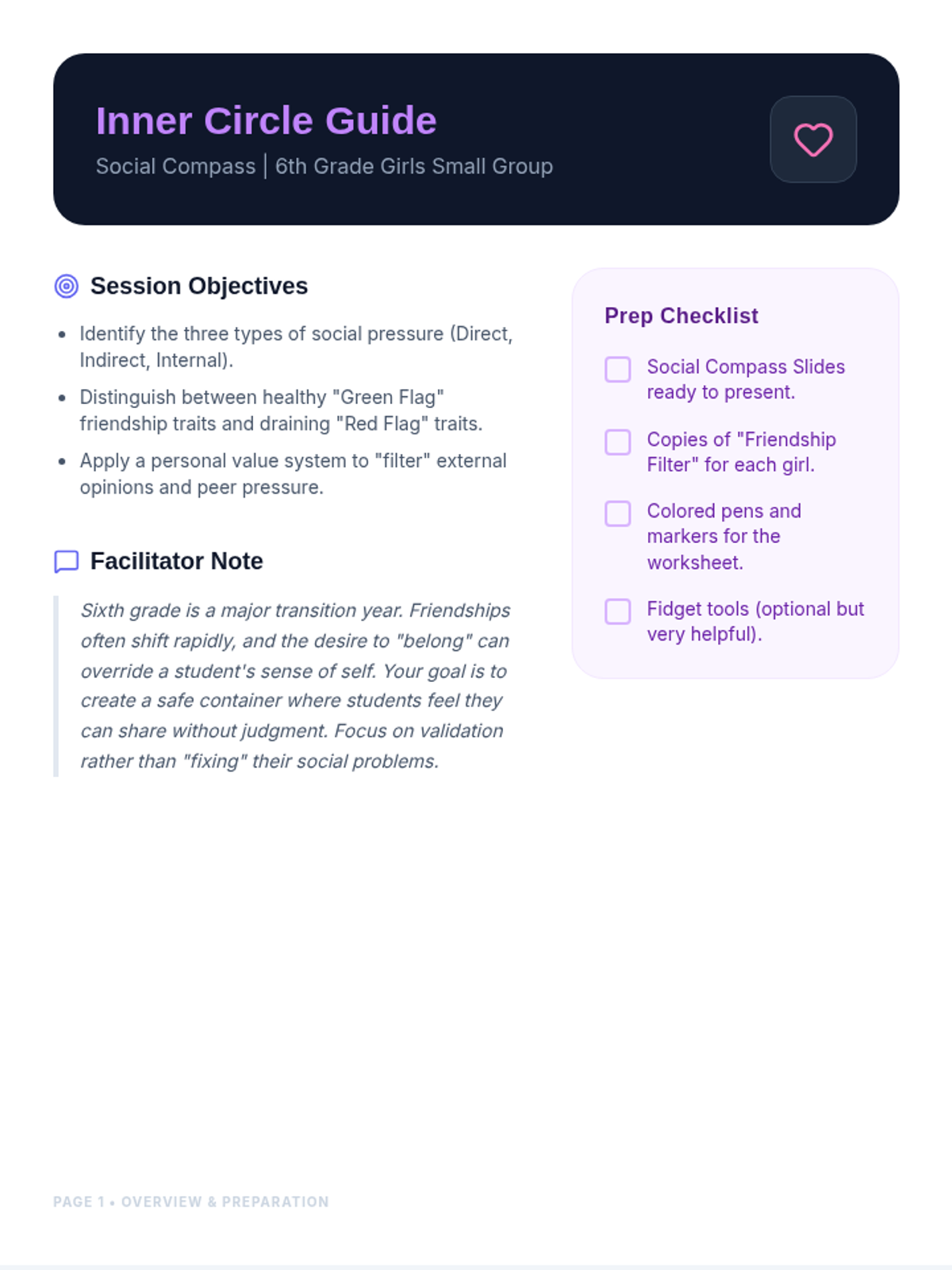
A small group session for 6th-grade girls focused on building self-confidence by navigating social dynamics, understanding peer pressure, and identifying healthy friendship traits.
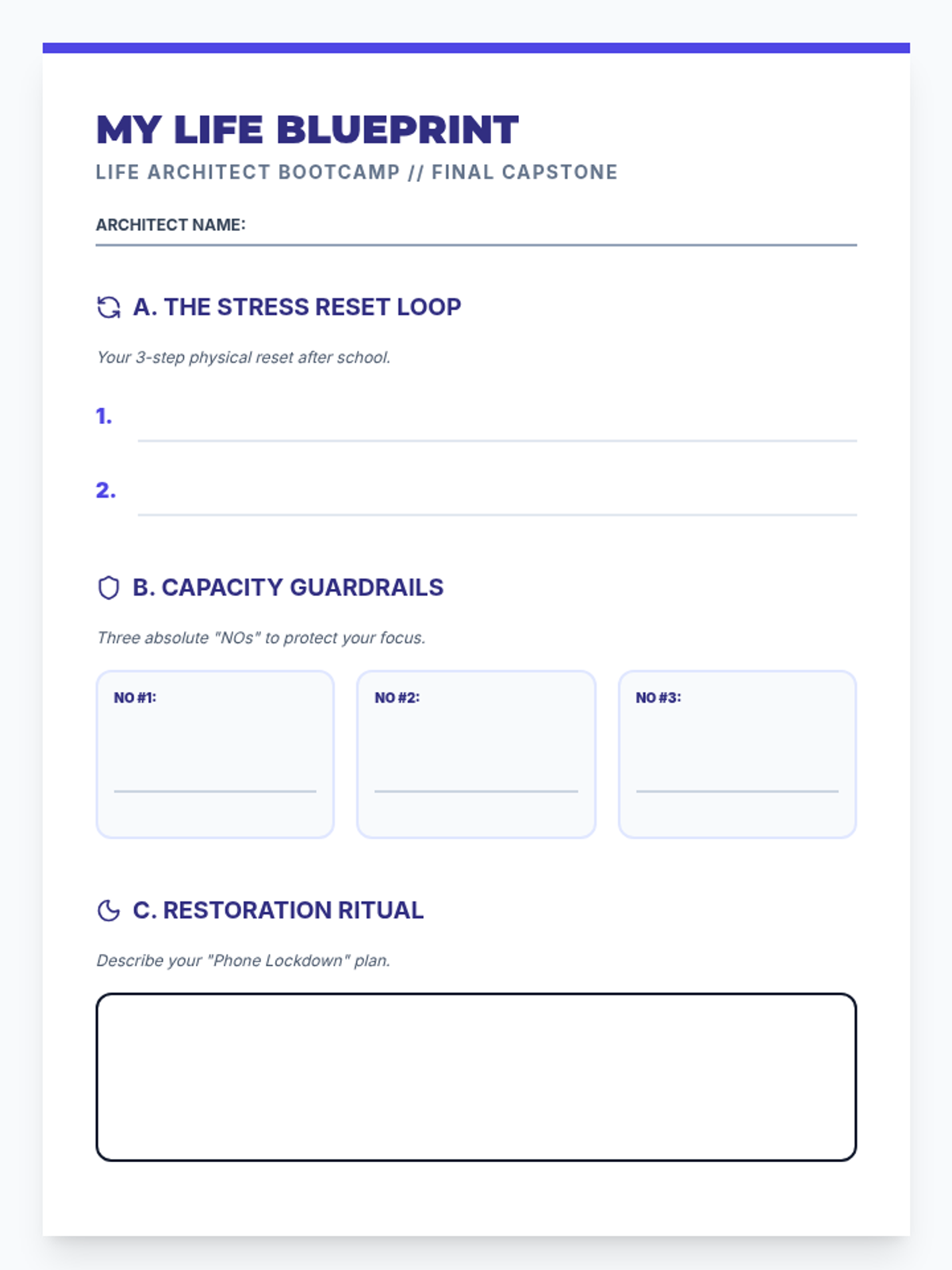
Students assemble their 'Ultimate Life Blueprint' and create a 'Pocket Panic Card' for quick stress-relief during high-pressure moments like finals week.
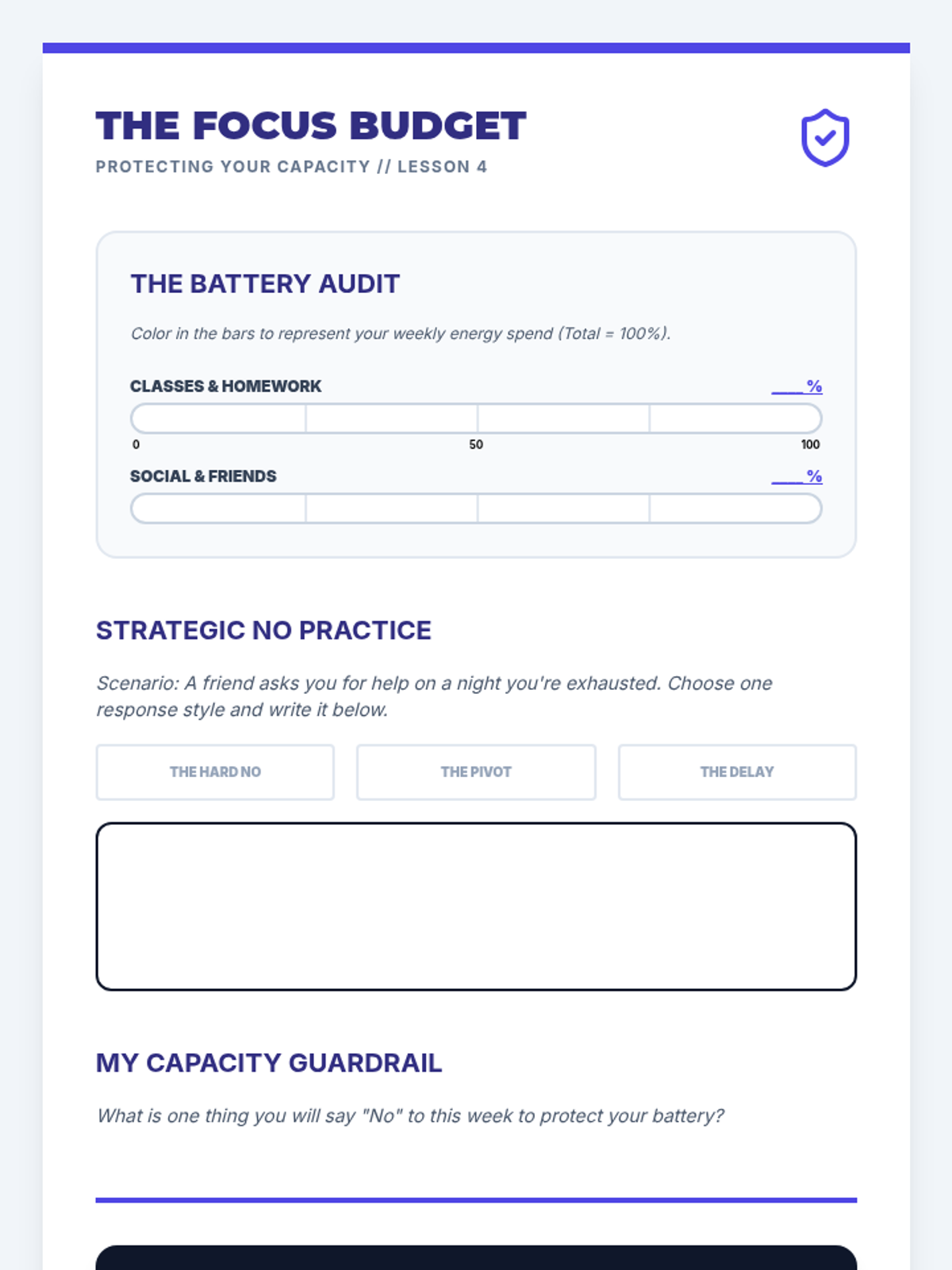
Teaches the 'Power of No' to handle FOMO and over-scheduling, helping students protect their time for the things that actually matter to them.
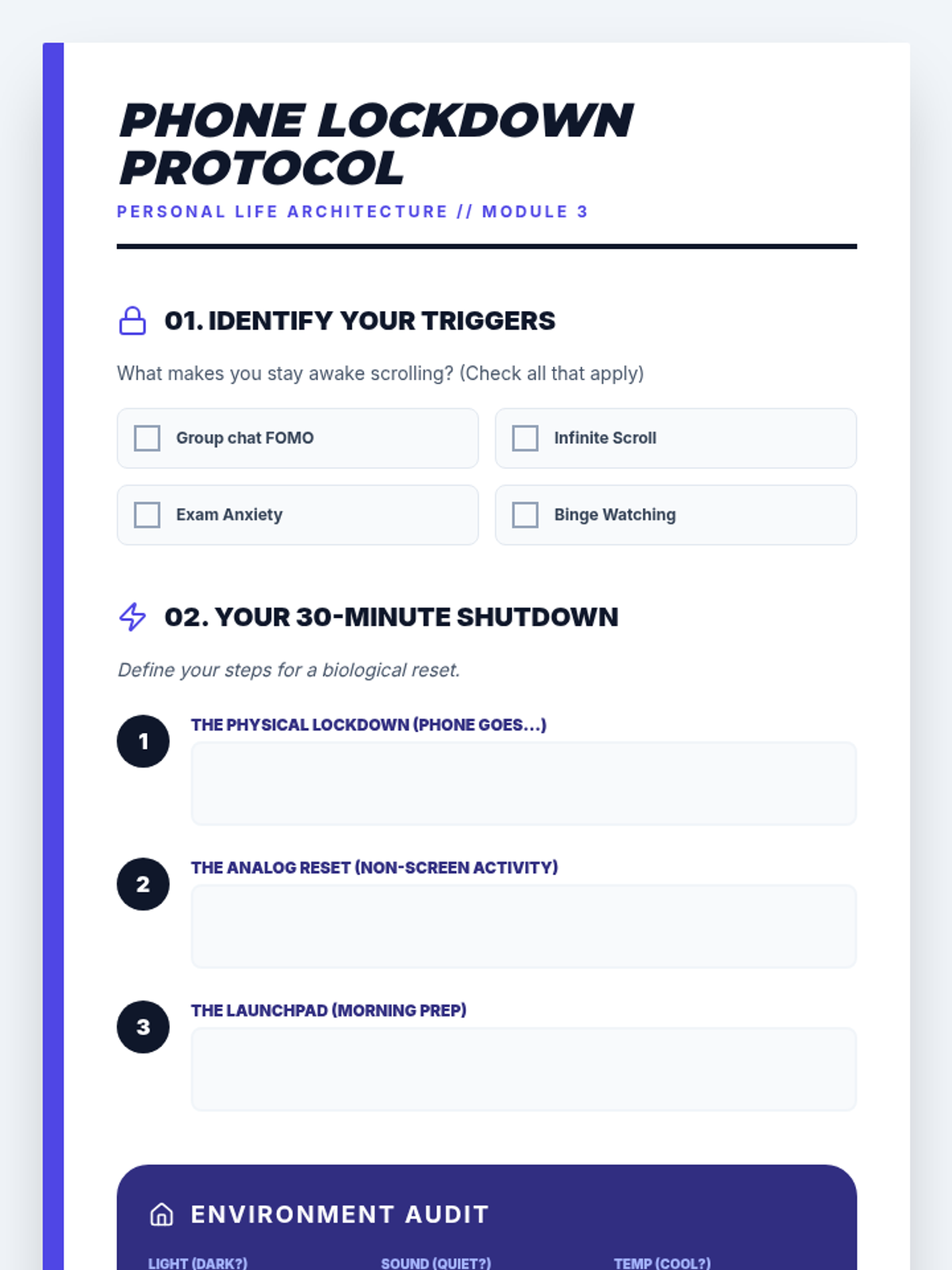
Explores why sleep is a superpower for grades and mood, helping students design a 'Phone Lockdown' ritual to beat late-night screen scrolling.
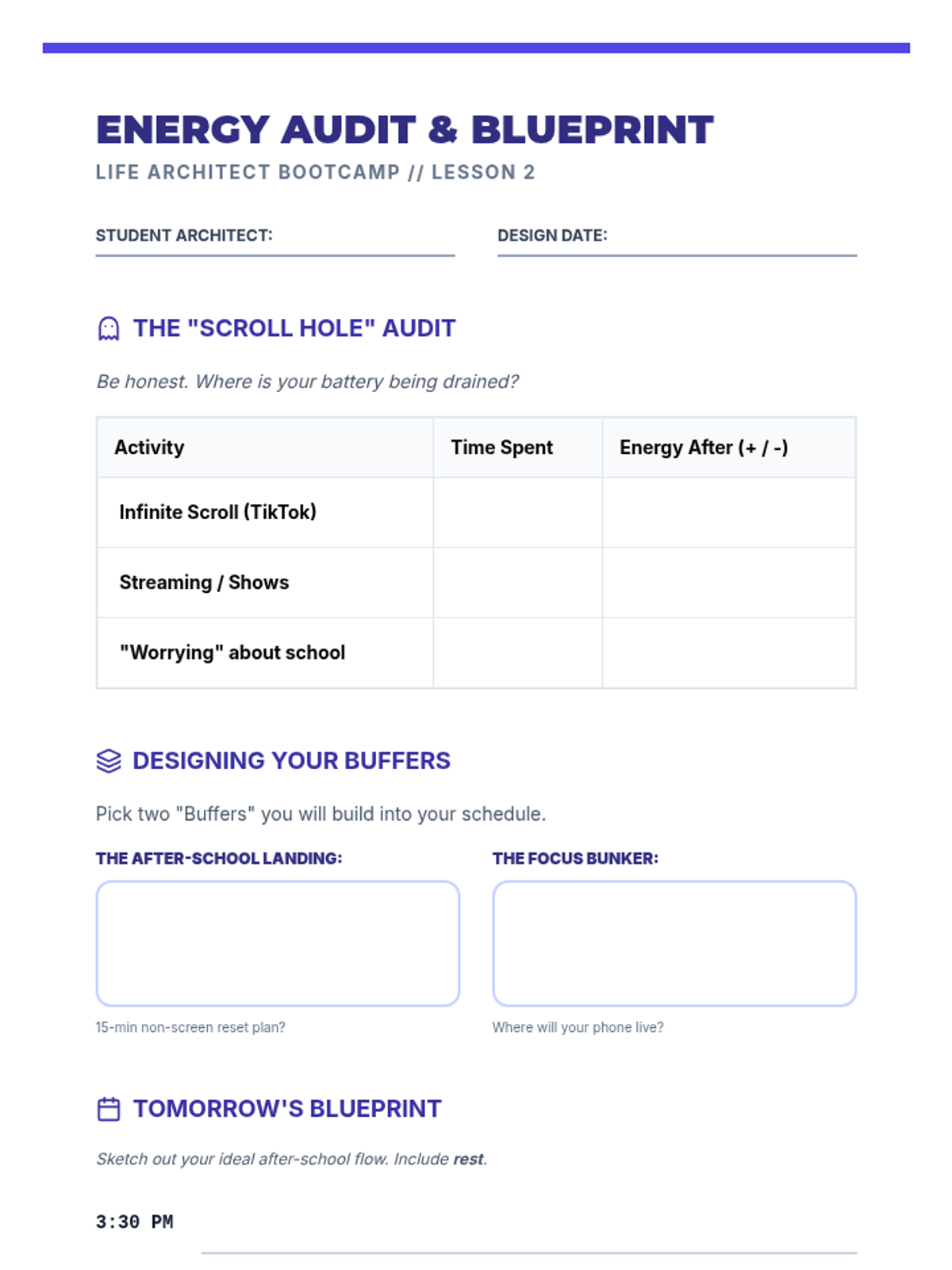
Moves beyond simple planners to teach 'energy auditing.' Students identify 'time thieves' like infinite scrolling and design a schedule that includes guilt-free rest.
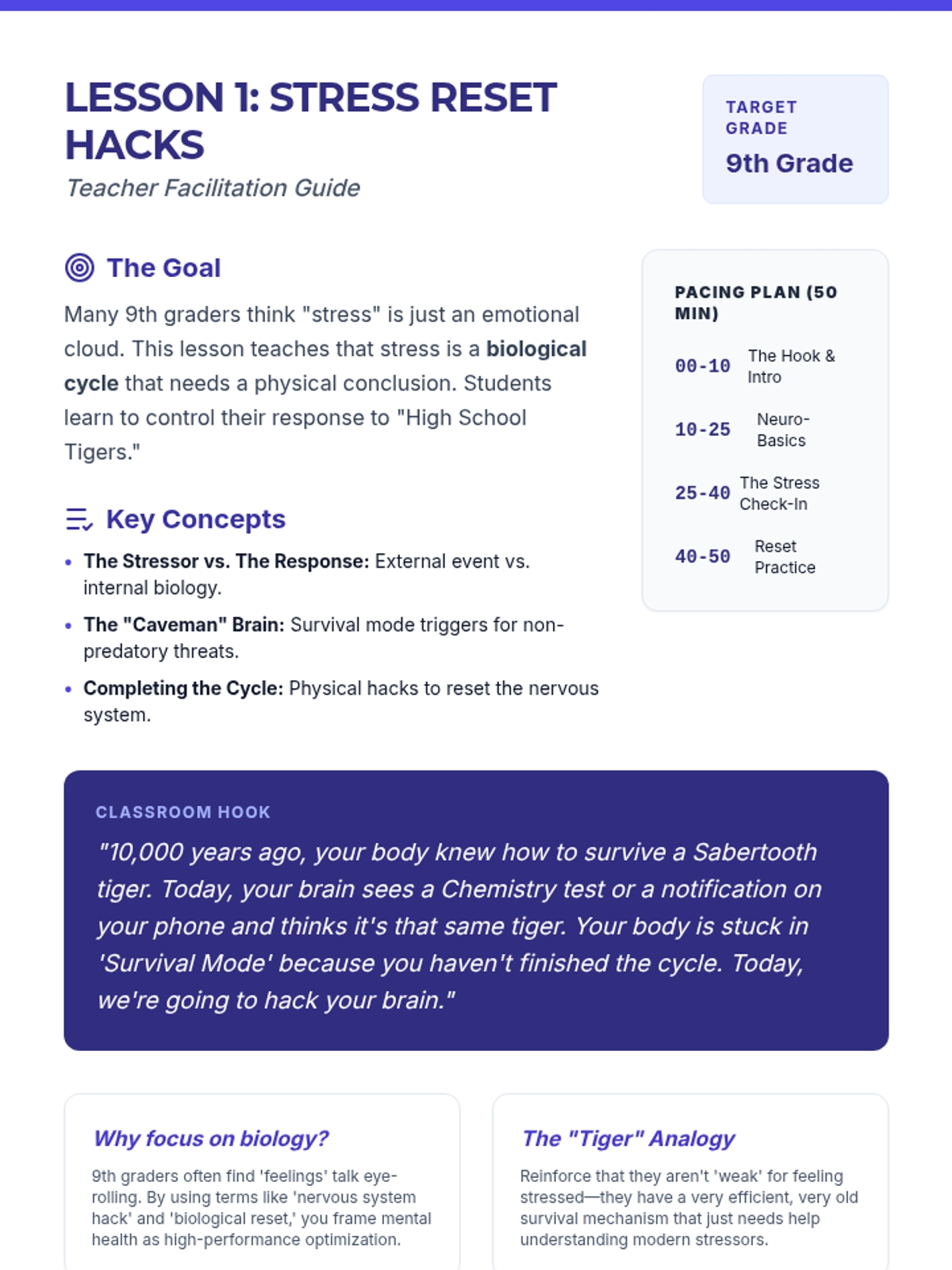
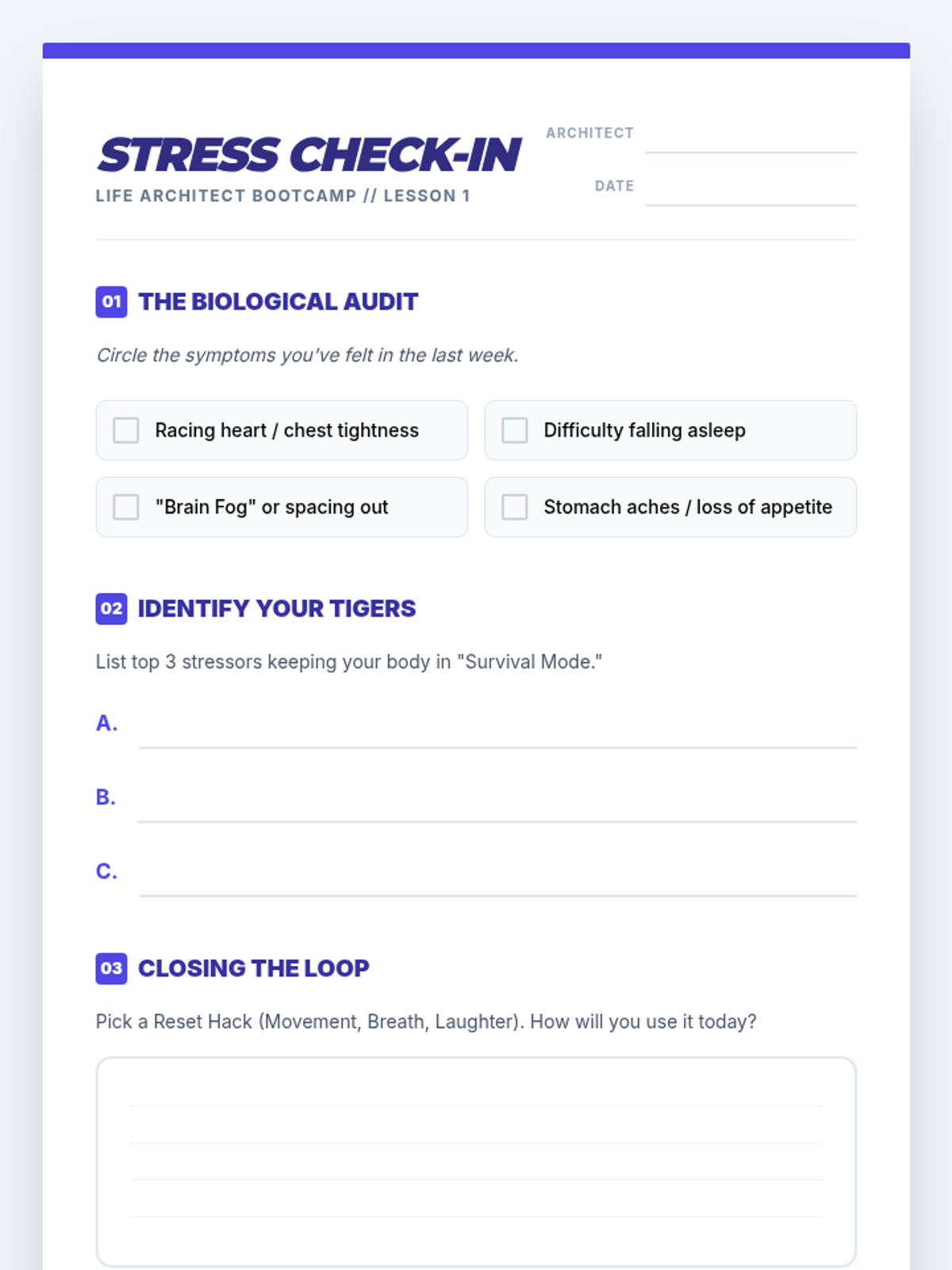
Students learn to tell the difference between 'stressors' (the math test) and the 'stress response' (the racing heart), practicing physical hacks to tell their brains they are safe.