A 60-minute lesson for 6th graders on active listening, featuring interactive role-playing activities, guided reflections, and practical communication techniques to build better relationships.
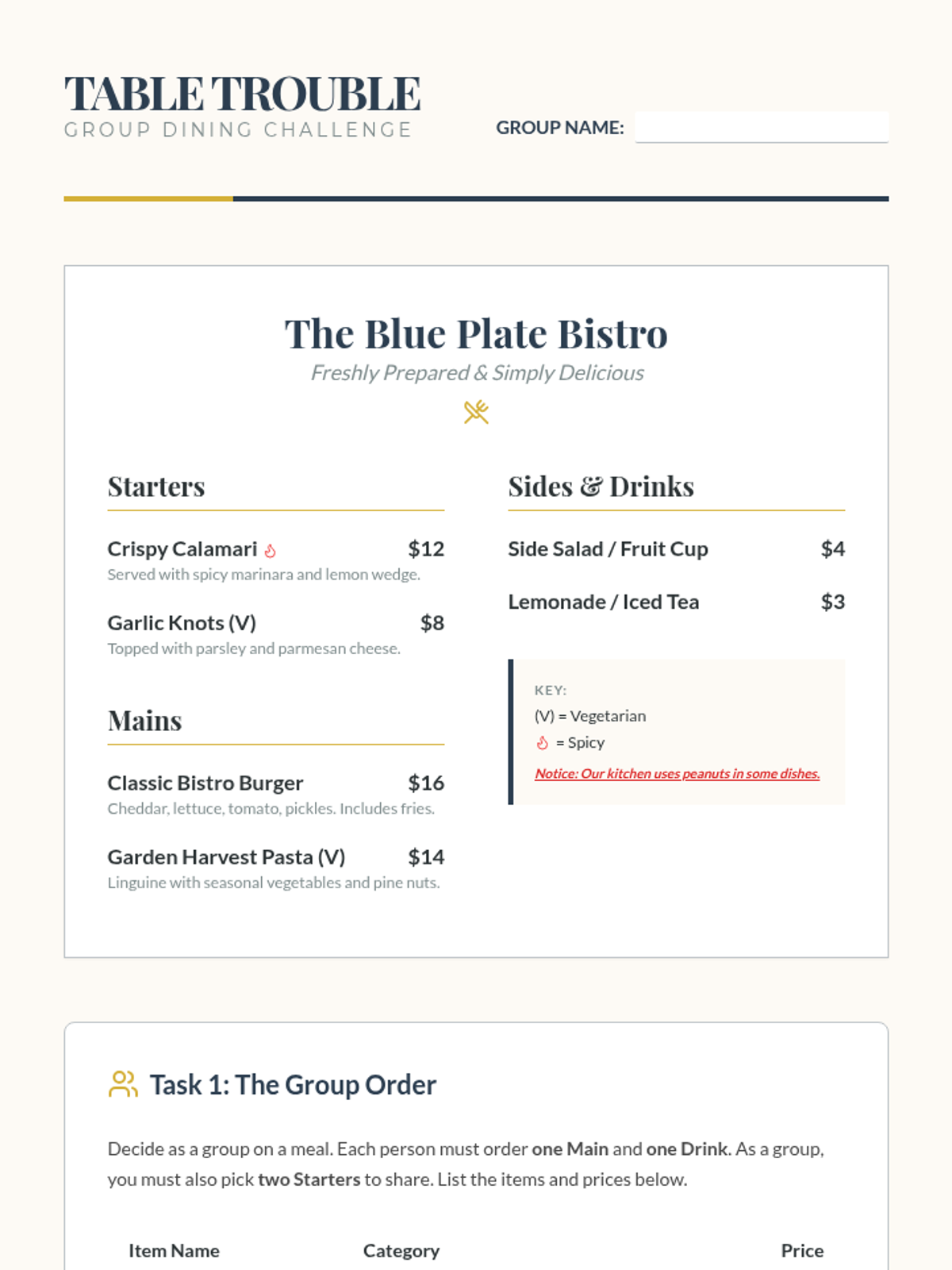
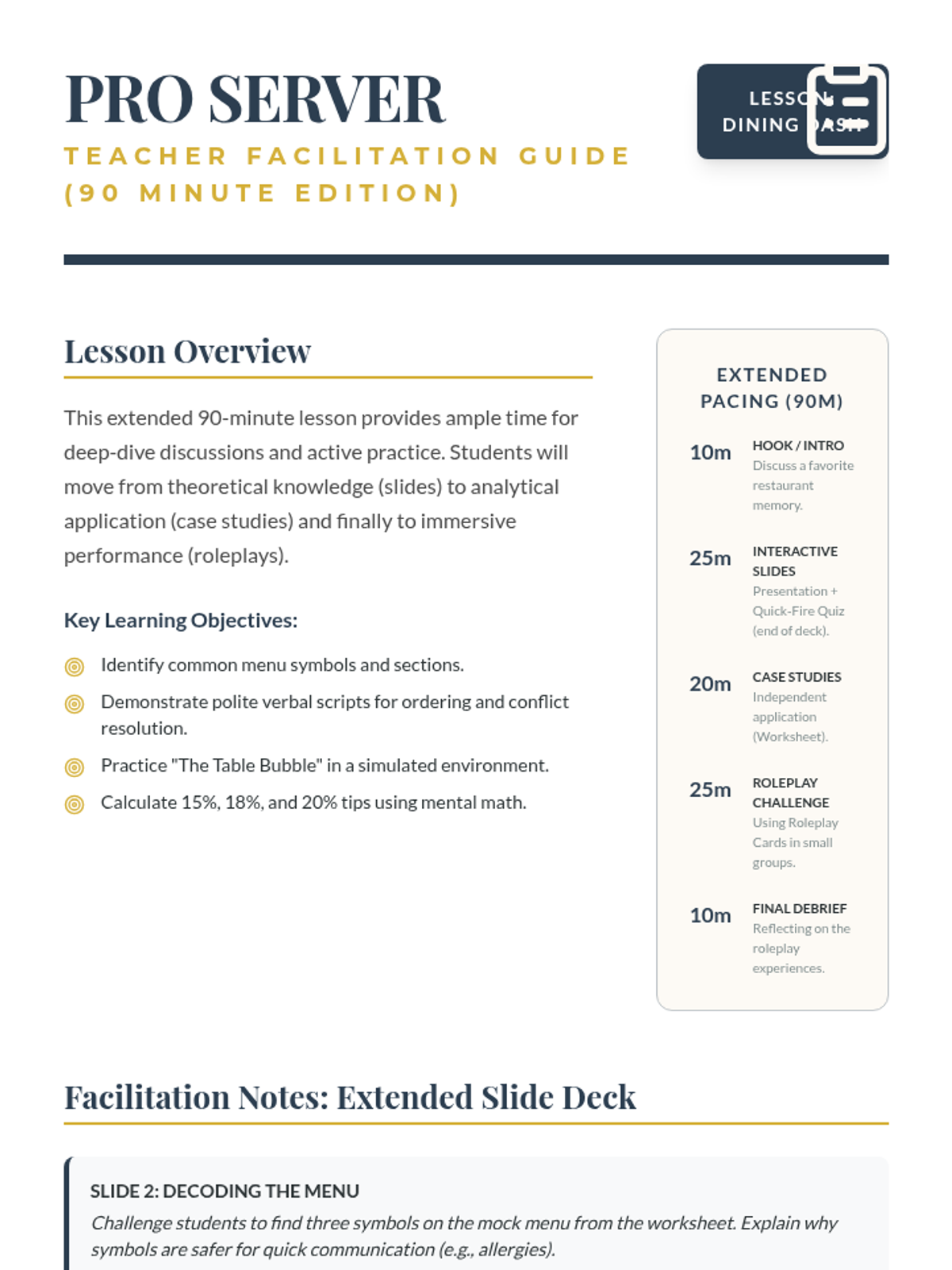
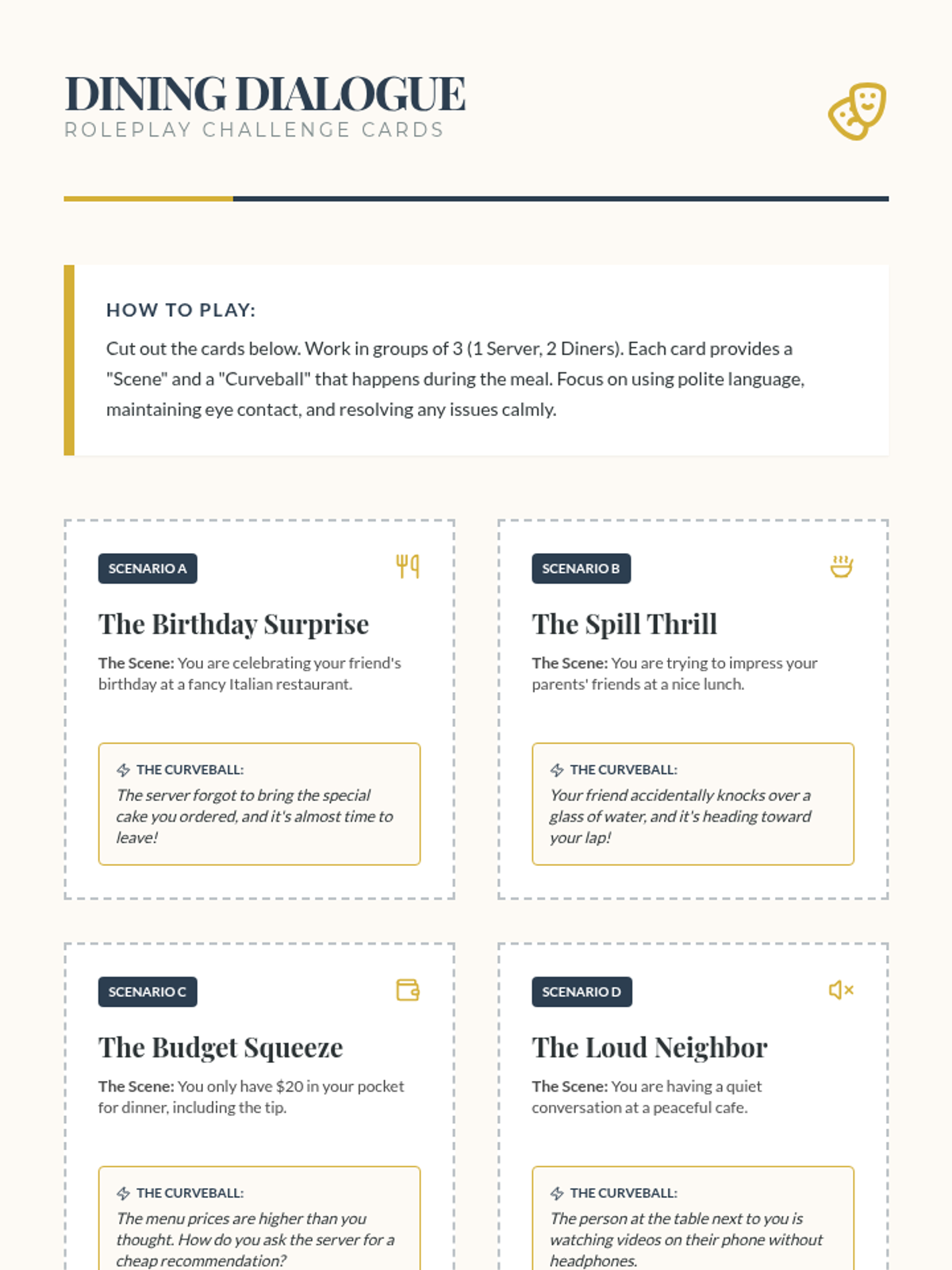
A comprehensive lesson on restaurant etiquette covering menu reading, ordering, manners, volume control, tipping, and conflict resolution.
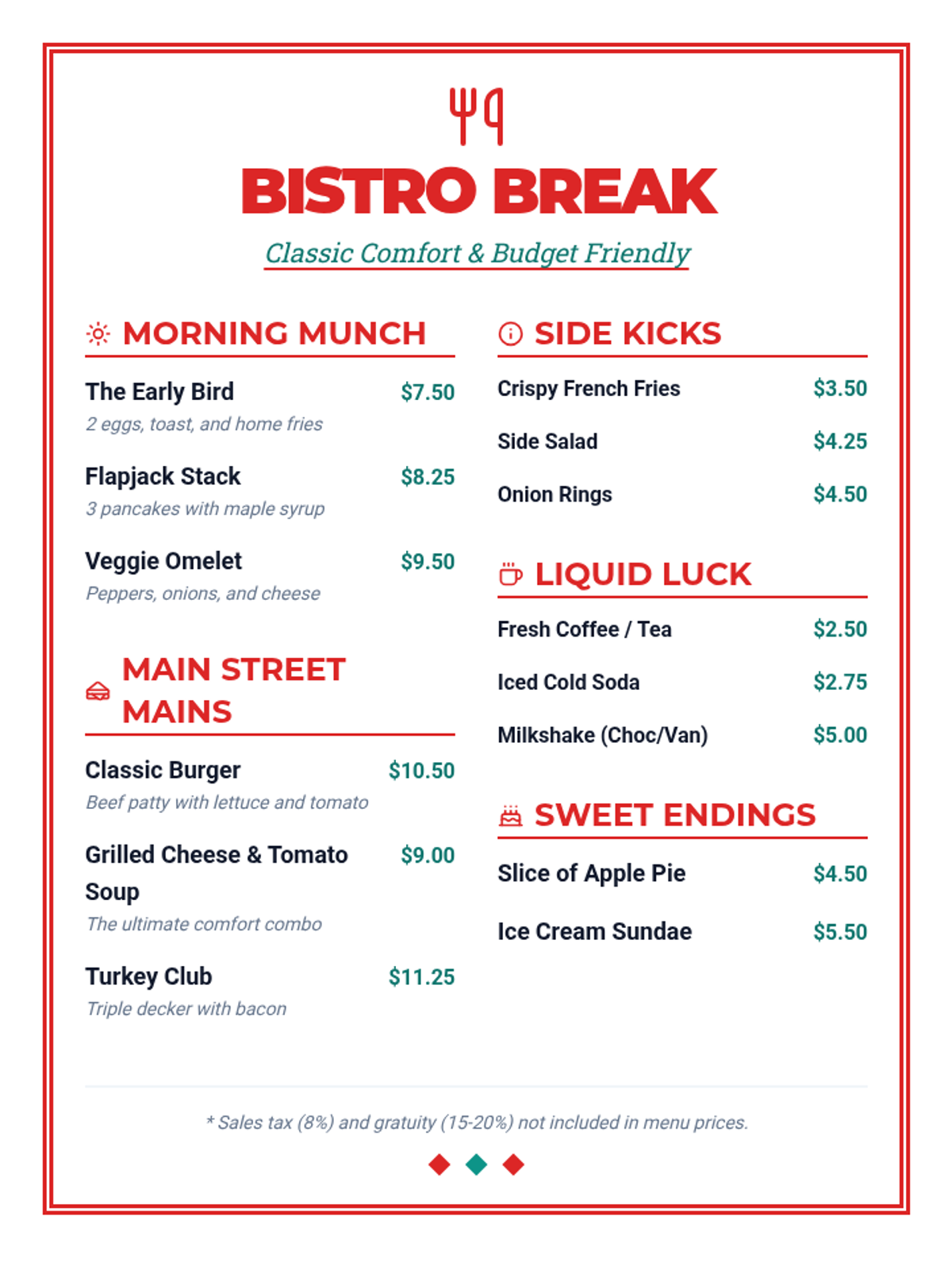
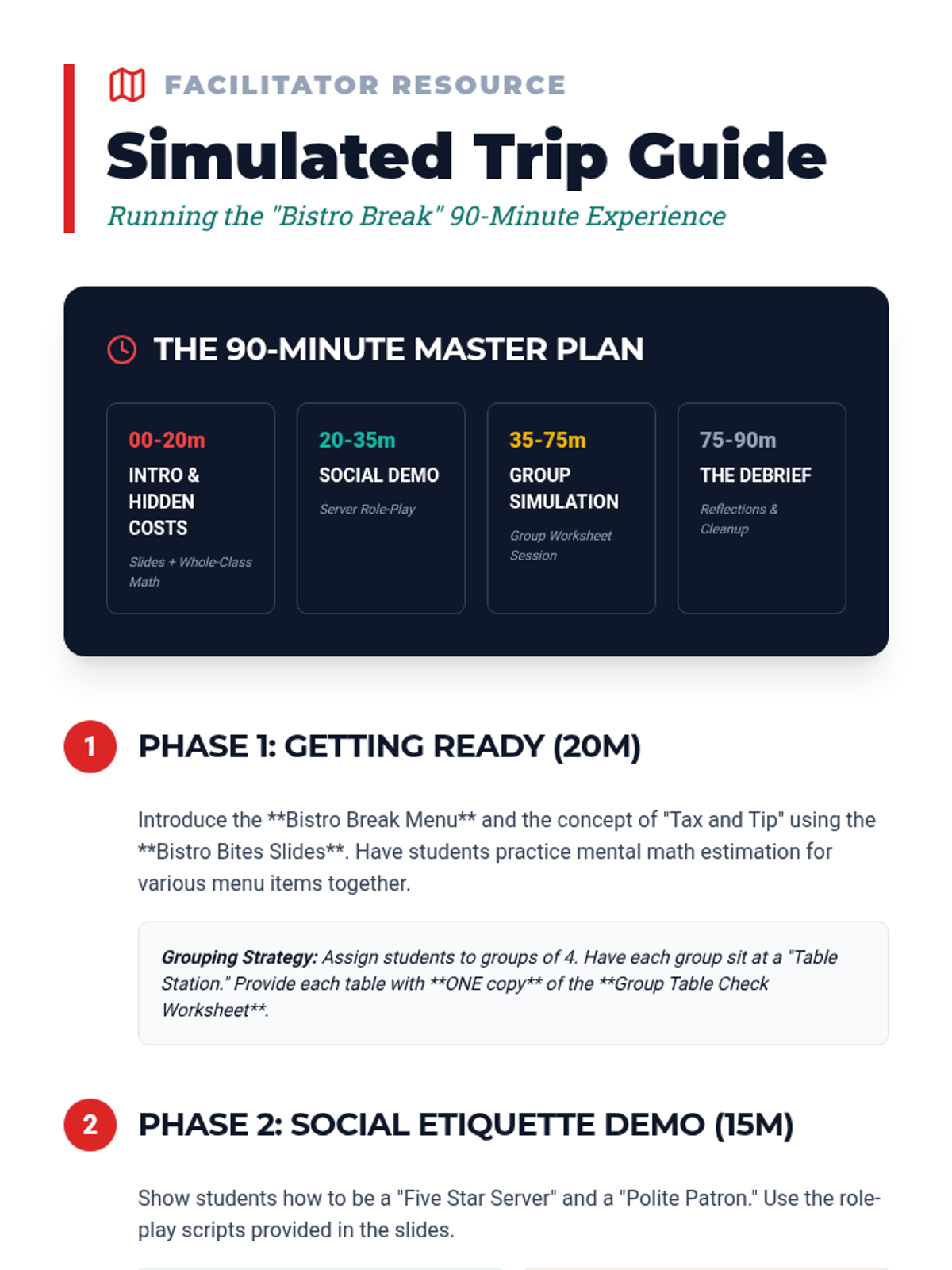
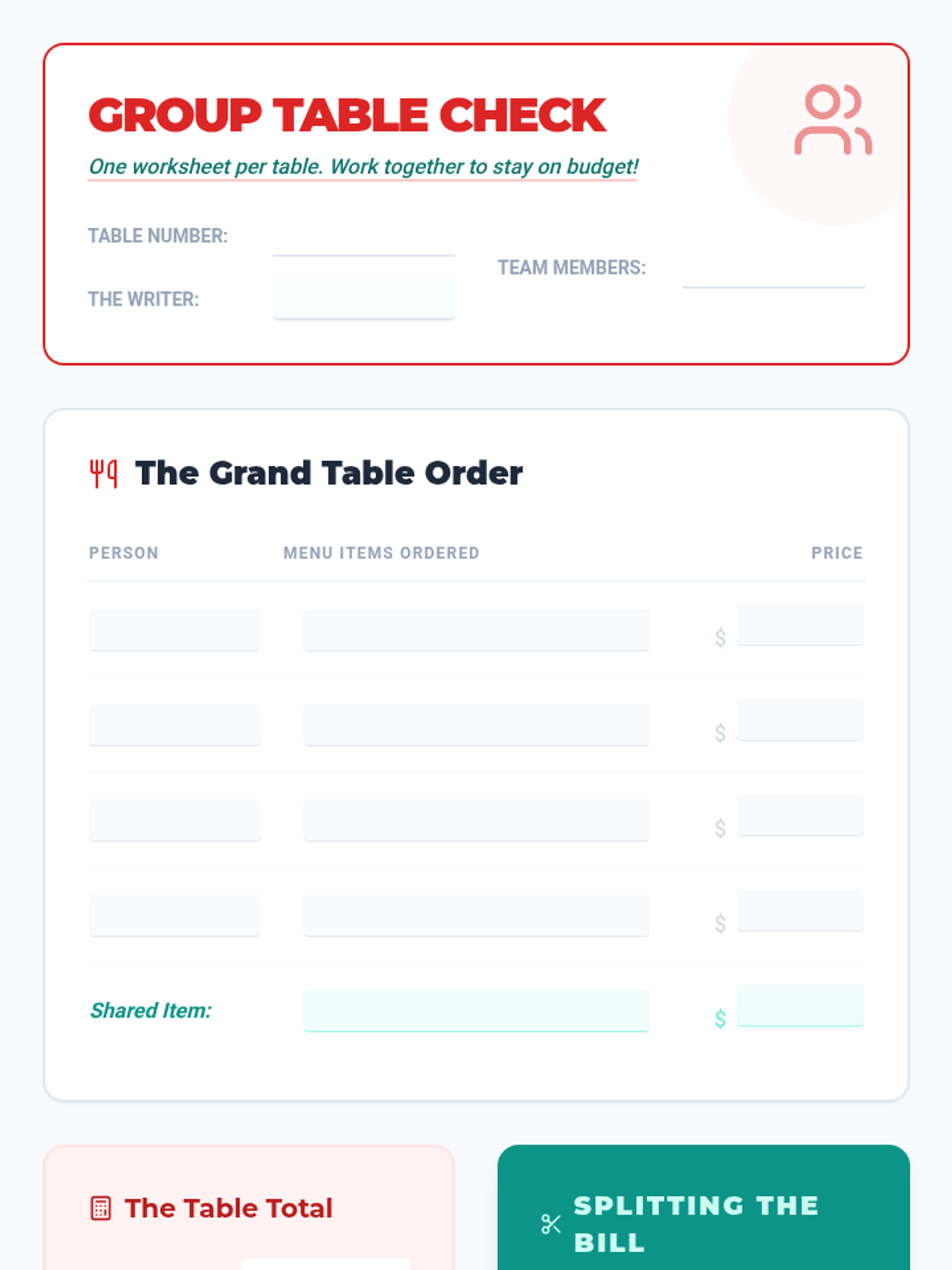
A functional skills lesson focused on navigating a restaurant experience on a budget, covering menu reading, budget planning, social etiquette, and group check splitting.
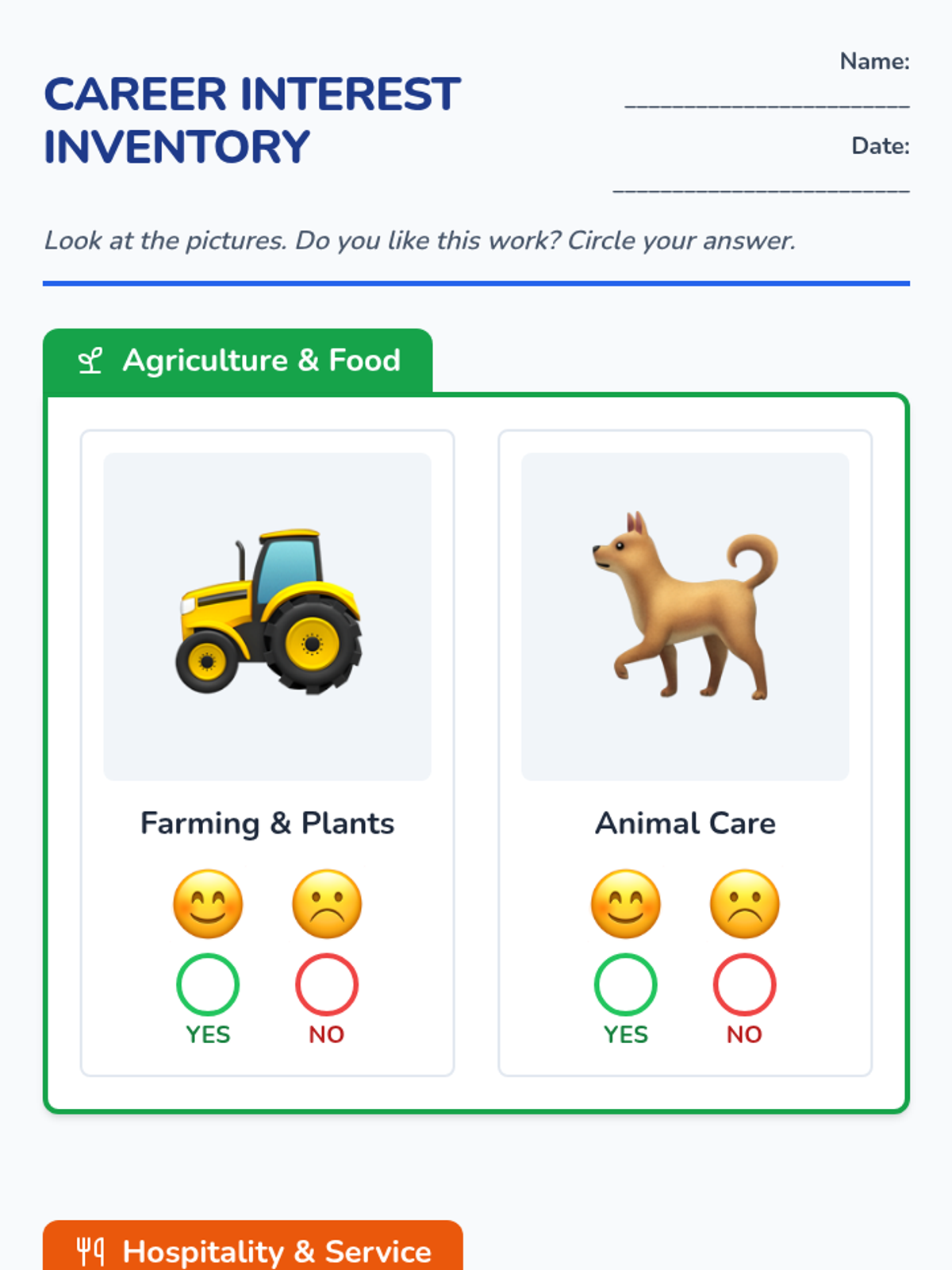
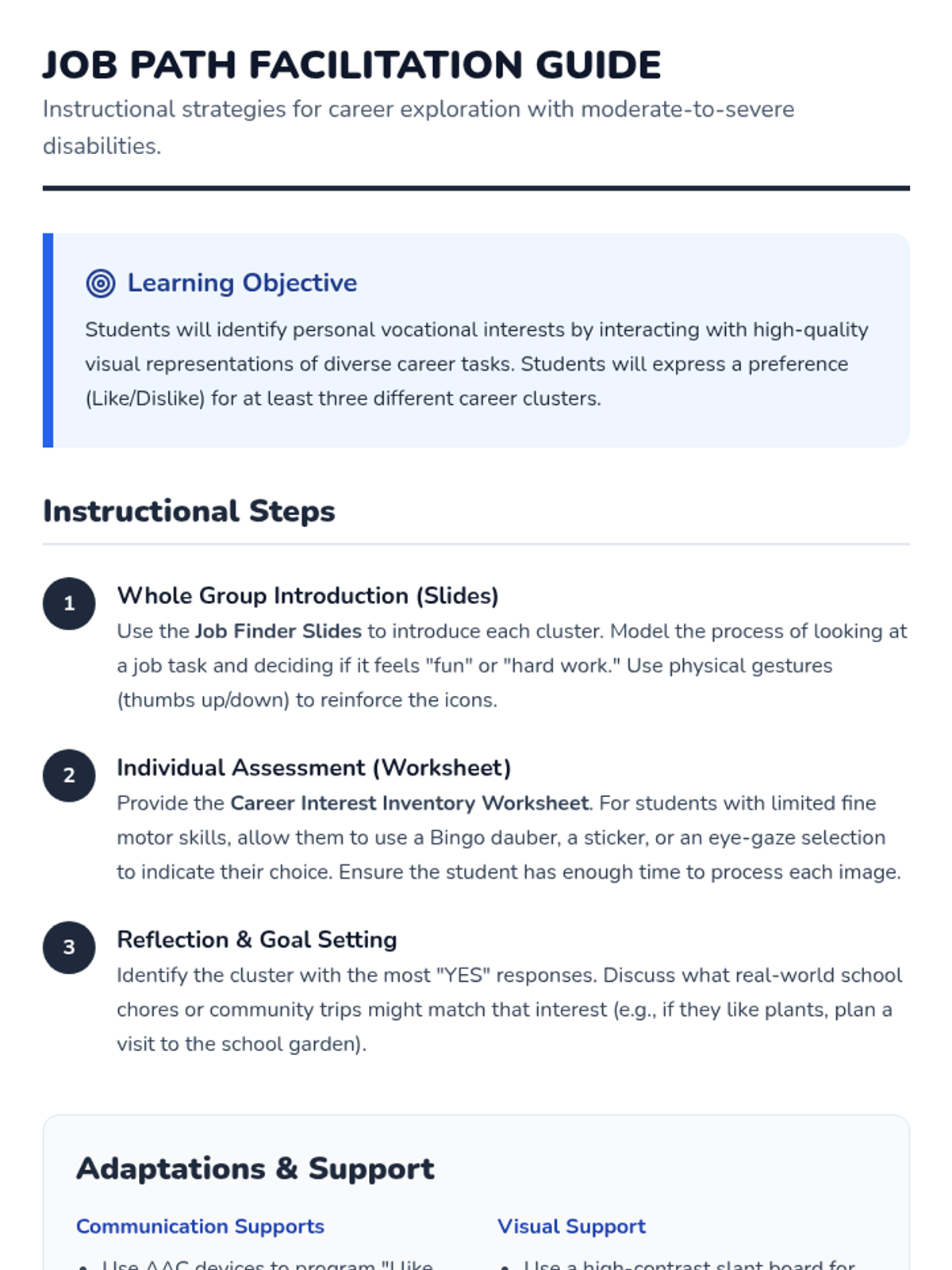
A visual career exploration lesson designed for students with moderate to severe disabilities, using real photos to identify interests across various career clusters.
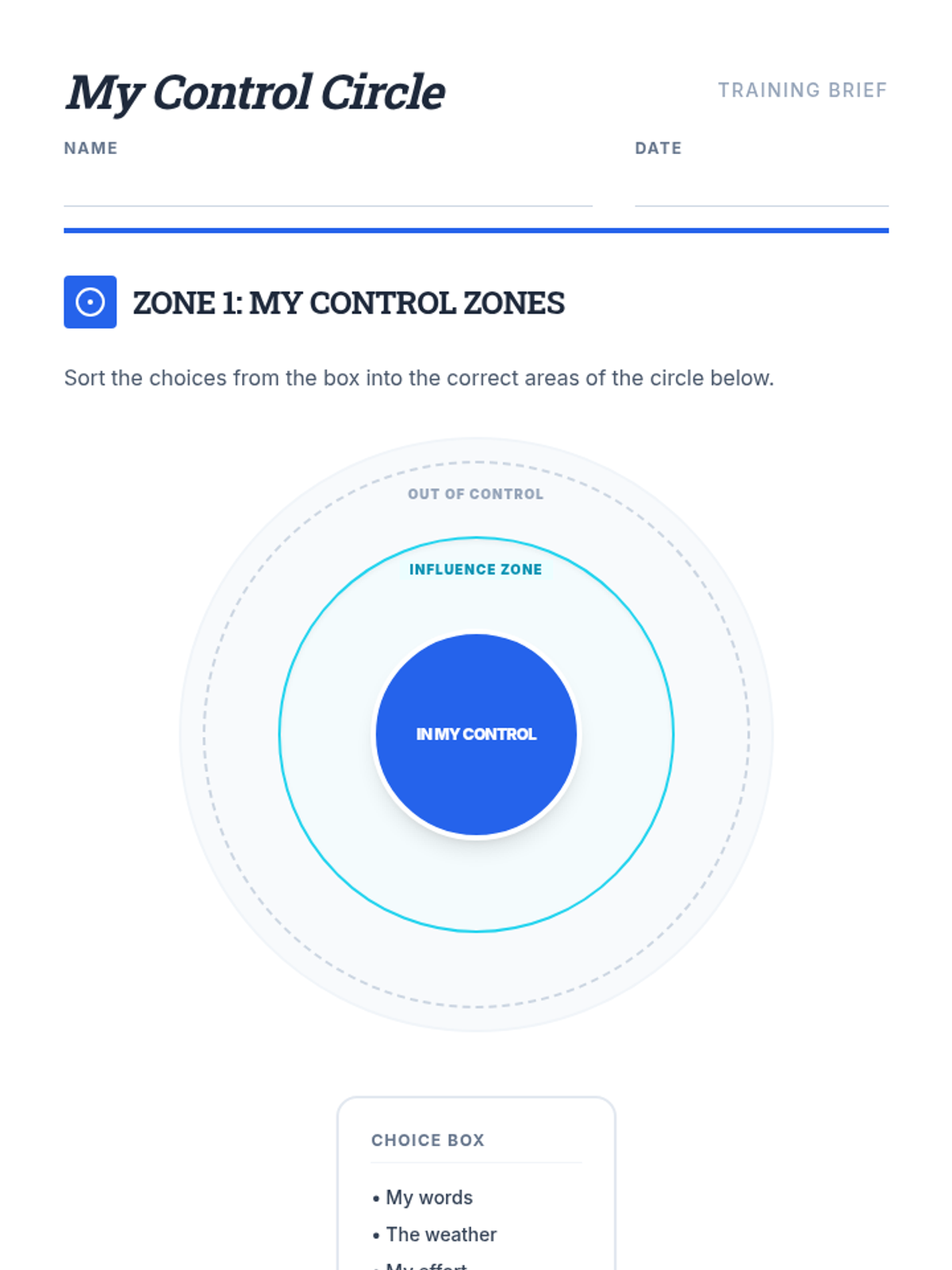
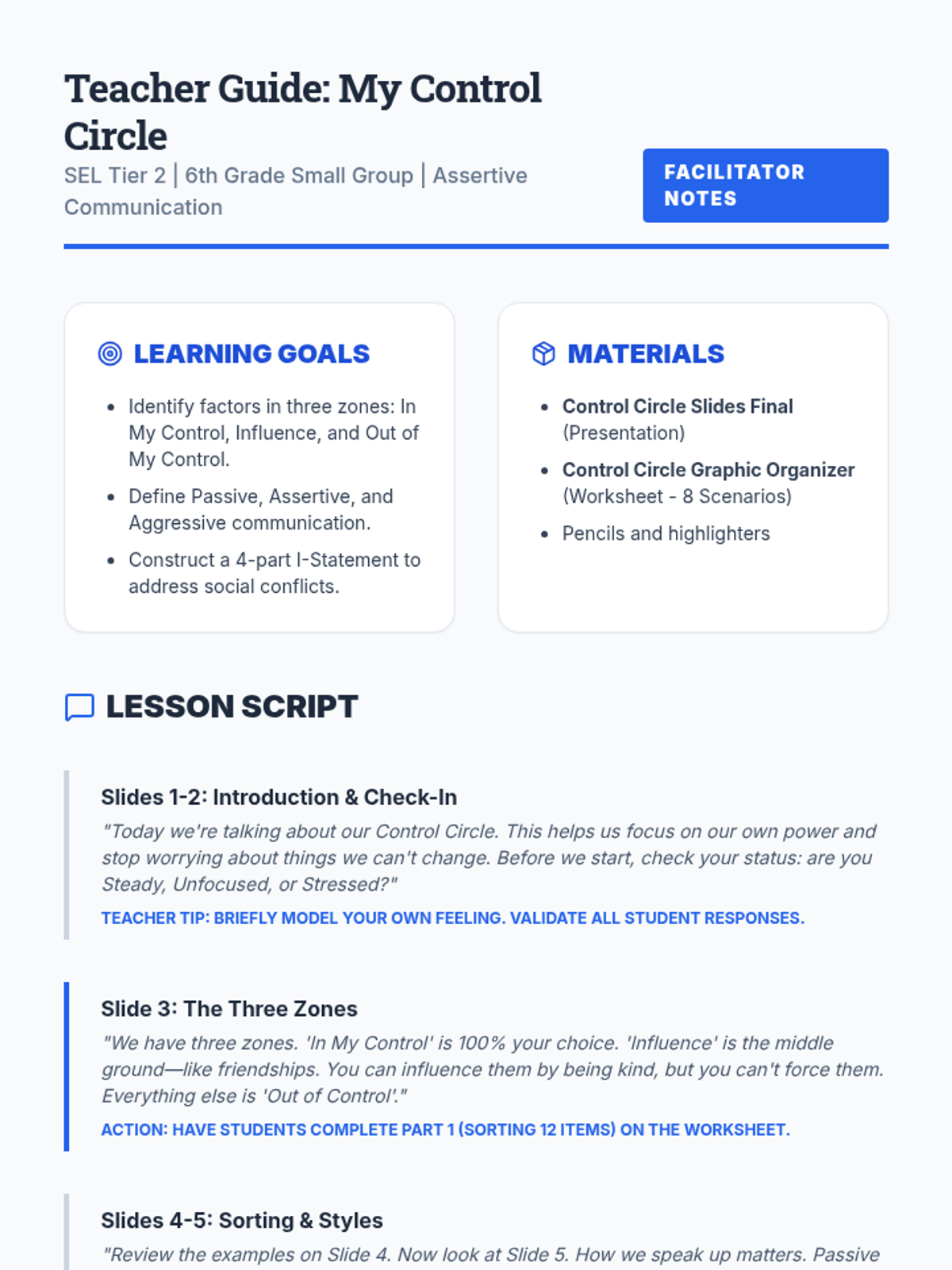
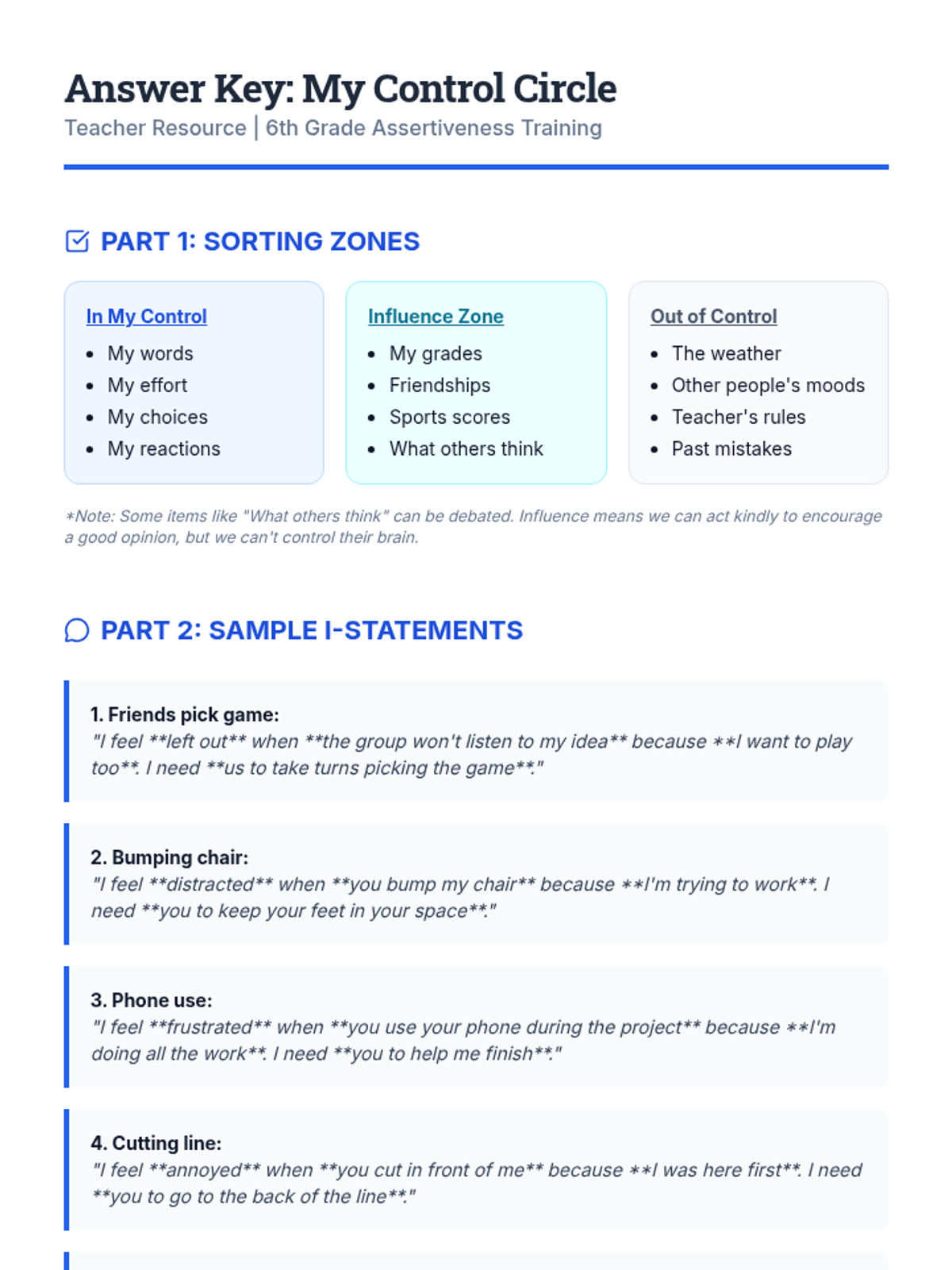
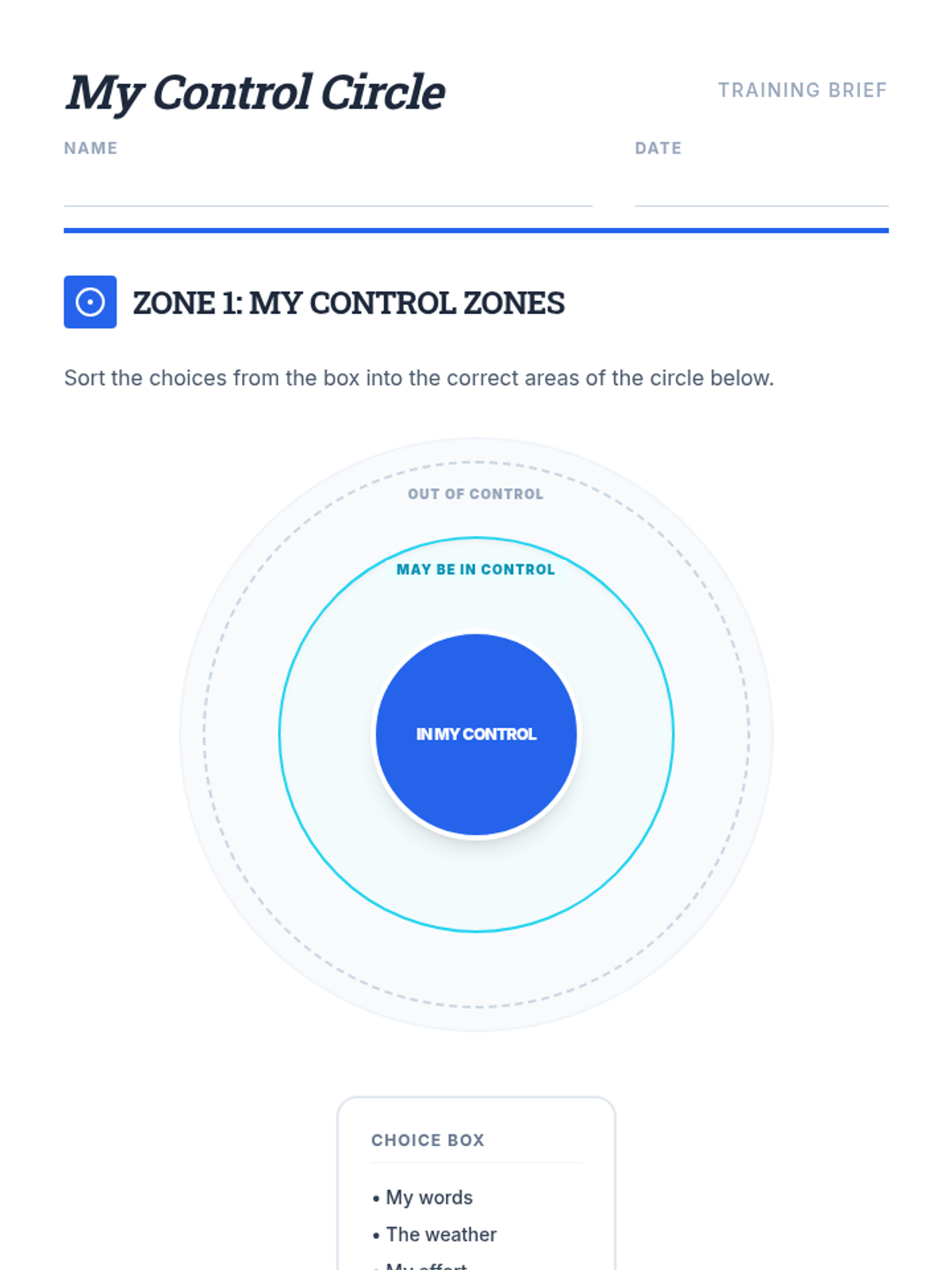
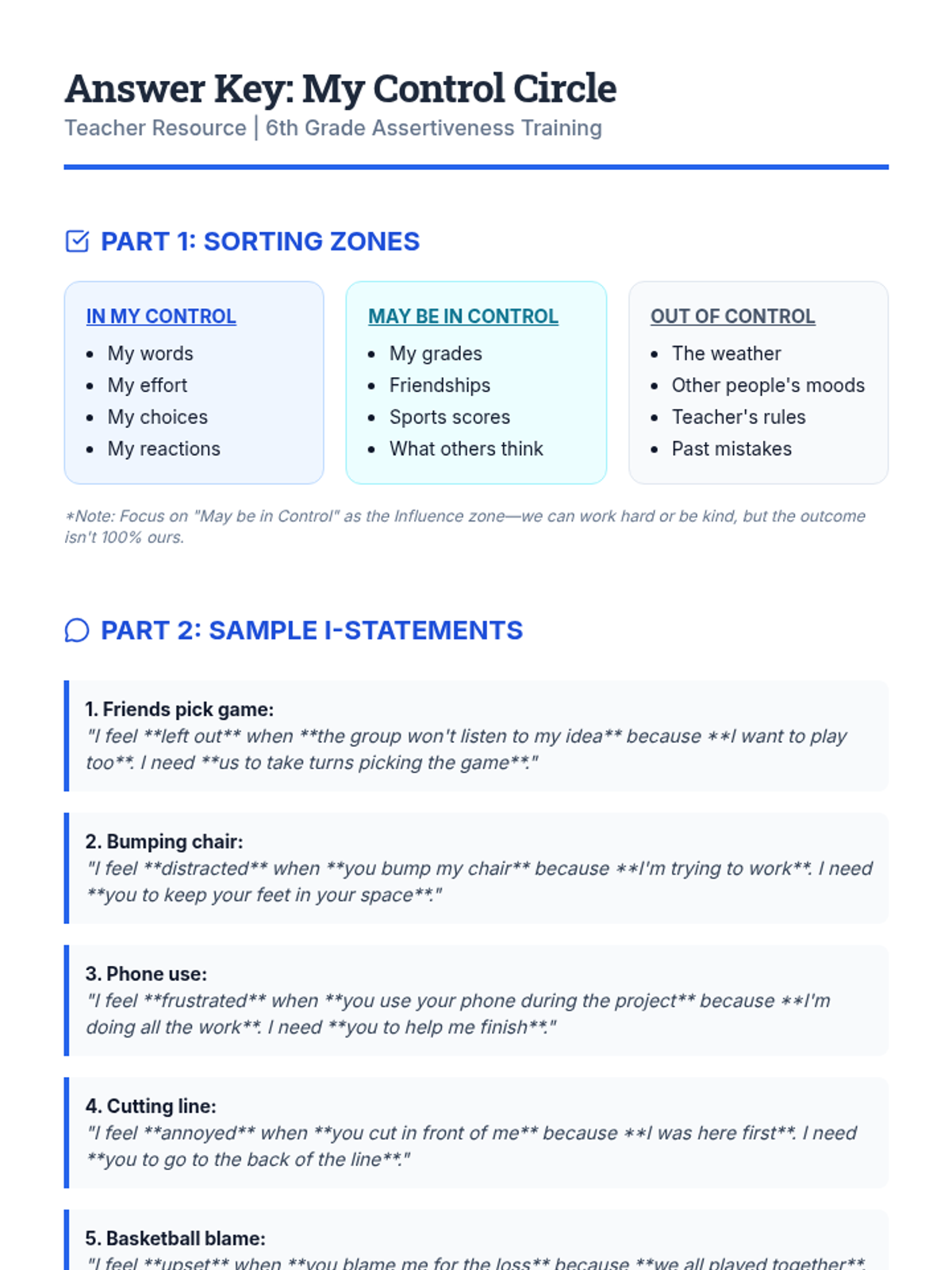
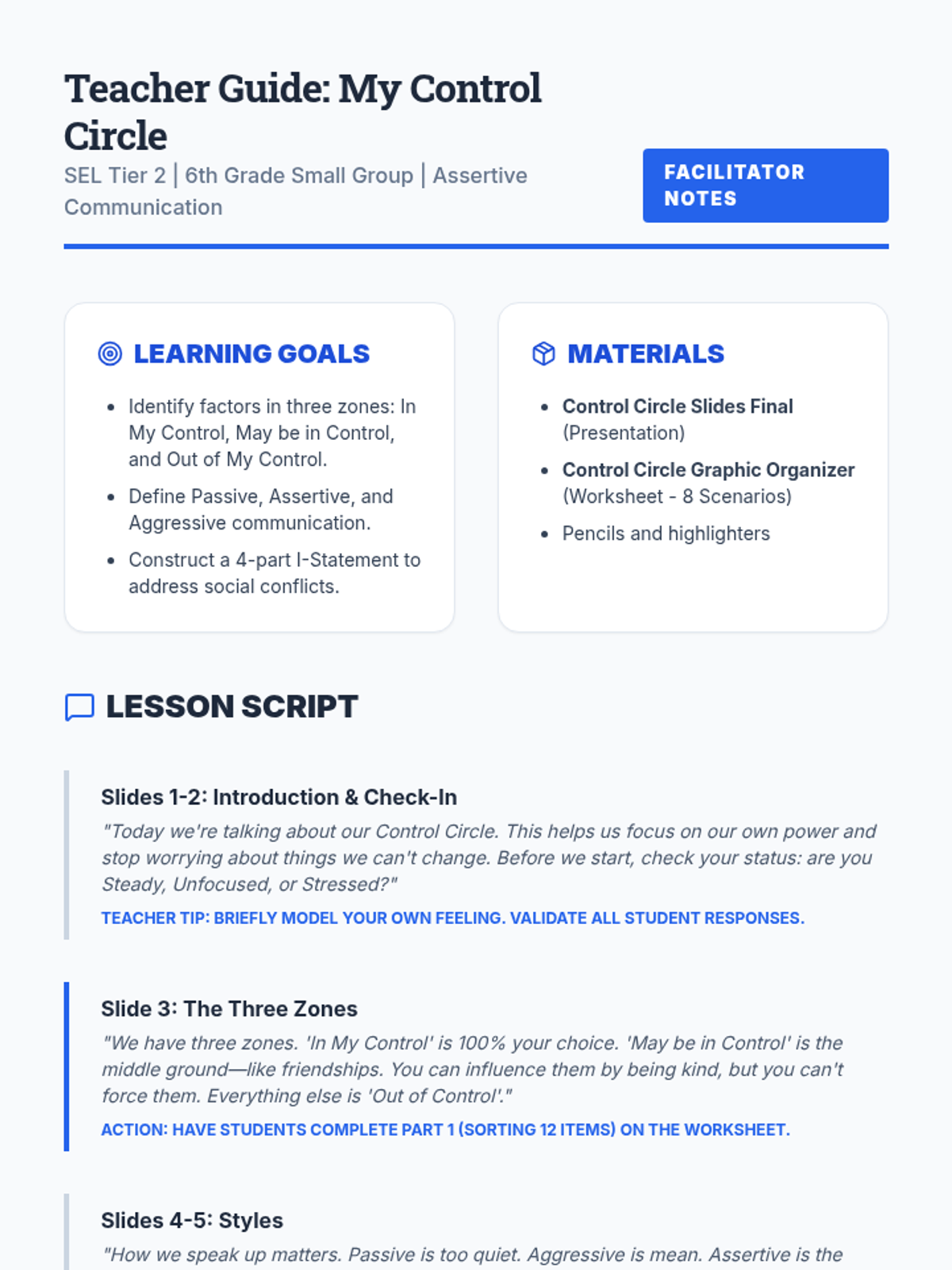
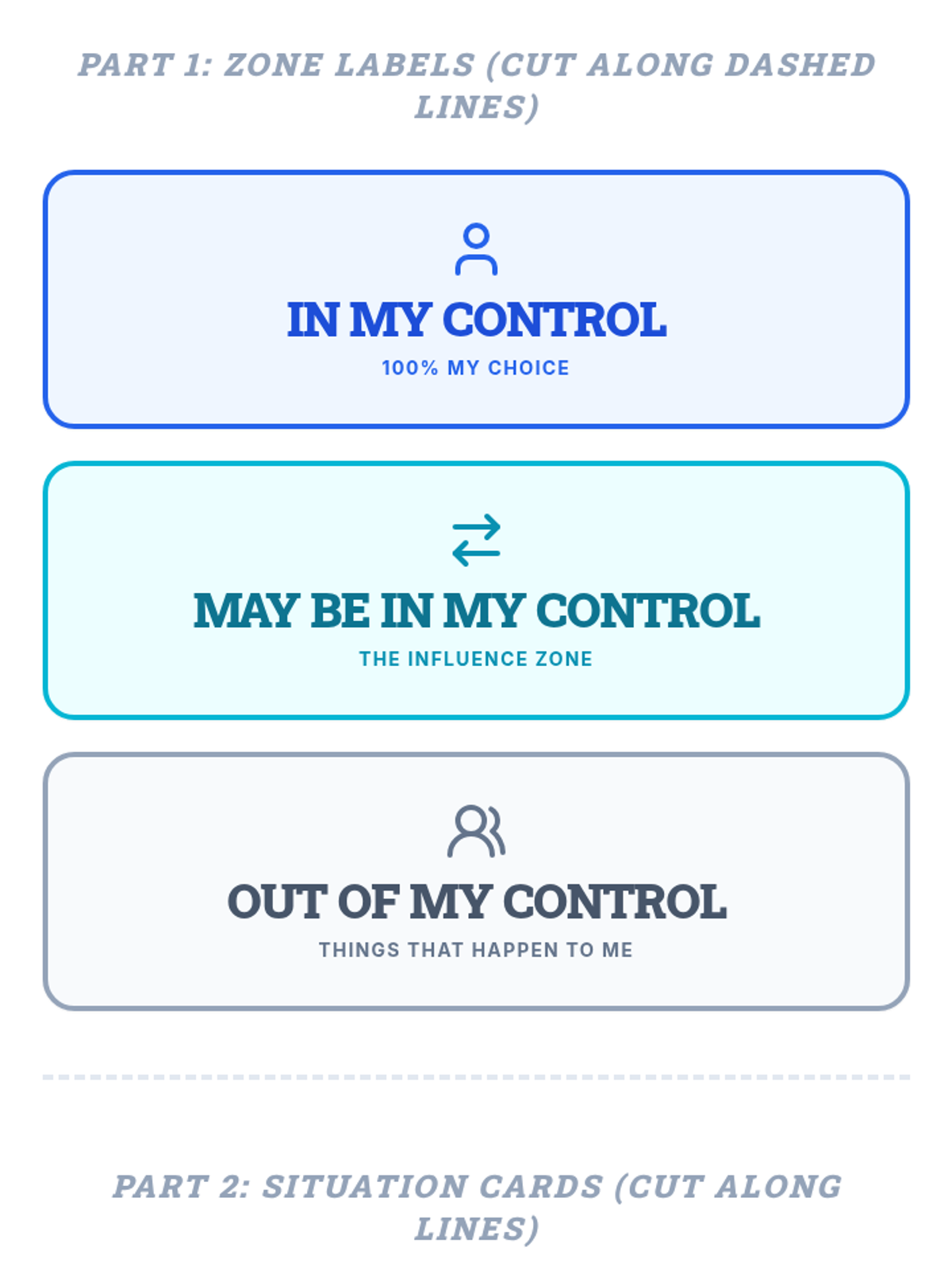
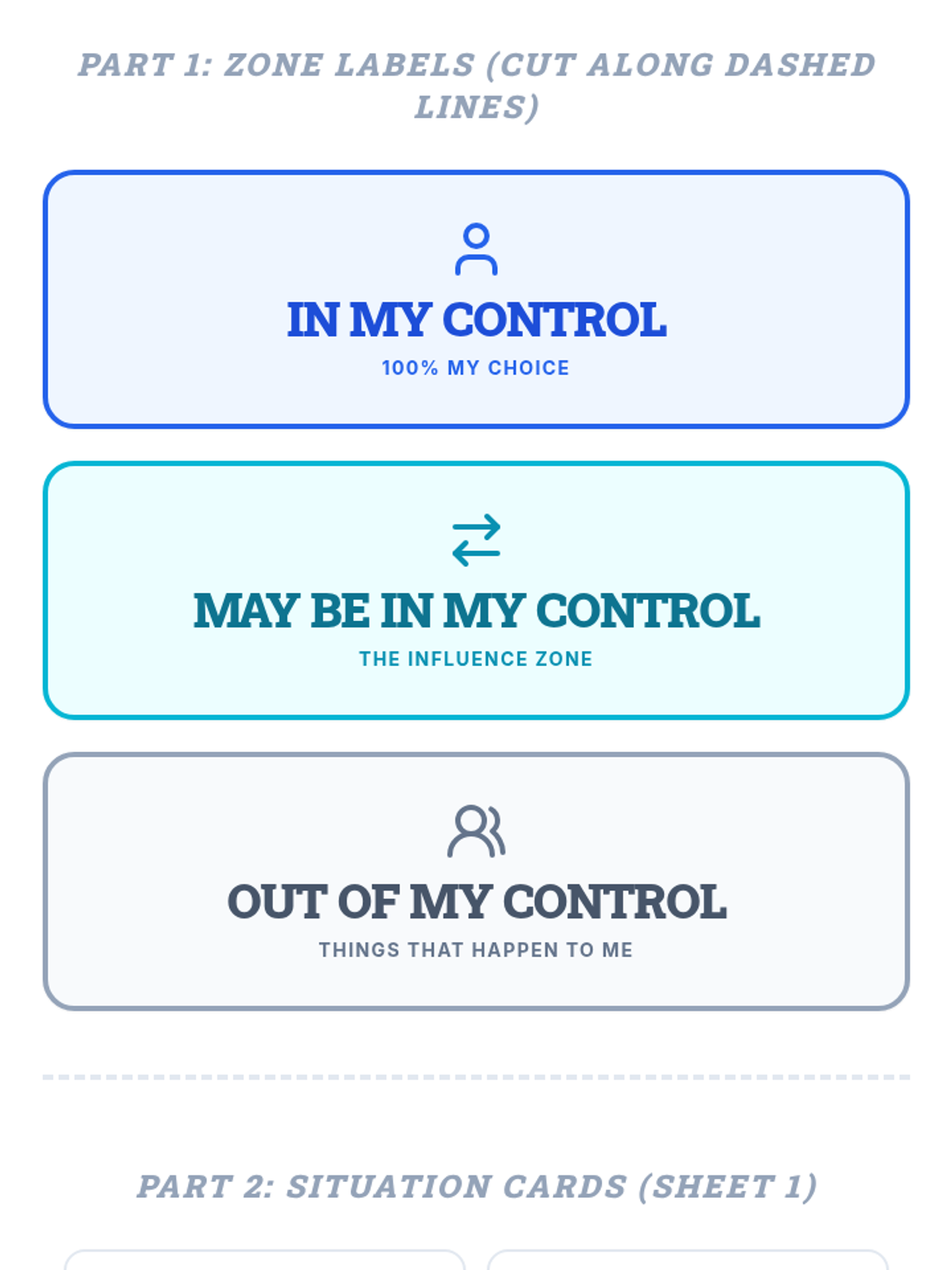
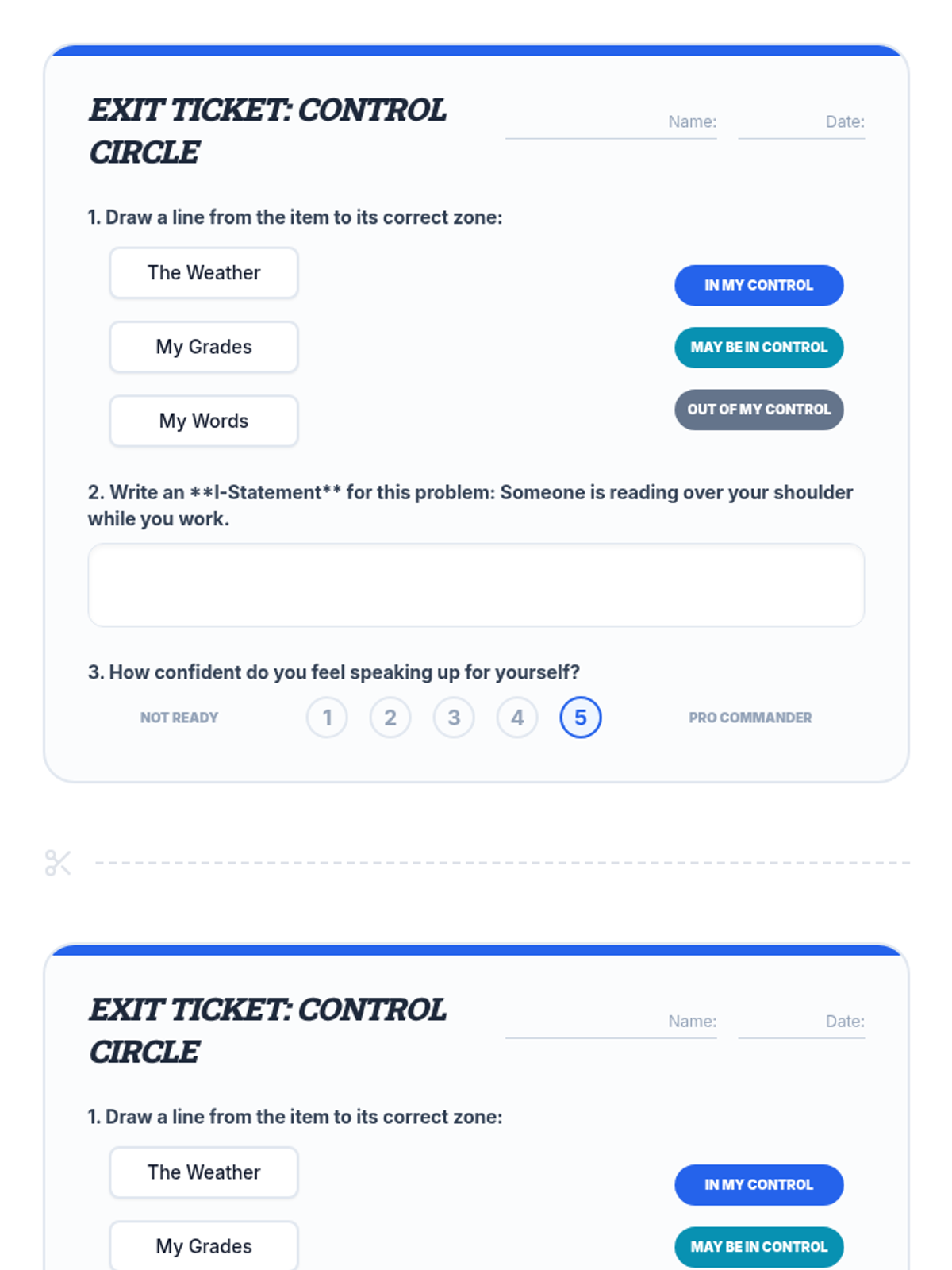
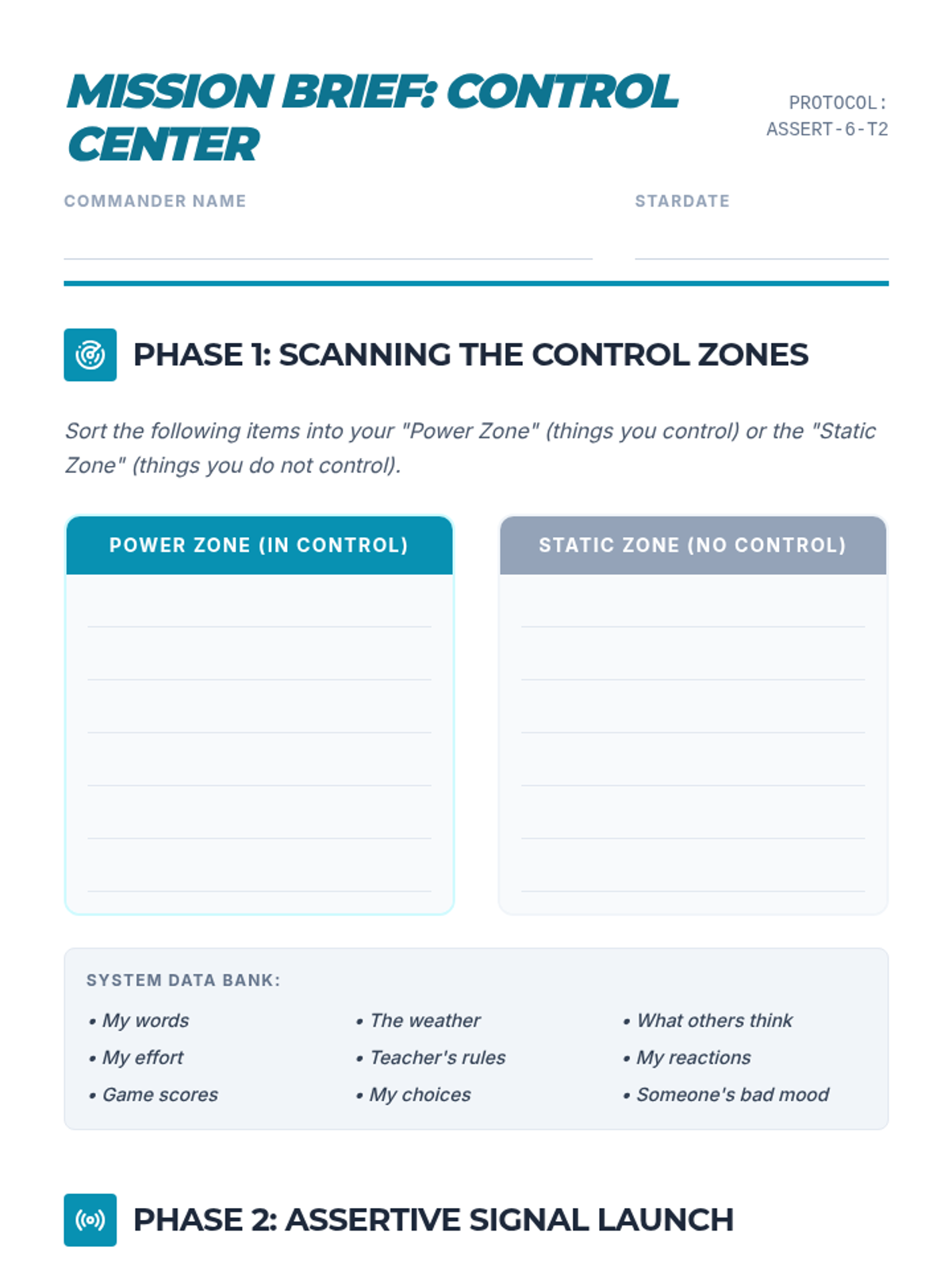
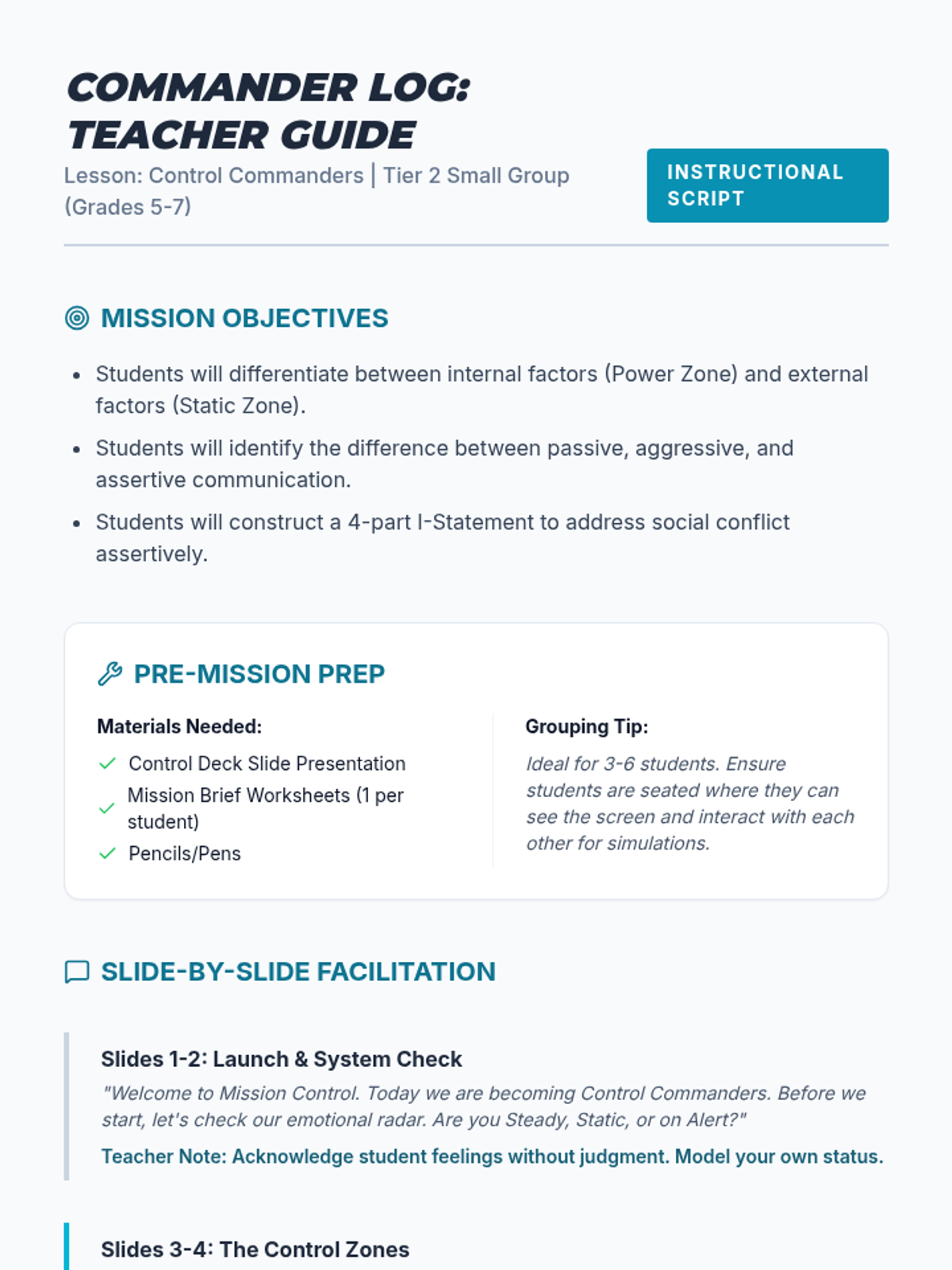
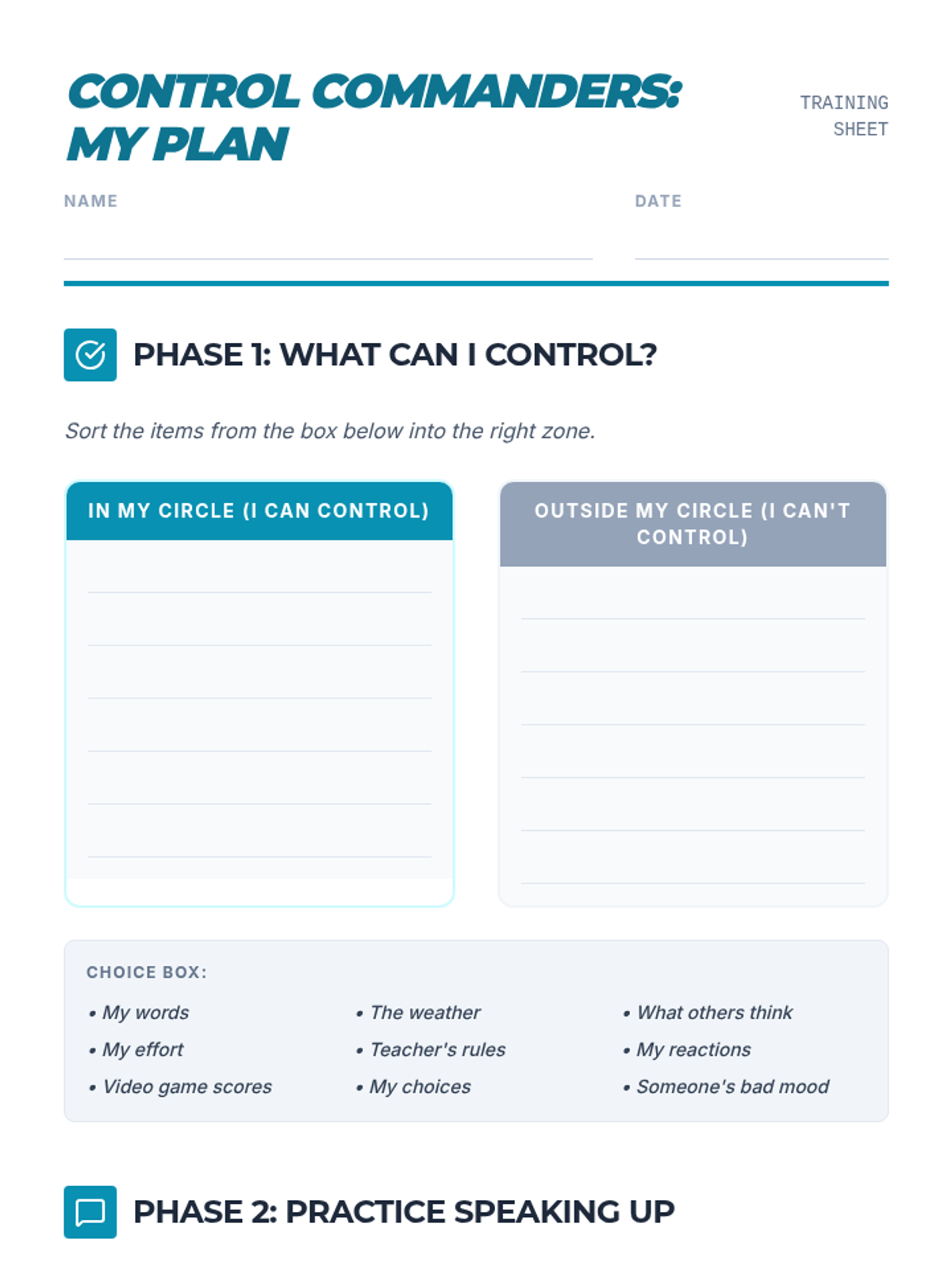
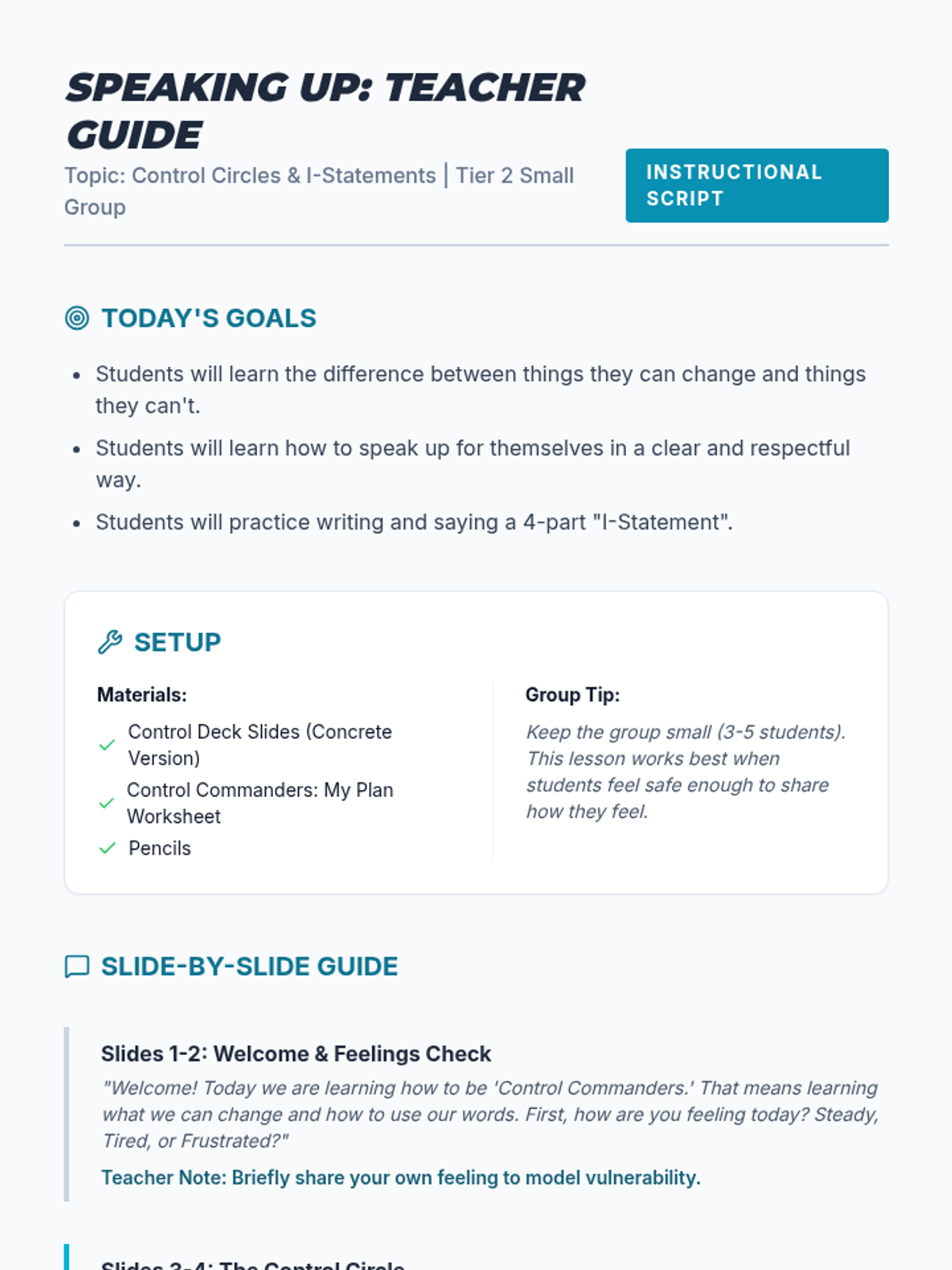
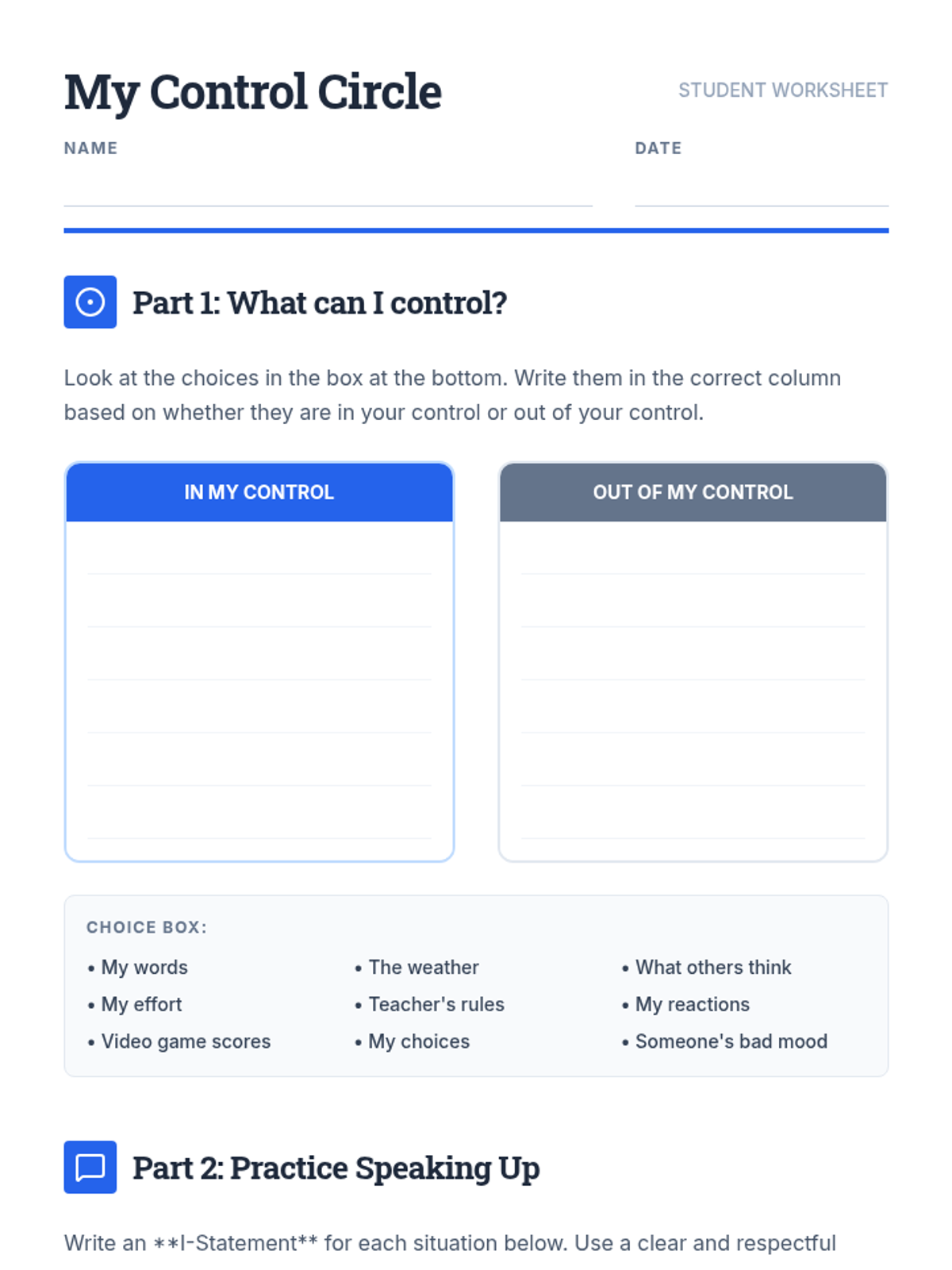
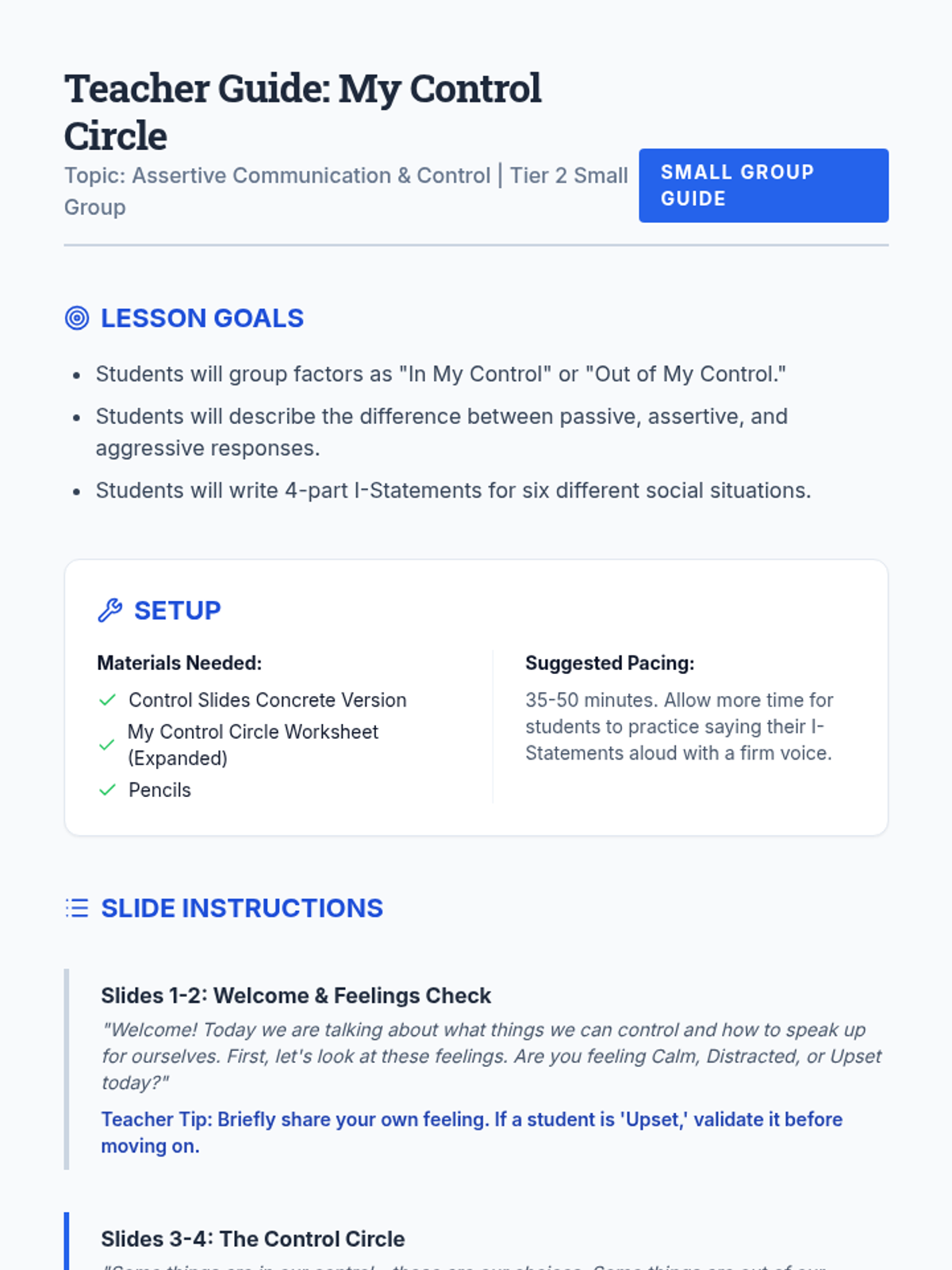
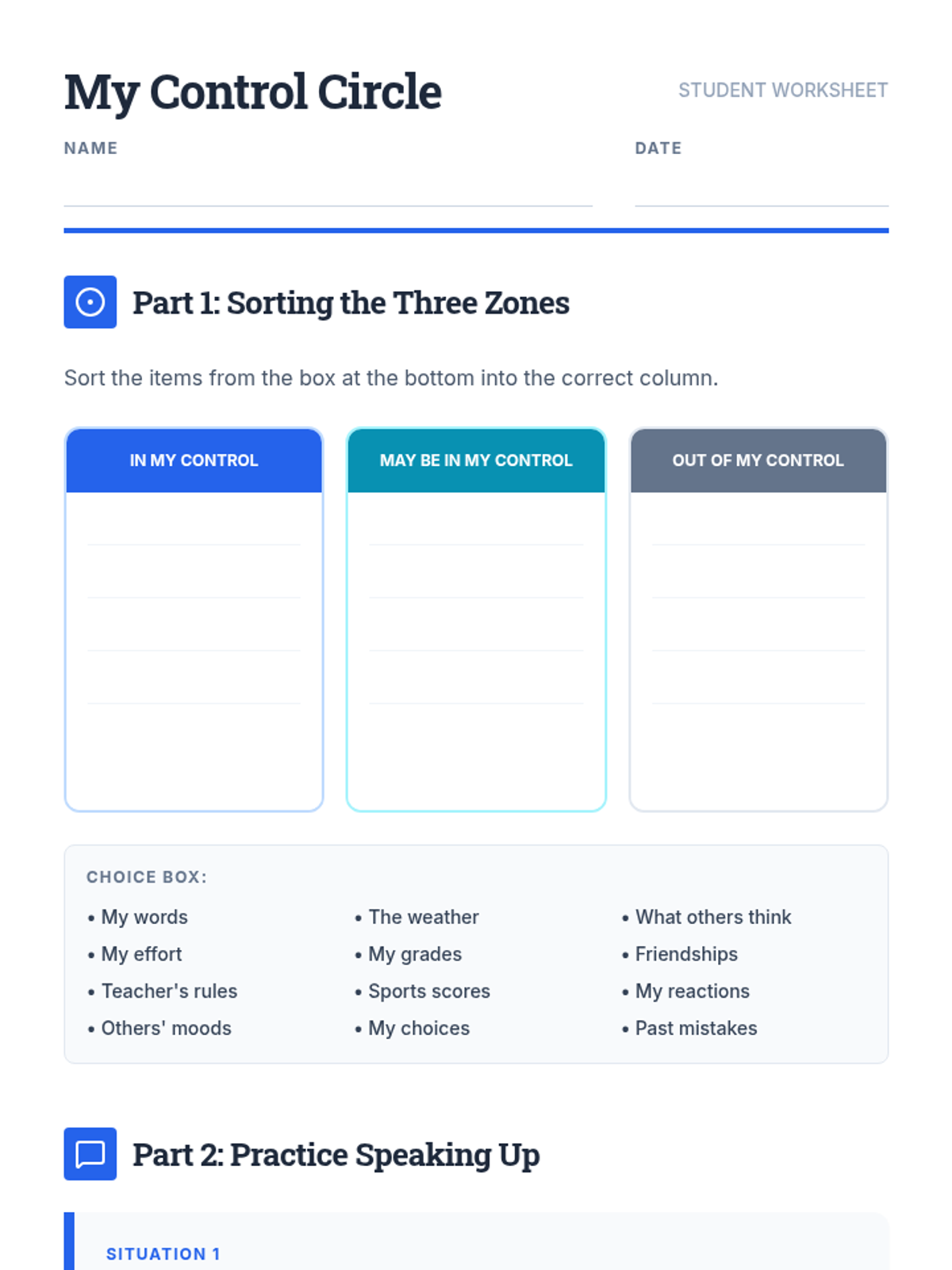
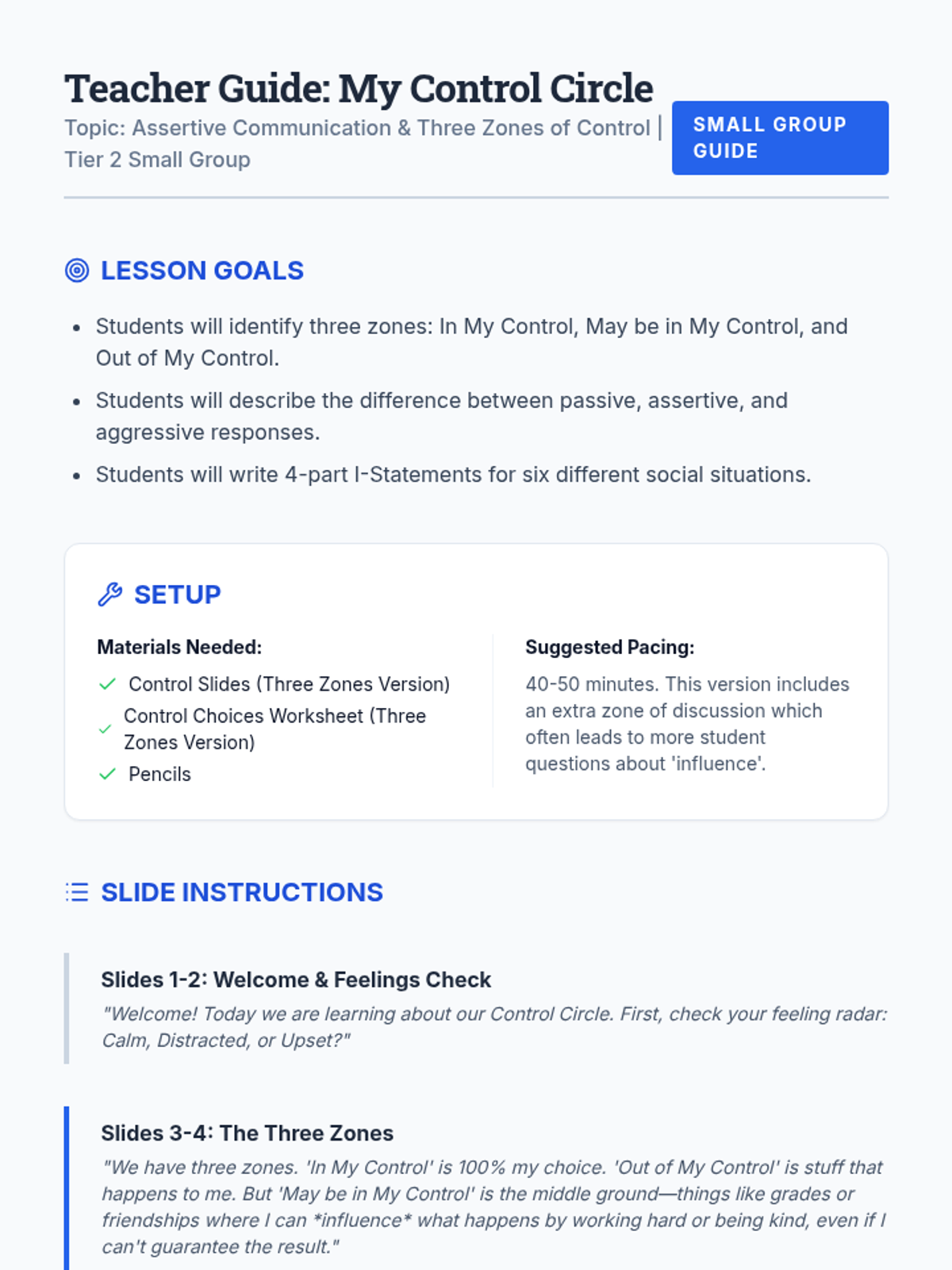
A social-emotional learning lesson for Tier 2 small groups focusing on identifying spheres of control and practicing assertive I-Statements in social scenarios.
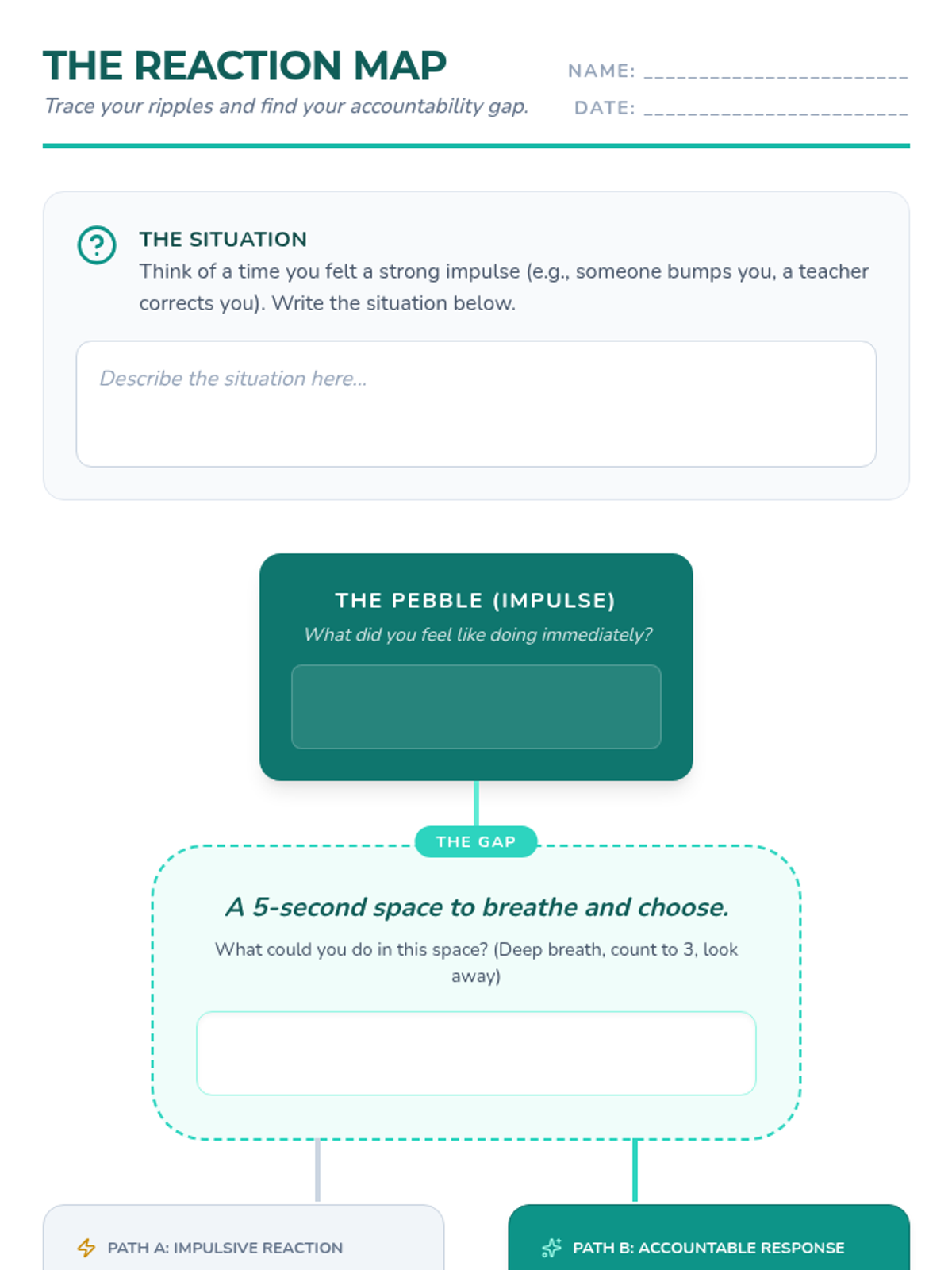
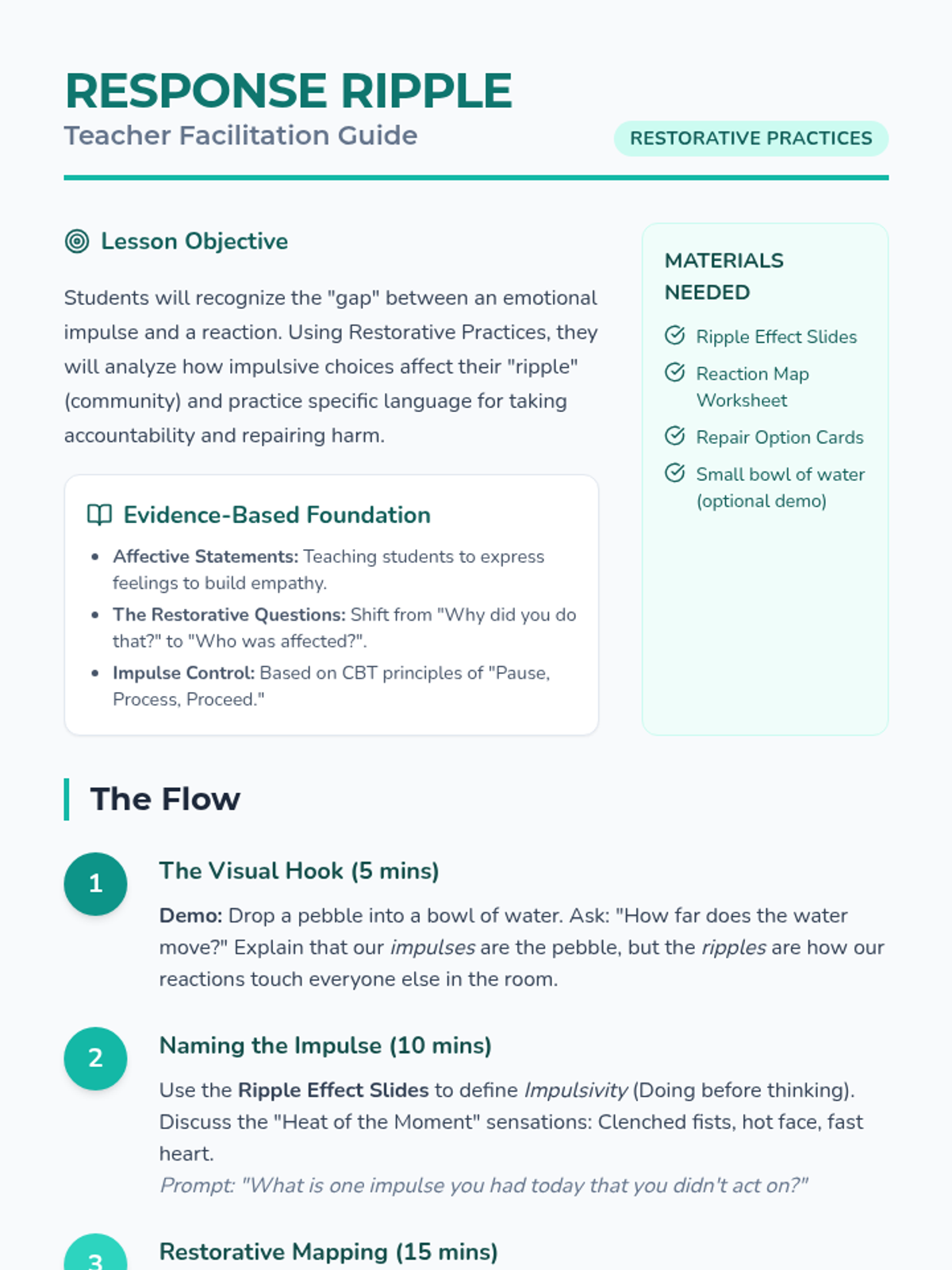
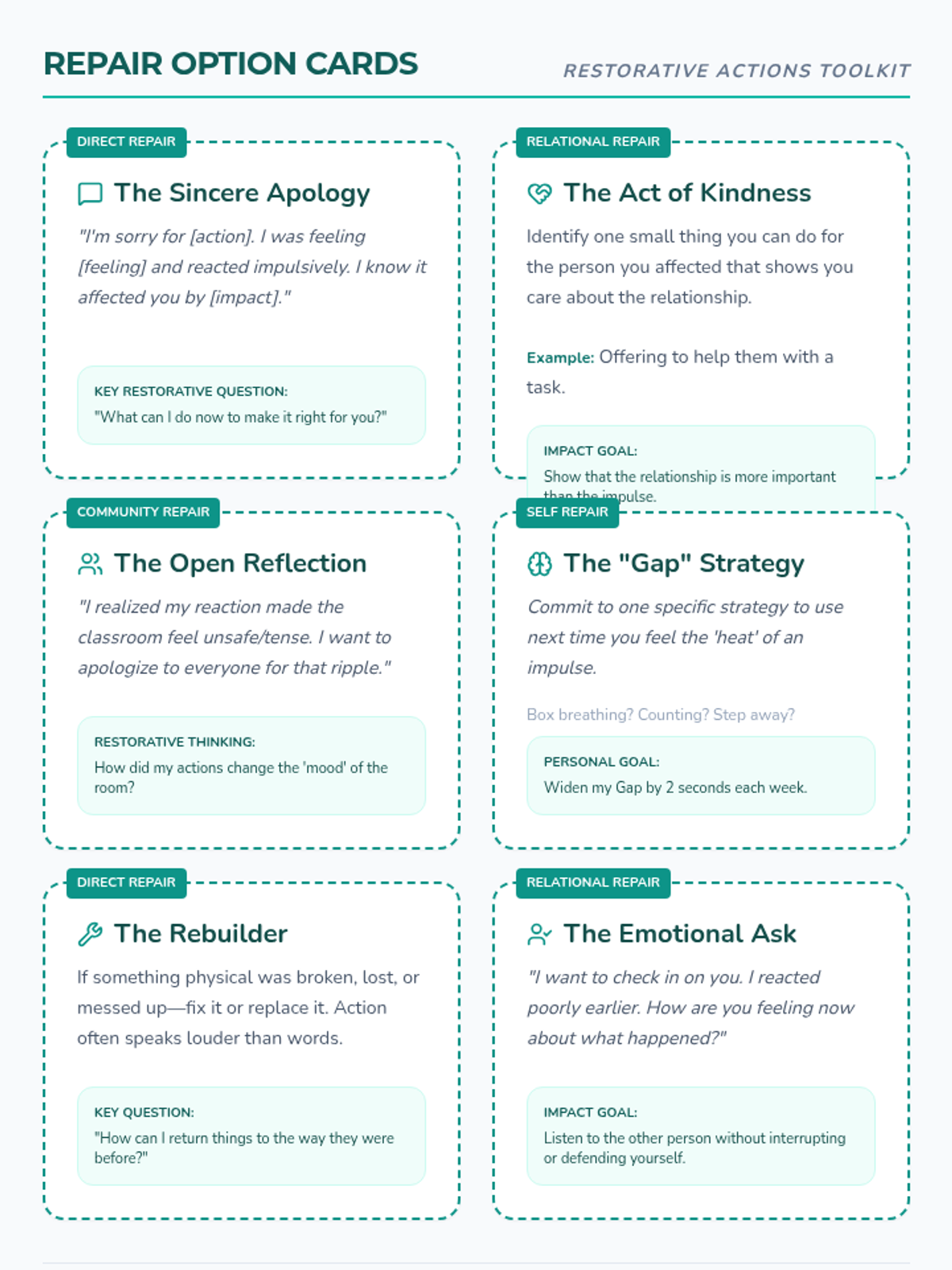
A Restorative Practices-based lesson for 6th graders focused on identifying impulsive emotional reactions, understanding their impact on others, and taking accountability through meaningful repair.
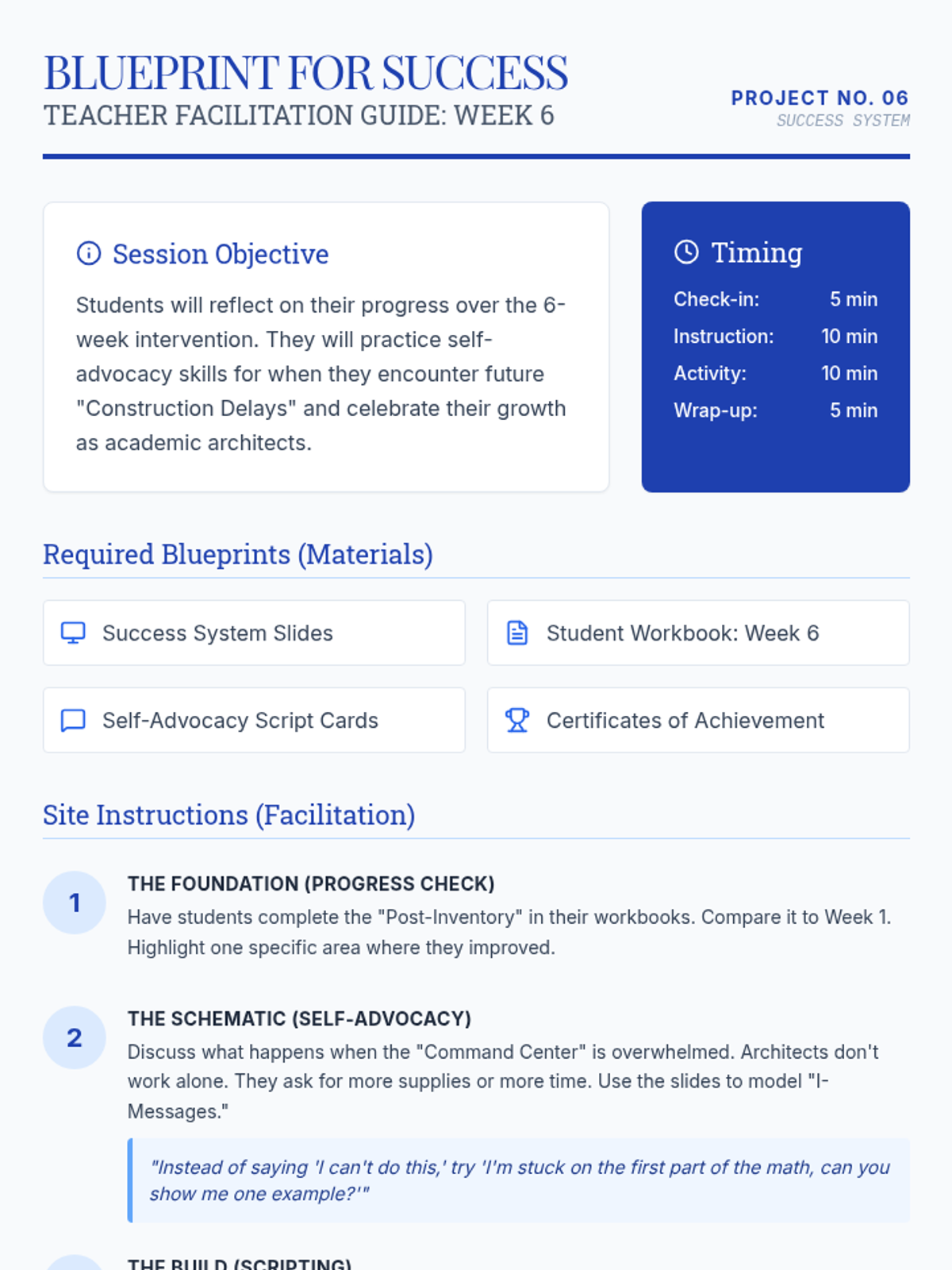
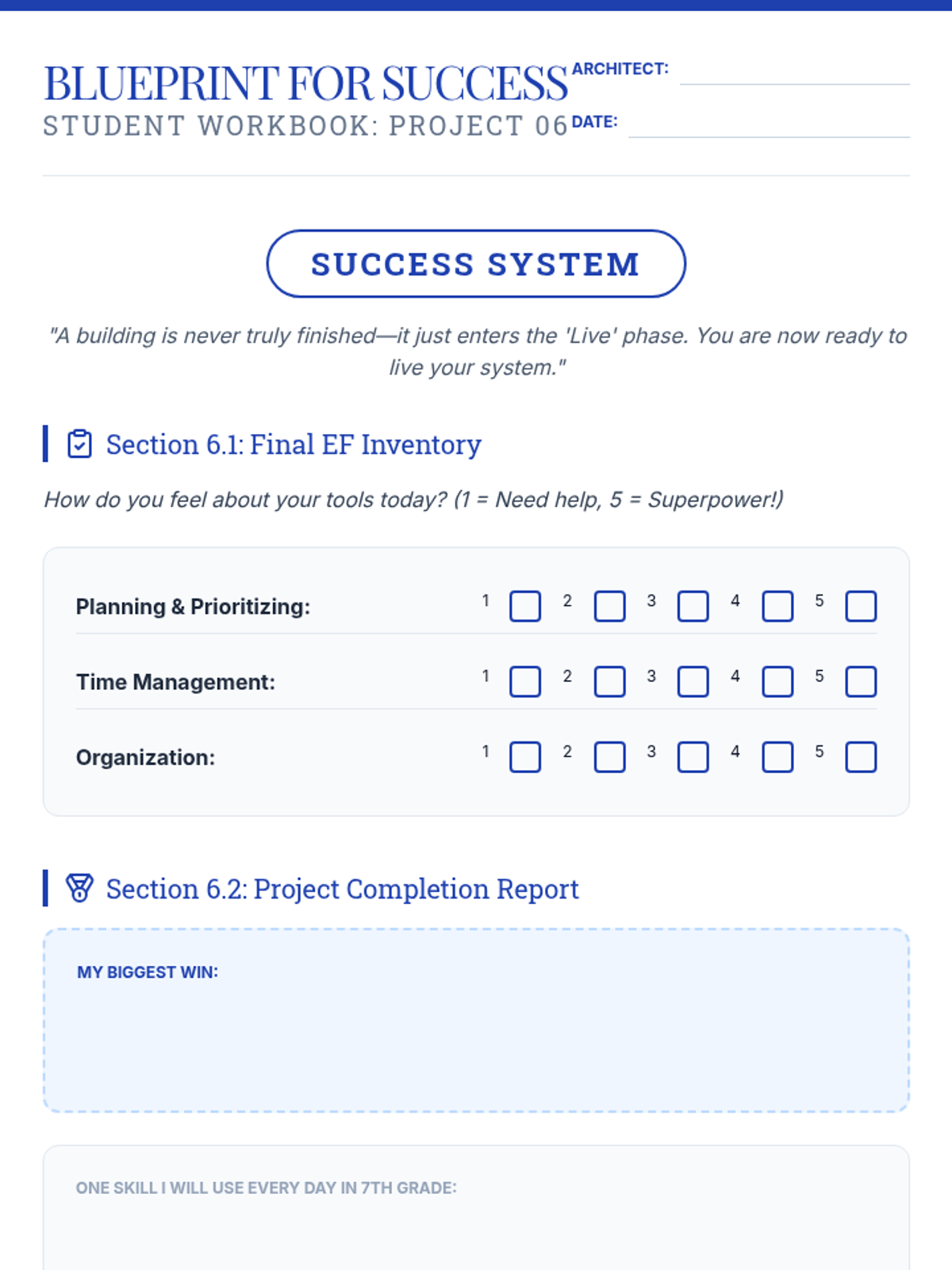
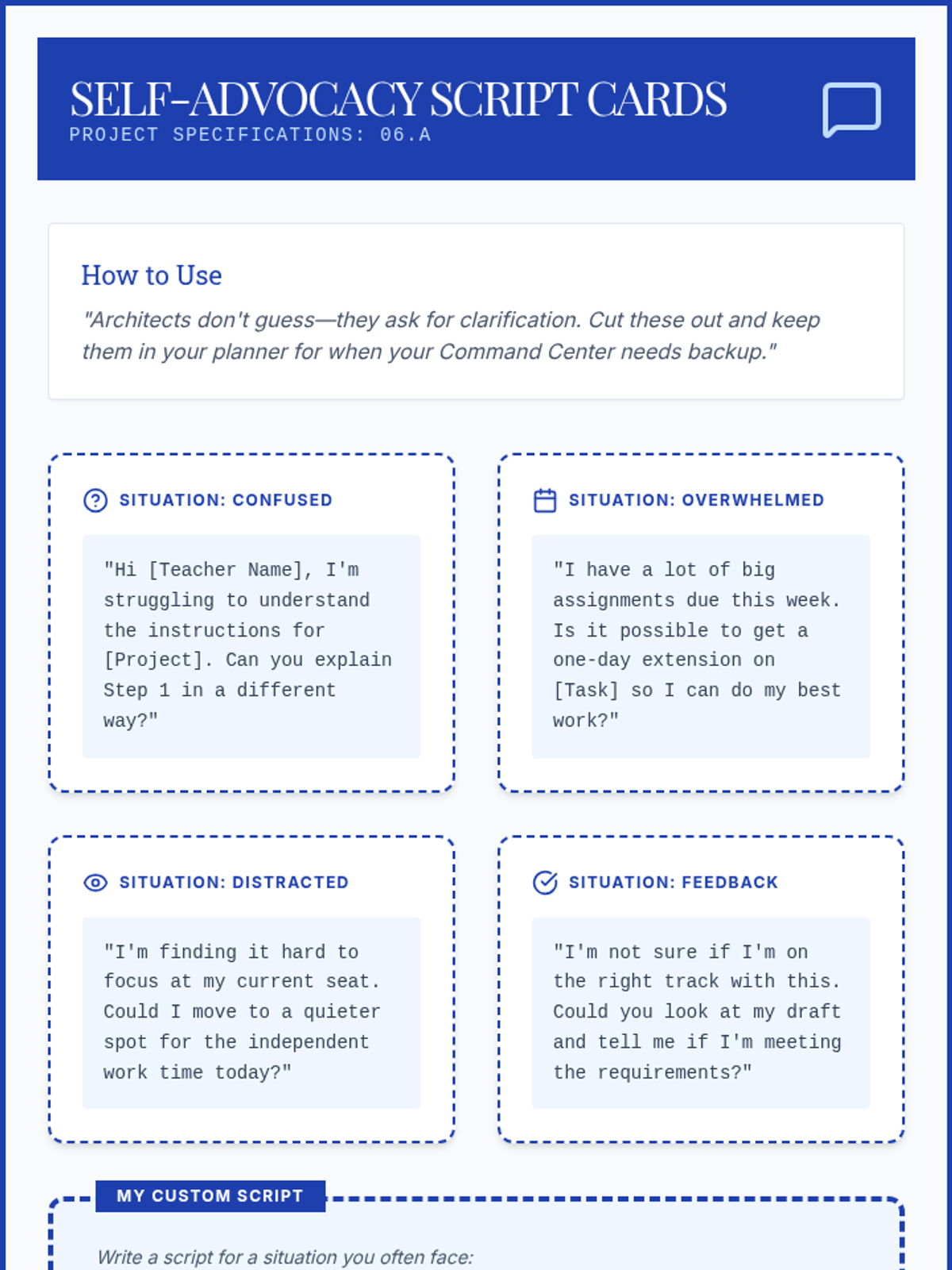
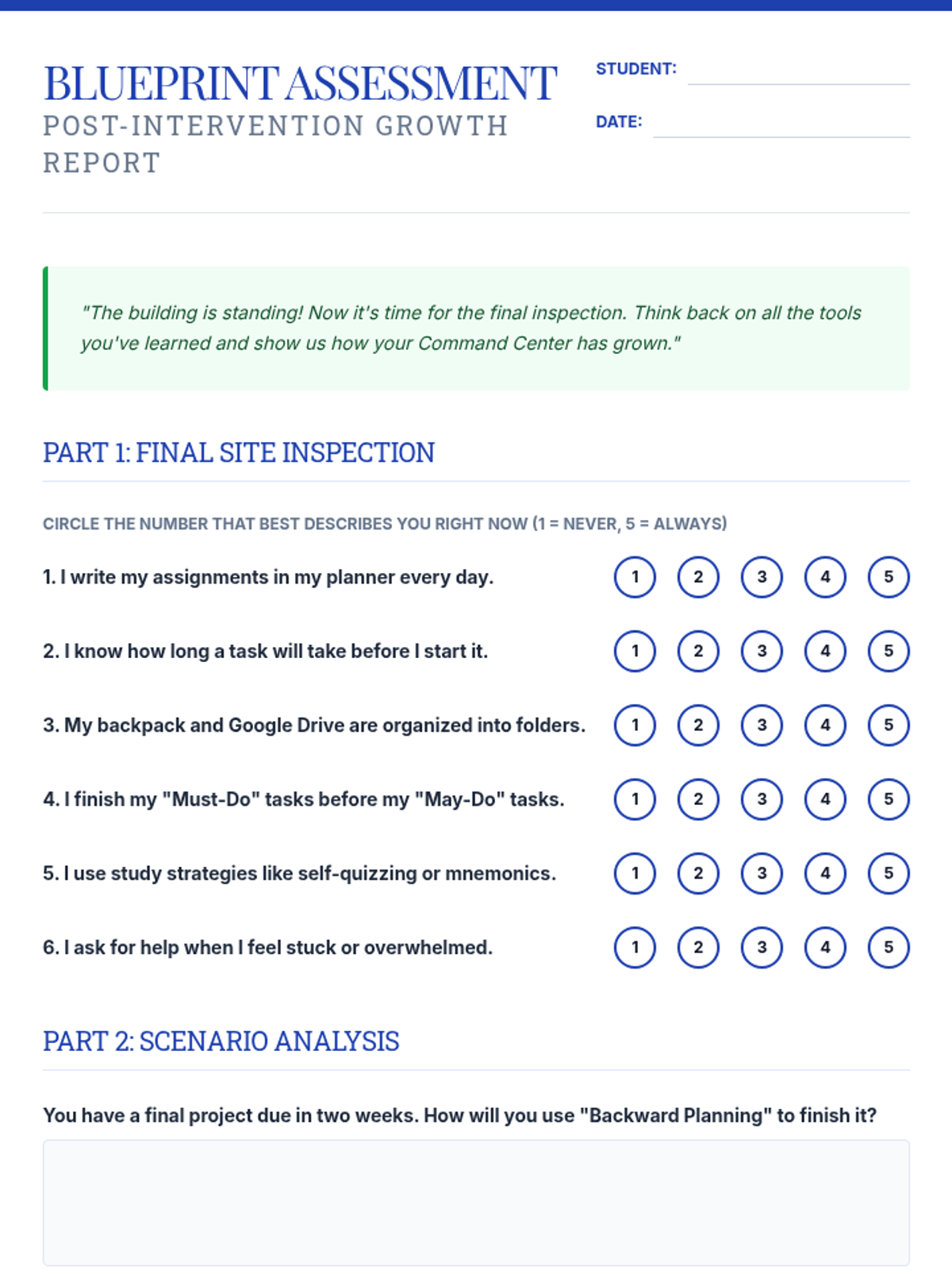
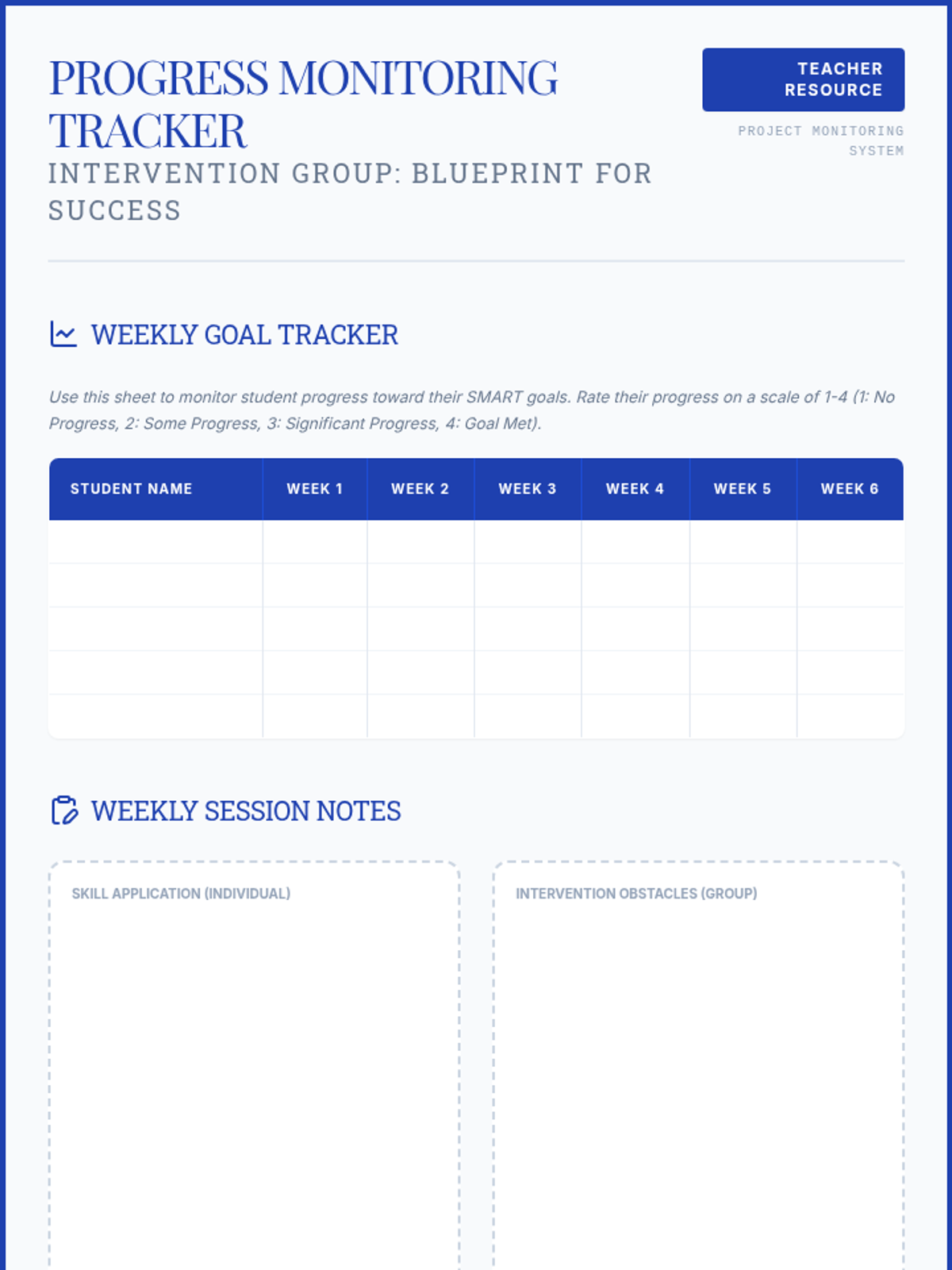
Reviewing skills learned, troubleshooting obstacles, and practicing self-advocacy for future success.
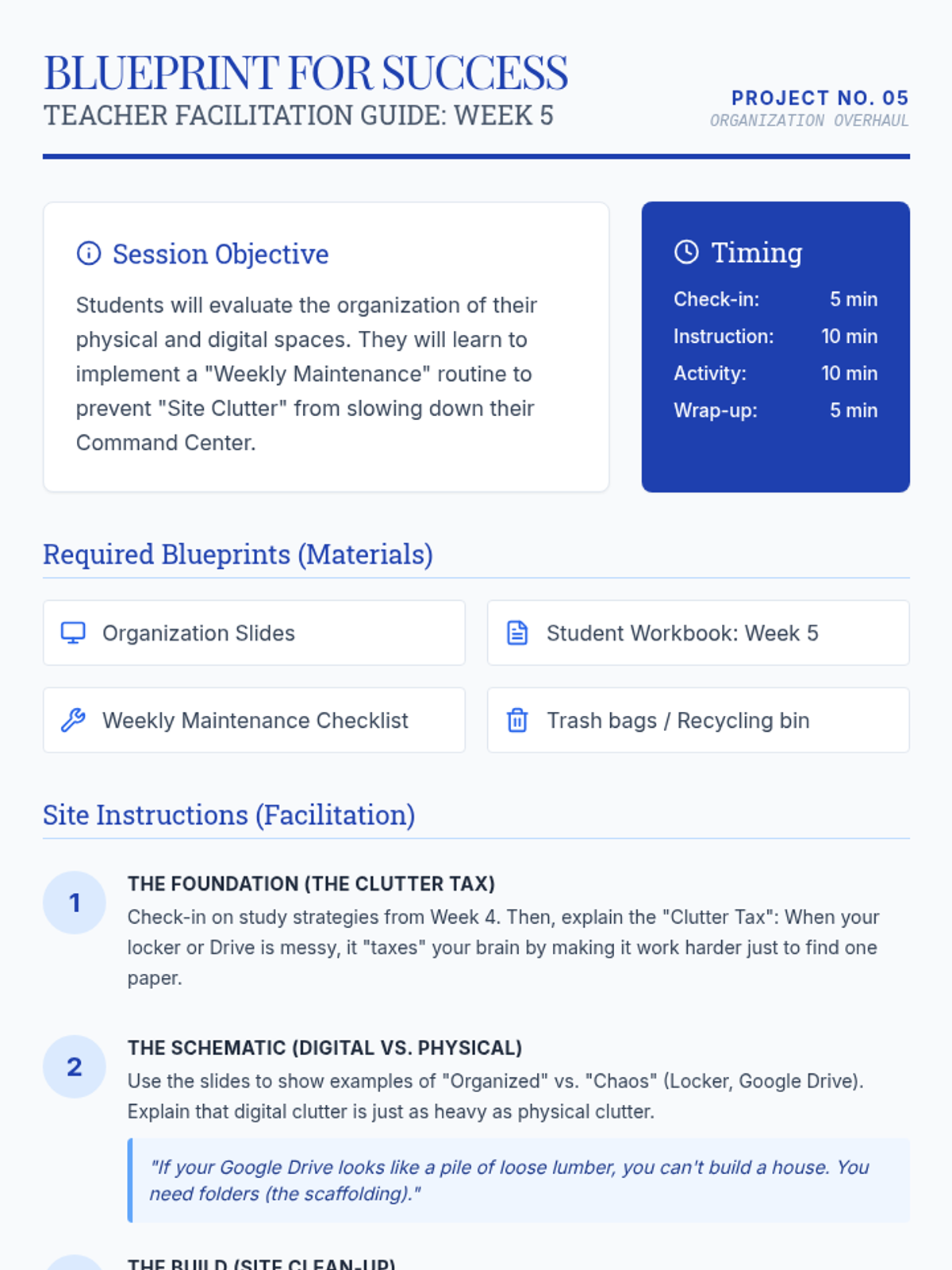
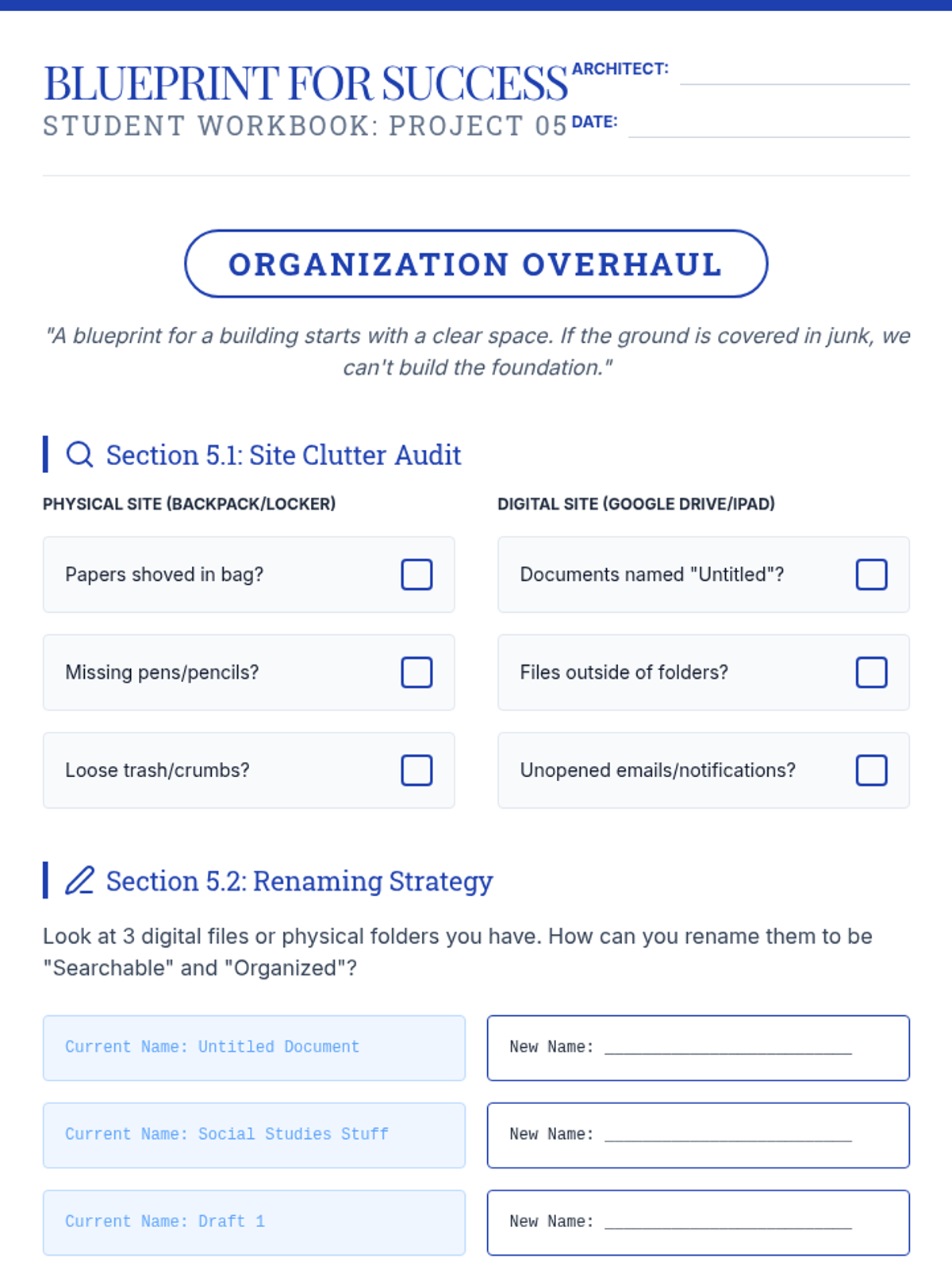
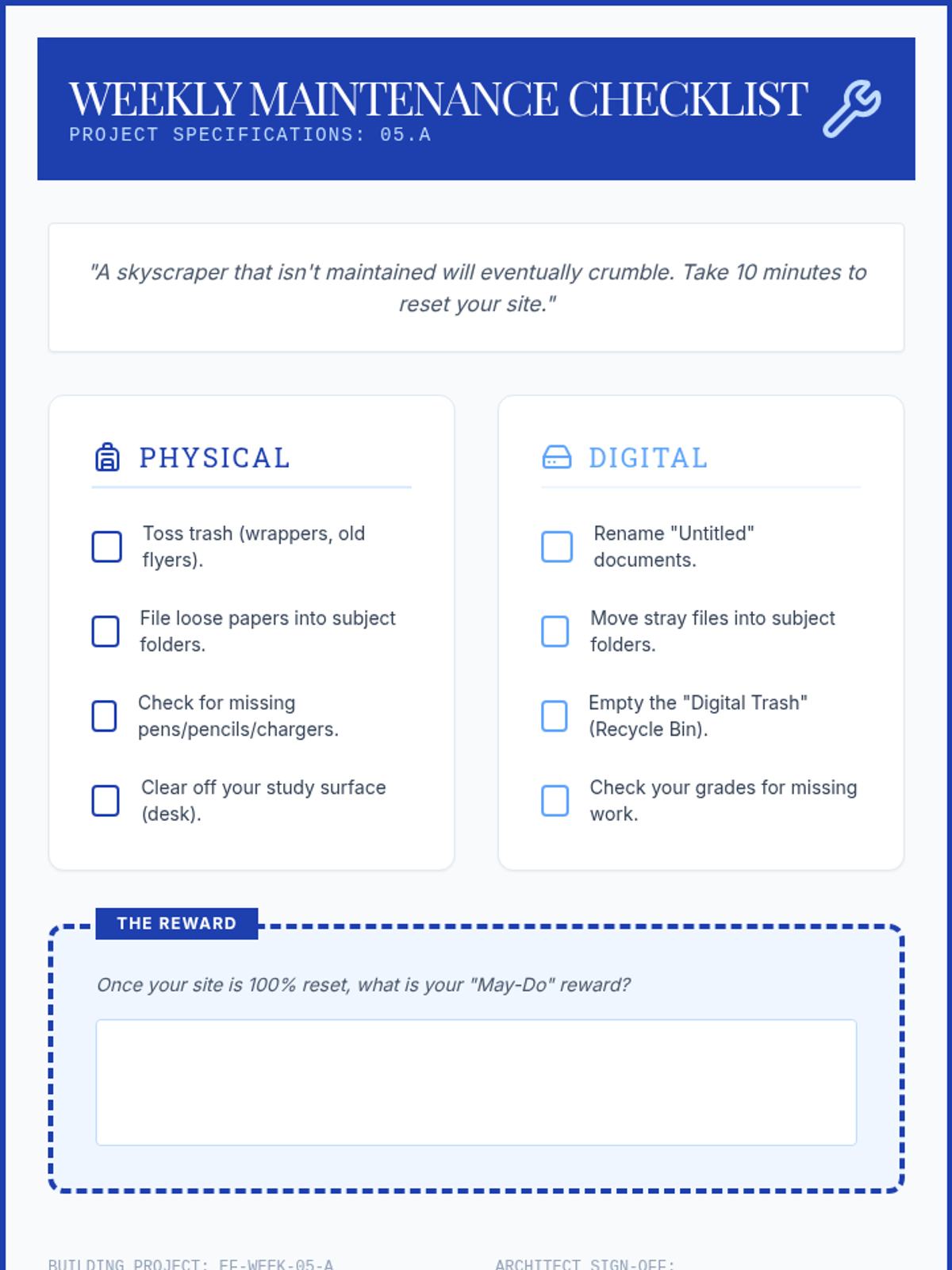
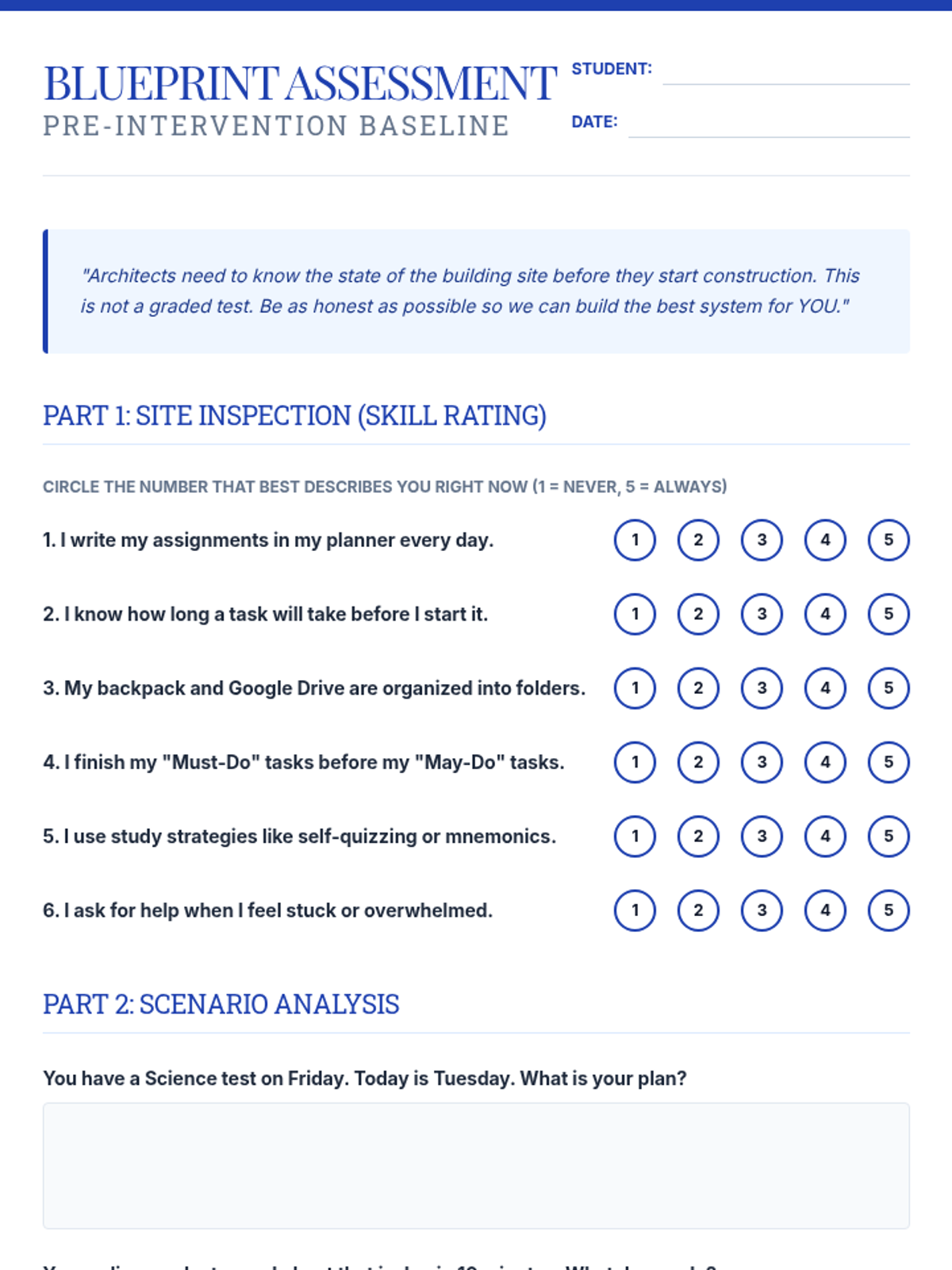
Organizing physical and digital spaces, establishing routines for material management.
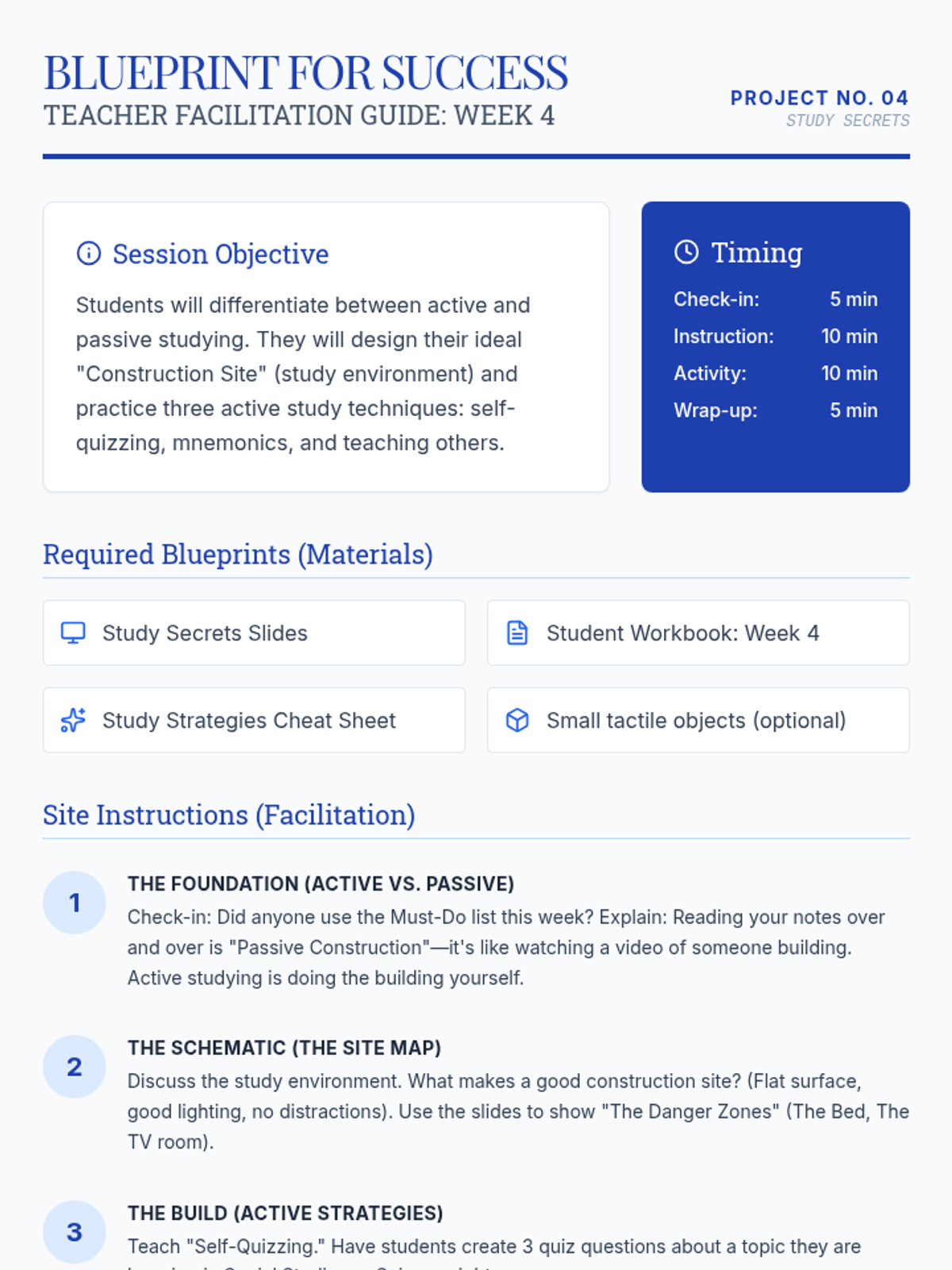
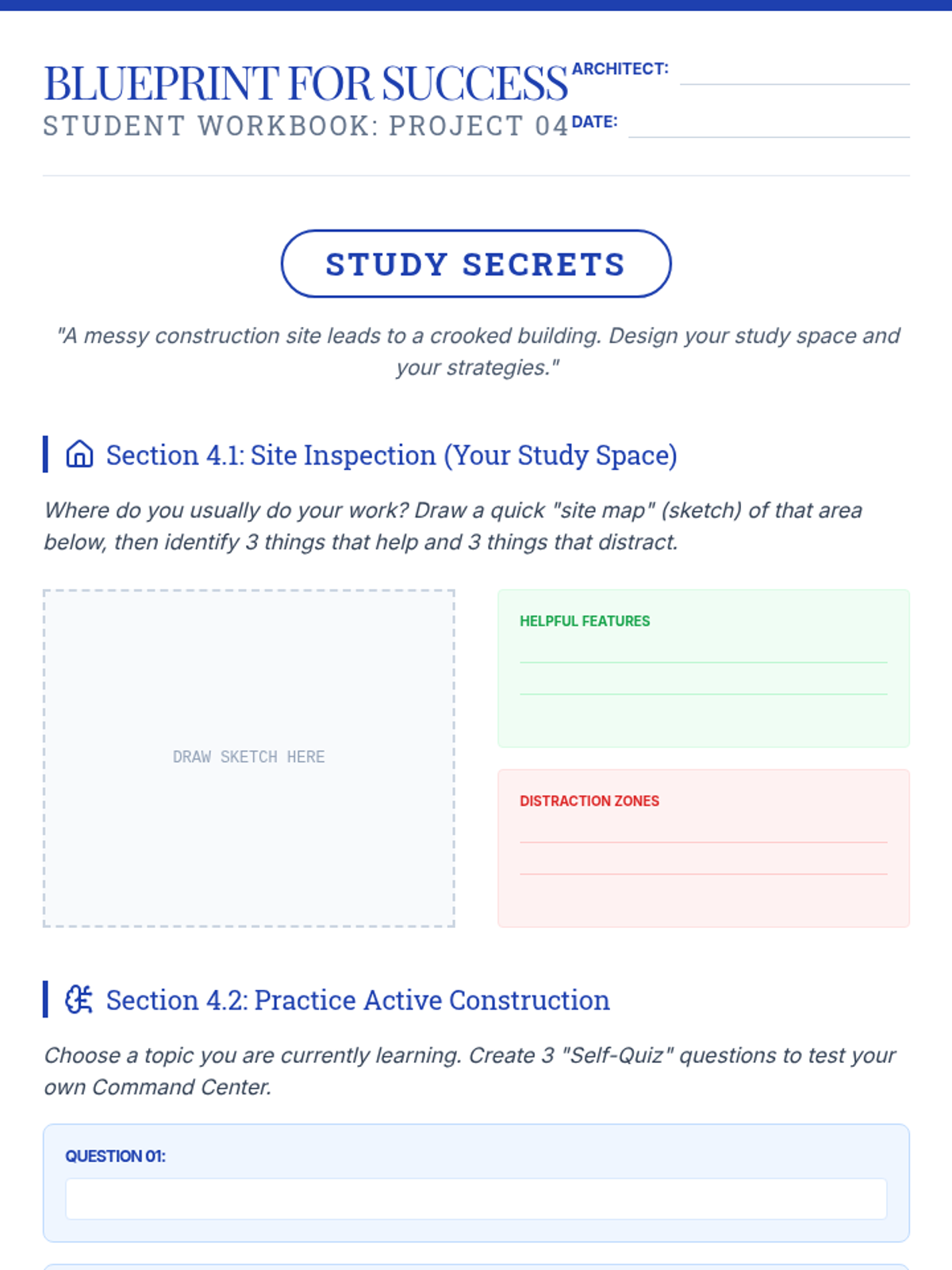
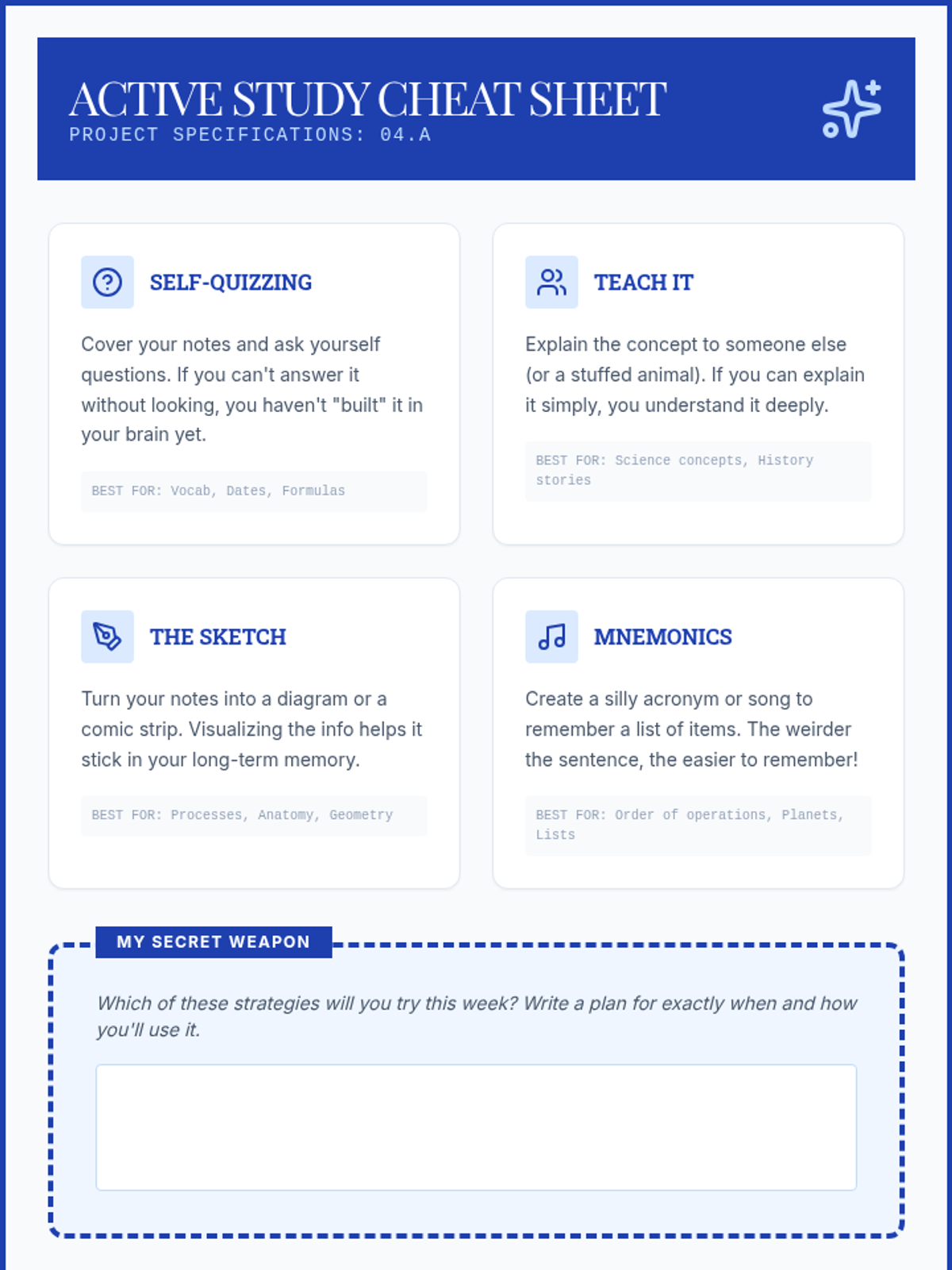
Developing active study habits, creating optimal study environments, and memory enhancement techniques.
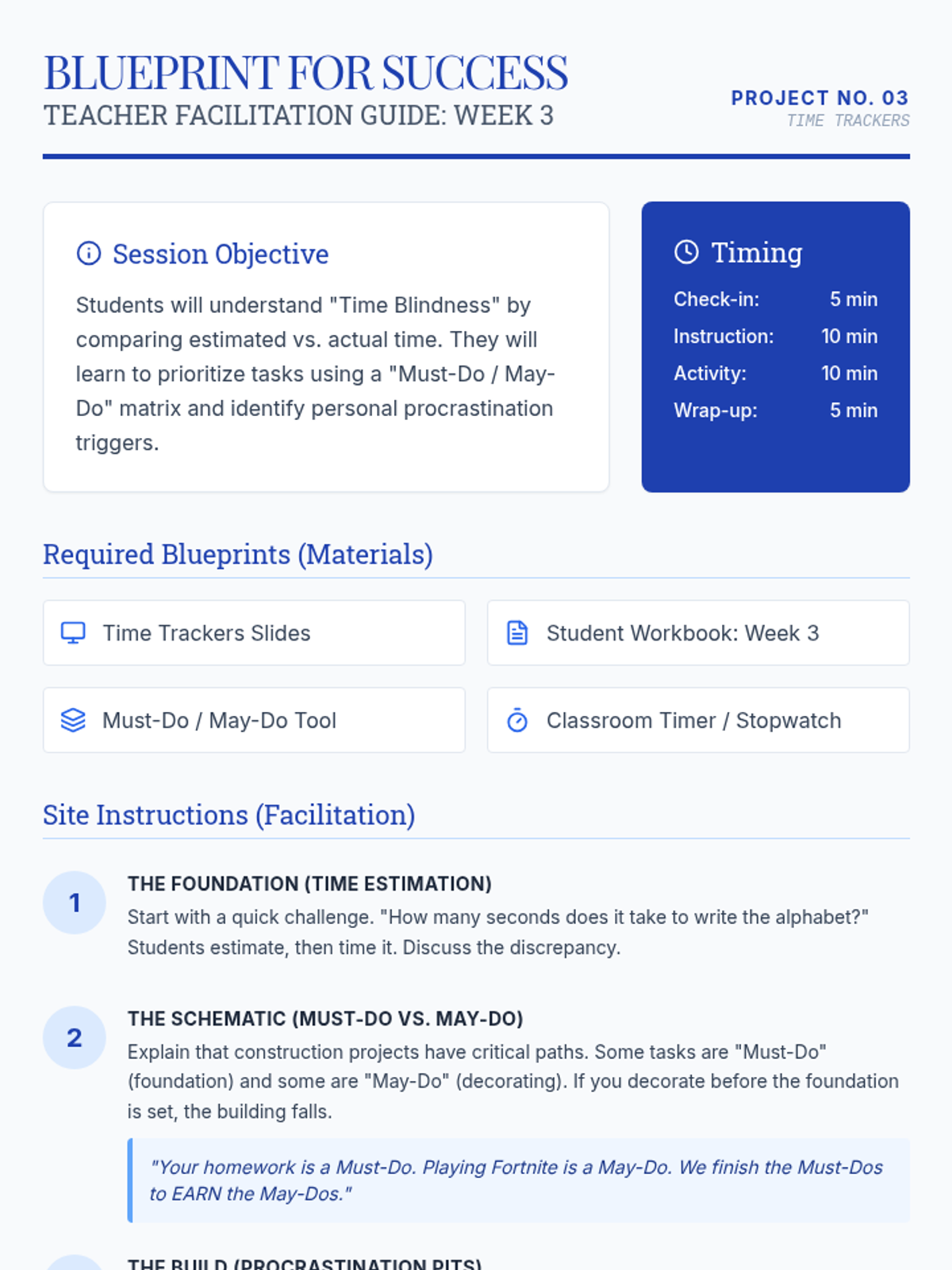
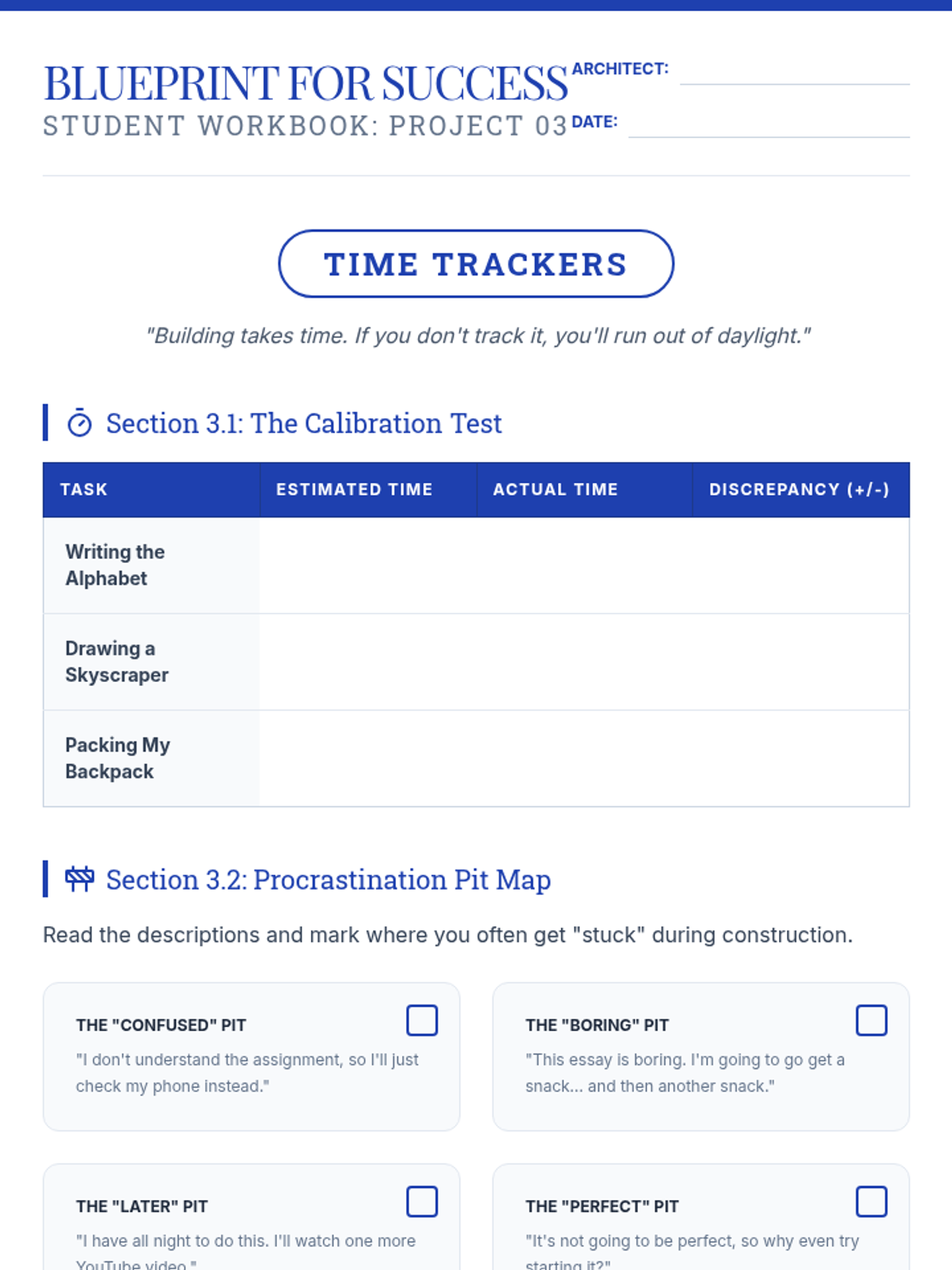
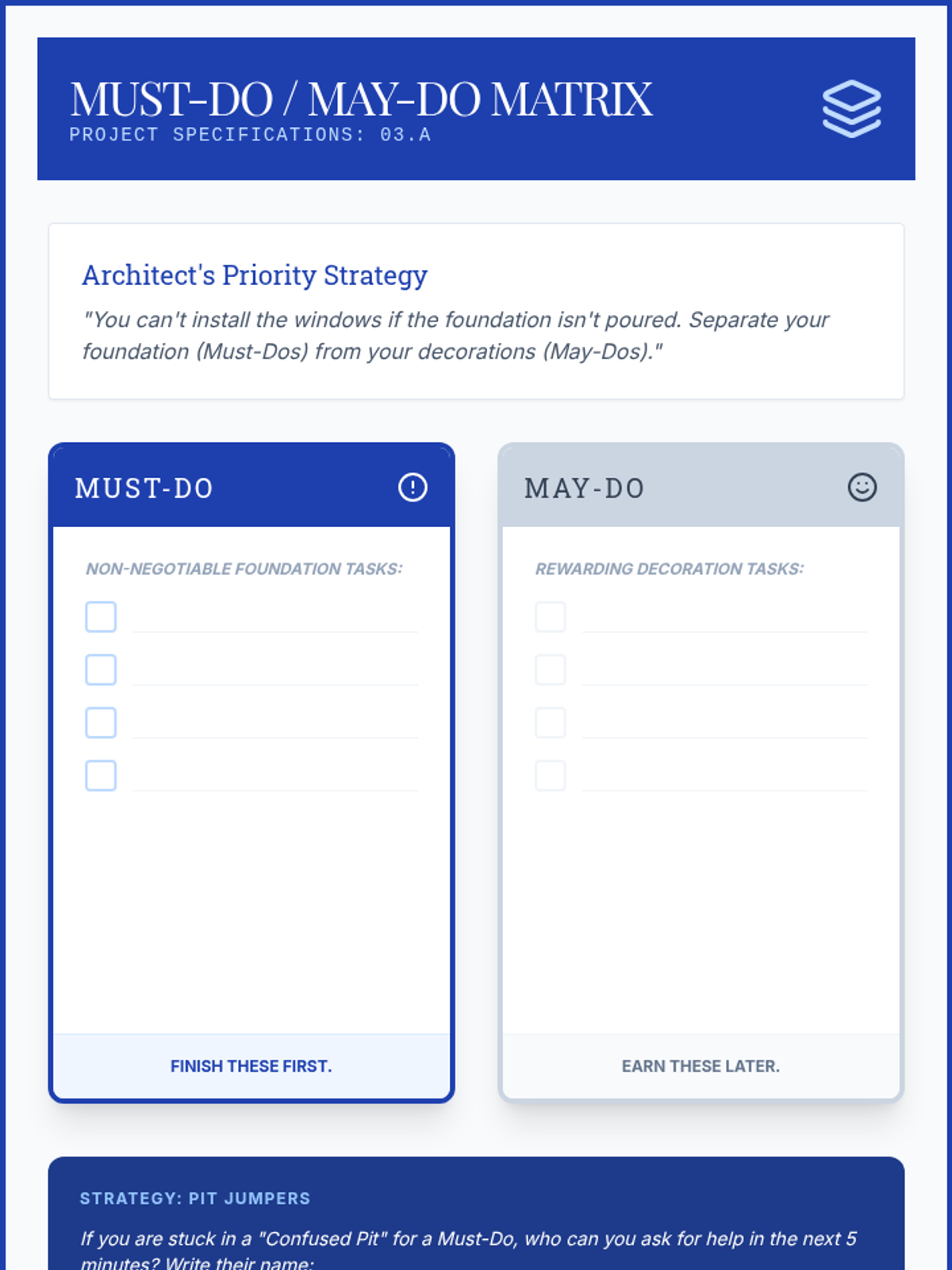
Strategies for time estimation, prioritization of tasks, and overcoming procrastination.
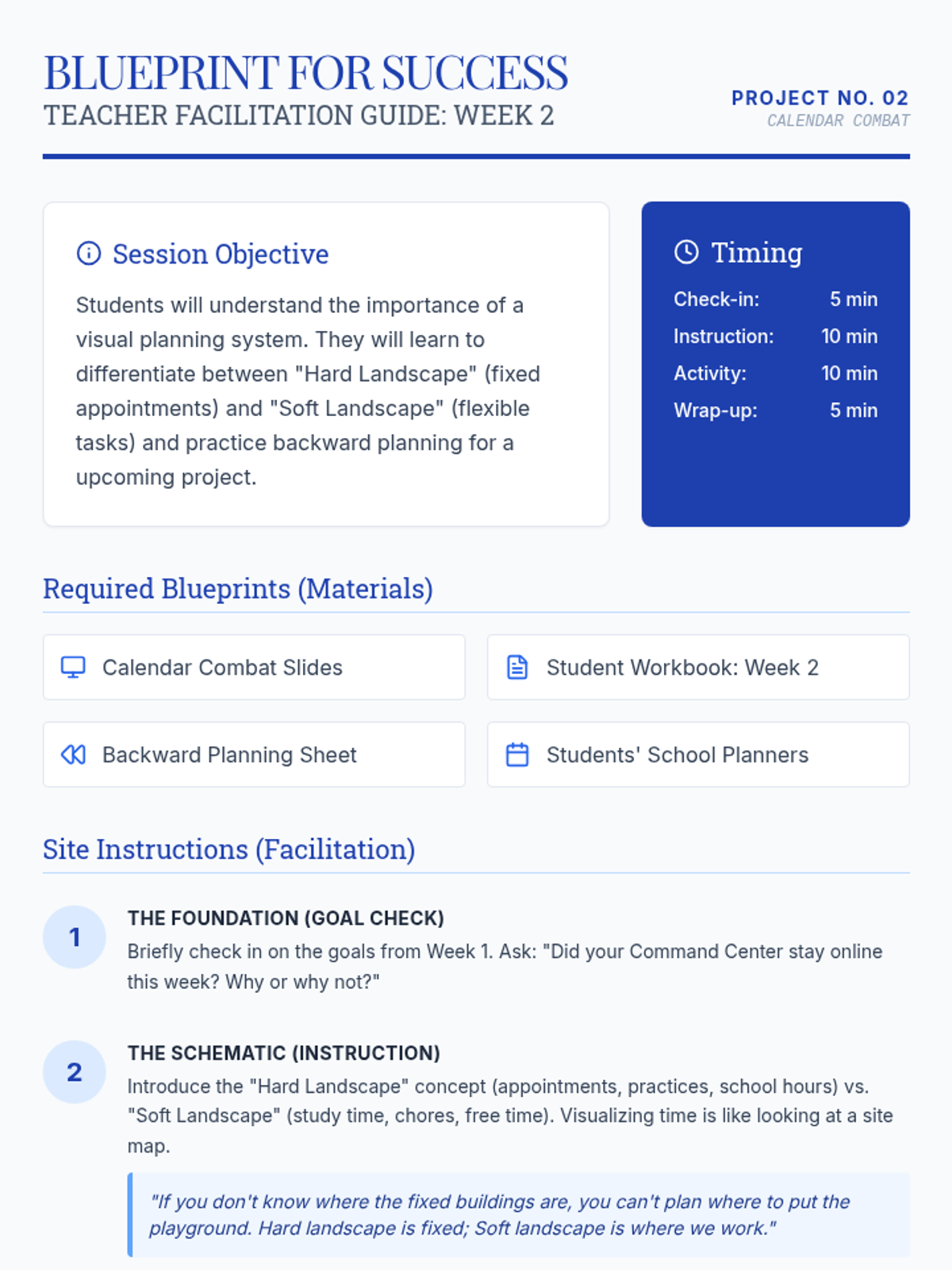
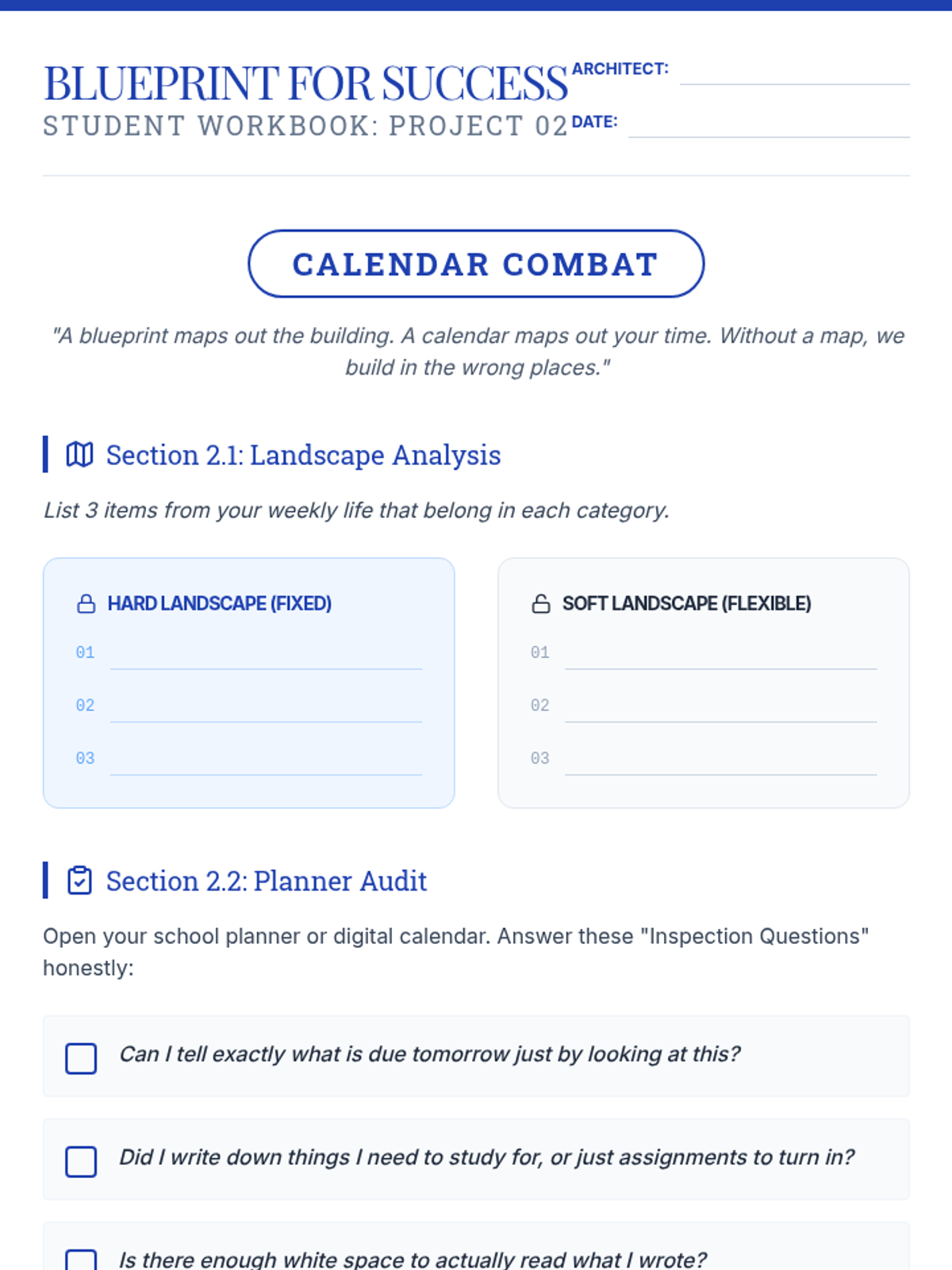
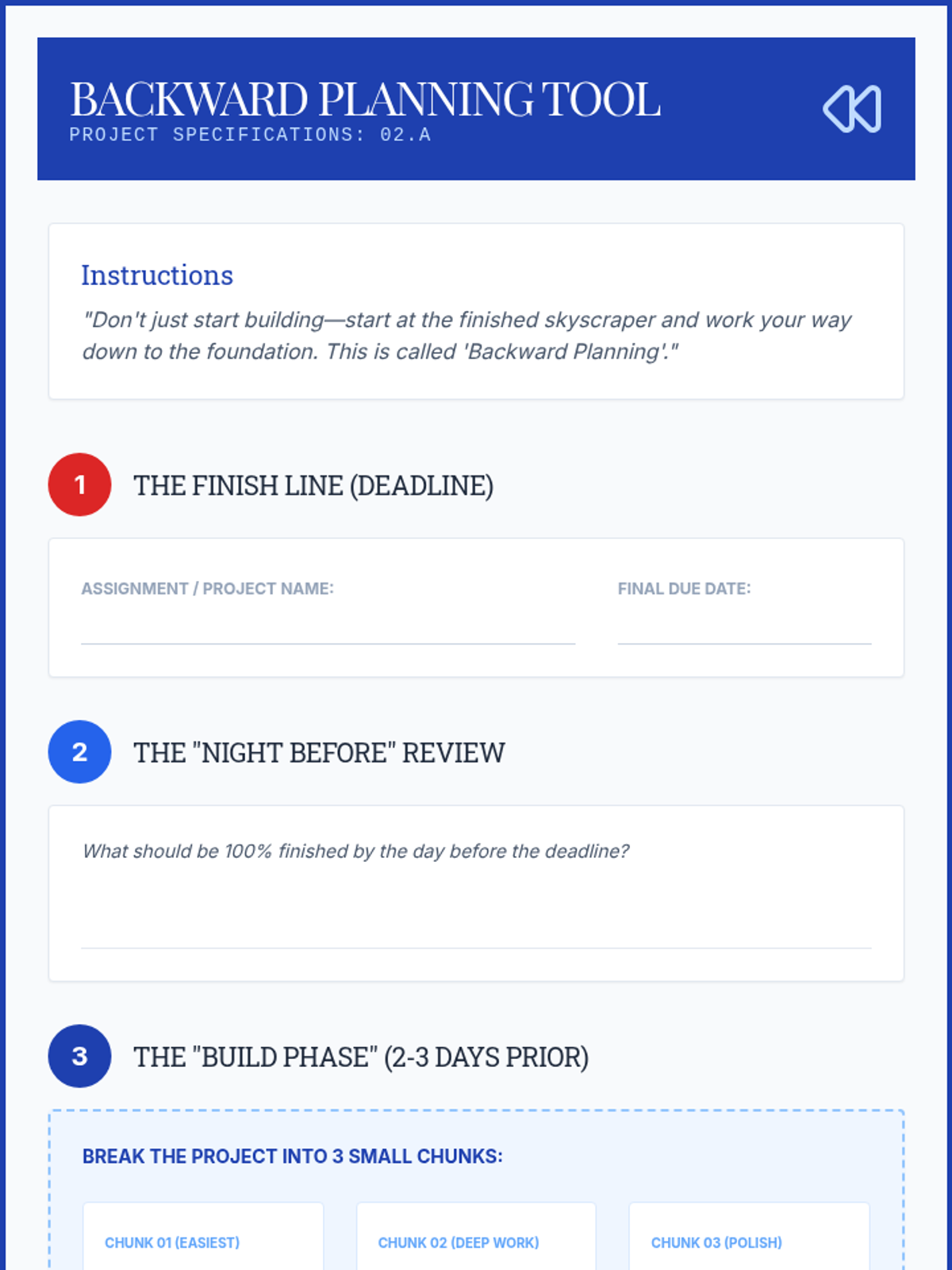
Focusing on academic planning, using planners effectively, and the art of backward planning for long-term projects.
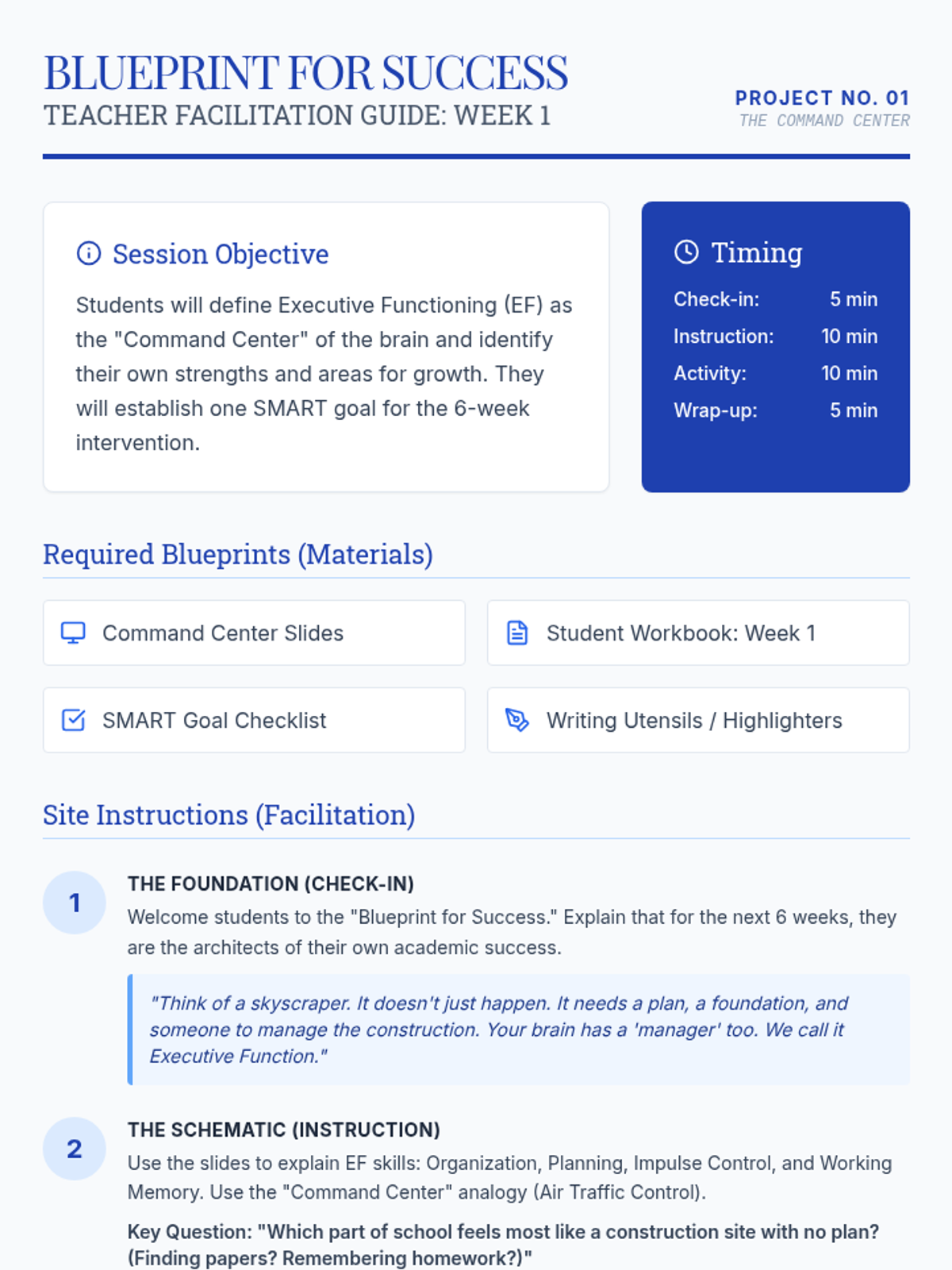
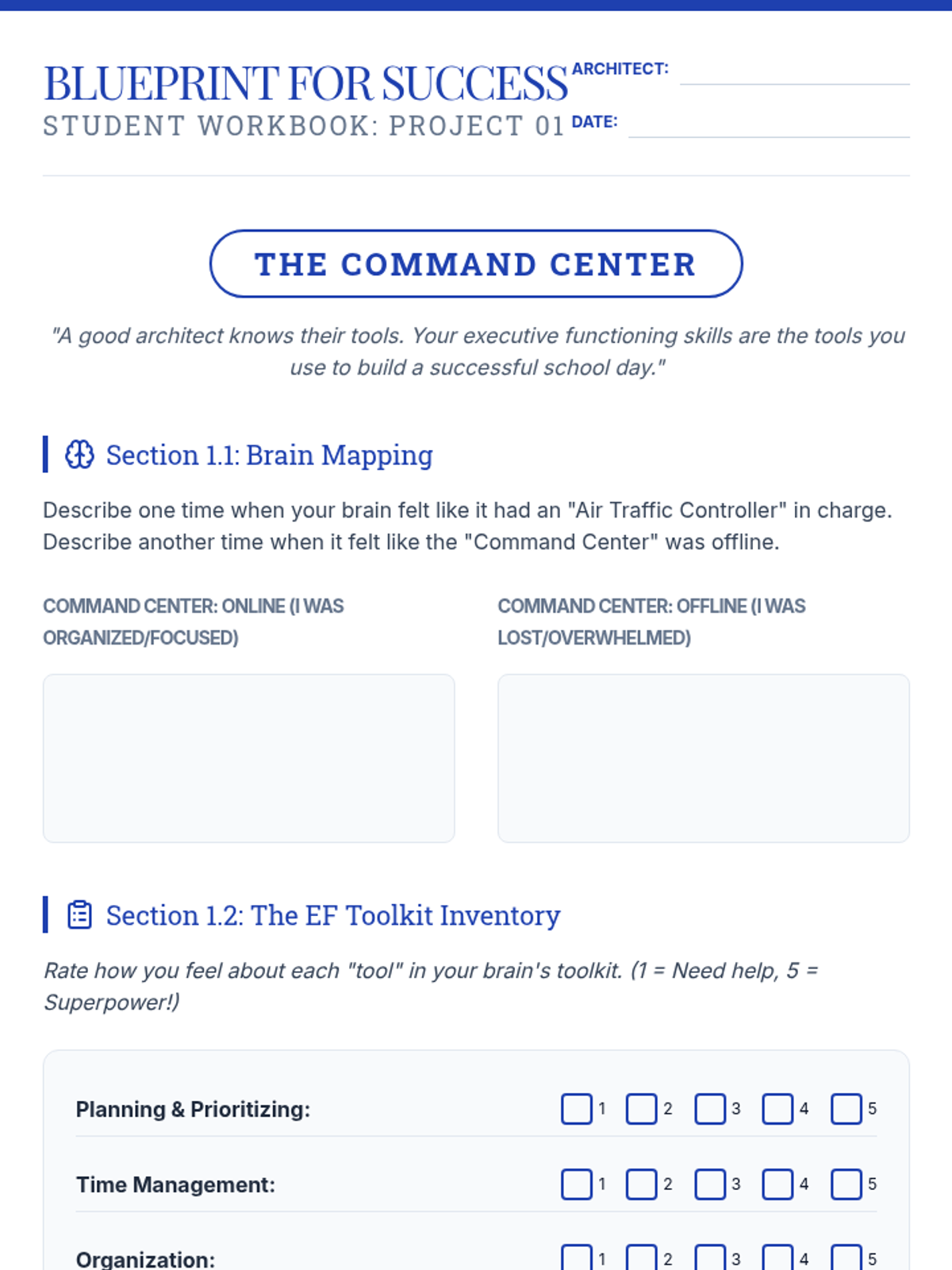
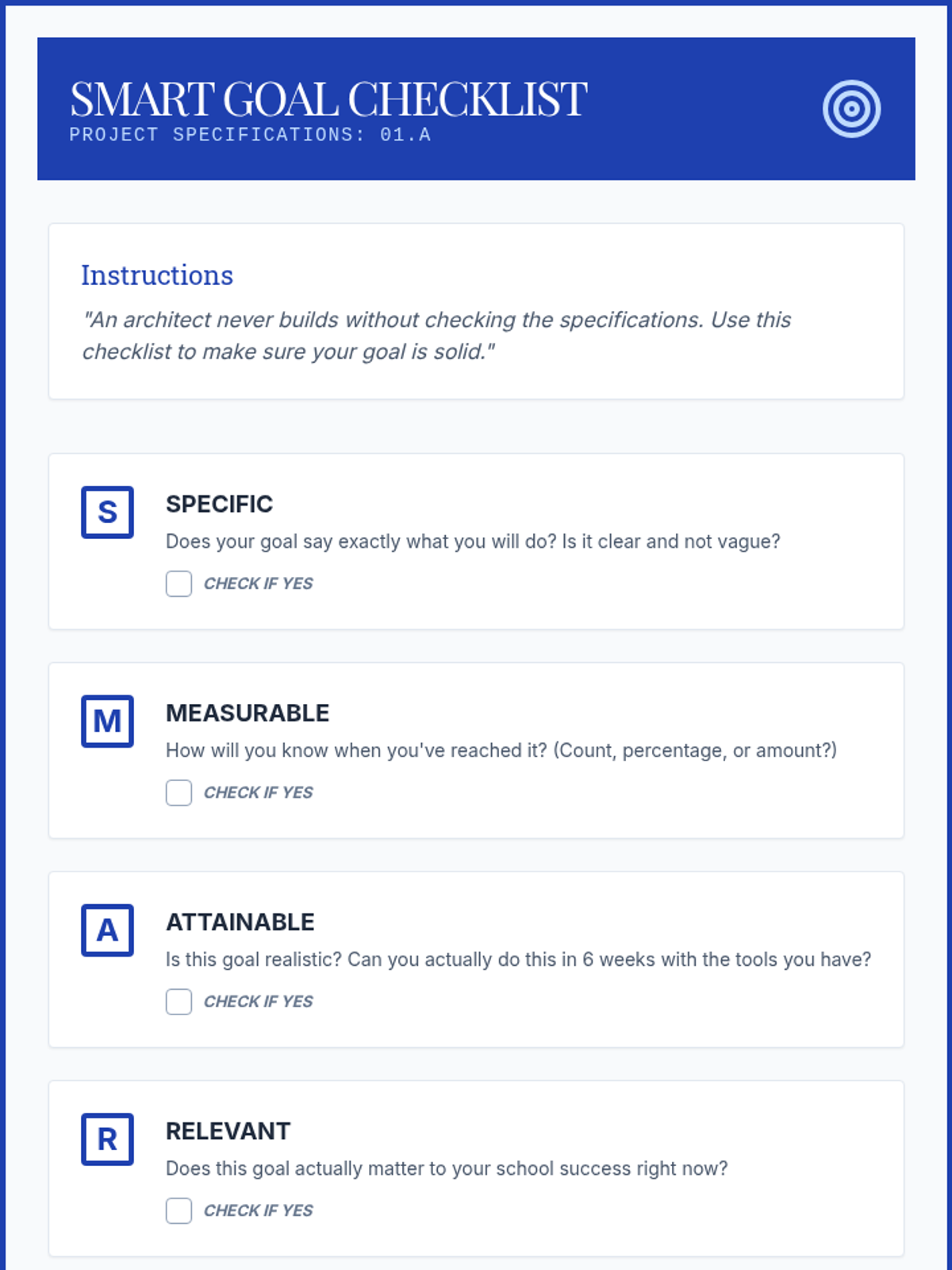
Introduction to executive functioning as the brain's 'Command Center' and setting initial SMART goals for the 6-week program.
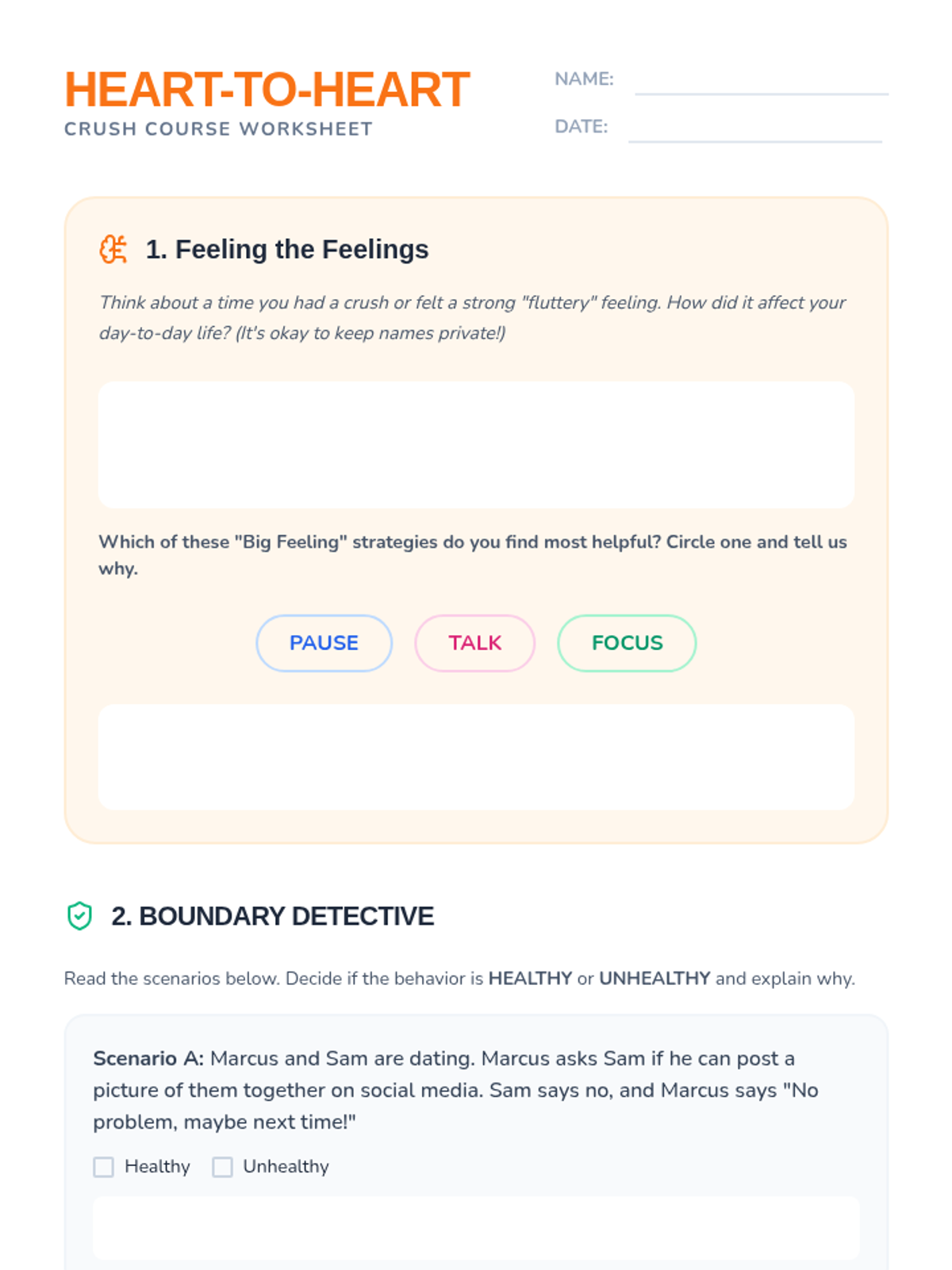
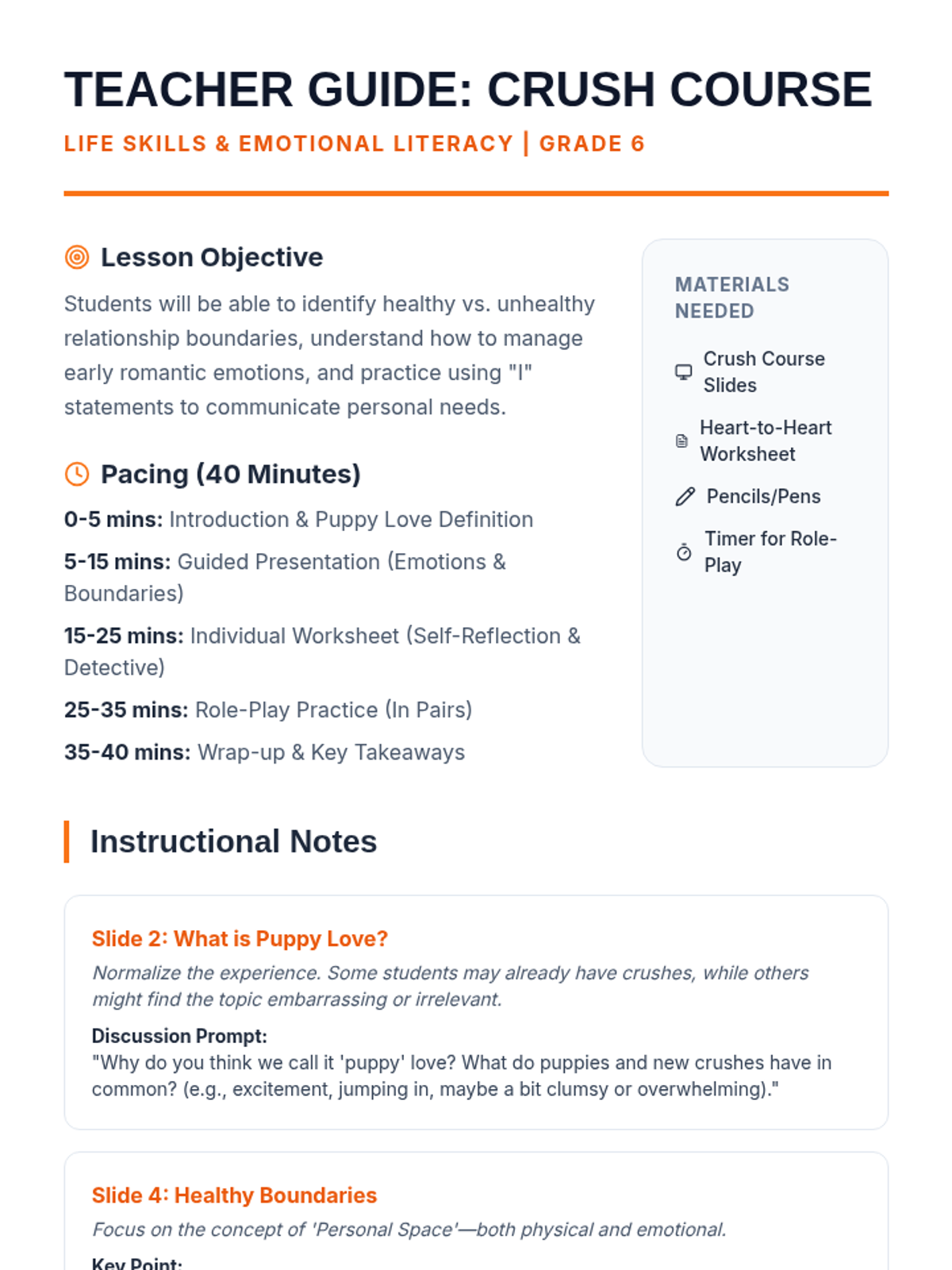
This lesson helps 6th graders navigate the complex world of early romantic feelings by focusing on identifying emotions, setting healthy boundaries, and practicing clear communication. Students will learn to distinguish between healthy and unhealthy relationship behaviors through interactive slides and role-play scenarios.
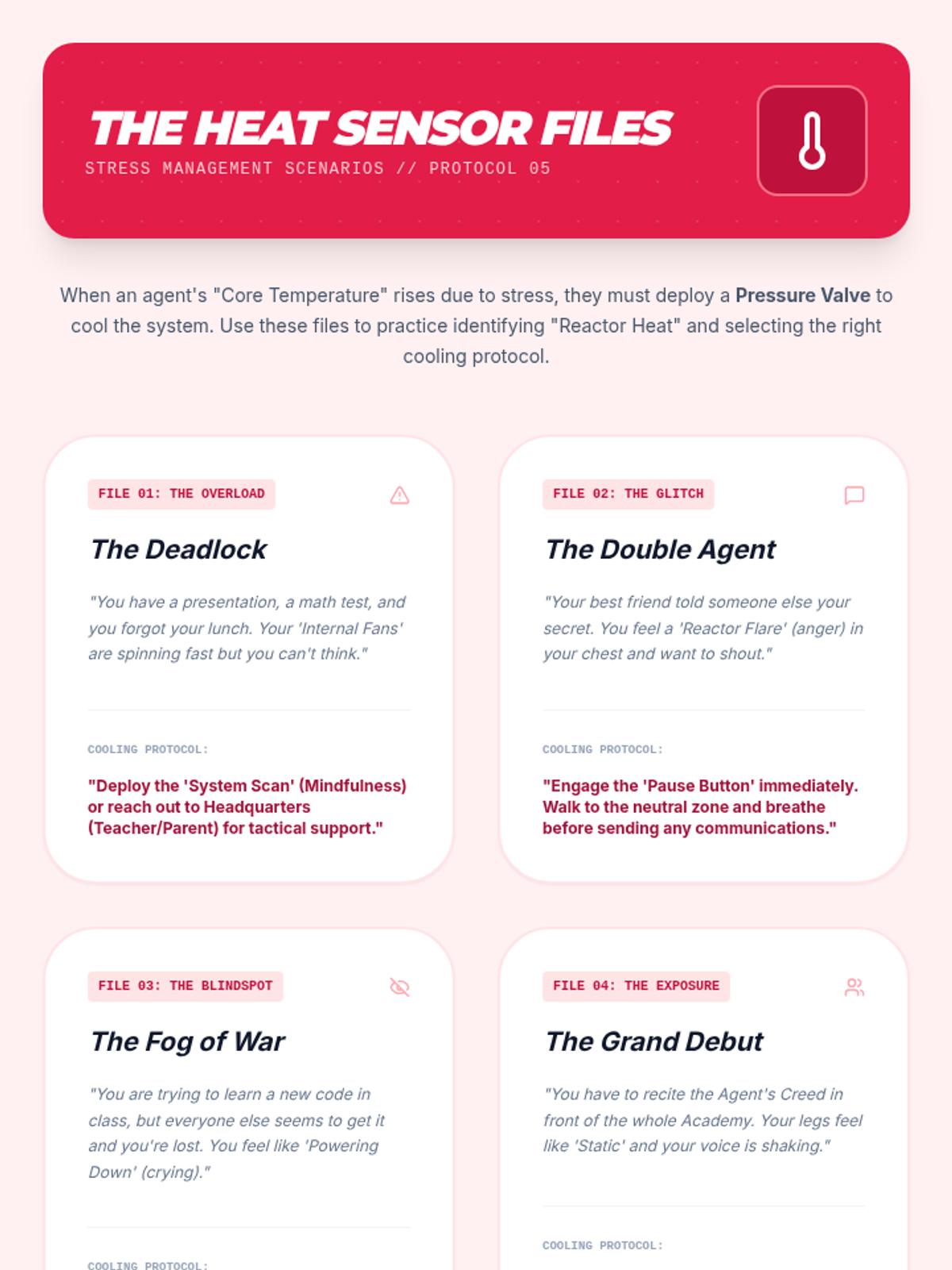
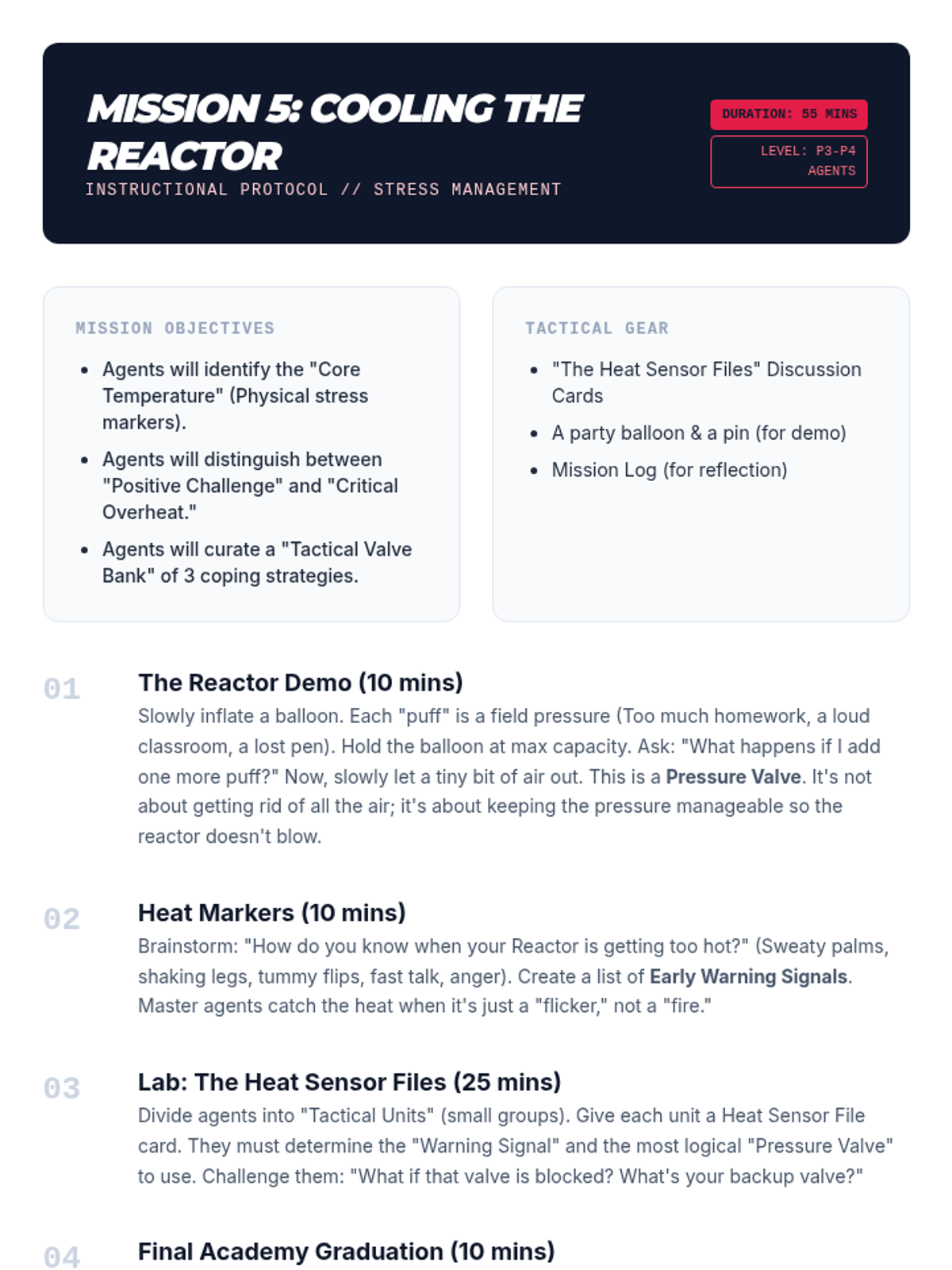
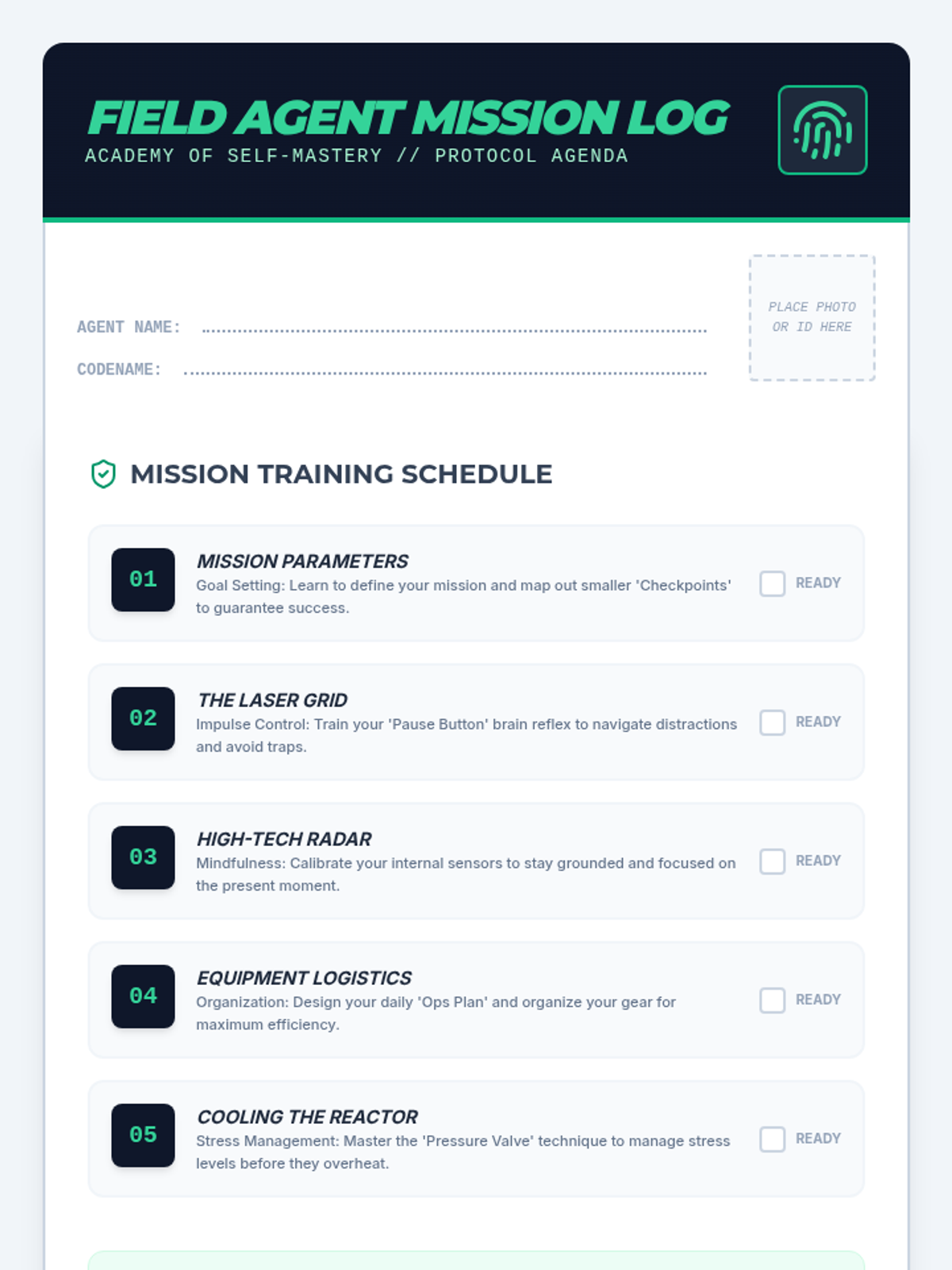
Agents learn to identify 'reactor heat' (stress) and use cooling valves to maintain operational status.
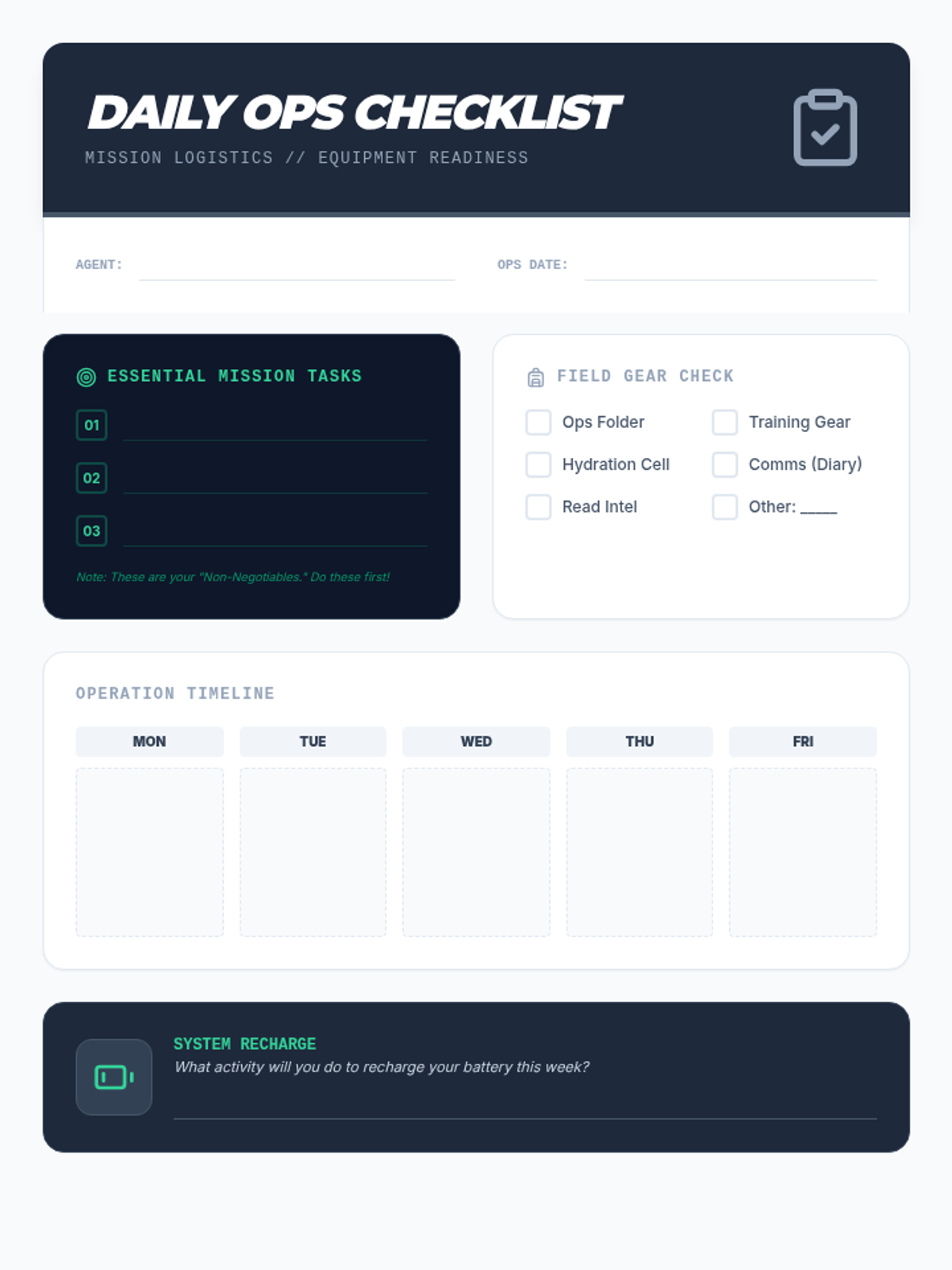
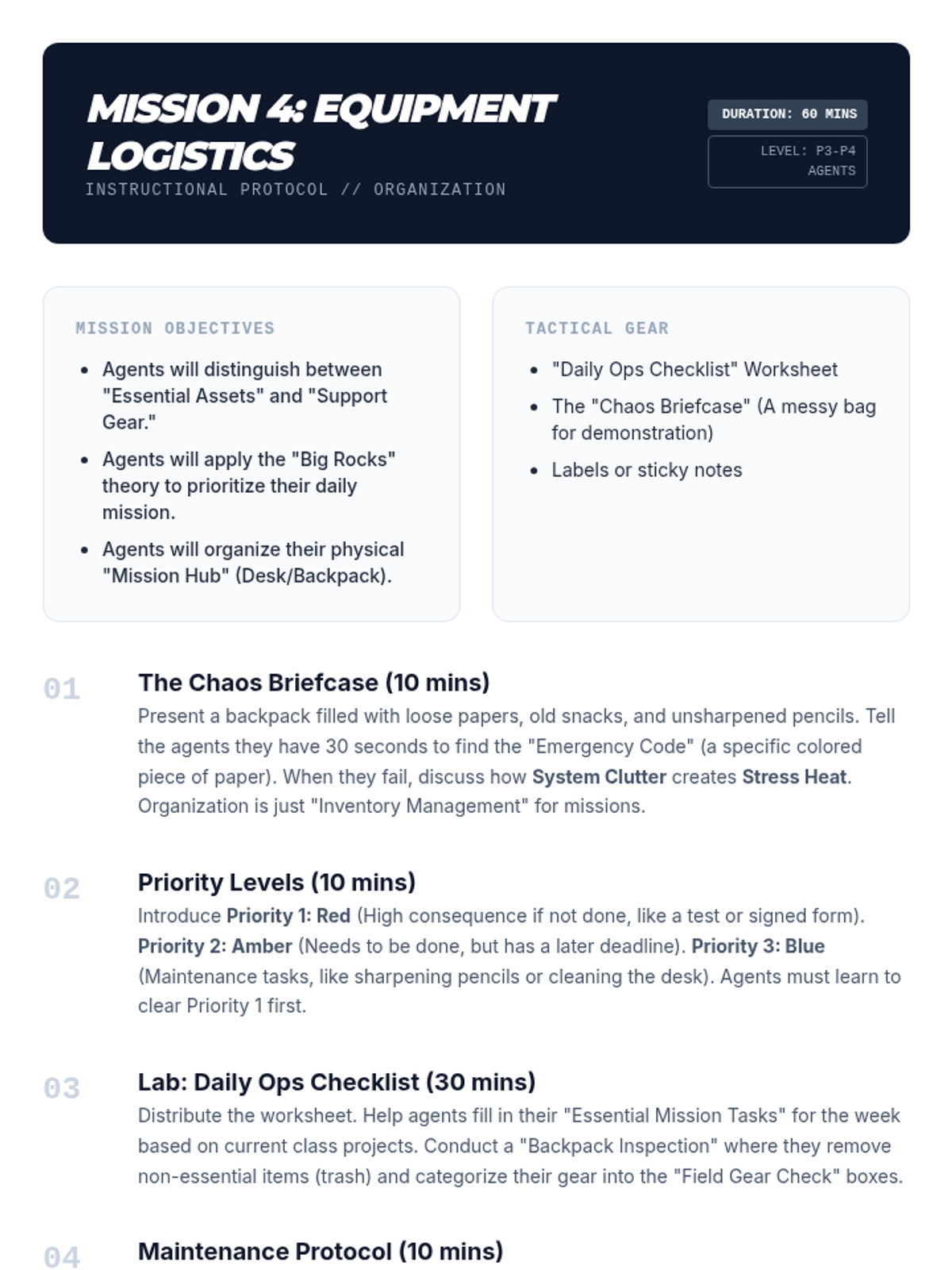
Agents master the logistics of their daily operations through effective planning and organization.
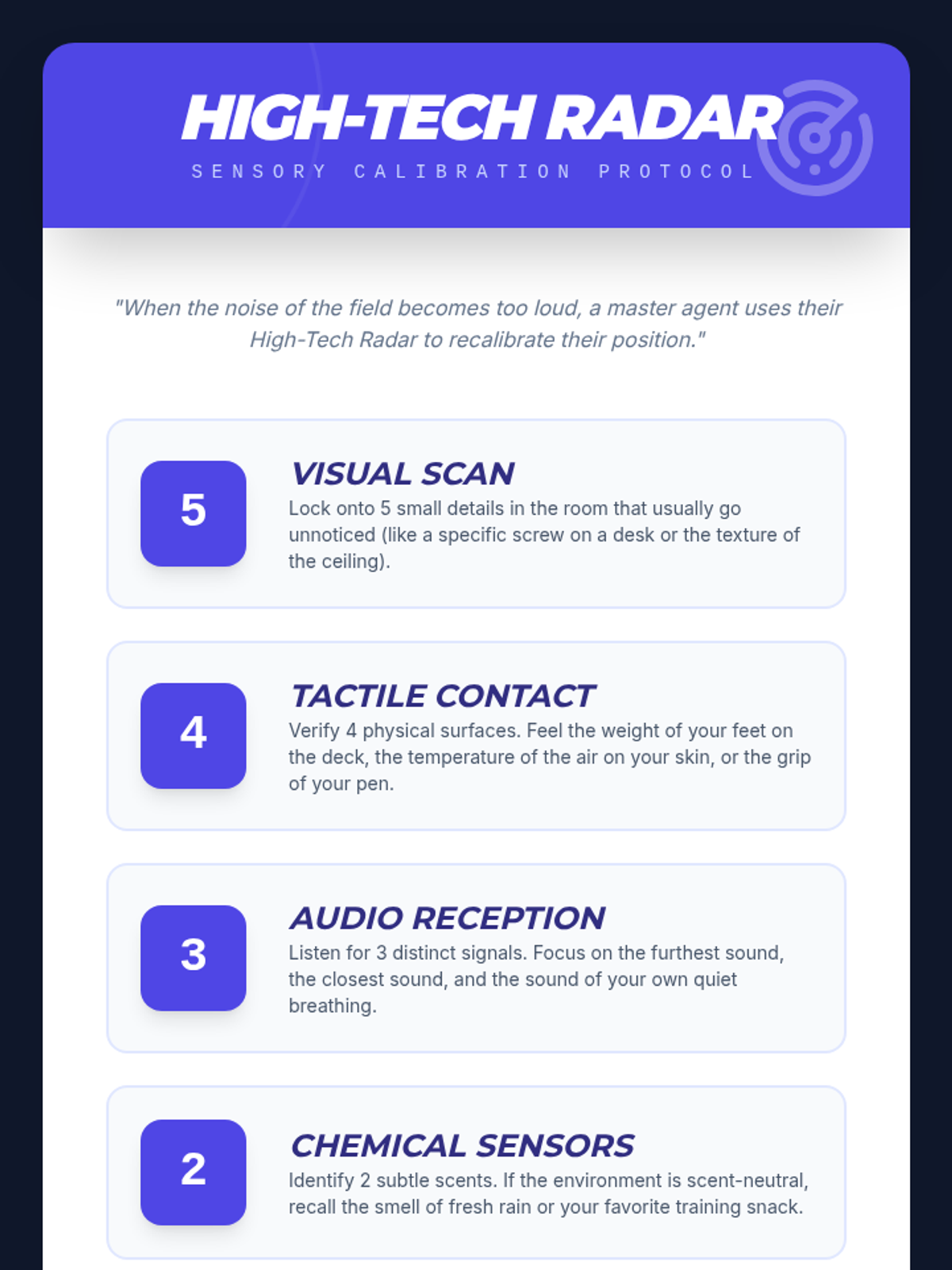
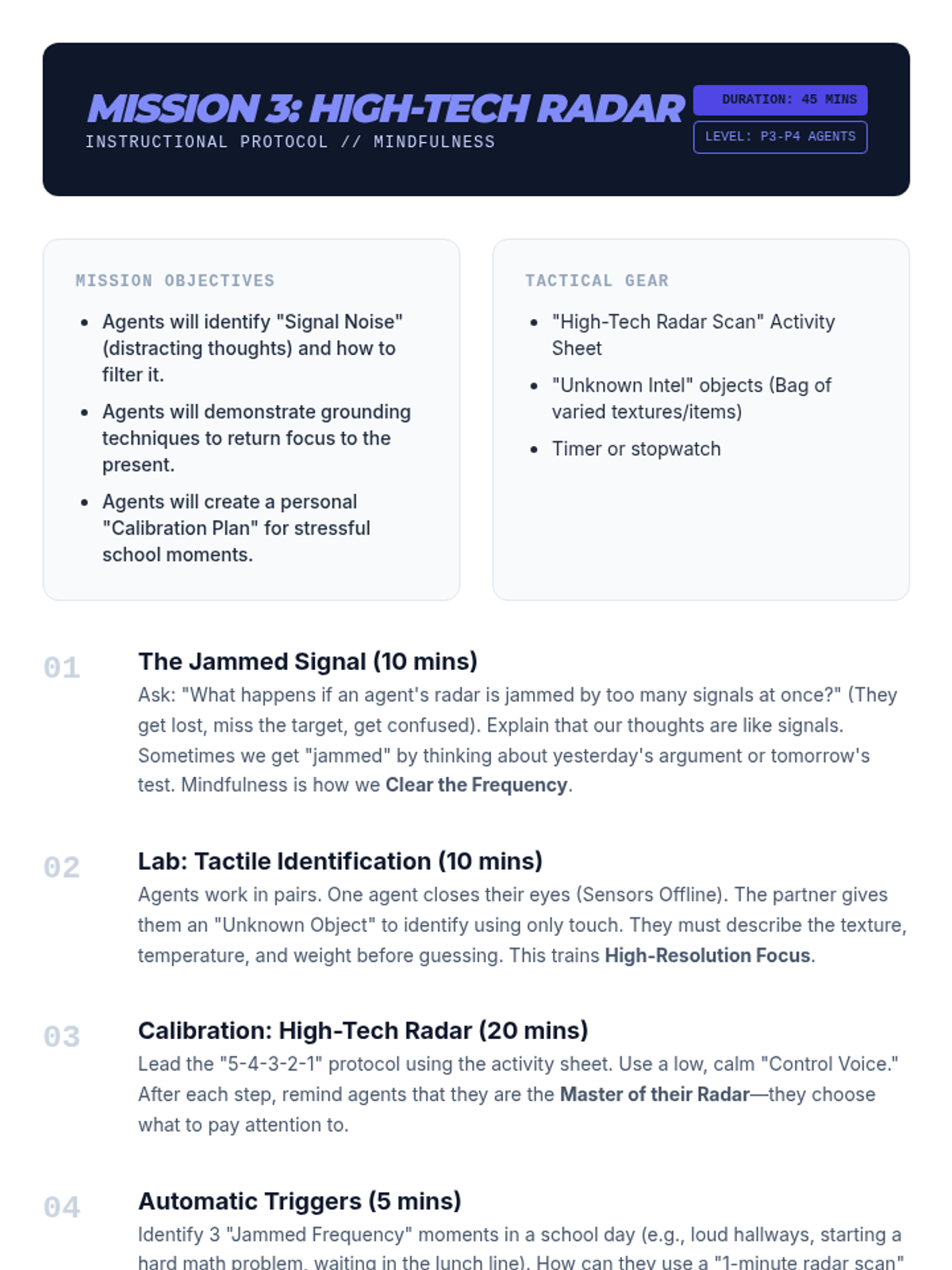
Agents calibrate their internal radar using sensory grounding techniques to stay focused.
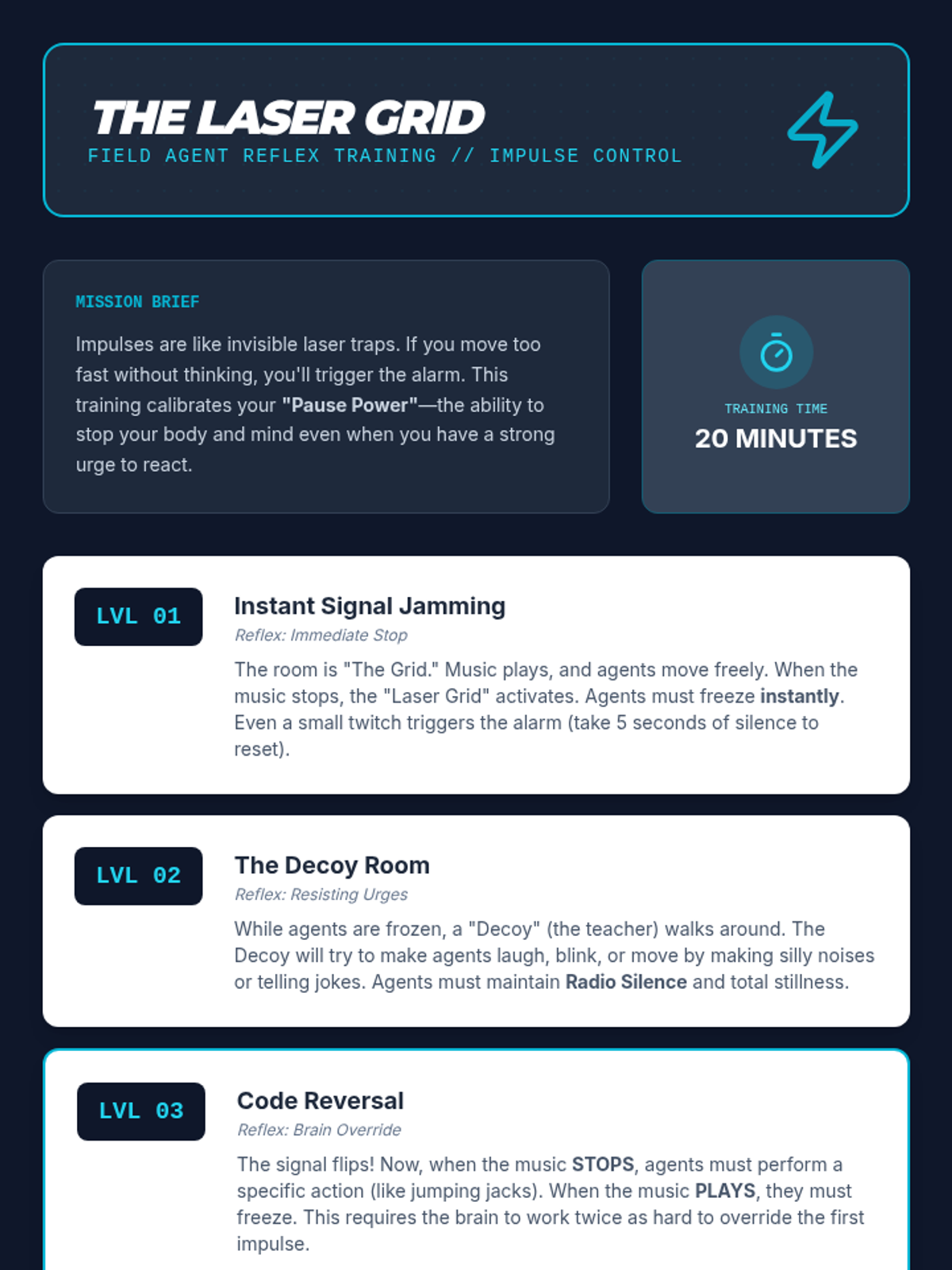
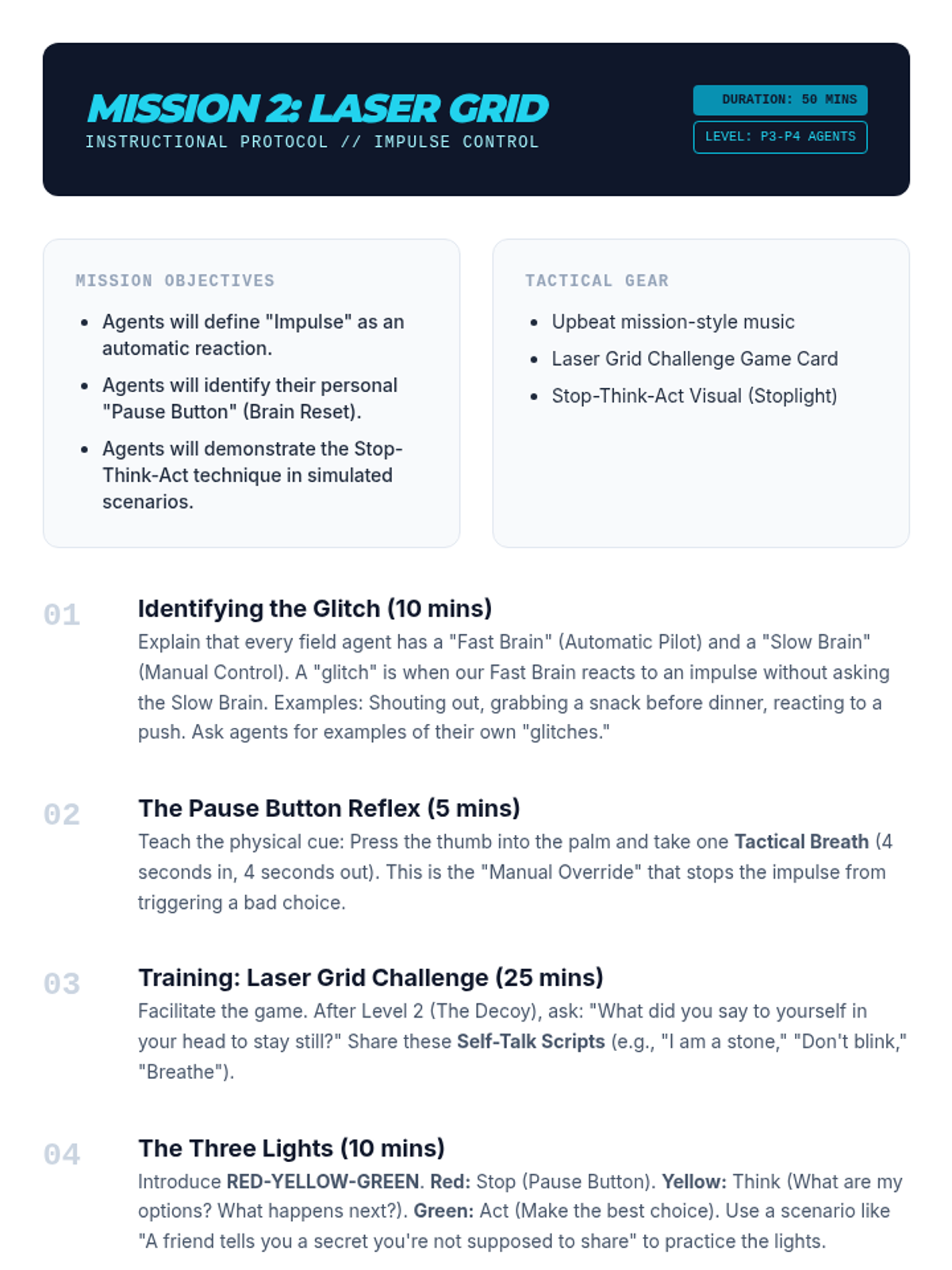
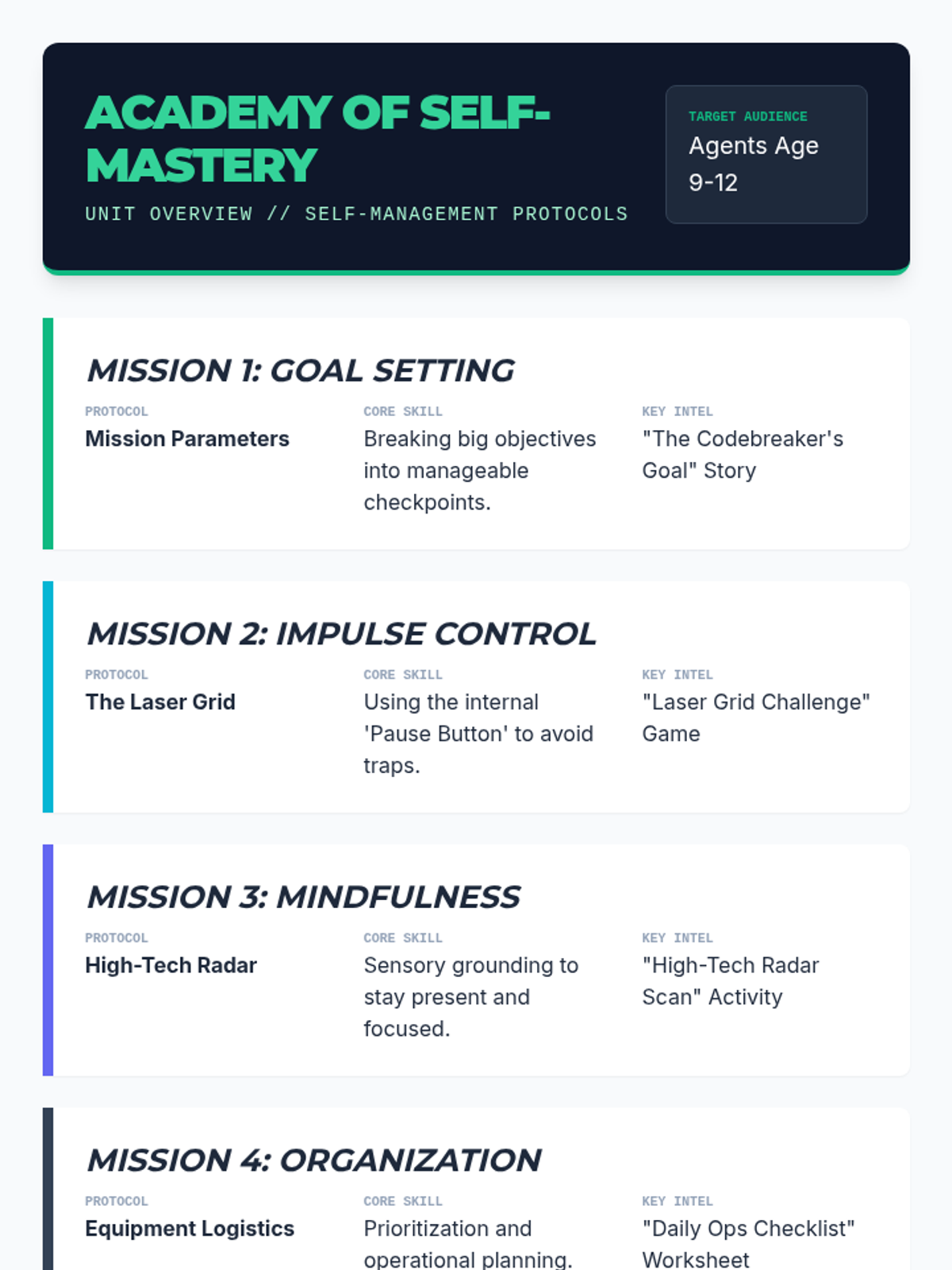
Agents practice navigating the 'Laser Grid' of impulses by using their internal pause button.
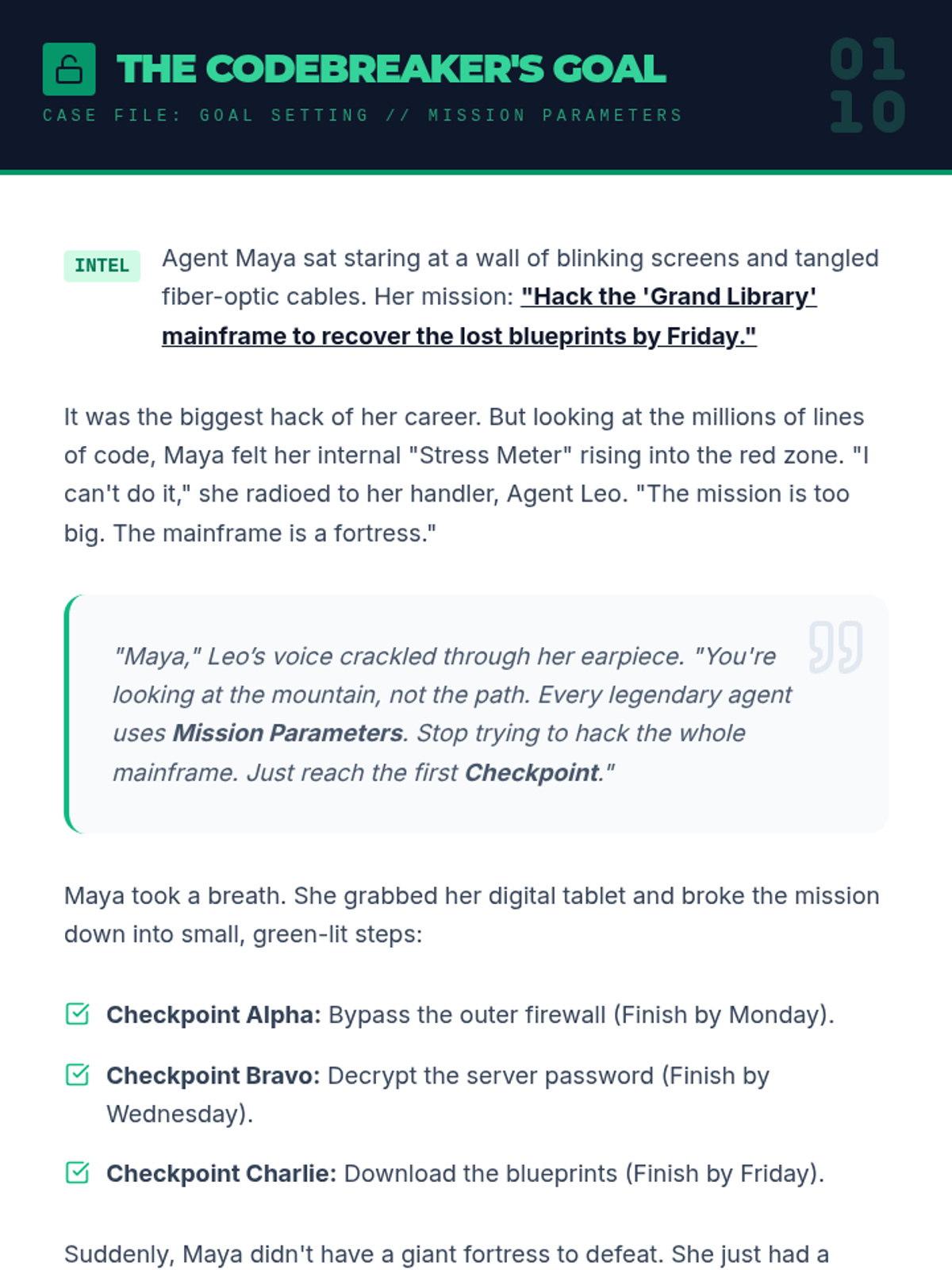
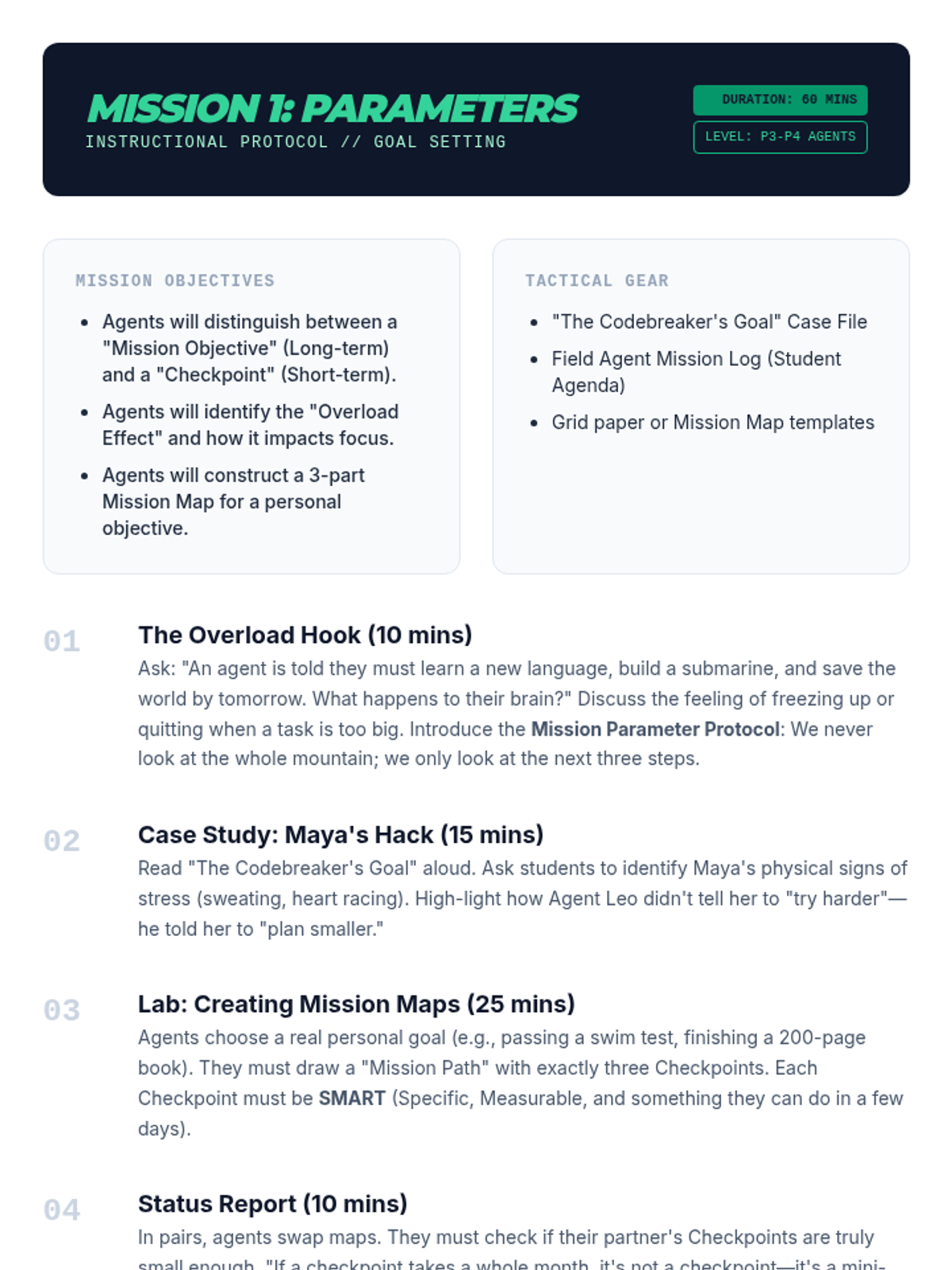
Agents learn to define their mission and break down big objectives into manageable checkpoints.
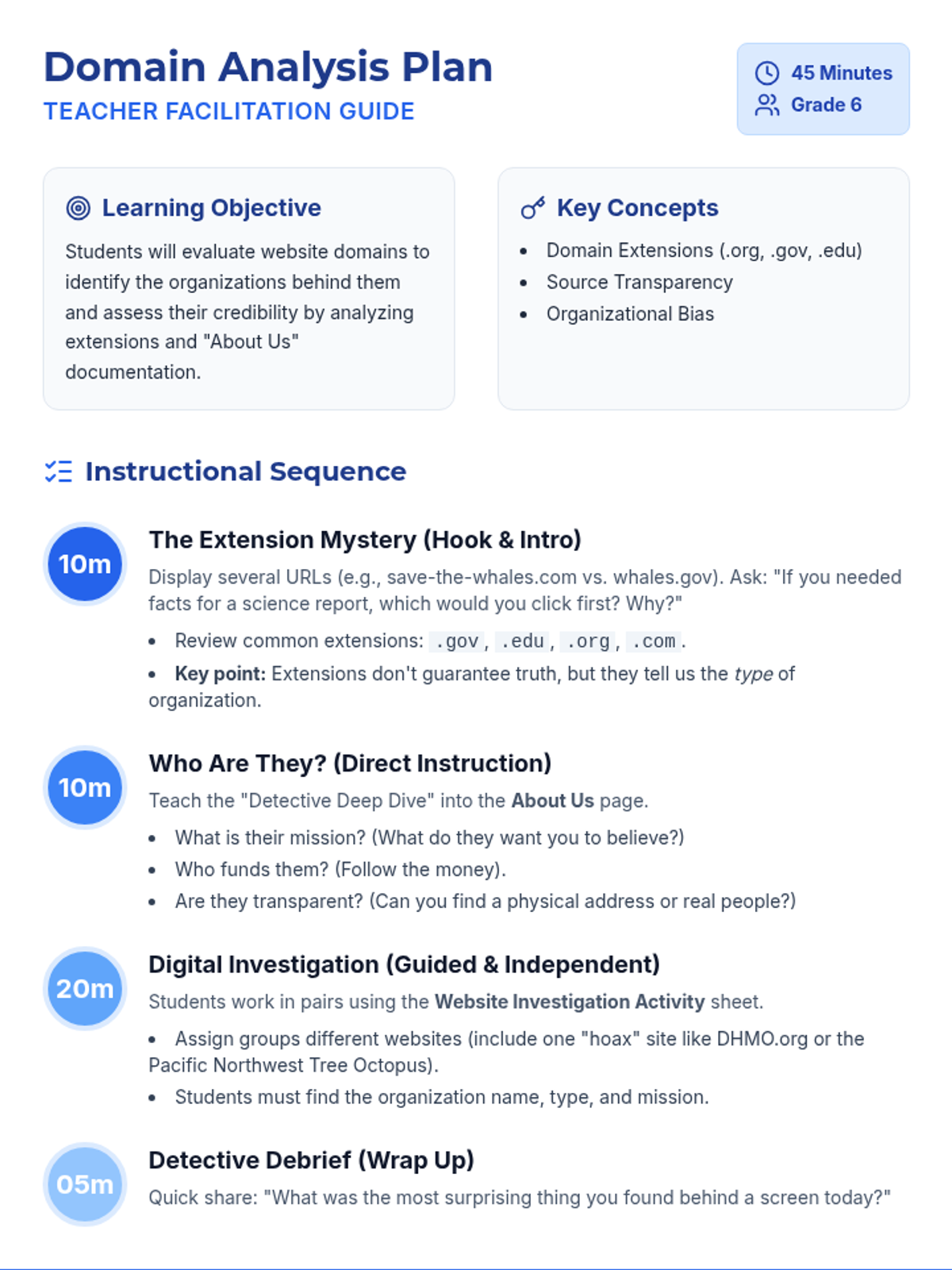
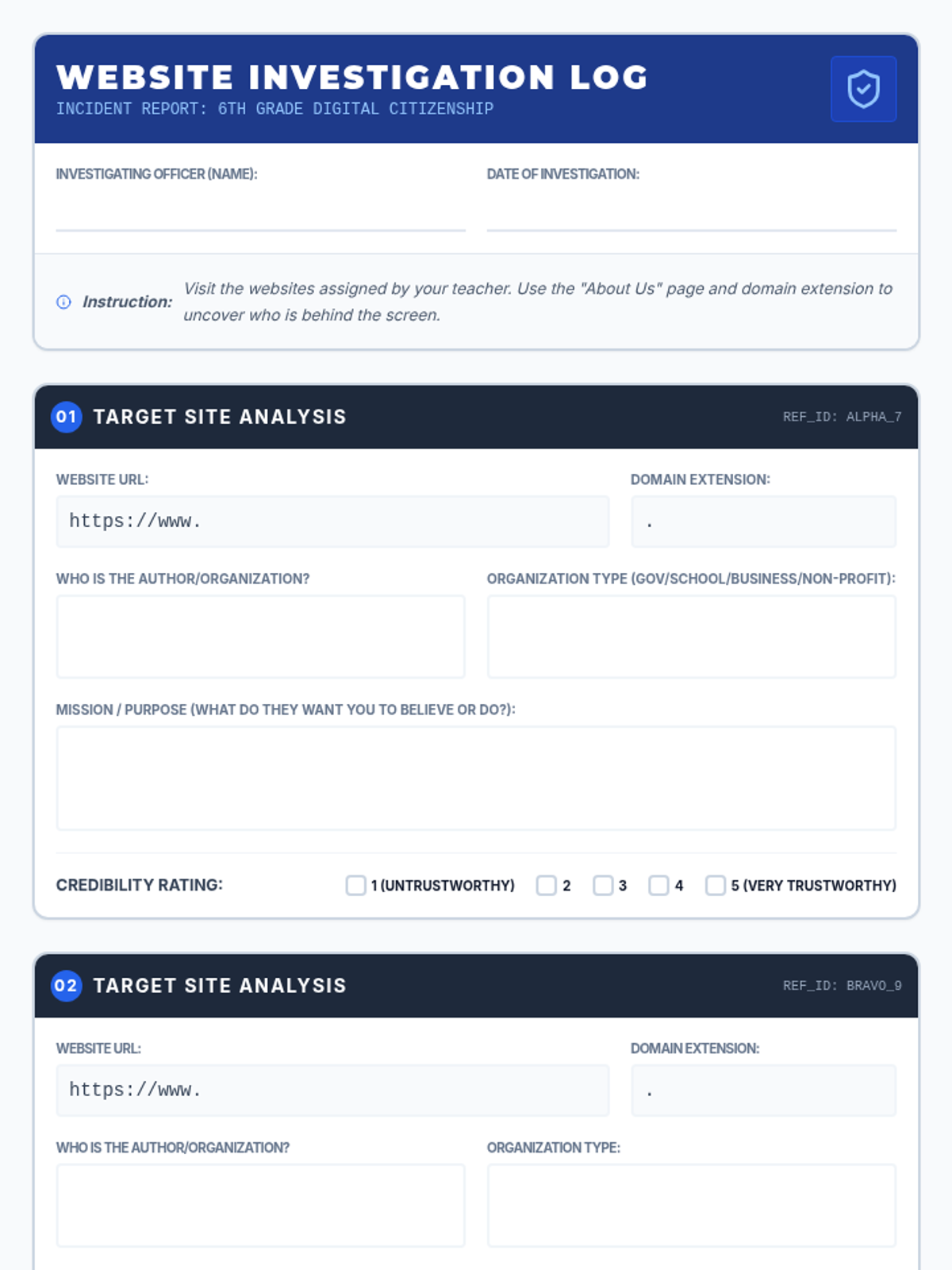
Students become digital detectives as they learn to peel back the layers of websites, analyzing domain extensions and "About Us" pages to determine who is providing information and whether they can be trusted.
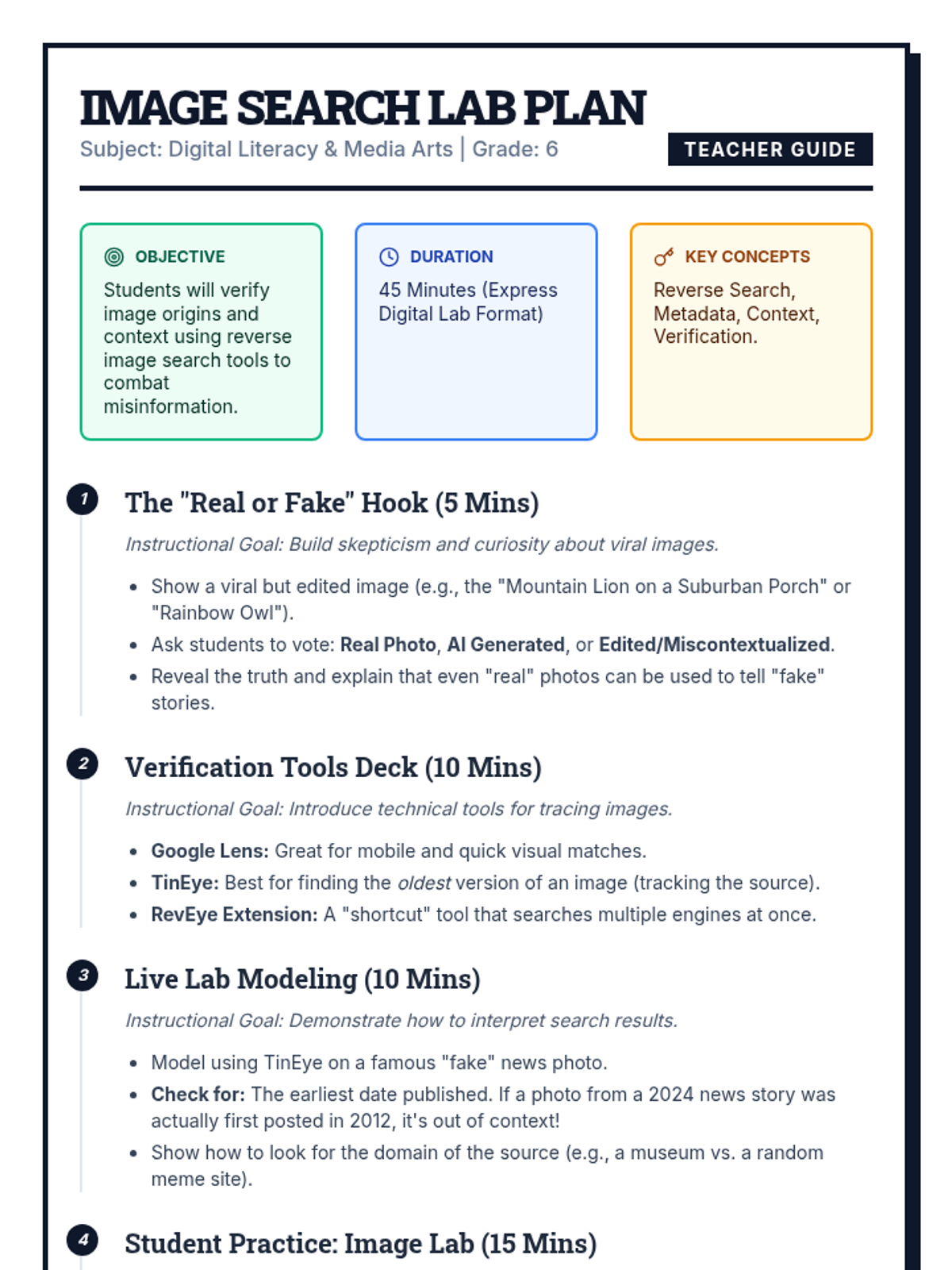
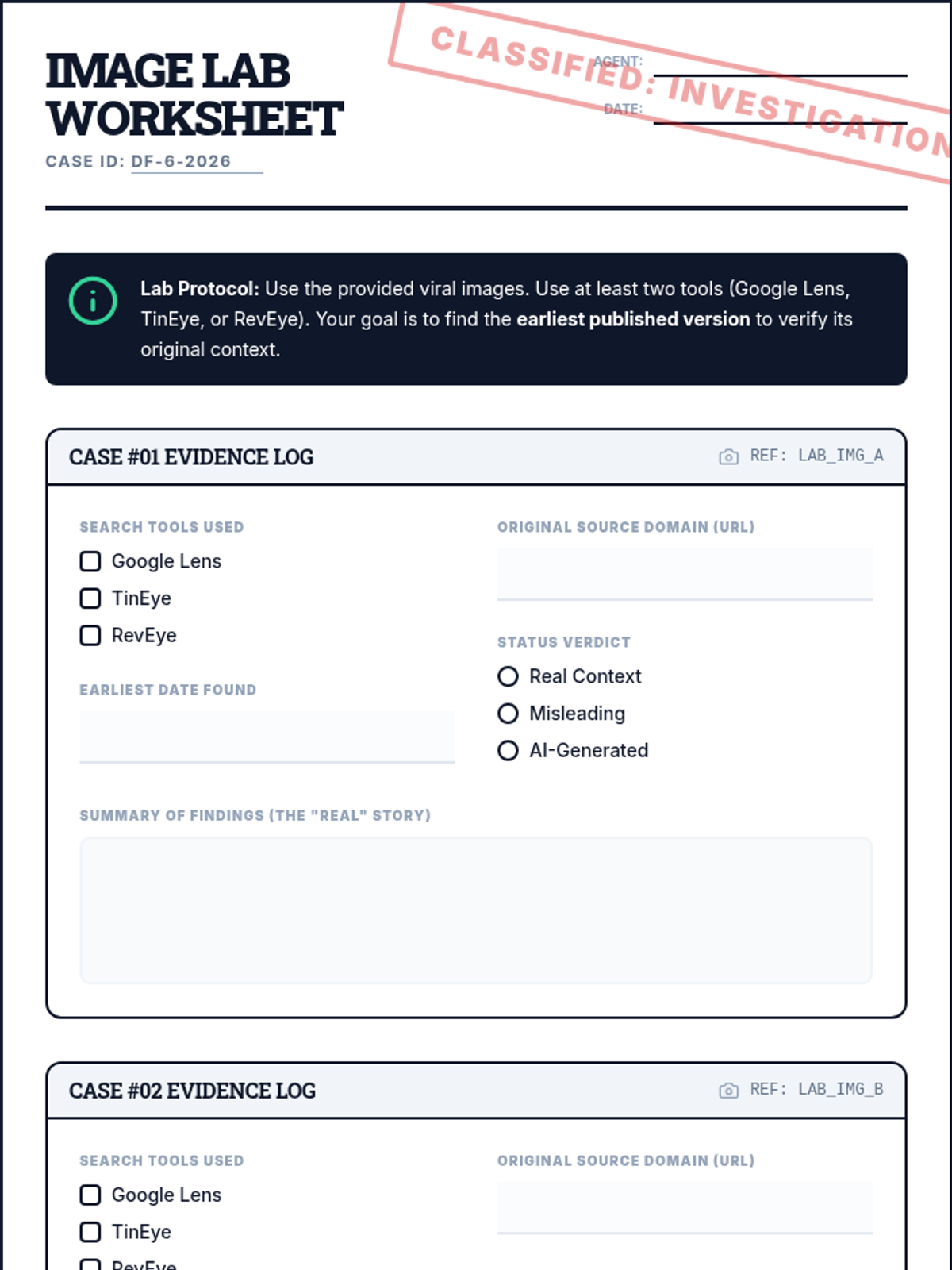
A 45-minute digital forensics lesson where 6th-grade students learn to use reverse image search tools to verify the authenticity and context of viral images. Students act as 'Image Detectives' to uncover the true origins of misleading digital media.
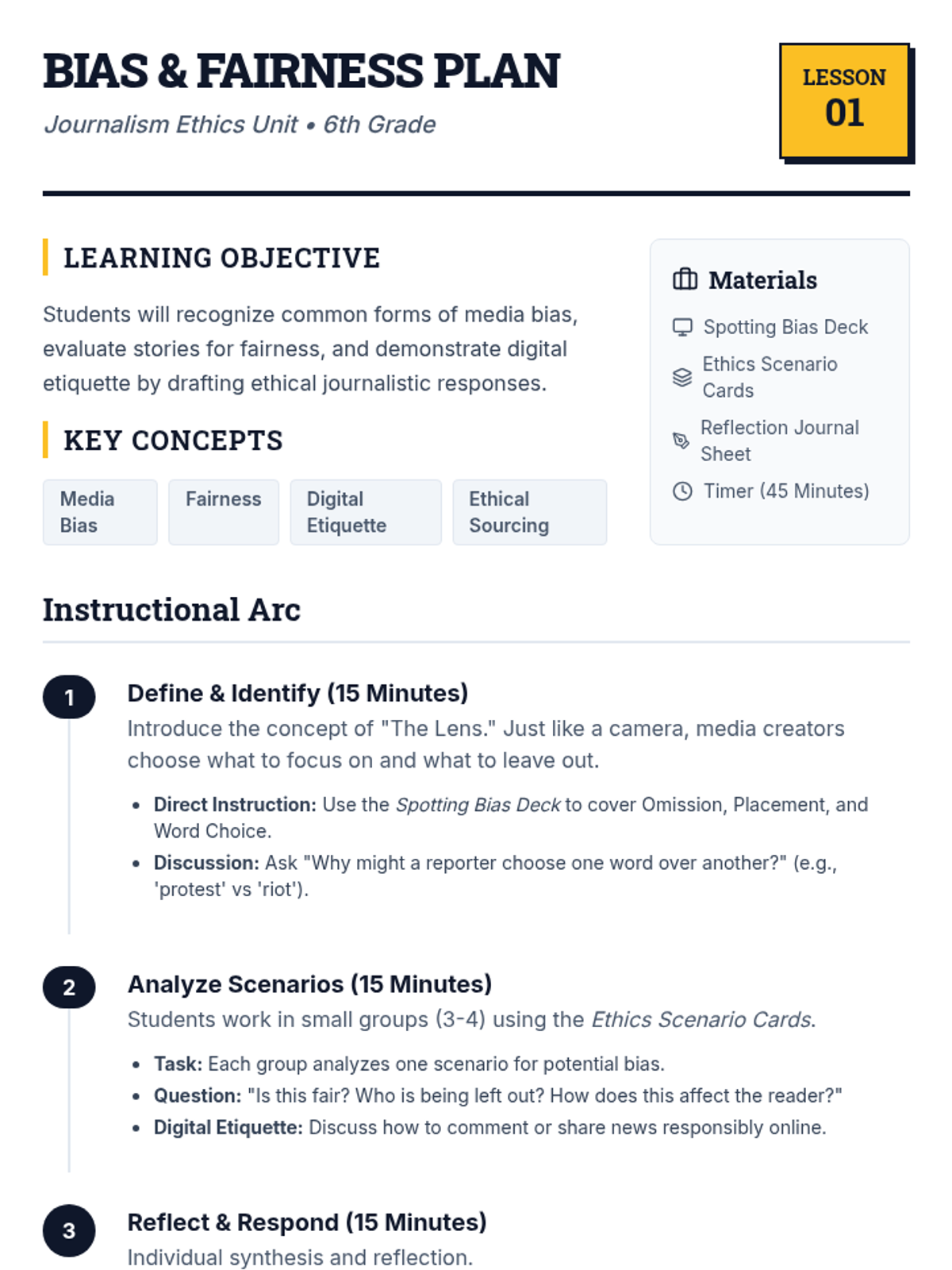
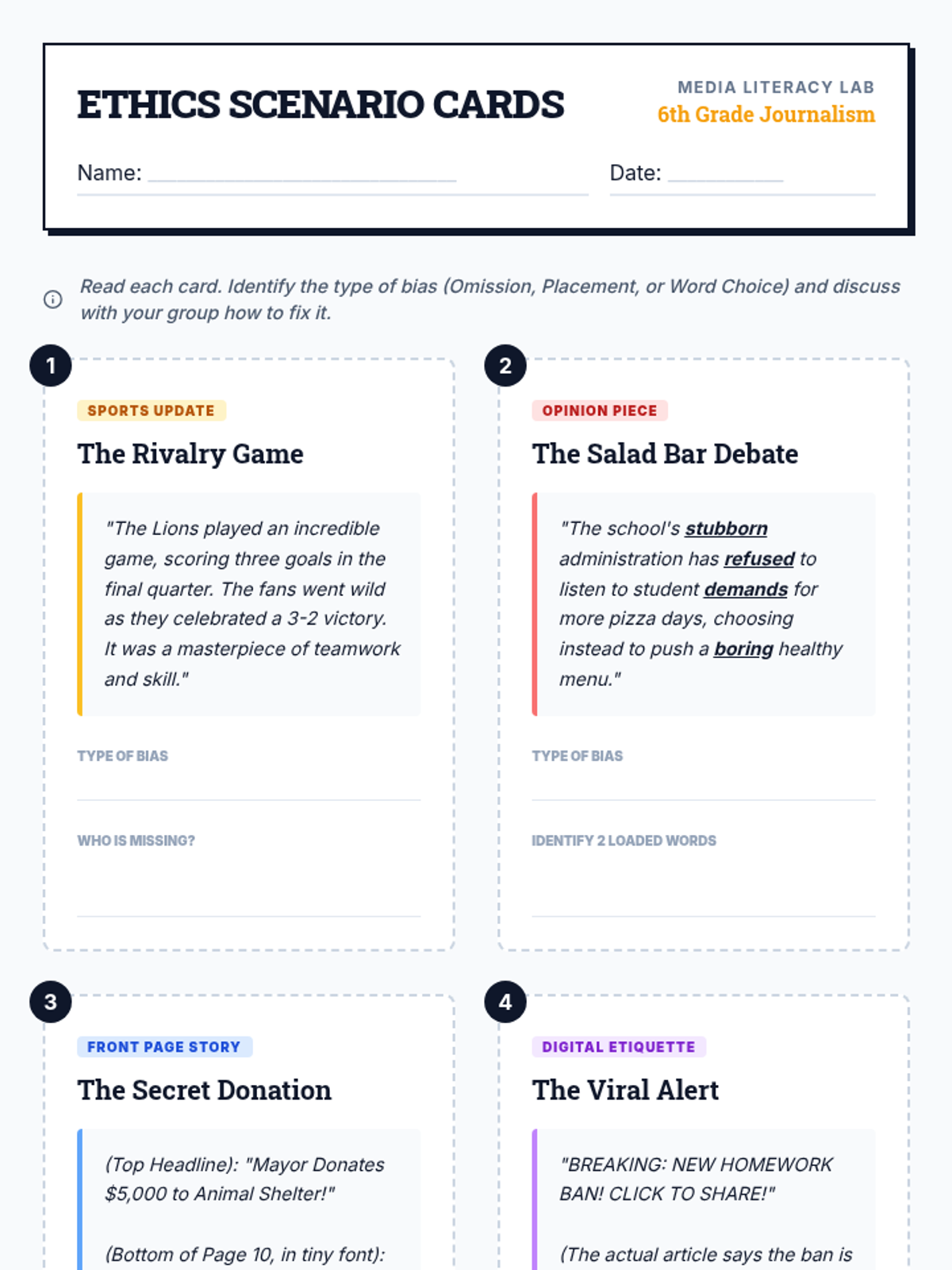
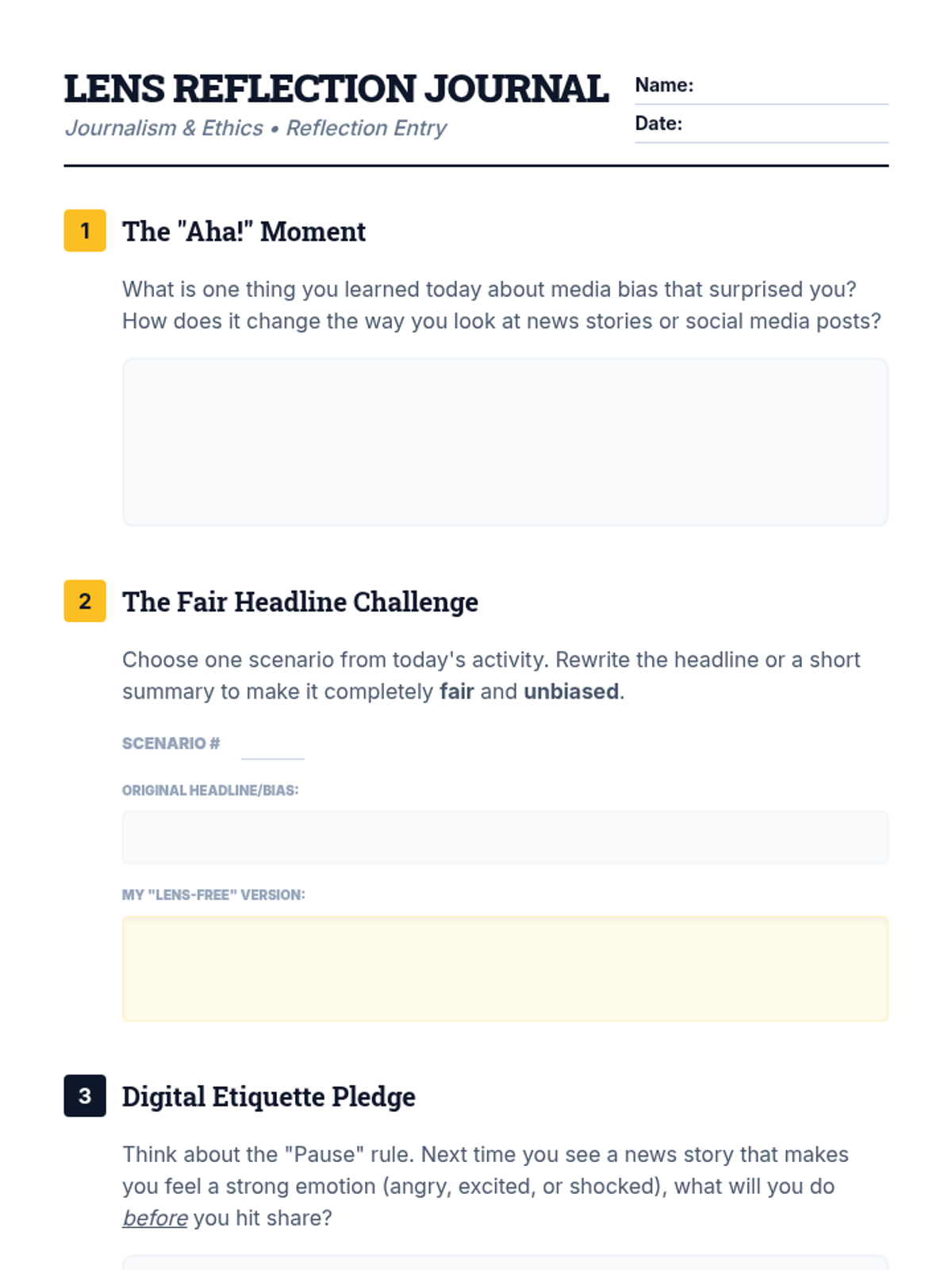
A 45-minute lesson for 6th graders to identify media bias, understand fairness, and practice digital etiquette in journalism. students analyze real-world scenarios and reflect on ethical communication.
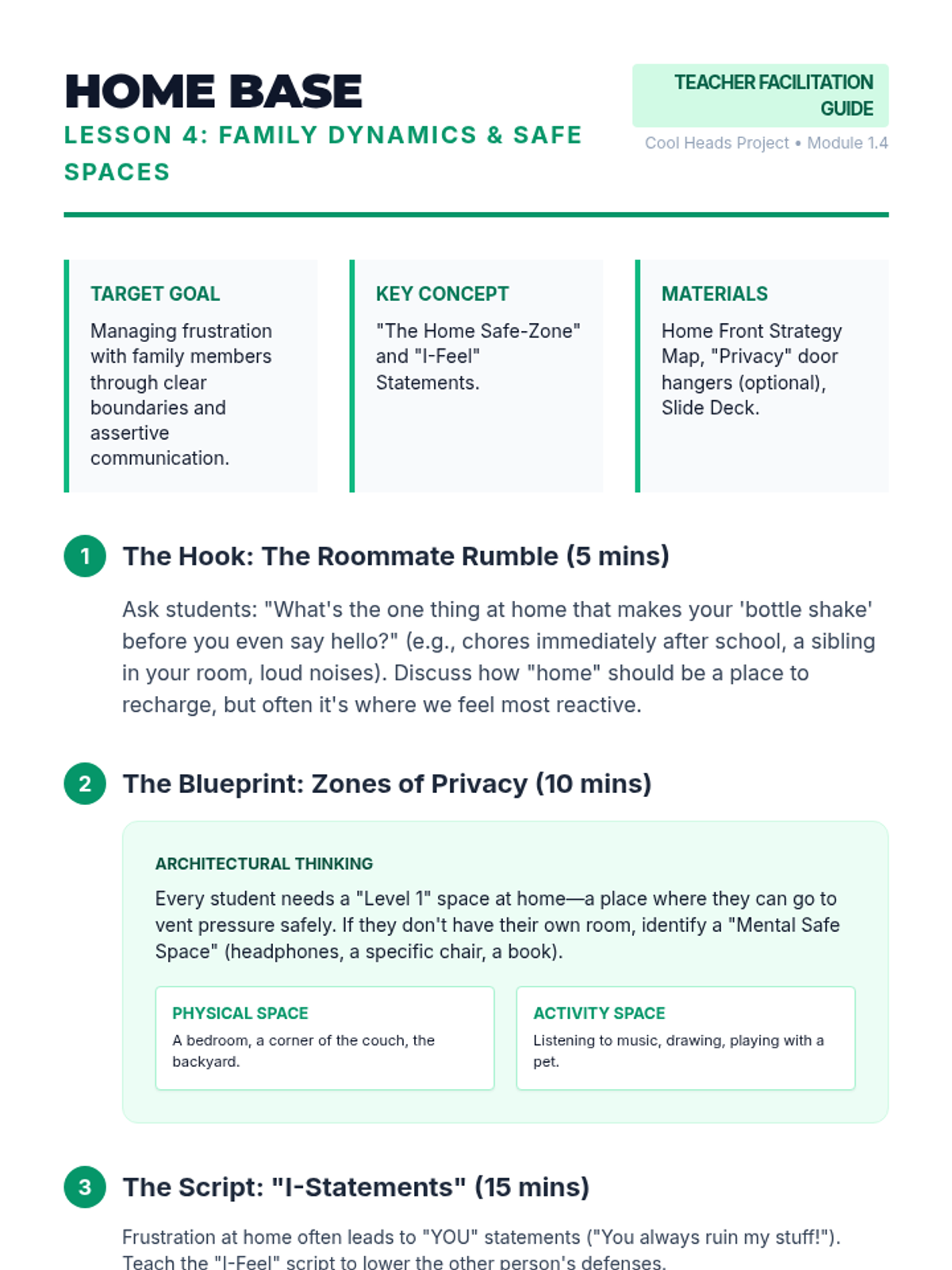
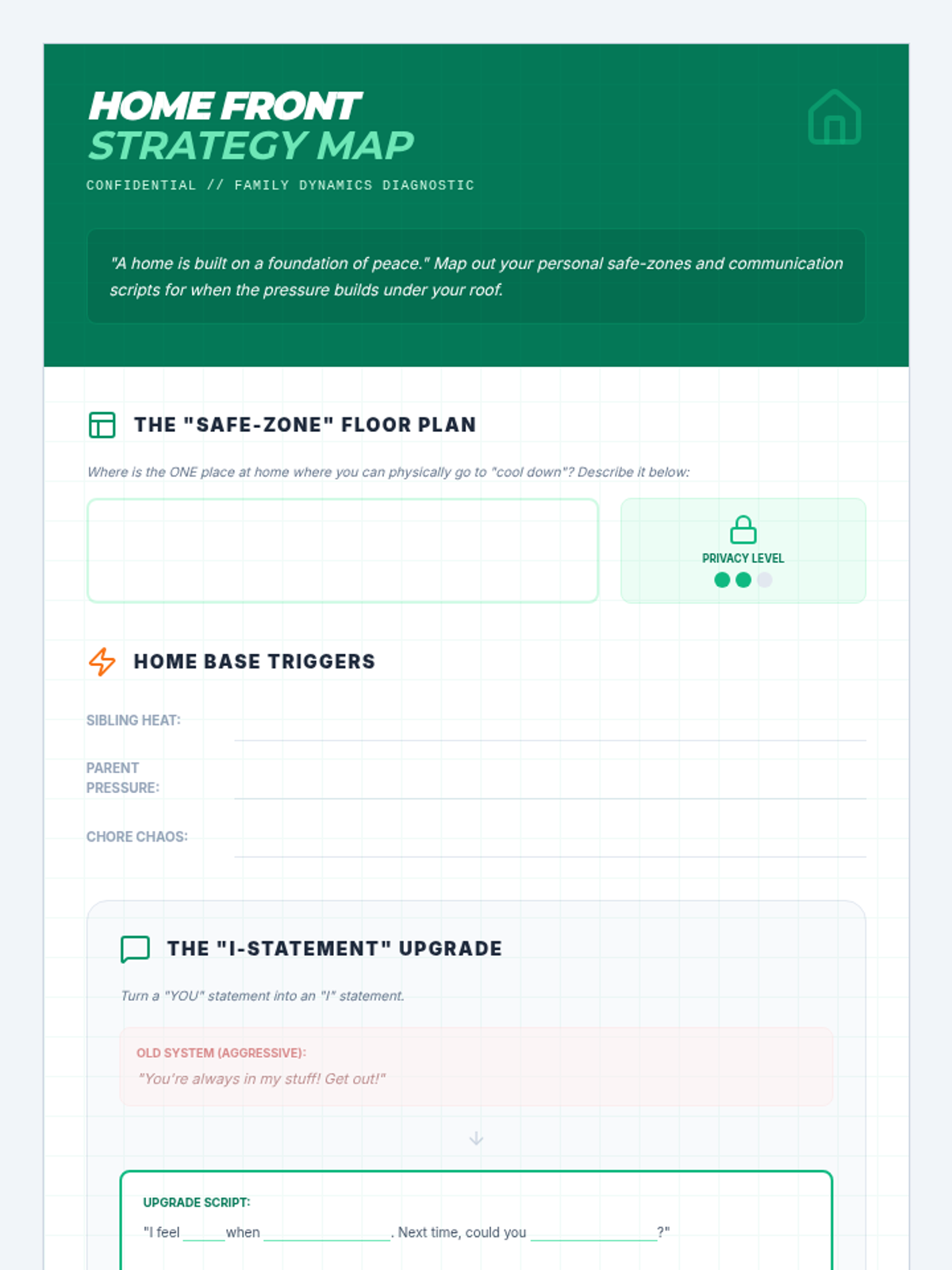
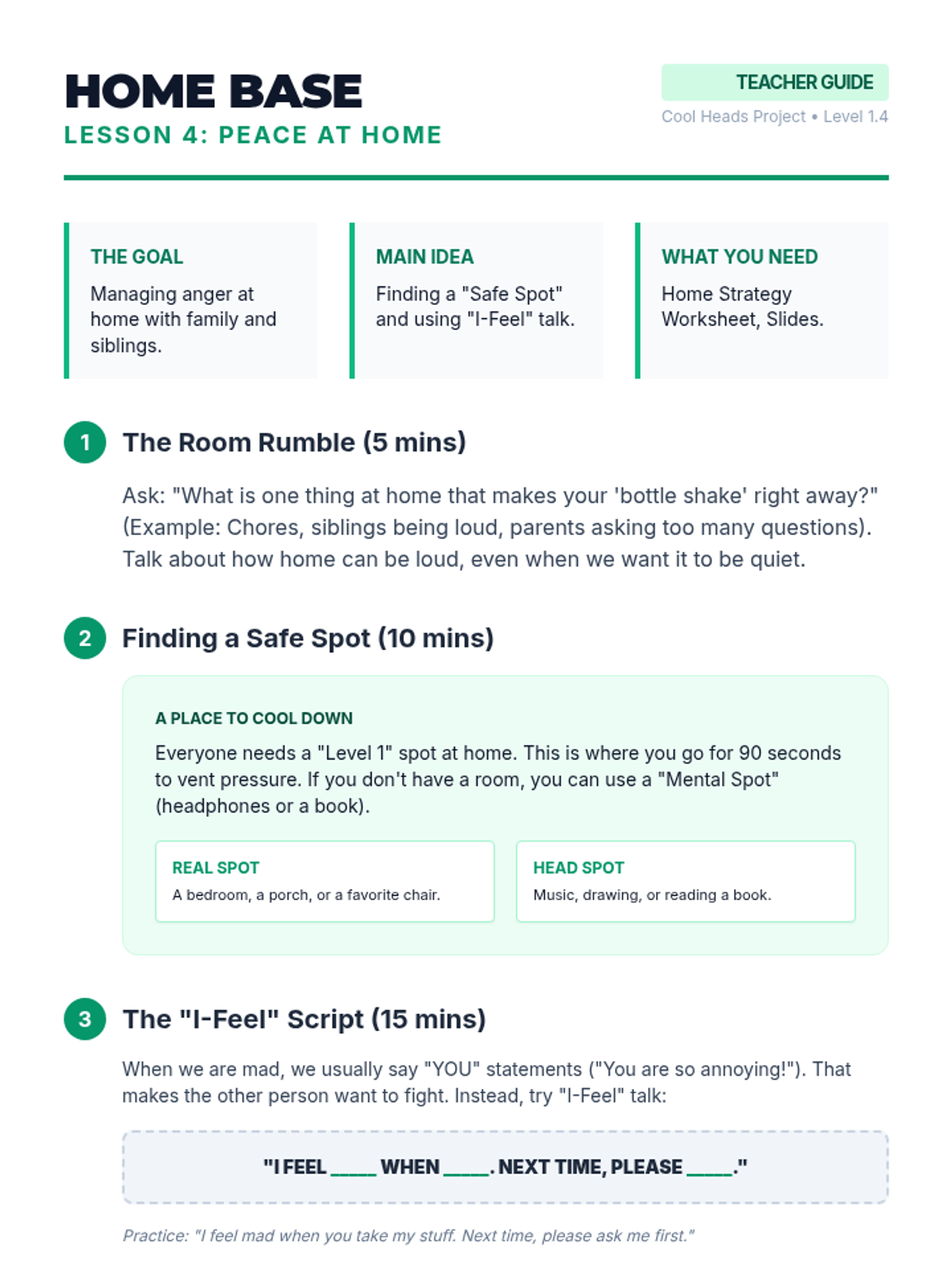
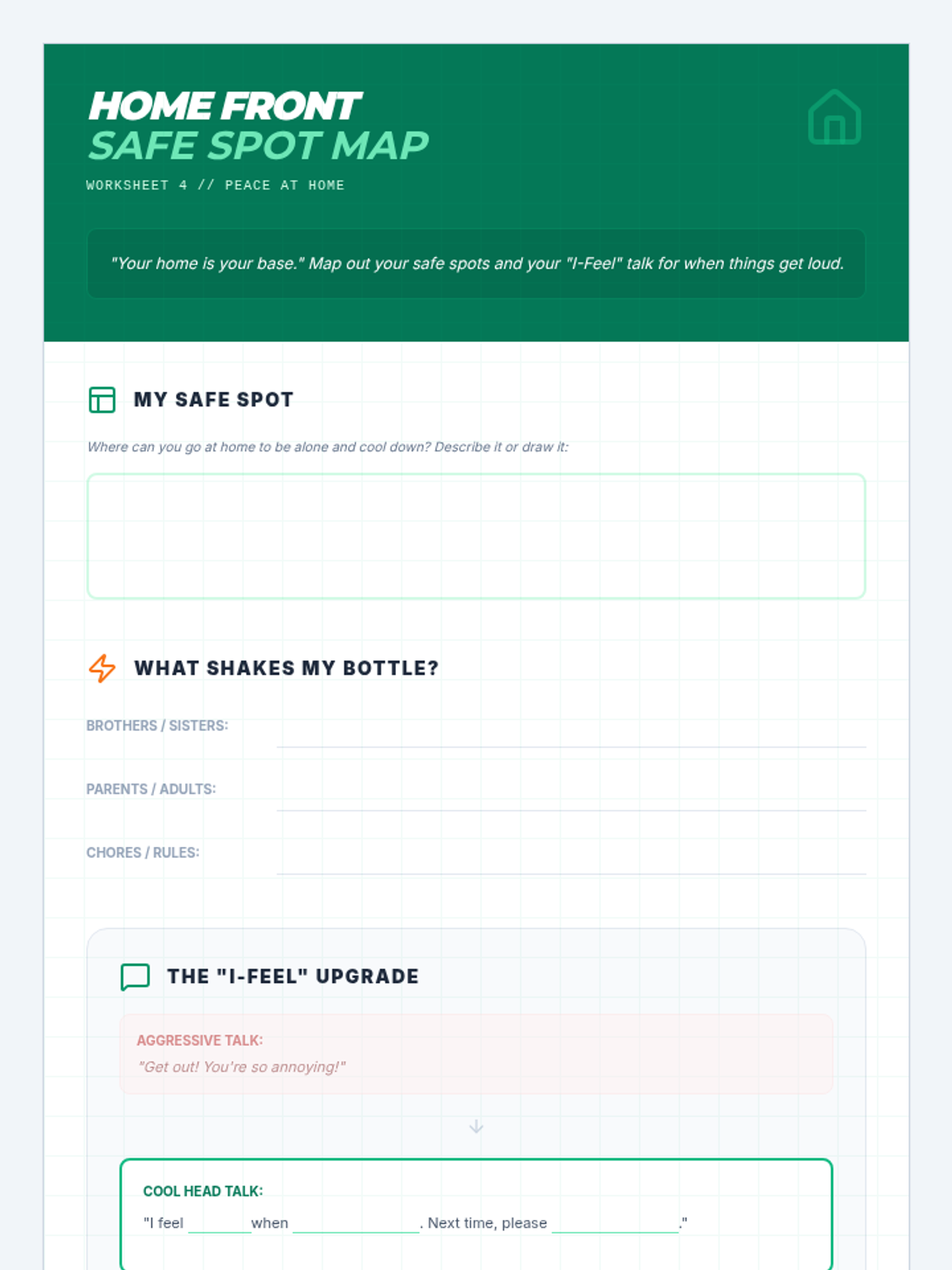
Strategies for navigating family dynamics, sibling conflicts, and home-based stressors through clear communication and personal space.
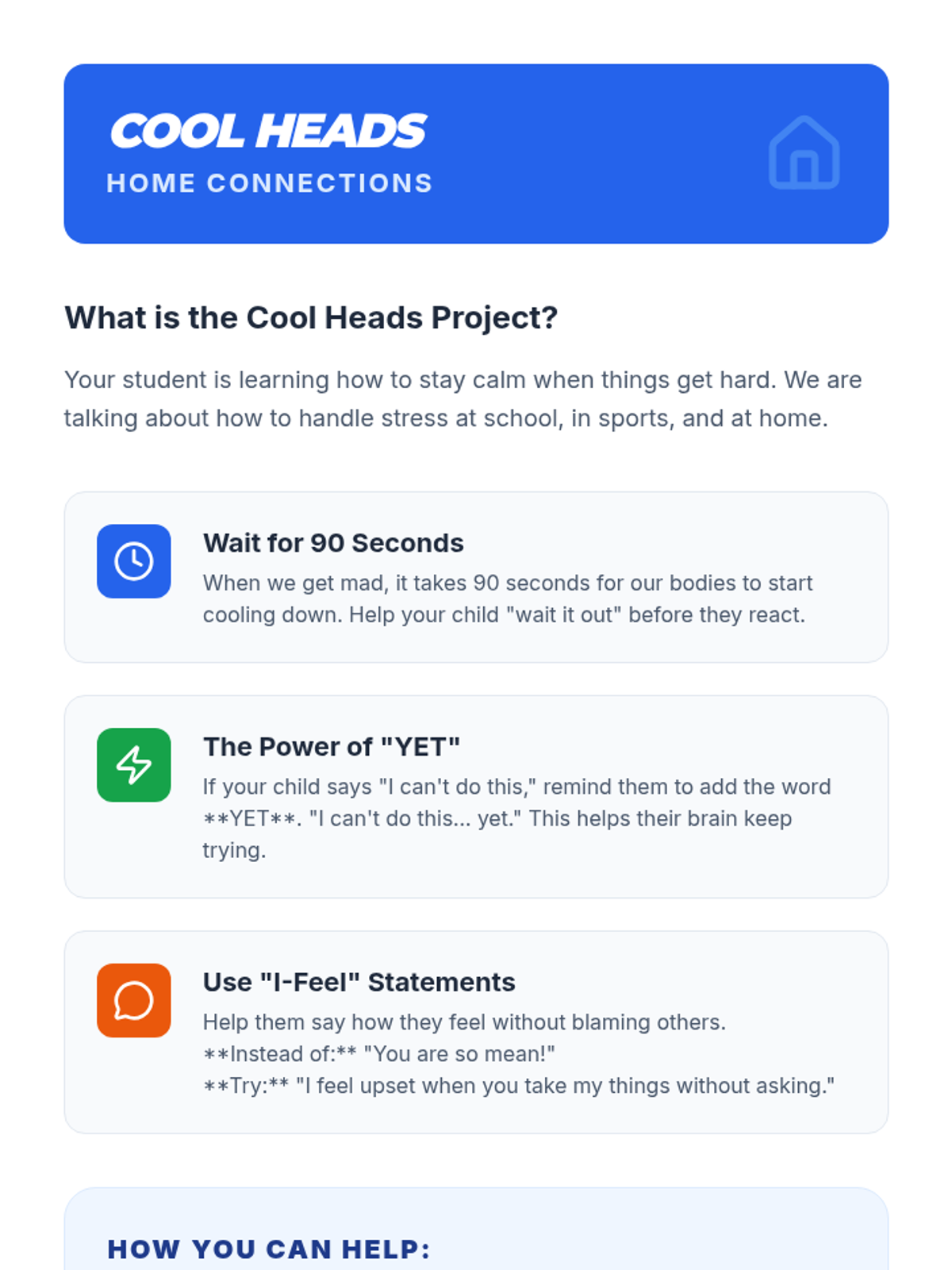
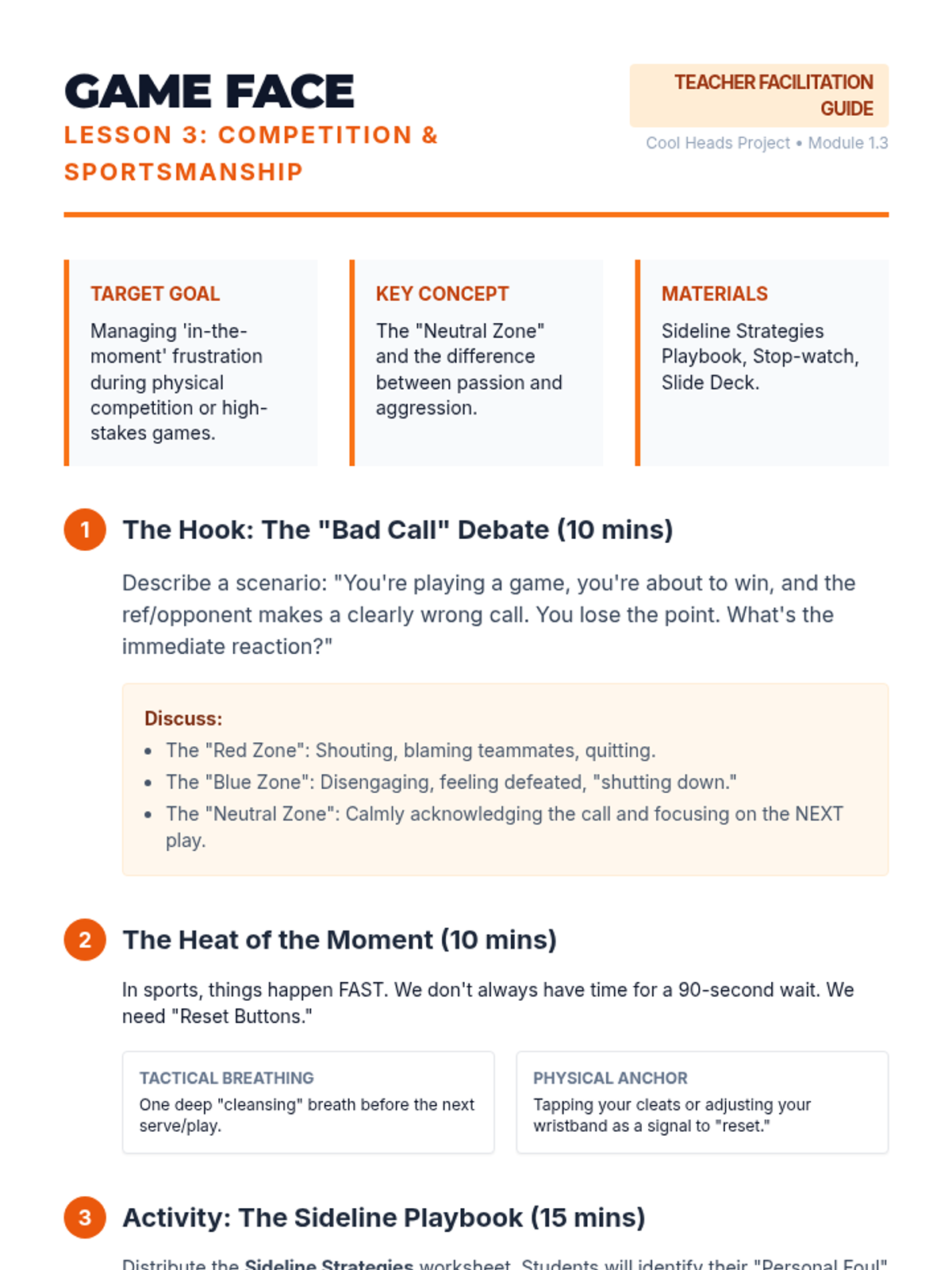
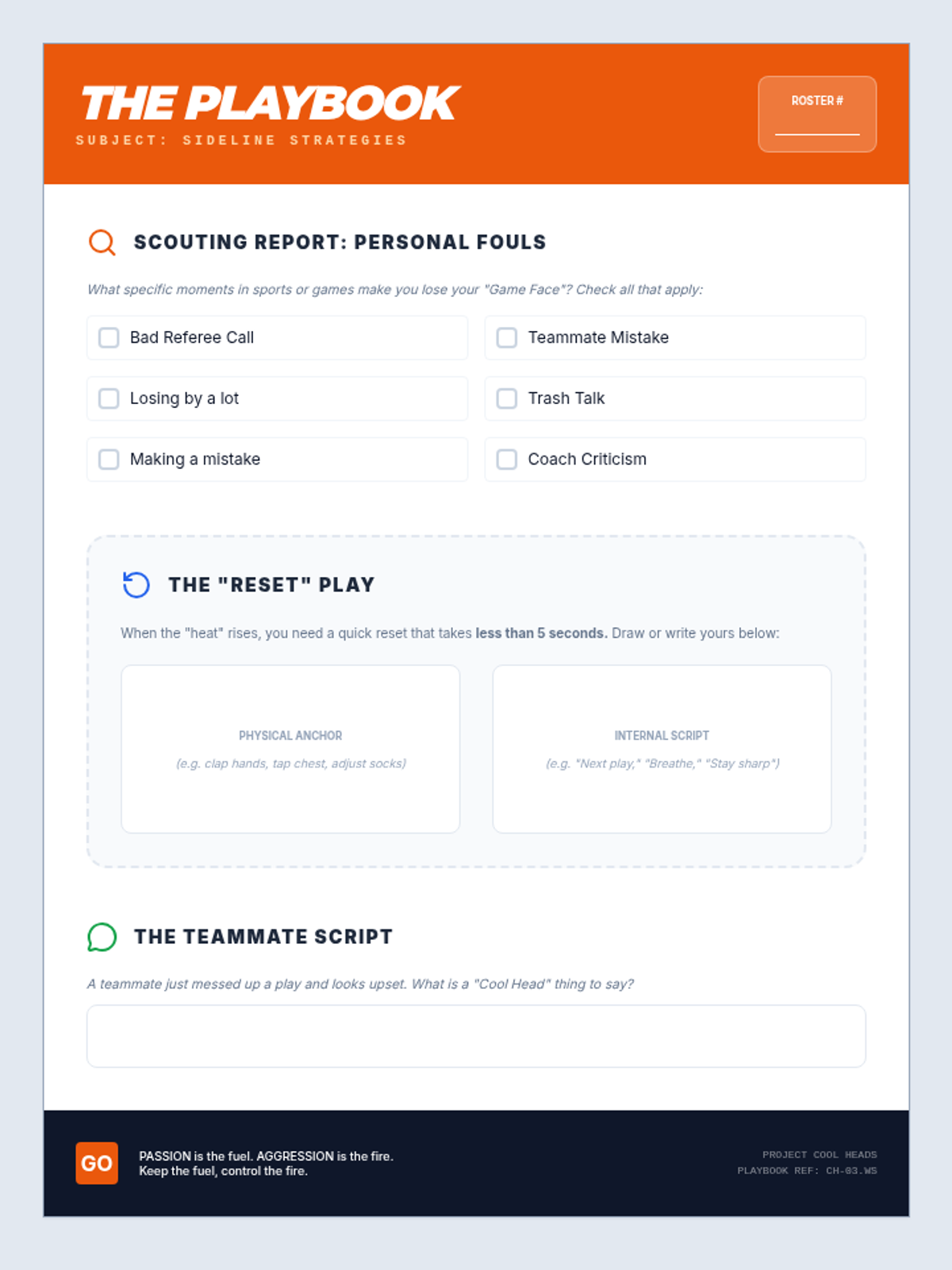
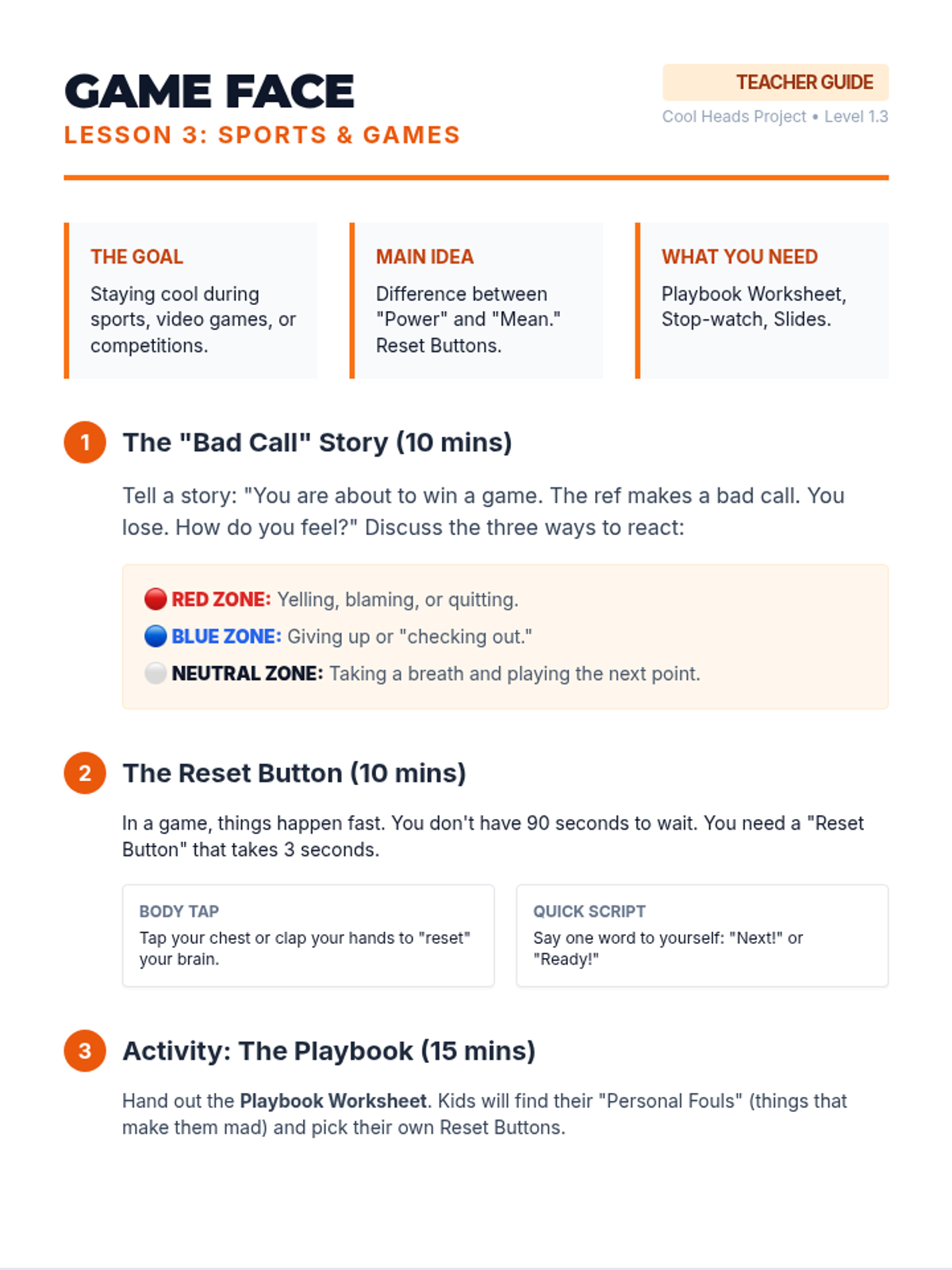
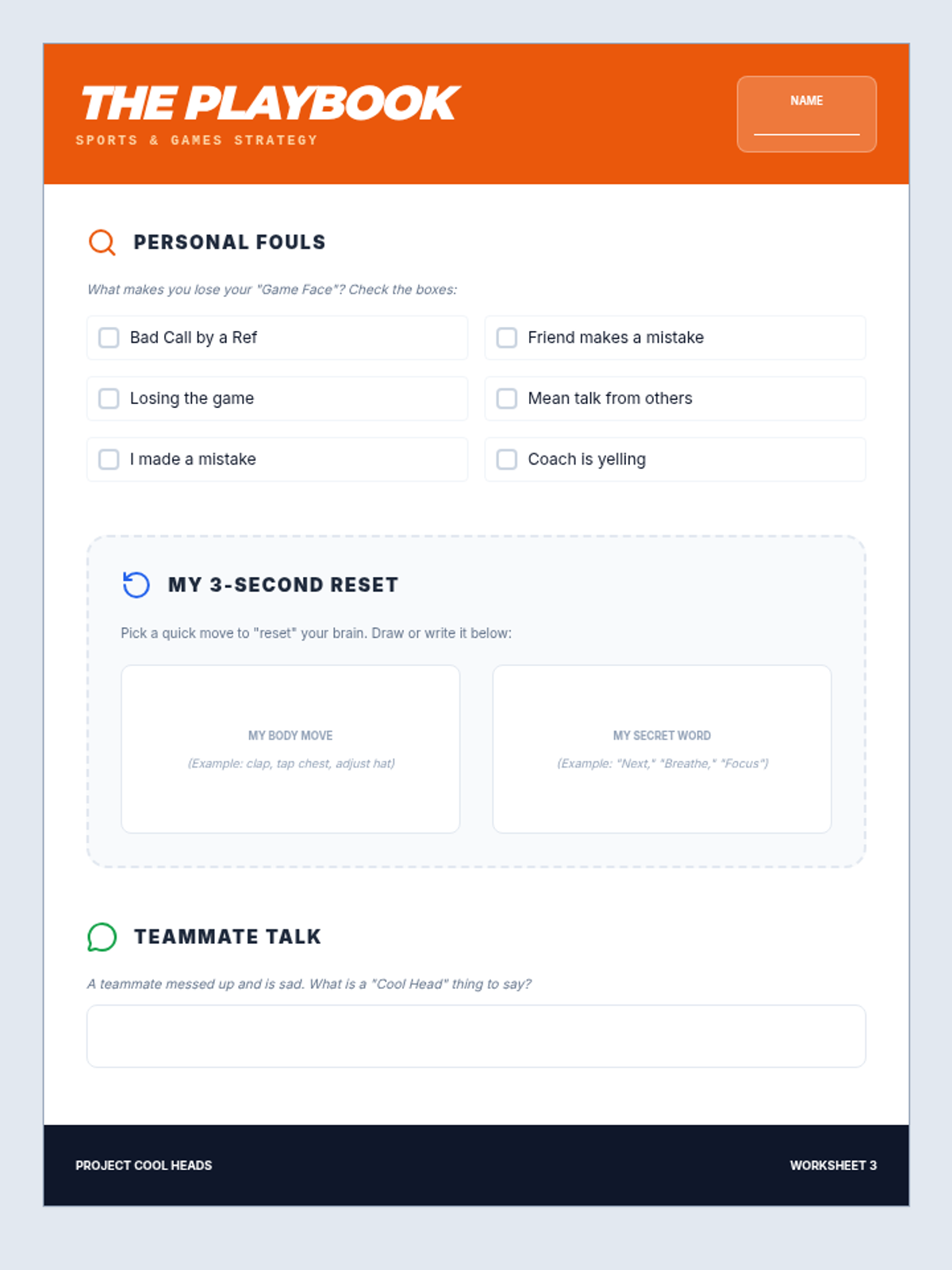
Explores the emotional ups and downs of sports and competition, teaching students how to keep their cool during wins and losses.
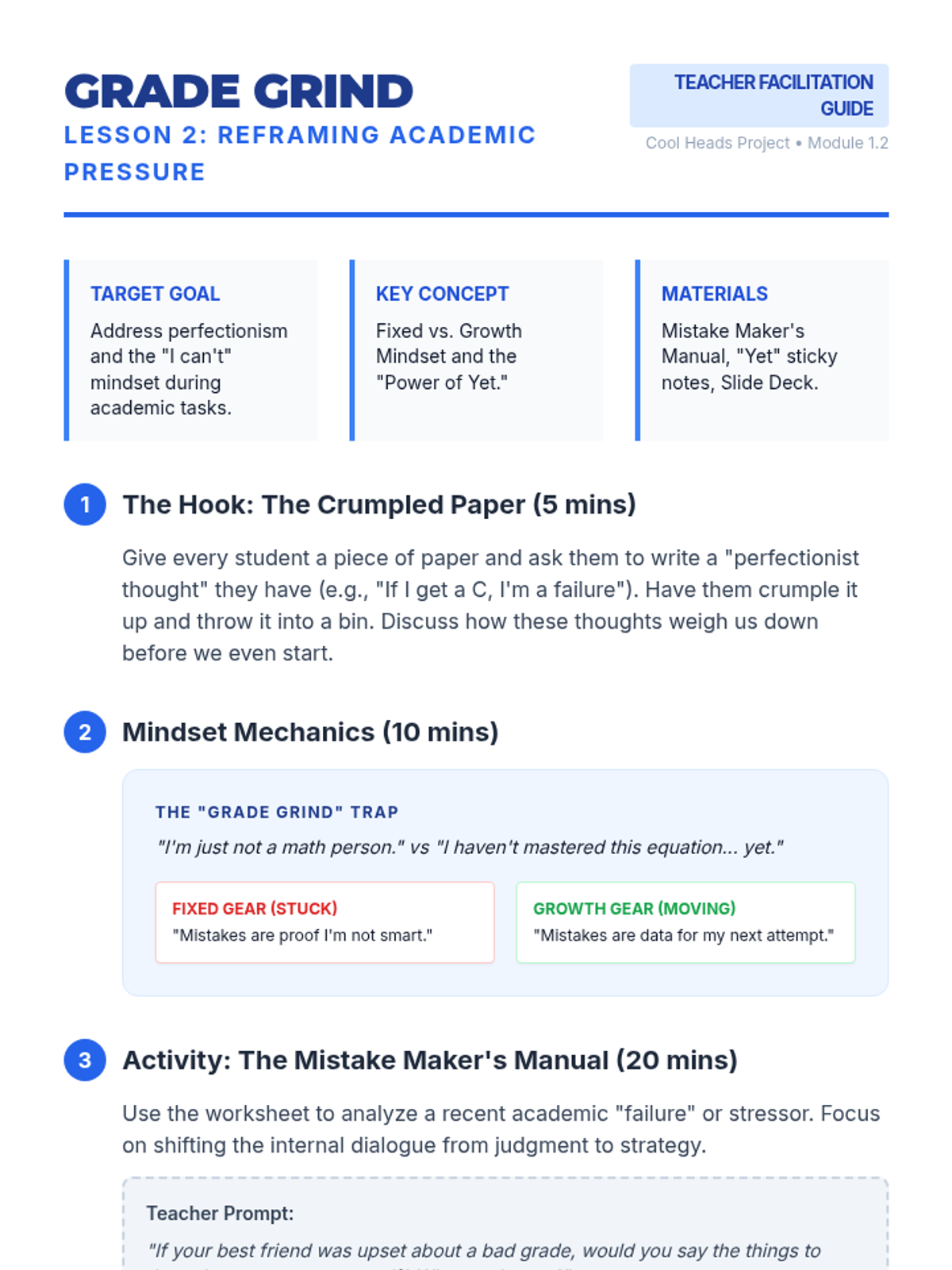
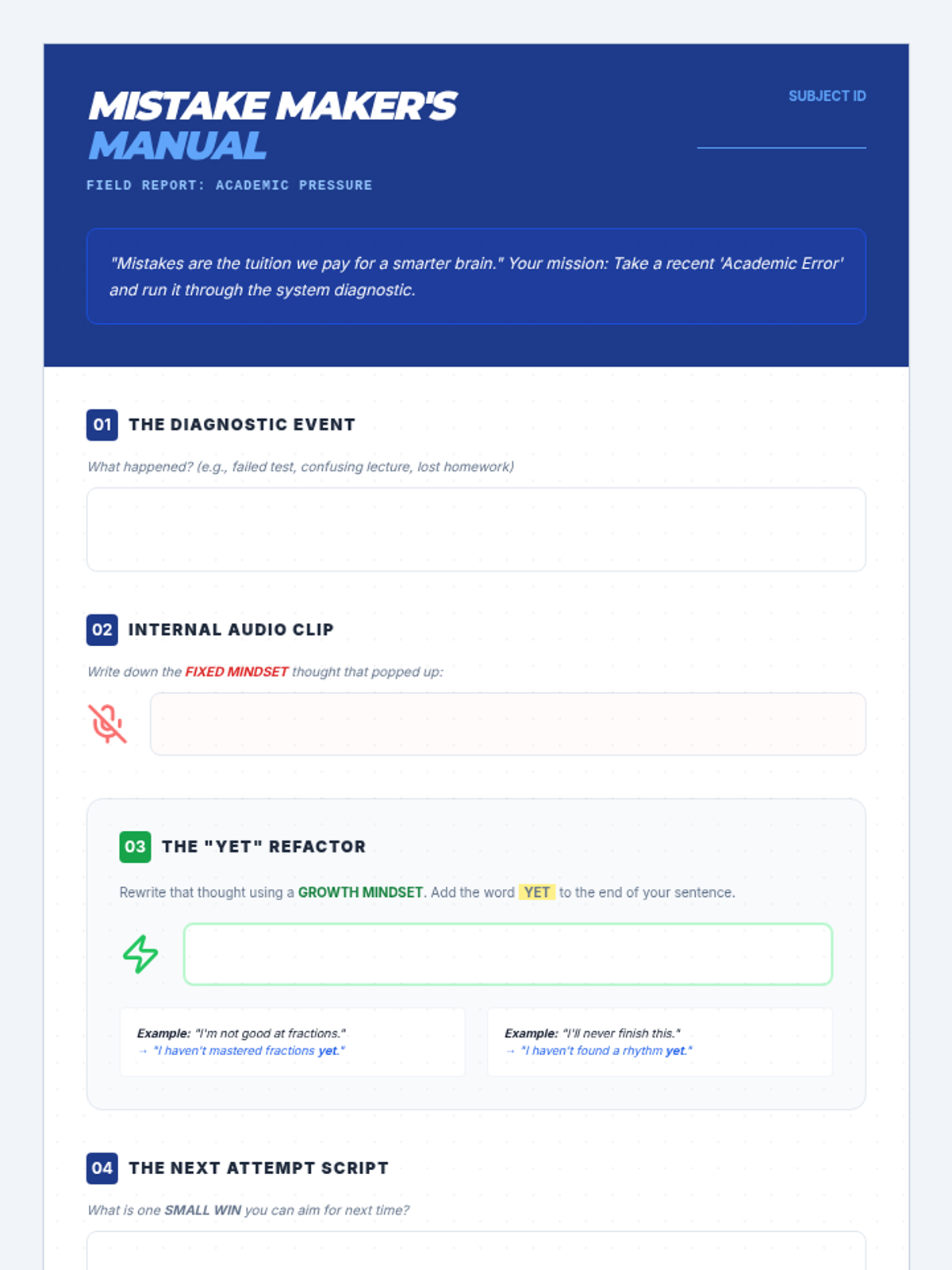
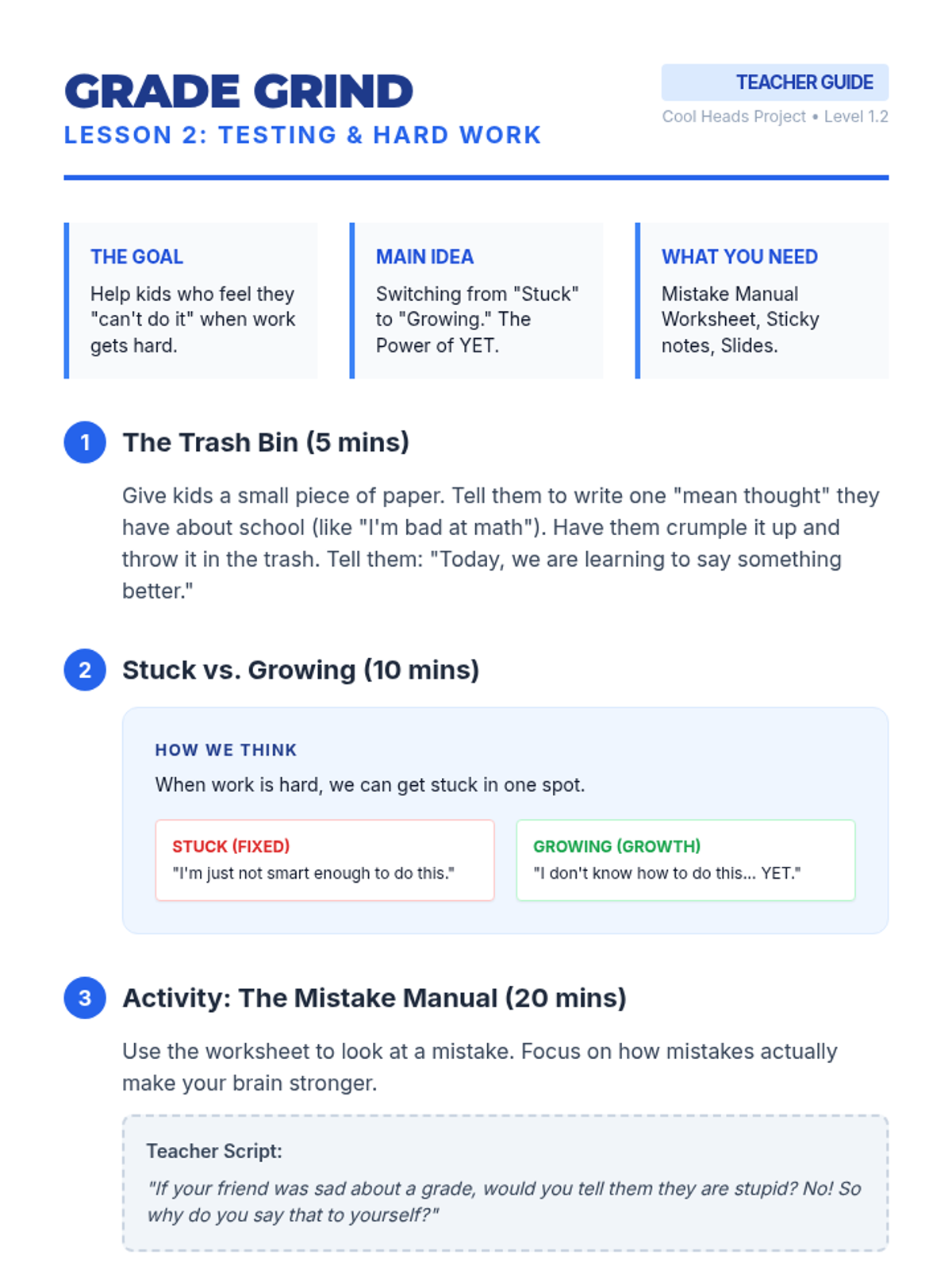
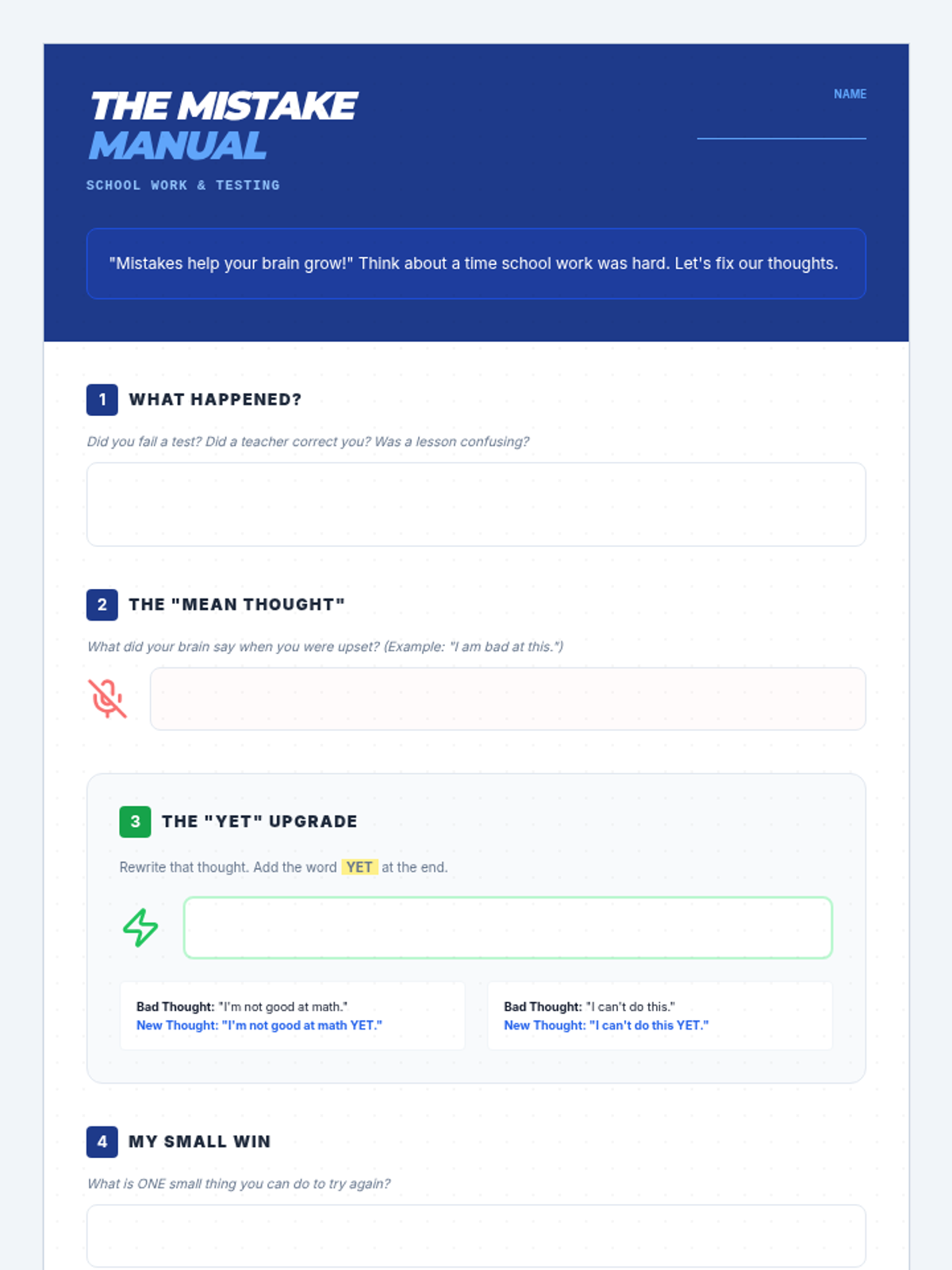
Focuses on managing the pressure of grades, tests, and academic expectations through reframing and realistic goal-setting.
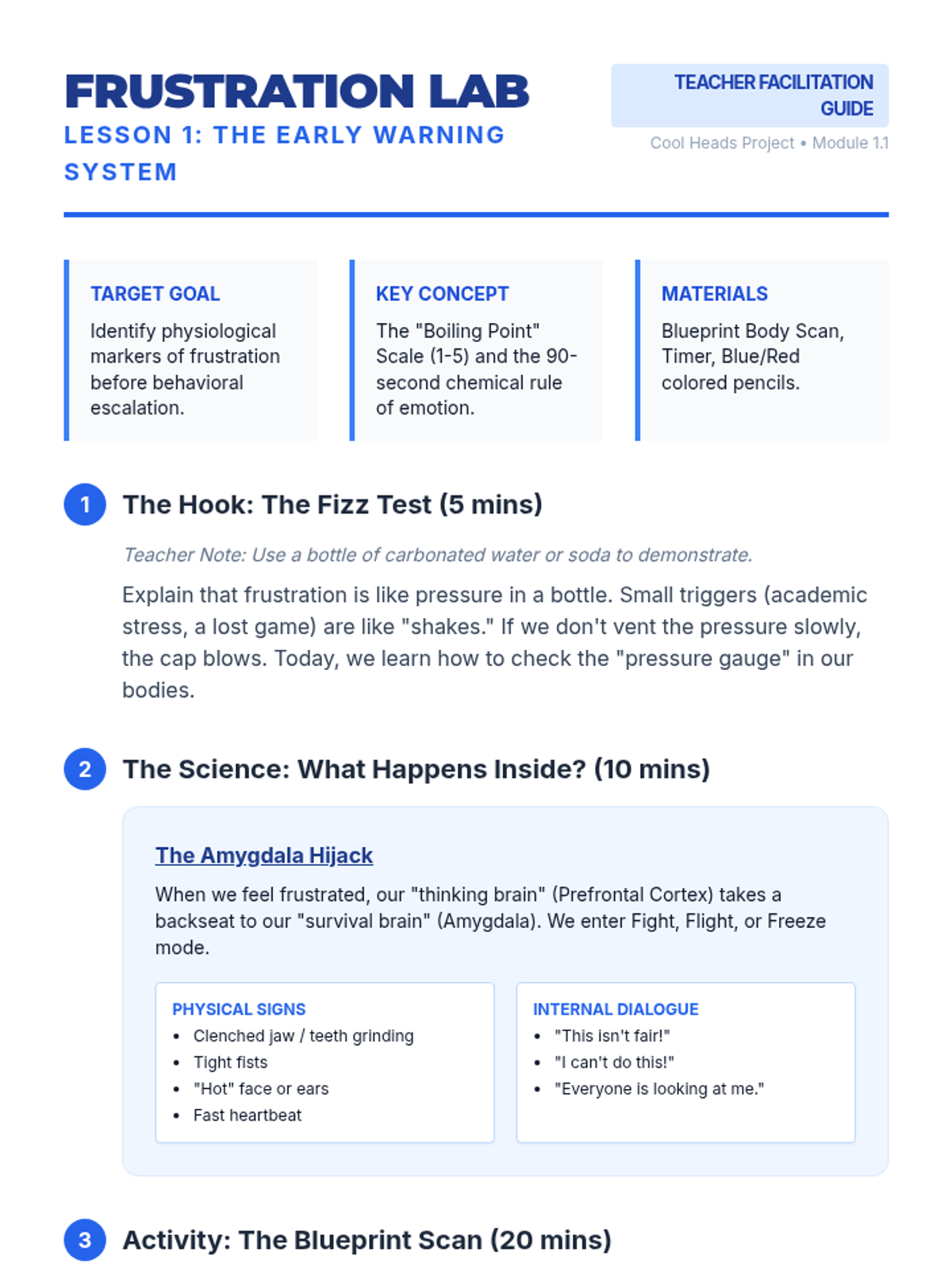
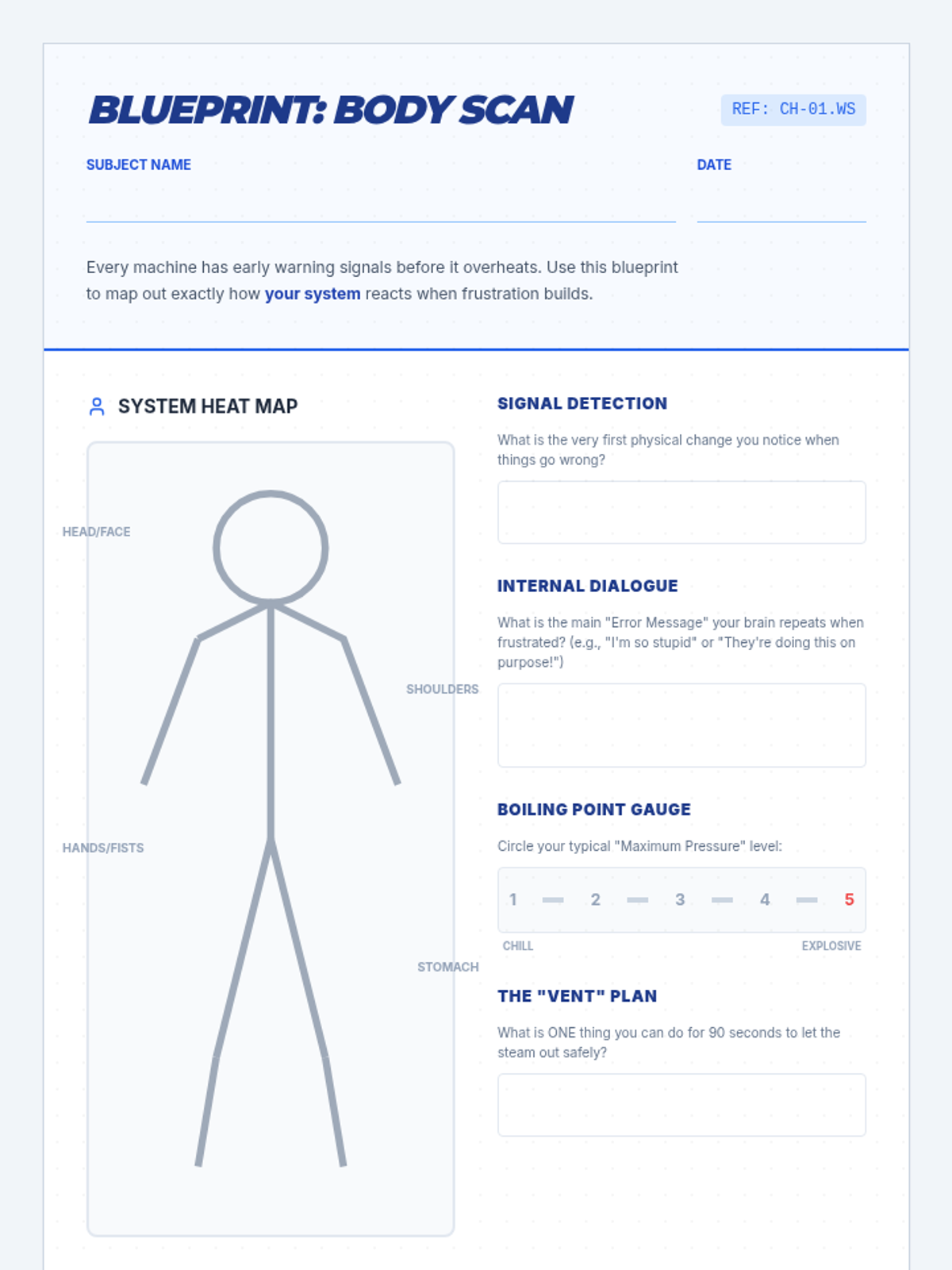
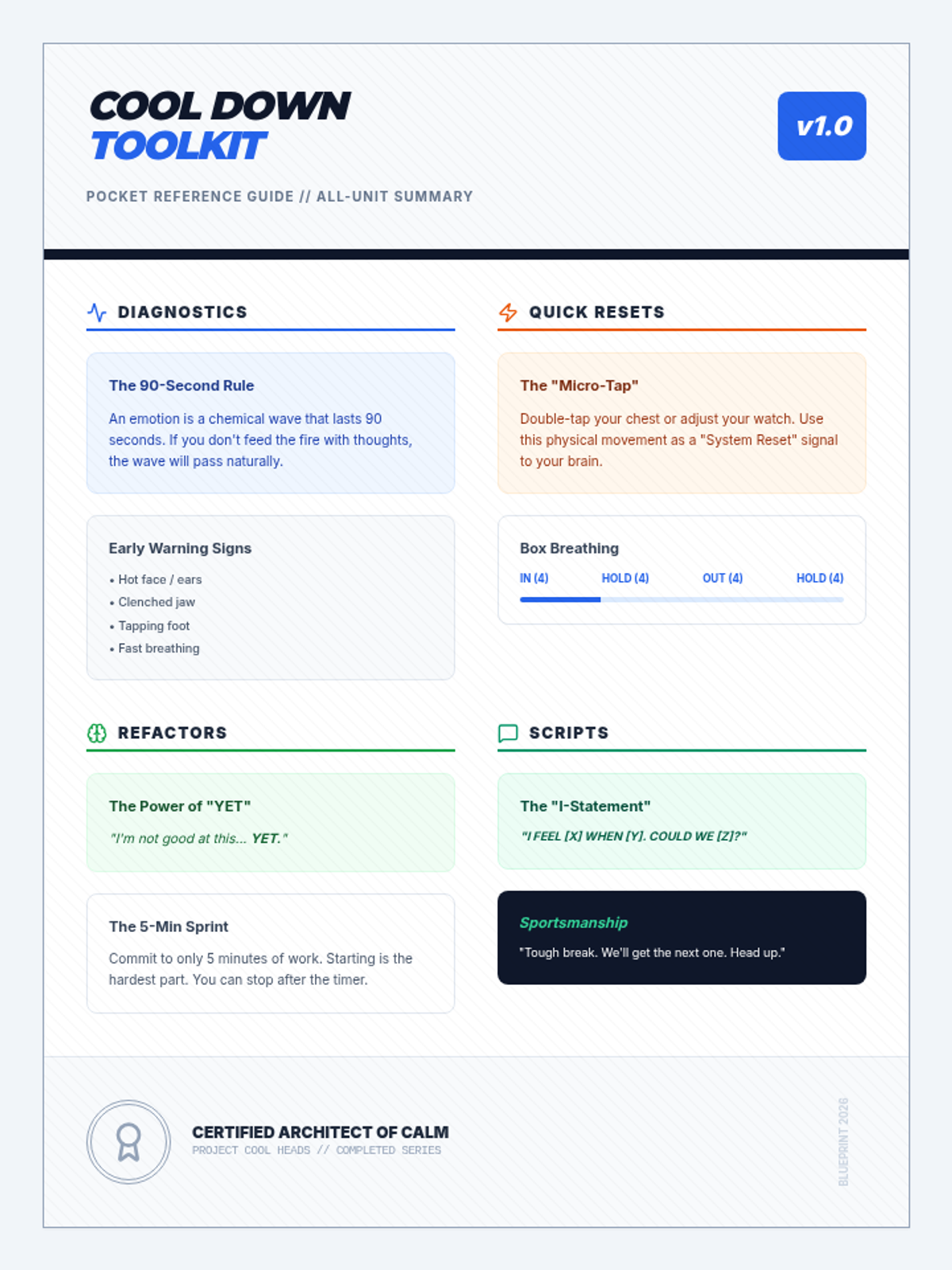
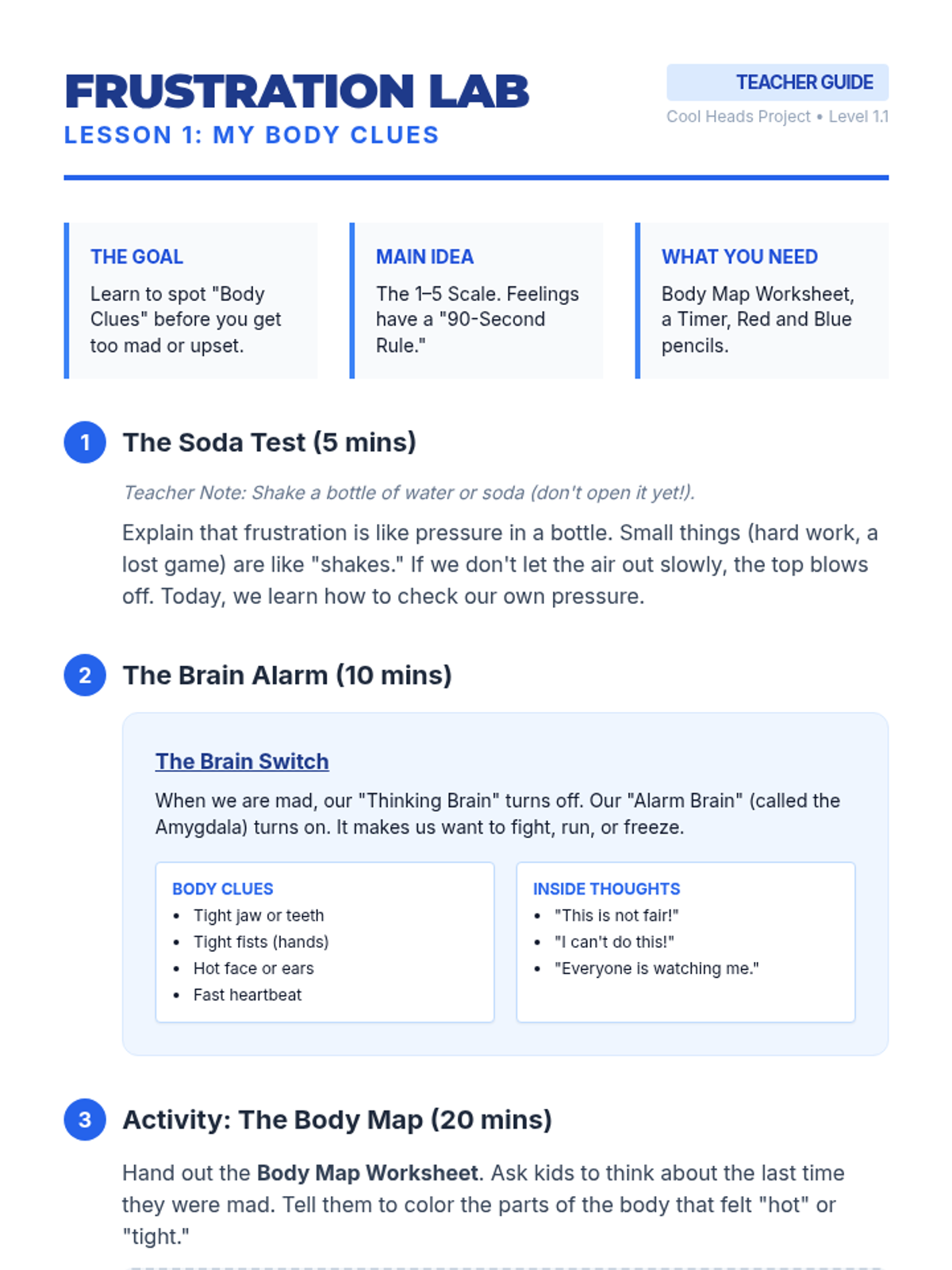
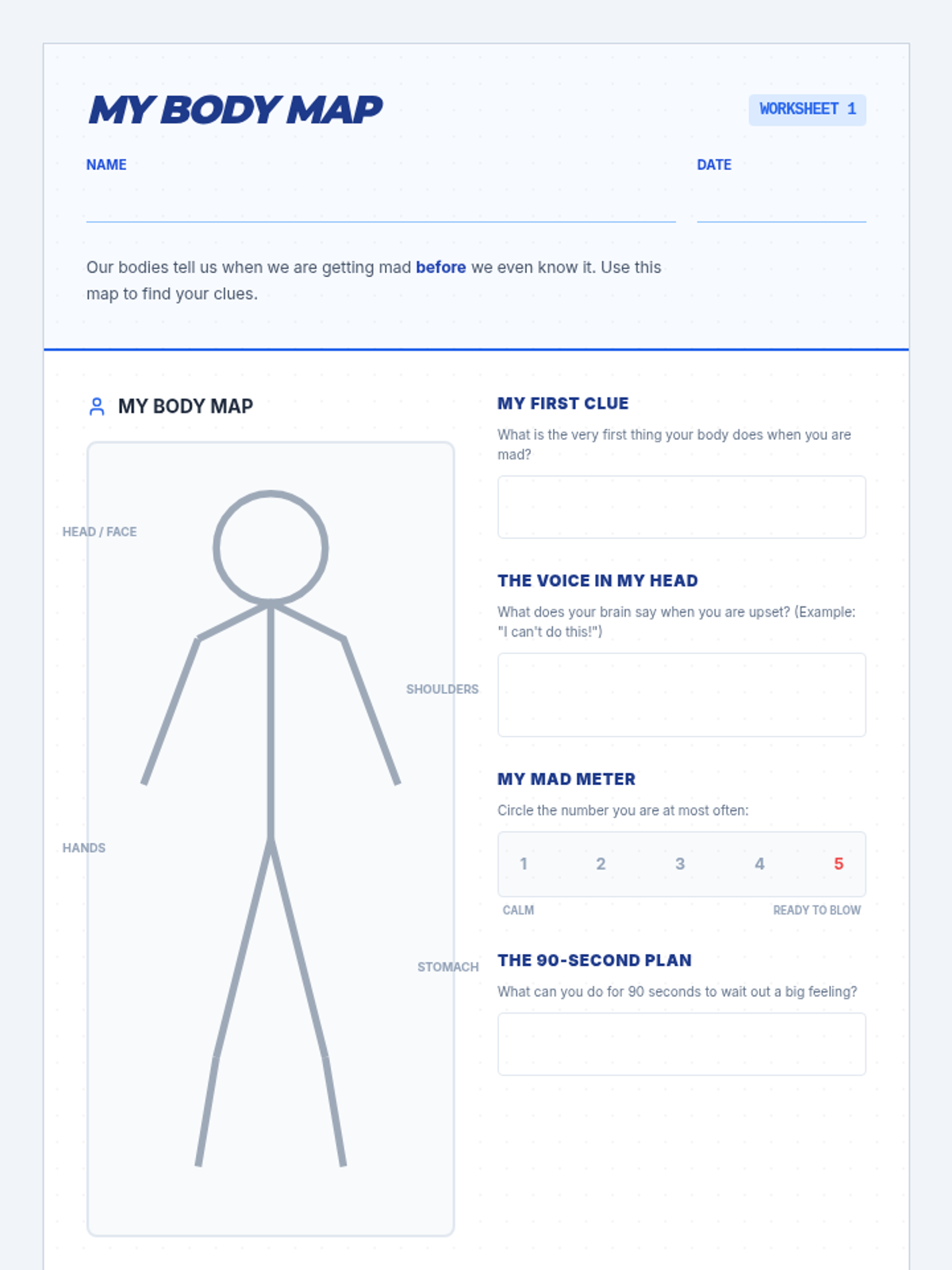
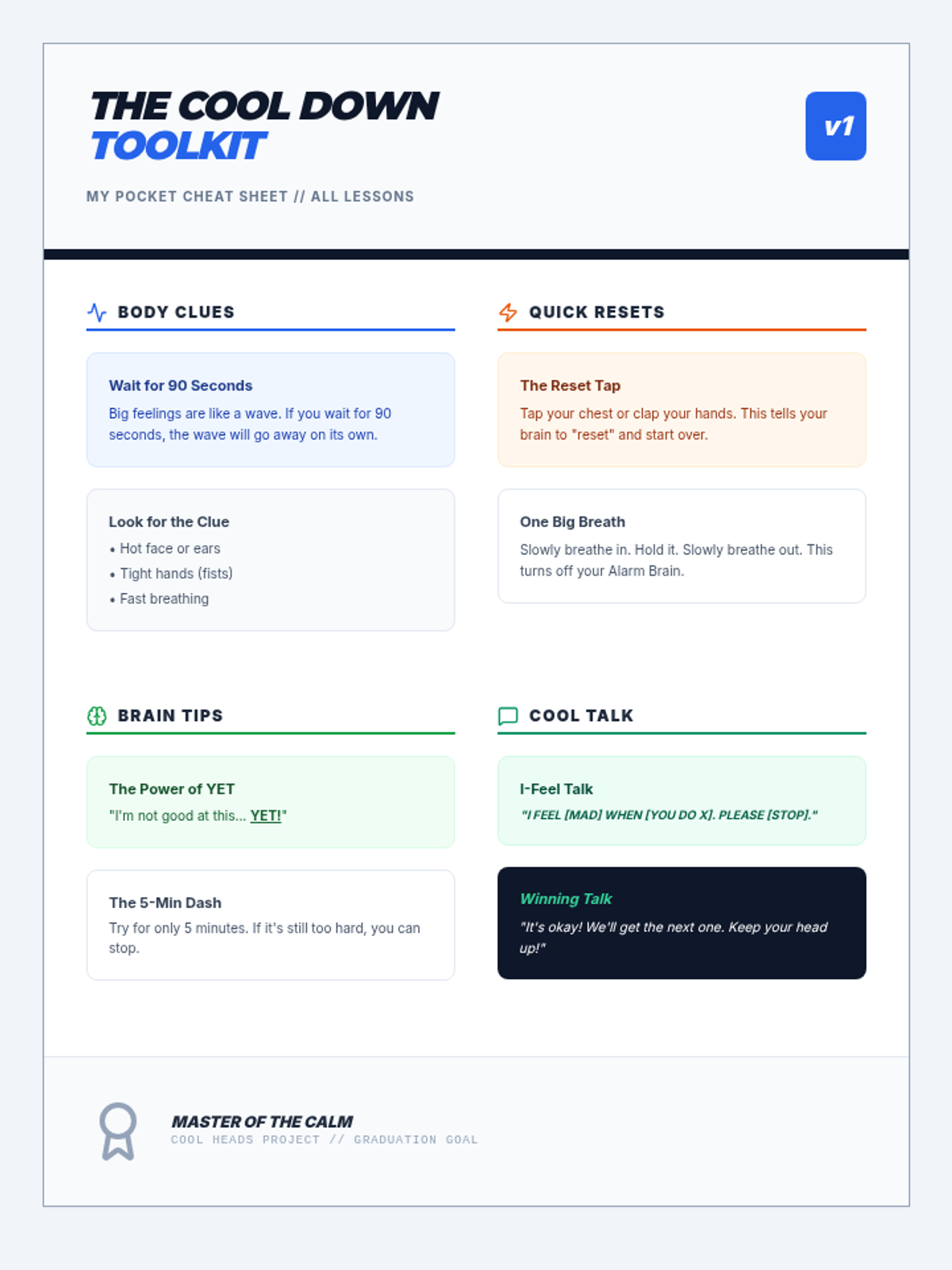
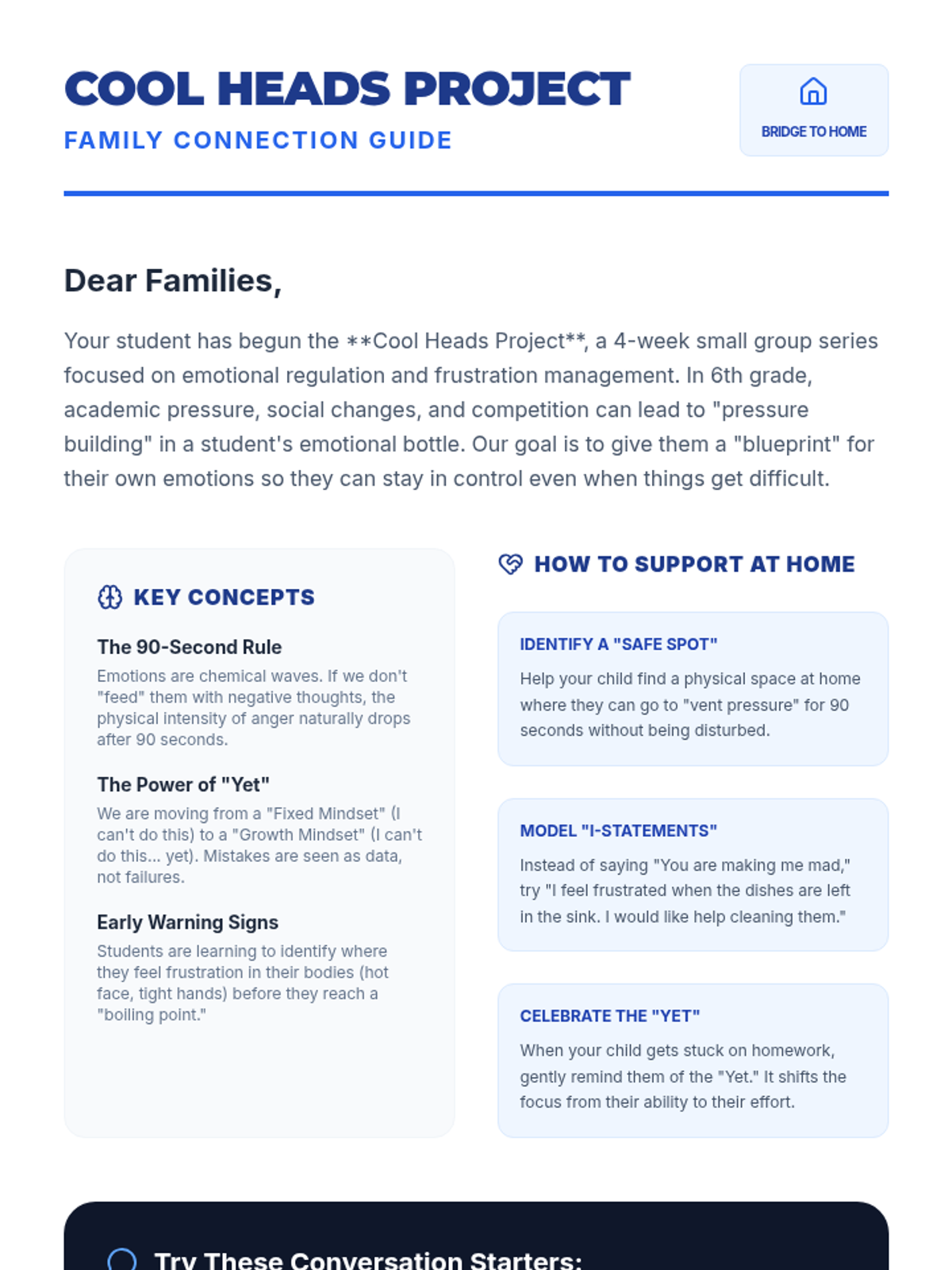
Students identify the physical sensations of frustration and learn to recognize their personal 'early warning signs' before they reach a boiling point.
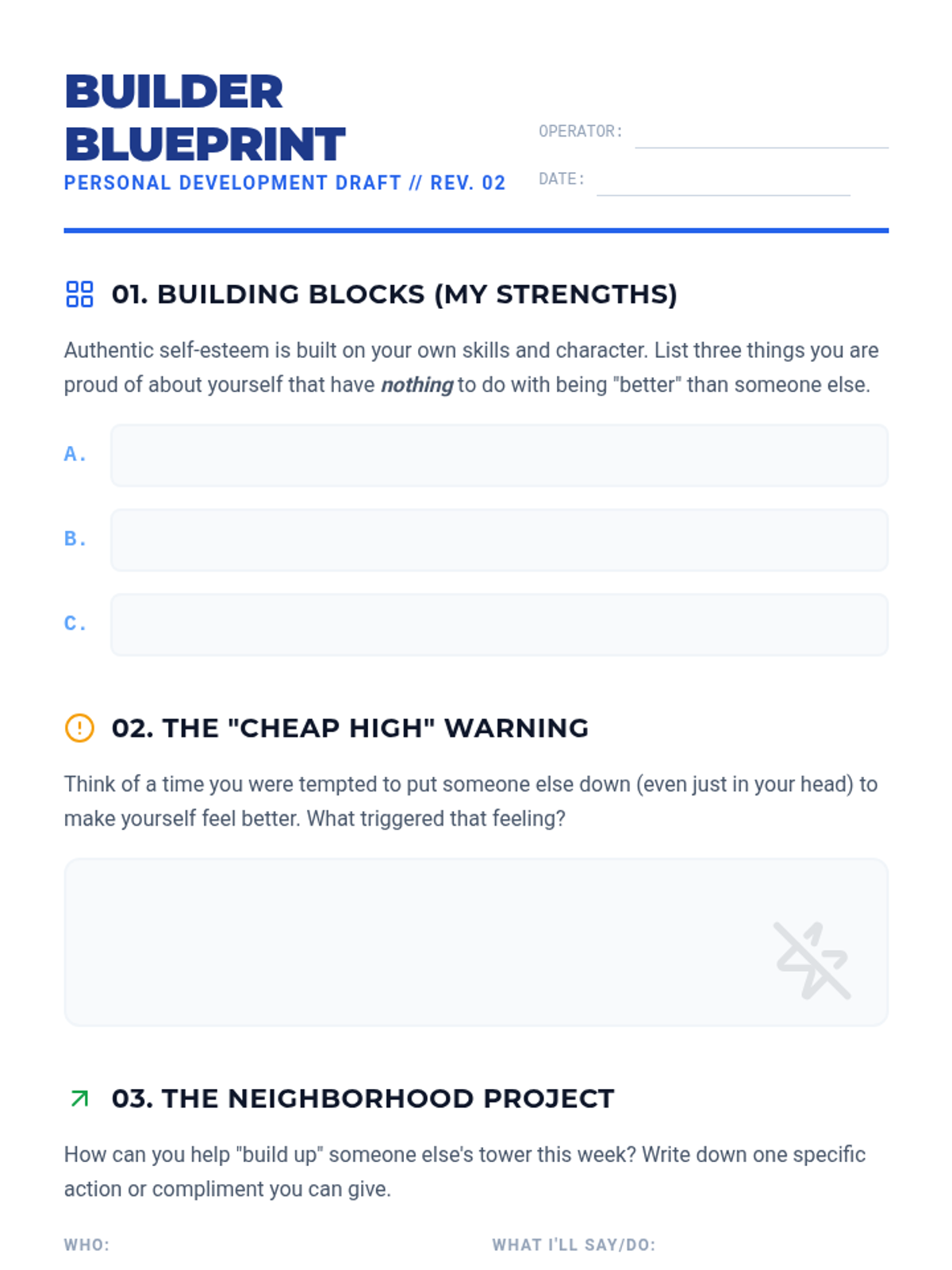
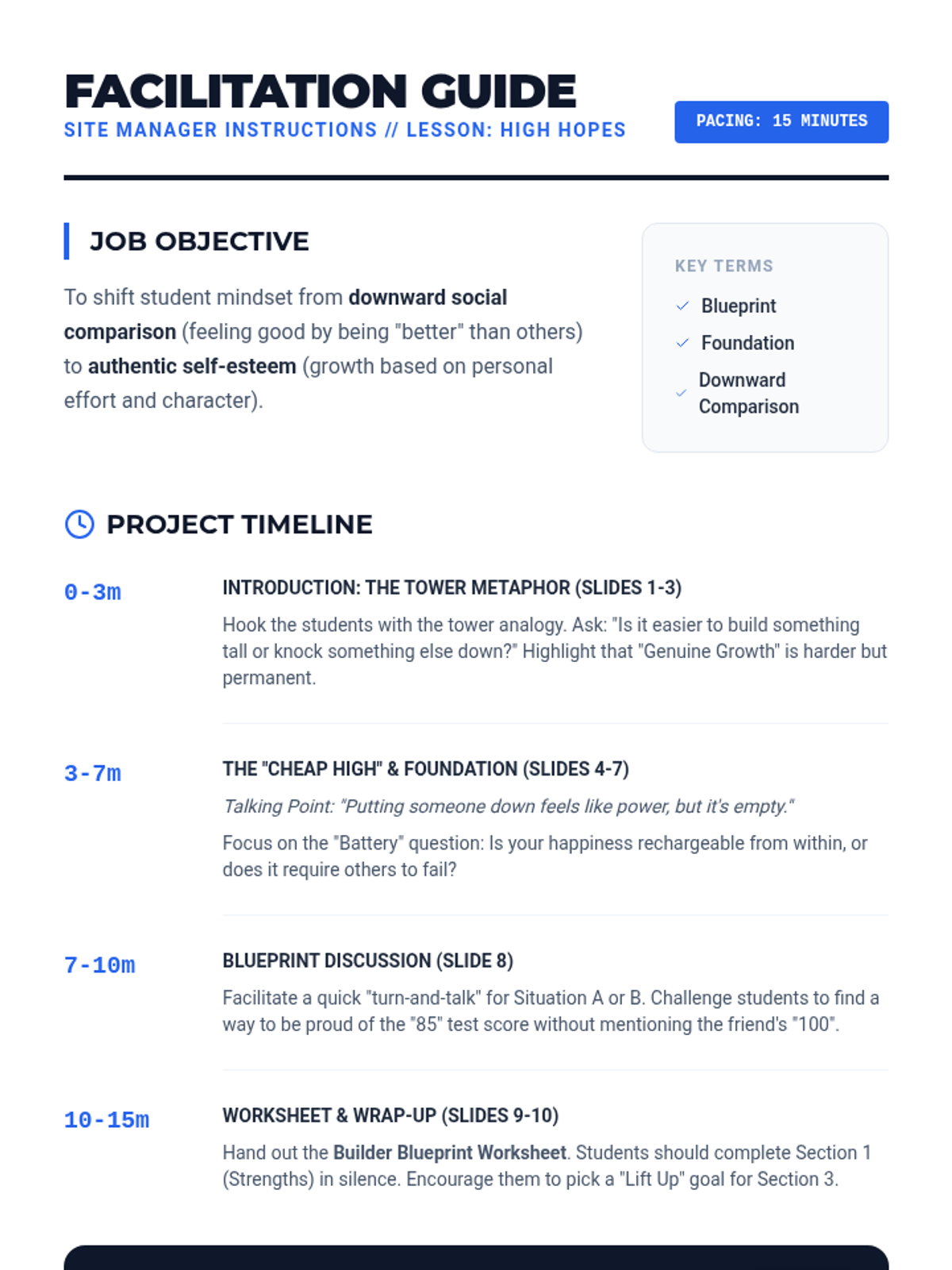
A 15-minute lesson exploring the pitfalls of 'downward social comparison' and how to build authentic self-esteem without diminishing others. Students will learn that true confidence comes from personal growth rather than putting others down.