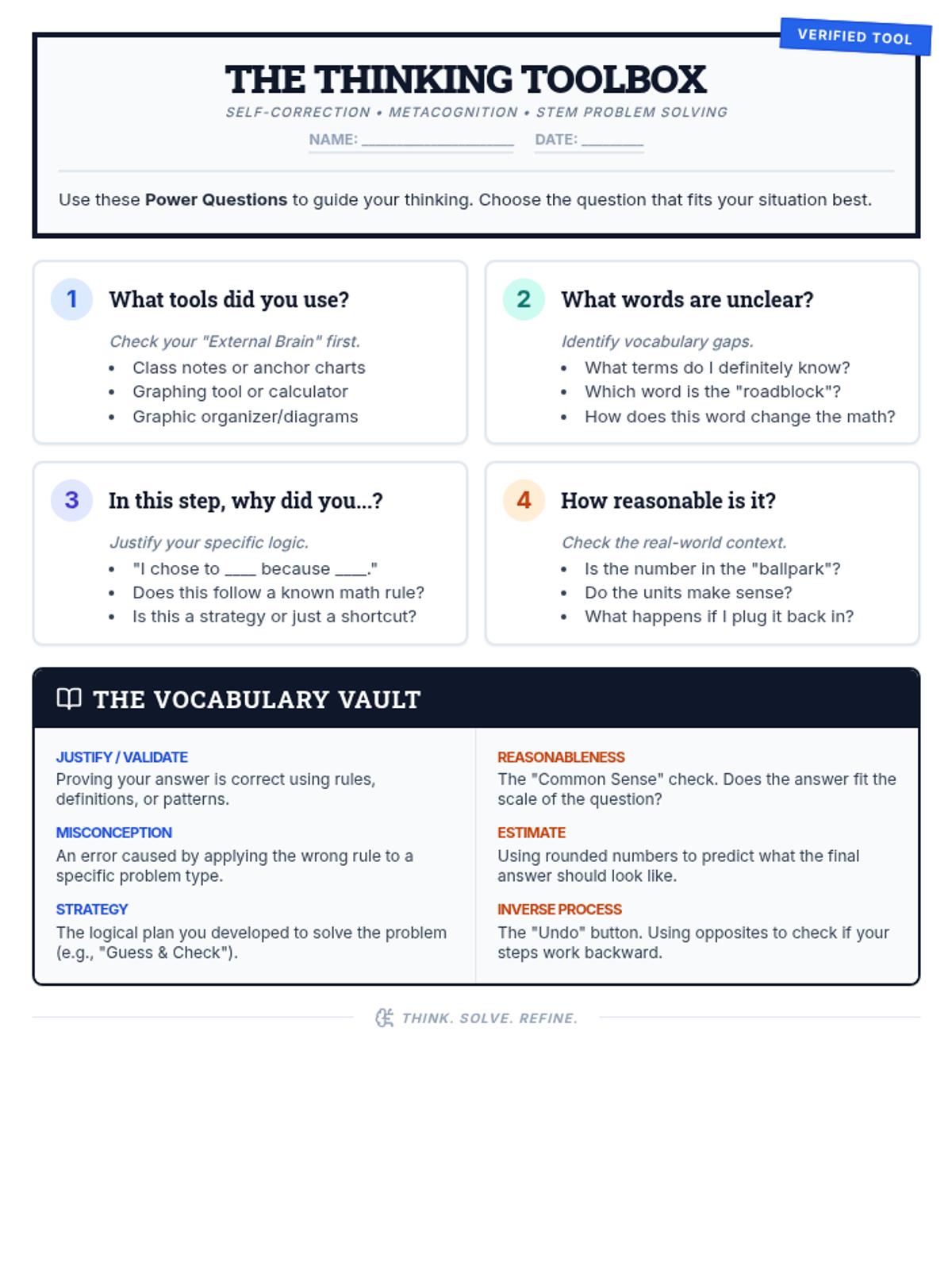
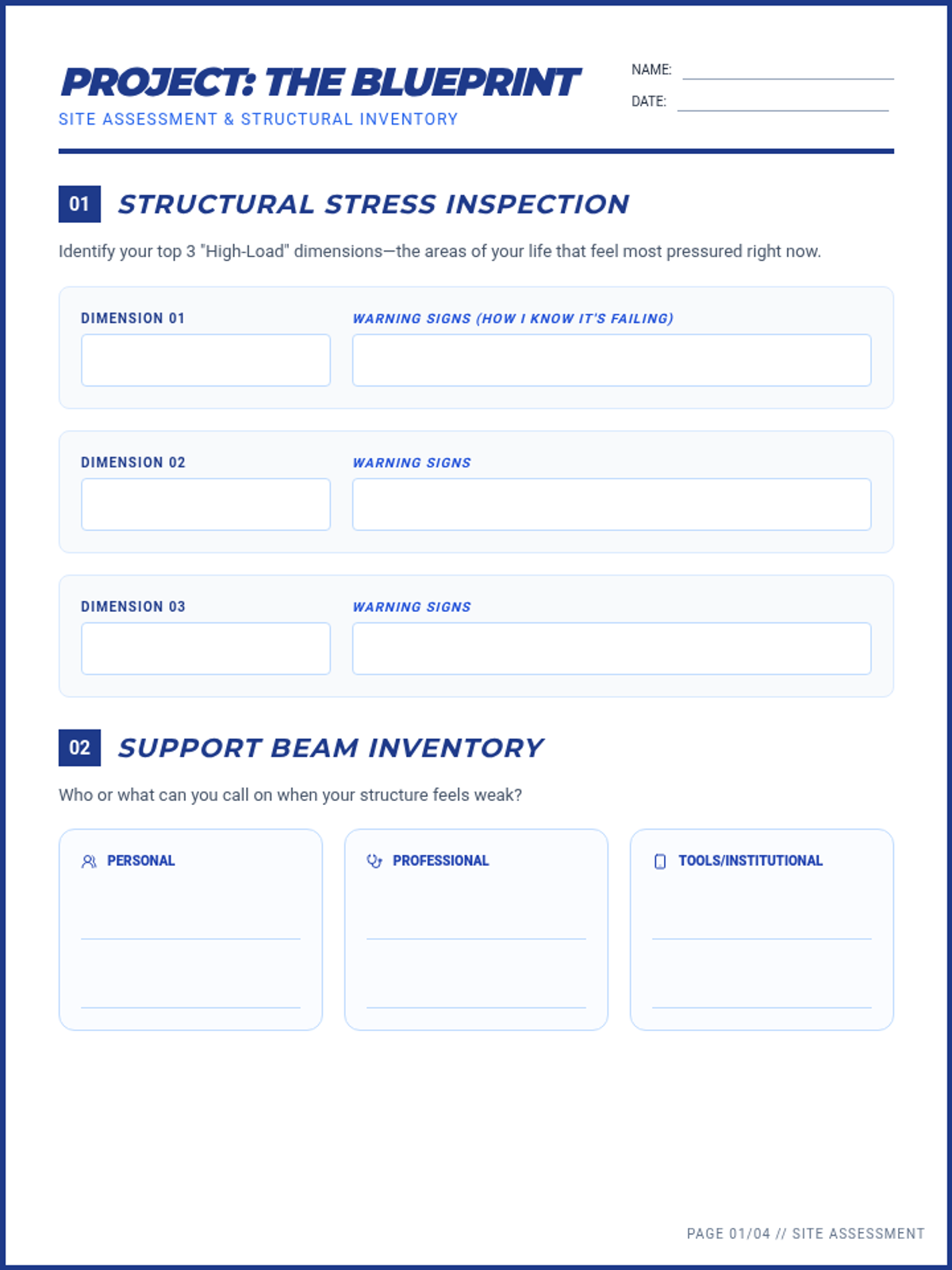
Assessment of personal environments to design and curate a portable sensory regulation kit tailored to specific needs and constraints.
A comprehensive lesson exploring the impact of language choice, focusing on professionalism, avoiding microaggressions, and using 'I' statements for conflict resolution.
A comprehensive training lesson for entry-level kitchen staff covering essential hygiene, storage, and safety protocols to ensure a professional and safe food service environment.
A comprehensive lesson on workplace prioritization and task management across food service, office, and janitorial roles. Students learn to distinguish between urgent and important tasks using real-world scenarios.
A lesson centered on a 'follow the directions' challenge themed as an overly complex job application to teach the importance of reading all instructions before beginning a task.
A comprehensive lesson designed to help learners master workplace communication by reducing over-explaining, mastering small talk, following directions, reporting errors, and setting boundaries.
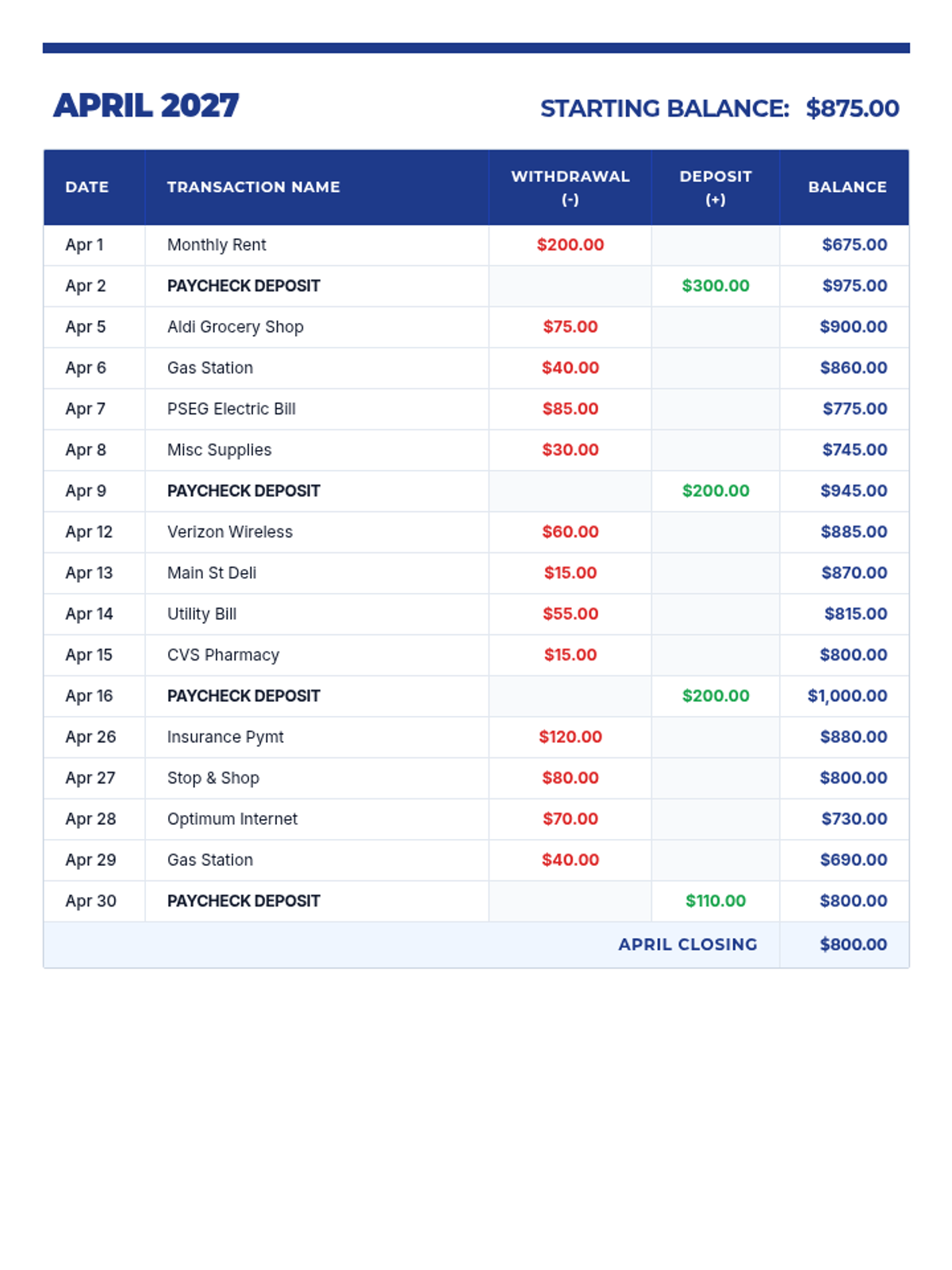
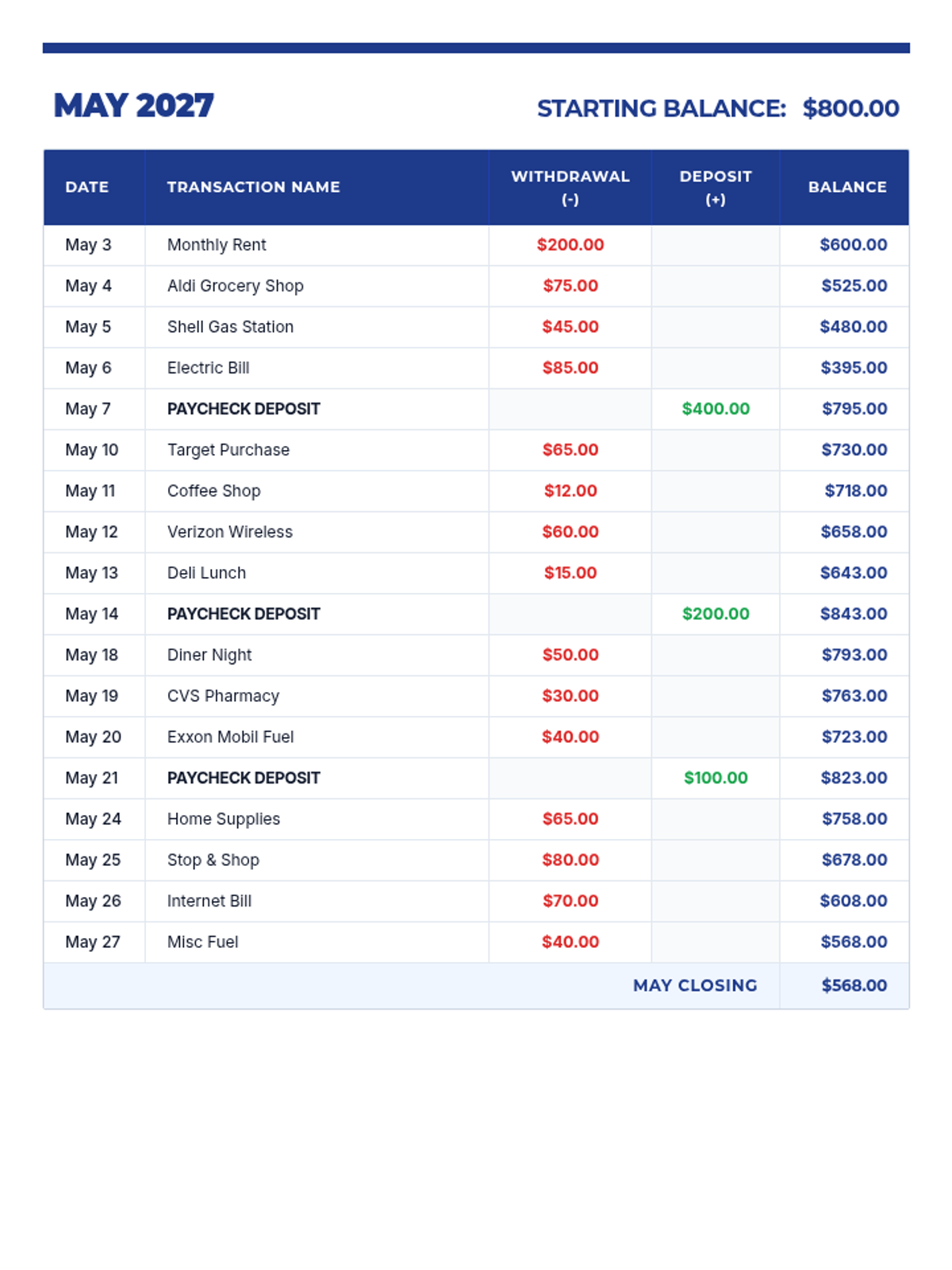
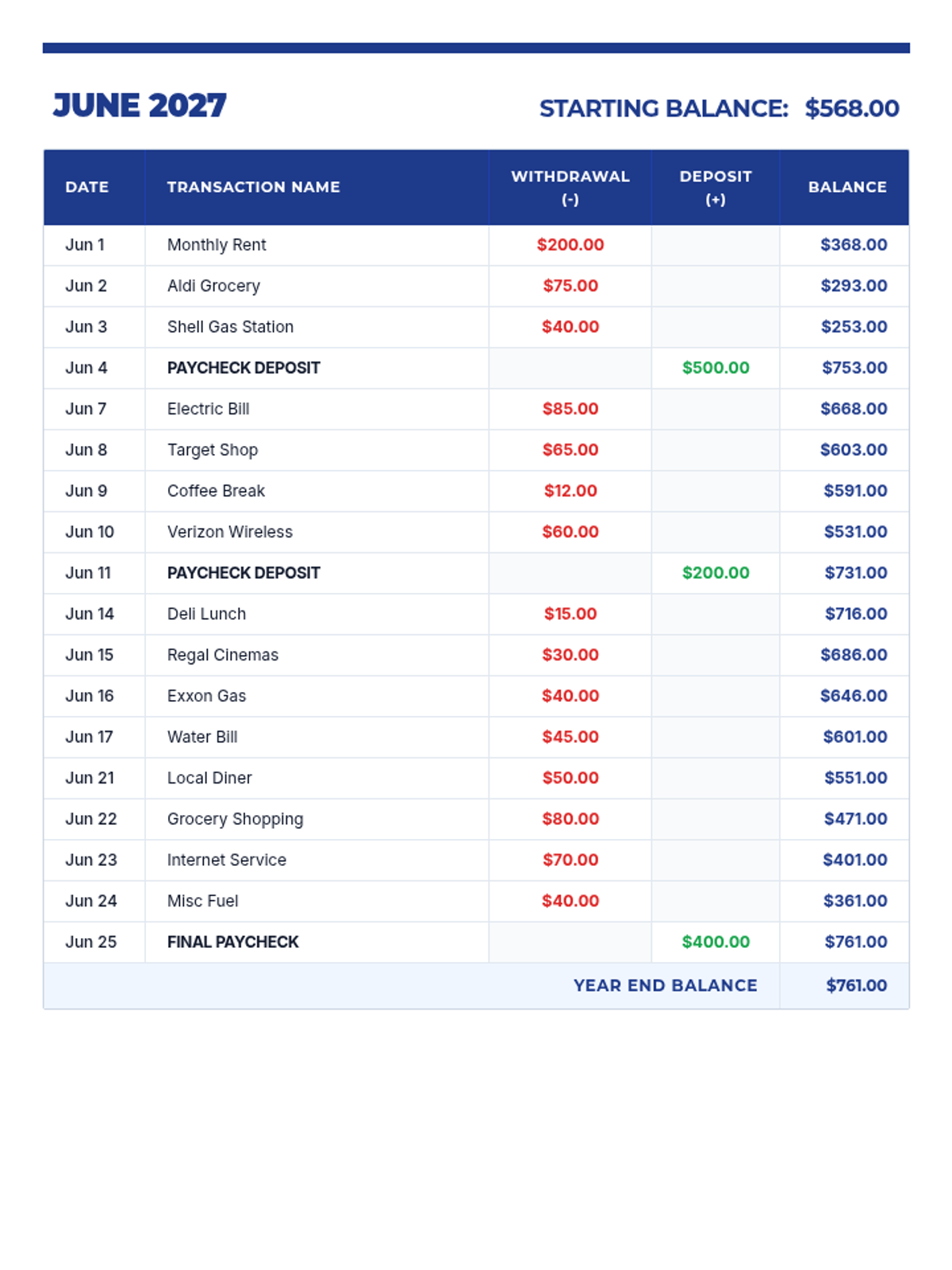
A preparatory lesson focused on mastering the foundational skills of workplace ethics, professional communication, and financial literacy before beginning the full-scale simulation.
Applies geometry and arithmetic to everyday tasks like cooking measurements, home DIY projects, and travel planning.
Covers the financial aspects of independent living, including renting, utility usage math, and basic insurance concepts.
Practical applications of percentages and ratios in shopping, including sales tax, discounts, tips, and unit price comparisons.
Explores the math behind interest rates (APR), credit card statements, and the long-term impact of debt.
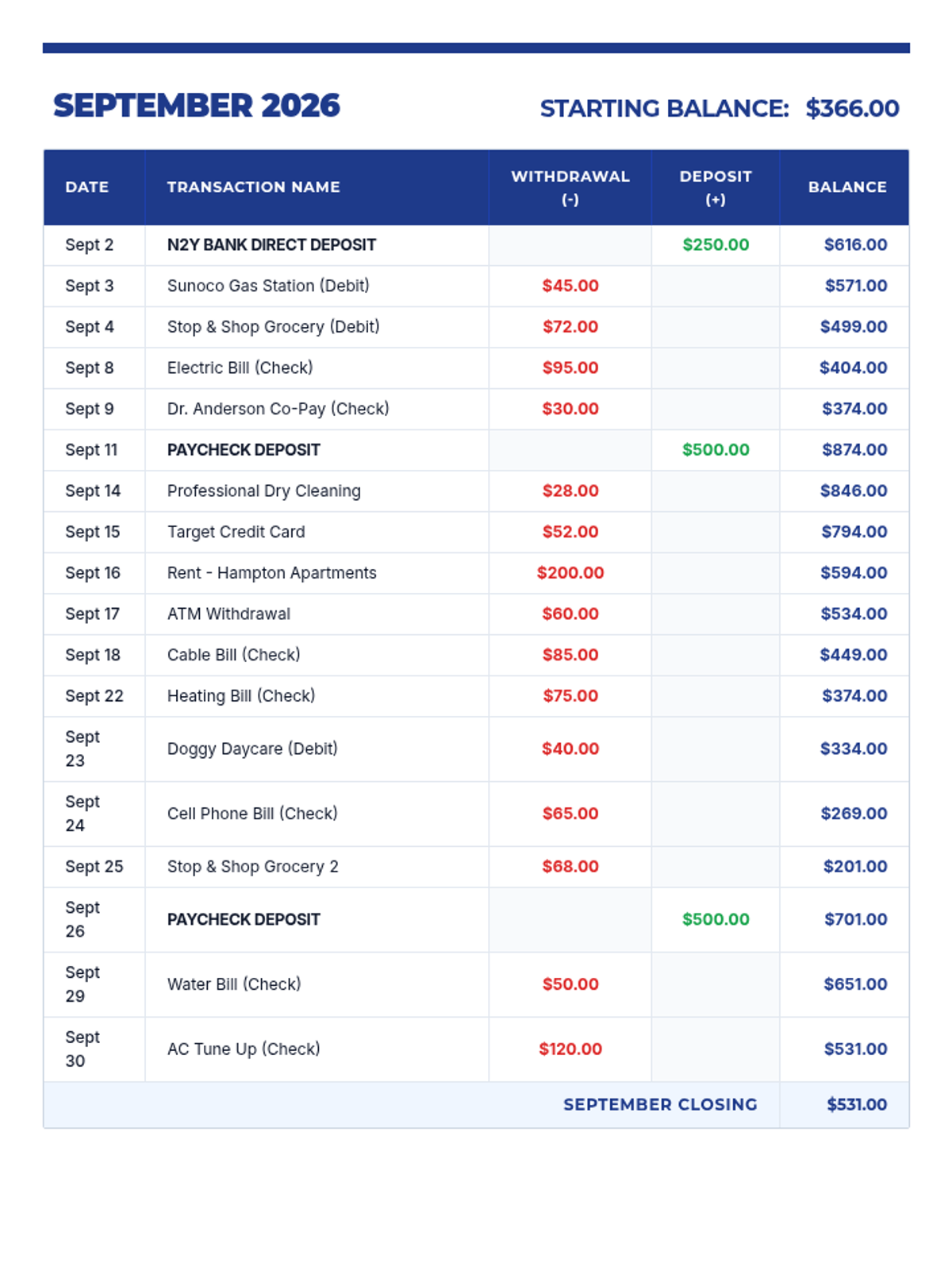
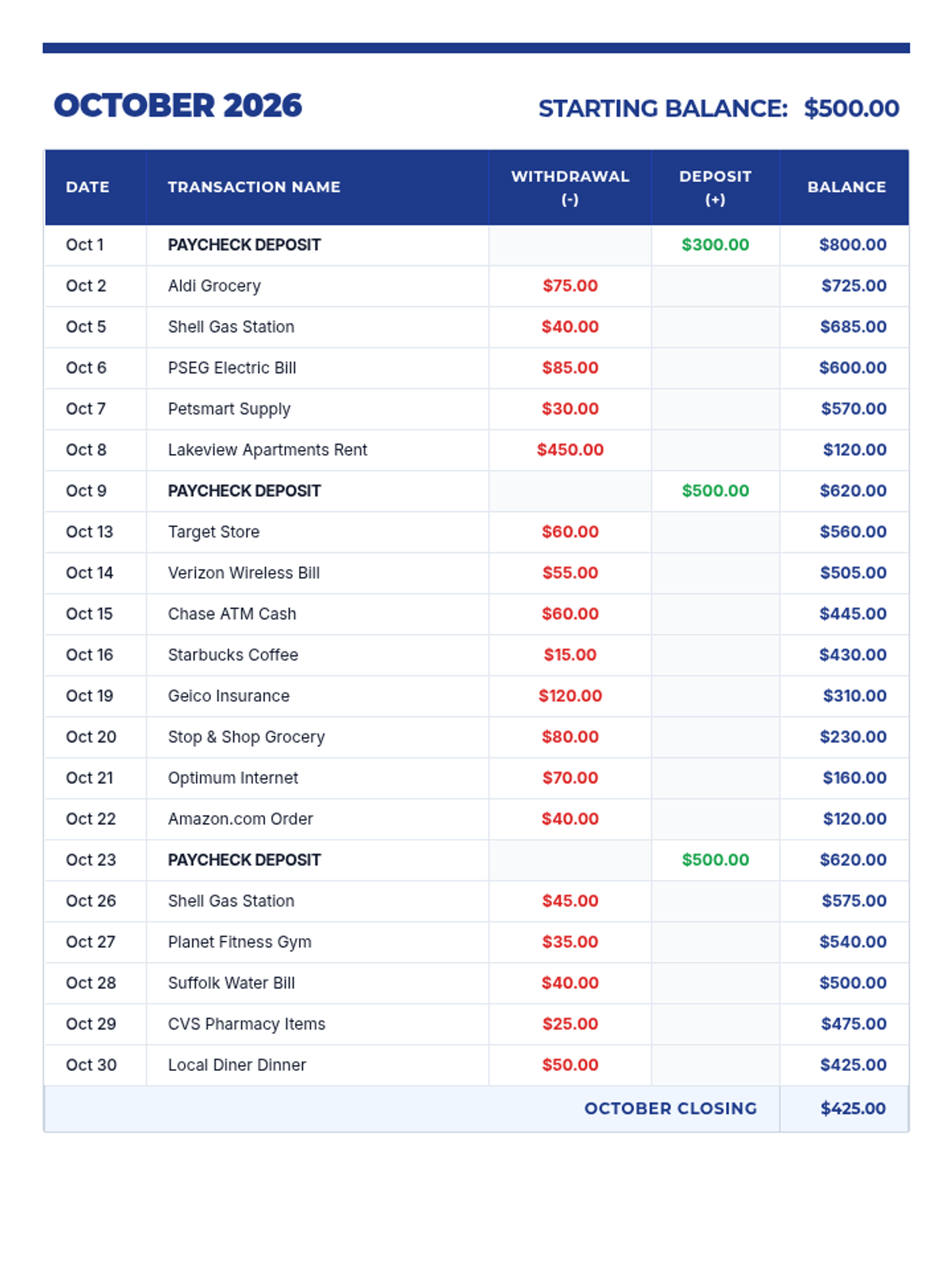
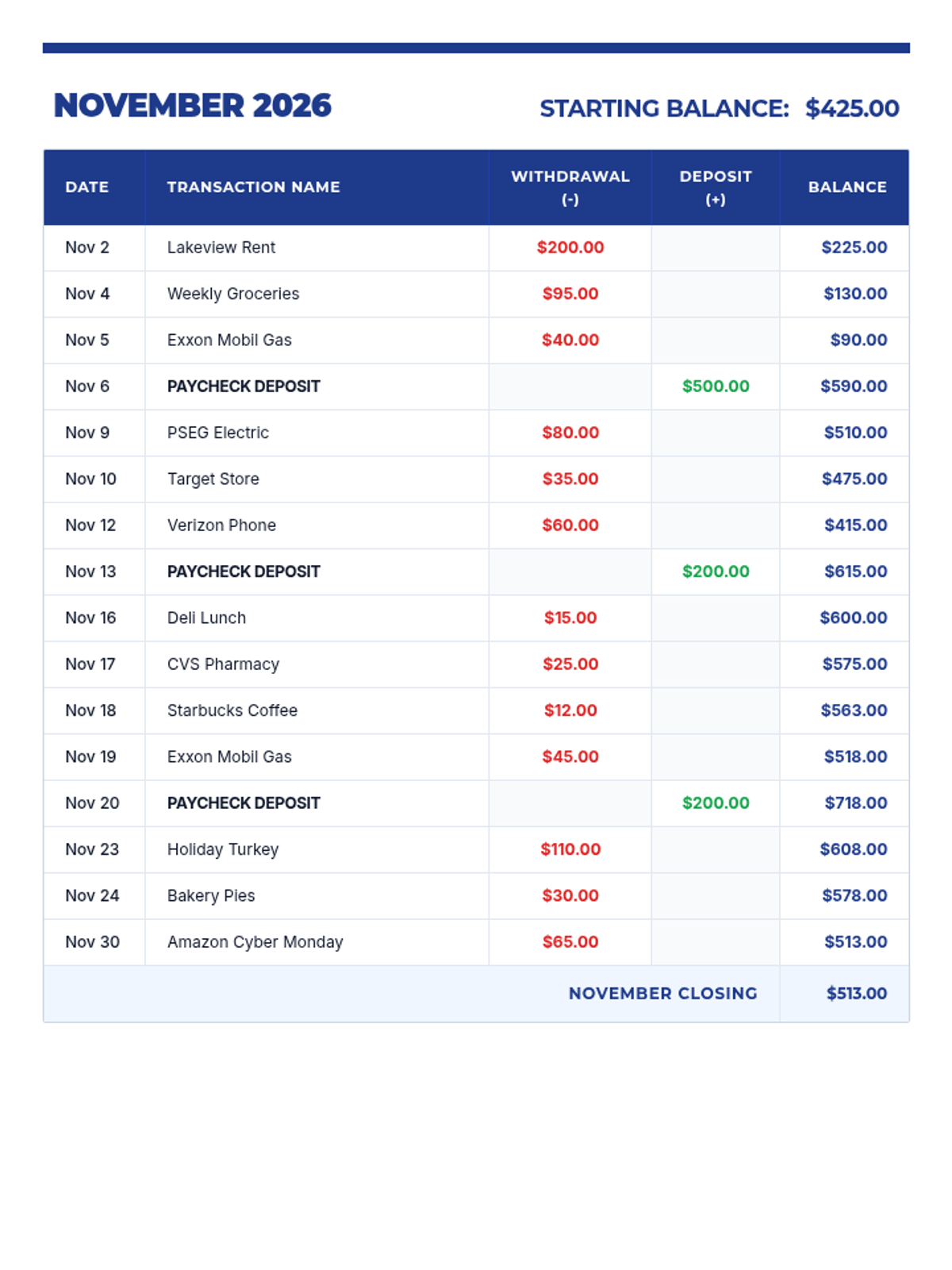
Teaches students how to categorize expenses, use the 50/30/20 rule, and build a sustainable monthly budget.
Focuses on understanding gross vs. net pay, reading paystubs, and calculating common tax deductions to prepare students for their first professional earnings.
A project-based simulation where students create a long-term career roadmap and manage a multi-stage life logbook, practicing workplace ethics and professional communication in real-world scenarios.
Explores the moral framework of the modern workplace. Students will analyze ethical dilemmas, define 'conflict of interest,' and practice the 'Front Page Test' to navigate gray areas where company policy and personal values intersect.
Focuses on the professional skill of acting without being told what to do. Students will learn the "Owner's Mindset," how to identify service gaps, and the appropriate boundaries of taking initiative in a workplace hierarchy.
Explores leadership as a set of behaviors rather than a job title. Students will learn about situational leadership, the concept of 'Servant Leadership,' and how to influence a team positively from any position in the organizational chart.
Focuses on the critical skill of making sound decisions in the workplace. Students will explore the 'Professional Filter,' the importance of confidentiality/discretion, and the impact of their digital footprint on their professional reputation.
Focuses on the professional discipline of taking ownership for actions and outcomes. Students will explore the 'Accountability Loop' versus the 'Victim Loop,' practice the 'Admit, Apologize, Amend' script for errors, and learn how to build a reputation for extreme ownership.
Explores the mechanics of high performance by focusing on the distinction between 'being busy' and 'being productive.' Students will learn the 80/20 Rule (Pareto Principle), the science of 'Flow State,' and practical strategies for minimizing workplace friction to maximize quality output.
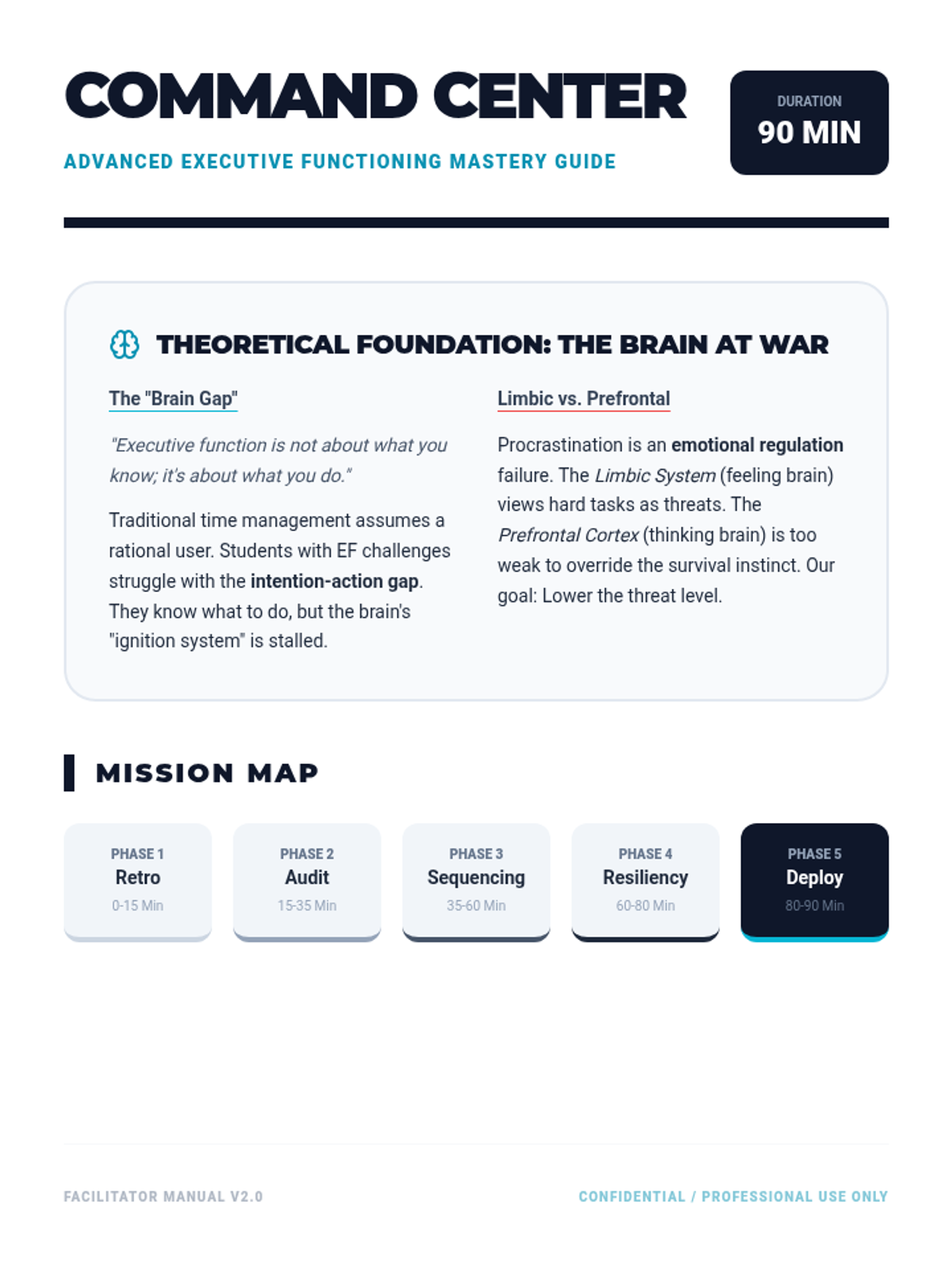
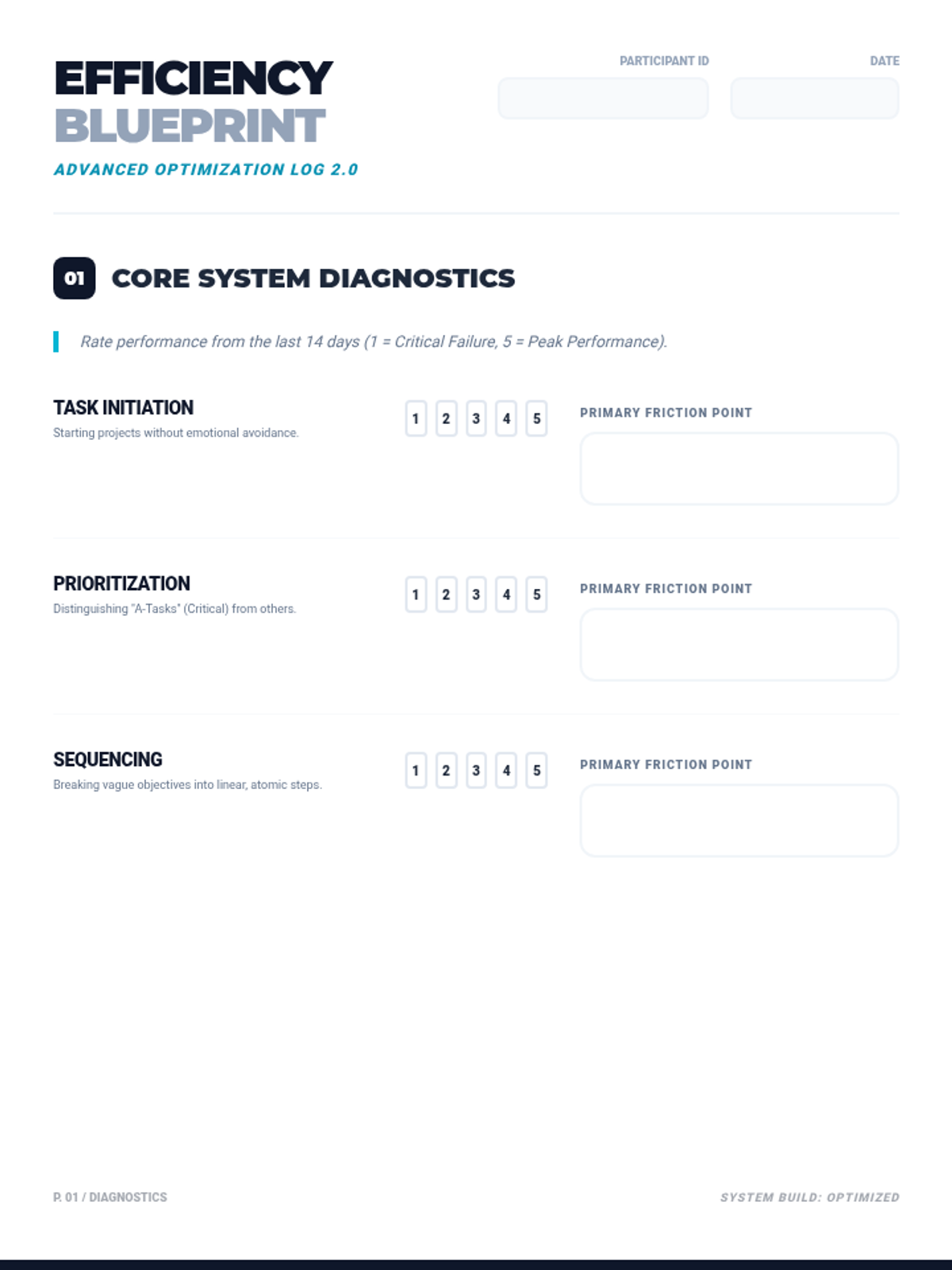
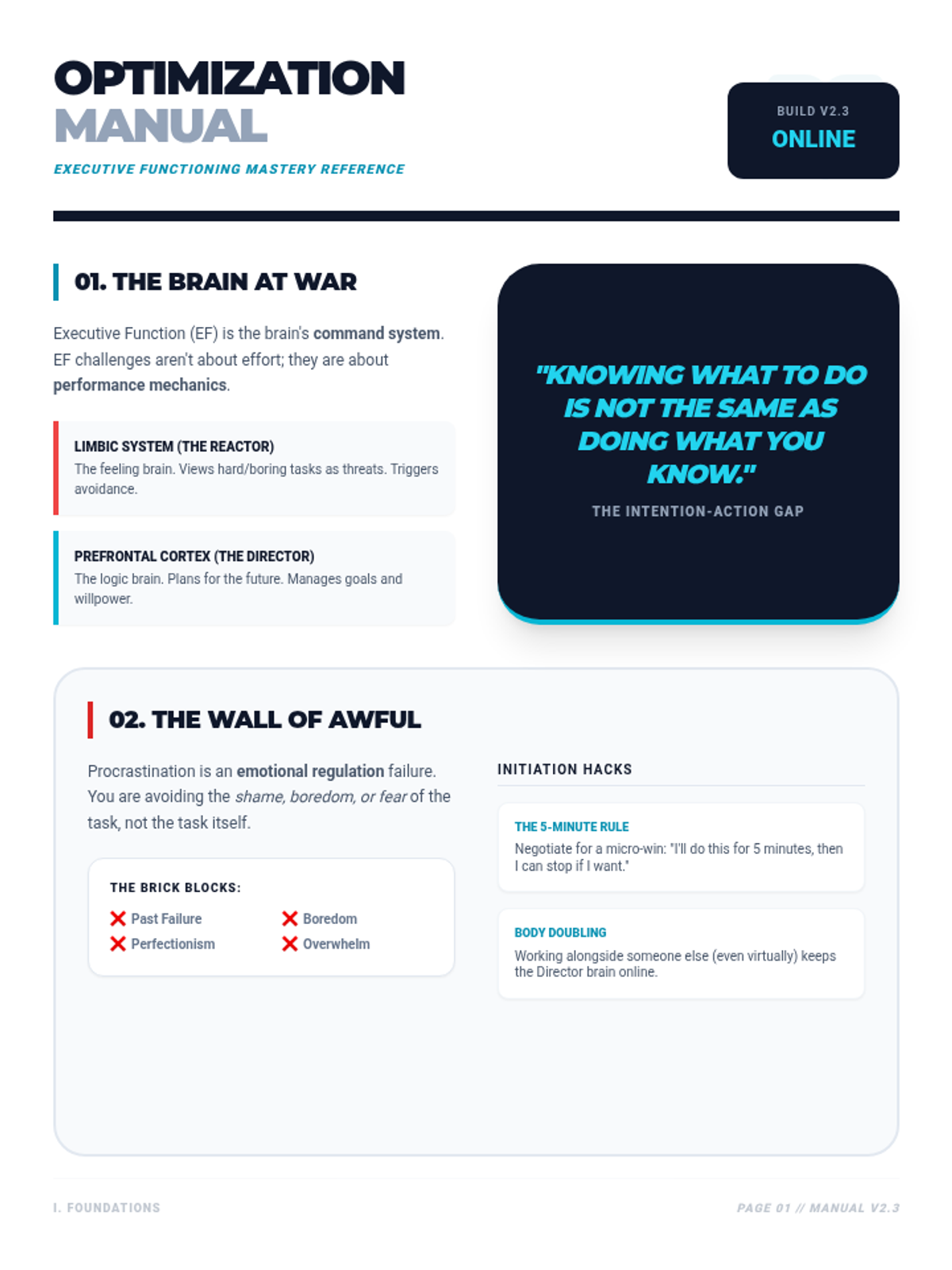
Mastering the mechanics of the workday. Students will learn the Eisenhower Matrix for prioritization, the psychological 'Two-Minute Rule,' and practical time-blocking techniques to eliminate procrastination and meet professional deadlines.
A graduate-level training lesson for school counseling students focused on moving beyond surface-level complaints to identifying core themes and underlying emotional drivers.
Explores the foundation of professional trust through the lens of reliability and consistency. Students will learn the "Trust Battery" concept, the difference between being dependable and simply "showing up," and how to proactively communicate when setbacks occur.
Focuses on working effectively in diverse professional environments, understanding unconscious bias, and practicing inclusive communication. Students will explore cultural dimensions and apply empathy to workplace interactions.
A professional-focused exploration of ad hominem, straw man, and red herring fallacies, using workplace scenarios like interviews, meetings, and memos to develop critical communication skills.
Focuses on professional communication across multiple channels, including formal email etiquette, digital messaging (Slack/Teams), and active listening. Students will practice translating casual language into professional correspondence and mastering non-verbal cues.
A practical guide to managing wait times in a nursing home setting, teaching caregivers how to use the WAIT framework to reduce resident anxiety and improve the care experience.
A deep dive into Teamwork, focusing on professional roles, conflict resolution styles, and the psychological concept of synergy within a workforce. Students will identify their personal team roles and practice navigating group friction.
An introductory lesson covering the 11 essential employability skills required for modern workplace success. Students will explore definitions and apply skills through realistic workplace scenarios.
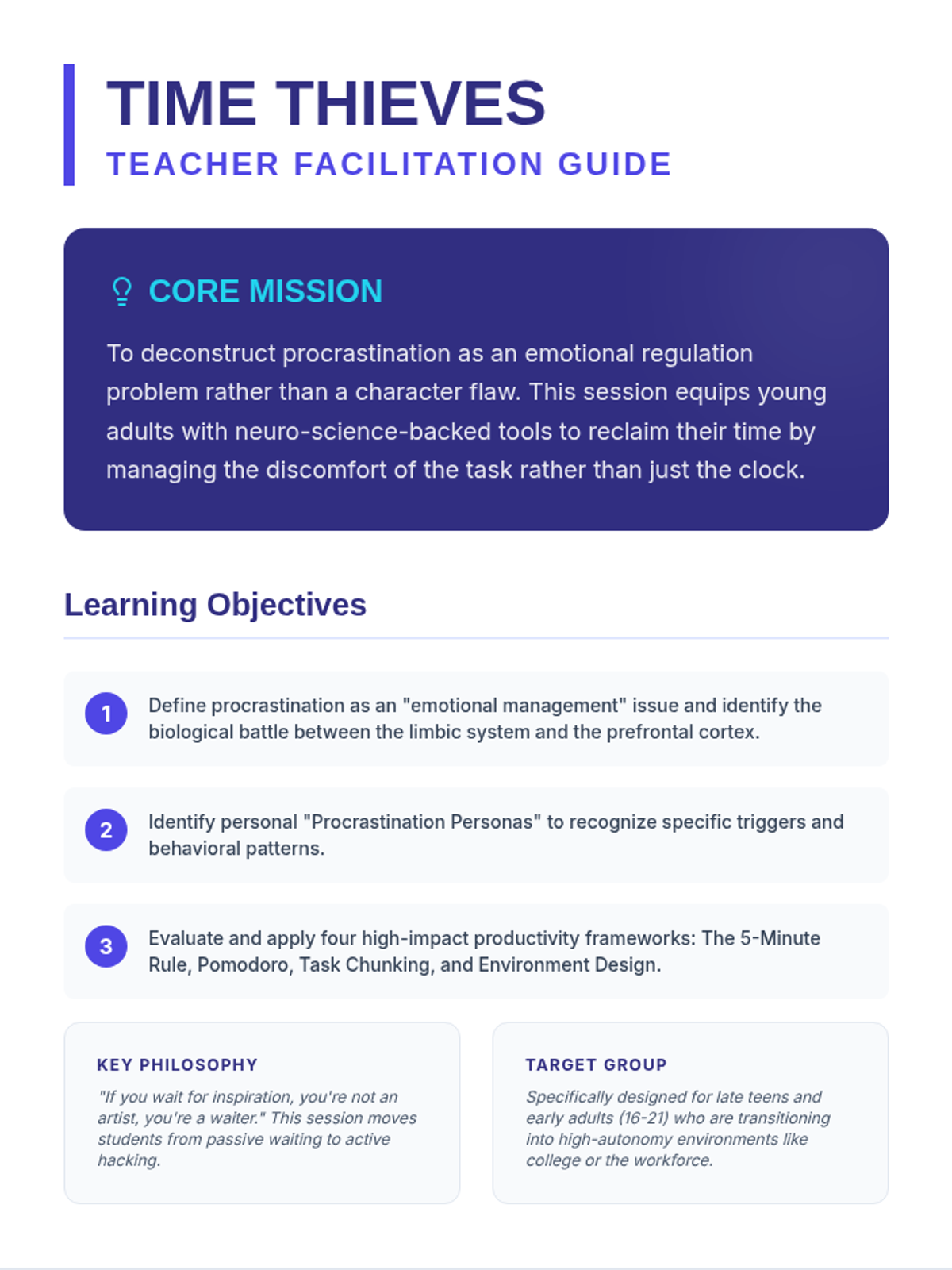
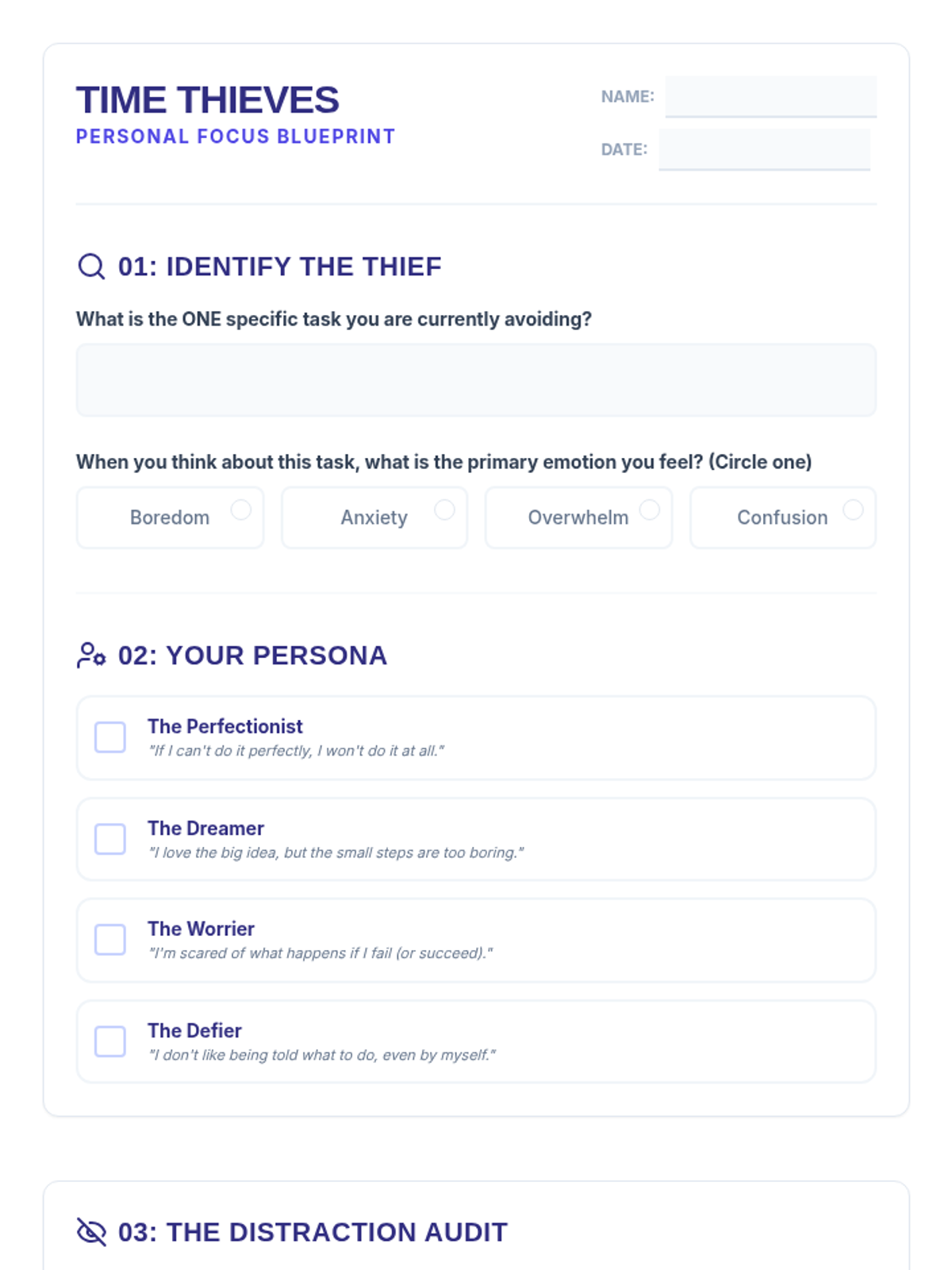
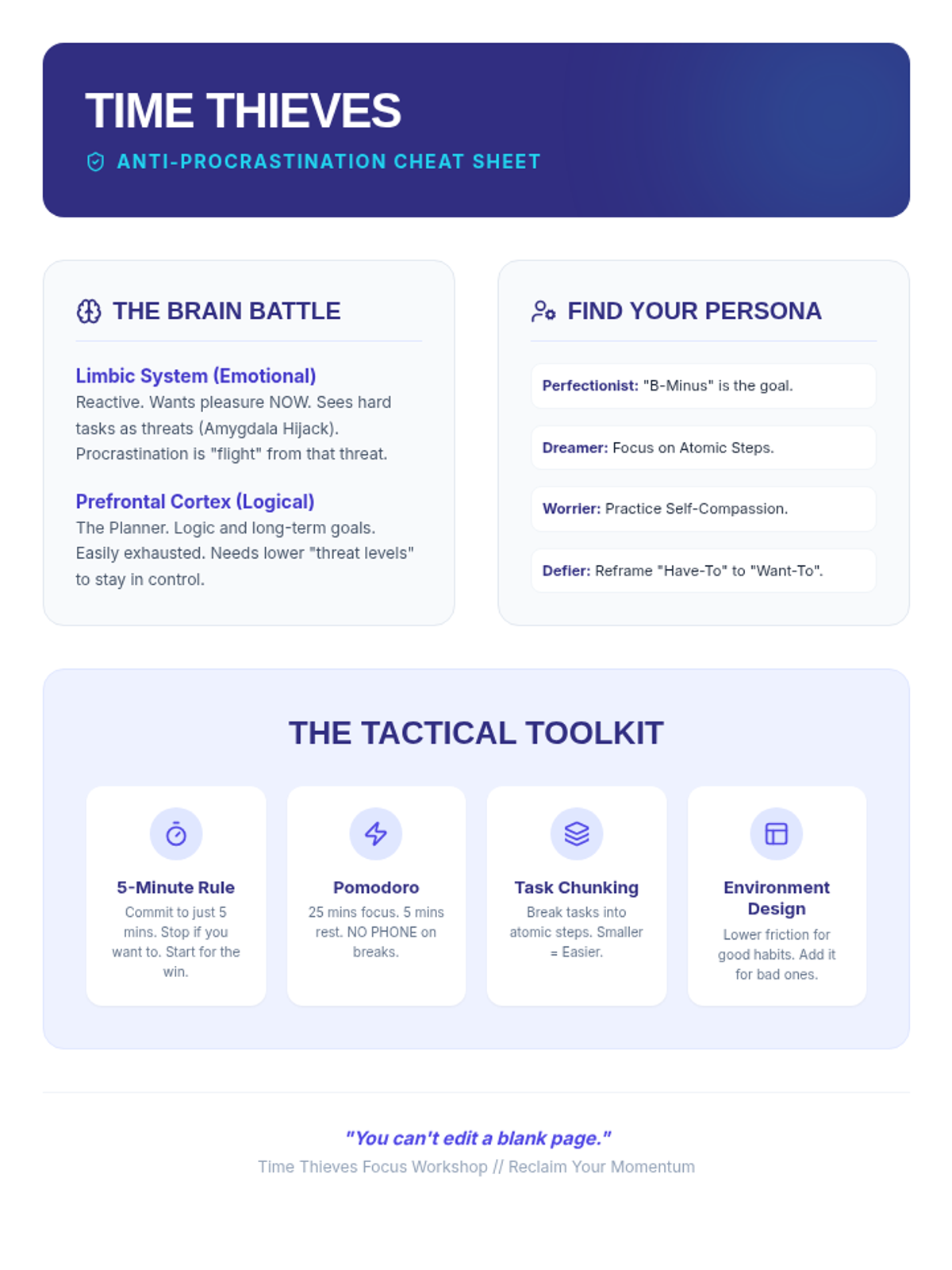
A supportive series of 1:1 sessions and tools designed to help a student regain academic momentum after a period of injury and depression, focusing on energy management and low-friction starts.
A comprehensive introduction to identifying logical fallacies—ad hominem, straw man, and red herring—using historical and scientific contexts to prepare English I students for STAAR-level rhetorical analysis.
A functional travel training lesson focused on using Google Maps to plan a trip and practicing safety and etiquette on the MBTA. Students will navigate a step-by-step planning process and evaluate safe vs. unsafe behaviors in transit environments.
A 45-minute lesson designed for high school public speaking students to master the art of professional communication, specifically focusing on the 30-second elevator pitch and interview presence.
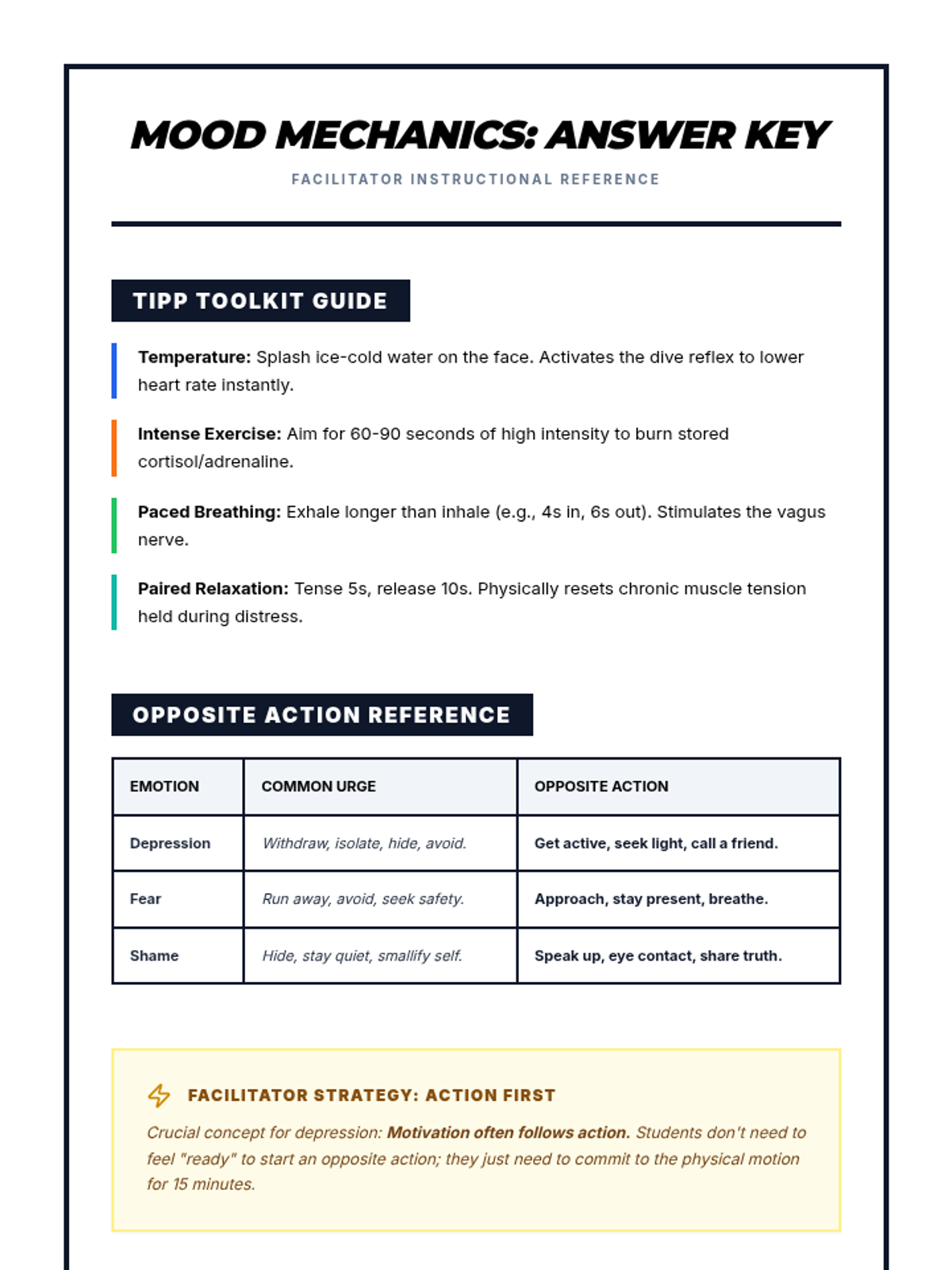
A social-emotional learning lesson that uses weather metaphors to help students identify, track, and regulate their emotions through 'internal forecasting' and grounding techniques.
A comprehensive lesson designed to help high school and college students discover their unique learning profiles, set personalized goals, and develop self-advocacy skills. Students engage in reflective mapping and modality exploration to take charge of their academic journey.
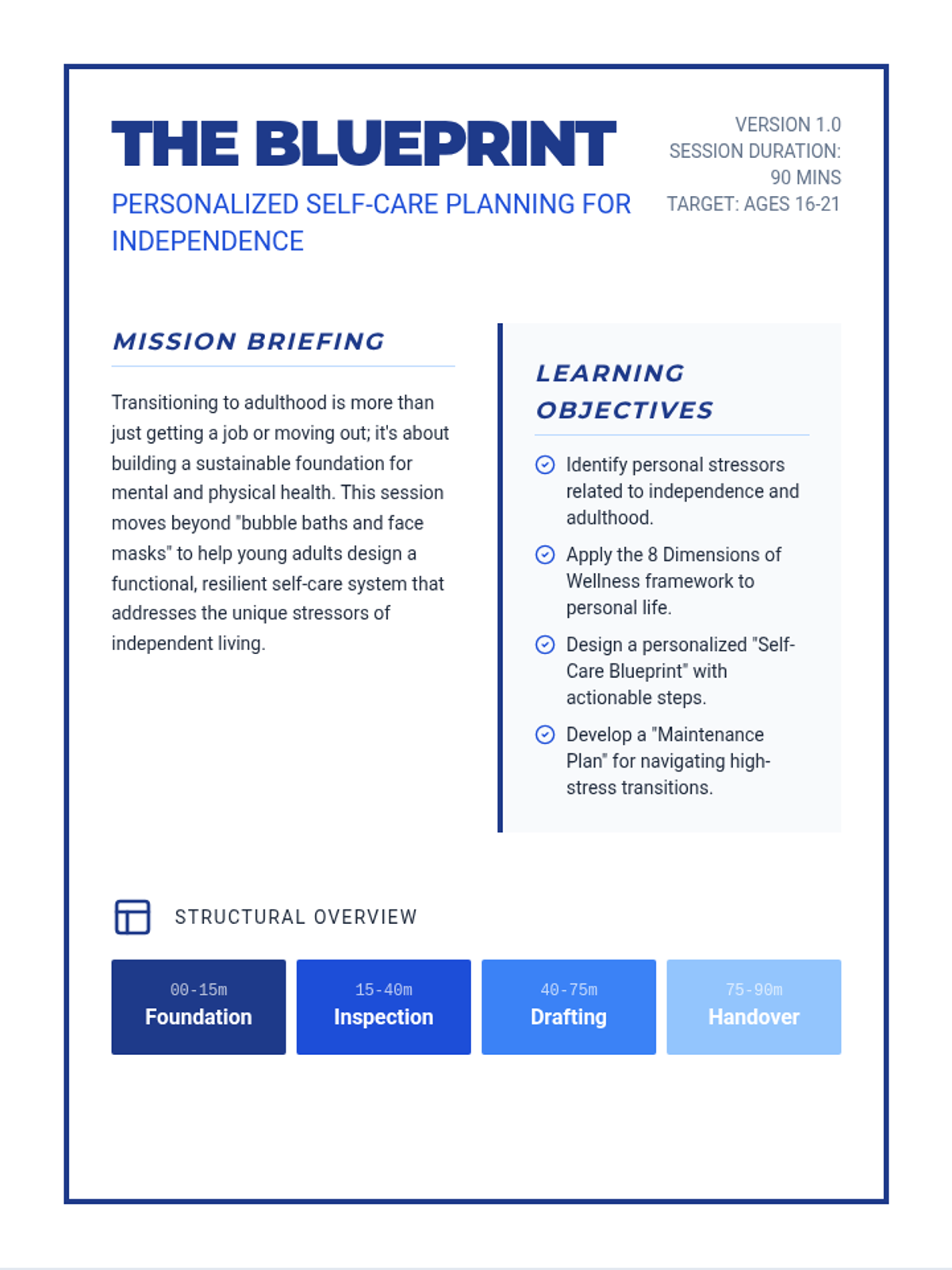
A comprehensive guide to personal finance, covering budgeting, the 50/30/20 rule, and long-term financial planning for young adults.
A comprehensive guide for students to bridge the gap between their current skills and future professional goals through self-assessment and strategic research. Students will identify their 'Ikigai', research industries, and map out educational requirements for their chosen path.
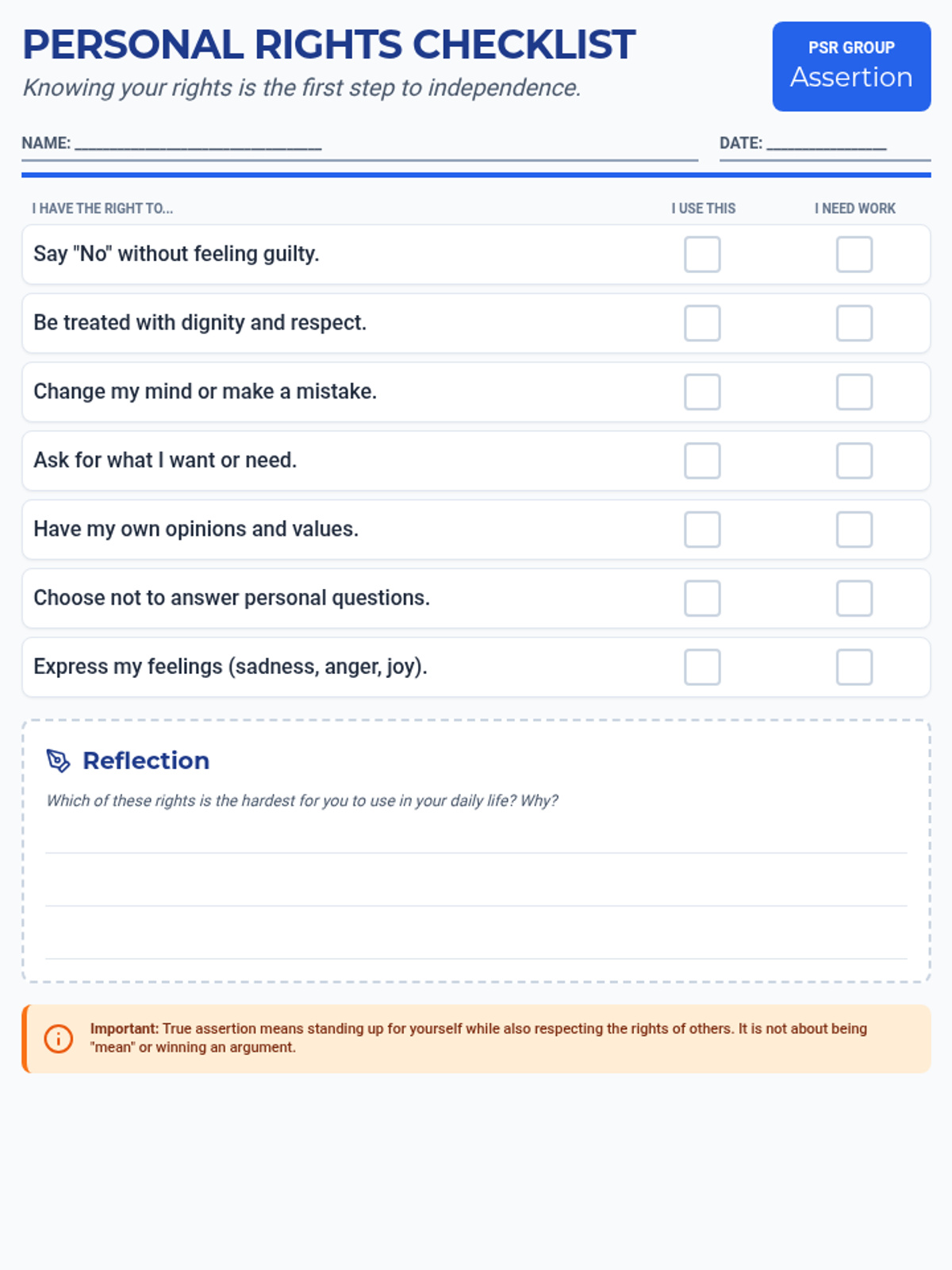
A comprehensive self-advocacy curriculum designed for young adults to navigate school, home, community, and the workplace with confidence. Focuses on personal identity (pronouns), legal rights (ADA/IDEA), and practical communication strategies.
A clinical session focused on identifying and understanding cognitive schemas, their impact on depression, and their role in substance use recovery. Includes a presentation, matching activity, and reflection worksheet.