This lesson introduces 4th-6th grade students to the fundamentals of internet safety, focusing on recognizing secure websites (HTTPS/padlocks) and identifying which personal information is safe to share online.
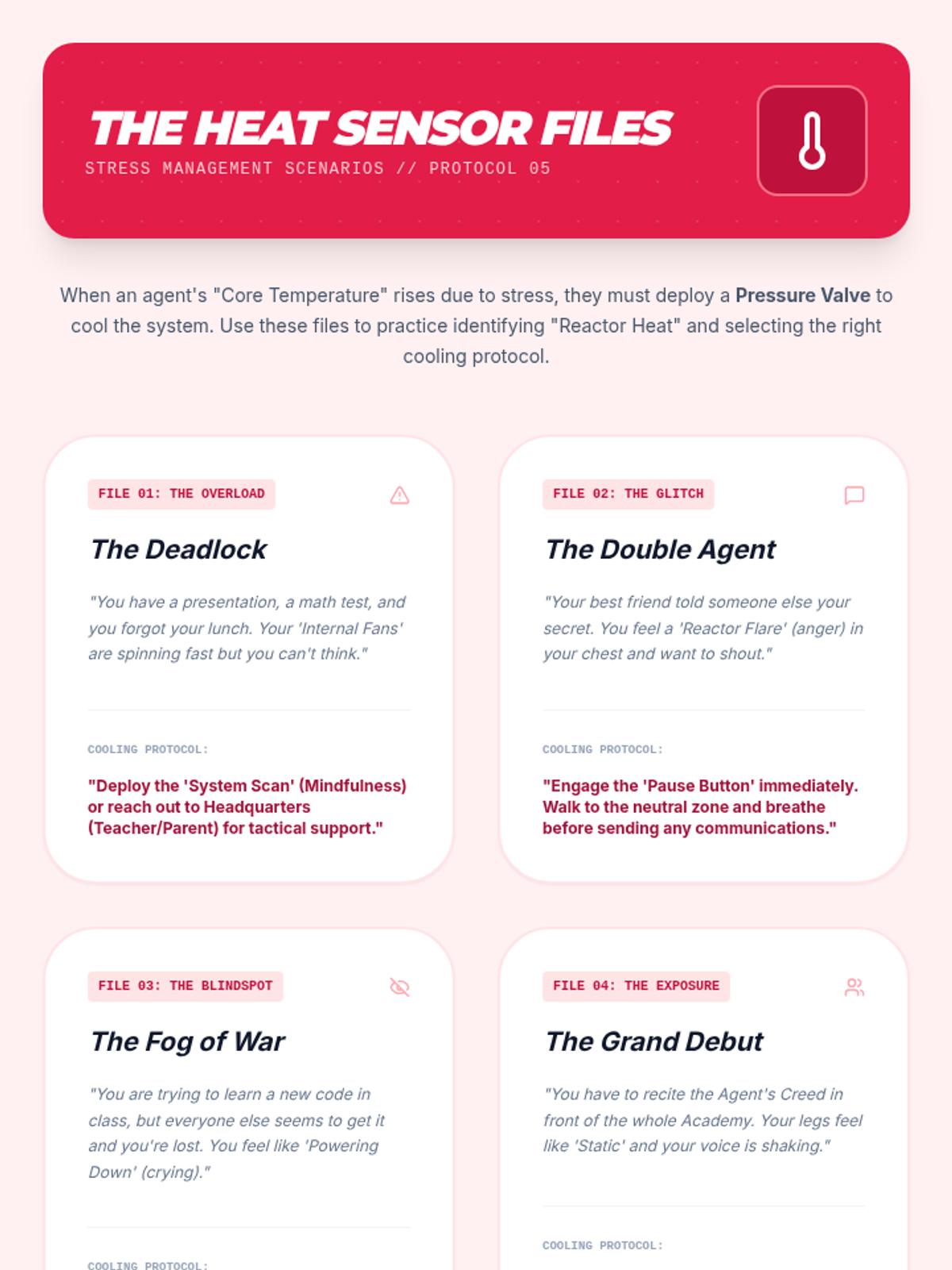
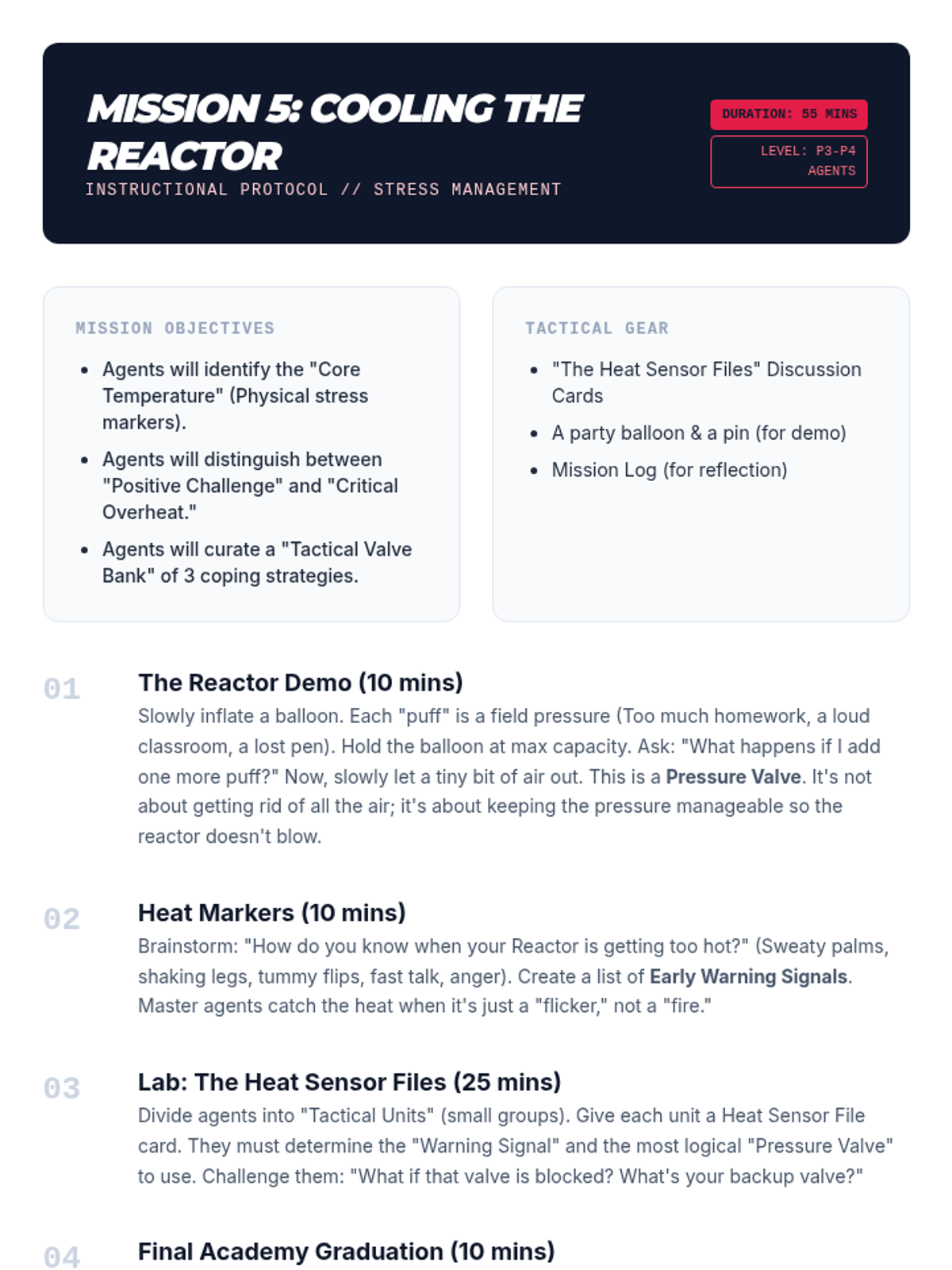
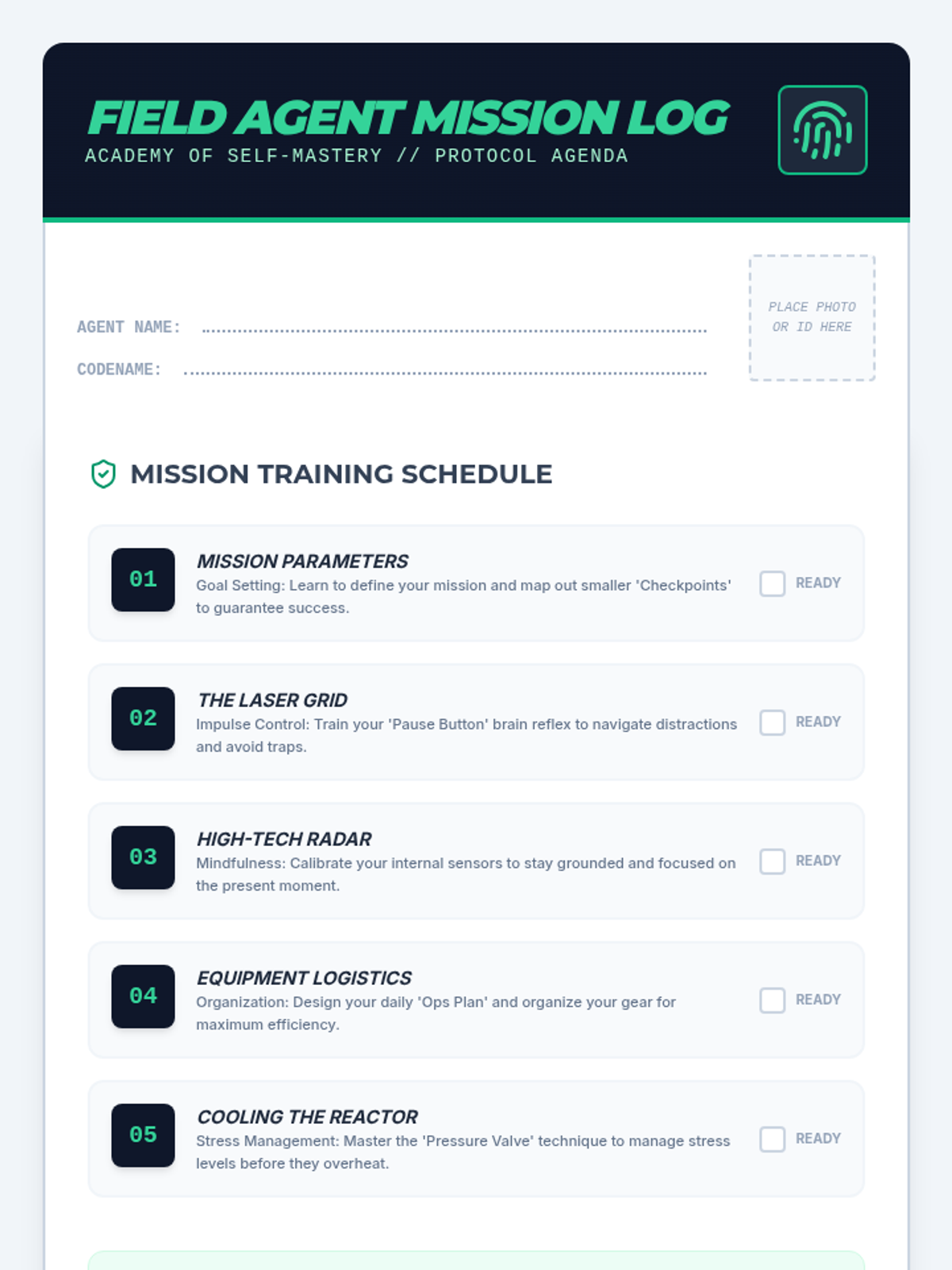
Agents learn to identify 'reactor heat' (stress) and use cooling valves to maintain operational status.
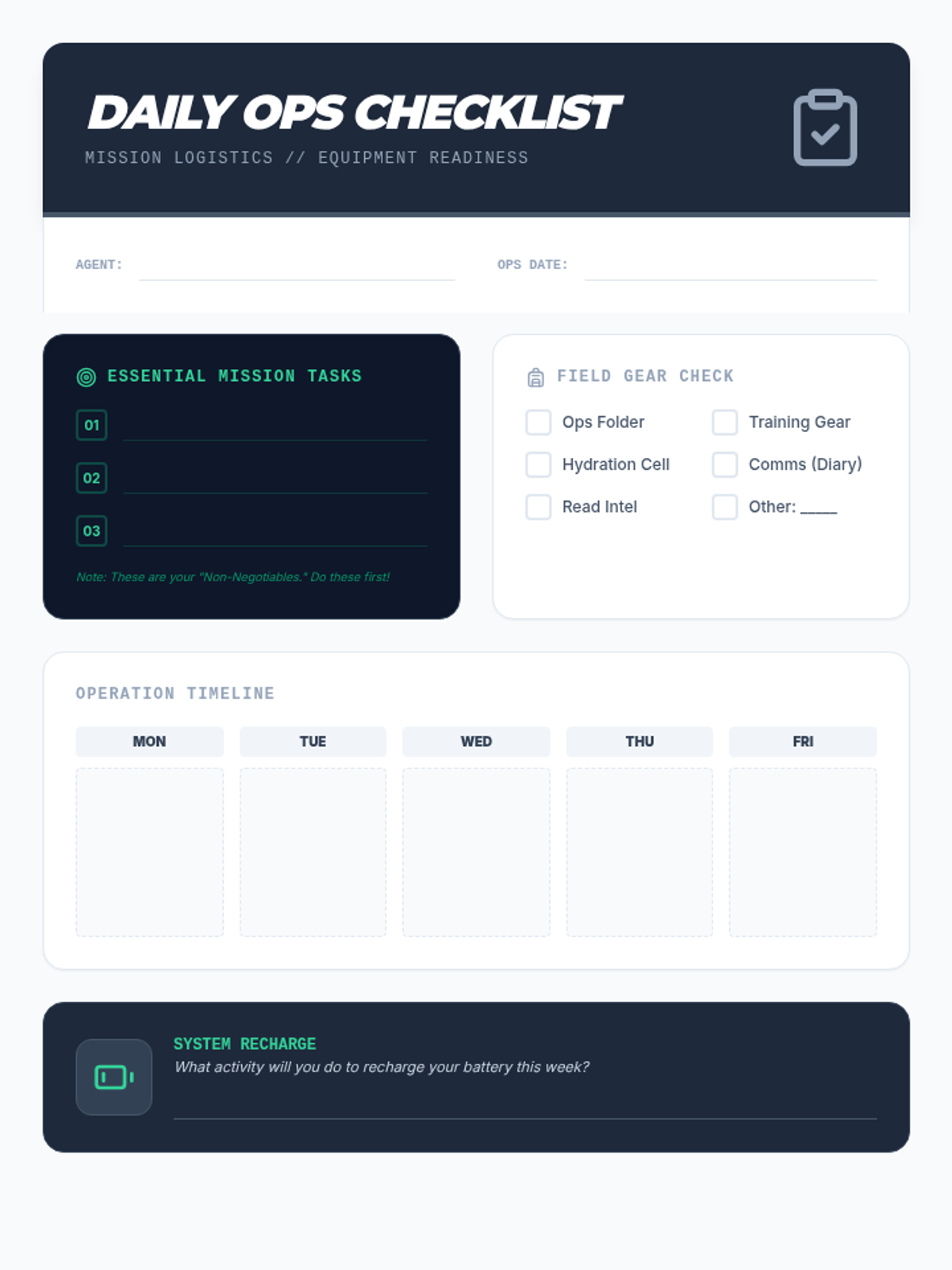
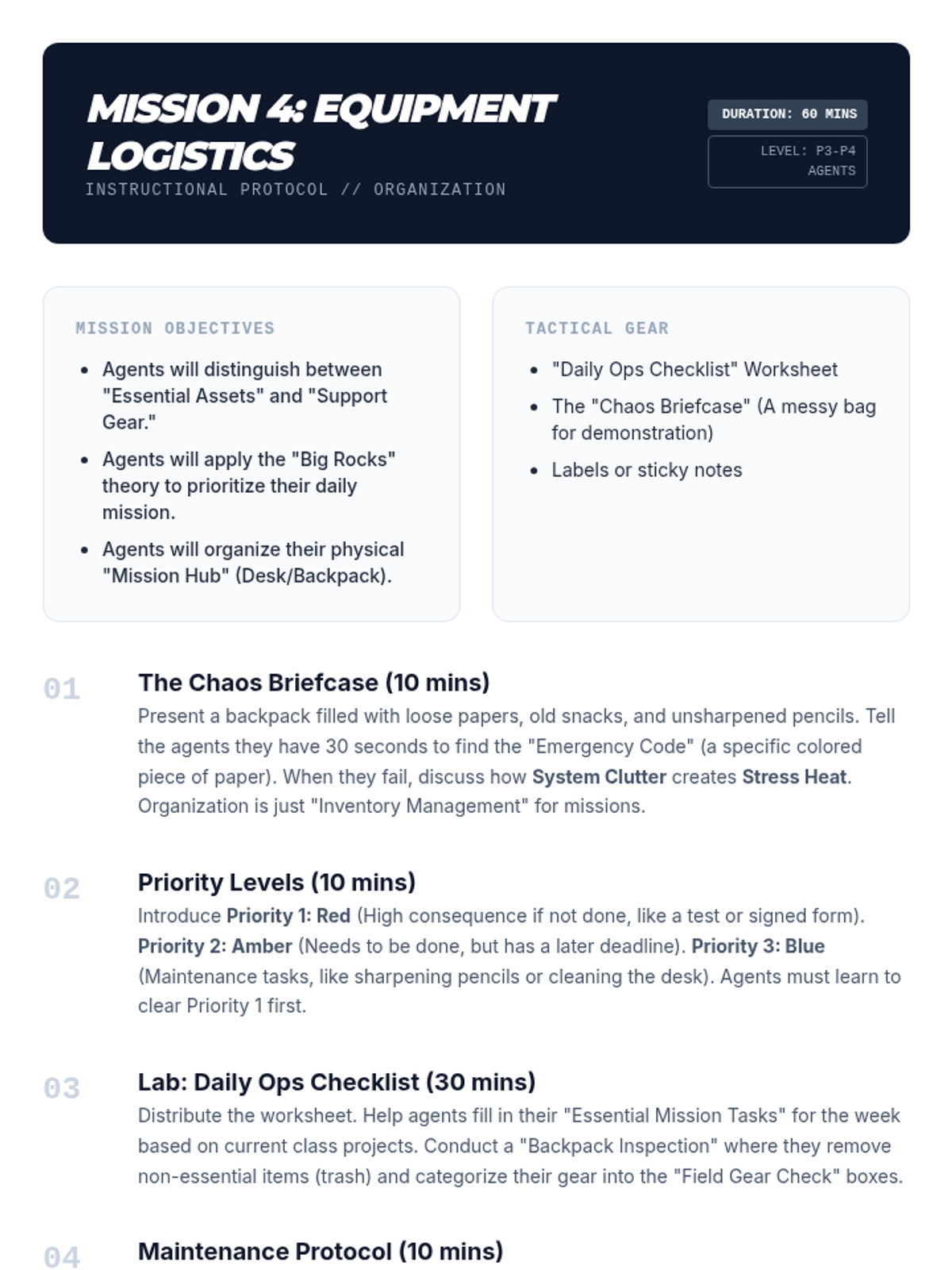
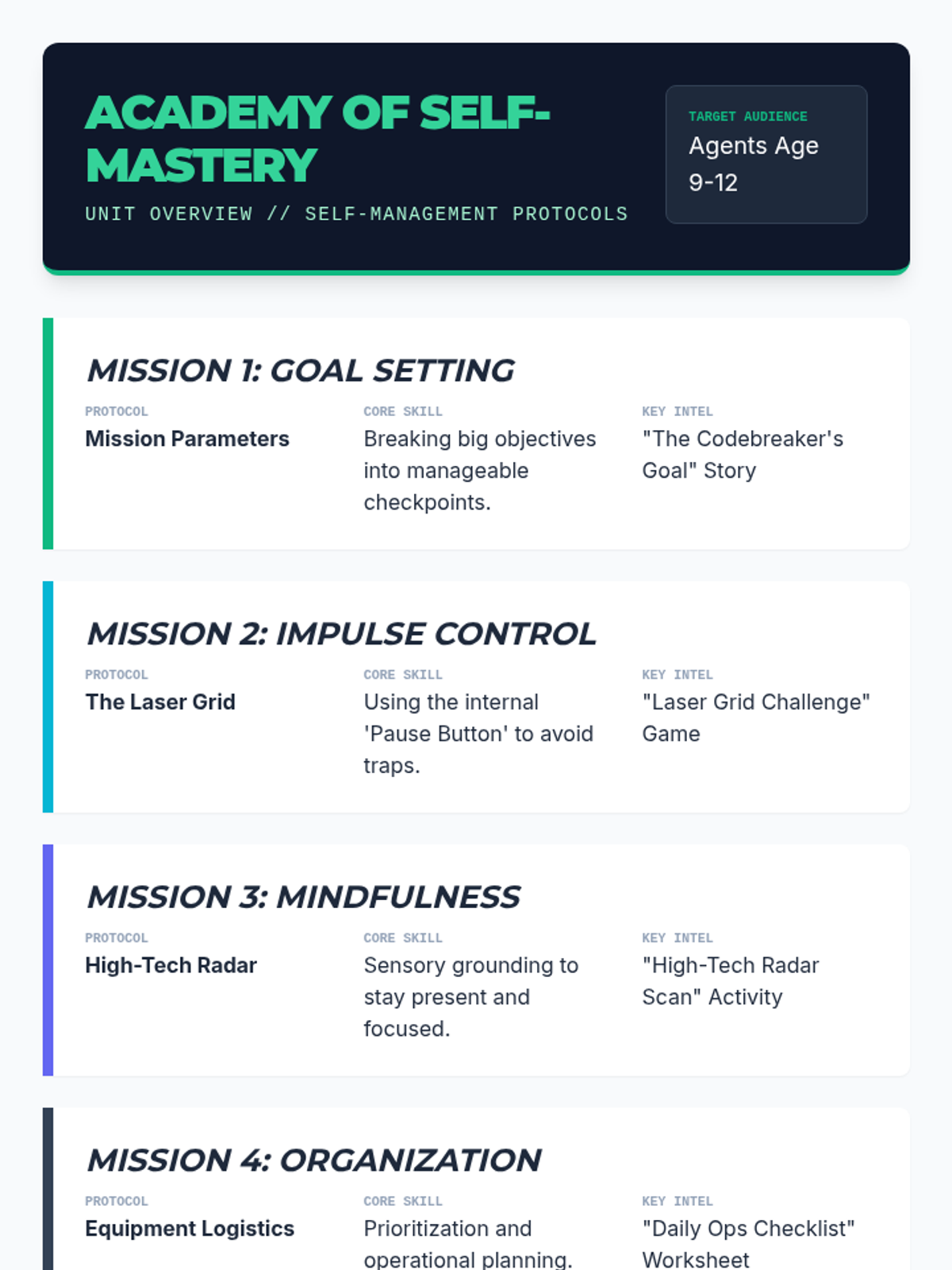
Agents master the logistics of their daily operations through effective planning and organization.
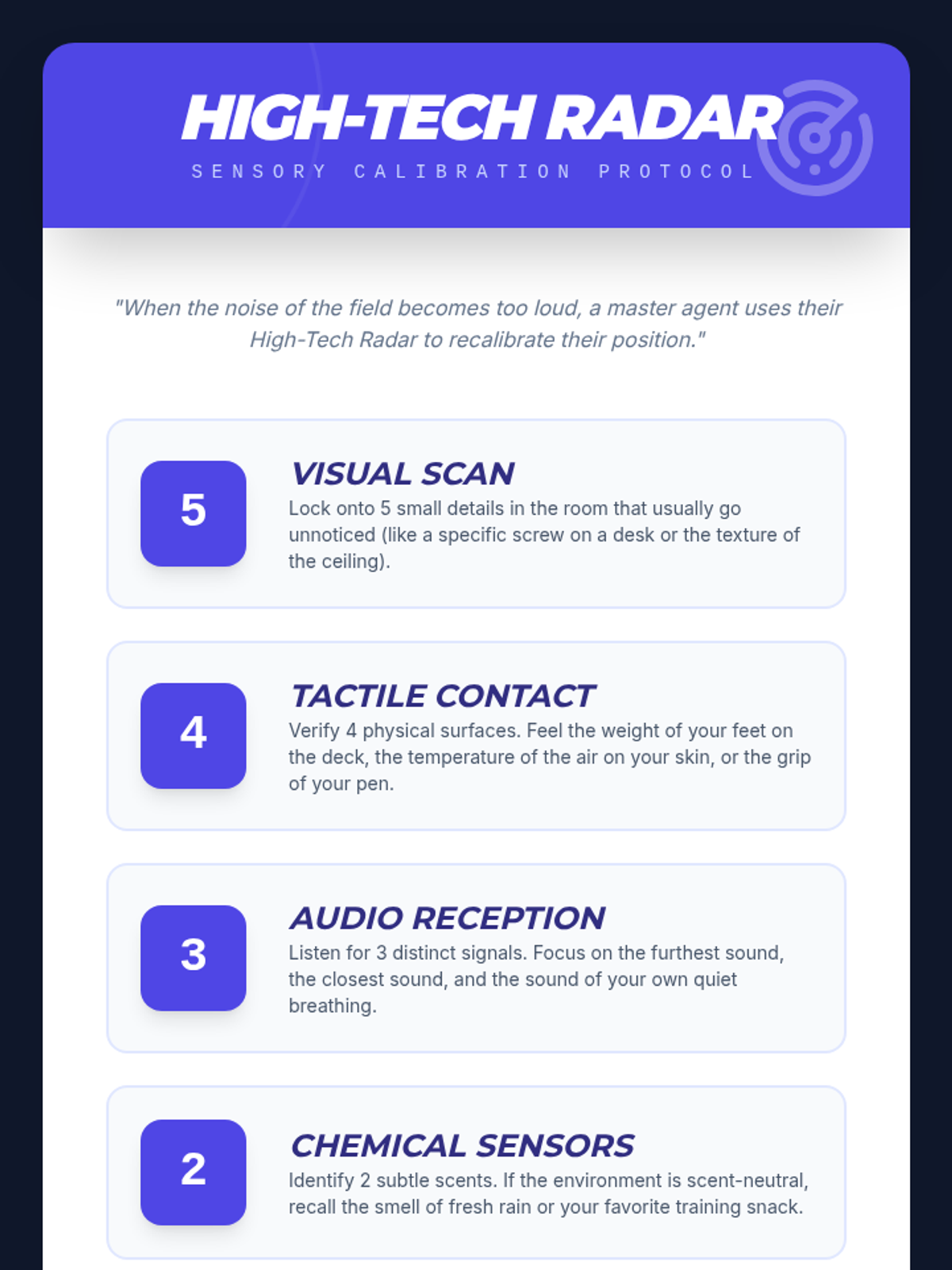
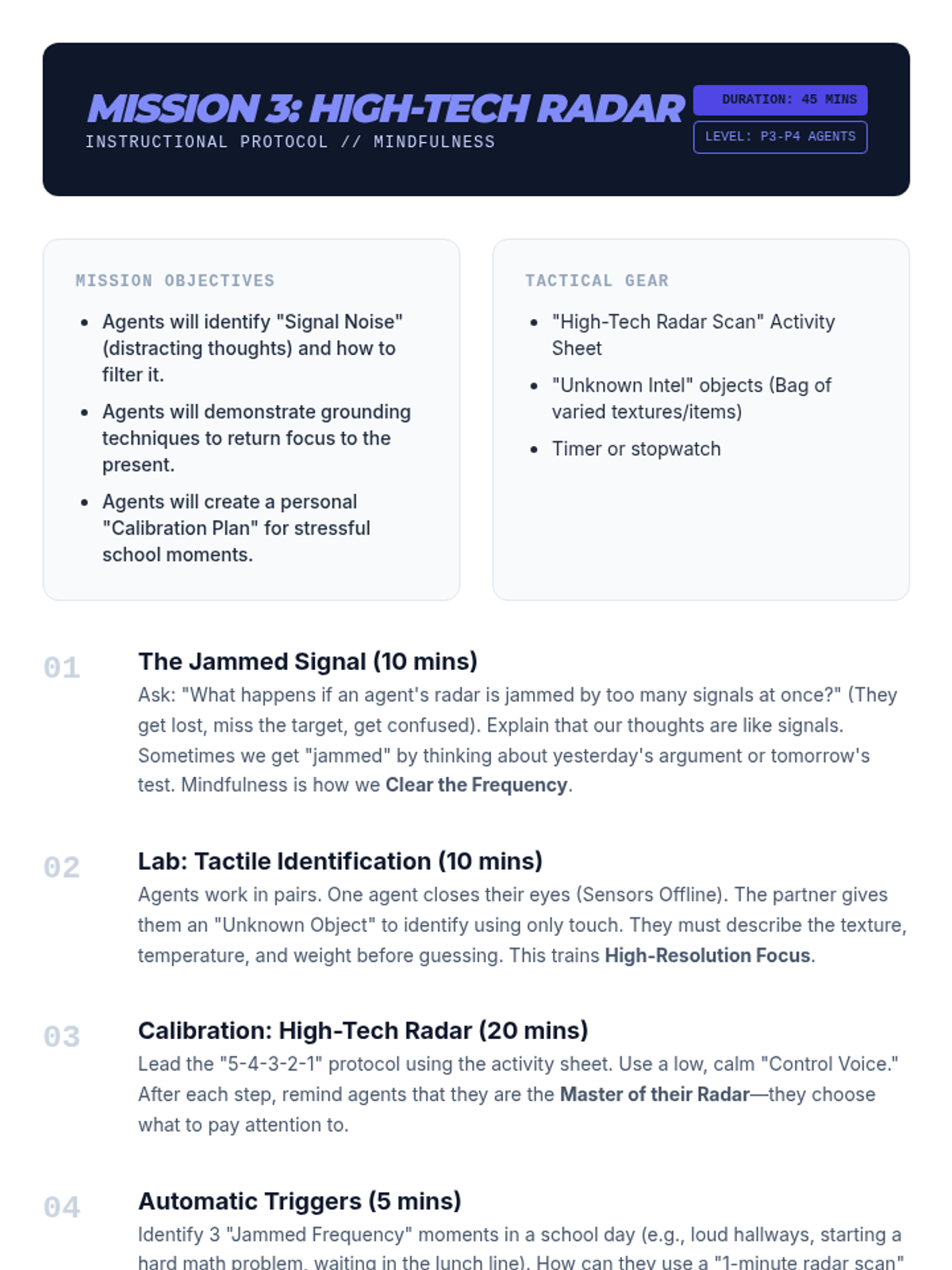
Agents calibrate their internal radar using sensory grounding techniques to stay focused.
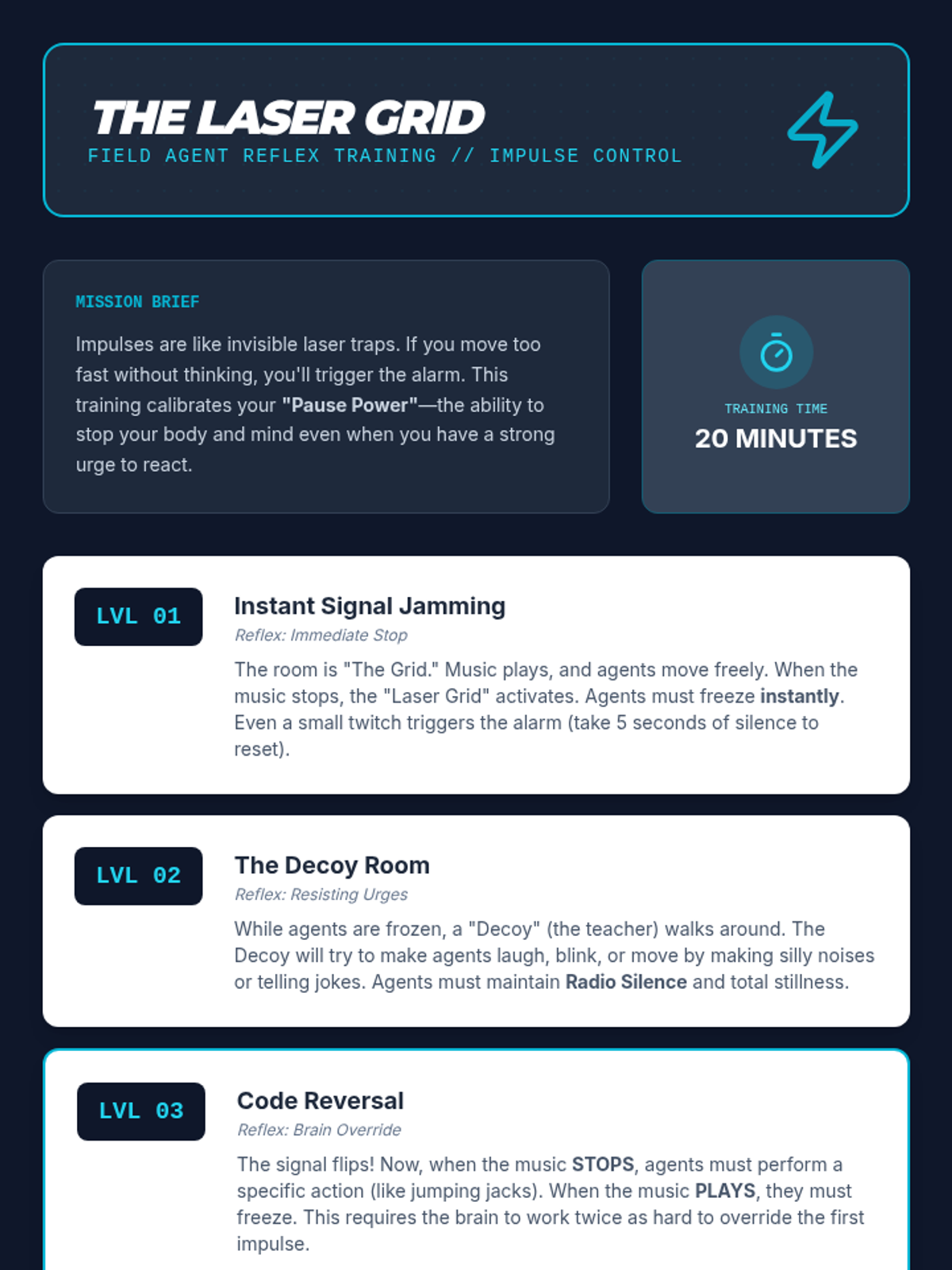
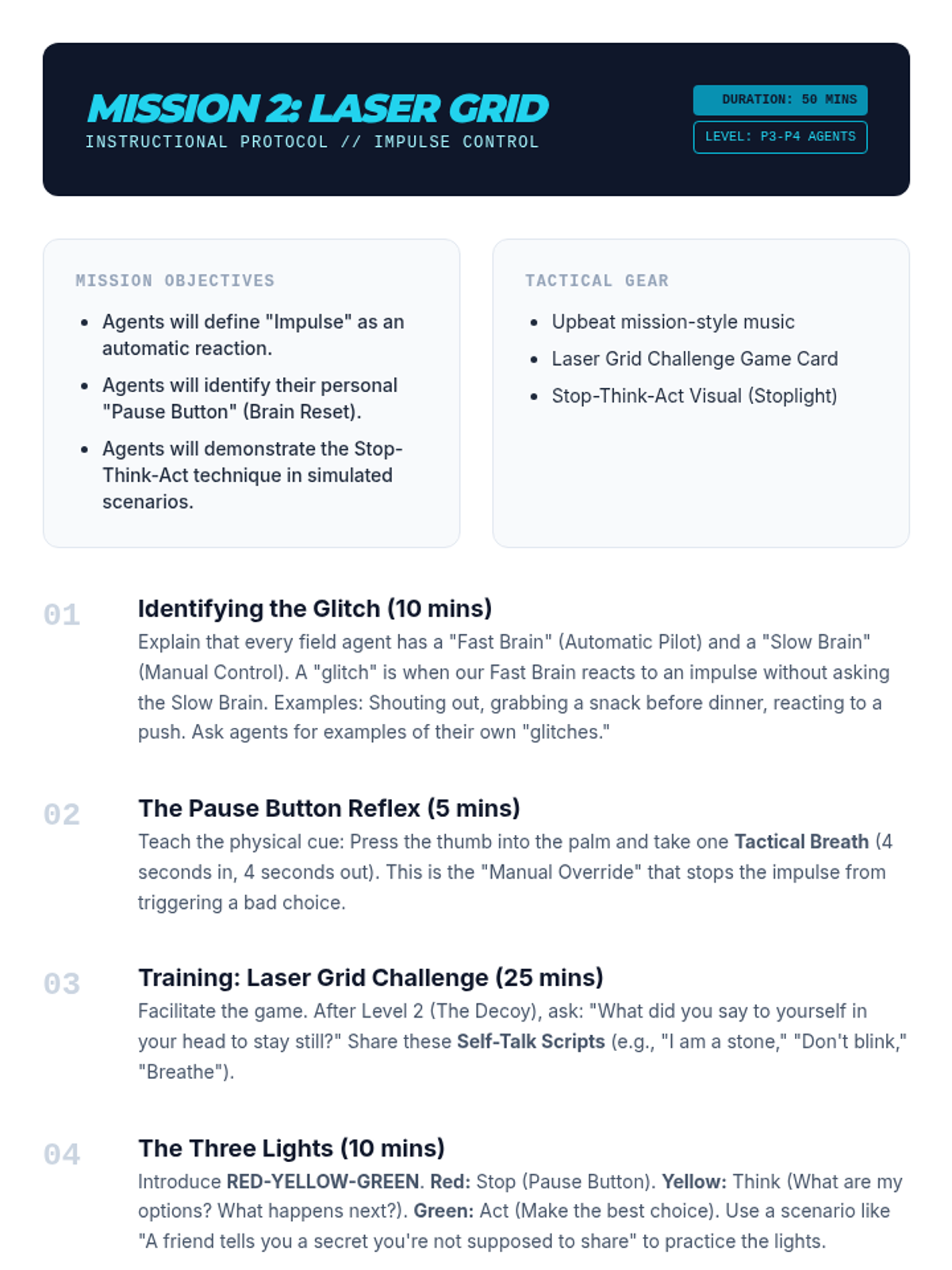
Agents practice navigating the 'Laser Grid' of impulses by using their internal pause button.
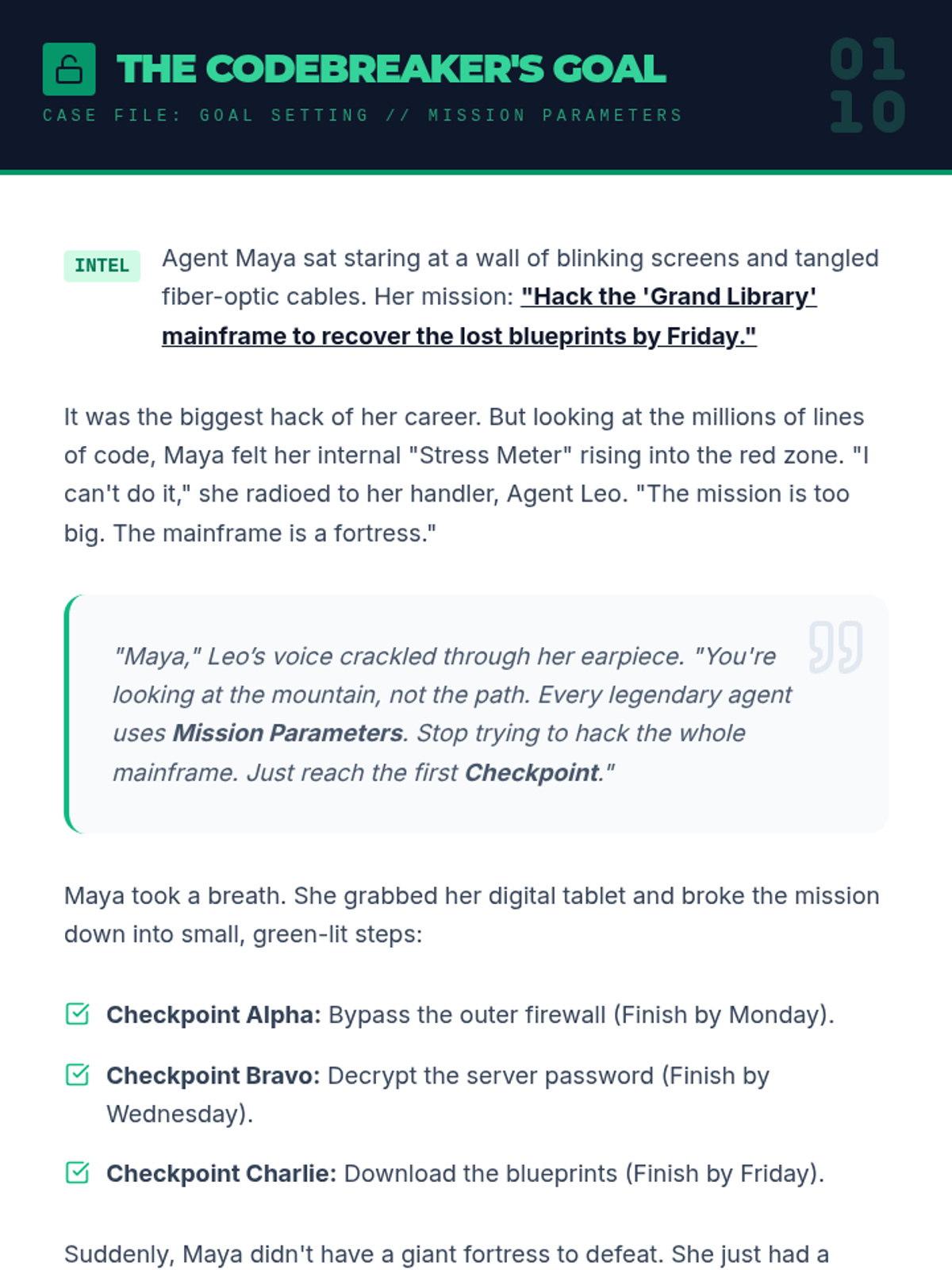
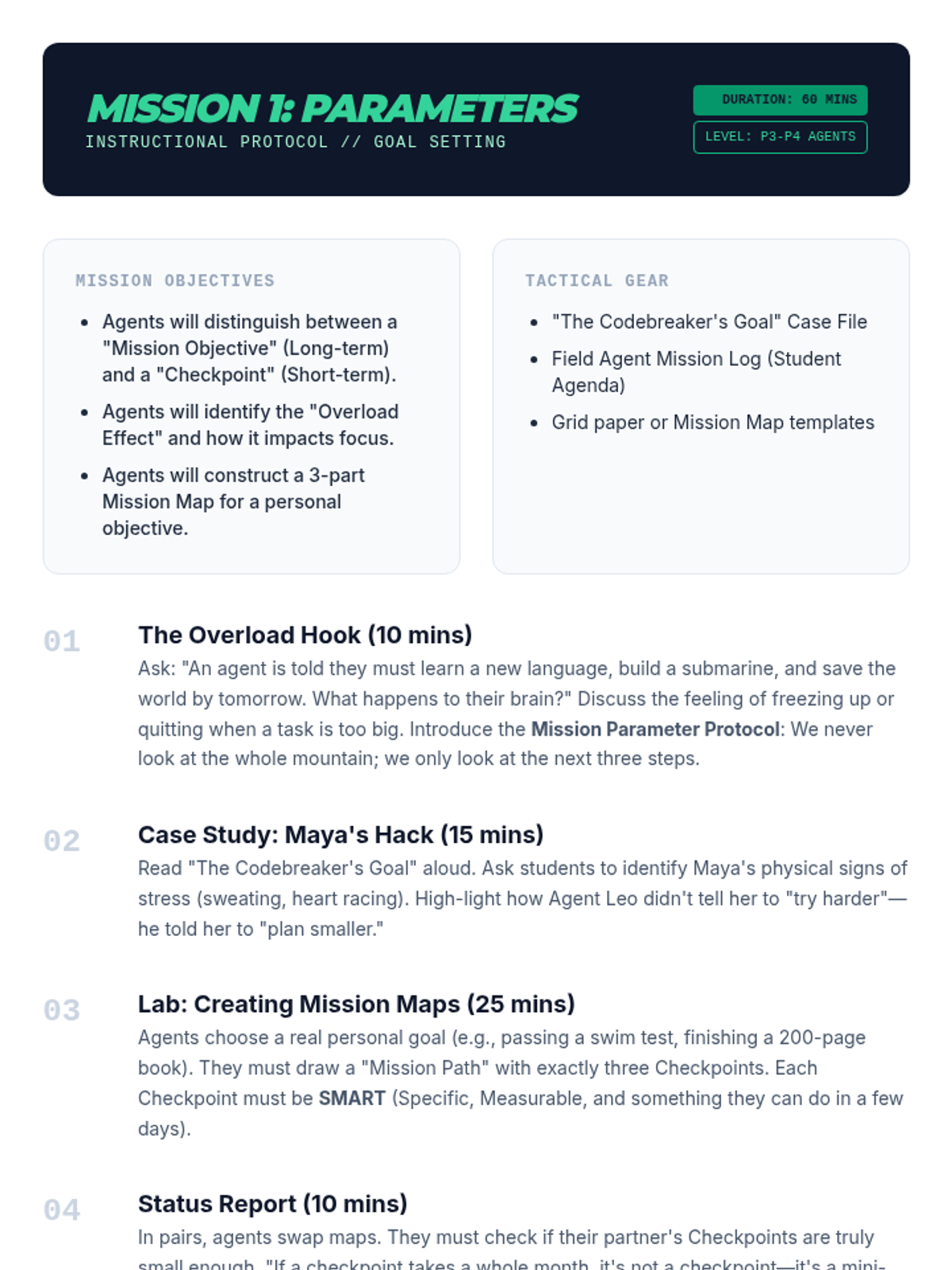
Agents learn to define their mission and break down big objectives into manageable checkpoints.
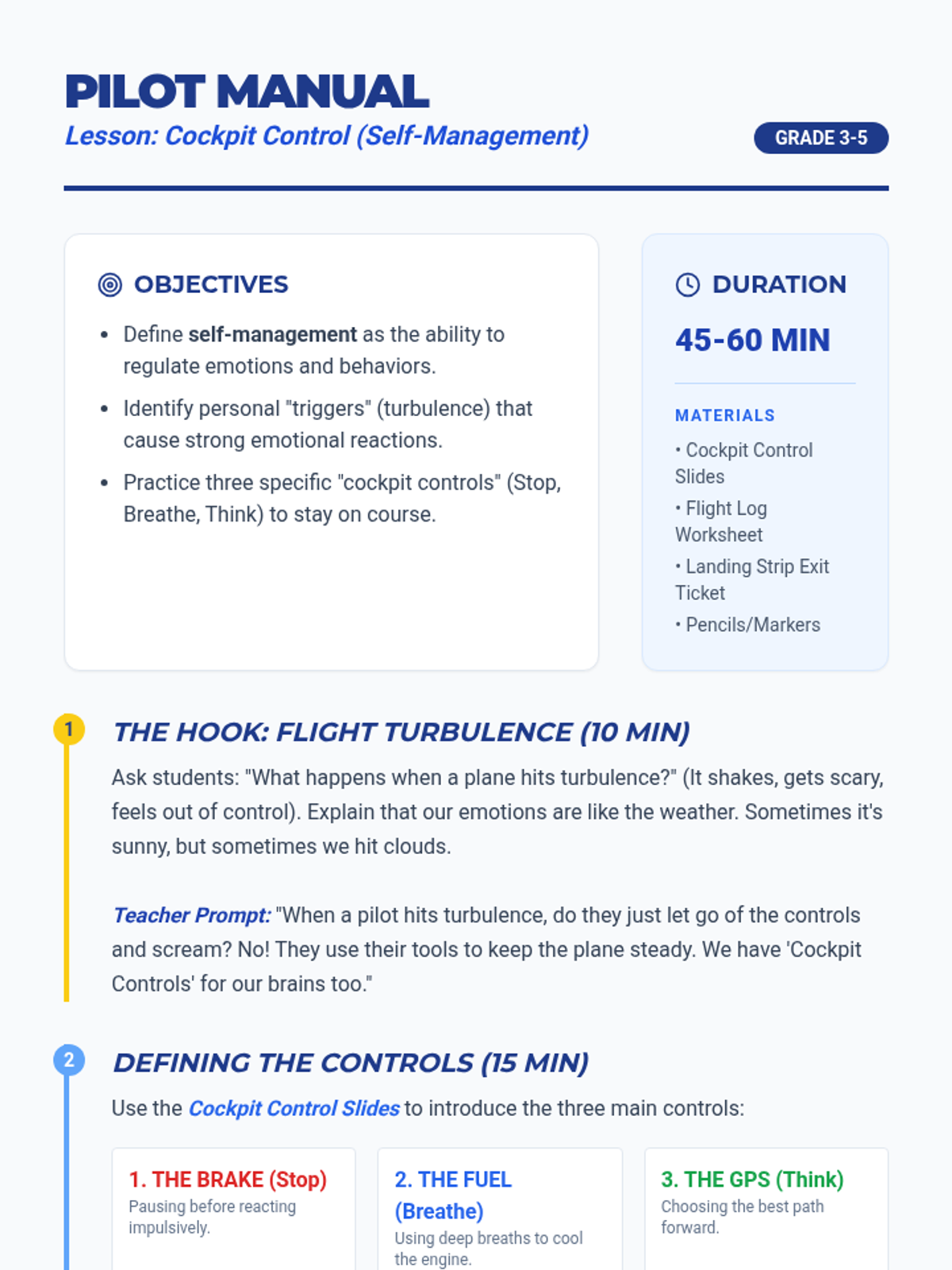
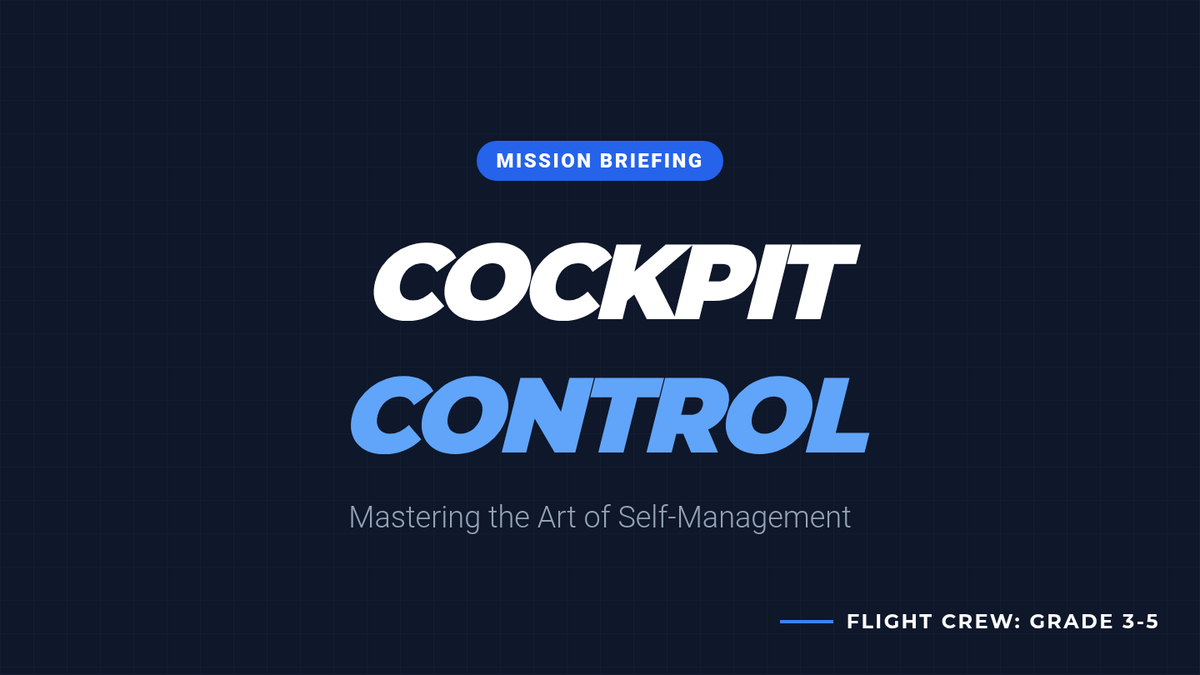
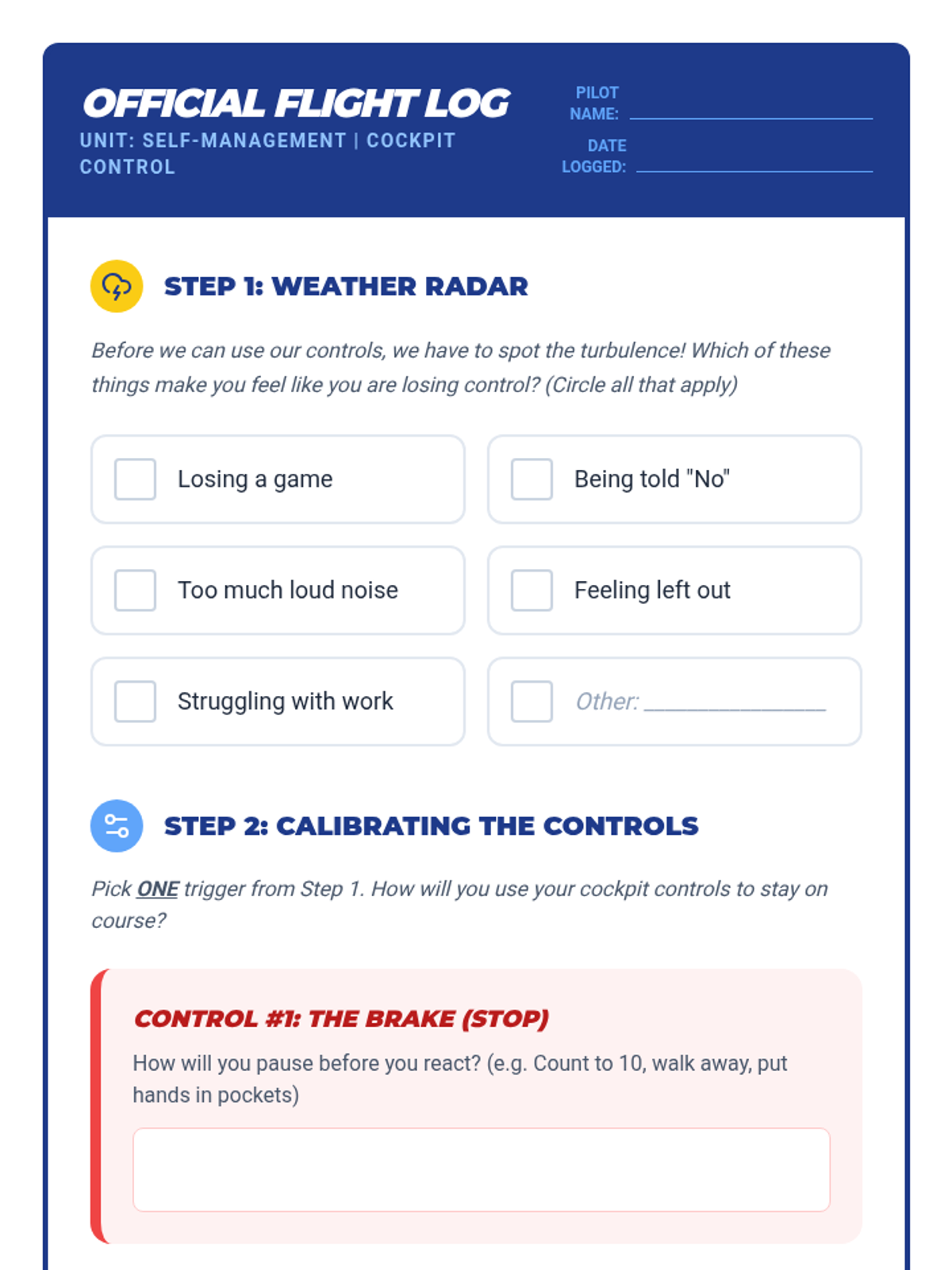
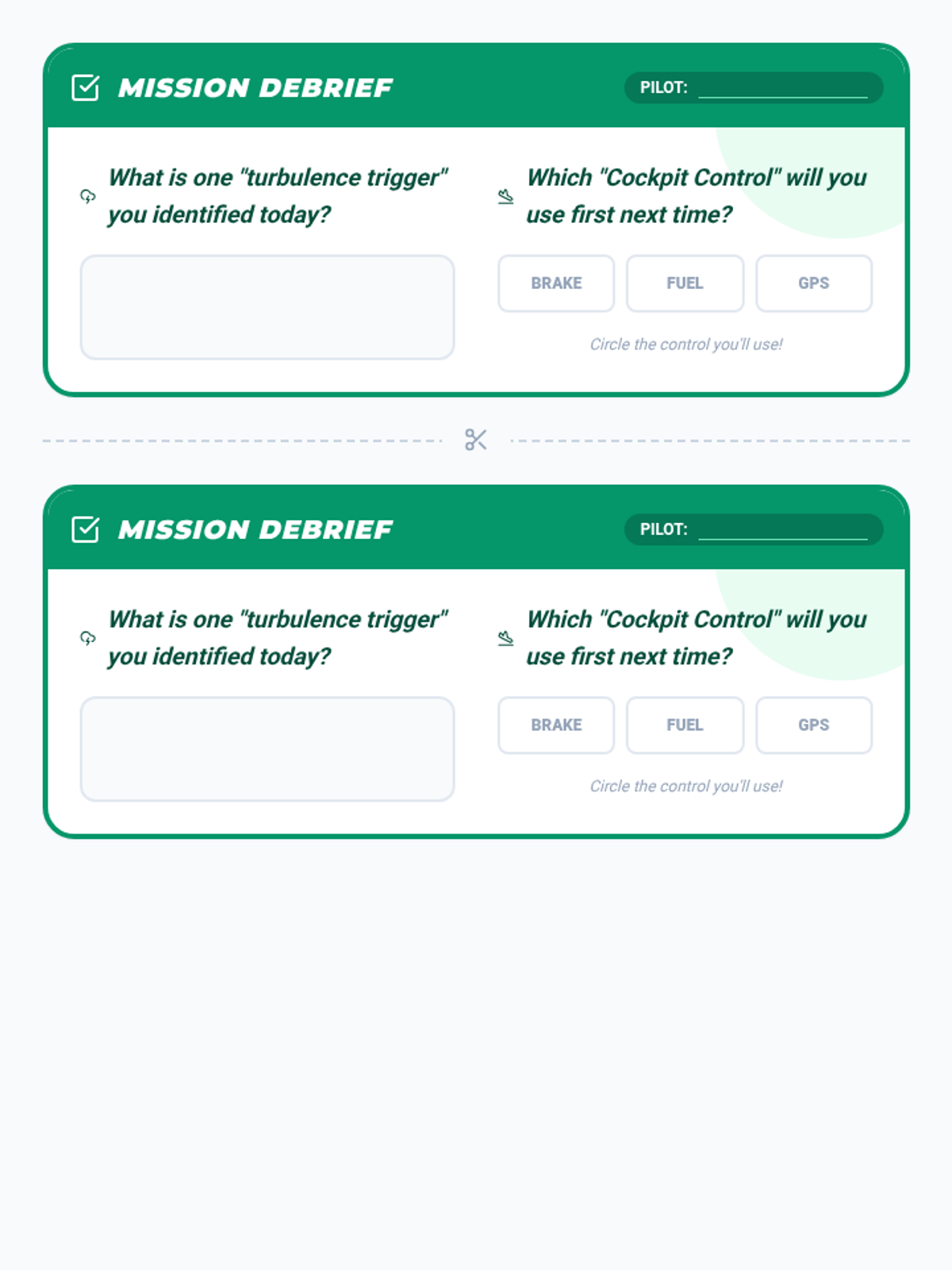
This lesson introduces self-management through an aviation metaphor, teaching students to identify emotional 'turbulence' and use specific 'cockpit controls' to stay on course. Students will learn strategies for impulse control and emotional regulation.
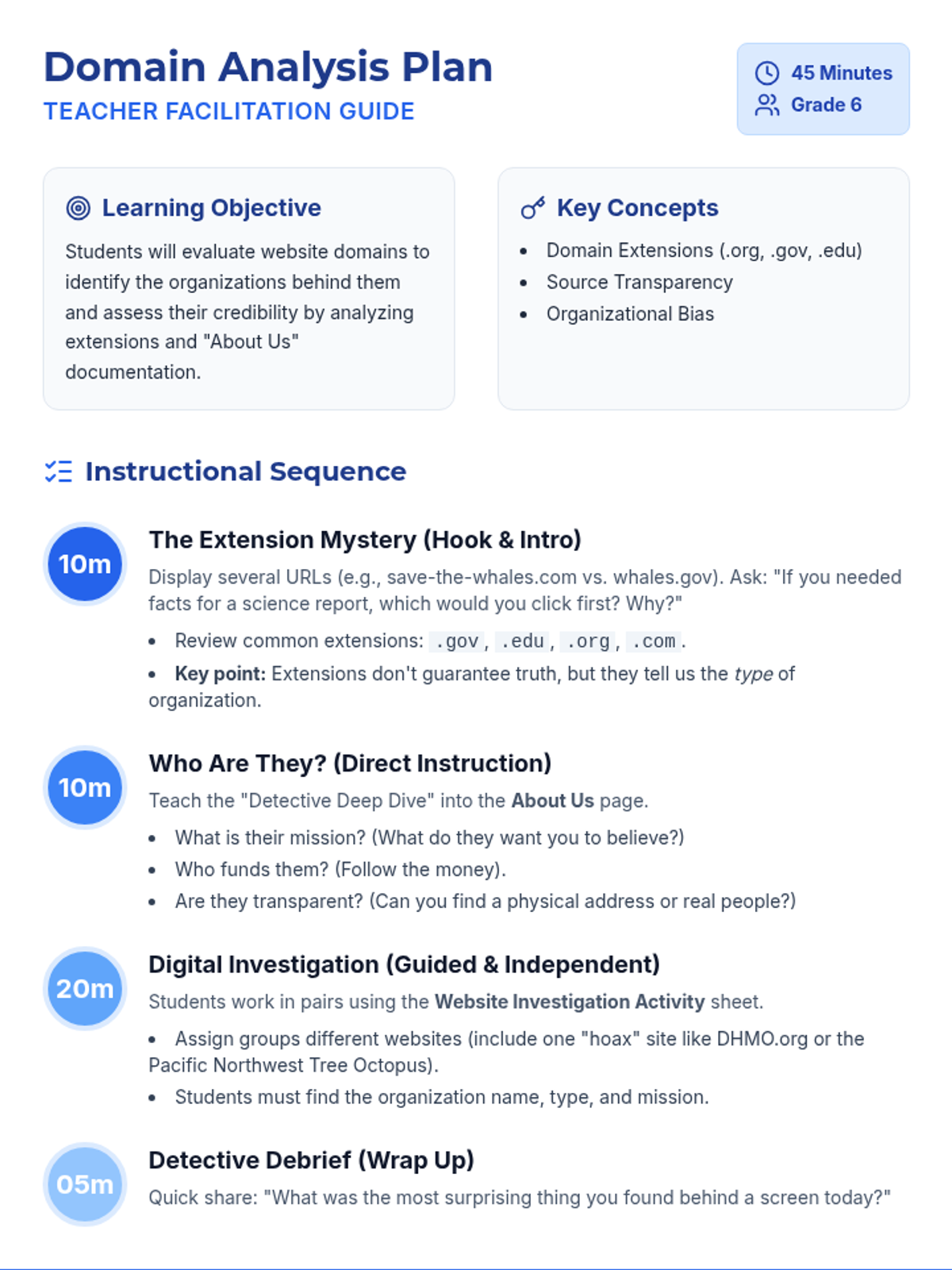
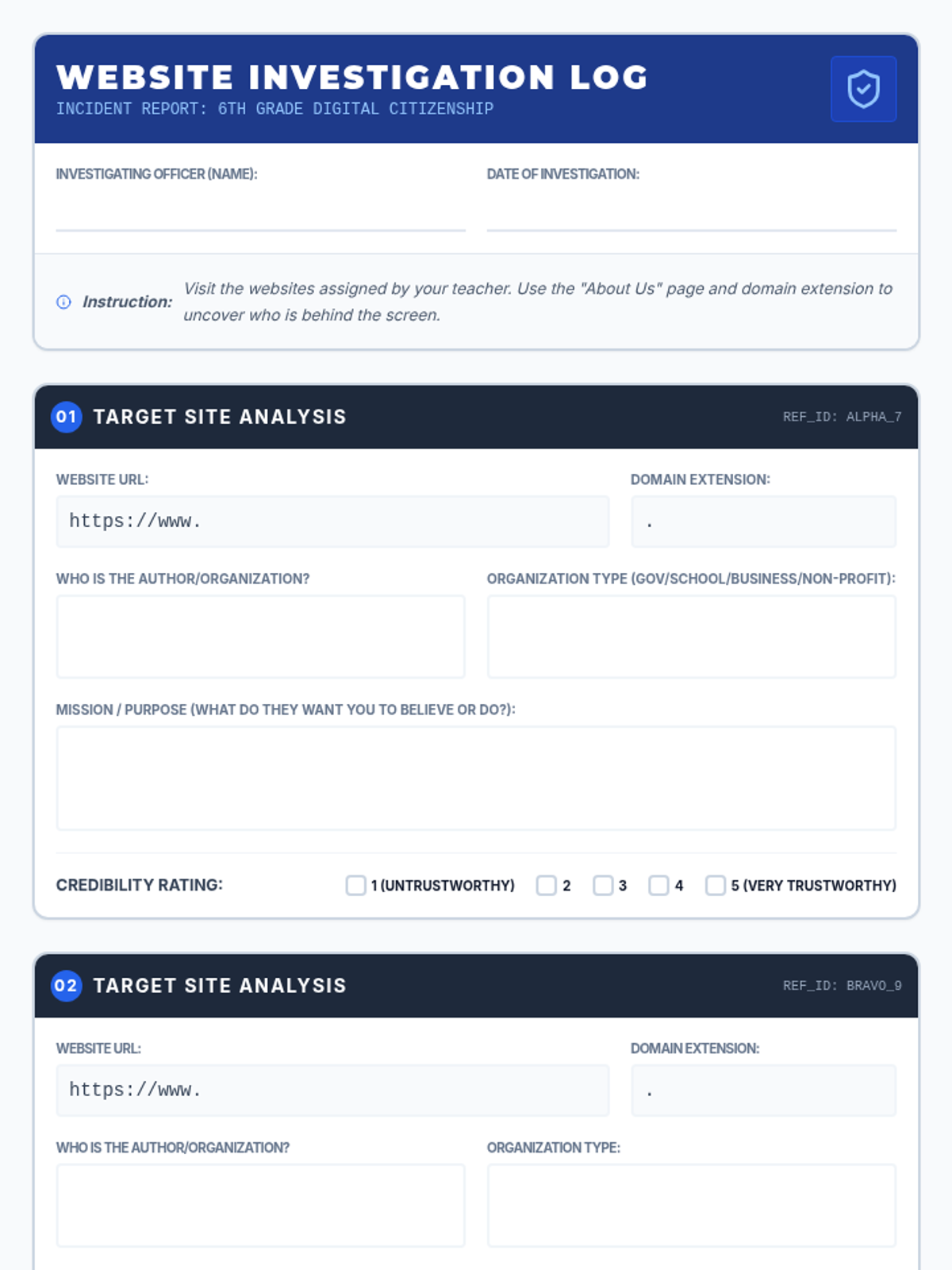
Students become digital detectives as they learn to peel back the layers of websites, analyzing domain extensions and "About Us" pages to determine who is providing information and whether they can be trusted.
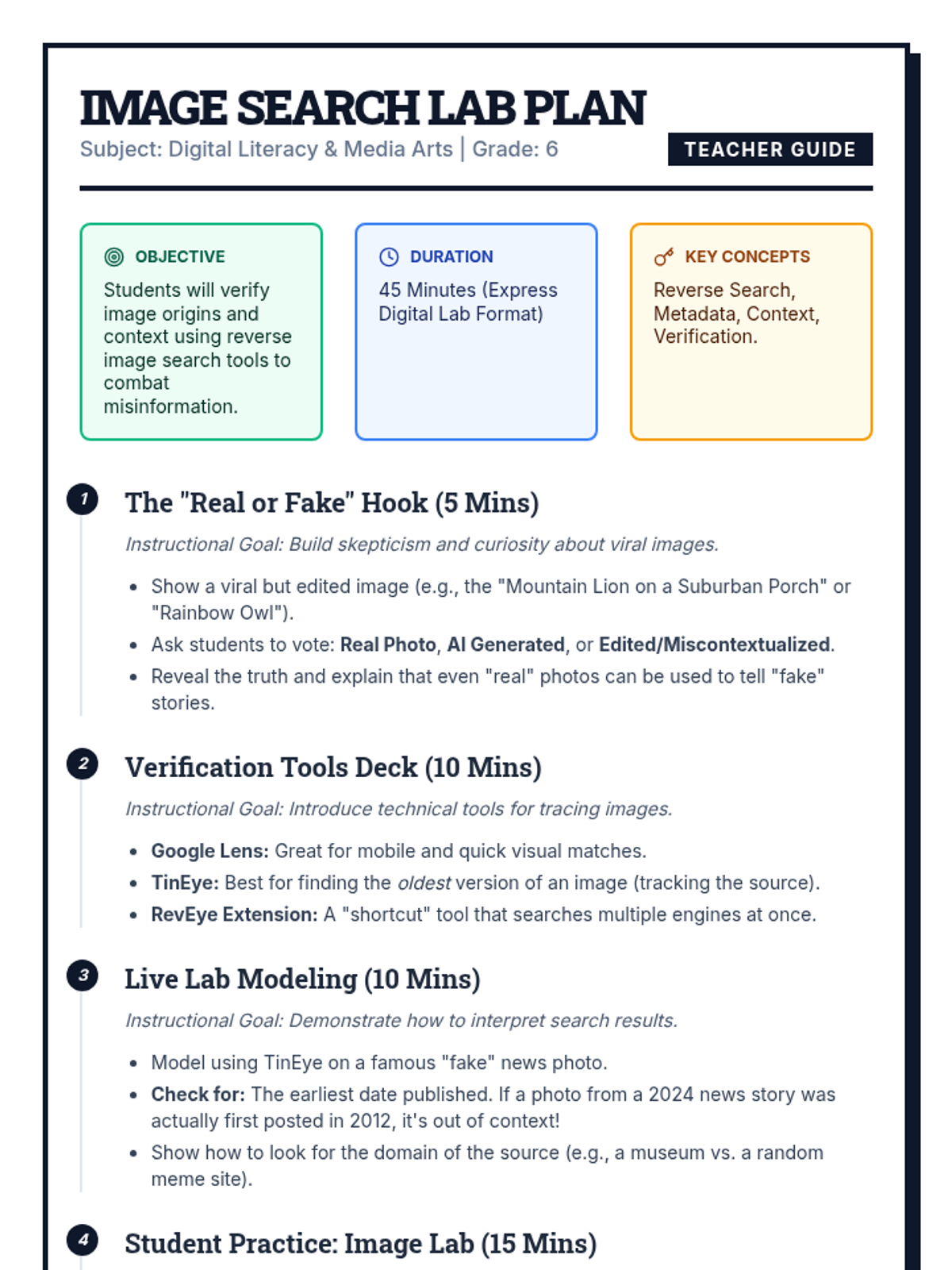
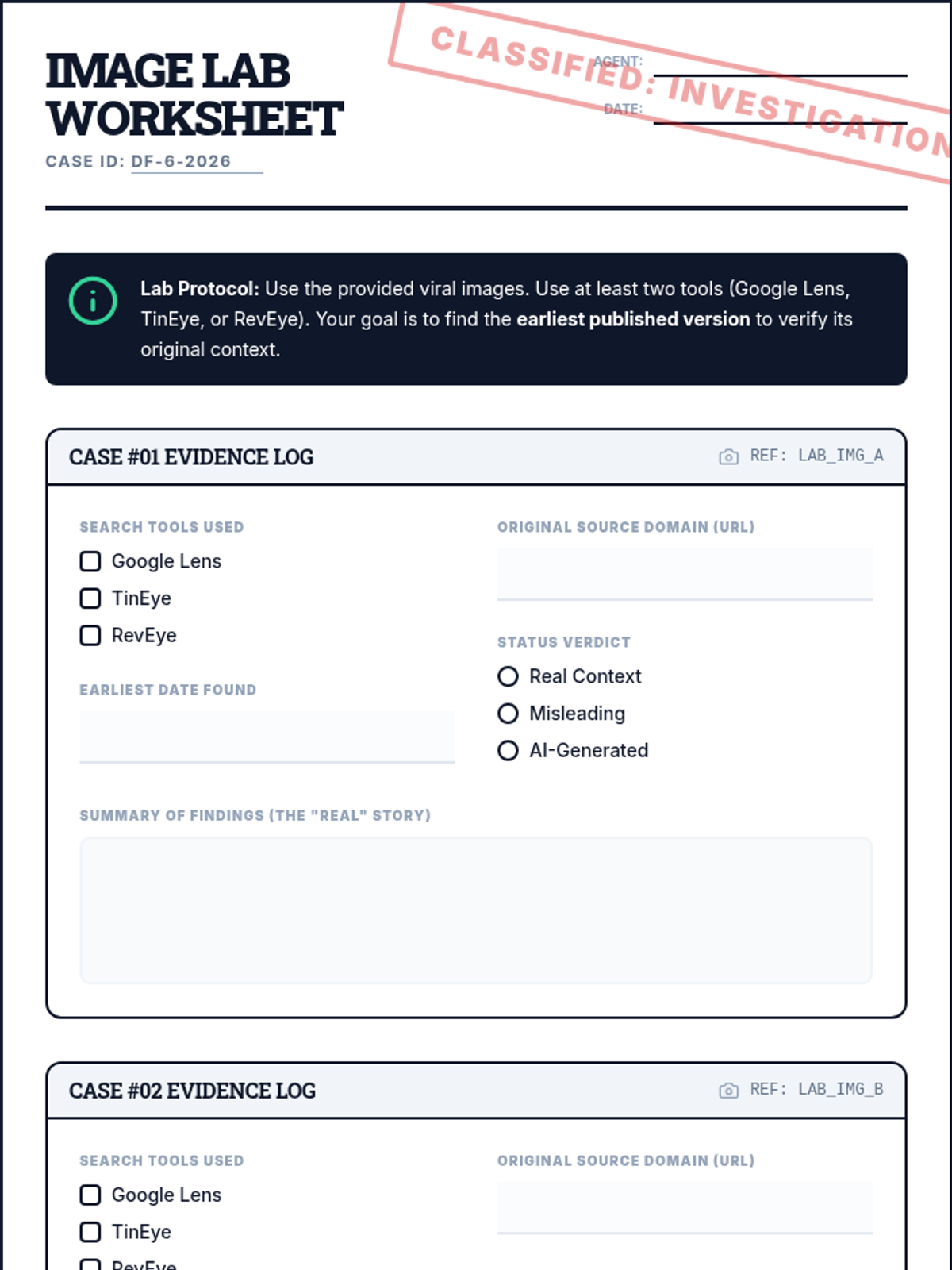
A 45-minute digital forensics lesson where 6th-grade students learn to use reverse image search tools to verify the authenticity and context of viral images. Students act as 'Image Detectives' to uncover the true origins of misleading digital media.
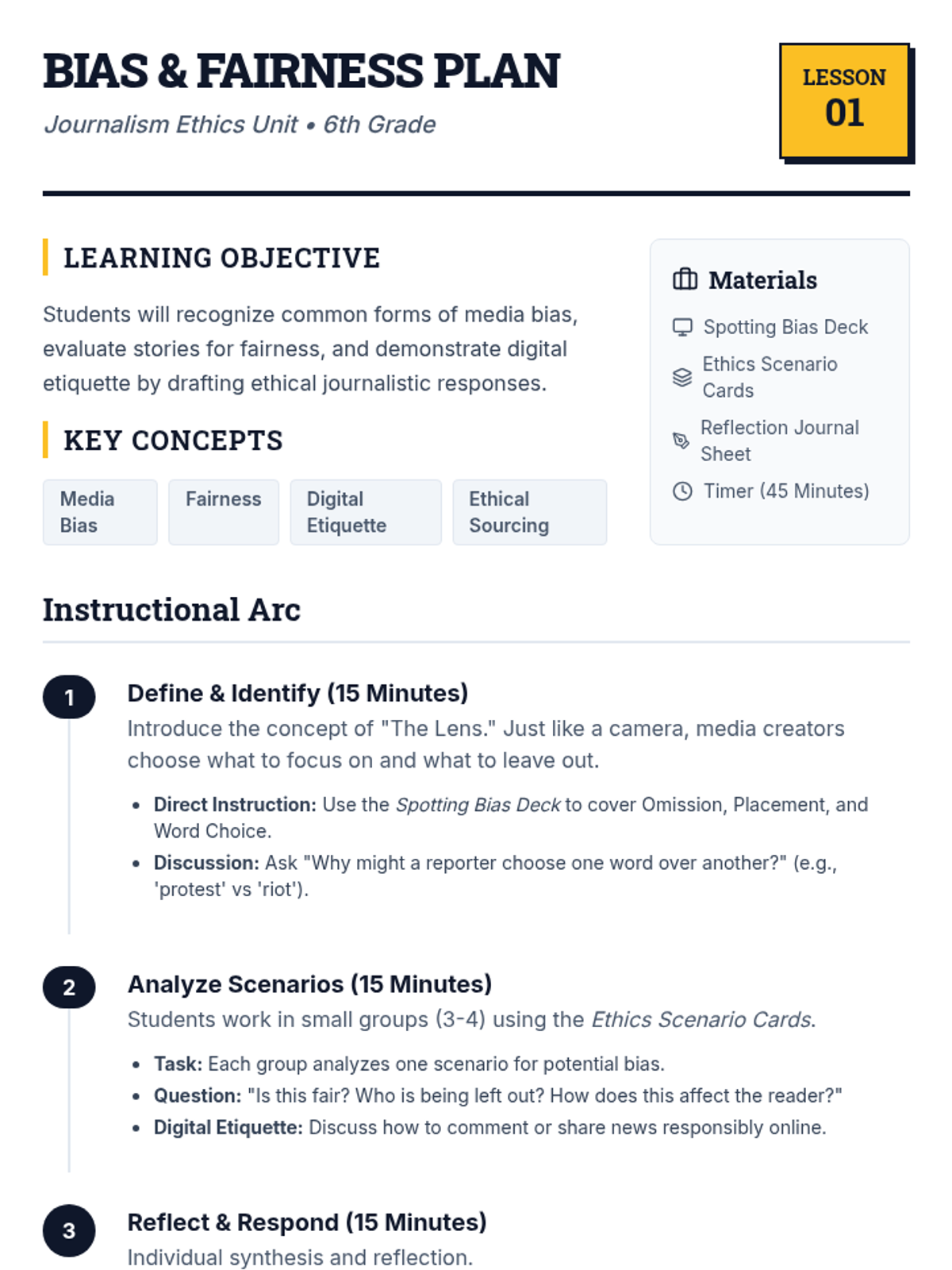
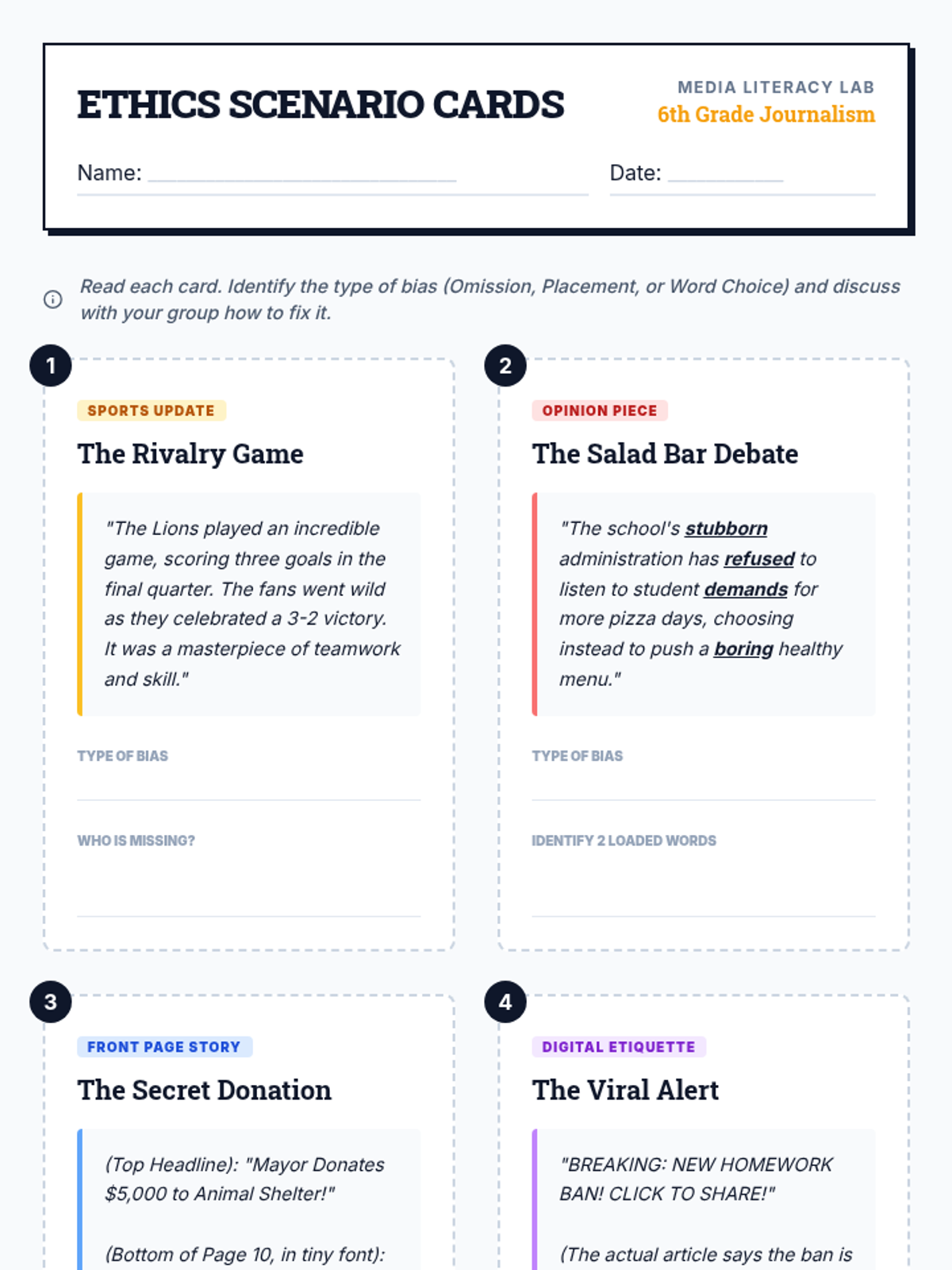
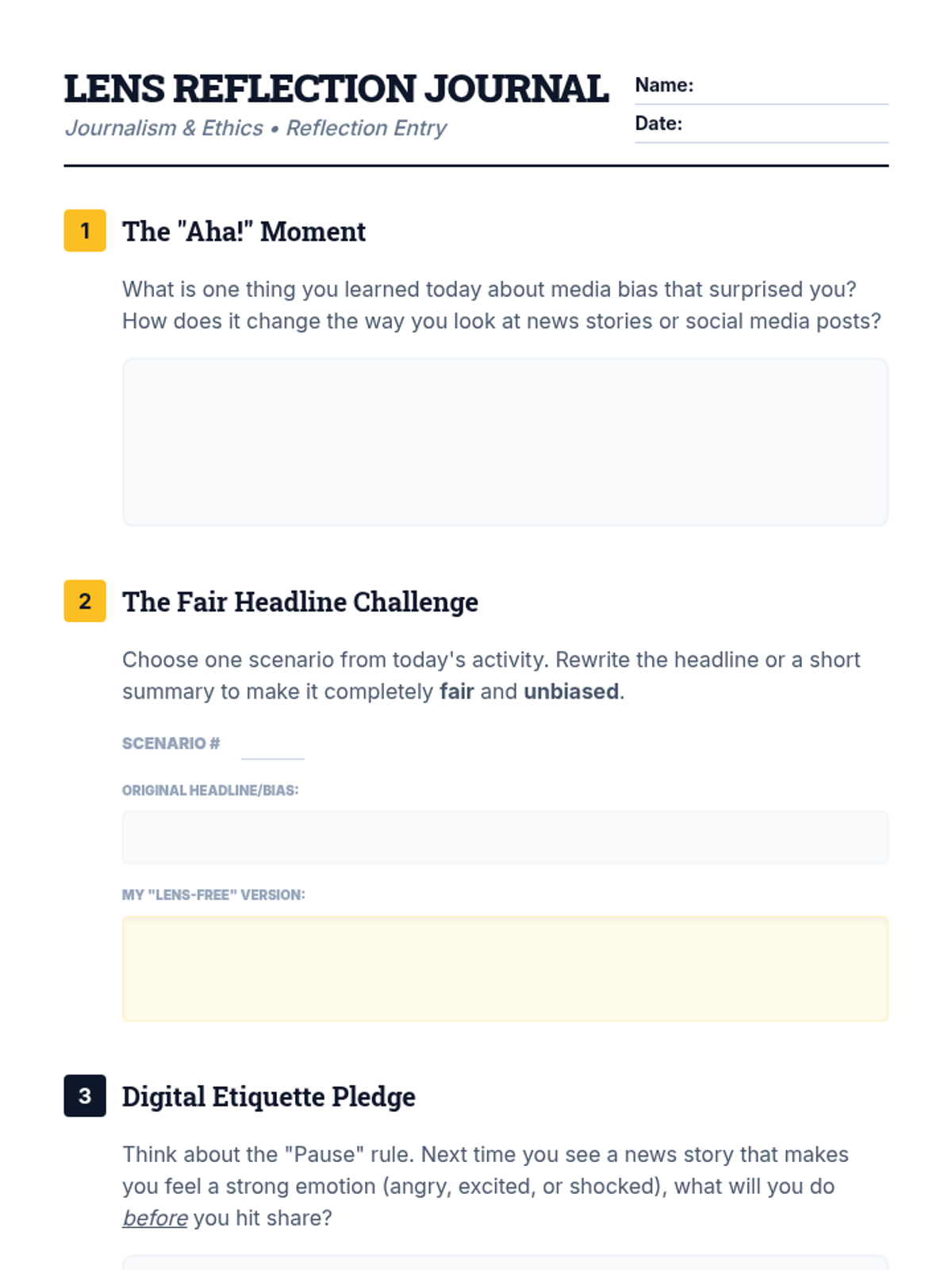
A 45-minute lesson for 6th graders to identify media bias, understand fairness, and practice digital etiquette in journalism. students analyze real-world scenarios and reflect on ethical communication.
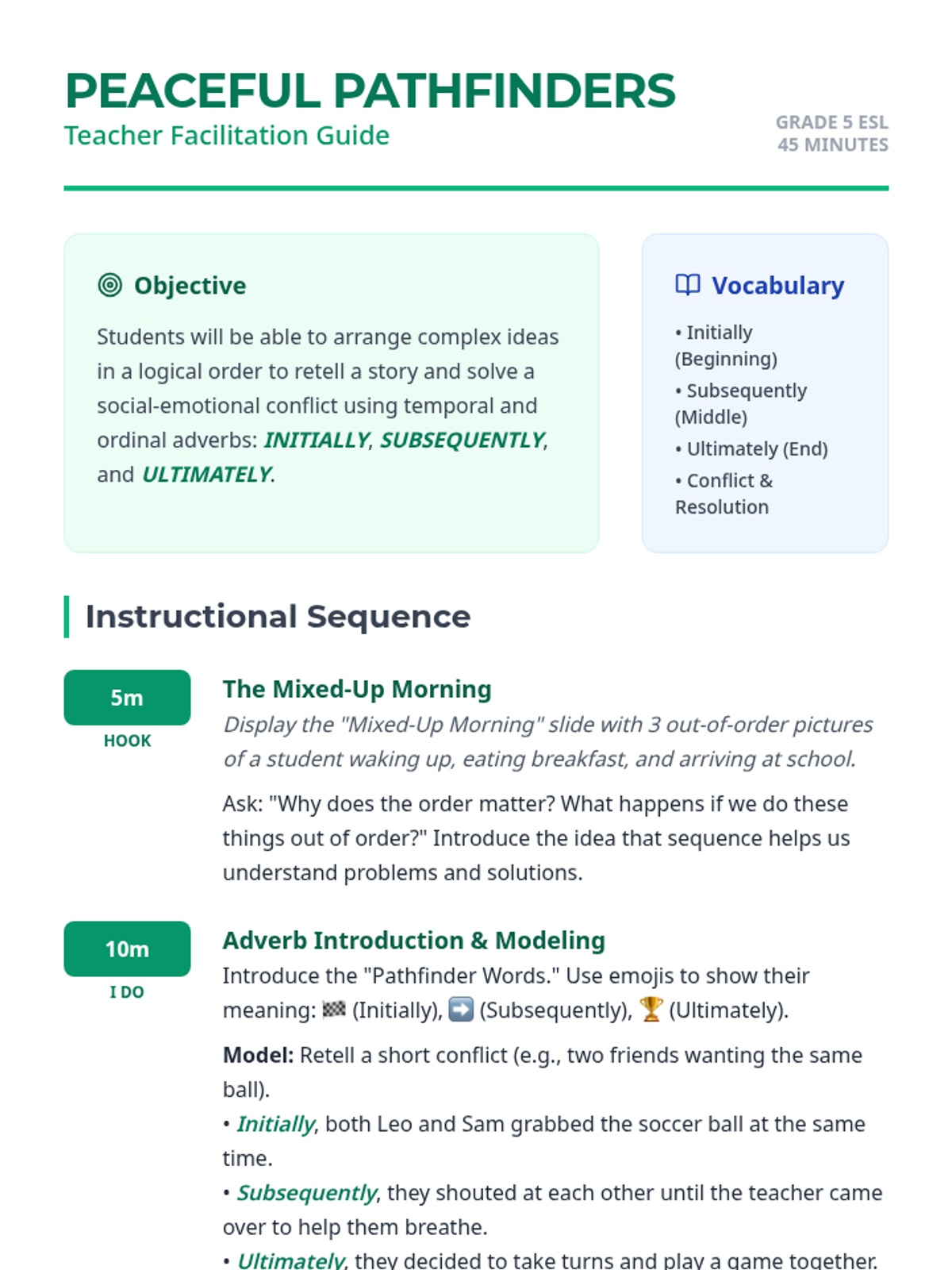
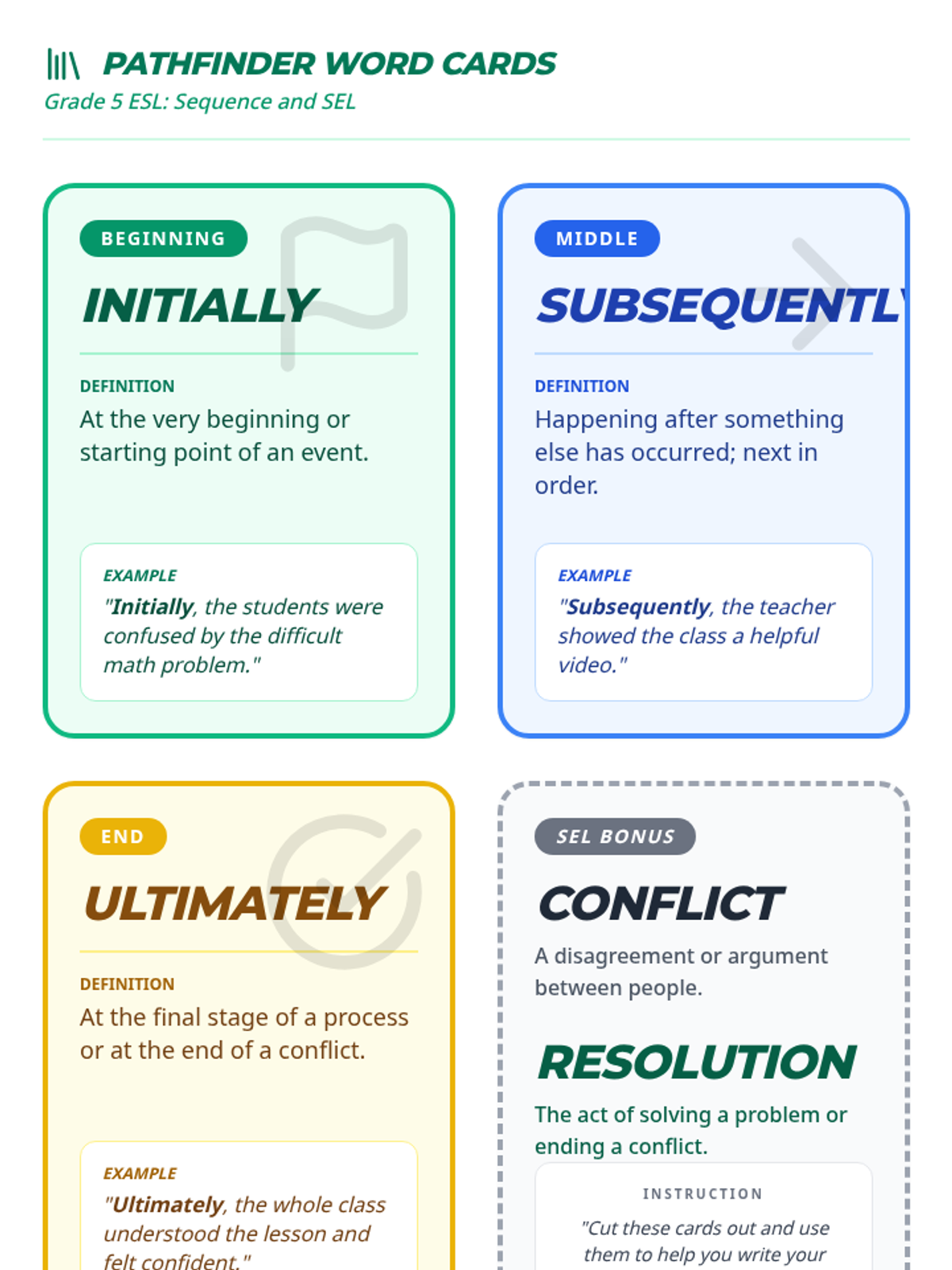
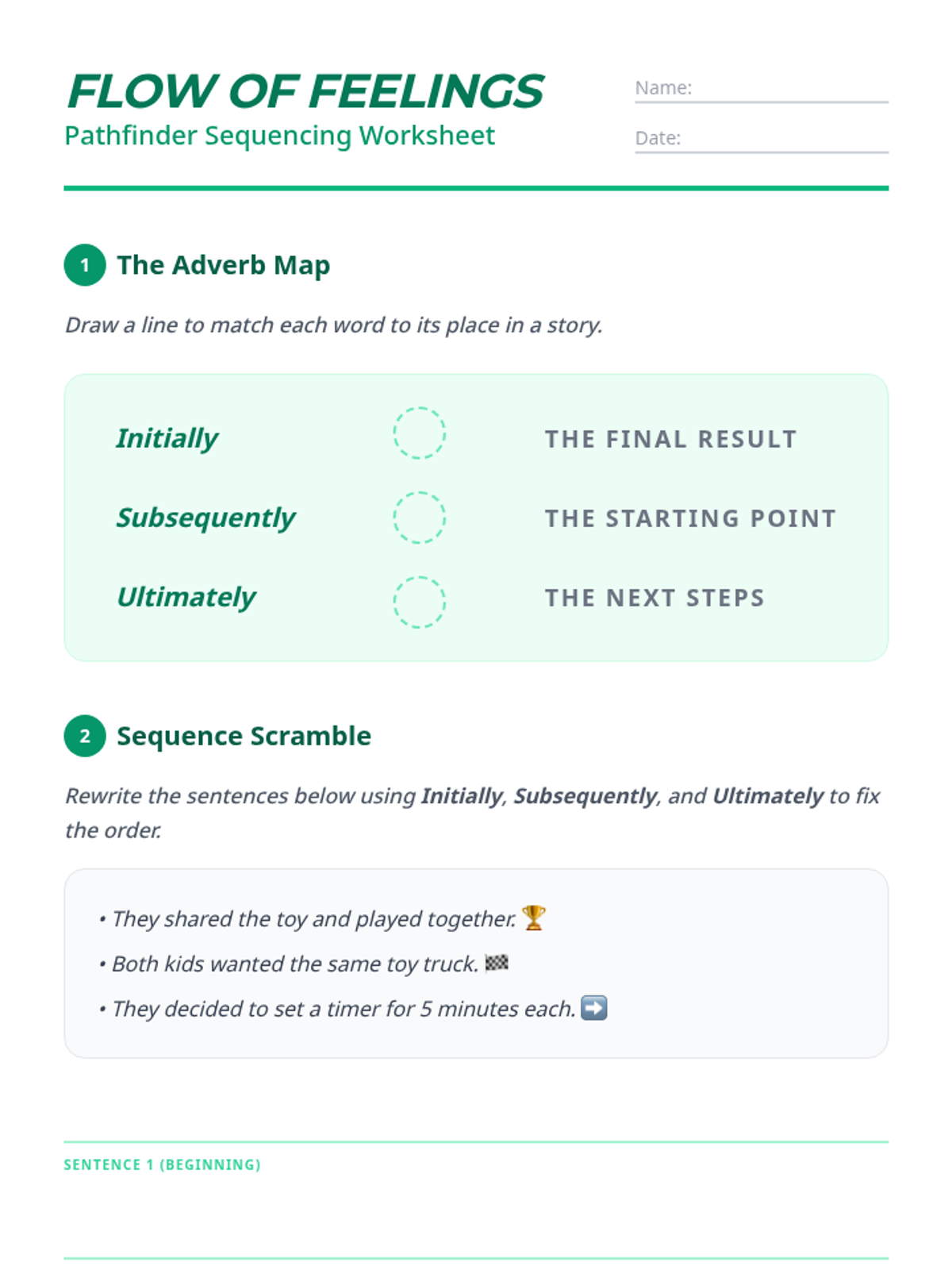
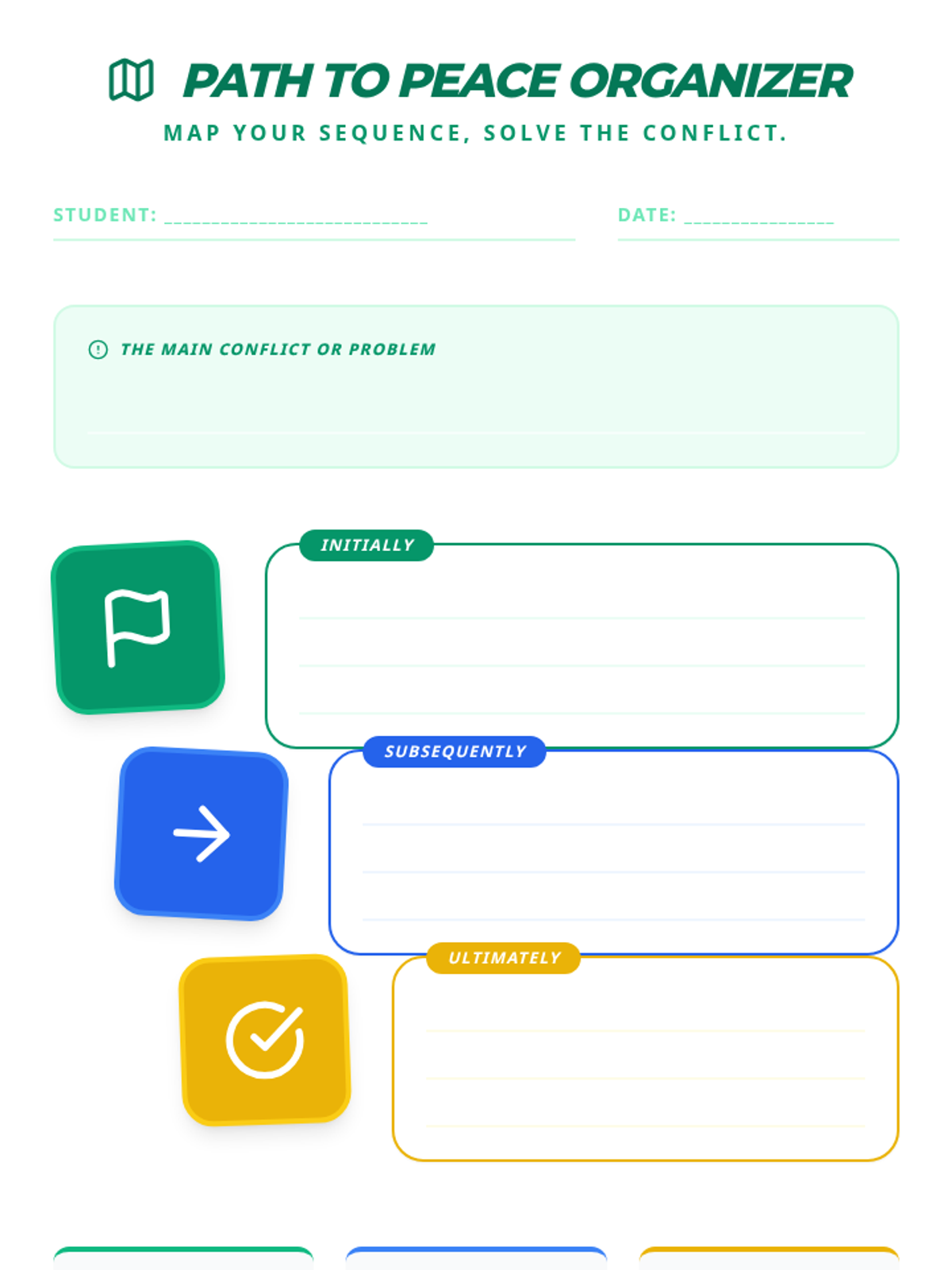
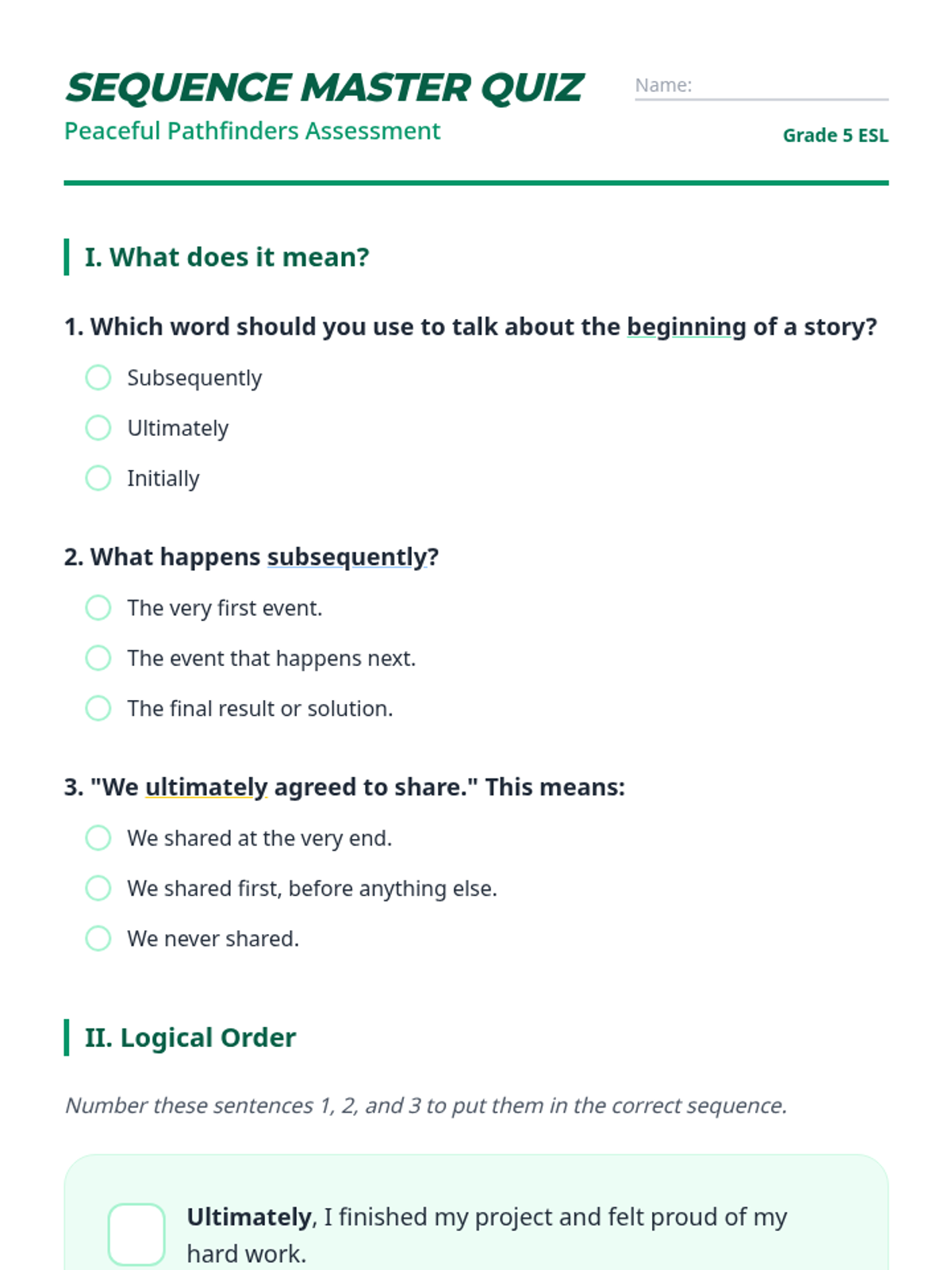
A 45-minute ESL lesson for grade 5 students focusing on using advanced temporal adverbs (initially, subsequently, ultimately) to retell stories and sequence social-emotional problem-solving steps.
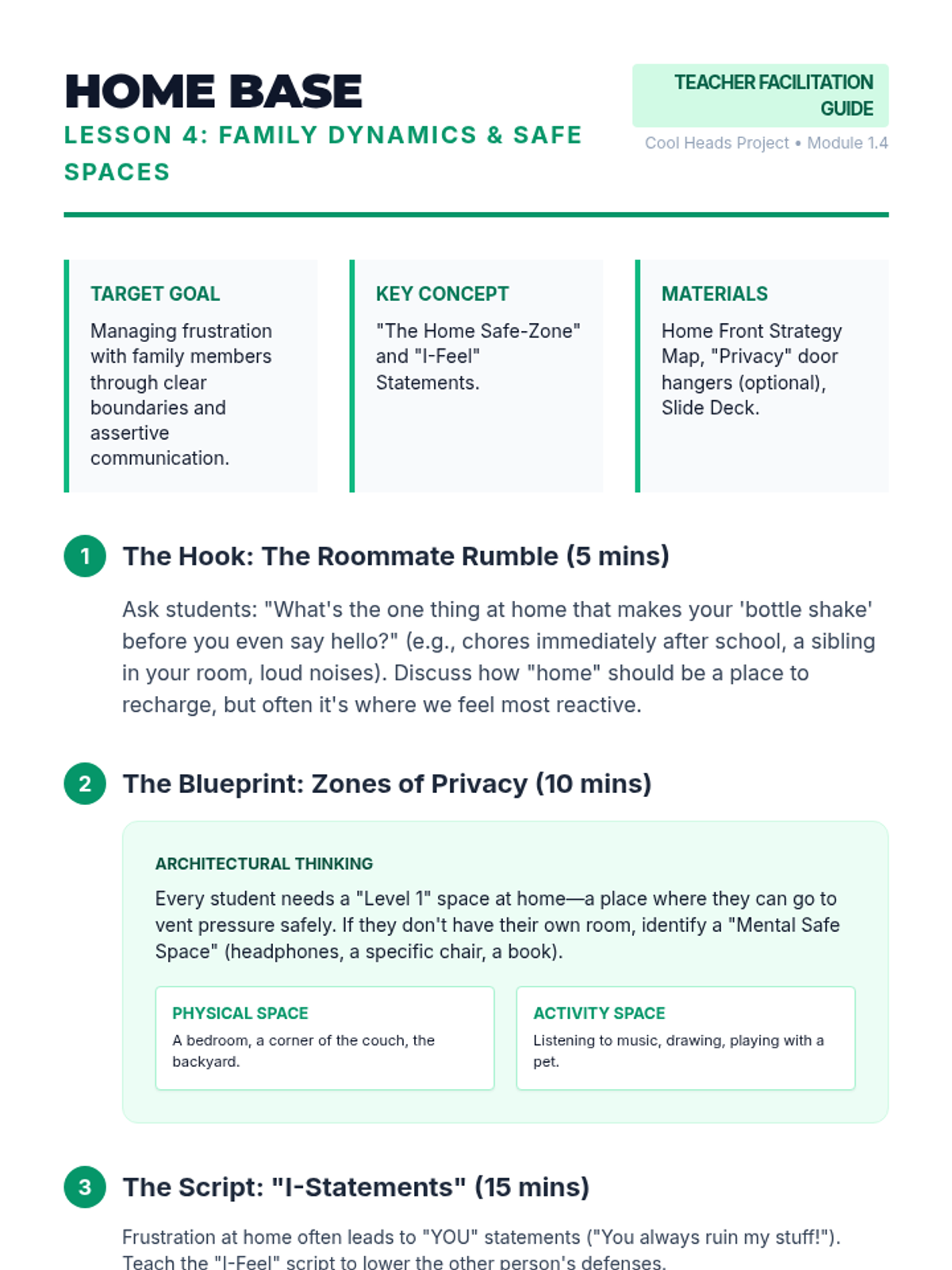
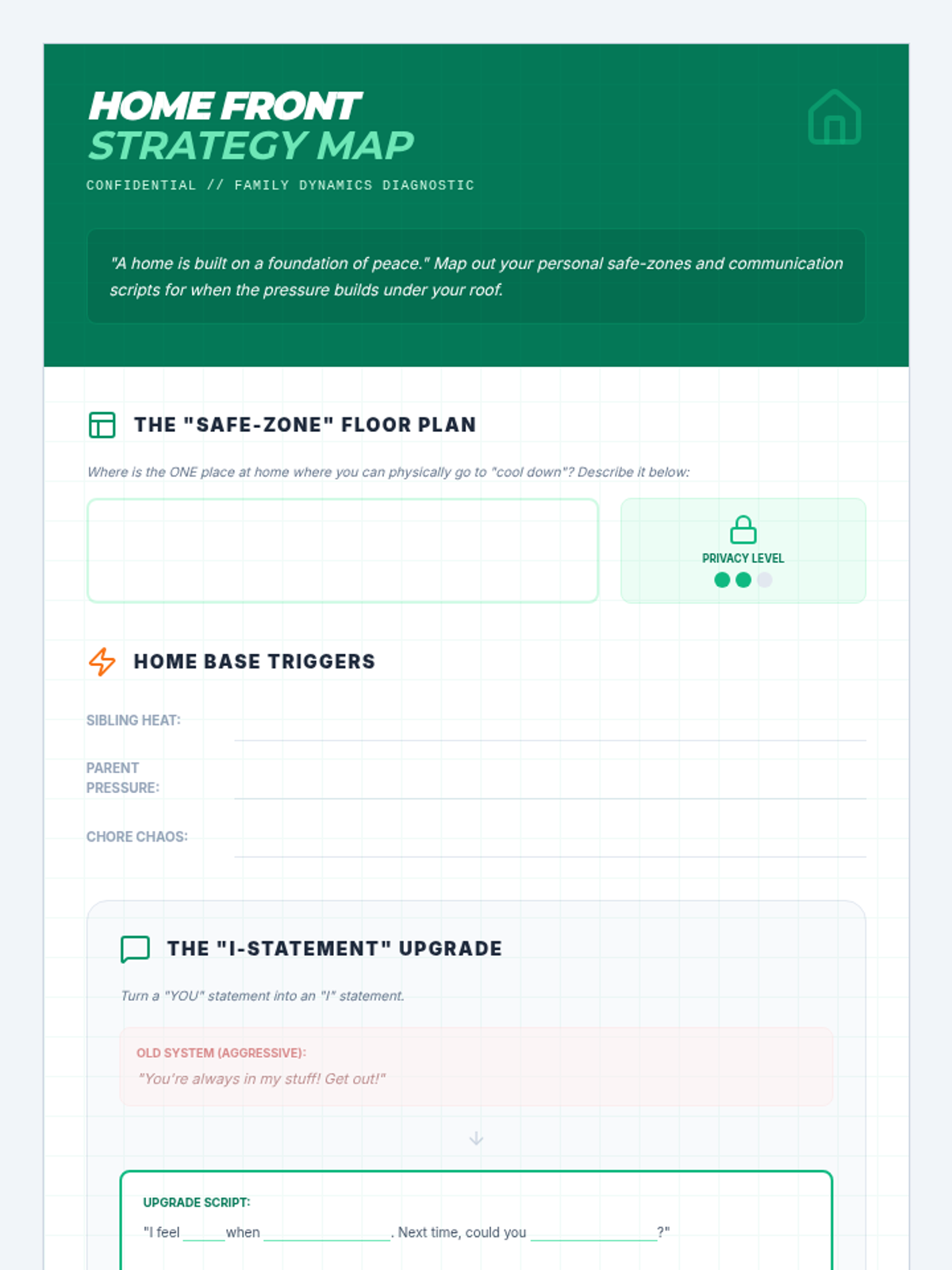
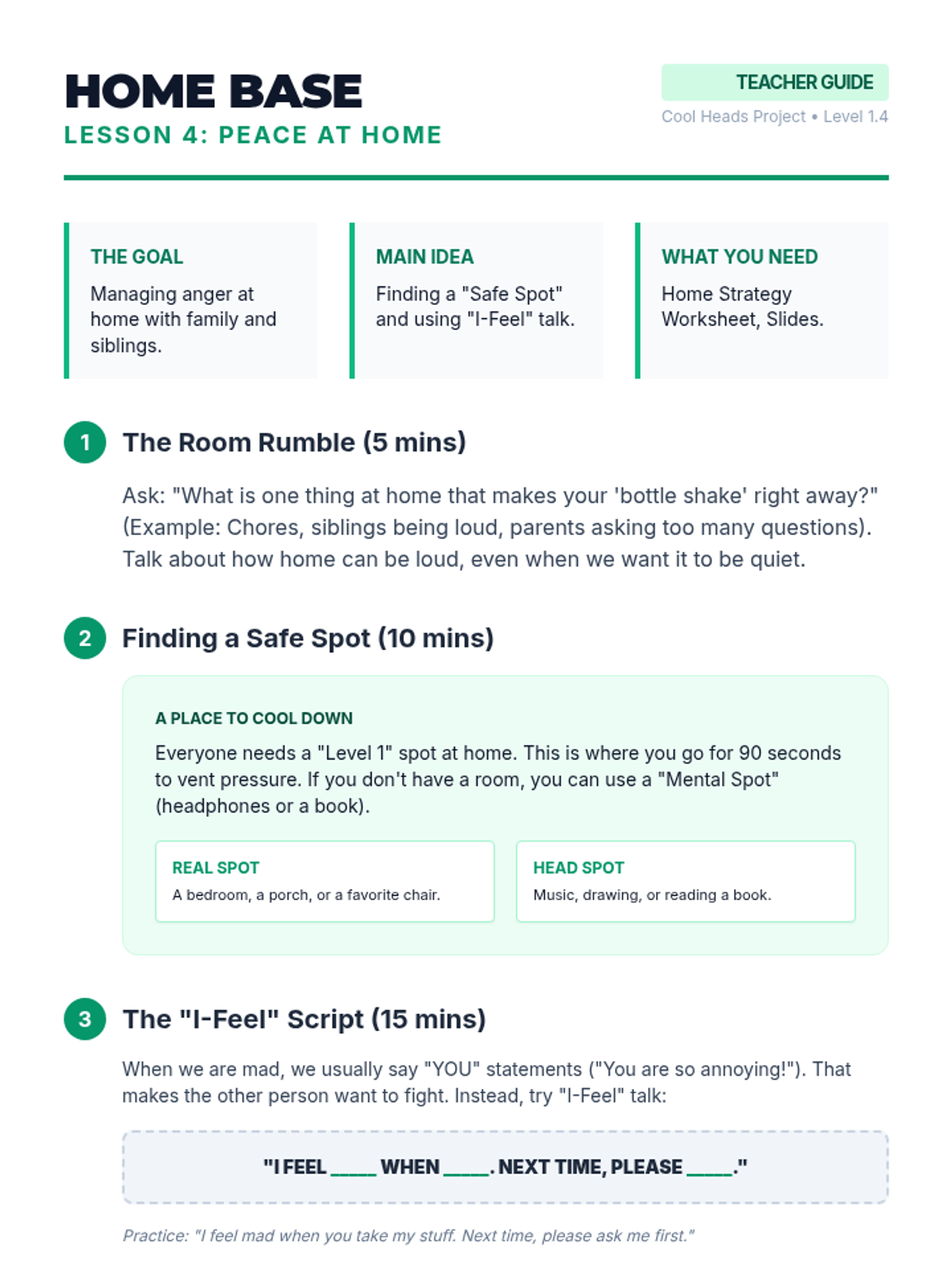
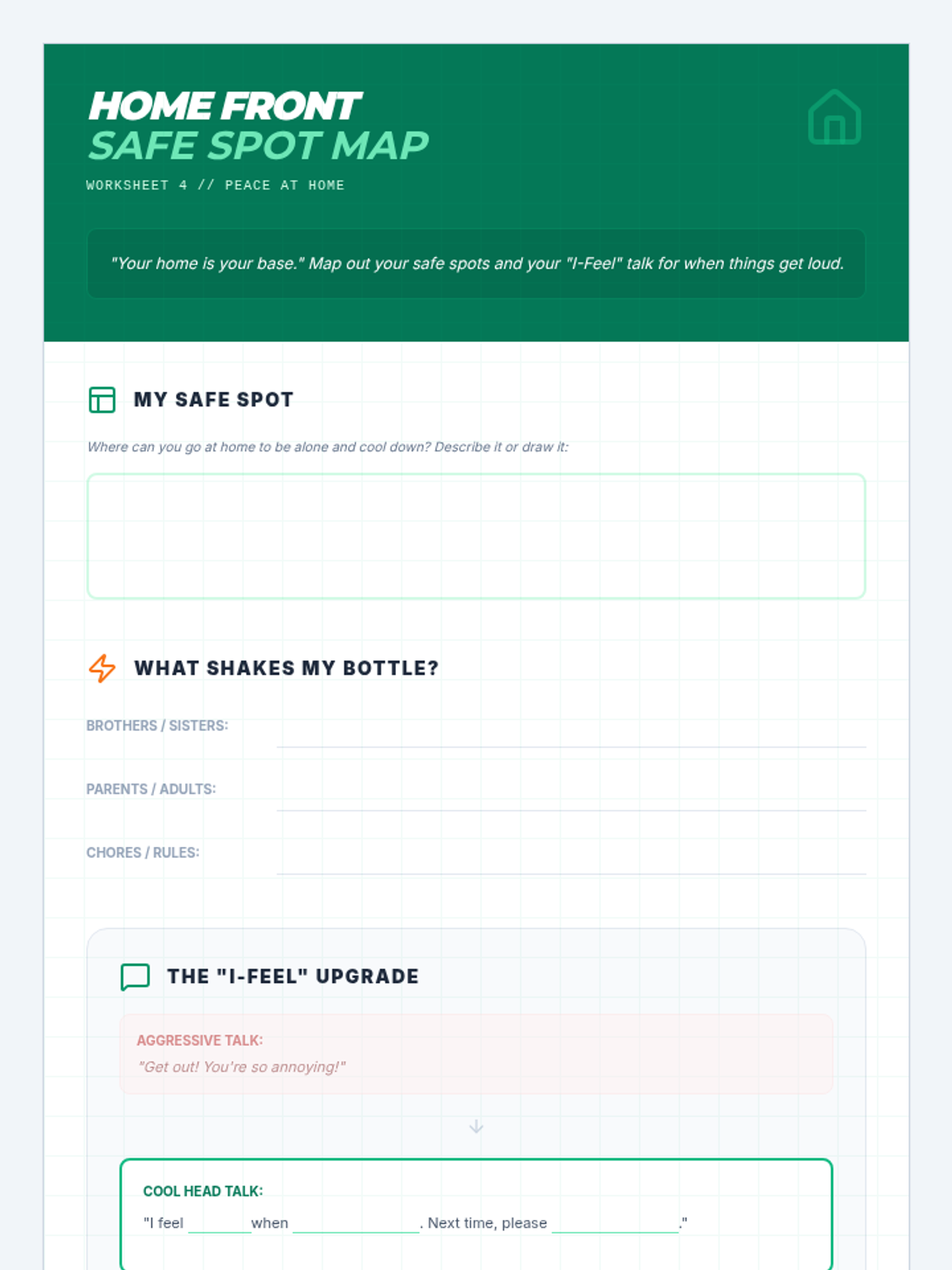
Strategies for navigating family dynamics, sibling conflicts, and home-based stressors through clear communication and personal space.
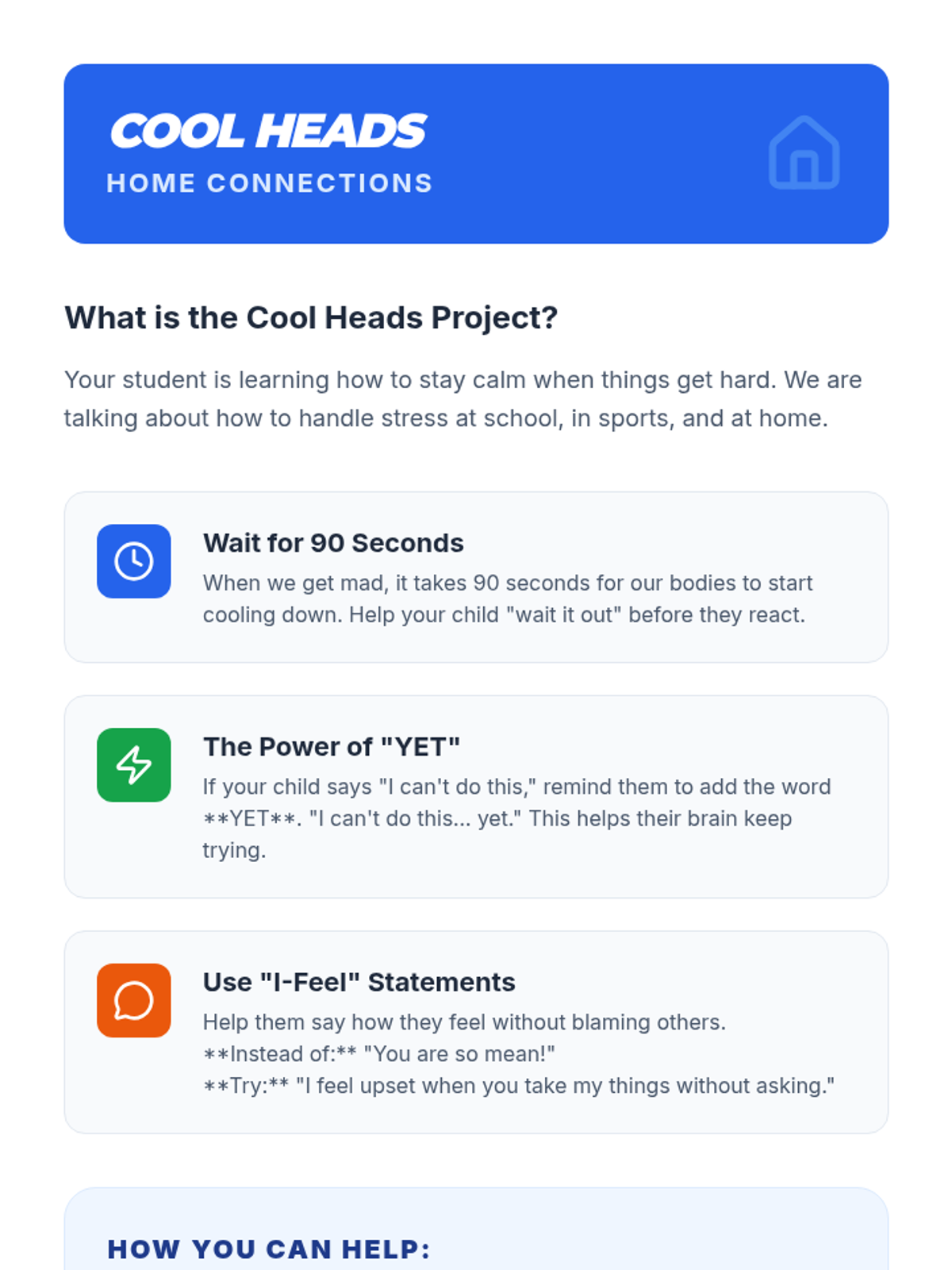
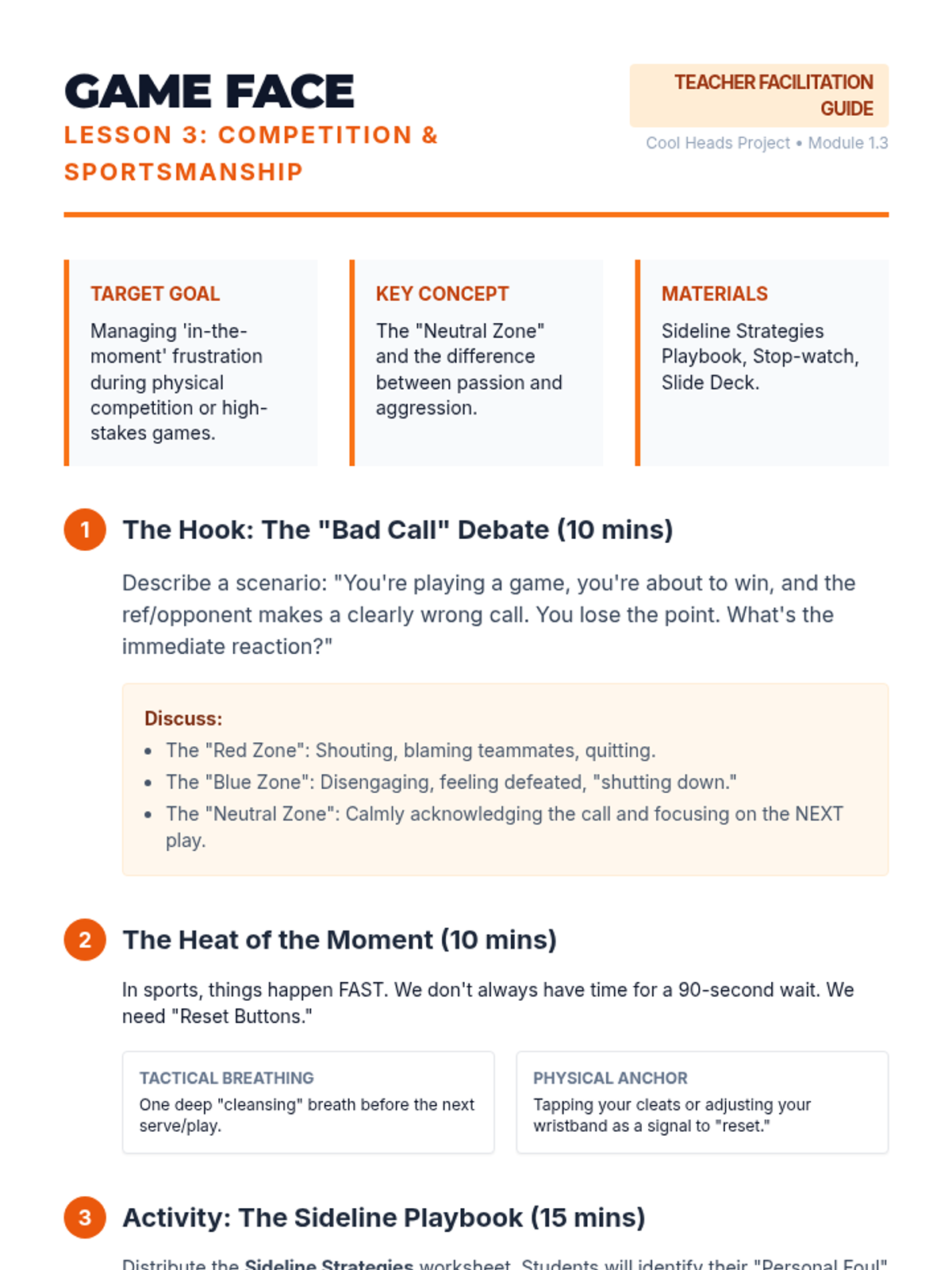
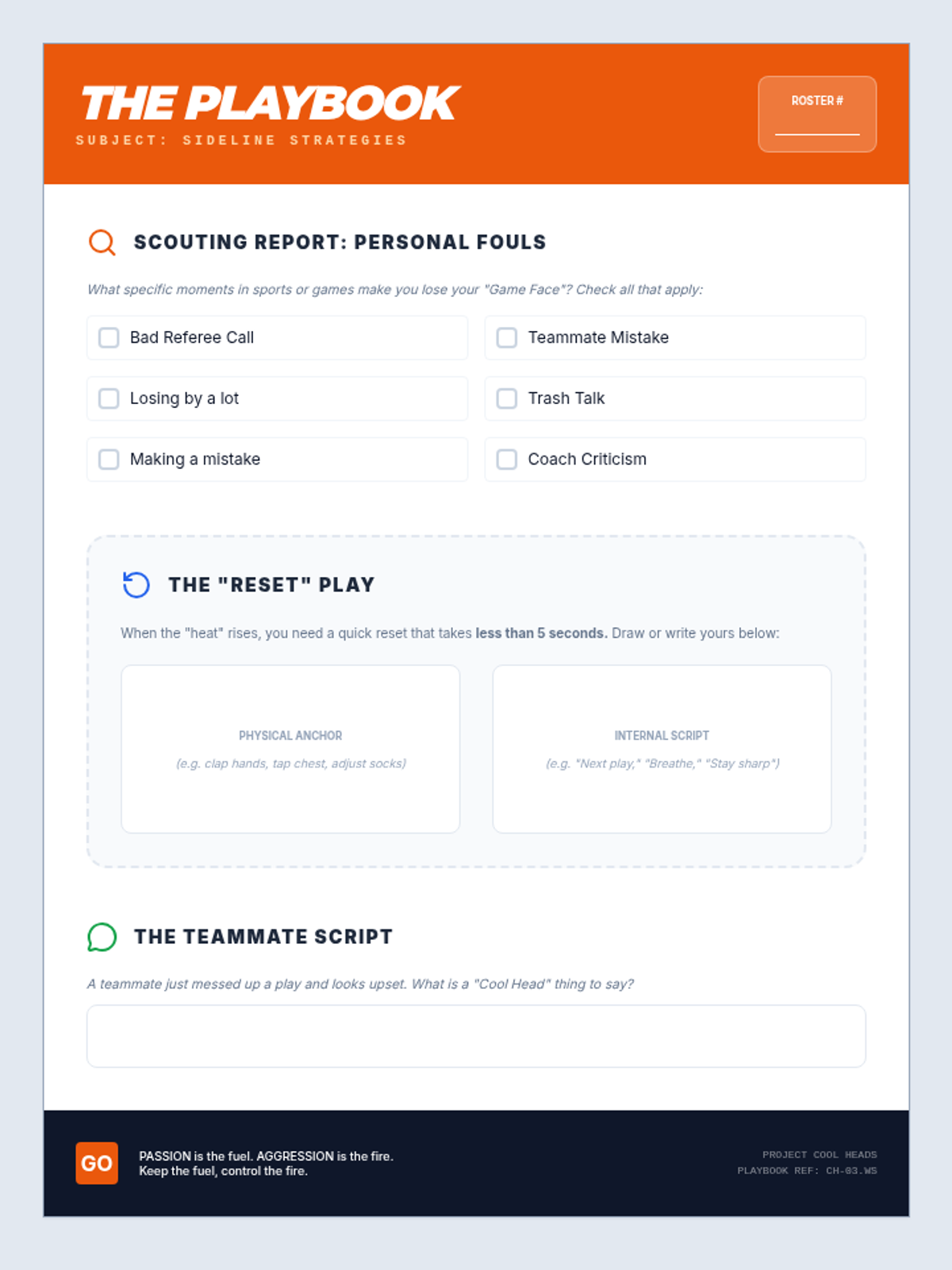
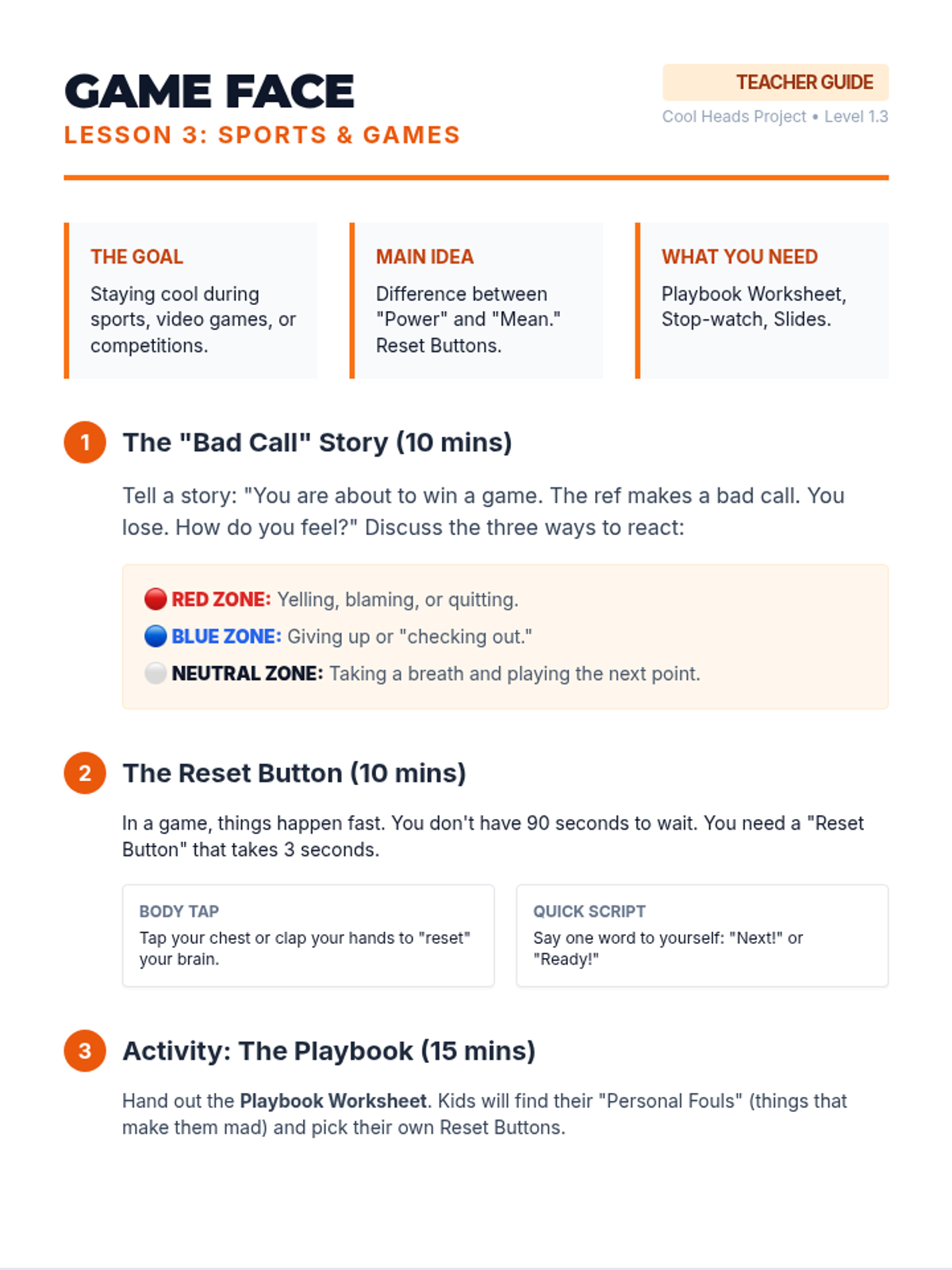
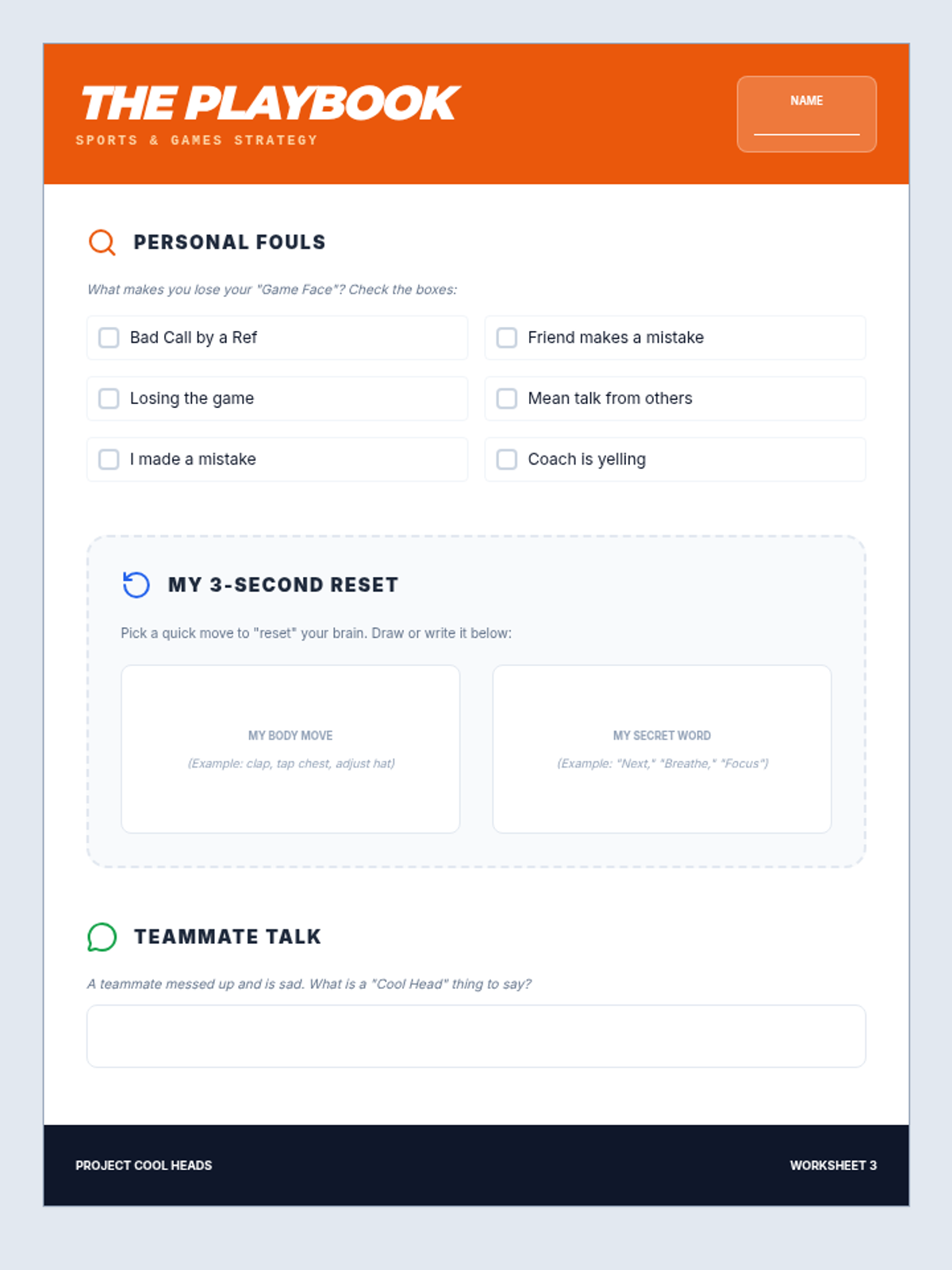
Explores the emotional ups and downs of sports and competition, teaching students how to keep their cool during wins and losses.
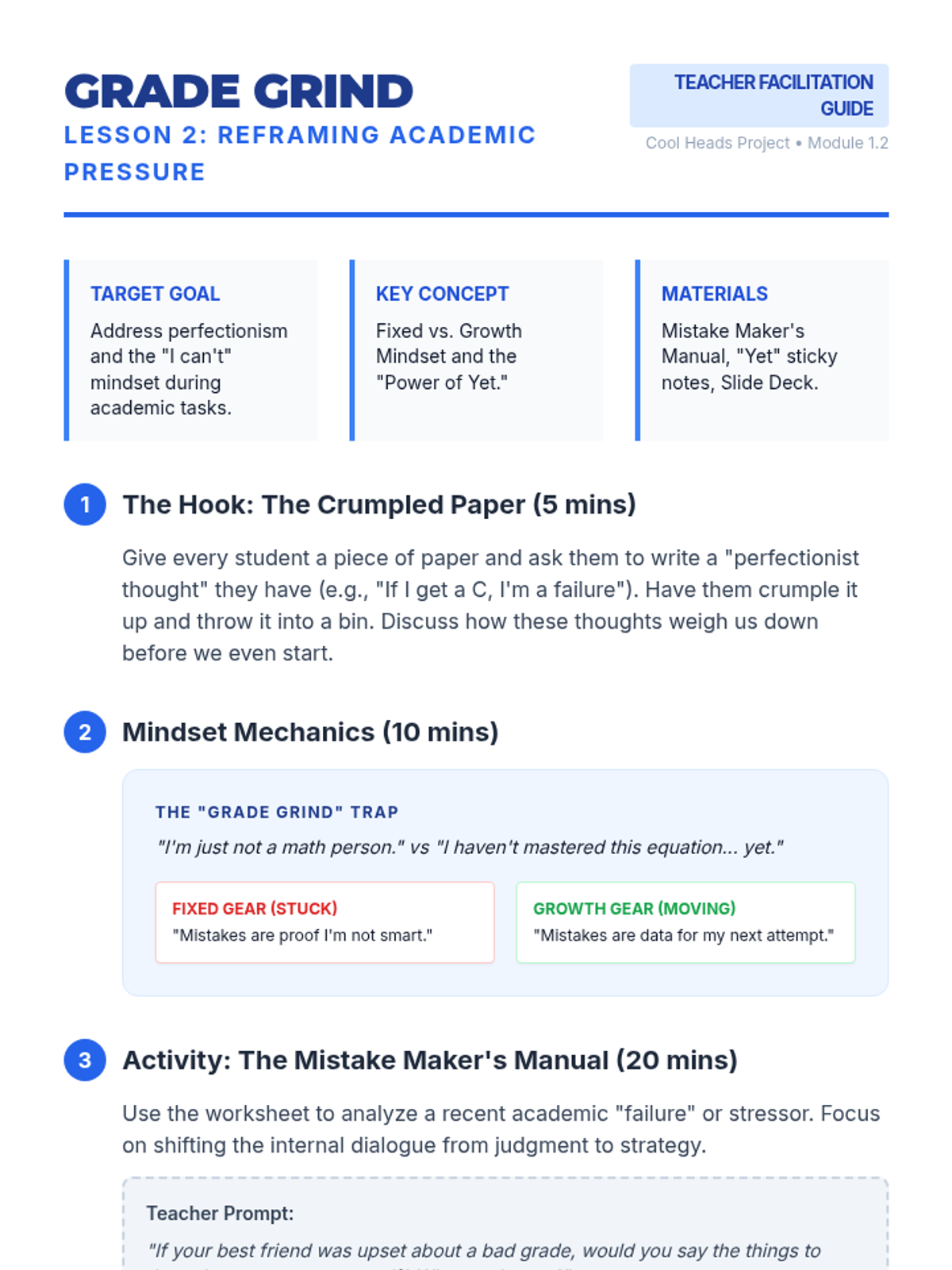
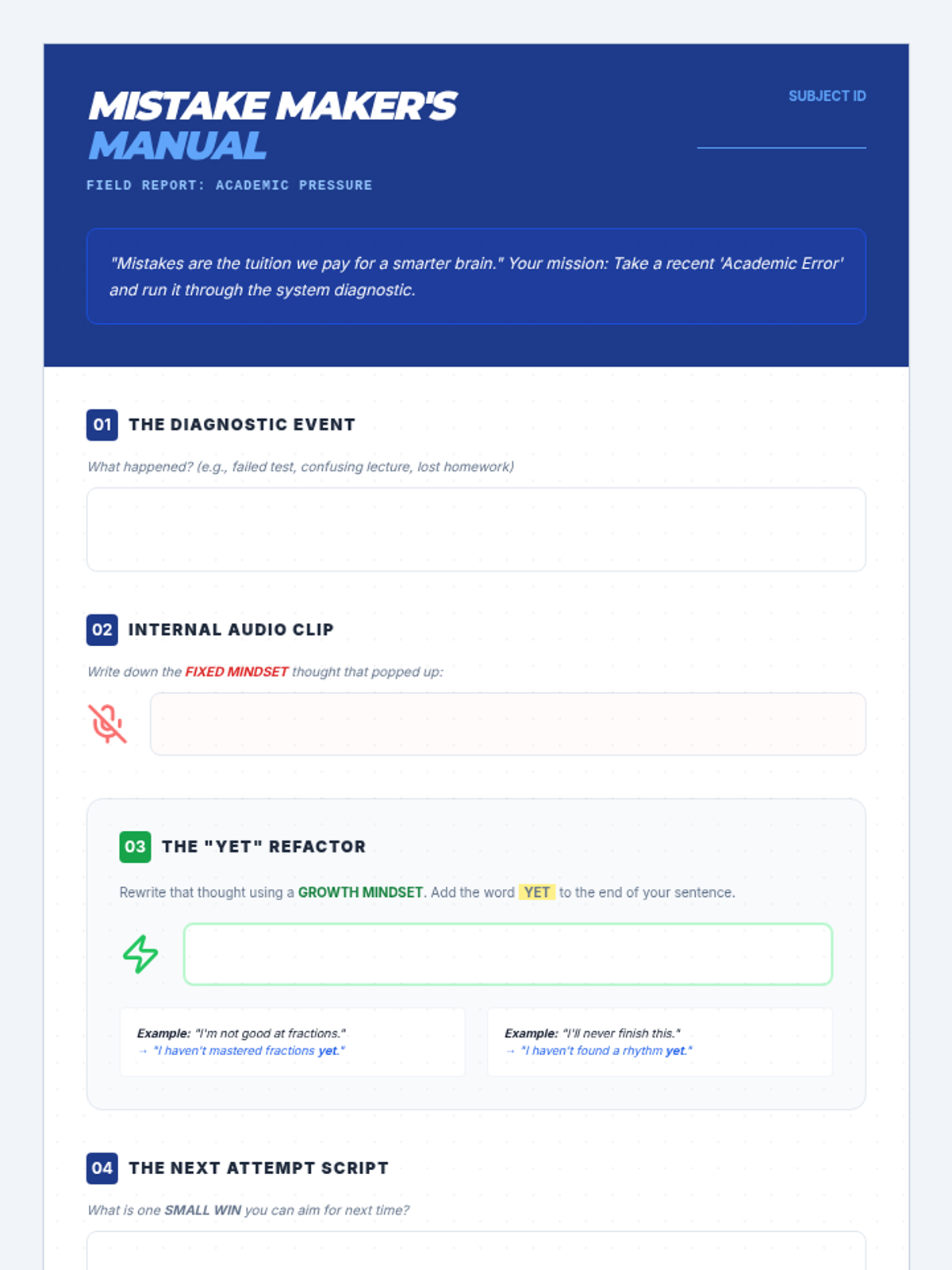
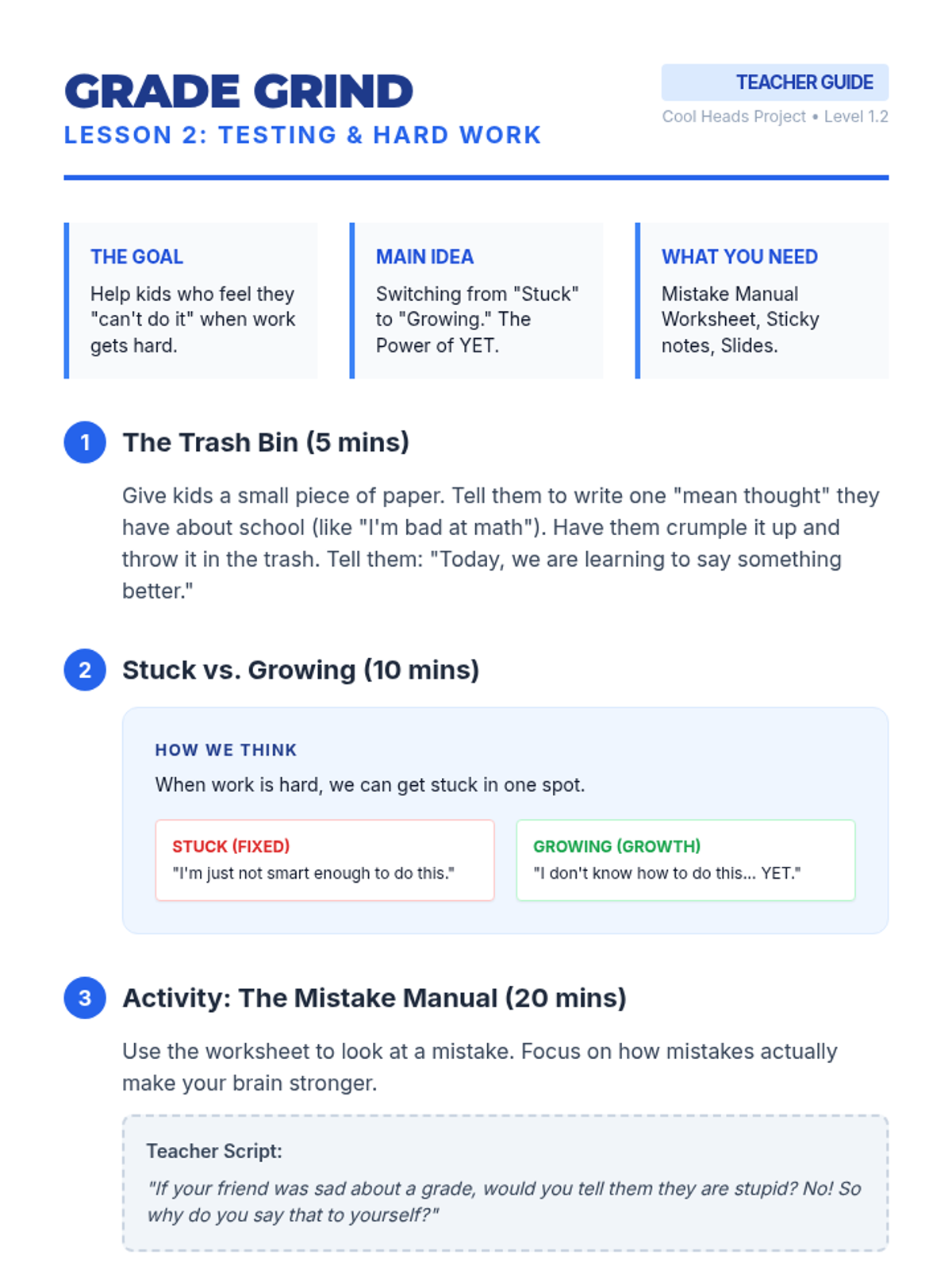
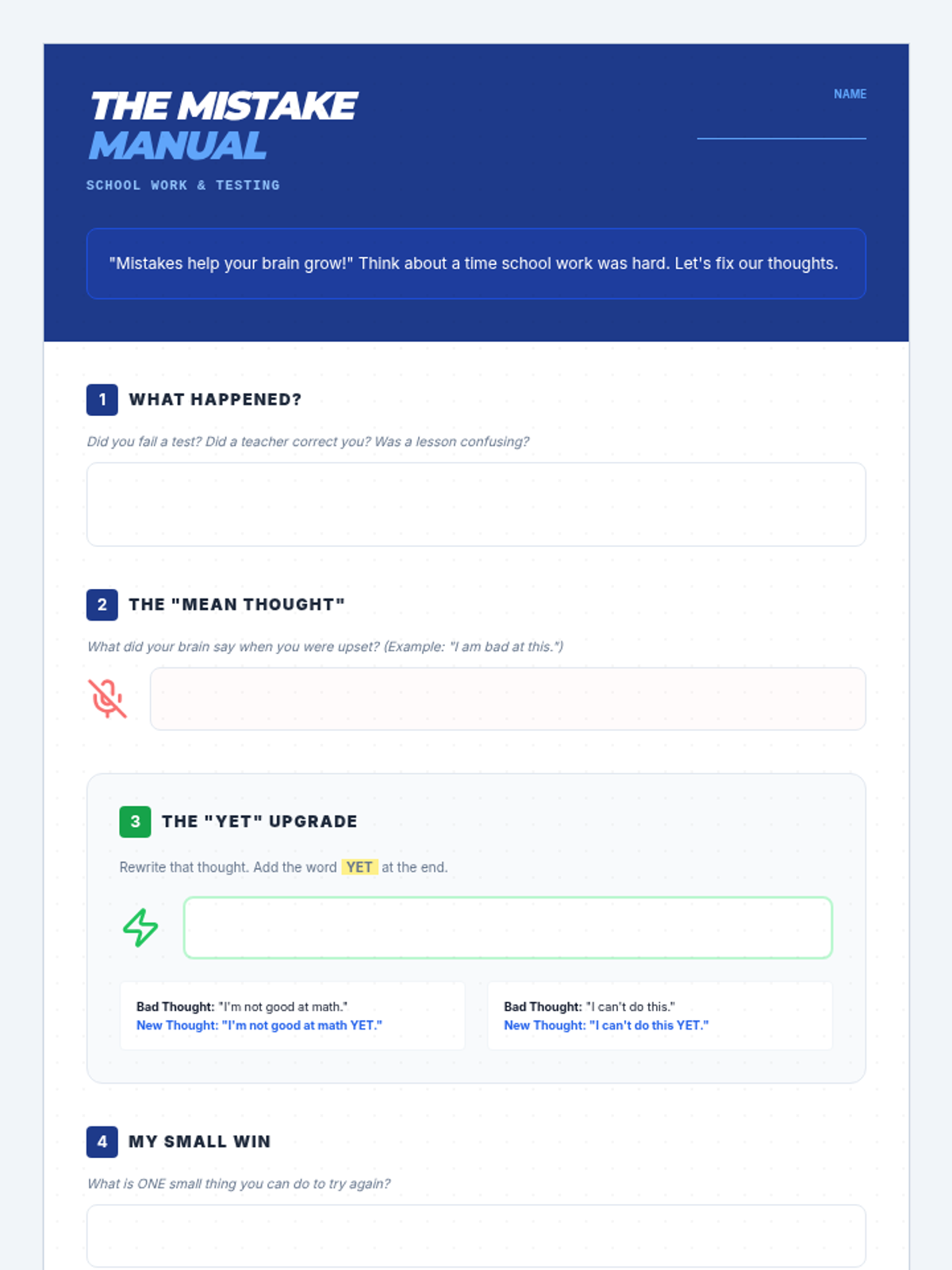
Focuses on managing the pressure of grades, tests, and academic expectations through reframing and realistic goal-setting.
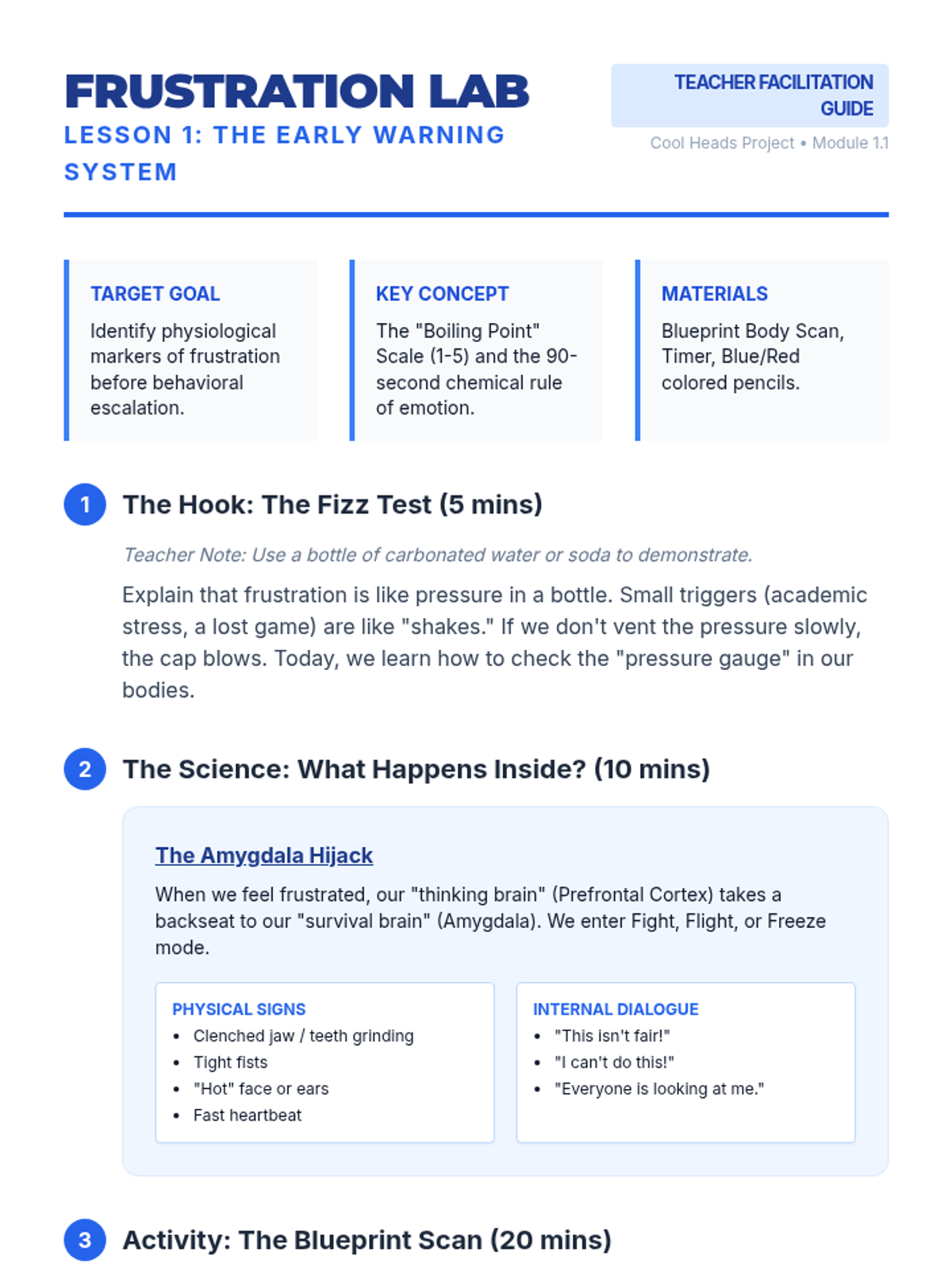
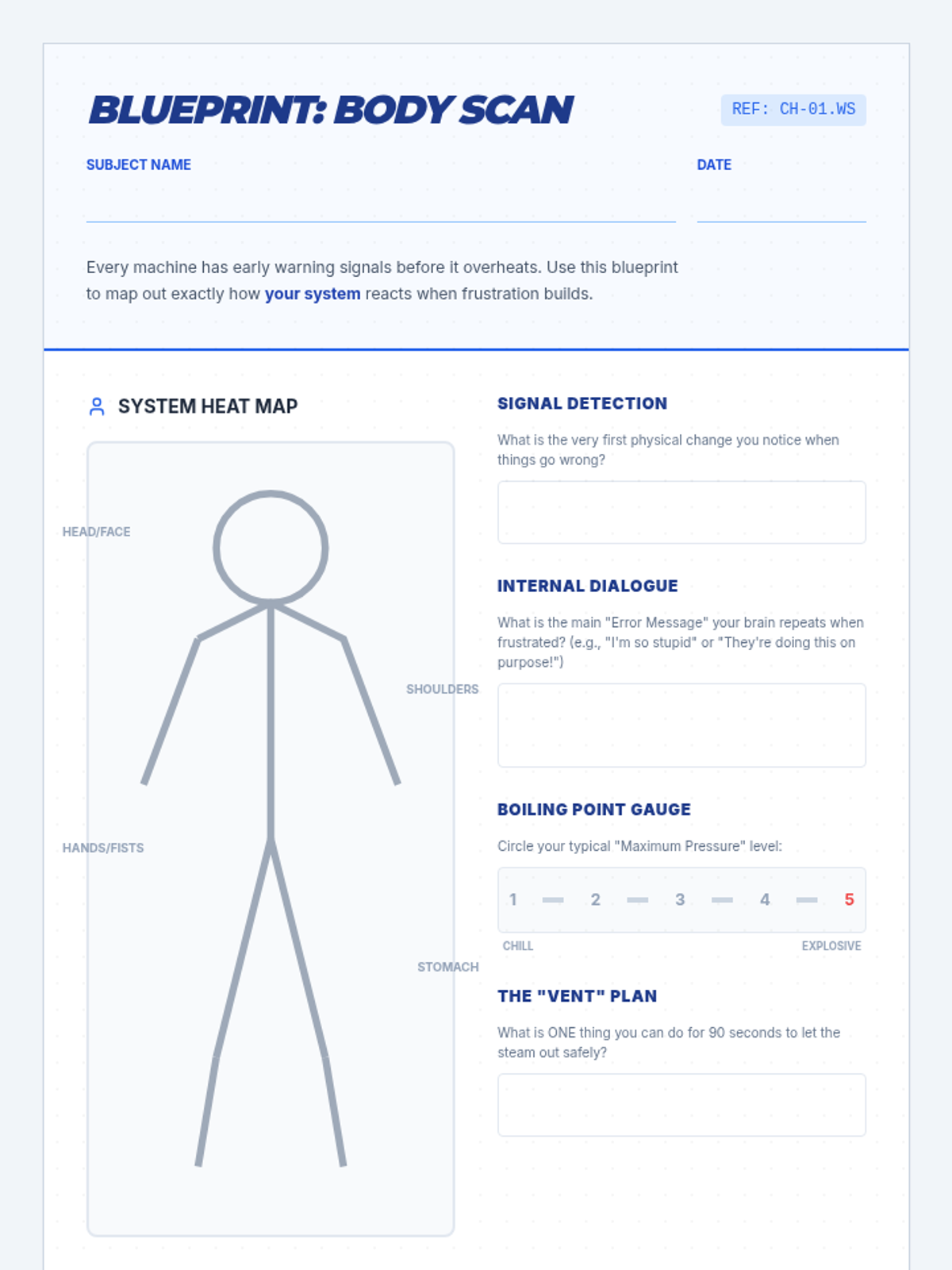
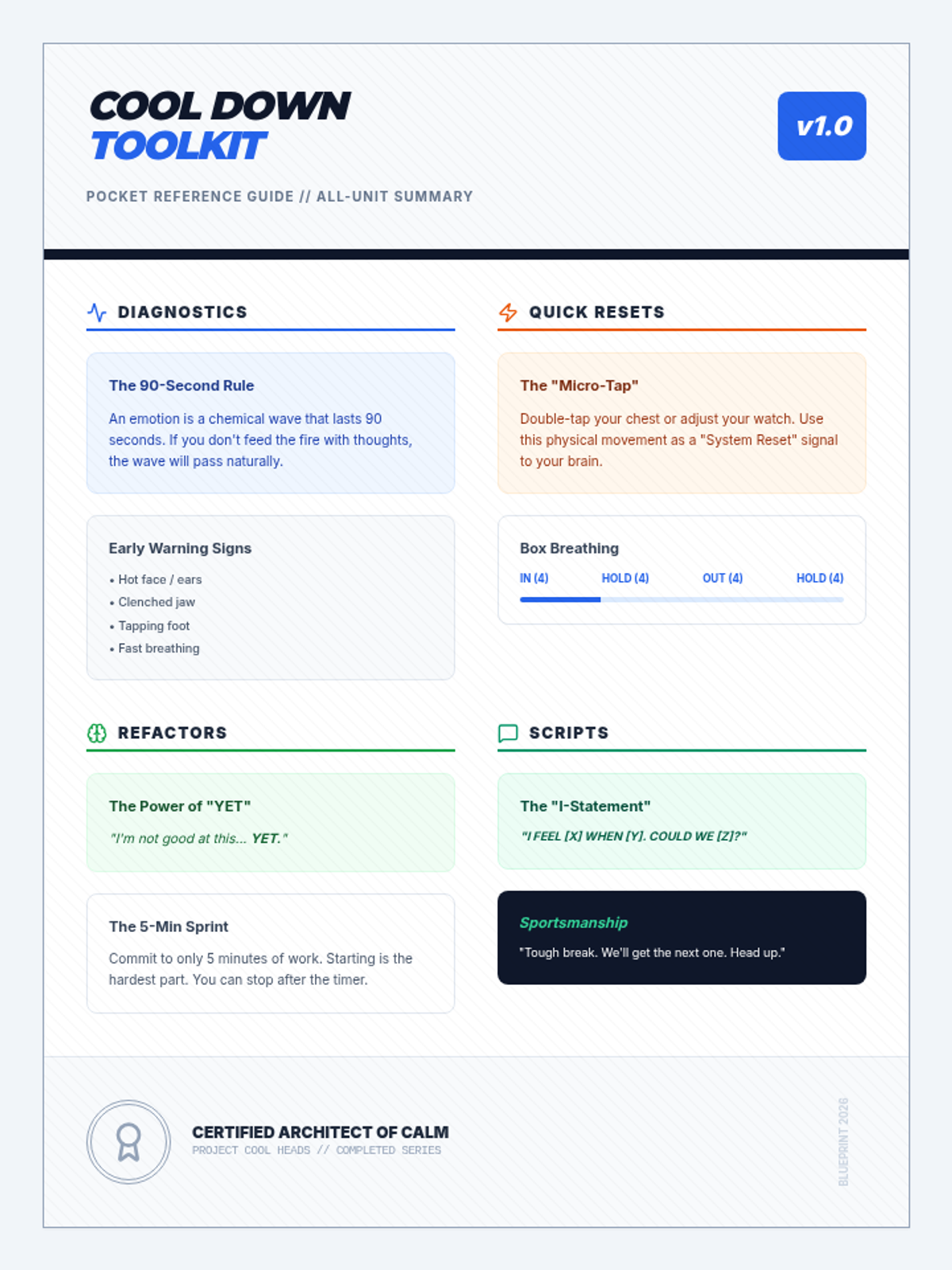
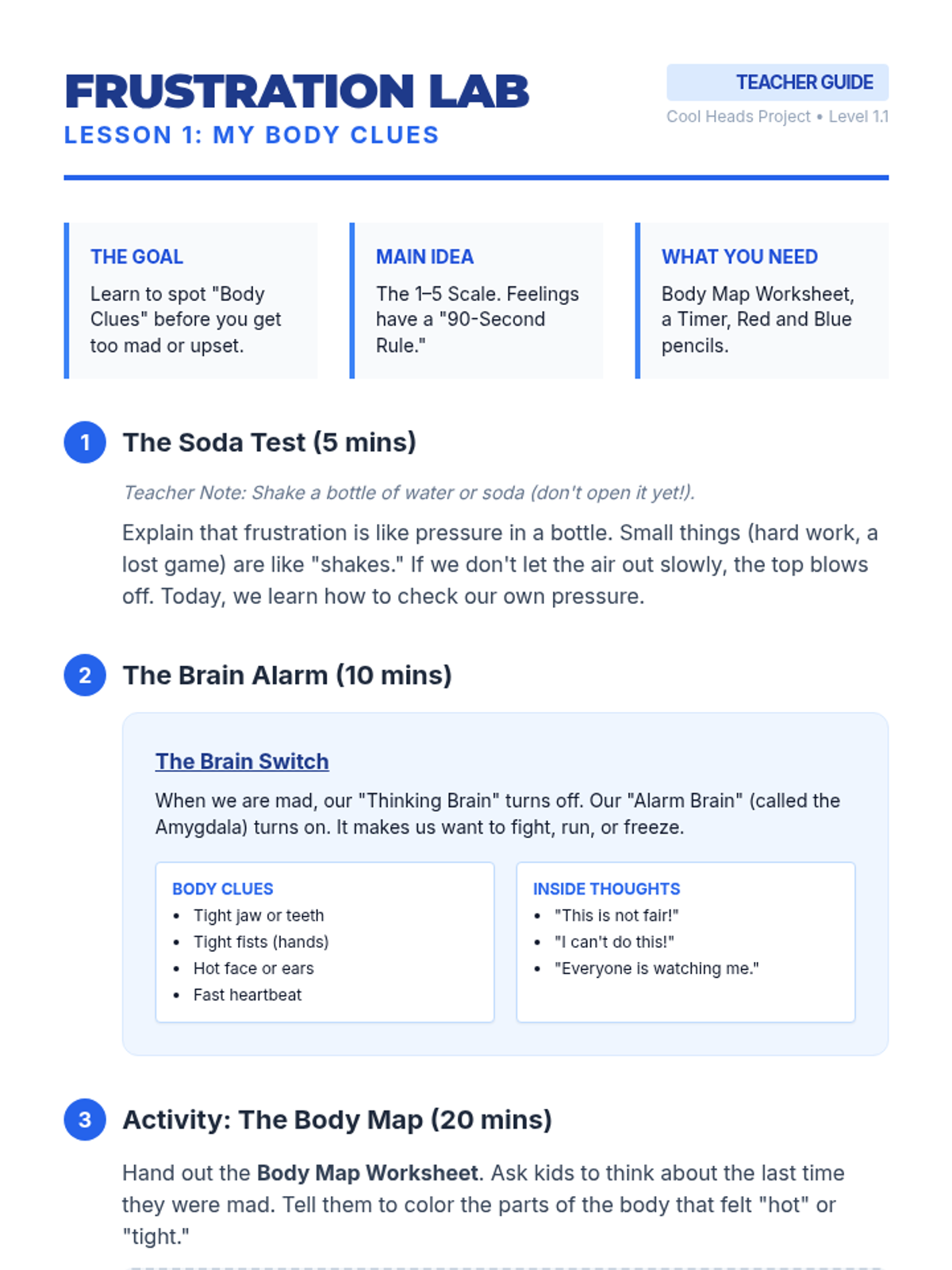
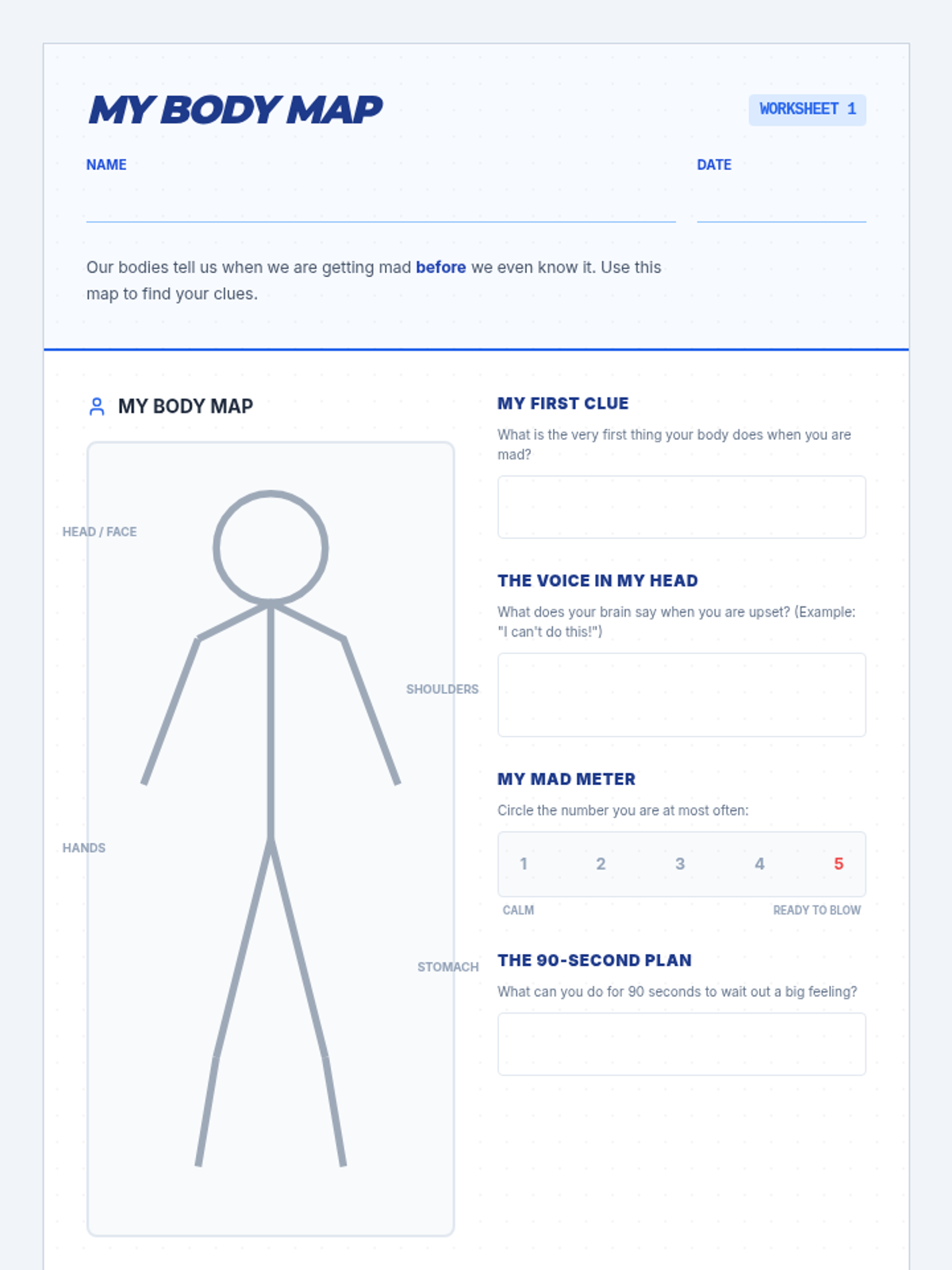
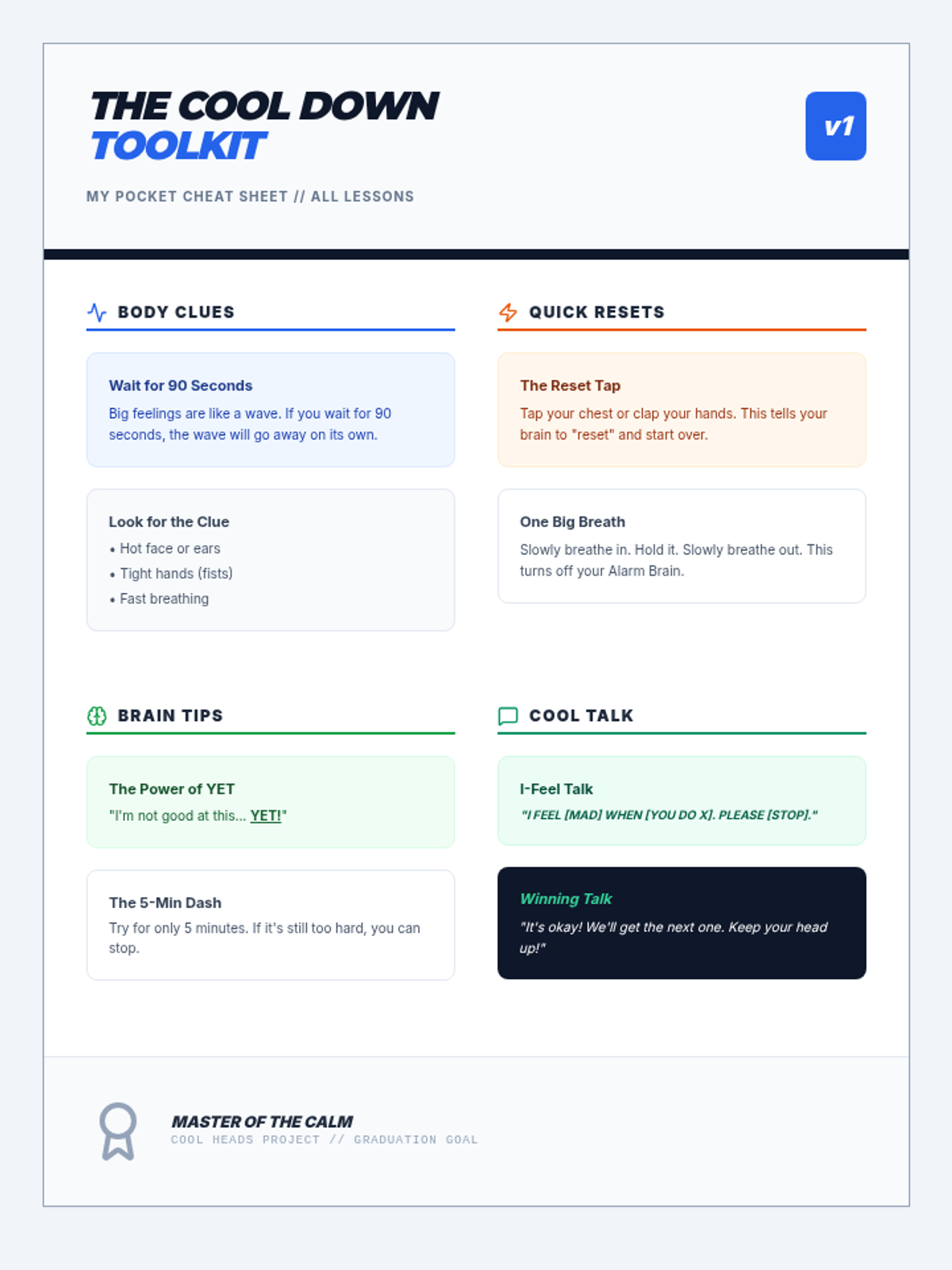
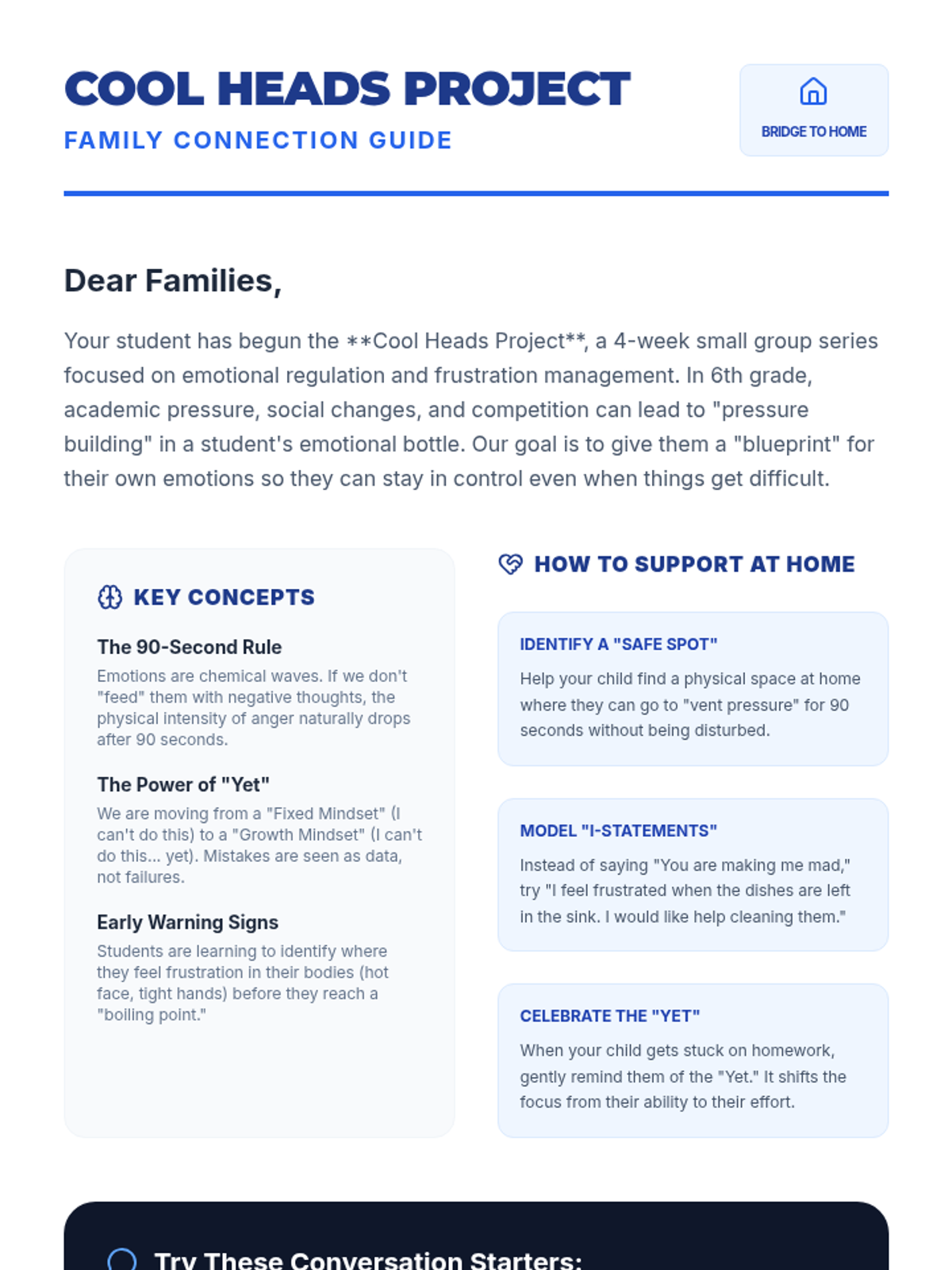
Students identify the physical sensations of frustration and learn to recognize their personal 'early warning signs' before they reach a boiling point.
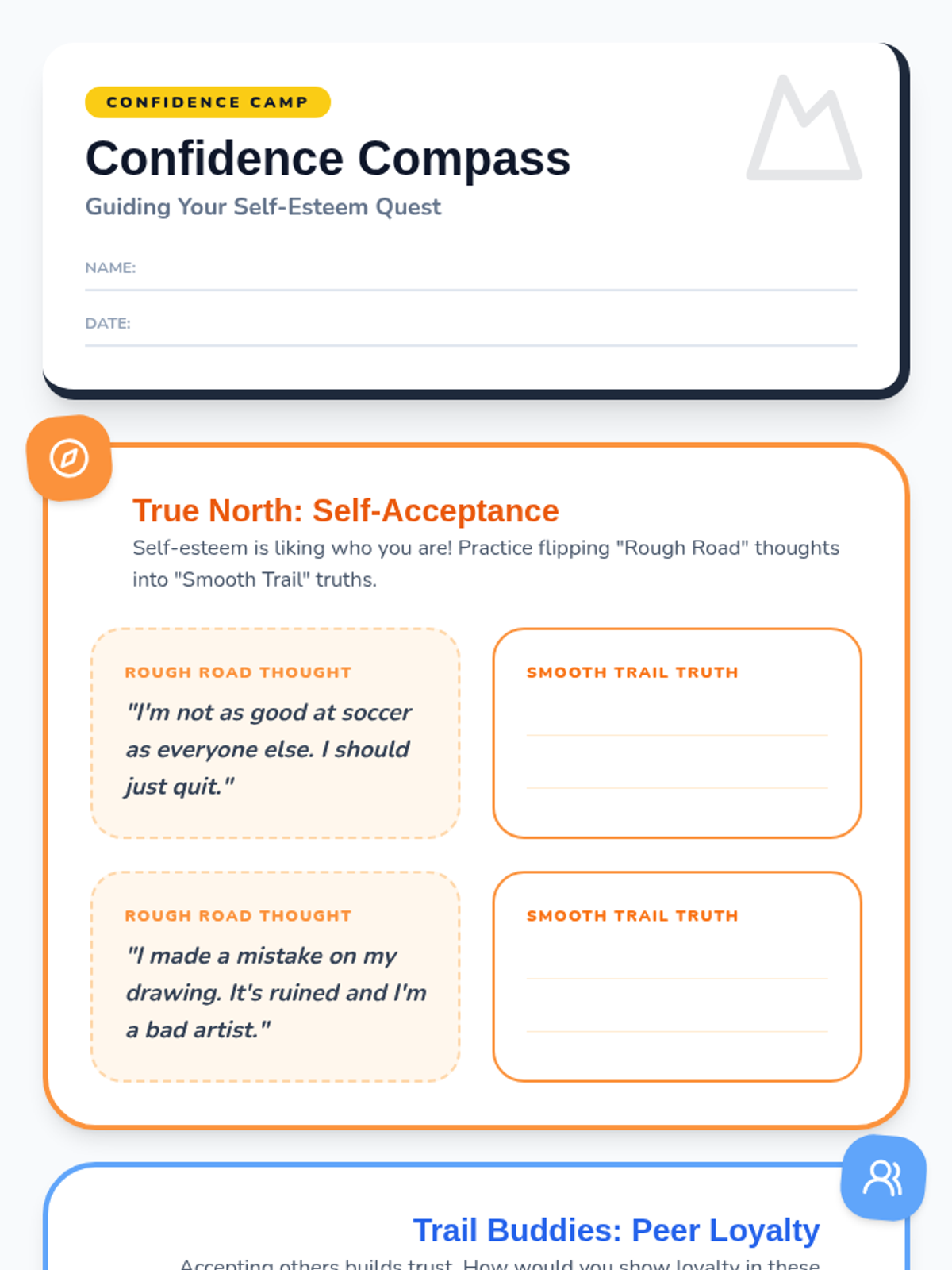
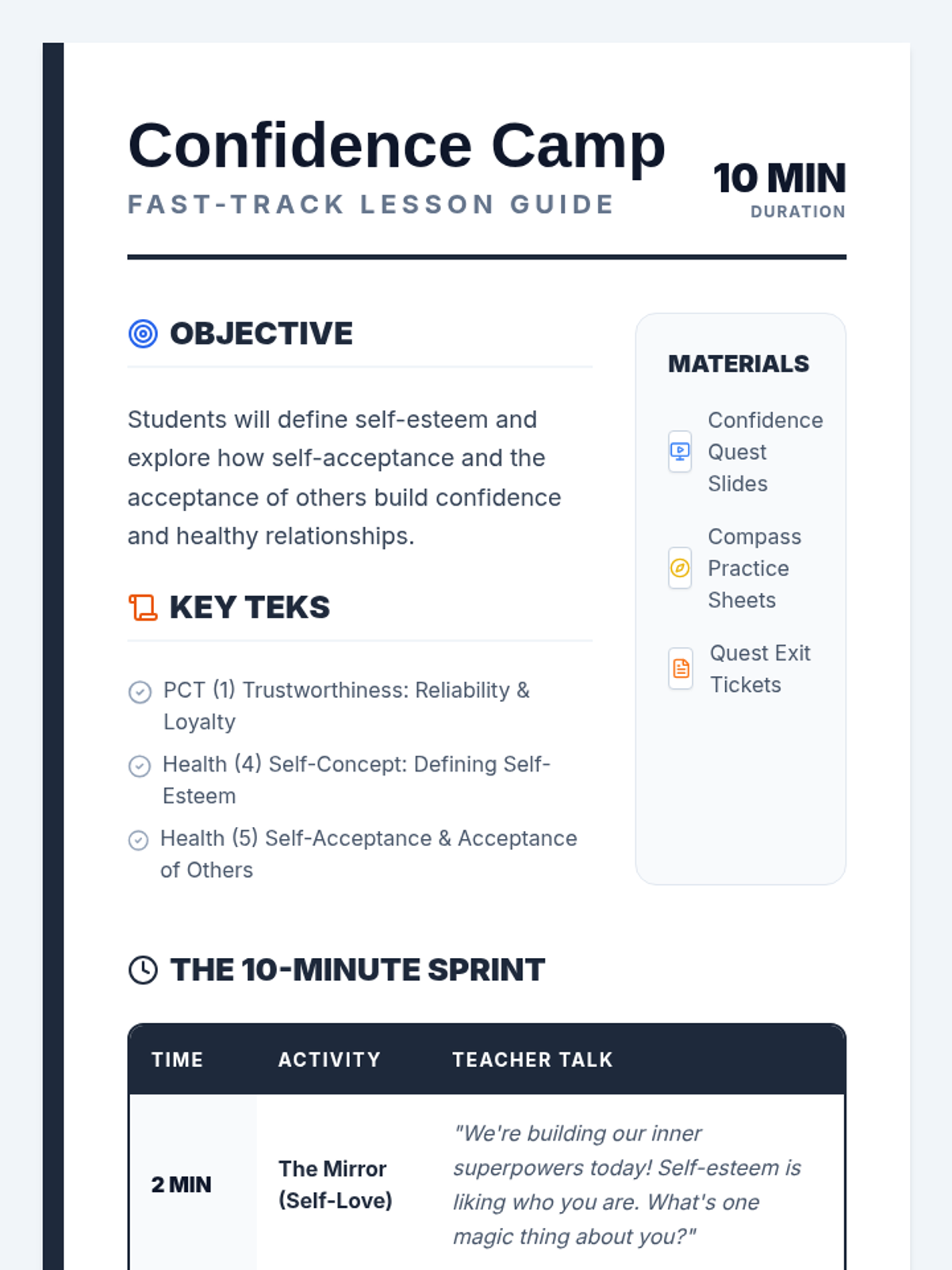
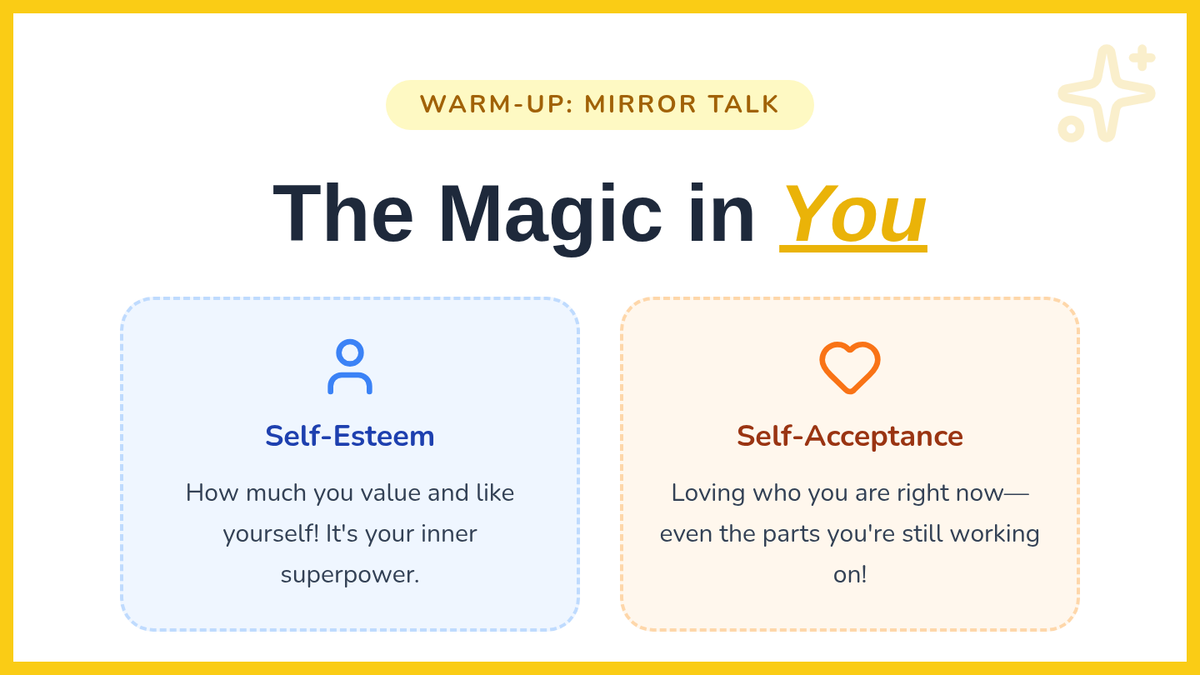
A fast-paced, 10-minute social-emotional learning lesson focused on building self-confidence through self-acceptance and kindness toward others. Students define self-esteem and set immediate goals for personal growth and peer acceptance.
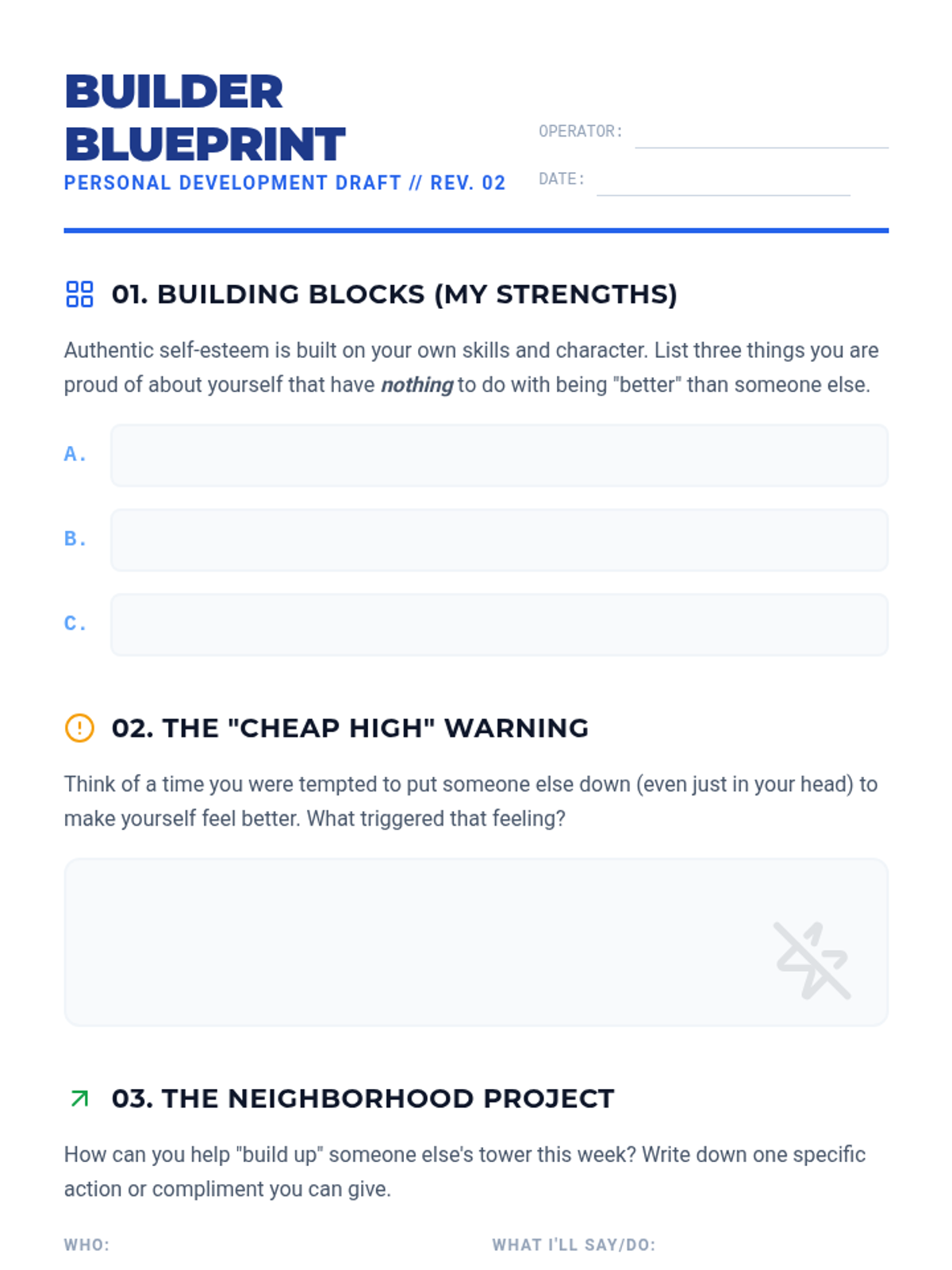
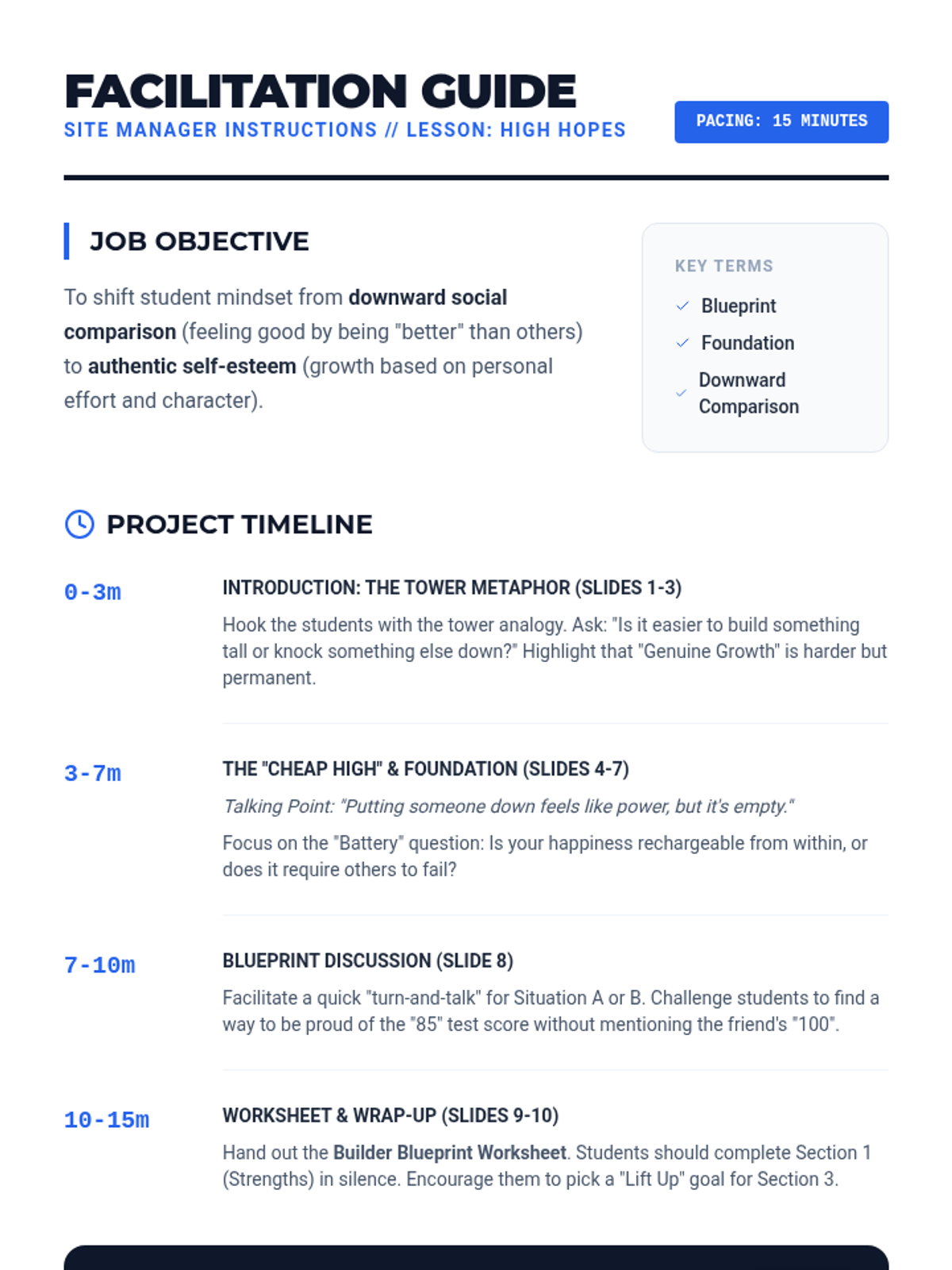
A 15-minute lesson exploring the pitfalls of 'downward social comparison' and how to build authentic self-esteem without diminishing others. Students will learn that true confidence comes from personal growth rather than putting others down.
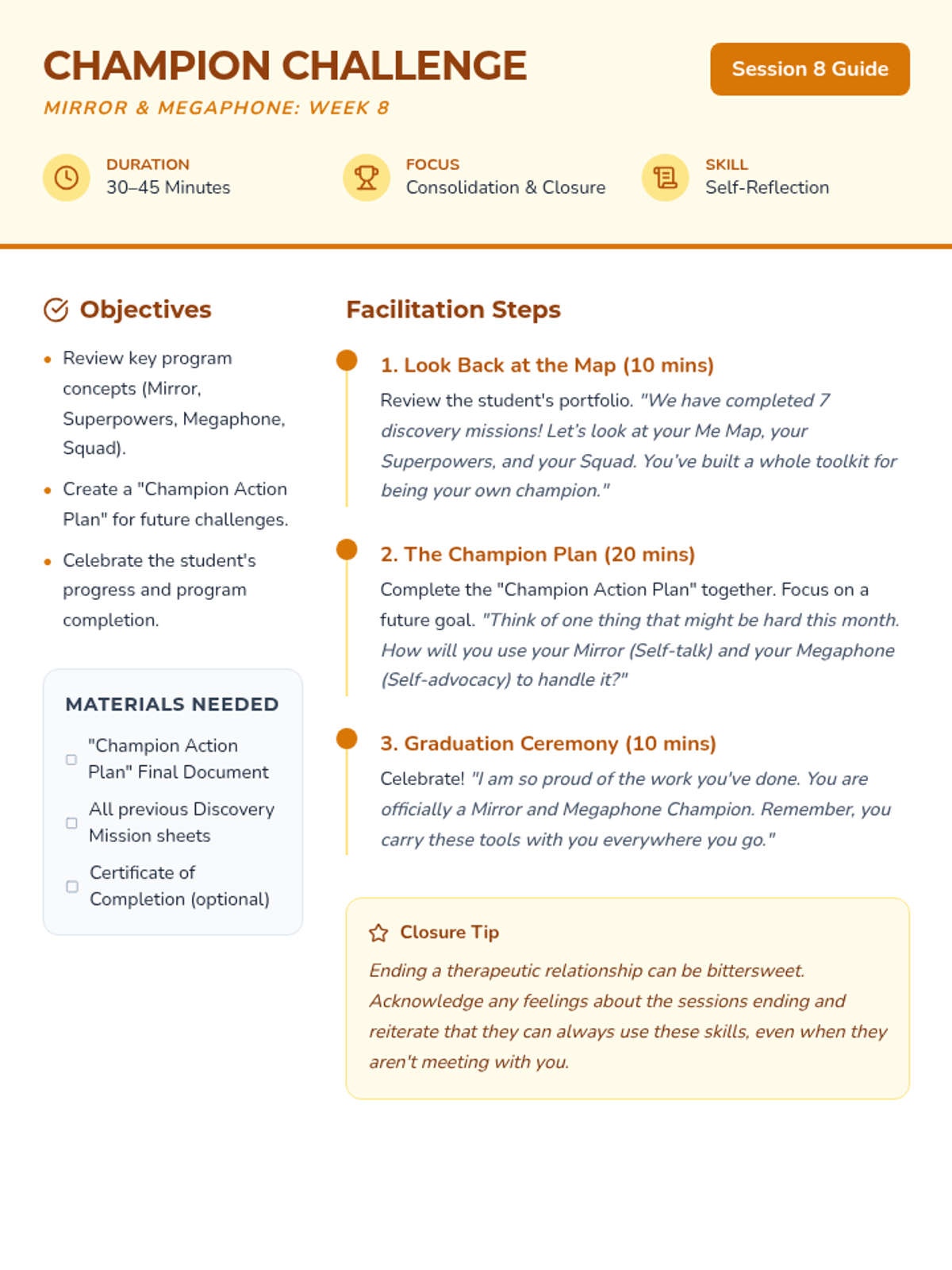
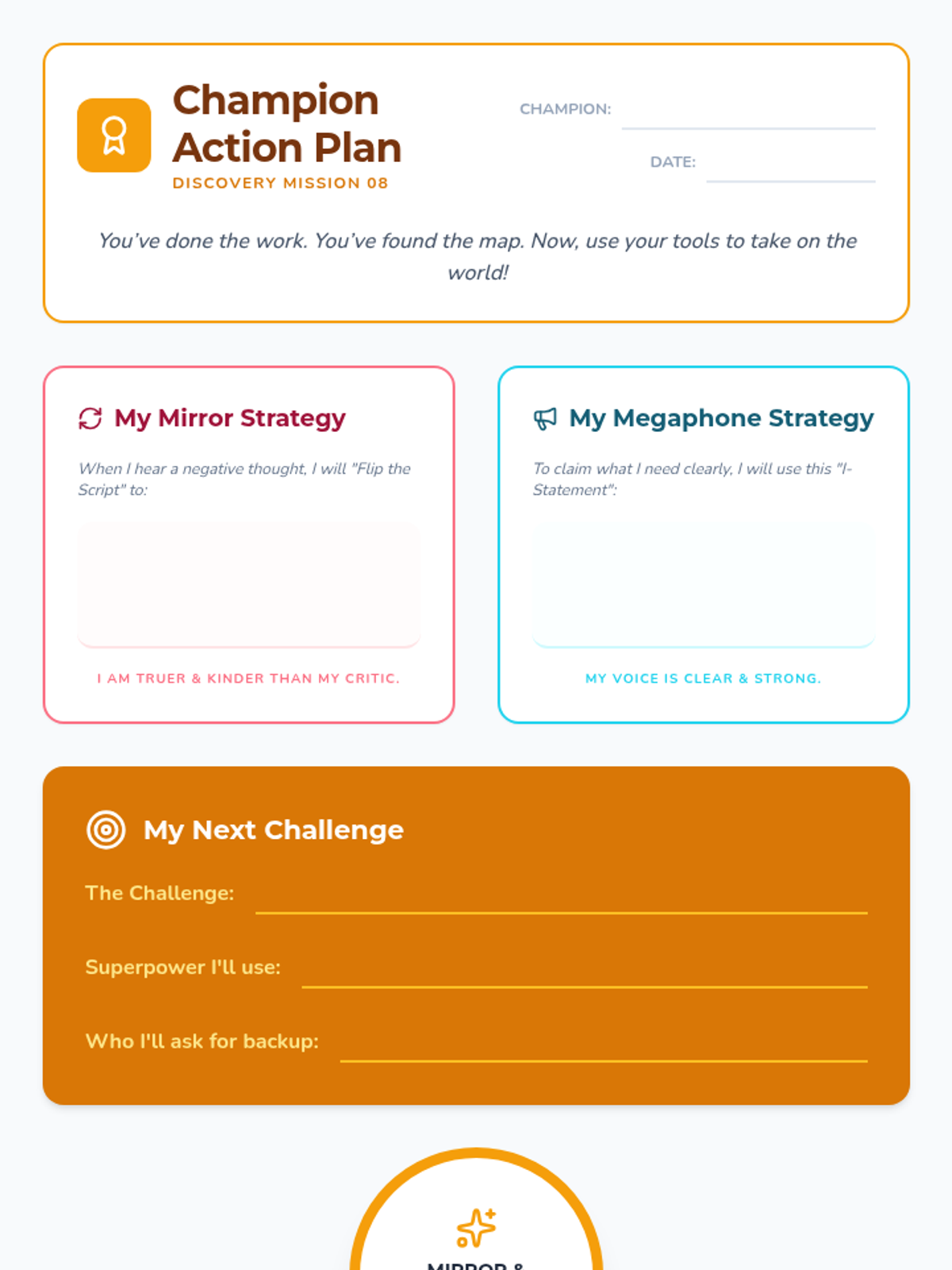
A final reflection session where the student reviews their progress and creates a personal 'Advocacy Action Plan' for the future.
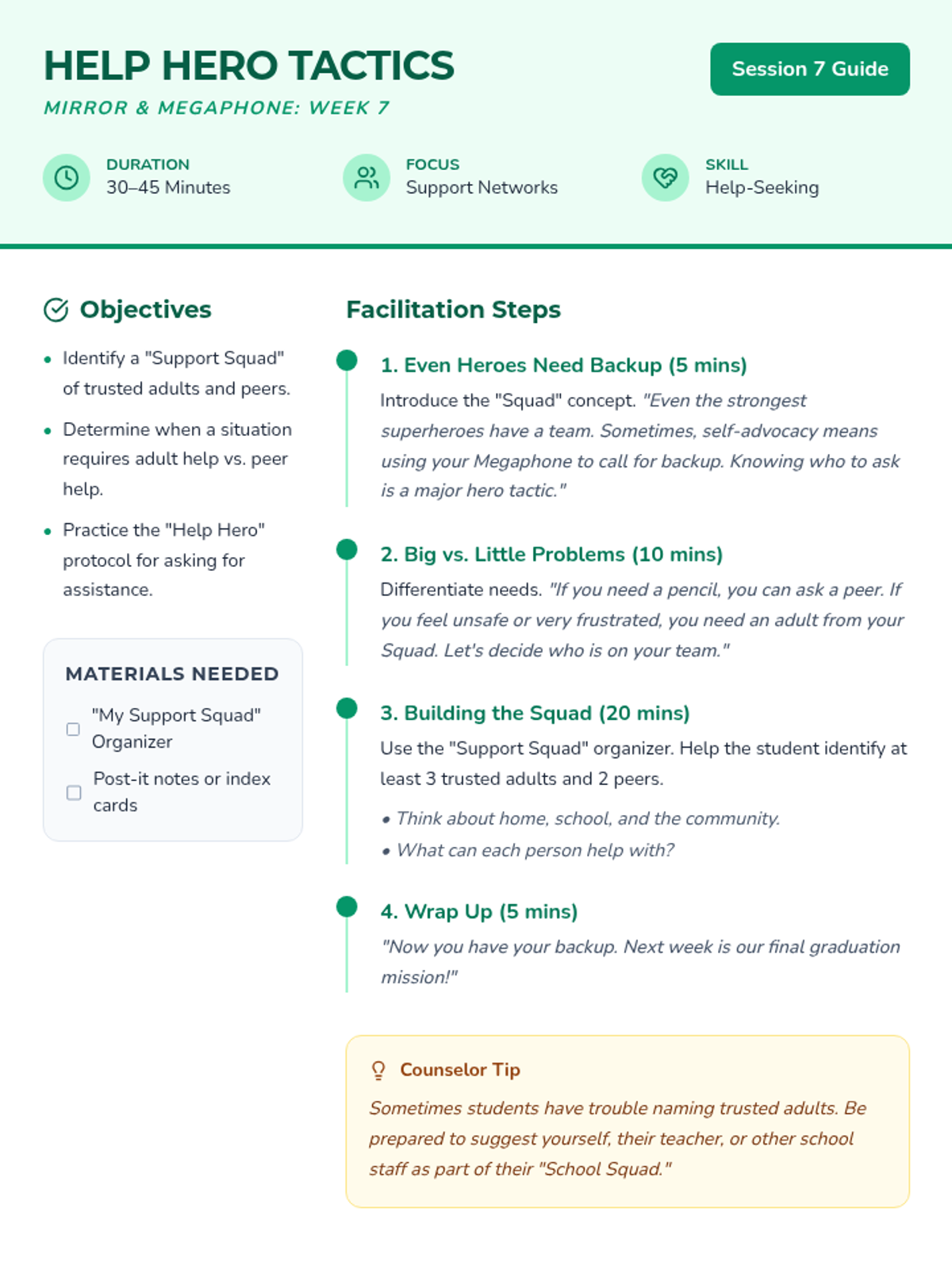
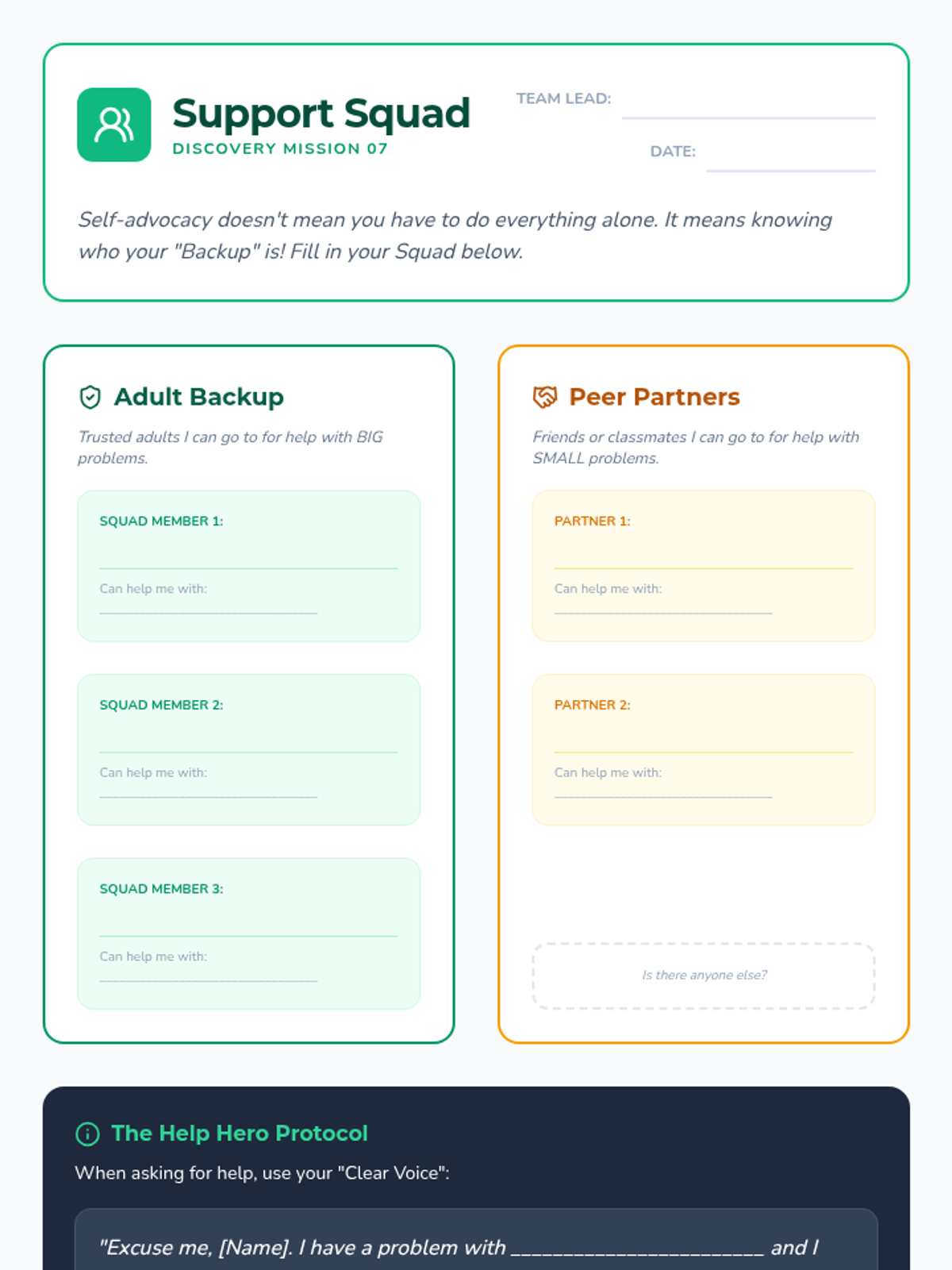
Provides a framework for how and when to ask for help, identifying a "Support Squad" of trusted individuals.
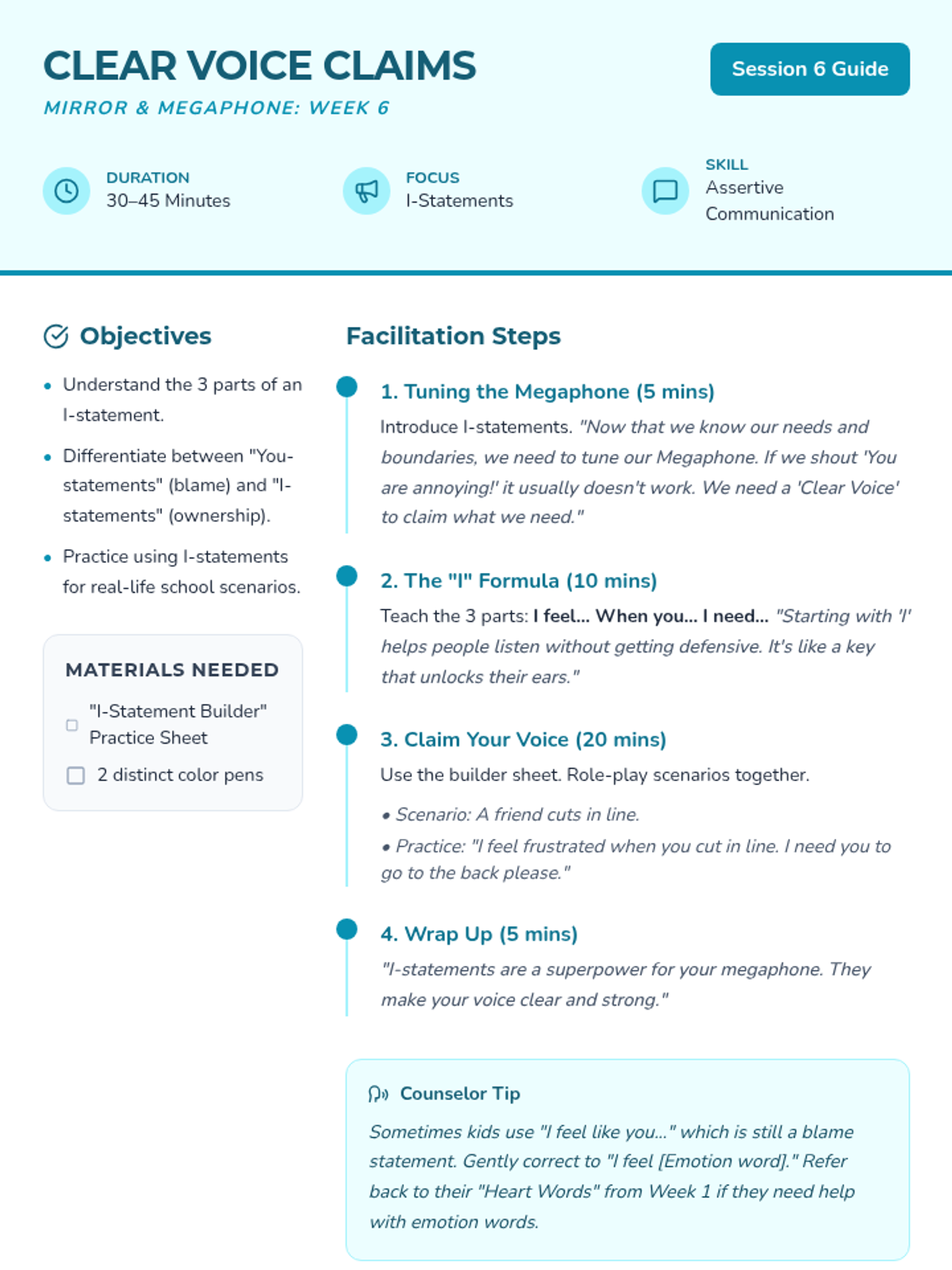
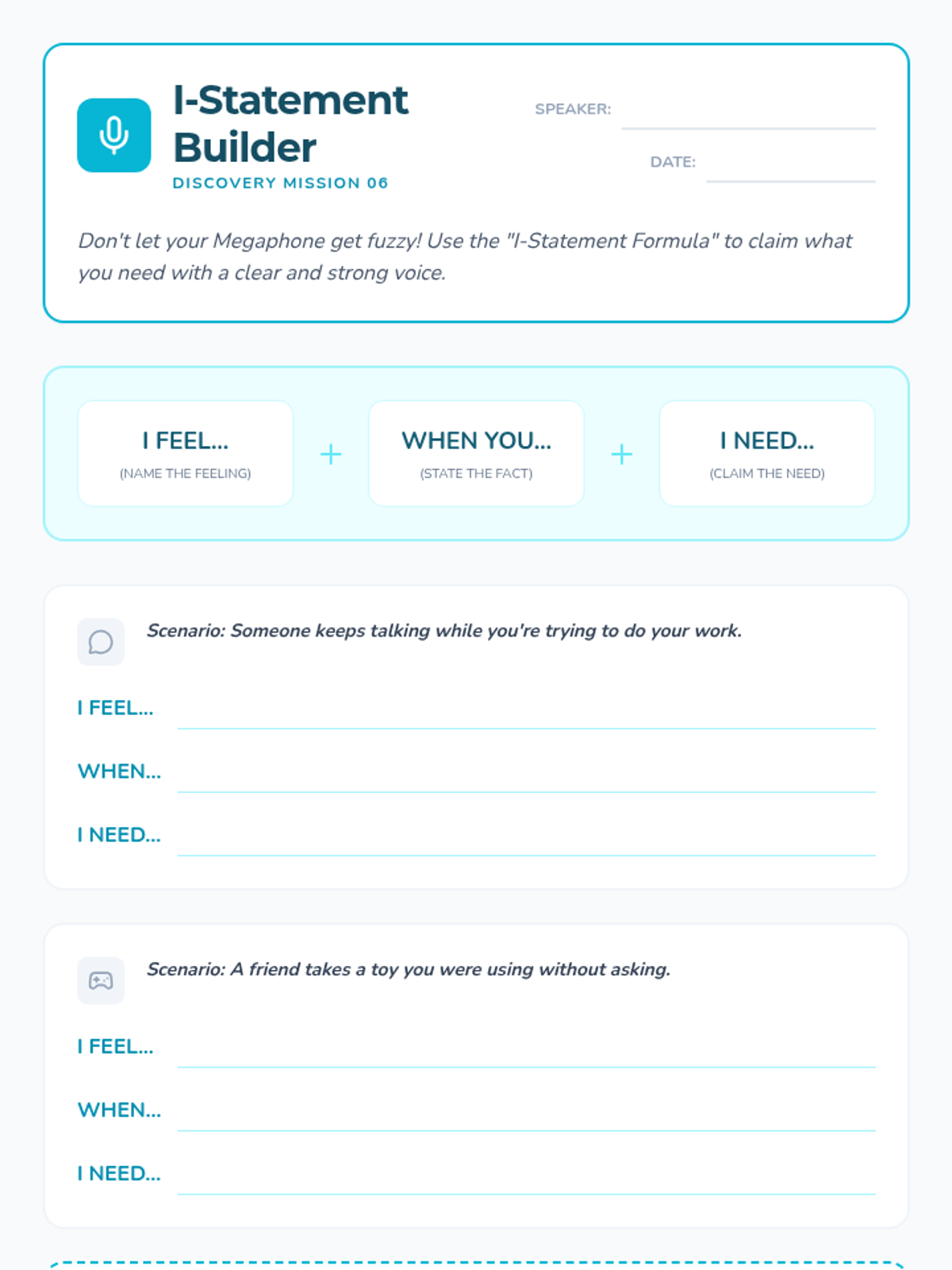
Teaches the practical skill of using "I-statements" to communicate feelings and needs effectively without blame.
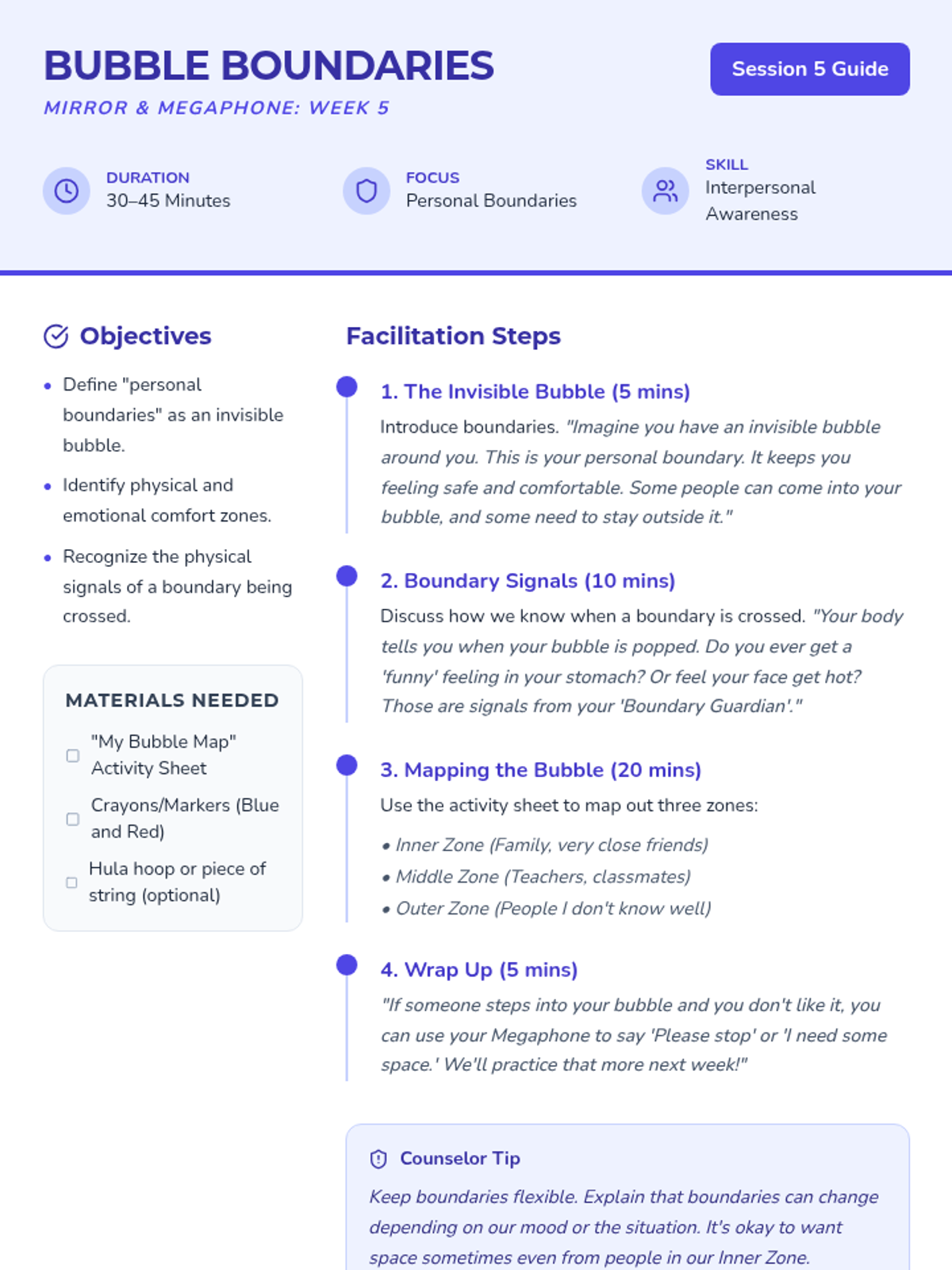
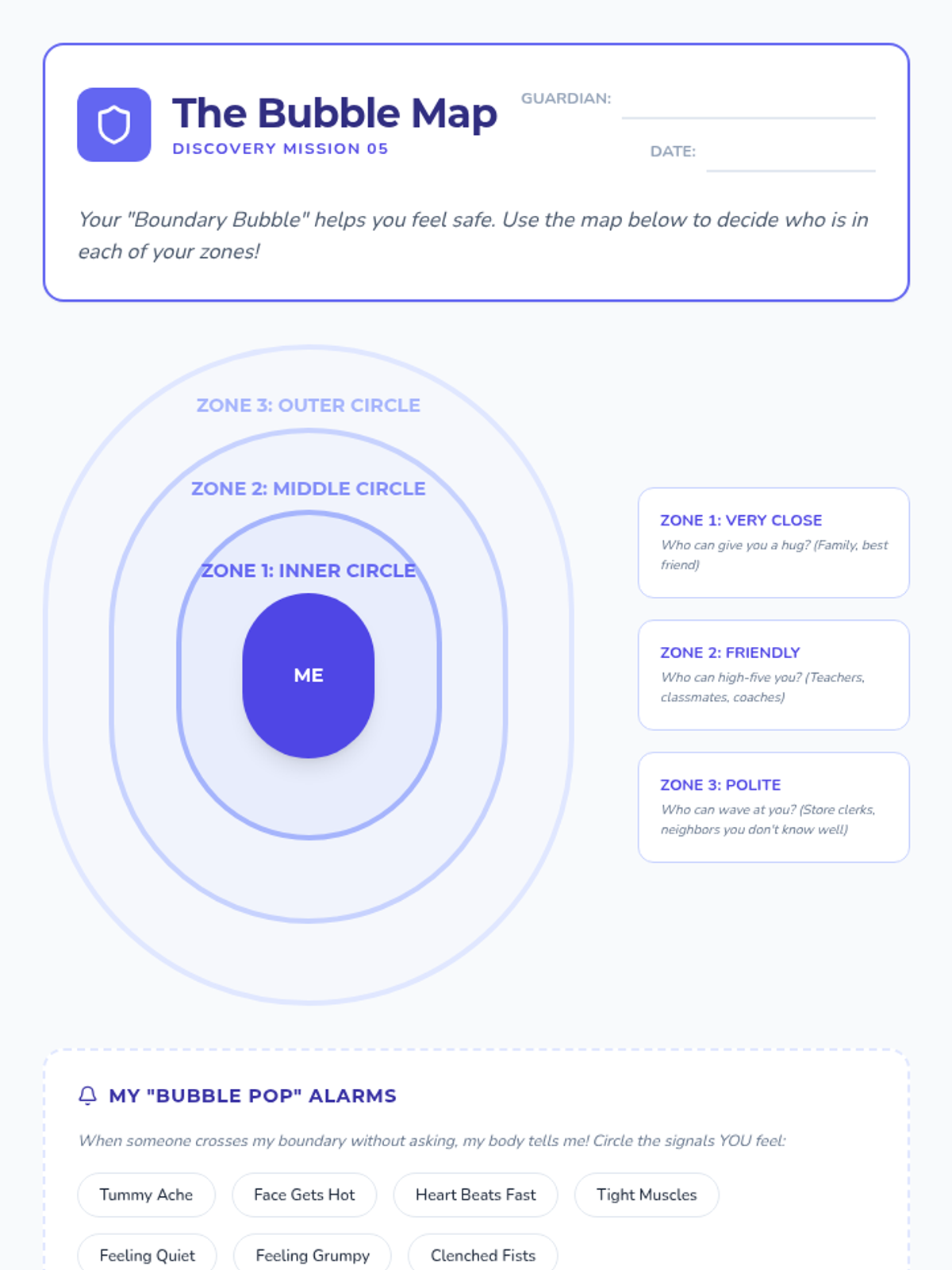
Focuses on identifying personal physical and emotional boundaries, and teaching the student how to recognize when a boundary is being crossed.
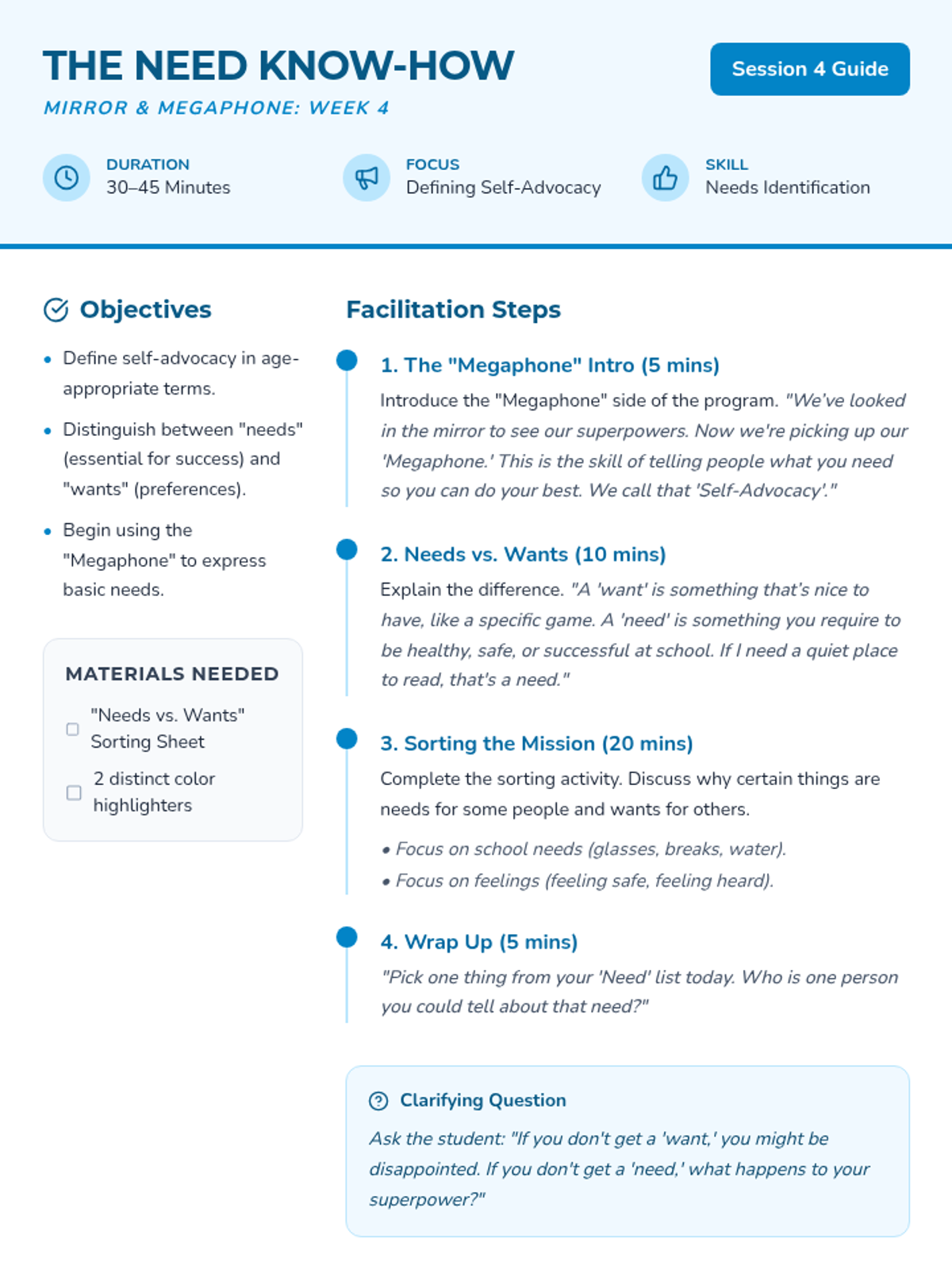
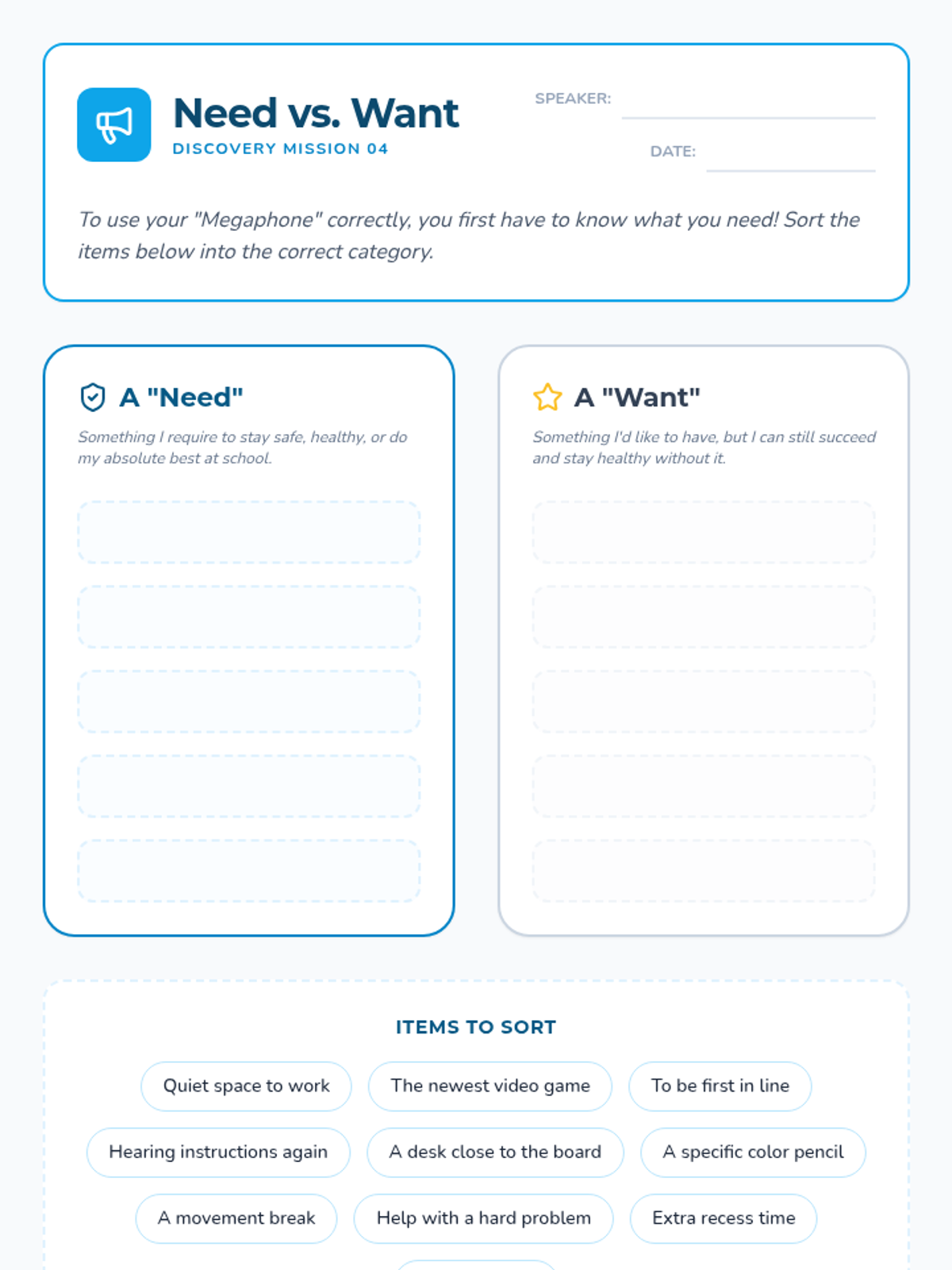
Students learn the definition of self-advocacy and begin to differentiate between personal needs and wants to better express themselves.
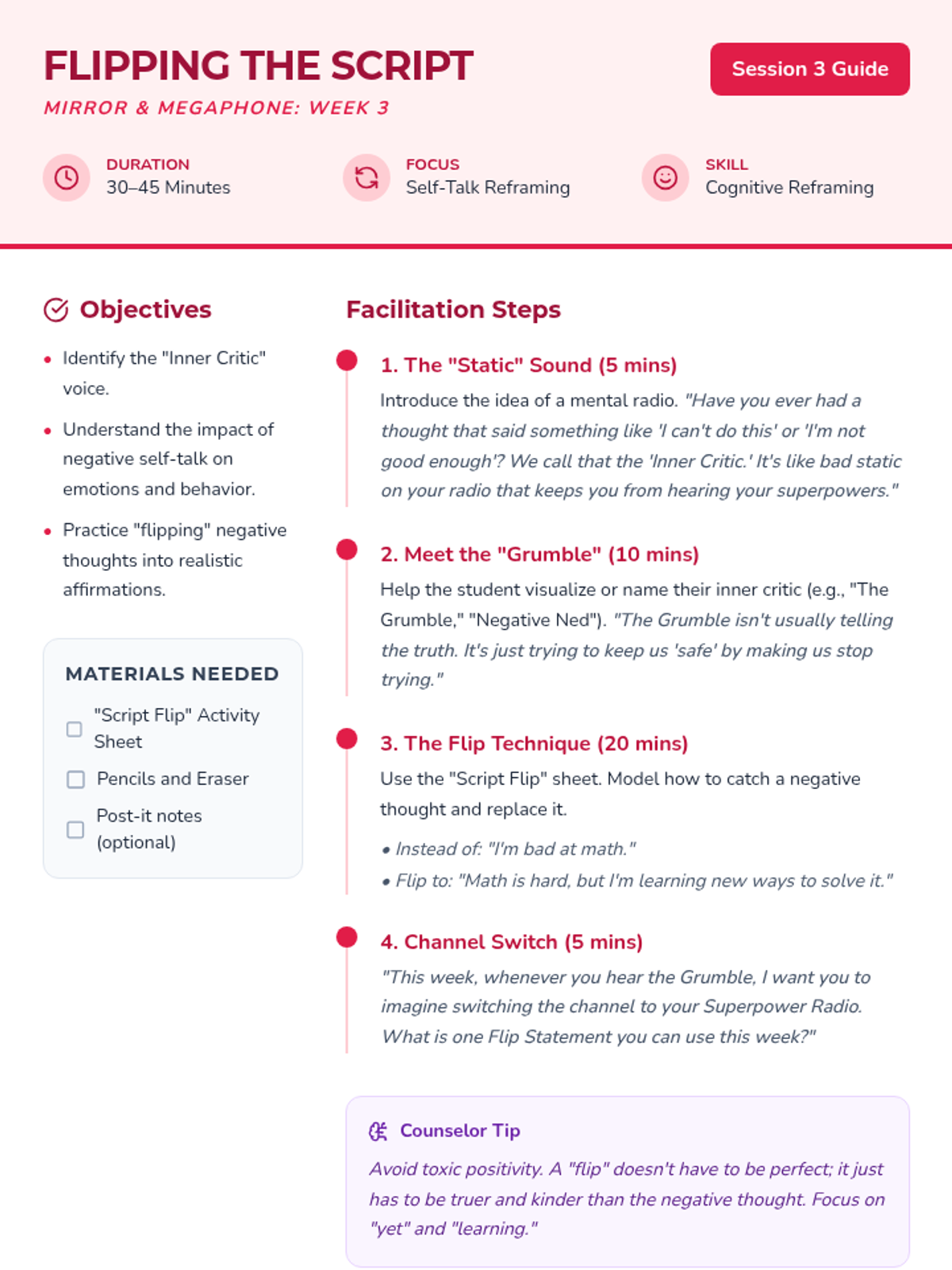
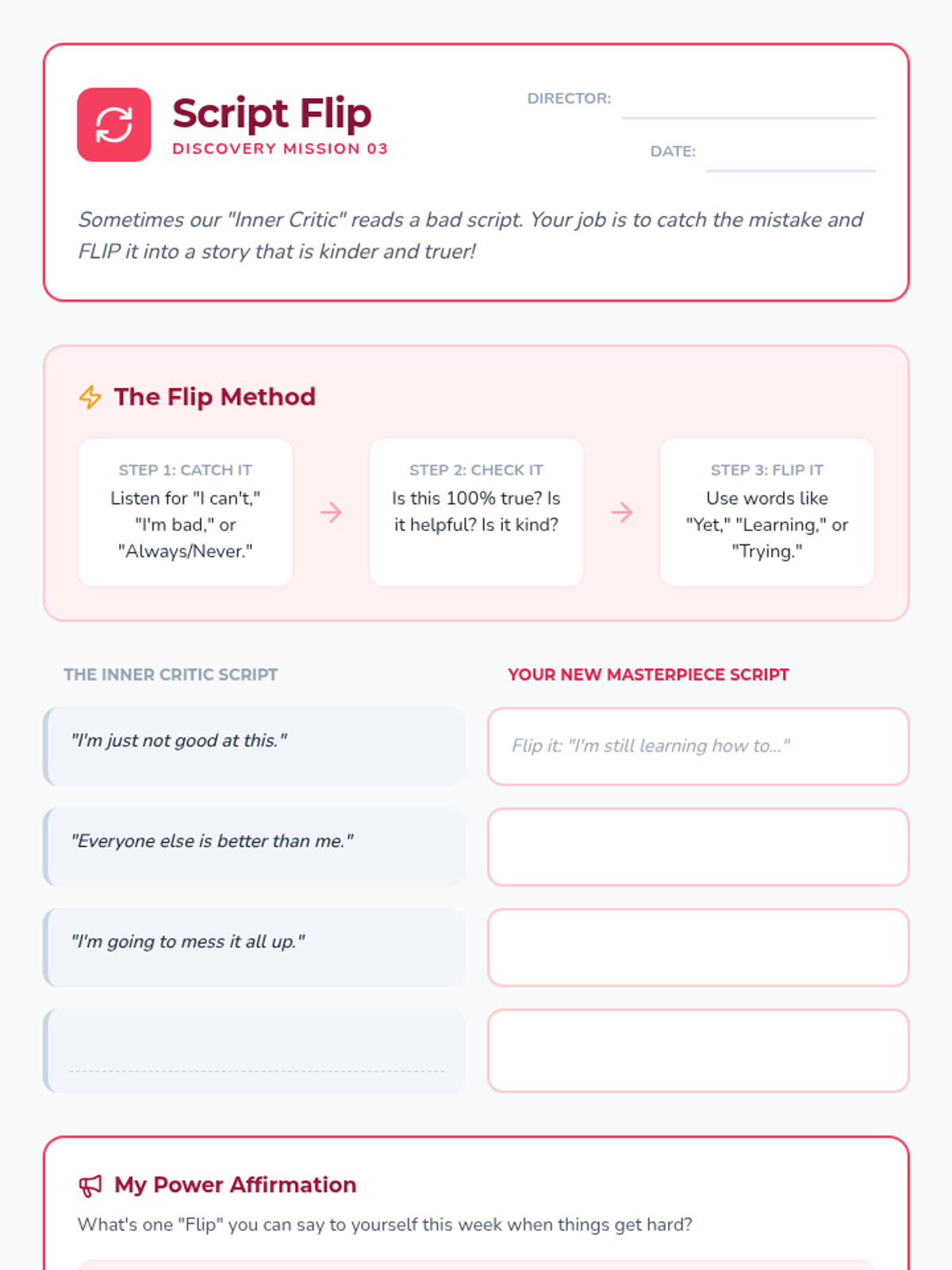
This session introduces the concept of the 'inner critic' and provides tools for students to recognize and reframe negative self-talk into positive affirmations.
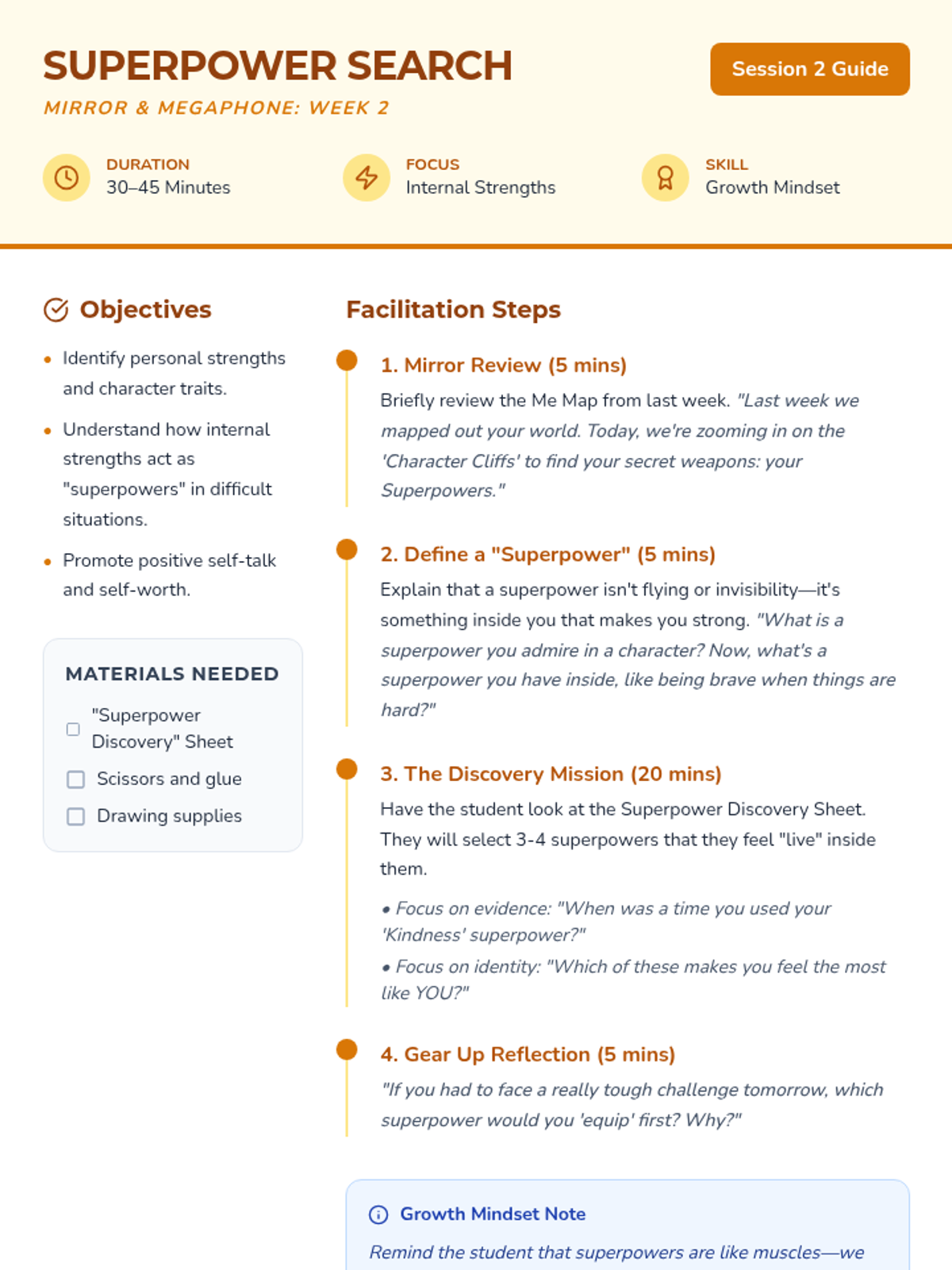
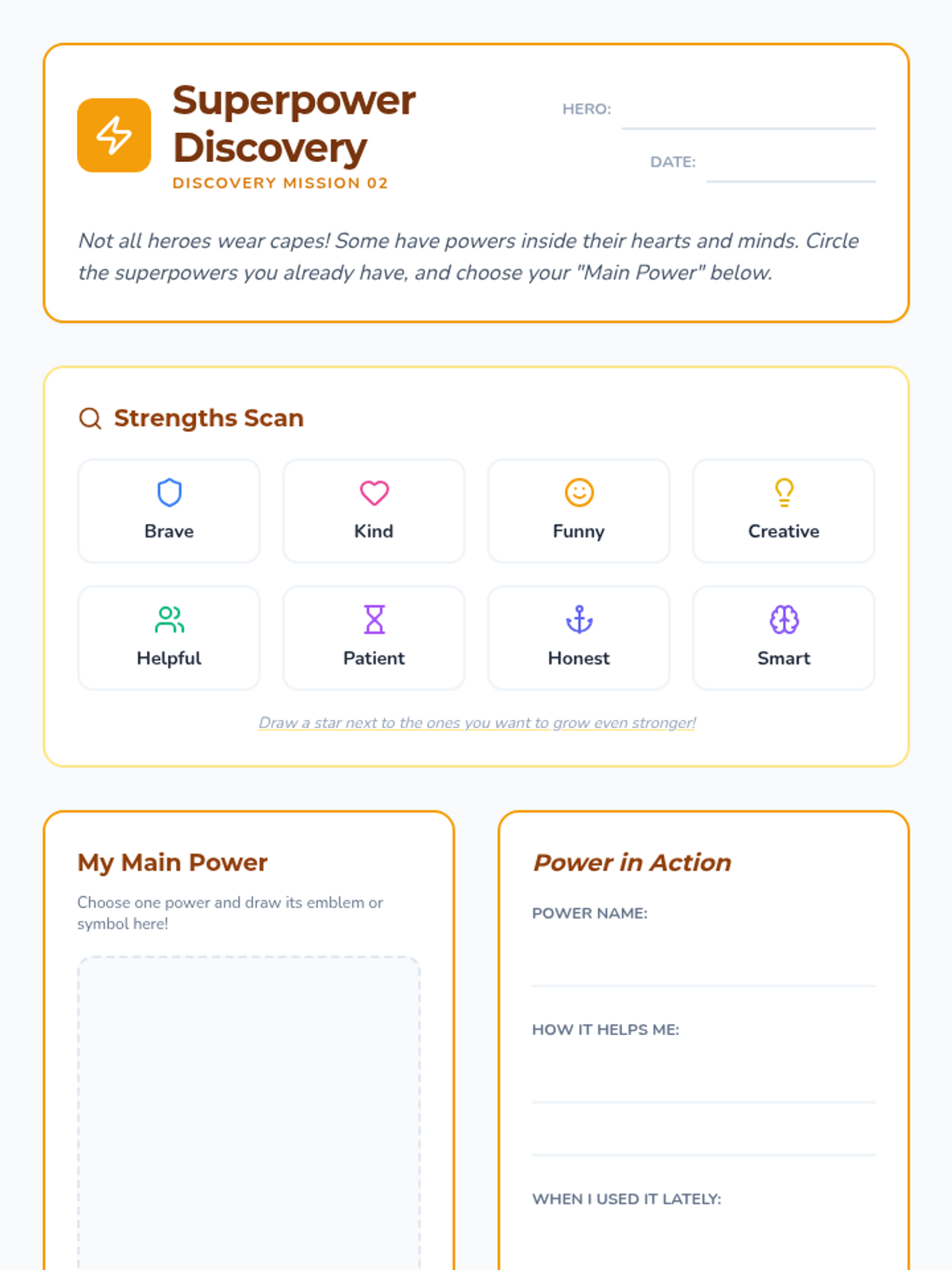
Students identify their internal strengths and character assets, reframing them as "superpowers" that help them navigate challenges.
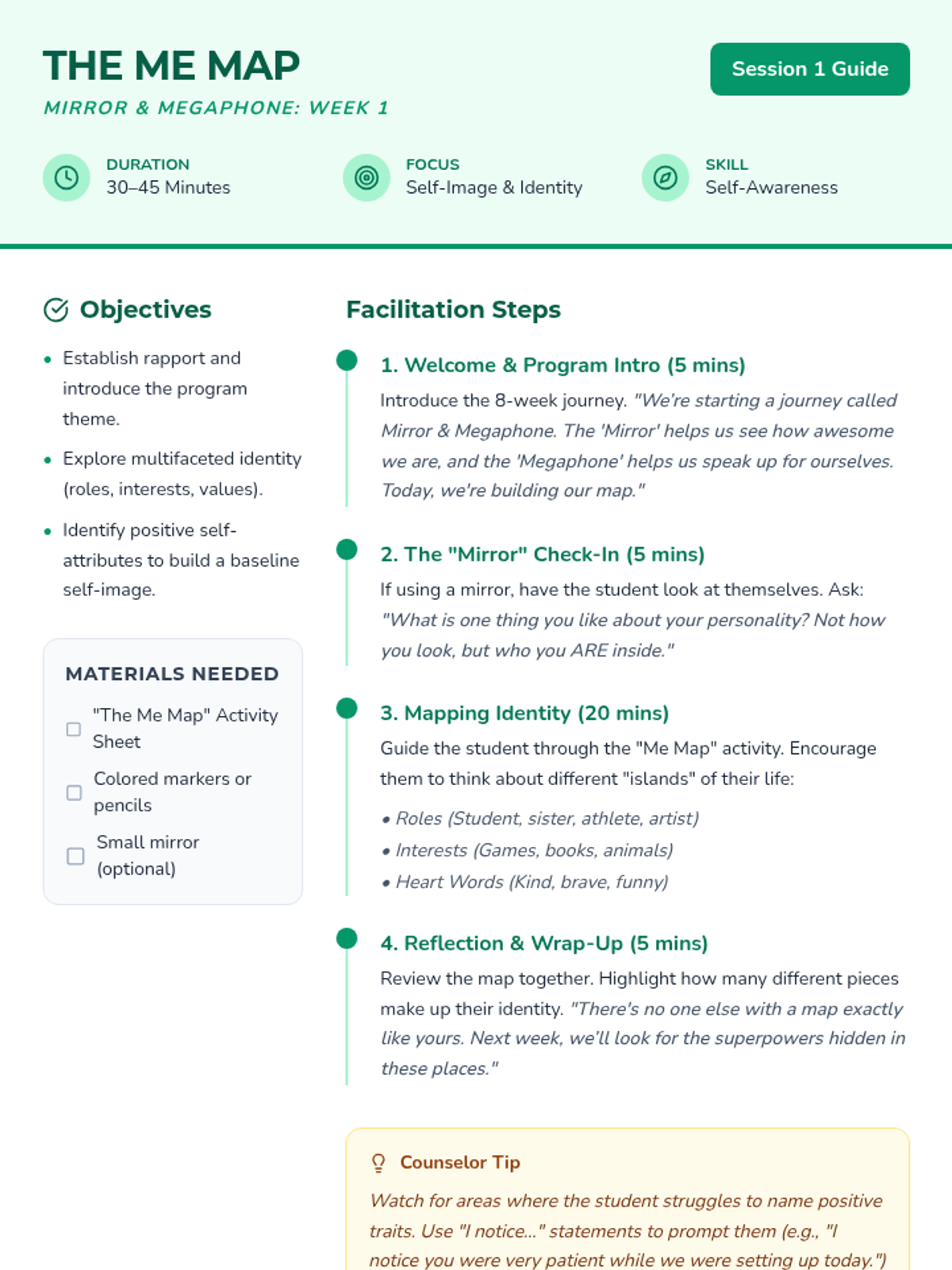
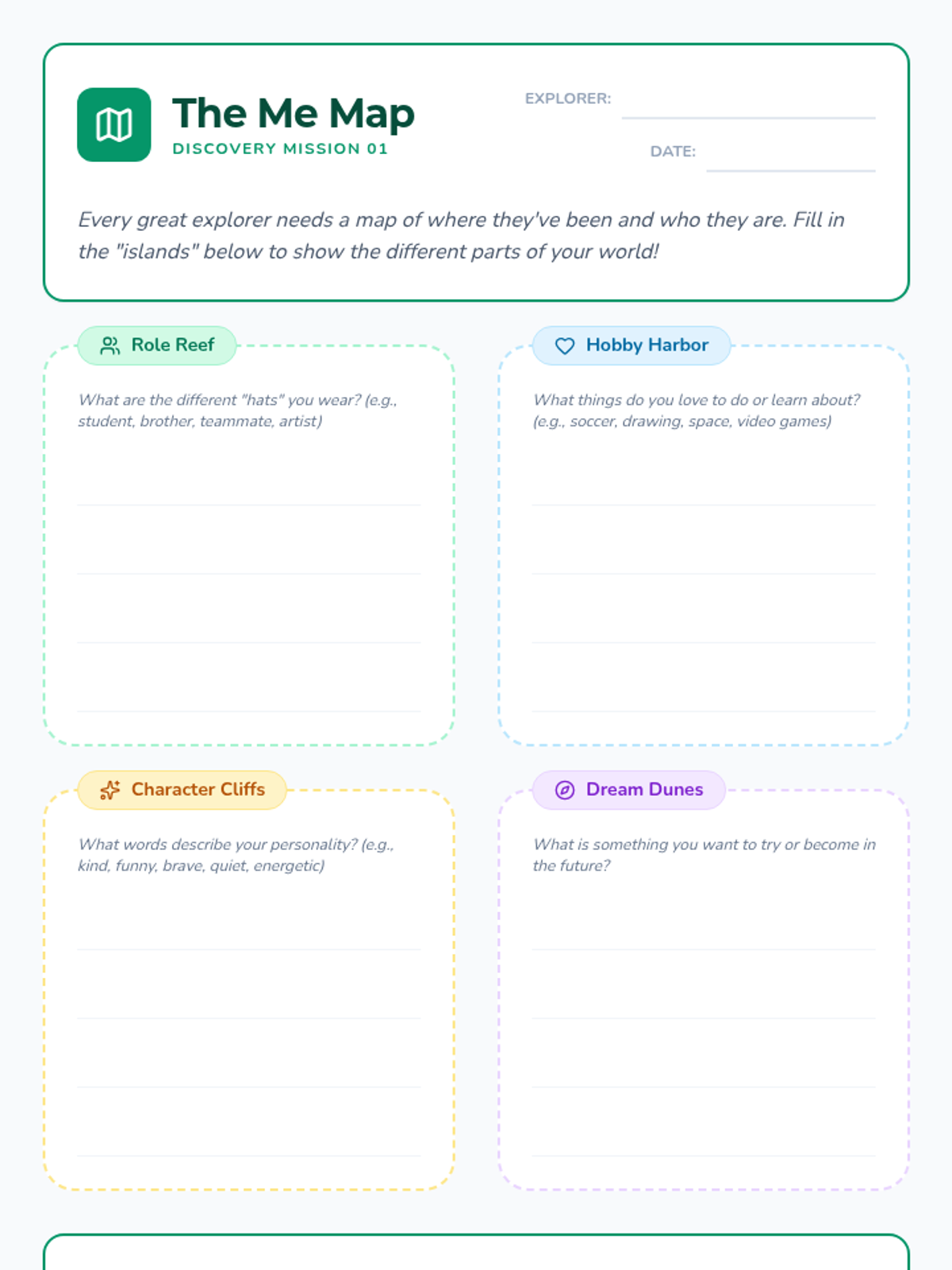
The introductory session focuses on mapping out the student's identity, celebrating their unique background, and setting a positive tone for the program.
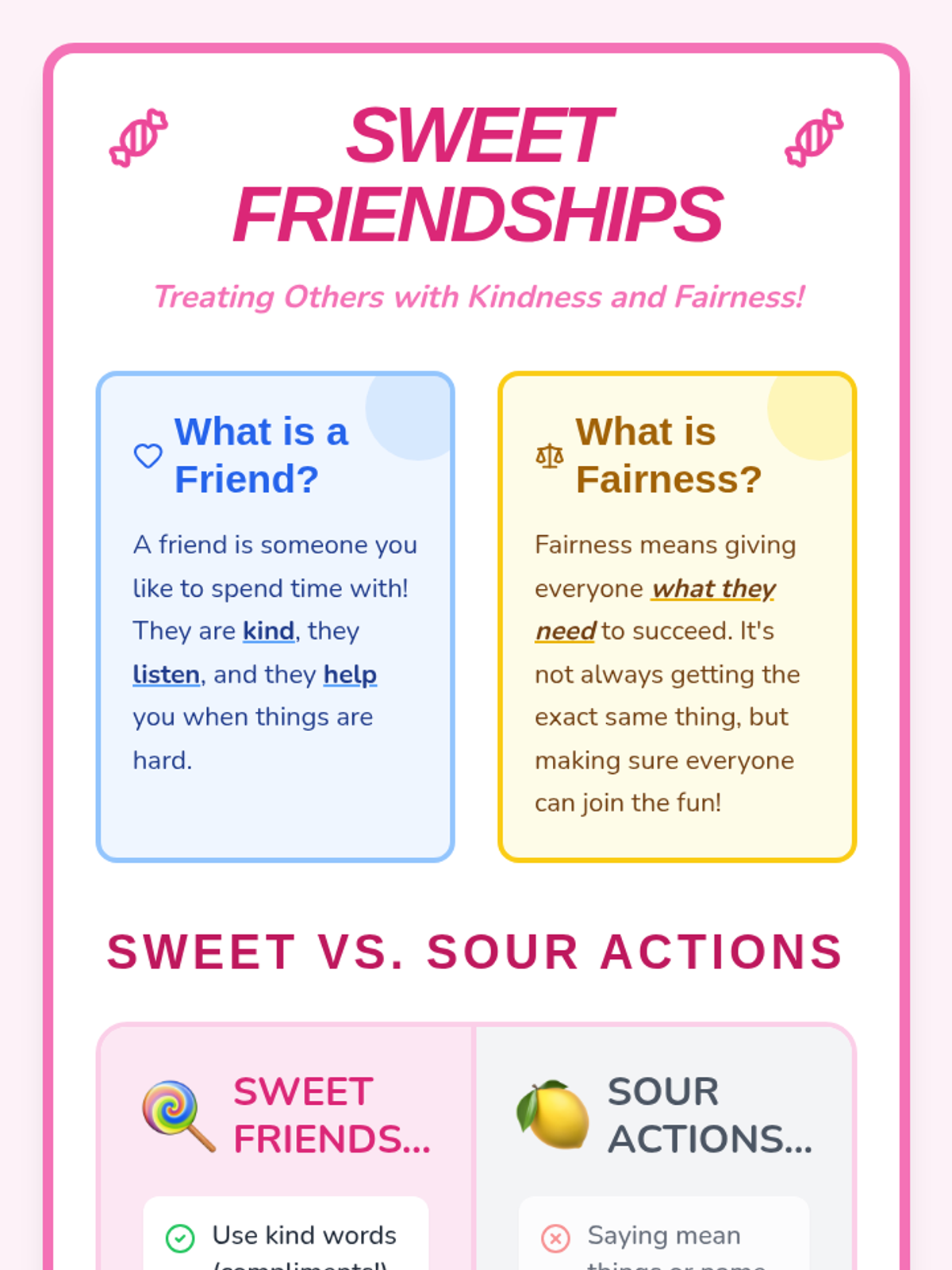
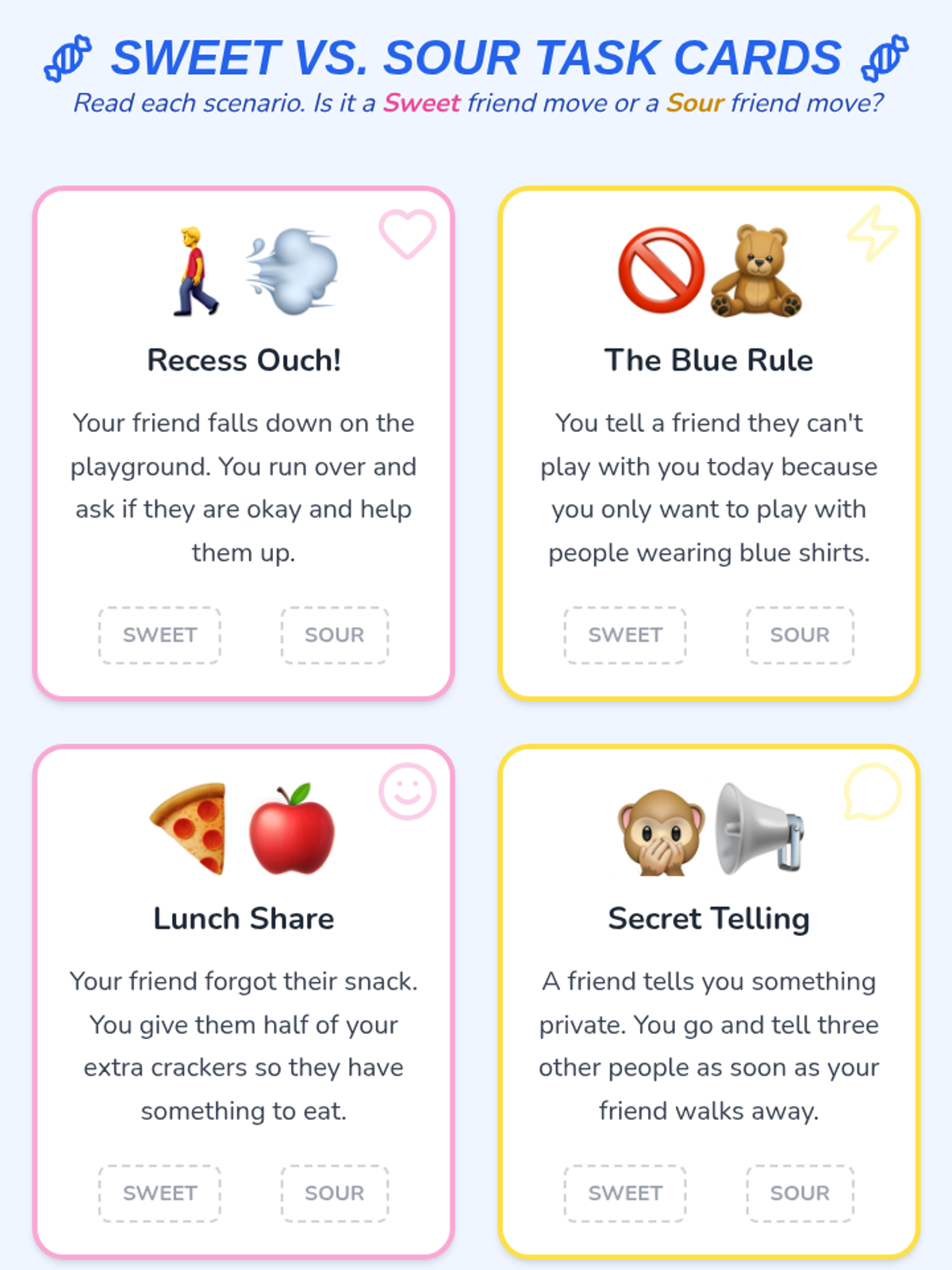
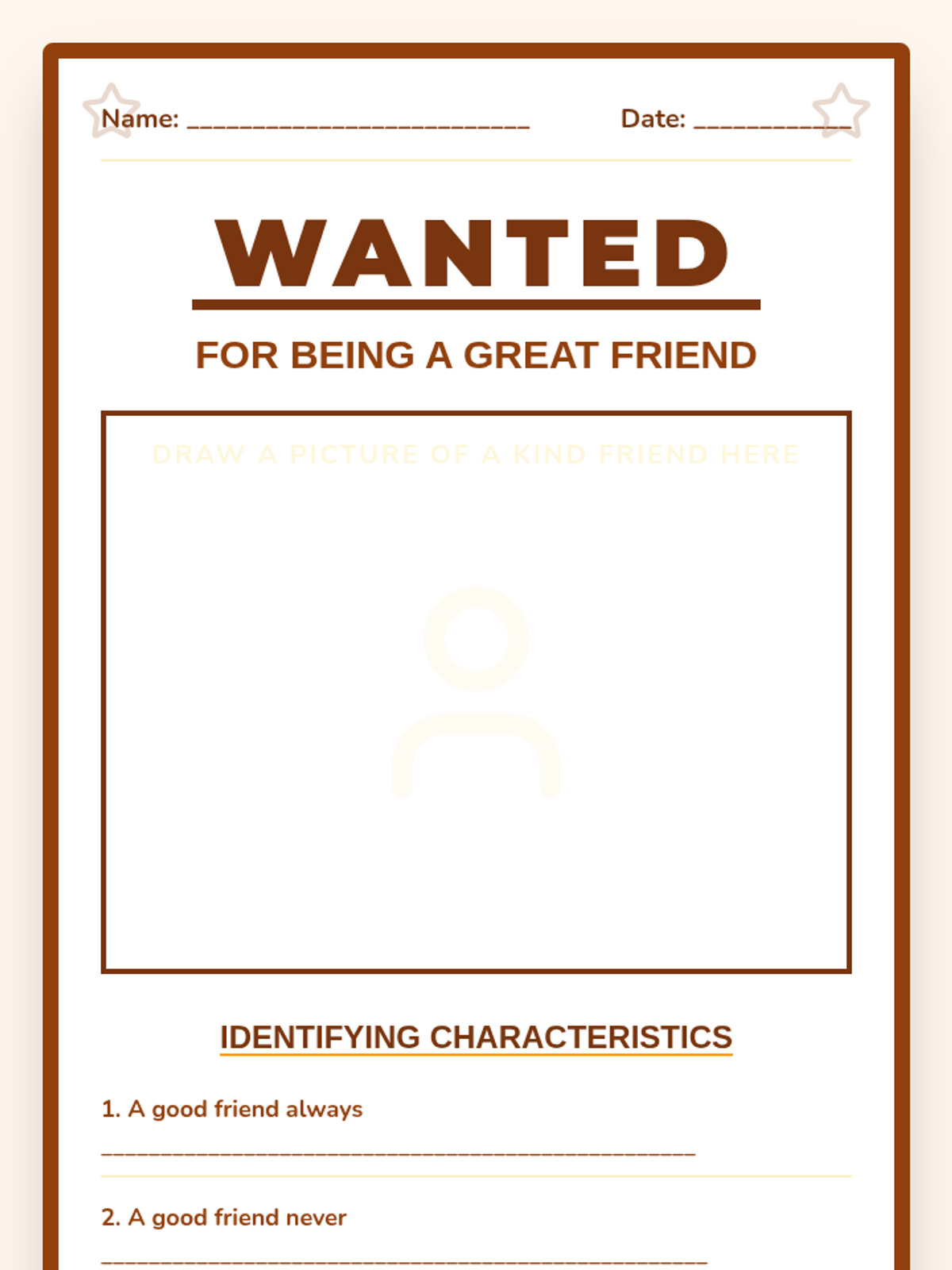
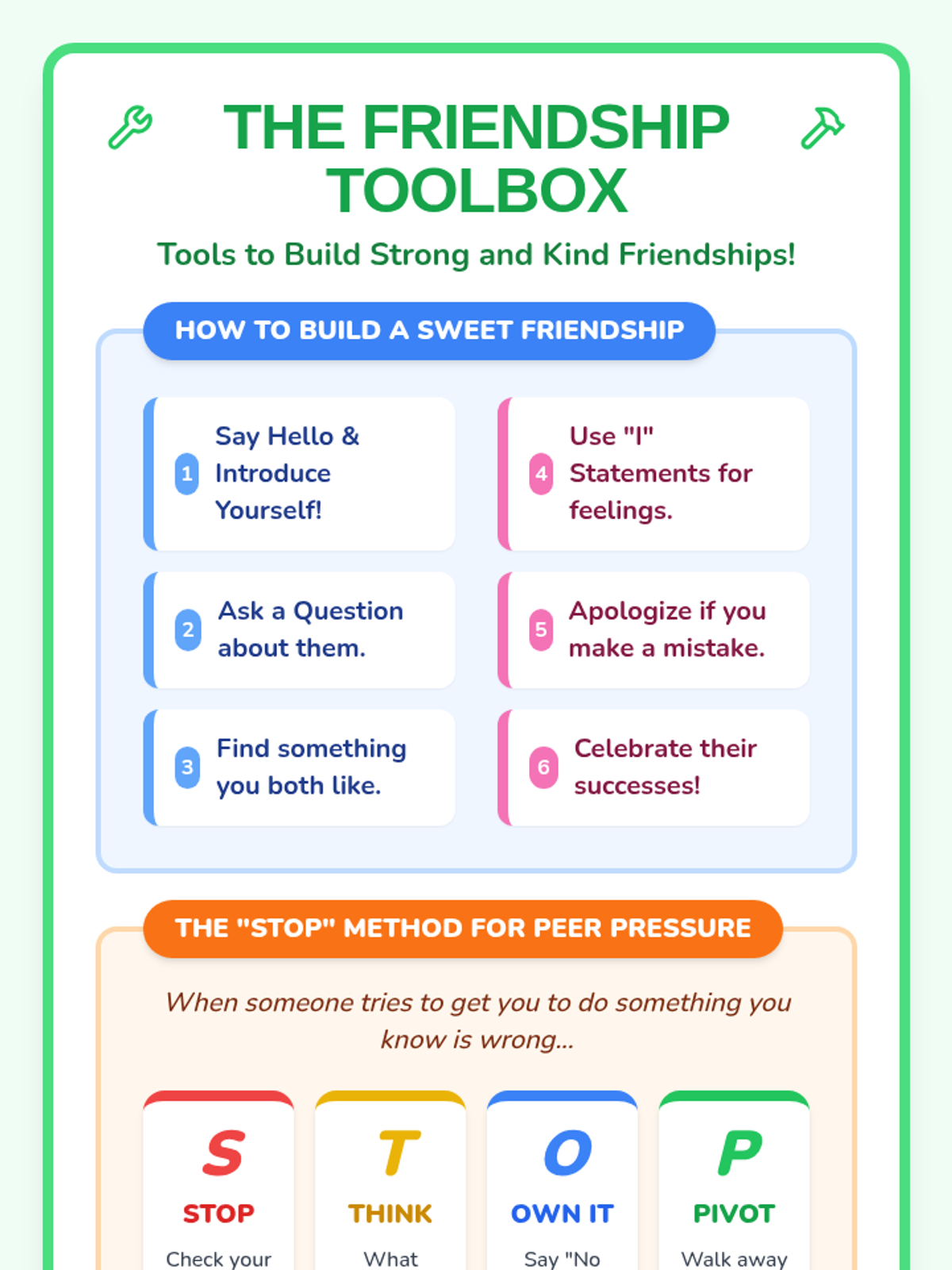
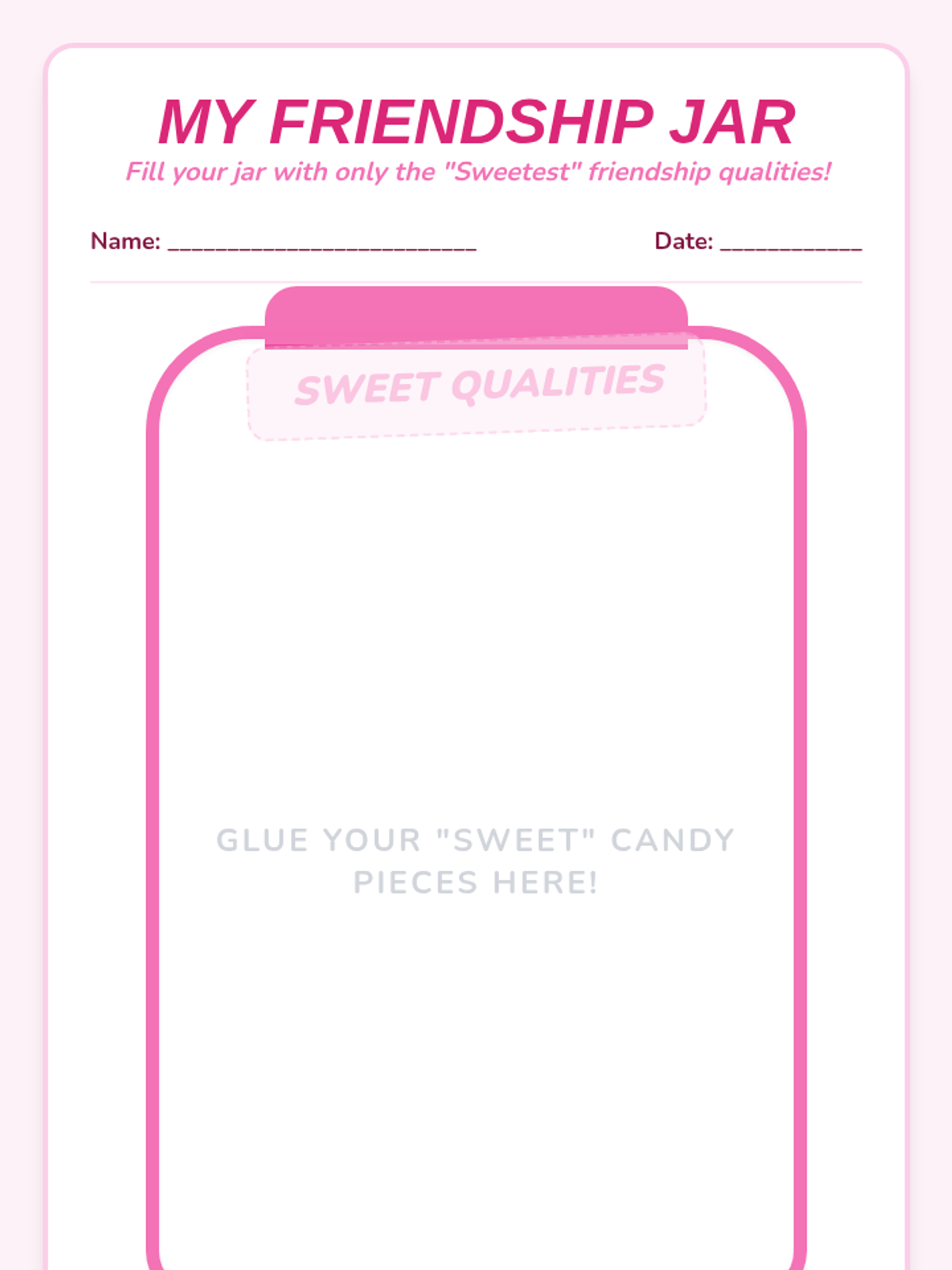
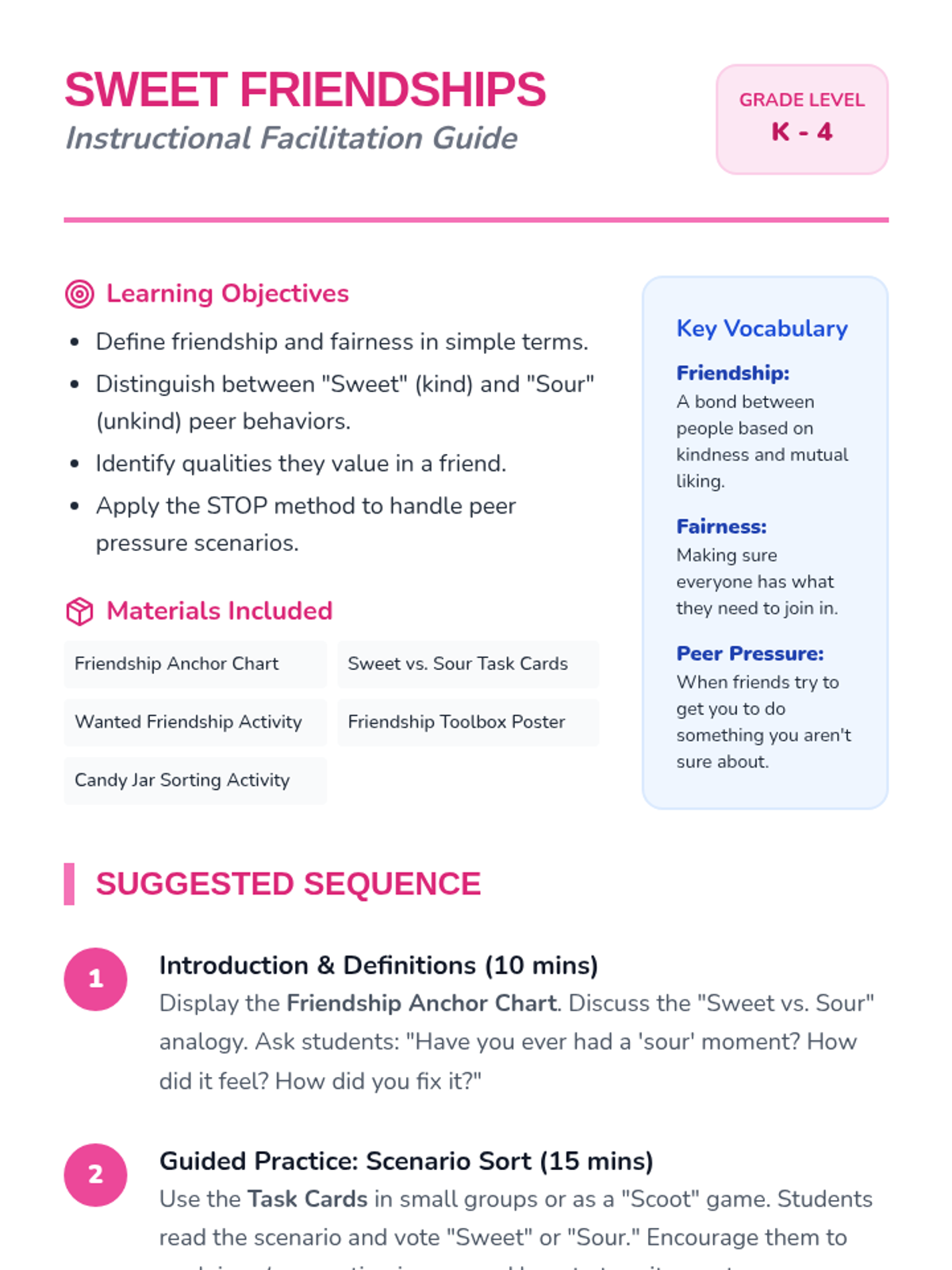
A comprehensive primary lesson focused on building positive relationships, understanding fairness, and developing social skills through interactive candy-themed activities.
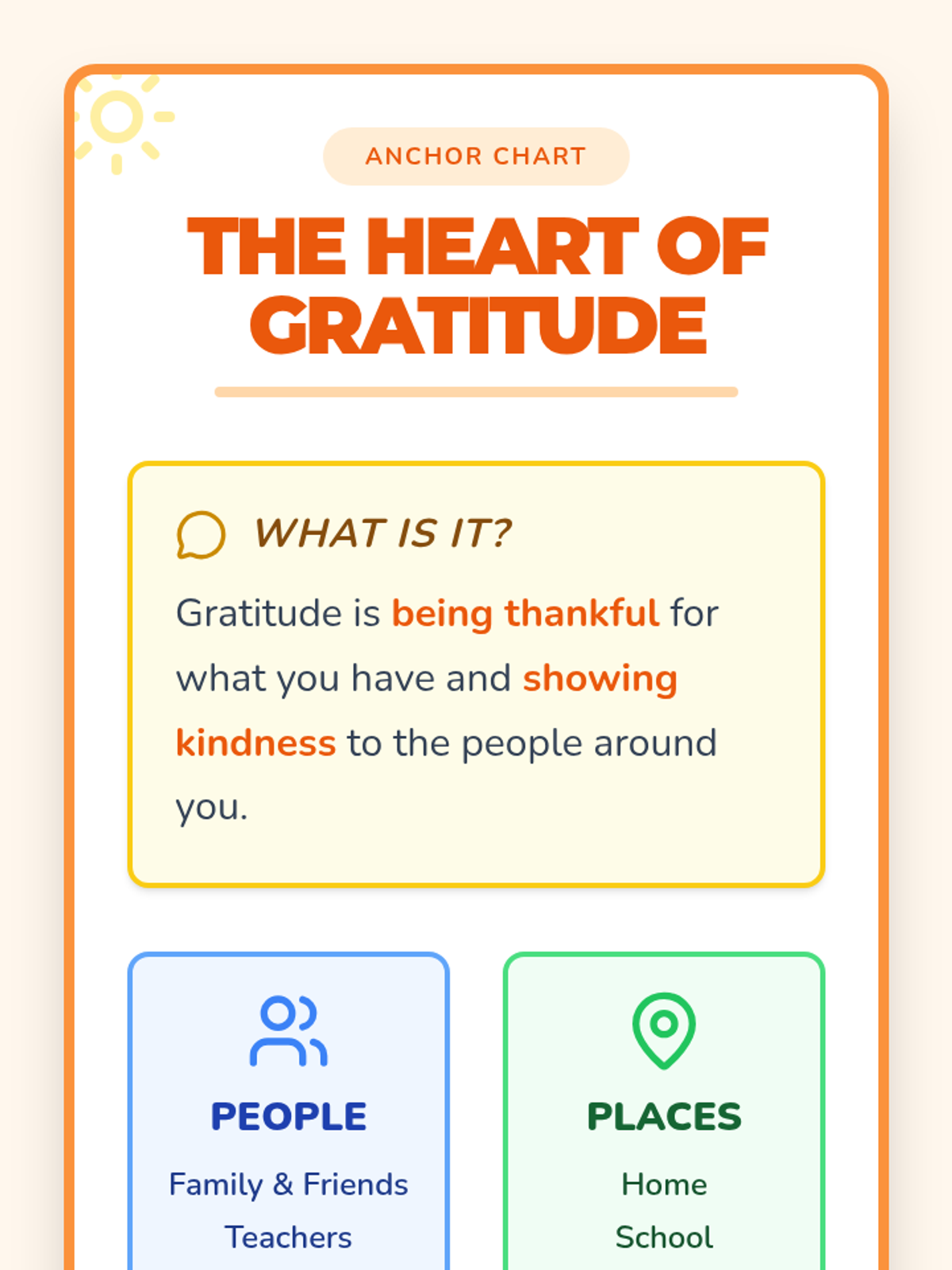
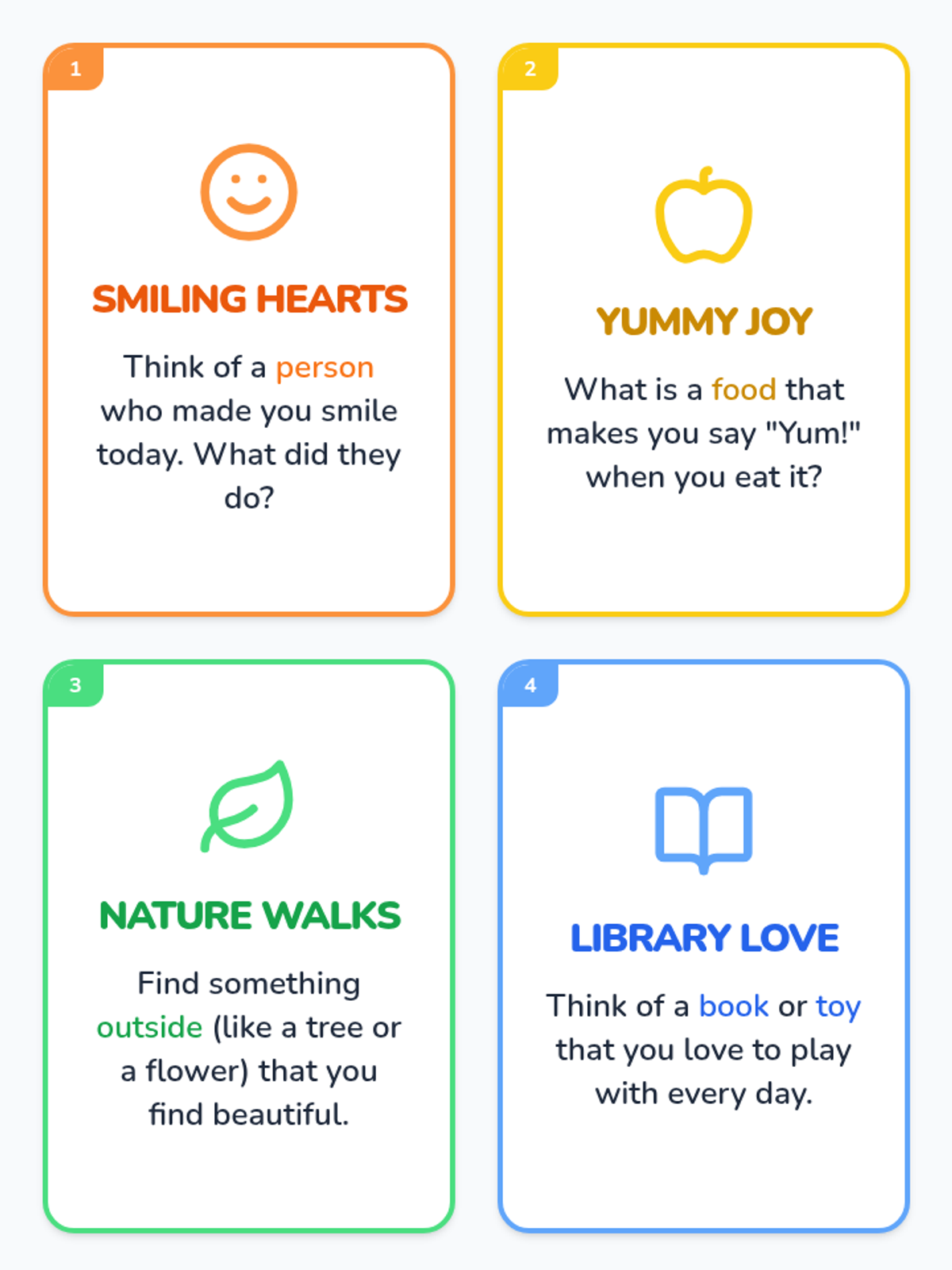
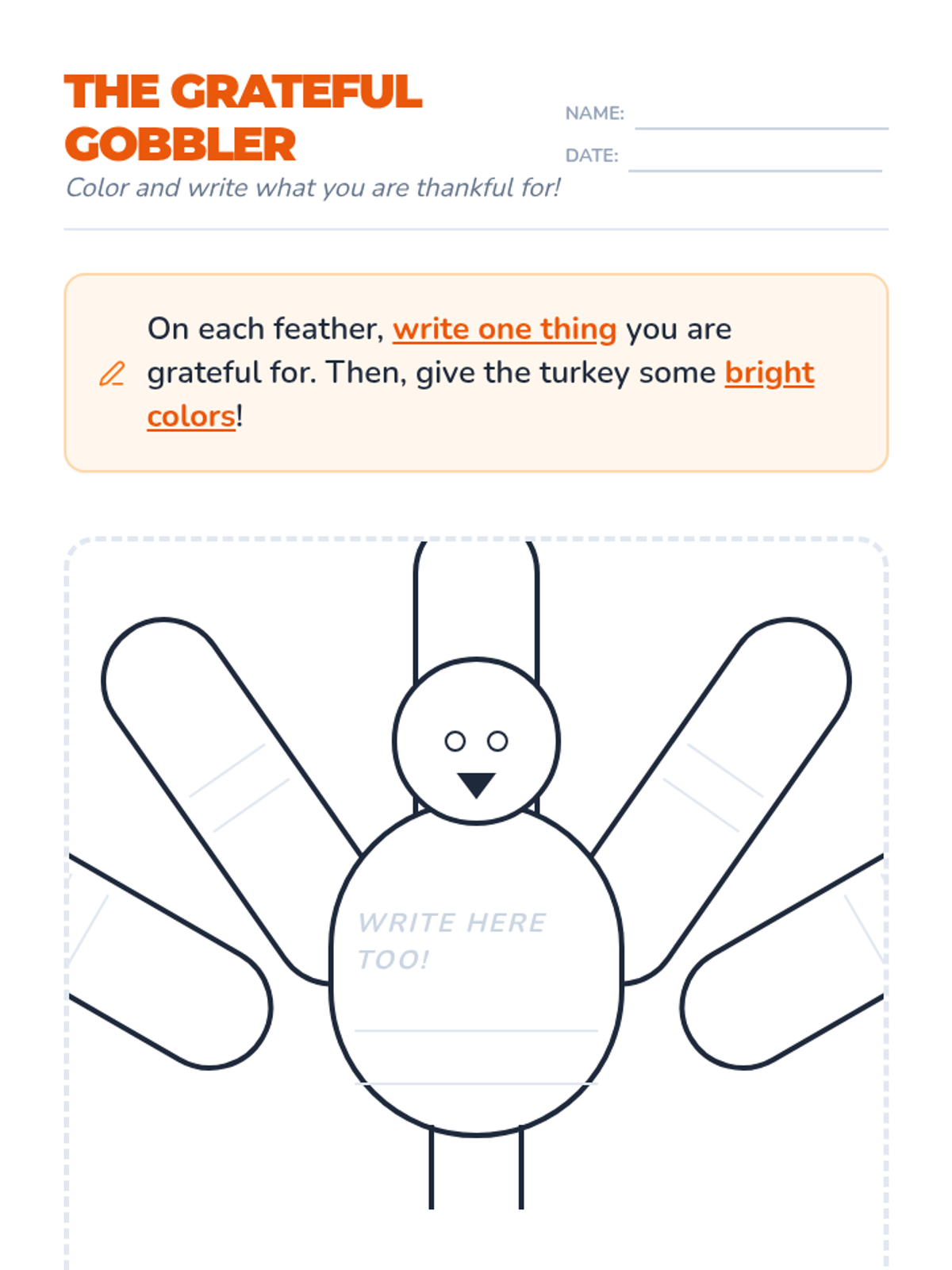
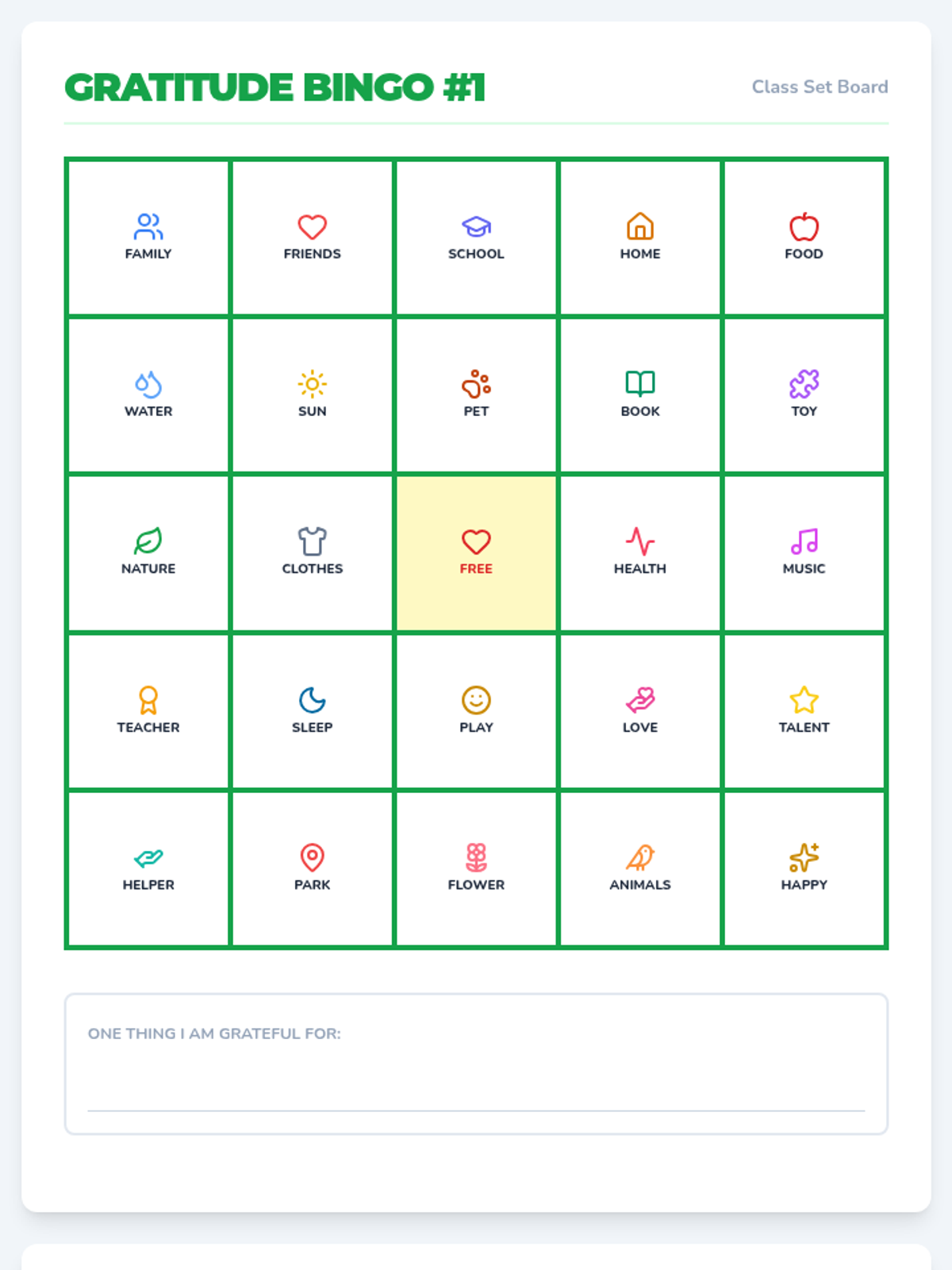
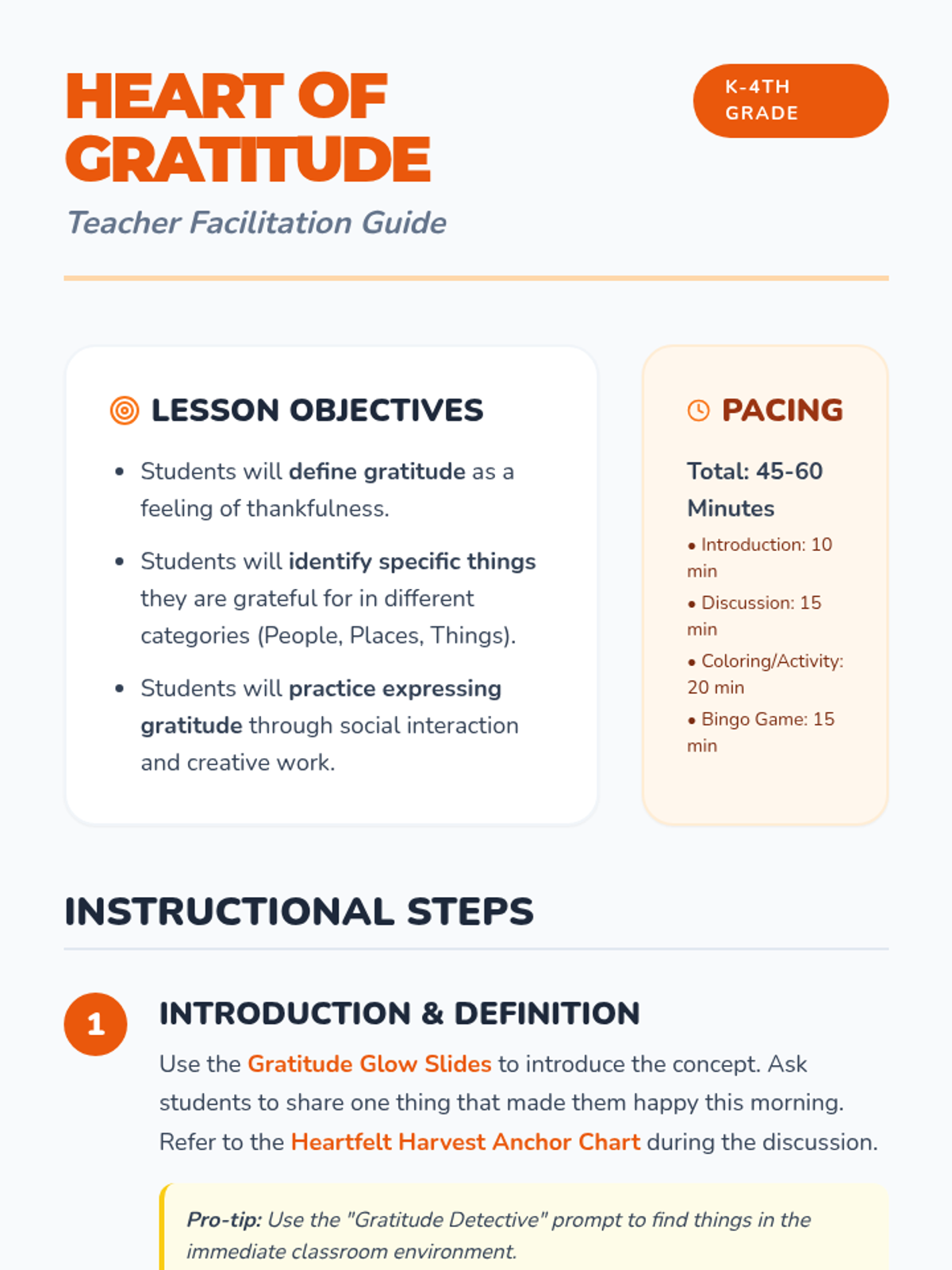
An introductory lesson on gratitude where students define the concept, engage in a visual anchor chart activity, and play a classroom-wide game of Gratitude Bingo.
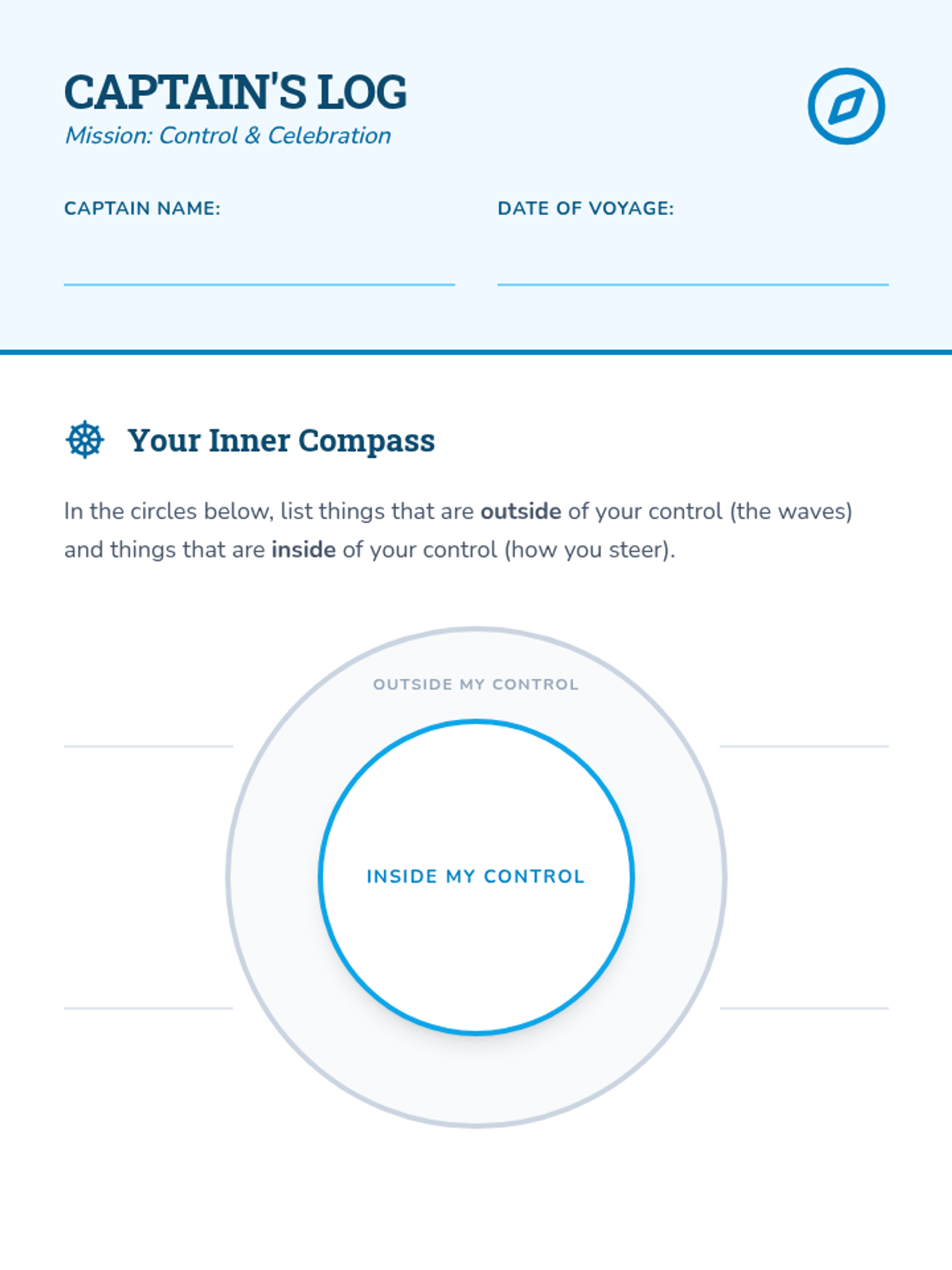
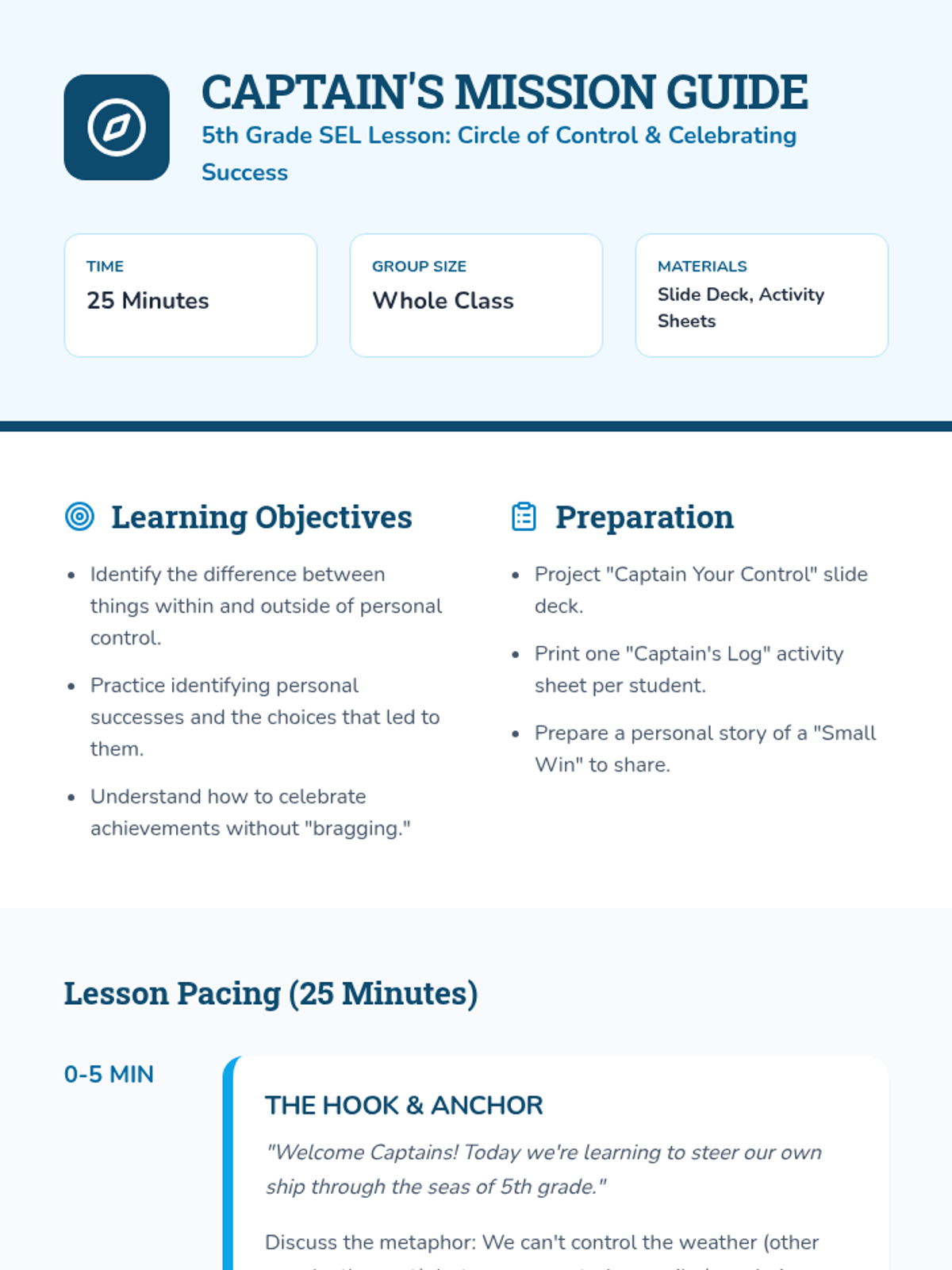
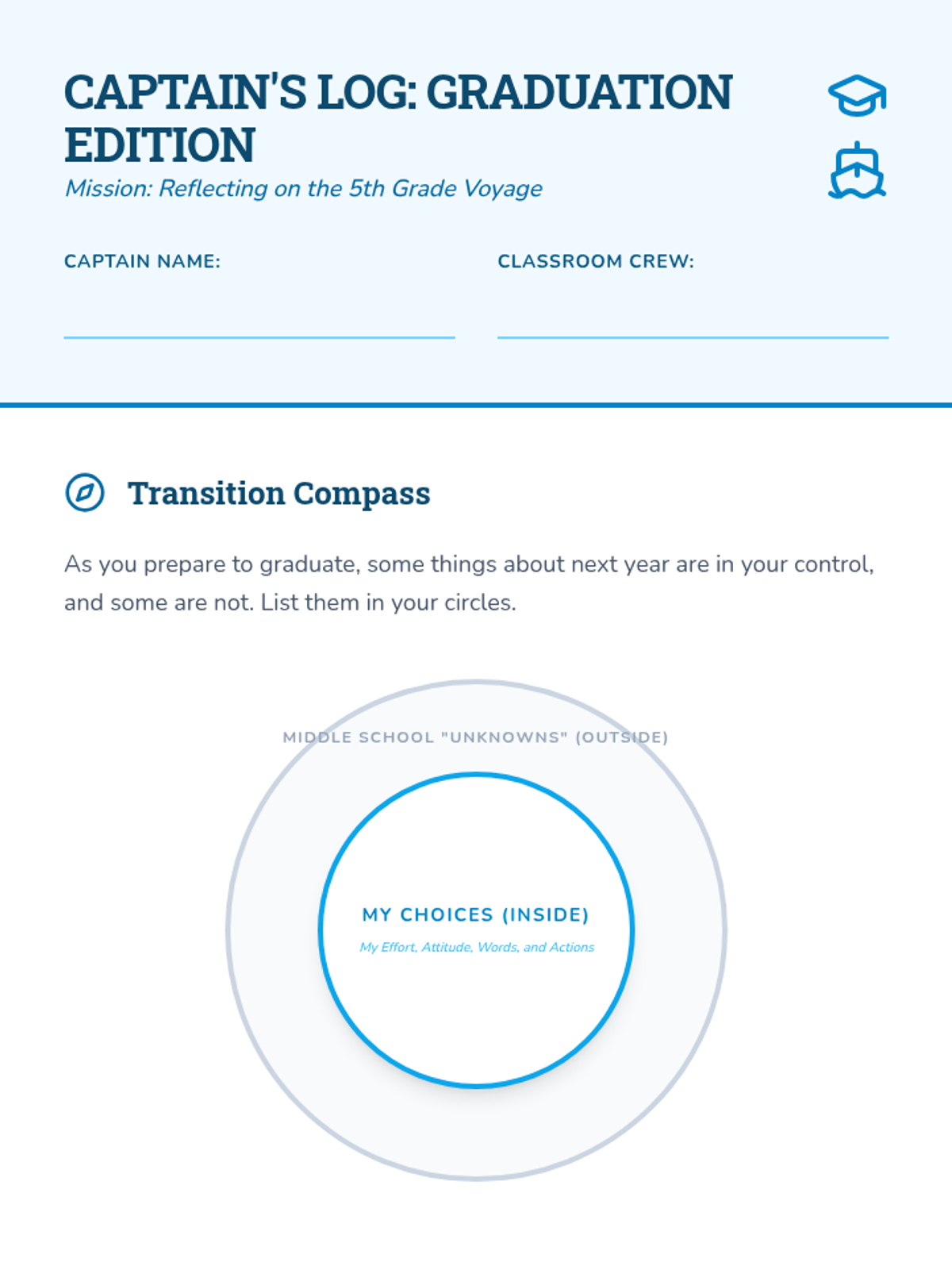
A 25-minute social-emotional learning lesson for 5th graders focused on identifying areas of personal control and practicing the celebration of personal achievements through a nautical 'Captain' theme.
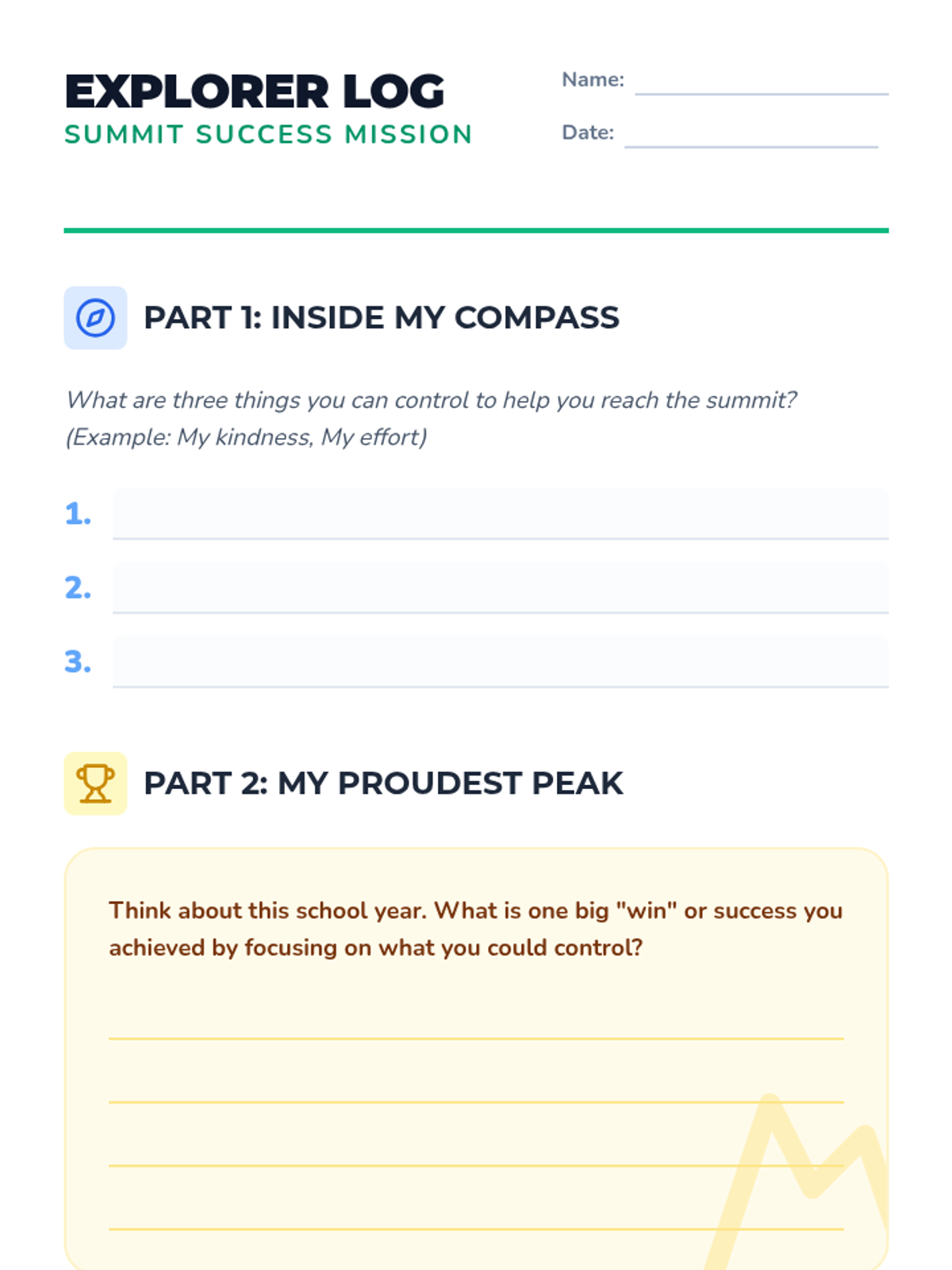
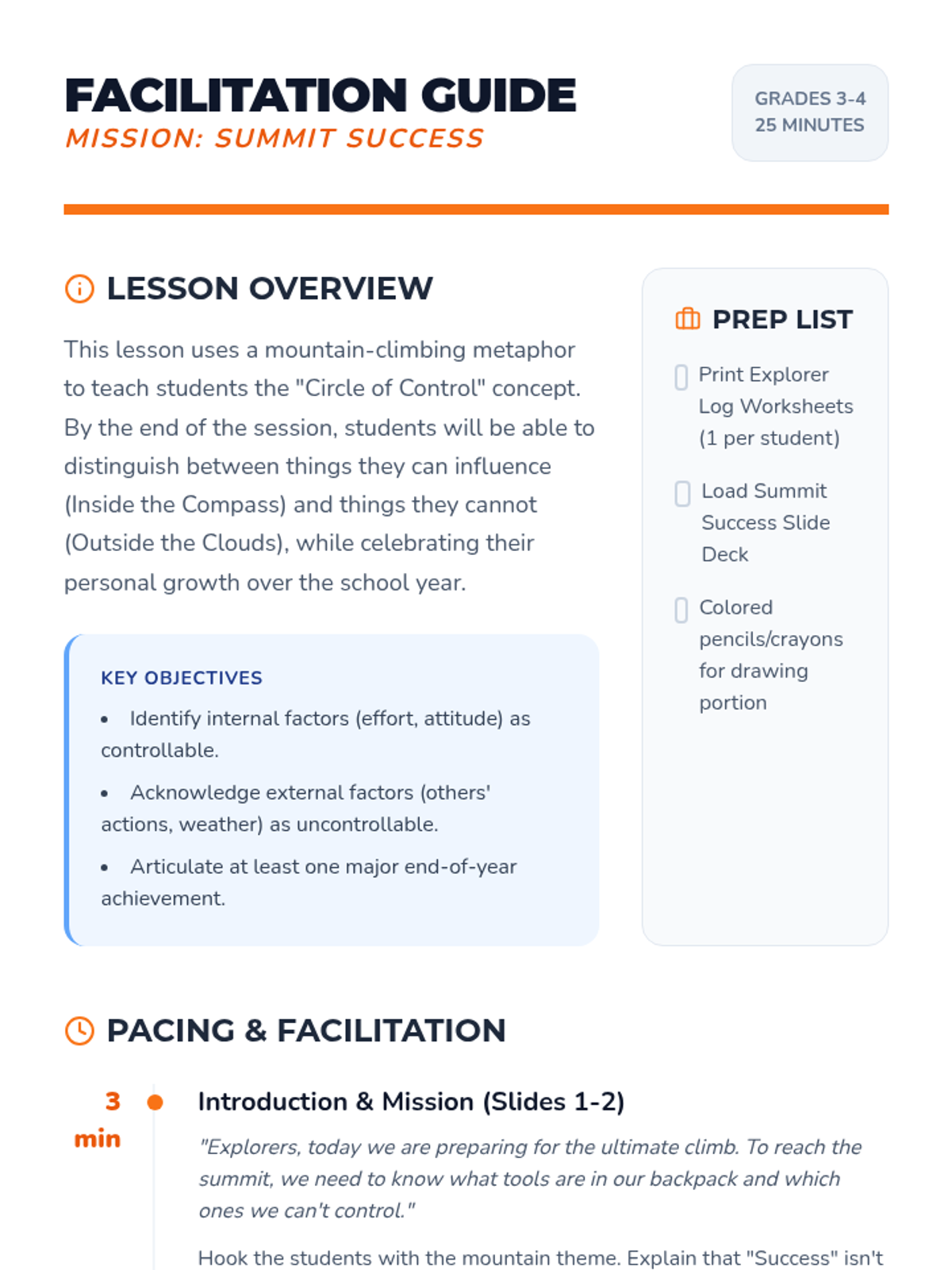
A lesson designed for 3rd-4th graders to understand the Circle of Control and celebrate their end-of-year achievements through a mountain-climbing theme.
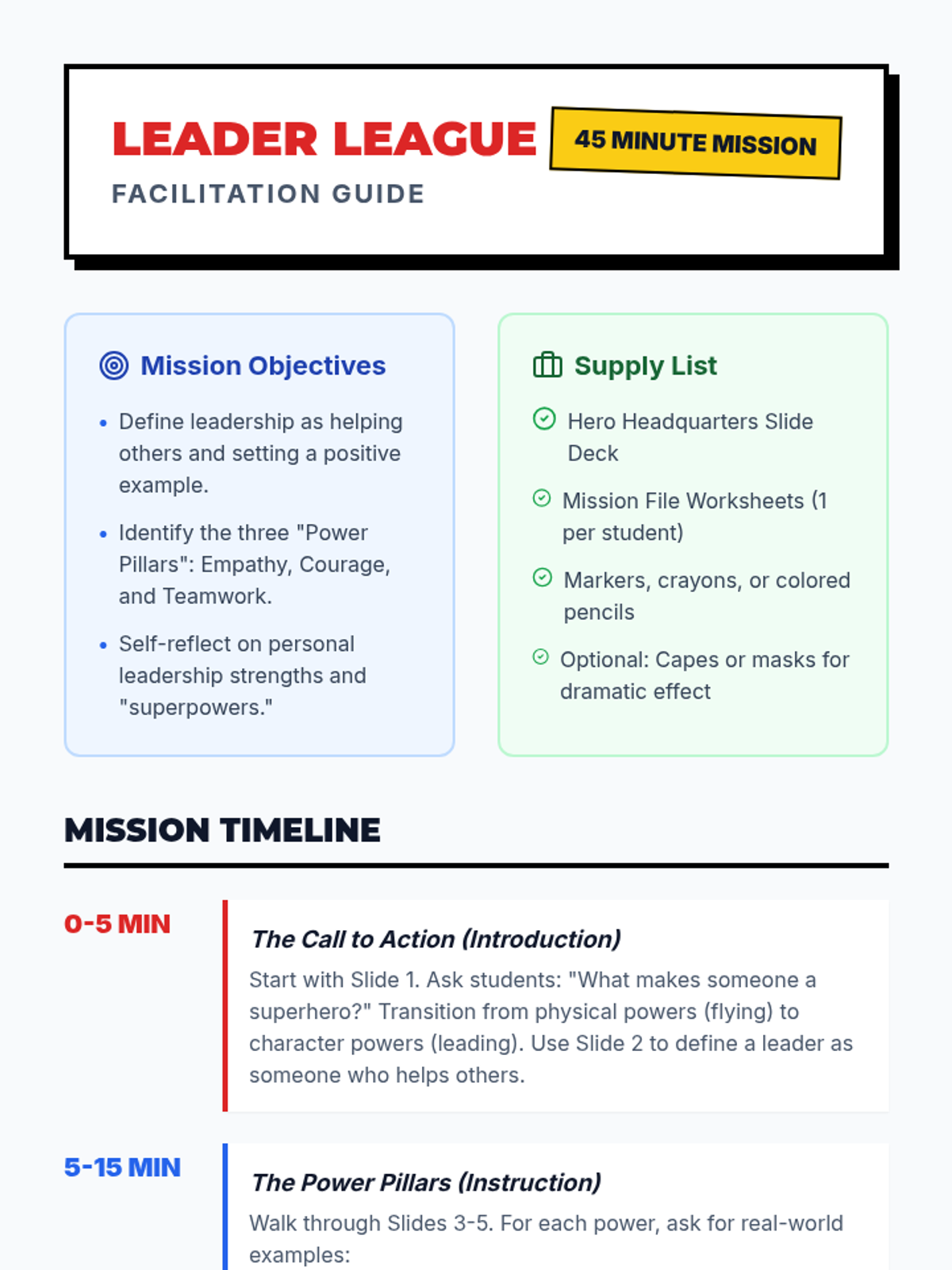
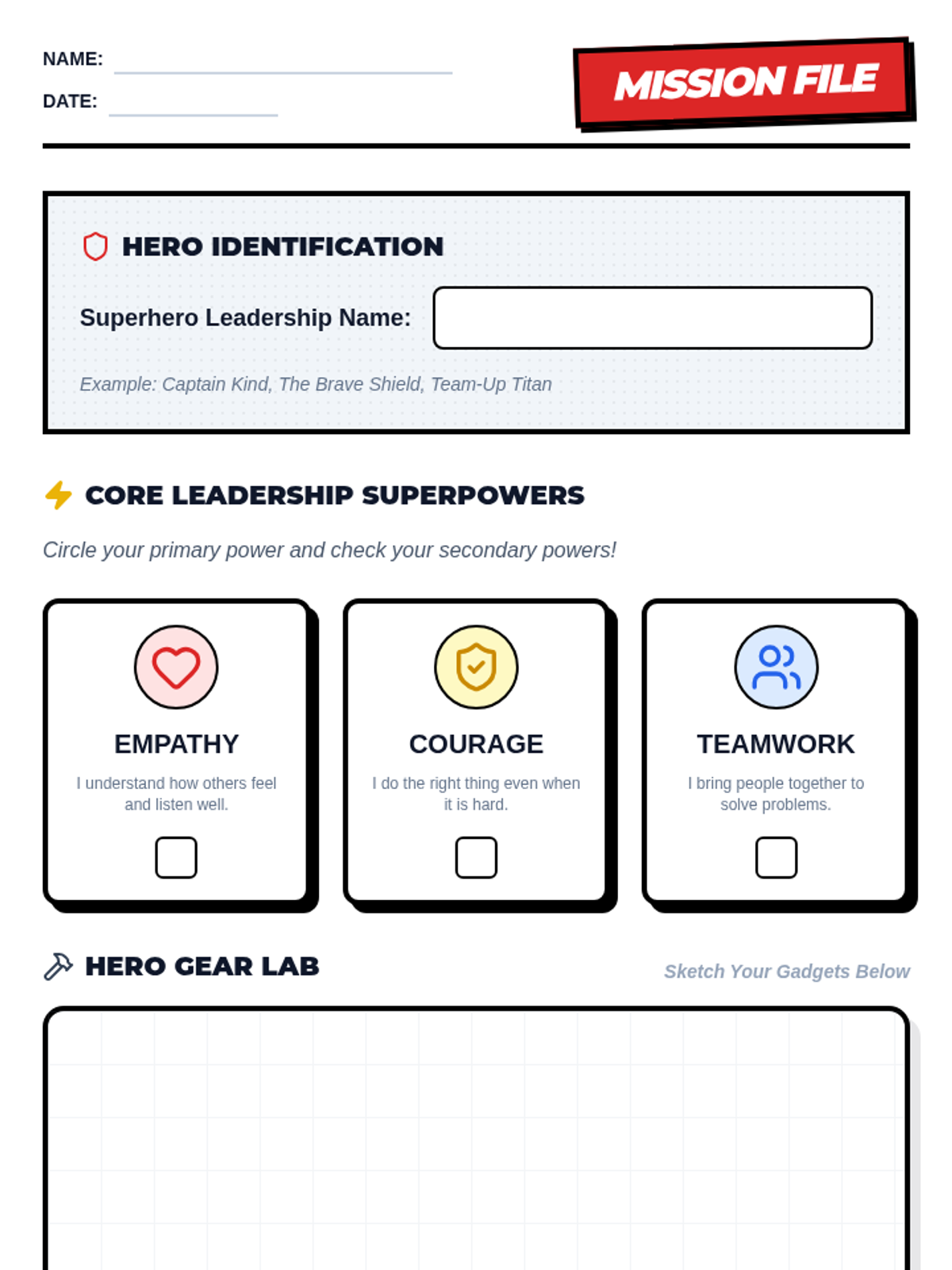
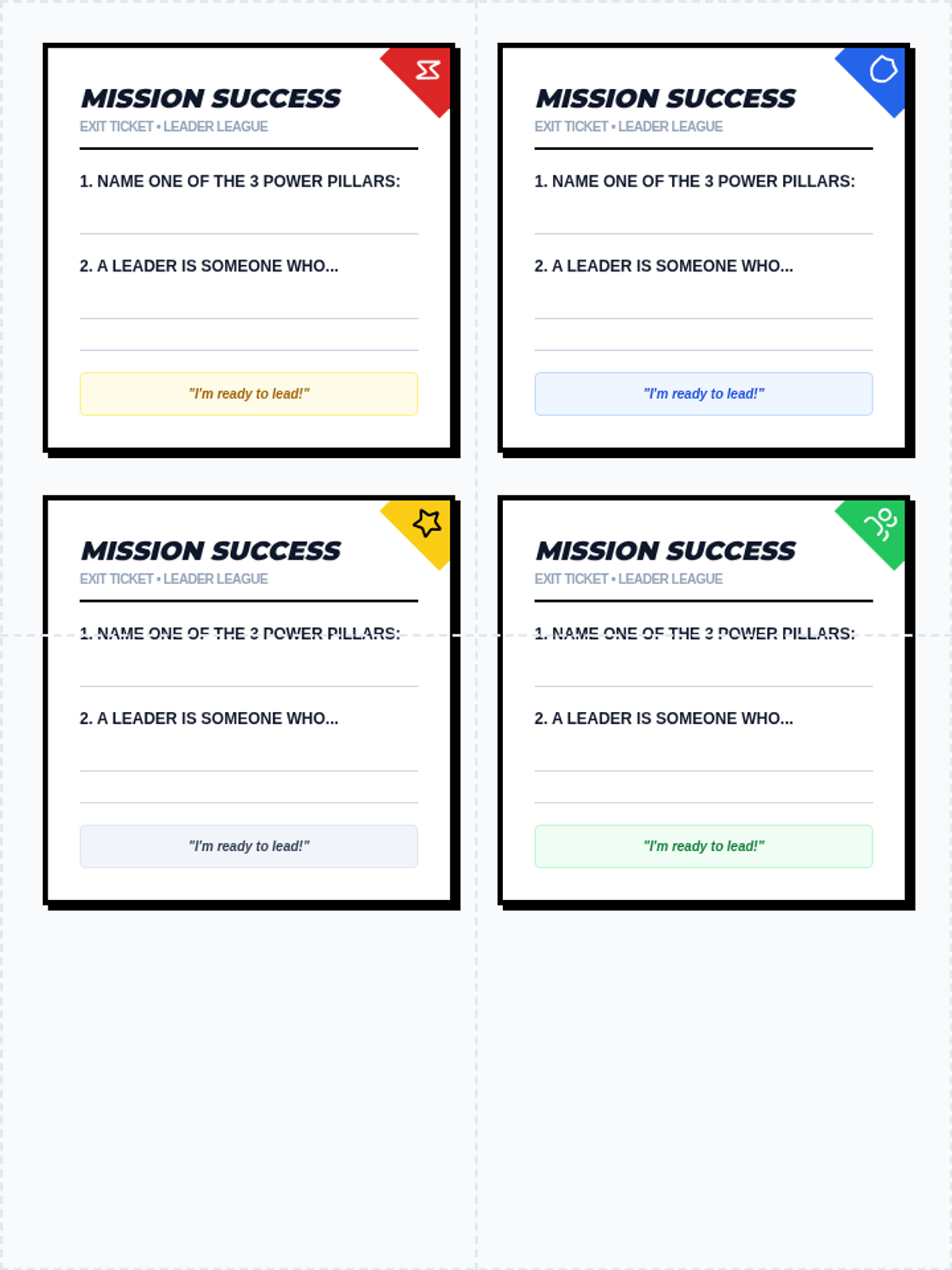
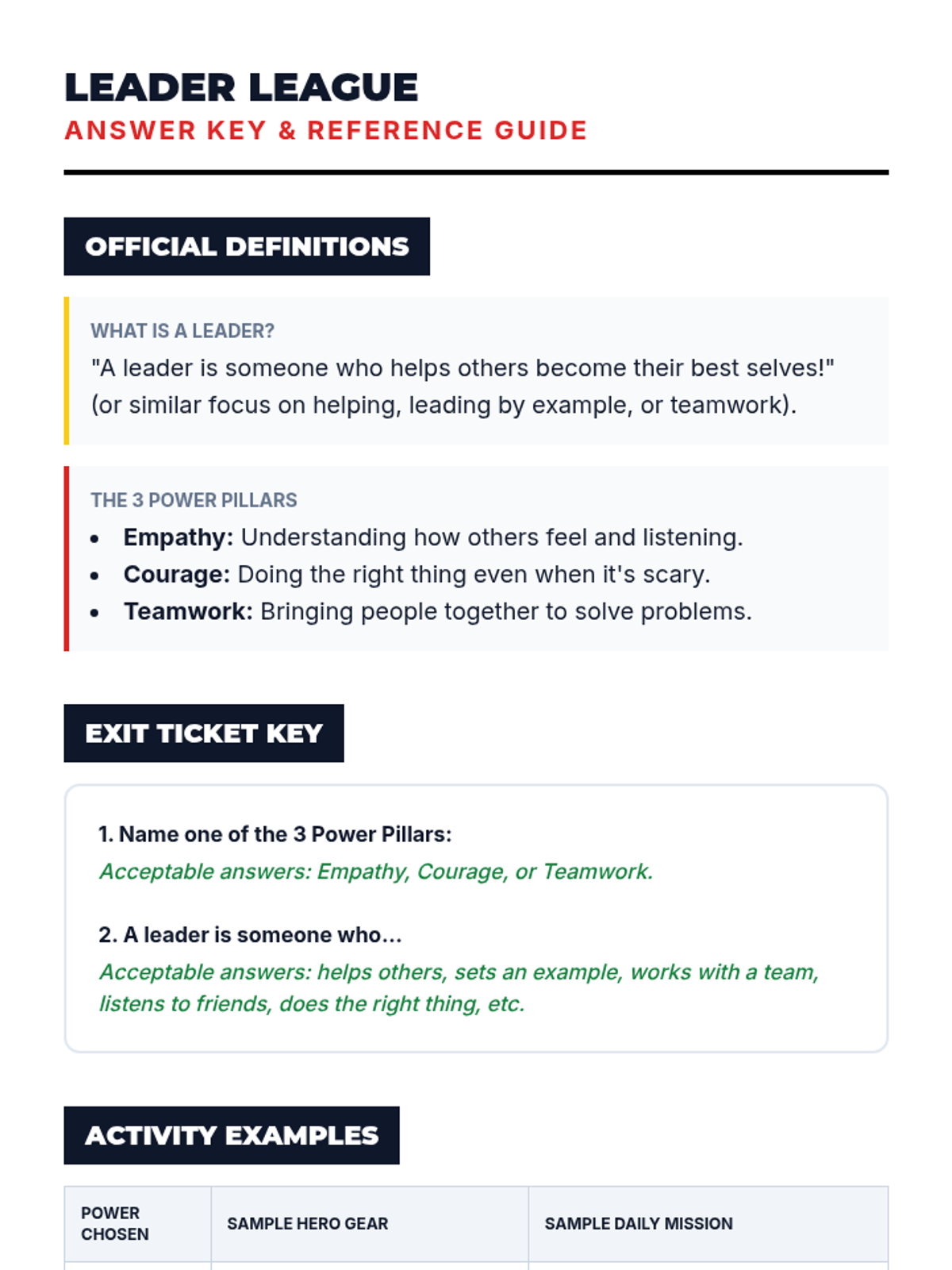
Students explore core leadership qualities through the lens of superheroes, identifying their own unique leadership 'superpowers' and learning how to lead with empathy, courage, and teamwork.
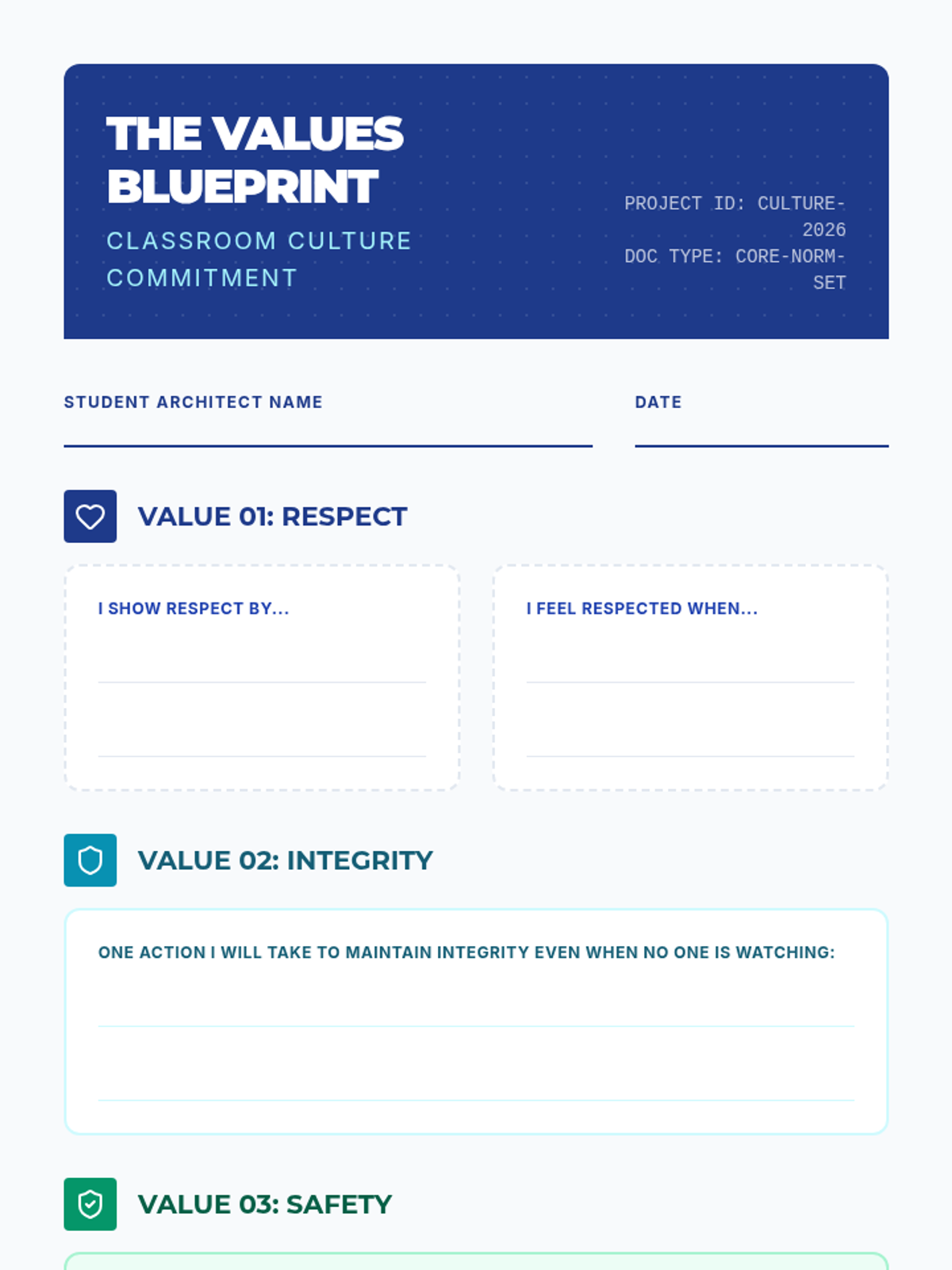
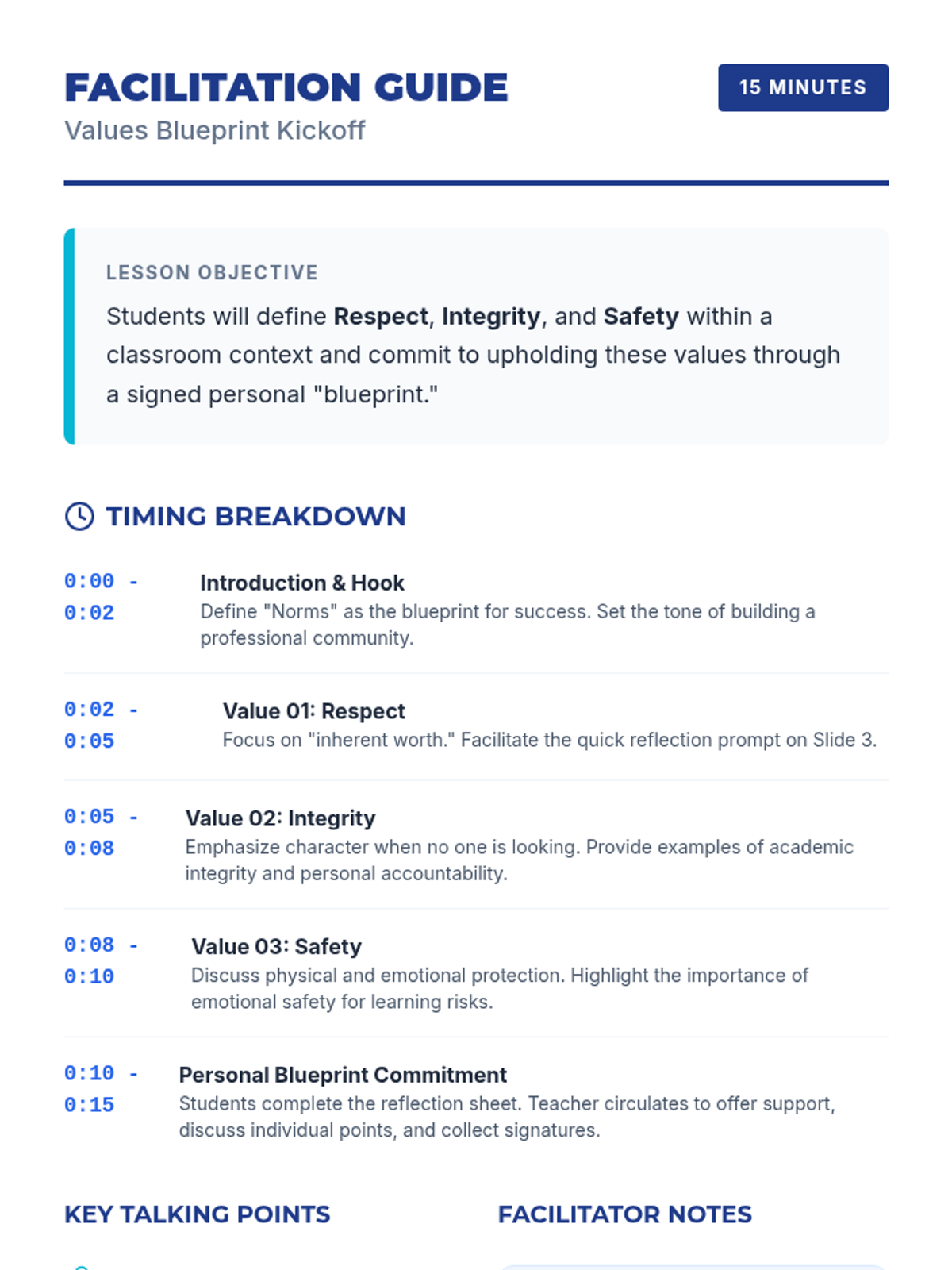
A concise 15-minute introduction to classroom norms centered on the core values of Respect, Integrity, and Safety. Students will define these values and commit to a shared culture of success.
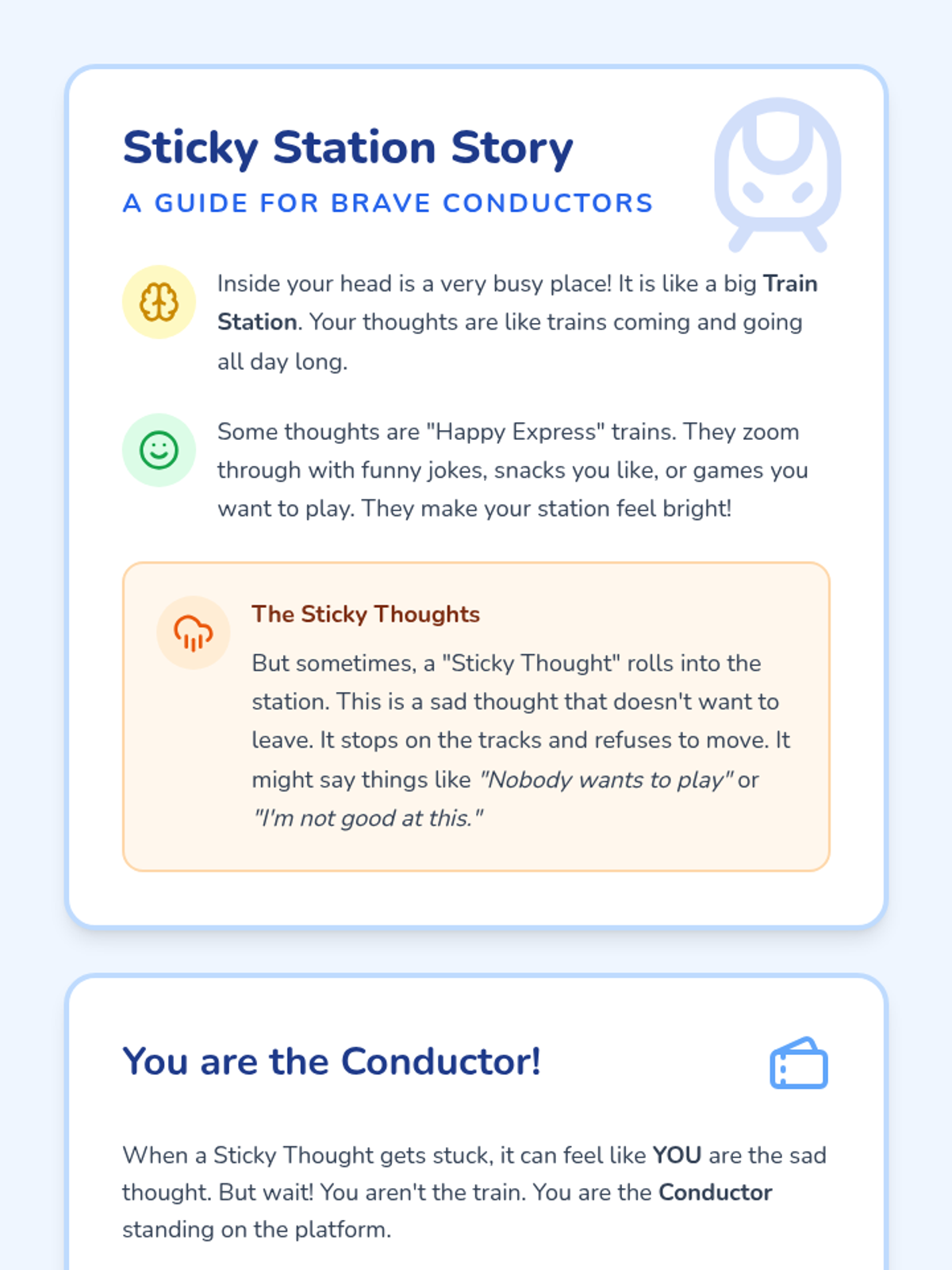
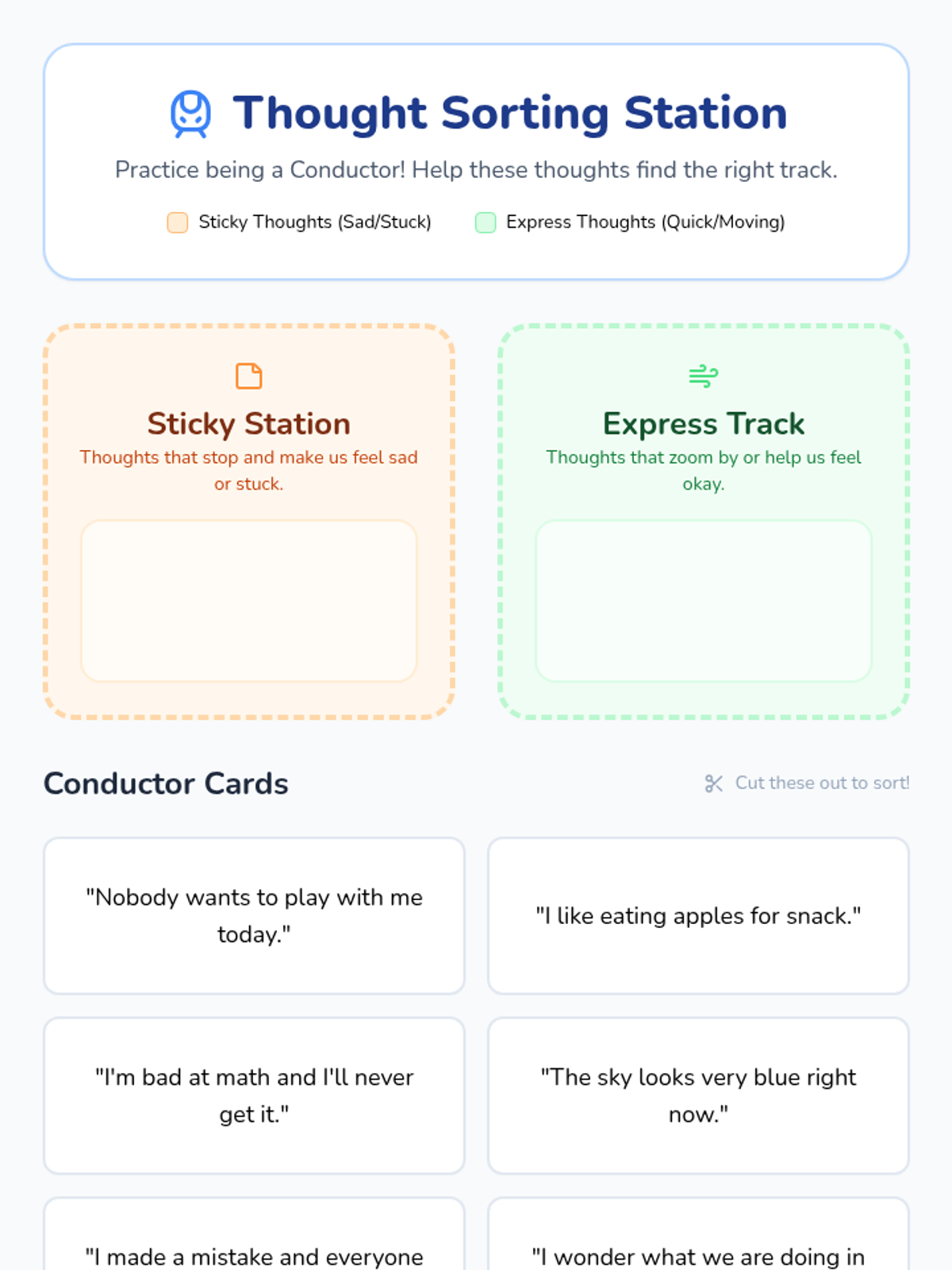
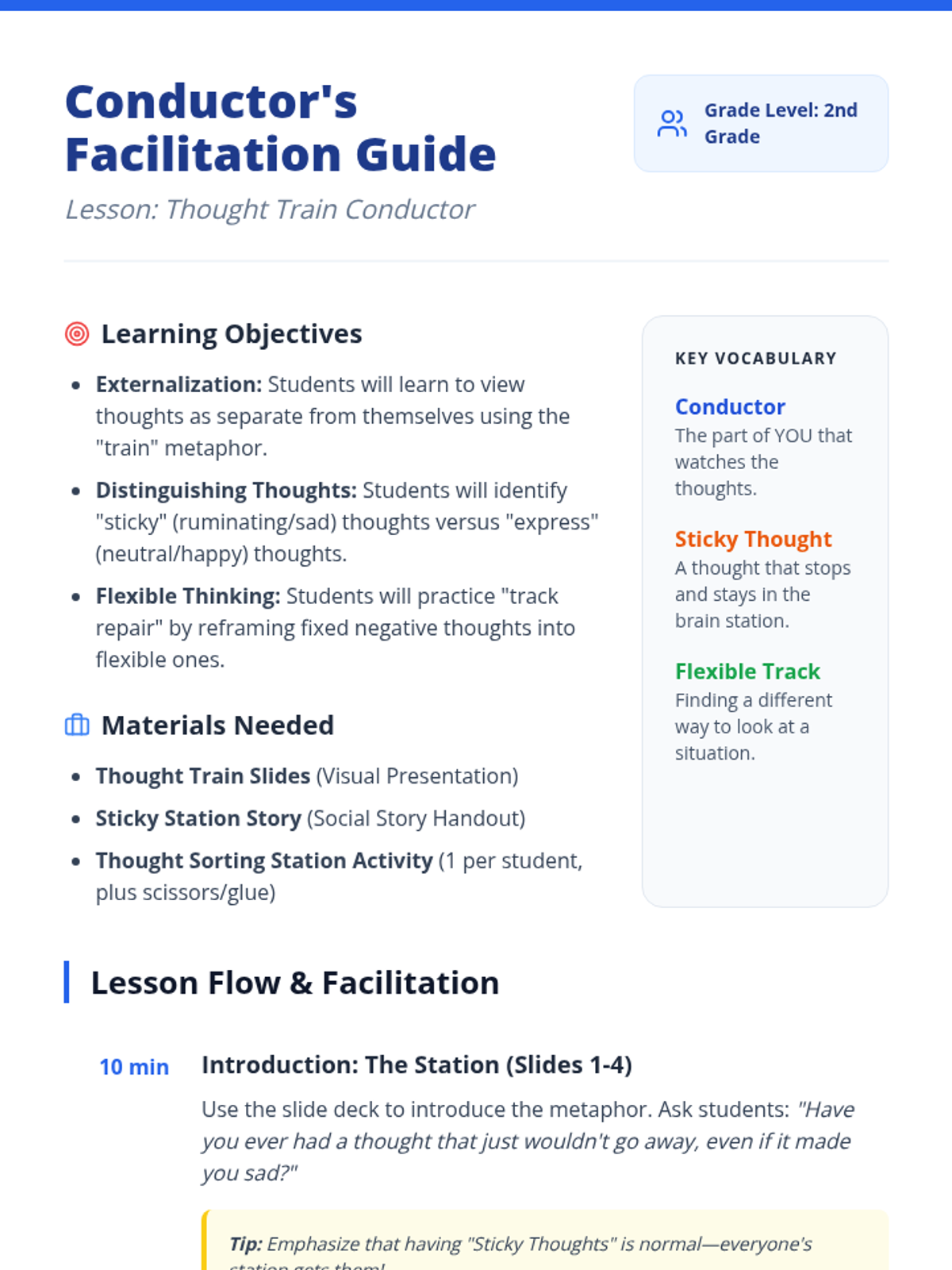
A lesson designed for 2nd graders to manage ruminating sad thoughts using externalization (thought distancing) and flexible thinking through the metaphor of a 'Thought Train'.
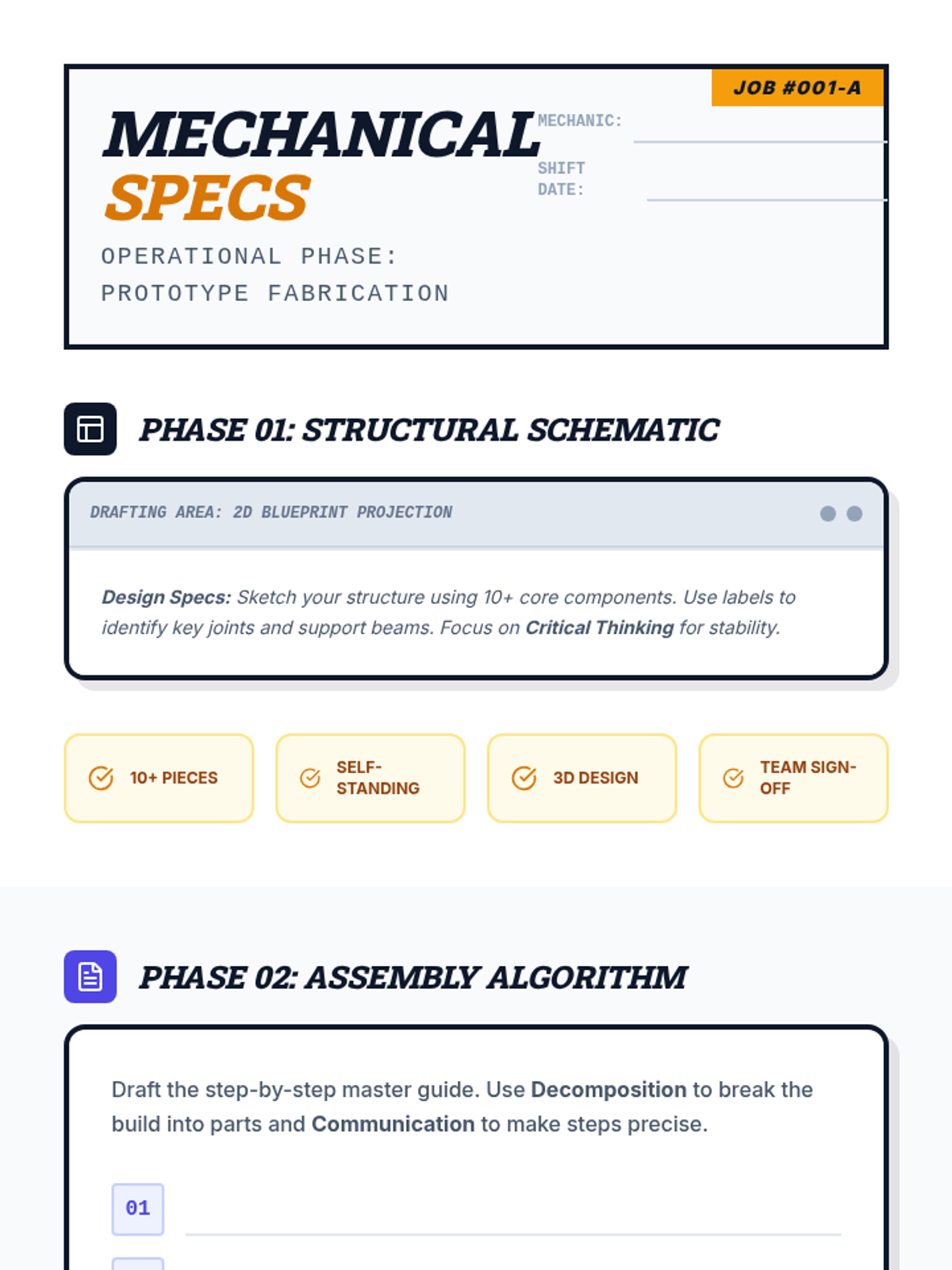
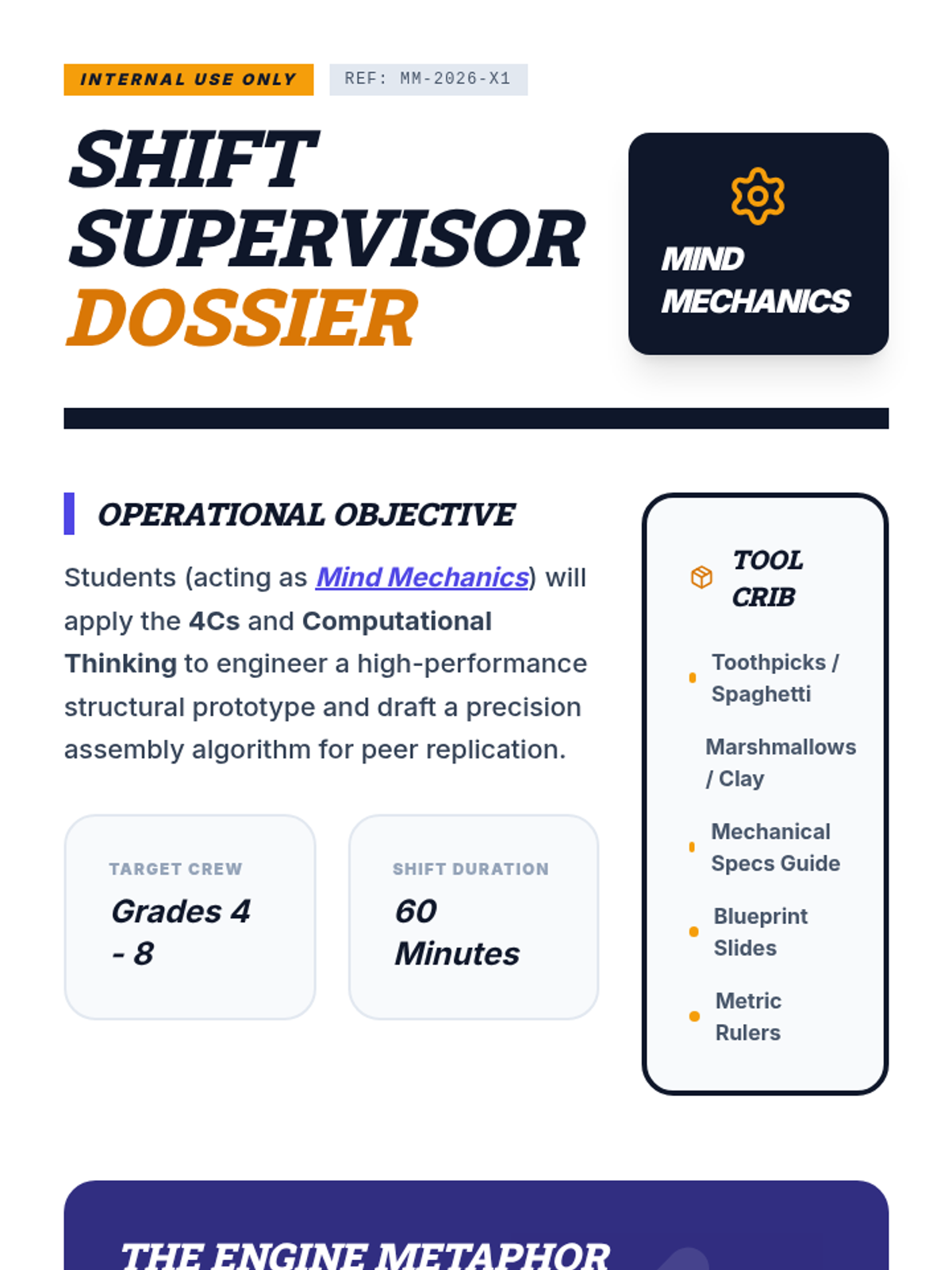
An industrial-themed teamwork lesson where students act as "Mind Mechanics" to apply the 4Cs and Computational Thinking to a complex engineering challenge.
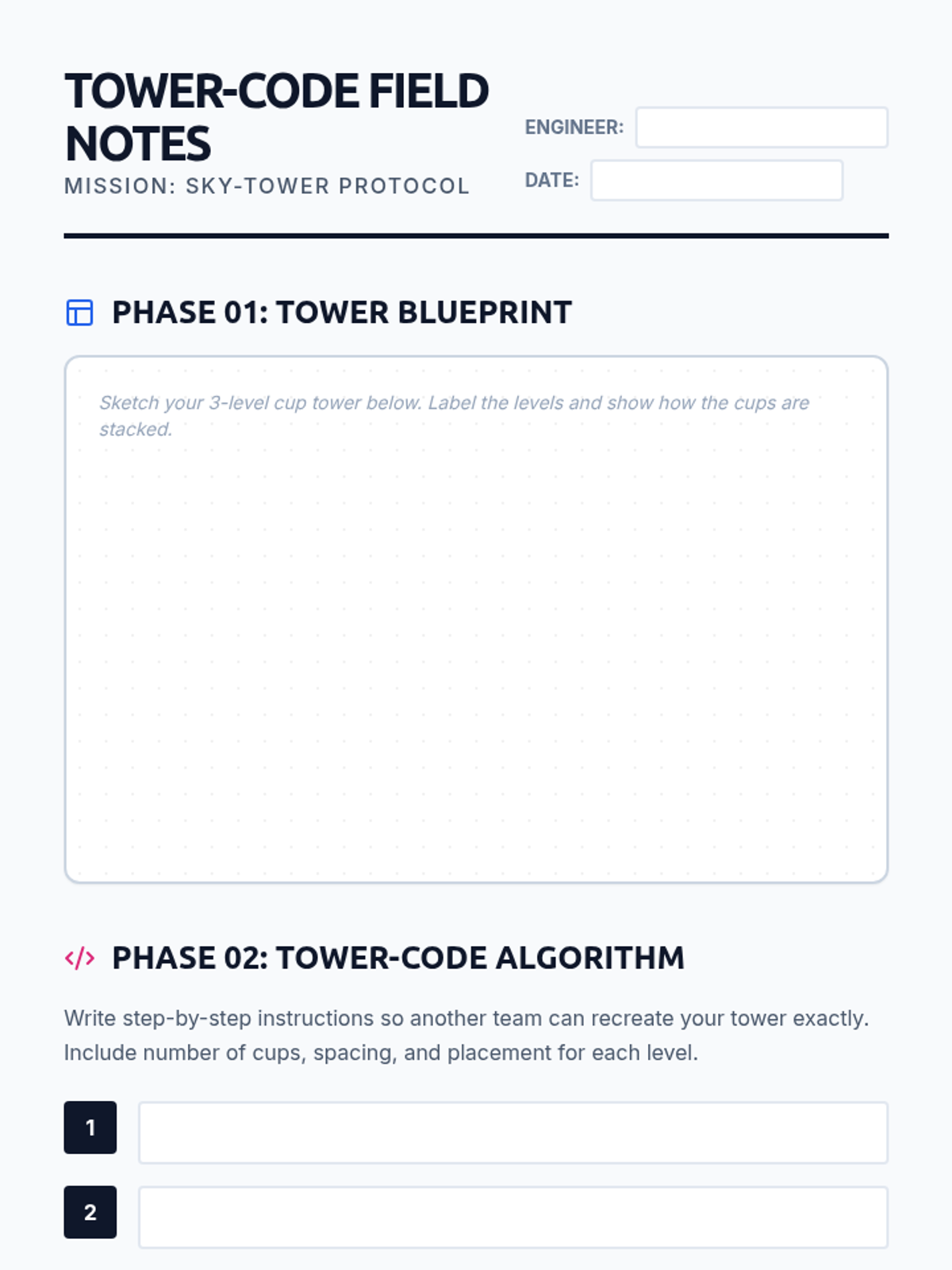
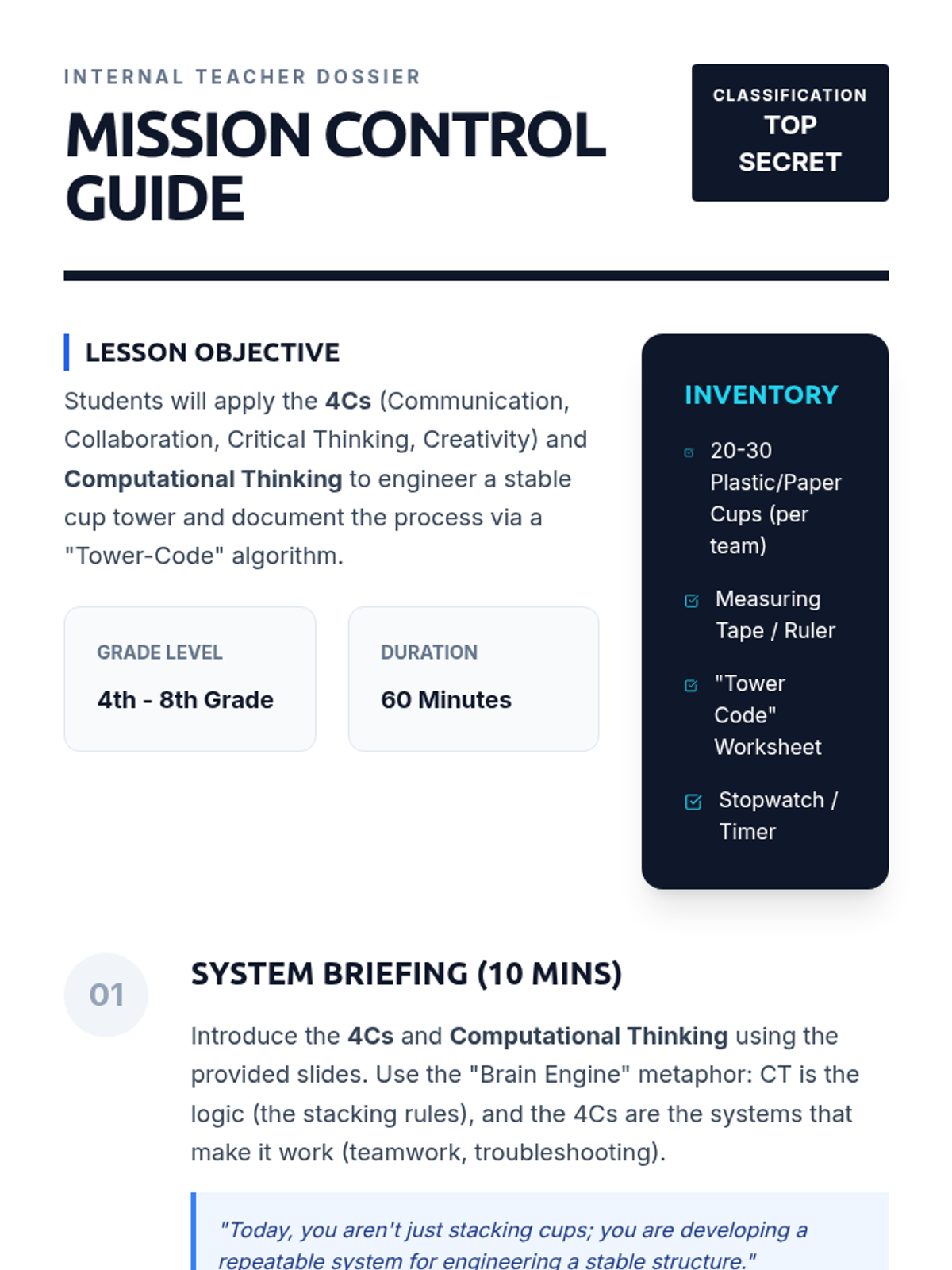
A high-stakes engineering challenge where students use the 4Cs and Computational Thinking to design, build, and document the ultimate cup tower structure.
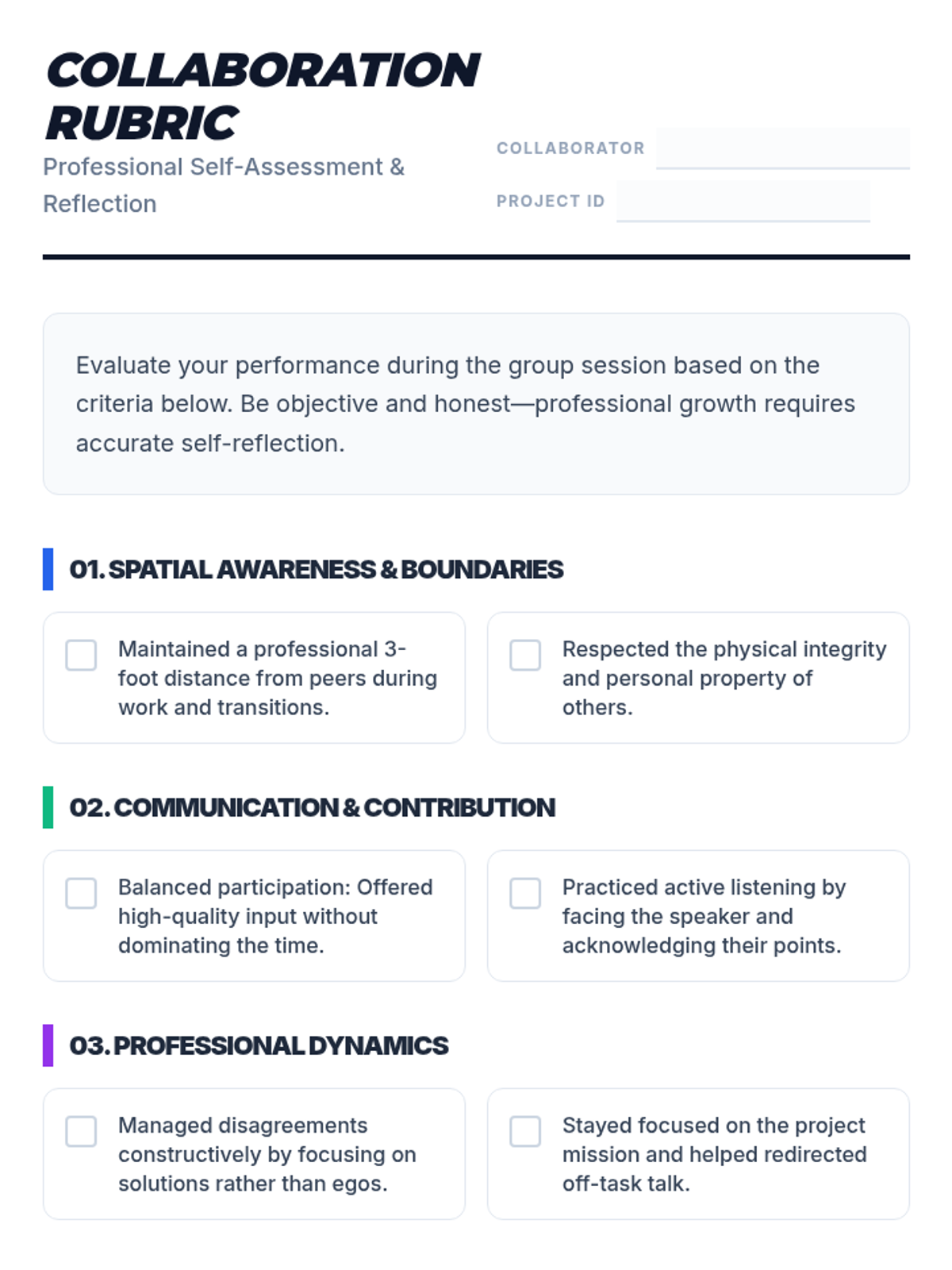
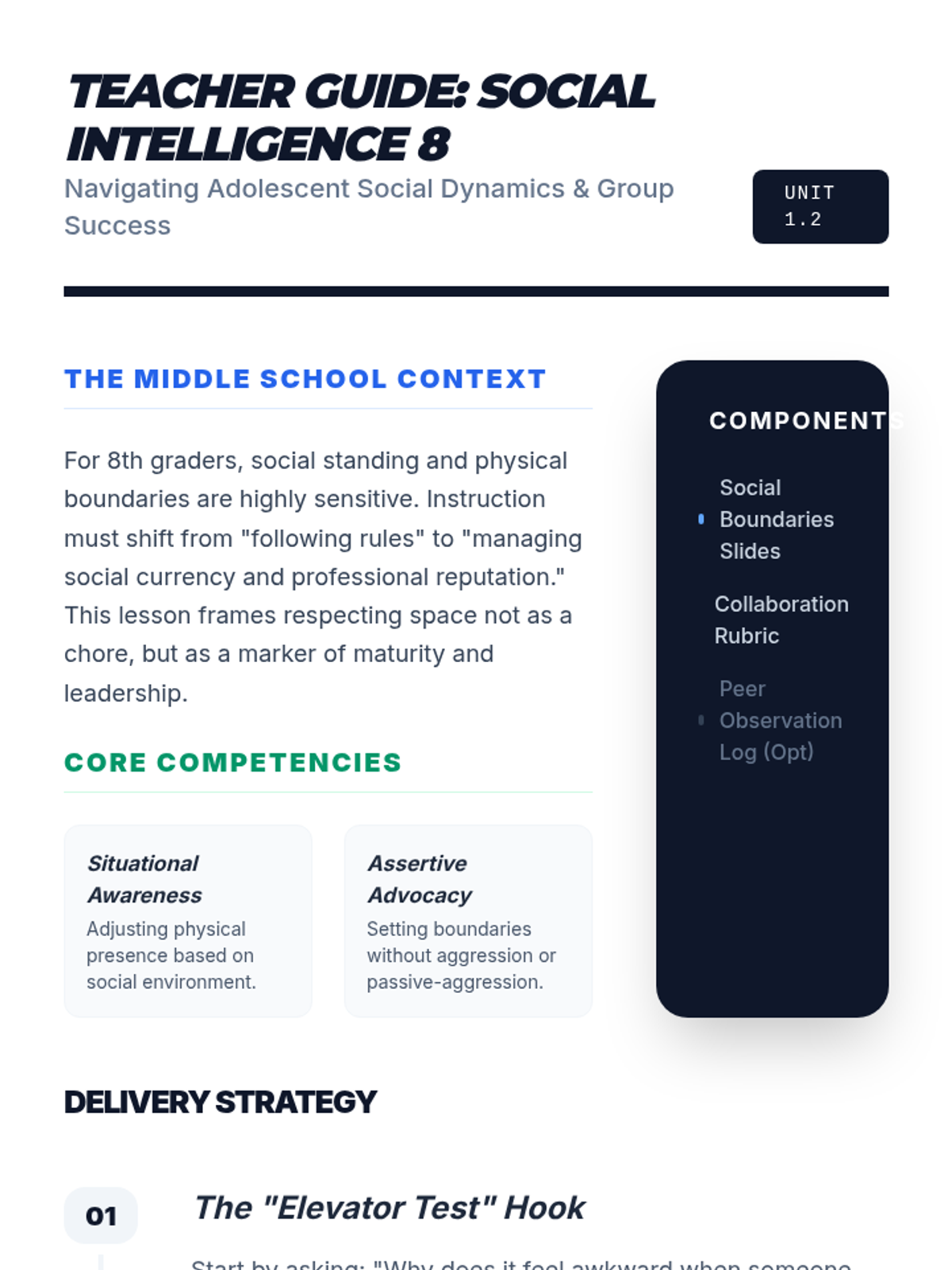
This lesson teaches students the importance of respecting personal space and how to contribute positively to group work. It uses social story modeling to show clear examples of 'expected' behaviors in various classroom scenarios.
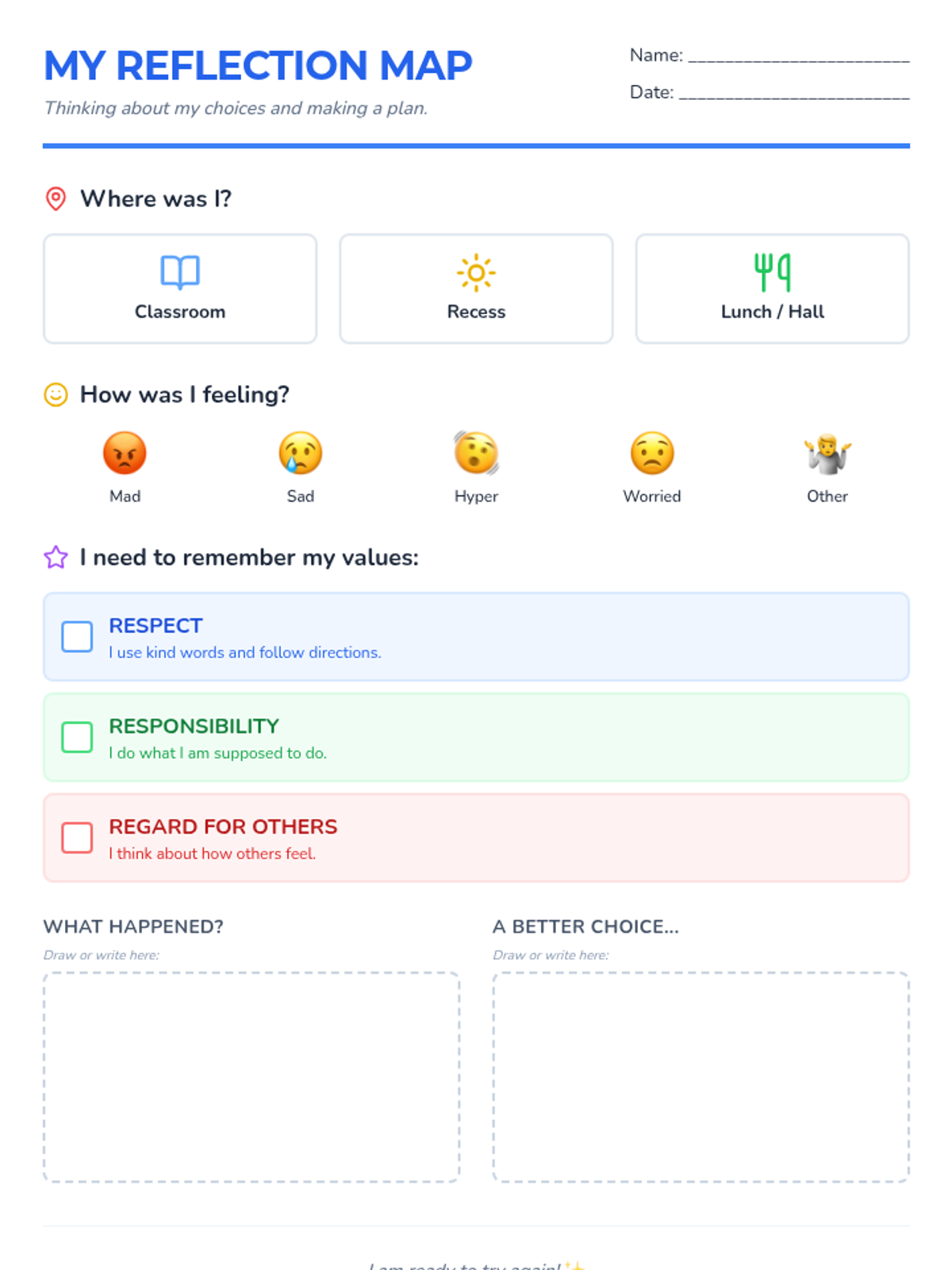
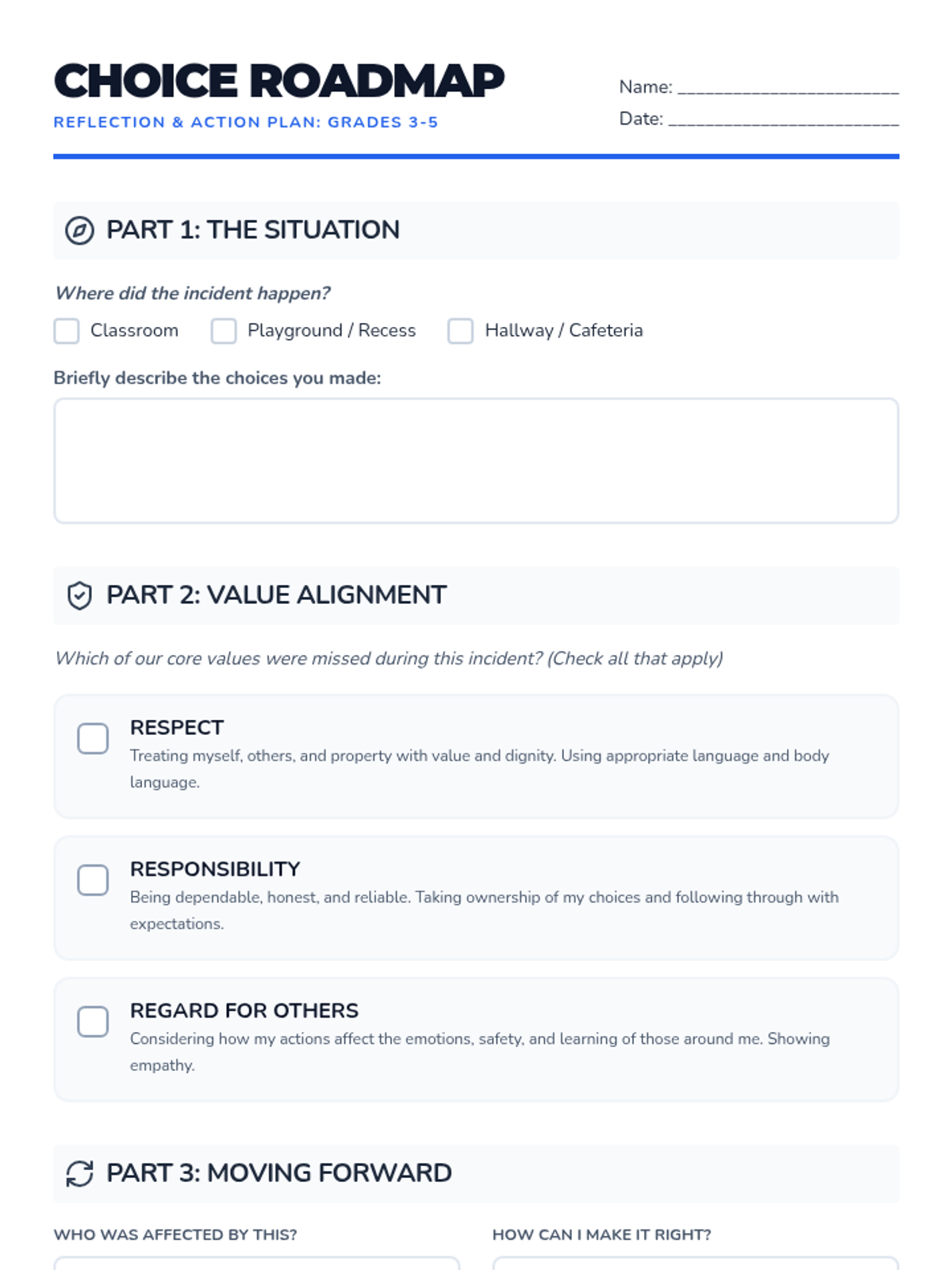
A set of reflection tools for students in grades K-5 to process behavioral incidents through the lens of core values: Respect, Responsibility, and Regard for Others. Includes tiered versions for lower and upper elementary students.
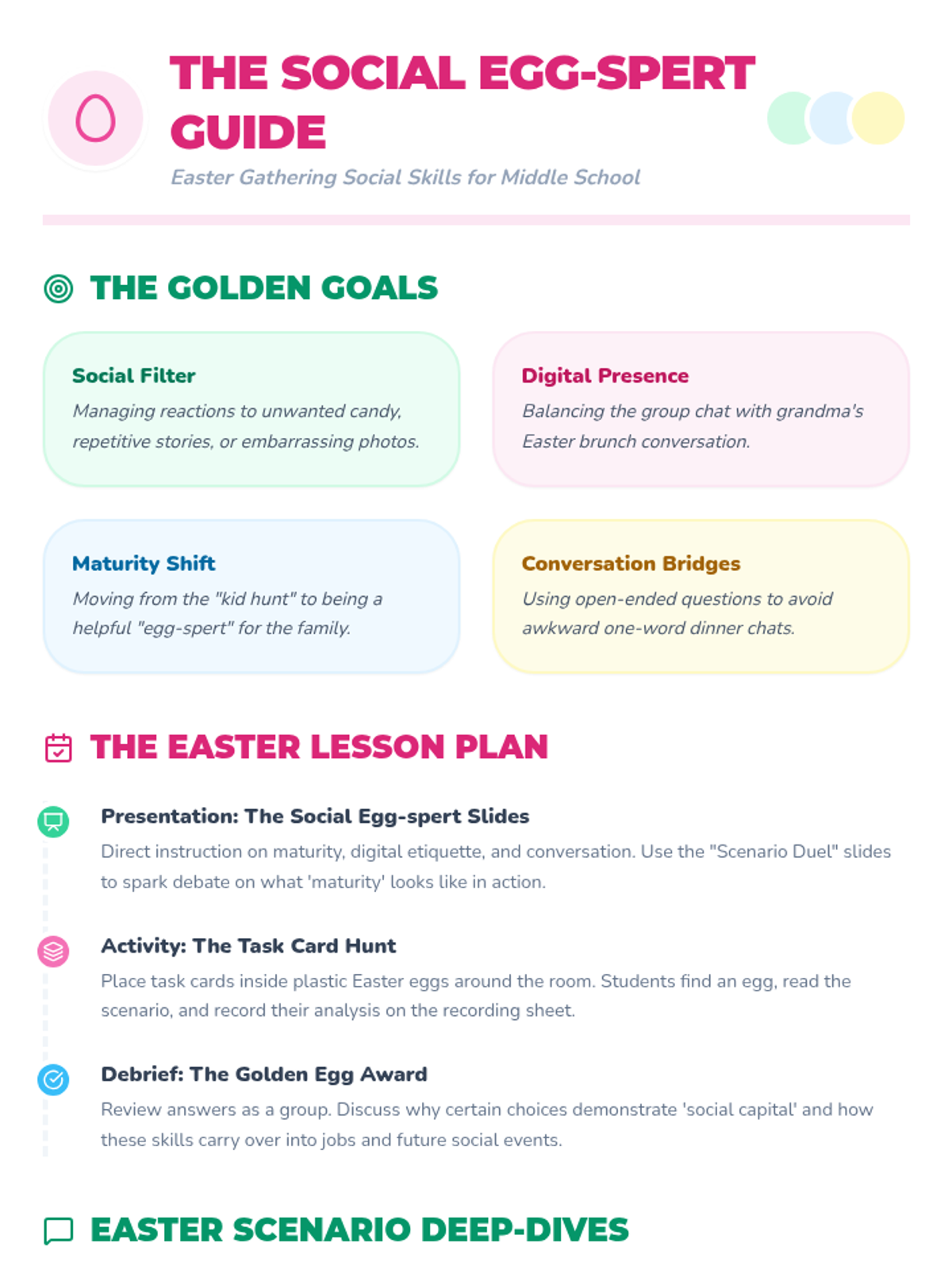
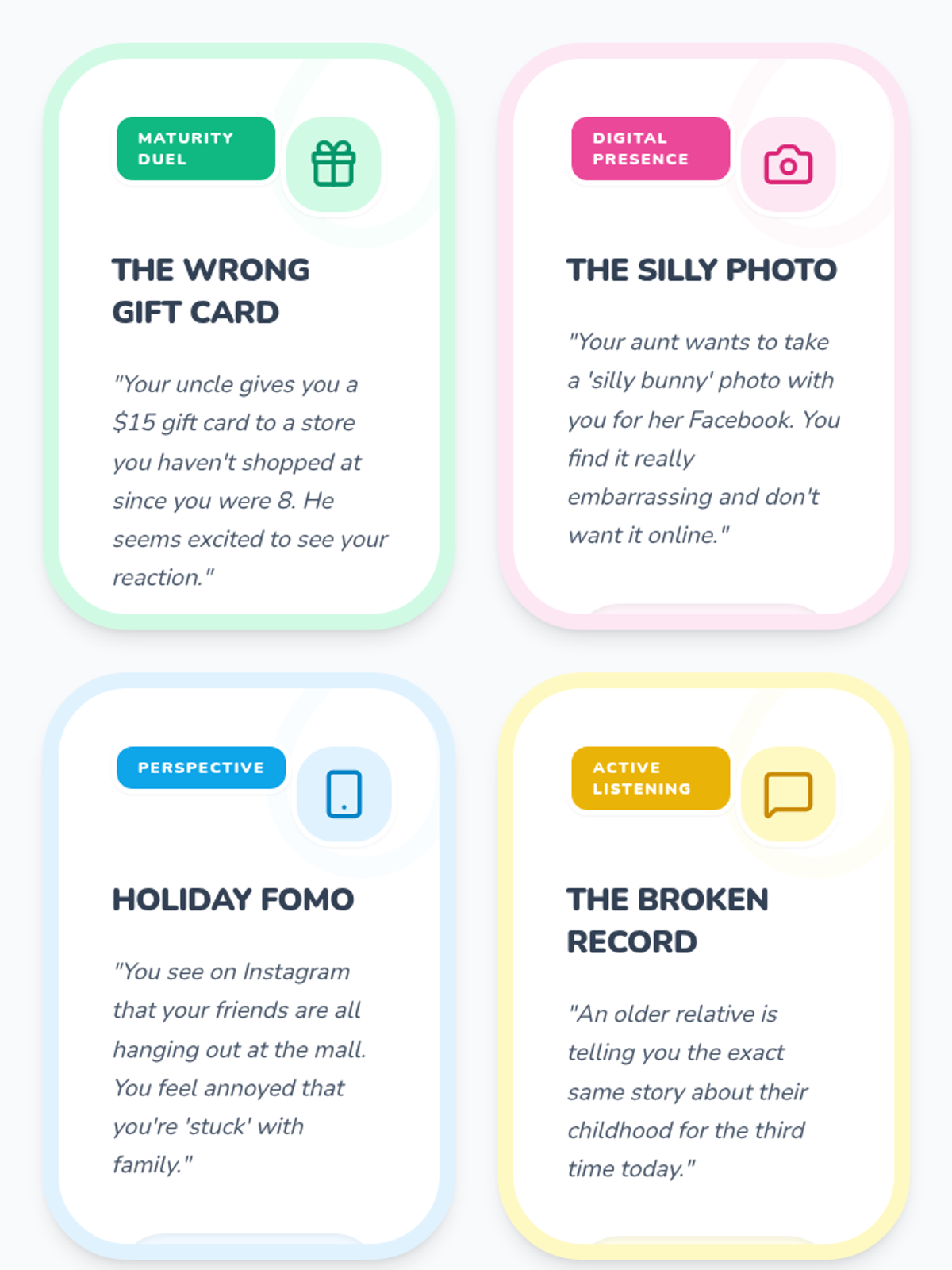
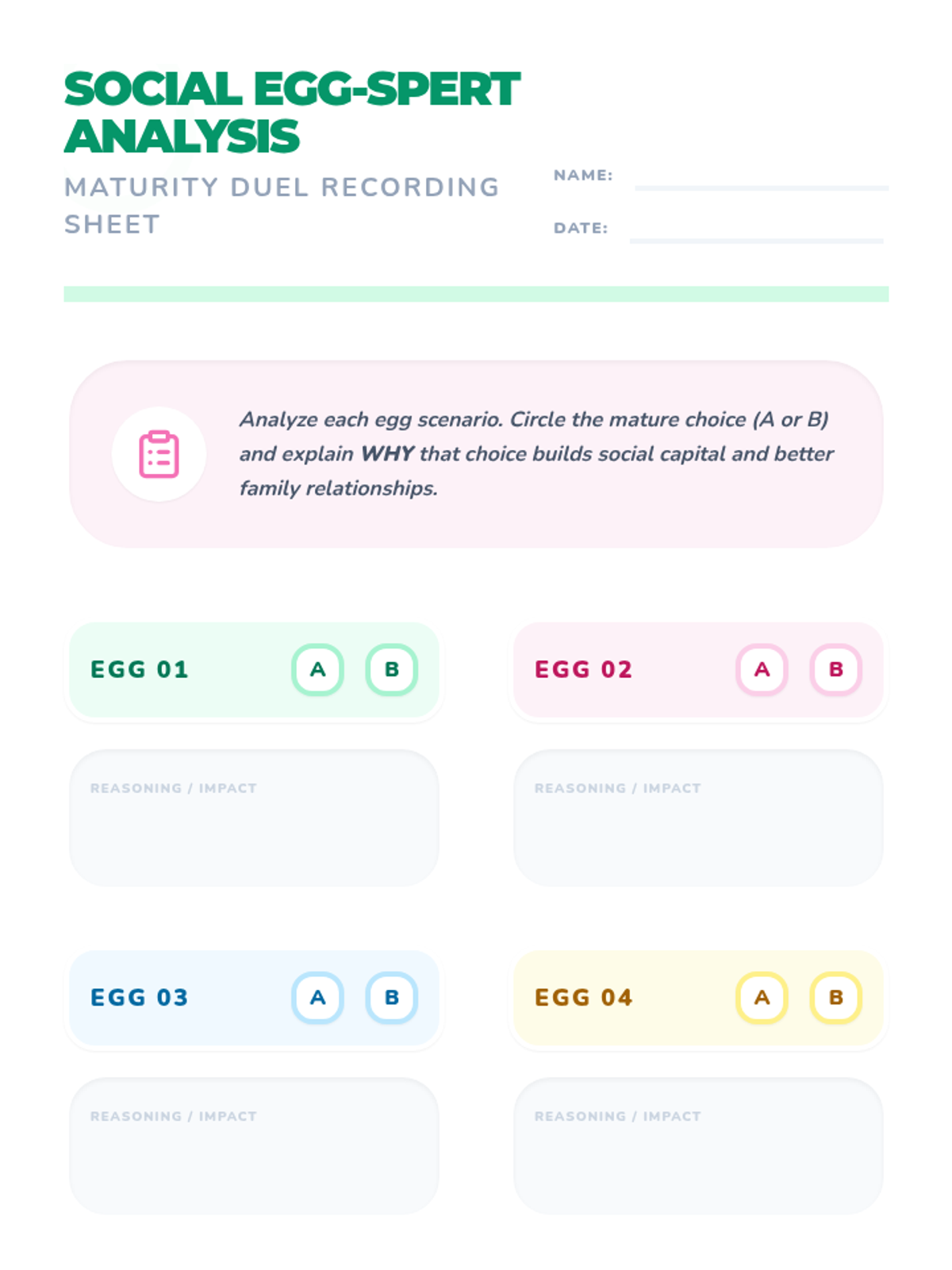
A social skills lesson focused on navigating common holiday situations like family gatherings, egg hunts, and conversations using an Easter theme. Includes interactive slides for group discussion and printable task cards for practice.
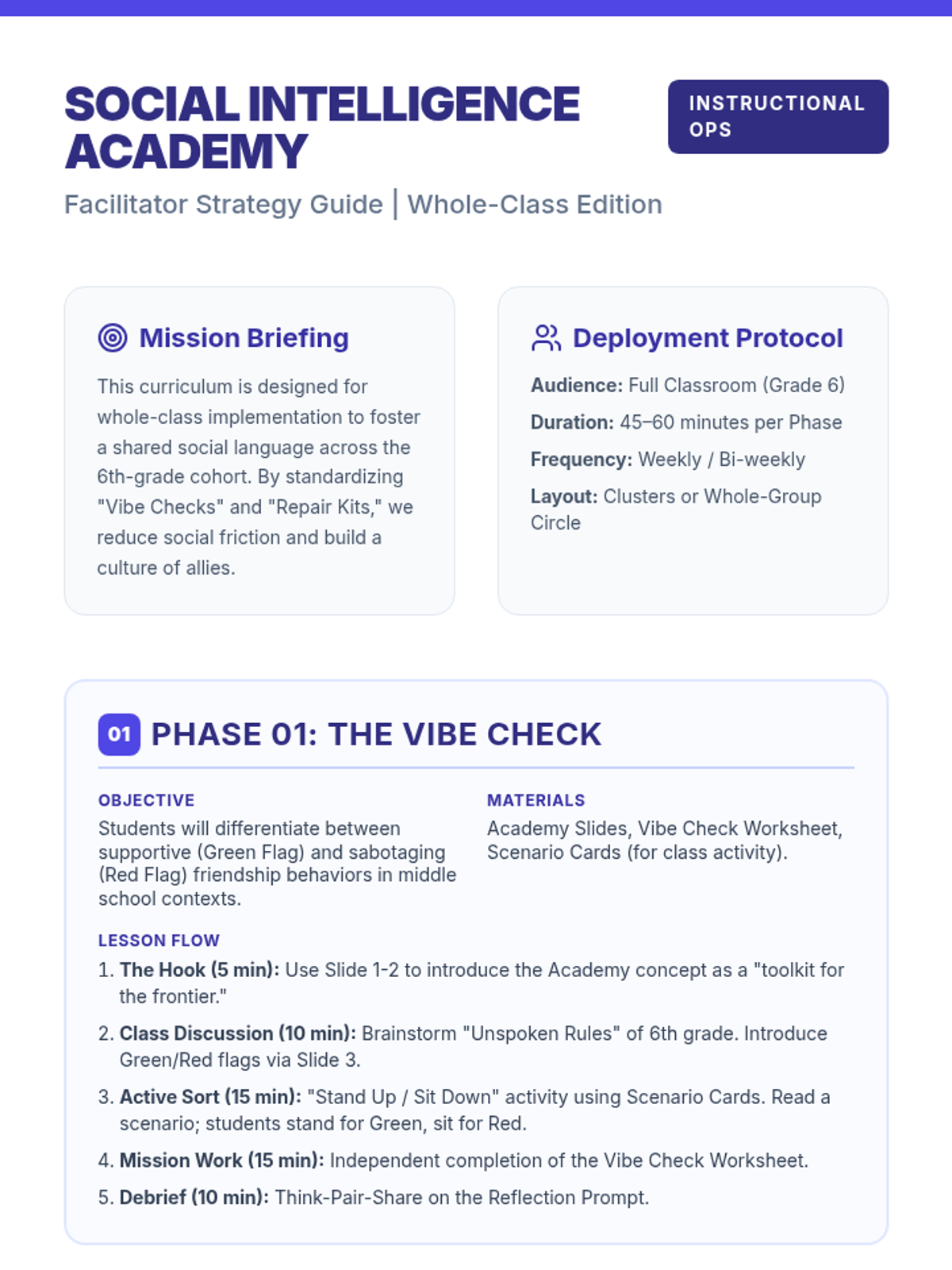
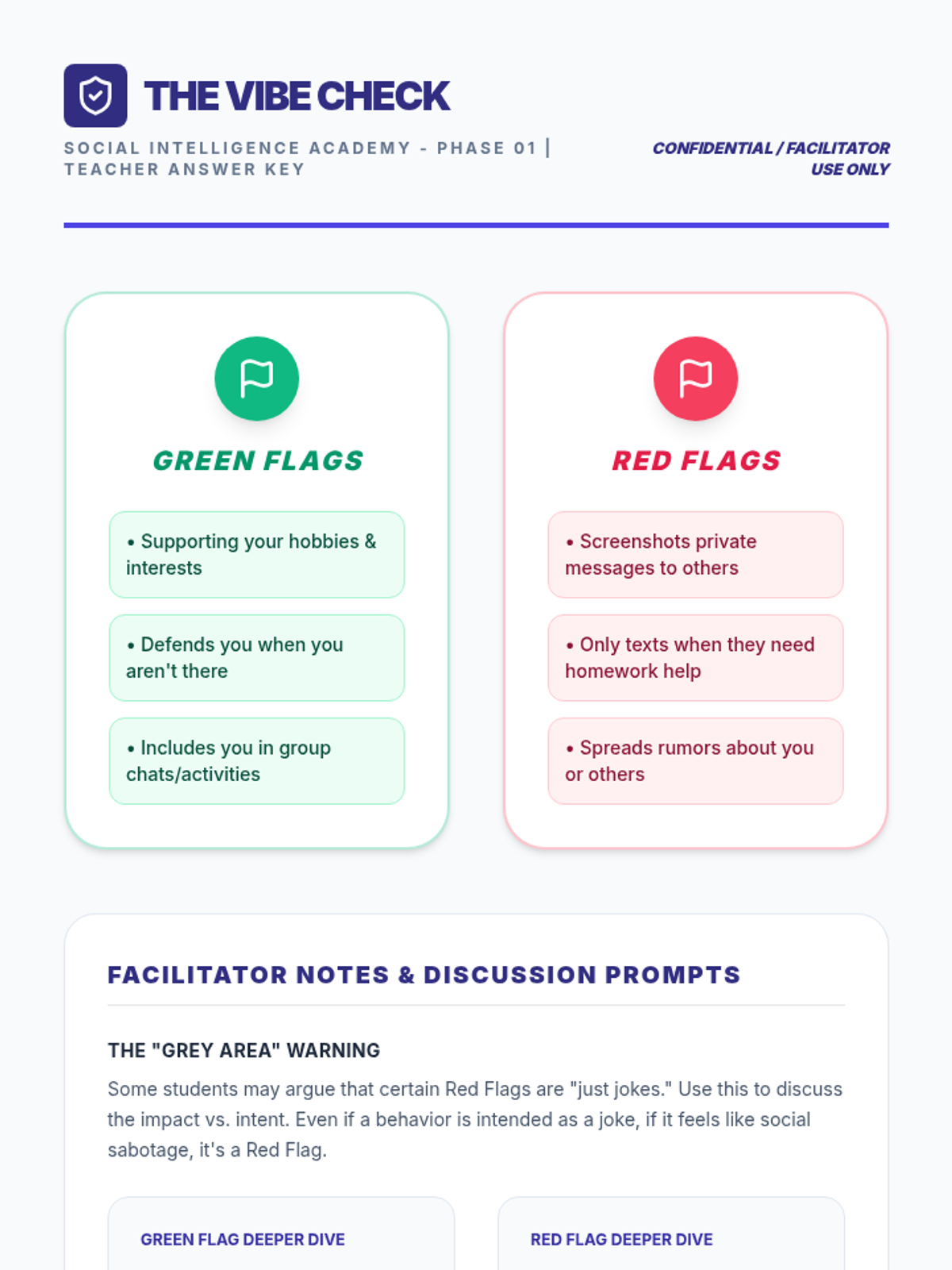
Introduces the Social Intelligence Academy and explores "Vibe Checks"—the criteria for healthy, high-functioning middle school friendships.
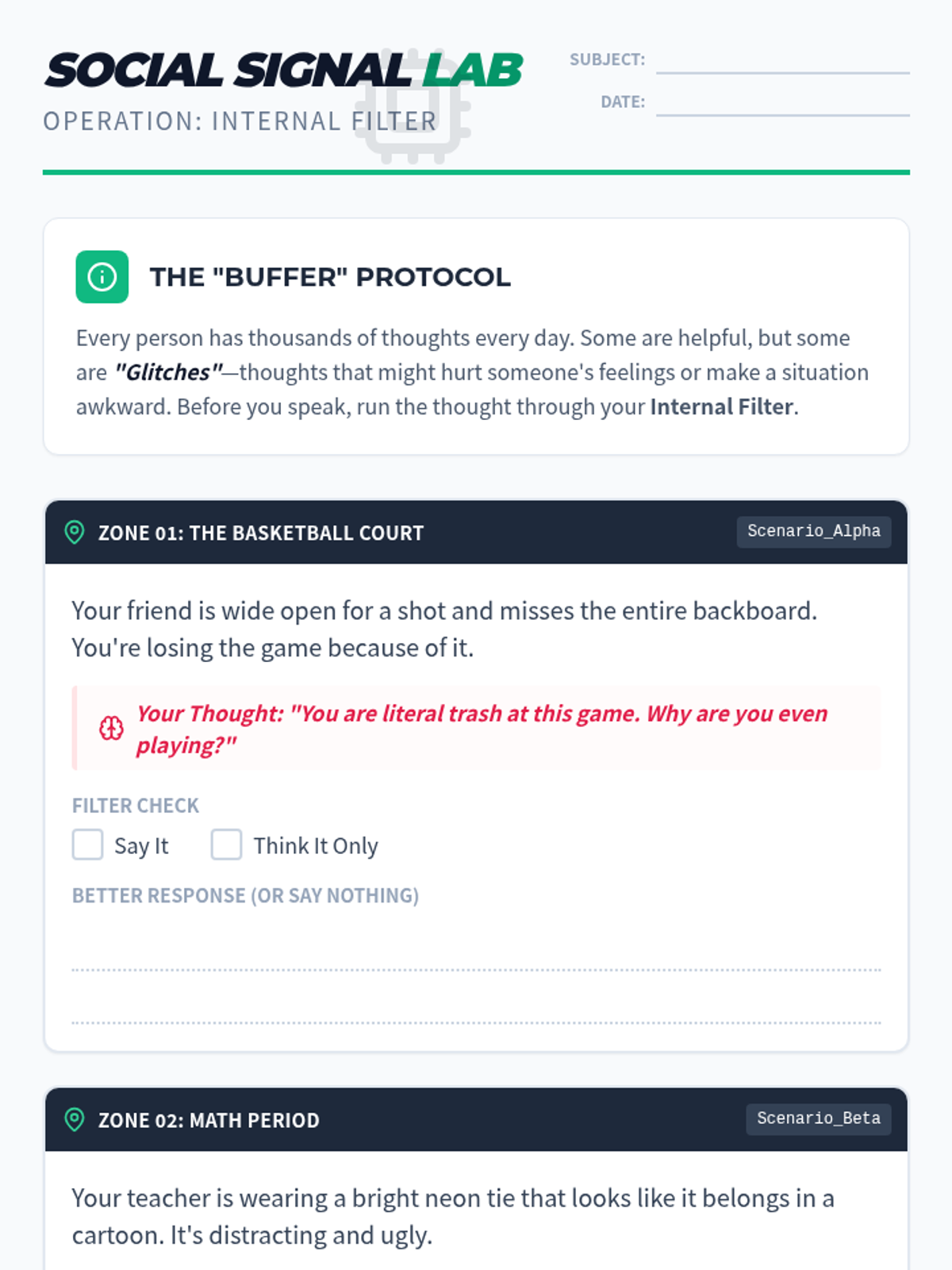
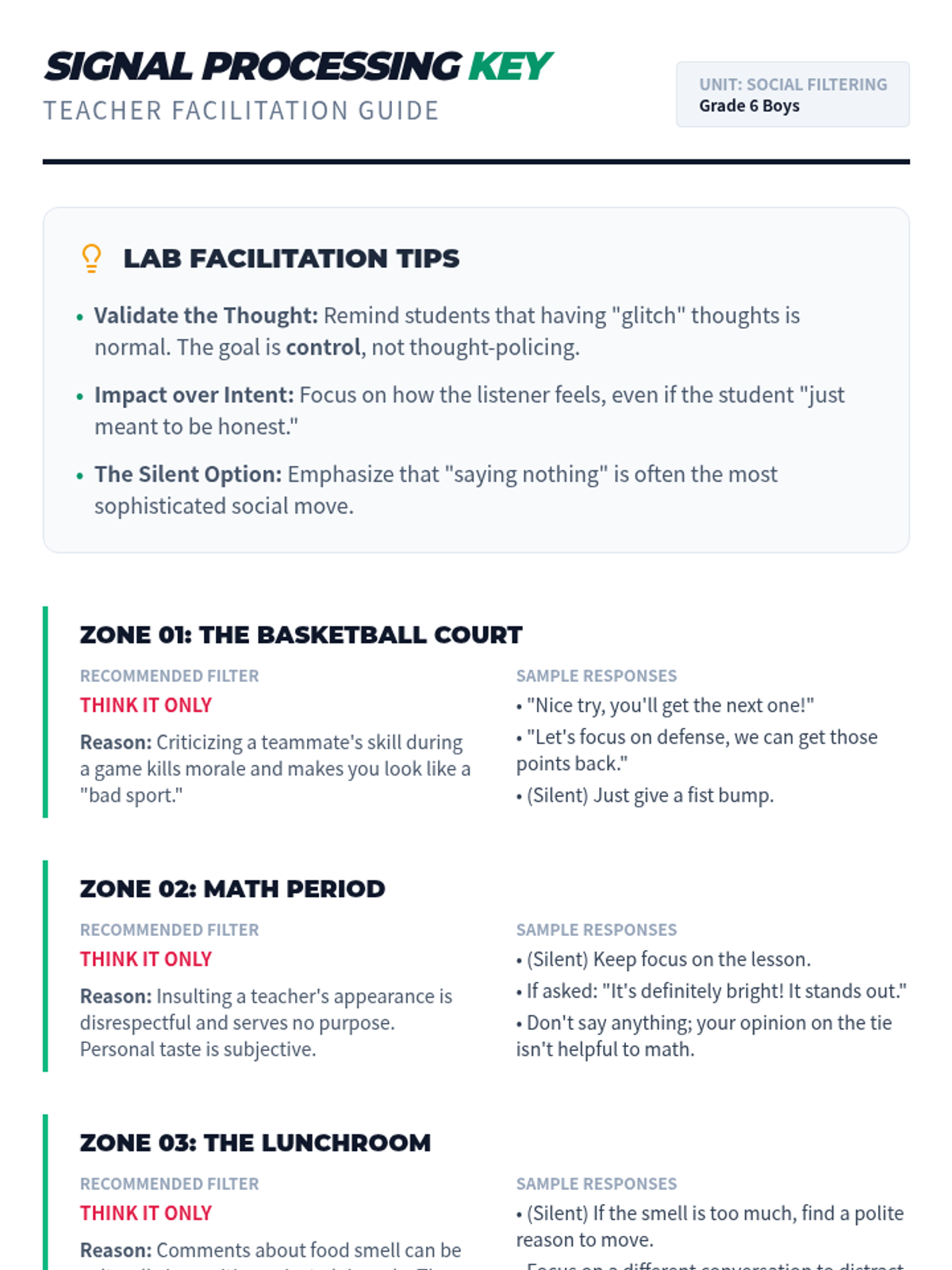
This lesson focuses on helping 6th-grade students develop a "social filter" by analyzing internal thoughts and determining their appropriateness for public expression across various school settings.
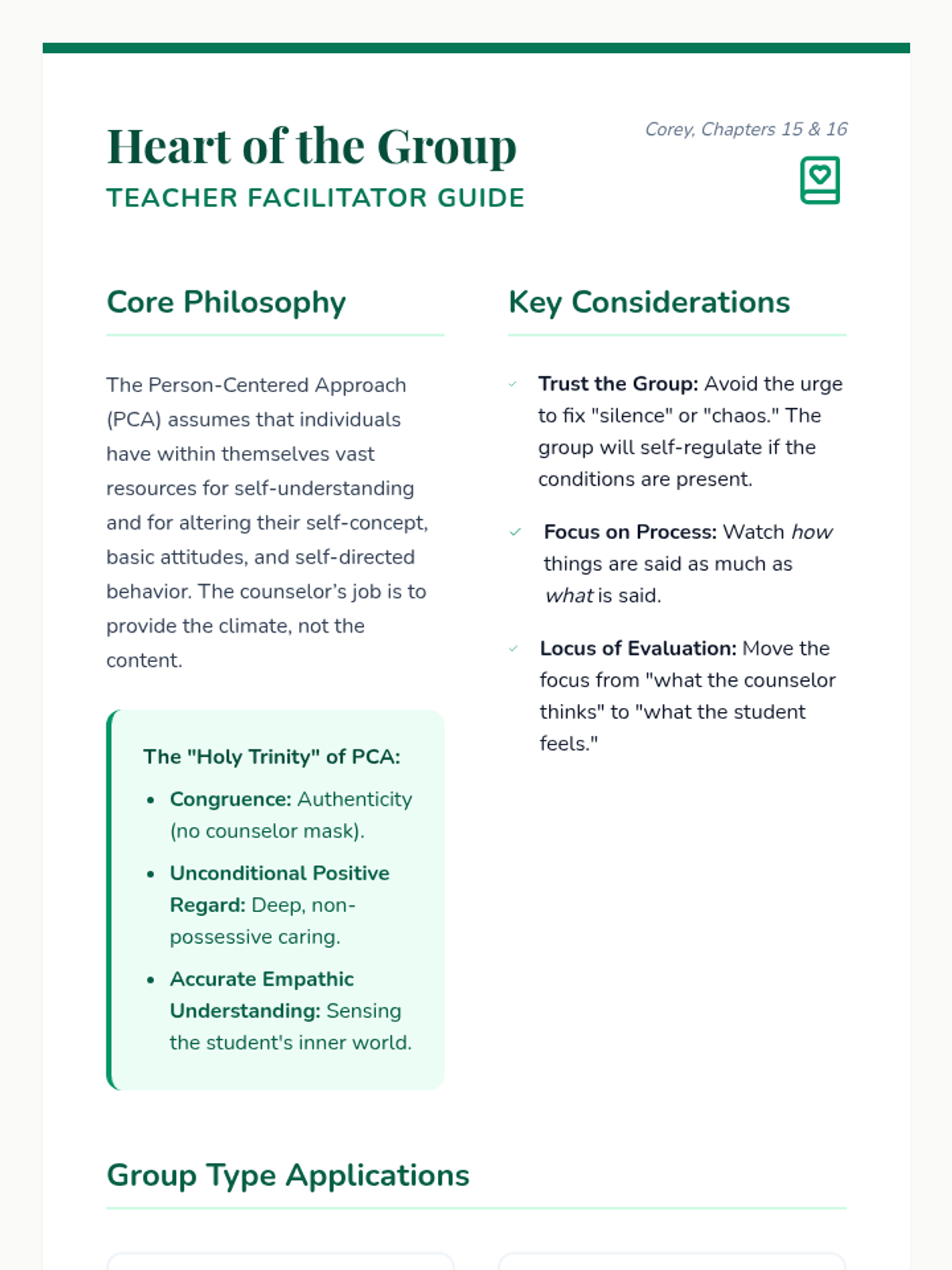
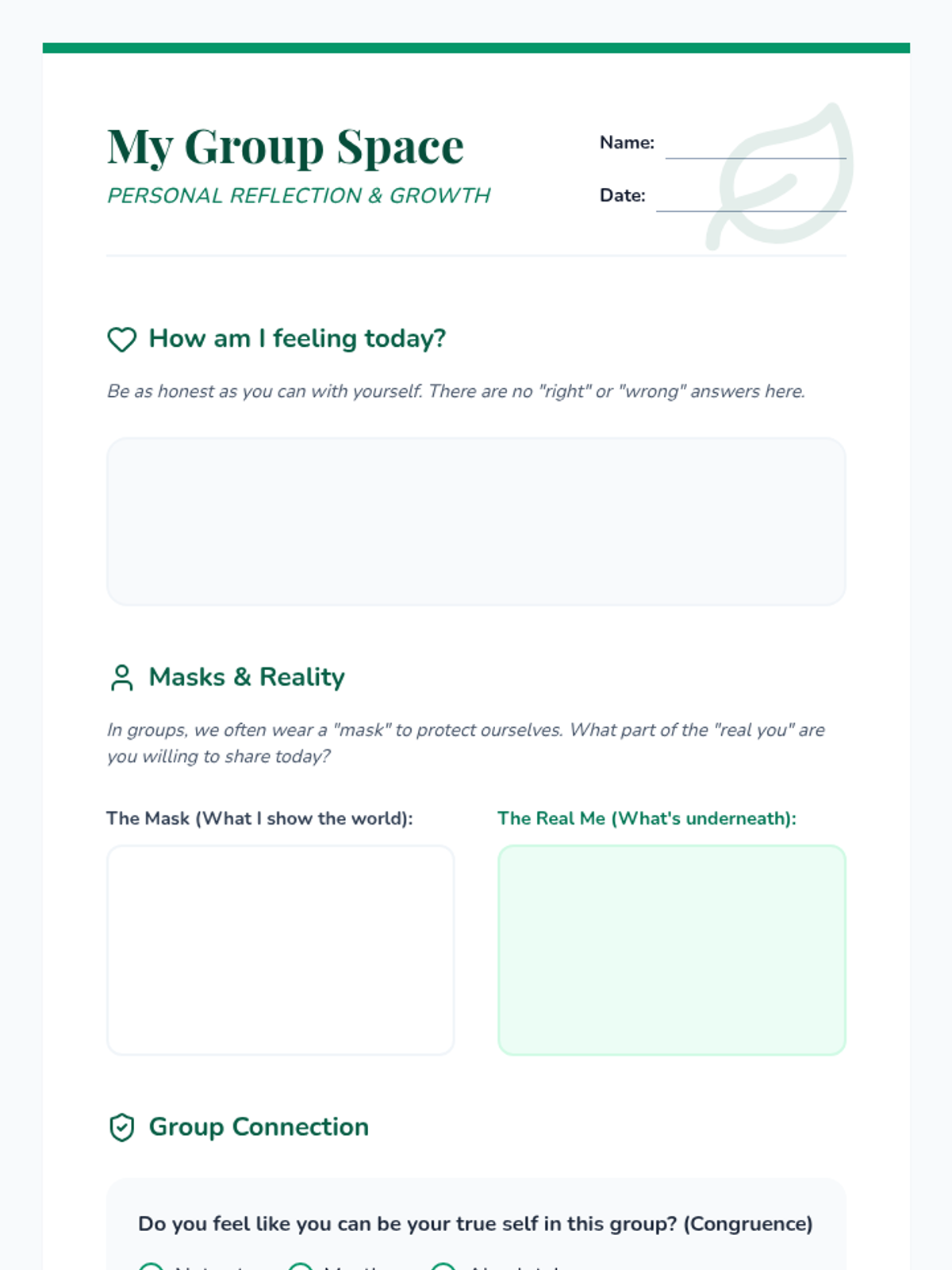
An exploration of Person-Centered Approach (PCA) applied to various school counseling group formats, focusing on core conditions and growth.
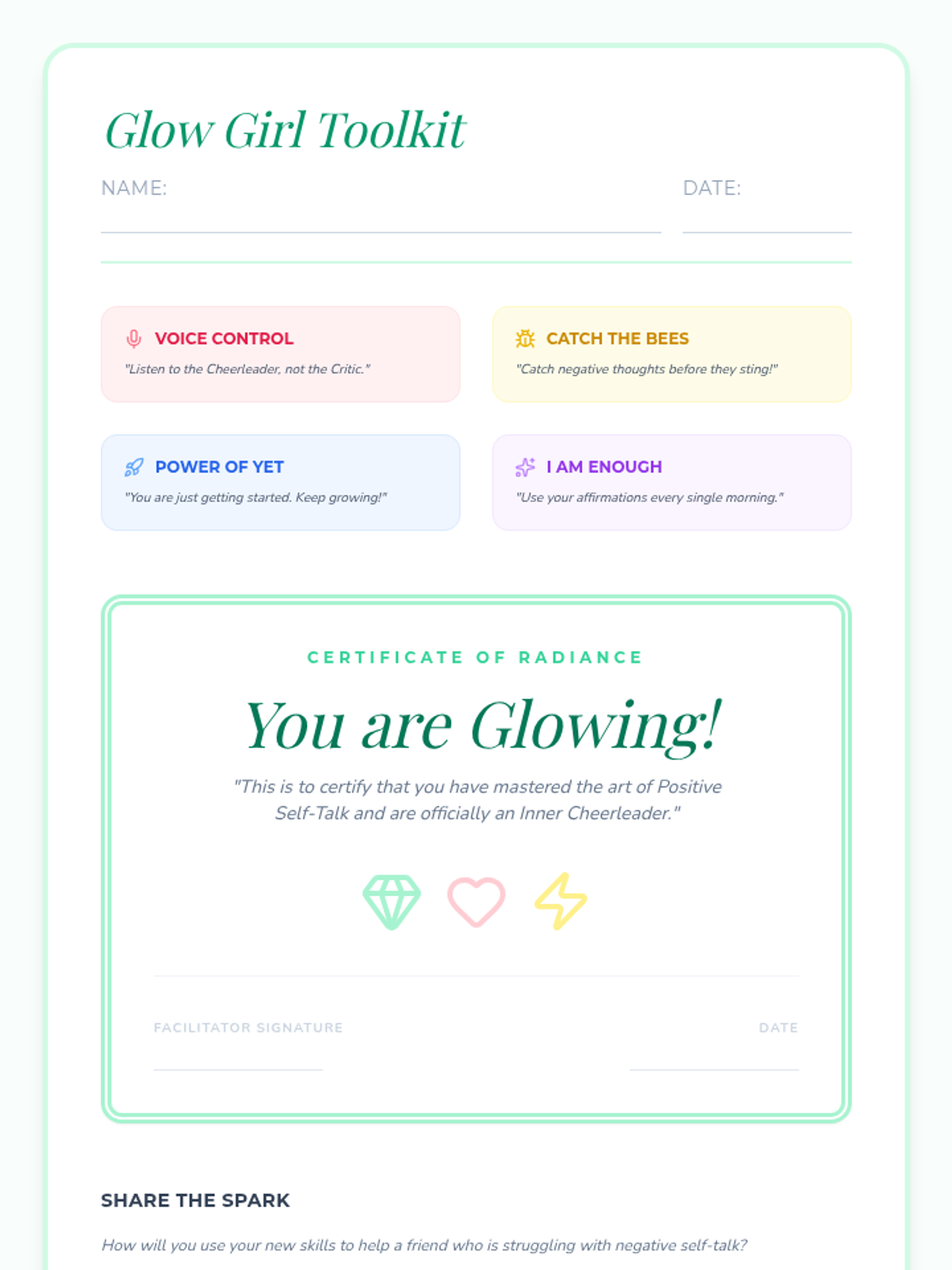
Celebrating progress and learning how to use positive self-talk to encourage others.
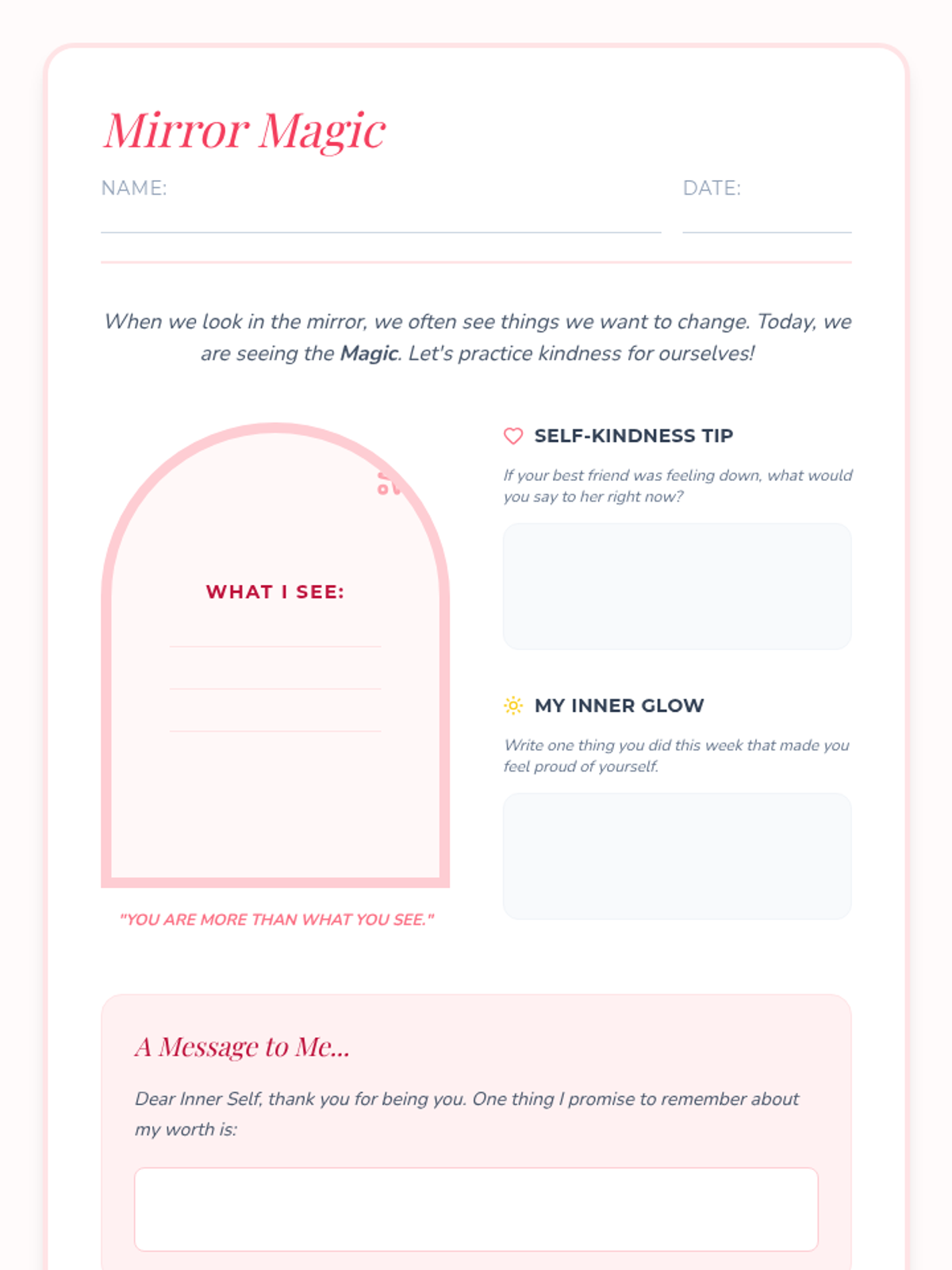
Practicing self-compassion and identifying personal strengths through mirror reflections and journaling.