A supportive and visually engaging lesson for a 6th-grade girl to explore coping strategies, grounding techniques, and the difference between healthy and unhealthy emotional expressions, themed with her interests in mind.
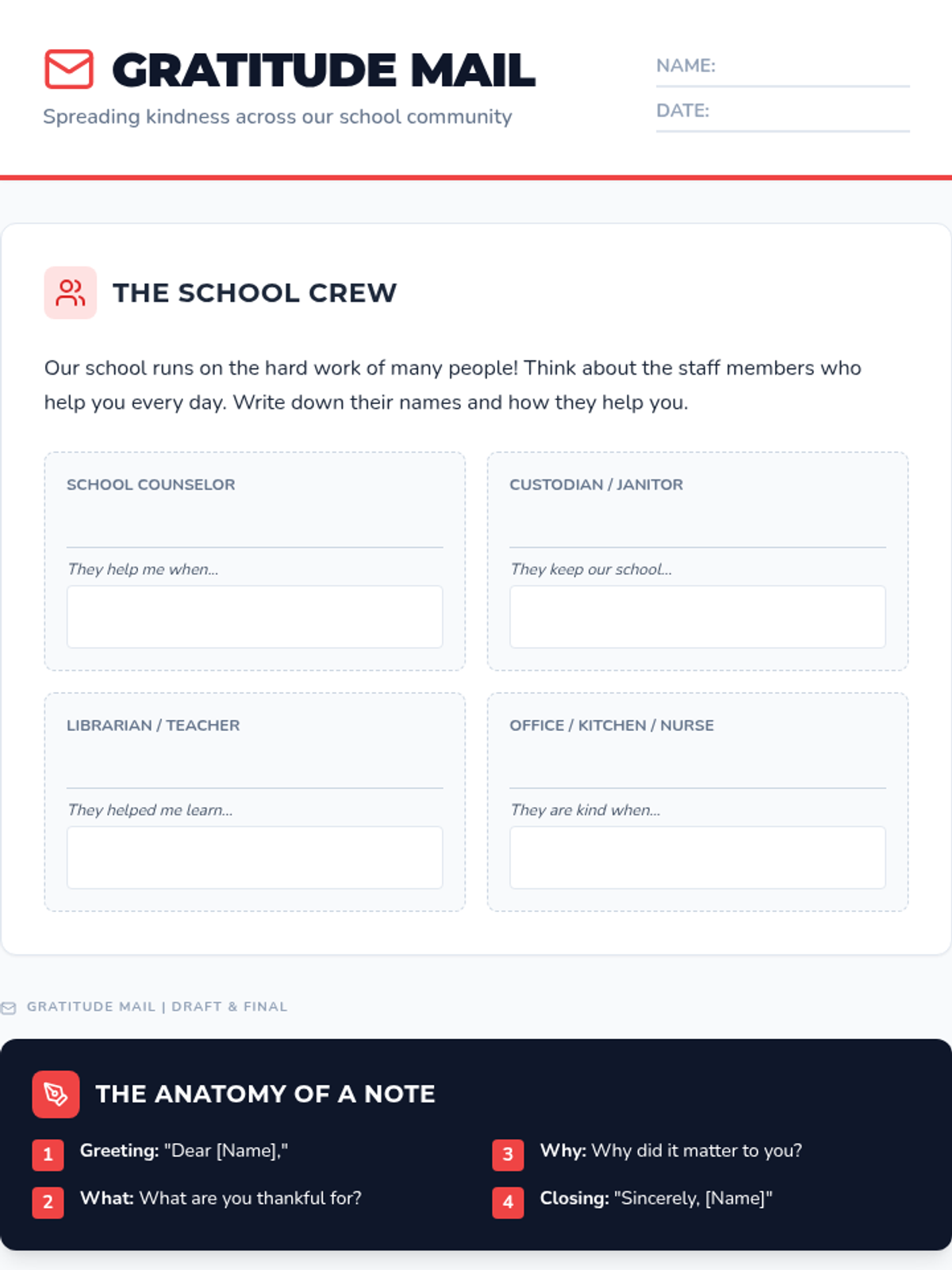
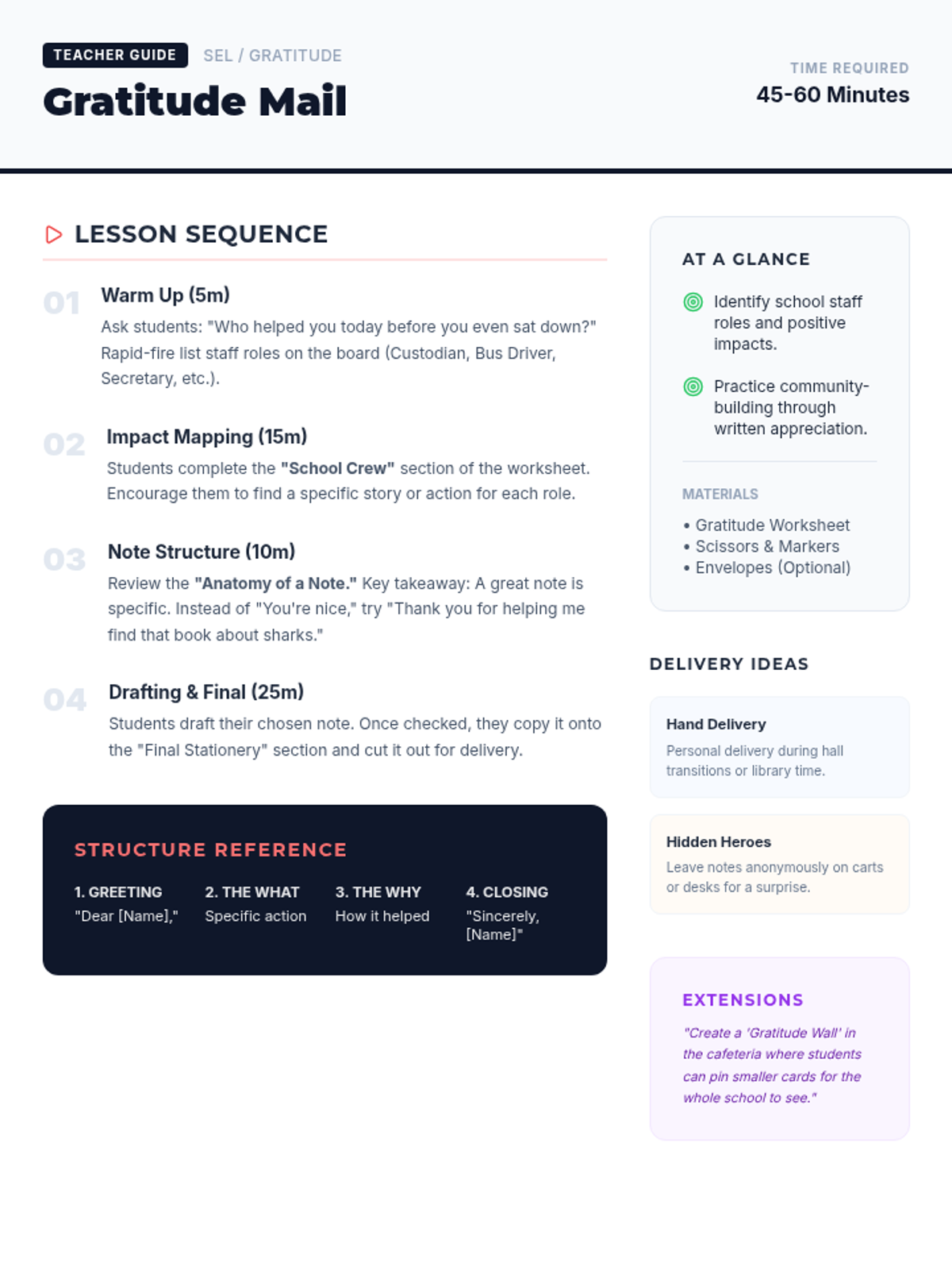
A lesson focused on expressing gratitude to school community members through the art of writing thoughtful thank-you notes. Students will learn the structure of a thank-you letter and brainstorm the impact various staff members have on their daily lives.
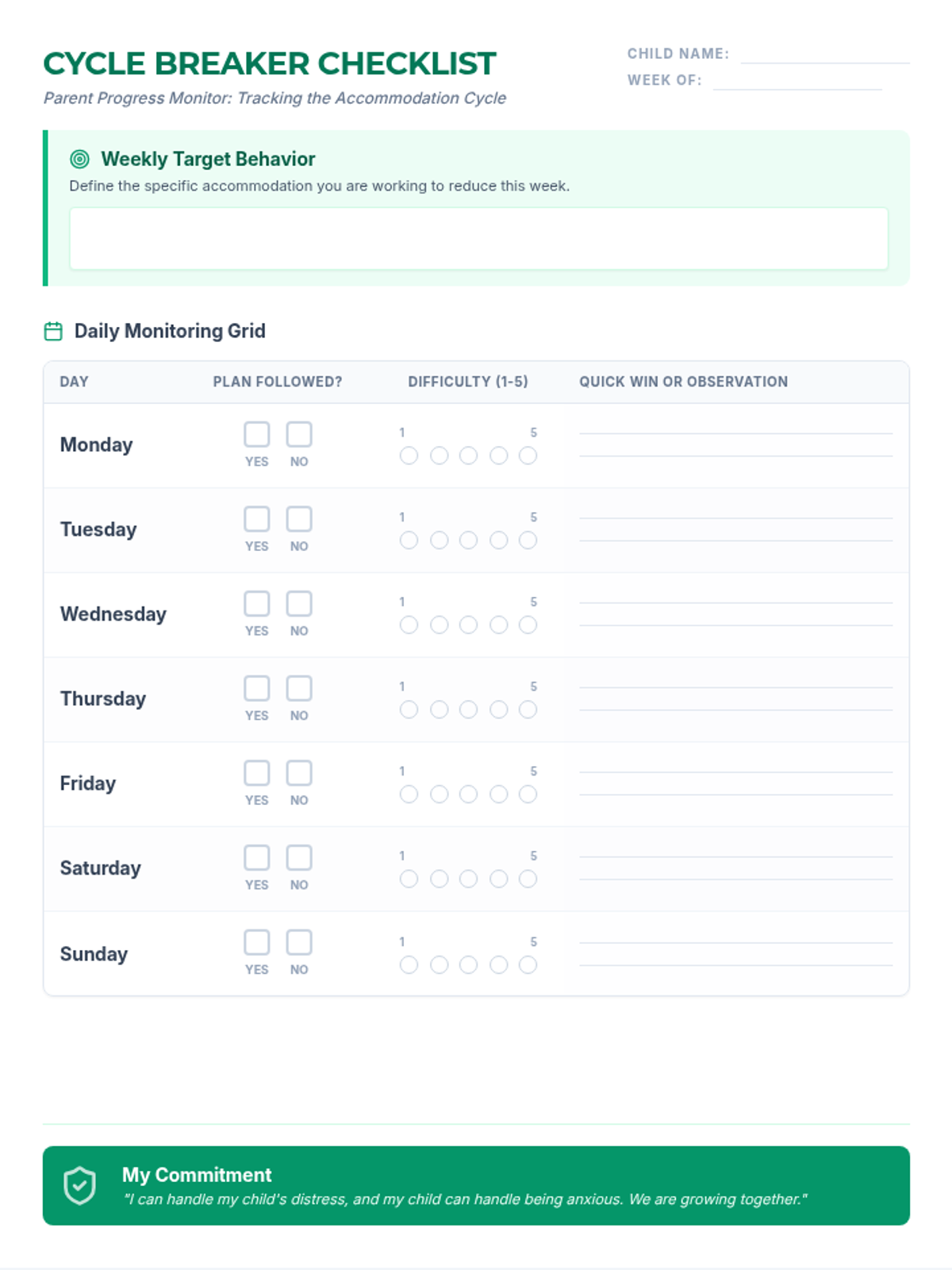
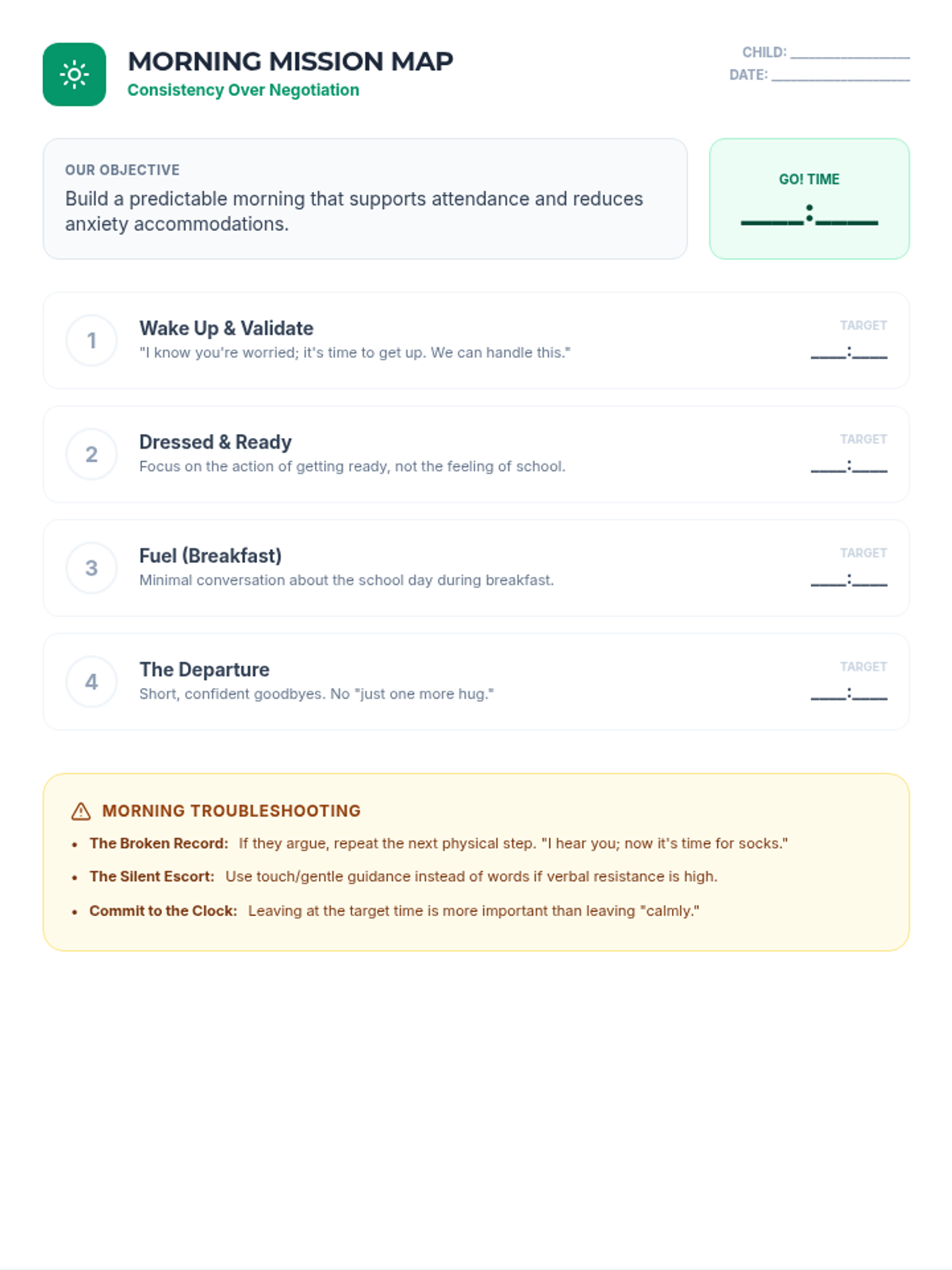
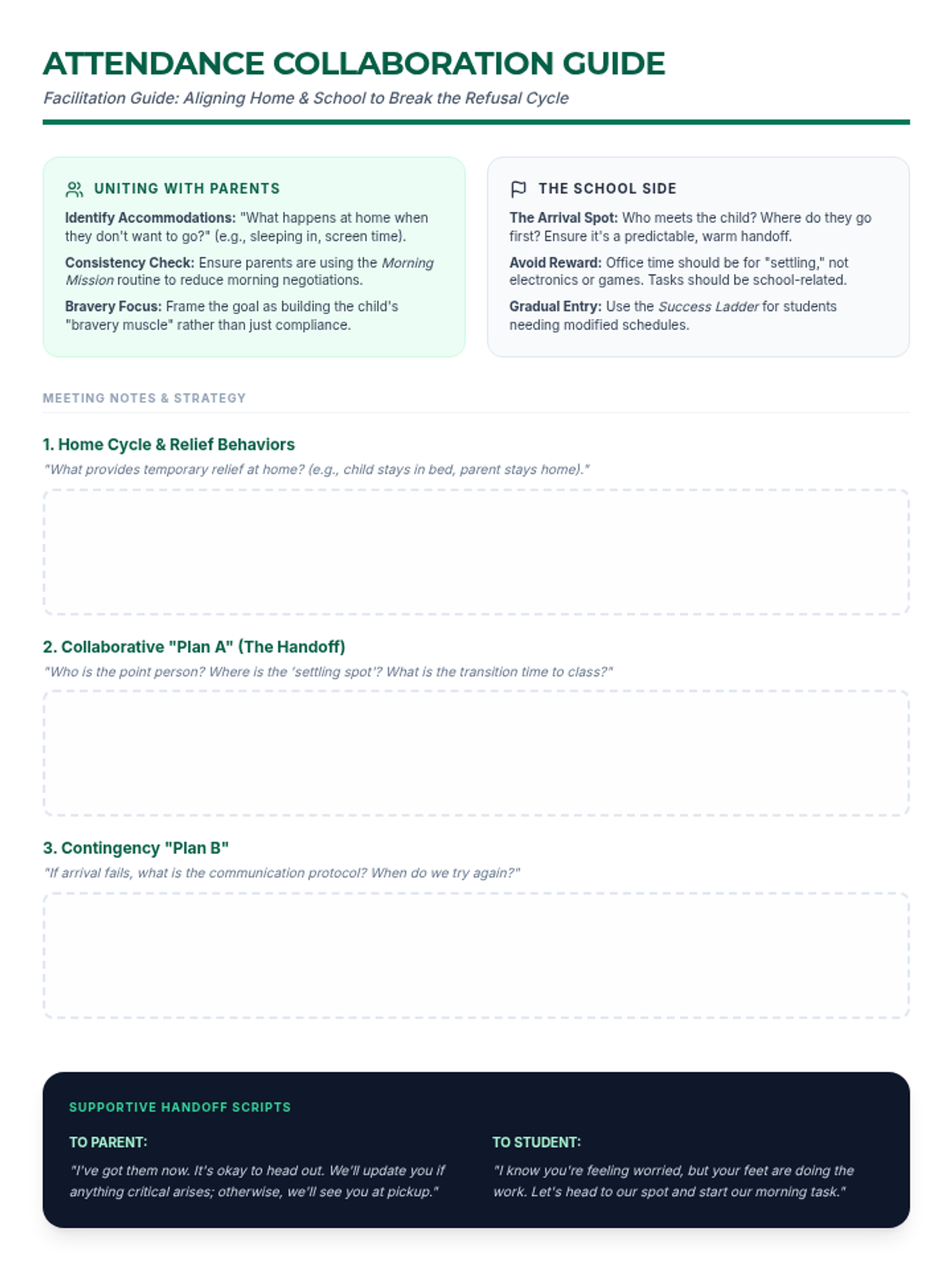
A collection of resources designed to help parents and educators identify, monitor, and systematically reduce anxiety accommodations, with a specific focus on overcoming school refusal and fostering child independence.
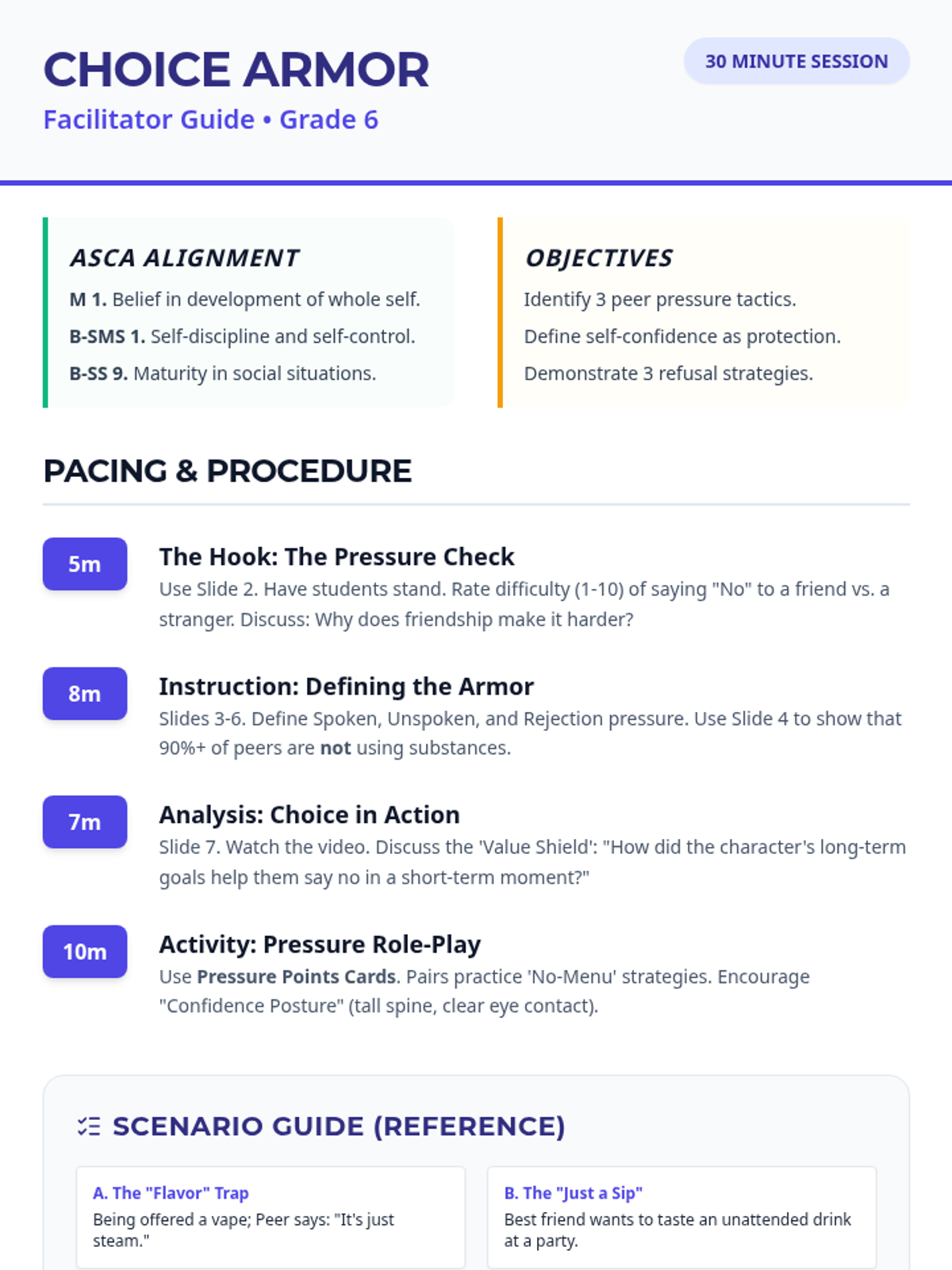
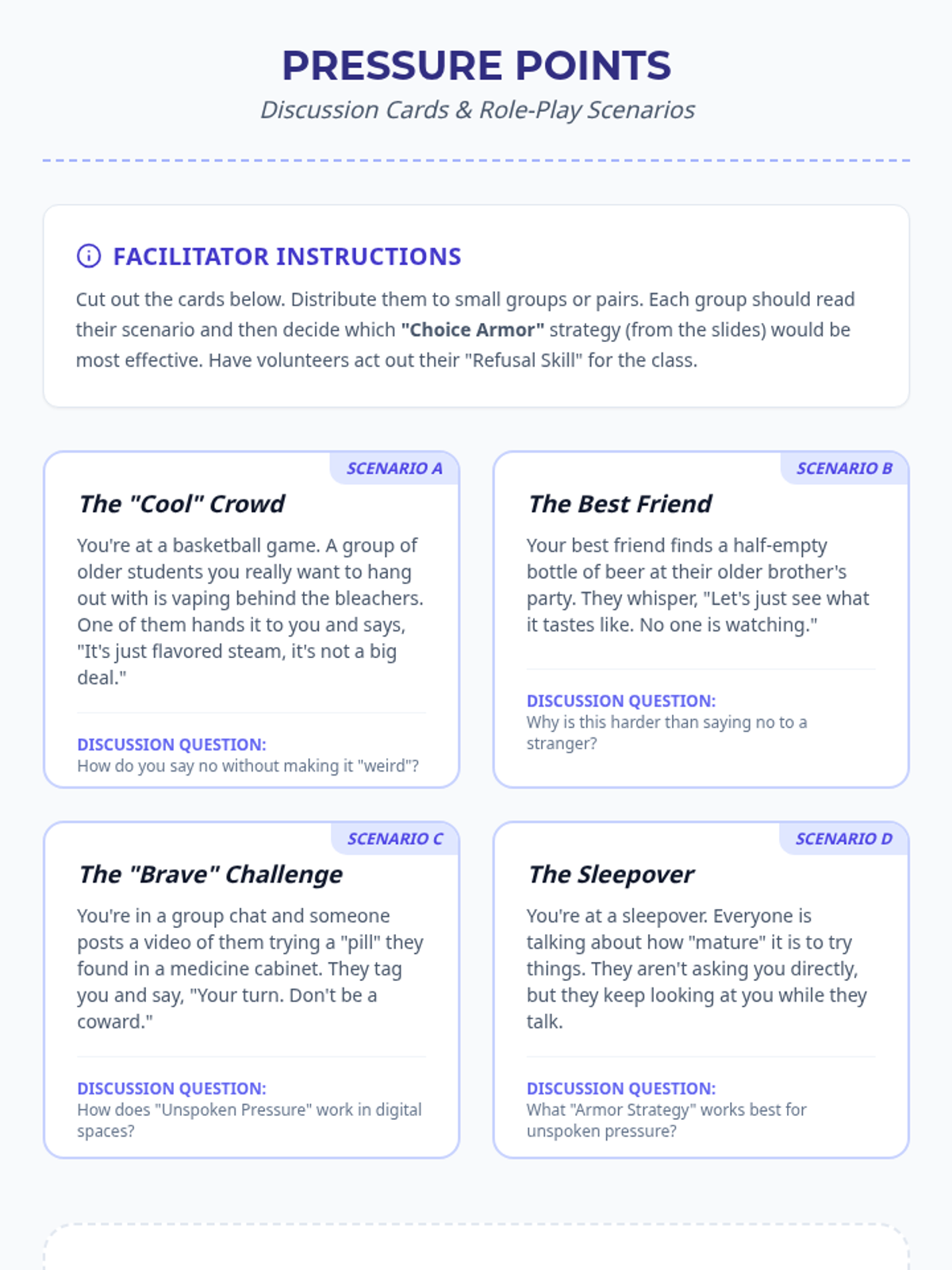
A 30-minute substance abuse prevention lesson for 6th graders focusing on identifying peer pressure, building self-confidence, and practicing refusal skills through the metaphor of 'Choice Armor.' Aligned with ASCA Mindsets & Behaviors.
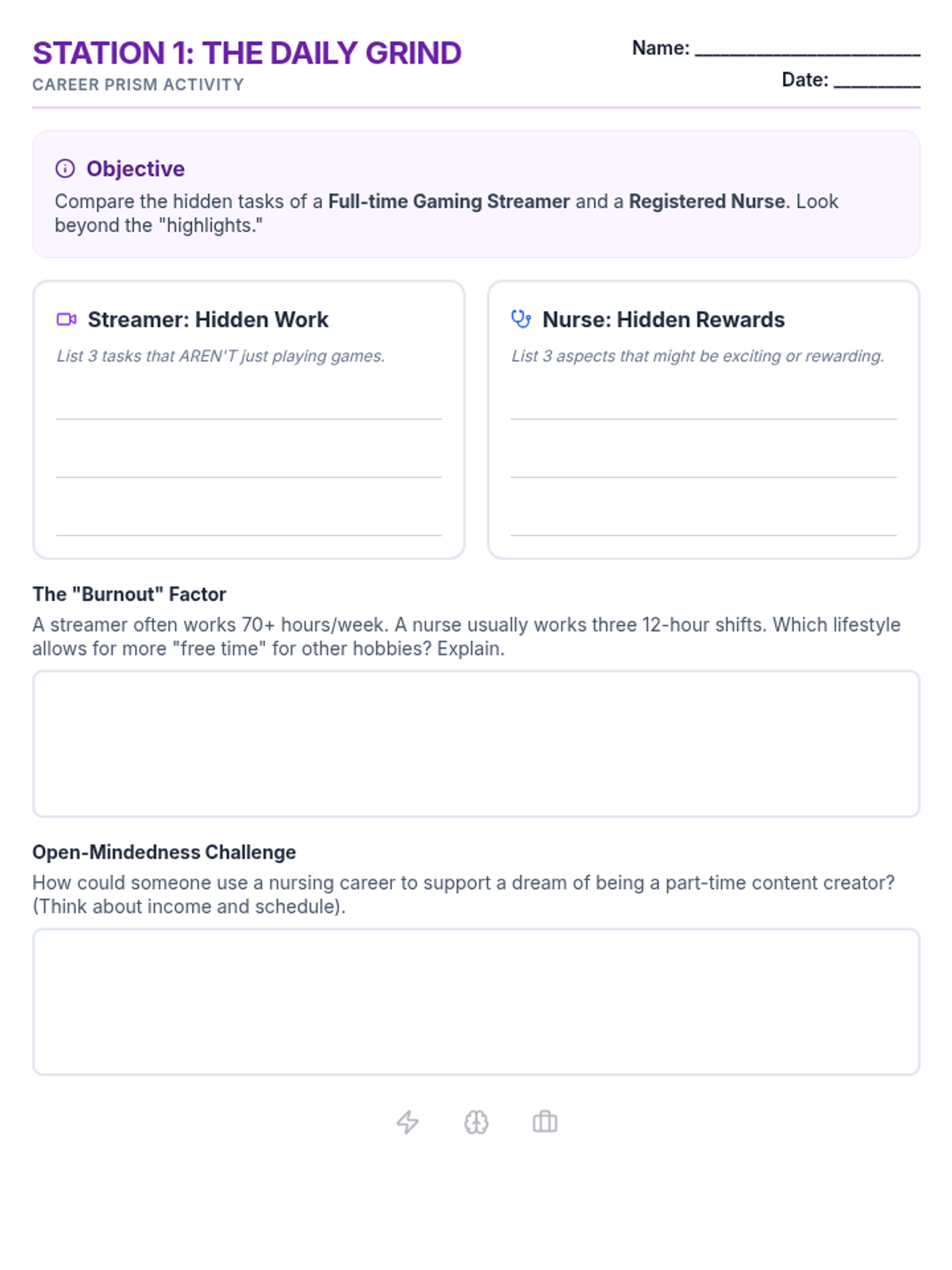
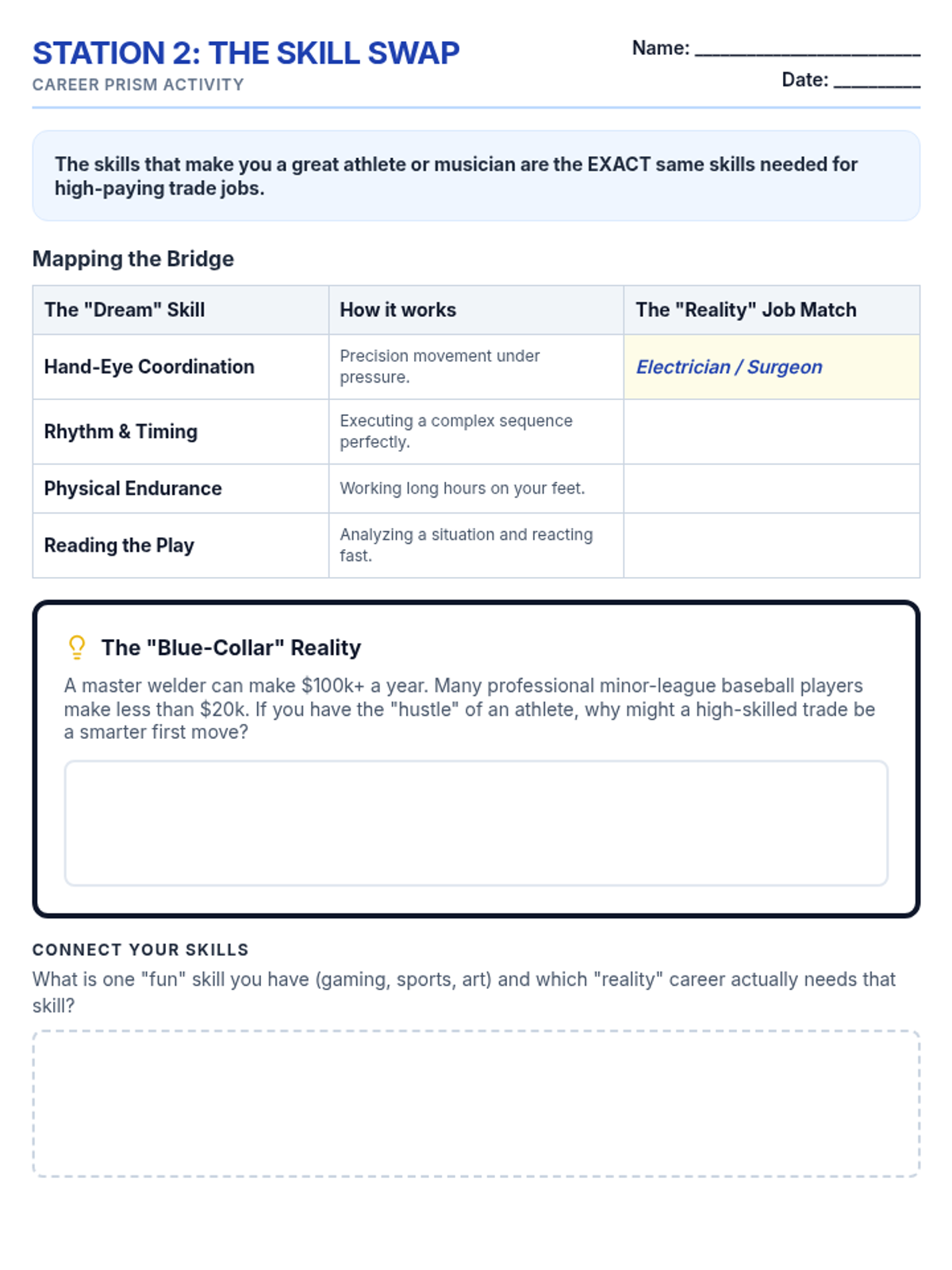
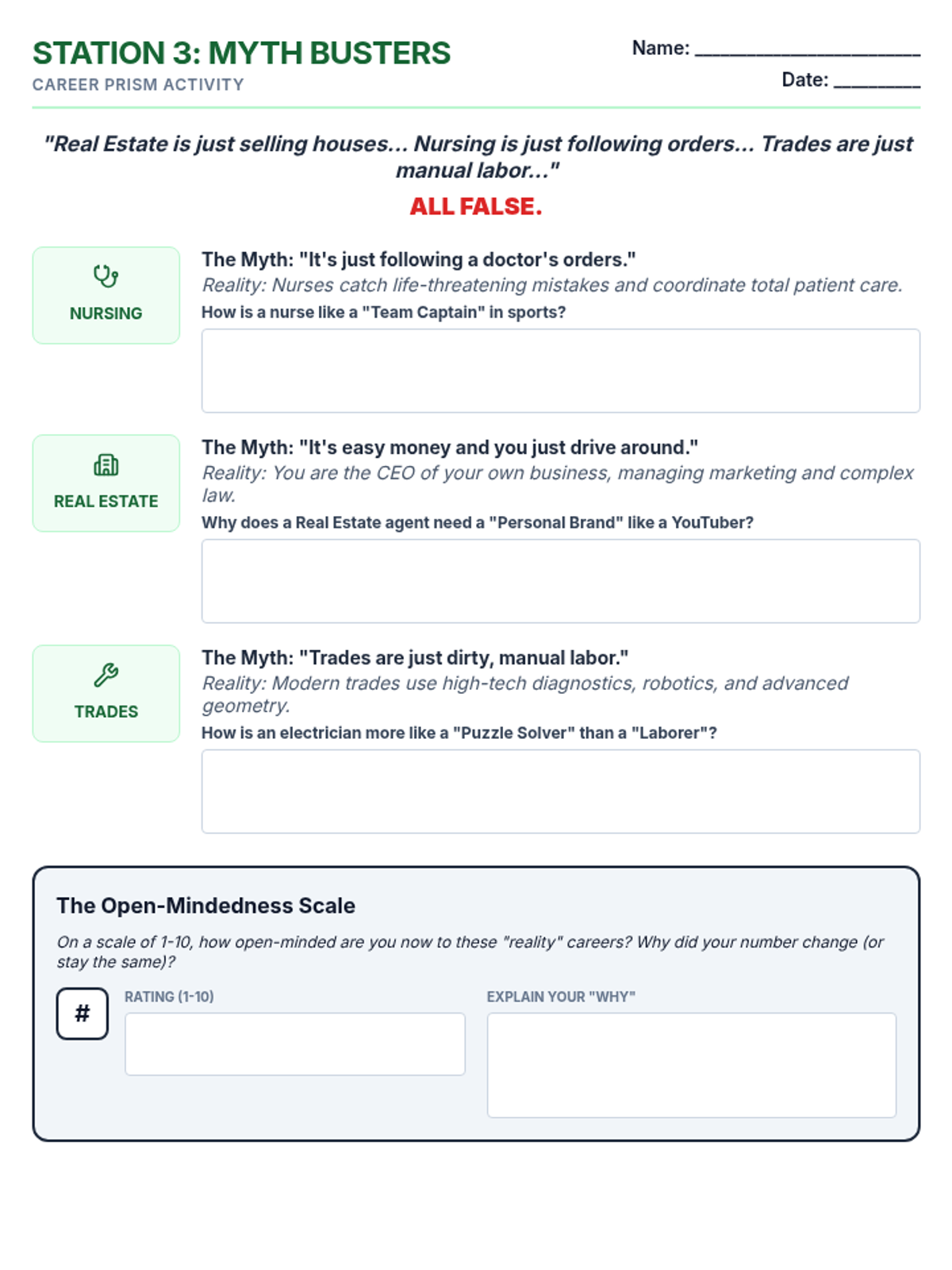
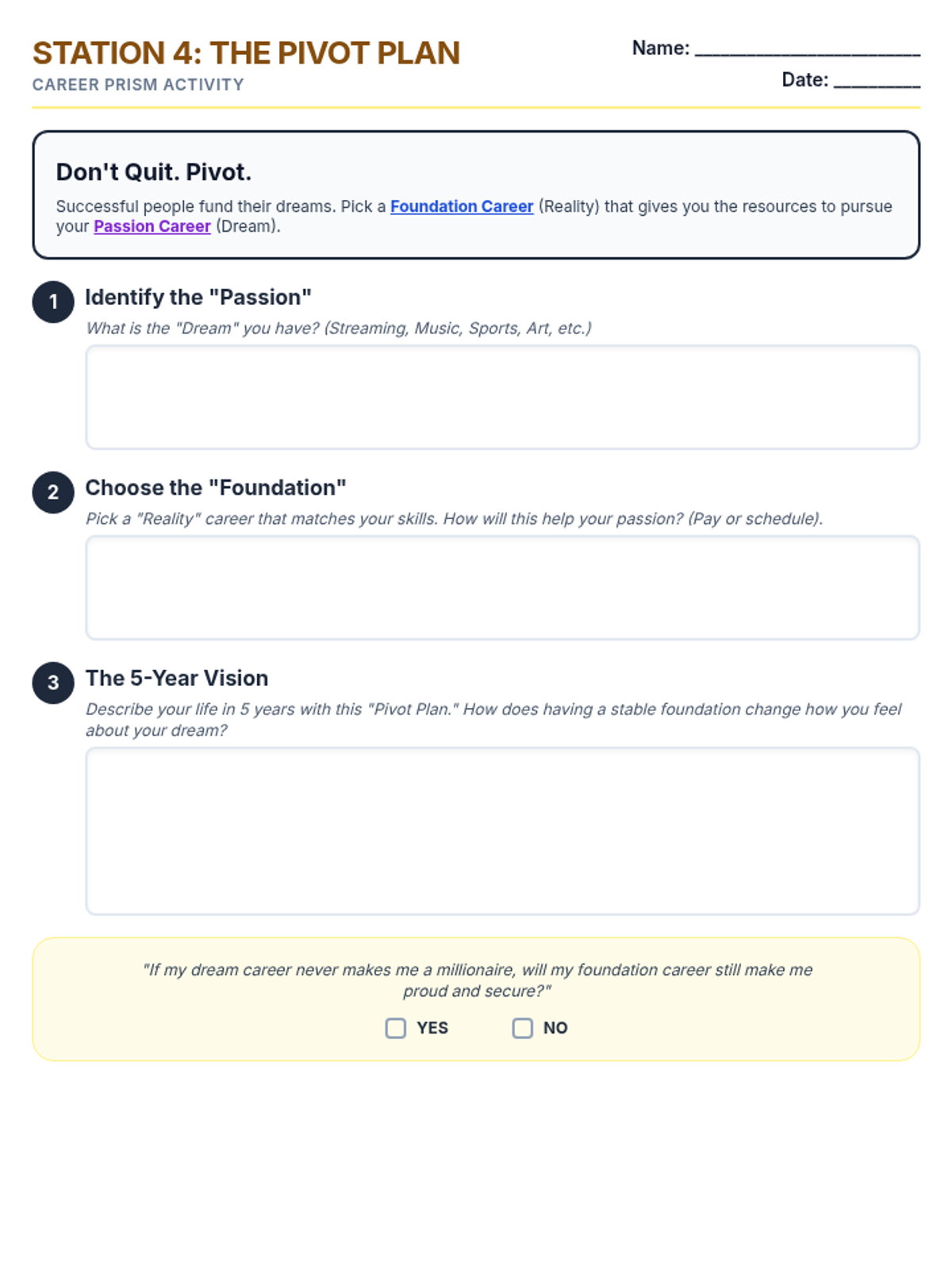
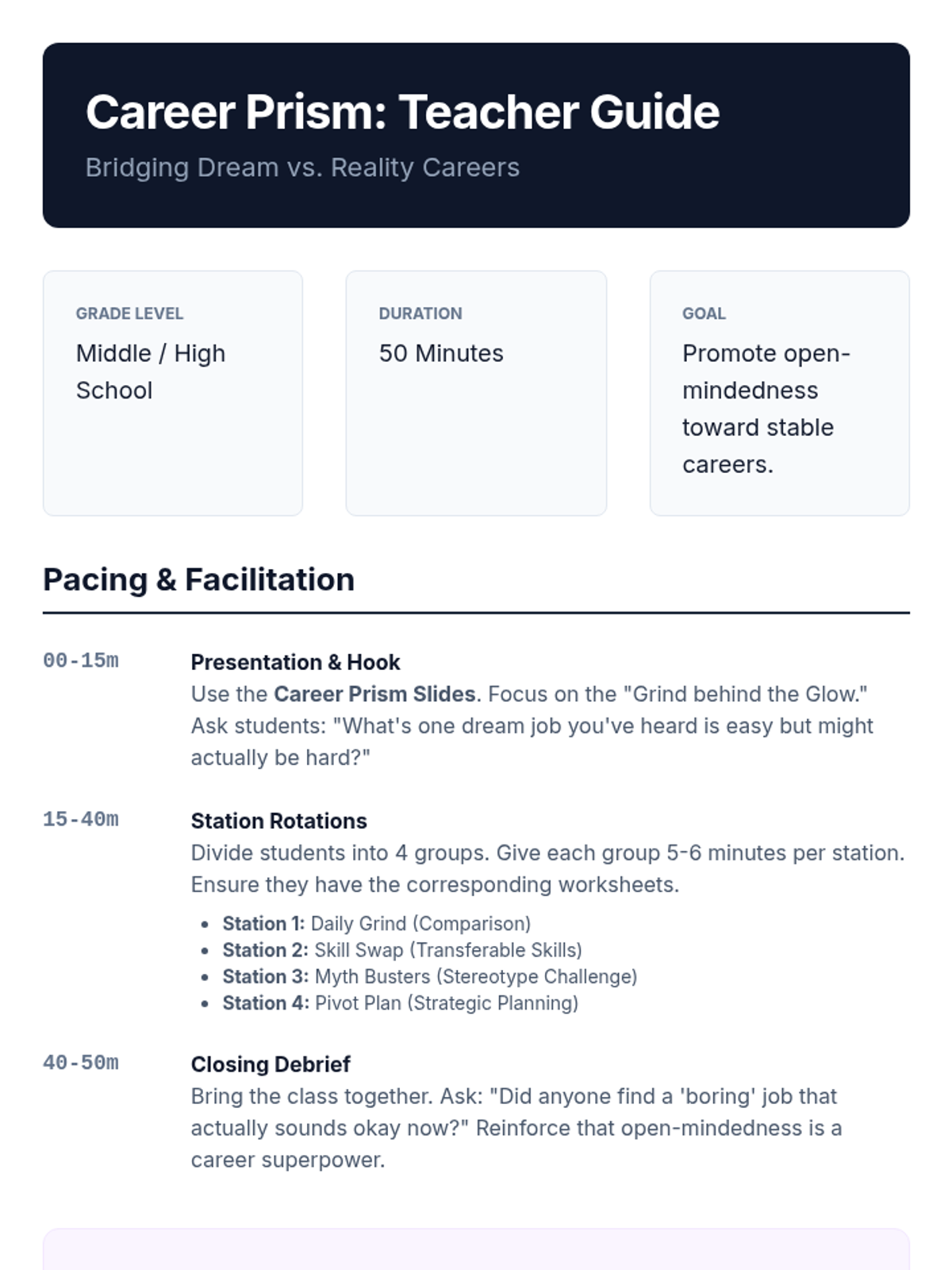
A bridge lesson exploring the intersection of 'dream' careers (streaming, sports, music) and 'reality' careers (nursing, trades, real estate), emphasizing open-mindedness and skill transferability.
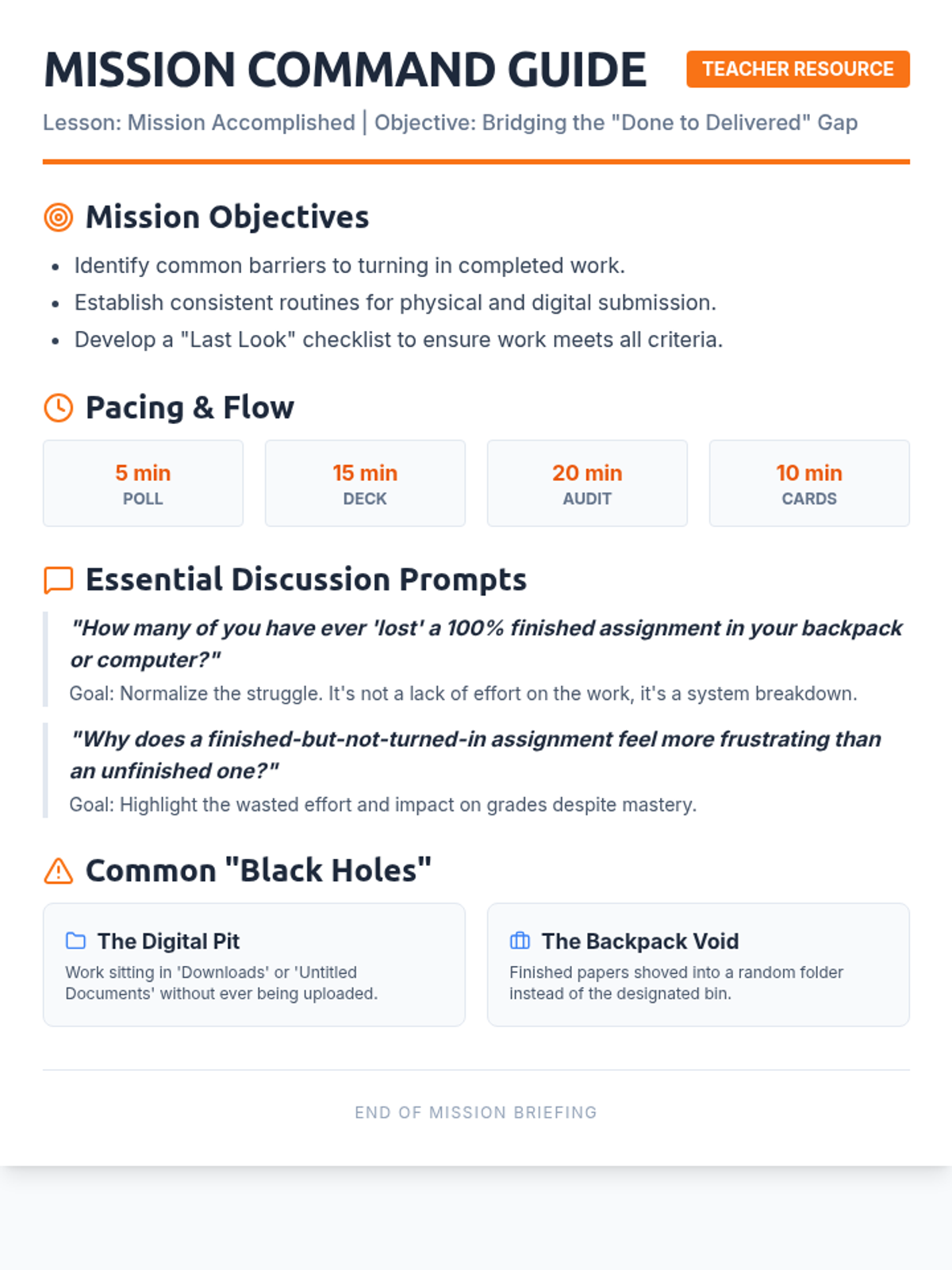
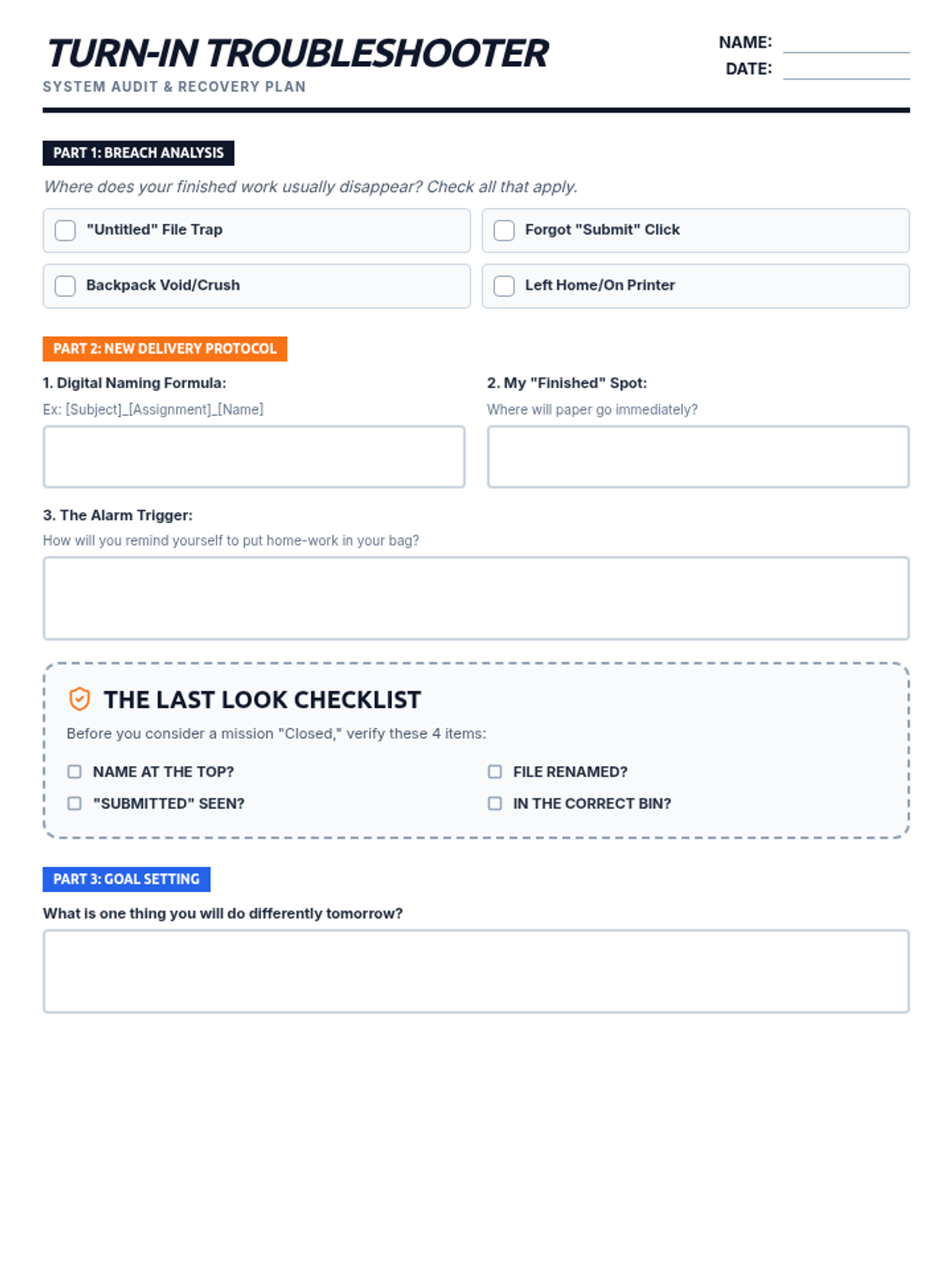
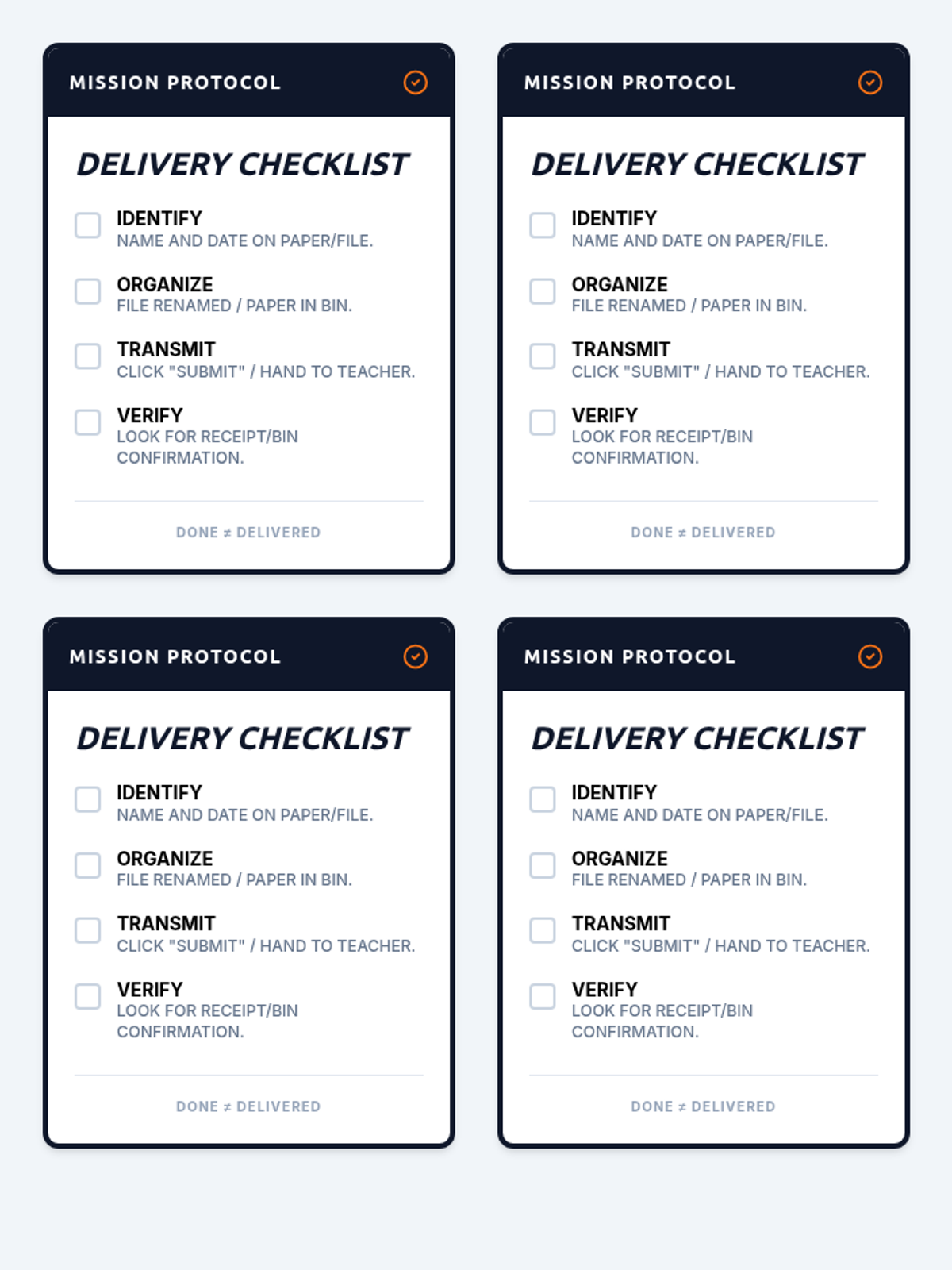
A lesson designed to bridge the gap between finishing an assignment and successfully submitting it. Students explore common 'submission traps' and build personalized systems for physical and digital turn-in success.
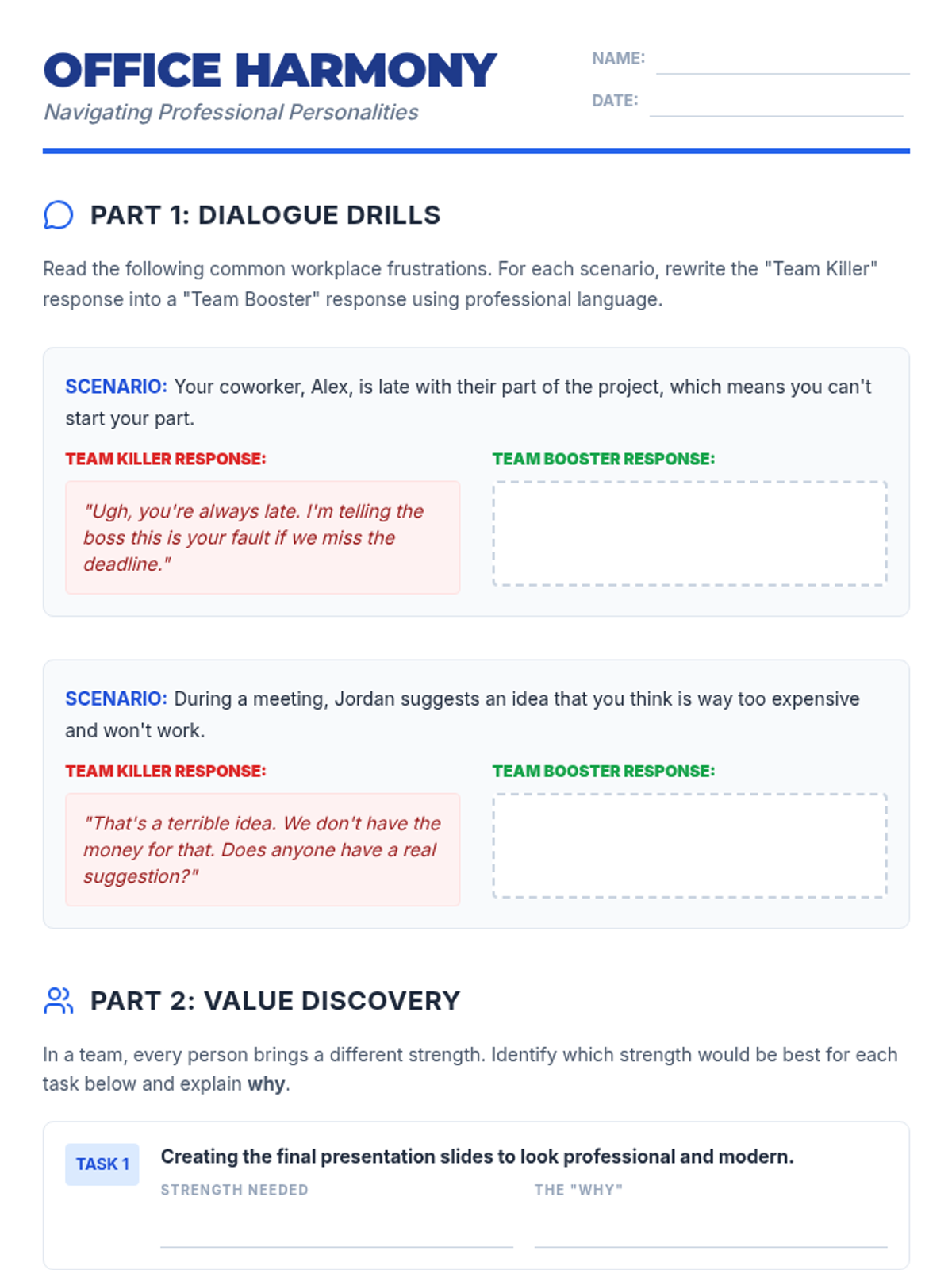
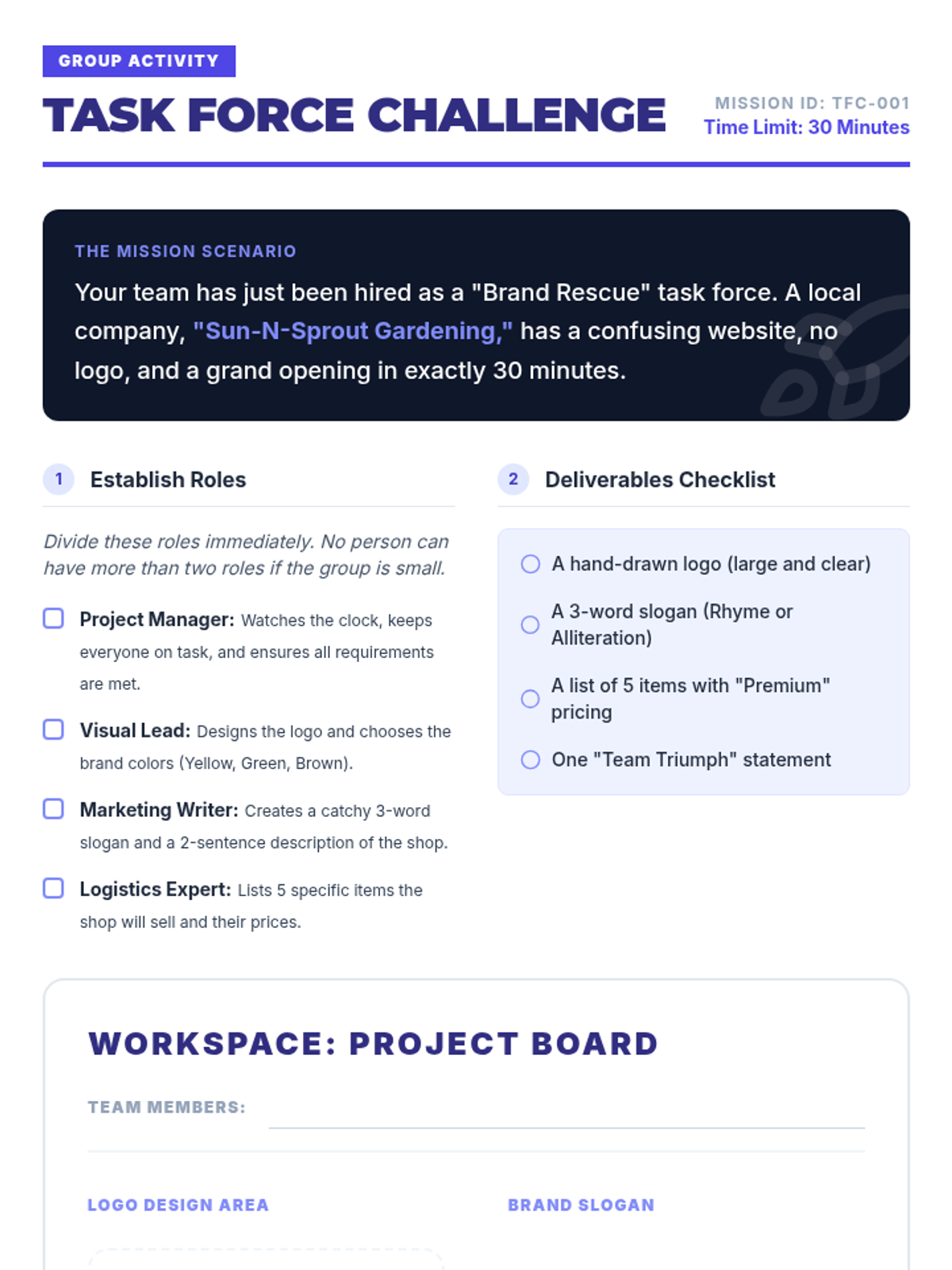
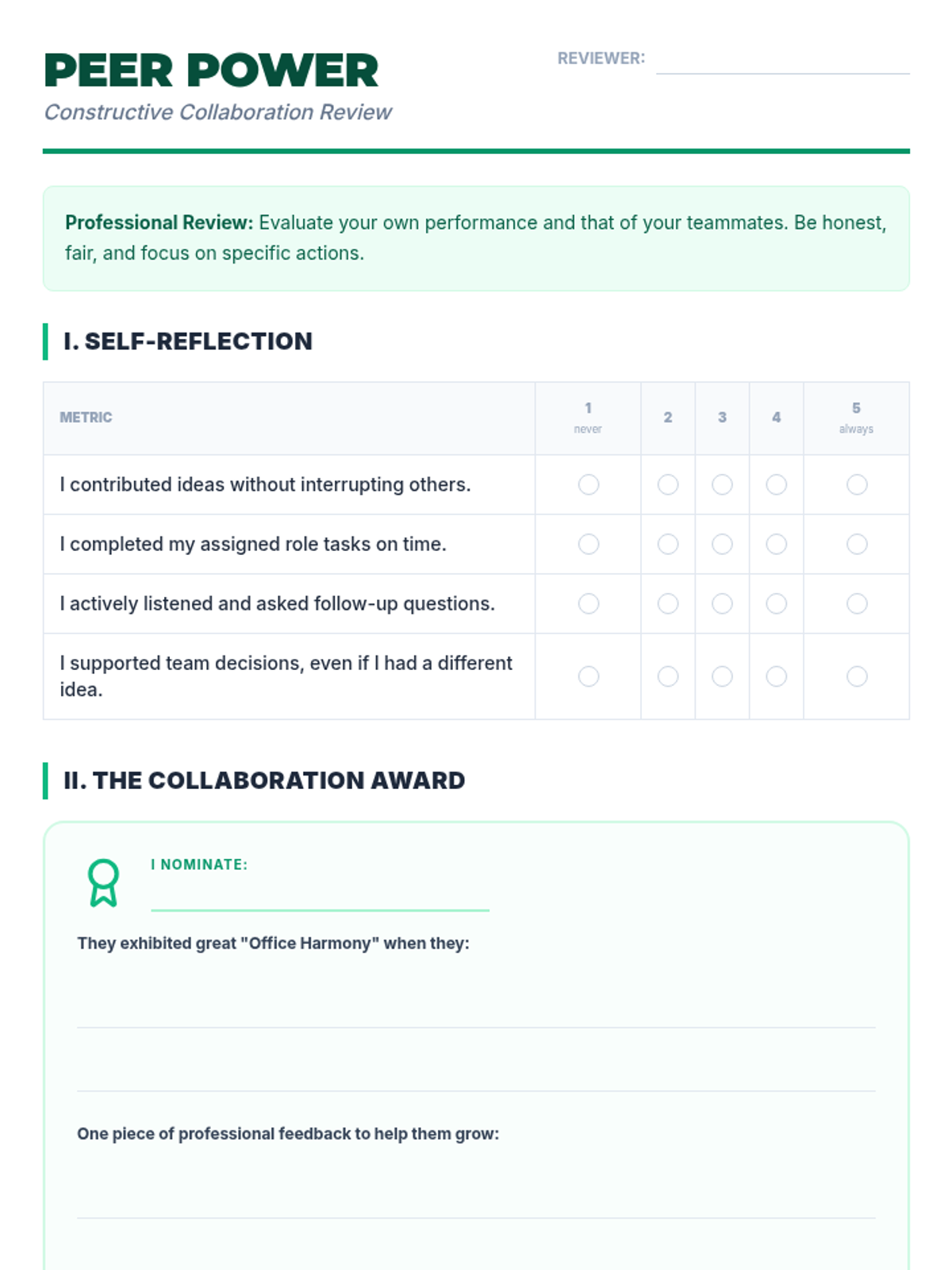
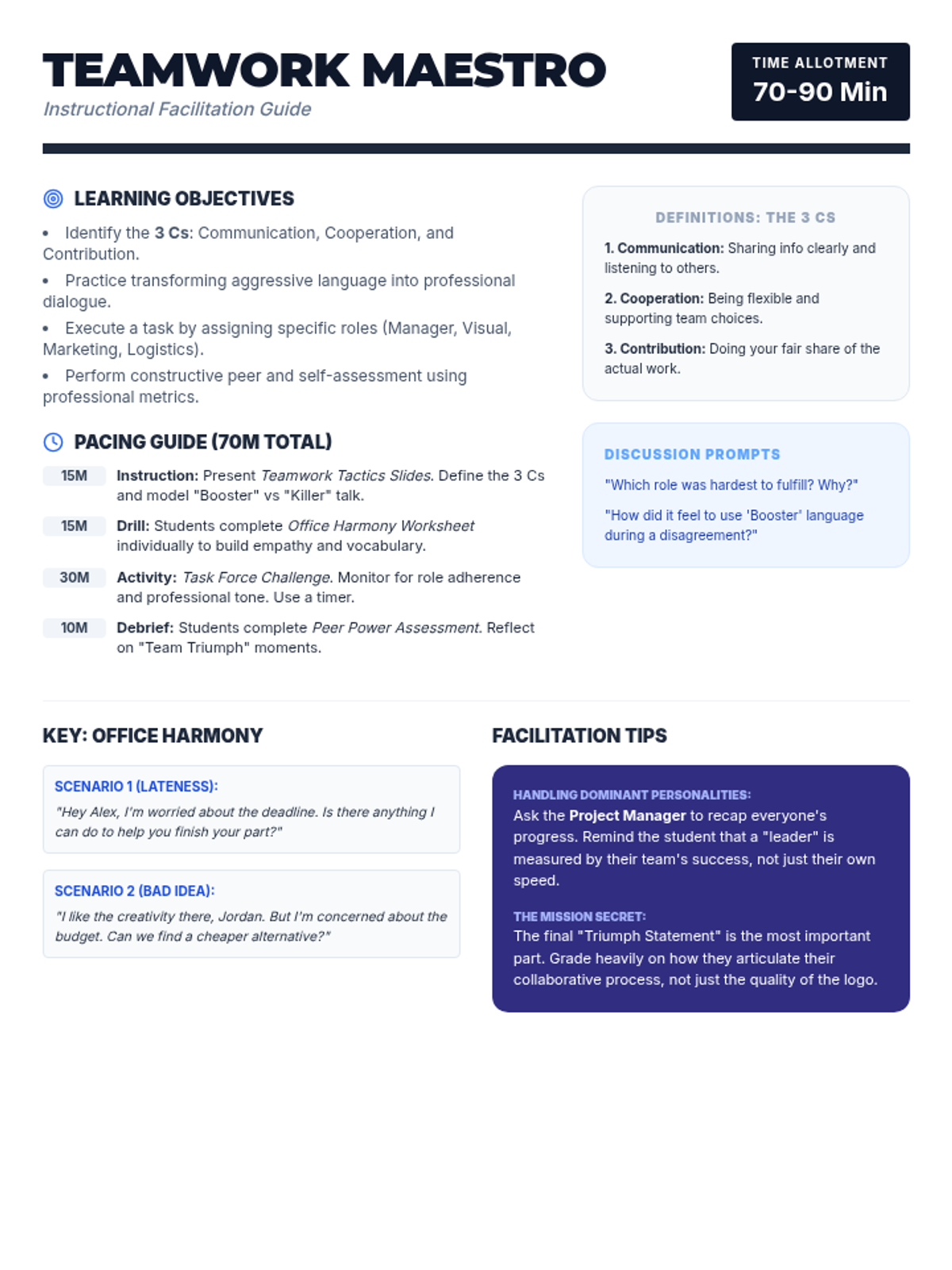
This lesson teaches students essential workplace collaboration skills, focusing on effective communication, role-playing scenarios, and a hands-on team task to build professional interpersonal skills.
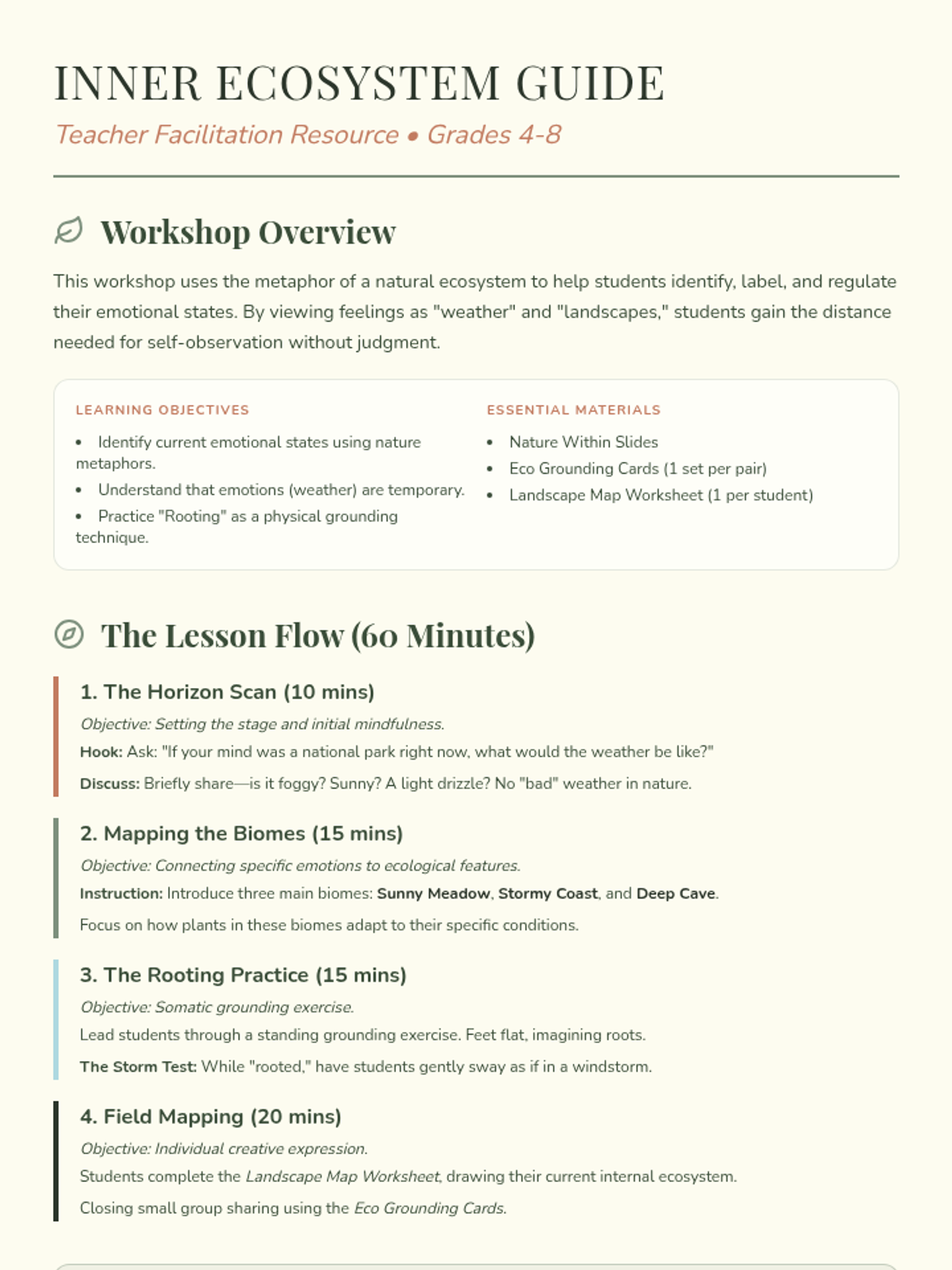
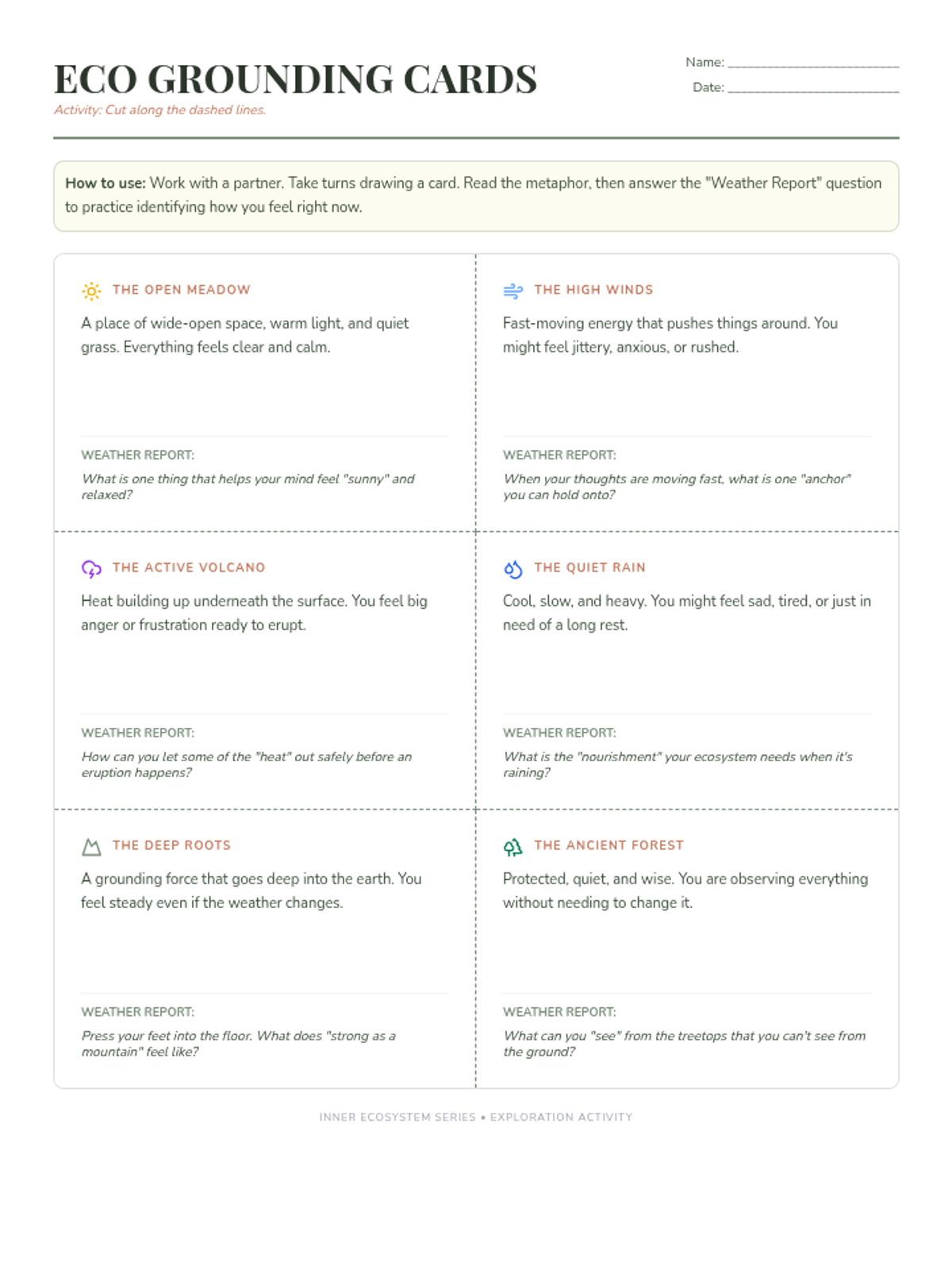
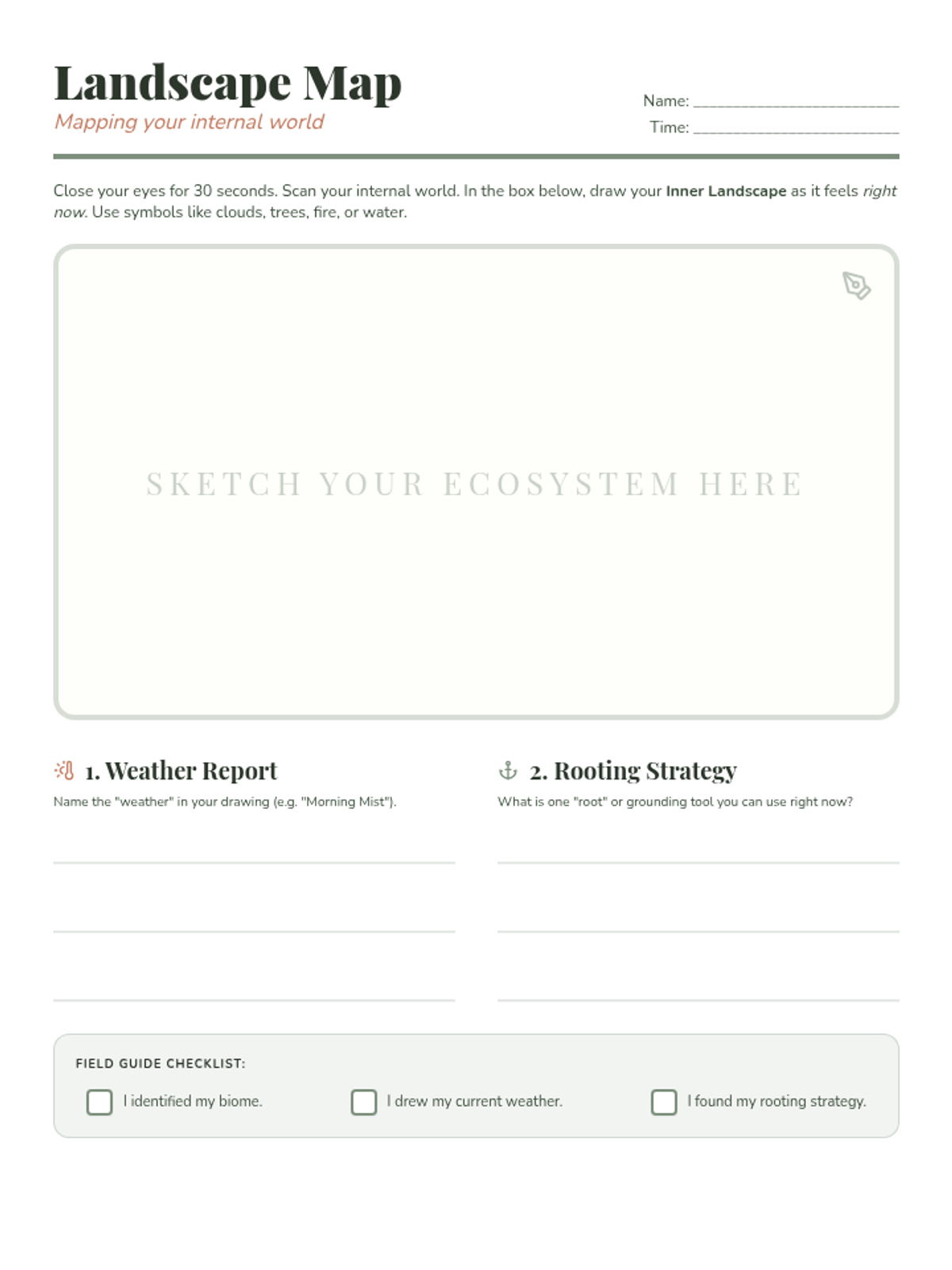
A mindfulness workshop for upper elementary and middle school students that utilizes ecological metaphors to help them navigate internal emotions and practice grounding.
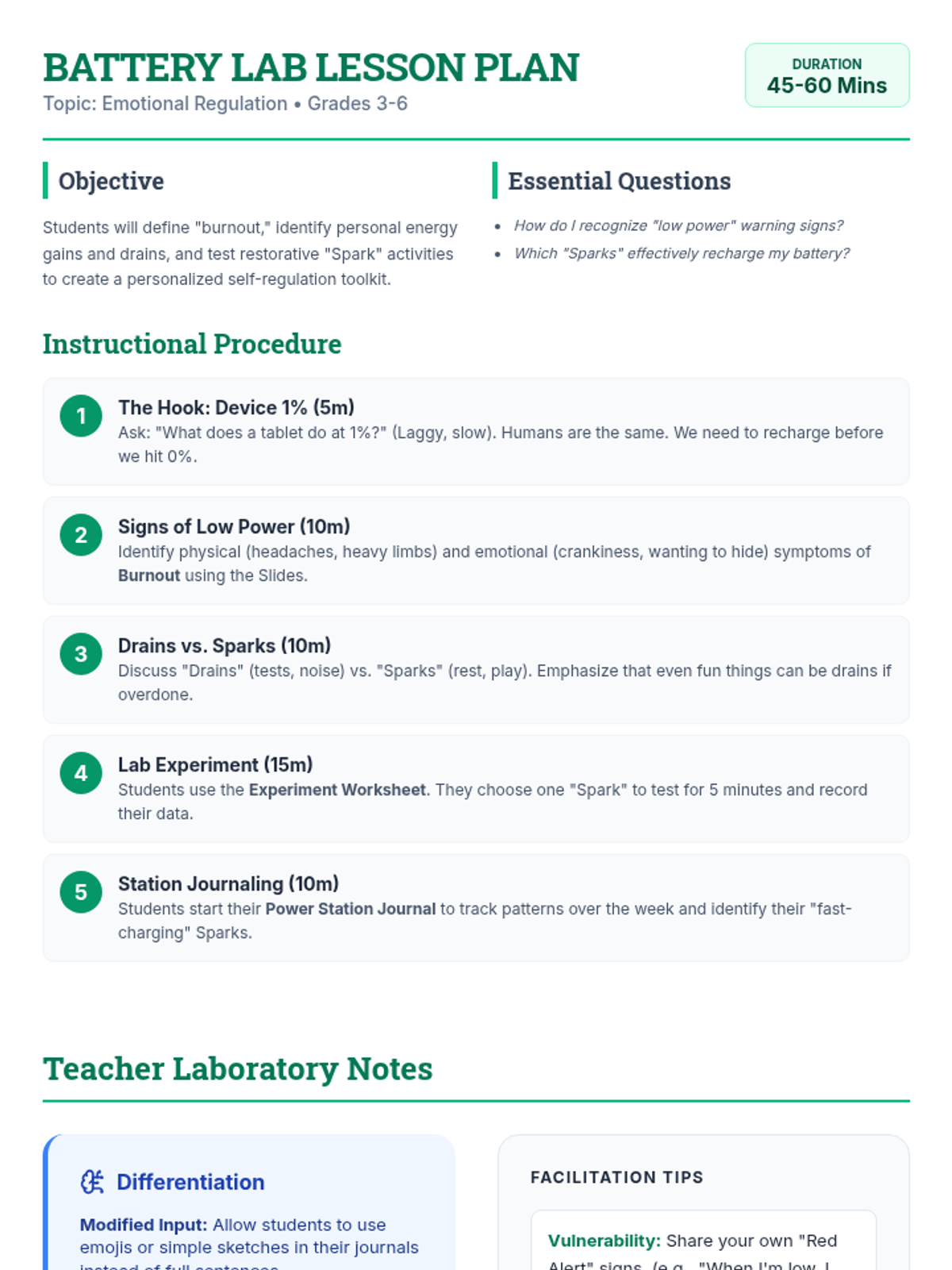
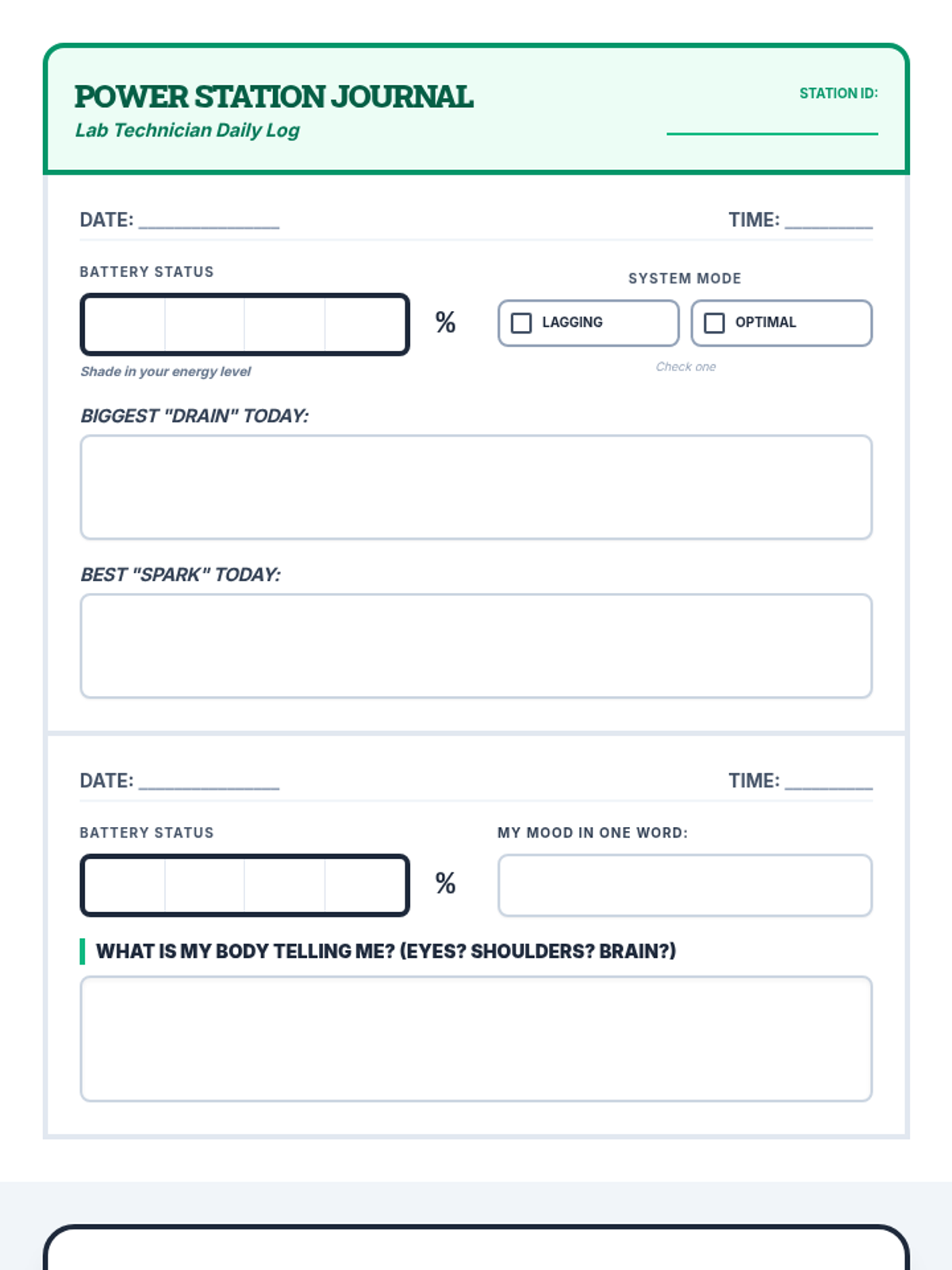
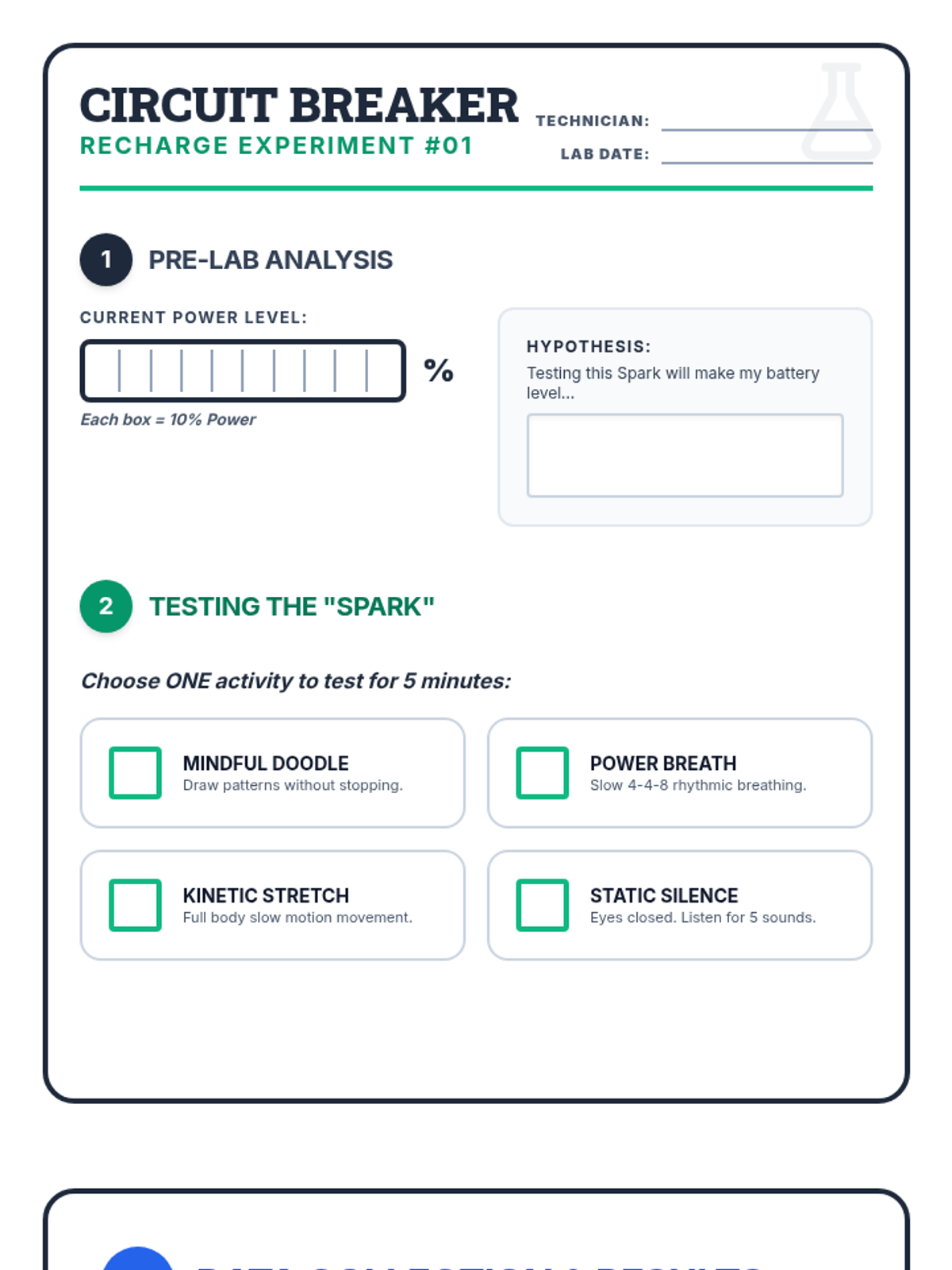
A hands-on emotional regulation lesson that treats energy management like a scientific experiment. Students in grades 3-6 learn to identify energy drains, recognize signs of burnout, and test specific 'recharging' activities to maintain their internal battery.
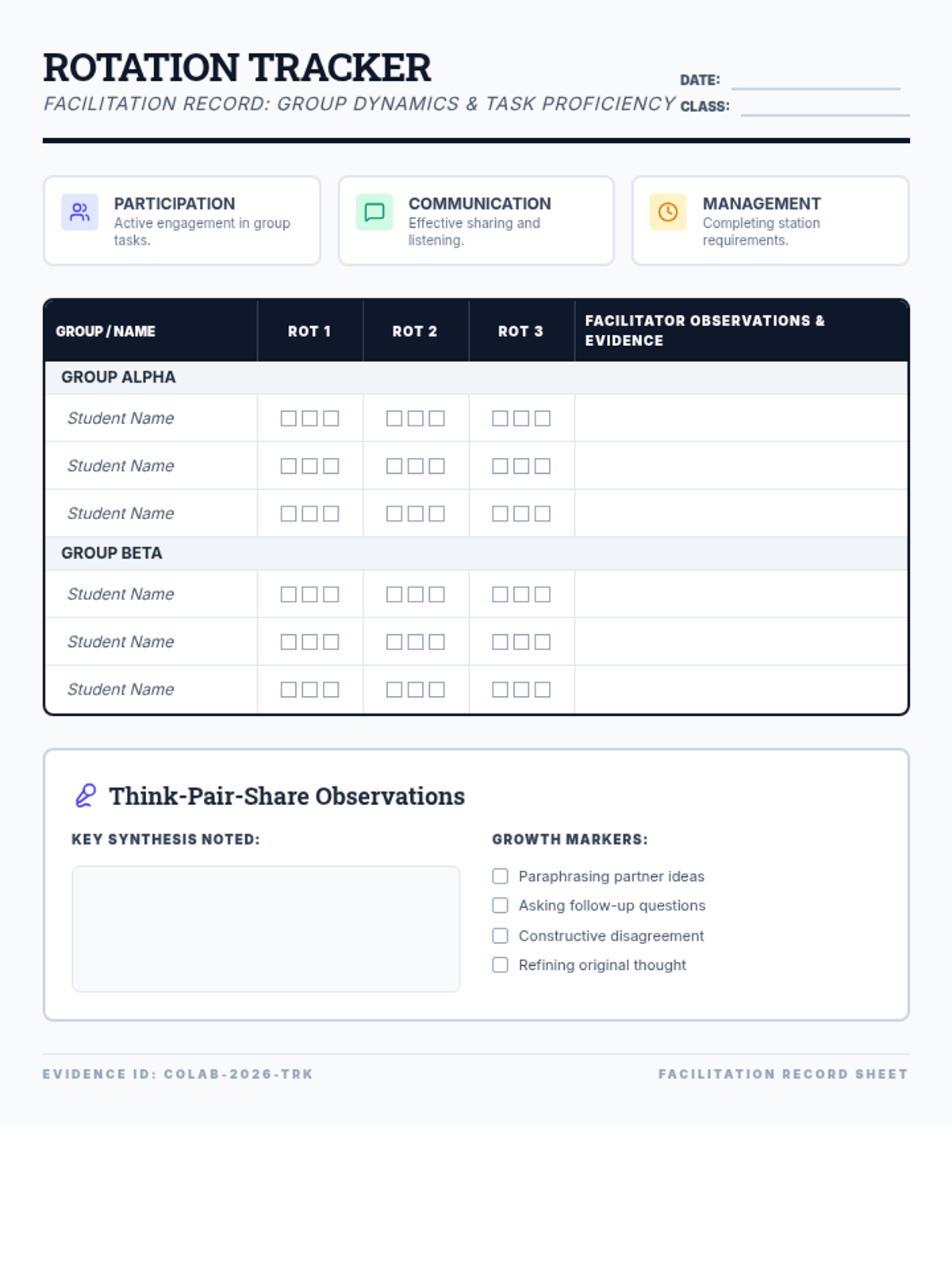
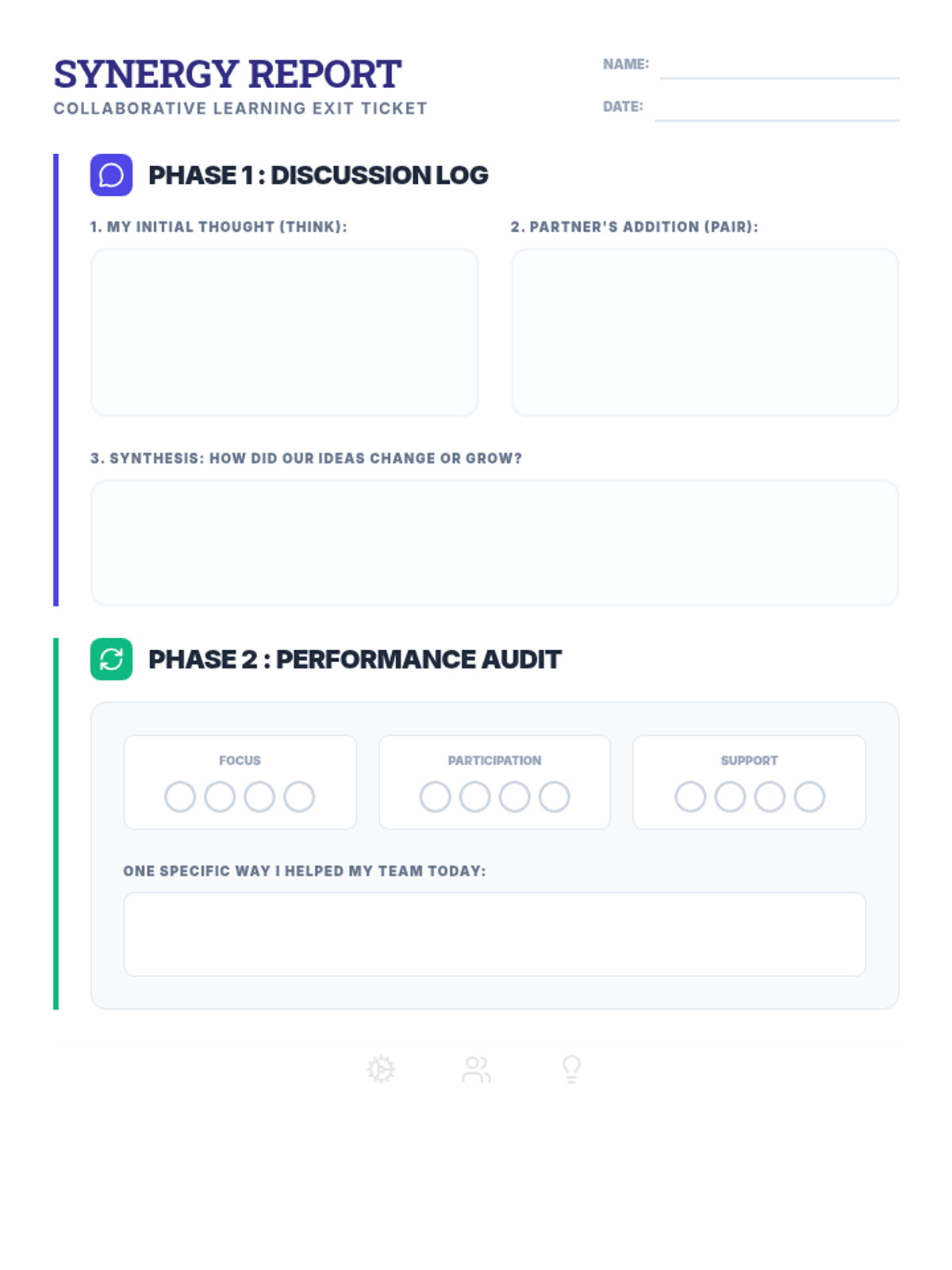
A lesson focused on facilitating and documenting collaborative learning through structured rotations and Think-Pair-Share discussions. Includes tools for teacher monitoring and student self-reflection.
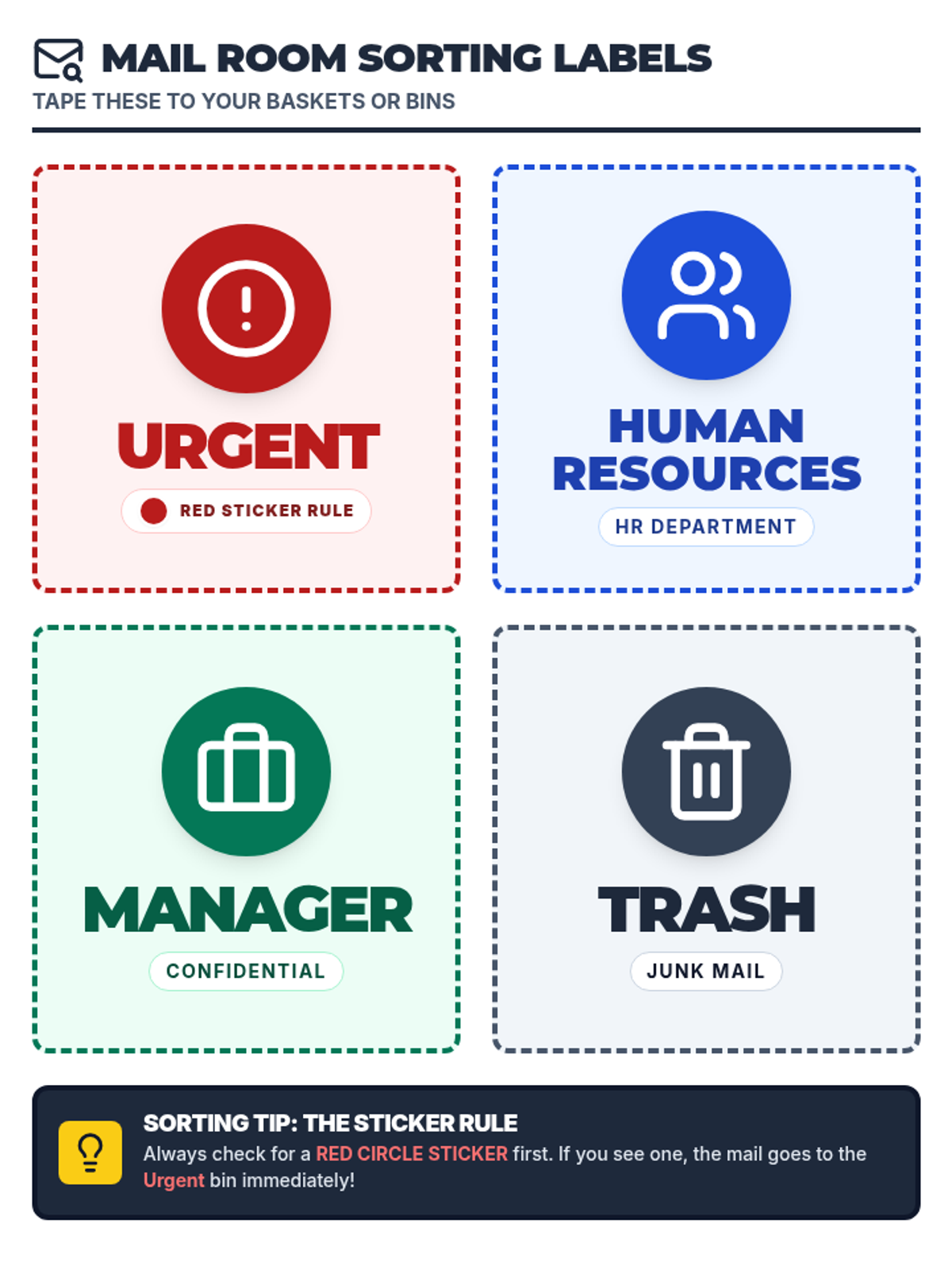
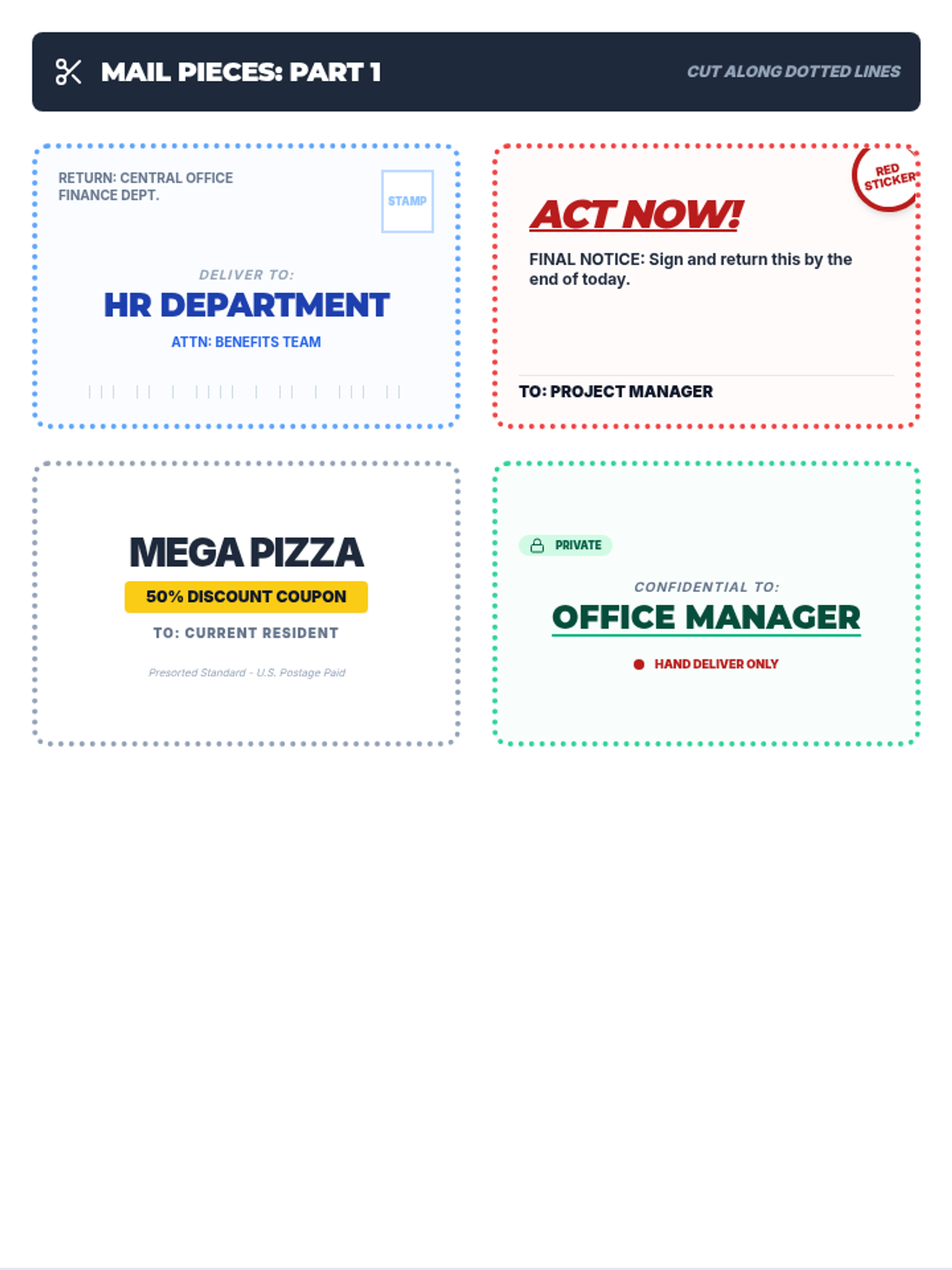
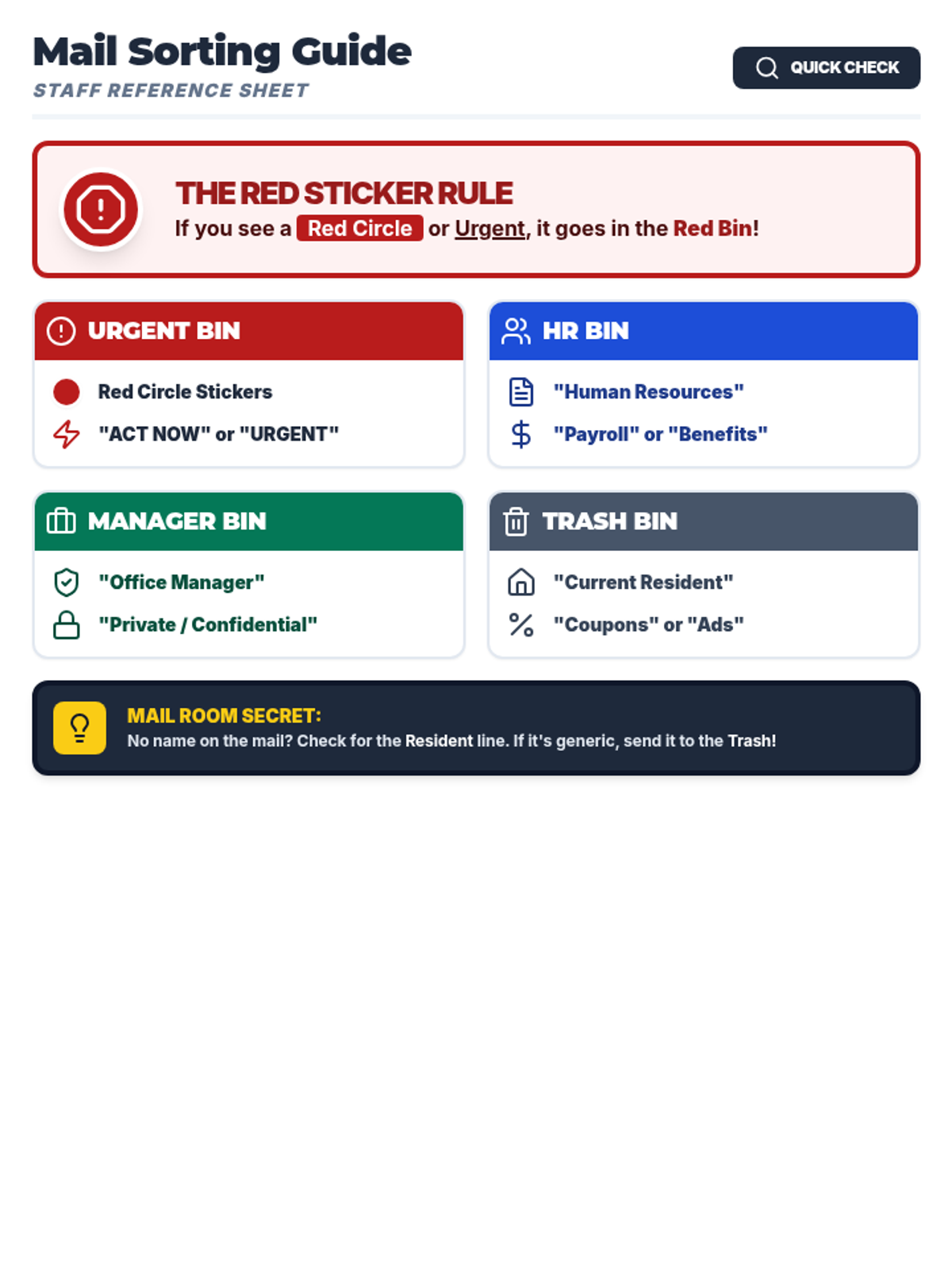
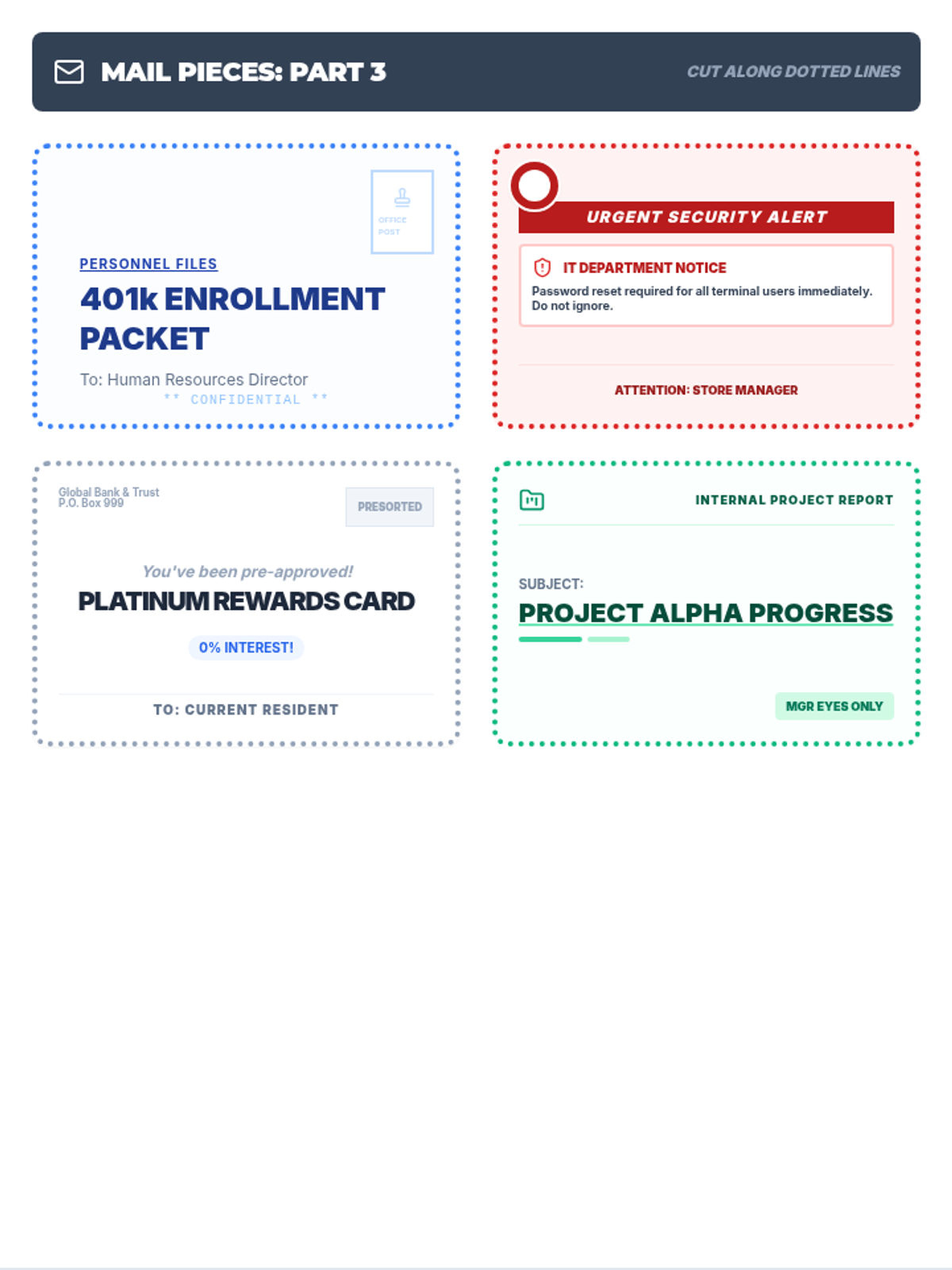
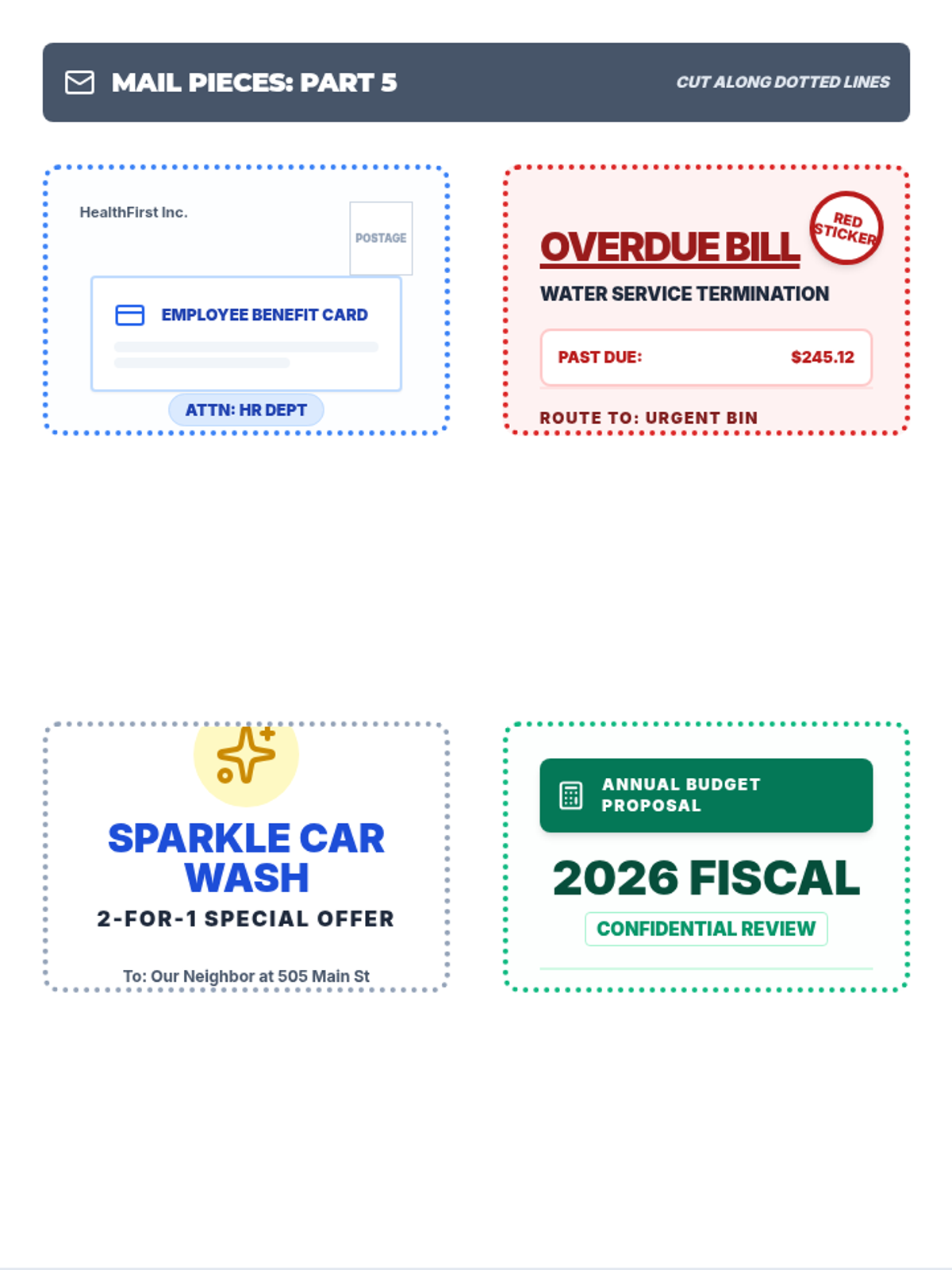
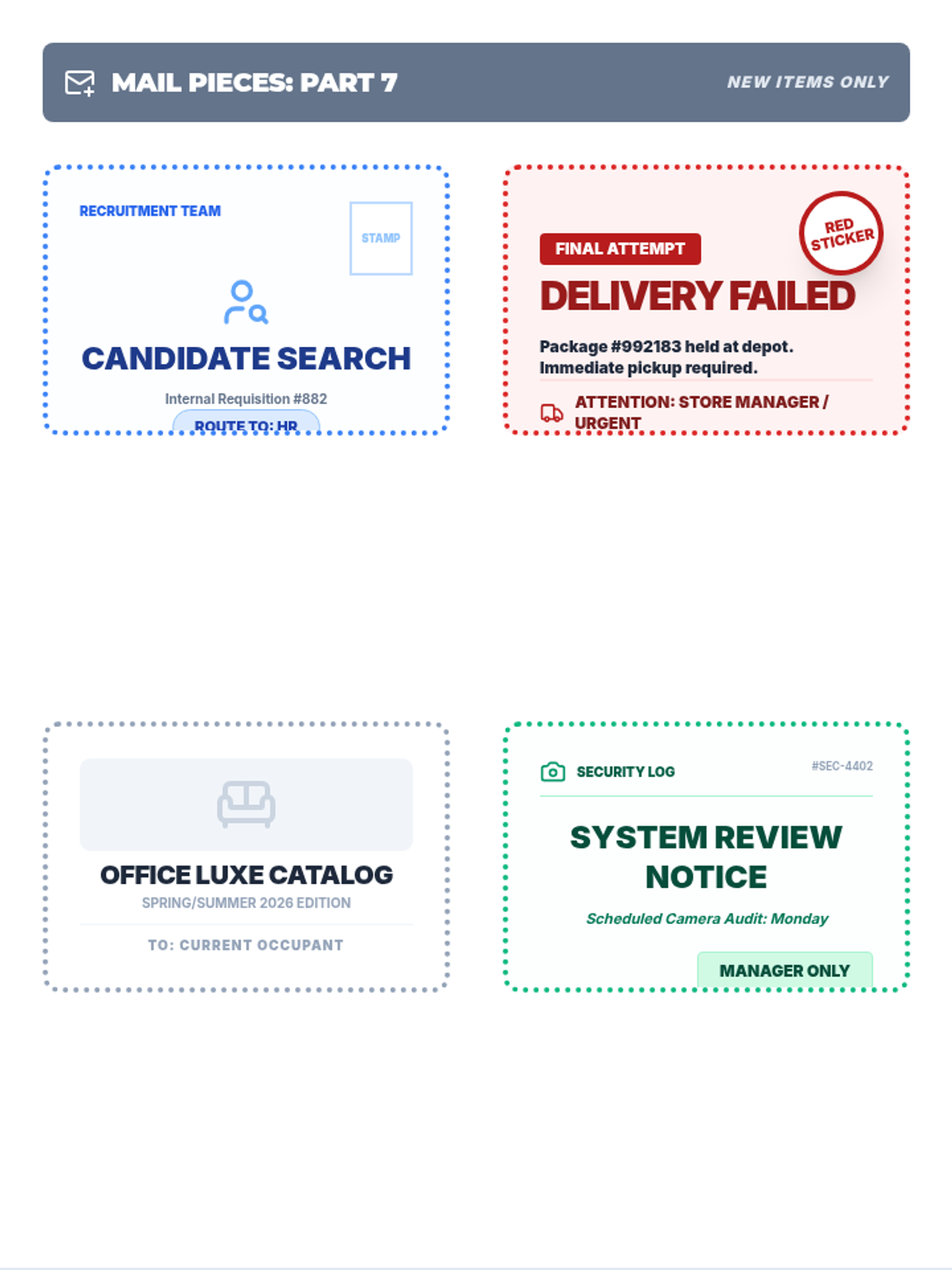
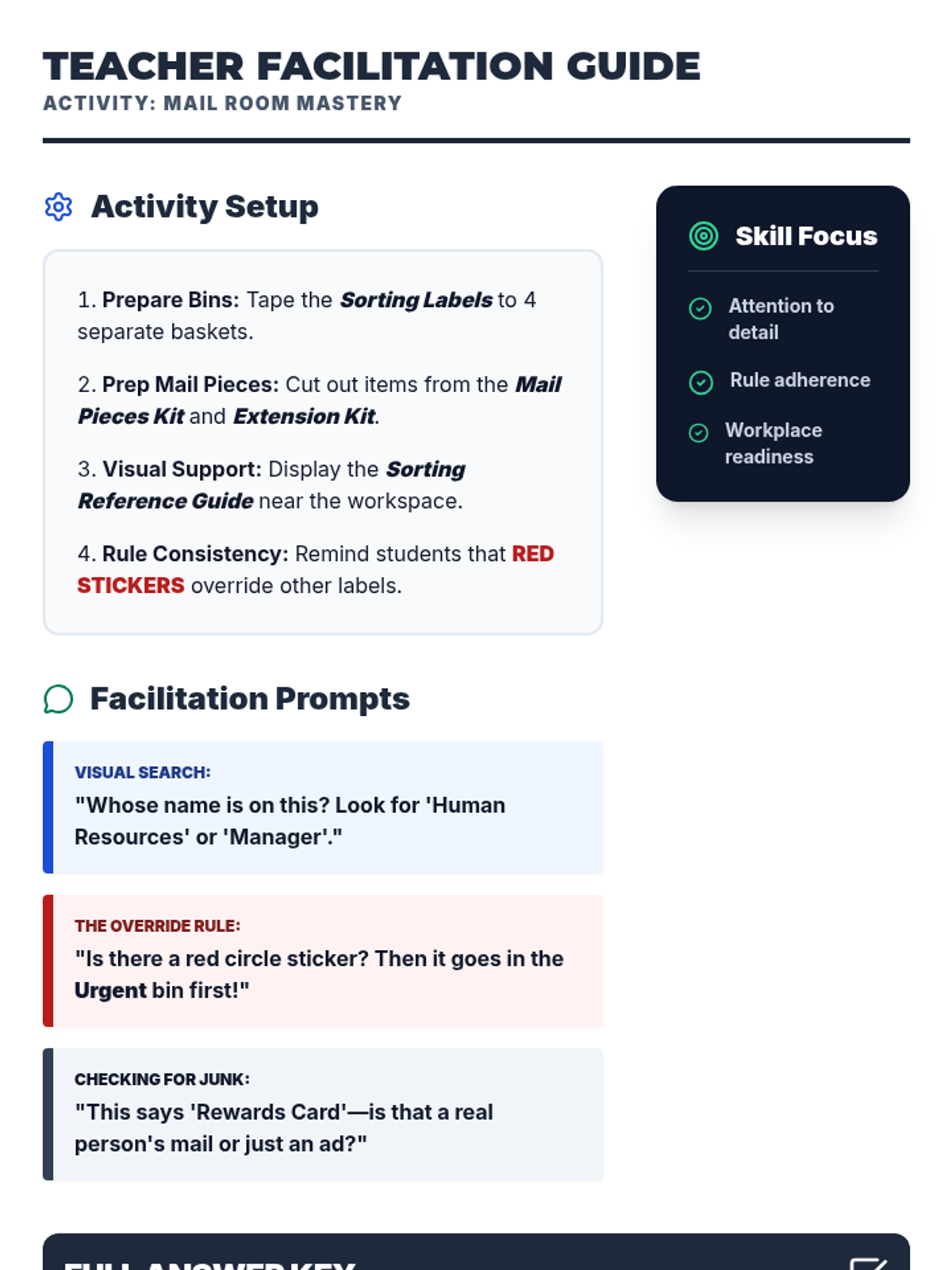
A hands-on vocational activity focused on sorting mail into categories like HR, Urgent, Manager, and Trash to build organizational and attention-to-detail skills.
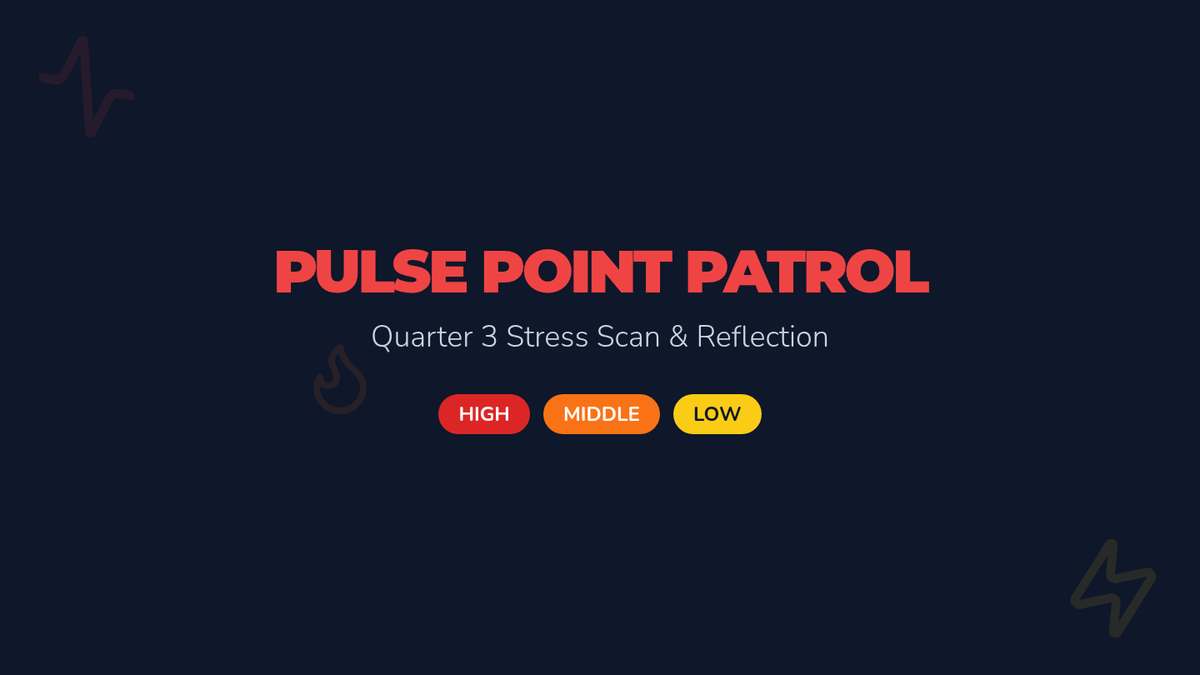
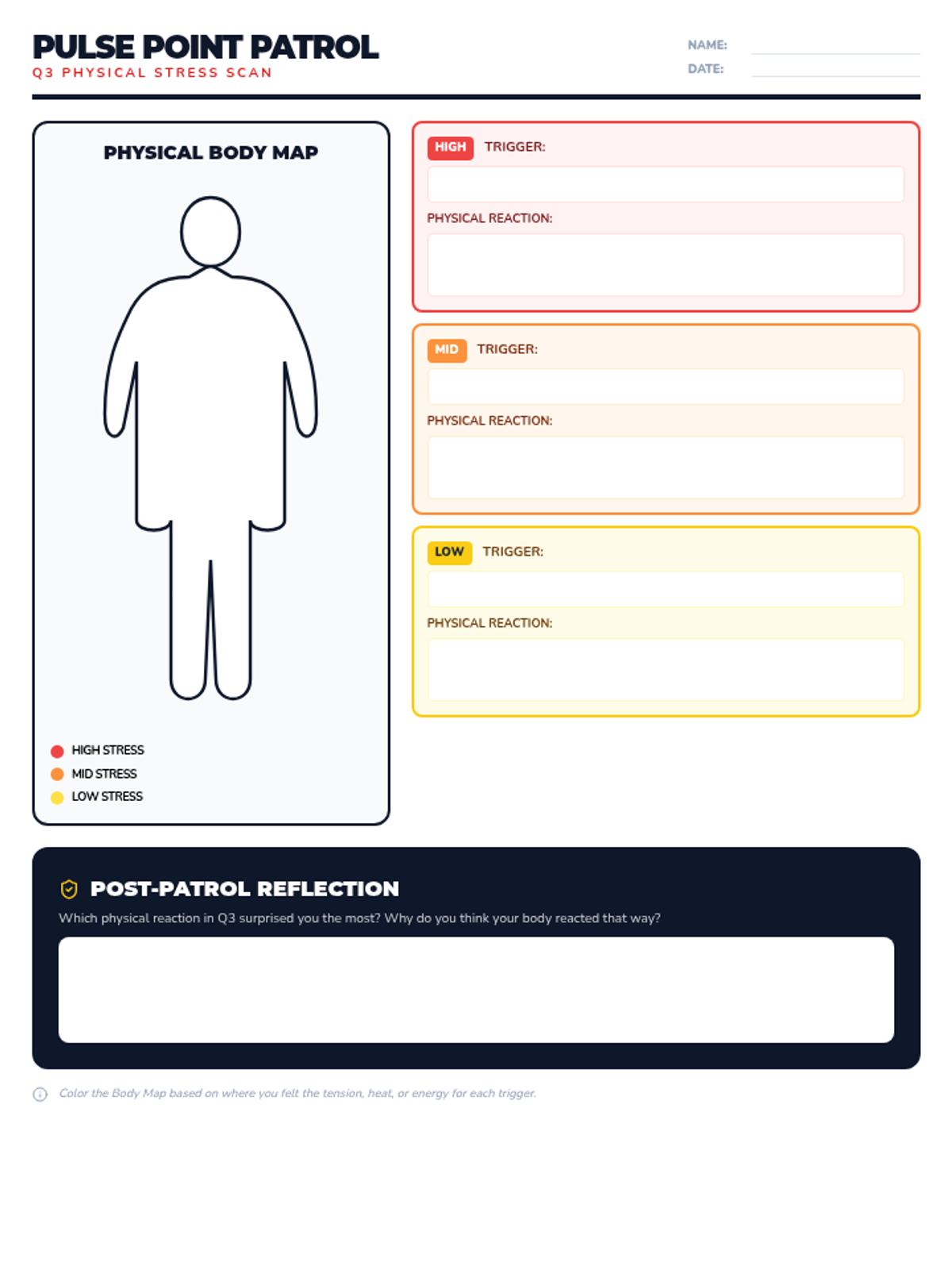
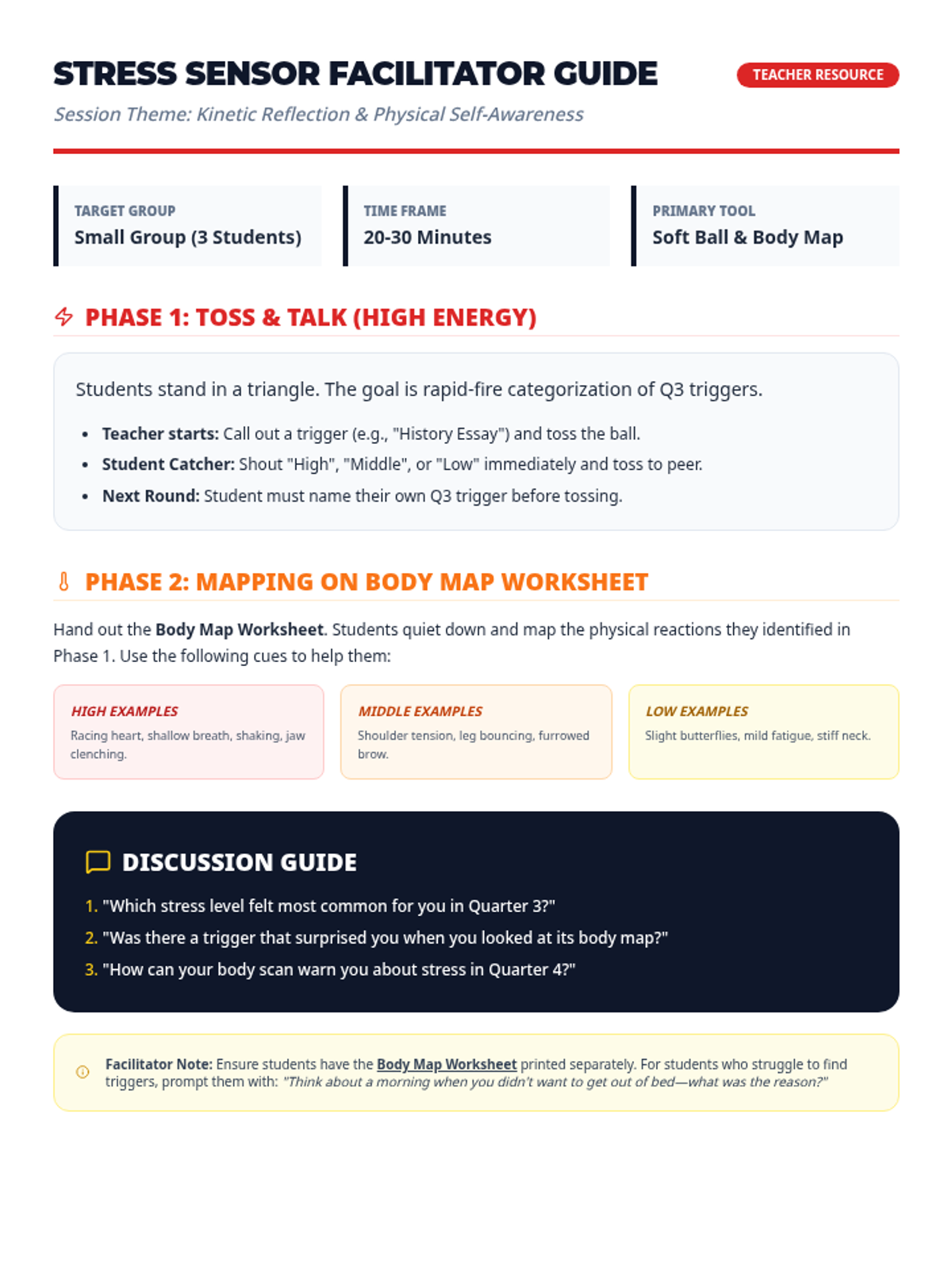
A high-energy, kinetic lesson for students to identify and map stress levels (High, Middle, Low) and their physical manifestations through a ball-toss reflection on Quarter 3.