A quick, celebratory check-in for 8th graders as they prepare for high school. Includes a student flyer for goal-setting and a teacher guide for facilitating the transition discussion.

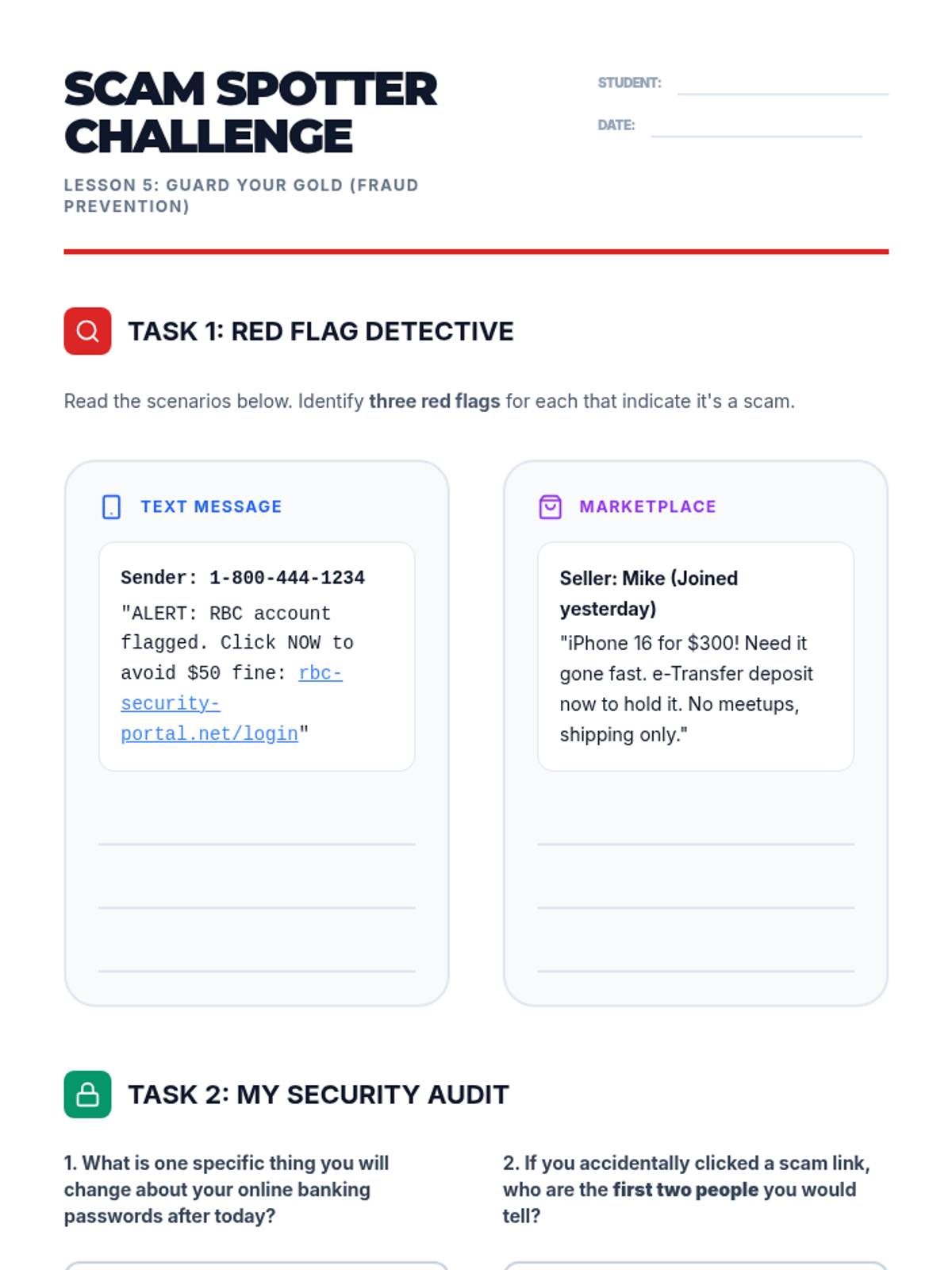
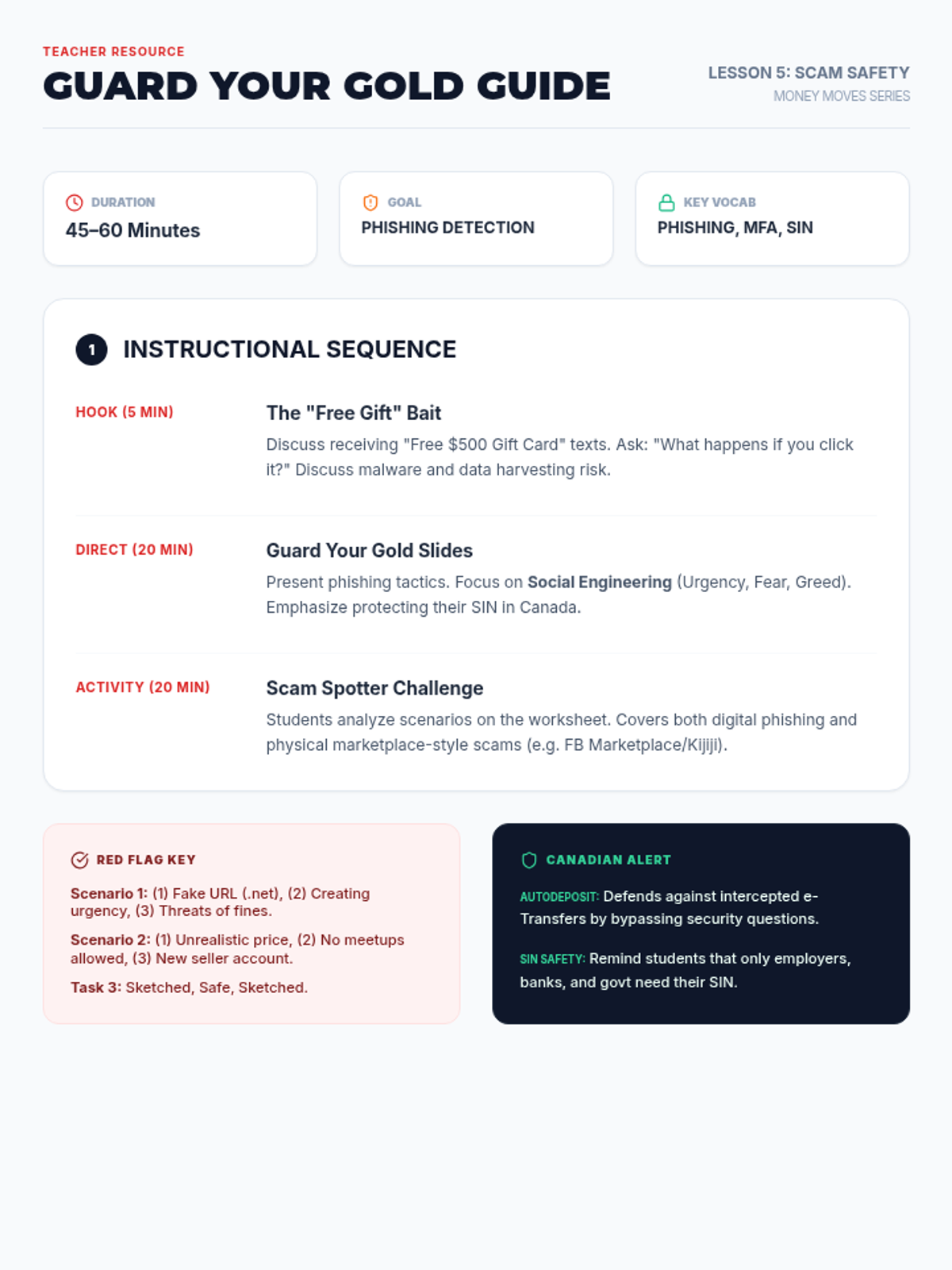
Students will learn to identify common financial scams, protect their personal information online, and understand the steps to take if they become a victim of identity theft.
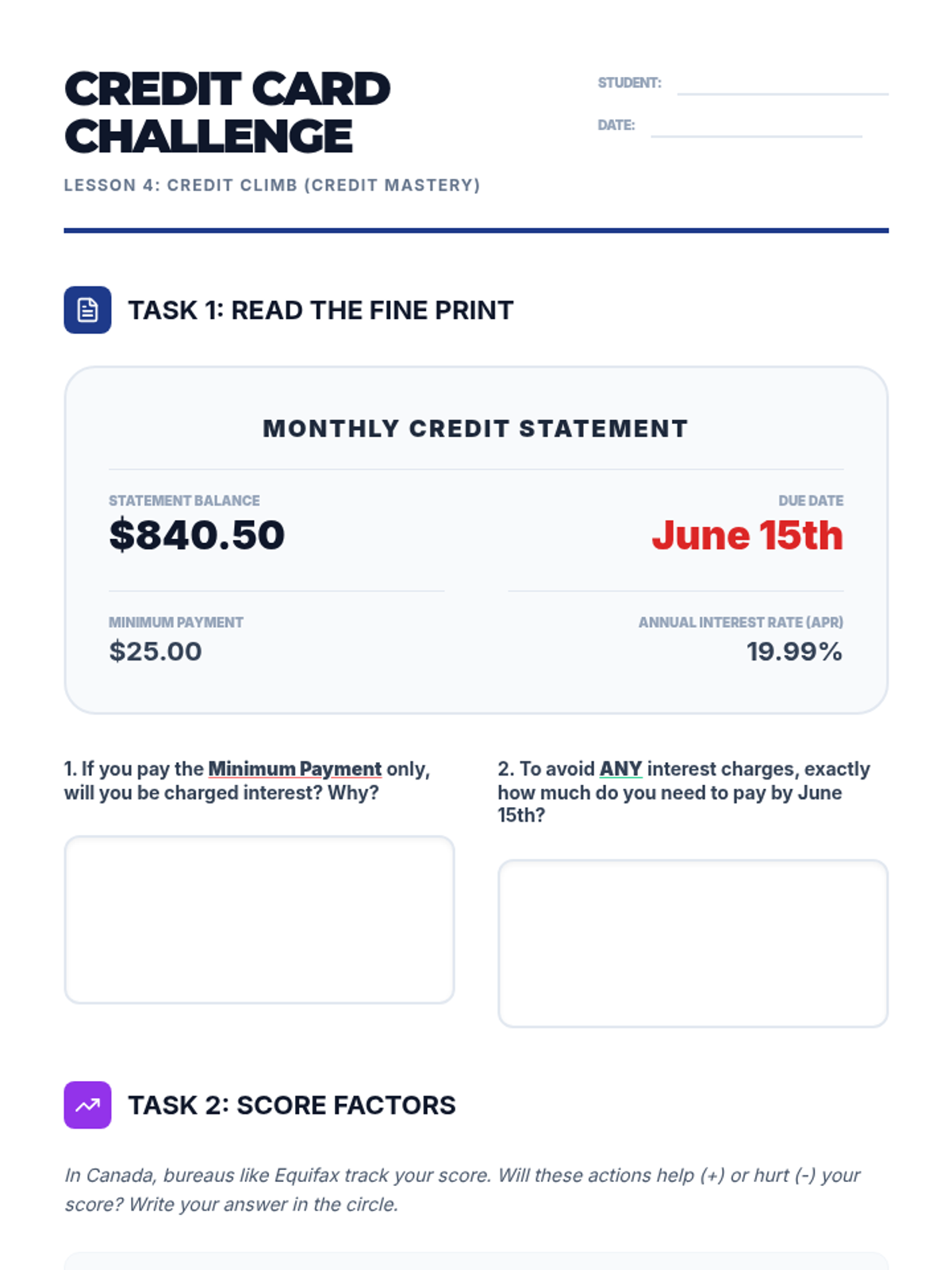
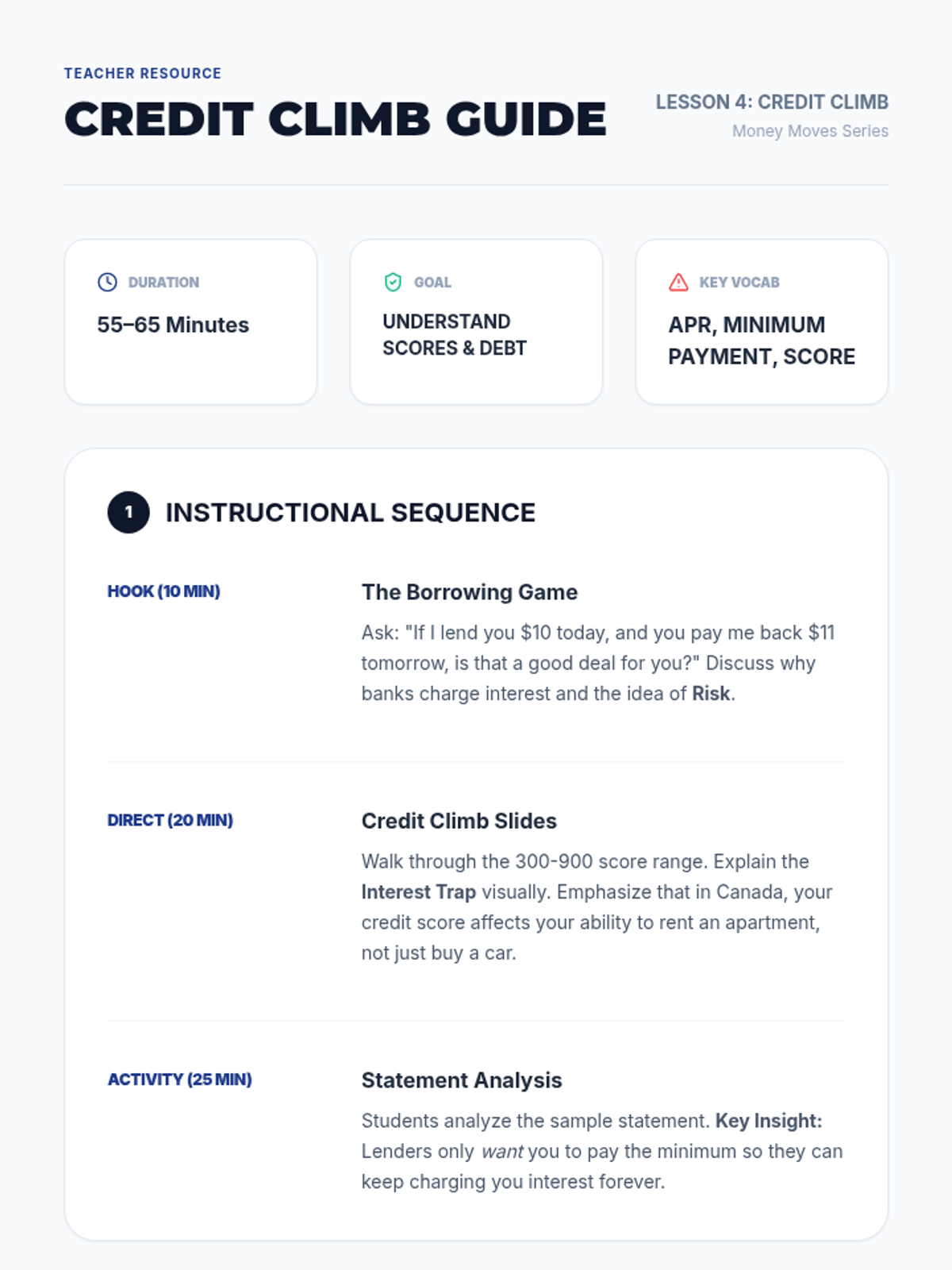
An introduction to the world of credit, covering how credit scores work in Canada, the difference between credit and debit, and the true cost of borrowing money.
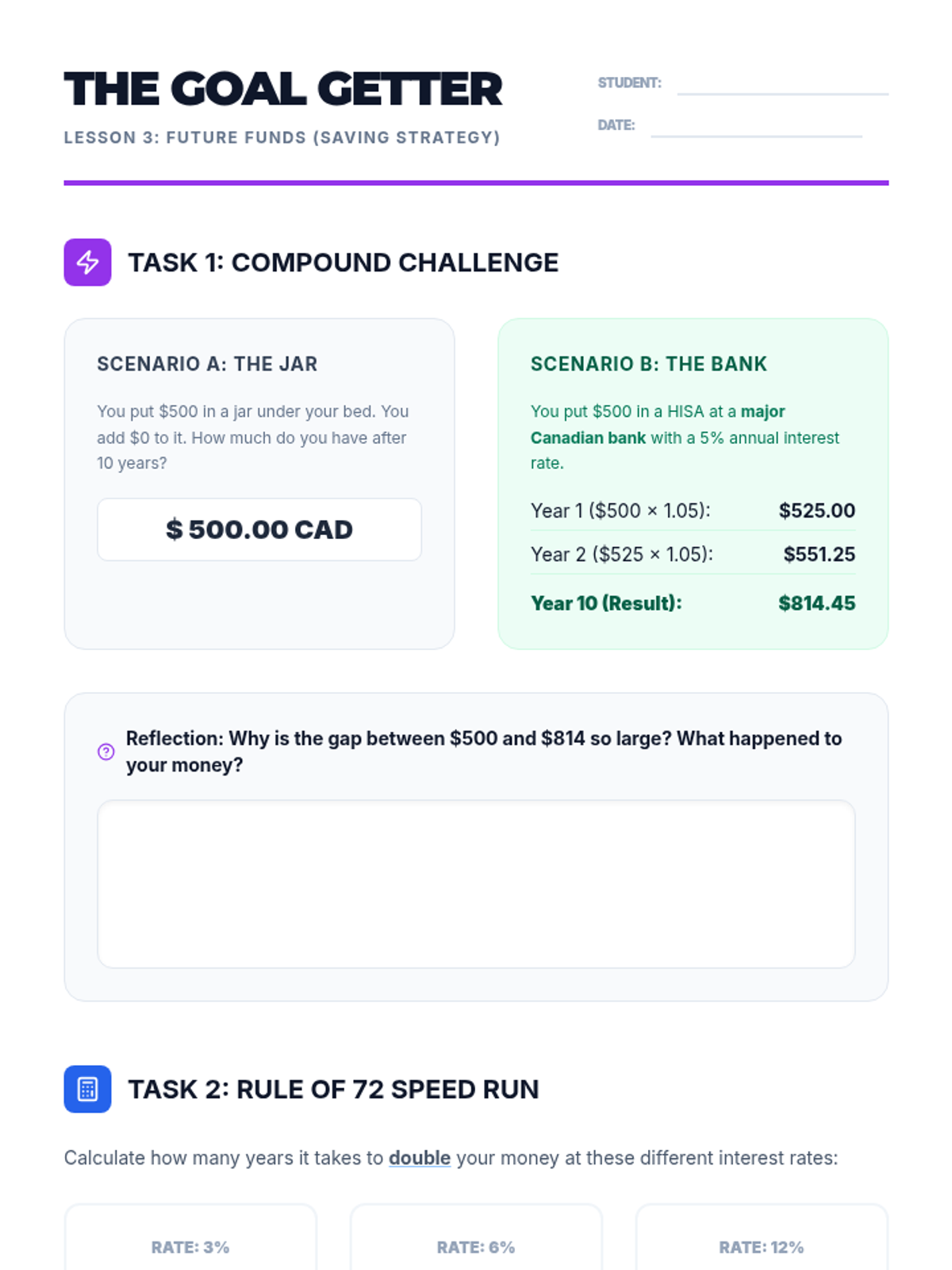
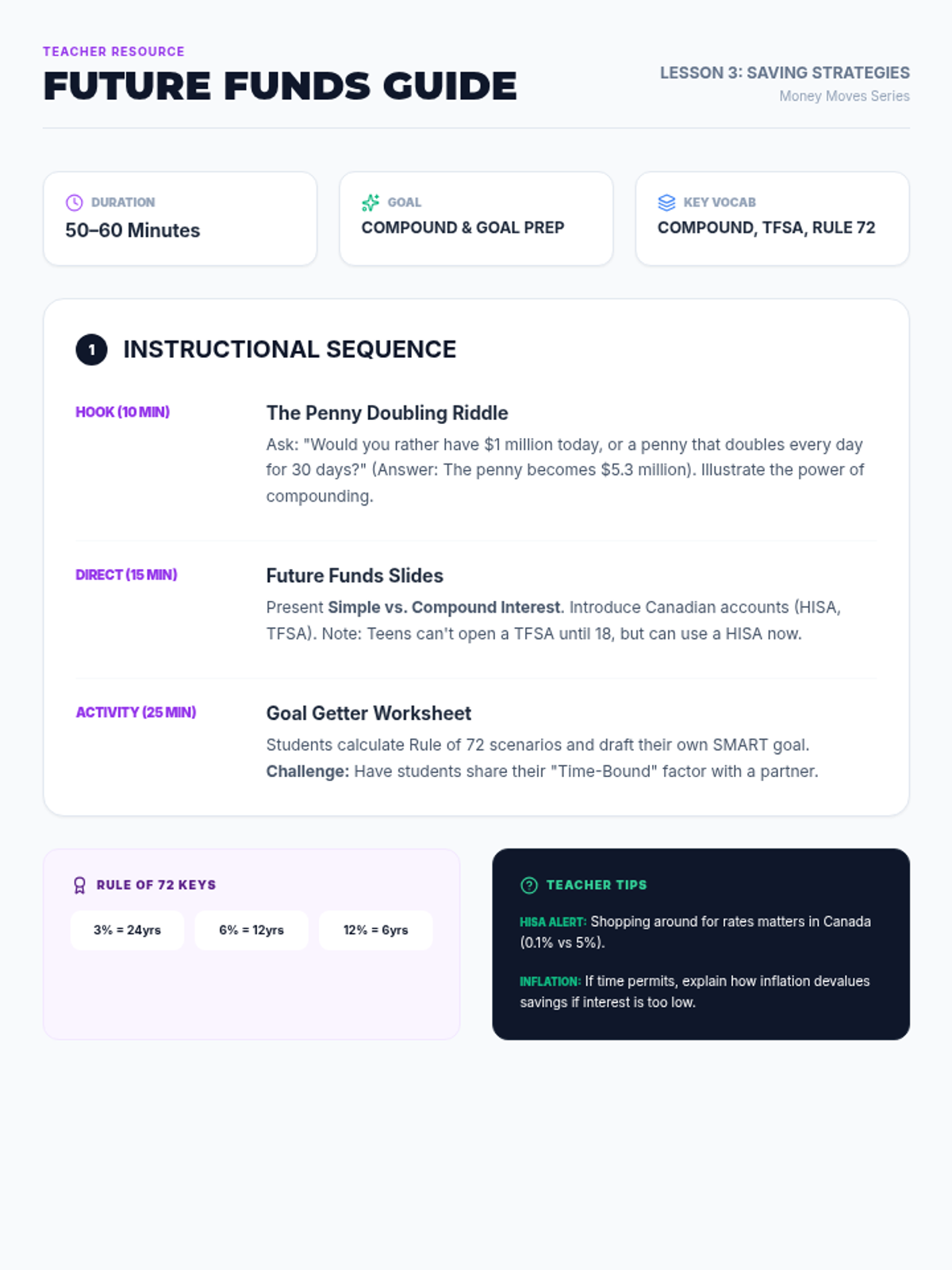
Students will explore the power of compound interest, understand the difference between simple and compound growth, and set SMART financial goals using Canadian savings tools like TFSAs.
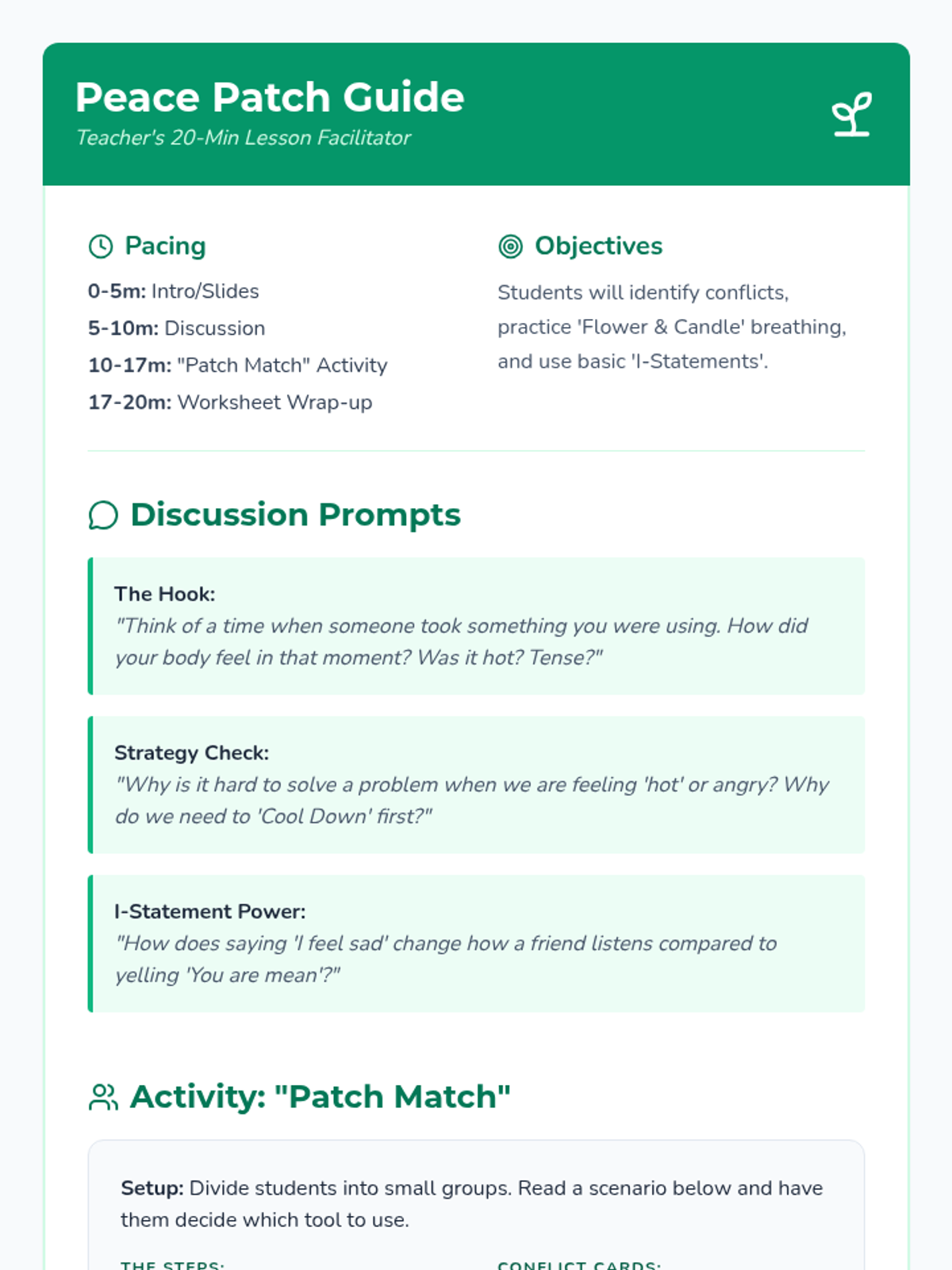
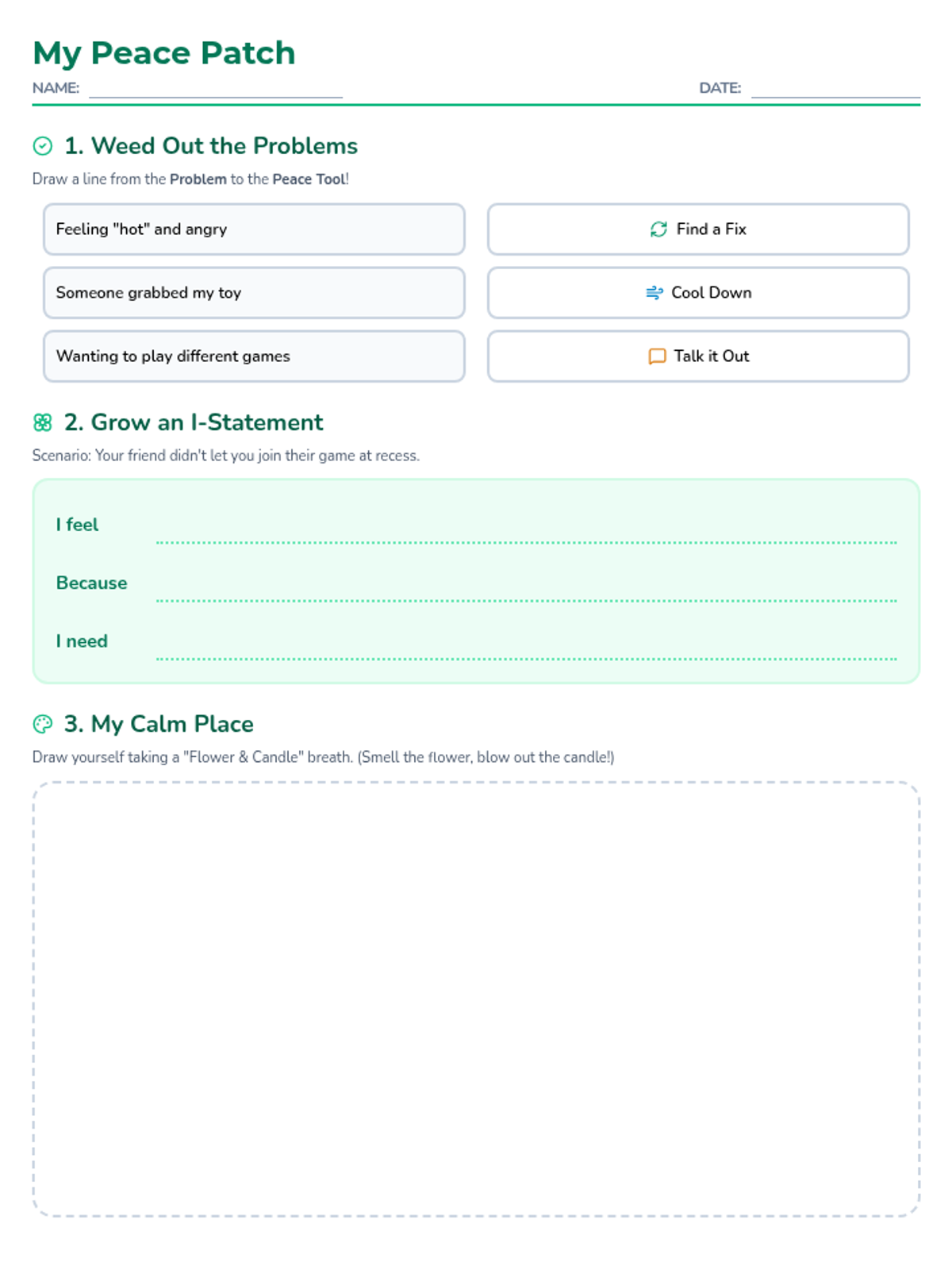
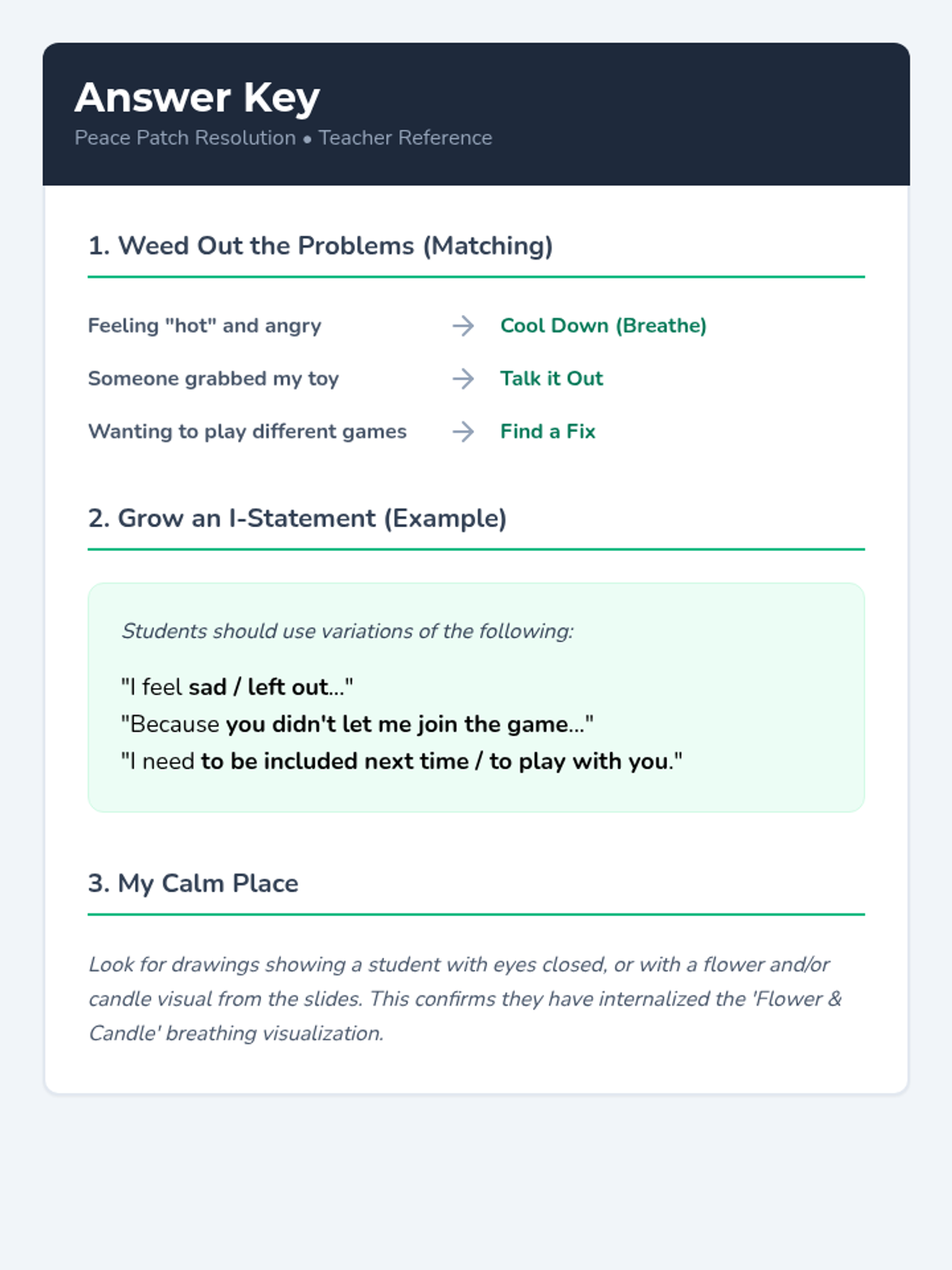
A 20-minute lesson teaching K-4 students conflict resolution strategies through a 'Peace Patch' garden theme, focusing on breathing, I-statements, and finding solutions.
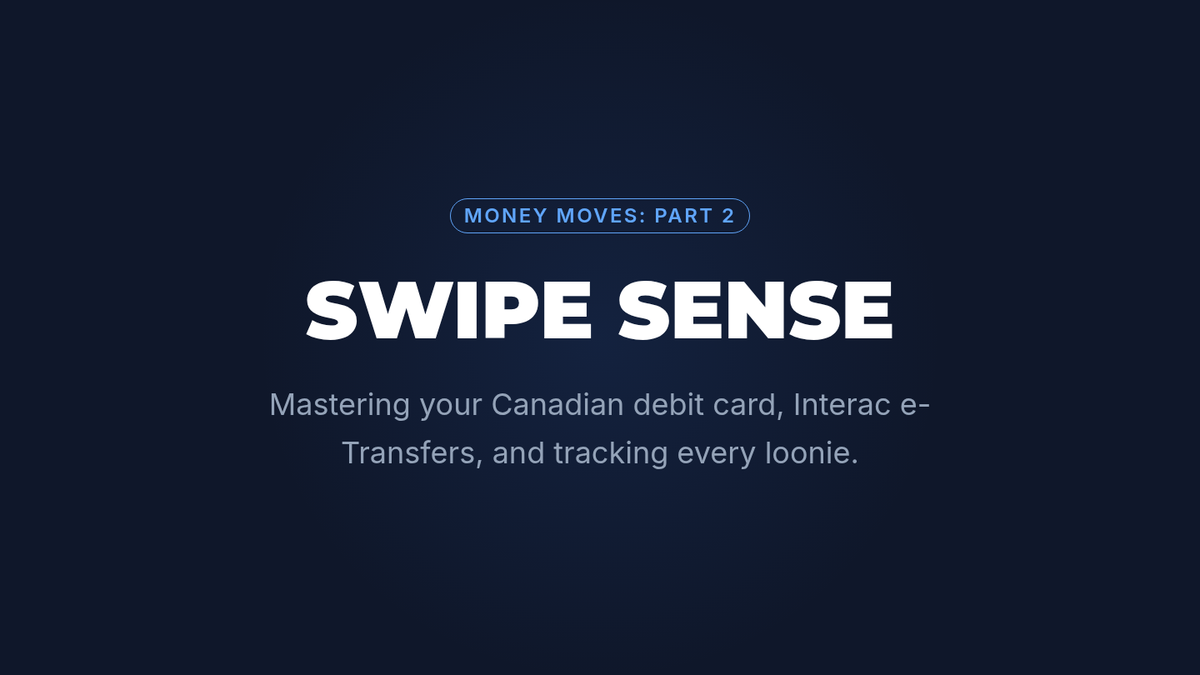
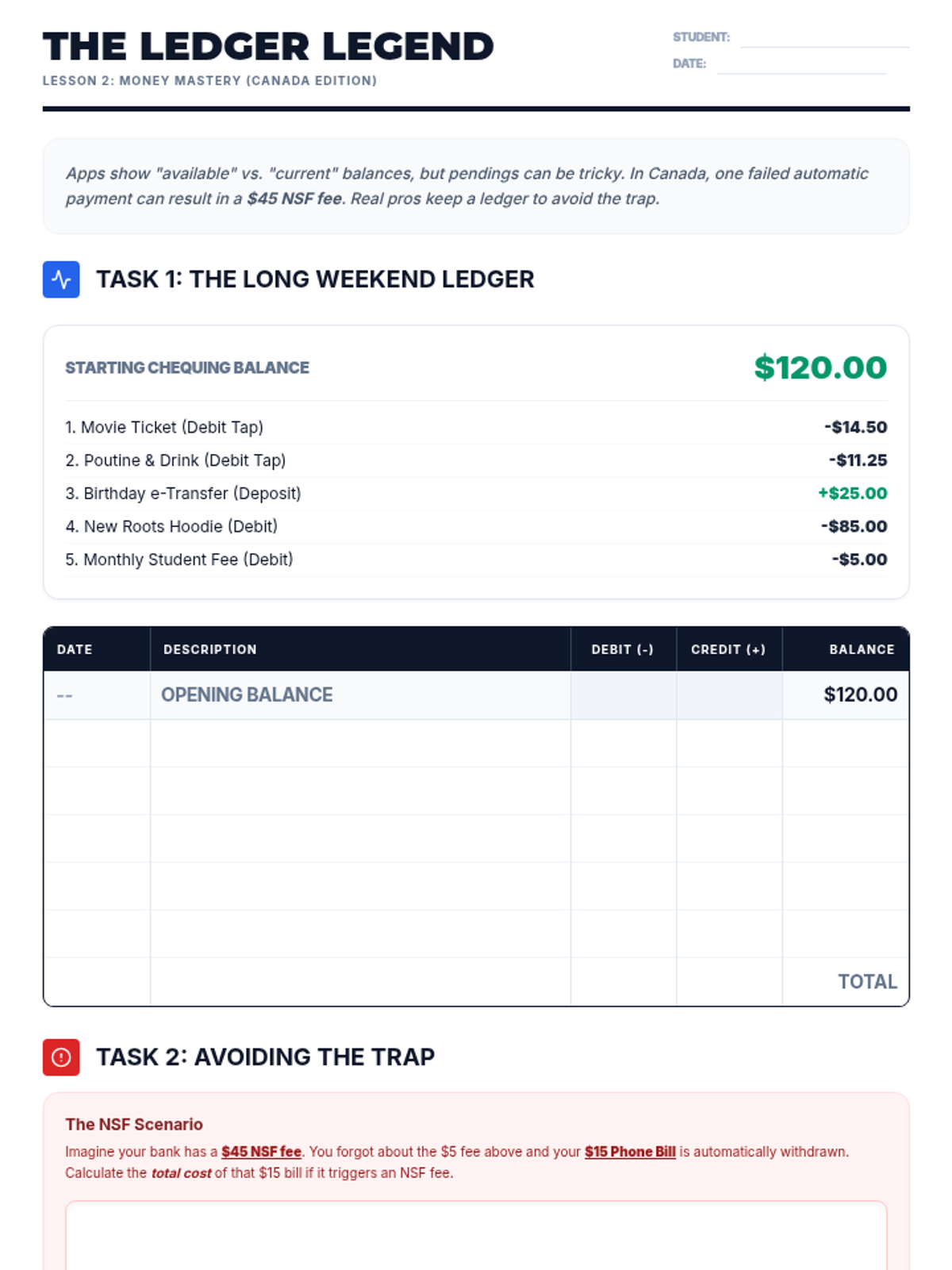
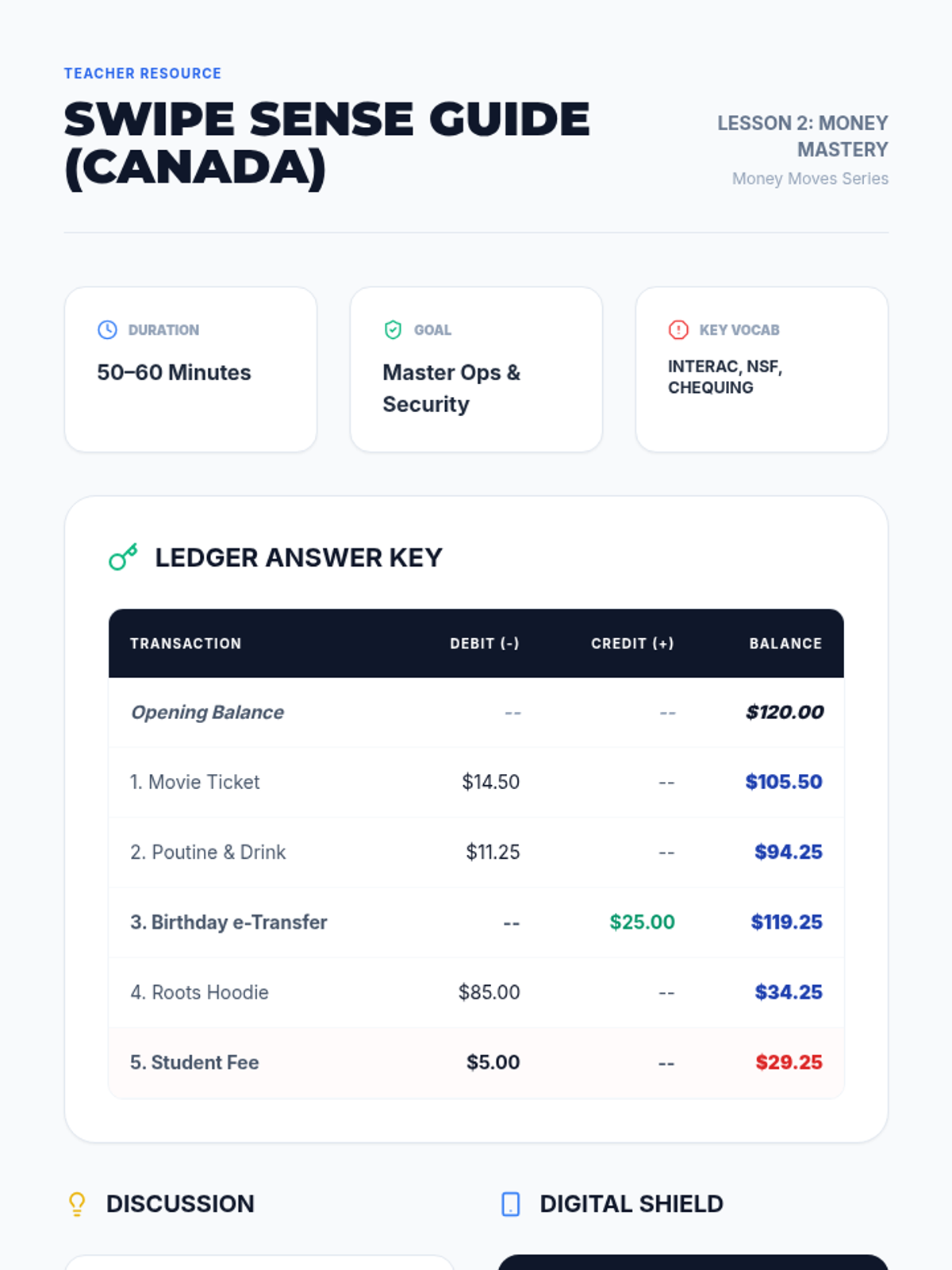
Students will master the daily operations of a bank account, including using debit cards, avoiding common fees, using mobile banking apps safely, and tracking their spending.
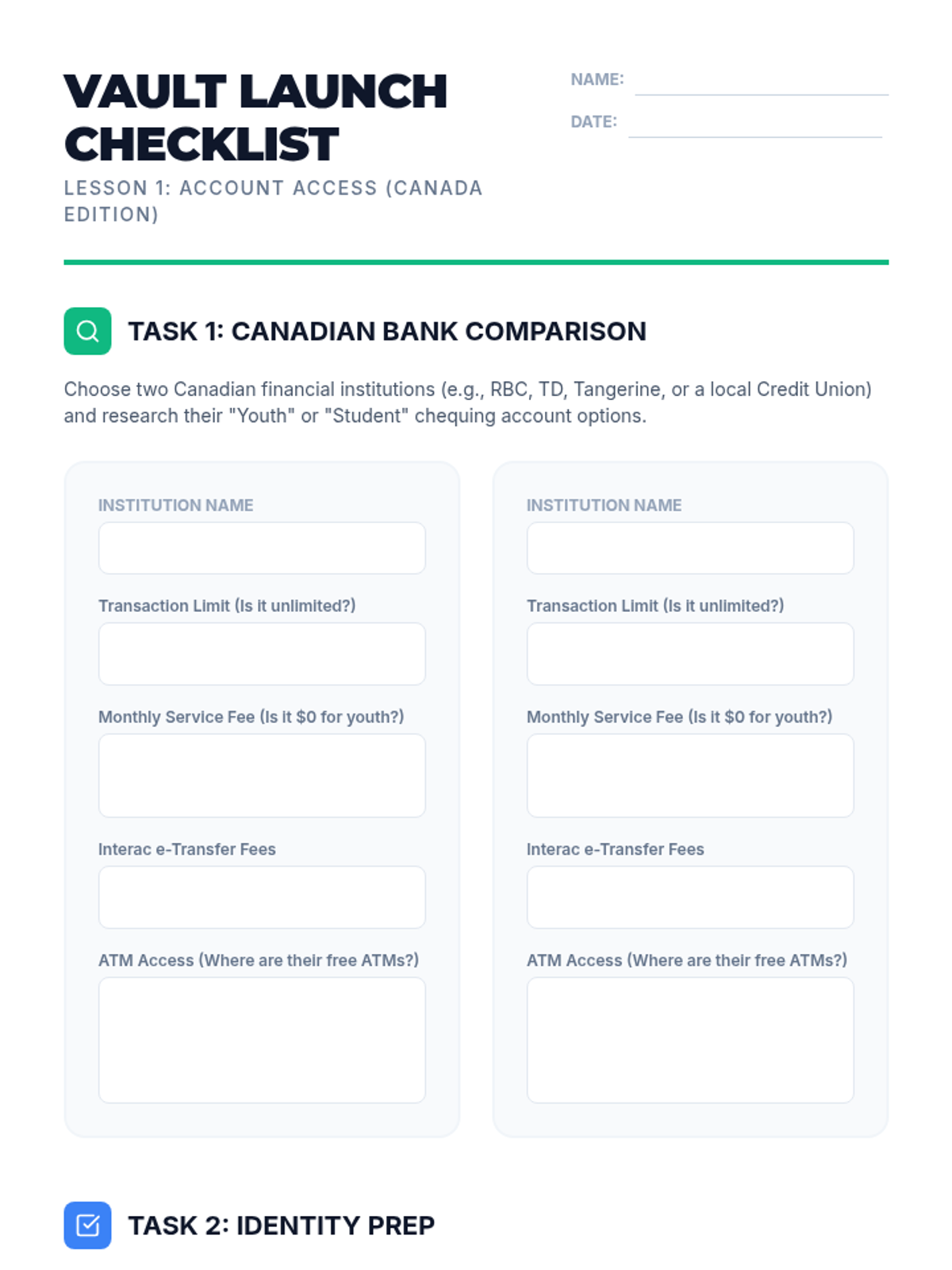
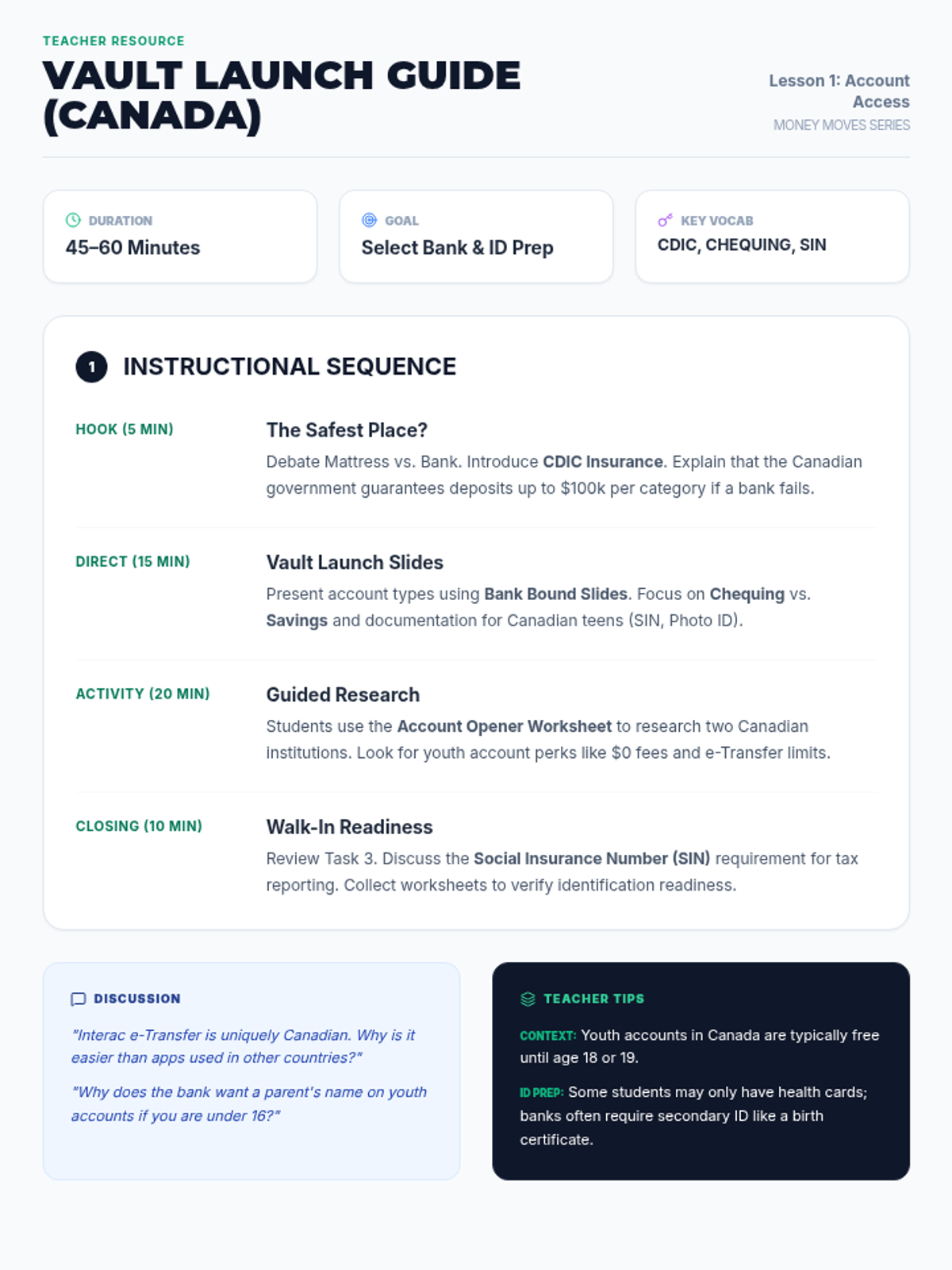
Students will learn the difference between checking and savings accounts, compare different banking institutions, and identify the specific documents required to open an account as a minor.
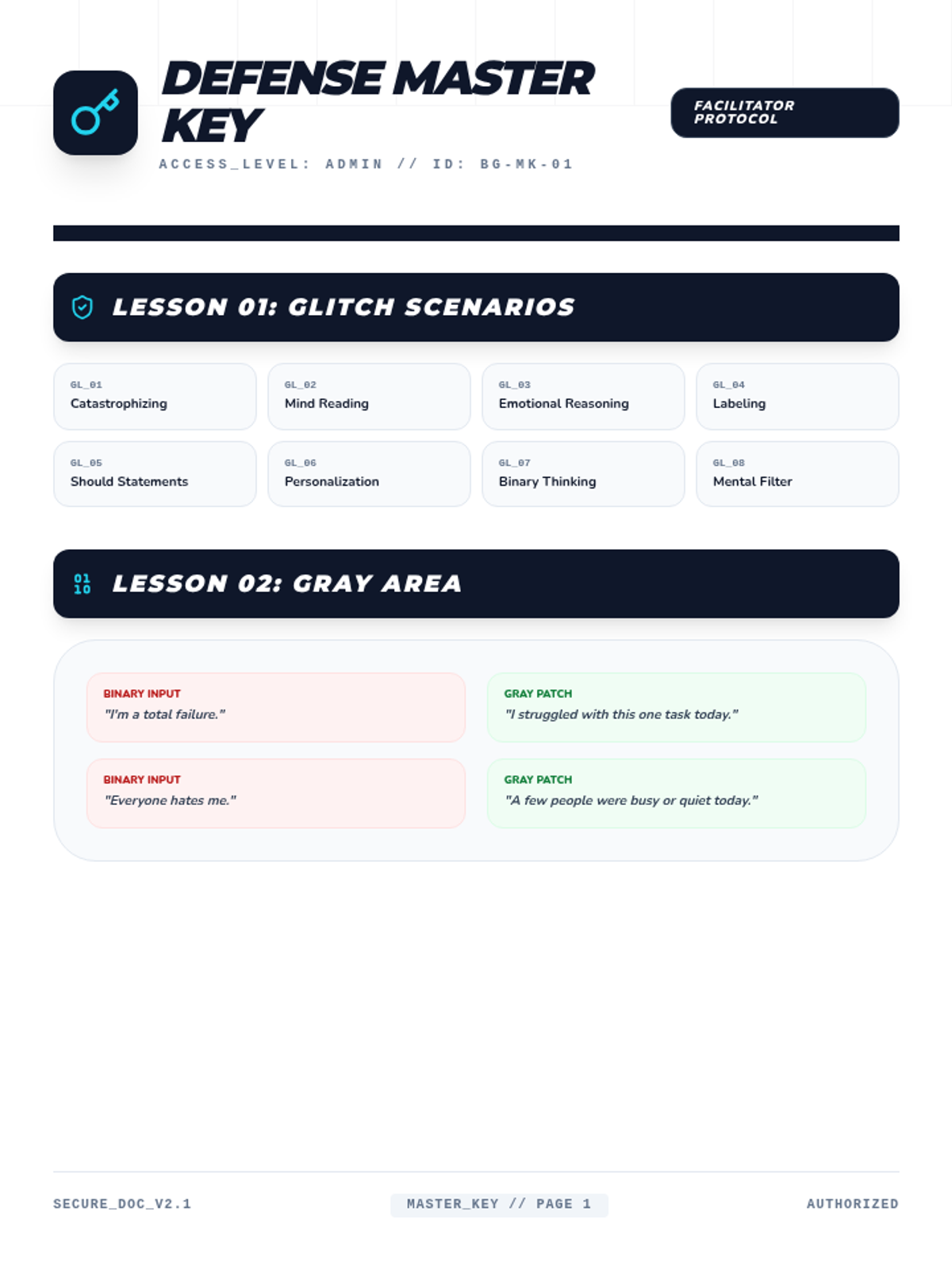
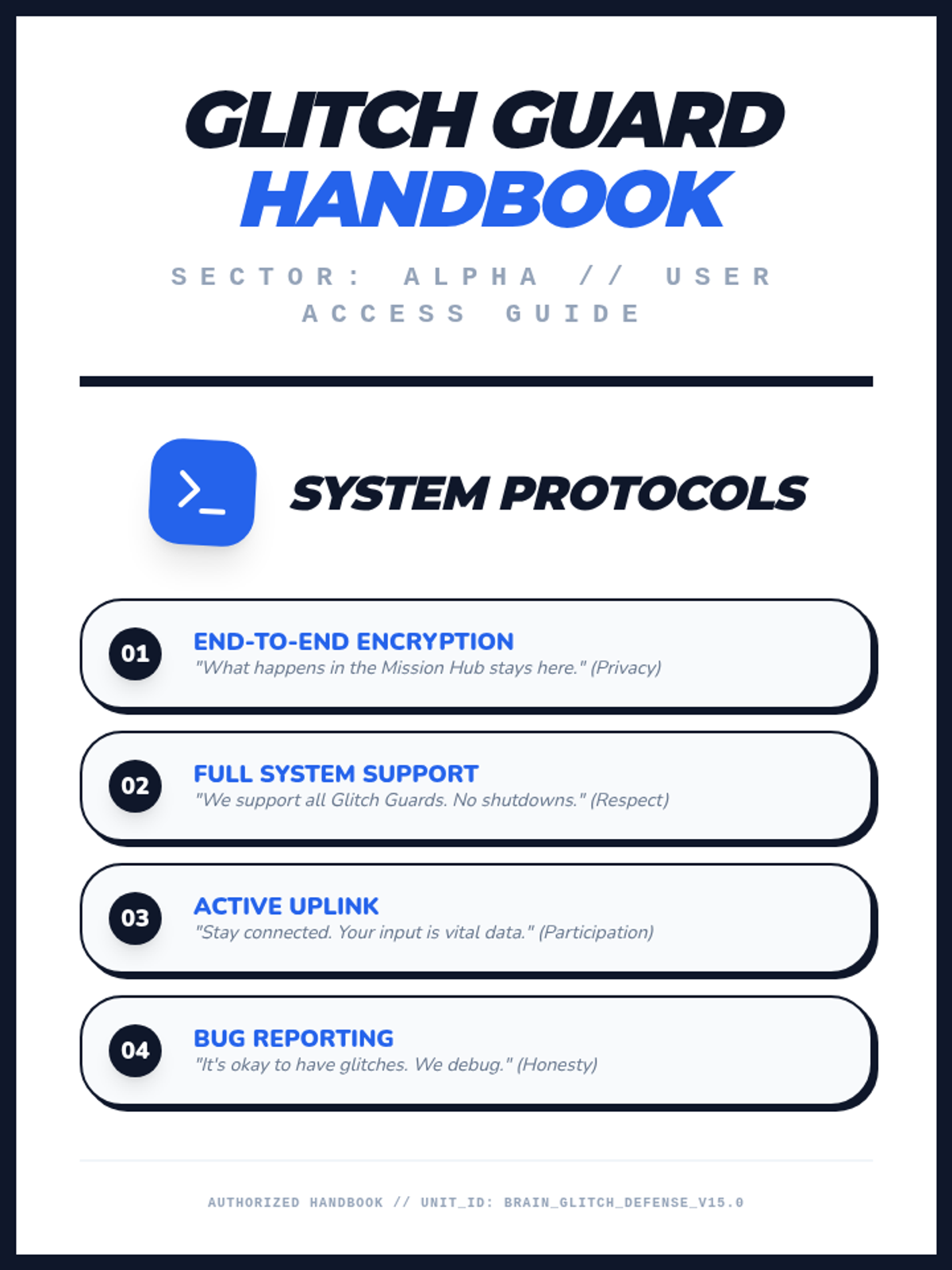
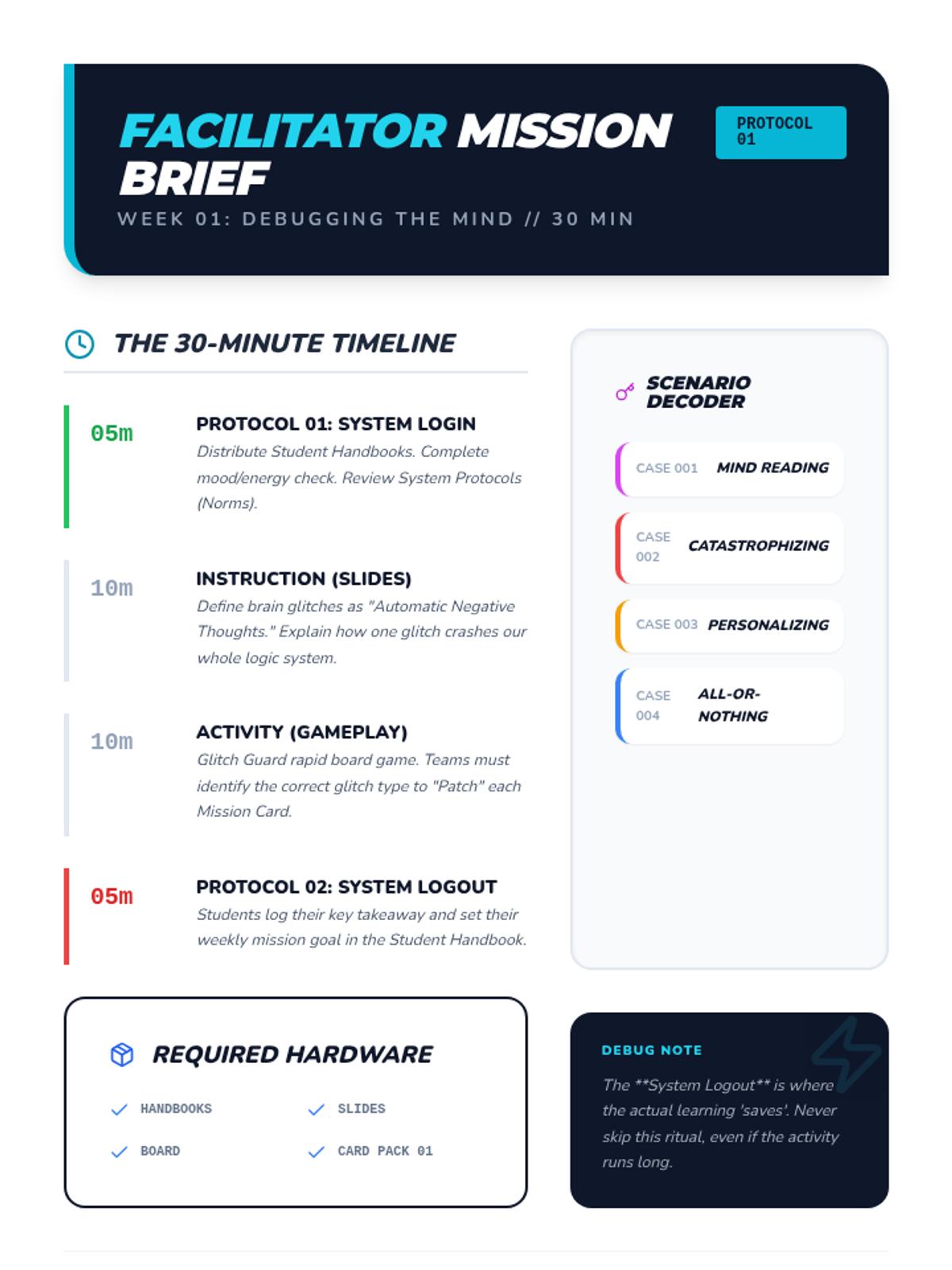
The introductory materials for the Brain Glitch Defense curriculum, including the facilitator guide, roadmap, and core objectives.
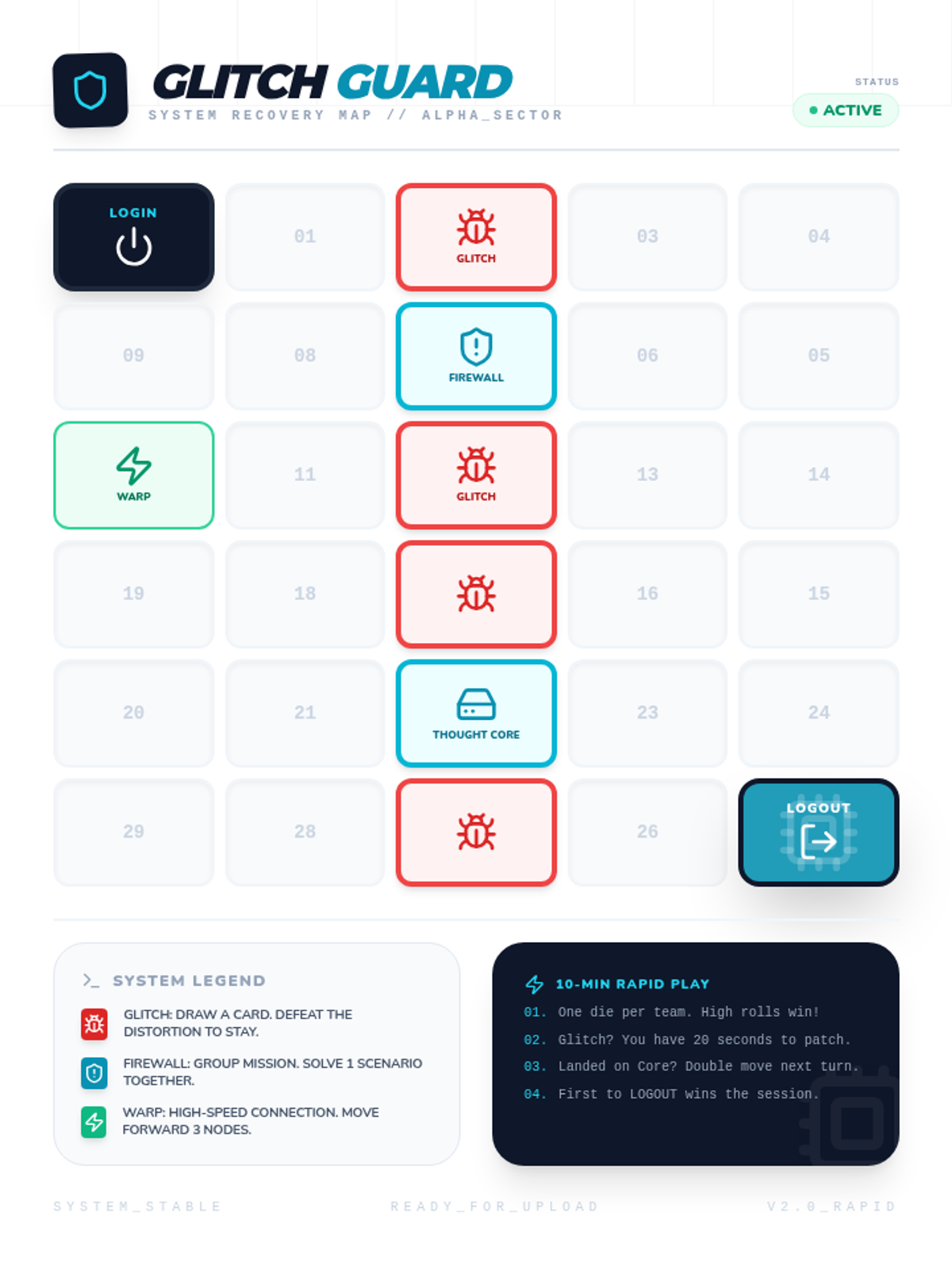
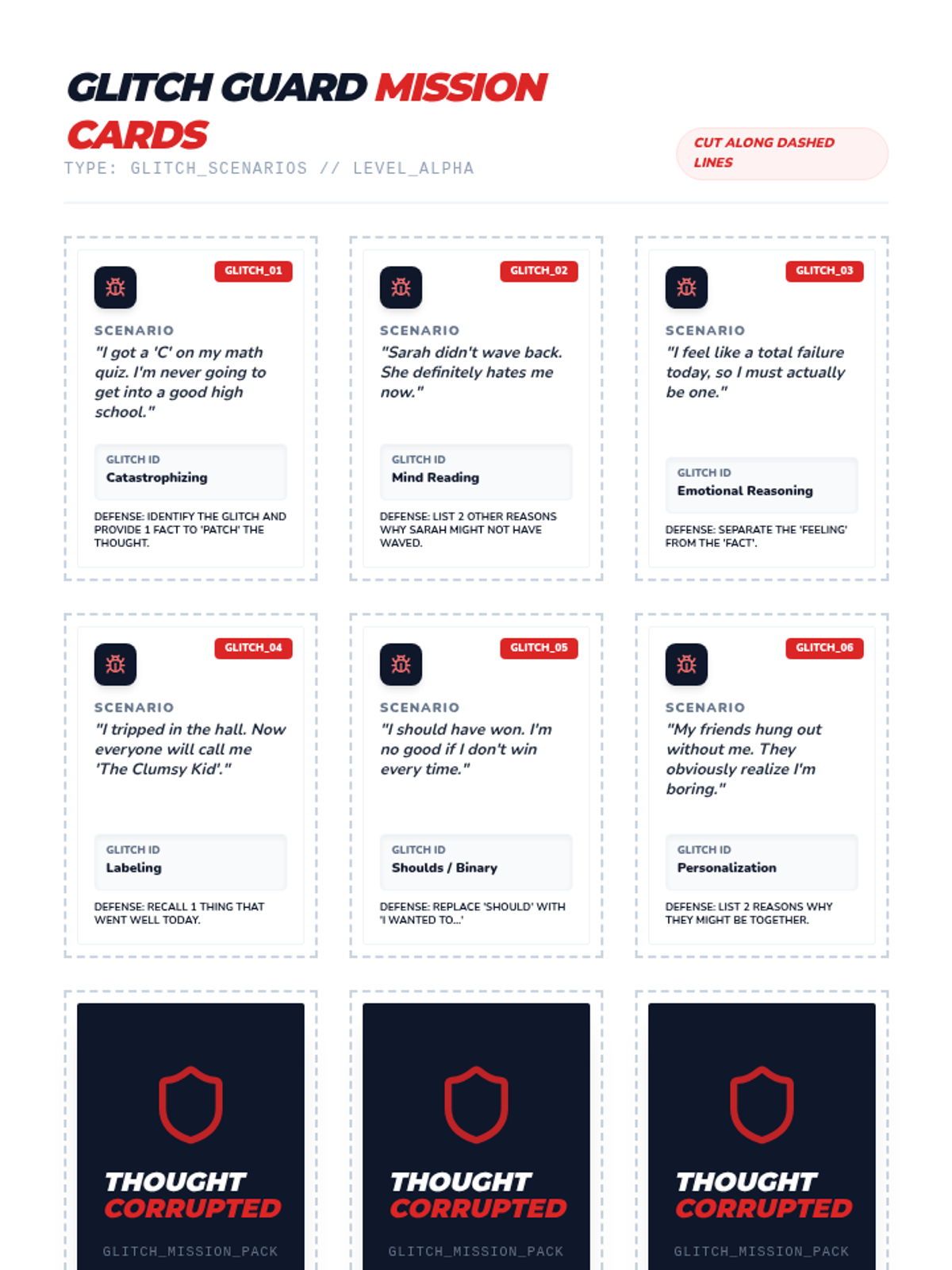
The core lesson of the Brain Glitch series, introducing cognitive distortions as 'system glitches' and using a cooperative board game to teach students how to identify and debug them.
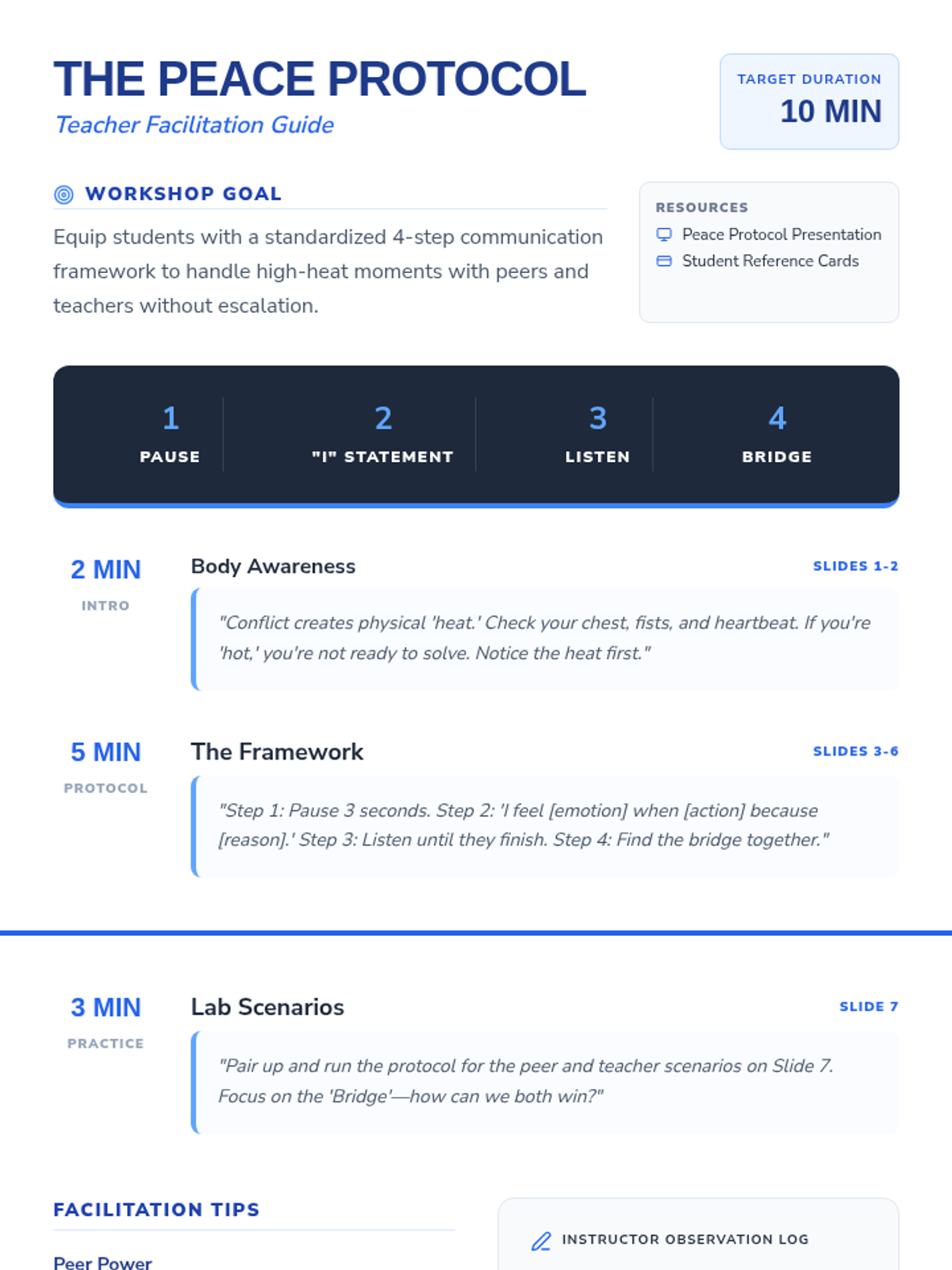
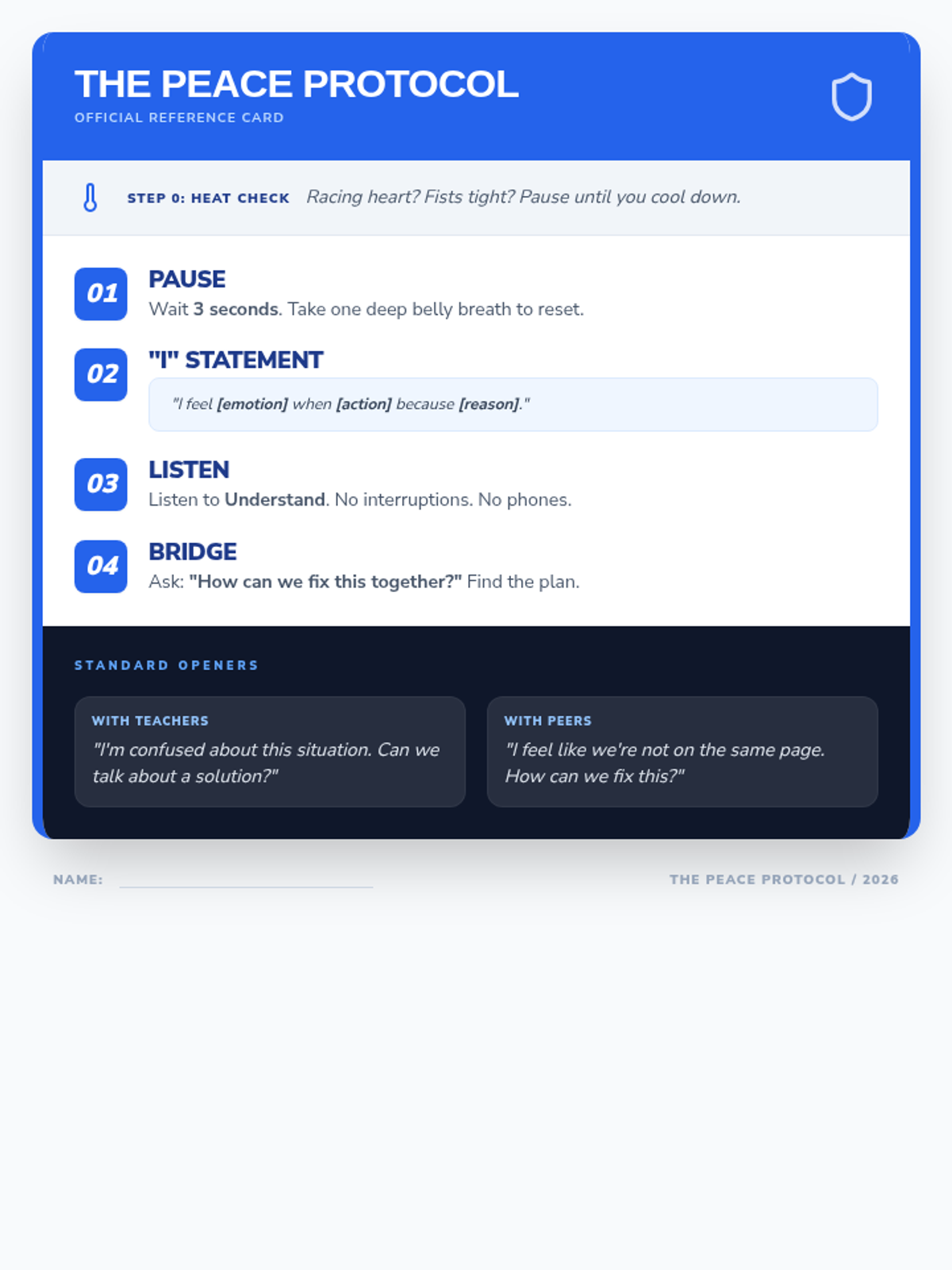
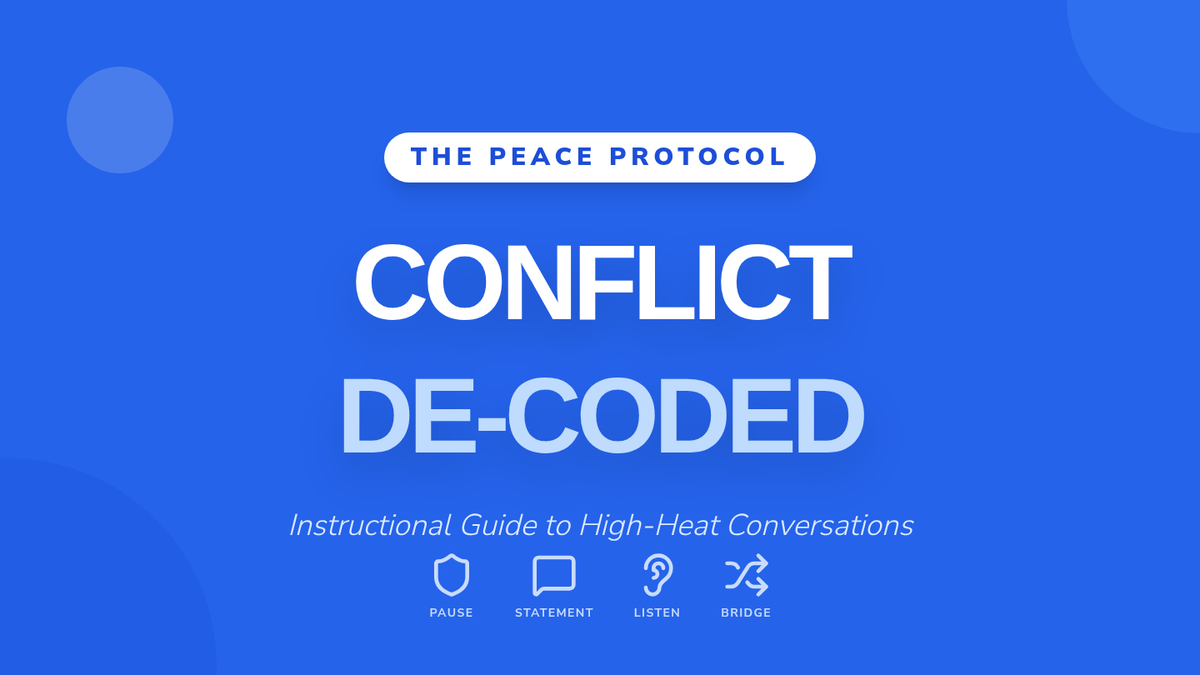
A high-speed micro-lesson designed to give students actionable strategies for de-escalating conflicts with peers and teachers in under 10 minutes. Updated with the Peace Protocol framework.
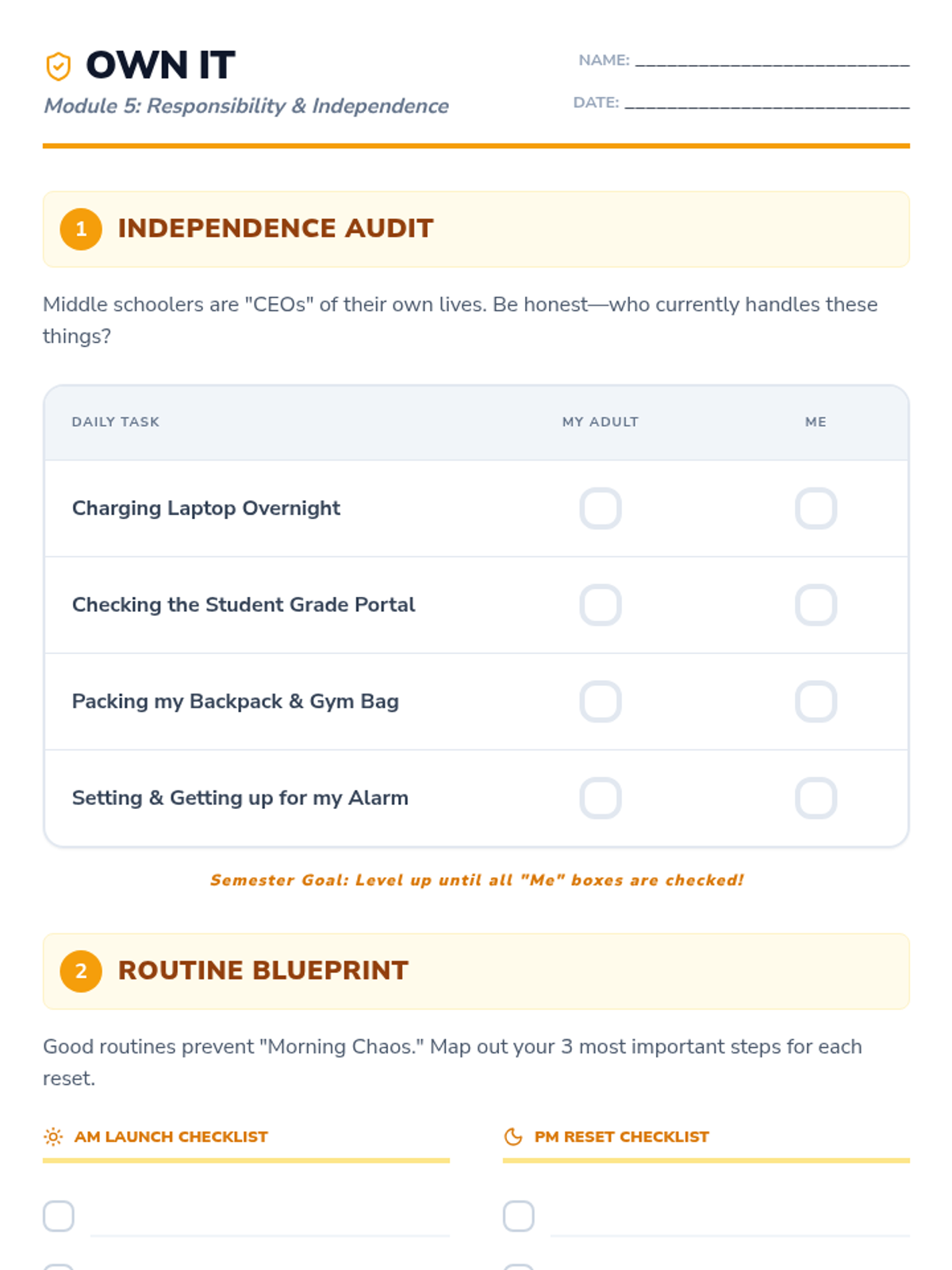
Focuses on building daily routines and taking ownership of school materials and assignments to foster academic independence.
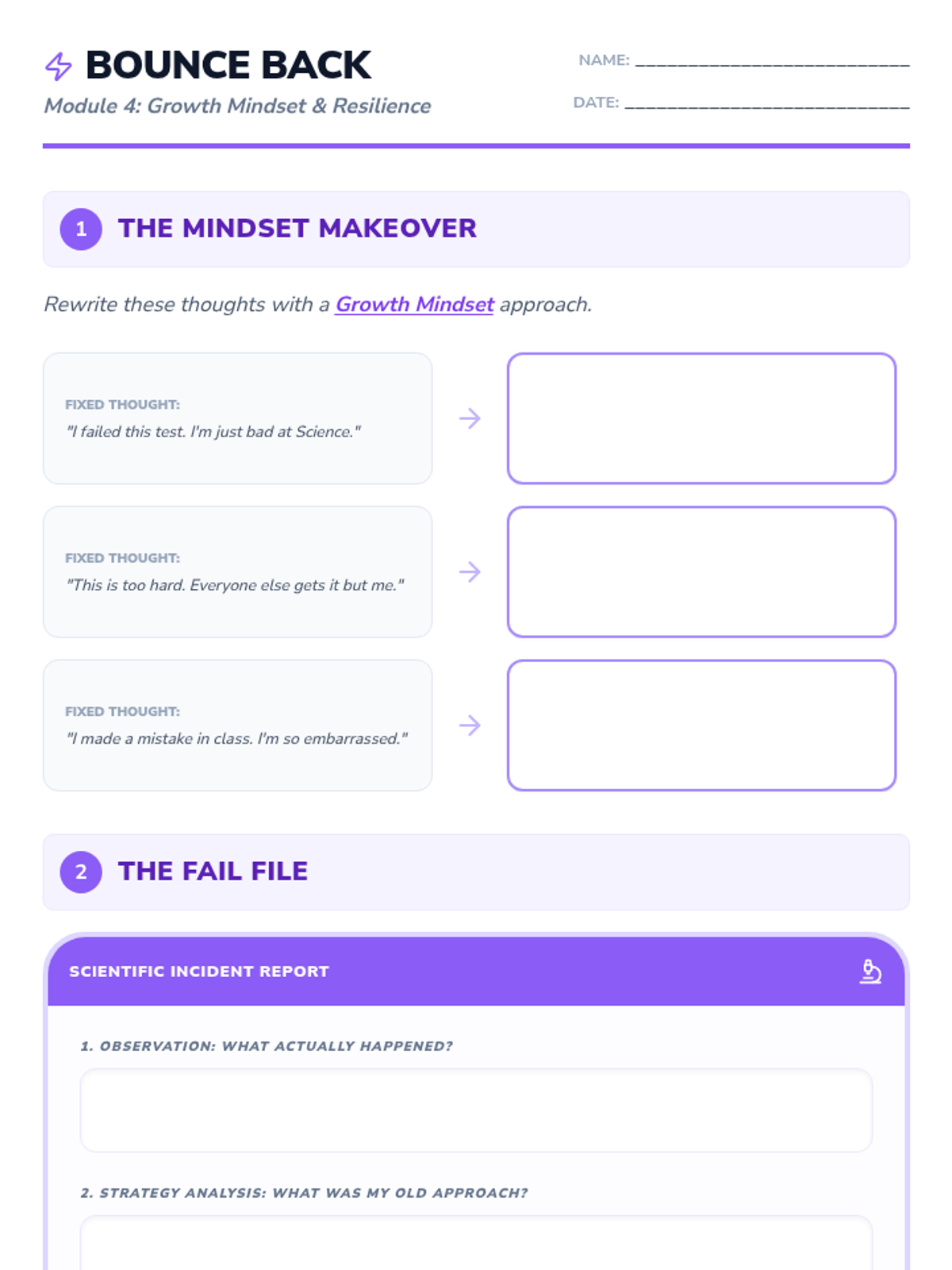
Introduces growth mindset concepts to help students view challenges and mistakes as opportunities for improvement rather than failures.
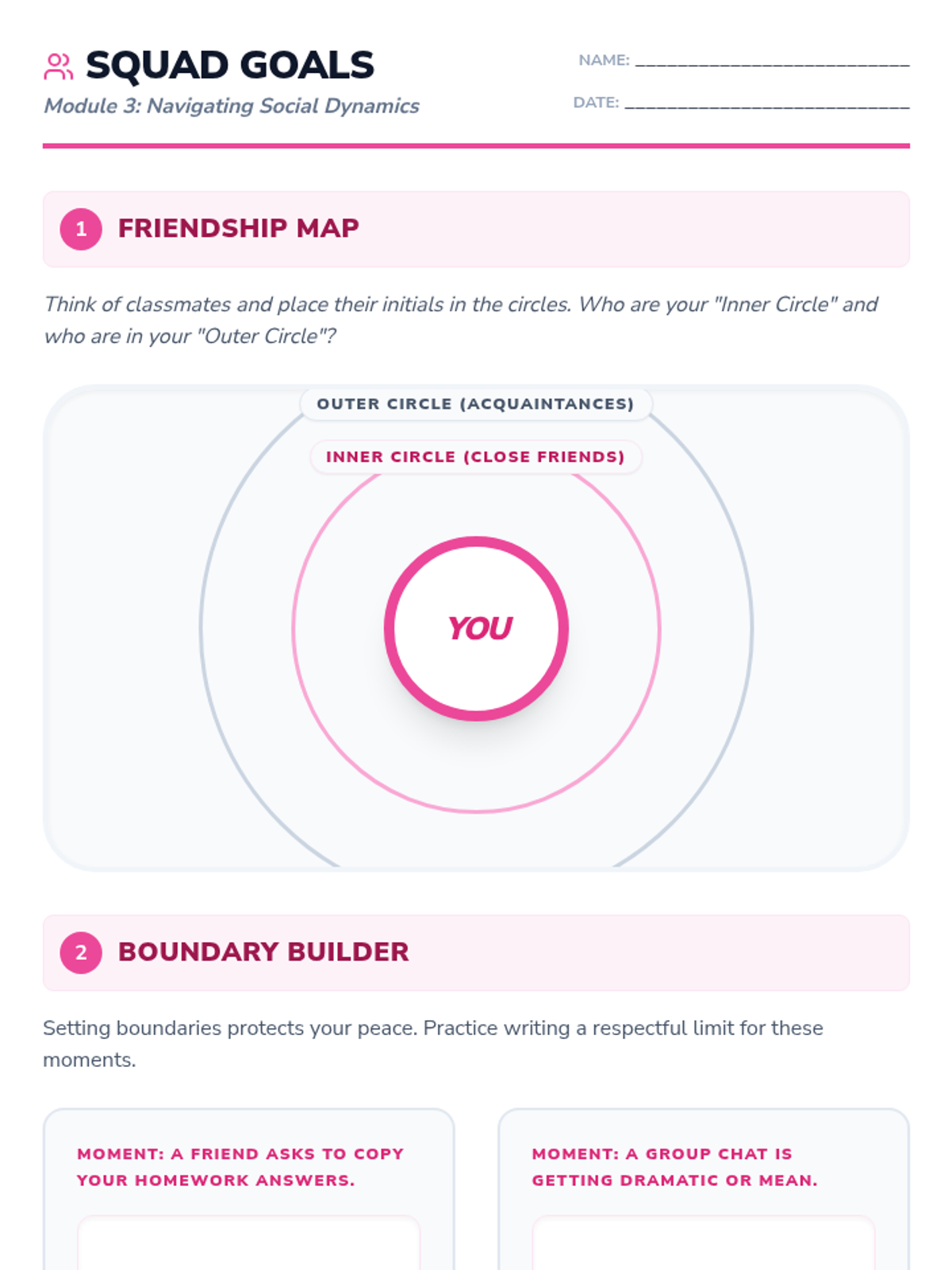
Explores the shifting nature of middle school friendships, setting healthy boundaries, and practicing inclusive social habits.
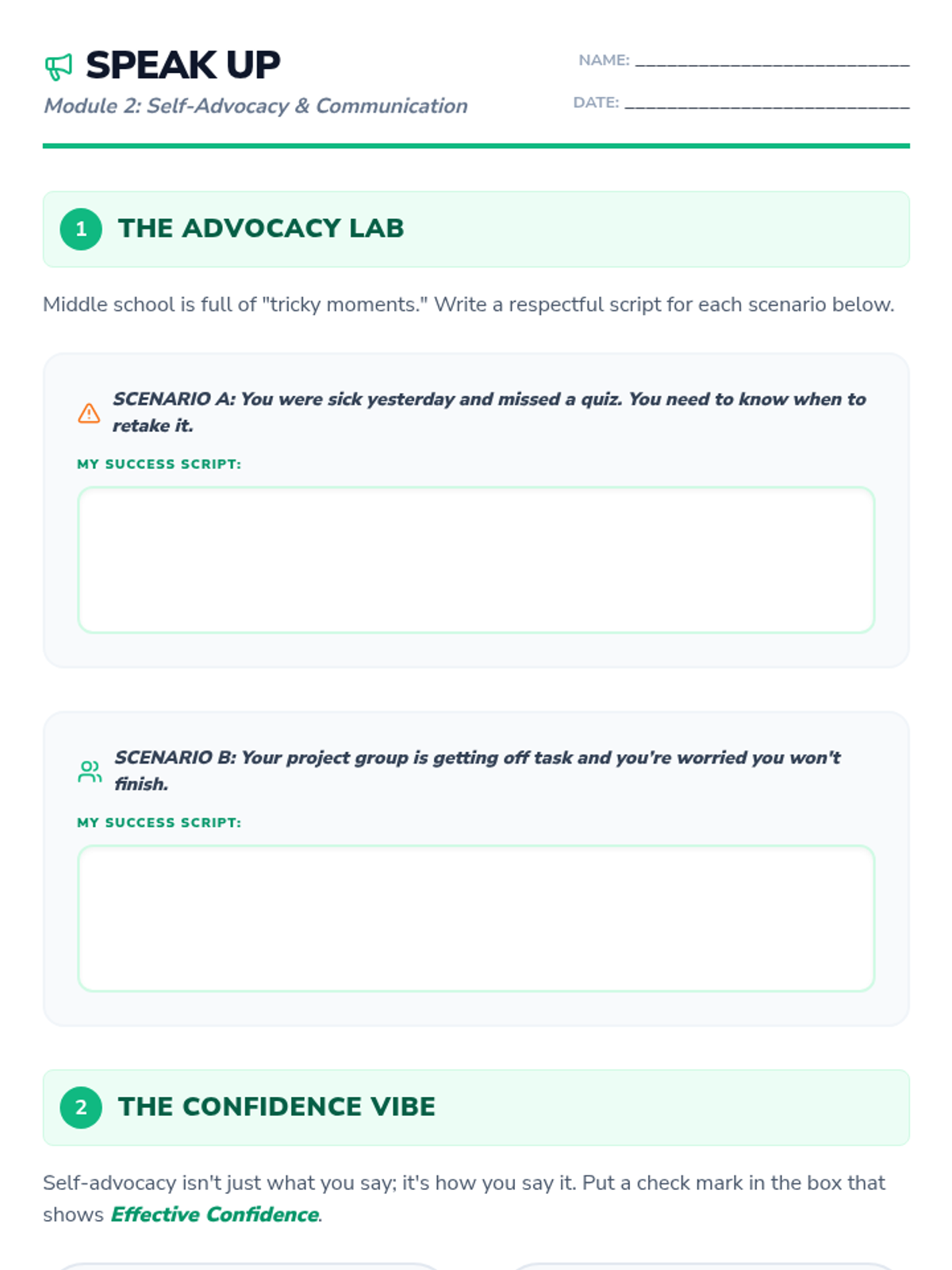
Empowers students to communicate their needs to teachers and peers using respectful, effective language and scripts.
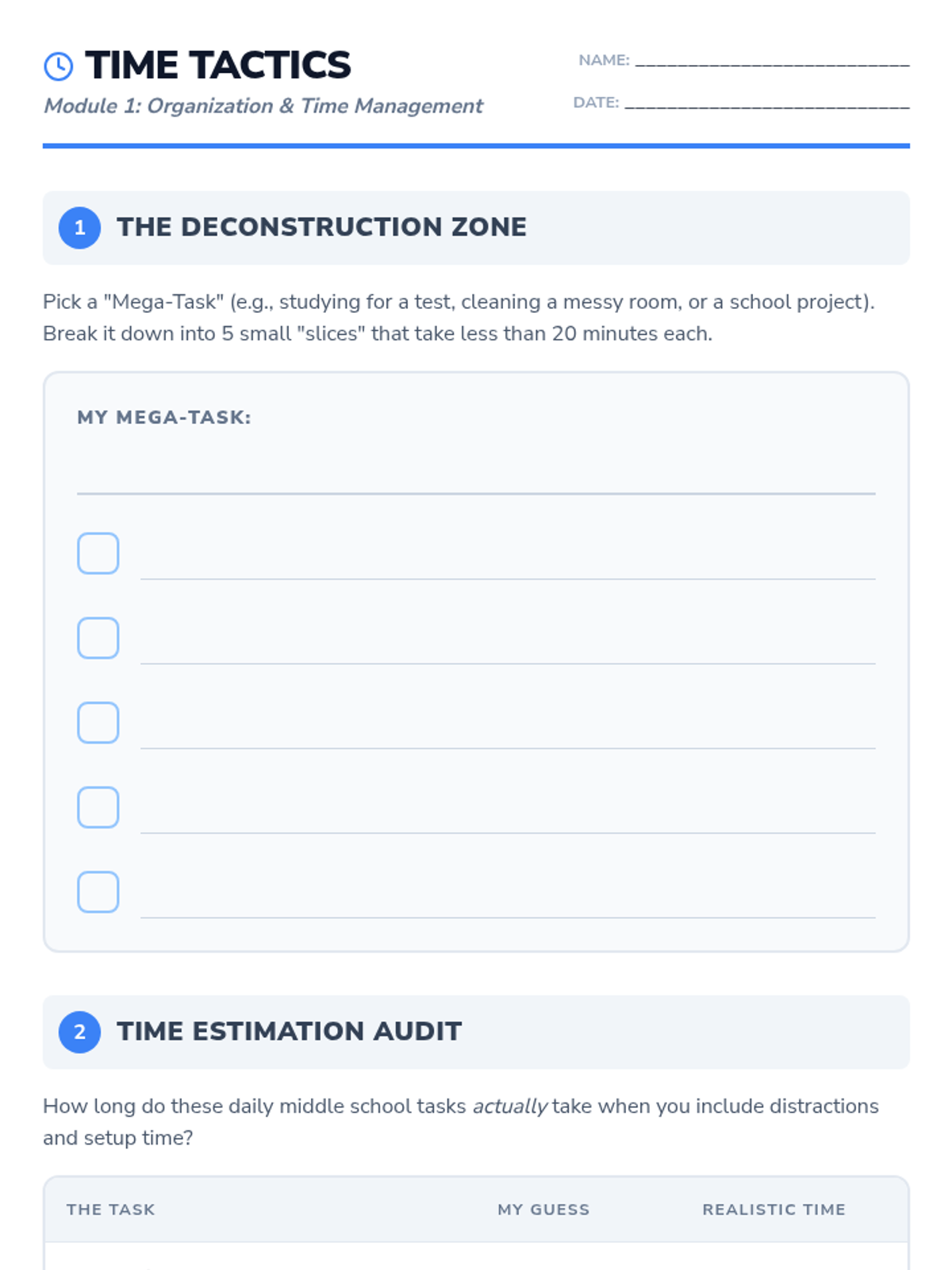
Teaches students how to break down large projects into manageable steps and accurately estimate task duration to prevent procrastination.
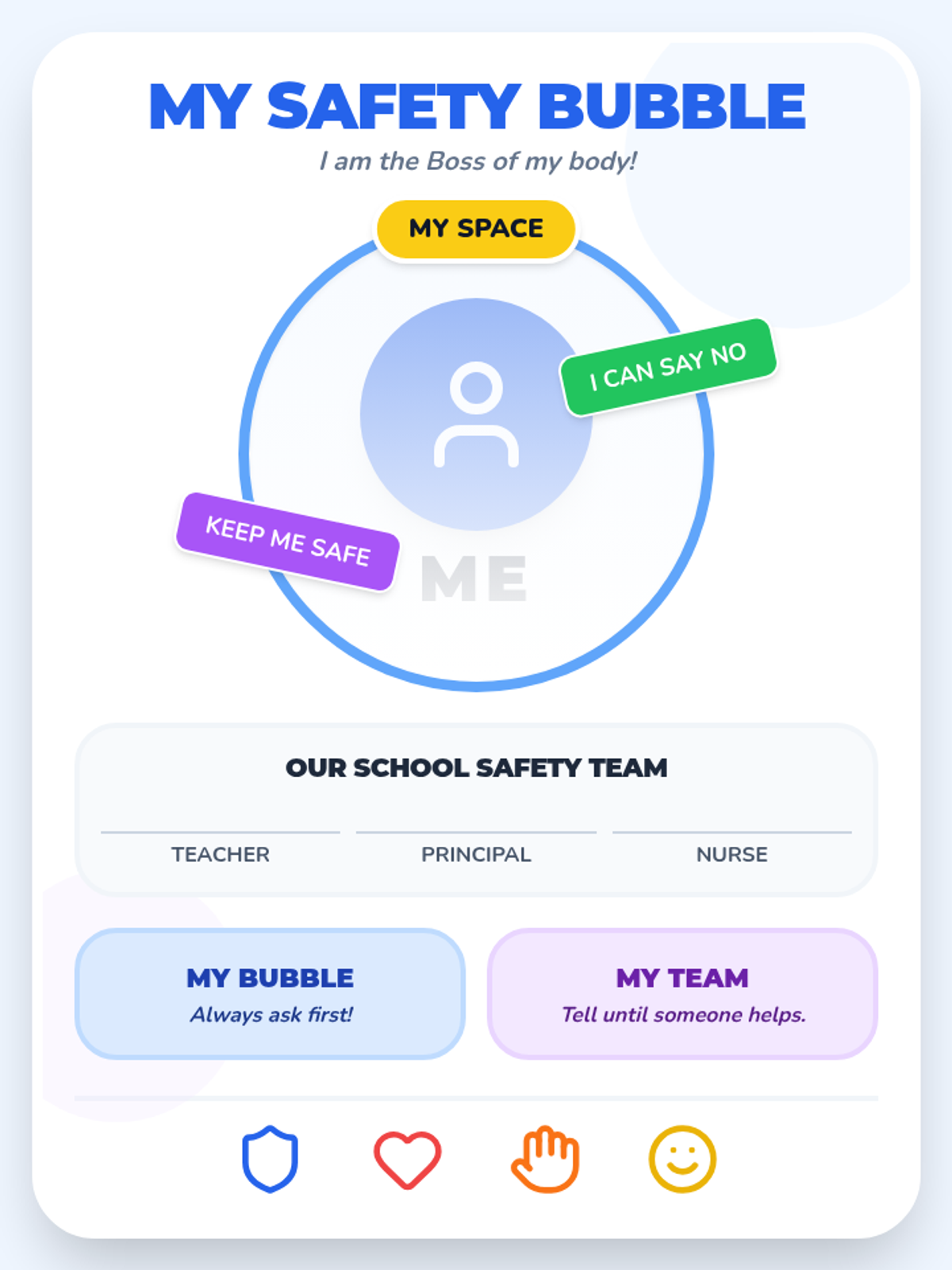
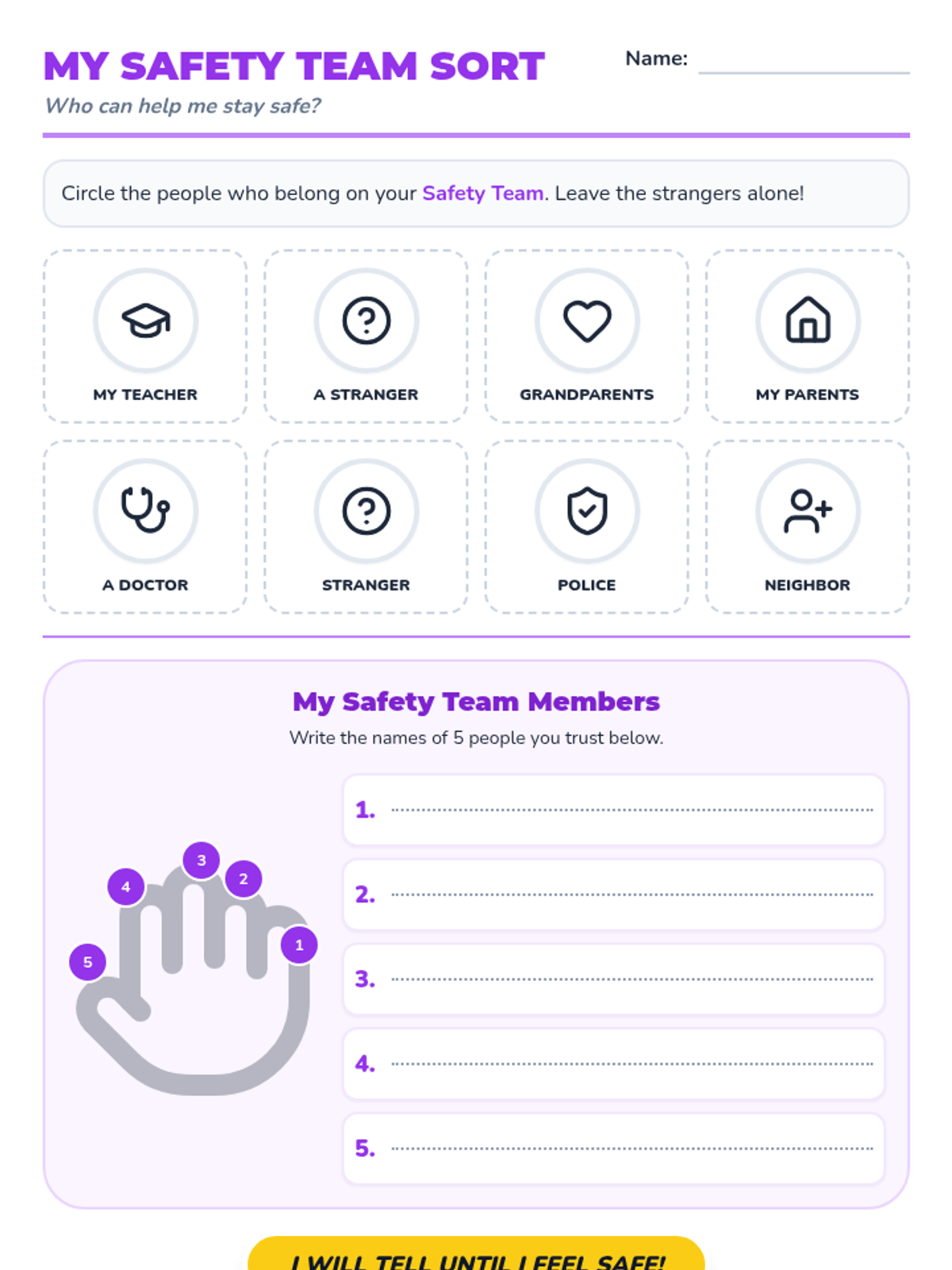
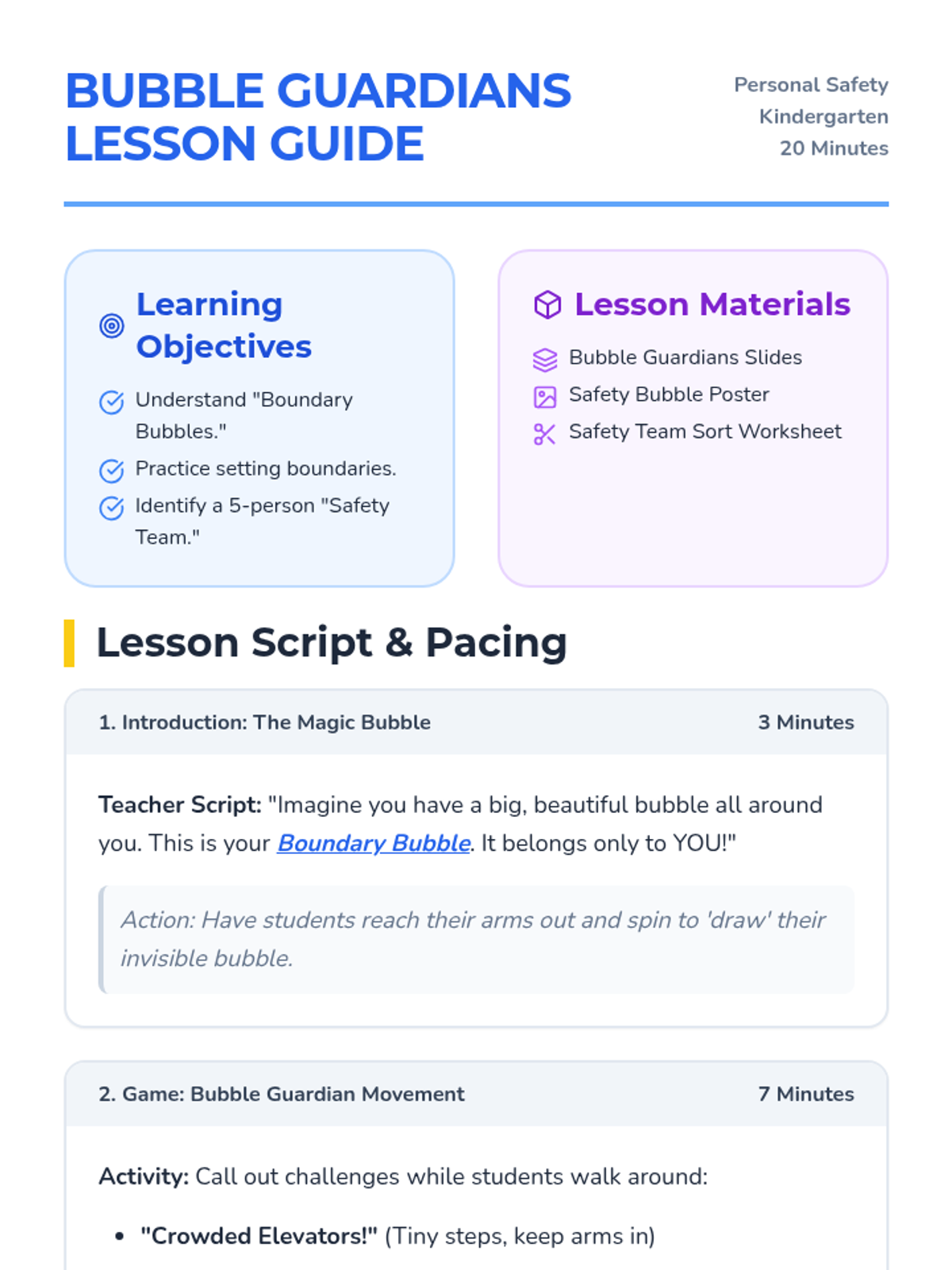
A gentle, 20-minute introduction to personal space and trusted adults for kindergarteners, featuring a movement game and a sorting activity to identify their 'Safety Team'.
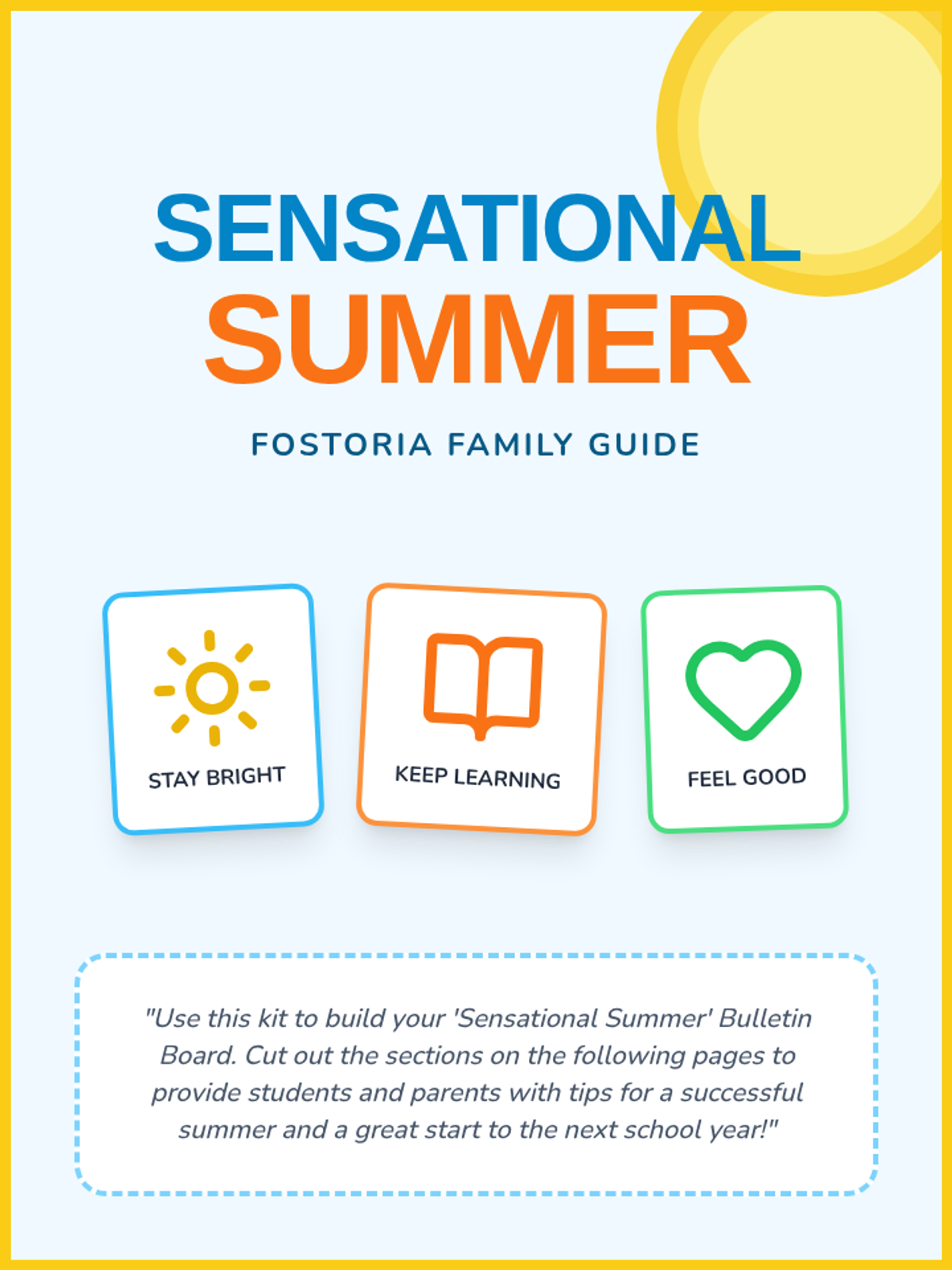
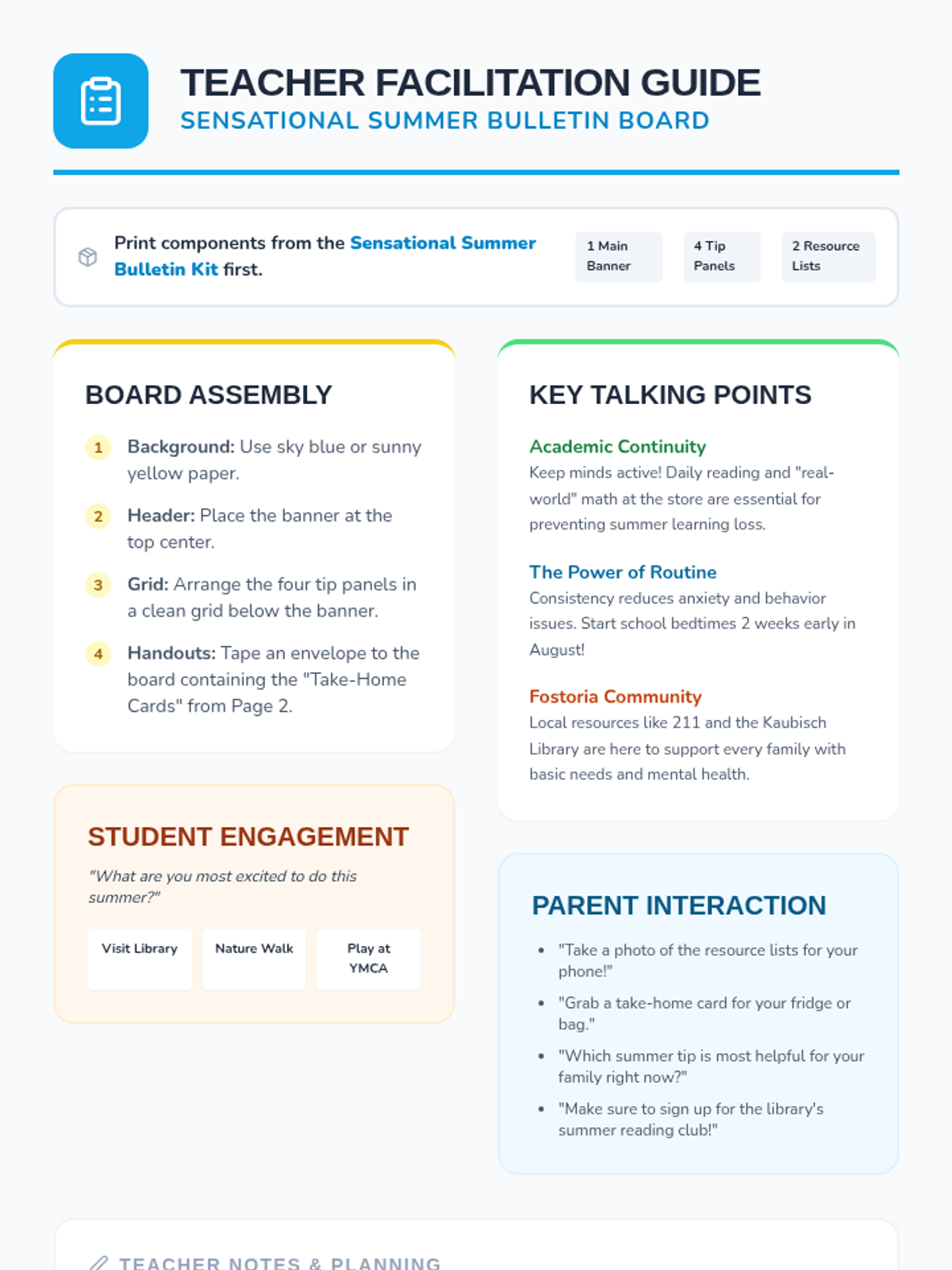
A comprehensive bulletin board kit and teacher guide focused on a successful 'Sensational Summer' for PreK-6 students and families in Fostoria, OH. The materials combine practical summer tips for academics and wellbeing with essential local community resources.
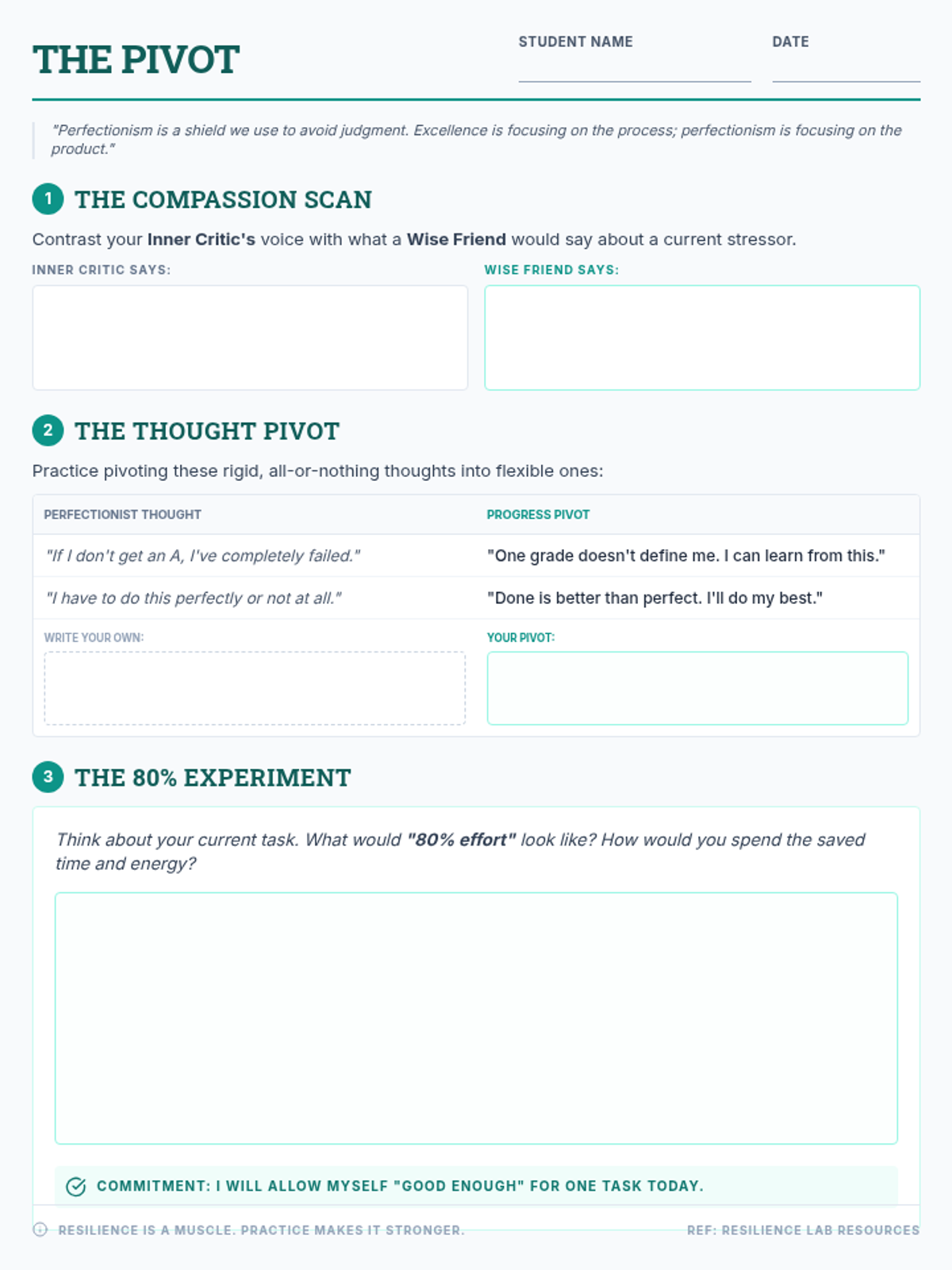
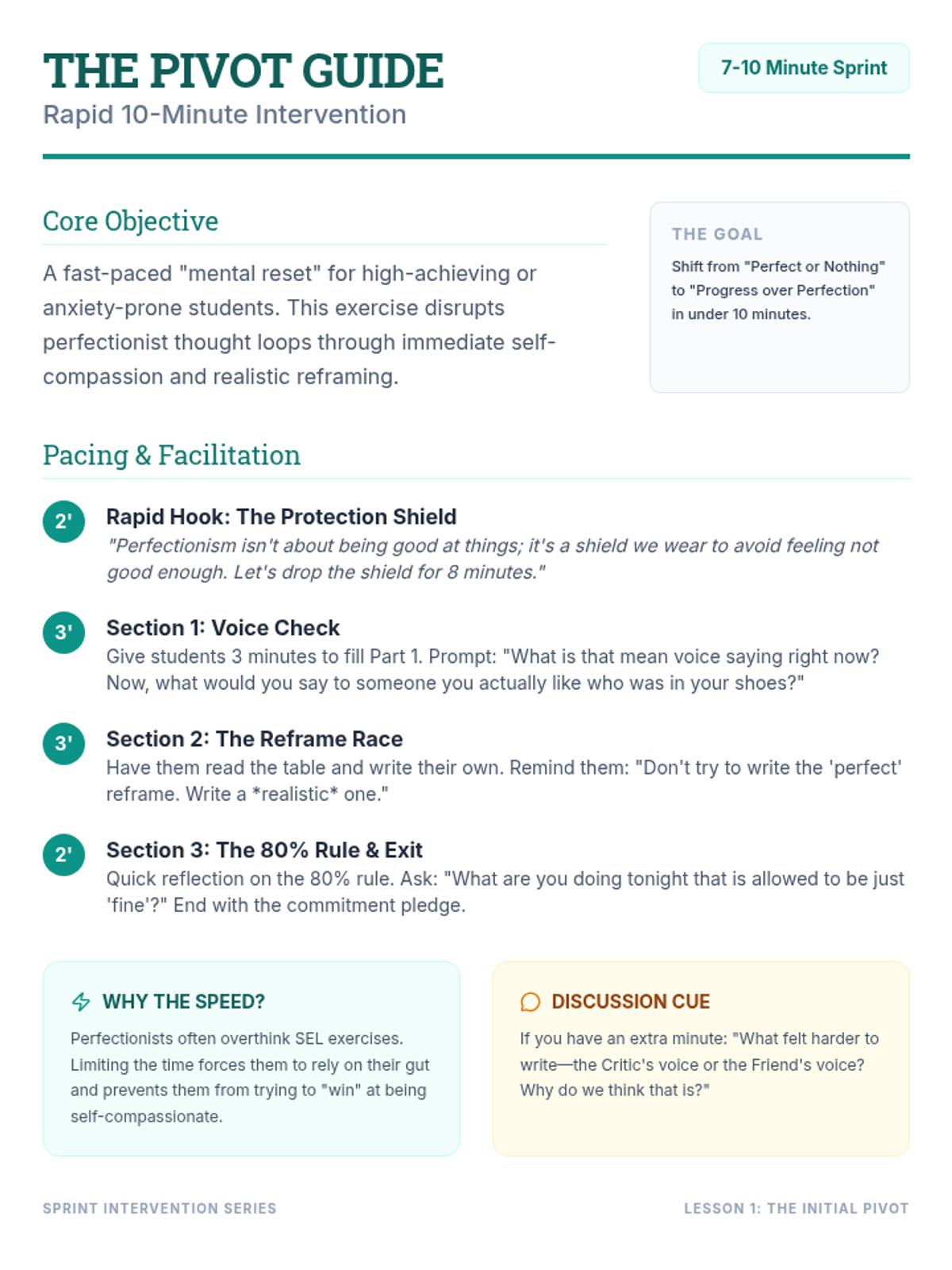
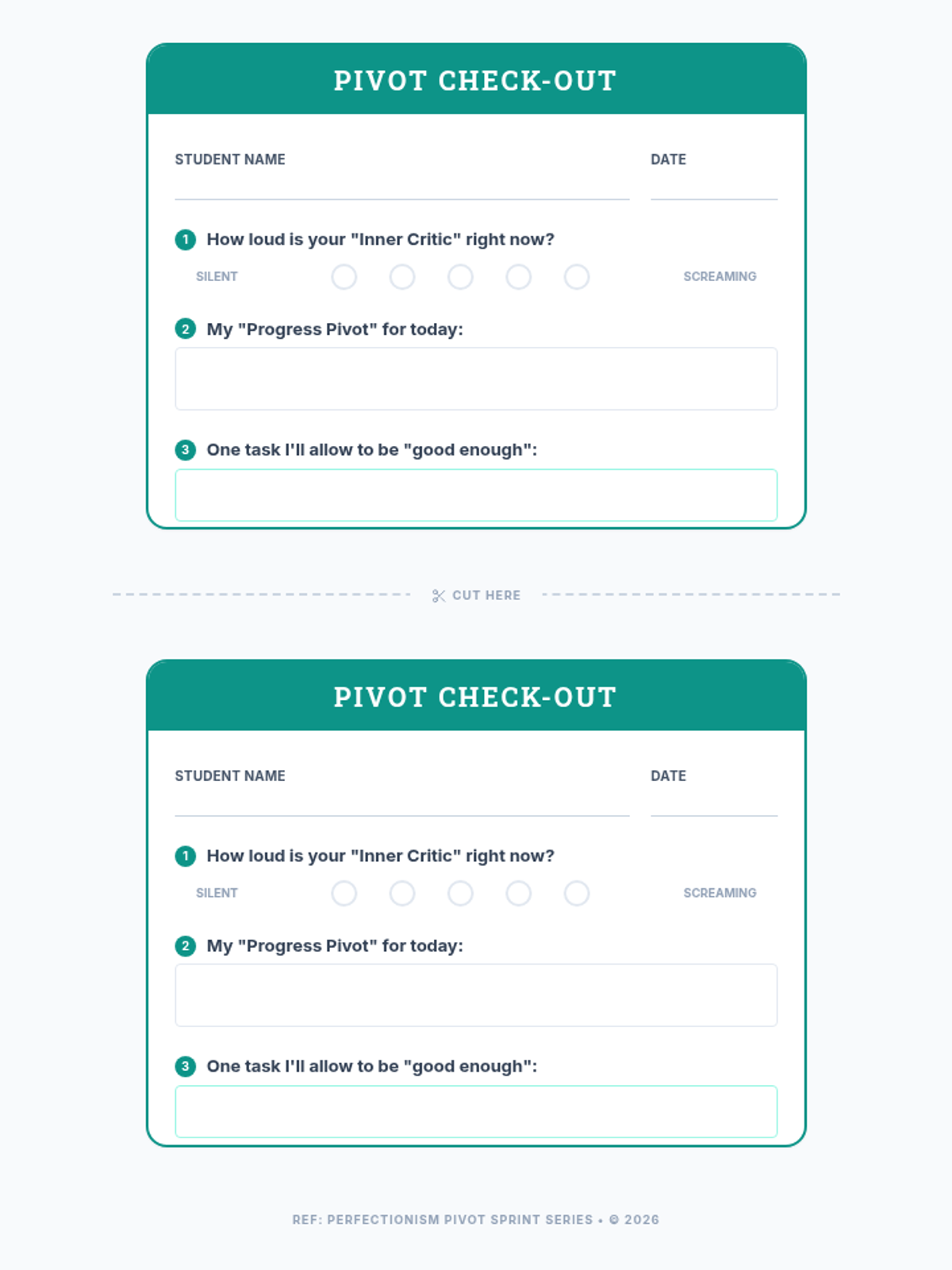
A targeted social-emotional learning lesson designed to help high school students recognize perfectionist patterns and apply self-compassion and cognitive reframing techniques.
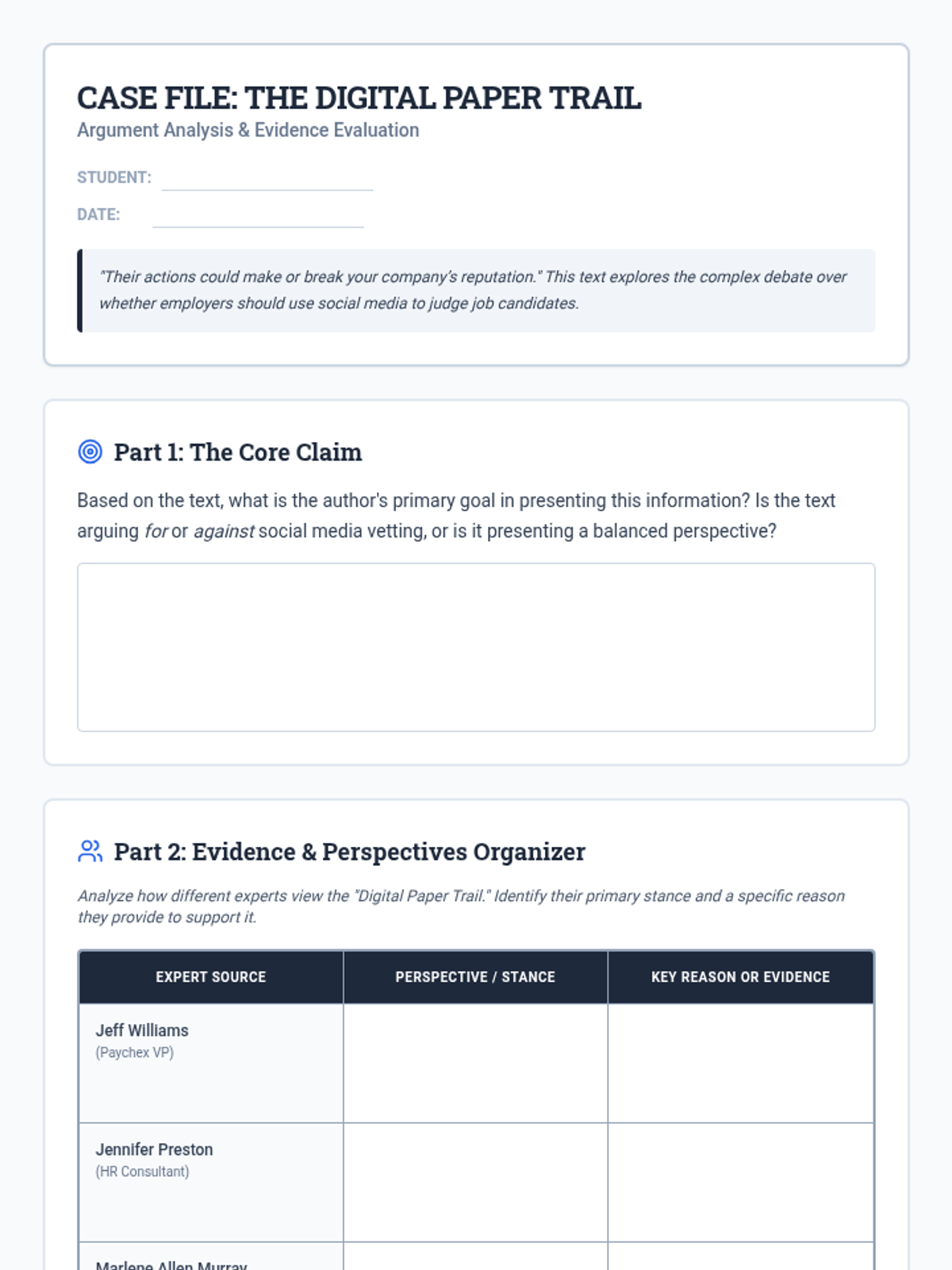
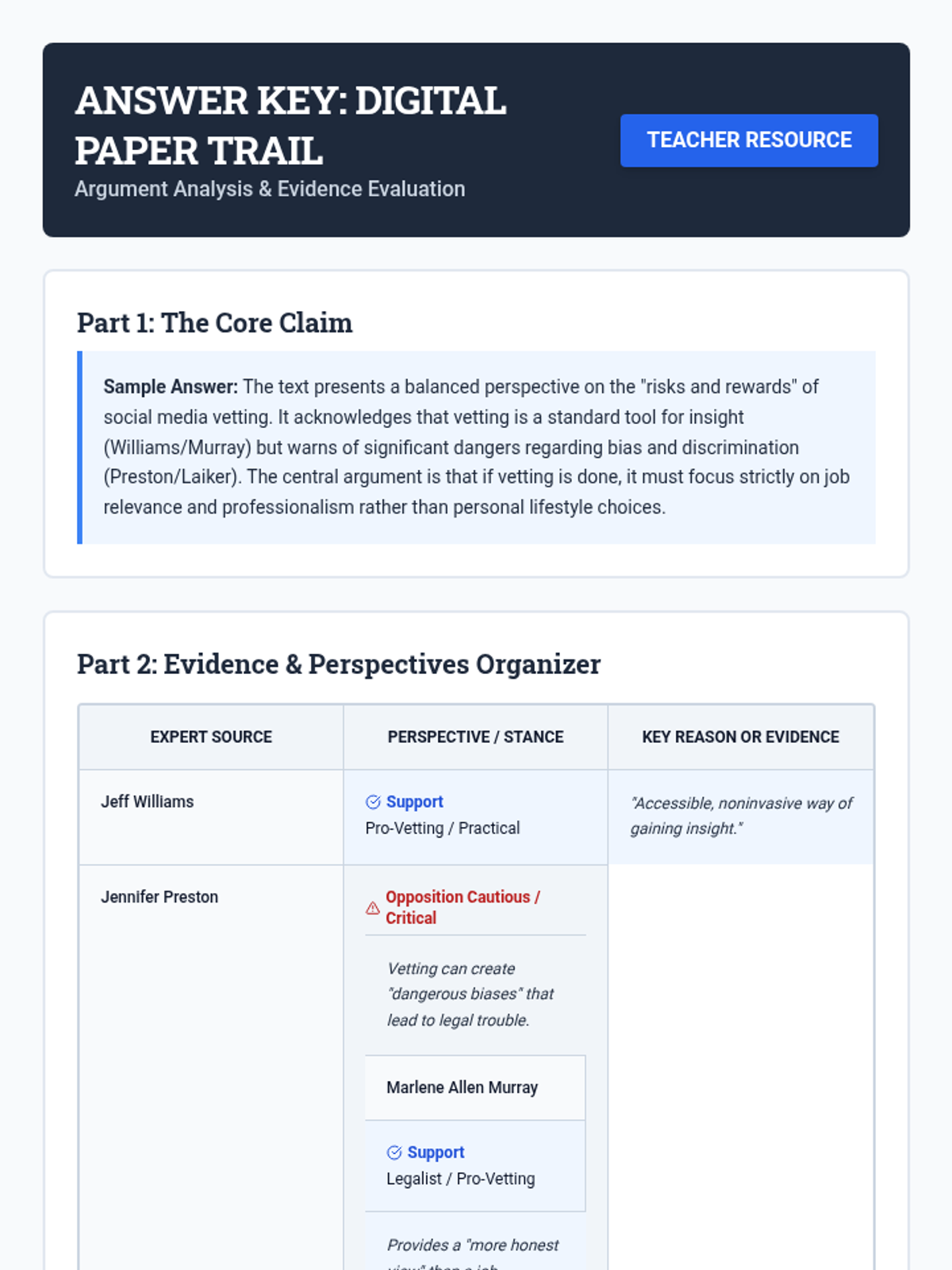
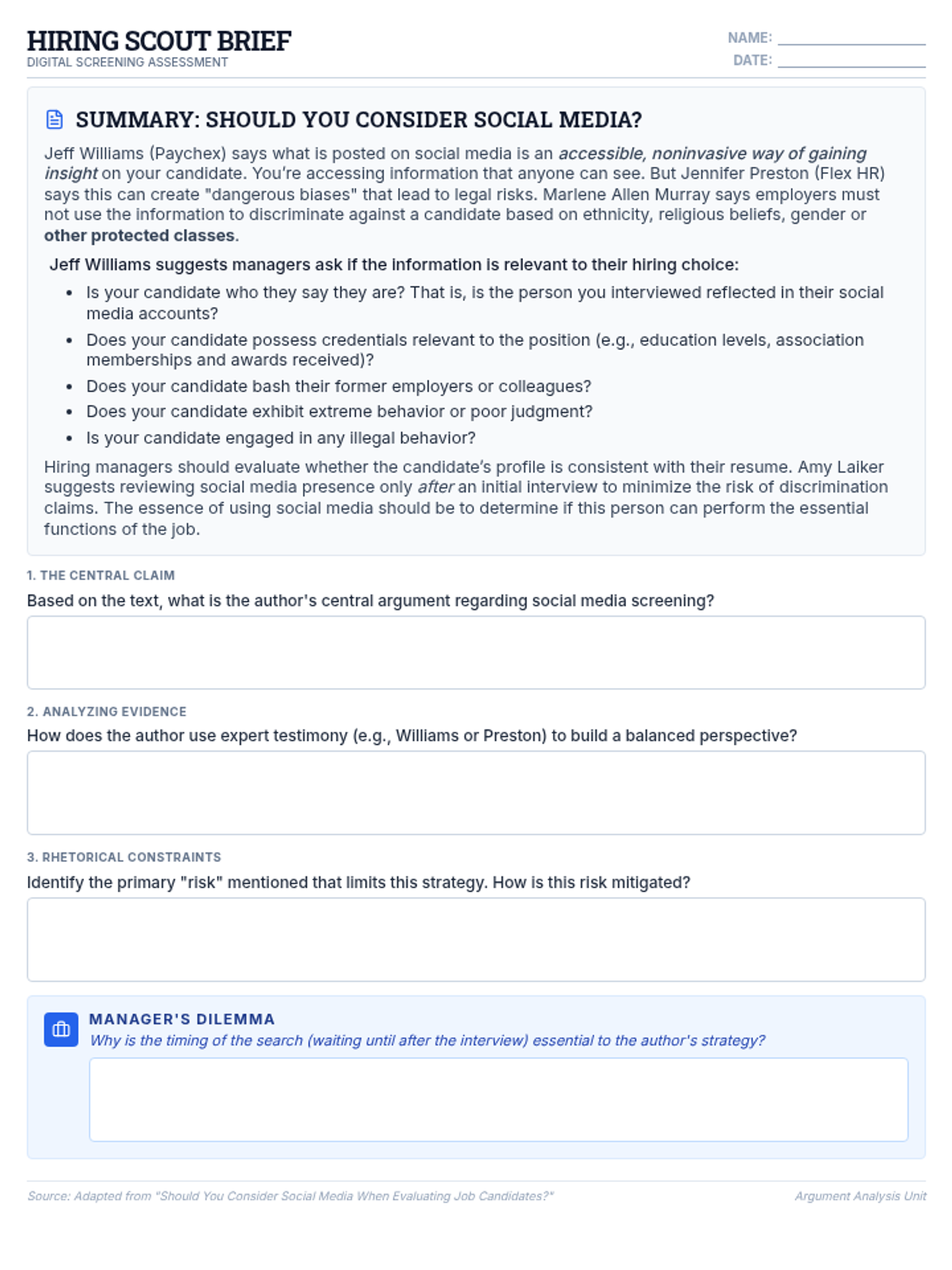
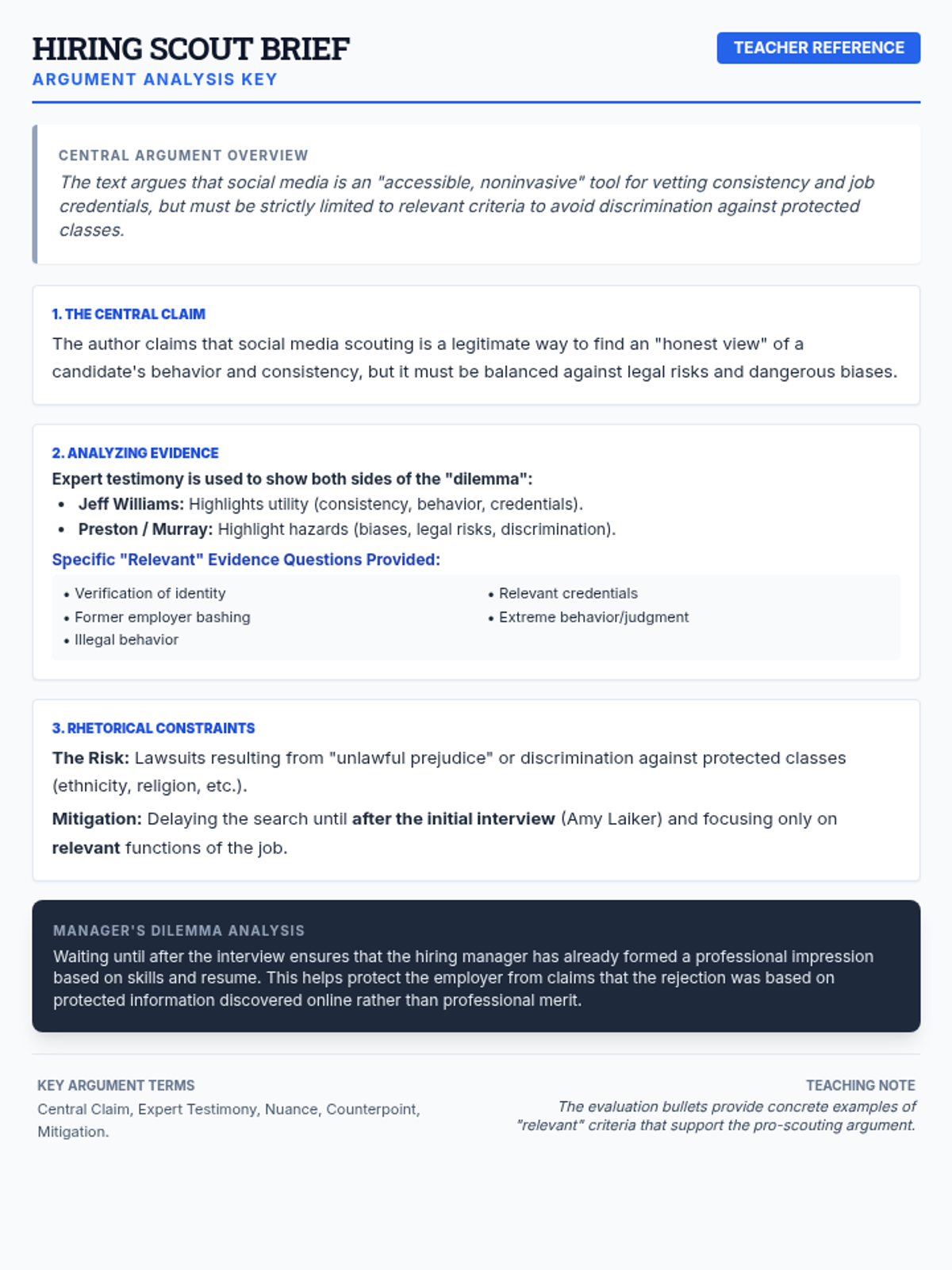
A lesson focused on analyzing the arguments and perspectives within the text 'The Digital Paper Trail', specifically looking at the ethics and legality of using social media in hiring.
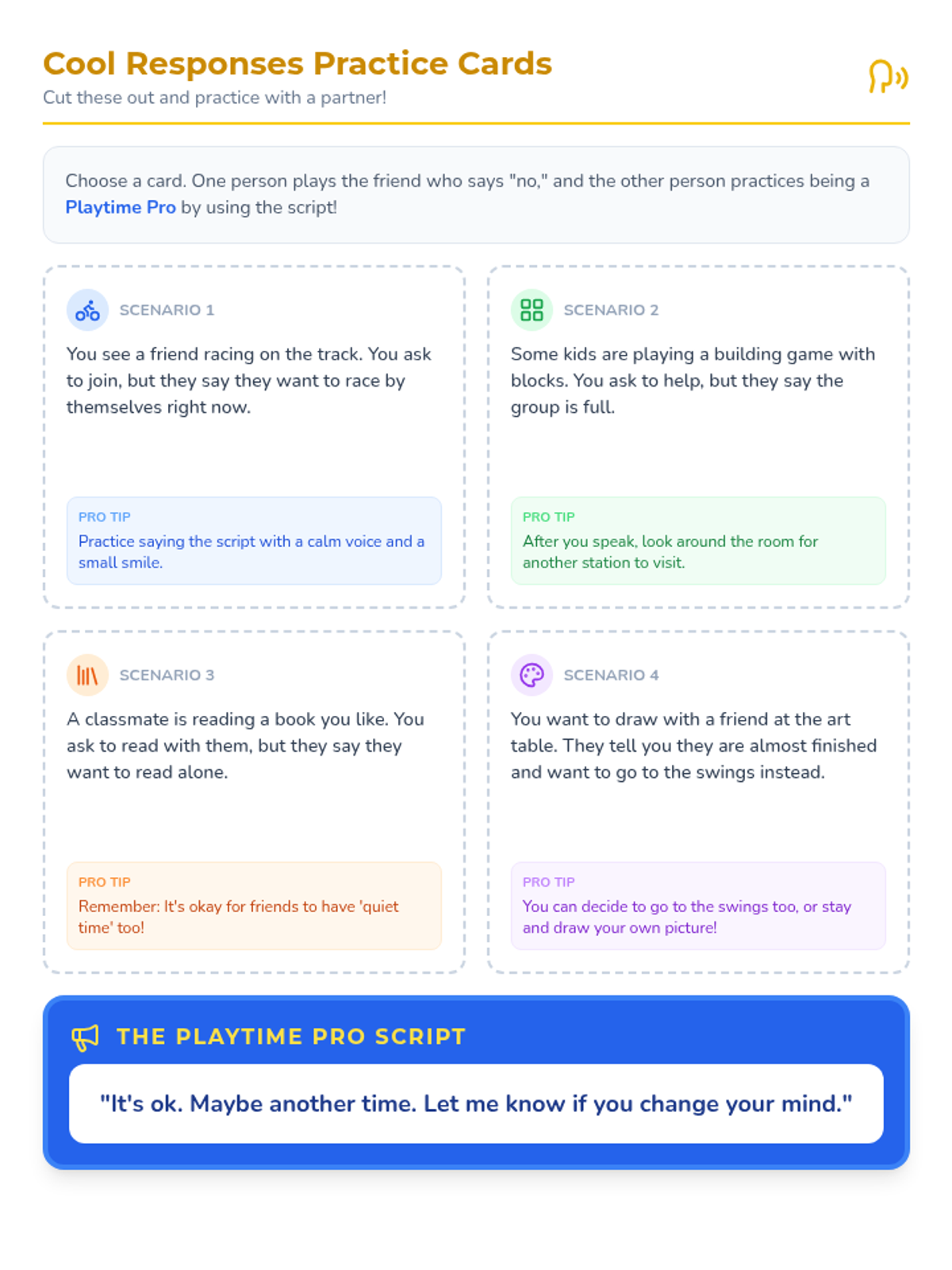
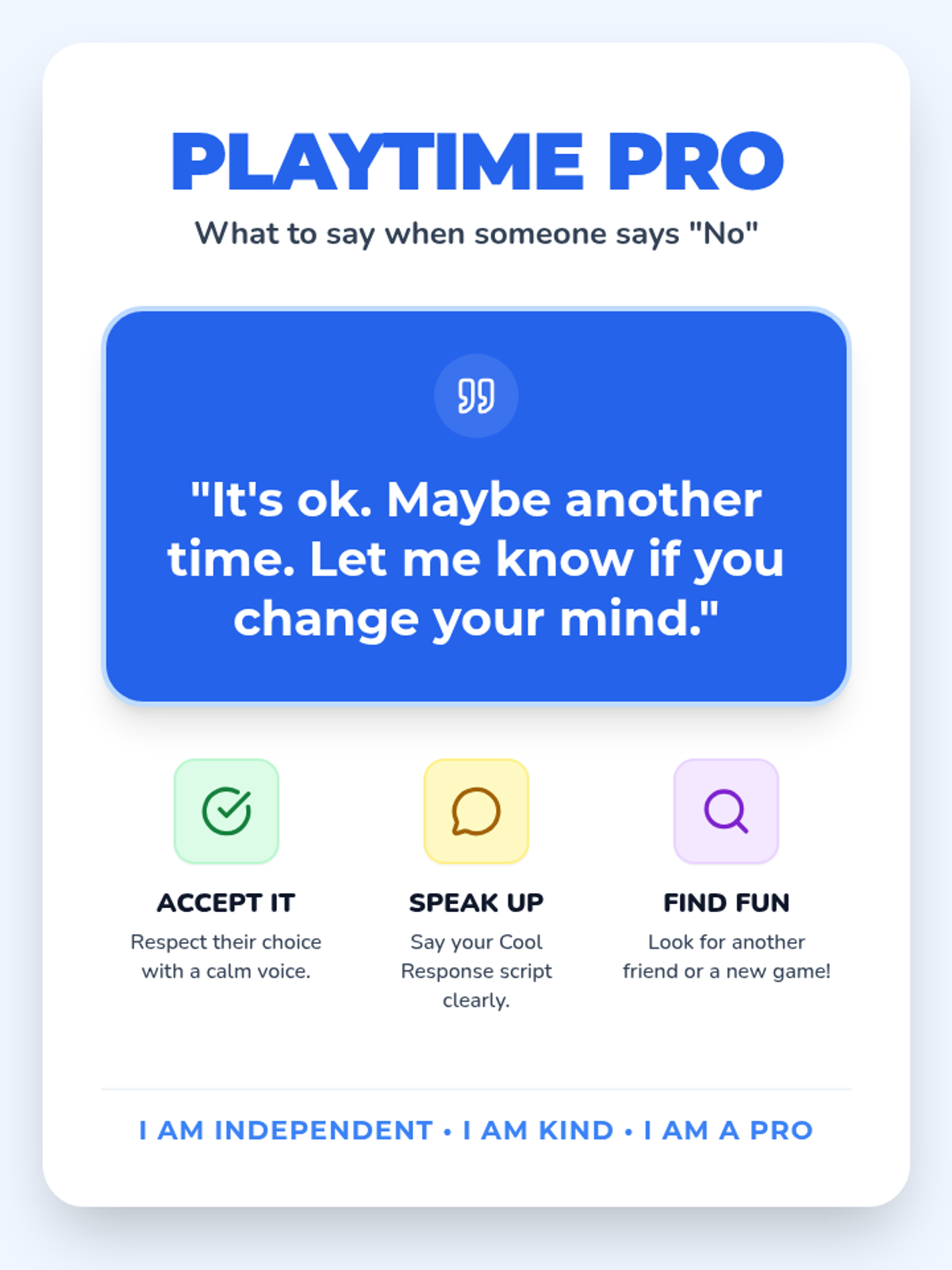
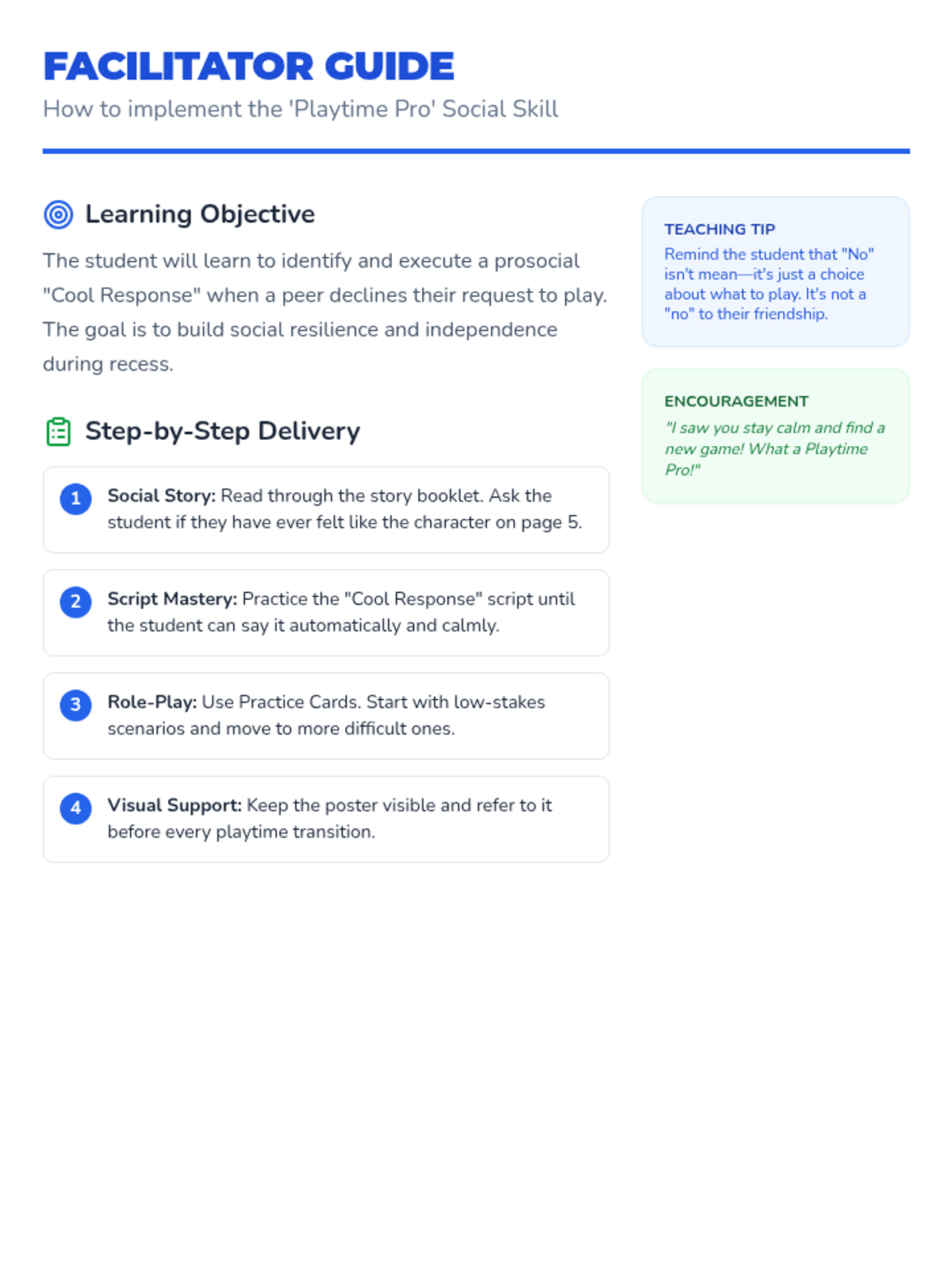
A social skills lesson designed to help students handle peer rejection gracefully during playtime by using 'Cool Responses' and finding alternative activities.
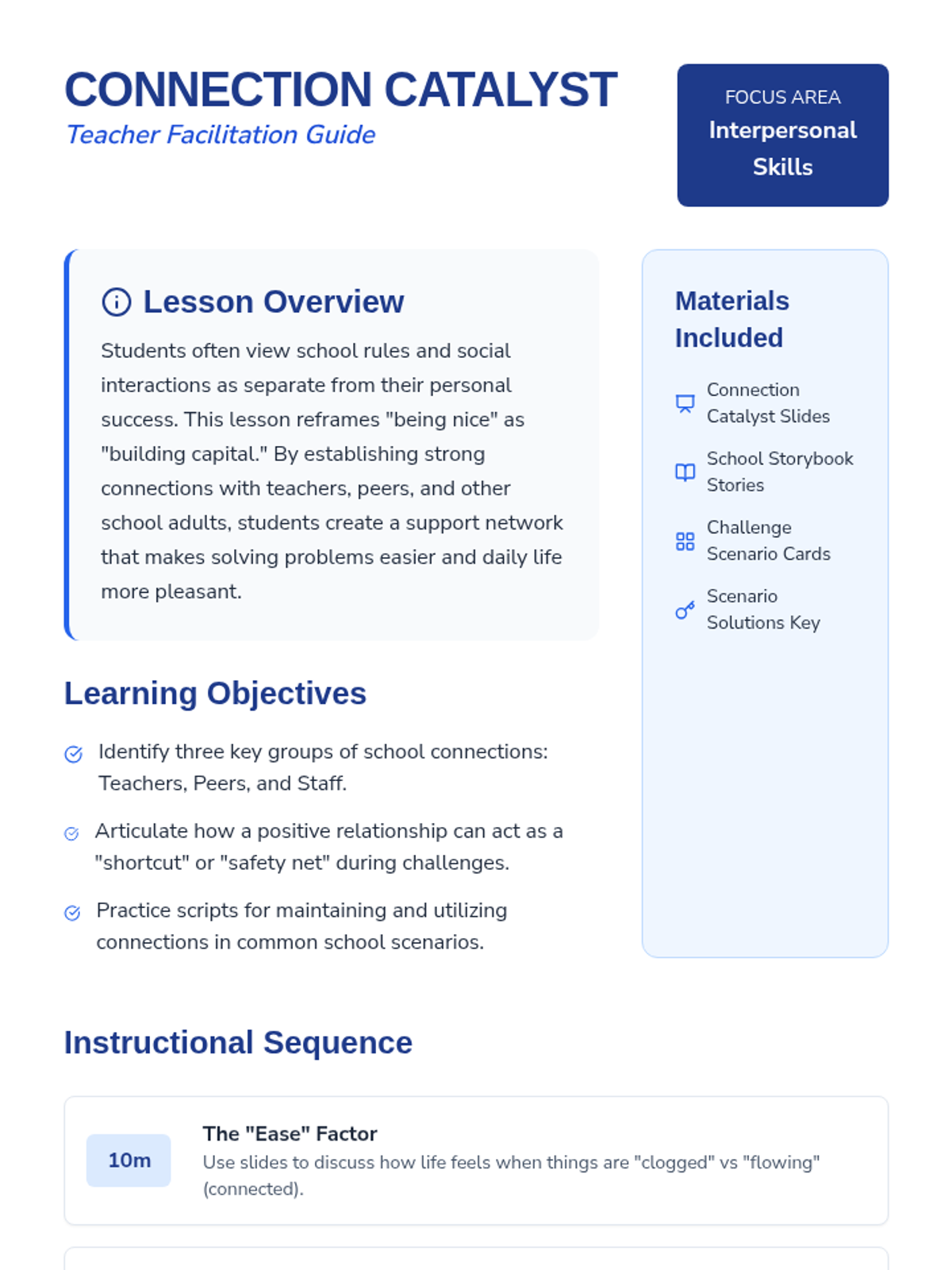
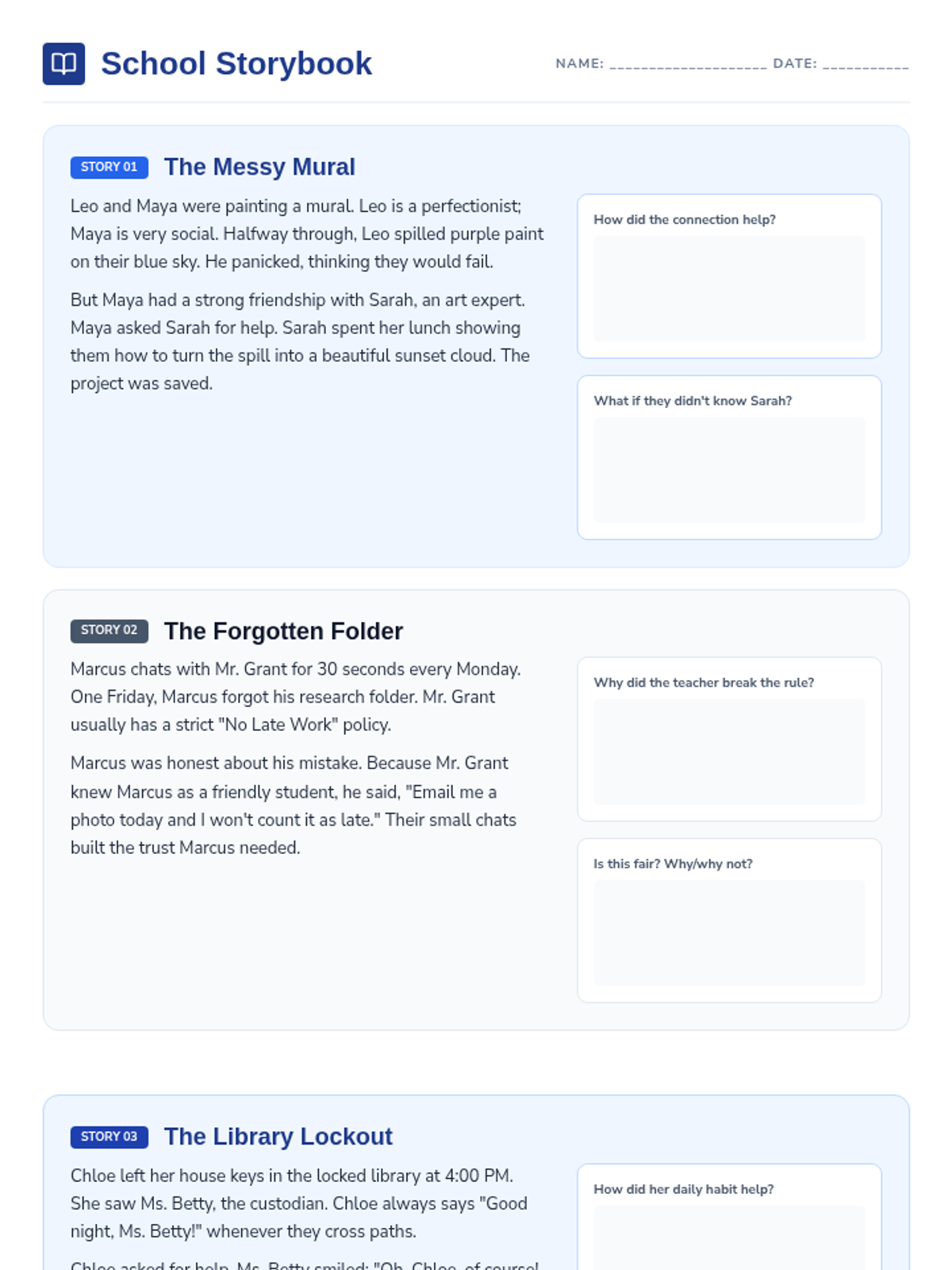
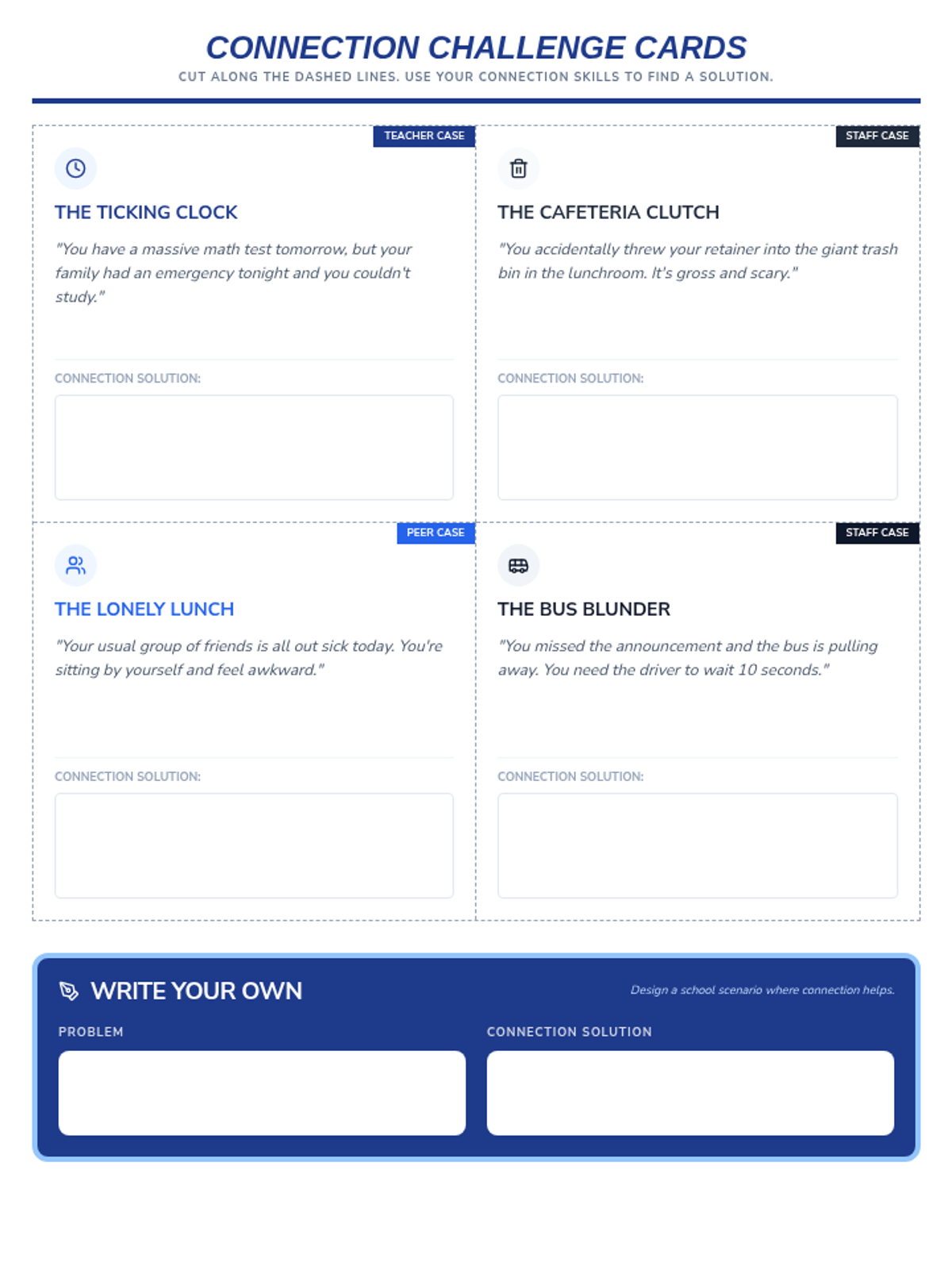
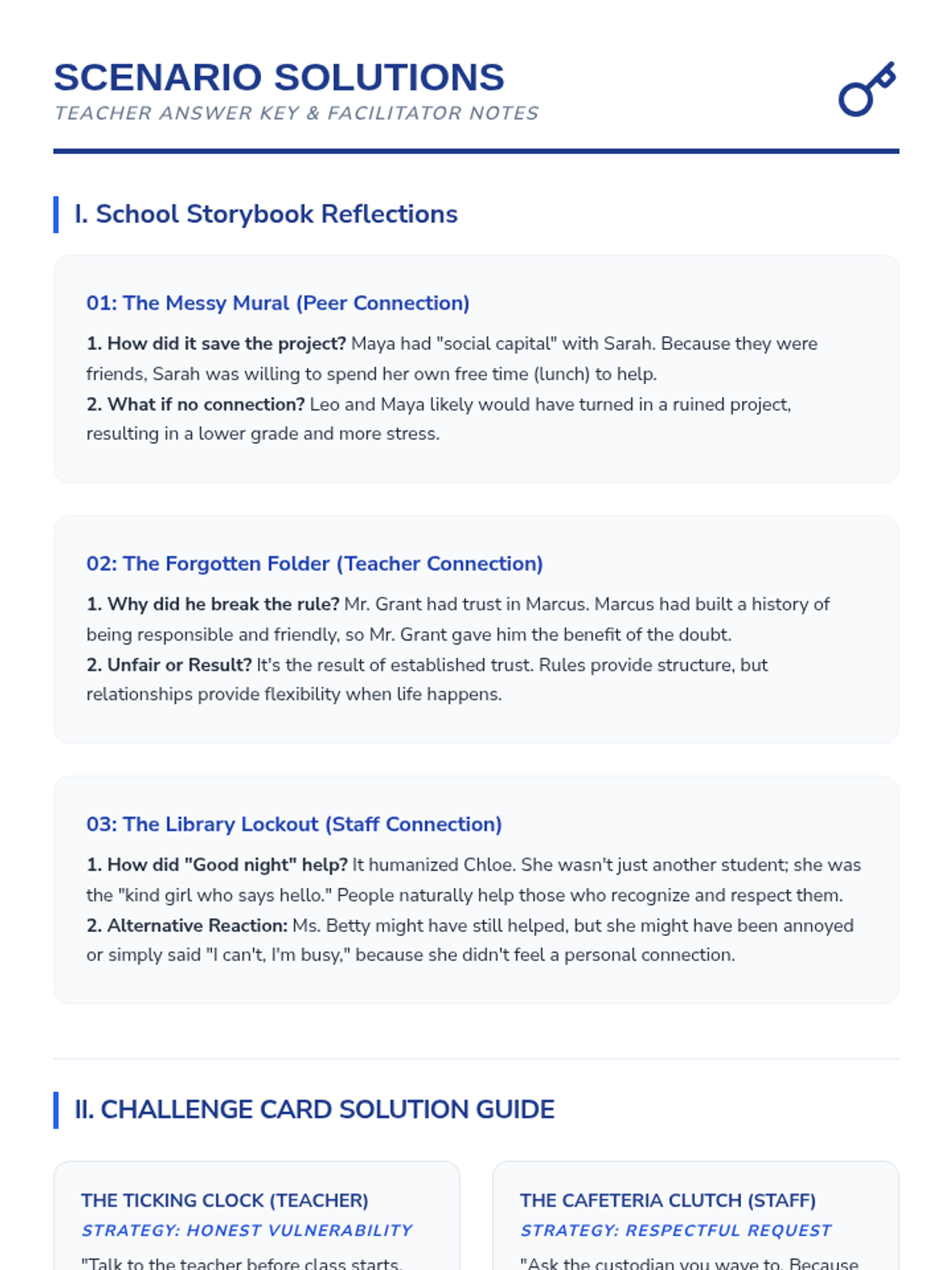
A lesson exploring how building strong interpersonal connections with teachers, peers, and school staff can make daily school life smoother, more supportive, and more efficient.
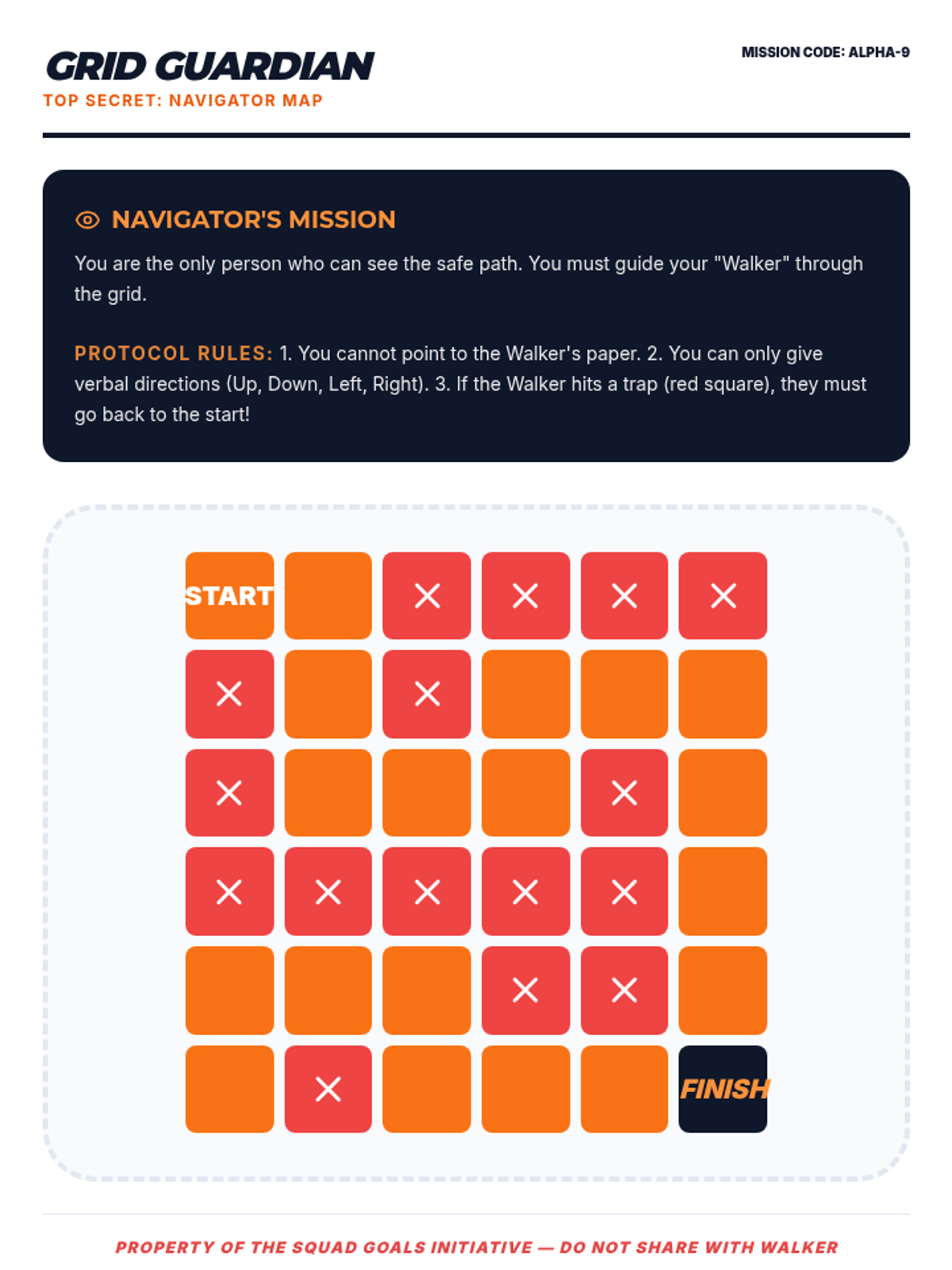
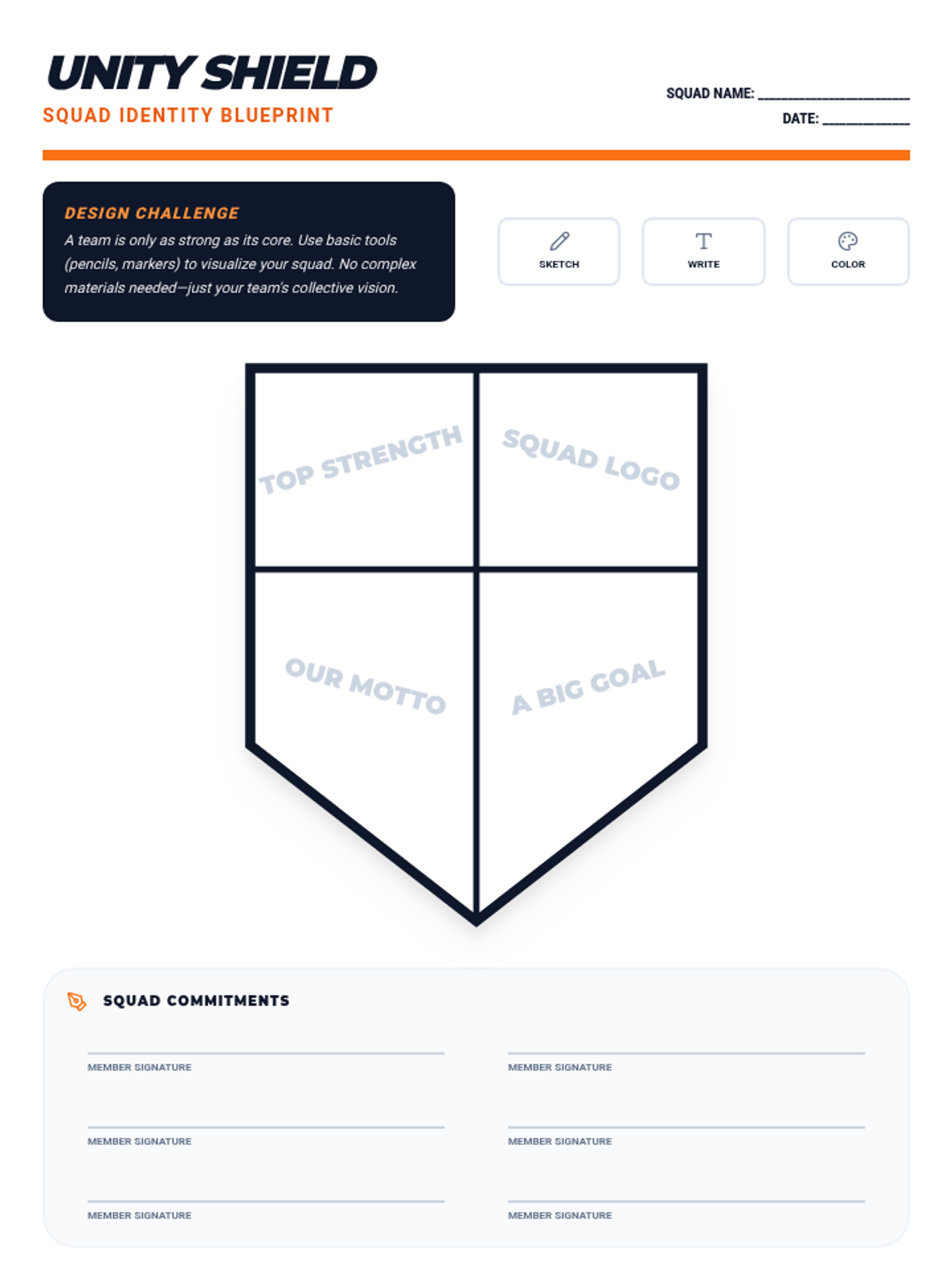
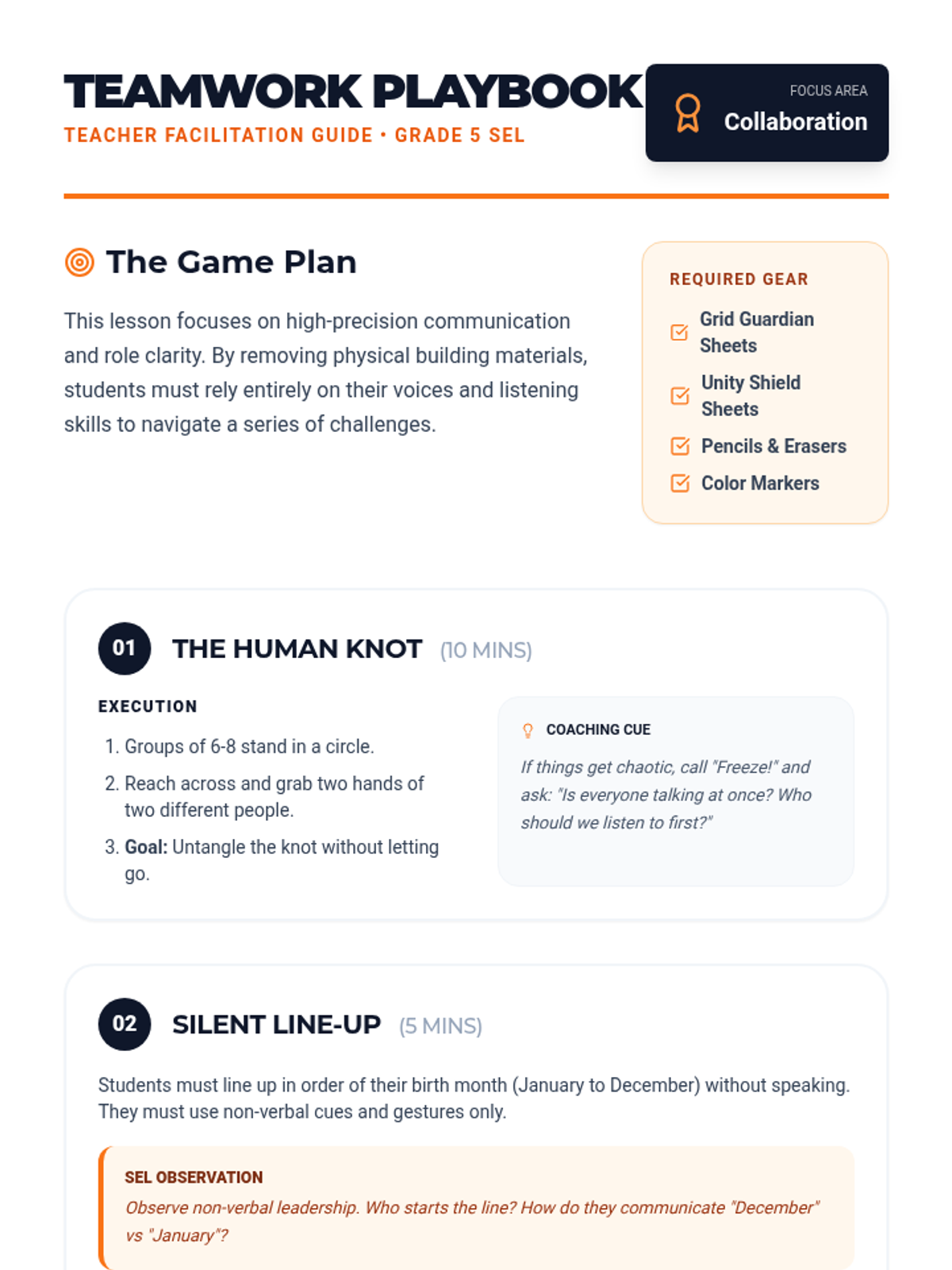
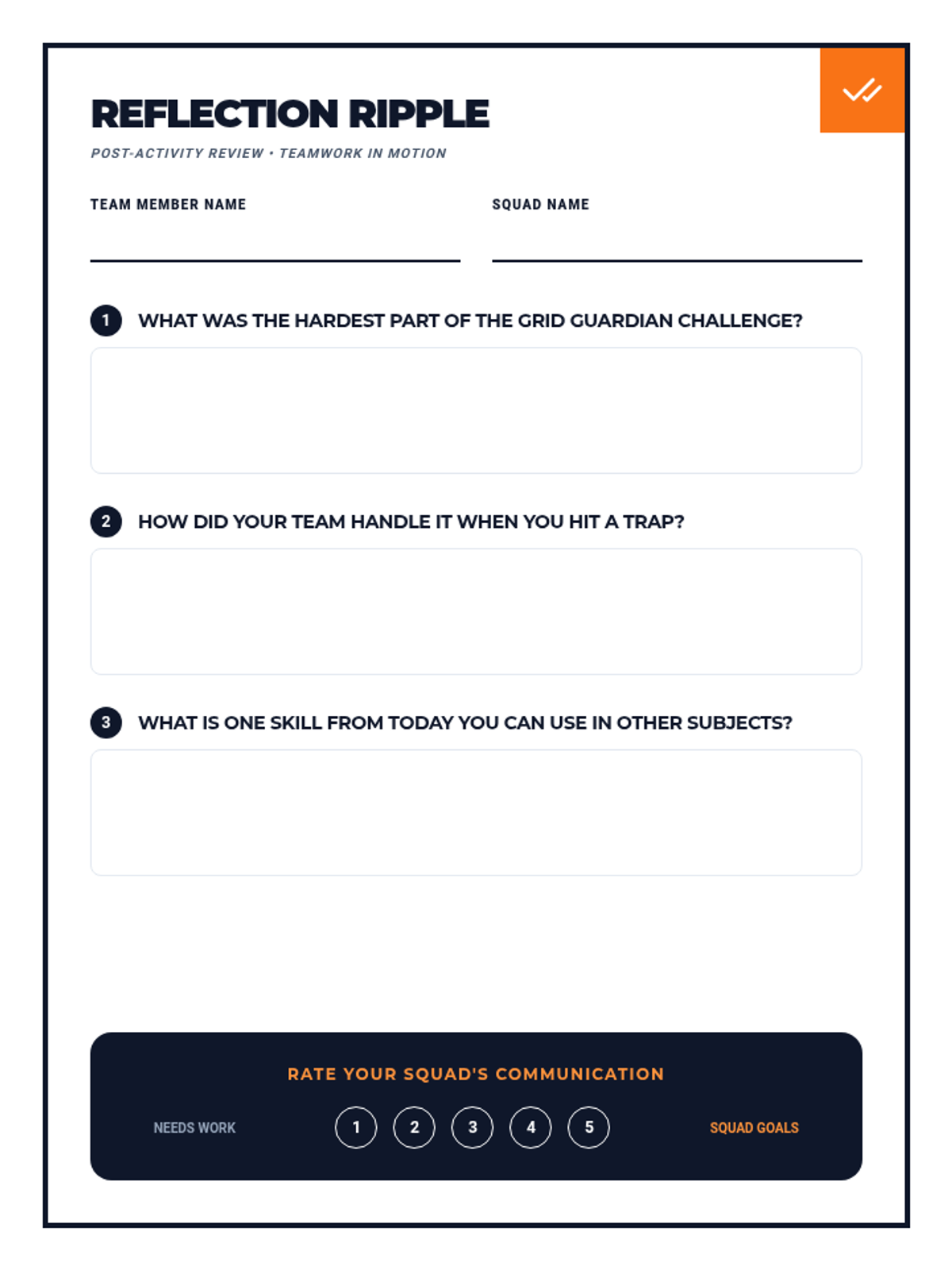
A dynamic lesson where students engage in movement-based 'icebreakers', a collaborative bridge-building craft, and reflective discussions on what makes a team successful.
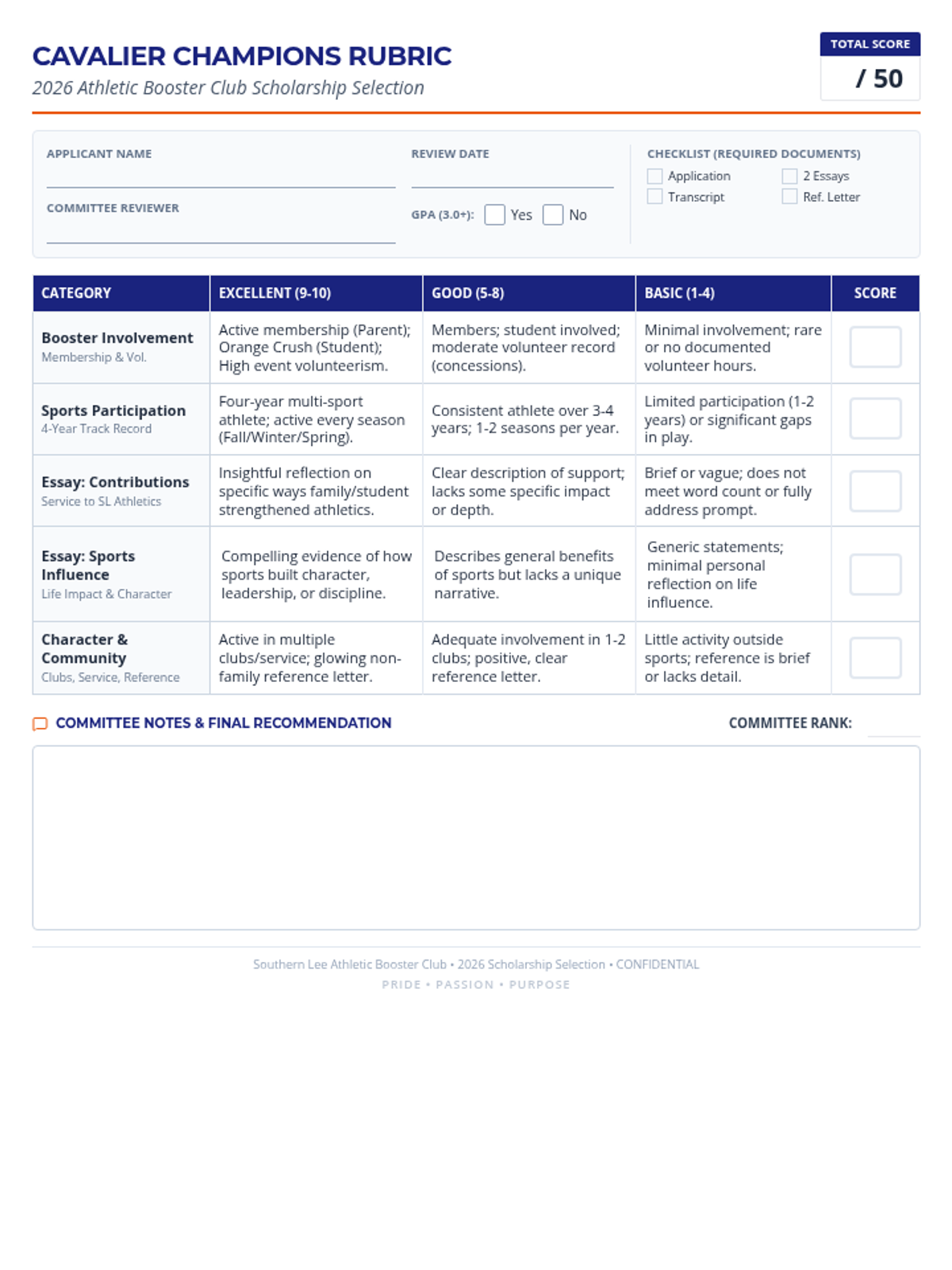
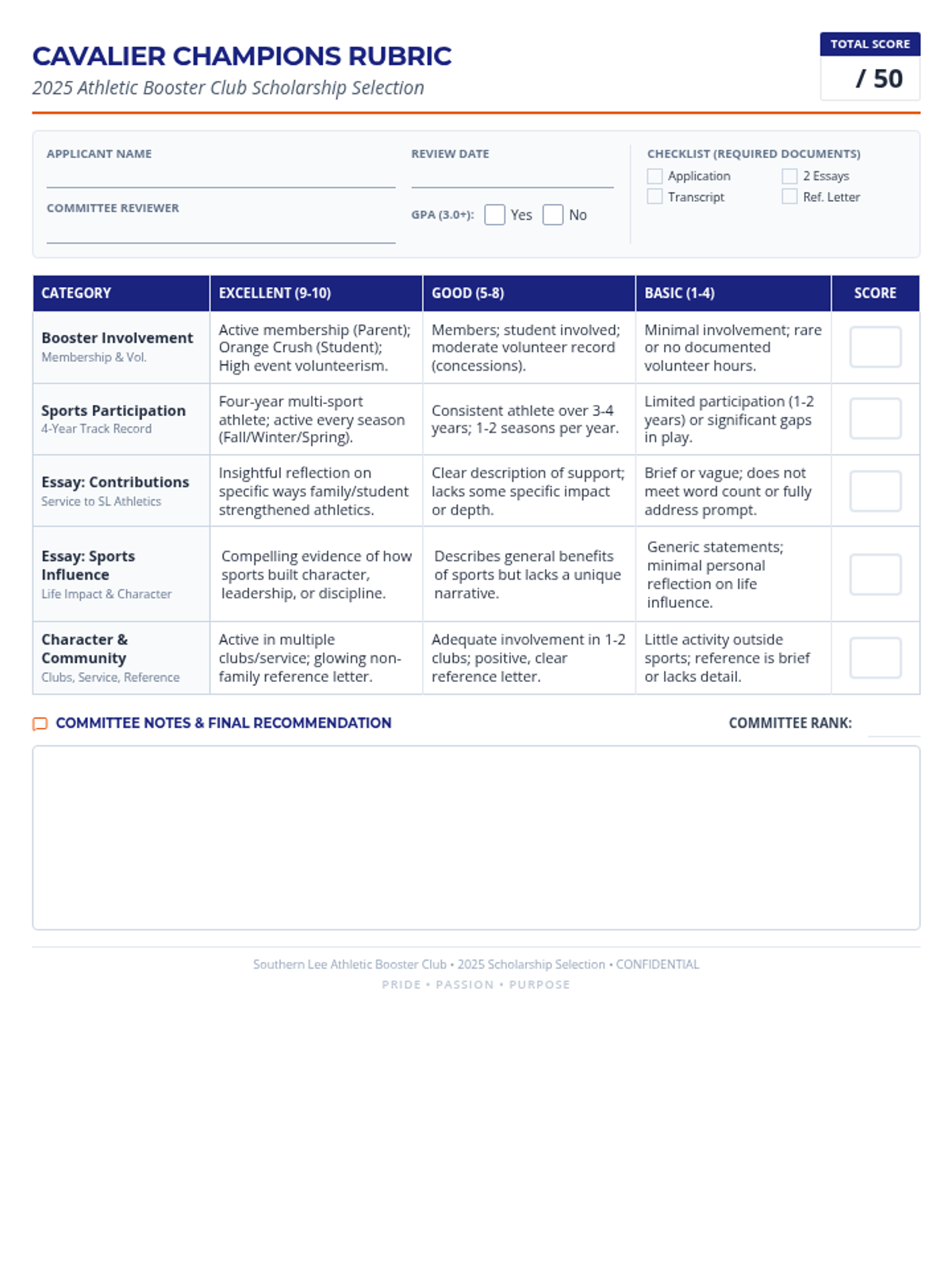
A comprehensive tool for the scholarship committee to evaluate and rank applicants based on Booster Club involvement, athletics, academics, and personal essays.
A lesson exploring the ethical and legal implications of using social media as a screening tool during the hiring process, based on professional HR perspectives.
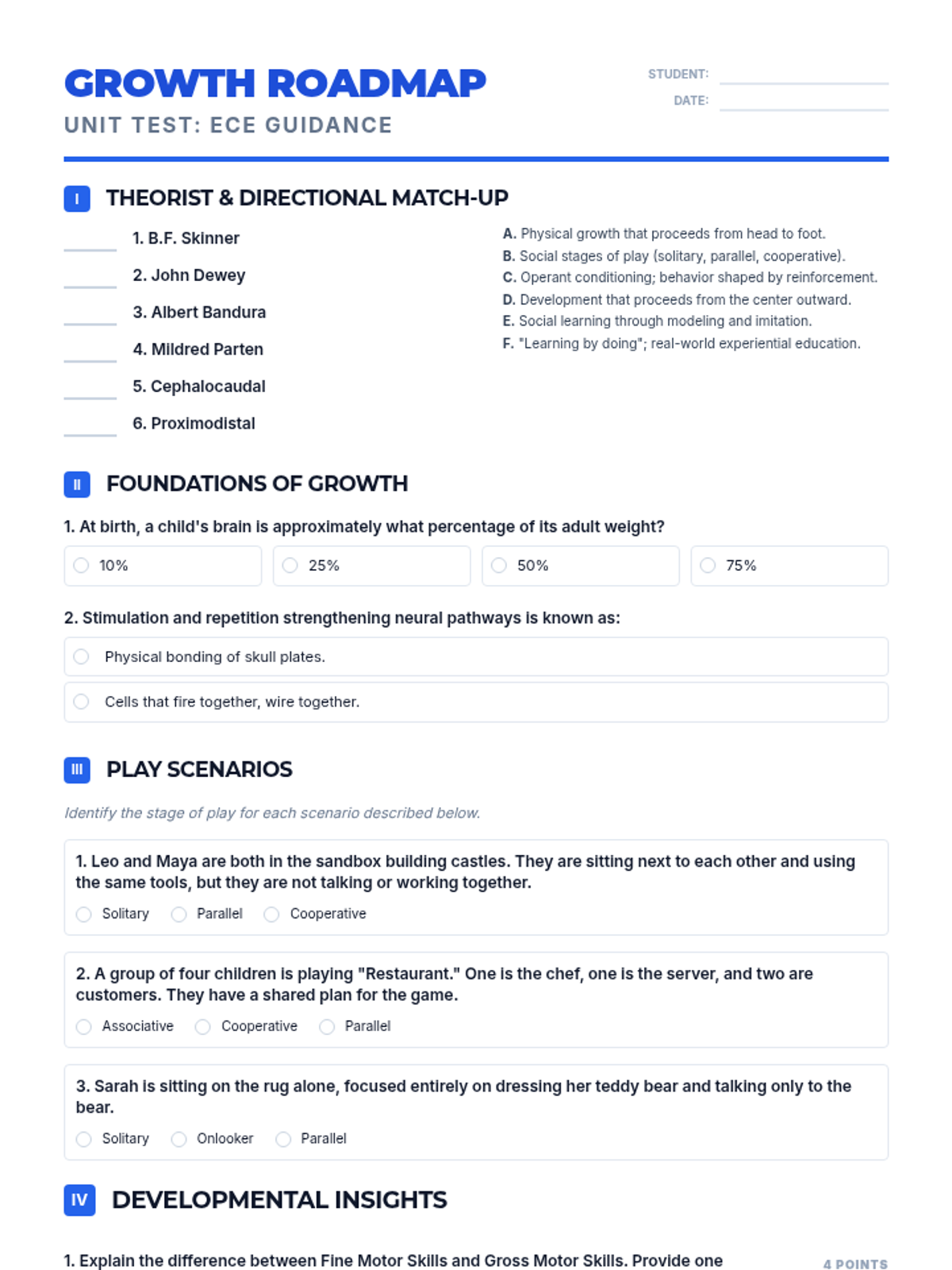
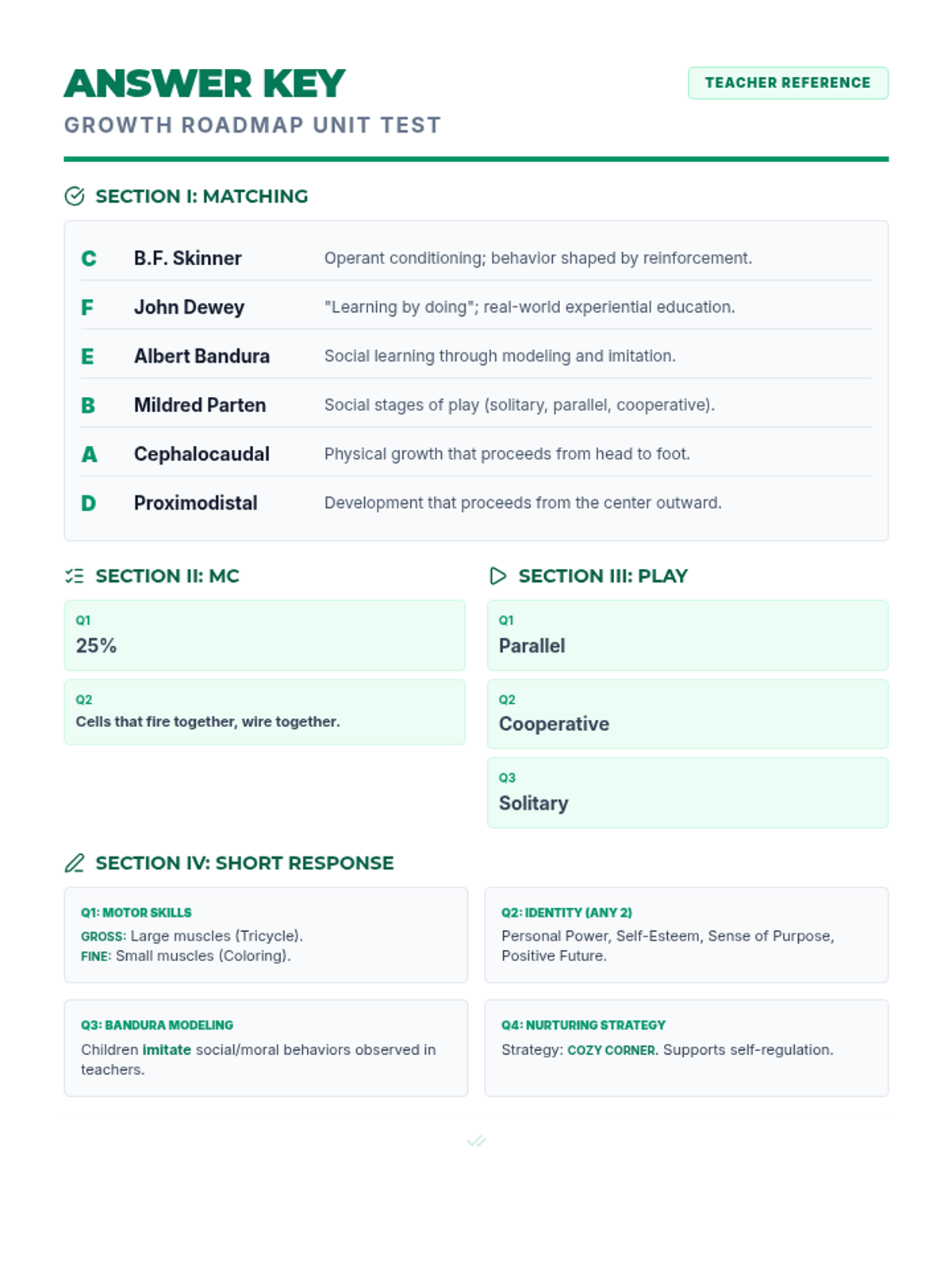
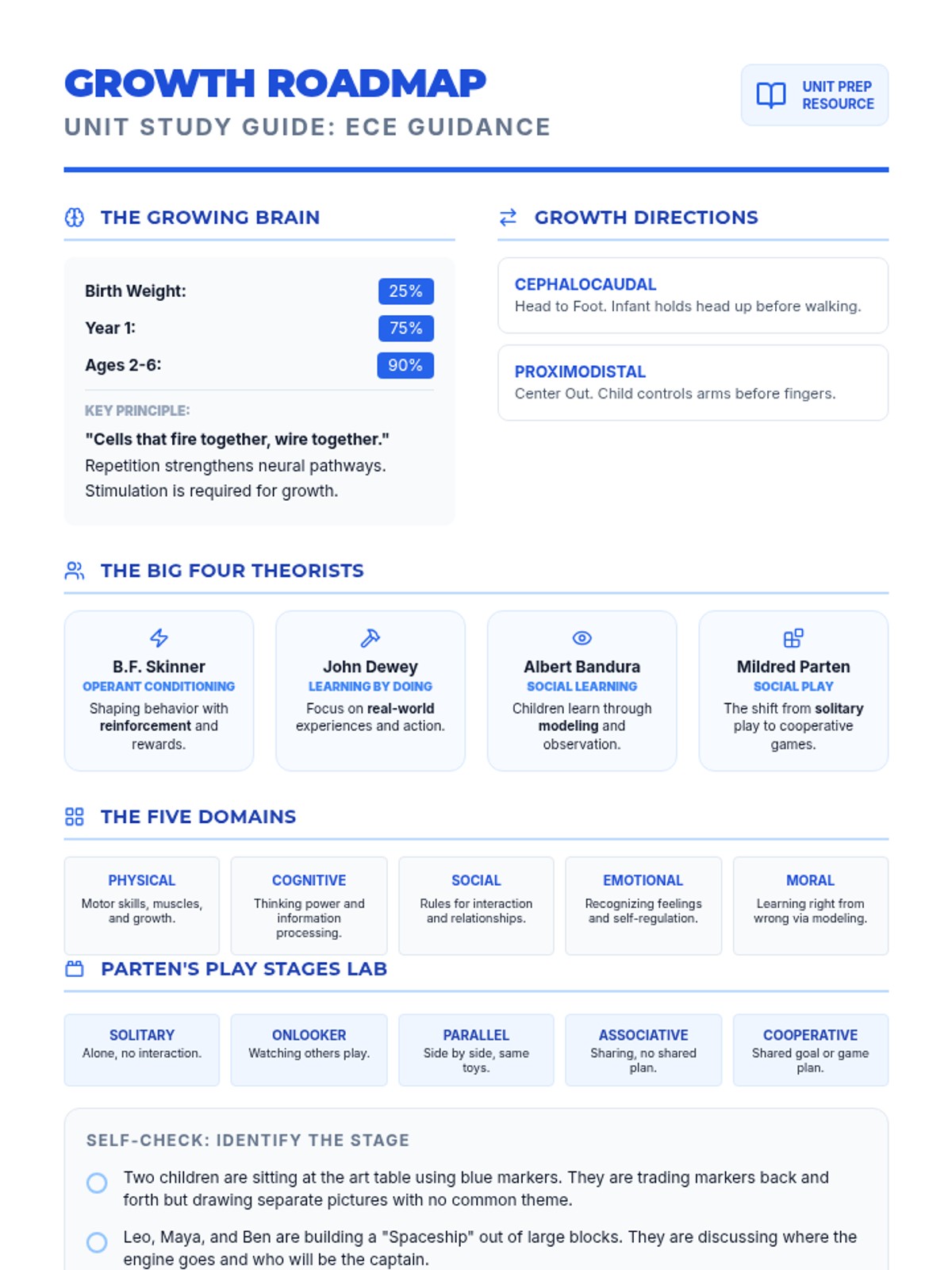
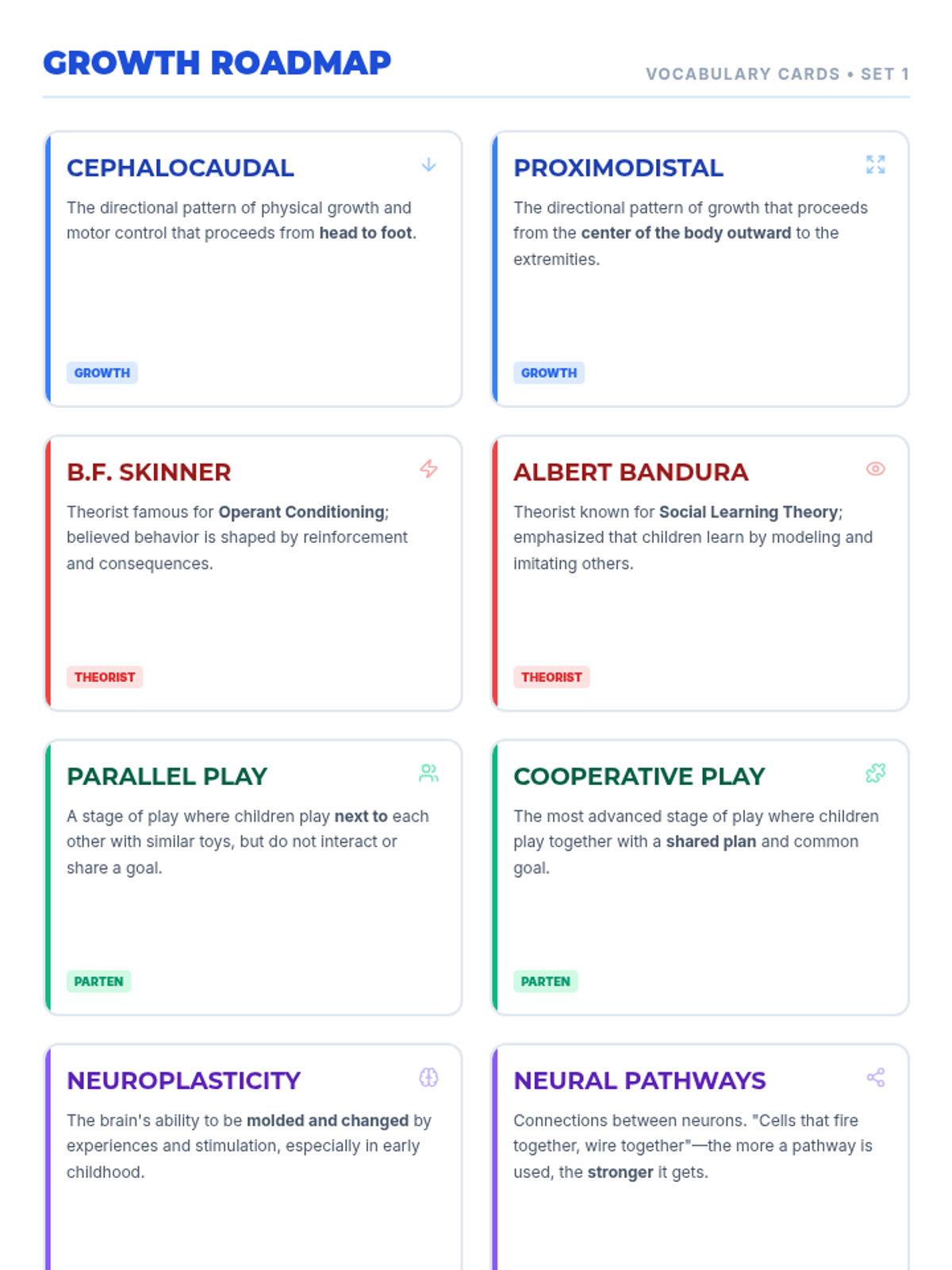
A comprehensive assessment covering developmental domains, brain growth, major ECE theorists, and strategies for supporting young children's self-concept and identity.
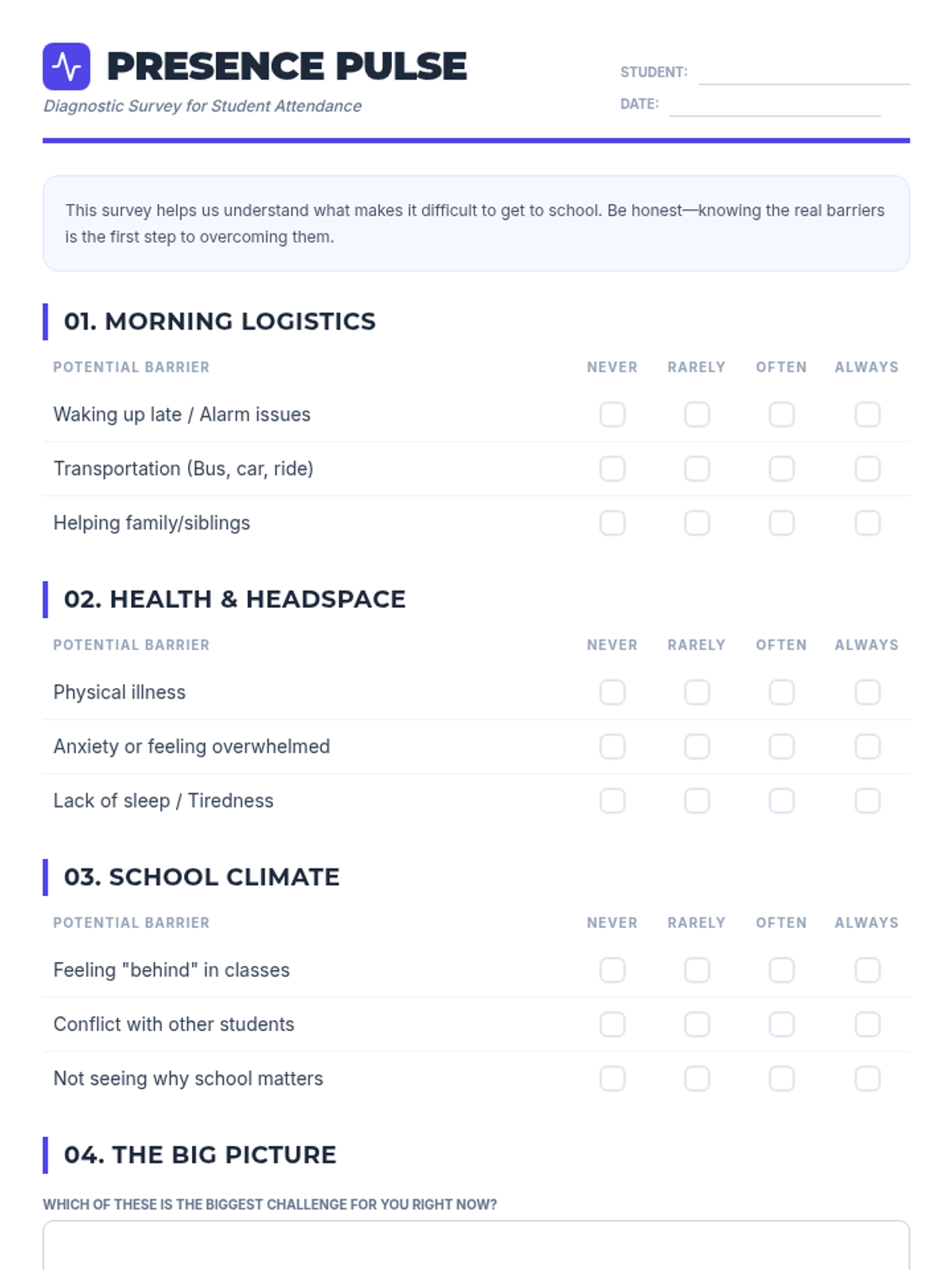
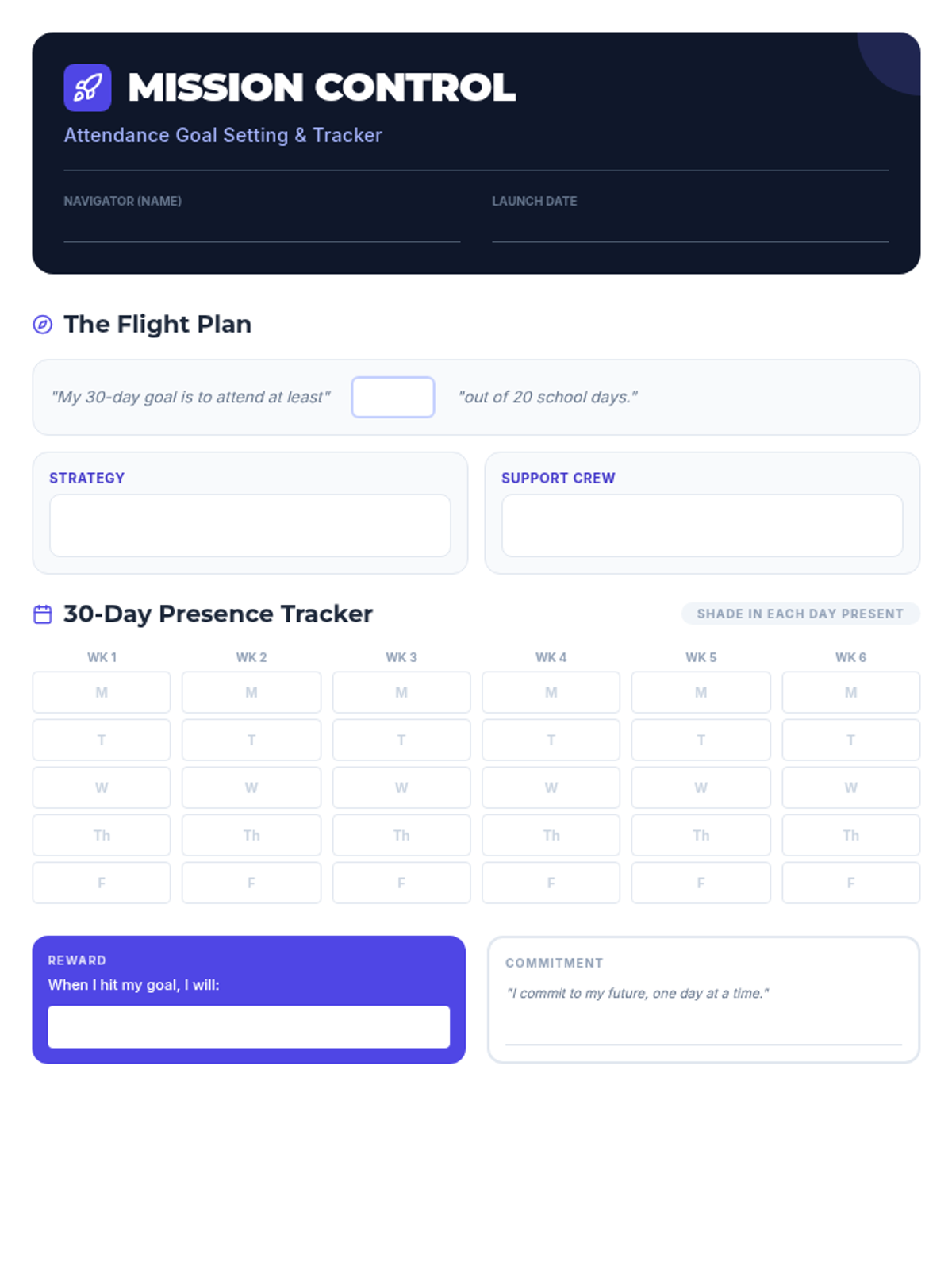
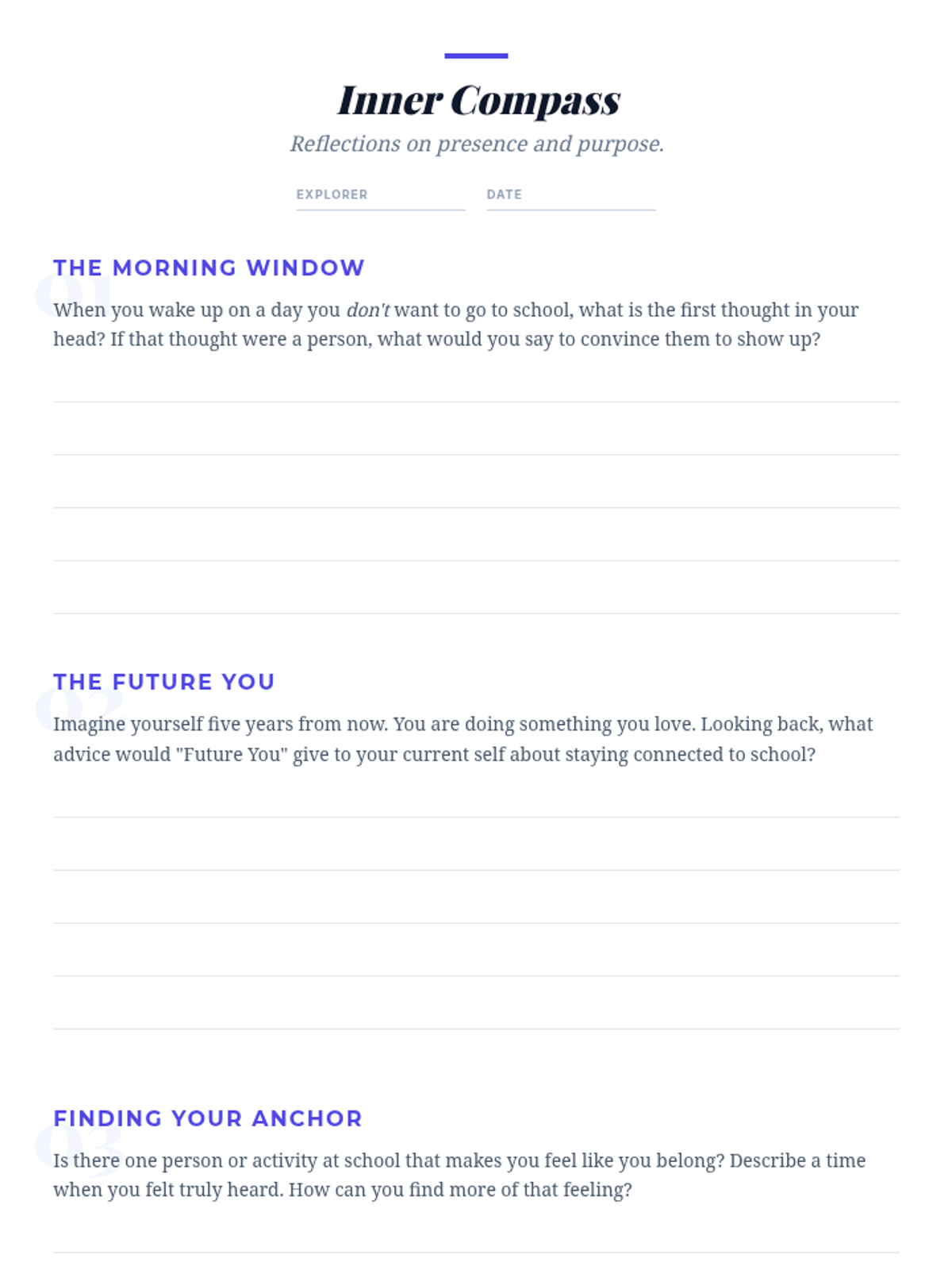
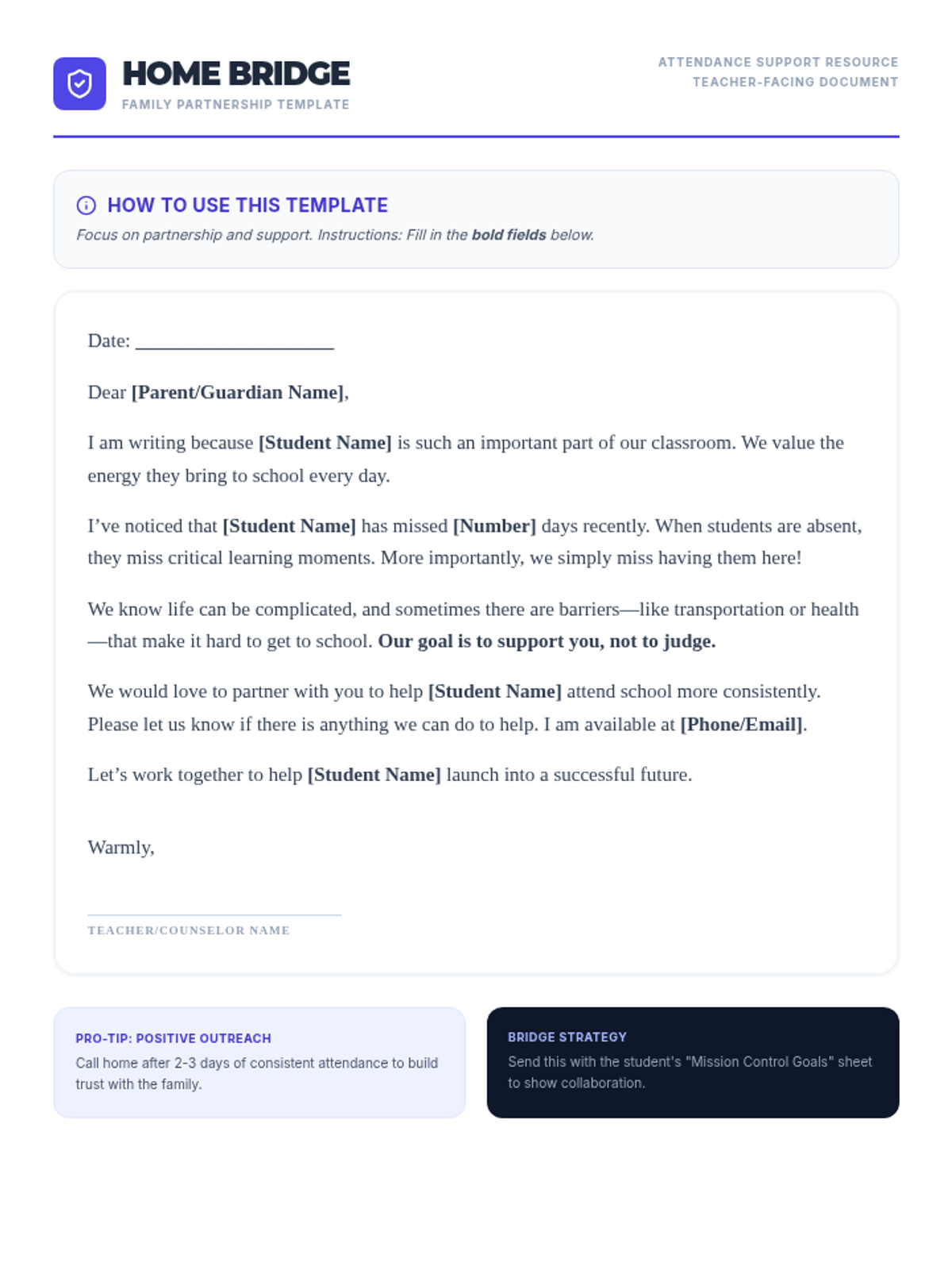
This lesson helps students identify personal barriers to school attendance, set actionable attendance goals, and reflect on the connection between presence and their future aspirations. It also provides teachers with a supportive framework for family communication regarding attendance.
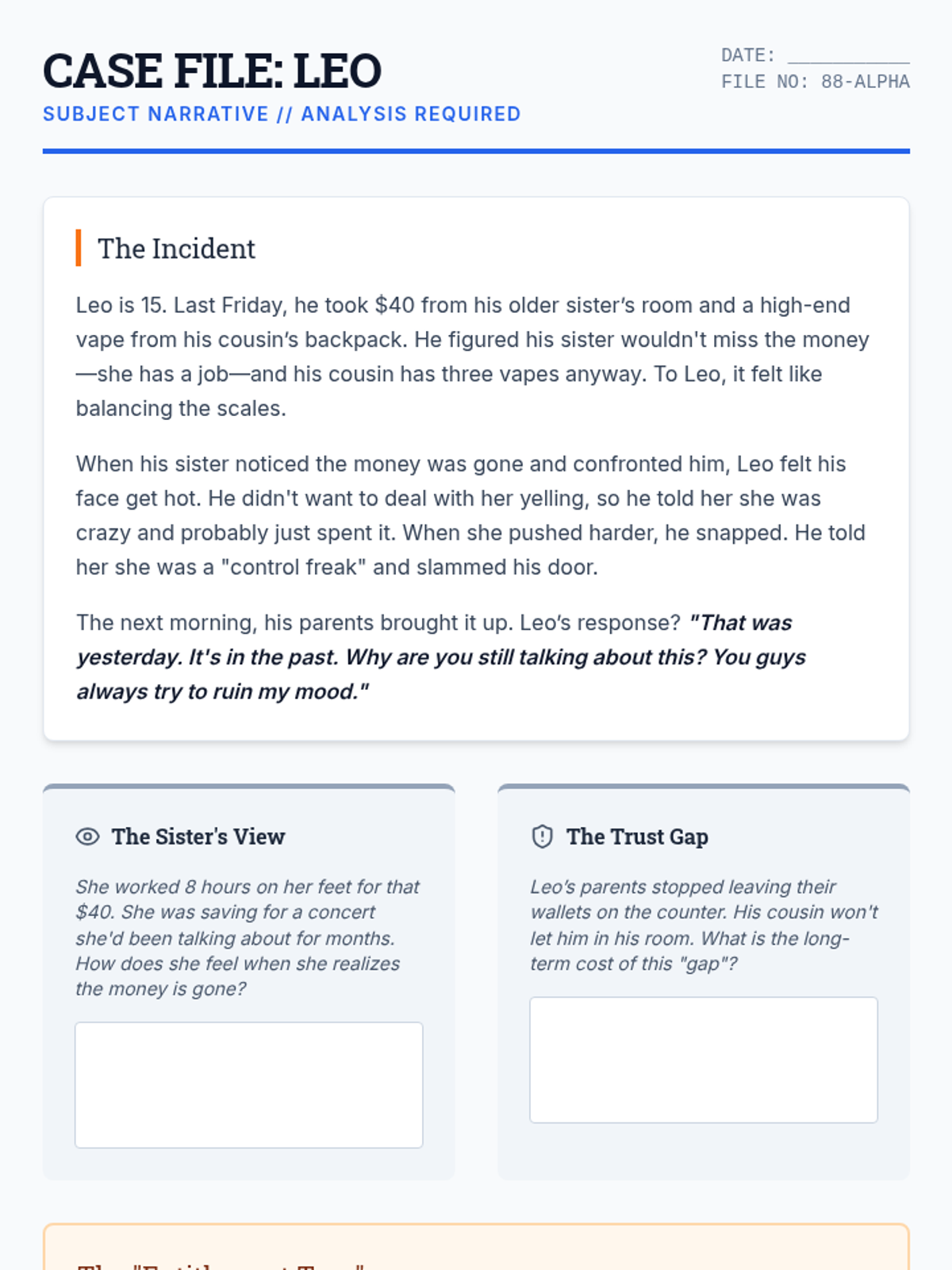
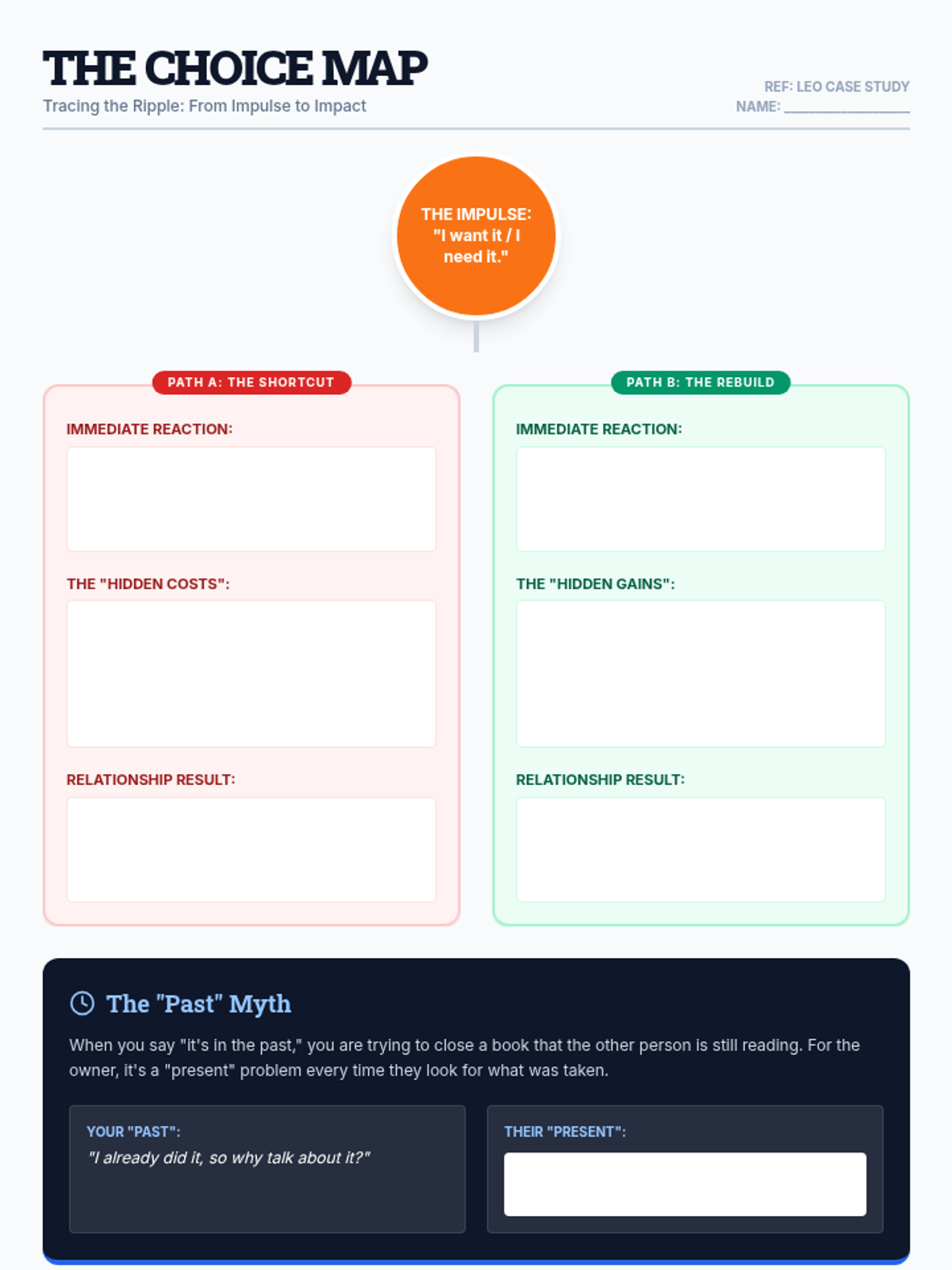
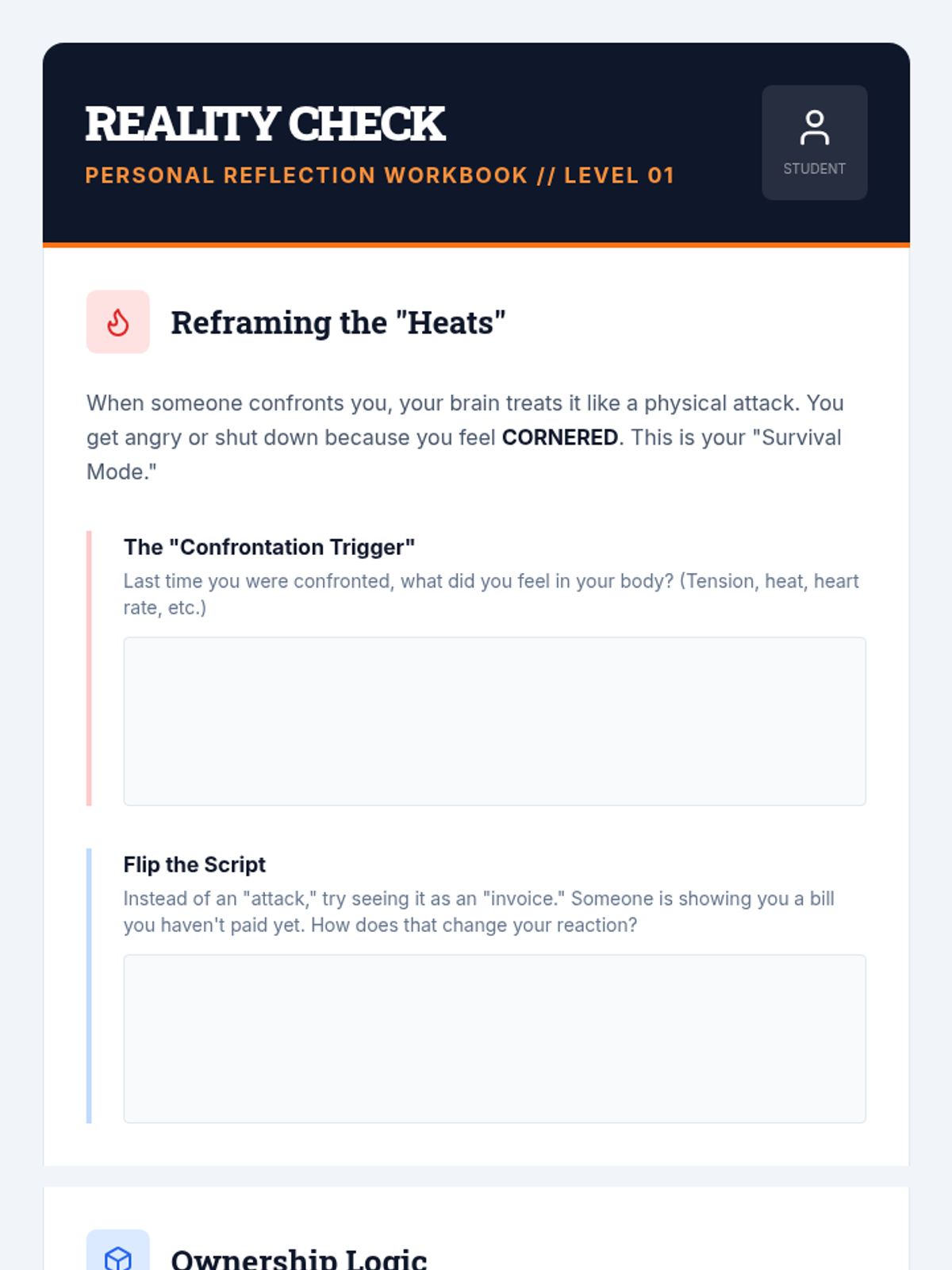
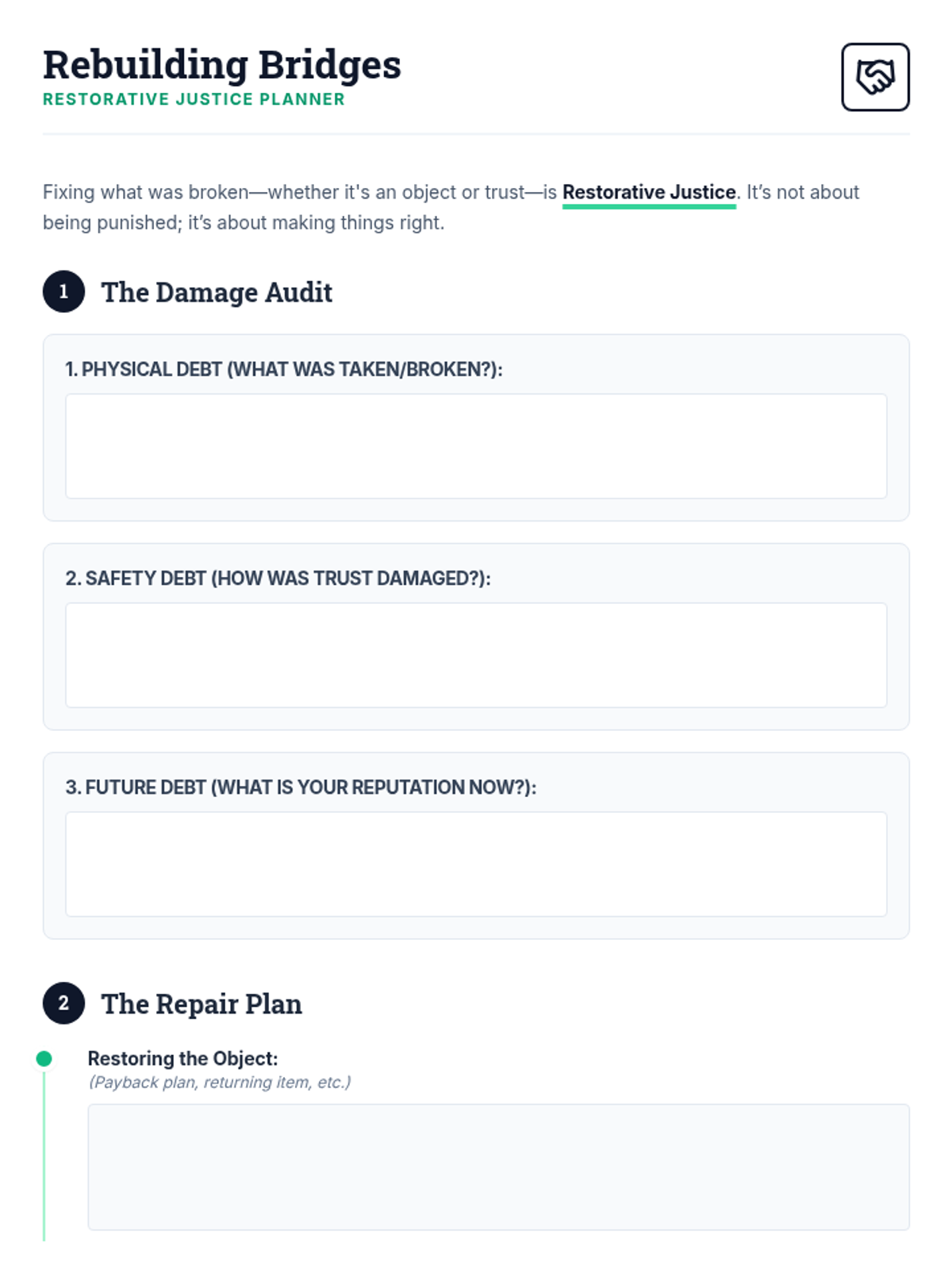
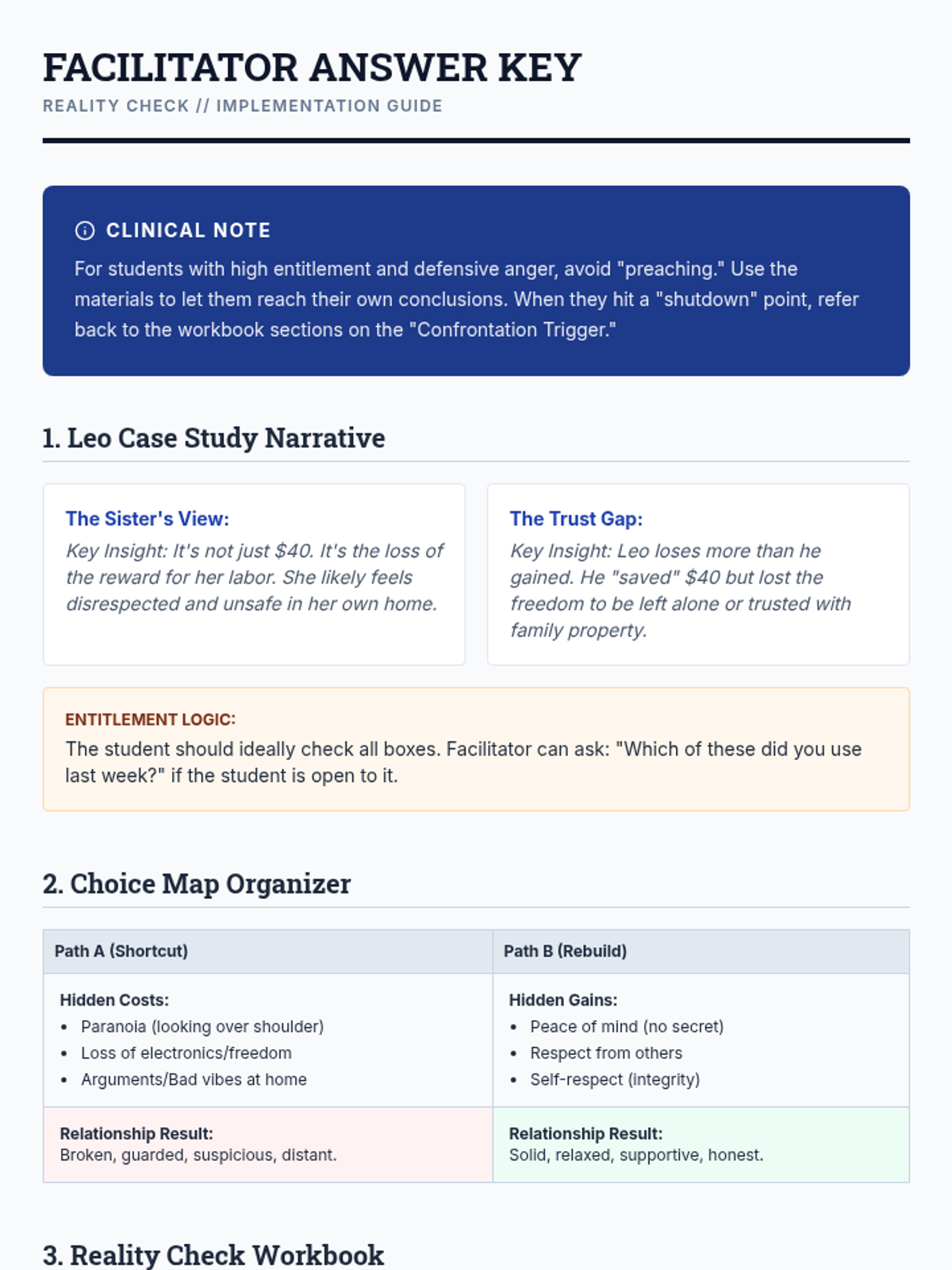
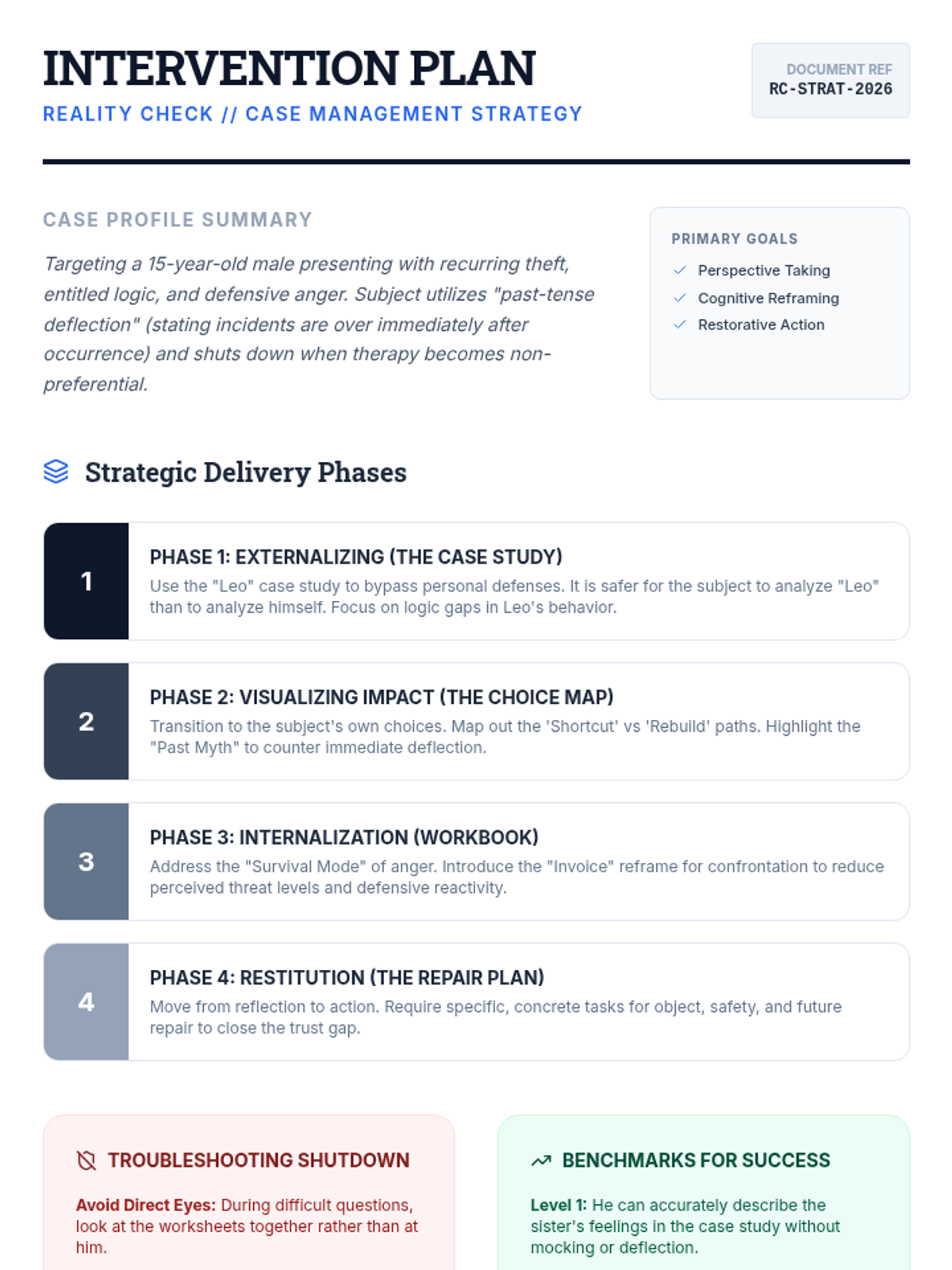
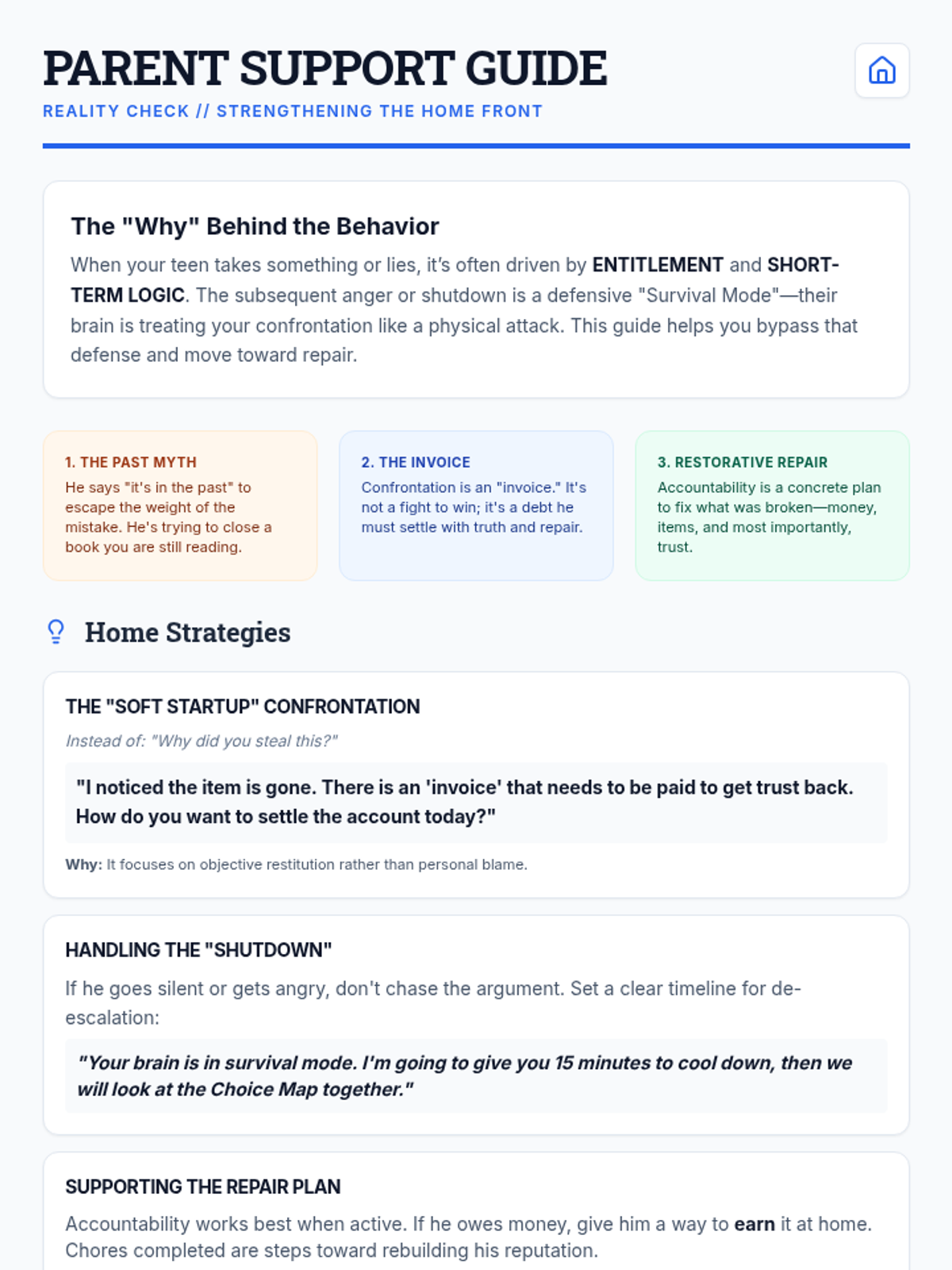
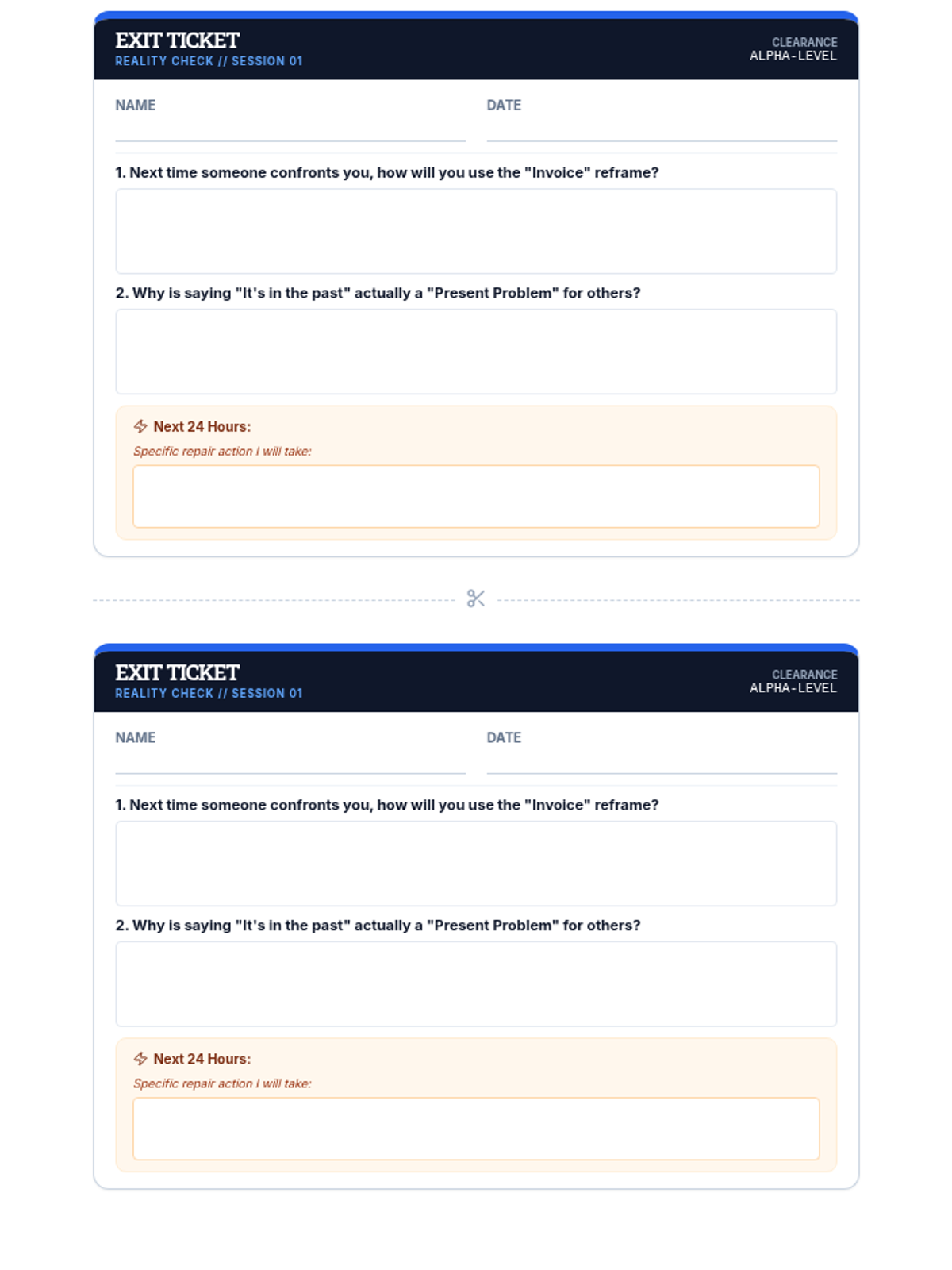
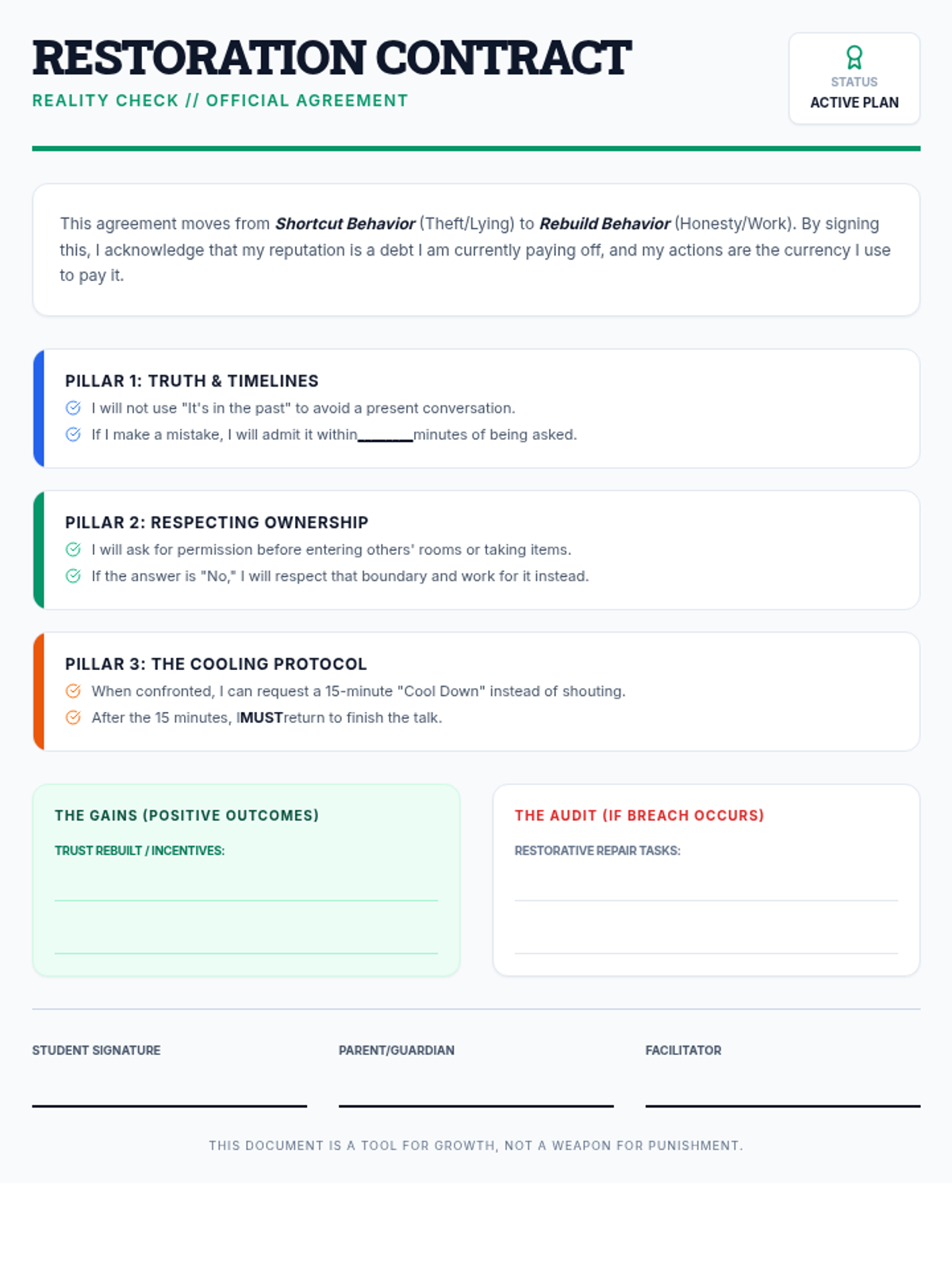
An intensive lesson focusing on the immediate impact of theft and lying, using a peer case study to bypass defensive shut-down mechanisms.