Students will learn the difference between checking and savings accounts, compare different banking institutions, and identify the specific documents required to open an account as a minor.
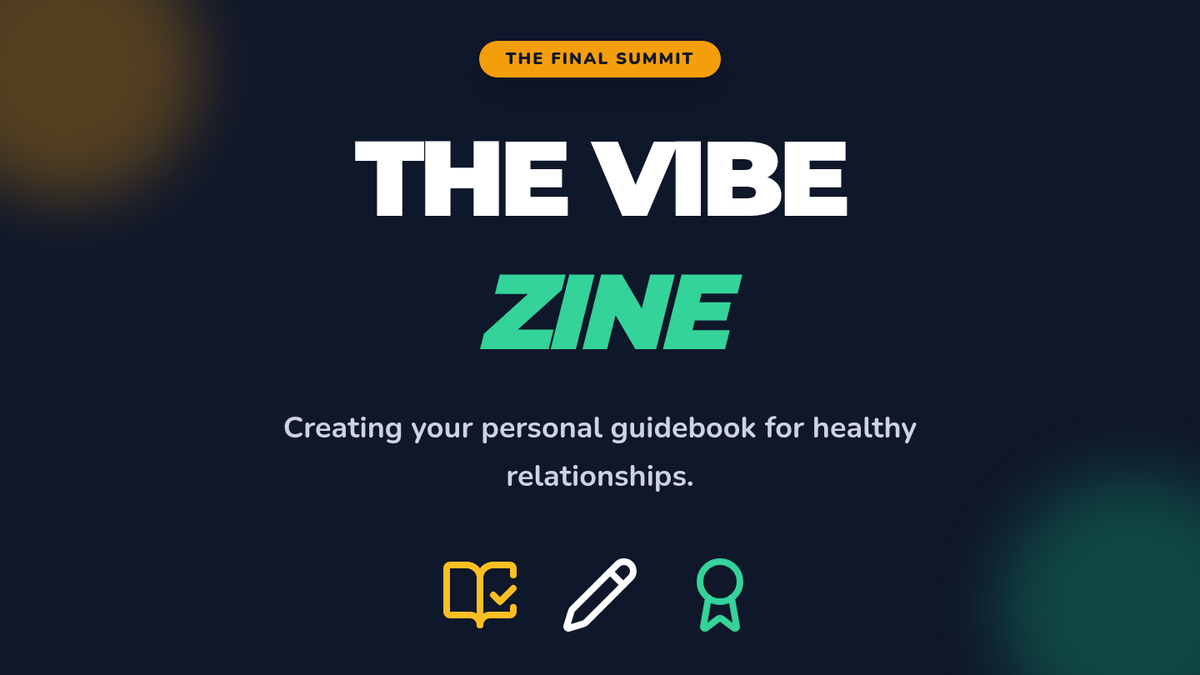
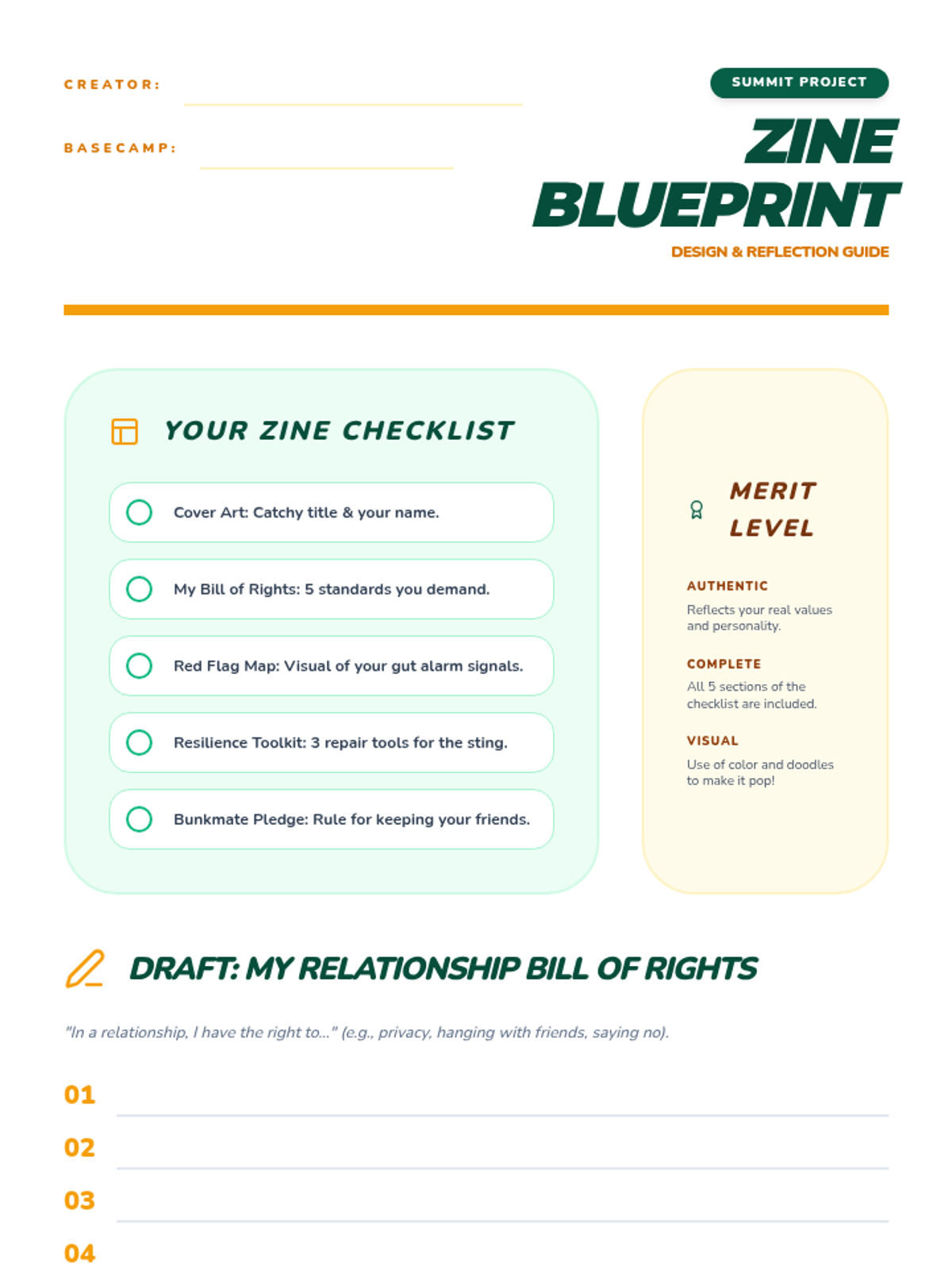
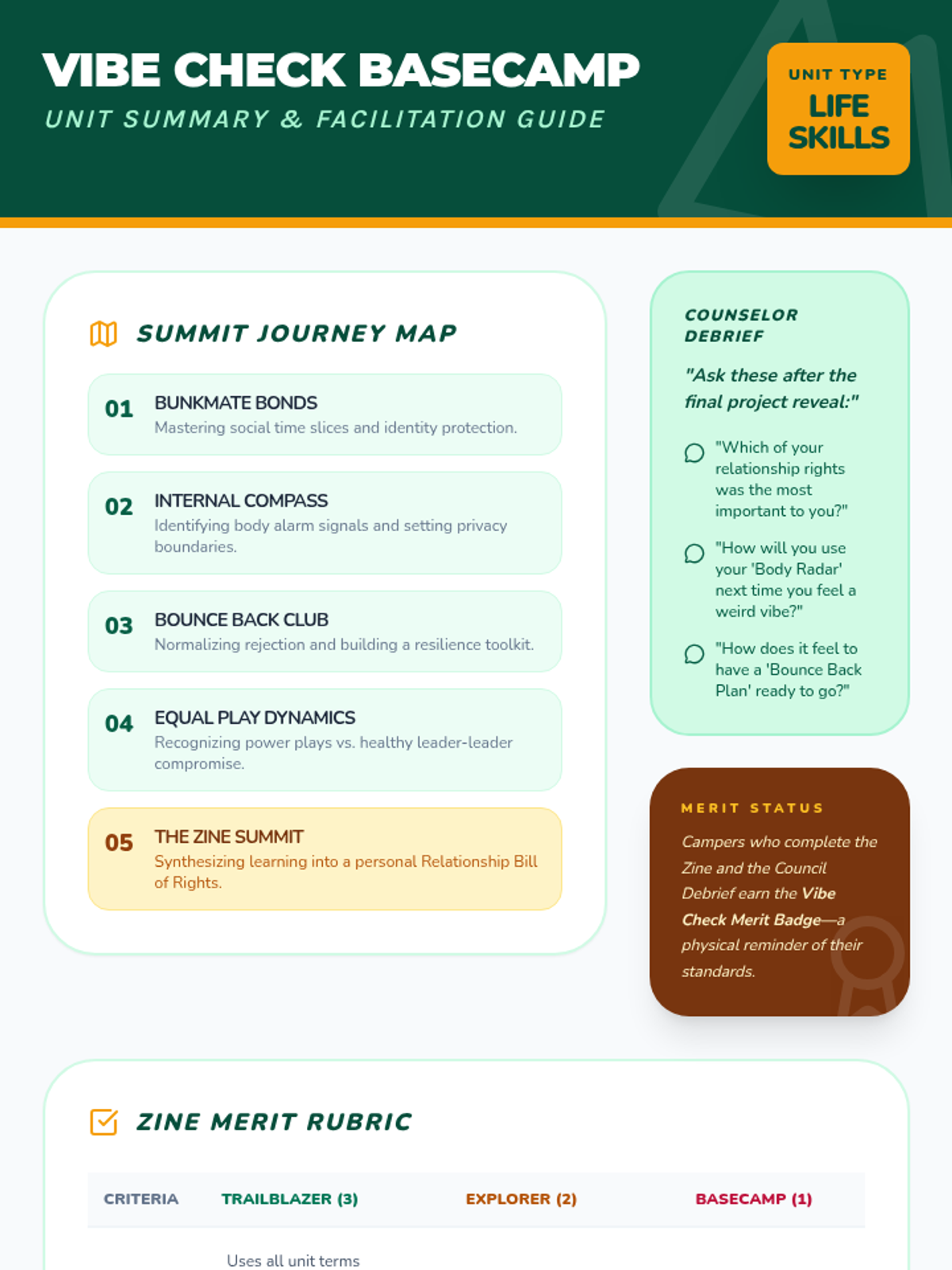
The final summit project where campers create their own 'Vibe Check' Zine—a personalized guide to their own relationship rights and standards.
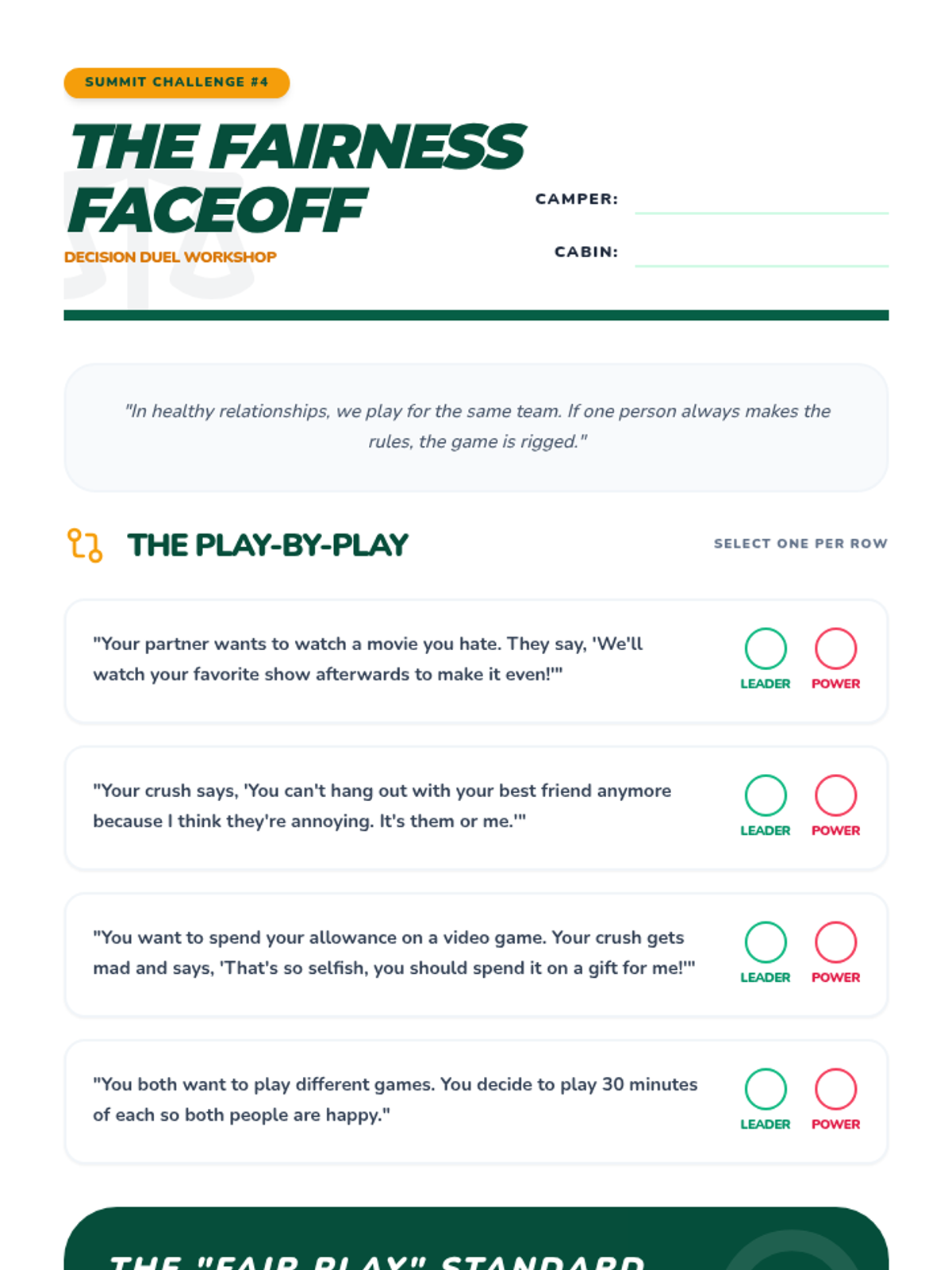
A deep dive into fairness and power dynamics. Campers learn the difference between 'Leader-Leader' and 'Leader-Follower' dynamics in healthy relationships.
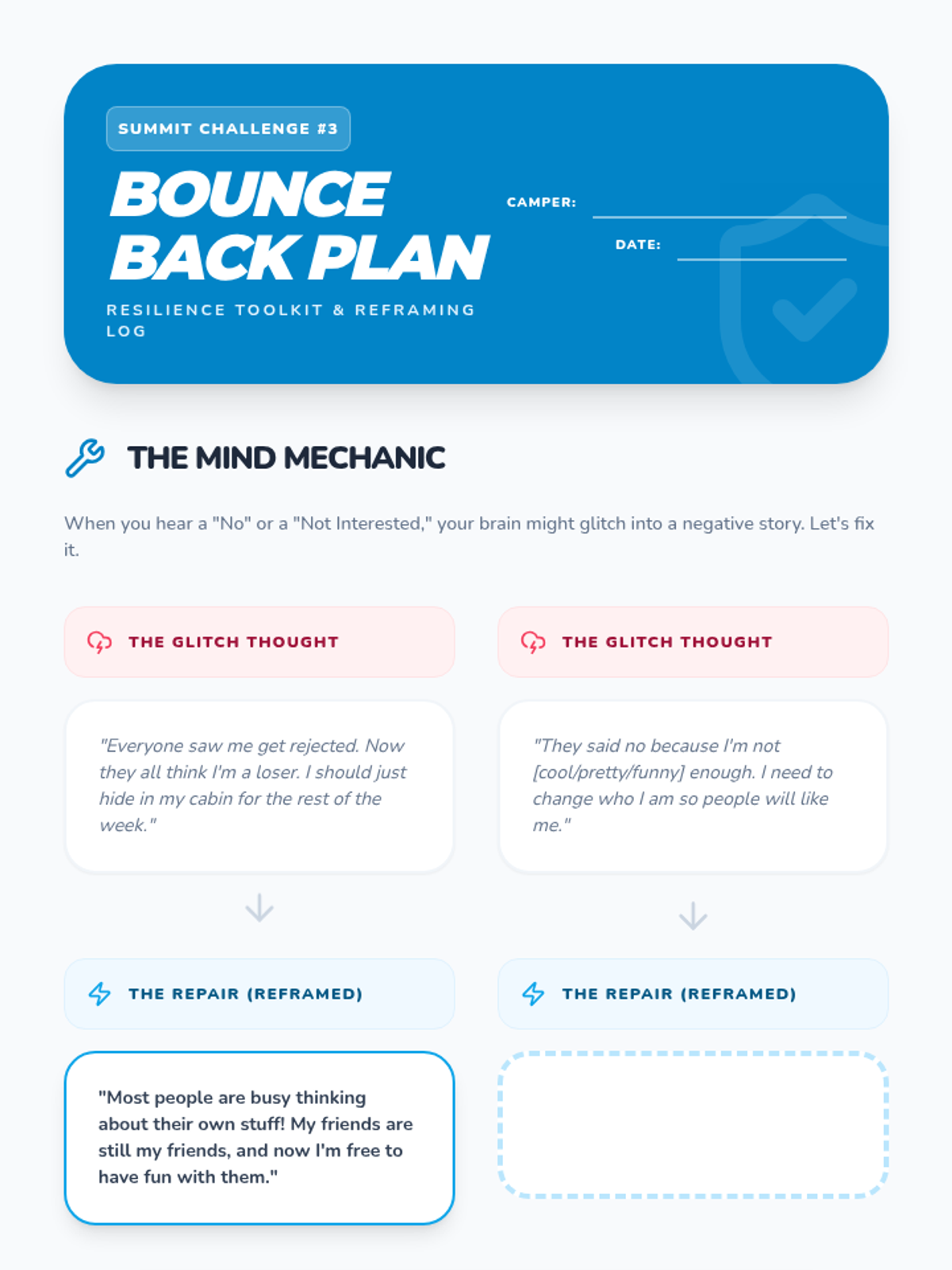
Normalizing rejection as part of the camp experience. Campers build a 'Resilience Toolkit' and learn how to bounce back from social setbacks.
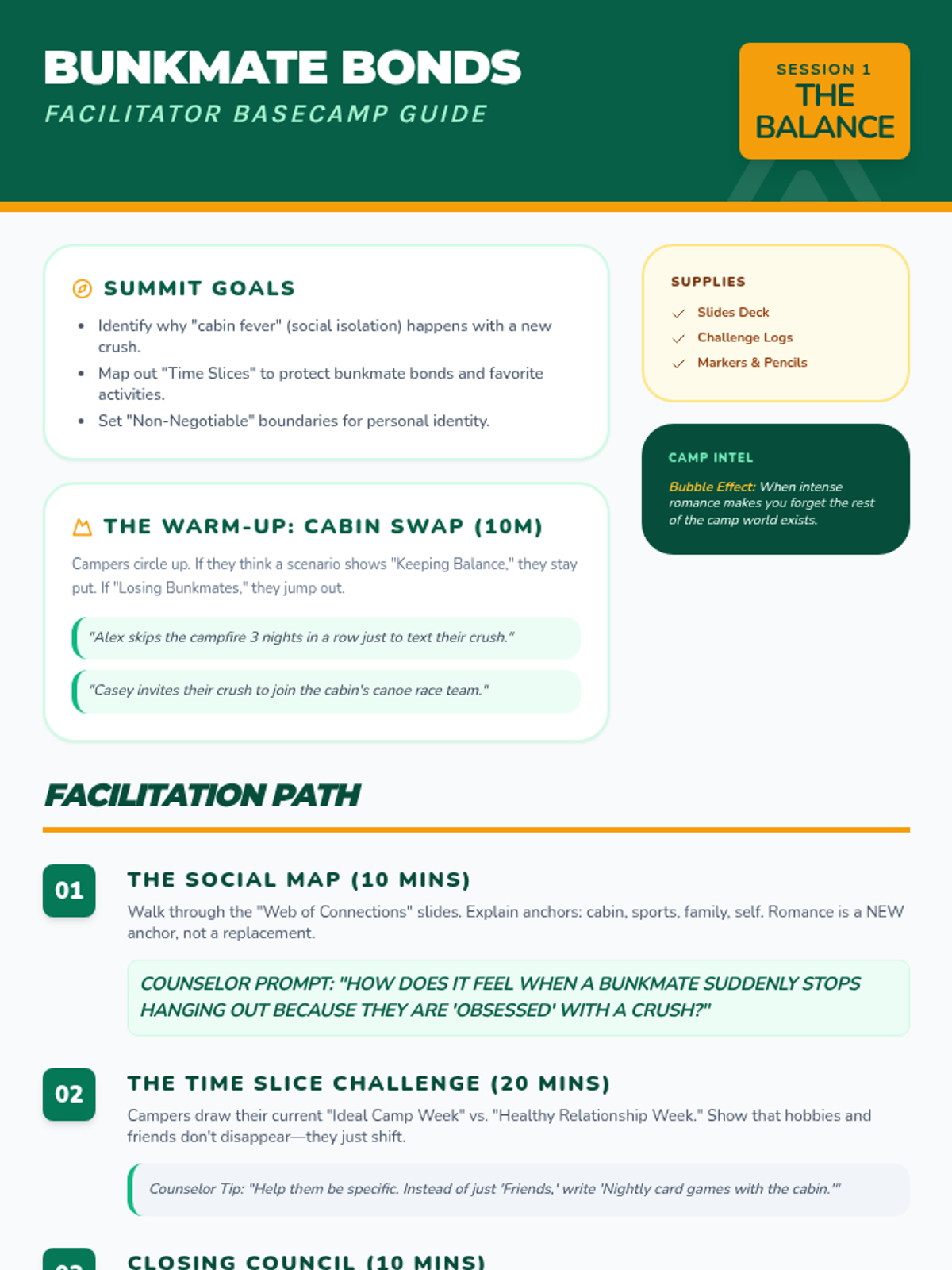
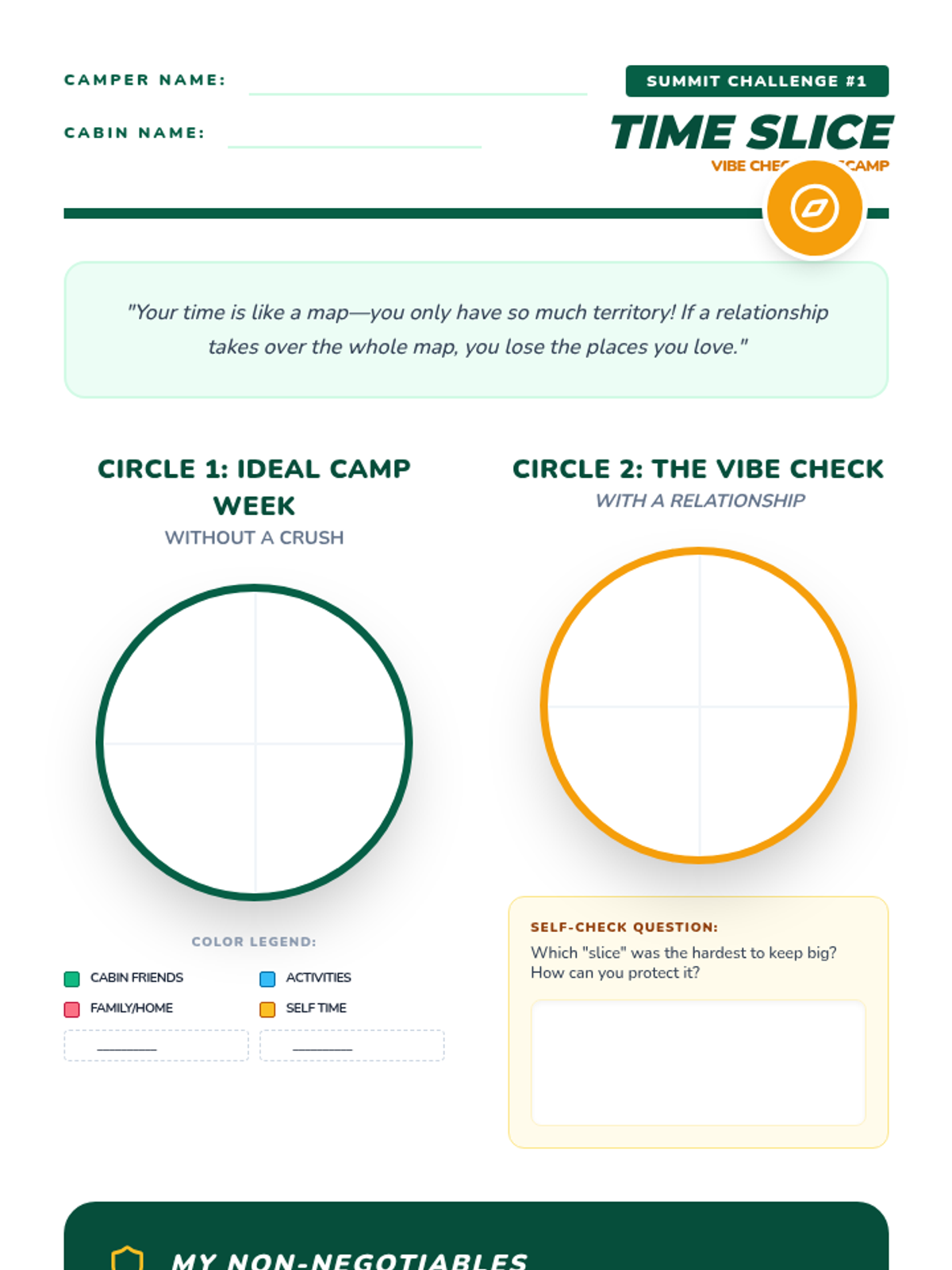
A session focused on the 'Friendship Circle.' Campers use the Time Slice activity to visualize how to keep their 'bunkmate bonds' strong while catching feelings.
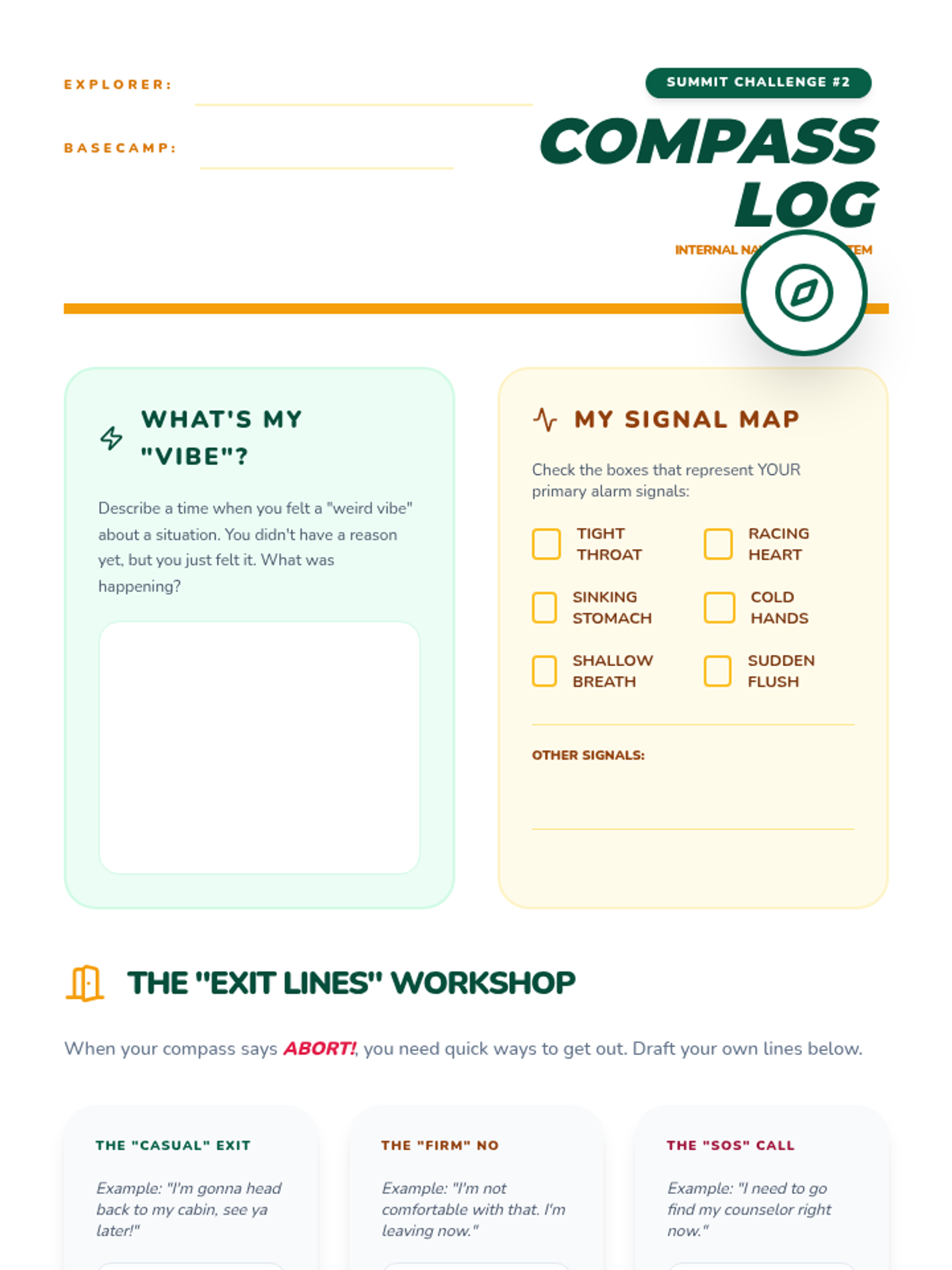
Campers learn to identify physical 'vibe checks'—gut feelings that signal safety or discomfort—and practice trusting their compass in social situations.
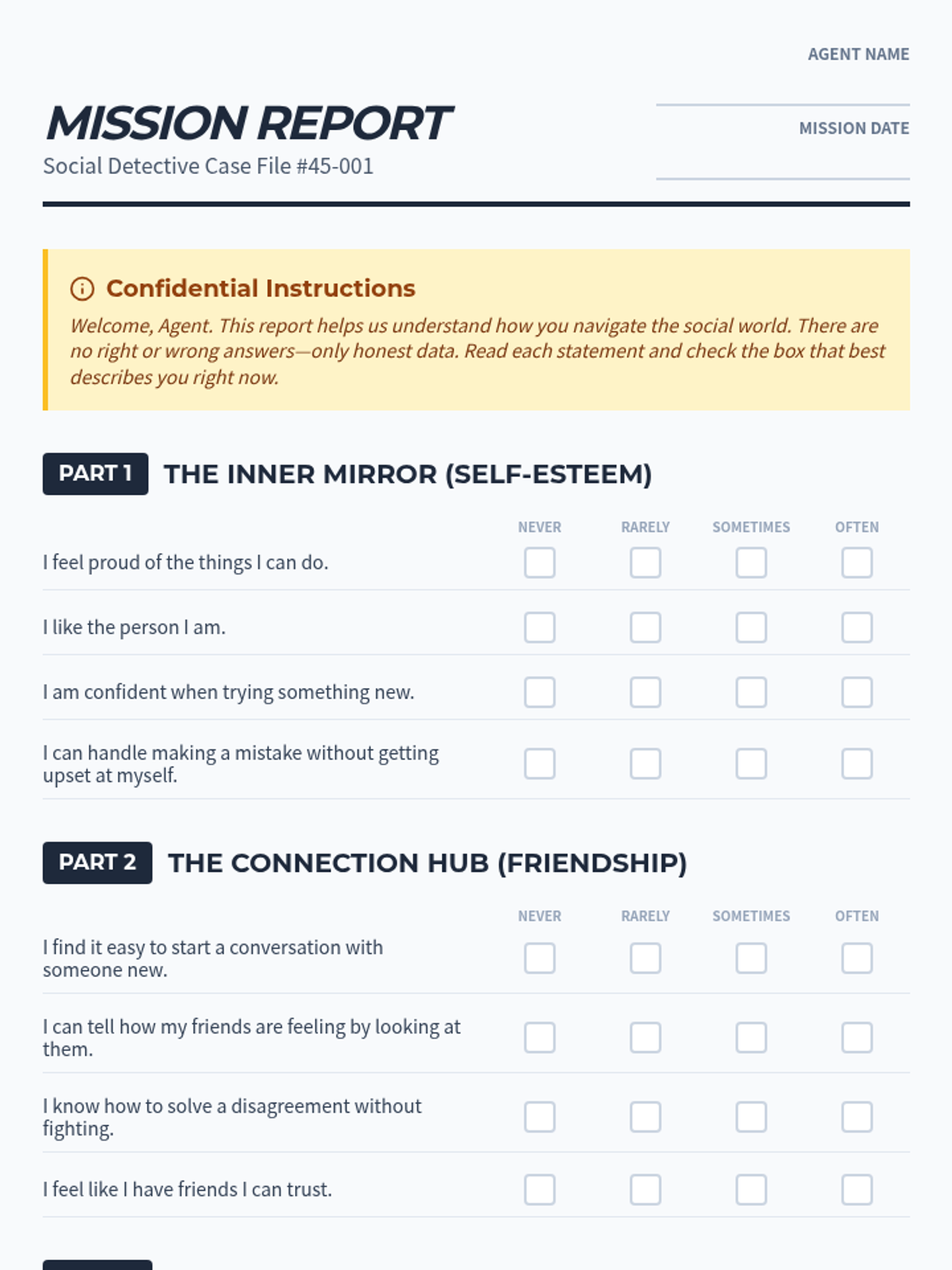
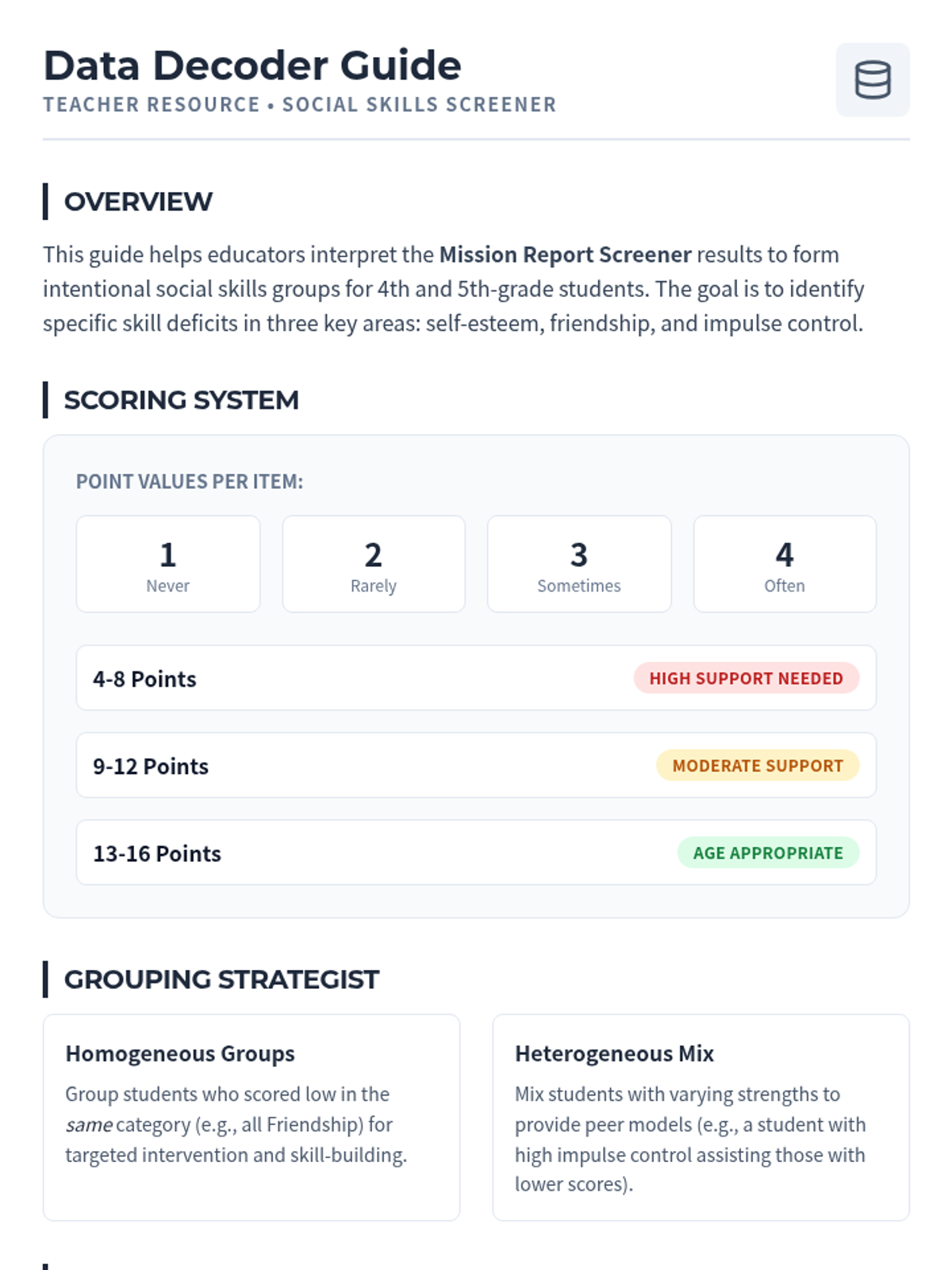
A social skills assessment and introductory lesson for 4th and 5th graders to identify needs in self-esteem, friendship, and impulse control.
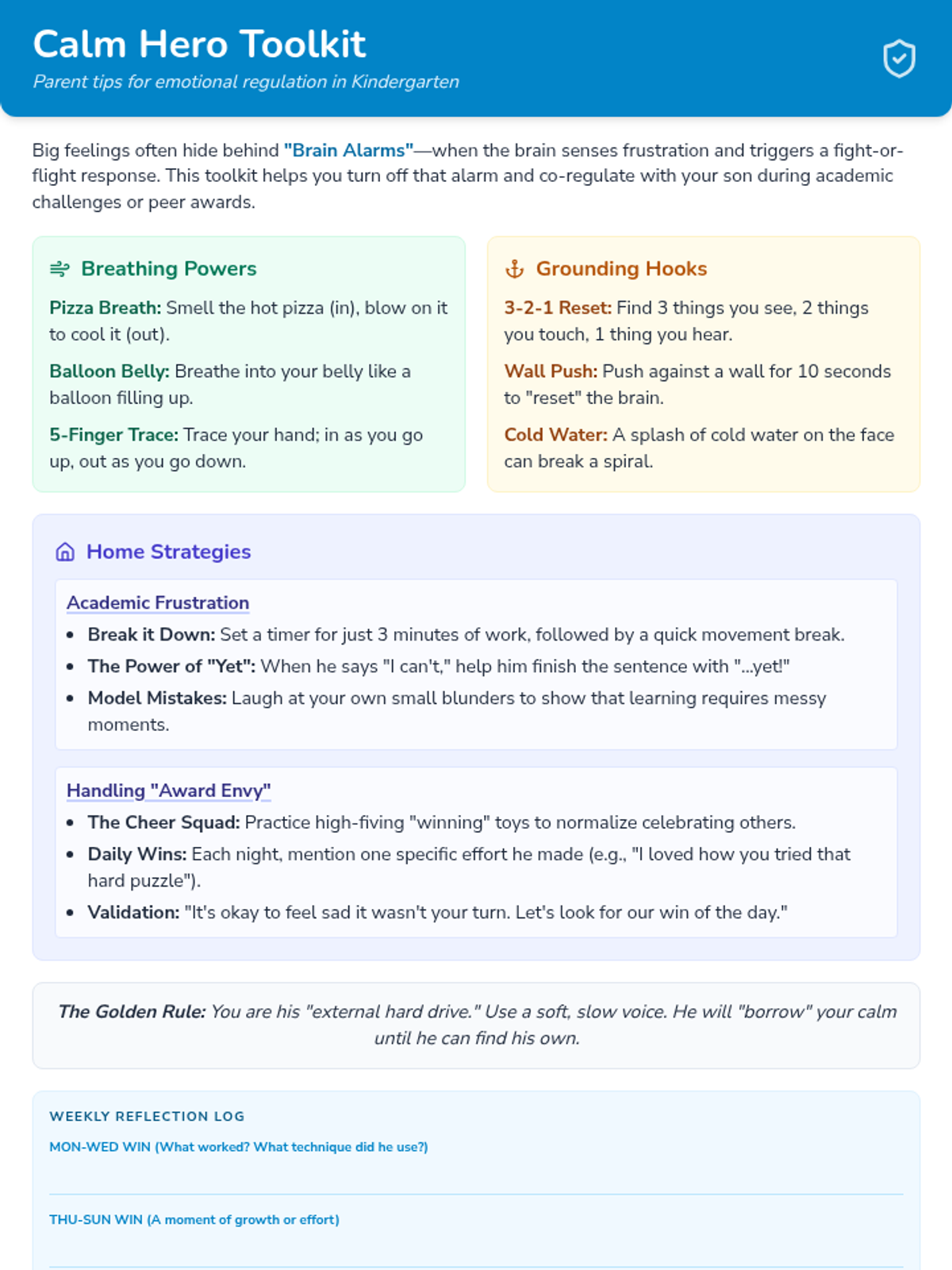
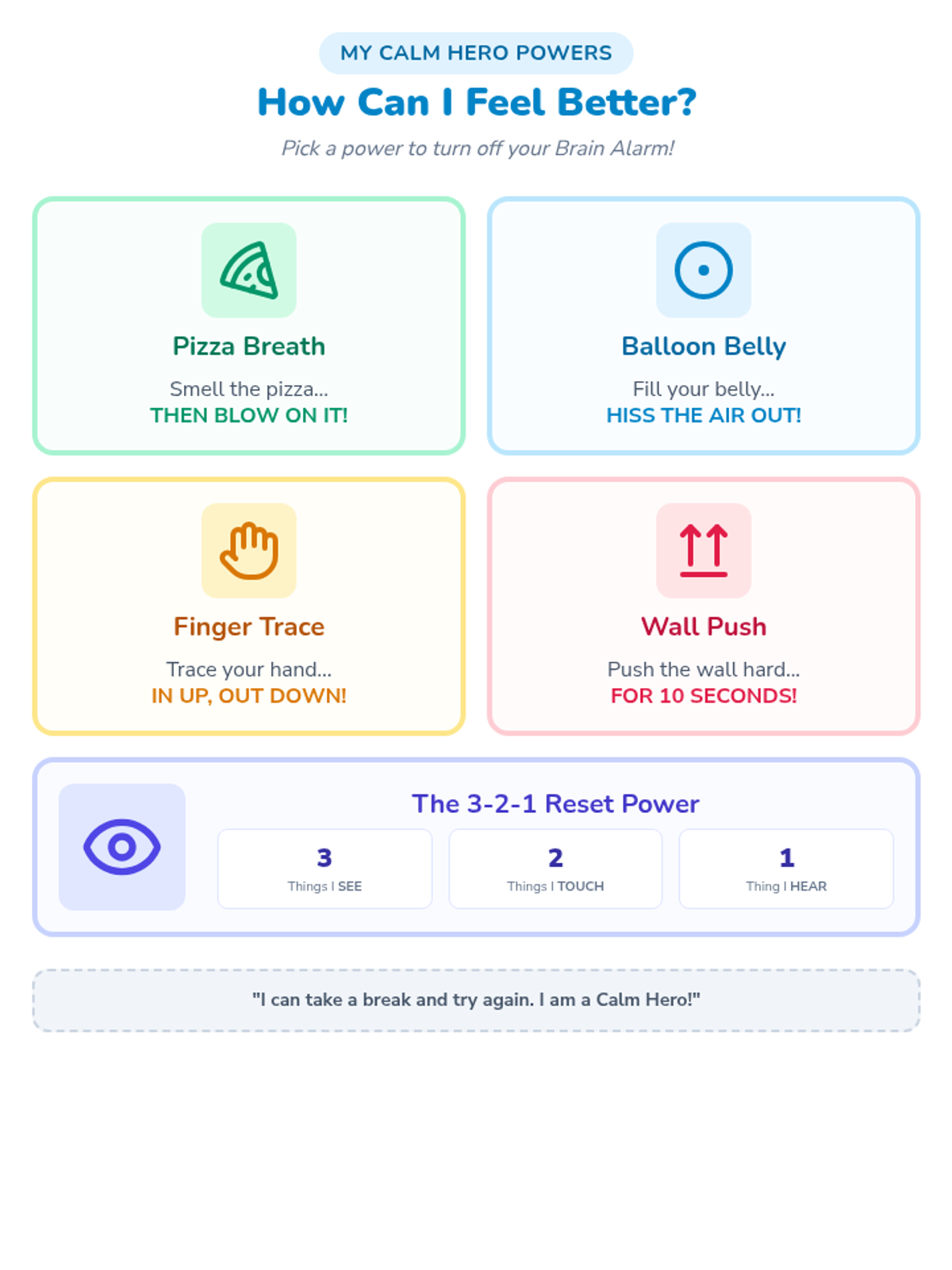
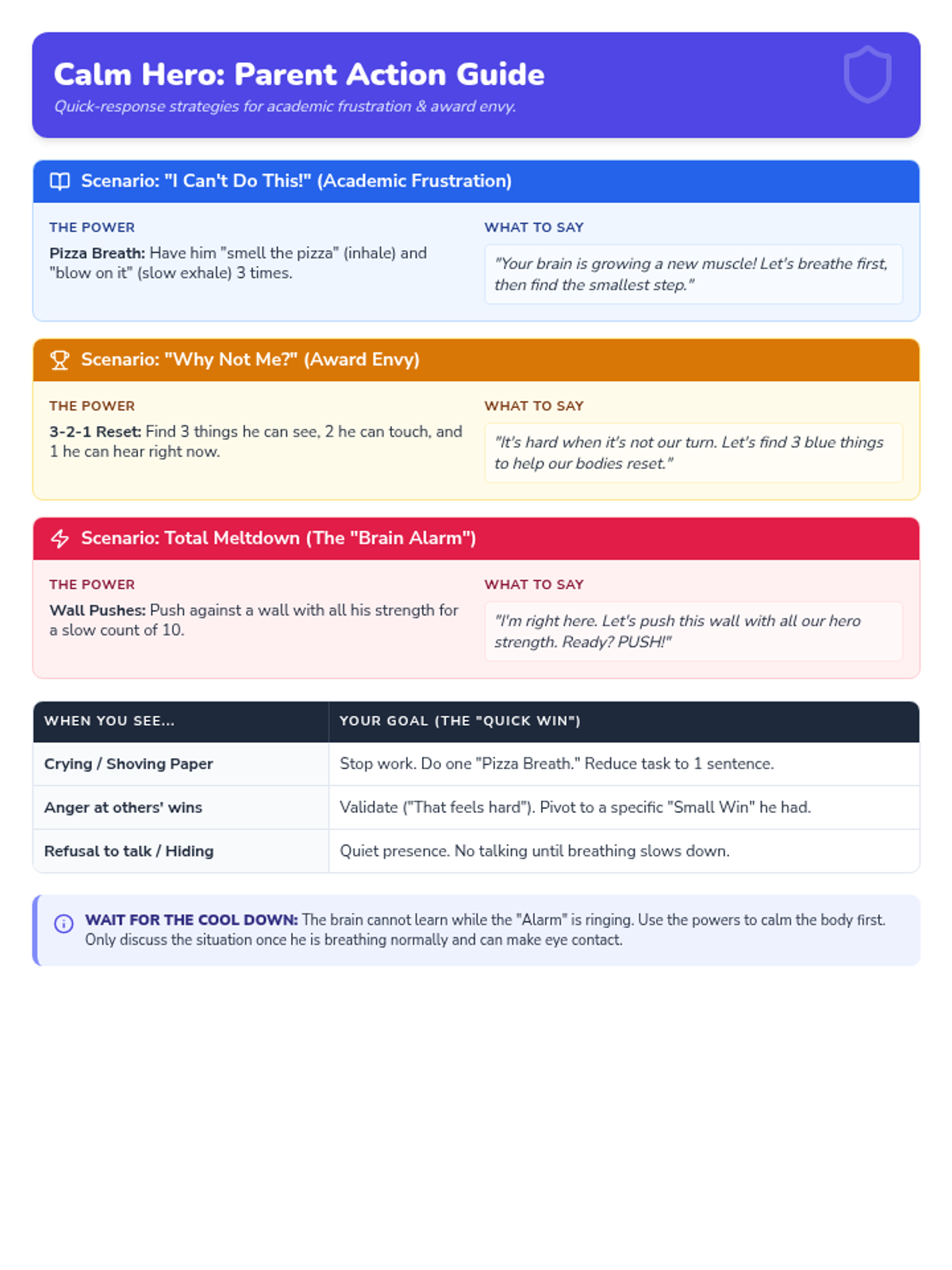
A collection of resources to help kindergarteners develop emotional regulation skills, specifically targeting academic frustration and jealousy. Includes parent guidance and child-friendly visual aids.
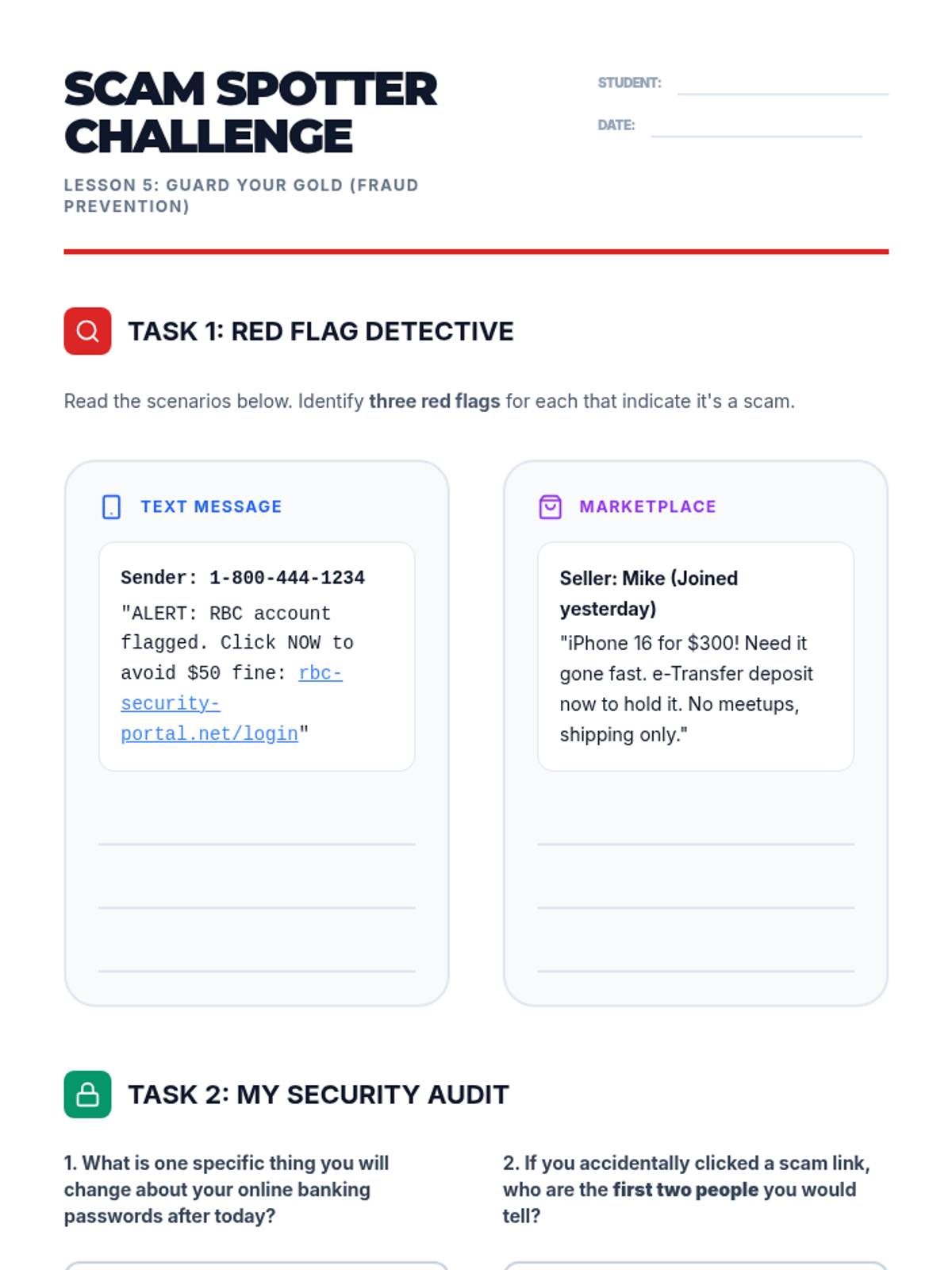
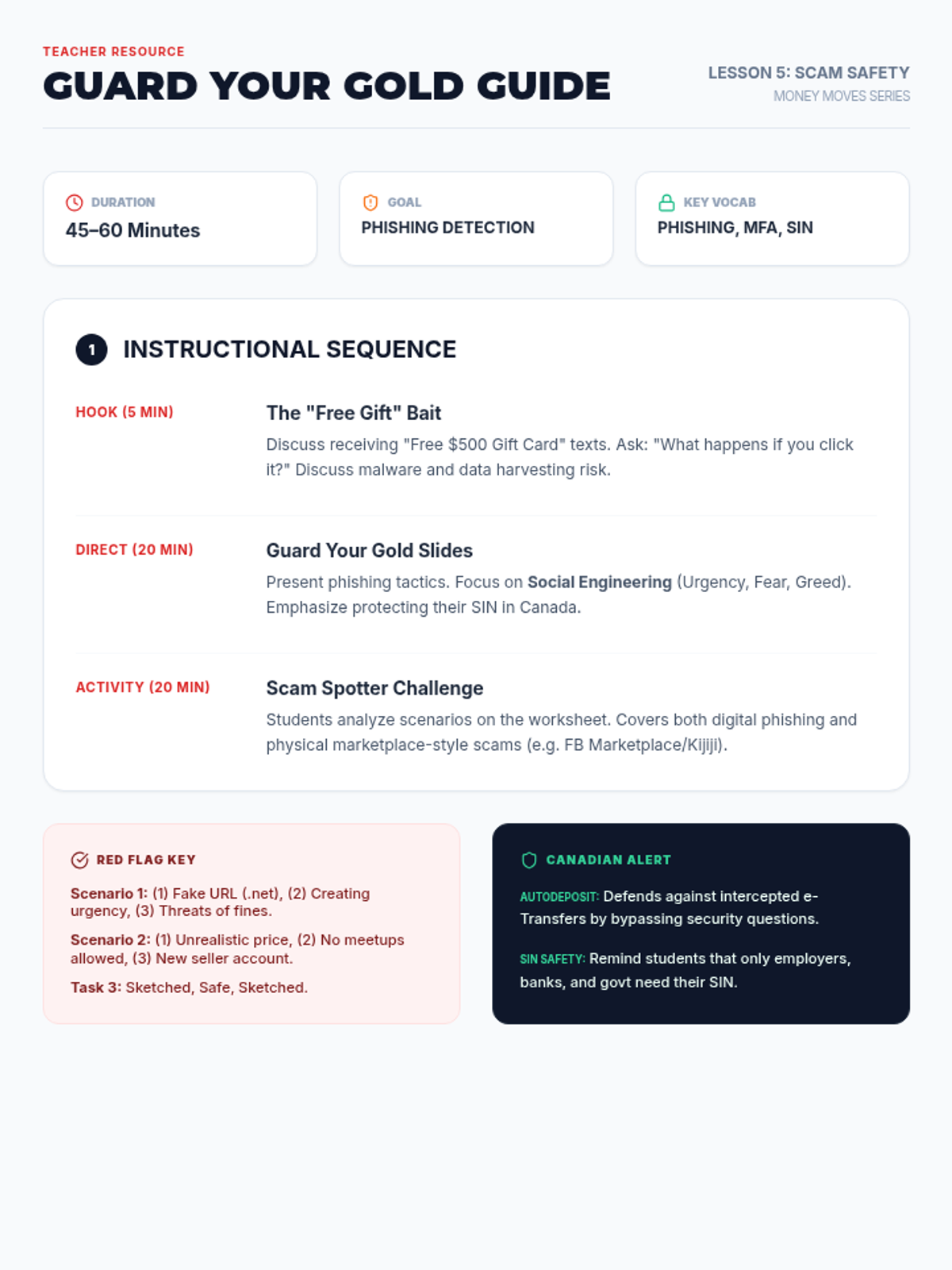
Students will learn to identify common financial scams, protect their personal information online, and understand the steps to take if they become a victim of identity theft.
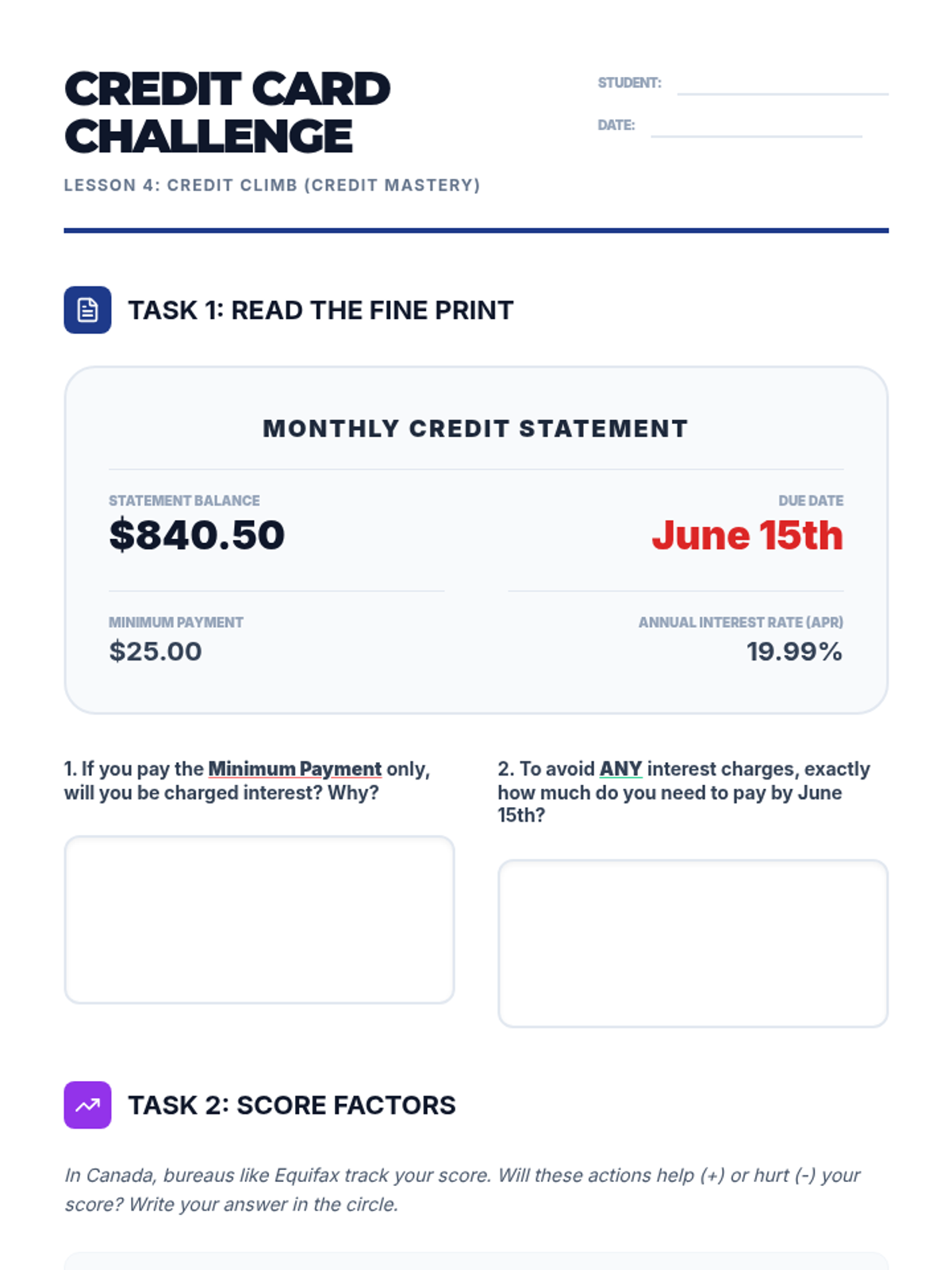
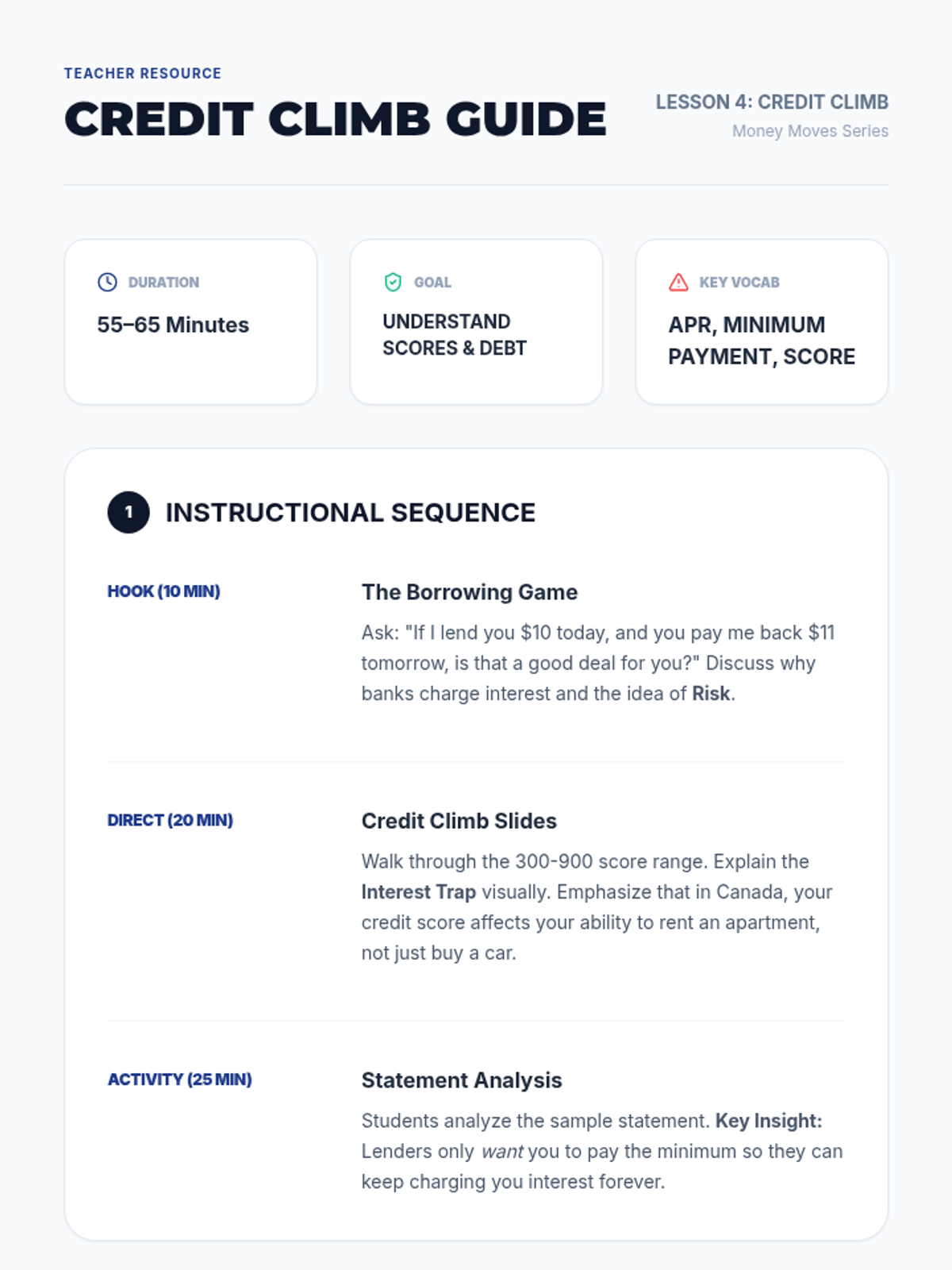
An introduction to the world of credit, covering how credit scores work in Canada, the difference between credit and debit, and the true cost of borrowing money.
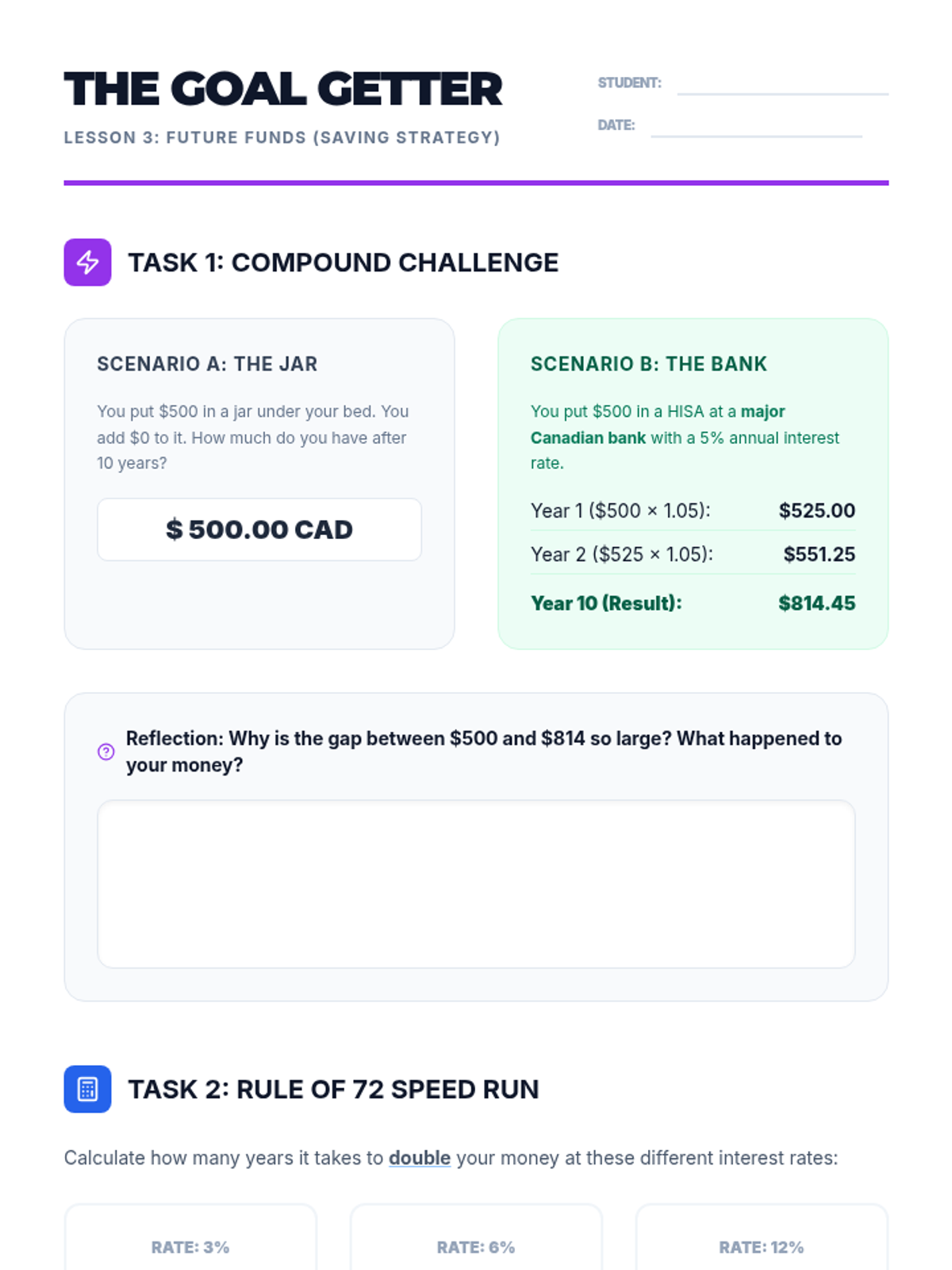
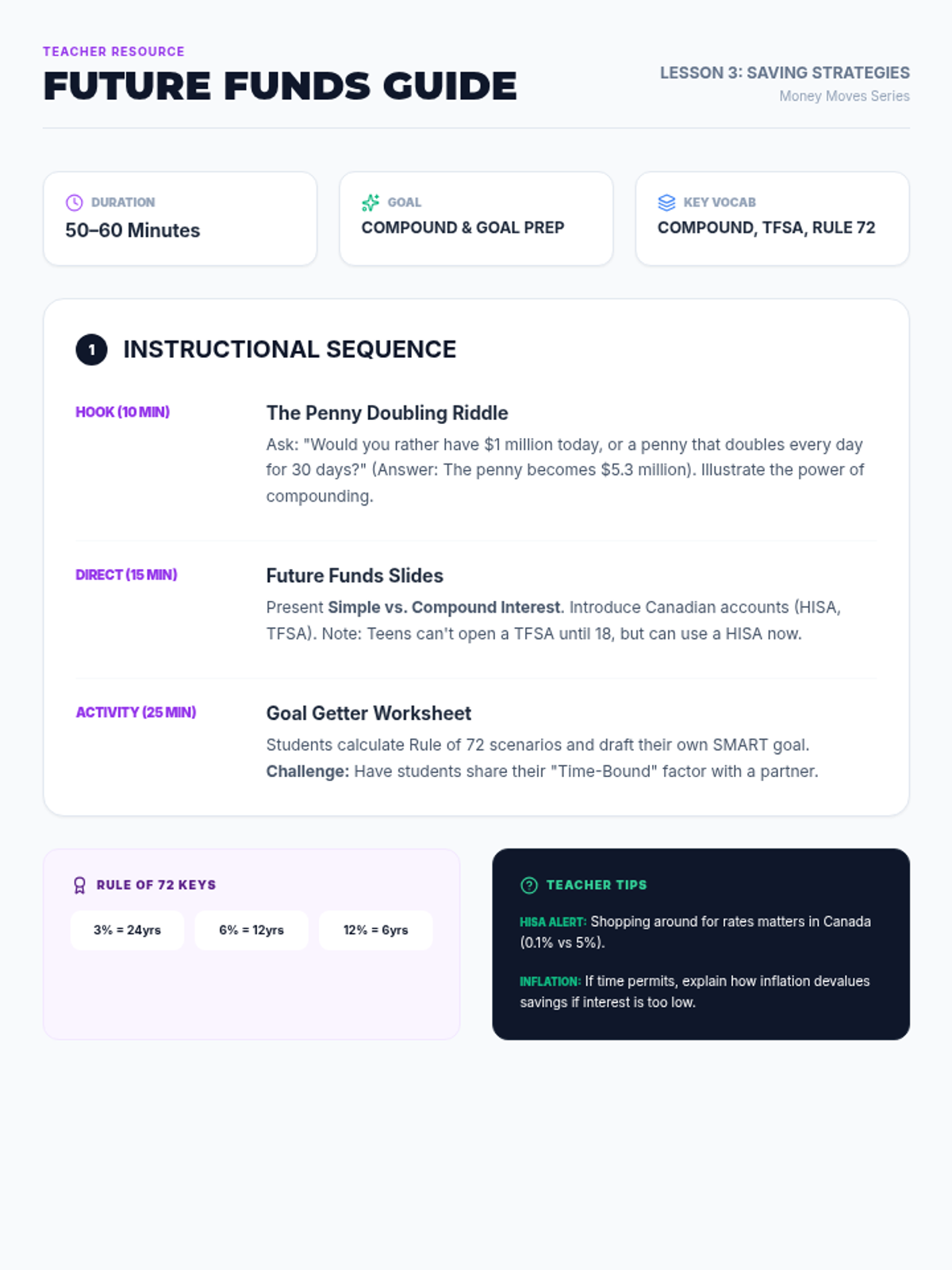
Students will explore the power of compound interest, understand the difference between simple and compound growth, and set SMART financial goals using Canadian savings tools like TFSAs.
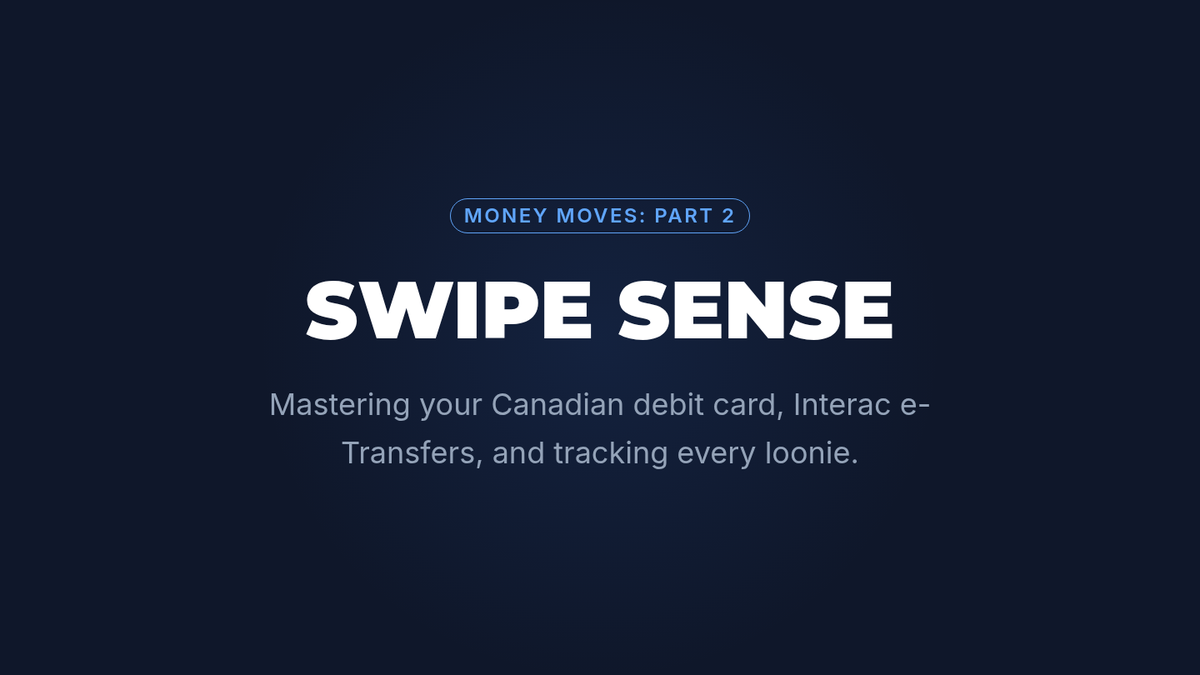
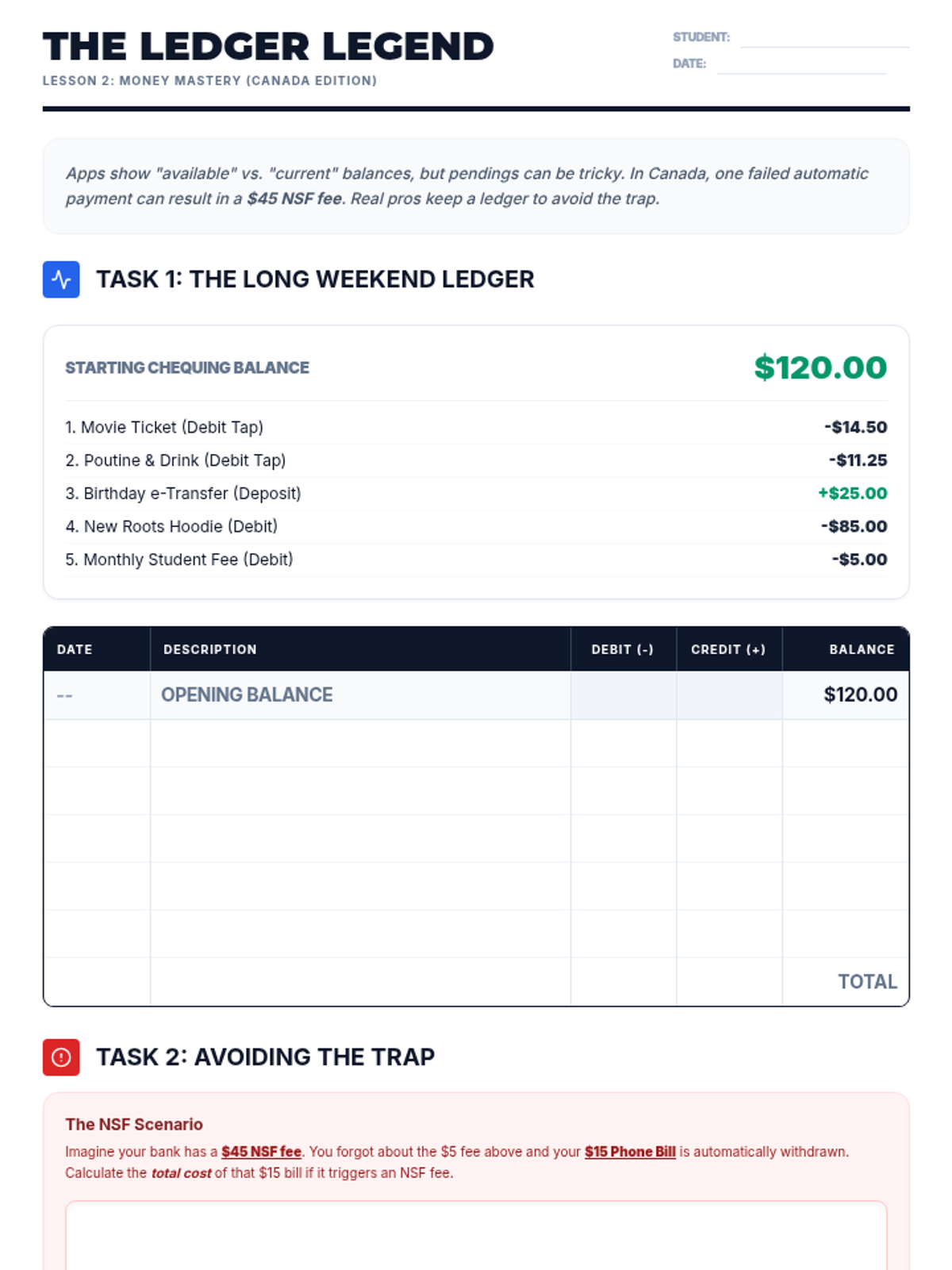
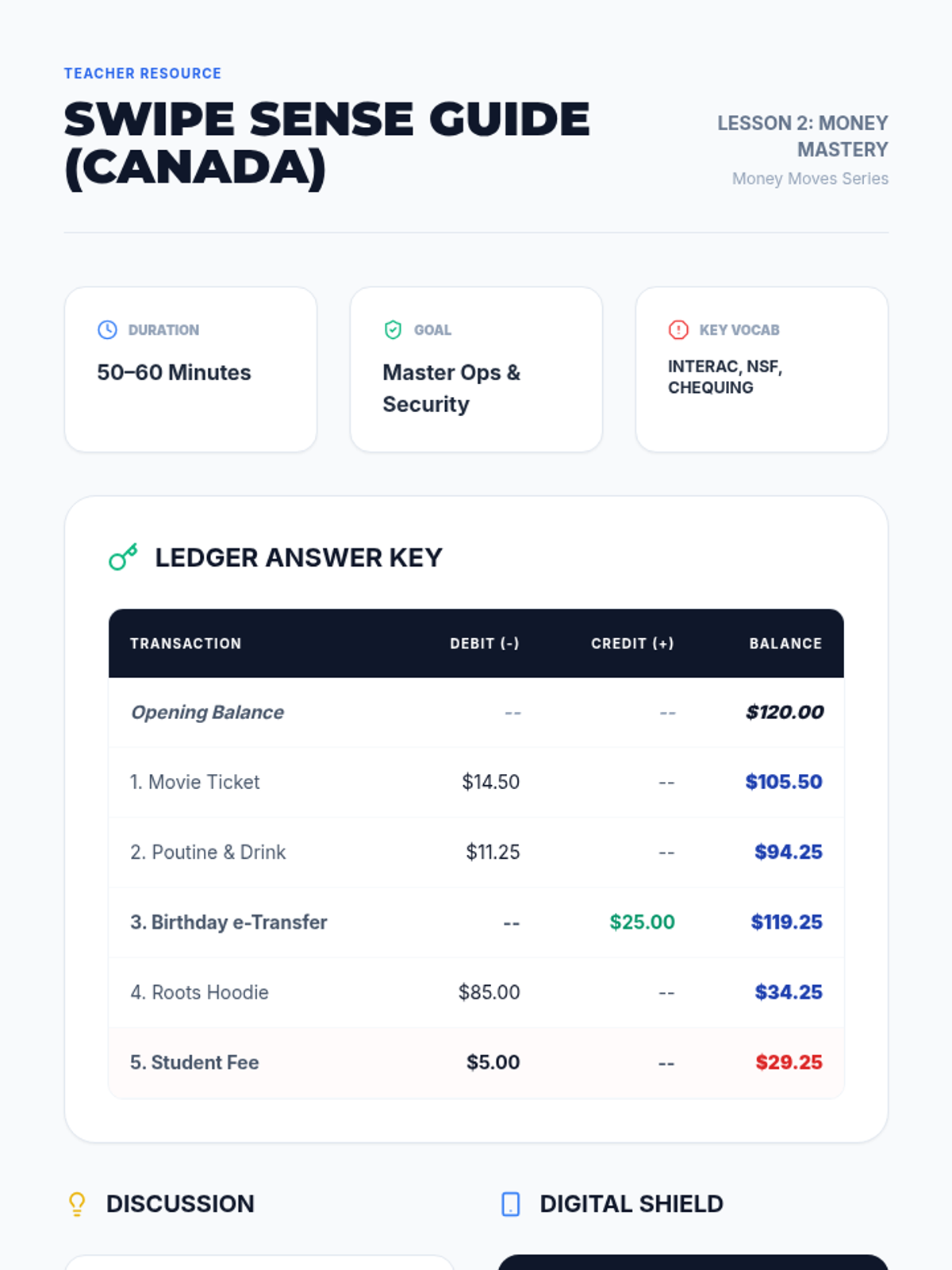
Students will master the daily operations of a bank account, including using debit cards, avoiding common fees, using mobile banking apps safely, and tracking their spending.
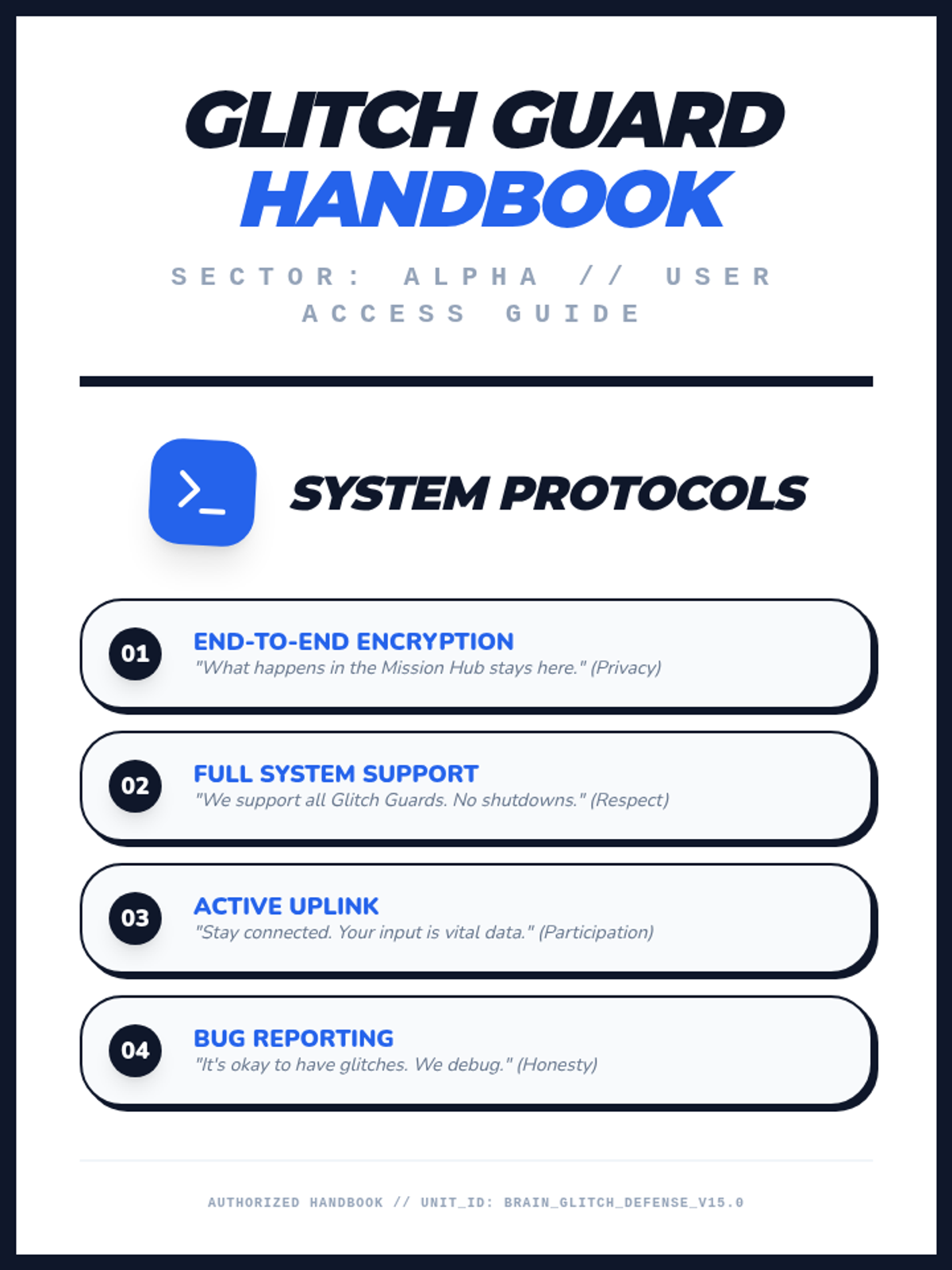
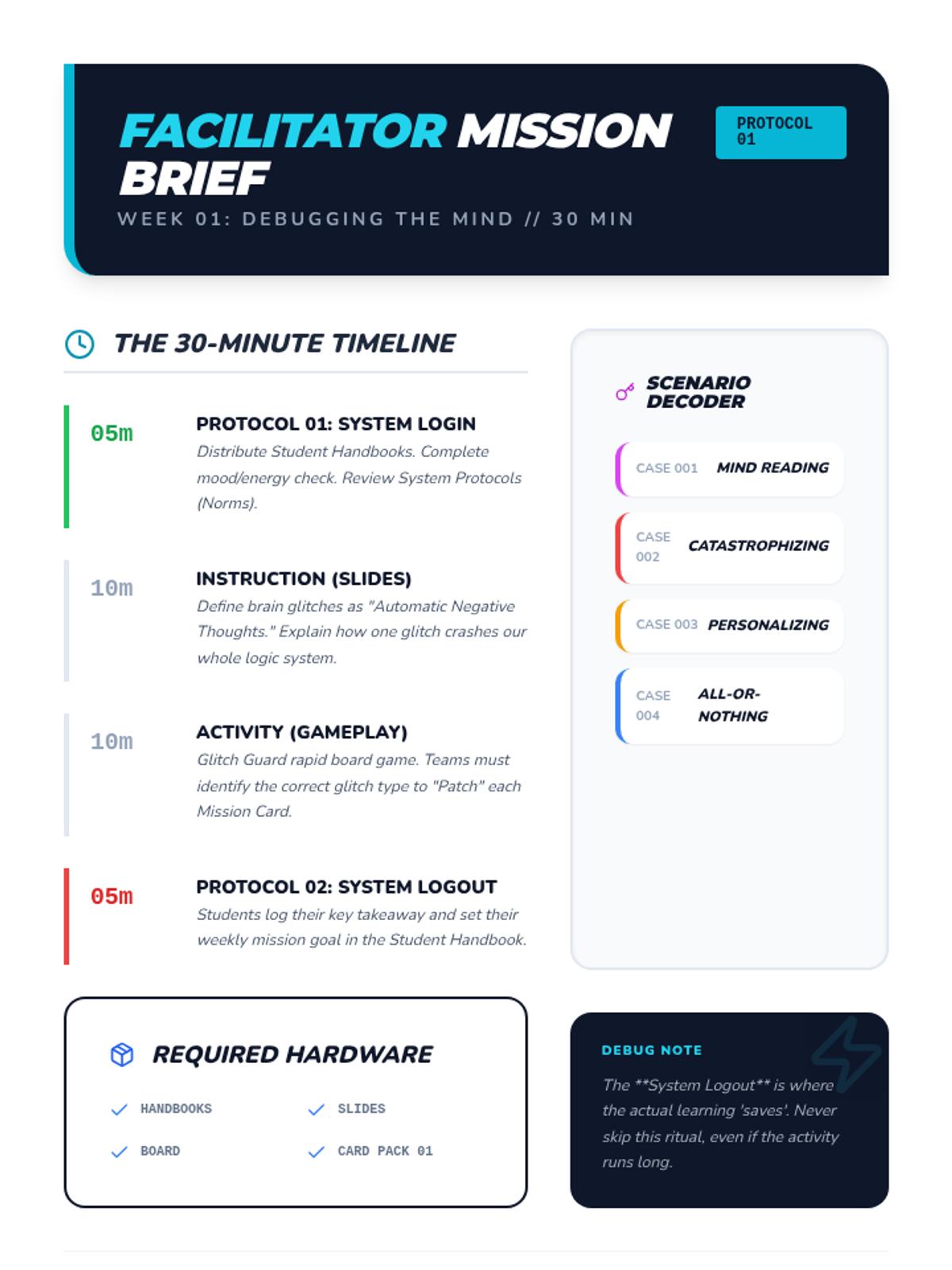
The introductory materials for the Brain Glitch Defense curriculum, including the facilitator guide, roadmap, and core objectives.
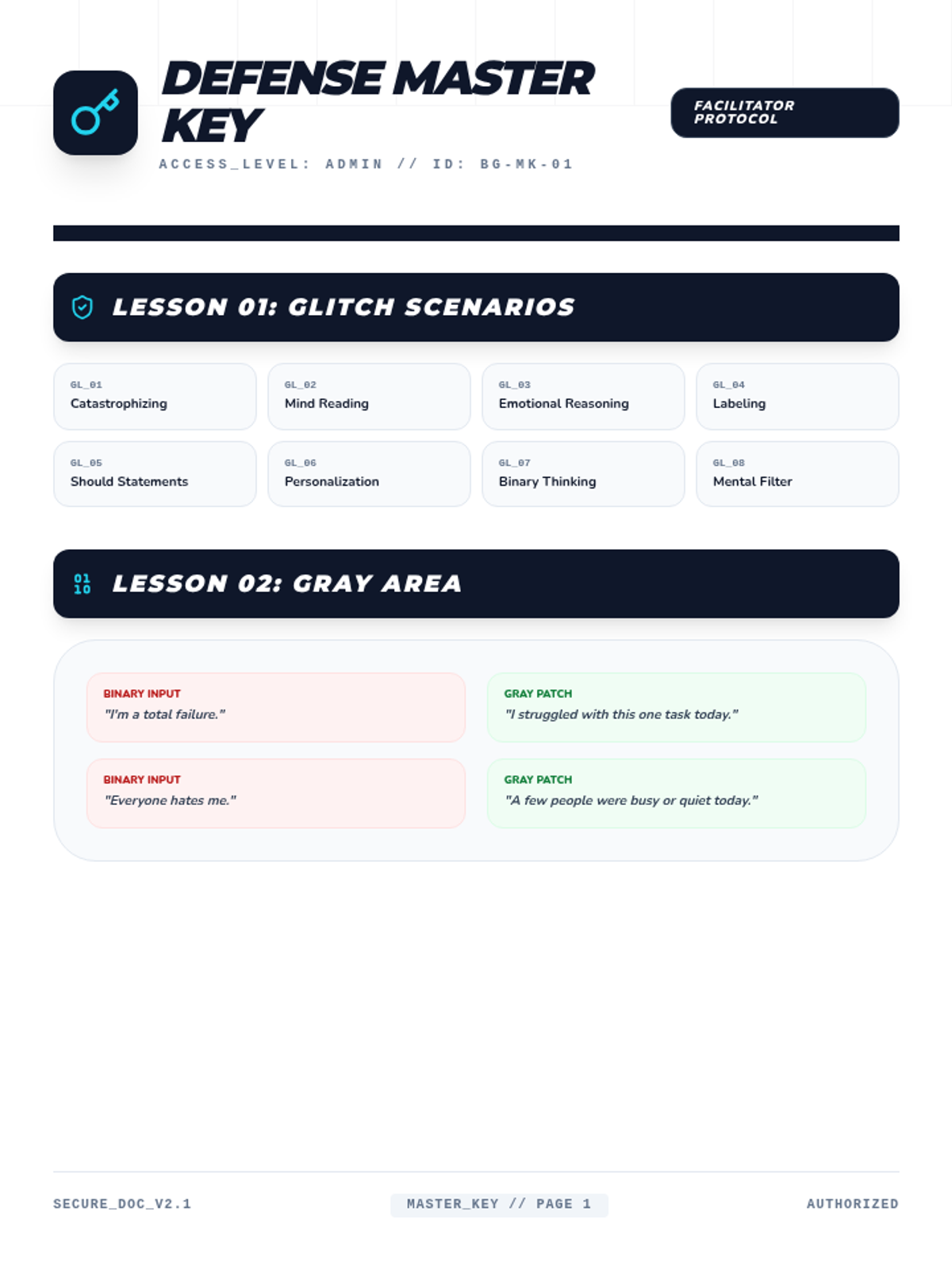
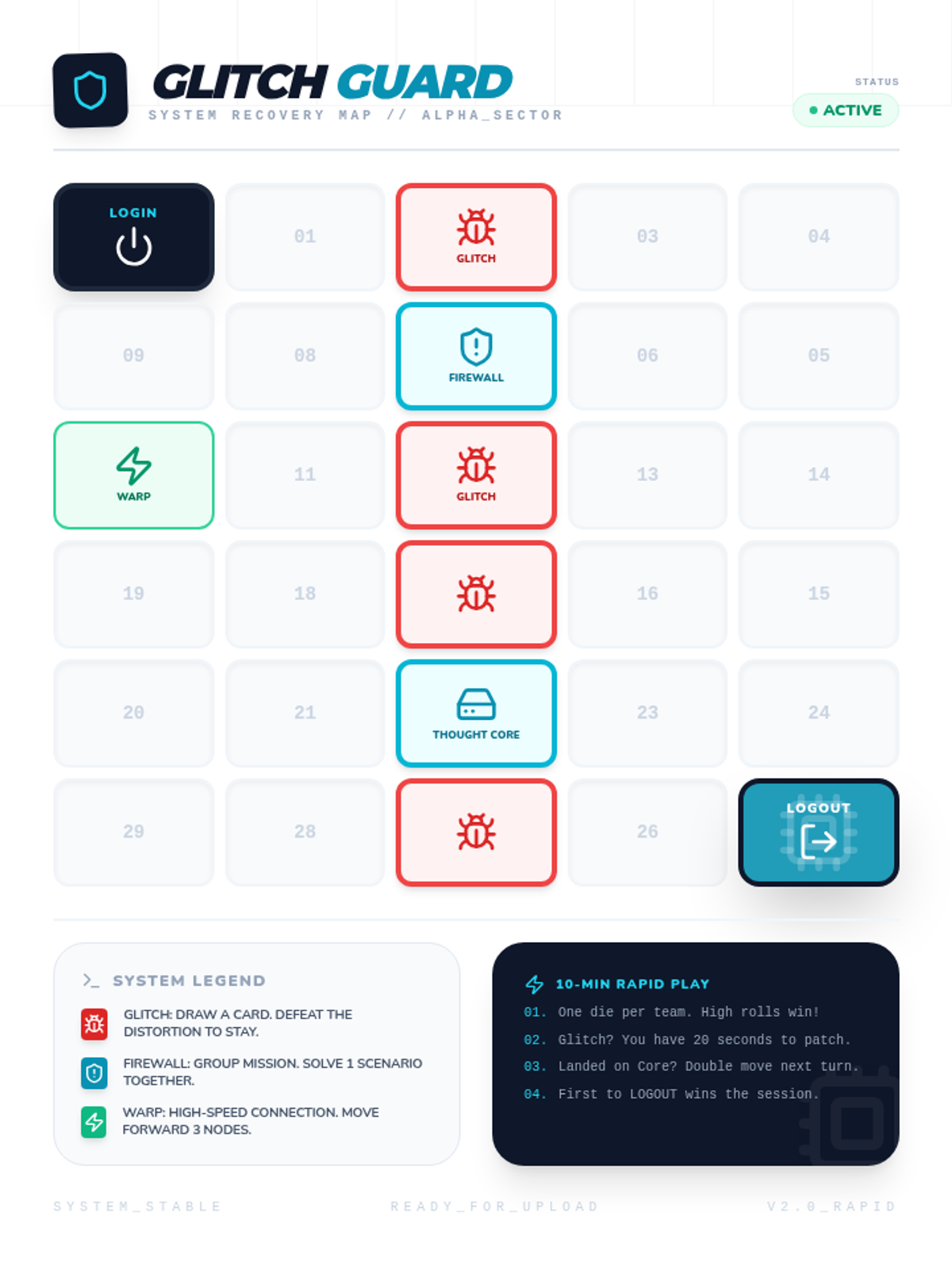
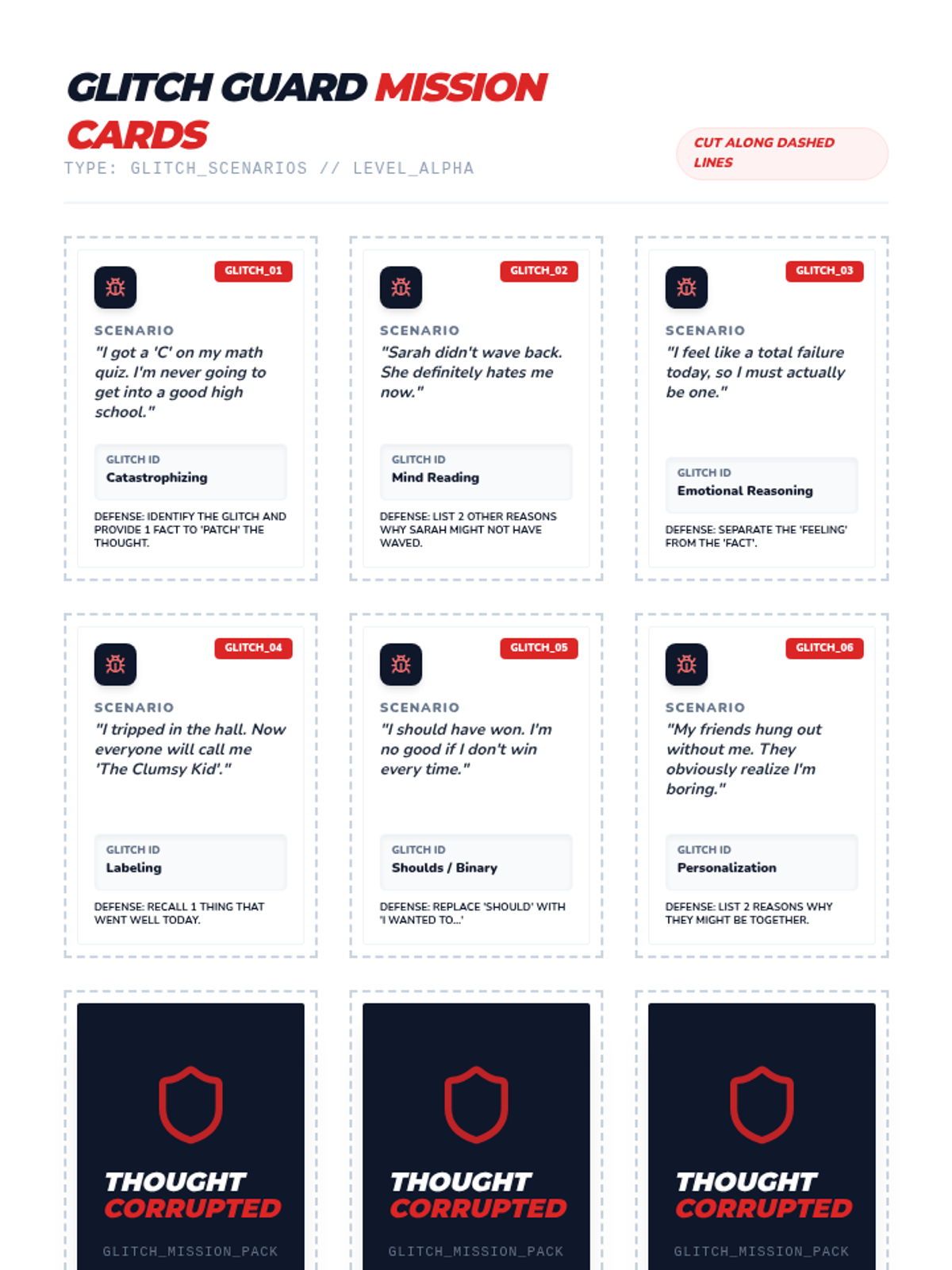
The core lesson of the Brain Glitch series, introducing cognitive distortions as 'system glitches' and using a cooperative board game to teach students how to identify and debug them.
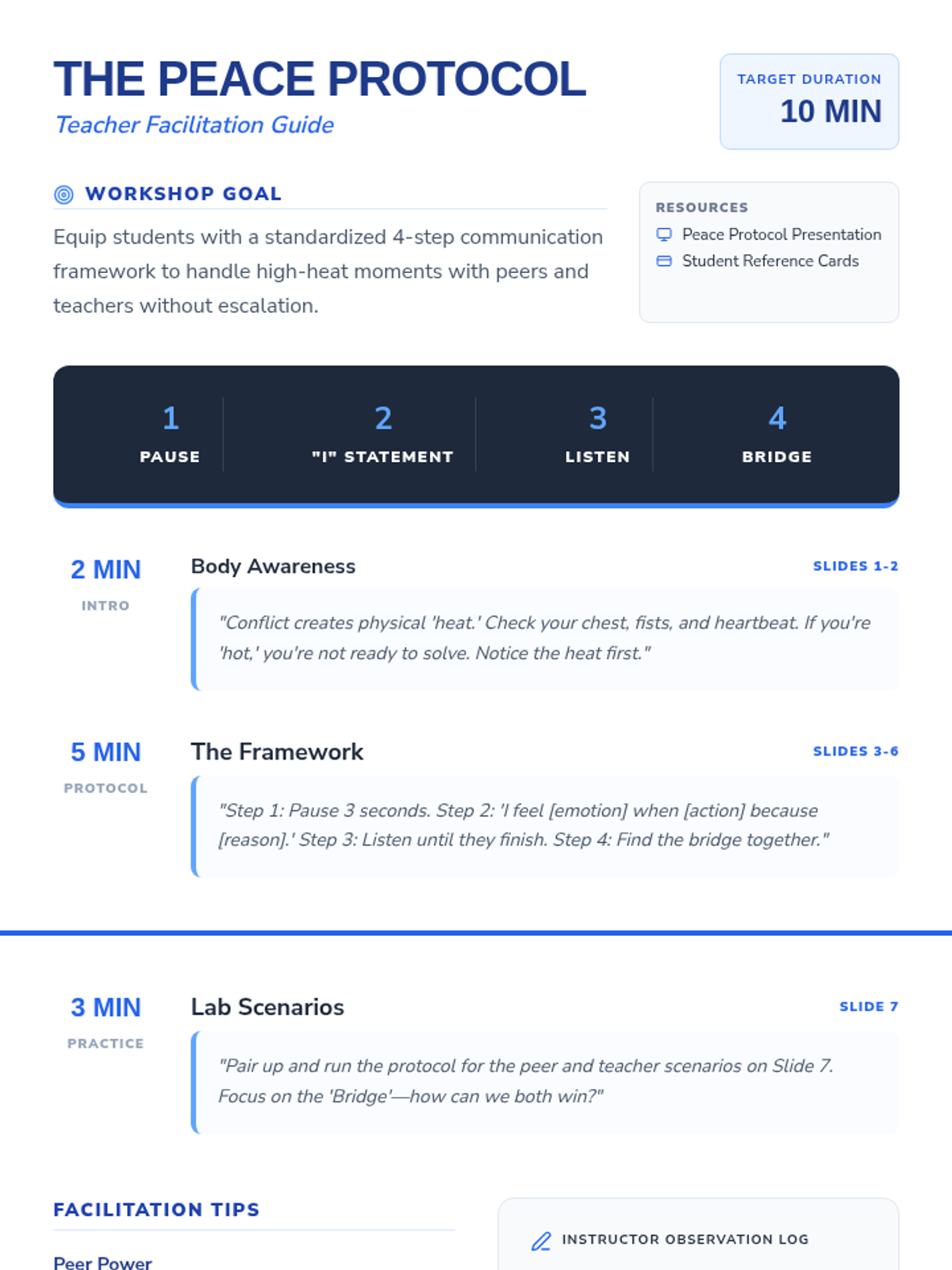
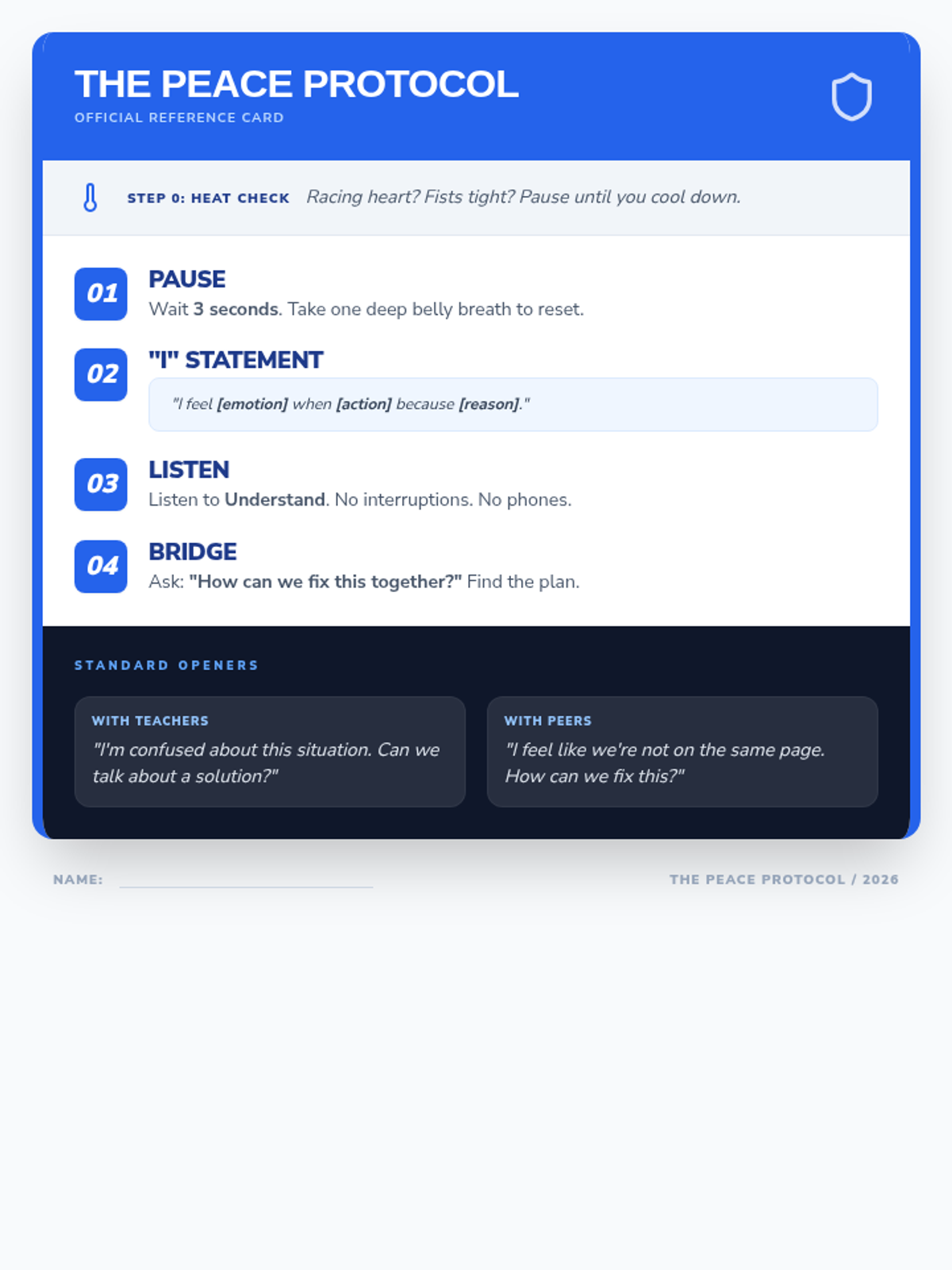
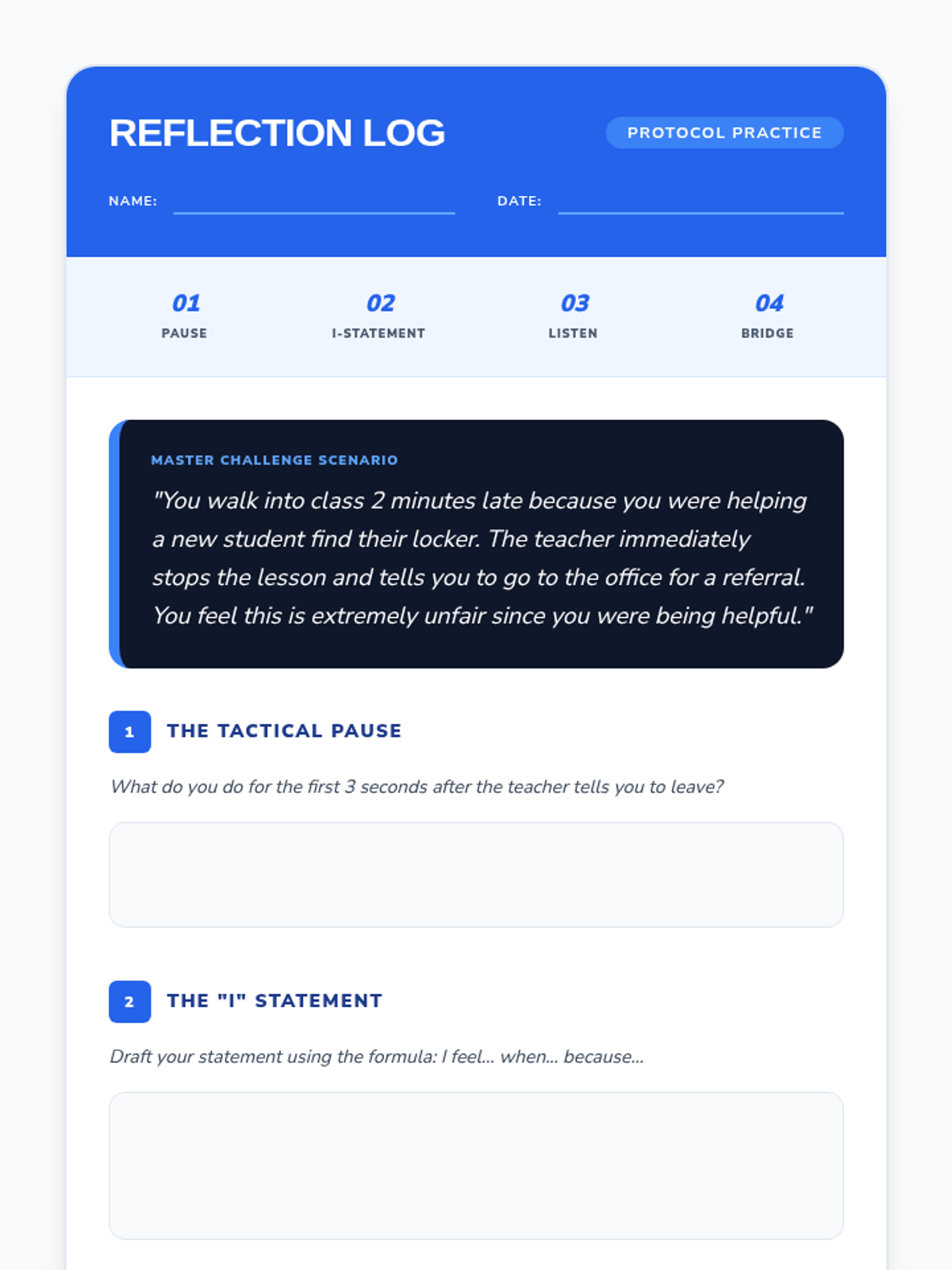
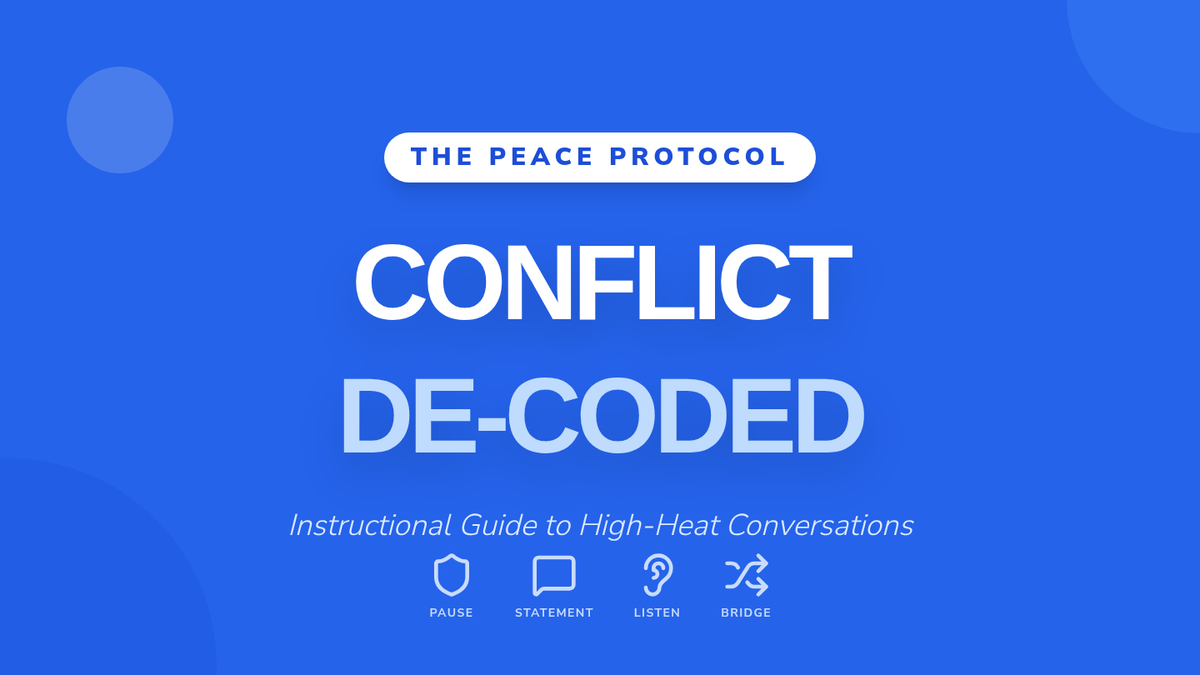
A high-speed micro-lesson designed to give students actionable strategies for de-escalating conflicts with peers and teachers in under 10 minutes. Updated with the Peace Protocol framework.