A 30-minute small group lesson for 4th-grade girls focused on identifying the difference between healthy friendship circles and exclusive cliques, featuring a collaborative craft.

Students explore the concept of perseverance by analyzing famous failures and developing strategies to overcome their own academic hurdles.
A lesson focused on identifying friendly behaviors through real-world scenarios based on a four-part friendship framework. Students will practice choosing supportive and caring actions in social situations.
A high-support lesson for 12:1:1 classrooms reviewing the four Zones of Regulation and identifying internal body signals associated with each zone.
This lesson teaches students practical social skills for building friendships: asking meaningful questions, active listening, and sharing personal interests to find common ground. Students will practice these 'fueling' techniques through interactive roleplay and mapping.
A Mario-themed lesson designed to help students aged 6-10 identify anger triggers, especially unexpected changes, and develop effective coping strategies. Students will learn to recognize physical warning signs and build a personal 'power-up' toolkit for emotional regulation.
A hands-on lesson focused on the practical skills of friendship: asking open-ended questions, active listening, and sharing personal interests to find common ground.
A comprehensive social-emotional learning lesson designed to help students navigate testing anxiety using mindfulness, somatic grounding, and cognitive reframing. This lesson equips students with 'micro-moments' of calm to regain control during high-stakes assessments.
A character-building lesson for 4th graders focused on friendship vocabulary and positive behavioral traits. Students define and apply terms like empathy, honesty, and cooperation through situational practice and a crossword puzzle.
A social skills lesson focused on perspective-taking during school group work, helping students understand different points of view and resolve conflicts collaboratively.
A lesson focused on understanding and applying positive character traits and friendship values through situational practice. Students explore vocabulary words like empathy, honesty, and cooperation through a crossword puzzle and interactive discussion.
The final four weeks focus on rehearsing help-seeking behaviors through roleplay, managing physiological anxiety symptoms, and transitioning these skills into the actual math classroom.
The first four weeks of the intervention focus on identifying anxiety triggers, reframing help-seeking as a skill, and introducing the non-verbal signal system and question stems.
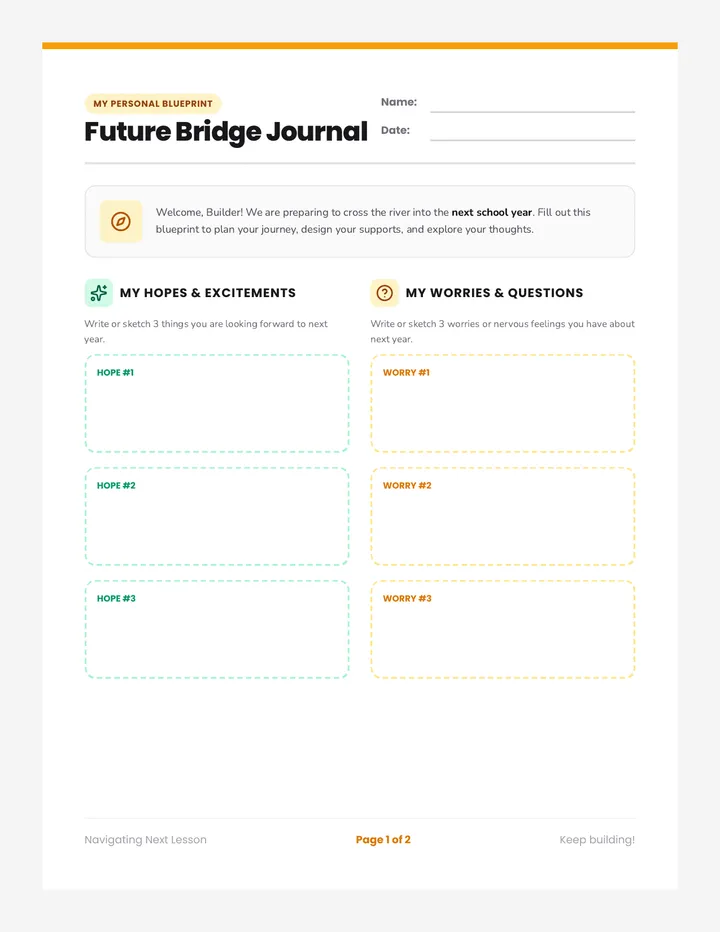
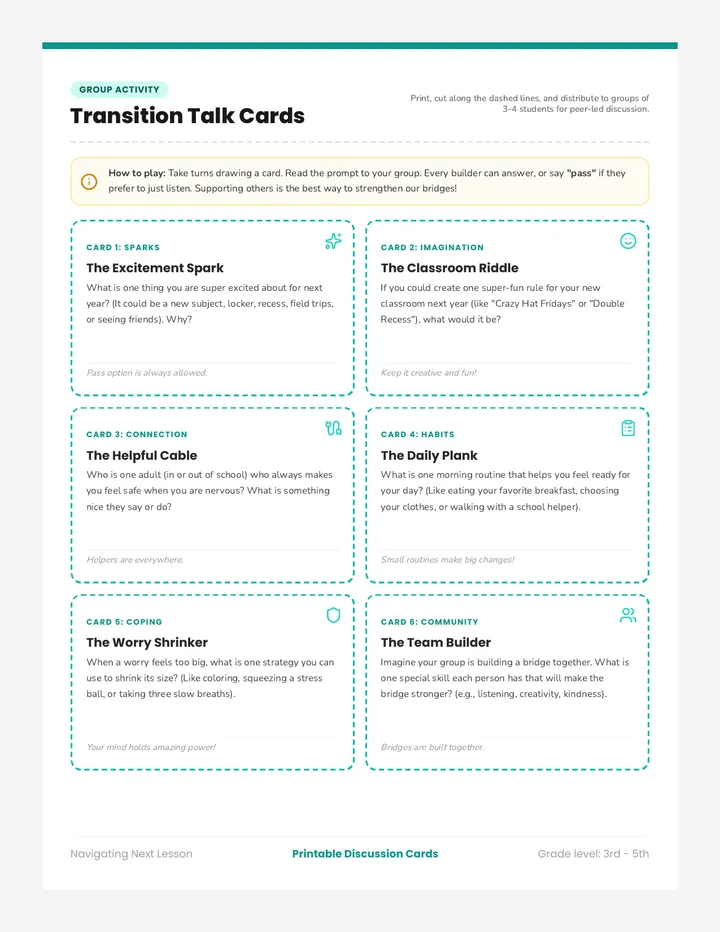
Consolidating skills through real-world practice, tracking progress over time, and extending learning to the home environment.
Building a personalized toolkit of strategies to calm down quickly and rejoin the group after a difficult moment.
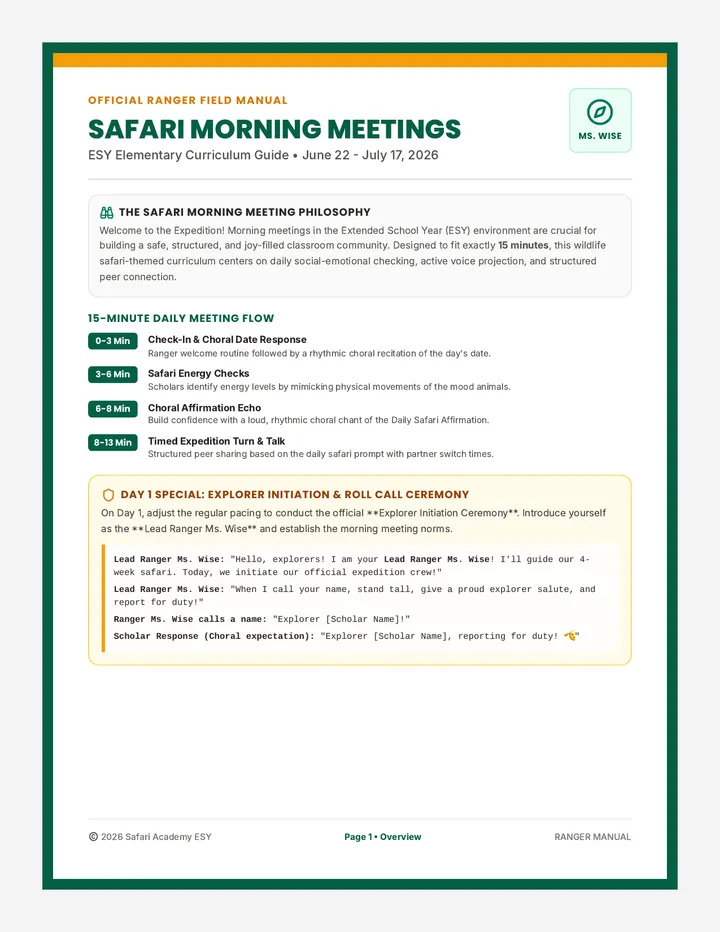
Understanding the winner's experience and the impact of one's behavior on friends and peers.
Teaching specific internal dialogues to reframe disappointment and maintain a positive attitude after a loss.
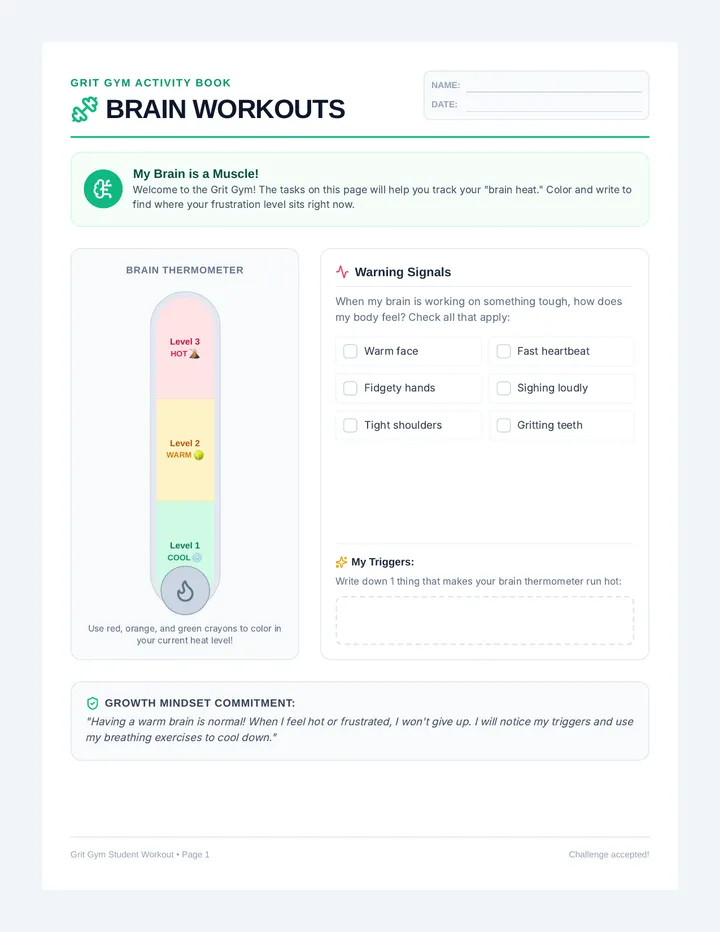
Identifying physical sensations and early warning signs of frustration to prevent emotional outbursts during competitive play.