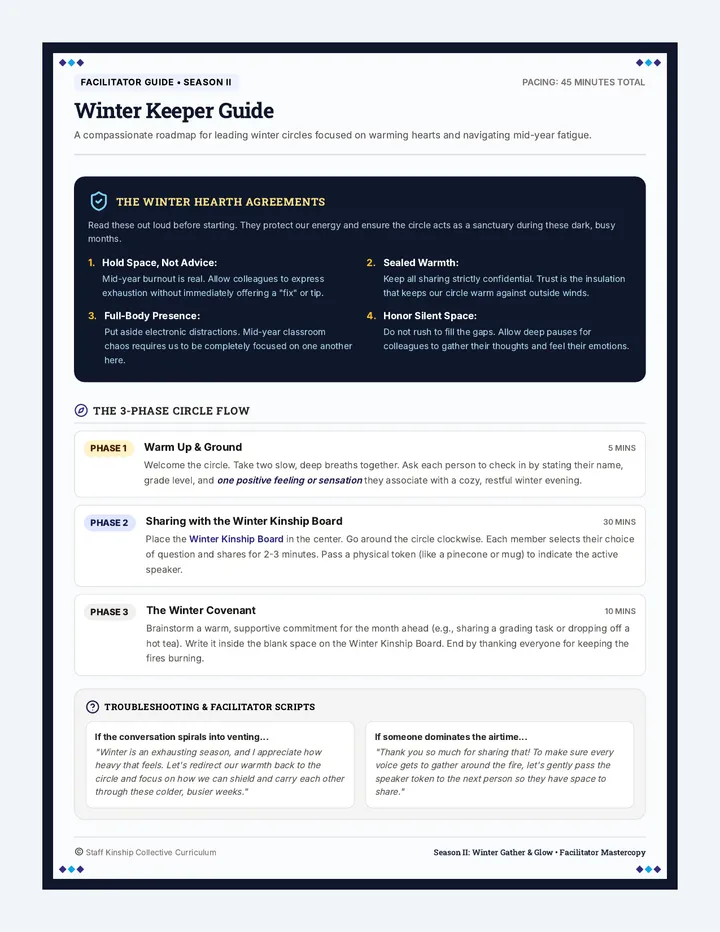
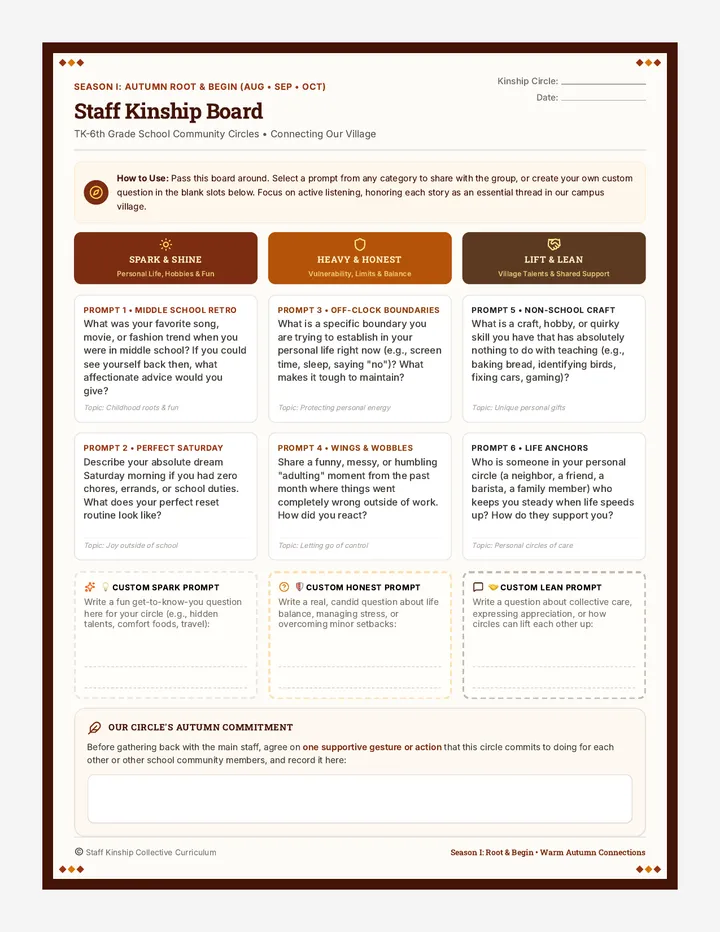
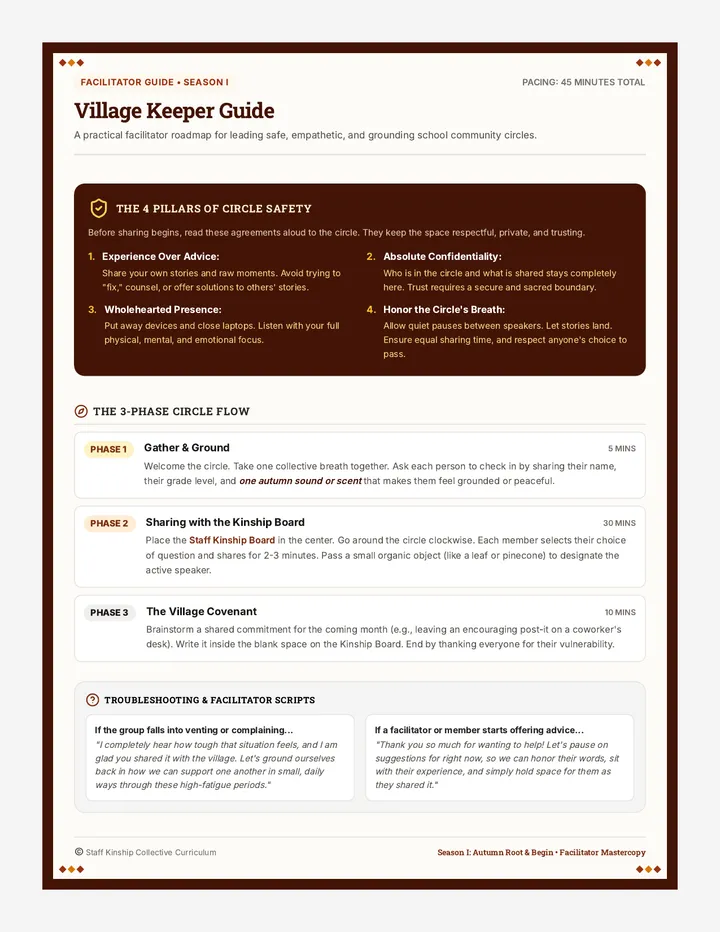
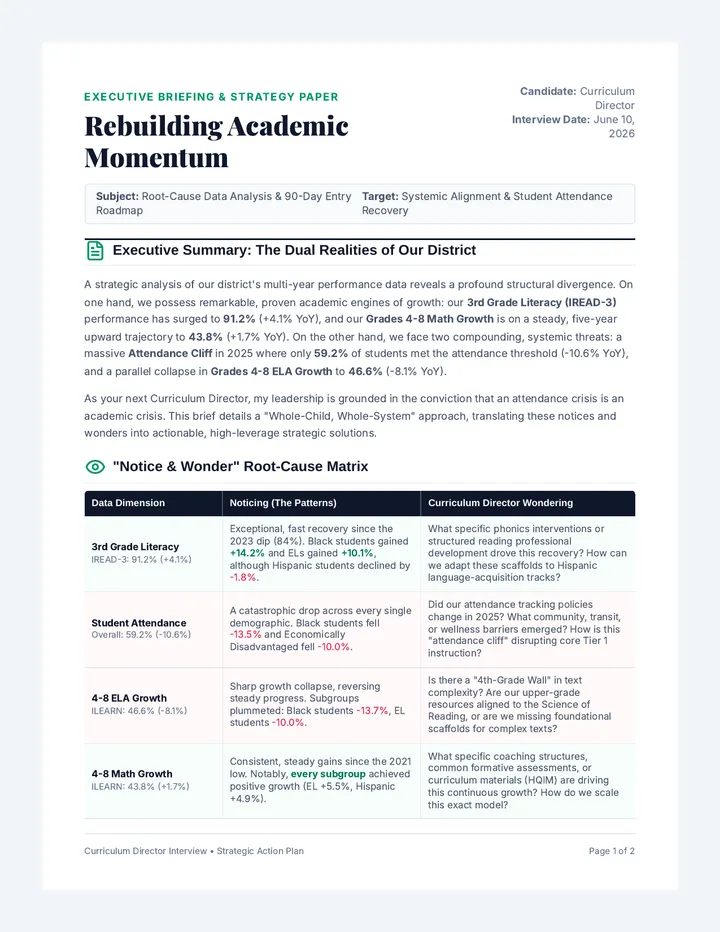
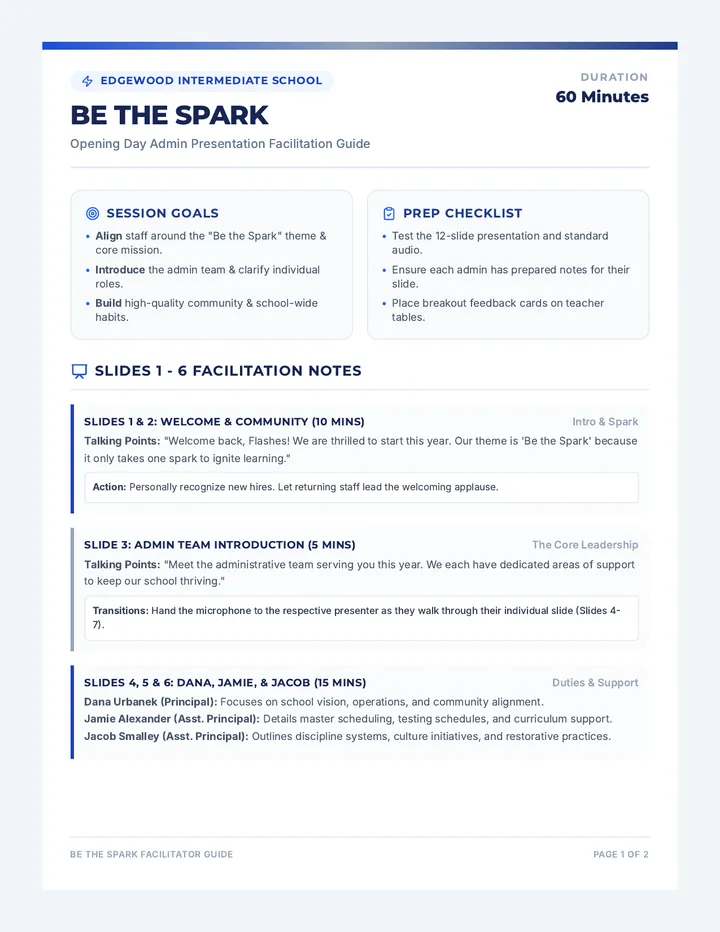
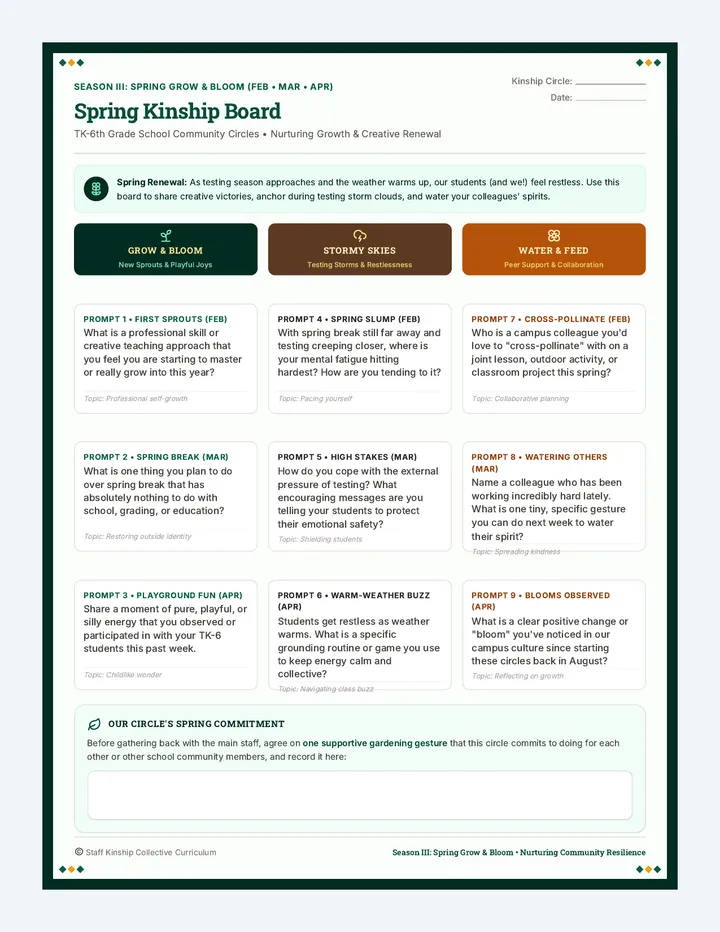
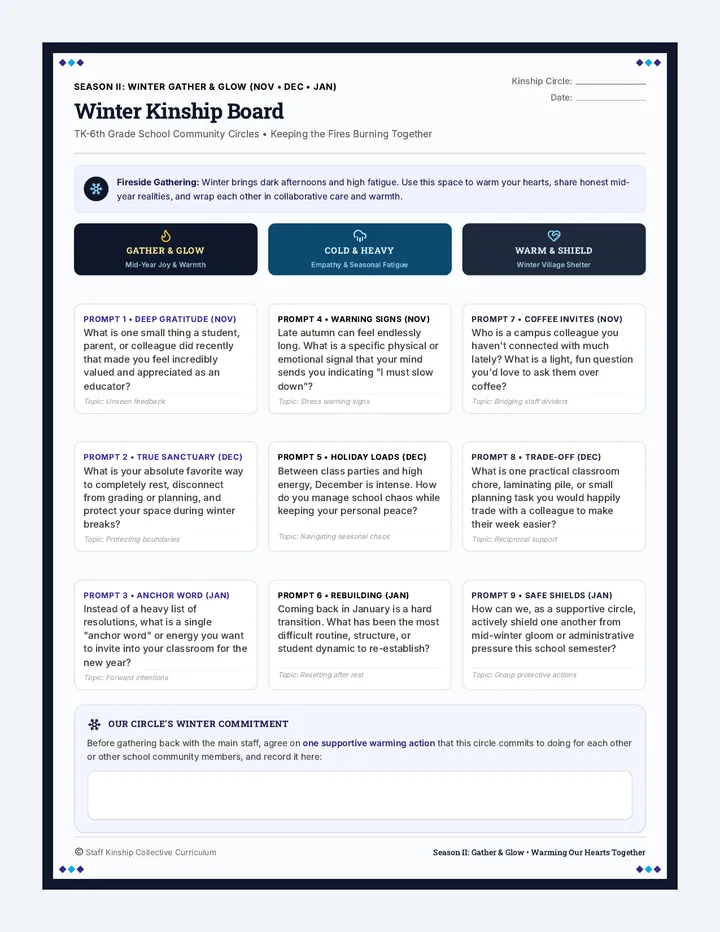
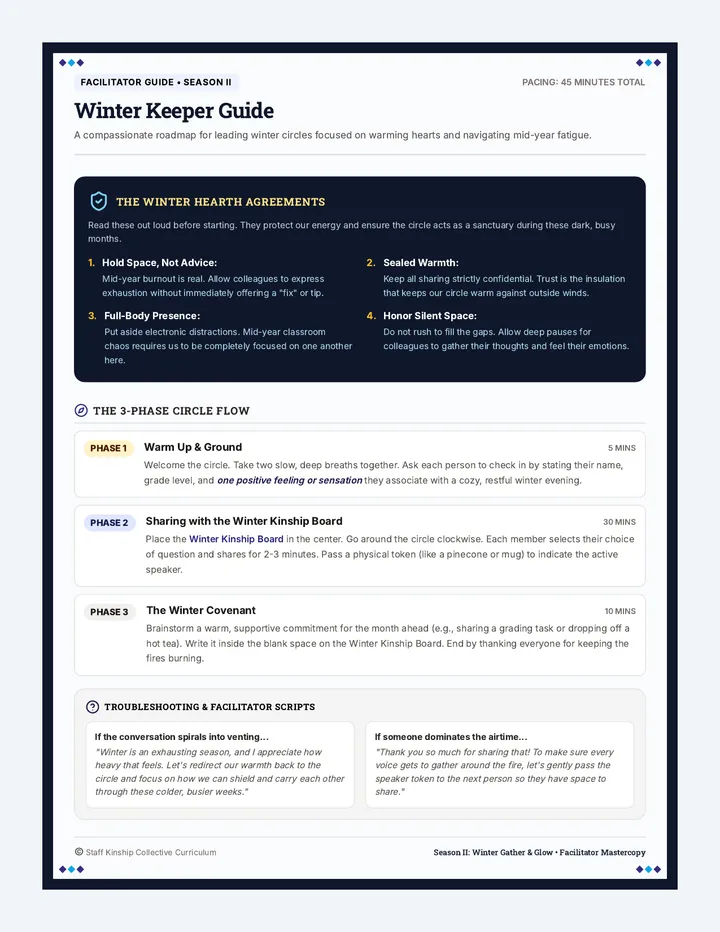
This lesson provides school leaders with the tools and strategies to implement a flipped faculty meeting model, prioritizing collaborative problem-solving over administrative updates.
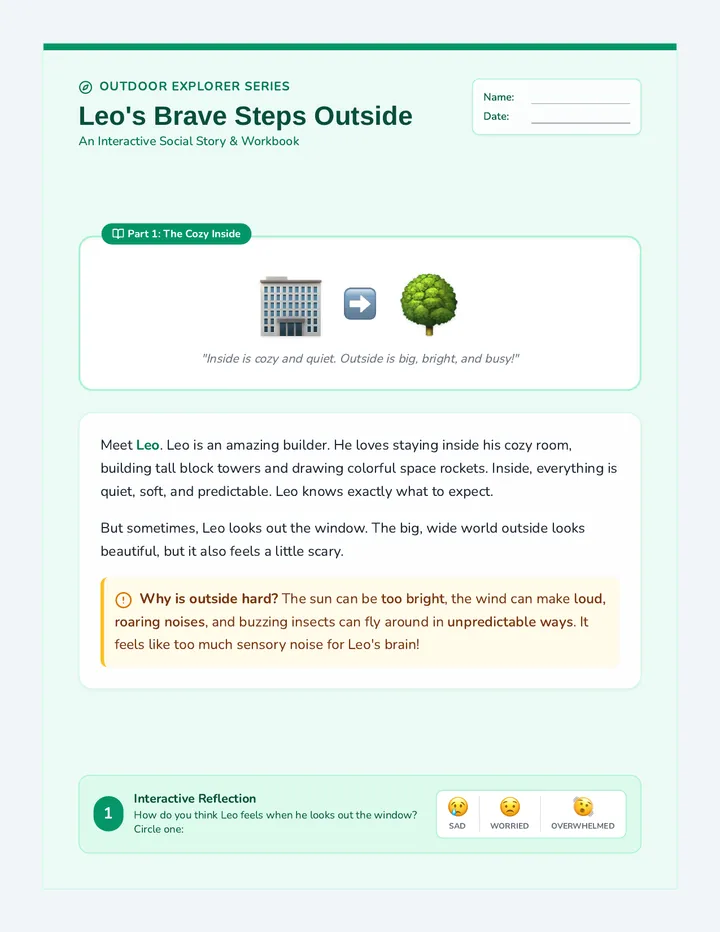
A supportive session for parents at Burlington Public Schools focused on enhancing parenting skills, self-care, and family relationships through the Parenting Journey program.
A focused session on postsecondary self-advocacy, teaching students with learning differences how to communicate their needs to professors and employers. The lesson emphasizes the transition from high school's automatic support to the self-initiated systems of college and the workplace.
A lesson for grades 3-4 on the "Link" strategy for building on ideas and identifying team strengths.
A lesson for grades 3-4 on grounding techniques and practicing gratitude to build a positive mental "weather map."
A lesson for grades 3-4 on setting milestones and maintaining effort through the middle of a difficult task.
A lesson for grades 3-4 on identifying community "ripples" and planning small-scale service projects within the school.
A lesson for grades 3-4 focused on using assertive I-Statements and understanding different points of view during disagreements.
A lesson for grades 3-4 on deeper problem solving, distinguishing fact from opinion, and investigating the root cause of issues.
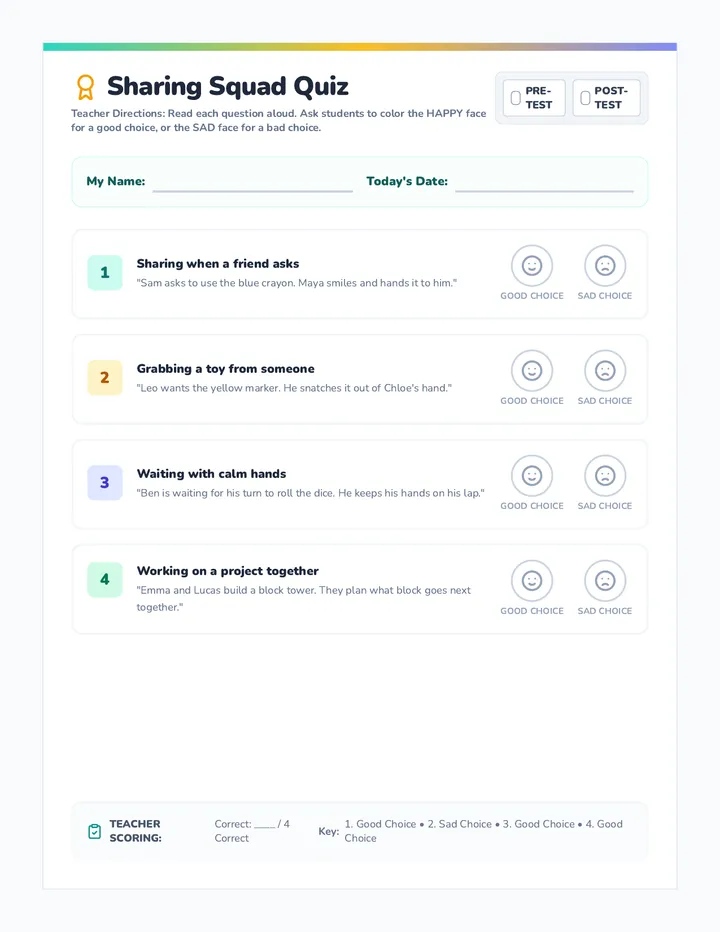
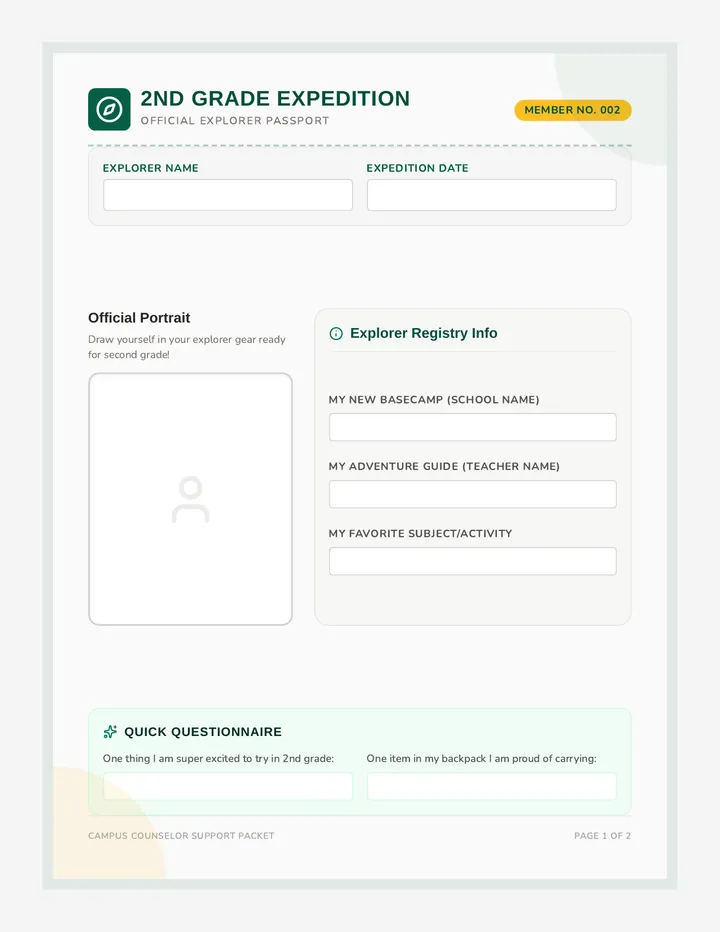
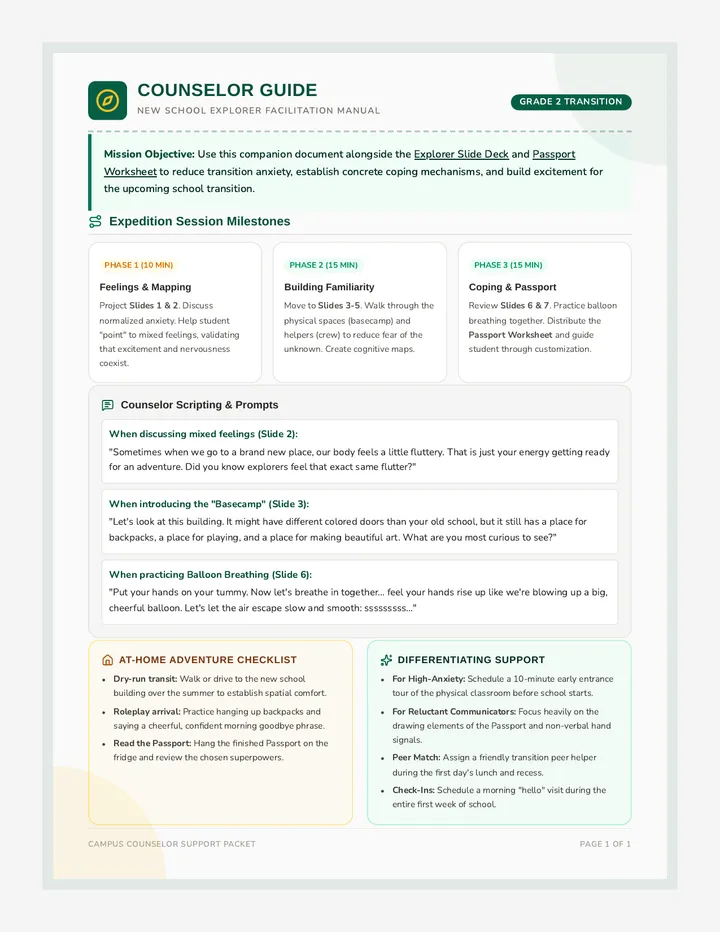
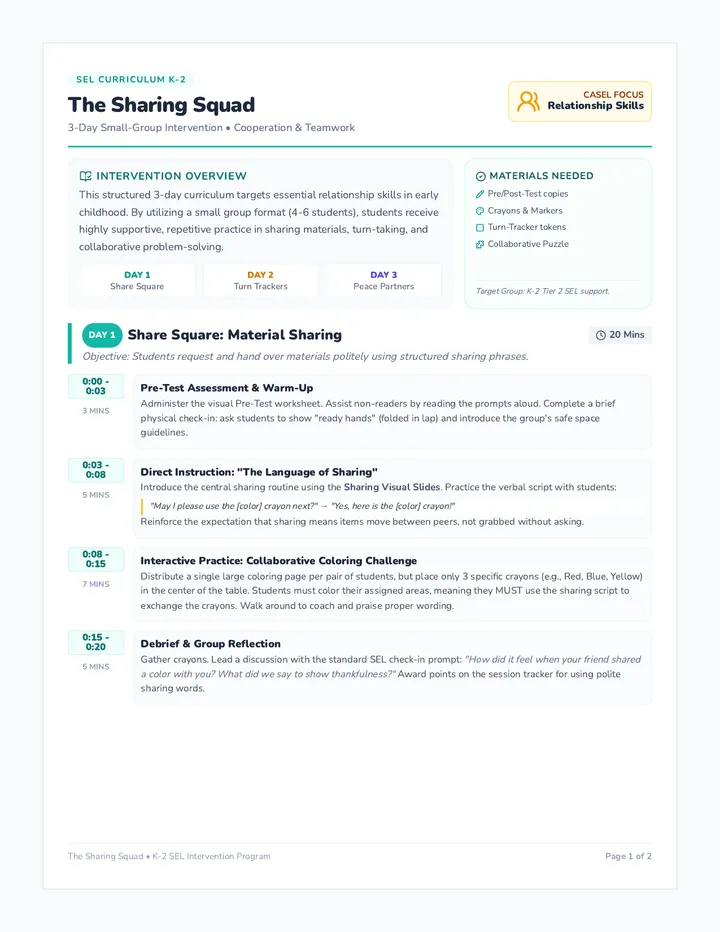
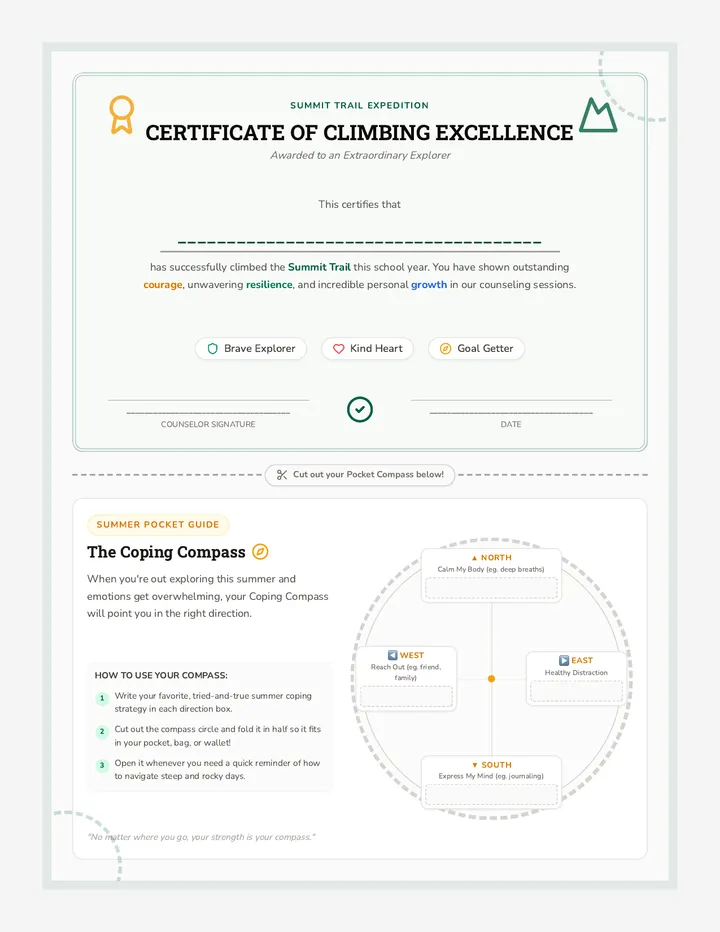
A K-2 lesson on sharing and taking turns to complete simple group activities on the shared trail.
A K-2 lesson on basic emotional regulation using the "Five Senses Search" to stay calm and happy.
A K-2 lesson focused on trying again and using the "Power of Yet" through simple physical challenges.
A K-2 lesson introducing the concept of helping others and noticing needs in the immediate classroom community.
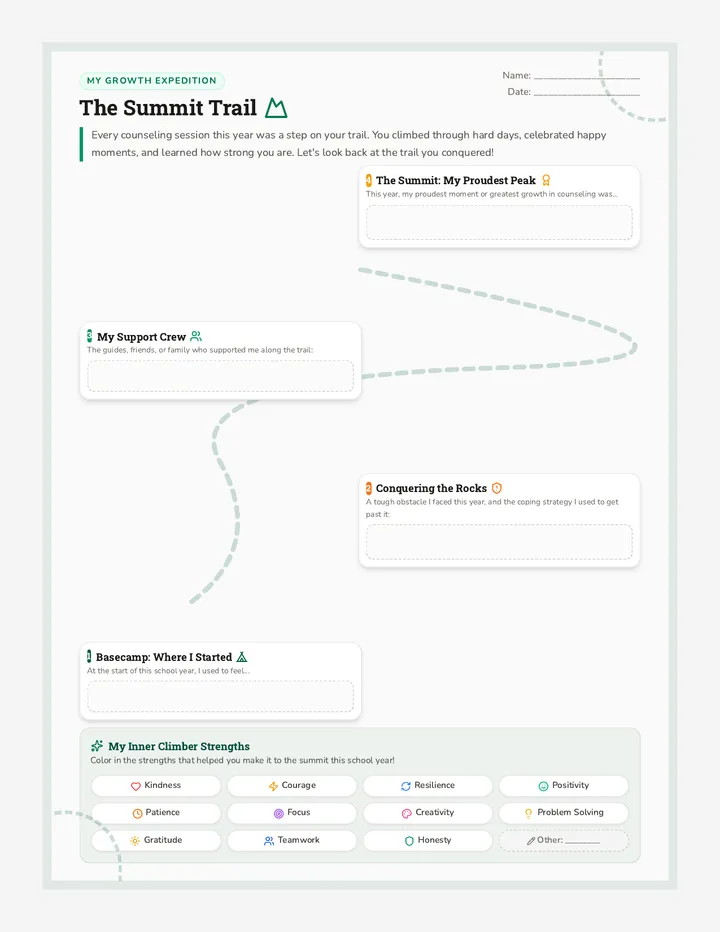
A K-2 lesson teaching Pathfinders to identify feelings and use simple "Peace Breaths" to manage disagreements.
A foundational lesson for K-2 Pathfinders focused on basic problem identification and curious thinking using simplified logic.
A lesson teaching Pathfinders the power of teamwork and collaboration, focusing on active listening, sharing ideas, and the "Link" strategy to achieve shared goals.
A lesson focused on mindfulness and emotional regulation, teaching Pathfinders how to stay centered using grounding techniques and a positive mindset.
A lesson inspiring Pathfinders to take positive action in their community, focusing on responsibility and the ripple effect of kindness.
A lesson teaching Pathfinders the value of perseverance and grit using the Power of Yet to overcome obstacles.
A lesson teaching Pathfinders how to manage disagreements and build peace using I-Statements and perspective taking.
A lesson focused on building critical thinking and decision-making skills, teaching Pathfinders to analyze situations and problem-solve using the 5 Whys.
An introductory lesson to the Young Pathfinders Life Skills Program, providing parents and students with a clear roadmap of the social and emotional journey ahead, powered by Skill Plus.
A comprehensive social skills lesson designed for a 7th-grade student focusing on personal space, responding to 'No', and handling rejection with maturity and respect.
A comprehensive exploration of neuroplasticity and growth mindset designed for middle schoolers. Students will learn the biological basis of learning and how to apply brain science to overcome challenges.
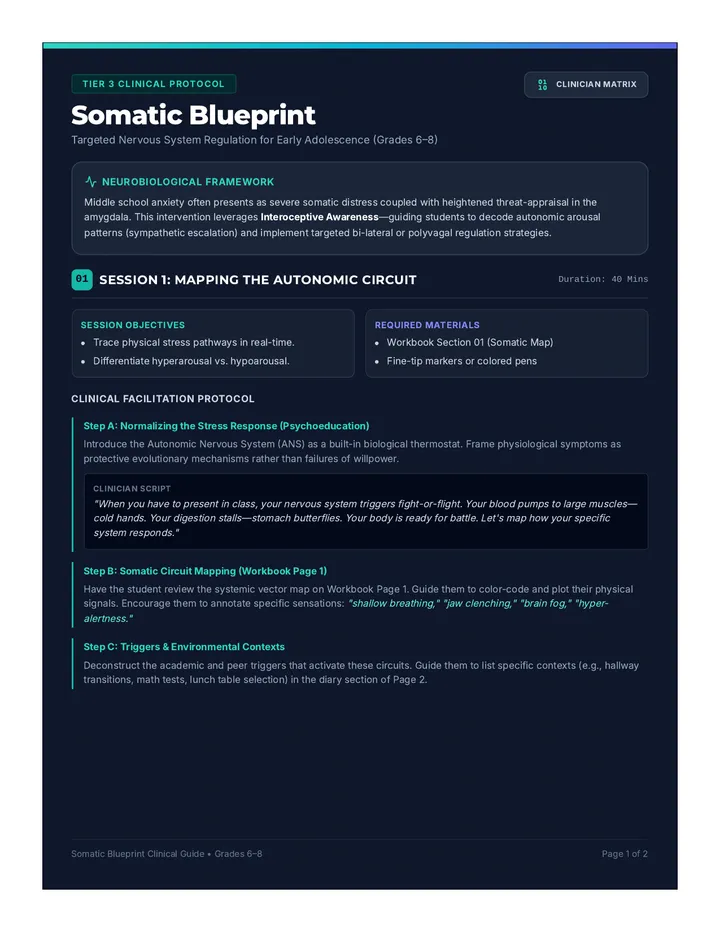
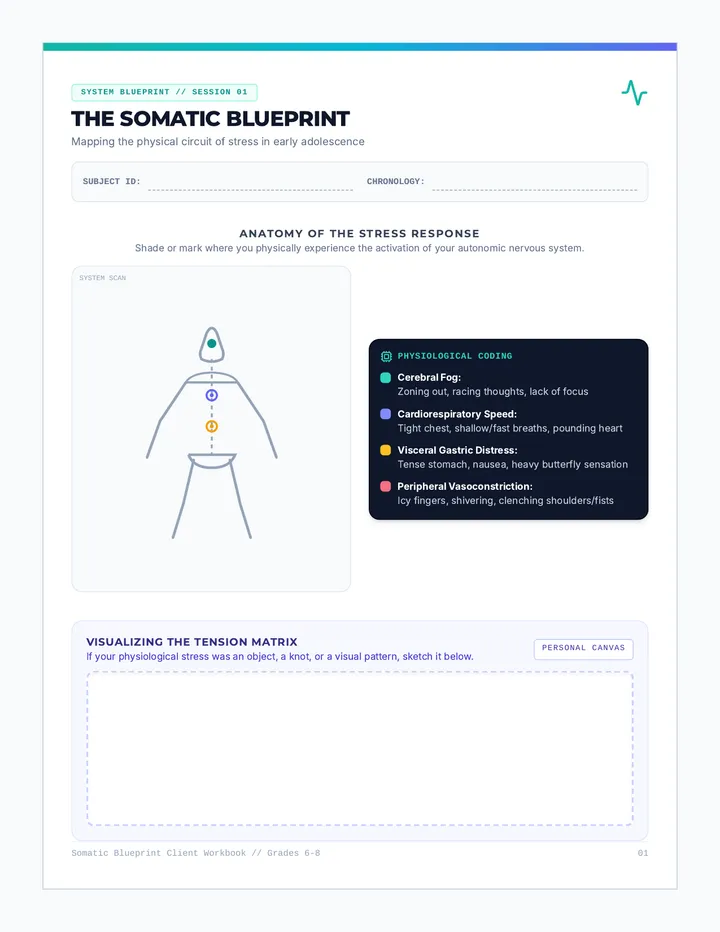
This lesson introduces the fundamentals of somatic tracking, a technique used to re-train the brain's response to physical sensations by observing them through a lens of safety and curiosity. Students will learn the four-step process of anchoring, noticing, describing, and reassuring to build foundational body awareness.
A high-energy, 30-minute coaching session focused on five critical self-advocacy scenarios. Includes role-play, visual aids, and practical toolkits for immediate application in real-world settings.
High schoolers align their device habits with professional workplace standards, focusing on agency and self-regulation.
Eighth graders develop peer accountability allies and set community standards for focused digital collaborative work.
Seventh graders explore the difference between compliance and agency, evaluating how their digital navigation builds their personal brand.
Sixth graders analyze the attention economy and map out personal accountability safe-zones for any classroom environment.
Fifth graders model digital leadership by sharing navigation strategies and mentoring peers in responsible device use.