A foundational lesson for kindergarteners to identify, categorize, and understand a variety of emotions, from basic to more complex states like bravery and confusion.
This lesson helps students explore the feelings associated with housing changes and provides tools for managing worry and uncertainty. It emphasizes that while living situations may change, the student's value and their 'inner home' remain constant.
A foundational 60-minute lesson introducing K-3 students to the concept of Executive Functioning using the 'Brain Captain' metaphor. Students explore the 9 core mental departments through interactive group activities and self-reflection.
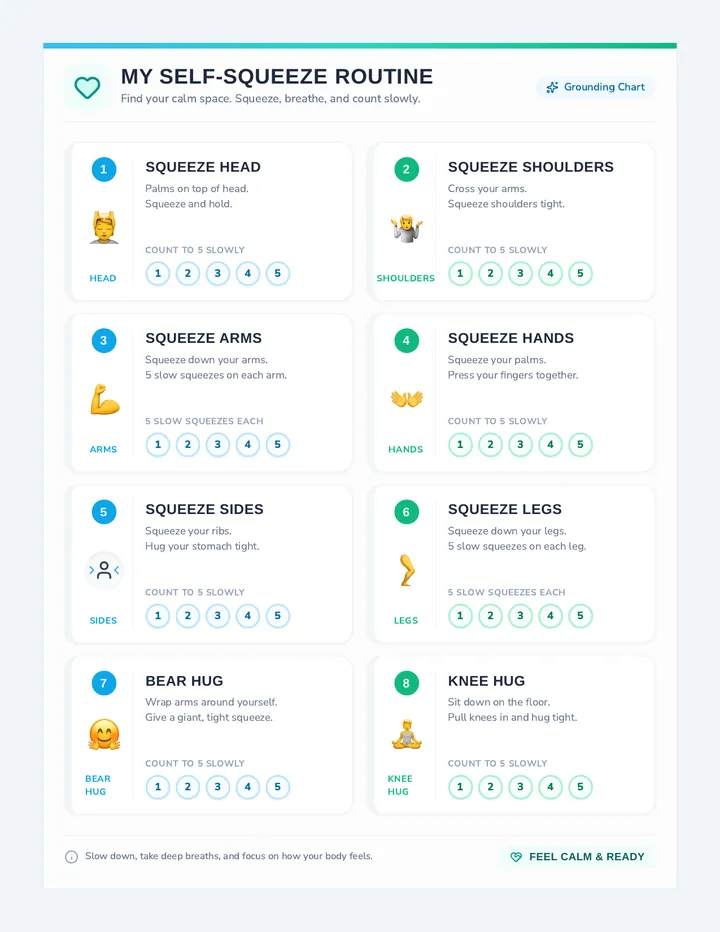
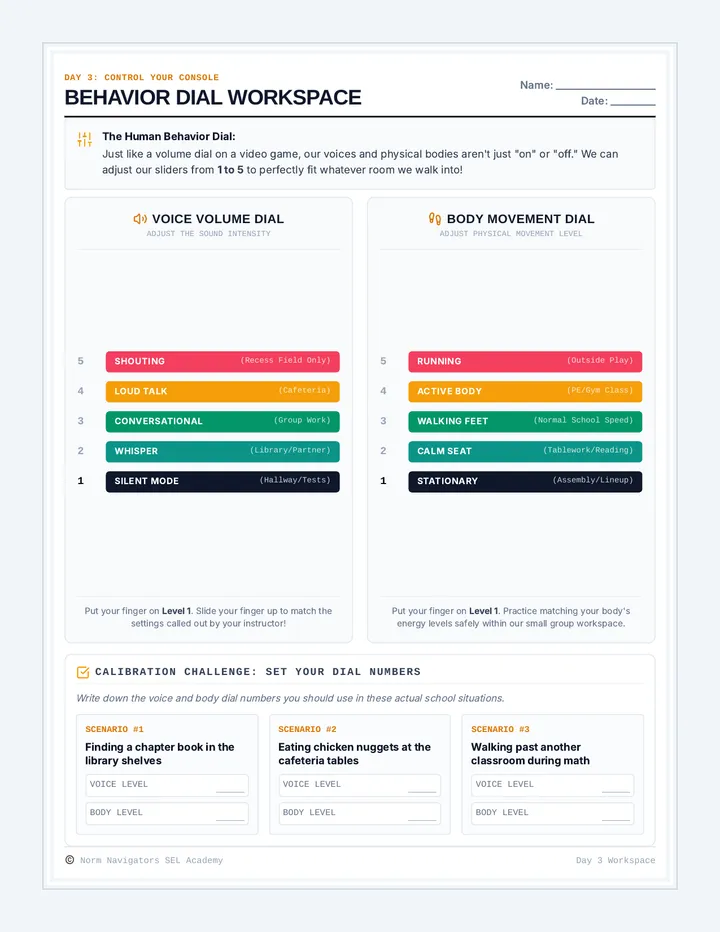
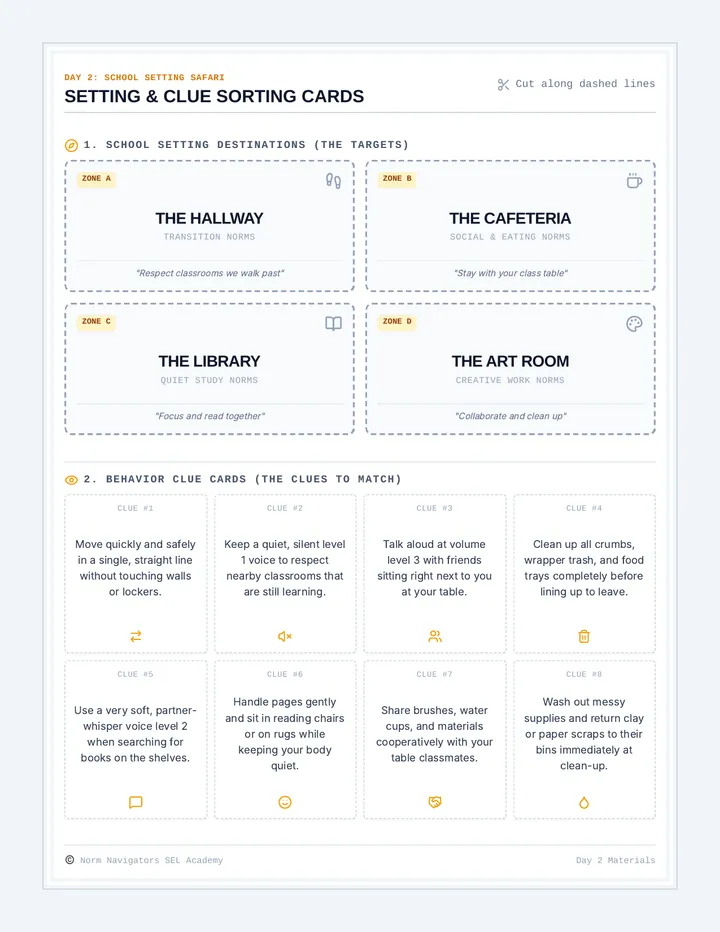
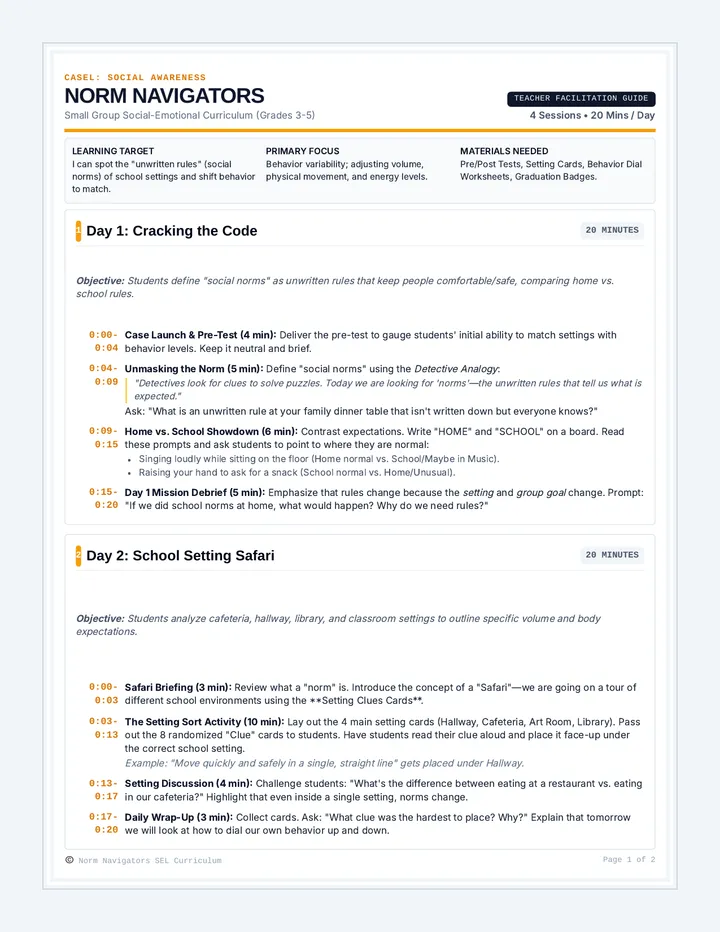
This lesson teaches students how to recognize and maintain a calm body and voice in different environments. Students will learn the difference between 'inside' and 'outside' behaviors and practice self-regulation techniques.
A 45-minute exploration of diverse cultural perspectives on mental health, healing, and wellbeing, focusing on Indigenous, collectivist, faith-based, and Western models. students will learn about the importance of culturally responsive care and how to advocate for culturally safe mental health supports.
A 40-minute interactive lesson for 7th-8th graders on the 'Bystander Effect' and practical, safe intervention strategies (the 4Ds) to transform from a passive bystander into an active upstander.
A 40-minute Social-Emotional Learning lesson for grades 7-8 focused on identifying healthy and unhealthy relationship patterns. Students explore the characteristics of respect and trust, recognize red flags like control and isolation, and discuss the nuances of digital-age relationships.
A 45-minute workshop-style lesson designed for secondary students to empower them as mental health ambassadors. Students learn to conduct needs assessments, plan authentic campaigns, and measure their impact while aligning with TDSB wellbeing frameworks.
A 45-minute lesson for high school students focusing on life promotion through protective factors, meaningful connections, and a sense of purpose. This strengths-based lesson moves beyond risk to build hope and community belonging.
A comprehensive 45-minute lesson for high school students exploring the mechanics of anxiety, cognitive distortions, and evidence-based coping strategies through a destigmatizing and practical lens.
A 40-minute exploration of the neuroscience behind mental health, focusing on the stress response (amygdala vs. prefrontal cortex), the biological foundations of wellbeing, and practical strategies for emotional regulation.
Simplified financial literacy lessons for students needing high-visual support and practical, functional application of budgeting concepts.
Students will learn the fundamentals of creating and maintaining a budget, distinguishing between needs and wants, and understanding fixed versus variable expenses.
A K-2 social-emotional learning lesson that teaches students the difference between tattling (to get someone in trouble) and reporting (to keep someone safe) using a 'Big Picture' telescope metaphor.
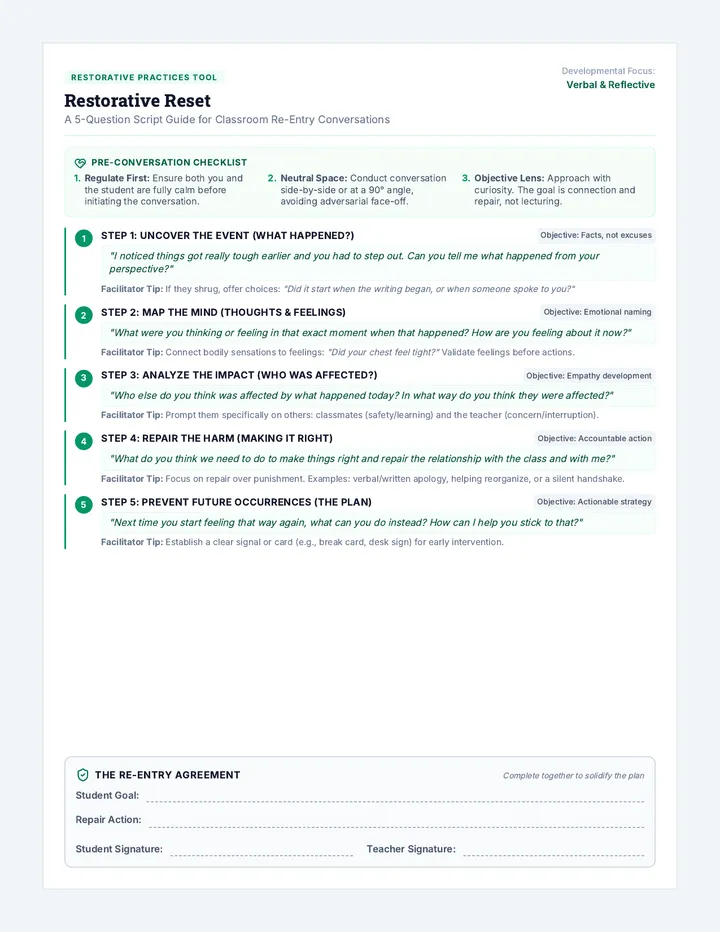
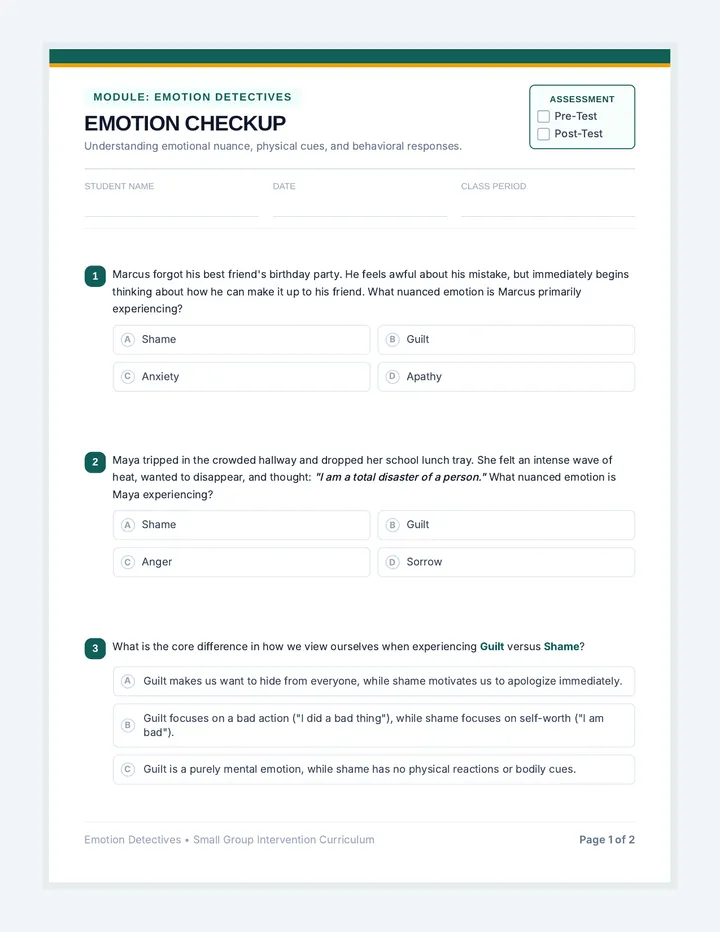
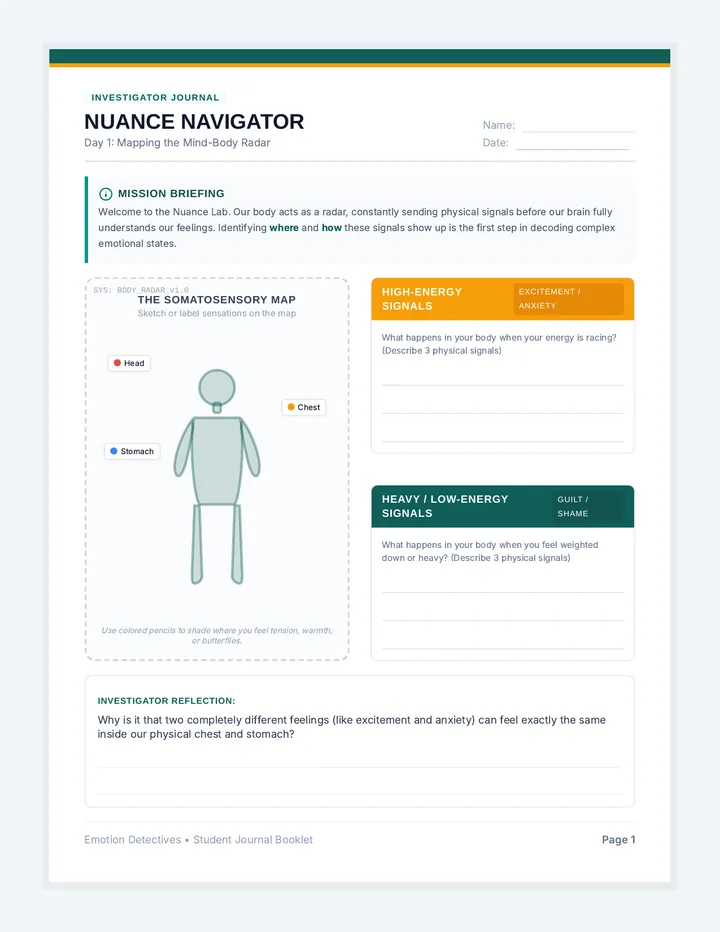
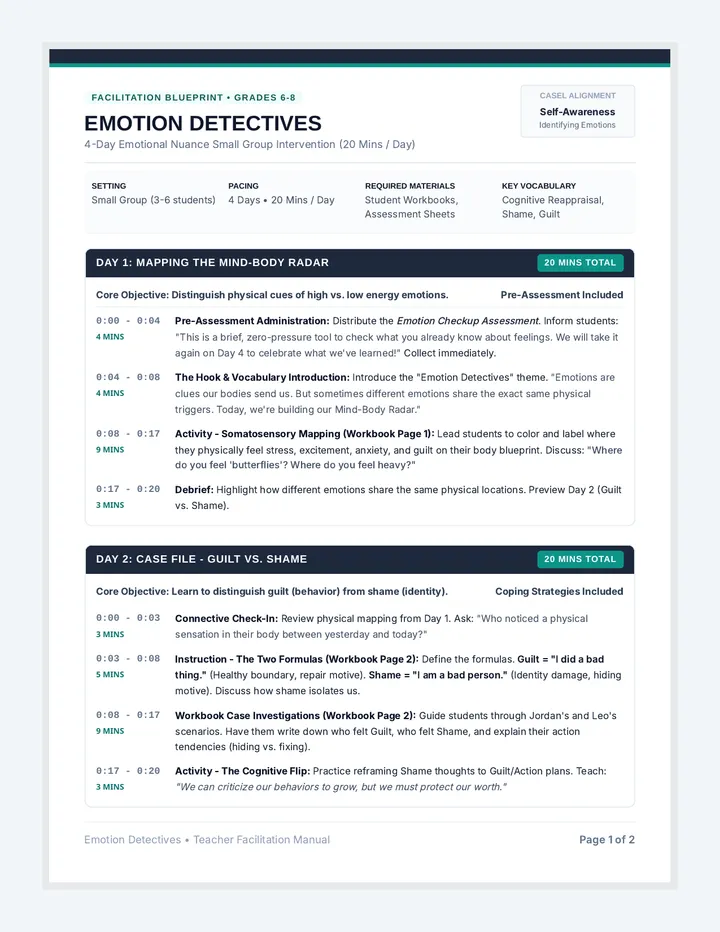
A fast-paced 10-minute lesson where students become 'Emotion Detectives' to identify feelings through facial expressions and learn how these feelings impact their choices and responsibilities.
A 10-minute social skills lesson for preschoolers focused on the virtue of self-control during transitions, specifically lining up from playtime. Includes a social story and role-playing activities.
Focuses on Docility as the humble openness to being taught, linking it to the SEL skill of seeking help and accepting feedback. Students identify mentors and the role of the Holy Spirit in guiding their growth.
Explores Foresight as a component of Prudence, connecting it to SEL goal-setting and self-discipline. Students practice predicting the long-term spiritual and social outcomes of their current actions.
Introduces the virtue of Prudence and its sub-virtue of Circumspection, focusing on the SEL skill of impulse control and situational awareness. Students learn to 'pause and look' at all circumstances before making a decision.
In this asynchronous lesson, 5th-grade students explore the concept of executive functioning through a 'Mission Control' theme. They conduct a personal 'Brain Scan' to identify strengths and growth areas before designing a 'Flight Plan' goal that targets a specific expectation, location, and time.